We arrived in Manhattan by the Long Island Rail Road late morning on Saturday, October 18. We walked the short distance from Penn Station to Times Square, where a crowd was in motion.
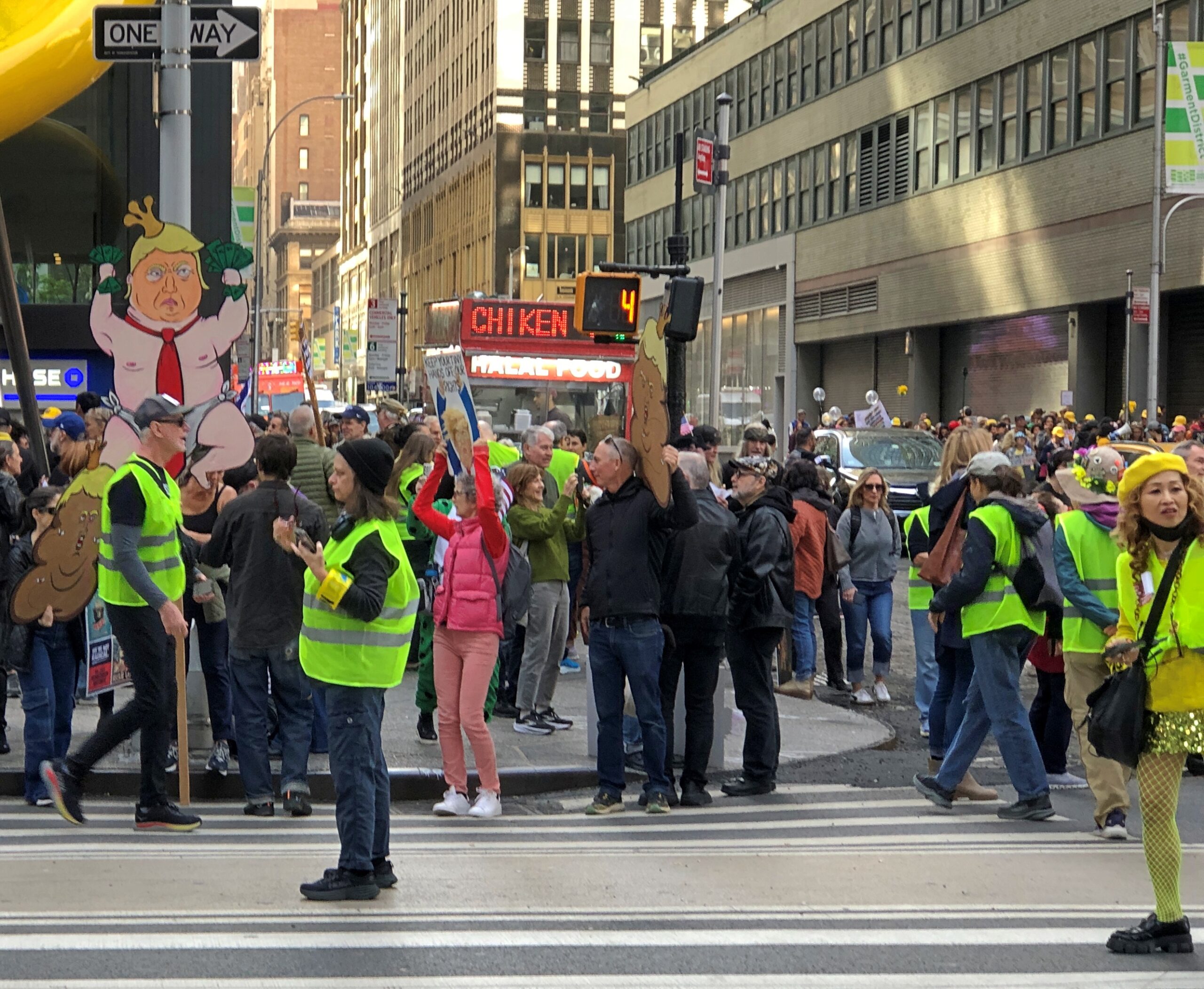
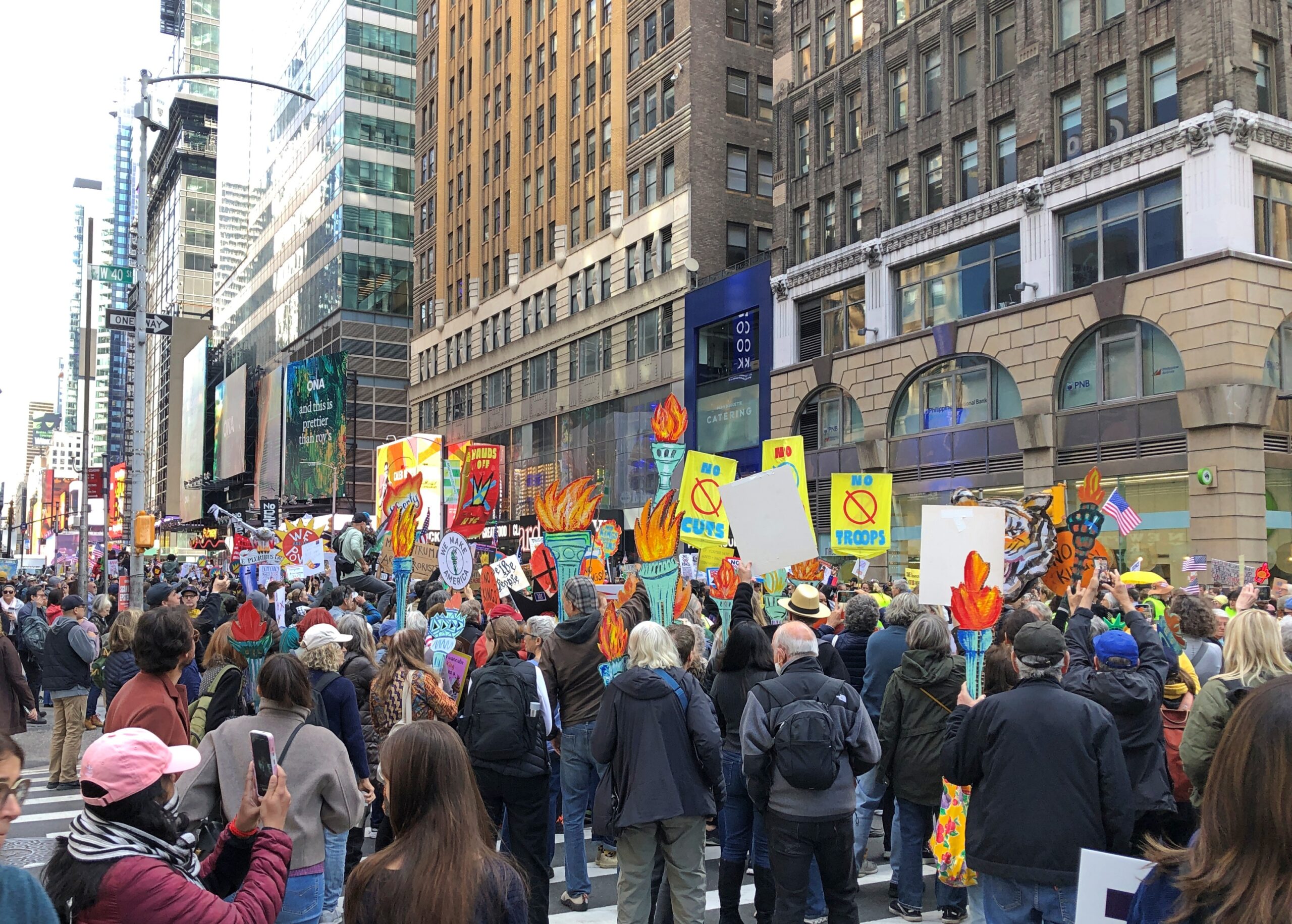
We hadn’t come to New York for No Kings, but Open House New York. Some days earlier, I’d read about the protest was scheduled for late morning on Saturday, October 18. Well now, that’s good timing.
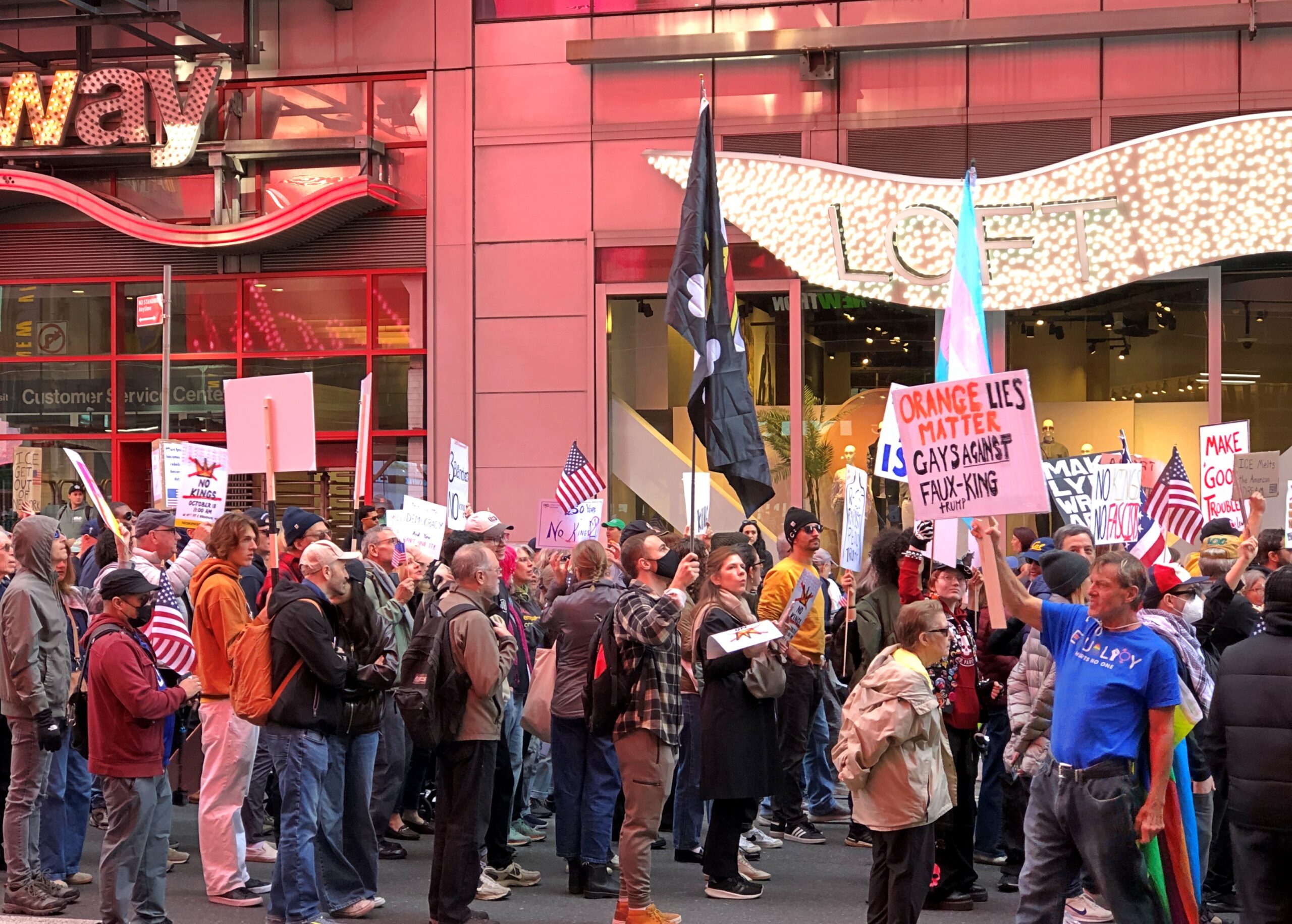
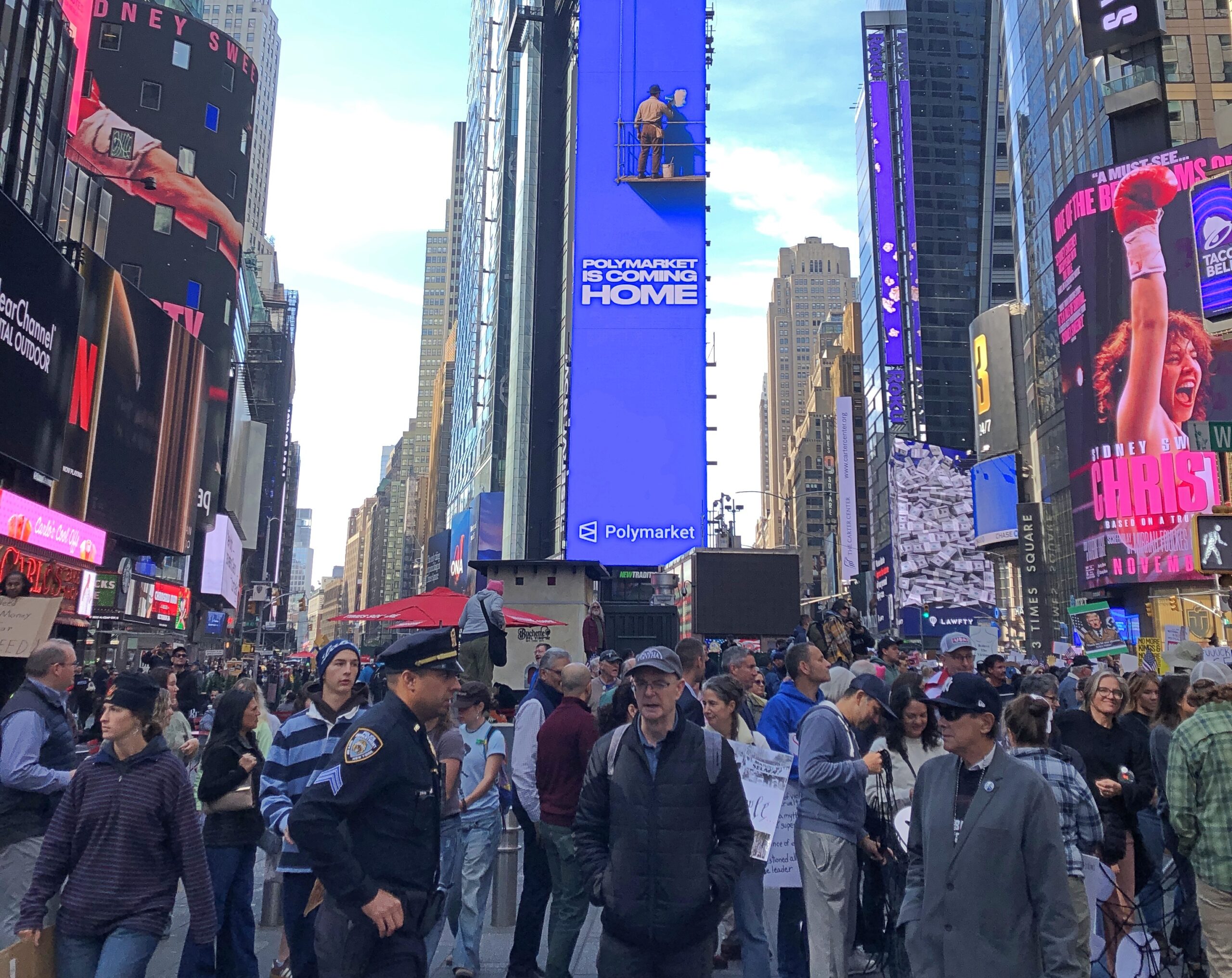
About 100,000 came out in the city’s five marches, one for each borough, according to the NYPD, which is probably as good an estimate as any. Maybe 75,000 of those were in Manhattan?
A small number compared, say, with New Year’s Eve in Times Square – an event not to be found on any list of the things I dream of doing. They say that pulls in a million souls. Of course, it’s easier to draw a crowd for a drunken holiday revel than a sober civic rally. Also, that million people are far more regimented than any mere anti-administration march. Regimented by the police, that is. No Kings, though informal in most ways, was self-regimented. Seems that the NYPD made no arrests associated with the NYC marches.
March? More of a mass walk. Considering some of the egregious behavior being protested, the walking crowd was cheerful. Cheerfully angry, you might call it. As Spock might say in observing such peculiar human emotion, “fascinating.” Then again, it was a middle-class protest, largely attracting people (like me) who would have been nowhere near if they thought a riot was even a little likely.
Do these or any protests make any difference in short- or longer-term policy? Who knows. It is pretty to think so, but the notion wasn’t going to keep us at No Kings more than about a half hour, some of which was spent navigating upstream – which happened to be uptown – against the downstream human tide – who happened to be going downtown.
We numbered three by the time we got to Times Square. The train that Yuriko and I took from Syosset Station on Long Island went to Penn Station, and by the marvel that is texting, we were able to arrange a meeting there with Geof Huth, resident of Astoria these days, in the terminal’s new great hall.
I was astonished by the new hall, called the Moynihan Train Hall and completed only in 2021. Clearly I hadn’t kept up with major redevelopment projects in New York. SOM did the design, knocking it out of the park. I’d been fully prepared for the dowdy experience that Penn Station has been since the notorious destruction of the previous one in the 1960s.
Instead, we entered an open, elegant, fully modern space, crowned by the glass and steel of an expansive skylight and watched over by a four-faced clock on a pole. I was even more surprised when we headed outside and realized that the Moynihan Train Hall was created inside the city’s former main post office, the James A. Farley Building. The last time I thought about that massive, remarkable Beaux-Arts structure (McKim, Mead & White) was the last time I walked around this part of NYC, when it was still a post office.
The Farley exterior gleams the gleam of a newly restored facade, and happily kept the post office faux-motto: Neither snow, nor rain, nor heat, nor gloom of night stays these couriers from the swift completion of their appointed rounds. Good to see.
After leaving the No Kings crowd, we made our way to 20 West 44th Street, an 1899-vintage building and home of the General Society of Mechanics and Tradesmen of the City of New York.
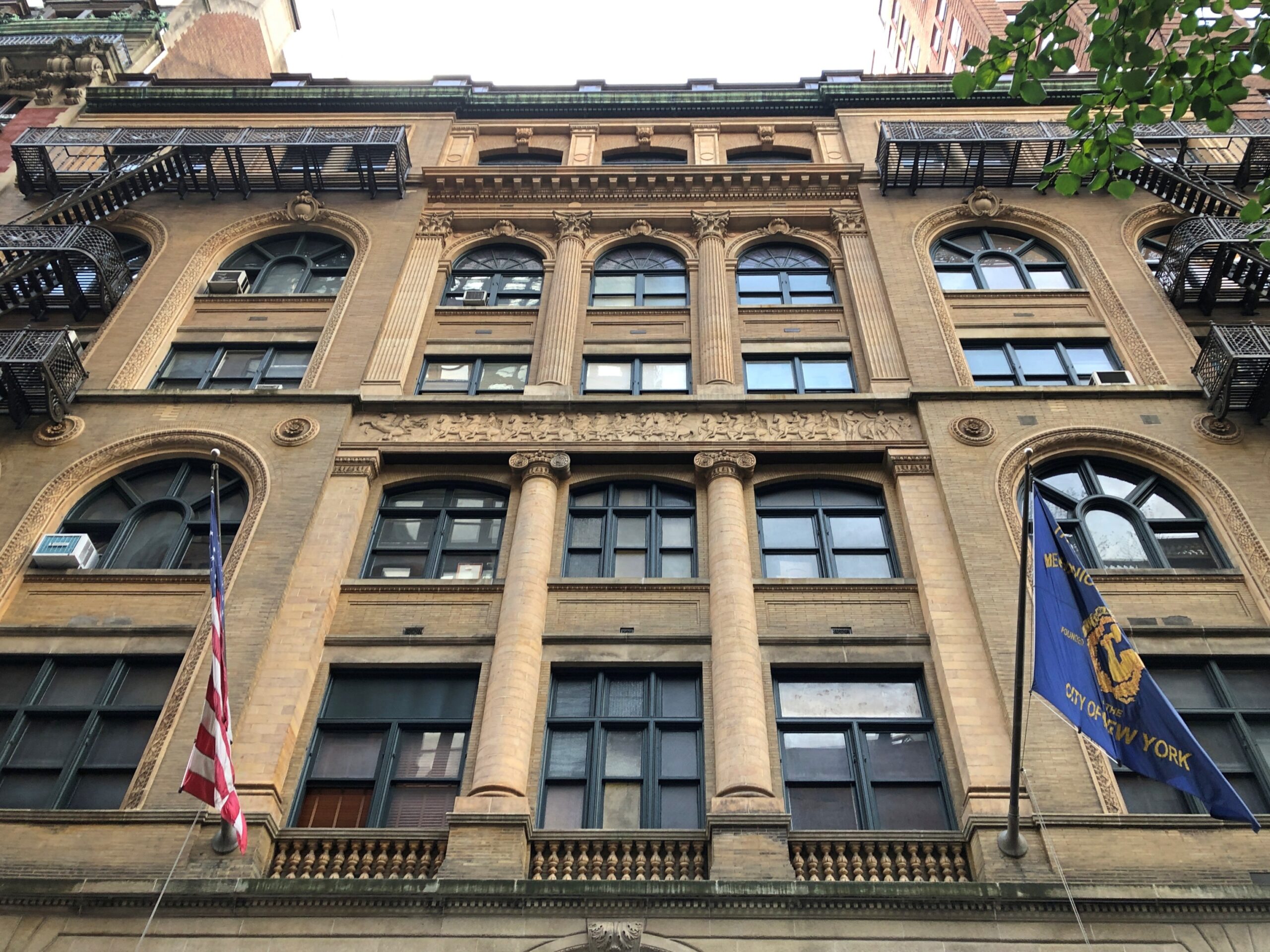
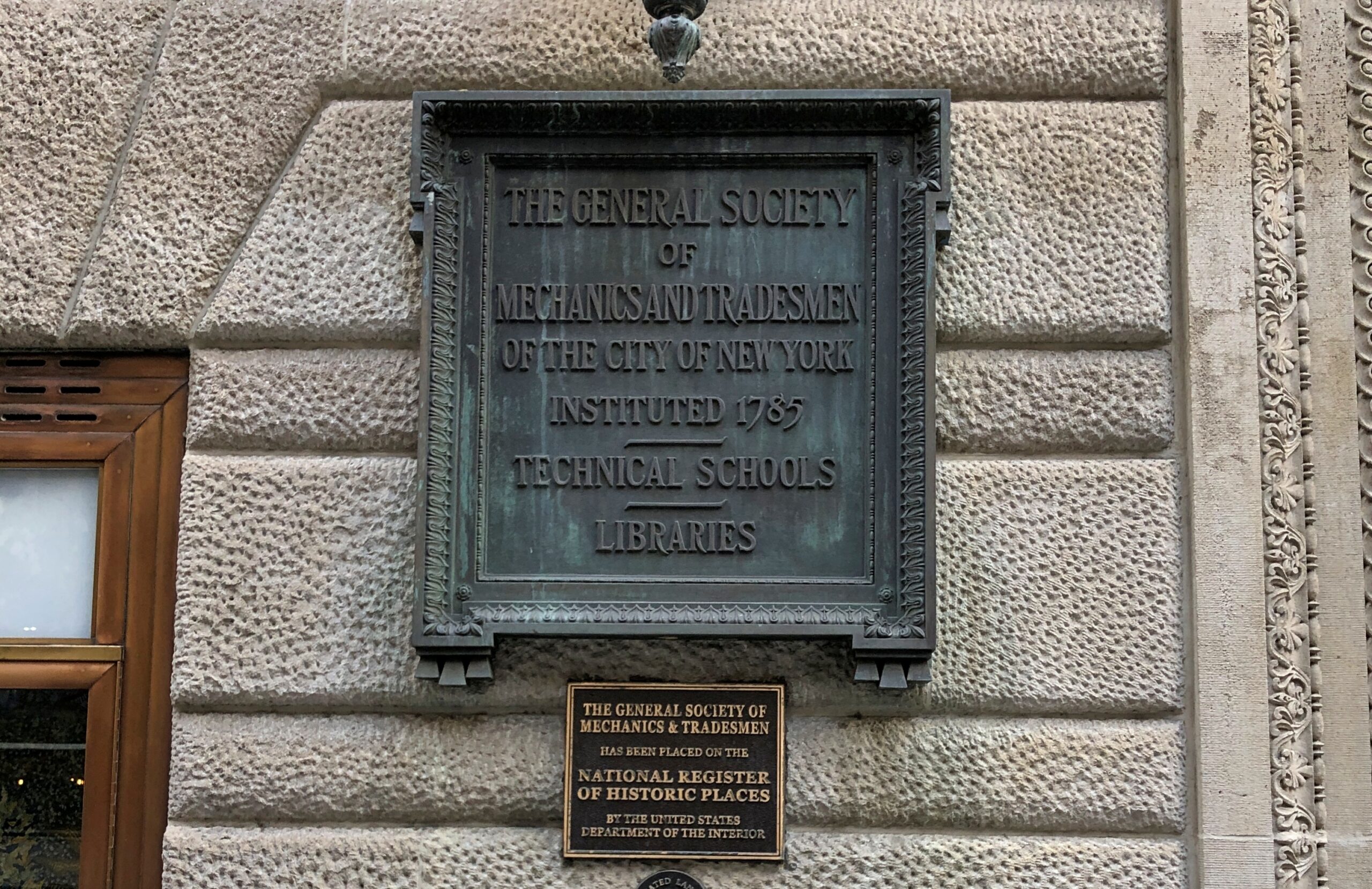
It was open for the Open House.
“The second-oldest library in the city includes a light-filled atrium that is used as a vibrant programming space by the General Society and other nonprofits,” notes the OHNY web site. “Overlooking the library on a striking wrought iron balcony is the John M. Mossman Lock Collection, which contains more than 370 locks, keys, and tools dating from 2000 BC to the early 20th century.”
.jpg)
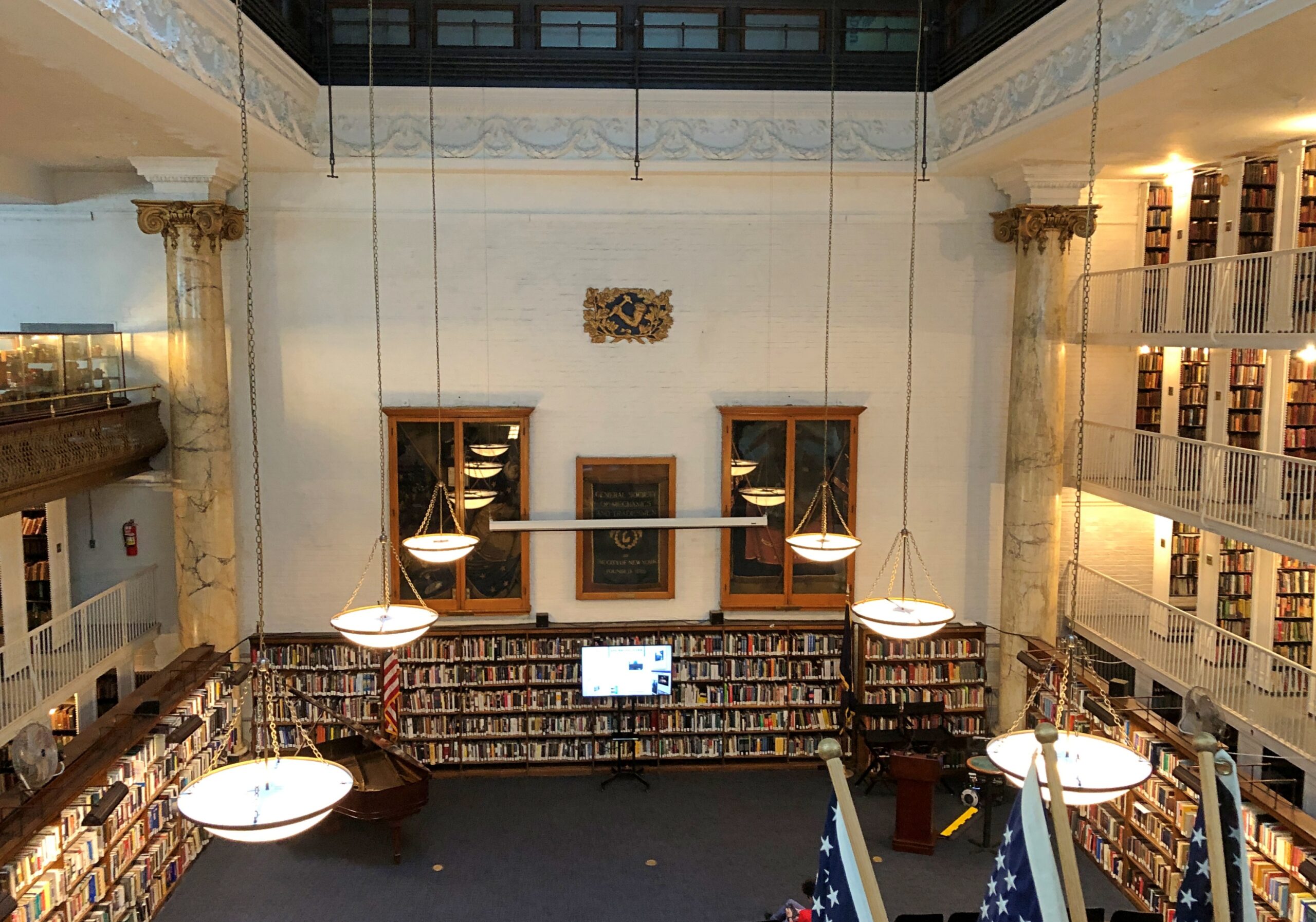
Nothing like a handsome pre-war (Great War) building in which to spend some time. The enormous lock and key collection attests to the fundamental dishonesty of a fraction of mankind, and the ingenuity brought to the task of coping with that fact.
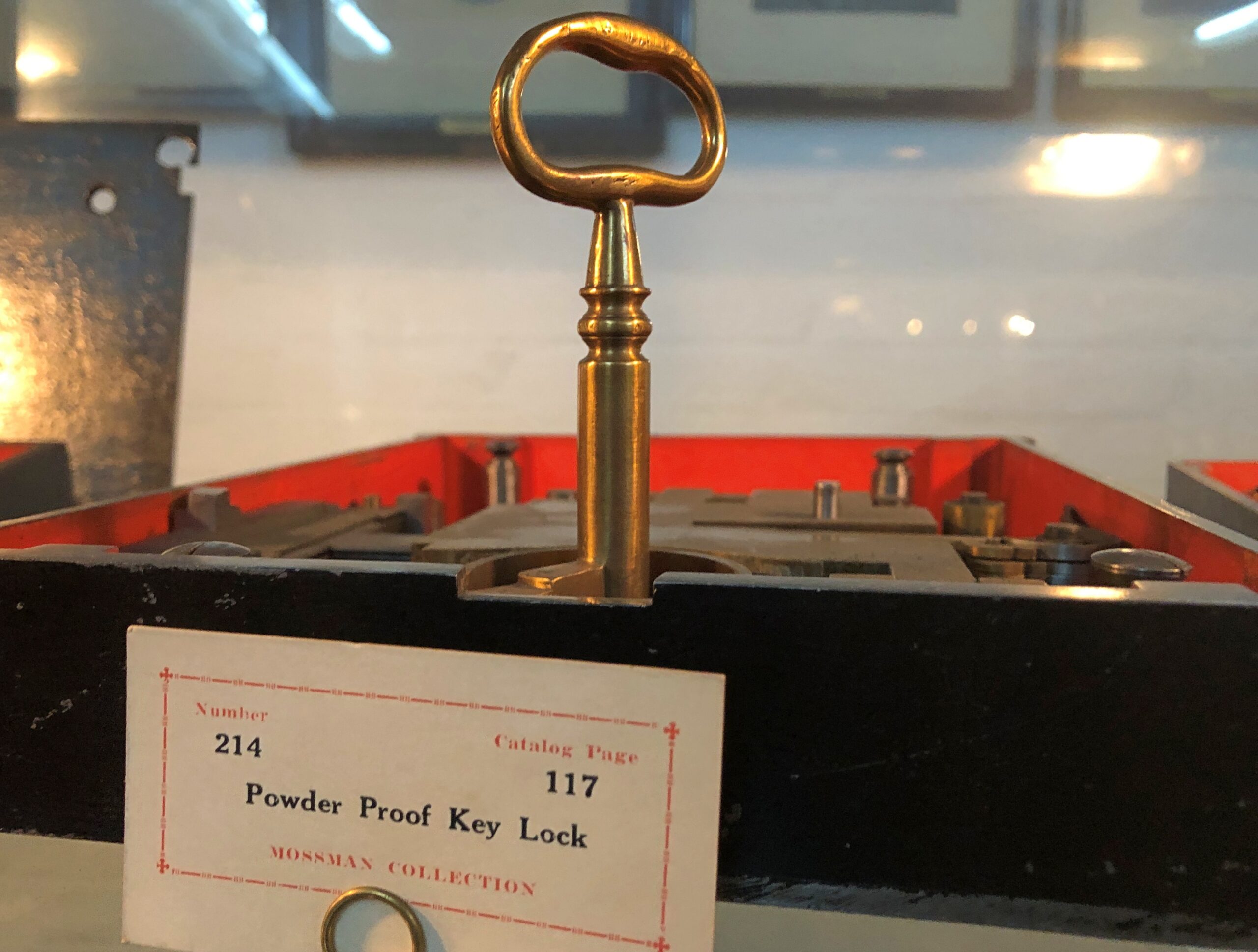
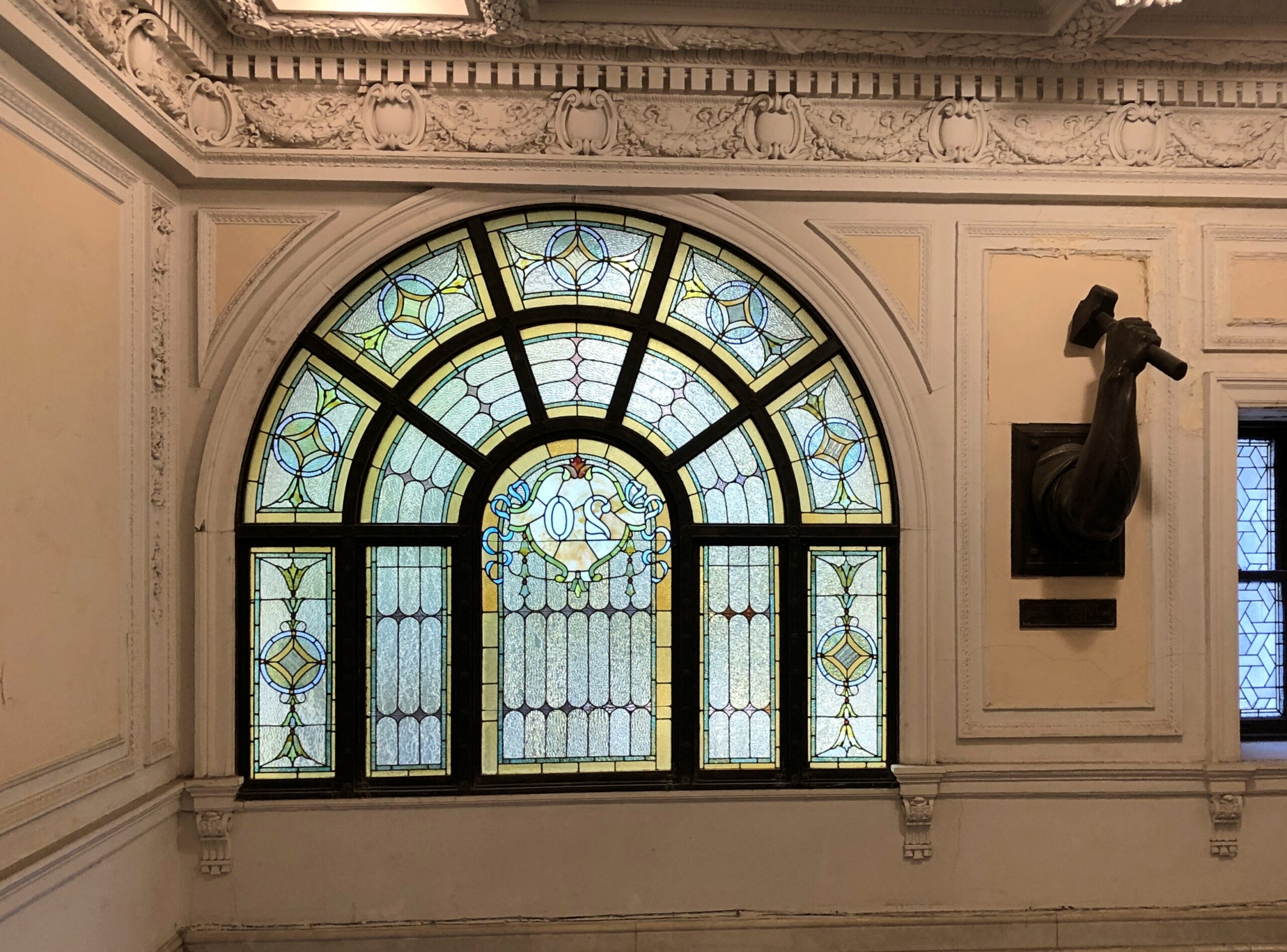
As for the General Society, it provides training and other assistance to skilled craftsmen, beginning in the late 18th century (at different locations) and down to the present. Its motto: By hammer and hand all arts do stand. That accounts for the hammer and hand emerging from the wall in its space.
As for the other nonprofits in the building, they include the Horological Society of New York, keeper of all things related to timekeeping since 1866.
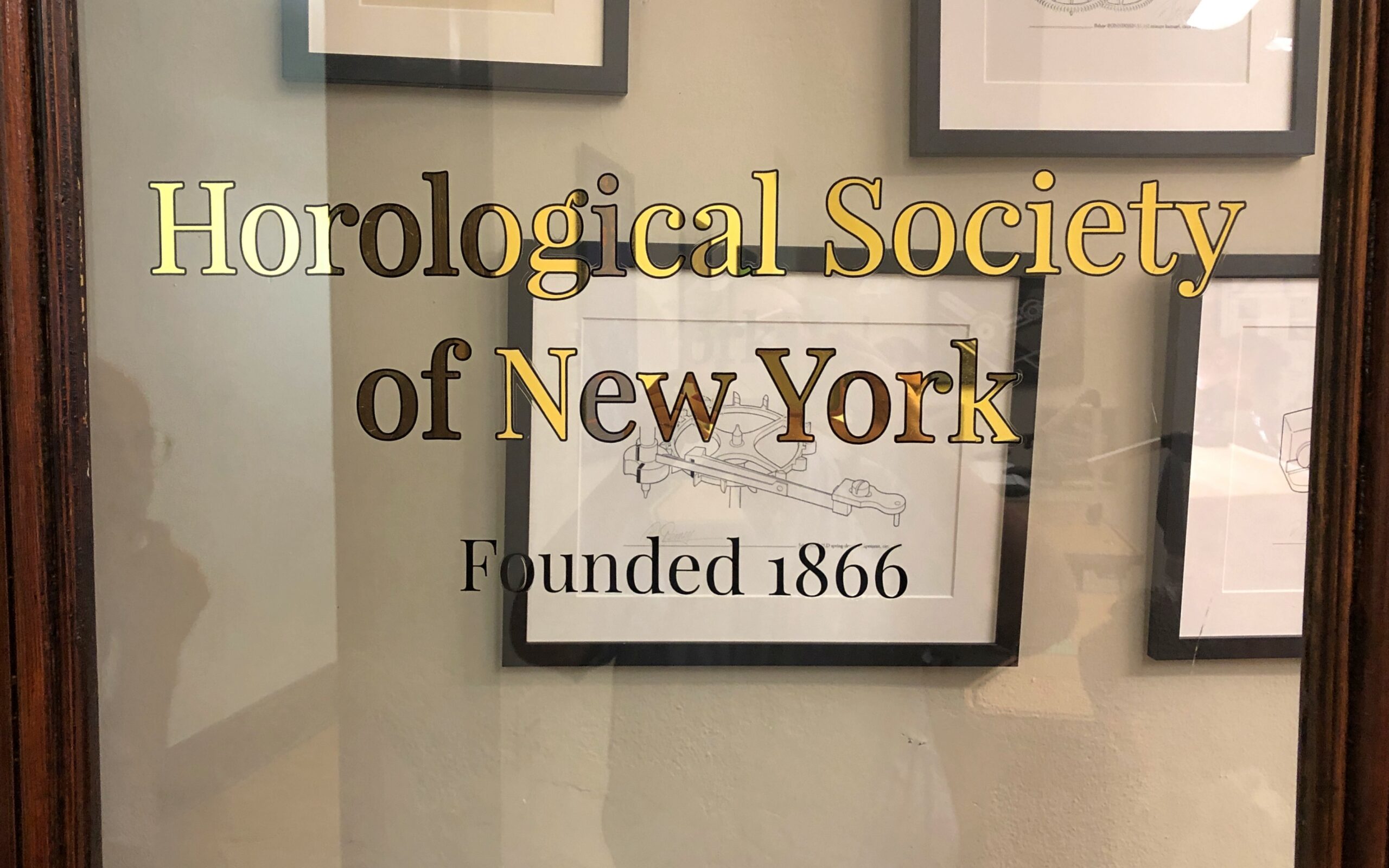
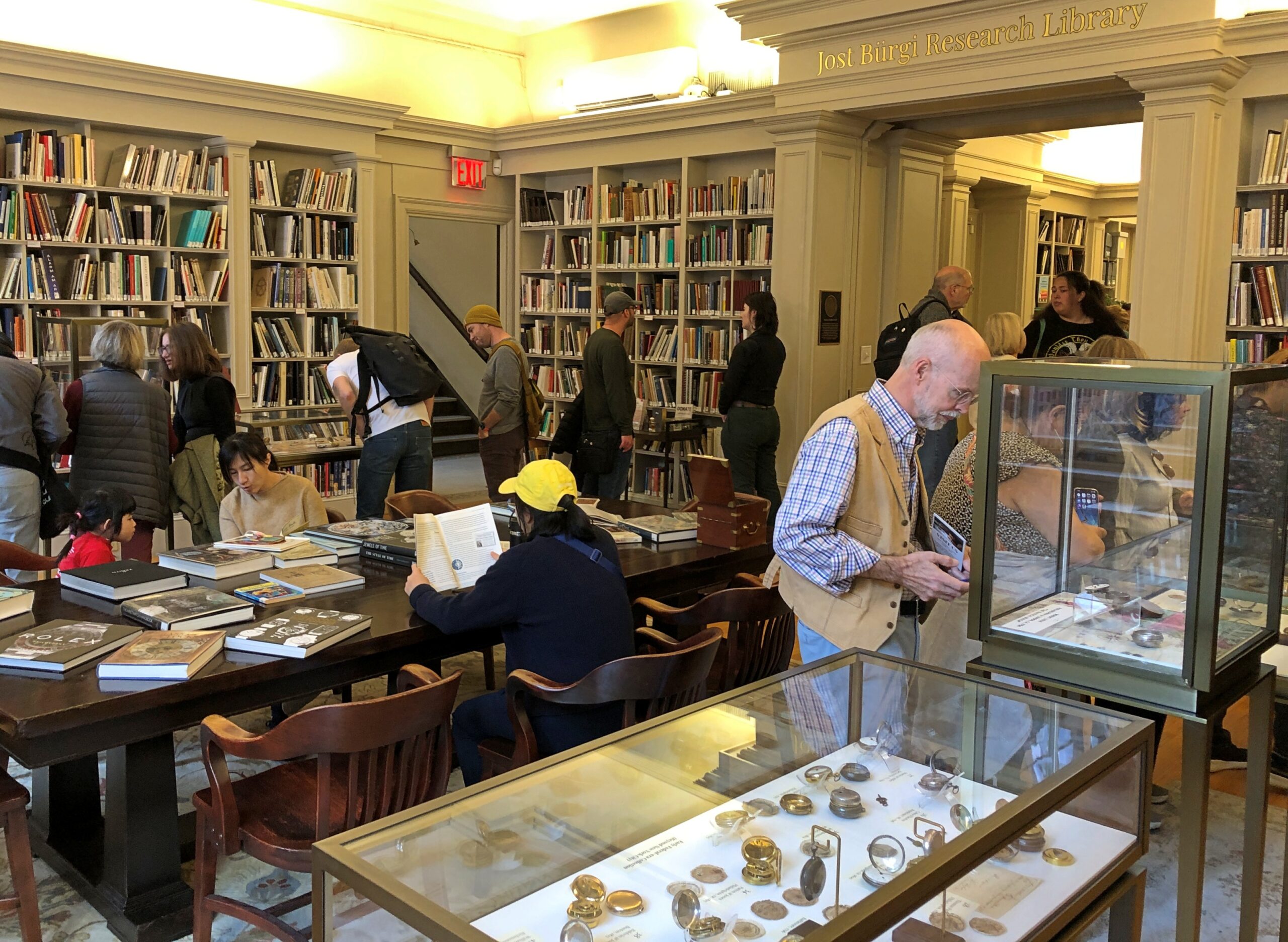
It too was open, and we visited the impressive collection of watches and clocks and horological tools and books.
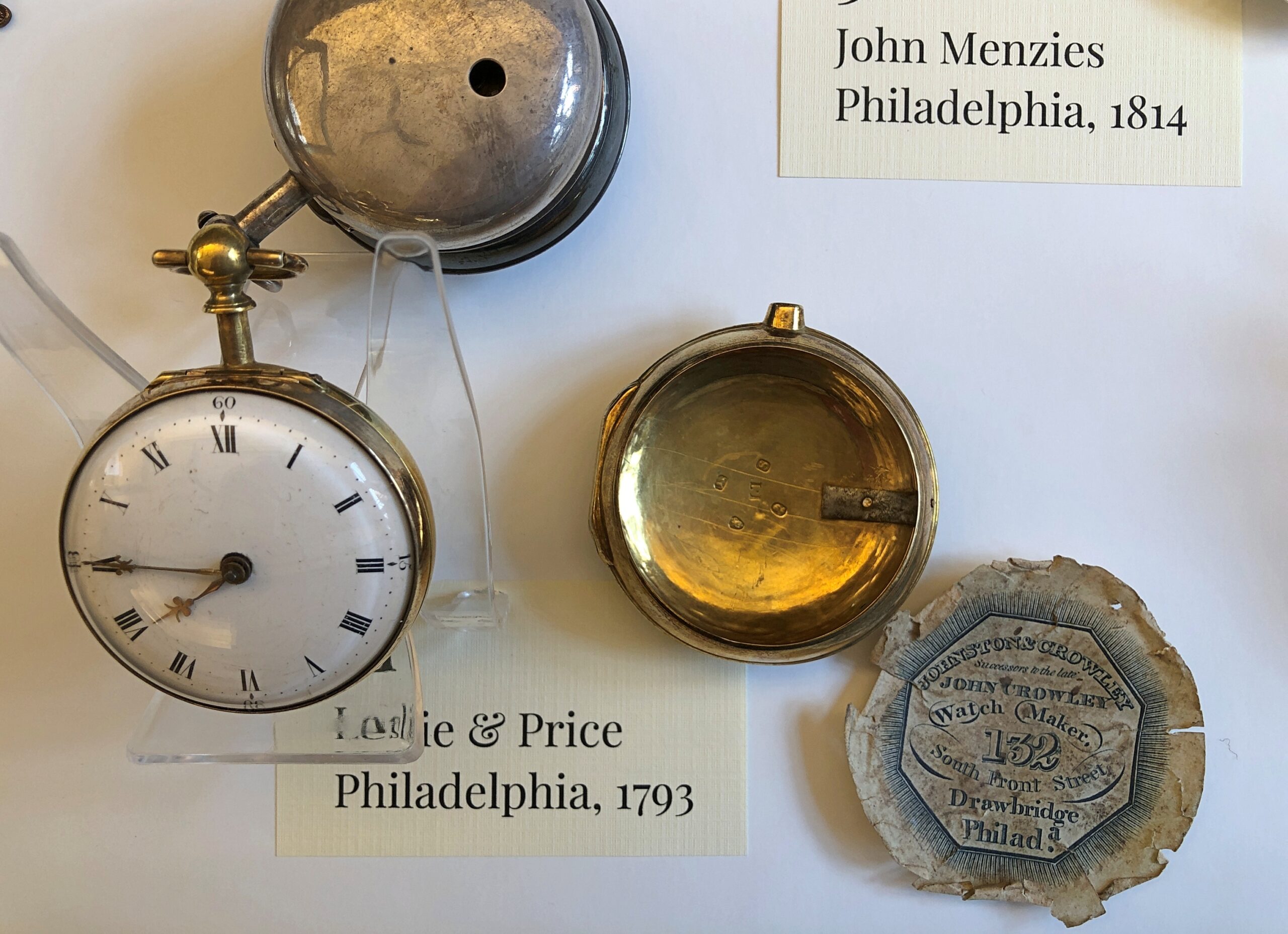
This is no fusty org relegated to the part-time care of antiquarians. HSNY has the organization heft (and scratch) to put on enormous annual galas, with the next one slated for the Plaza Hotel next year to celebrate its 160th anniversary. That will certainly be a picture to behold.