I’ve seen maps of Everglades National Park for years, and noted with great interest the main road snaking through the park, from the southern part of greater Miami to a point on the peninsula’s south coast. It was a road I’d long wanted to drive (in red, below), and on the afternoon of December 12, that’s what we did. Only about 40 miles each way in the park, so not too long a drive.
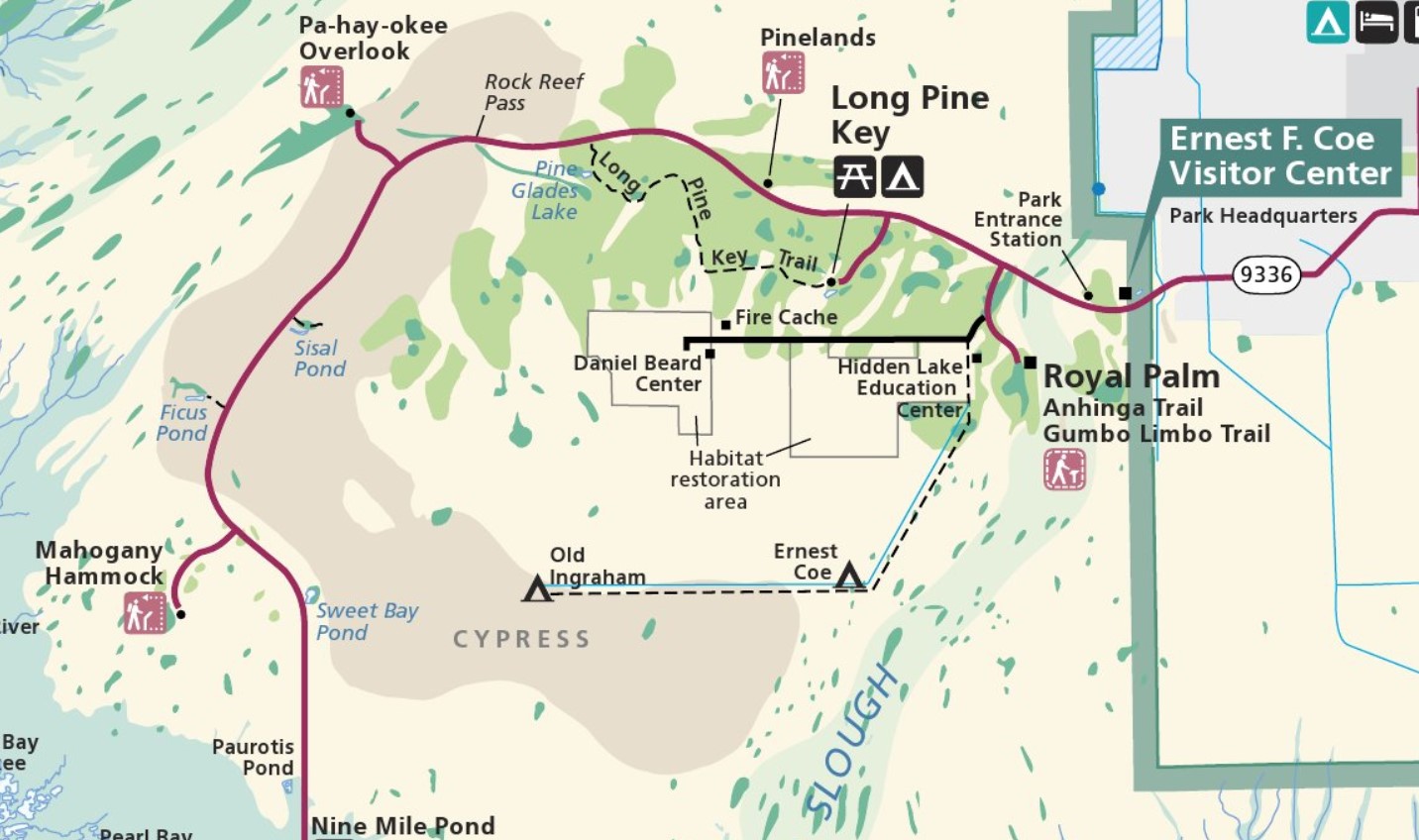
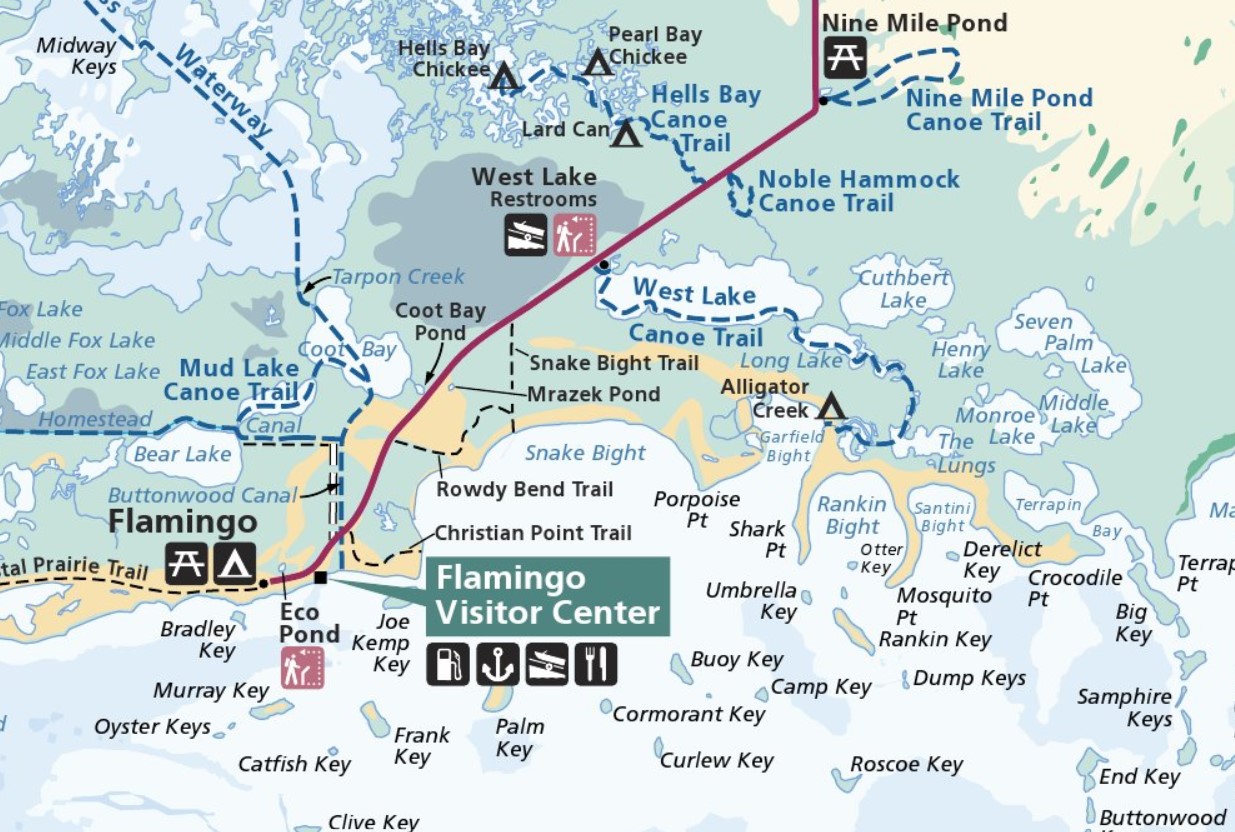
We stayed in Homestead, as far south as metro Miami goes, for the purpose of visiting the Everglades. Outside the park, the road is Florida 9336. Inside the park, it’s the less interestingly named Main Park Road. Odd, considering that some examples of nearby features are named Gumbo Limbo Trail, Hells Bay Canoe Trail, Alligator Creek, Snake Bight Trail and Coot Bay and Coot Bay Pond.
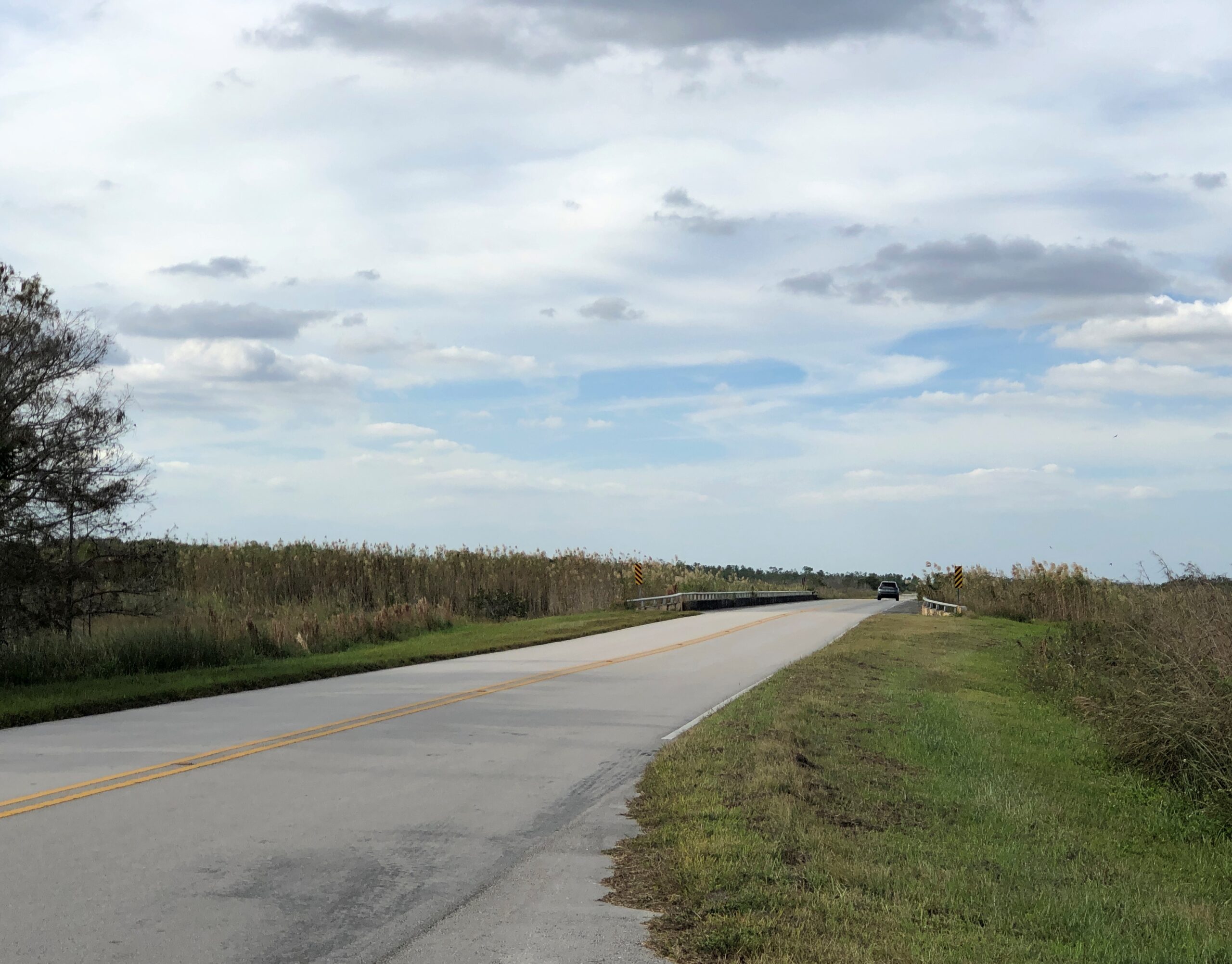
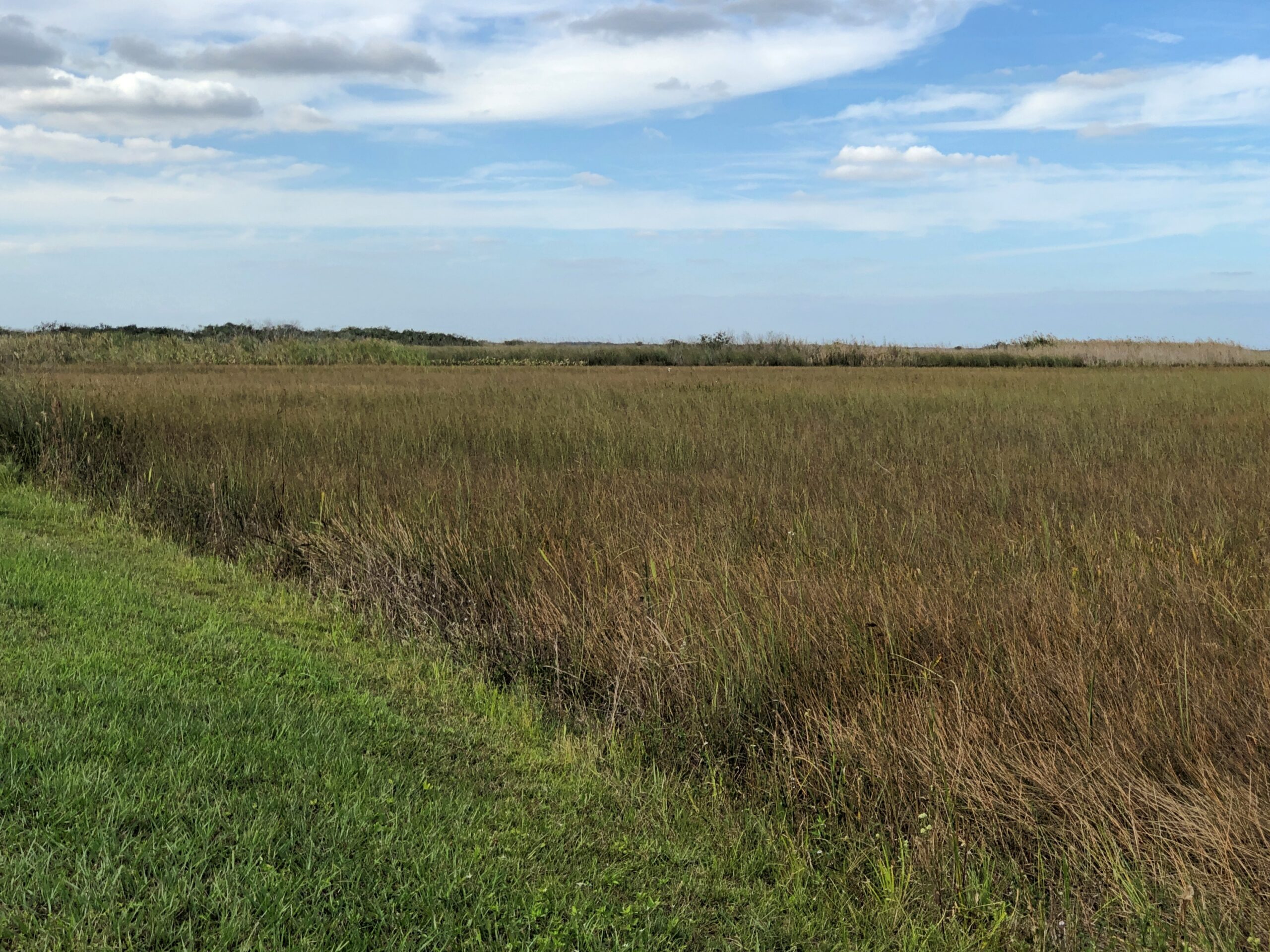
Almost no one else was around, which is the secret sauce for most enjoyable drives. My only minor complaint is that Pa-hay-okee Overlook, at the edge of a cypress zone, was closed. Considering how flat the terrain is, that view would have been expansive.
The park road takes you to Flamingo, Florida, which has no current human population unless you count park staff, who must stay nearby somewhere at least sometimes. Flamingo has no flamingos, according to a park ranger we met, whom I’ll call Bobbie. There seem to have been some of the birds in the late 19th century, she said, but they moved on when hunters showed up, looking for a source of colorful feathers for women’s hats fashionable at the time.
Plenty of other birds are still around, looking for a meal. Hadn’t seen that many circling birds since we were in north-central India.
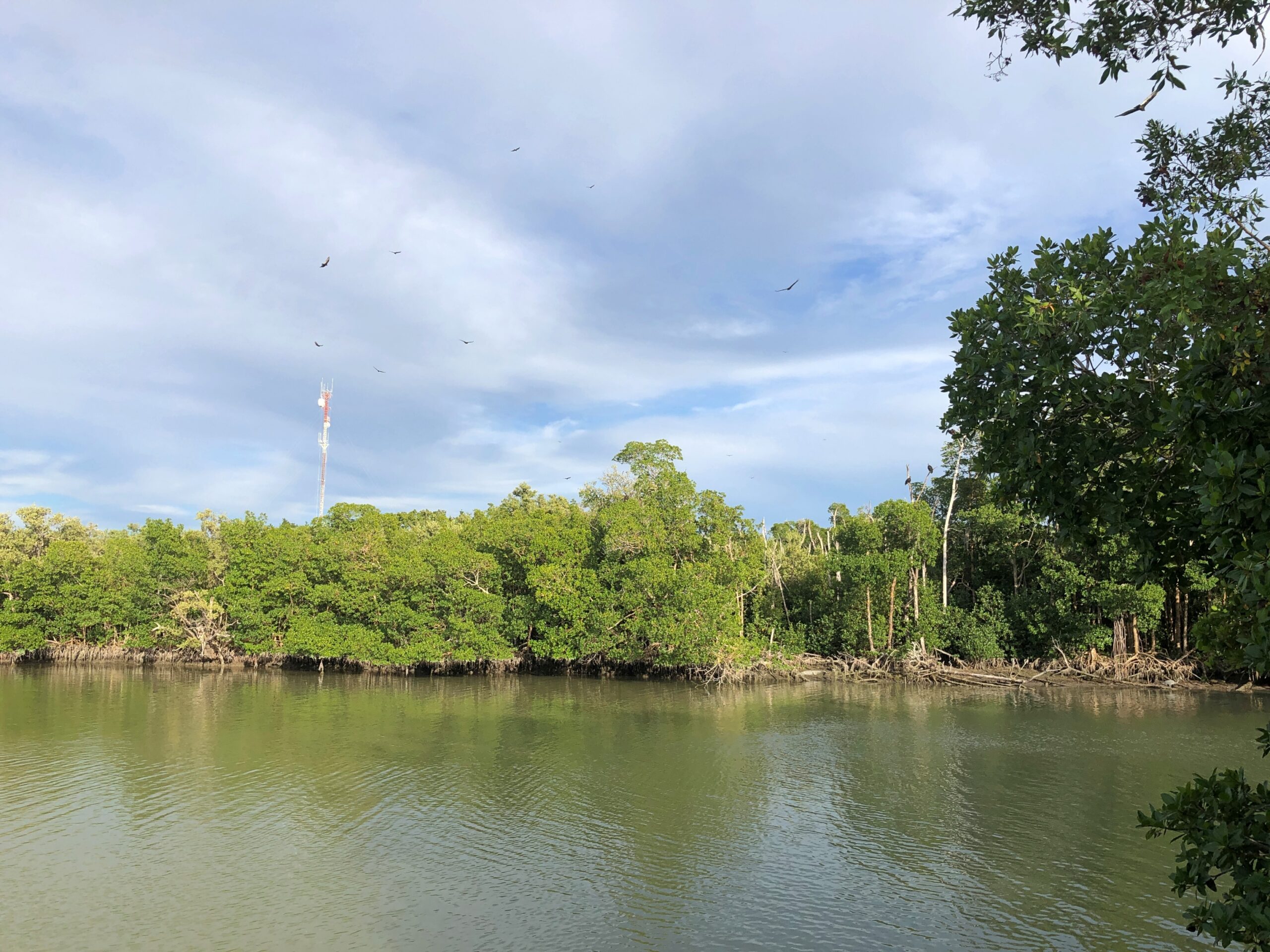
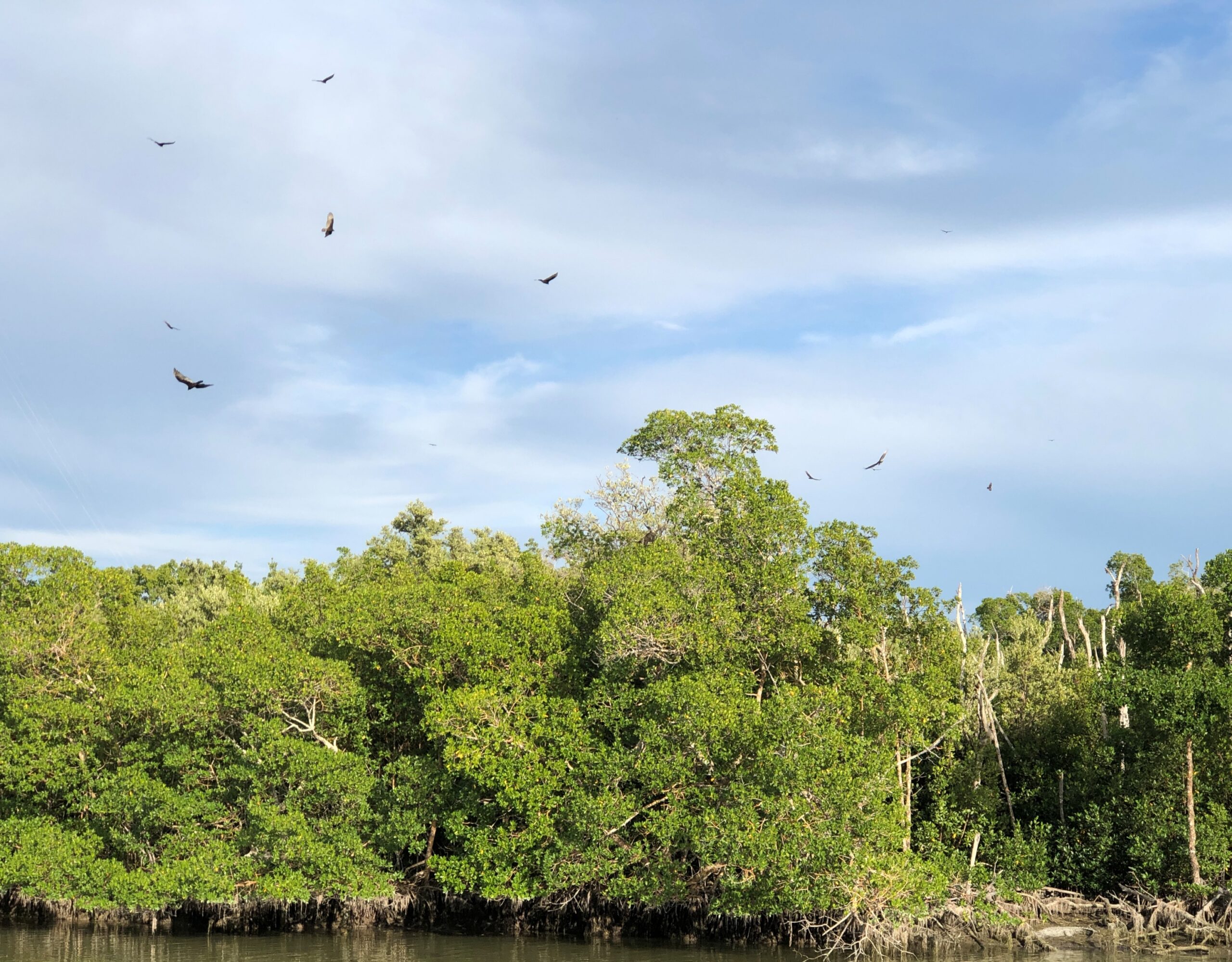
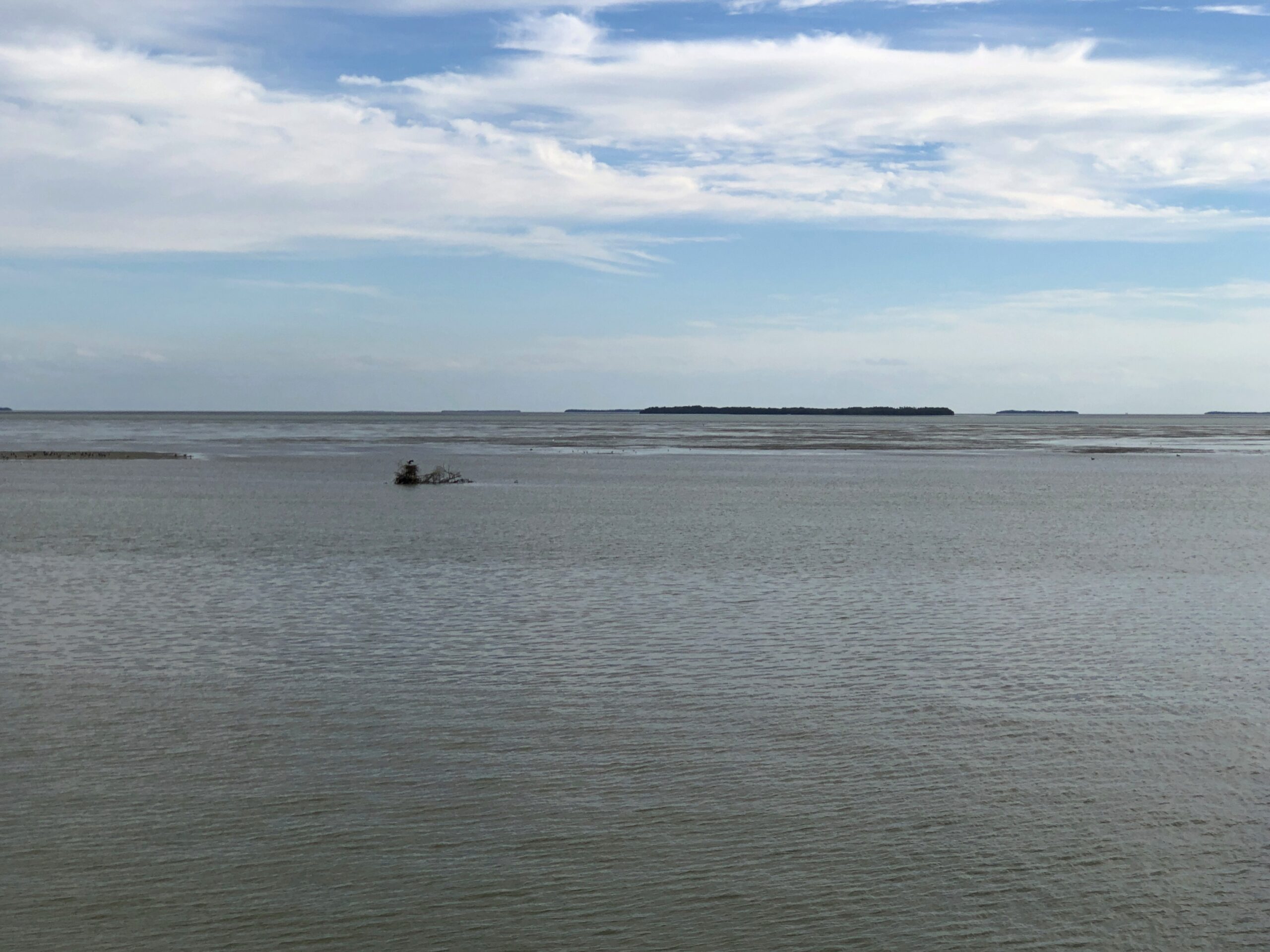
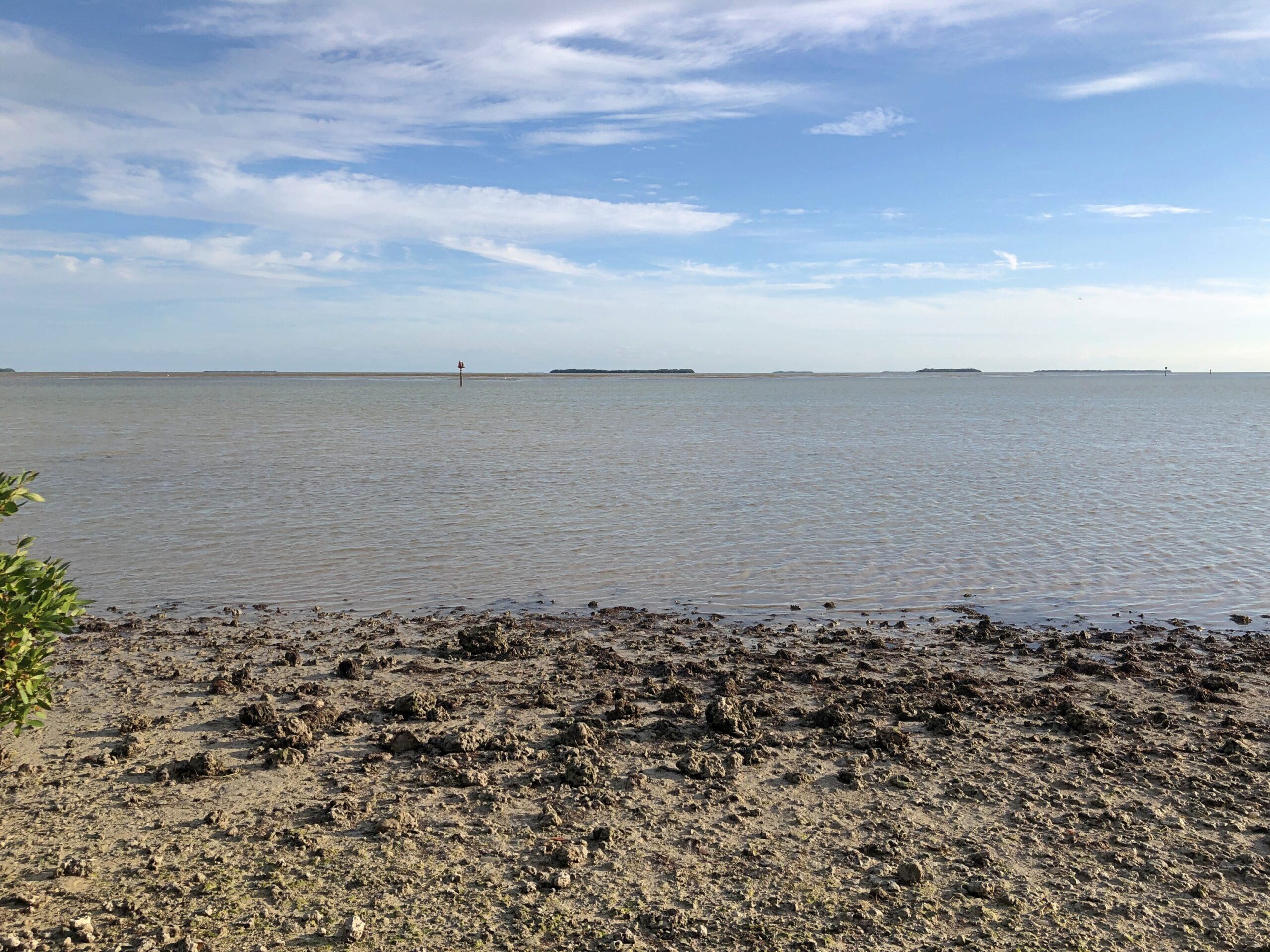
Flamingo, which is mostly the visitors center, lodging and campgrounds, offered views of Florida Bay and a few of its many keys, a term not limited to the chain of islands connected by the Overseas Highway.
We saw a manatee. Or at least a manatee nose poking out of the water near one of the docks at the park, then ducking underwater with an occasional small splash. The barest outline of its bulk was visible below.
For some reason, the rusty fire hydrants on the park service property caught my attention.
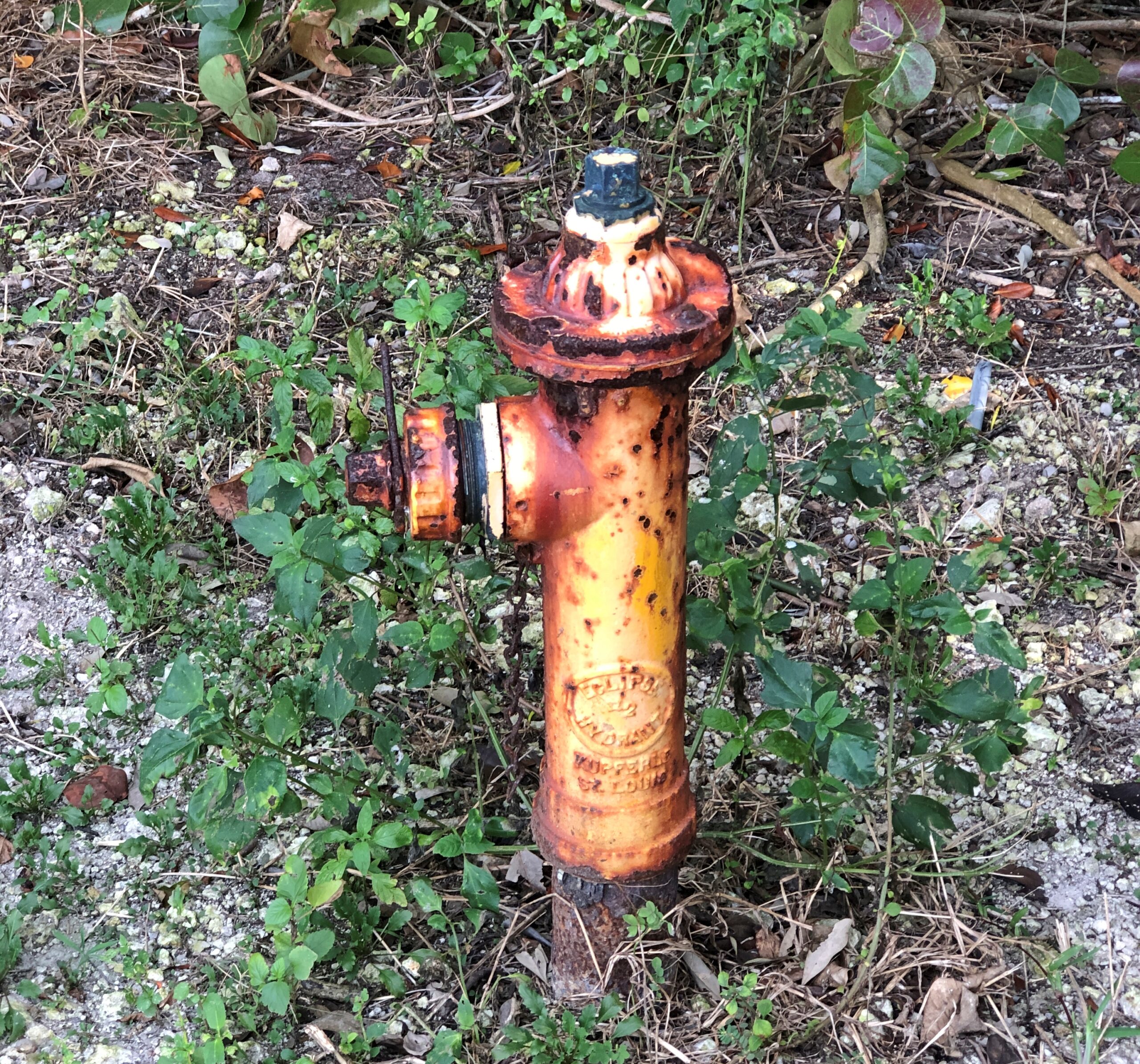
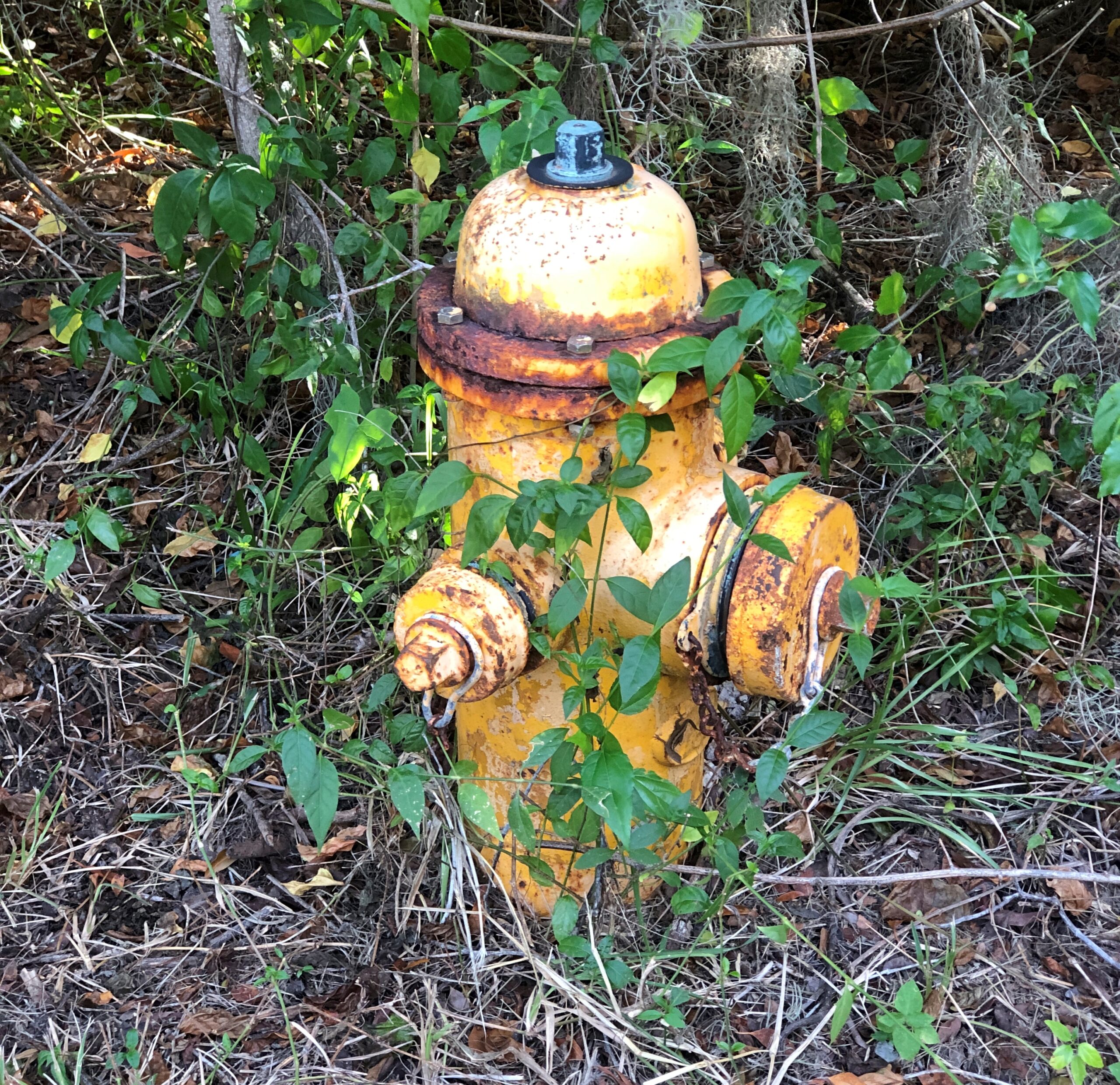
We walked the Guy Bradley Trail. The Flamingo visitors center is also named for Bradley, an early game warden in the area who died in 1905 at the hands of poachers.
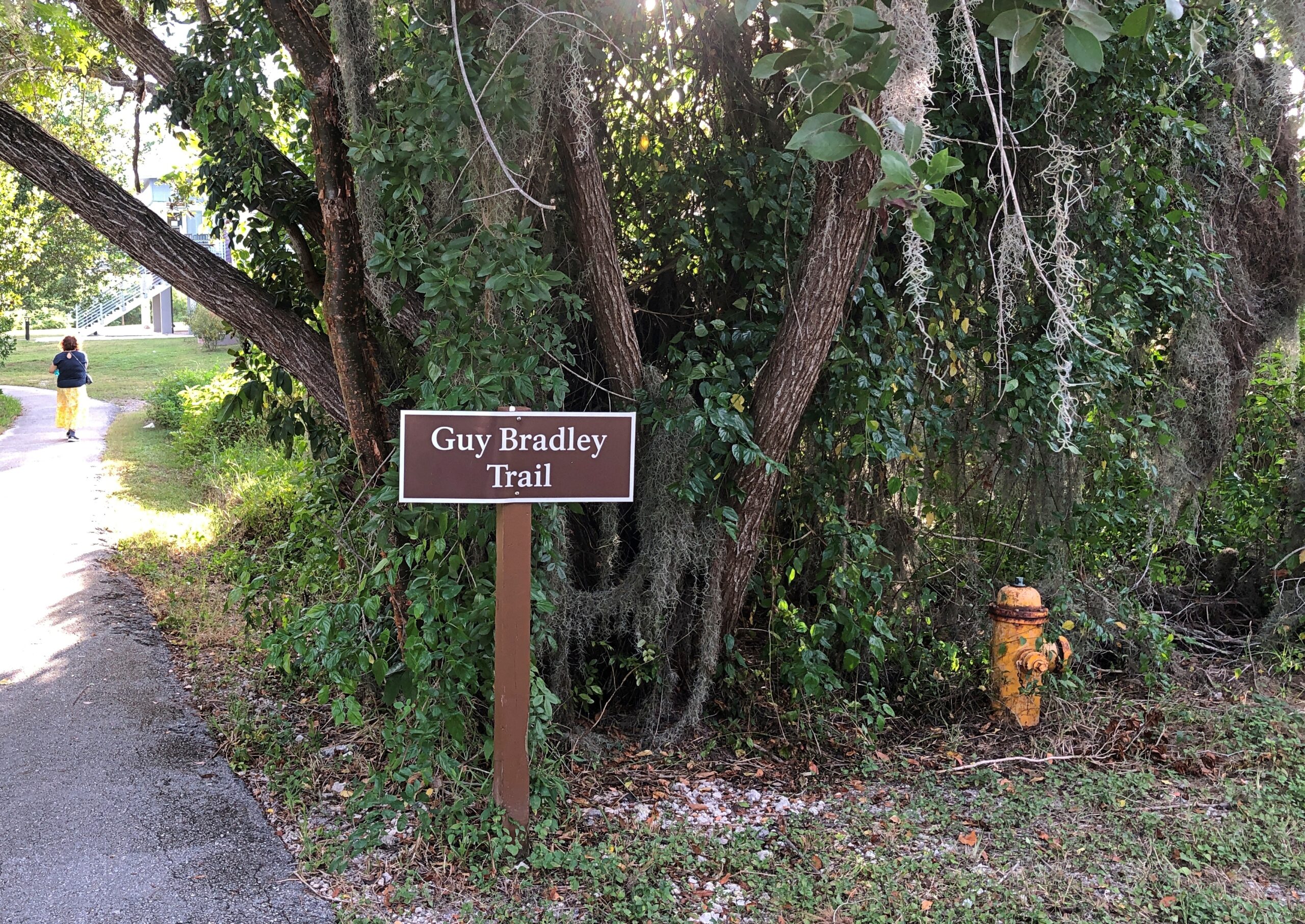
The trail, paved and mostly in good shape, was an easy one.
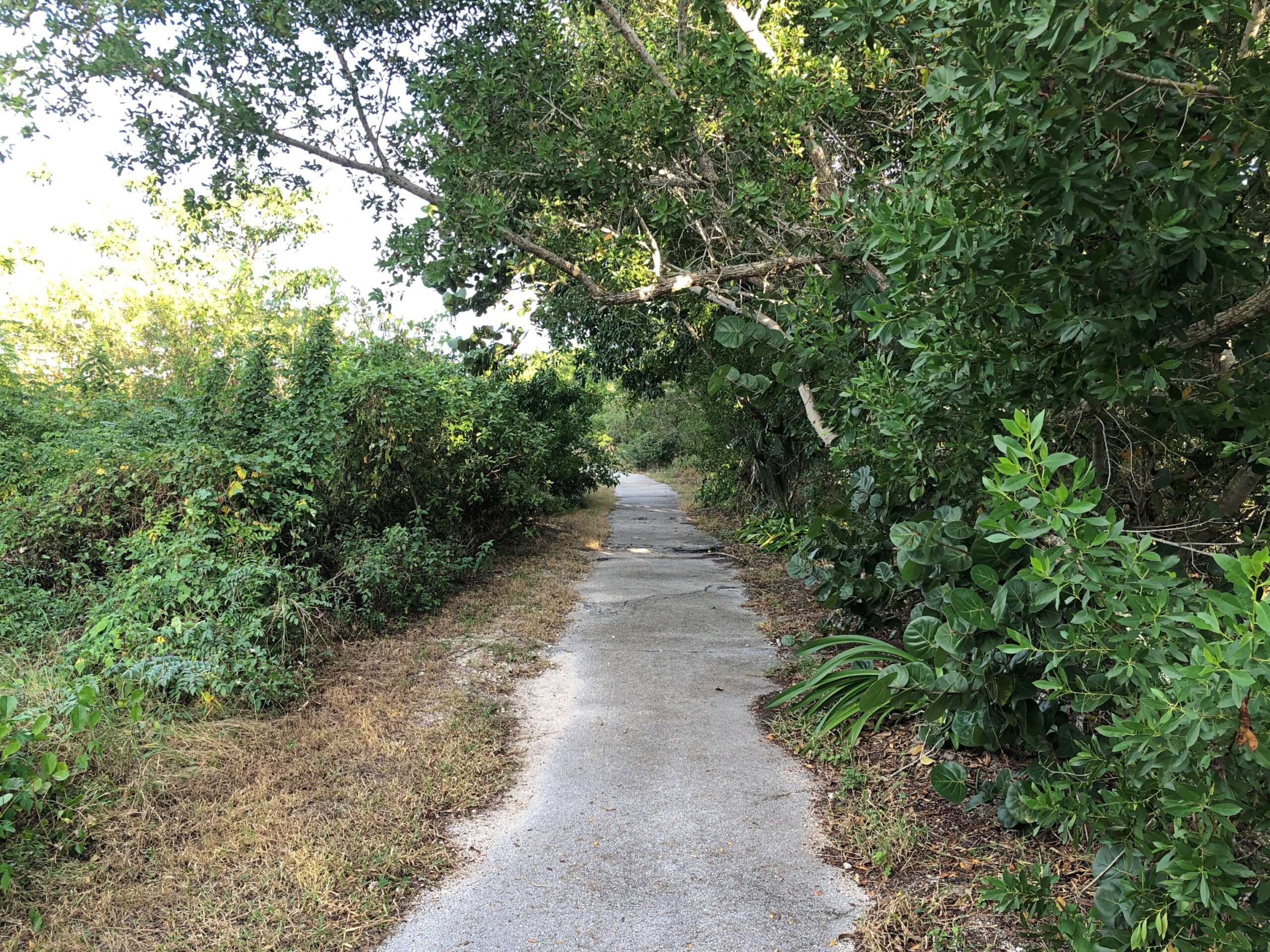
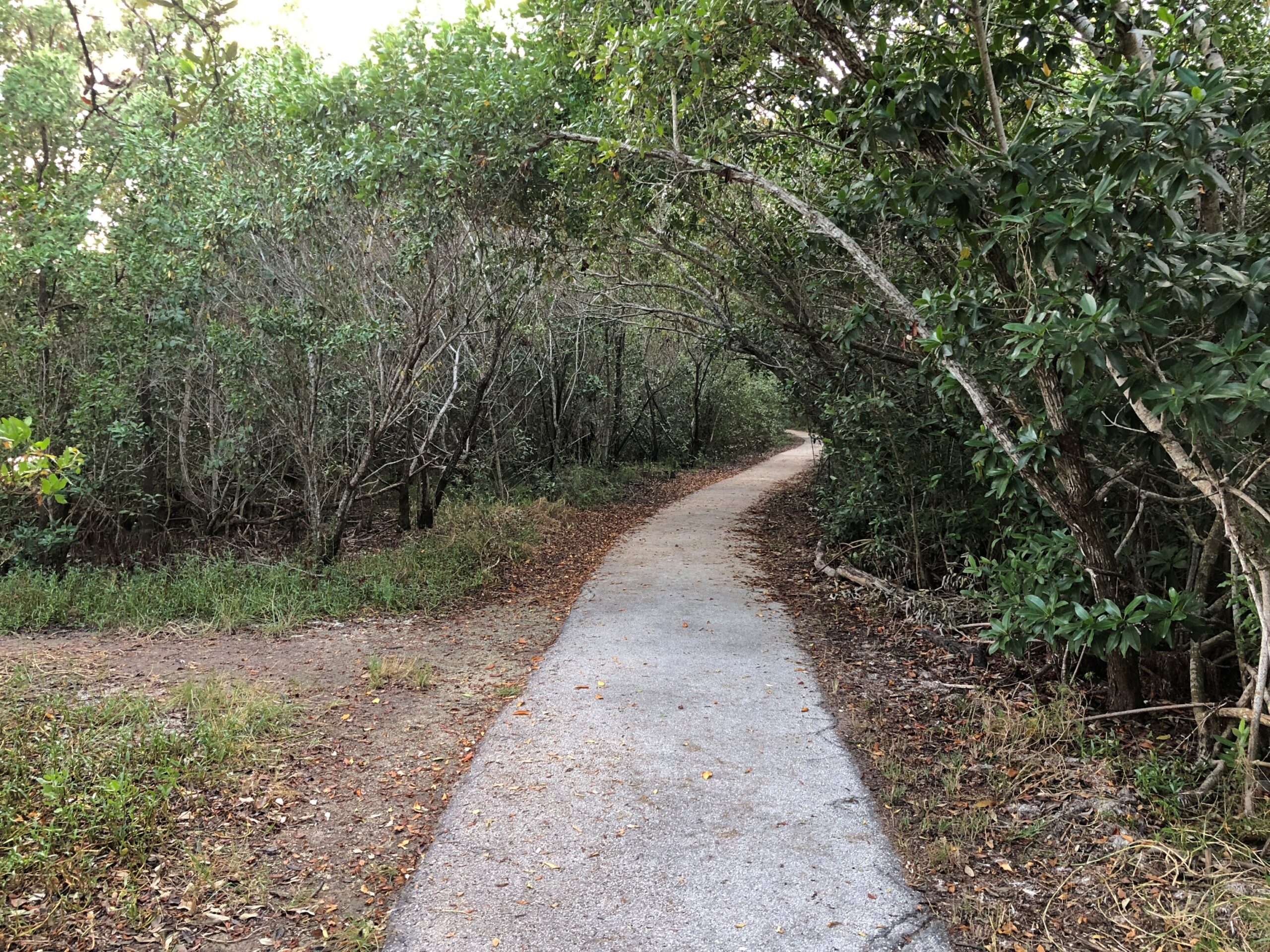
With some views of its own, including the ocean and not including the ocean.
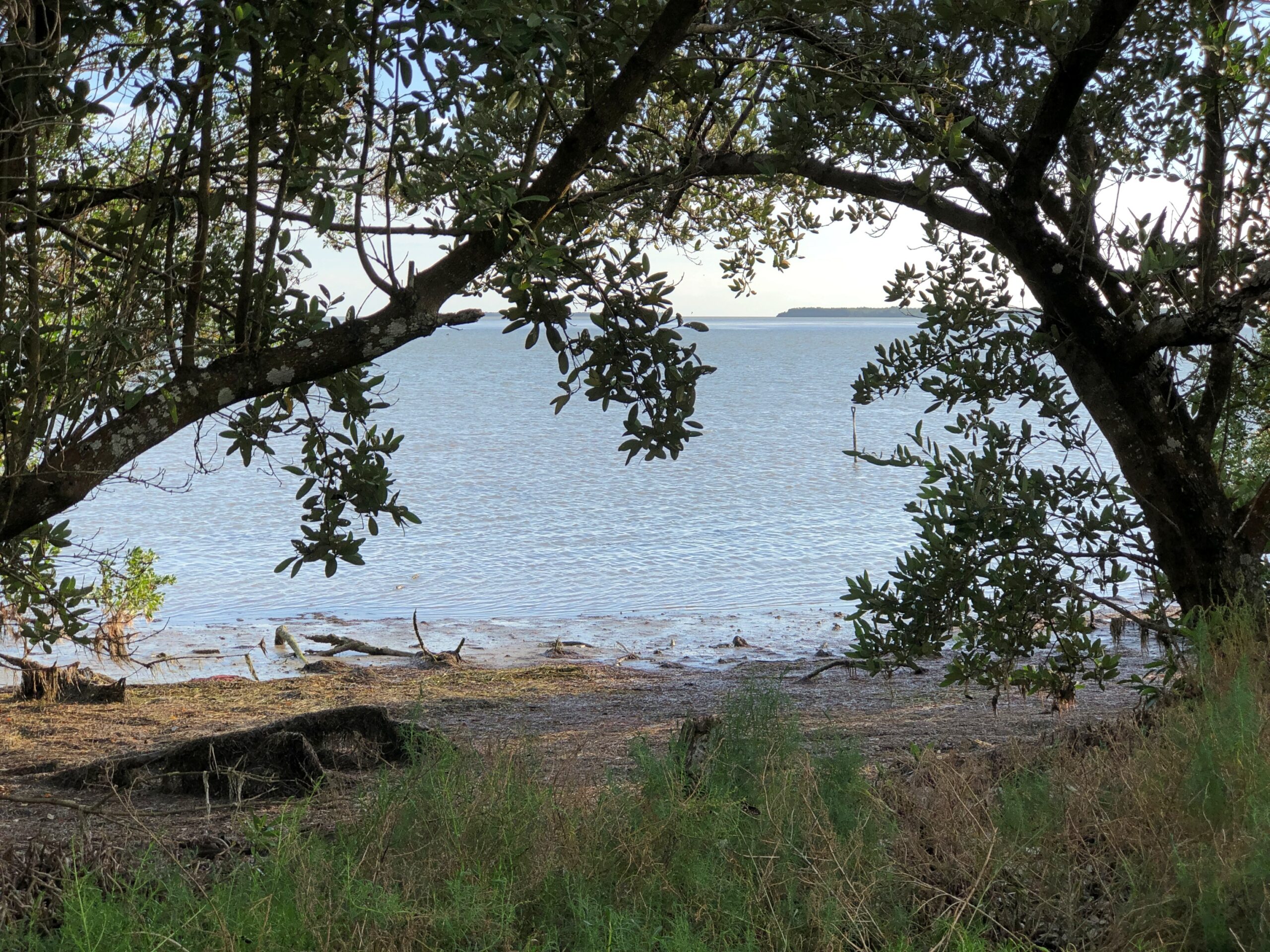
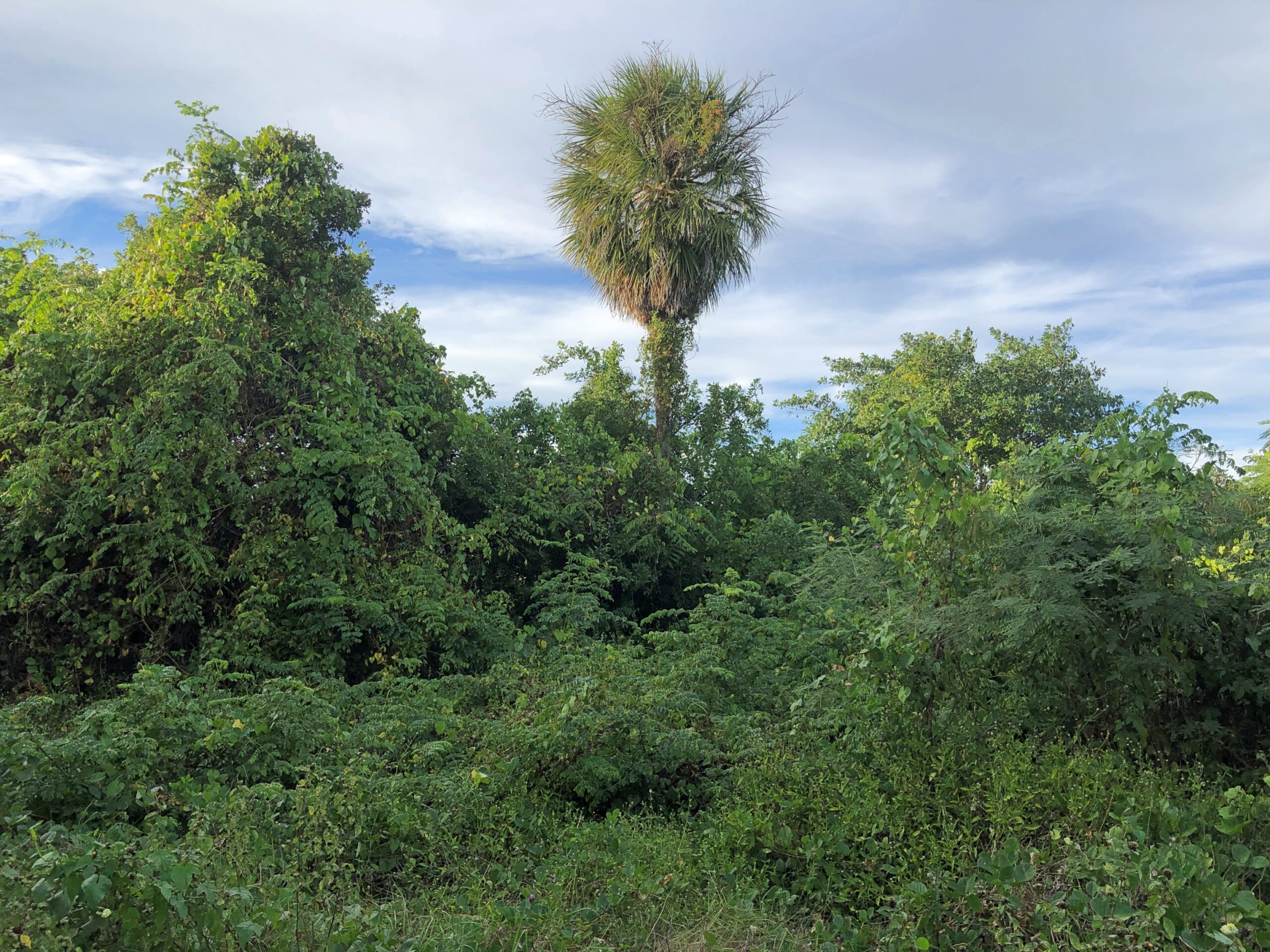
One reason to visit the Everglades during the winter months, maybe the number-two reason right after the absence of searing heat, is the absence of mosquitoes. Make that the relative absence of mosquitoes. During our walk through the greenery around Guy Bradley Trail, a small number of winter mosquitoes were there to greet us.
Even in an age of DEET and whatever has mostly replaced DDT, you will find mosquitoes and more importantly, they will find you. That’s my experience over the years.
I close my eyes and I can recall those Pusan nights in ’90 in my non-climate controlled room, drinking the tea available in pots just outside everyone’s door, swatting mosquitoes that had clearly feasted on me moments before they died, and listening to the irregular beep-BEEP-beep-beeps of auto horns wafting in through the damaged window screens, along with more mosquitoes.
The only creature I run into regularly while camping is one or another kind of mosquito. The weather had been dryish in Jasper NP, so there weren’t that many there. Things had been even drier at Theodore Roosevelt NP, and we encountered only a very few hardy mosquitoes who managed to survive wrigglerhood in the risk-of-wildfire badlands this summer.
The plains near Regina, Saskatchewan, were another story. On the evening of July 3, we found a private campground a few miles east of Regina for a reasonable C$14. The place was sparse with people, probably since the Canada Day long weekend was winding down, but well populated with blood-drinking vermin. Their main diet likely came from the livestock on the surrounding ranches, but they weren’t above snacking on human beings. Once a cloud of them followed me, so I had to zig-zag back to our camp to lose them. Others buzzed intensely around the tent door until I sprayed it with Off.
I got out of my car to look around. The forest seemed even more oppressively dense with rain clouds gathering overhead. The air was warm and a little steamy. All I heard was the crunching of my footsteps, the mild rush of the wind, the twitter of birds and, suddenly, the buzz of mosquitoes. Mammals as large as human beings must be a tasty treat for the mosquitoes of the Apalachicola River Basin, because they attacked with terrific speed and in increasing numbers. For all I know, there are a dozen kinds, part of the wonderful biodiversity of the area. I had no chemical protection. I’d forgotten to pack anything with DEET in it, and the TSA might have taken it away anyway.
I took a short look at an interpretive kiosk that had some artifacts behind glass, and another look at the Milly Francis marker, but within a few minutes I retreated to the car. A couple of the mozzies followed me in, but I managed to dispatch the bastards in a pop of my blood.
Other national parks have majestic mountains or picturesque glaciers or striking deserts or epic coastlines or an important history of human activity. They have high-profile wildlife and ecosystems unique in the world. Congaree does count as a special place, preserving a tiny fraction of the floodplain forests that used to cover much of the Southeast, but that’s a little hard to appreciate on the ground, especially as the target of its high-profile wildlife, mosquitoes.