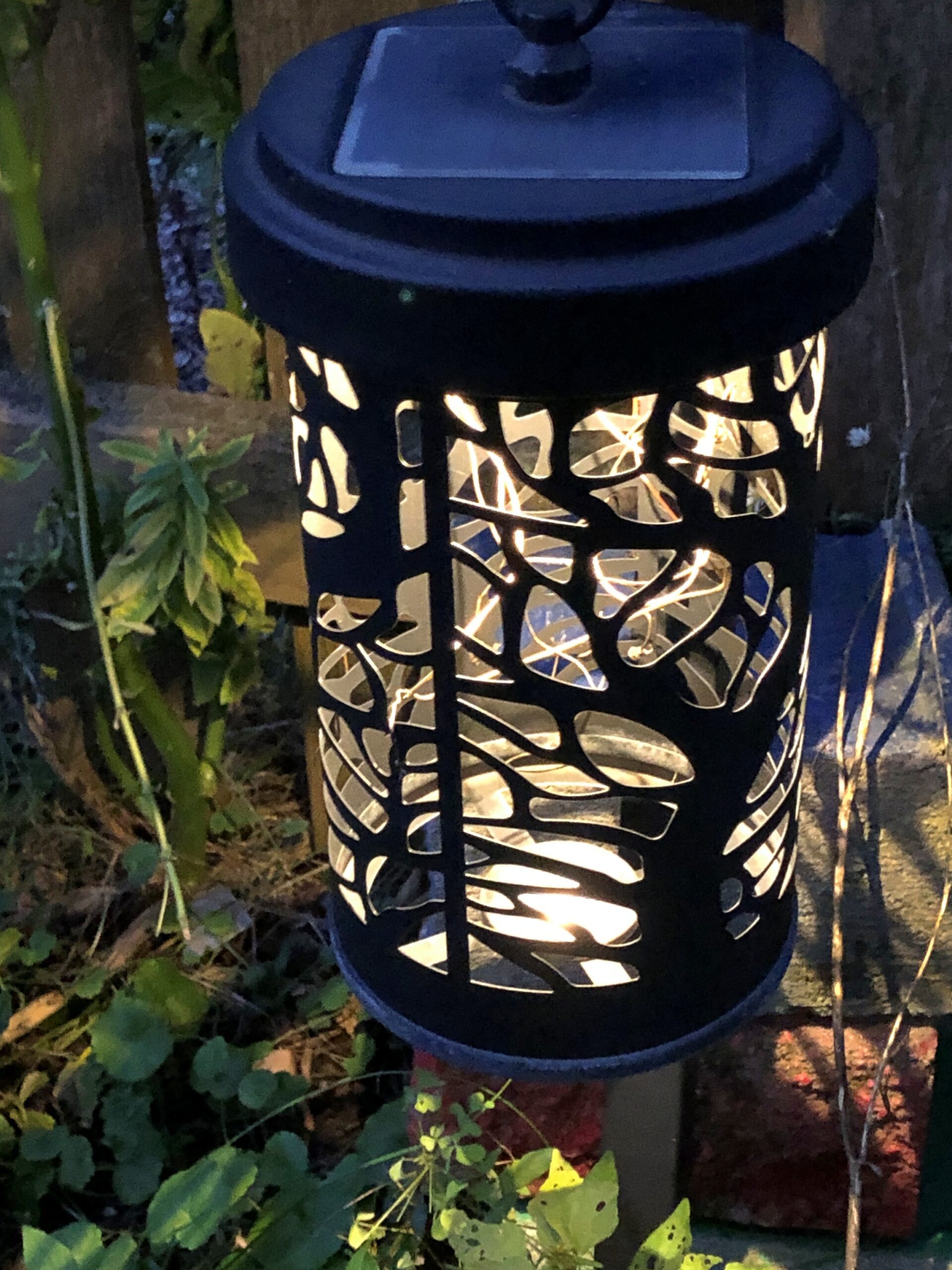
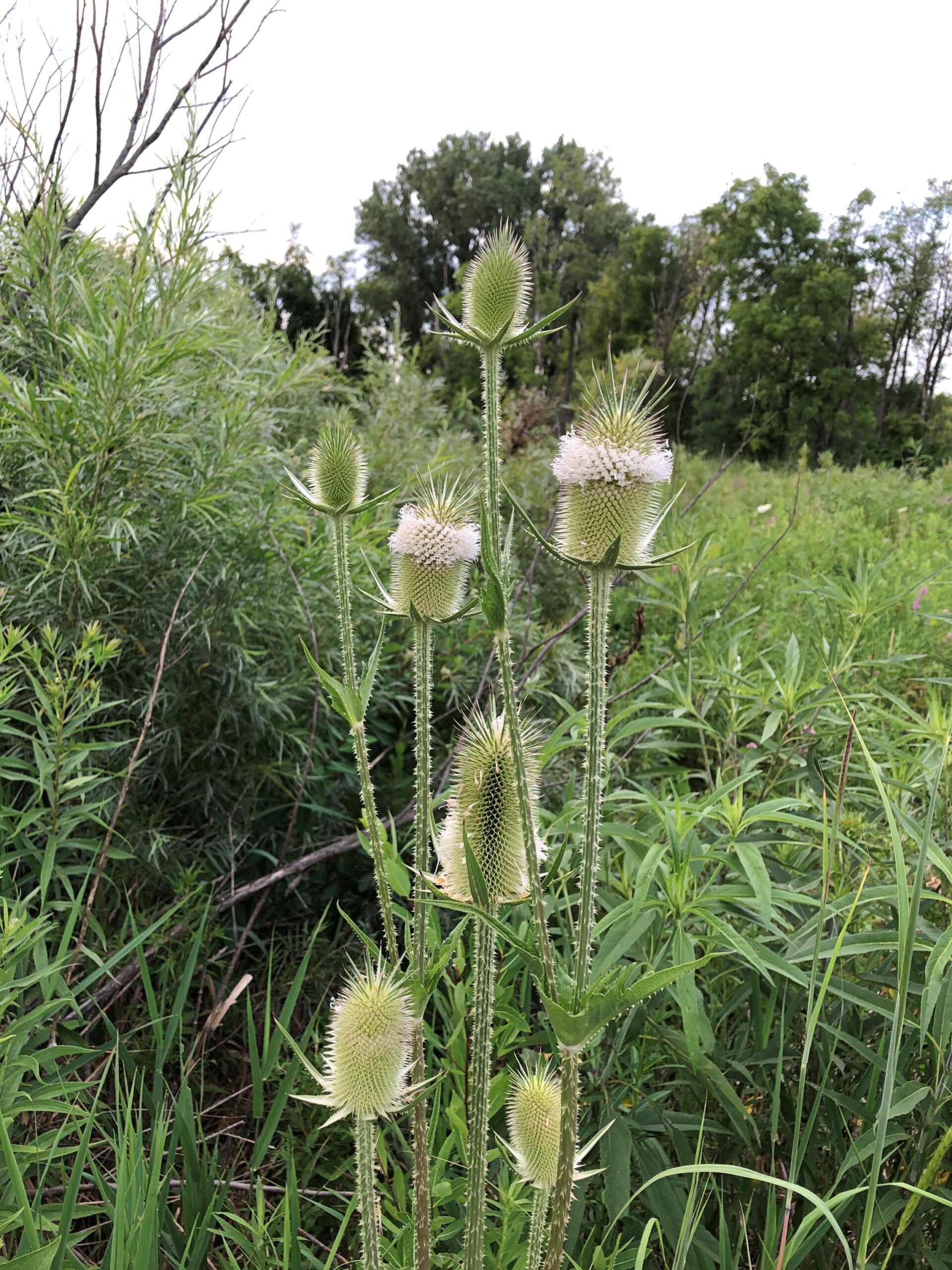
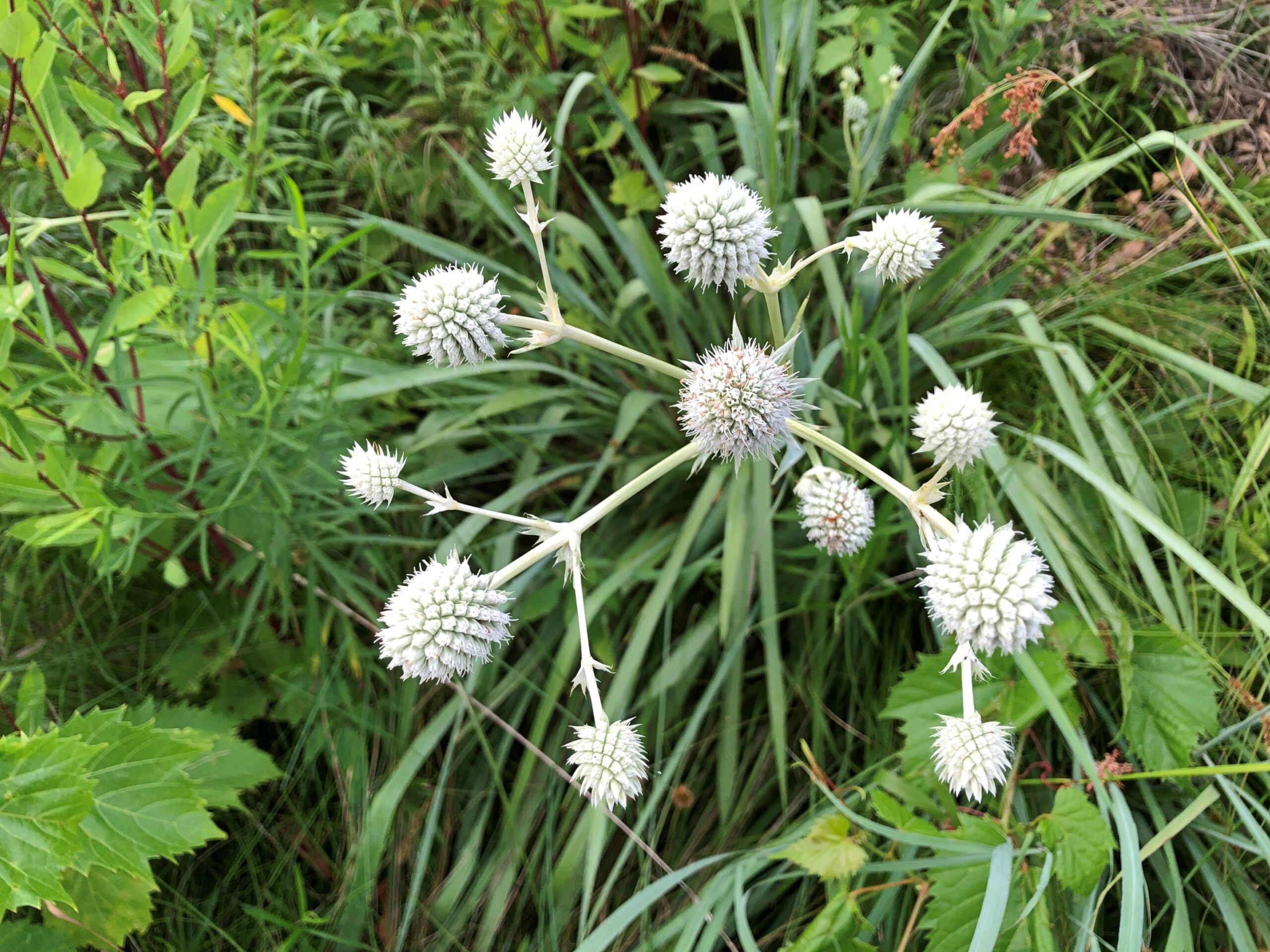
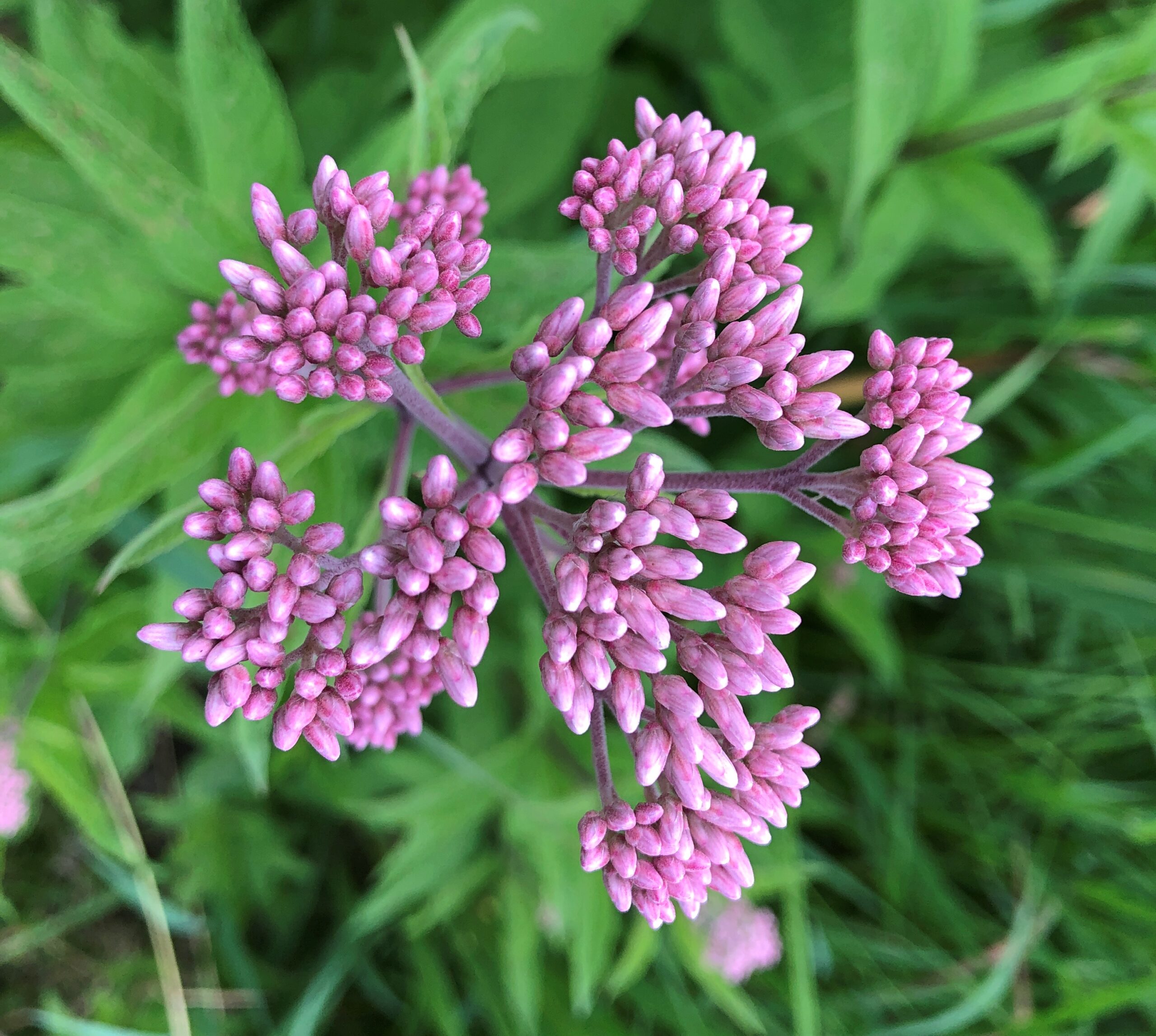
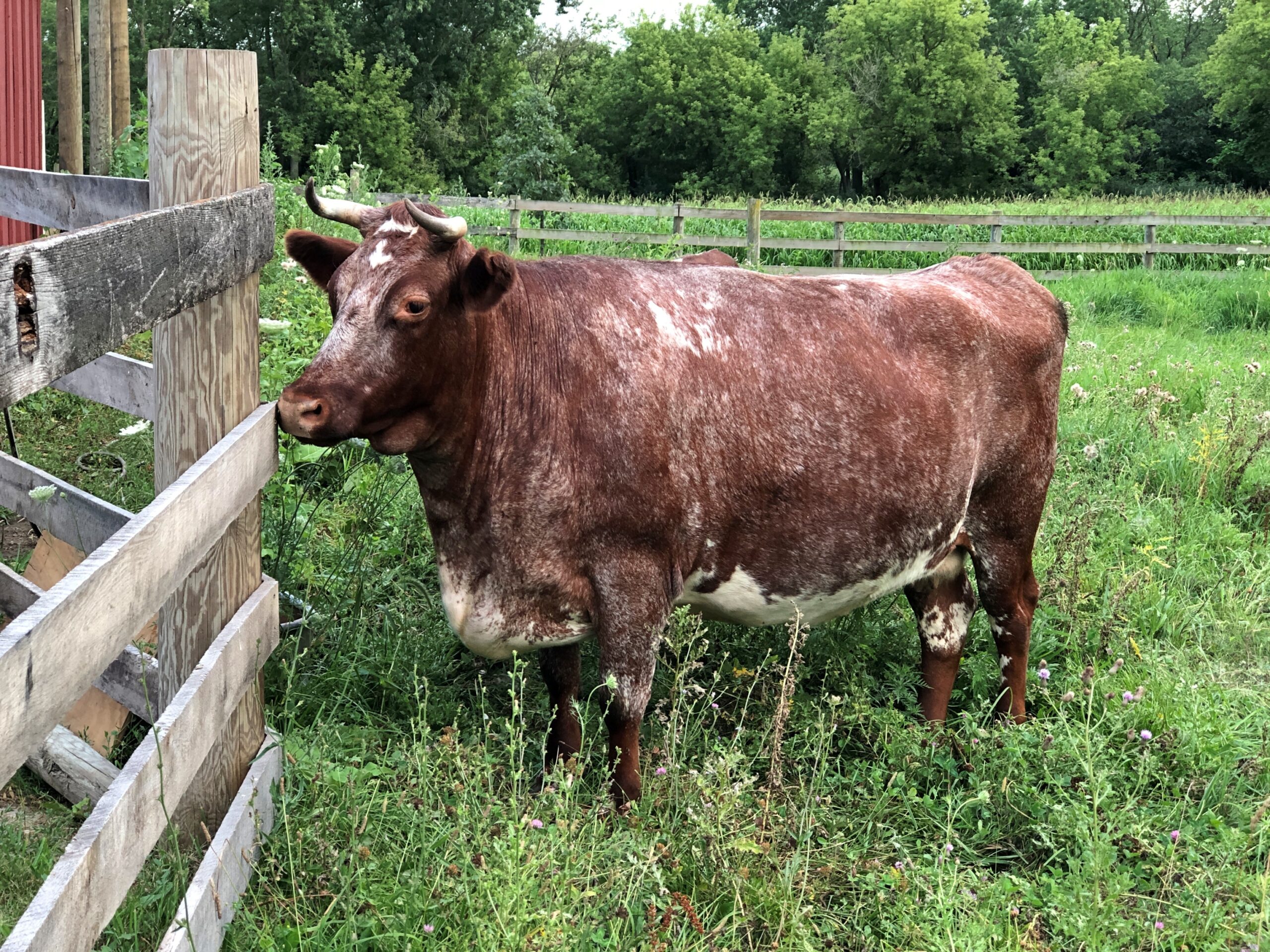
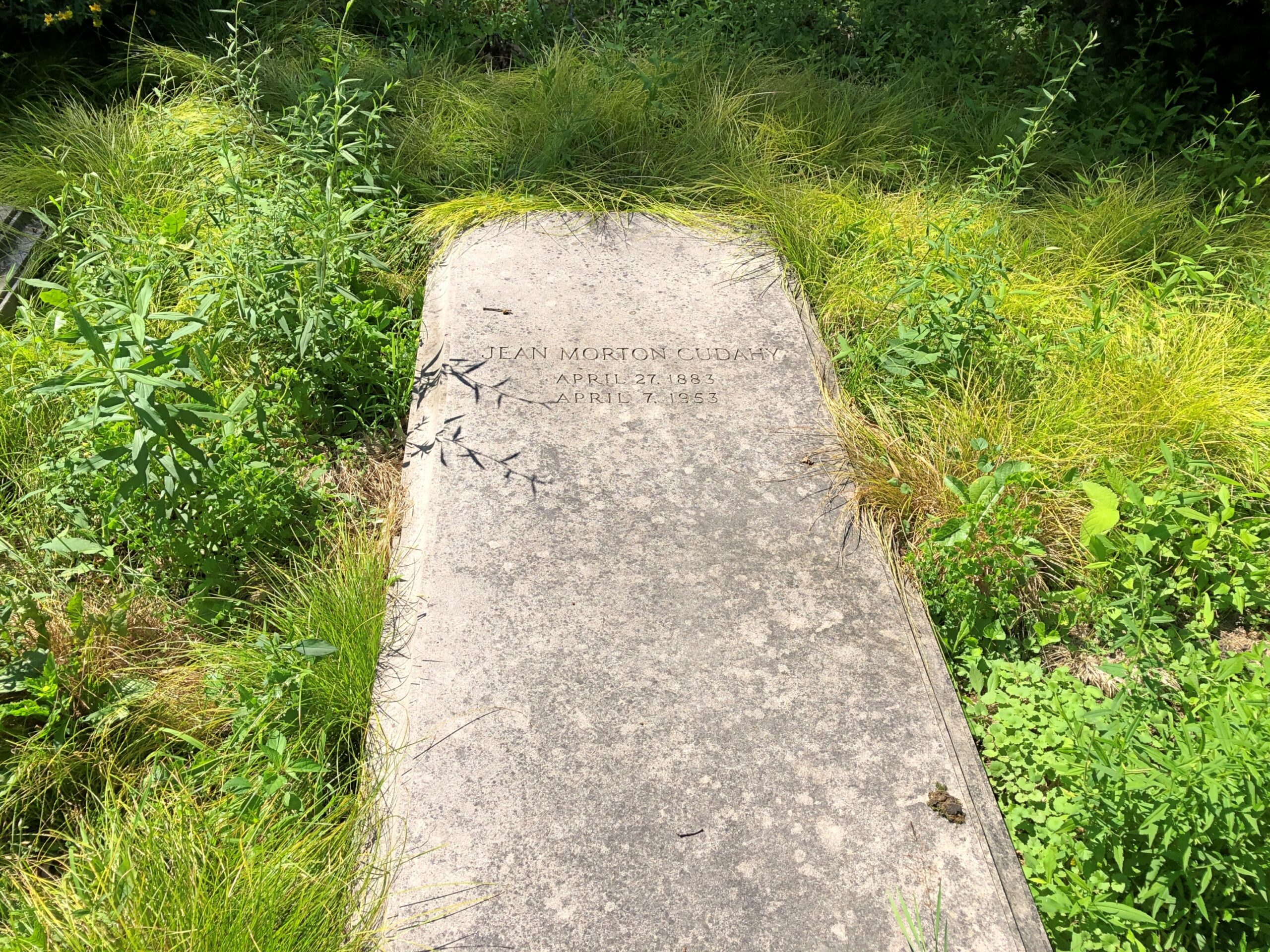
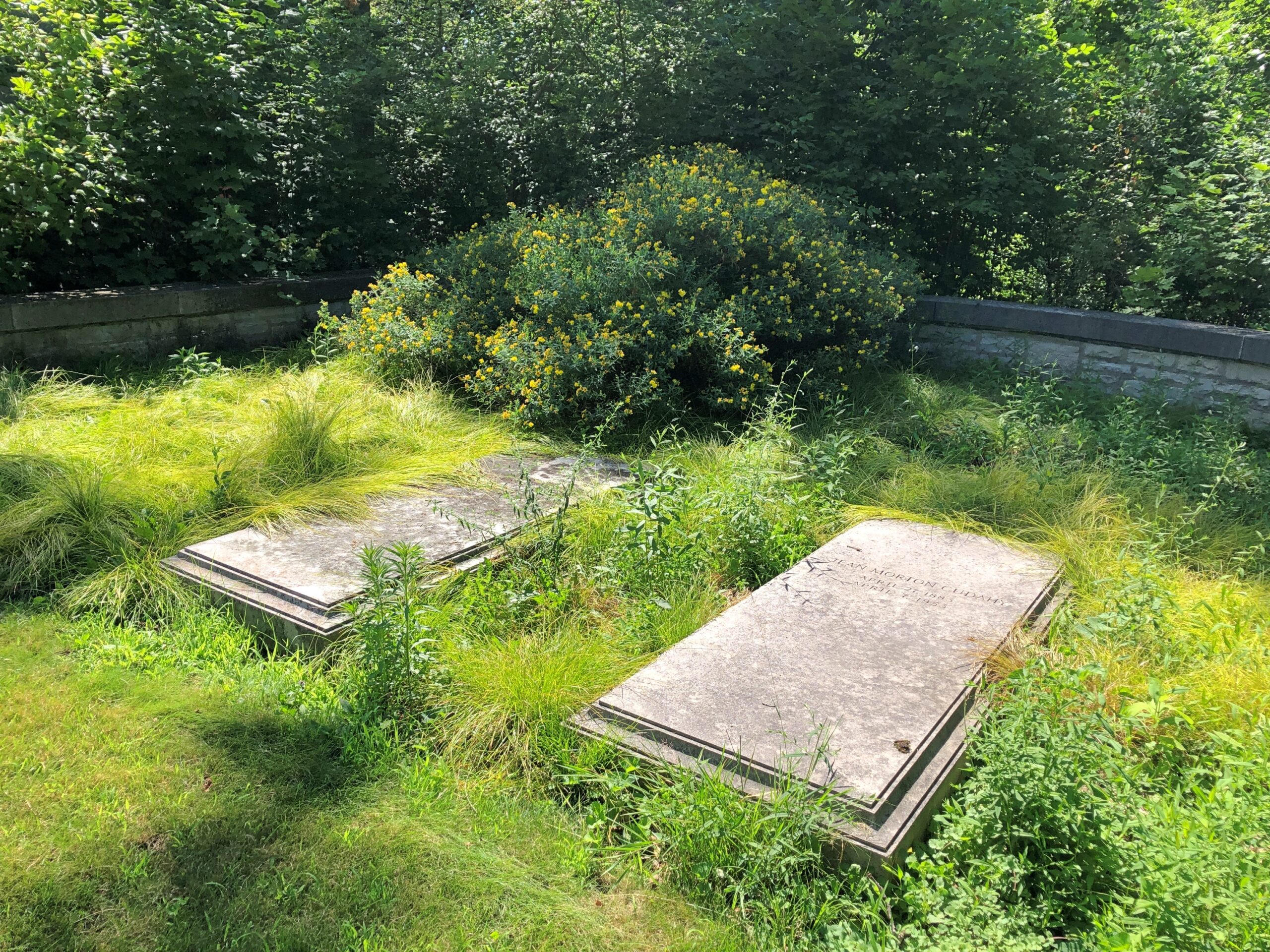
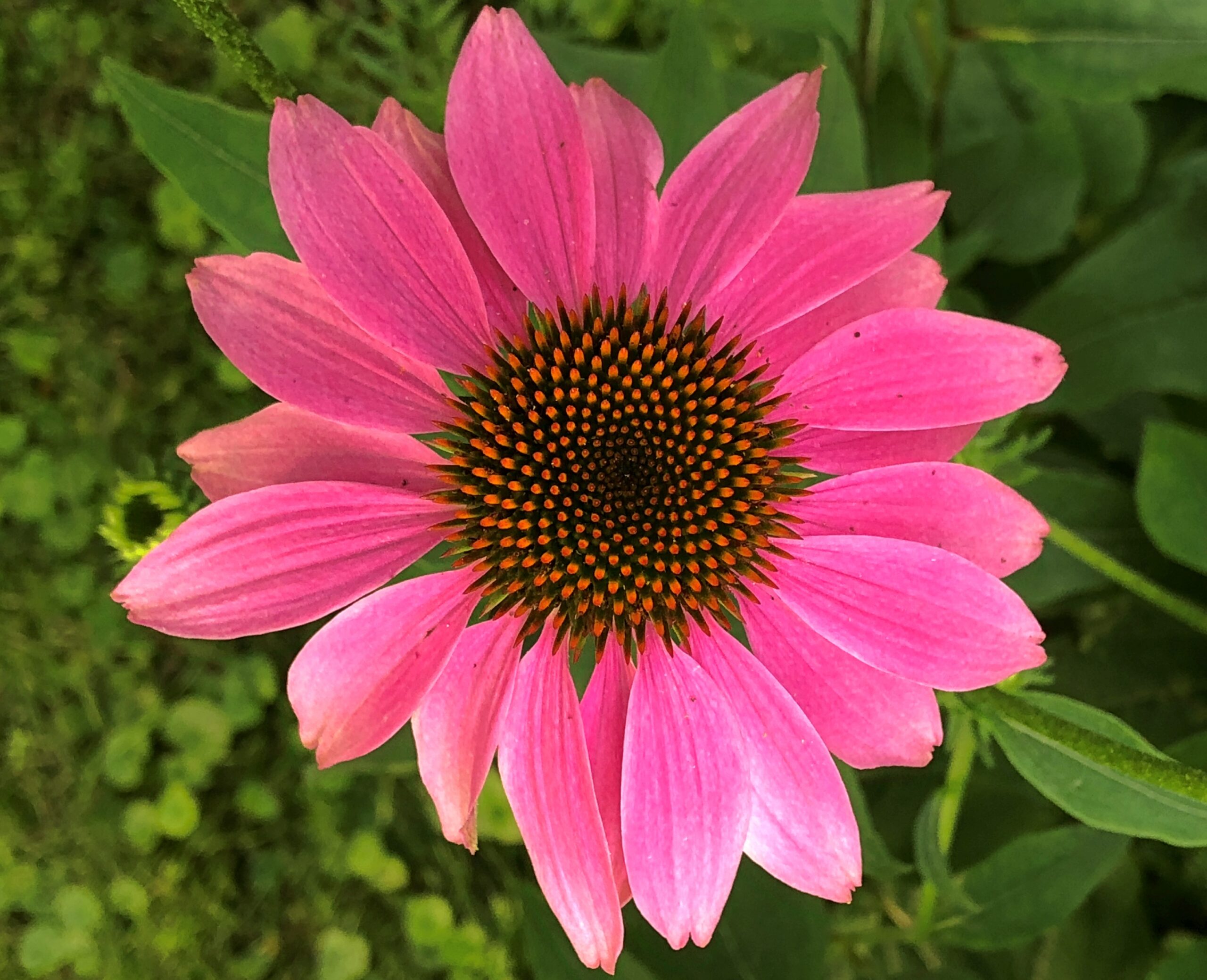
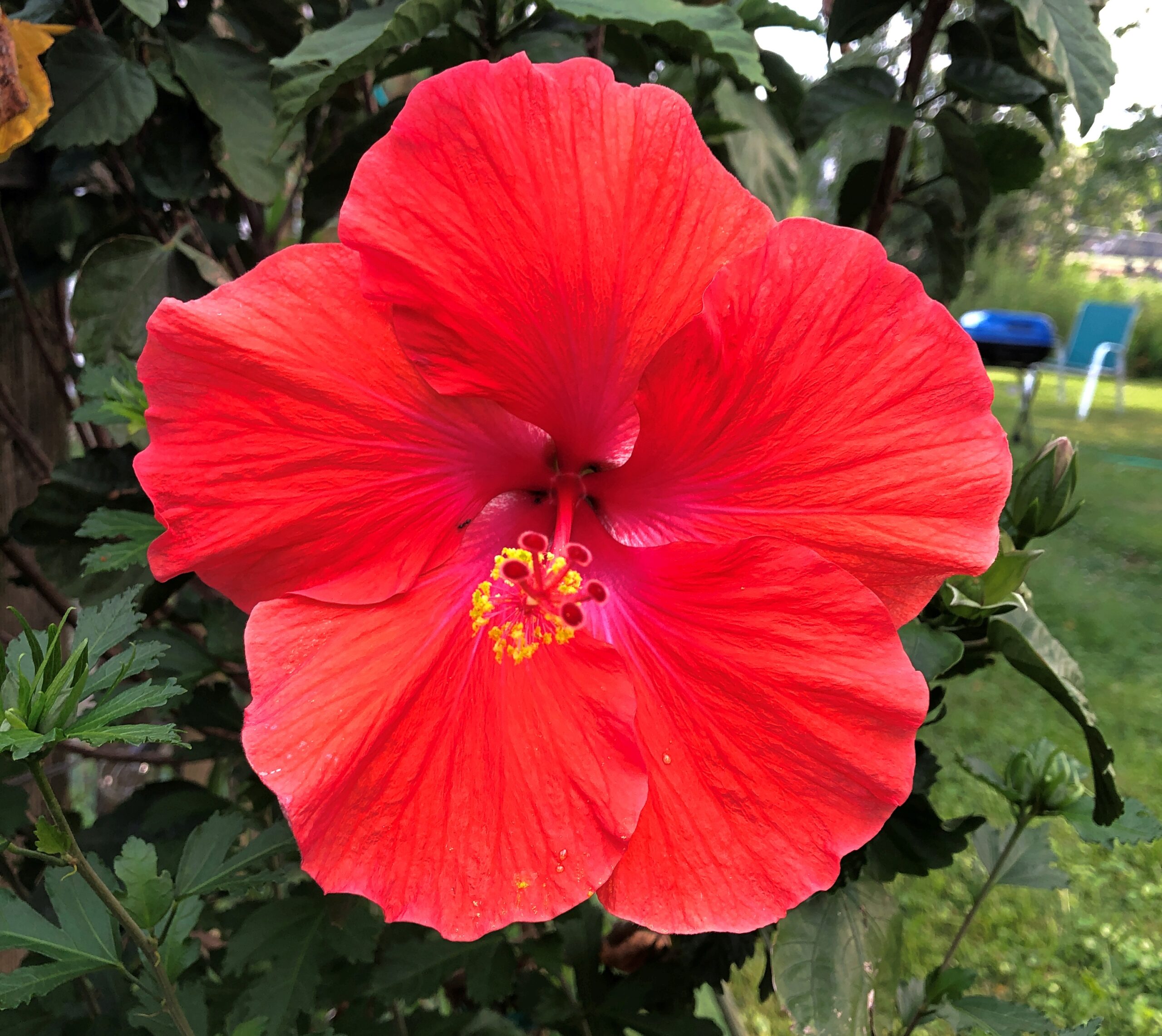
I went around the yard taking pictures just ahead of sunset today, around the time of the fall equinox. The solar lamp translates energy from the sun into light, so in a real physical sense, this is sunlight by other means. At least for a while. It peters out after a few hours.
There’s an even deeper connection to stars, if not the sun. The lamp is partly iron. As one nonfiction book I read years ago put it – and I can’t remember where I read this – bits of iron are “shards of ancient suns.”
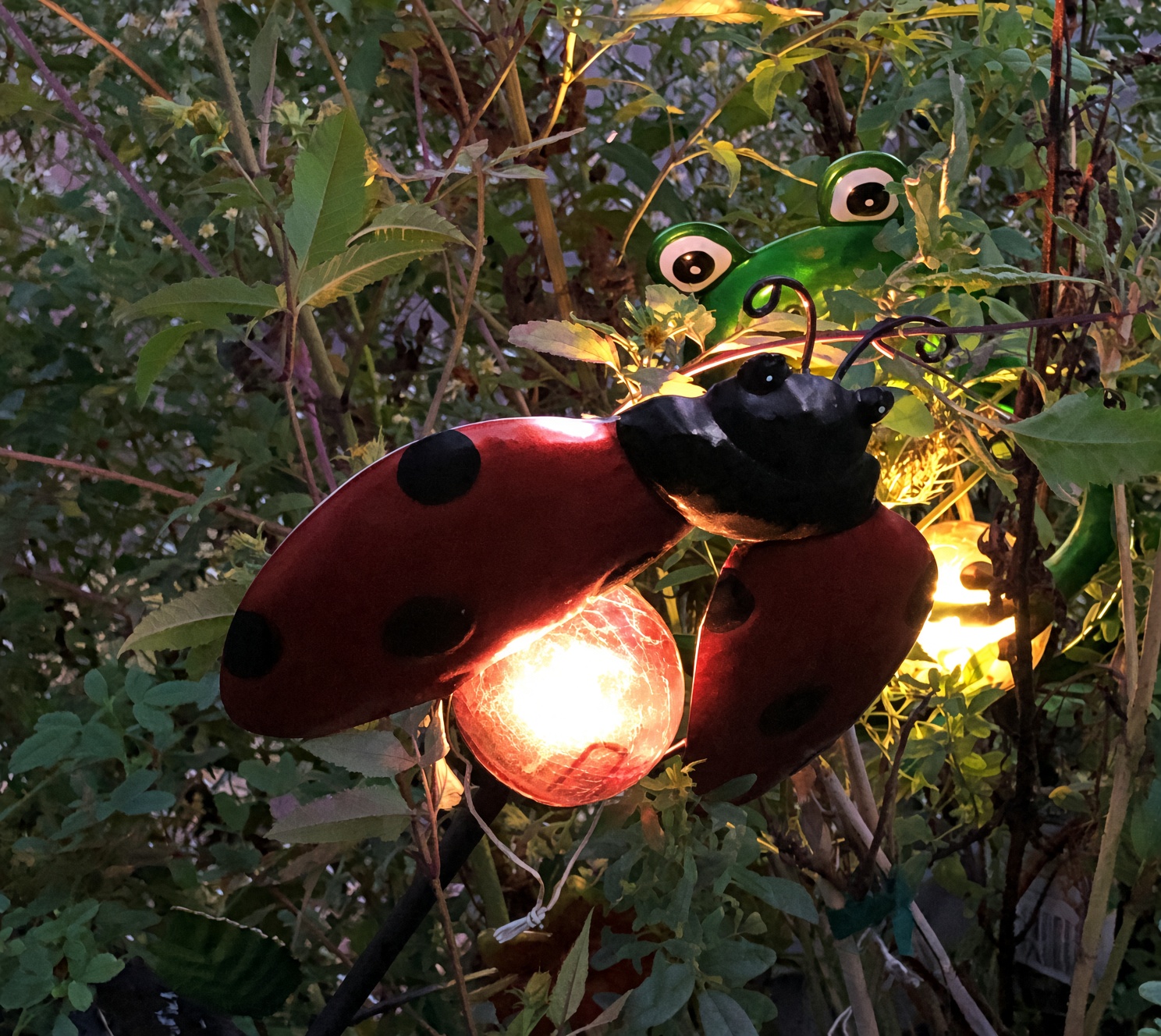
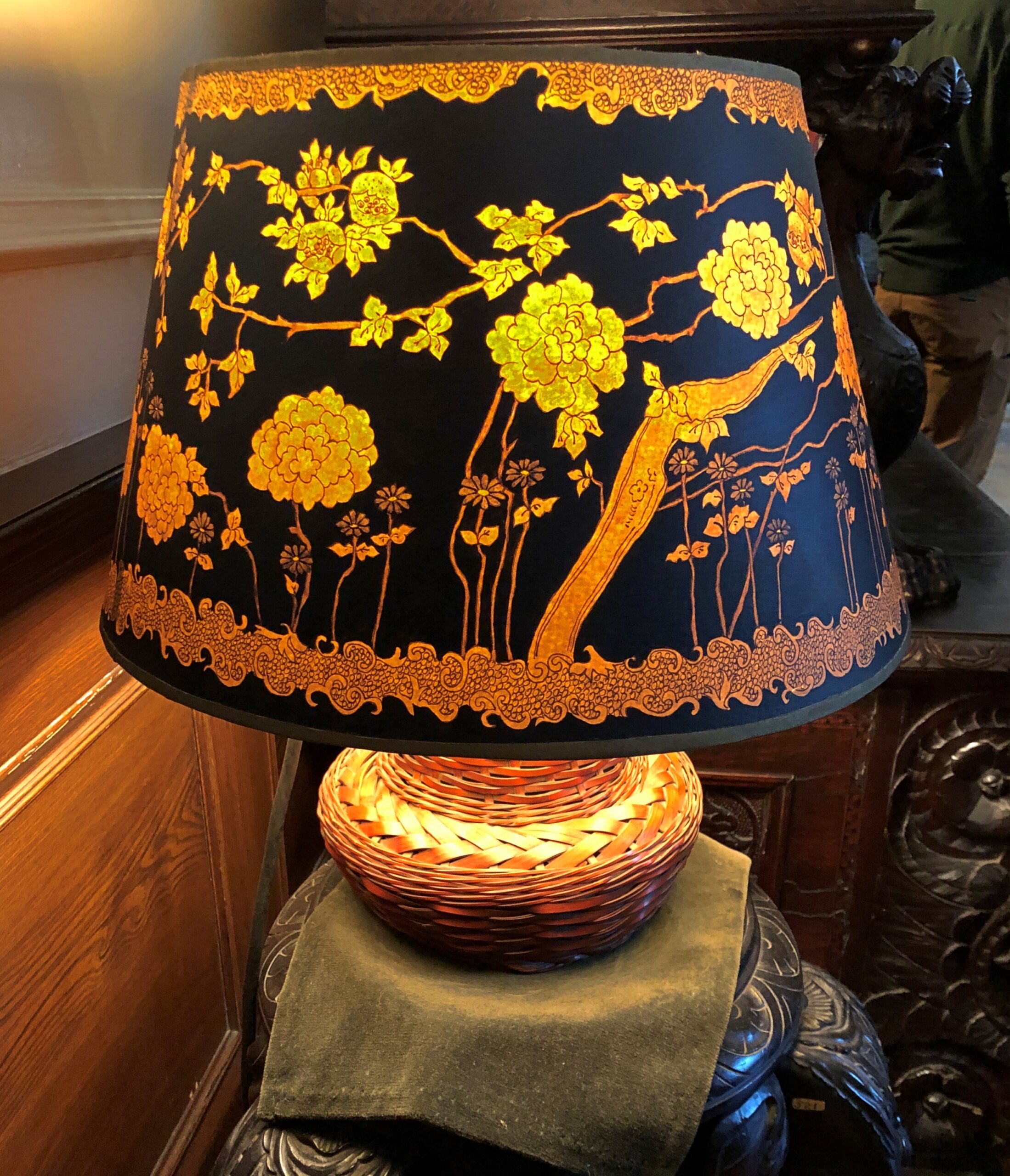
Another lamp, this one of the insect-theme variety.
The air has already decided that fall is underway, cool but not quite chilly. Still, you know chill isn’t long in coming. With a few more warm days sprinkled in, I hope.
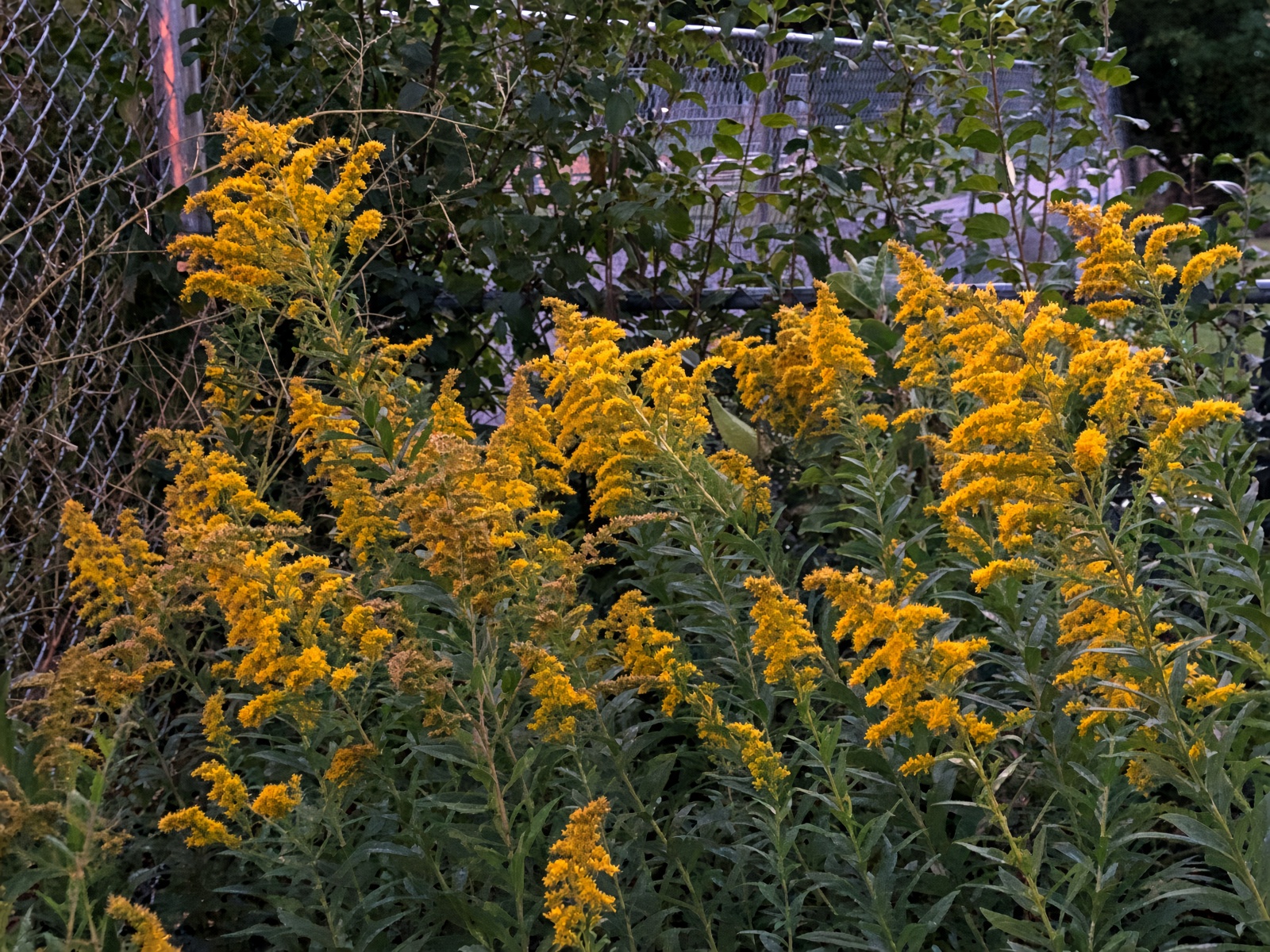
Golden rod, which hangs out with the wrong crowd – pollen-heavy ragweed – and so is blamed for seasonal sneezing and other respiratory upsets afflicting us primates.
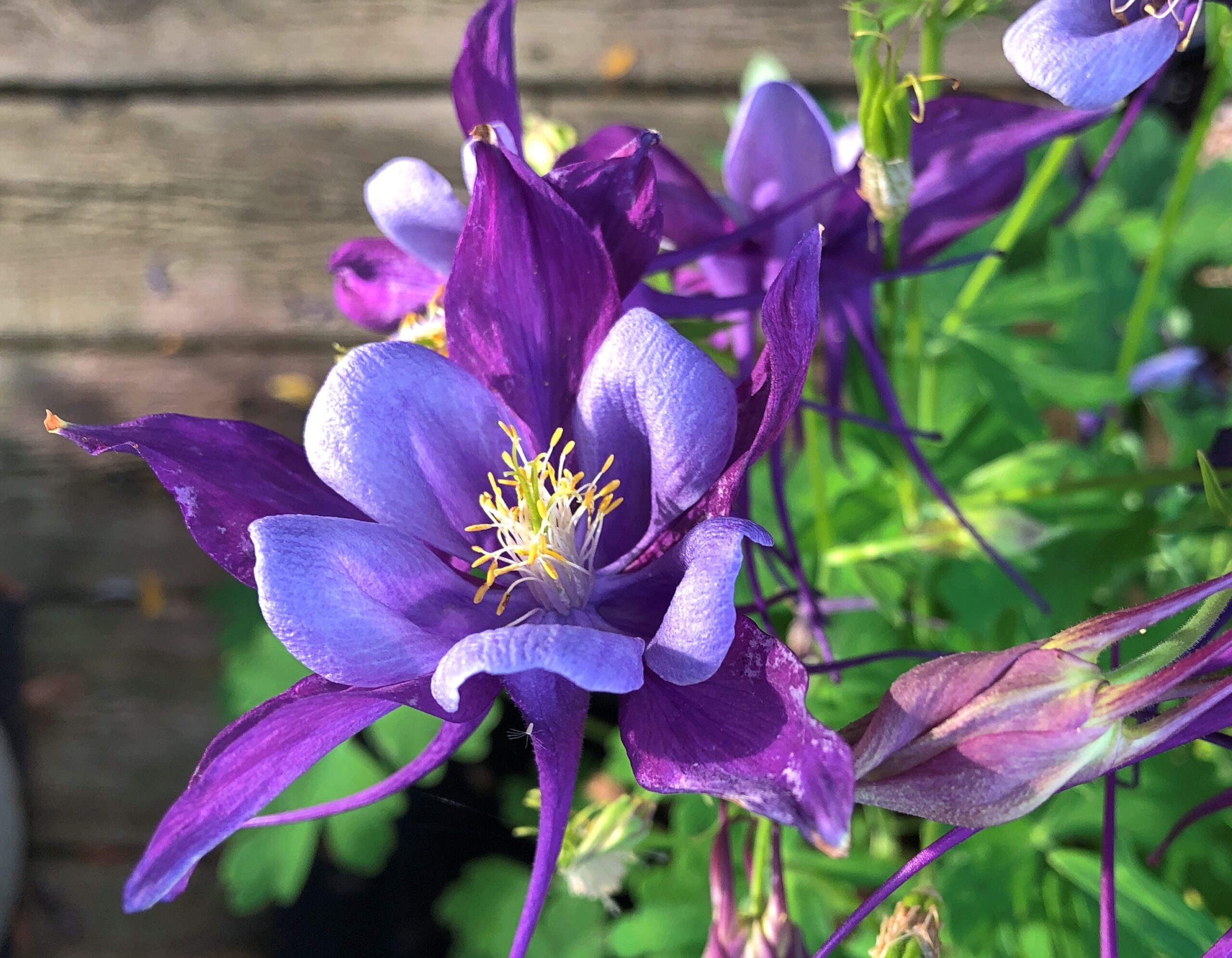
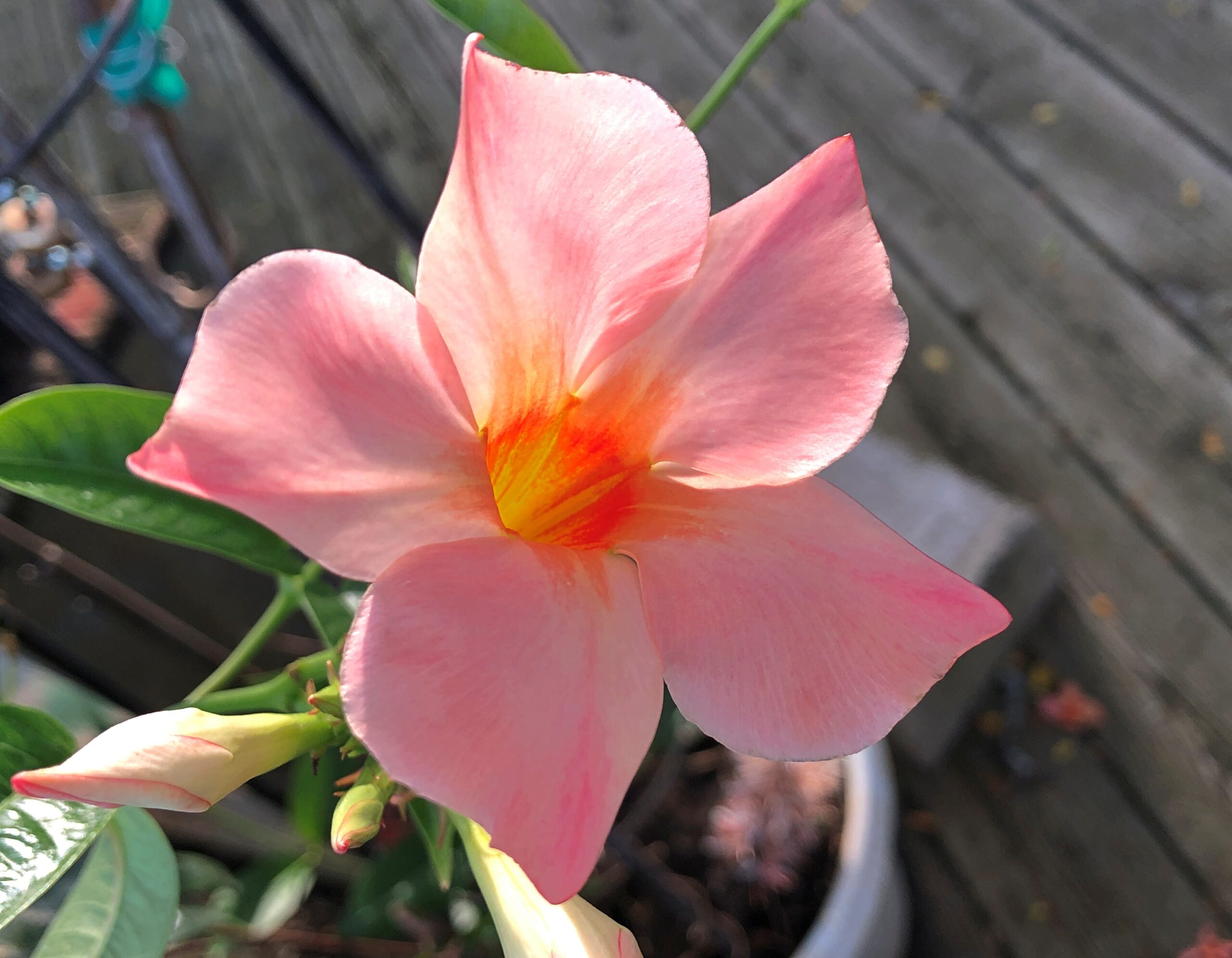
Other flowers.
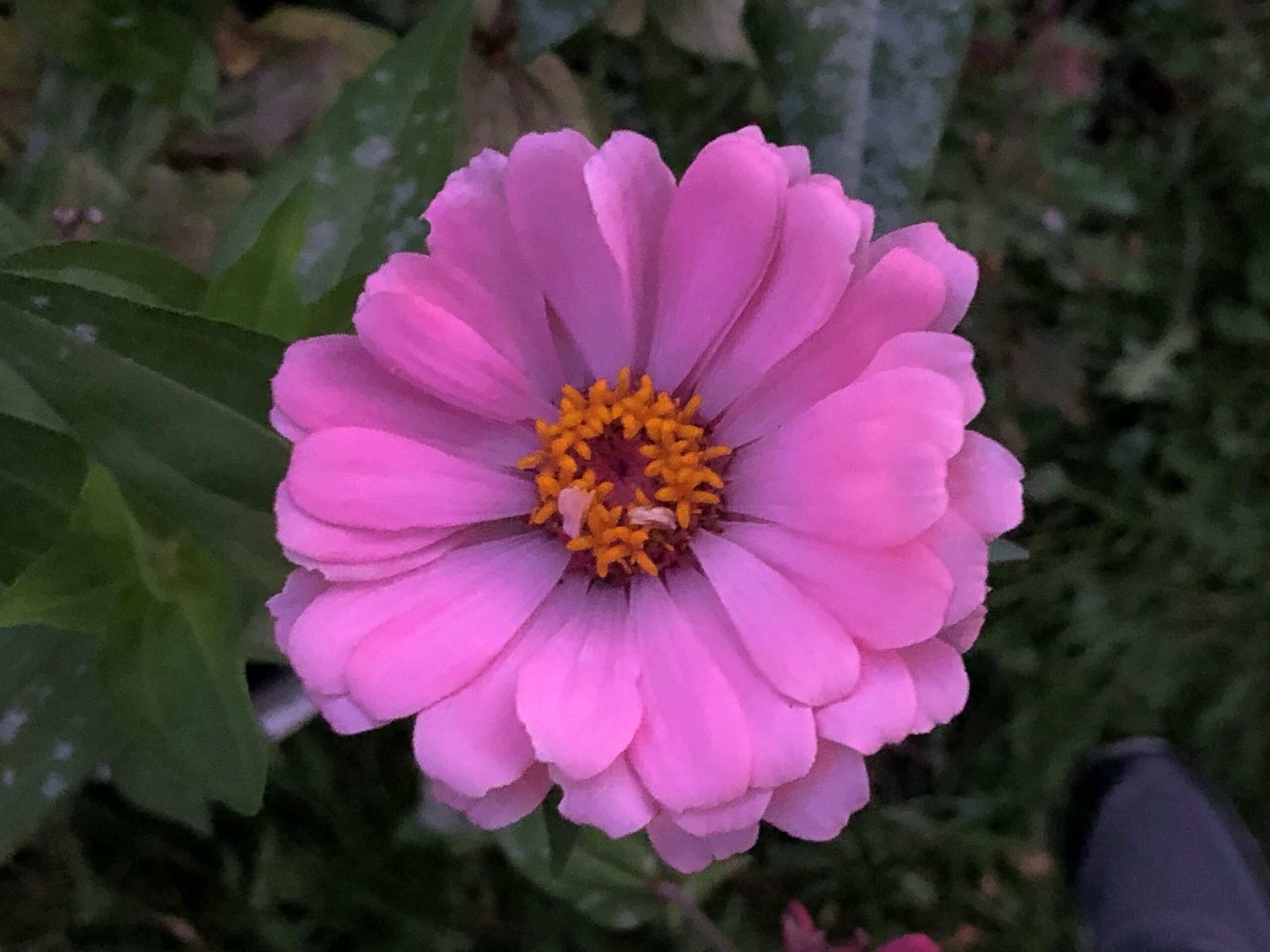
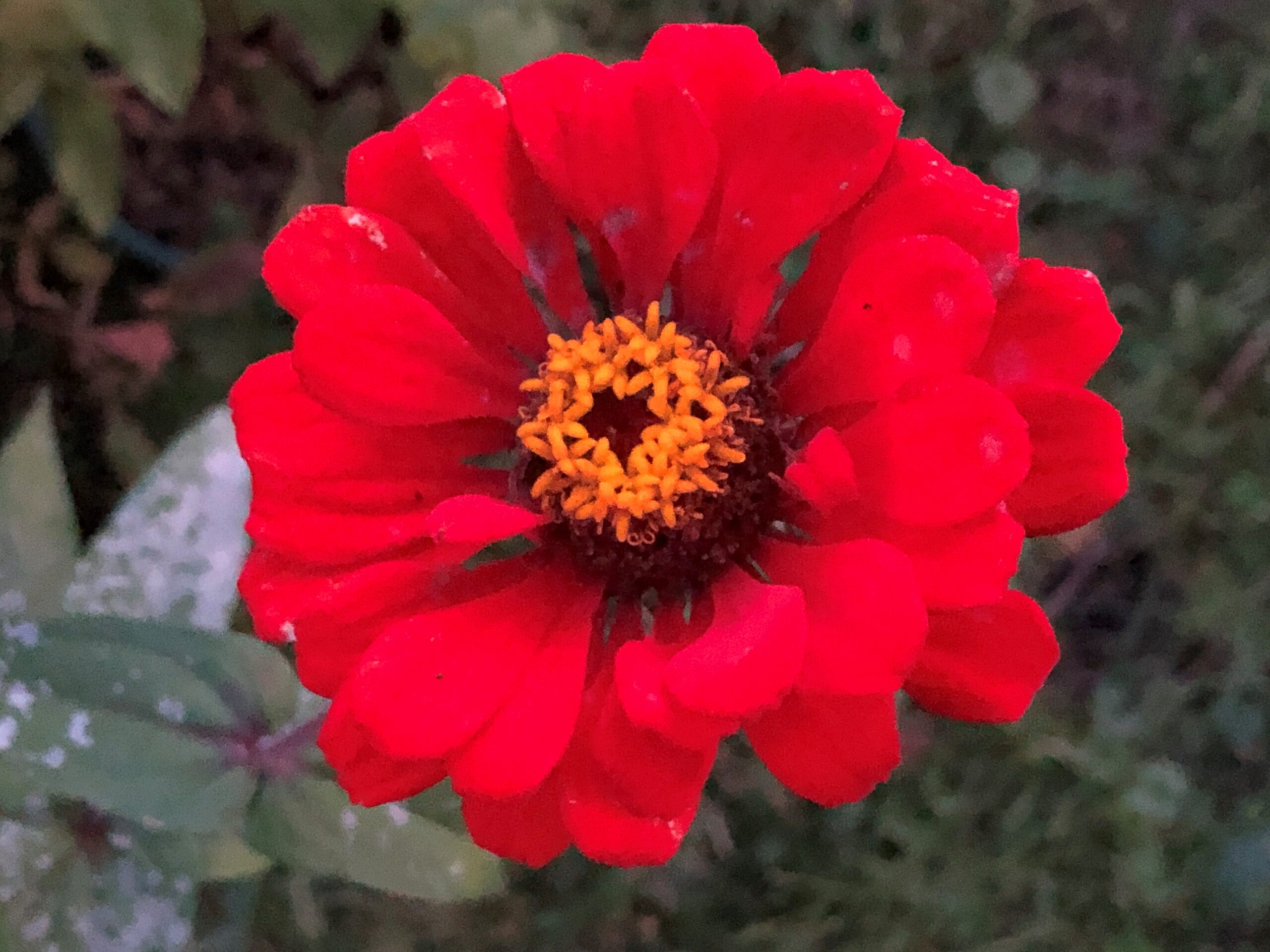
Zinnias, as it happens – hardy September flowers doing well near the fence.
This morning I woke from a dream briefly persuaded that there had been a crossover TV show combining Star Trek and Gilligan’s Island. This is the kind of idea that evaporates immediately after your conscious mind snaps back in place with the thought: no, that never happened. Sometimes, emerging from a nightmare, the feeling is relief. Other times, emerging from a good dream, the feeling is that you want more. I’m not sure what this particularly odd dream counted as.
Still, the idea isn’t quite as ridiculous as it sounds (just mostly), since those shows aired roughly during the same period. For a uncharted place in the Pacific, visitors seemed to show up with regularity on the Island, for all the good it did the castaways. Also, the Enterprise was known to travel in time somehow, especially to the 20th century, though if I were putting such a crossover together, I think it would be one of the shuttles landing on the Island.
All this only goes to show what Jung said about the unconscious. Like Camelot, it is a silly place.
***
Another fine local place to visit in the summer, or really most of the year, is Spring Valley. At Spring Valley, according to the Schaumburg Park District, “the following activities are encouraged: Walking, birdwatching, sketching and painting, photography, reading and writing, relaxing, and learning.”
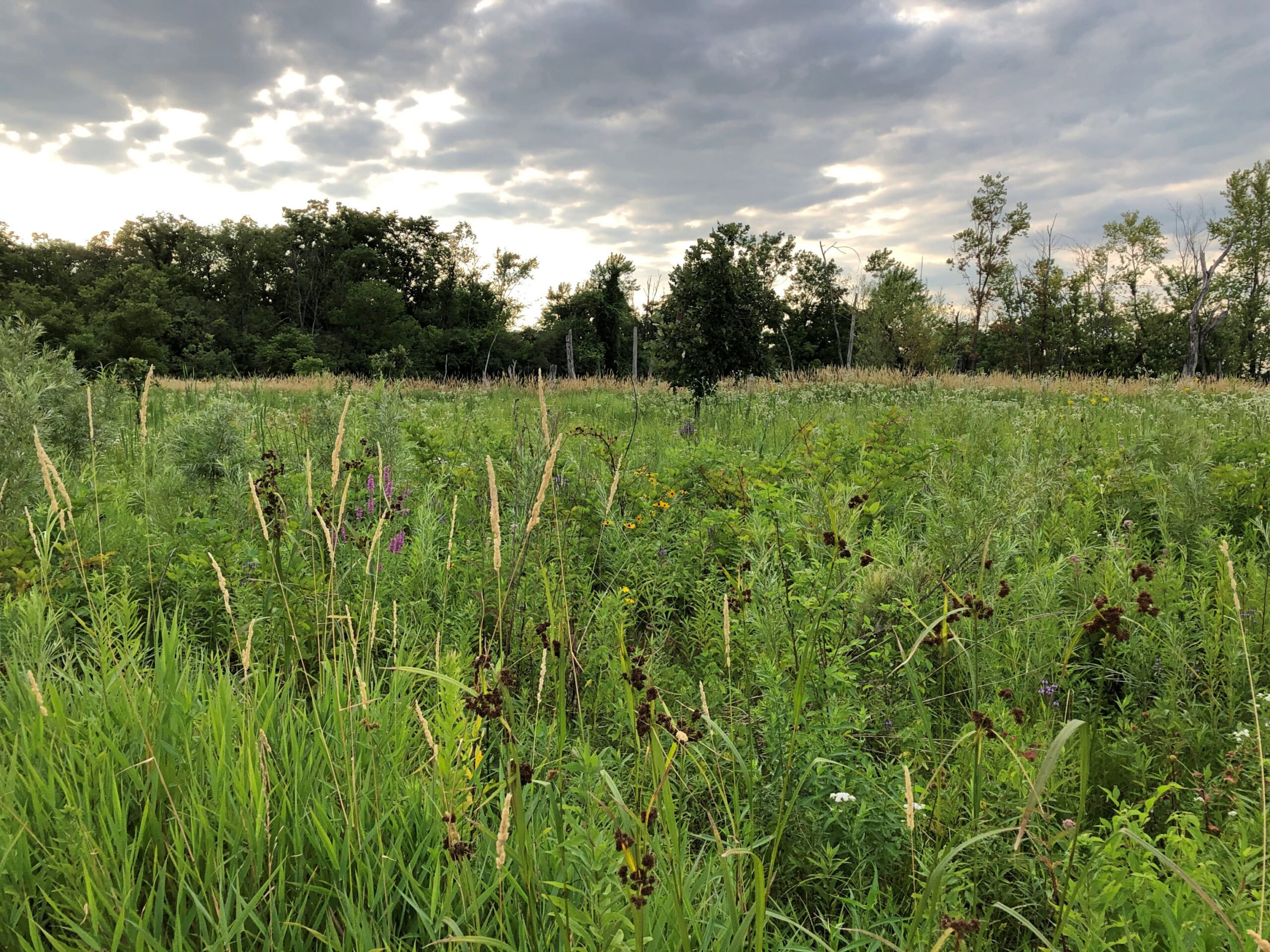
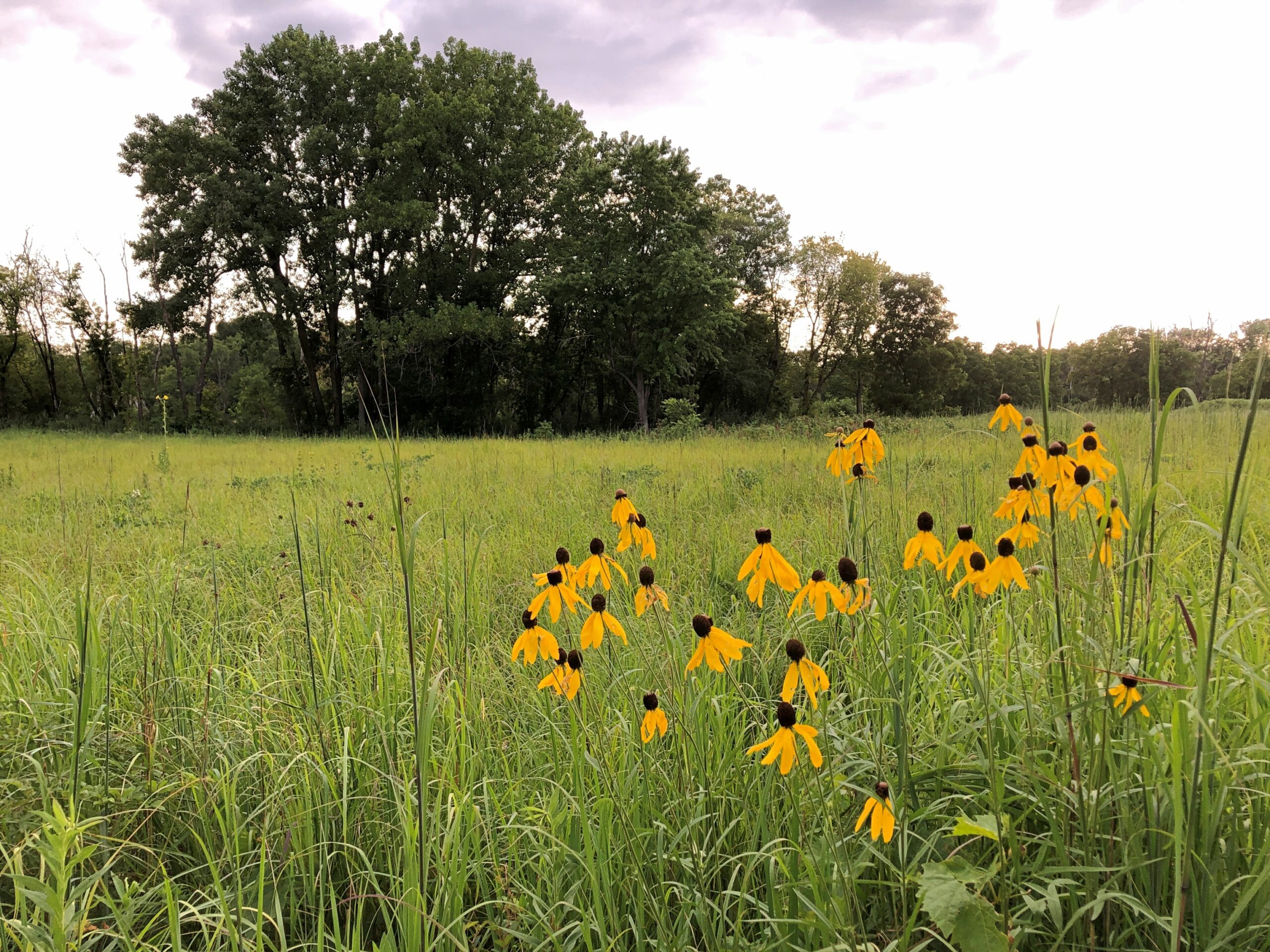
We don’t do all of those, but walking is a fine thing to do, as is photography. Summer is a lush time.
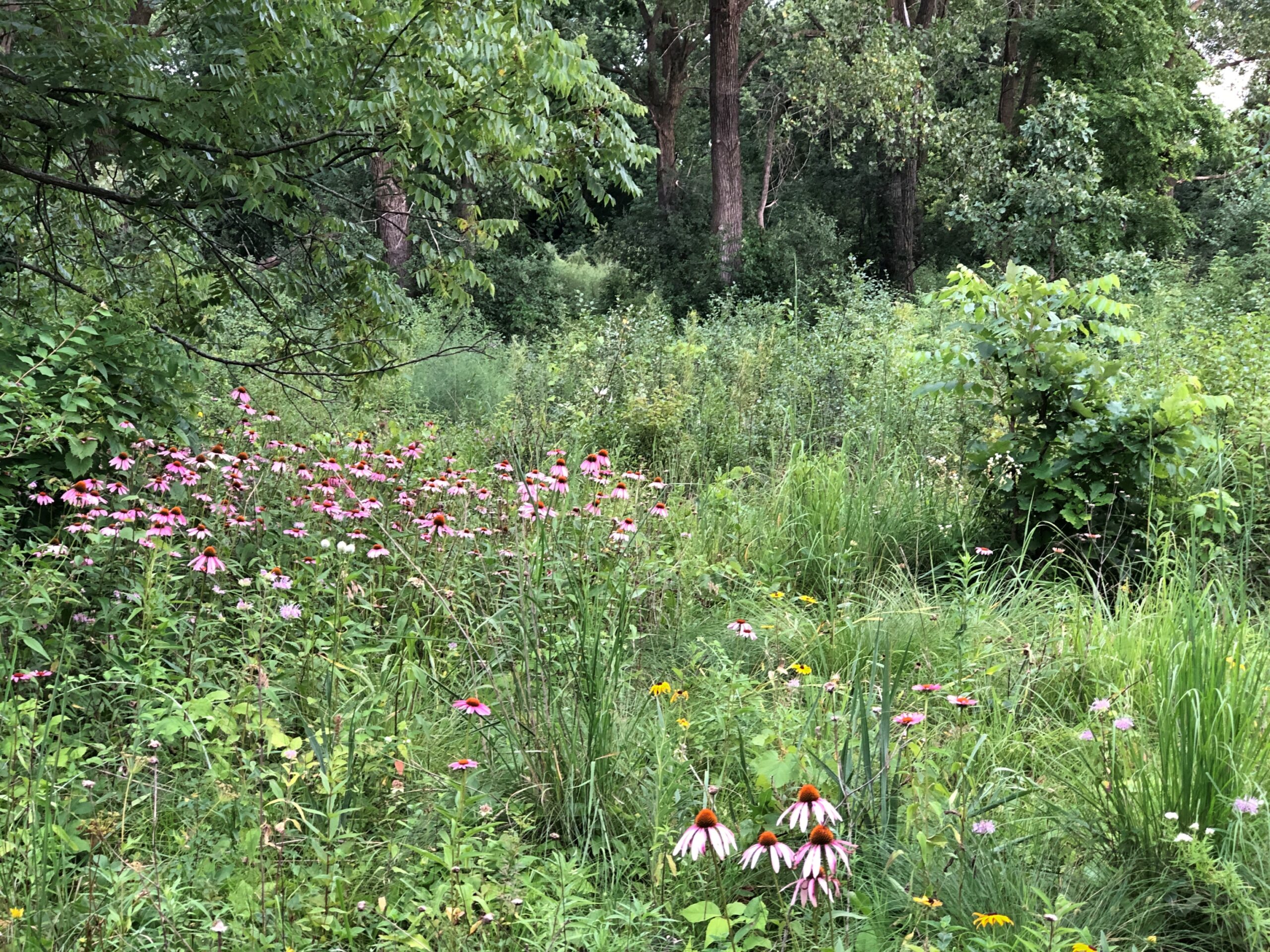
Complete with its own array of flora.
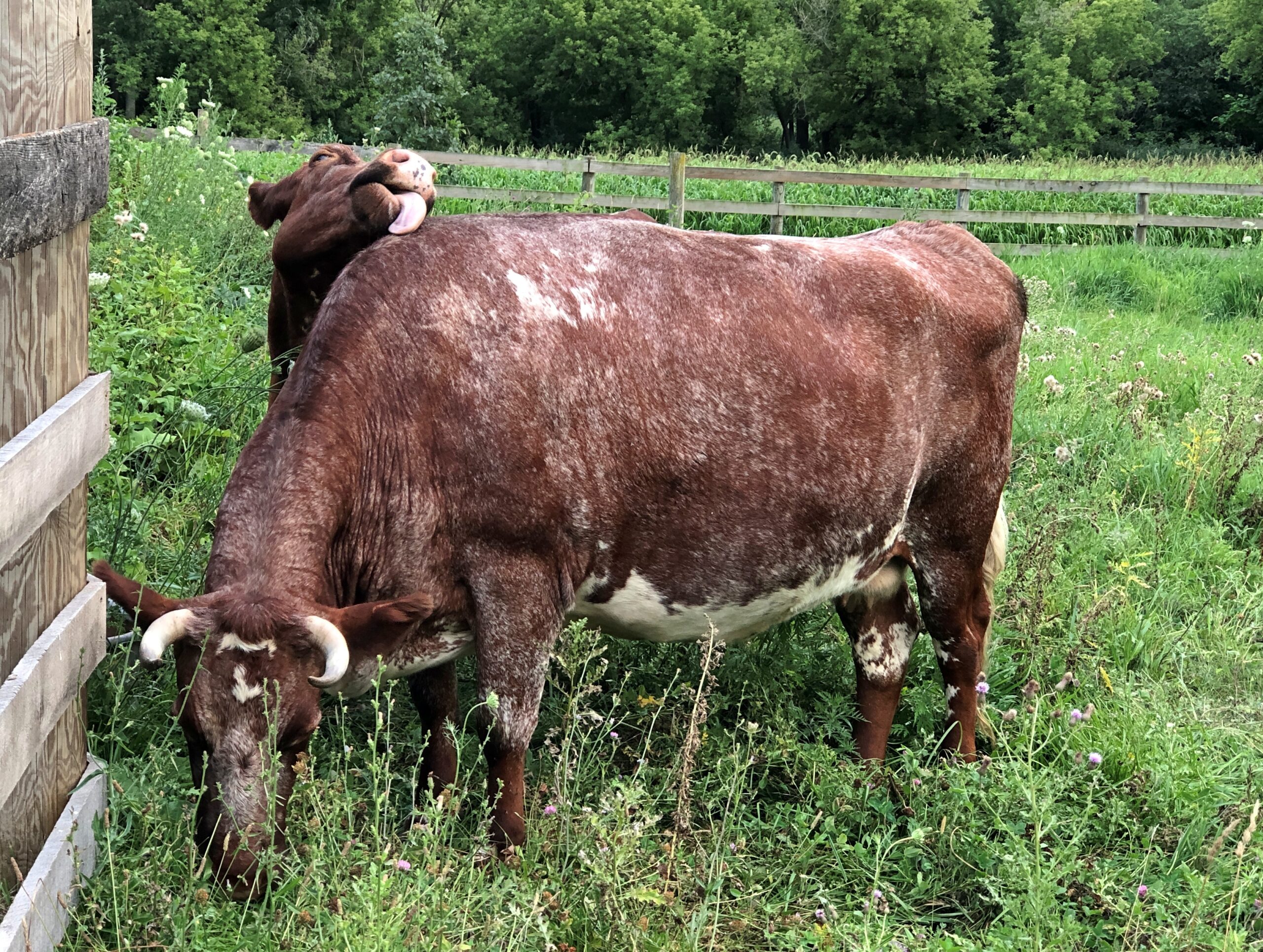
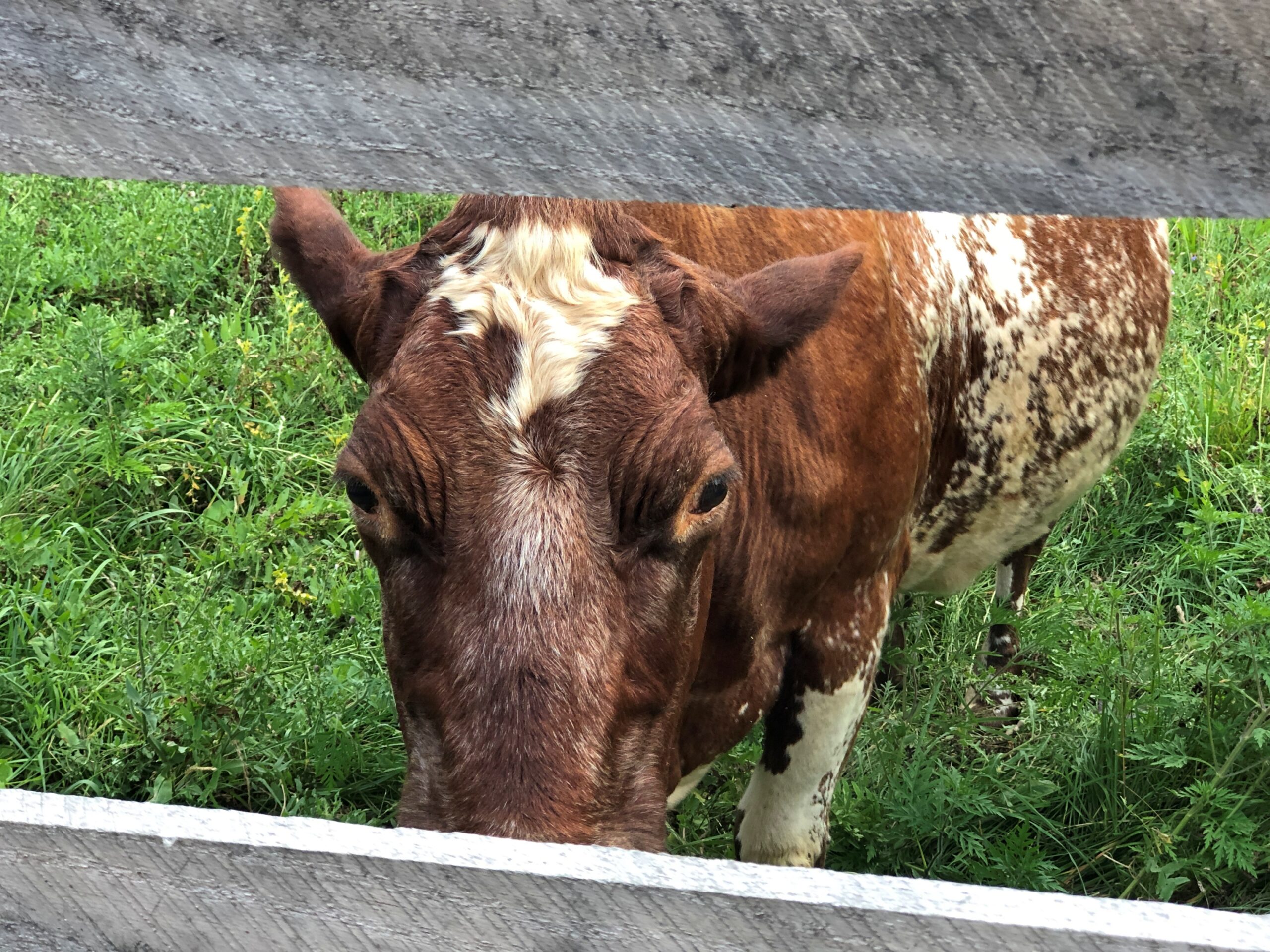
The preserve also includes a open-air farm museum, which I’ve noted before, and recently. But the time we were there in May, the animals were on vacation, or at least tucked away somewhere. In July, we got a look at the cows.
Behind fences, and a good thing too. Those beasts are massive.
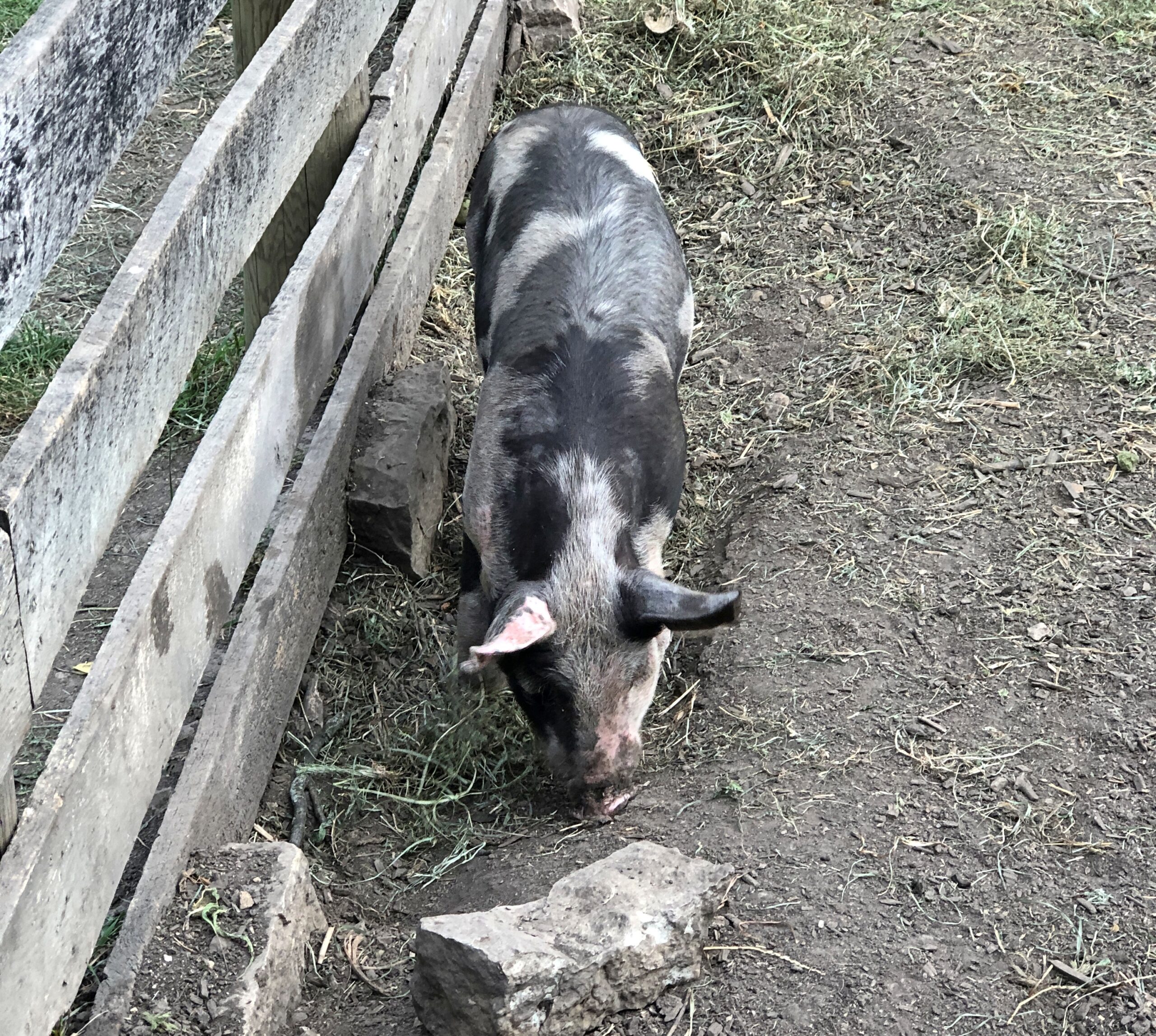
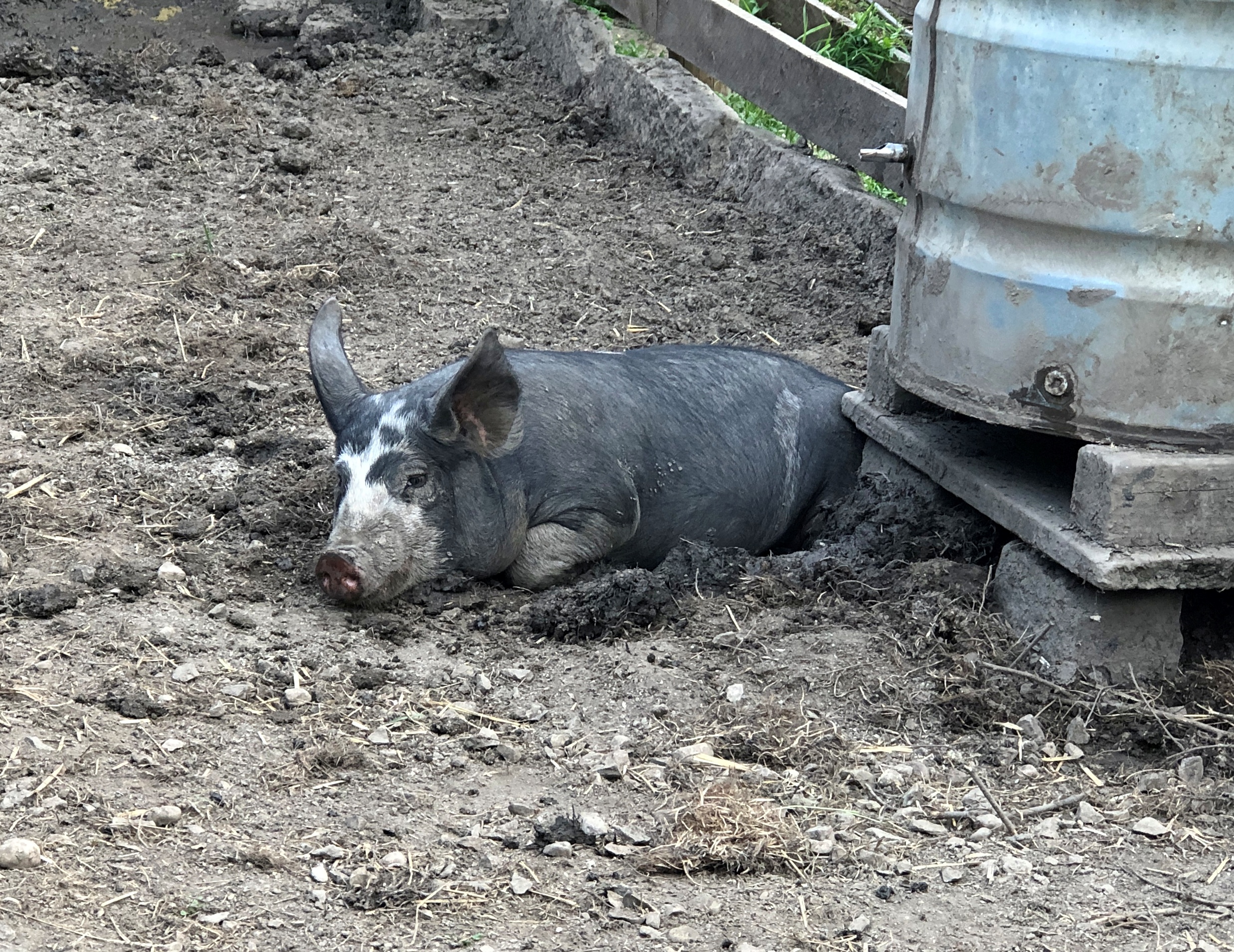
Pigs.
Also behind fences, and a good thing. Those beasts are smelly.
Yet another example of something not just for kids, though people often think that. Sure, the kiddie-winkies enjoy visiting a pseudo-farm. I can attest to that personally, having taken small children to this very place, once upon a time. But also enjoyable for us adults. If nothing else, seeing such animals up close reminds us of where our burgers and bacon come from.
How is it that, in stereotypical gendered thinking, men are supposed to have little interest in flowers? Or, put another way, how is it women are supposed to have so much?
There might be scholarly tomes on this very question, but I’m going with my usual reductionism and point to the usual suspects: Victorians, who encouraged upper- and middle-class women practice floral arrangement and paint botanical still lifes, as activities considered suitable for the fair sex, with florists and their ad men partners in the 20th century taking up the task of selling the products of a burgeoning flower-growing industry to women. So here we are.
Yet all sorts of flowers appear in heraldry, which evolved from designs on shields, helmets and crests – elements of armed combat, in other words, and what could be more manly than that? It was the Tudor rose, not the Tudor quince.
On the other hand, I’m not particularly interested in receiving a bouquet as a gift. Gender norms are pretty sticky.
Some of us have been known to name girl children after flowers. Except that her mother is also named “lily,” since the Japanese for that flower is ユリ(yuri). And I insisted that the name Lilly be distinct from the flower Lily, but of course the latter spelling is actually more common these days in the English-speaking world as a name. Ain’t language fun?
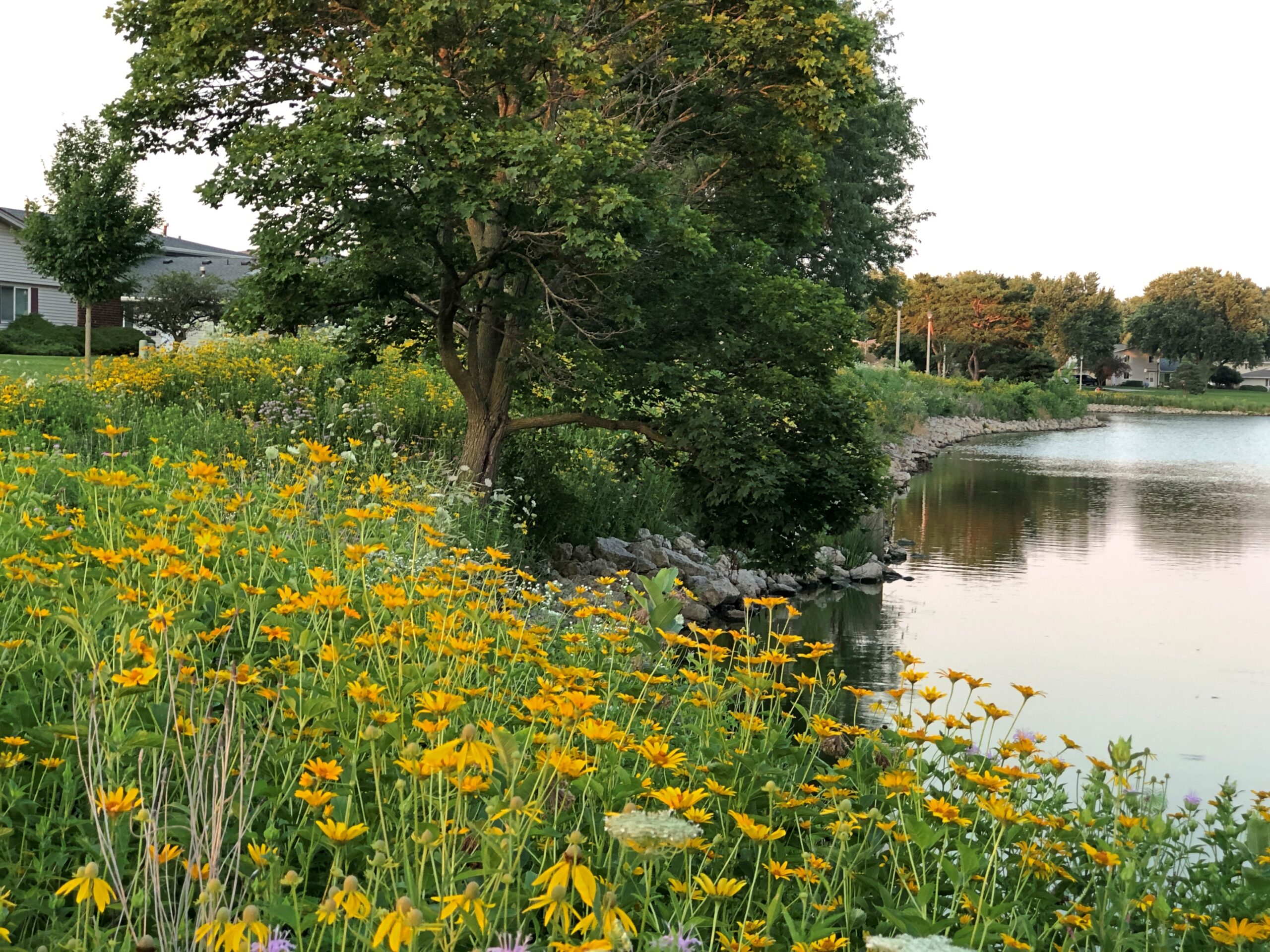
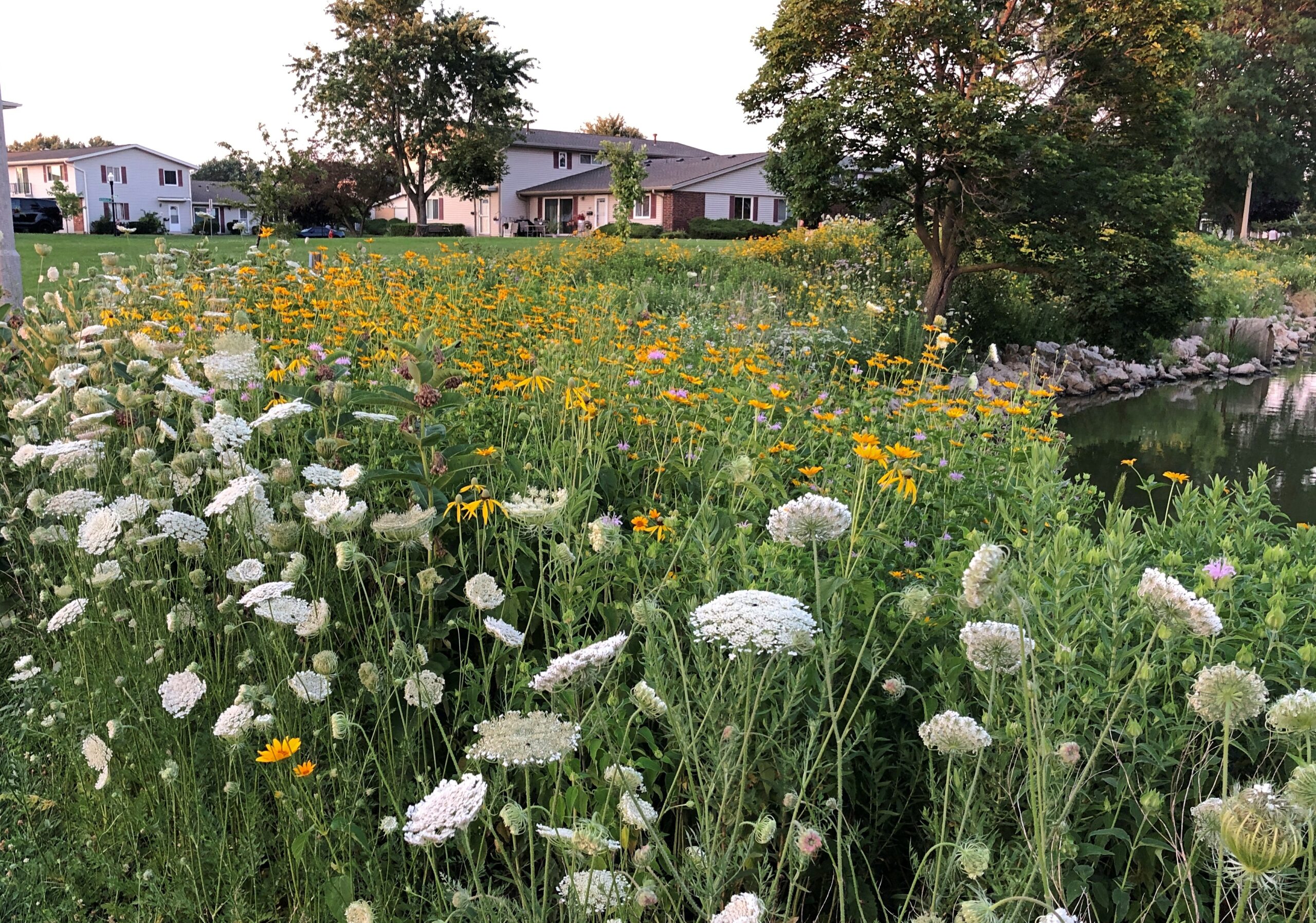
Never mind. I enjoy looking at flowers. Also, taking their pictures, since they don’t move much (except in a high wind), you don’t need their permission, and they can make highly aesthetic images. Not long ago we visited Volkening Lake in Schaumburg, as we often do, and July is an especially good time and place for flowers there. Such as along the shore.
Through the marvel of Google Images — something I didn’t really appreciate until recently — I can look up which flower is which, including common and scientific names.
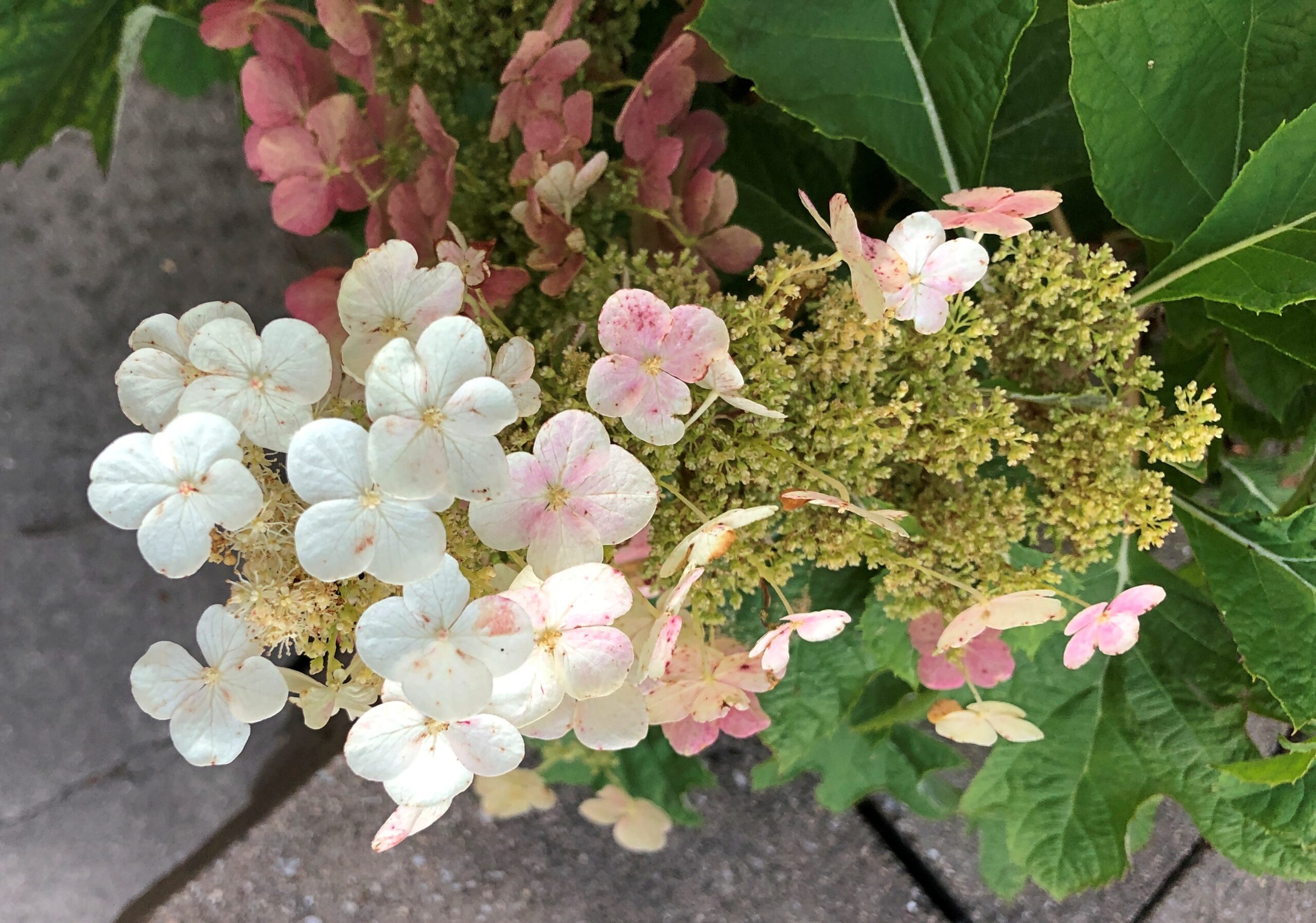
Such as Oakleaf Hydrangea (Hydrangea quercifolia).
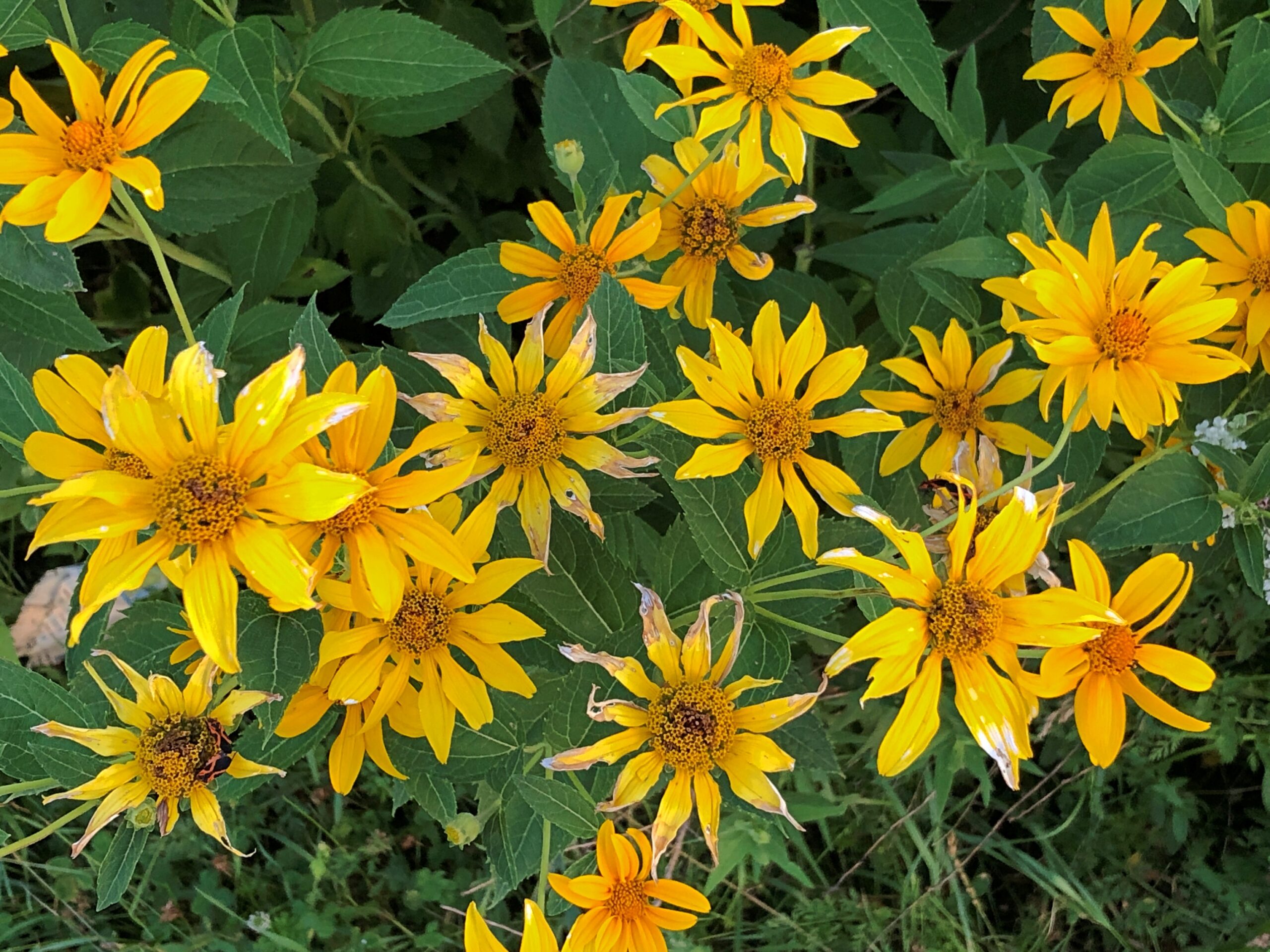
Smooth Oxeye (Heliopsis helianthoides), also known as the False Sunflower. I can see that.
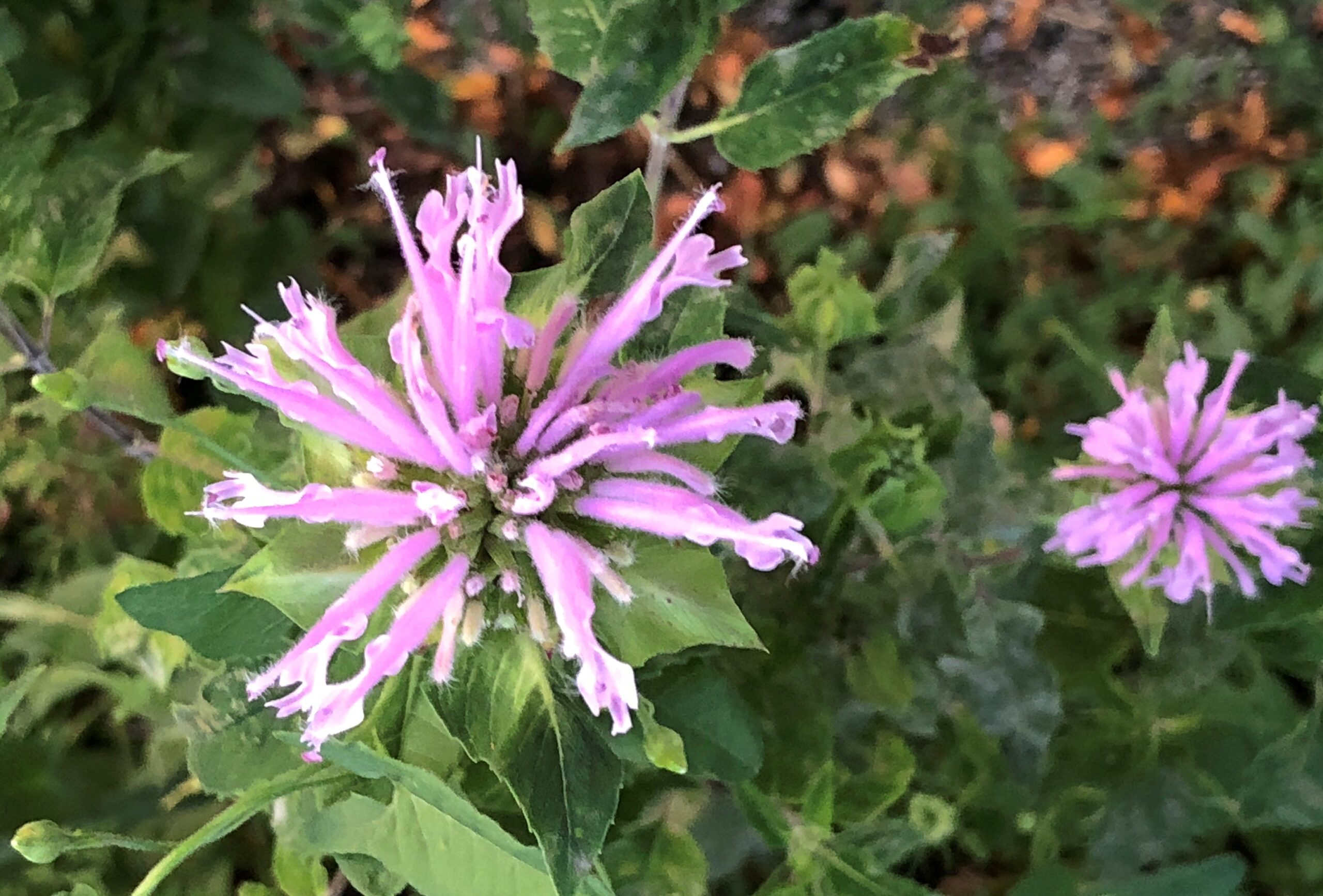
Bergamot or — and this is a fine alternate common name — bee balm (Monarda fistulosa).
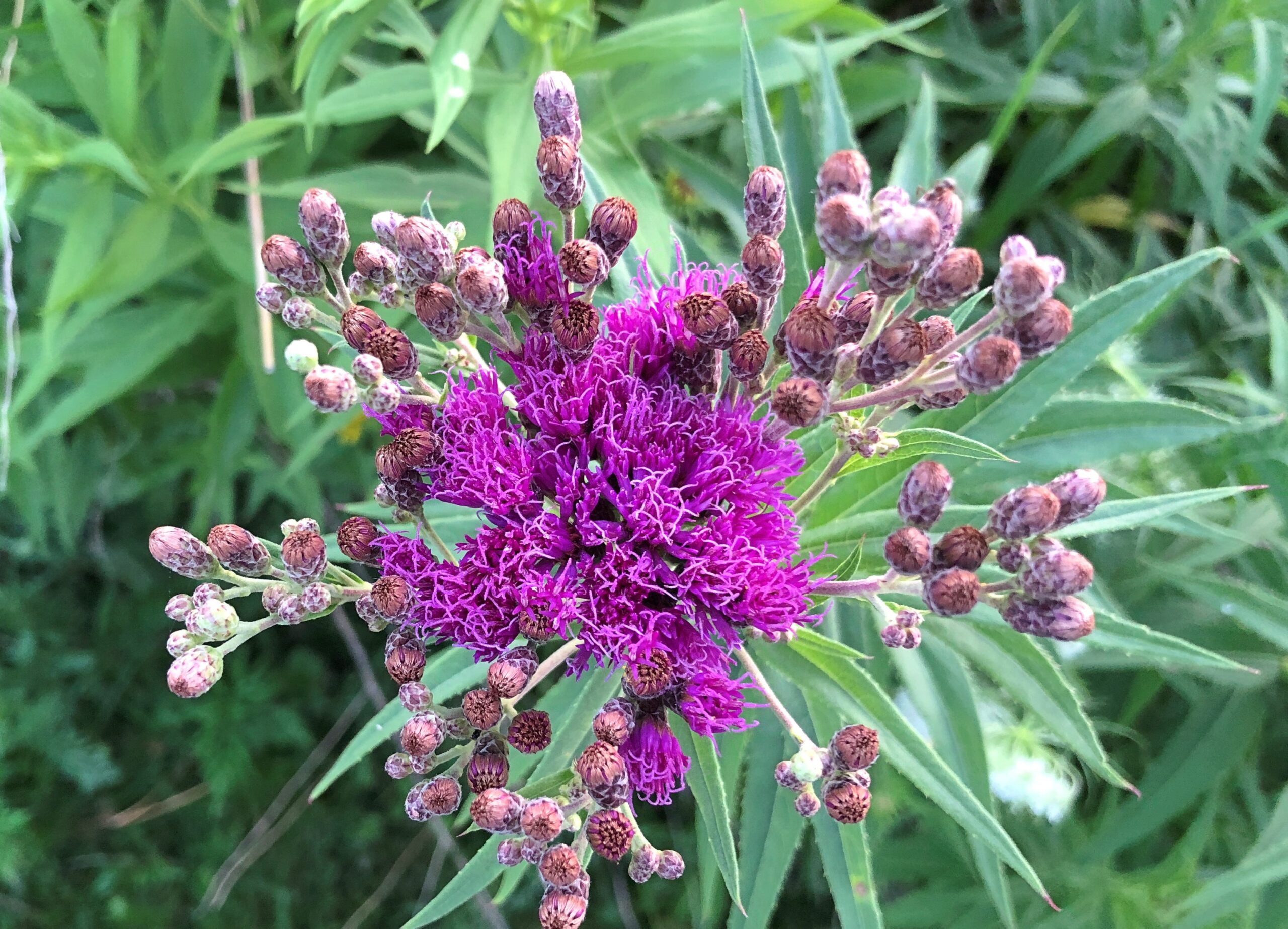
Ironweed flower (genus Vernonia).
I liked this one so much I played around with the image. Reminds me of something you might see in the distant reaches of space. AI Prompt: Refashion into a nebula. So you have it: The Ironweed Nebula.
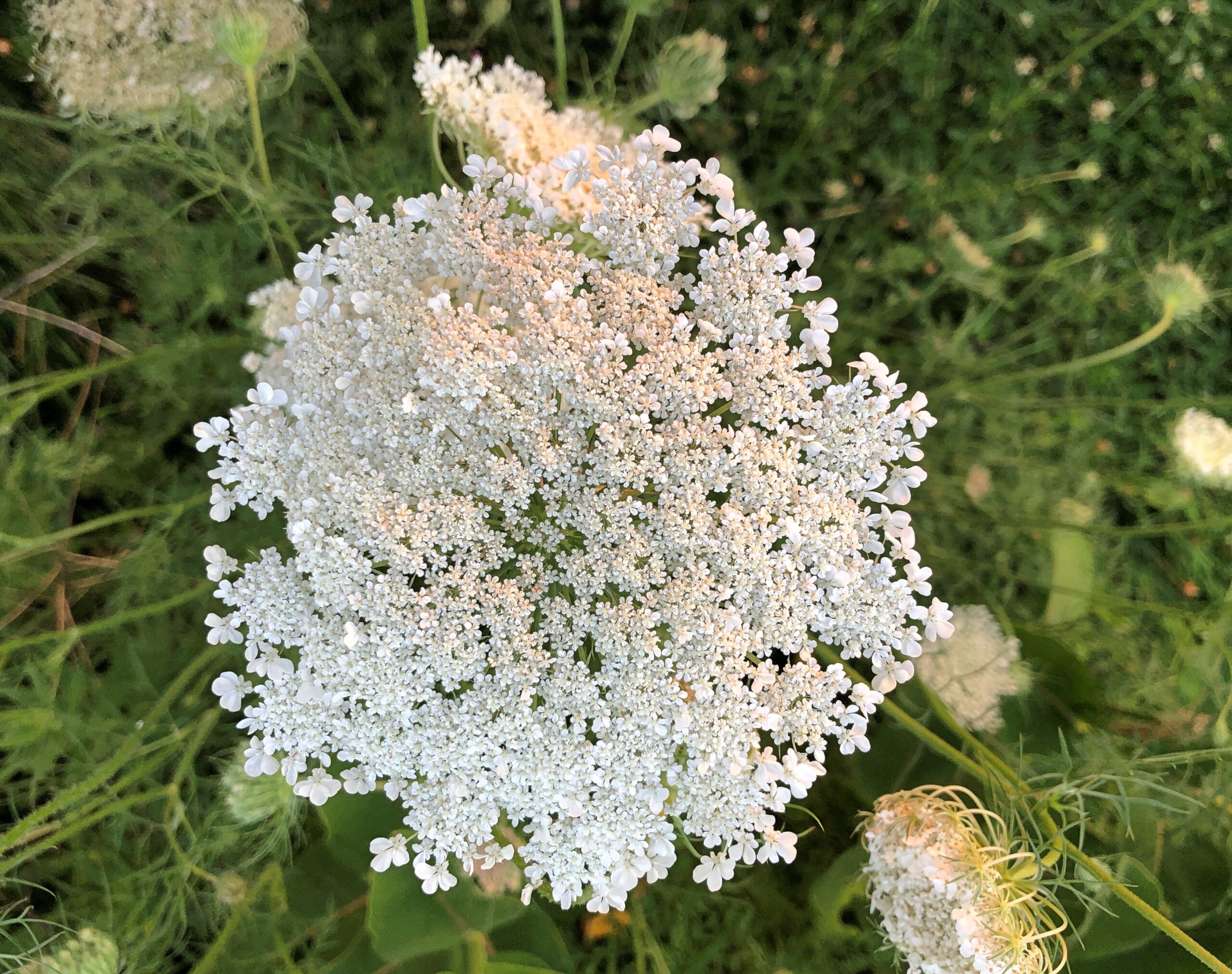
One I knew: Queen Anne’s Lace. But not the scientific name (Daucus carota). I didn’t know it’s the wild carrot. One of the most common flowers of summer around here, though not originally native to North America. Our back yard is lousy with them.
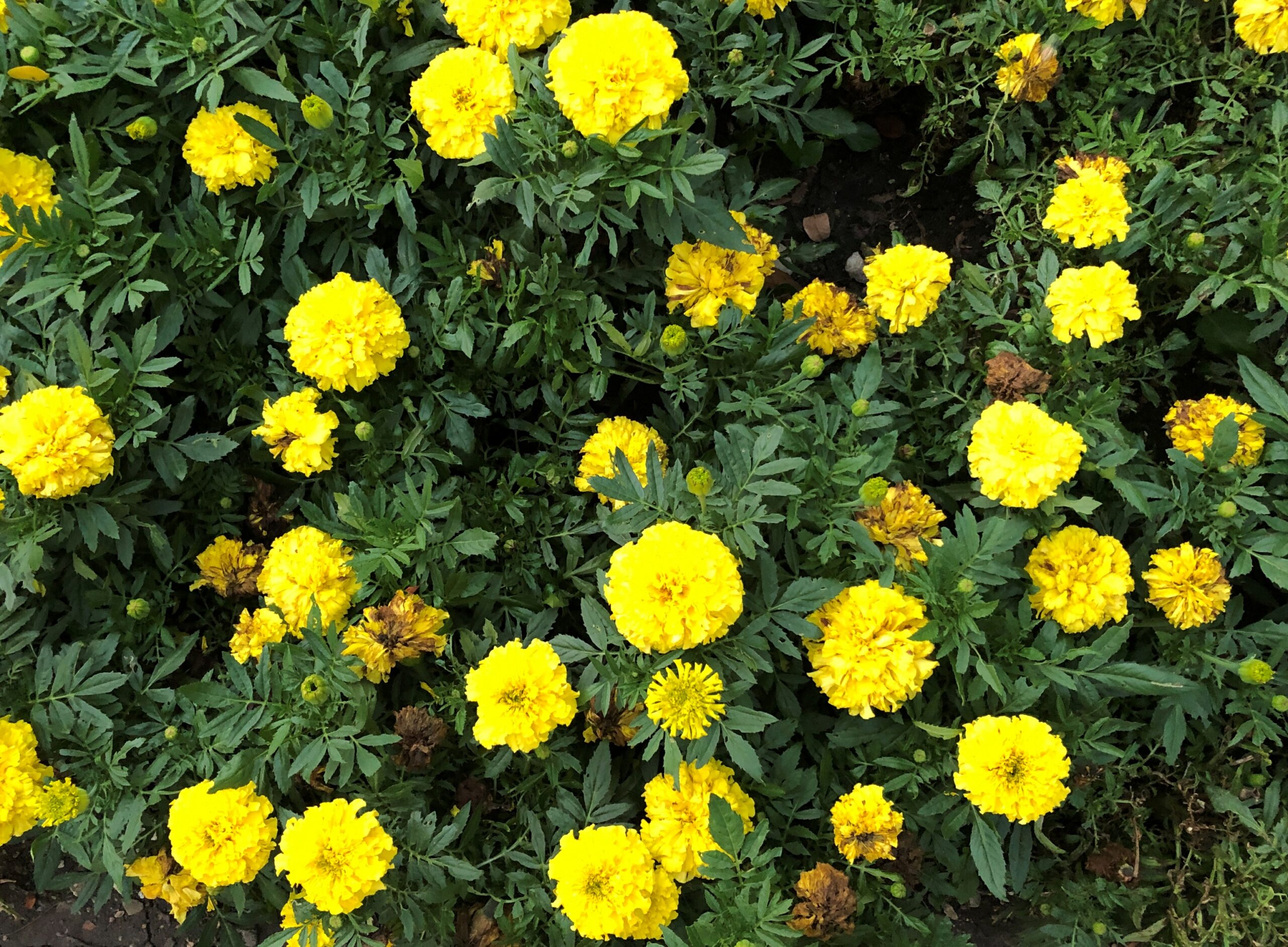
Near the lake are some flower beds. I knew this one, too: Marigolds (Tagetes erecta).
But not New Guinea Impatiens (Impatiens hawkeri), though if I remember right, my mother was fond of them.
Or the Globe Amaranth or Button Flower (Gomphrena globosa).
AI Prompt: Refashion as stars being born in a nebula.
The Button Flower Nebula. Not especially celestial, but nice to look at.
Just before noon yesterday, the clouds opened up and dumped rain and small bits of hail on my part of the world. One of those short, sudden downpours of summer. By this morning, the deck had dried out enough for me to do what I often do there, have breakfast and engage in some loafing.
Another summer note: in the evenings, crickets have received their chirping orders. For a few nights, only one or two bothered, on and off as the cicadas faded for the day. Now strong cricket choruses sound off by night. An excellent sound to fall asleep to.
Doesn’t this sound grand: a few weeks ago I attended a social event on the North Shore. But it wasn’t grand, not in the sense of a palatial setting. But it was at one of the many pleasant middle-class neighborhoods of the area whose real estate valuations lifted stratospherically in recent decades.
Driving all the way to the shore of Lake Michigan means passing through some thick traffic, so to my way of thinking, that also means you should go a few hours early for a look around parts of the North Shore, that narrow but long strip from Evanston to some point in Lake County to the north.
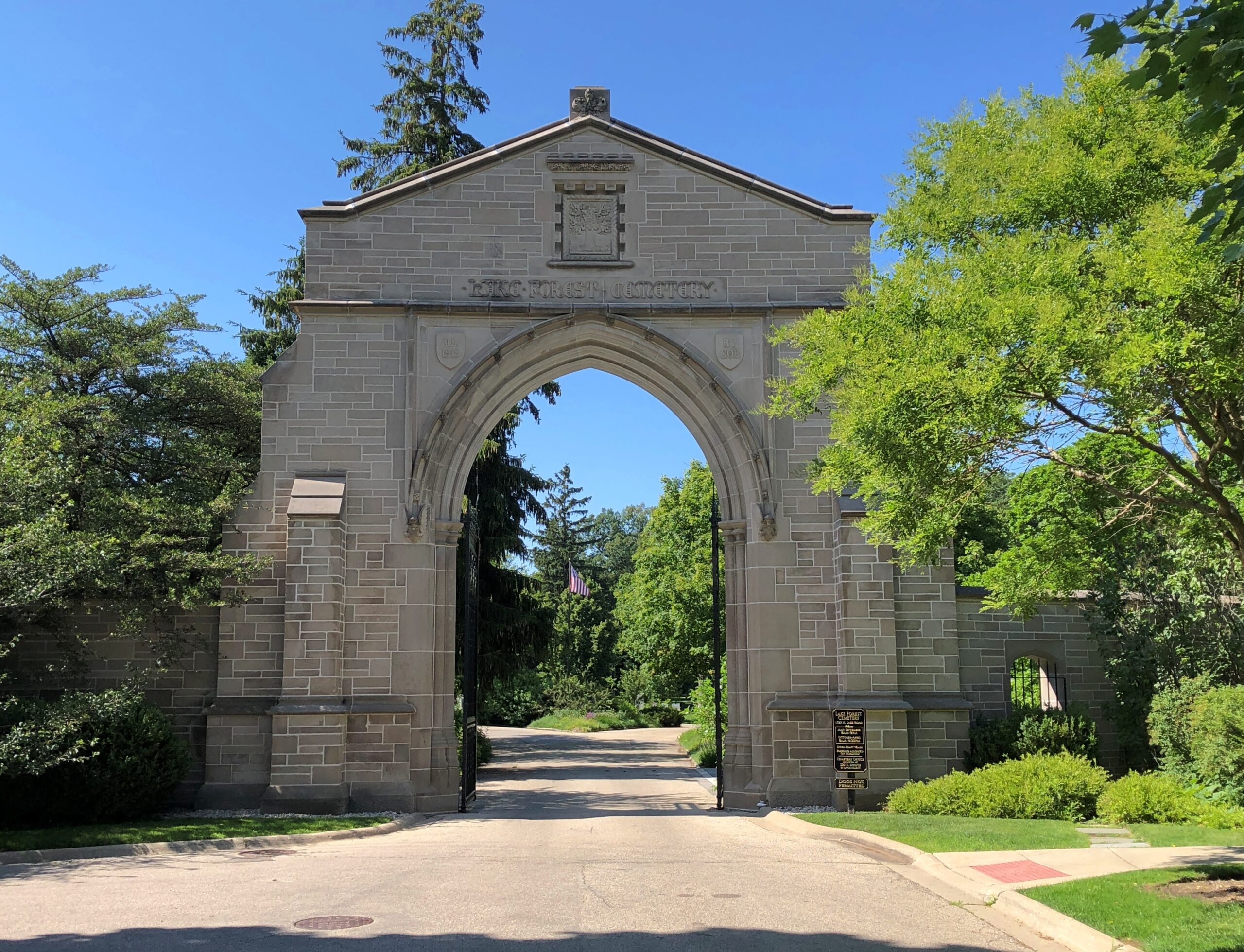
Drive up that way and you might find yourself at Lake Forest Cemetery. At the entrance gate.
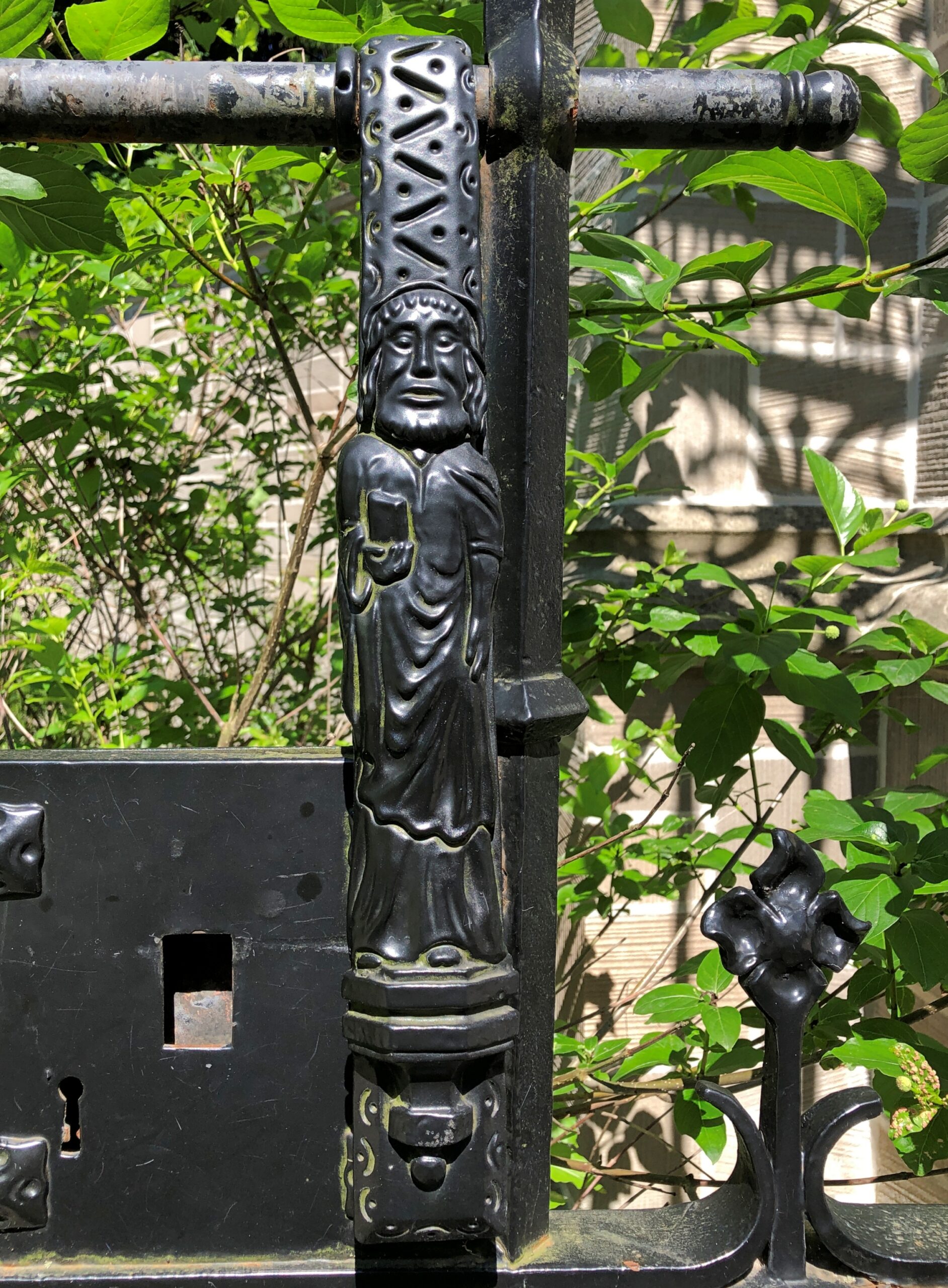
Who’s waiting there, as part of the iron gate? St. Peter. Usually he has keys, but I suppose he’s holding the book he consults at the Pearly Gates.
Among the grand old rural cemeteries of metro Chicago, Lake Forest is one of the smaller ones, at 15 acres. Due to its lush landscaping, however, it seems bigger.
It too has a rural cemetery pedigree, selected as a cemetery site in 1857, coinciding with the founding of the town of Lake Forest.
“The site… selected contained the characteristics appropriate for a design in the naturalistic style,” according to a detailed history of the property at the National Registry of Historic Places. “It had topography with gently rolling changes in grade, ravines that added a rugged dimension, and a vista toward the lake.”
But some decades passed before its roads and landscaping were in place. William Le Baron Jenney (d. 1907), who designed the first fully metal-framed building – the Home Insurance Building in Chicago, the first skyscraper – did the roads and some other features in 1882 (not long before Home Insurance).
“In 1900, Ossian Cole Simonds [d. 1931] was selected to develop the site further and is responsible for its design in the Prairie Style. He perfected its beautiful graded surface, its broad open spaces, and its simple groups of trees, often with branches sweeping to the ground…
“Whereas the site had previously been open like a park, he enclosed the property with plantings, providing a feeling of privacy for the bereaved. The location of the cemetery on the bluff above the lake and surrounded by ravines provided a natural setting for quiet meditation that he emphasized through plantings. Unlike other cemetery sites that have been overtaken by urbanization, Lake Forest Cemetery still retains the character that Simonds emphasized through his plantings.”
I’ve happened across some of Simonds’ other work — Lincoln Park, but also Library Park in Kenosha.
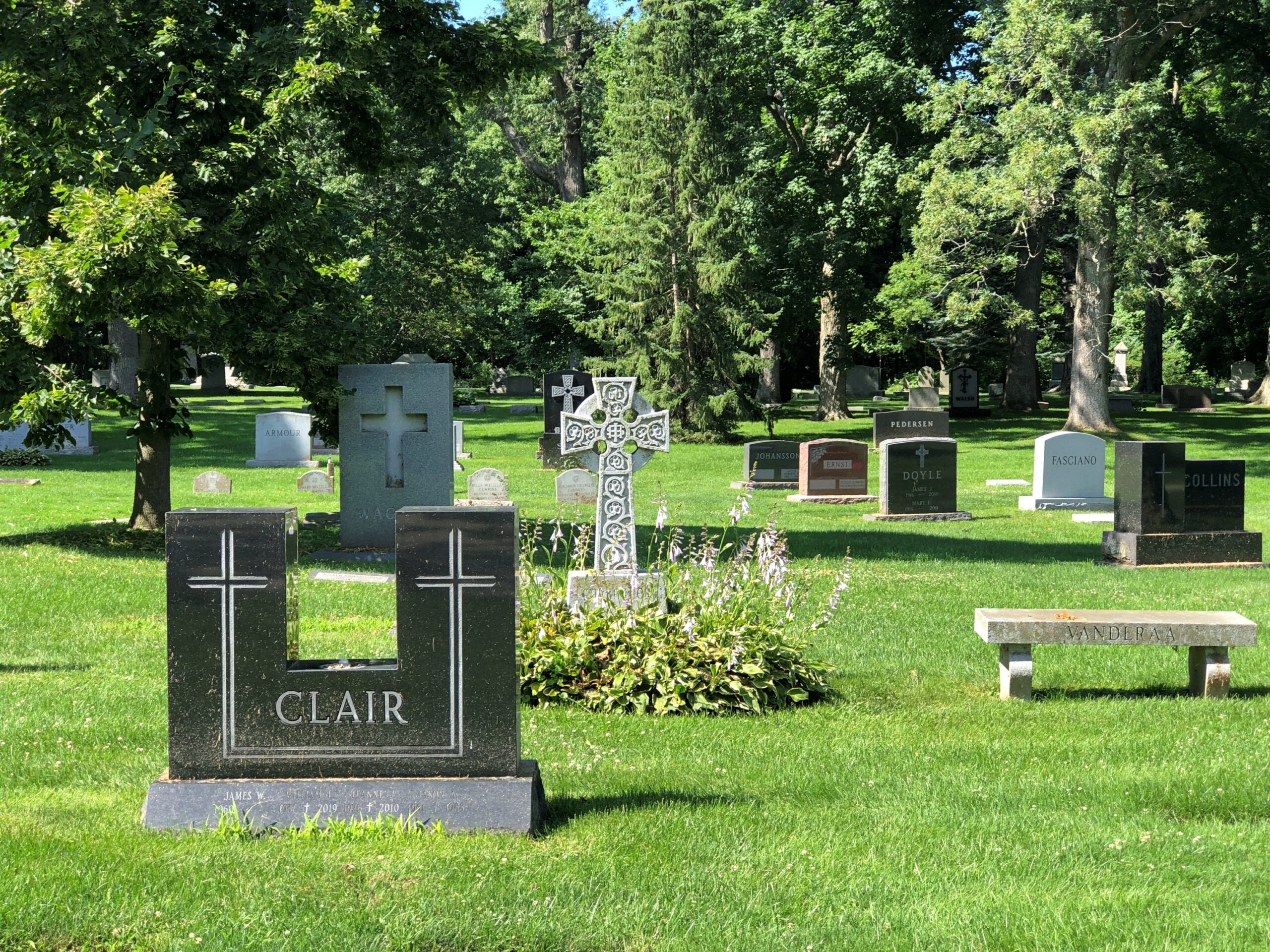
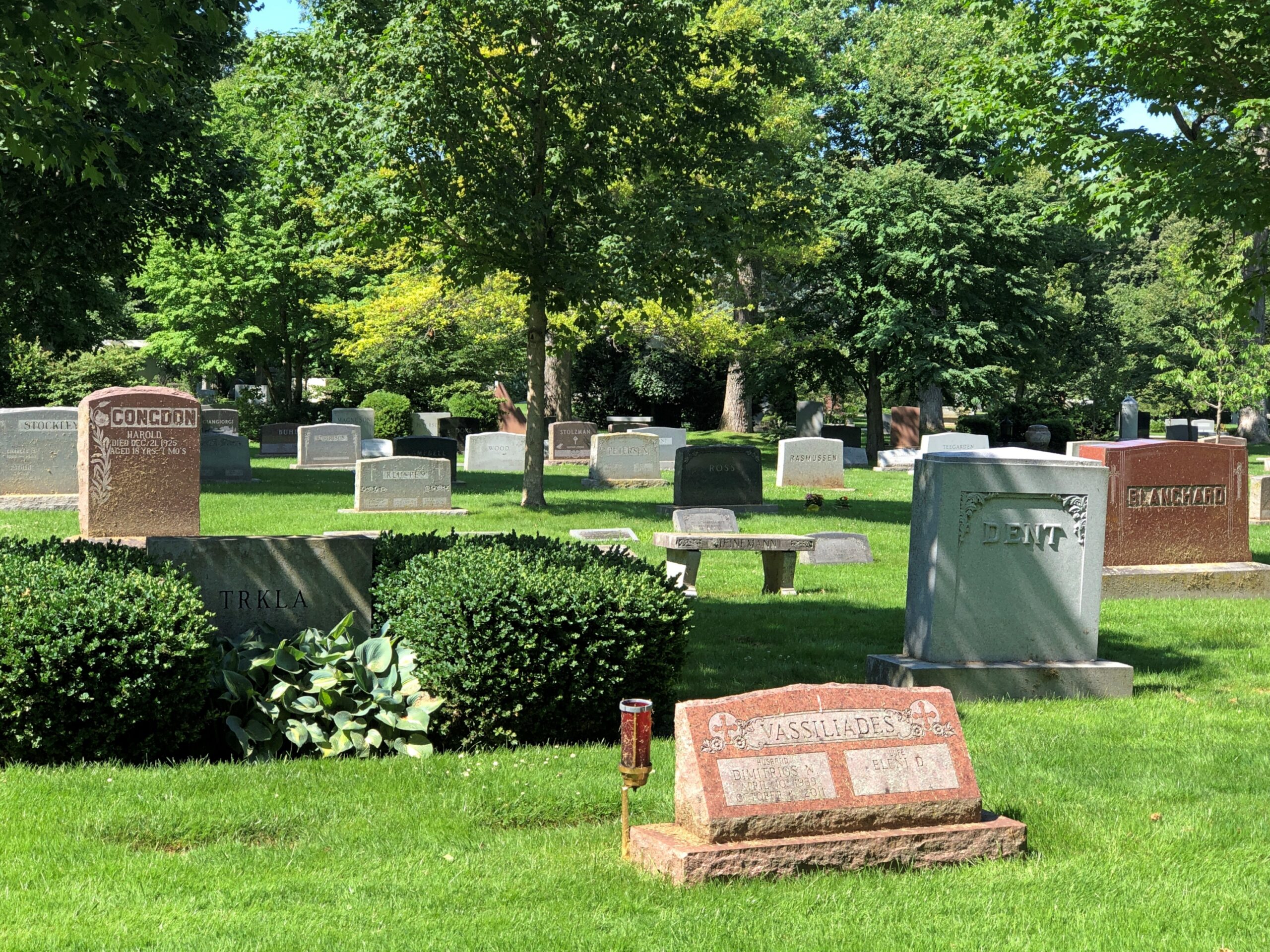
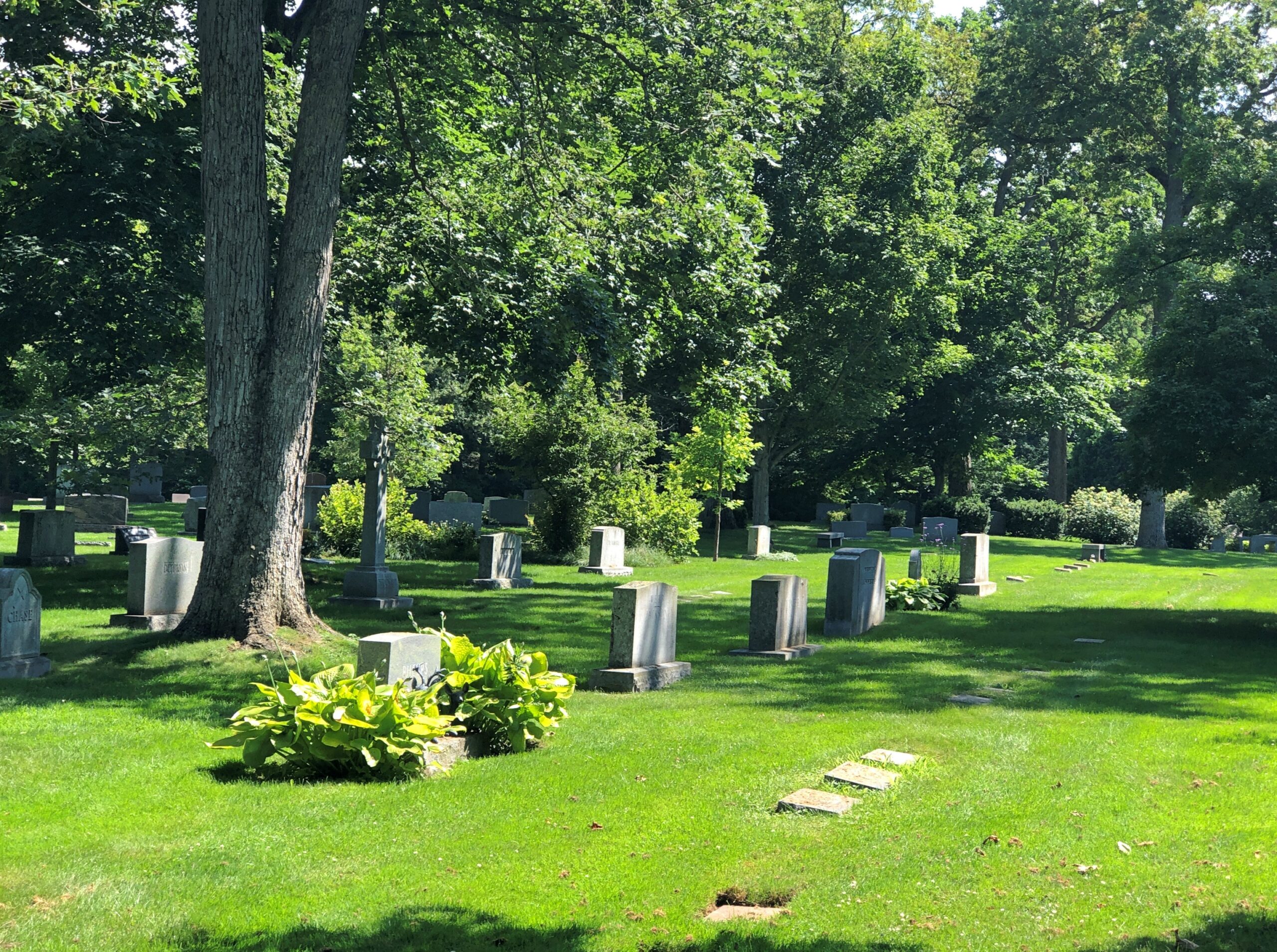
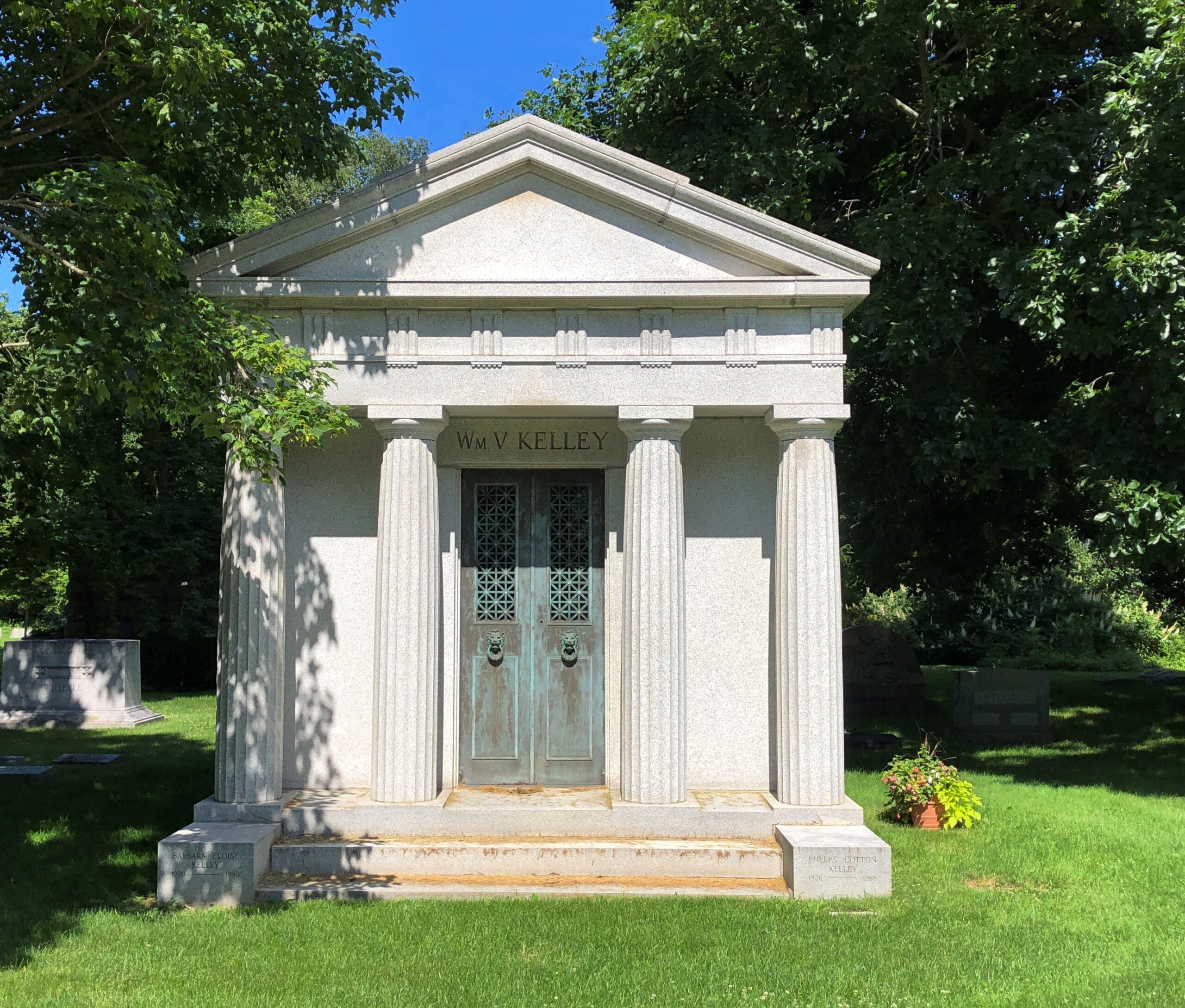
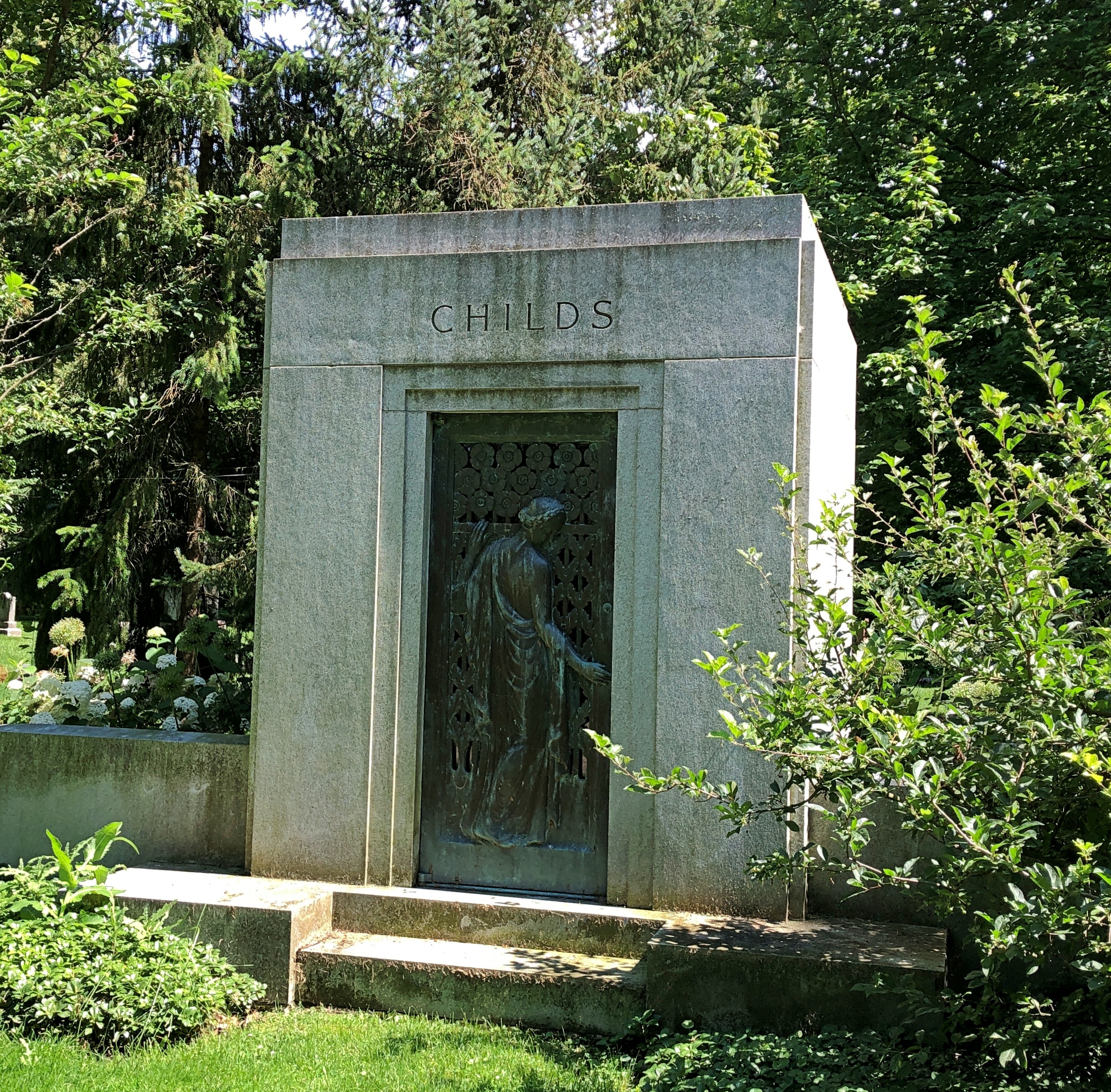
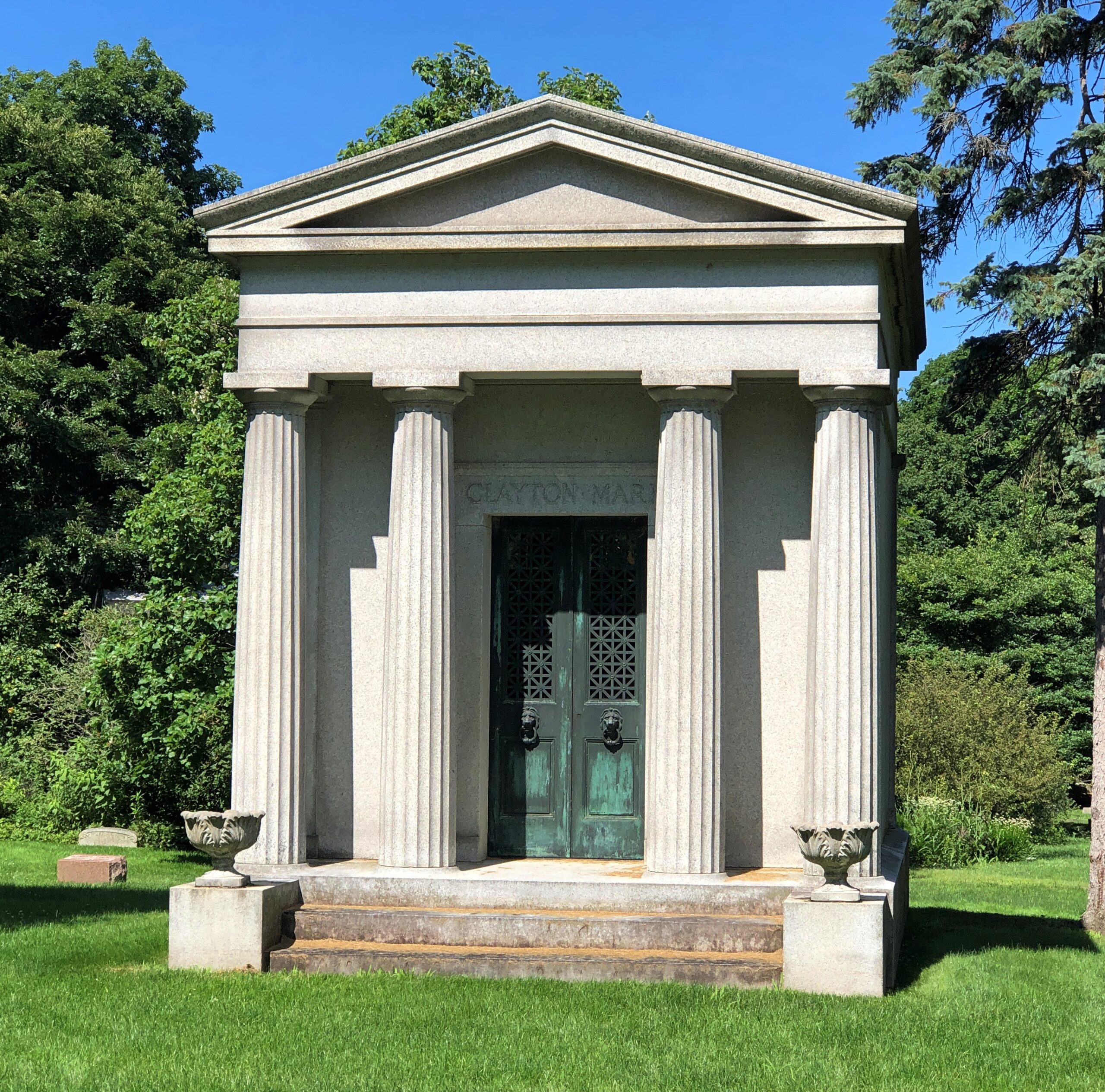
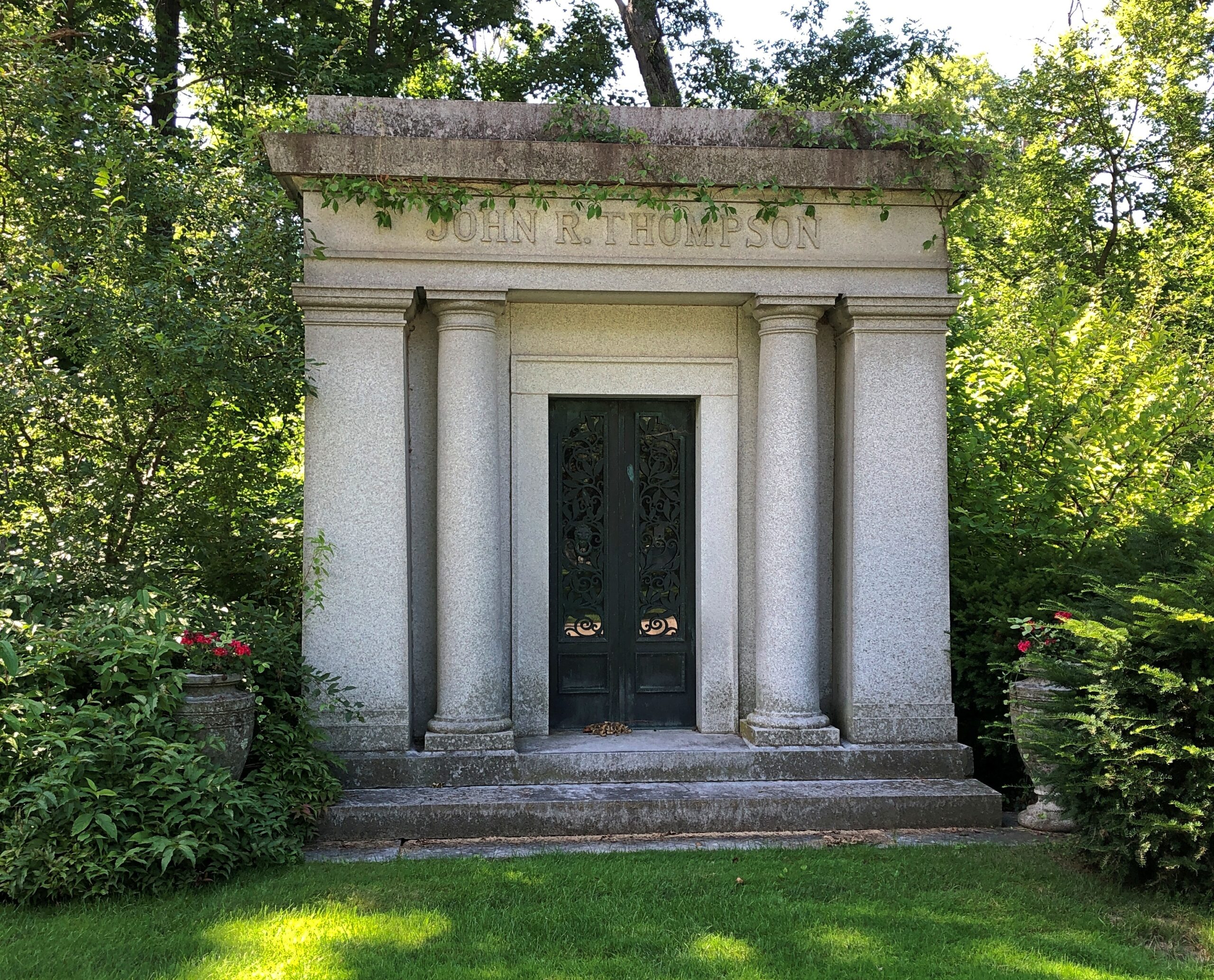
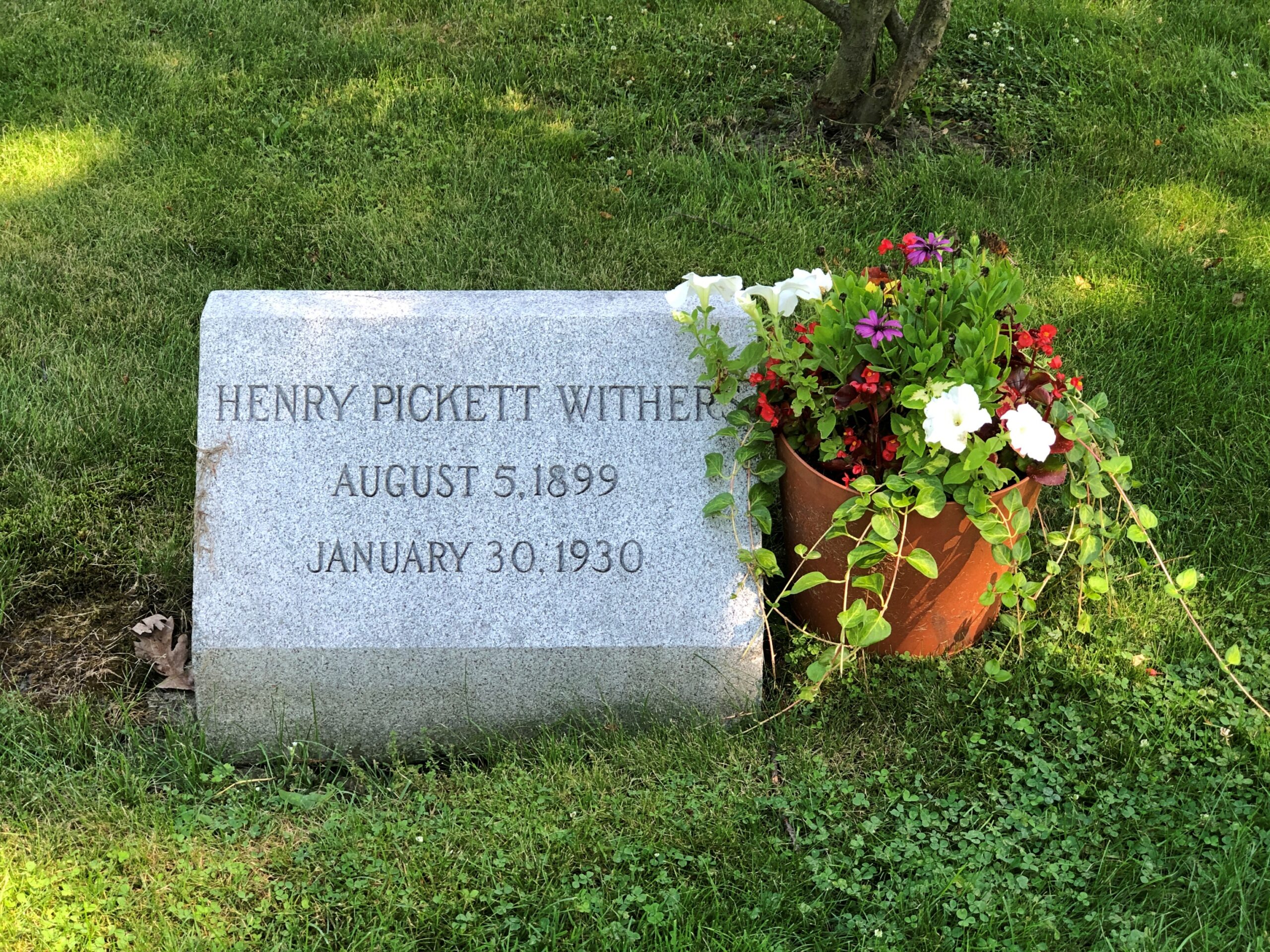
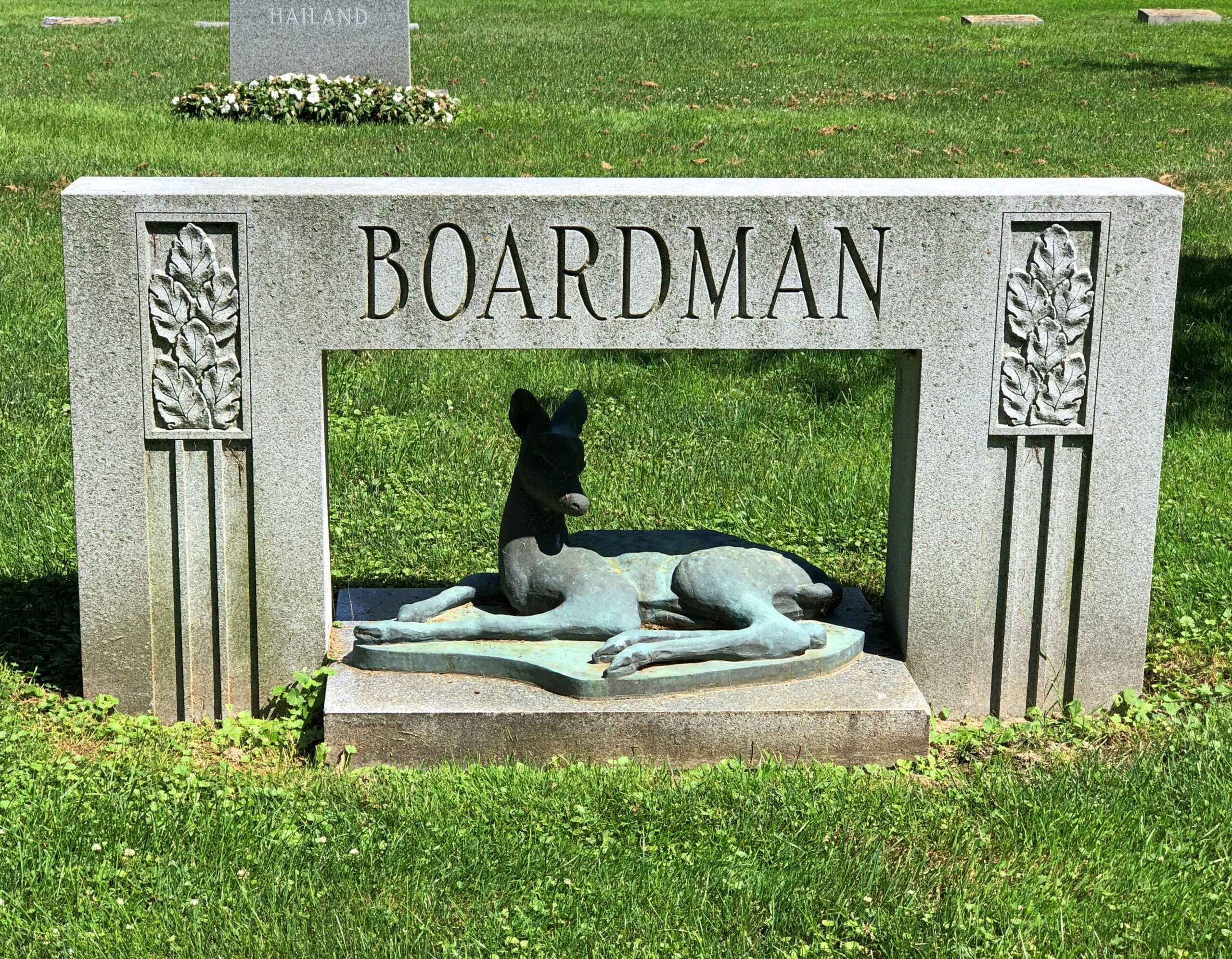
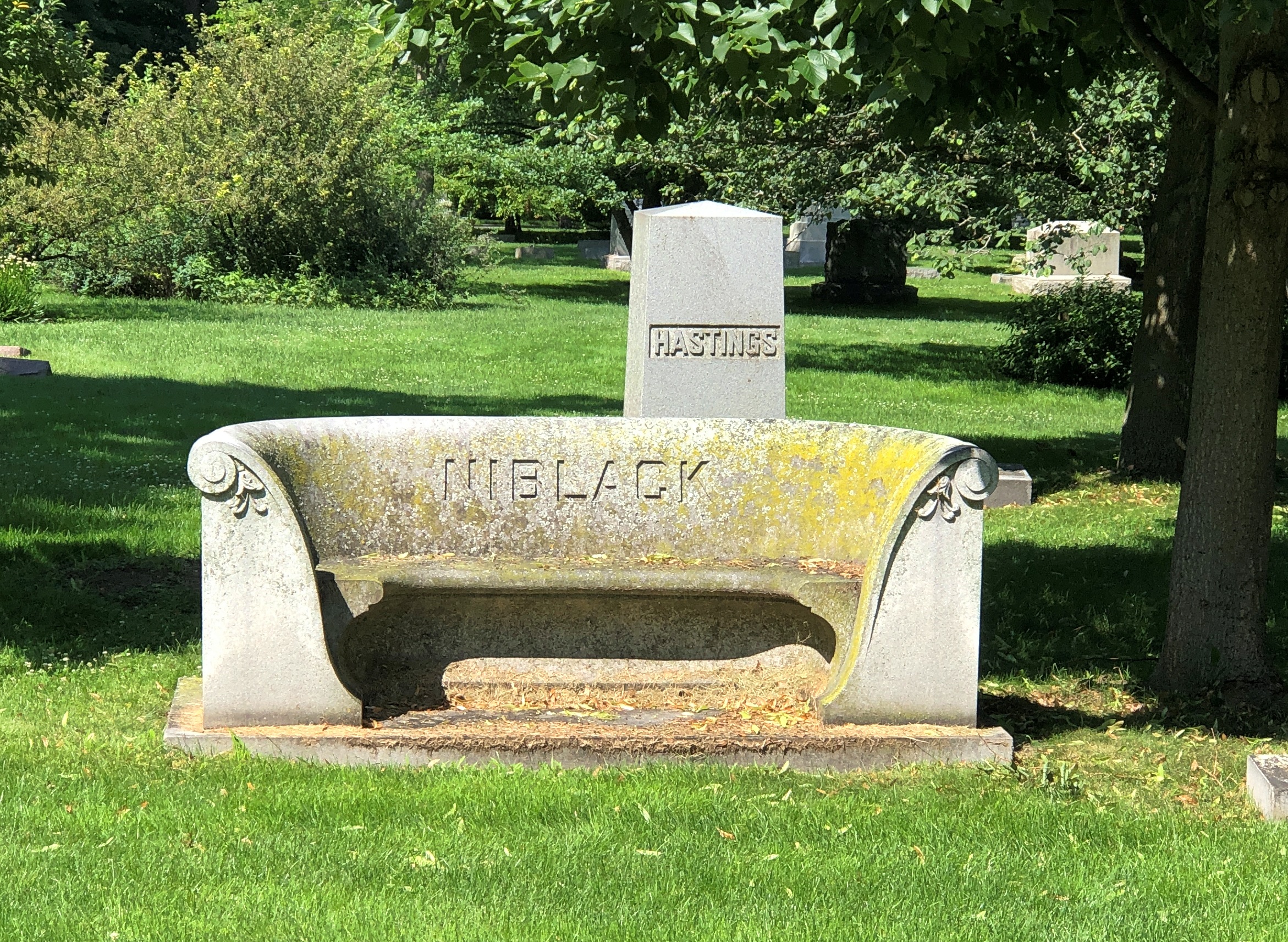
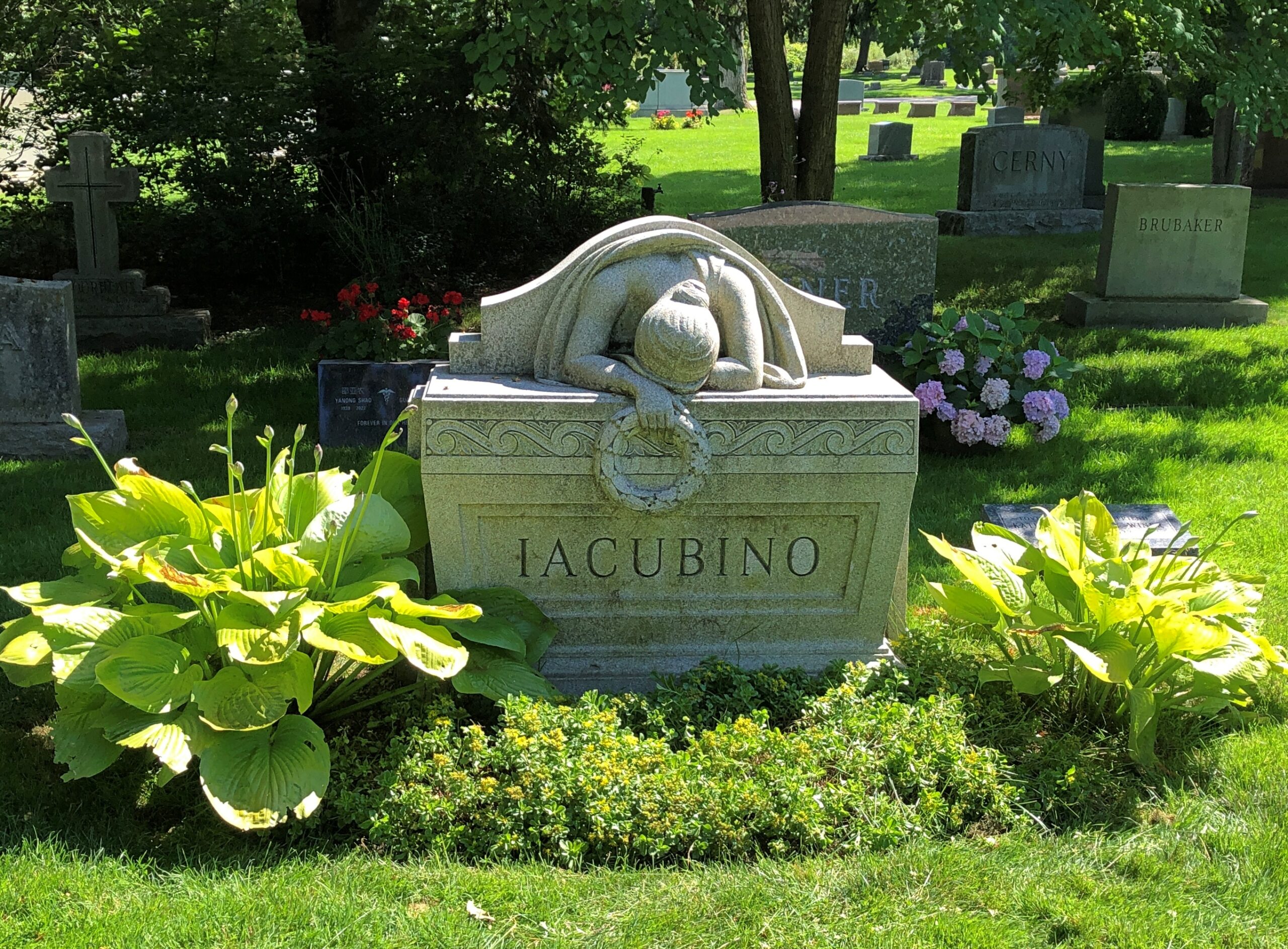
Like any good cemetery, there’s a mix of memorials. Considering the decades of affluence on the North Shore, no shortage of sizable mausoleums.
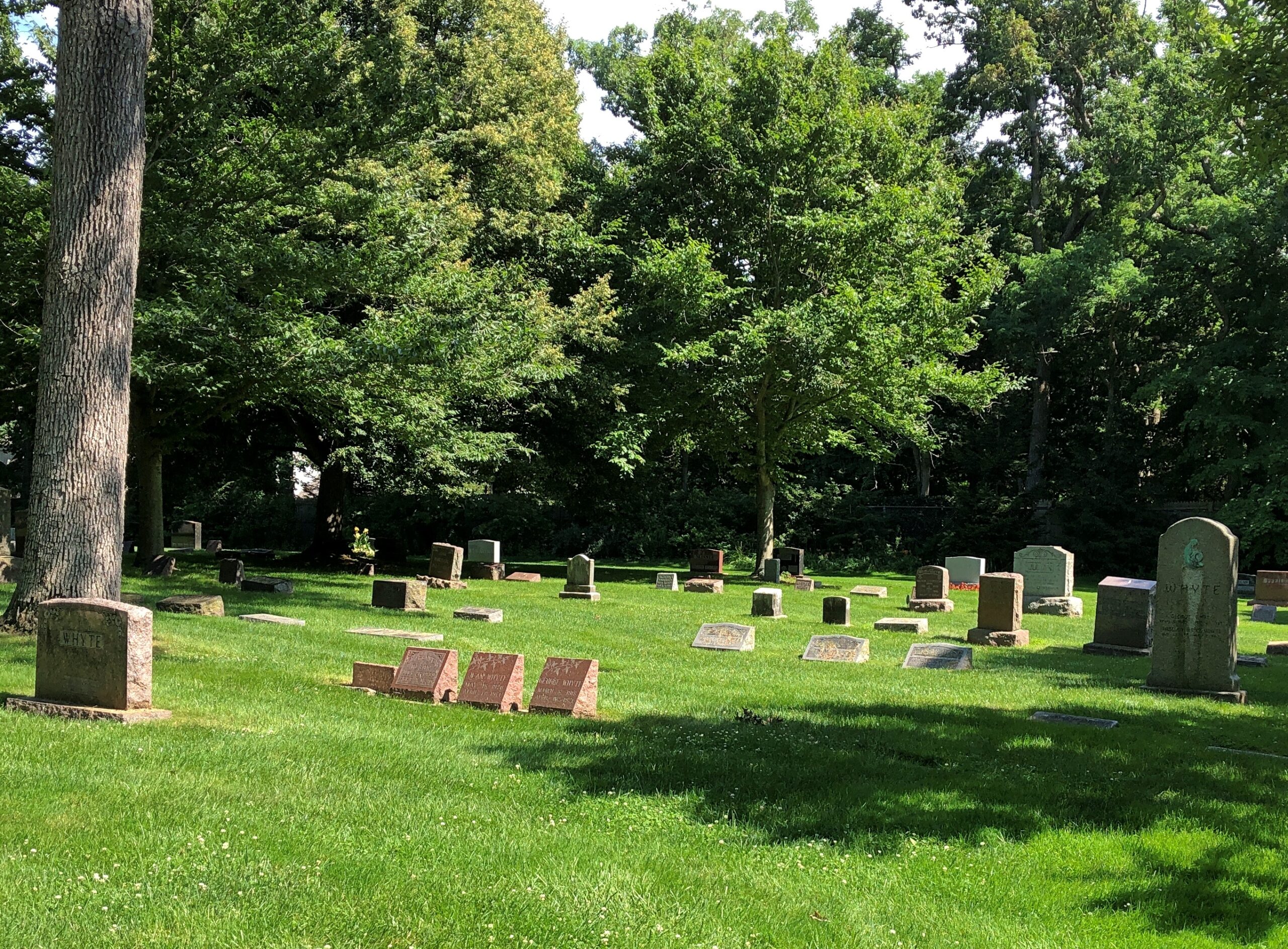
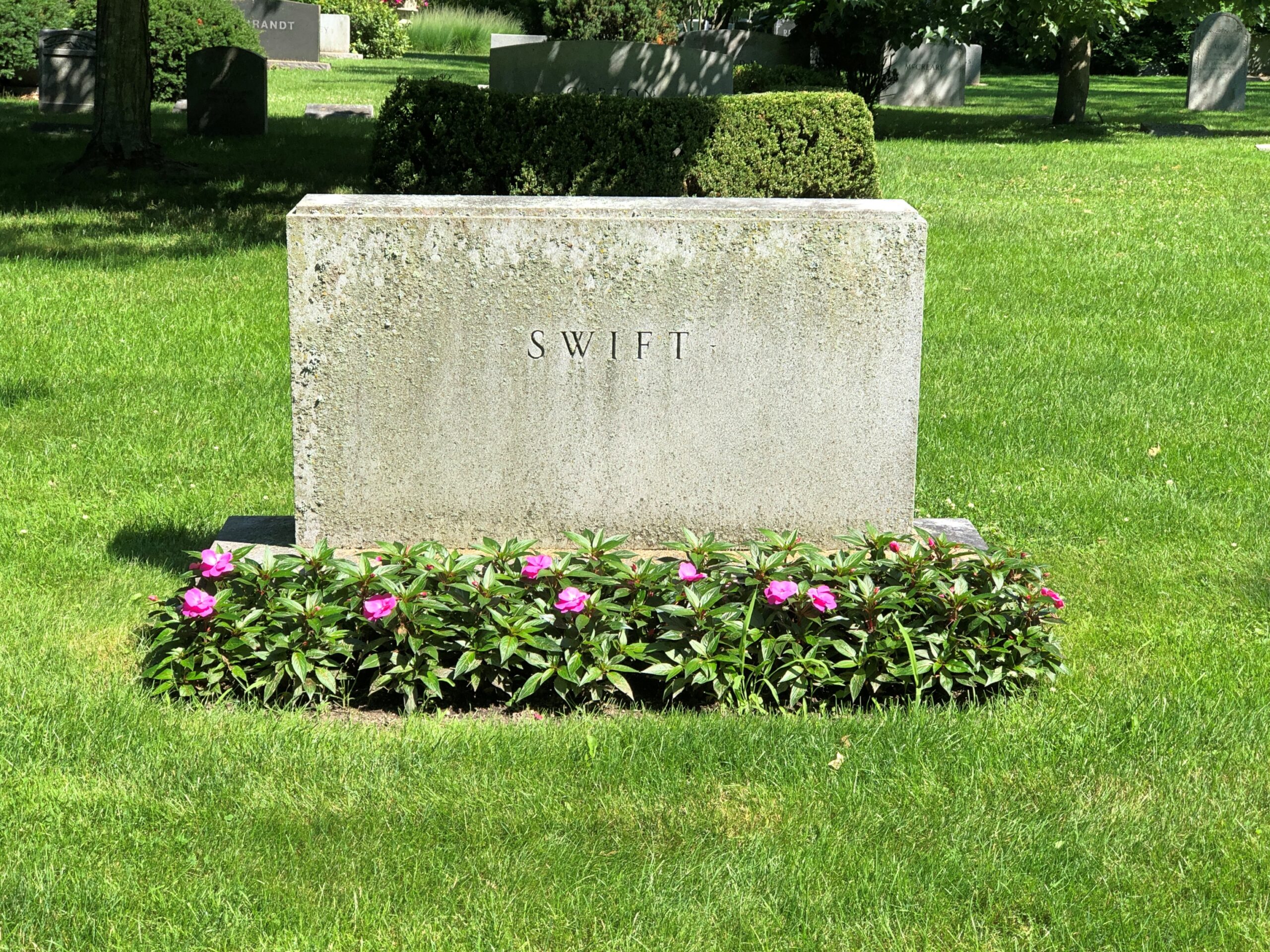
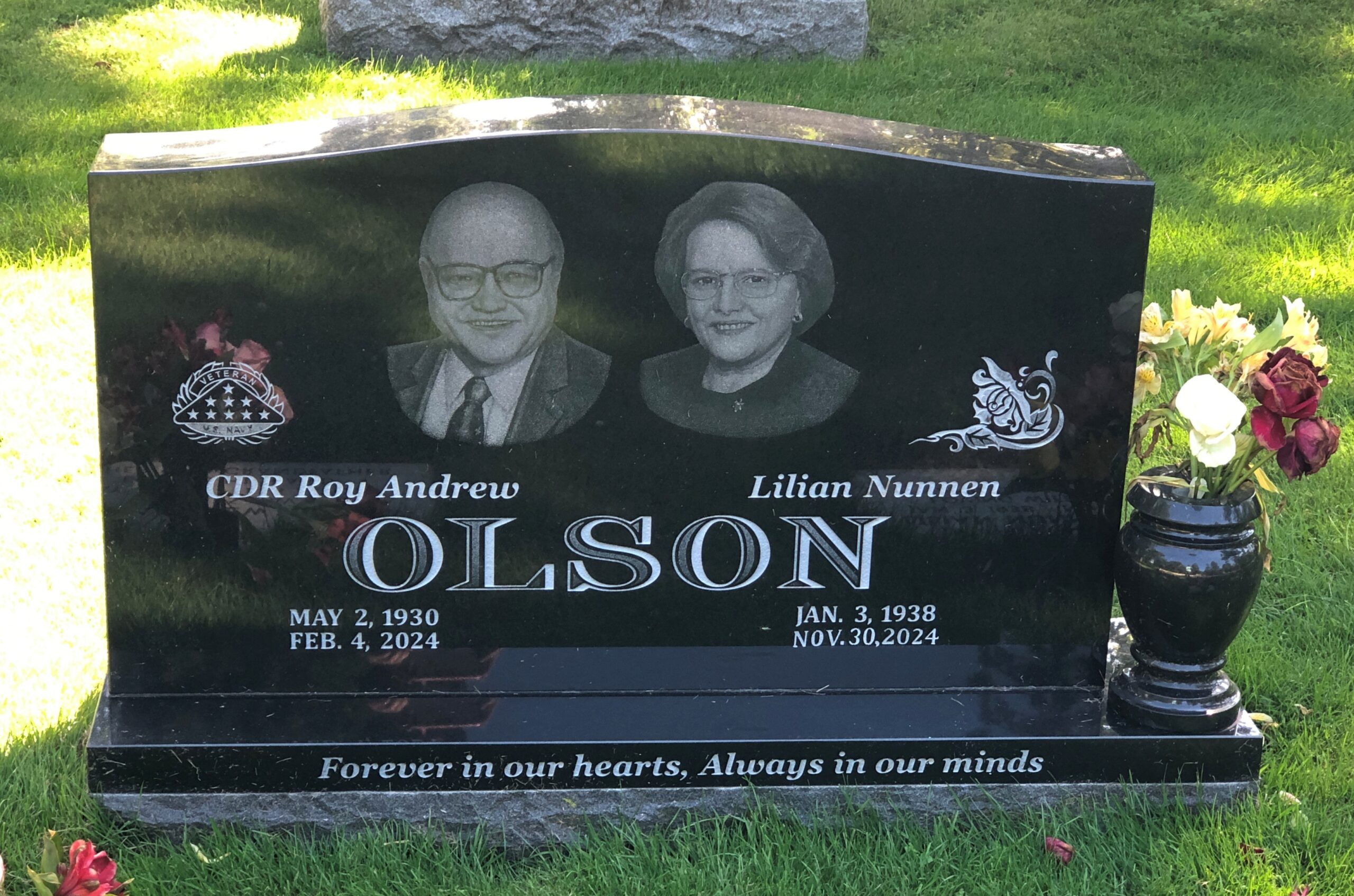
More modest stones, but certainly weighty. Physically, but also emotionally for the bereaved.
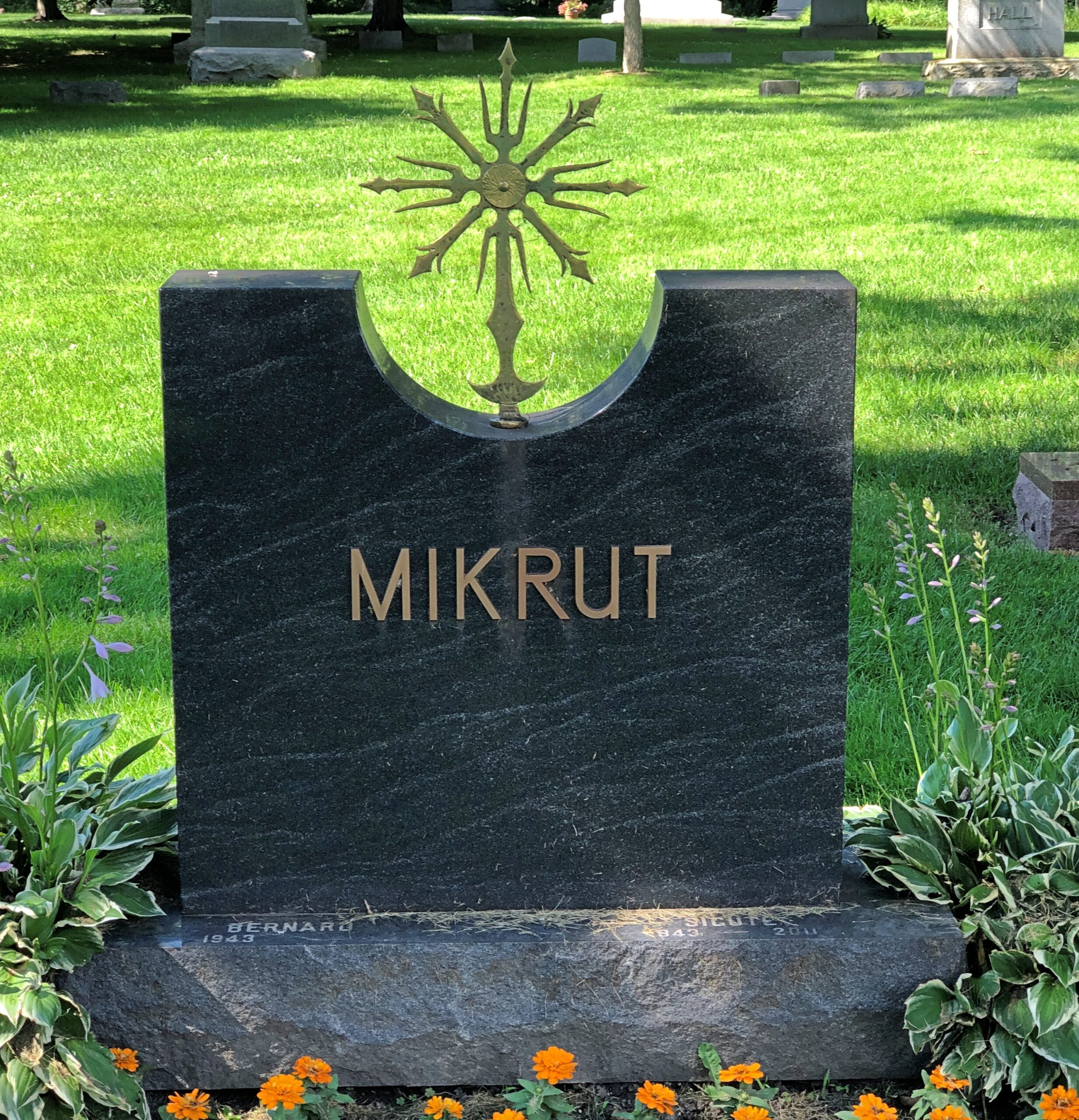
More artful stones.
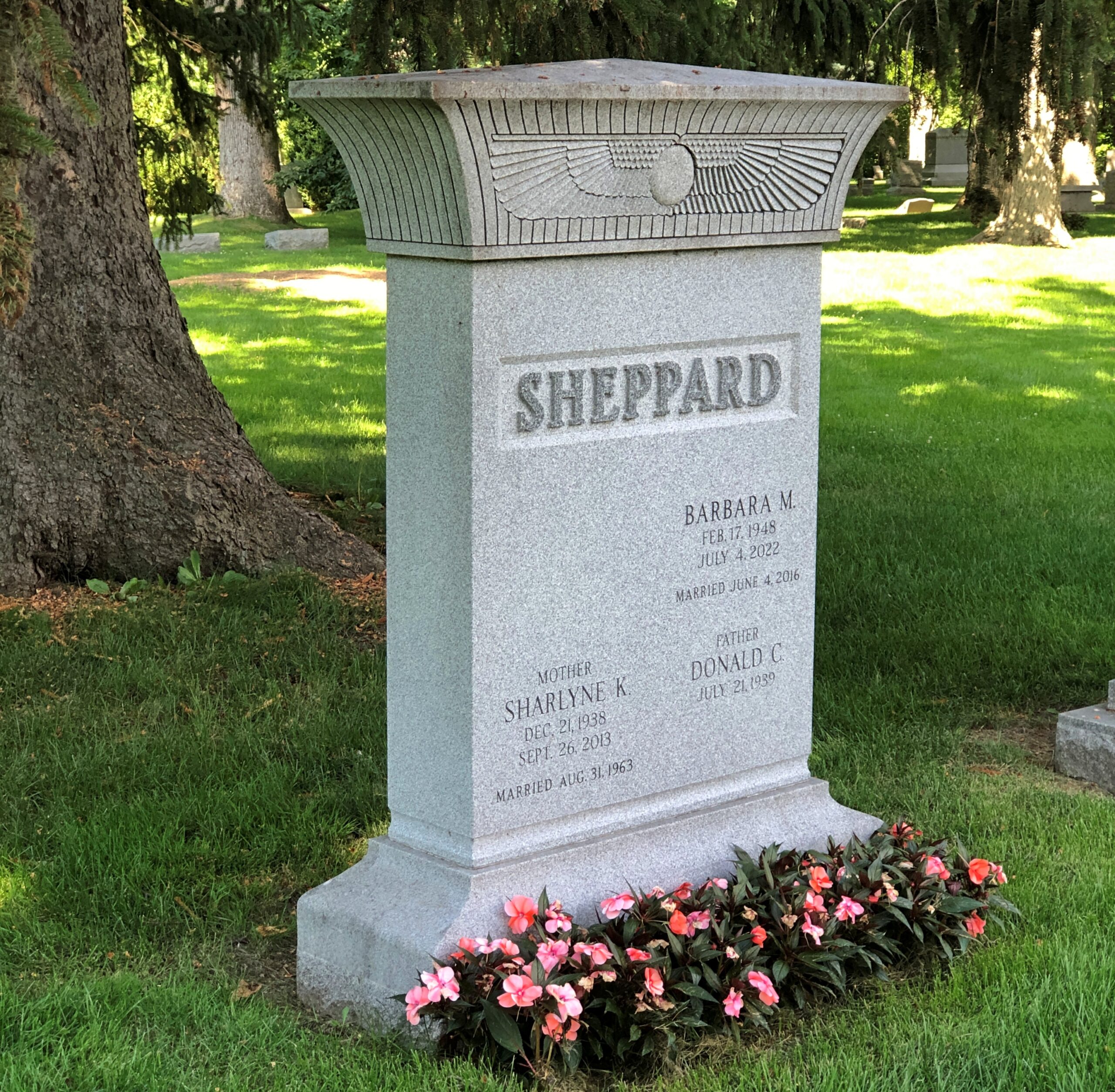
Not much Egyptian Revival that I saw, but there was a little.
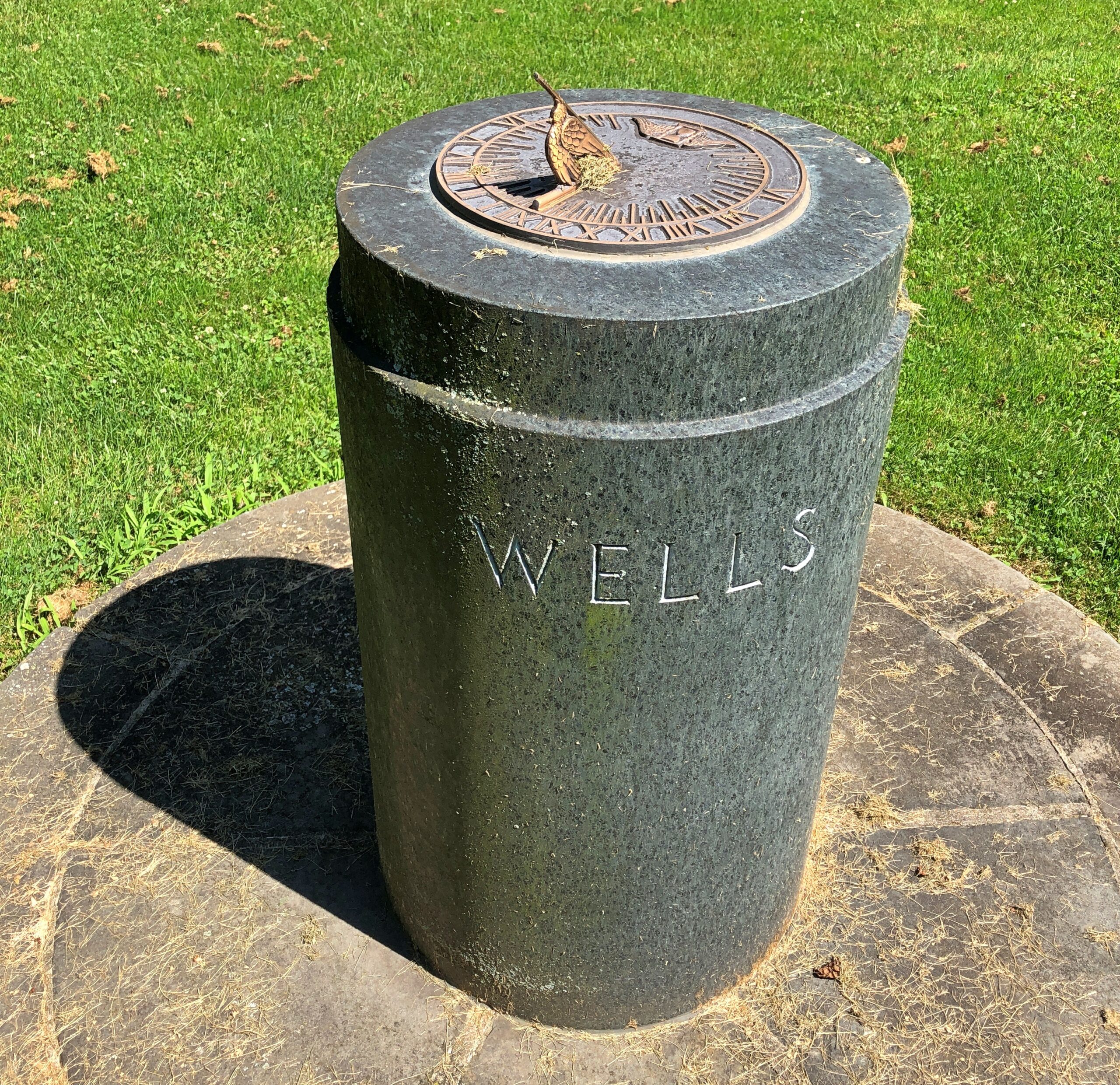
The aforementioned sun dial memorial.
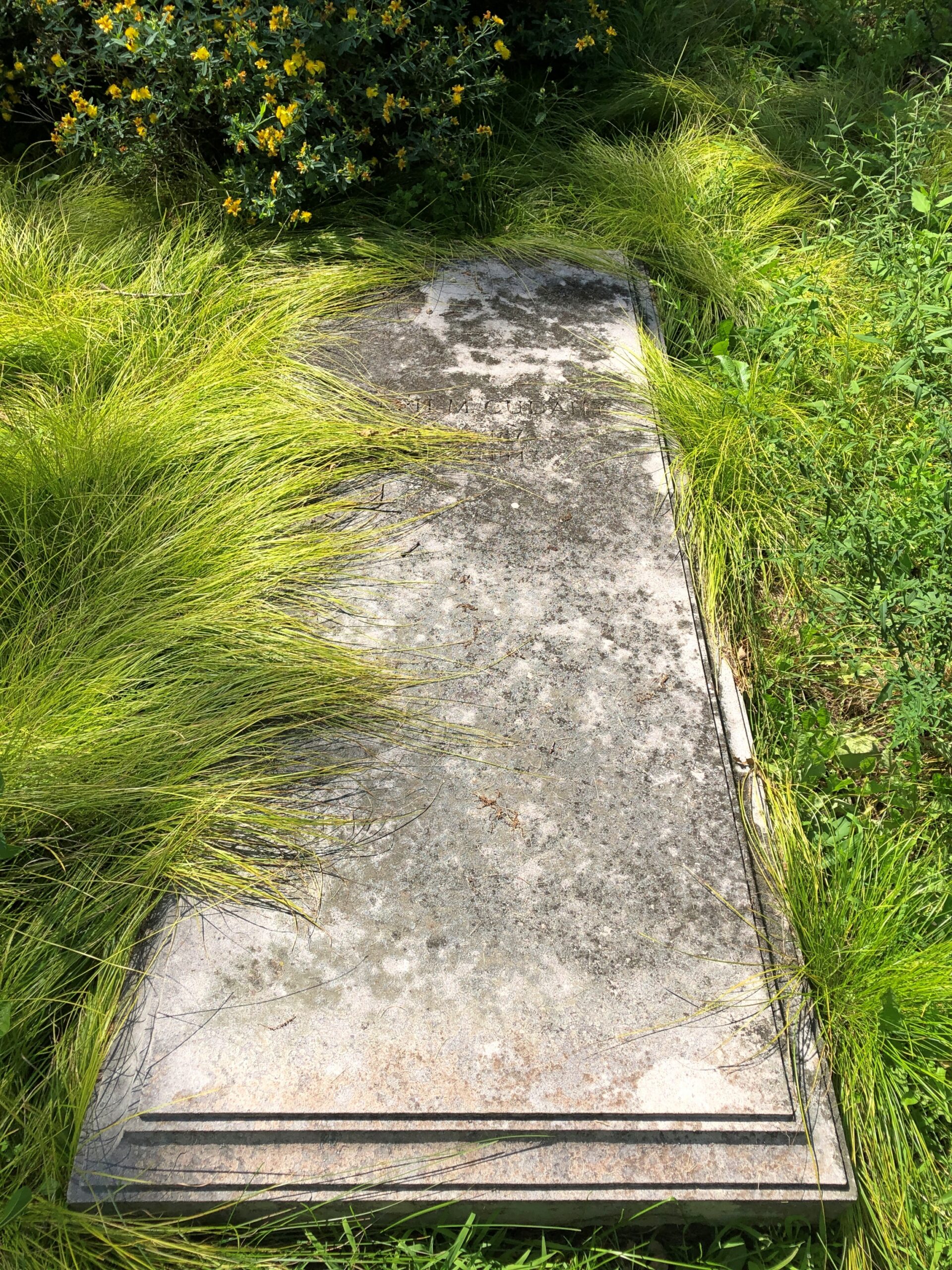
I liked this small section: unkempt on purpose, I think.
Lake Forest’s landscaping is meticulous otherwise, so that seems more reasonable that an omission by the groundskeepers.
My backyard is as cluttered as my house, at least in summer, but with a living profusion of grass and leaves and insects and birds and small mammals, instead of papers, books, clothes, furniture, nicknacks, etc., etc. – inanimate all, so the comparison mostly fails. Still, profusion is the thing.
Outside, flower buds taking turns according to however it is that flowers “know” when to bloom. At the moment, coneflowers are opening.
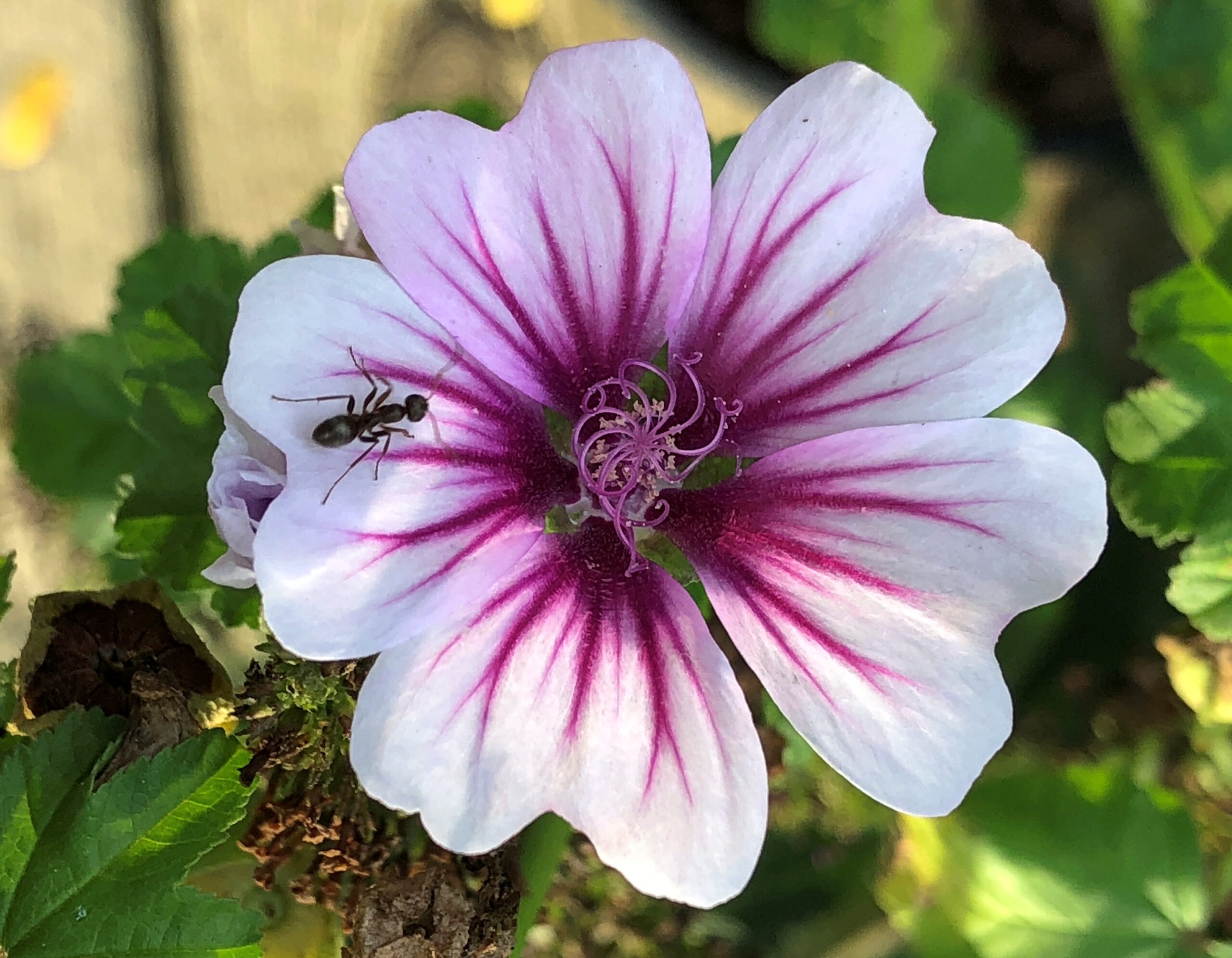
I was inspired to spend a little while this afternoon documenting other parts of the profusion. An exultation of color, this time of year.
Animals are out and about. Such as the ants that are vying to rule the world.
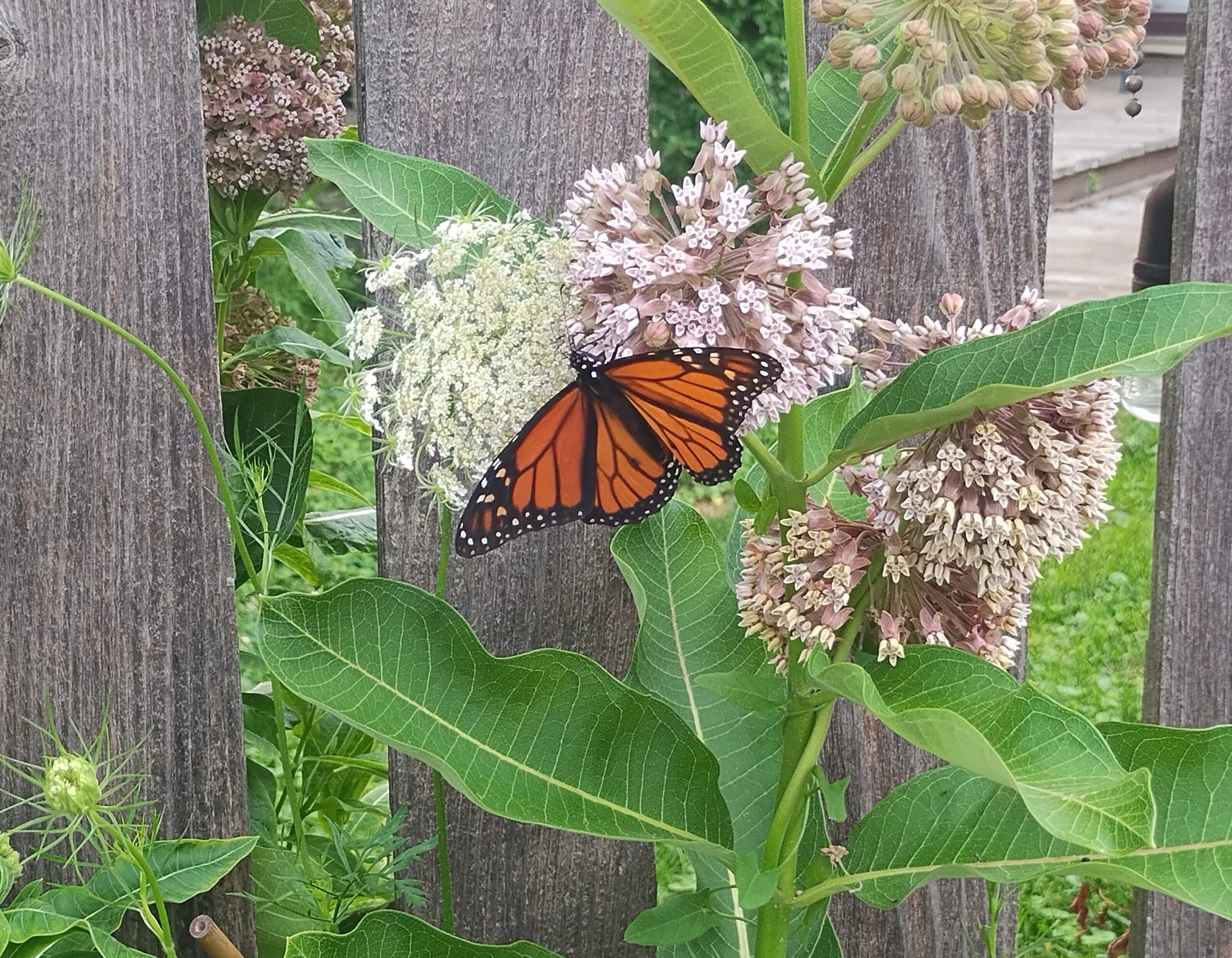
And monarch butterflies going about their business.
The odd thing isn’t that I saw one today, but that it was still long enough for me to successfully fiddle with my camera and take the shot.
The run of days from Juneteenth to July 4 at least, and even better to Nunavut Day (July 9), would be a fine time to slow down, like between Christmas and New Year’s Day, only warmer and without the mad runup to December 25. Back to posting around July 6.
Thousands of impressions flitter by on the road, most instantly forgotten when literally on the road – driving, you need to be in the moment, or else – or quickly forgotten, when “on the road” means you’re out and about somewhere that isn’t home. Still, a handful of details stick, even without photos. But photos help.
Maine
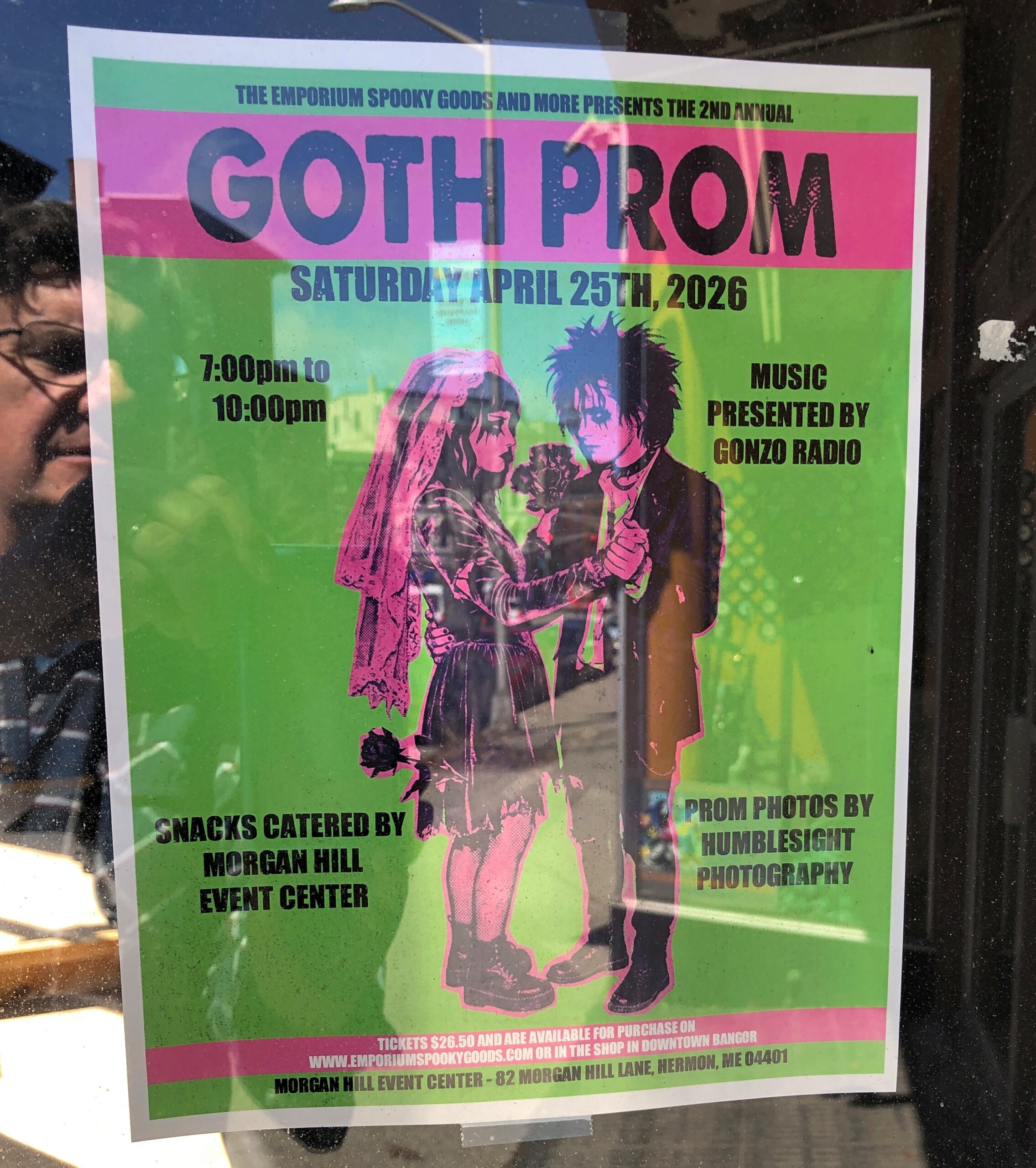
I call it “Self-portrait with Goth Prom.” Poster spotted in downtown Bangor.
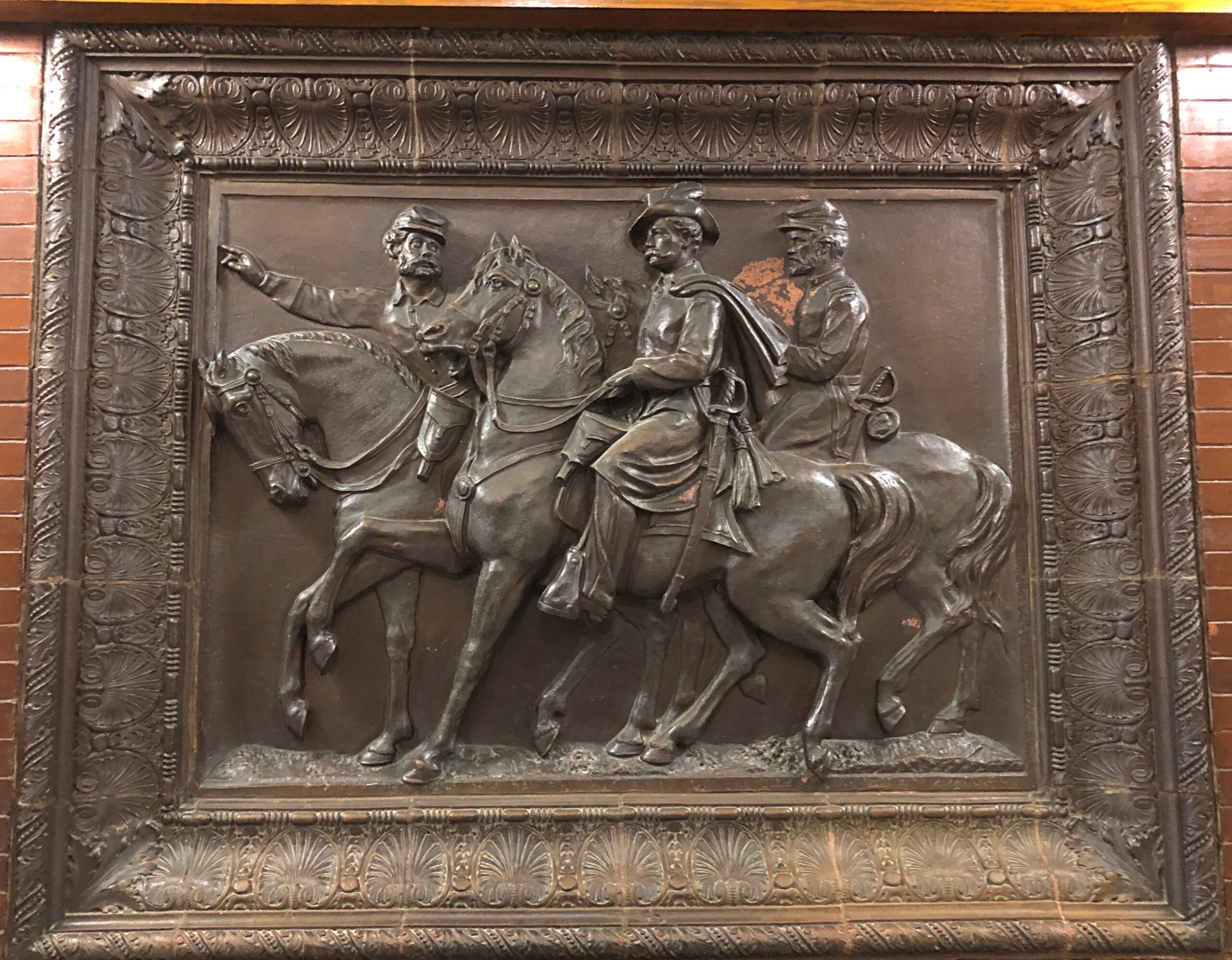
In the Maine Statehouse, a flat-ish object of a different kind.
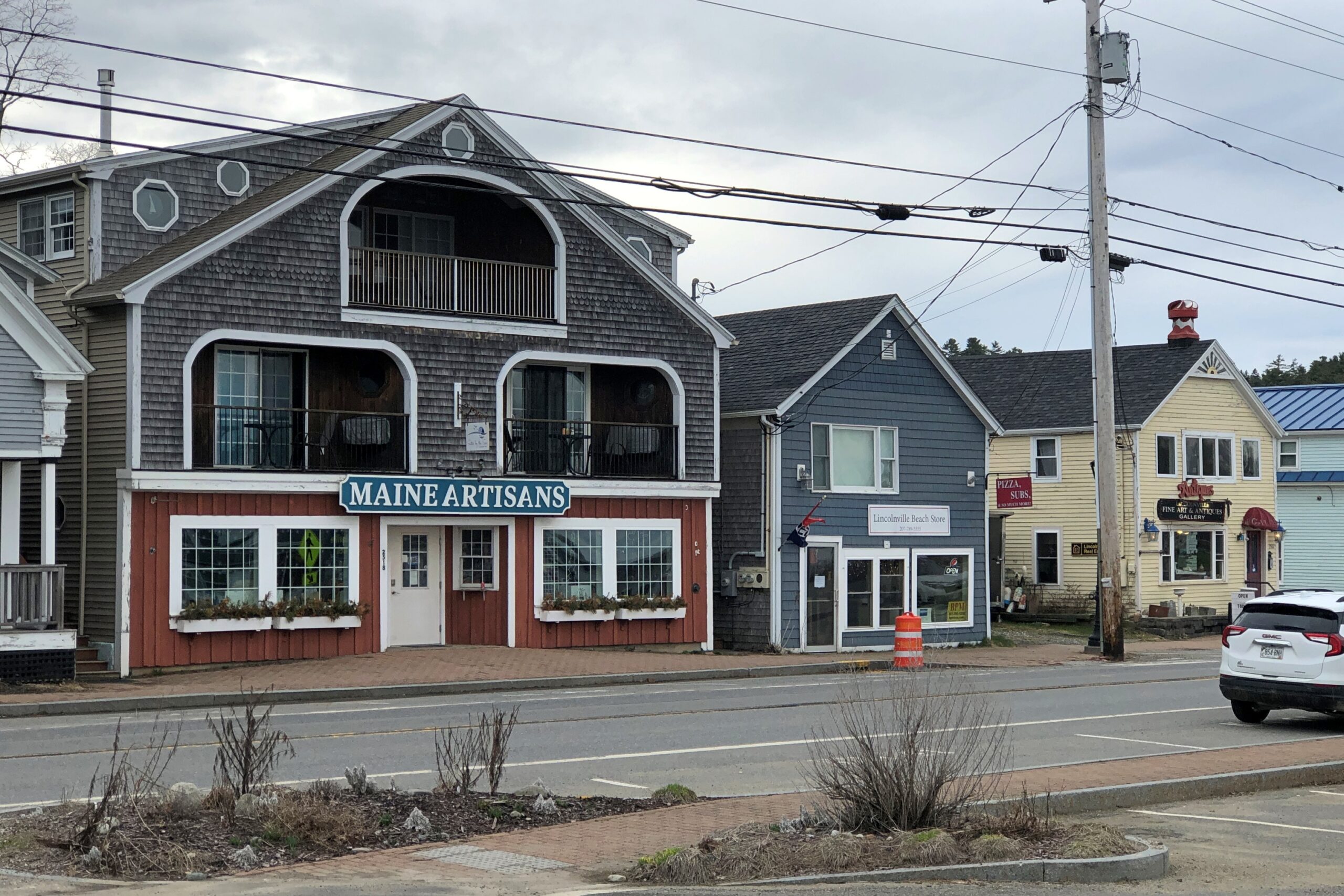
Lincolnville, on the coast of not far from Belfast.
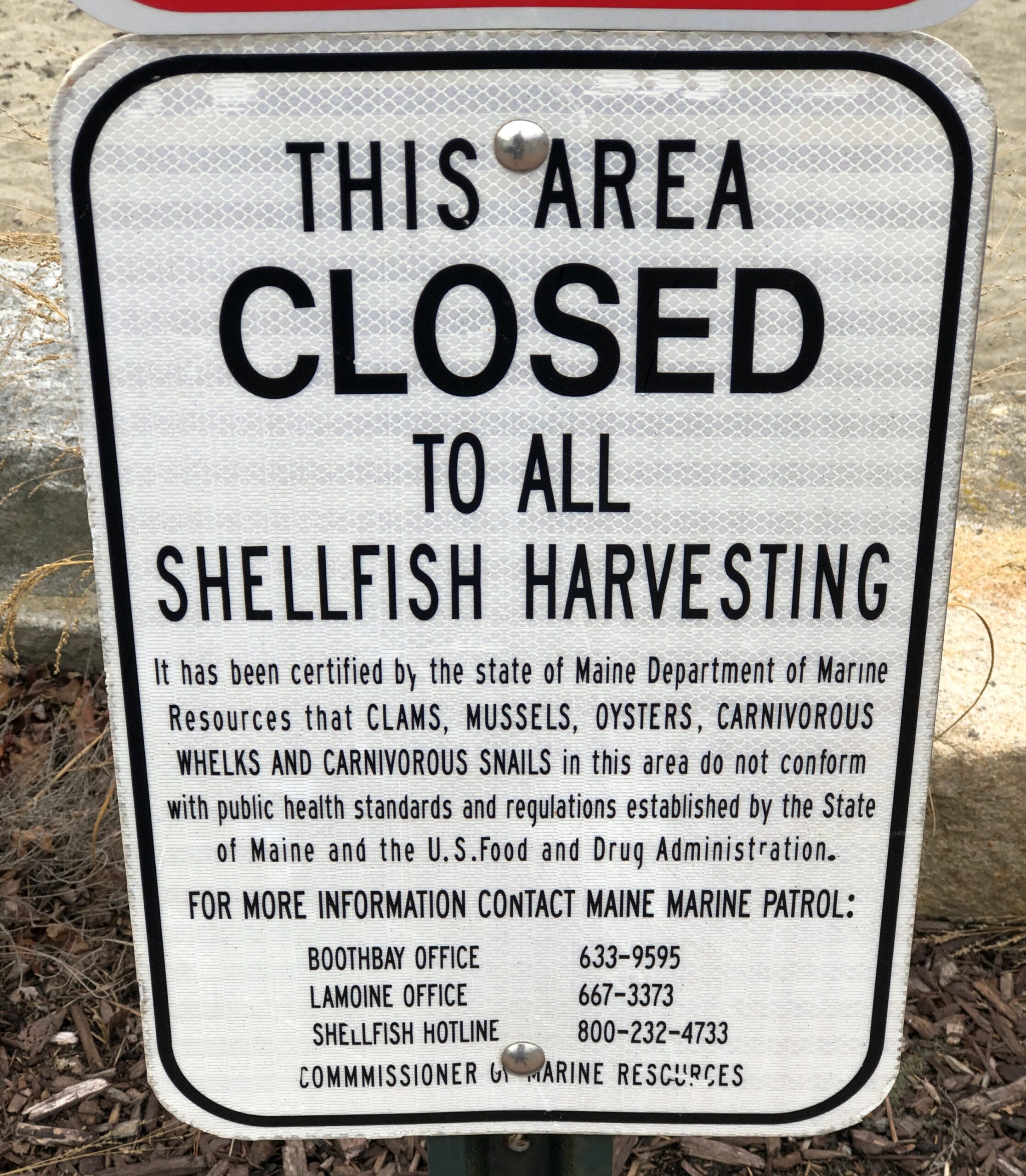
Carnivorous whelks. I was frankly ignorant about carnivorous whelks, and glad to learn a little about them. Because what a great name for a snail.
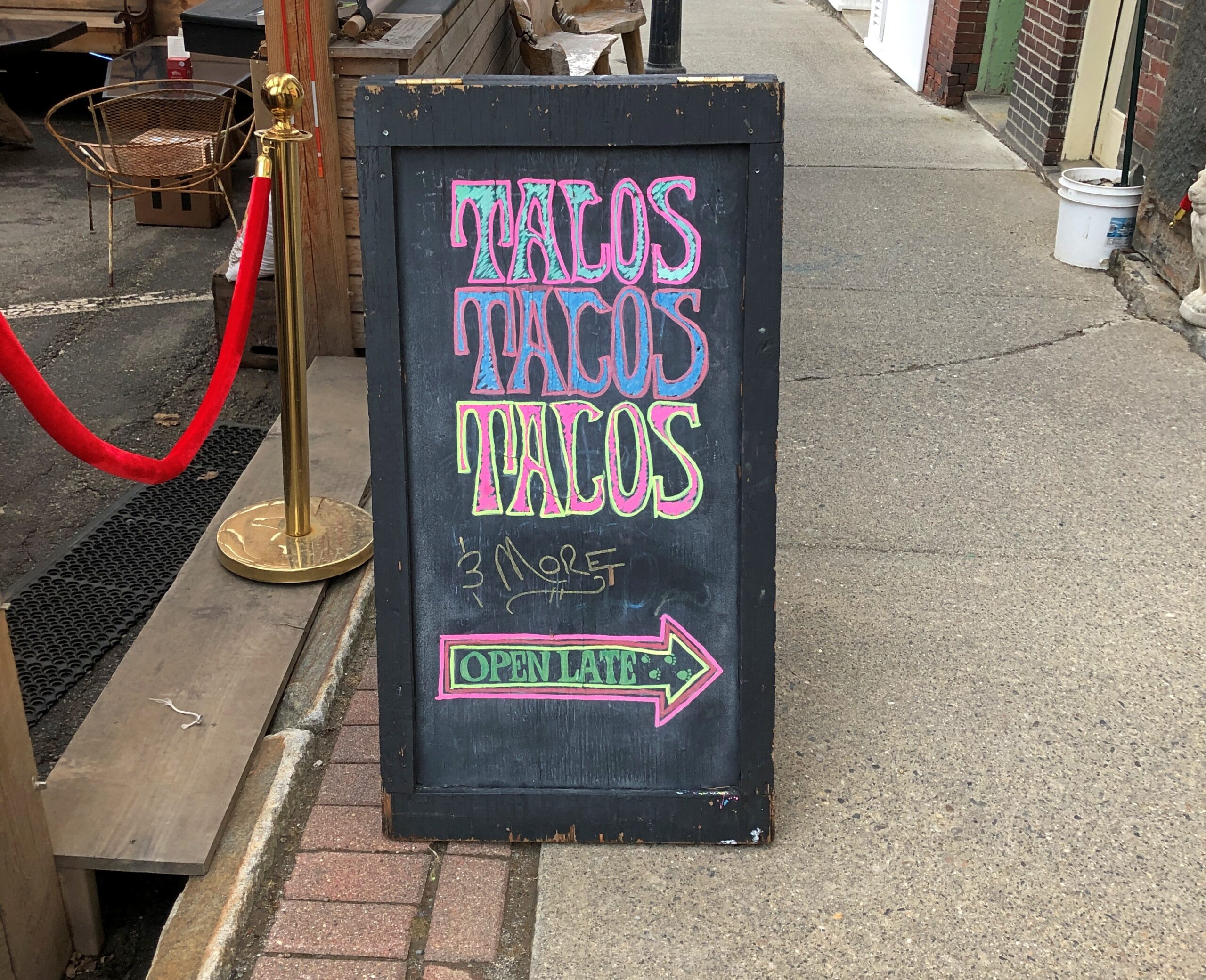
Too bad I wasn’t hungry in Belfast. I’d have had tacos.
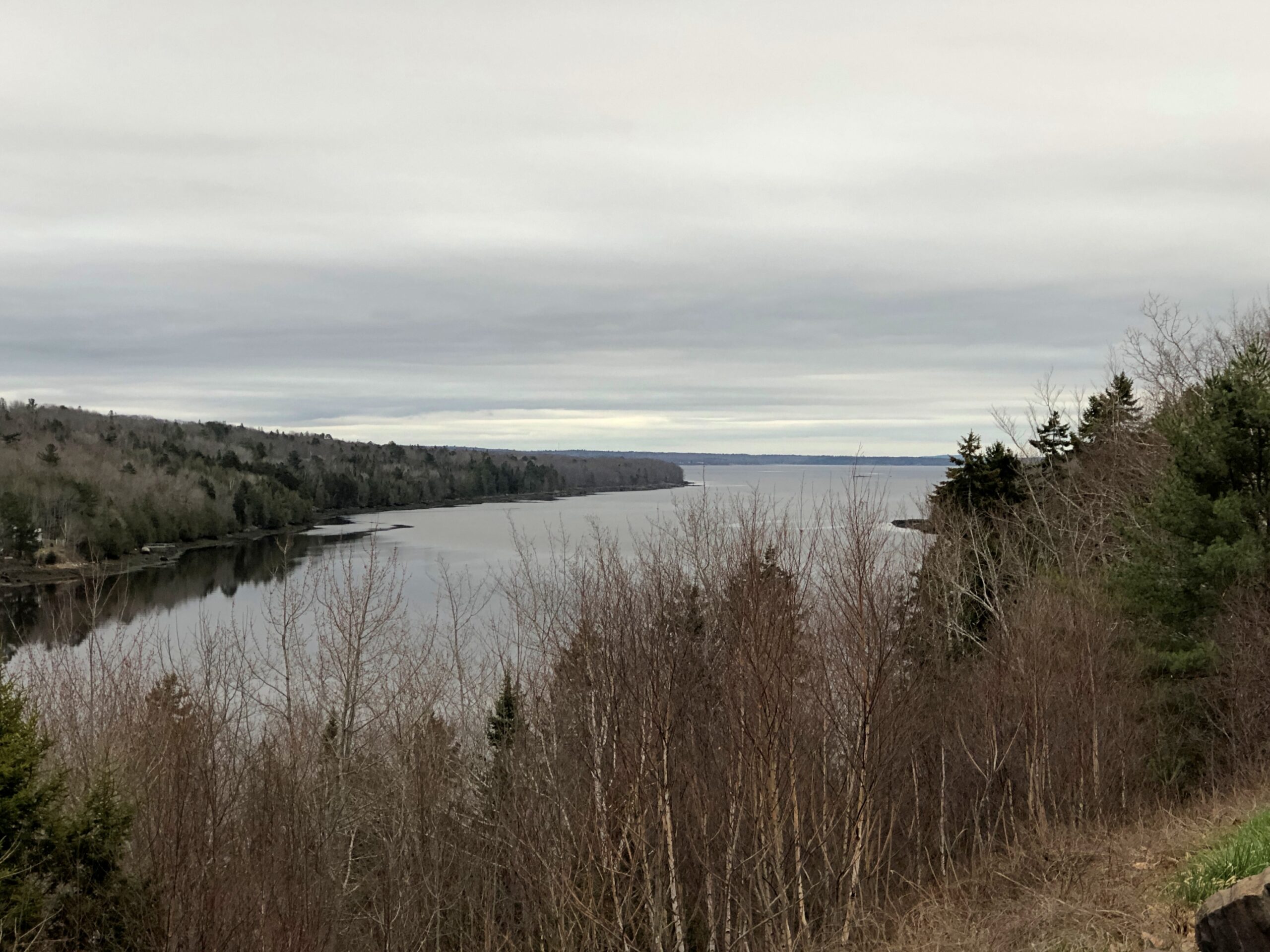
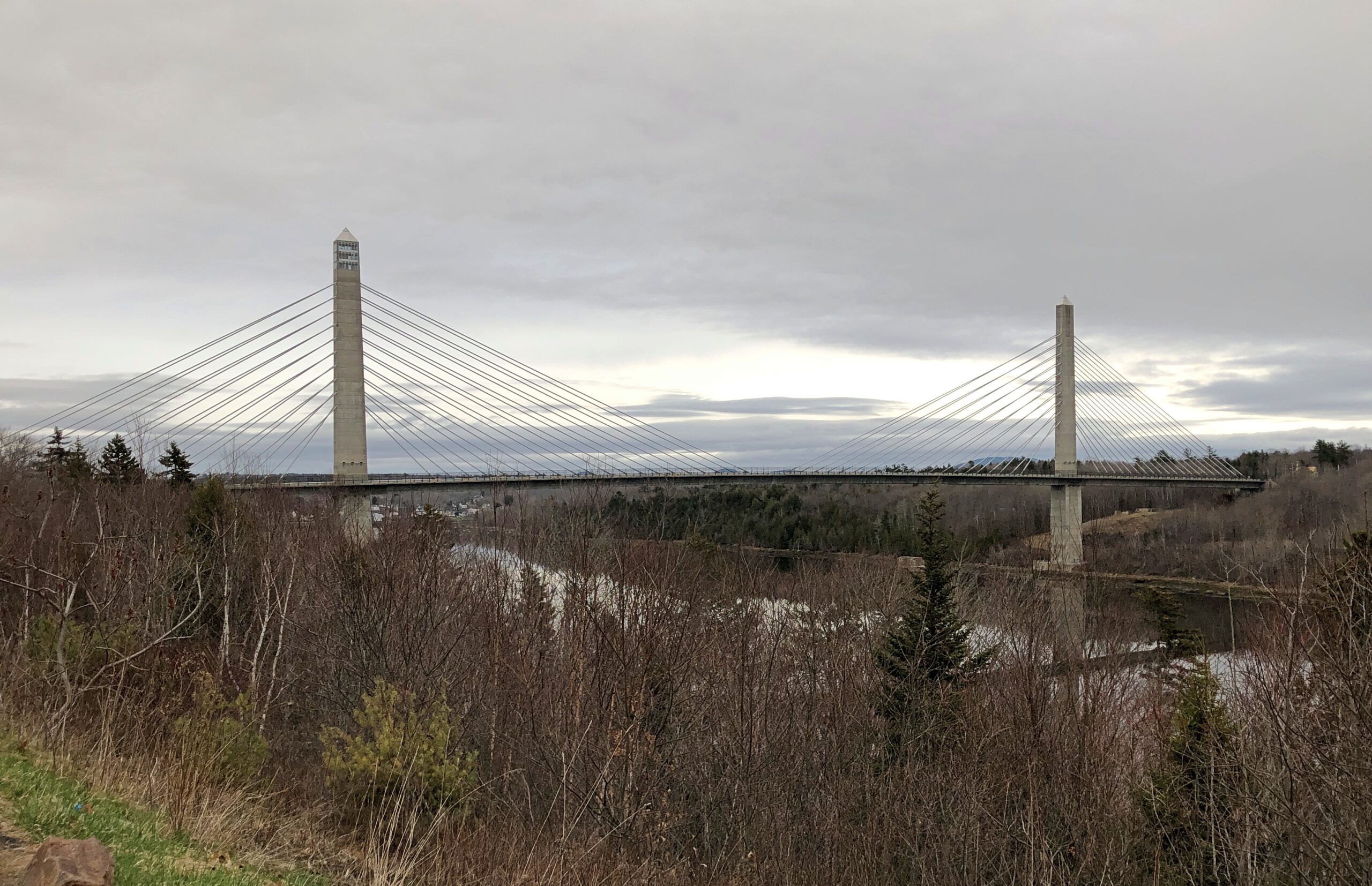
The Penobscot River and the Penobscot Narrows Bridge. A literal and scenic highpoint on that part of US 1 as it winds through near-coastal Maine. The bridge includes an observatory, unfortunately not open in April. Driving over the bridge itself was another pleasure of coastal Maine.
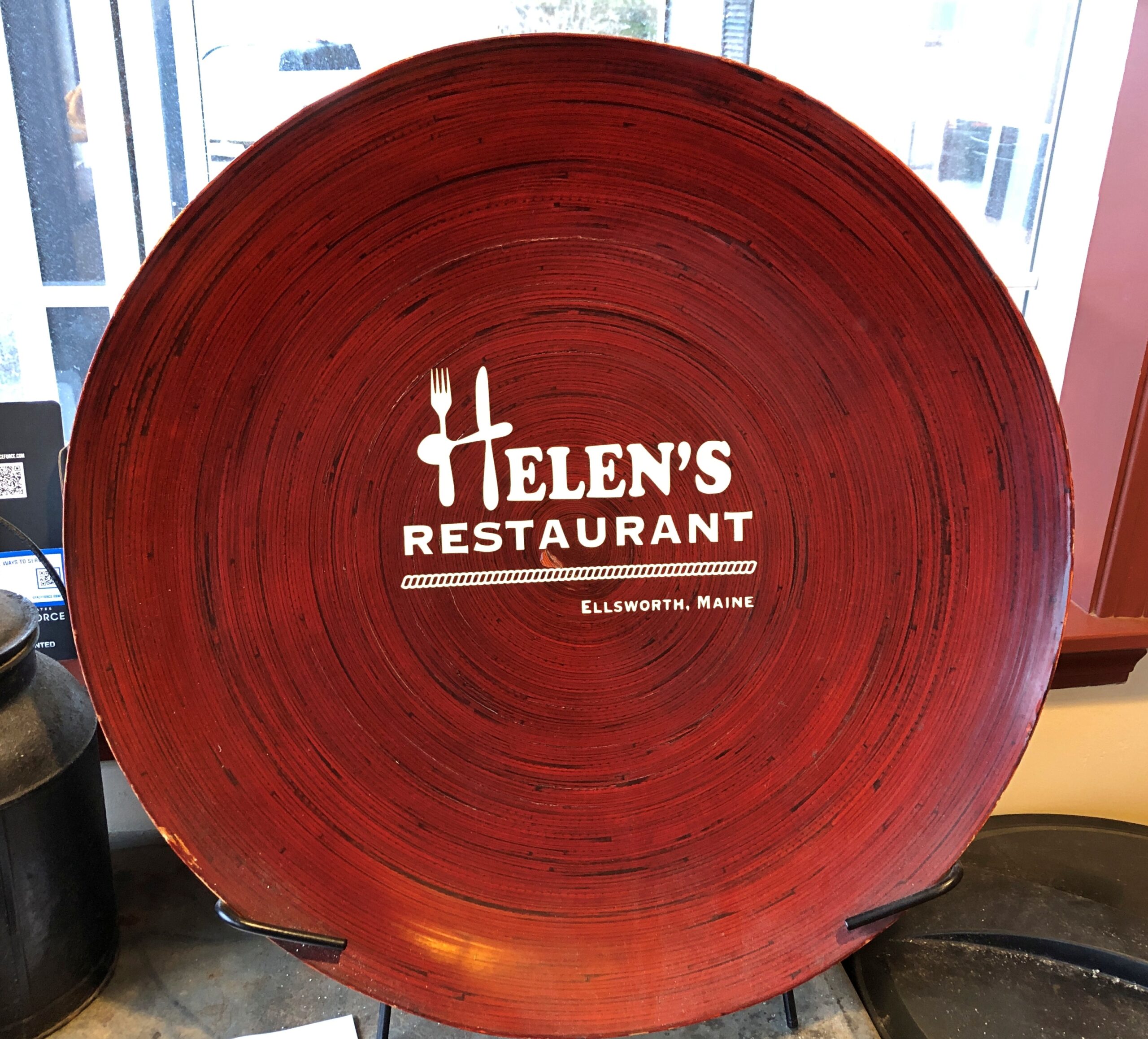
Helen’s Restaurant in Ellsworth. Tasty fish and chips. Haddock, specifically. What do you take for a haddock? “Well, sometimes I take-a aspirin, sometimes I take-a calomel.” It was some years before I learned that calomel was something I’d never take in a million years.
Massachusetts
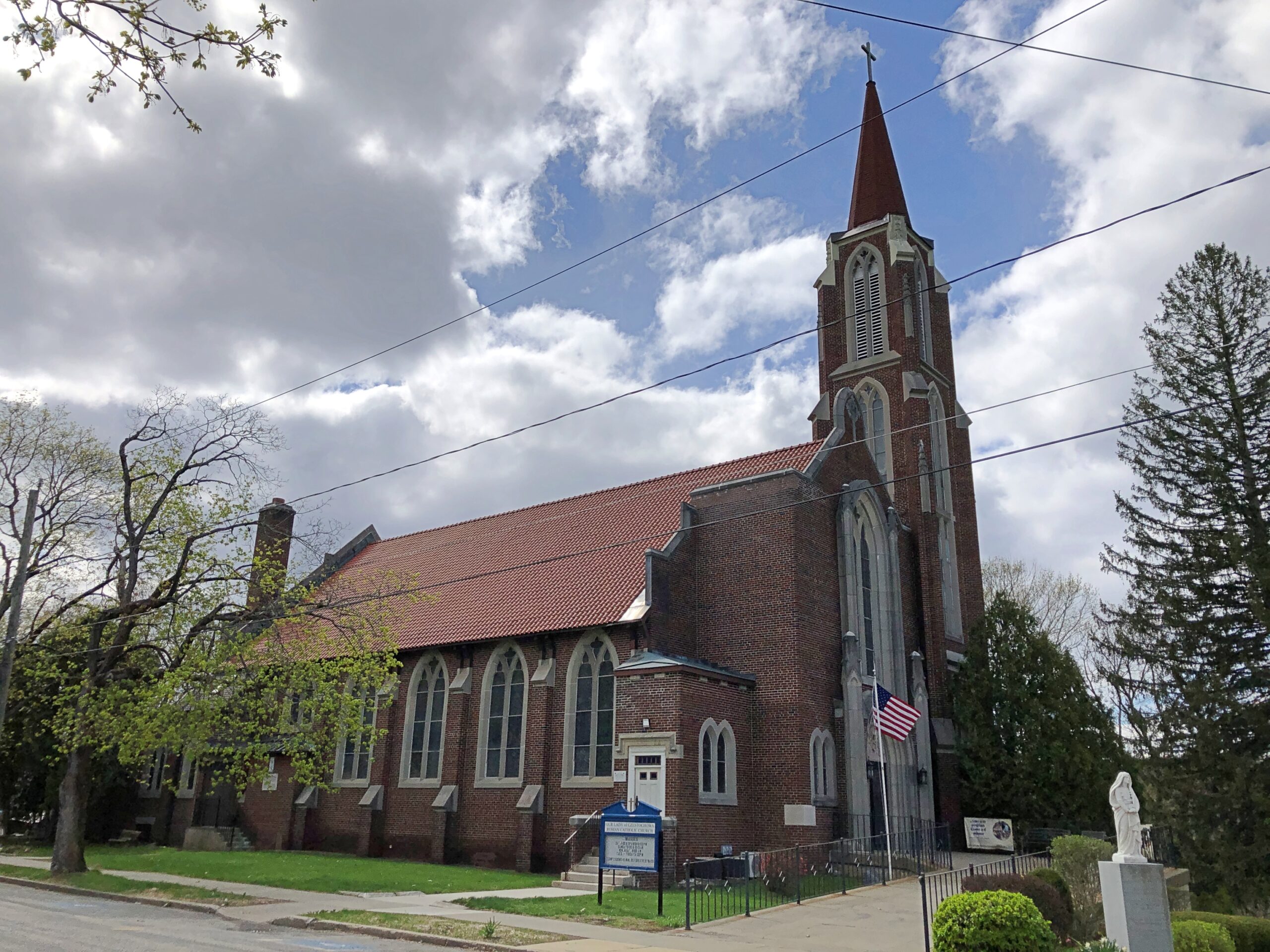
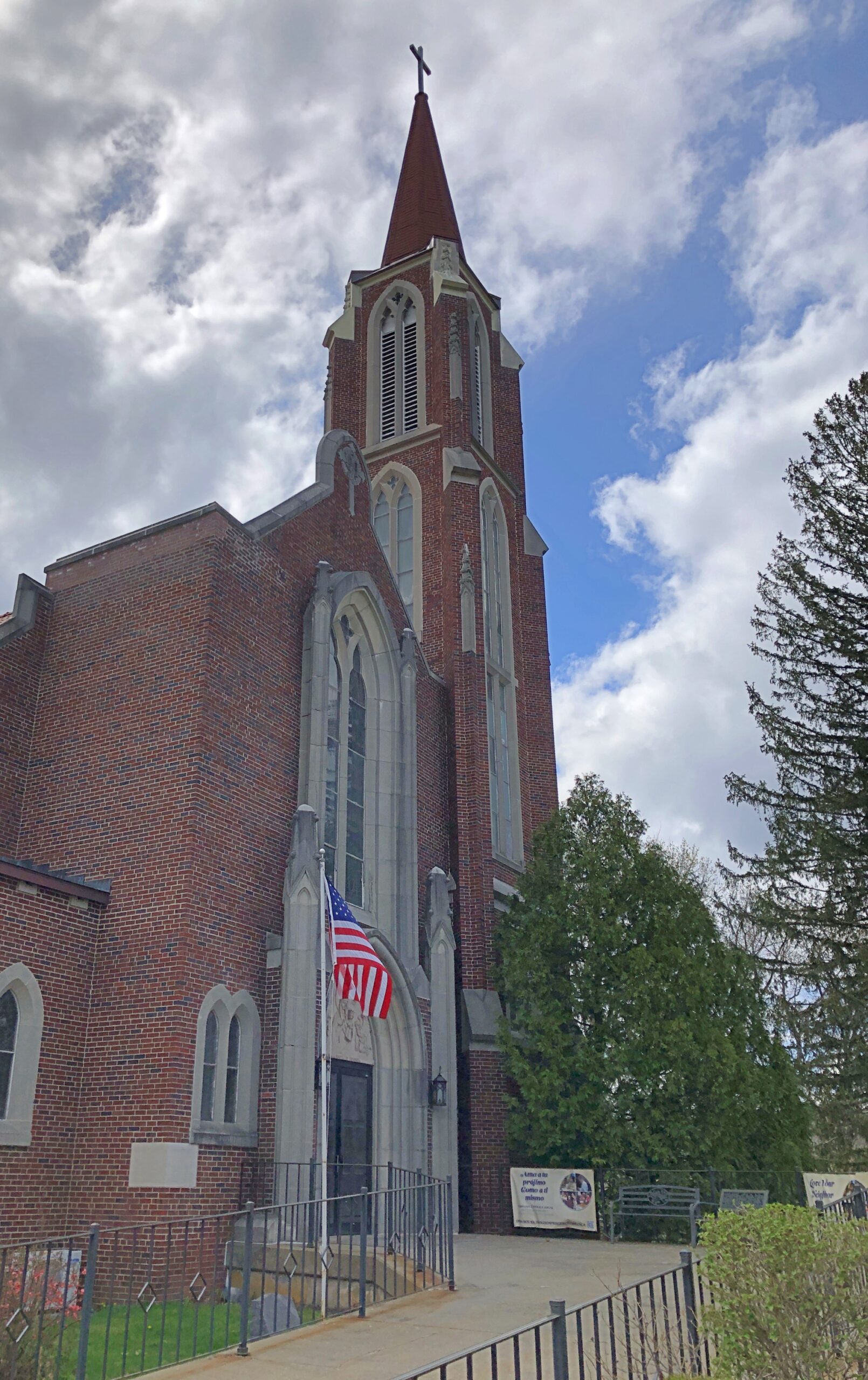
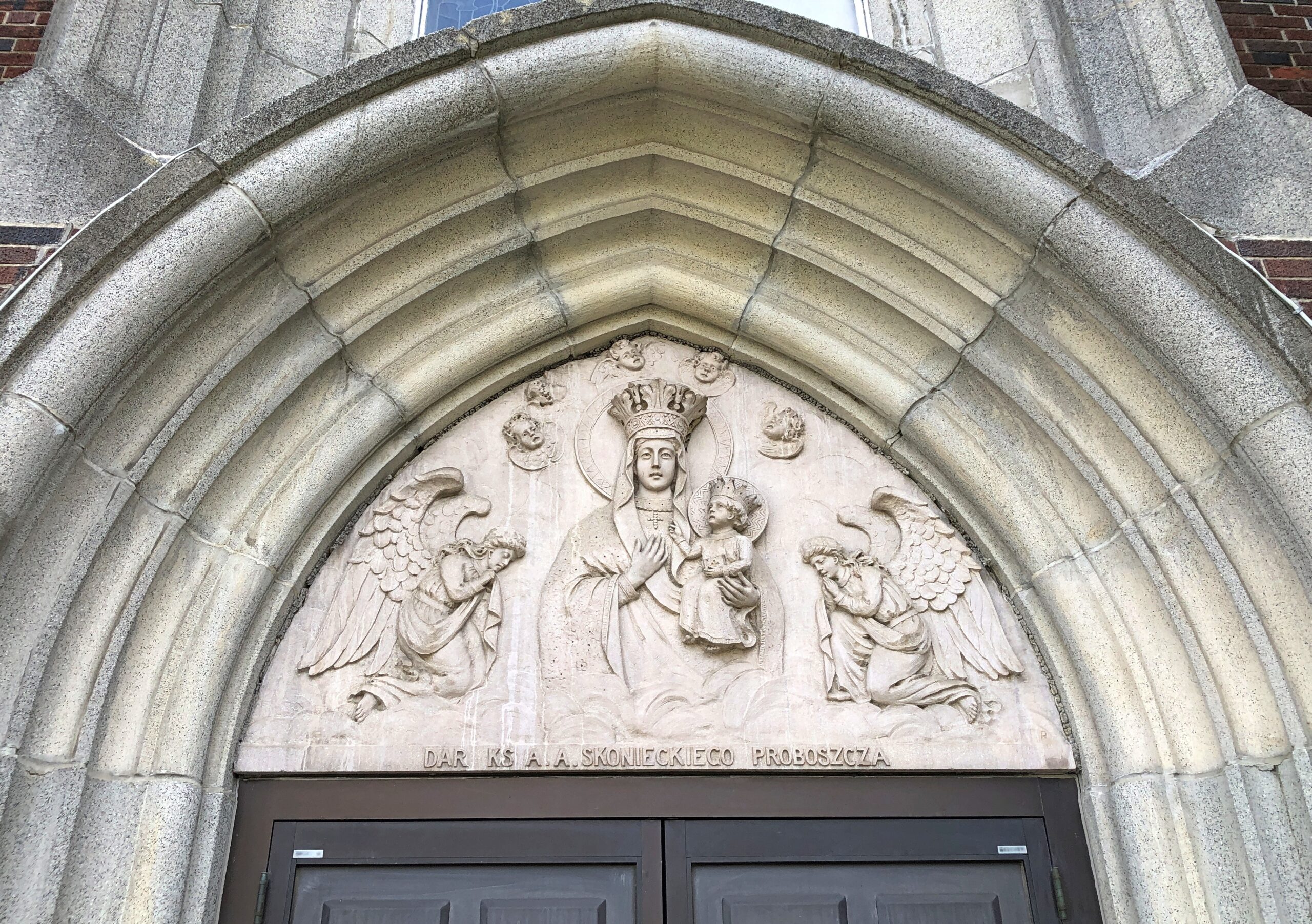
Our Lady of Czestochowa Parish, Turners Falls.
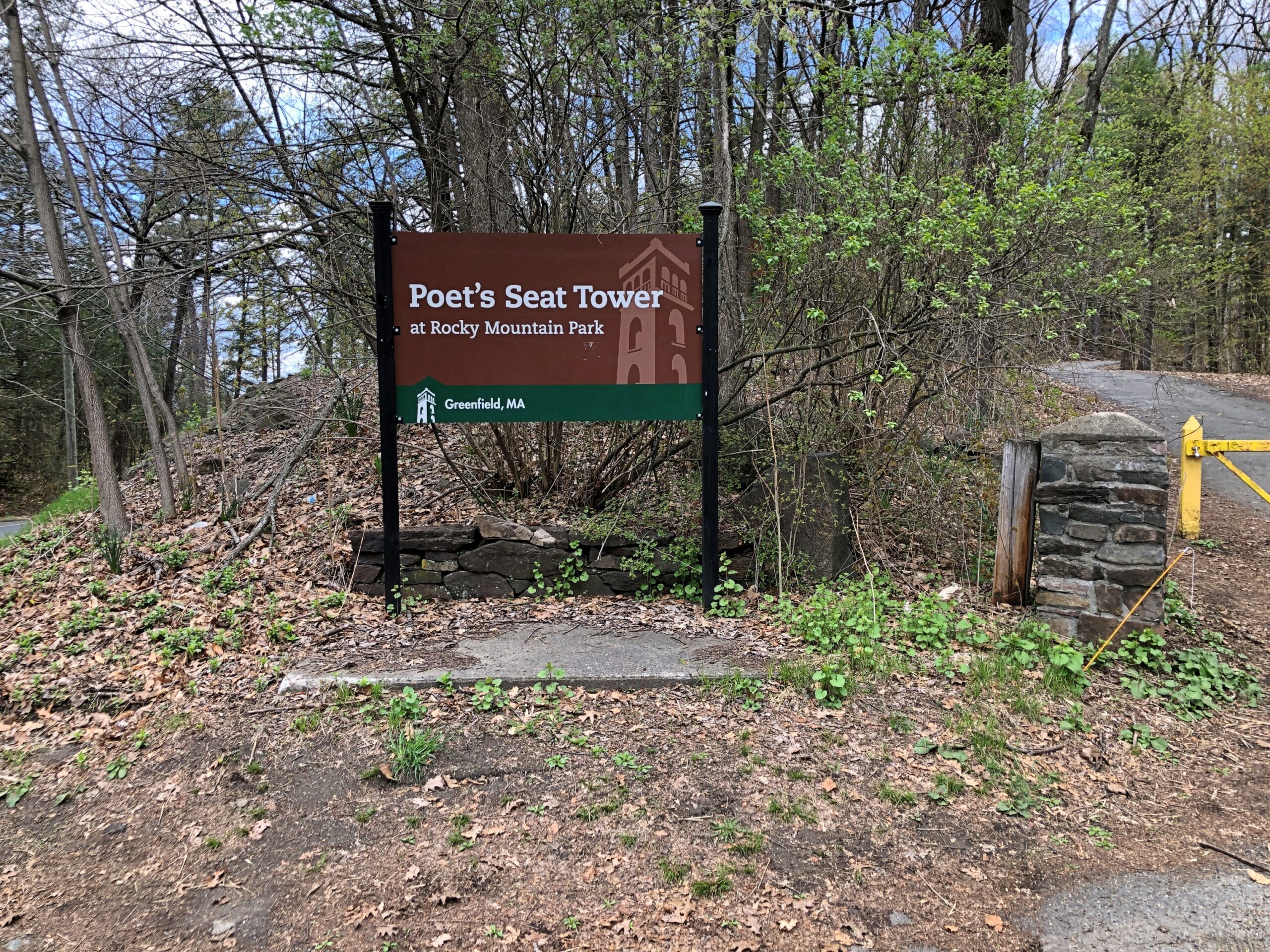
The church was closed. So was Poet’s Seat Tower.
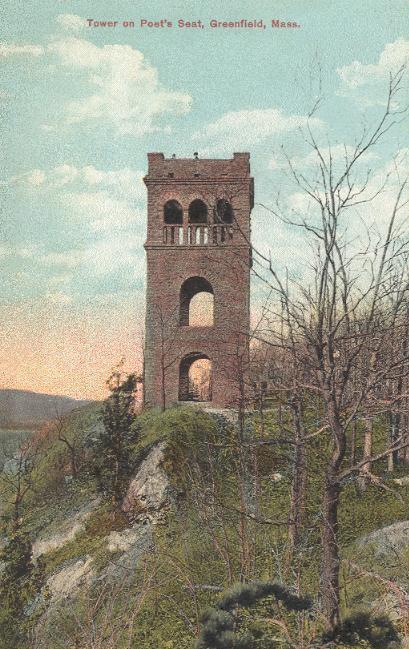
As the tower appeared more than 100 years ago.
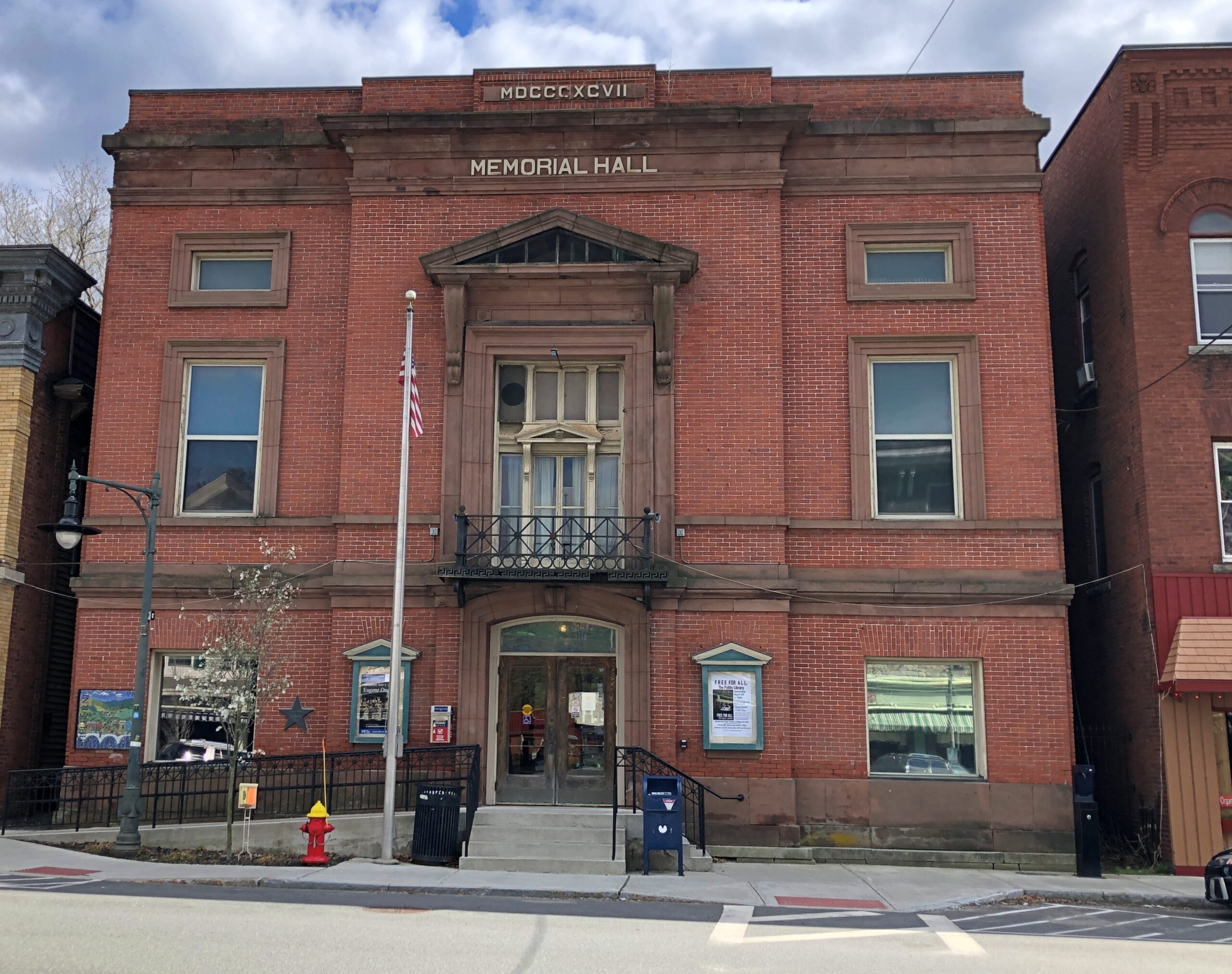
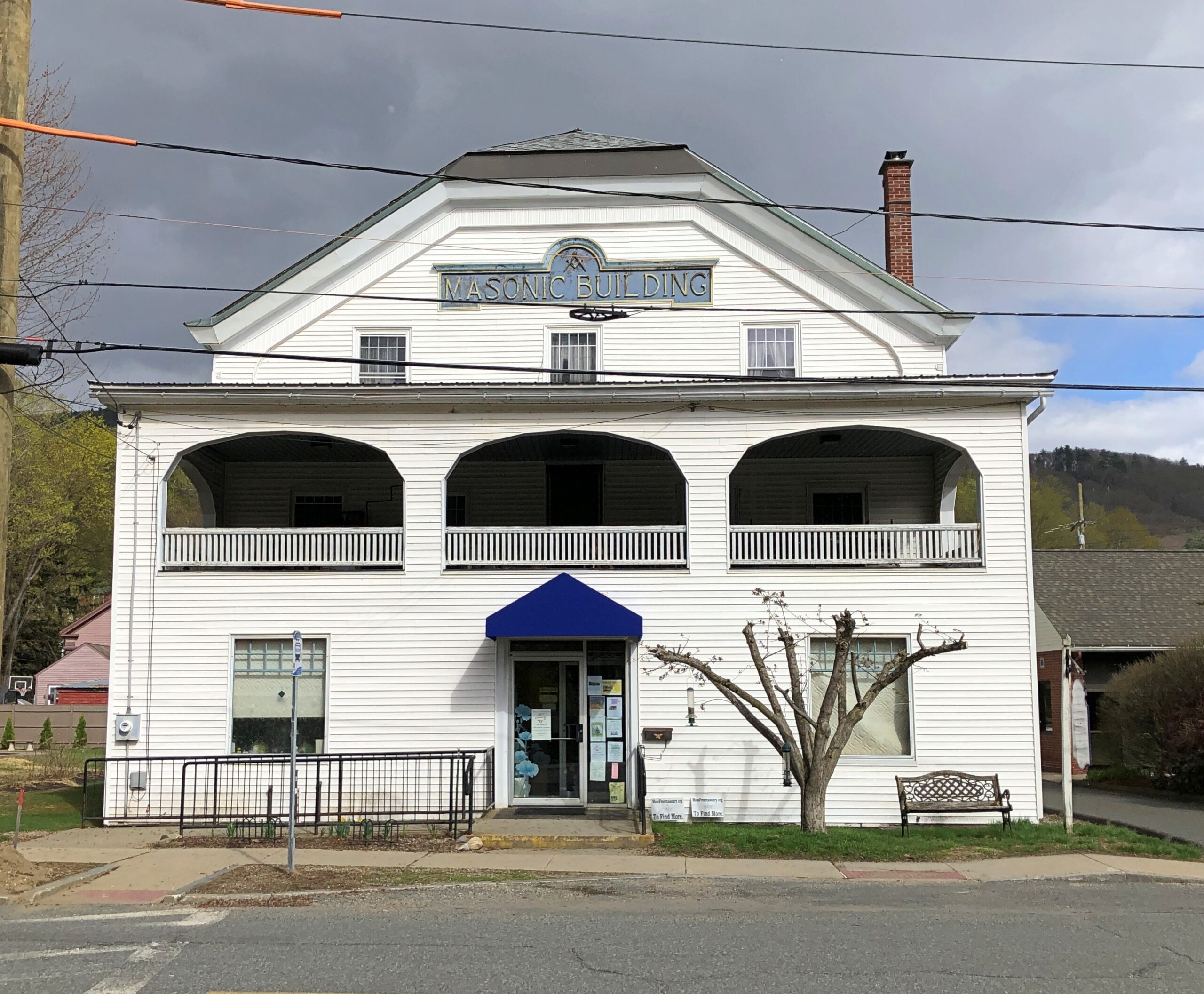
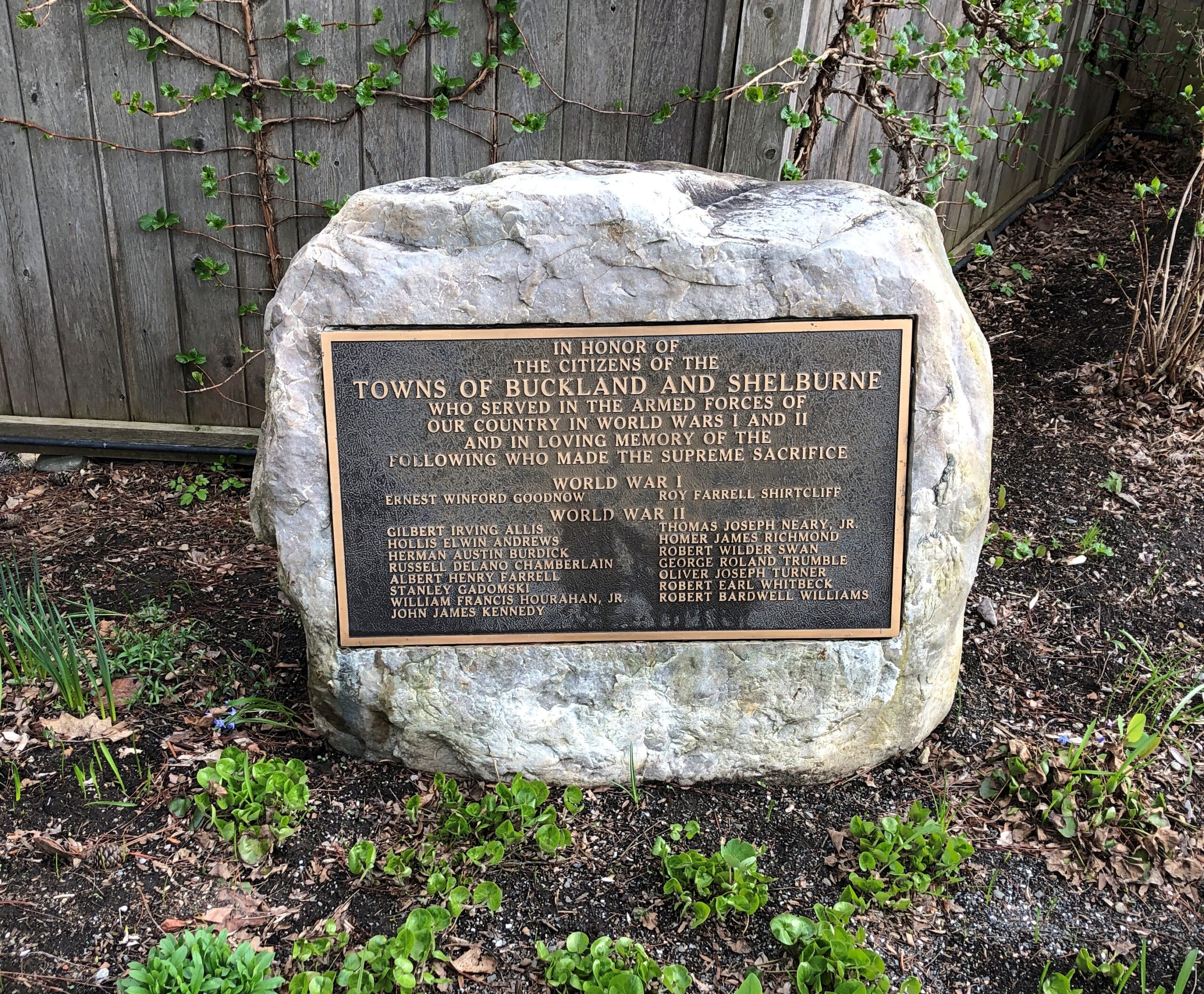
Shelburne.
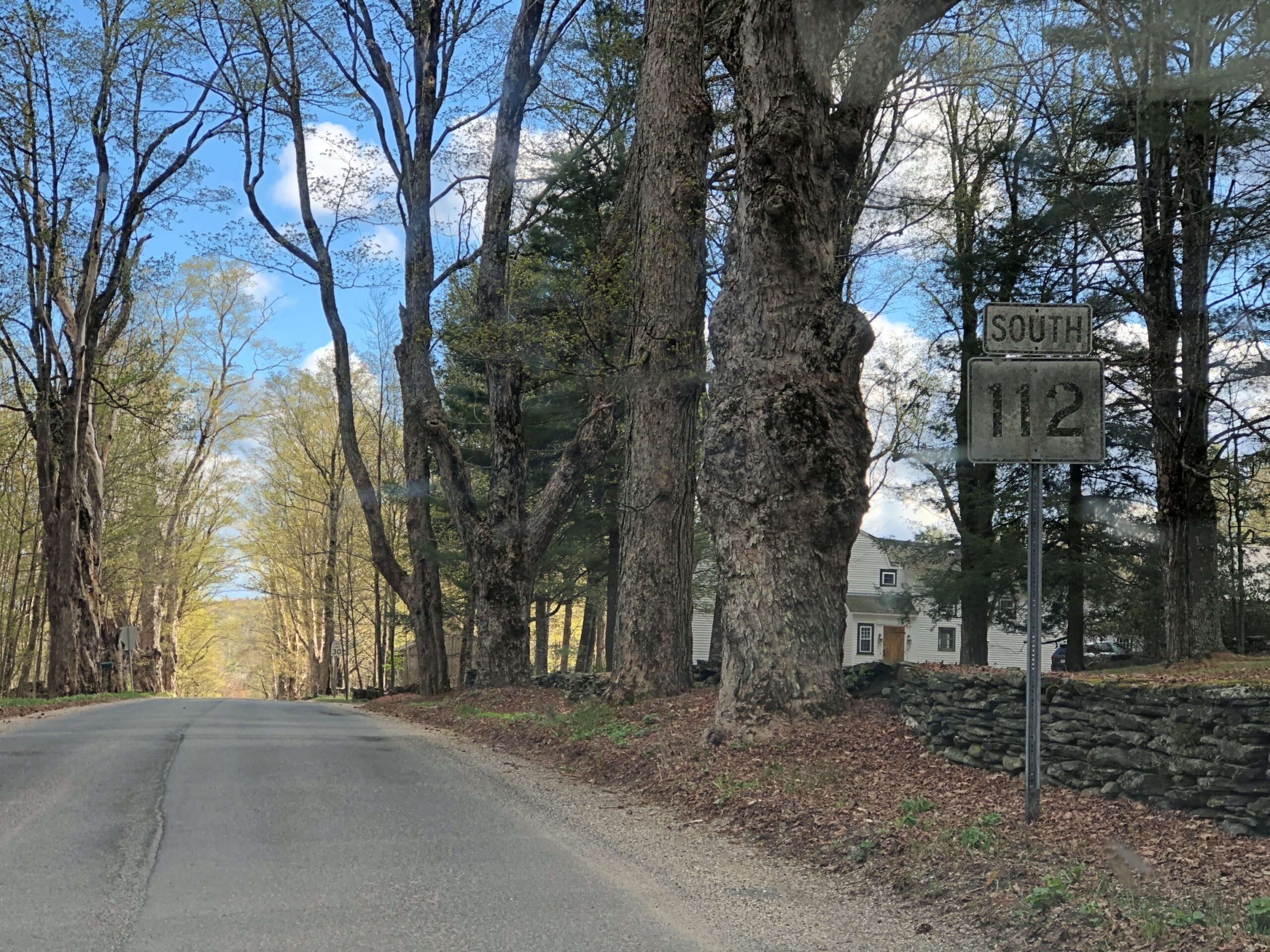
Massachusetts 112 (Route 112) in Hamilton County. Car commercial driving.
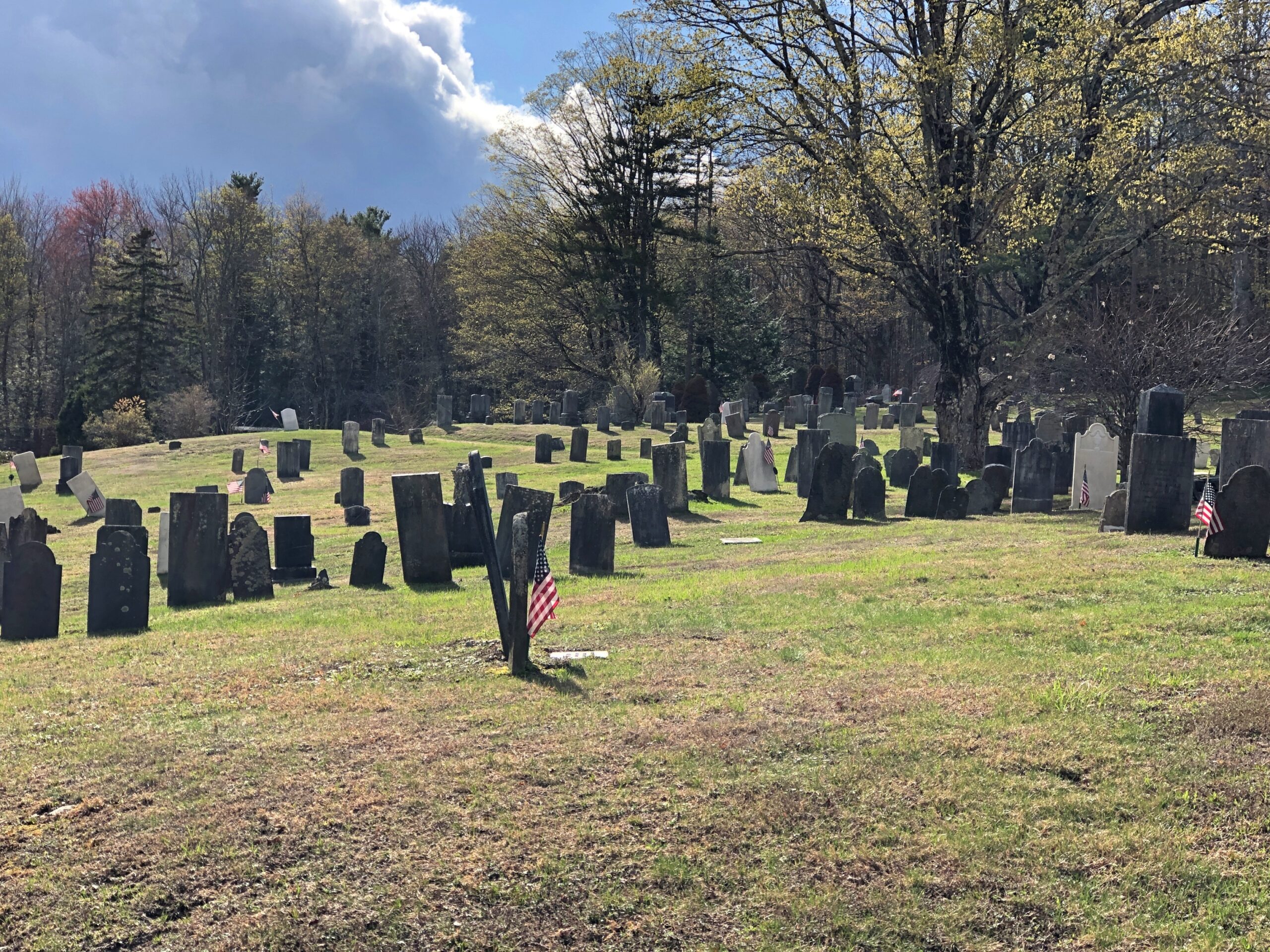
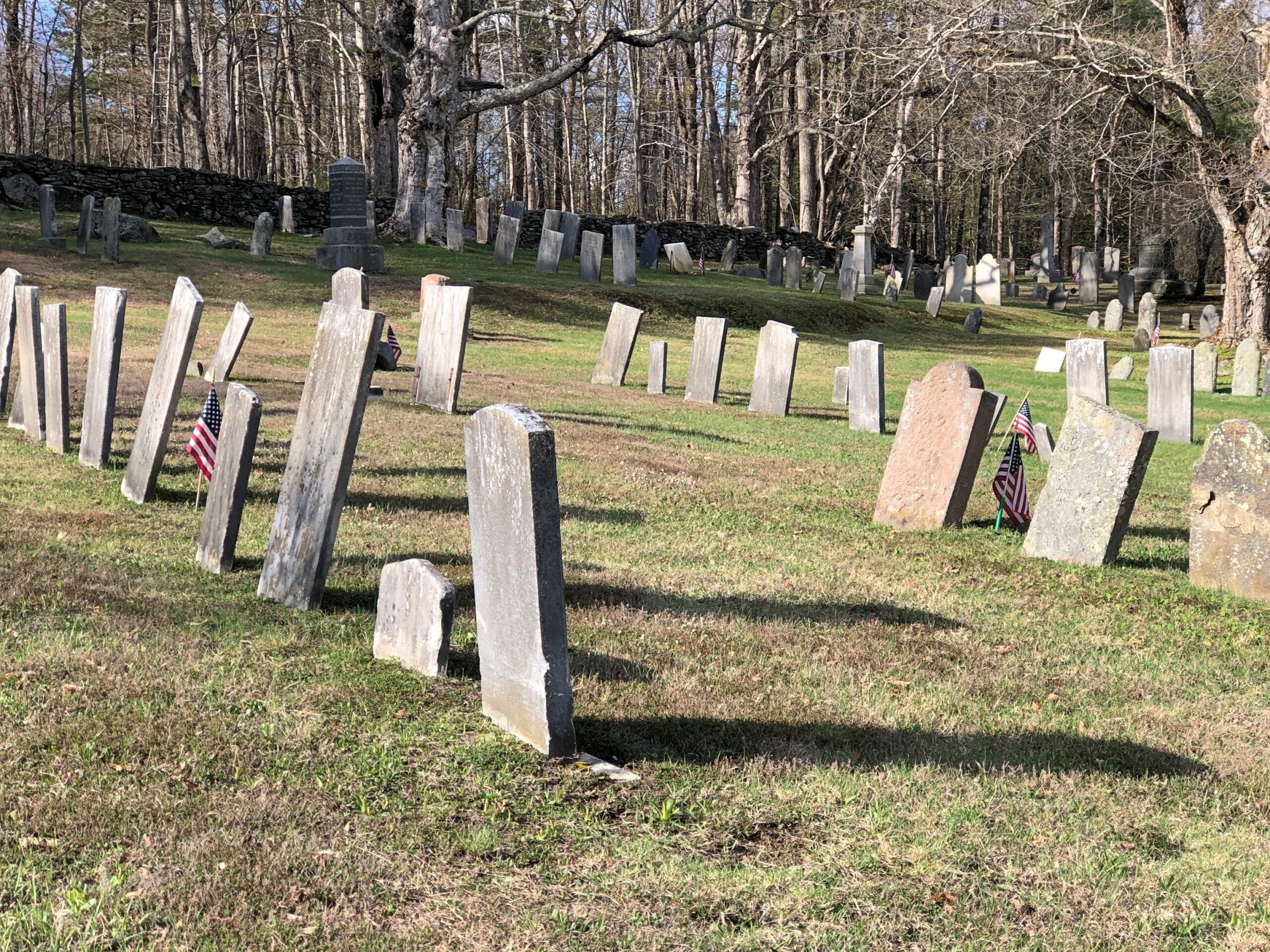
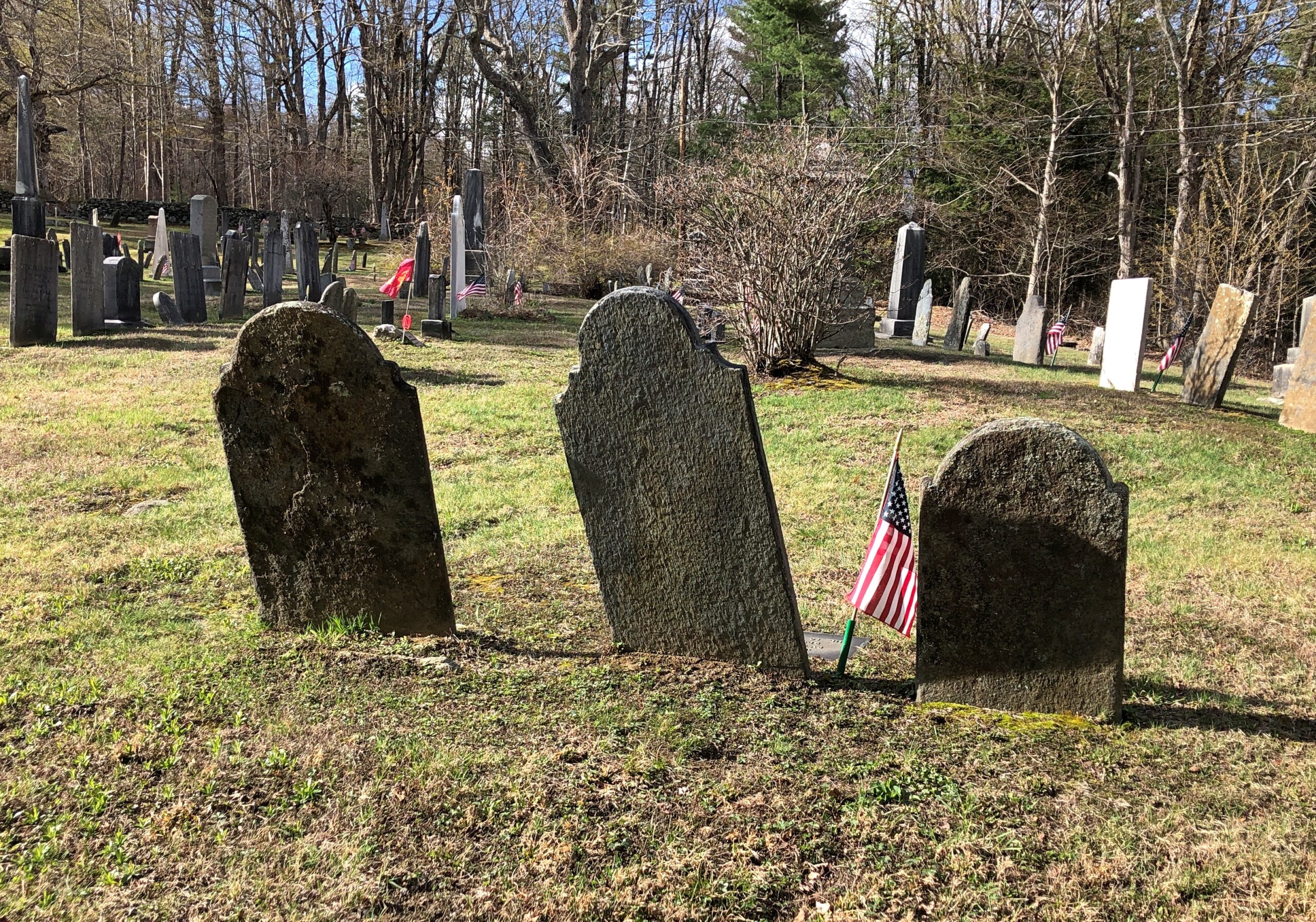
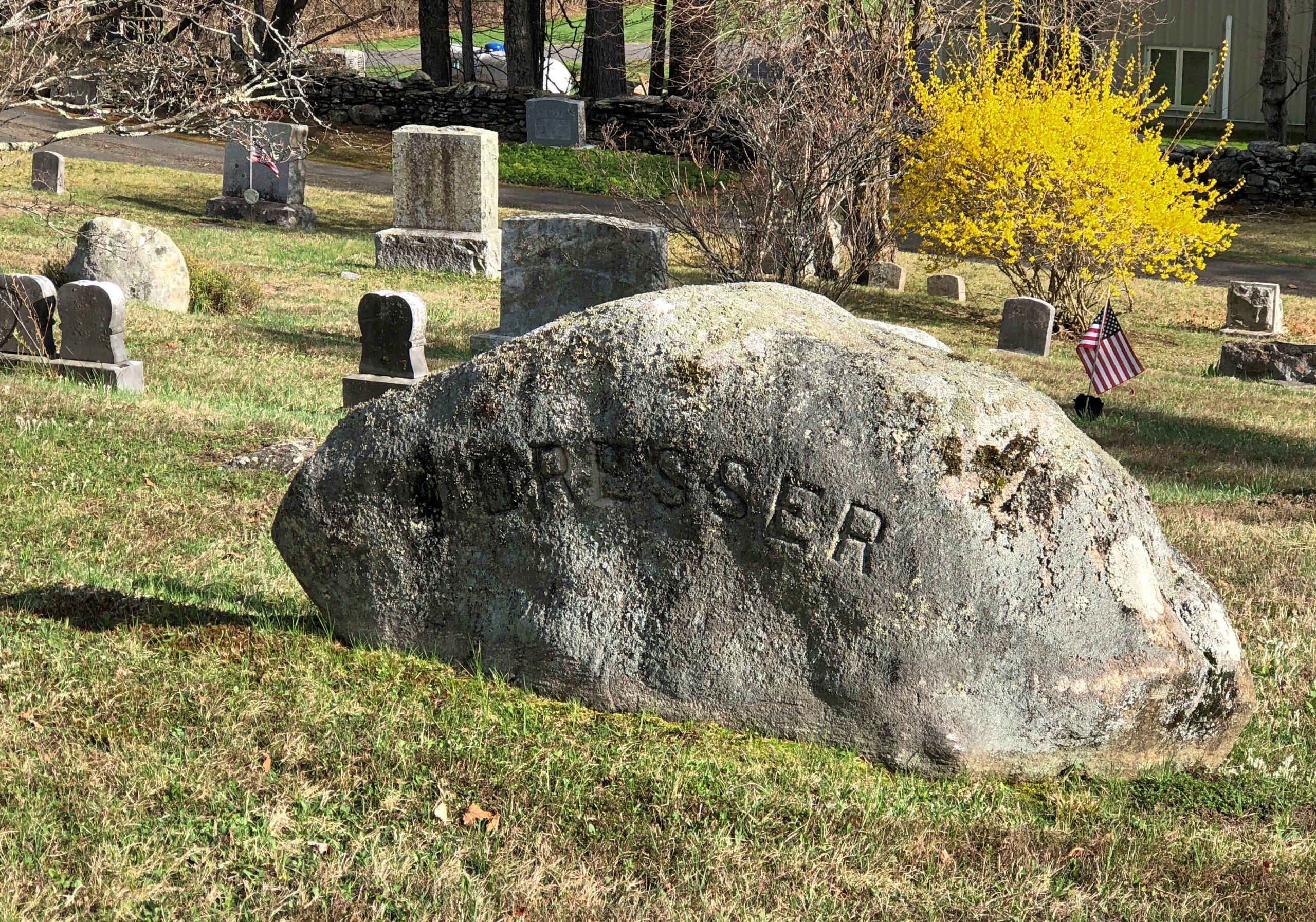
Goshen Cemetery, just off Route 112.
Ohio
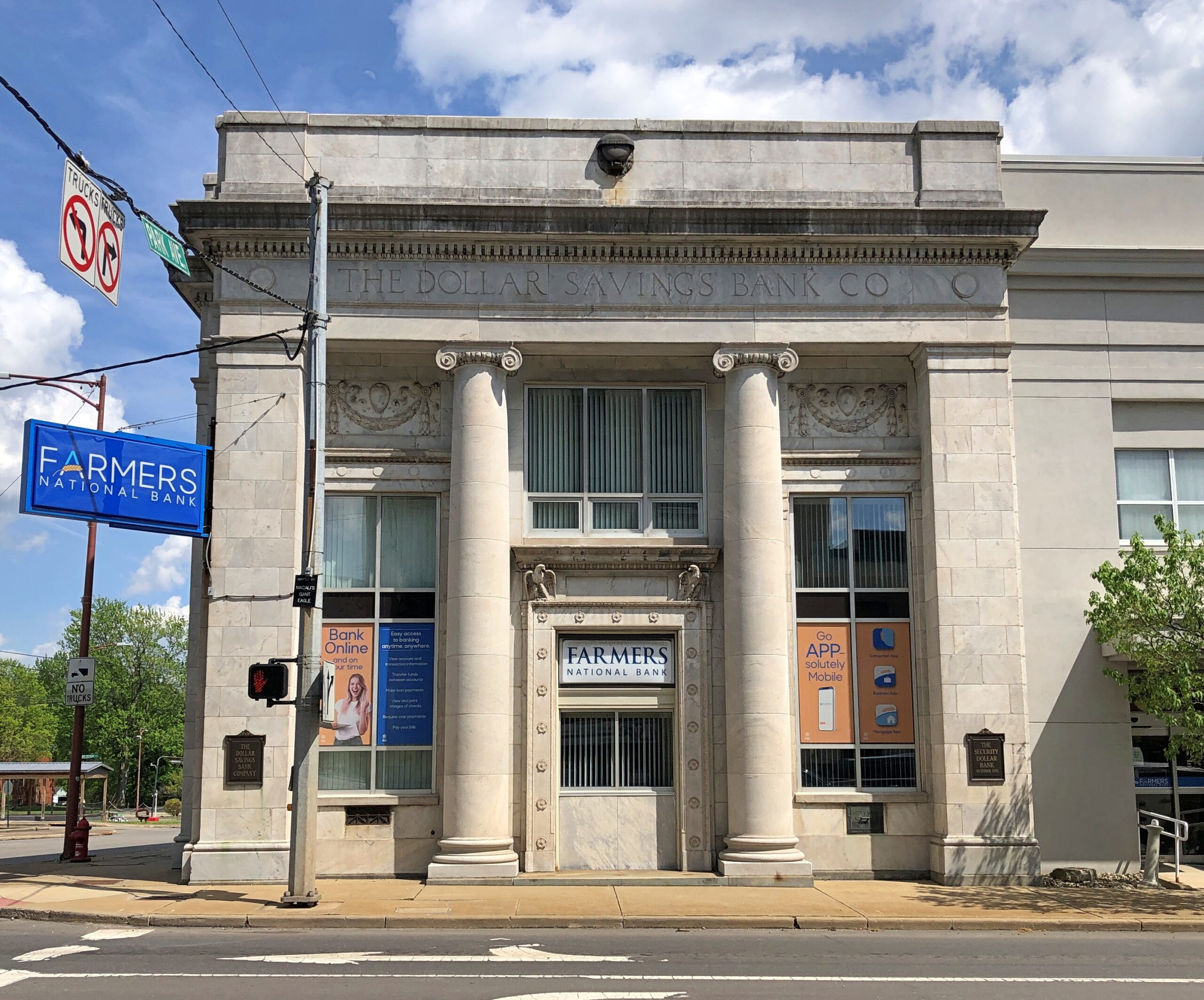
A solid bank building in Niles, across the street from where William McKinley was born. The Dollar Savings Bank Co. sounds like the kind of place that George Babbitt would mention, but distain in favor of a bank with longstanding ties to the best business men in Zenith.
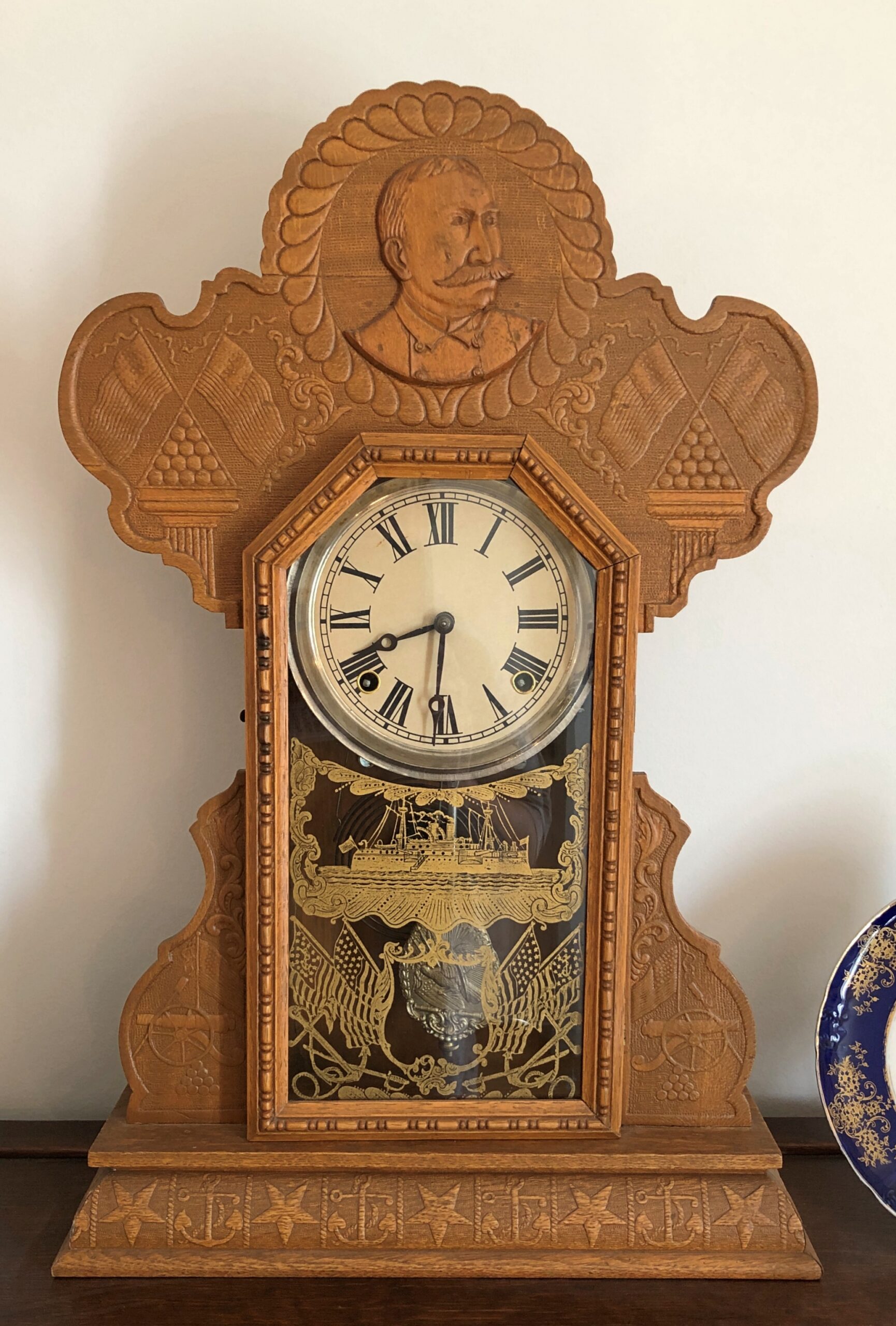
An Admiral Dewey clock at the McKinley Birthplace Museum. A textbook case, that Dewey, of how fleeting fame usually is.
Passing through northeast Ohio intrigued me greatly about that part of the state. Akron, Canton, Youngstown, Austintown — all places I can imagine going, and enjoying the visits. See ’em before the reverse migration really gets underway.
Further west, the drive on the Lincoln Highway (US 30) was a pleasure: mostly four lanes, rarely crowded. The flat farmlands don’t qualify as conventionally scenic, but the budding springtime fecundity has a lot to recommend it, even as a strictly visual pleasure: the bright greens of new leaves, the brown and grays of the fields recently plowed, small roads heading off usually at right angles to the main road, a run between Upper Sandusky and I-75 near Lima with few buildings of any kind, except distant farm structures.
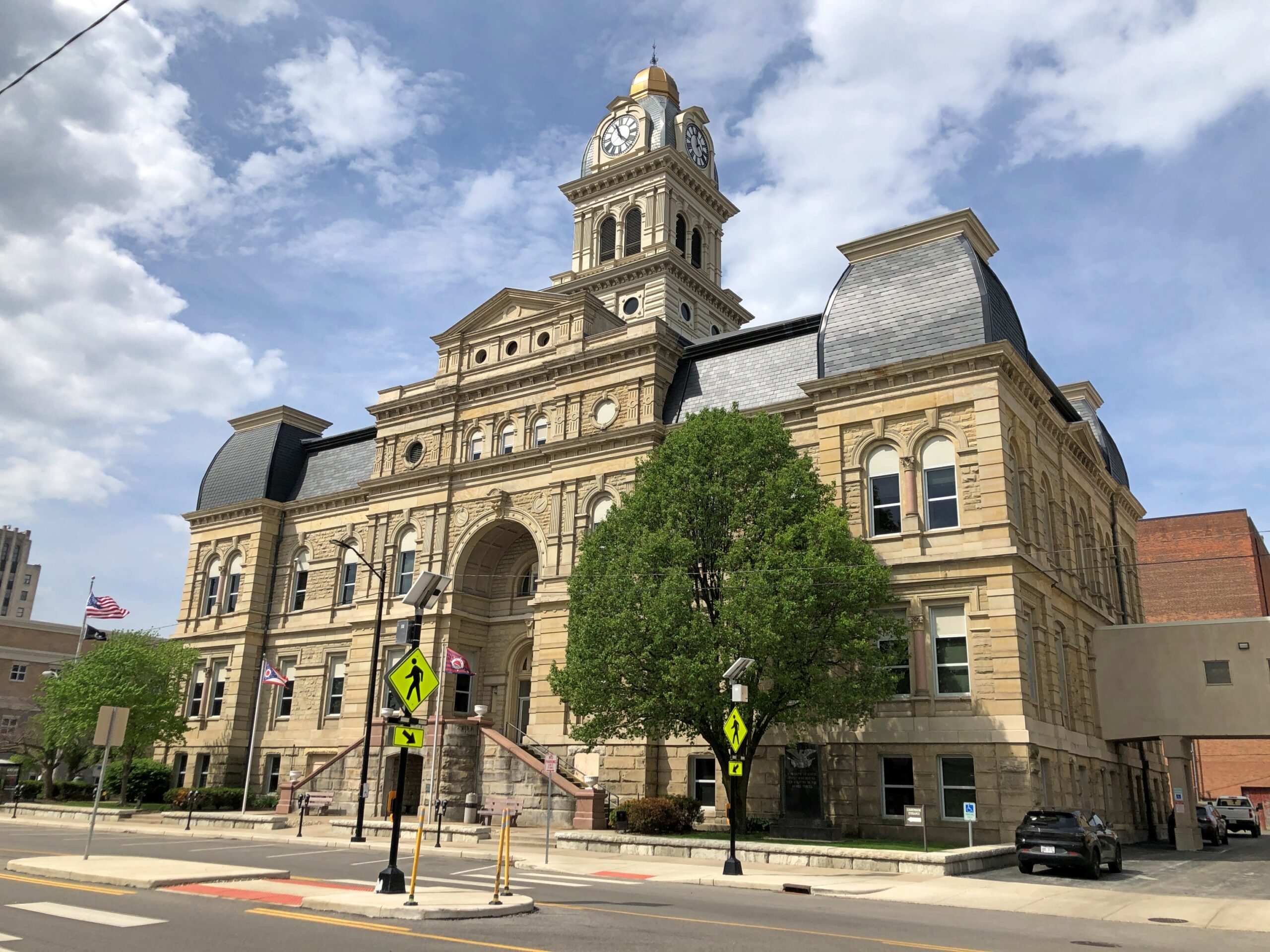
Downtown Lima: the Allen County courthouse, seen from North St.
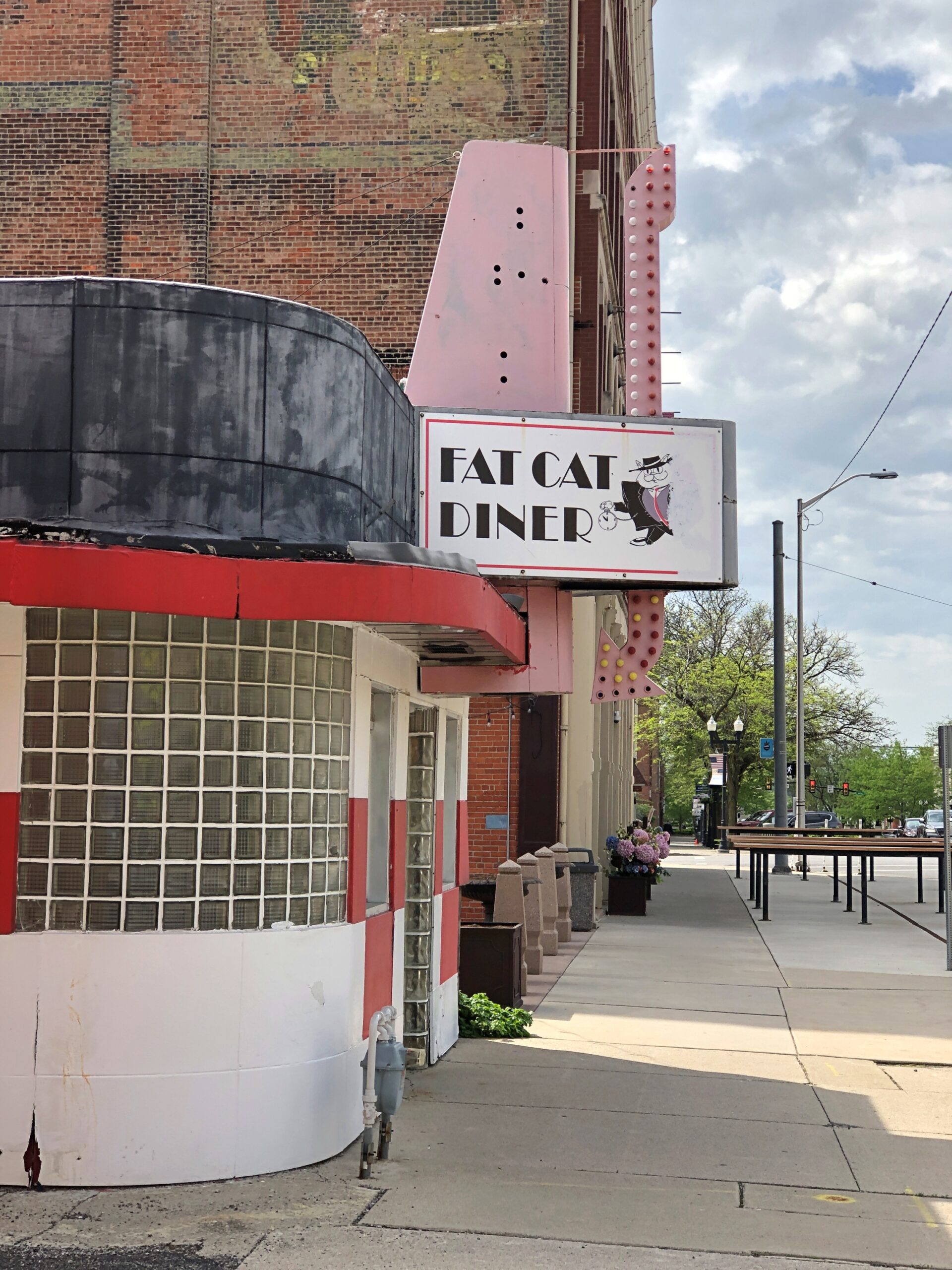
Looks like my kind of breakfast place. Closed on Sunday anyway.
Another North St. detail. Spiderman sitting on — something. A large scoop of strawberry ice cream?
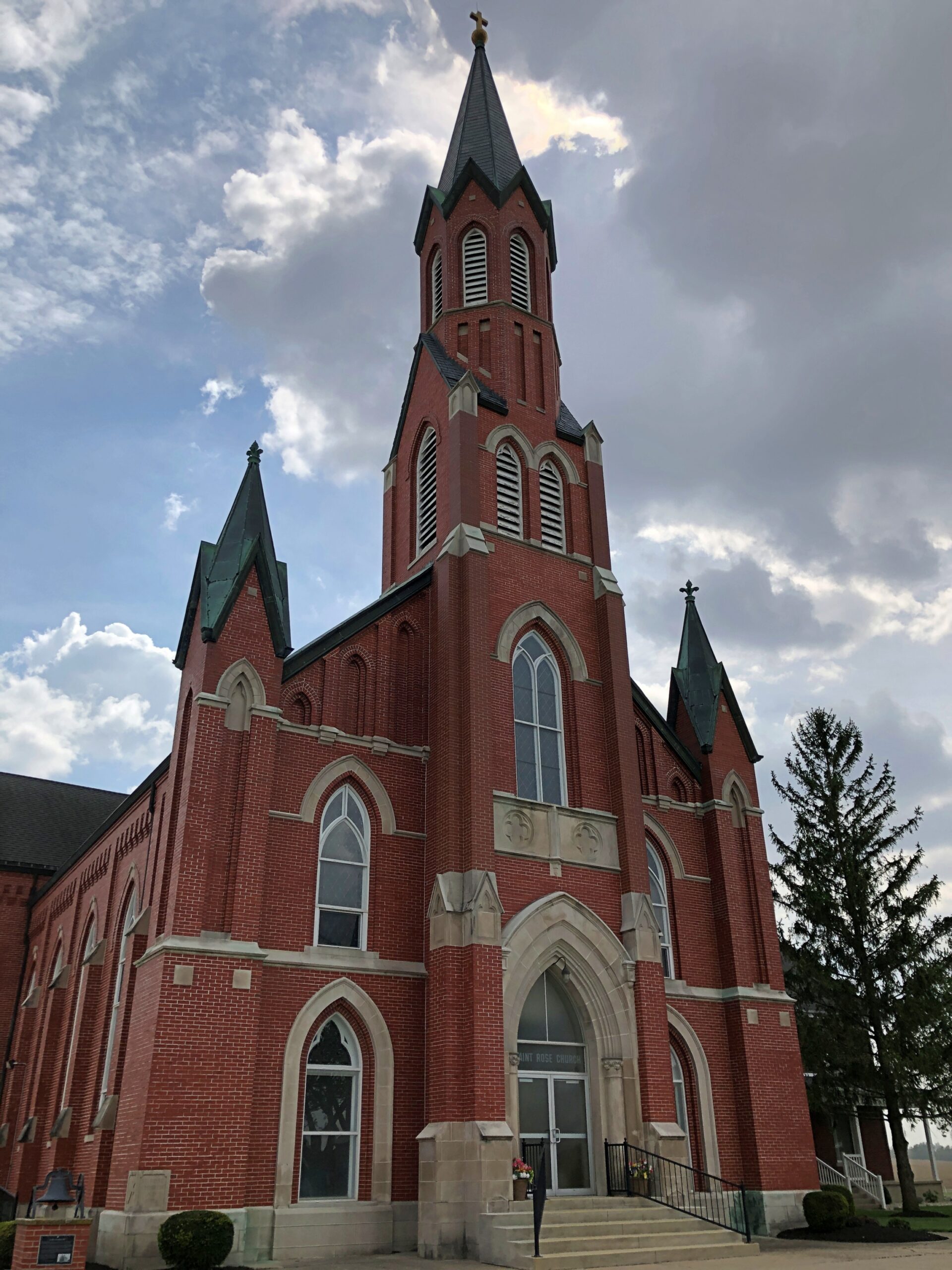
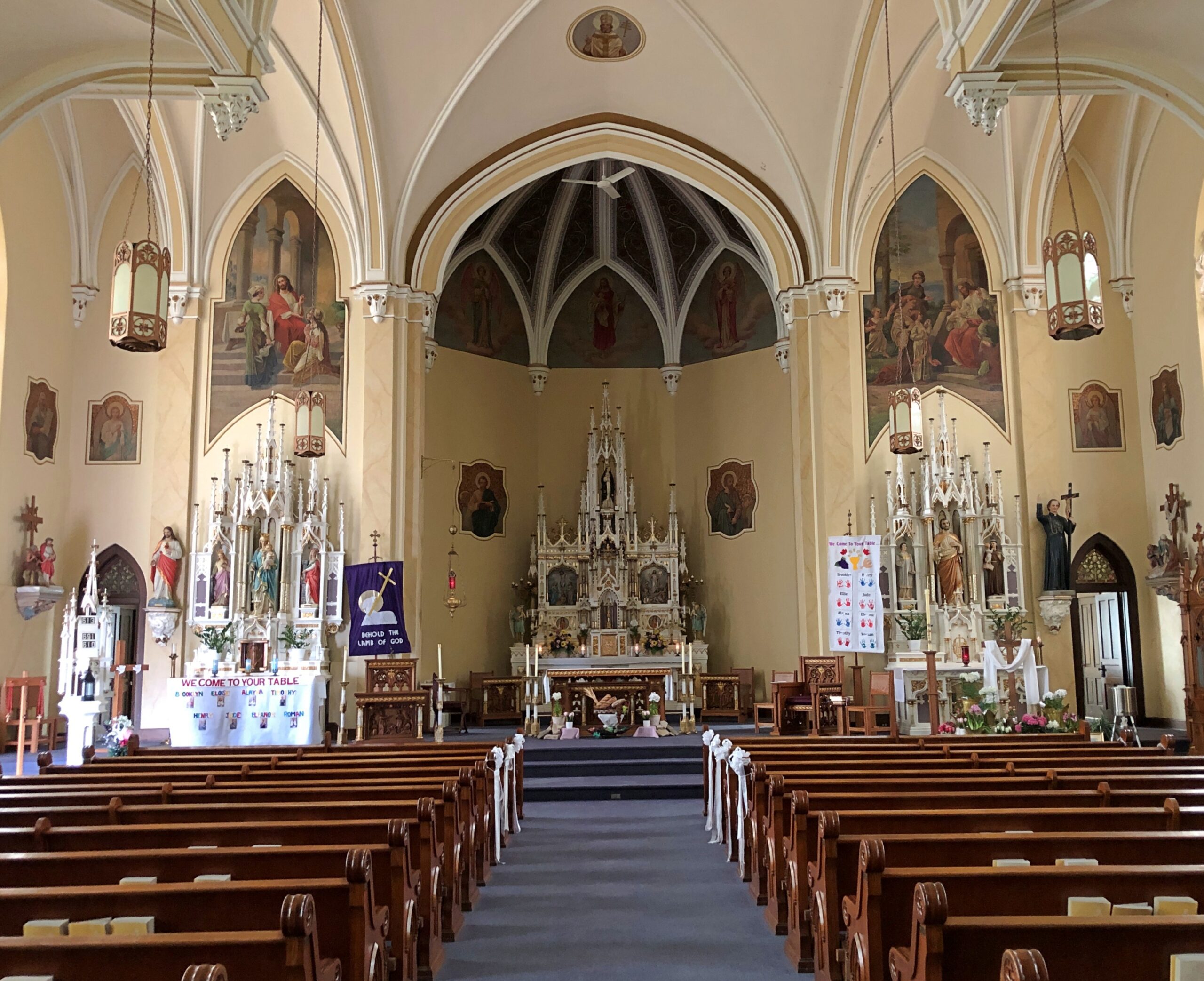
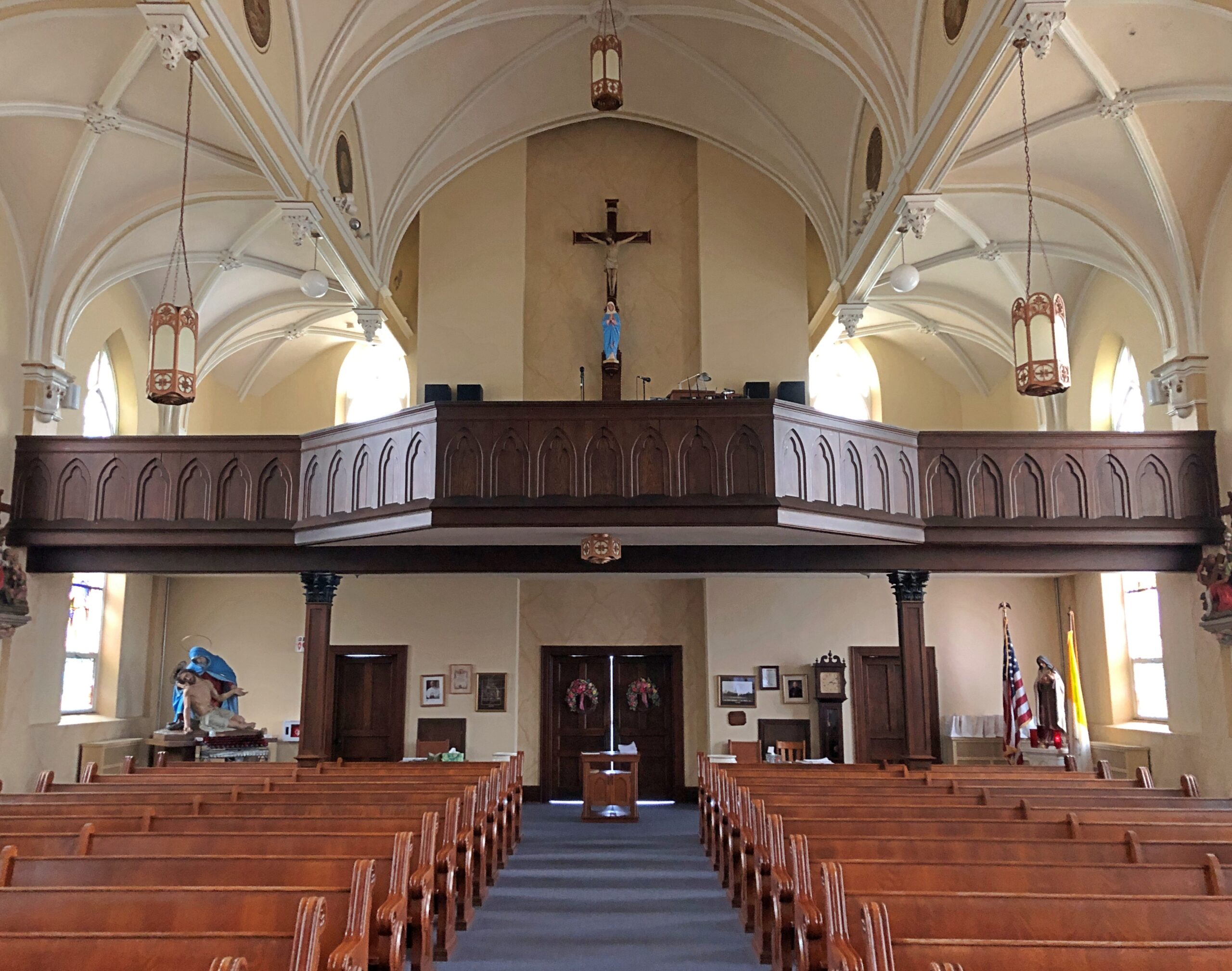
Saint Rose Church in the hamlet of Saint Rose, not far east of the Ohio-Indiana line. A Cross-Tipped Church.
Pennsylvania
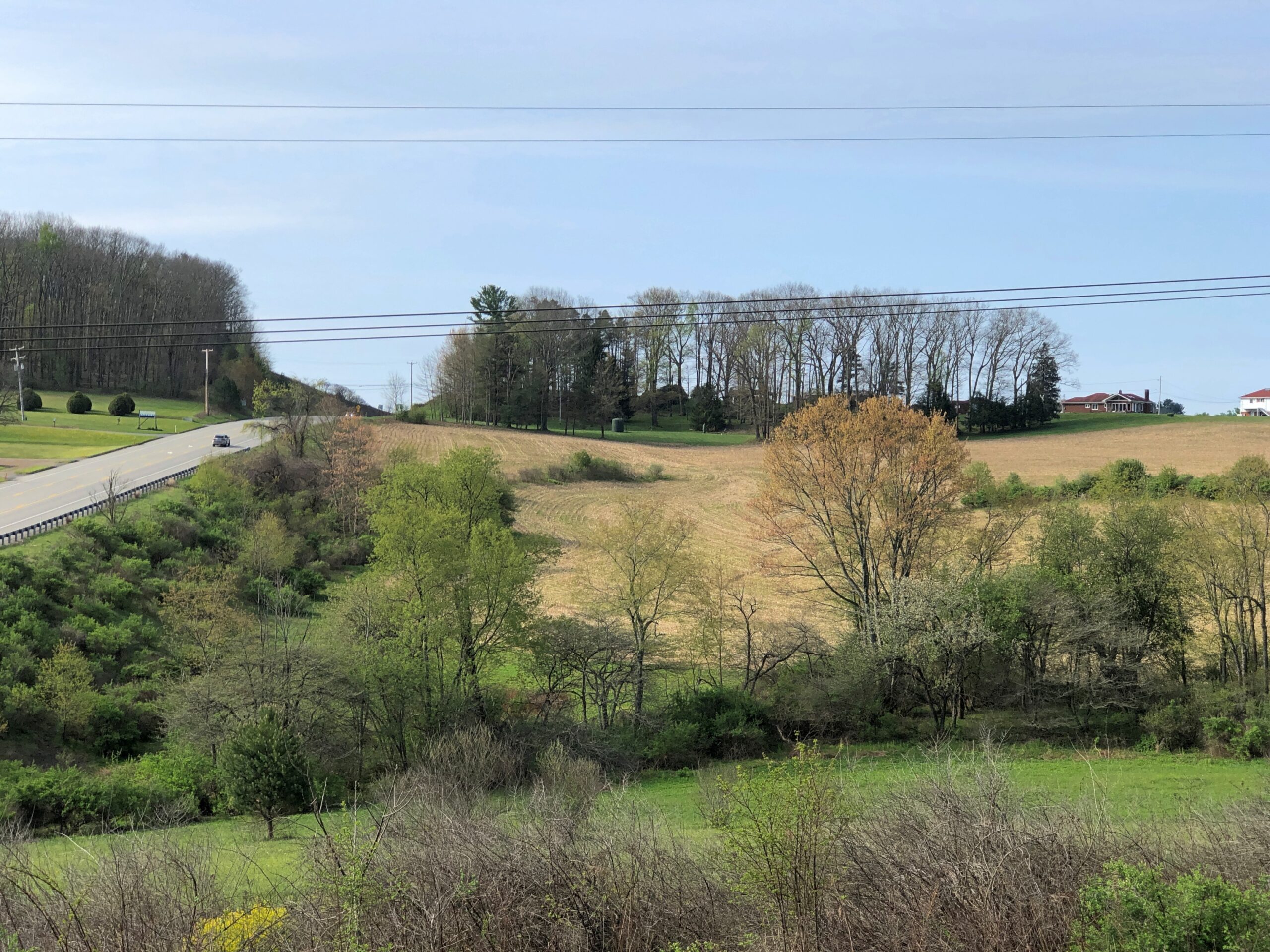
The hills at the edge of Punxsutanwney.
The drive west across Pennsylvania began across the Delaware River from Port Jervis, NY, taking US 209 southwest through part of Delaware Water Gap National Recreation Area. Bet the straight-ish, two-lane road is busier in peak recreation season in the Recreation Area, but in April, I booked along without encountering much in the way of traffic. Trees were still budding, but it wouldn’t be long before some stretches of the highway would pass through green tunnels. The sunlight was already casting green leaf shadows on the road.
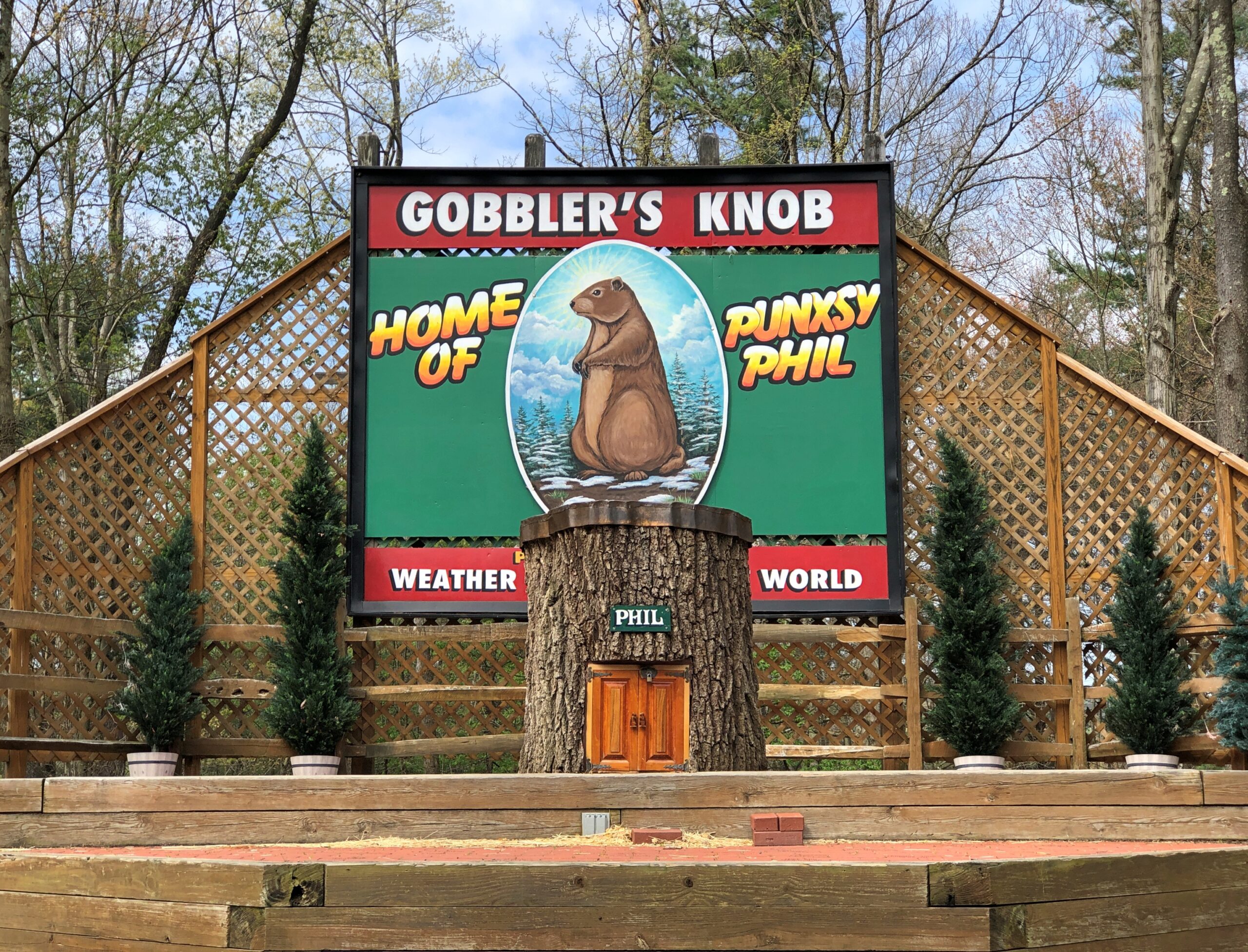
Watch Groundhog Day, and the impression is that the festivities are held in the center of town — which they are, in the Punxsutanwney stand-in of Woodstock, Illinois. Go to Punxsutanwney itself and learn that the February 2 fest is a few miles from town in a place called Gobbler’s Knob.
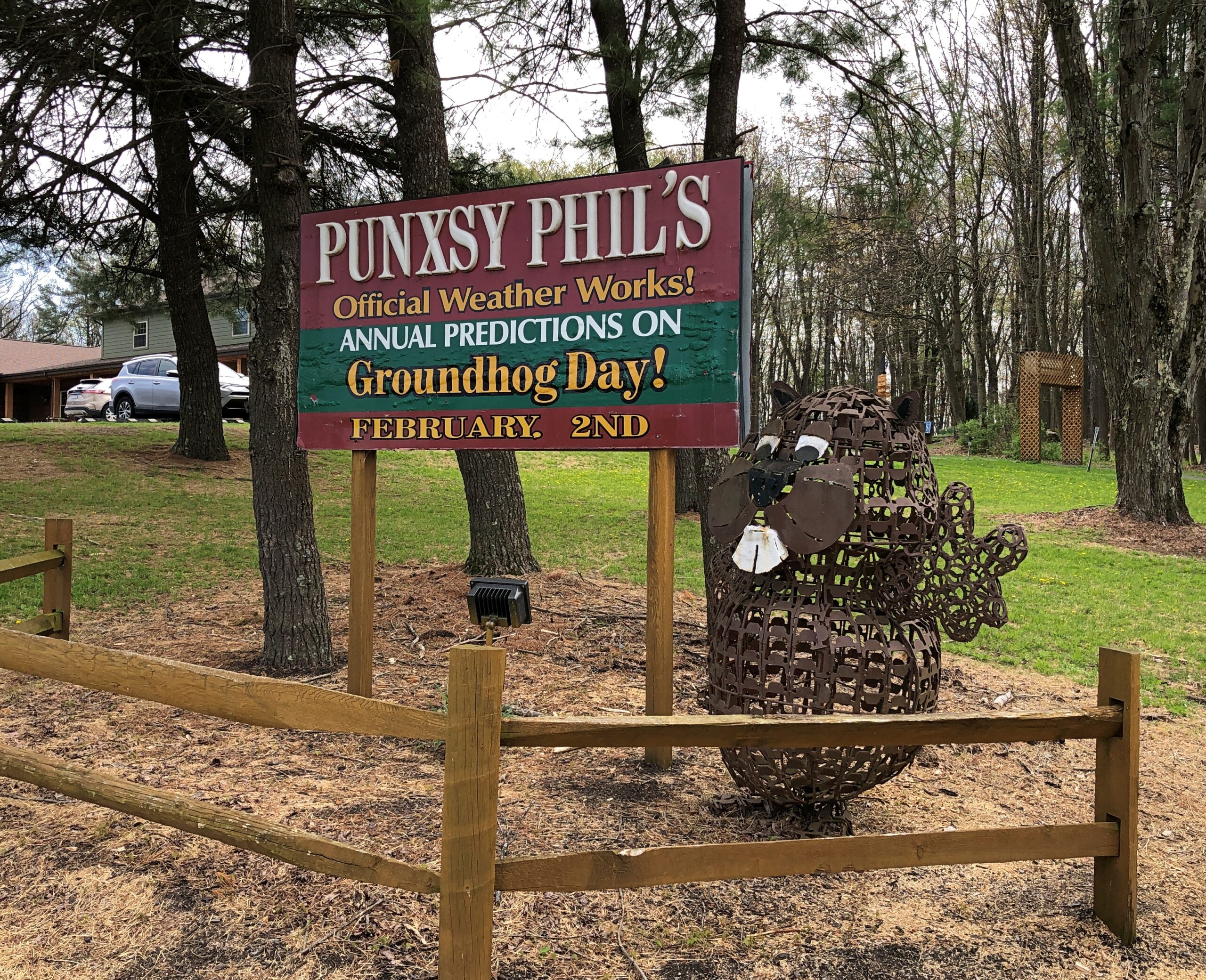
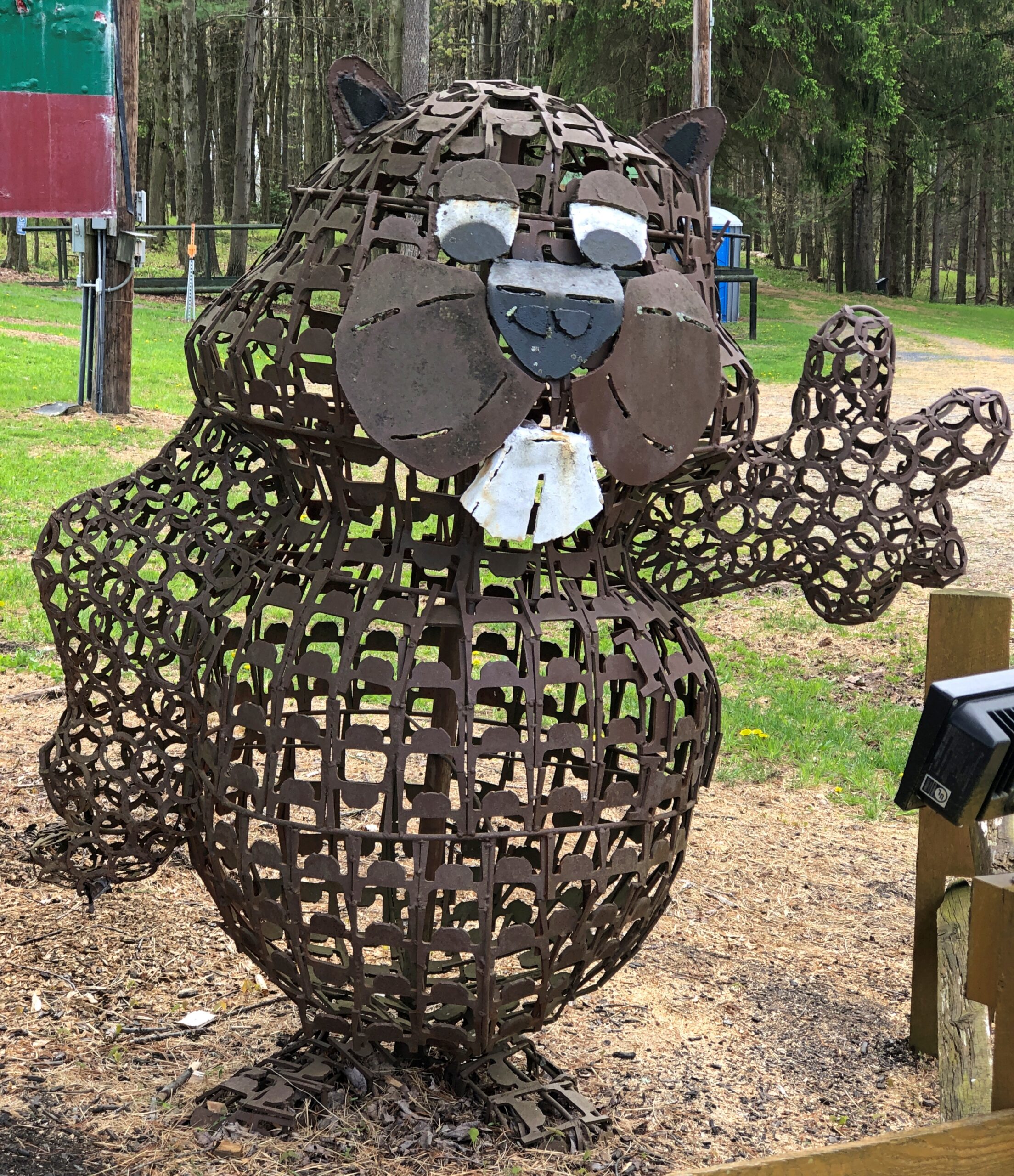
One more Phil. Iron Phil.
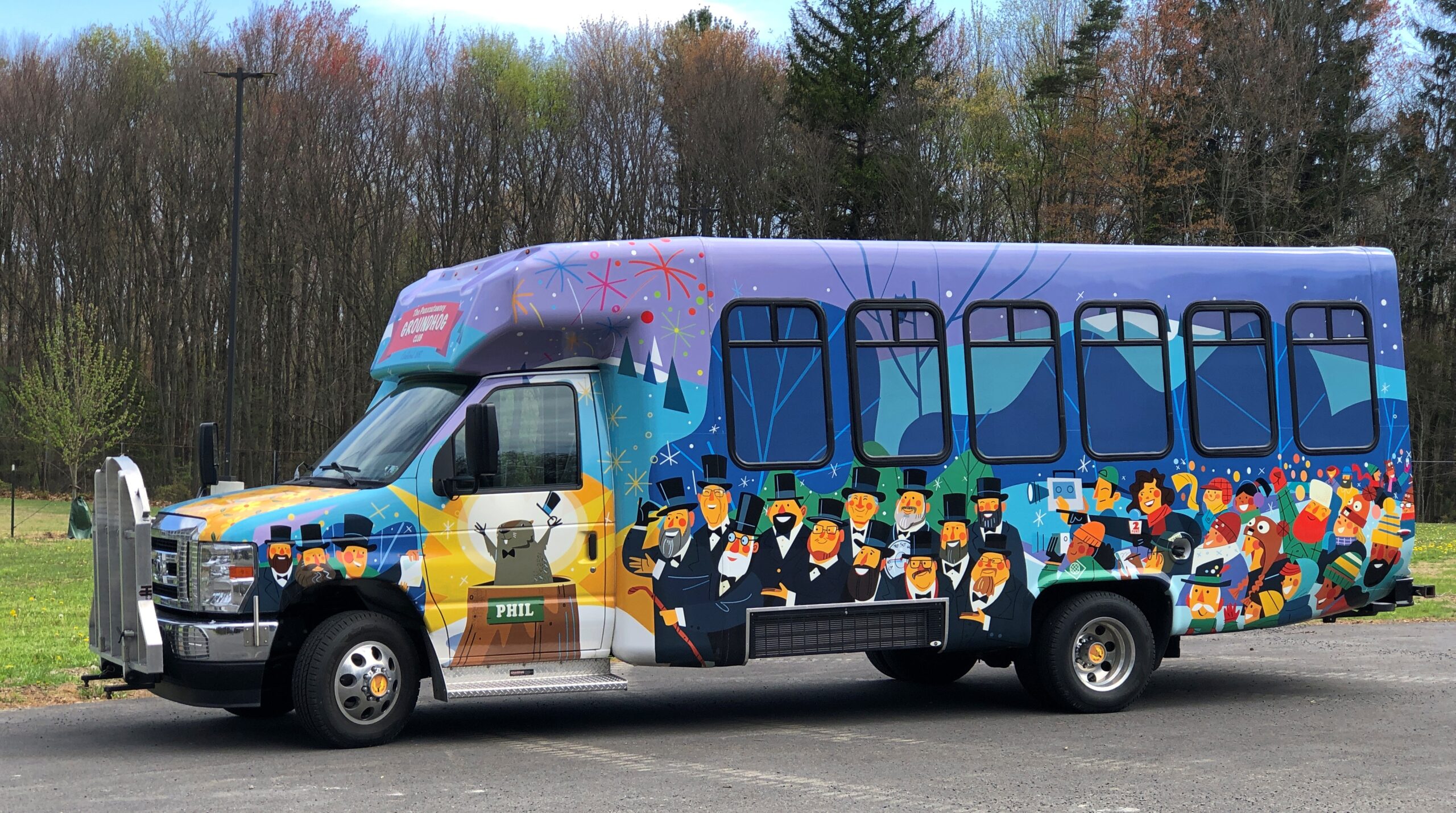
The clerk at the Gobbler’s Knob gift shop took pains to let me know that the site, and the festivities, were overseen by a nonprofit, not the commonwealth. Outside is the nonprofit’s bus, or at least I assume that, probably used to ferry people from town to GK and vice-versa, to help deal with the popularity of the event.
I like a good local festival as much as anyone, but February 2 is a deal-breaker. Can’t Phil come out again on August 2 to predict how much longer summer is going to last?
One More (Indiana)
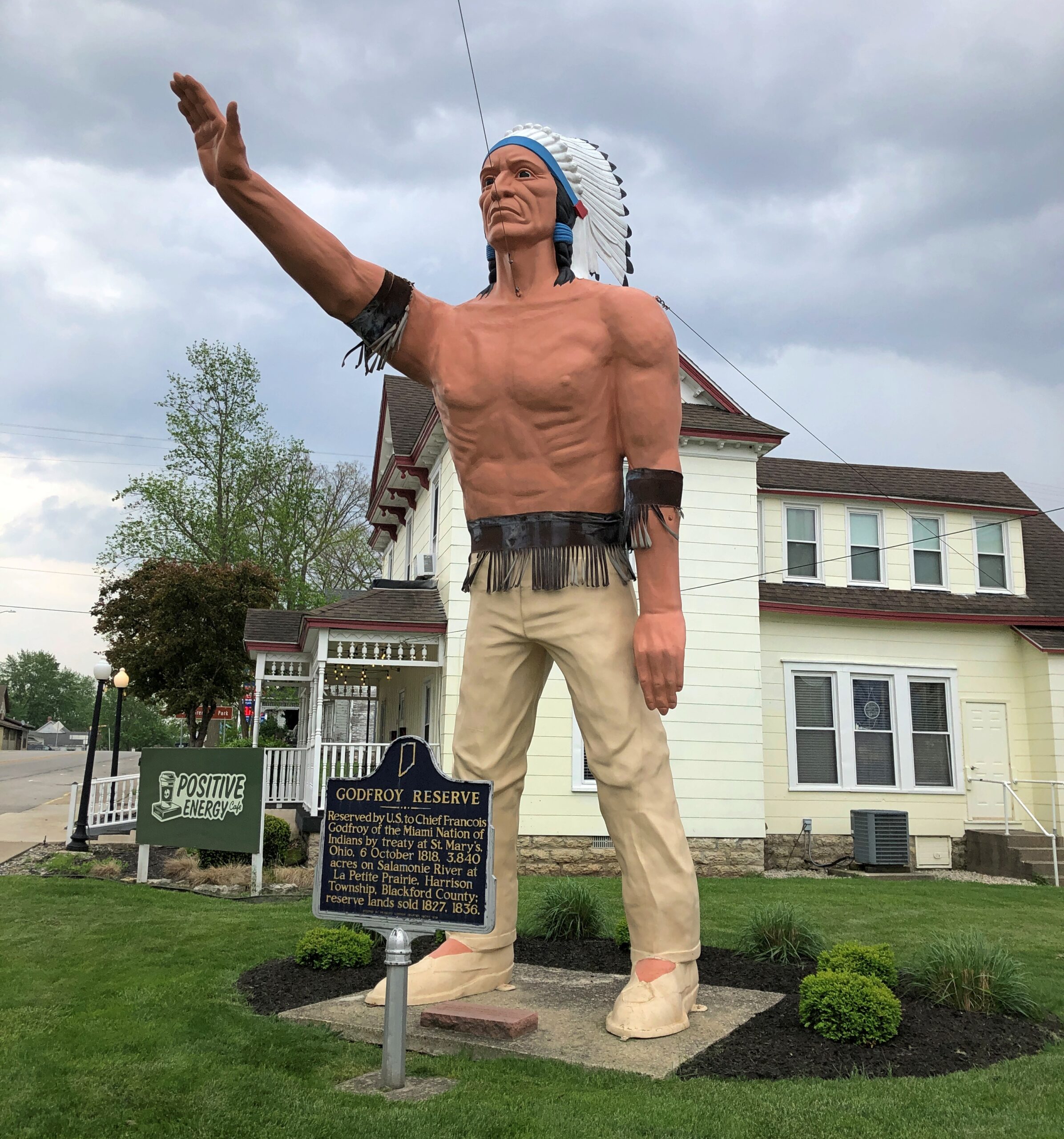
Miami Chief Francois Godfroy stands at the corner of Main Street and Huntington Street/Indiana 18 in Montpelier. Well, maybe it’s supposed to remind passersby of the chief more than actually depict him.
A Daughters of the American Revolution historical marker says: Reserved by U.S. to Chief Francois Godfroy of the Miami Nation of Indians by treaty at St. Mary’s, Ohio, 6 October 1818. 3,849 acres on Salamonie River at La Petite Prairie, Harrison Township, Blackford County: reserve lands sold 1827, 1836.
Waymarking says: “The statue was made in Venice, CA in 1960 for the Tom Wood Pontiac dealership in Indianapolis. Later it was in front of the Indian Museum at Eagle Creek Park In Indianapolis. After the museum closed, the statue (of more a plains Indian than a NE Indiana tribe) was obtained by Chief Larry Godfroy — a descendant who presented it to the City of Montpelier and they erected it as a monument in 1984.”
A lot of museum artifacts are behind glass. Some really old, brittle and famous items are encased in an atmosphere of nitrogen, the better to extend their existence, I understand (and nitrogen anoxia sounds like an unfortunate accidental way to die). That might have been the case with the underwhelming display of the overwhelmingly historic Book of Kells. But in any case, glass interferes with our right as iPhone-carrying tourists to take really good pictures with almost no effort.
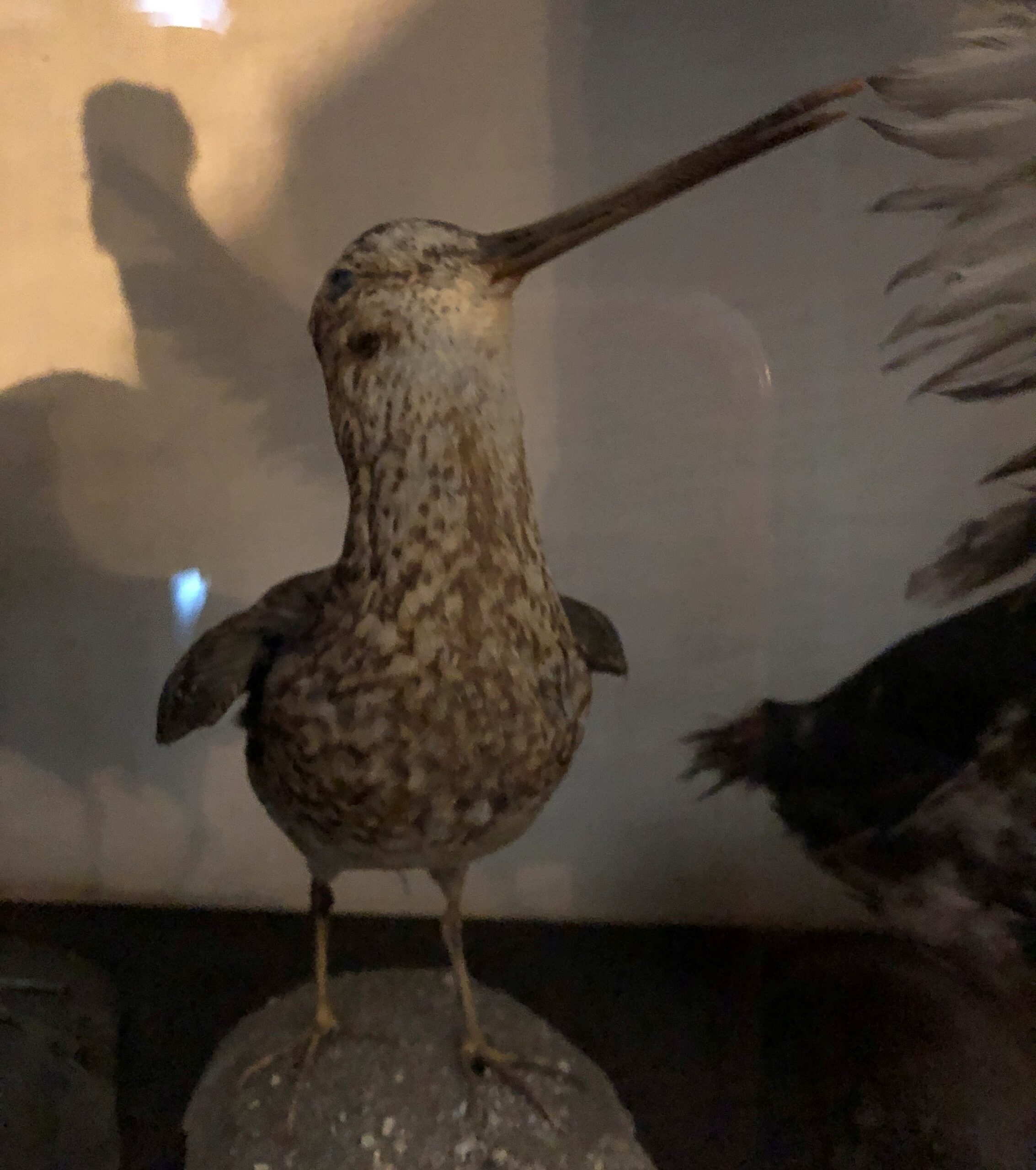
An example: a stuffed bird I saw in April.
The picture might be lousy due to the glass, but the artifact – and some other stuffed birds in the same case – did something a history museum ought to do: teach. I learned, looking there at a bird dead more than a century, that as a boy in the early 1890s Franklin Delano Roosevelt pursued a taxidermy hobby.
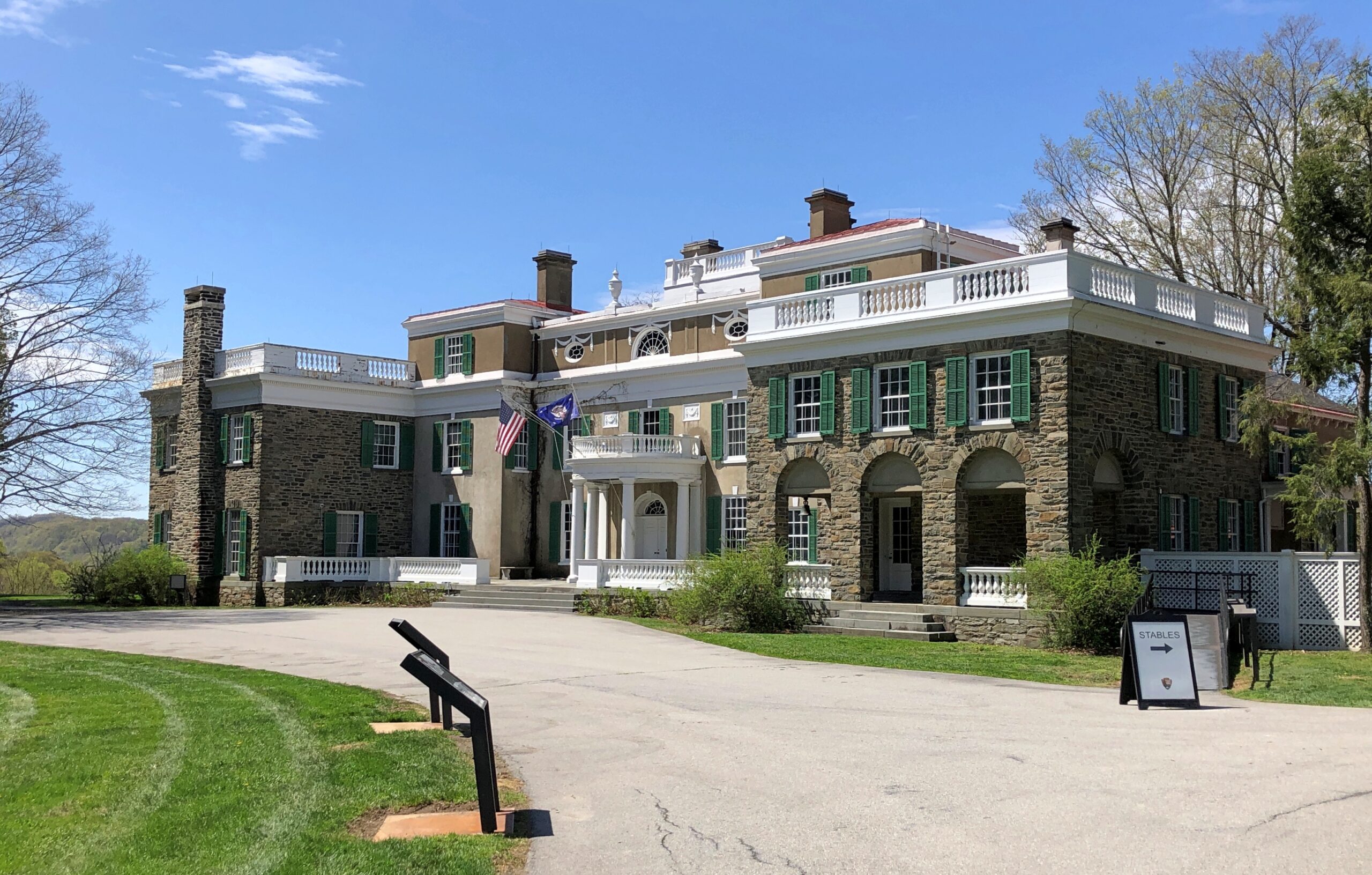
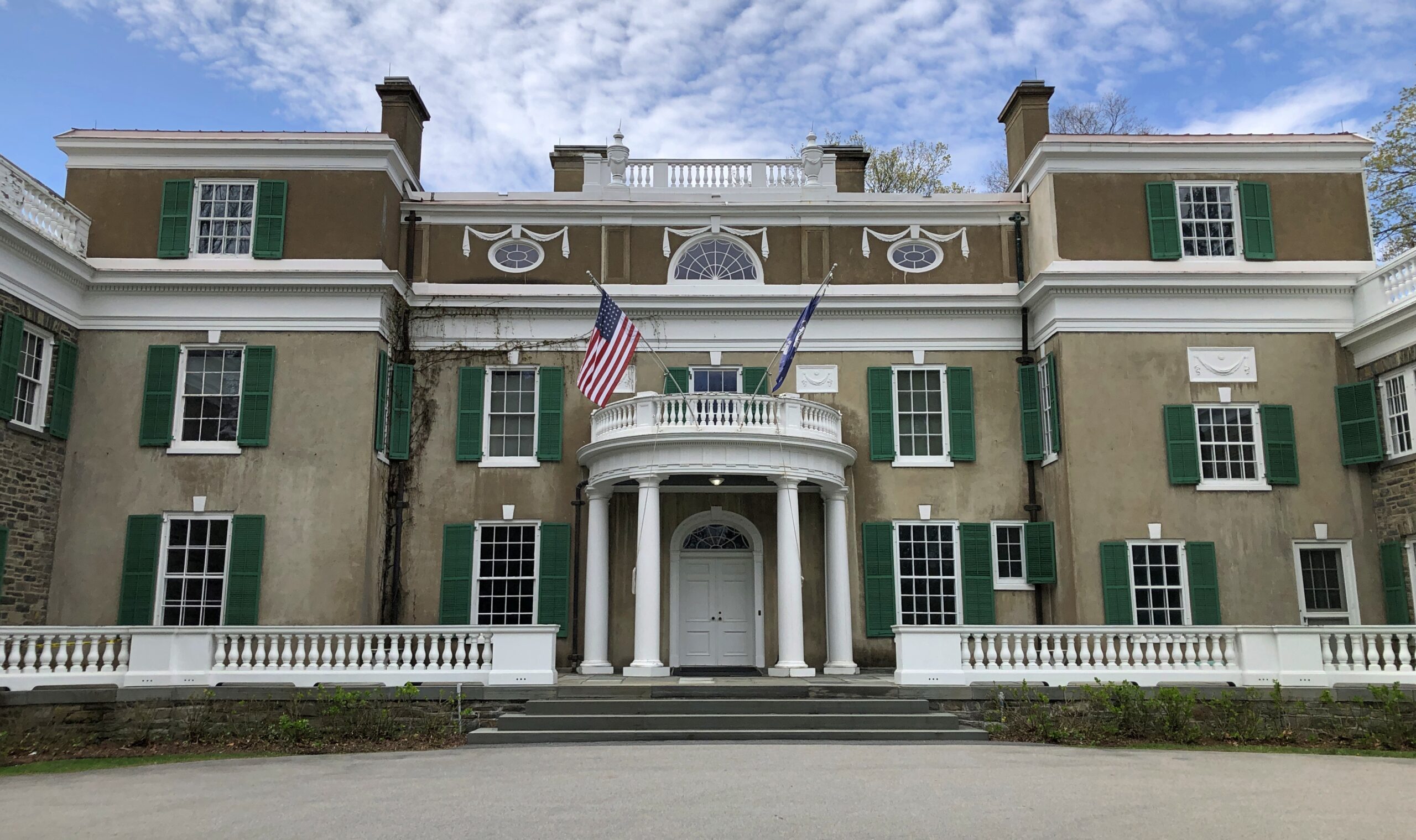
I’d come to Home of Franklin D. Roosevelt National Historic Site in Hyde Park, New York, the flush of spring, on my way home from the Northeast. I made time for the site because a visit had been impossible in October.
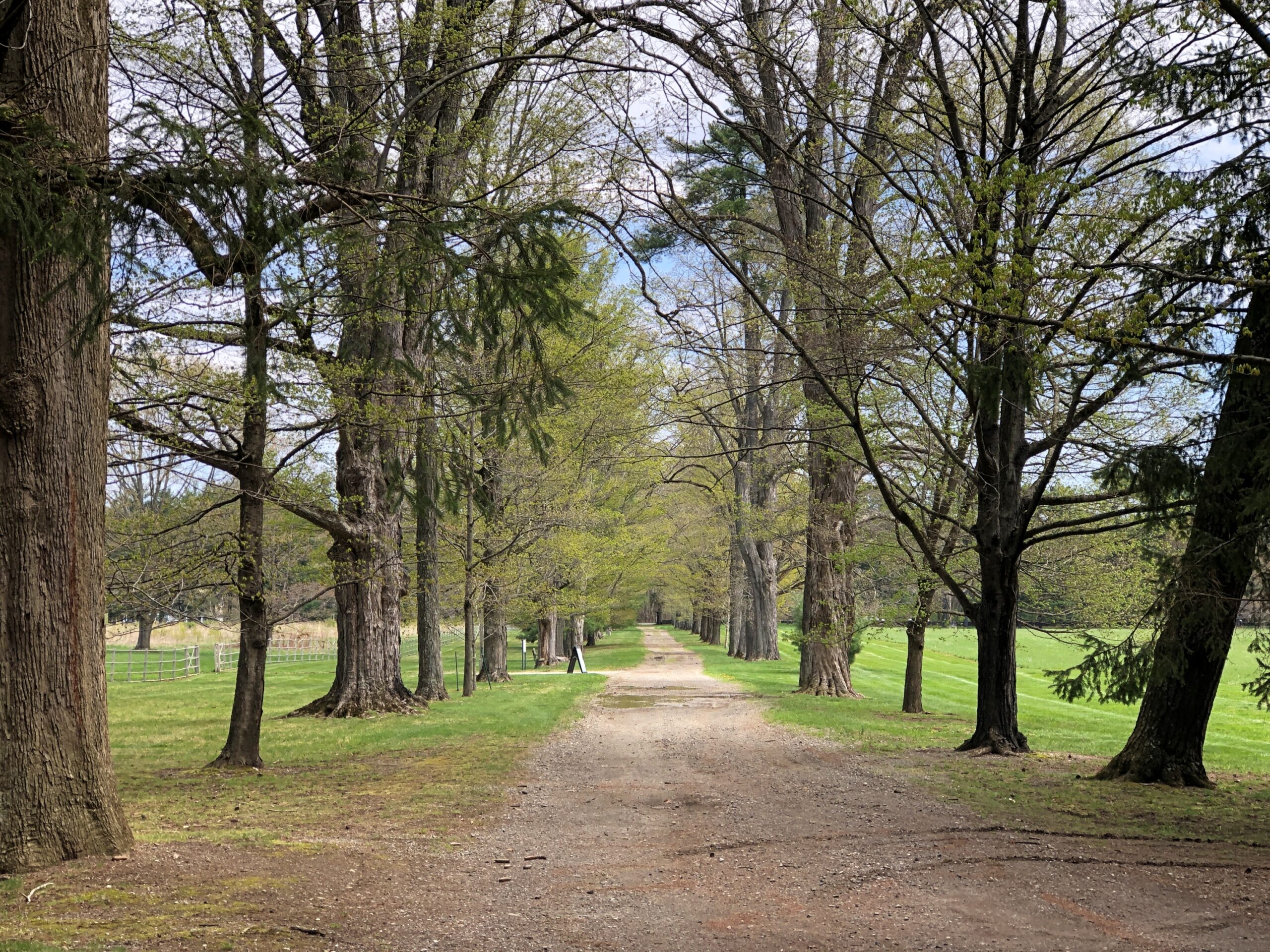
I understand that during FDR’s boyhood, the place wasn’t quite as wooded, but even so the trees (and thus birds) must have been plentiful. One of the paths on the grounds.
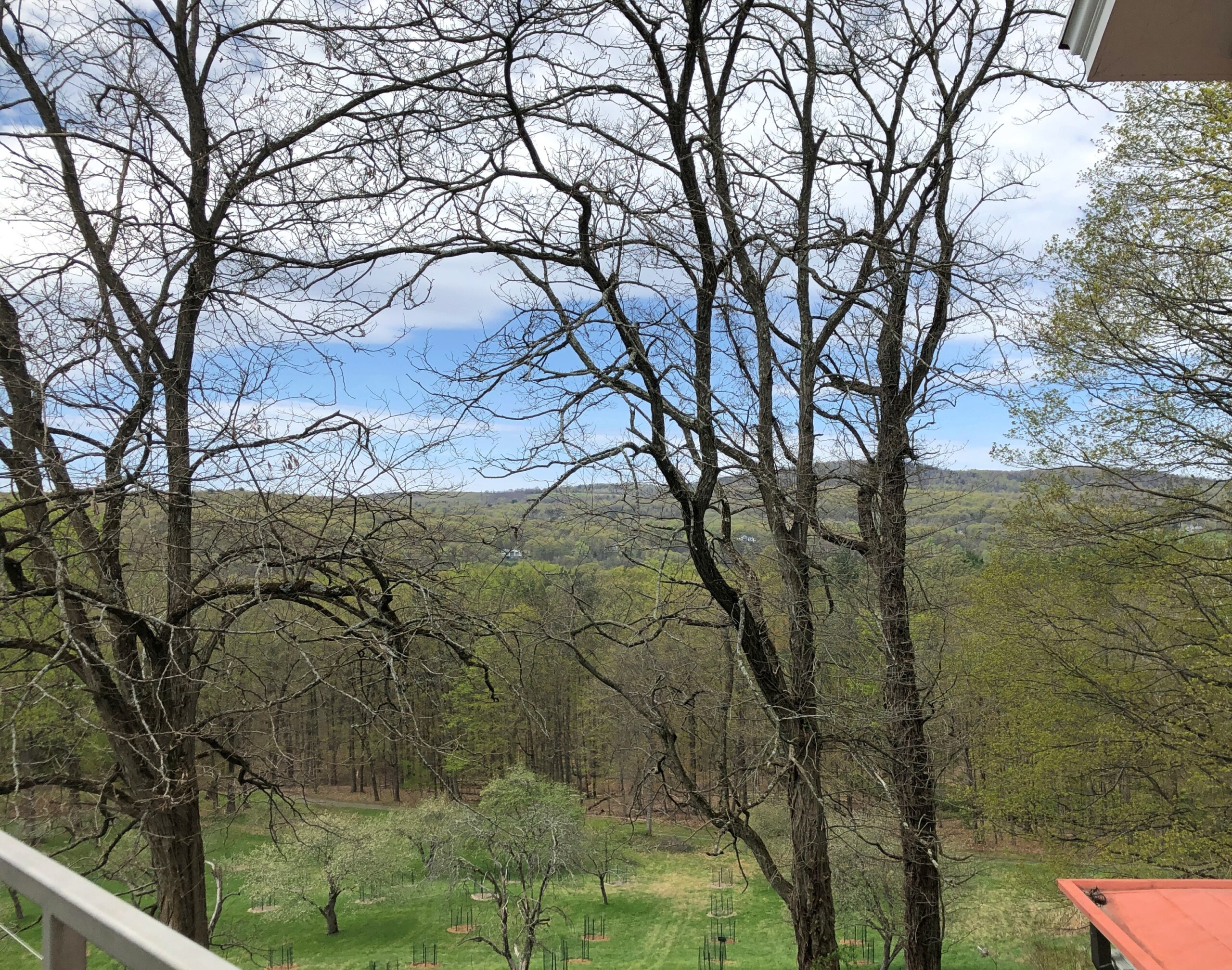
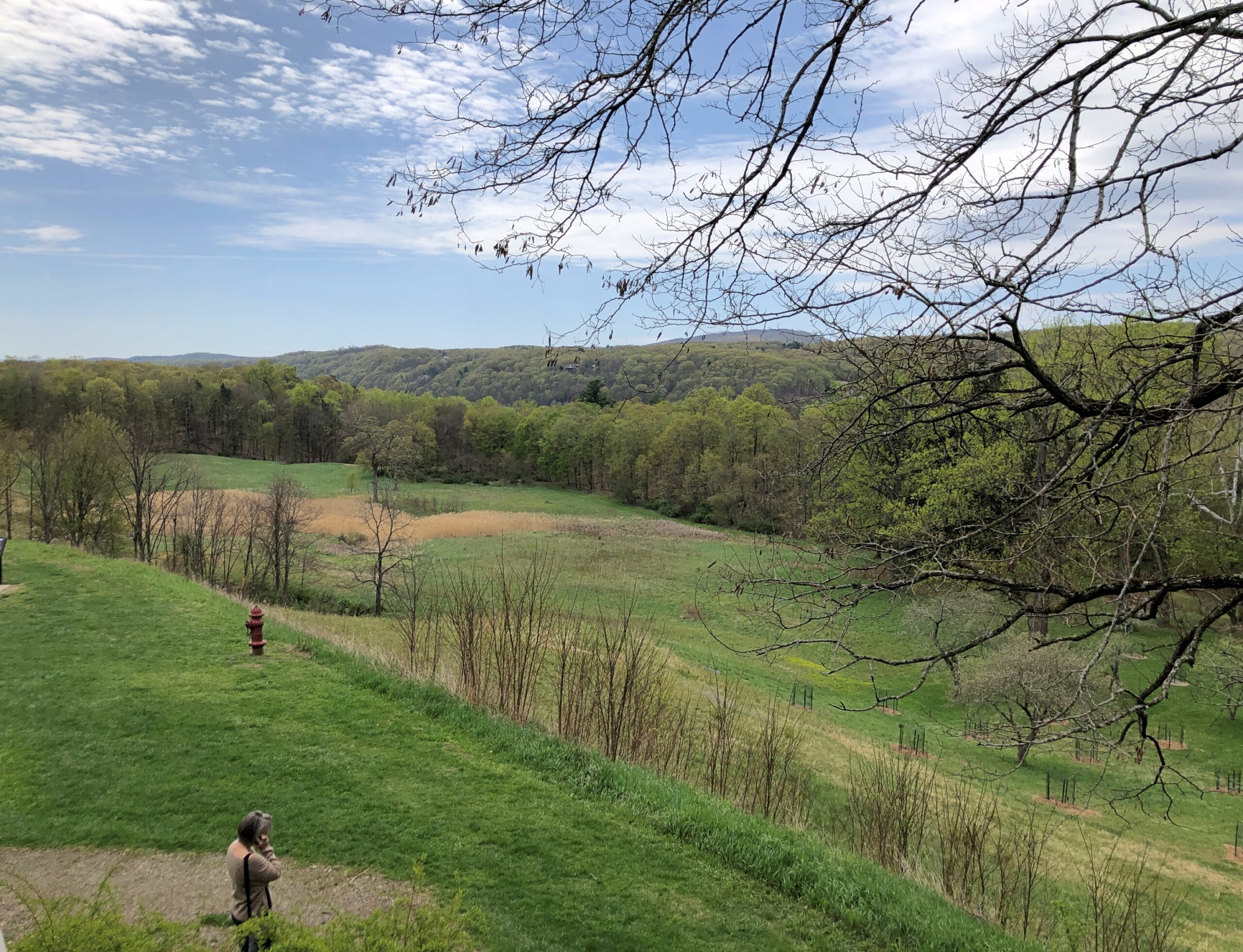
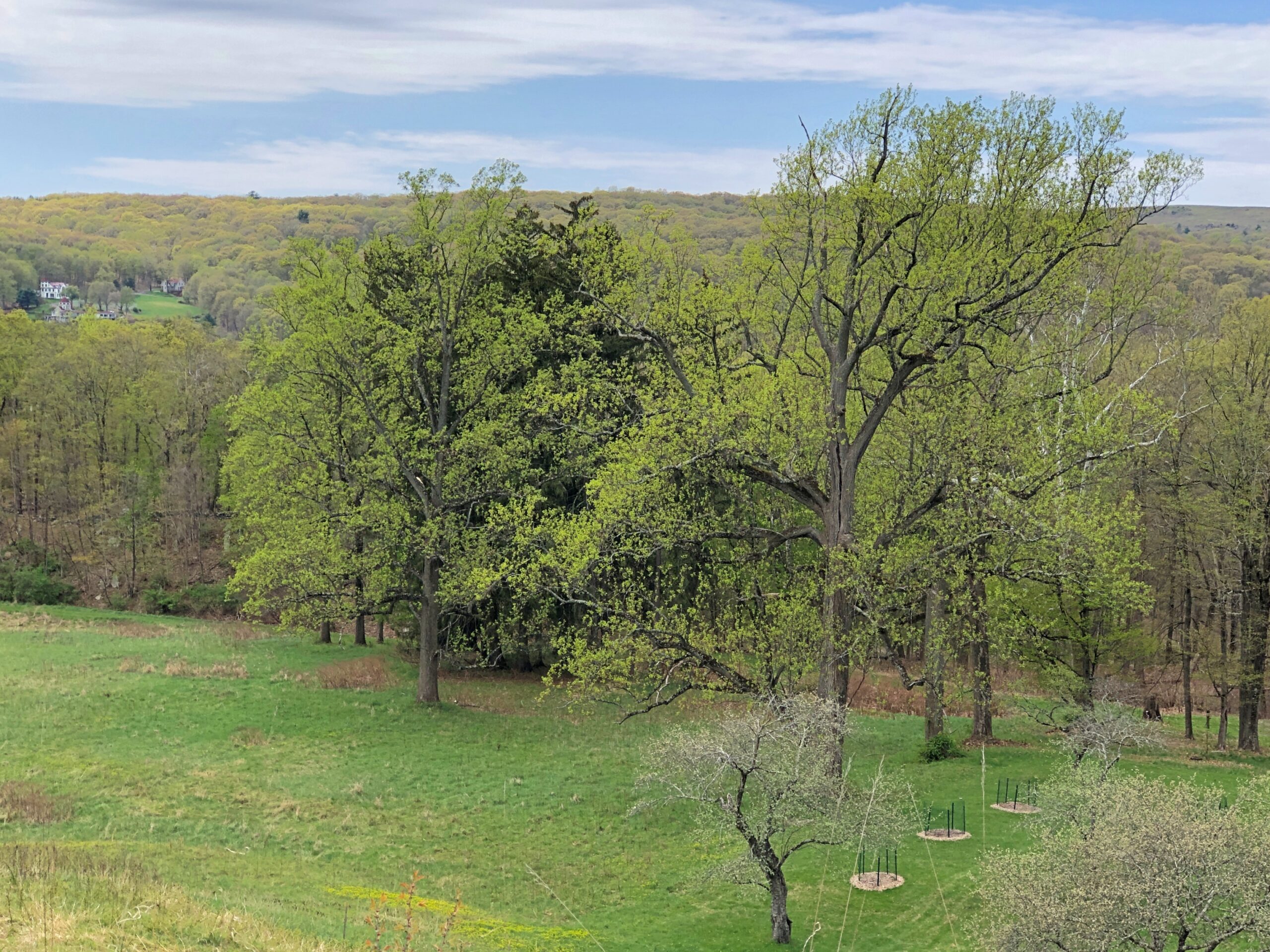
Views from the second story of the mansion.
Though the greenery obscures the splendid Hudson River, even a short look around gives you some idea why James and Sara Roosevelt thought building a residence here was a good idea, and why Franklin was deeply attached to the place all his life.
Is it important to know that boy FDR shot and stuffed birds (though he later had them stuffed professionally)? In and of itself, maybe not. I’ve heard about him all my life, read books about him and seen documentary films, and visited the FDR D.C. memorial, and somehow that detail never came up. Knowing about his short-lived taxidermy hobby doesn’t help me understand the New Deal or World War II any better, in as much as I know about those big-picture events.
Still, it’s a humanizing detail, and I believe that’s good to know about figures as famed and studied and lionized as FDR. It also allows for a bit of informed speculation about Franklin, a rich only child with an overbearing mother. By the time he was old enough to tote a gun, he probably needed to get away periodically from the mansion and its familial confines. Shooting birds out on the sprawling grounds of Hyde Park on the Hudson was just the ticket.
The Home of Franklin D. Roosevelt National Historic Site, which is the official National Park Service designation for the place, includes the mansion (Springwood, by name) and grounds, but also a presidential museum and library. The mansion is a mansion without being a Gilded Age exercise in ostentation.
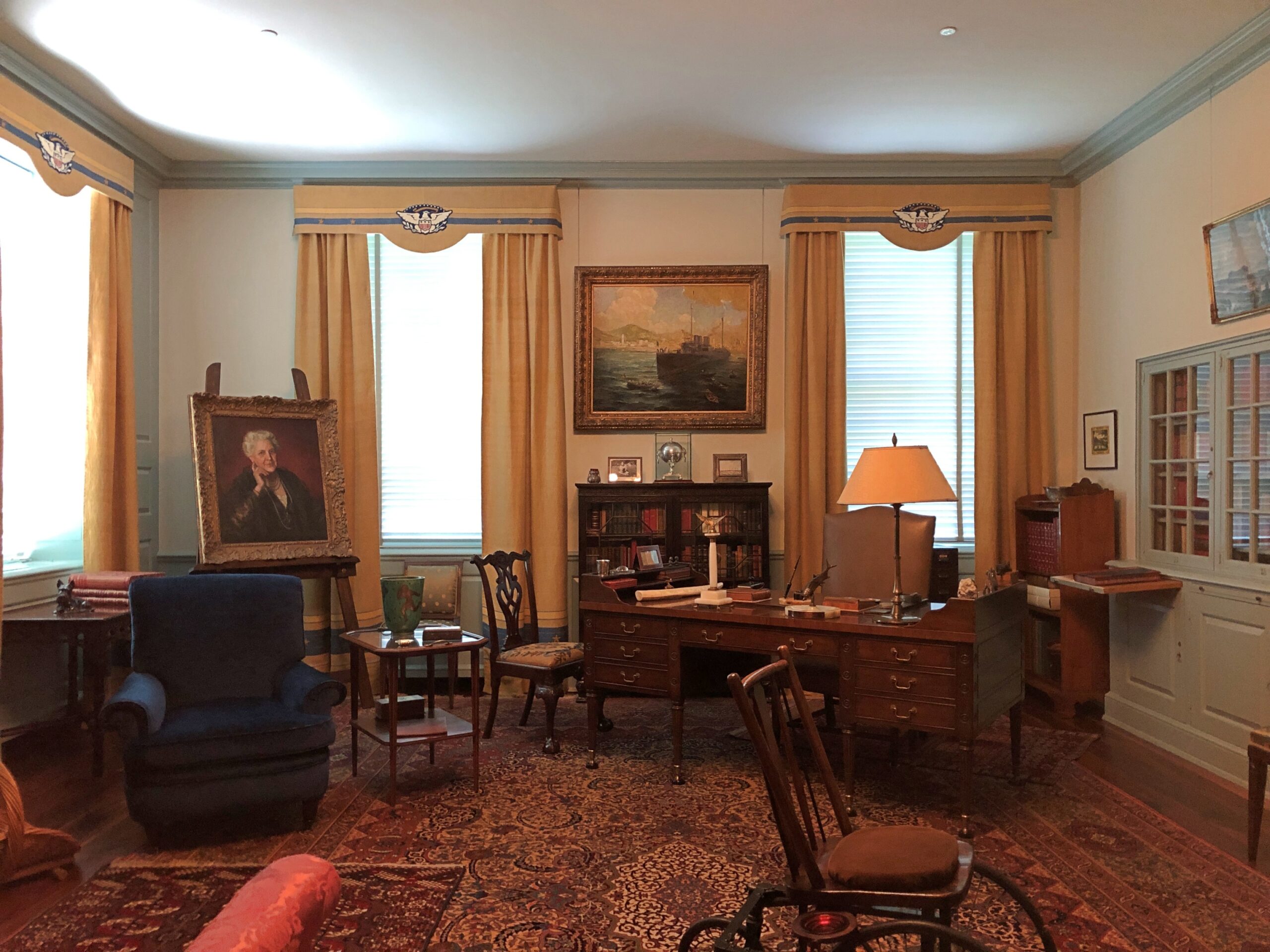
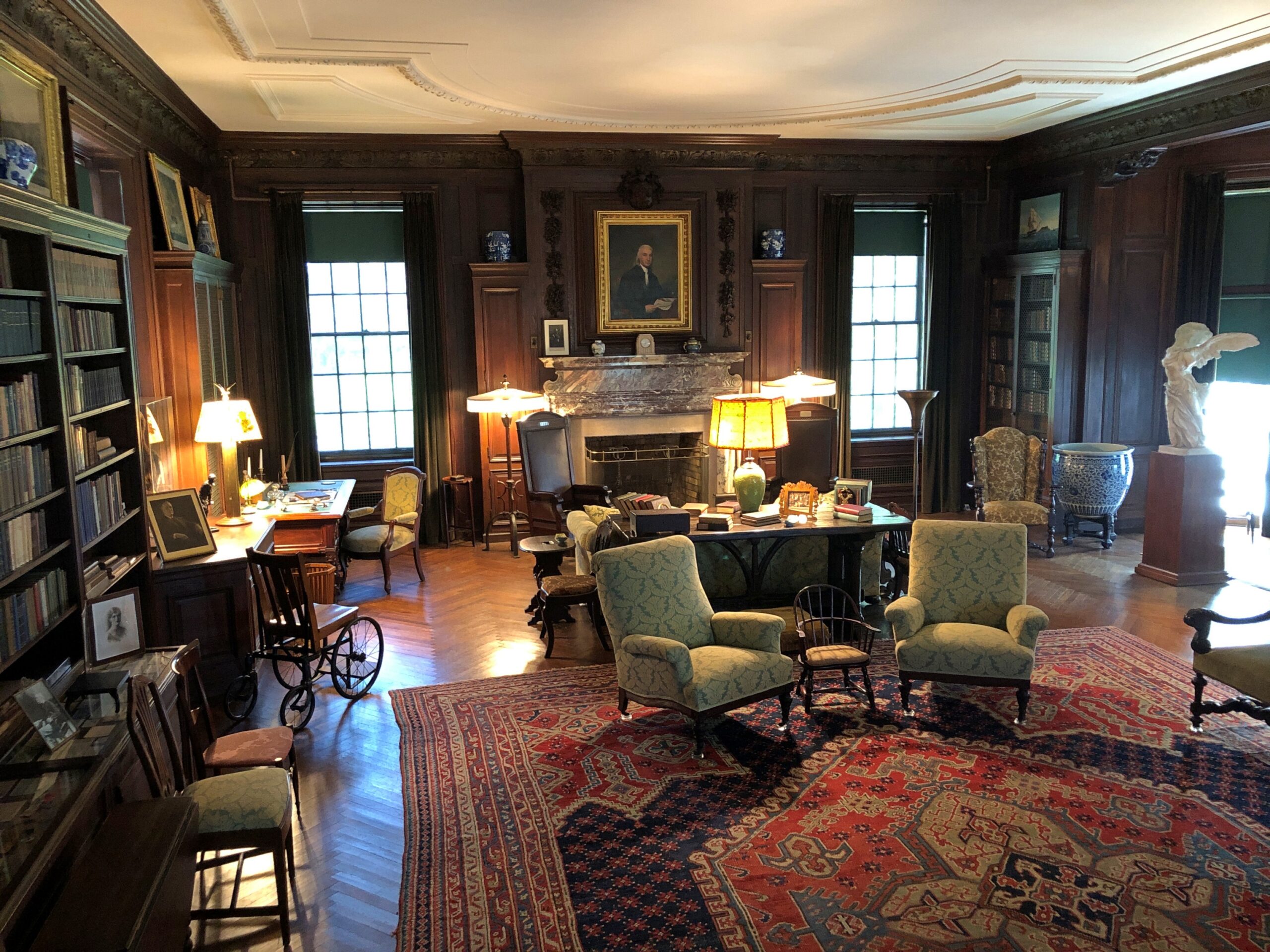
It’s a big place, lots of rooms and some elegant décor (and stuffed birds), all original artifacts, so there’s no doubt it was a wealthy household. Still, even though it’s literally a museum in our time, in FDR’s time I doubt it felt like a museum at all, unlike some Gilded Age exercises in ostentation – and I’m thinking of the Vanderbilt mansion nearby, more about which later.
Best not to jump to too many conclusions based on the vibe of the mansion, but it does dovetail with the generally understood notion that FDR was self-assured and at ease in the upper class. No need for him to show off, any more than James and Sara did.
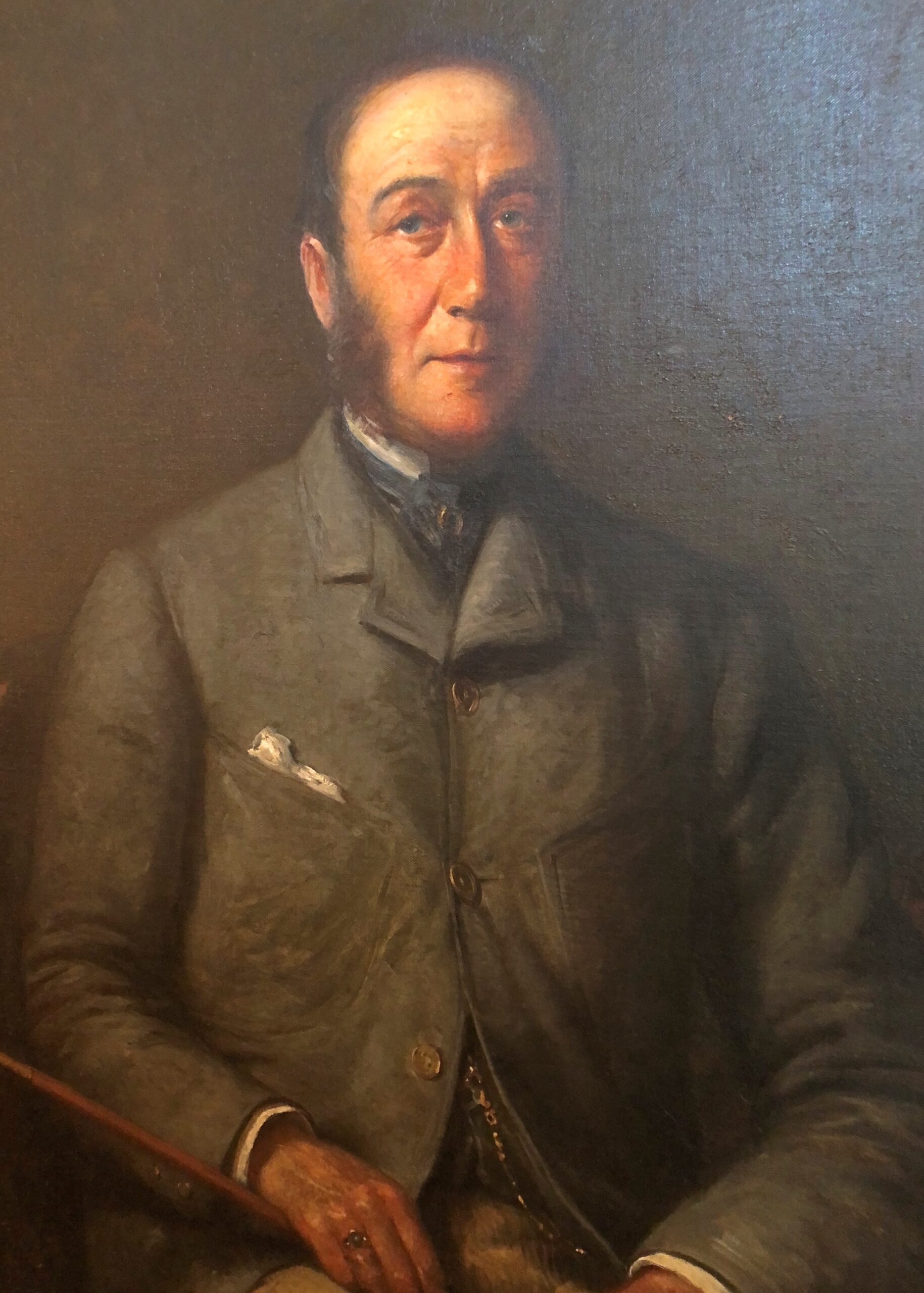
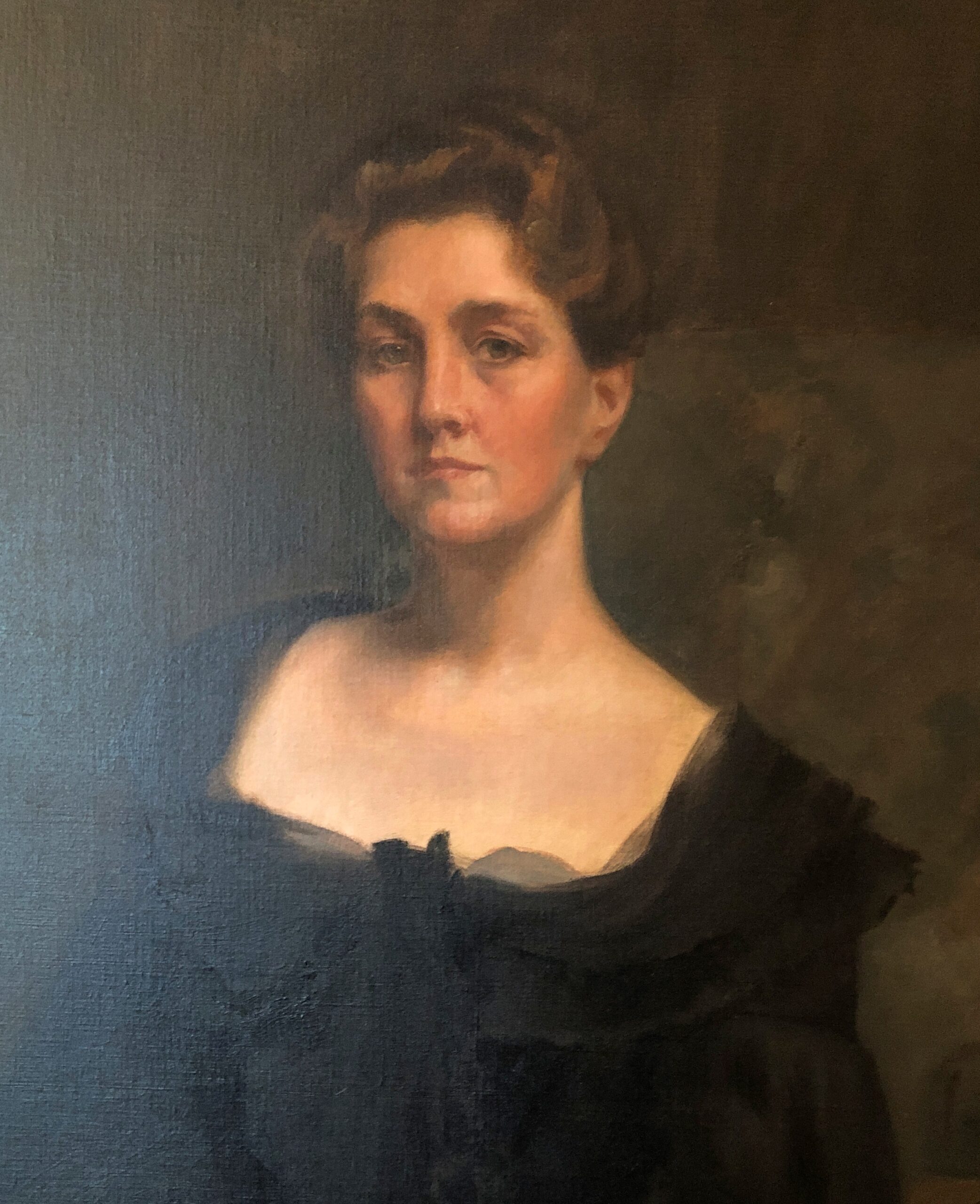
Speaking of James and Sara.
Note: the tour guide – you need to be on a tour to see the inside of Springwood – was perfectly forthcoming about the well-known fact (to historians) that the Delano fortune was built on opium.
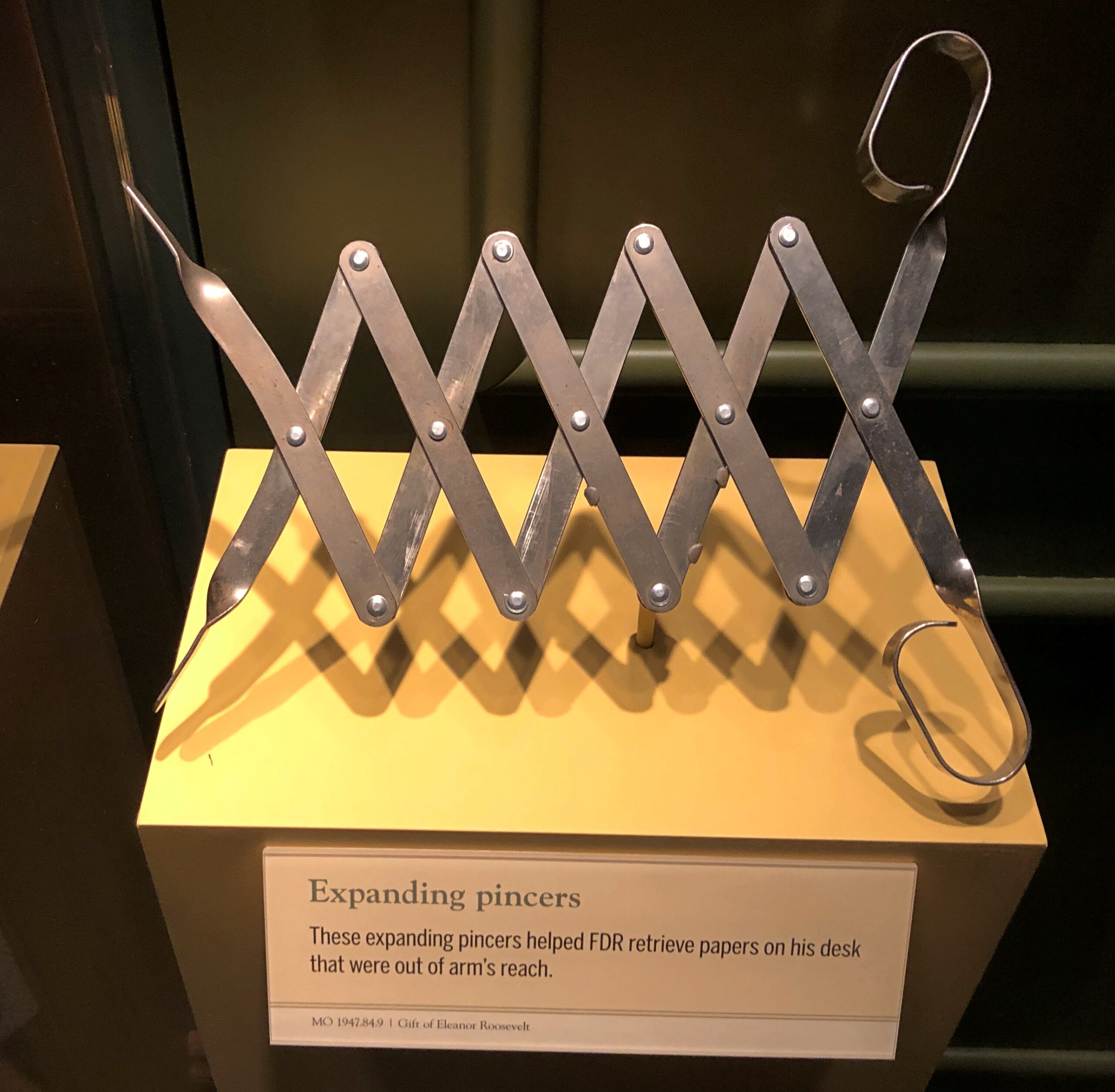
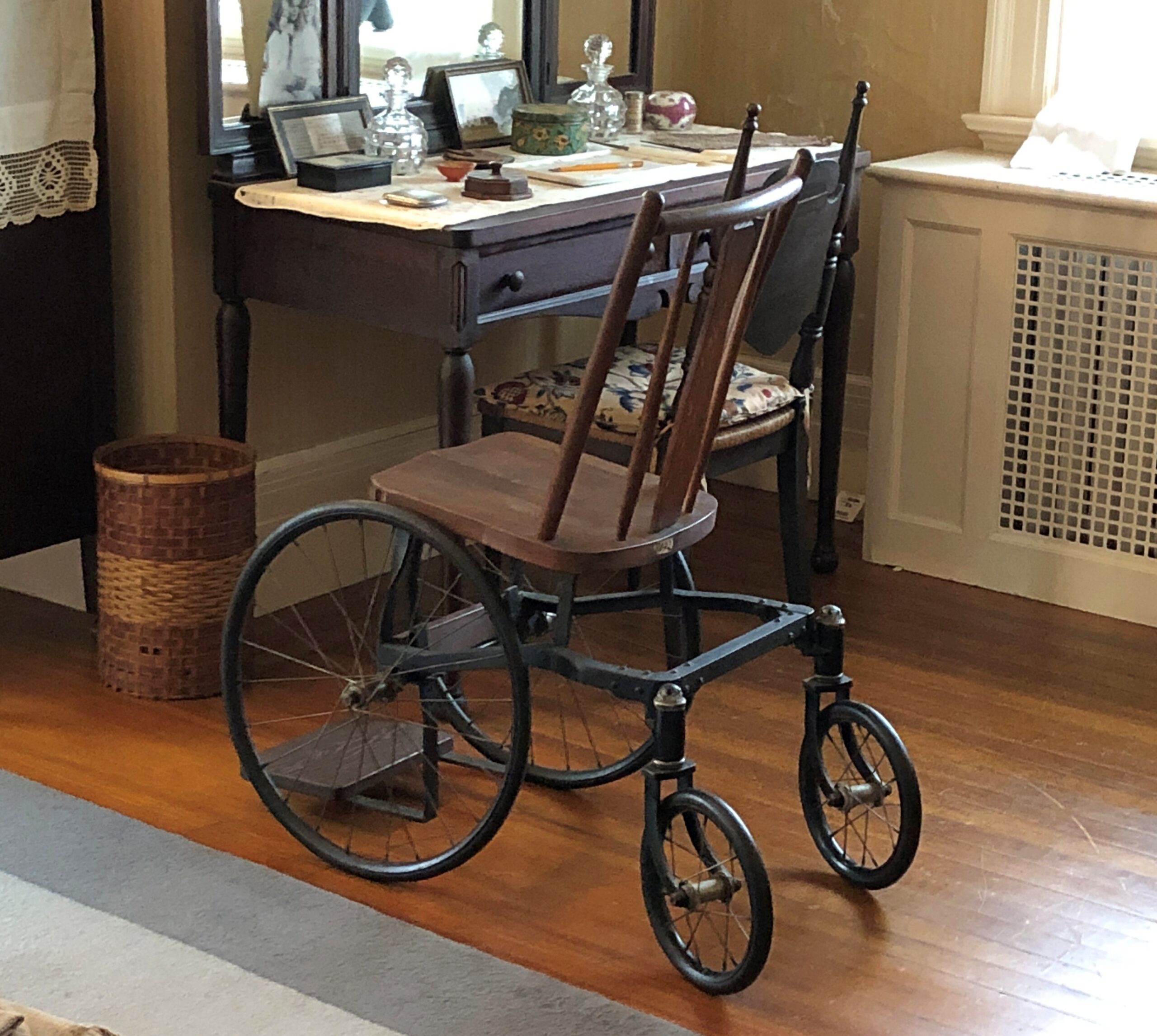
Other artifacts of note included some of the president’s coping mechanisms — literal mechanisms — for his handicap.
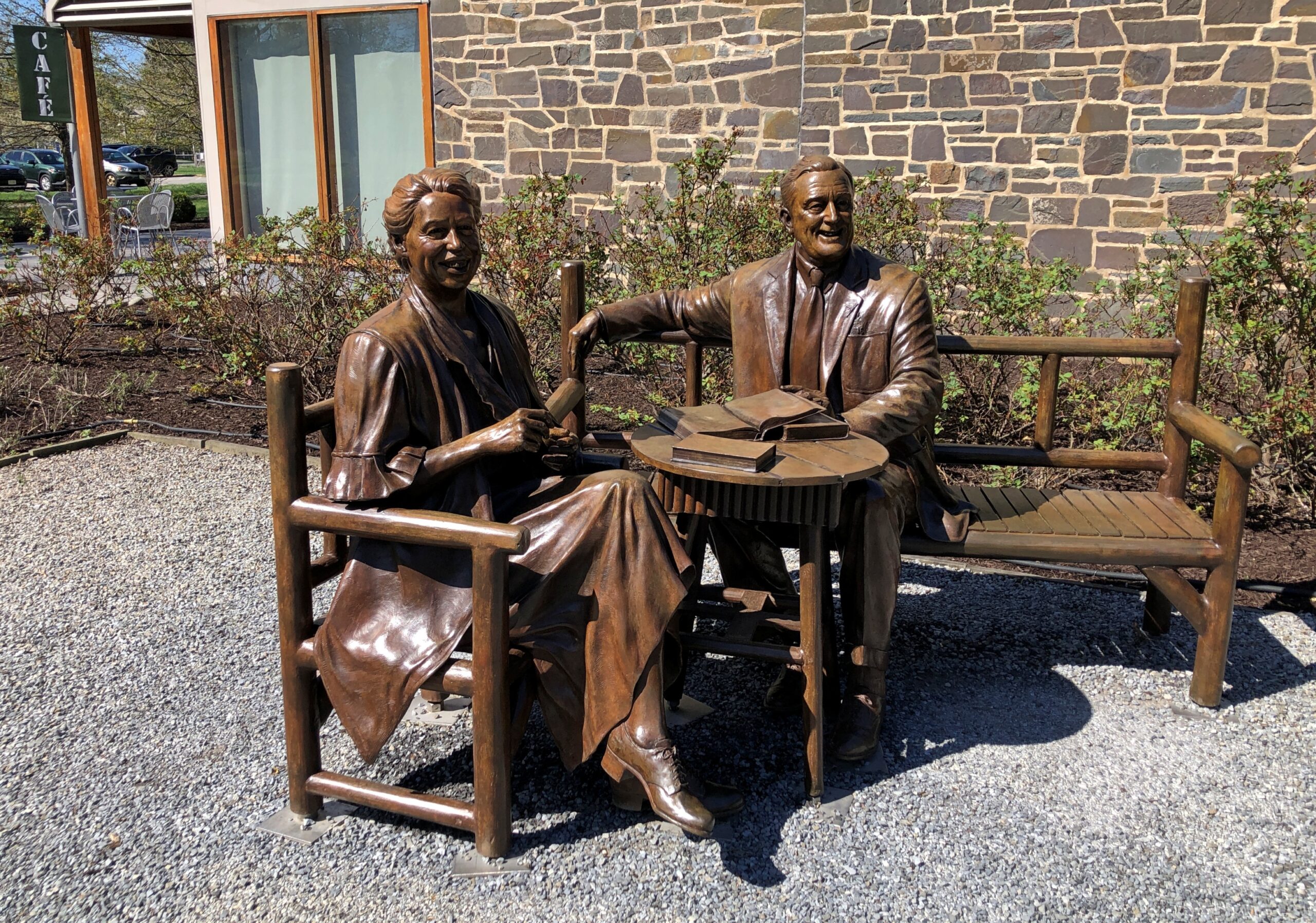
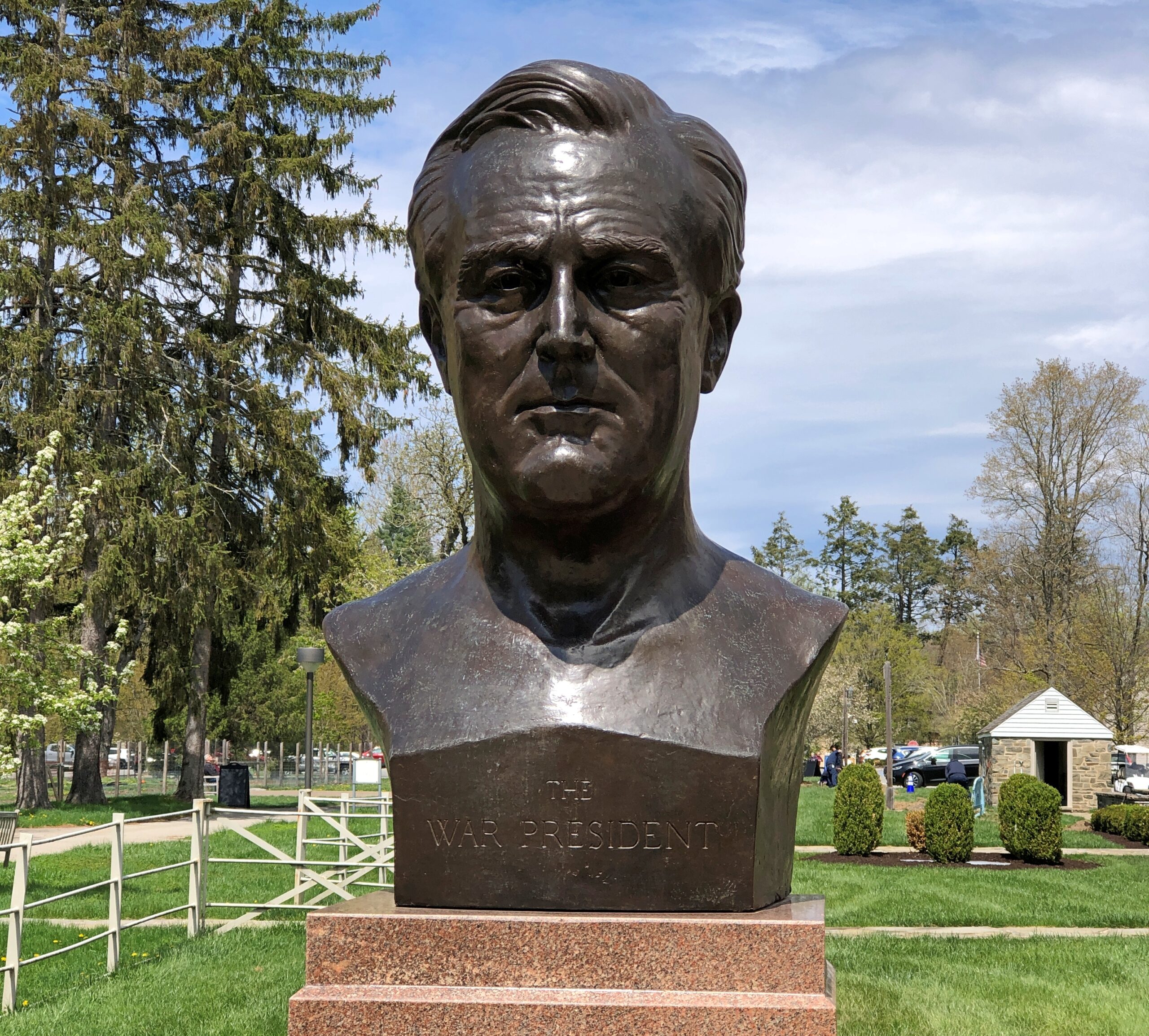
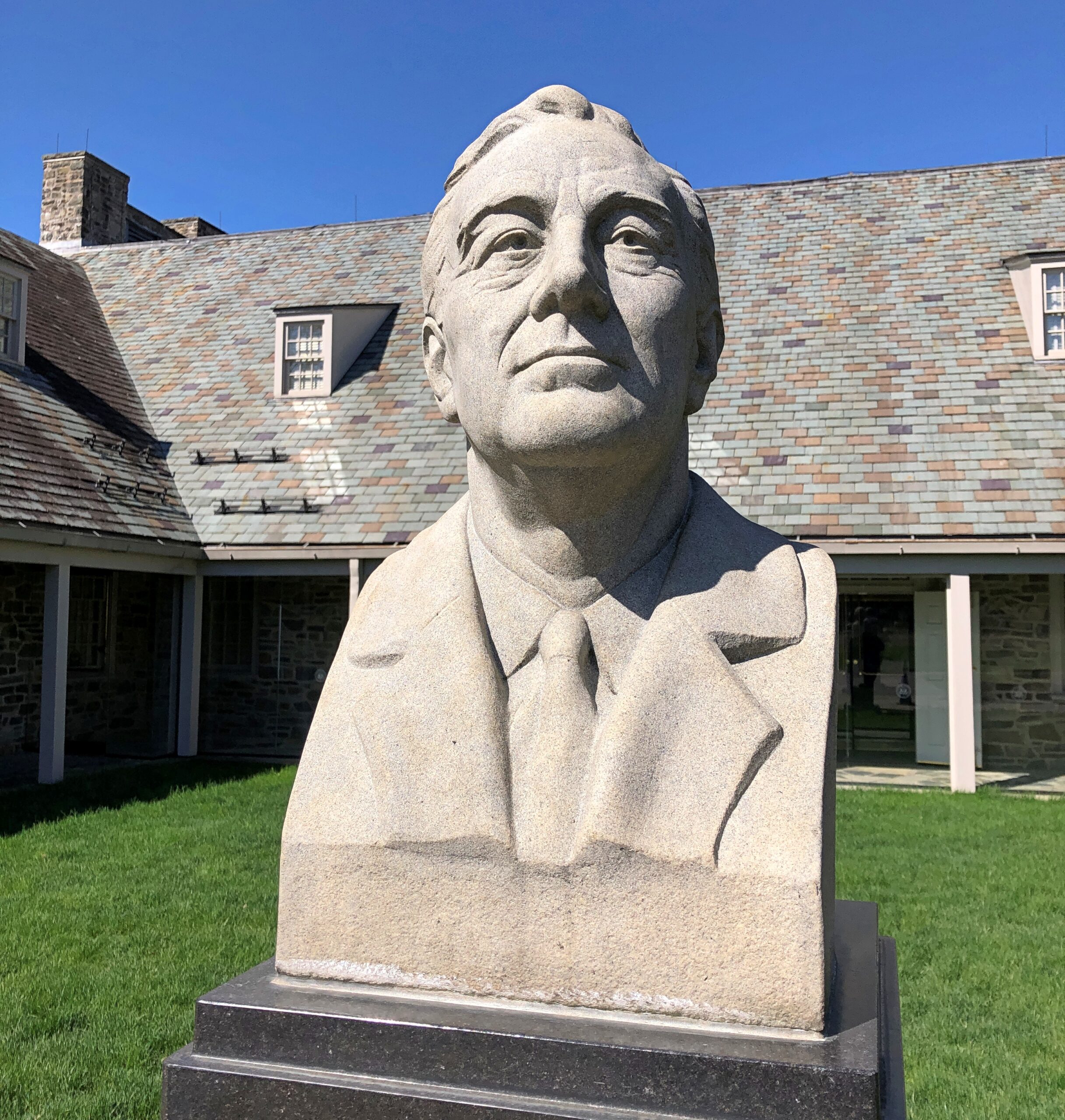
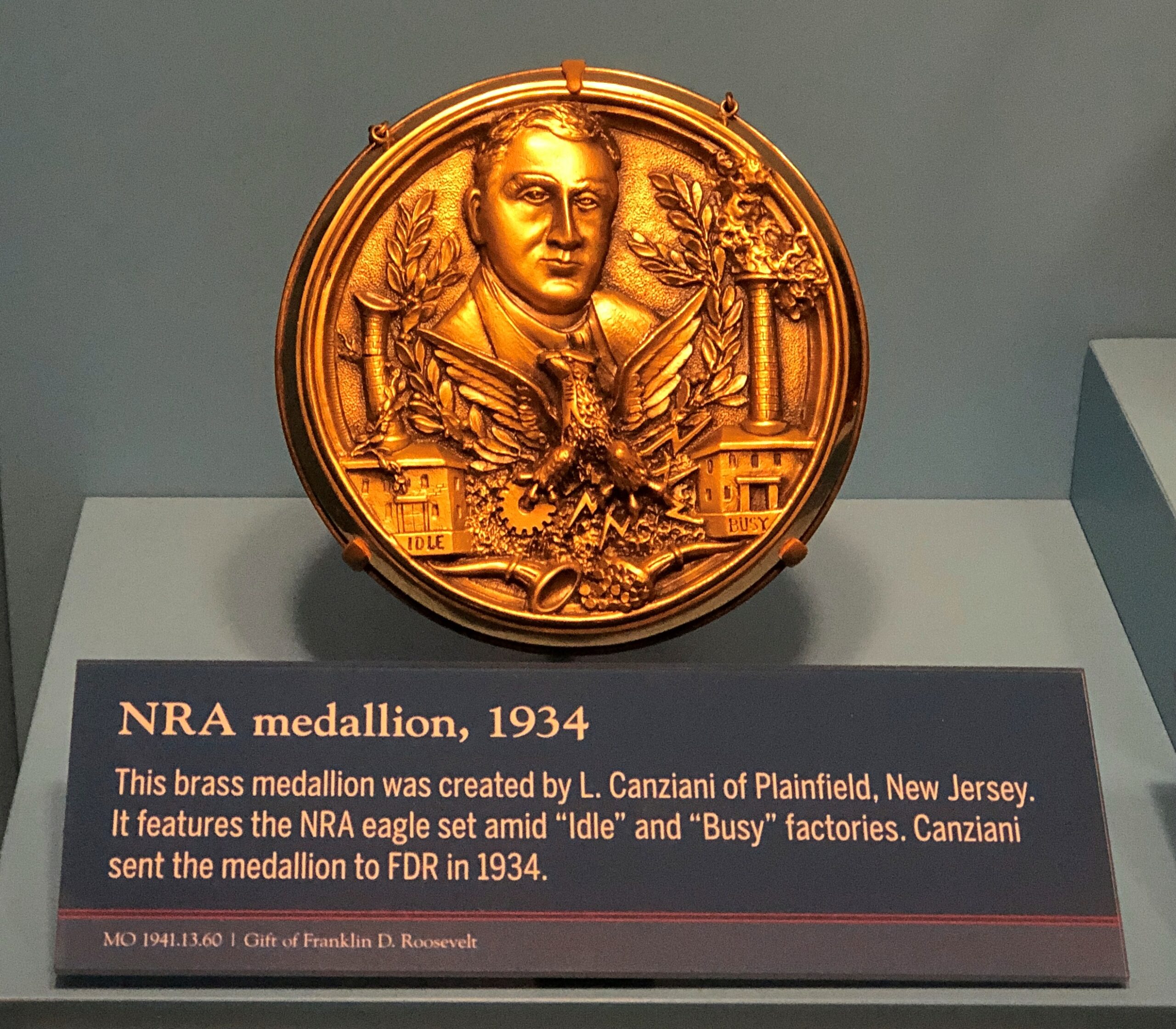
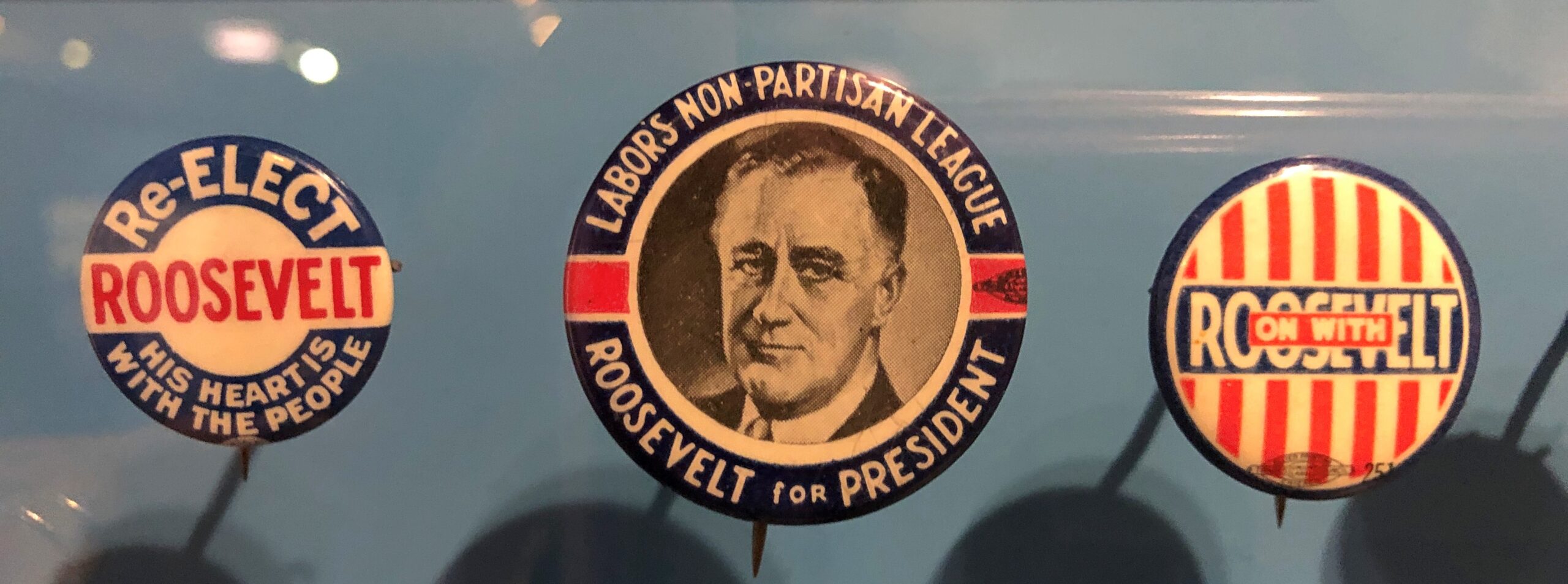
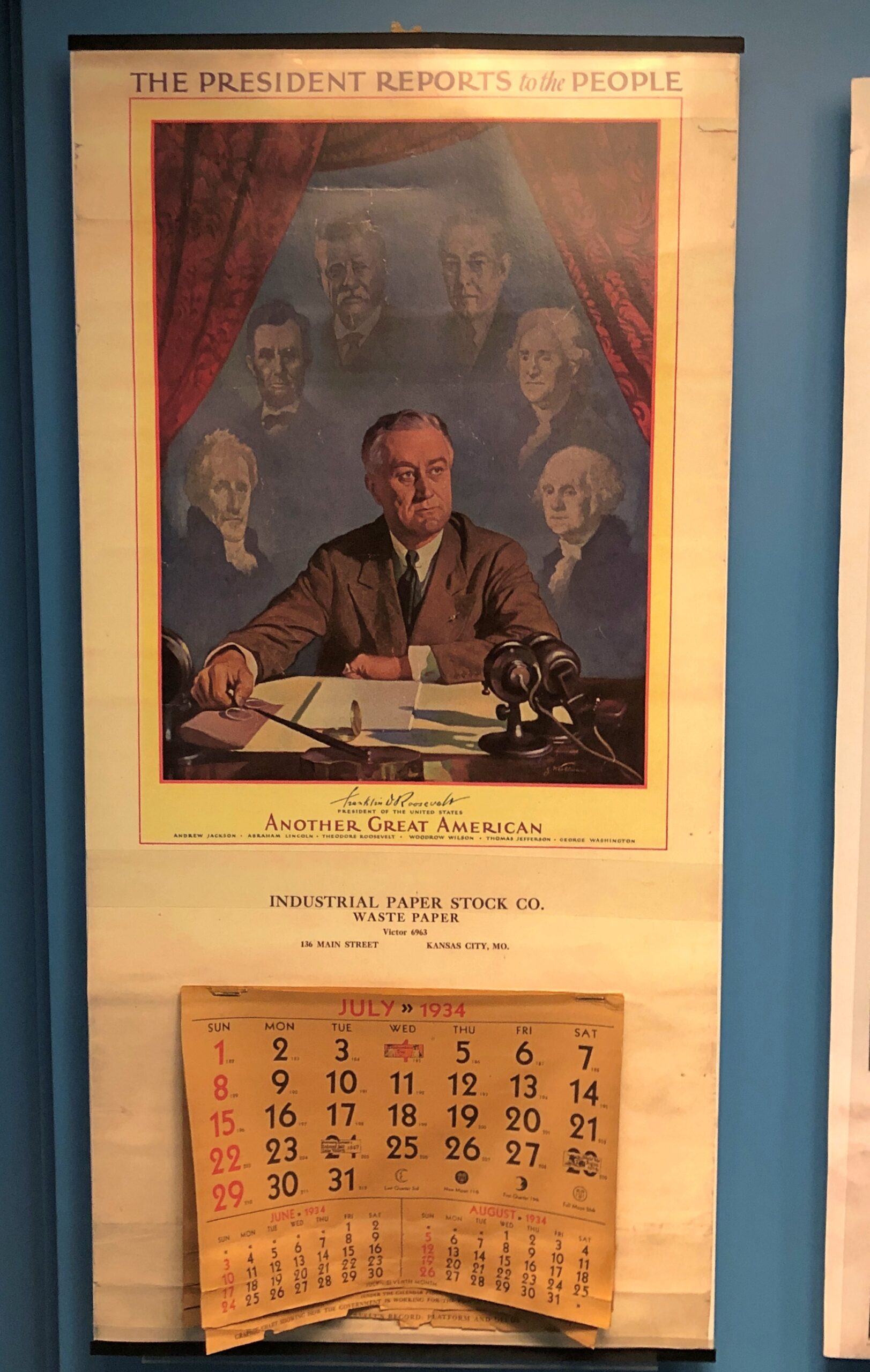
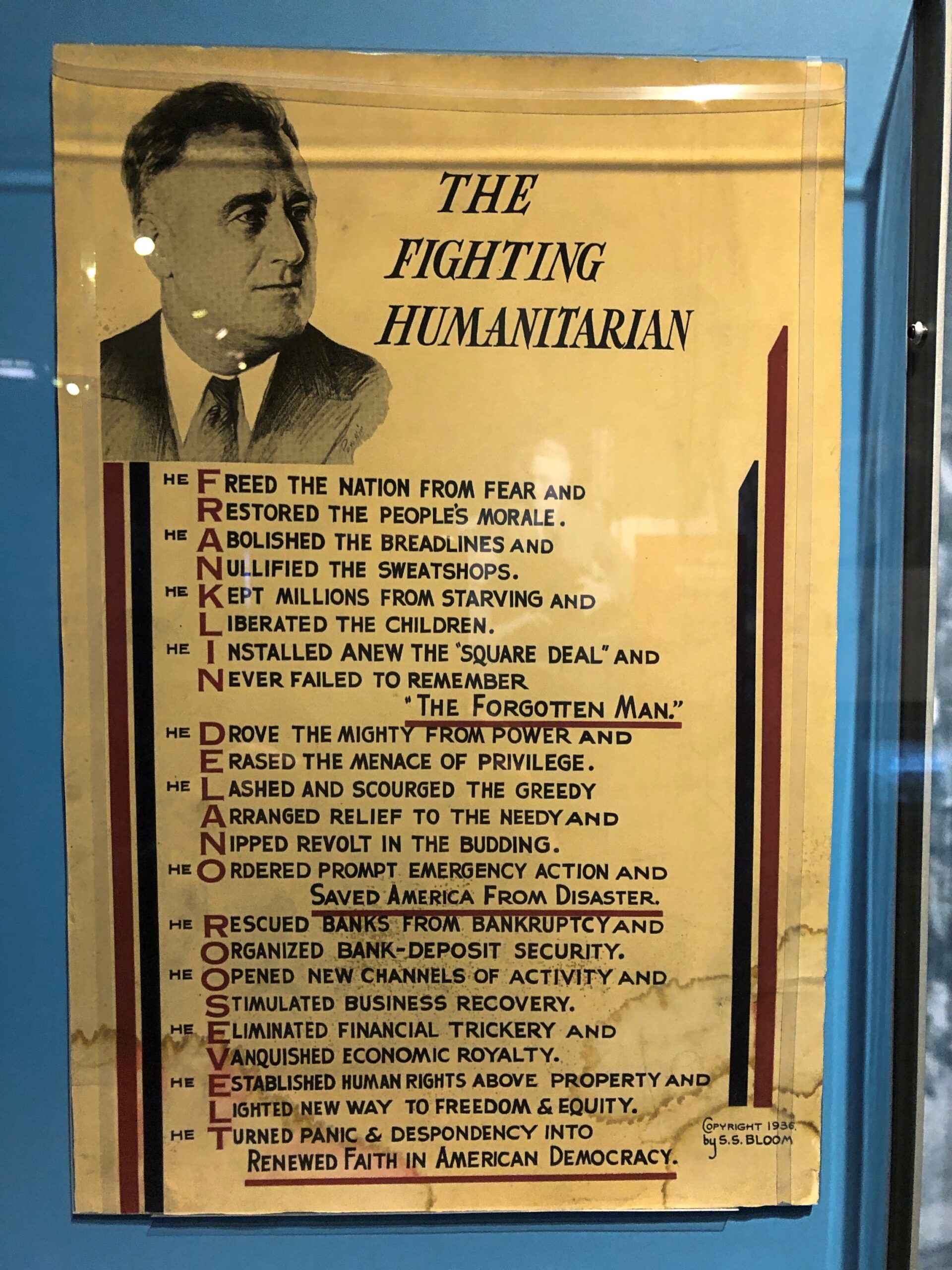
The historic site also includes many, many depictions of FDR, as one would expect. Such as Franklin and Eleanor in bronze. Or just Franklin in bronze, or other materials.
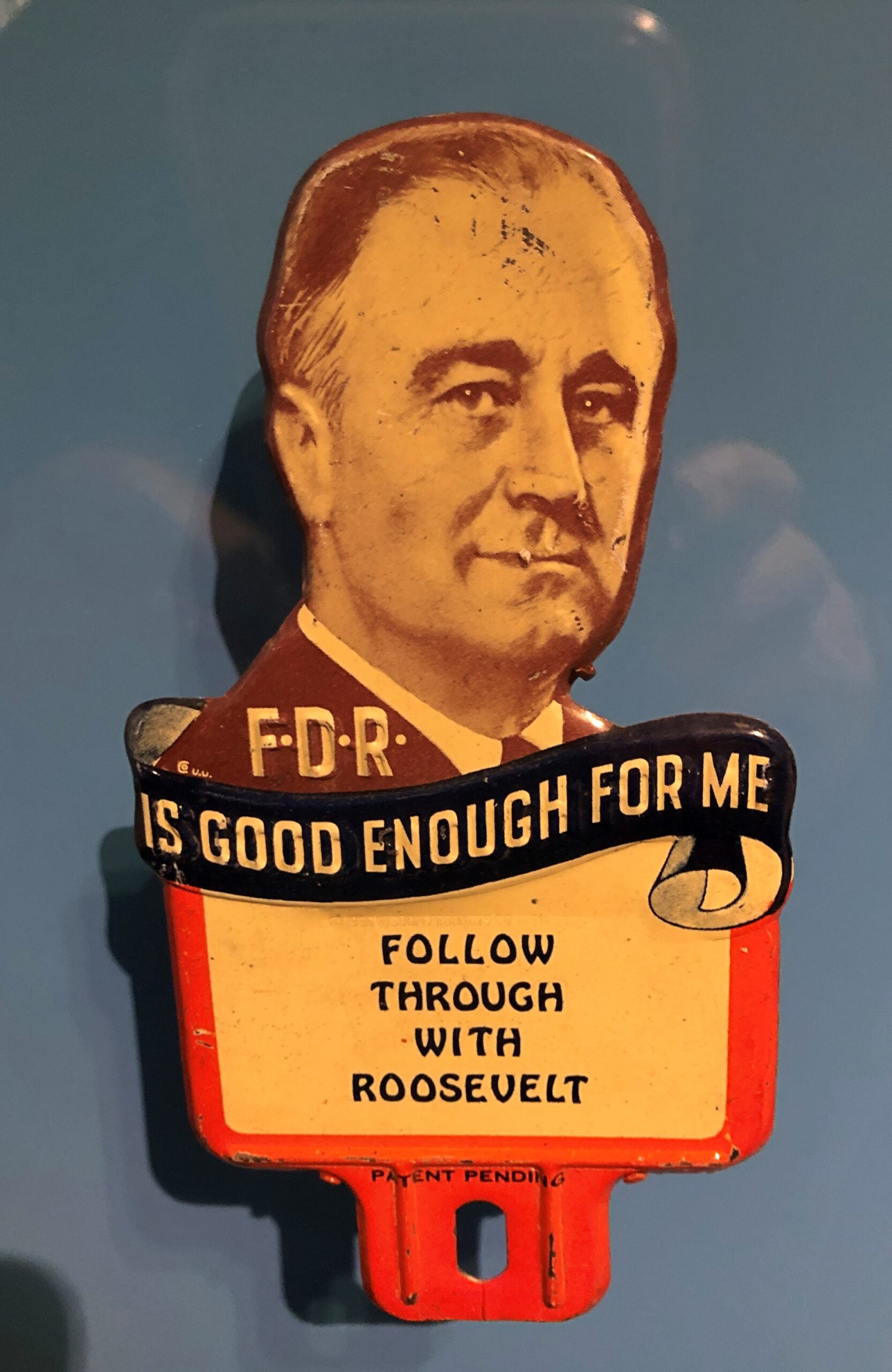
Campaign material and other laudatory items are well represented in the museum.
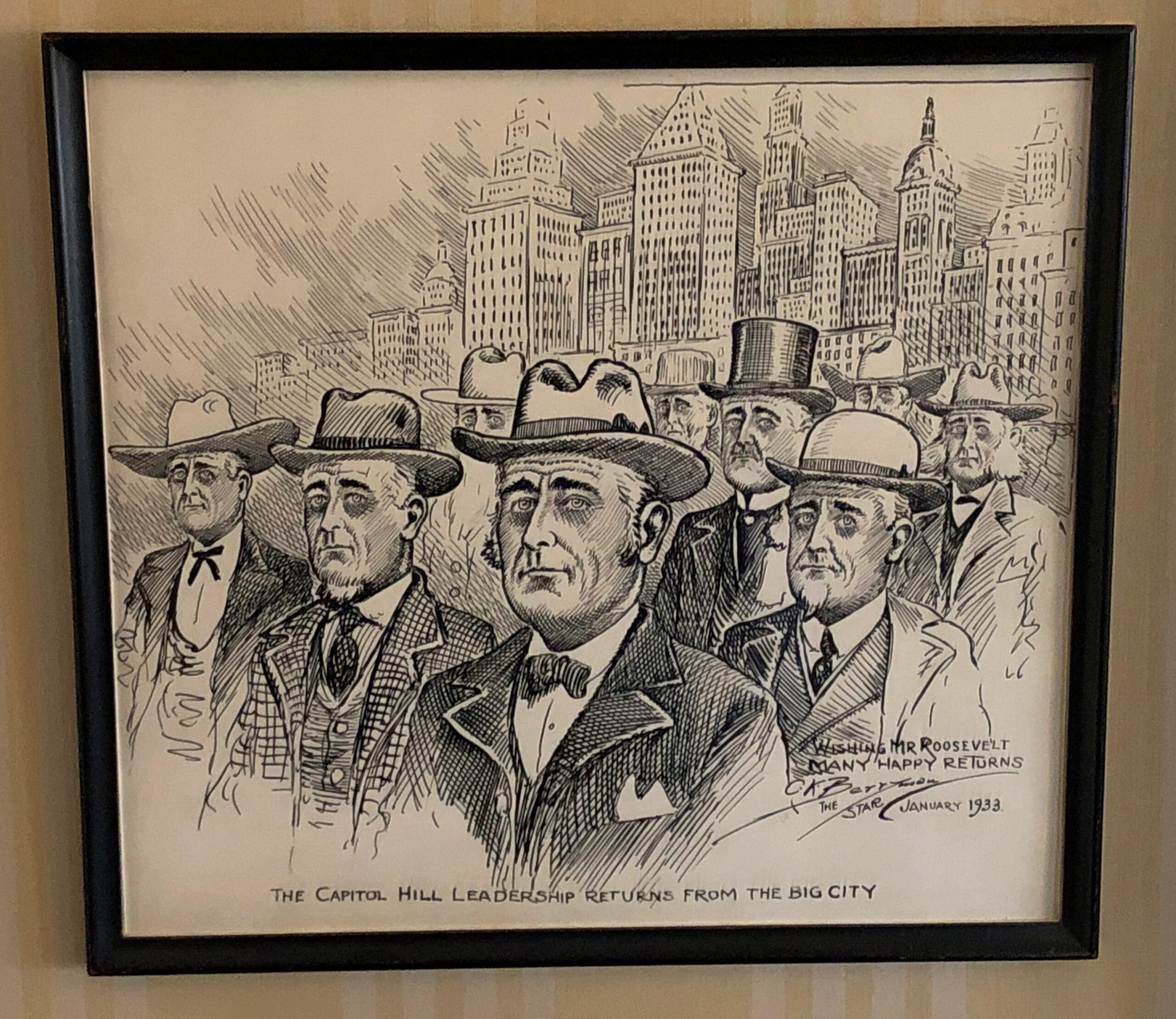
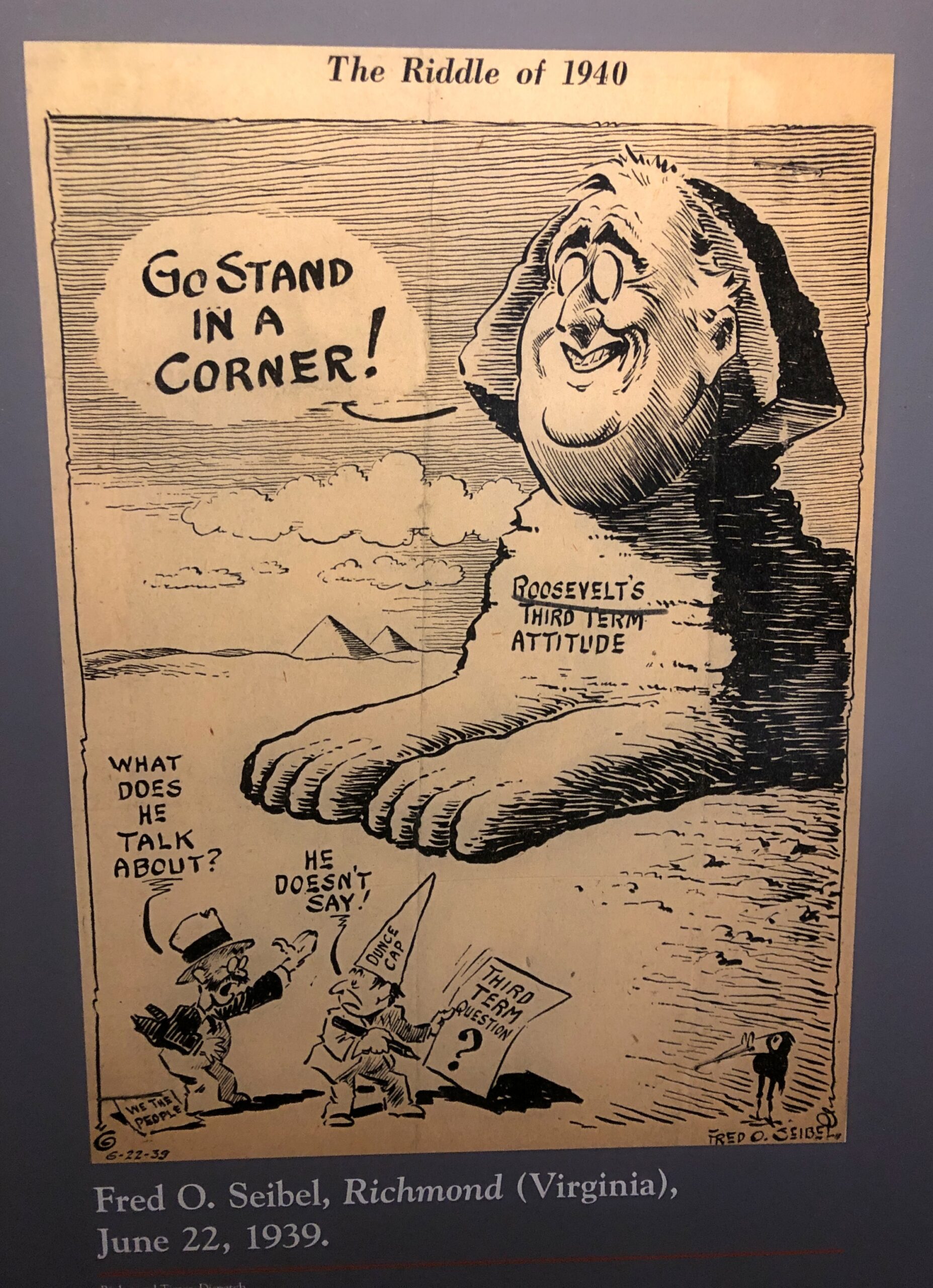
Editorial cartoons. The president as a sphinx was especially amusing.
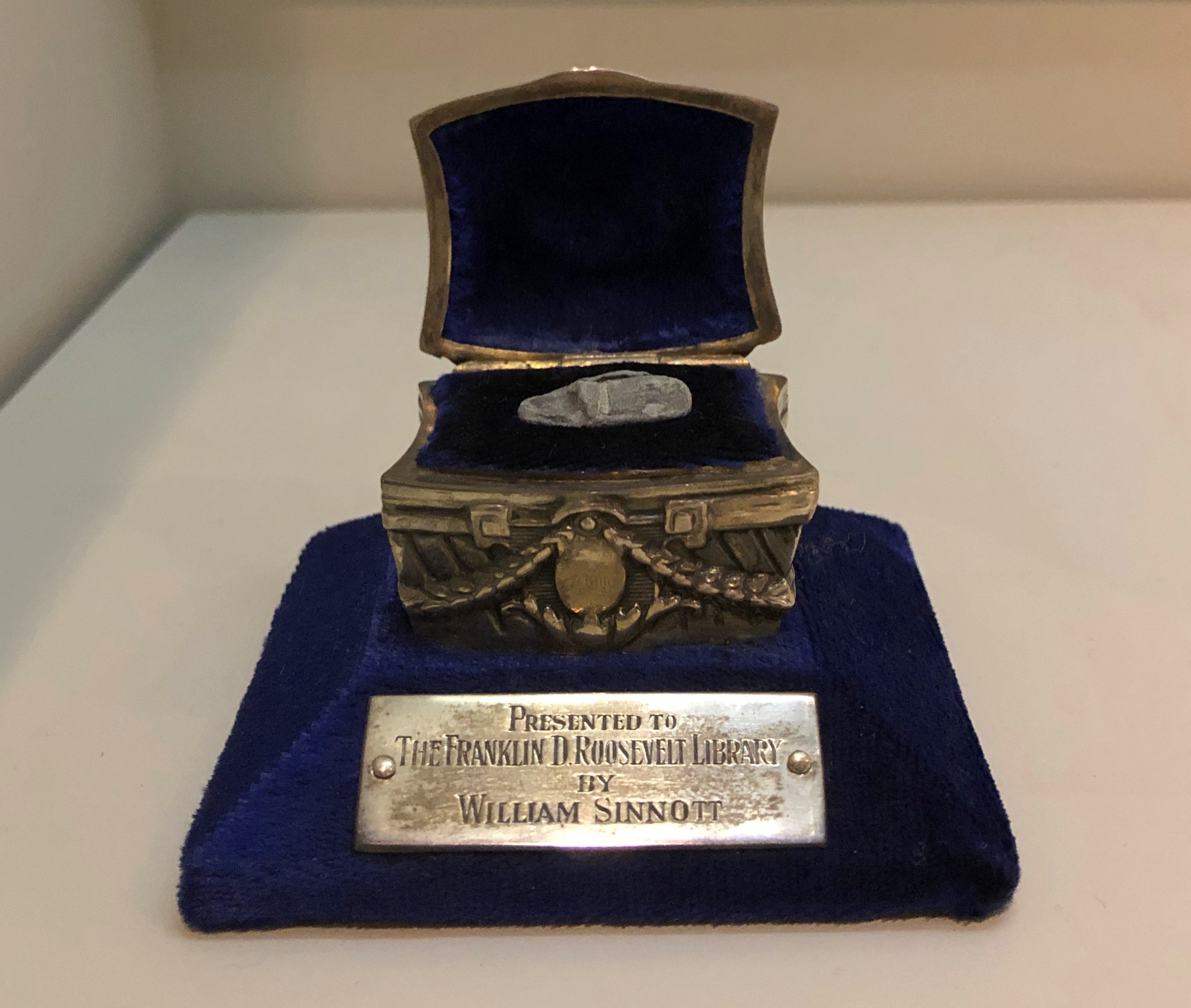
A chilling artifact: a fragment of a slug meant for FDR, fired at him on February 15, 1933 by Guiseppe Zangara.
“One of the wounded was William Sinnott, a detective who had frequently acted as Roosevelt’s bodyguard in New York City,” says In Roosevelt History. “Sinnott had just moved to Miami earlier that week when he was called to assist FDR’s security staff.
“The bullet fragment pictured above was removed from Mr. Sinnott’s wounded head. Ten other fragments from the bullet that struck him remained in his body. When visiting Sinnott in the hospital, FDR said, ‘You couldn’t hurt him, bullets just bounced off his skull.’ Mr. Sinnott was awarded the Congressional Gold Medal in 1940 in recognition of his service that day. In 1946, Mr. and Mrs. Sinnott donated the bullet fragment in this specially designed presentation case made by Lambert Brothers Jewelers to the FDR Library.”
Historians don’t generally adhere to the Great Man school of history any more, but it’s nevertheless a fertile source of speculation to imagine how different things might be for the nation and the world had it been Roosevelt and not Anton Cermak who died in 1933.
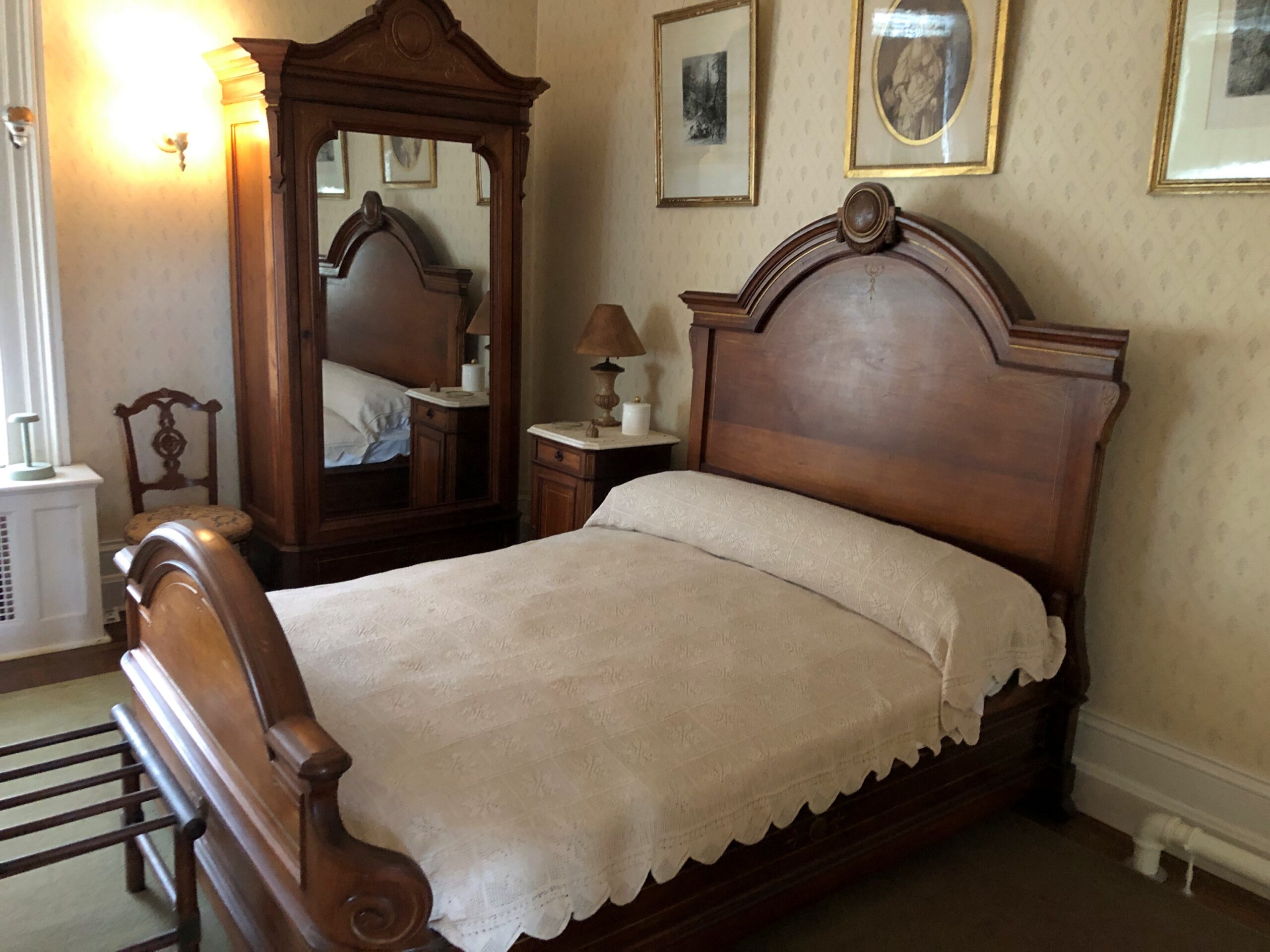
Though he eventually died away from home, in Georgia — ah, another presidential site I must see — FDR came full circle to Hyde Park. First, the bed in which he was born.
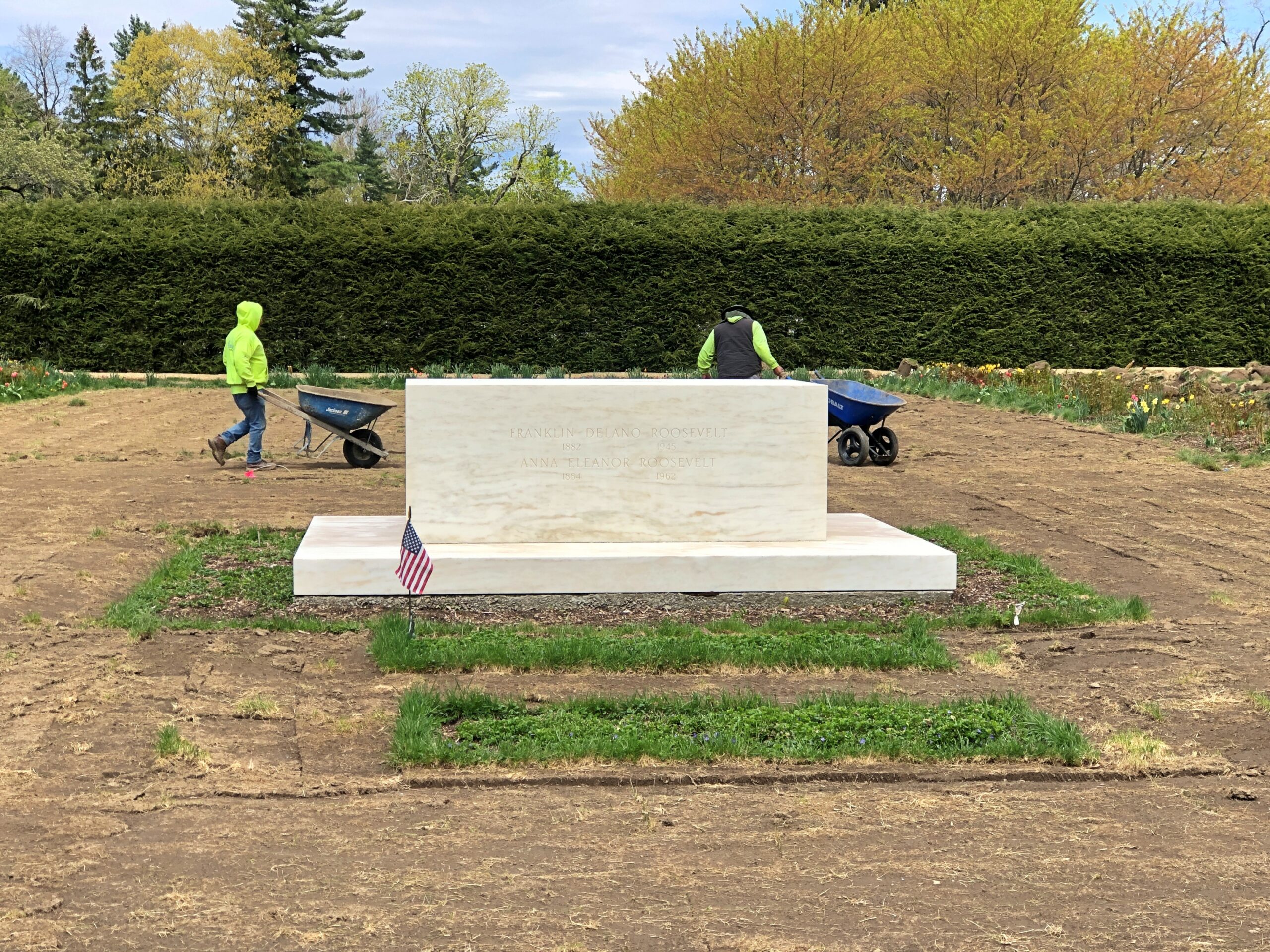
Ultimately, his final resting place is on the grounds, along with Eleanor. Gardening had just begun when I paid my respects.
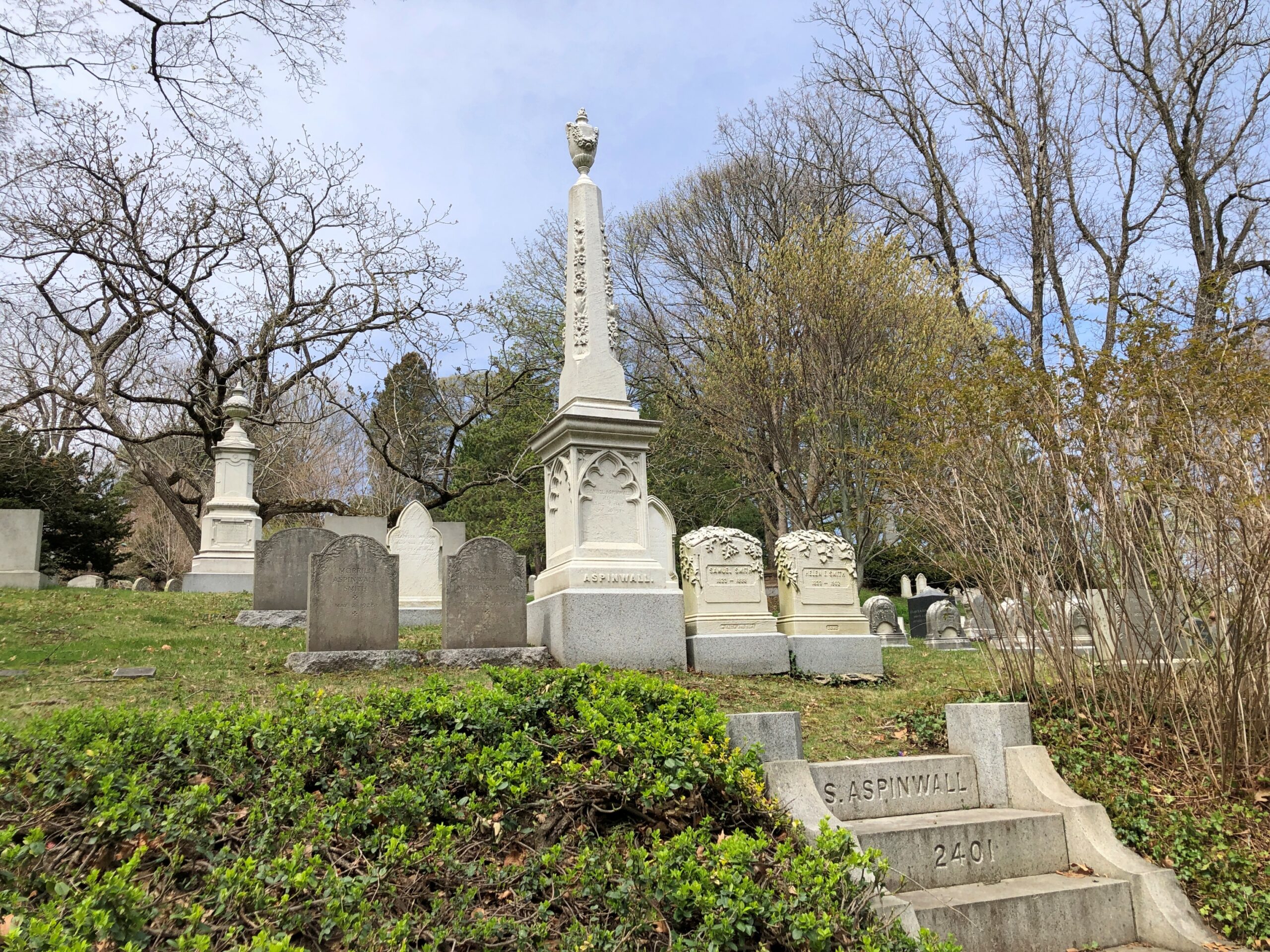
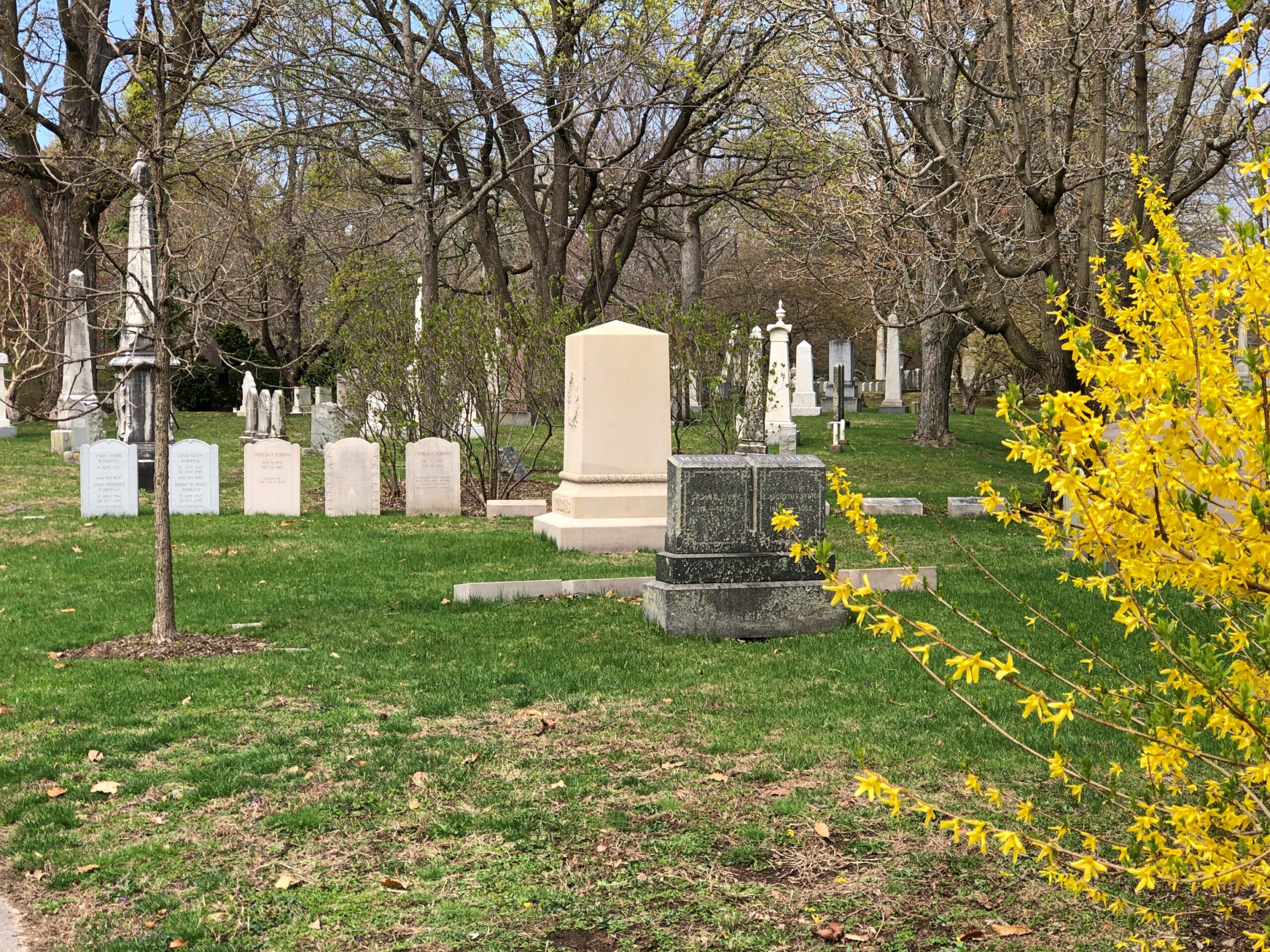
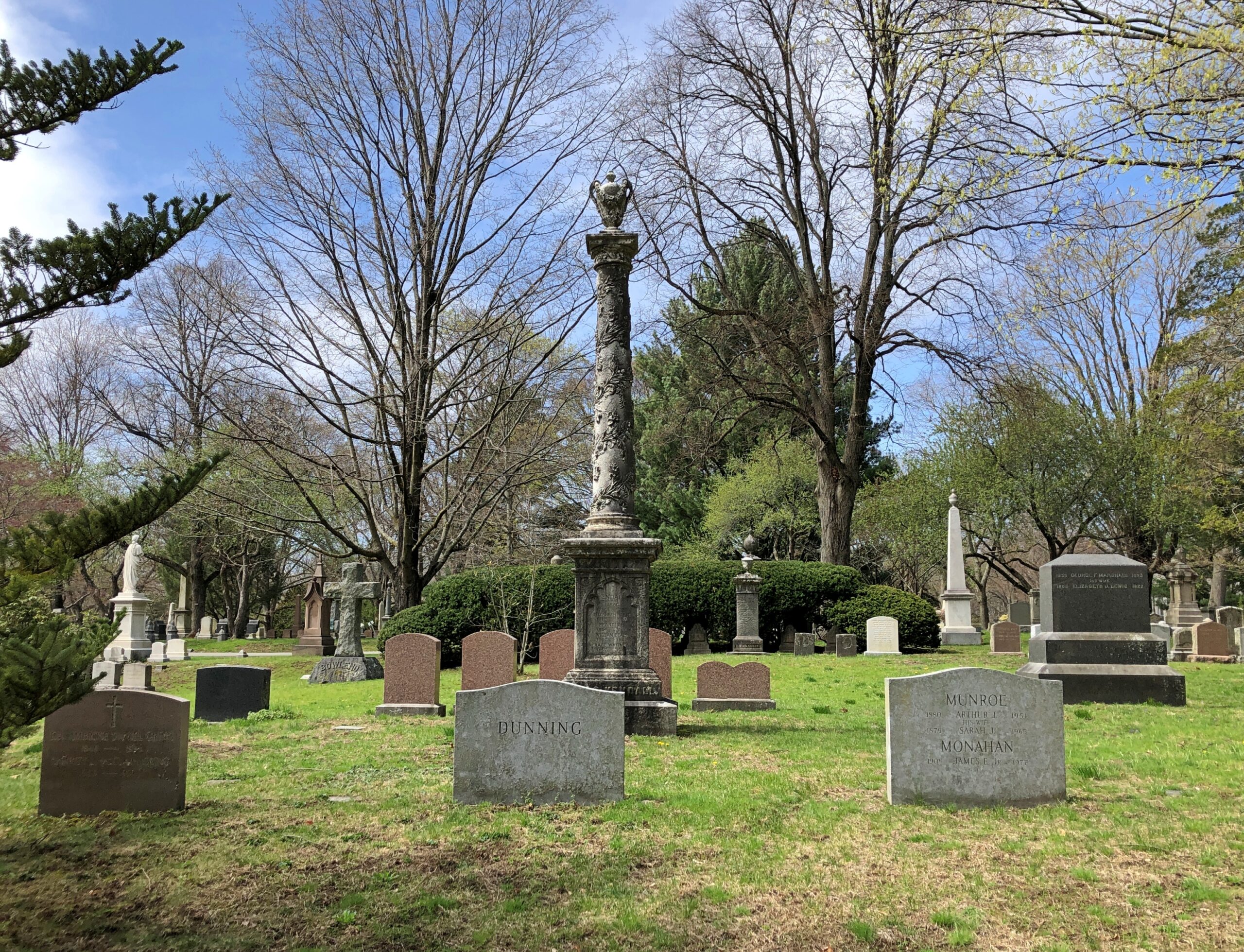
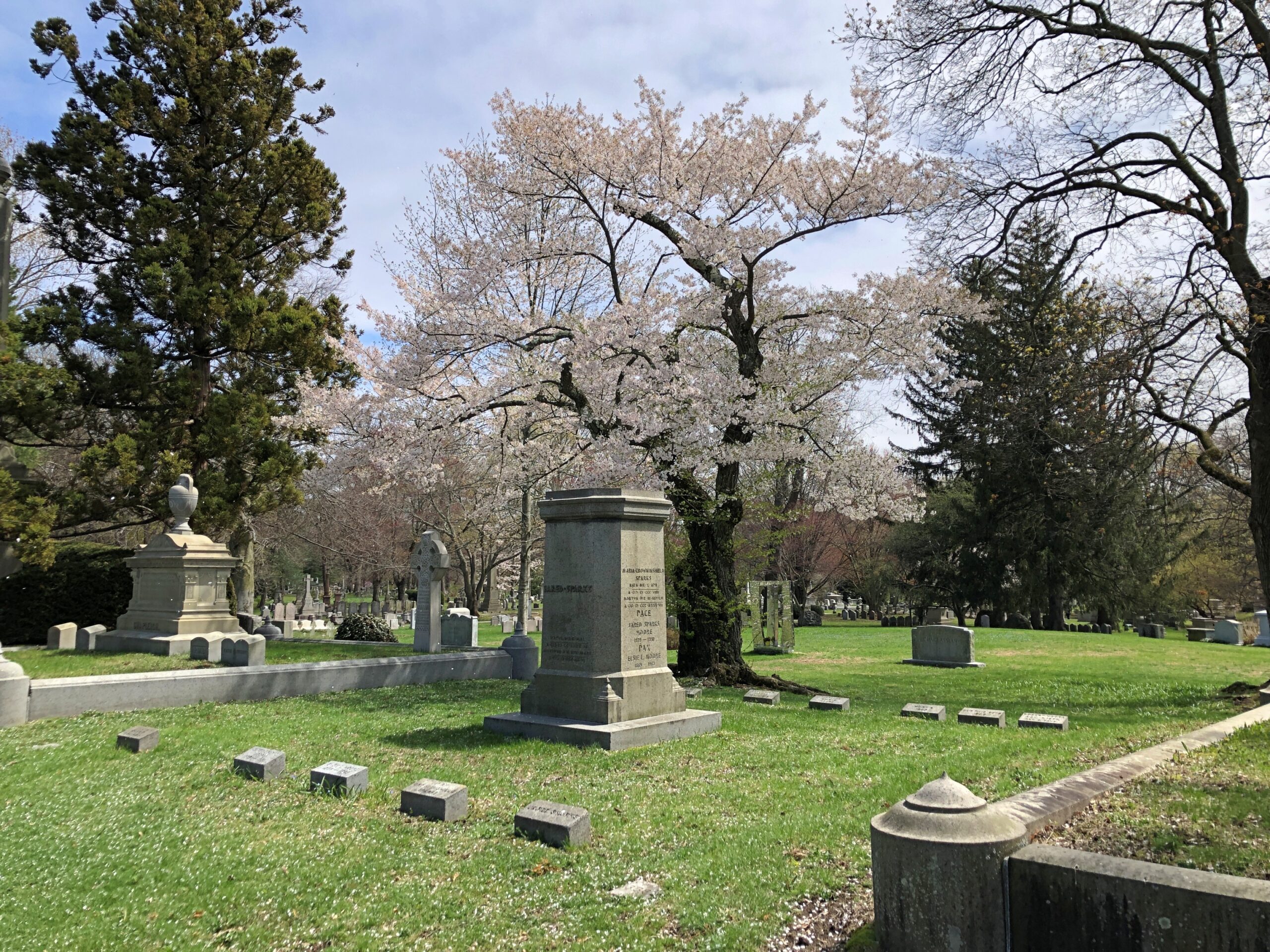
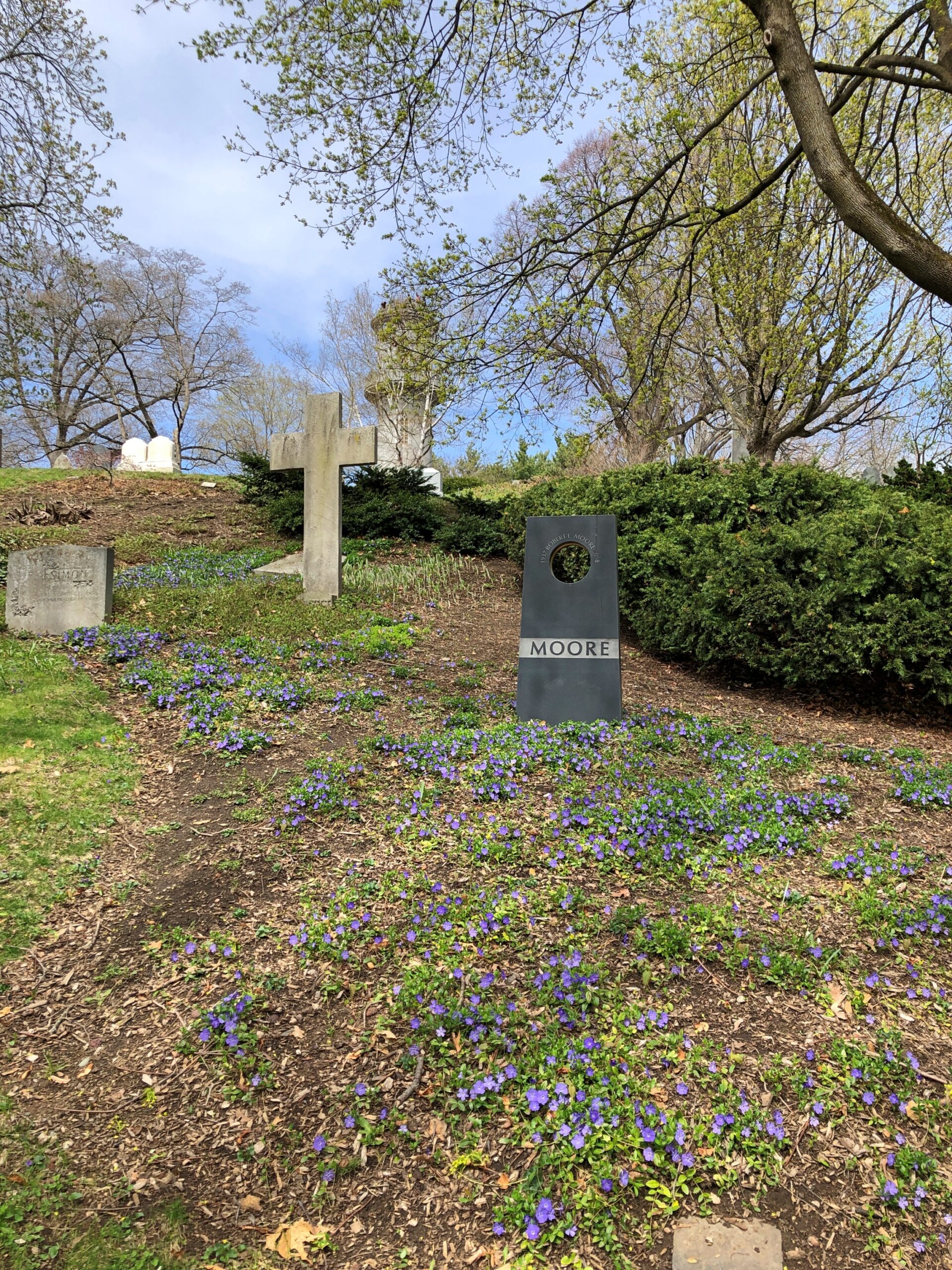
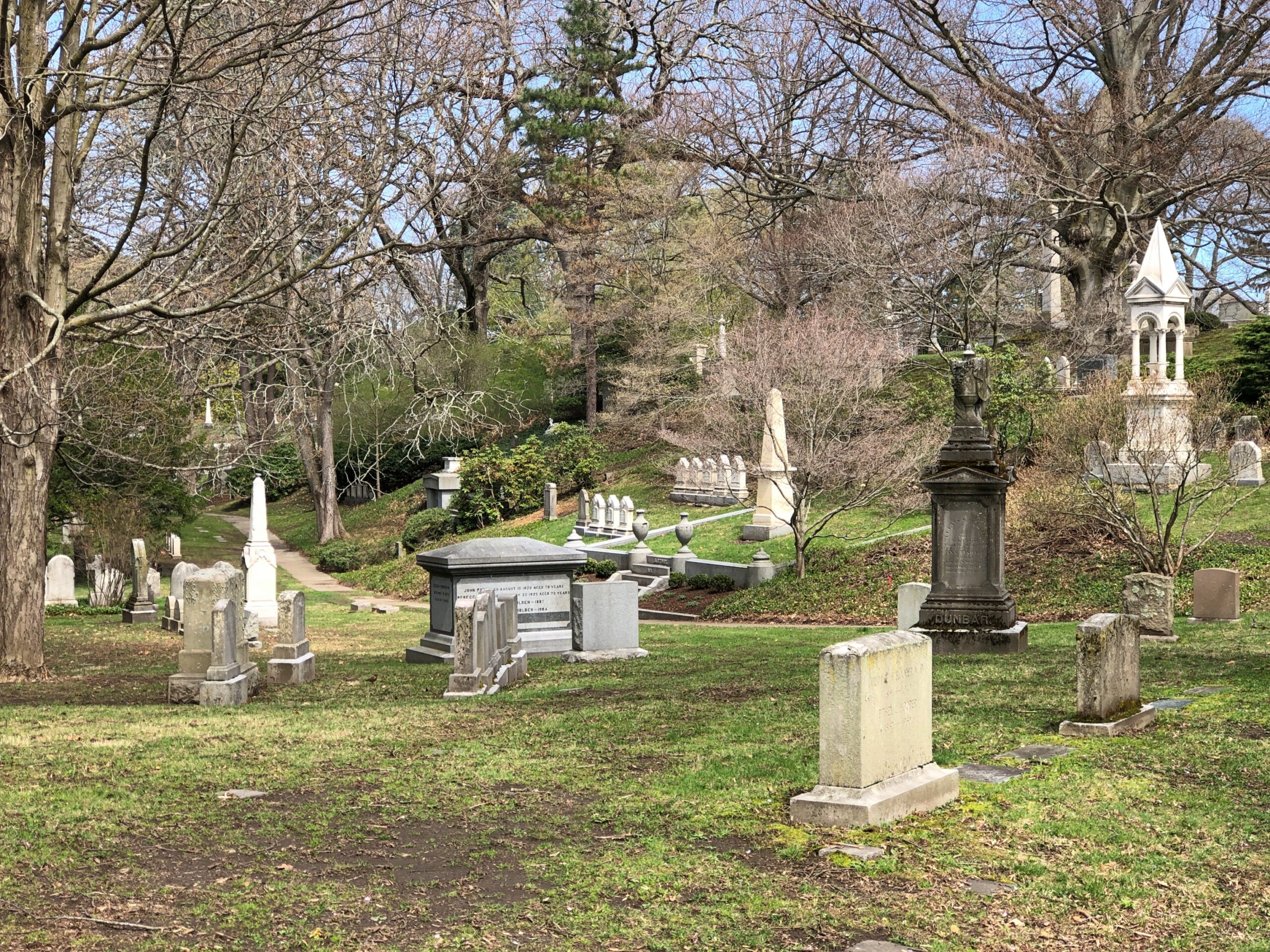
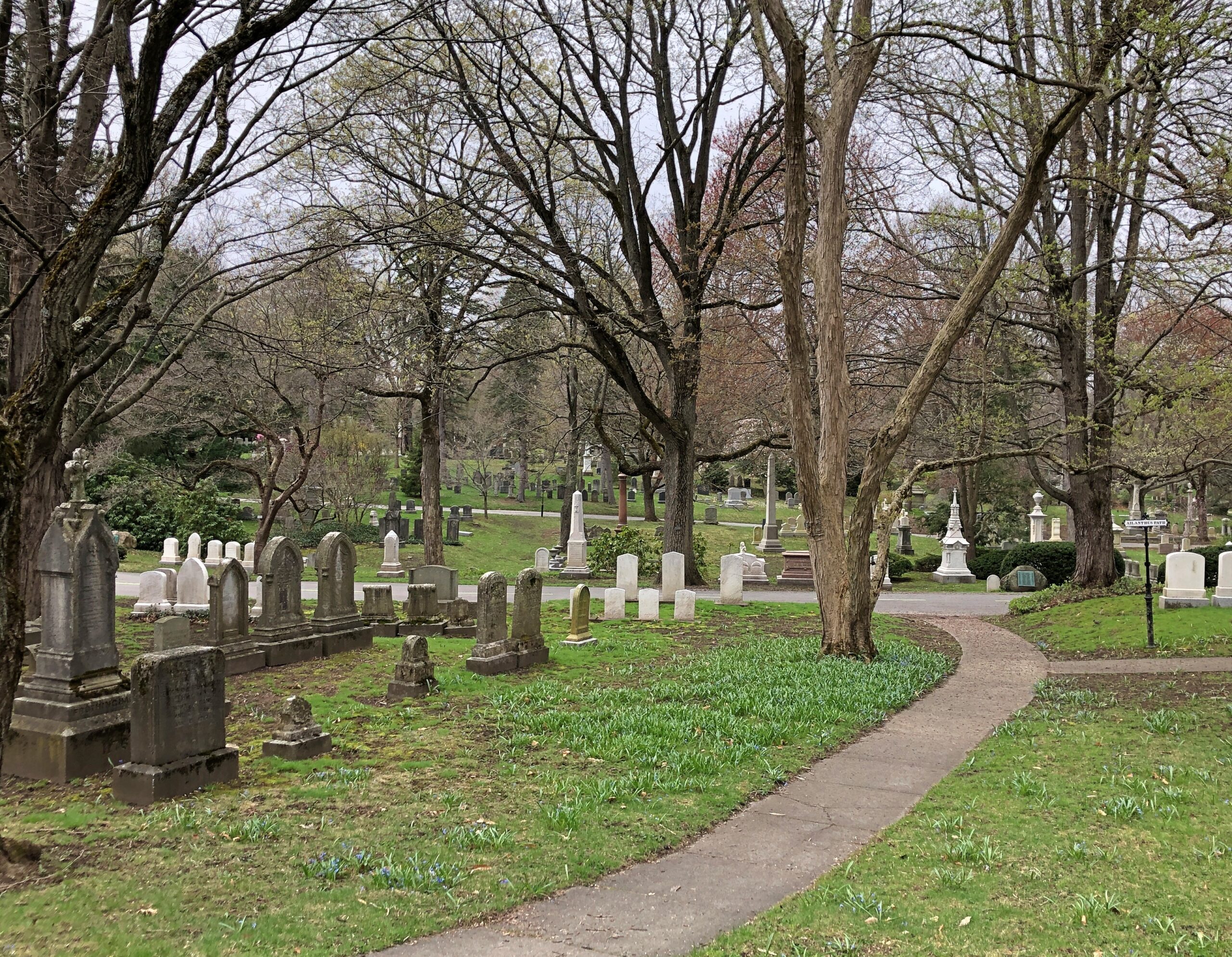
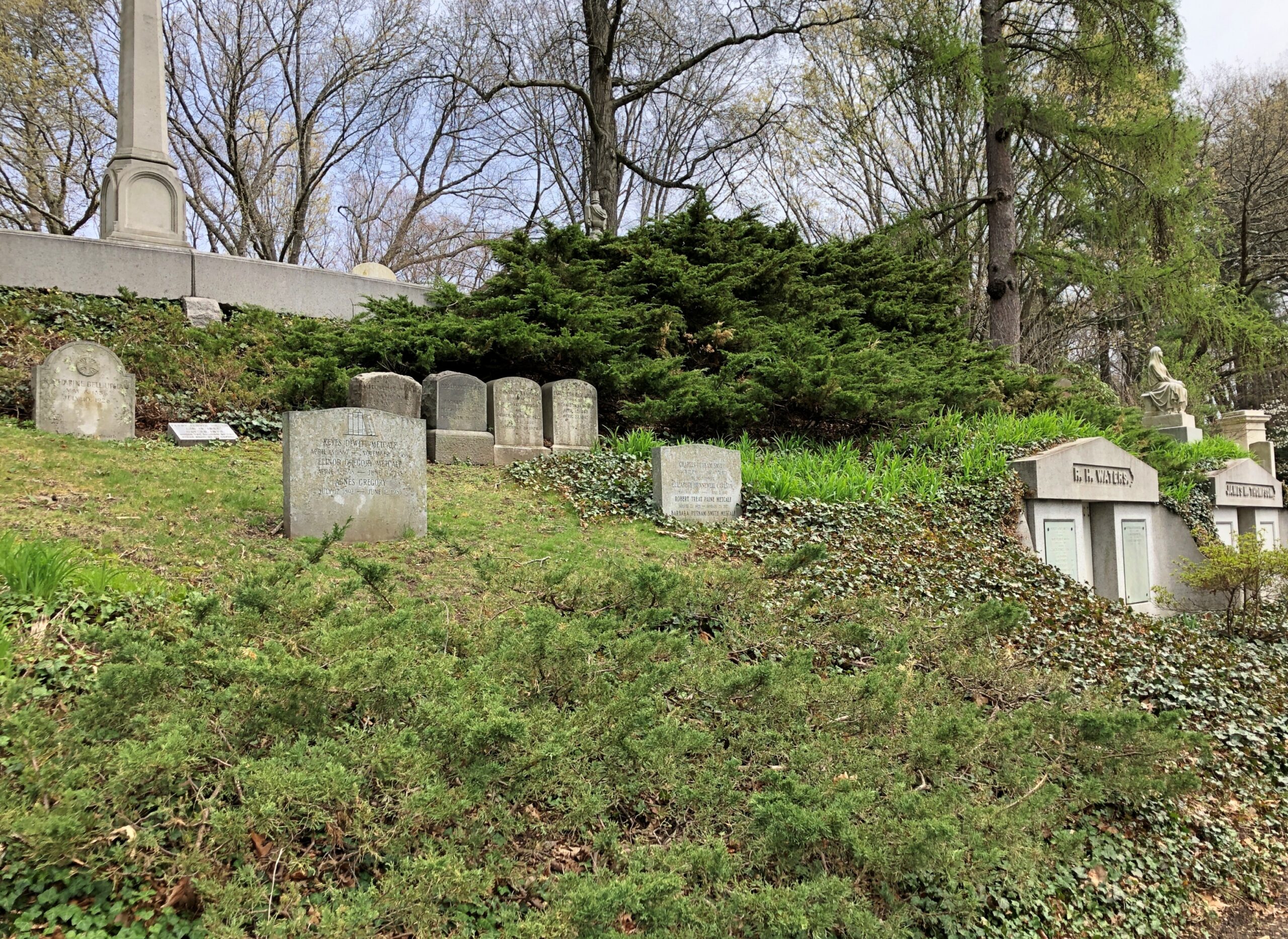
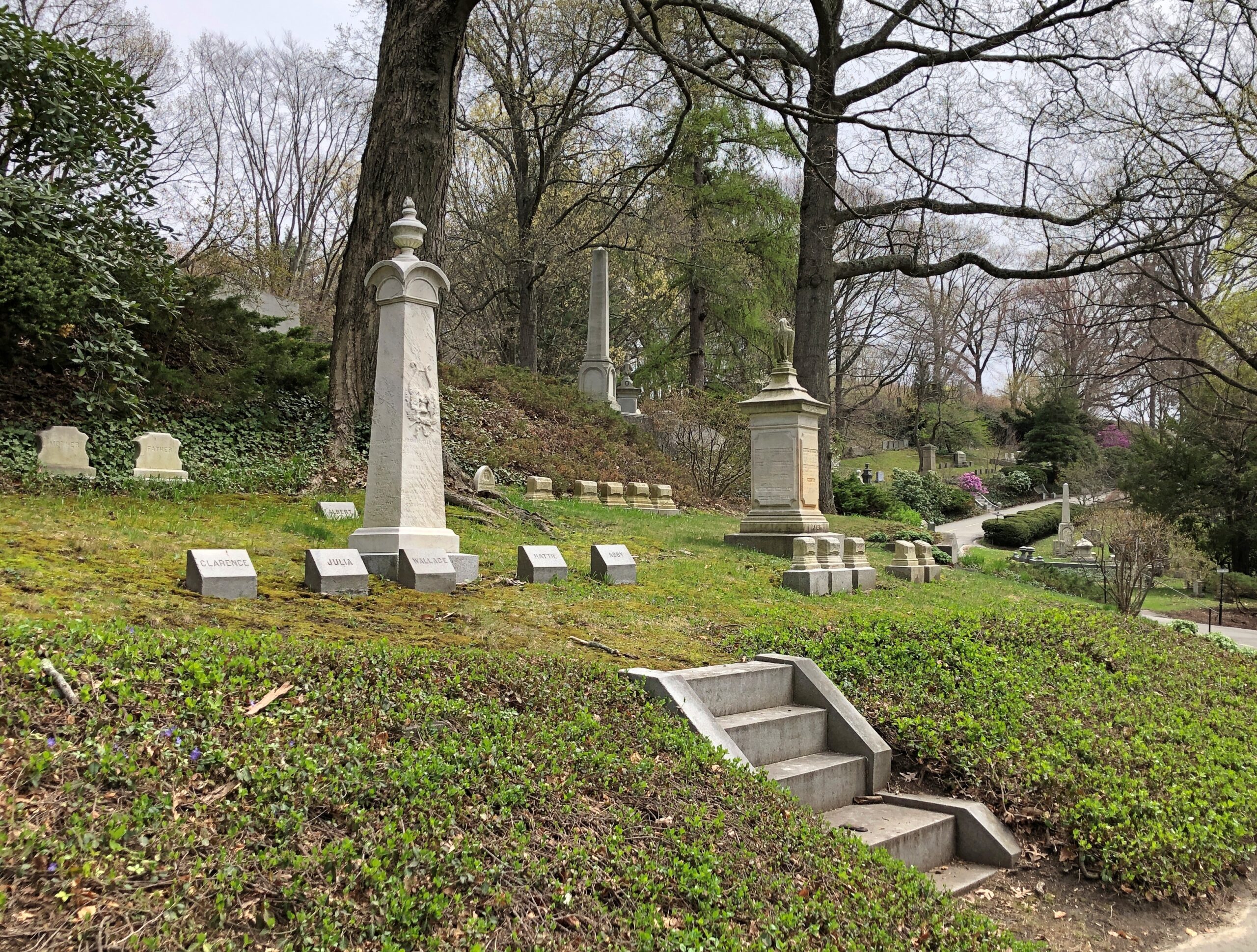
The weekend I spent with friends in Boston in April wasn’t actually in Boston most of the time, but its suburbs, and not with my friends quite all the time. On that Saturday, late morning to early afternoon, I passed some warm springtime moments by myself in the thrall of Mount Auburn Cemetery, mostly in Watertown, partly in Cambridge.
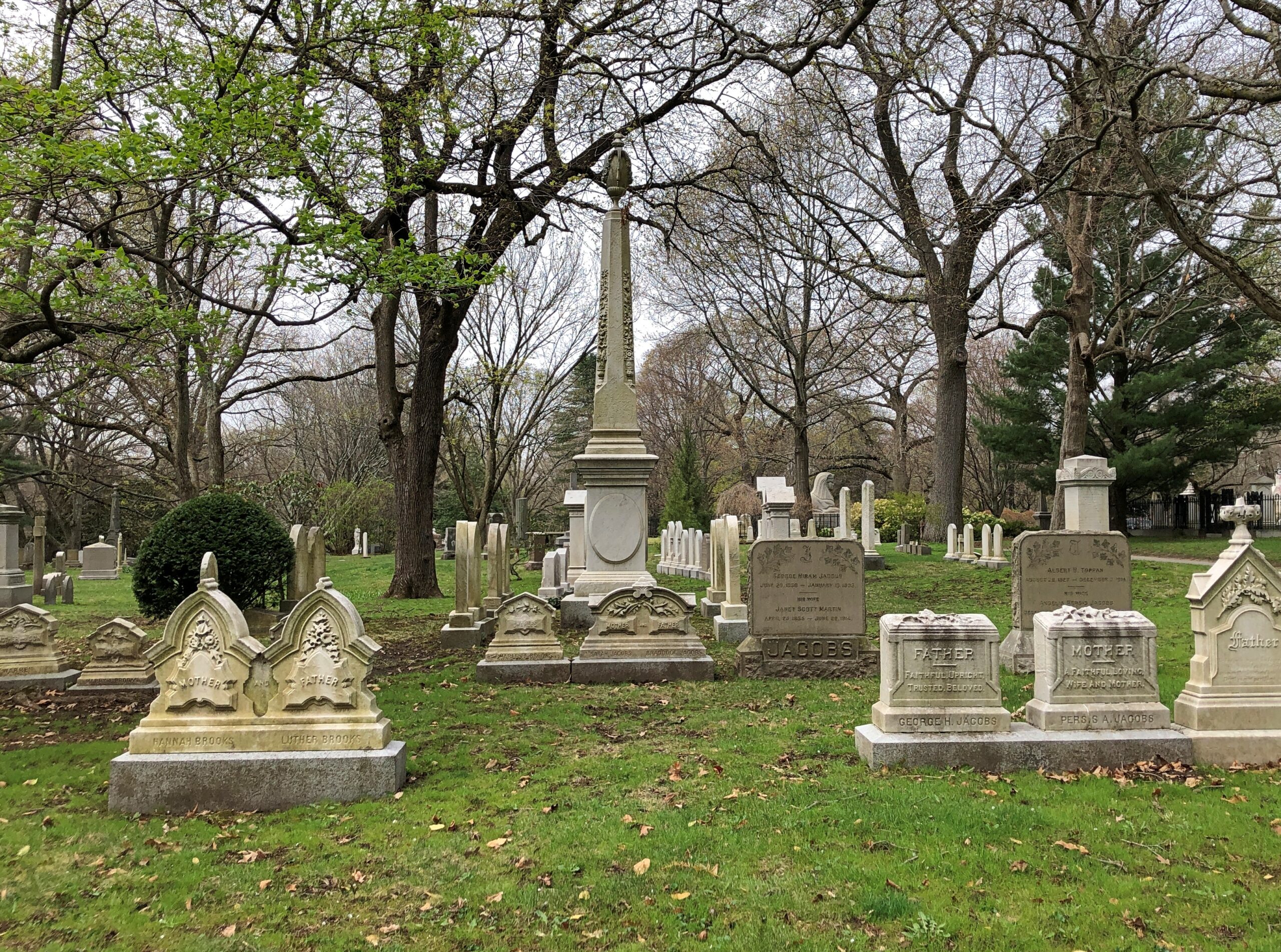
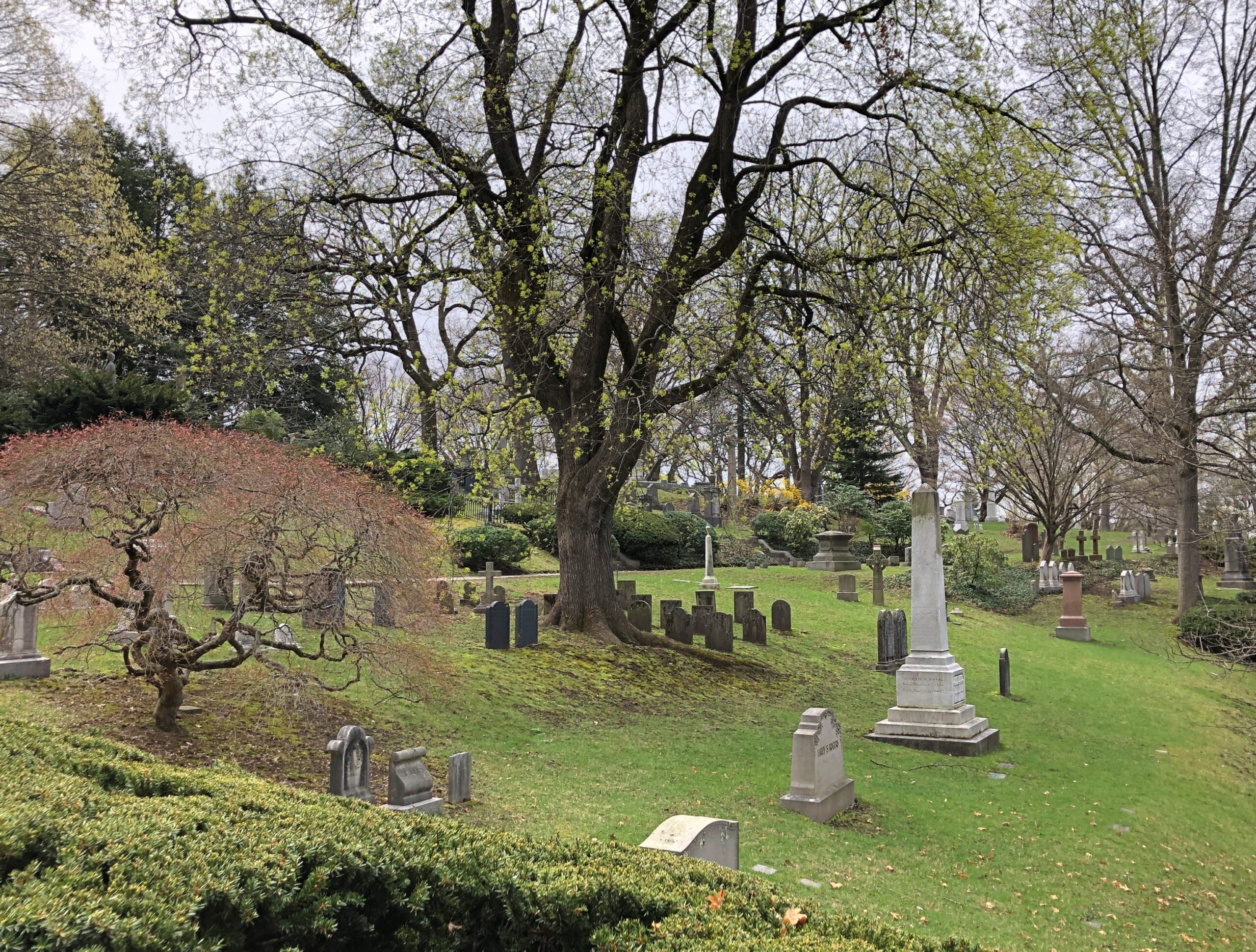
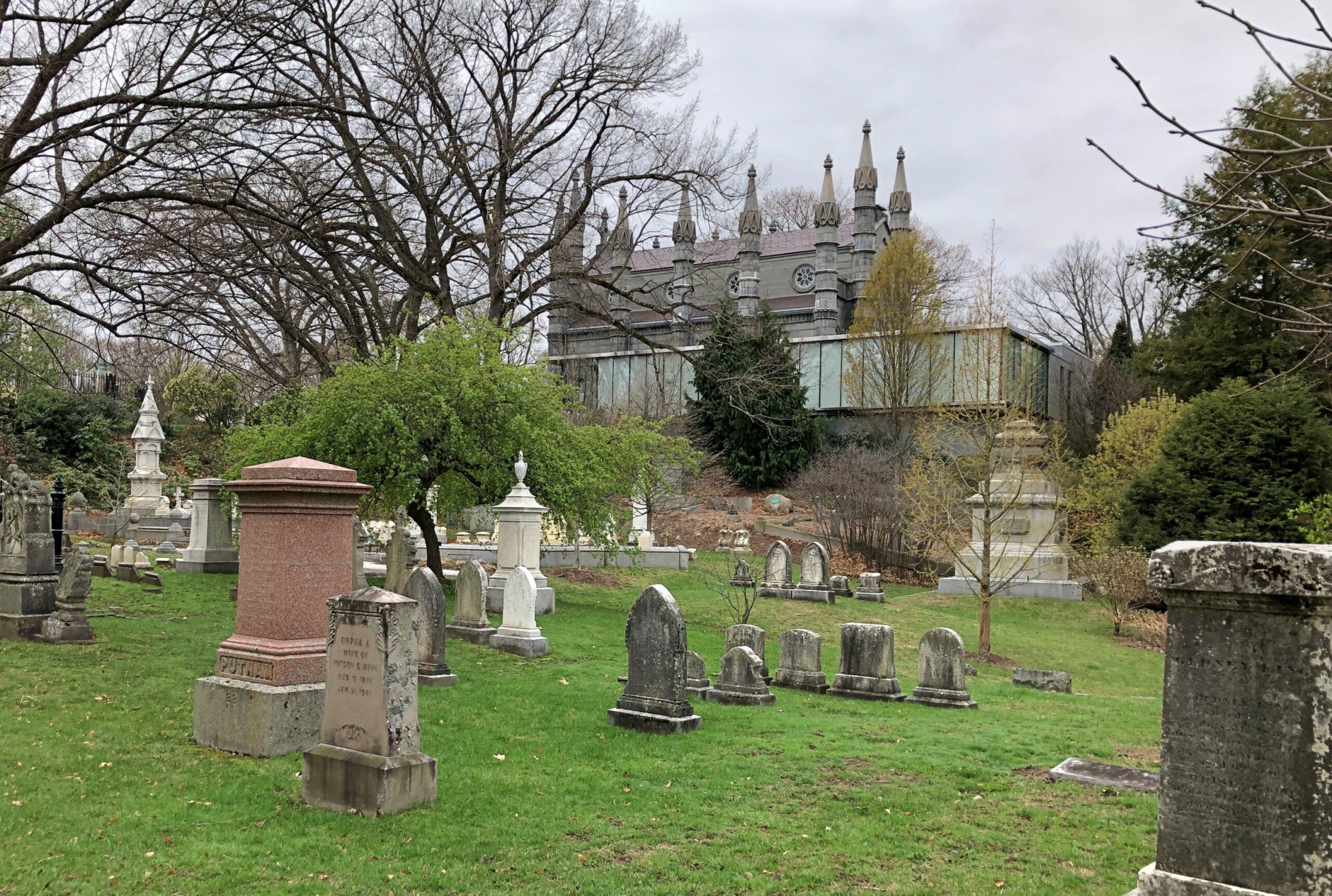
How is it that I’d never gotten around to visiting Mount Auburn Cemetery until 2026? What kind of cemetery tourist lets that one go for so long? This is the Ur of landscaped American rural cemeteries, acknowledged as the first one, established in 1831. Did I also mention that it’s drop-dead gorgeous? So to speak.
Mount Auburn is one of those rare cemeteries – like Arlington National outside DC or Saint Louis Cemetery No. 1 in New Orleans – that attracts visitors even in our time. Not a huge number, at least when I visited, but a healthy trickle. Spring, I suspect, is a popular season there.
Arlington National inspires feelings of patriotism from as deep an historical well in North America has to offer; New Orleans’ tombs are dressed in mystery and garlanded with voodoo. What does Mount Auburn have? Landscaping of the highest order. A pattern by which all the following garden cemeteries can be judged: stones of great variety, plants equally various, and an alternation of flat and hilly contour.
The Massachusetts Horticultural Society, itself a recent establishment by the 1830s, created Mount Auburn during a time of peace and expansion in Boston, with the violence of the Revolution barely in living memory and U.S. sectional friction deepening, but not to the strife it would become by the ’50s. The president of the society, Henry Dearborn (d. 1851), is credited with designing Mount Auburn.
The site, with its twists and minor vistas, turned out to be just the place for a revolution in burial practice. Dearborn must have had a gardener’s instinct for the reinventing the wooded hills, but he was much more than a gardener, and the cemetery is much more than a garden. And anyway, Dearborn just set the thing in motion nearly 200 years ago, in collaboration with landscape architect Alexander Wadsworth and botanist Jacob Bigelow. The cemetery, a place to recall lives that are over, is ongoing.
Since then, every stone, every planting, all the small decisions and actions that go into managing 174 acres with 100,000 or more permanent residents, have formed a national treasure.
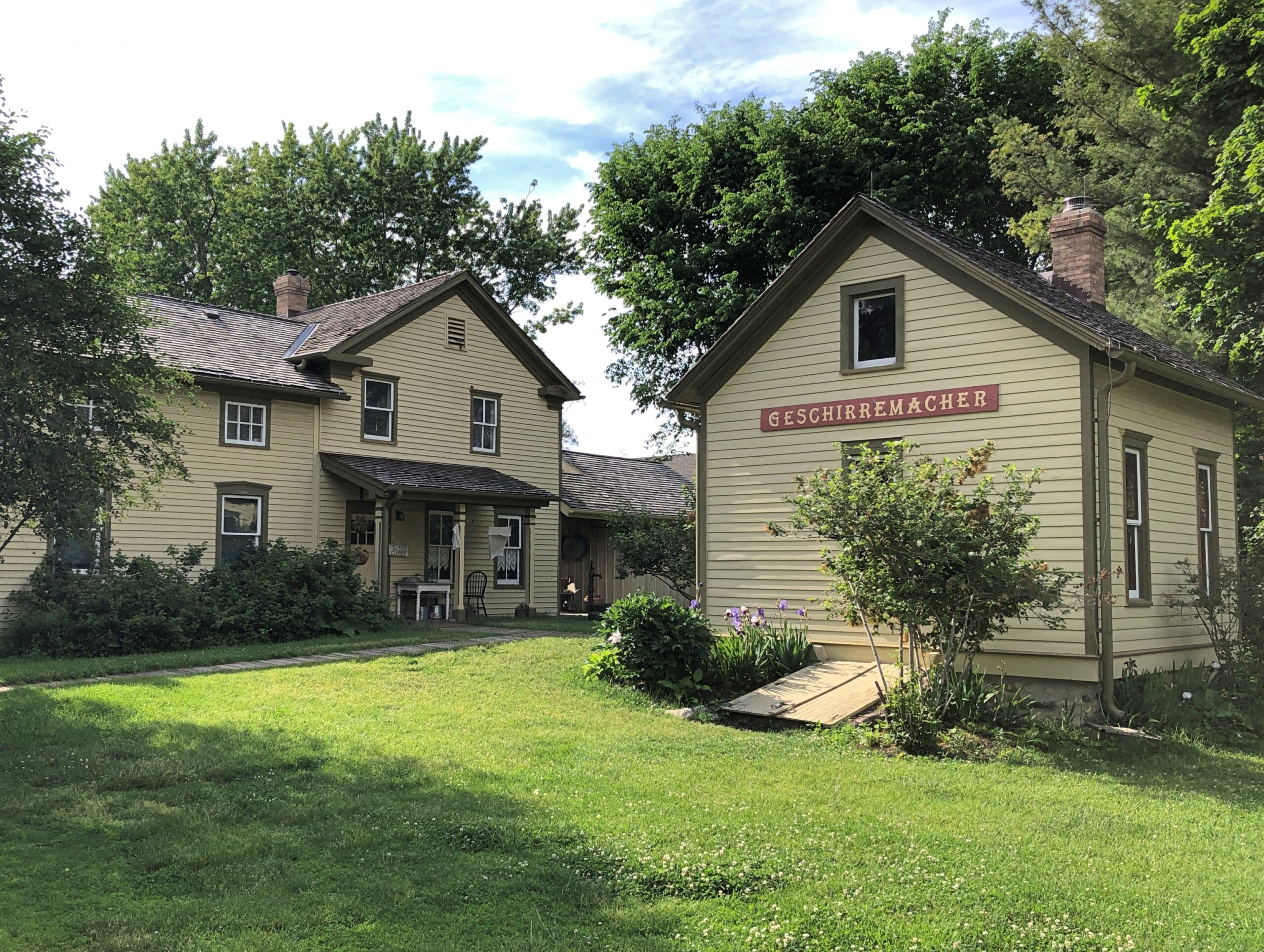
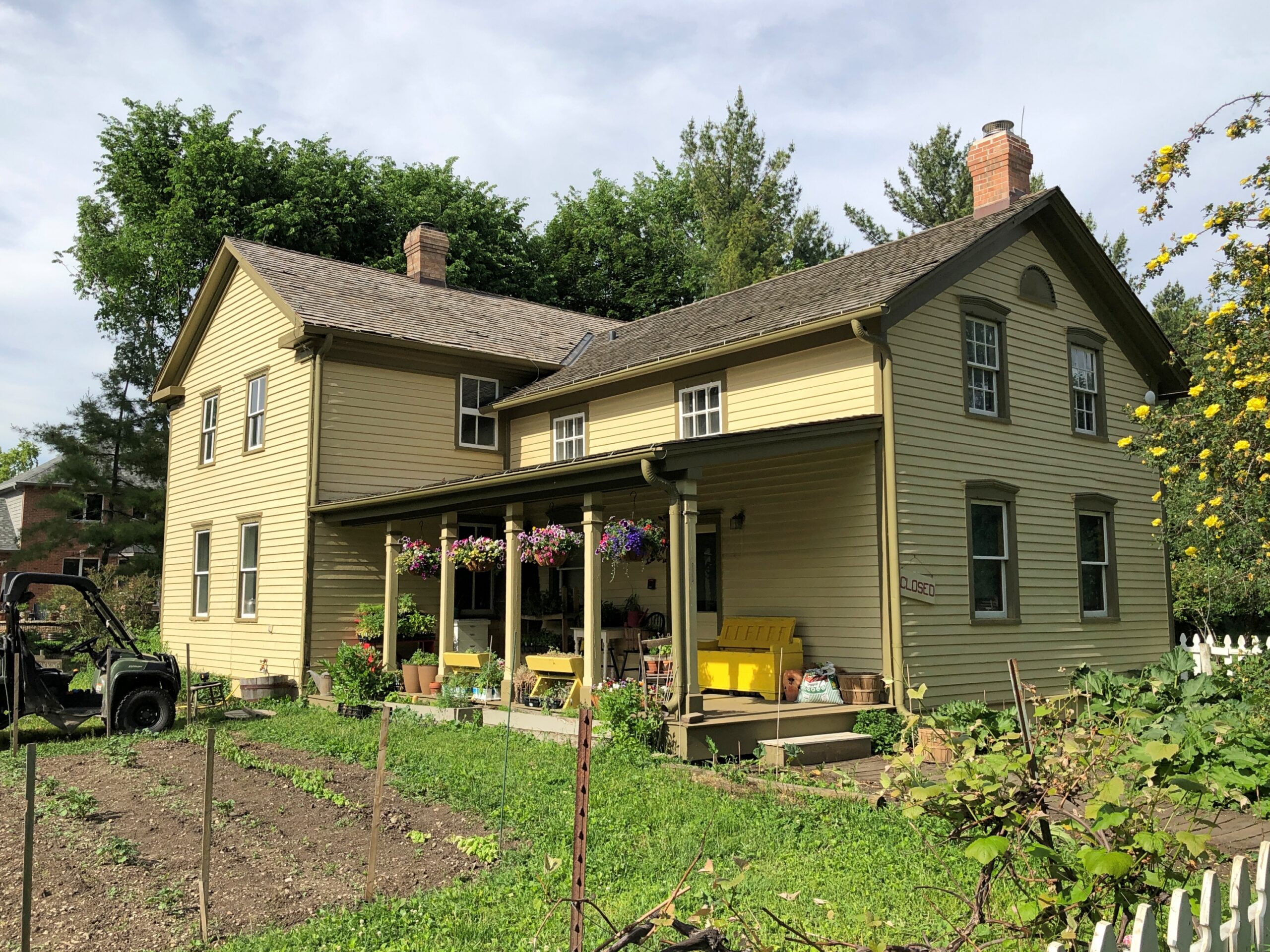
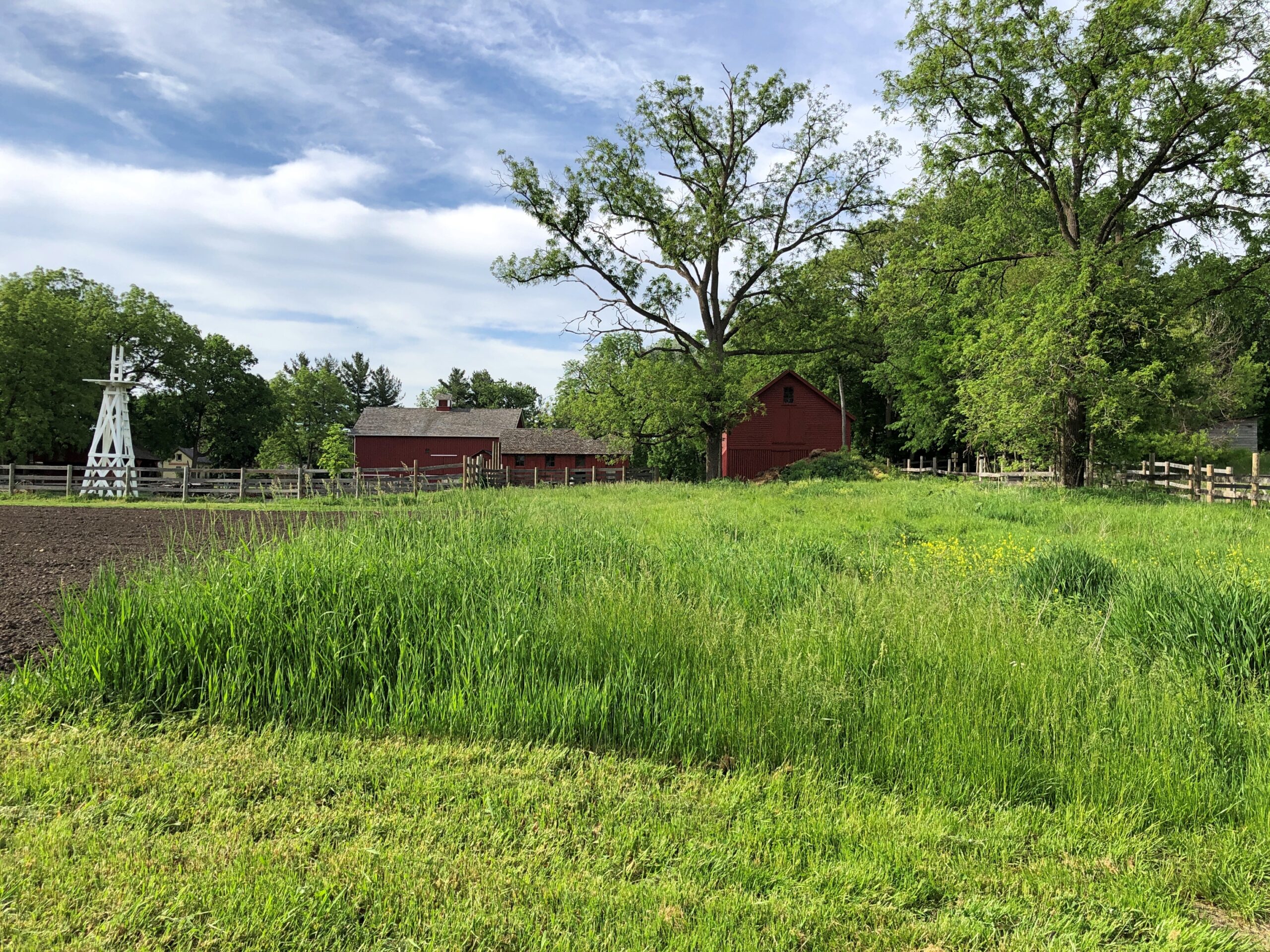
Consistent spring-like weather has arrived at last here in northern Illinois. So we took the opportunity late this afternoon to visit Volkening Heritage Farm, an open-air museum with structures dating from the 1880s. It’s part of the larger (135-acre) Spring Valley.
Spin the wheel of time back – not that long, really – and German immigrant farmers put this part of Illinois, the future northwestern suburbs, to prosperous use. The open-air museum of our time echoes that previous time. Not in each detail, but the facsimile is pretty good. There’s a vegetable and flower garden —
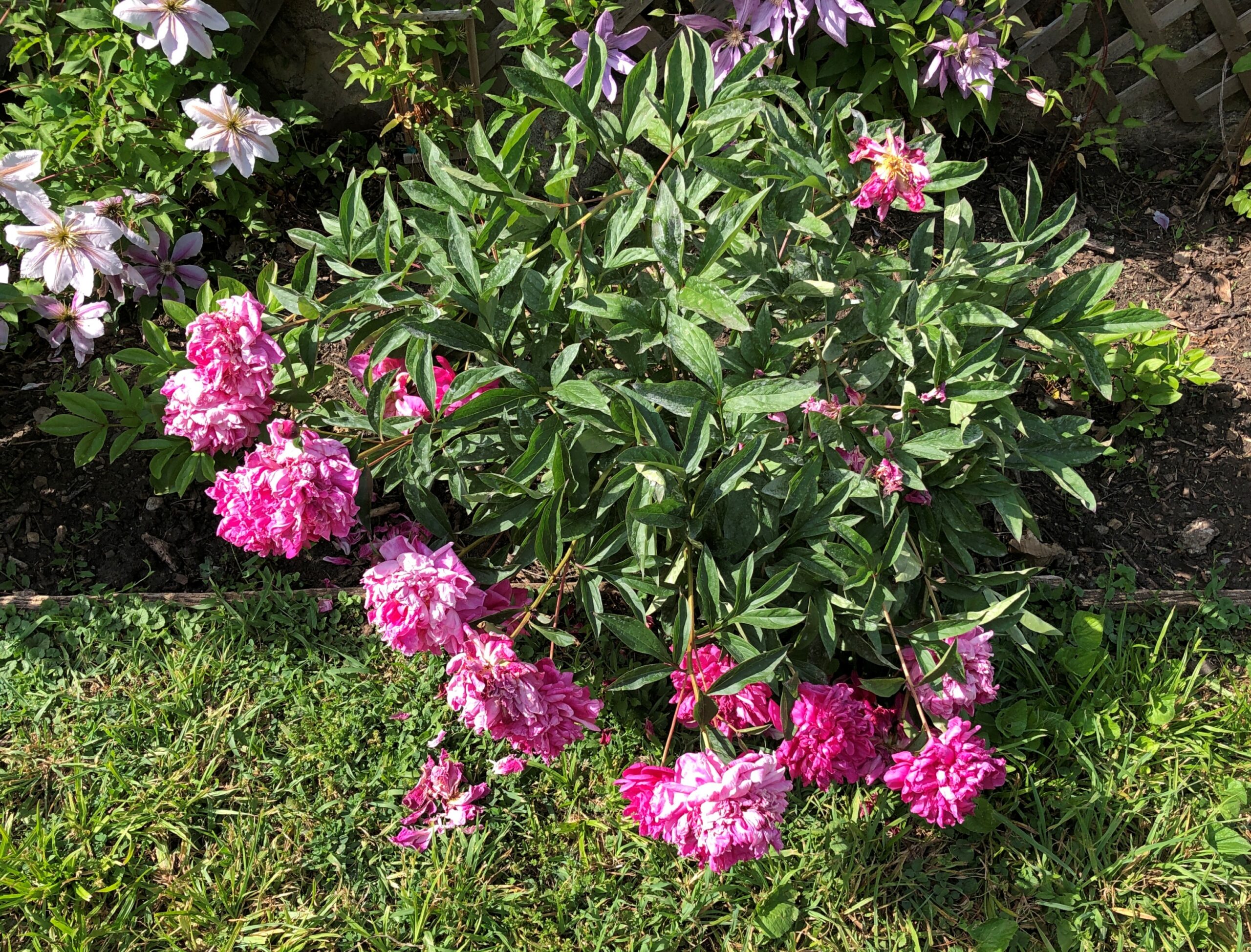
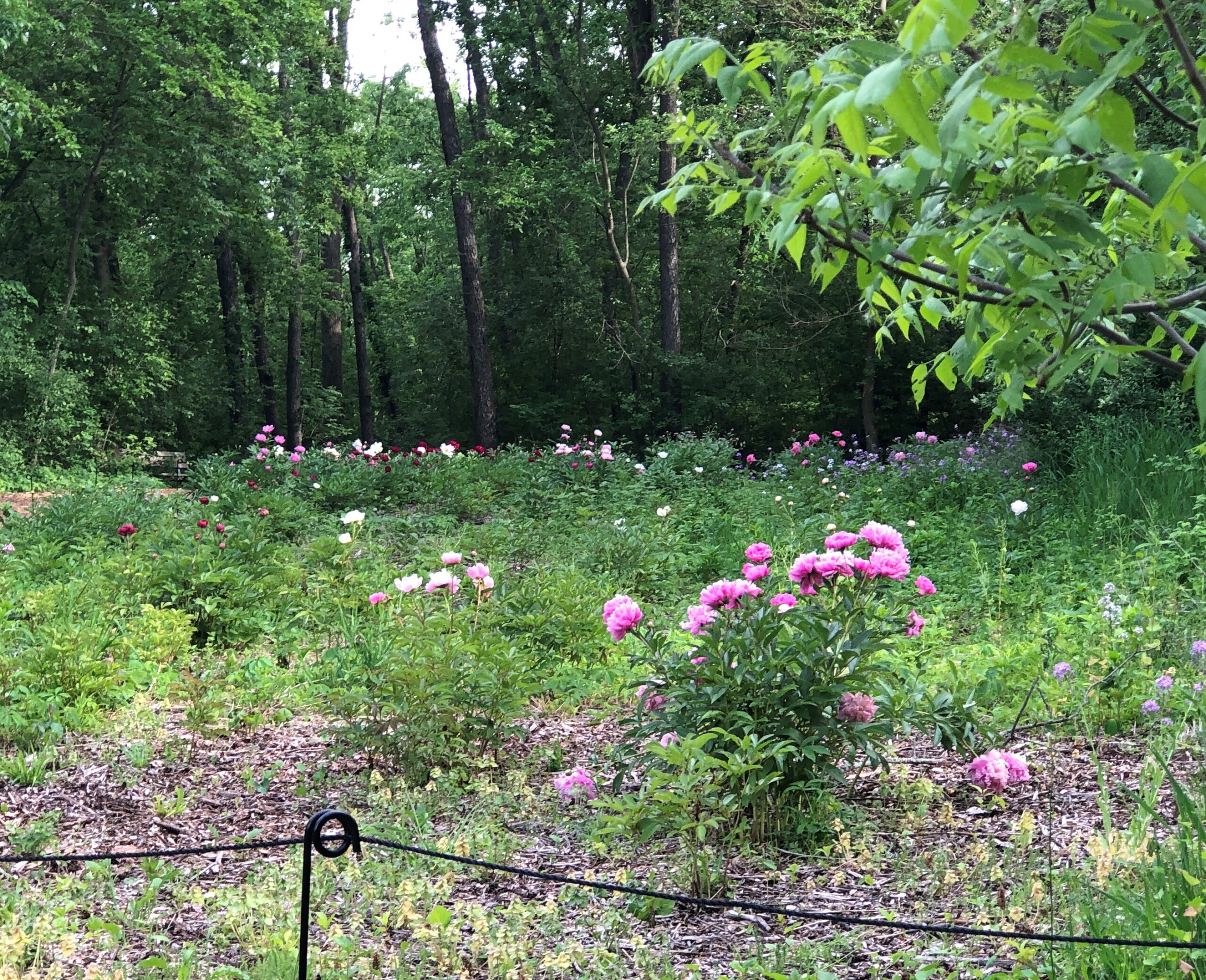
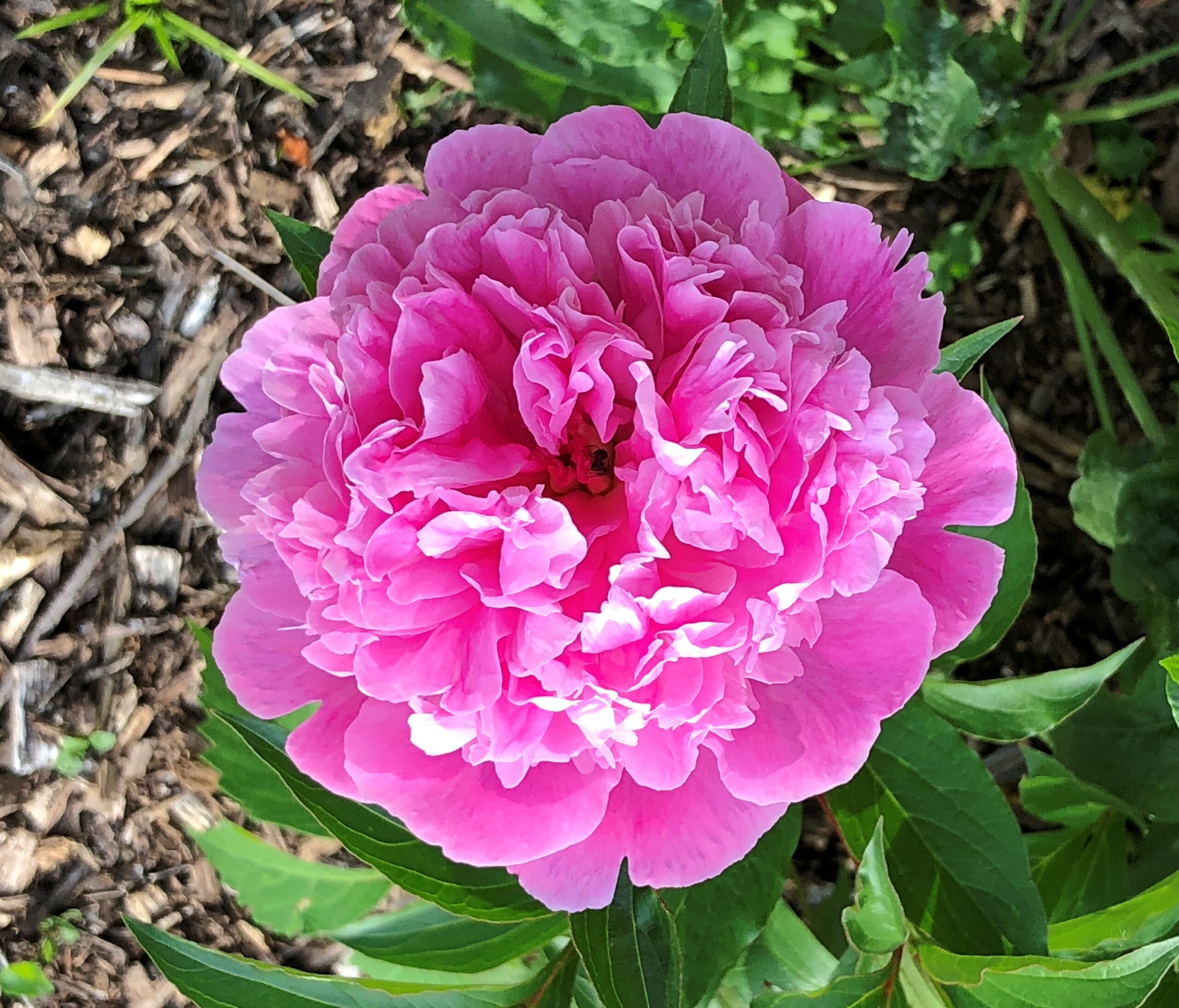
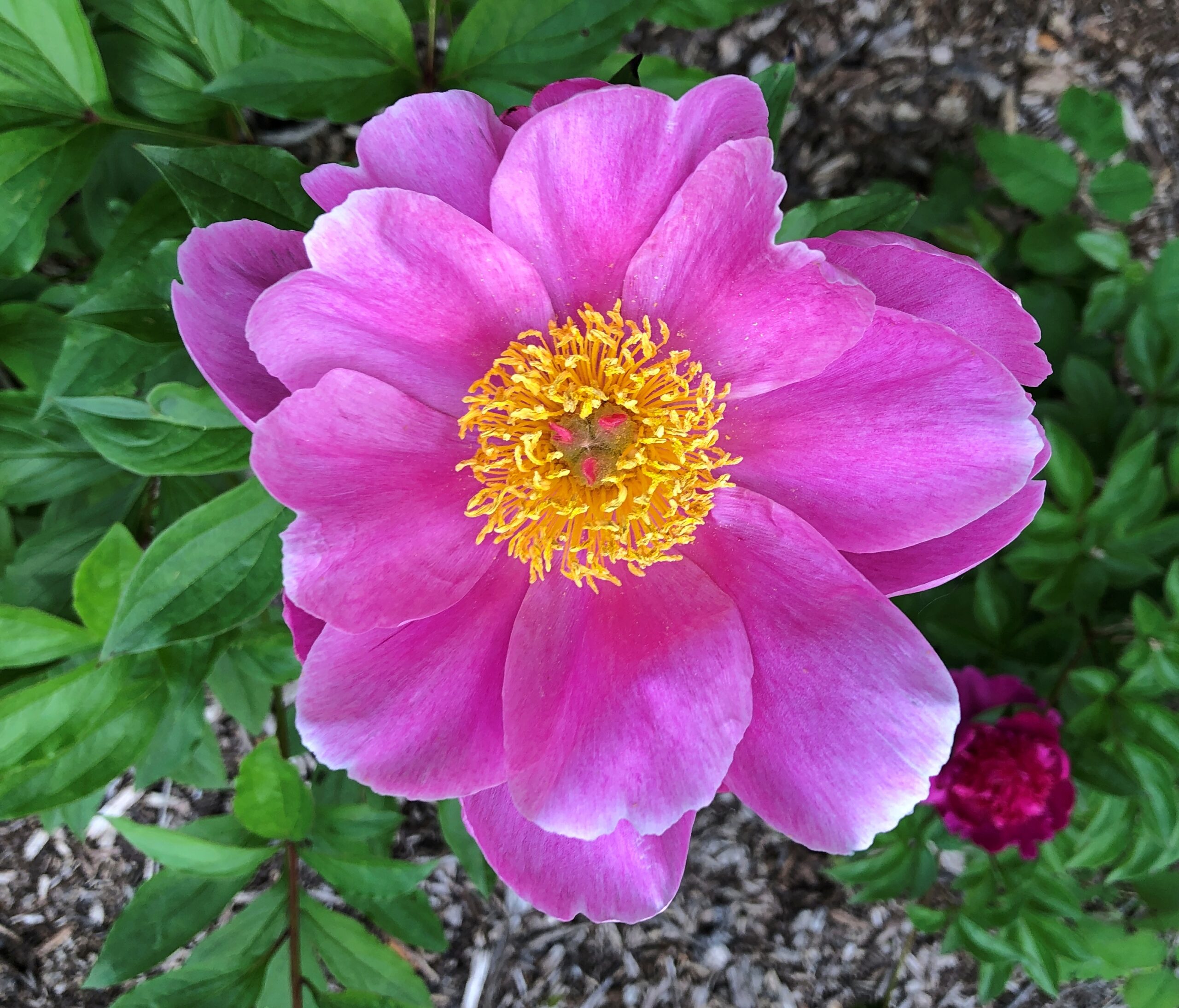
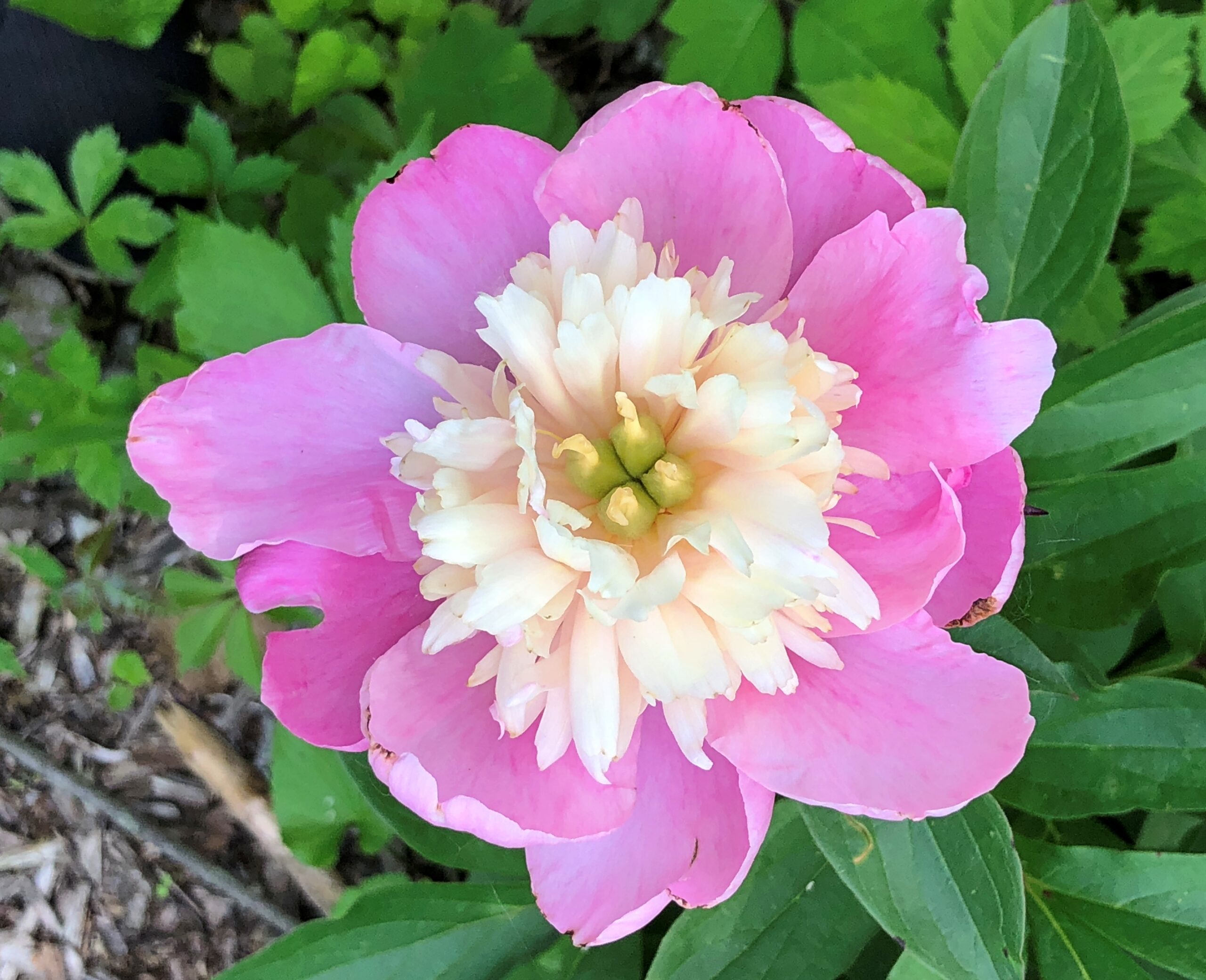
That meant that Spring Valley’s former peony farm, about a 10-minute walk from the former German farm, was abloom with peonies. Like cherry blossoms in other places and other contexts, they don’t last long. Some years we miss them all together, partly because the blooming isn’t quite fixed. One year, for instance, I visited on my early June birthday once and found an embarrassment of peonies. Other years, they are earlier. This is an early year.
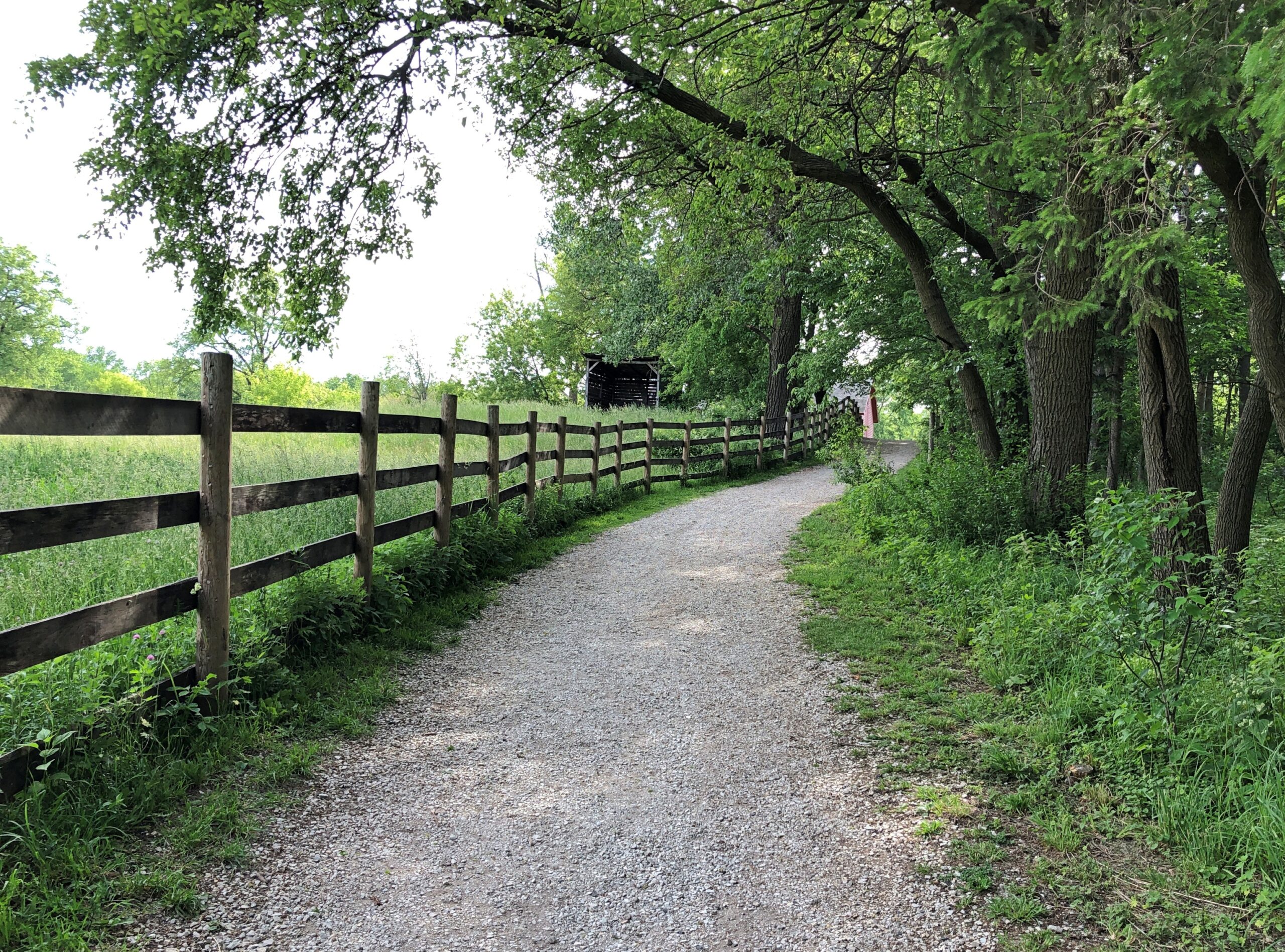
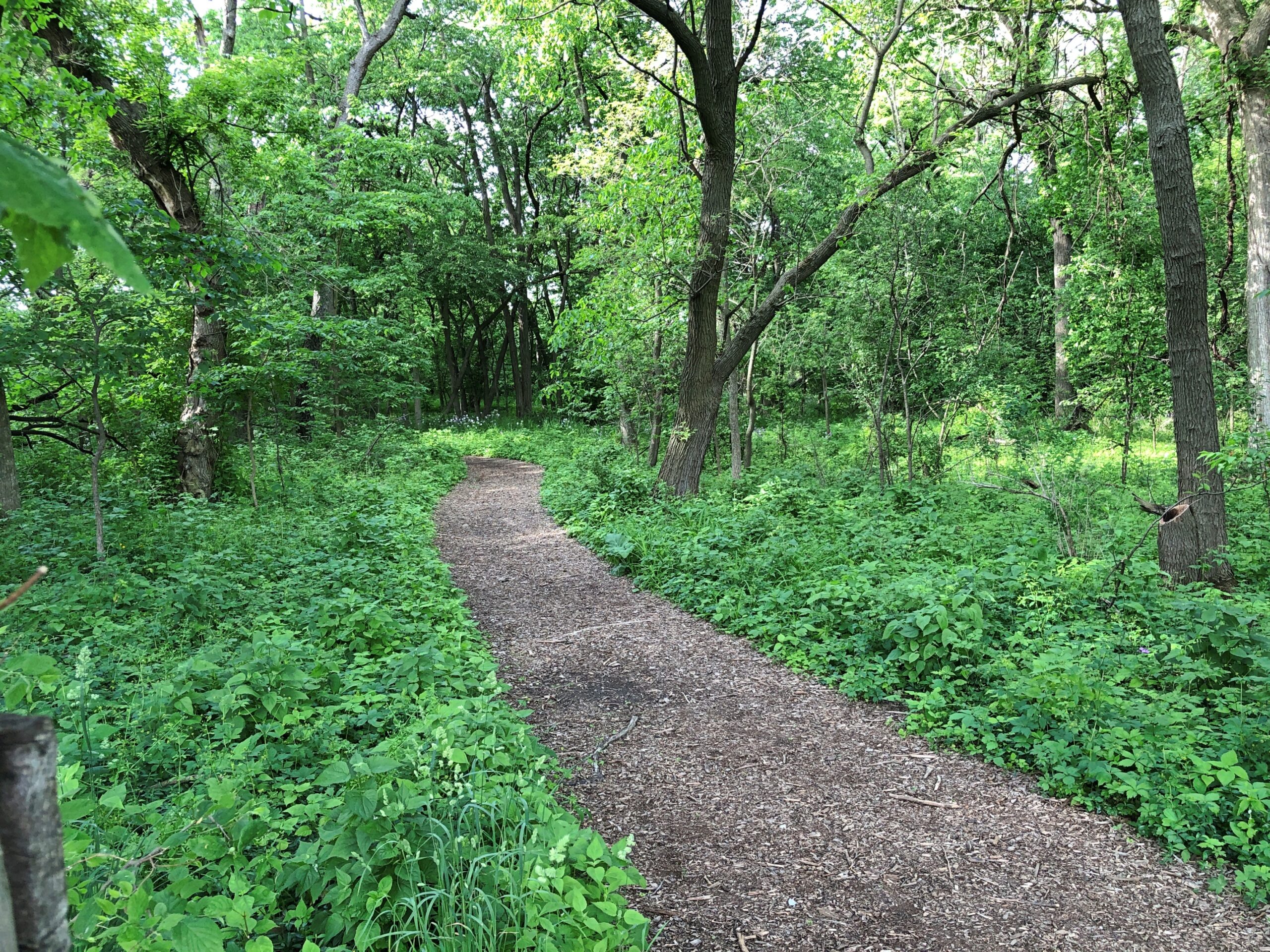
So we walked some of Spring Valley’s various trails, themselves flush with spring green, toward the peony field.
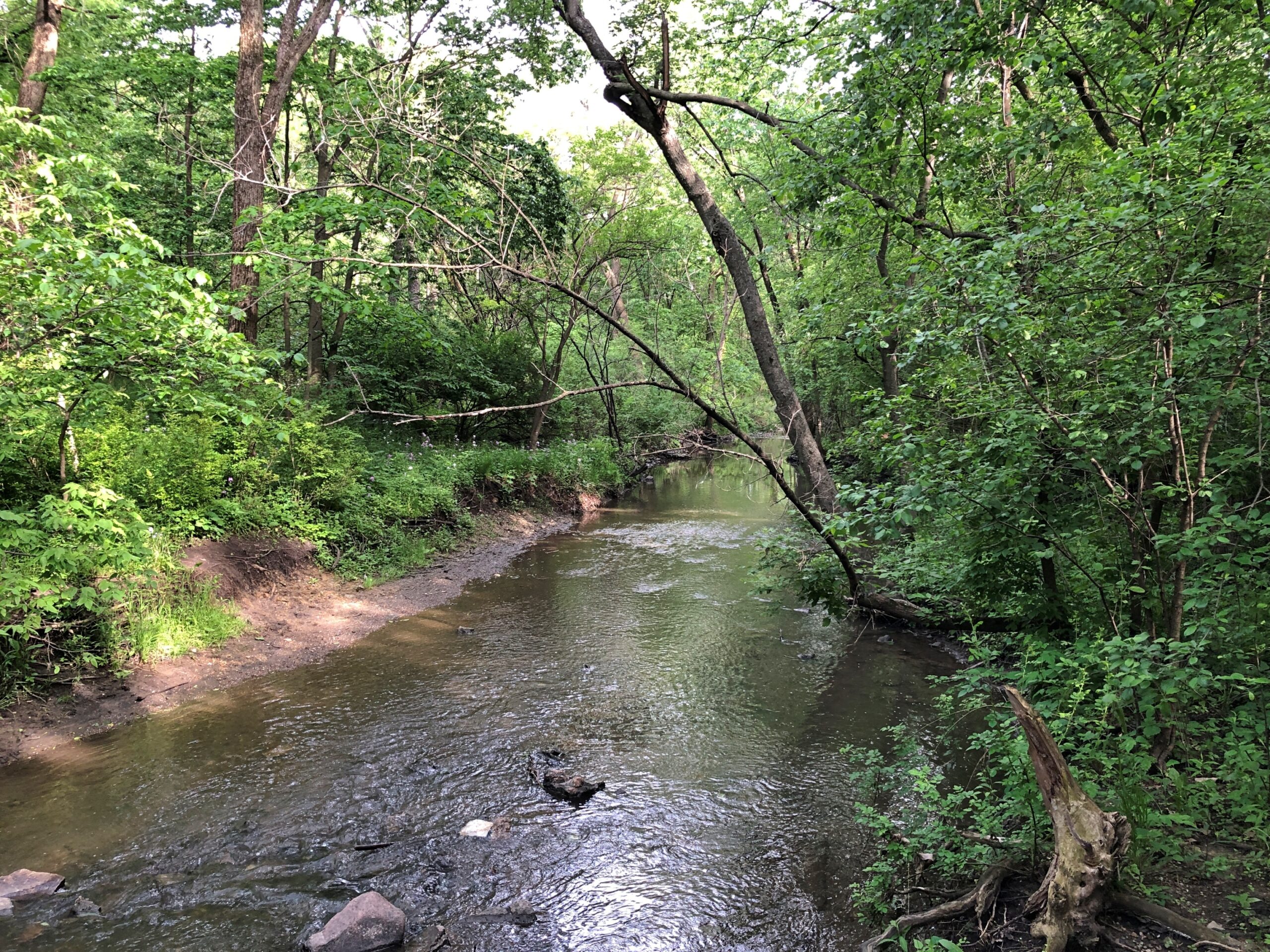
Across one of Spring Valley’s creeks, still vigorous from the heavy late-night rain a few days ago.
The peony field.
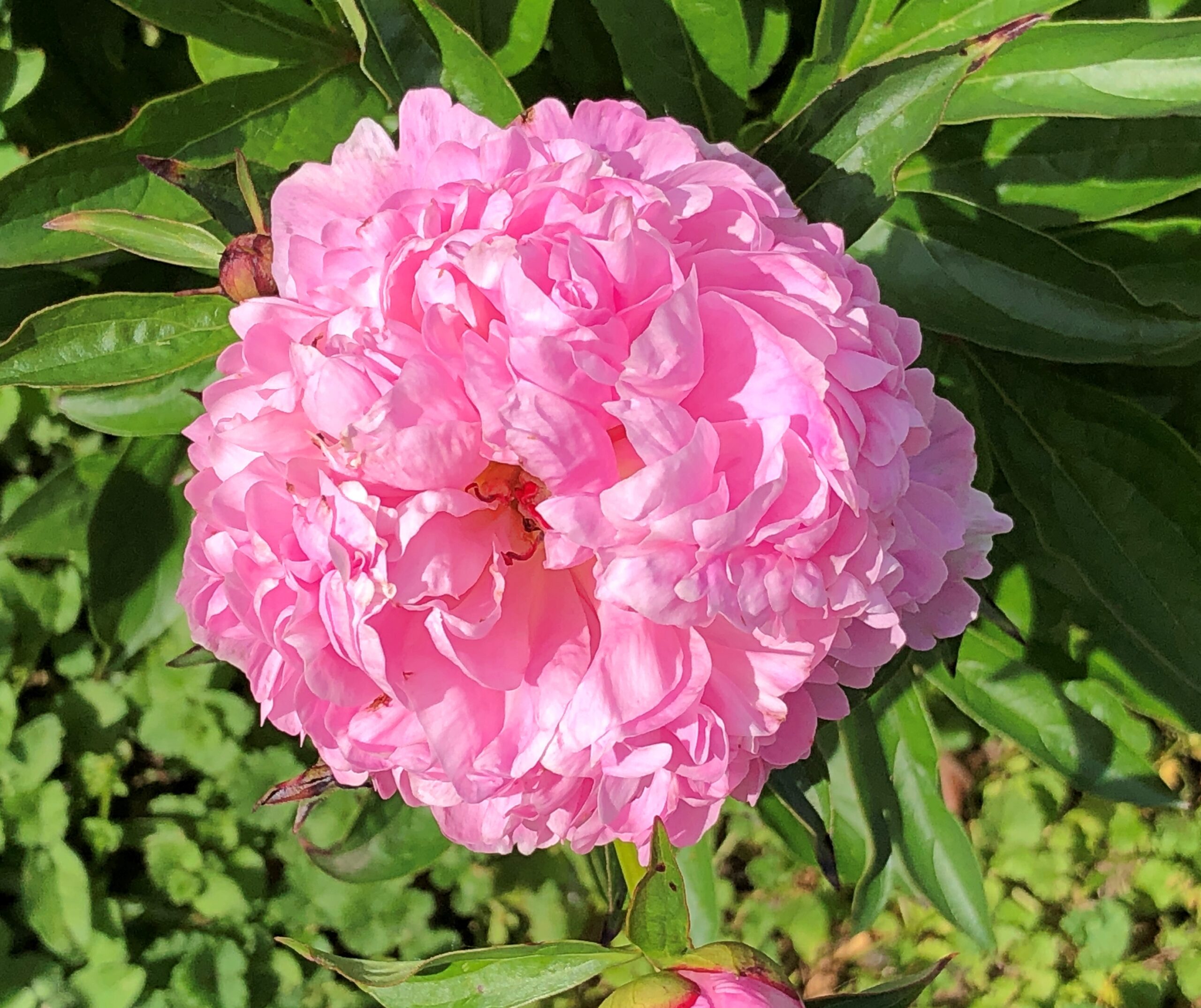
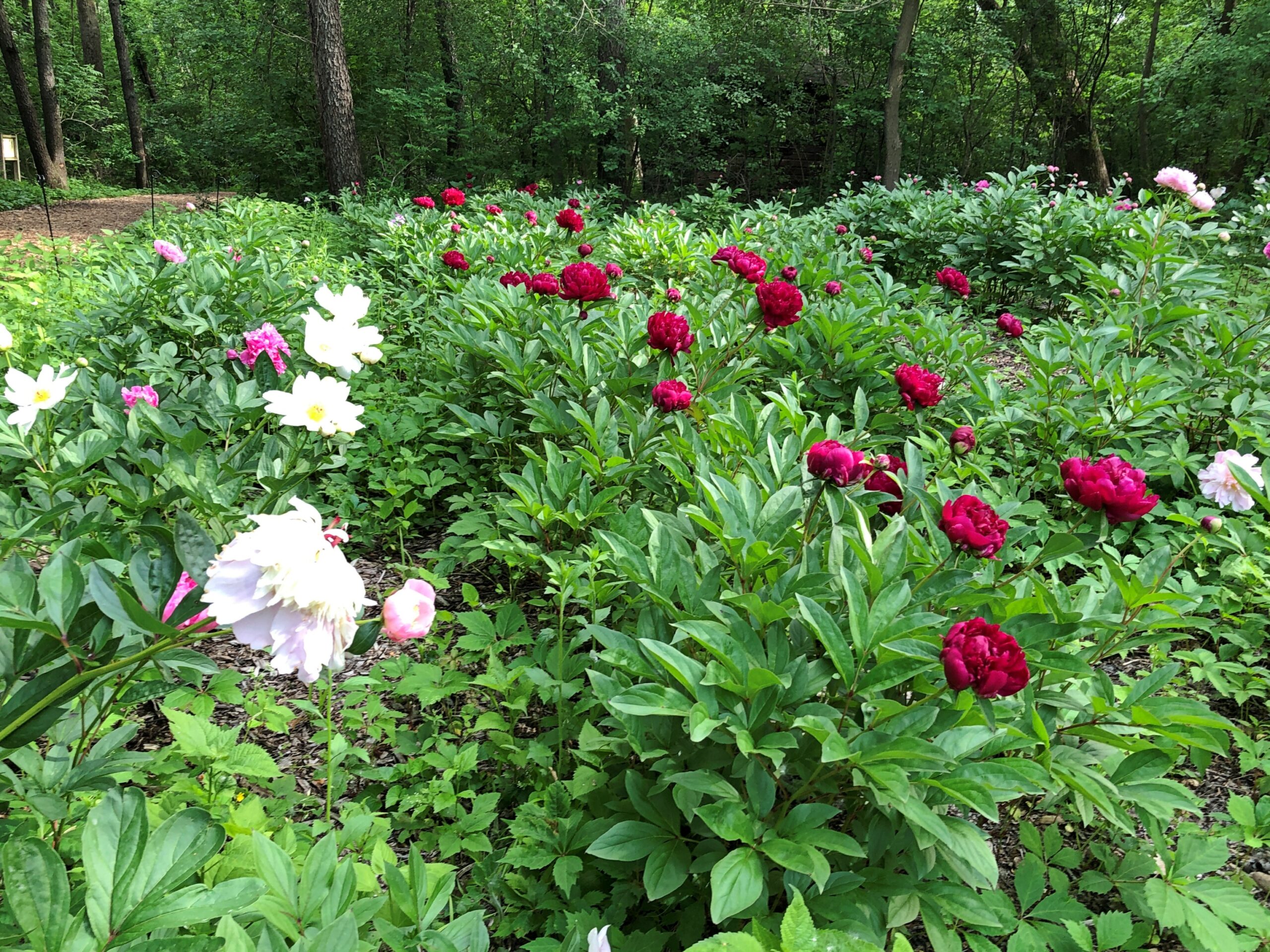
The blooms.
Digital cameras make astonishing images sometimes, but still pale compared to an eye view.
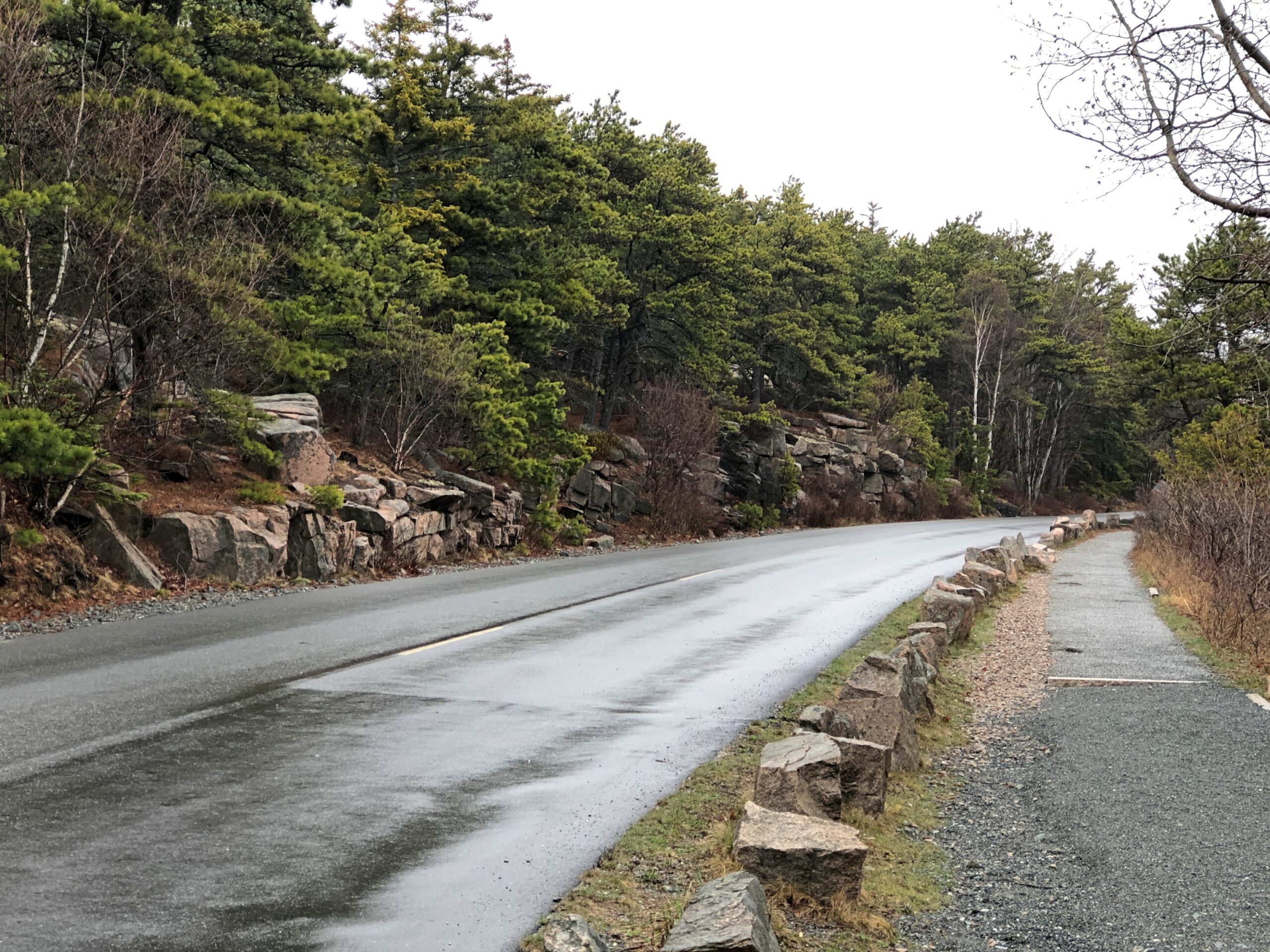
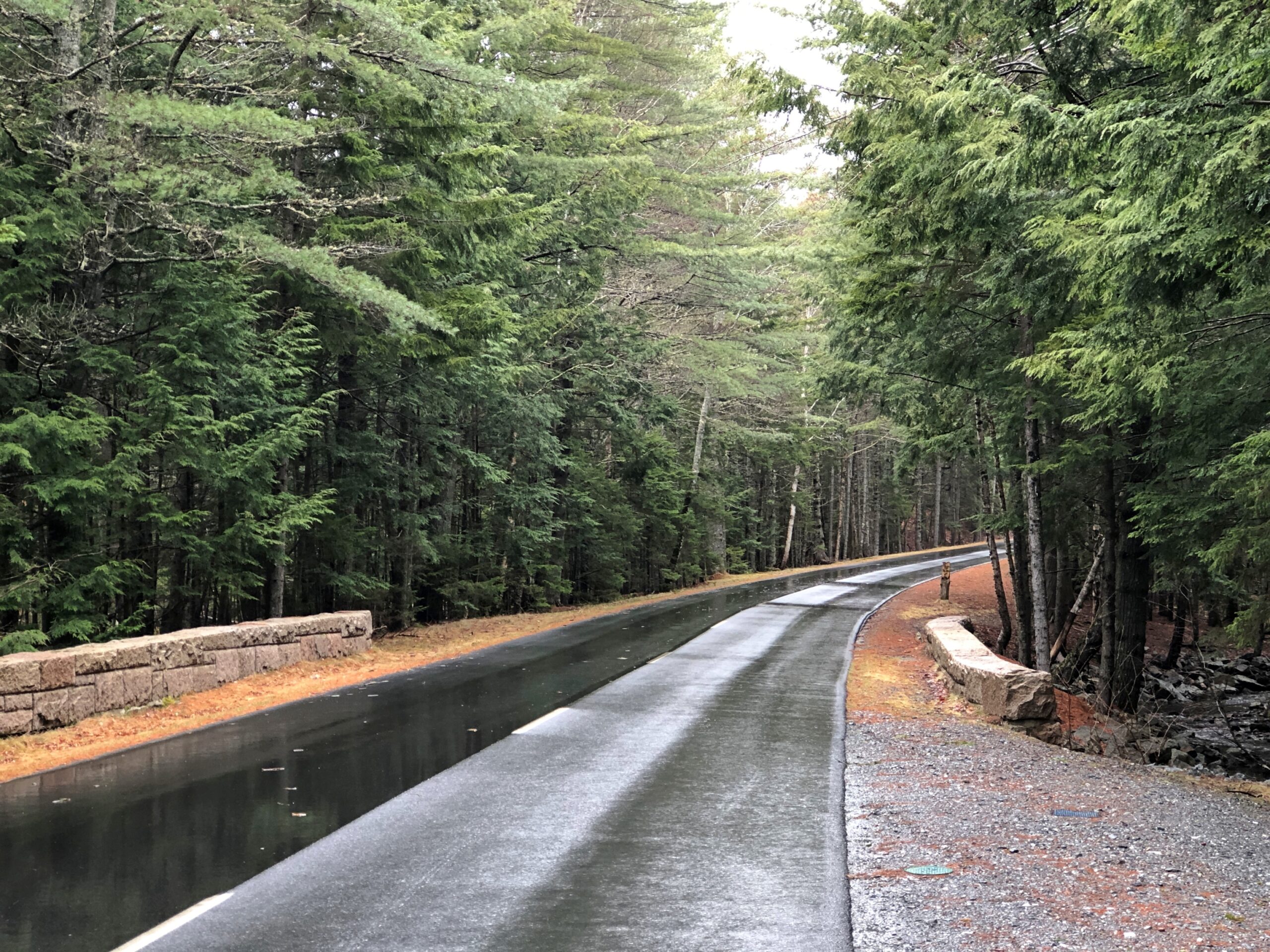
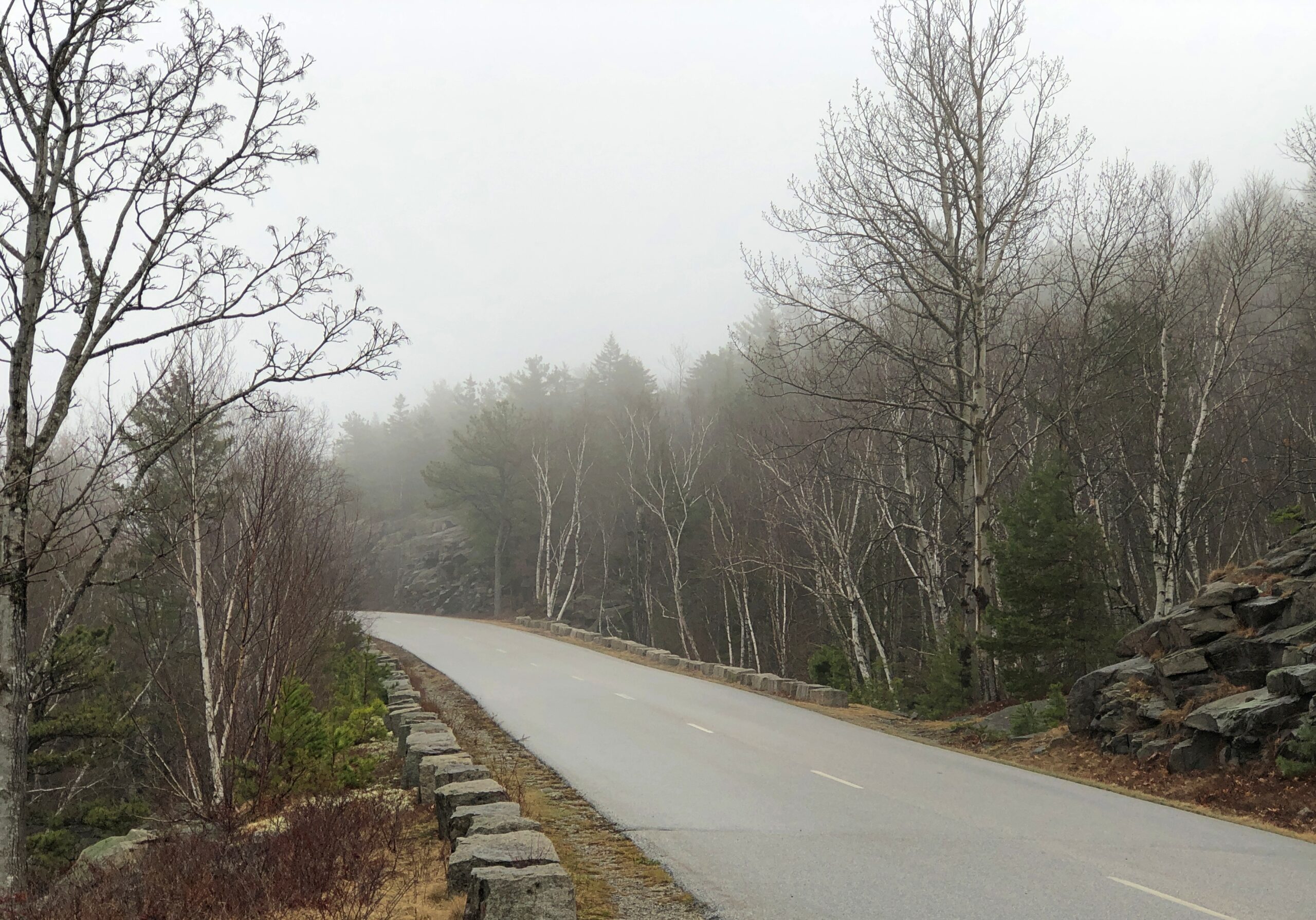
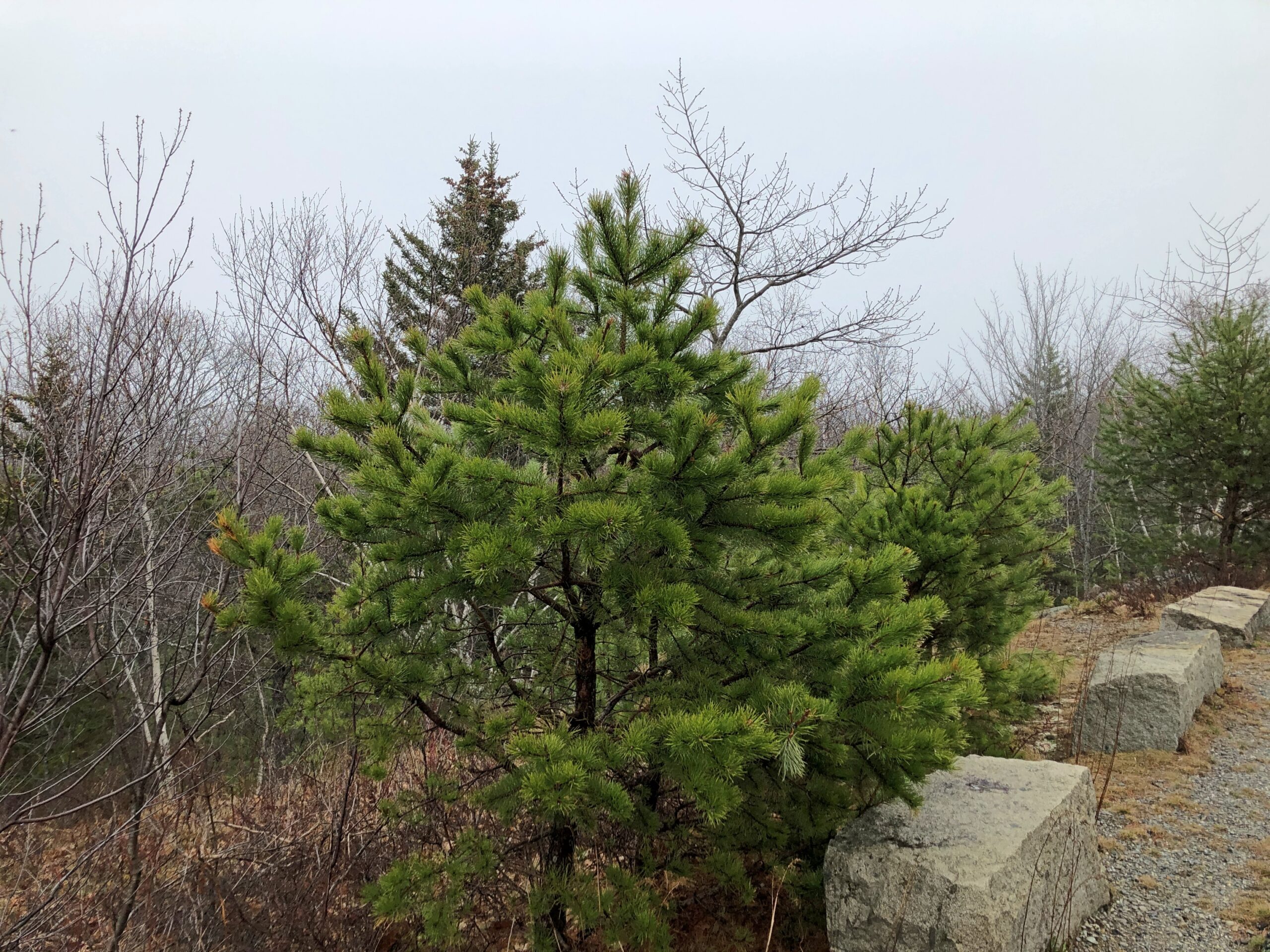
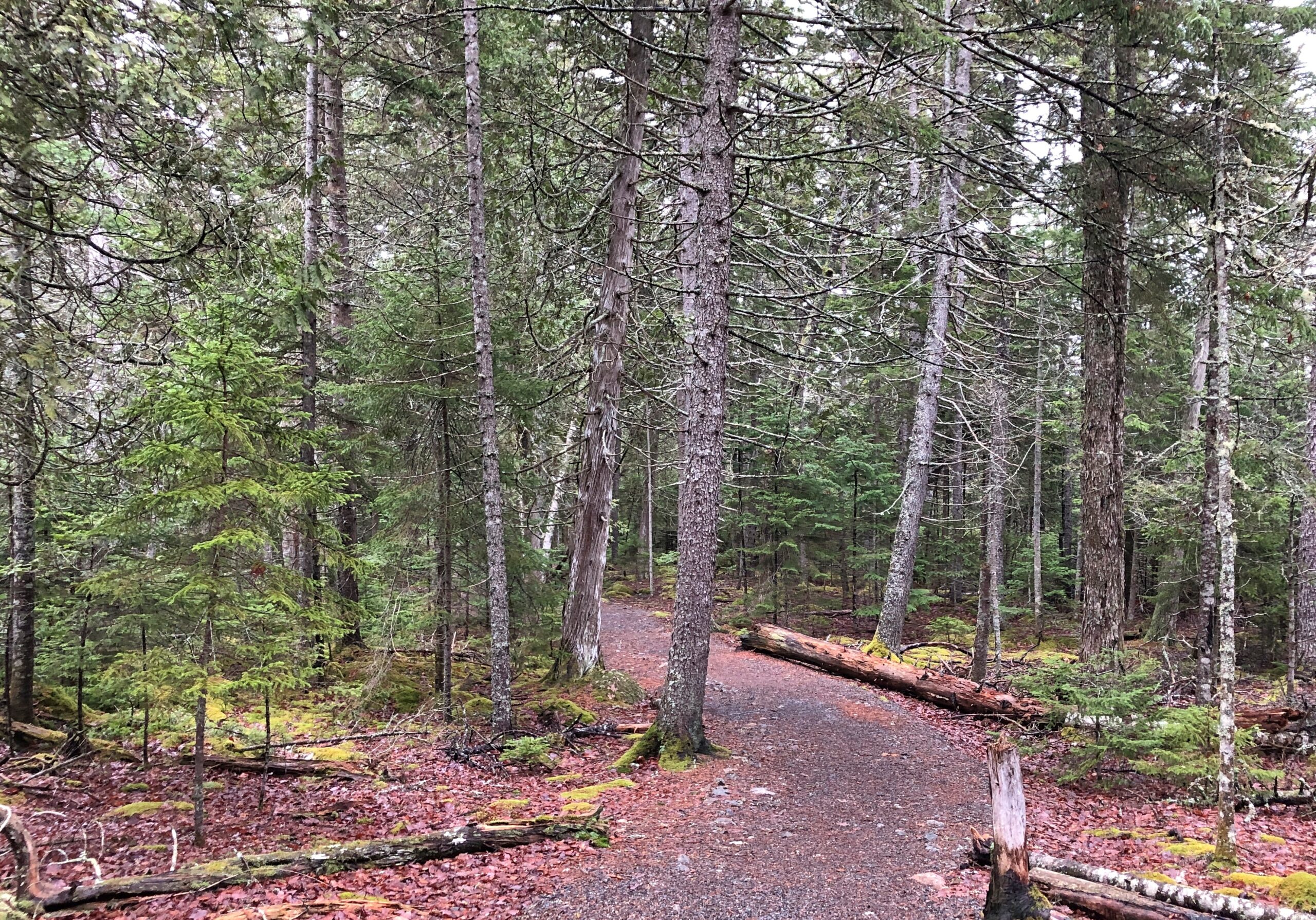
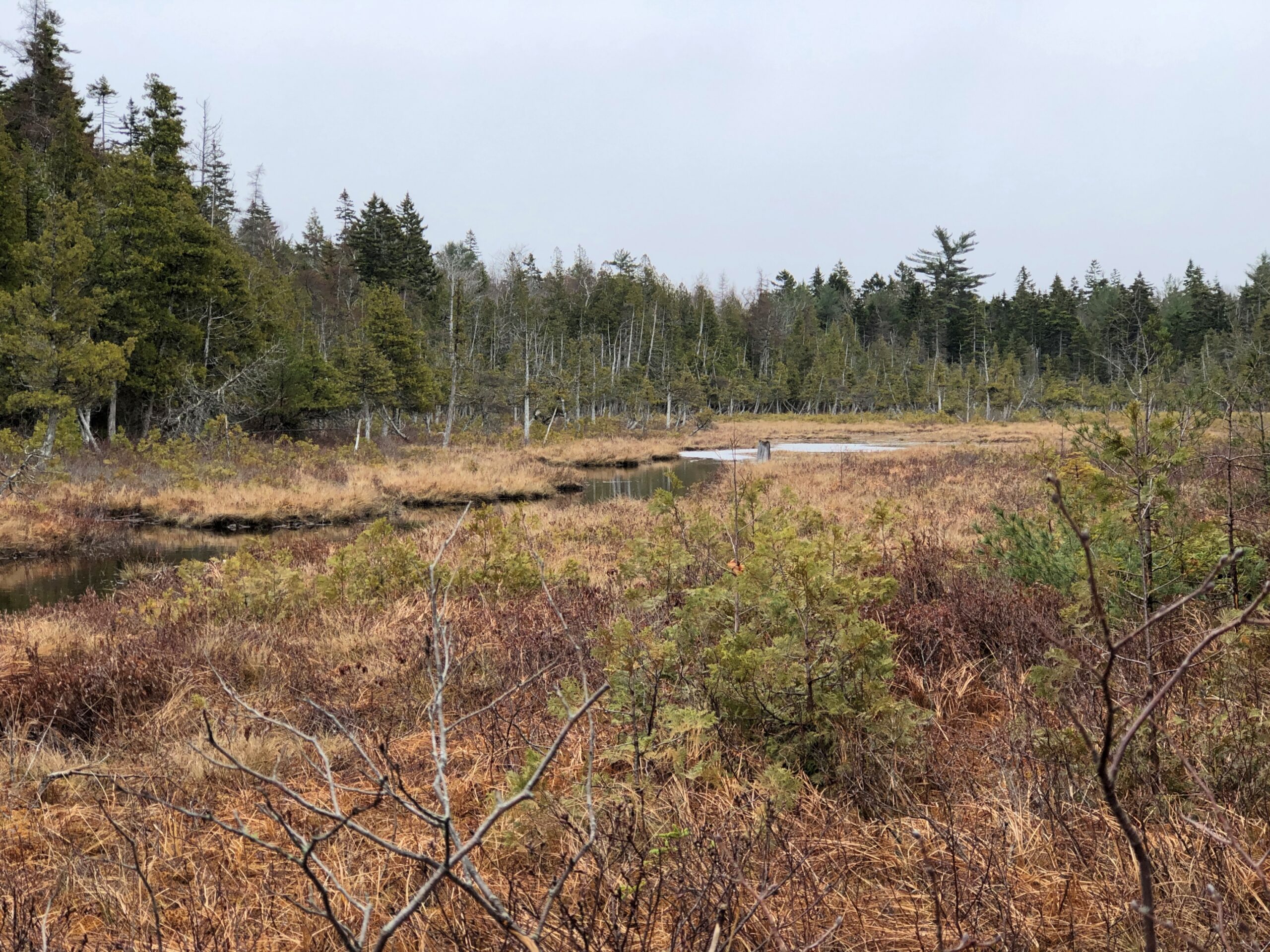
The Park Loop Road in Acadia NP is a fine drive (1) if there aren’t many other cars and (2) you take it easy around those curves. In that, it’s no different than a lot of rural roads. But there’s also the bonus of passing through thick Maine woods. There are brief views of the ocean from the road, but mostly you’re tooling through evergreens.
Through patches of deciduous trees as well.
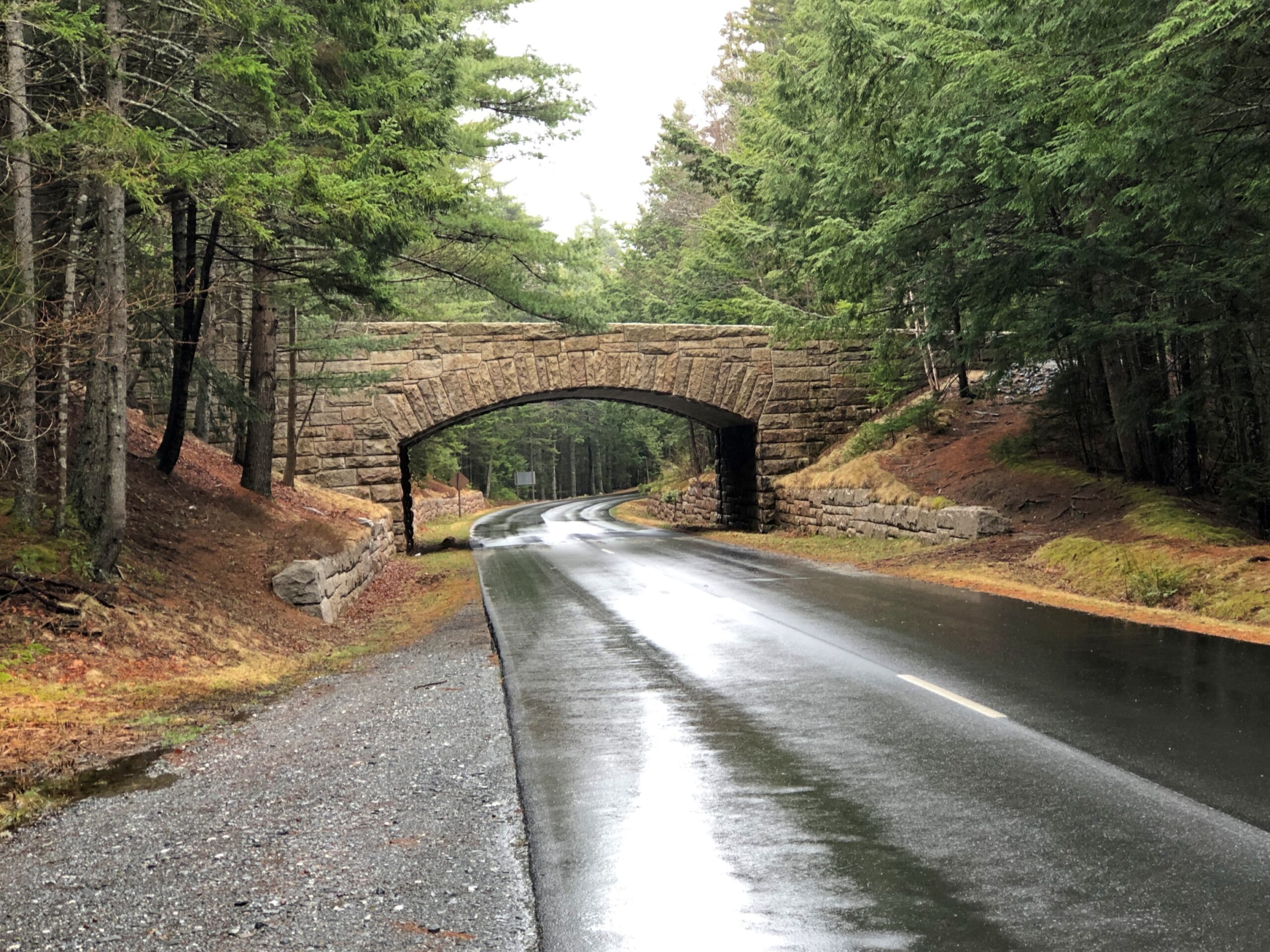
Periodically, the road crosses under handsome bridges.
This made me wonder: bridges for what? Soon I learned that the park not only has a hard-surface road snaking through, but also a network of carriage trails. A lot of them. The bridges are for them.
“Forty-five miles of rustic carriage roads, the gift of philanthropist John D. Rockefeller Jr. and family, weave around the mountains and valleys of Acadia National Park,” says the NPS. “Rockefeller, a skilled horseman, wanted to travel on motor-free byways via horse and carriage into the heart of Mount Desert Island. His construction efforts from 1913 to 1940 resulted in roads with sweeping vistas and close-up views of the landscape.”
It was barely the season for the paved road, and I suspect few visitors were on the carriage roads either. I noticed that the entrance to the Wildwood Stables, a facility that supports carriage riding, and which can be glimpsed from the road, was still closed. A carriage ride through Arcadia NP might be an grand experience, but maybe not in April.
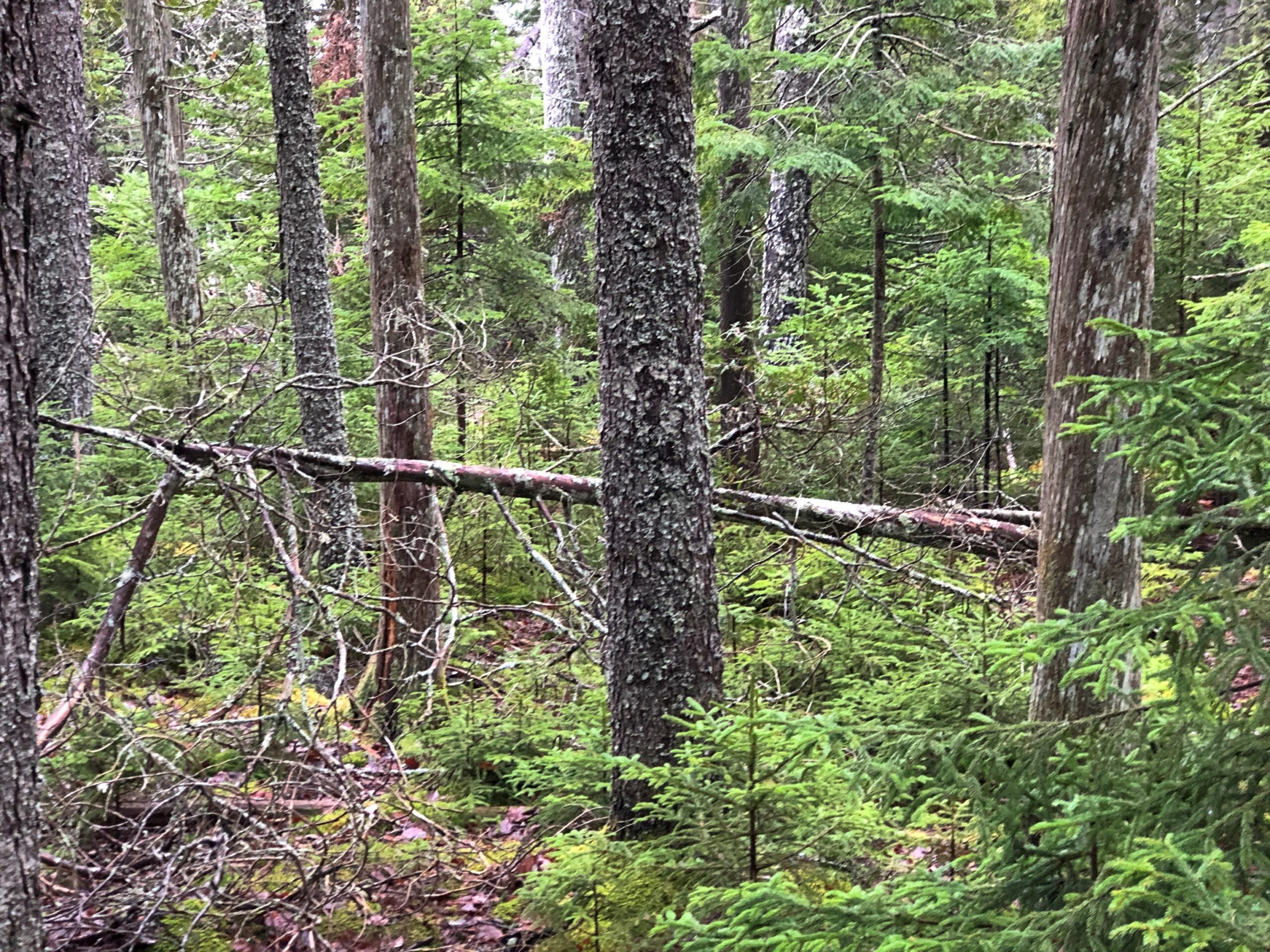
The woods alongside the road.
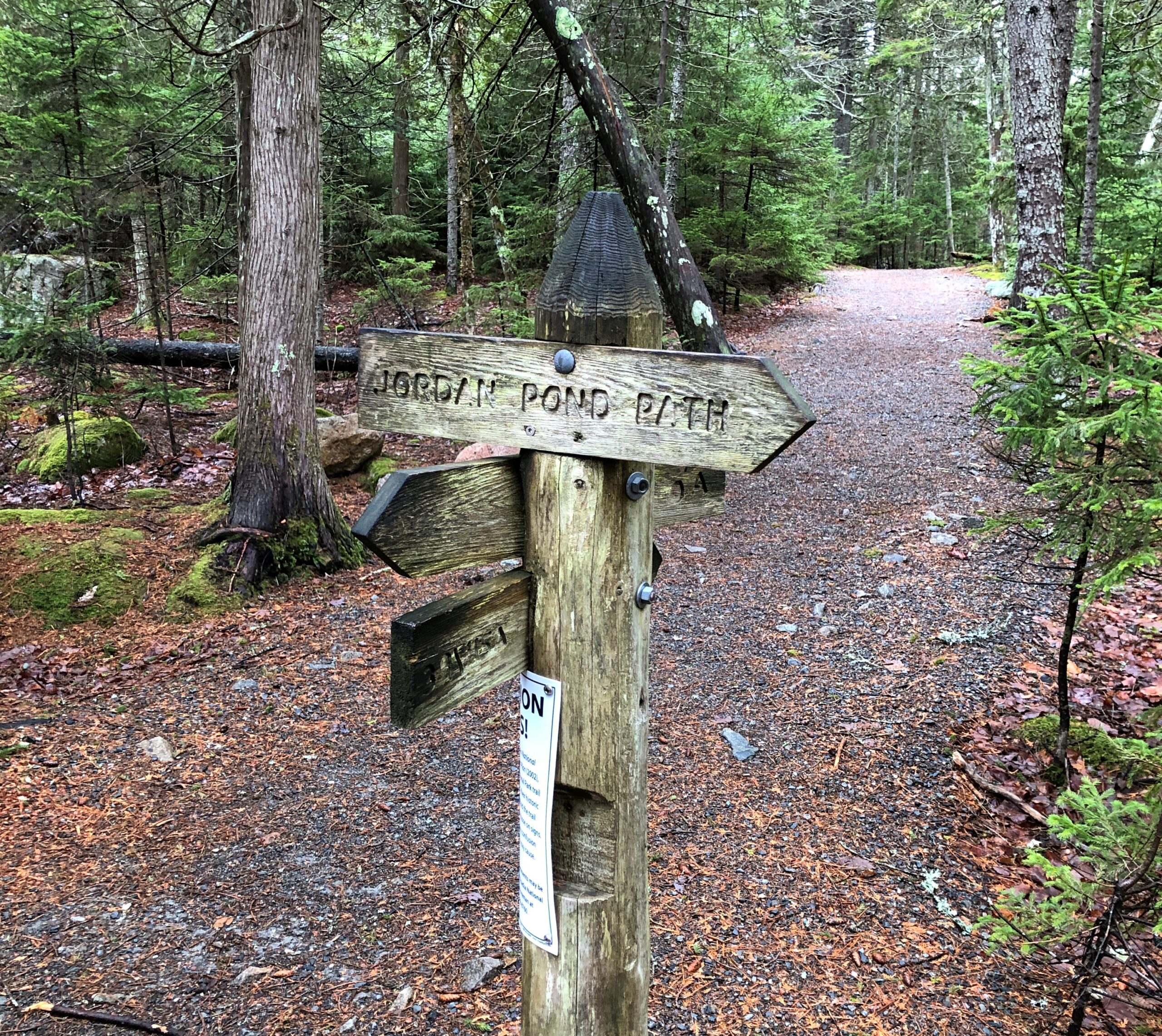
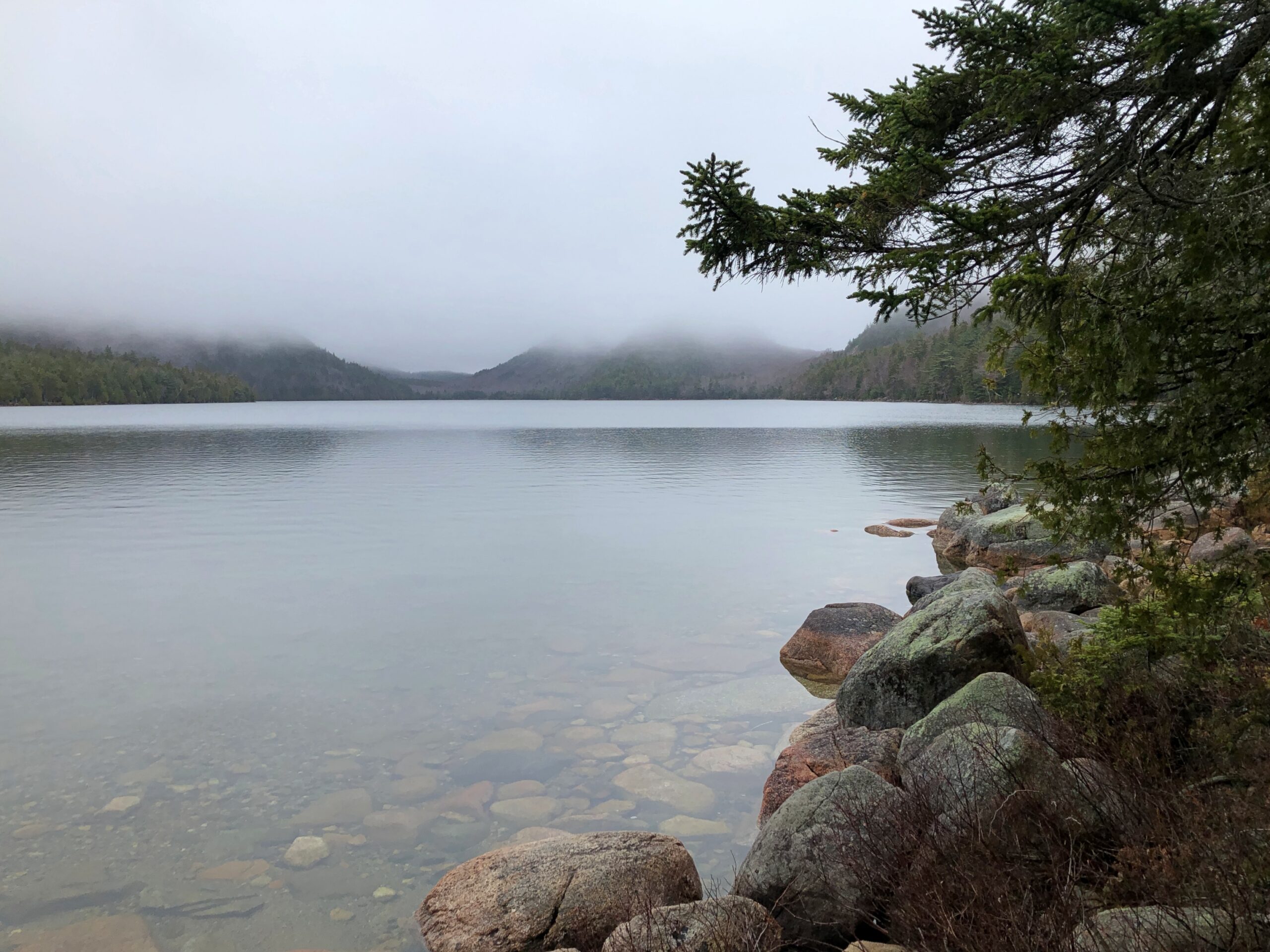
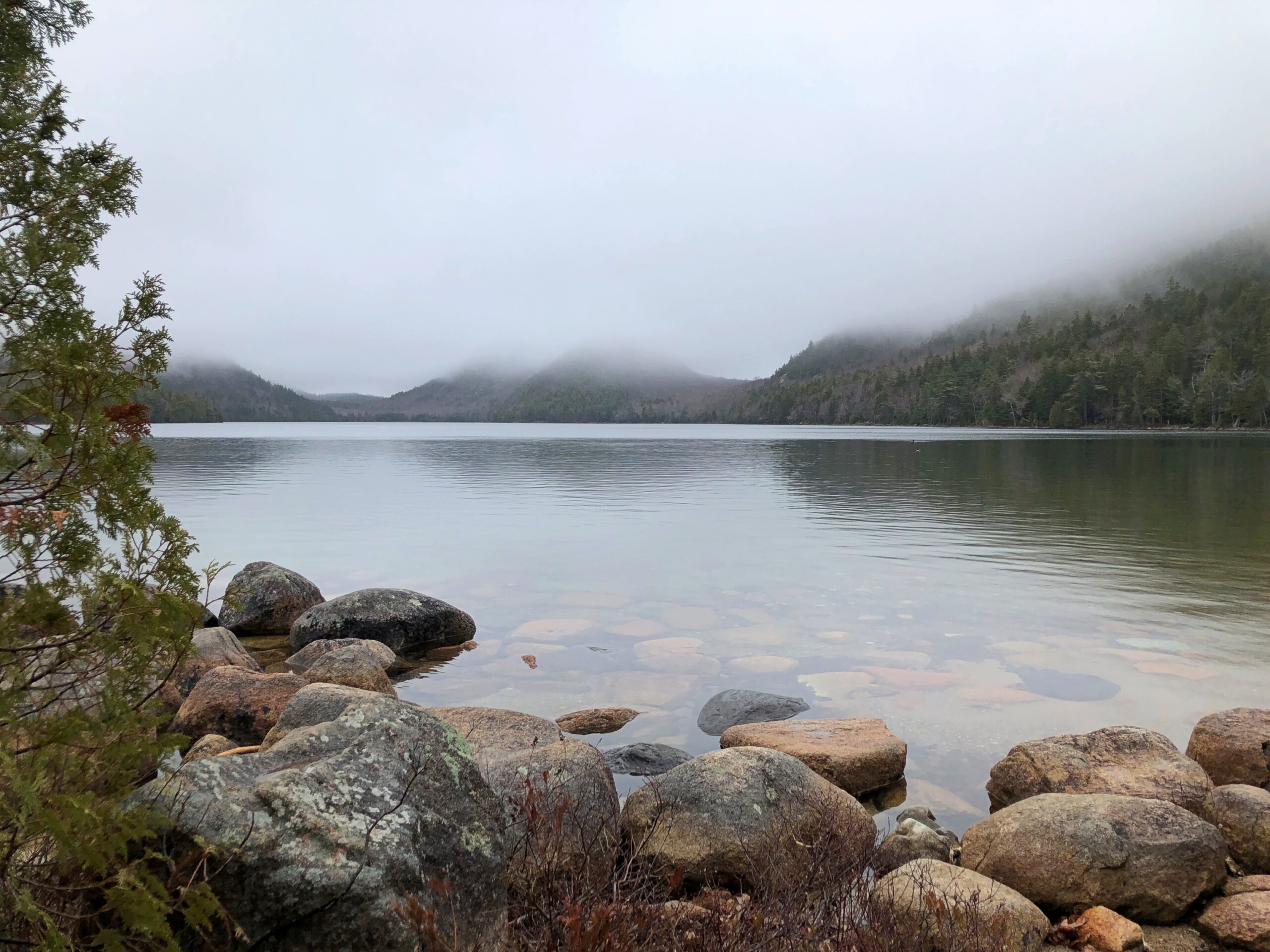
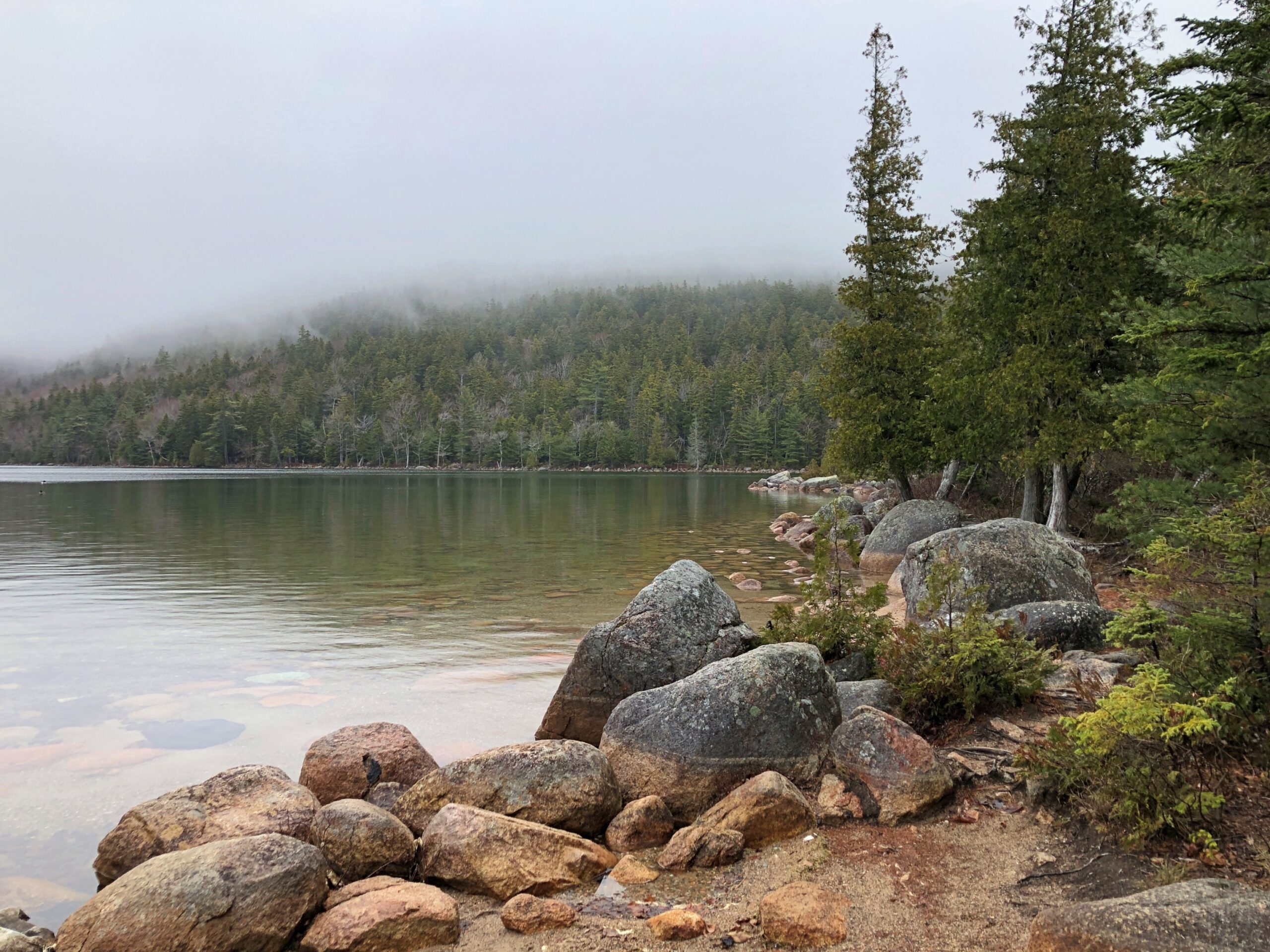
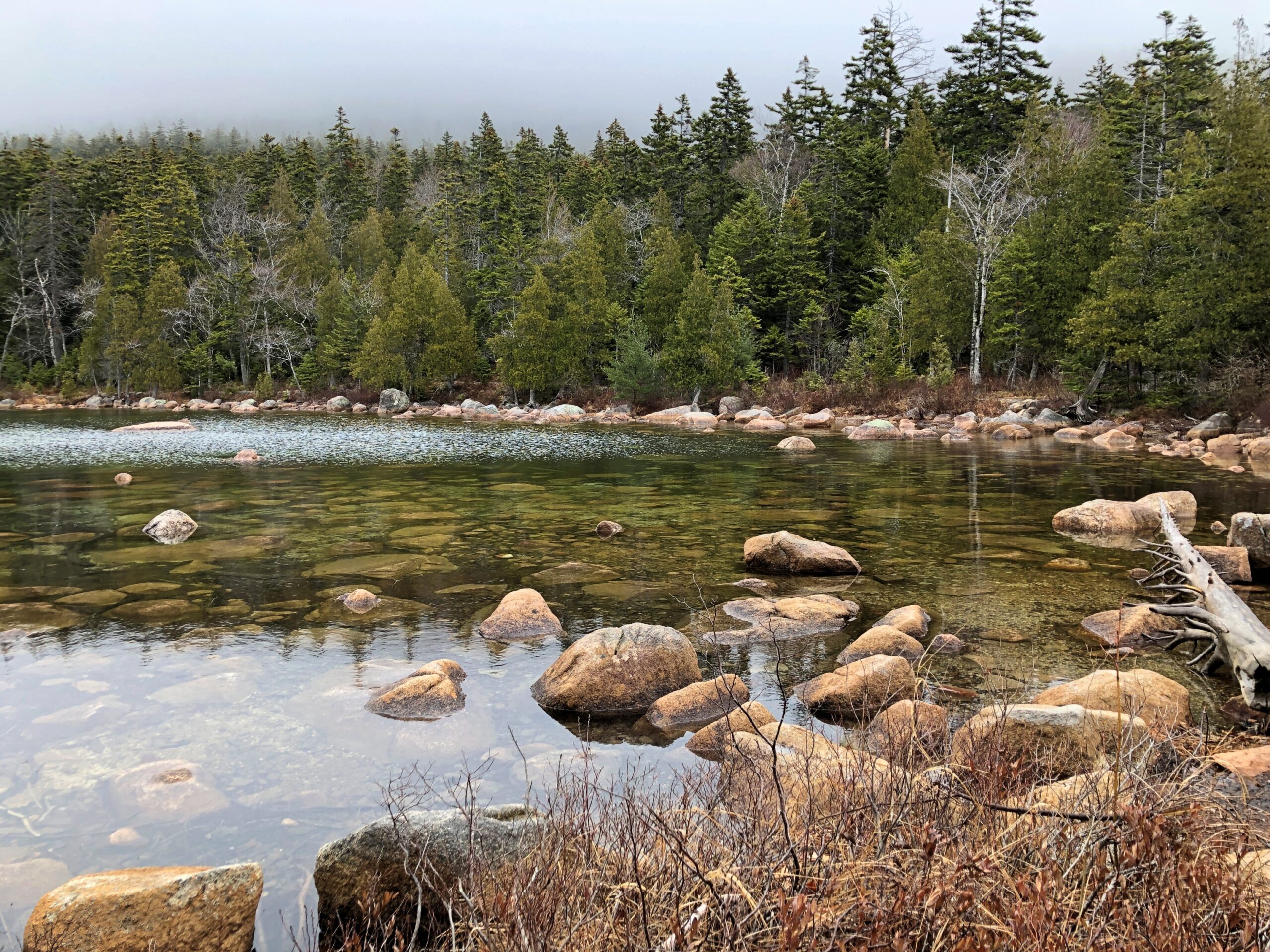
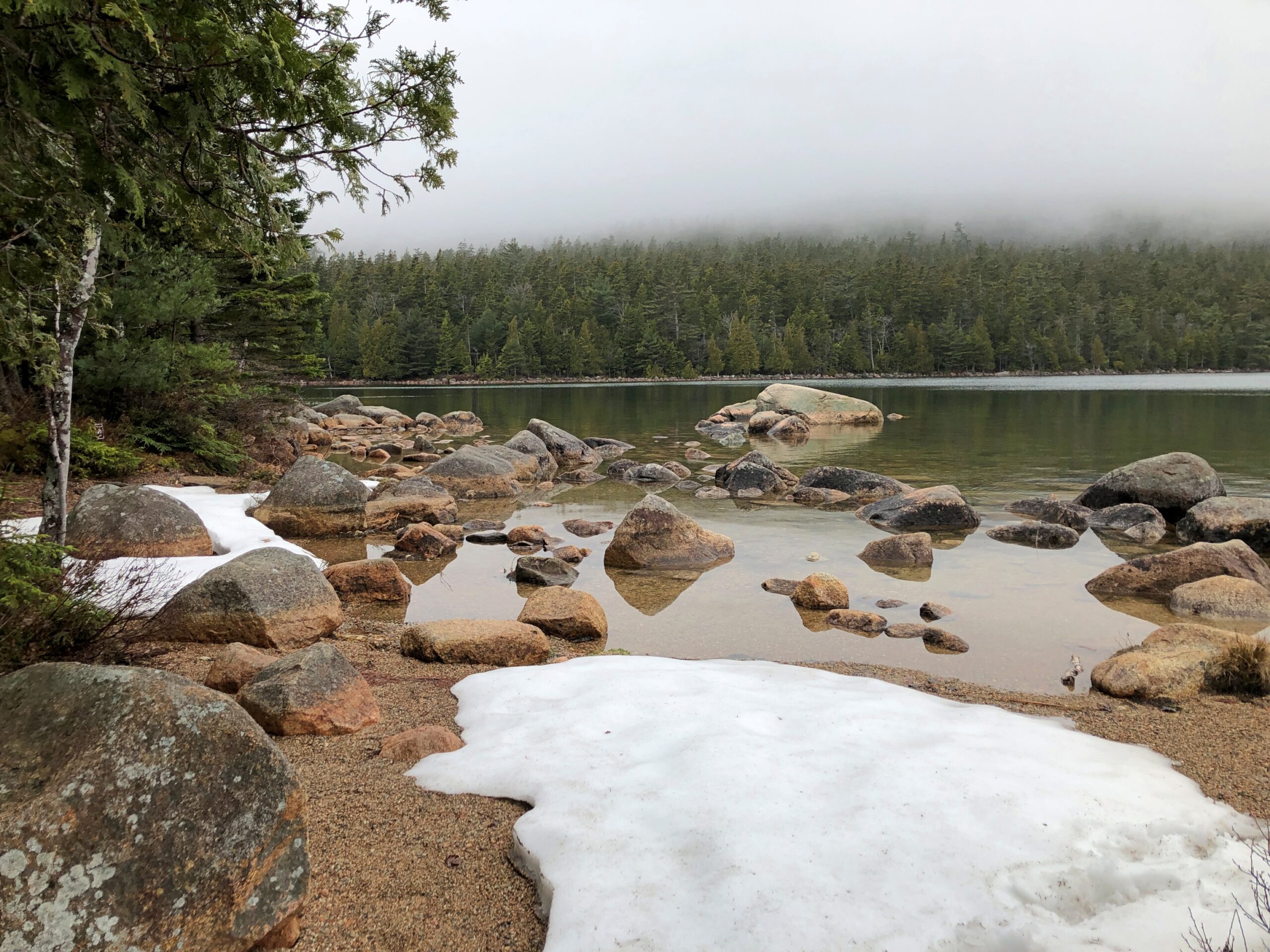
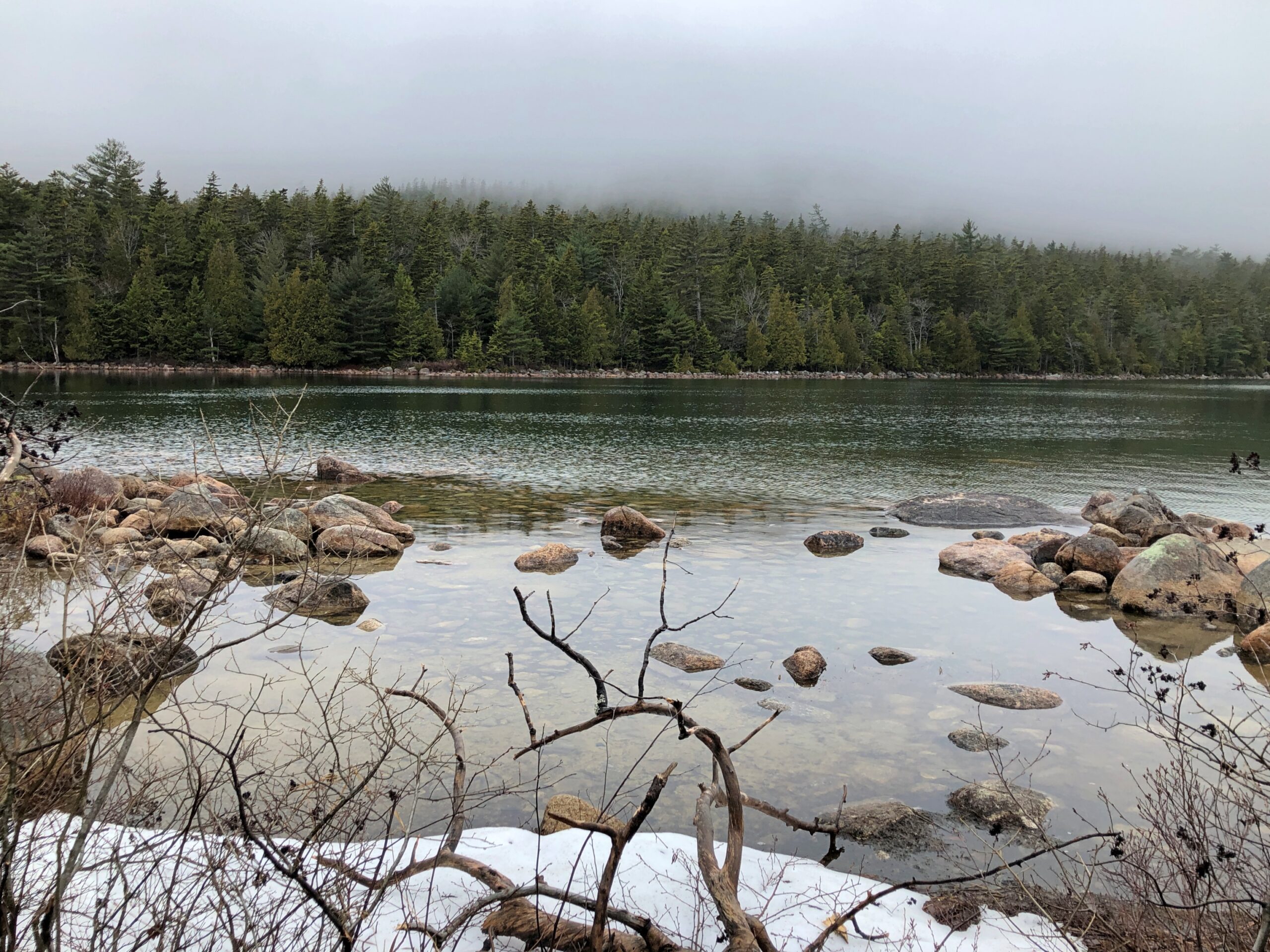
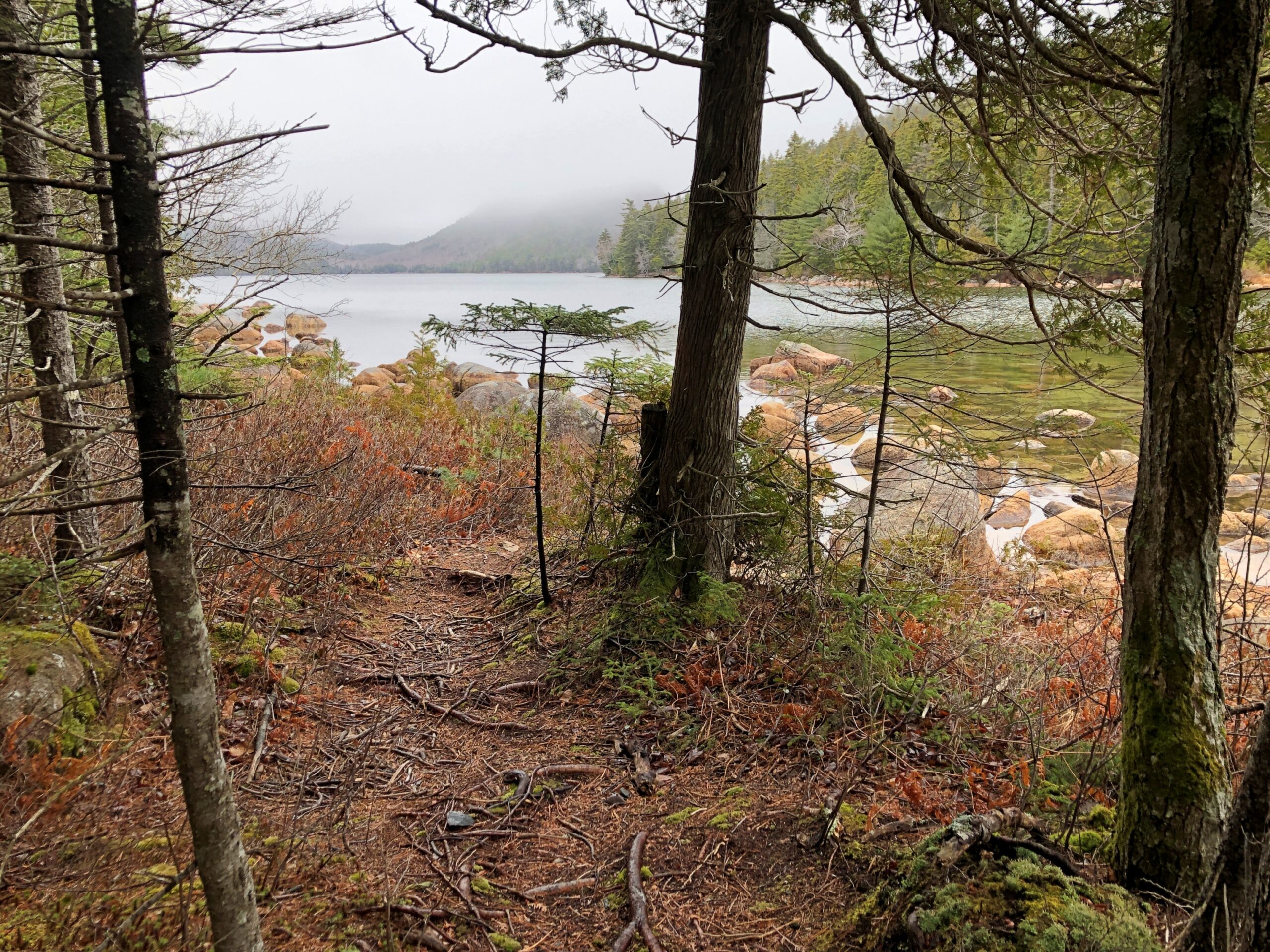
Driving is one thing, but I also wanted to walk. I found my way to Jordan Pond for that purpose.
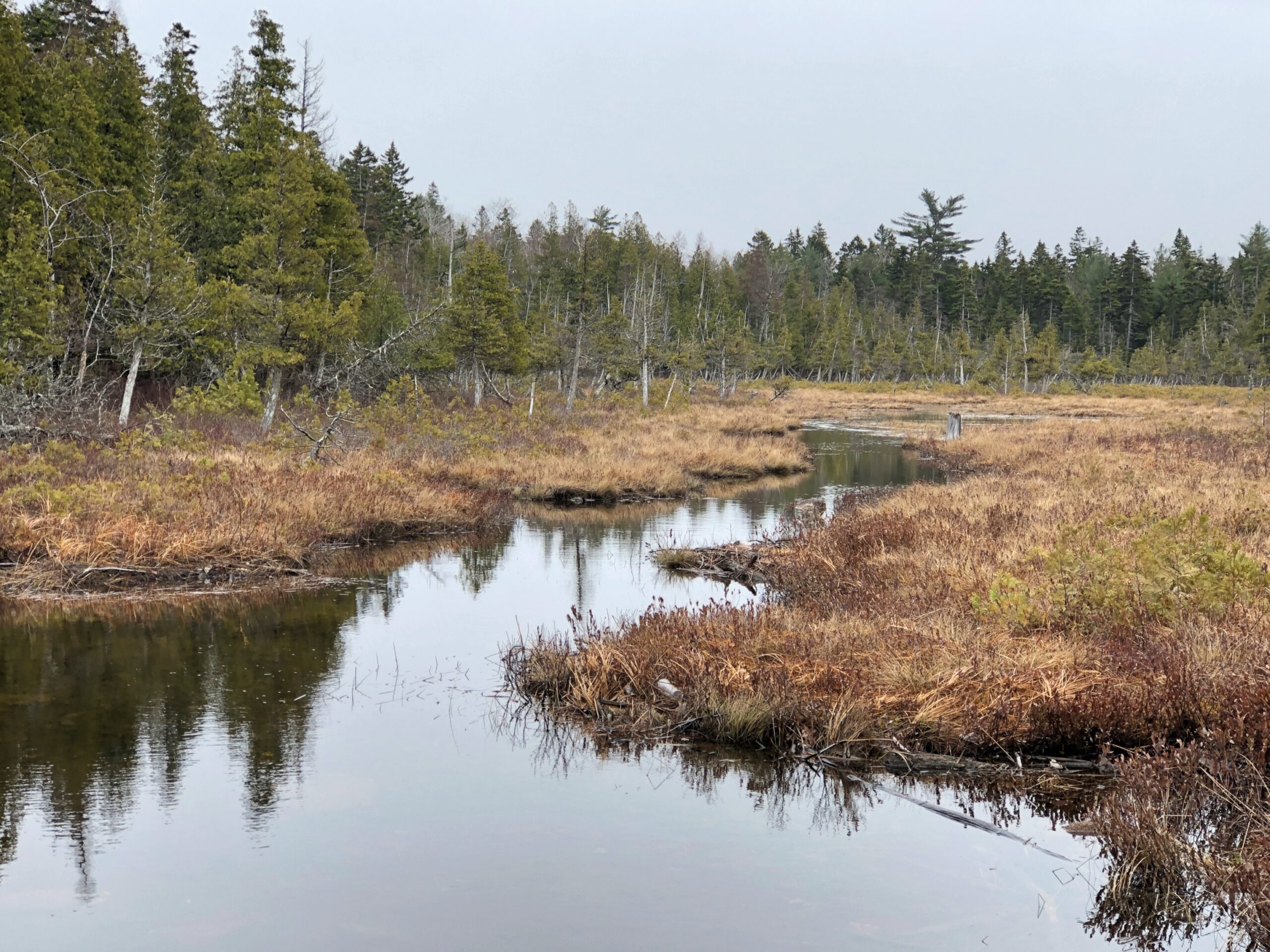
“Oligotrophic lakes are most common in cold, sparsely developed regions that are underlain by crystalline igneous, granitic bedrock,” the entry says. “Due to their low algal production, these lakes consequently have very clear waters, with high drinking-water quality.”
No giardia in that lake? I didn’t want to find out. I carried my own drinking water as I walked the trails near the pond.
An easy trail. At one point, it crossed a creek feeding into the pond.
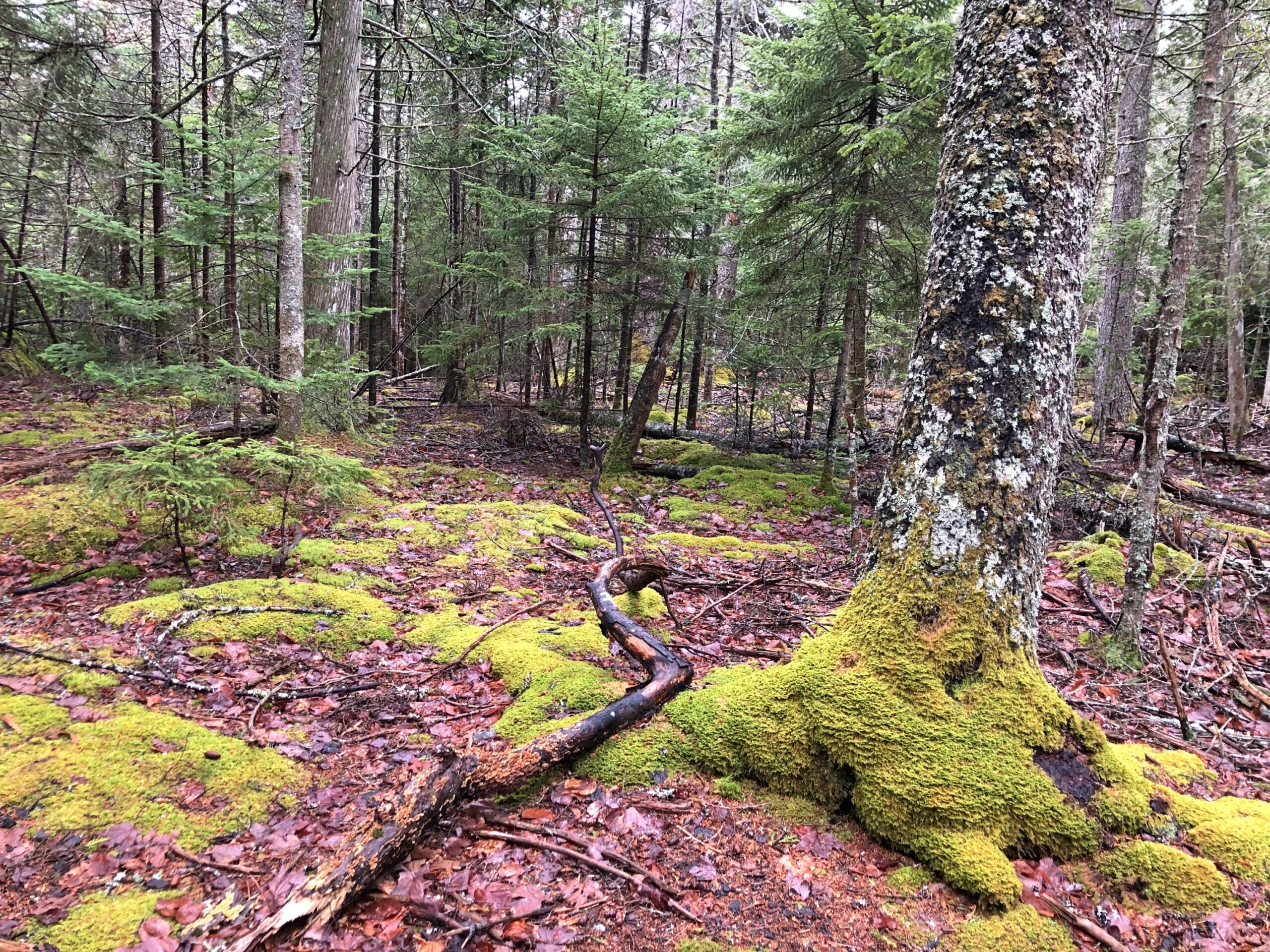
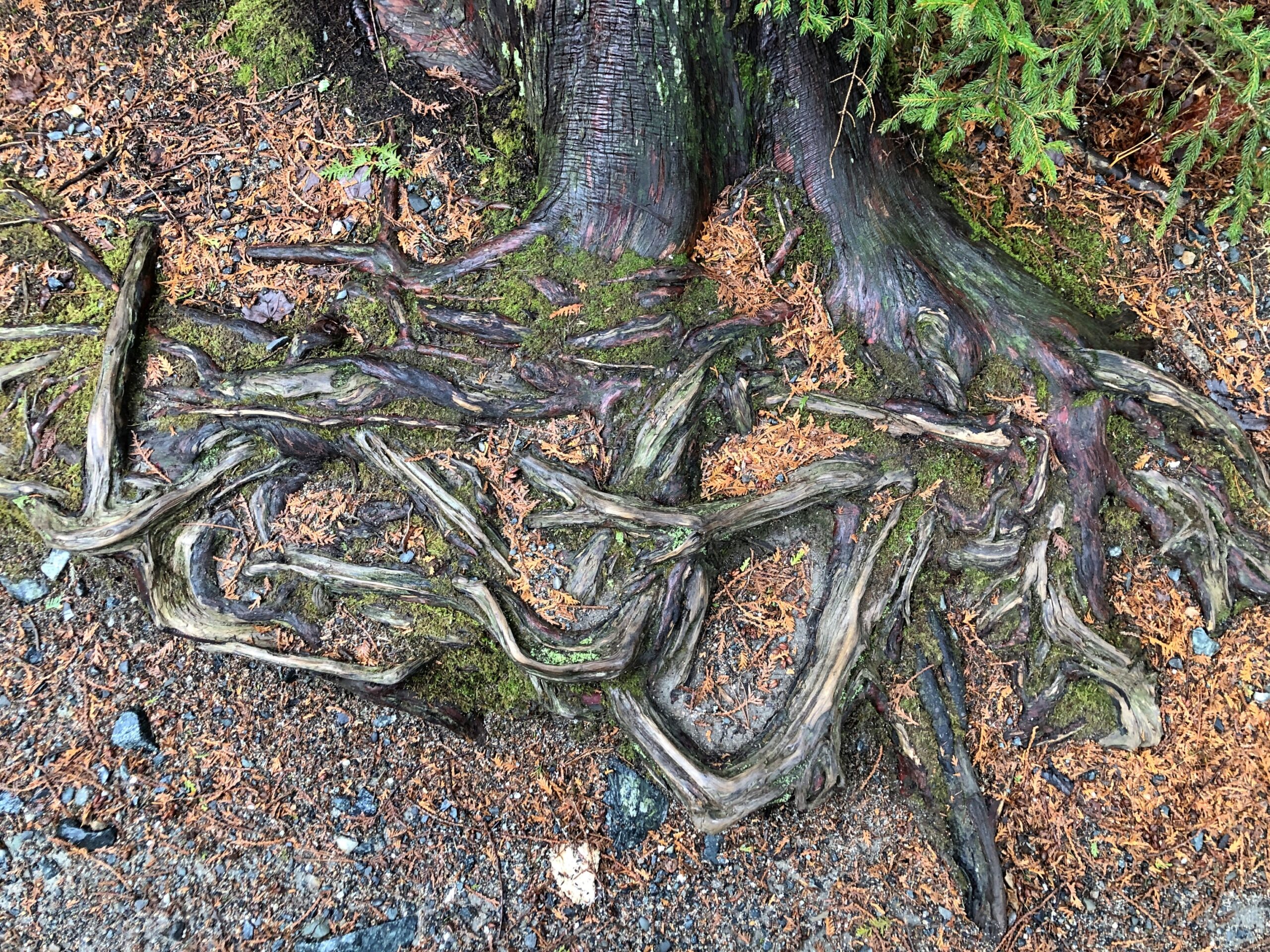
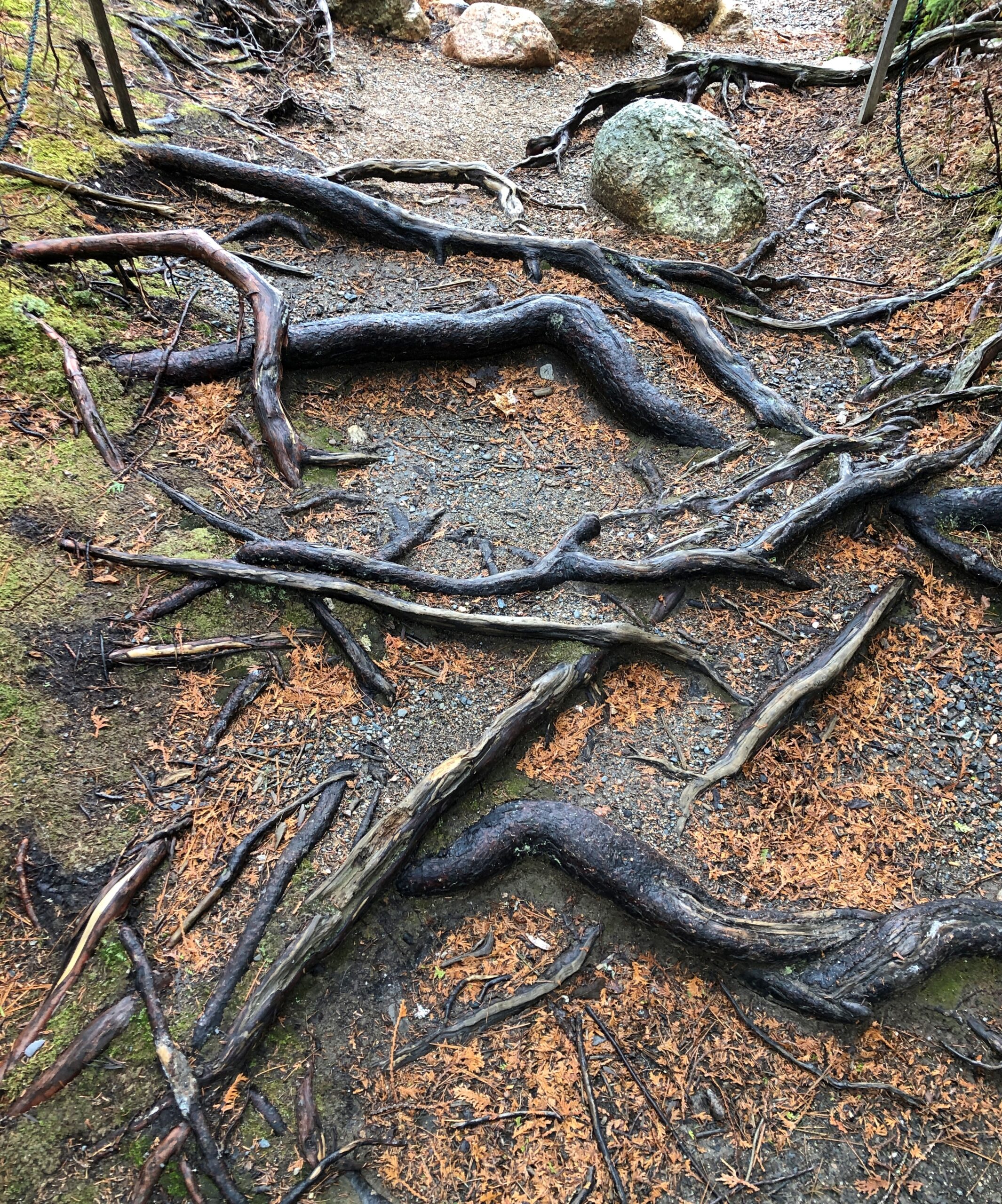
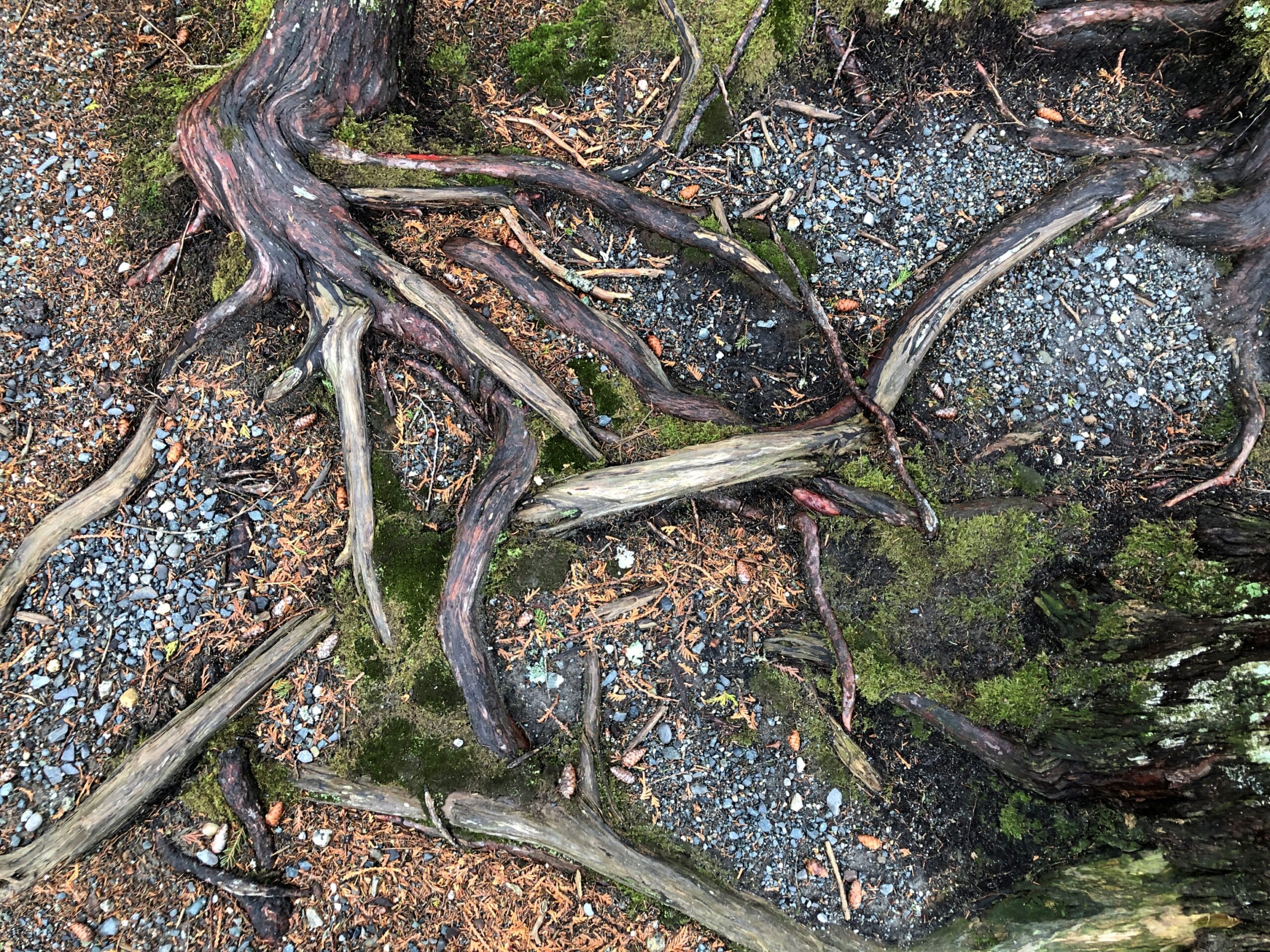
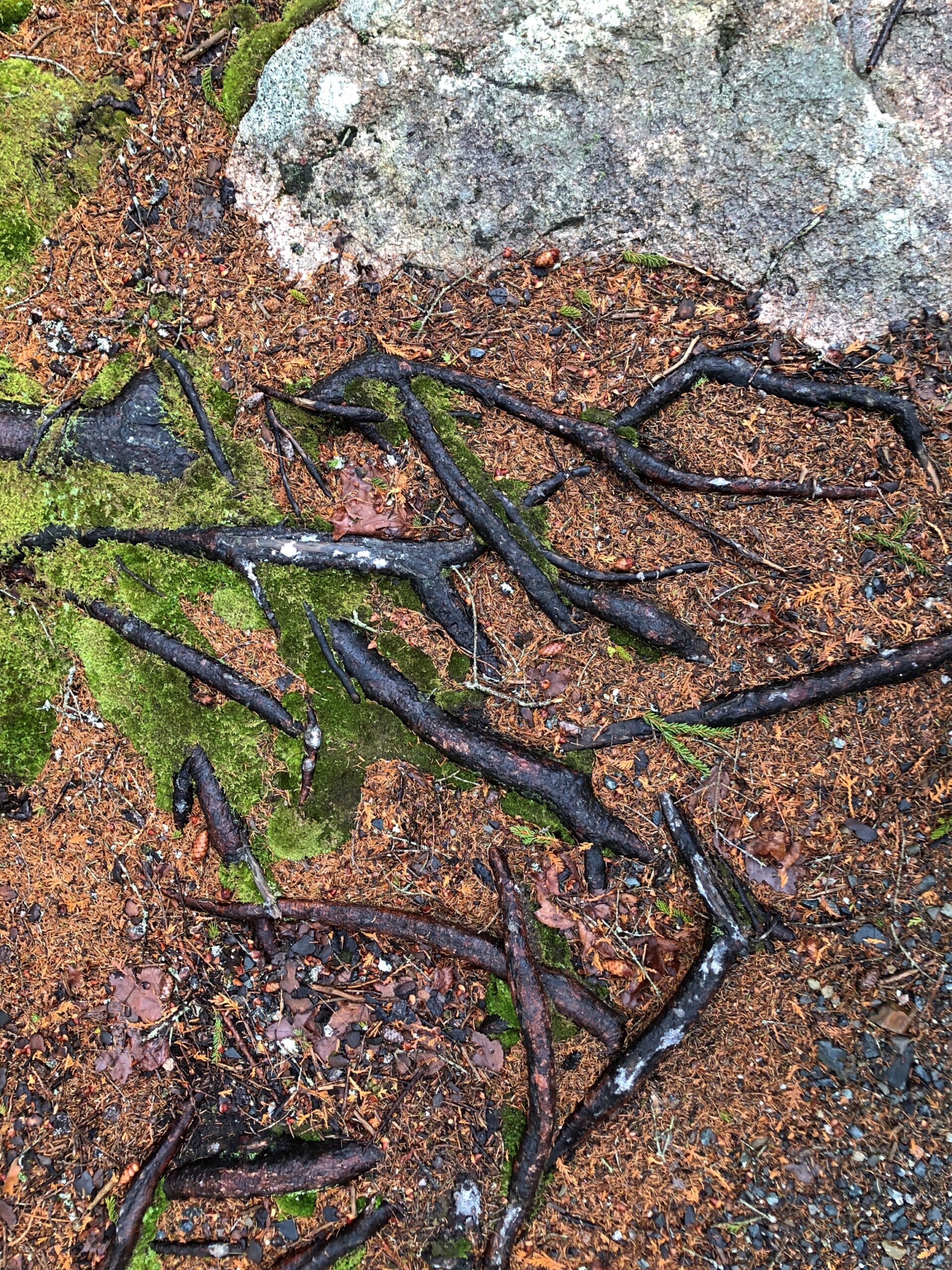
There were too many interesting tree roots to ignore them.
“Roots are typically at least half of a plant’s biomass, but you wouldn’t know it given how little scientific research has been devoted to these critical tendrils,” says the Smithsonian magazine. “Only recently have scientists given plant roots their day in the sun — in fields like collections research, climate science and microbiology.”
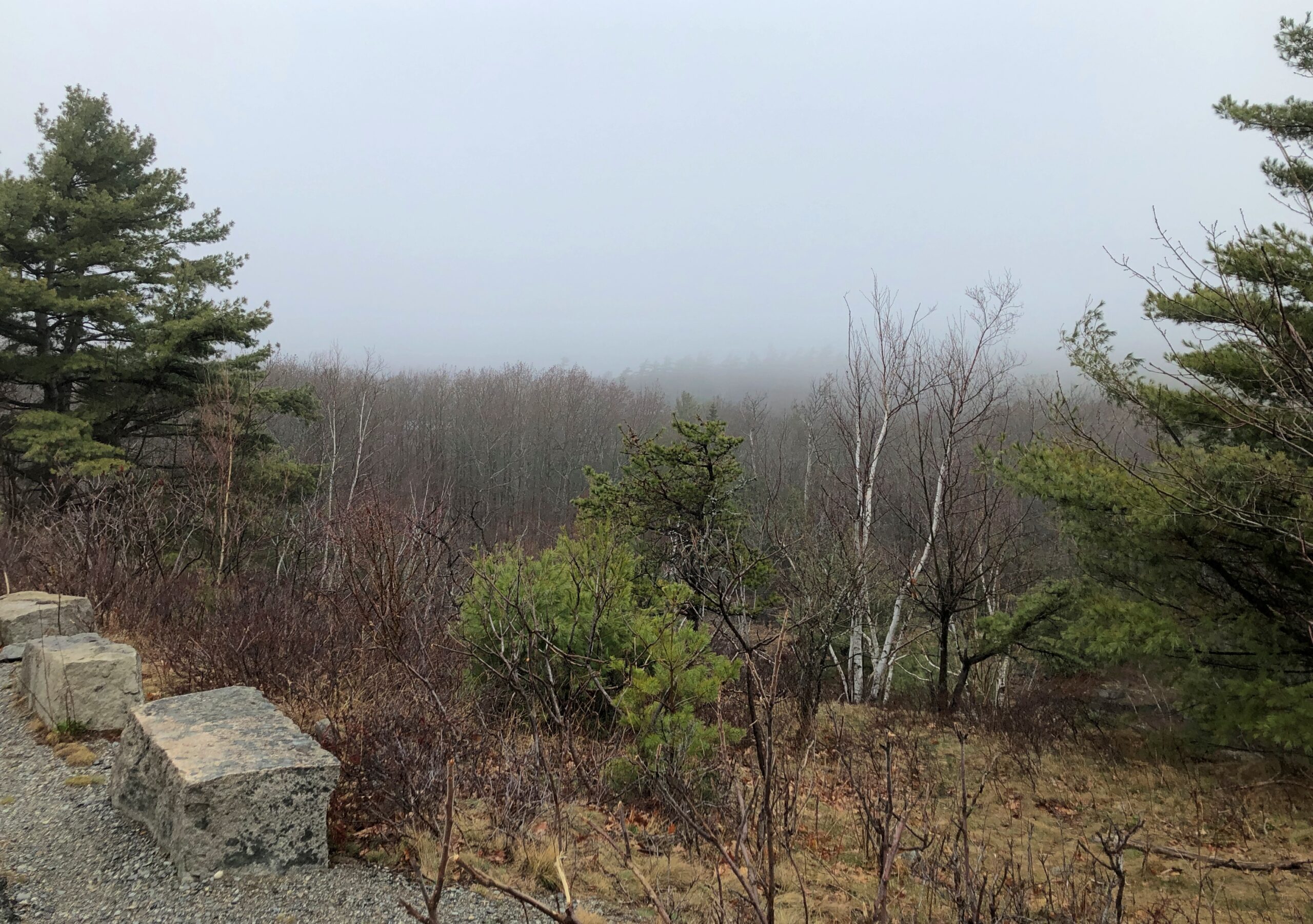
Or, in the case of the hardy trees of coastal Maine, their day in the fog.