Nor’East Drive ’26

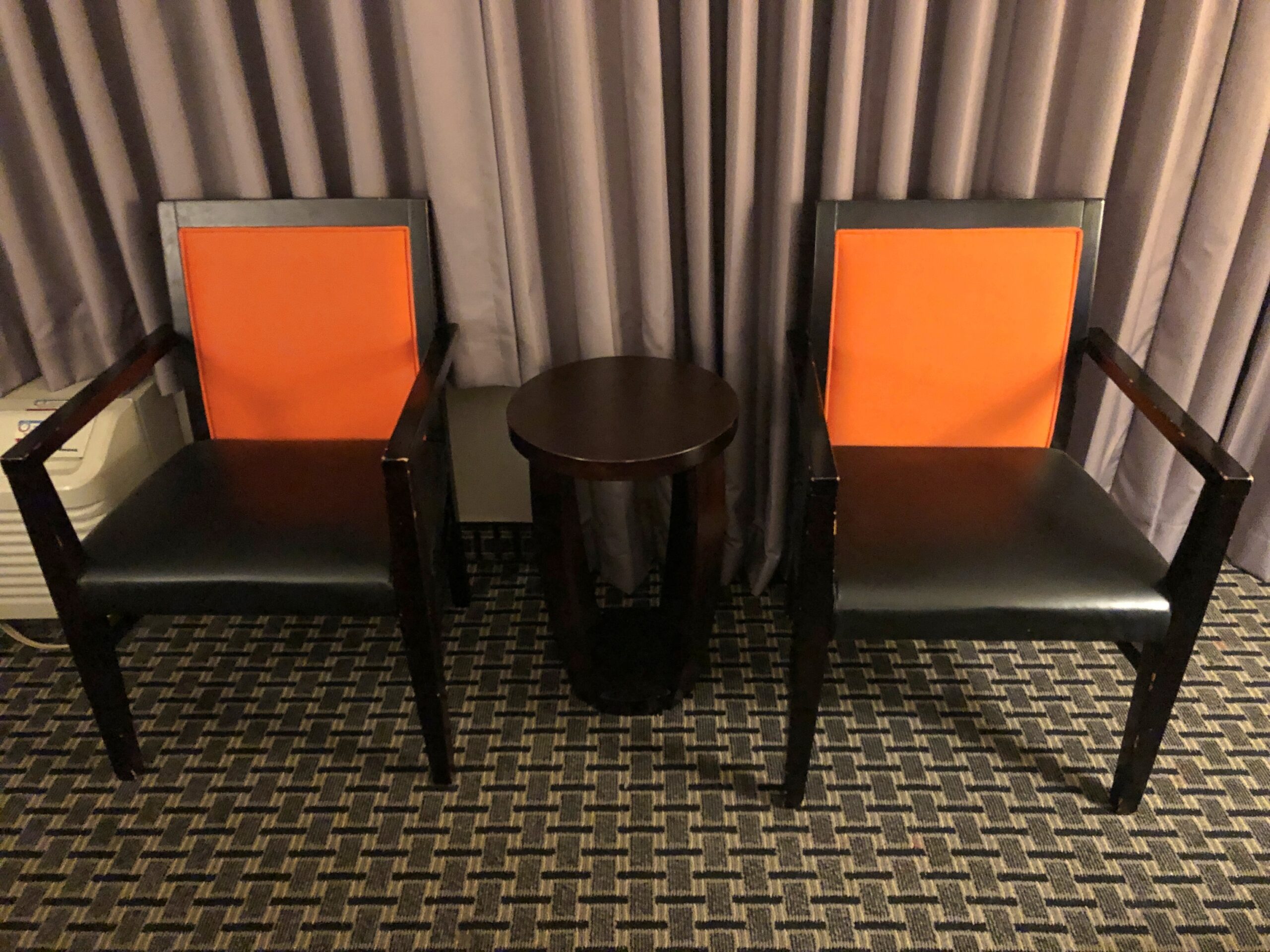
Howard Johnson, it turns out, is serious about renovating its rooms retrostyle. What says Howard Johnson midcentury, the heyday of the much-diminished chain, better than orange? – a lot of orange.

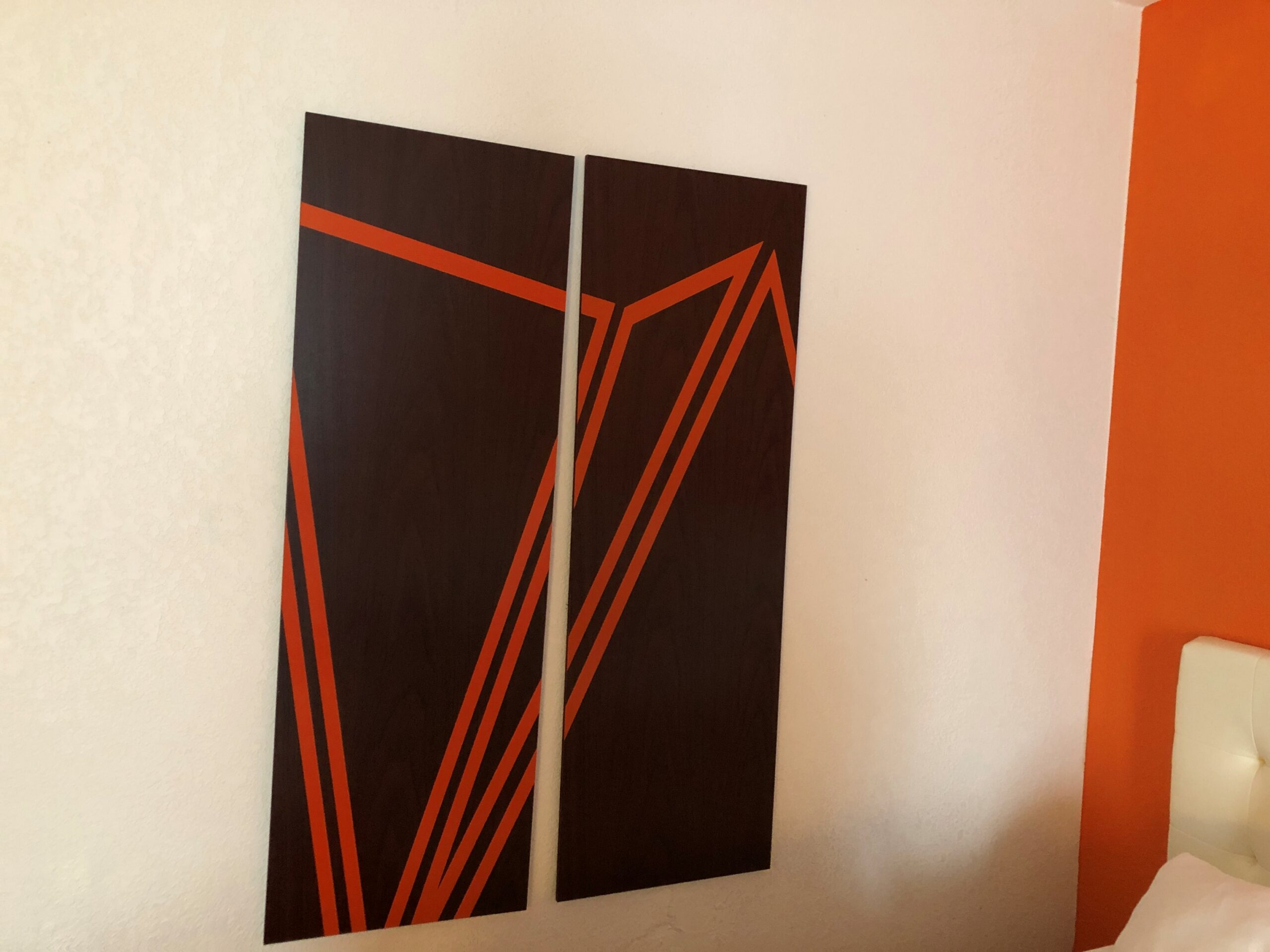
I’m just old enough to be nostalgic for midcentury motels. Maybe I’m just the right age, since as a kid, I didn’t have to concern myself with the details of getting to the motels or paying for them. I was along for the ride and the stay. I did, however, starting with the Cave Vacation of 1972 at age 11, concern myself with packing – my own stuff, but also the items everyone would need, put in the trunk of the car. To the mild amazement (I think) of my mother.

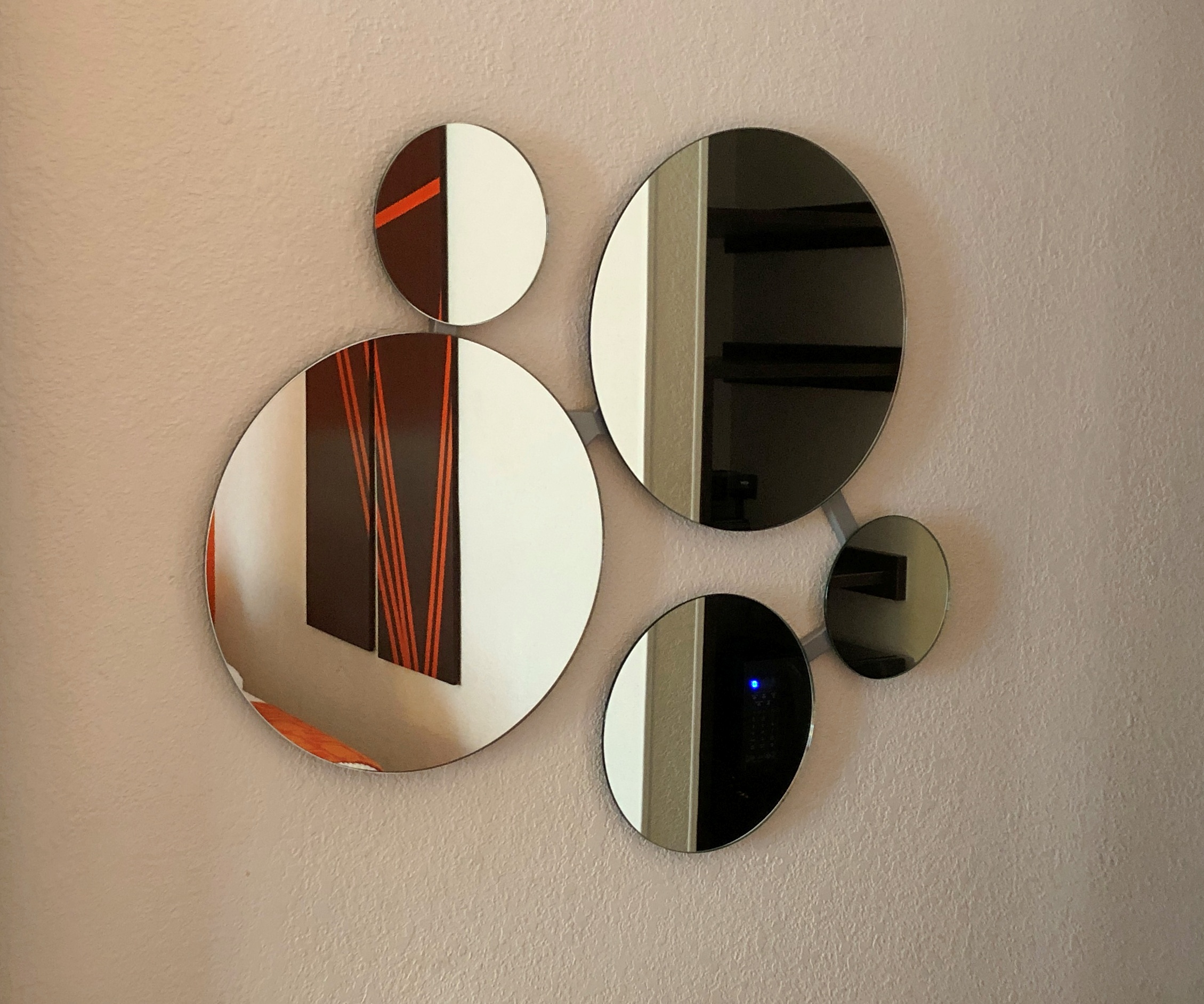
The Portsmouth, New Hampshire Howard Johnson, whose full brand name these days is Howard Johnson by Wyndham, checked a lot of the other boxes besides raw orange overload.
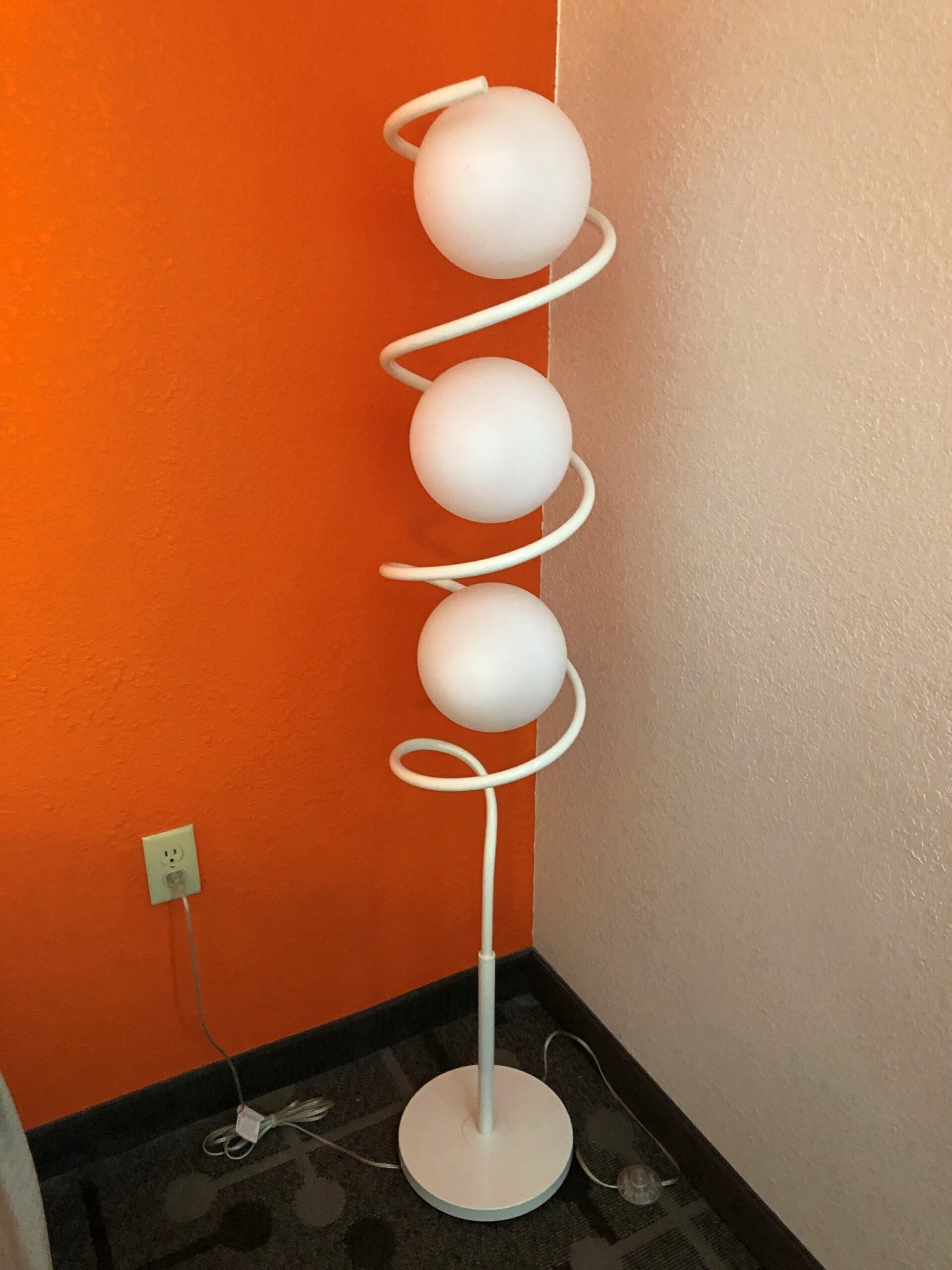
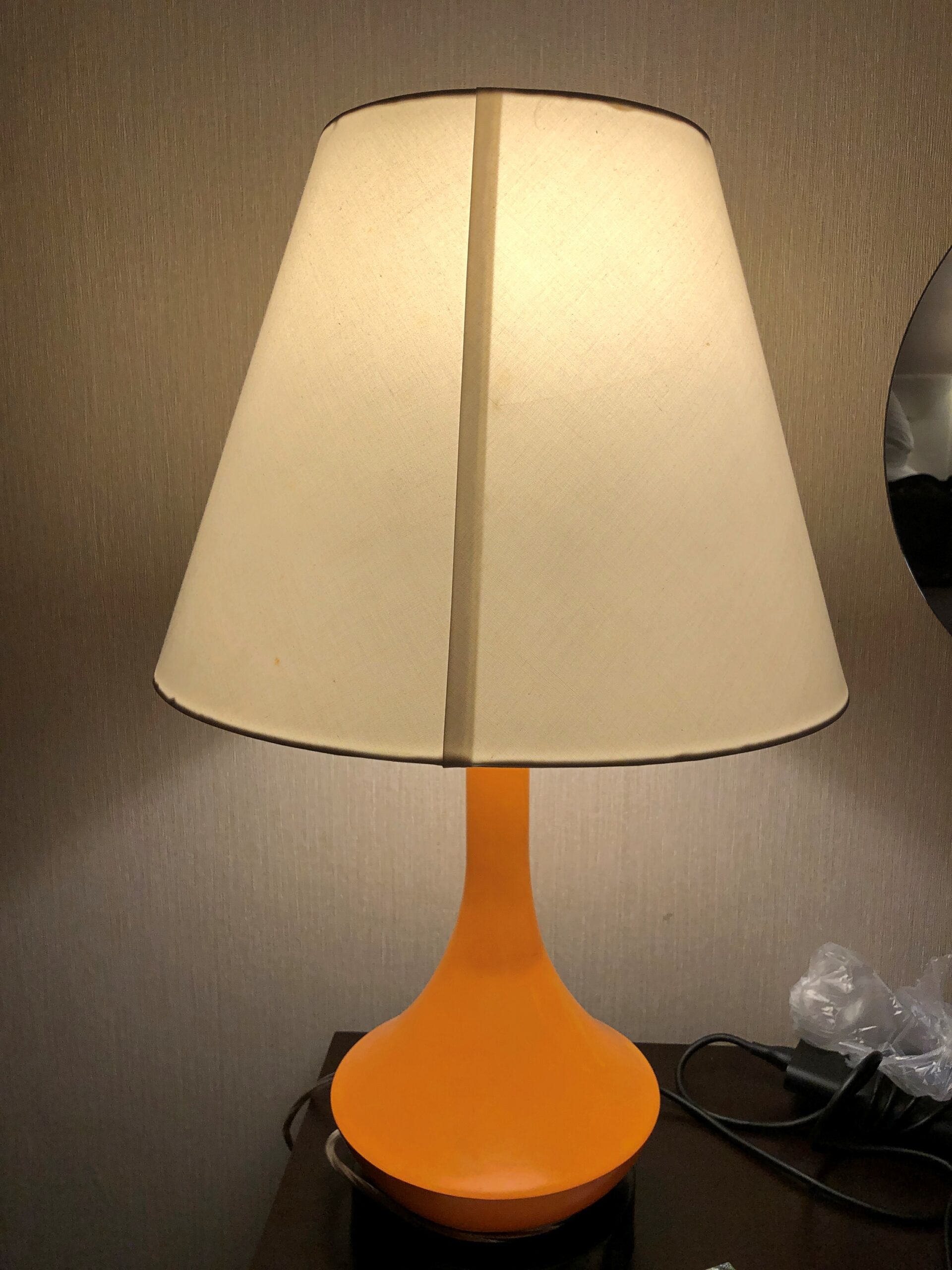
Not sure if these are precisely period lamps, but they remind me of the period.
The room had a modern TV, naturally, and as befitting our time, a lot of outlets, including USBs. Unfortunately, there was no bottle opener attached under the sink. Or a gossamer paper ribbon around the toilet announcing that it had been sanitized for my protection. Just quibbles. The room had the right feeling.

I found myself in New Hampshire in mid-April headed east to Maine. Some days earlier, on April 7, I’d left metro Chicago by car for the Northeast again. I returned on April 24 after 3,499 miles on the road. Dang, I should have gone that extra mile we’re always hearing about.

After visiting the Northeast last October, I hadn’t intended to return quite so soon. Then Lilly and Dan scheduled their engagement party for April 11, 2026, in Midtown Manhattan, which meant a return to New York City at least. The easier (and cheaper) thing to do would have been for all of us to fly there, spend a few days, and then fly home.

I wanted to go to the party, of course, but that approach to getting there didn’t appeal – so I drove by way of Indiana, Ohio, Pennsylvania and New Jersey, where I squeezed a day into my schedule to look around. Yuriko and Ann flew in the day before the event, and we attended the party in the upstairs Manhattan Manor room of Rosie O’Grady’s on 51st, between 6th Ave. and 7th Ave. I’d never heard of the place before, but eventually learned that Rosie O’Grady’s is a sentimental favorite of Lilly and Dan’s when they visit New York. That only goes to show that one’s children have, or should have, aspects of their lives you know nothing about.

We had a large time that evening, meeting members of Dan’s family and many of his friends, and seeing many of Lilly’s friends for the first time or the first time in years. My nephew Dees was able to attend from Austin and my nephew Robert and his fiancée Meredith came from Brooklyn.

That wasn’t quite it for NYC – my nth visit, Yuriko’s third and Ann’s first – since we had another day and a half to kick around. We spent time strolling in a budding springtime Central Park and at MoMA and in a couple of Greek diners and one of the locations of the delightful Angelina bakery. All in all, an enjoyable time, all too short. Yuriko and Ann flew home, but I made my trip just a little longer.

Namely, I had another large time, this one in Boston, with my friends Rich and Lisa and Steve. That was slated for a week after the party, so I had a few days to spend between NYC and Boston. Where to go? Maine. Geographically not between those major metros, but nothing is that far apart in New England, as all drivers who grew up in Texas know.

After my visit with my Boston friends on the weekend of April 18-19, I took a (fairly) slow drive home, passing through western Massachusetts and stopping in upstate New York long enough to visit historic places I couldn’t in October because the federal government shutdown. From there, I traversed Pennsylvania, Ohio and Indiana again, along a somewhat different route than I’d come. Of course.

The last night of the trip, I stayed at another Howard Johnson. It had the location I wanted, in western Ohio, and the price wasn’t bad, but I was also curious how orange it was going to be. The answer: not quite as much as the Portsmouth property, but more than most places.
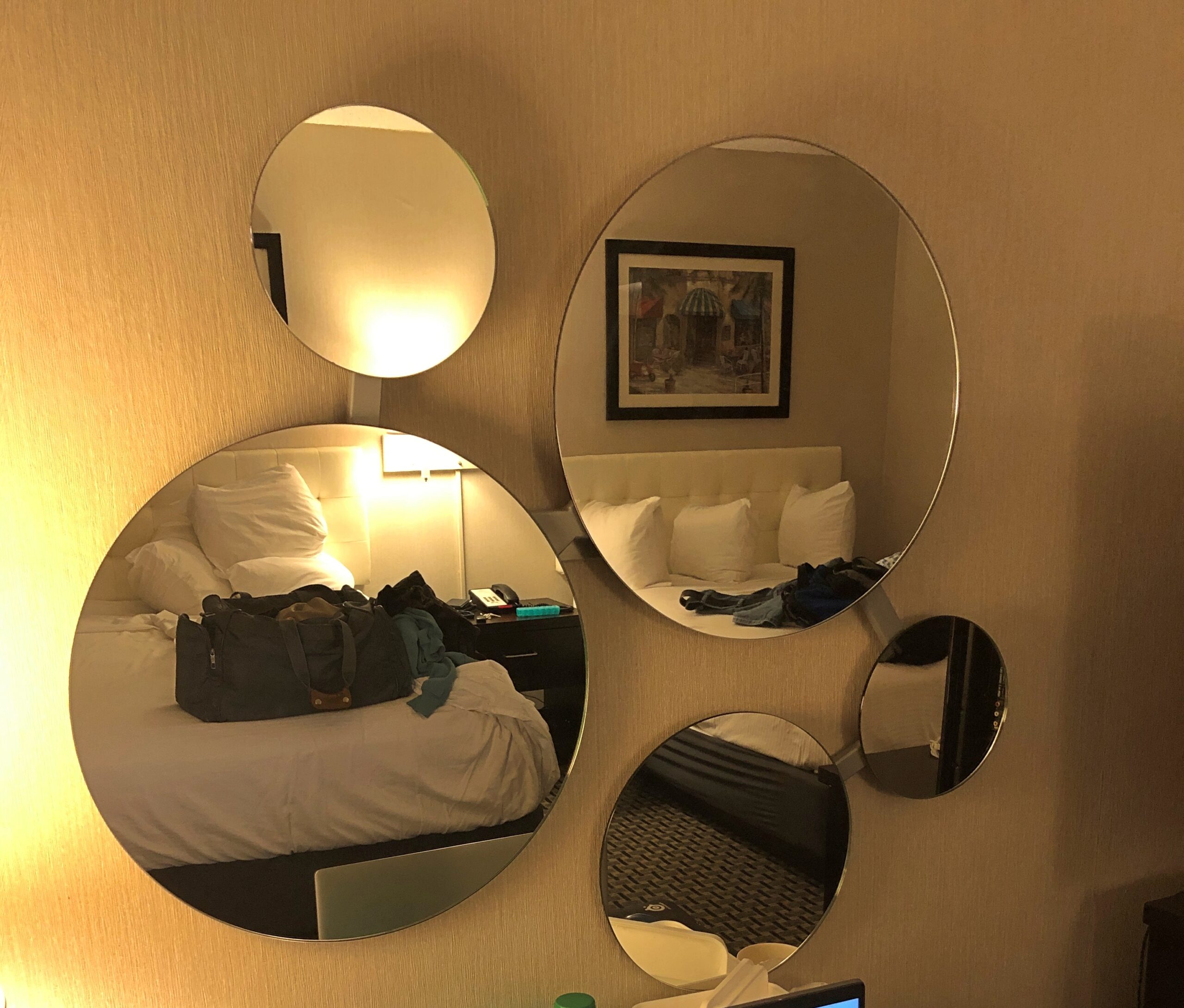
Including the same circular mirror array. Wyndham must have gotten them in bulk.
The unusual thing about the Lima, Ohio Howard Johnson is its sizable enclosed atrium — visible from my room’s balcony, also unusual in a limited-service hospitality property.
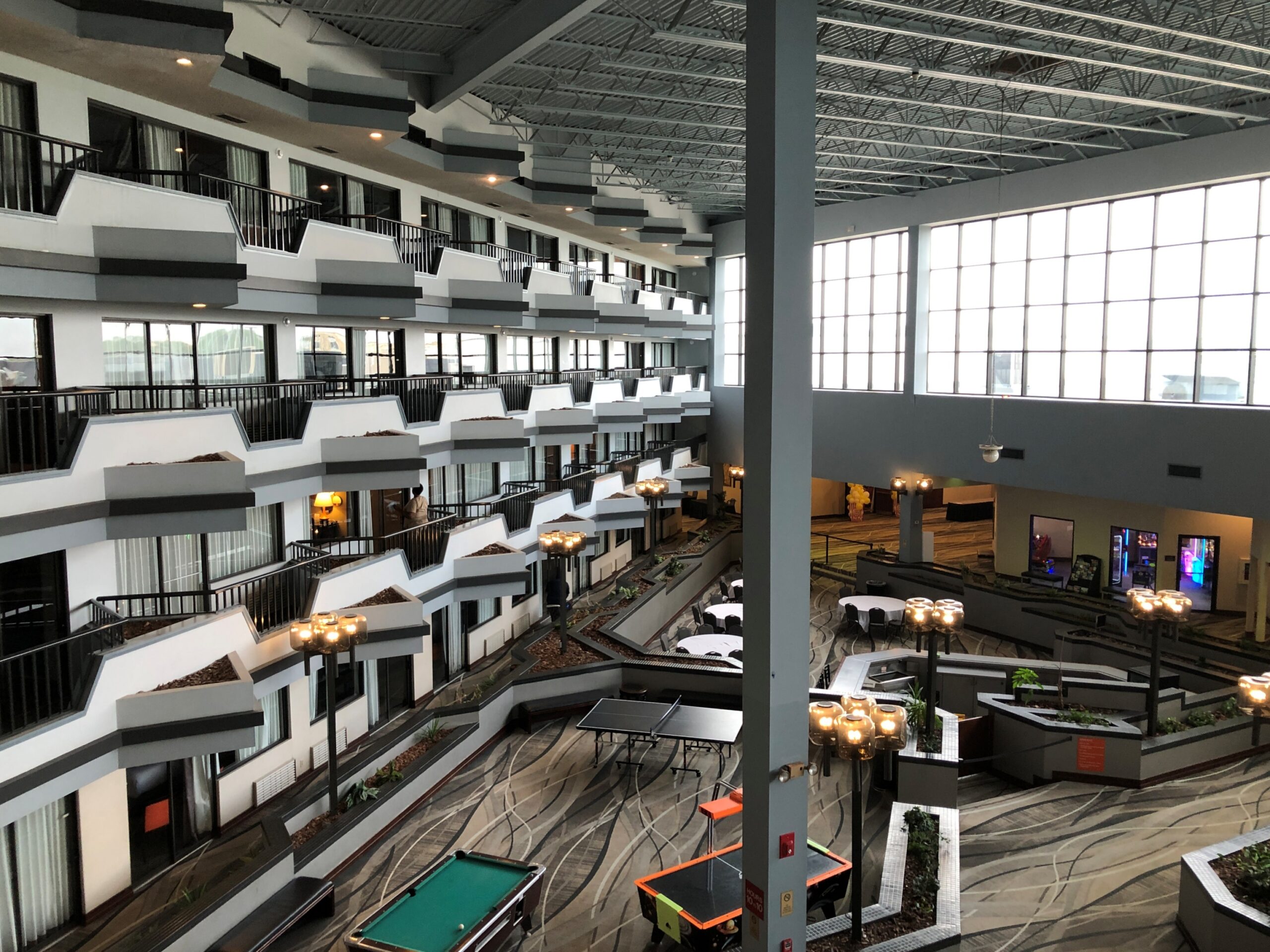
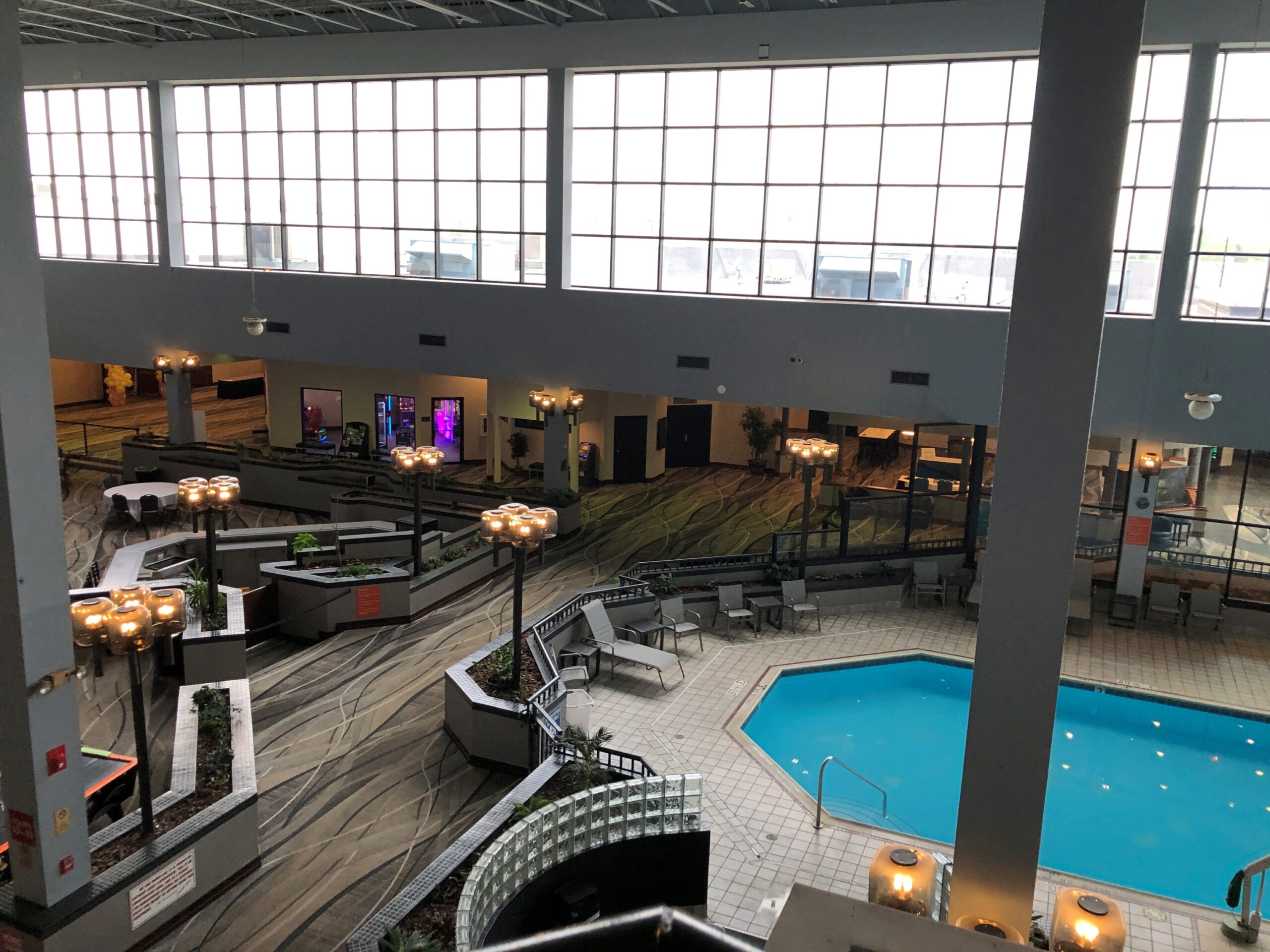
I asked the clerk if the property had been something else, once upon a time, and she said it had, offering a name I didn’t recognize and don’t remember, though I expect it might have been an independent property trying to make a go of it. Tough going in Lima, I bet.
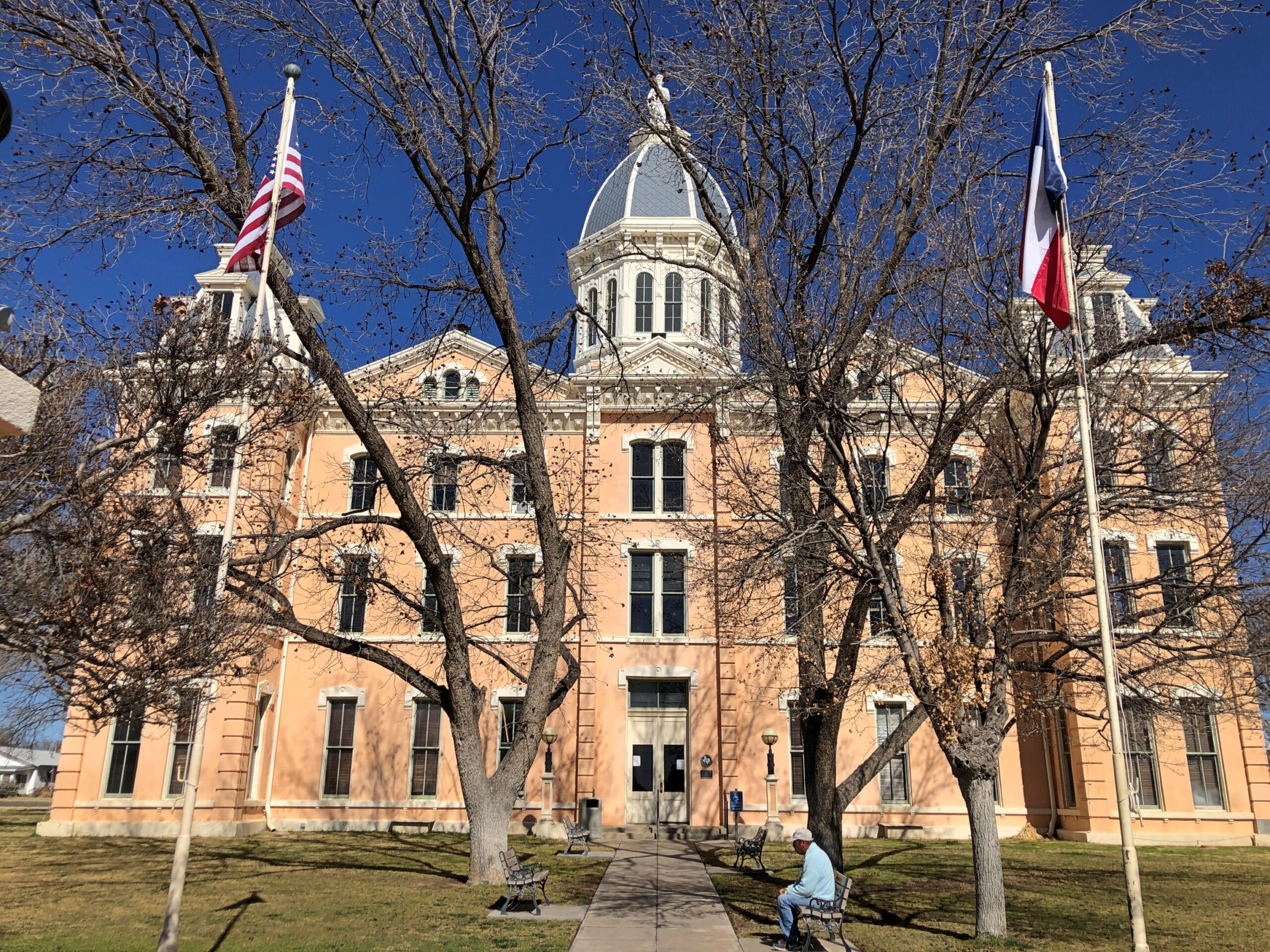
Five More Texas Courthouses, 2026

The Republic of Texas started out with 23 counties, with more carved out of those in the years afterward, until the most recent establishment, Kenedy County, in 1921. In our time, there are 254 counties, including (slightly) infamously, Loving County, pop. 64 last time I checked. If you go looking for a county with fewer people anywhere in the entire United States, you’ll be out of luck. Loving is it.

Strictly as a tourist proposition, county courthouses have a lot to recommend them. In all but the largest cities, they’re usually easy to find, on a square ringed by smaller buildings, and pretty much in the middle of their towns. They’re free, but not always open. Some have small museums; a few former courthouses are themselves more sizable museums. A good many date from the golden age of U.S. courthouse building, which I’d put from the end of the Civil War to the beginning of World War I.

With all that in mind, the following are five more Texas county courthouses I saw this time around.

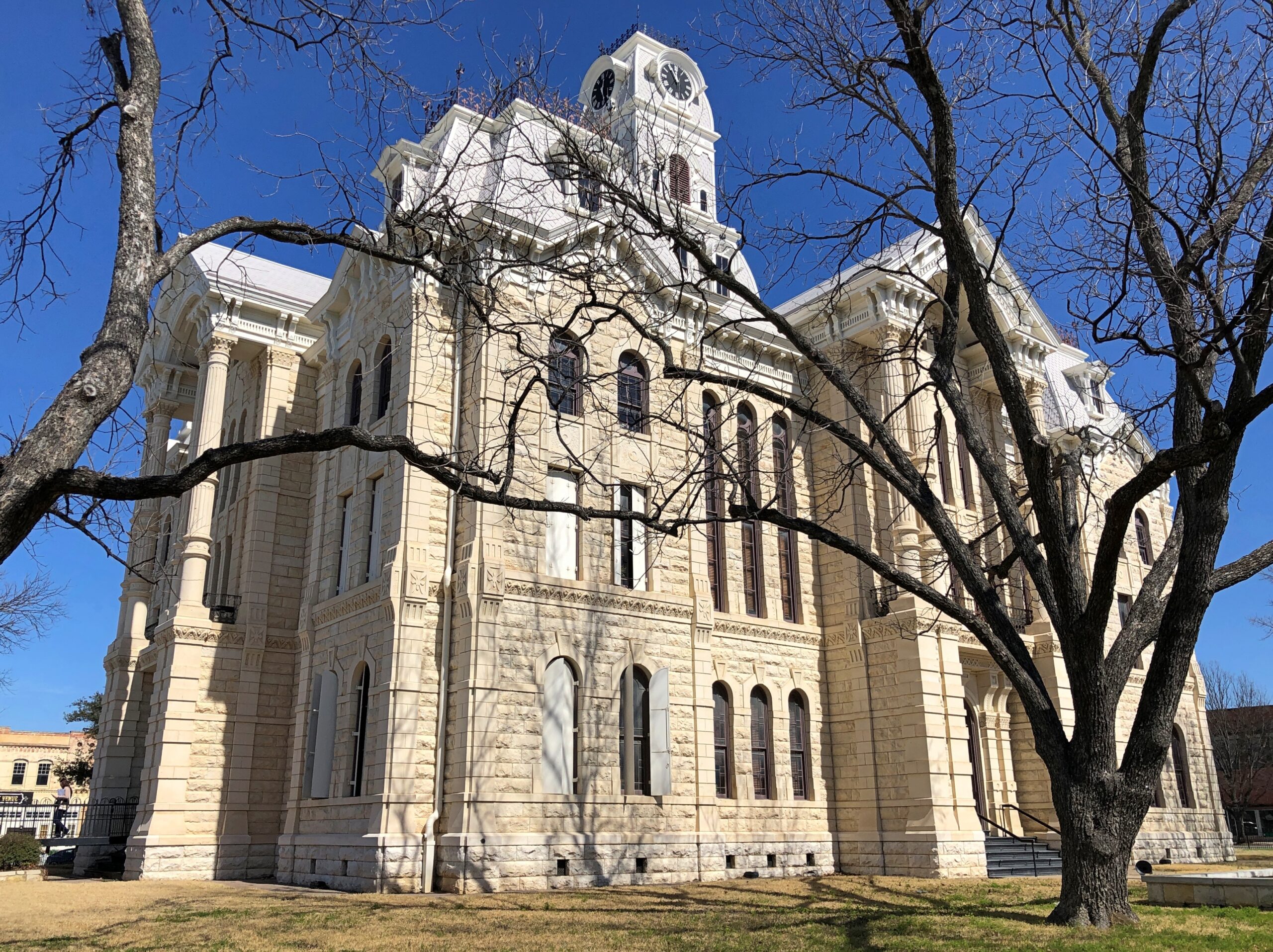
Hill County, Hillsboro, Texas.

Presidio County, Marfa, Texas.

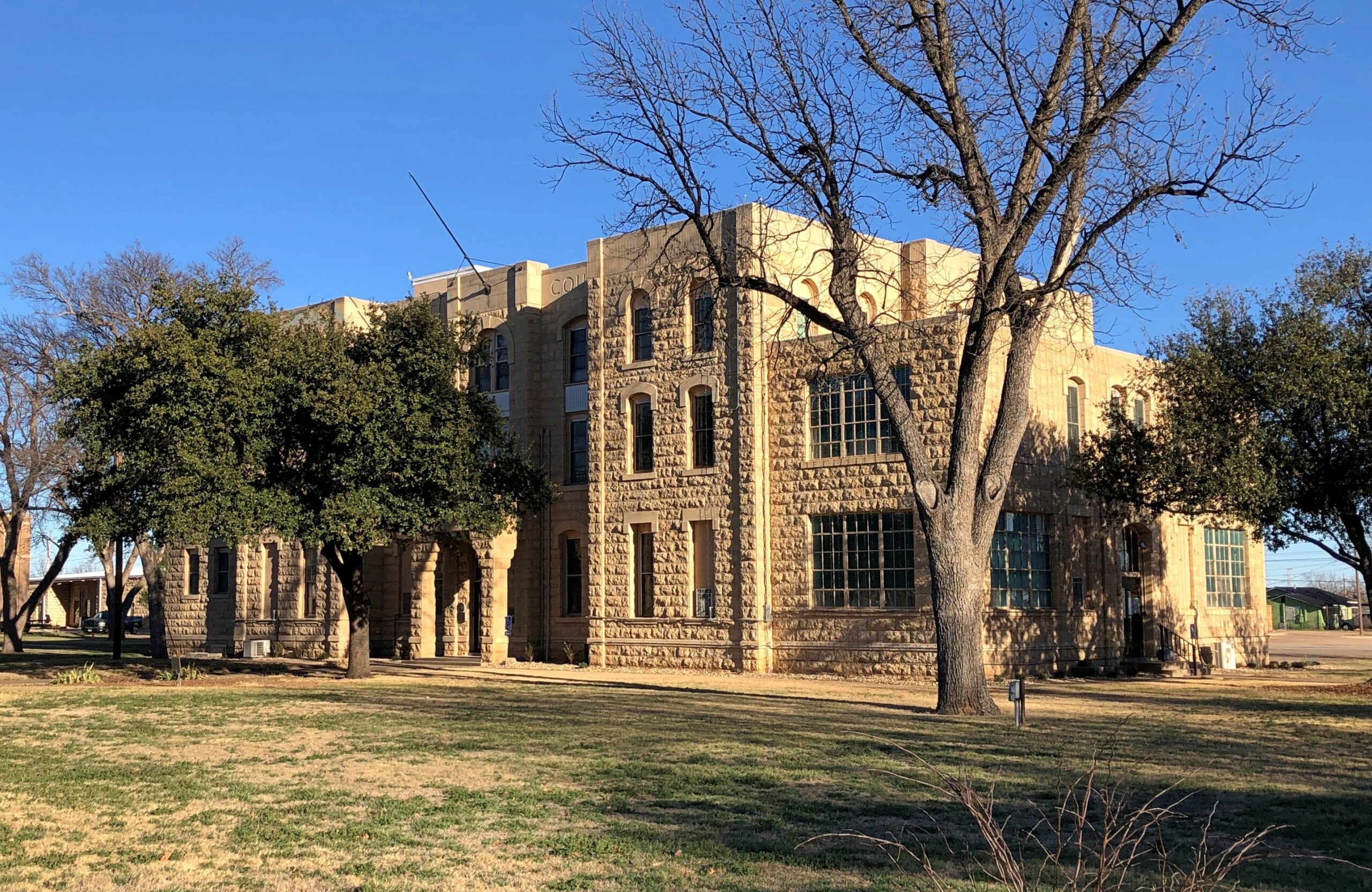
Runnels County, Ballinger, Texas

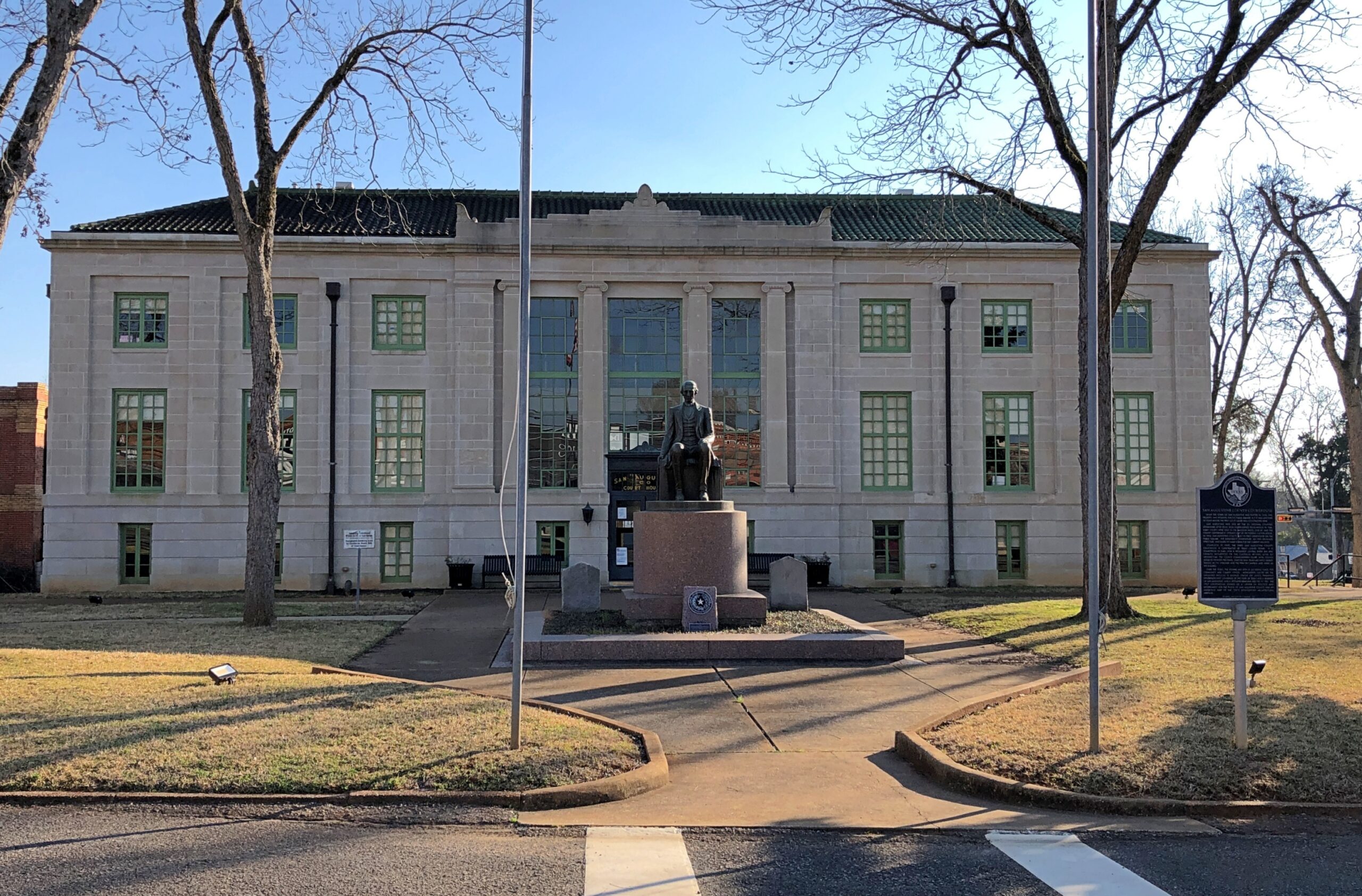
San Augustine County, San Augustine, Texas.

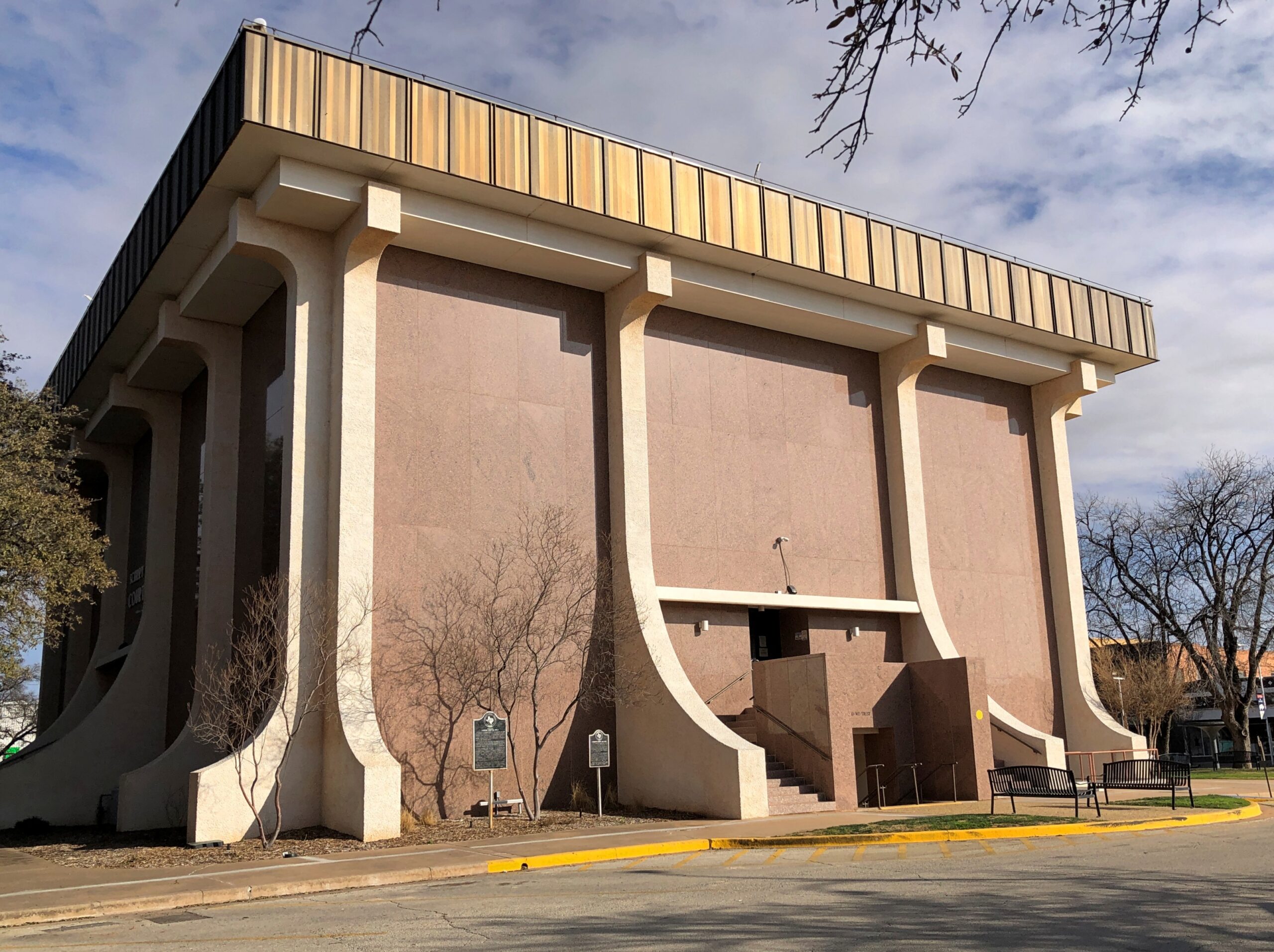
Scurry County, Snyder, Texas.

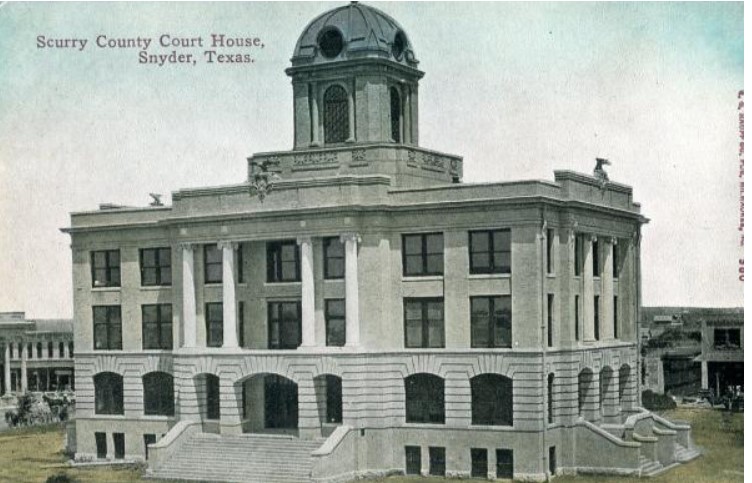
My maternal grandparents grew up in Scurry County. The courthouse I saw wasn’t the one grandpa would have seen as a young blade. That would be this.

My idle musing about visiting every 254 Texas courthouses was no mere musing for an architect who did exactly that, and blogged about it. About the modern Scurry County courthouse, he said, “Without a doubt, the 1972 alteration of the historic Scurry County courthouse is the most offensive desecration of a Texas courthouse to date. It’s truly sad.”

“These redesign plans are — interesting. Where are the windows?”

“Window are passé.”

Another resource for courthouse (and postcard) enthusiasts: Courthouse History, a collection of postcards depicting every county and parish in the United States. Now that’s an epic project.

Five Texas Courthouses, 2026

The first time I remember making my mother laugh was in the courthouse square in Denton, Texas, seat of Denton County. Kids make their parents laugh sometimes, unless the parent is completely sour on life, and then woe be to the child. We’d gotten out of church one Sunday noonish when I was maybe six. After church, it was our habit to drive over to the courthouse square to visit a small store for sodas and snacks. A highlight of the day, as you’d think. I remember the long outline of that store, and the rows of candy I explored.

The streets were crowded, maybe more than usual, and it probably meant that we, my mother that is, temporarily couldn’t find for a parking space. “The Baptists must have just gotten out of church,” she said, referring maybe to a specific church, or to the fact that many Baptists tended to be out and about on Sunday, this being Texas. (Quotes are reconstructions, because of course.)

“Do they know we’re Episcopalians?” I said.

That day or any other that I saw it in the mid-1960s, the Denton County Courthouse was a hulking presence, the focus of attention for blocks around, and, for a young kid, a mysterious place. Obviously an important place, but what goes on inside?

Last month, now in my own mid-60s of age and armed with a somewhat better knowledge of civics, I stopped to take a look at 10 or more county courthouses in Texas along the routes of my travels.

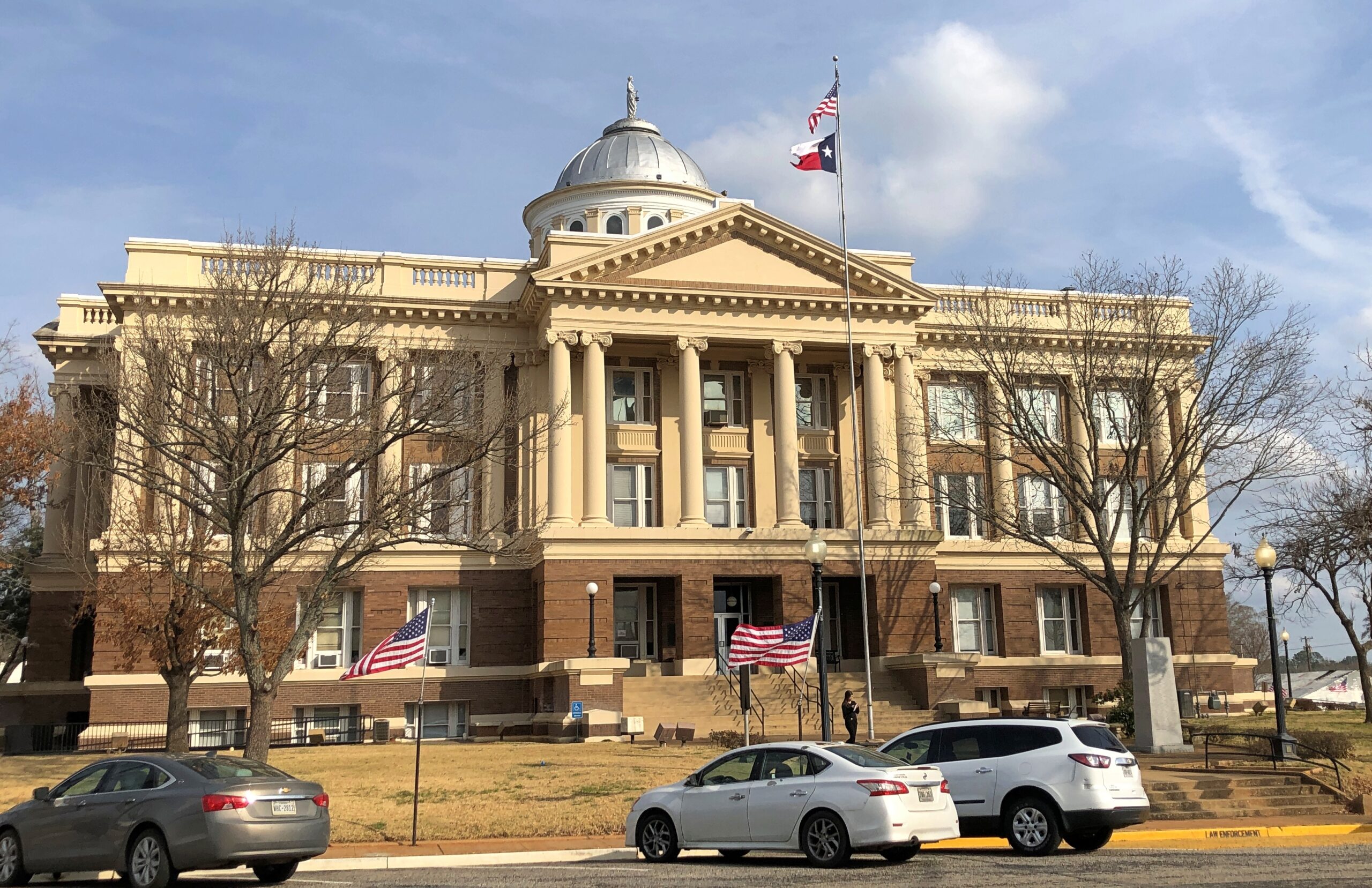
Anderson County. Palestine, Texas.

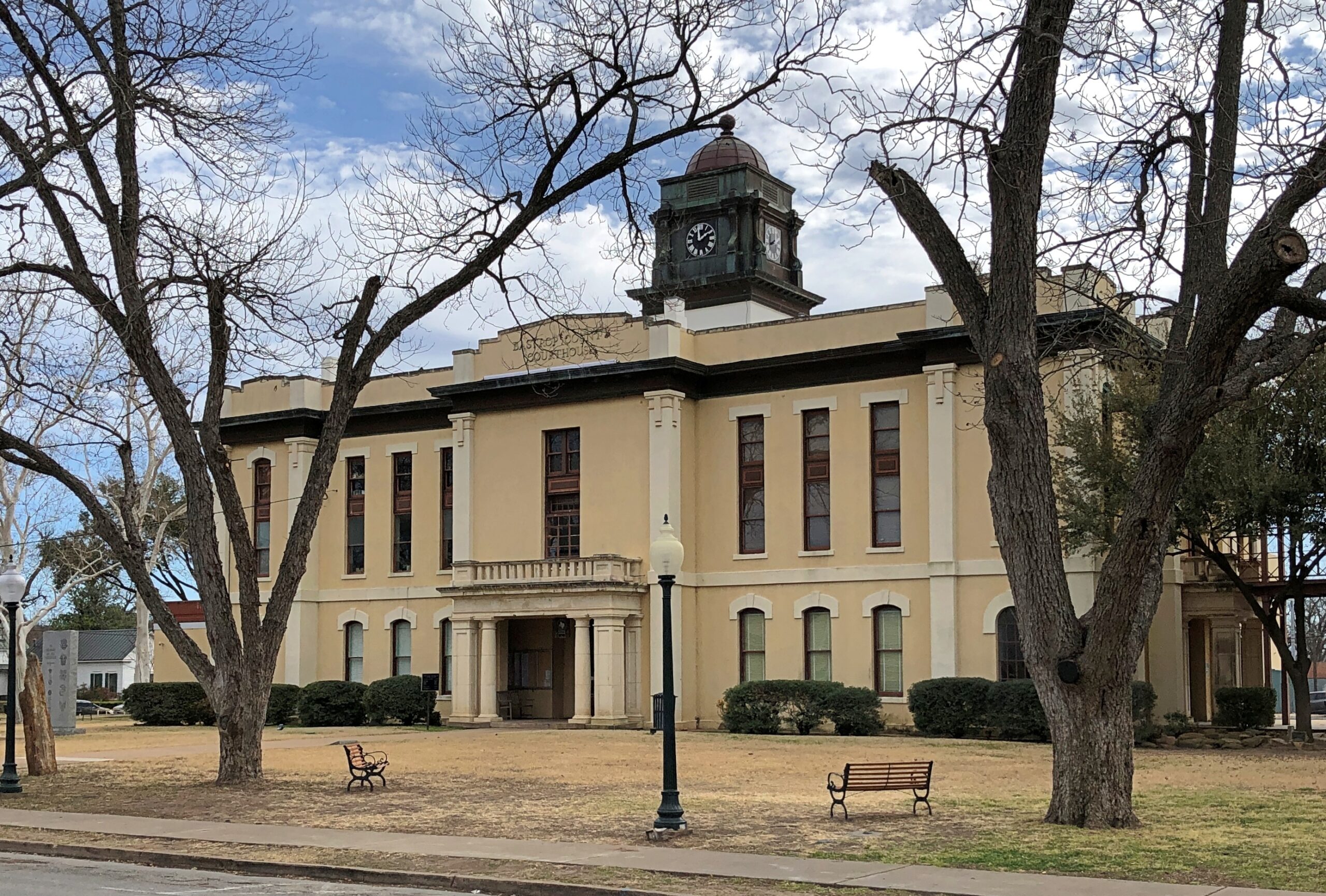
Bastrop County. Bastrop, Texas.

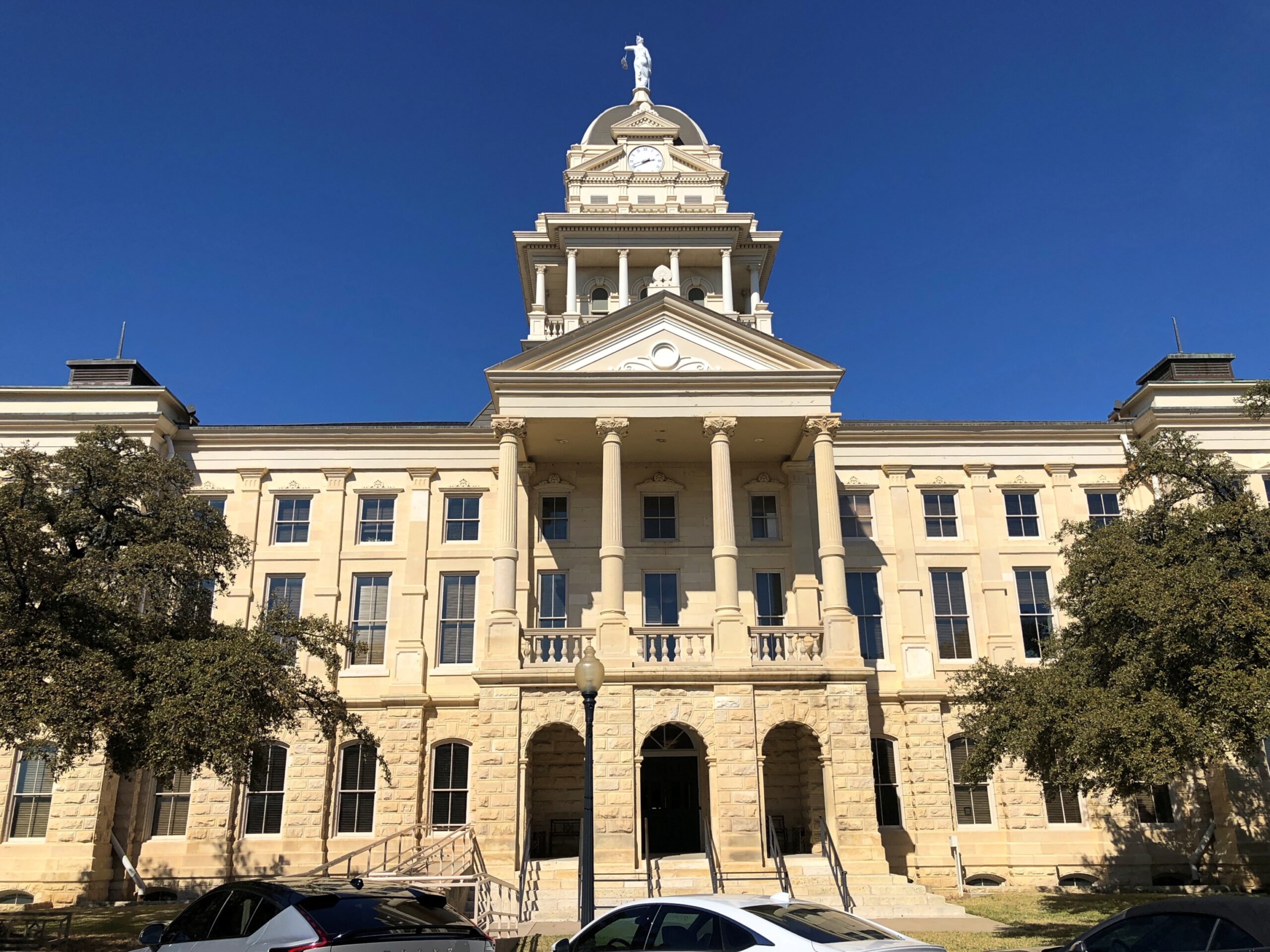
Bell County, Belton, Texas.

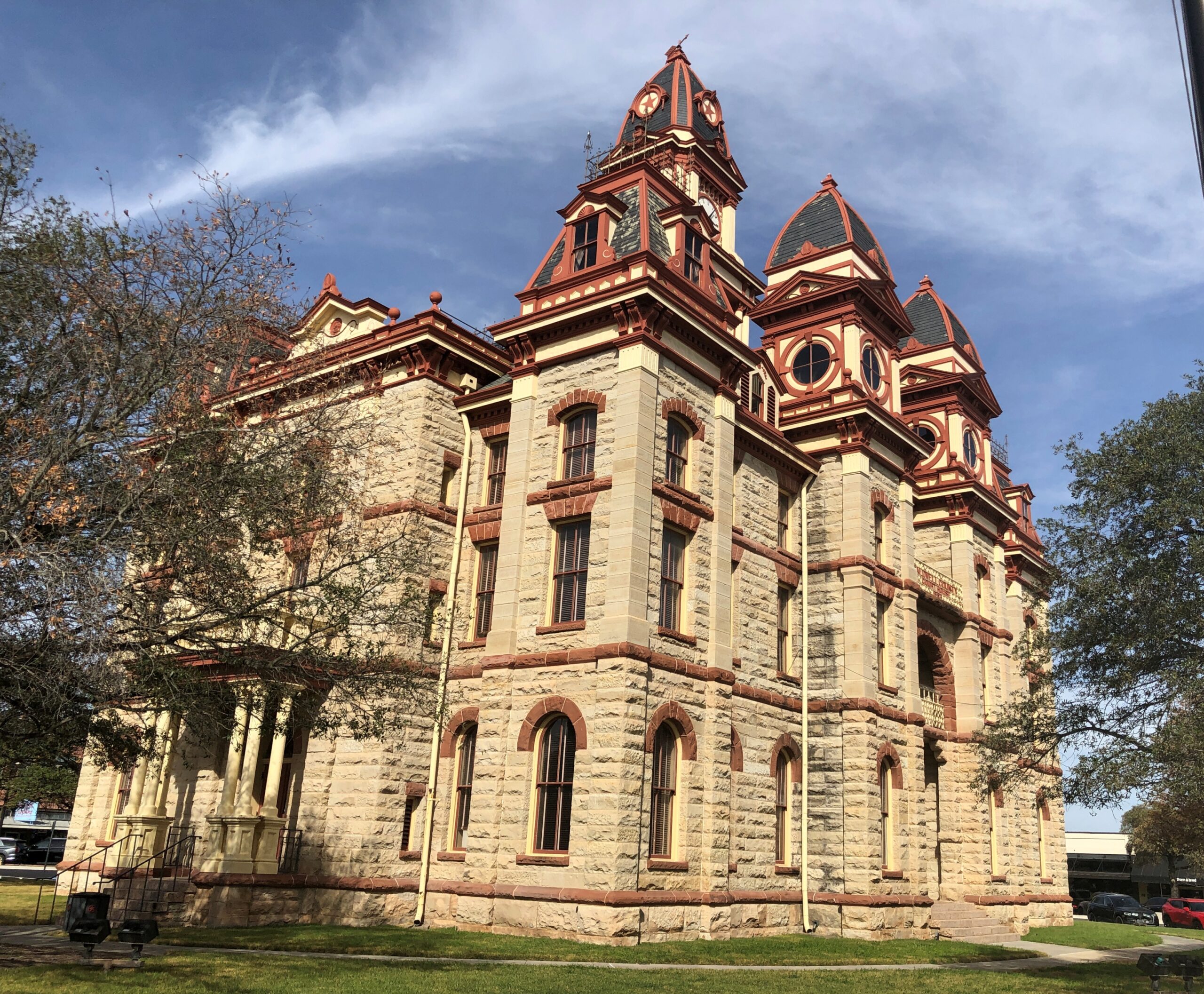
Caldwell County. Lockhart, Texas.

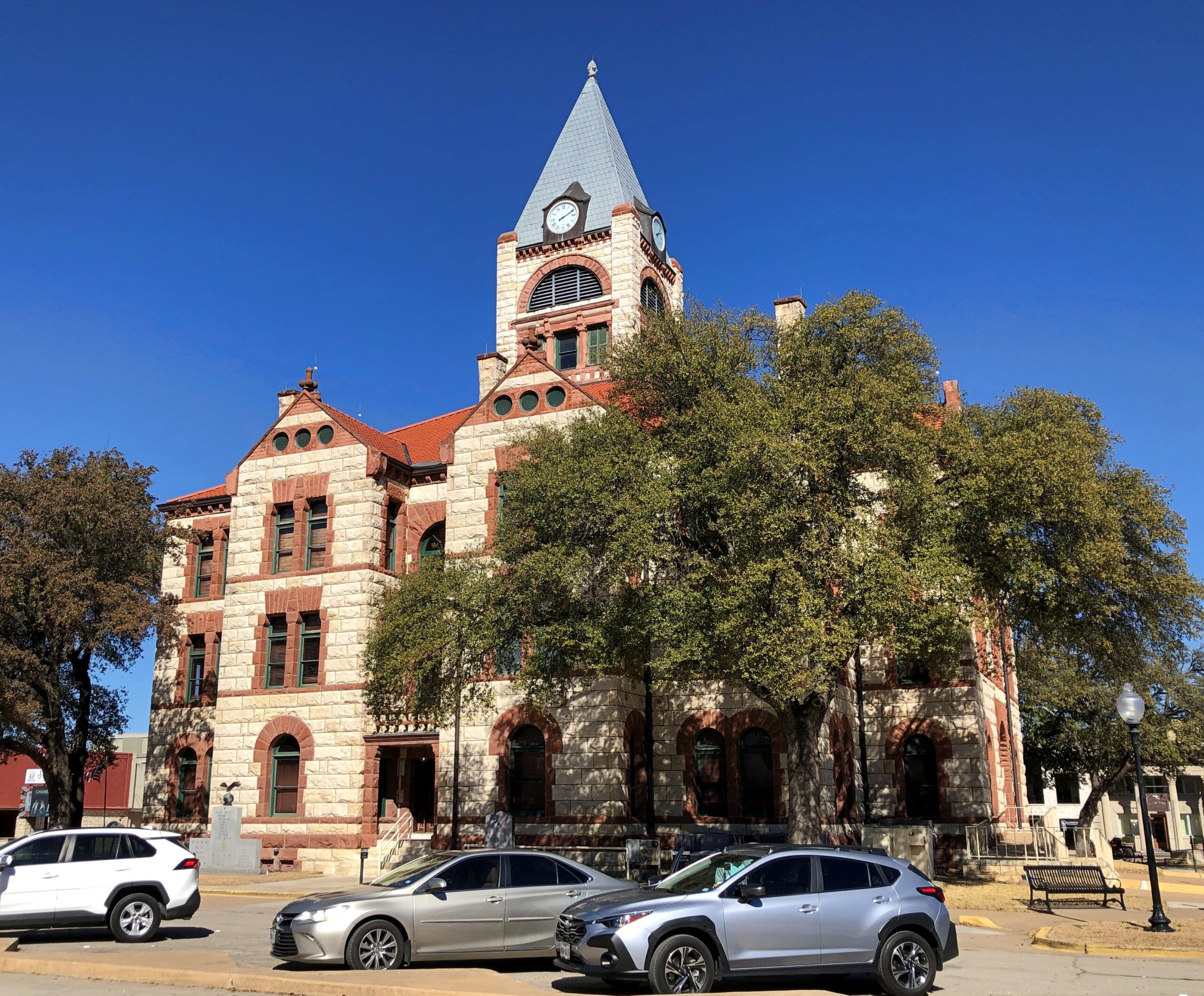
Erath County. Stephenville, Texas.

Sometimes I could get in, sometimes the building was closed. With one or two exceptions, I managed to walk all the way around the courthouses. There’s a niche travel blog for you (and I’m not the man to do it): circumambulate all 254 Texas county courthouses. Why? Because they’re there.

Ann at 23

Time again to drag out that hoary old saying about children growing up fast, which is true only in the same sense that one’s entire life goes by fast, once you’ve reached the point of having lived most of it already.

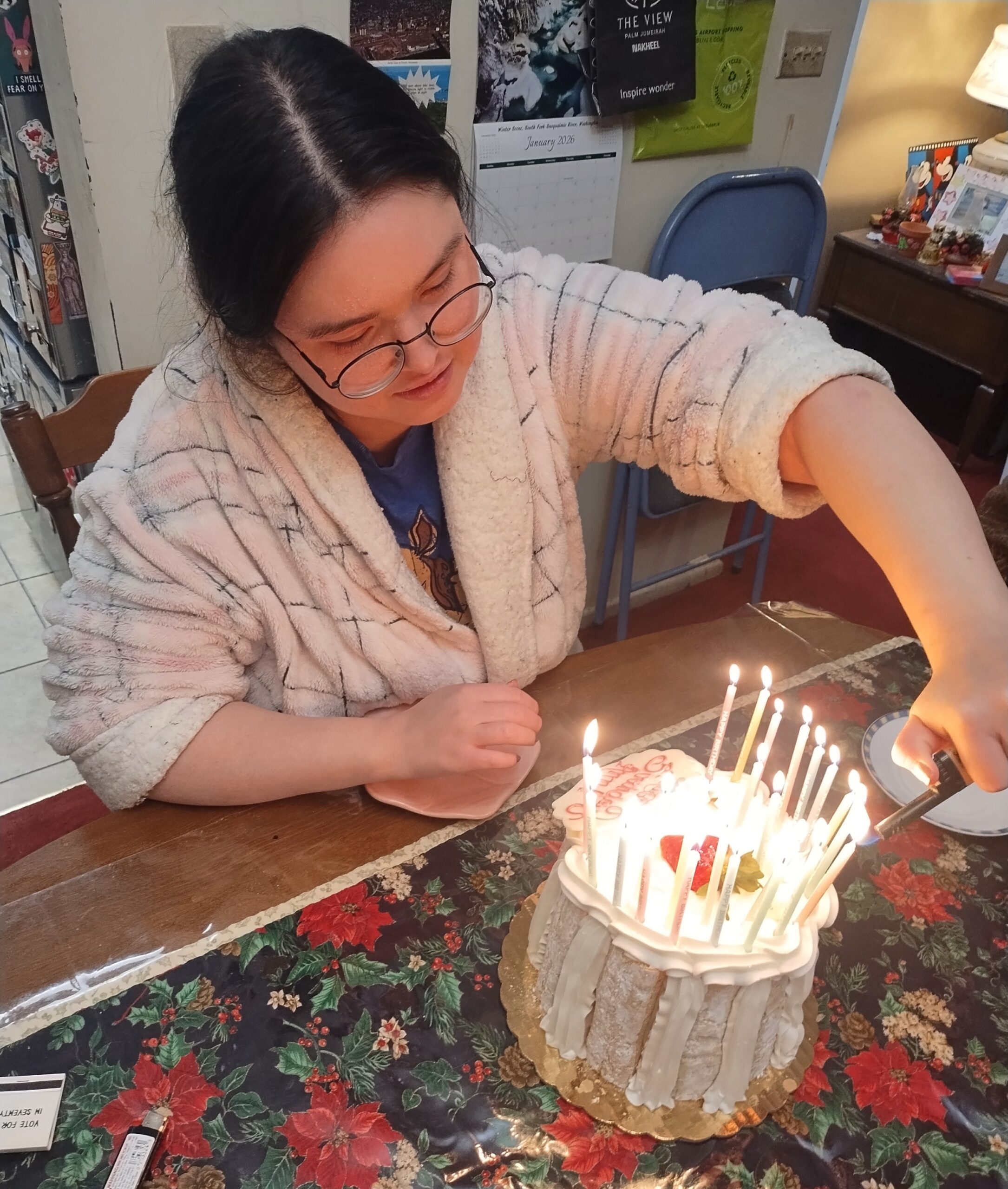
Regardless, this week Ann turned 23, now a grown woman, fully employed, etc. That doesn’t mean you can’t have birthday cake, however.

A Few Manhattan Churches

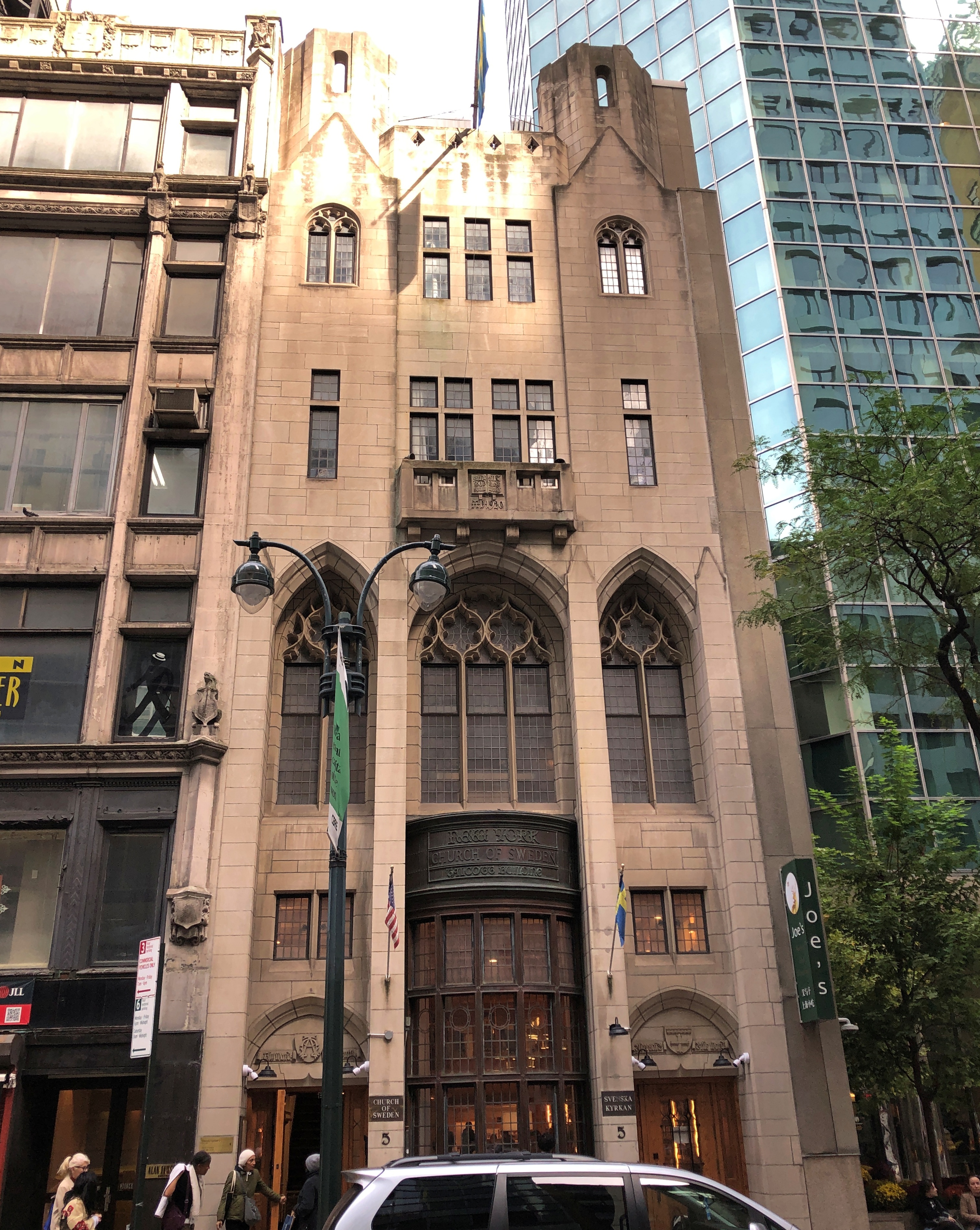
After the General Society of Mechanics and Tradesmen we headed for Park Ave., location of a famed Byzantine revival Episcopal church. Before we got there, we noticed a much smaller church, not actually part of the Open House New York event, at 5 E 48th Street.
Church of Sweden in New York

Swedish Church, NY

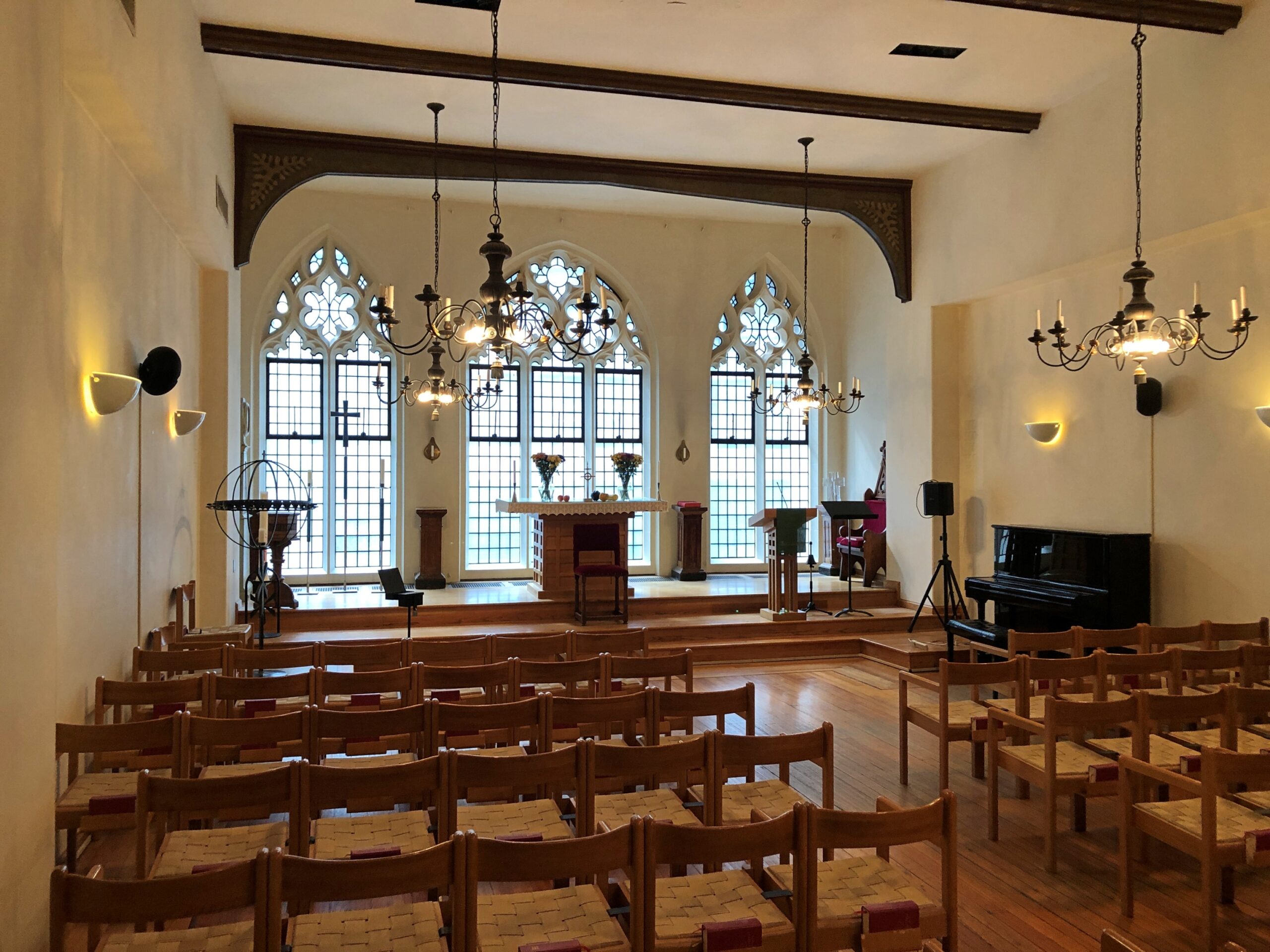
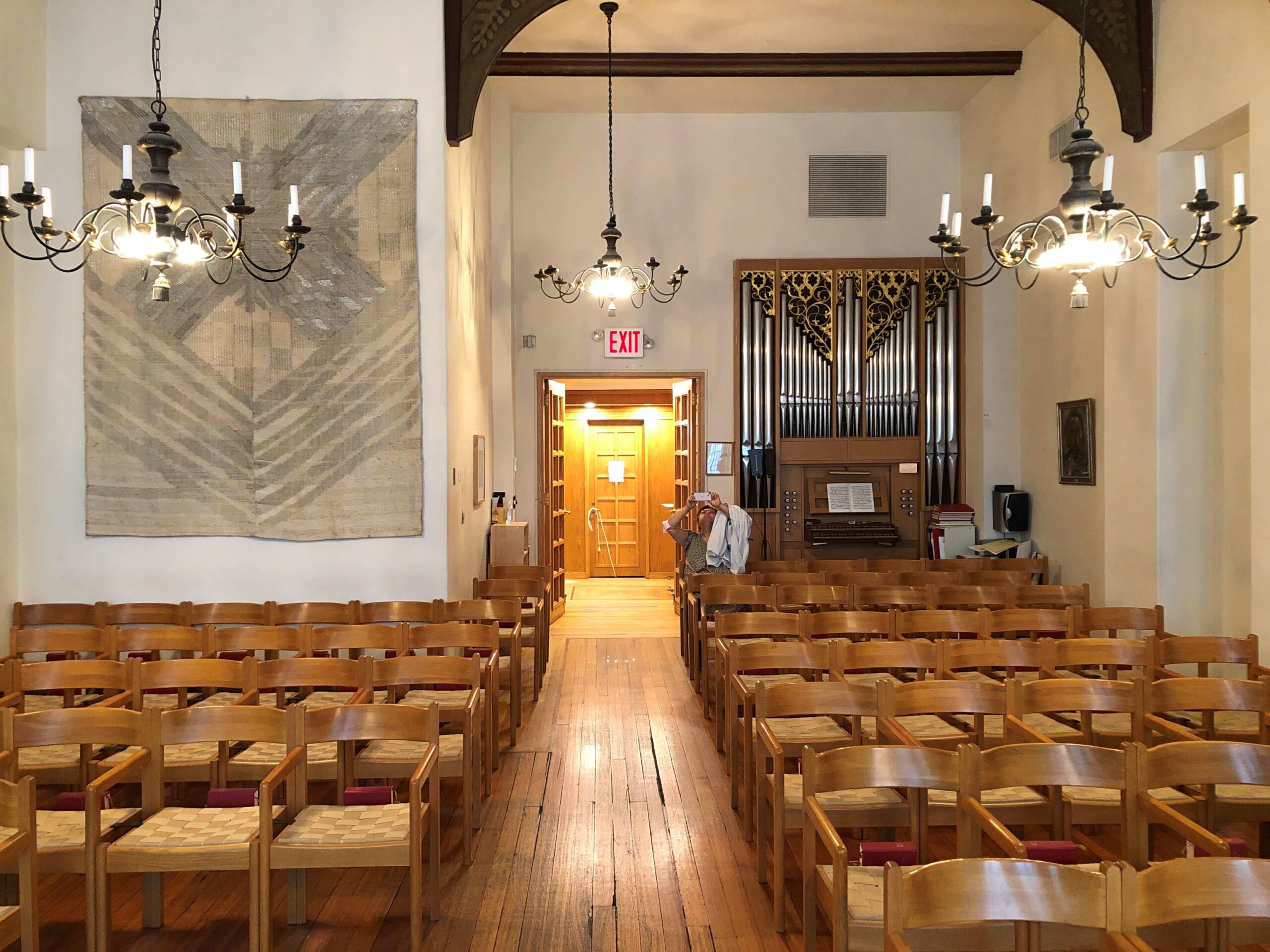
We’d come to the Svenska kyrkan i New York, where services are still held in Swedish. Not only was the church open, there was a cafe on its first floor. The sanctuary is on the second floor. Elegant little place, suitable for the small congregation that Swedish services might attract.
Swedish Church, NY
Swedish Church, NY

Under the Historik section of the church’s web site, you’ll find this helpful information: När svenskarna började flytta till USA och hur Svenska kyrkan på olika sätt velat vara närvarande i New York. A fuller history in English is on the Wiki page.
Swedish Church, NY

St. Bartholomew’s Church

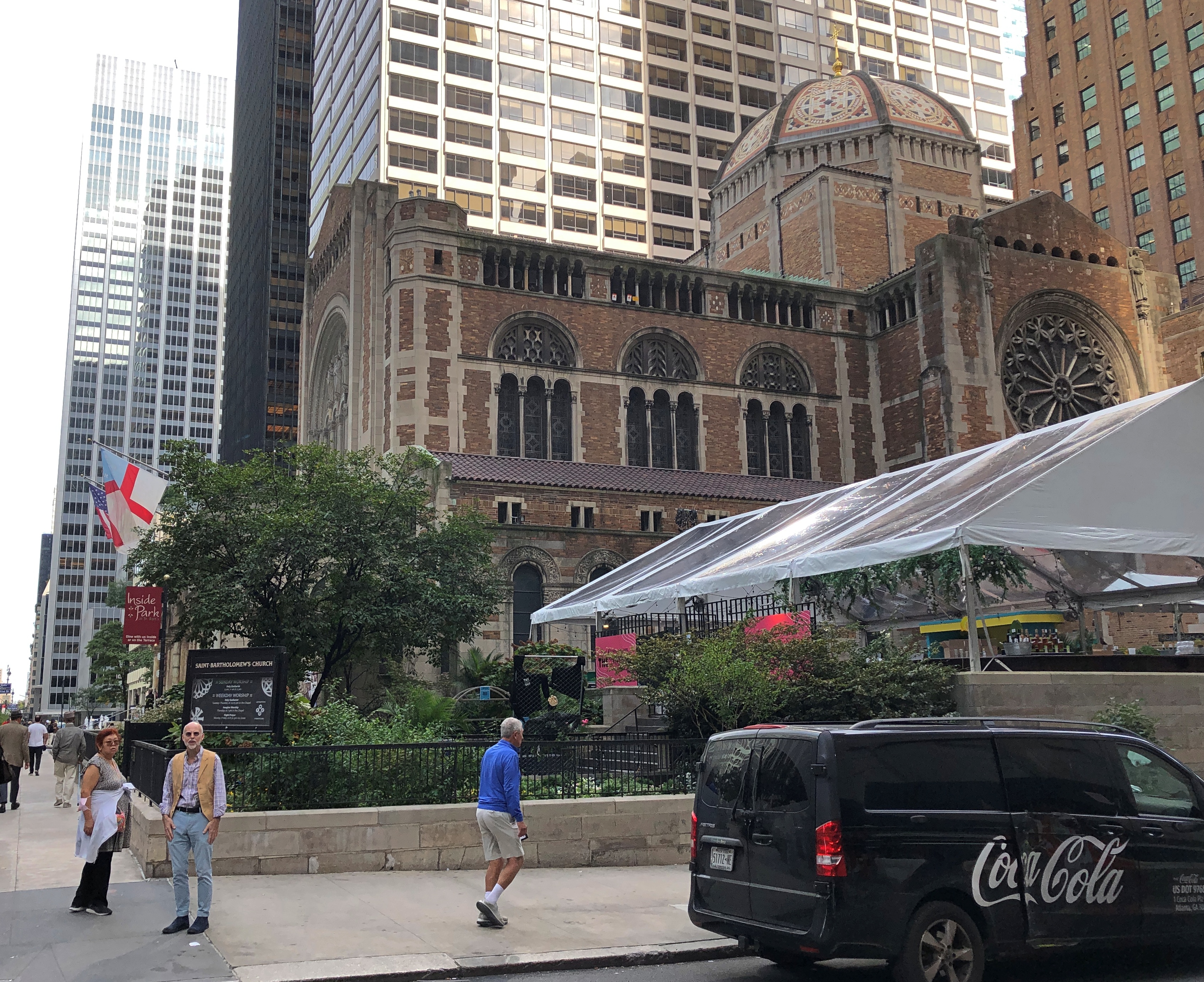
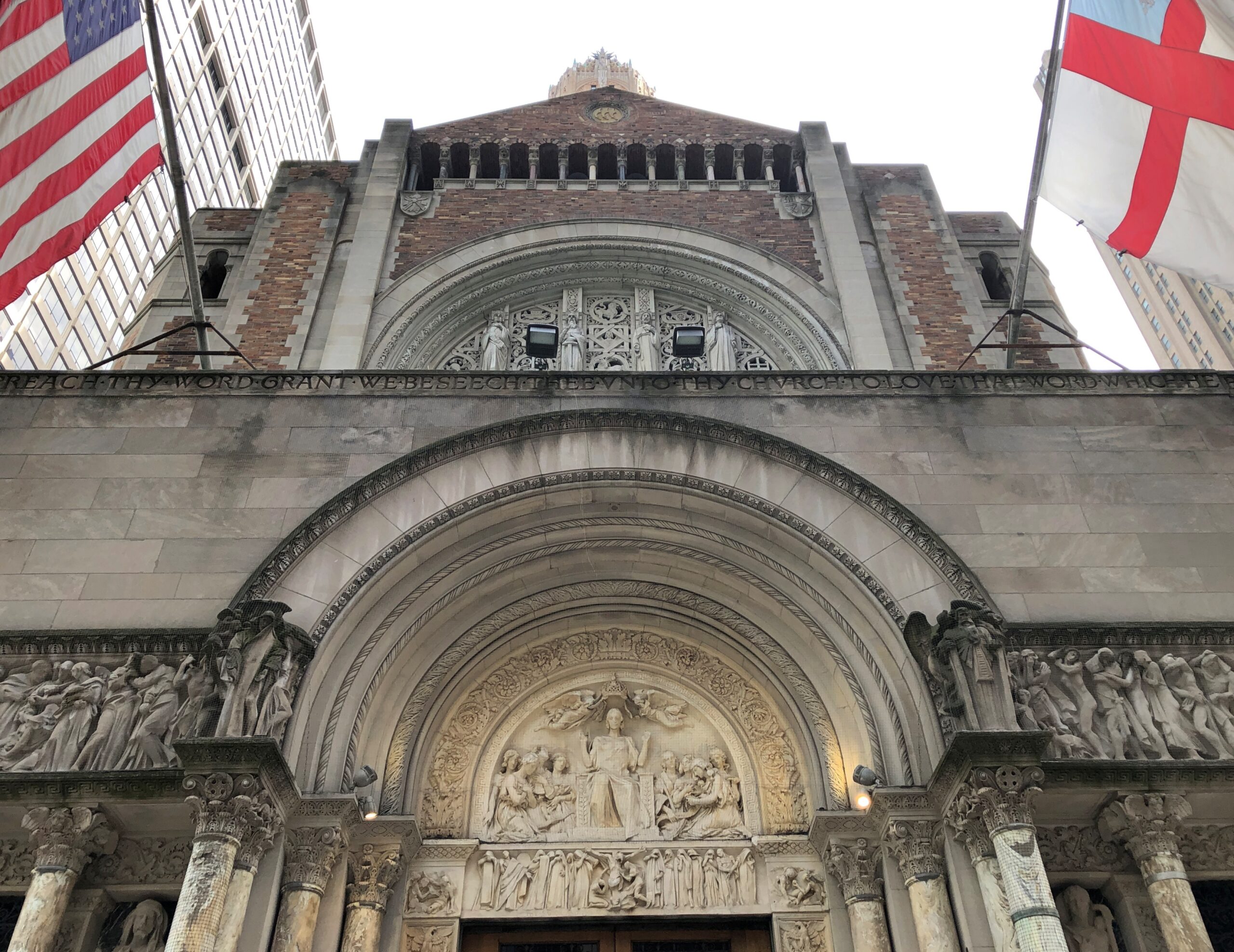
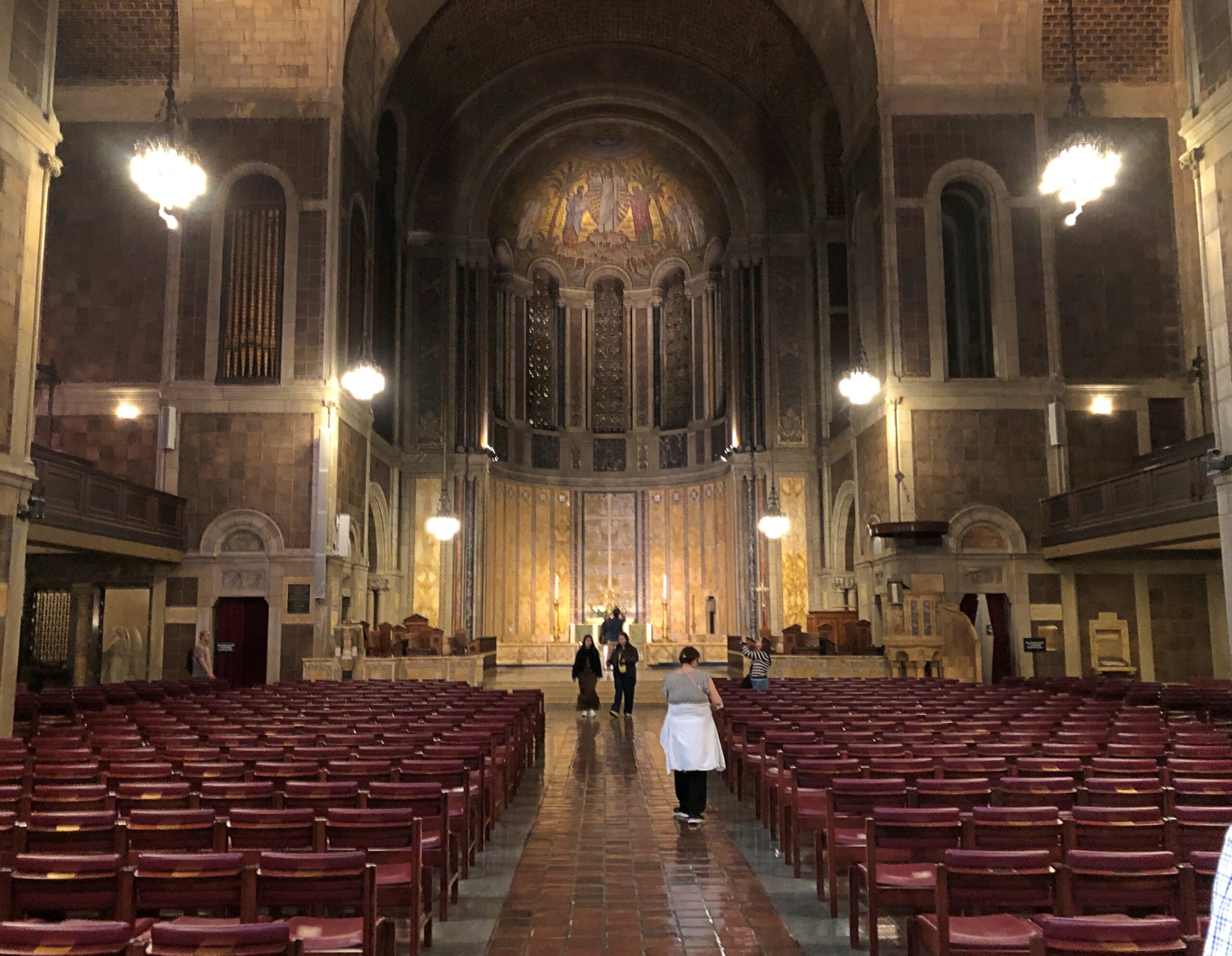
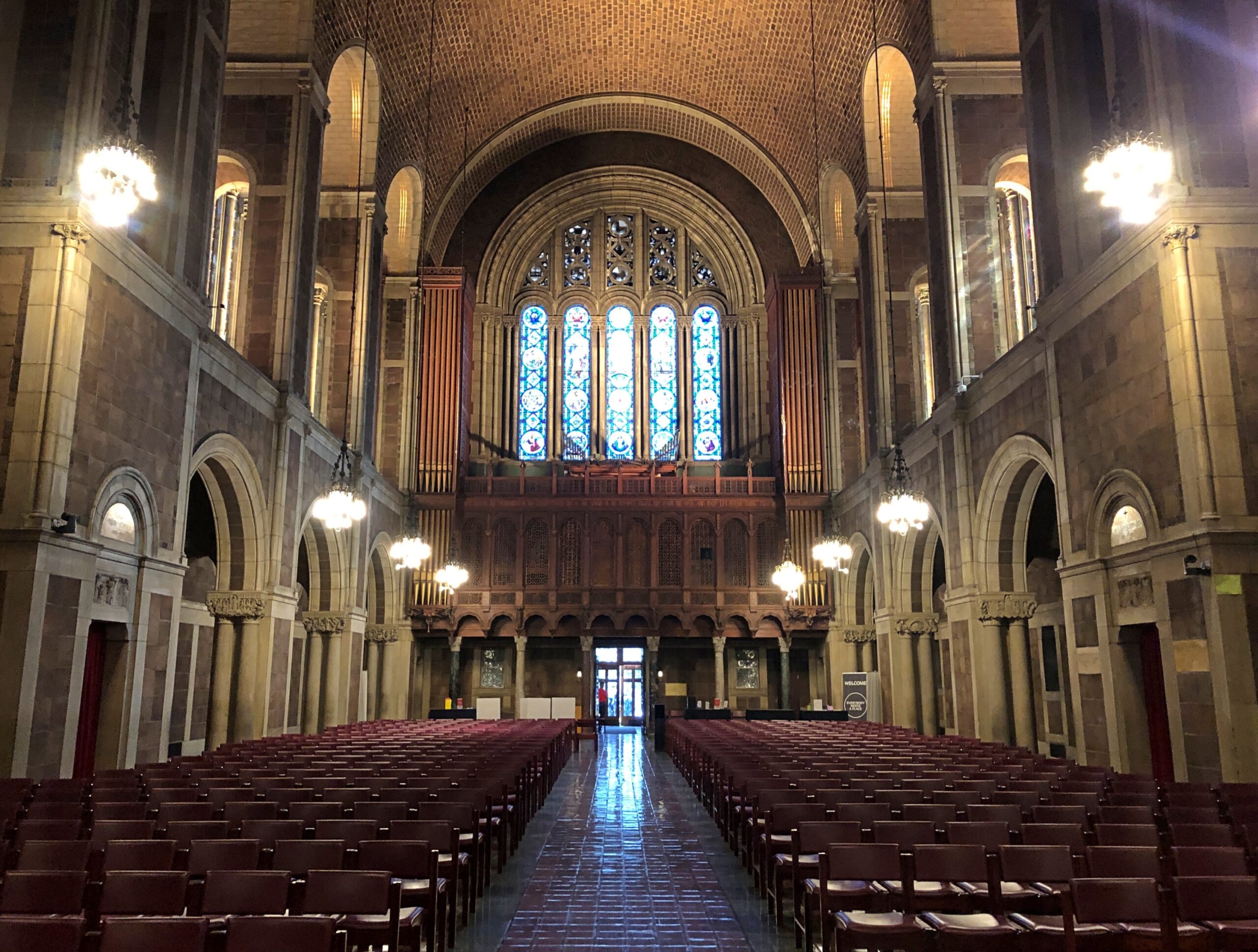
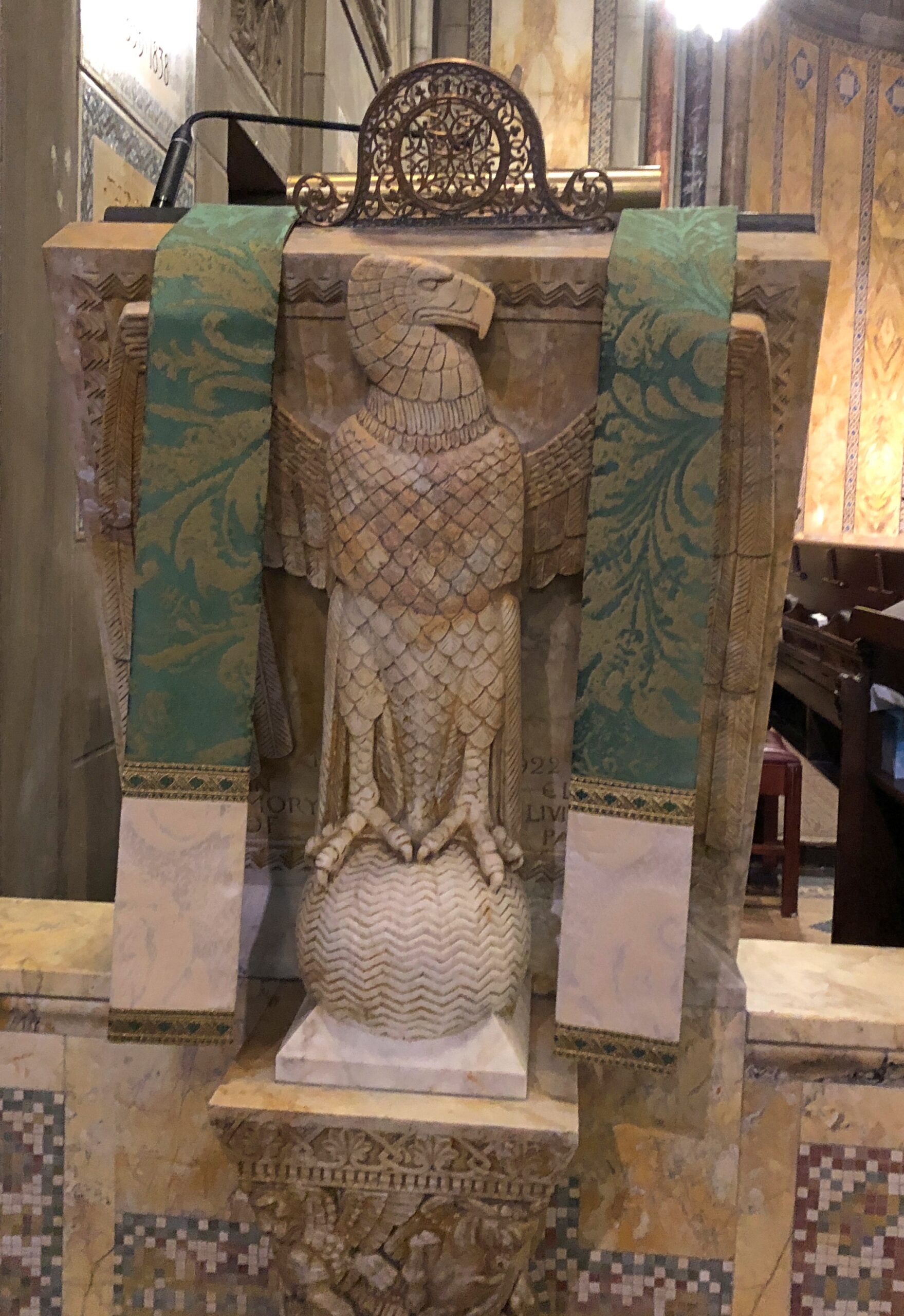
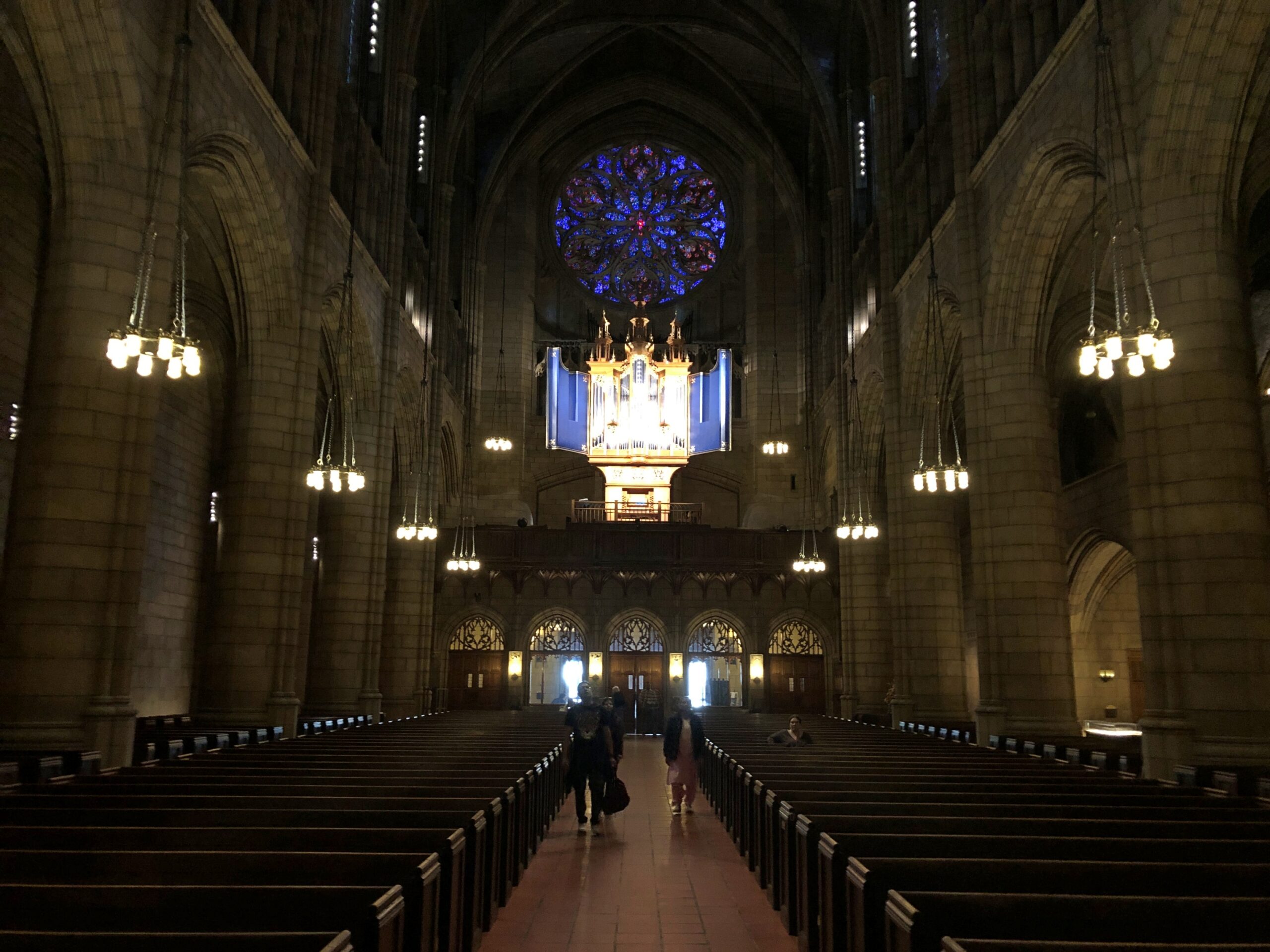
St. Bartholomew’s Church, an Episcopal congregation on Park Ave., was participating in the Open House. That meant it was sure to be not only open, but lighted. The first time I went there, many years ago, I compared it to a cavern. Later I visited when more lights were on. Twenty years ago I wrote: “This time, it was better lighted, the better to show off the church’s superb Byzantine-style mosaics.”

St. Bartholomew’s Church

During my 2025 visit, now joined by my nephew Robert, we were able not just to gaze at the lit sacred space, but we had the benefit of a knowledgeable docent, a woman of a certain vintage with a hobbled gait and a raspy voice. She knew the history of the congregation, and its slice of Manhattan. She had the artistic detail down cold. She knew her ecclesiastical styles. From the depth of detail about the many artists who worked on the church, it sounded like she knew some of the artists personally, though that couldn’t be literally true for most of them, since the church was built more than 100 years ago, with certain later design additions.

St Bart
St Bart

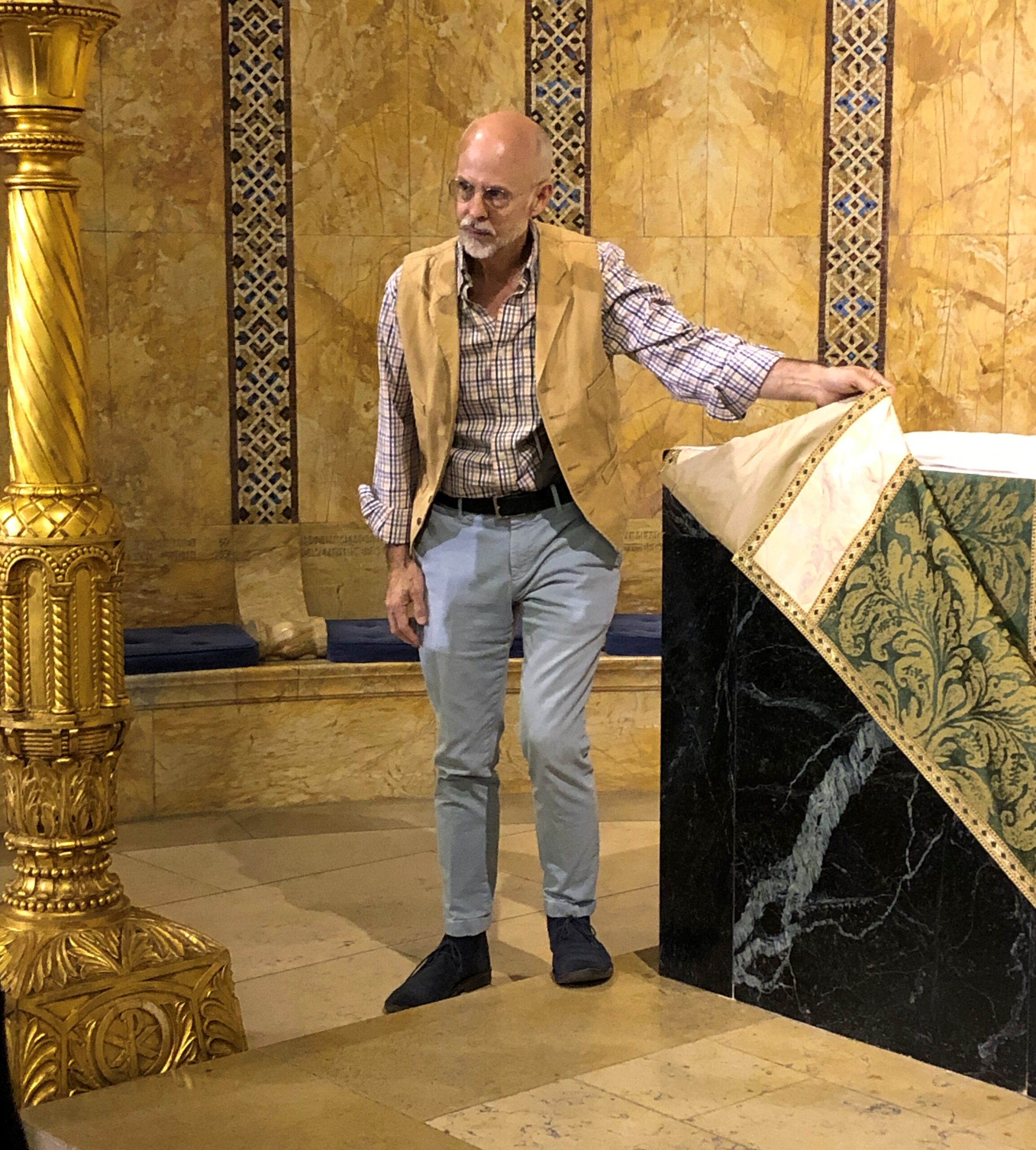
At the direction of the docent, Geof unveiled the altar for a moment.

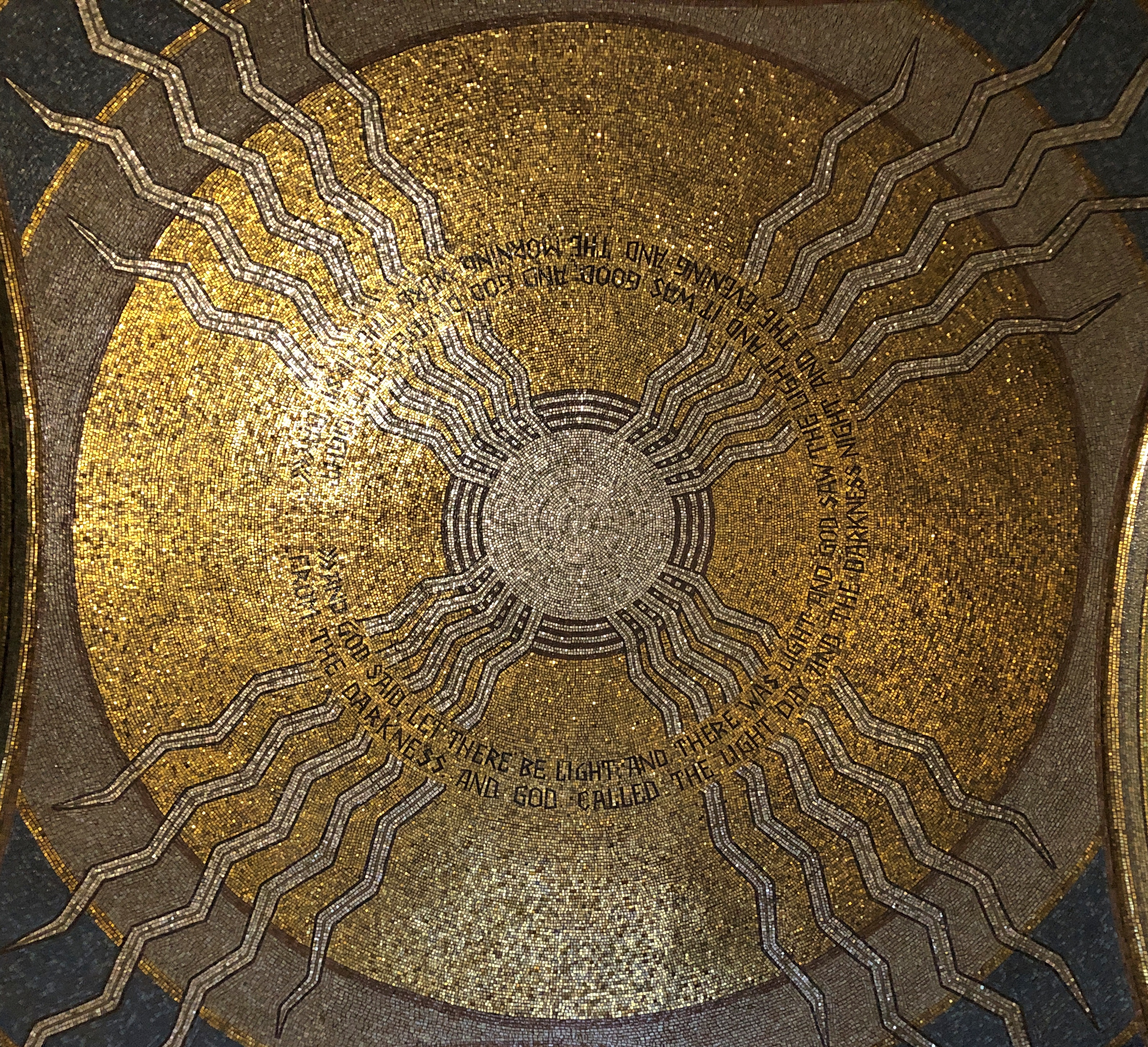
It might have been interesting to know Hildreth Meière. Hers was an astounding career: “Working with leading architects of her day, Meière designed approximately 100 commissions, both secular and liturgical,” the International Hildreth Meière Association says. “Her best-known commissions include Radio City Music Hall, One Wall Street, St. Bartholomew’s Church, Temple Emanu-El, and St. Patrick’s Cathedral in New York. She also decorated the Nebraska State Capitol in Lincoln, the National Academy of Sciences in Washington, D.C., and the Cathedral Basilica of Saint Louis.”

The mosaics didn’t photograph well – that is, I’m too lazy to carry around a better camera – but good images are at the association web site.

St Bart

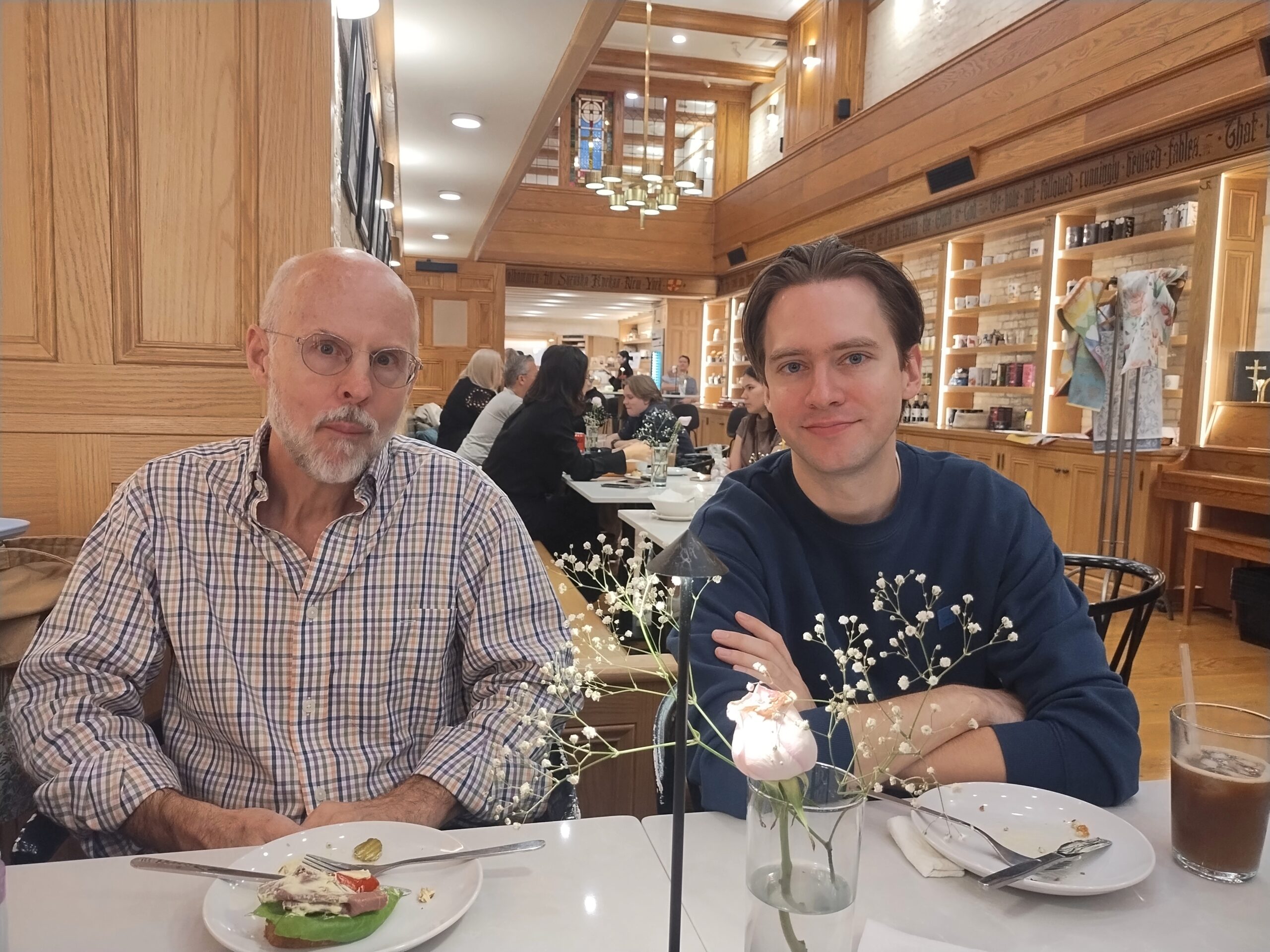
Emerging from St. Bart, we agreed that heading back to the cafe at the Swedish church would be a good idea. It was.

Sated with Swedish-style open-faced sandwiches, our walk soon continued, up Fifth Ave. to St. Patrick’s Cathedral, which was its usual crowded splendor. I think I spotted some new, or newish murals, just inside the nave. A wedding was in progress. One must come after another every Saturday not in Lent, with ropes closing off a large part of the nave, making for extra crowding in the side aisles.

We didn’t stay. Not far away was a church far less crowded but with its own splendor.

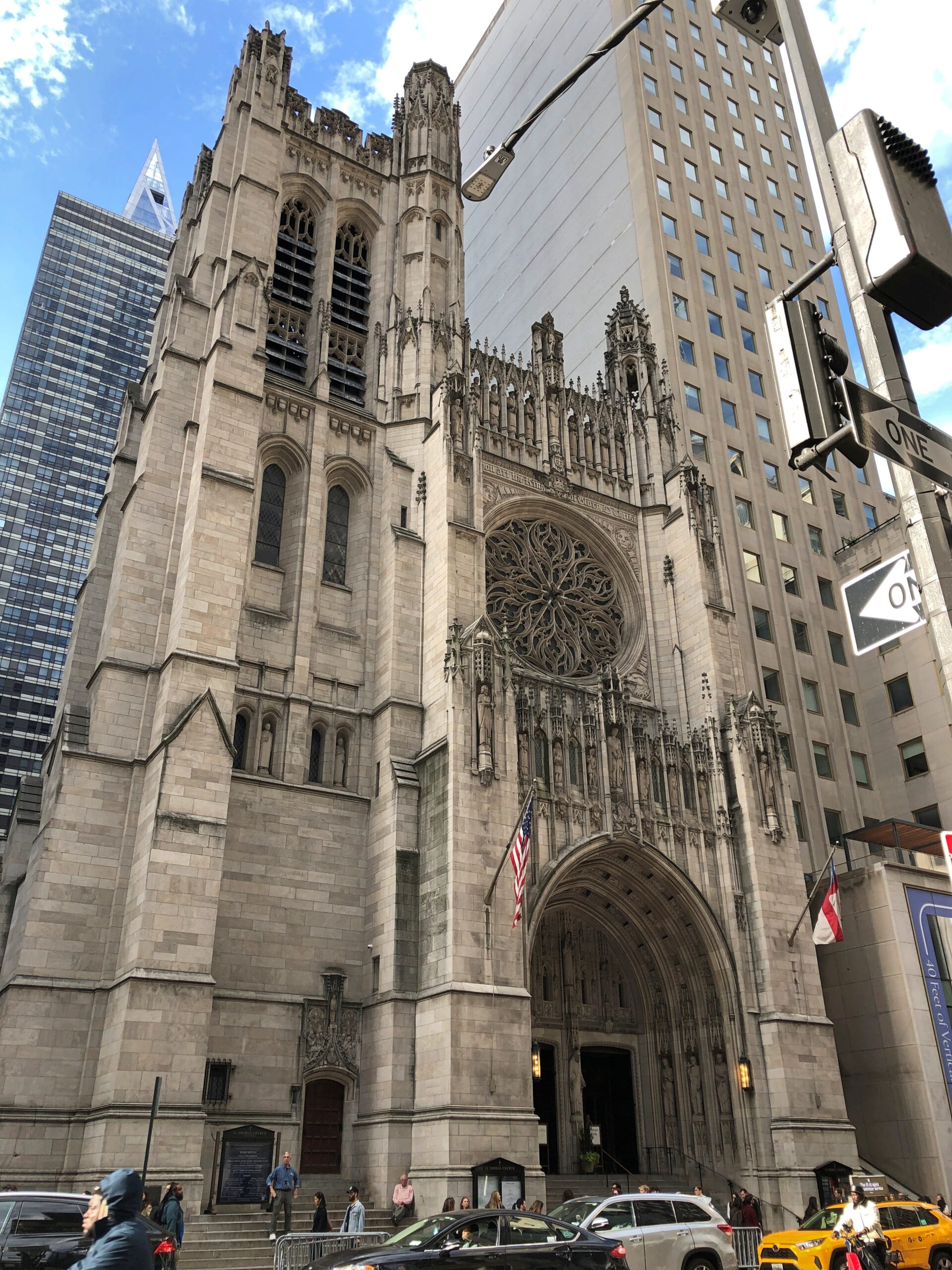
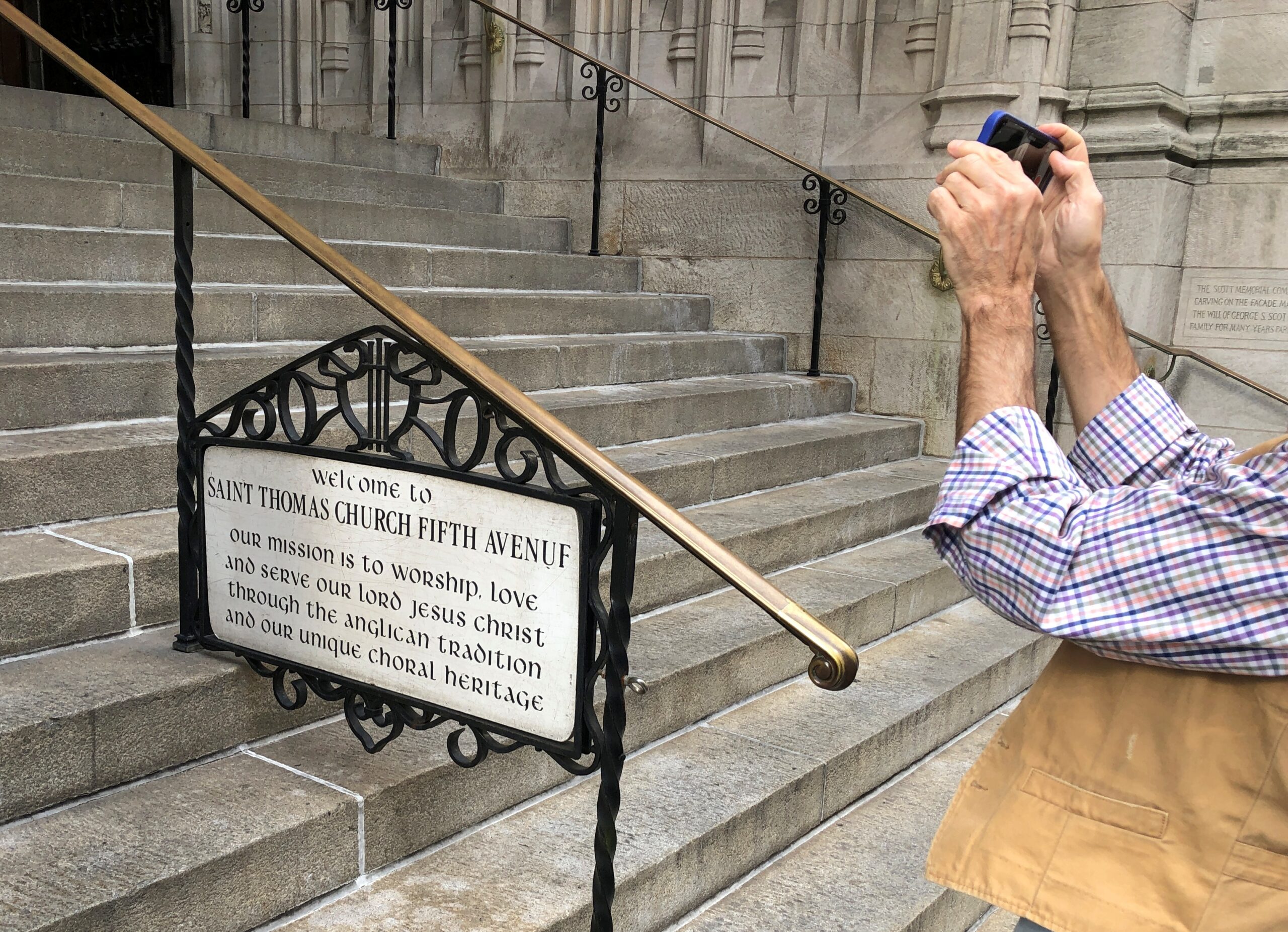
St. Thomas Church

St Thomas Church
St Thomas Church

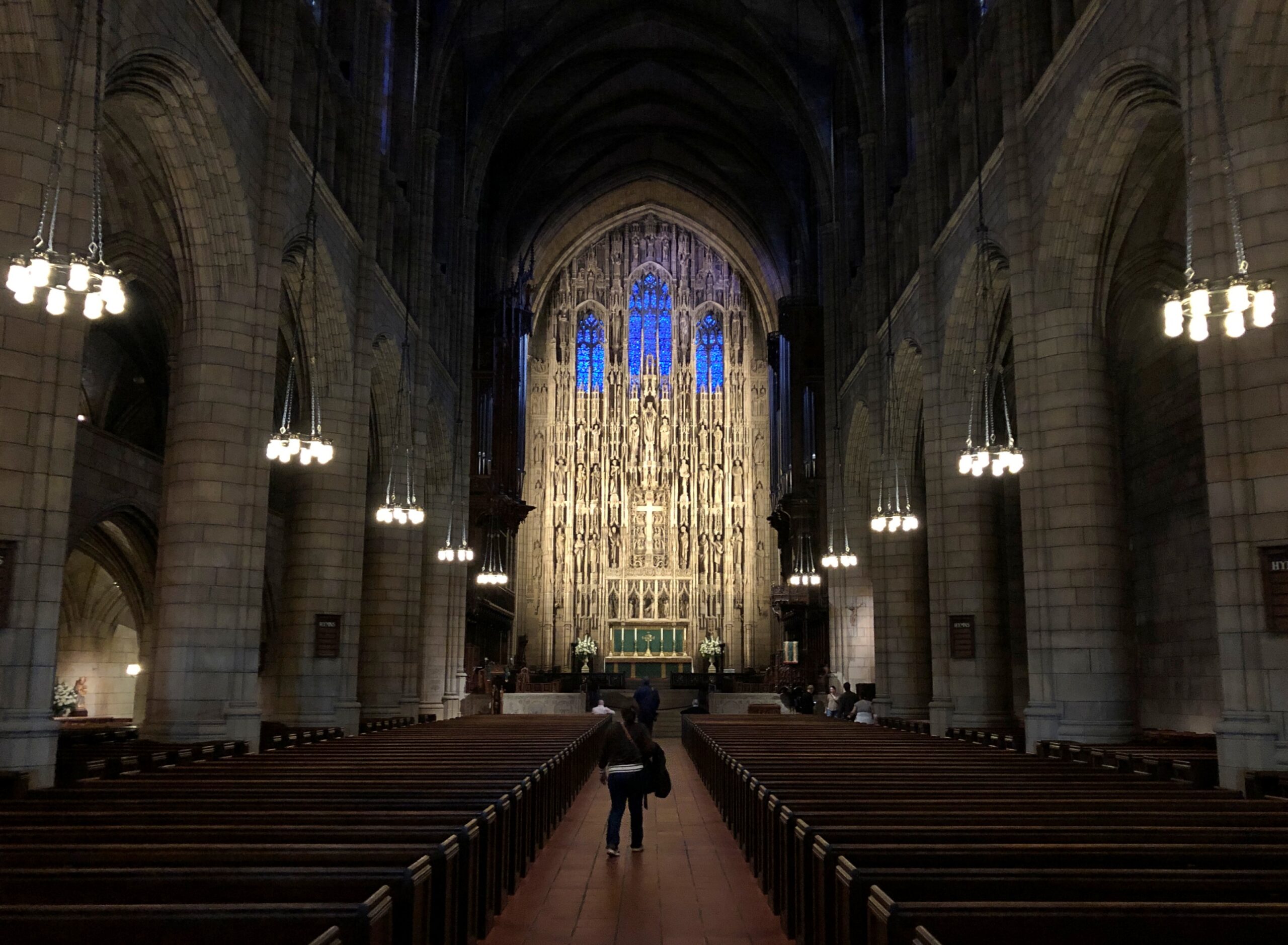
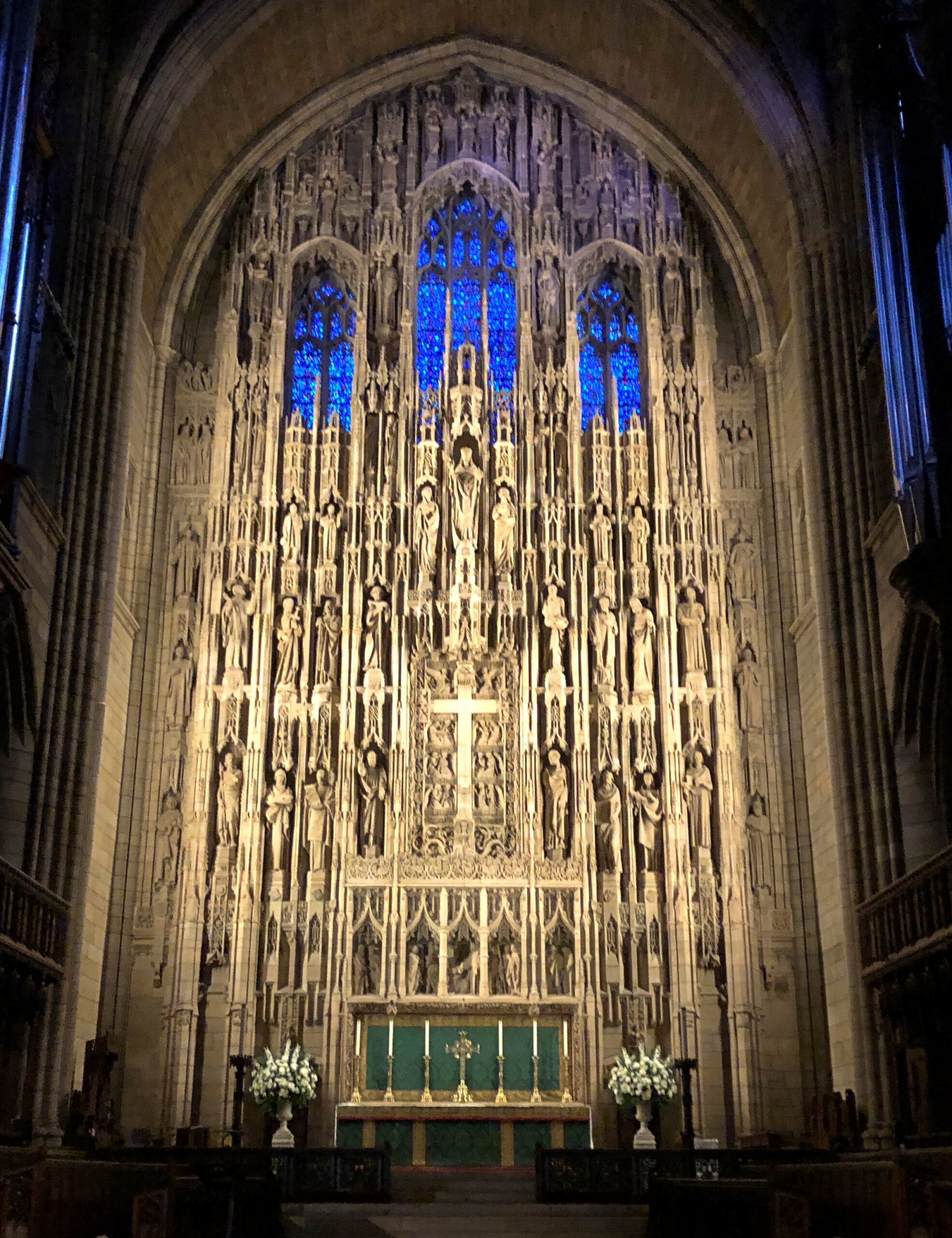
Namely, St. Thomas Church, another major Manhattan Episcopalian congregation. Inside, lights were low. The reredos stood out in the dark, a glowing presence above the altar populated by more than 60 stone carved figures, I’ve read. A Christian crowd: saints, prophets and reformers in an ivory colored stone from Wisconsin. I’d have needed a telephoto lens to have any hope of identifying any of them, but that didn’t make them any less striking.

St Thomas Church
St Thomas Church
St Thomas Church

Ralph Adams Cram and Bertram Grosvenor Goodhue of Cram, Goodhue and Ferguson designed the church, completing it in 1914. They were another of those prolific architects now out of living memory who seemed to design a long list of churches in a short time. The duo did St. Barts, too, and the Cathedral of St. John the Divine, and Rockefeller Memorial Chapel, just to name a few famed sacred spaces of near-palatial character.

Fifth Avenue Presbyterian Church

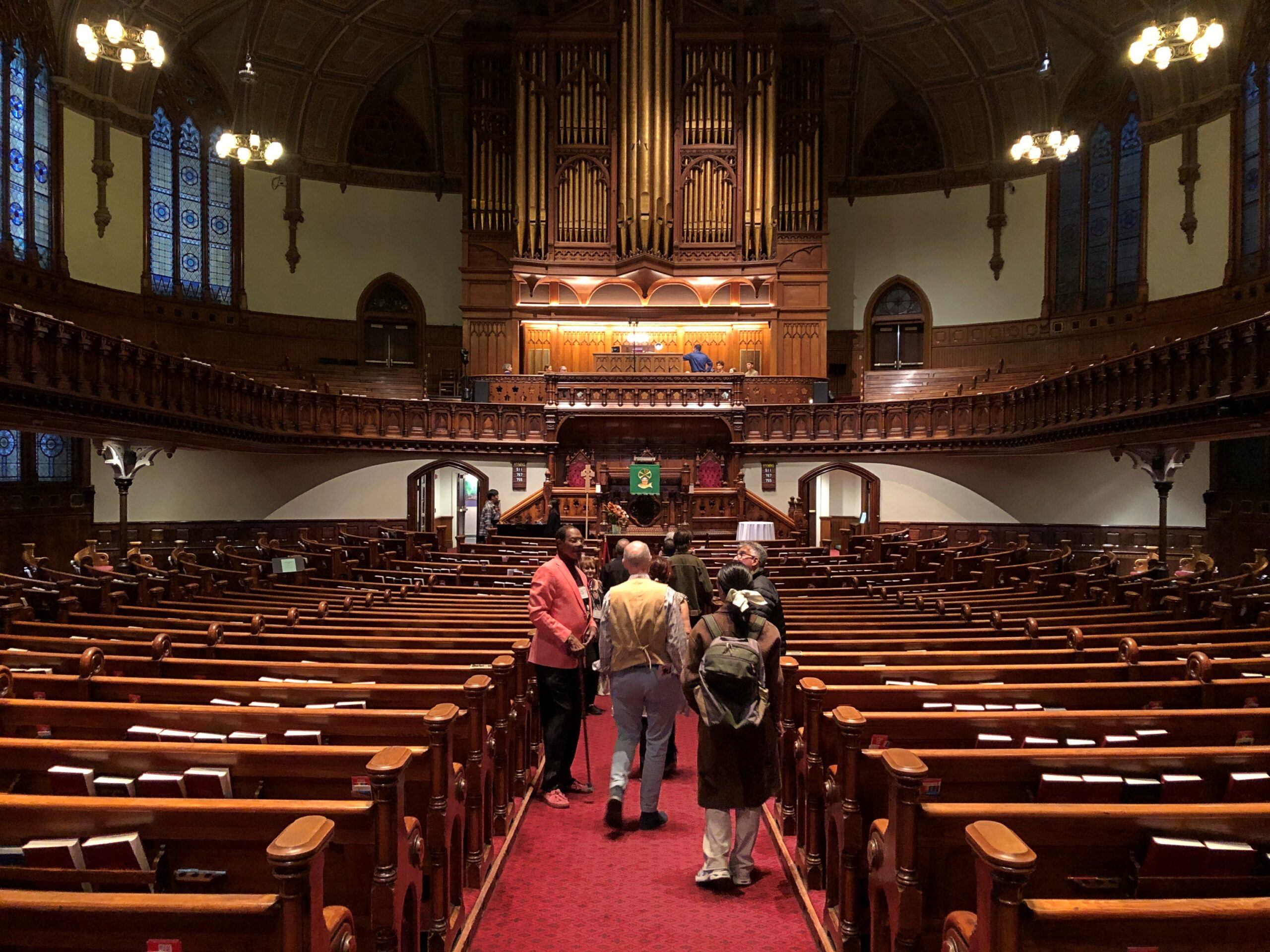
Just steps away from St. Thomas, as real estate press releases like to say about two close buildings, is Fifth Avenue Presbyterian Church. It was our last Open House church for that day.

Fifth Avenue Pres
Fifth Avenue Pres

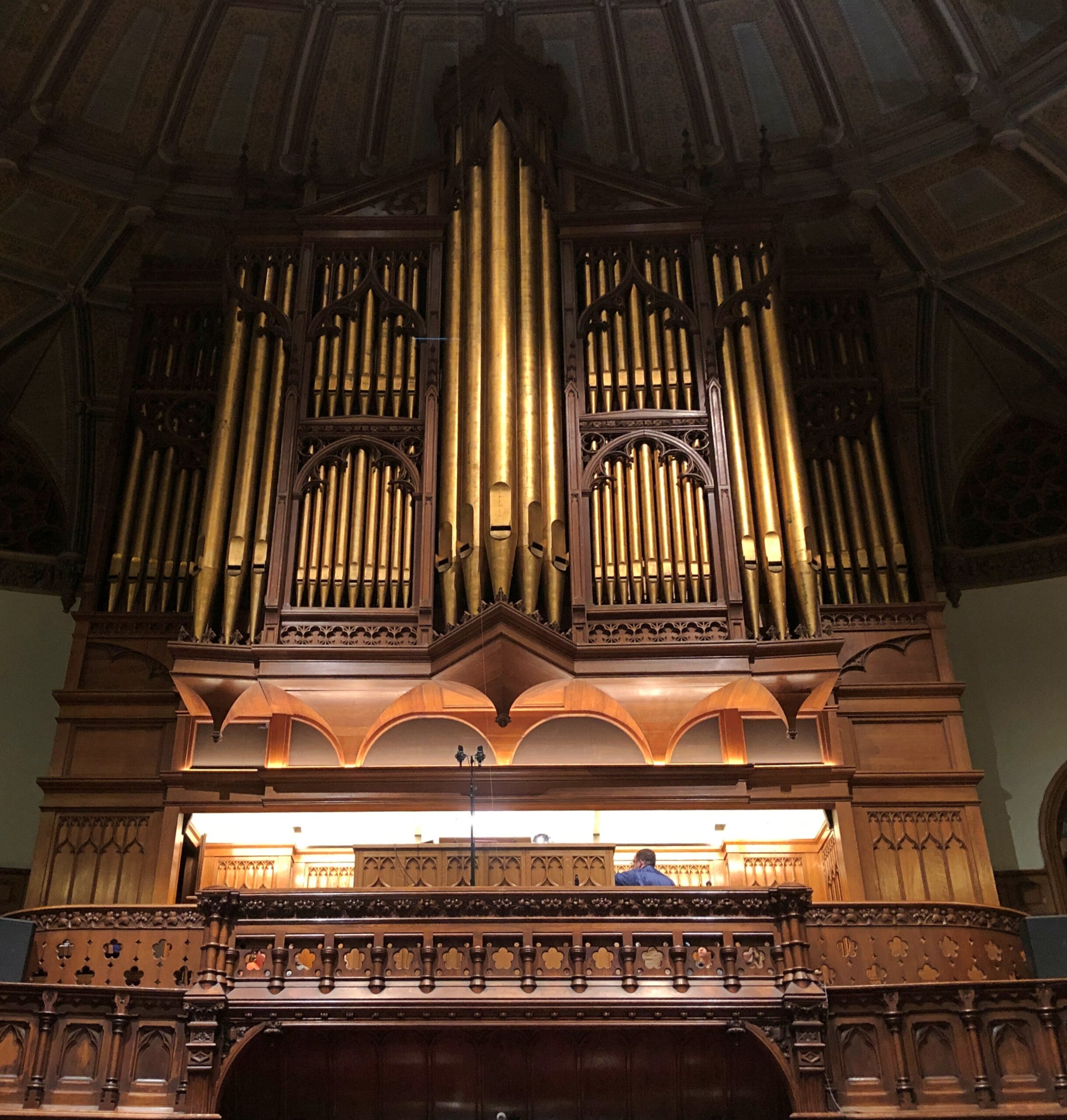
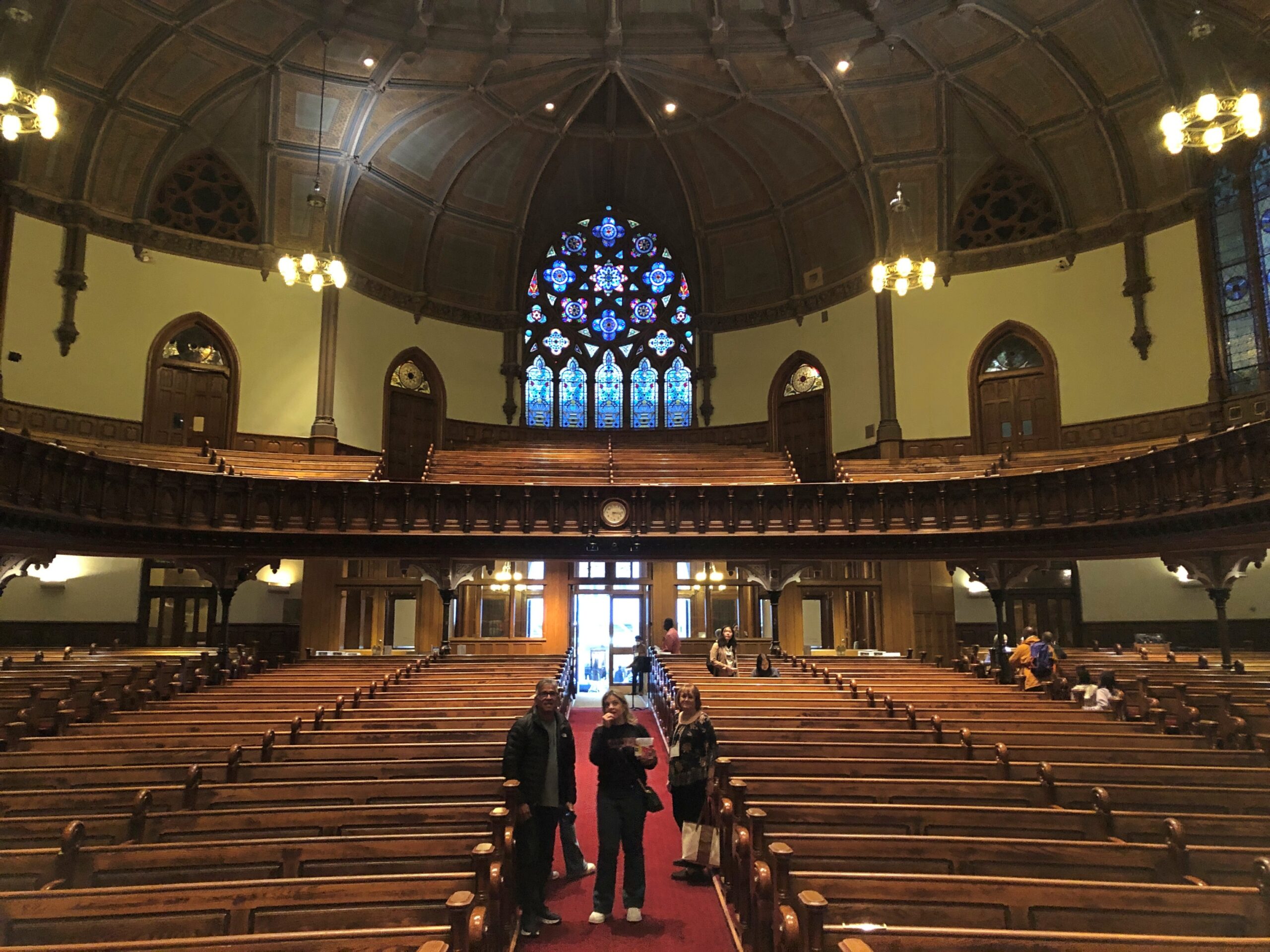
With its auditorium style and balconies, it reminded me of the Moody Church in Chicago, though Fifth Avenue Pres is much older: 150 years this year, as it happens.

Fifth Avenue Pres

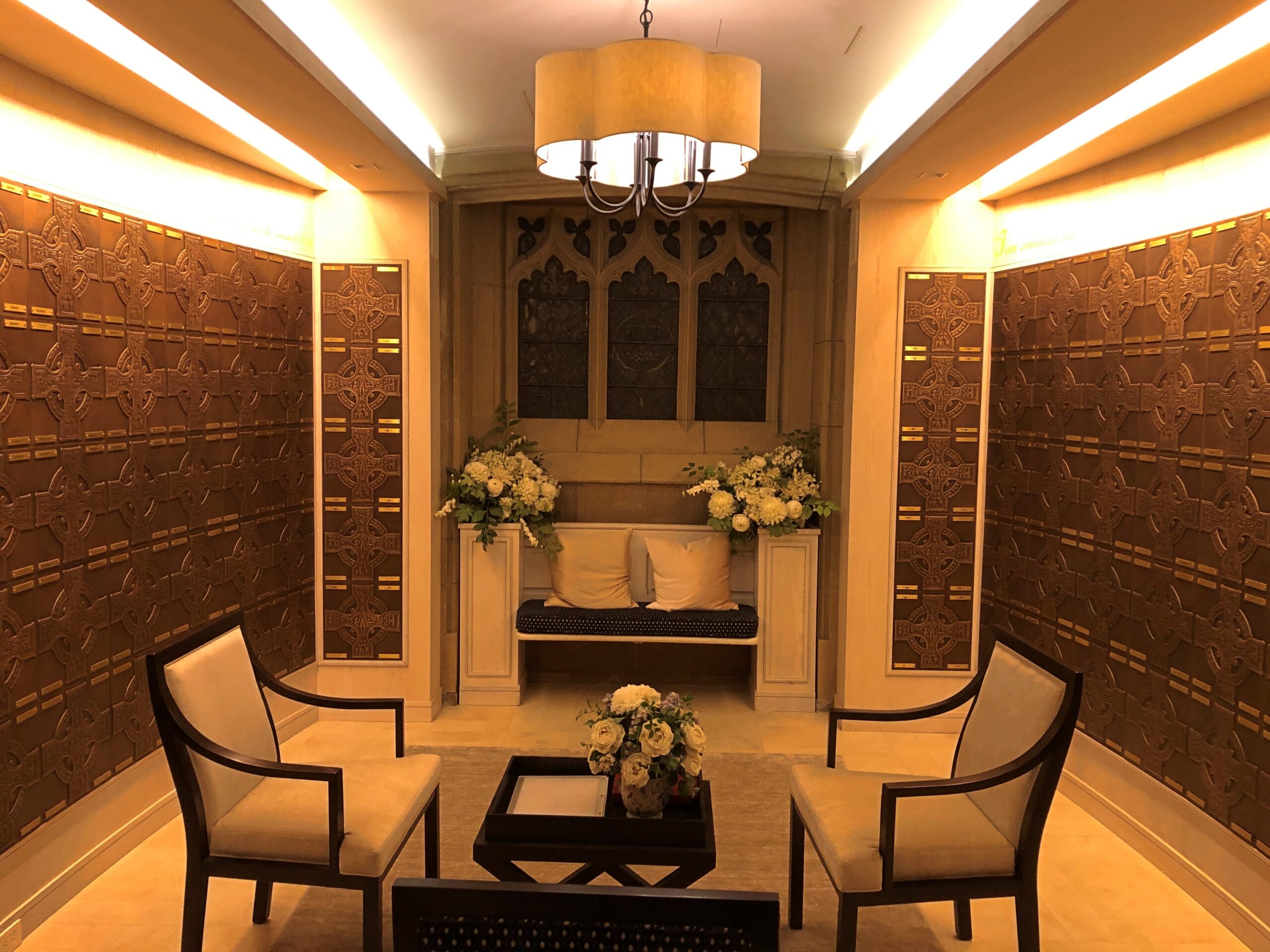
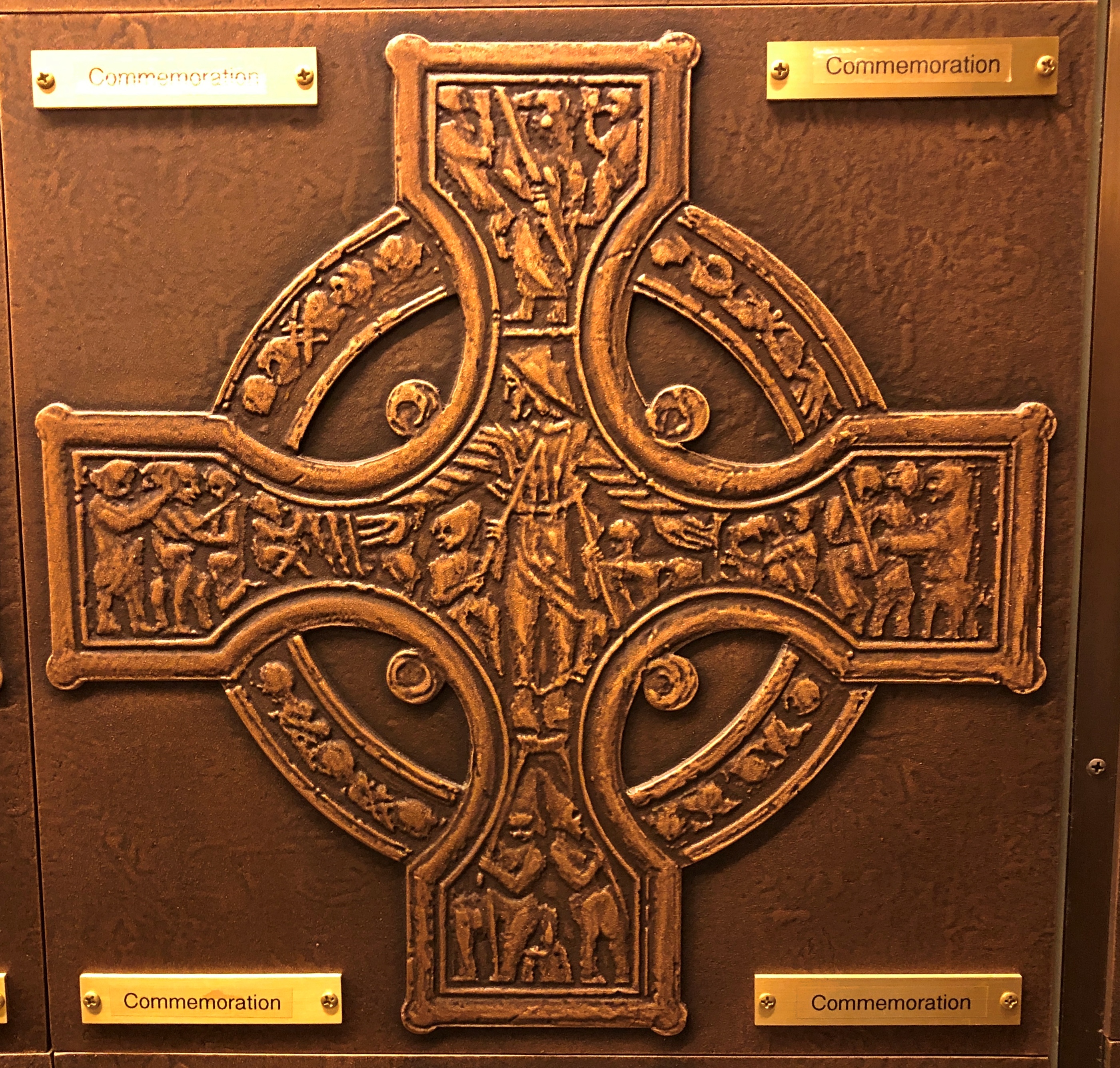
A hallway and some rooms extend beyond the front of the nave, including a columbarium.

Fifth Avenue Pres
Fifth Avenue Pres

Waiting for occupants. All it will take is time.

The Quick and the Dead

In Japan, it was never necessary to have a car. In theory, one could wish such a condition for North America, but I wouldn’t want to give up the option of getting in a vehicle and driving a few hundred miles at a go, or further, to seek out fun roads.

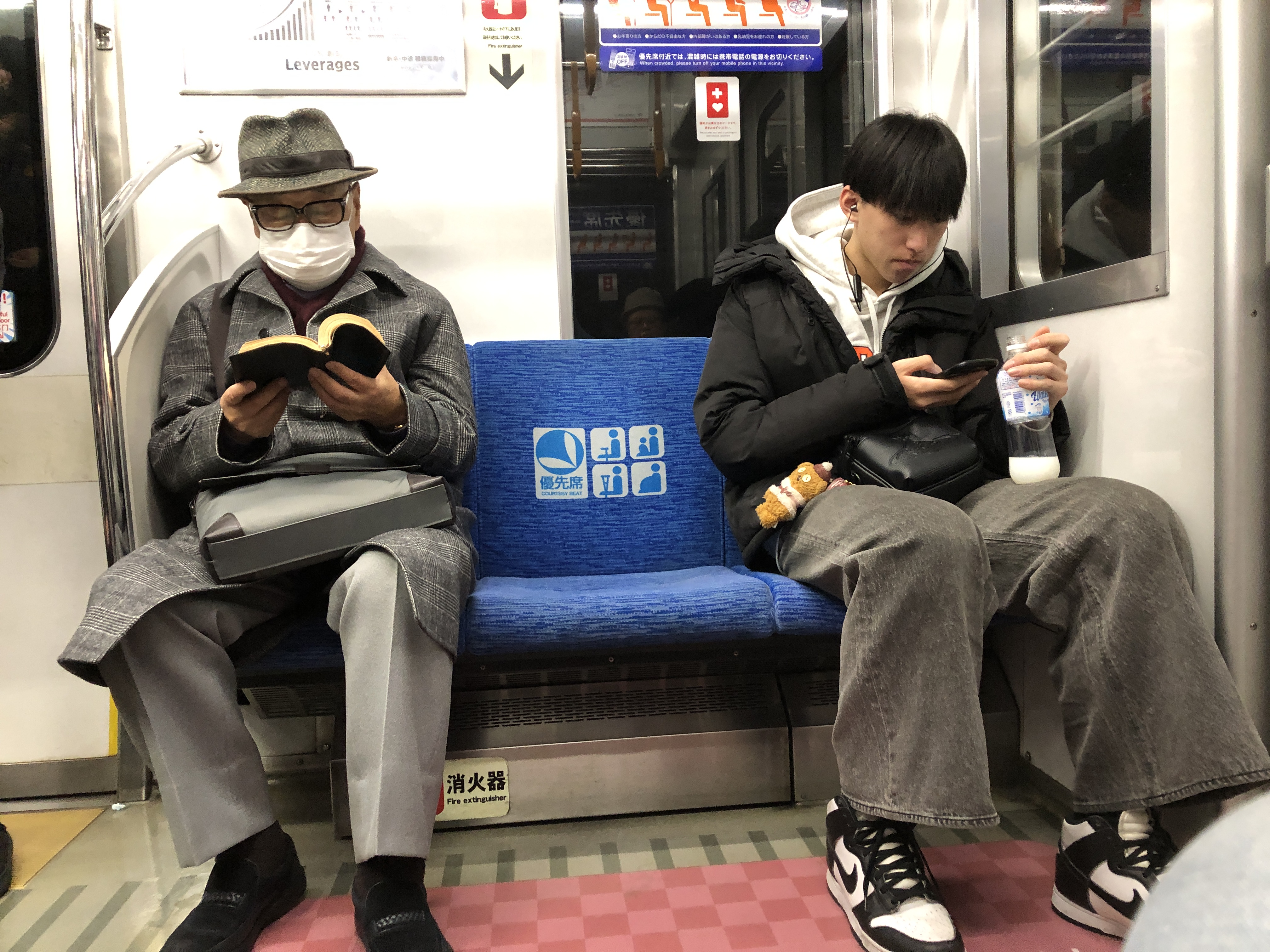
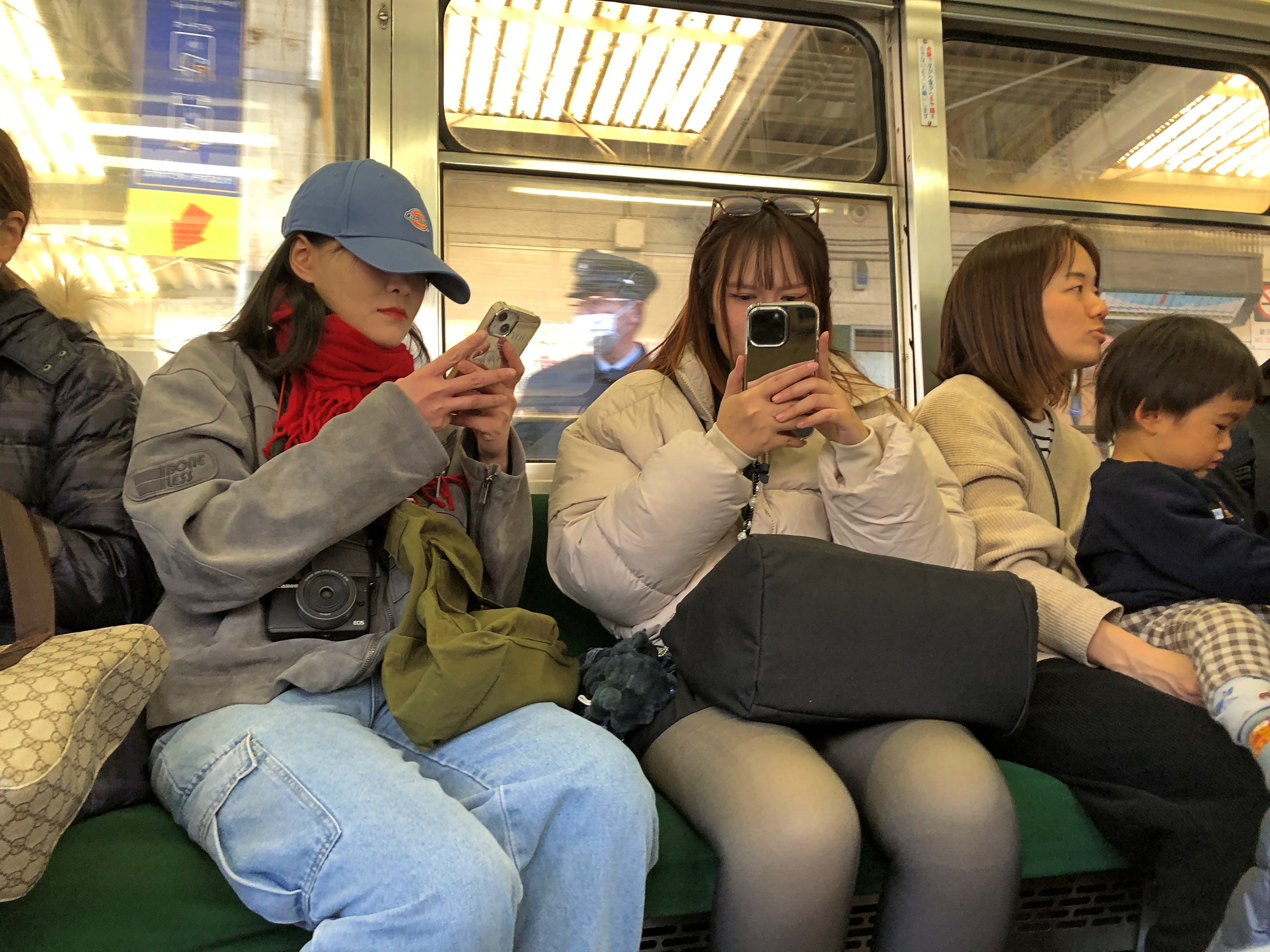
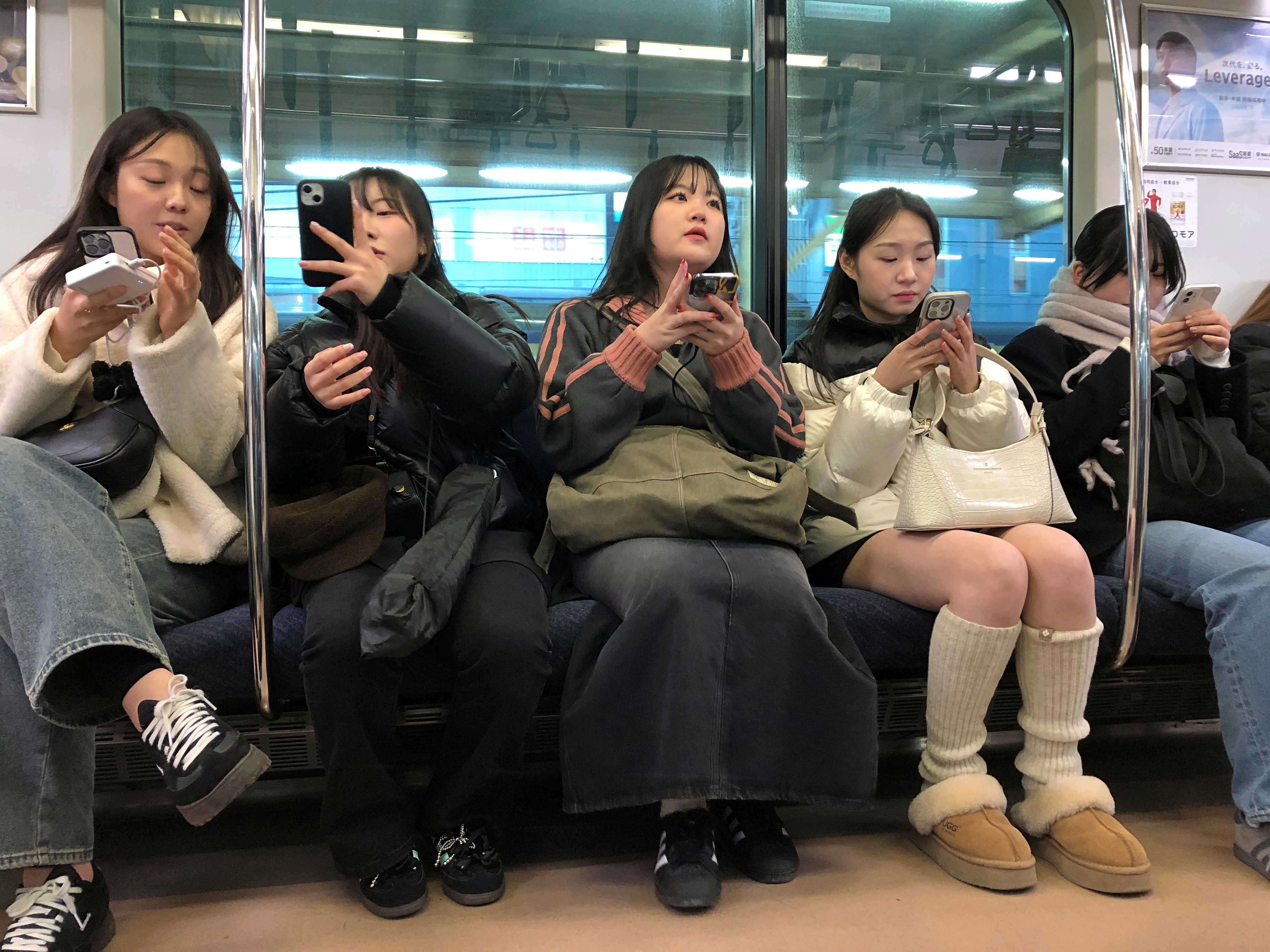
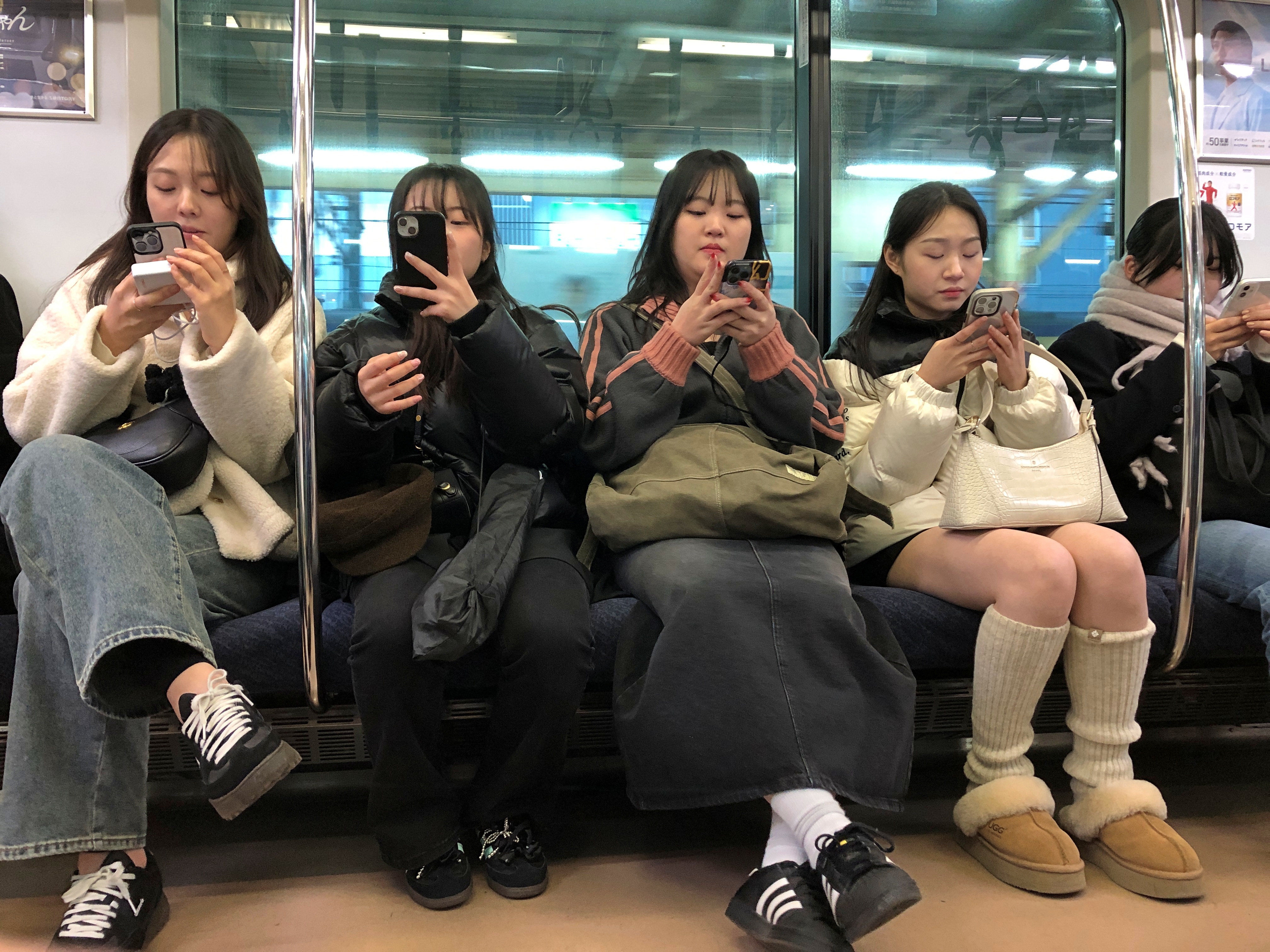
There are probably similarly engaging roads in Japan, but I prefer trains there. We took quite a few during the recent visit. Some were crowded, as subways in rush hour tend to be, but none required the assistance of white-gloved train employees shoving passengers into cars – an image known to gaijin lore as much as the vending machines that sell weird items, but one I never saw at any time, even during rush hours in the ’90s. (And the vast majority of Japanese vending machines sell drinks.)

Scenes on the trains.Japan, 2025

Almost everyone was paying attention to their phones, but not quite everyone. Still, the fellow reading a book – maybe manga – was a rarity this time around. Thirty years ago, half the car would have been reading physical books.Japan, 2025

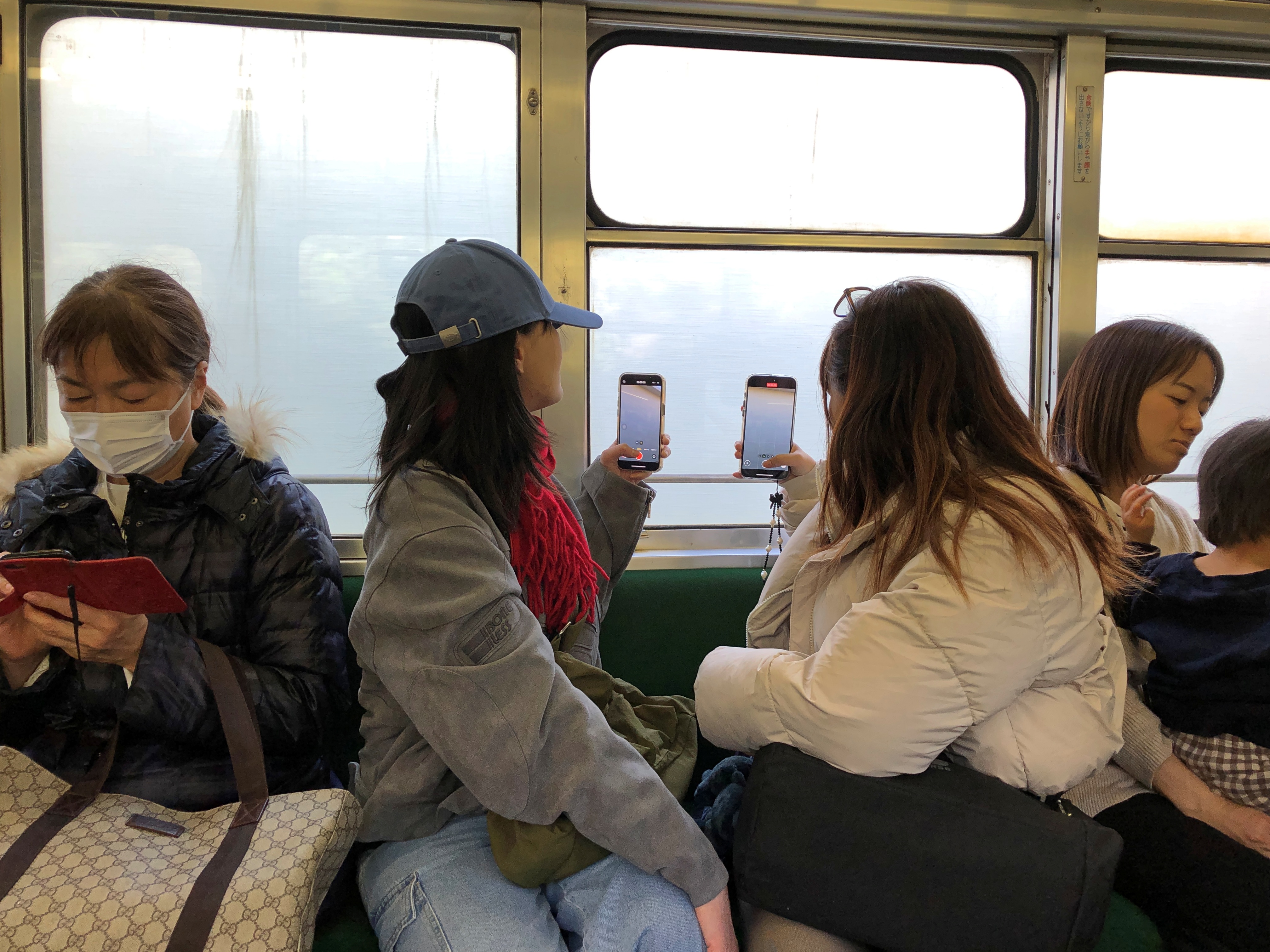
The train from Kamakura to the seaside spot of Enoshima runs along the ocean for a while, inspiring some passengers to take pictures of the scene.Japan, 2025 Japan, 2025

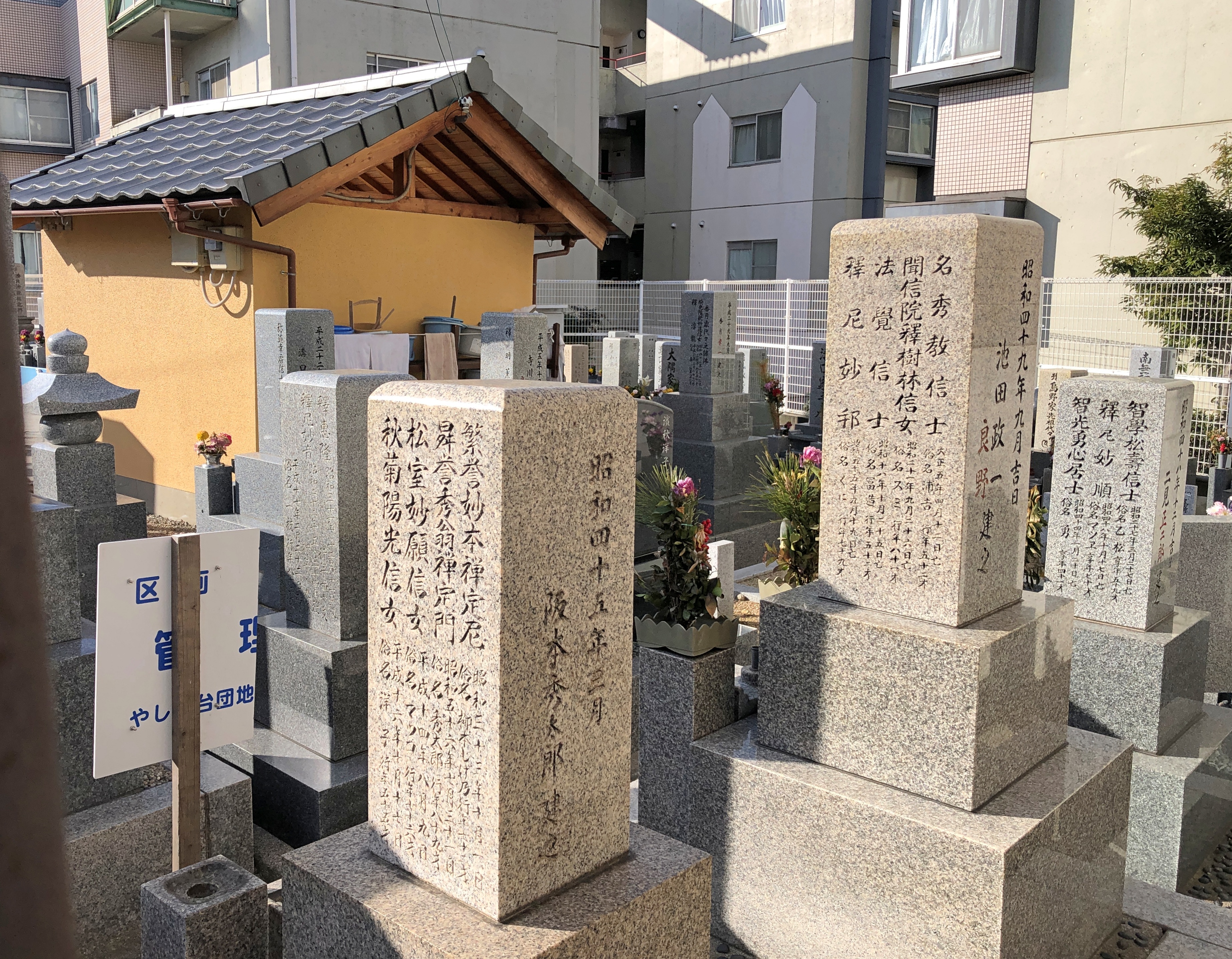
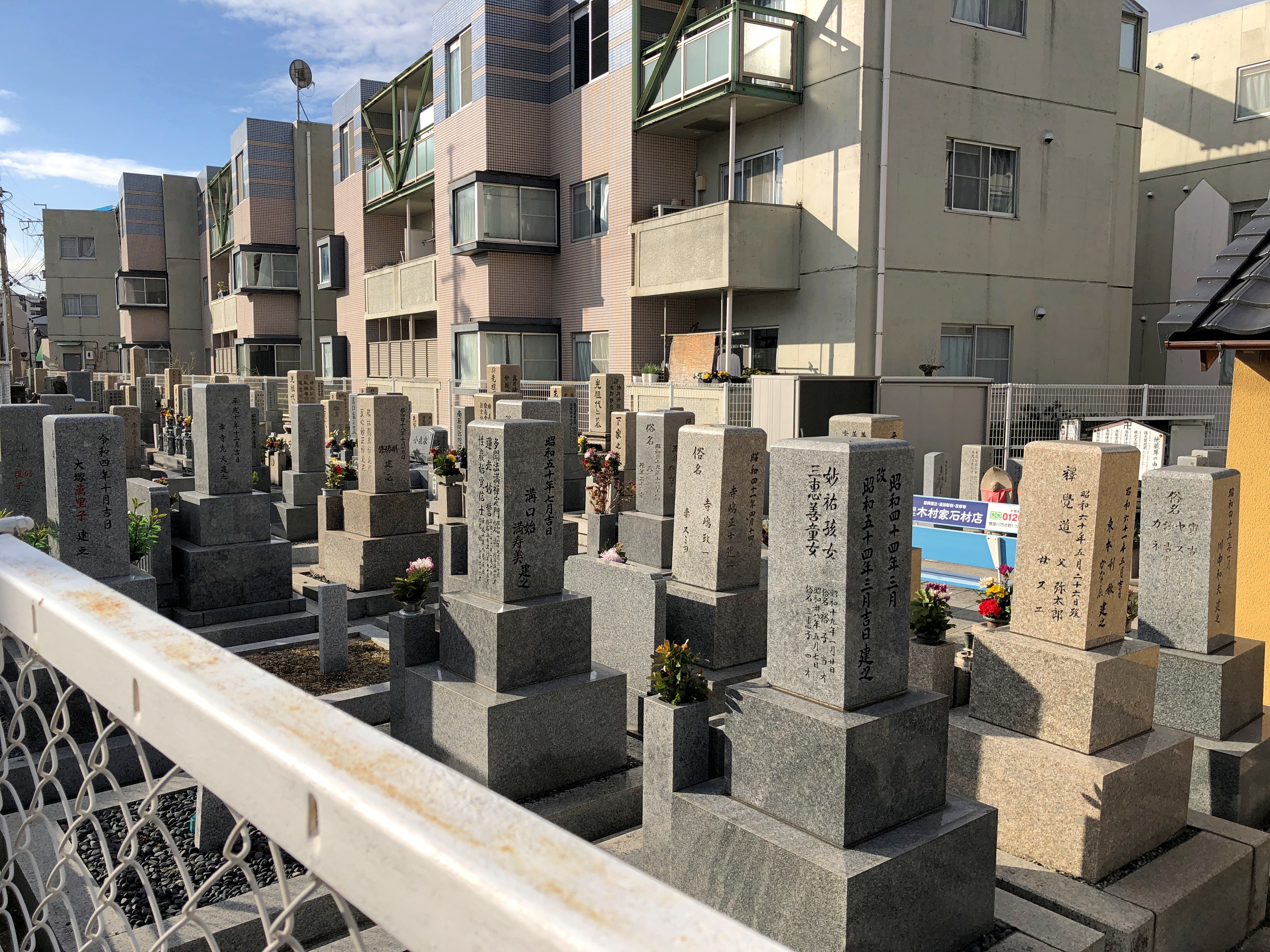
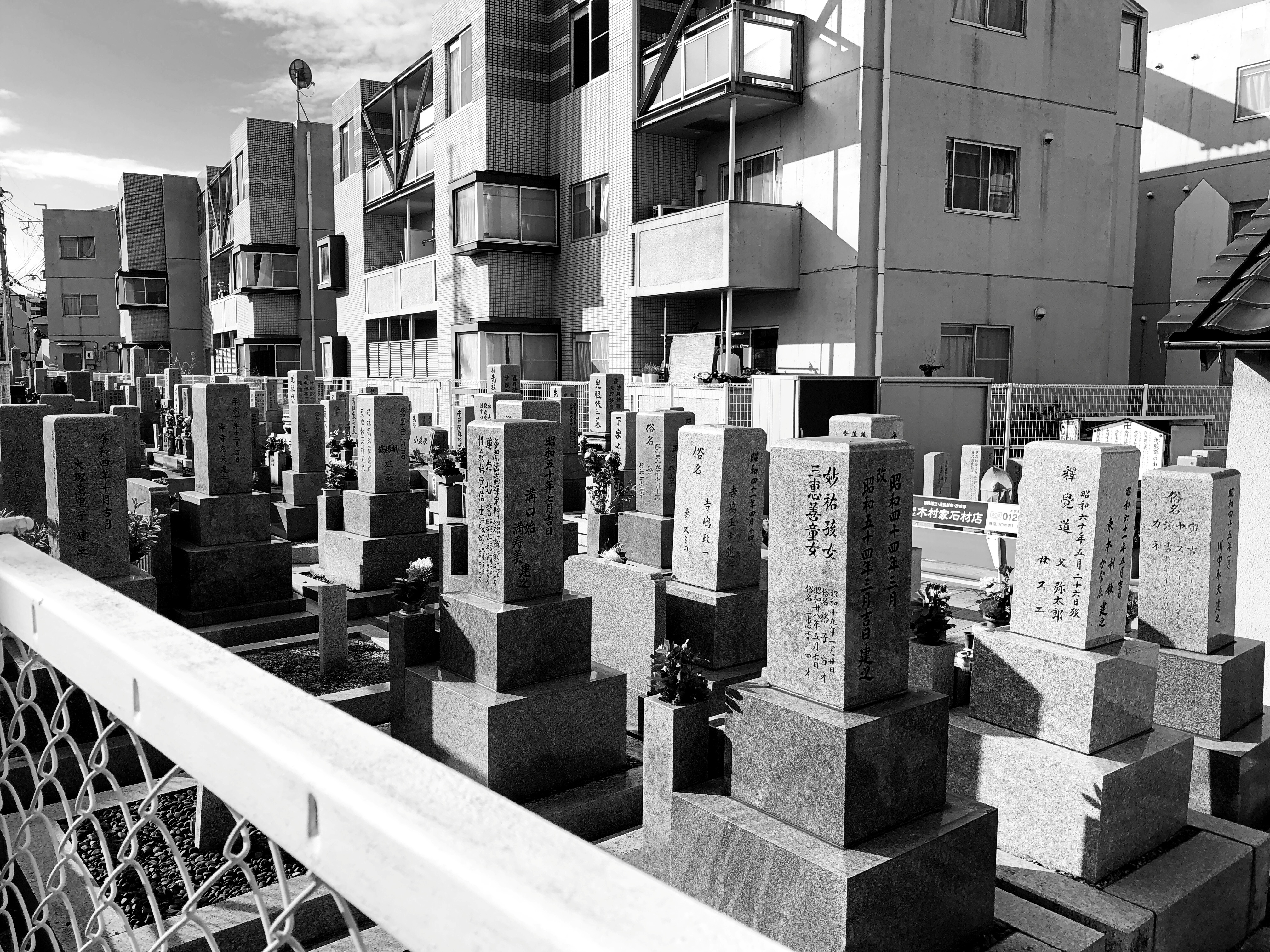
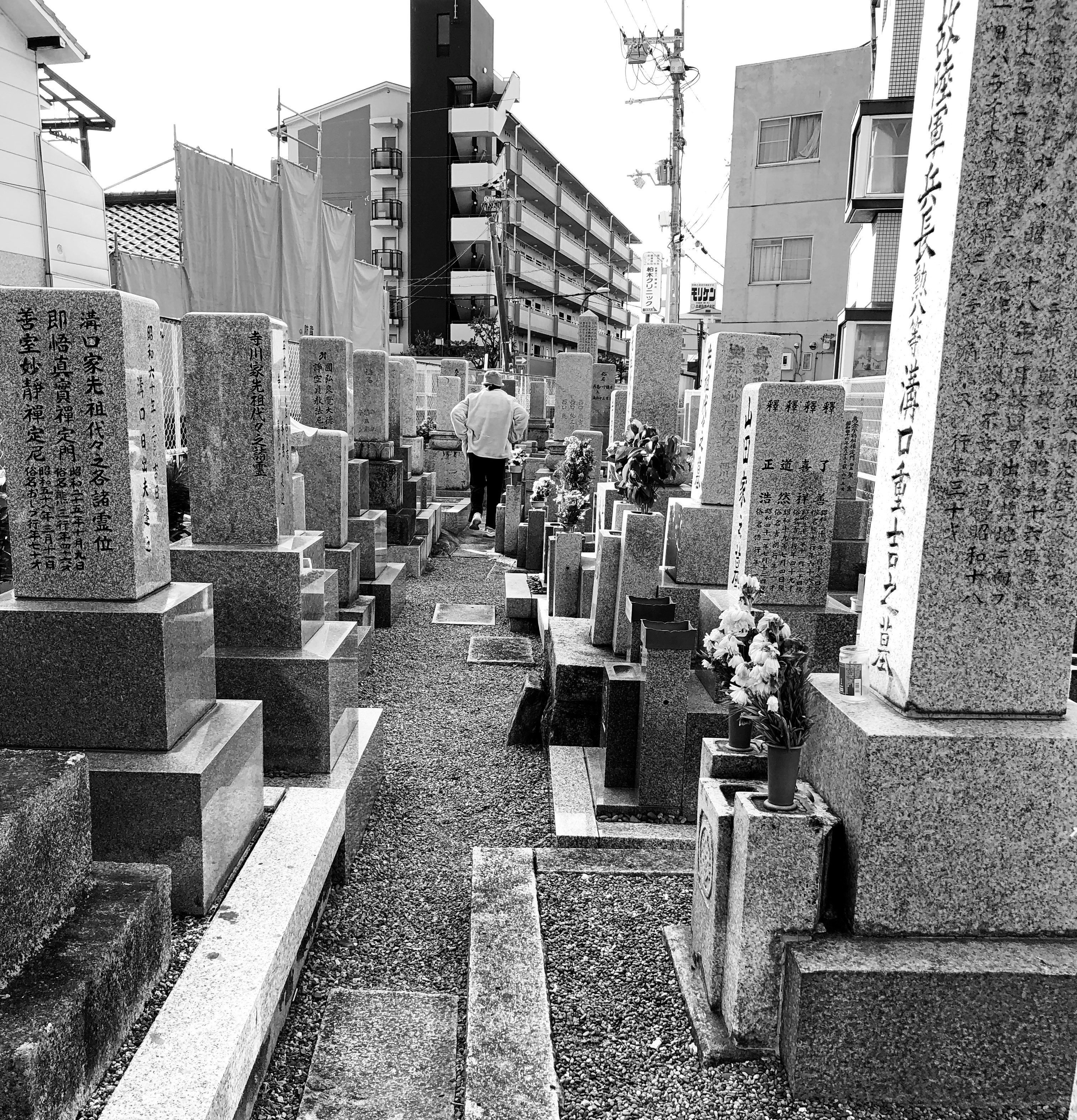
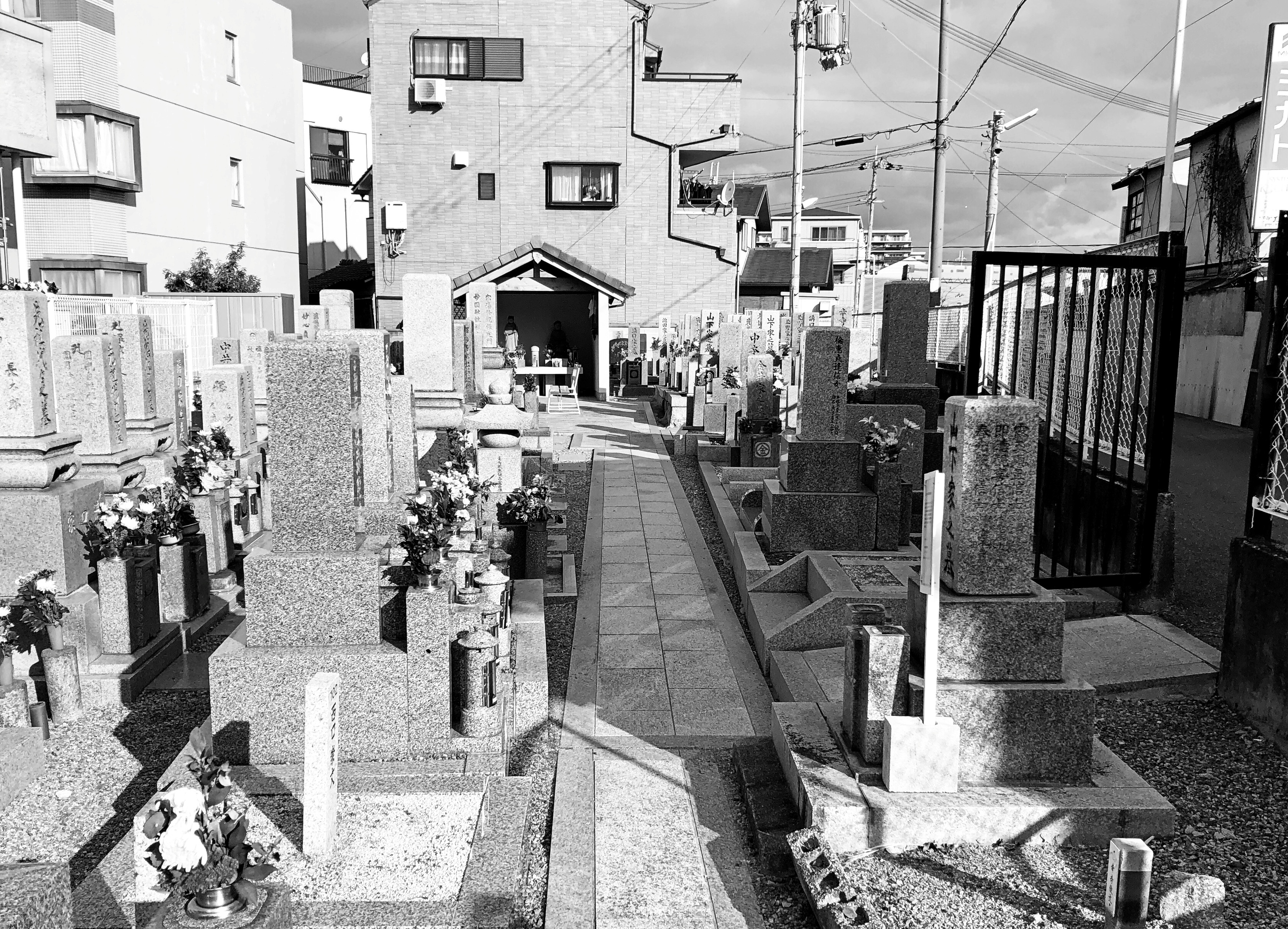
Unfortunately this time there was no time to visit that most beautiful of cemeteries in Japan or anywhere else: Okuno-in at Koya-san, which is about an hour’s train ride from central Osaka. But there was a cemetery near where we stayed, a more ordinary one in the far reaches of suburban Osaka. I don’t know its name.Japan, 2025 Japan, 2025

It is essentially just a sliver of land not dedicated to anything else. Around it is a short fence.Japan, 2025 Japan, 2025

Around that is a neighborhood.Japan, 2025 Japan, 2025

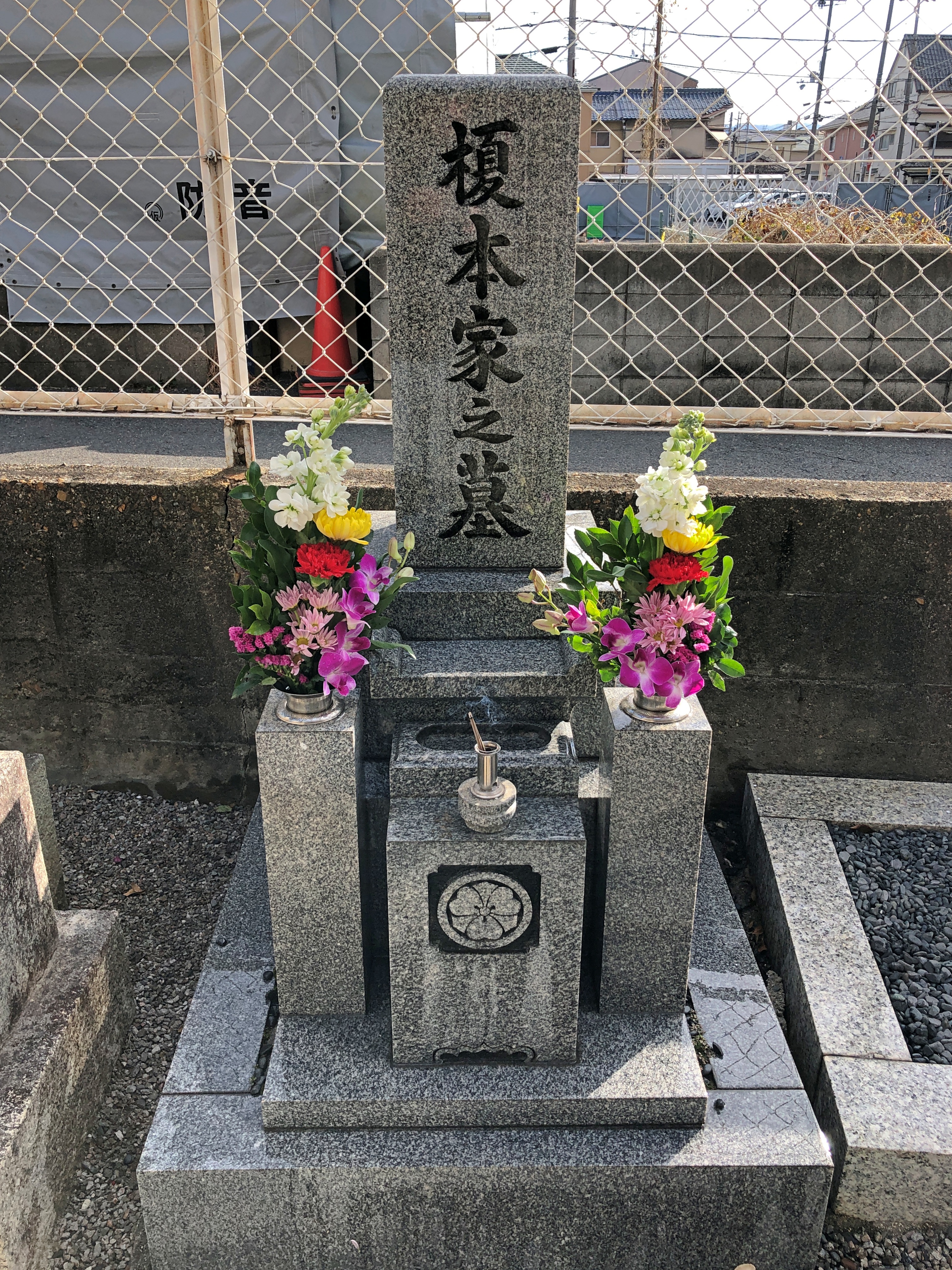
It also happens to be the location of my mother- and father-in-law’s memorial and ashes.Japan, 2025

RIP, Enomoto-san.

ISU Family Stroll

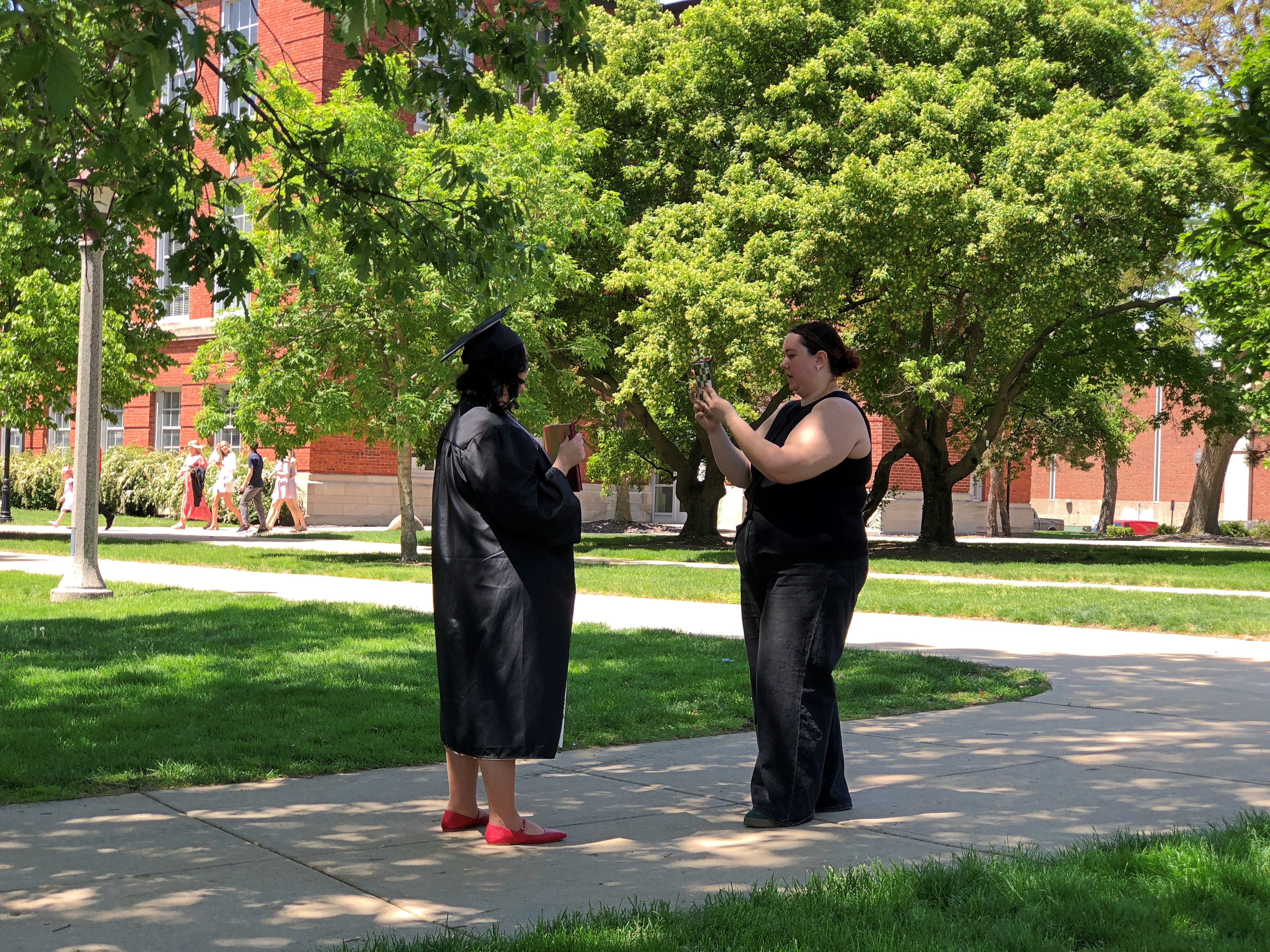
There was some grumbling about the fact that the ISU graduation ceremony, at least the part that involved Ann, had been scheduled for the evening. Old timers, that is me, remembered the fine spring Friday the 13th in Tennessee long ago when VU held its graduation, and its late morning start.

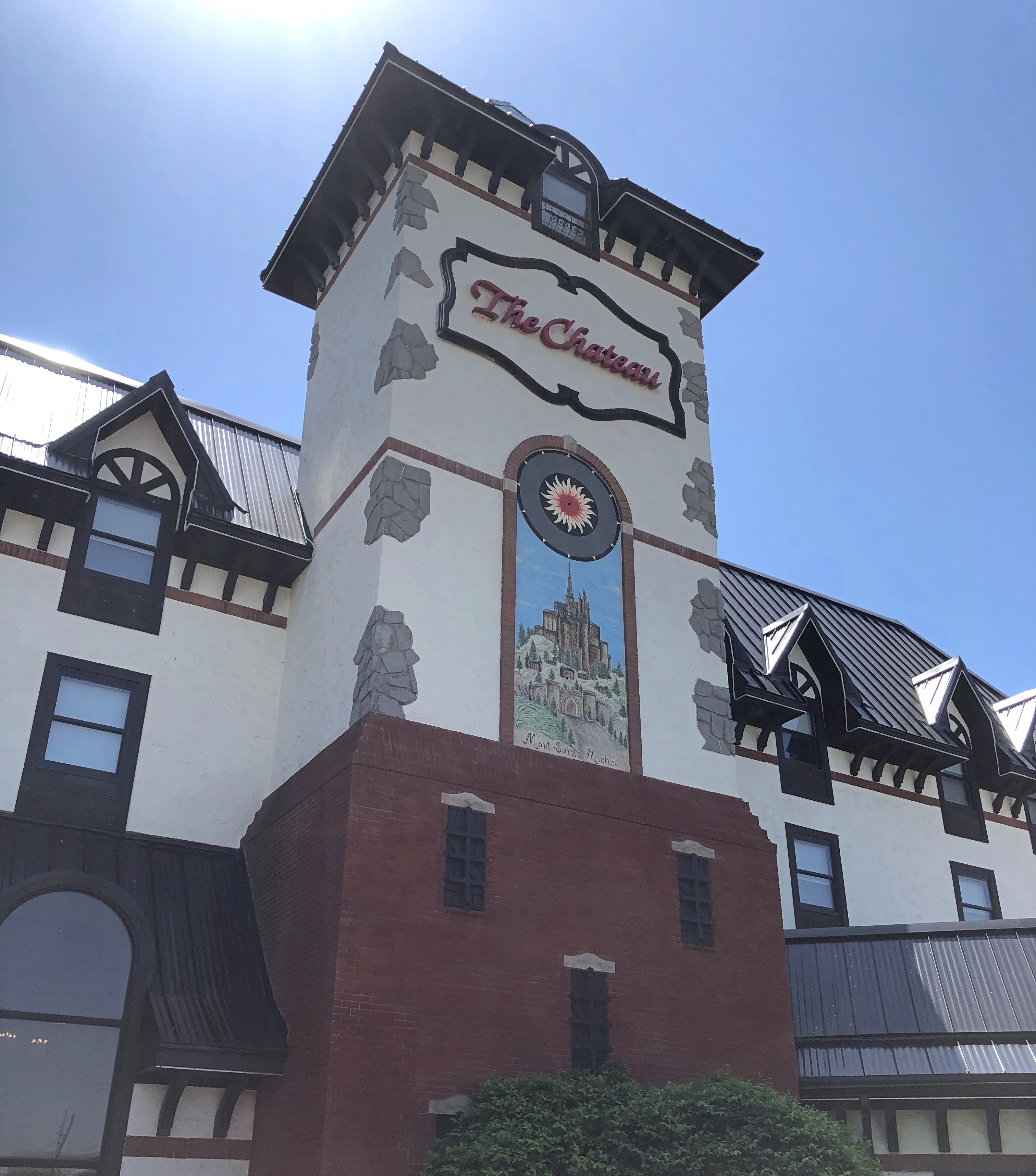
But ISU’s schedule had an upside. The four of us stayed in a hotel room in Normal that night, which was an extra expense, but also enjoyed a leisurely Saturday morning in our room and at the hotel’s no-extra-charge breakfast, which wasn’t bad. Leaving just before noon, we got a look around the property, whose theme seemed to be faux chateau.

How about making it look like a cake? One of those square multi-layer ones, with some French accents. That may have been the thinking during the design phase. And don’t forget bronze lions.

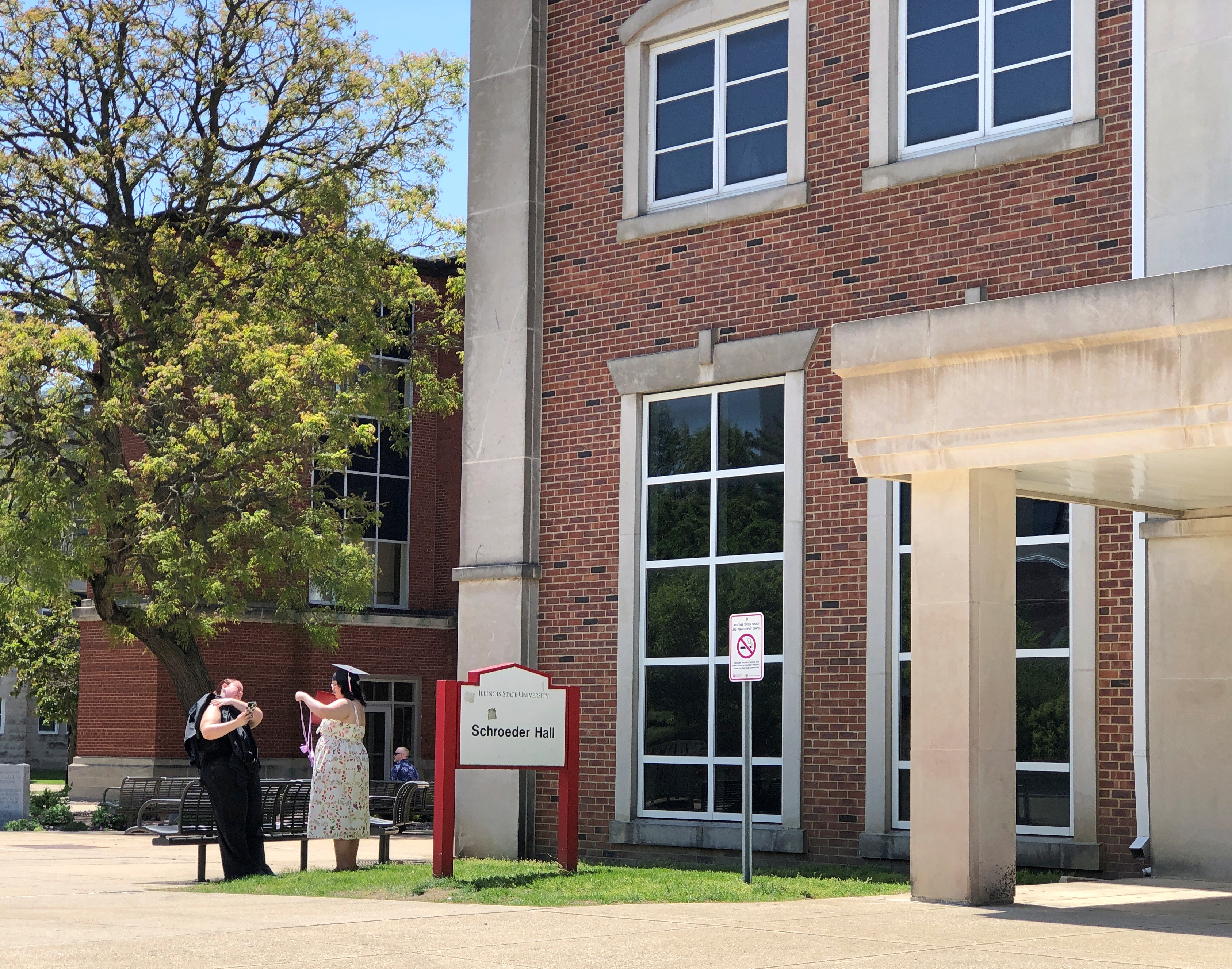
Ann wanted to spend some time on campus taking pictures at specific spots where she has fond memories, so that’s what we did. A few sites were inside a few of the buildings. We also spent some time, under a very warm sun, at the ISU Quad. Not our first time there.ISU Quad ISU Quad ISU Quad

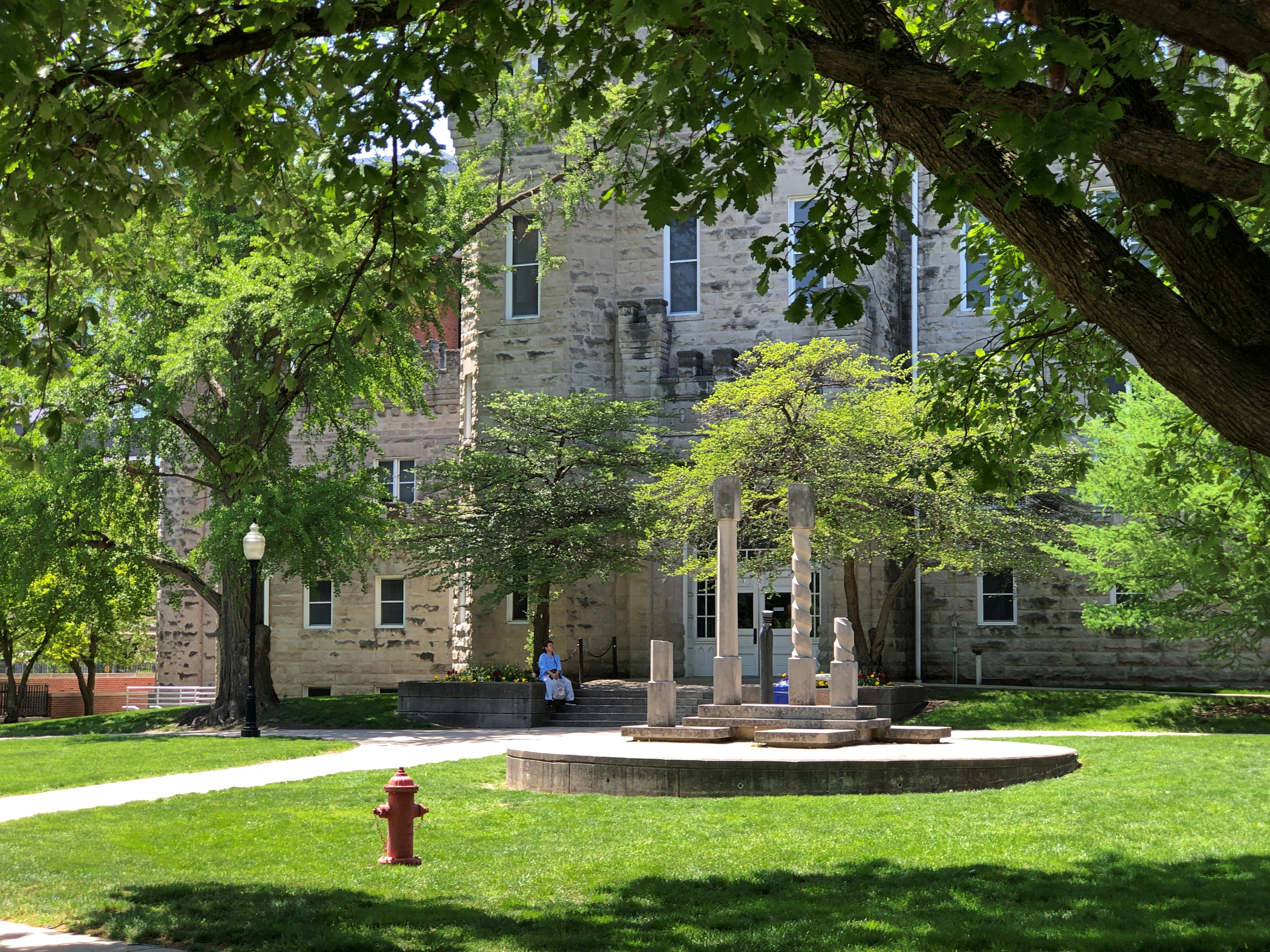
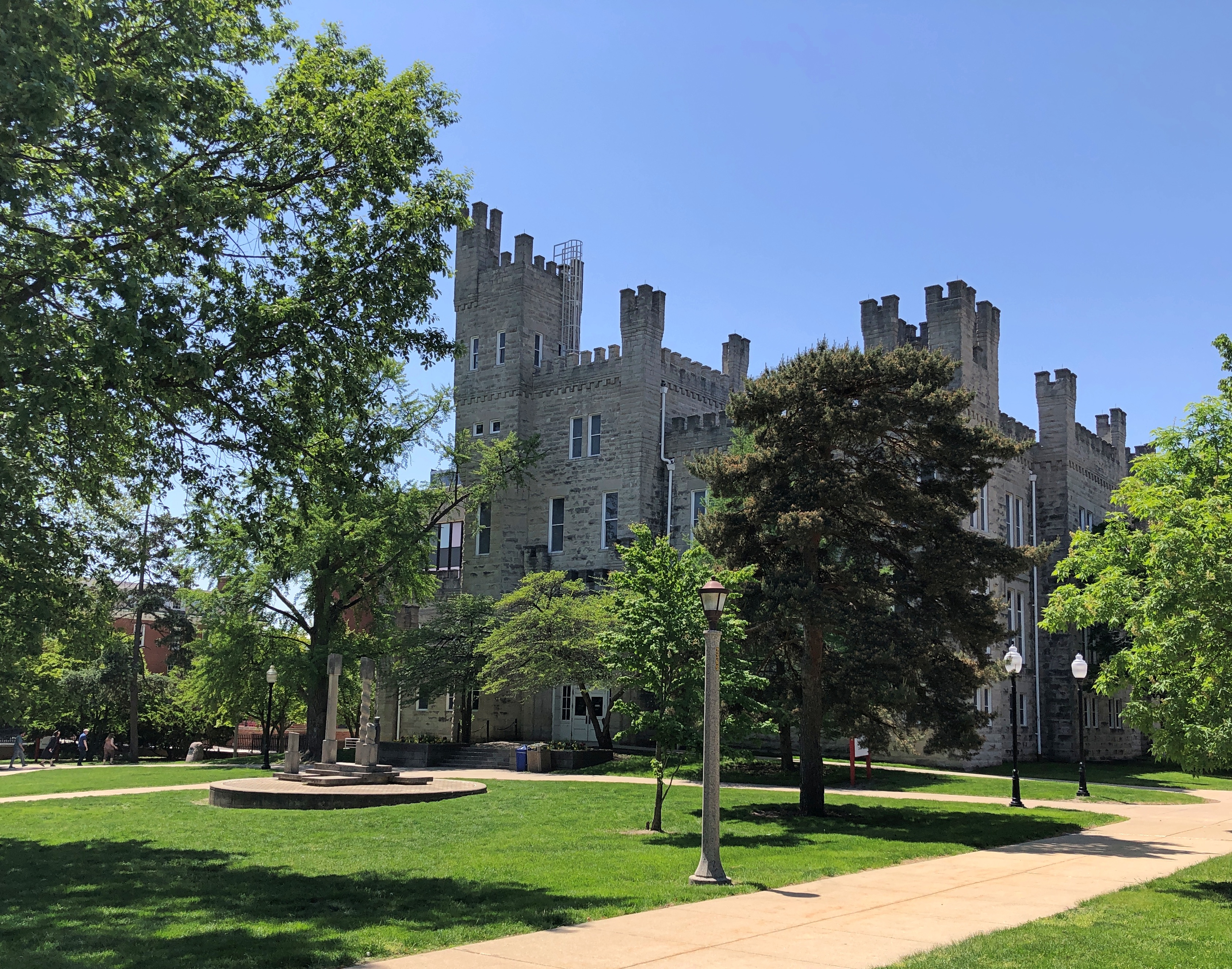
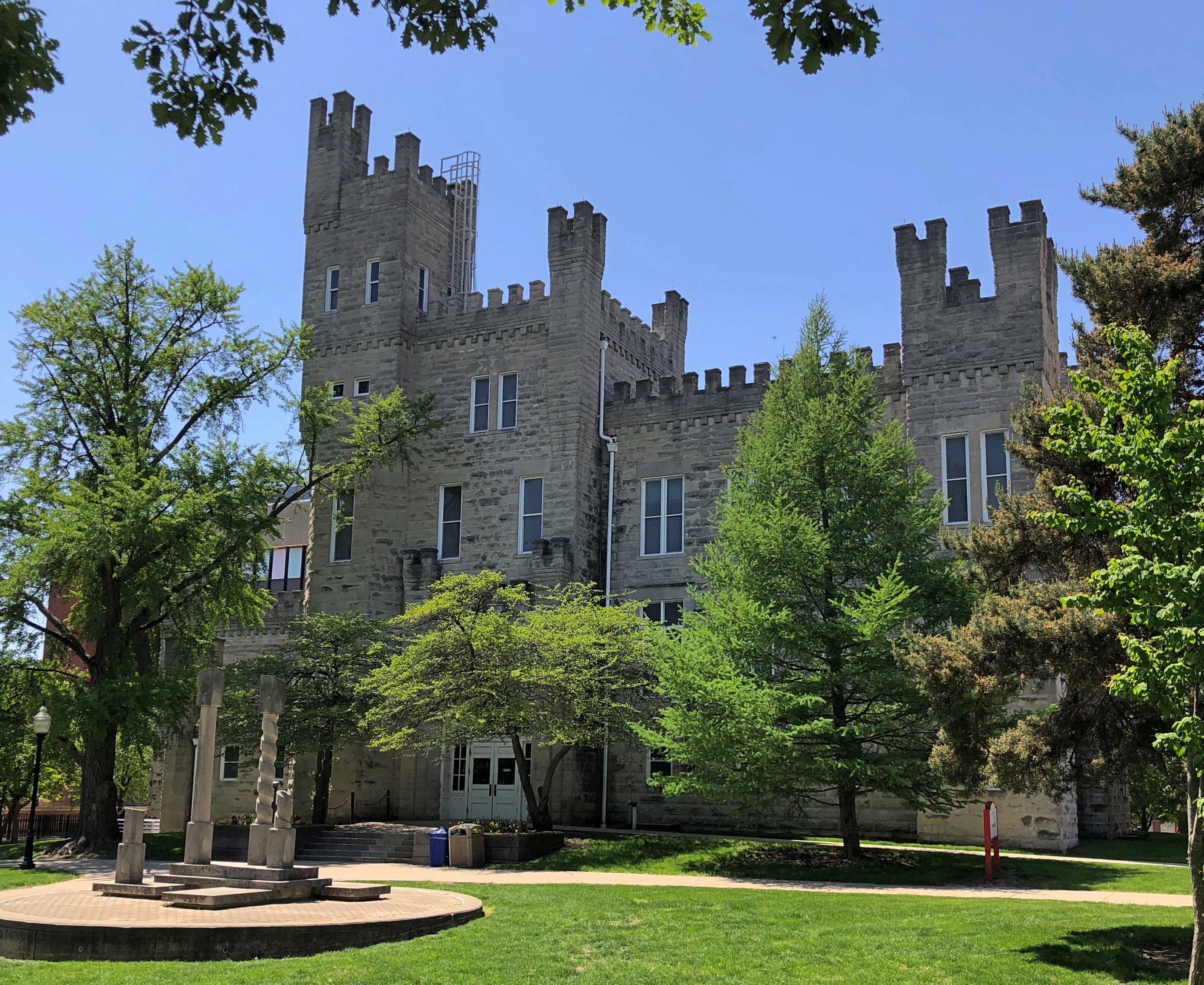
I did what I do, wandering off for quick looks at this and that. Cook Hall is an old favorite.ISU Quad ISU Quad

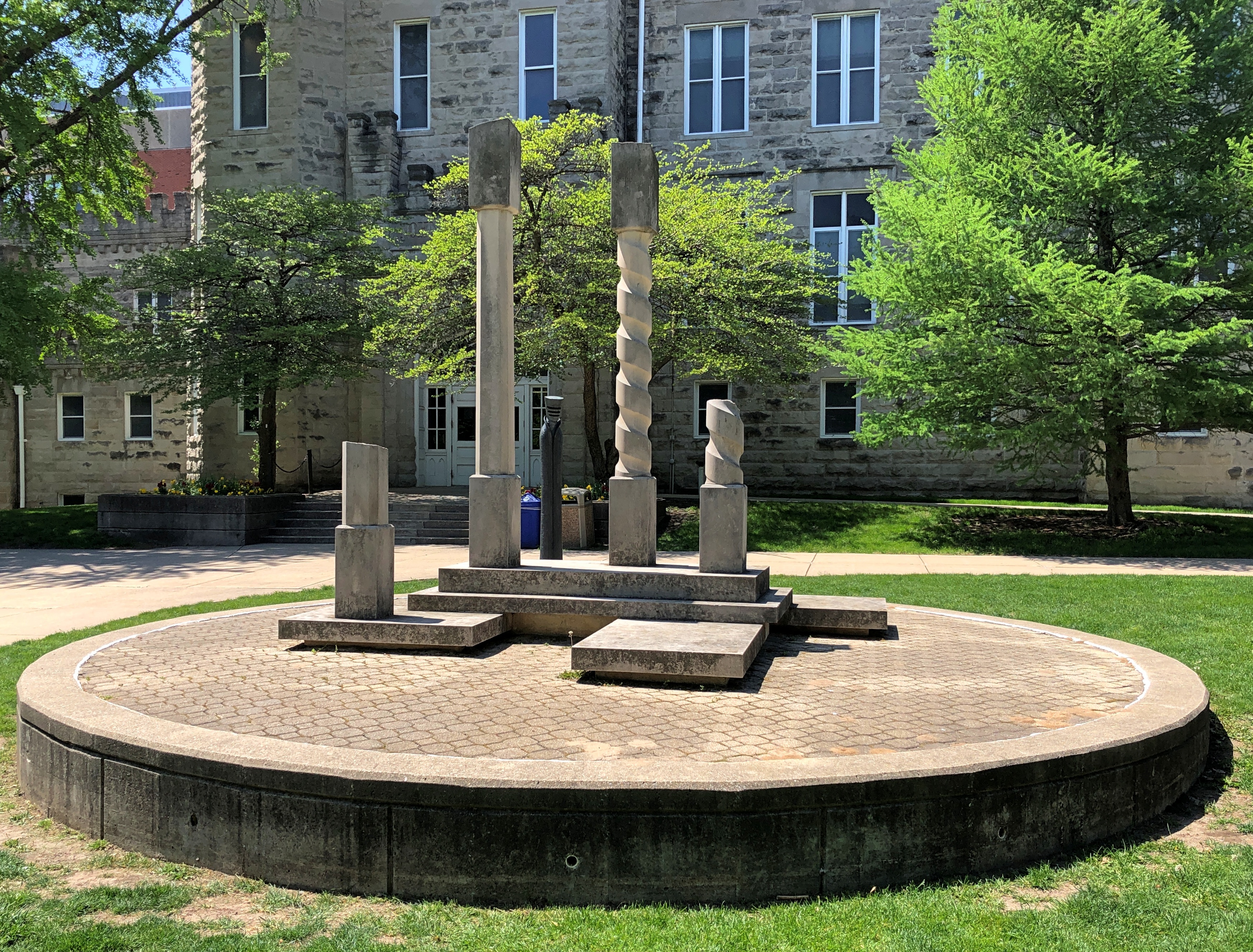
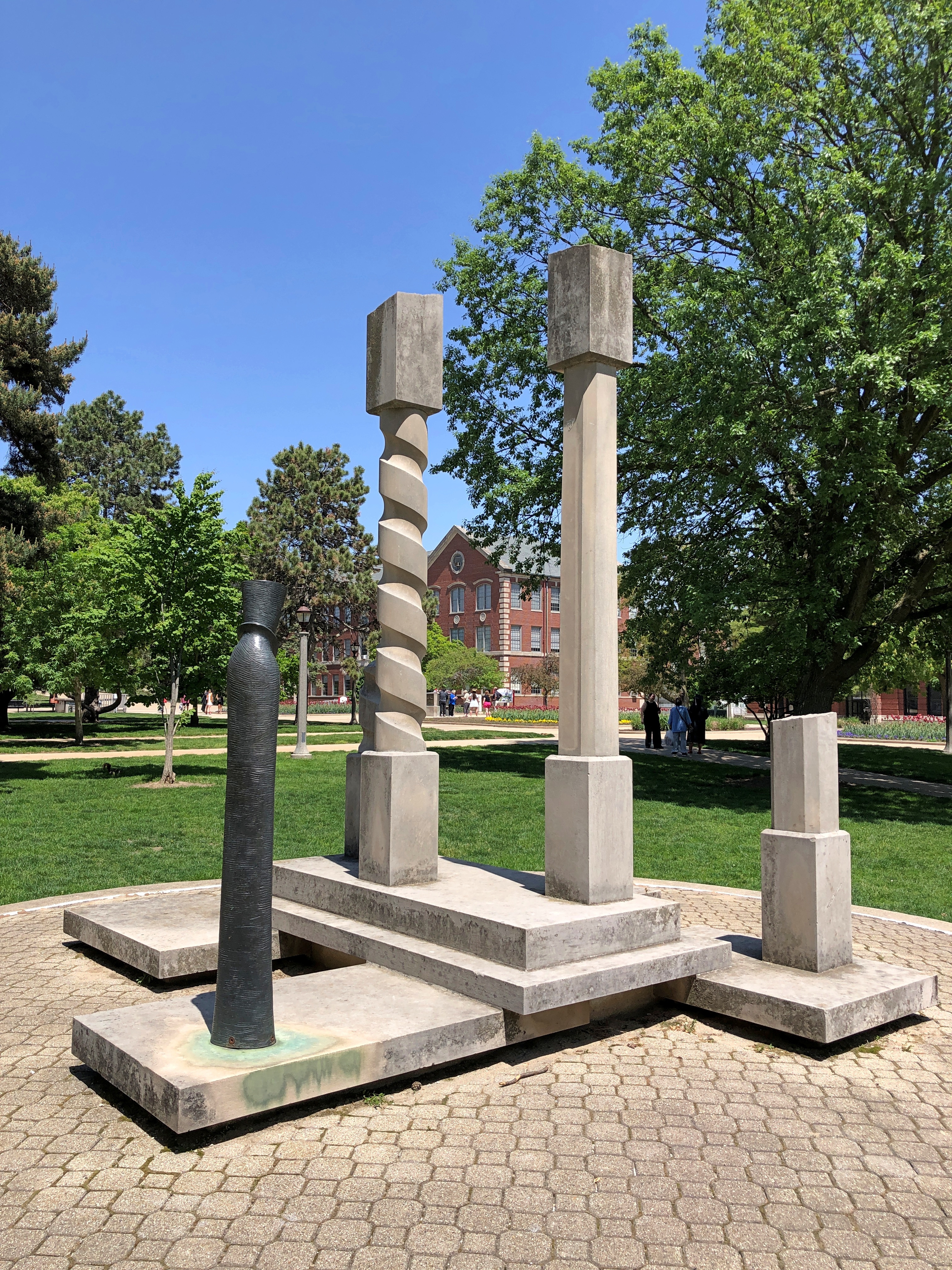
In front of Cook Hall is “Ruins IV.”ISU Quad ISU Quad

“Ruins IV was created by Nita Sunderland, an art professor from Bradley University,” notes the ISU web site. “The Ruins IV sculpture reflects stylized medieval imagery and is part of a series that Sunderland said stands as ‘a statement about our relationship with history and former societies,’ as well as the importance of learning from mistakes and experiments of the past.”

If you say so, Nita. Is it ever just enough to say, this sculpture’s got some really cool shapes?

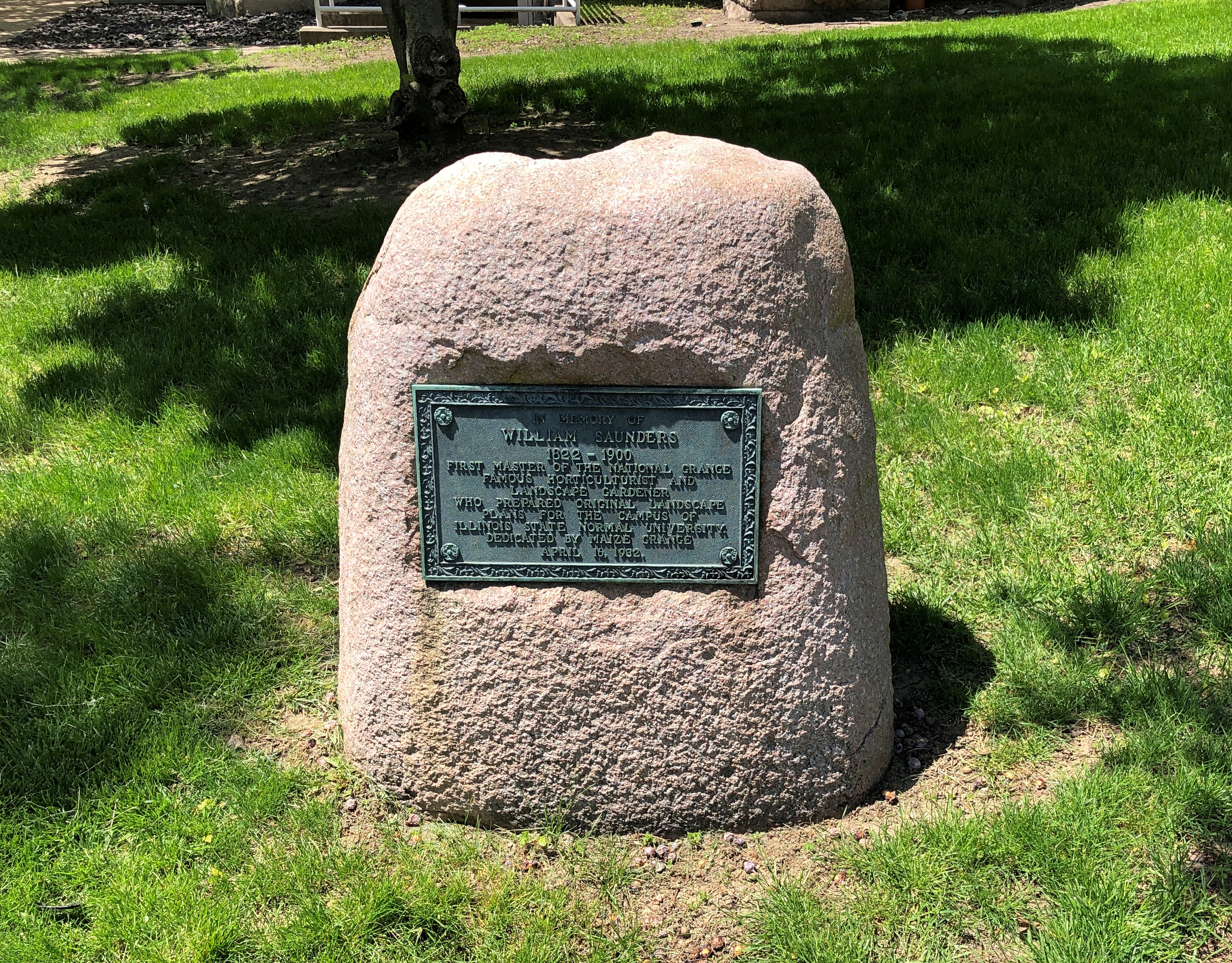
No one else approached the plaque-on-rock memorial to William Saunders (d. 1900), the horticulturalist who designed the lawn, but I did. Nice work, Bill.ISU Quad

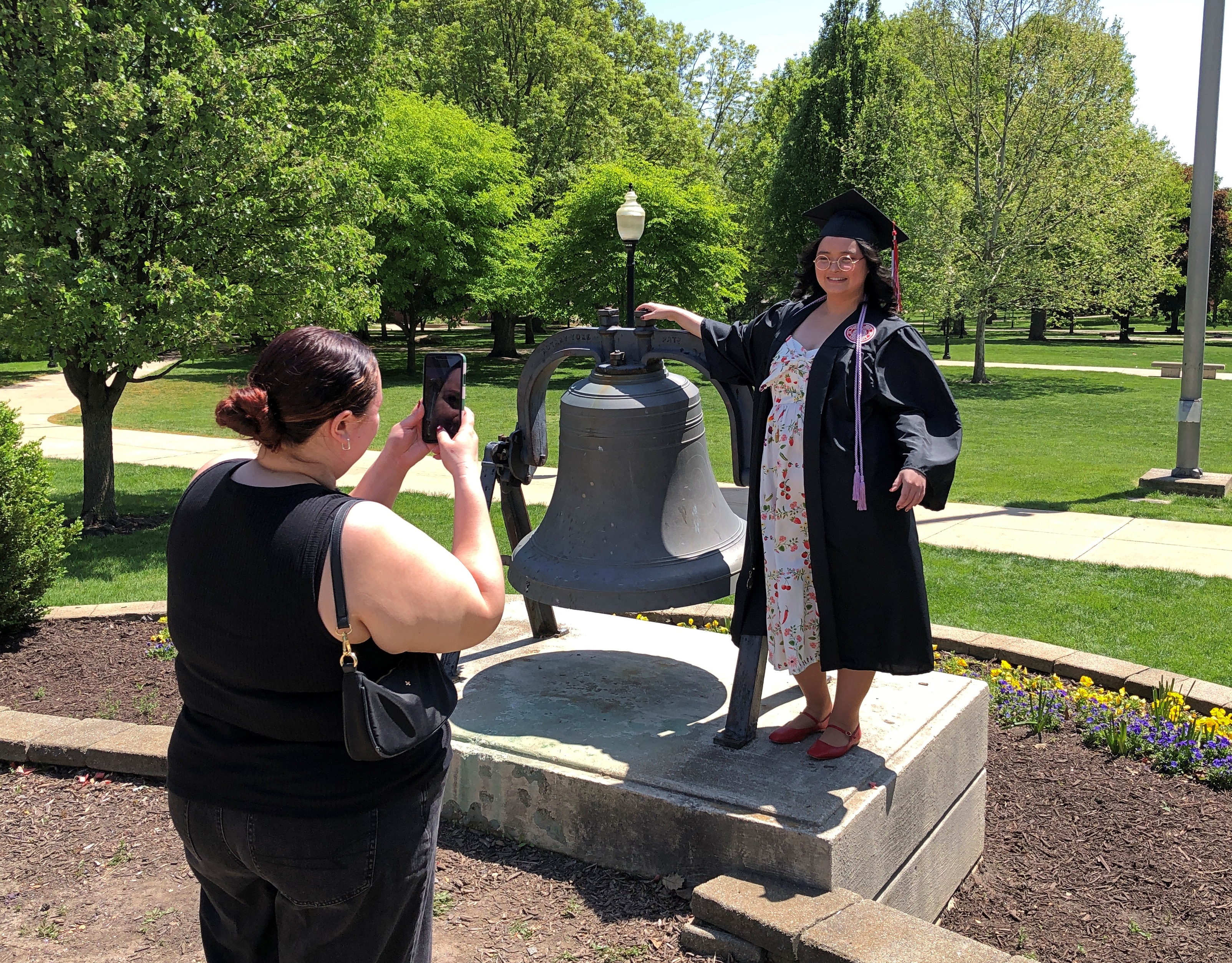
Of course we had to visit the Old Main Bell.ISU Quad

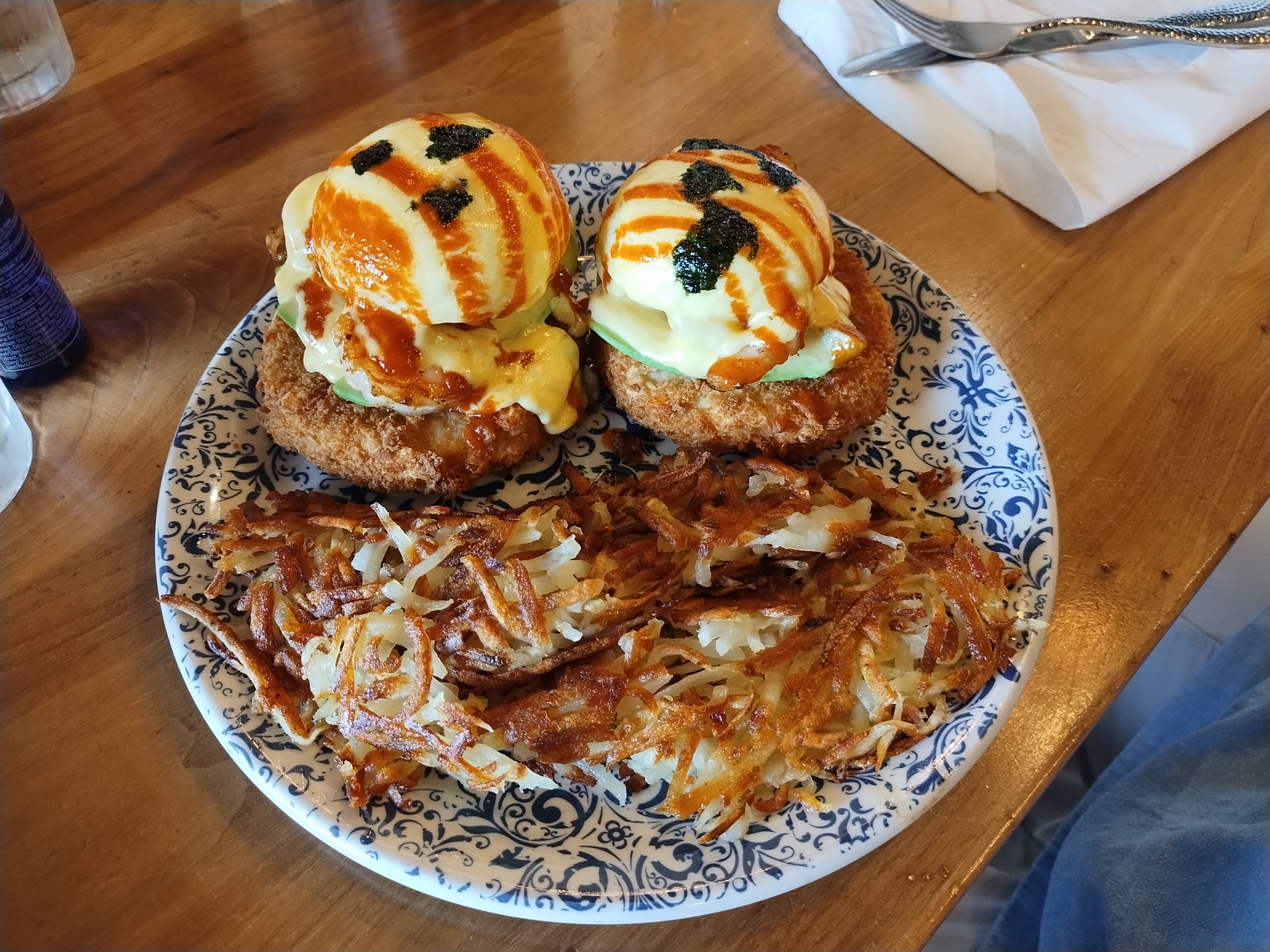
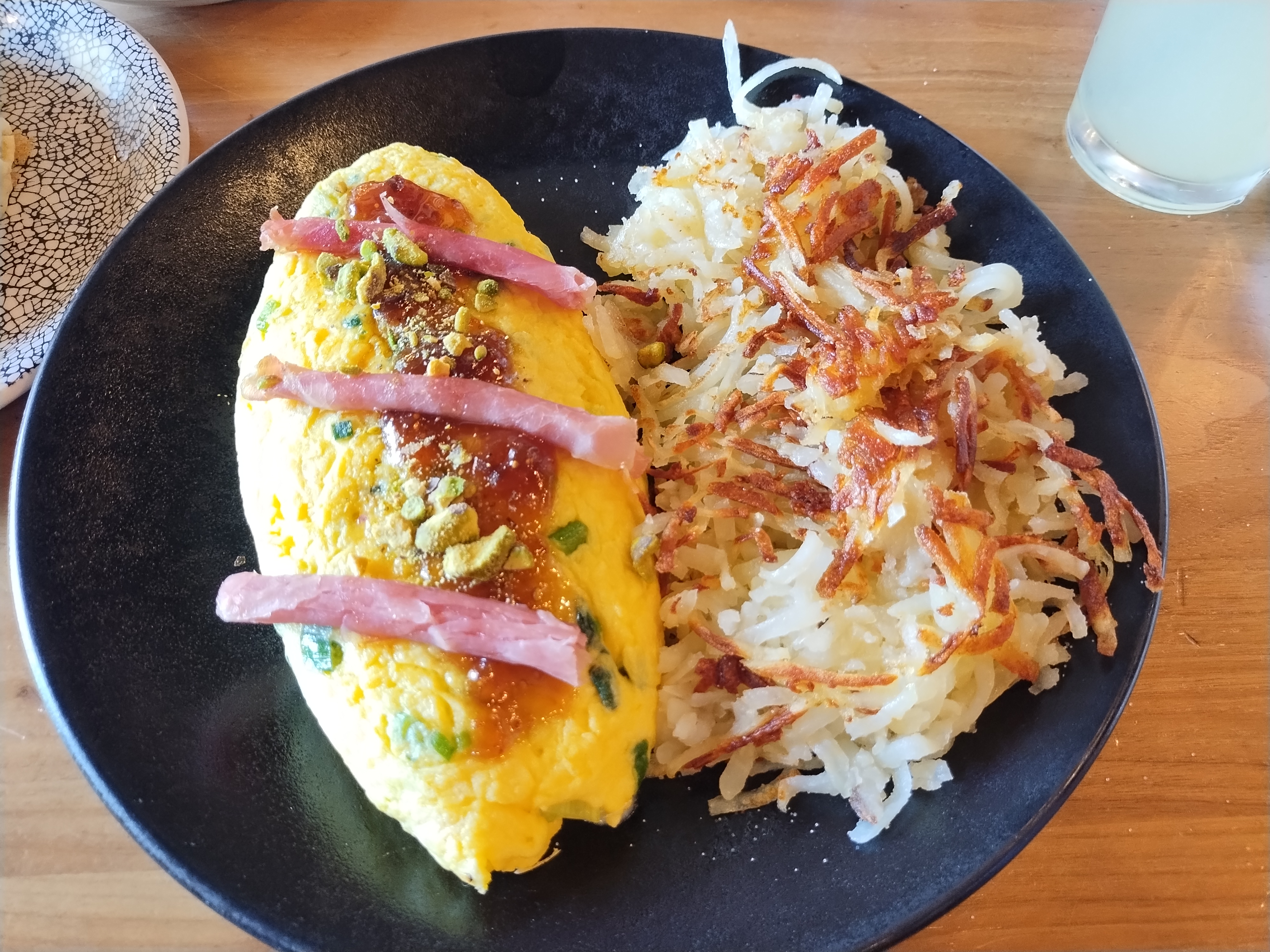
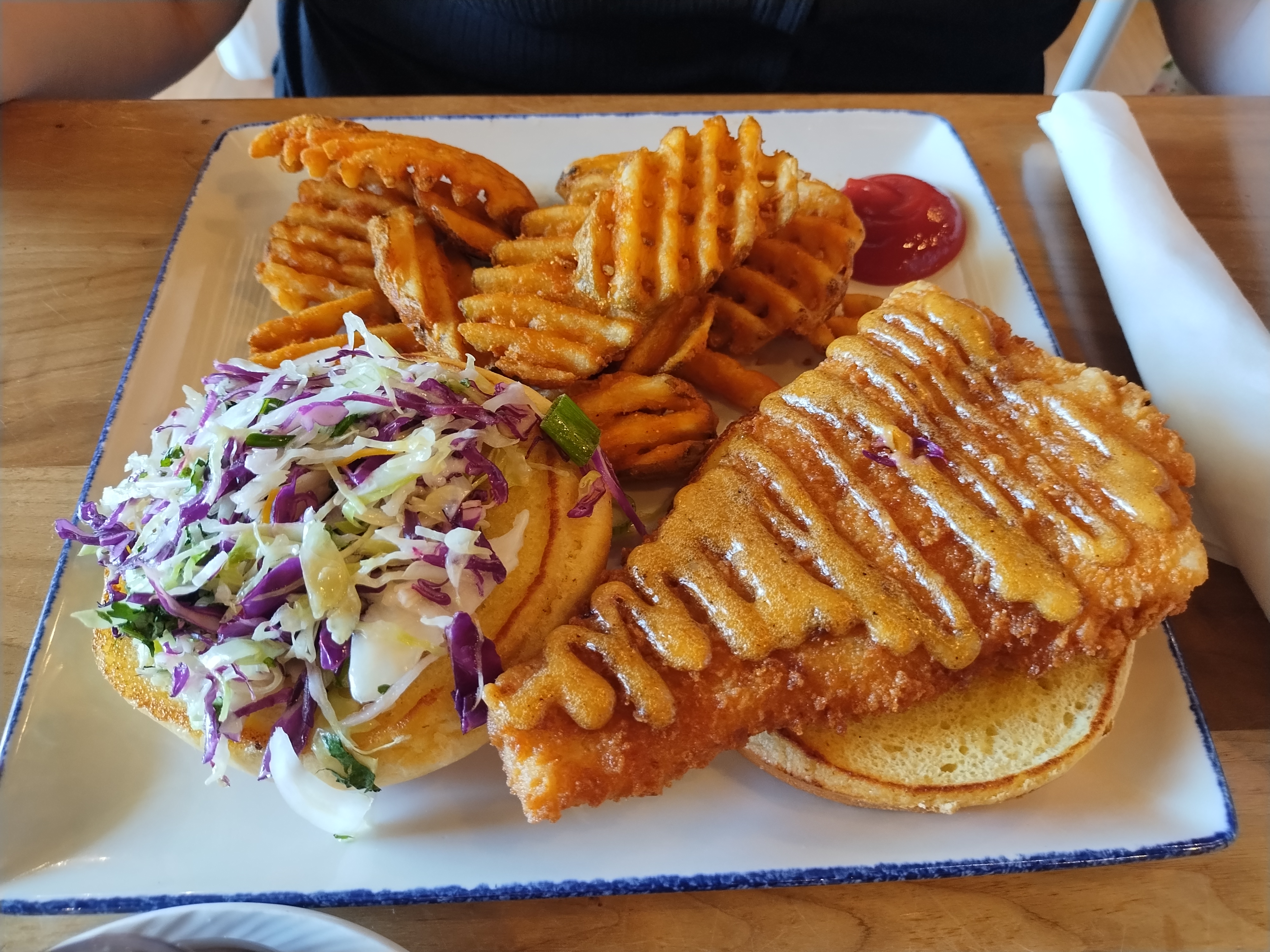
All together, our ISU amble took about an hour. Then it was time for brunch at some distance from campus, but still in the greater Bloomington-Normal metroplex. We enjoyed some of the following wonders and more, at middle-class prices.Egg Republic Egg Republic Egg Republic

What a fine day.

Ann’s Graduation

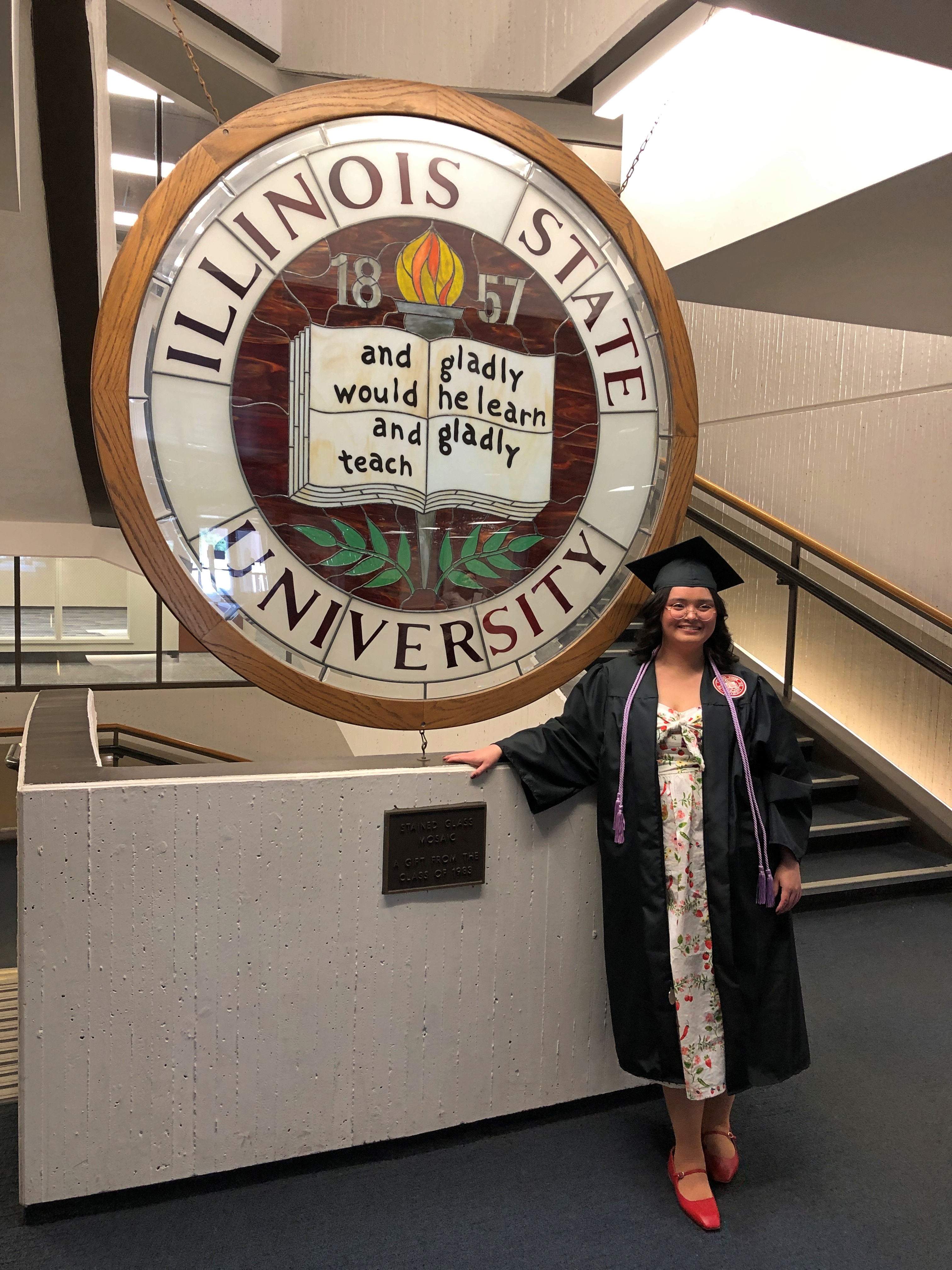
Children grow up fast, according to the cliché. Yet I feel that it was an age ago that I wrote, “About three weeks ago, my second daughter, Ann, was born.” A good age, but an age nevertheless. This weekend I had the pleasure, along with her mother and sister, of attending Ann’s graduation from Illinois State University.ISU Graduate

Commencement took place at the school’s CEFCU Arena on Friday evening.ISU Graduates

She was among the sea of mortar boards.

The crowd was spirited, so you couldn’t quite hear everything everyone said, but so what? I’m glad to report that none of the speakers, all people affiliated with the school in one way or the other, spoke at any great length. That’s another cliché, that commencement speeches are completely forgettable. That one happens to be true, with vanishingly few exceptions (say, Churchill). But it was good that no one spent a long time being forgettable.

Around the World ’25

At times like this, in the funk that comes after a long trip, I ask myself, did I actually do that? An odd question, maybe, but long travels have that odd effect. Somehow such a trip seems less than real. Also more than real. Those are essential features of the intoxication of the road, and hangovers follow intoxication.

Ponder this: Over roughly the last five weeks, starting on February 8, in a series of eight airplane flights, a small number of intercity train trips on either side of the Eurasian land mass (including one of the fastest trains in existence), a large number of bus, subway, streetcar and even monorail rides, a few taxi rides, other car rides provided by friends and relatives and a hired driver, a bicycle rickshaw ride — and you haven’t lived and almost died (or at least felt that way) till you’ve taken such a conveyance in Delhi — climbing a lot of stairs and using a lot of escalators and elevators, and taking more than a few long walks, and many short walks, on sidewalks and cobblestone streets and railway station platforms, I went around the world in a westward direction, from metro Chicago to metro Chicago, by way of Japan, India, the United Arab Emirates, Germany and the Czech Republic.

All that effort for what? To see the world, of course. That and skip out of much of winter in northern Illinois.

How did I have the energy for this, here at the gates of old age? How are the logistics possible?

But it really isn’t that hard. This is the 21st century, and travel is mostly by machine, and part of a mass industry, so even old men firmly from the middle class can go. Retired and semiretired old men, who find themselves with more free time than in previous decades. Moreover, the logistics were the least of it: all you need in our time is a computer to set things up.

I’m convinced that the hard part, for many people, would be finding the will to go. Luckily I have a practically bottomless supply. My always-eager-to-go attitude toward seeing point A and then points B, C and so forth also meant I was completely persuaded that buzzing around the world was a good idea. Tired as I am now — and boy am I tired — I haven’t changed my mind, though I need to rest up a bit at the moment.

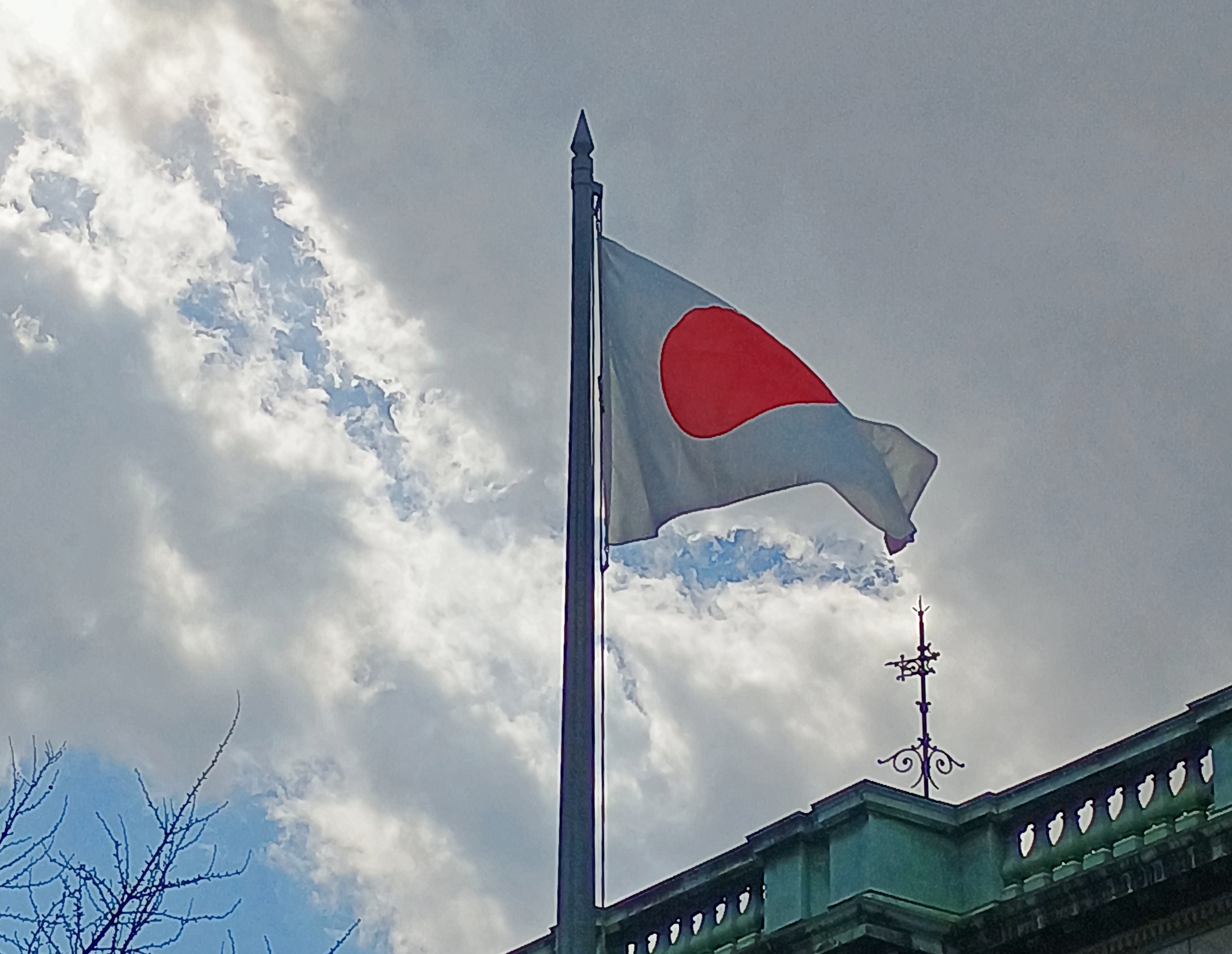
Japan: my first visit in 25+ years.Rising Sun

It felt familiar — I did live there for four years — but the passage of time also infused the place with a feeling of the unfamiliar as well, a strange combo sensation indeed.

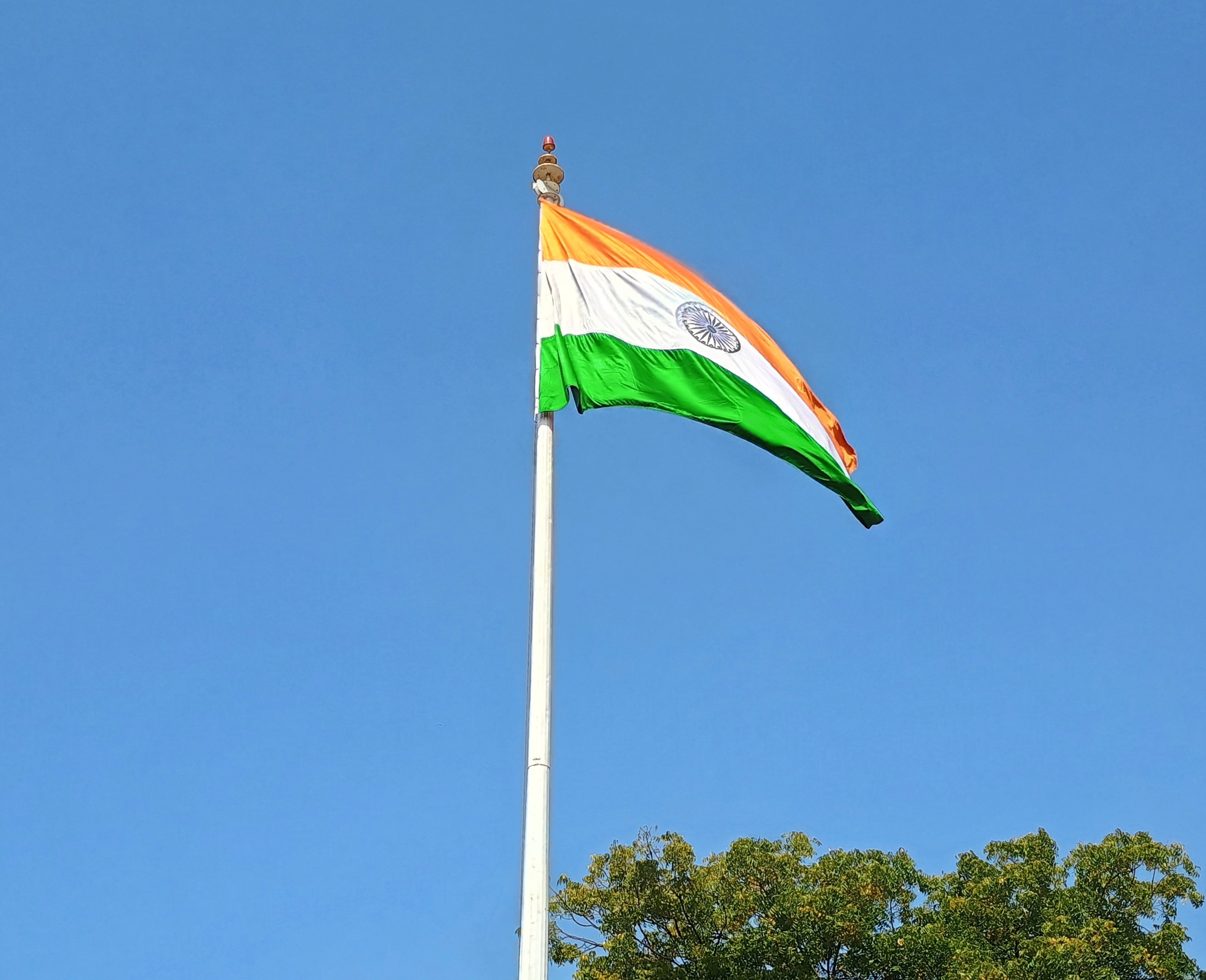
India: A major lacuna in my travels, now just a little less so.Indian Flag

A friend who goes to India sometimes on business told me last fall, “India makes me tired.” I might not have been on business, but I ended up feeling the same way.

And yet —  a phantasmagoria unlike anything I’ve seen, especially the teeming city streets. Teem was never more an apt verb, in my experience. Yuriko came as far as India with me, after we visited Japan and her family and friends there. Then she headed back eastward to Illinois.

I went on alone from India to the UAE.UAE Flag

In an even less familiar part of the world, a city of towers somehow rises on the edge of the Arabian desert. Just that is astonishing in its own way, but there is plenty else.

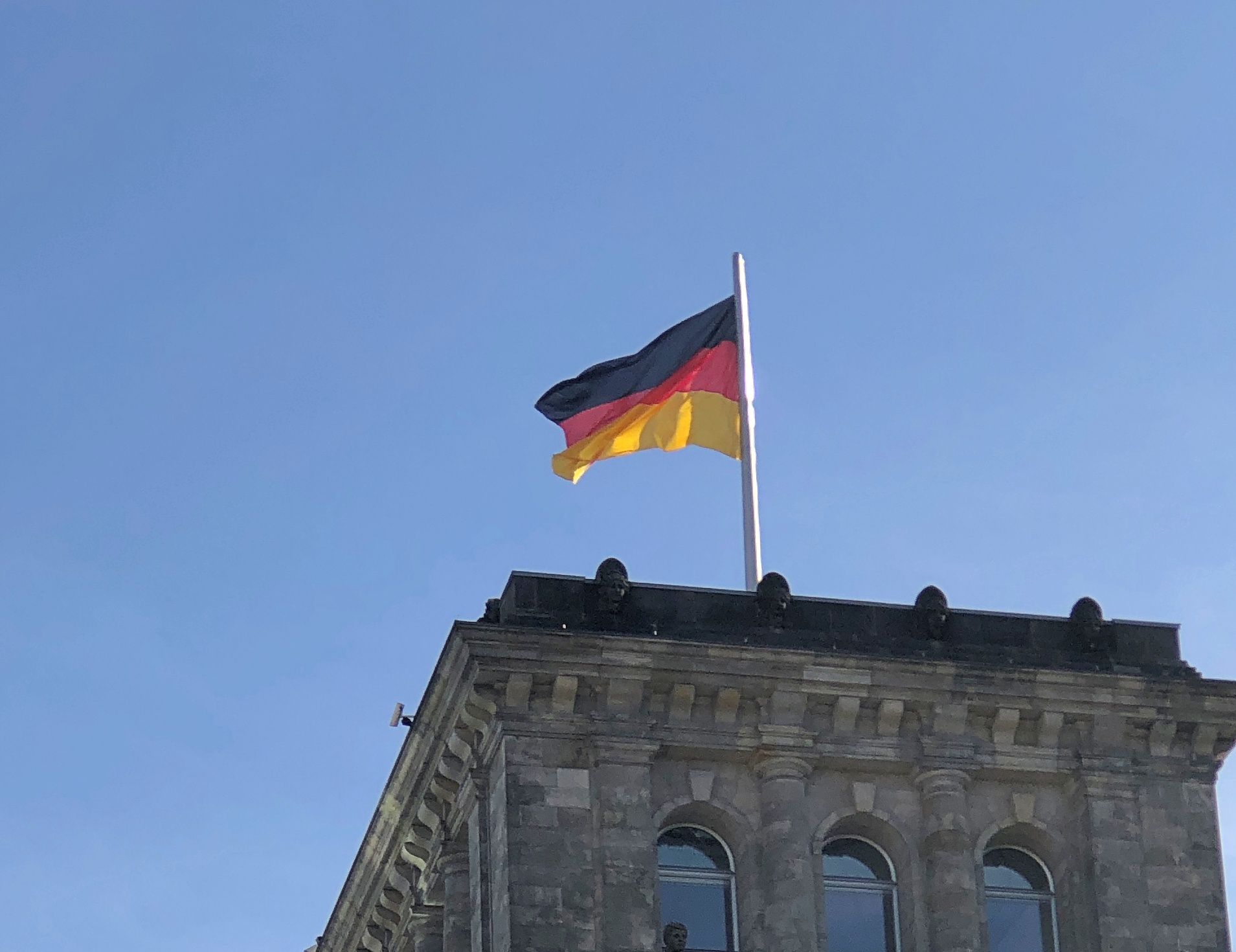
Then to Germany: An old friend I hadn’t seen in a long time, since about five golden weeks in my youth. A long, long time ago: the last time I was there, there were two Germanies and two Berlins and a Wall and the Stassi and Trabbis and a firm living memory of the cataclysm only 40 years earlier.German Flag

Berlin was the focus this time, where I joined my brother Jay for the visit. We’d been kicking around the idea of traveling there together for a while, and ultimately didn’t want to wait till either of us got any older. He had not made it to Berlin in ’72.

A major side trip from Berlin was to Prague. Not quite as old a friend, but old enough.Czech Flag

Yuriko and I visited in ’94, but it was new territory for Jay, another slice of the former Astro-Hungarian Empire to go with his early ’70s visit to Vienna.

Actually, when you visit a place you haven’t seen in 40 or 30 years, it’s like you’ve never been there. I had that sensation in both Berlin and Prague. The old memories are packed away, only loosely connected to their setting any more, which has changed partly beyond recognition anyway.

Now I’m back. Unlike Phileas Fogg, I didn’t return a day earlier than I thought I did (we have a stronger awareness of the International Date Line). But I did manage to miss the no one-likes-it spring transition to daylight savings time, just another little bonus of the trip.