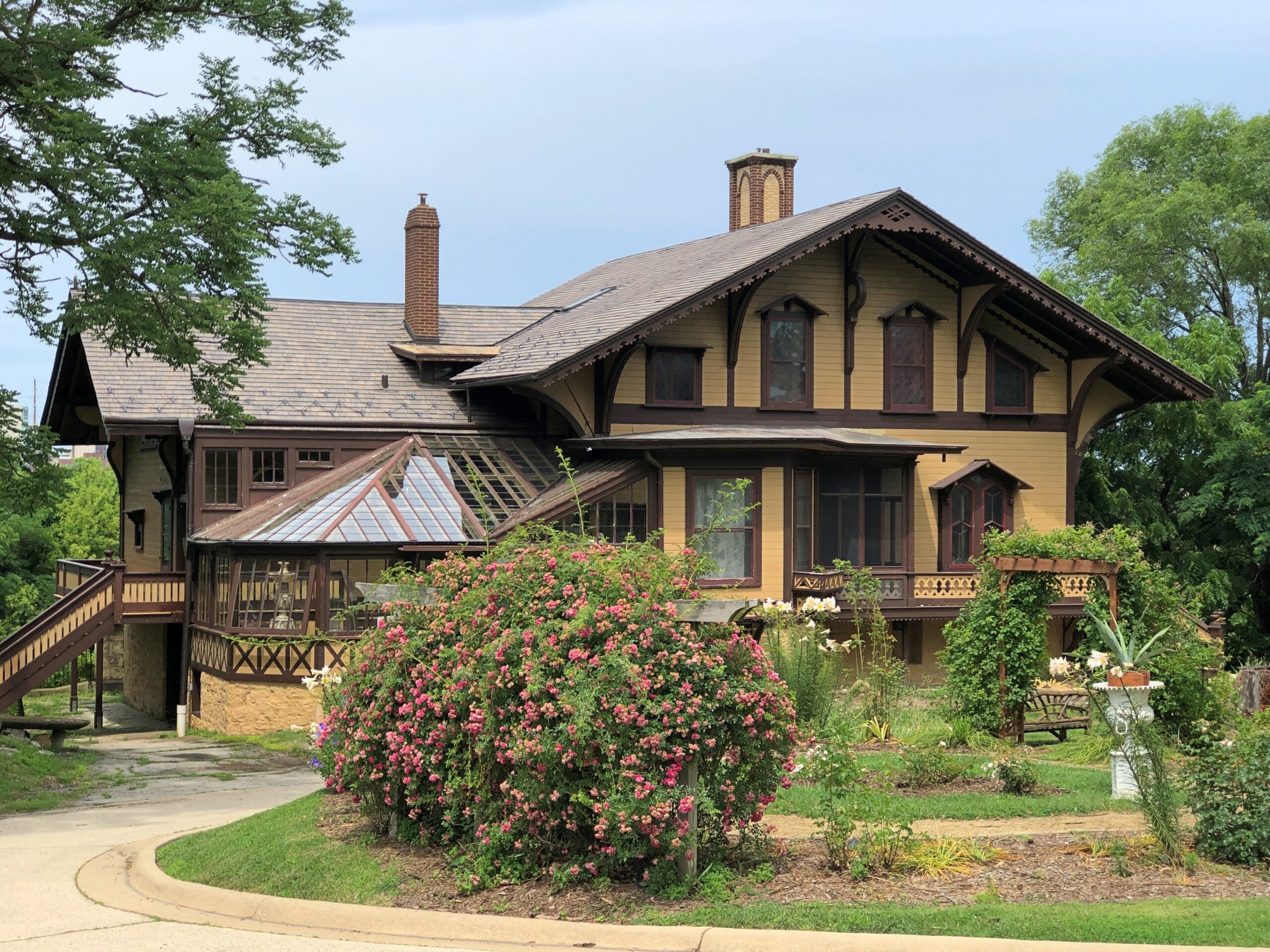
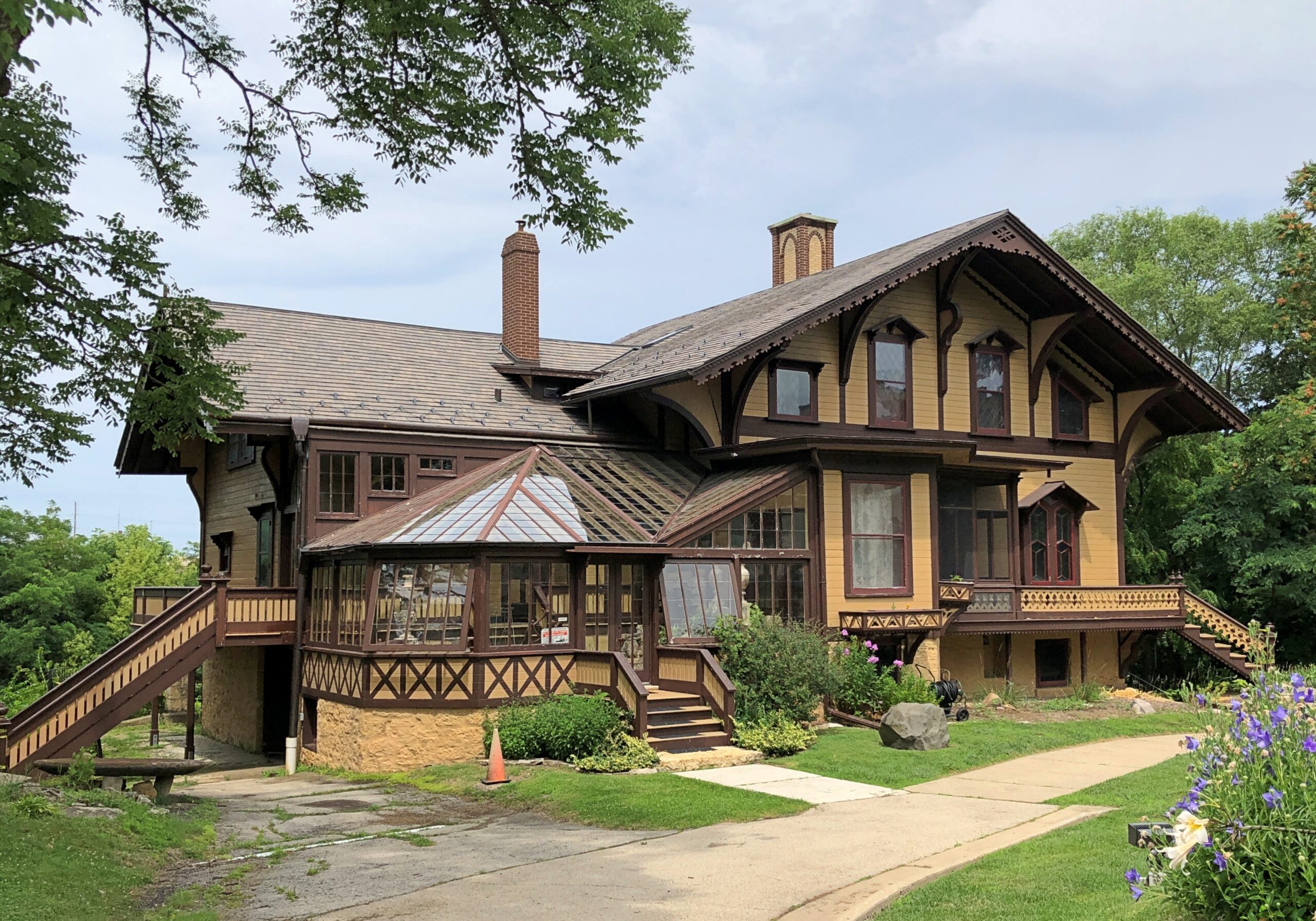
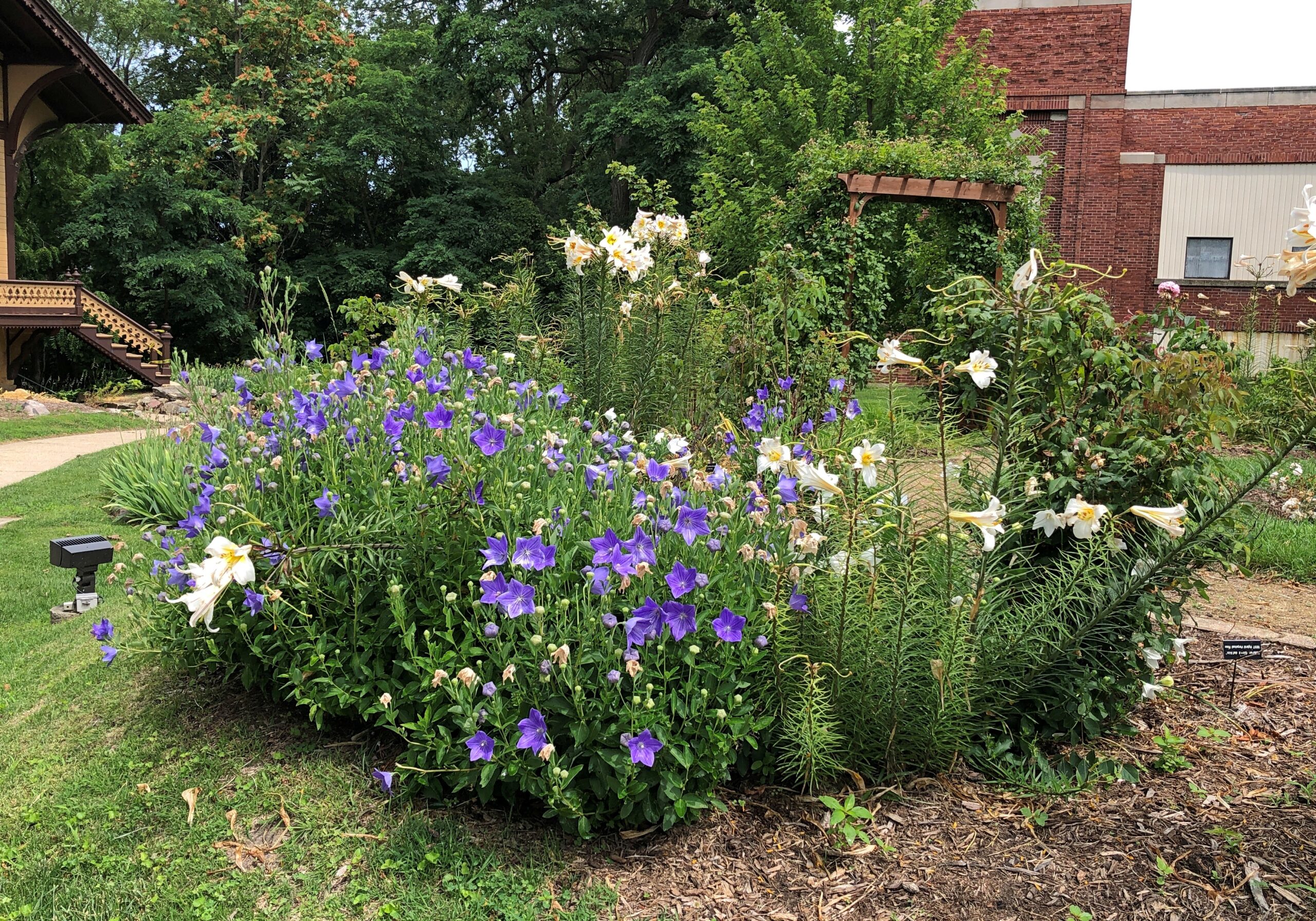
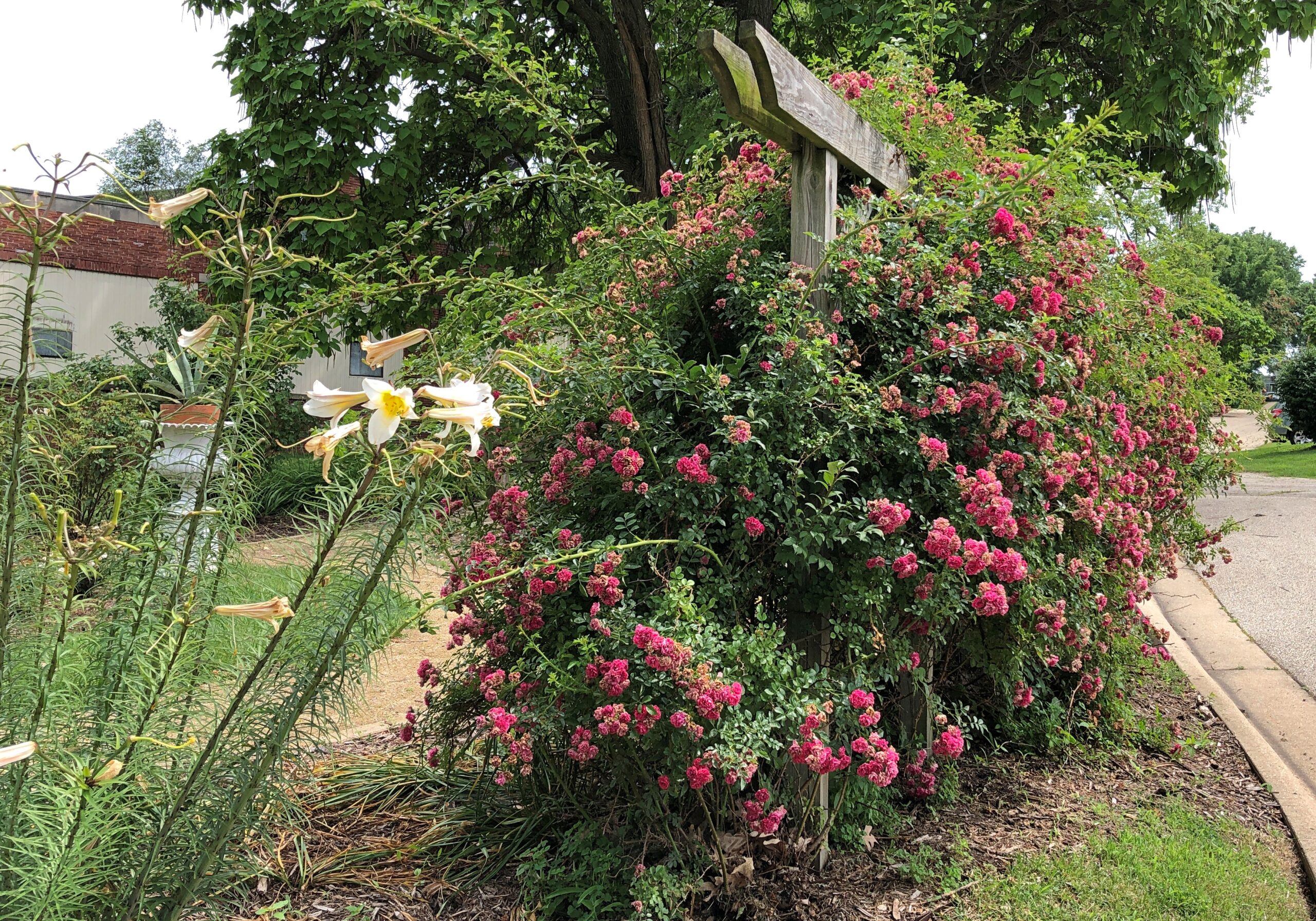
Shelburne, Massachusetts

I heard by chance that the Spurs are in the playoffs, again. NBA games are on the list of things I don’t care about, but this is the Spurs we’re taking about, so Go Spurs. I’m old enough to remember when pro sports were considered a modest-priced entertainment, which would have been the days when the Spurs huffed along in the ABA. When that league went under, that paved the way for the basketball monopoly we now enjoy.

I remember a print ad for the Spurs from their early NBA days. A basketball, mostly in shade, set against a pitch black background; a small but bright light is emerging from a crack in the basketball; the tag line says, In the Arena, Everyone Can Hear You Scream. Brilliant.

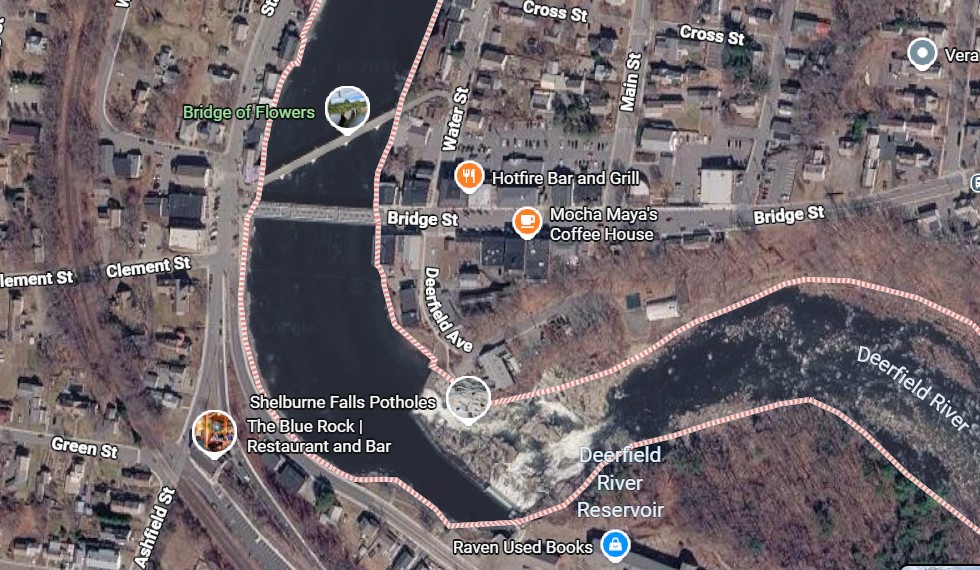
Here we go again with the incongruous Massachusetts place names: “The village of Shelburne Falls is located partly in Shelburne and neighboring Buckland,” notes Wiki.

So I suppose I visited Shelburne Falls the whole time when I visited Shelburne and walked across a bridge to Buckland, and then back to Shelburne on a different bridge.

Interesting that a town in the United States is named for Lord Shelburne, a British prime minister when the Revolution was still ongoing. On the other hand, it was on his short watch – at the end of that war – when the British government said, enough already, be independent if you want it so much. So there ought to be something named for him on this side of the Atlantic (and there’s another in Vermont, besides one in Ontario).

The Bridge of Flowers

I had good weather for my return to the Midwest from the Northeast, beginning on a clear, warm day in Massachusetts. Large towns hang like pearls on Route 2, and while I would have made a selection of them to visit even in chillier weather — and spend time on foot in those towns — the spring warmth was one of those travel bonuses you can appreciate right away. Pop off Route 2 in Franklin County and you’re in Shelburne.

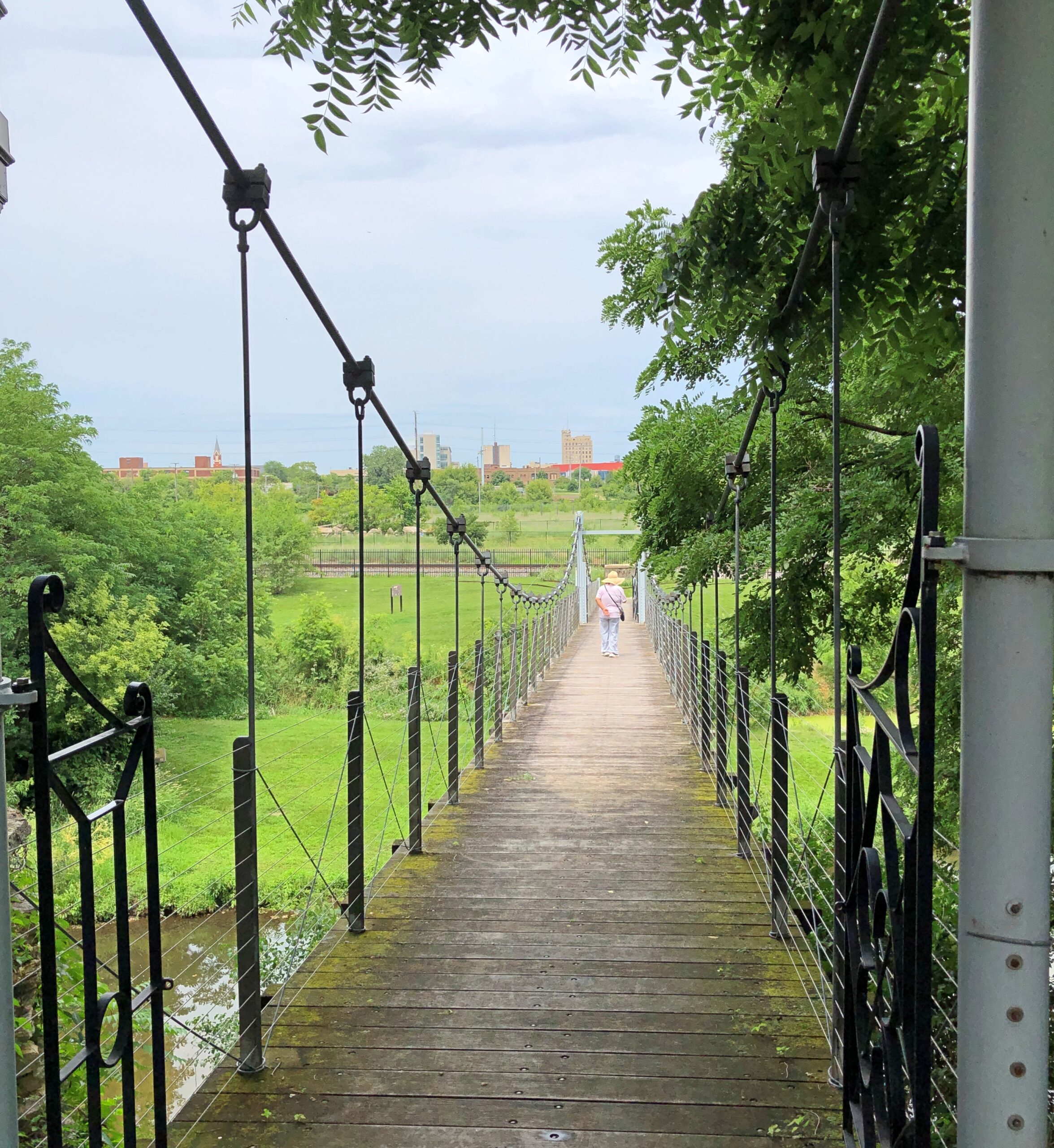
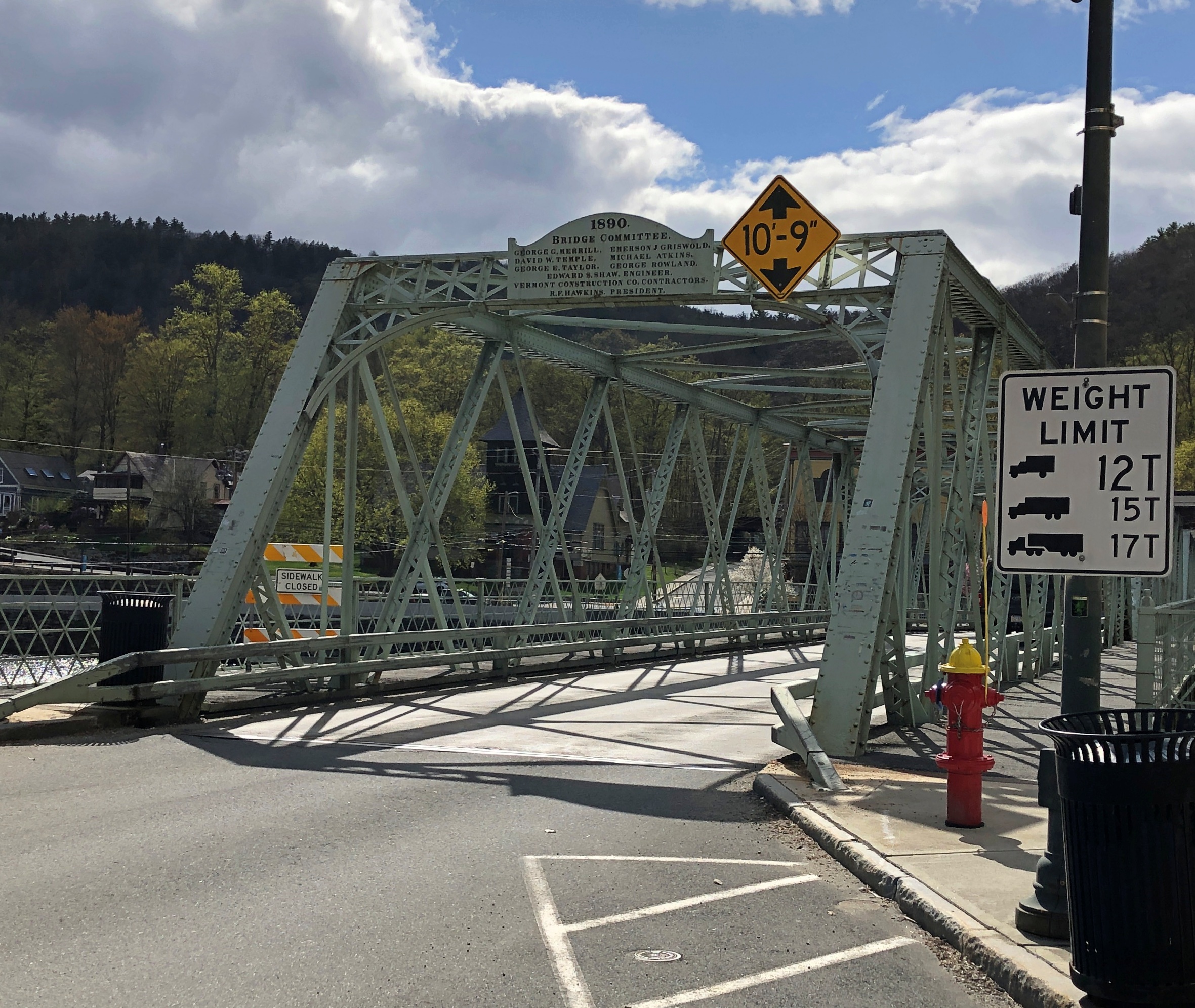
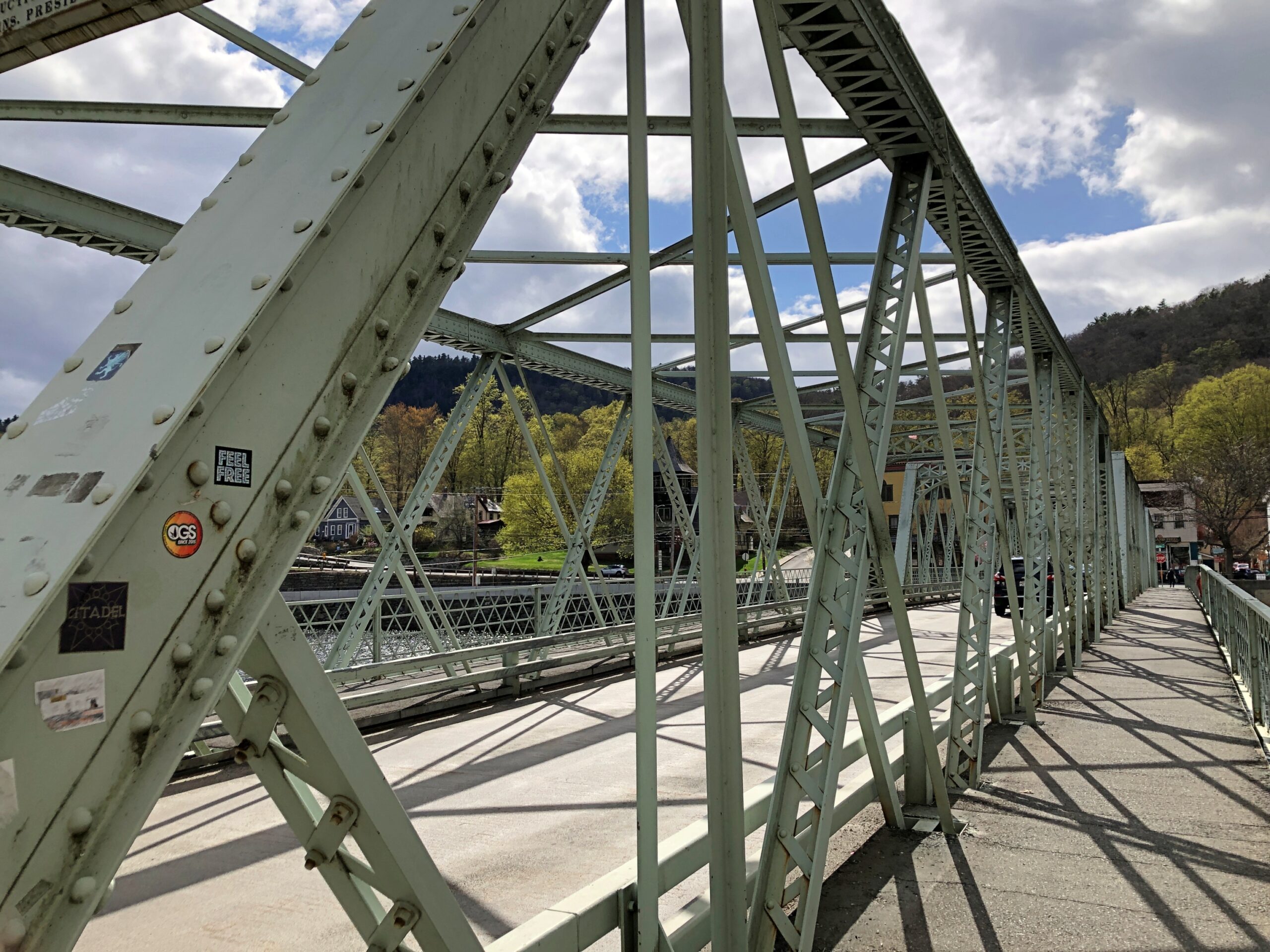
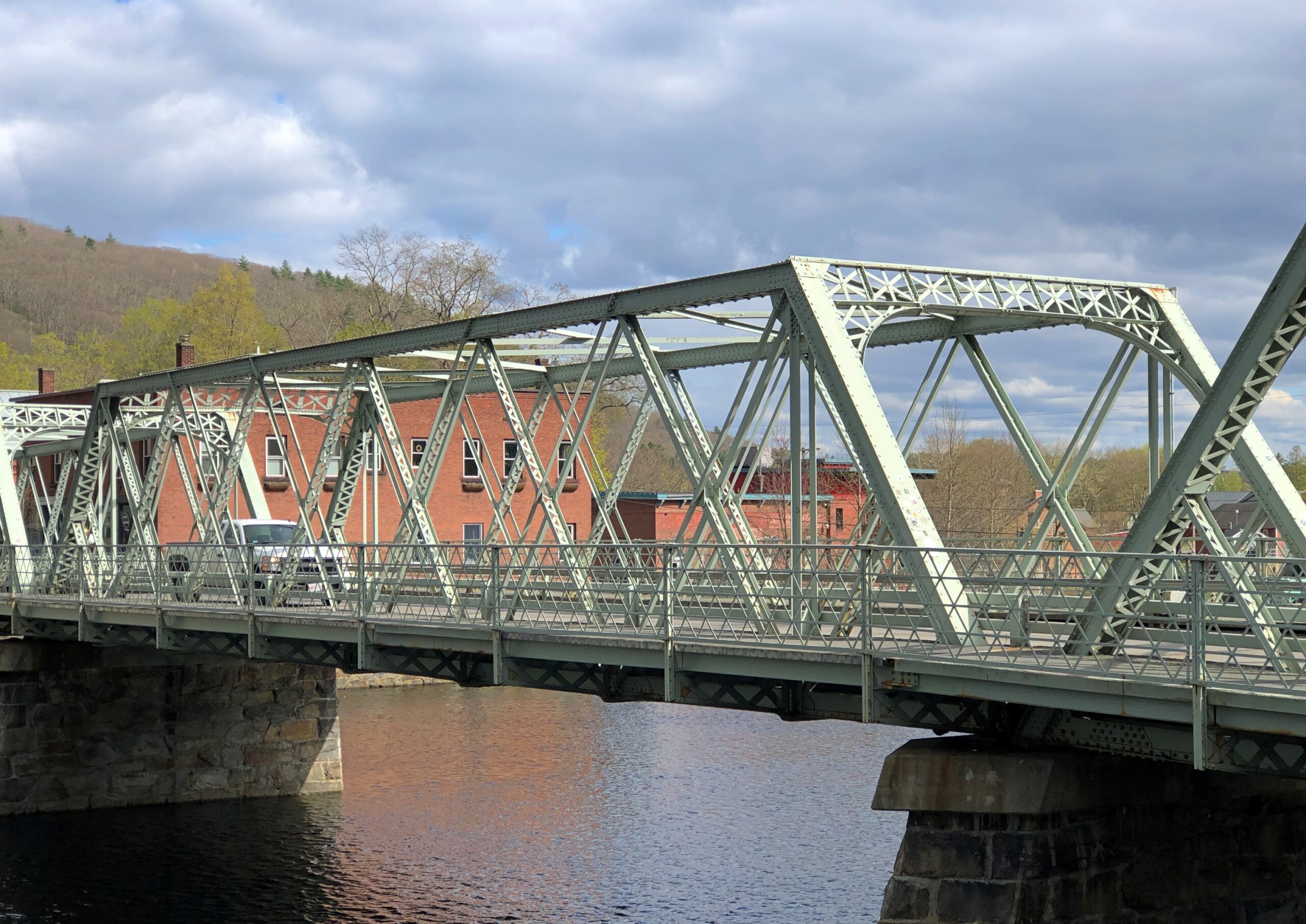
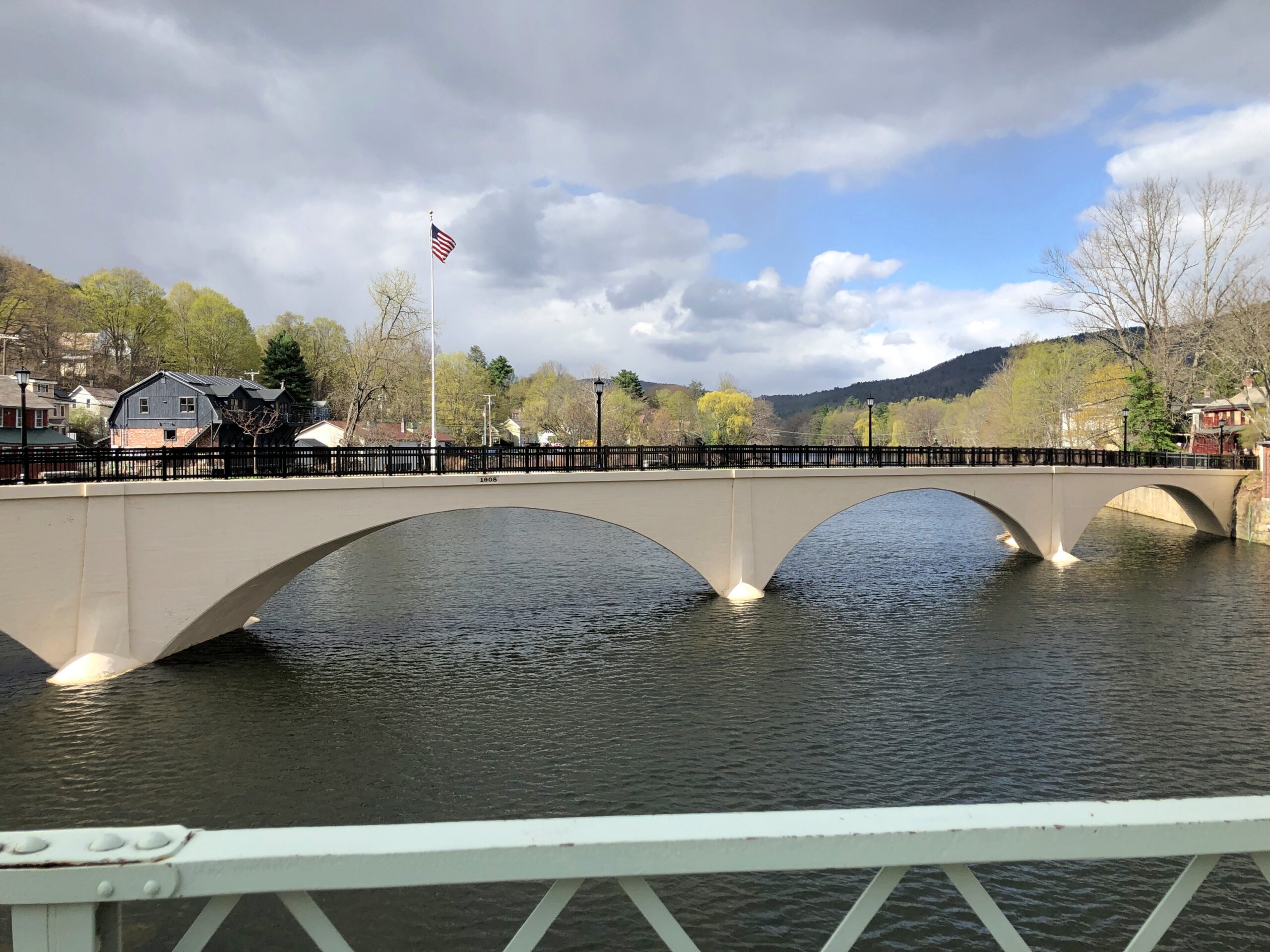
Shelbourne hugs the Deerfield River, so Shelbourne needs bridges. You can still drive across one erected in 1890, which the city fathers of the time signed like it was a work of art. As well they should have. Better, you can walk across the structure, which is known locally as the Iron Bridge. Bridge Street goes across it.

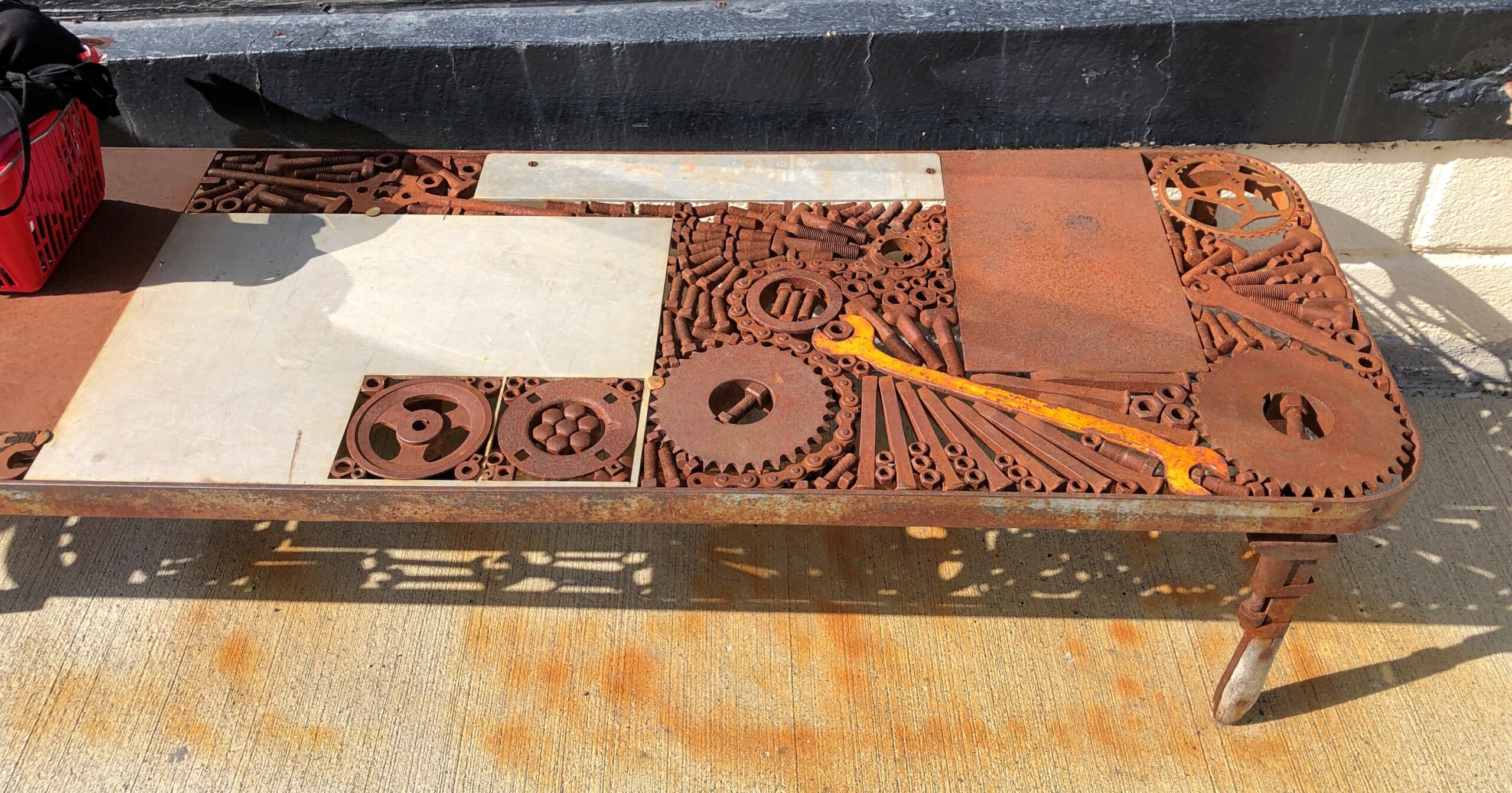
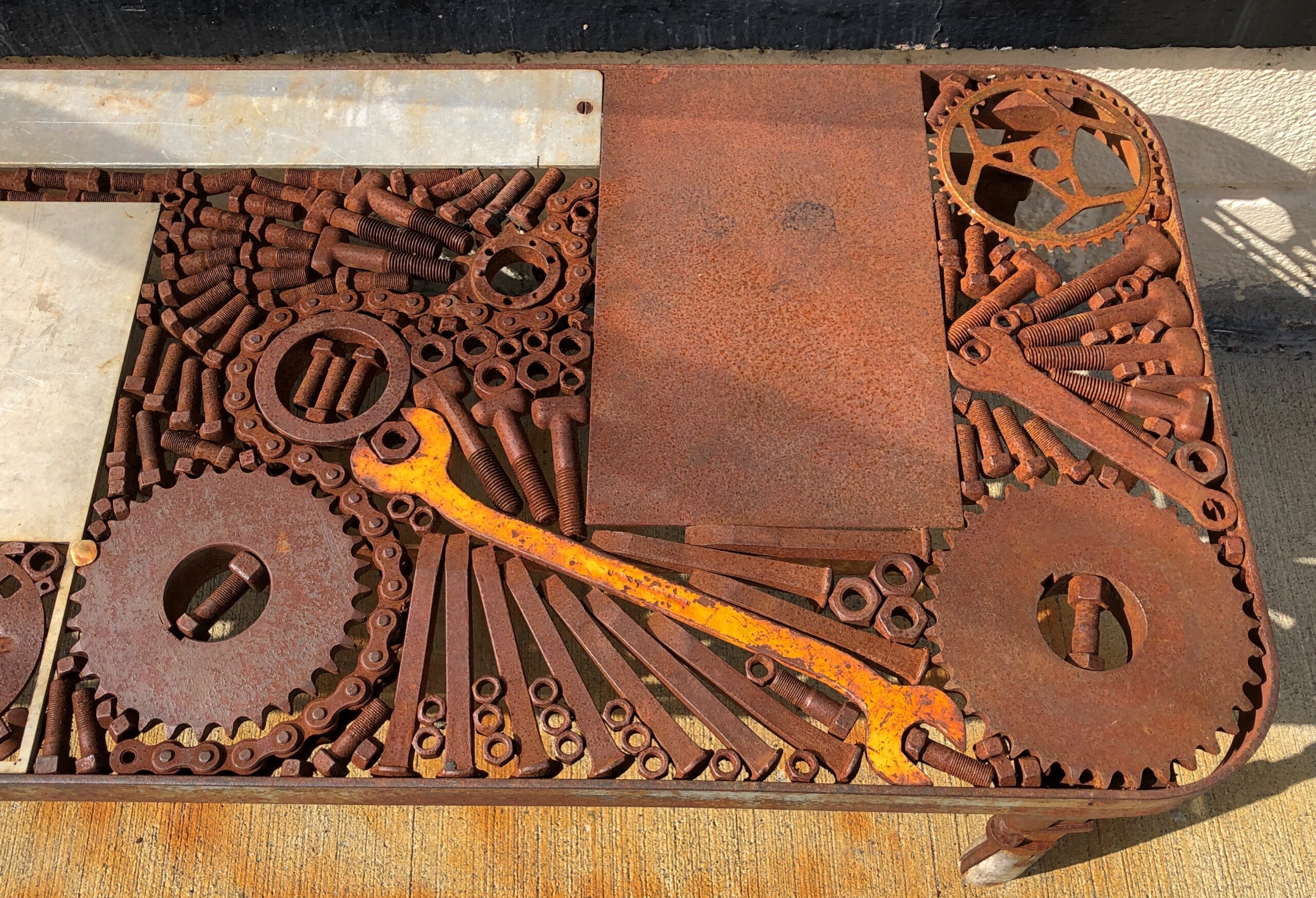
One of the more unusual metal benches I’ve encountered, just off the Shelburne entrance to the Iron Bridge. More iron. Yes, you can sit on it.

The Dearfield, major tributary of the Connecticut.

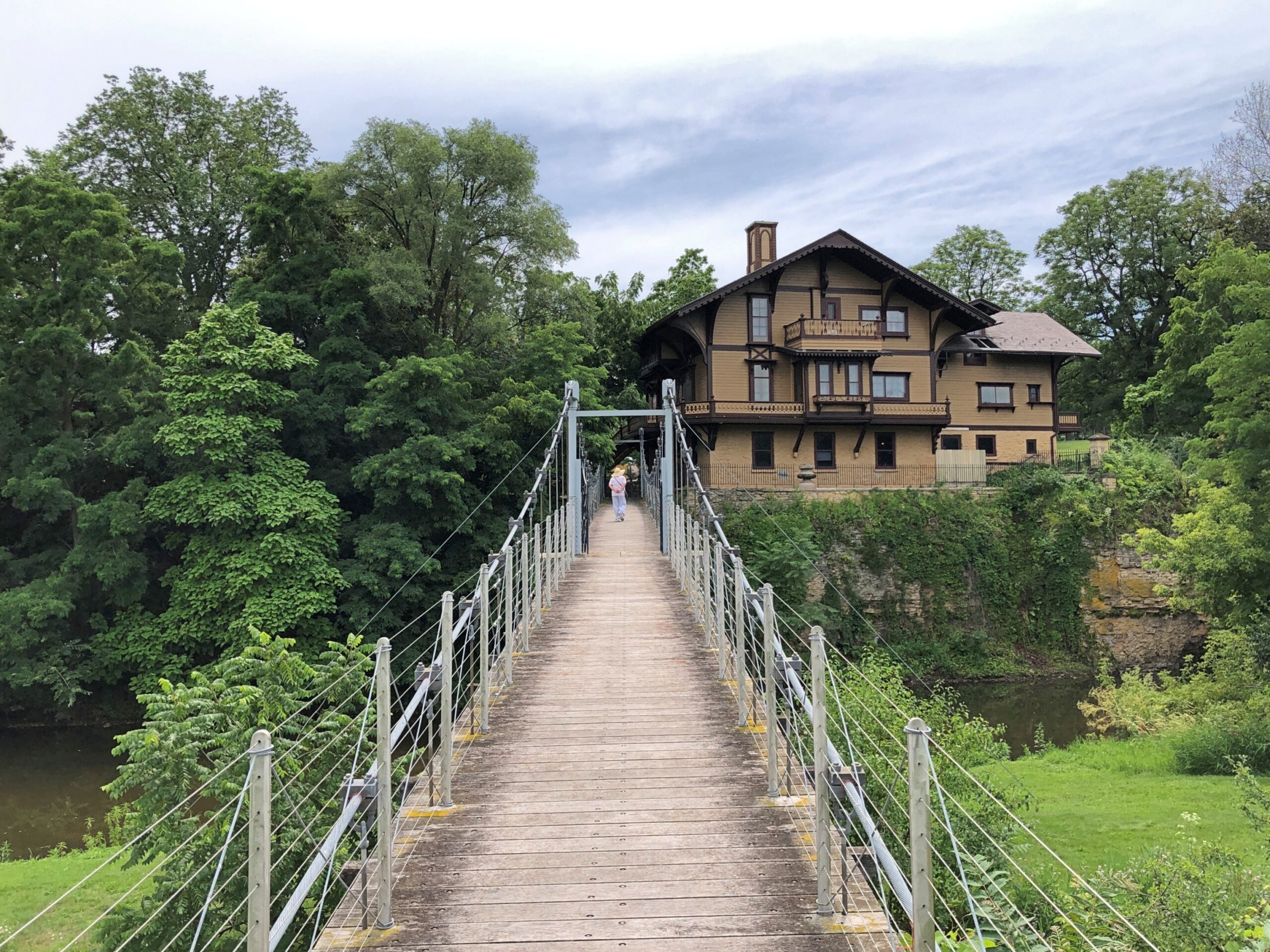
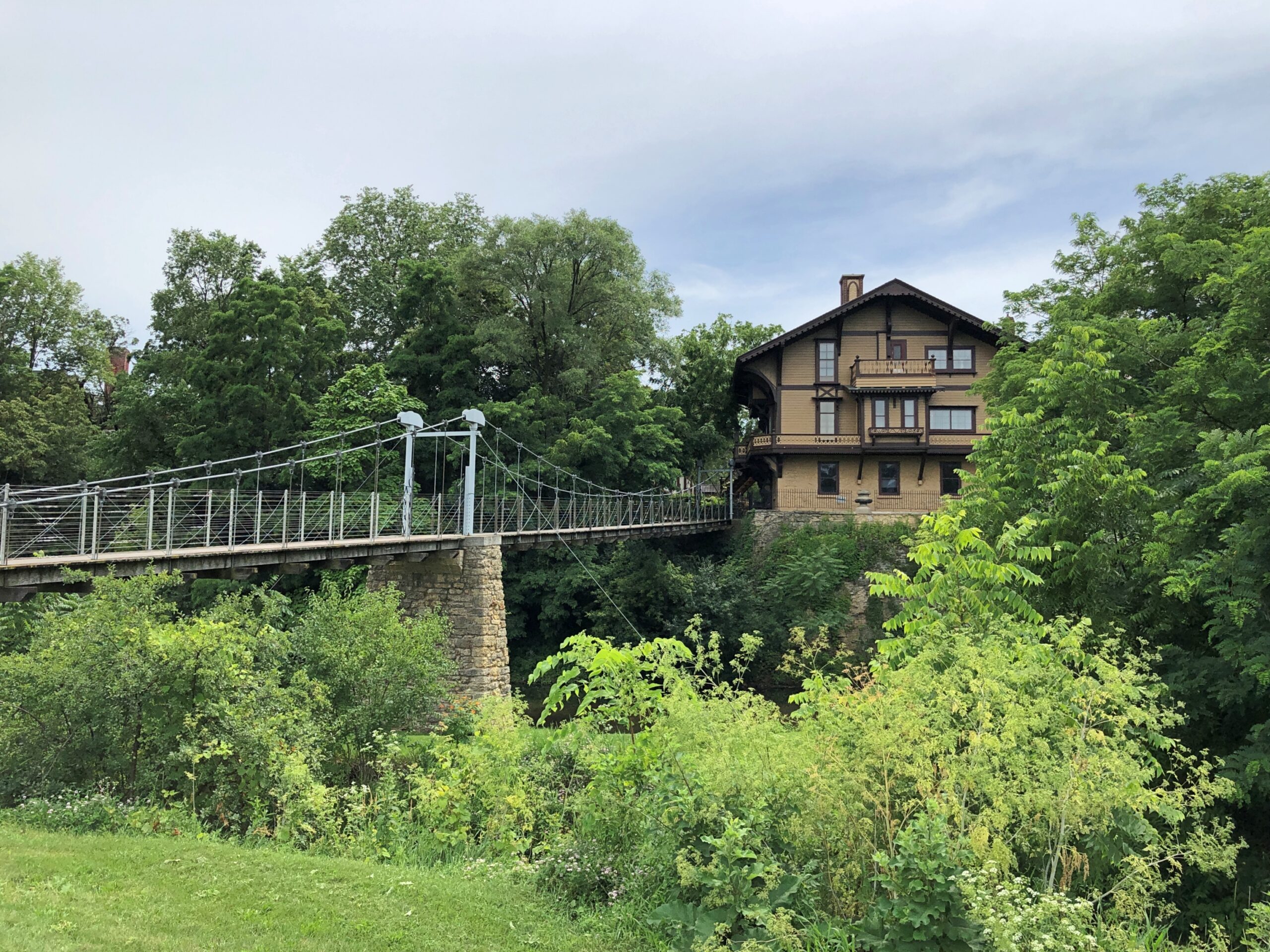
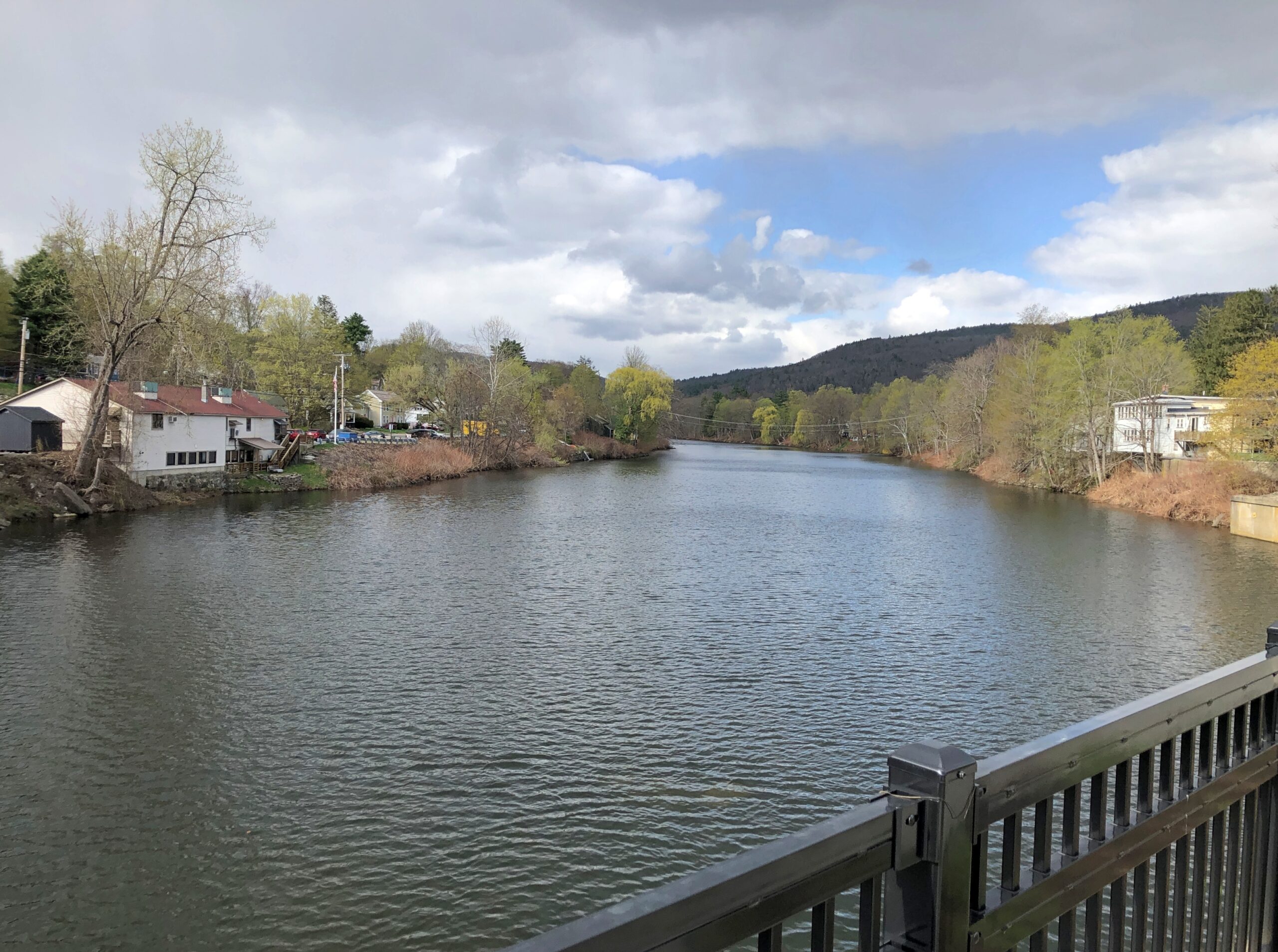
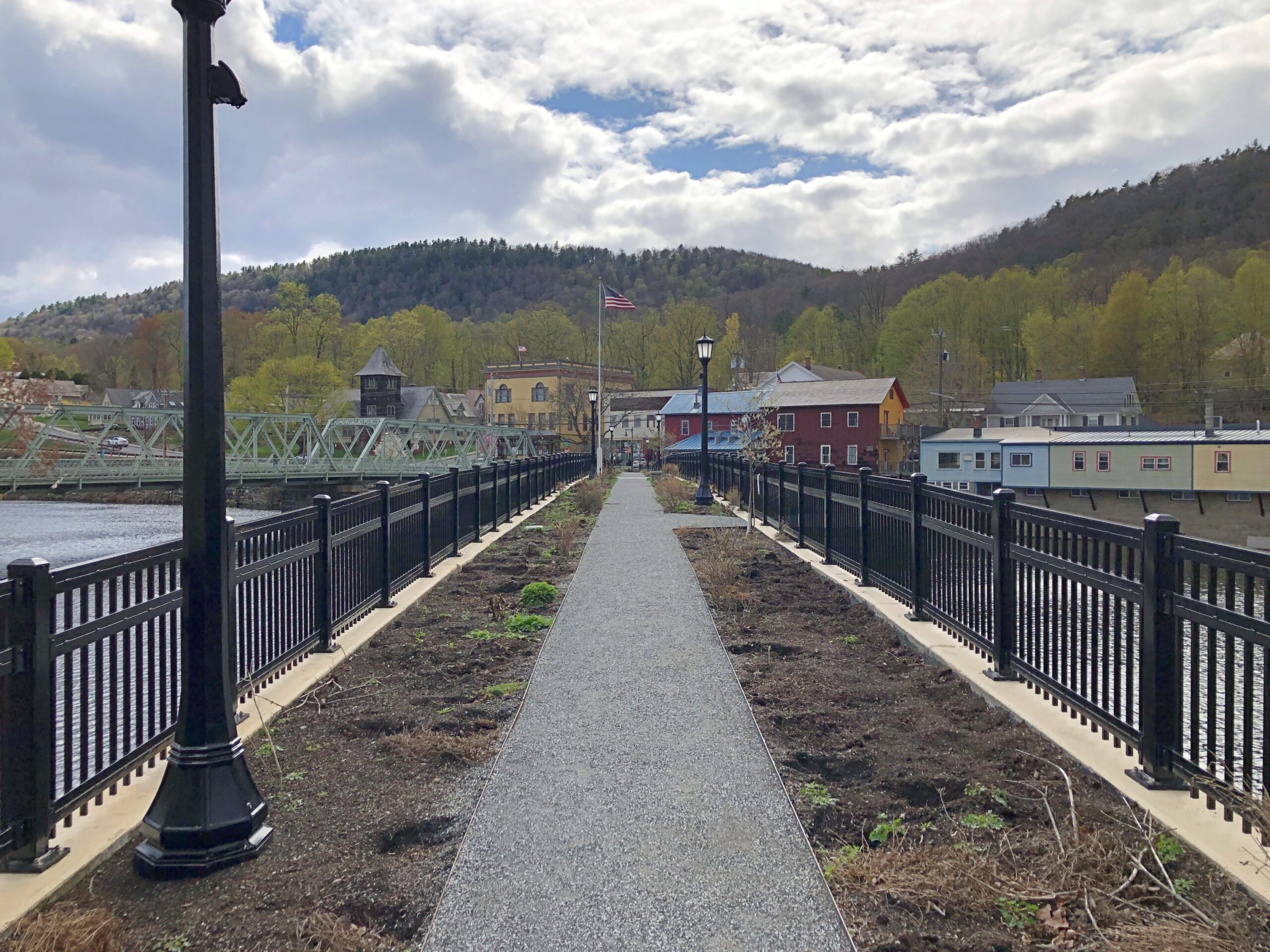
The Iron Bridge takes you to Buckland, though I guess you’d still be in Shelburne Falls, but anyway, a few steps along river – and I mean that literally, maybe 20 or 30 steps – is the Bridge of Flowers. The view looking back across at Shelburne.

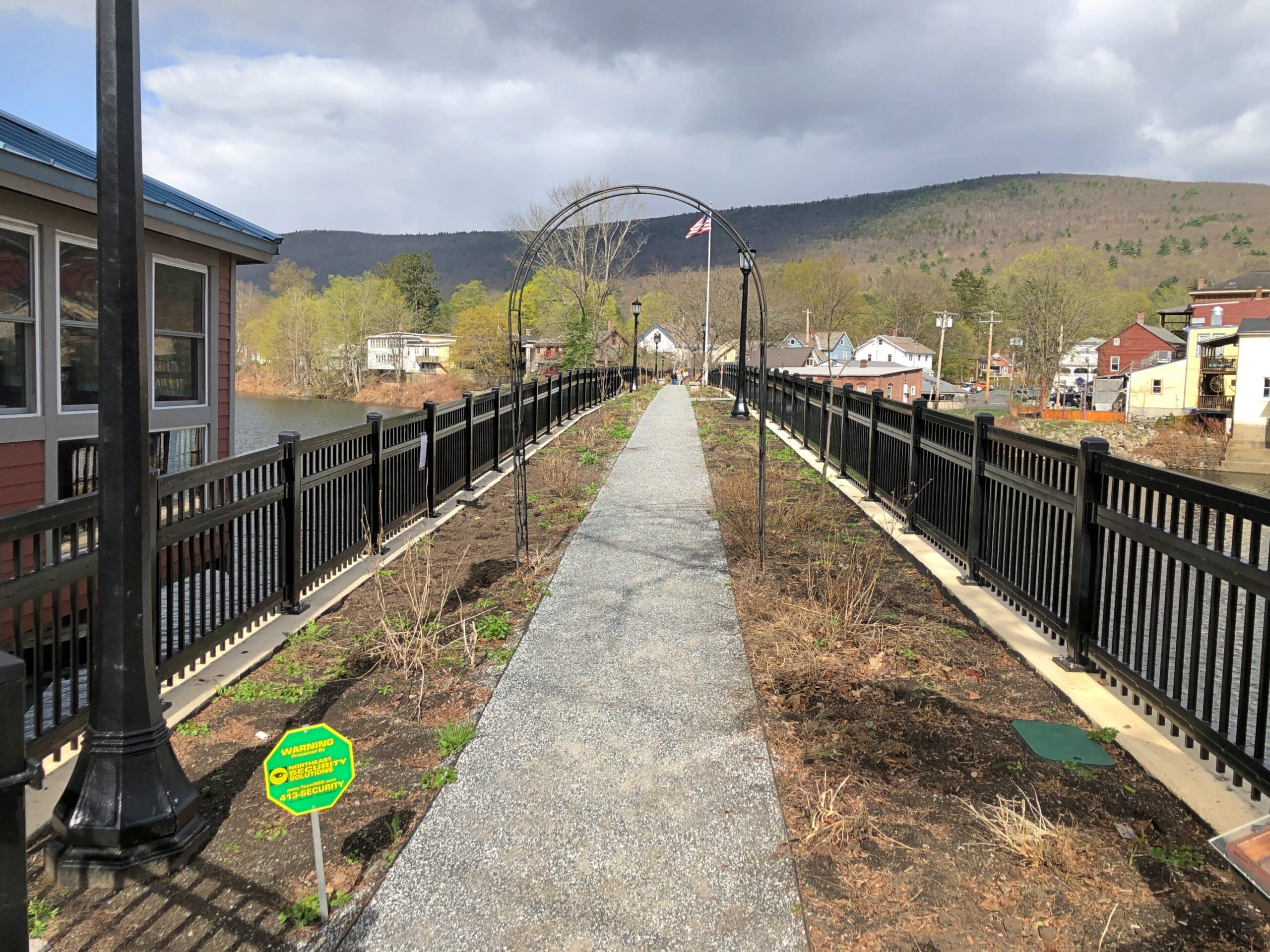
Not many flowers at that moment, but replanting was underway. Long ago the narrow bridge carried a trolley, but after that business went bust in the late 1920s, the Shelburne Woman’s Club facilitated its transformation into a linear garden.

Mid-way across the Bridge of Flowers. Even though not flowering (much), a bridge very much worth crossing.

The view looking back at Buckland.

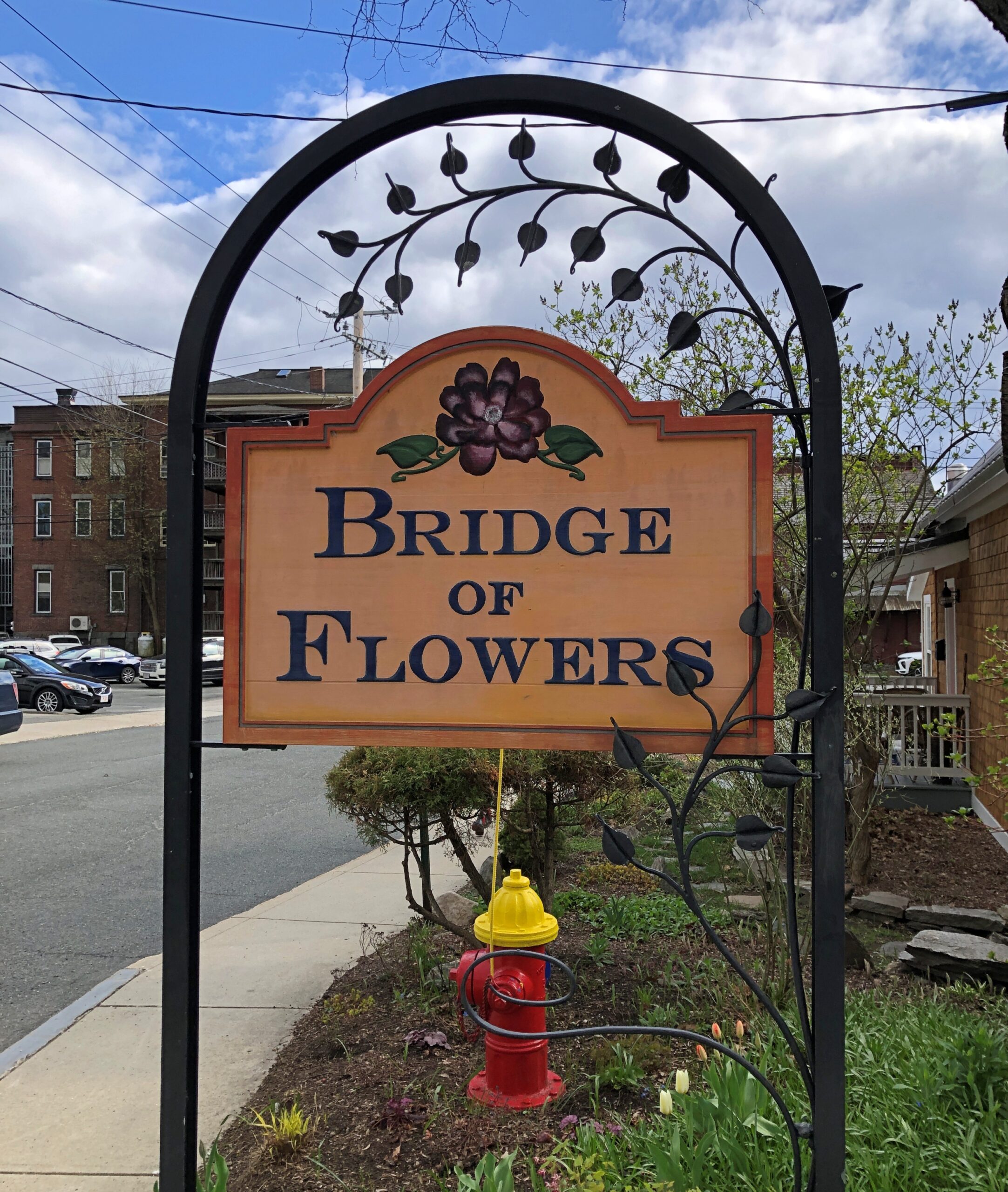
The sign on the Shelburne side.

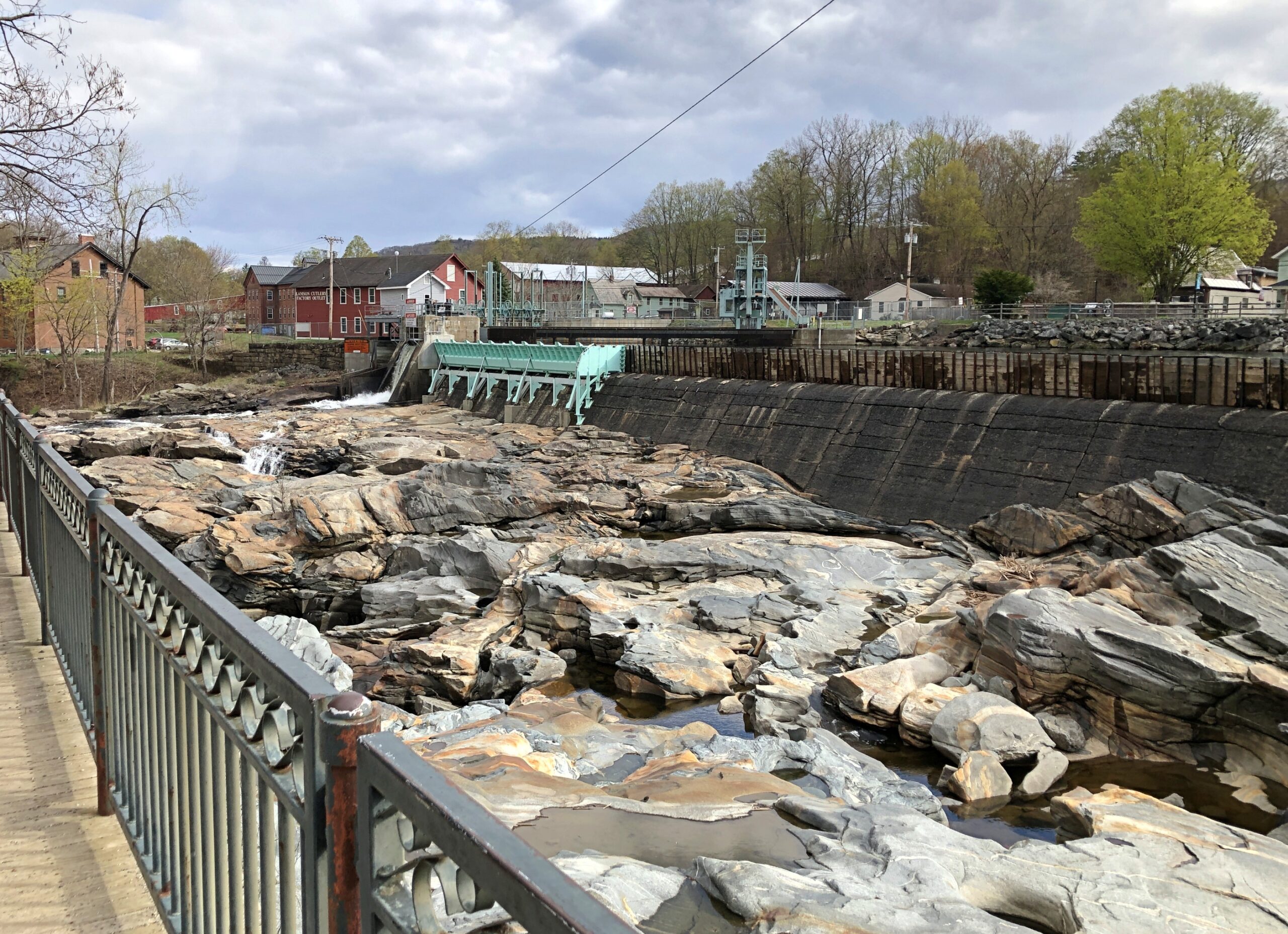
Nothing is far apart in Shelburne, so a short walk takes you to a geological oddity.

Glacial Potholes

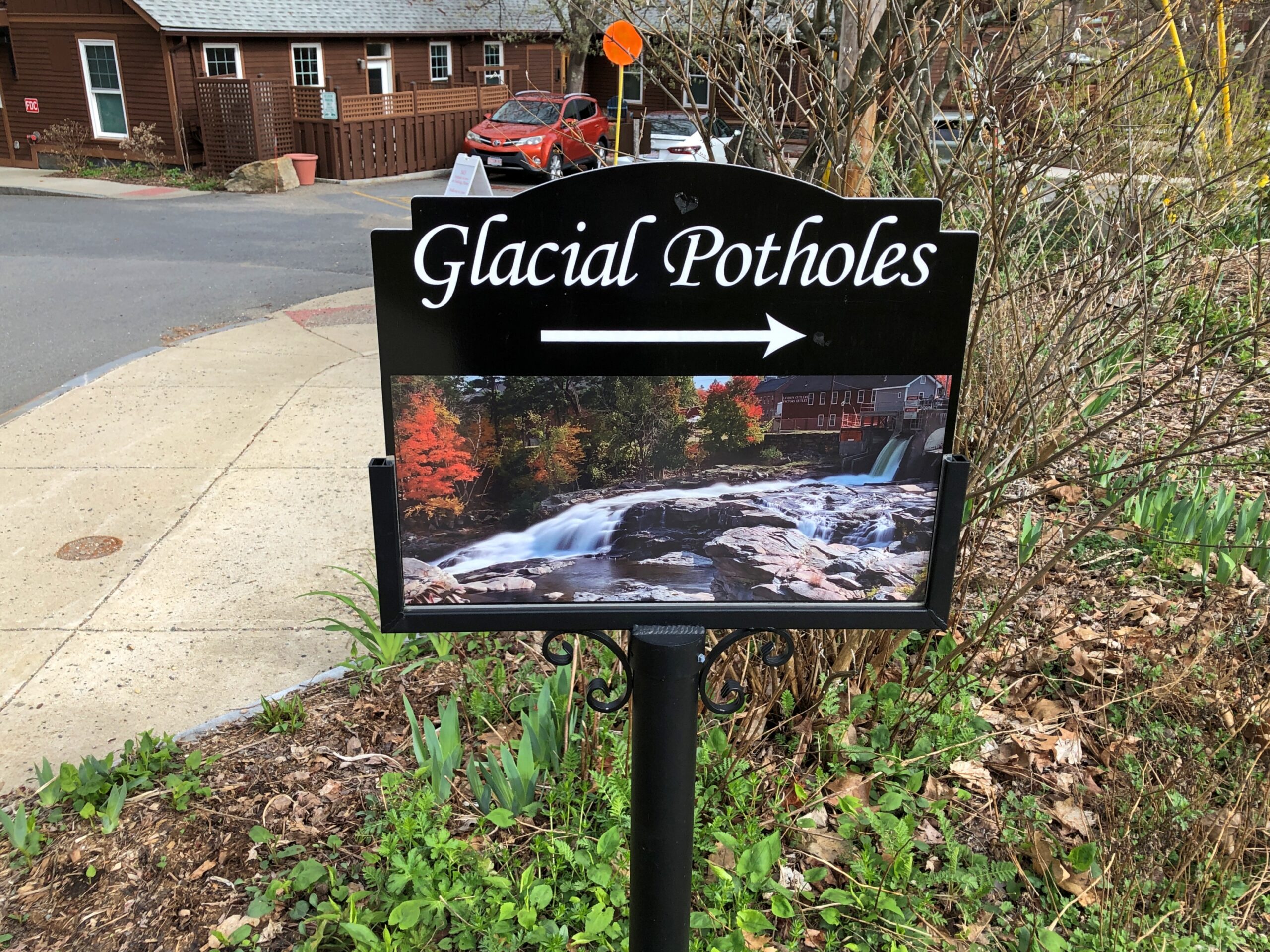
Another sign.

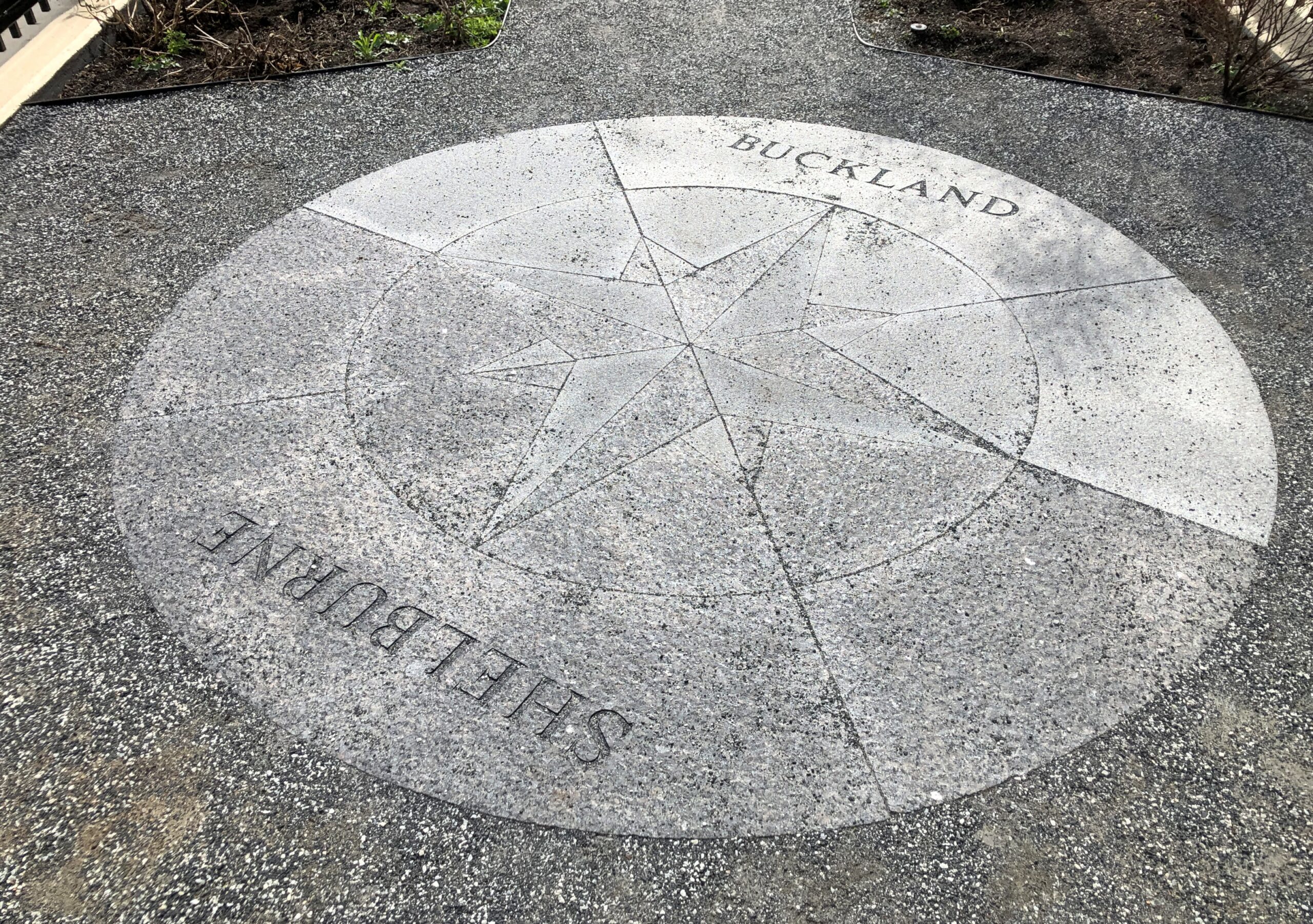
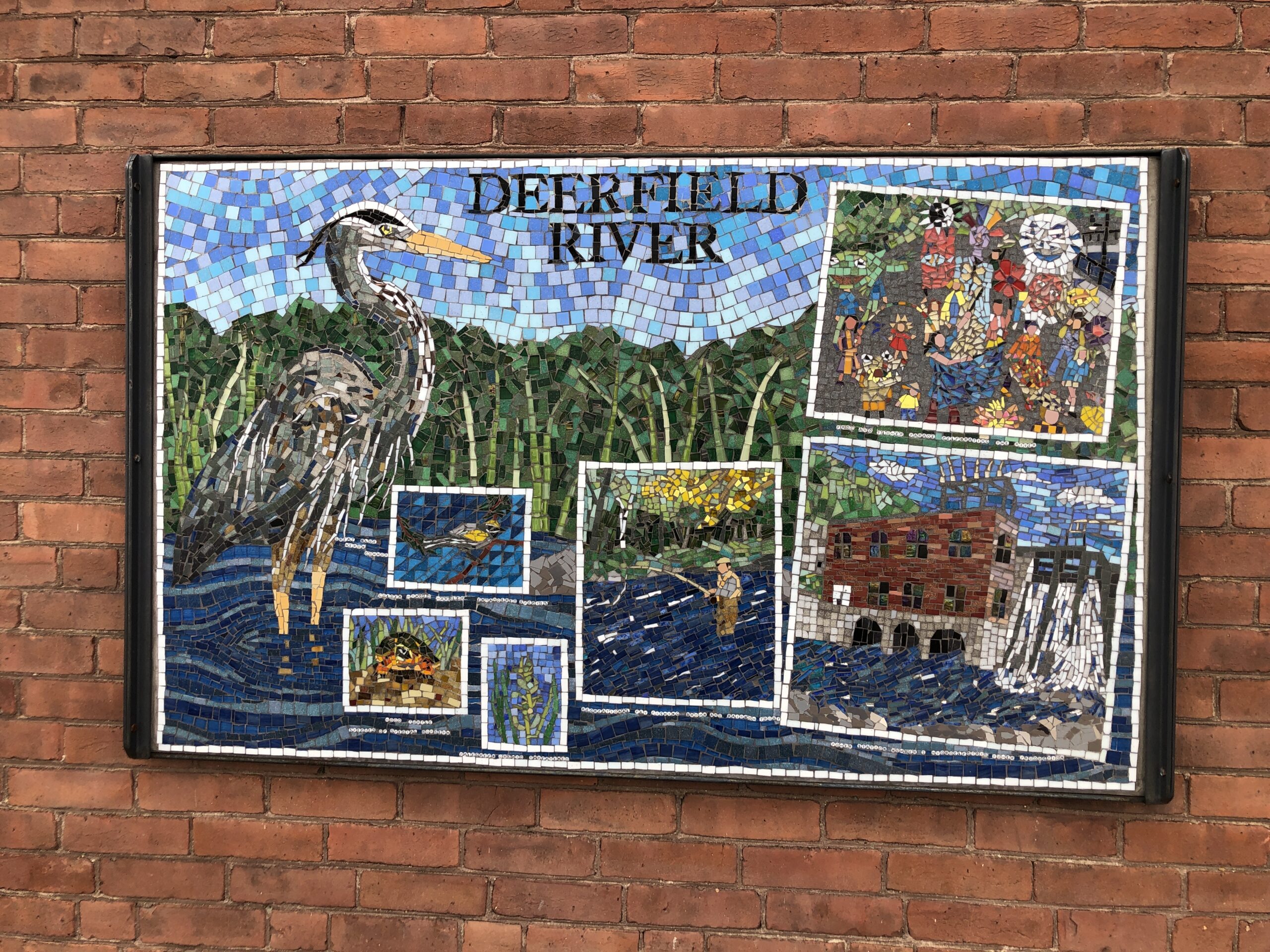
Follow the arrow and you pass a mosaic celebrating the locale. A high-quality image of this would make a good postcard.

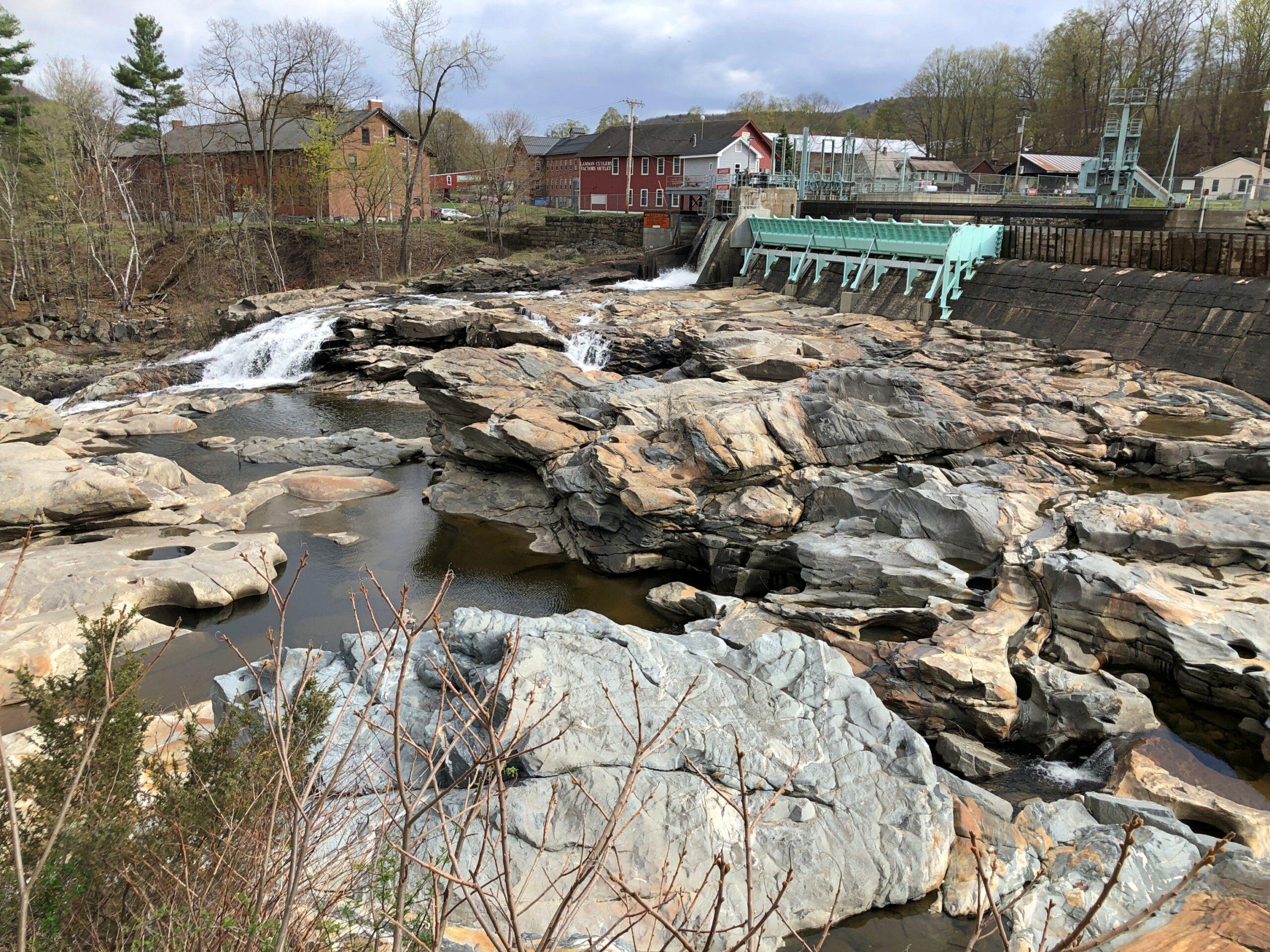
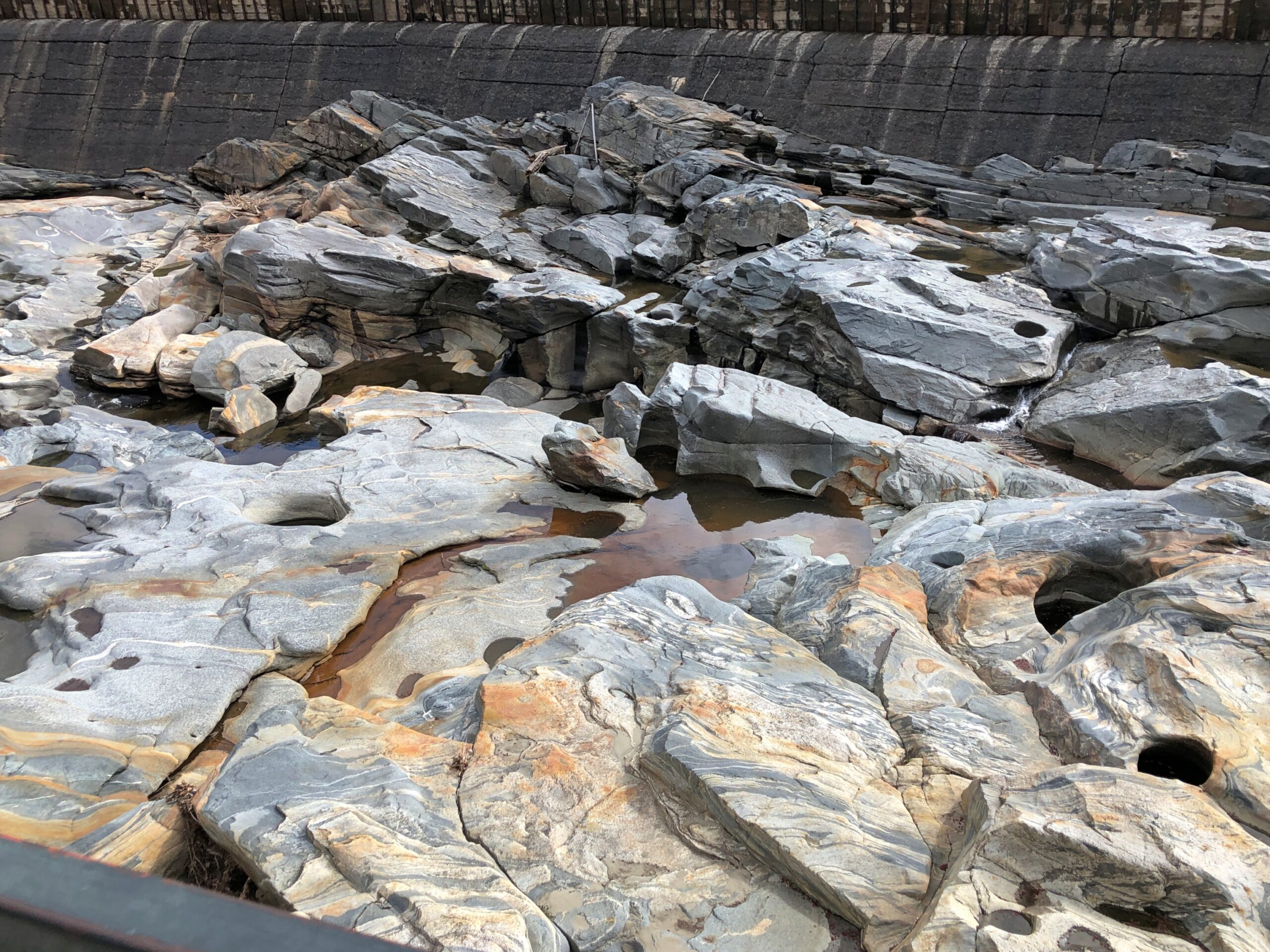
Then come the potholes.

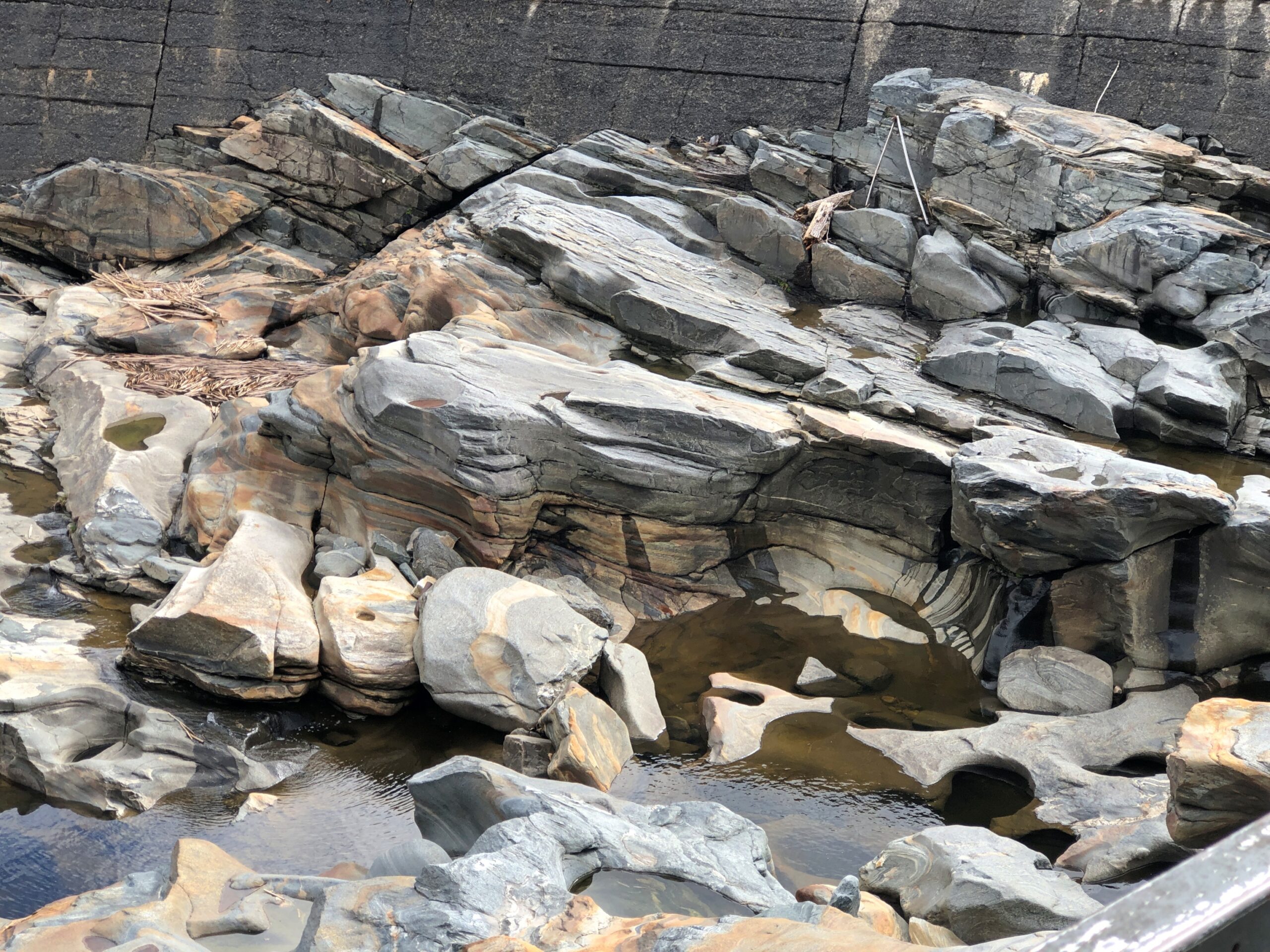
I didn’t know glaciers could create potholes, but it seems that they can and have. Also known as giant’s kettles.

Different in details — stone and coloration and process — but erosion as much as Sioux Falls in Sioux Falls. Or on the Bruce Peninsula. Or the coast of Maine, for that matter. Water doing its grind beyond the timescales of humanity.

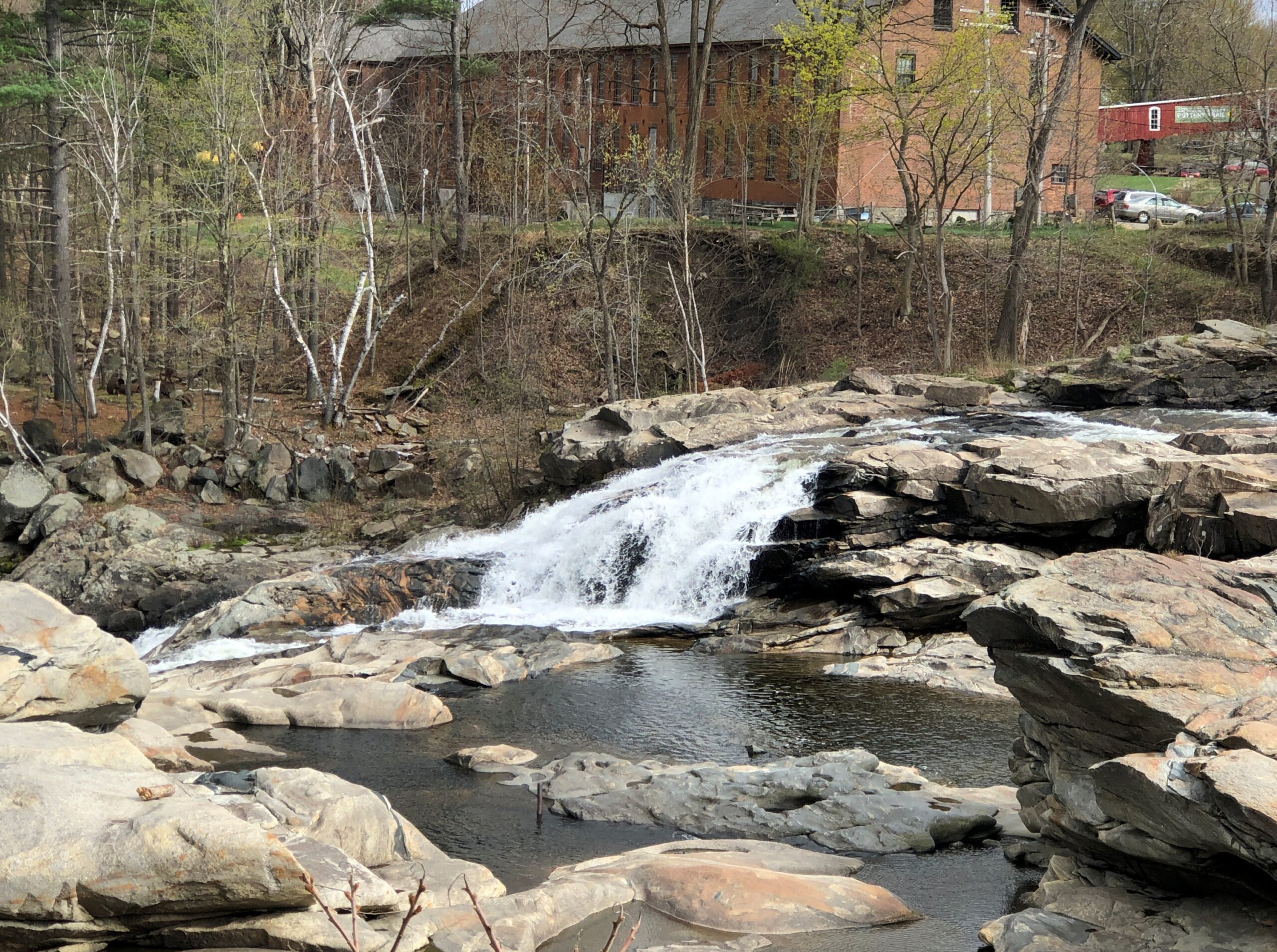
The spillway was busy. It had been a rainy day before.

Artful rocks, with no artist except erosion.

Mount Auburn Cemetery: The Landscape

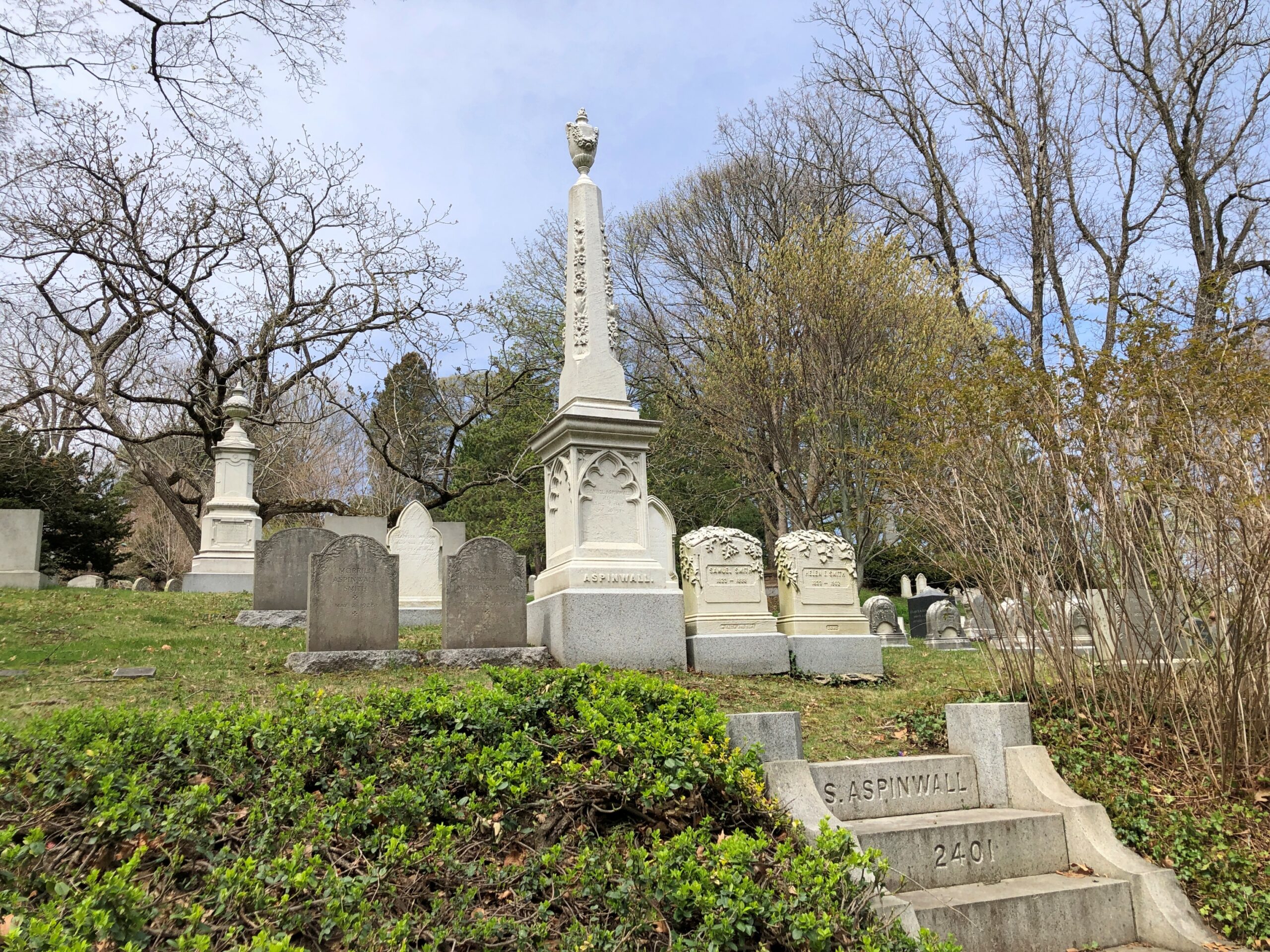
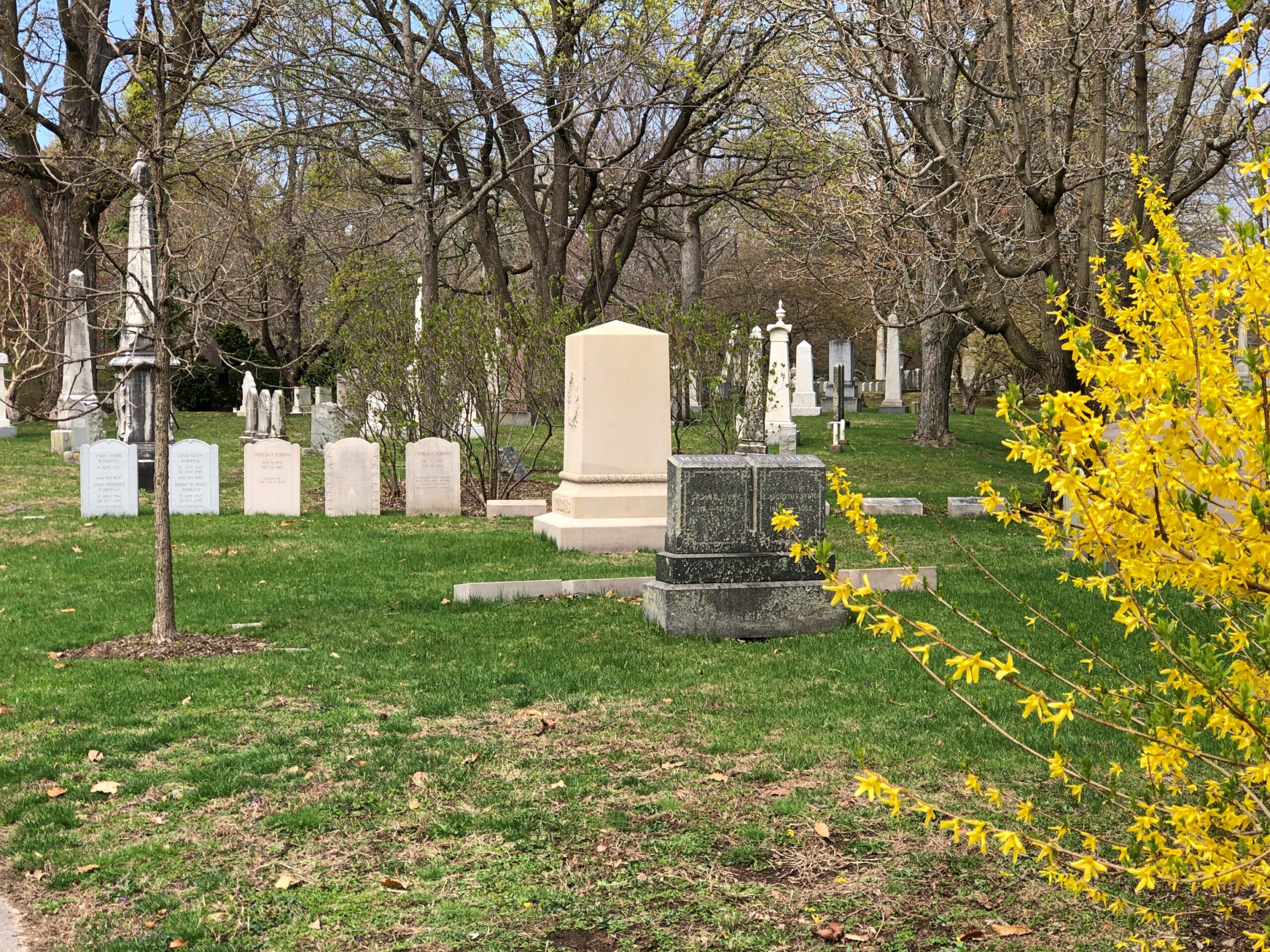
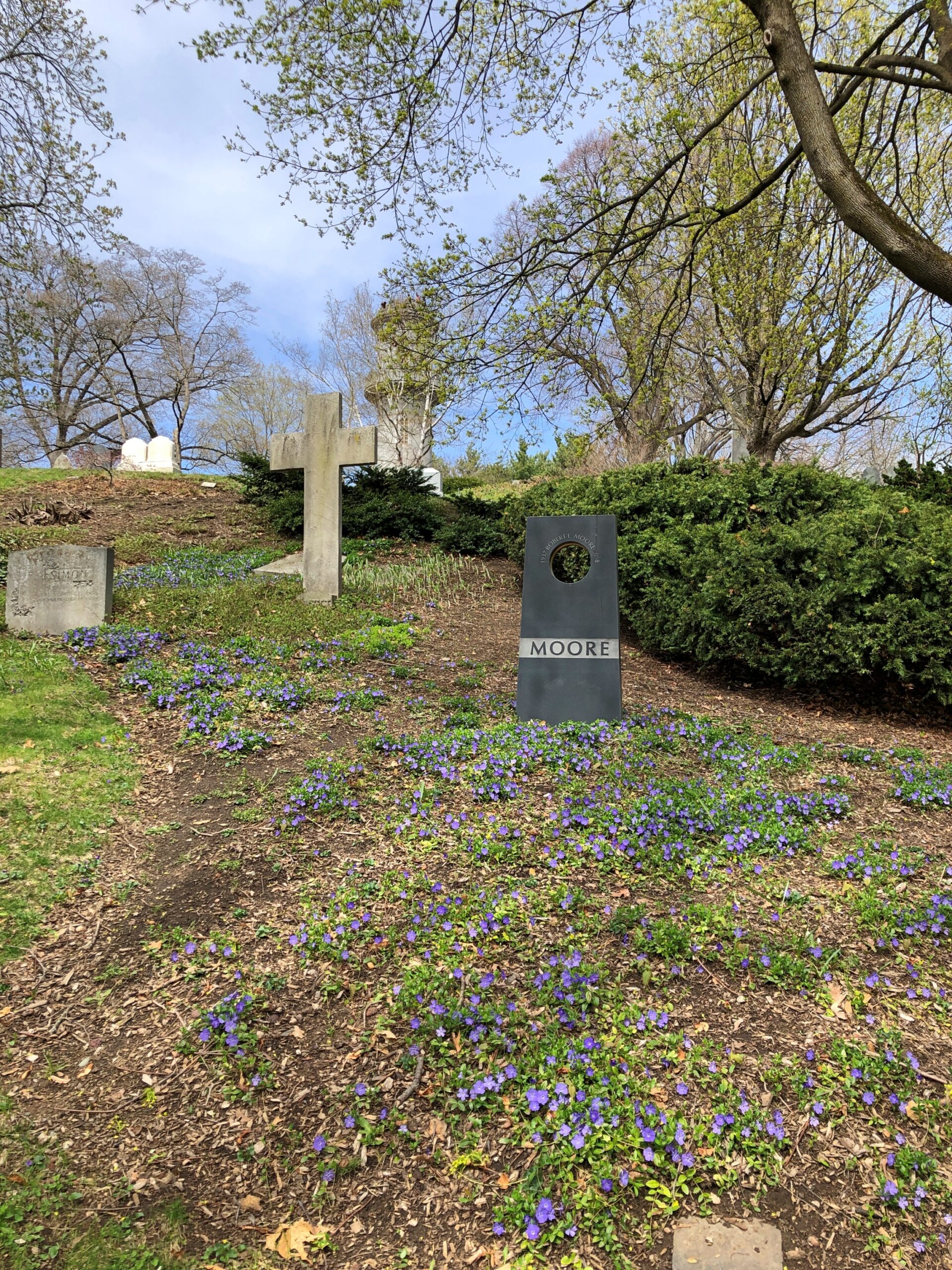
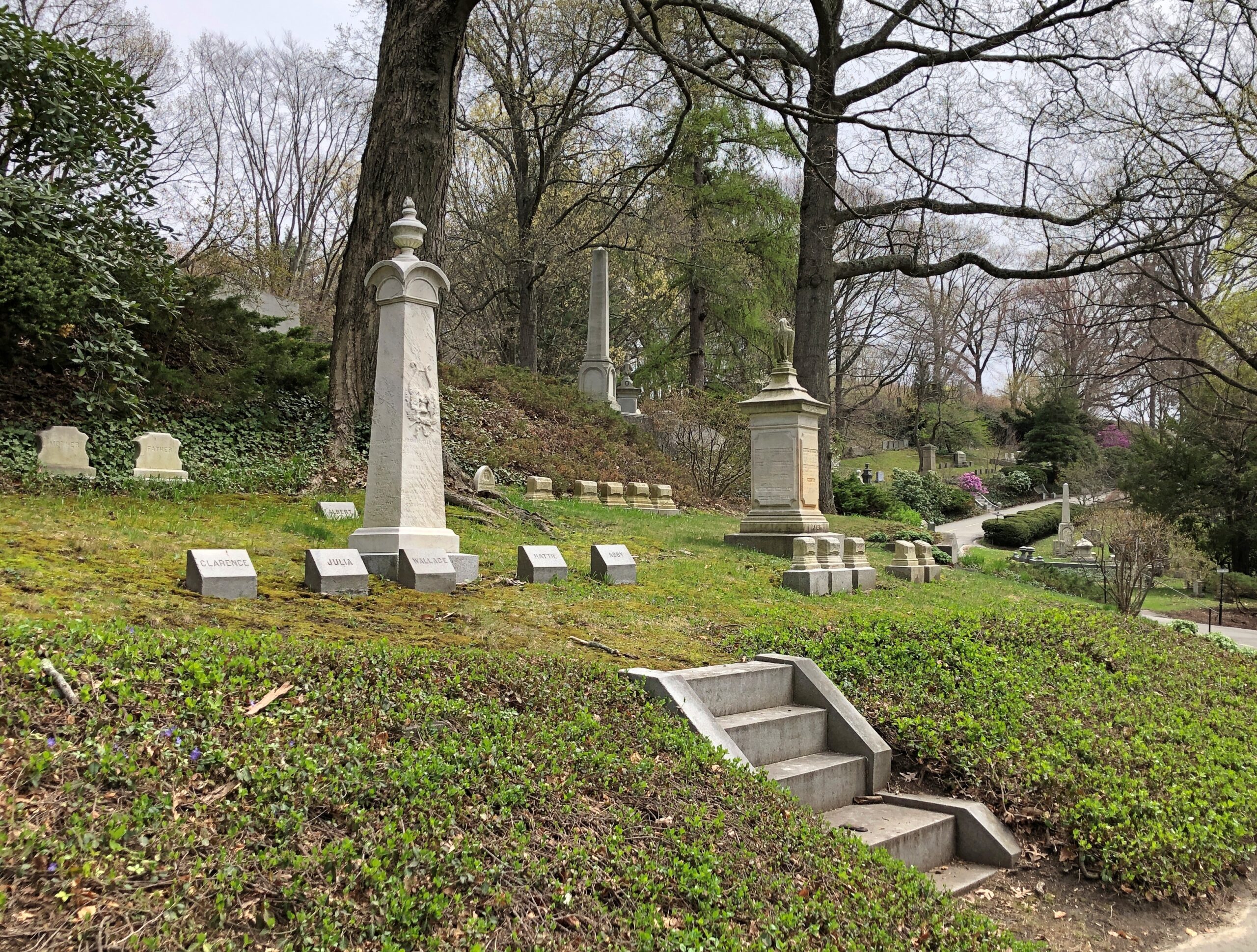
The weekend I spent with friends in Boston in April wasn’t actually in Boston most of the time, but its suburbs, and not with my friends quite all the time. On that Saturday, late morning to early afternoon, I passed some warm springtime moments by myself in the thrall of Mount Auburn Cemetery, mostly in Watertown, partly in Cambridge.

Mount Auburn Cemetery

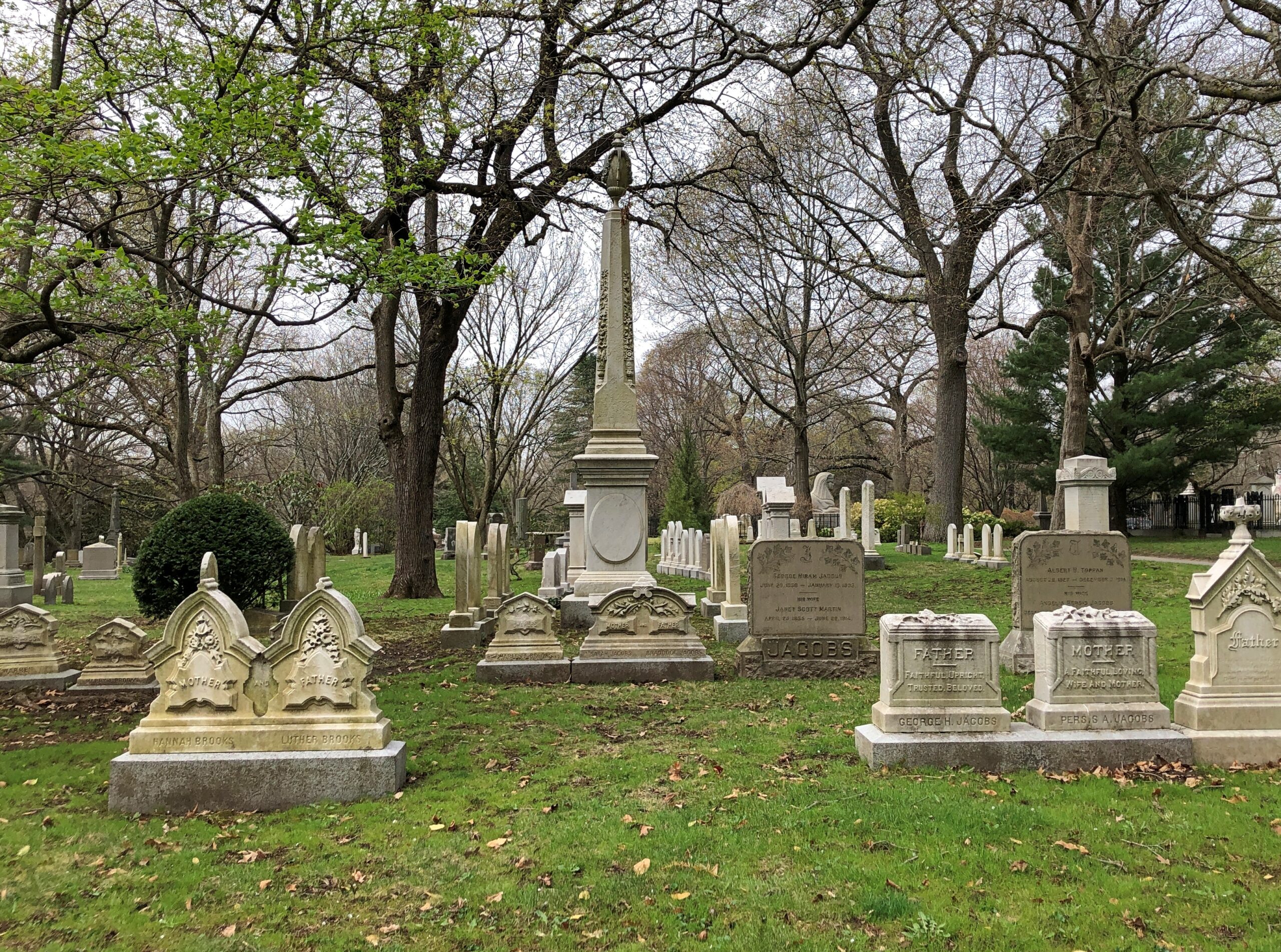
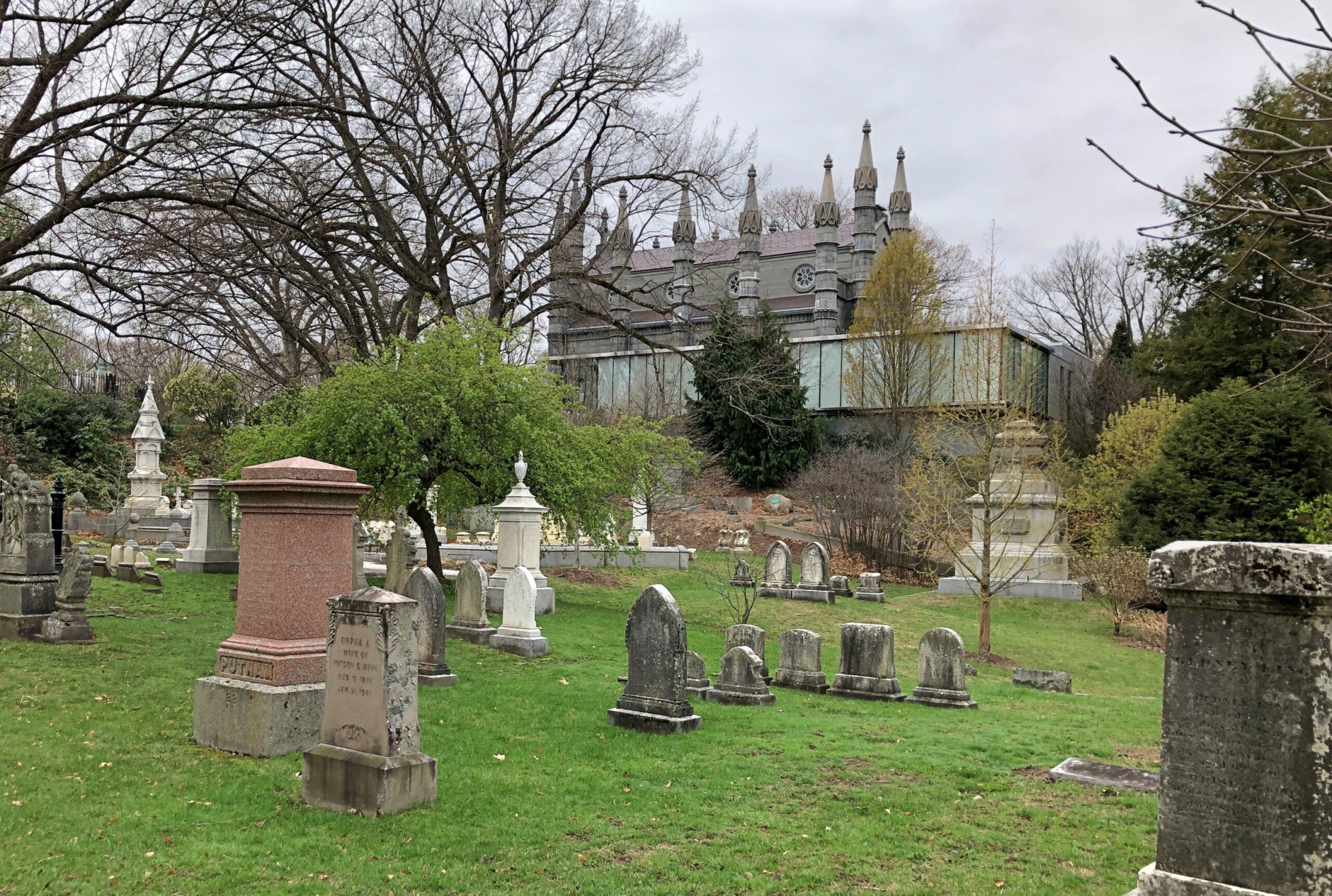
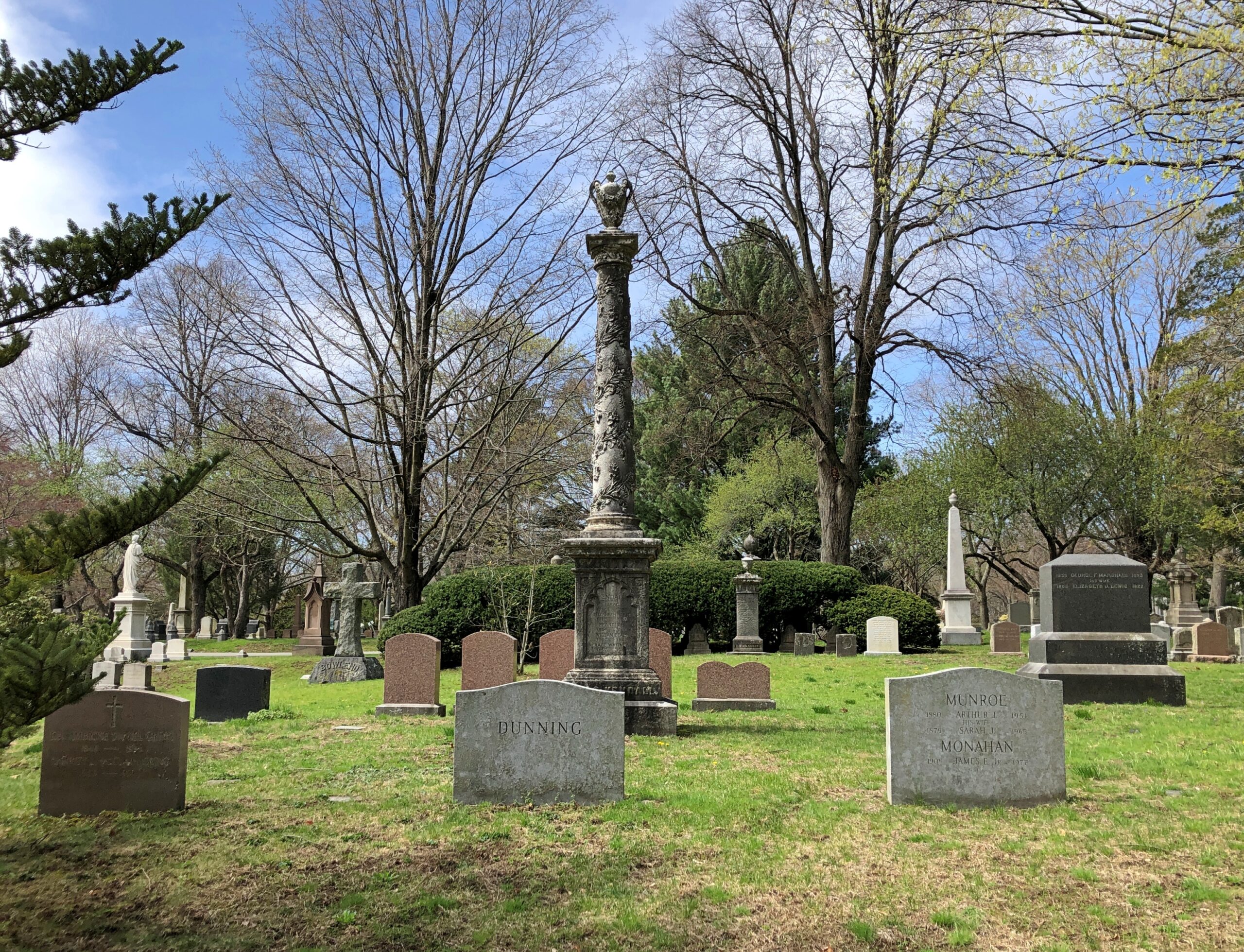
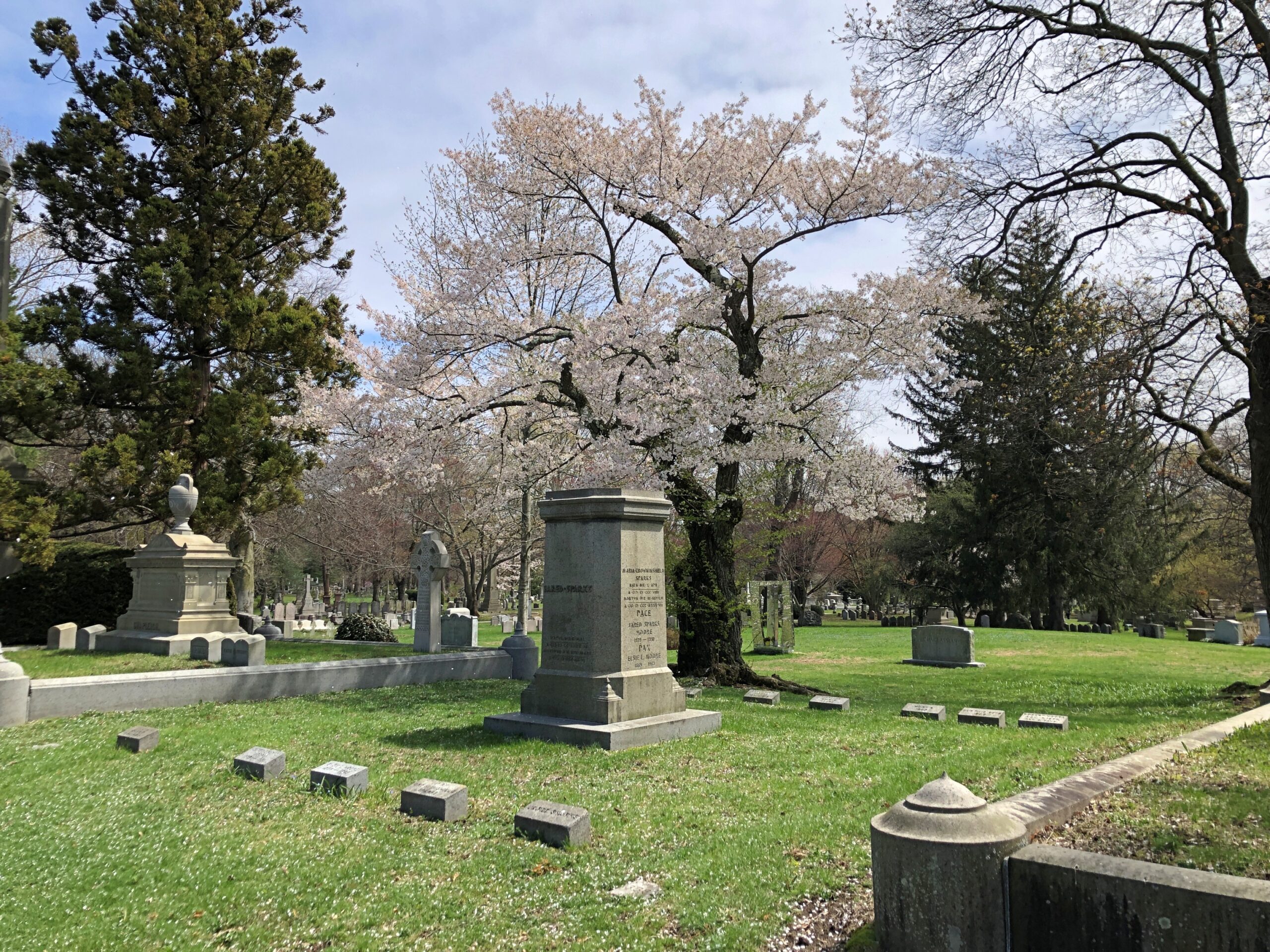
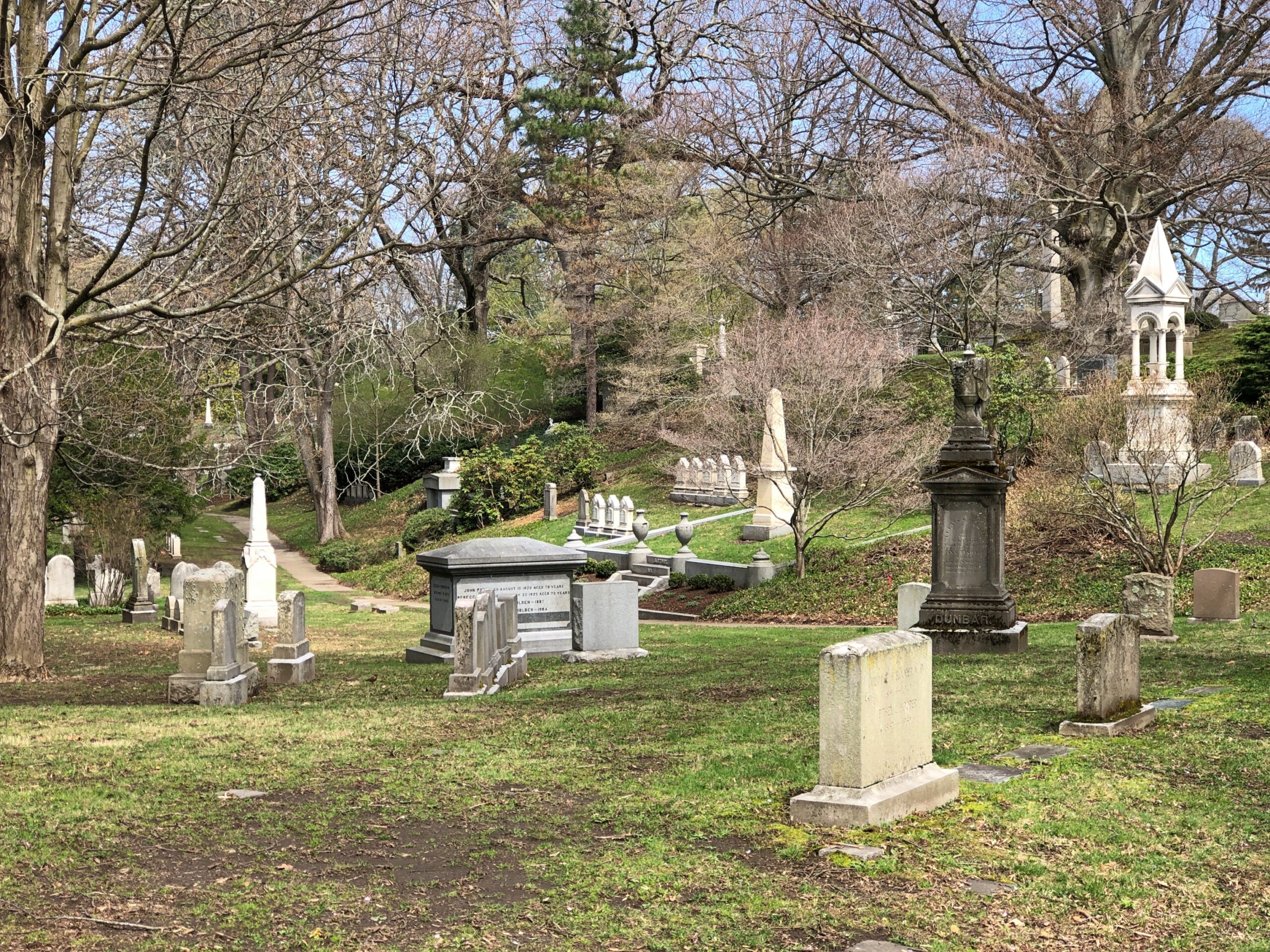
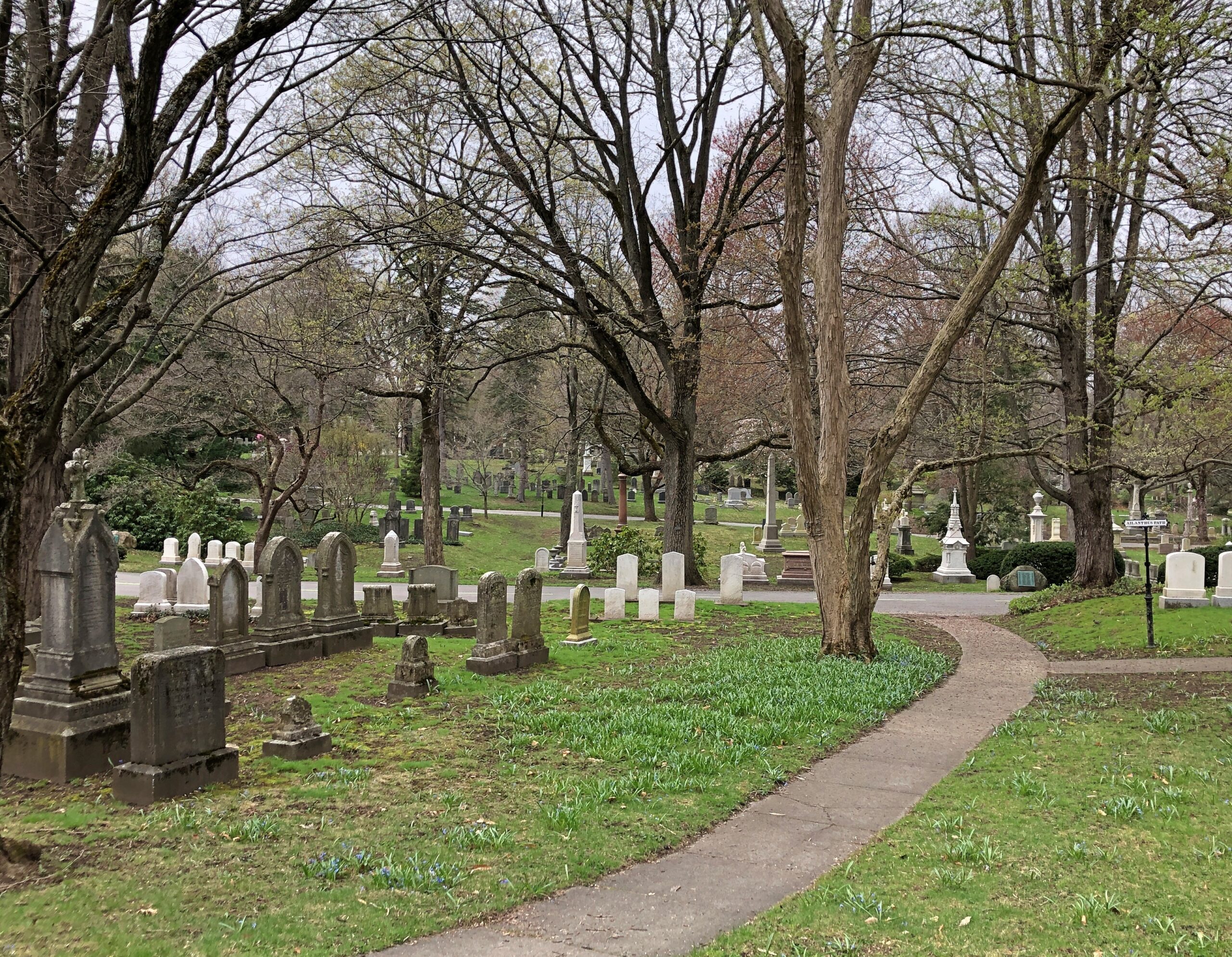
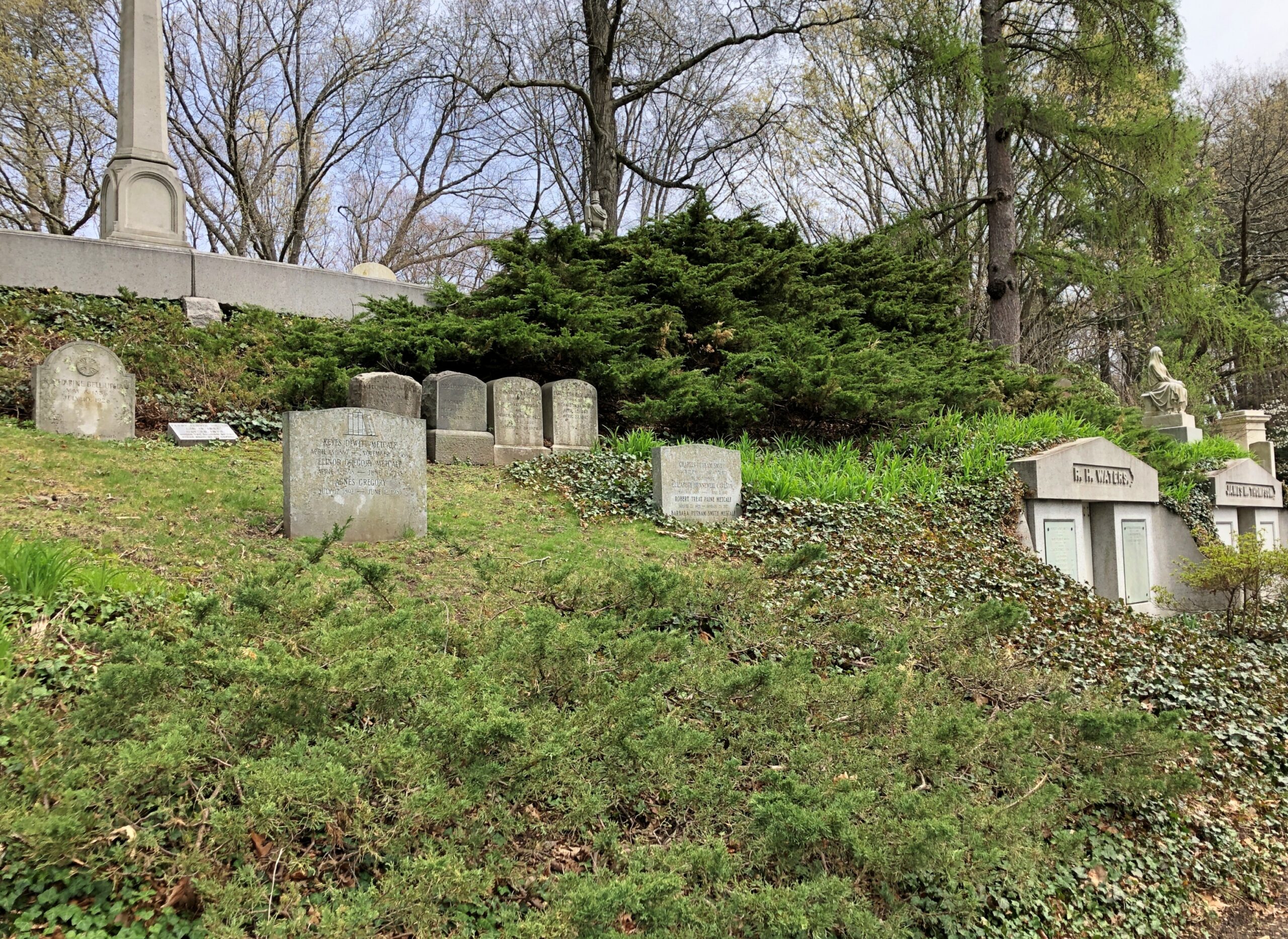
How is it that I’d never gotten around to visiting Mount Auburn Cemetery until 2026? What kind of cemetery tourist lets that one go for so long? This is the Ur of landscaped American rural cemeteries, acknowledged as the first one, established in 1831. Did I also mention that it’s drop-dead gorgeous? So to speak.

Mount Auburn is one of those rare cemeteries – like Arlington National outside DC or Saint Louis Cemetery No. 1 in New Orleans – that attracts visitors even in our time. Not a huge number, at least when I visited, but a healthy trickle. Spring, I suspect, is a popular season there.

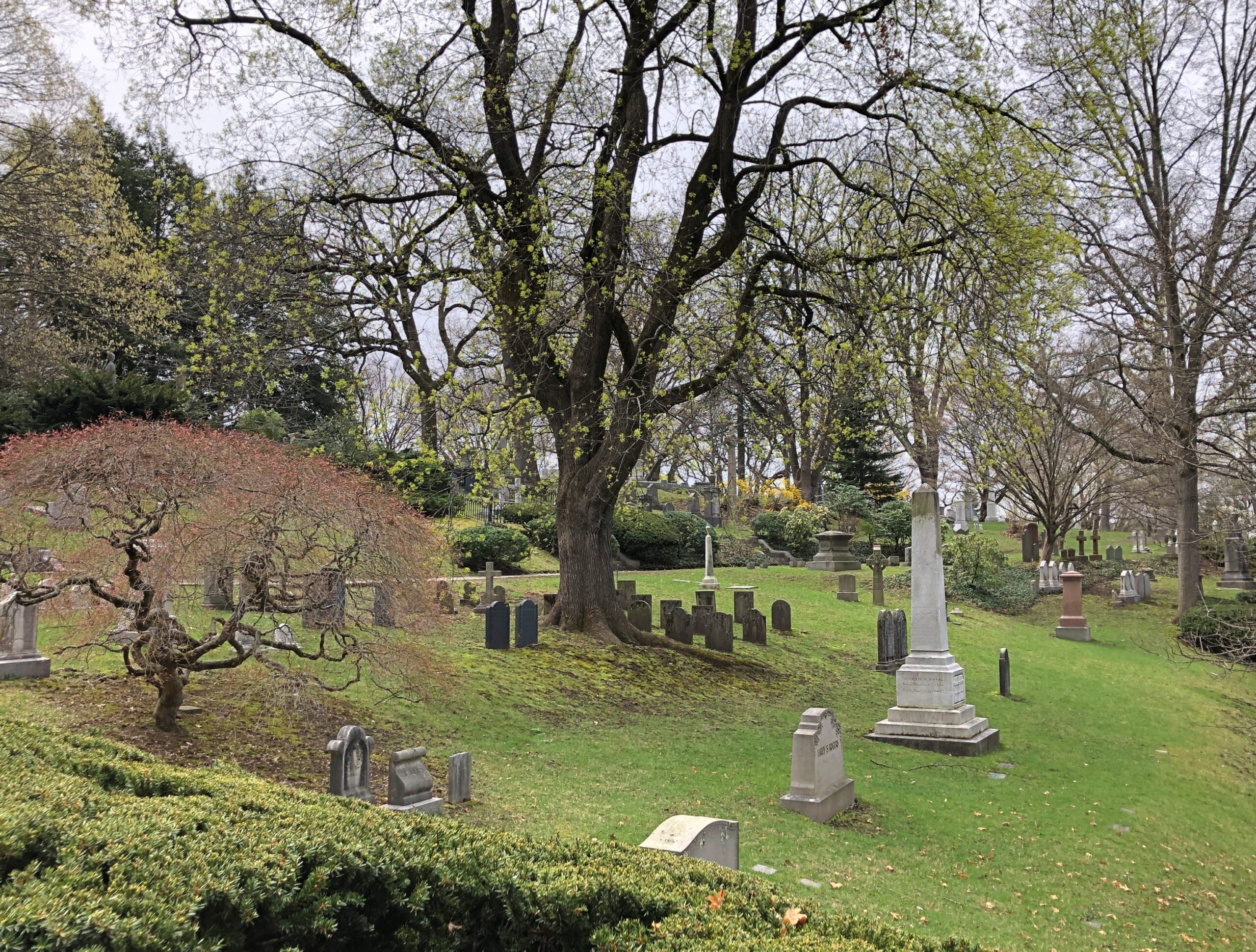
Arlington National inspires feelings of patriotism from as deep an historical well in North America has to offer; New Orleans’ tombs are dressed in mystery and garlanded with voodoo. What does Mount Auburn have? Landscaping of the highest order. A pattern by which all the following garden cemeteries can be judged: stones of great variety, plants equally various, and an alternation of flat and hilly contour.

The Massachusetts Horticultural Society, itself a recent establishment by the 1830s, created Mount Auburn during a time of peace and expansion in Boston, with the violence of the Revolution barely in living memory and U.S. sectional friction deepening, but not to the strife it would become by the ’50s. The president of the society, Henry Dearborn (d. 1851), is credited with designing Mount Auburn.

The site, with its twists and minor vistas, turned out to be just the place for a revolution in burial practice. Dearborn must have had a gardener’s instinct for the reinventing the wooded hills, but he was much more than a gardener, and the cemetery is much more than a garden. And anyway, Dearborn just set the thing in motion nearly 200 years ago, in collaboration with landscape architect Alexander Wadsworth and botanist Jacob Bigelow. The cemetery, a place to recall lives that are over, is ongoing.

Since then, every stone, every planting, all the small decisions and actions that go into managing 174 acres with 100,000 or more permanent residents, have formed a national treasure.

The Peony Crop of ’26

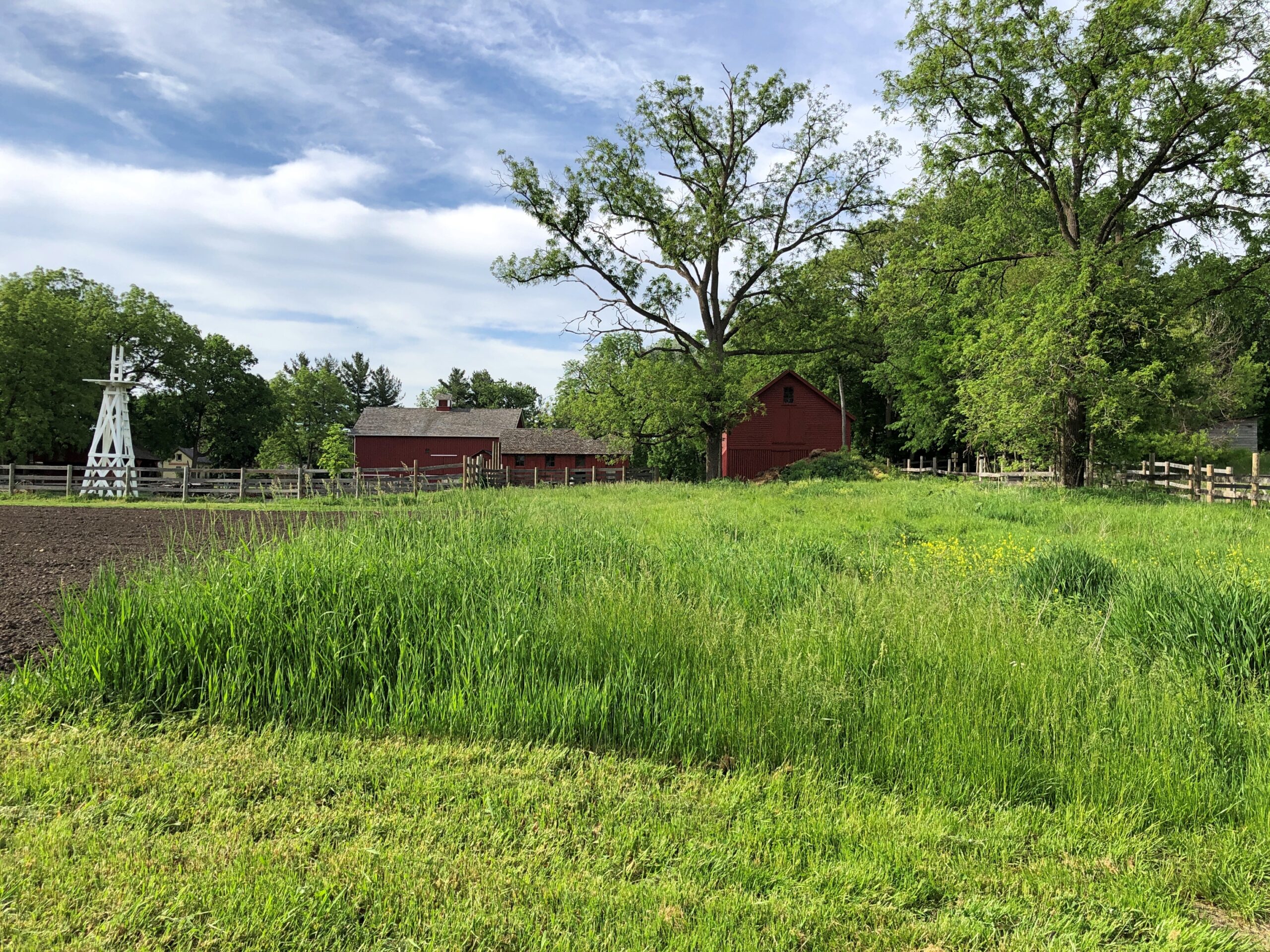
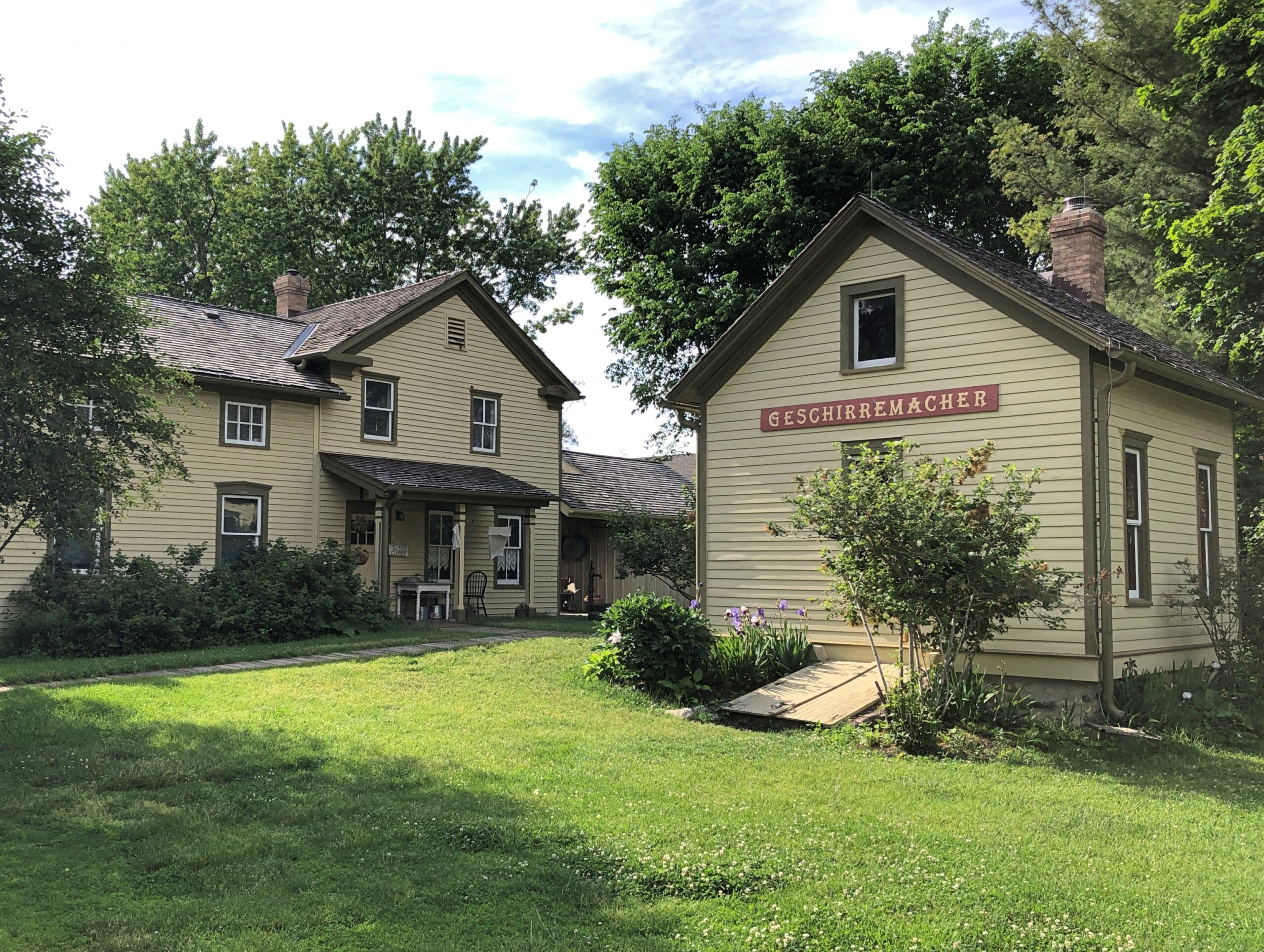
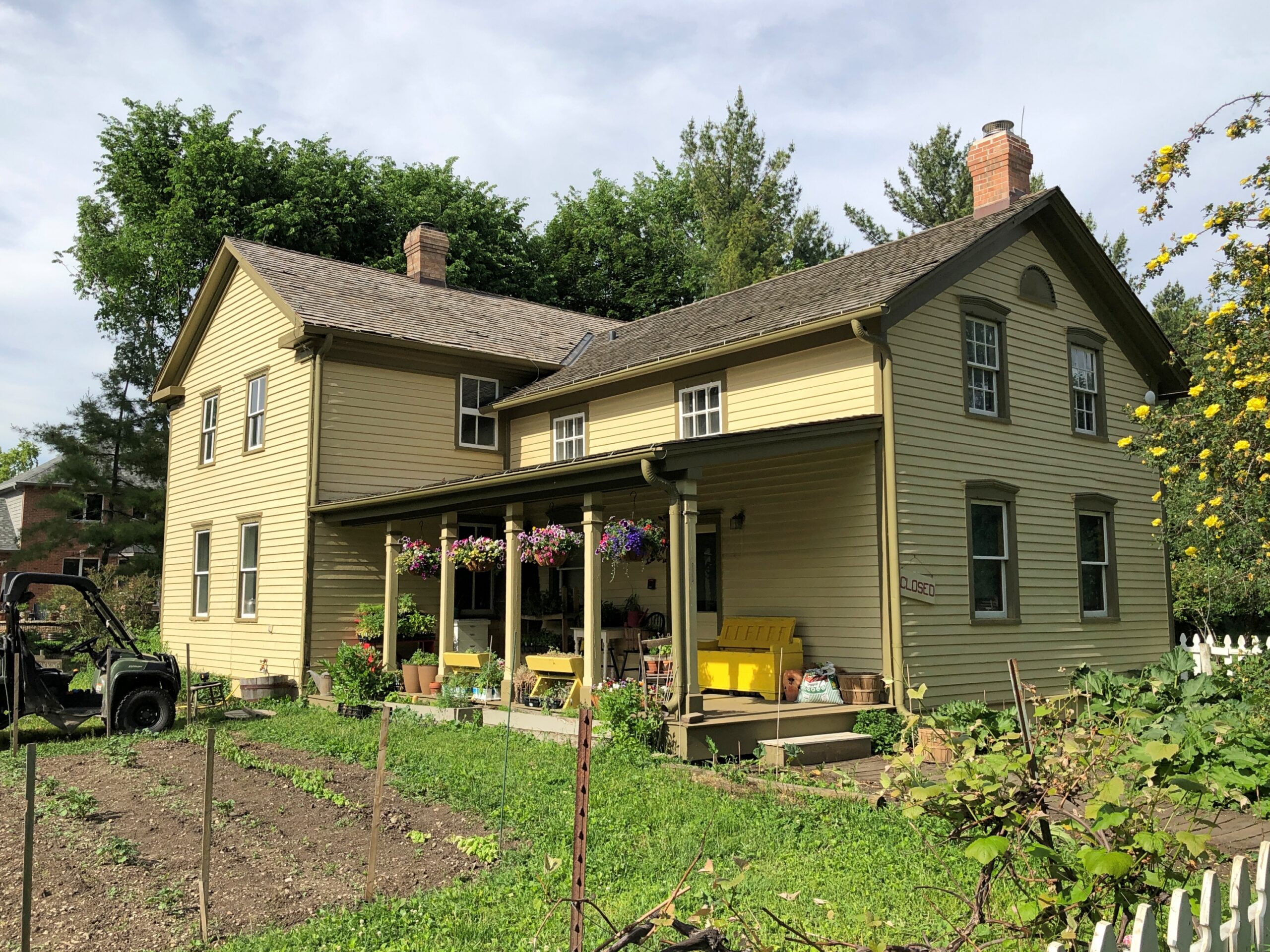
Consistent spring-like weather has arrived at last here in northern Illinois. So we took the opportunity late this afternoon to visit Volkening Heritage Farm, an open-air museum with structures dating from the 1880s. It’s part of the larger (135-acre) Spring Valley.

Spin the wheel of time back – not that long, really – and German immigrant farmers put this part of Illinois, the future northwestern suburbs, to prosperous use. The open-air museum of our time echoes that previous time. Not in each detail, but the facsimile is pretty good. There’s a vegetable and flower garden —

Volkering Heritage Farm

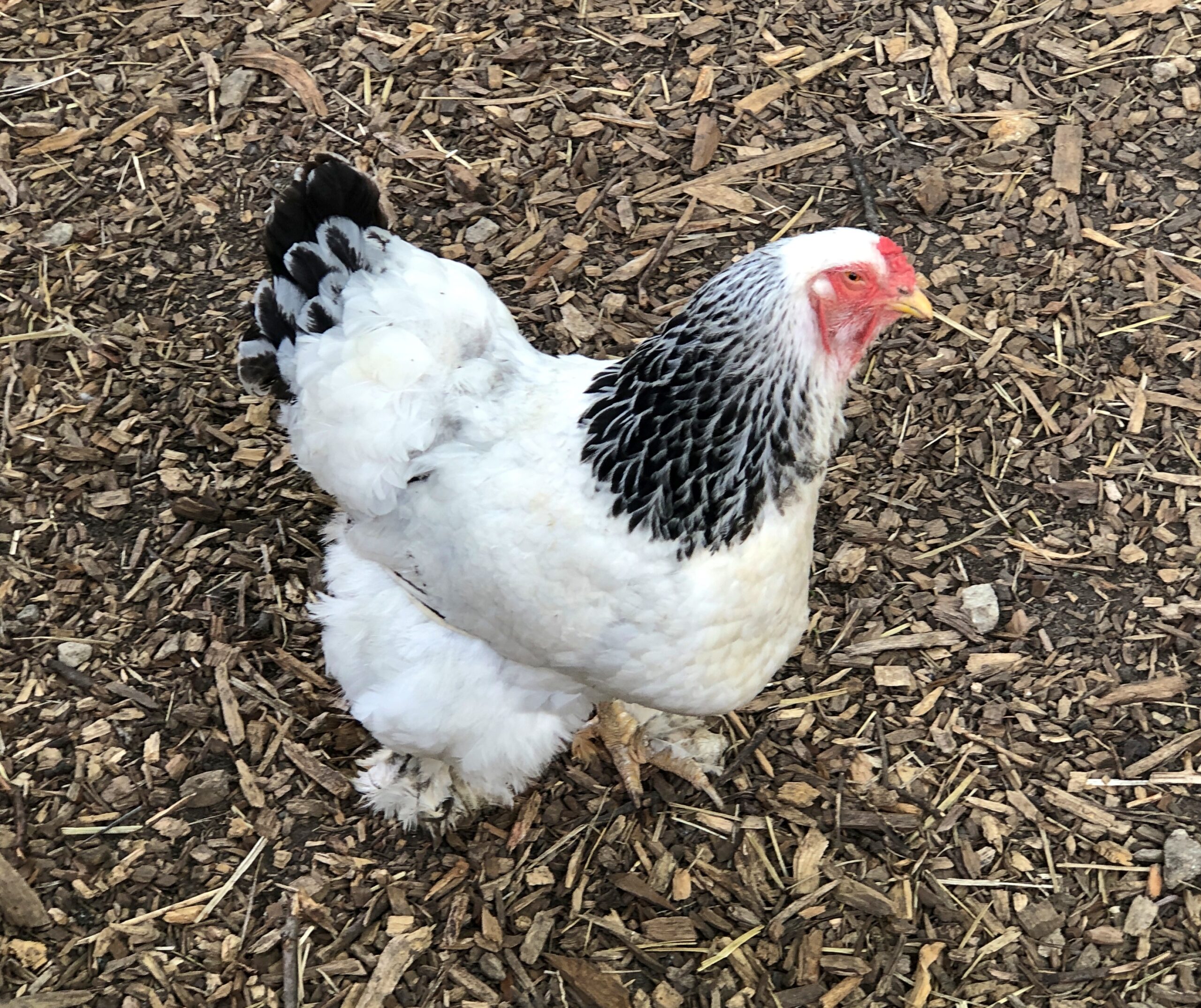
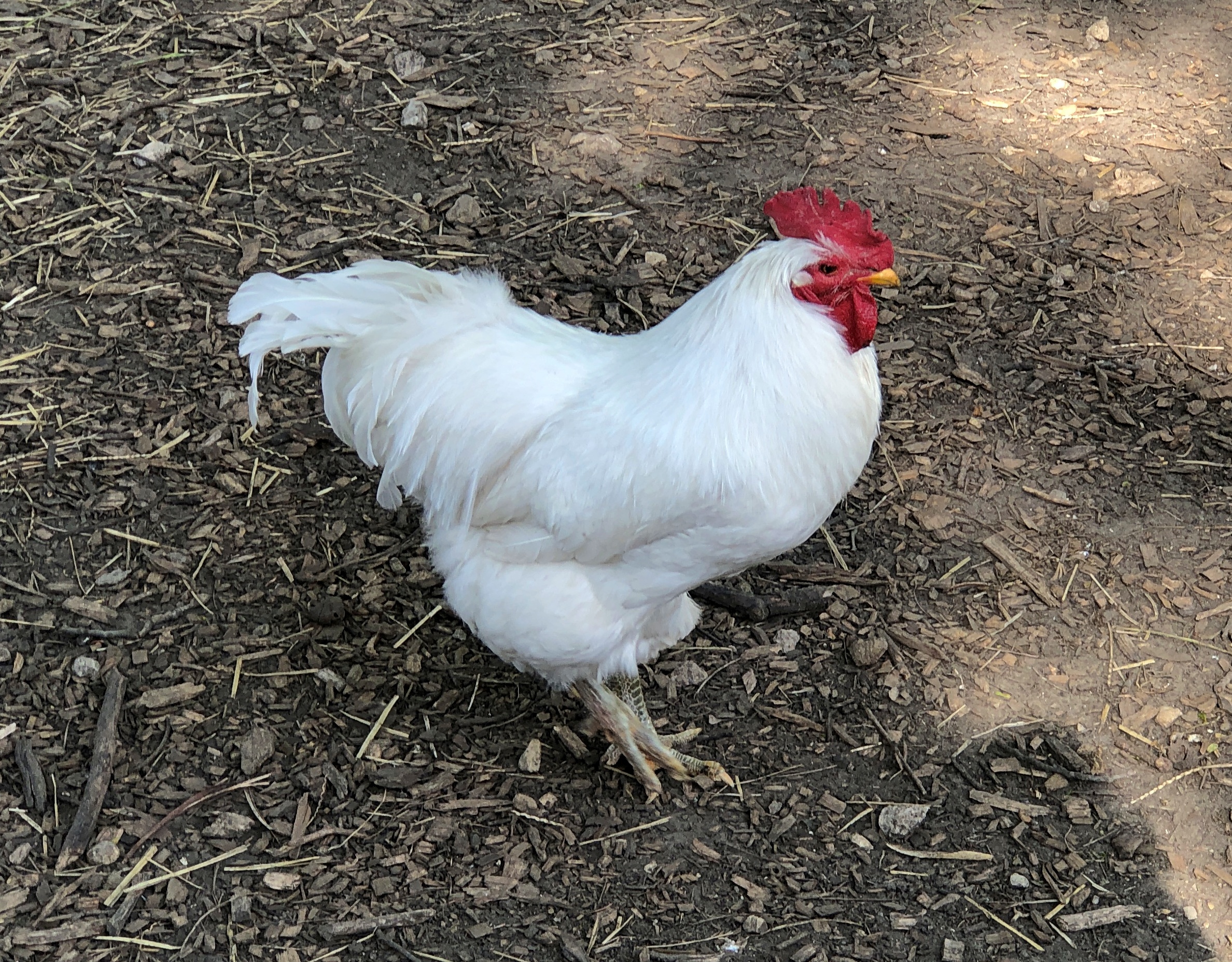
— and farm animals. Chickens, for example.

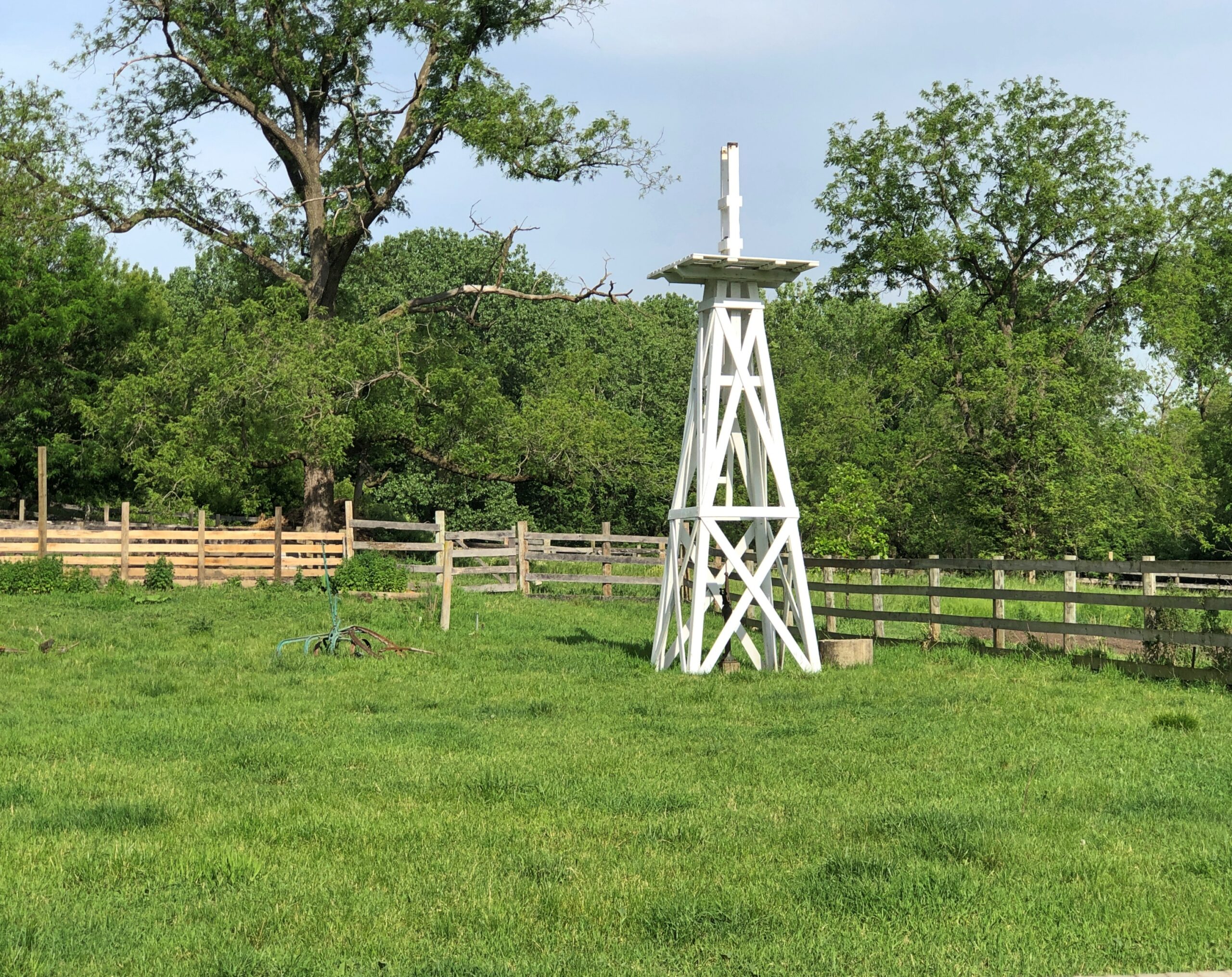
The windmill is missing. Has been for some years now, but I know it was there in 2012.

We noticed peonies near the farm buildings.

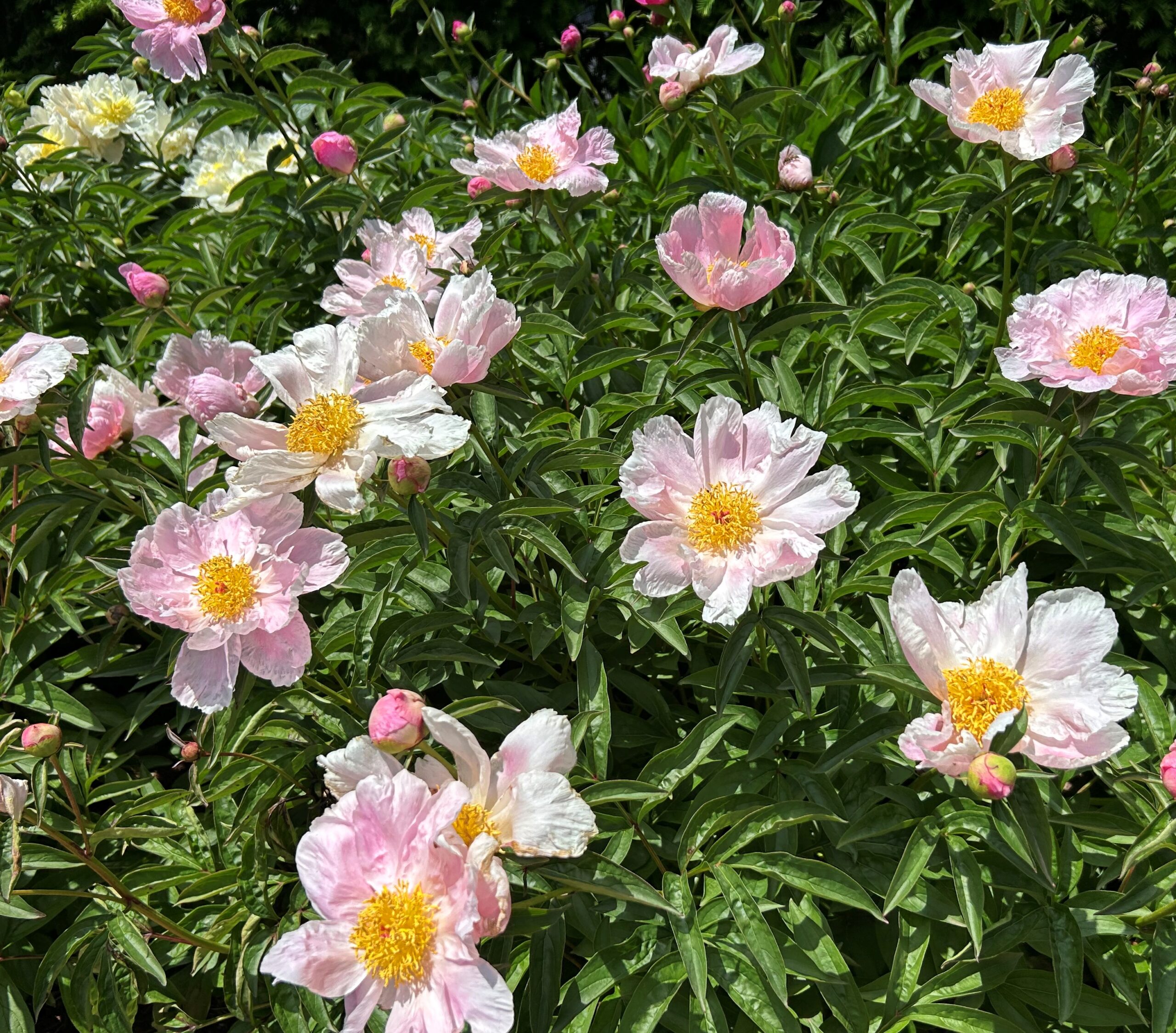
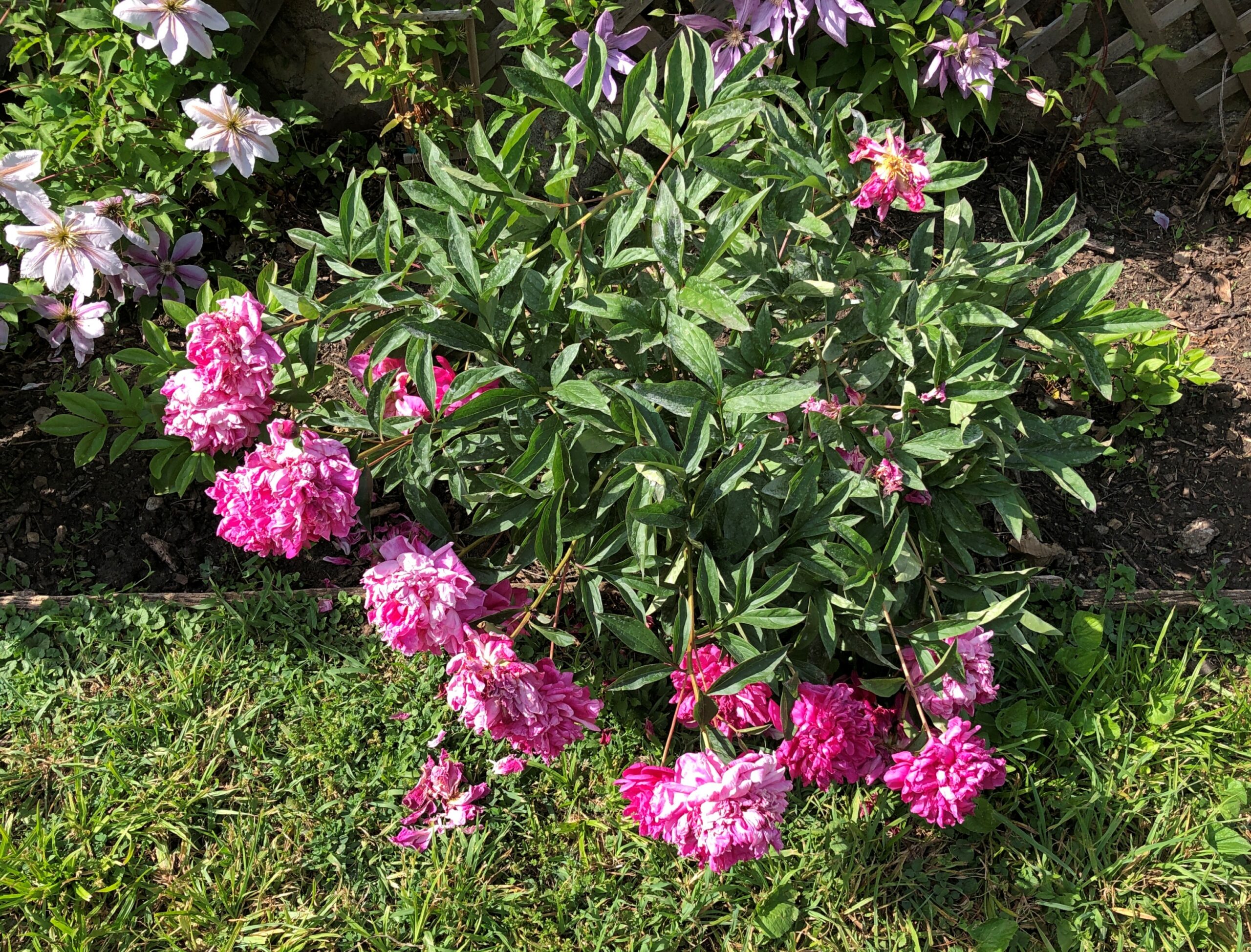
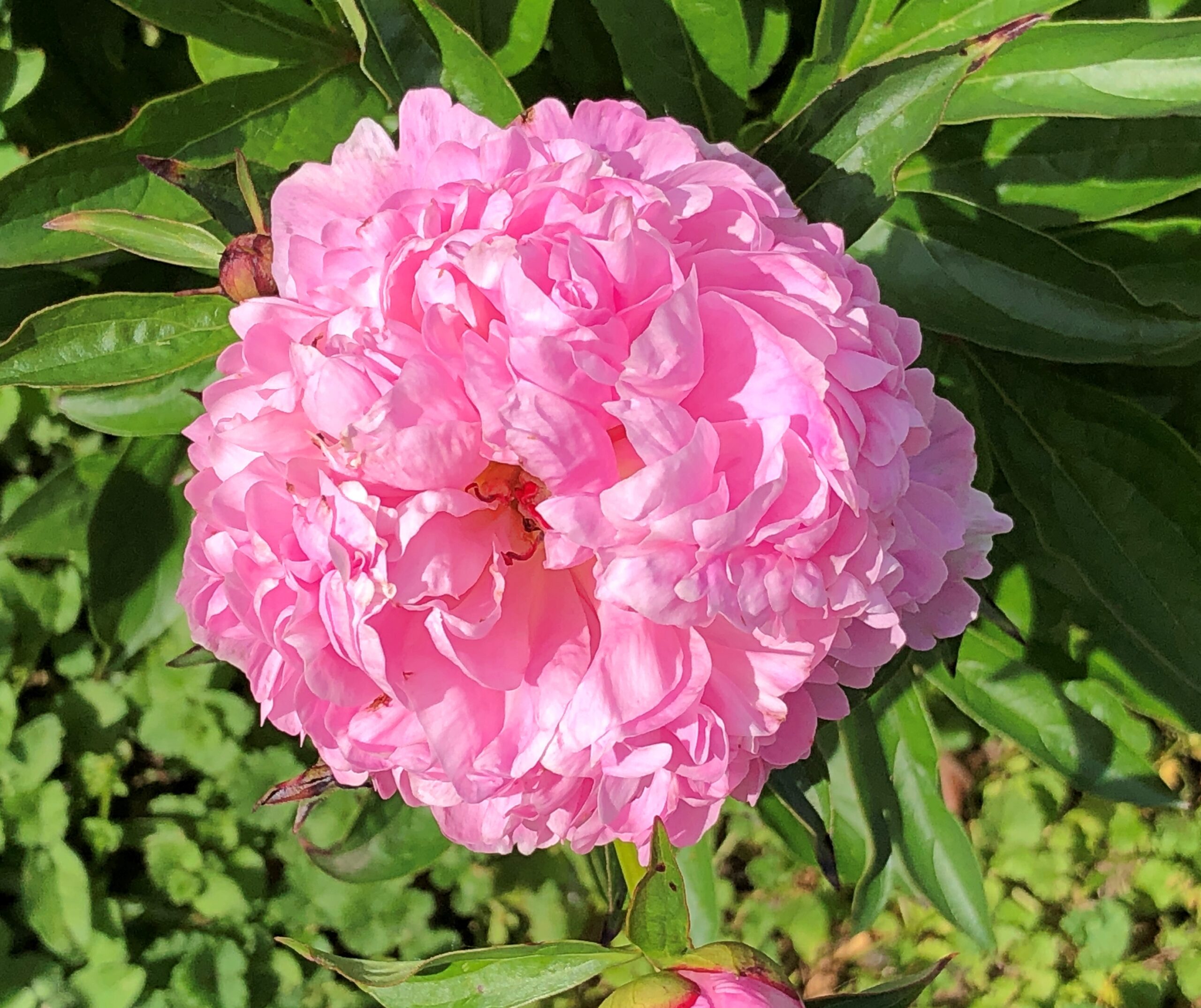
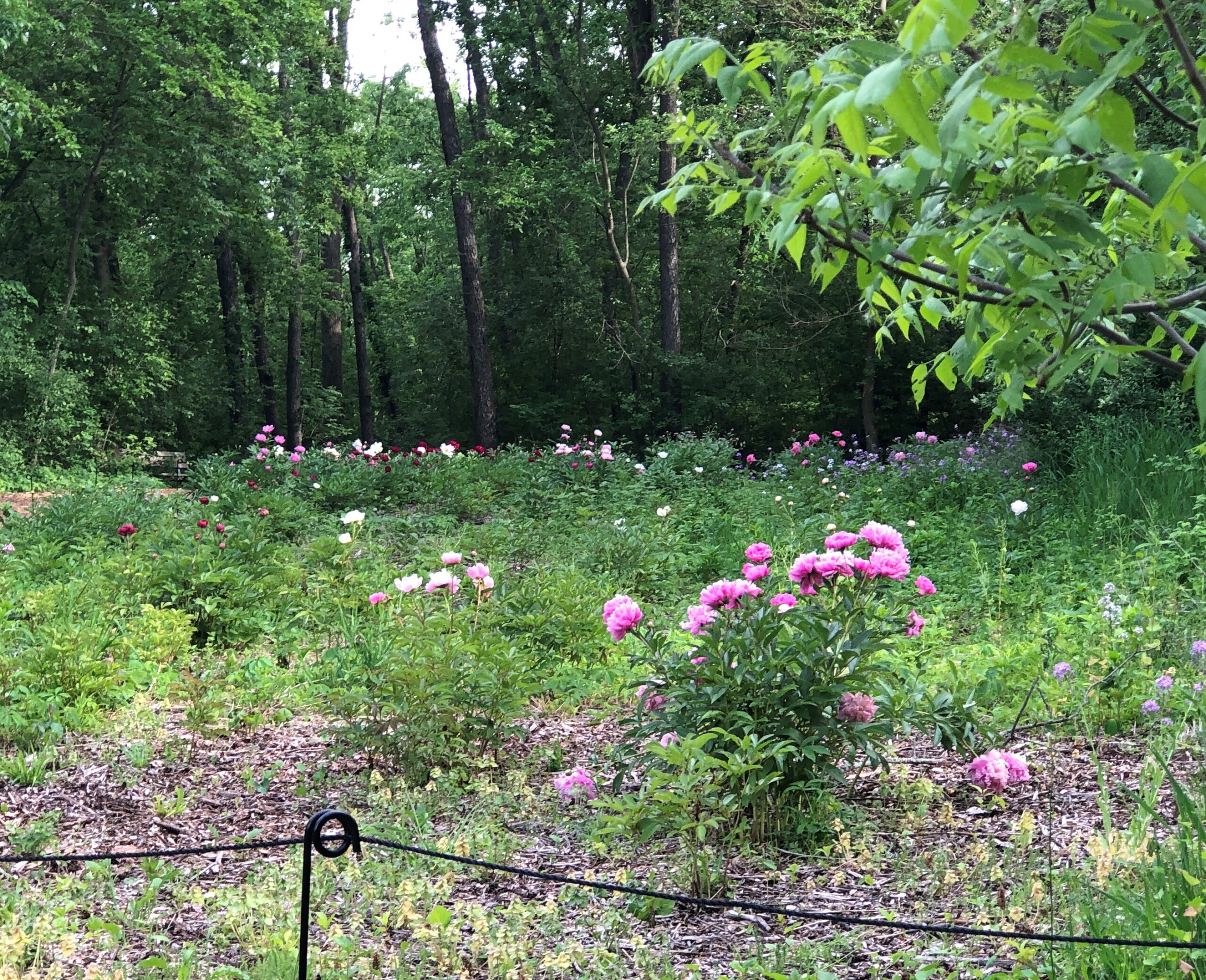
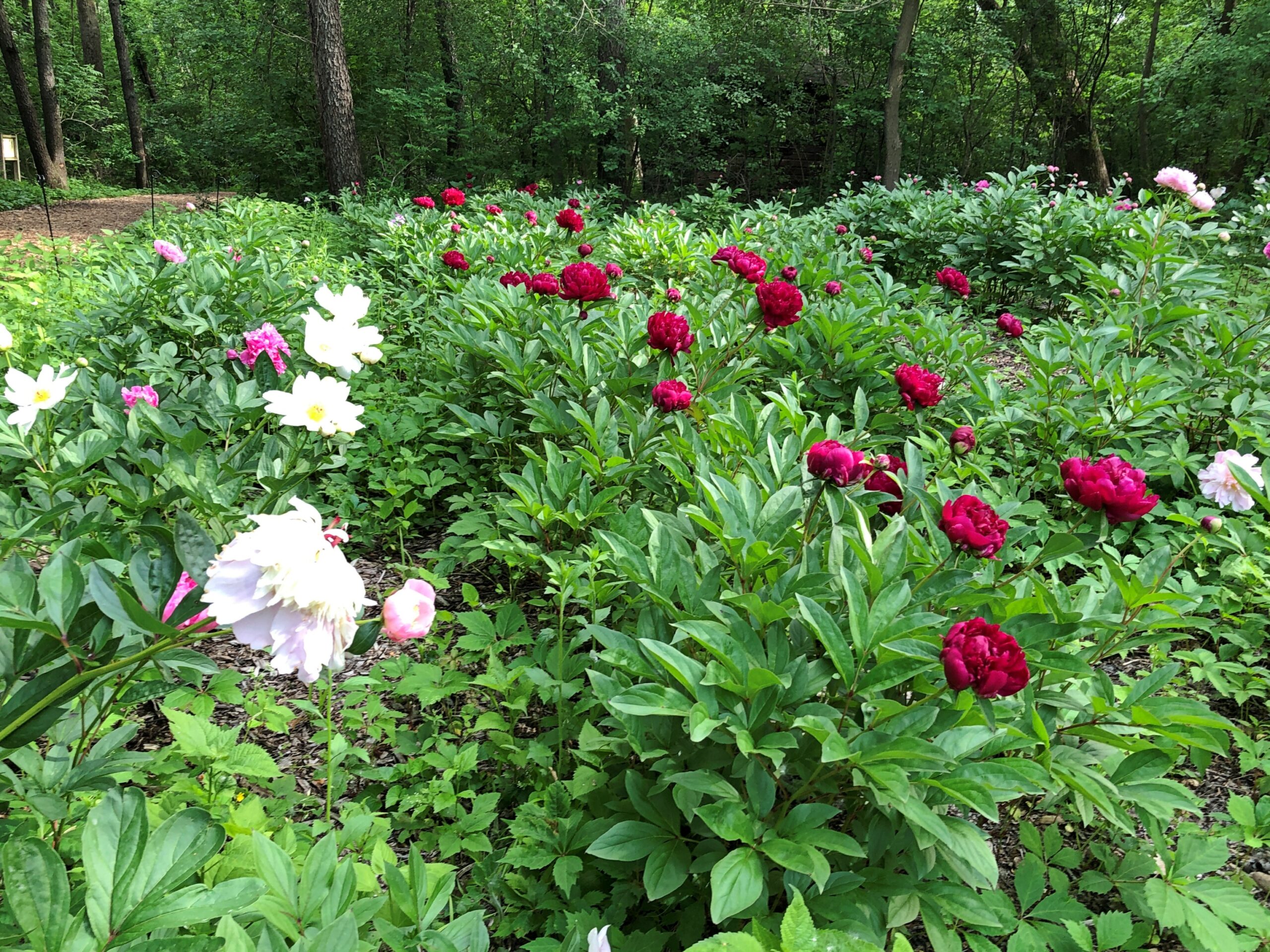
That meant that Spring Valley’s former peony farm, about a 10-minute walk from the former German farm, was abloom with peonies. Like cherry blossoms in other places and other contexts, they don’t last long. Some years we miss them all together, partly because the blooming isn’t quite fixed. One year, for instance, I visited on my early June birthday once and found an embarrassment of peonies. Other years, they are earlier. This is an early year.
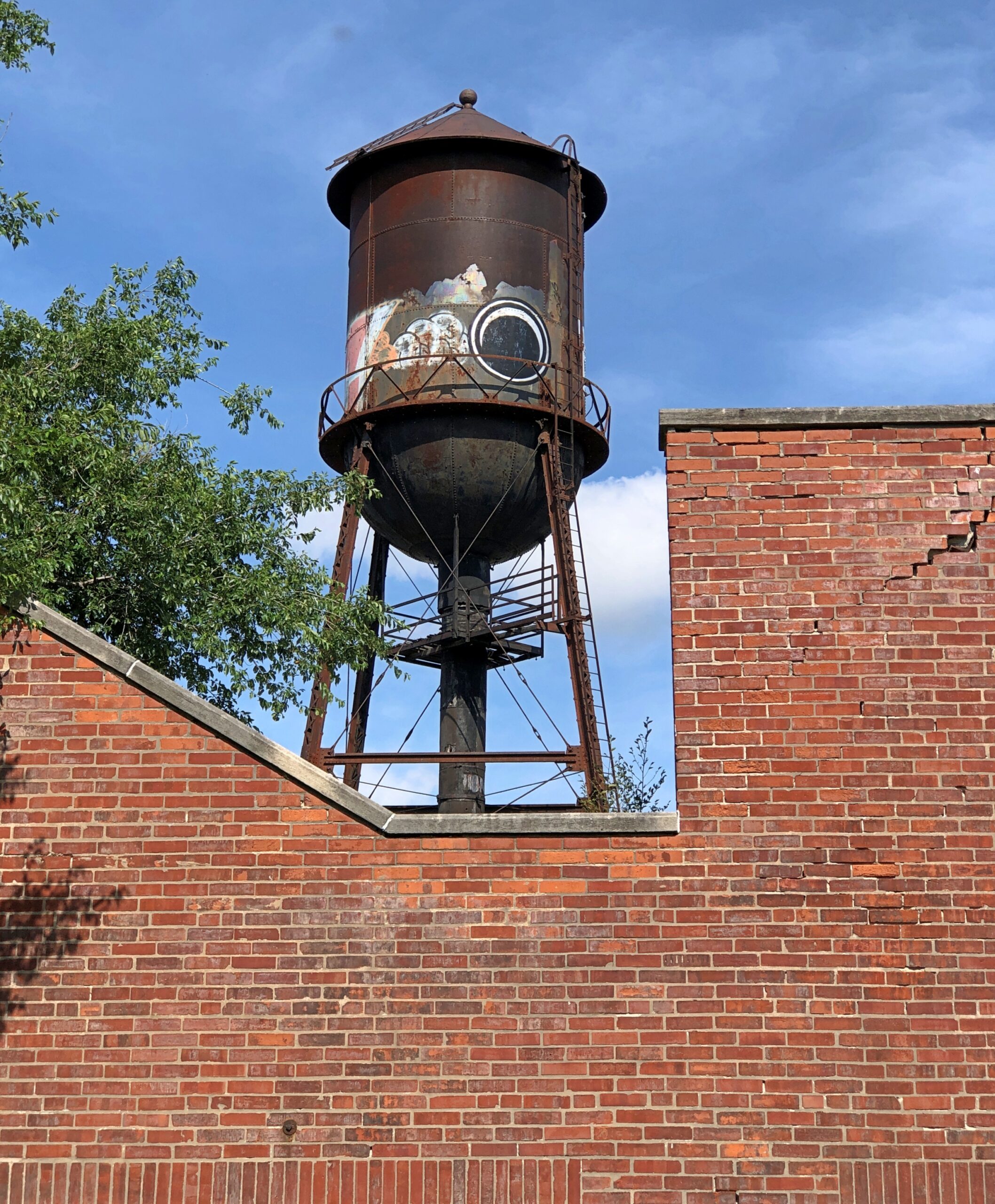
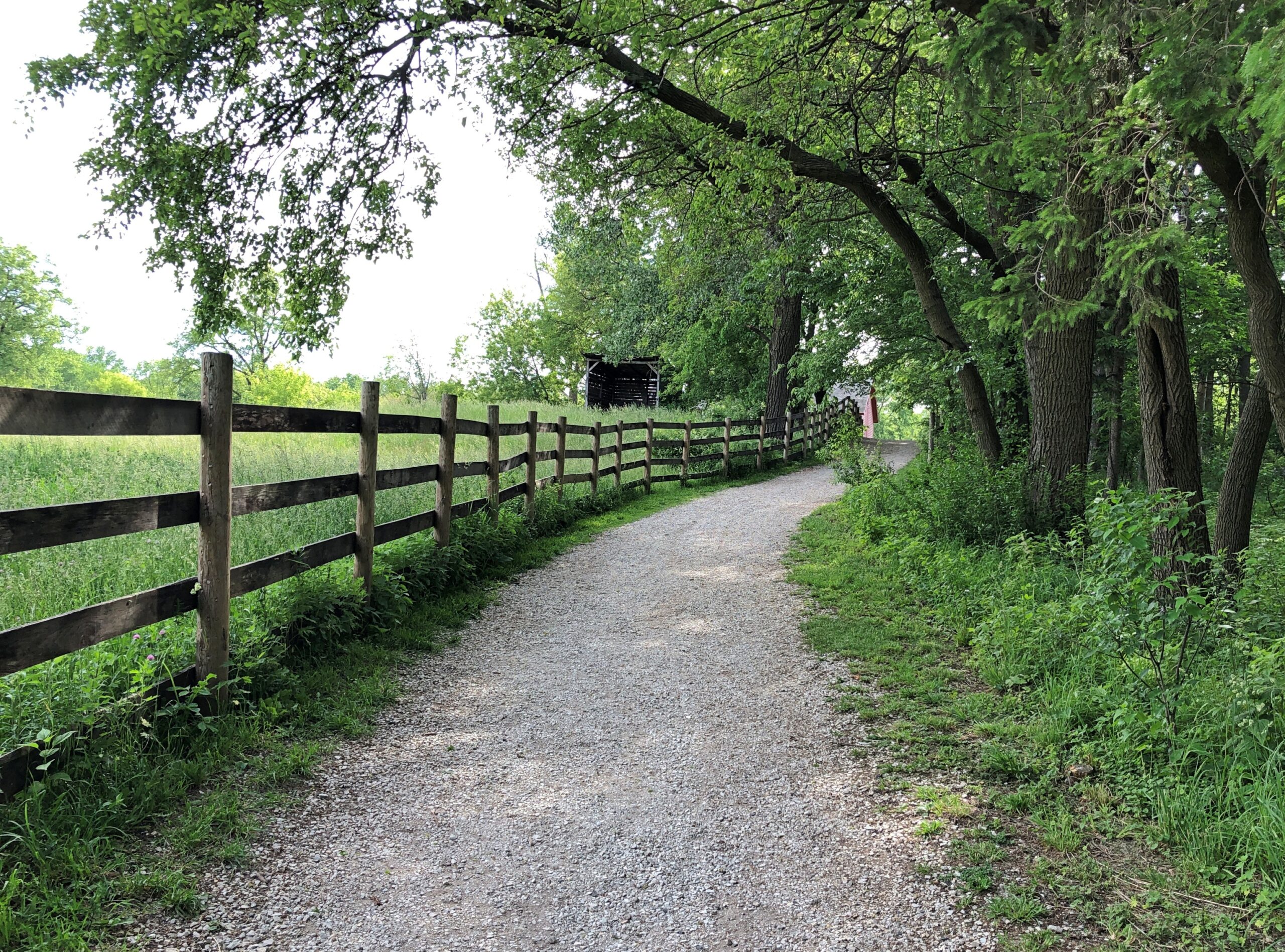
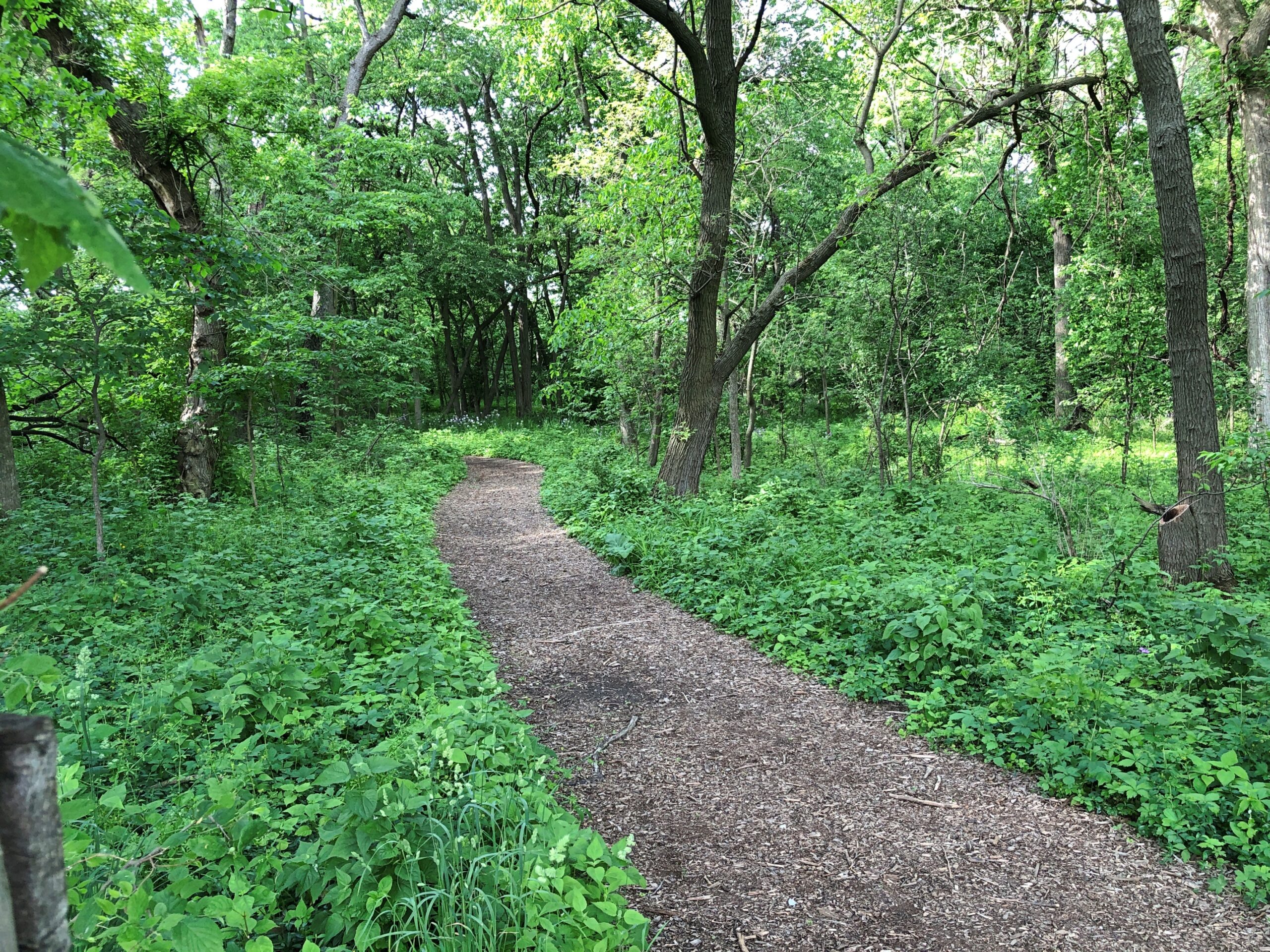
So we walked some of Spring Valley’s various trails, themselves flush with spring green, toward the peony field.

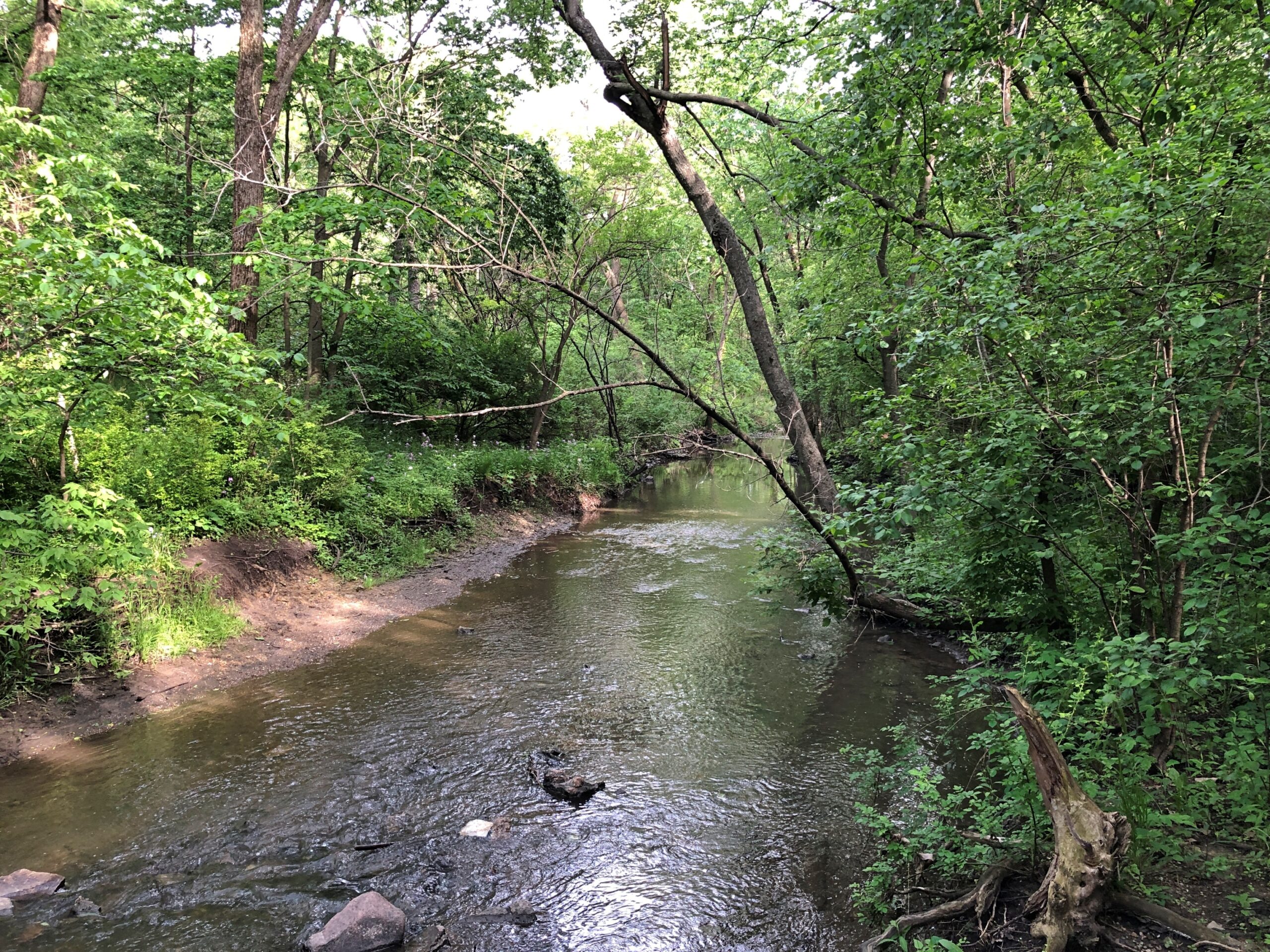
Across one of Spring Valley’s creeks, still vigorous from the heavy late-night rain a few days ago.
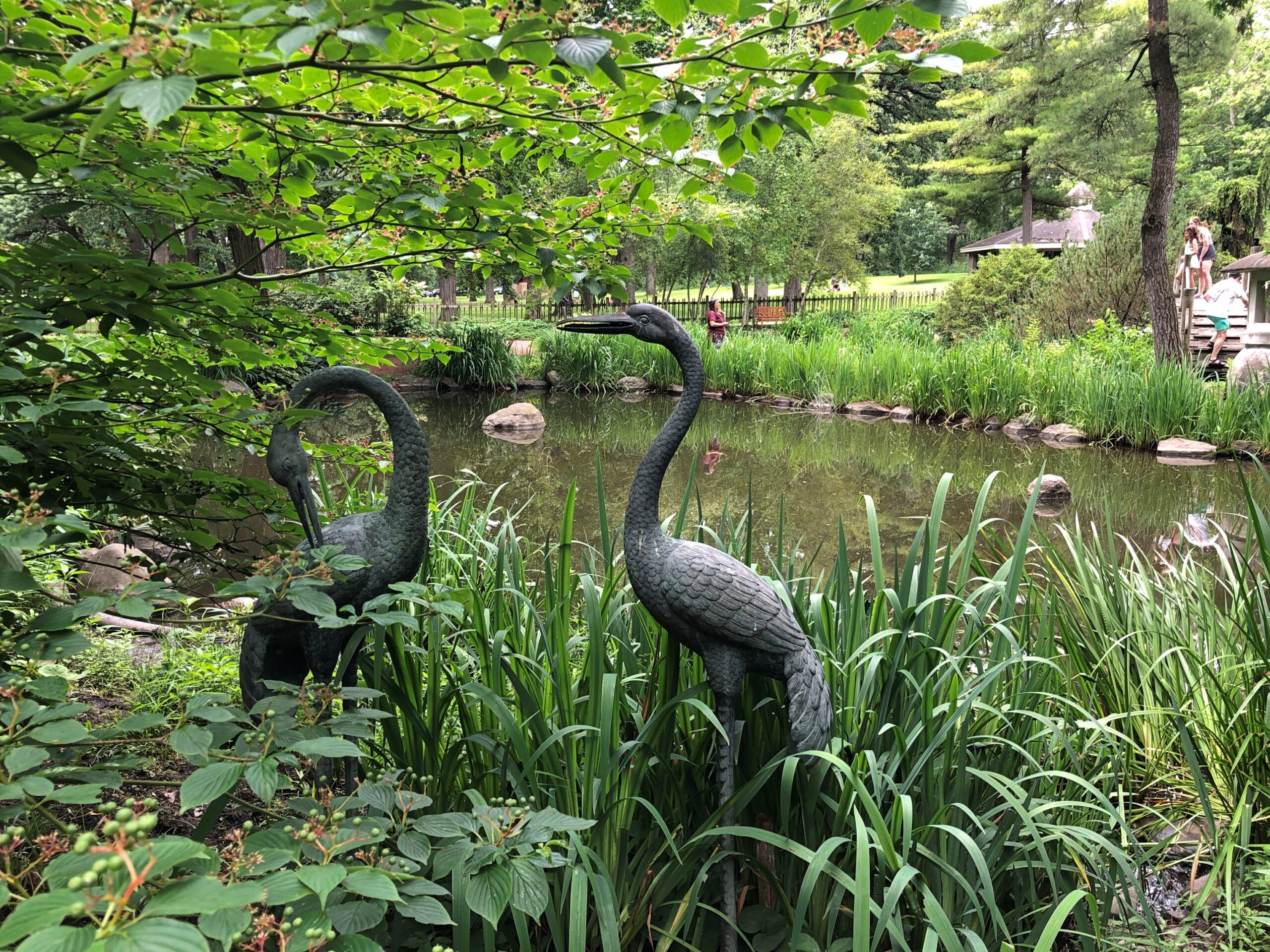
The peony field.

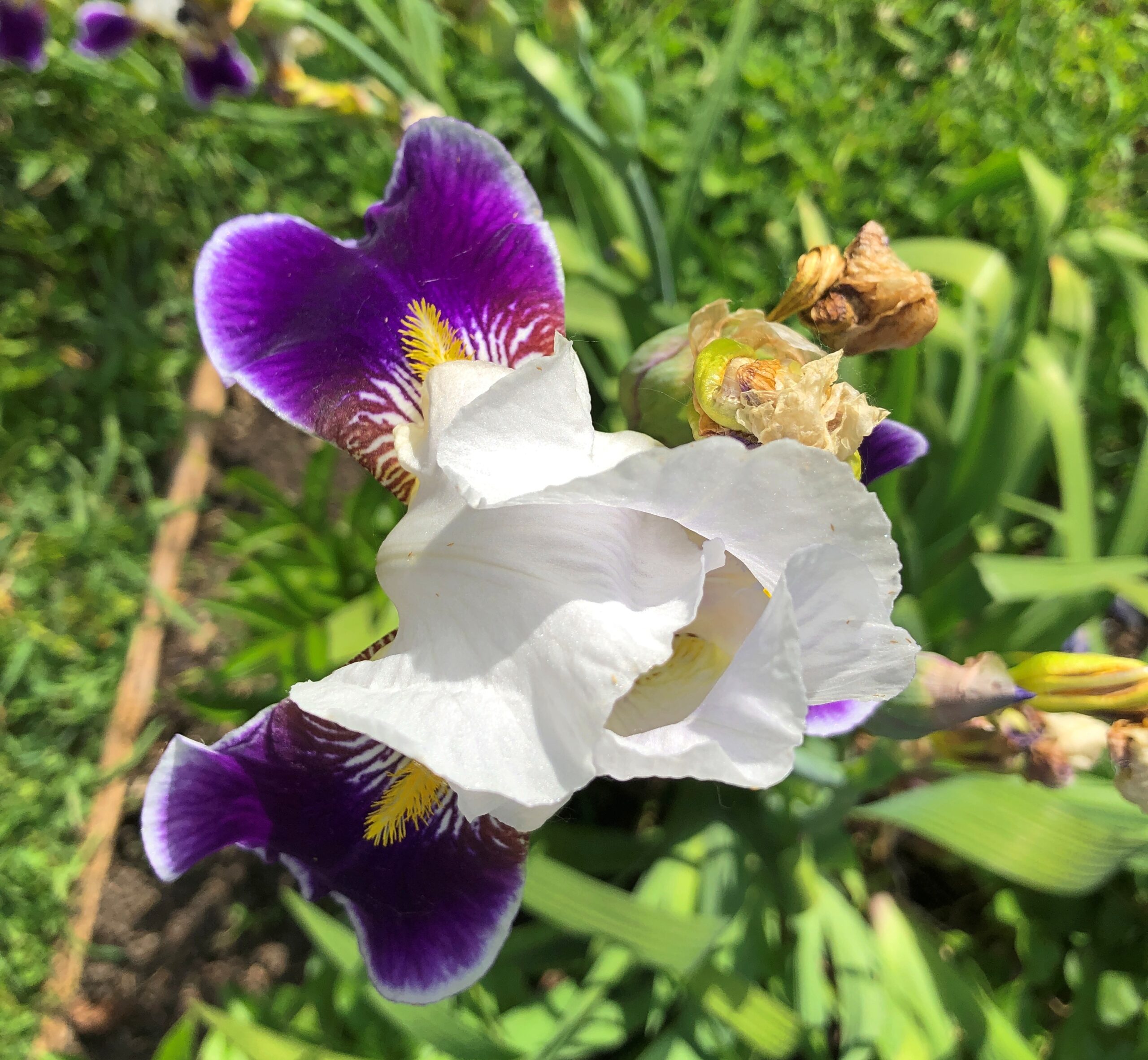
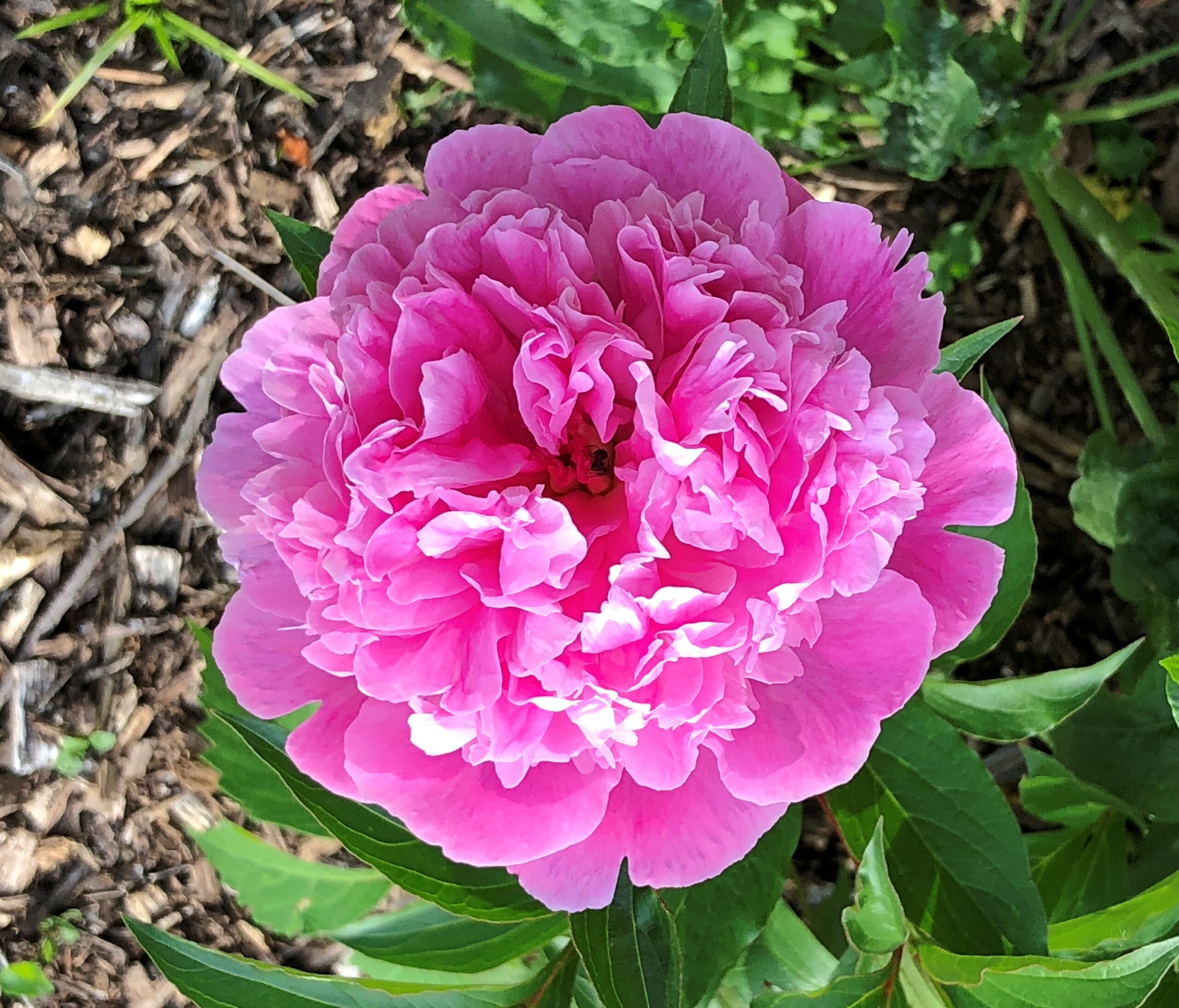
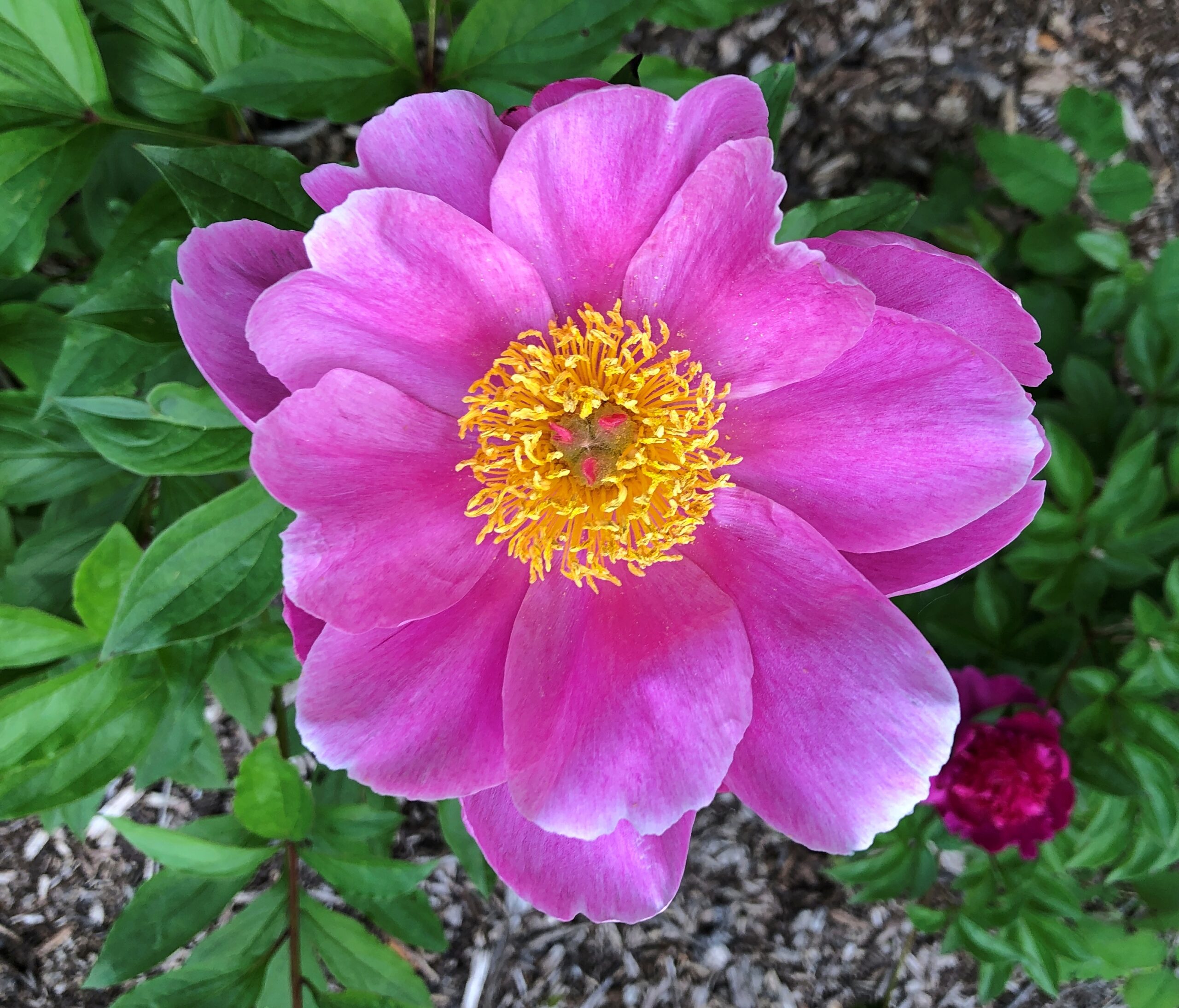
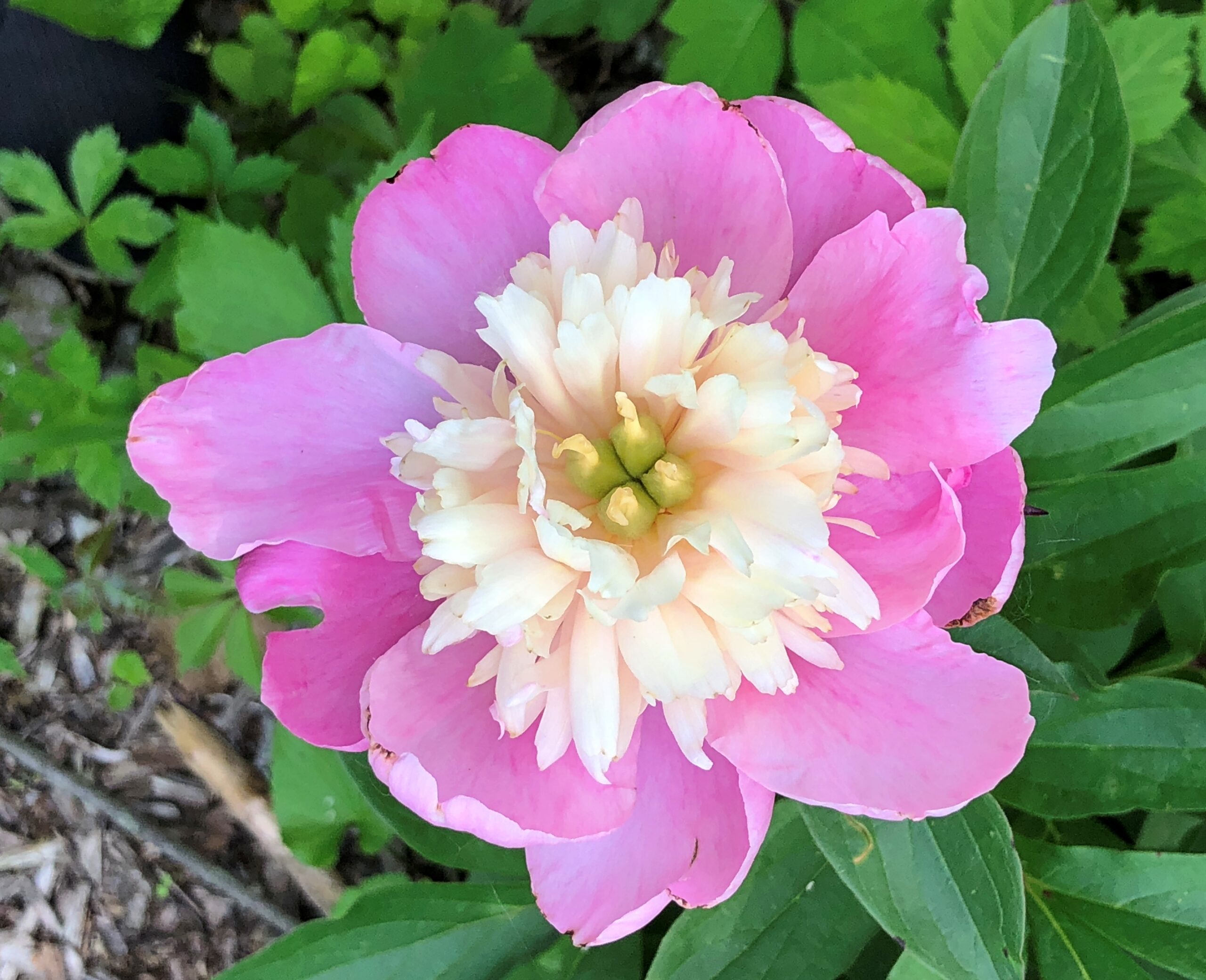
The blooms.

Digital cameras make astonishing images sometimes, but still pale compared to an eye view.

Lilacia Park ’26

Finally a warm Saturday. Finally a warm day of any position on the calendar. They’ve been spotty lately. Warned that the day would be warm, we went to Lilacia Park in Lombard early in the afternoon, something we do every few years in mid-May, for nearly 20 years now.

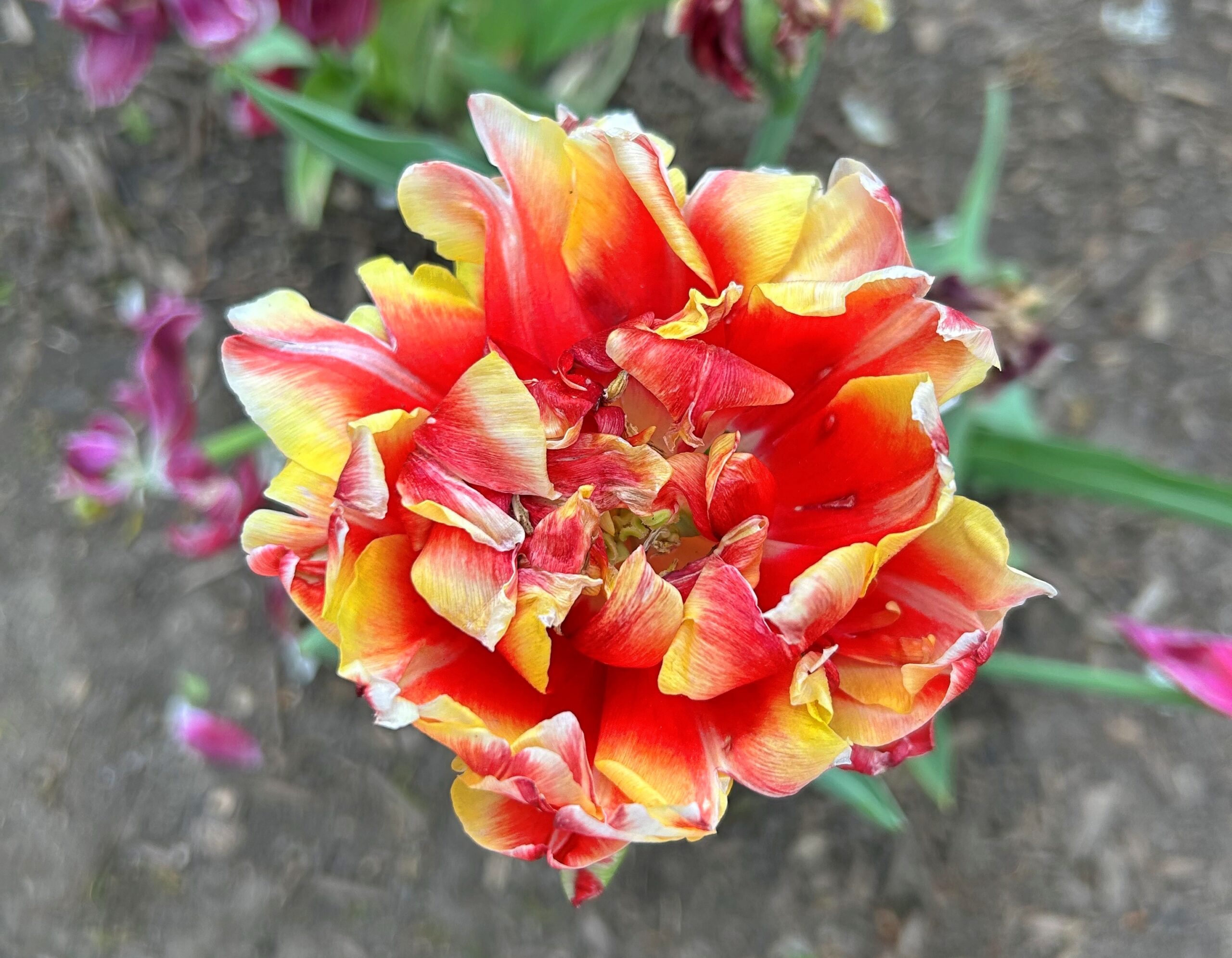
Most of the tulips were gone, but true to the park name, lilacs are in bloom in profusion. Not just colorful to see, but put your nose close for a fragrant moment.

Lilaicia Park is a crown jewel of suburban parks, and yet not overcrowded on a pleasant Saturday during peak lilac bloom. Just busy.

One of these years, some fool influencer or two might make Lilacia an It Spot, and the crowds will show up in ridiculous numbers. Or considering its location in the thick of the suburbs – the sort of place where influencers might grow up, but never consider interesting enough to point their cameras – that isn’t very likely? I couldn’t say.

The view from over the water feature.

The water feature.

Over 700 lilacs and 35,000 tulips annually, according to the Lombard Park District. Plus some other flowers, for that extra variety.

In groups.

And singly.

Good to make it back. We met Kevin there this time around, at our suggestion, who came from the fairly close other western suburb of Downers Grove. He’d never heard of the park, and so I was glad to introduce him to it.

The Hermann Park Japanese Garden & A Side of Rice

My go-to data source for gas prices is AAA, which tells me that the national average today is $3.983/gal, and higher in Illinois, at $4.228/gal. As everyone knows, up markedly this month. People have long seemed to believe that the President of the United States has a magic button that made gas prices change. That was nonsense, of course, but now it looks like the administration has found such a button, except it might be stuck on “rise.”

Be that as it may, I’m glad my recent long drives, and long flights, aren’t scheduled for this year. The summer of ’26 could be a time to stay closer to home. Then again, prices north of $4/gal – in fatter 2008 dollars – didn’t keep us from driving to Great Smoky Mountains NP that year.

In Houston last month, I did a fair amount of driving, including in the airport-area industrial submarket. That is, among the warehouses and distribution centers that form part of the sizable metro Houston industrial market, which totals about 700 million square feet (for comparison, metro Chicago’s market is roughly 1 billion square feet). I’m probably one of the few tourists anywhere who gets a kick out of driving by behemoth industrial buildings, but there you have it.

I also drove the short distance from downtown Houston to Hermann Park, a legacy of the City Beautiful Movement and the landscape architectural talents of George Kessler (d. 1923). He was a younger version of Frederick Law Olmstead, it seems, busy in a lot of places, though more important in planning for Dallas than Houston.

Always thought “City Beautiful” is too far a reach. Like most people, I’d say City Pretty Nice or City Not Bad would be good enough, but that’s not the kind of movement name that inspires grand projects.

The Japanese Garden occupies part of Hermann Park. That seems to be the generic name. I made my way there. It’s a pretty place, even in February.

A mix of imported Japanese flora and the pines of East Texas. Hermann Park itself dates from the early 20th century. The Japanese Garden, the late 20th century, a prosperous time for Japan, and when that dustup between Nippon and the USA had mostly been put in the rear view mirror.

Where there is water, there is waterfowl.

Just outside the Japanese Garden are tracks for the Hermann Park Railroad, a narrow-gauge line that makes a loop through the park. I didn’t ride it, but of course thought of the Brackenridge Park RR in San Antonio, the one by which all others are judged (by me).

Just outside Hermann Park is Rice University. I considered Rice, but decided not to go — or I wasn’t admitted anyway, I don’t remember after all this time. As a result, my short stroll this February was my first visit to campus.

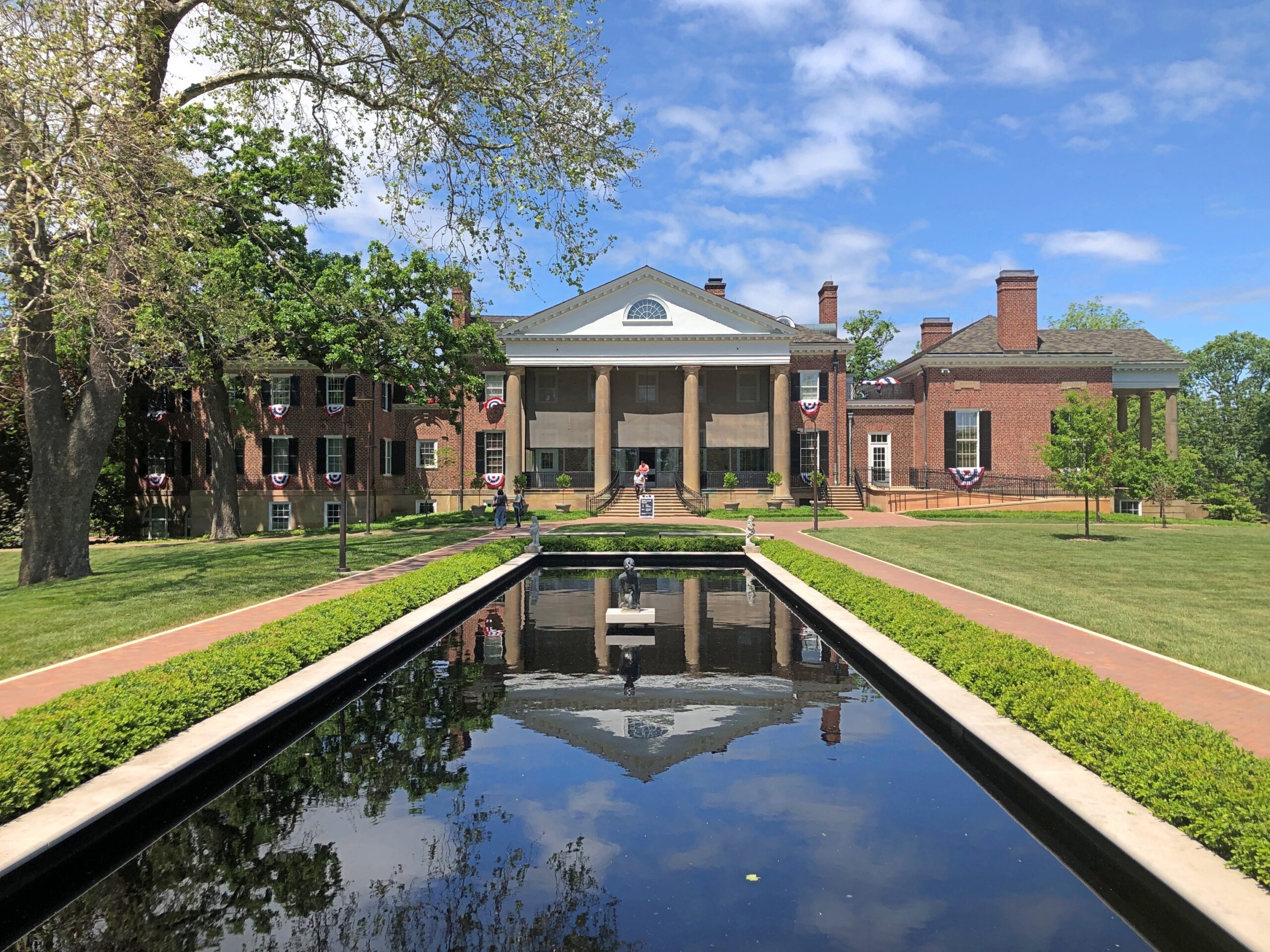
Not a very long visit. Rice has some fine buildings.

But also long sightlines. That make for long walks.

I’d already spent time walking around downtown Houston, and then the Japanese Garden. There’s only so much walking even indefatigable sightseers can do.

Denver Botanic Gardens

Our only full day in Denver, September 10, was forecast to be a hot one, so we schemed to arrive at the Denver Botanic Gardens when it opened in the morning and stay there until the heat became uncomfortable. We liked the place so much that we stayed well after the heat locked into high.

The place includes a few whimsical installations, but mostly it’s straightforward flora.

The flowers alone were worth the price of admission. Singly.

Denver Botanic Garden

And in profusion.

At 23 acres in the middle of a major metropolitan area, the gardens are enormous, with paths leading off in various directions to a sizable pond garden, a Japanese garden, and a giant tropical conservatory, among other features, such as an alpine garden and a steppe garden and a xeriscape demonstration garden (“Dryland Mesa”). Not to forget cacti.

Denver Botanic Garden

There was no way to see everything, so we focused on various parts, such as the pond.

Denver Botanic Garden

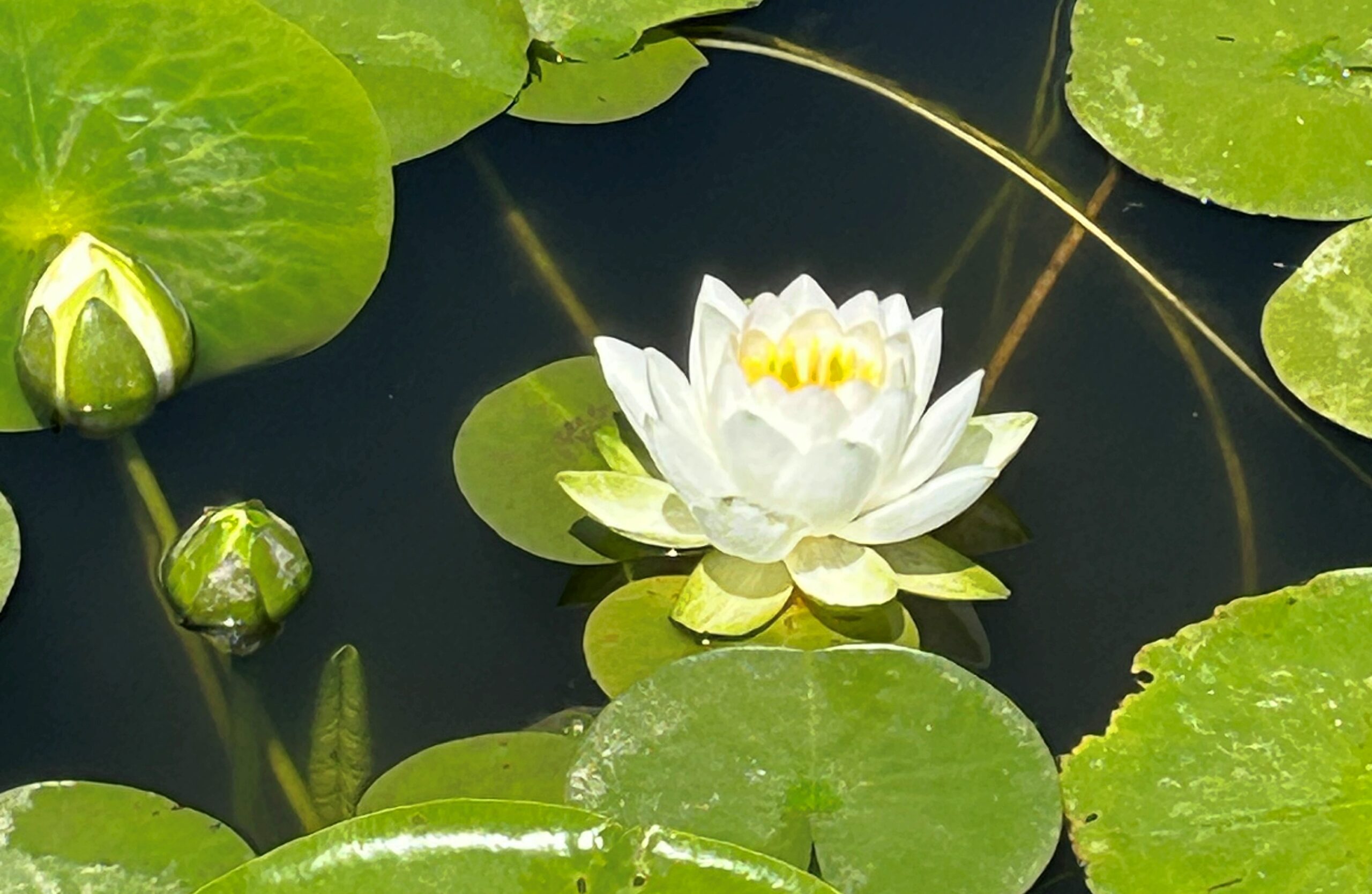
I’d never see lily pads like this.

Built for squadrons of dragonflies to land on.

We also spent time in the Japanese garden, known as Shofu-en, the Garden of Wind and Pines, designed by Koichi Kawana (d. 1990). He did the Japanese garden at the Chicago Botanic Garden and a lot of other places, curiously including Suiho-En, the Garden of Water and Fragrance at the Donald C. Tillman Water Reclamation Plant in Los Angeles.

Denver Botanic Garden

Then there was the conservatory.

Denver Botanic Garden

To listen to the three-minute audio on this page, the place sounds as high-maintenance as you’d expect, especially the watering and pruning that’s done by hand. To keep a slice of the tropics alive in a mile-high temperate location, I’d say it’s worth the effort.

More Waukesha

Something I didn’t know about Waukesha, Wisconsin, before we went there last month: that Les Paul (b. 1915) grew up around there. Waukesha certainly hasn’t forgotten.

Waukesha, Wisconsin

A recent sign, since his birthday is in early June. Waukesha is a “GuitarTown,” because of its association with the famed musician and music technologist. Apparently there is more than one GuitarTown, since Gibson Guitars doles out the moniker, or at least used to.

“Waukesha was named a Gibson GuitarTown in 2012 and 2013, two years in a row, to honor the birth and resting place of electric guitar legend Les Paul,” The Freeman reports. “Other GuitarTowns include Austin, Nashville and London.”

As GuitarTown, Waukesha has 15 guitar statues in public places, each 10 feet tall and designed by local artists. Elsewhere in town, you can find Les Paul Middle School, Les Paul Parkway, the Les Paul Performance Center, and the Les Paul gravesite monument. Missed that, alas. Maybe some other time. But we did drive on his parkway. And see a few of the giant guitars.

Waukesha, Wisconsin
Waukesha, Wisconsin

Next to that particular guitar, a small garden is wedged between the sidewalk and a parking lot. The PEOPLE’S PARK Garden, says the sign.

Waukesha, Wisconsin

The Wall Dogs also came to town and painted 13 murals. I assume this is one of them.

Across a parking lot from that mural rises Waukesha’s impressive stone clocktower.

clock tower waukesha

On Main Street, a memorial.

Waukesha, Wisconsin

Outrages by homicidal wankers are so common that I had to refresh my memory about that particular one, in late 2021. Then I remembered. The only good thing I can report is that the wanker, who went double wanker at his trial by asserting sovereign citizen nonsense, is now a permanent resident of a tightly locked state facility.
Upriver a half mile or so from downtown is the sizable riverside Frame Park.

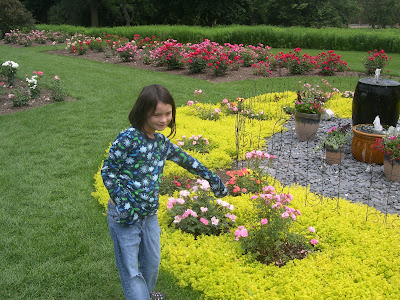
Including the Frame Park Formal Gardens.

Waukesha, Wisconsin
Waukesha, Wisconsin
Waukesha, Wisconsin
Waukesha, Wisconsin

I hope the park and its garden weren’t damaged too much by the raging Fox, since it is flat most of the way from the garden to the river.

Waukesha, Wisconsin

The Fox is large at this point. Not something you want to see described as “angry.”

UGA Extension Athens-Clarke County Demonstration and Teaching Garden

Now I can say I’ve been to Athens. The one in Georgia, that is, spending two nights. But most of that day in late June, I was elsewhere in Georgia – the part that Sherman burned – visiting two different old friends, one in the morning, the other the afternoon, so my time in Athens was fairly limited. The neighborhood near the university looked interesting, as college towns often are, so with any luck I’ll be back sometime for a closer look.
But I did spend enough time in town to happen across the aforementioned two-story concrete chicken and egg. It was another example of serendipity on the road. The reason involved traffic patterns in the western part of Athens. My motel was off a fairly busy major road, the Atlanta Highway, meaning that entering the property headed west – away from Athens – meant turning across two intense lanes of traffic without a clearly marked turning lane or a light.

So more than once, I headed west to the next major intersection, made a right, and then turned around to head back east on the Atlanta Highway so I could make a right turn into the motel. One time late in the afternoon, I decided to drive just a little further down that turning road – Cleveland Road – to see what I could see, and was soon rewarded with the concrete chicken.

But that wasn’t all. Behind the building that houses the University of Georgia Extension Athens-Clarke County is a sizable garden. The sun was nearly down, so heat was less of an issue. I spent some time looking around. No one else was there.

It’s a 17-acre lush garden, including a wide variety of edible plants.

UGA Extension Garden

What would a Georgia garden be without peanuts?

UGA Extension Garden

Plus a lot of flowers.

UGA Extension Garden

Even a few places to relax.

Wonderful spot. The lesson here: if you see a giant chicken statue by the road, investigate further.

Brookgreen Gardens by Night

The June heat dome was a deal breaker in Myrtle Beach when it came to daytime outdoor activities, except for our short stroll to Pier 14 and the beach below. A visit to a place like Brookgreen Gardens, which is actually south of town not far from the coast at Murrells Inlet, wasn’t going to happen during the onslaught of the daytime sun.

But I found out that on some days in the summer, part of Brookgreen is open well into the evening, offering cooler temps – and still sauna-like humidity – with light displays. That was doable, and so we went on the Saturday evening we were in town.

The grand Spanish moss promenade by day.

Lights up after dark.

The garden calls it Summer Light: Art by Night.

Brookgreen Garden
Brookgreen Garden

Other botanic gardens have similar light shows, such as one every year by the Chicago Botanic Garden that we’ve been to a few times. But that’s in winter. Summer’s just as good a time, better in some ways, with no worries about blizzards or subzero temps, even if the nighttime is shorter.

Brookgreen GardenBrookgreen Garden

These glowing jellies were in the Children’s Garden.

Too good just for kiddie-winkies, if you asked me.

Brookgreen Gardens by Day

How does the saying go? Wherever there is Don Quixote –

– there is Sancho Panza.

No one says that as far as I know. But you could. Anna Hyatt Huntington (d. 1973) created “Don Quixote” in 1947, and eventually Carl Paul Jennewein (d. 1978) did the companion “Sancho Panza” in 1971, apparently at Huntington’s request. You can find the famed literary pair in aluminum among many other artworks at Brookgreen Gardens in South Carolina – over 2,000 works by 430 artists, according to the garden. We arrived late in the afternoon of the 21st, dodging most of that day’s heat by timing it that way.

Some works are larger than the Cervantes characters.

Archer Milton Huntington (d. 1955) isn’t entombed in that artwork, as much as it looks like it. He’s in a mausoleum in the Bronx befitting a very wealthy man, so this one just honors him. Along with his wife Anna, a successful artist in her own right, railroad heir and scholar Archer acquired the land and planned the gardens.

Others works aren’t as large, or as conventional.

The sculpture garden, formally known as Archer & Anna Hyatt Huntington Sculpture Garden, is only part of Brookgreen Gardens. Spanning 9,100 acres, the grounds also count as a botanical garden, and there is a zoo and wilderness areas, all teased out of the swampland, rice fields, woods and beaches that marked the site before the 20th century. Some historic sites still exist on the land, especially relating to the rice plantations that used to be there.

“From its inception [in 1931], Brookgreen had a three-pronged purpose: first, to collect, exhibit, and preserve American figurative sculpture; second, to collect, exhibit, and preserve the plants of the Southeast; and third, to collect, exhibit, and preserve the animals of the Southeast,” the garden’s web site explains.

Paths wind through the lush landscapes.

And under towering oaks bearded with Spanish moss.

And along fine water features.

Brookgreen Garden
Brookgreen Garden

As sculpture gardens go, the place is top drawer.