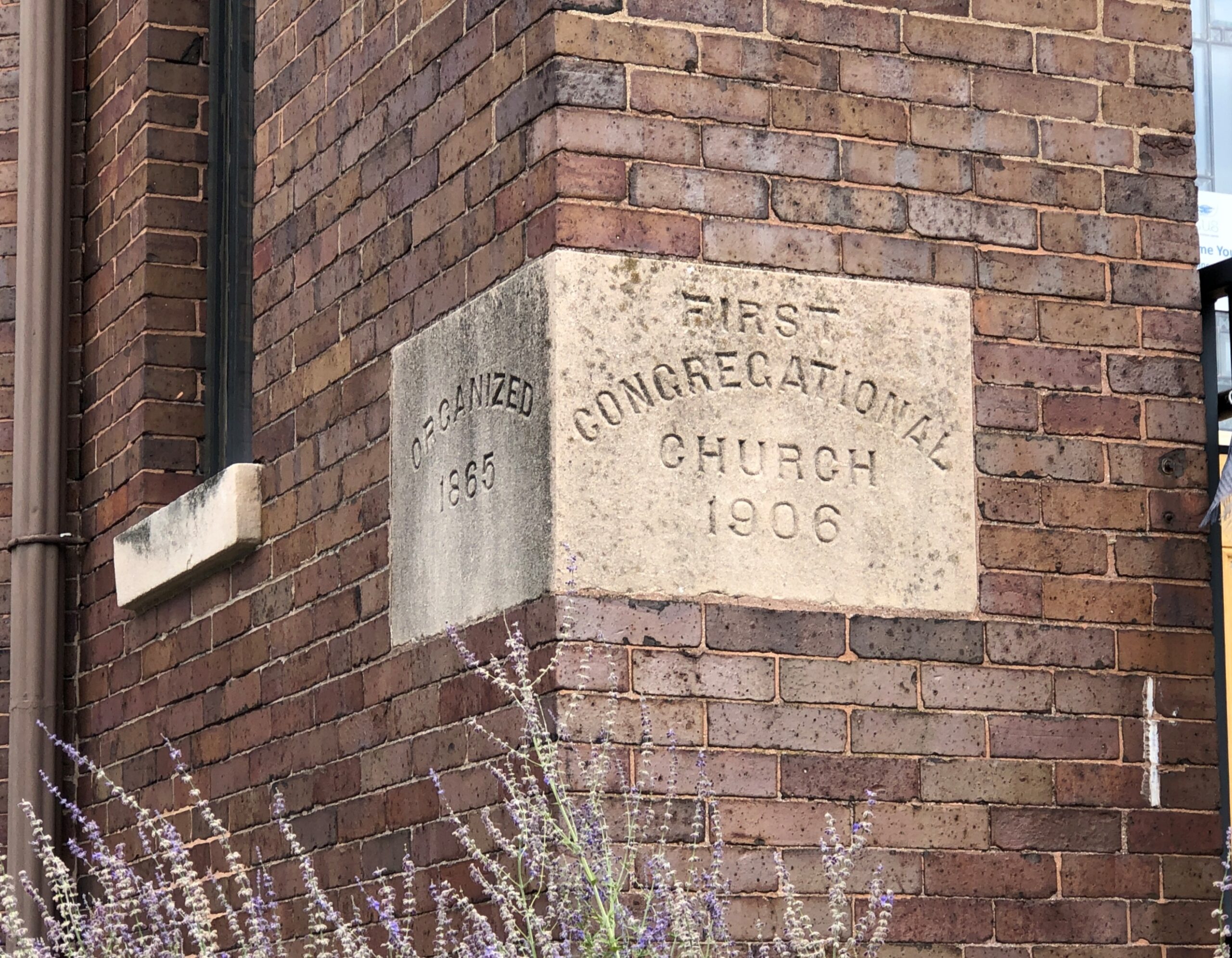
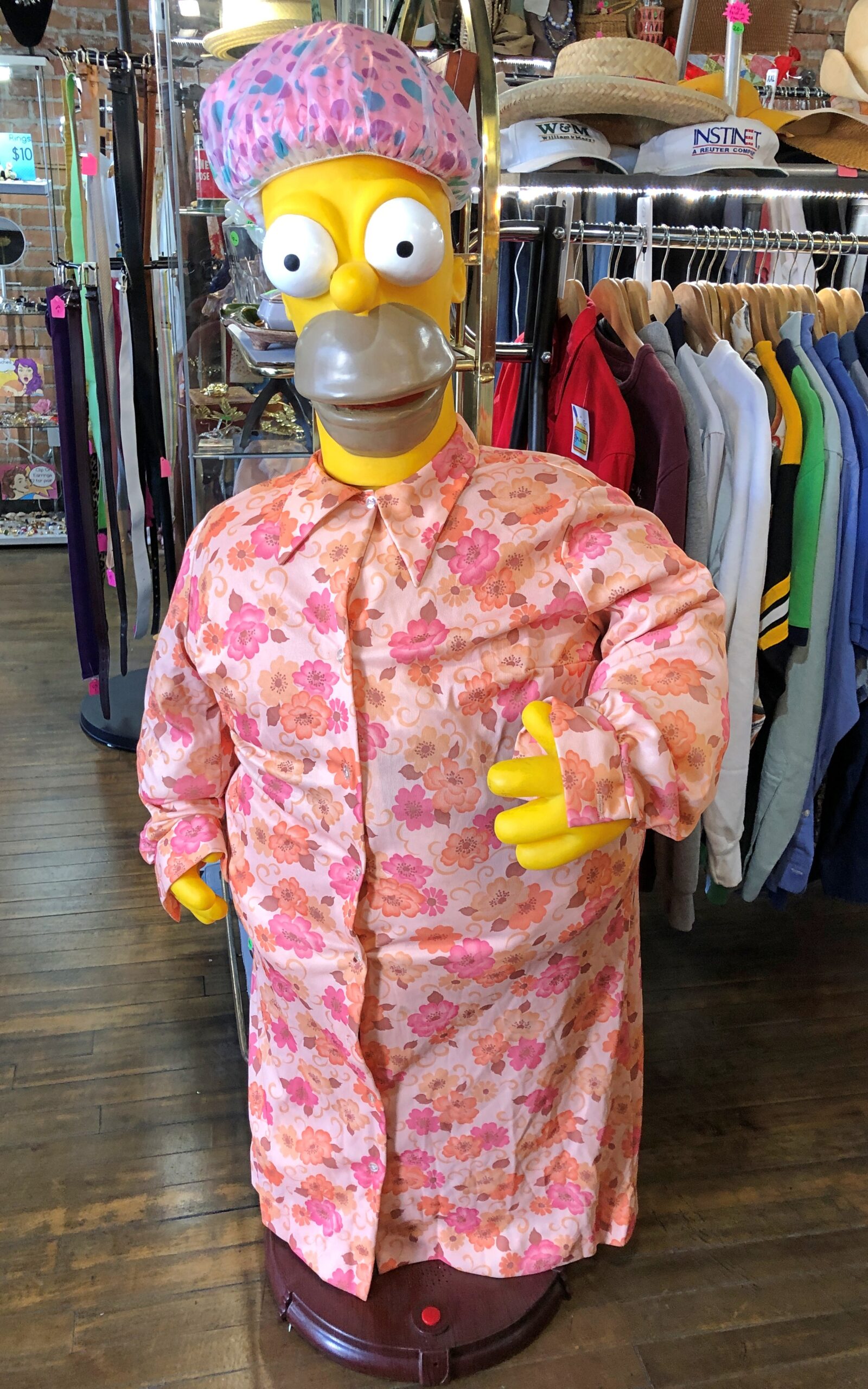
The first thing I saw on Avenue A in Turners Falls, Massachusetts, in mid-April was this sign. A small reminder of a bloody incident in a bloody war, all but forgotten – and I mean the incident and the war – outside of regional historians and eccentrics like me and, unsurprisingly, the descendants of the Algonquian tribes who were on the receiving end of a surprise attack by men under the command of Capt. William Turner in 1676 during King Philip’s War. Most of the Indians slain, mainly Nipmuc, were non-combatants, as neither side tended to make that distinction in that vicious war. Turner’s attack did not, however, go unanswered in real time: as he and his men were pulling back, they were beset by counterattacking warriors, who managed to turn the retreat into a rout, killing Turner, among many others.
All that I looked up later. In the moment I took a stroll on down the avenue, which is the main street of Turners Falls, an unincorporated village in the town of Montague. So it’s actually a neighborhood? Peculiar nomenclature, these New Englanders have, since I think of a village as a village and a town as a town, and one doesn’t get to be in the other.
According to the sign on the town office (above), the other villages in Montague are Millers Falls, Lake Pleasant, Montague Center and Montague City. So – Montague City is within the town of Montague? Massachusetts is just a little strange with its names, but never mind.
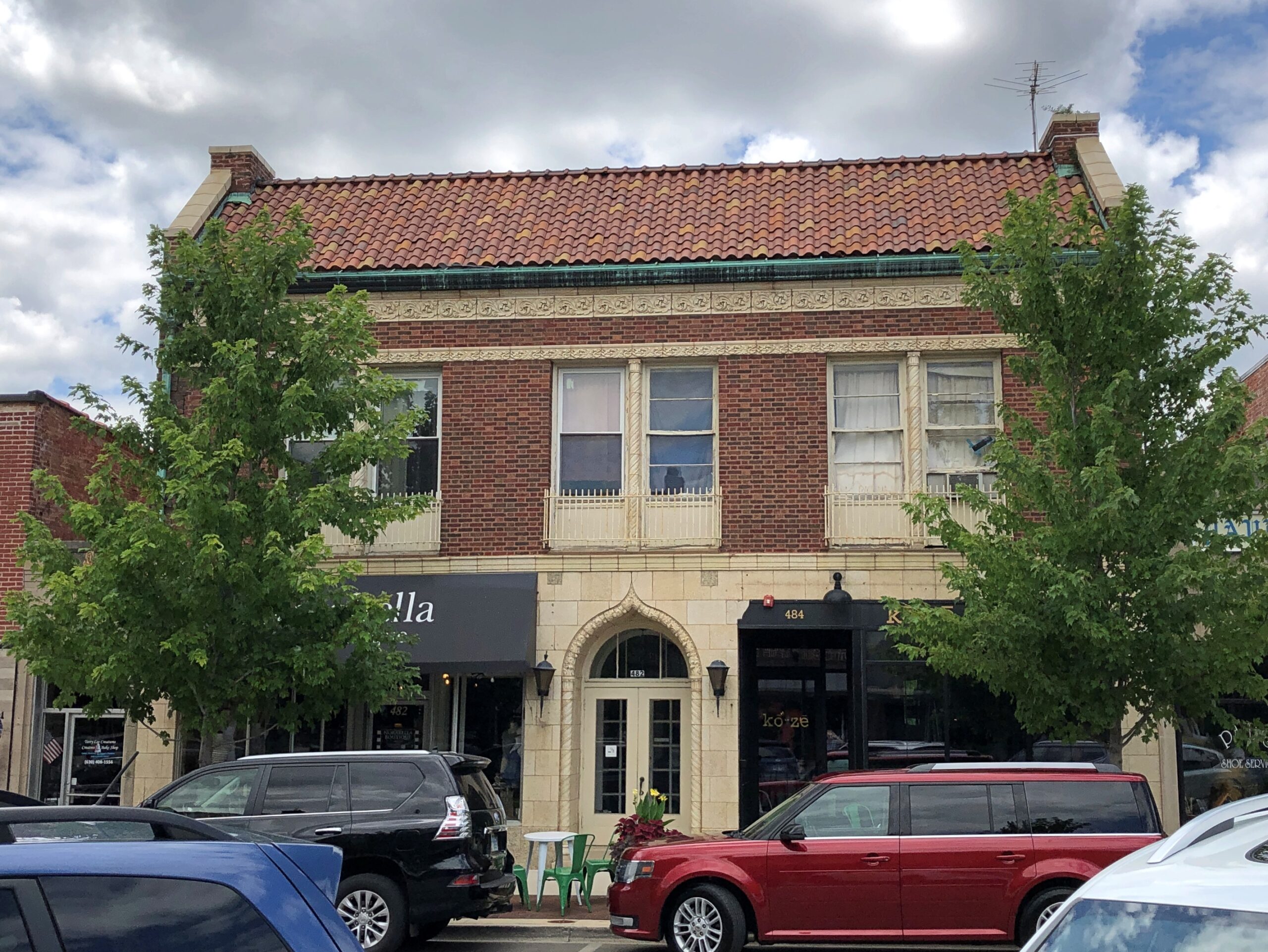
As a main street, Avenue A is lined with some handsome older buildings.
Good to see a small bookshop.
Other nearby retail includes Ed’s Barber Shop, the Country Creemee (ice cream), Ce Ce’s Chinese Restaurant, Kharma Salon, Booska’s Flooring, Waterway Arts, Mystic Pinball and the Upper Bend Cafe. Not exactly a day-trip retail selection, but elements of it are there.
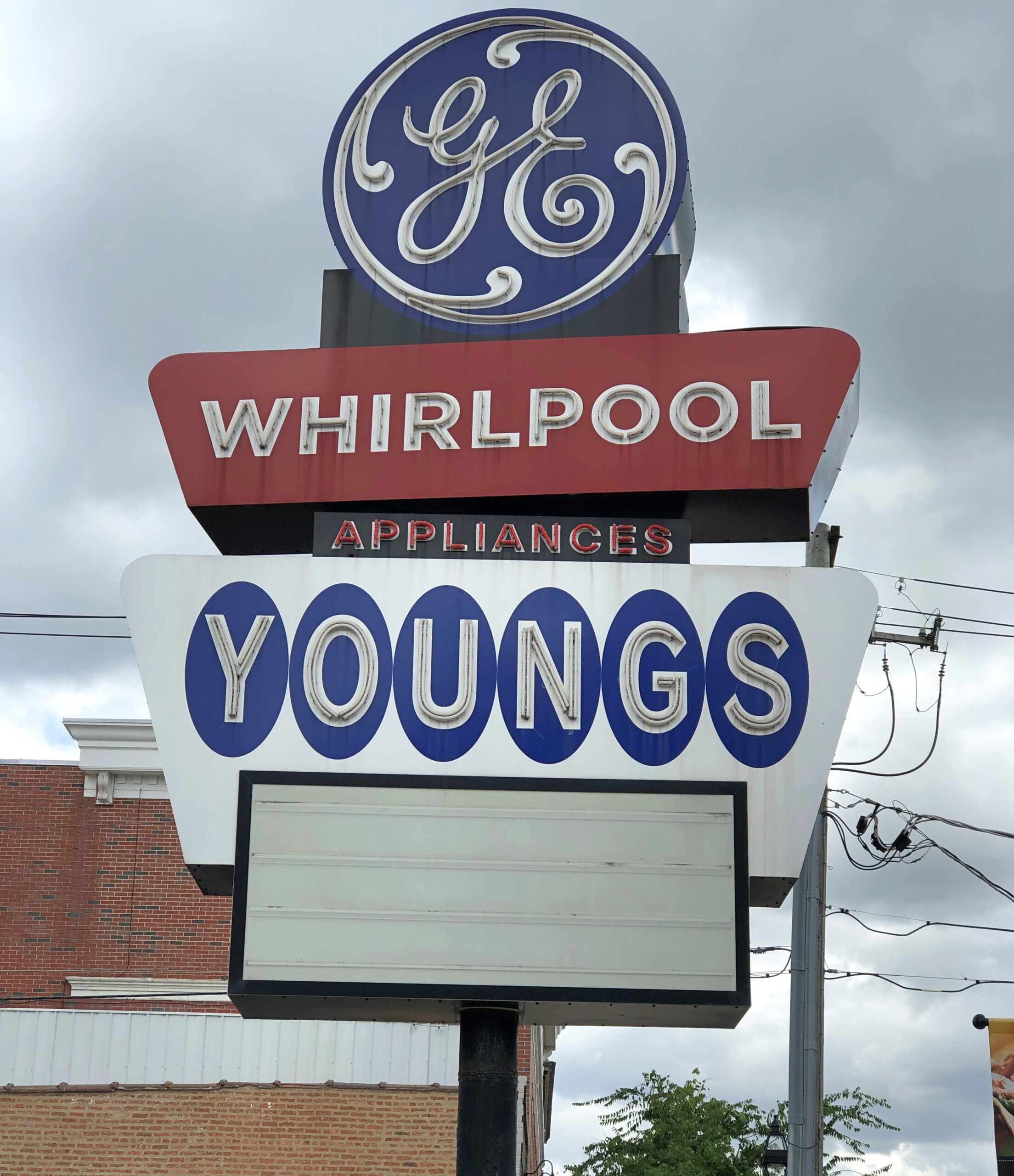
Commercial artwork.
A relic of a commercial establishment long gone. About 100 years ago, A&P operated about 15,000 locations, including presumably one in Turners Falls.
Which only goes to show that retail empires rise and fall as surely as political empires, and are as little remembered as most of them. Keep that in mind next time you’re in a Walmart.
Public art: “Rock, Paper, Scissors” (2017). by Tim de Christopher, who used local red sandstone for the rock and Indiana limestone for the paper mill and barber shop — paper and scissors — evoking the town’s industrial and social history. (The barber shop is on the right, the mill in the middle, and the rock on the left.)
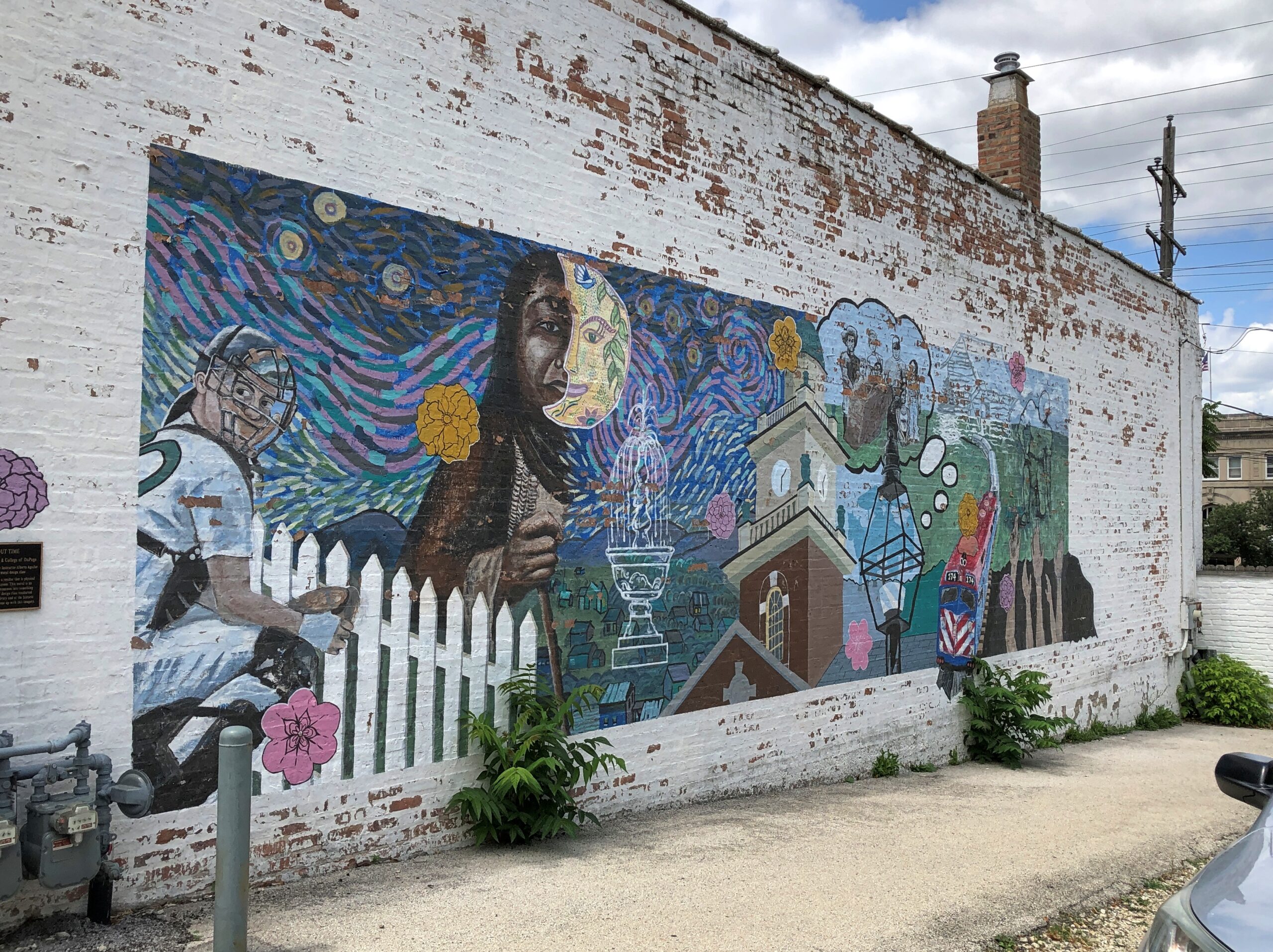
A geometric mural.
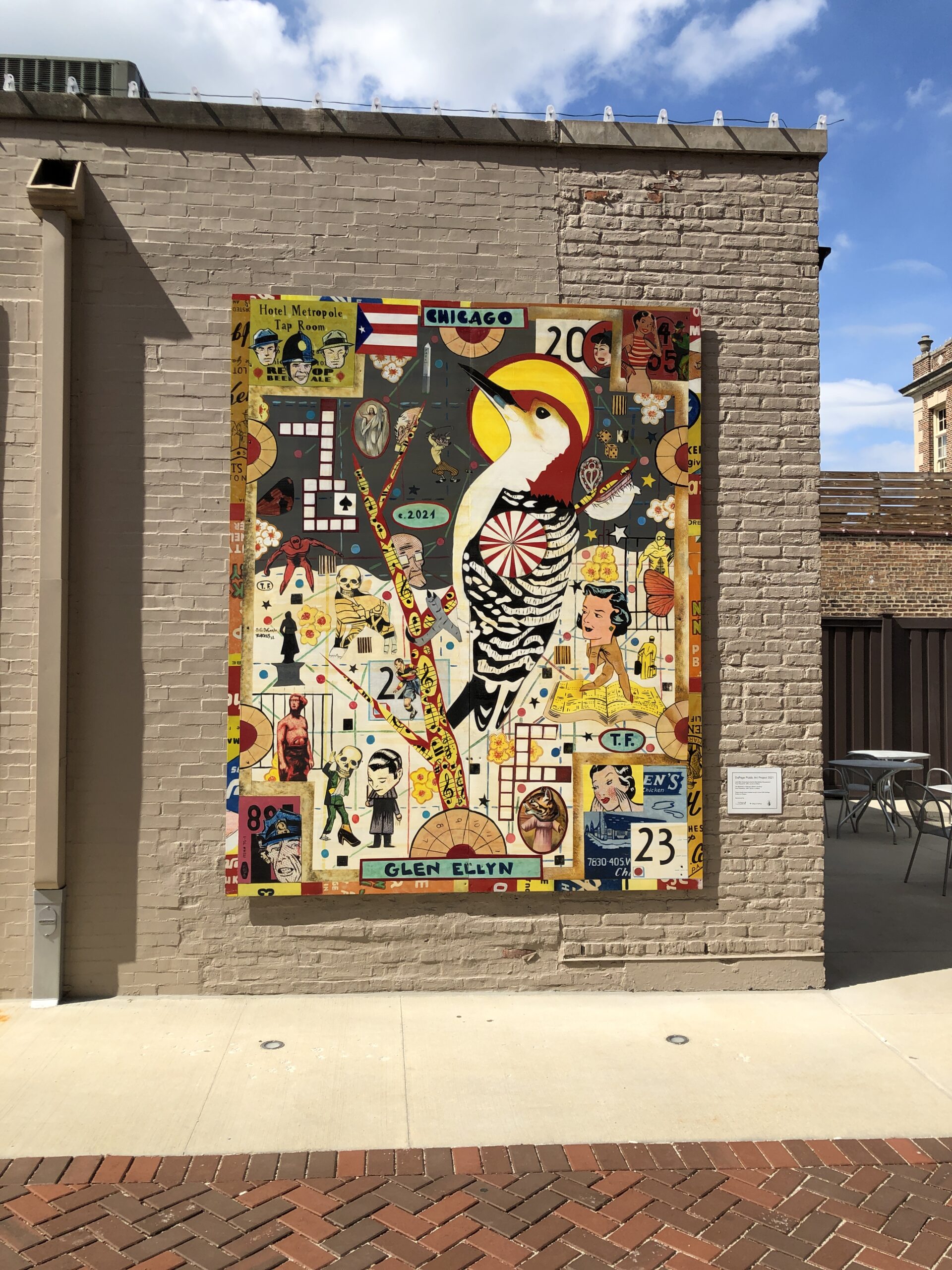
An elaborate graffiti-style mural.
Or maybe actual graffiti. Details.
And a fire hydrant.
As peculiar as the local nomenclature. A metal udder.
“If you’re taking pictures of buildings, you should take one of that building over there,” an old man said to me, pointing at a building partly obscured behind the curve of the street. I had been taking pictures of buildings. A spring day had come to Bangor: the air was a pleasure, so was the friendly warm sun, and I was out and about among the short downtown blocks.
“Thanks,” I said, adjusting my position on the sizable downtown plaza, so that the building came into view.
Wow. As I often do, I looked into the building later. A little gem of the brick arts known as the Circular Brick Building, a no-nonsense Maine sort of name, or the Merchants National Bank building, after a long-time occupant. Part built in the 1900s, part in the 1920s, a bank till the 1980s, a mix of apartments and ground-floor retail since the 2010s, after some decades vacant.
A random old man’s recommendation was a winner. He was idling on a bench in the plaza, so I went back and told him I agreed that it was an impressive building. The man could have been from central casting: Get me an old Mainer in ordinary but not shabby clothes, and don’t forget the bushy white beard and pale pink face. It was a missed opportunity when I asked him whether he’d lived in Bangor his whole life. The comic Mainer answer would have been, “Not yet.”
Instead the old Mainer told me he had. Wouldn’t live anywhere else. Couldn’t imagine living anywhere else. Didn’t want to go anywhere else. He implied he’d had enough of that during his time in the Army, exact years unspecified, and I didn’t ask when, though there’s a distinct chance a shooting war was going on then. That doesn’t mean he was anywhere near it, however. For all I know, he could have been a PFC excrement sanitation specialist (PFC-ESS) in Louisiana, to put it in the way the cinematic Patton didn’t, but the ’60s Army might have.
Anyway, he asked me where I was from, and long experience has taught me to say “Chicago,” and not something in any detail like, “Texas, but I haven’t lived there in a long time, and then I lived some other places like Nashville and Osaka, yes, the place in Japan, but it’s been Chicago for a long time now, except I actually live in the northwest suburbs.” Few people would hear any of that. Everyone pays attention when I’ve said Chicago (or Texas, the times I’ve said that). Somewhere years ago, I think it was a pudgy middle-aged Briton – you know, he looked a little like Benny Hill – who asked me where I was from. At hearing “Chicago,” he pantomimed shooting a Tommy gun.
When old man Mainer heard Chicago, he told me that soon after his discharge from the Army, he found himself in Chicago, in fact at the lakefront. He threw his Army ID into Lake Michigan. “Felt great to be out, but it was a problem, since that was the only ID I had right then,” he said. Obviously he made it back to Bangor.
The city’s got some fine streetscapes.
Some other handsome Bangor blocks and buildings.
Early examples of the art of the steel-framed highrise.
Paul Bunyan isn’t the only mural subject. This one is bees.
Because Bangor is known for honey production? I had to check and probably not much, the sort of thing that gets lumped in with “other” in the ag census for Penobscot County. These bees are bees for the sake of being bees. (Try that three times fast.)
“Bangor Beautiful partnered with Bangor Greendrinks to create a large bee-themed mural in Downtown Bangor during the summer of 2023,” notes the nonprofit Bangor Beautiful.”The artist Matt Willey is the founder of The Good of The Hive, a global mural project with the goal of hand-painting 50,000 honey bees, the number in a healthy, thriving hive. He has painted bee murals all over the world, including at the Smithsonian.”
I knew I got out of bed for a reason today: to find out that there is an artist whose obsession is bee murals. More than 11,780 painted bees so far, according to the artist. Eccentricity of the first order, and I salute it.
You can’t call Bangor bustling, but I’ve seen plenty more vacant downtowns. Business details, former and existing.
Temple of the Feminine Devine, eh? Not to be confused with the Temple of the Devine Feminine, an outfit in Seattle. I could make a Life of Brian reference here, but if you know that reference, you’ve already thought of it.
The unofficial Maine flag, and variations.
That flag failed to become official in the last election in a ballot question. No one in Maine cares what I think, but I think it should be made official again, but without disestablishing the current flag. Co-official, you could say. Maine would be unique that way. Also, no fixed pattern beyond a single pine tree and a single star to the upper left. Let a loose a proliferation of lone pine flags begin.
Bangor as a whole hugs the Penobscot River, but downtown clings to the much smaller Kenduskeag Stream, a tributary of the Penobscot.
A small island in the stream is a park.
The park sports a cannon captured at Fort Toro, Guantanamo Bay, Cuba in 1898.
It so happened that Rep. Charles A. Boutelle was the chairman of the Committee on Naval Affairs in the U.S. House at that moment, facilitating the war prize cannon’s permanent move to Bangor. Quite the career Boutelle had, per Wiki: “American seaman, shipmaster, naval officer, Civil War veteran, newspaper editor, publisher, conservative Republican politician, and nine-term Representative to the U.S. Congress from the 4th Congressional District of Maine.”
That’s not all. Vice President Hannibal Hamlin, Bangor favorite son, stands in bronze not far from the cannon.
“After Lincoln took office and even with the outbreak of the Civil War, however, Hamlin had almost no role in the administration, as was common for this period in history. Hamlin despised his new position as vice president. He missed being part of the political process and controlling patronage but felt it was his duty to serve. He also found presiding over the Senate boring and was frequently absent. Still, he was disappointed when the Republican Party dropped him from the ticket in 1864.” A curious, but all too familiar quirk of human psychology, in that last sentence.
The “diplomat” on the plinth refers to his posting to Spain in the early 1880s, named to the job during the brevity of the Garfield administration.
I might be wrong, but I don’t think this is canonical Popeye.
It is Maine Popeye. He’s a sailorman, after all, and has probably cracked open a few lobsters in his time. Or so we can imagine, free of ridiculous ideas about canon. Applying canon to Popeye only goes to show how silly the notion of pop culture canon is, but that’s a subject for another time. During the afternoon of April 16, I spent a few hours chilling in Bar Harbor, Maine, where I encountered the lobster eatin’ Popeye over a closed restaurant. Chilling had a literal component, too, since it was overcast and in the low- to mid-40s F.
Consider the lobster. Bar Harbor certainly does.
The standing lobster touts for an ice cream and coffee shop. It was open, unlike about two-thirds of the businesses on Main St. Ice cream wasn’t going to hit the spot that day, but the shop’s hot chocolate did.
Even Bar Harbor fire hydrants have that snappy lobster color, almost.
Near the water, a display of lobster trap buoys.
This structure is actually a few miles out of town, but I had to stop to look at the buoys.
As a resort town, Bar Harbor is only partly open in April. In some places on Main Street, workmen were getting stores ready for the summer.
At Cool as a Moose gift shop, note the leftover cardboard in the window. I’d have bought post cards there, just for the name, but it wasn’t open.
Streetviews.
The best thing about Main St. before high season is that parking is available and free. Municipal signs say that parking fees kick in on May 15 every year. By then, which is to say the day after tomorrow, I’ll bet parking isn’t much available any more either.
The harbor. Not very busy.
More detail.
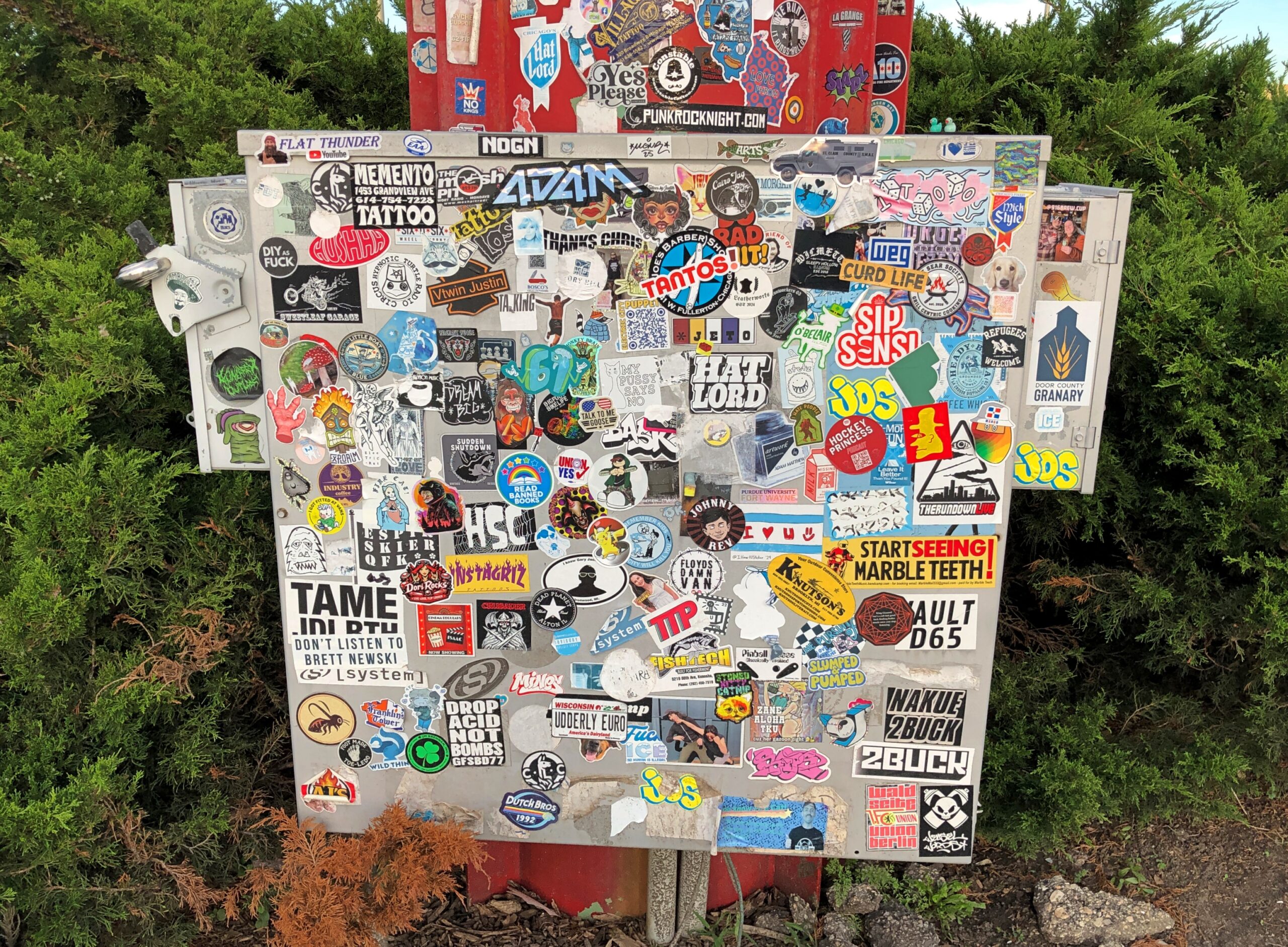
Passersby have decided this is the place for stickers.
You can’t call it an obituary exactly, but not many people get a writeup like Eric R. Overlock, who died at 17 in Belfast, Maine, in 1999. The entire thing is worth a read, as are the two other entries on a Substack by one Matthew Hurley.
Eric Overlock was the toughest kid in Belfast, Maine. He was also the coolest. We grew up skateboarding. He was talented and sponsored in the ’90s when that was a big deal. His nickname was Big Poppa, like The Notorious BIG. He could fight, smoked cigarettes, and was dropping acid at 15…
I learned a lot from Eric, but it was from him I first learned that anyone, and eventually everyone, can and does die.
When I arrived in Belfast on April 15, a sign directed me to a public parking lot off Main Street. Next to the parking lot is the Eric J. Overlock Memorial Skatepark, marked by Eric’s plaque.
No one else was around, so I spent a leisurely few minutes documenting the skatepark at that moment in time. Like the Cadillac Ranch, I figure it changes according to the whims of Belfast graffitists.
Whatever the paint job, a world as strange to me as parallel bars or luge or the flying trapeze. How again does anyone learn it without serious bone breaks?
The skatepark and parking lot are on a long slope to the Passagassawakeag River. According to the Piscataquis Observer, “The Voice of Rural Maine,” it’s pronounced puh-SAG-uh-suh-WAH-keg. Which is just fun to say, once you get the gist. Wonder whether there’s a clipped version locally.
Main Street retail wasn’t quite closed for the winter, but mostly so for the chilly shoulder season. I expect the Moody Dog is gearing up for the summer season even now.
Main Street was very much worth a look anyway.
A handsome edifice at Main and High Streets. Maine seems to have, or had, a way with bricks.
As a settlement, Belfast is old enough to have been burned by British forces during the Revolution. Afterward, revivals and declines have come and gone, as industries cycle through the decades: shipbuilding, seafood processing, railroading, shoe making, poultry, credit card processing, shipbuilding again and tourism.
The Cooper Collection of US Railroad History
The building at the five-street intersection of Main, Church and Beaver Streets.
Details. Is Belfast a hotbed of anarchism?
But you can mock a two-faction system without being an anarchist. But note, back at the skatepark.
How about nanny-statism? I don’t know that you can plausibly accuse Maine of that, but still. A crosswalk example.
In case you were wondering.
What do you know, Maine was my first ever Belfast, not counting the HMS Belfast.
People come to Atlantic City for the casinos, such as they are. For the entertainment, such as it is. To walk on the boardwalk. For the history? Probably not so much. Does anyone come for the minor thrill of driving, or walking, on streets as familiar as Atlantic Ave., Ventnor Ave., Mediterranean and Baltic? Virginia, Pennsylvania and North Carolina avenues? St. Charles Place and States Ave.?
Somebody must have done that. Yes, and of course put it on YouTube. Still, spotting Monopoly properties while in Atlantic City isn’t going to be a priority, or even a passing thought, for most people. I didn’t have a methodical approach myself, but if you drive around much in Atlantic City, you will see some of the streets.
For the city, it’s a missed opportunity. The street signs are white on green, as street signs usually are. More artful honorary signs could acknowledge the game, including the appropriate colors. Or would Hasbro object? Could Hasbro object, legally speaking? A question well beyond my abilities to answer, but object? That company, owner of Parker Bros.’ intellectual property, ought to share the cost of the signs. Ought to pay for them, considering the long-lasting and absolutely unique form of advertising that would represent.
City of Missed Opportunities. There’s a nickname that suits Atlantic City. Not that I didn’t enjoy my early spring (April 9) walk along the Boardwalk or, for that matter, the long drive down a lightly traveled Atlantic Ave. The town might not be the louche upmarket place it was when Steve Buscemi ran it, but here in the 21st century, it still has its tattered charms. And unexpected sights, such as Batman on the Boardwalk.
There I was, resting a bit on a bench, and along came the Caped Crusader.
He was an anomaly. The thin ranks of passersby that day on the boardwalk pretty much blended in with each other. The walk itself is impressively long and wide.
Like a lot of things, the boardwalk is always under construction somewhere.
Steel Pier. Counts as an amusement park.
There’s an actual beach out there, though the chill of the day left it even emptier than the boardwalk.
I didn’t venture very far out on the beach myself, though far enough to enjoy views of the skyline, such as it is. Mostly casinos.
Vestiges of earlier Atlantic City iterations still line the boardwalk.
This one had a special flair.
The Boardwalk National Bank? Known as the Arcade Building. These days, HQ of the New Jersey Casino Control Commission. The commission’s web site tells us: “The Boardwalk Arcade Building was built in Atlantic City’s roaring heyday before the Great Depression. The bustling Boardwalk National Bank had outgrown its space in a local hotel and decided to build a new headquarters at Tennessee Avenue and the Boardwalk. It was a time when the boardwalk was a major vacation and entertainment hub – the place to see and be seen.
“The two-story high, barrel-vaulted arch at the boardwalk entrance defined the building. The bank’s name is permanently embedded in the terrazzo and if you look closely, you can also see the coat of arms with the initials ‘BNB,’ held by two figures that could be King Neptune.”
More.
The boardwalk is only a part of Atlantic City, a fairly small place (pop. 38,400) that — away from the boardwalk — manages the ragged, urban look of larger places. Actually there’s a bit of that on the boardwalk itself, but at least the place isn’t overrun by mall-suitable chain stores.
Headed for the causeway out of town, I made a stop at the Absecon Island lighthouse.
I might have known it, but I’d forgotten the city is on a barrier island, like Galveston: Absecon Island. At 171 feet, the lighthouse, dating from the 1850s, is the tallest in New Jersey. Not used for navigation any more, but a museum. Closed for the day. In some other draft for the Monopoly game board we know, was the Absecon Island Lighthouse a property?
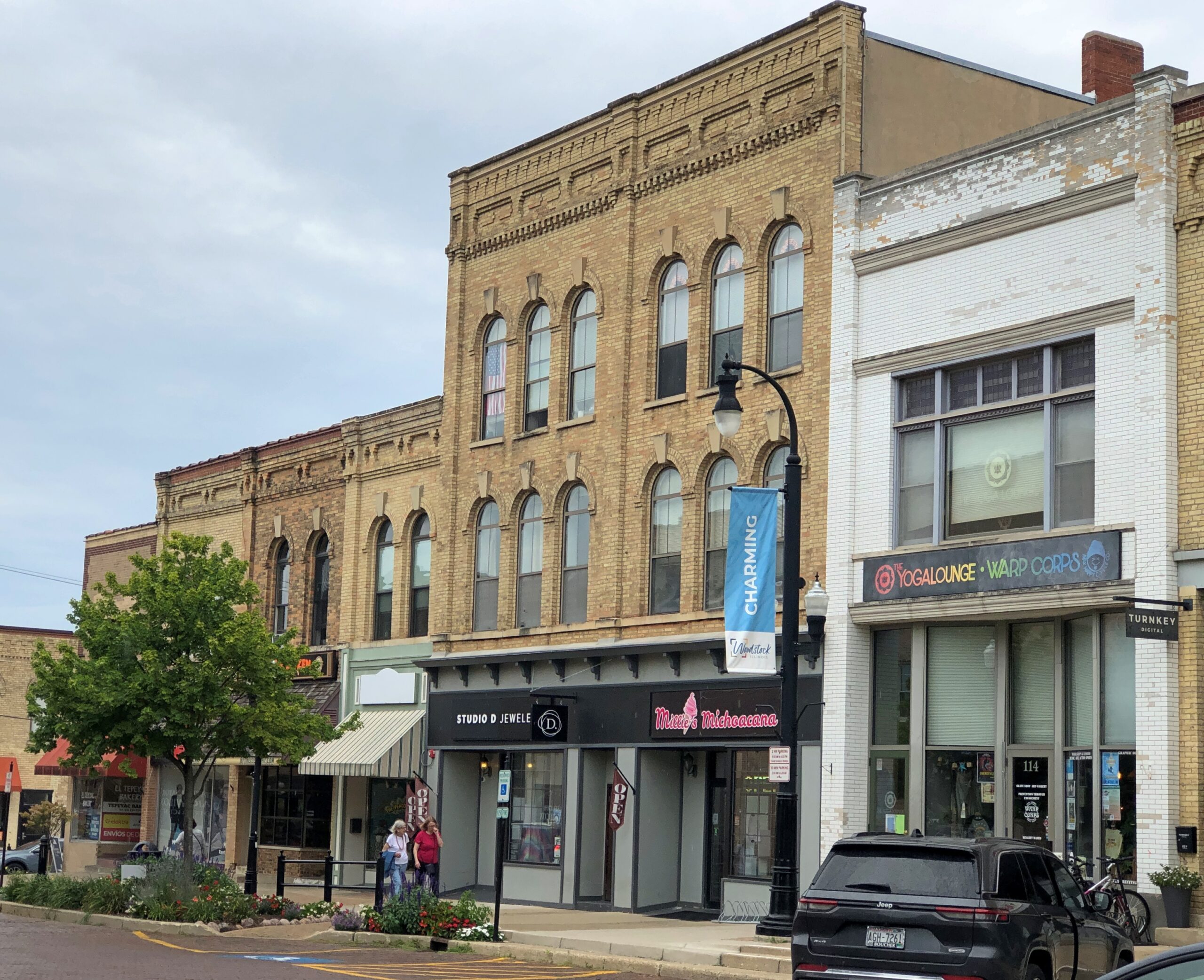
I had a fondness for maps as a kid, and few were better than the Texas State Highway Maps produced by the Texas Highway Department, a predecessor agency of the Texas Department of Transportation (TxDOT). One of the maps’ features was a small stroke of genius – one later dropped, of course – that put the very largest urban areas in yellow, mid-sized ones in green and relatively small cities in brown. At a glance you could size up the size of a place you might be driving, if you didn’t happen to know.
Under that scheme, San Angelo, Texas, came in green, if I remember right. Not in the same league as yellow Houston, Dallas, San Antonio or Austin, or even El Paso and Waco, but bigger than places like Pampa, Killeen or Orange, again if I remember right (the old maps are tucked away in San Antonio). Why was there a mid-sized city in San Angelo’s location, I don’t ever remembering asking.
Easy enough to find out now: a frontier fort at confluence of two sizable rivers whose town grew as nearby cattlemen prospered, and oil services took root. In our time, there are also other usual-suspect major employers, such as schools and hospitals, and the military never left, considering the presence of Goodfellow Air Force Base, which managed to survive the wave of base closures and consolidations in recent decades (unlike some).
On a drive from DFW to West Texas, San Angelo seemed like a good place to stop for a night, and we arrived just before dark. The next morning, we took a look around, especially downtown. First, a handsome train station.
Mostly, San Angelo isn’t a high-rise city.
With some small-city exceptions, such as the Hotel —– building.
Street art.
Chicago has cows, San Angelo sheep. Back the USDA for ag stats: cattle are by far the most common livestock in Tom Green County, with $49.5 million in sales in 2022. But there are a fair number of sheep, with sheep, goats, wool, mohair and milk selling $4.2 million that year. For cattle production, the county comes in at only the 30th highest sales volume in Texas; but for sheep etc., the county ranks fifth statewide.
Again with the overrepresentation of cowboys. If there are art sheep on the streets of San Angelo, why no art shepherds? Then again, a modern shepherd probably looks a lot like a modern cowboy, so maybe that is a shepherd.
An unassuming exterior, but a fair amount going on inside, at least most evenings. I had to look up FiFi DuBois, too. The association of the San Angelo establishment with New York entertainer isn’t quite clear — is Fifi an owner or part owner, or is there some kind of licensing agreement?
Anyway: “The House of FiFi DuBois in downtown San Angelo is on the market for $1.3 million as its owners seek a new buyer to continue its legacy,” San Angelo Live reported in February.
“The property is located at 123 S. Chadbourne St. and is approximately a 16,250-square-foot building that includes the ground-floor bar and venue, an Airstream trailer feature, plus a massive upstairs loft and additional rentable spaces that offer potential for multiple income streams, such as office use, short-term rentals, or expansion.
“The business remains open, thriving, and operating normally, according to information found online…”
Now I’m repeating information “found online.” But it’s probably reasonable to assume that the House of Fifi DuBois, with a lineup like this, is alive and well. Looks like the joint has both kinds of music, country and western, and plenty of drag shows. Cowboys and drag shows: now that’s West Texas variety, if you asked me.
Airstream feature? Tucked away in the venue is an Airstream that can be rented separately, it seems.
Meeting Chadbourne St. at the perpendicular is Concho Ave., named for the river, which was named for its bounty of shells. Near that intersection is a building that looks a tad underutilized.
I’ve interviewed too many real estate developers not to think, man, if that building could only be teleported to Brooklyn – or even Scott’s Addition…
The nearby block is mostly occupied, however. With local shops.
Also, it sports a stretch of raised, plank sidewalk.
The plates are flush enough with the boards not to be a trip hazard, fortunately.
A stuff shop: J. Wilde’s.
Is Miss Hattie’s a serious museum about underrepresented local history or a commercial venture romanticizing 19th-century prostitution? I don’t know. Miss Hattie’s, like Fifi’s, was closed at that moment.
One more detail from Concho Ave.
The only reason I know what that is, is that St. Paul’s Episcopal Church in San Antonio, a place I knew well, was founded before the advent of the motor-car. As such, a few iron rings were mounted in the curb in front of the sanctuary – exactly like the ring pictured above. A place to tie up your horse. I might have asked about the feature, or my mother might have pointed it out, but anyway I learned about the iron rings. Does it matter to us auto-mobile drivers that we know this? No. But it adds just a touch of hyperlocal color.
Consider Philip Hendrik Nering Bögel, an 18th-century Dutchman who at one point in his career was collector general of taxes for the province of Friesland. The Texas State Historical Association takes up his story: “In 1793 he was accused of embezzlement of tax funds and fled the country before he could be brought to trial. After the Court of Justice of Leeuwarden offered a reward of 1,000 gold ducats to anyone who brought him back, Bögel adopted the title Baron de Bastrop.”
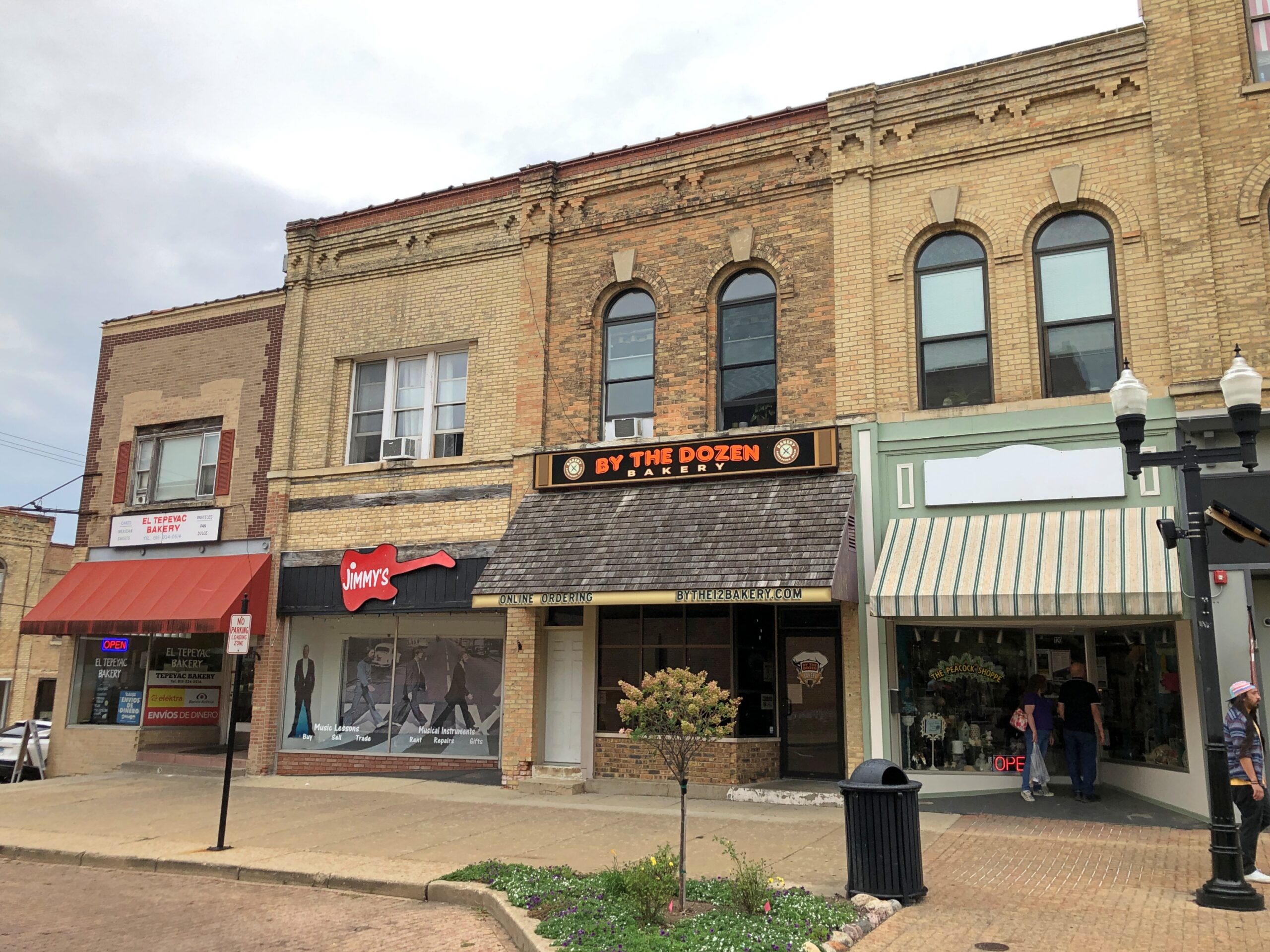
Those were the days, no Interpol butting into your business. No one ever collected those gold ducats, because the self-titled Baron de Bastrop spent the rest of his days in the New World, doing well for himself in New Spain and then Mexico, dying in 1827.
“One of his most significant contributions to Texas was his intercession with Governor Antonio María Martínez on behalf of Moses Austin in 1820,” TSHS continues. “Because of Bastrop, Martínez reconsidered and approved Austin’s project to establish an Anglo-American colony in Texas… Although his pretensions to nobility were not universally accepted at face value even in his own lifetime, [Bastrop] earned respect as a diplomat and legislator. Bastrop, Texas, and Bastrop, Louisiana, as well as Bastrop County, Texas, were named in his honor.”
Reminds me of the psychologically astute moment (one of a number) in Mad Men, when Bert brushed off Pete’s accusation that Don had stolen another man’s identity – which happened to be true – with, “Mr. Campbell, who cares?” Bert also quoted a supposed Japanese saying, “A man is whatever room he is in.” Give credit to the scriptwriter for inventing a saying that could well be Japanese, but apparently is not.
Bastrop’s location was an important spot, once upon a time, where the Old San Antonio Road met the Colorado River.
These days, Bastrop (pop. 9,600 or so) is only a short hop by modern vehicle from Austin or San Antonio. Day-trip material from those metros, that is. That was probably true the last time I visited Bastrop, sometime in the late ’80s, but maybe not with the same retail intensity you find near the intersection of Main and Chestnut in 2026.
This part of town has a good stock of late 19th- and early 20th-century buildings. Pleases the eye, pleases the day-trippers.
Around Main and Chestnut, you’ll see Paw Paws Catfish House, Simply Sweet Cupcakes, Bastrop Beer Company, flower designer Greenleaf Gatherings, Urban Beauty Bastrop, the Hobby Hub trading card store, another trading card store called Game Time Cards, DivineLites Soap Shop, Lost Pines Art Bazaar rug store, In The Sticks–Eclectic Gifts and More, Rhinestone Rattler Boutique, Monarch Art Gallery and Main Street Yoga Bastrop. A partial list. The town seems to be doing OK.
Looks like a newer building. The architect did a good job of blending it into its surroundings.
Plenty of these.
Advertising.
Not far from Main St. and next to the aforepictured Bastrop County courthouse is the old county jail.
In 1979, nearby Bastrop State Park, not the town itself, was the scene of Pine Cone Wars, Midnight Backgammon and our slightly older “chaperons” who holed up in a separate tent much of the time to make the beast with two backs. The youthful antics of two successive camping trips with high school friends that spring are something of a blur now, but a pleasant one.
Years ago, when we visited the Spam Museum in Austin, Minnesota, I noted with satisfaction that Monty Python’s Spam Sketch was playing on demand in one of the exhibit rooms. I understand the museum has moved to a different location in Austin since then, but I hope they still play the sketch.
As far as I noticed, there was no clip of One, Two, Three playing at the World of Coca-Cola in Atlanta last month. The scene I’d pick is the back-and-forth about Soviet scientists’ efforts to replicate Coca-Cola without its famously secret formula: “Even the Albanians wouldn’t drink it.”
I’d have this clip playing, too.
Or even the jingle scene from The Coca-Cola Kid. Nice jingle.
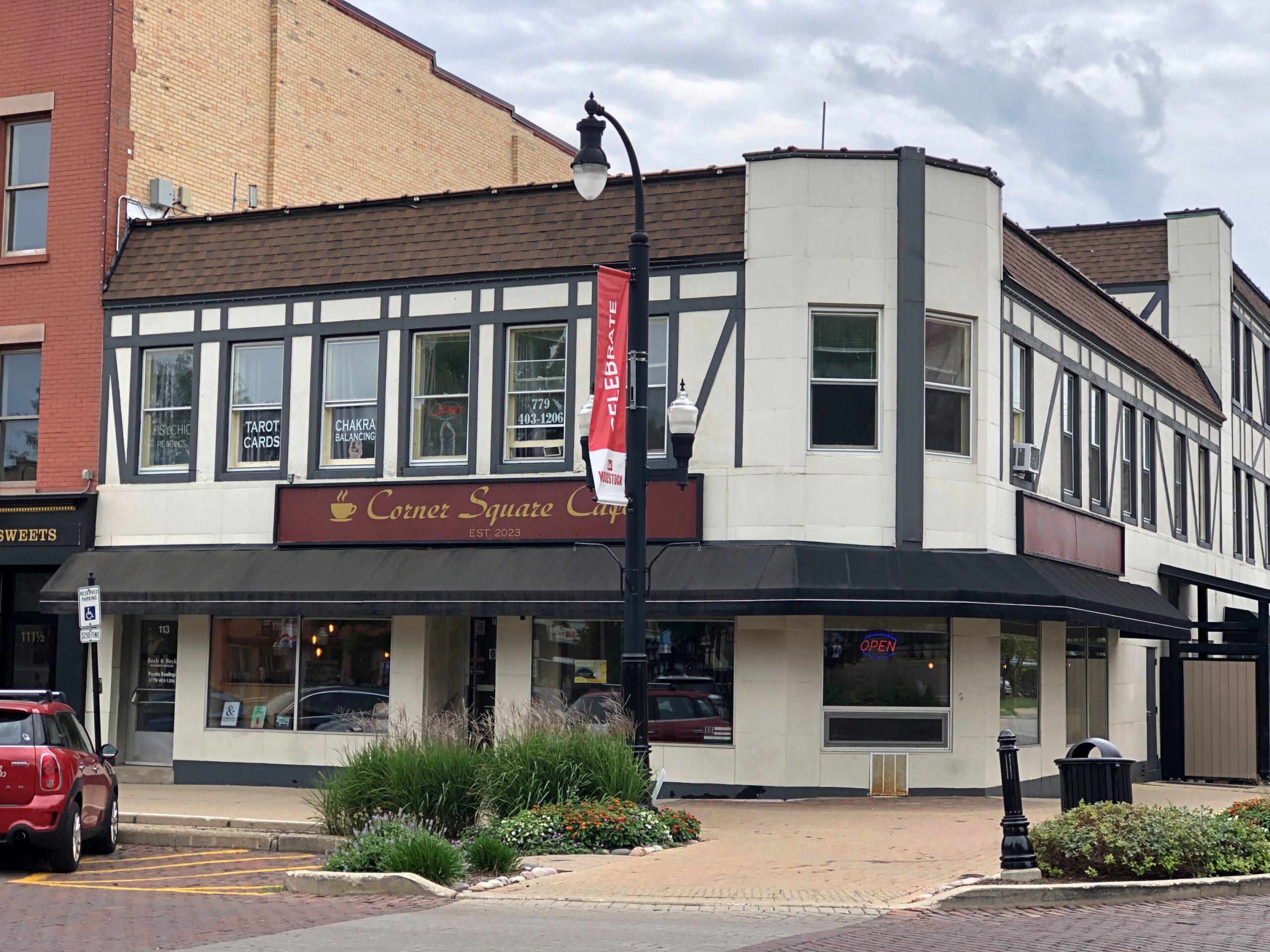
The World of Coca-Cola shares a plaza with the Georgia Aquarium. Pemberton Plaza, named for the doctor who invented a particularly successful “brain tonic,” back in the days when enterprising doctors and druggists did that sort of thing. Interestingly, the museum doesn’t play up Lt. Col. John Pemberton’s military service for the CSA, or his morphine addiction, which drove him to experiment with a new wonder drug, cocaine, to kick his habit. That didn’t work out, but he did leave a lasting soft drink legacy.
As a museum, the place includes a number of interactive exhibits and activities, starting at the Coca-Cola Theater with a six-minute commercial. I mean, a short history of Coke. You can also see the vault where the secret formula supposedly resides —
— check out various smells associated with the cola-making process, “explore Coca-Cola’s iconic influence on art, music, fashion, sports, and entertainment,” and “engage with interactive displays and AI magic that bring Coca-Cola’s legacy to life in new, unforgettable ways,” the museum explains. You can even, if you register – maybe with some app? – stand in line to have your picture taken with a person in a polar bear suit.
“The Coca-Cola Polar Bear… became truly iconic in 1993 with the launch of the ‘Always Coca-Cola’ campaign. In the famous ‘Northern Lights’ commercial, created by Ken Stewart, animated bears gather to watch the aurora borealis while enjoying Coca-Cola — a scene that brought the Polar Bear to life and captured the hearts of viewers worldwide,” the museum notes.
Does it rise to the level of icon? Somehow the Coca-Cola Polar Bear had made only a faint impression on either of us, so we took a pass on it. Also, there was a line. And it cost extra? Always with the revenue streams. But I did enjoy the more standard sort of museum exhibits on offer at World of Coca-Cola.
A seasonal observation.
Artifacts from long ago.
Ads from long ago.
And from distant places.
I seem to remember a similar political cartoon of featuring the Earth being nursed back to health after the ravages of WWII, but I can’t quite place it.
There were video clips, including of course the “Hilltop” commercial. That, I remember. Many people old enough do too, which naturally gave the final moment of Mad Men its punch.
The museum also featured Coke product cans and bottles of various kinds (but not a collection of caps that I saw), many more than you see in everyday grocery stores. For instance, Sting and Bon Jovi had their own cans at one point, as part of a musician series.
Cans from around the world.
A very crowded room includes soda and water dispensers that allow visitors to sample Coca-Cola products from around the world. We went to town trying the various concoctions, as did a lot of people, and eventually I found my favorite: Bonbon Anglais, a wonderful fruit drink from Madagascar.
The web site Madagasikara tells us: La boisson gazeuse Bonbon Anglais est fabriquée à Madagascar, un pays reconnu pour ses produits naturels et son savoir-faire artisanal. I would expect no less.
The gift shop was crowded, too. I took pics but bought no Coke merch. (I might have bought a postcard, but found none.)
To my way of thinking, the Coca-Cola Co. should pay me – even a little – to advertise its products on my person. Also, while I’m on that particular hobby horse, the World of Coca-Cola shouldn’t charge admission, especially not as much as a standard museum.
I ran the numbers, and World of Coca-Cola admission costs more than twice as much as admission to the Taj Mahal. Sure, Georgia isn’t Uttar Pradesh, but it’s galling that you’re paying at all, just to be marketed to. Obviously Middle America disagrees with me – and Yuriko didn’t mind paying for both of us – so that idea will just have to be a quixotic hobby horse of mine.
Yesterday, behemoth retailer Amazon announced that its Amazon Fresh grocery stores are closing. All of them, about 70 locations, and closing soon, as in Sunday. I read about that this morning, and happened to mention the fact to Yuriko early this afternoon, so we decided to mosey over to the closest Amazon Fresh, about a 10-minute drive from our home here in the northwest suburbs.
We’d been there. In the store’s early days especially, a few years ago, weekly fliers came in the mail offering coupons that could, if used right, mean 40 percent or even 50 percent discounts. That was worth some visits. After a few months, however, the coupons got progressively more miserly or disappeared all together.
That was no surprise. The coupons’ main function was to get you in the door, and acquainted with the store, and ideally form a good opinion that inspires return visits. A good marketing plan, even if it relies on something as analog as paper coupons, and it might have worked but for one thing: there was very little distinctive, to an ordinary shopper, about Amazon Fresh.
The store promised to be something of a discounter, and sometimes it was. Until recently, for example, it sold sizable and reasonably good pizzas for $9 a pie or less than $2 a slice – entirely competitive. Other items were sometimes discounted as well, but in that the store was no different from any other store in the area.
Even that might not been a discouragement, if the store had competed on selection. By current standards, the NW suburban Amazon Fresh is mid-sized, so isn’t going to be able to offer everything under the sun. But even smaller stores can pull off a remarkable selection, if they try. Such as Trader Joe’s. Or even Aldi, whose more recent iterations are about the same size as the Amazon experiment in grocery stores.
But no. The Amazon Fresh selection is good enough, and certainly would be a boon in a food desert, or even at the edge of one. But the NW suburbs are the opposite of a food desert: we have hyperstores, warehouse stores, standard supermarkets of considerable size, discount grocers, and plenty of ethnic specialty grocery stores of varying sizes, all within a fairly reasonable driving radius. There are even dollar and convenience stores thrown into the mix, and every variety of take-out food that you can imagine. These parts are a highly competitive retail grocery and food & beverage environment, is what I’m saying.
And what did Amazon Fresh bring to the table in such an environment? A lot of meh.
Then there was this business of “Dash Cart.” Amazon Fresh made a big deal about how technically advanced the stores were, because you could “Skip the checkout line. Scan, bag and pay – right from your cart.” Well, OK. Some of the carts had consoles for self-scanning.
Did Amazon actually want its customers to adopt Dash Cart, or was it just showing off? I ask because any hint of any instruction about how to use the thing was lacking. Call it an engineers fallacy: this tech is so cutting-edge, so impressive, so neat that people will be eager to learn it. People will not. Maybe had there been an employee whose job it was to school us old timers, we might have been interested, but of course that costs money, and just wait until customers don’t even have to deal with checkout clerks, how much that will cut labor costs!
Besides, you still have to do the work the store should be doing – scanning your items – for free. That is the essential irritation of any self-scanning scheme. Turns out self-scanning isn’t going to completely replace clerks anyway, for various reasons, and I’m glad.
How could Dash Cart and its ilk actually work? One: activate the cart with a debit or credit card. No messing around with some app, no inputting some code that comes to your phone, or any of that nonsense. Two: the cart itself automatically scans items as you put them in, and shows in a highly visible way how much you’re paying, so that the price jibes with the price on the shelf. Three: That’s it, you leave. You are charged a total – again, a highly visible total – as you leave, just as you would be otherwise.
Is all that technically possible? How should I know, but I’m leaning toward yes. Or it could be.
Never mind all that, we figured the store might be knocking off 10 or 20 percent in the face of its demise. The first indication that we were wrong was the store parking lot, which was as crowded with cars as I’d ever seen it. The second clue was the lack of shopping carts outside — at all, including in corrals in the parking lot or next to the entrance. No shopping carts inside the door, either.
Hand baskets were available, and Yuriko started with that, her initial goal being vegetables. I waited inside the door (since it was about 15 F outside) and after a few minutes, got a cart that was being returned. While I was waiting, a store employee announced at the front of the store that checking out, even self-check, would involve and hour or hour-and-a-half wait. It was a thing that makes you go hmmmm.
Shopping cart delivered to Yuriko, I set out to investigate. The first thing I found out: the place was crowded. An entire large cross-section of the population of the nearby Chicago suburbs was loose in the store, younger and older, families with little kids, single shoppers, people whose ancestors (sometimes pretty recently) had come from Central Europe, East Asia, the Indian subcontinent, Latin America and more. Put them all in the store and it was Supermarket Sweep time. I’ve never seen a grocery store so crowded or so many carts piled so high.
That resulted in some empty shelves, especially in the meat aisle and paper goods.
Sorry to say, the kitchen had already been closed permanently, its ovens cold and its workers presumably left to take their talents elsewhere, if possible. I’d wanted a slice of pizza at less than $2 just one more time, but no go.
But I’d misrepresent things if I left it at that. Many of the aisle and shelves still held the bounty of American agriculture and the never-ending efforts of food technologists.
What brought the crowd? Deep discounts, of course. It didn’t take long to work that out. Later I did some back-of-the-envelope calculations and determined that nominal prices were back to late 1990s levels. Thirty years of inflation, slow and then fast, poof. That’ll pack ’em in. We joined the fun.
But the woman wasn’t kidding about the wait. The checkout line went back along the right-side aisle to the back of the store, turned a corner and went along the back aisle (dairy and such), and then turned a corner again at the left-side aisle, and ended about halfway back to the front of the store. Later, the line grew to go all the way around the store, back to the checkout area.
Before that happened, I got in line with the cart and Yuriko went out scouting for items, and later sometimes I did. This was a strategy employed by a number of couples in line. A view from the line:
I also went out to the car and re-arranged the items in the back, in anticipation of a large influx. Which happened, eventually, once we filled our cart – to the top – and got through checkout.
Checkout, which indeed had taken more than an hour to reach, was an anticlimax. It was just like any checkout, except more stuff than usual. Still, this is worth noting: We spent a shade over $250 on items that listed a few days ago for around $500. Definitely a deal, whatever you think of the behemoth retailer or its failed experiment in Amazon-branded supermarkets.
If you asked me, and no one has or will, Key West is missing something in having plain manhole and utility covers (though this isn’t bad).
I suspect custom covers cost more, and money is money, but distinctive places should have distinctive manhole covers. Aren’t details important in fostering – or in this case enhancing – a sense of place?
On the other hand, Key West has a sense of place without too many equals. That’s as good a reason as any to stroll down Duval Street, tourist hub of Key West, and take it all in. Or as much as you can. On a mild mid-December day, that wasn’t hard.
As a tourist street, a lot of retail detail.
Buildings that have somehow survived these last 100 years or so, despite the ocean’s habit of kicking up a hurricane-force fuss now and then.
St. Paul’s Episcopal, 401 Duval.
In 2014, I ducked away from crowded Duval into the church, which seemed to be open because the organist was practicing. I sat, impressed by his vigorous noodling, and by the fact that no one else was in the church.
This time, closed.
Looks like a movie theater. It was. Now a Walgreen’s.
More detail.
“Duval Street, the undisputed ‘Main Street’ of Key West, is the only place in the U.S. where one street allows you to walk from the Atlantic Ocean to the Gulf of Mexico,” says the American Planning Association, in picking Duval Street a Great Place in America.
“ A citywide commitment to preserving the National Register of Historic Places single-largest collection of wooden structures has allowed Duval Street and the rest of Key West to transition from an economy based on maritime industries and Cuban travel during its earlier years to one now supported by entertainment, art, and tourism.”