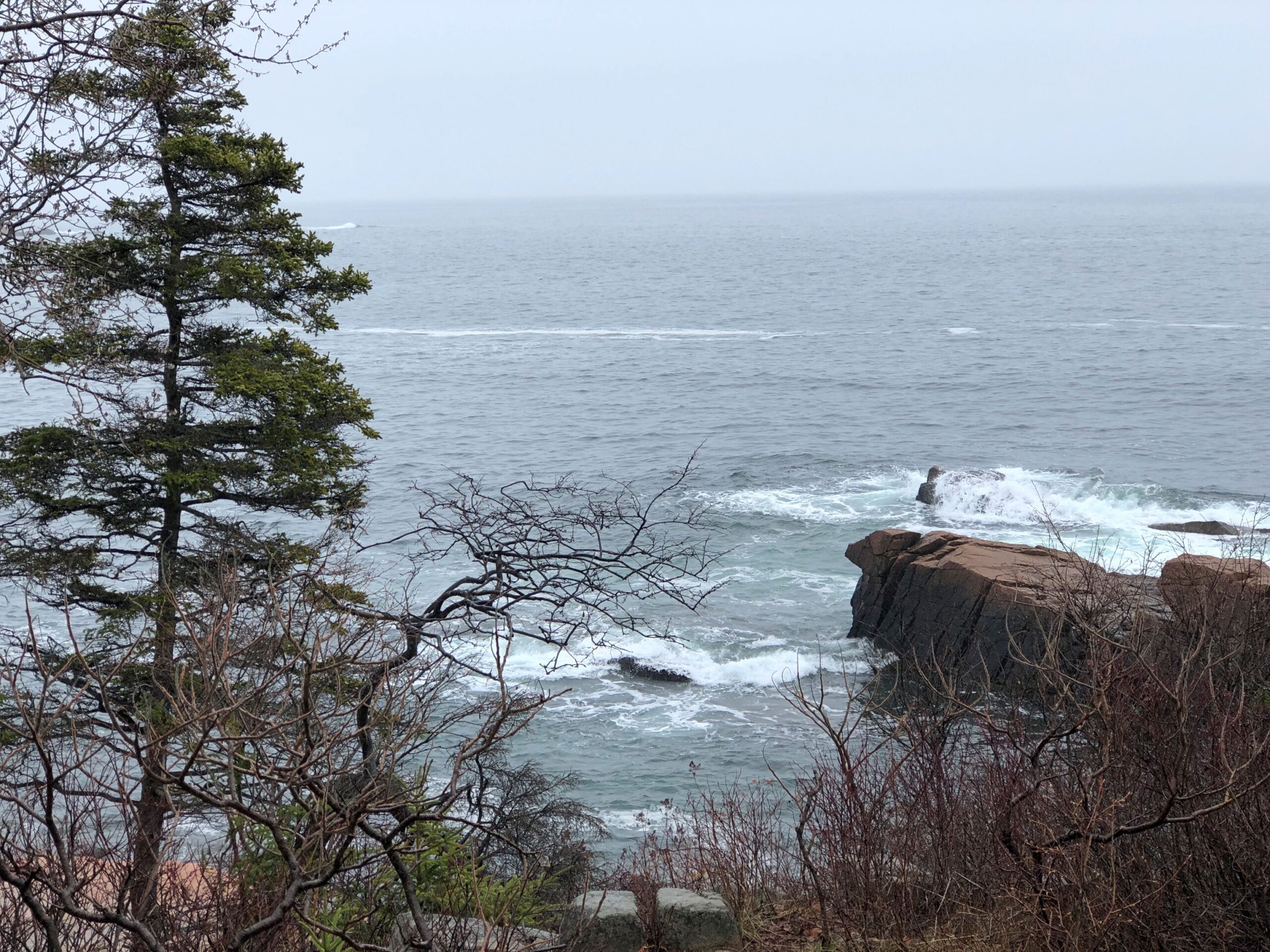
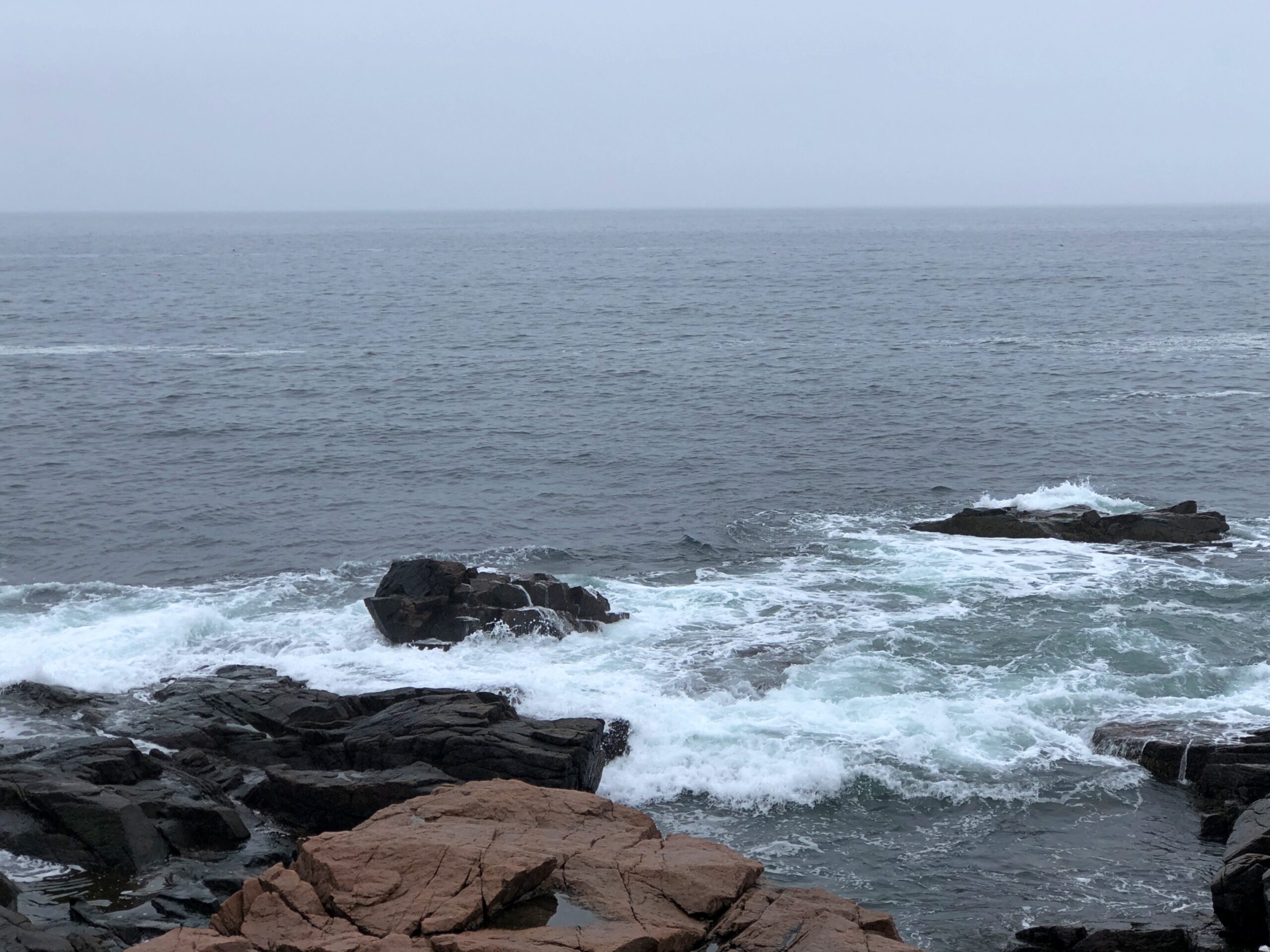
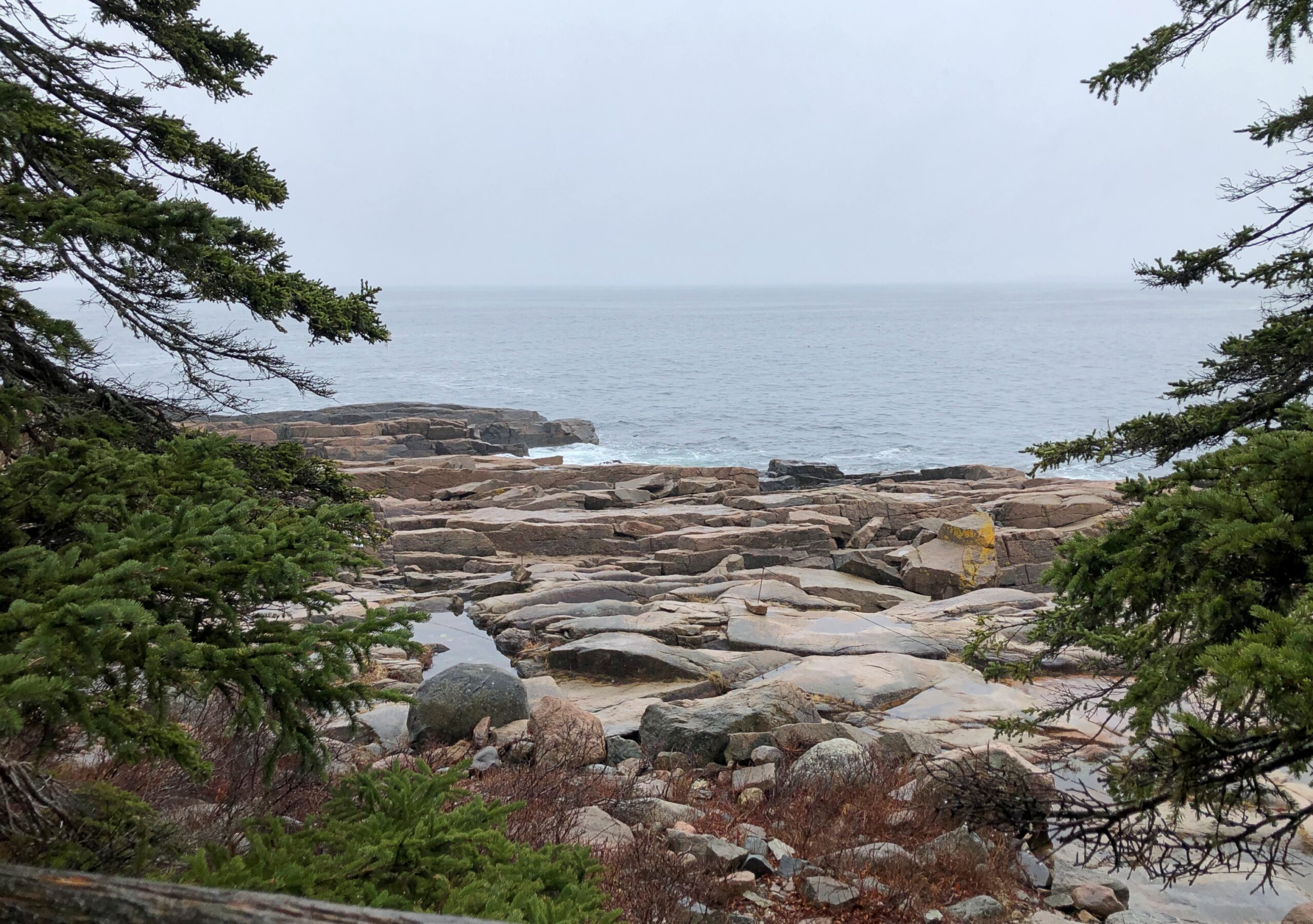
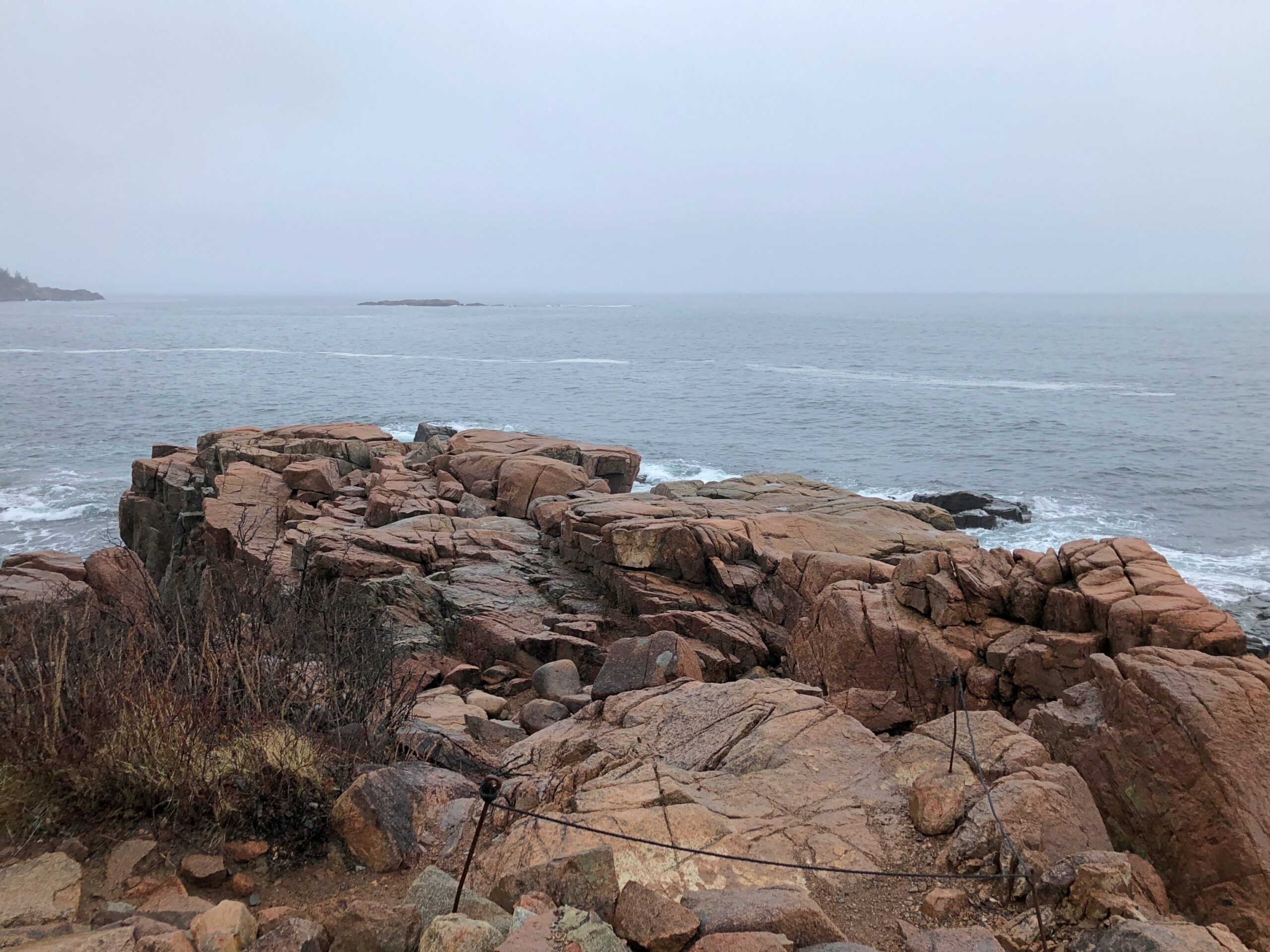
French King Bridge

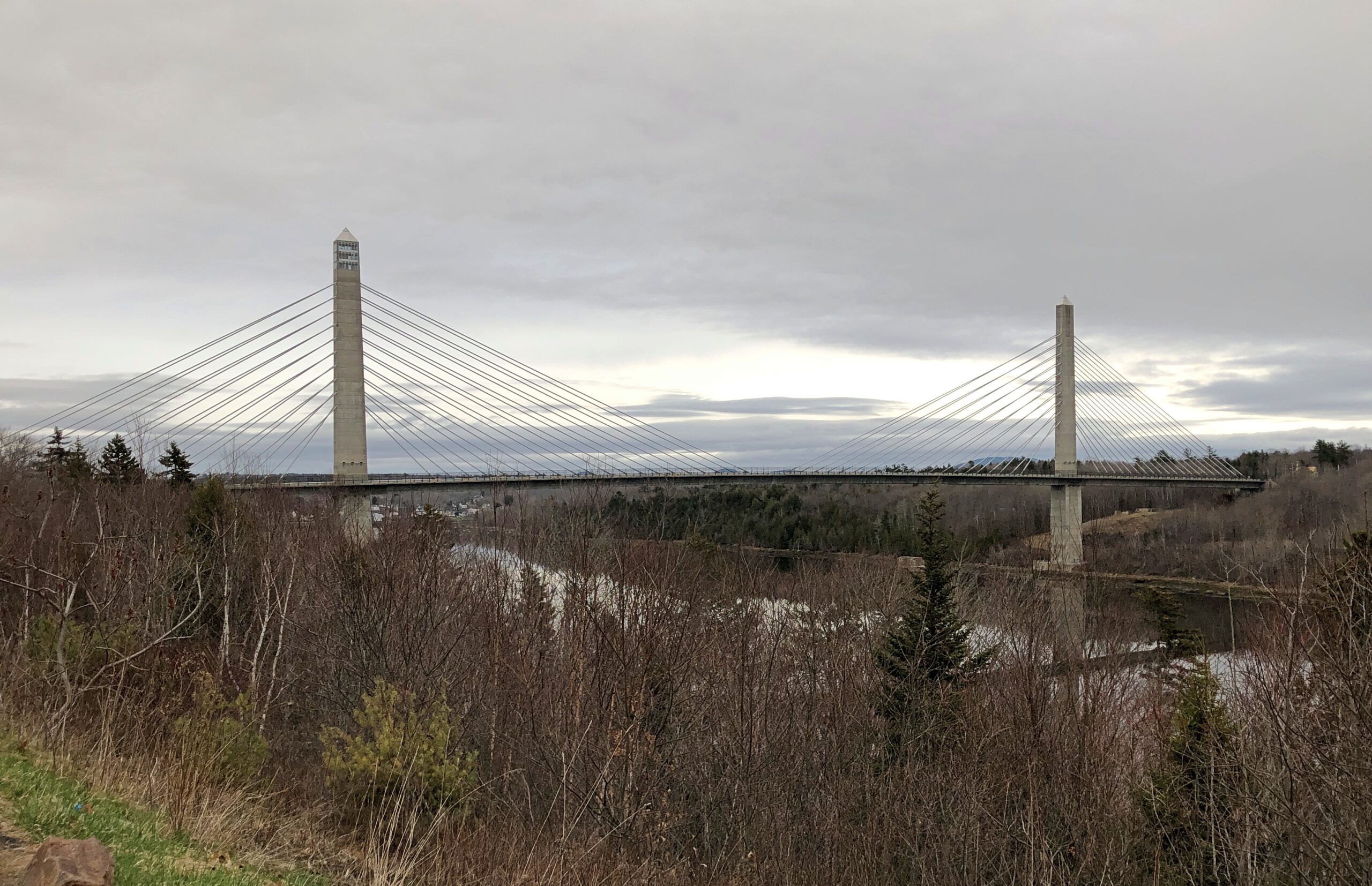
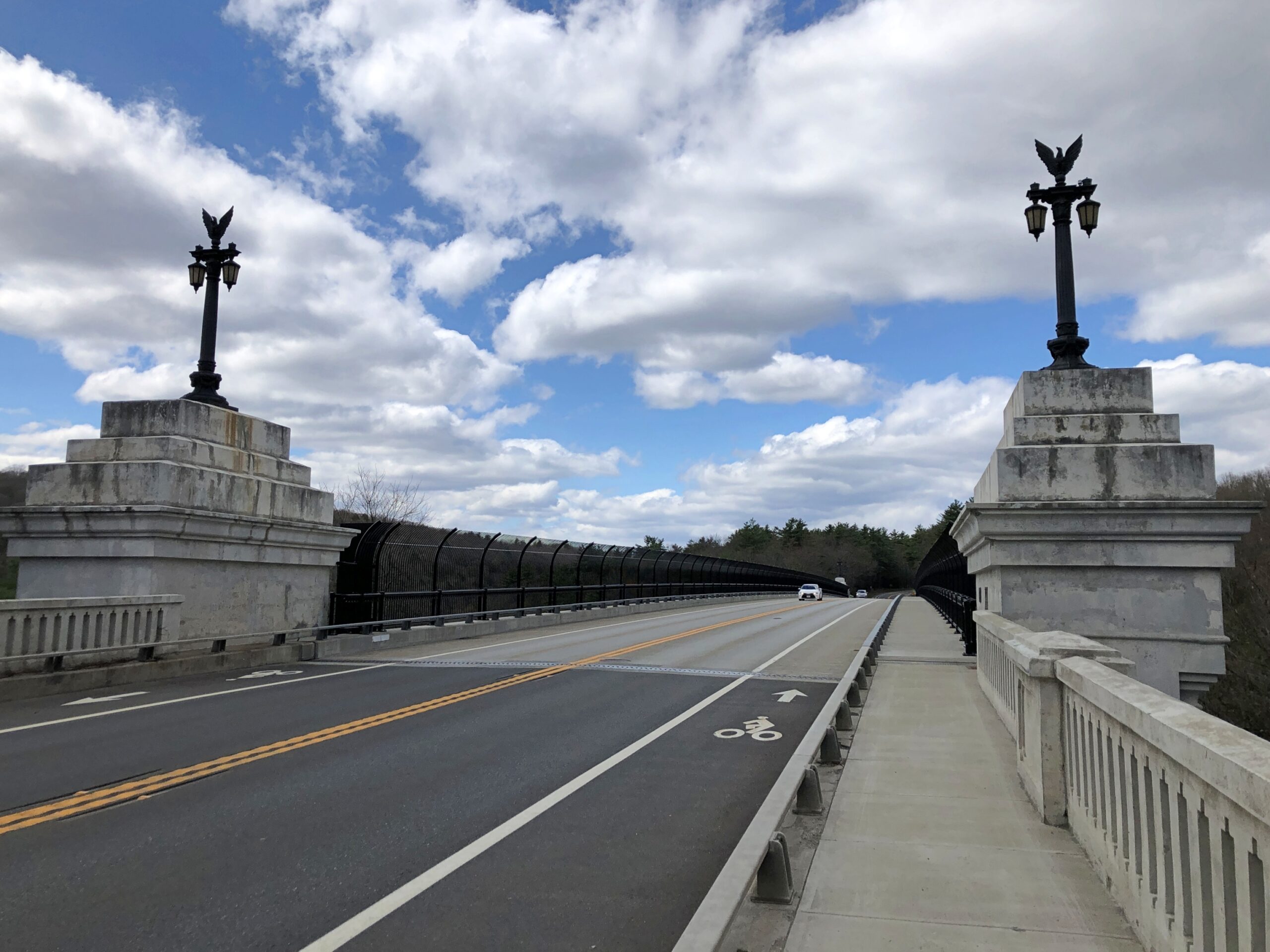
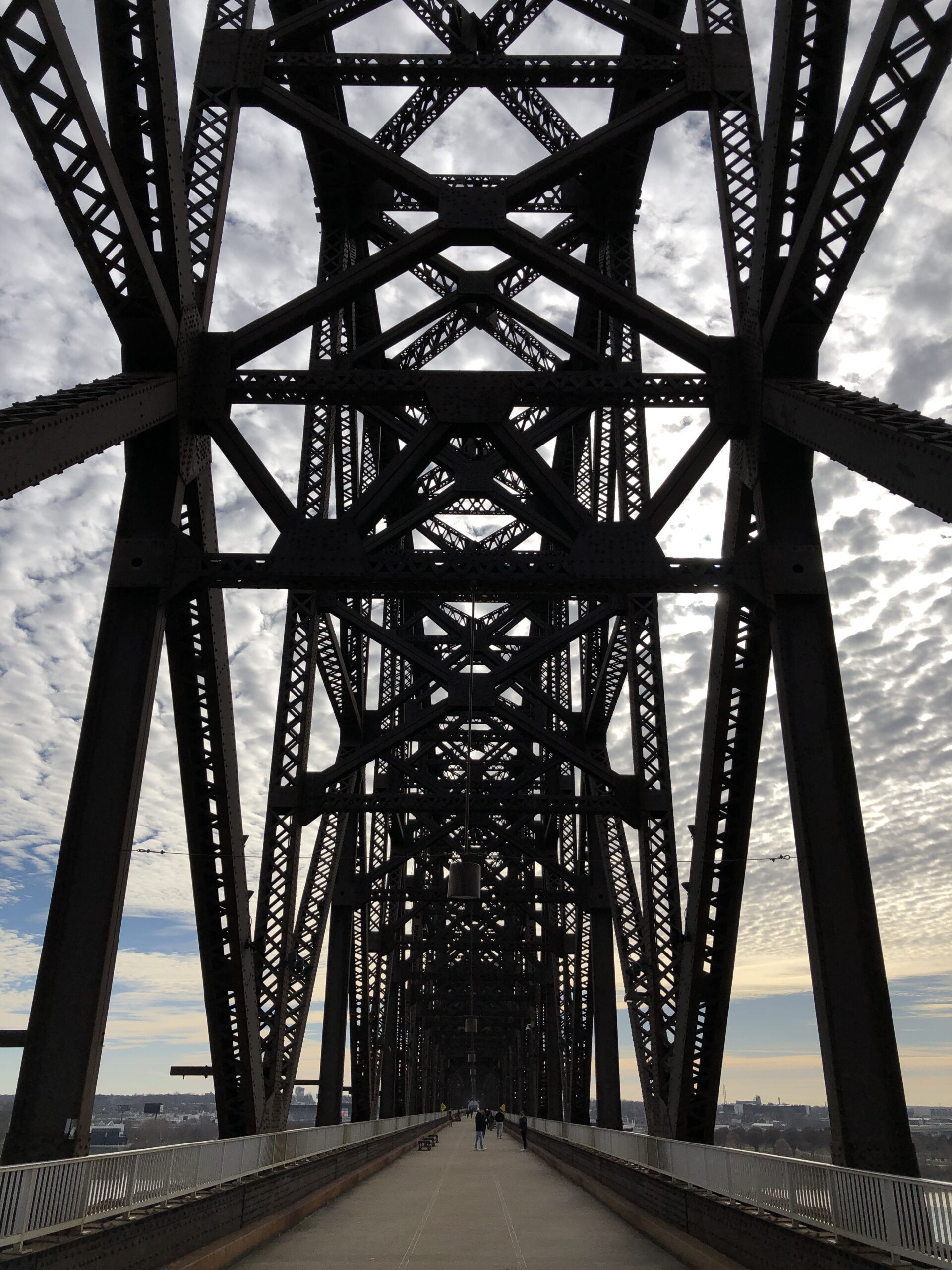
In my experience, a bridge with a name is usually worth a look. So it was with the French King Bridge, which crosses the Connecticut River in Franklin County, Massachusetts. There was even a wide place in the road (Route 2) to park, so that accessing the pedestrian experience was easy.

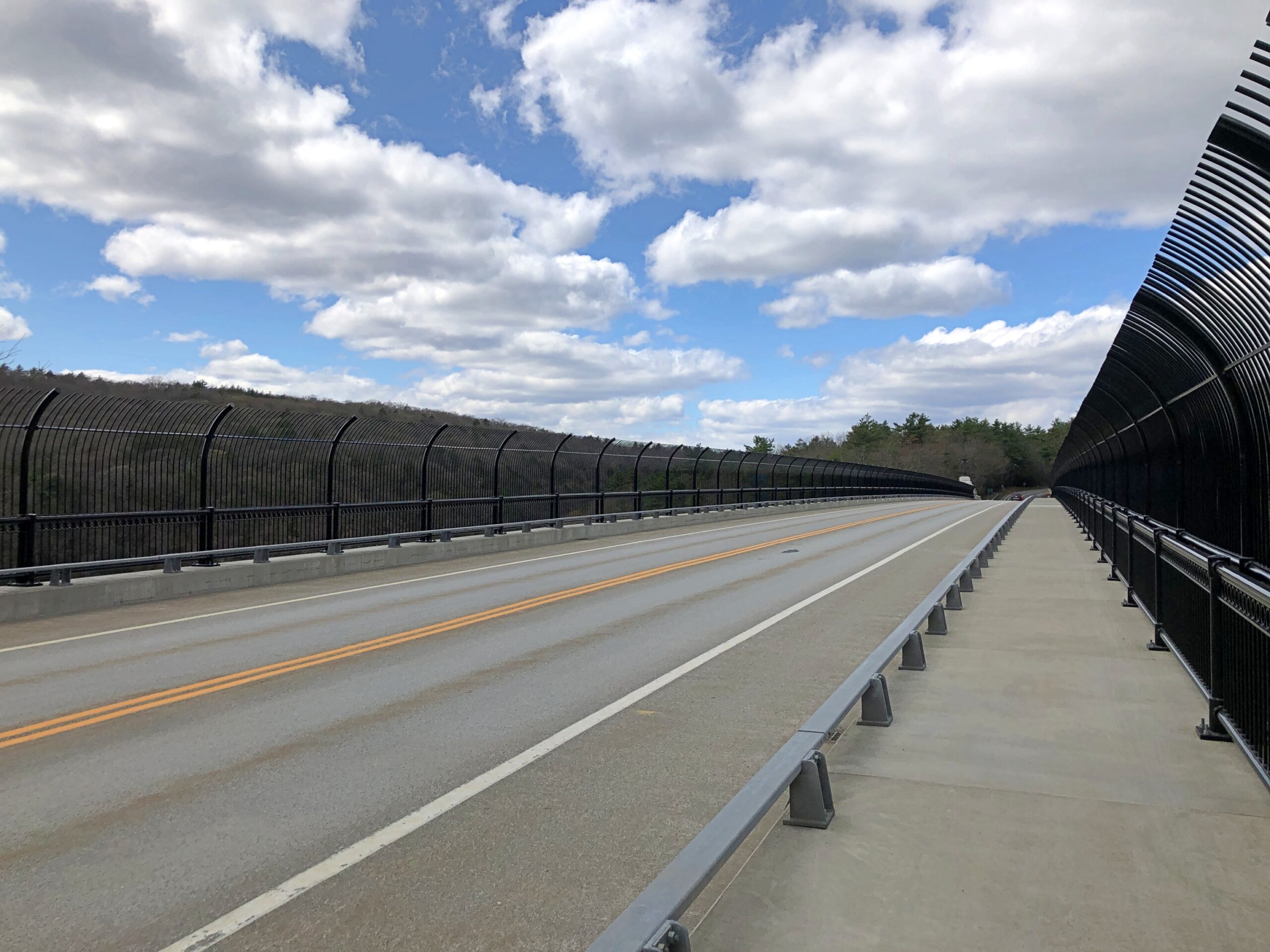
Just to judge by the walkway, a middling pedestrian experience. There are worse, especially bridges with high traffic volumes, but also many more walkable ones.

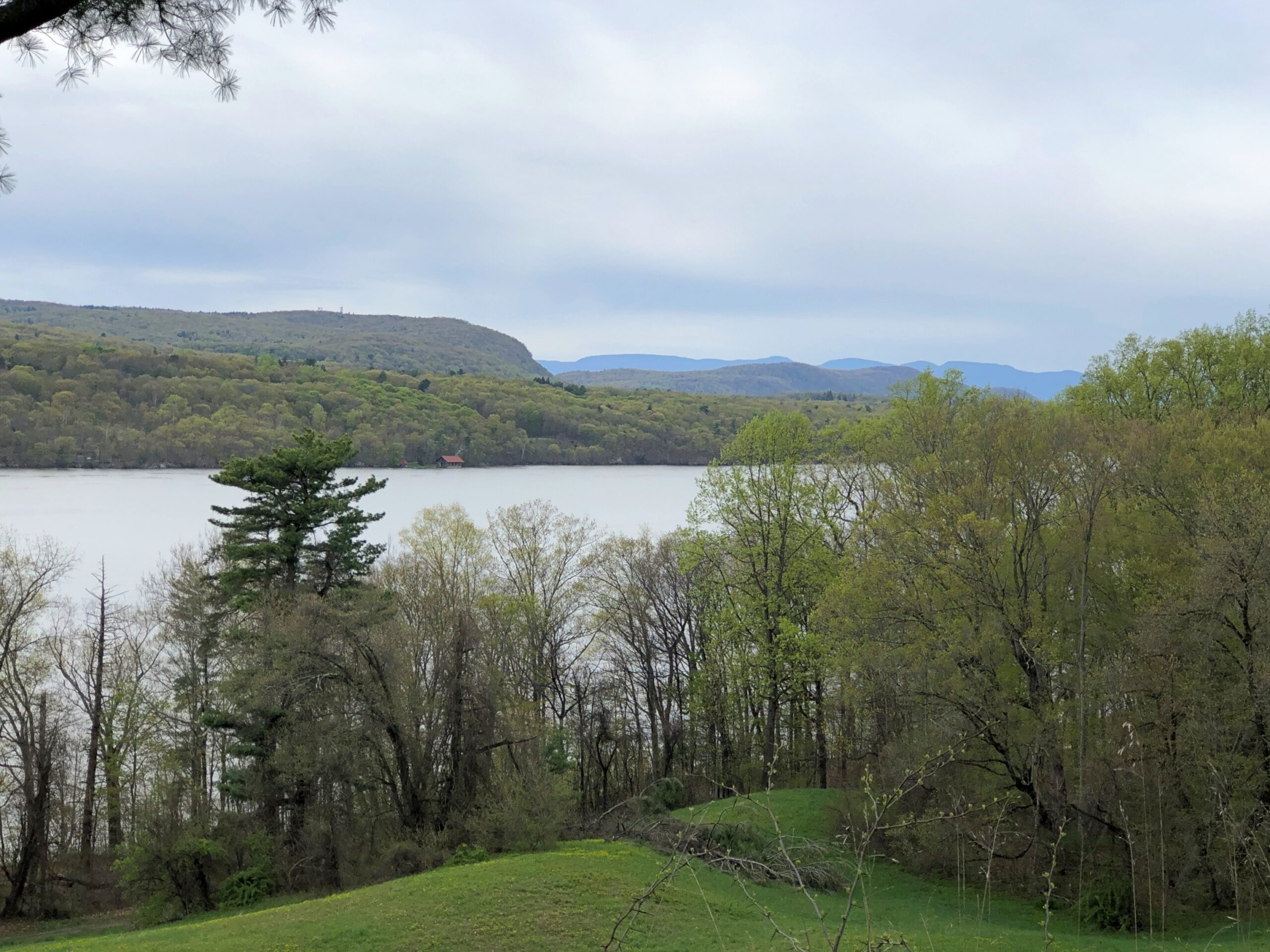
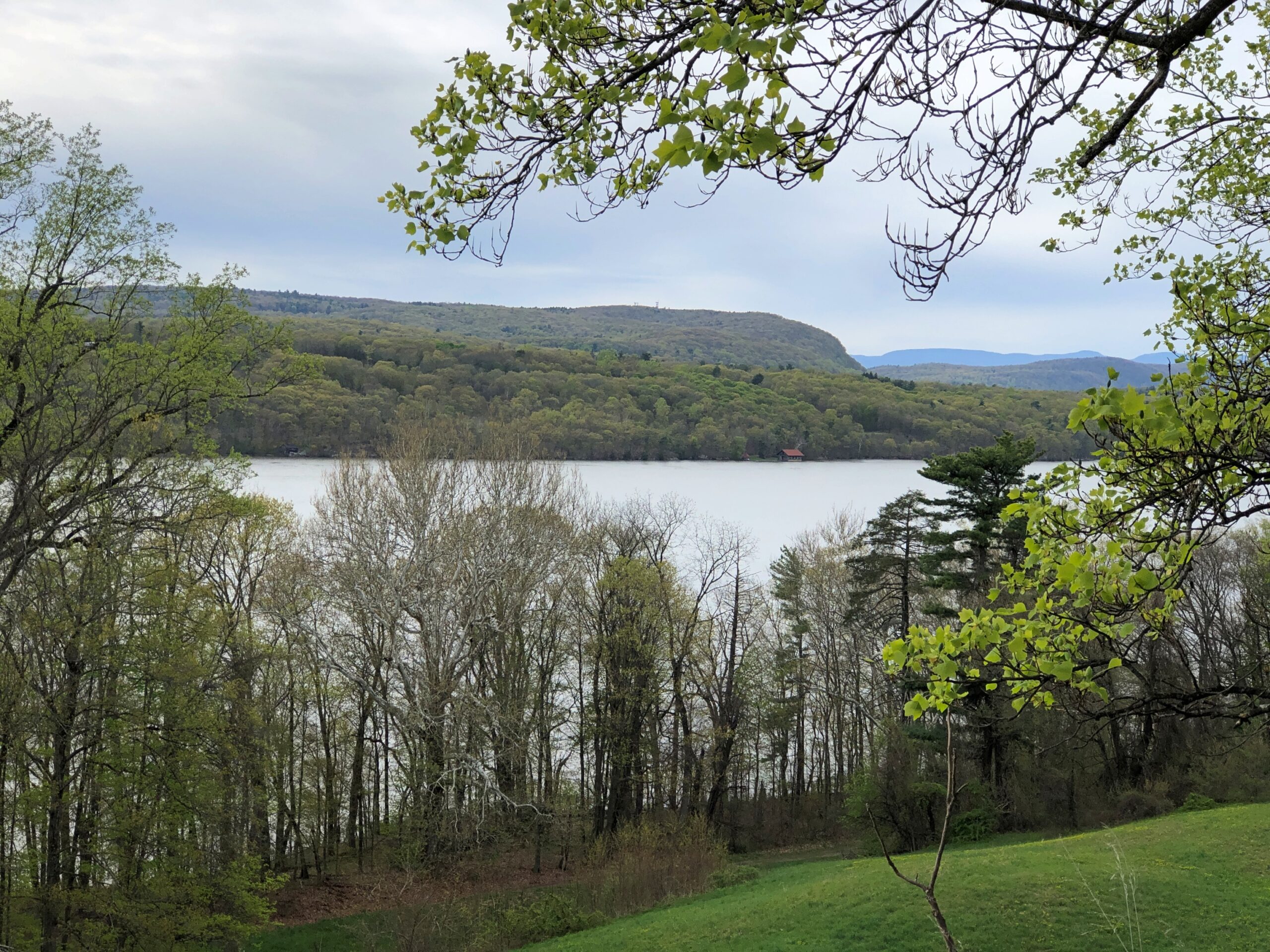
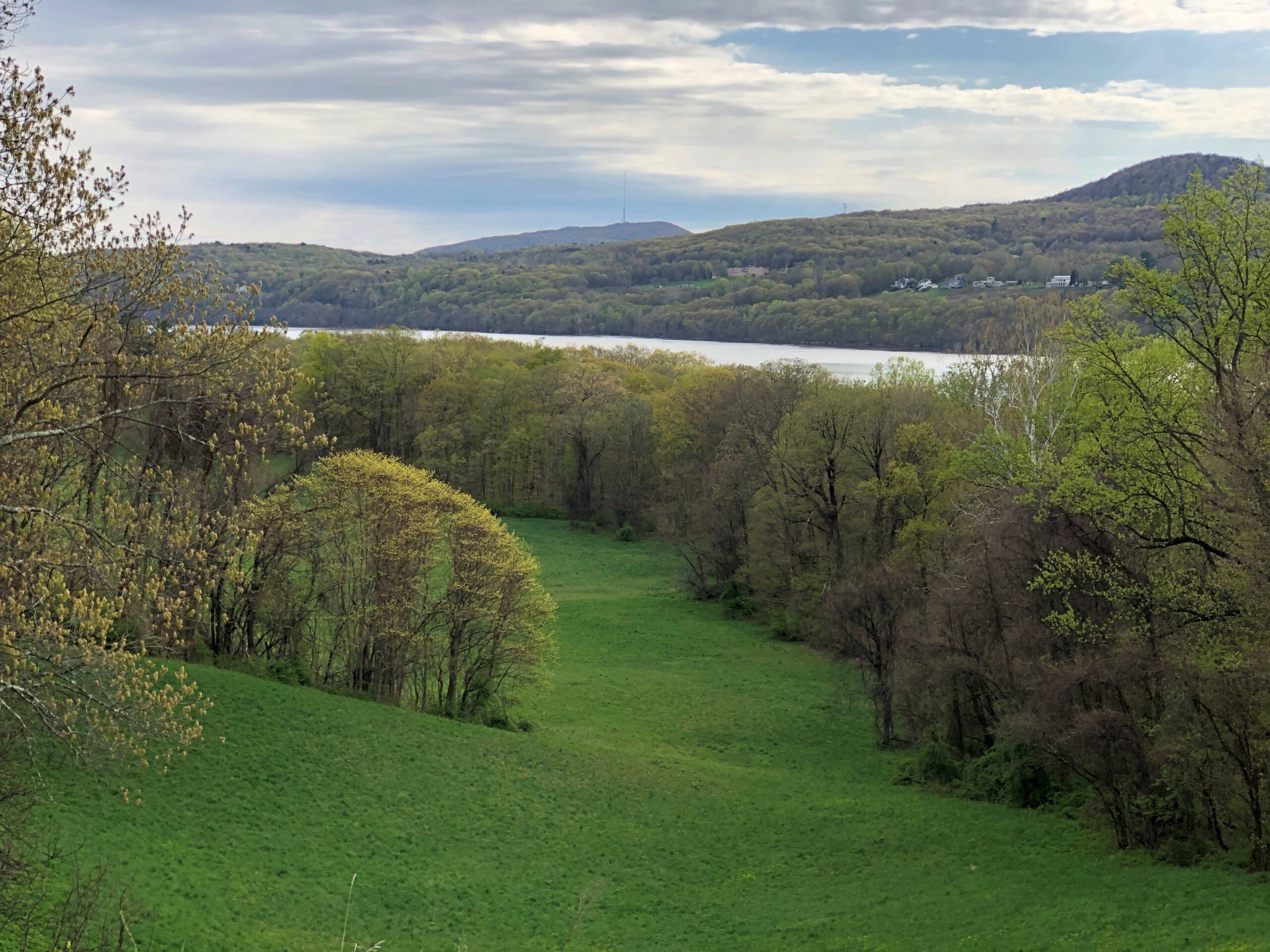
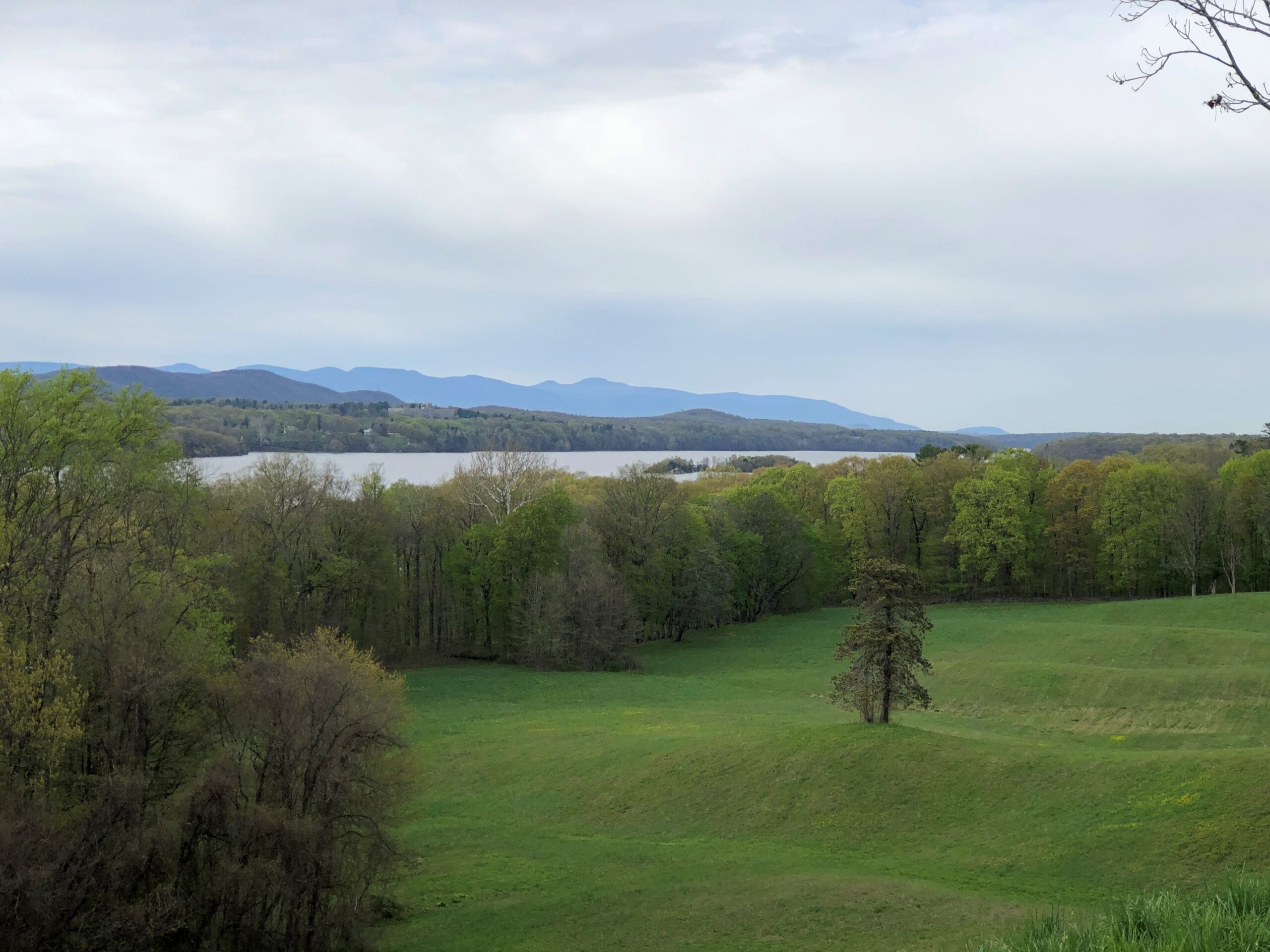
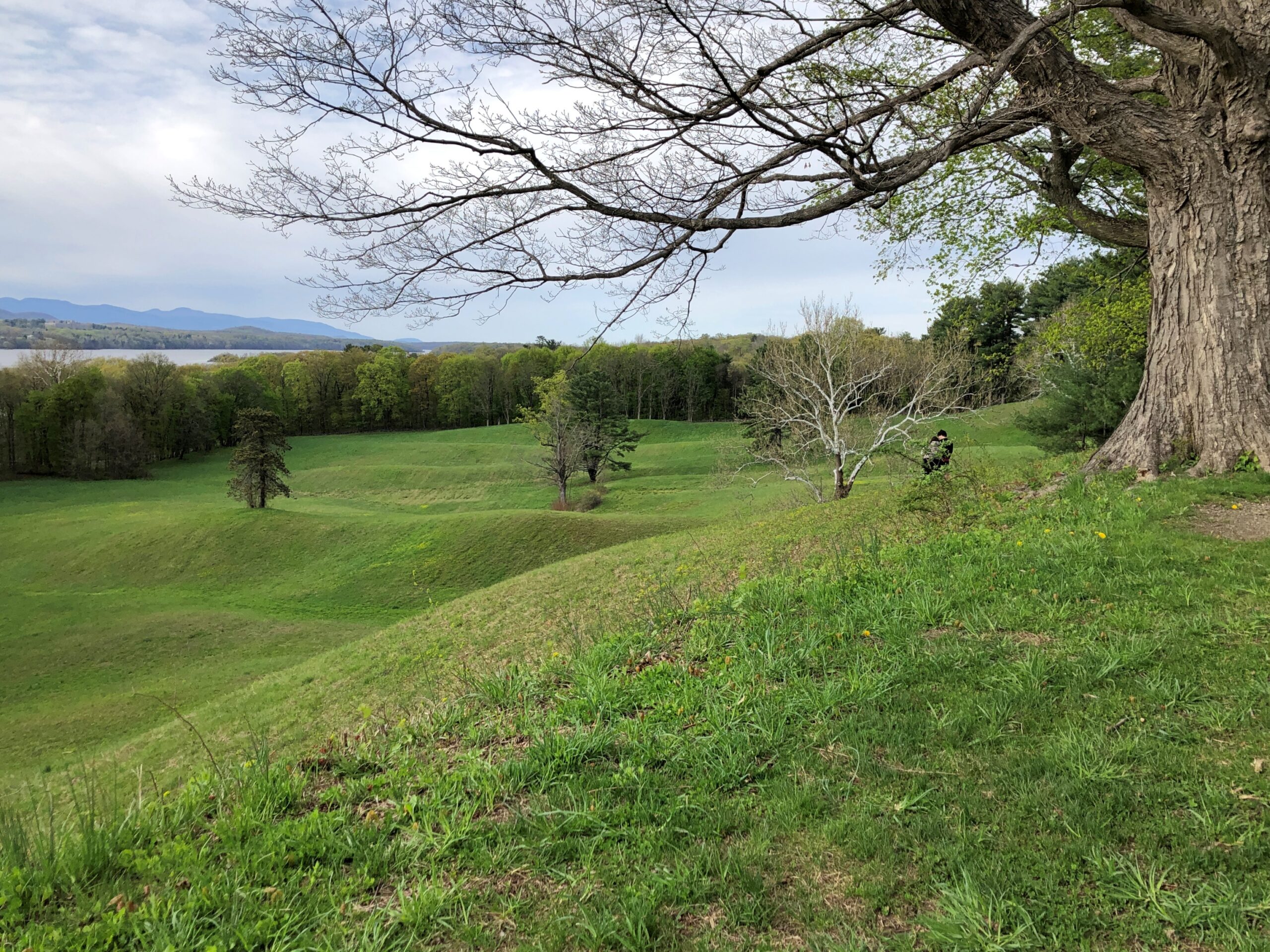
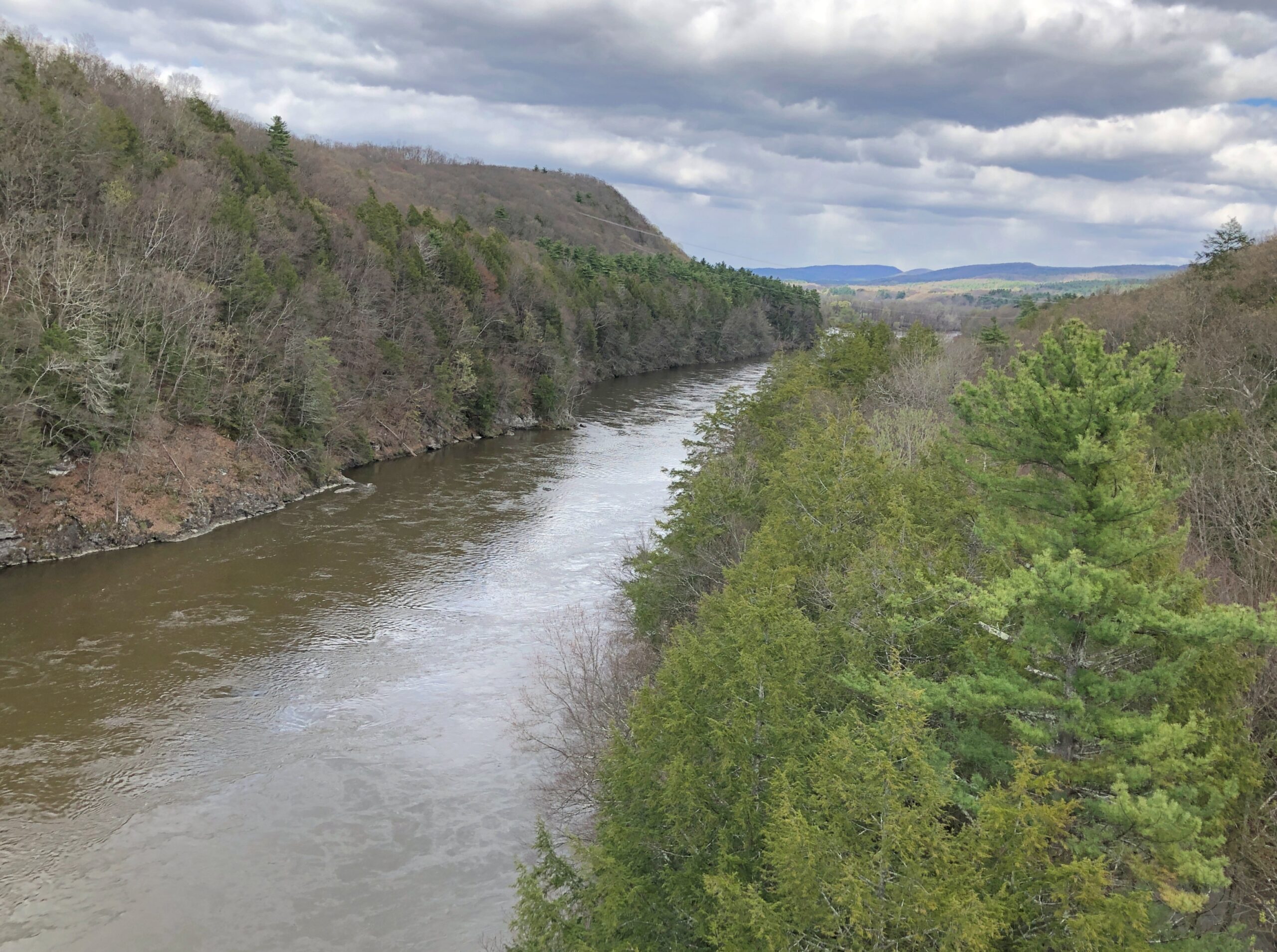
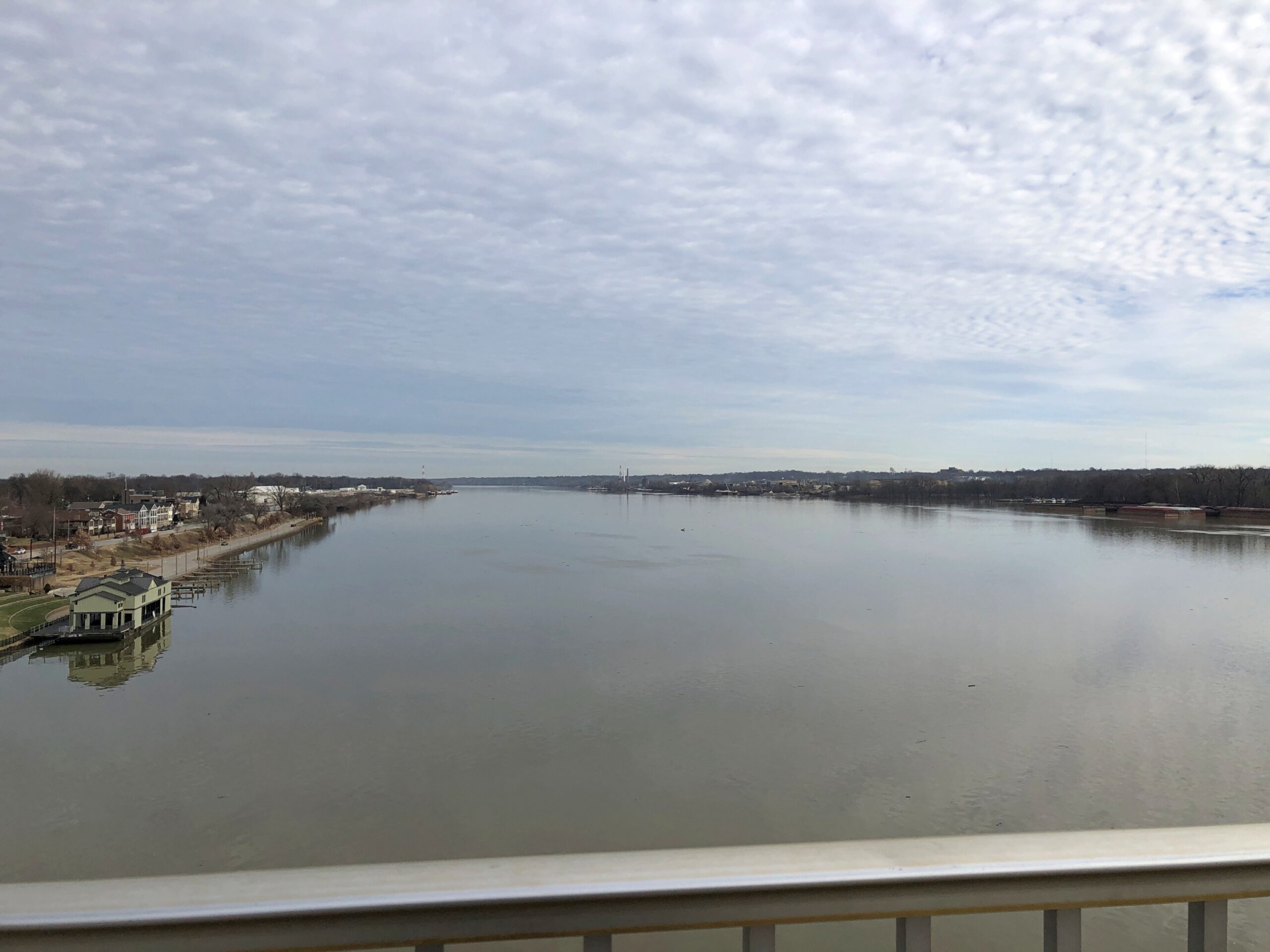
Then there’s the view from French King. That’s worth the stop and then some.

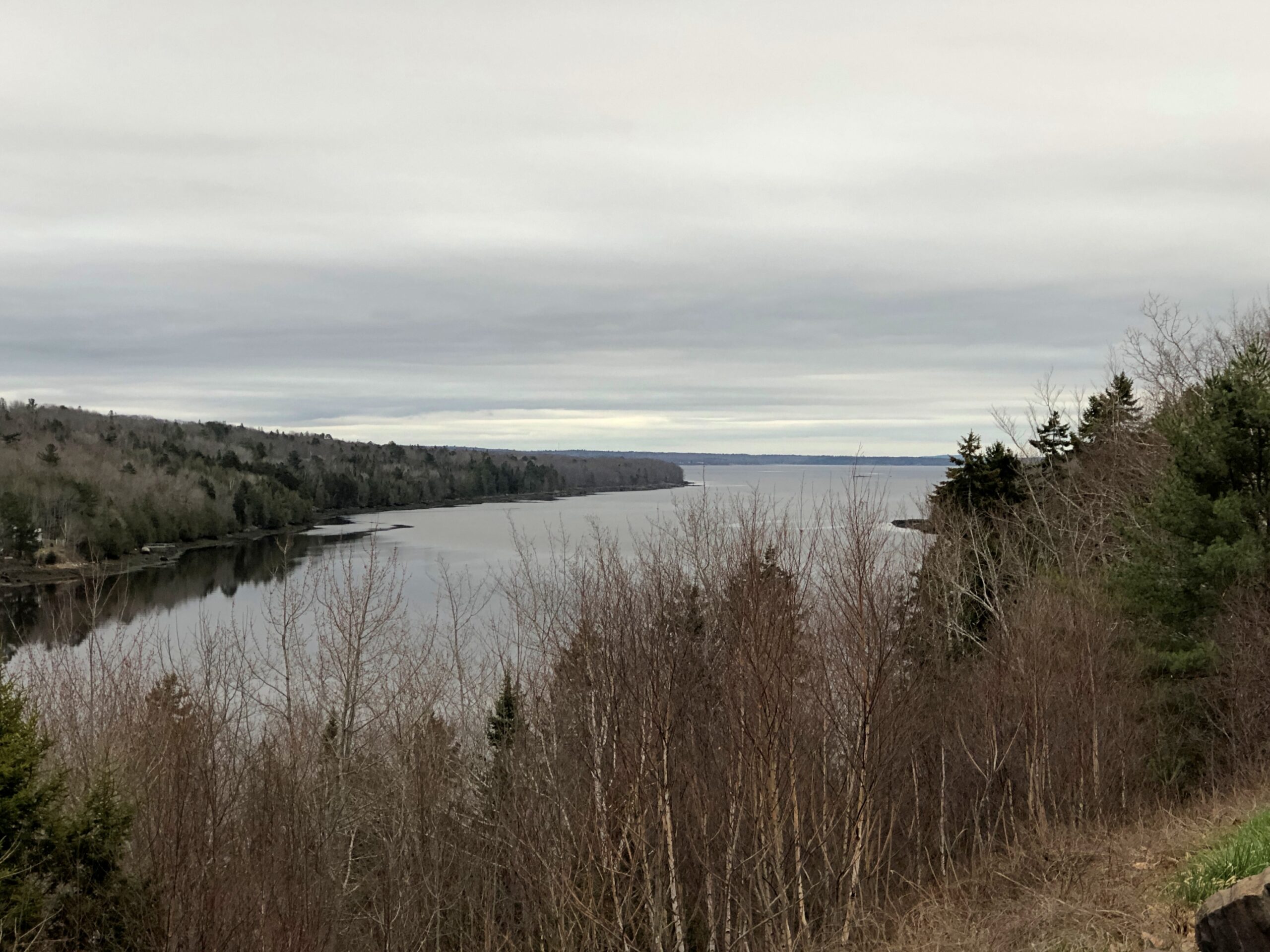
Looking upstream, or generally north. The Connecticut rises in New Hampshire very near the Canadian border and reaches Long Island Sound near Old Lyme, Connecticut. People have been living in the Connecticut River Valley for at least 6,000 years.

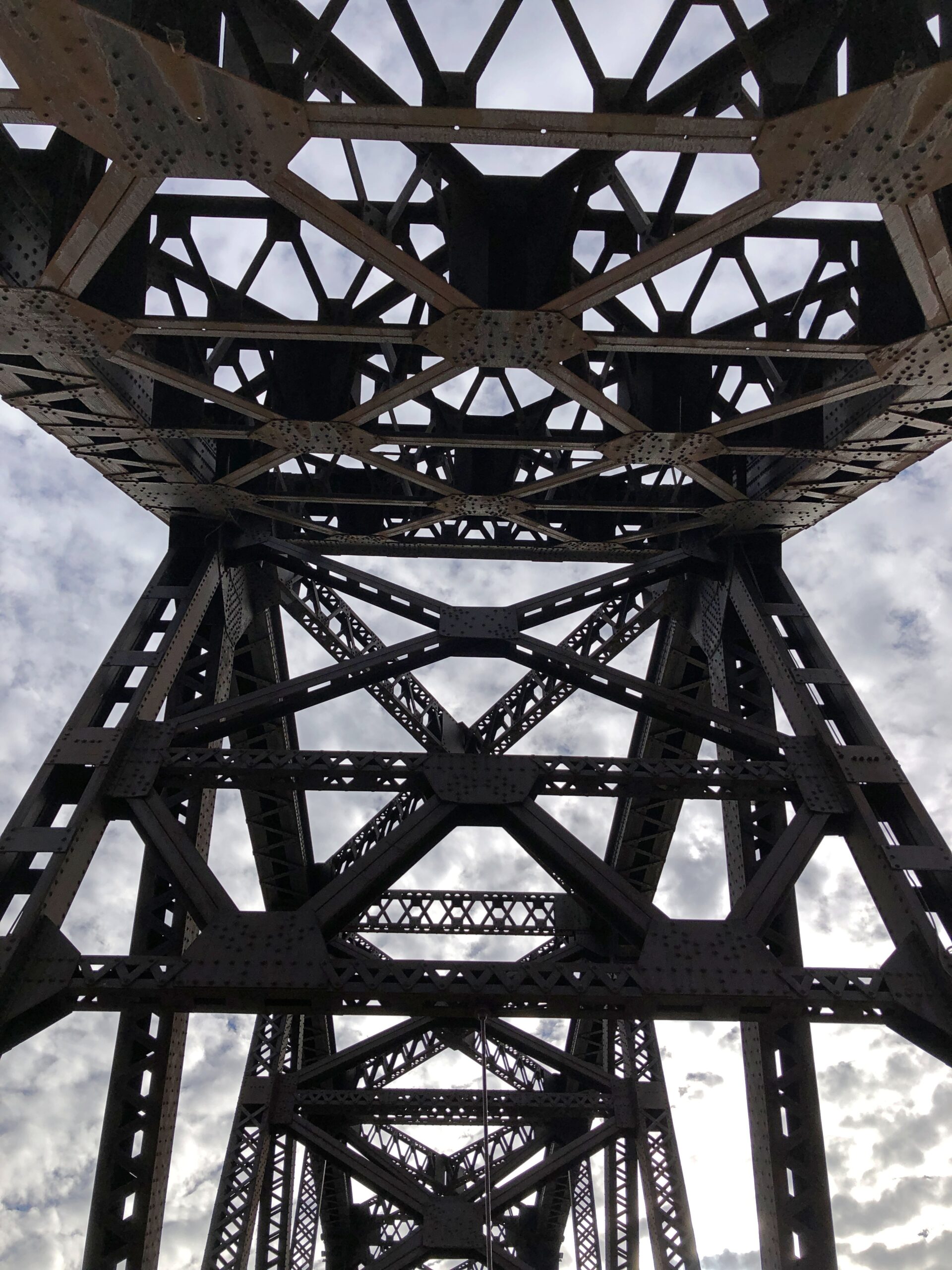
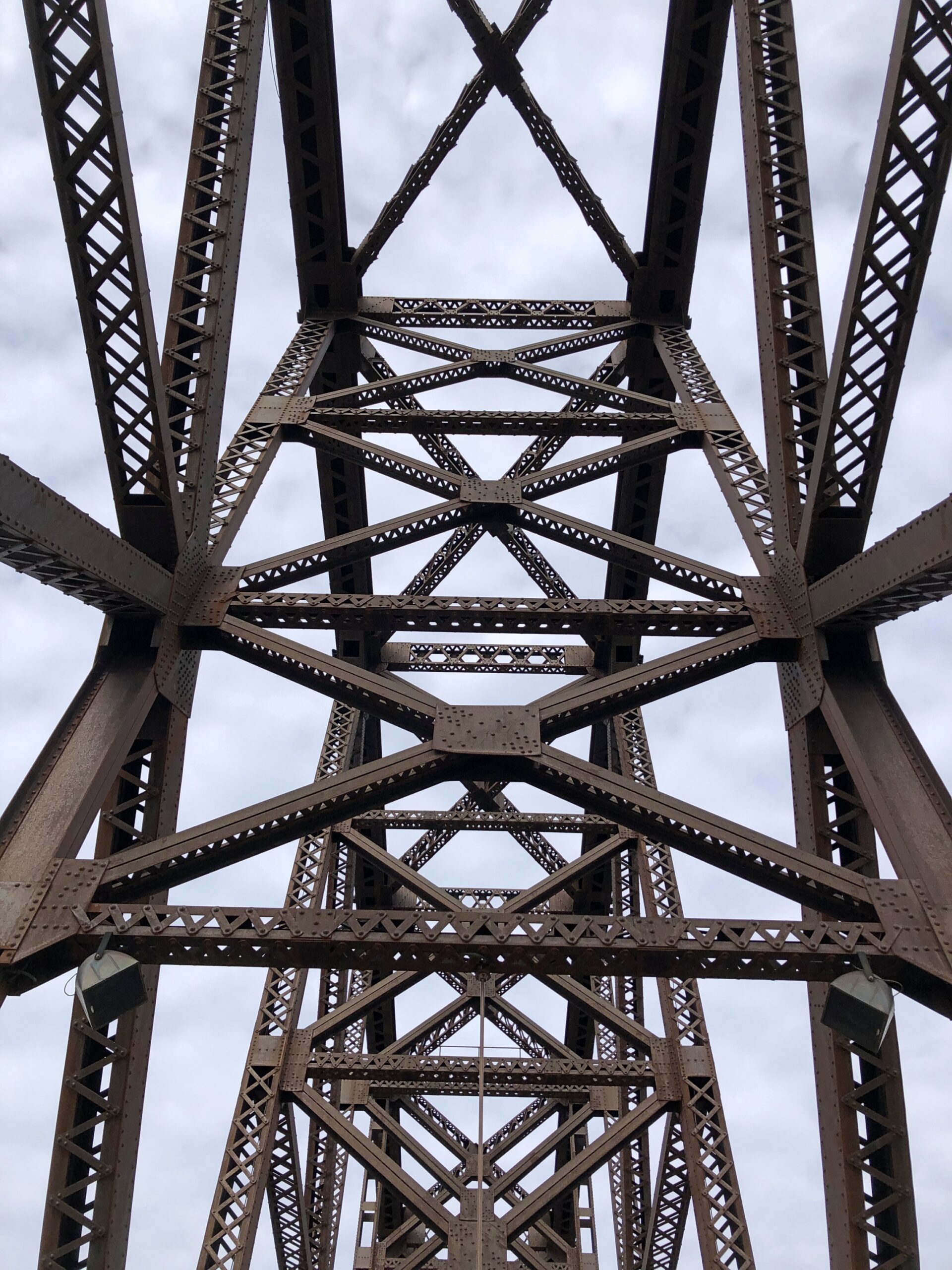
French King is an arch (see image from below here), like the New River Gorge Bridge in West Virginia, only a lot smaller and not nearly as high. But high enough: seems that MassDOT recently installed the cage-like bar structure at each edge of the walkways across the bridge because of people’s occasional but unfortunate habit of pitching themselves into the river, almost always fatally.

I know suicide ideation is a worrisome thing for those plagued with it, and I’m glad I’m not. But I believe most of us have anti-suicide ideations, as in, jumping off a bridge is not the way I would do myself in. Of course, I’ve ruled out all the other common methods as well.

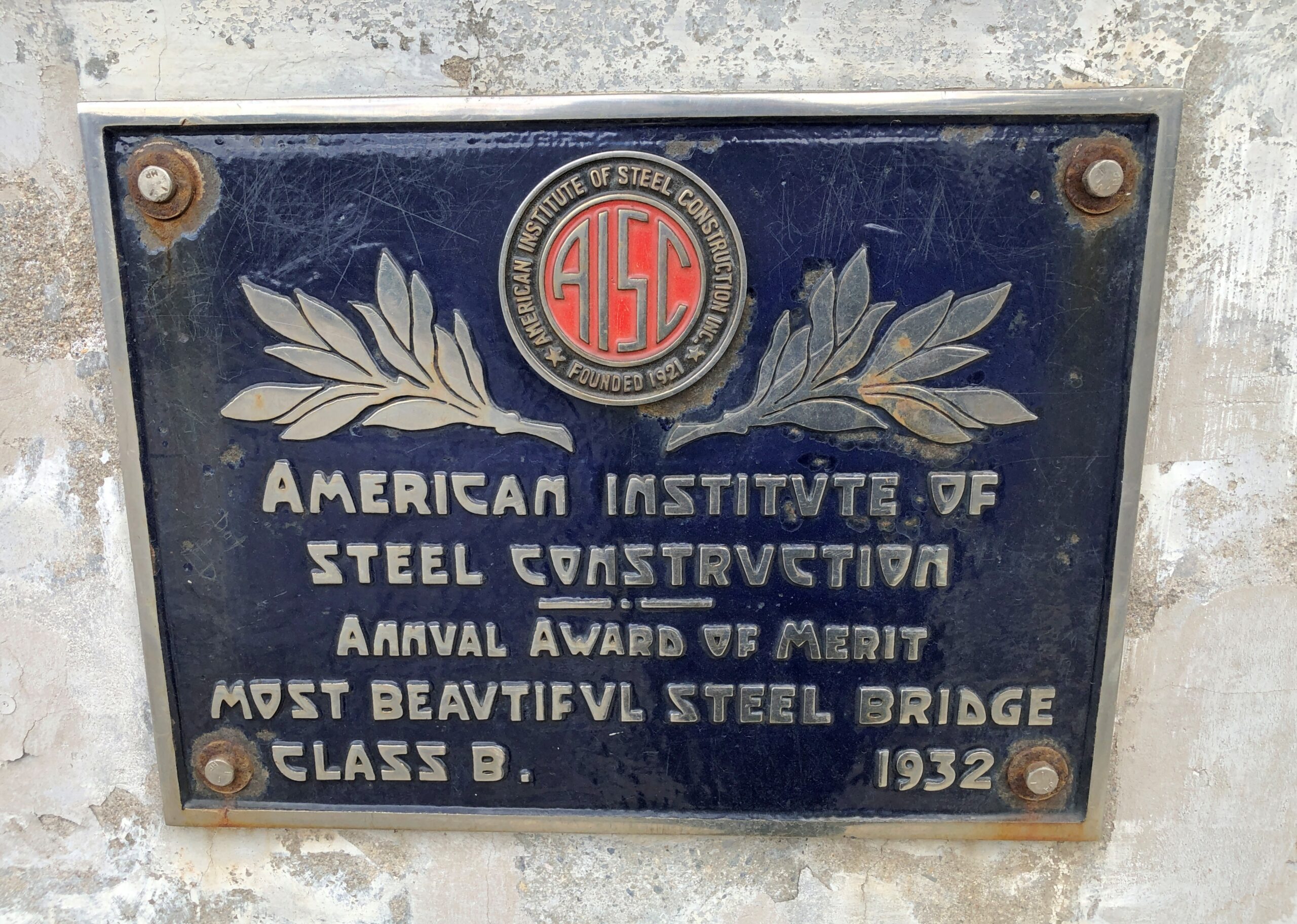
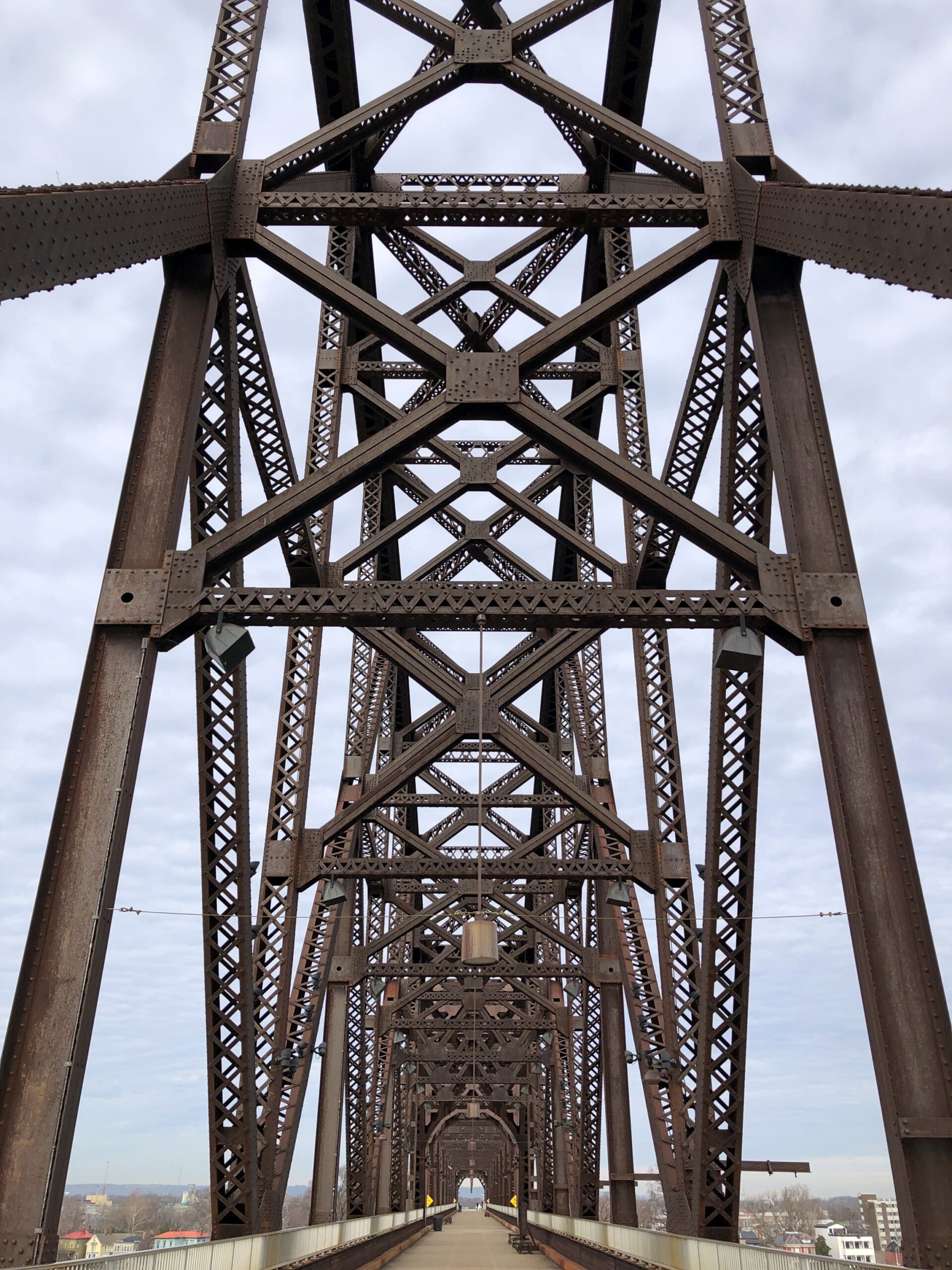
Engineers at the time of the bridge’s construction thought highly of the design.

One thing leads to another online, and pretty soon I was leafing through web pages at the American Institute of Steel Construction. Such as this page – Featured Projects – by the National Steel Bridge Alliance, showcasing some cool-looking steel bridges: Lake Bridges over Kentucky Lake and Lake Barkley; Lake Champlain (Crown Point) Bridge; Homestead Grays Bridge (Pittsburgh); Hope Memorial (Lorain-Carnegie) Bridge (Cleveland).

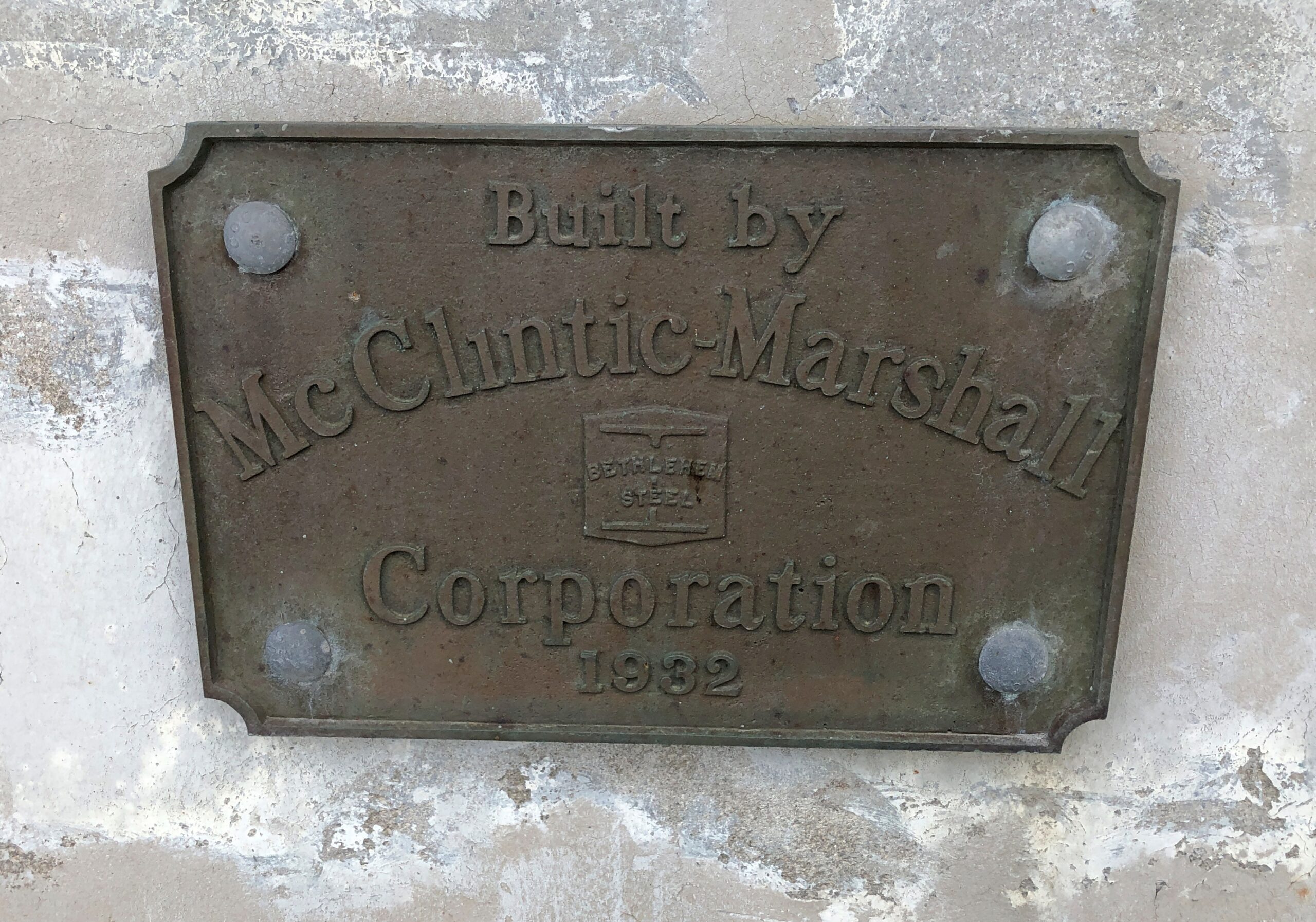
Bridge builders.

McClintic-Marshall was just warming up with the French King Bridge. Not long after, the company won a contract for the superstructure of the Golden Gate Bridge.

“The McClintic-Marshall Co., a subsidiary of Bethlehem Steel Corp., bid $10,494,000 for the contract to build the steel superstructure,” notes the Pottstown Historic Society. “Of course, because McClintic-Marshall was located in Pottstown, the outcome of this bid was of enormous importance for the entire area… On Jan. 12, 1933, anxiety gave way to joy as The Pottstown Mercury announced “M’CLINTIC’S BIG CONTRACT TO BE SIGNED TODAY.”
Finally, the name. French King after a nearby large rock in the middle of the river of that name. Before the river was dammed, it rose prominently out of the water. That naming is vaguely attributed to passing Frenchmen but more seems like one of those go figure origins common enough in place names. Maps wouldn’t be quite as interesting without them.

The Maine State House

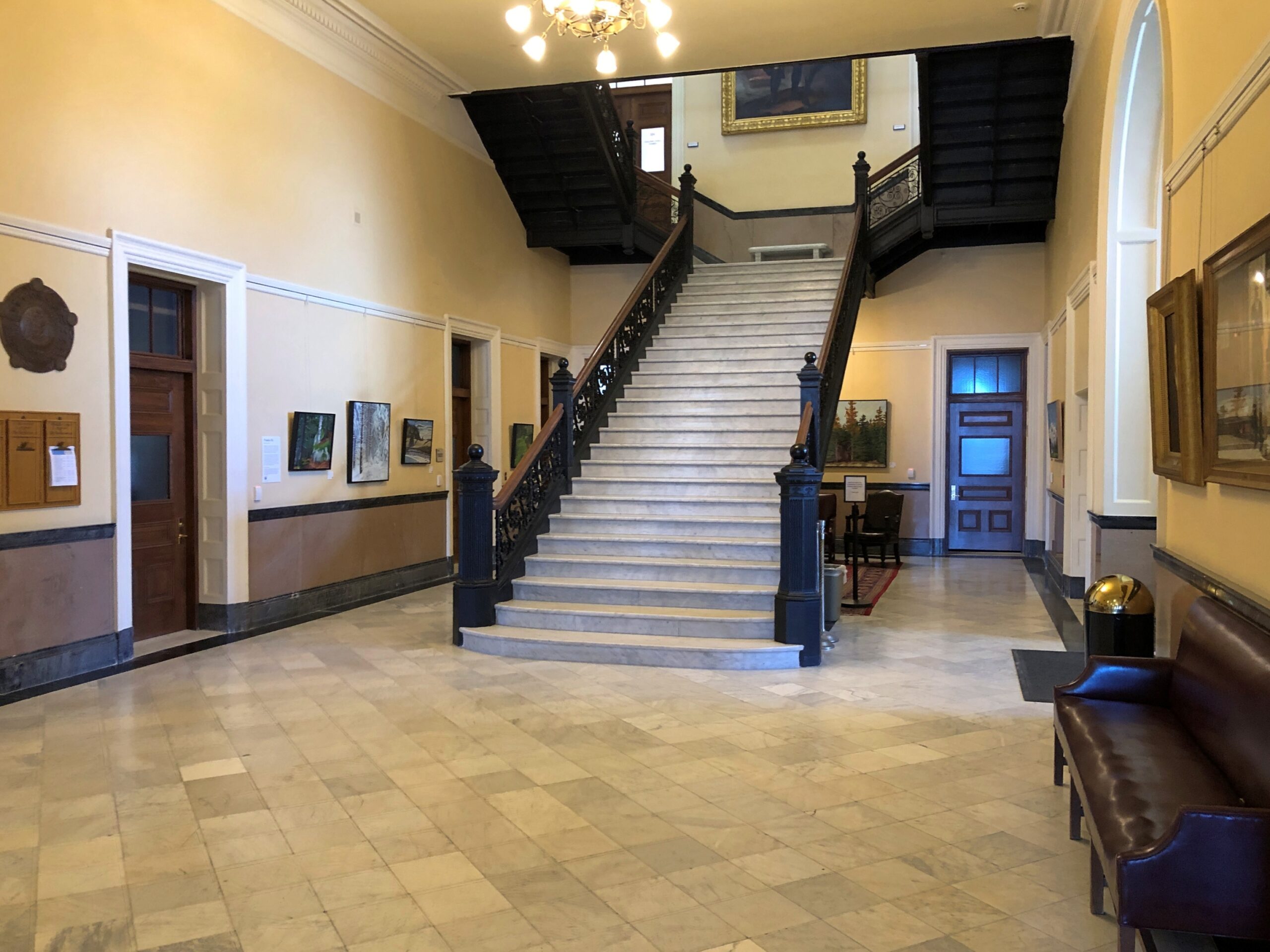
Though state capitols tend to be grand buildings with opulent fixtures and decorous memorials, small surprises outside the official scheme sometimes await casual visitors. Such as rocking chairs at the Maine State House.

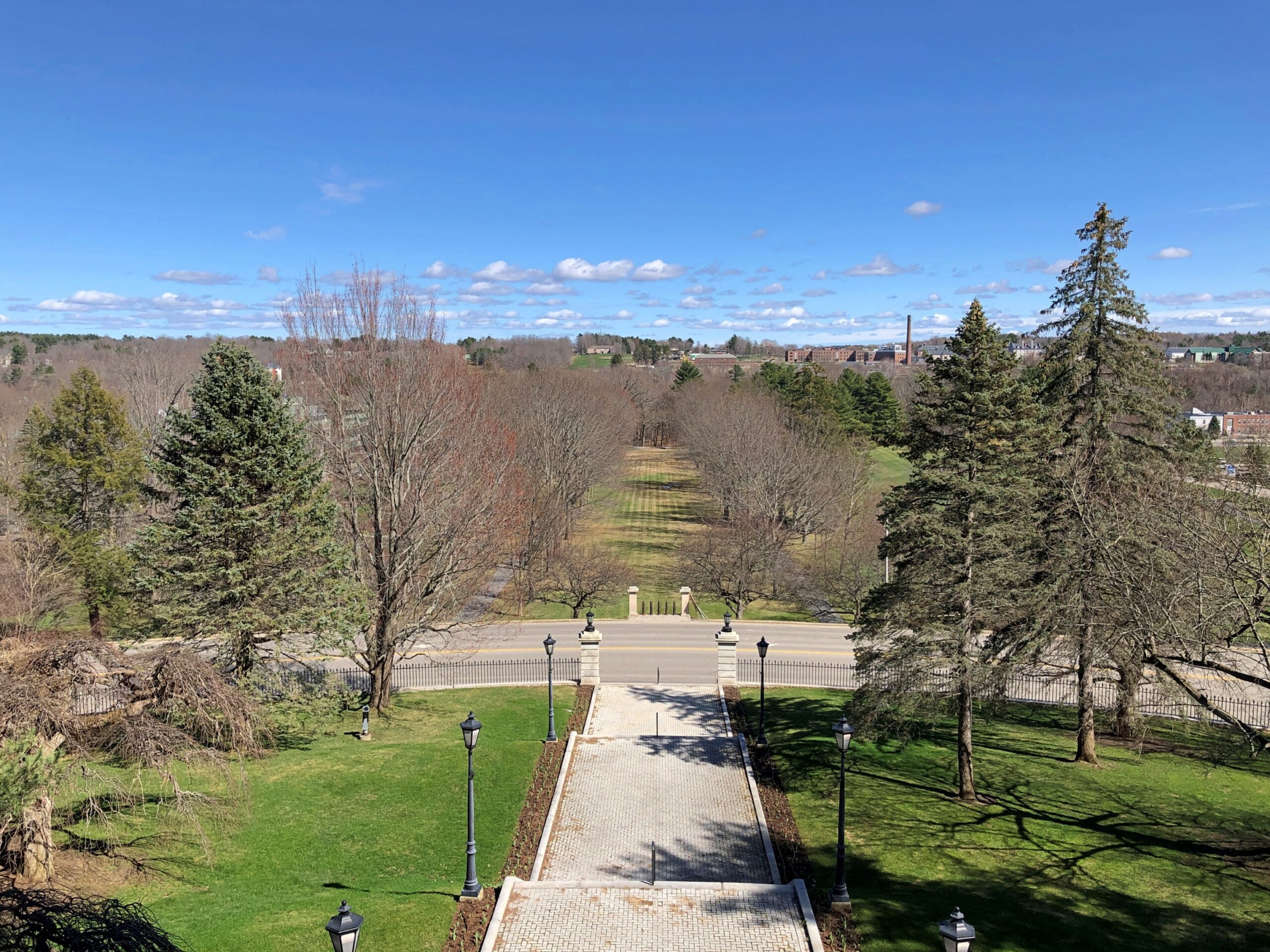
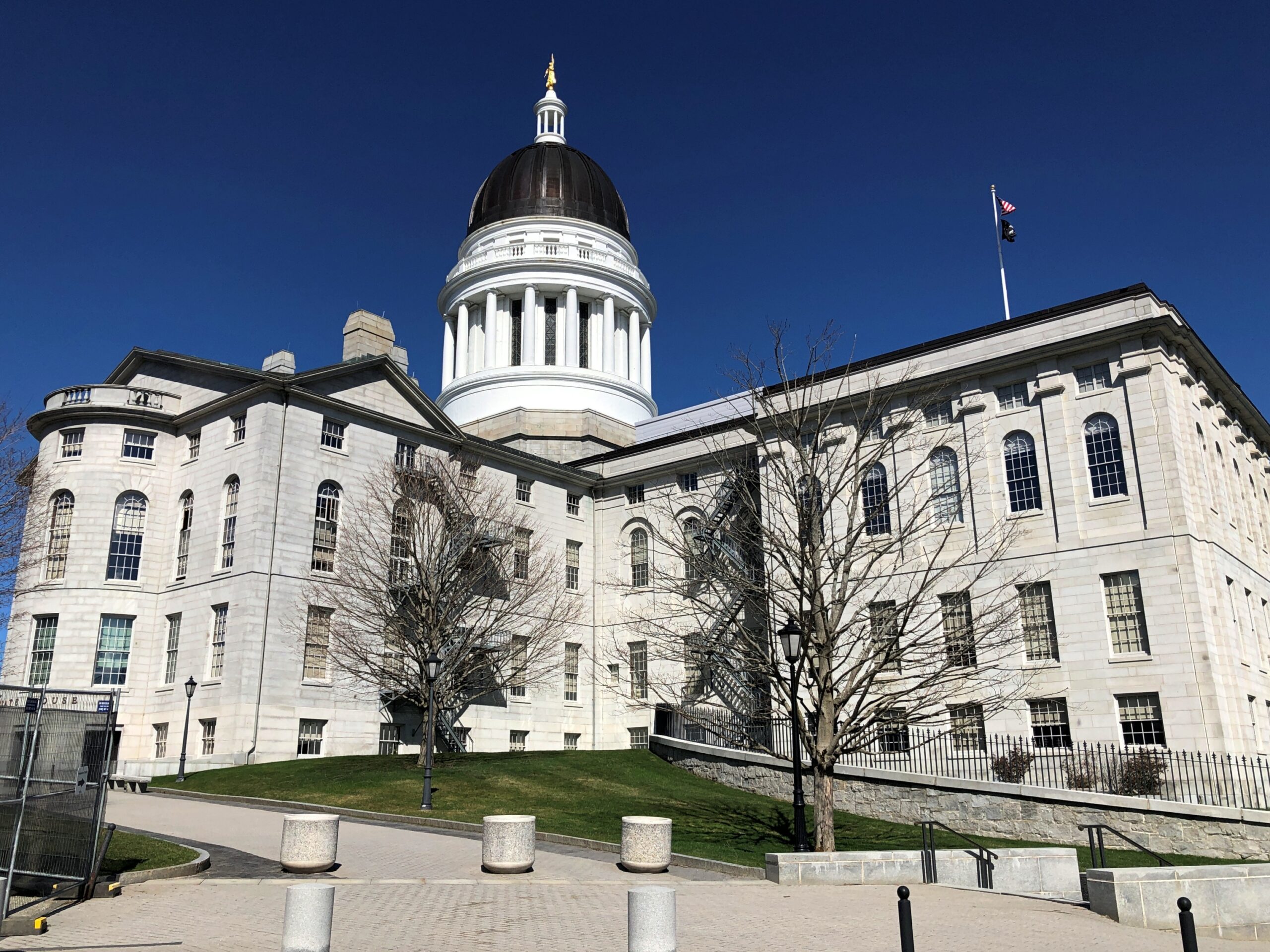
The building is perched on a hill, as capitols sometimes are, with a sizable porch with a long view. Obscured off in the distance is the Kennebec River.

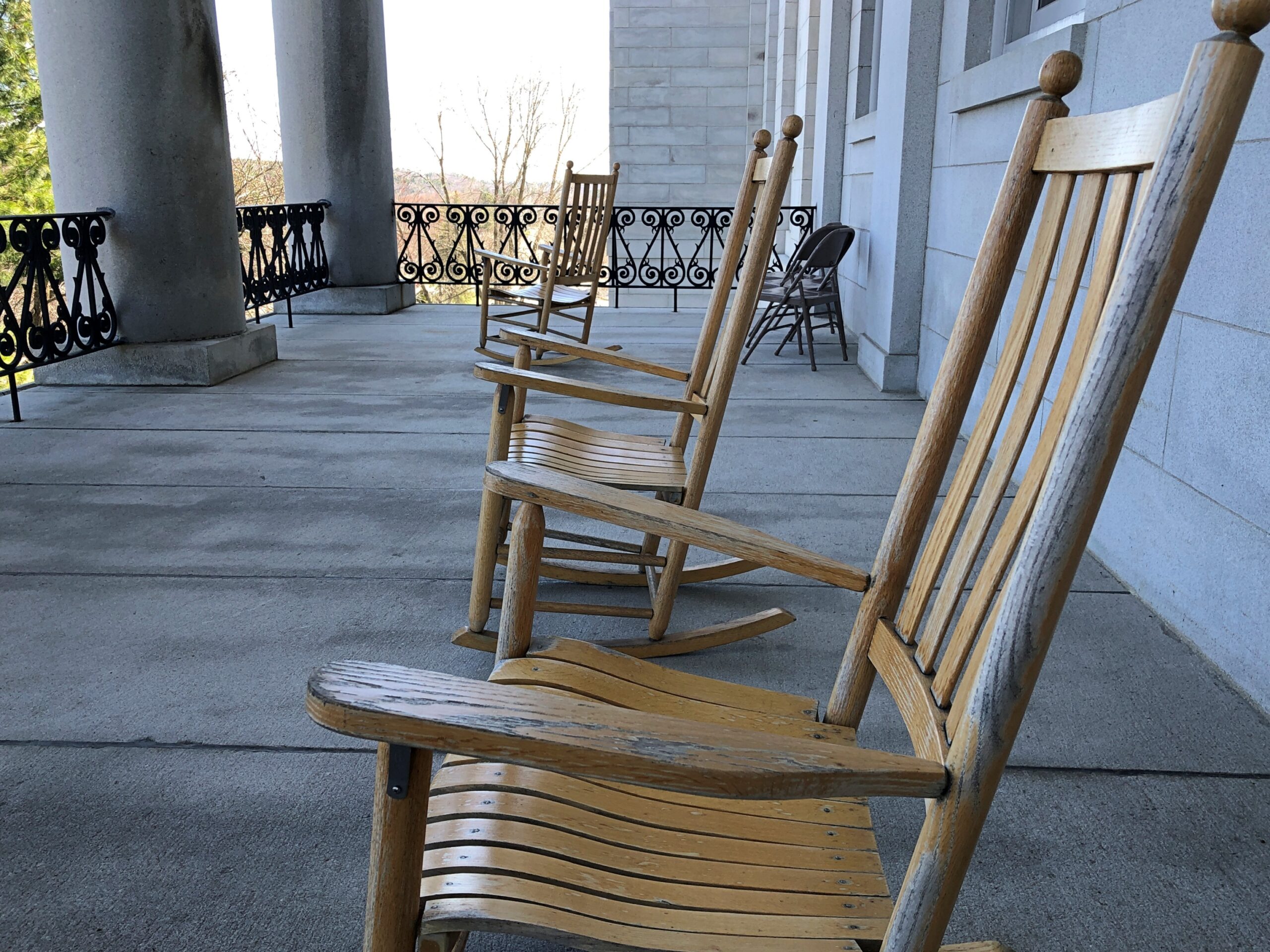
That porch is a good place for rocking chairs, someone thought at some point; someone associated with the capitol in some way that made it a reality, so I suppose in that sense, the chairs are as official as memorial busts or portraits. I had a seat. I couldn’t very well ignore the obvious thing to do in a place where rocking chairs aren’t an obvious thing to have. Also, I get tired more easily than I used to. I took in the view.

Augusta was the last place I visited in Maine last month. I could hardly miss it on my way out of the state. For one thing, I’d been to Augusta, Ga. less than a year earlier. Mostly, I had a new state capitol to visit. A box to check. Thinking of it that way might perturb travel purists who insist that travel is about “expanding your horizons,” or “living like the locals” or some other vague nonsense. There’s nothing wrong with a few lists to consult along the way. Think of them as “goals.” Gives a little structure to an interest, and I’ve long had an interest in state capitols.
In this case, I was committed to meeting my friends that evening in suburban Boston, so as interesting as Augusta looked – especially the busy State St. on the way to the capitol – I only had time for one thing. The Maine State House was it.

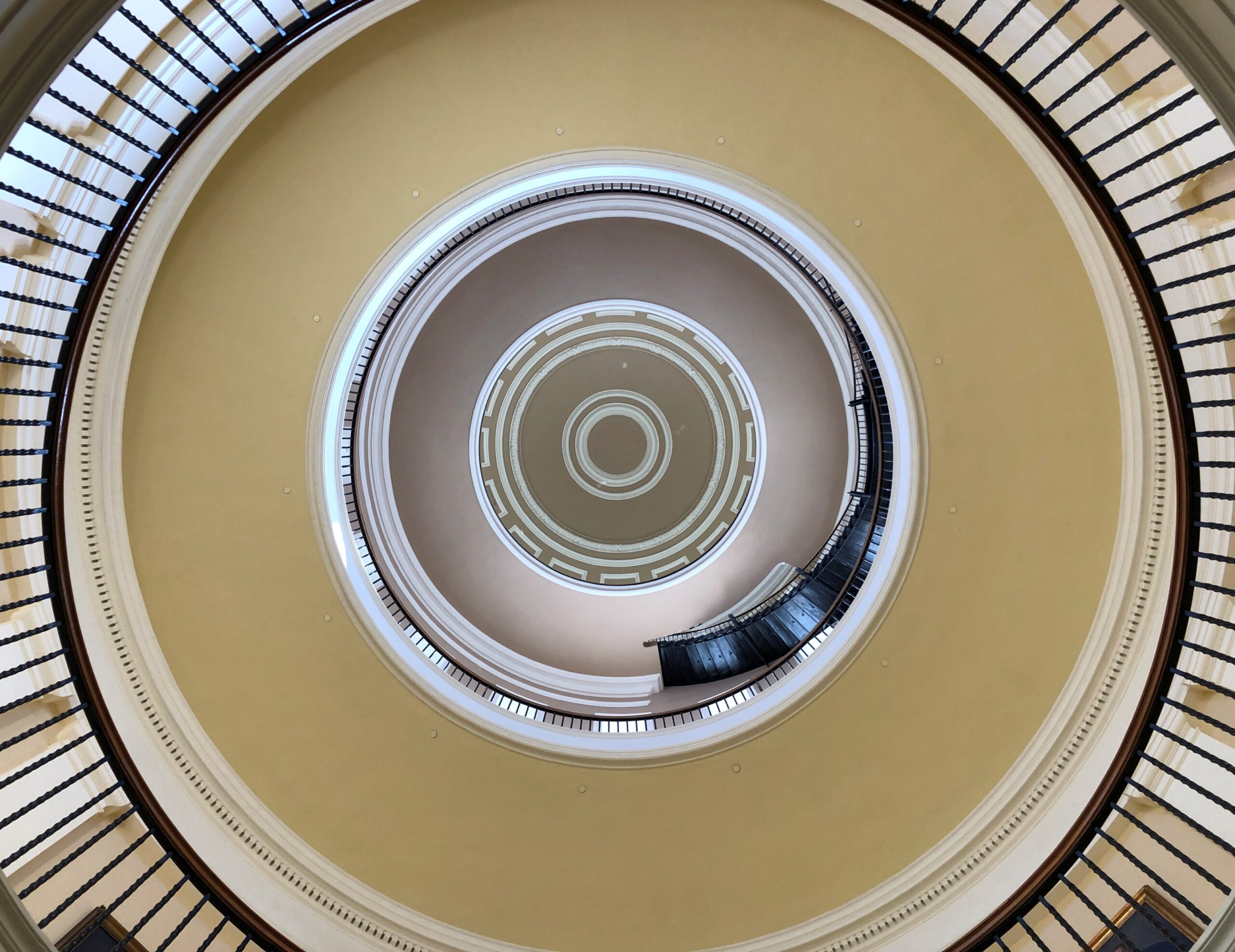
Maine statehood was a process that “took 28 years… six referendums and a war before the District of Maine escaped the rapacious grasp (to some) of Massachusetts,” according to the New England Historical Society. But once the doughy Mainers had broken away, they needed a capital and a capitol. The more-or-less central Augusta for the former, and a design by Charles Bulfinch (d. 1844) for the latter. Bulfinch, who also designed the Massachusetts State House, was an architect of the early Republic, maybe the architect of the early Republic, as the starting point of Federal style.
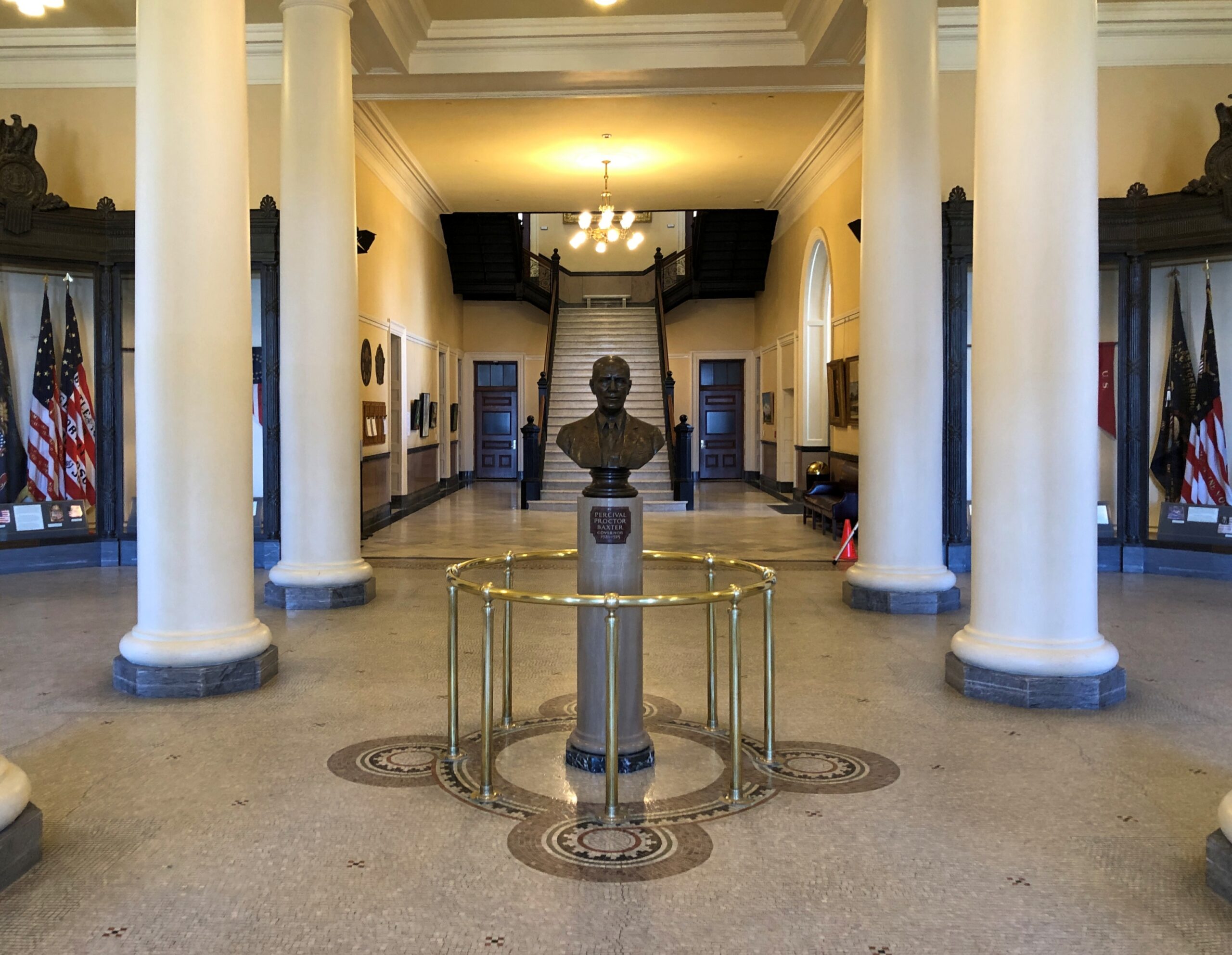
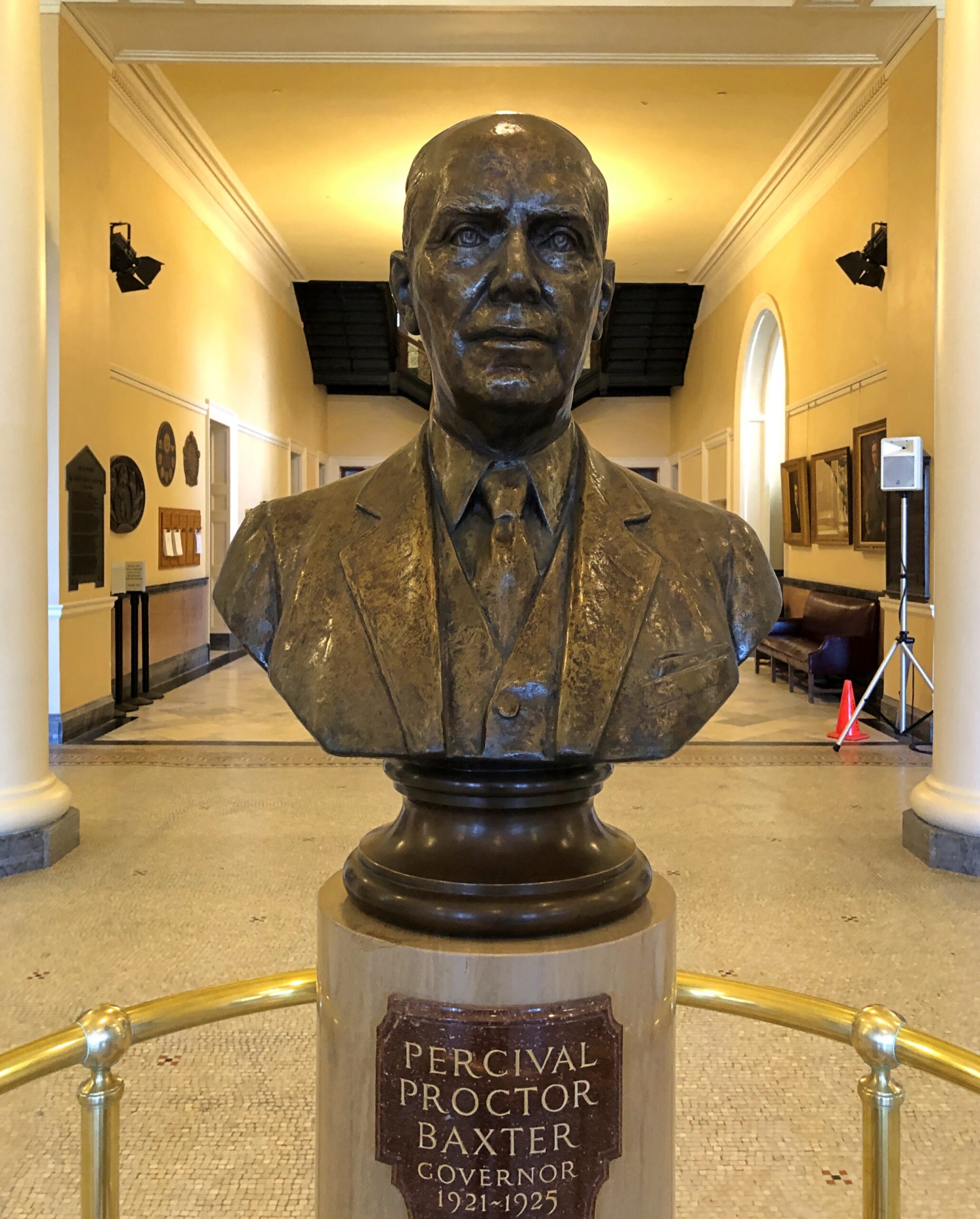
Not the most ornate of capitols, but a pleasant design. Mainers of yore are honored in various spots, but a special place of honor is for Gov. Percival Baxter (d. 1969), who sounds like an all-around swell fellow. Baxter State Park way up in the northern wilderness is named for him, and for good reason: being personally wealthy, he was able to acquire the land for the park himself, which he gave to the state.

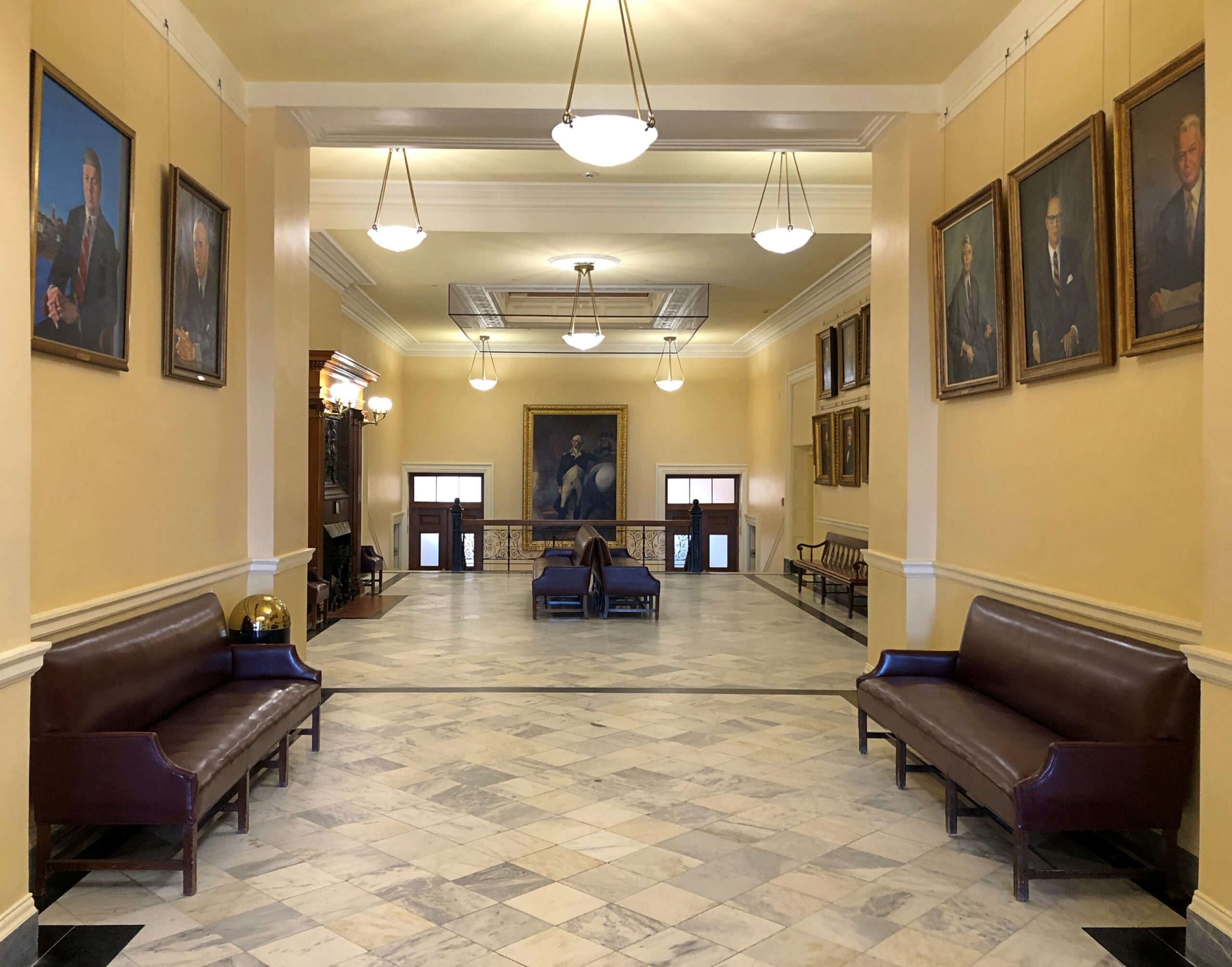
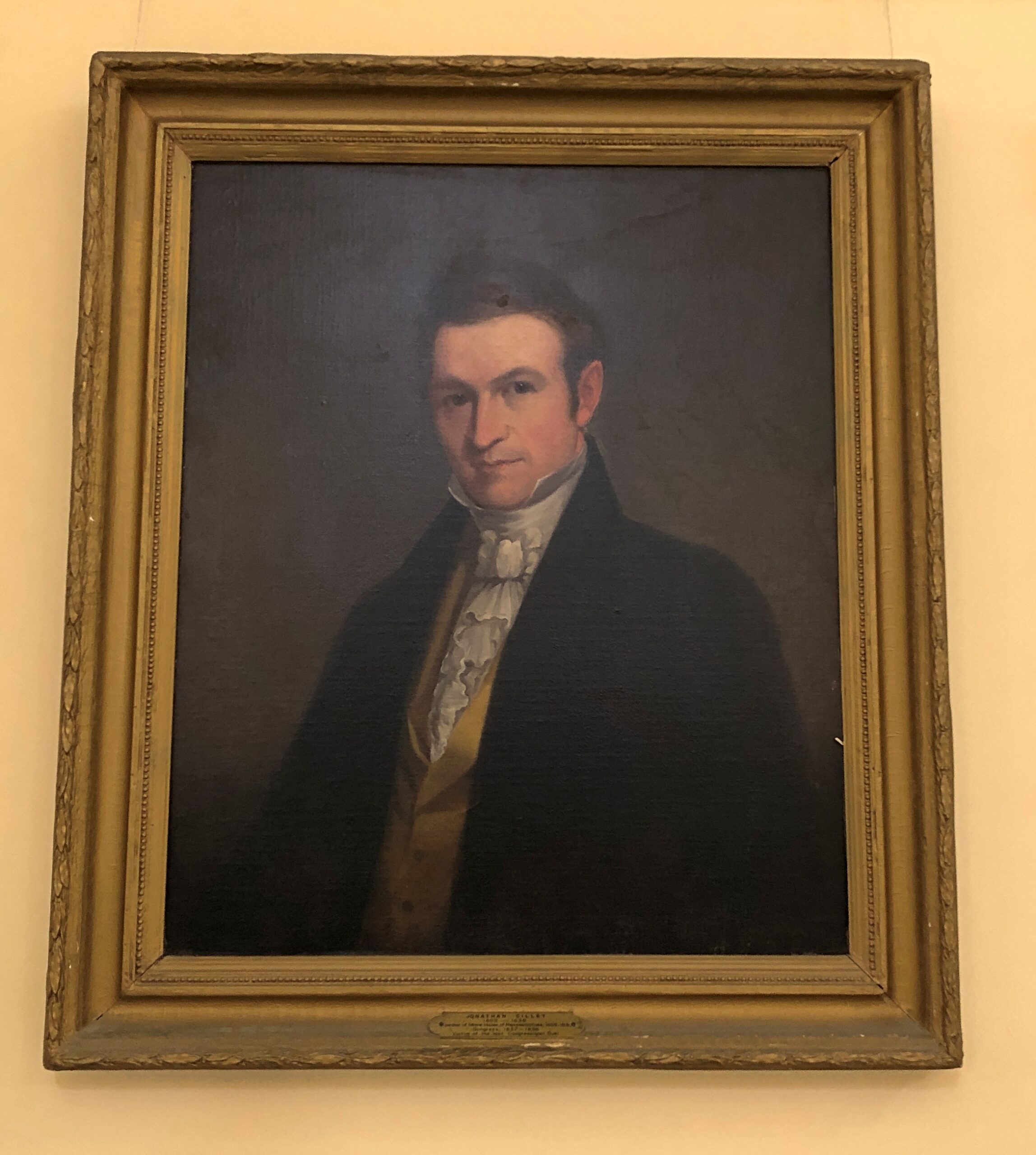
A number of portraits hang on the wall, also as usual for a capitol. One intriguing one: Jonathan Cilley (d. 1838). A Congressman from Maine who, as the sign under the painting says, was “victim of the last Congressional duel.” Shot by fellow Congressman William Graves over some arcane point of honor, he was. Quite the story.

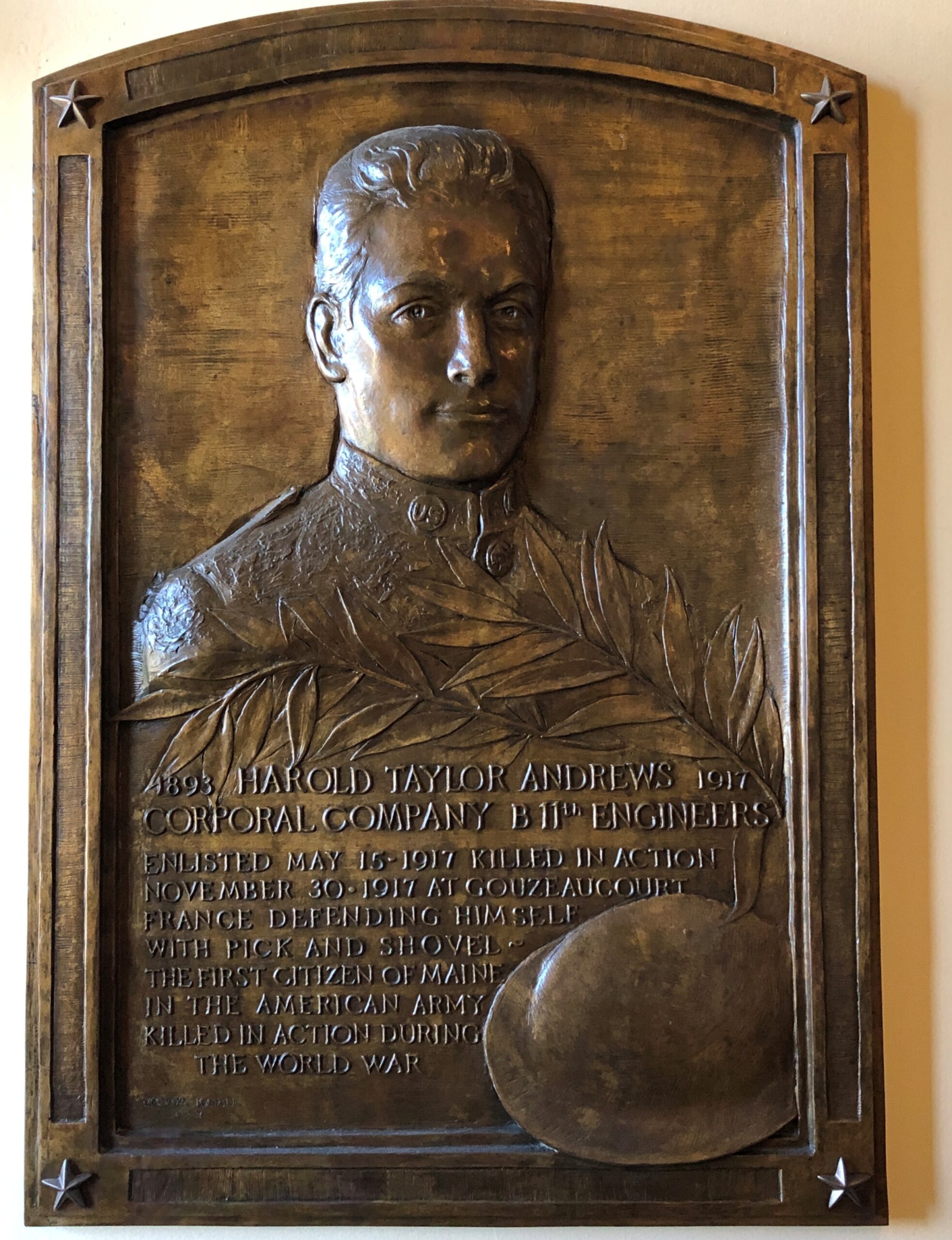
Another story on the wall: Sgt. Harold Andrews, the first U.S. soldier from Maine to die in the Great War (November 30, 1917). An exact contemporary of my grandfather, and an engineer as well. Grandpa returned from France to have descendants, Andrews did not.

If for no other reason than to make the acquaintances of Gov. Baxter and Rep. Cilley and Sgt. Andrews, the Maine State House was a good box to check.

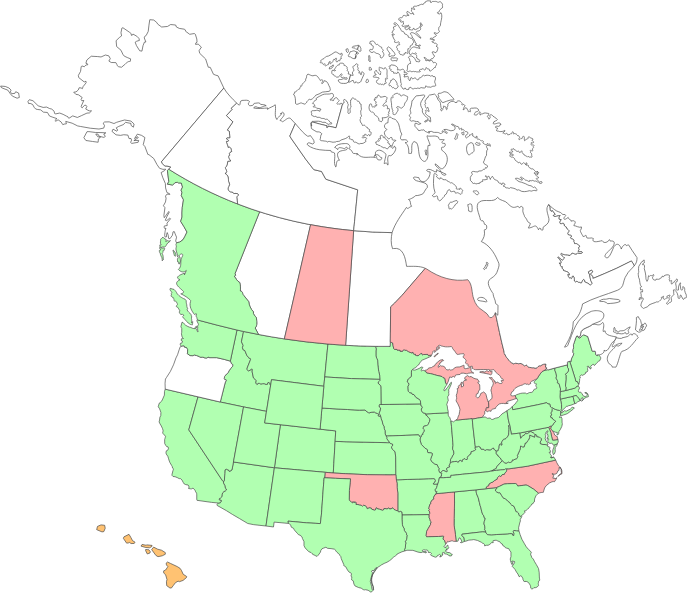
The thing about state capitols, though, is there aren’t many new ones left for me to visit. Got a few more provincial capitols — parliament buildings — however.

Green: interior visits. Orange: exterior visit only. Gold: uncertain. White: more boxes to check.

Mount Hope Cemetery, Bangor

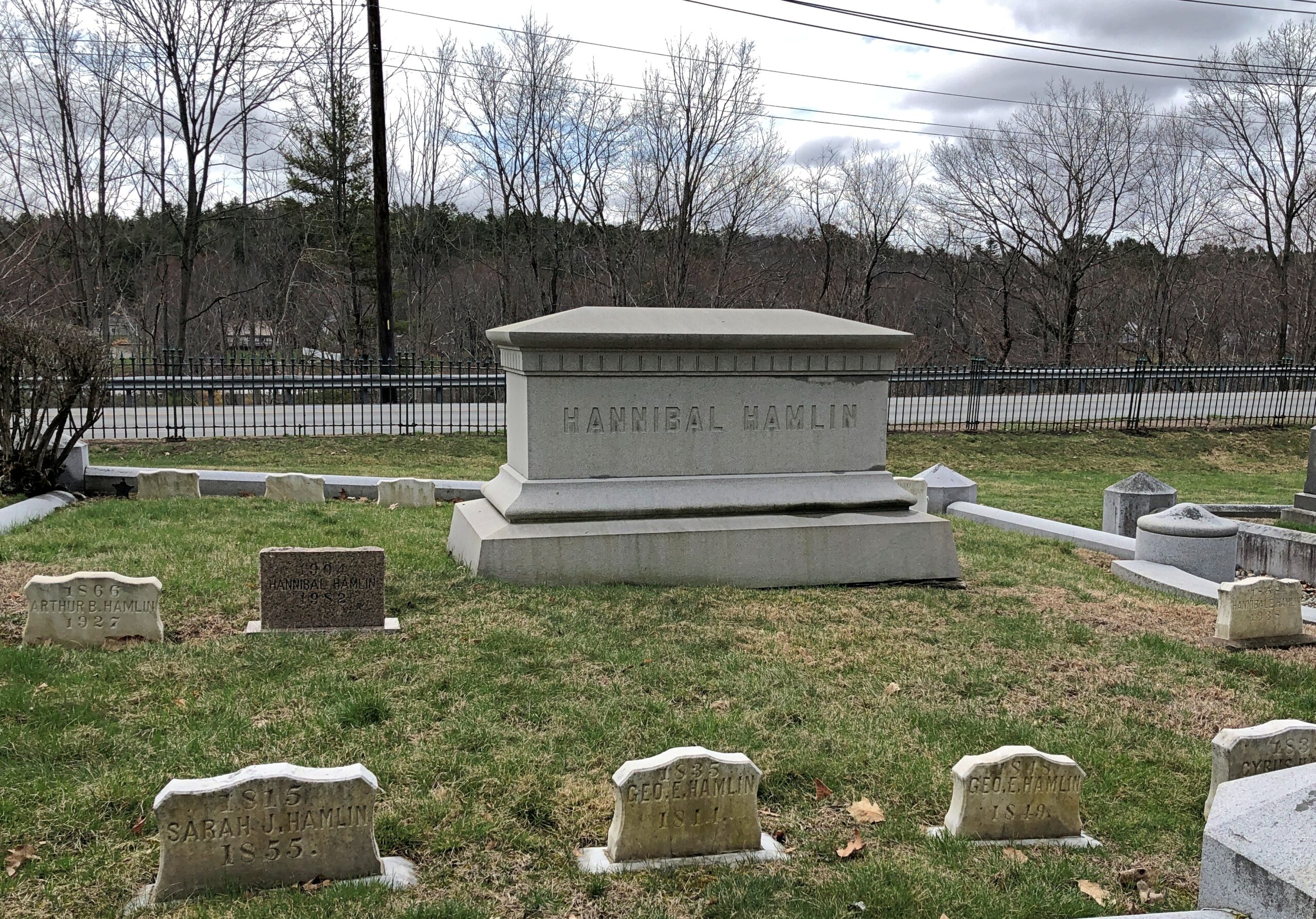
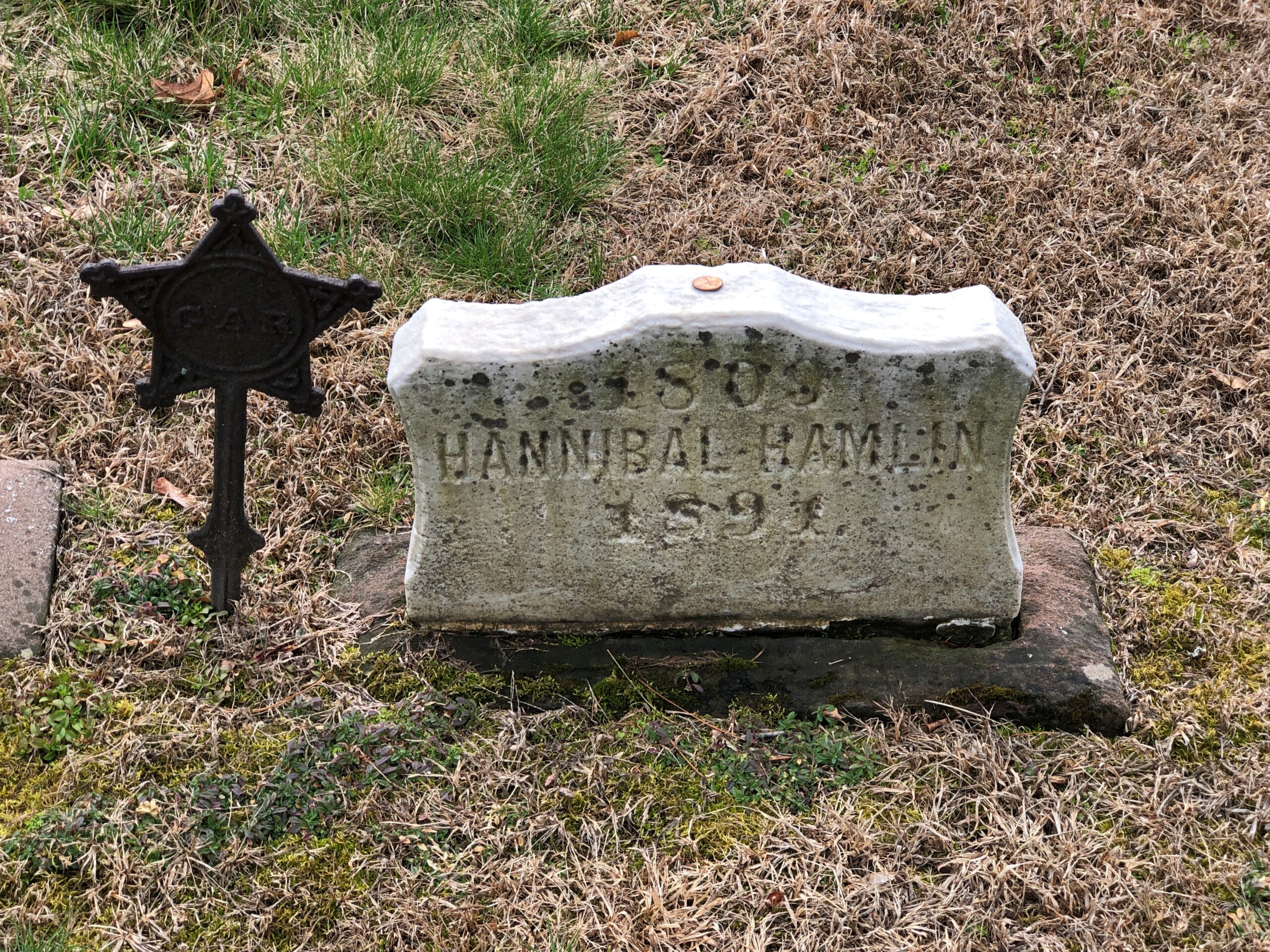
It’s one thing to see Hannibal Hamlin’s bronze in downtown Bangor, but true vice presidential enthusiasts can’t leave it at that. The 15th Vice President of the United States also happens to repose in Bangor, along with a number of other Hamlins, at Mount Hope Cemetery.

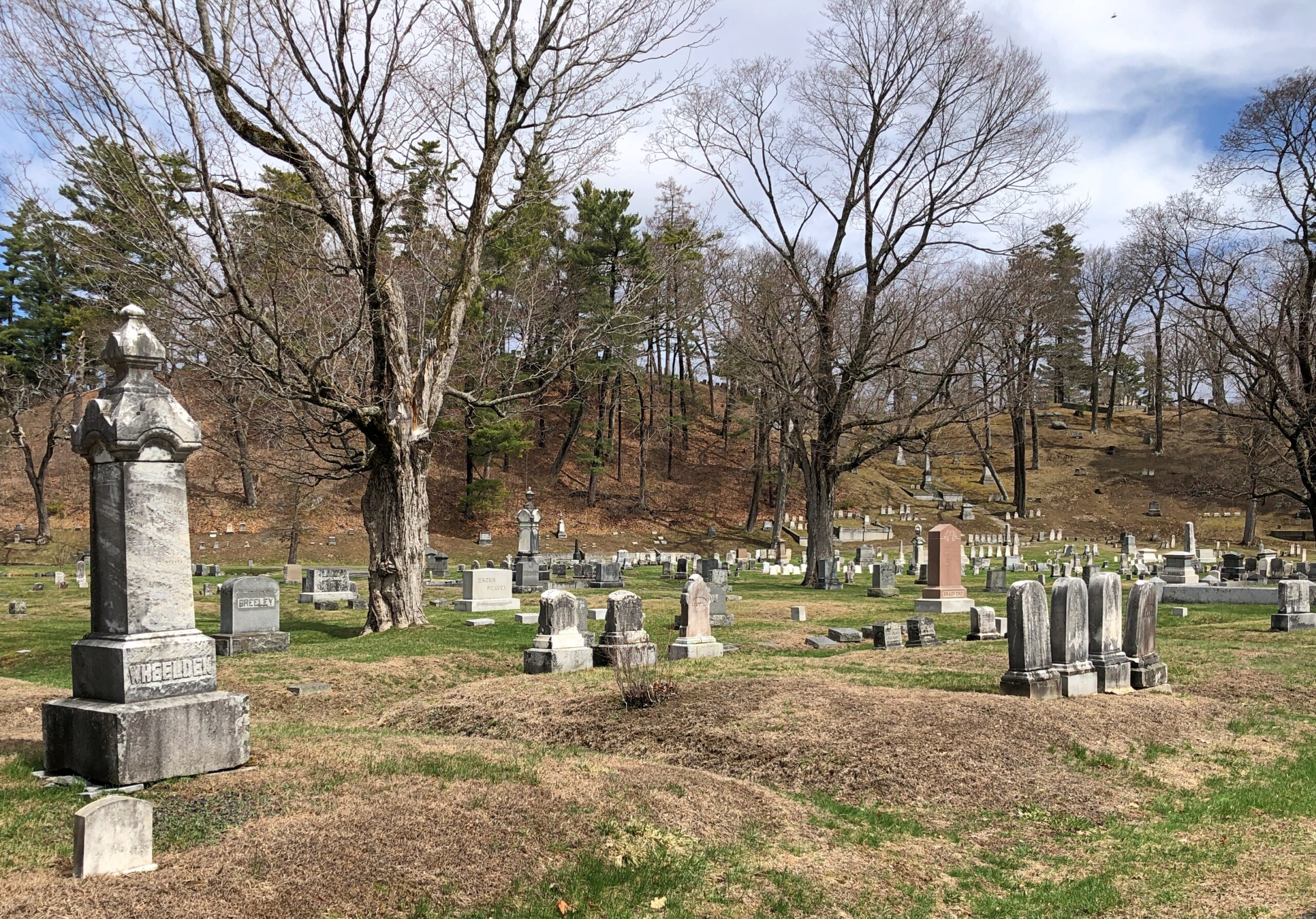
He’s in the company of a lot of other Mainers, too.

Including a lot of 19th-century Maine politicos and nabobs, and silent screen actor Ralph Sipperly. Of course I had to look him up, even though I didn’t see his stone.

Wiki notes, ultimately citing the NYT for the theater anecdote: “Ralph Sipperly [d. 1928] was a comic and character actor who appeared in ten films (mostly silents) between 1923 and 1927. His most notable portrayal was as the barber in the Academy Award-winning film Sunrise: A Song of Two Humans (1927).

“During one theatrical performance of Six-Cylinder Love in New York in 1921, Sipperly, who played a high-powered car salesman, accidentally drove an actual automobile off the stage and into the first row of seats. No one was injured, though screams erupted in the sold-out hall, and one woman ‘became hysterical’ as people scrambled out of the way. The incident made The New York Times the following day, but apparently had no effect on Sipperly’s career.”

Mount Hope is credited with being the second U.S. cemetery of the rural cemetery movement. The cemetery organizers picked a partly wooded bluff whose slope rolls down to the Penobscot River. The first such rural cemetery was, of course, Mount Auburn in Massachusetts, which opened in 1831.

“At Mount Auburn, a large tract of land was converted into a romantic park with ponds, bowers, grottos, and a great variety of planting. It was consciously designed for the living as well as the dead,” the cemetery web site says.

“The City of Bangor was not long in following suit. Bangor became very much alive with the settlement of the Penobscot River Valley in the years preceding the Revolutionary War. In 1834, Bangor was declared a city. Among the citizens of Bangor came a strong sentiment for the creation of a new cemetery grounds for the burial of its dead.”

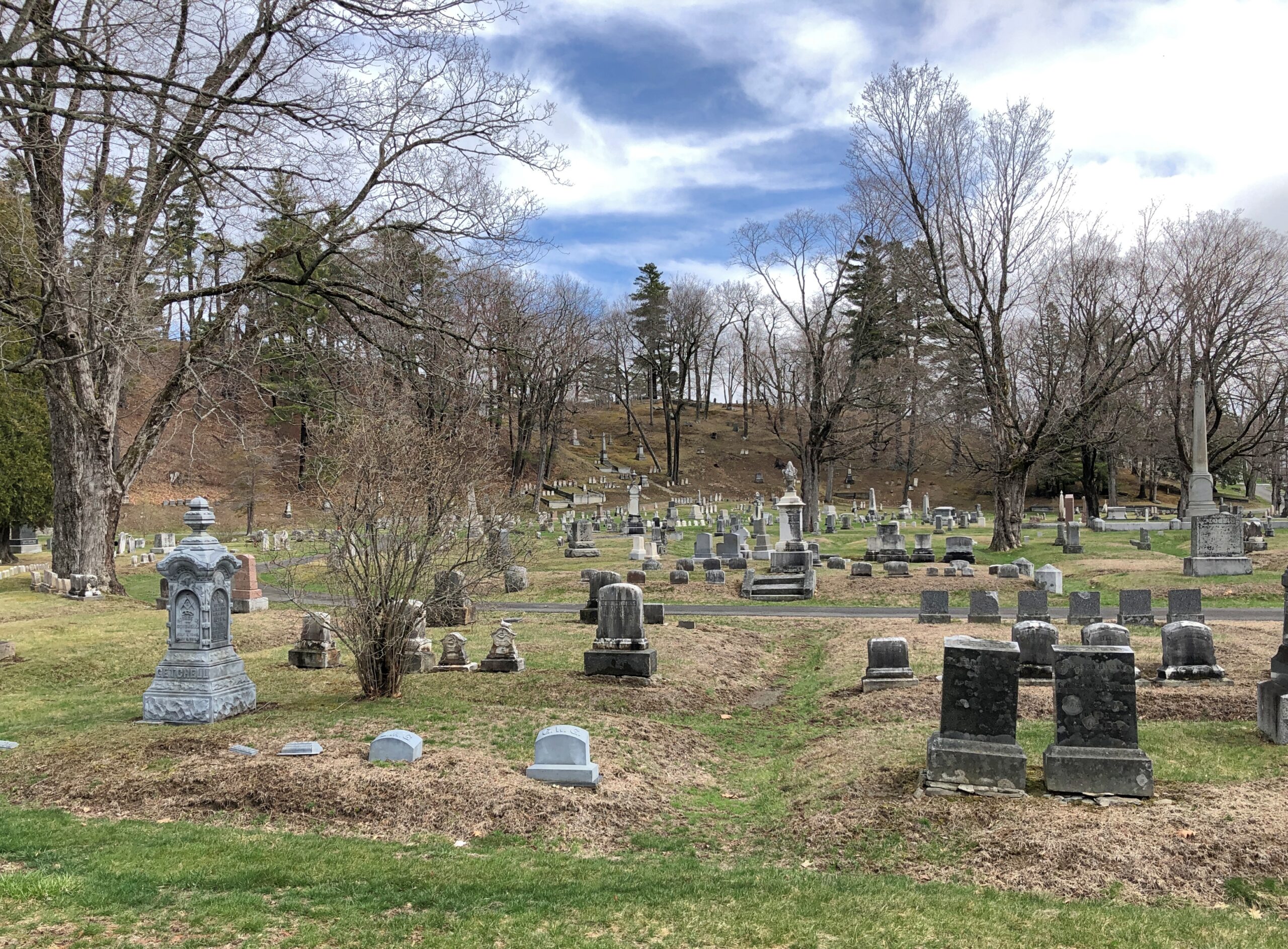
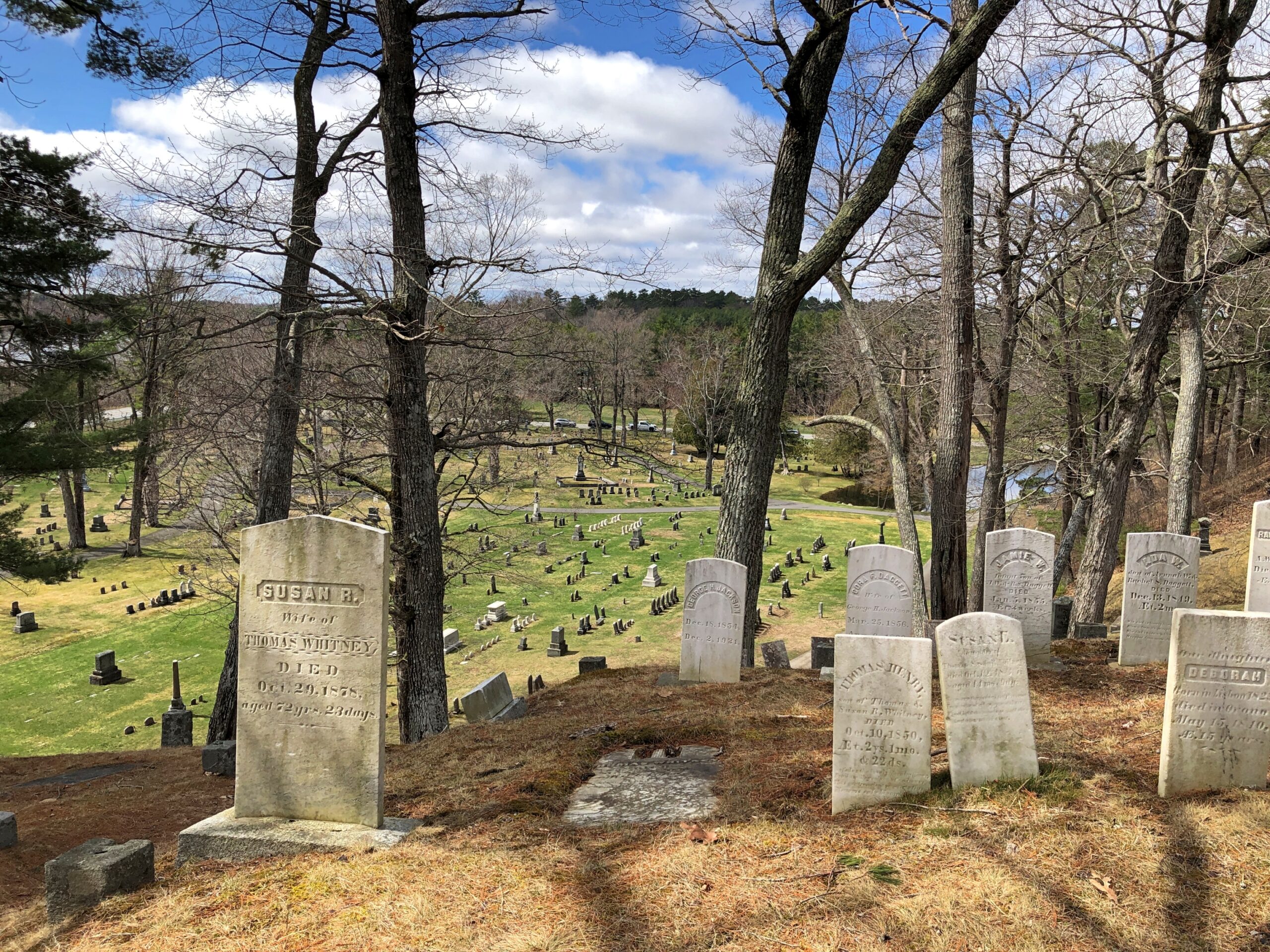
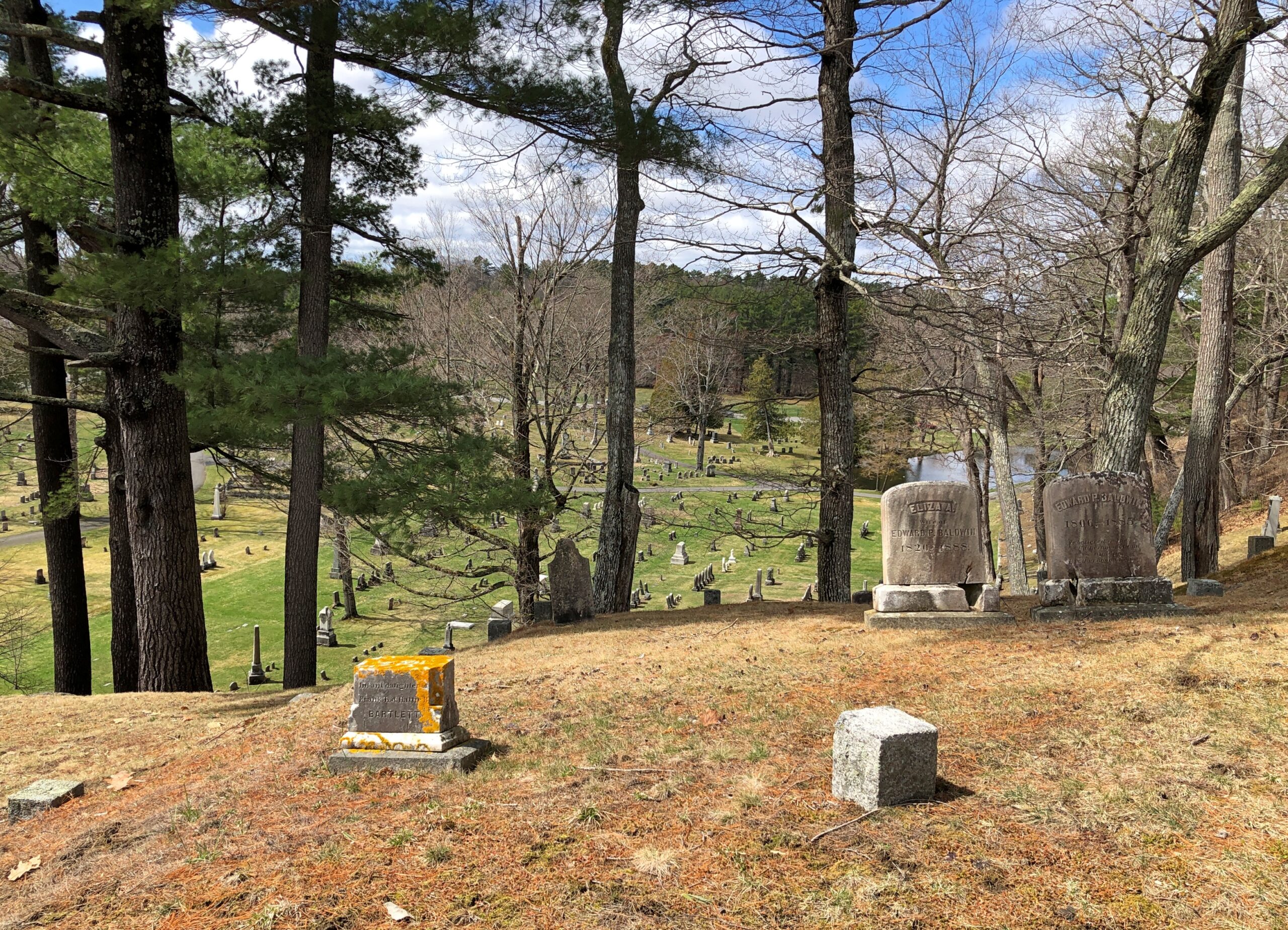
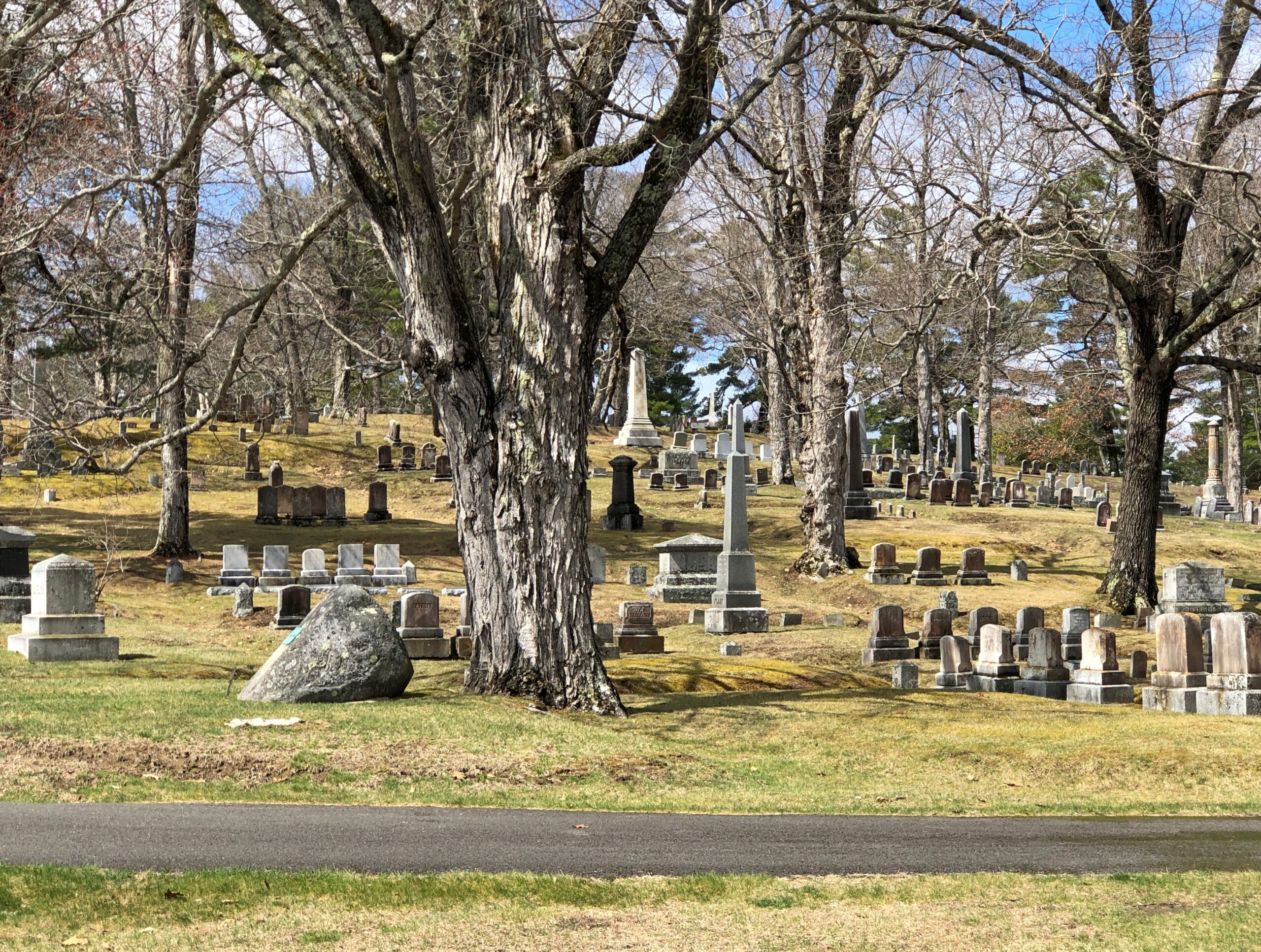
The new cemetery was opened in 1834, along the aesthetic lines pioneered in Boston. Climb the slope – I’ll admit, I drove on the road that snakes up that way – and you’re rewarded with a vista peppered with memorials.

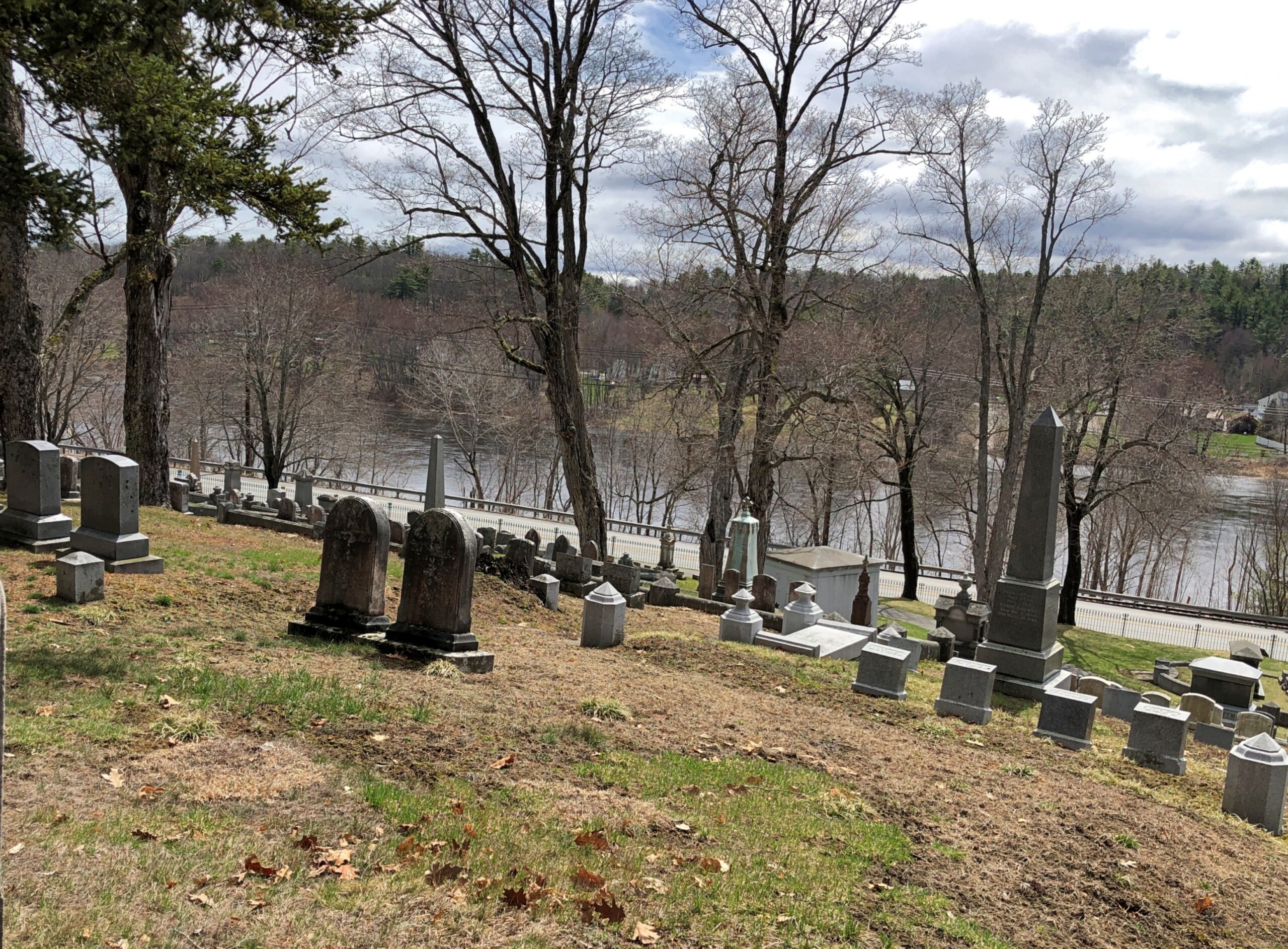
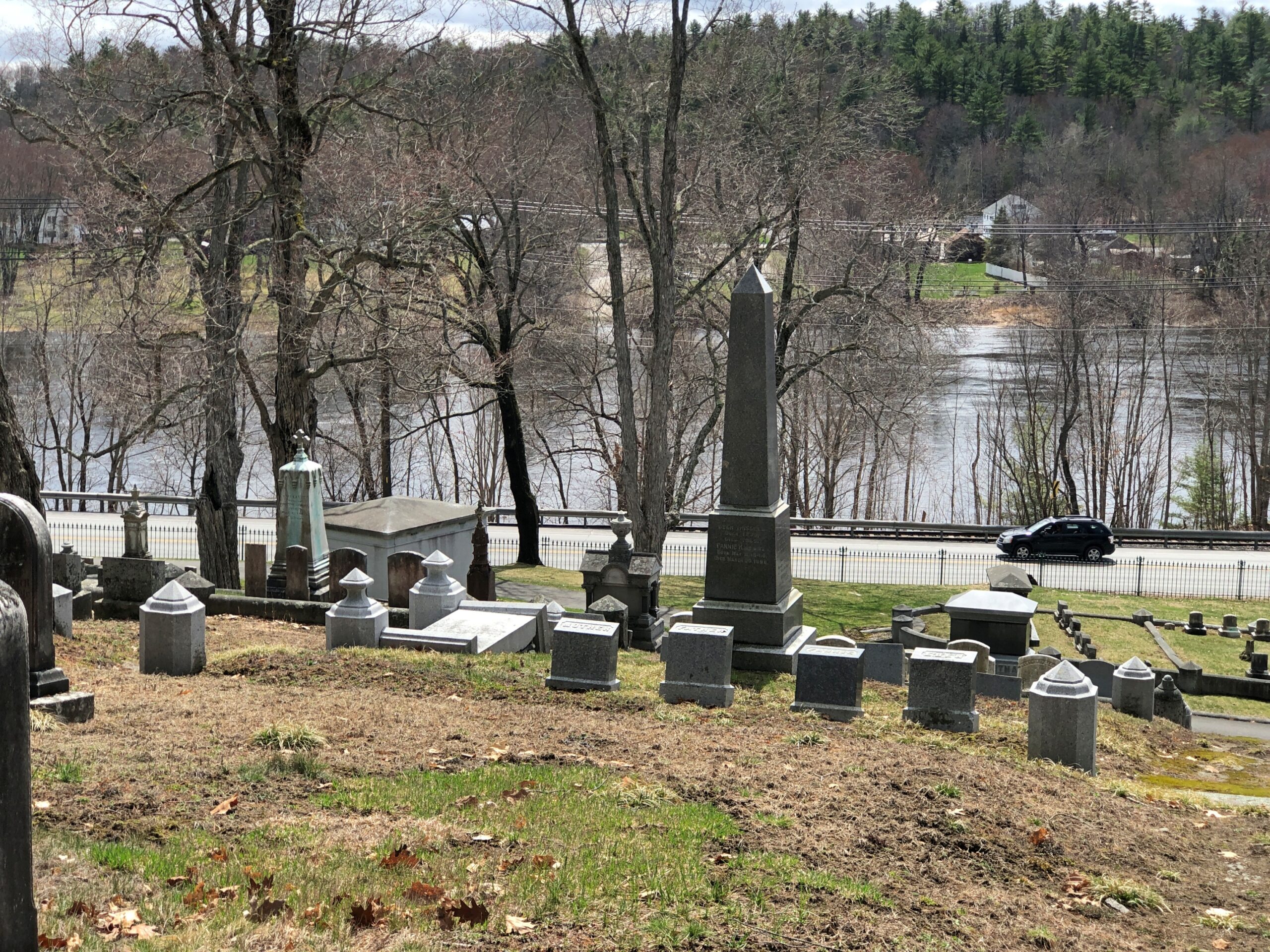
Views of the river and the road that parallels it for a while, the epic US 2.

The cemetery extends further inland, all together totaling about 300 acres.

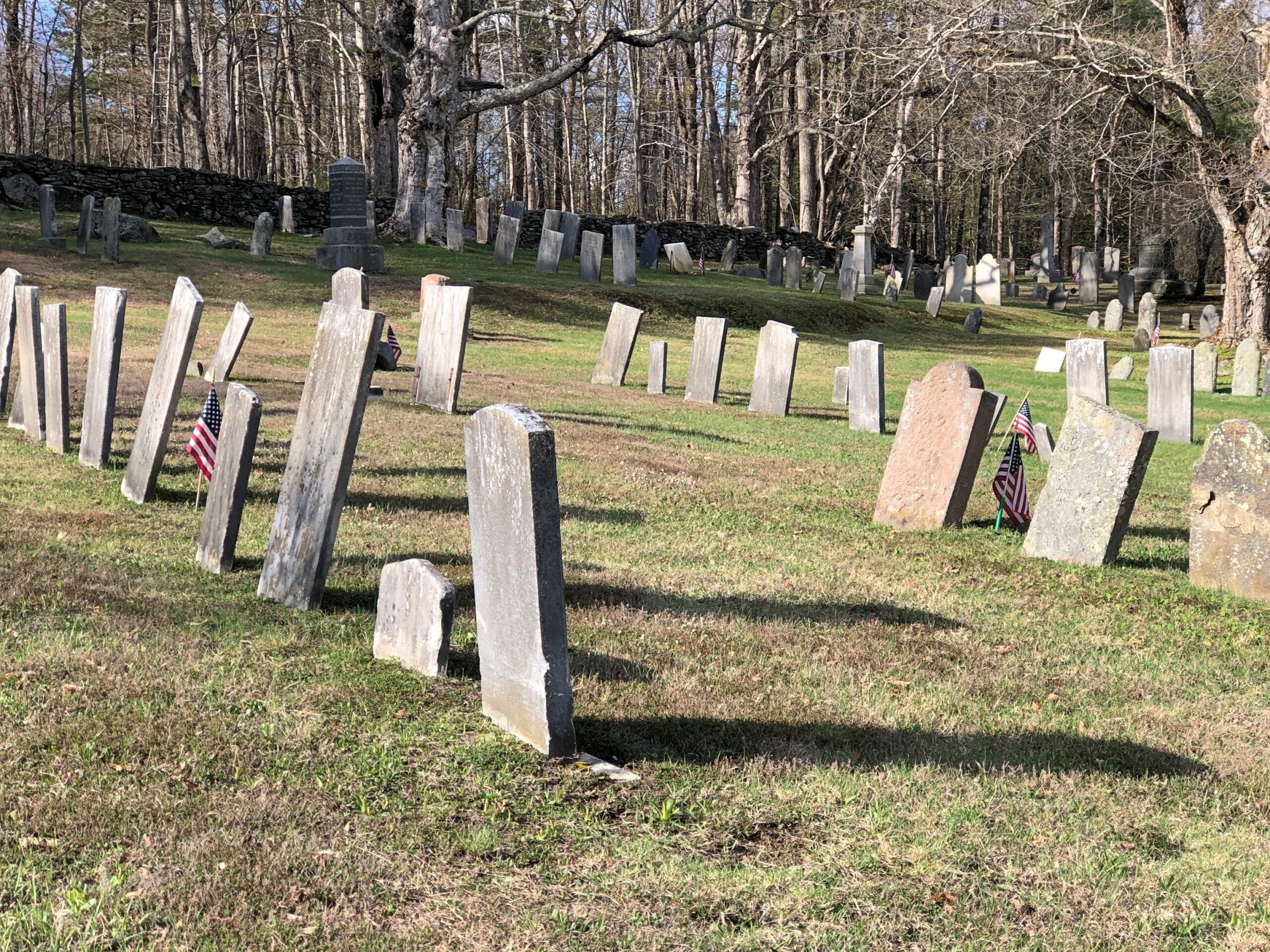
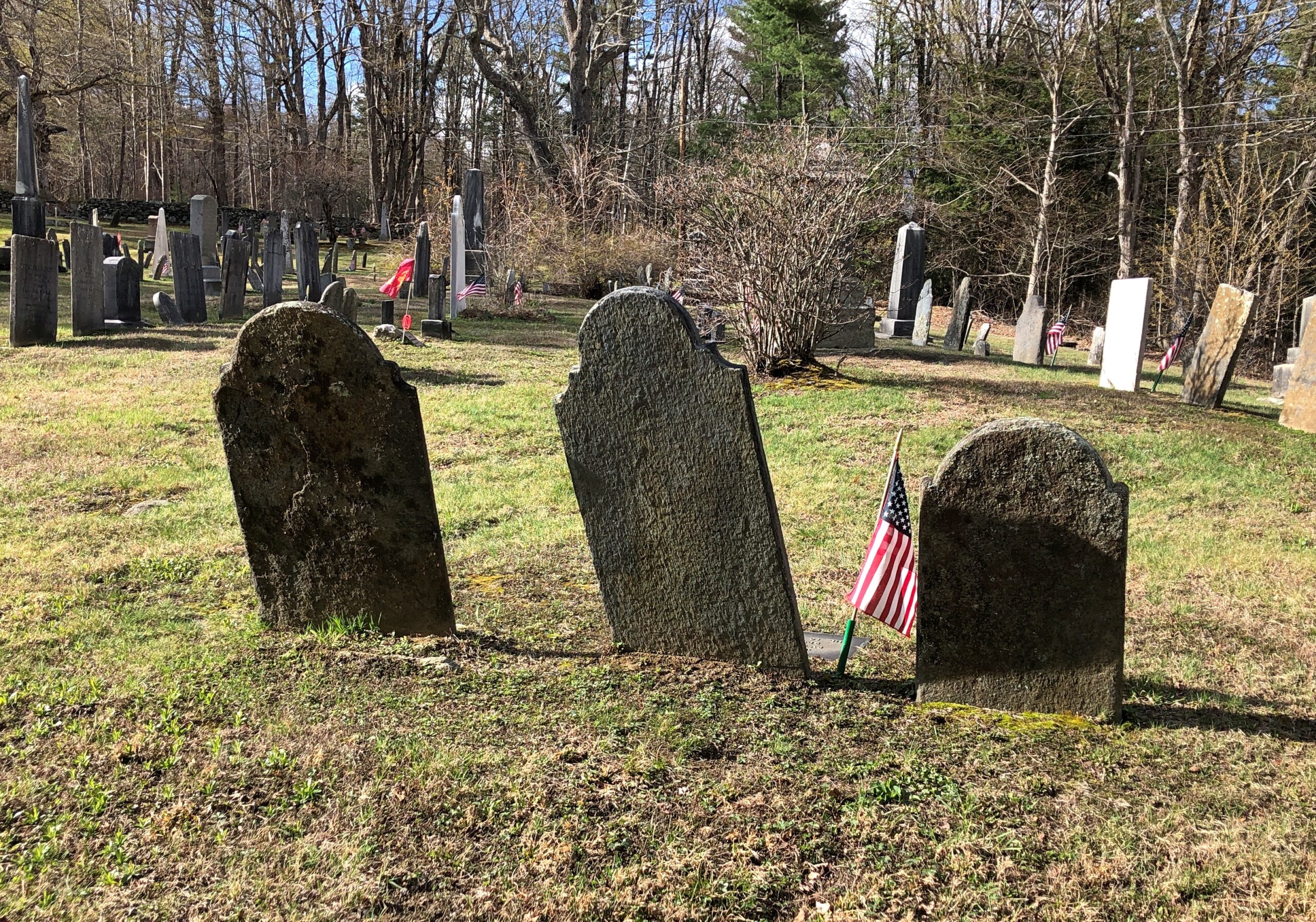
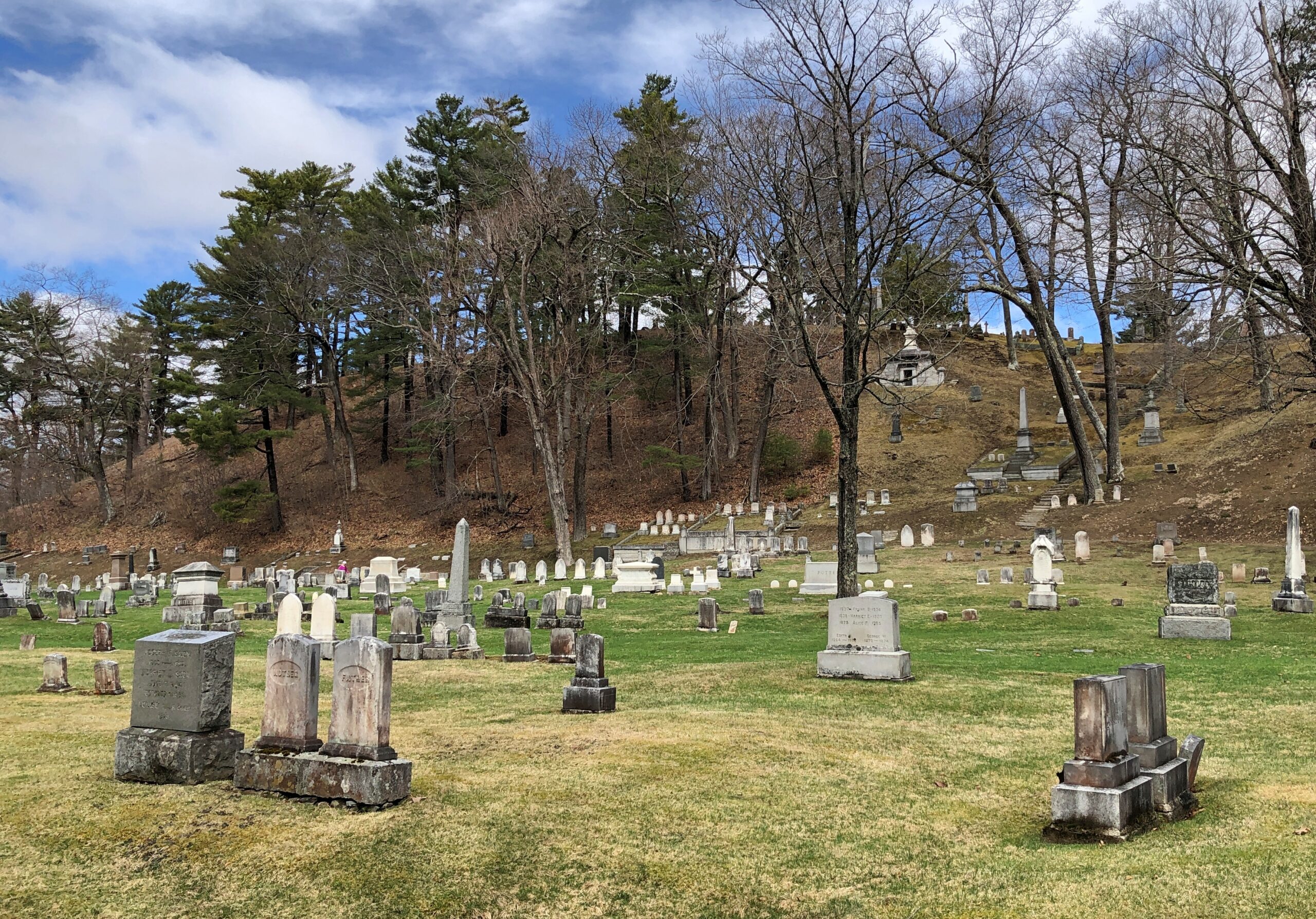
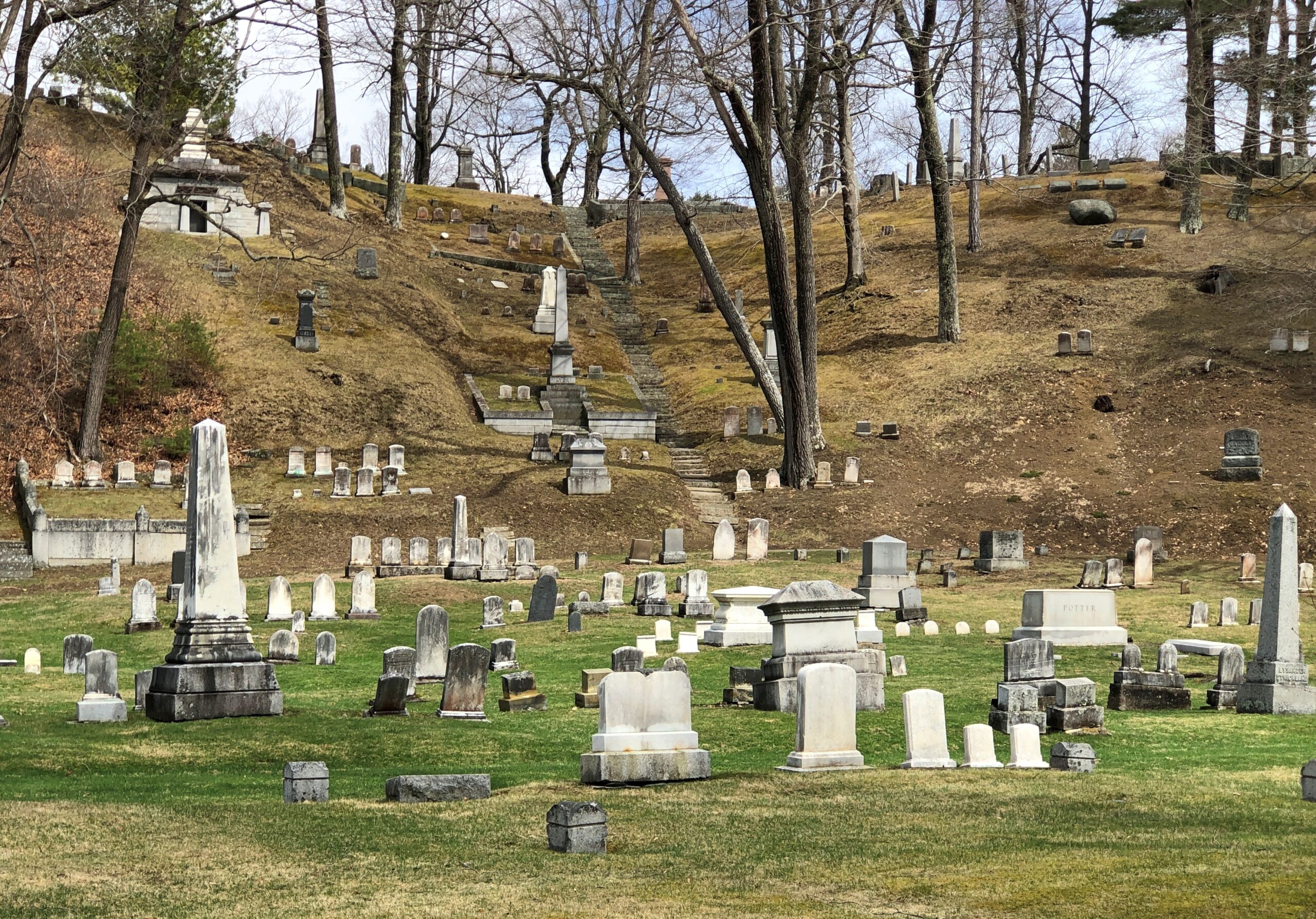
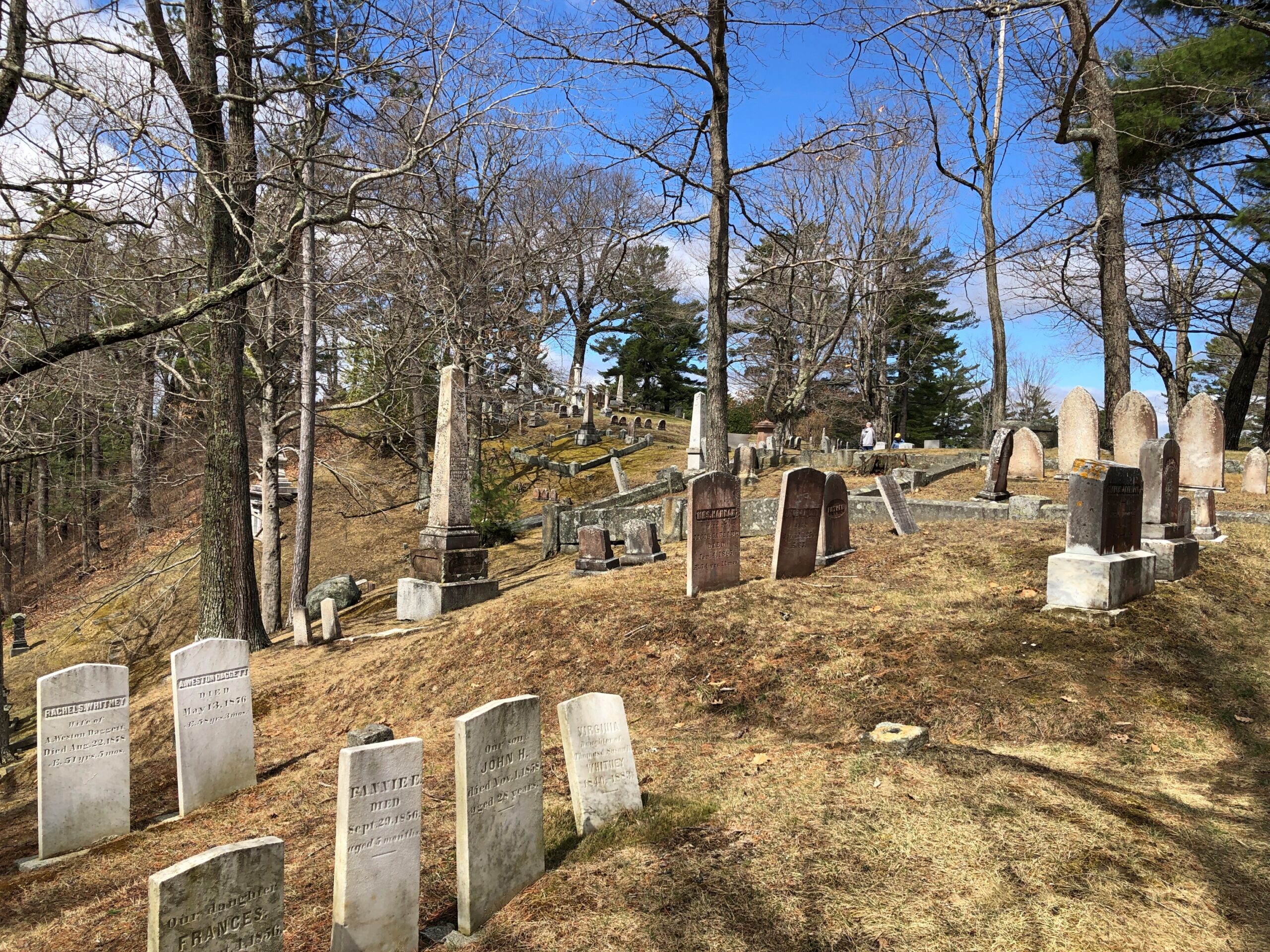
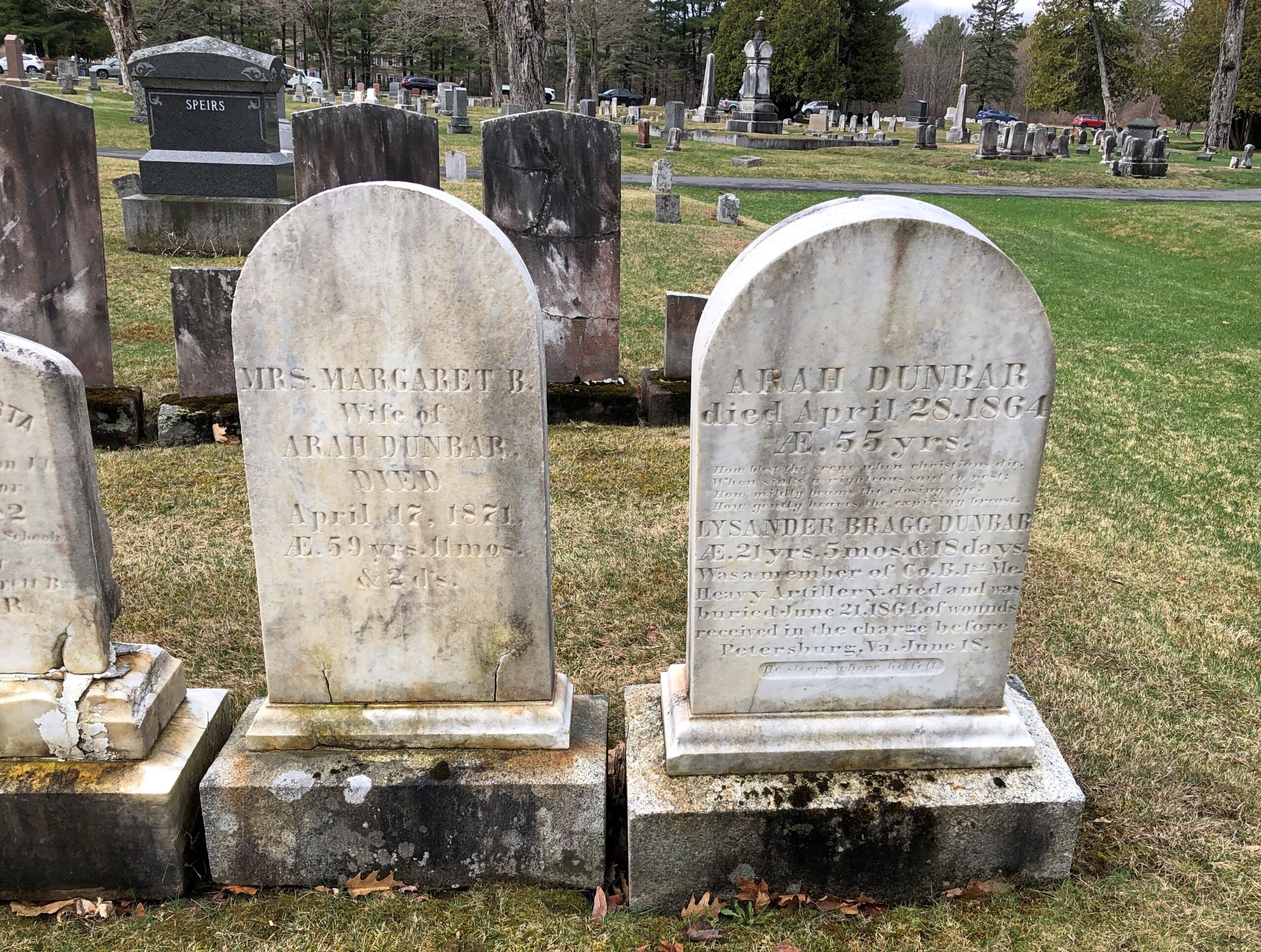
Aged and crumbly stones in mix, as usual.

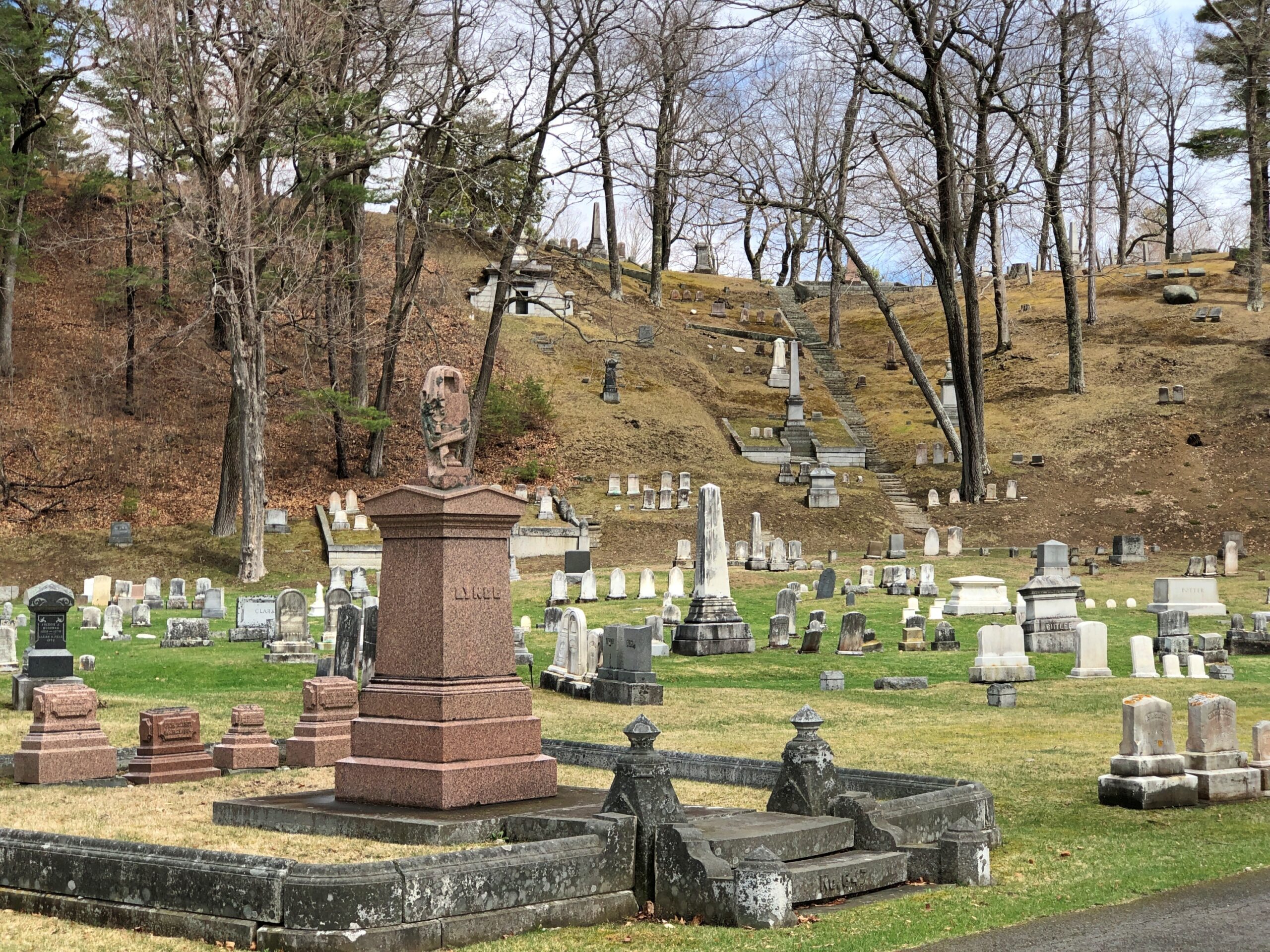
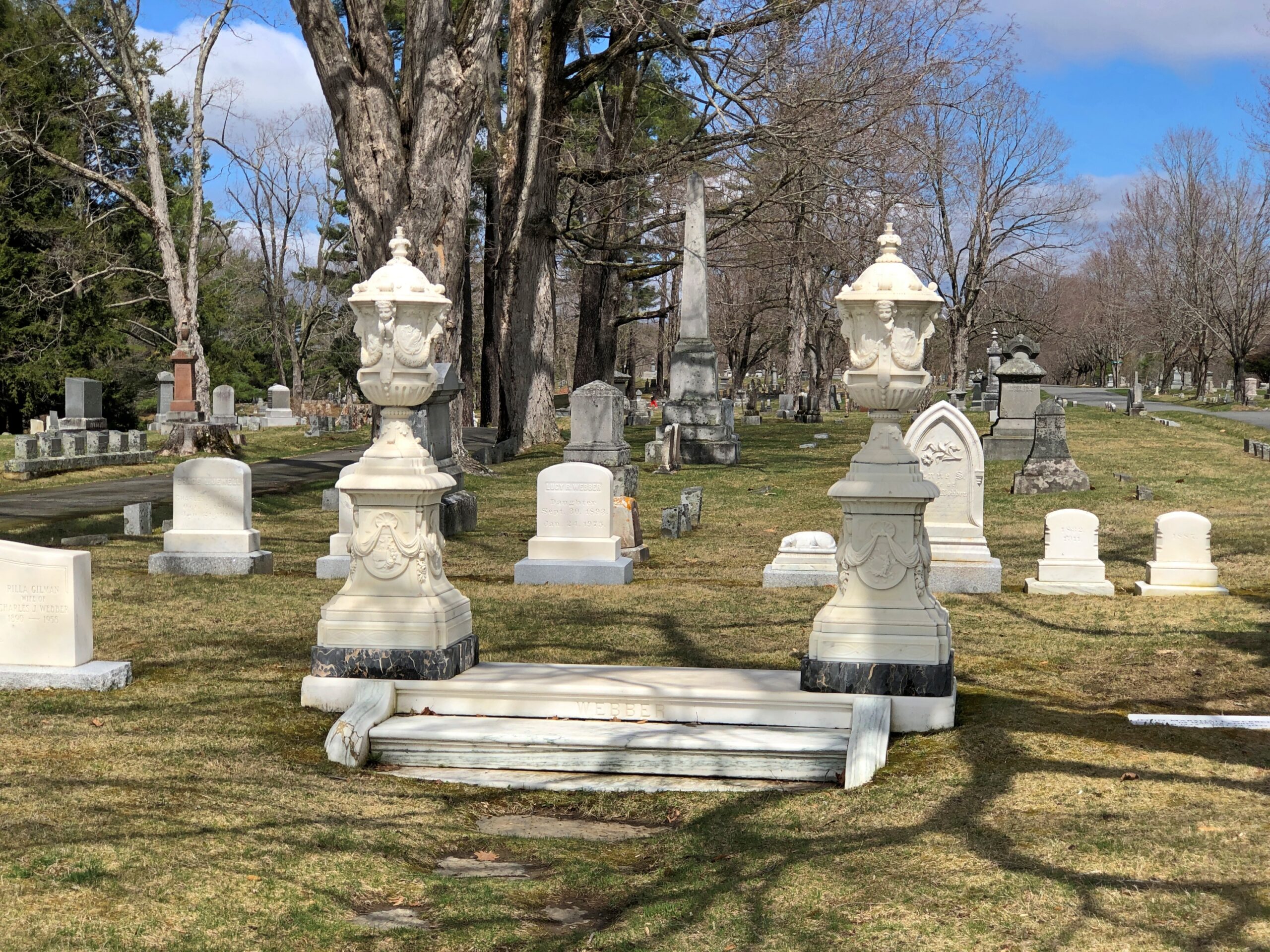
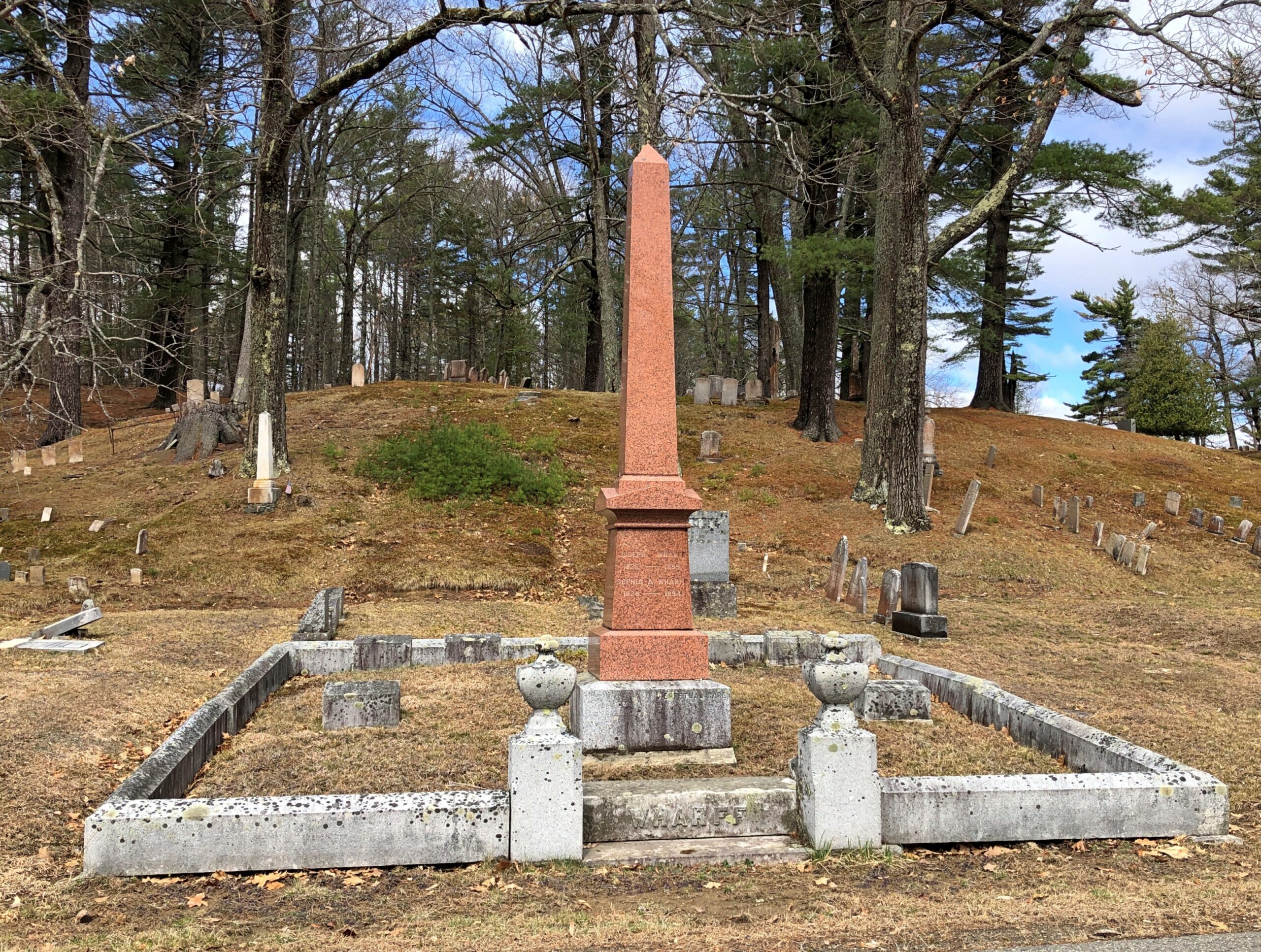
Not a lot of large memorials, but some.

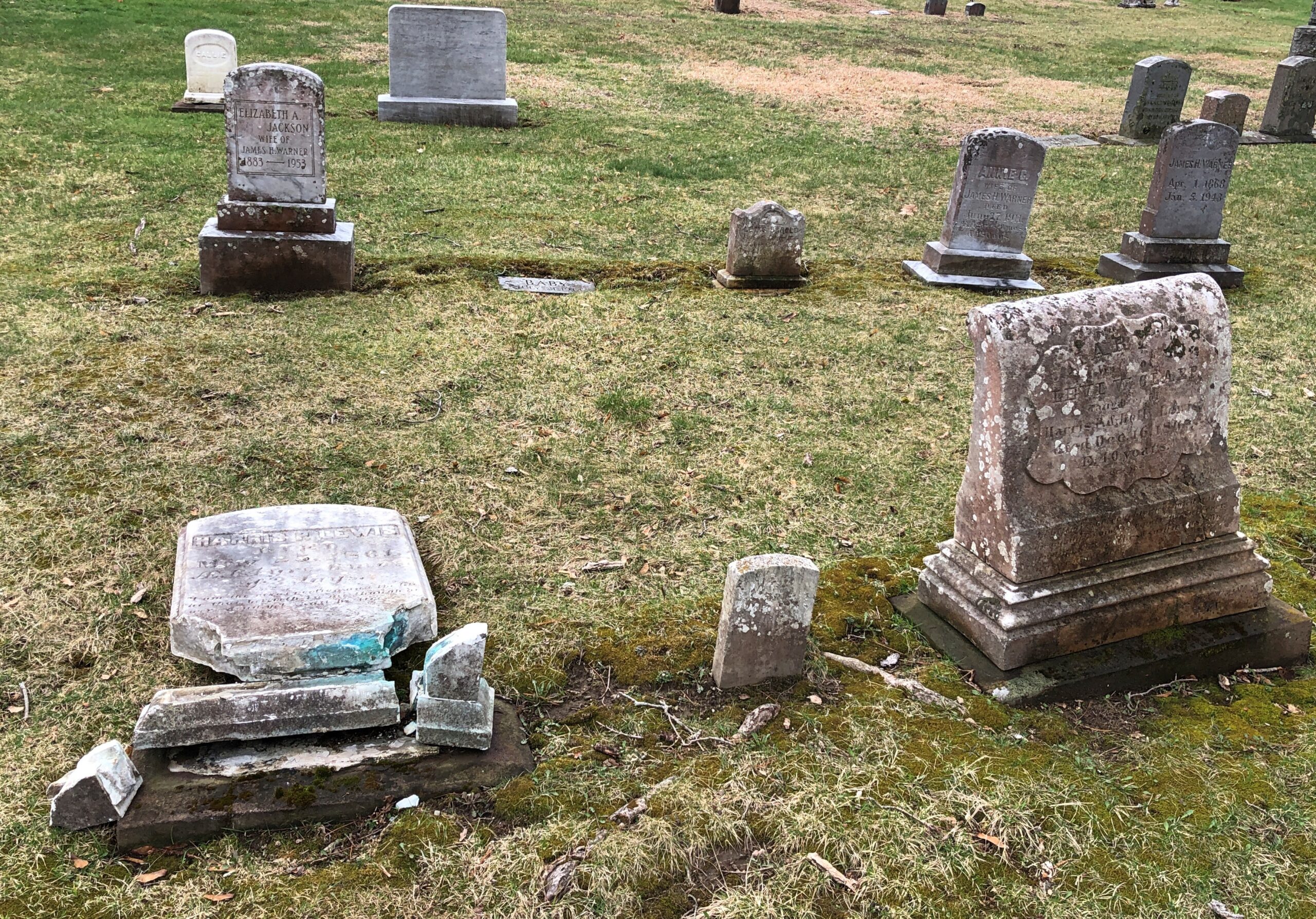
More modest memorials.

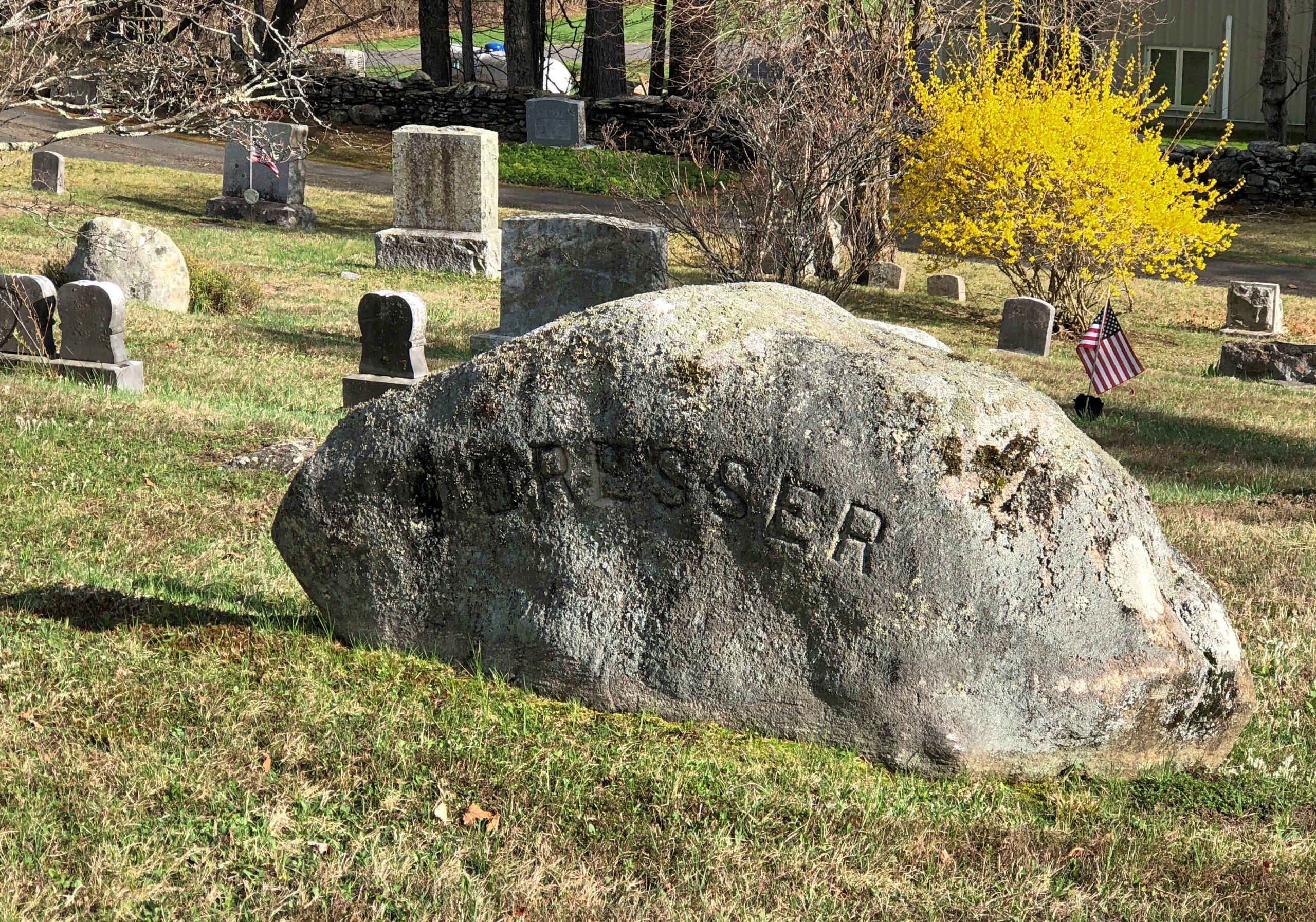
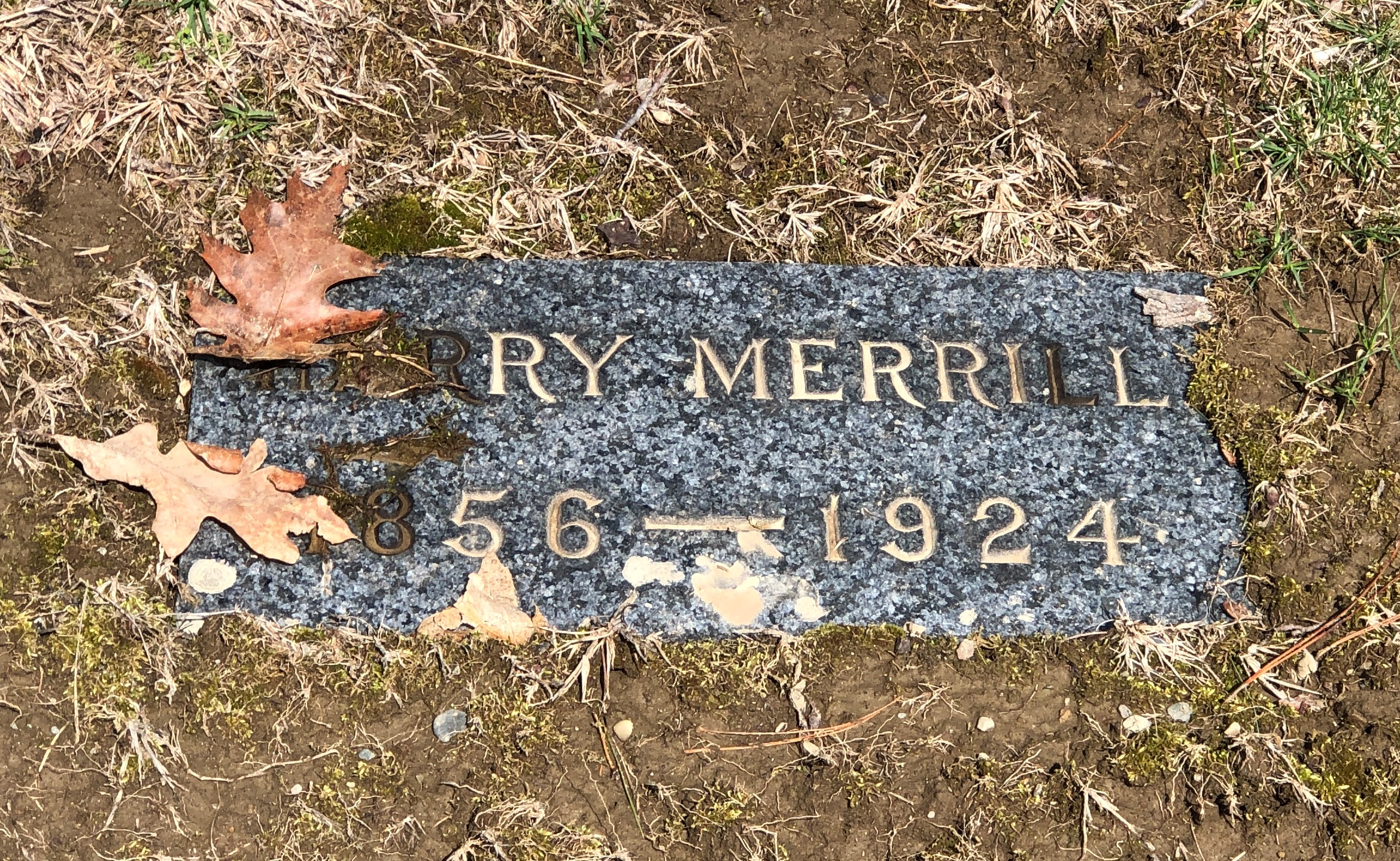
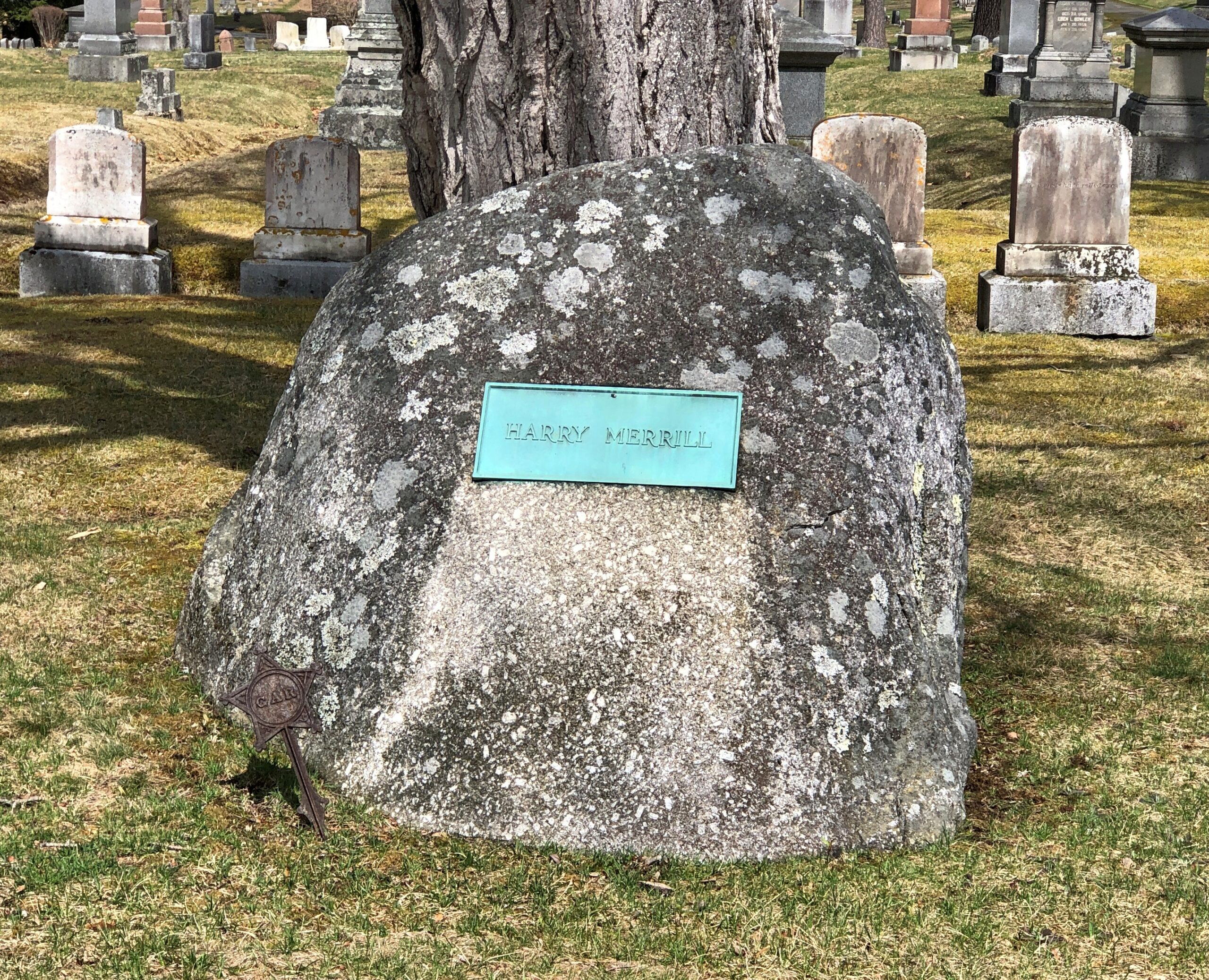
Actually, that isn’t the only memorial for Harry Merrill (d. 1924).

You have to wonder what the decision-making process was like among Harry’s family. Maybe they couldn’t agree on a fitting memorial, and one group went with a ground plaque, the other with a plaque-on-boulder?

Acadia National Park: The Coast

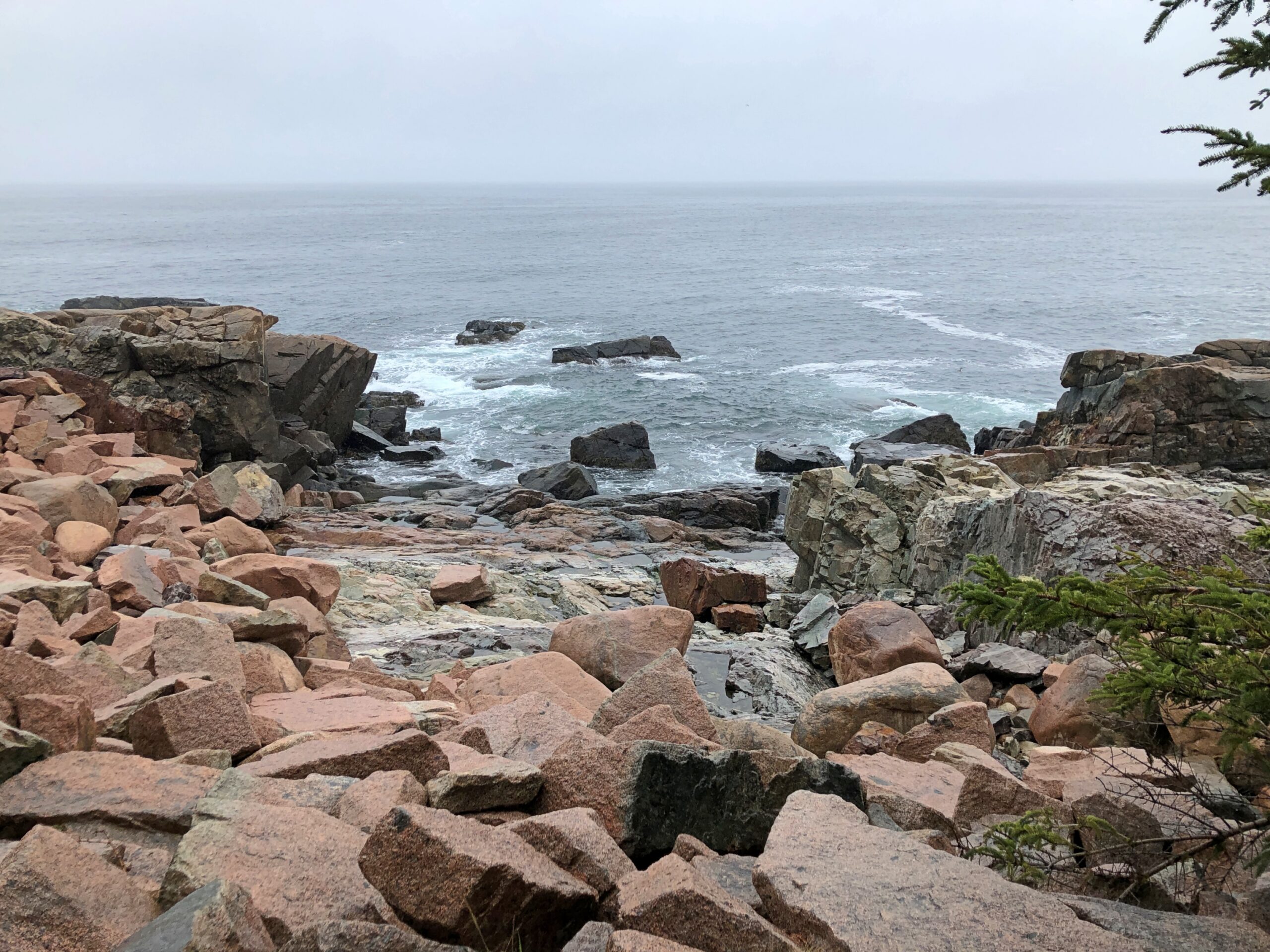
We live on the crust of the Earth, and what do crusts do? Crumble. Especially when moving water has anything to do with it, as it does along the coast of Maine. Famously so.

I arrived at the crumbly coastline of Acadia National Park on the morning of April 16. The date is important for only one reason: Park Loop Road, the main scenic drive through the park, opens for the season every year on April 15.

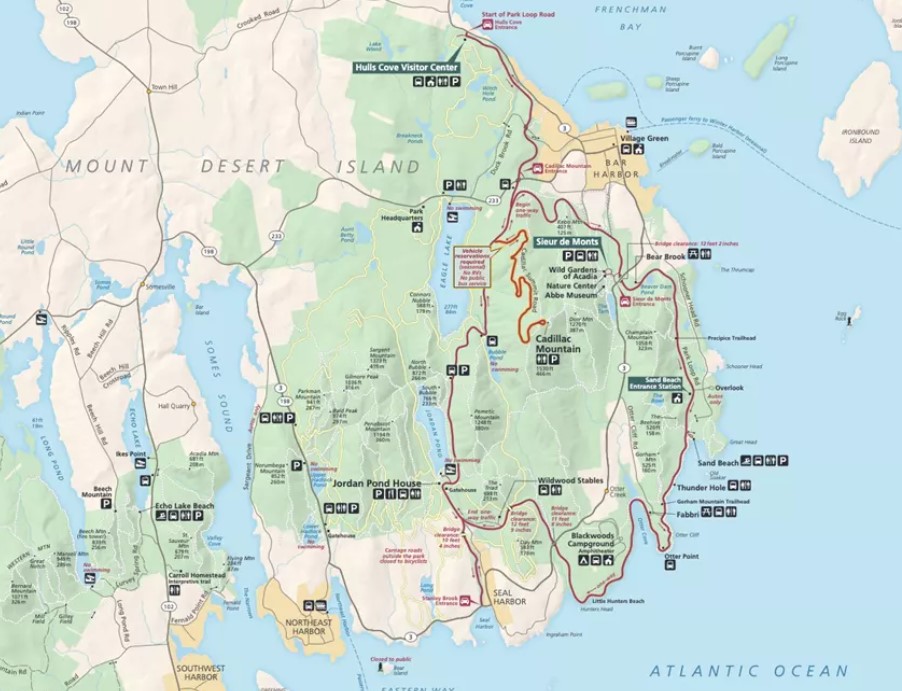
Acadia NP occupies about half of Mount Desert Island and some other nearby peninsula acreage and small islands. The morning of the 16th broke damp and foggy and chilly. From my lodging in the sizable town of Ellsworth, Maine, which is on the mainland near Mount Desert Island, I made my way to the island, then Bar Harbor, then the entrance to Park Loop Road, stopping only for a wonderful breakfast sandwich at one of the few places along the way that was open, Farmstand Coffee House.

The visitors center at the park entrance wasn’t open either. The NPS missed making a sale of post cards to me. By the time I got to the park, the weather was better: slightly less damp and slightly less foggy and slightly less chilly.

Such is Maine in spring. I didn’t mind. In fact, the damp chill meant few other people had come that day. Chilly but no ice underfoot. I like to think that it all melted by April 15. Or maybe on April 15.

I sent a few pictures to Tom in Austin taken while I visiting Acadia NP.

He answered: “Wow. Fabulous. Choosing to visit that national park before May is a bold decision. Looks like you got good weather, though.”

Bold? Maybe. To boldly go where many vacationers have gone before. And will again, real soon.

I didn’t drive particularly fast along Park Loop Road. Little traffic for one thing, too much of a risk of a car-on-tree encounter for another thing, so curvy is it. Gnarly, you could say. The drive, whose construction John D. Rockefeller Jr. facilitated, winds but does not climb much as it follows the curves of the shore. The scenic stops are close to each other, since in national park terms, Acadia is a touch on the small side. Despite that it hardly lacks variety.

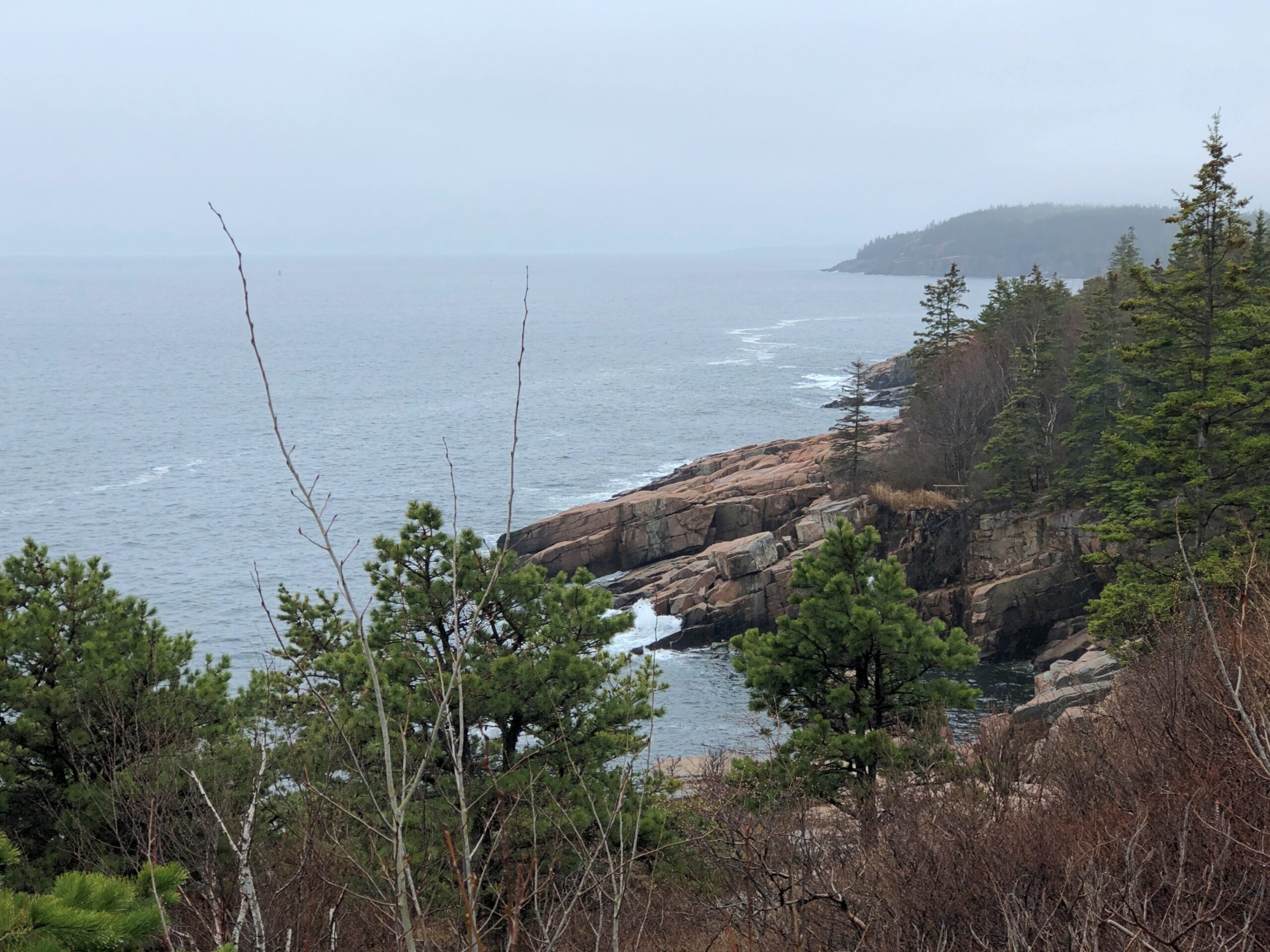
Beginning with the rocky shores you’d expect. The fog that day was a nice Maine touch. The foggy shores of Maine. There’s a song title for an AI song writing program: “The Foggy Shores of Maine.” Sad song about a solider dreaming of home on these shores? It worked for “Galveston.”

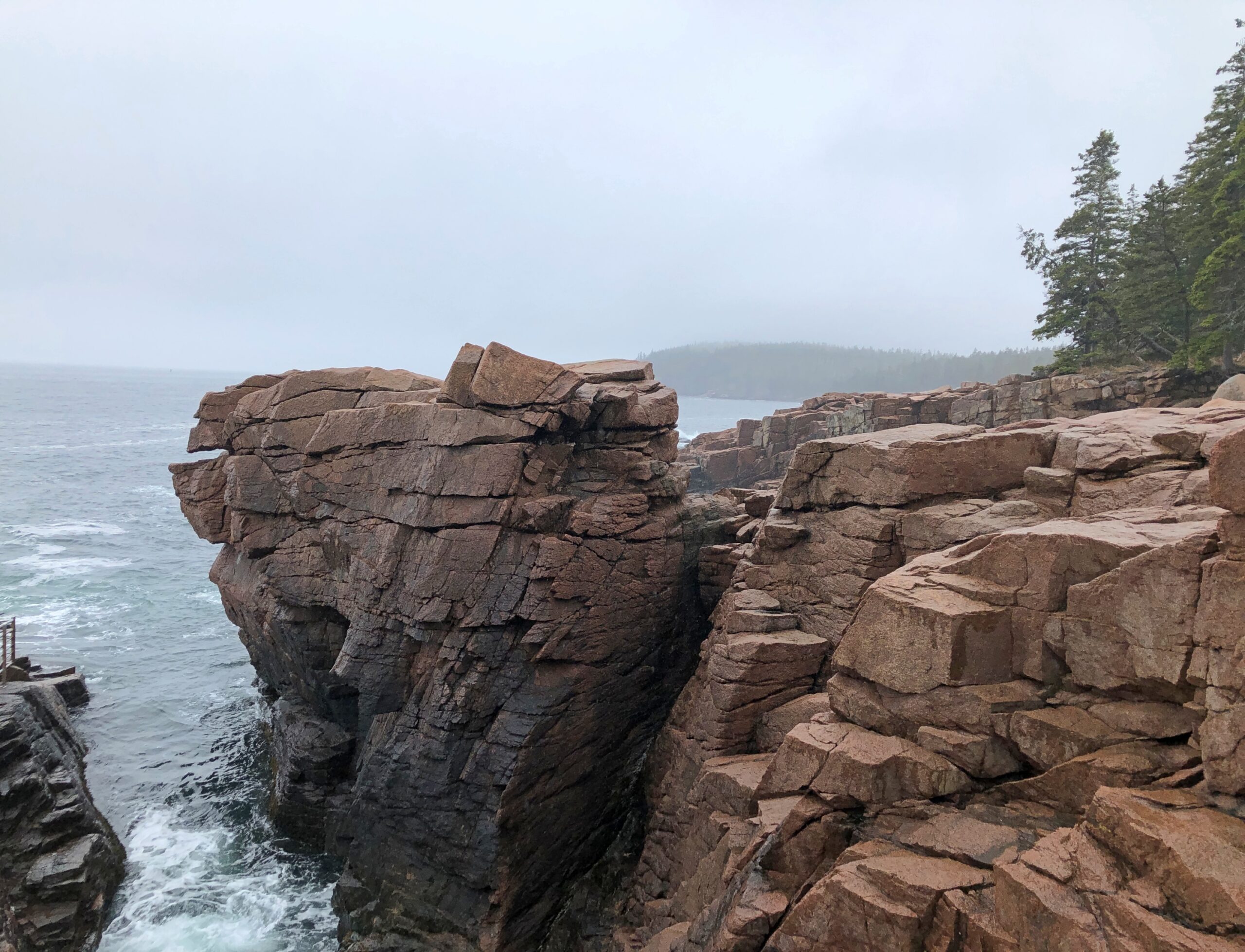
Boulders and sizable slabs, on their way to being pebbles and sand.

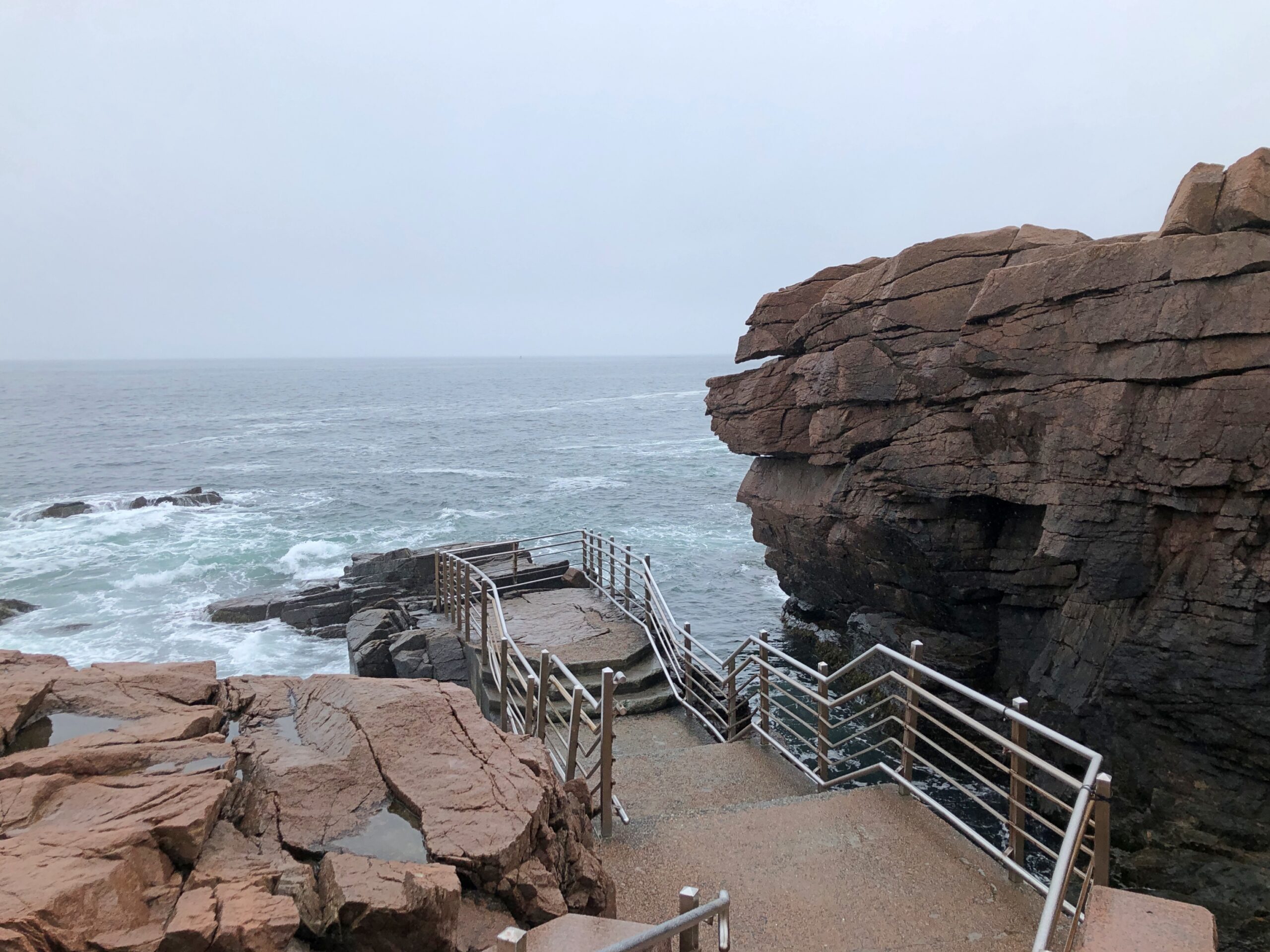
A feature that wears its name well: Thunder Hole.

A loud place, Thunder Hole, the waves bashing the rocks in crash-splashes, followed by the whistling, sucking whoosh as water pulls away from the rocks, followed by another bash against the rocks, all before you can count to three.

You can get closer to Thunder Hole behind the (relative) safety of rails, but that won’t keep you from a good drenching. Not that day, anyway. I kept my distance, and let the sound come to me in its noisy fury.

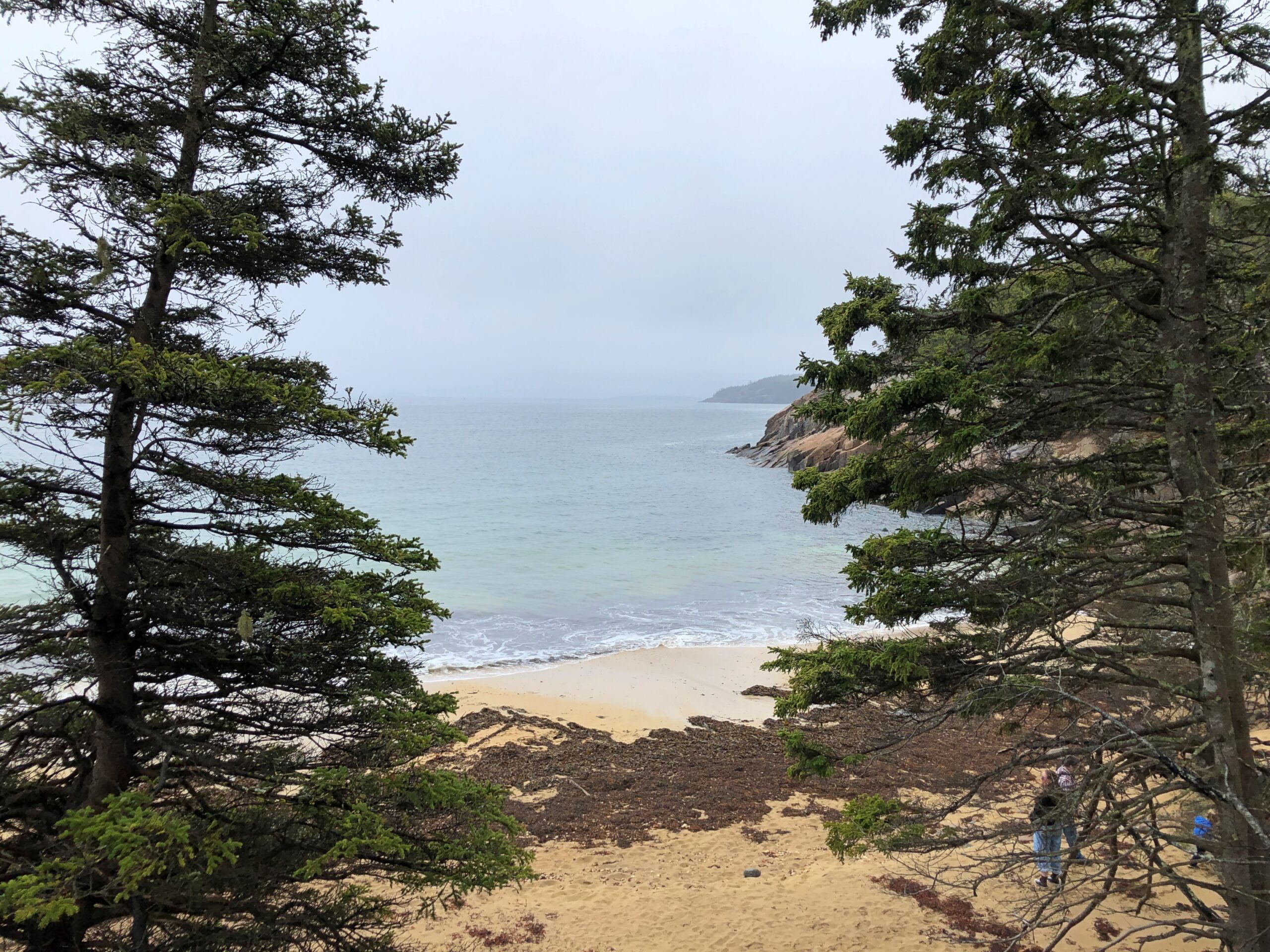
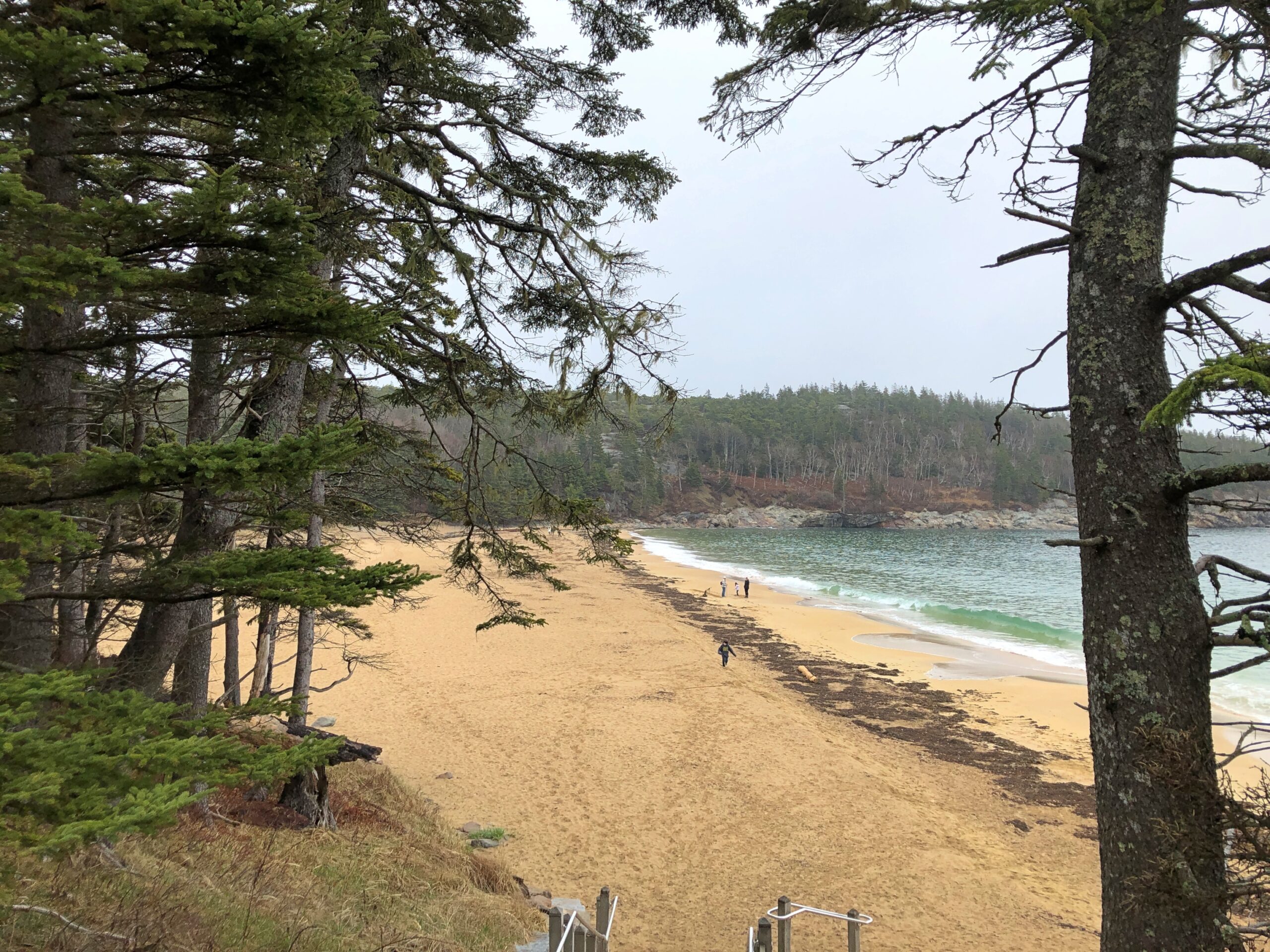
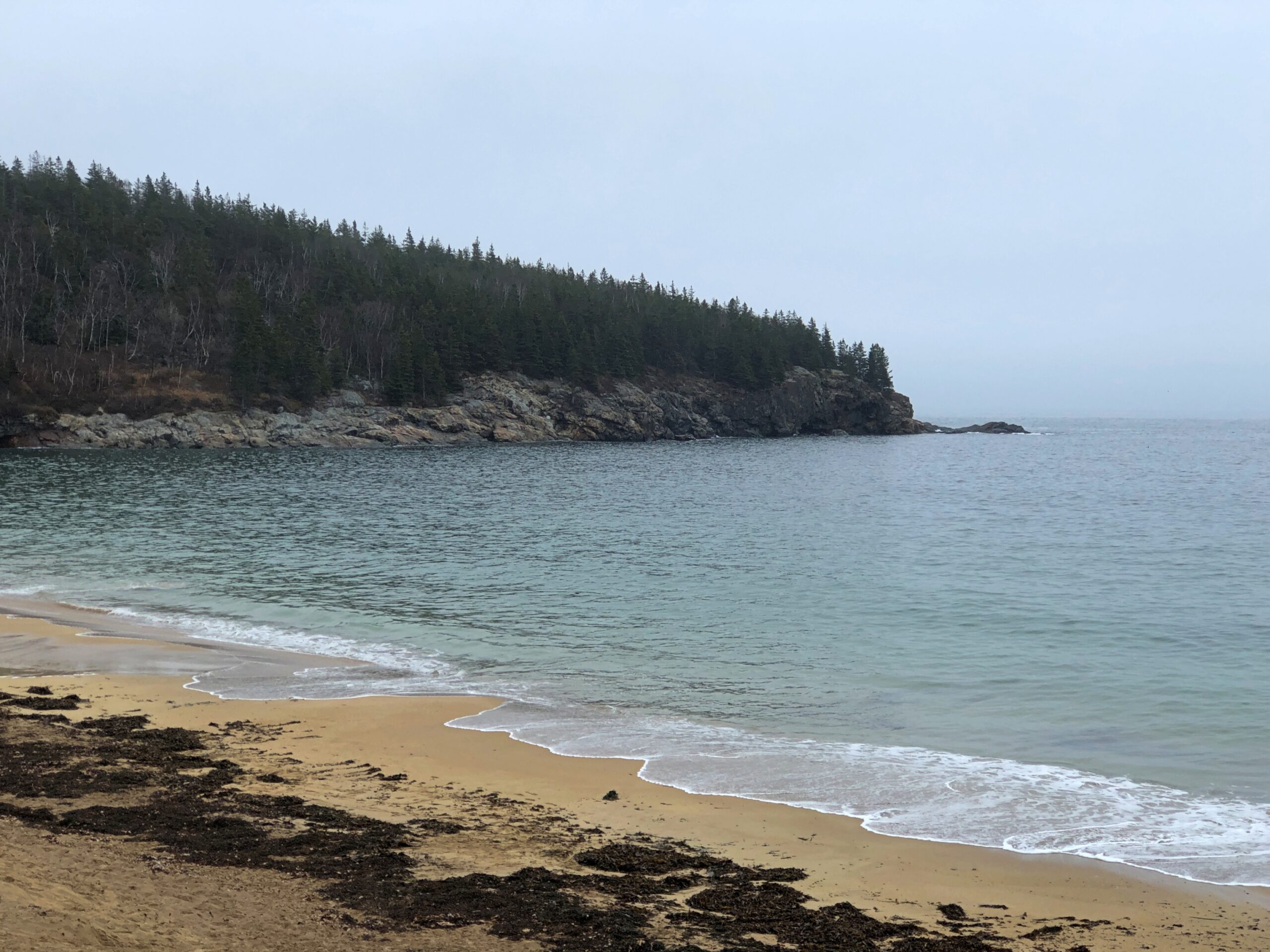
The park has a sand beach, called on the maps, Sand Beach.

I take that as an indication that most of the shore in these parts is topsy-turvy with boulders. I believe it.

Pine Barrens Disorientation

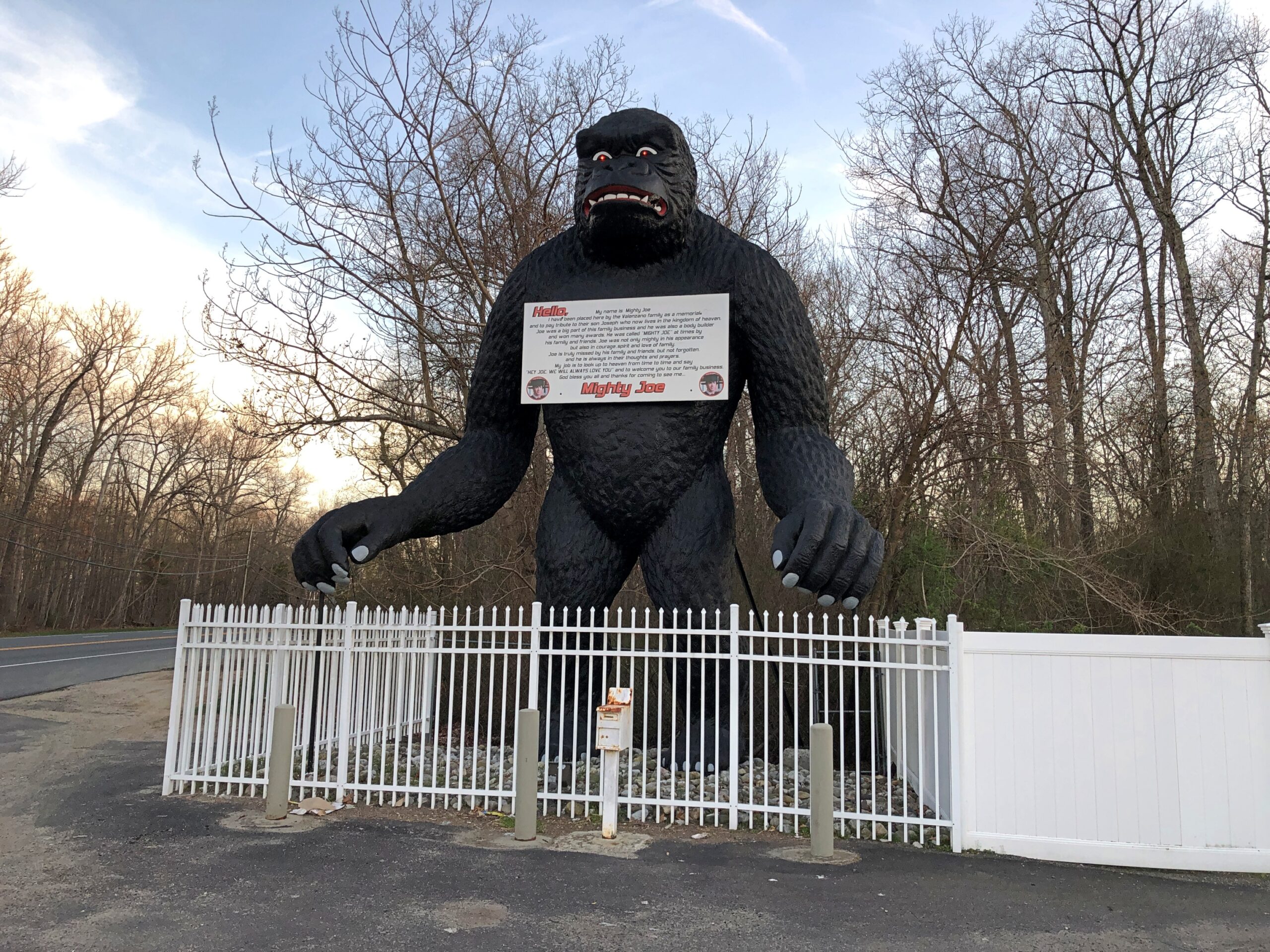
Down in South Jersey earlier this month, I didn’t see the Jersey Devil. I did see Mighty Joe.

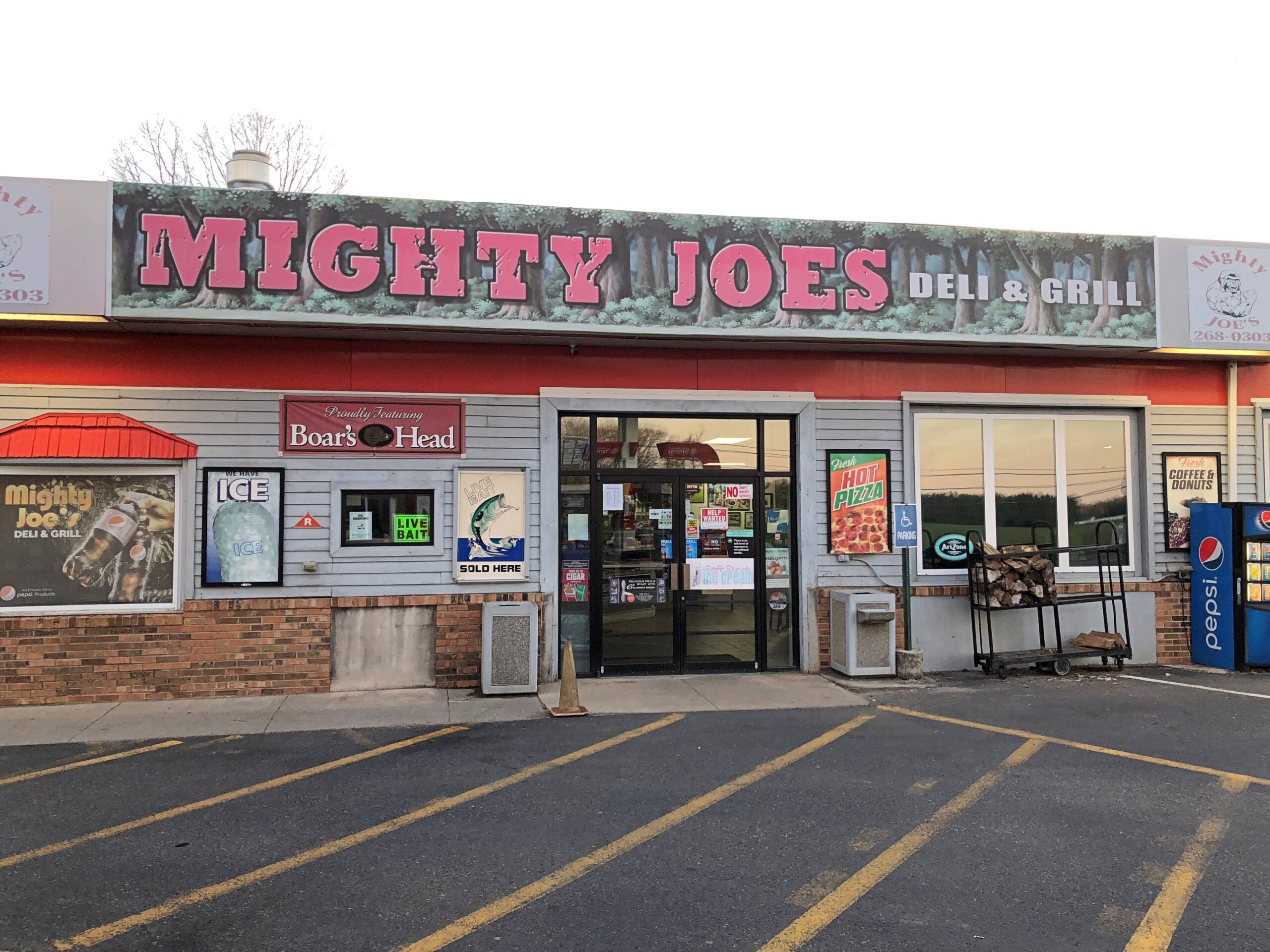
He counted as my introduction to the Pine Barrens, standing at a convenience store on US 206 in Indian Mills, Shamong Township, New Jersey. His story, which Roadside America tells well, began in Spain – really? – though immigrant Mighty Joe apparently has spent most of his existence in New Jersey as a commercial mascot of one kind or another. He’s still that, but also a memorial to the son of the store’s owner, Larry Valenzano, according to the sign on the gorilla’s chest. The younger Valenzano, a body builder nicknamed Mighty Joe, died of cancer in 1999.

I didn’t stop for Joe heading south on US 206. Can’t stop for everything. I figured I wouldn’t see him on my return to Trenton either, since I was planning to return on smaller roads through the heart of the Pine Barrens, after visiting Atlantic City. All went according to plan, until I actually got into the heart of the Pine Barrens fairly late in the afternoon of April 9.

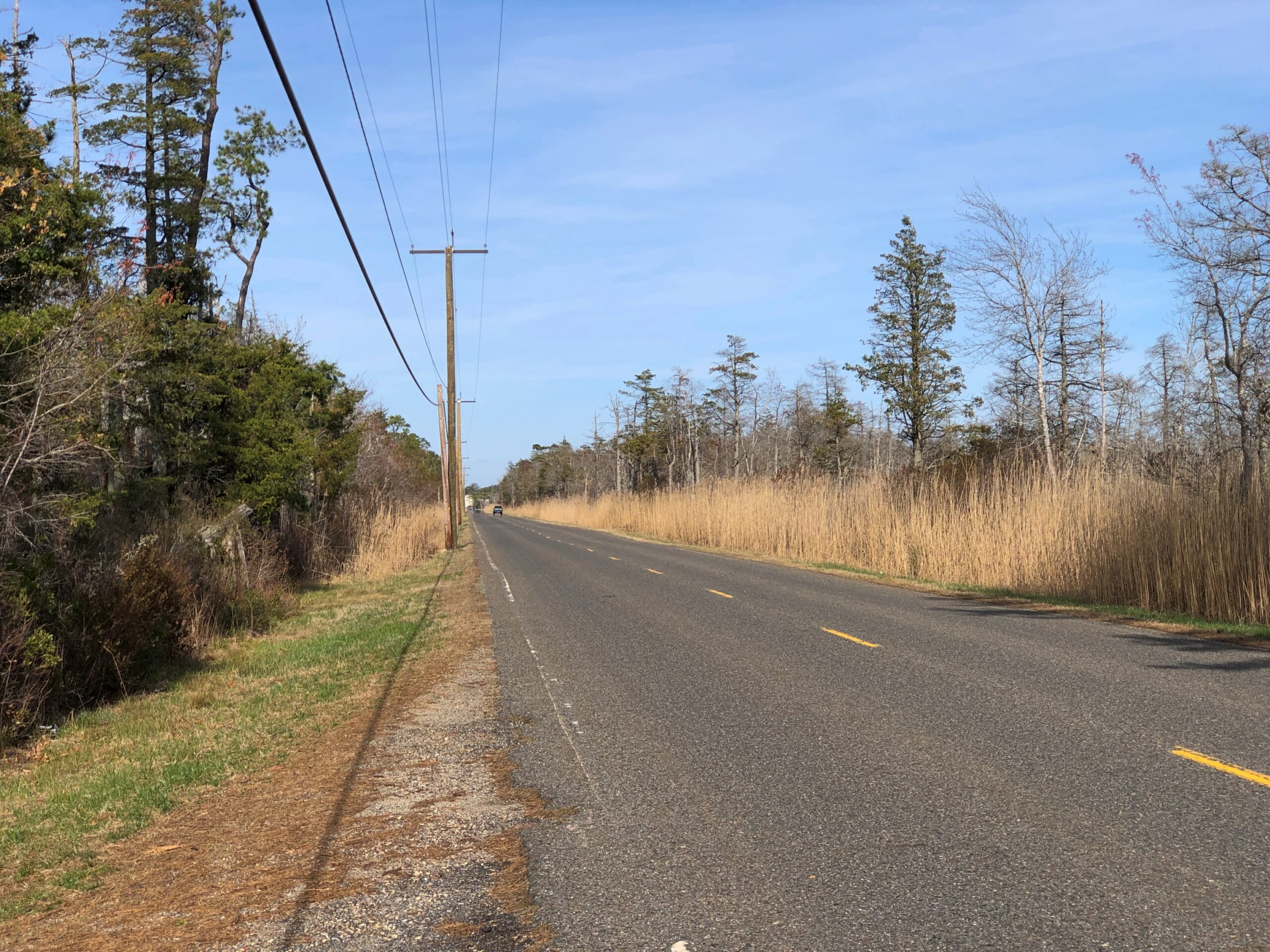
Considering how close you are to Philadelphia and New York, it’s remarkable how remote the Pine Barrens feel. The region, I understand, is the largest surviving forest on the Eastern Seaboard south of Maine’s North Woods, totaling over 800,000 acres.

The region is also called the Pinelands. It certainly fits.

Remote, maybe, but still plenty of signs of human habitation, past and present. I stopped to take my bearings at a wide place in the road, and noticed gravestones.

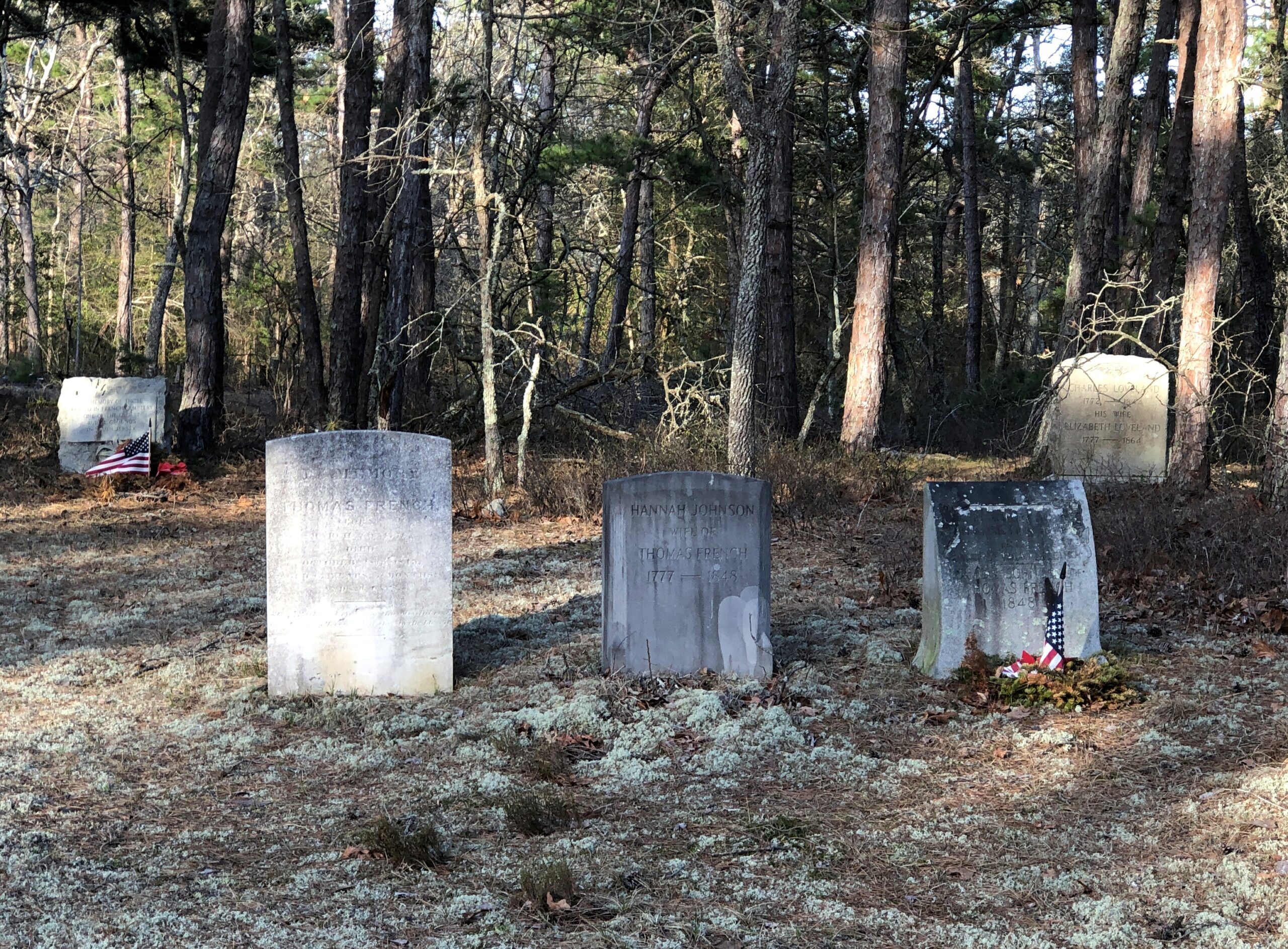
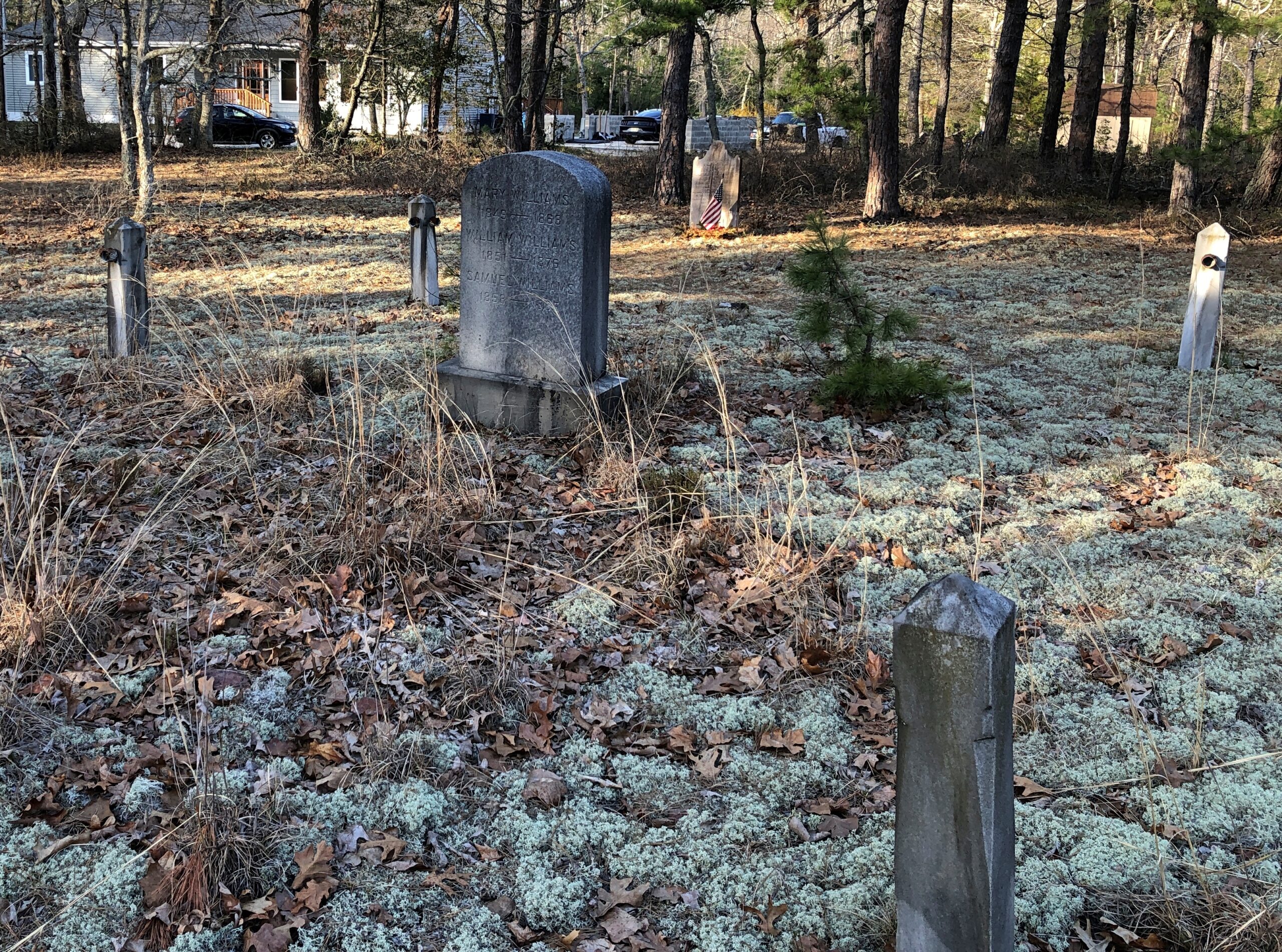
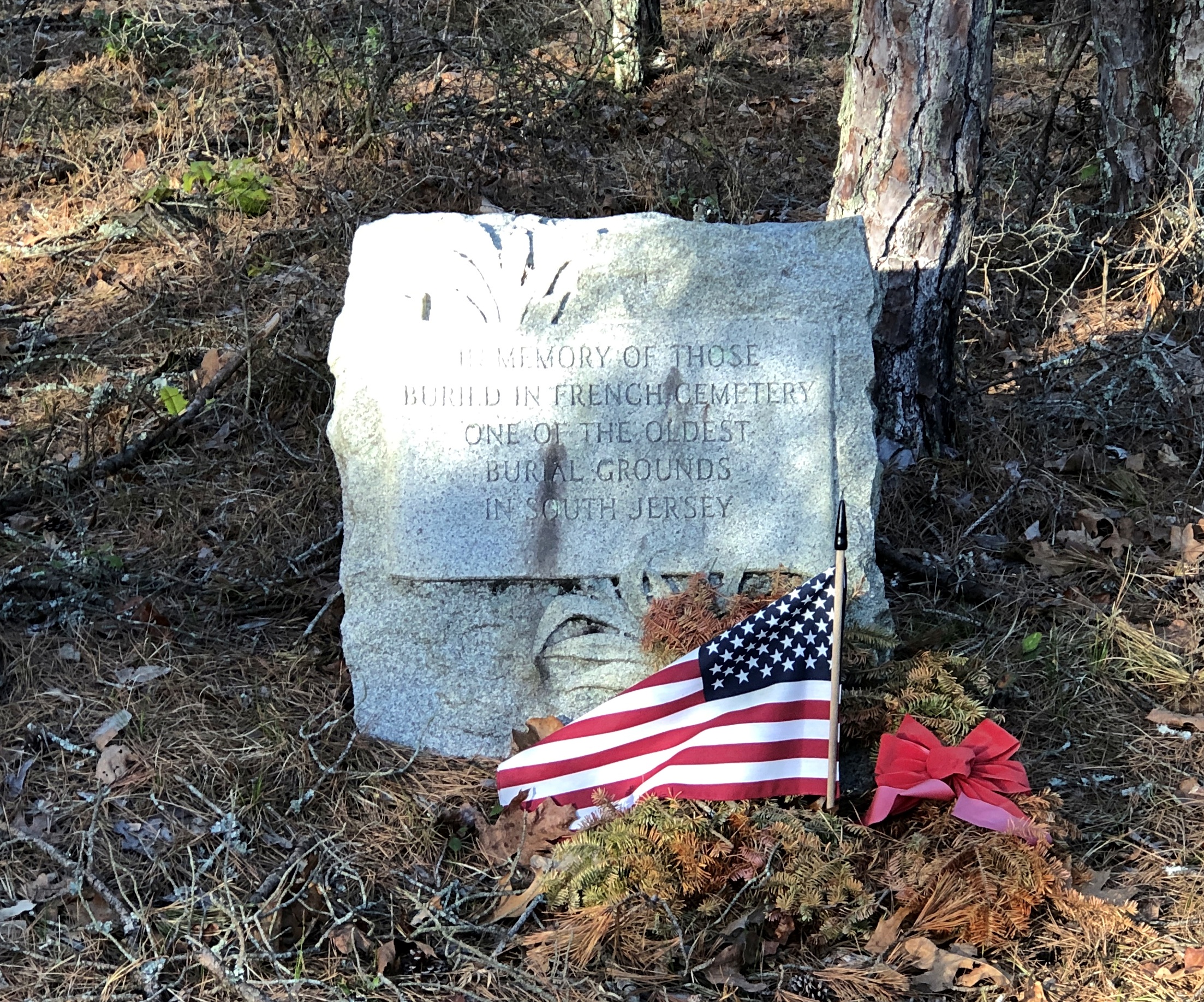
French Cemetery, named for a number of people buried named French, not for their nationality. “One of the oldest burial grounds in South Jersey,” the stone asserts. Could be, but I have no way to check that.

Interesting little spot anyway, northeast from Egg Harbor City and past the Mullica River and near the Wading River. Or was that the actual location? I was traveling on marked county roads, but pretty soon I started seeing county road signs covered with black plastic bags, next to newer signs. I can only guess, but I think that meant a recent change in the numbering of the county roads.

That further meant that both my paper and electronic maps were wrong – in as much detail as they had anyway, which wasn’t a lot. “Lost” is too strong a word, but I’d say I was disoriented in a web of meandering, ill-marked roads. I stopped more than once among the pines of the Pinelands to try to figure out a better course.

Then it occurred to me: I remembered seeing some of the exit numbers on highways near Trenton had been changed, too. I’m speculating, but I think that had something to do with my GPS going just a little funny in the head the night before. Damn it, New Jersey.

Eventually I worked my way back toward Egg Harbor City, a sizable town on US 30, which connects with US 280, which goes straight back to Trenton; the way I’d come. That’s how I was able to stop to see Mighty Joe.

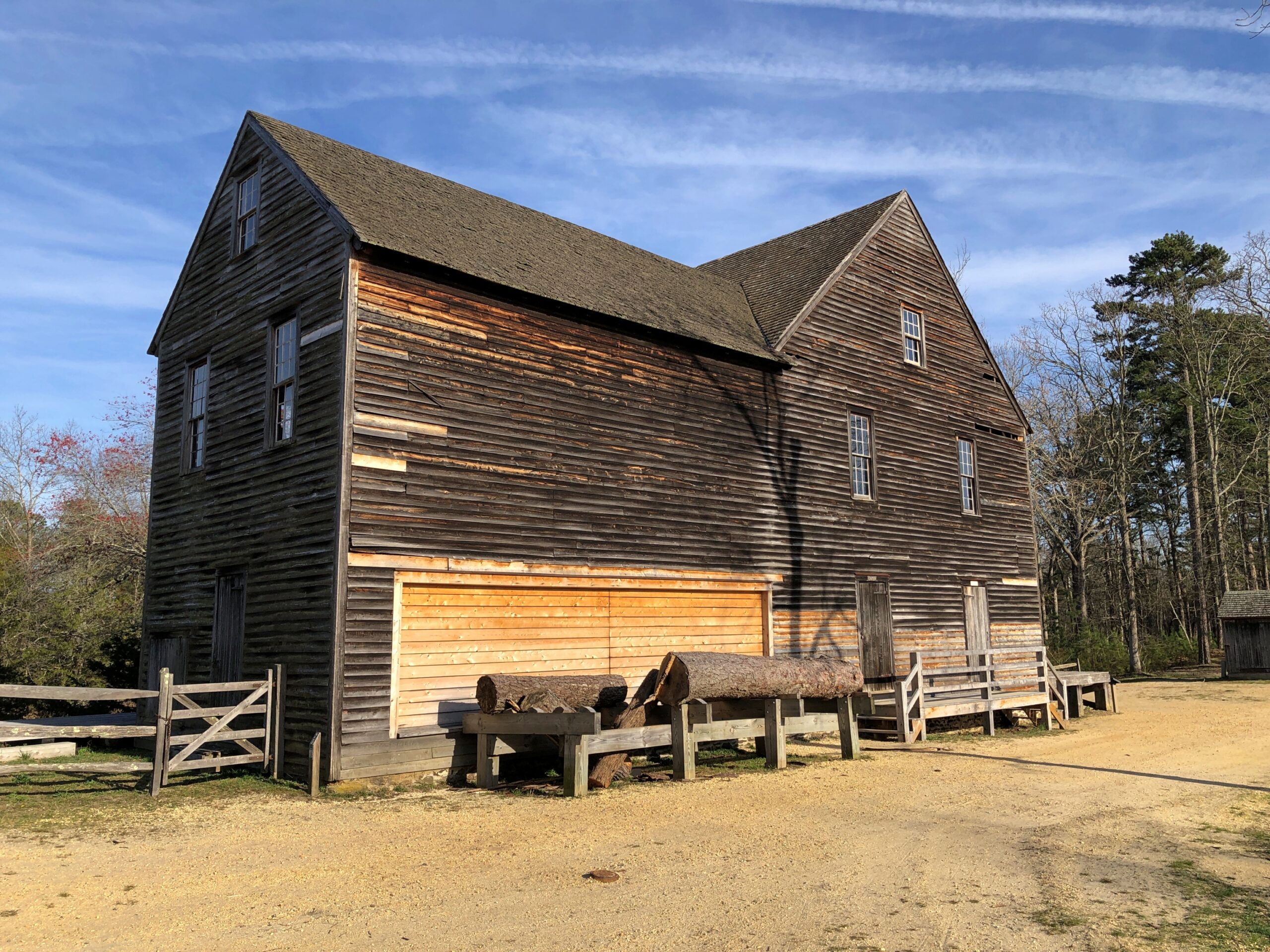
Even so, I happened across a few places in the Pinelands to stop, especially Batsto Village, site of the former Batsto Iron Works.

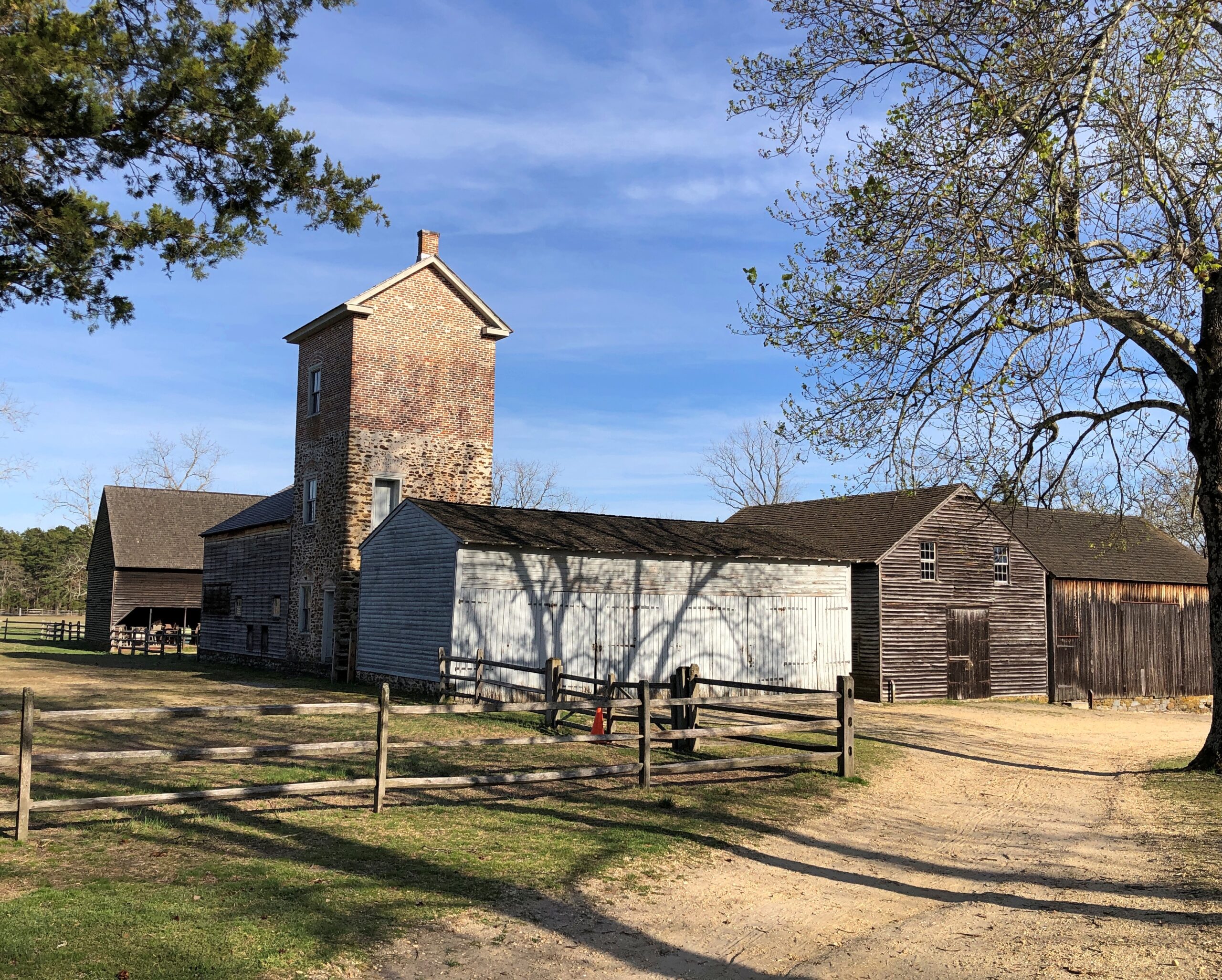
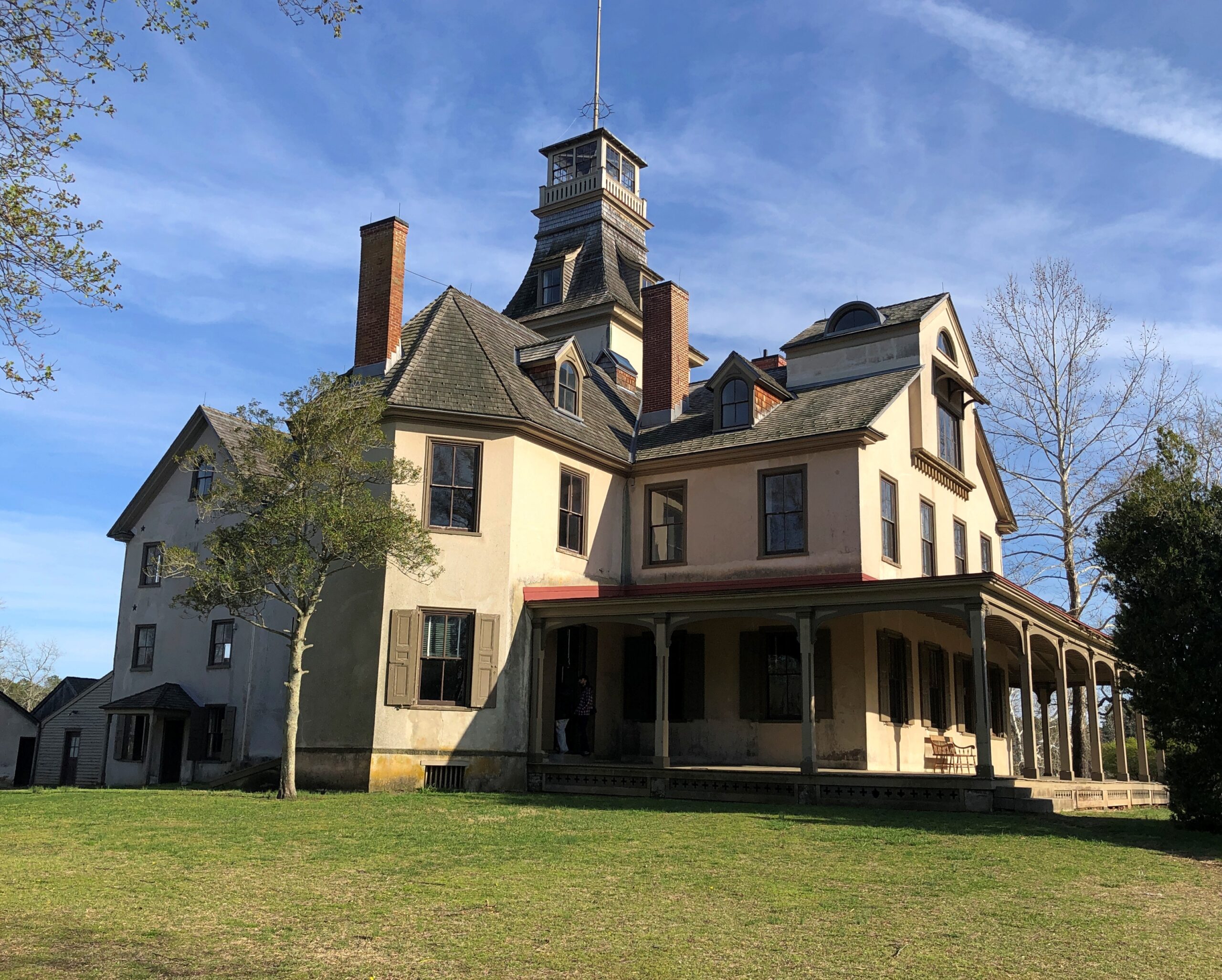
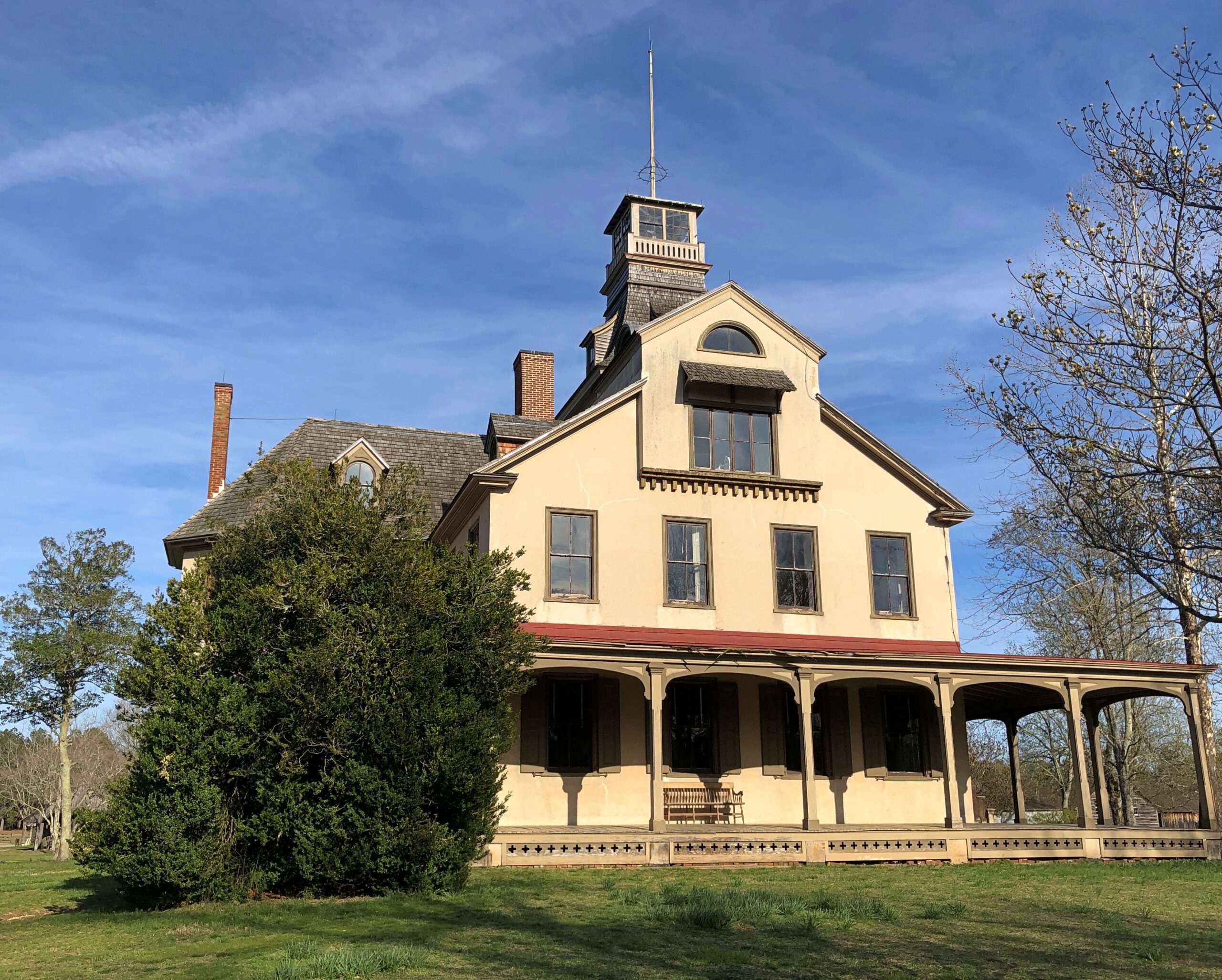
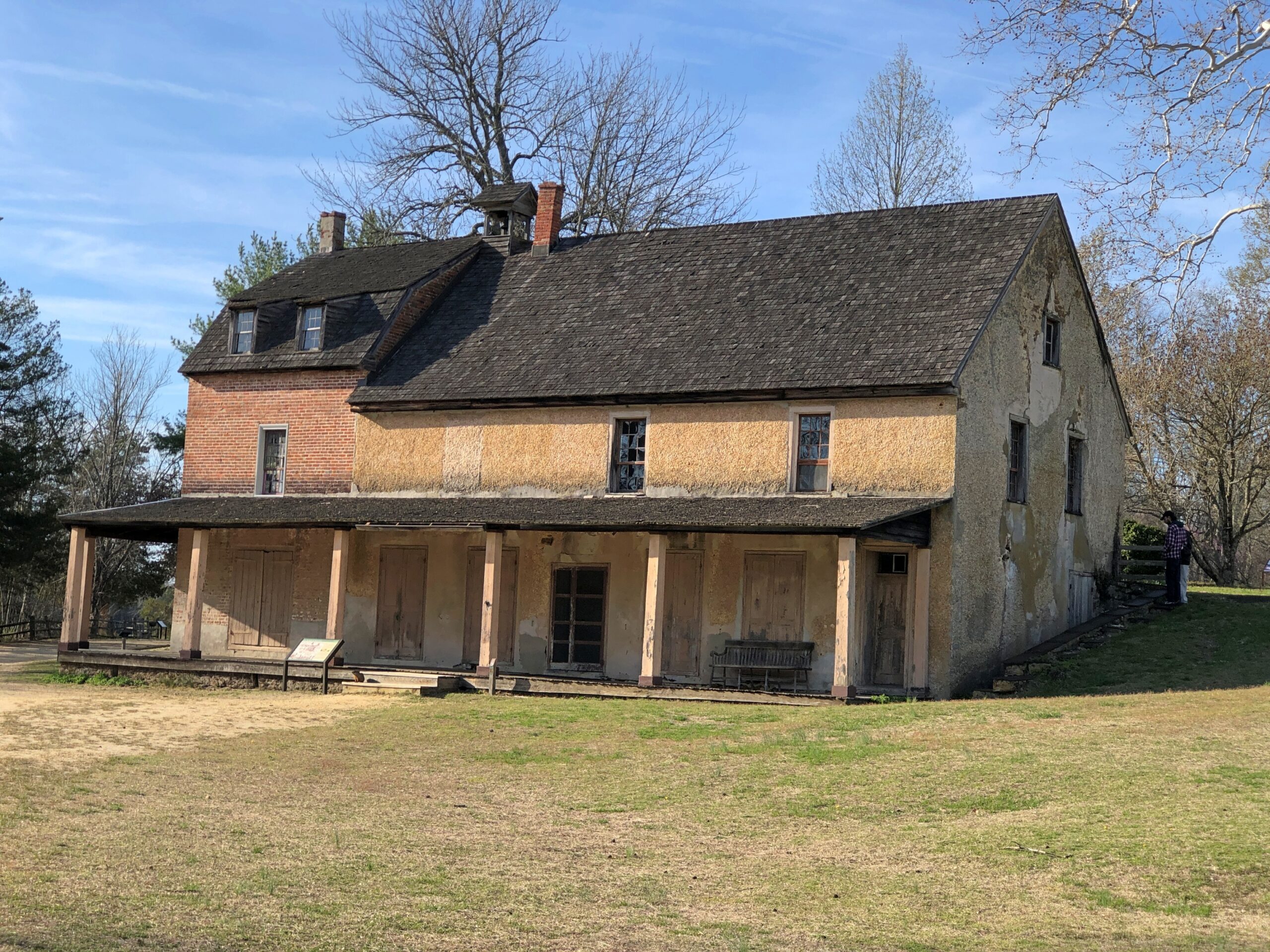
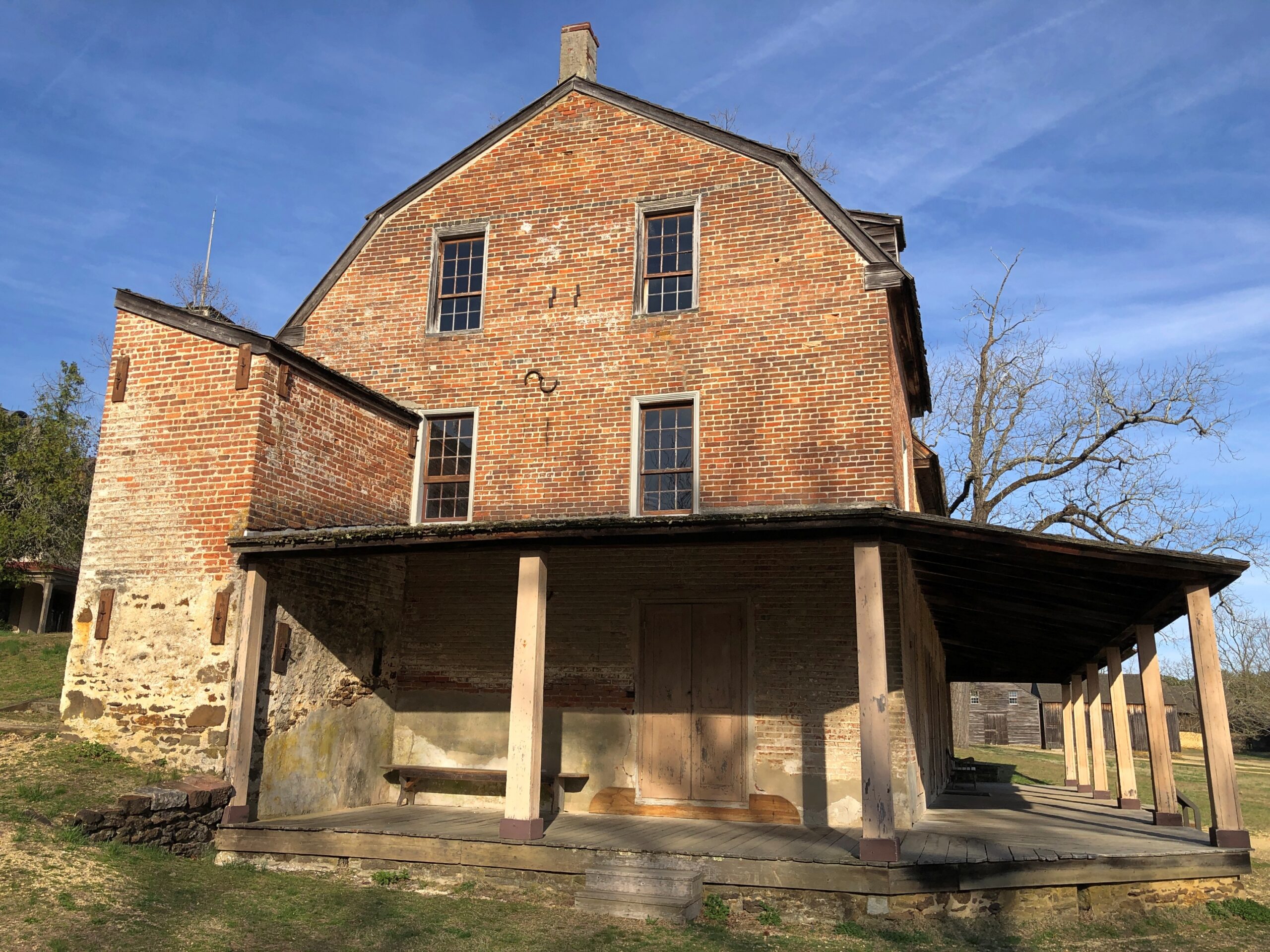
Most of the open-air museum buildings are 19th century, but the Batsto Iron Works had roots that went back to Colonial times. Some enterprising early NJ settlers found bog iron in the area. By the 19th century, the iron smelting was doing well enough to support a company town, including of course the boss’s house.

The company store.

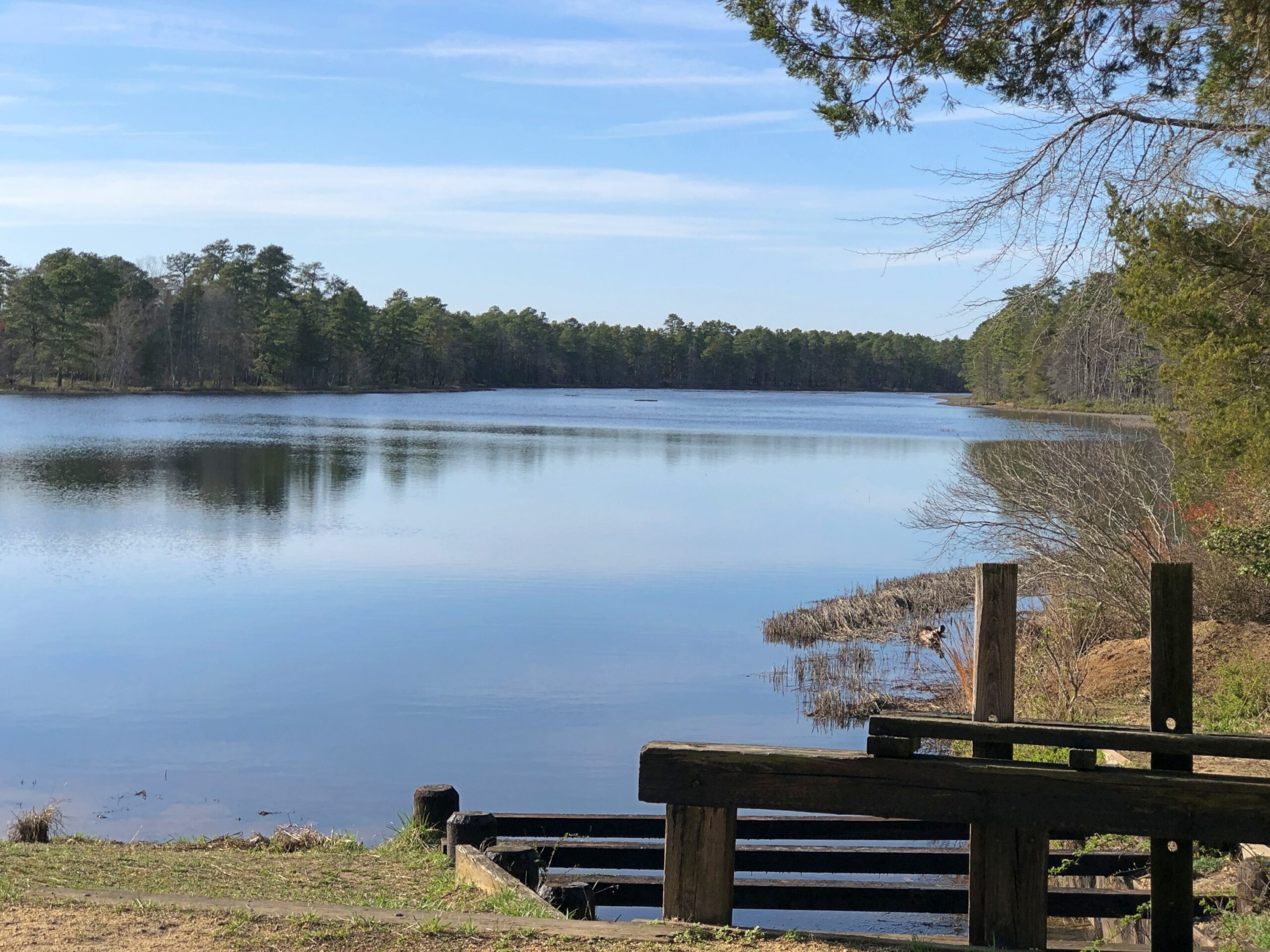
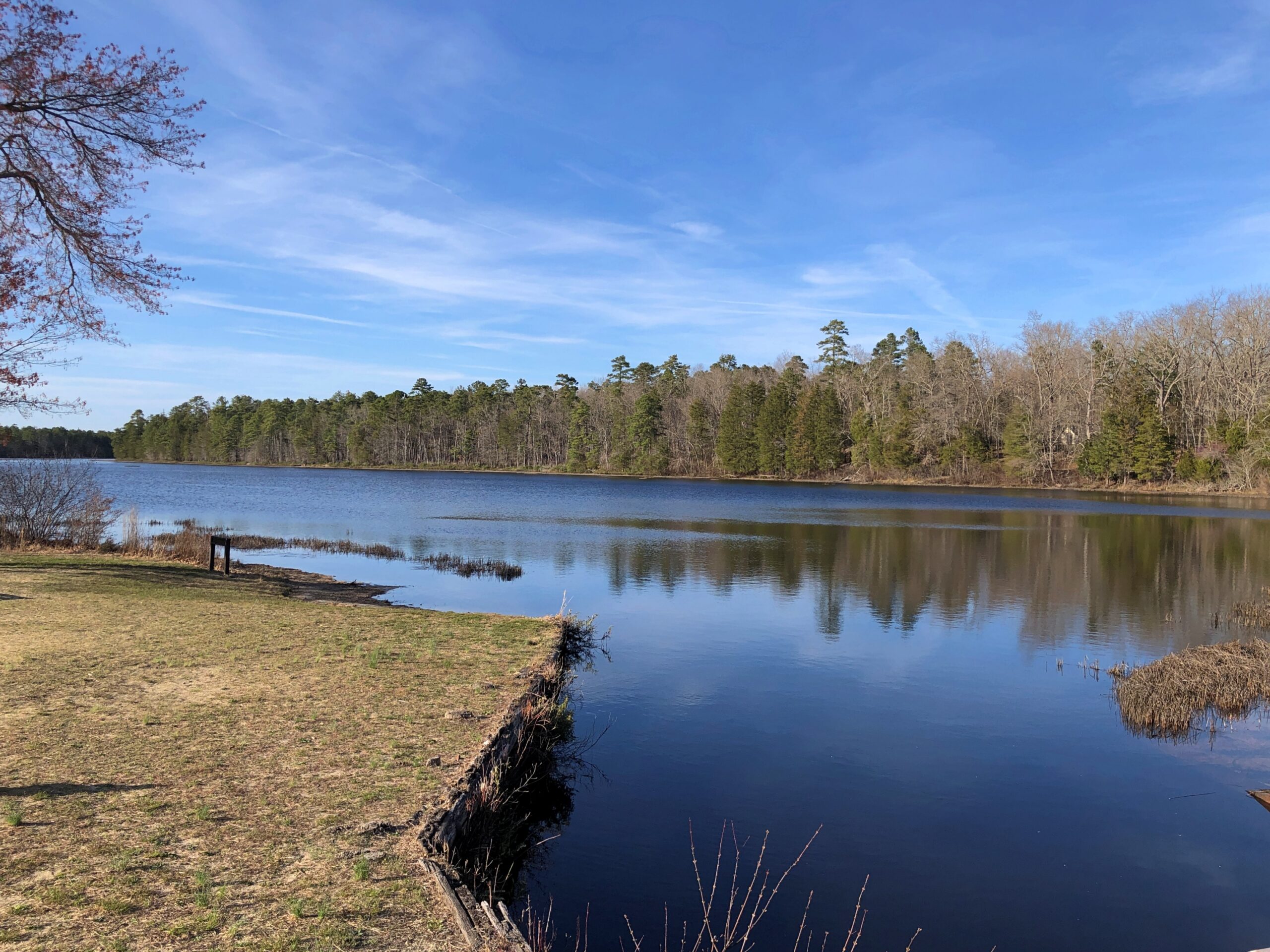
The company paid in script until the workers were organized enough to demand legal tender for their labor. Unlike at Fayette Historic State Park in Michigan, the actual industrial facility, the 19th-century blast furnace, is long gone. The place has a good-looking lake, however. Created by a small dam on Batsto River to harness the water for the sawmill.

A vista that says New Jersey? Yes, but not the New Jersey of song and story.

Back in Egg Harbor City (pop. 4,442), I chanced across the Egg Harbor City Cemetery – another reason to leave the GPS inactive most of the time. If the box tells you where to go, you’ll miss minor misdirections that take you to unexpected places.

I’ve come up with my next approach to traversing the Pine Barrens. There will be a next time, provided my health holds out. That’s always a contingency these days, but anyway the approach can’t be as rational as trying to plot oneself on a map, or even follow the directions from a machine.

The region isn’t that large. That is, provided your car is gassed and in good running condition, since walking out of the Pine Barrels, even following surfaced roads, seems like a bad idea unless you’ve prepared yourself to do so. Assuming you drive, pick a direction – say east, toward the morning sun – and head that way, hewing to the direction as much as possible. It won’t be too long before you come to a reliably numbered state or US highway. Or in that case, the Garden State Parkway.

Sounds doable. Unless you encounter the Jersey Devil.

Big Four Bridge

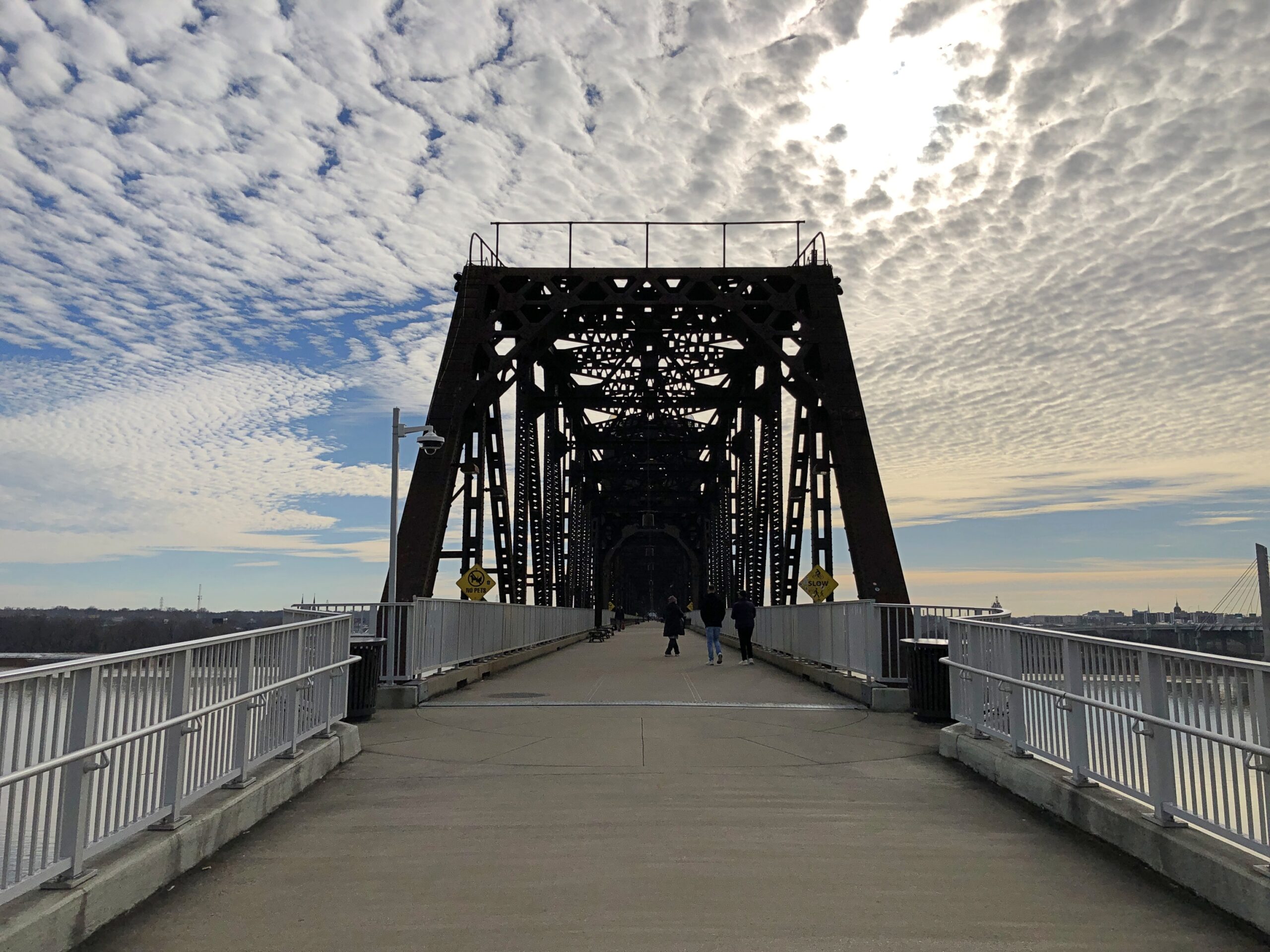
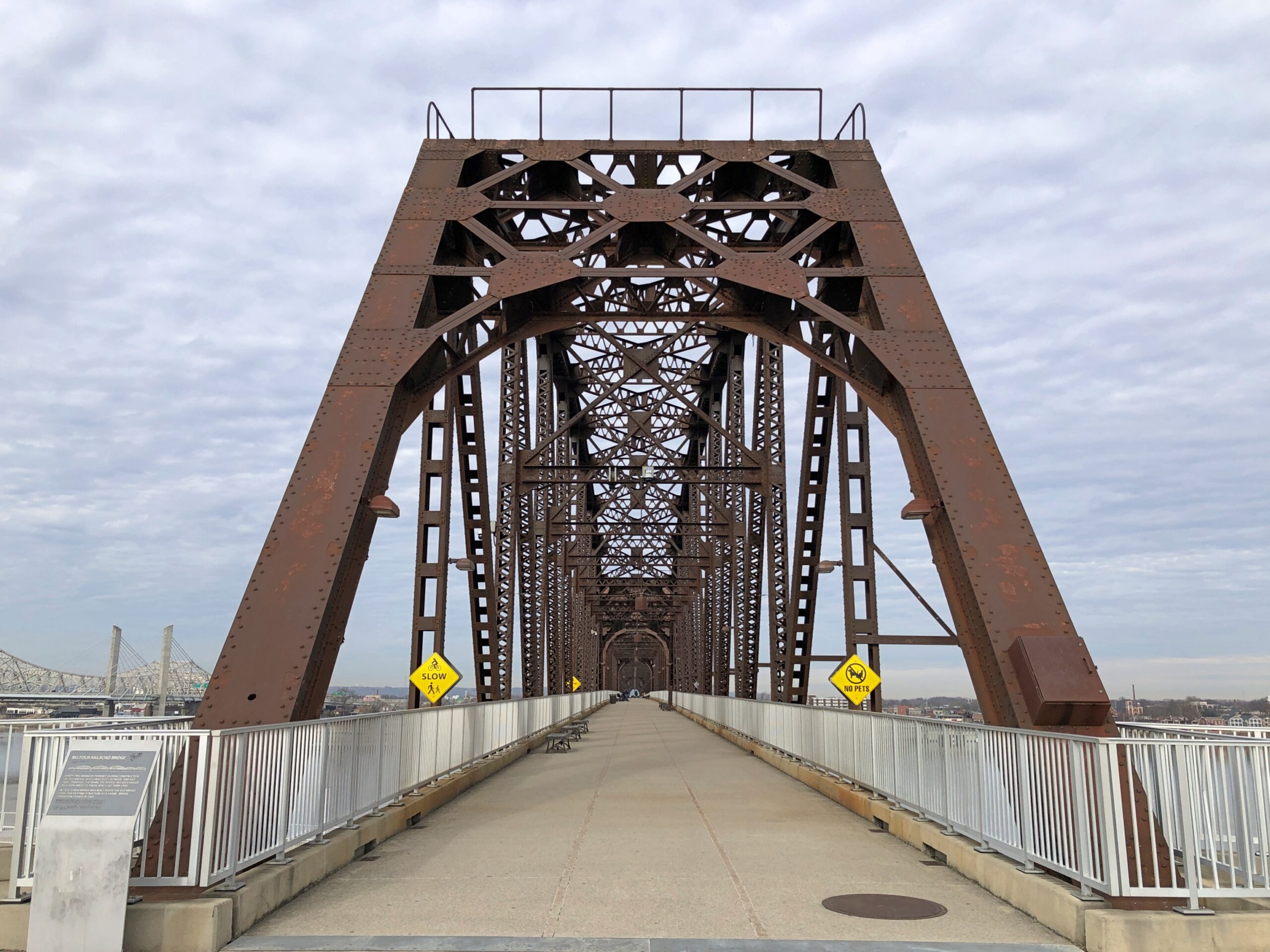
Even the last day of a long trip can include – should include – something to see. With that in mind on December 22, after we crossed the Ohio River from Louisville on the I-65 bridge, which I have done many times, we took the first exit to go to Jeffersonville, Indiana, which I have done only once, in 1990. Then we went back across the river to Louisville, this time on foot on a massive iron structure known as the Big Four Bridge.

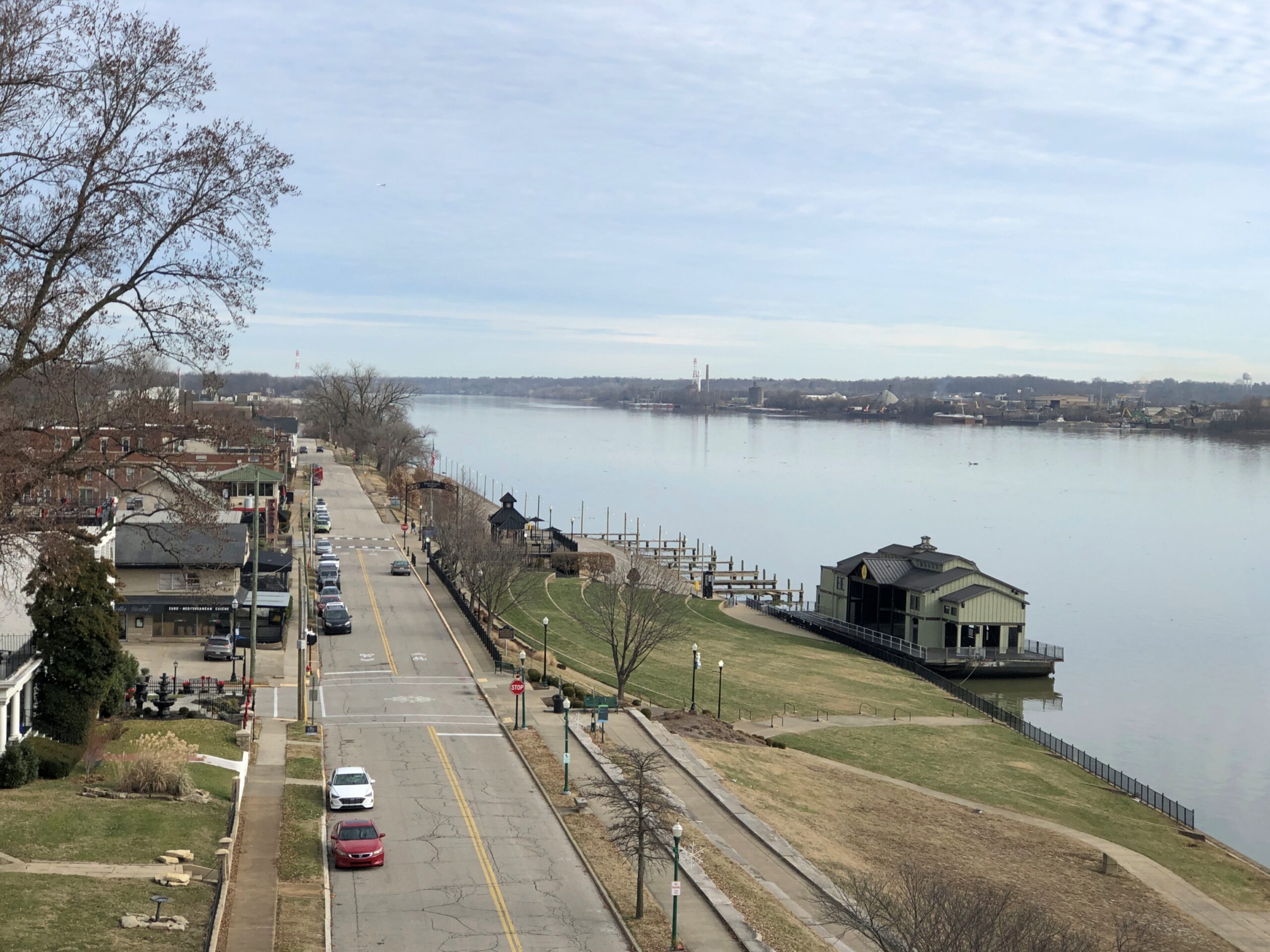
The Jeffersonville side of the bridge offers views of that town and its riverfront, where I took a wintertime stroll all those years ago. At that time, Big Four Bridge was a decaying relic, inaccessible to the public.

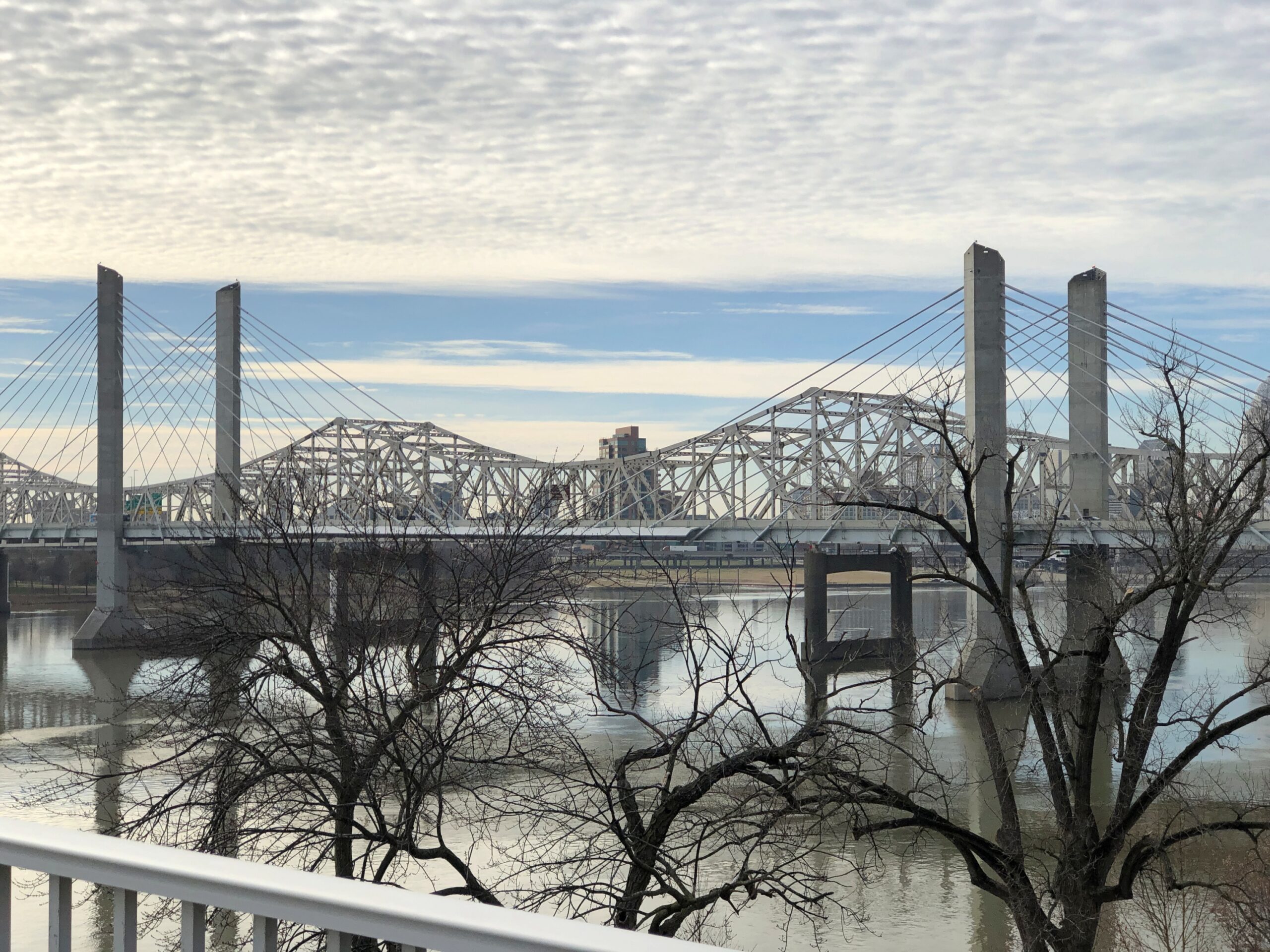
You can also see the I-65 bridge from that vantage. It too is an elegant design.

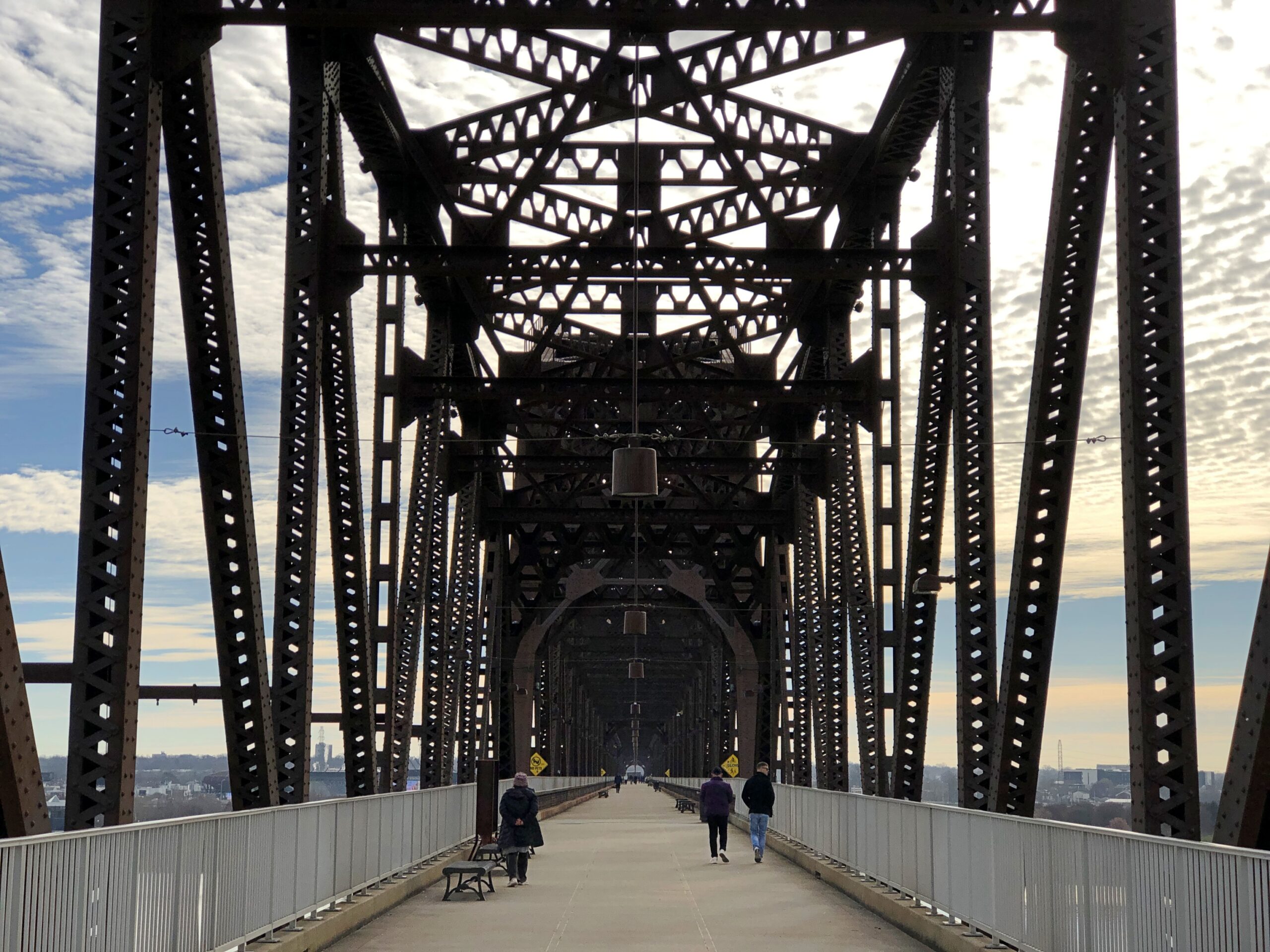
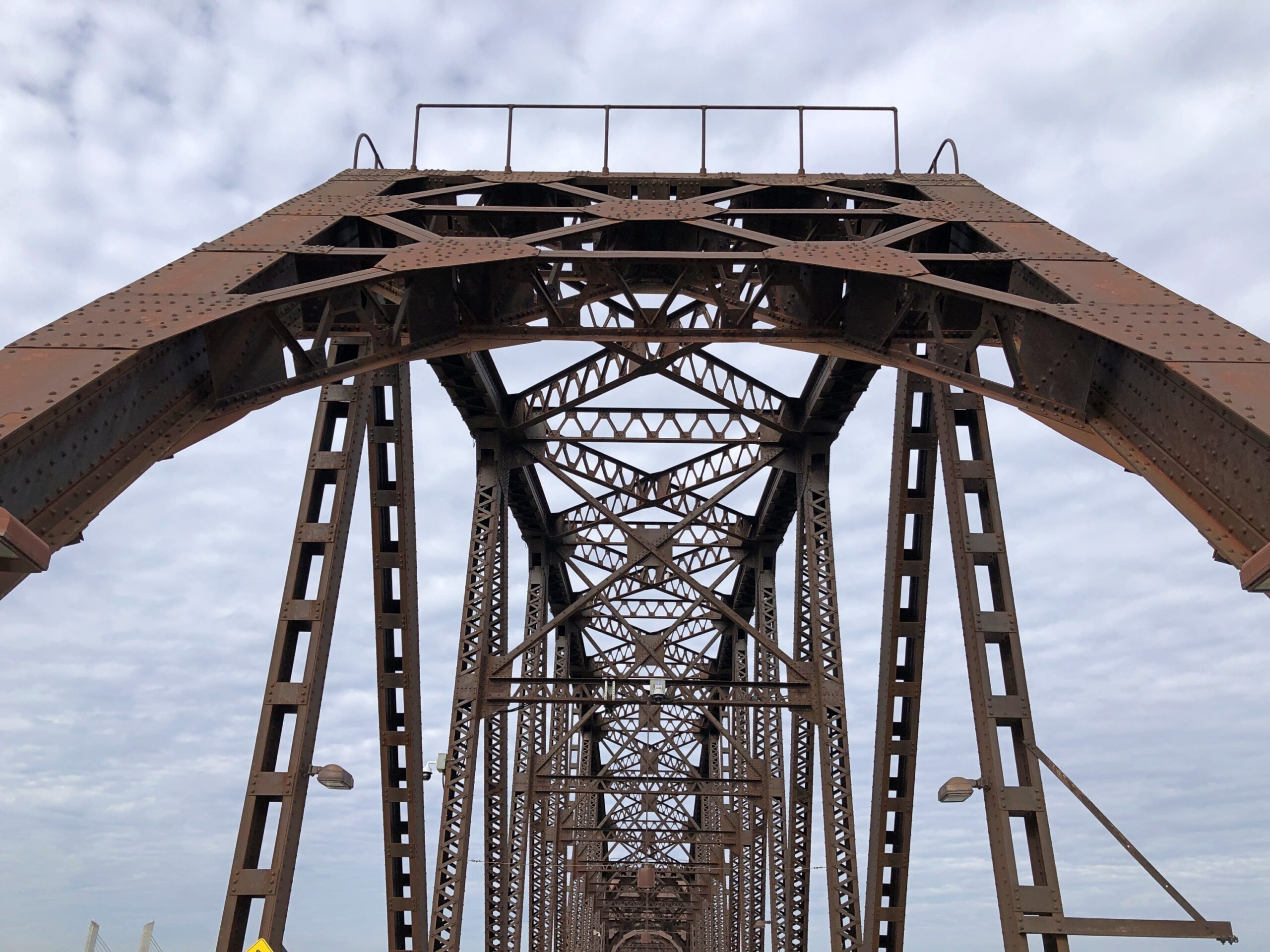
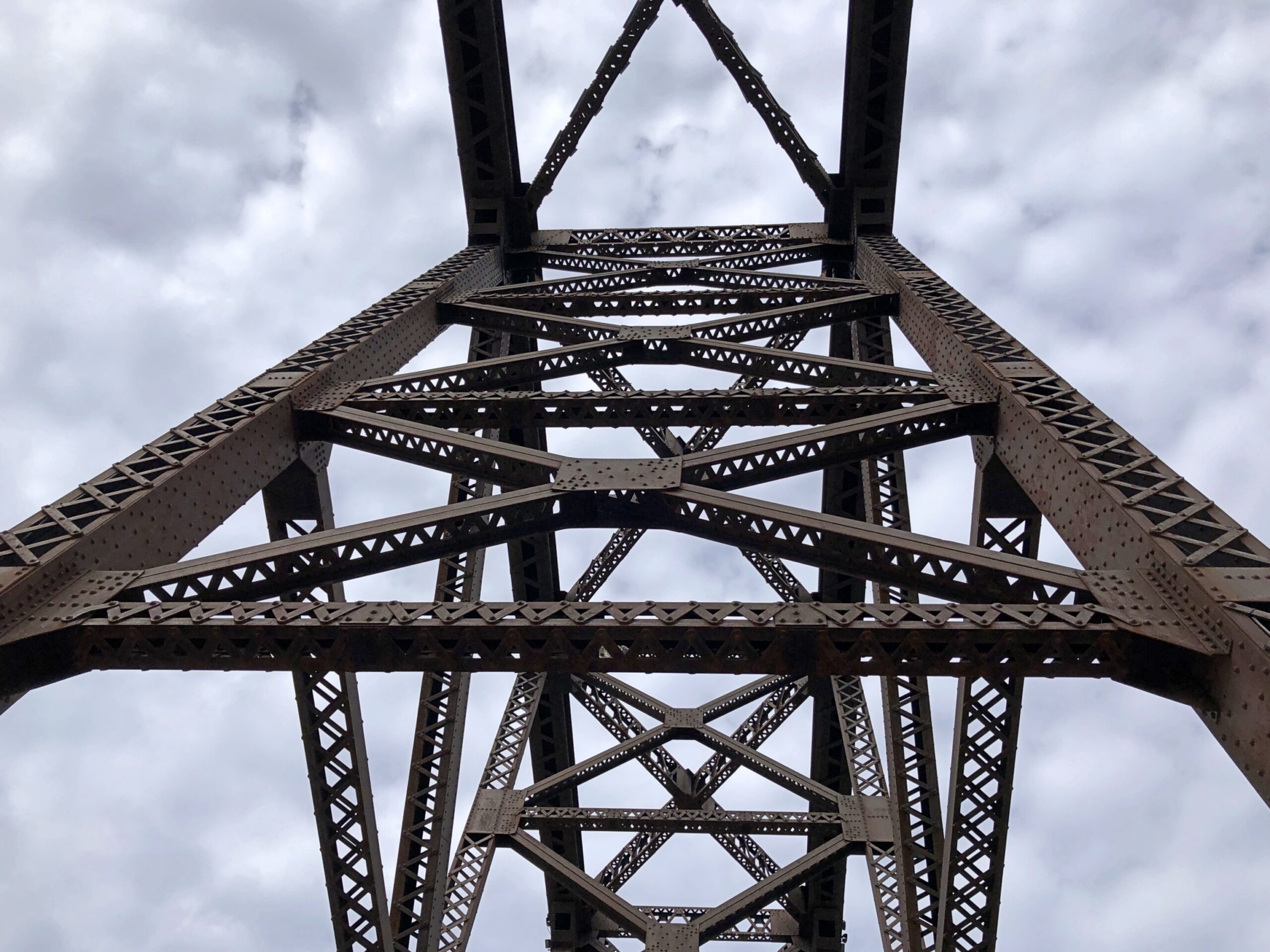
But not as impressive as the sweeping ironwork of Big Four Bridge.

The Ohio sweeps along as well.

I couldn’t take enough pictures of Big Four.

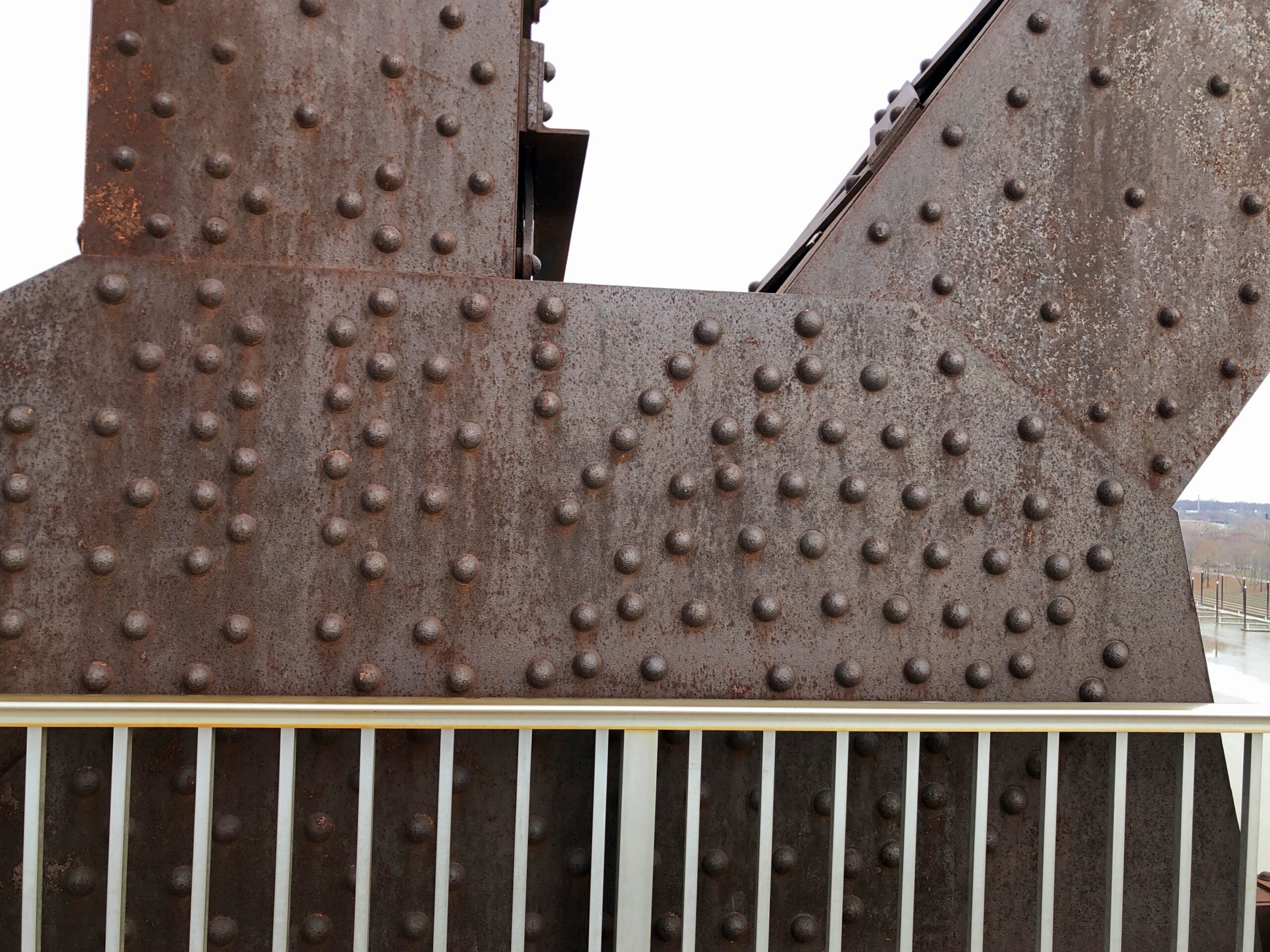
Once upon a time, Big Four carried the Cleveland, Cincinnati, Chicago and St. Louis Railway, also nicknamed the Big Four Railroad. The 2,525-foot span contains six trusses, beginning as a late 19th-century project, the sort of pre-OSHA work that killed dozens of workers during construction (so why not ghost stories?).

Completed in 1895, “The Big Four Bridge allowed freight traffic to dramatically increase in Louisville, and began carrying high-speed interurbans on September 12, 1905…” says Bridges & Tunnels. “Due to bigger and larger trains, not only in size, but in weight, contracts were let in June 1928 to build a larger Big Four Bridge. The new span, constructed by the Louisville & Jefferson Bridge Co., was built on the piers of the old bridge, while leaving the existing span intact while it was upgraded.”

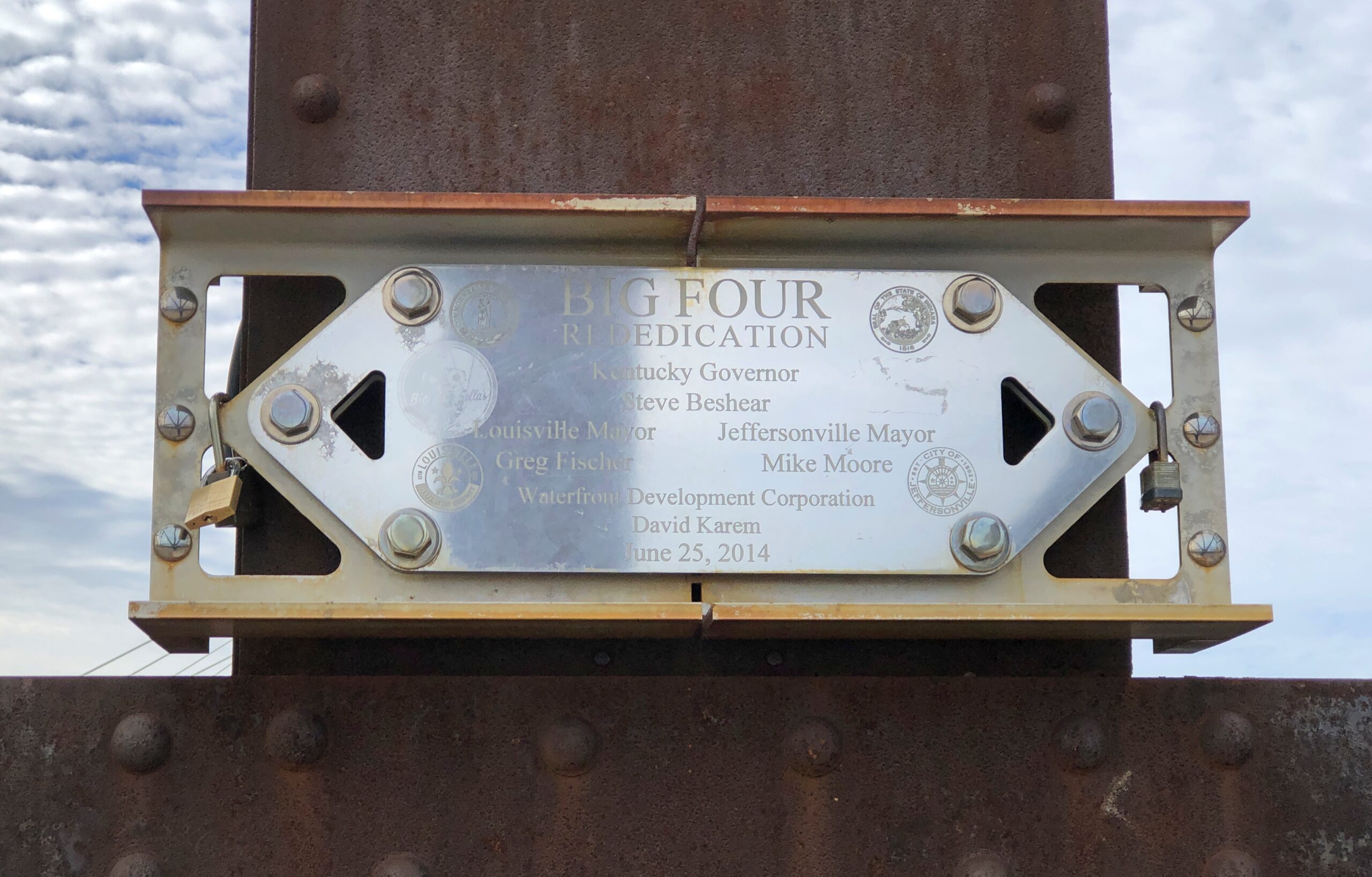
That is the structure we see today, except that in the early 21st century, it was redeveloped into a pedestrian/bicycle bridge.

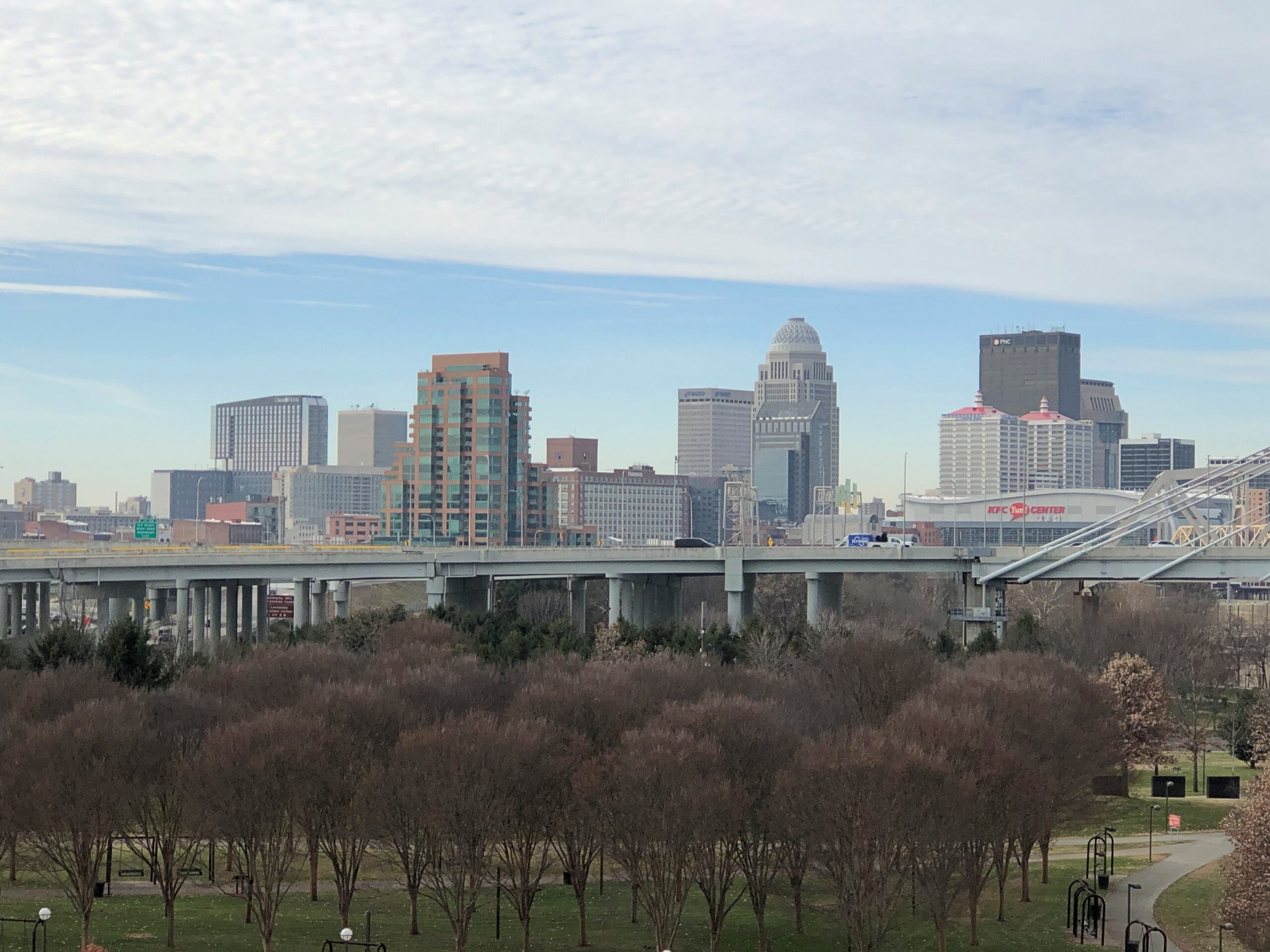
At the Louisville side of the bridge, views of the city.

And looking back at the bridge from the Kentucky (Louisville) side.


We saw the daytime bridge, of course. But “the Big Four Bridge has an LED lighting system that wraps the iron fretwork in vibrant colors,” says Our Waterfront. “The lights can be programmed to have a rainbow effect, highlighting the beauty and strength of the bridge structure. At night, the bridge becomes a colorful beacon in our city. Lights operate daily from twilight until 1 am.”

Another reason to come back to Louisville-Jeffersonville, obviously.

The Key West Green Flash

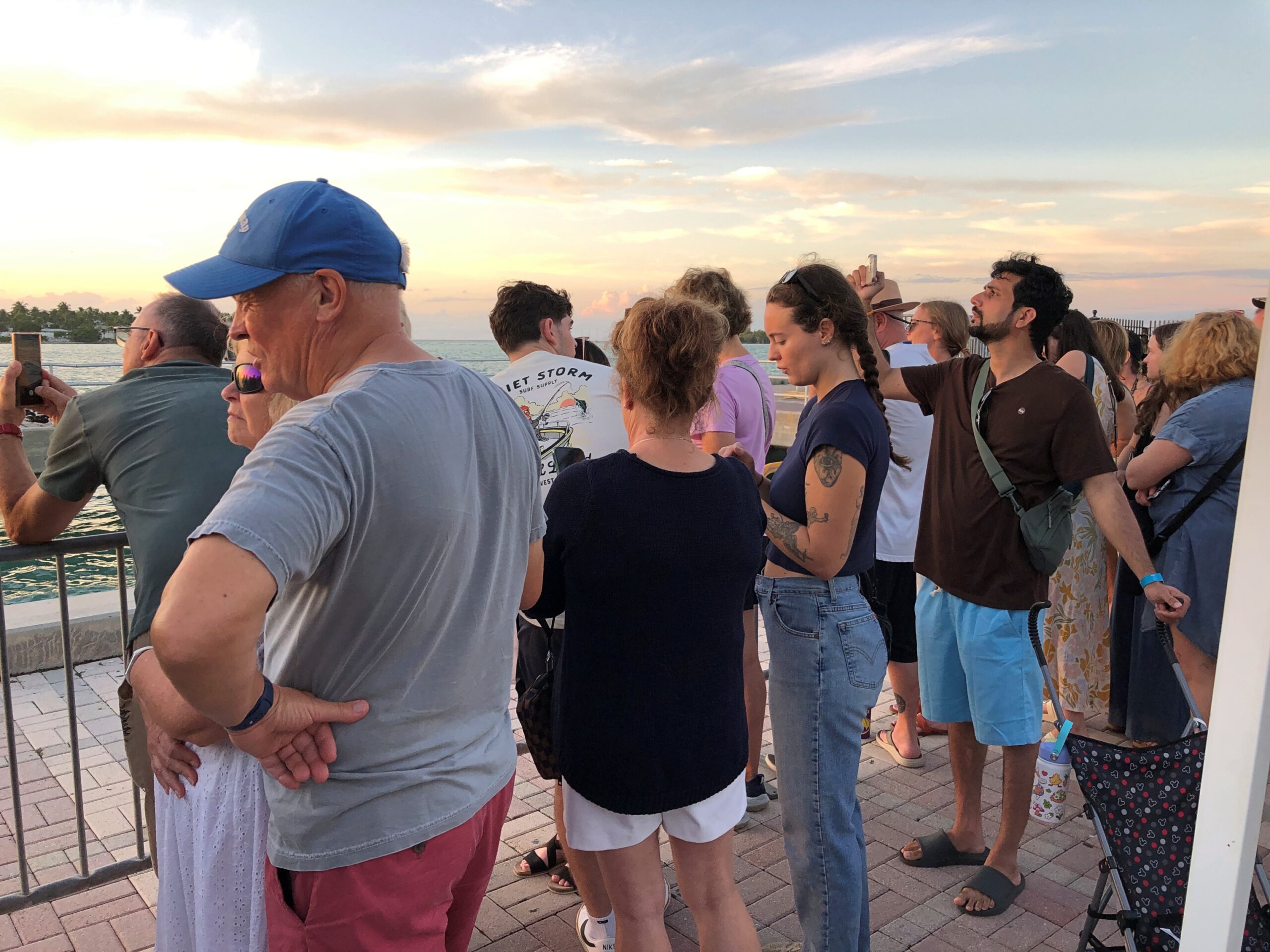
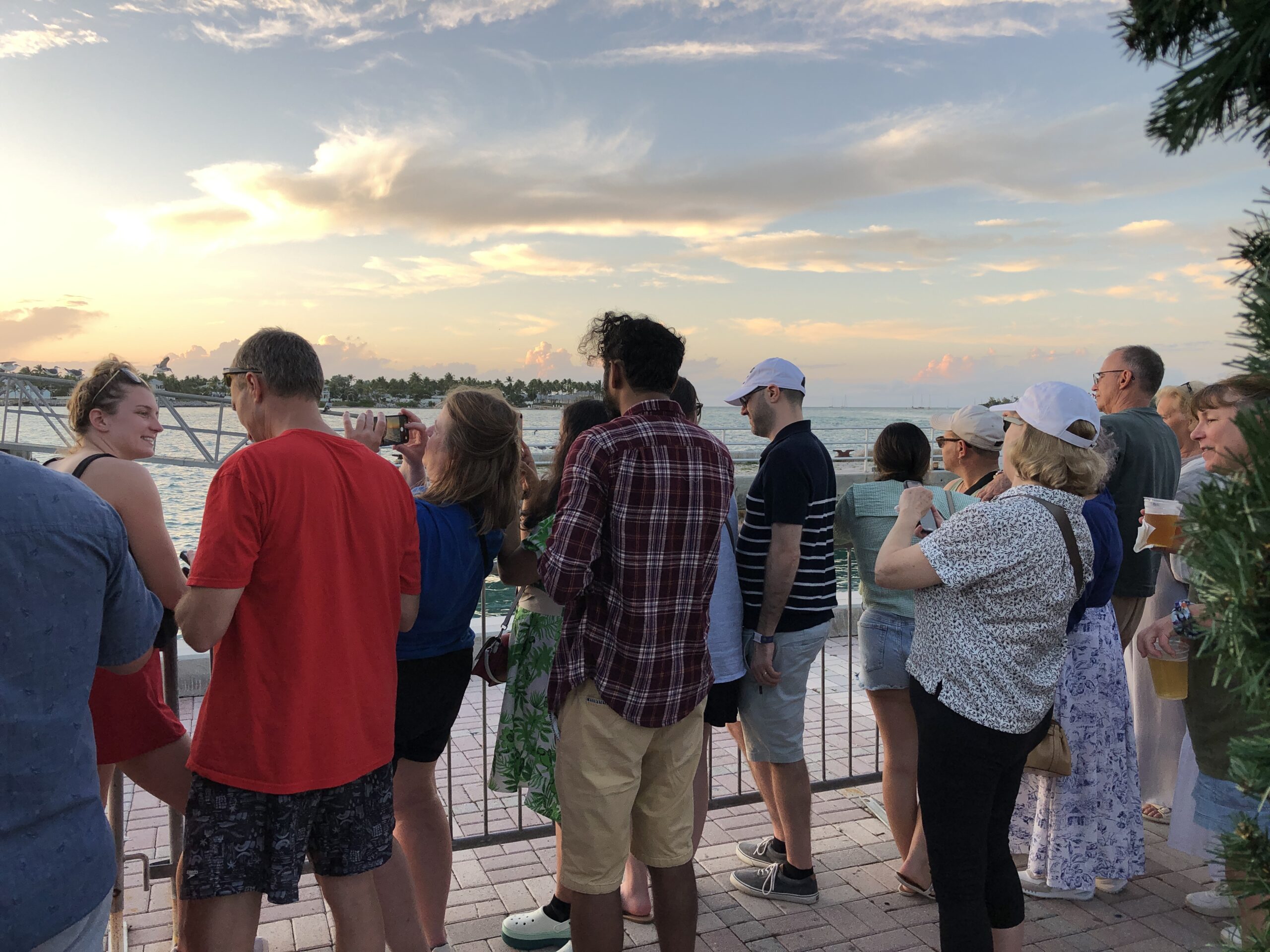
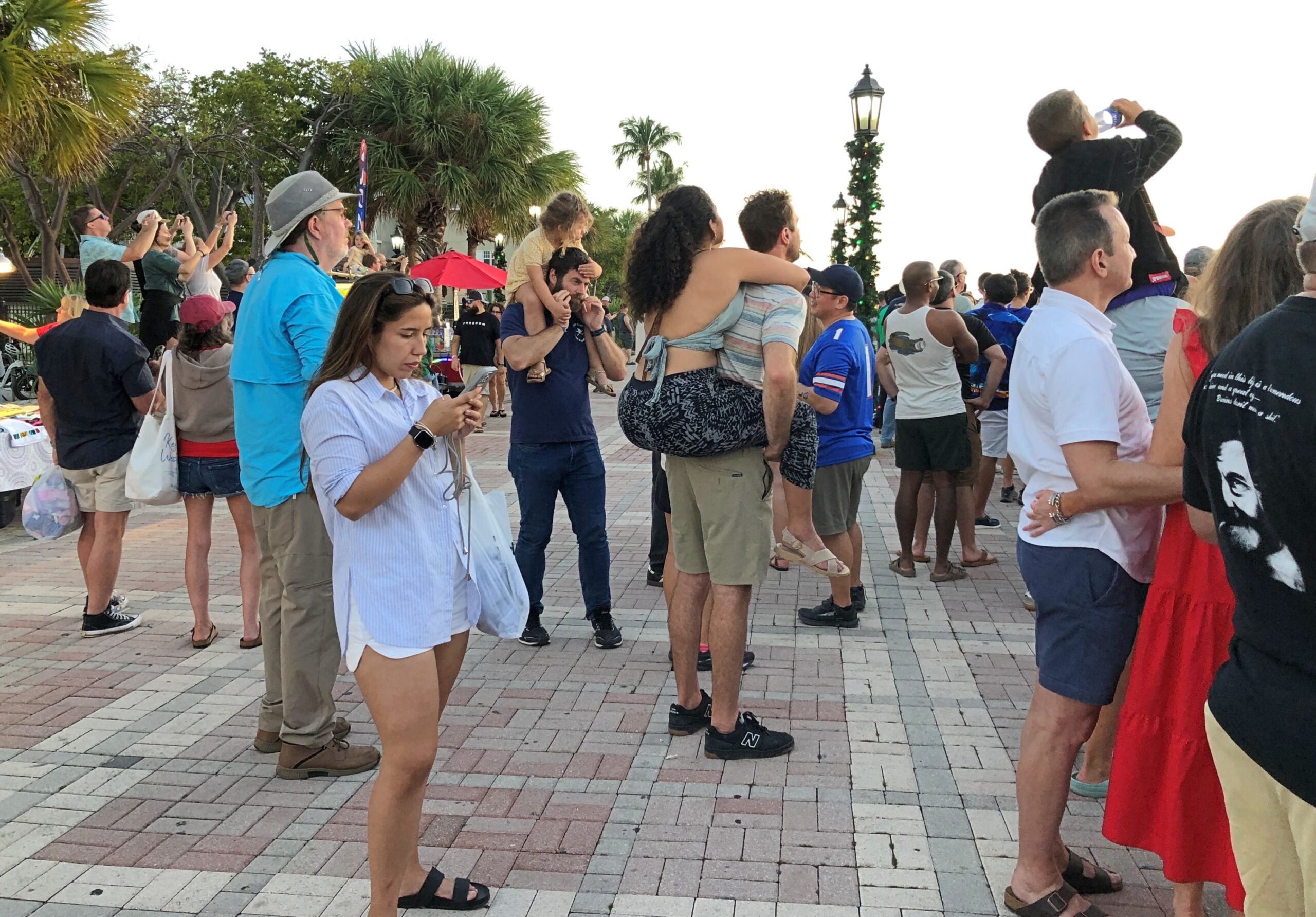
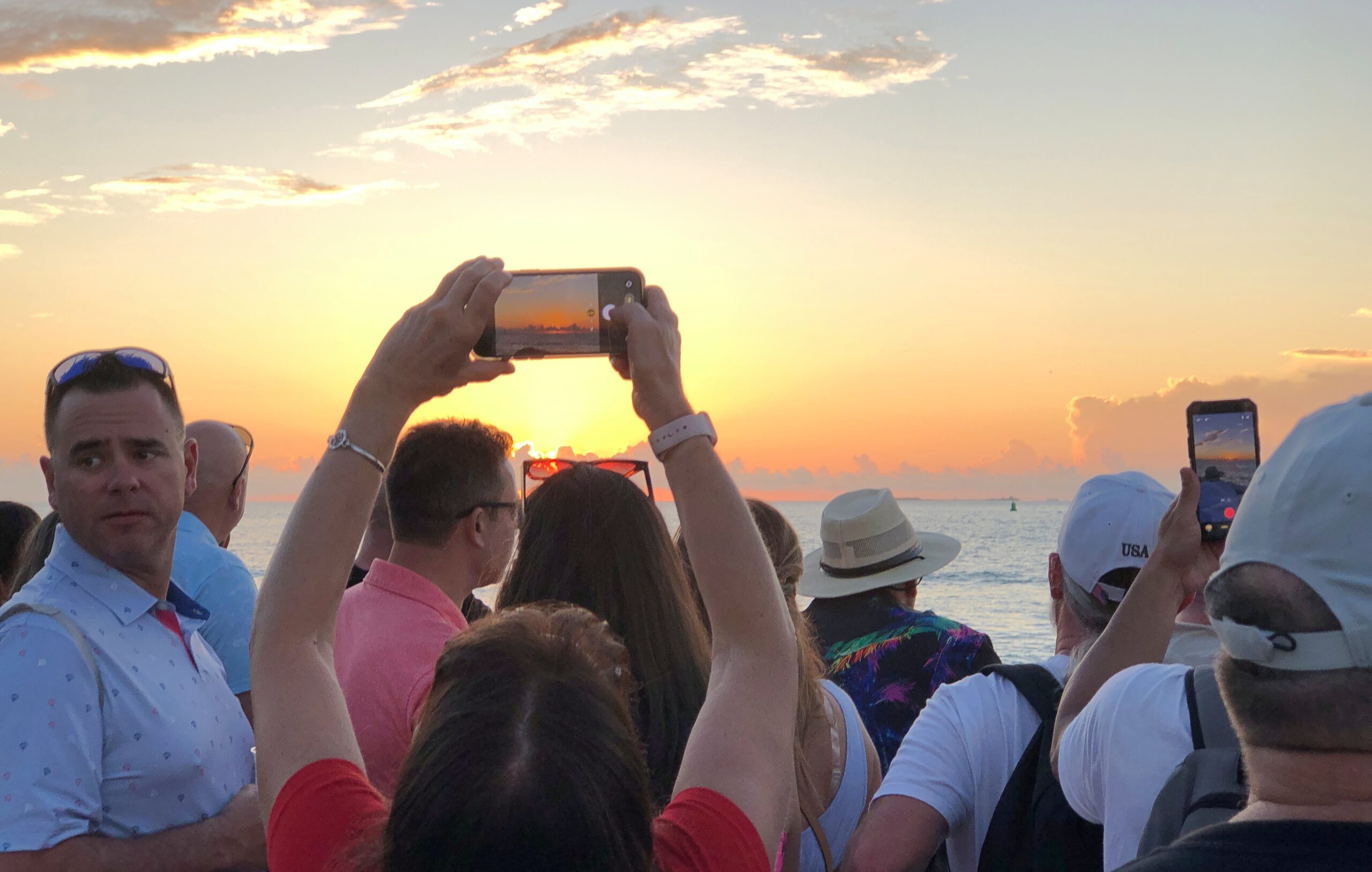
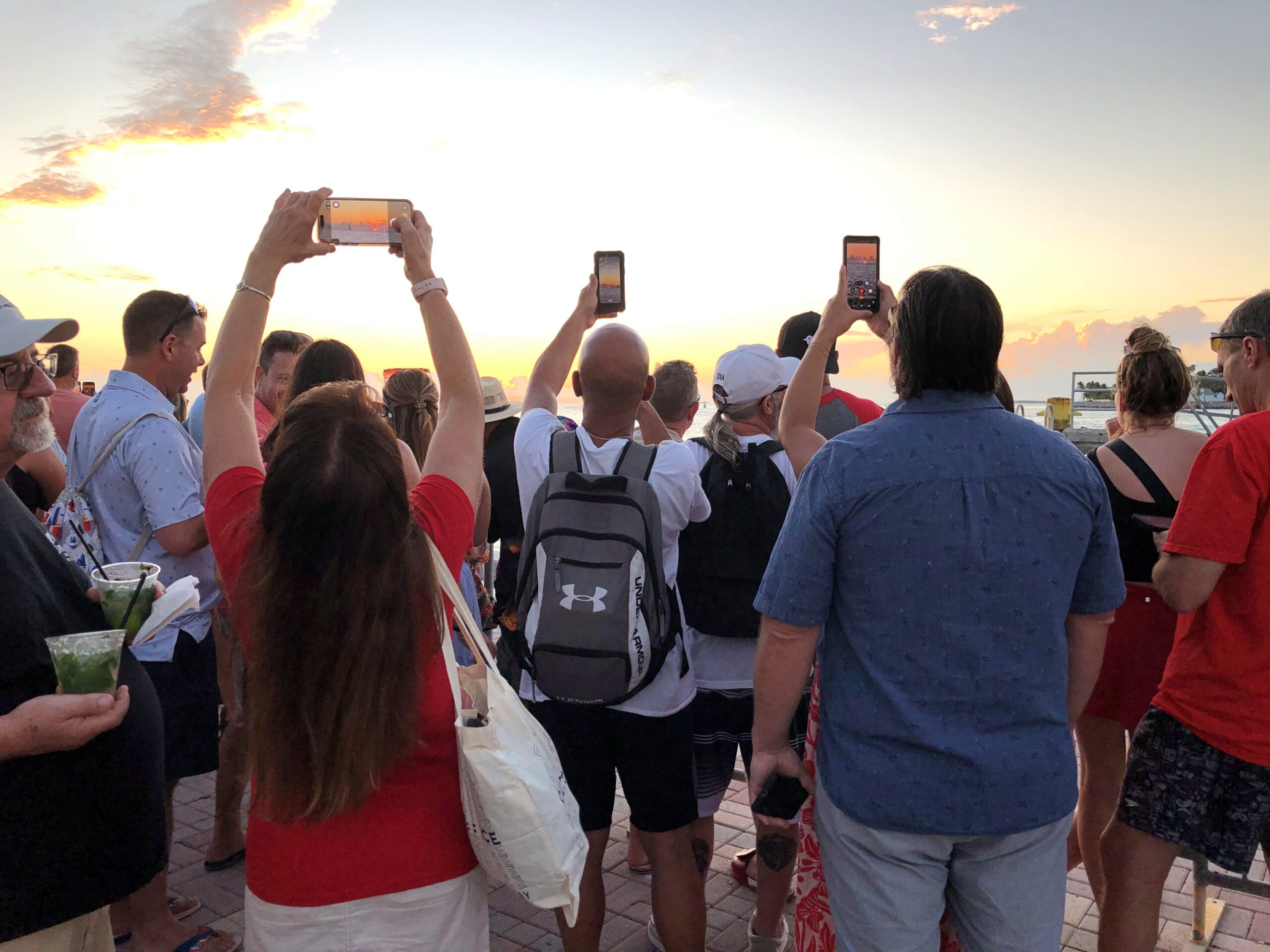
We joined the other Key West tourists, and who knows maybe a few locals, for an spontaneous sunset viewing party. I know if I lived around there, I’d be out at least occasionally, taking in something that never gets old. No organizer at all, just people collecting at the right place at the right time to see the disk of the sun transition from yellow to red and other colors, as it visibly creeps lower toward the horizon. Down the sun went, in its predictable splendor, and then — green.

I’m pretty sure what I saw was an inferior-mirage flash, to use a technical term I learned later. I checked later, finding that one characteristic of such a flash is an oval of light lasting no more than 2 seconds (I’d say it was no more than a single second, if that). They tend to happen when the surface is warmer than overlaying air, and close to sea level.

All that fits for the green flash — a variety of green intense and completely new to me — as the sun set our first day in Key West. The flash came exactly as the top edge of the disk of the sun dipped below the horizon. You have to, I believe, be looking straight at the exact right place at exactly the right moment to see it, as I was, by pure accident. I’d heard about green flashes for a long time, but I’d never seen one. A really long time: I remember them being mentioned during a planetarium show in San Antonio as a kid in the early ’70s.

We hadn’t come to Mallory Square to see a green flash or any other meteorological optical phenomena. We hadn’t even come to see the sun go down. We just happened to arrive at Mallory, a large public plaza near the north end of Duval St. and right at the water’s edge, just at the right time, after gadding about that part of Key West.

It’s a mildly festive place around sunset. Also, people are waiting. The sun was not to be hurried.

Lots of people around, not an overwhelming crowd, more of a happy milling of vacation-goers.

Key West Mallory Square

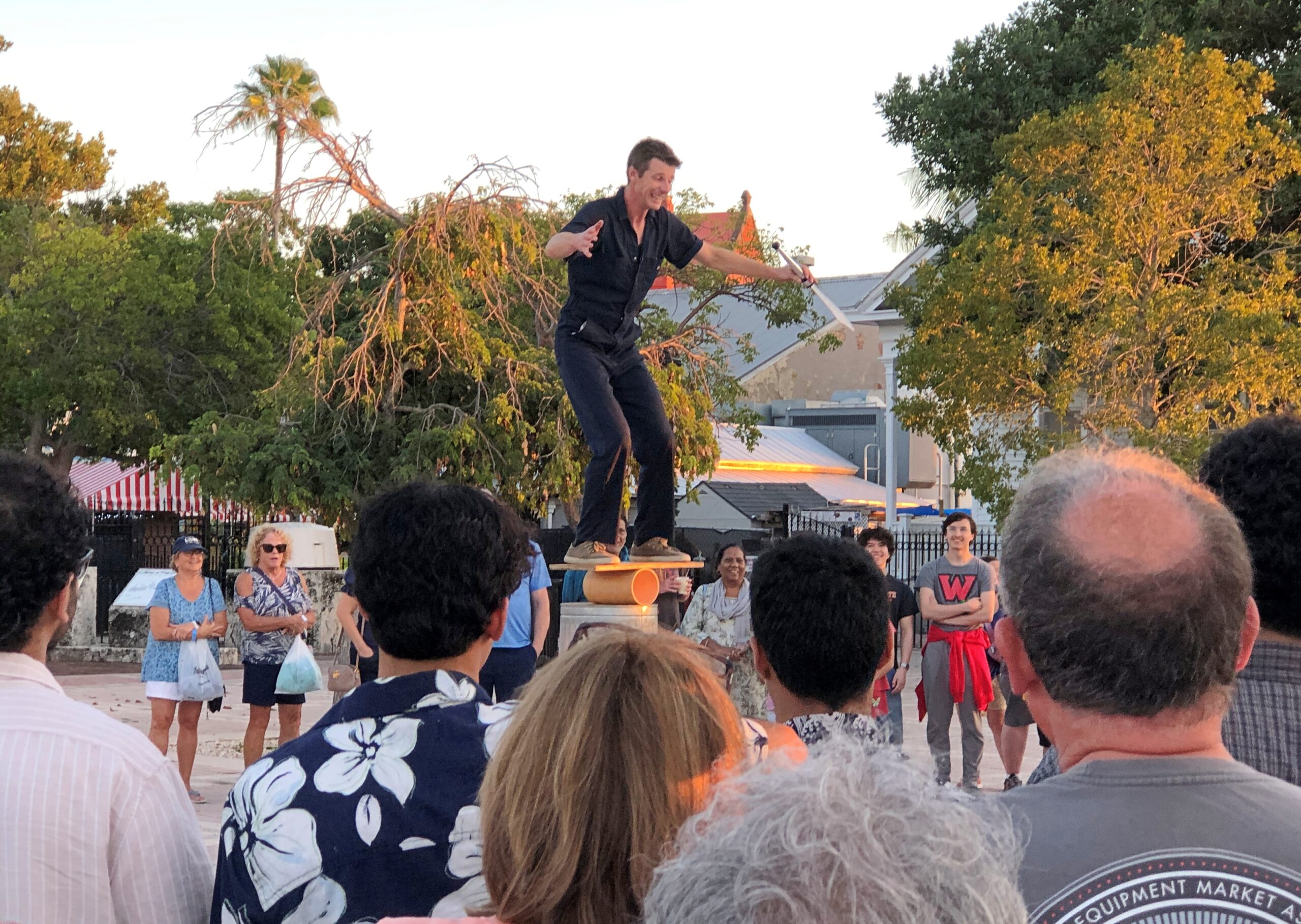
Live entertainment was on hand.

The star attraction, however – make that the solar attraction – was the sunset. Mallory Square has a fine view of the westward horizon, where sea and sky come together like a hazy kiss out on the ocean.

Sunset Mallory Square

So now I’ve seen a green flash. A total solar eclipse (two, actually), lunar eclipses, the transit of Venus, double rainbows, ground-to-sky lightning, sun- and moondogs, meteors, planets through telescopes including the moons of Jupiter and Saturn, the impressive whisp of the Milky Way in a dark sky, the Southern Cross and the Magellanic Clouds – add a green flash to the list.

But what other cool things to see in the sky that so far have eluded me? The aurora, for one. Aurora borealis would be great, and certainly more doable than aurora australis, but wouldn’t seeing the Southern Lights be a kick? I think I first learned about it in a Carl Barks Scrooge McDuck comic, and never forgot.

The National World War I Memorial and Museum

As a kid, that is as a kid in the late ’60s and early ’70s, I took an unusual interest in WWI. My grandfather, my mother’s father, had been with U.S. Army Corps of Engineers in France, but it was more than that, since he was gone by the time I could remember, and I only heard bits and pieces about his service from family members who knew him. Some of his gear was still around, such as a bent-up canteen and some binoculars, and a panoramic photo of his regiment, but that was about it.

My interest was more likely sparked by The American Heritage History of World War I, a book we had around the house, along with the Civil War and WWII titles by the same publisher. The WWI volume, a weighty tome lavishly illustrated, had such chapter headings as When the Lights Went Out, Appointment at the Marne, Deadlock, Ordeal of Nations, Crisis in the Allied Camp, Enter the Yanks and Eleventh Hour. I spent quality time with that book.

Just as important, there was a companion record to go with the book: World War I, Historic Music and Voices. I listened to it many times, fascinated by the music and voices from an age that seemed to have nothing to do with the time and place I found myself. That was an illusion of youth. Growing up in the 20th century meant you were in the shadow of that war, know it or not. I’d argue that’s still true. Anyway, I ended up knowing such songs as “Over There,” “It’s a Long Way to Tipperary,” “Keep the Home Fires Burning,” and even “K-K-K-Katy.” all of which were mostly unknown to my contemporaries.

I’m glad to report that the record is available on line. The narrator, Charles Collingwood, had just the right earnest, commanding voice for the record. It was years before I knew anything else about him – his time covering WWII for radio, especially, but also as a TV journalist for CBS.

Like many boyhood interests, WWI carried over into adulthood, faded but never quite gone. I knew, for instance, of the shameful neglect when it came to memorializing the war in the U.S., especially in Washington, DC. The first time I ever visited the National Mall, in 1982, I noticed a (relatively) small memorial, the District of Columbia War Memorial, off to the side at some distance, forlorn and badly aged, though I understand it was finally renovated in the 2010s. The memorial honors the “residents and citizens” of DC who performed military service in the Great War.

There was nothing else in the nation’s capital to honor anyone else in that war, not until National World War I Memorial was completed last year, and even it isn’t on the National Mall.

I haven’t seen the new DC memorial, though I’m sure it’s a worthwhile effort. Still, for a memorial really worthy of the event, go to Kansas City, Missouri.

National WWI Museum & Memorial

The National World War I Museum and Memorial started as a local memorial soon after the war ended. Long enough ago that Vice President Coolidge was at the groundbreaking, as was Gen. Pershing and a number of other Allied military luminaries. Local, perhaps, but with the heft of a national memorial, designed by Harold Van Buren Magonigle, who was known for his memorial work.

Magonigle’s limestone tower soars.

National WWI Museum & Memorial

Sphinxes crouch near the shaft, supposedly covering their eyes from the horrors of war.

WWI Museum and Memorial

Naturally the memorial went through a period of neglect, and the museum came later, as the site evolved from a local to a national memorial, finally acknowledged as such by Congress in 2004. I’m glad to report that now the memorial stands renewed, and the museum, built under the memorial, is first rate. Beginning at the entrance: One enters the museum over a glass bridge that crosses a field of 9,000 red poppies, each representing 1,000 combatant deaths during the war.

As usual with any good museum, there is more than you can absorb in one go, organized in two wings: the war before U.S. entry, and after. All together, it holds more than 350,000 items, a collection comparable with the likes of the Imperial War Museum or the Musée de la Grande Guerre du pays de Meaux.

The museum’s scope is wide ranging as well, including not just the U.S. part, but perspectives and memories from people from all of the major participating nations, and some smaller ones. There was even a small display, including a map that explained things well, about the Japanese participation in the war. Japan joined the Allied side early in the game, taking the opportunity to kick the Germans out of China and seize Germany’s scattered possessions in the Pacific. A low cost, high-gain exercise for Japan, unlike the next war in the Pacific.

Artifacts were large and small.

Nat WWI Museum
Nat WWI Museum
Nat WWI Museum

There are only a few life-sized dioramas – there are more to be found at the National WWII Museum in New Orleans – but the WWI museum did a good job of it.

Nat WWI Museum

I was particularly taken with the posters. I’d never seen most of them.

Nat WWI Museum
Nat WWI Museum

The 10 Whiz Bangs, even though there are only nine names listed. Then I realized that, at least symbolically and maybe literally, the 10th man hadn’t made it home, like so many.

10 Whiz Bangs

Remarkably, you can listen to an article about the Whiz Bangs (in the Whiz Bangs Articles).

After visiting the museum, the thing to do is take the elevator to the top of the memorial, for a modest extra fee. Elevator, then iron circular stairs, actually, for an excellent view of downtown Kansas City.

Kansas City, hey hey hey

Hey Hey Hey Hey!

Silverton, Colorado

Cold winds rolled through northern Illinois today. Seven inches of snow are forecast for Saturday. What? Right, it’s winter. The winter solstice is just the shortest day of the year.

Back to posting on Sunday. Regards for Thanksgiving.

Something to upset PETA sympathizers.

Silverton, Colorado

Stroll down Greene St. in the mountain town of Silverton, Colorado, at least in mid-September this year, and you’d have had the opportunity to buy a hide for $300. We did, but declined. Still, it wasn’t just a Colorado detail, but a Western one. The West, where men are men and cow hides hang in the sun. As far as I could tell, you couldn’t buy a hide with Bitcoin, but I suppose you’d have to ask the seller to be sure.

Not five minutes after we’d parked off the main thoroughfare of Greene Street in Silverton, on a large side street, a steam locomotive hauling a valuable cargo — tourists — pulled into town, a block from where we parked. The Durango & Silverton Narrow Gauge RR train from Durango had arrived. Instantly the streets around the train were thick with those same tourists who had paid roughly $100 a head for the scenic ride, though I suppose many, the majority maybe, had gotten a slight discount as seniors.

Silverton, Colorado
Silverton, Colorado

I assume the economy of 21st-century Silverton depends pretty heavily on these arrivals, at least in the warm months, as day after day the line disgorges its many passengers for their layover. No doubt the likes of High Noon Hamburgers or the Shady Lady or a lot of the other businesses in town wouldn’t be viable otherwise.

Silverton, Colorado

Blair St., paralleling Greene St. a block away. No need for pavement.

Silverton, Colorado

Greene St.

Silverton, Colorado

Lots to see on Greene.

Silverton, Colorado
Silverton CO

Including the fine Colorado flag, flying at Railroad Art by Scotty, a seriously cool gallery.

Silverton CO
Silverton CO

“Railroad Art by Scotty presents the custom matted and framed collector Railroad Art Prints by renowned railroad artist H.L. Scott, III,” its web site says. “These are not photographs and they are not created on the computer. These are pen & ink drawings created by Scott using the technique known as STIPPELING or pointillism.”

One of the few buildings I’ve seen that clearly states its elevation.

Silverton CO

The Grand Imperial Hotel. A lofty name to live up to, but probably posh enough to do so.

Silverton CO

Restored to its 1880s appearance in the 2010s, no doubt at considerable expense.

As it looked in 1940, a photo from the Library of Congress, Farm Security Administration-Office of War Information Photograph Collection.

More Greene St.

Silverton CO
Silverton CO

Greene is short, because Silverton isn’t very large, and so the street, now a road, soon heads for the hills.

Silverton CO

The Hillside Cemetery of Silverton.

Hillside Cemetery of Silverton

An apt name.

Hillside Cemetery of Silverton

With a good view of the town.

Silverton

Some sizable memorials.

Hillside Cemetery of Silverton

More modest ones.

Hillside Cemetery of Silverton

Echoes of lost men from another time. Beyond the outstanding beauty of a hillside cemetery in the flush of autumn, reason enough to visit the cemetery.

Colorado Mountain Drives

Metro Denver is enormous, much larger than I remembered, even as recently as 2017. Or so it seemed. To the south, Colorado Springs is fairly large, but some orders of magnitude less than the monster metro to its north. Further south, Pueblo doesn’t seem that big, but even so it has 111,000 residents, give or take.

Then you come to Walsenburg. Who has heard of Walsenburg, Colorado (pop. 3,035), even though it too is on I-25 and on the irregular line where prairie and mountains meet? Colorado’s brisk growth over the last few decades seem to have passed it by. Its peak population was in 1940, when more than 5,800 people lived there.

I wish I could say I’d formed an impression of Walsenburg, but we stopped only for gas, and to get off the Interstate.

US 160, Walsenburg to Alamosa

Walsenburg has few people, and when you go west on US 160, that dwindles to practically none. The road crosses the Culebra Range of the Sangre de Cristo Mountains at North La Veta Pass, elevation 9,413 feet, into the San Luis Valley. I enjoyed writing that sentence almost a much as I enjoyed the drive itself.

Enjoyable at least until dark. Wish we’d gotten to see more of it. We’d futzed around in Colorado Springs much of that day, September 13, including a fine lunch at Edelweiss German Restaurant. So the sun went down before we got to our destination, Alamosa. But we did stop for a few minutes on US 160 before we lost the light. A chilly wind blew clouds along at quite a speed, and for their part the clouds were catching the sunset in luminous patches. Until I can see the aurora, that will more than do.

Colorado
Colorado

Wolf Creek Pass, Way Up on the Great Divide

Follow US 160 west from Alamosa and eventually you’ll get to Four Corners. We didn’t go that far on the 15th, just to Durango. The road passes through much of the San Luis Valley, which is wide – the largest alpine valley in the world, they say – so the way is flat until you reach South Fork, Colorado. Then you climb into the San Juan Mountains, until you reach Wolf Creek Pass. Way up on the Great Divide.

Woof Creek Pass, Way Up on the Great Divide

Yuriko had been driving on the ascent to Wolf Creek Pass. Usually she doesn’t care for mountain roads, but she focused on a wide-load vehicle ahead of us, and we followed it up, though not at too close a distance. She thought better of driving down the other side, even though she’s never heard it immortalized by C.W. McCall.

Wolf Creek Pass, Way Up on the Great Divide

So I drove down. Truth be told, it’s not that bad on a clear day. In our time, US 160 down from Wolf Creek Pass is four lanes, and while curvy, only the hairpin turn – which you are well warned about – is a little tricky. Not that bad in a car, anyway. I couldn’t say about taking a truck down. I’ll bet 50 years ago the route was probably still two lanes and maybe even more winding, so C.W. was only exaggerating for comic effect, not making everything up.

Wolf Creek Pass, Way Up on the Great Divide

At the end of the drop is Pagosa Springs, whose main street was completely torn up with construction. We found lunch off the main drag at PS FroYo, which is one of those restaurants that makes money for a local charity, in this case Aspen House. We didn’t know that before we ate our sandwiches, just that it was near where we parked and not fast food. A nice bonus to find out.

Lewis Street wasn’t under construction, so that made for a pleasant stroll after lunch, including time at a resale shop. No post cards. Bought some nearly new jeans, which proved their $5 worth (and much more) when I was later deposited briefly in the Kansas mud. They were standing by at that moment, sitting in a bag on top of everything else in the back seat — blankets, sleeping bag, small bags with some winter wear. I didn’t have to dig around looking for them. That never happens, or so it seems, so I thought I’d remember when it did by noting it here.

Lewis Street.

Pagosa Springs, but not a feed store

West of Pagosa Springs, but before Durango, is Chimney Rock National Monument. Not to be confused with Chimney Rock National Historic Site in Nebraska.

Chimney Rock, Colorado

There is a road up to Colorado’s Chimney Rock, a ridge-top archaeological site that is the nucleus of the national monument, but it was closed. The small museum at the base of the rock was still open, so along with our view, we took in a little about the Ancestral Puebloans who used to live there.

Chimney Rock and Companion Rock, foci of the national monument.

Chimney Rock, Colorado

“Chimney Rock covers seven square miles and preserves 200 ancient homes and ceremonial buildings, some of which have been excavated for viewing and exploration: a Great Kiva, a Pit House, a Multi-Family Dwelling, and a Chacoan-style Great House Pueblo,” says the Chimney Rock Interpretive Association. “Chimney Rock is the highest in elevation of all the Chacoan sites, at about 7,000 feet above sea level.”

US 550 North from Durango

North from Durango on US 550, the scenery starts pretty soon.

US 550
US 550

A few miles out of town, Honeyville. It looked like a good place for souvenirs.

Honeyville, Colorado

It was. I’m still working on a Honeyville jar of whipped cinnamon honey, which makes a warm biscuit sing.

All sorts of honey products are available.

Honeyville, Colorado

You can watch part of the process.

Honeyville, Colorado

A warp drive engine fueled by honey? Could be that Zefram Cochrane kept (will keep) bees.

Honeyville, Colorado

Only a few miles north, just off US 550, is Pinkerton Hot Springs, which is the kind of place that winds up on Atlas Obscura lists (actually, so does Honeyville). We took a look, but not a dip.

Pinkerton Spring
Pinkerton Spring

Before you get to Silverton on US 550, you cross Molas Pass, which has some terrific views of the edge of the Weminuche Wilderness. The day, by this time September 18, was clear and not exactly warm, but not that cold yet. Good day for a mountain drive.

Molas Pass
Molas Pass
Molas Pass

Like the highway, the Molas Pass viewpoint was busy, but not overcrowded.

Molas Pass

The route from Silverton to Ouray is known as the Million Dollar Highway. There isn’t a consensus about why that might be.

“There are a variety of explanations regarding the source of the name for the ‘Million Dollar Highway,’ says Roadtrip America. “One version claims it is based on the value of the ore-bearing fill that was used to construct the road, and another says it refers to the high cost of building a road over Red Mountain Pass (11,008 feet) and the Uncompahgre Gorge. One thing no one will dispute is the million-dollar views around every turn. This marvel of engineering, designed by Russian immigrant Otto Mears, slices through rugged mountains as it follows old stagecoach routes and former pack trails.”

If you want some twisty mountain road action, Million Dollar’s got it. Also, stretches without guard rails.

“About 40 accidents take place on the Million Dollar Highway each year, with an average of seven deaths per year,” the Durango Herald reported in 2023. “Most of the accidents are caused by careless or fast driving in bad road conditions. Other factors are mudslides, inclement weather and wildlife appearing on the road when there is nowhere to swerve.

“While avalanches used to be a factor, the last reported death on the road because of an avalanche came in 1992.”

The views are exceptional, both as you move and when you stop. The road near Ouray.

US 550

Views near Ouray.

US 550
US 550

Ouray’s got some handsome buildings.

Ouray, Colorado

The main street in Ouray is the kind of place that has benches made from skis. Not the only time I saw that in Colorado.

Ouray, Colorado

Also, some boutique retail. Good to see that Grateful Goo is available.

Ouray, Colorado

Who sells that again? Gwyneth Paltrow? Anyway, hipsters, or more likely plastic surgeons and orthodontists and tech millionaires, seem to have long ago discovered Ouray, close as it is to Telluride. I saw a bumper sticker-like posting on a light pole in town that said: What do you mean there’s an employee housing crisis in Ouray? My 2nd home is always empty.

Monarch Pass

On our return to Denver, we headed out of Montrose east on US 50, a route that edges the gorgeous Blue Mesa Reservoir, and on to Gunnison and Salida. Just west of Salida, we took US 285 north, which goes to greater Denver. That highway crosses the Great Divide at Monarch Pass, elevation 11,312 feet.

Monarch Pass, Colorado

Even as early as September 20, the trees were ablaze.

Monarch Pass, Colorado

I suppose that isn’t early for that elevation. We saw trees turning a week earlier, further north at Rocky Mountain NP. I didn’t know it at that time, but we were just beginning a fall season during which we’d see more colors (probably) than any other year. It’s not quite over even yet, with some reds and yellows here in the neighborhood. That isn’t so unusual. Lots of people seek out fall foliage. The odd thing was that it was completely unplanned.