It’s one thing to see Hannibal Hamlin’s bronze in downtown Bangor, but true vice presidential enthusiasts can’t leave it at that. The 15th Vice President of the United States also happens to repose in Bangor, along with a number of other Hamlins, at Mount Hope Cemetery.
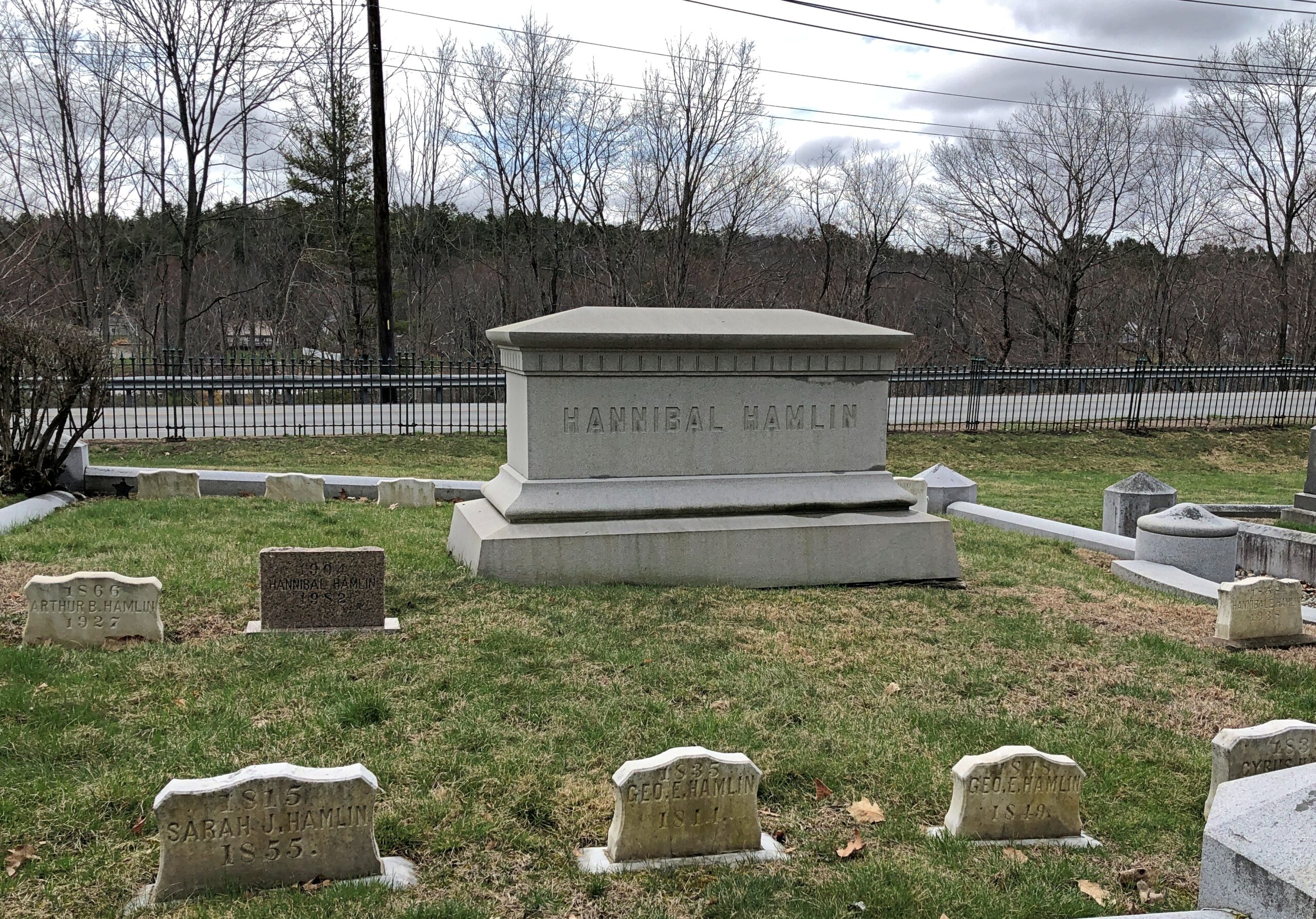
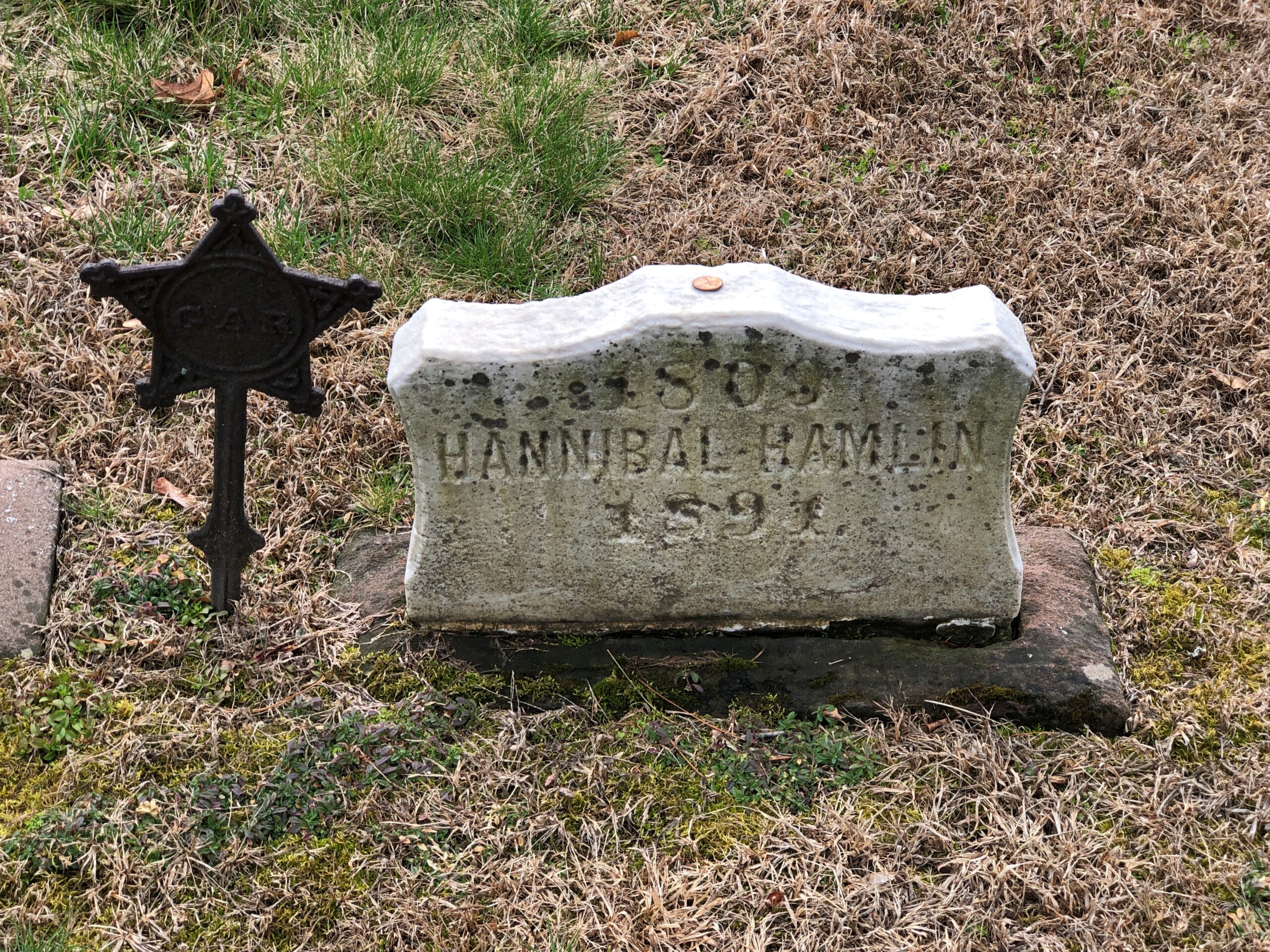
He’s in the company of a lot of other Mainers, too.
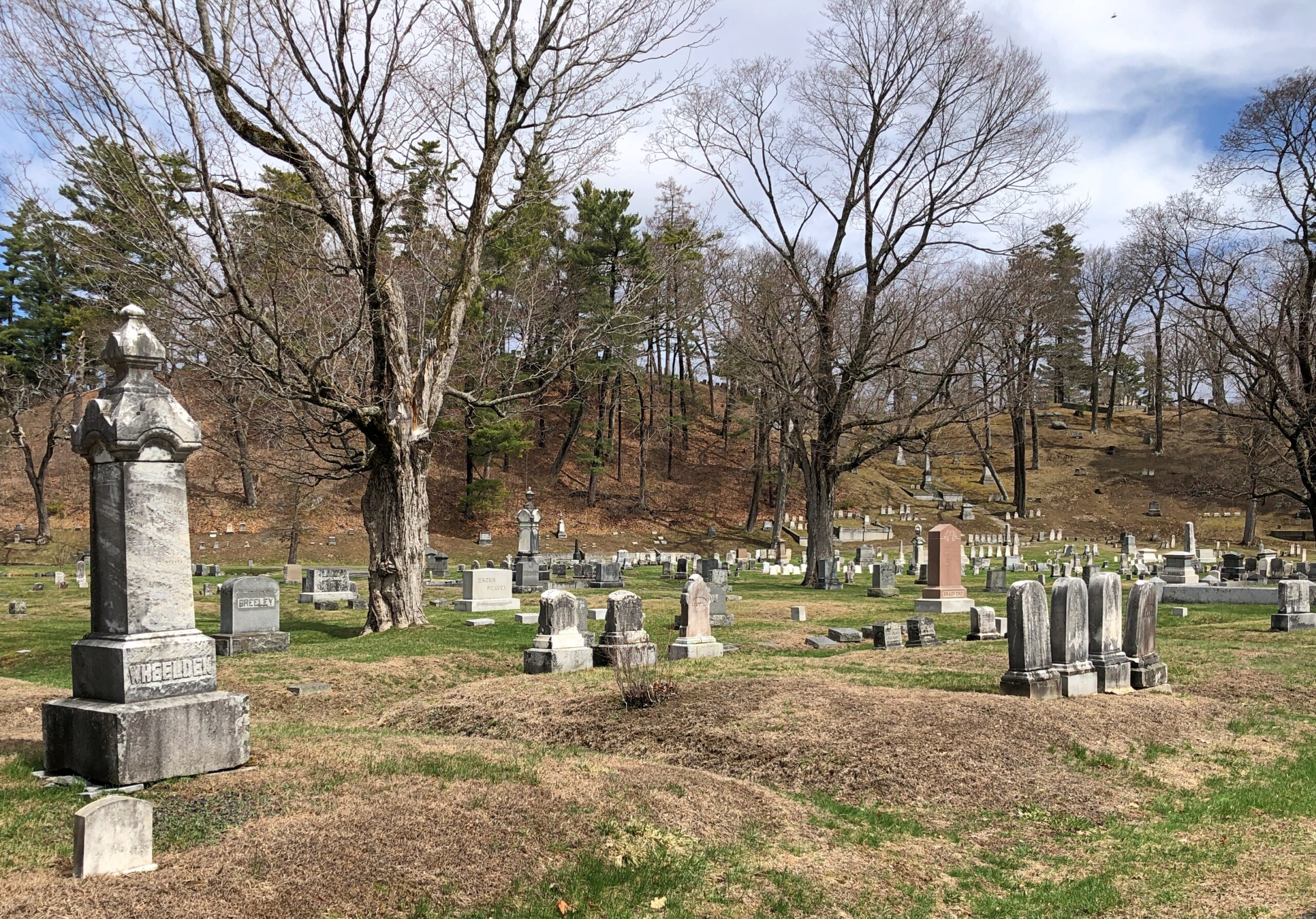
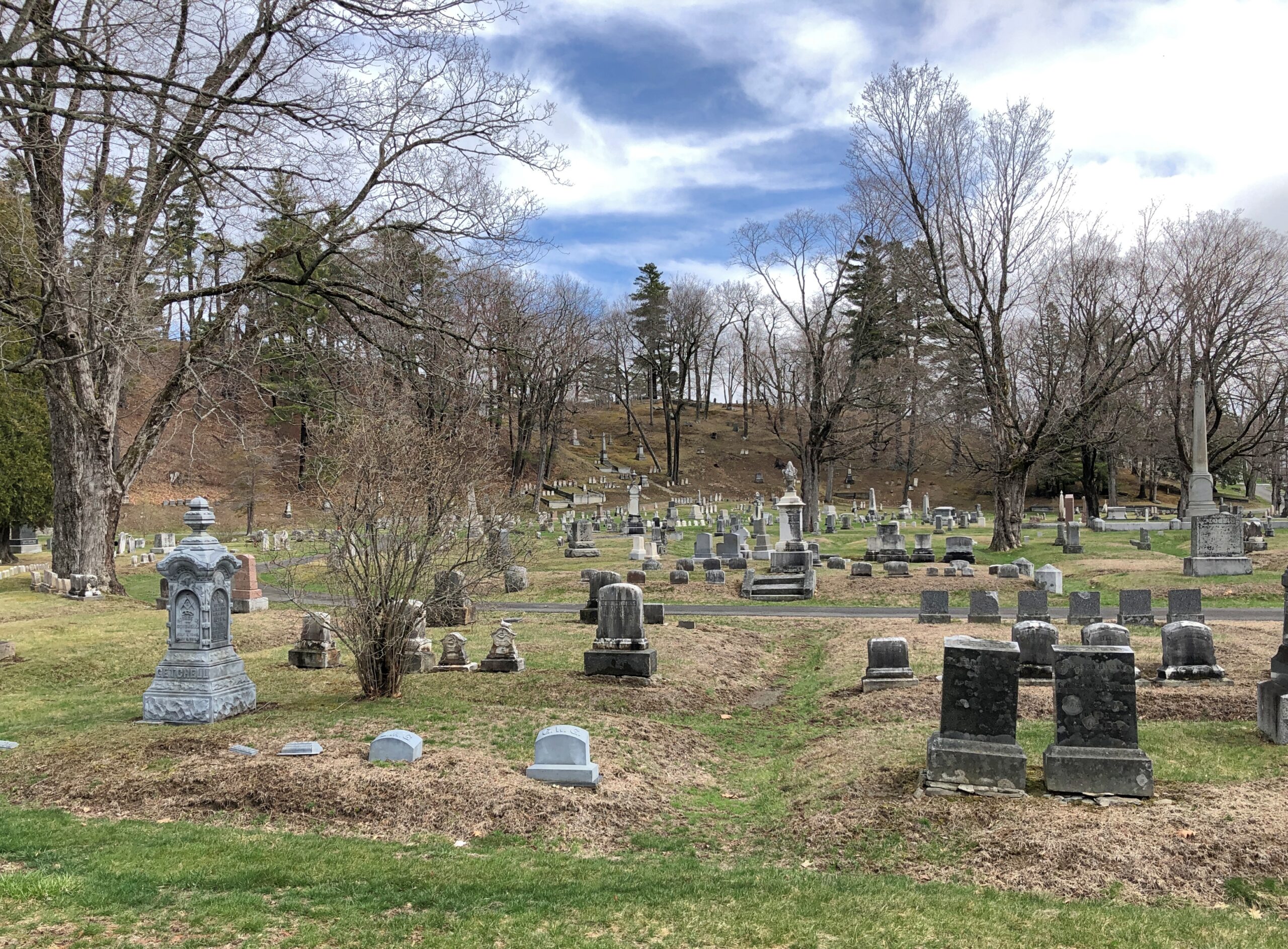
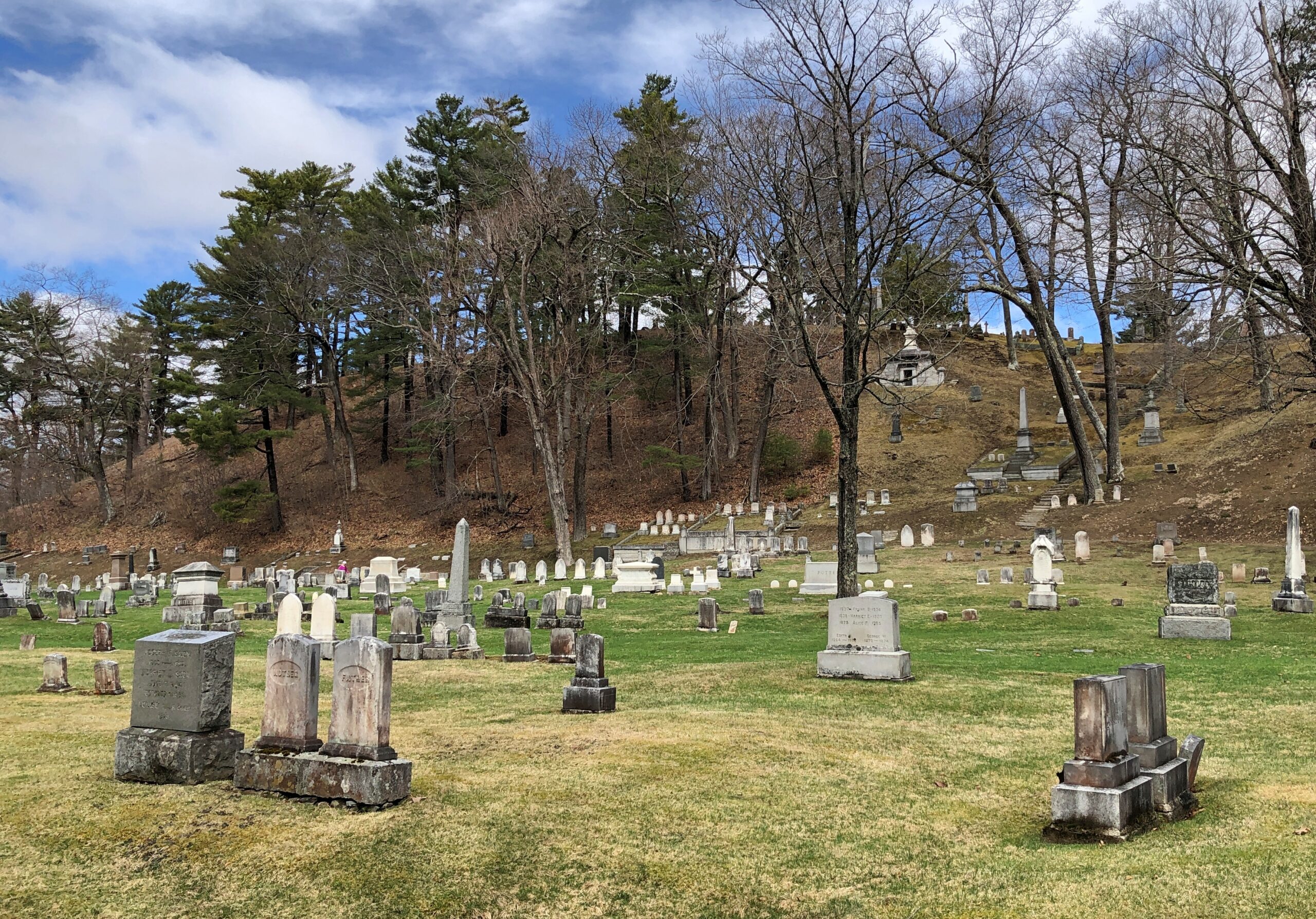
Including a lot of 19th-century Maine politicos and nabobs, and silent screen actor Ralph Sipperly. Of course I had to look him up, even though I didn’t see his stone.
Wiki notes, ultimately citing the NYT for the theater anecdote: “Ralph Sipperly [d. 1928] was a comic and character actor who appeared in ten films (mostly silents) between 1923 and 1927. His most notable portrayal was as the barber in the Academy Award-winning film Sunrise: A Song of Two Humans (1927).
“During one theatrical performance of Six-Cylinder Love in New York in 1921, Sipperly, who played a high-powered car salesman, accidentally drove an actual automobile off the stage and into the first row of seats. No one was injured, though screams erupted in the sold-out hall, and one woman ‘became hysterical’ as people scrambled out of the way. The incident made The New York Times the following day, but apparently had no effect on Sipperly’s career.”
Mount Hope is credited with being the second U.S. cemetery of the rural cemetery movement. The cemetery organizers picked a partly wooded bluff whose slope rolls down to the Penobscot River. The first such rural cemetery was, of course, Mount Auburn in Massachusetts, which opened in 1831.
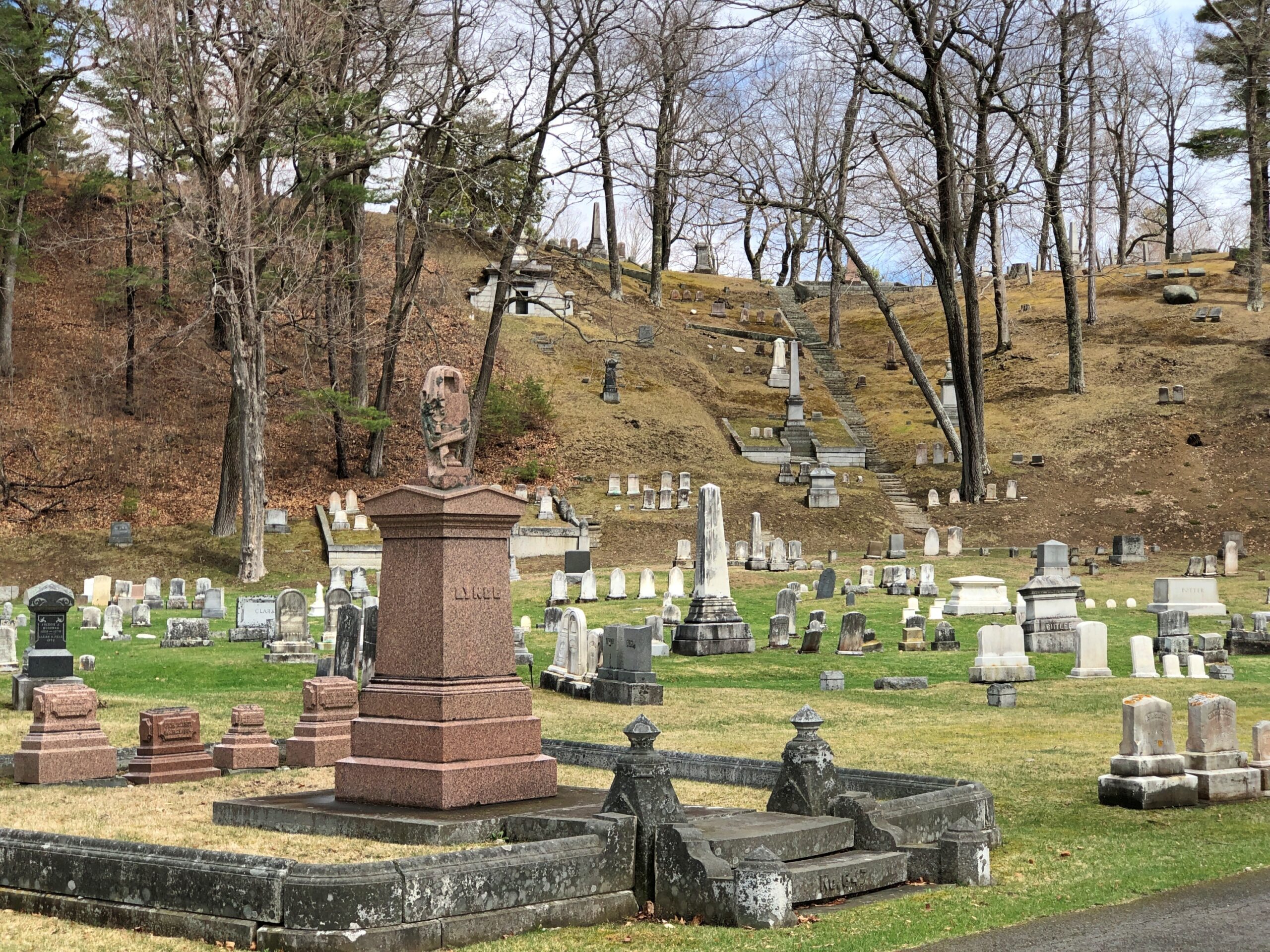
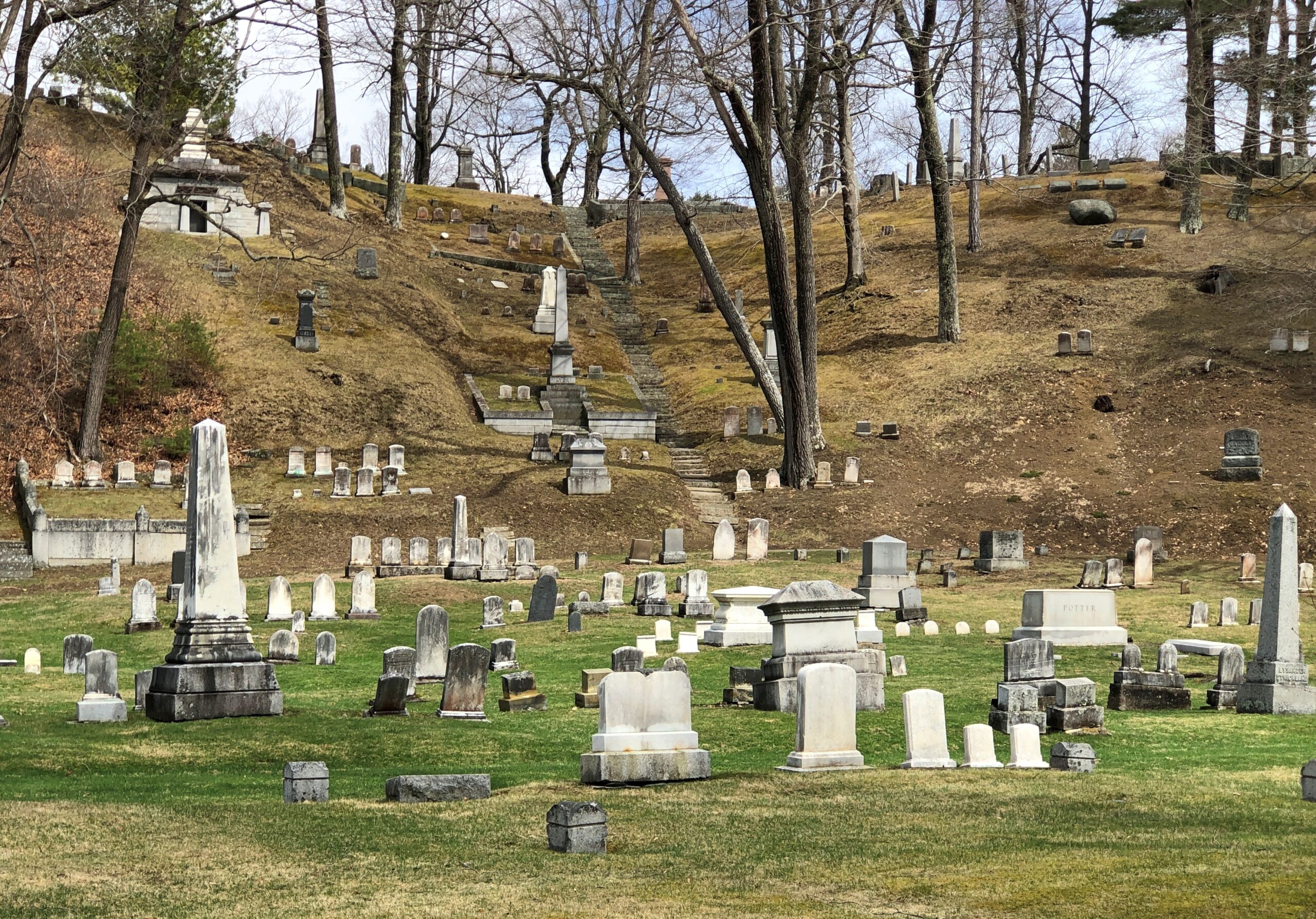
“At Mount Auburn, a large tract of land was converted into a romantic park with ponds, bowers, grottos, and a great variety of planting. It was consciously designed for the living as well as the dead,” the cemetery web site says.
“The City of Bangor was not long in following suit. Bangor became very much alive with the settlement of the Penobscot River Valley in the years preceding the Revolutionary War. In 1834, Bangor was declared a city. Among the citizens of Bangor came a strong sentiment for the creation of a new cemetery grounds for the burial of its dead.”
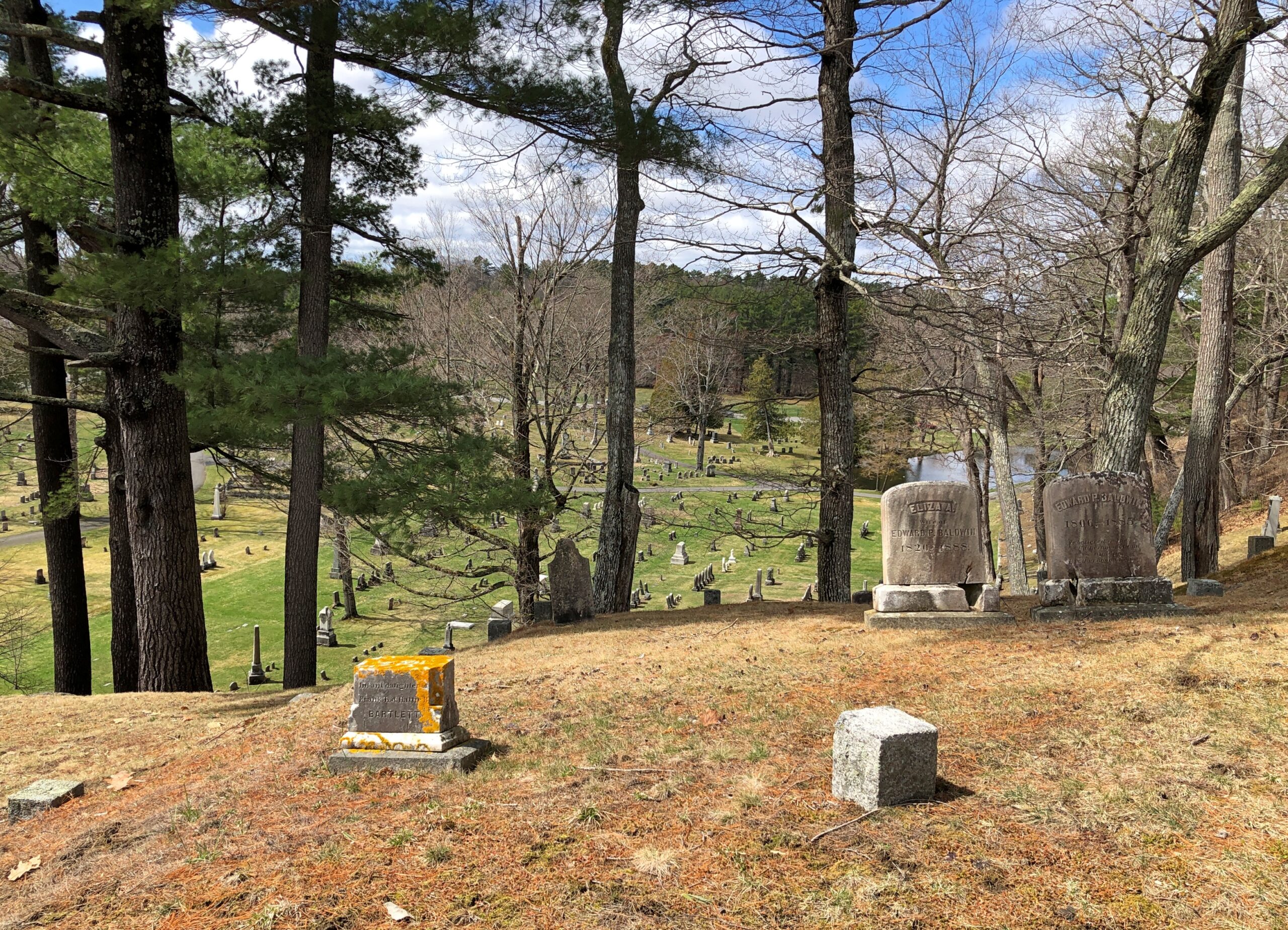
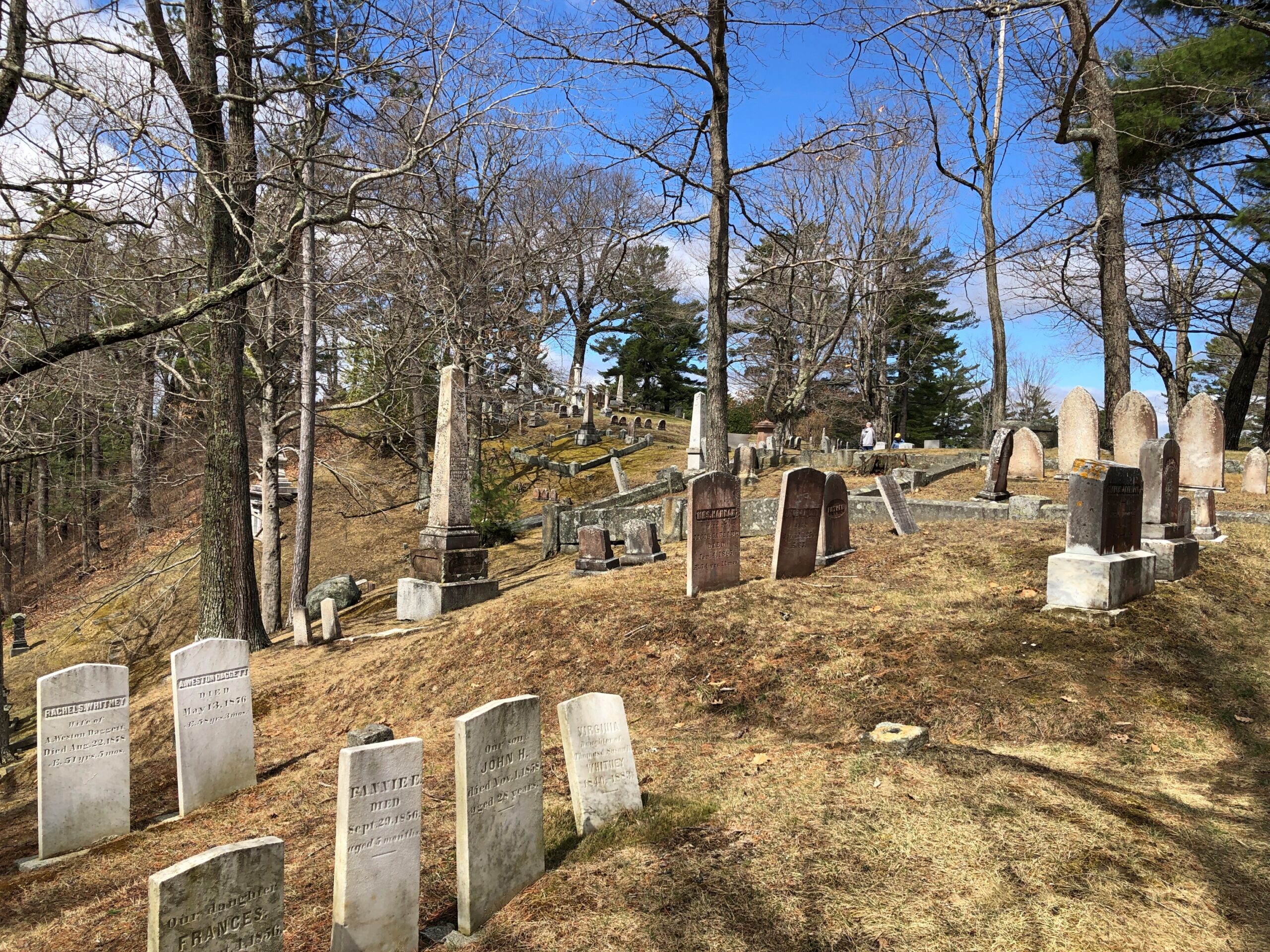
The new cemetery was opened in 1834, along the aesthetic lines pioneered in Boston. Climb the slope – I’ll admit, I drove on the road that snakes up that way – and you’re rewarded with a vista peppered with memorials.
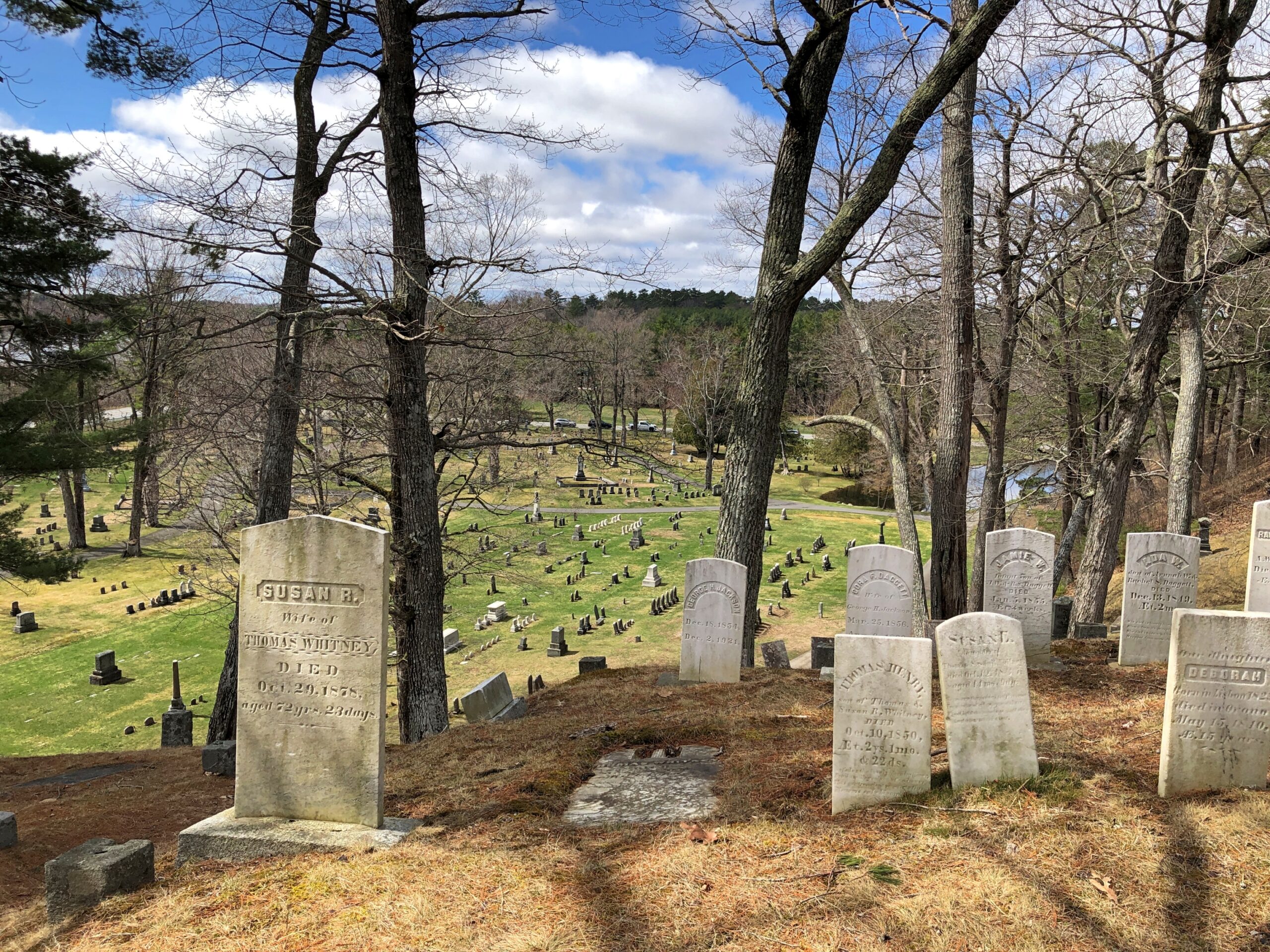
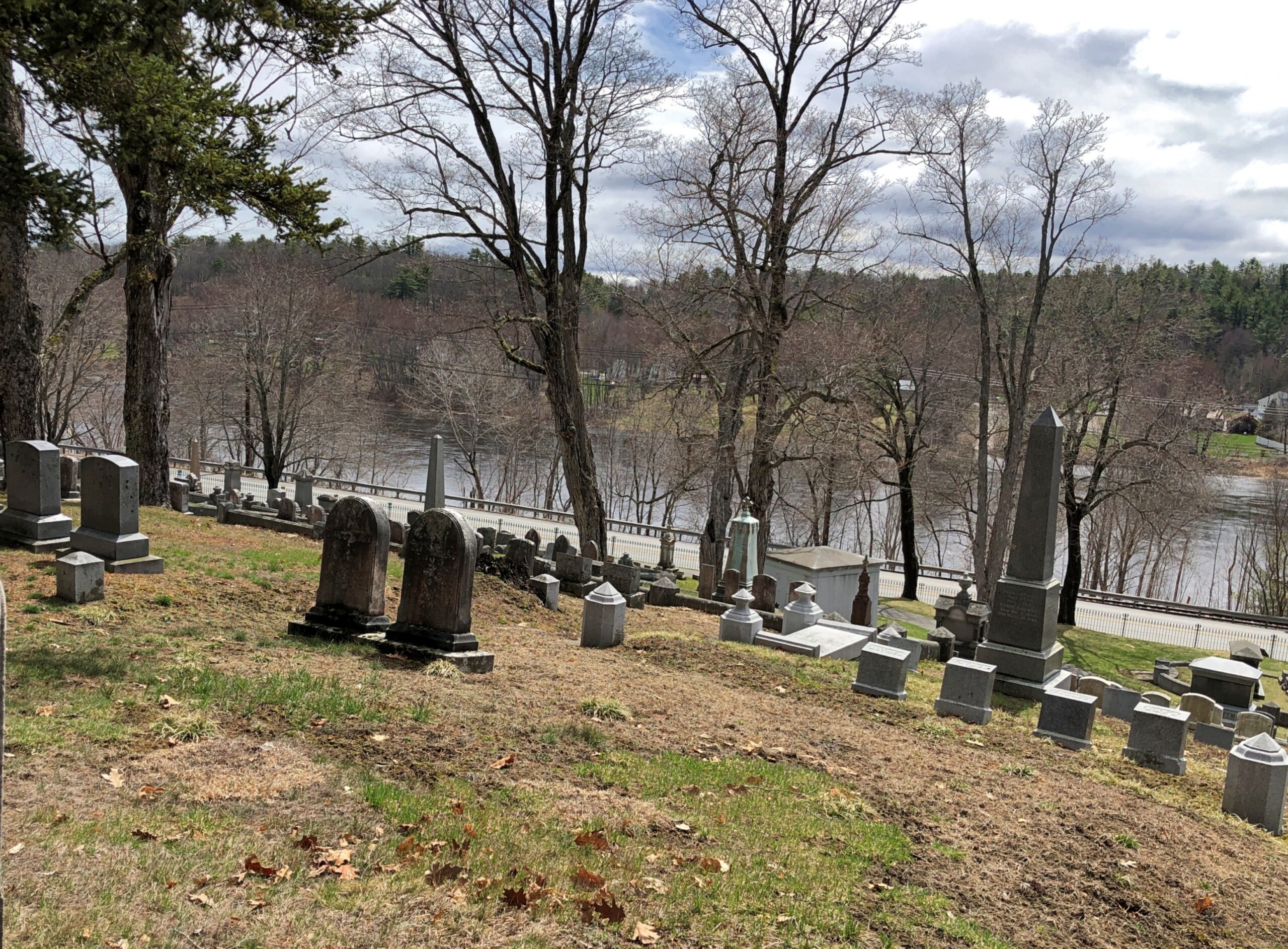
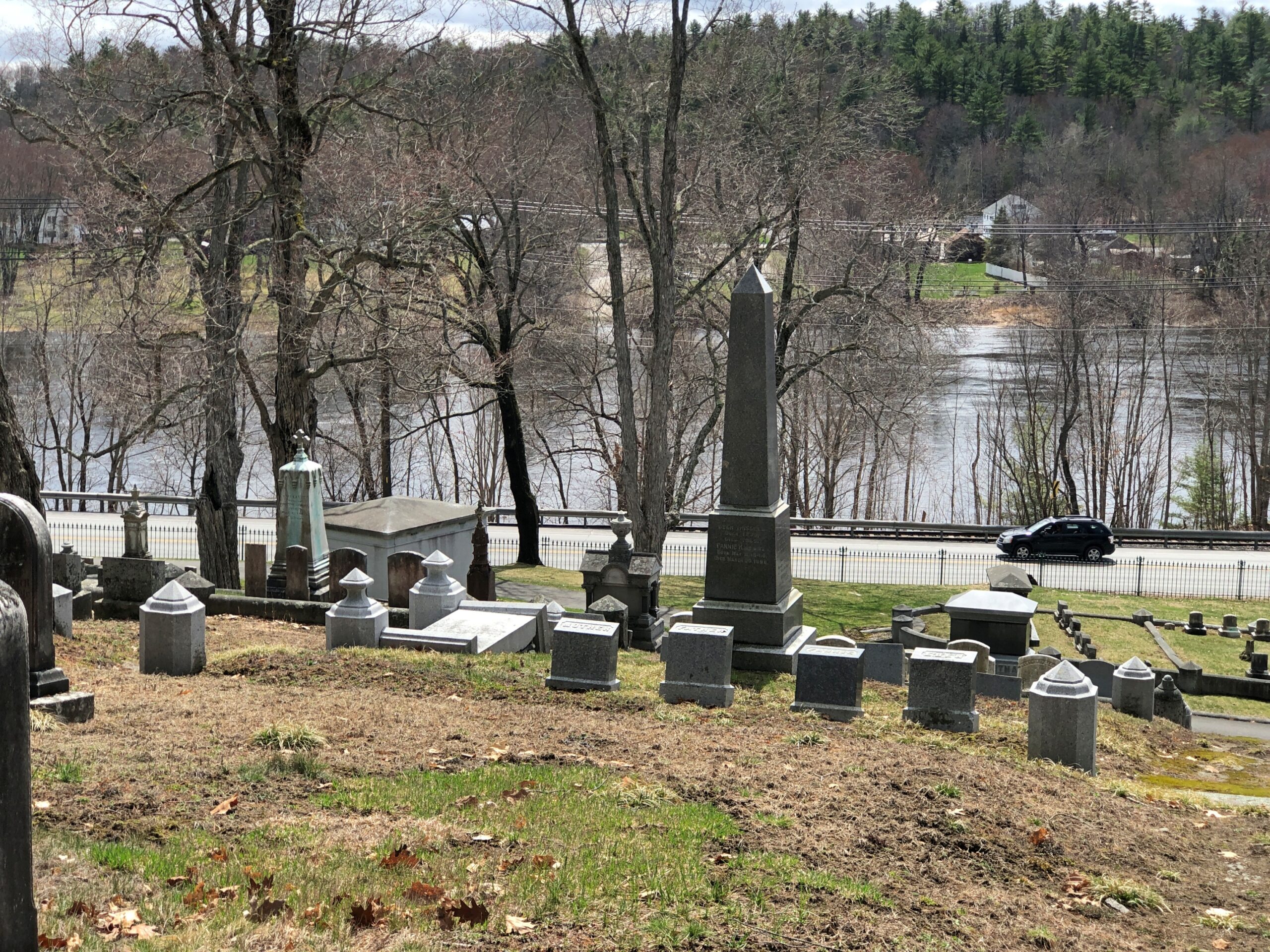
Views of the river and the road that parallels it for a while, the epic US 2.
The cemetery extends further inland, all together totaling about 300 acres.
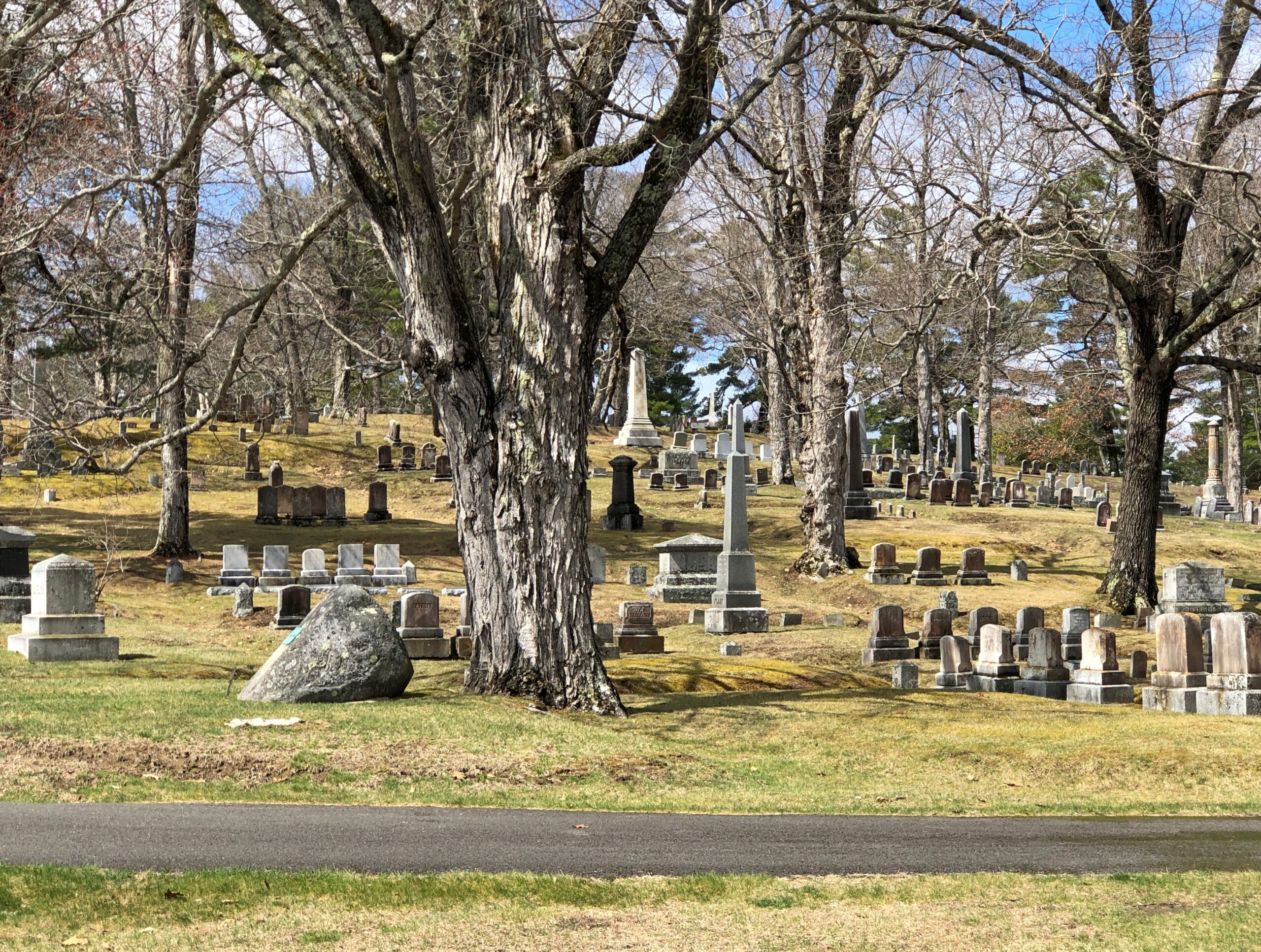
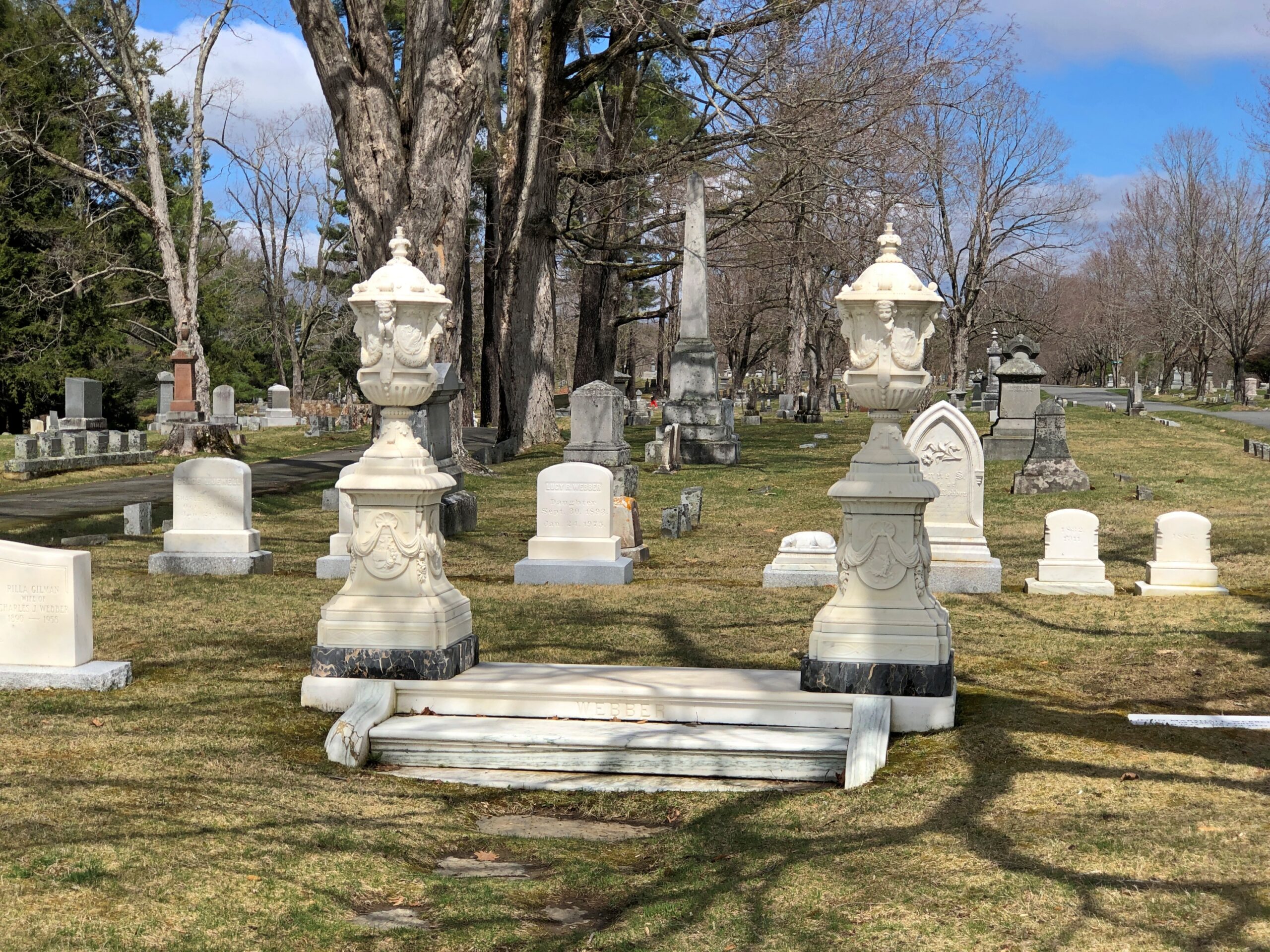
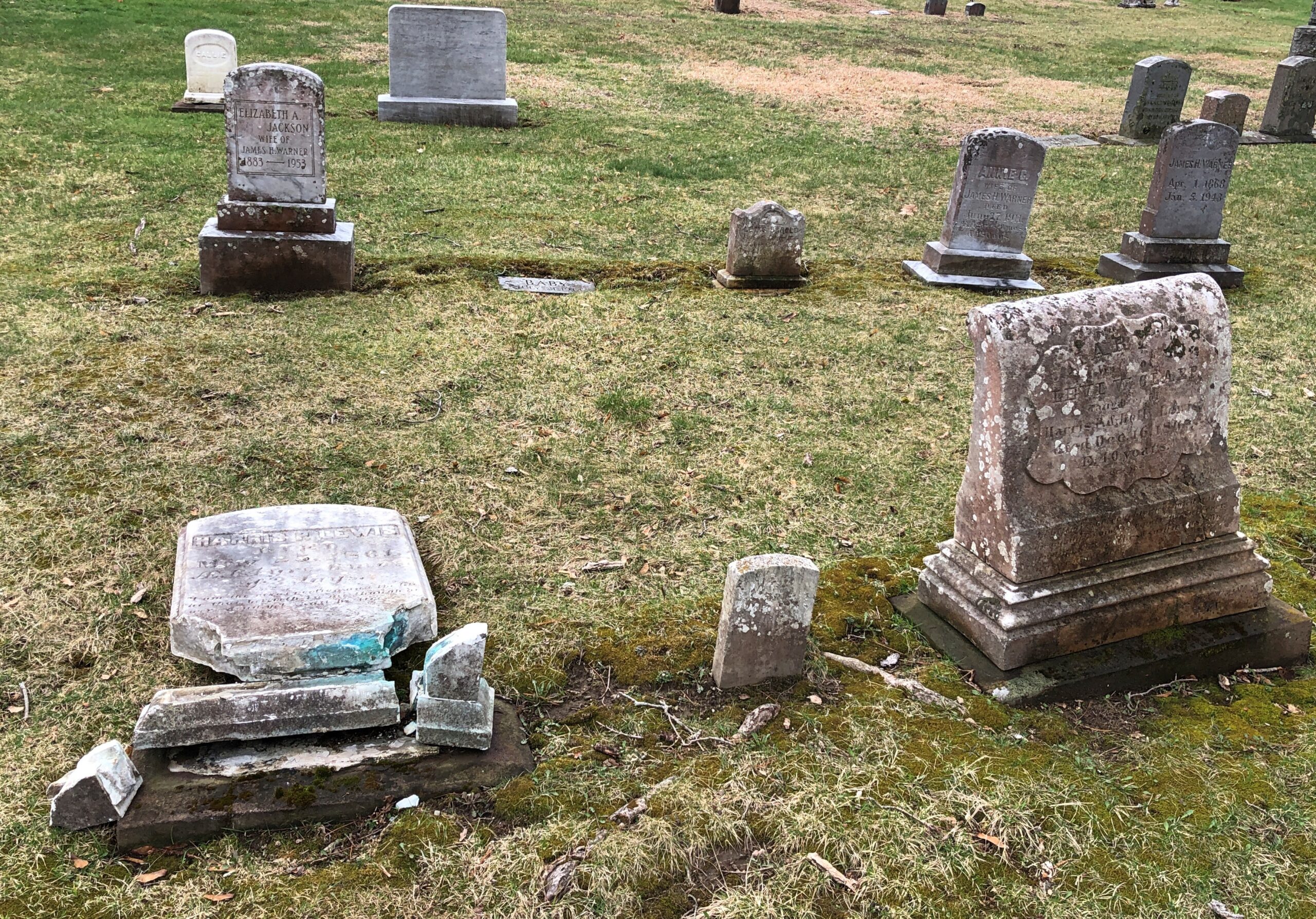
Aged and crumbly stones in mix, as usual.
Not a lot of large memorials, but some.
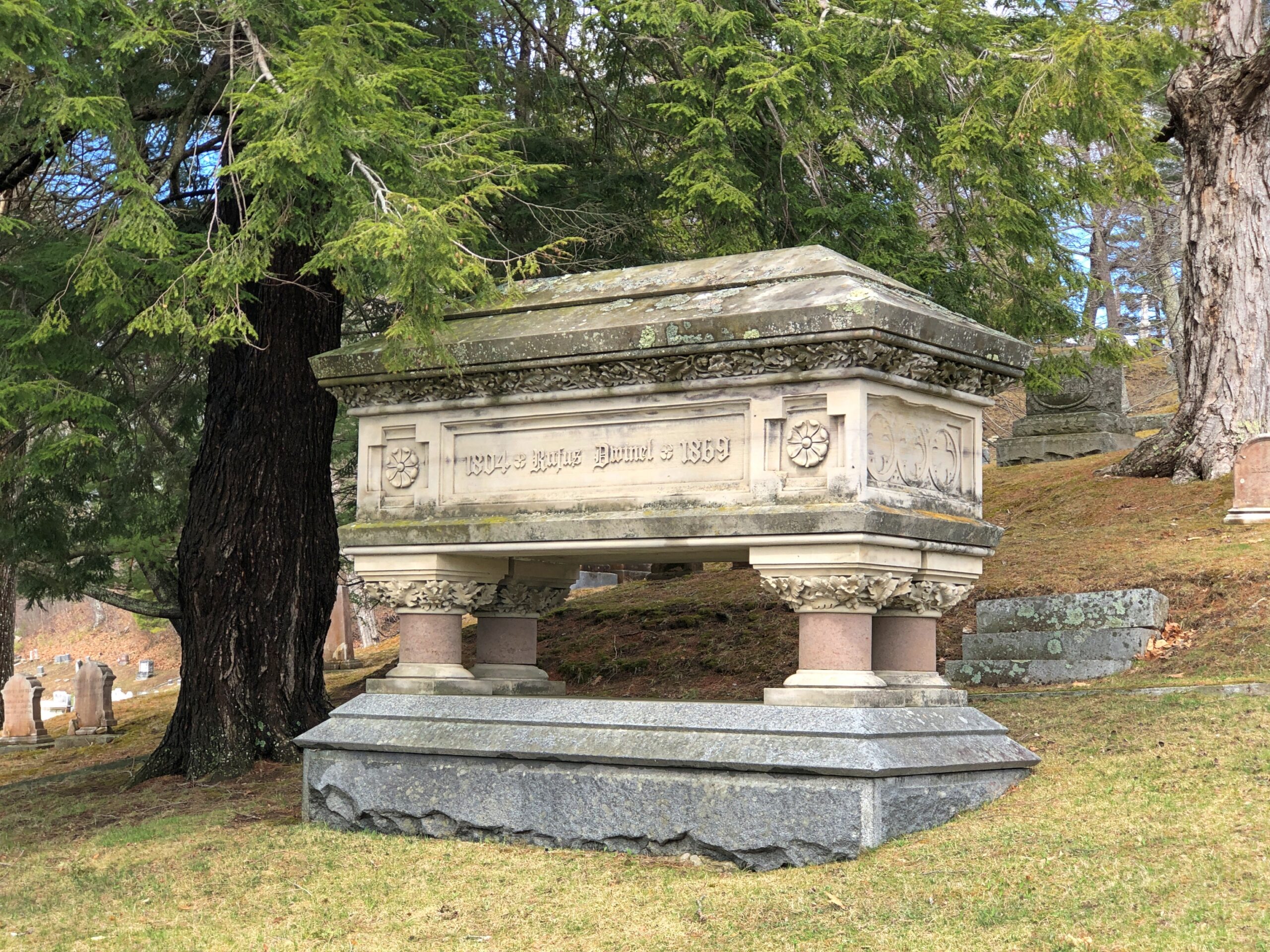
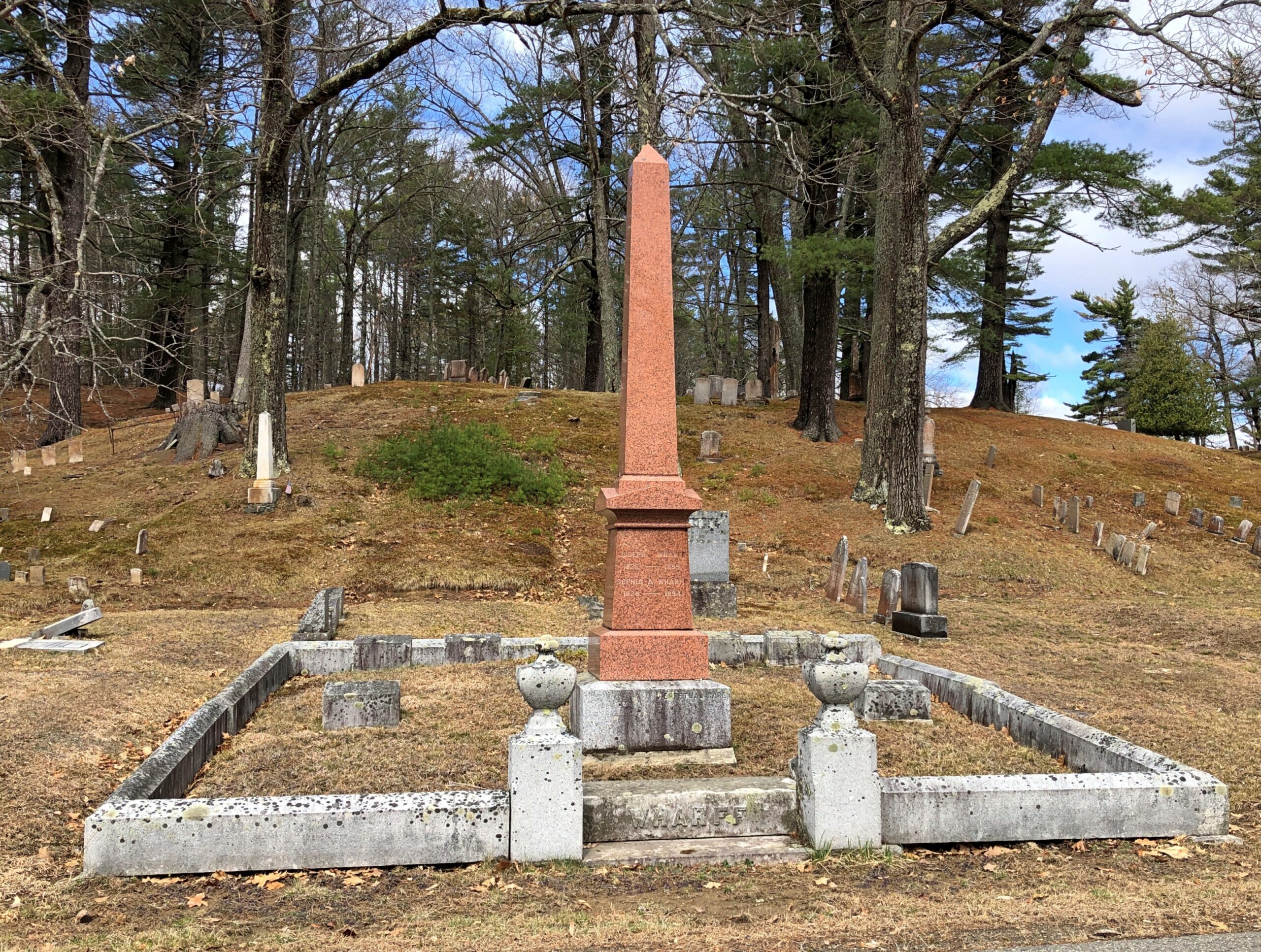
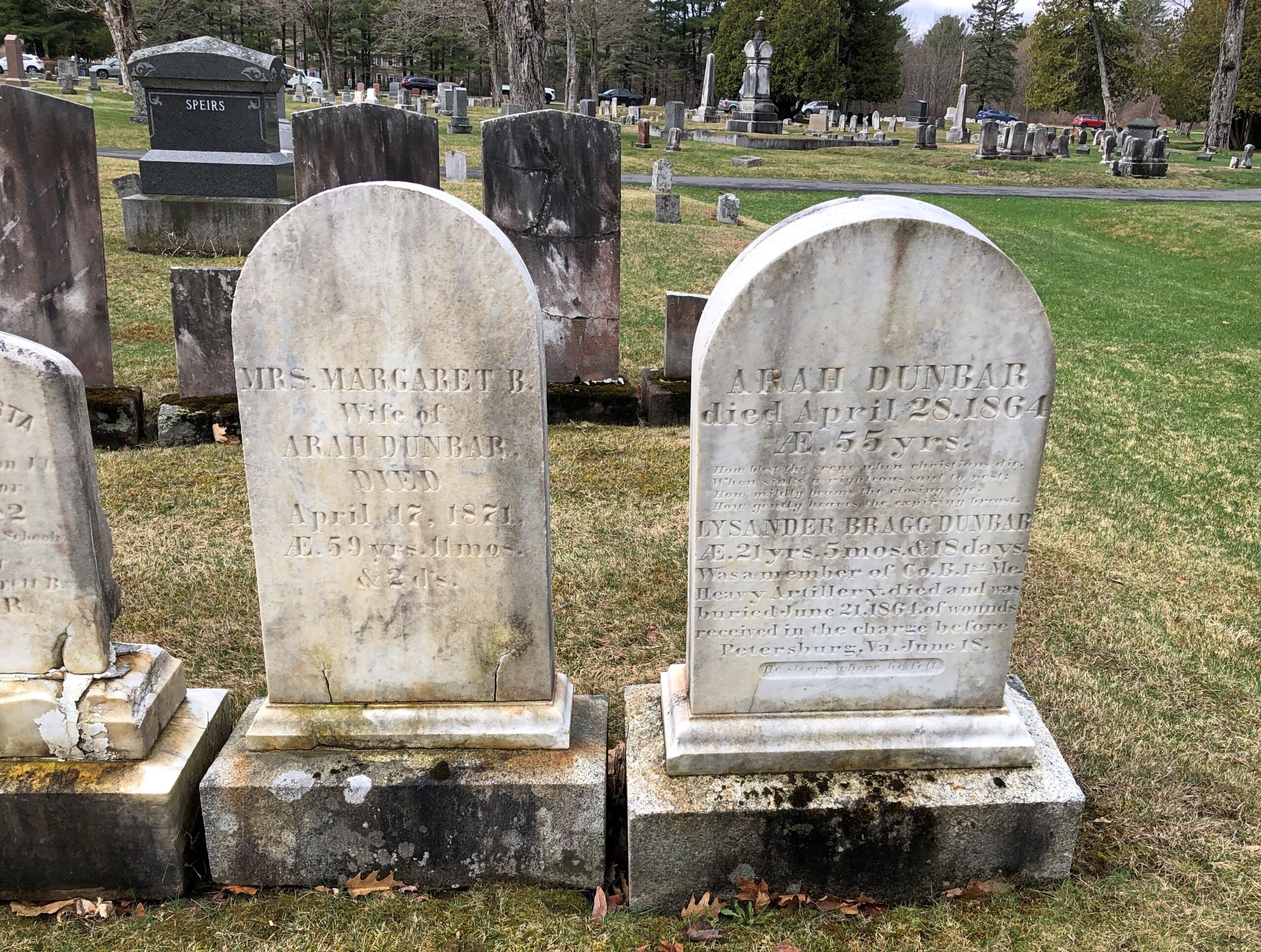
More modest memorials.
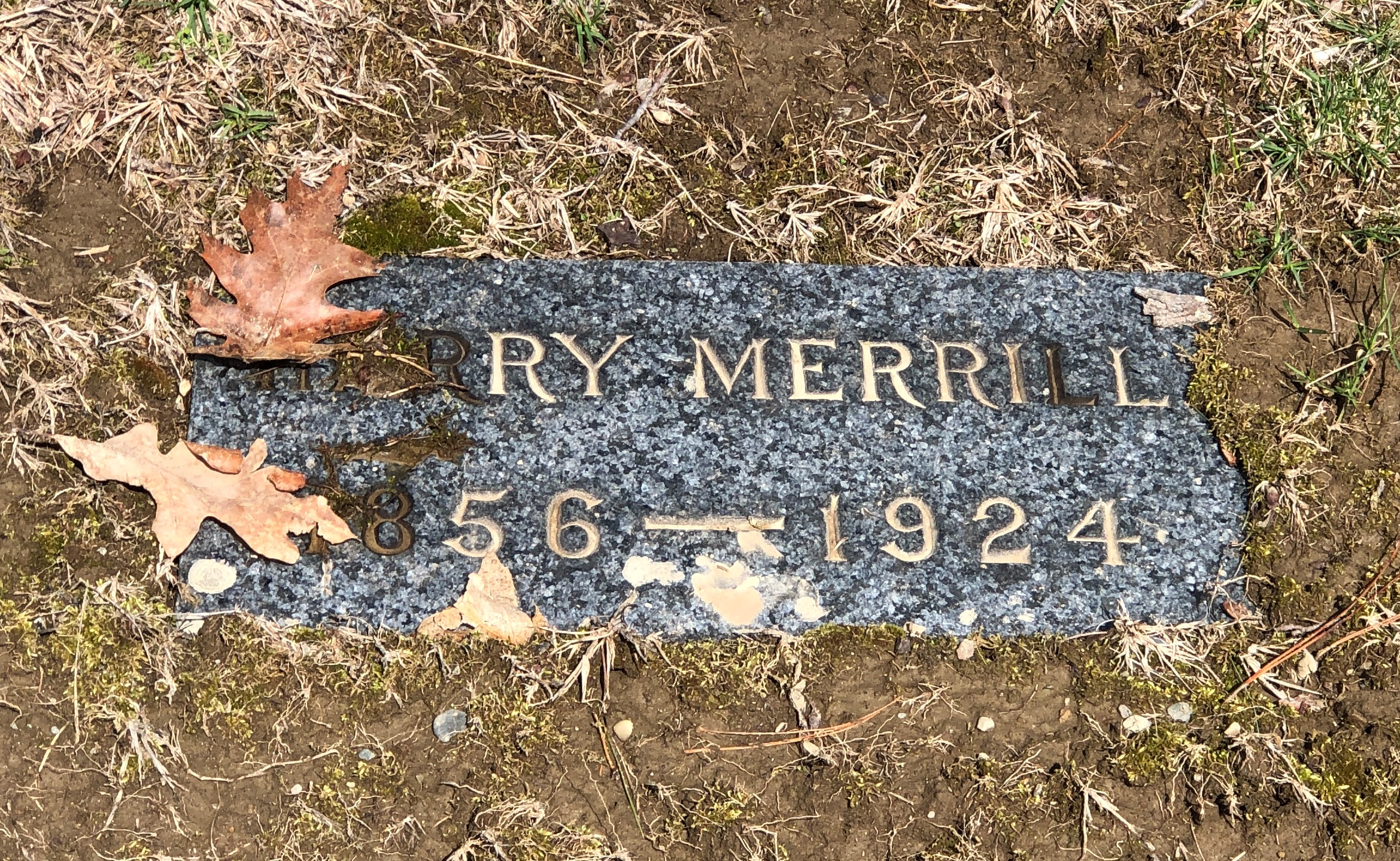
Actually, that isn’t the only memorial for Harry Merrill (d. 1924).
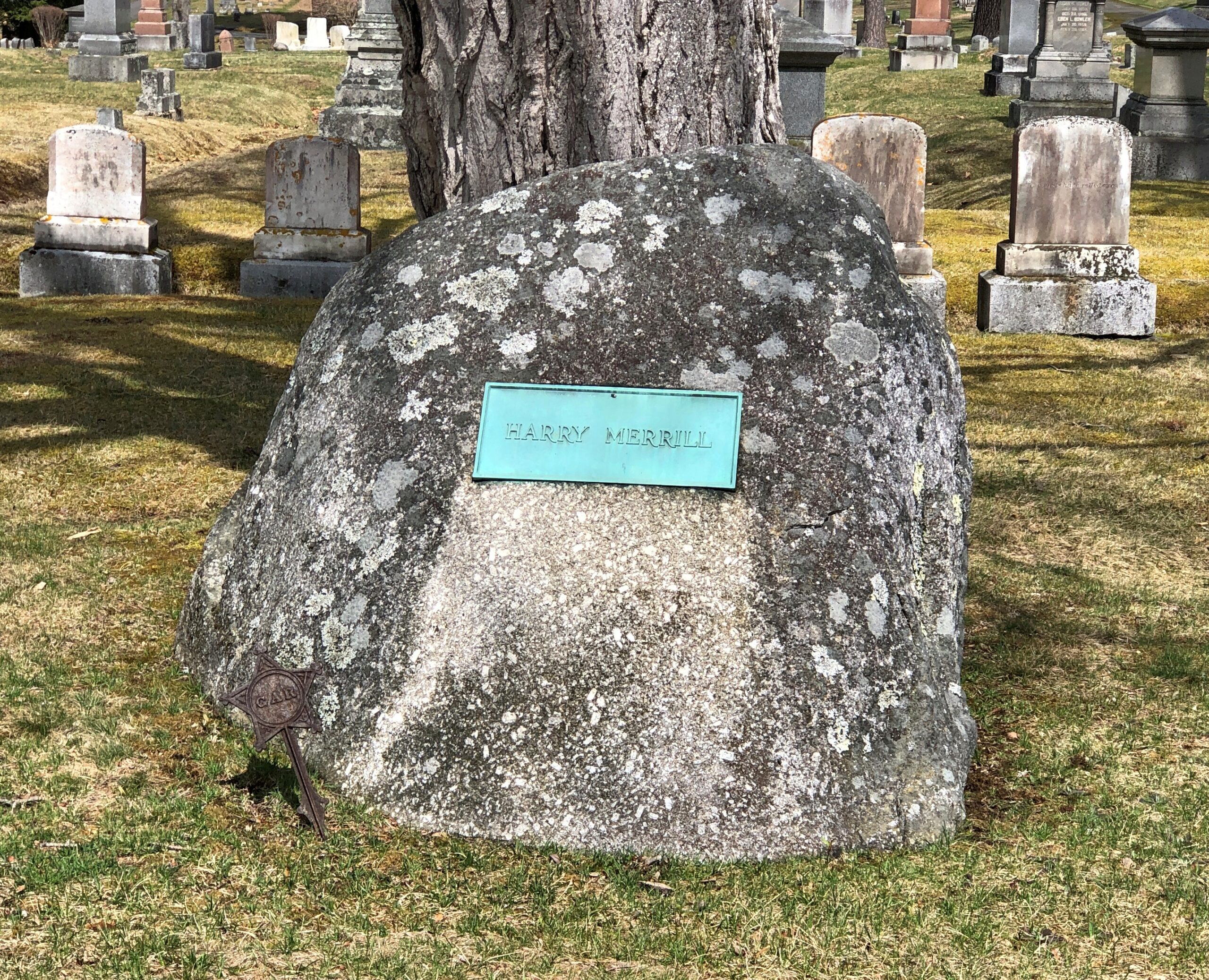
You have to wonder what the decision-making process was like among Harry’s family. Maybe they couldn’t agree on a fitting memorial, and one group went with a ground plaque, the other with a plaque-on-boulder?