Henry John FitzRoy Somerset, 12th Duke of Beaufort (b. 1952), is the lead singer in a band called The Listening Device. Being a duke, he could presumably choose whatever profession suited him without considering how remunerative it might be; and singer-songwriter is what he picked. That’s a more interesting choice than, say, international finance company executive.
That’s the kind of thing one finds out, or can find out, looking into the place name Beaufort. I was curious about the one in North Carolina (BOH-fərt) and the other in South Carolina (BEW-fərt), both places that I chose to stop for short visits last month. Both are named for the same aristocrat: Henry Somerset, 2nd Duke of Beaufort (d. 1714), which made me wonder who currently holds that title. A singer-songwriter, as it turns out. As for the different pronunciations, I’ll chalk that one up to time and distance of the pre-modern era.
The North Carolina town of that name is the smaller of the two, pop. 4,460 or so, and hugs the coast southeast of New Bern. It’s more coastal than beach, and so doesn’t seem to slap every parking space all the time with a fee. I found a perfectly ordinary side street a few blocks from the water to park on, except for the fact that the Old Burying Ground was right there. Naturally I took a look.
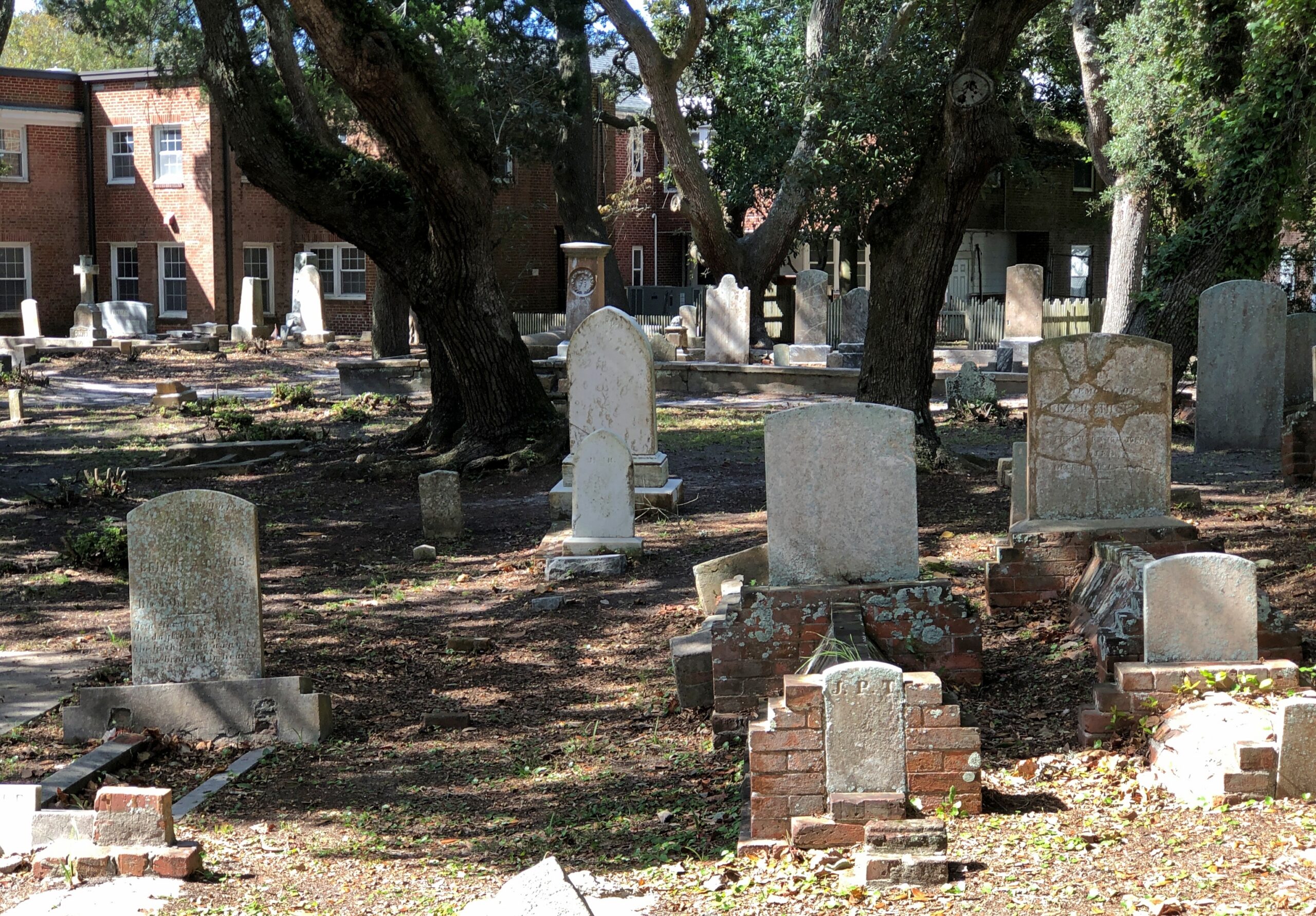
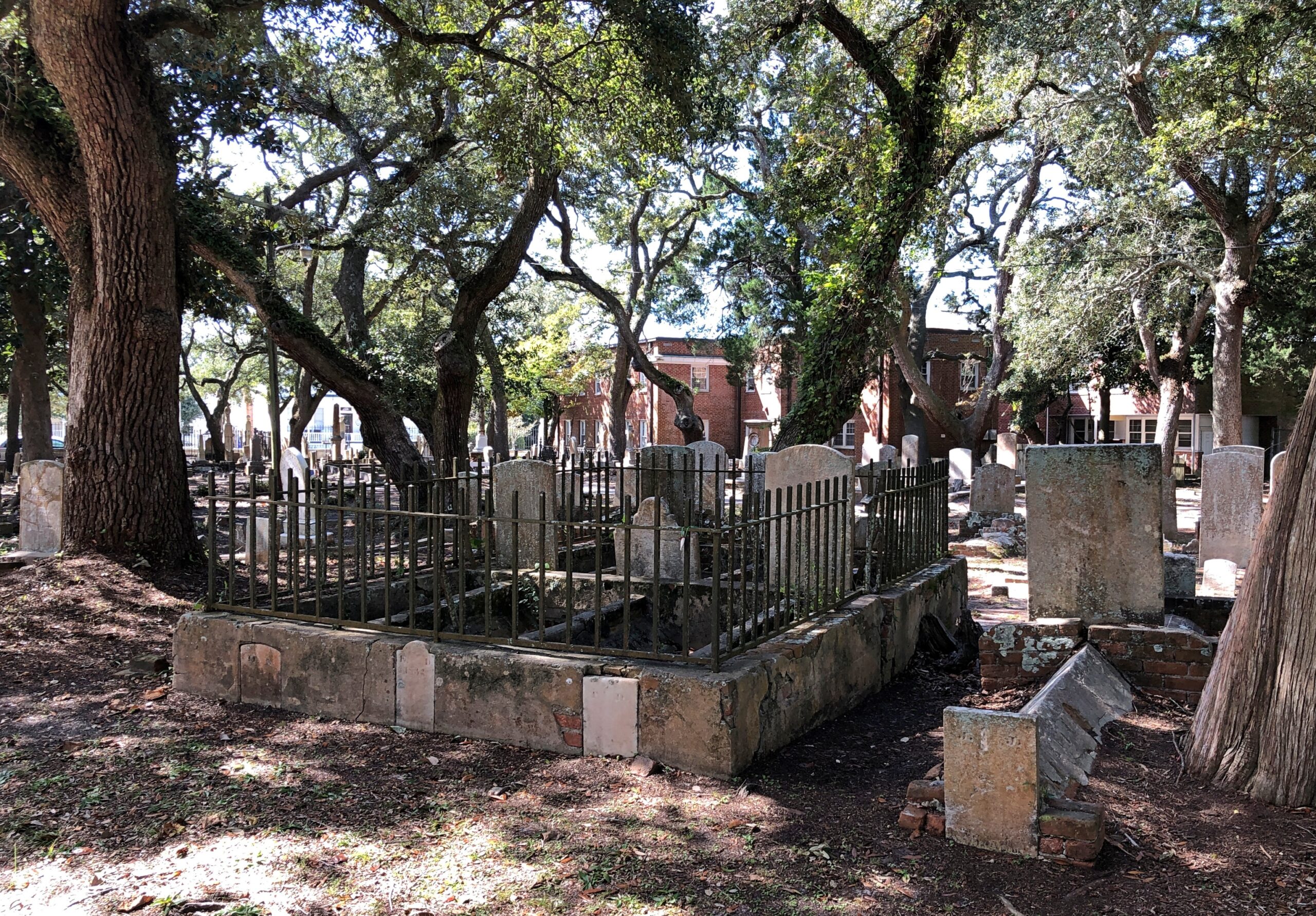
Shady and tightly packed, the cemetery dates from 1724, not long after the town was founded. Lots of rugged old stones.
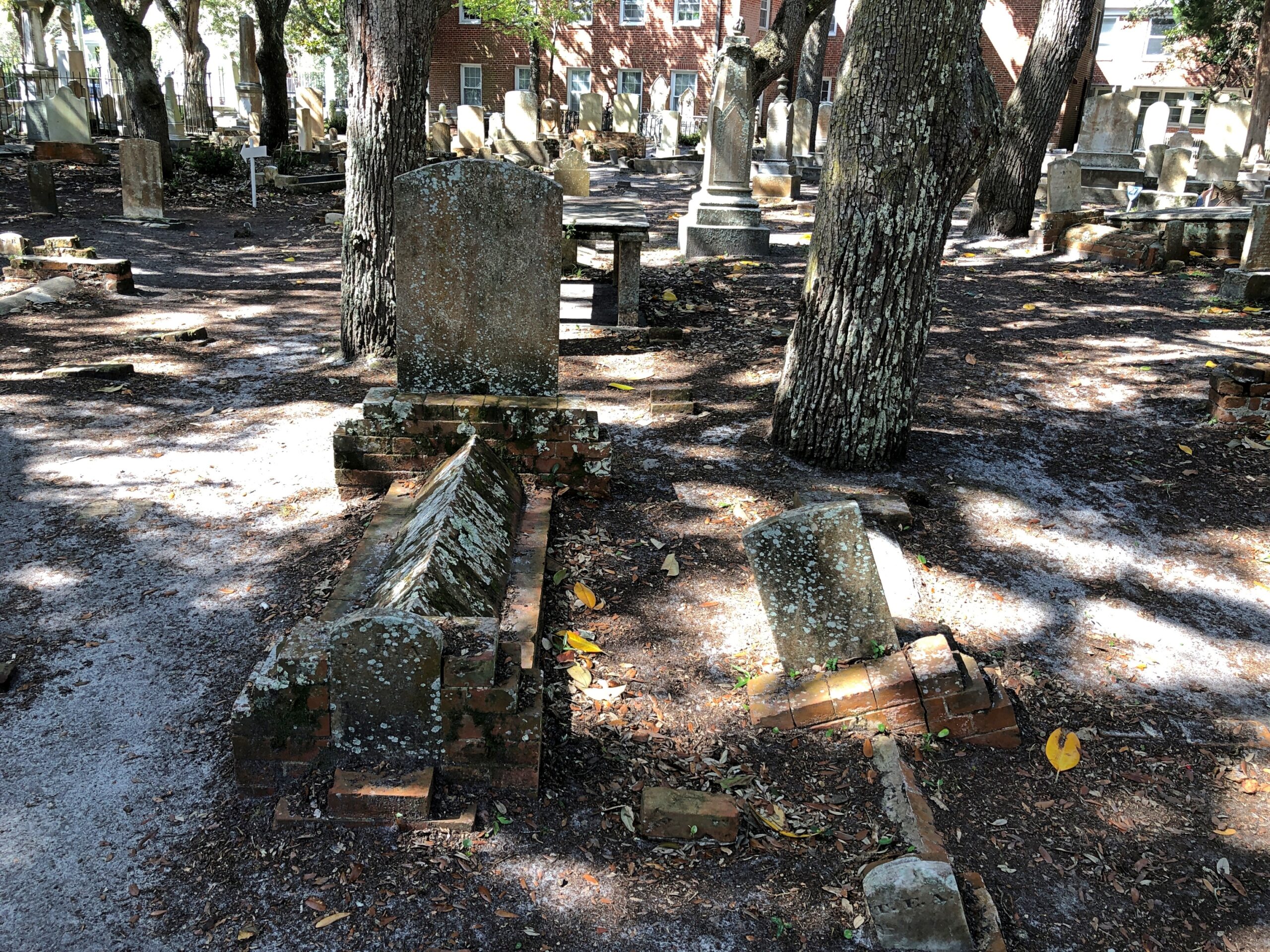
A lot a Colonial-era burials, including pre-Victorian slates.
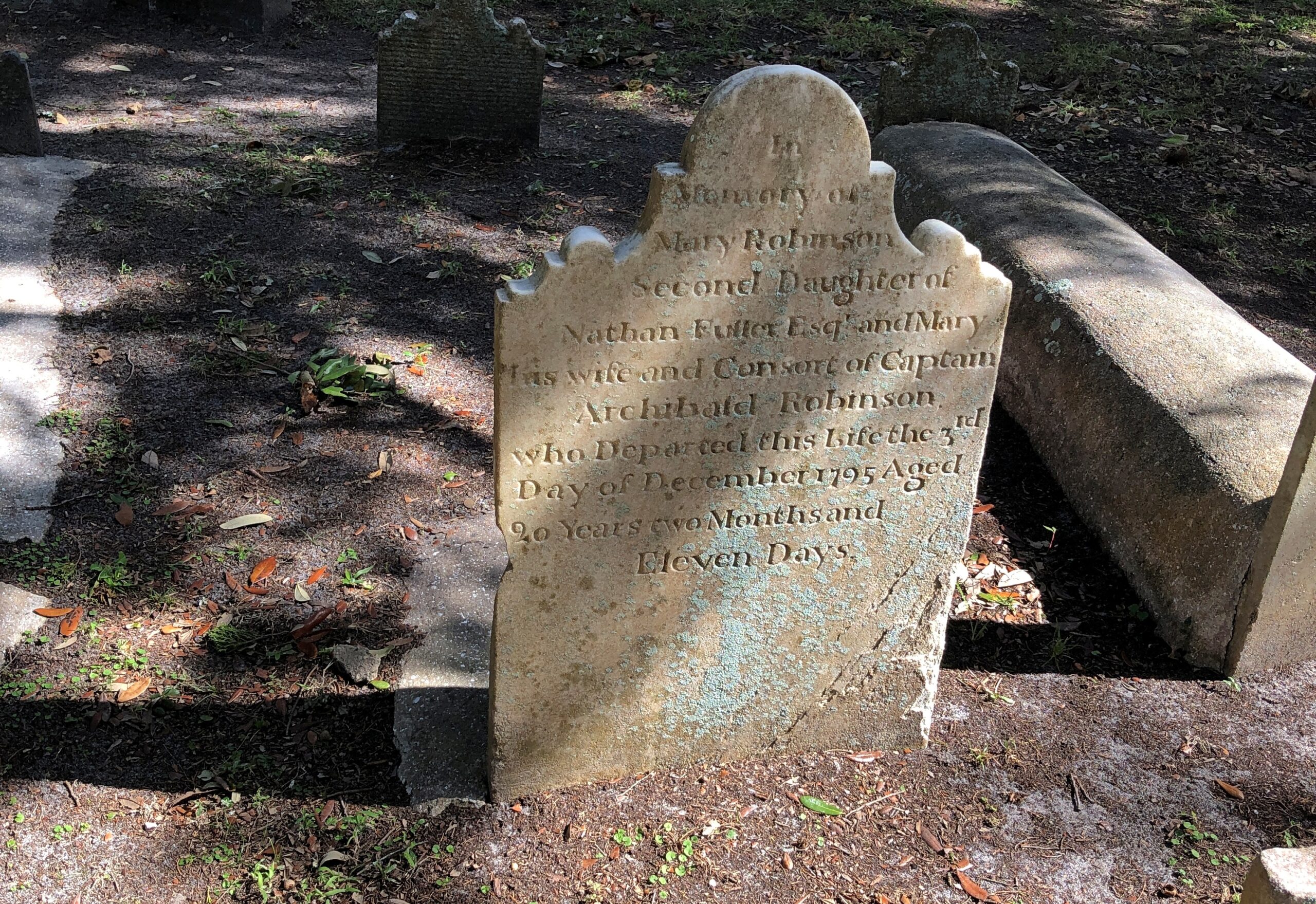
Some 19th-century burials, including during the war.
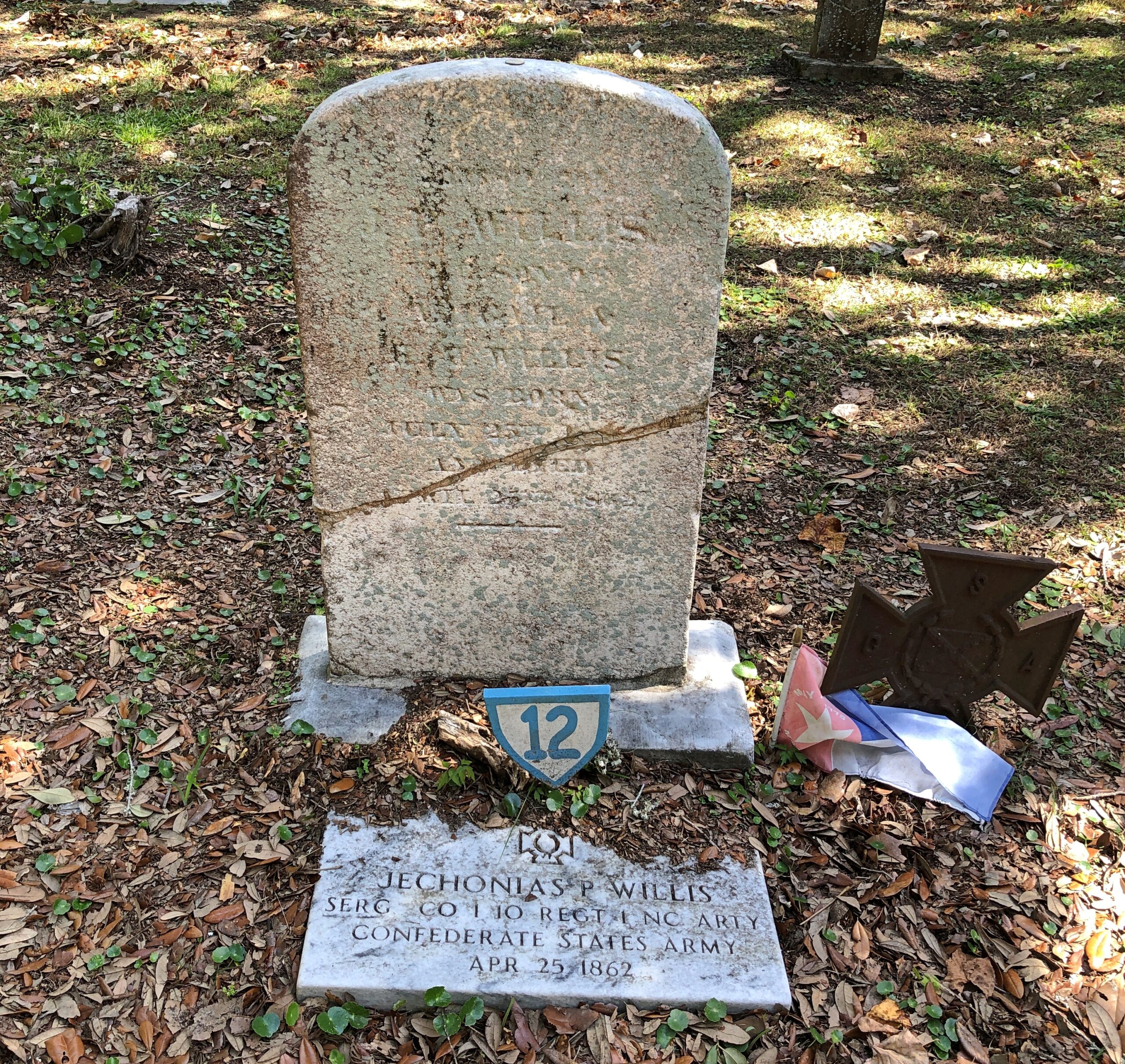
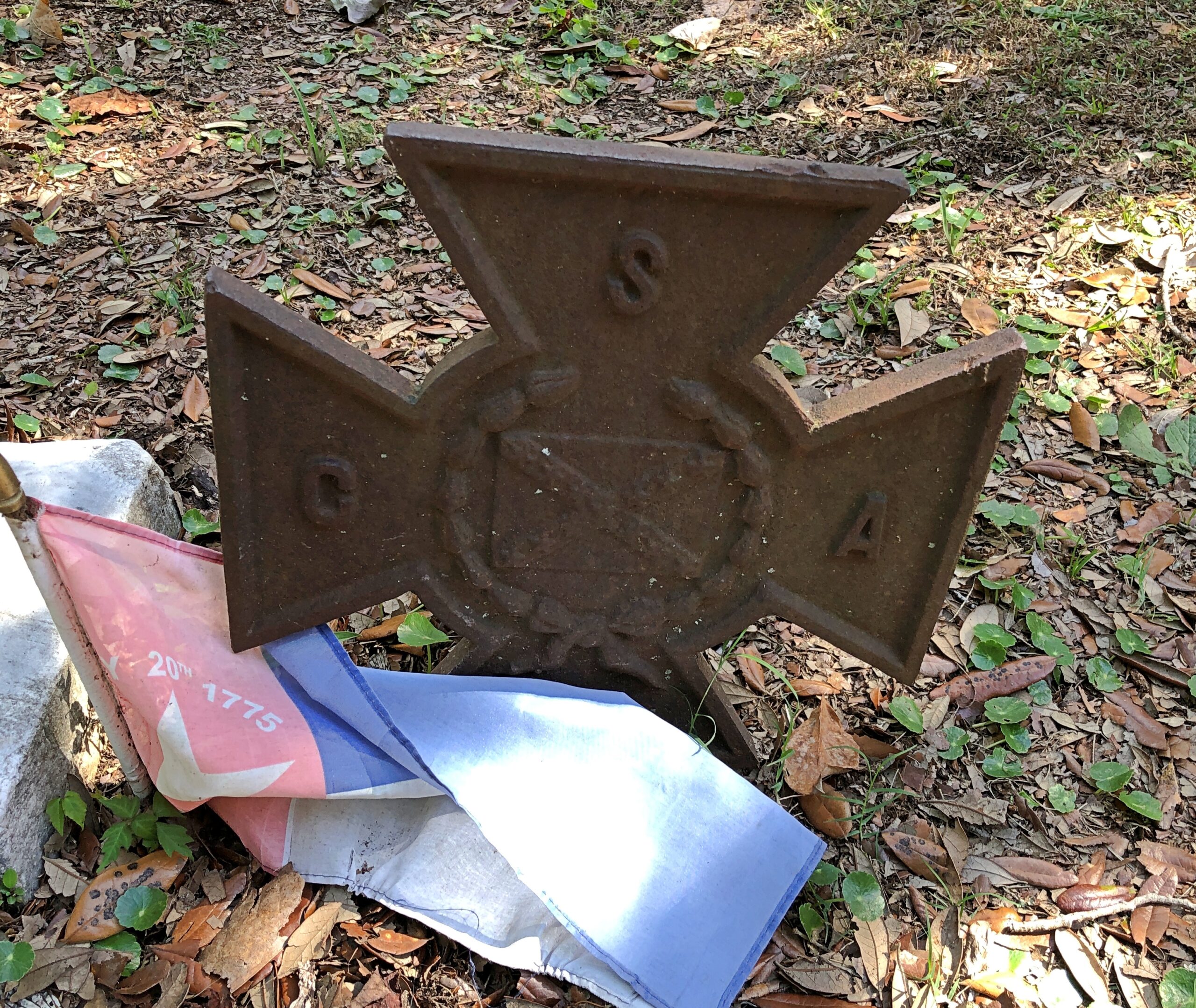
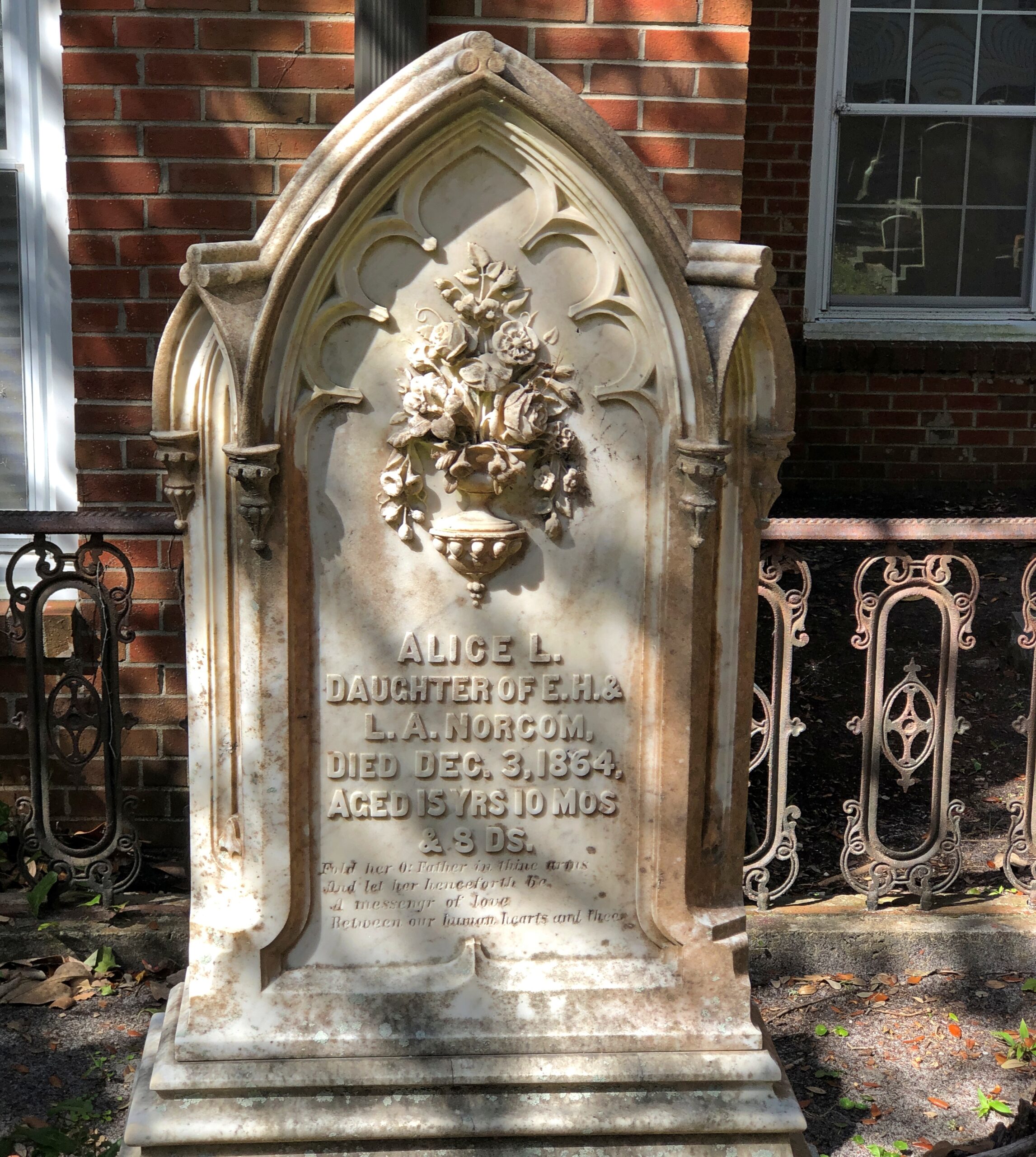
Some graves of youth.
With a graveyard this old, there are going to be grave ruins.
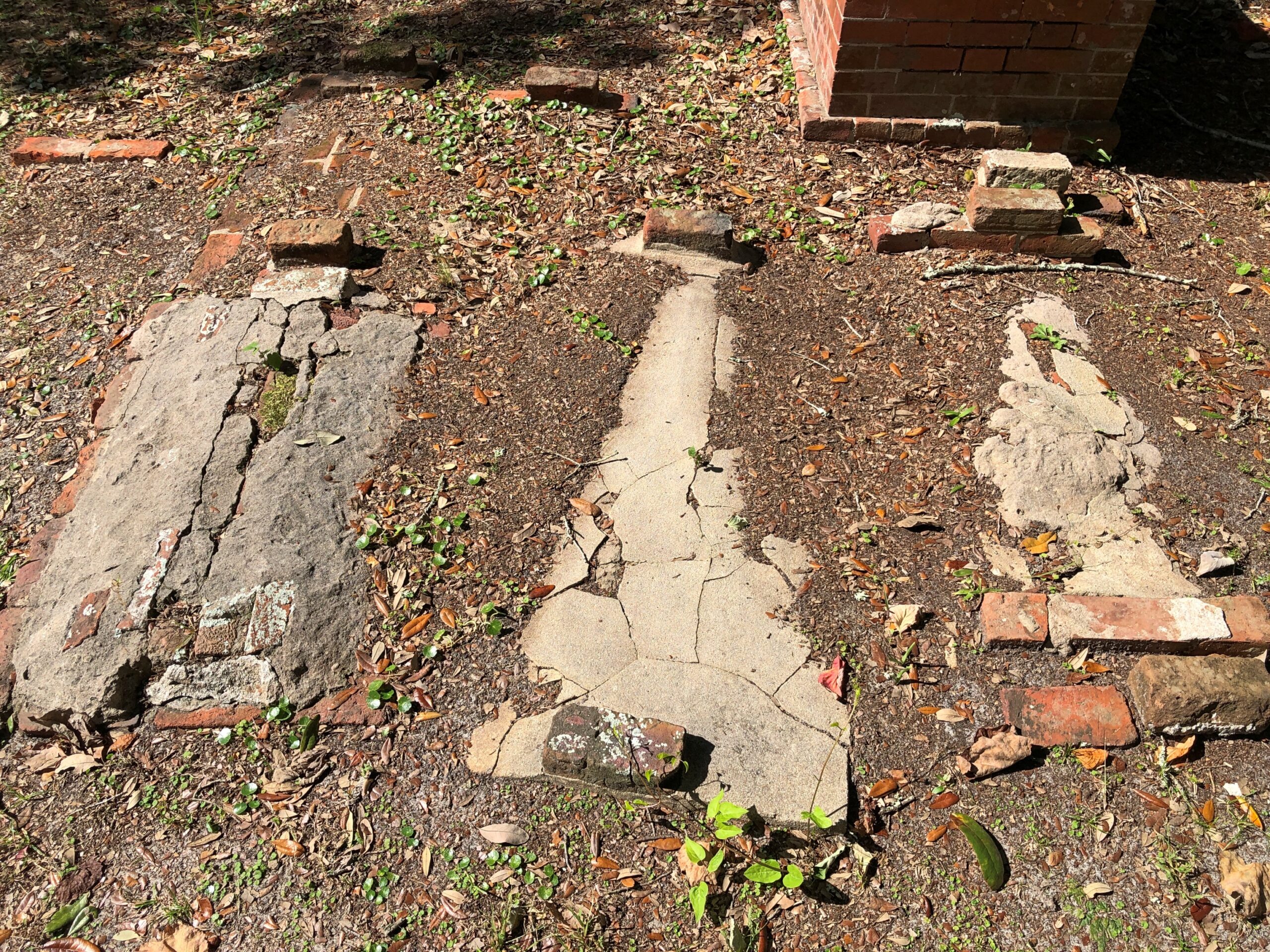
But note the bricks. They were just one kind of trip hazard at the Old Burying Ground, Some of the memorials were little bigger than bricks, sticking at odd angles out of the ground and waiting for the unwary. Best to stay on the primitive trails.
I’ve read Otway Burns (d. 1850) is buried in the Old Burying Ground. I didn’t see his stone because I’d never heard of him before now. Still, this is a story that needs cinematic treatment: he made his name, and the beginning of a fortune, as a U.S. privateer in the War of 1812. A successful privateer. An interlude that included some exciting scrapes with the Royal Navy.
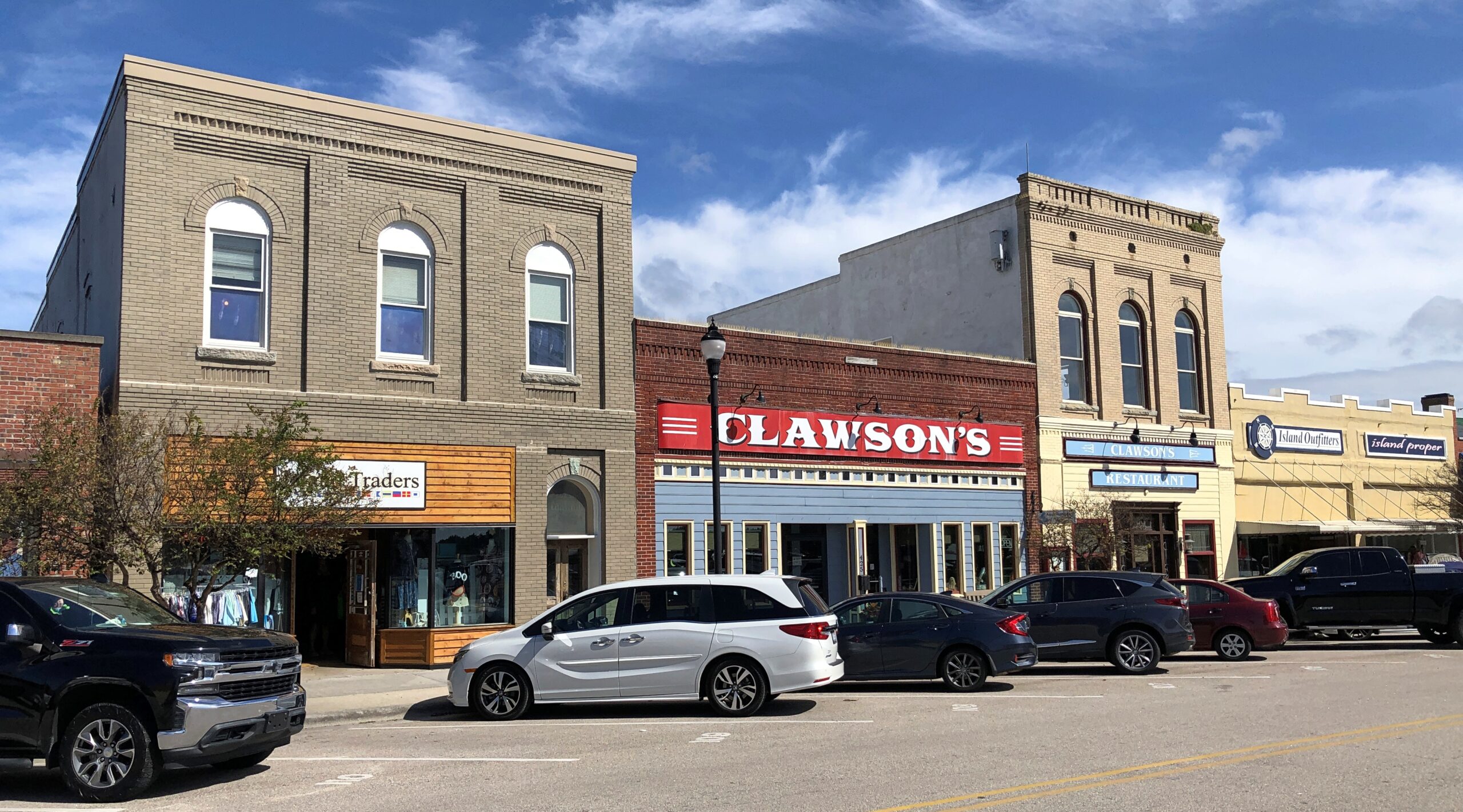
From the cemetery, Front Street – the main street – is mere steps away, as real estate professionals sometimes say. It’s part commercial street.
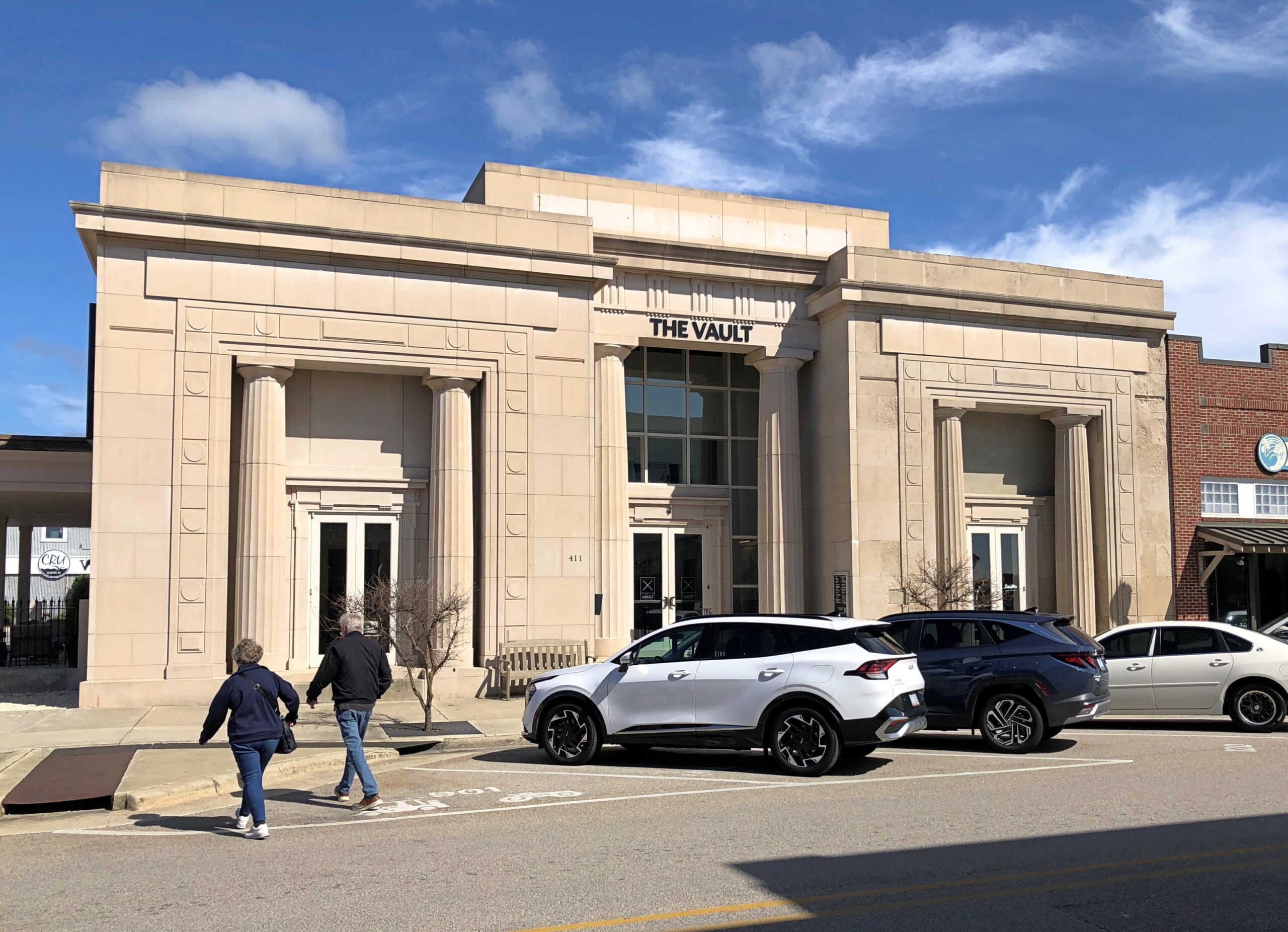
The Vault looks to be a former bank. Now it is a coworking location. I didn’t go inside, but I hope an actual (decommissioned) bank vault, one with a big round swinging door, is used for in-person meetings.

Front Street also has a row of handsome historic houses.
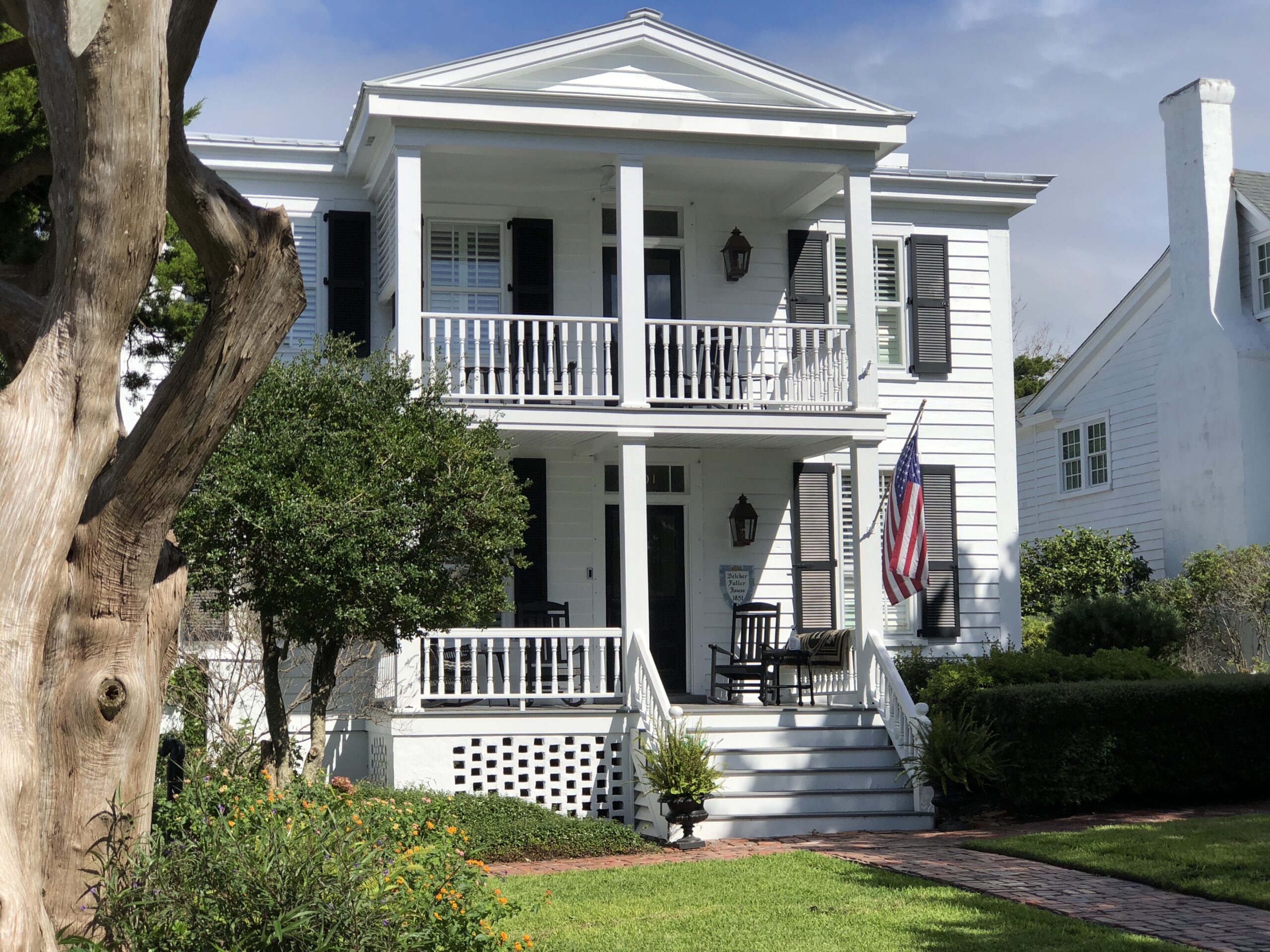
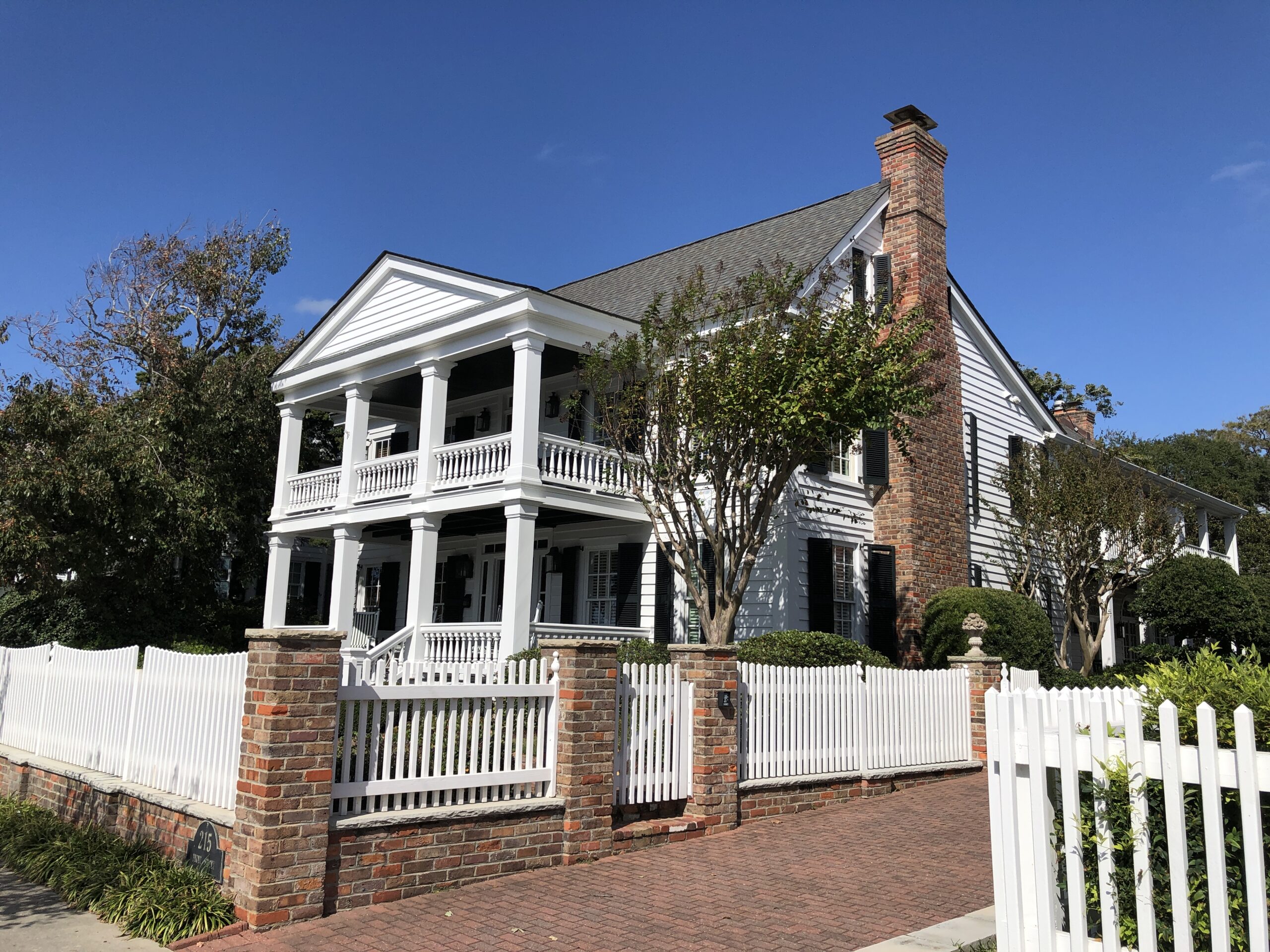
That second one was the home of Jacob Henry (d. 1847), who a sign notes was the first Jewish member of the NC legislature. When first elected in 1809, his right to take his seat was challenged on the basis of his religion, since the NC Constitution specified that only Protestants could hold state office. He spoke in favor of his right to take the seat regardless, essentially arguing that the North Carolina Declaration of Rights (1776) trumped the state constitution in matters of religious freedom, which is guaranteed by the declaration. He got his seat.
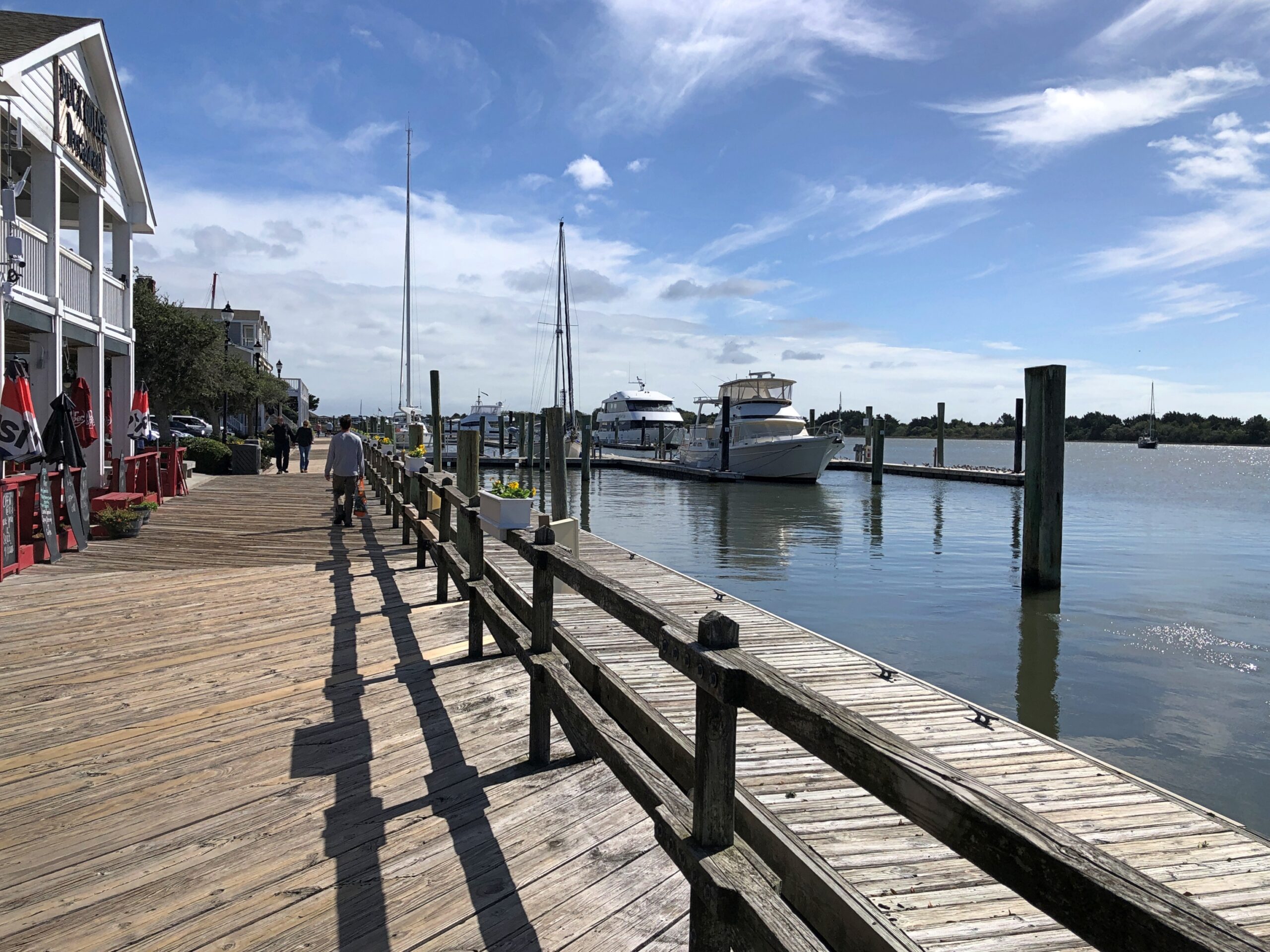
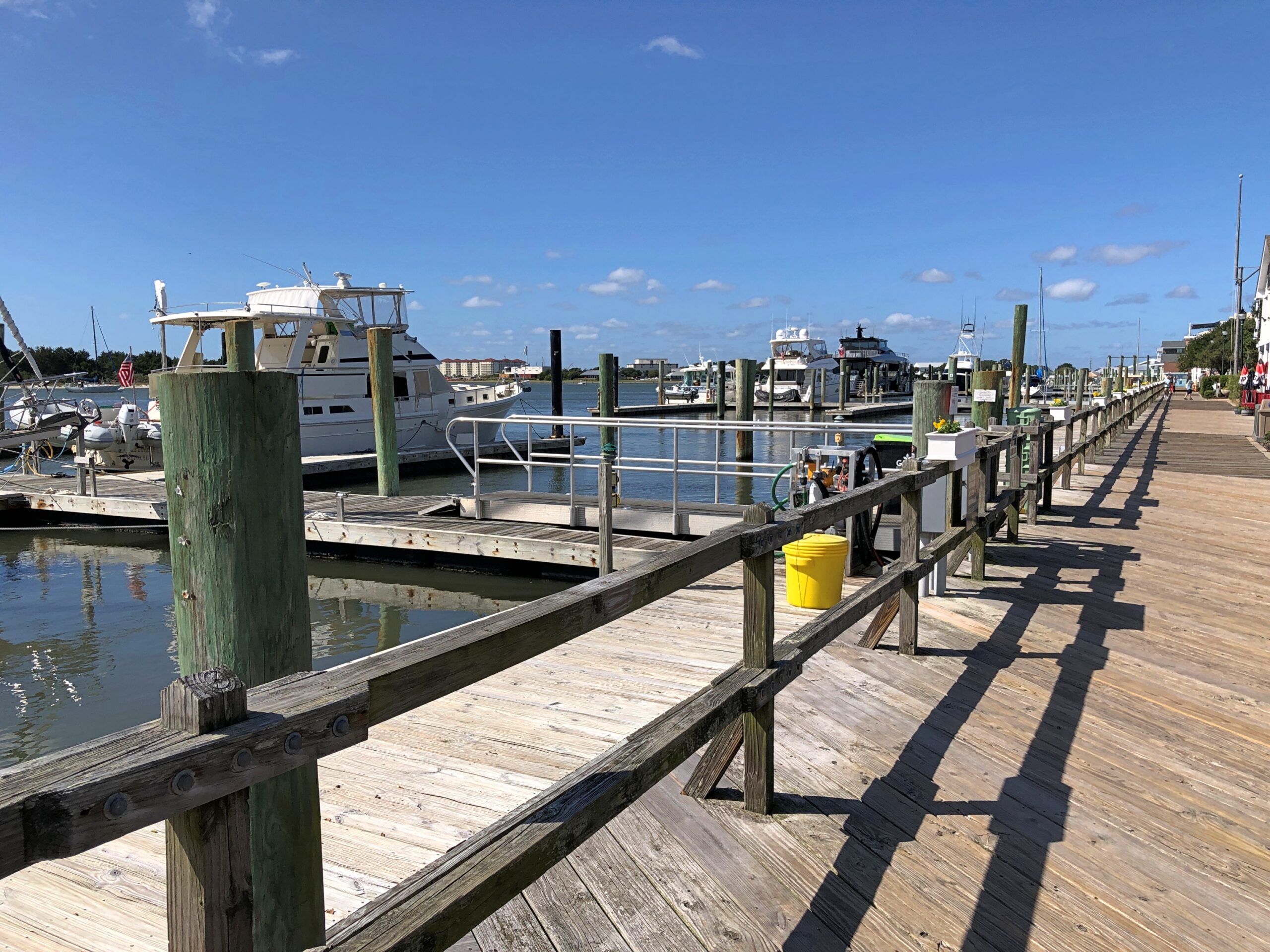
The oceanfront.
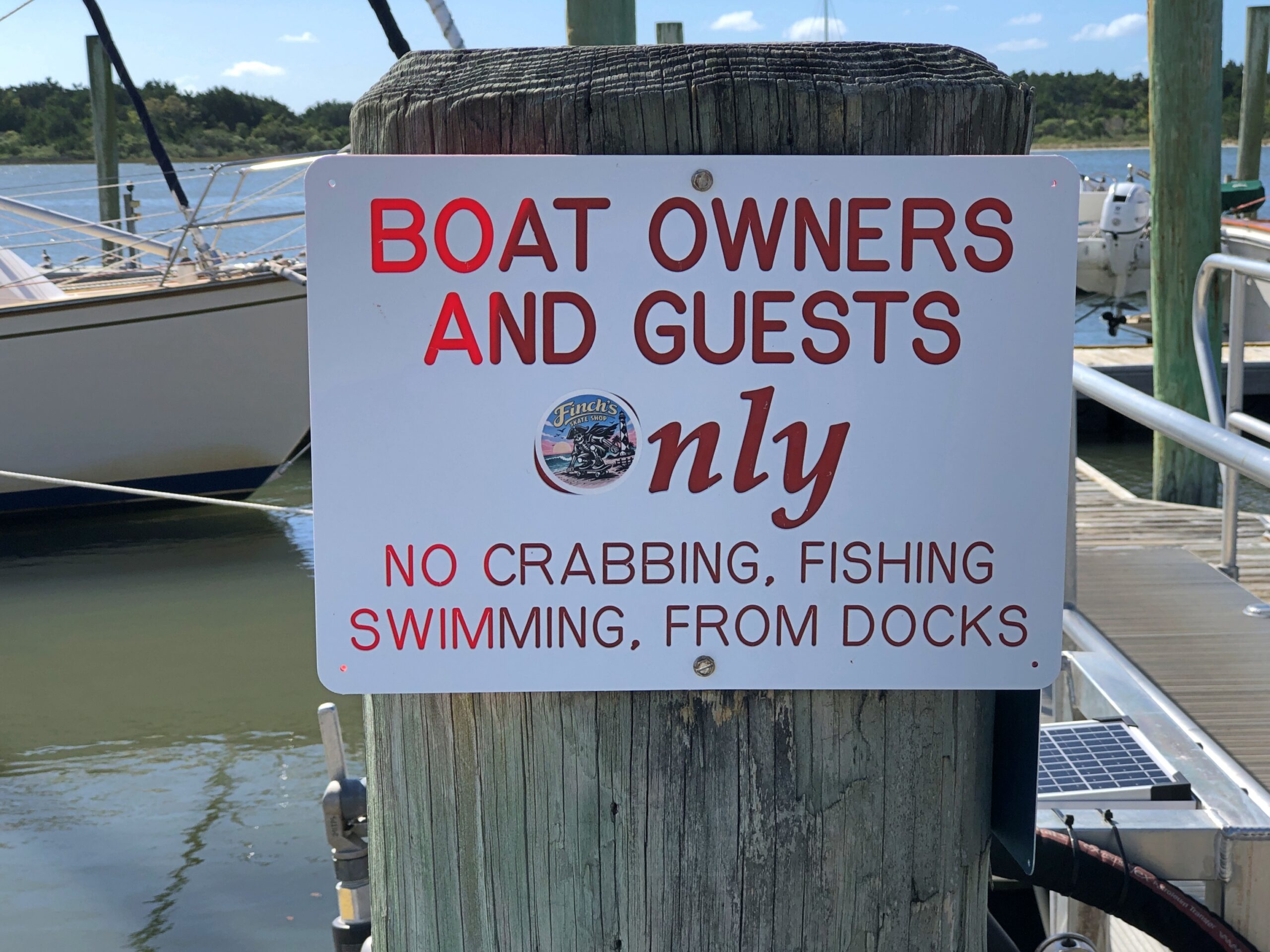
Sidewalk artwork, of the public service variety.
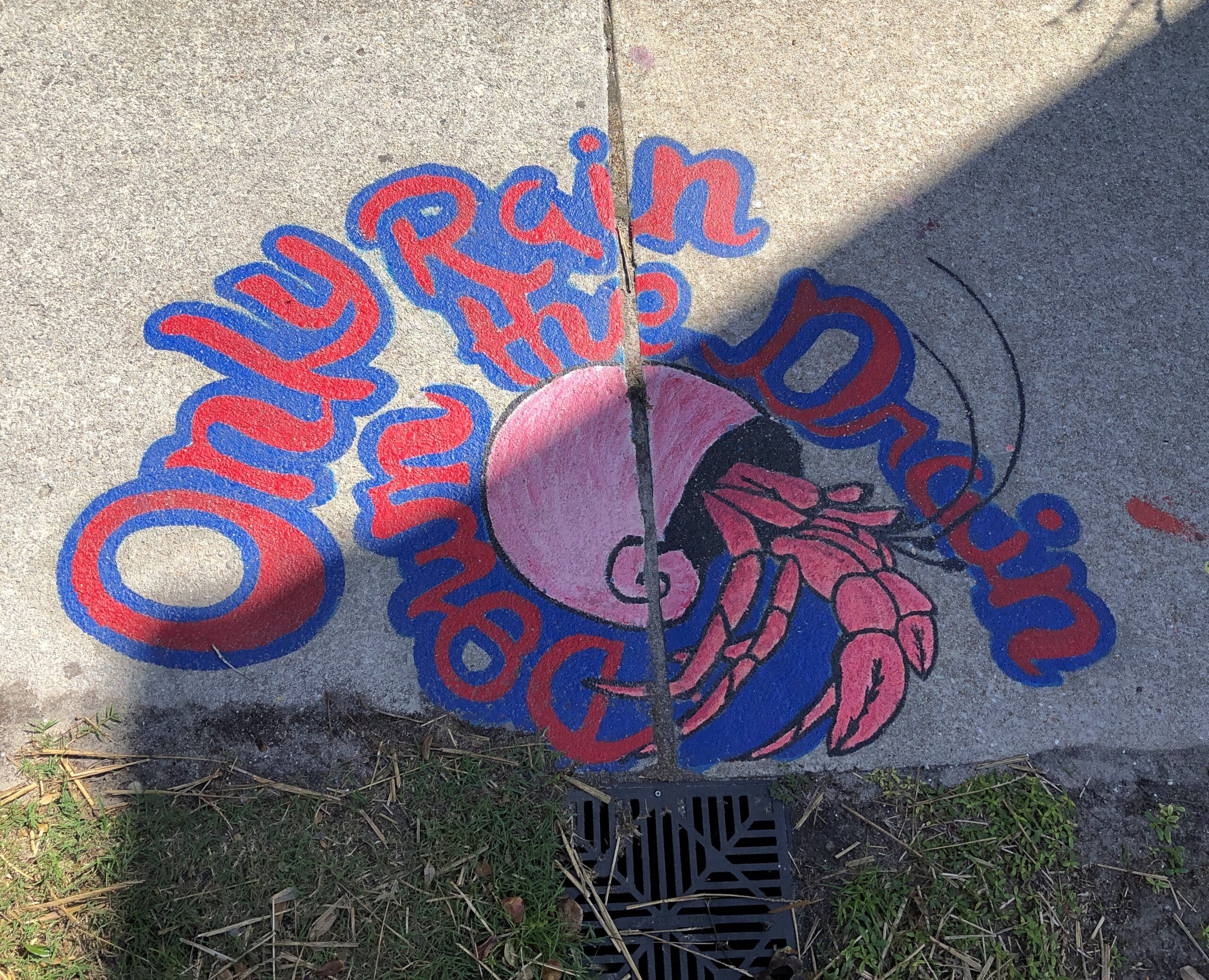
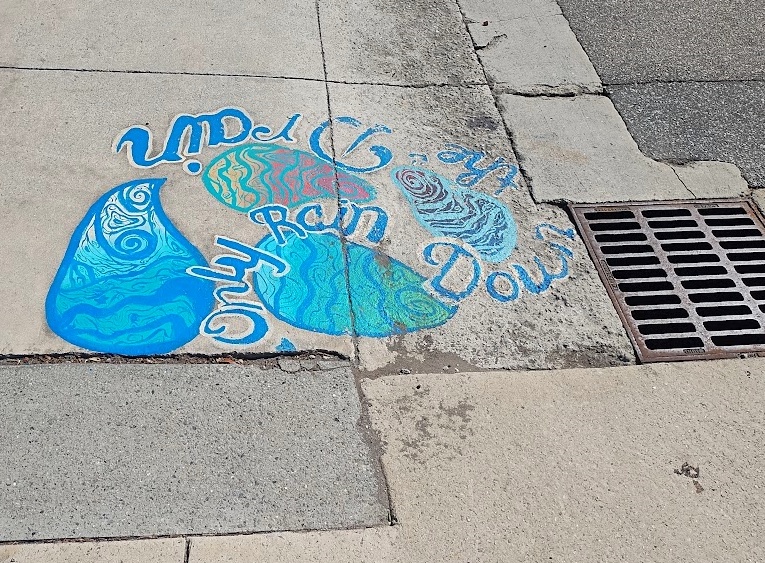
Who is this?
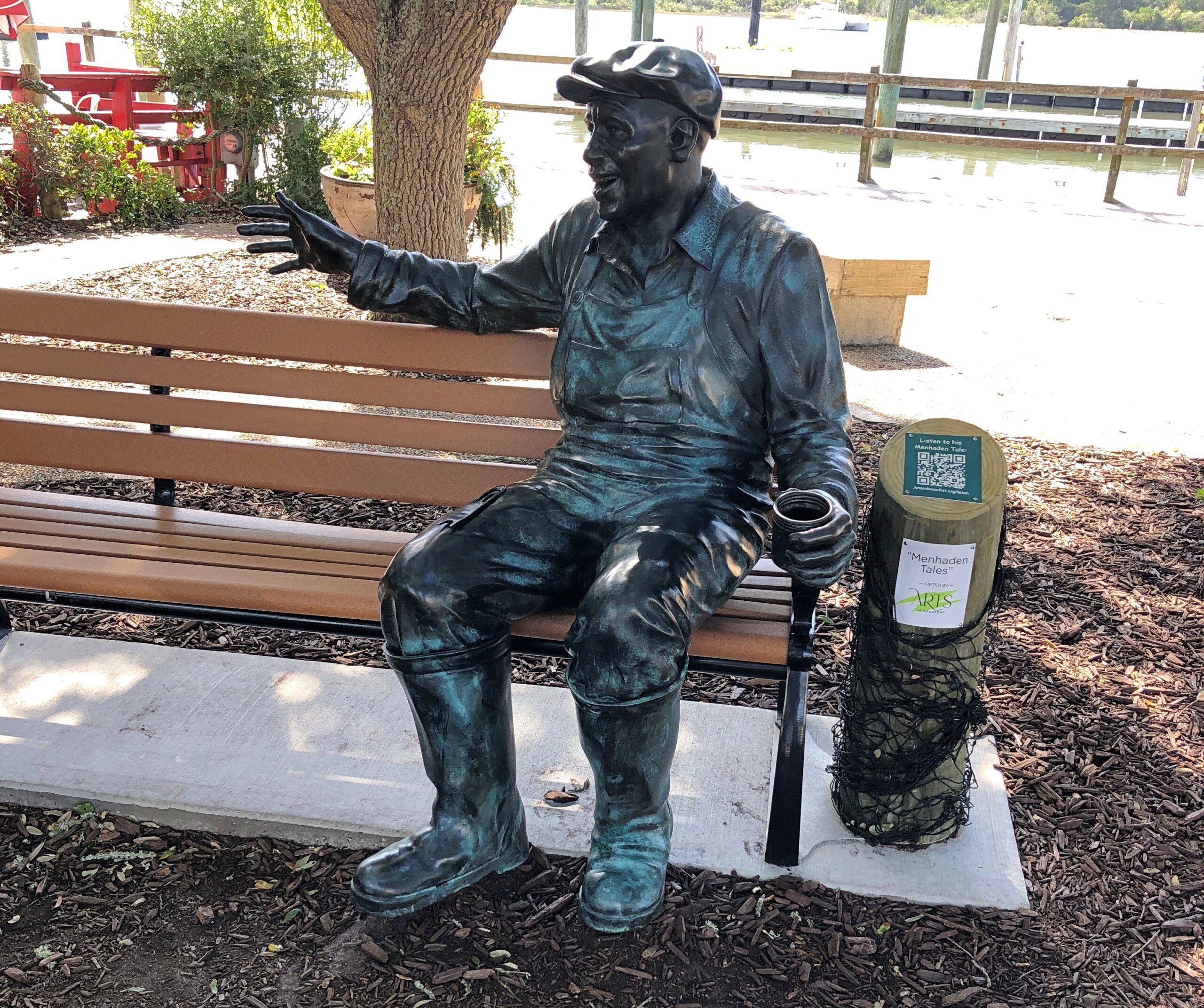
A fisherman of yore in bronze, telling his tale via modern communications. Not so long ago, Beaufort was base of a large fishing fleet – fishing for menhaden, the stuff of pet food and fish meal and the like.
A local pride mural, looking a little worn and a bit vernacular.
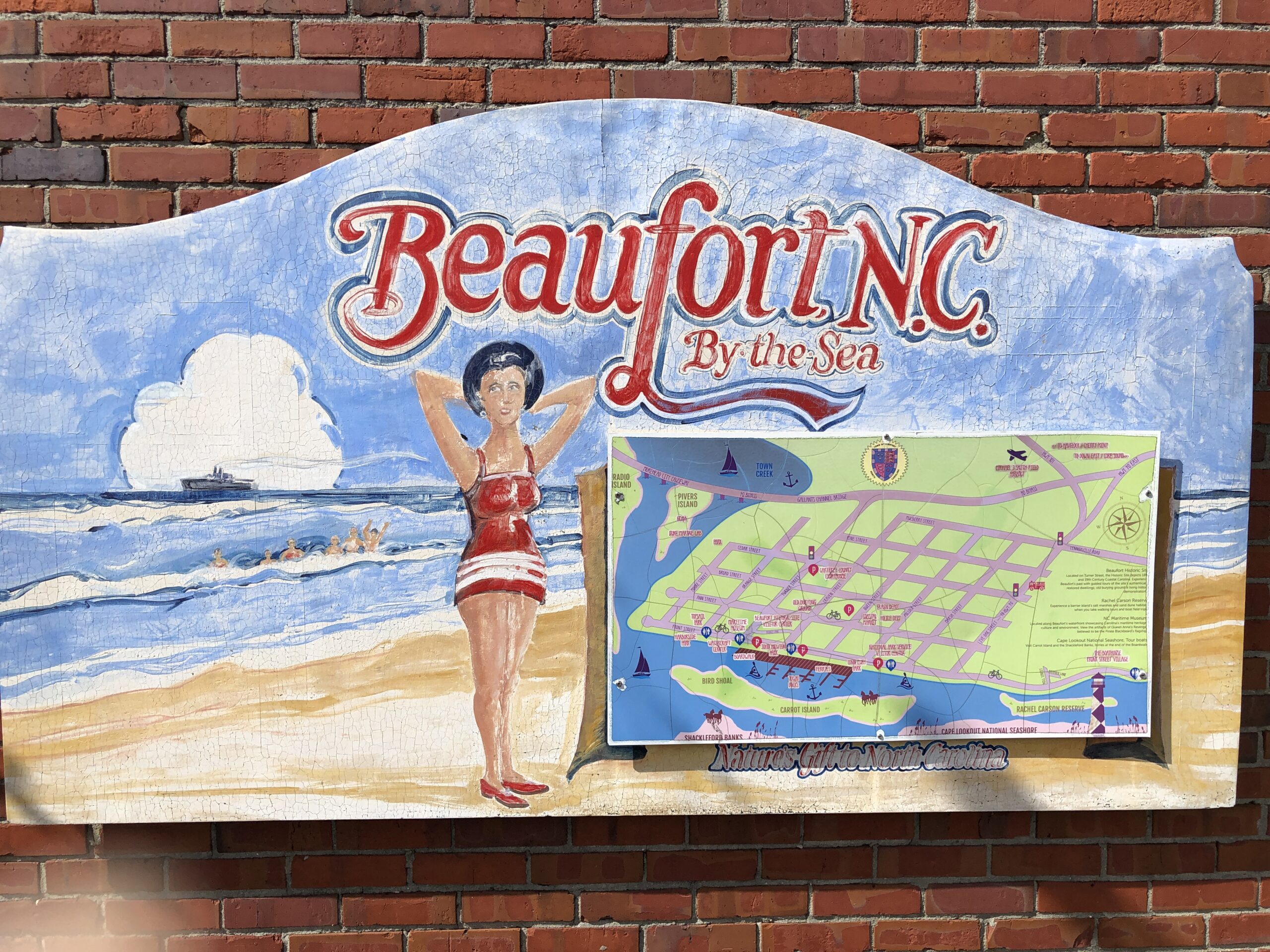
So I brought AI to the task of creating alternate versions. For fun.
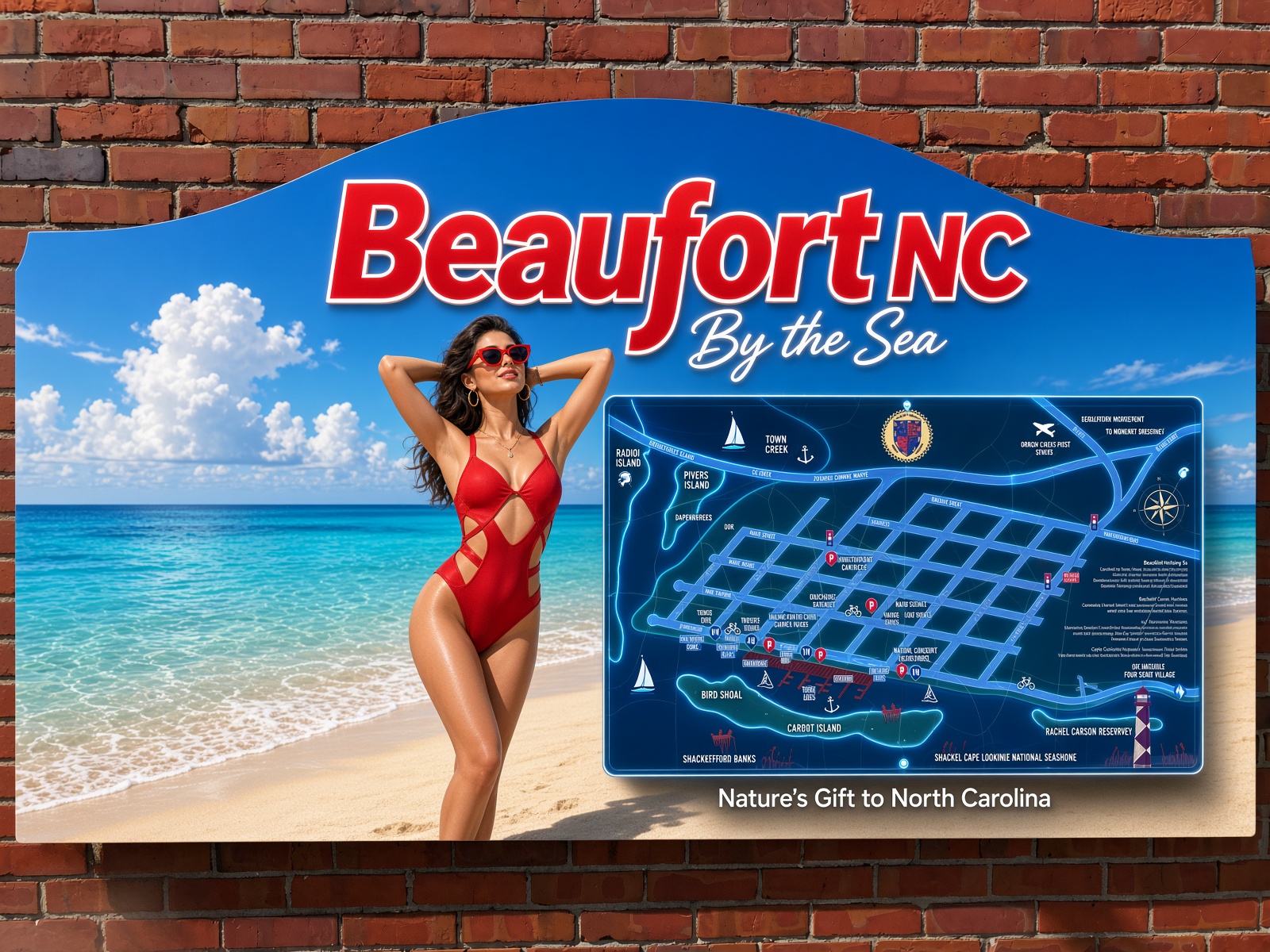
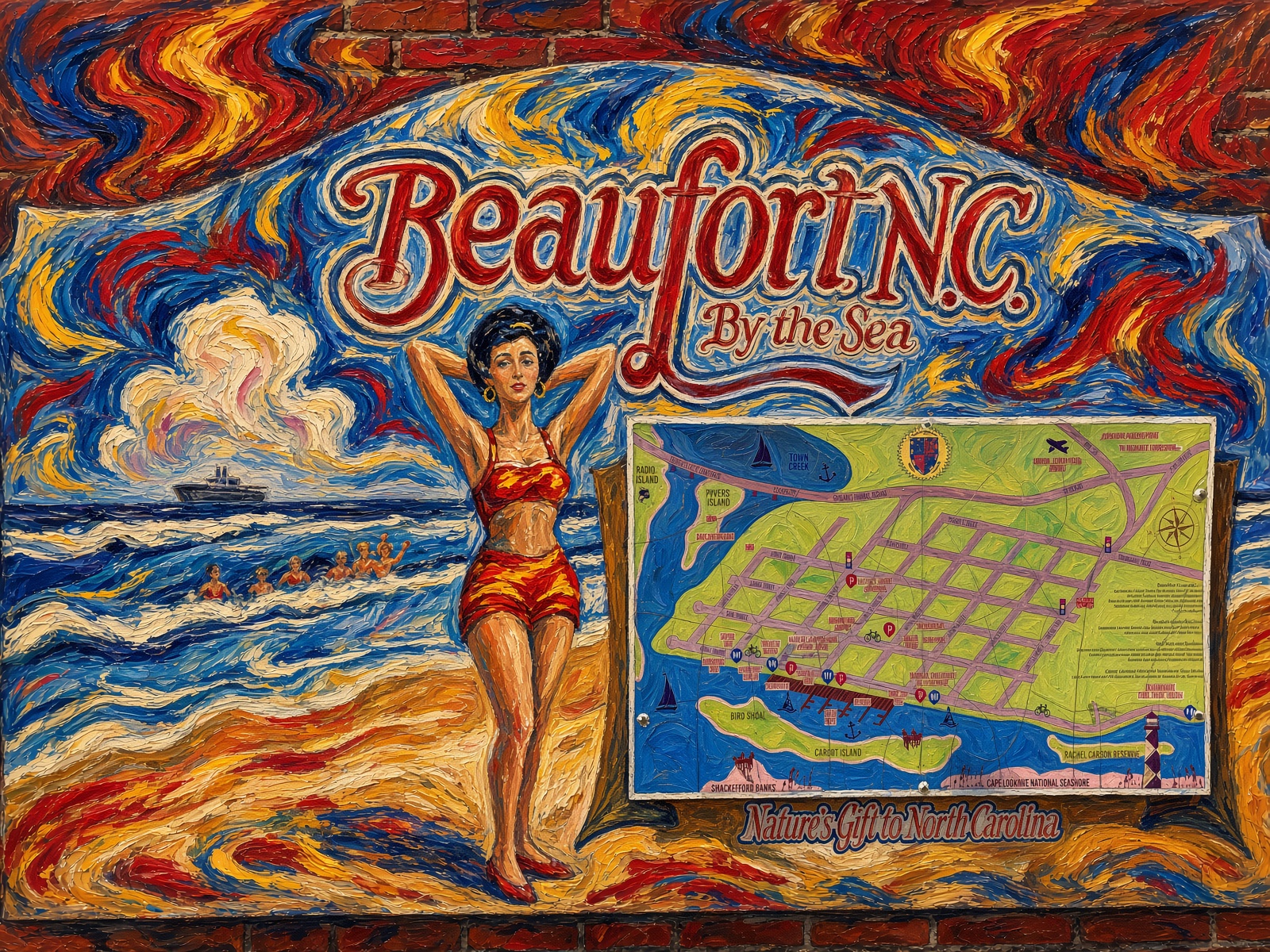
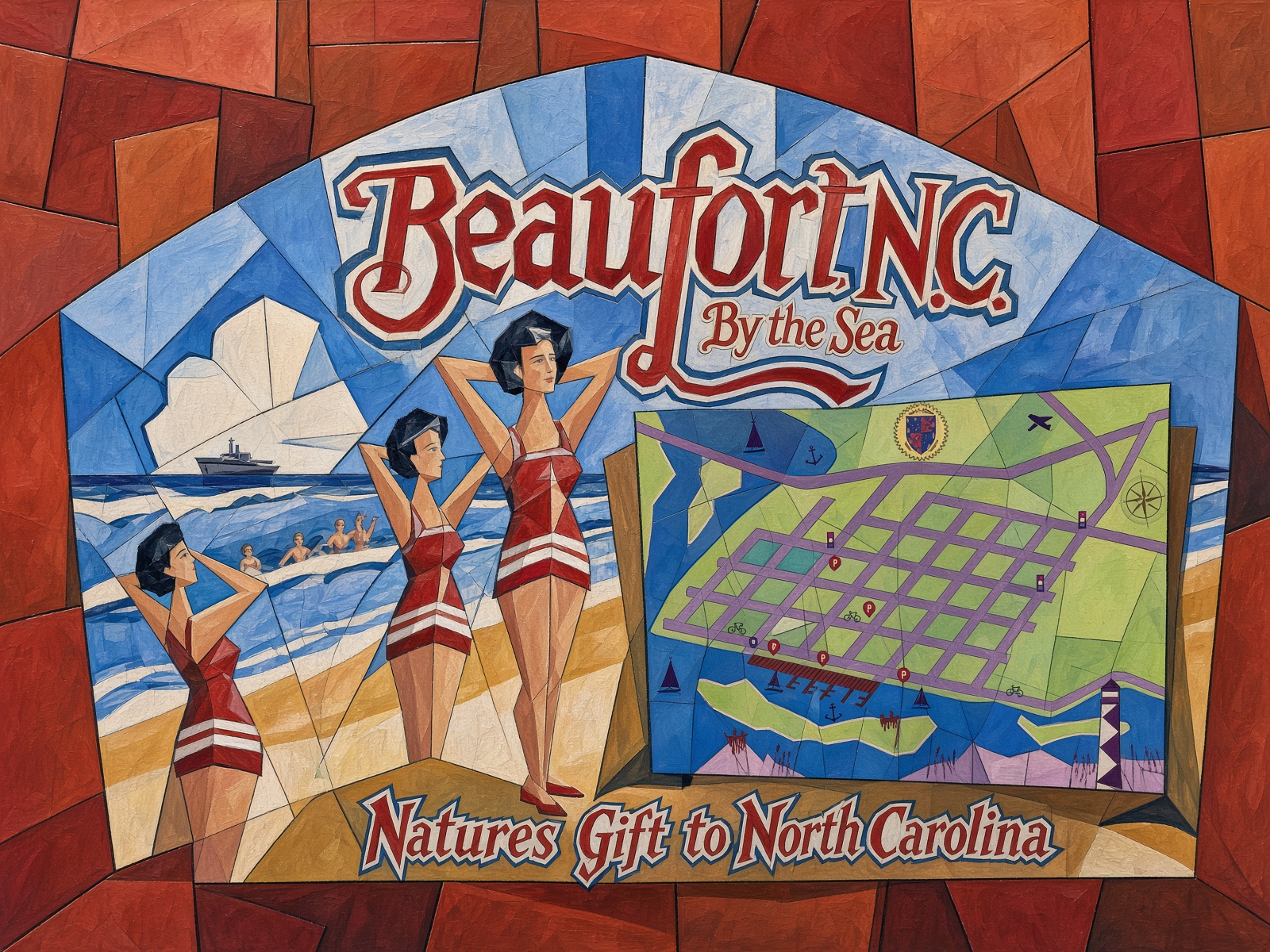
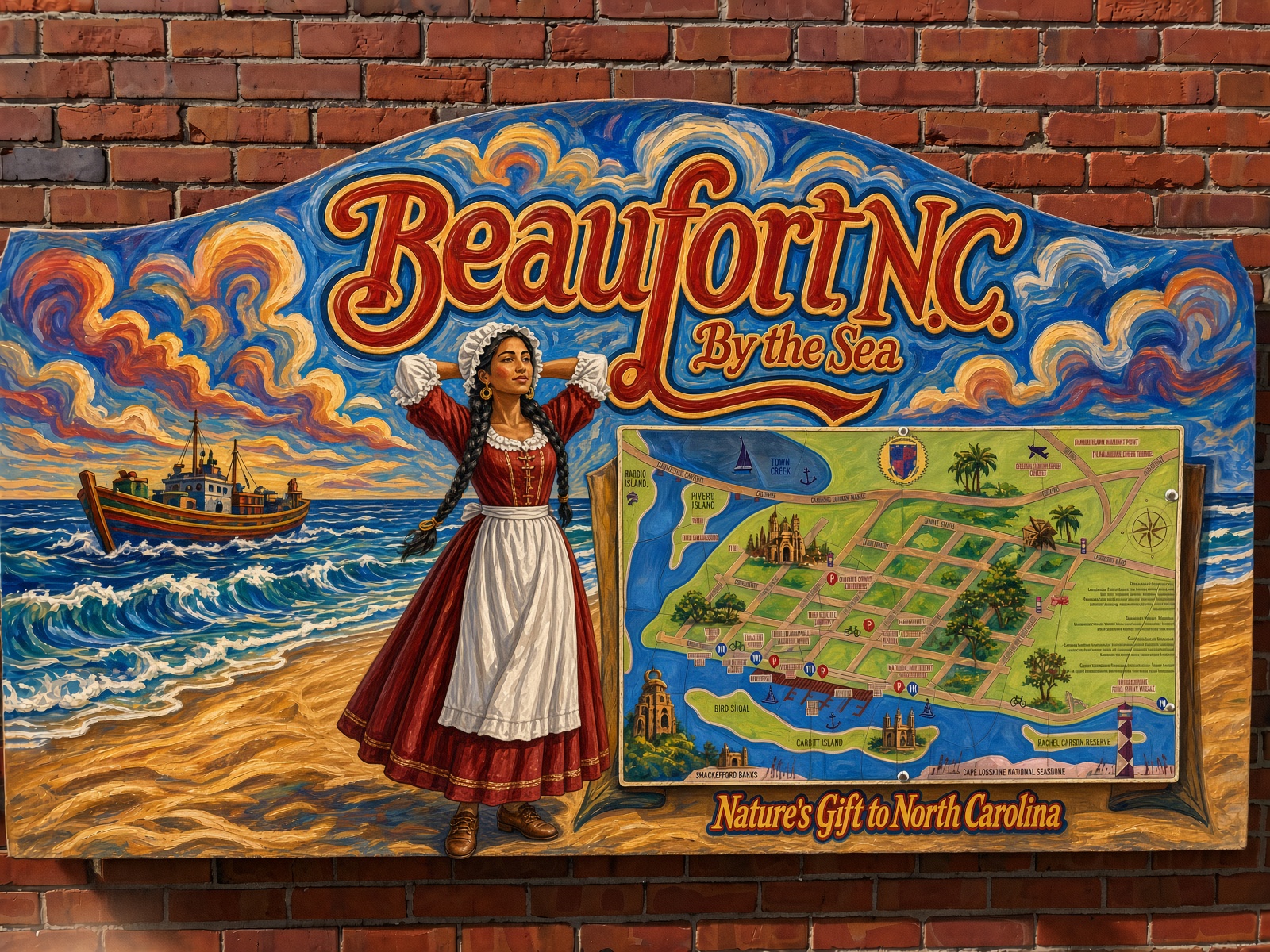
Not bad. The last one is the machine’s interpretation of “colonial garb.” Not sure where the long braids came from, but that’s AI for you.