Something I’d never seen on a gravestone: a truck. I’ll bet most people can say that.
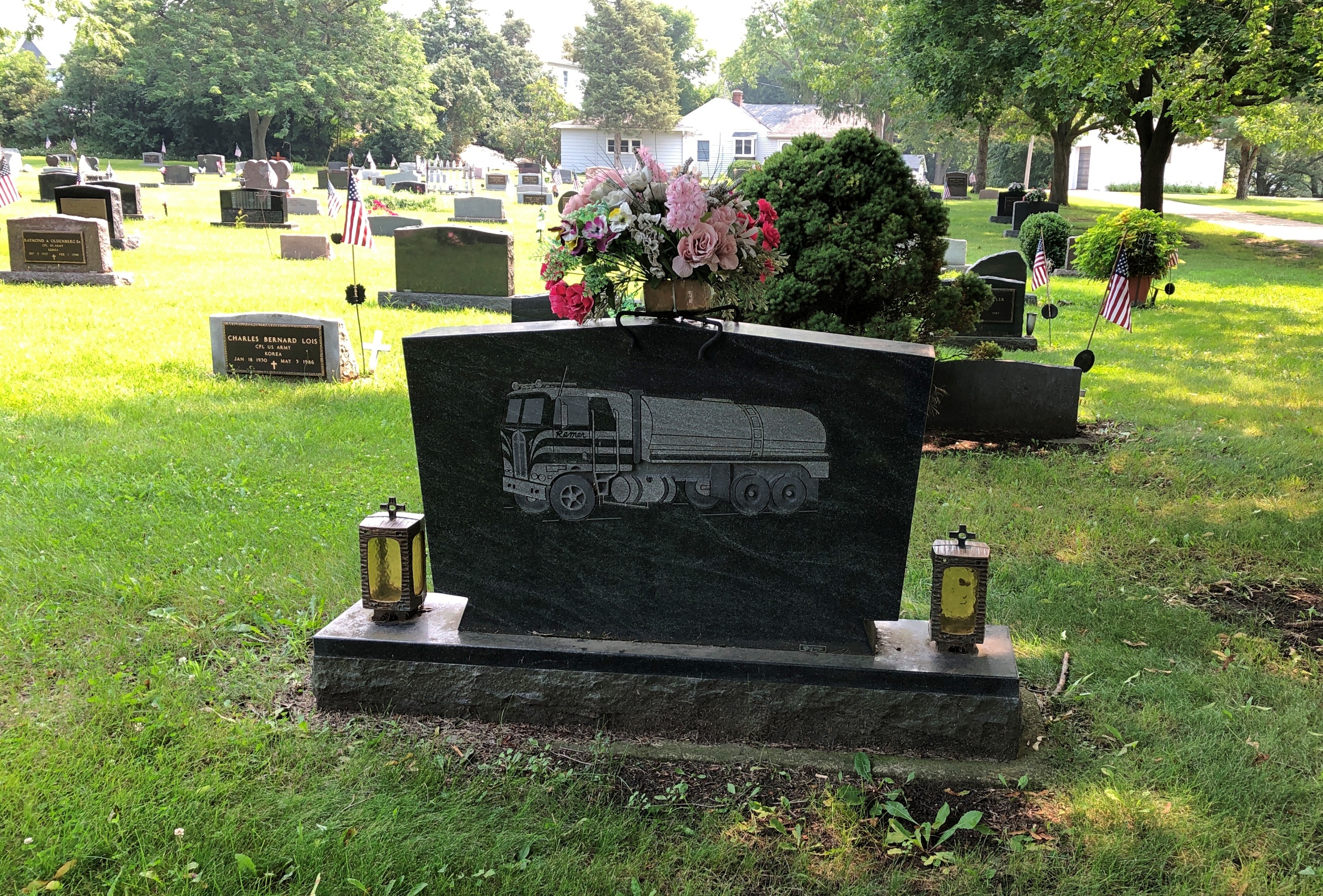
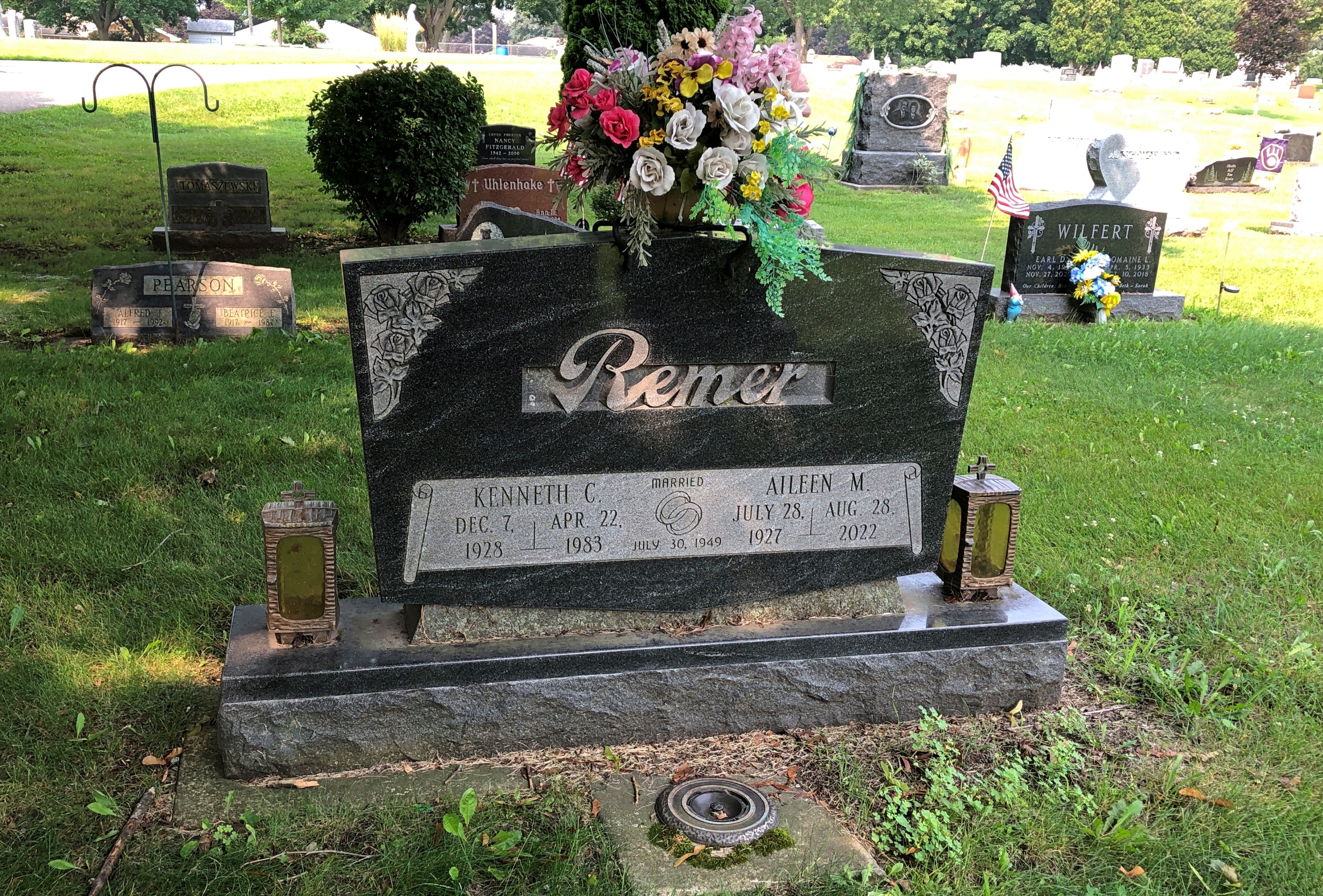
My best guess when I saw it was that Kenneth C. Remer was a trucking man who, among other things, lived through the short romanticization of trucking men in the mid-1970s. Something I’m sure is lost on later generations, as if that matters. If I were silly enough to say “That’s a big 10-4” to either of my daughters, I wouldn’t expect comprehension. That bit of code wasn’t invented by truckers, but even so.
I looked him up, as one can in our time. His obit says he was a “partner in Remer Milk Service.” So could be he drove a milk truck, at least sometimes. That is a liquid-hauling truck depicted on the stone. Not something celebrated in song and story, but useful work all the same.
Further down the rabbit hole, I came across this: “The 1970s Trucking Craze Can Be Traced Back to a Regional TV Commercial for Bread.” I never knew that, or if I did, I forgot it in the 50 years since then, because I’ve devoted very little thought to the subject over that time. Just another thing invented by ad men.
Another thought on that: though “Convoy” was much more popular, C.W. McCall’s “Wolf Creek Pass” is by far the more entertaining song. (And it’s a real place.) A better song about driving a truck is “Willin’,” originally by Little Feat. Of all people, the inestimable Linda Ronstadt did a remarkable cover of it.
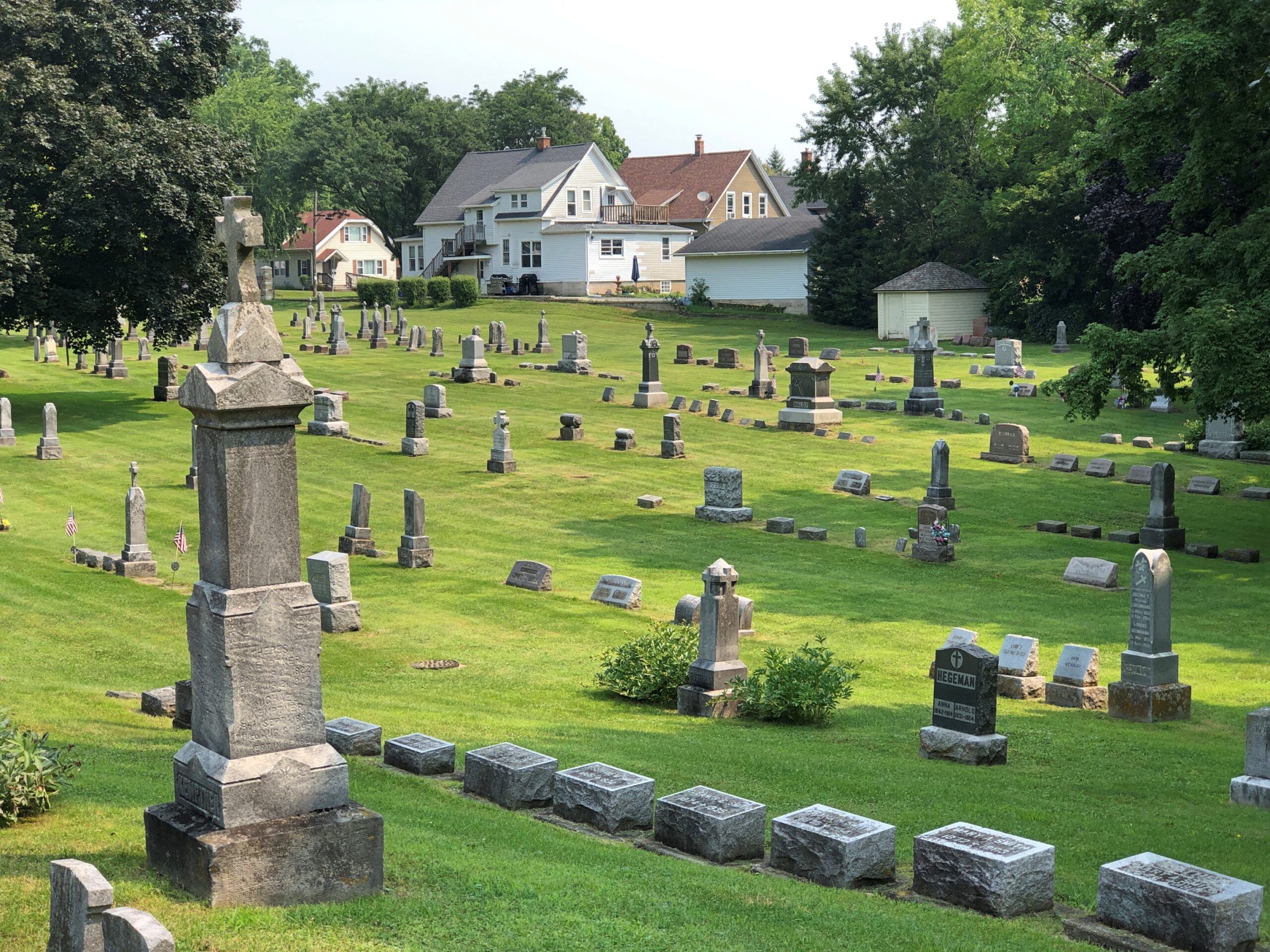
I encountered Mr. and Mrs. Remer at St. Mary’s Cemetery in Burlington, Wisconsin last month. A Catholic cemetery with a nice assortment of stones.
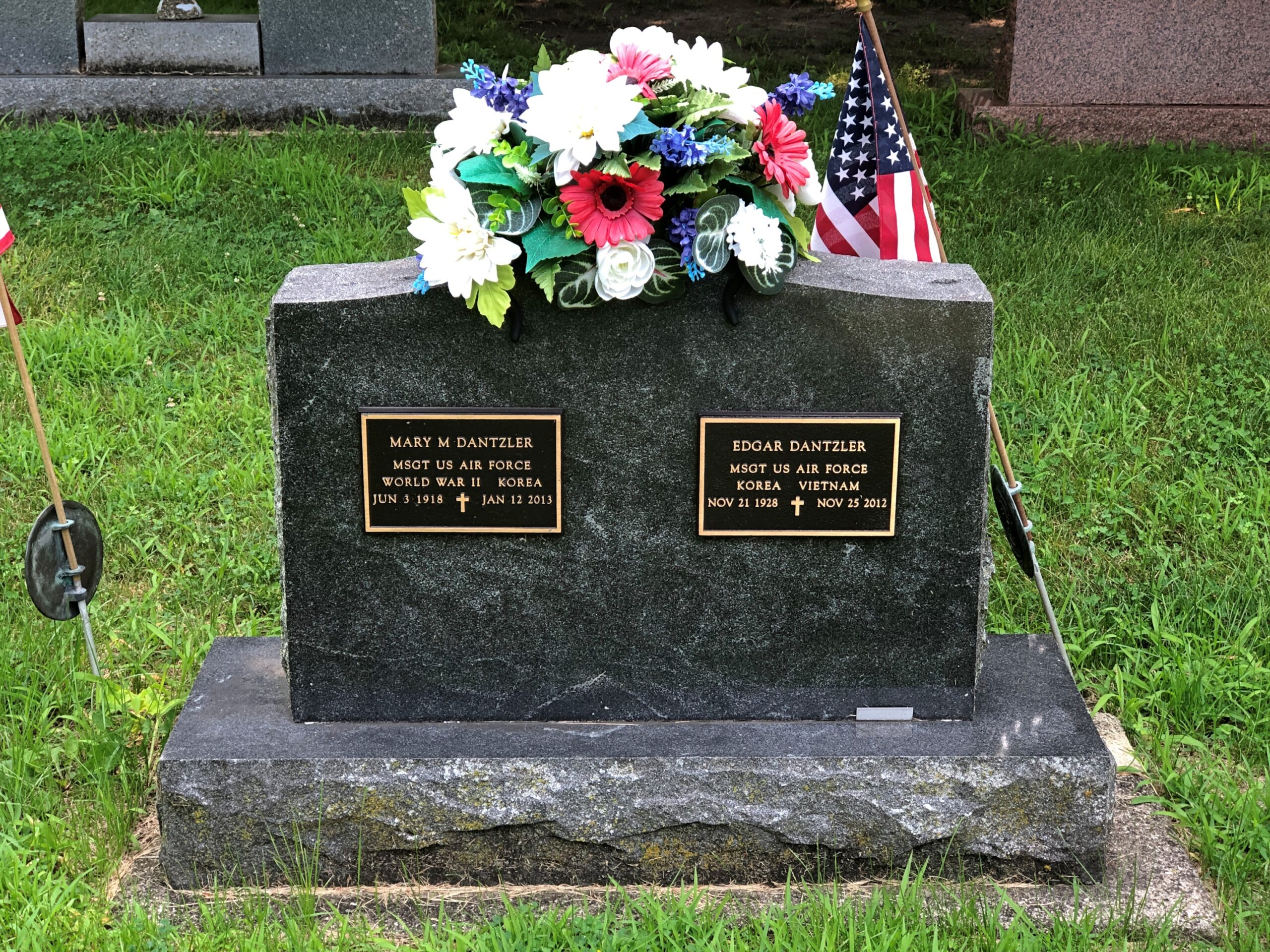
Unusual: two Air Force (I assume originally Army Air Corps) Master Sergeants, married to each other.
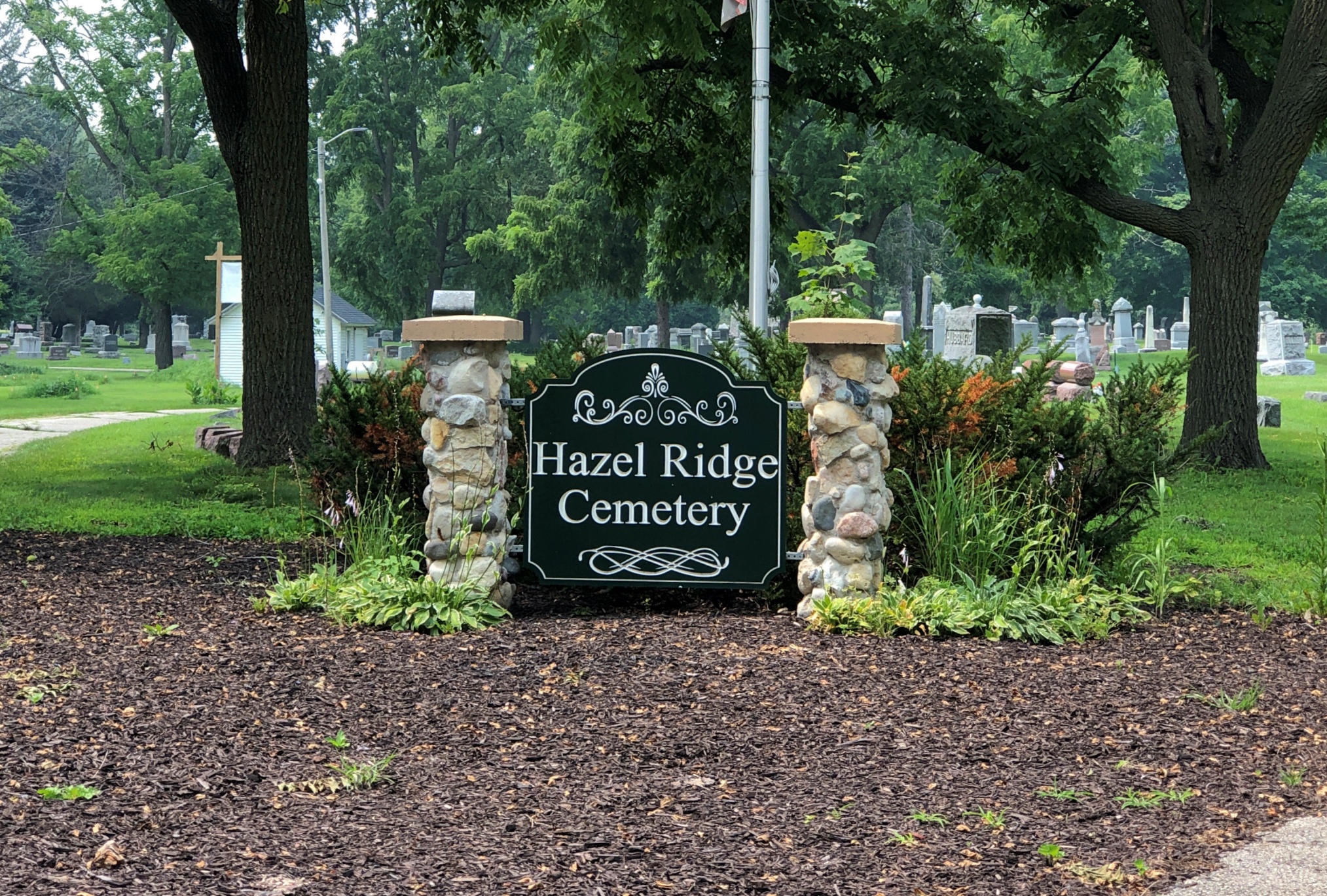
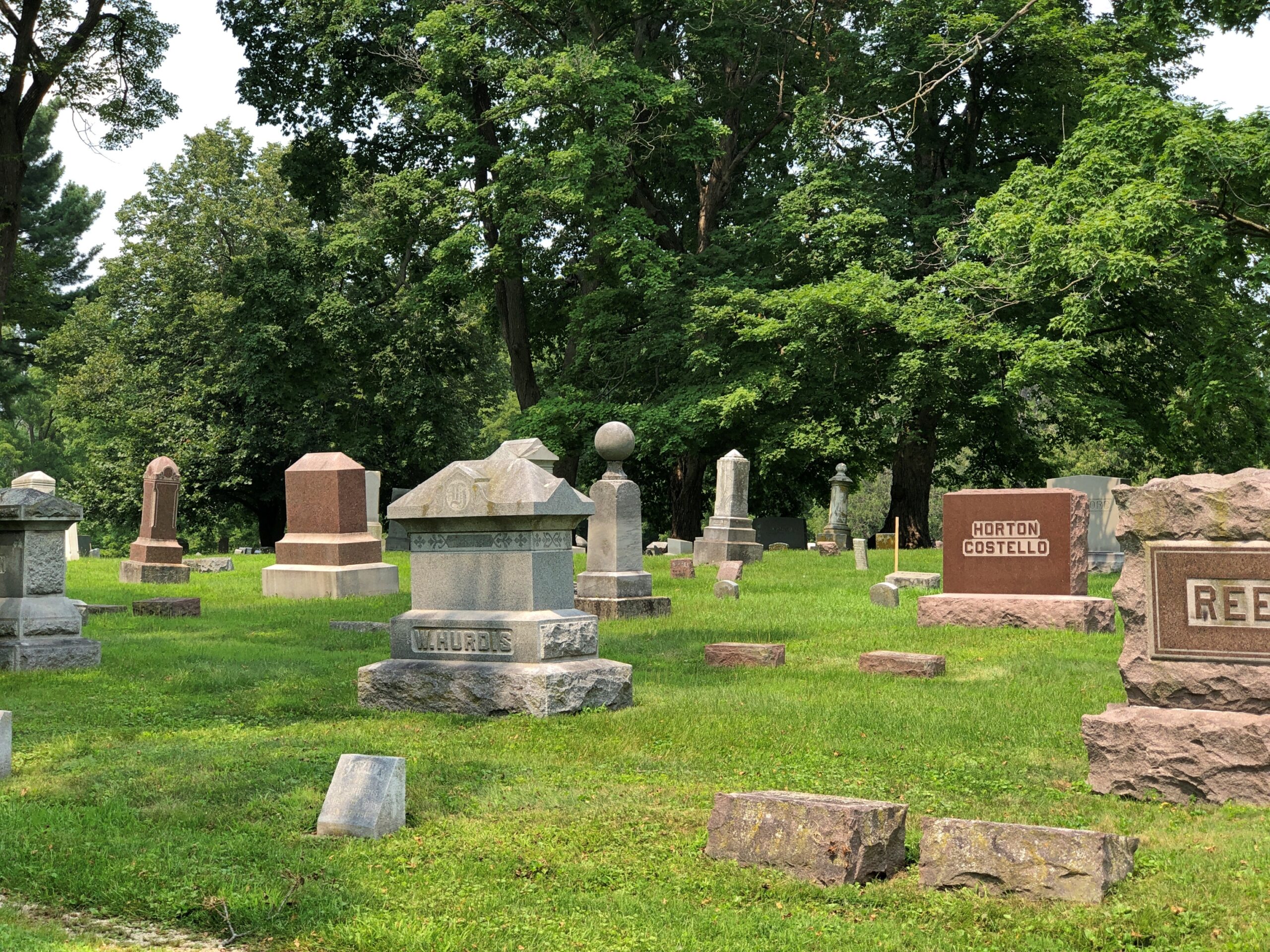
During my recent visit to Elkhorn, Wisconsin, I did no more than look for an “historic cemetery” on Google Maps to find Hazel Ridge Cemetery. Historic for sure, founded more than 150 years ago.
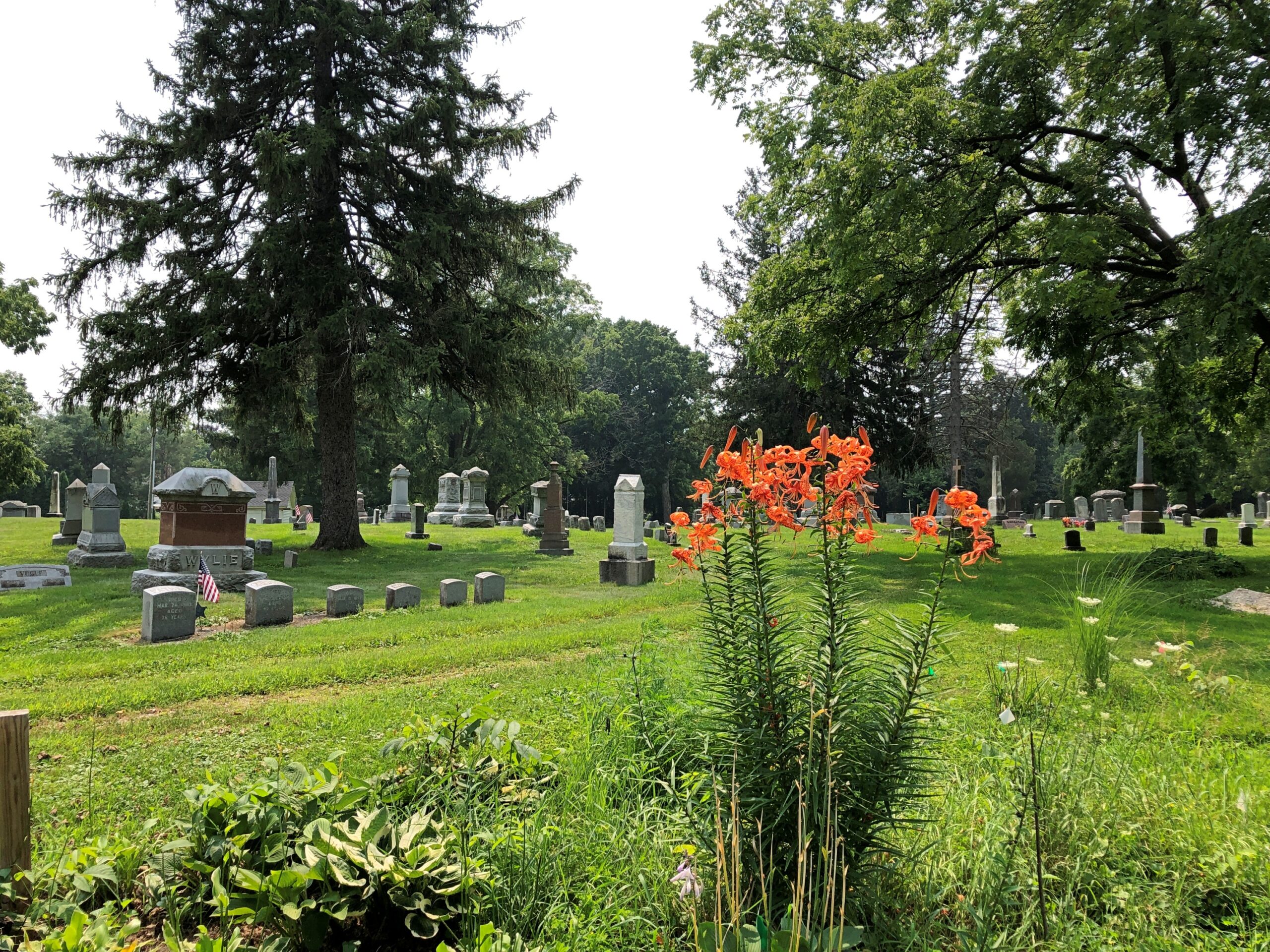
It too has a fine collection of memorials. The cemetery is also an arboretum, with more than 25 native species and ornamental varieties.


Hazel Ridge has a clutch of war dead memorials, including an 8-inch siege Howitzer as the centerpiece of a Grand Army of Republic memorial.
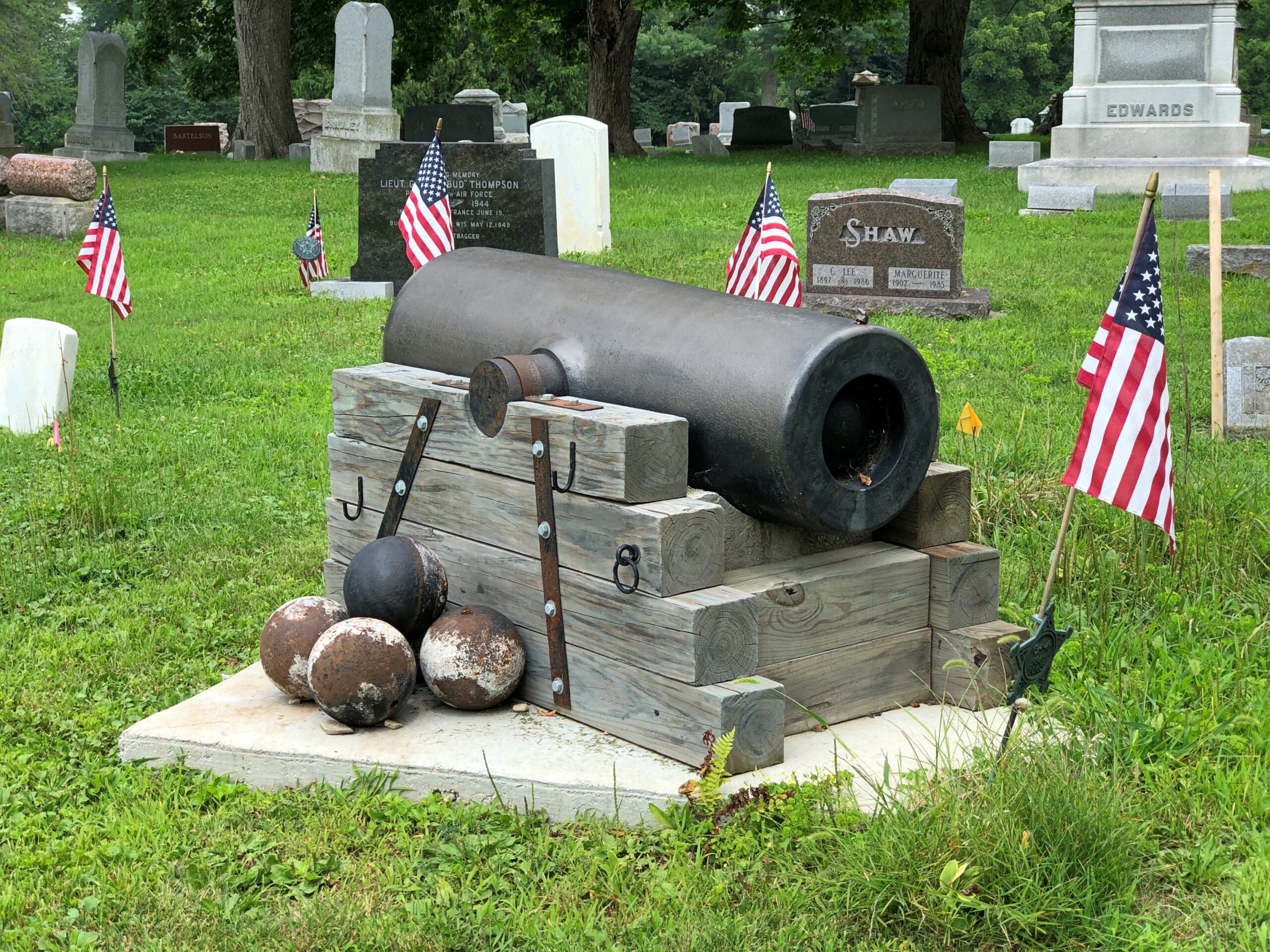
This particular cannon, according to a nearby sign, was made in 1862 at the Fort Pitt Foundry in Pittsburgh. I assume it did its part for the Union. Nearby are soldiers who did likewise.
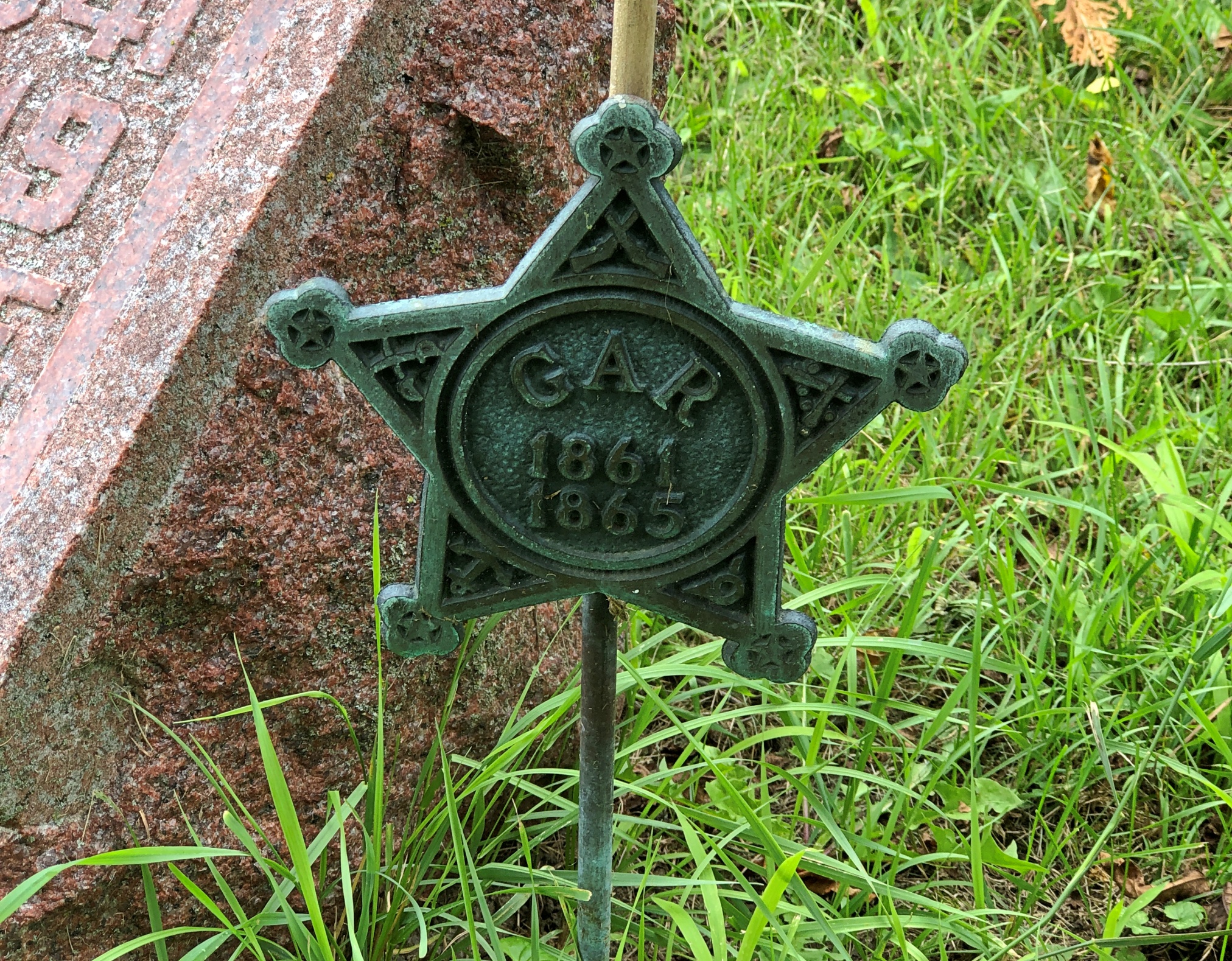
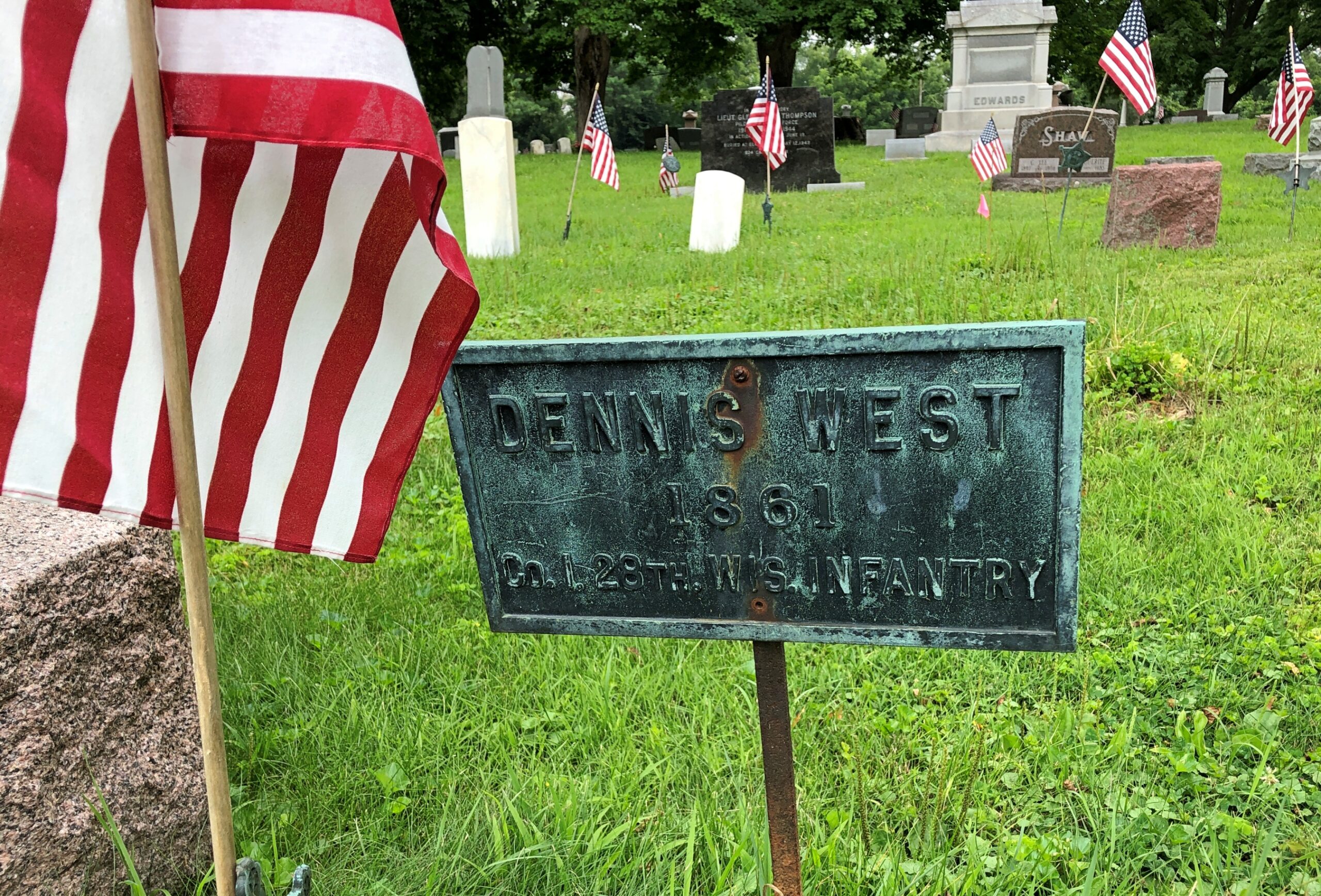
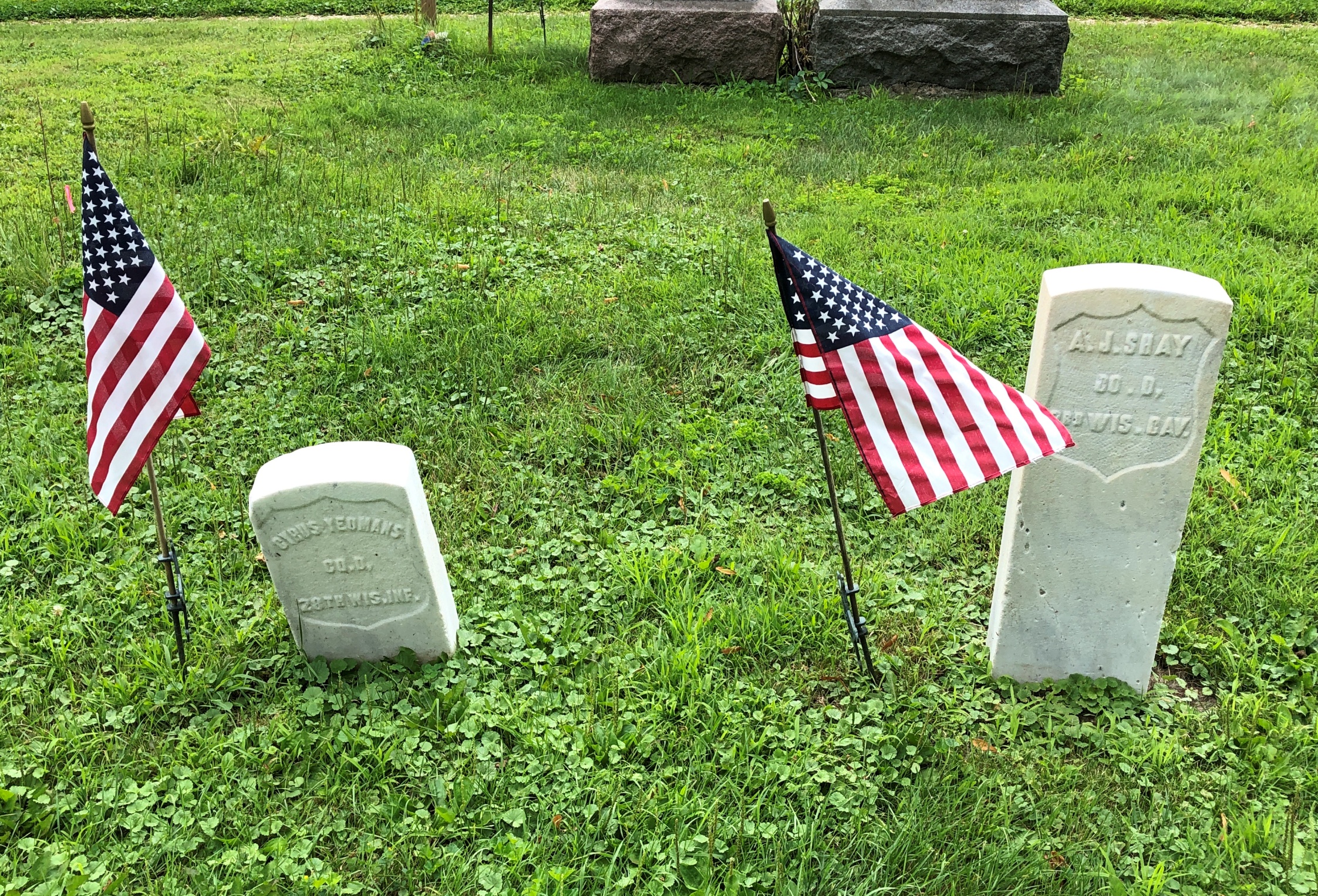
And those who died in later wars.
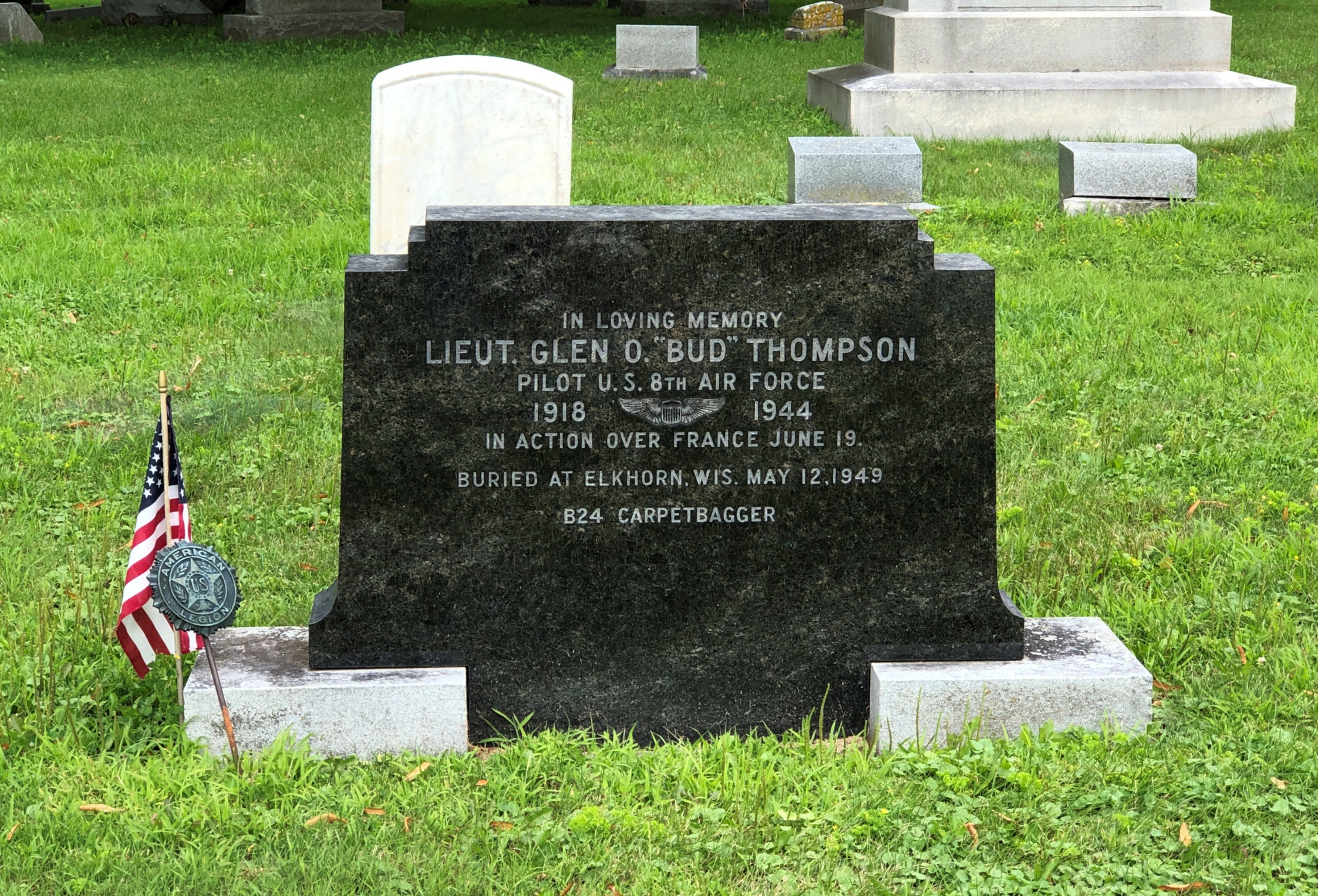
The single word “Carpetbagger” on the stone tells quite a story. Operation Carpetbagger involved black-painted B-24s flying low and slow by night, dropping supplies and agents to the resistance in France before and after the Normandy invasion. Clearly dangerous work. RIP, Bud.