Coincidence or synchronicity? In September, as I was leaving Colorado Springs, I noticed an equestrian statue near a major street: William Jackson Palmer, railroad developer and Union Army officer. Stopped at a traffic light, I had a little time to look at the statue. Soon I forgot about it.

Palmer had one of those remarkable 19th-century careers, not only as a railroad man and military officer, but also a town planner, hotelier, publisher and philanthropist. He founded the towns of Colorado Springs Manitou Springs, and Durango, among others. Though he grew up near Philadelphia, he was born on a farm near Leipsic, Delaware. Barely a month after I’d spent time in some of the towns that Palmer founded, I found myself in Leipsic, Delaware.
I still wouldn’t have make the connection if I hadn’t looked up Leipsic on Wiki. I noted that the entire list of notable people from that town had exactly one name: William Jackson Palmer. Leipsic has never been a very big place, and certainly isn’t now. I looked him up, and when I saw the picture of the statue, I remembered seeing it.
I’m going with coincidence. I have a fairly high bar when it comes to synchronicity, especially since I don’t really understand the concept. Does anyone?

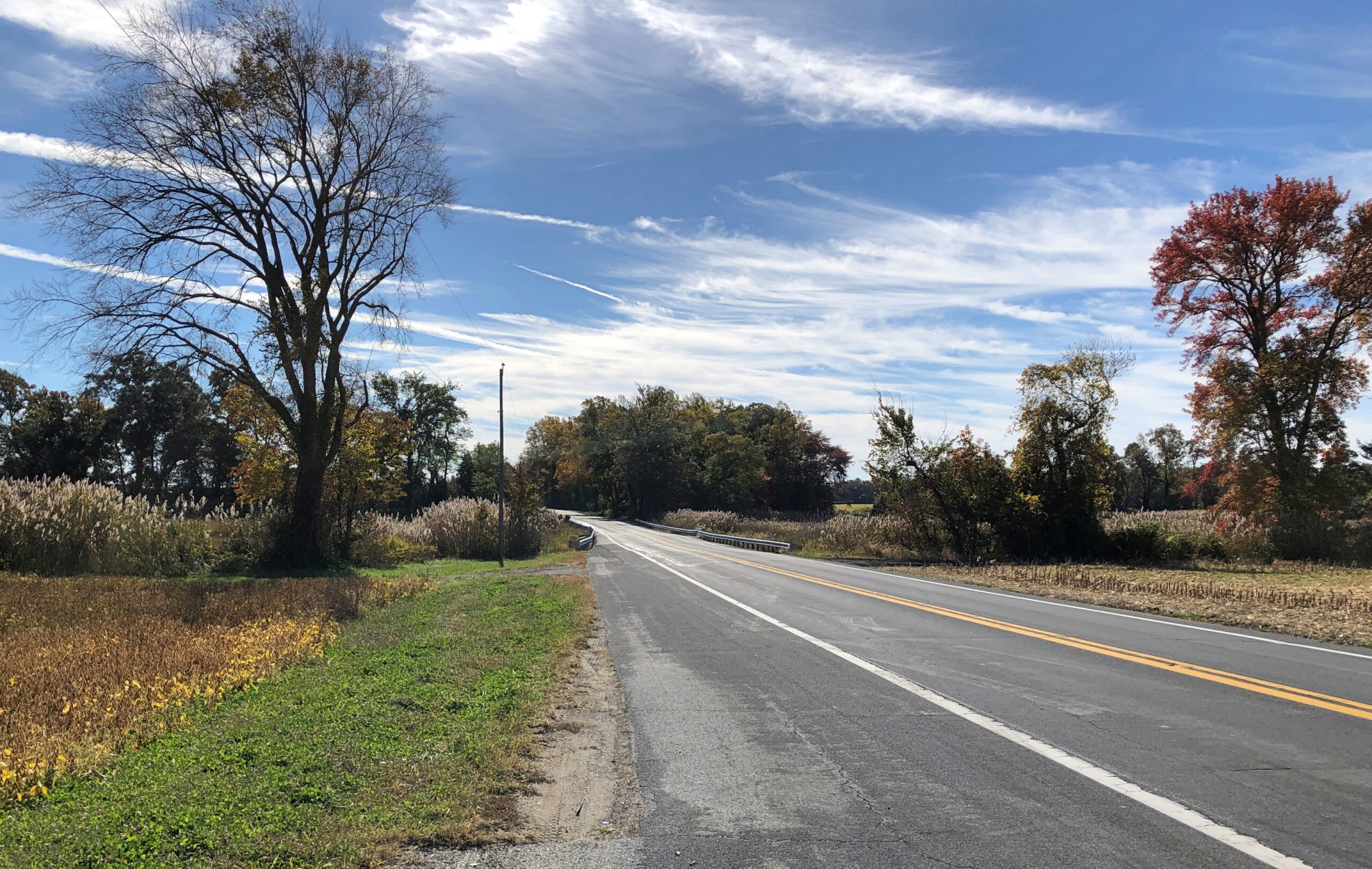
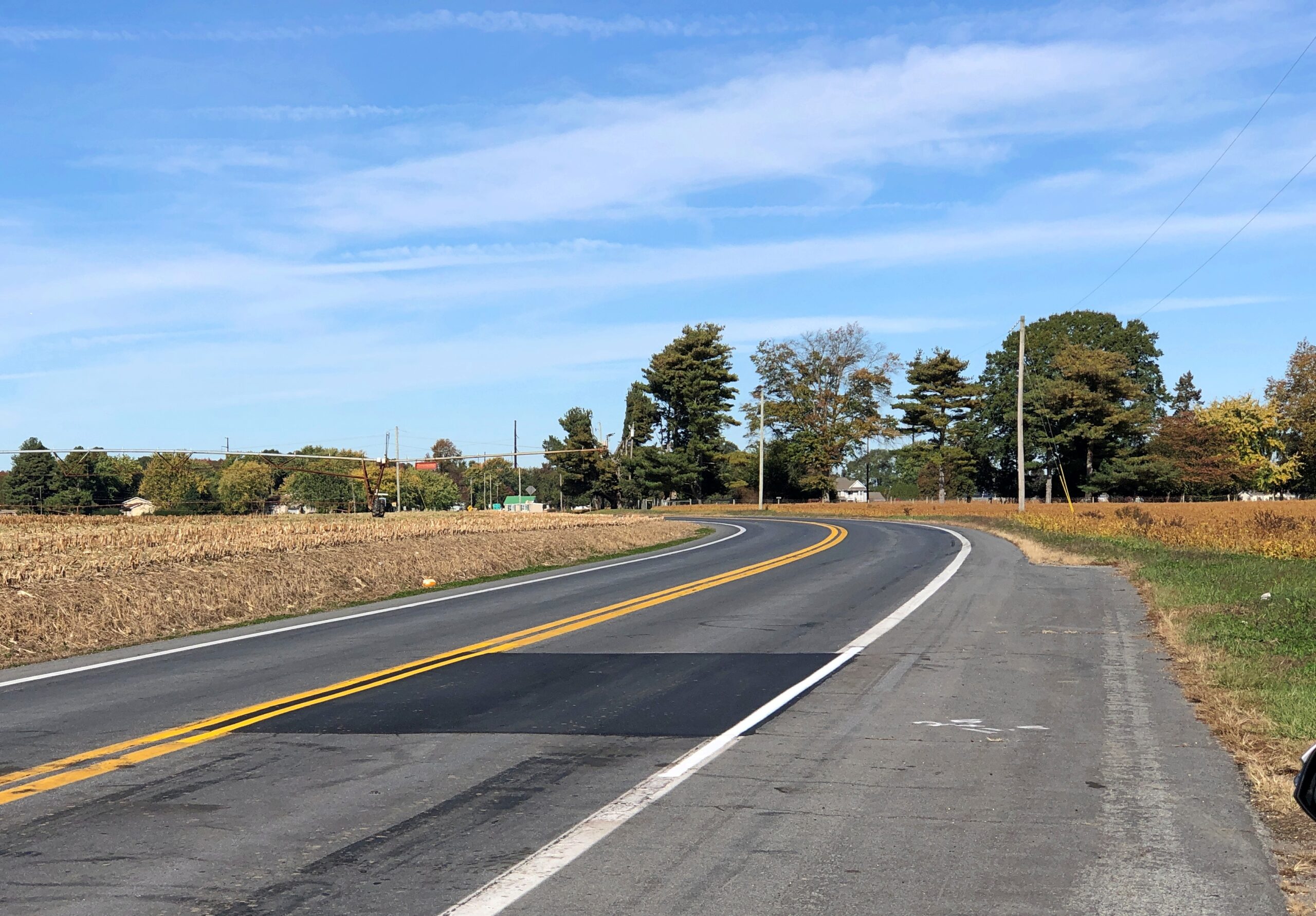
Before I left Delaware last month – and believe me, it doesn’t take long to leave Delaware – I drove a section of Delaware 9, a two-lane, north-south highway that parallels the coast of Delaware Bay, running east of places like Dover, Smyrna and Odessa. An intriguing squiggle on the map, made more intriguing by the fact that part of it is also known as the Delaware Bayshore Byway, which is a National Scenic Byway. Experience has taught me that those kinds of designations are usually accorded for good reasons.
After the traffic-jammed day before, I thoroughly enjoyed the nearly empty Delaware 9.
One of the few towns along Delaware 9 is Leipsic, pop. 178. I might not have stopped but for the cemetery, one so obscure that Google Maps doesn’t have a name for it, and I didn’t see evidence of a name on the ground either.
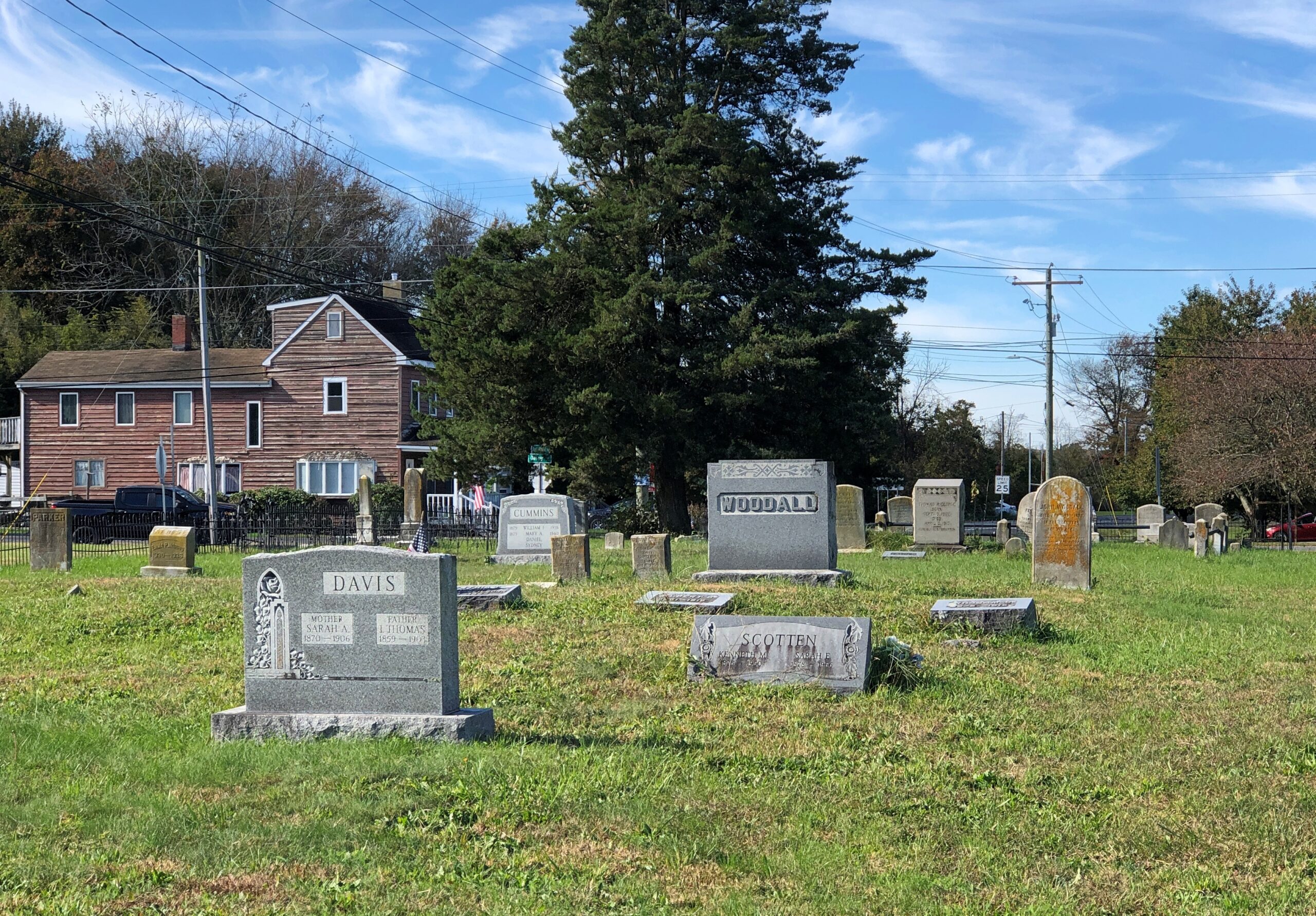
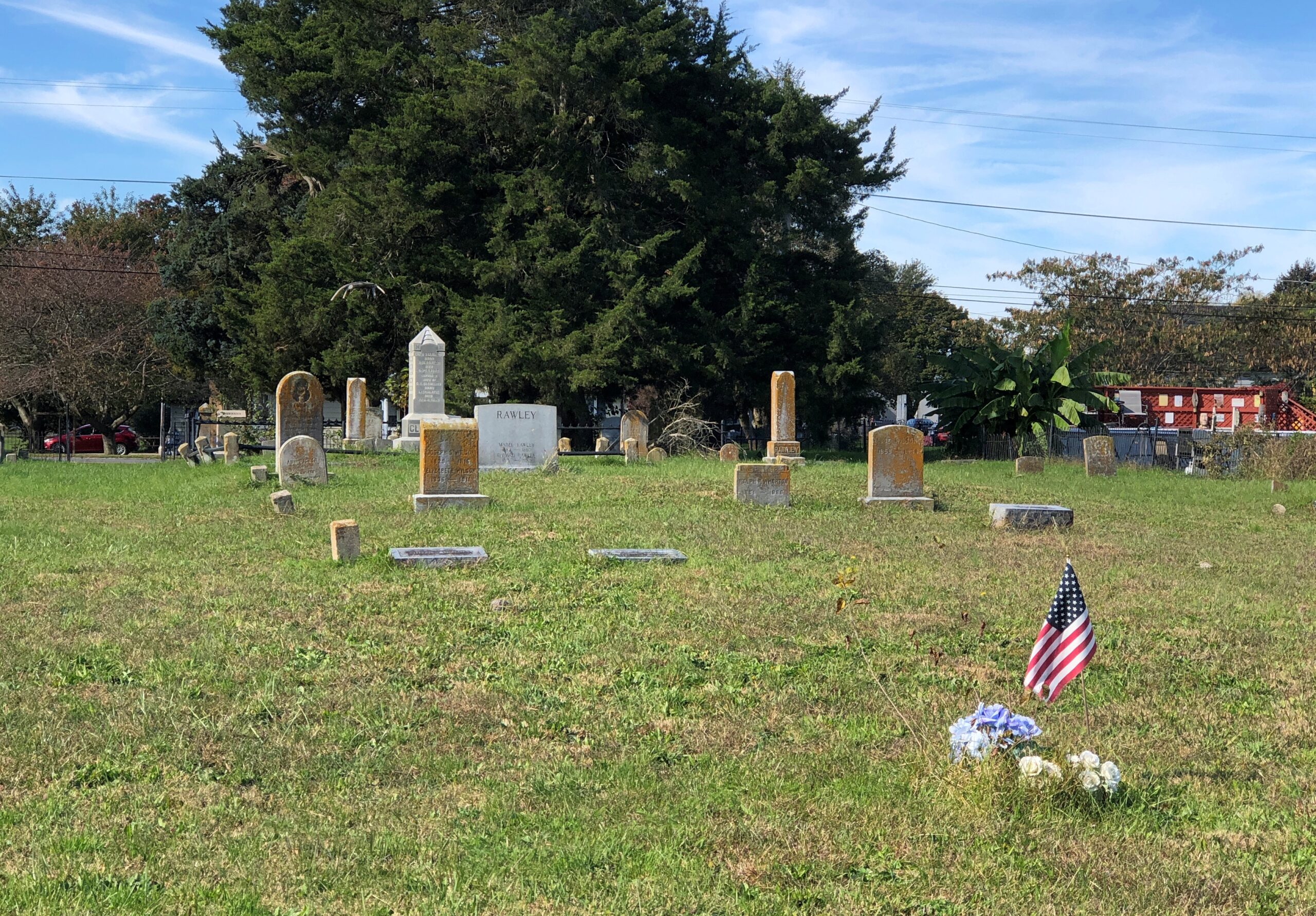
Leipsic Cemetery, perhaps. Whatever the name, it has clearly been a burial ground for a long time.
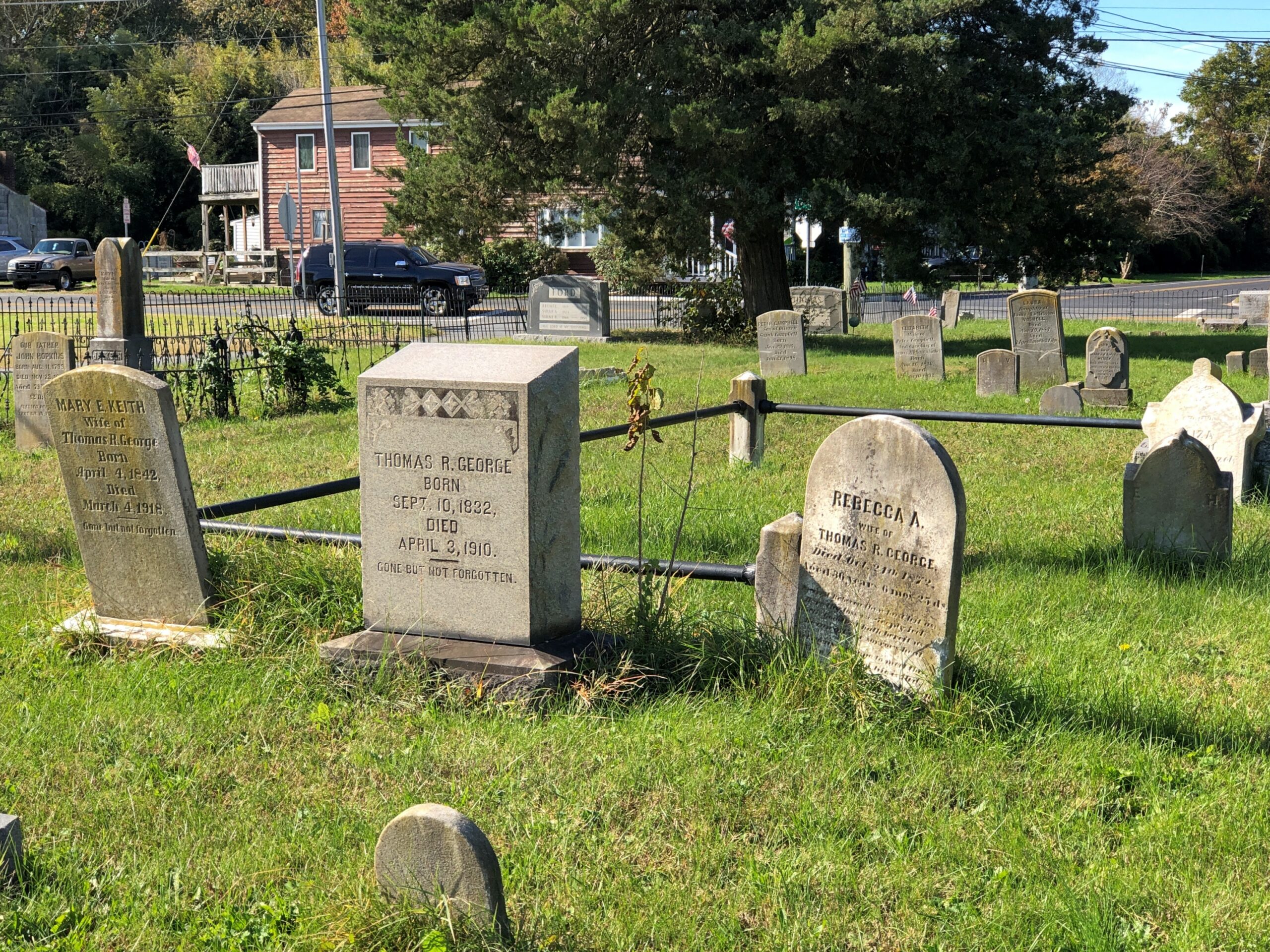
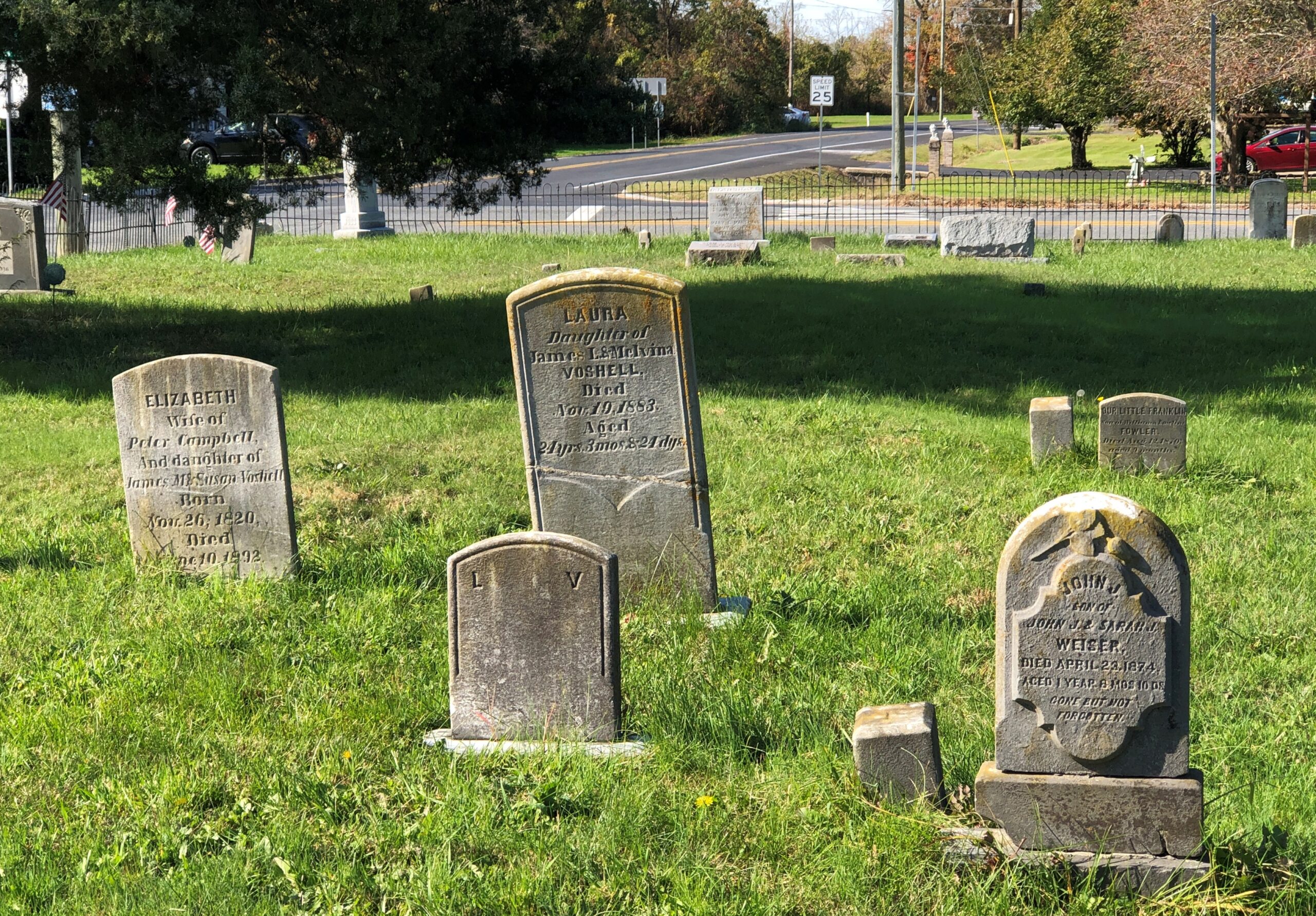
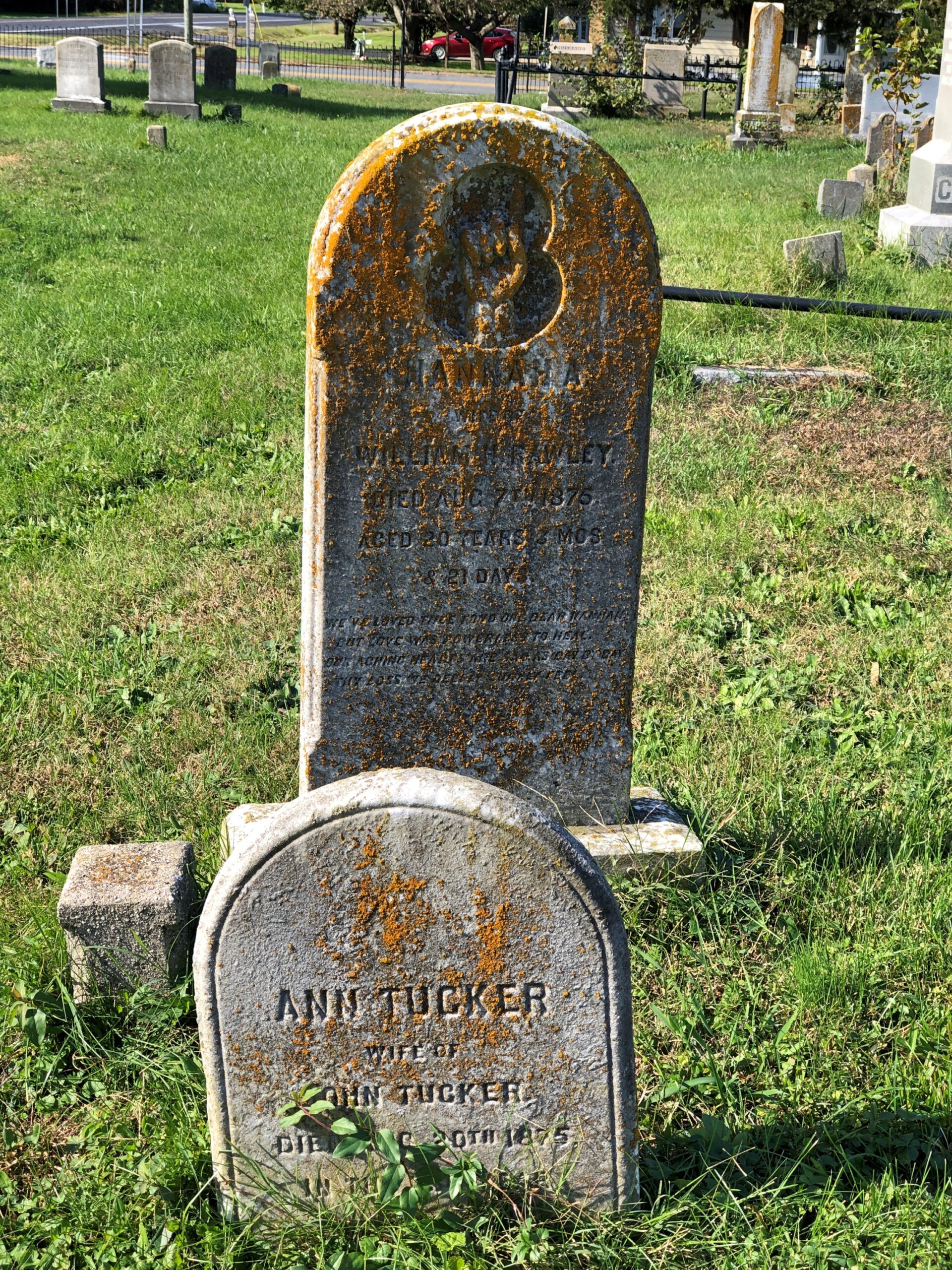
With the sort of heartbreakers you find in cemeteries of this vintage.
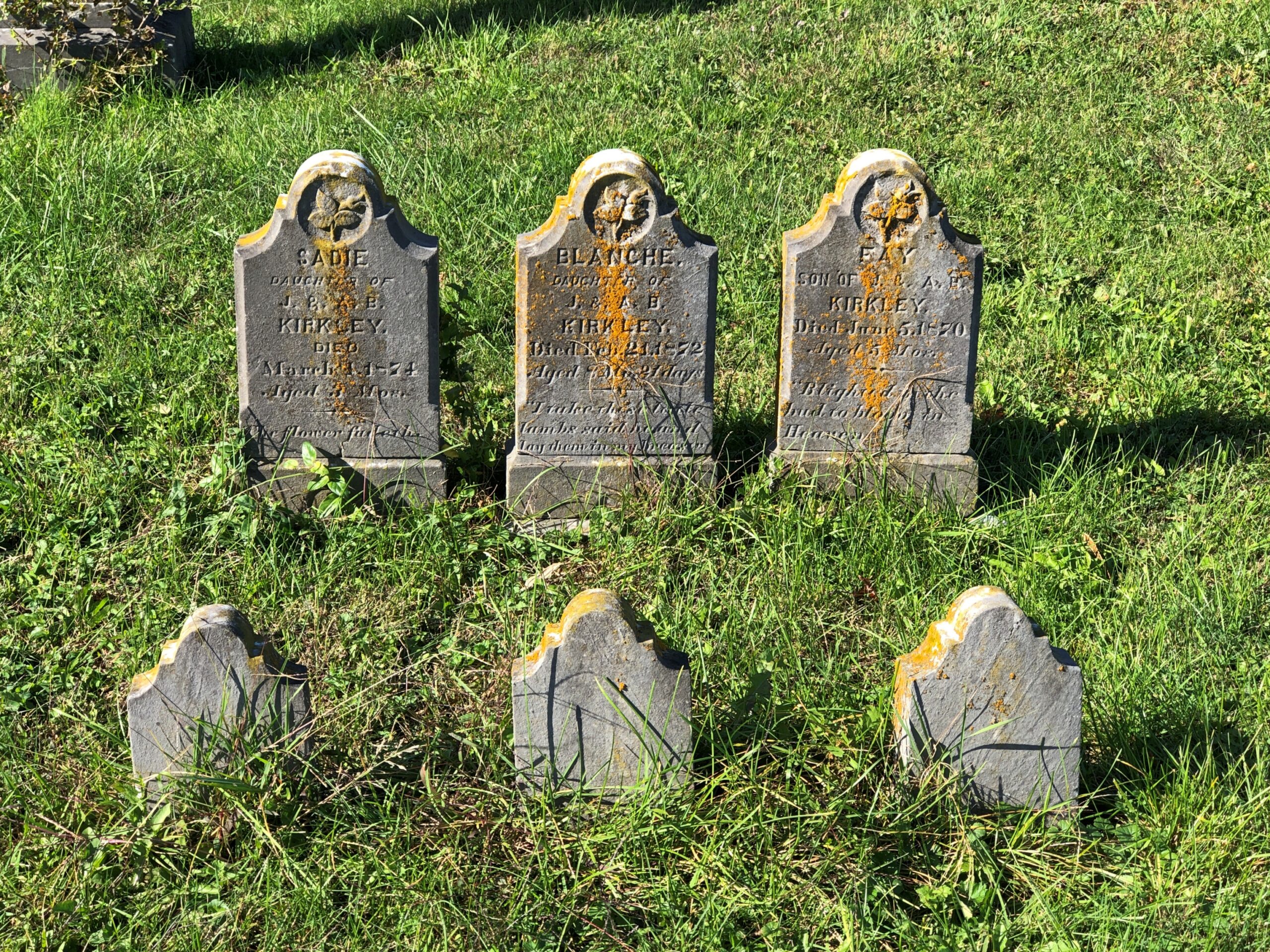
Three children, same family, buried in the same decade in the 19th century.
The road passes mostly through farmland, though woods and the western edge of Bombay Hook National Wildlife Refuge also mark its course. Delaware’s main crops are corn and soybeans, and I’m pretty sure I was in time to see the soybean leaves changing their color. Quite a sight.
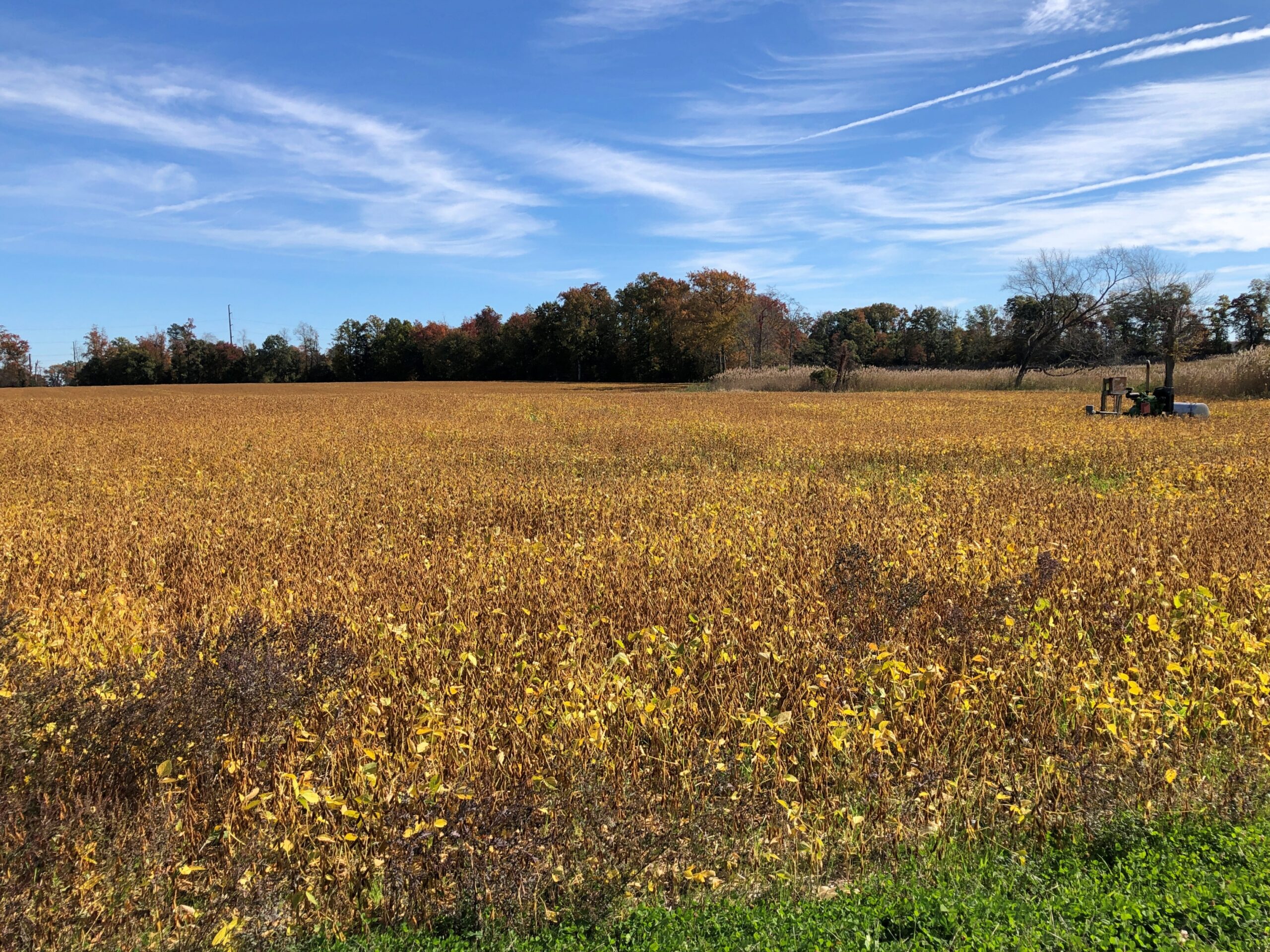
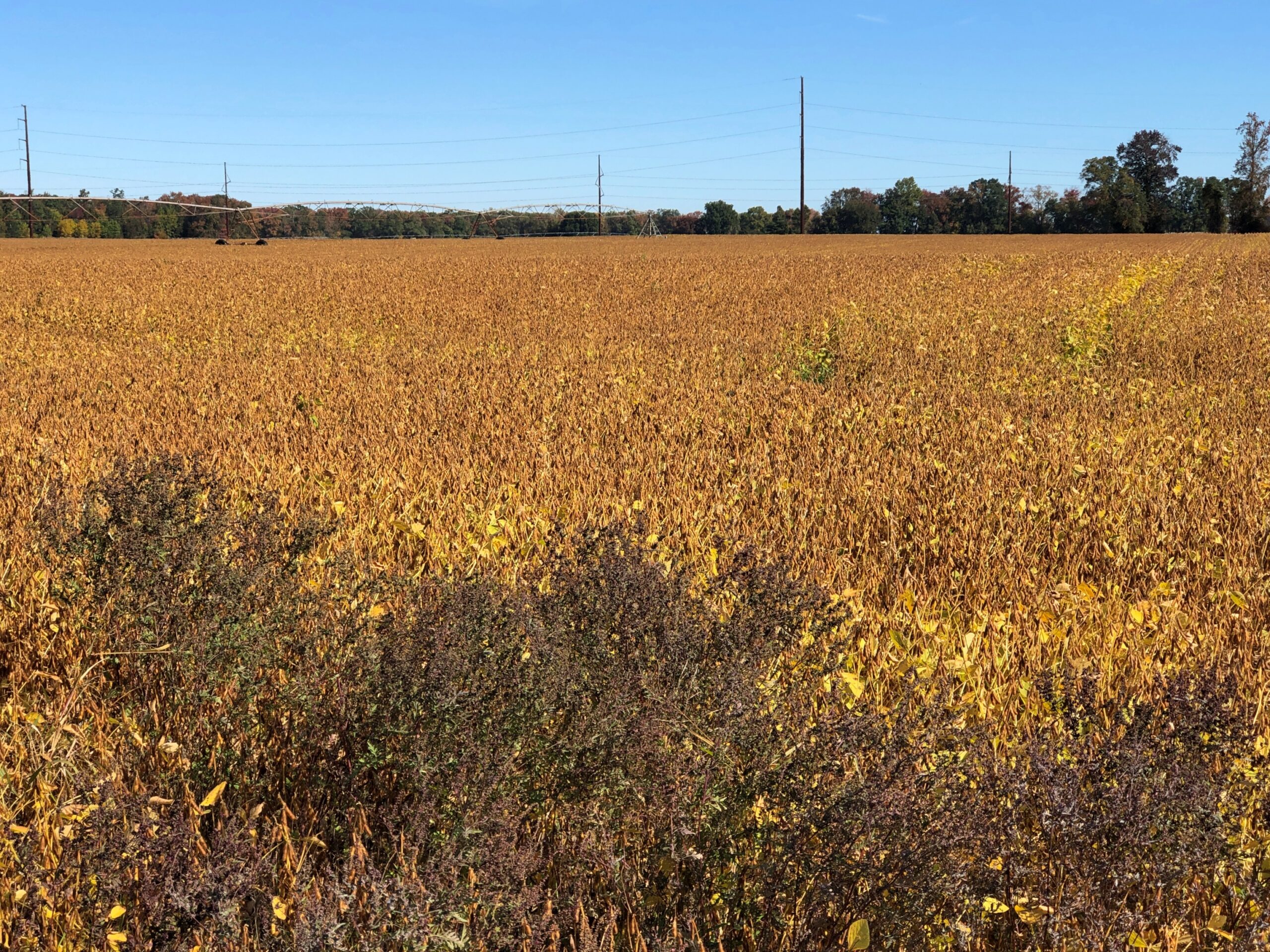
You’d think I’d have seen that in Illinois or Indiana or any of the other states chock-a-block with soybeans, but I wasn’t sure I had. Driving on a two-lane road, you’re practically driving through the color, as opposed to the distance of a four-lane highway.
Corn and soy may be the main plant crops in Delaware, but the main livestock is chickens. Some 276,700,000 head of chickens were raised in Delaware in 2024, according to the USDA. That’s an impressive number, considering how small Delaware is: almost the same number as in much larger states such as Tennessee, Kentucky or Missouri. I’m not going to crunch the numbers (I have a life to live), but I’ll bet per square unit of territory, Delaware is the nation’s chicken champ.