How does the saying go? Wherever there is Don Quixote –
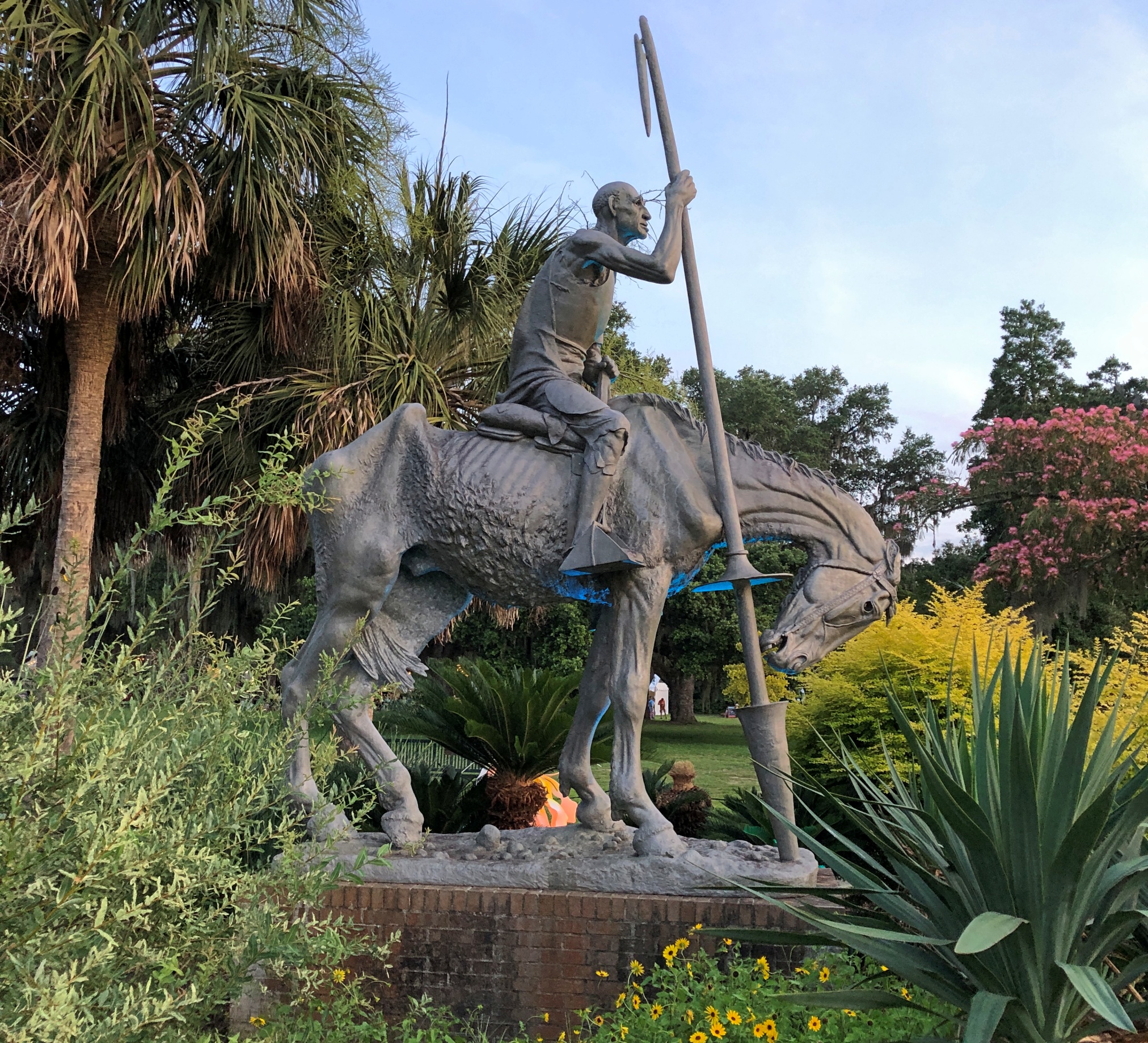
– there is Sancho Panza.
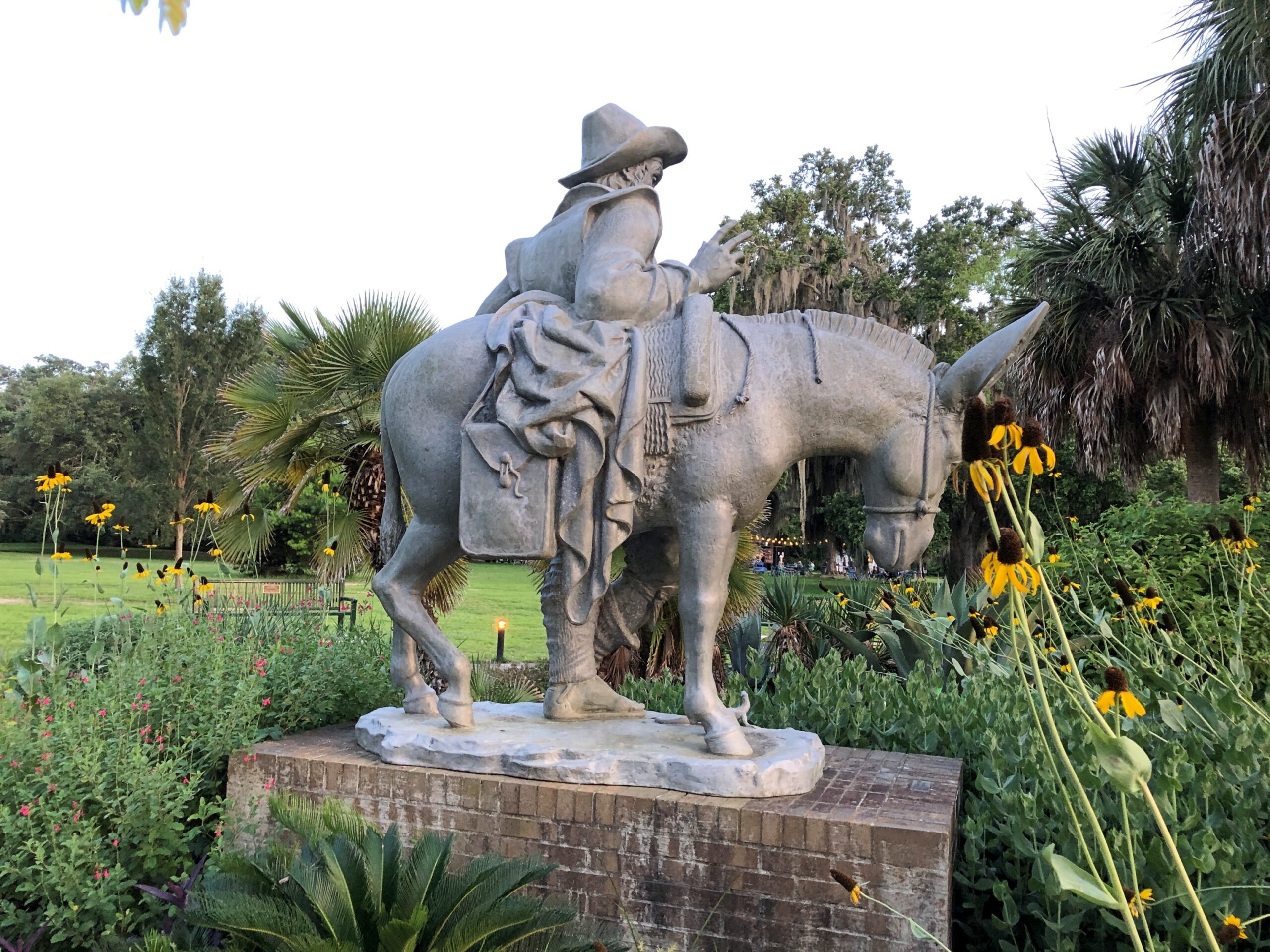
No one says that as far as I know. But you could. Anna Hyatt Huntington (d. 1973) created “Don Quixote” in 1947, and eventually Carl Paul Jennewein (d. 1978) did the companion “Sancho Panza” in 1971, apparently at Huntington’s request. You can find the famed literary pair in aluminum among many other artworks at Brookgreen Gardens in South Carolina – over 2,000 works by 430 artists, according to the garden. We arrived late in the afternoon of the 21st, dodging most of that day’s heat by timing it that way.
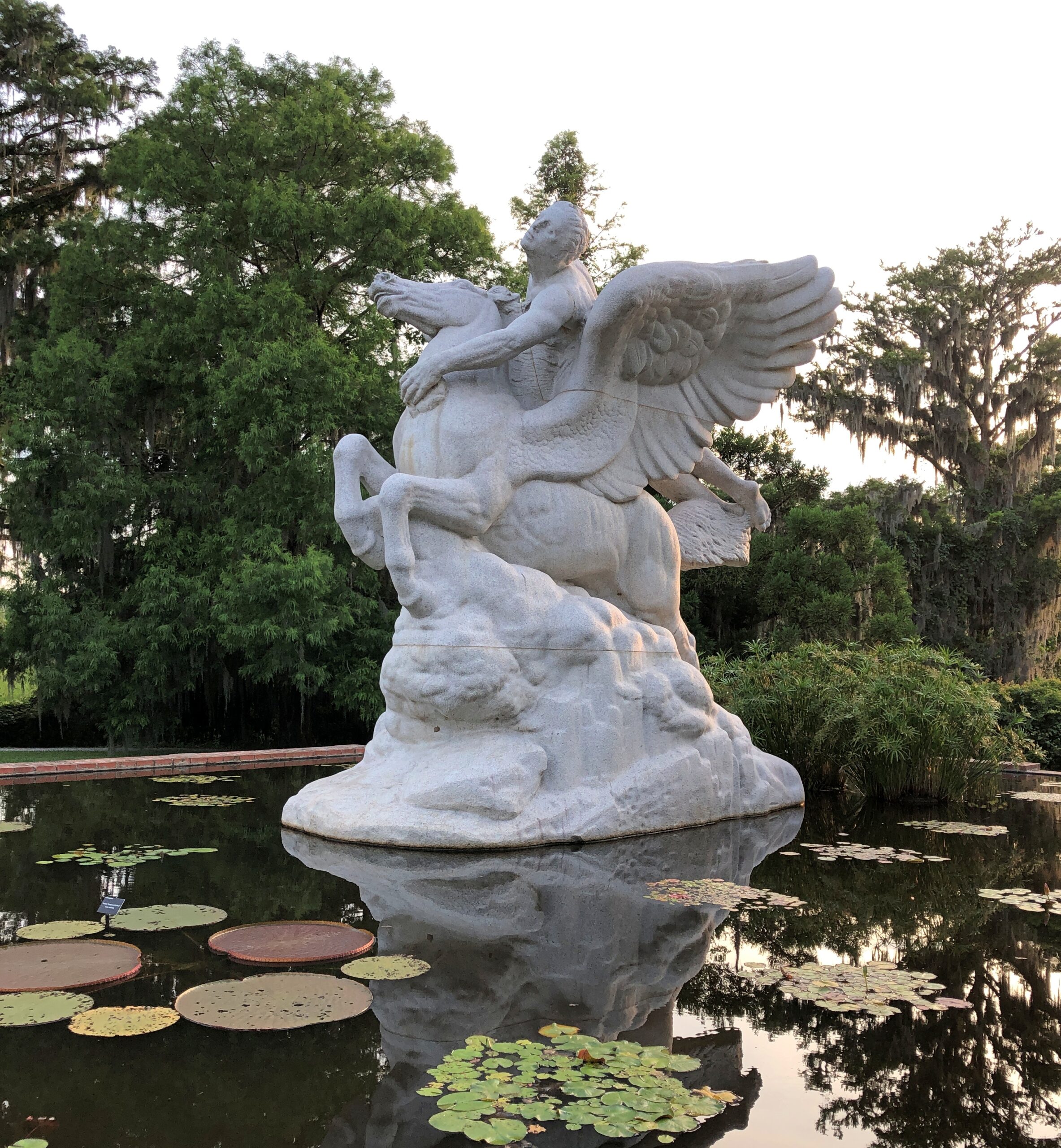
Some works are larger than the Cervantes characters.
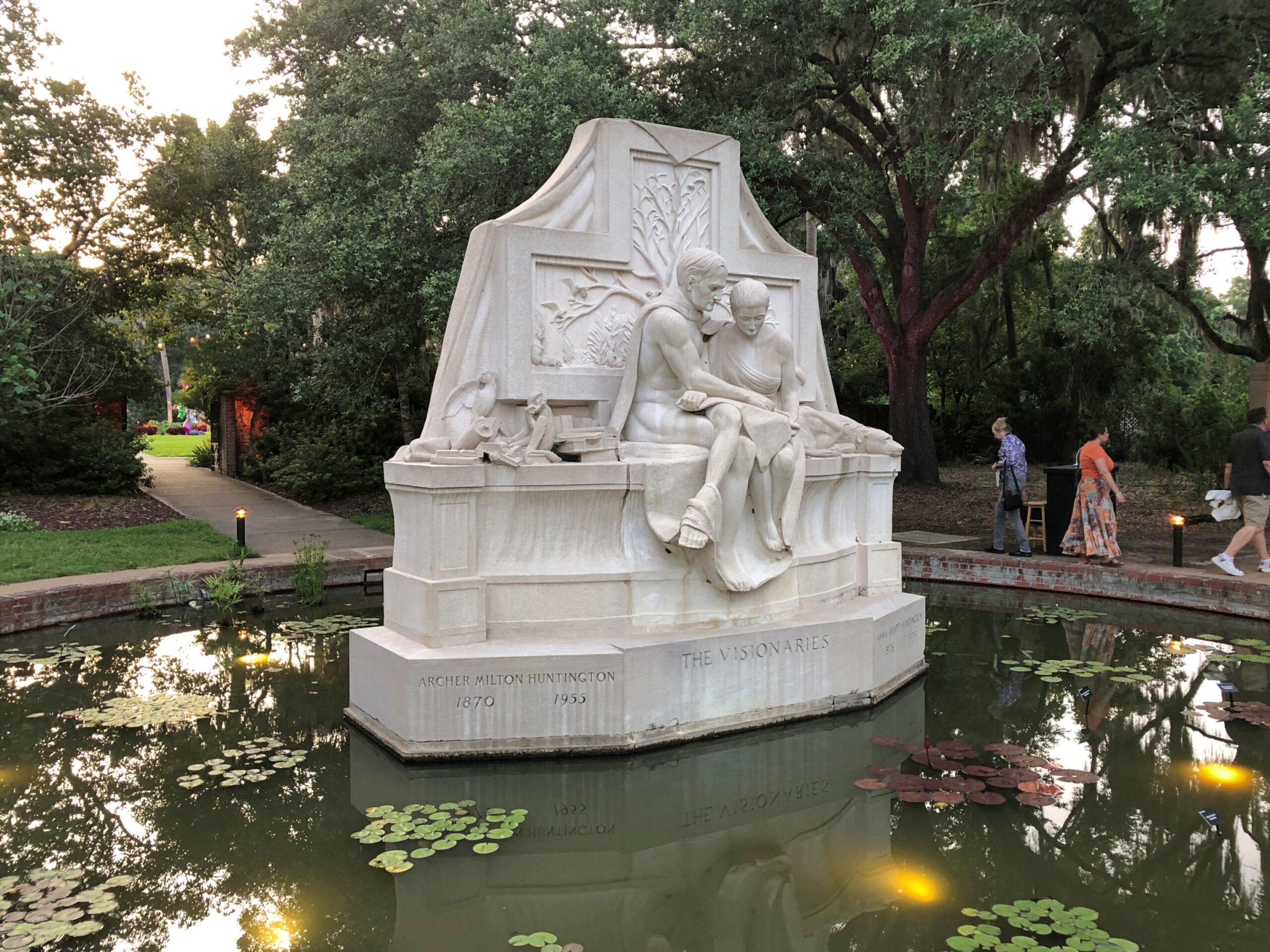
Archer Milton Huntington (d. 1955) isn’t entombed in that artwork, as much as it looks like it. He’s in a mausoleum in the Bronx befitting a very wealthy man, so this one just honors him. Along with his wife Anna, a successful artist in her own right, railroad heir and scholar Archer acquired the land and planned the gardens.
Others works aren’t as large, or as conventional.
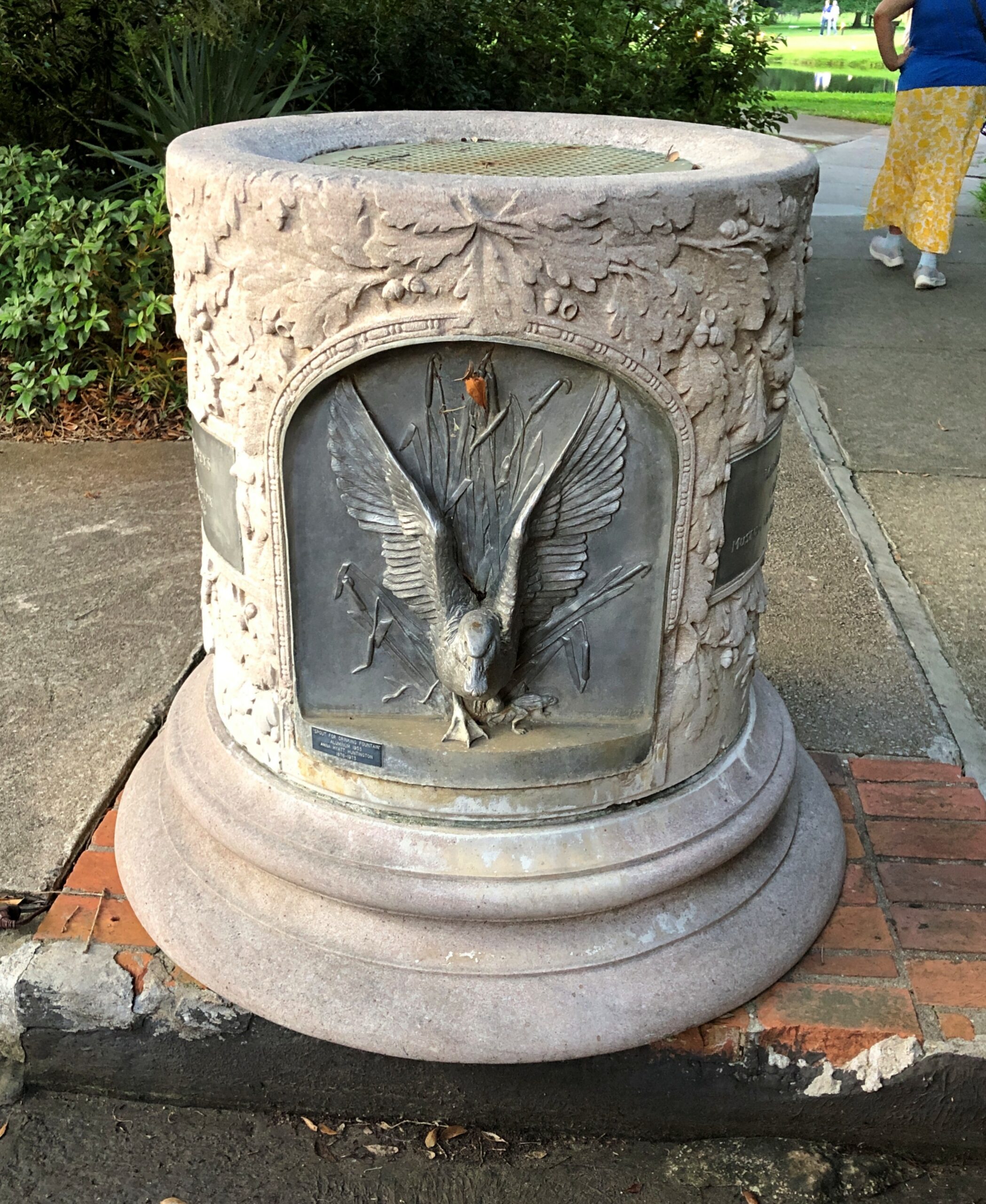
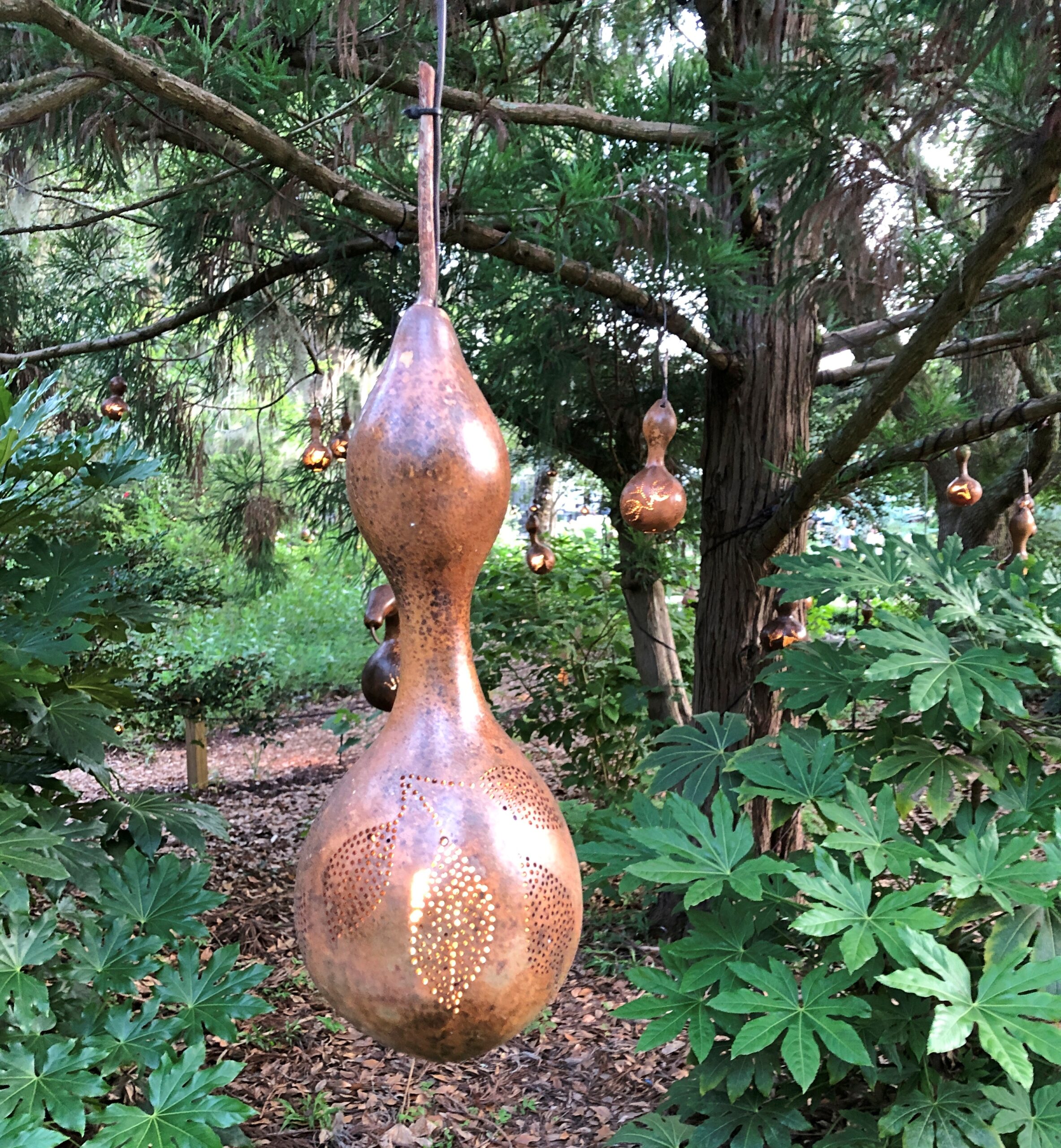
The sculpture garden, formally known as Archer & Anna Hyatt Huntington Sculpture Garden, is only part of Brookgreen Gardens. Spanning 9,100 acres, the grounds also count as a botanical garden, and there is a zoo and wilderness areas, all teased out of the swampland, rice fields, woods and beaches that marked the site before the 20th century. Some historic sites still exist on the land, especially relating to the rice plantations that used to be there.
“From its inception [in 1931], Brookgreen had a three-pronged purpose: first, to collect, exhibit, and preserve American figurative sculpture; second, to collect, exhibit, and preserve the plants of the Southeast; and third, to collect, exhibit, and preserve the animals of the Southeast,” the garden’s web site explains.
Paths wind through the lush landscapes.
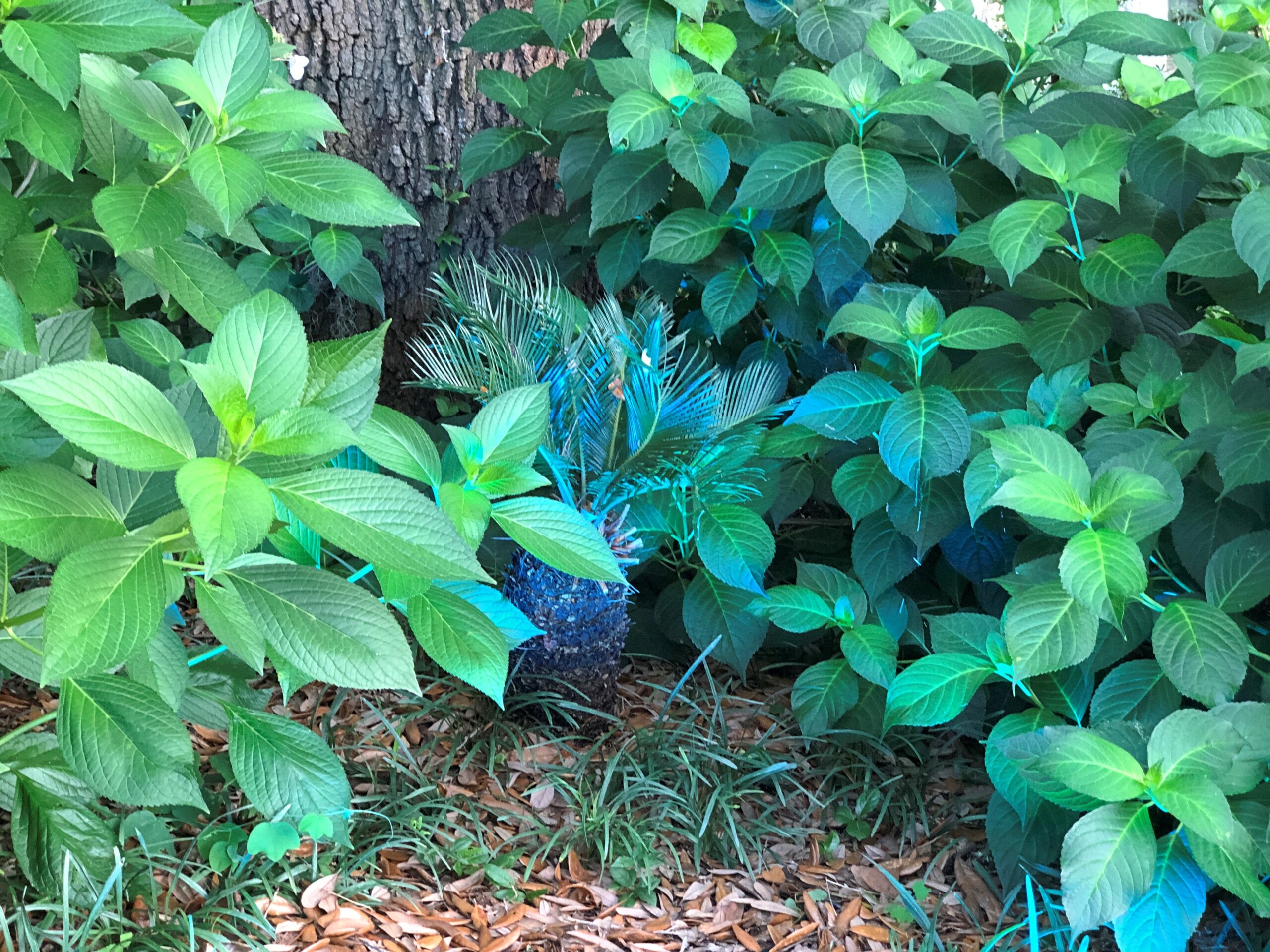
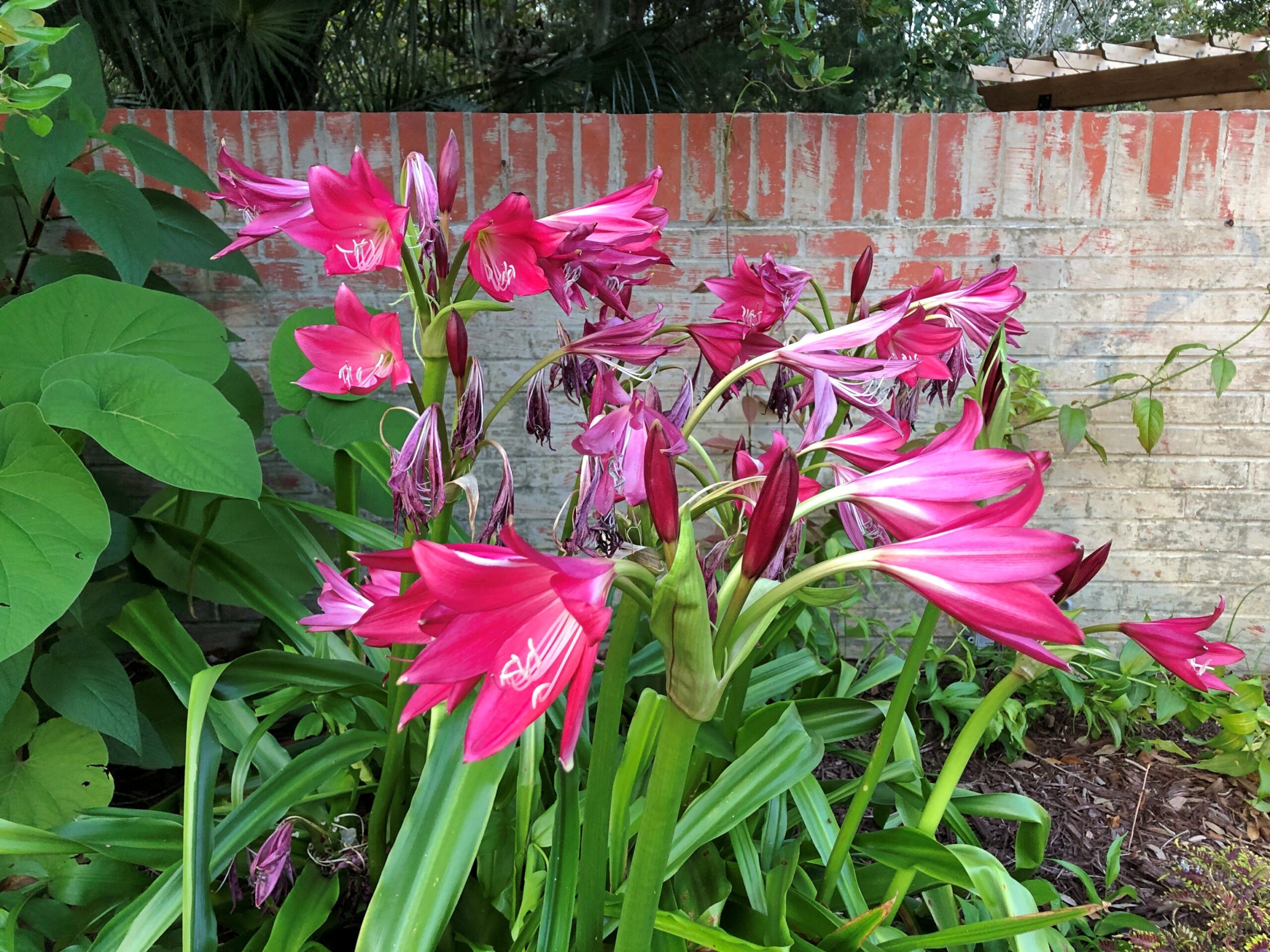
And under towering oaks bearded with Spanish moss.
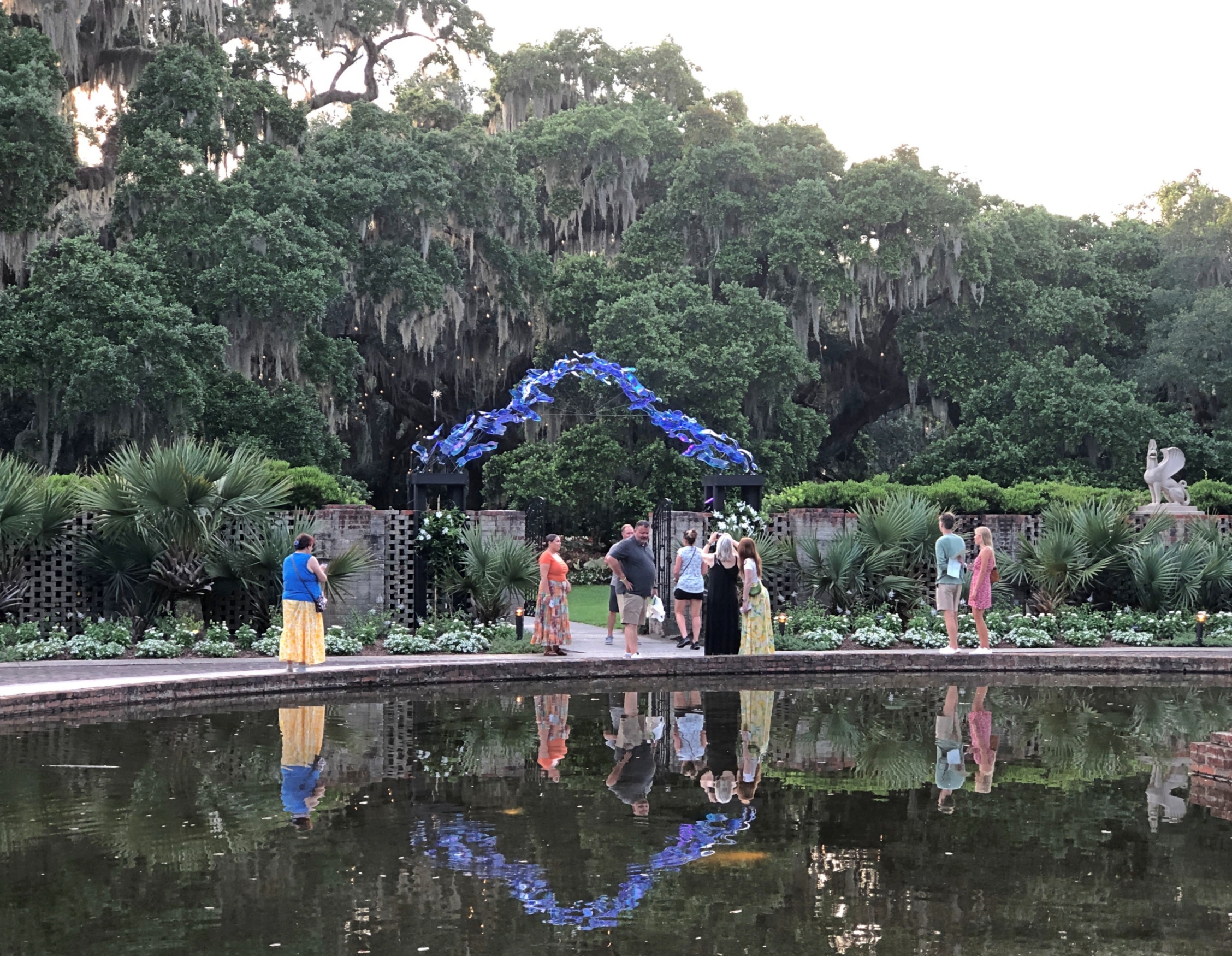
And along fine water features.
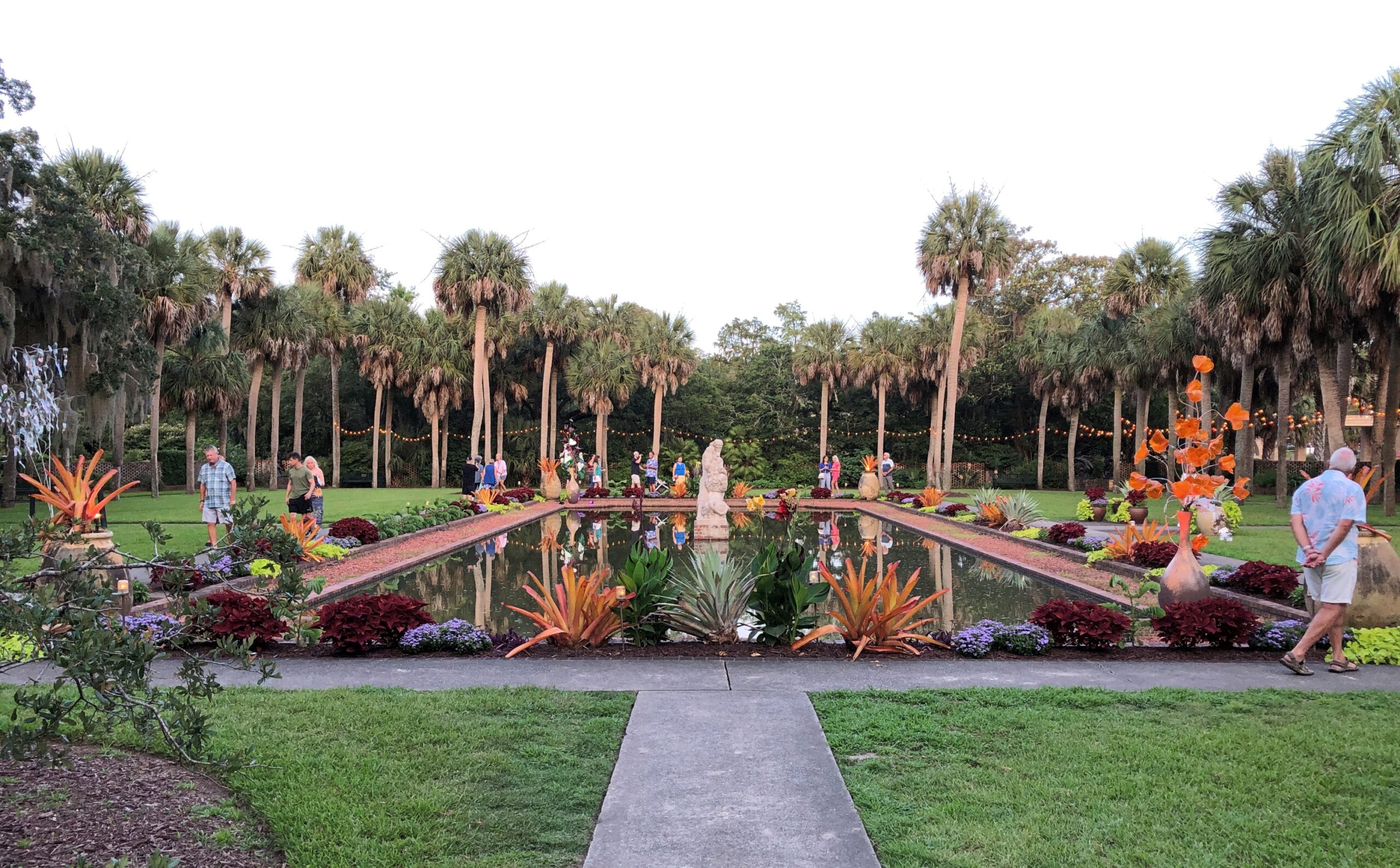
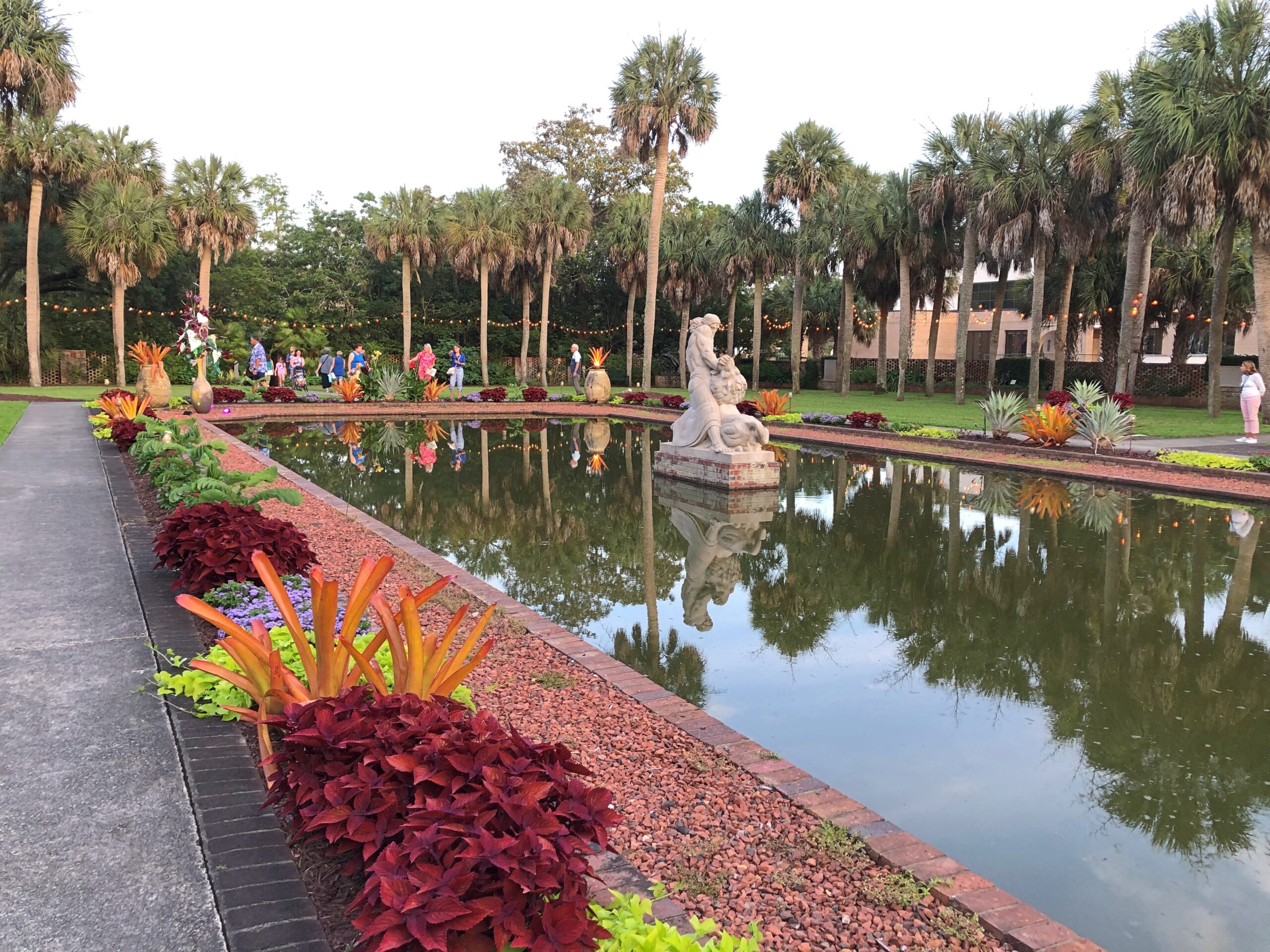
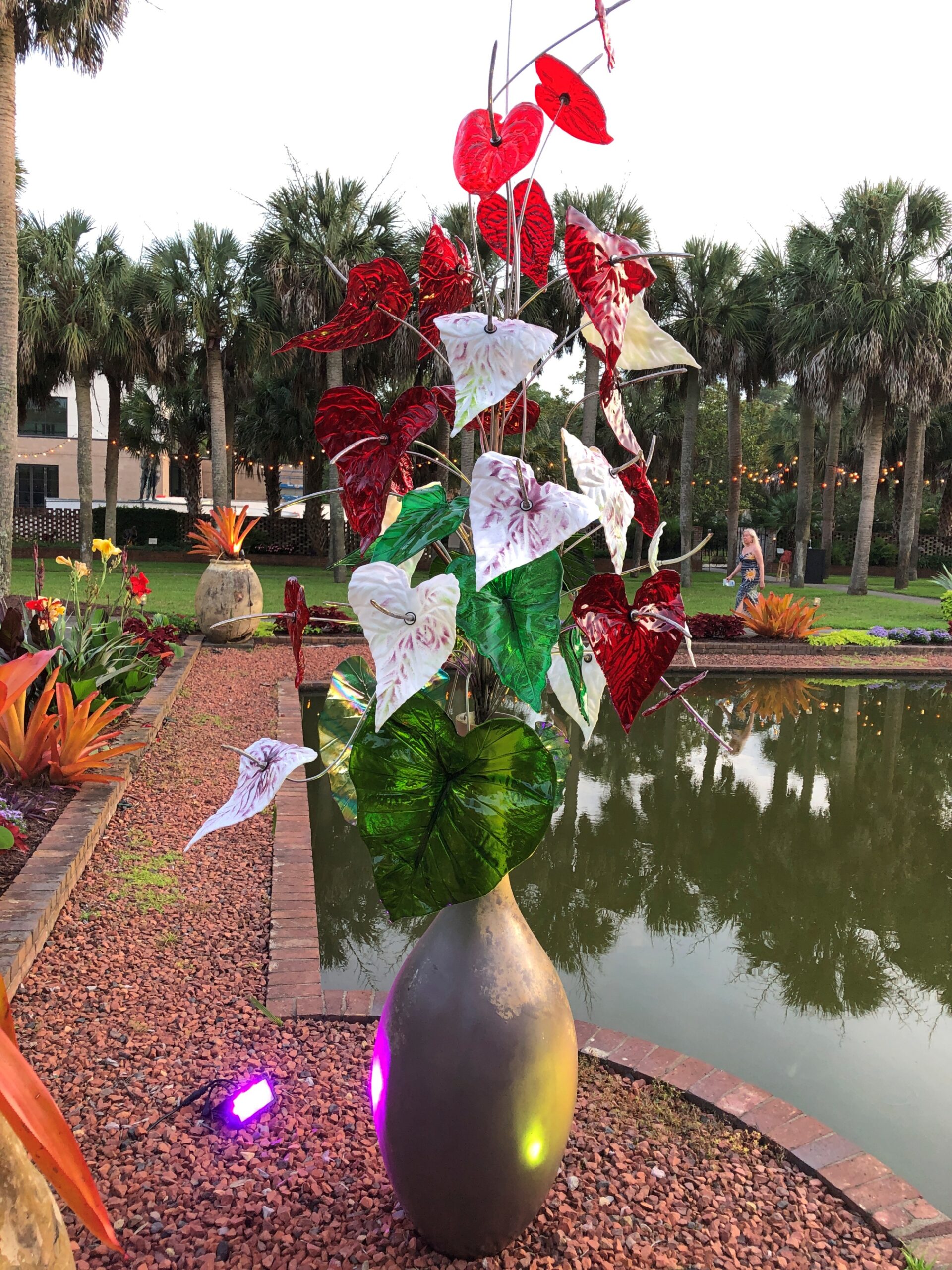
As sculpture gardens go, the place is top drawer.