First things first: William Henry Harrison.
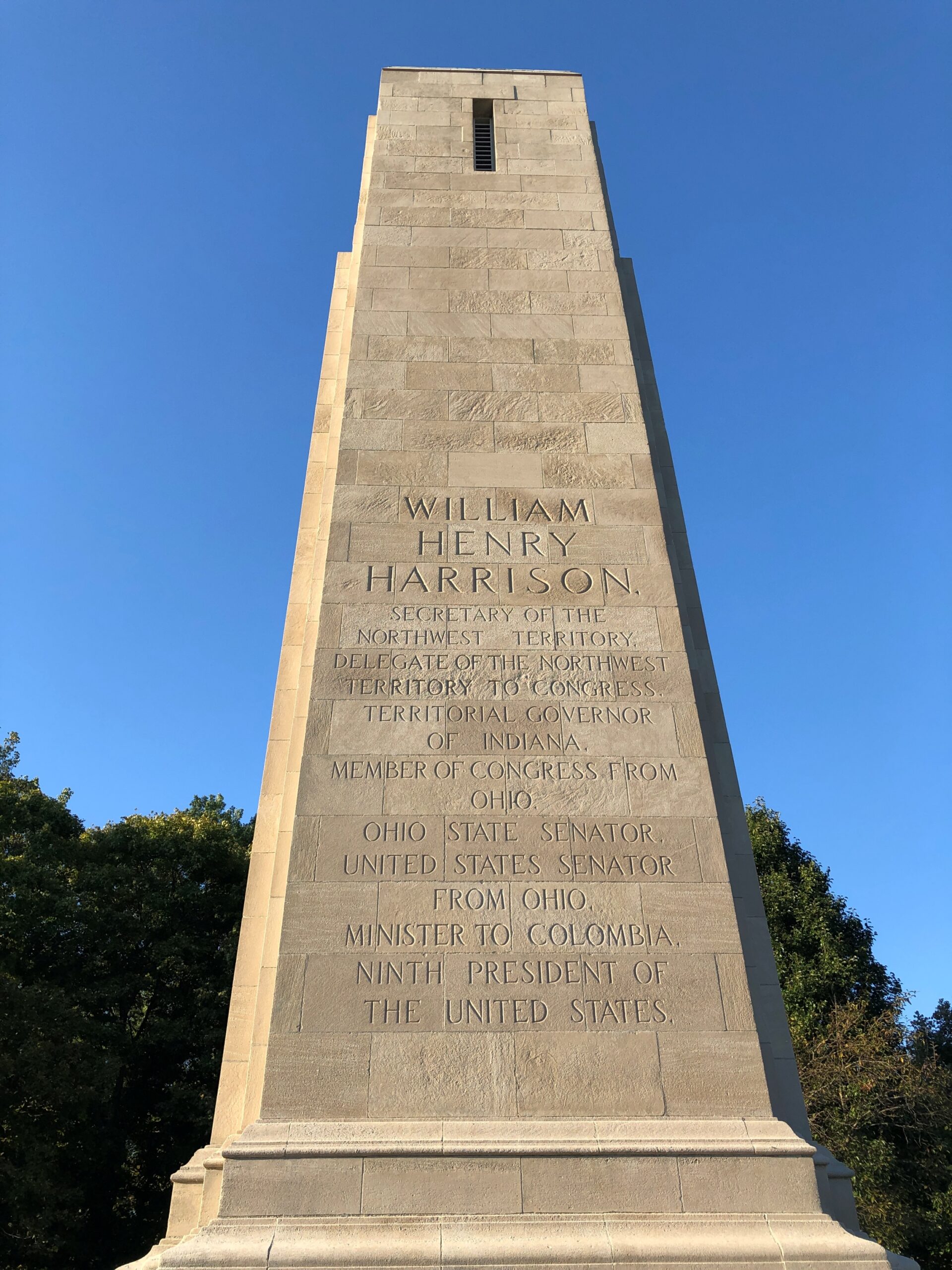
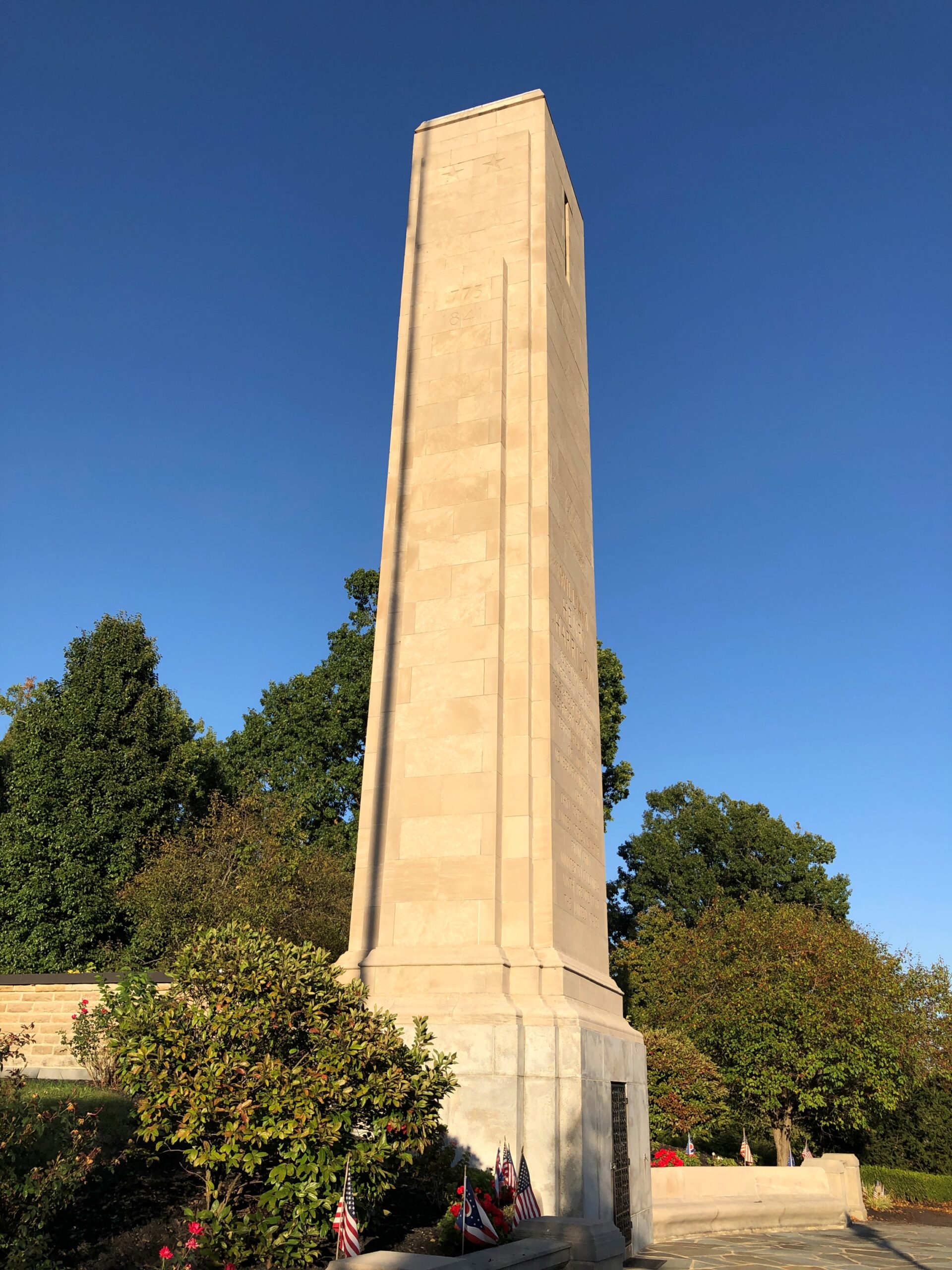
The chief executive of the United States for only a month, and much of that sick in bed, lies in a sizable tomb in North Bend, Ohio, in Hamilton County near the Ohio River and almost as far south and west as you can go in the state. If you happen to be passing from Indianapolis to Cincinnati to Lexington, Kentucky, a very short diversion will take you to the wooded hill on which Harrison reposes.
A nearby historic cemetery looked interesting, but the light was fading and I headed on to Lexington. The next morning, before heading for Tennessee, I dropped by to see her in Lexington.
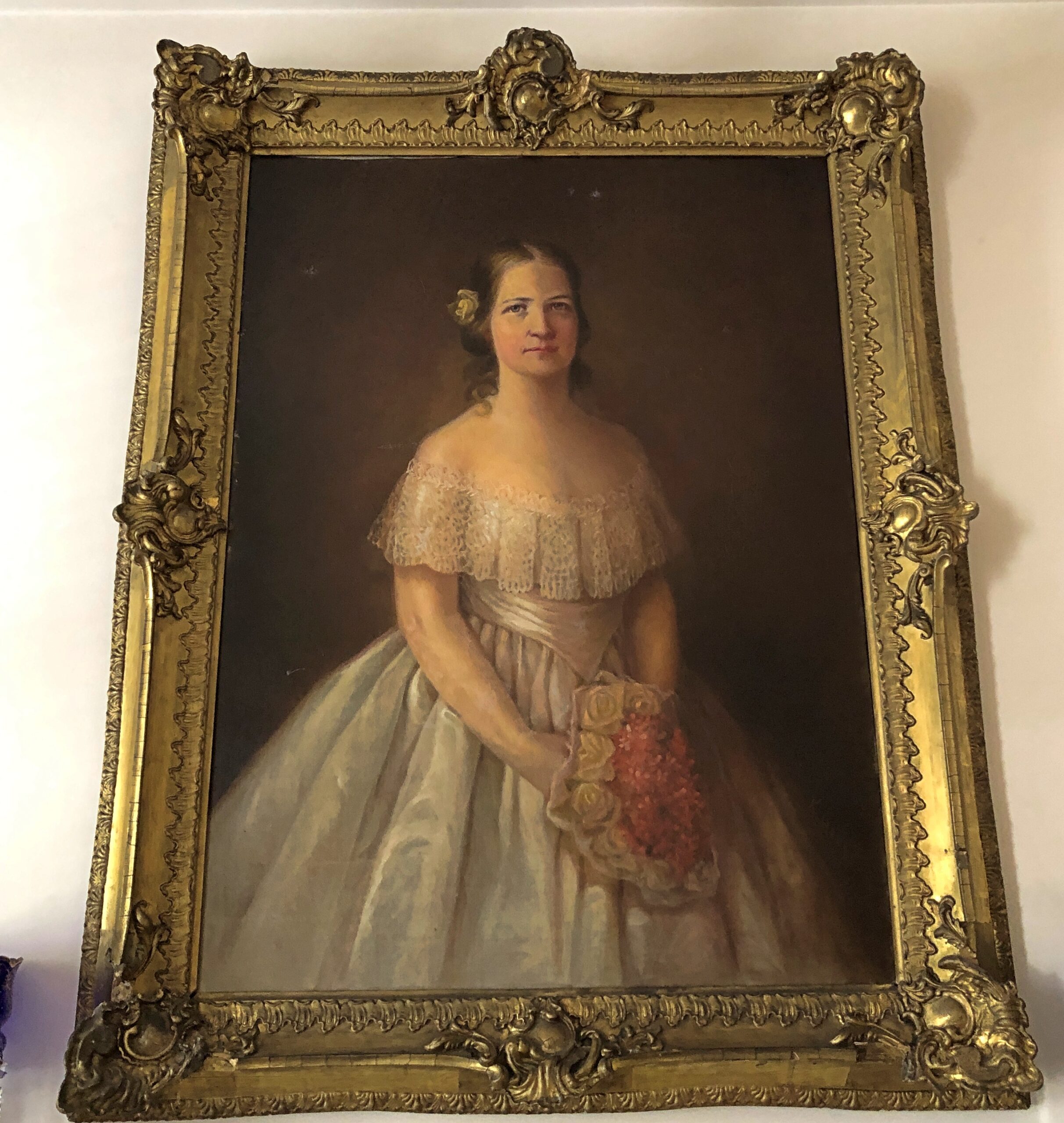
That is one of the portraits of Mary Todd Lincoln on display at the Mary Todd Lincoln House on Main Street. A teenaged Mary lived there, though that was before teenagers were invented by 20th-century sociologists and ad men, so she was merely a young woman approaching marriageable age.
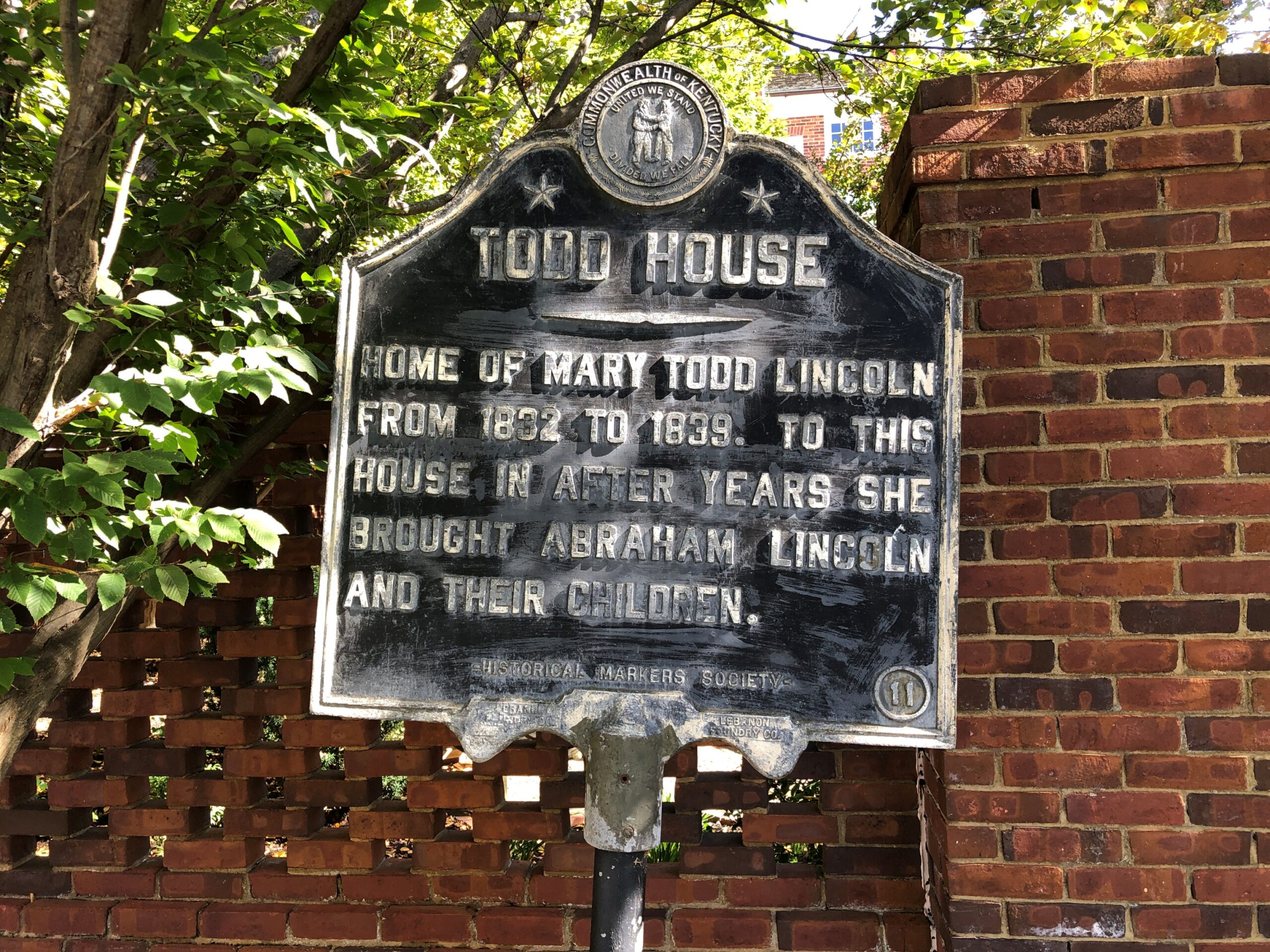
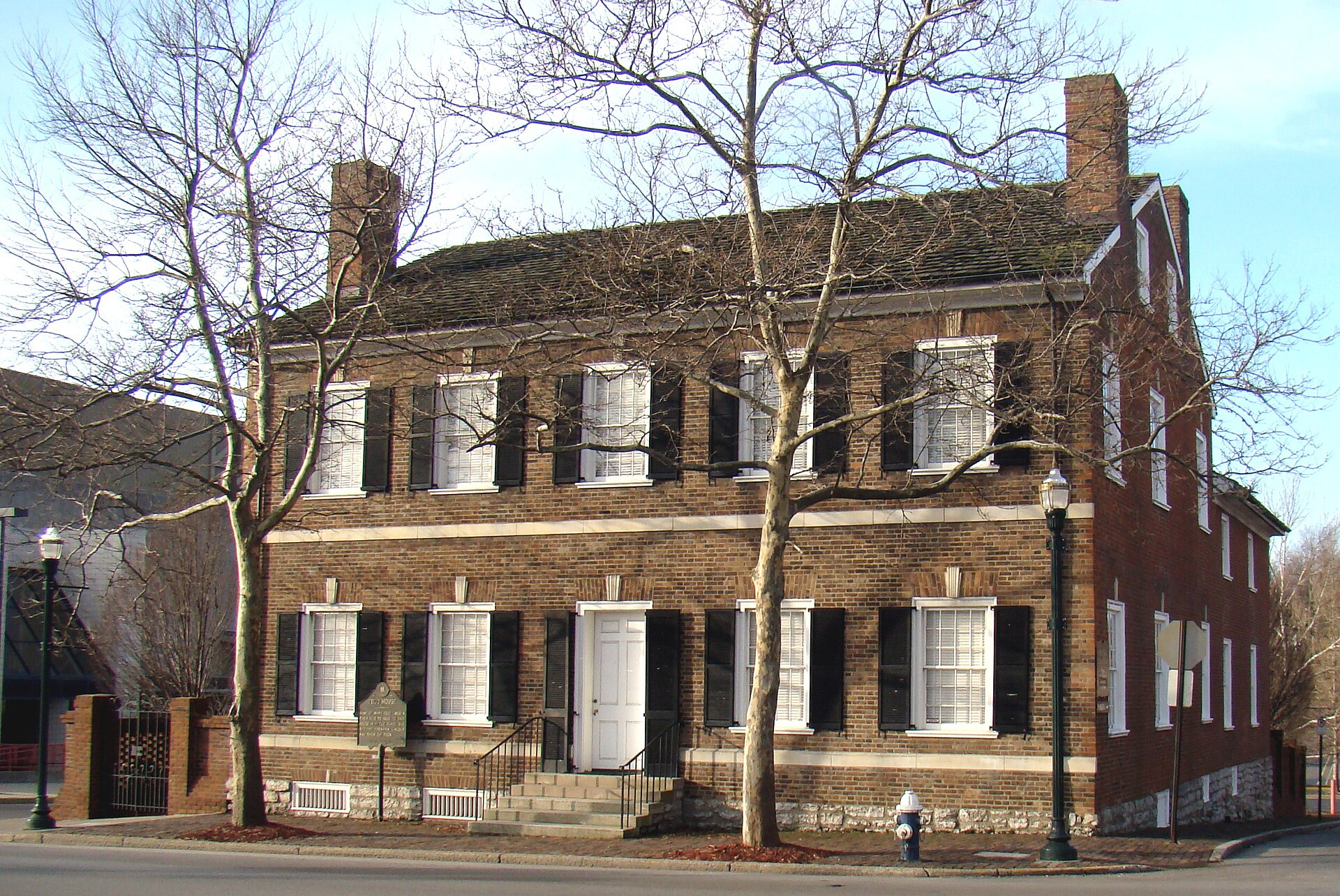
The front of the house, an image by FloNight (Sydney Poore) and Russell Poore, my use allowed under a Creative Commons license.

It is a well-appointed mansion, as it must have been in Mary’s day, though many of the artifacts are period, rather than Todd.
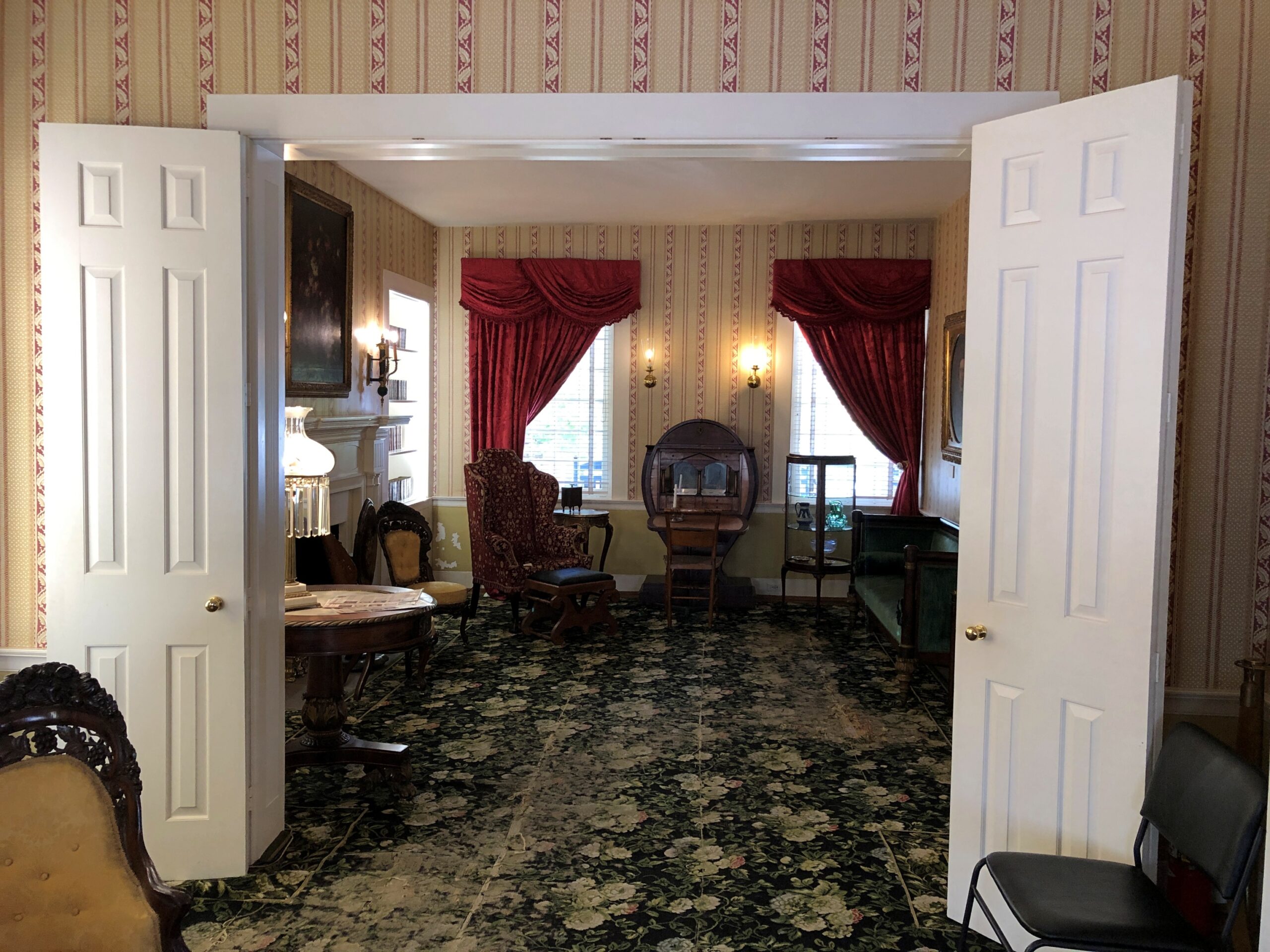
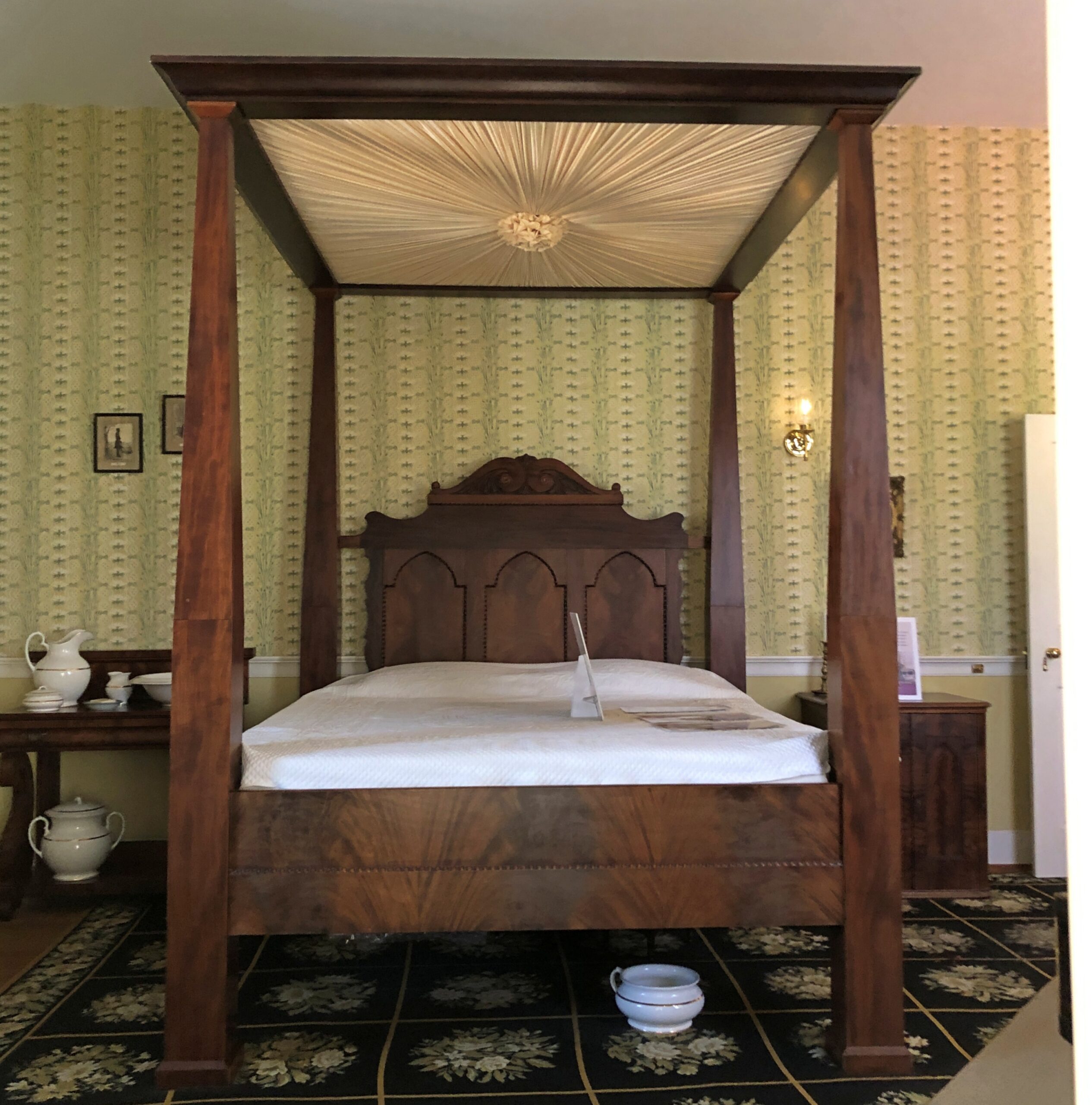
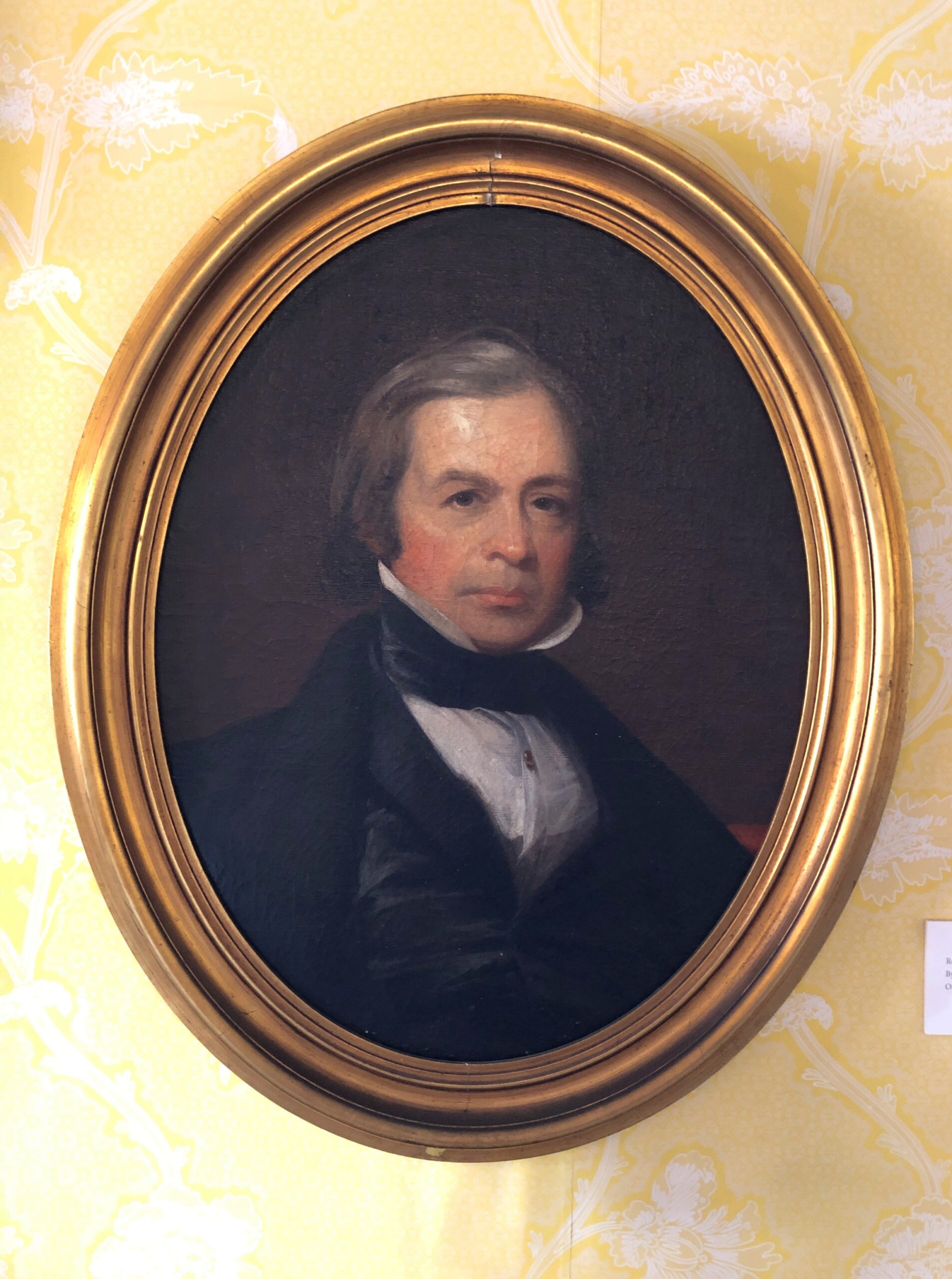
Other portraits hang on the walls, such as Robert Smith Todd (d. 1849): veteran of 1812, merchant, politico, prosperous Kentuckian in the early years of the commonwealth, and Mary’s father.
Strictly speaking, the 14-room residence was the Robert Smith Todd House. Then again, but for Mary Todd’s choice of life partner, the Todds would be as obscure as almost any other wealthy family of the early 19th century, and their house probably long gone. It was nearly torn down anyway in the 20th century. (And it seems it was a whorehouse for a spell in the late 19th century.)
A portrait of a young man in gray is a reminder of the well-known fact that Mary Todd Lincoln was at odds, politically, with much of her family.
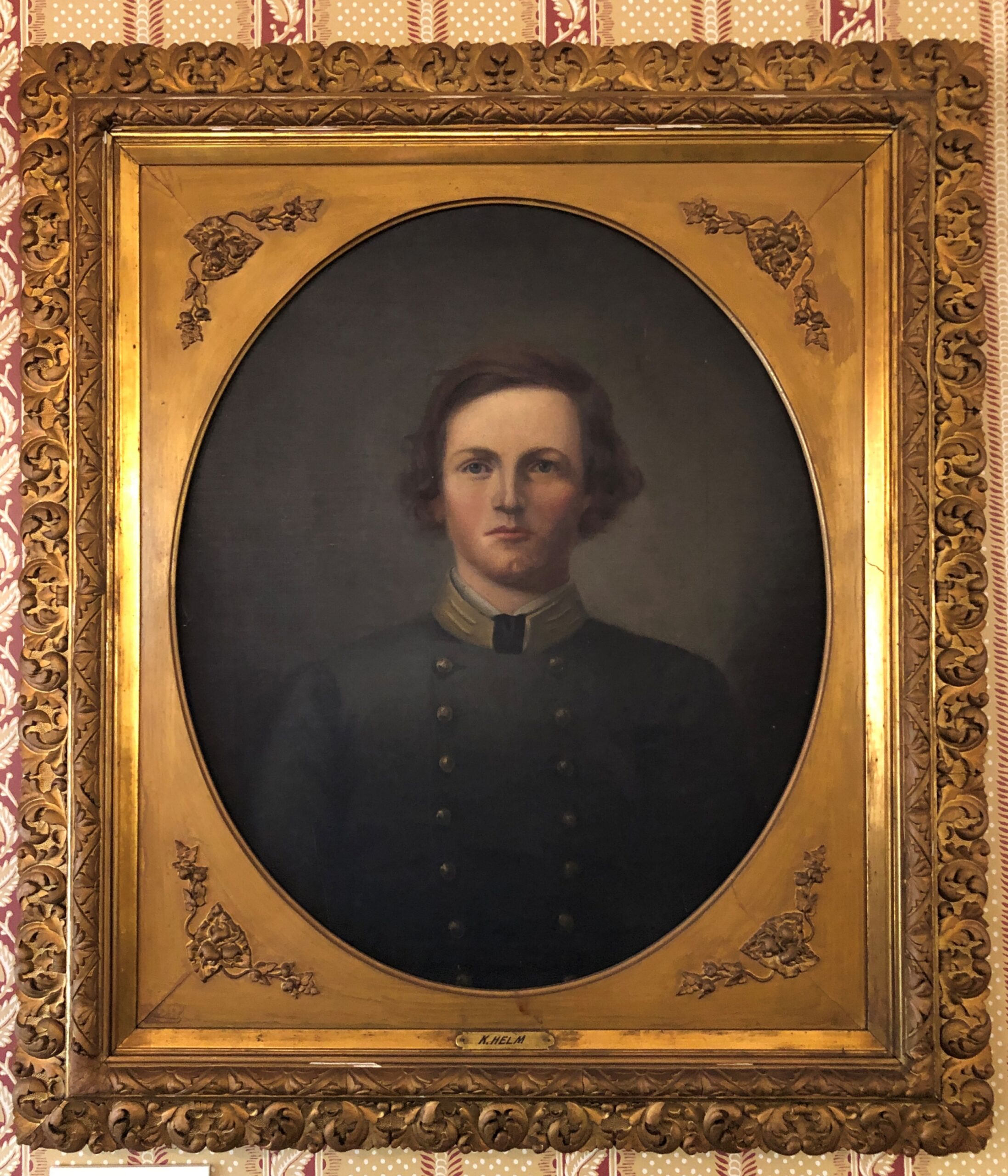
Alexander Humphreys Todd, whose portrait – like his half-sister Mary Todd’s – was painted years later by a relative, based on a photograph. He died serving the Confederacy at the Battle of Baton Rouge in 1862.
These days, Alexander and a good many other Todds can be found a short drive down Main Street at the Lexington Cemetery, which was founded in 1848. Though not Mary, of course, who is in Oak Ridge Cemetery in Springfield, Illinois.
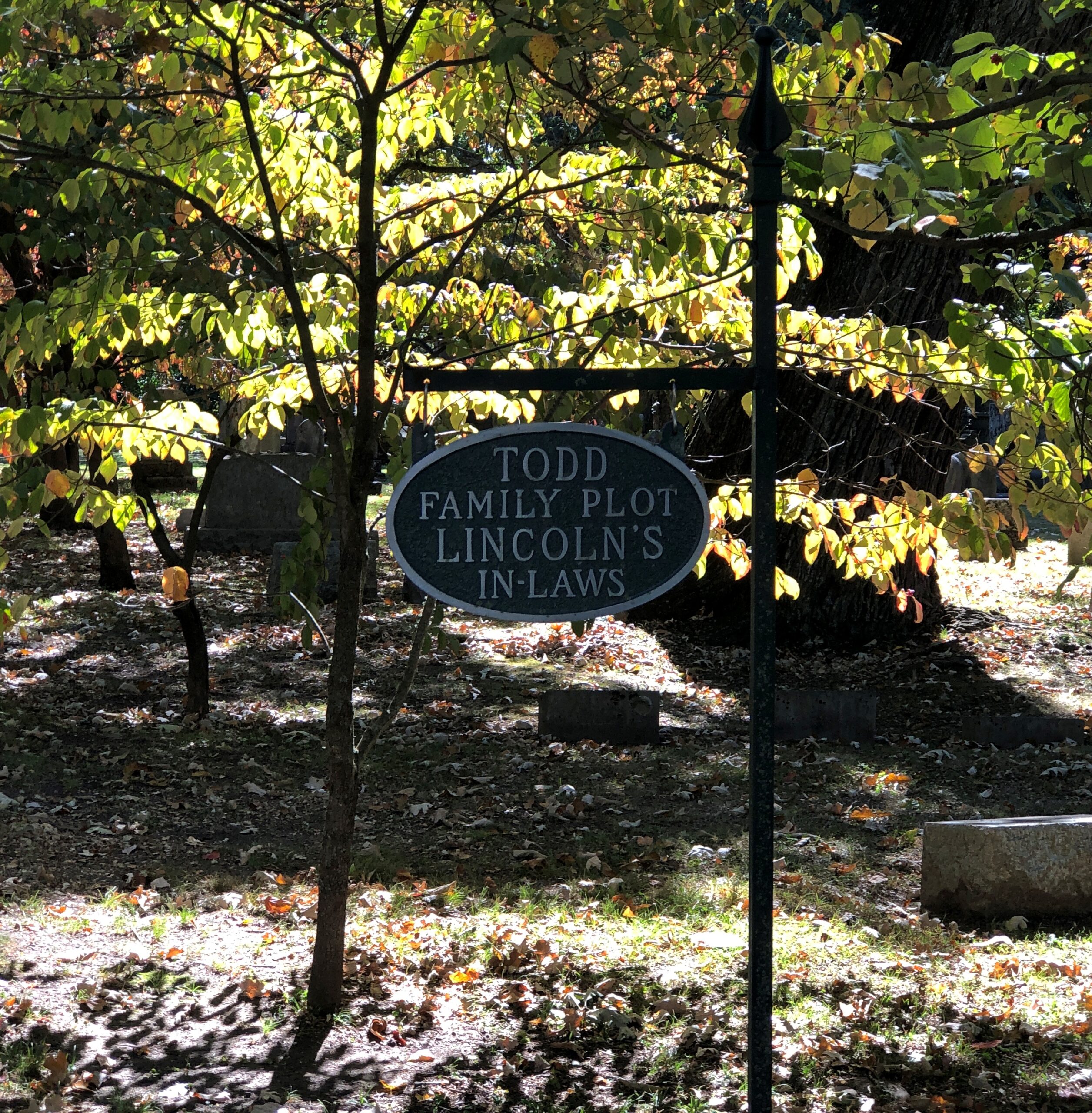
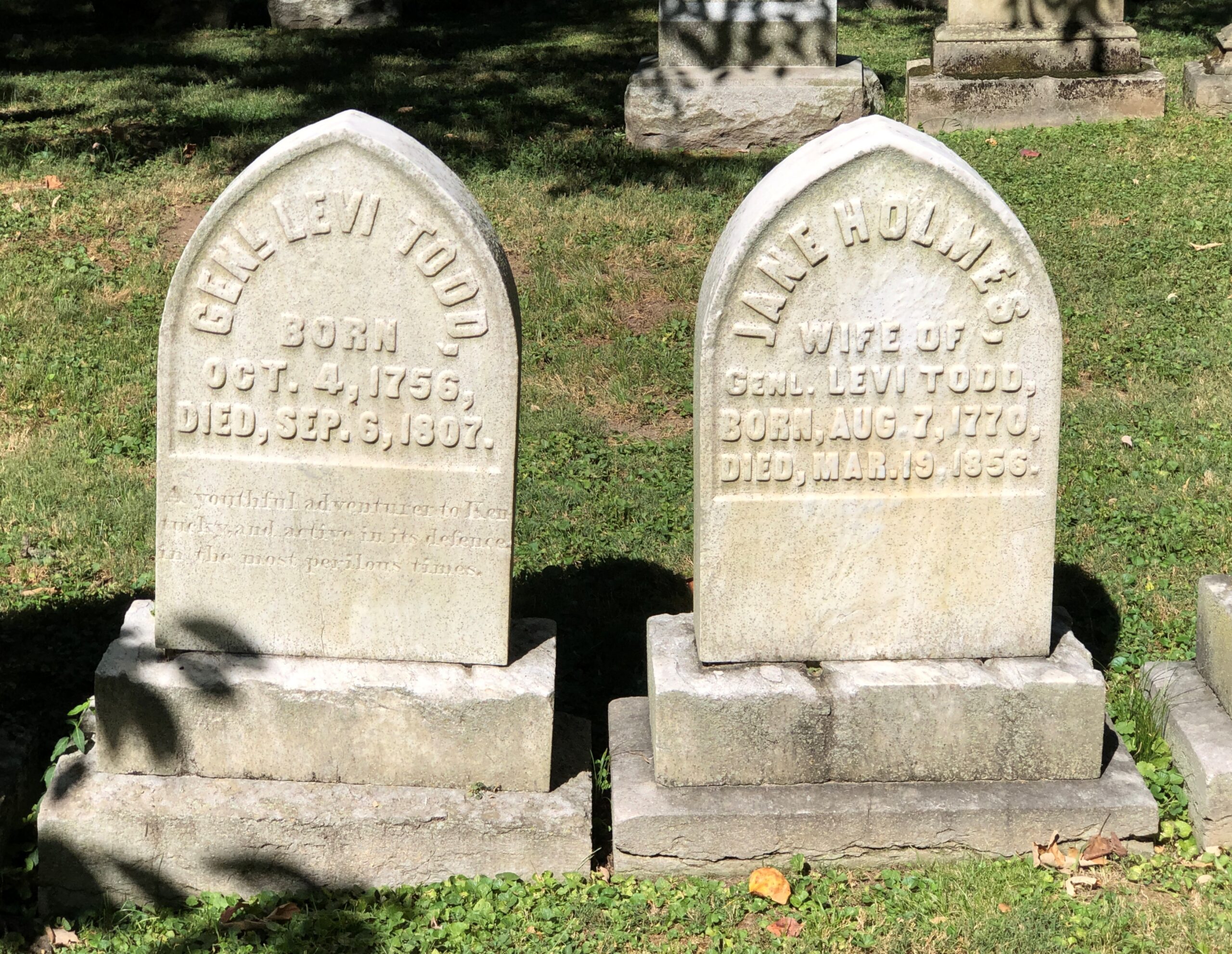
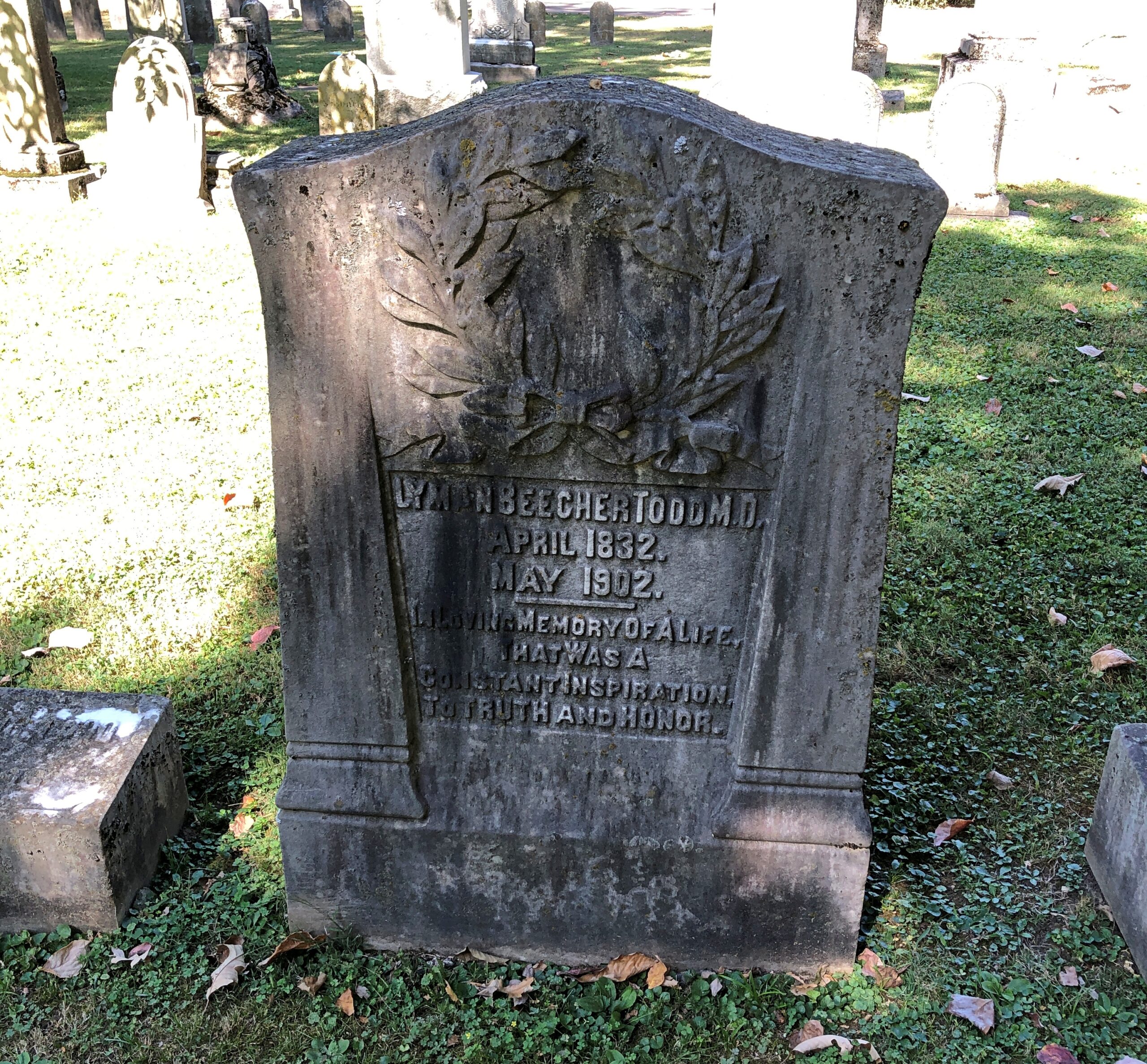
The various Todds lie with roughly 64,000 permanent residents, whose memories are marked with a nice variety of stones but not too many large edifices (with a few exceptions, more about which shortly).
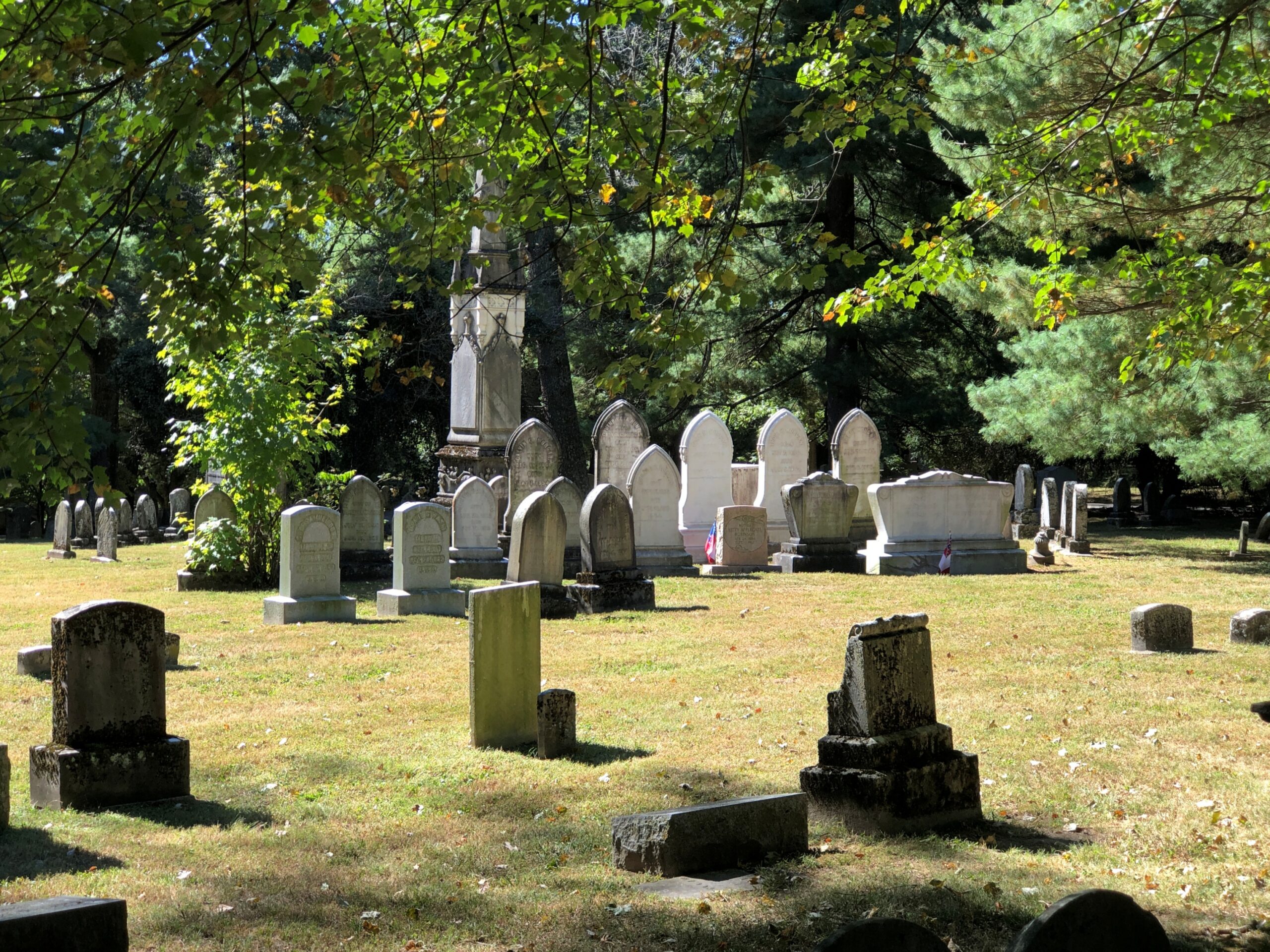
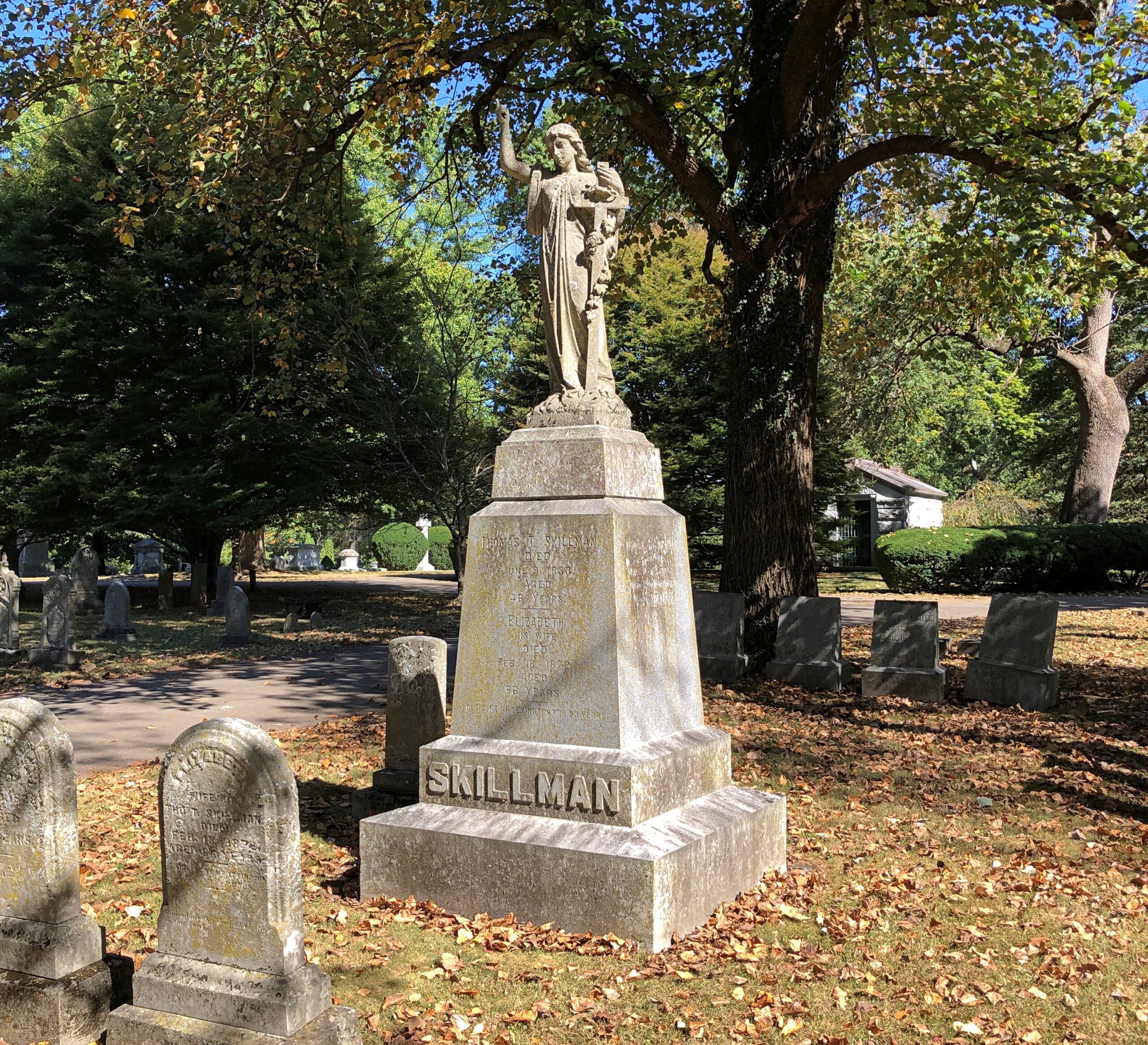
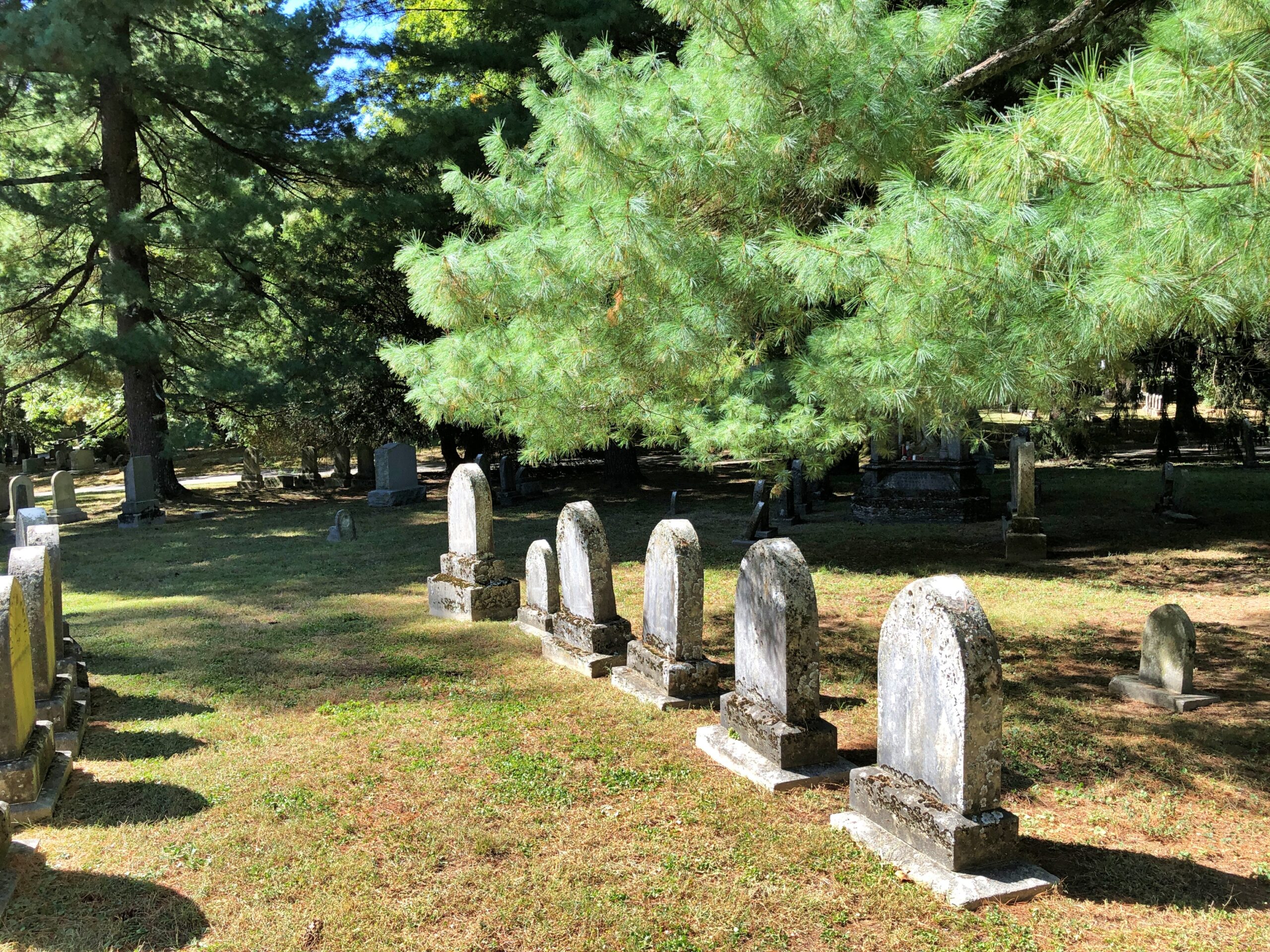
Fall colors were just beginning to make themselves seen.
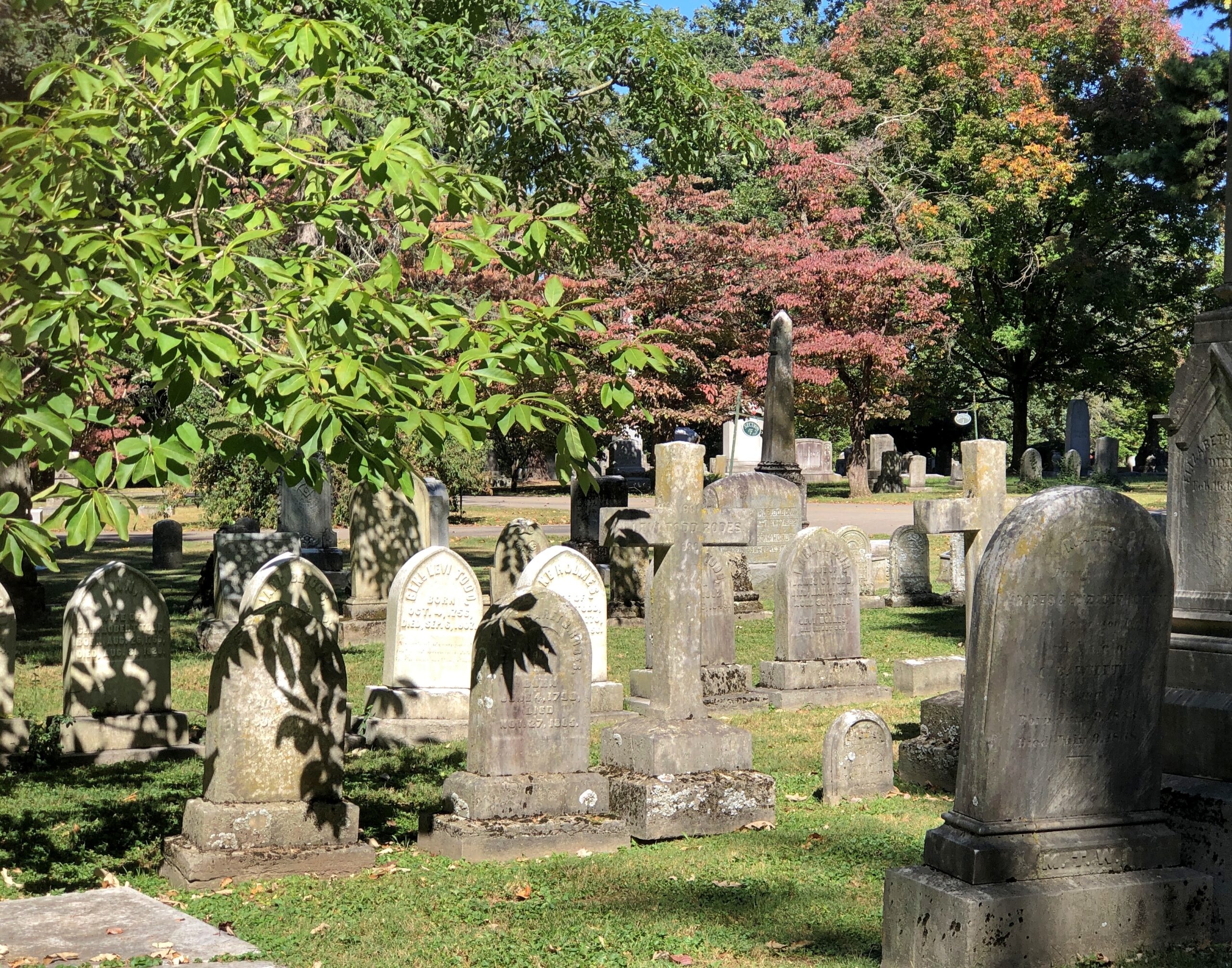
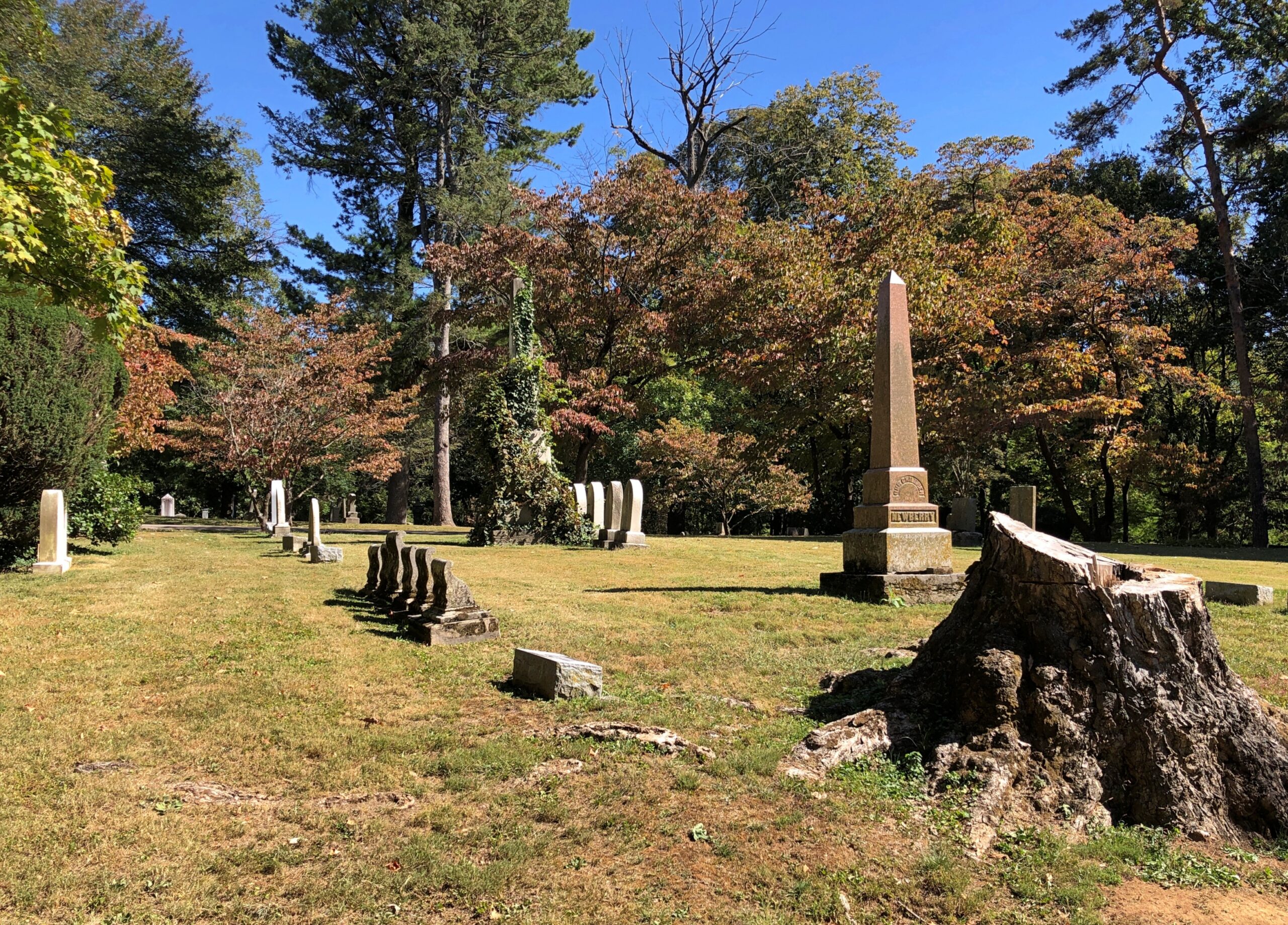
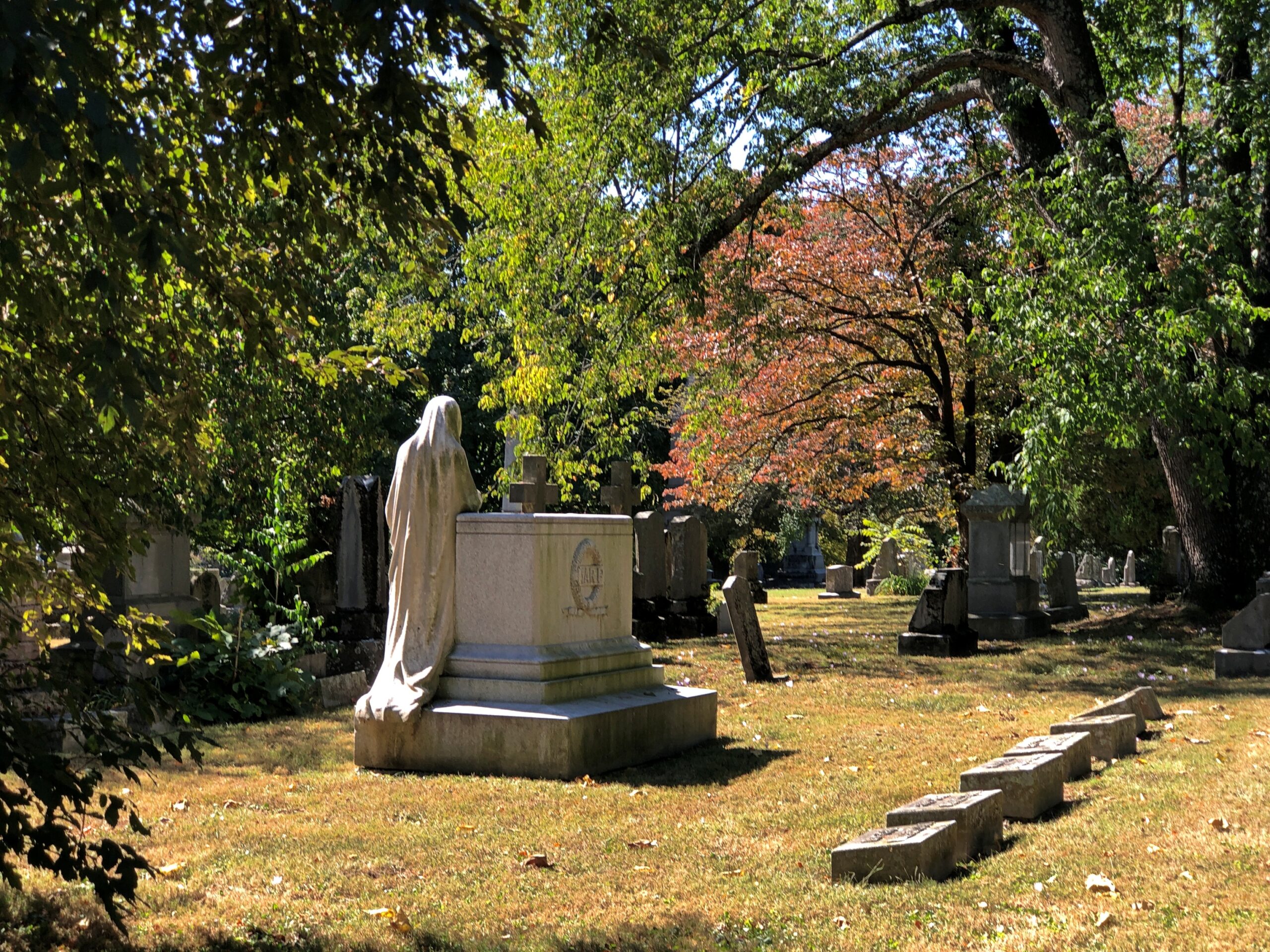
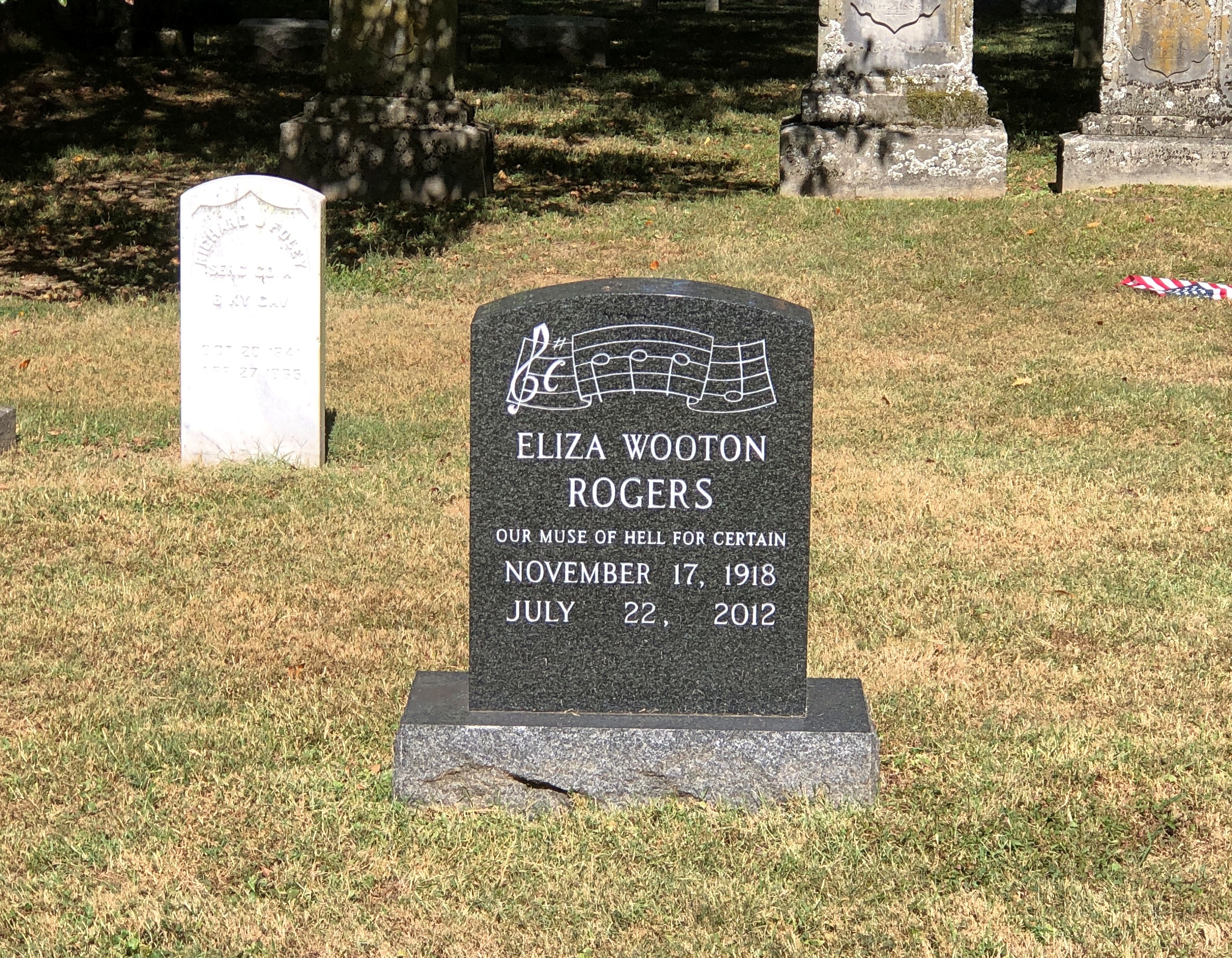
There weren’t too many odd stones, but there was this odd epitaph.
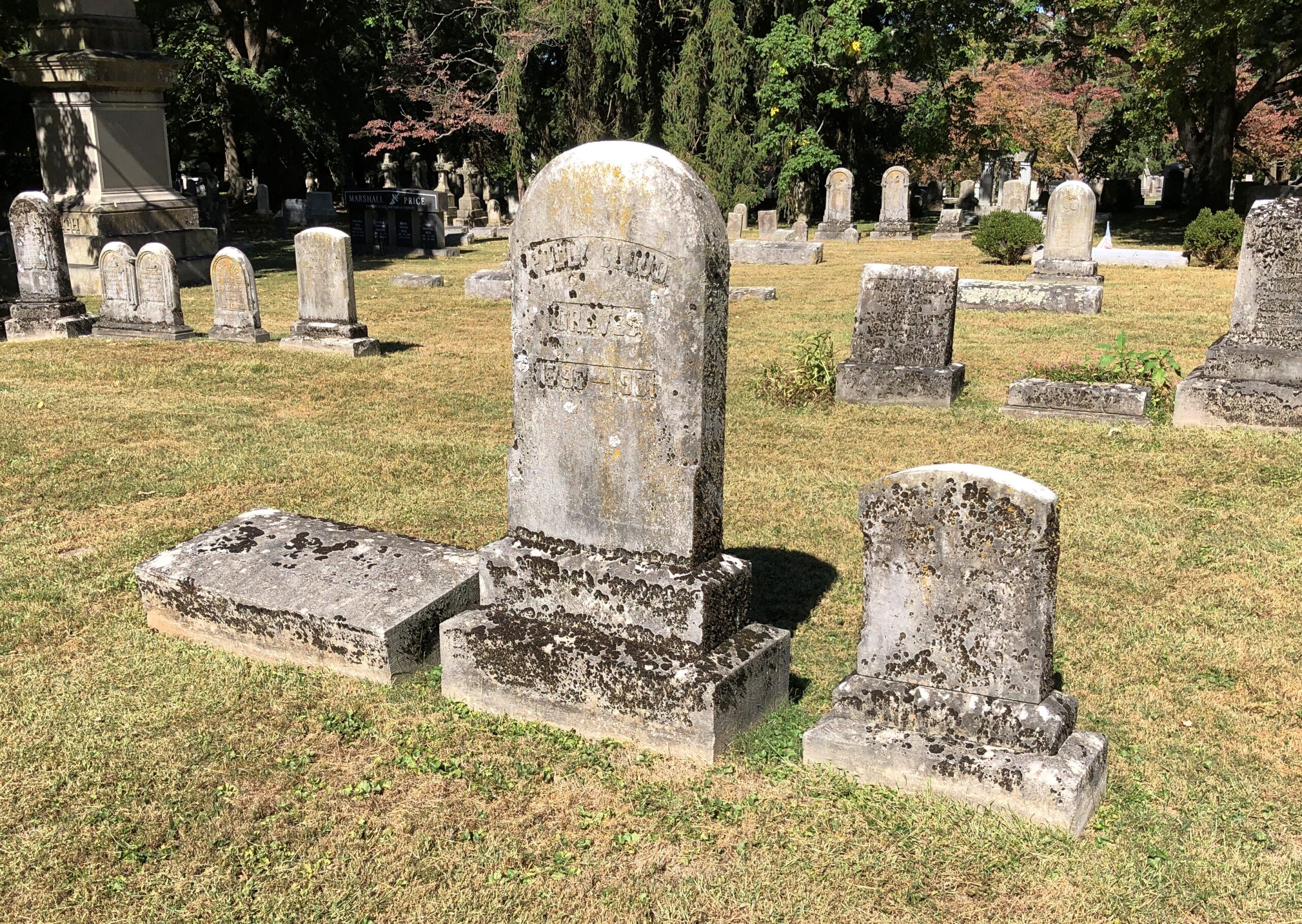
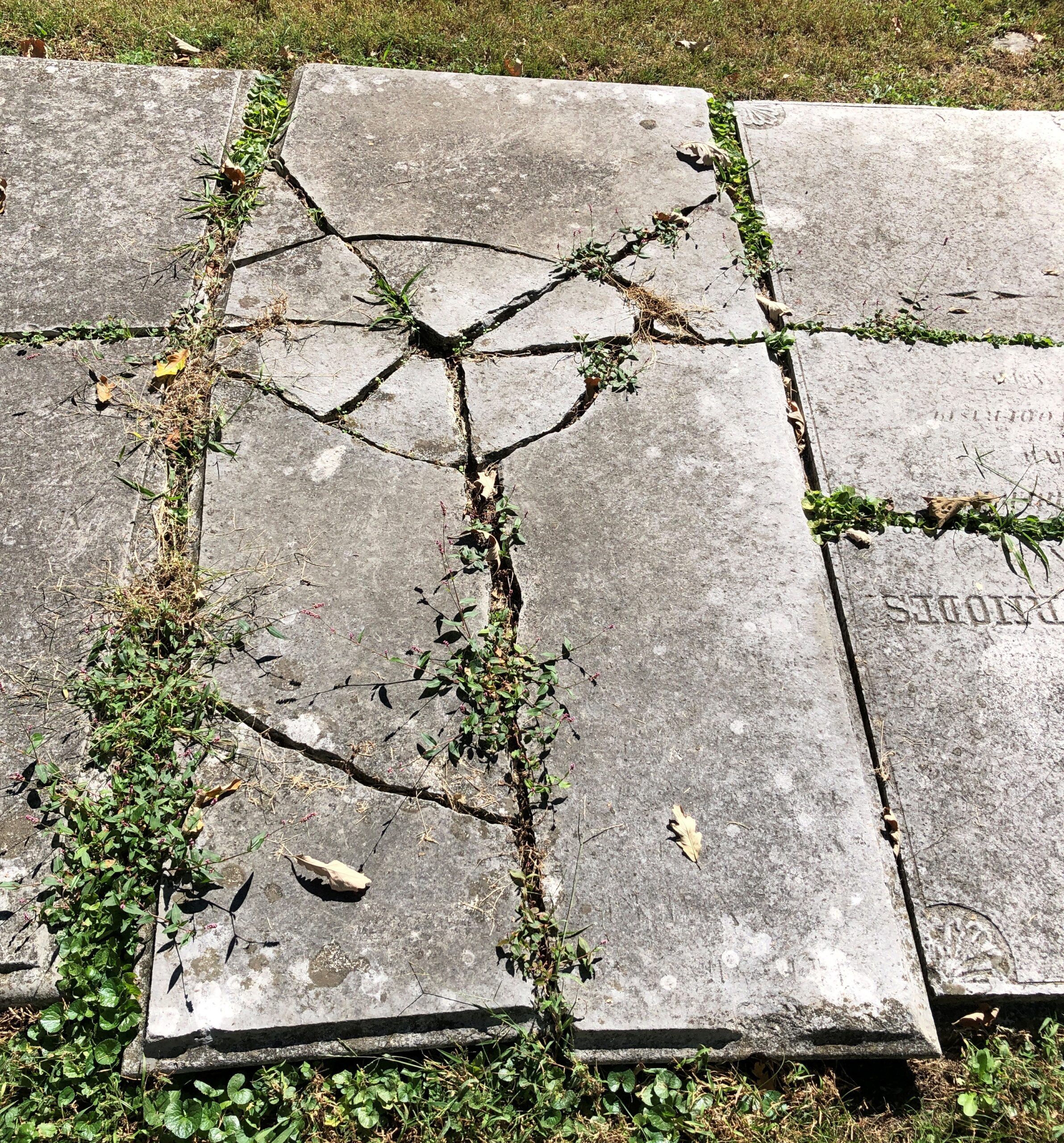
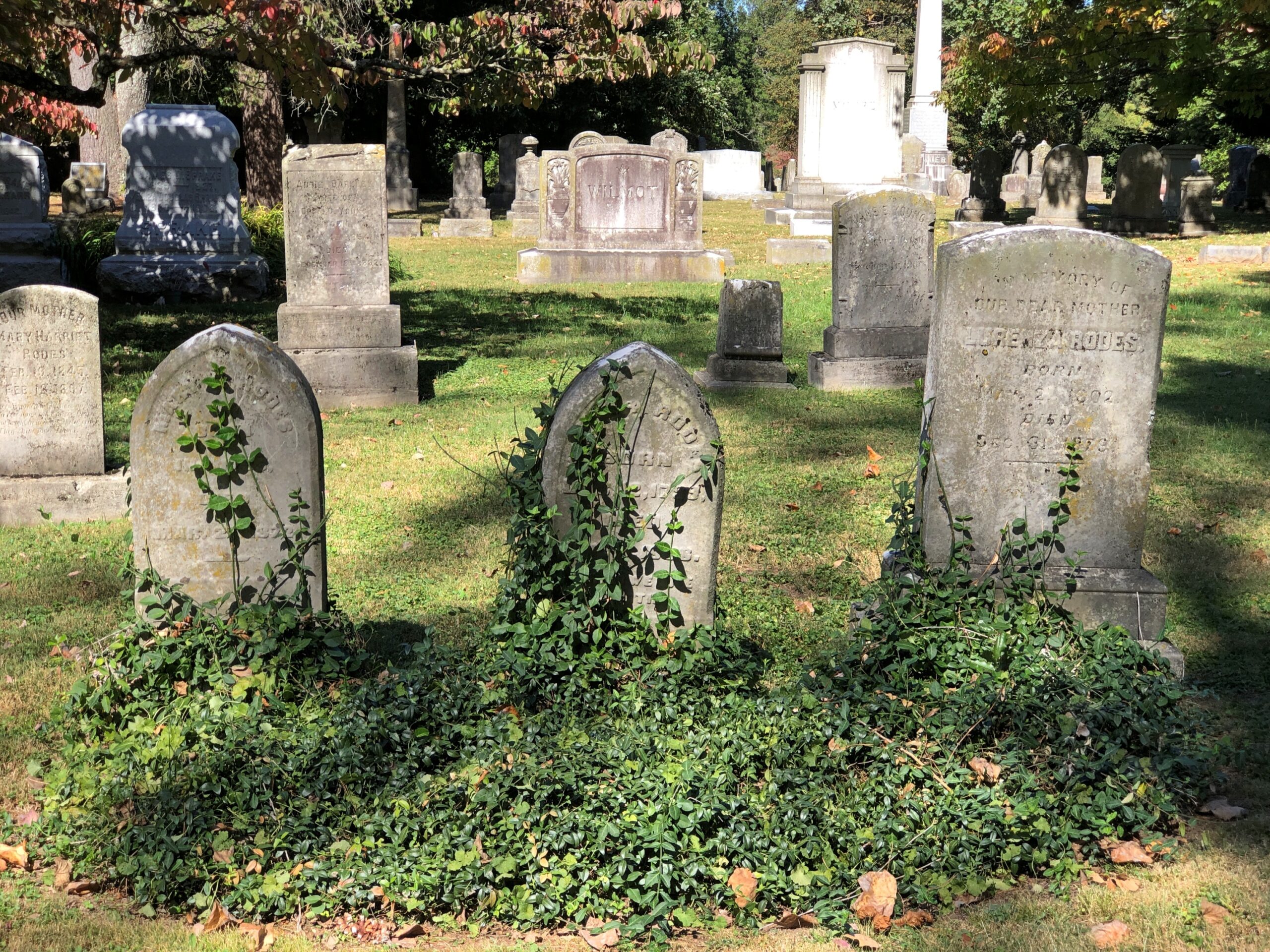
Worn, crumbling or merely overgrown stones were also part of the mix.
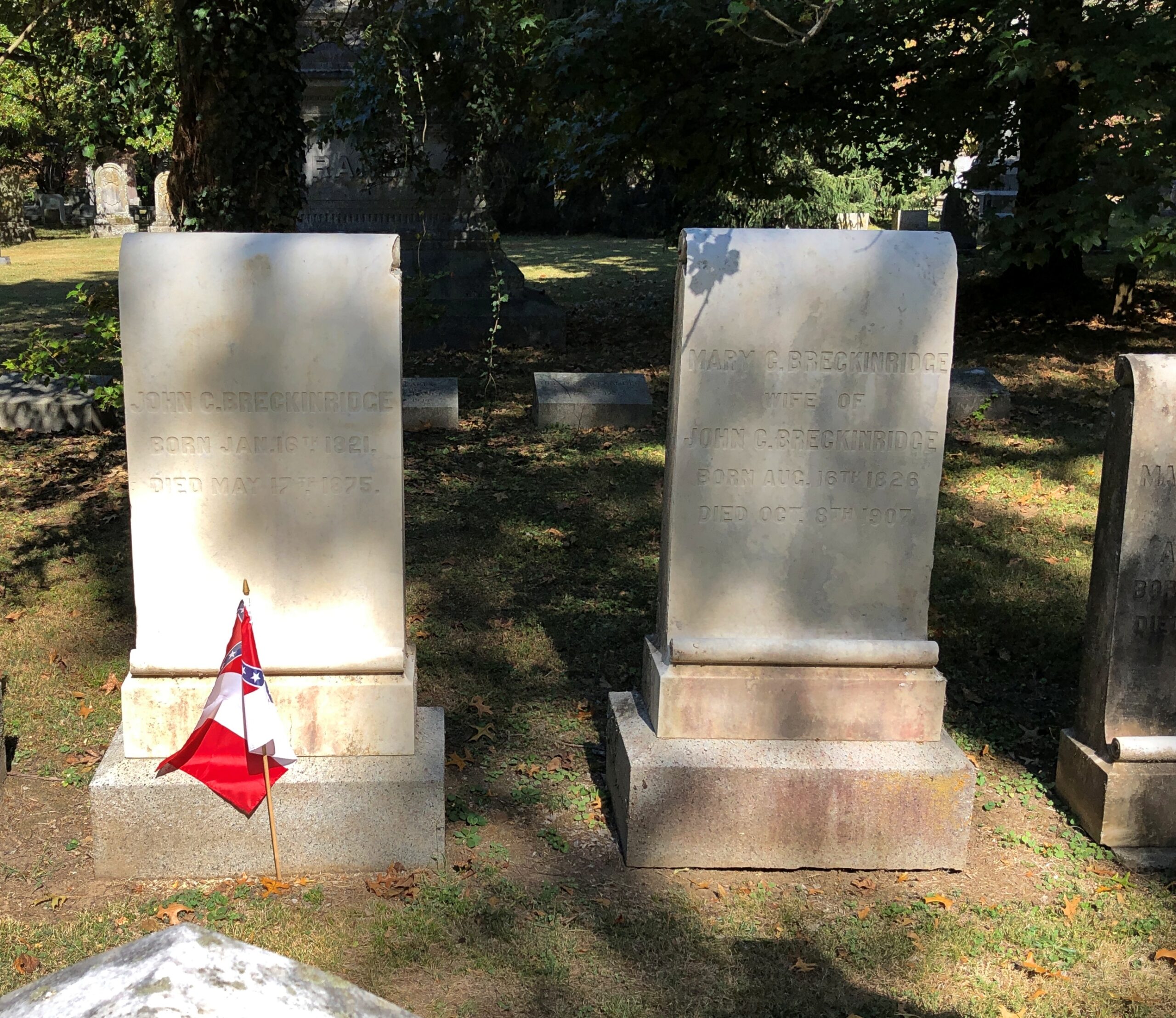
Native son John C. Breckinridge is buried at Lexington.
A statue of Breckinridge that used to be on the Fayette County Courthouse lawn in Lexington is now near his stone. That, rather than destruction or permanent storage, is the thing to do.
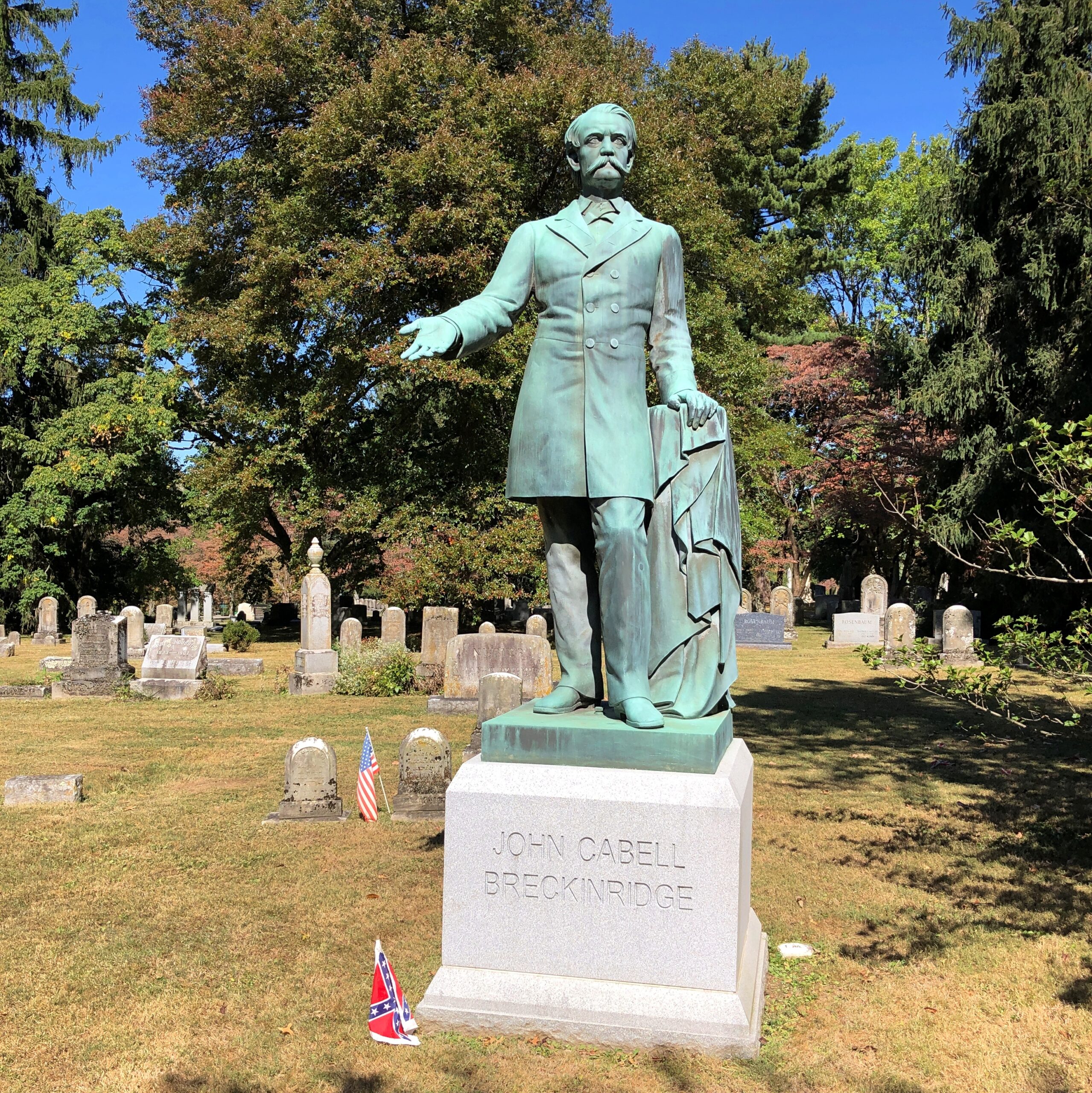
Neither memorial says a peep about him being veep: 14th Vice President of the United States and indeed the youngest person to ever hold the office. I suspect that isn’t what his family or the Daughters wanted to emphasize, but I’m happy to. It occurs to me that I’ve visited shockingly few vice presidential graves — that is, those who never attained the presidency. Counting Breckinridge, only eight. That compares to 23 presidential graves, including those from this trip. I need to step up my game, clearly.
The most prominent, and surely the largest tomb at Lexington Cemetery is for a man who really, really wanted to be president, but never made it: Henry Clay.
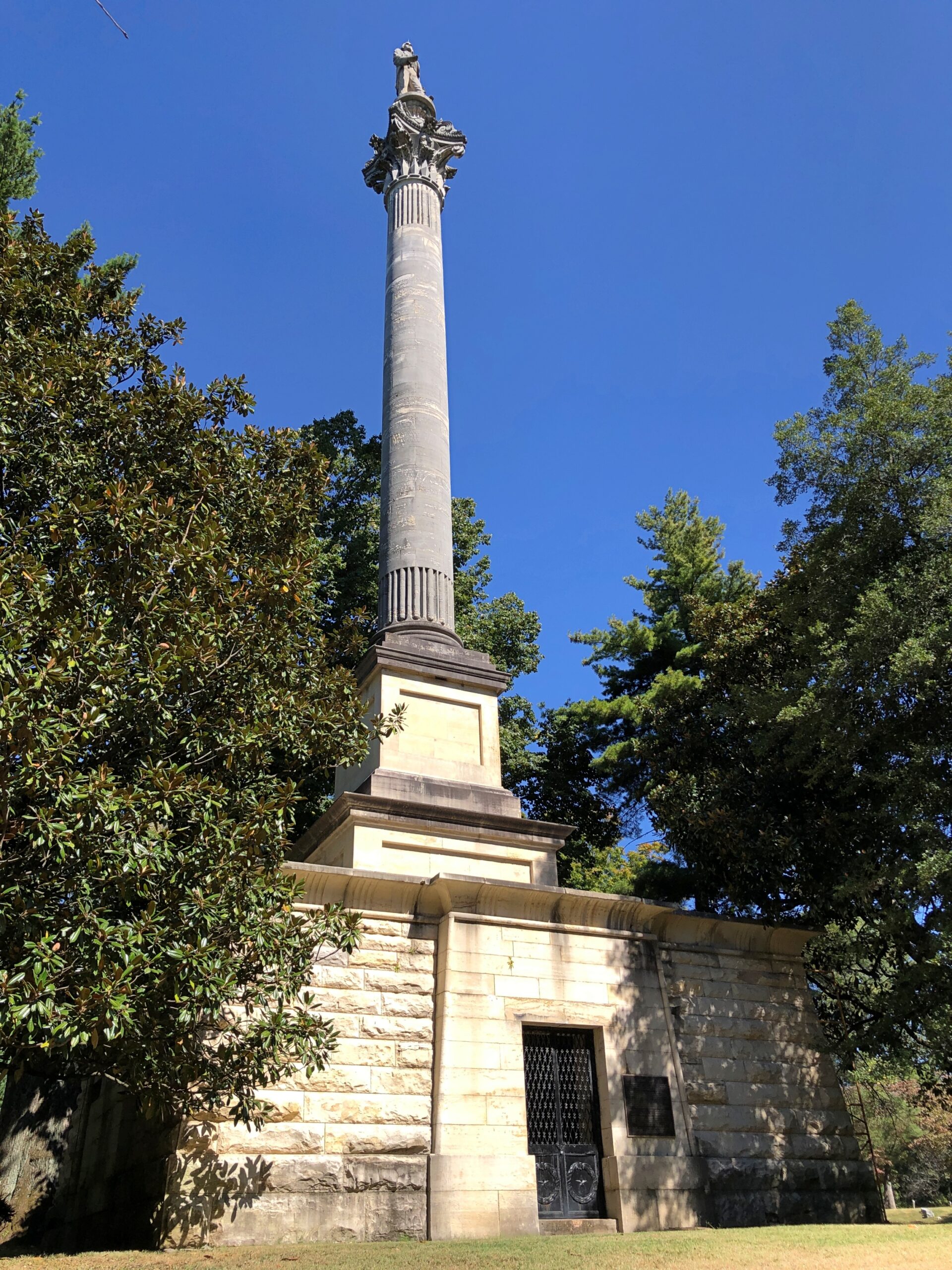
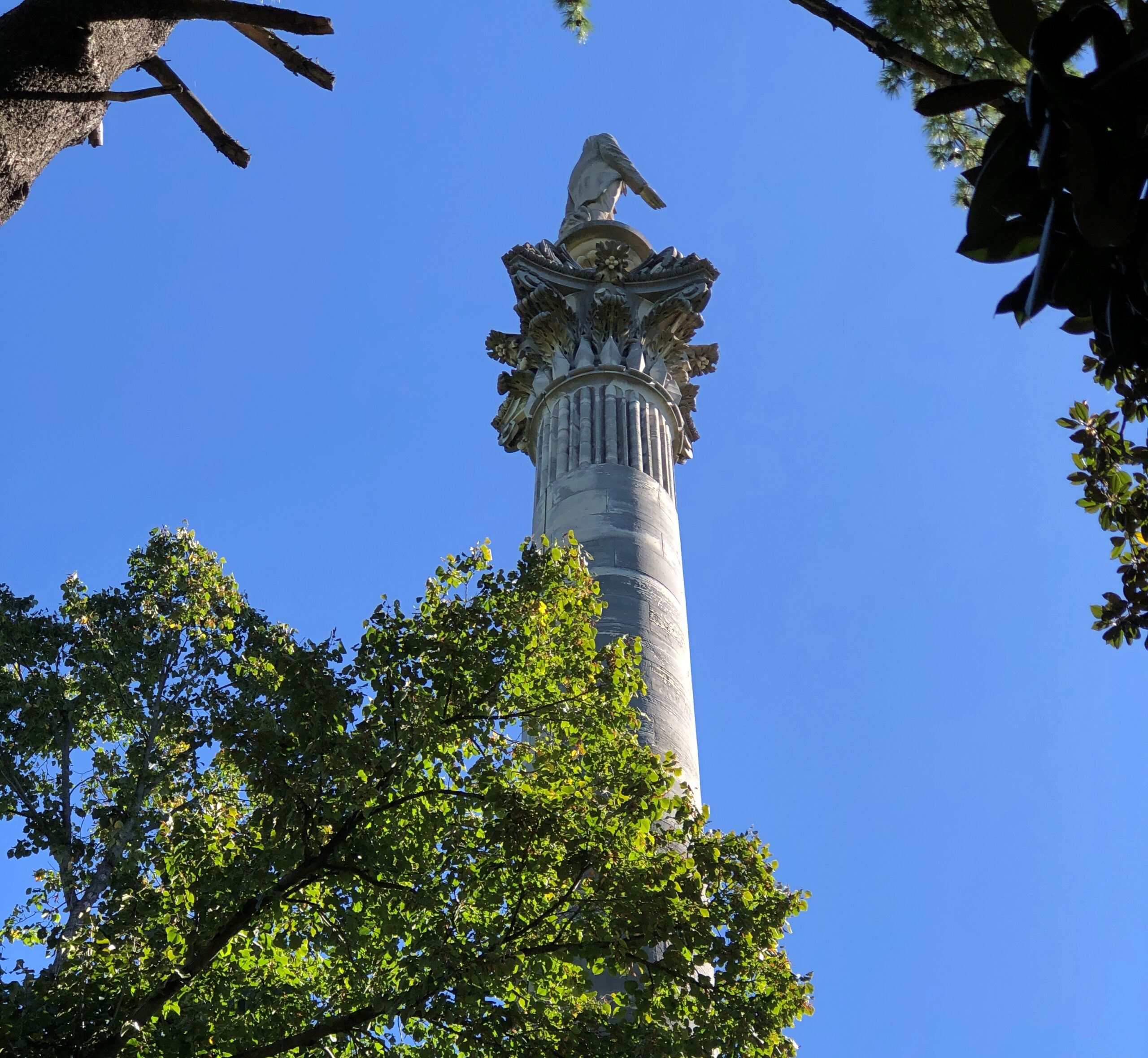
His statue stands high on the column. A little too high, if you asked me. I felt the same way about the Stephen Douglas tomb in Chicago. Over the tomb entrance might be a better location for a statue of the Great Compromiser, but I suppose the Victorian symbolism at play here is height: Clay as statesman with a lofty vision for this vast land, so it’s only reasonable that he can survey it from on high.
Be that as it may, now that I’ve seen the graves of John C. Calhoun (one of the VPs too) and Henry Clay, it’s only reasonable that I pay my respects to Daniel Webster.