Up the road a piece from FDR’s home in Hyde Park, one of the Vanderbilts had a mansion built in the late 19th century on a gentle bluff above the Hudson. The river valley wasn’t an obscure choice by him or the elder Roosevelt or any of the other wealthy mansion-builders of the period. Pleasure travelers had started coming to the Hudson River Valley in the early 19th century, representing the first U.S. tourist boom.
They came for good vistas, for one thing. So did I.
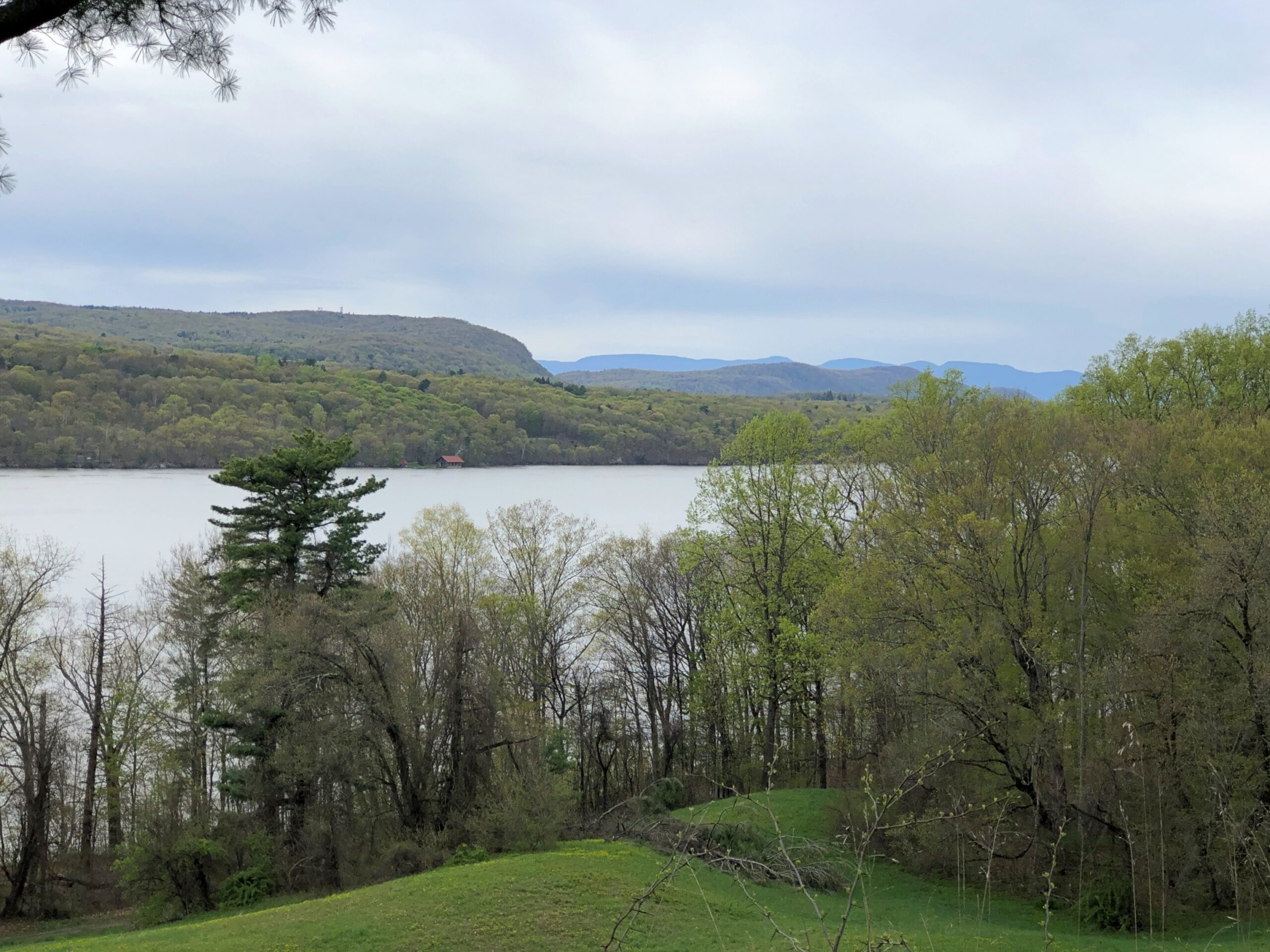
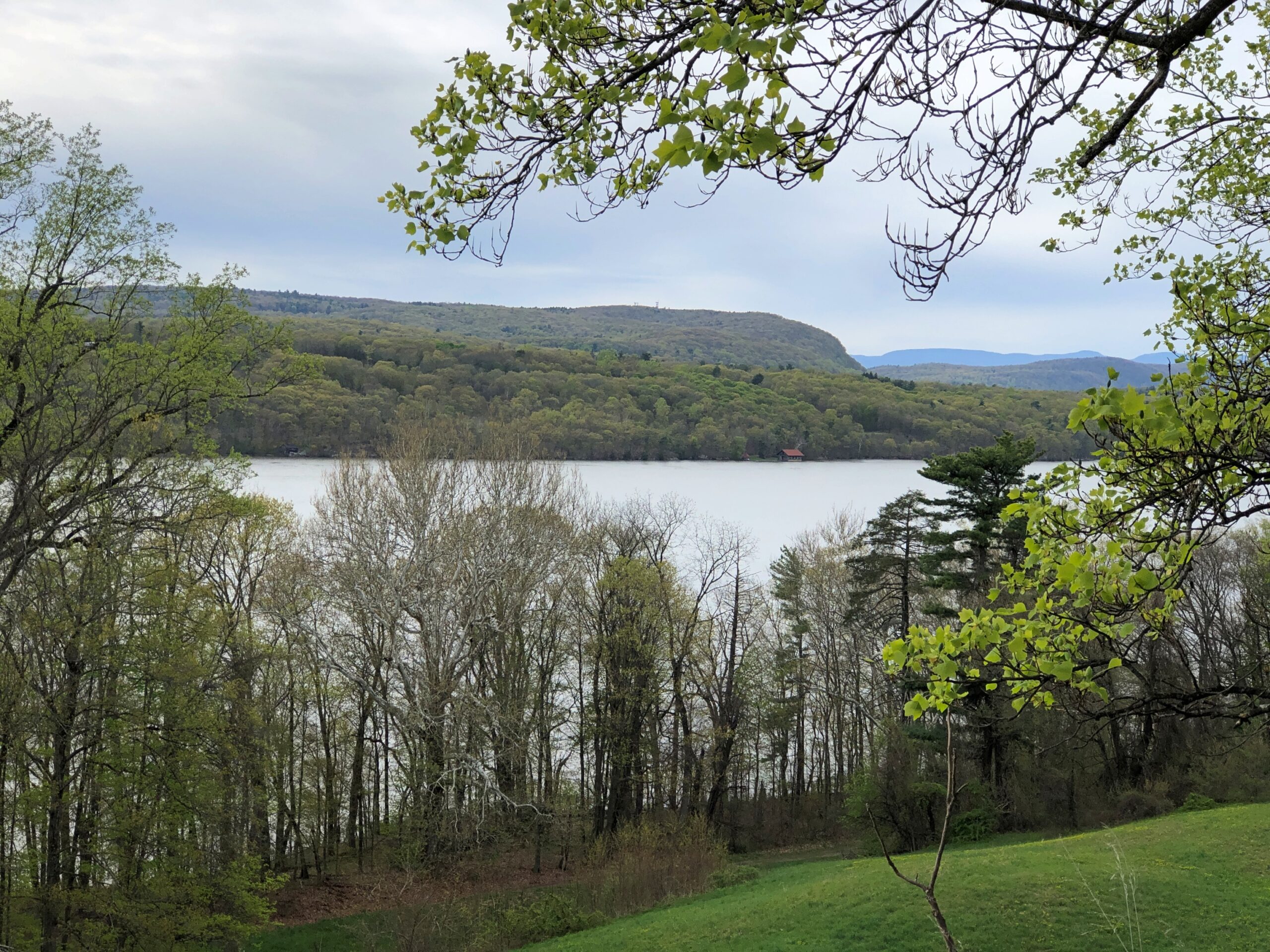
“In the works of Washington Irving and James Fenimore Cooper and the paintings of Thomas Cole and others of the Hudson River School, travelers in the region encountered the nation’s first literary and artistic movements,” says a summary of The Birth of American Tourism: New York, the Hudson Valley, and American Culture, 1790-1835 by Richard H. Gassan (2008).
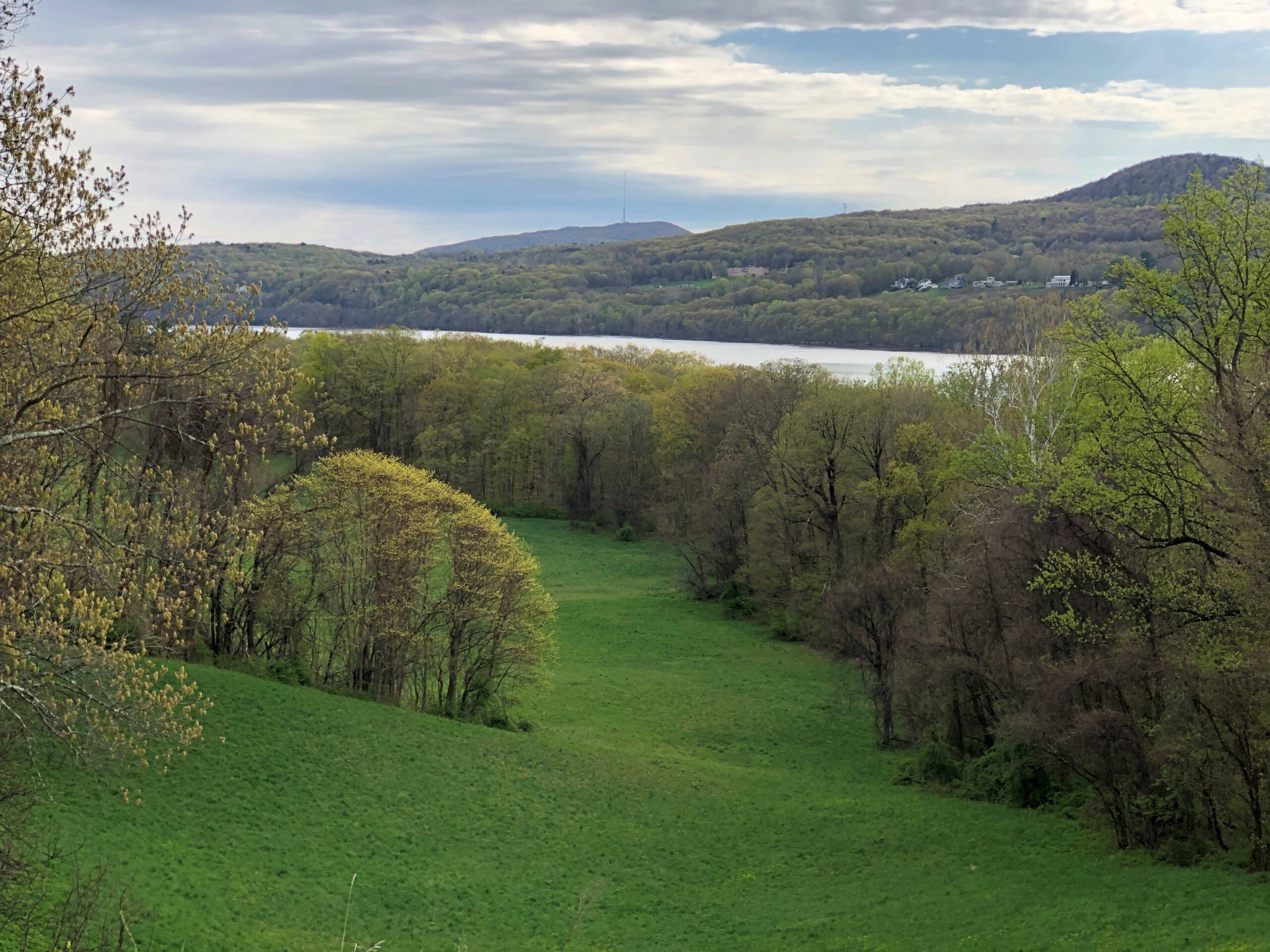
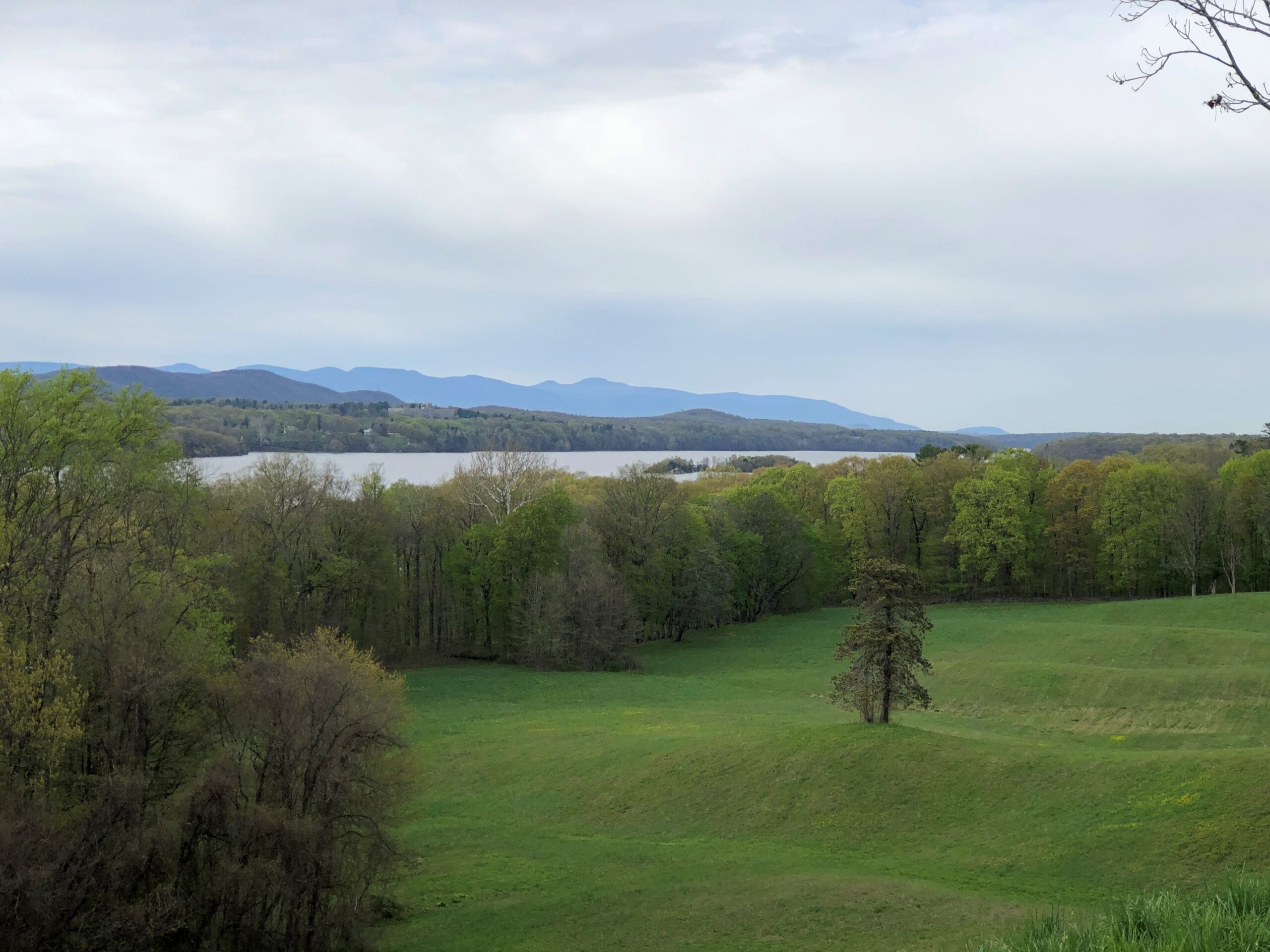
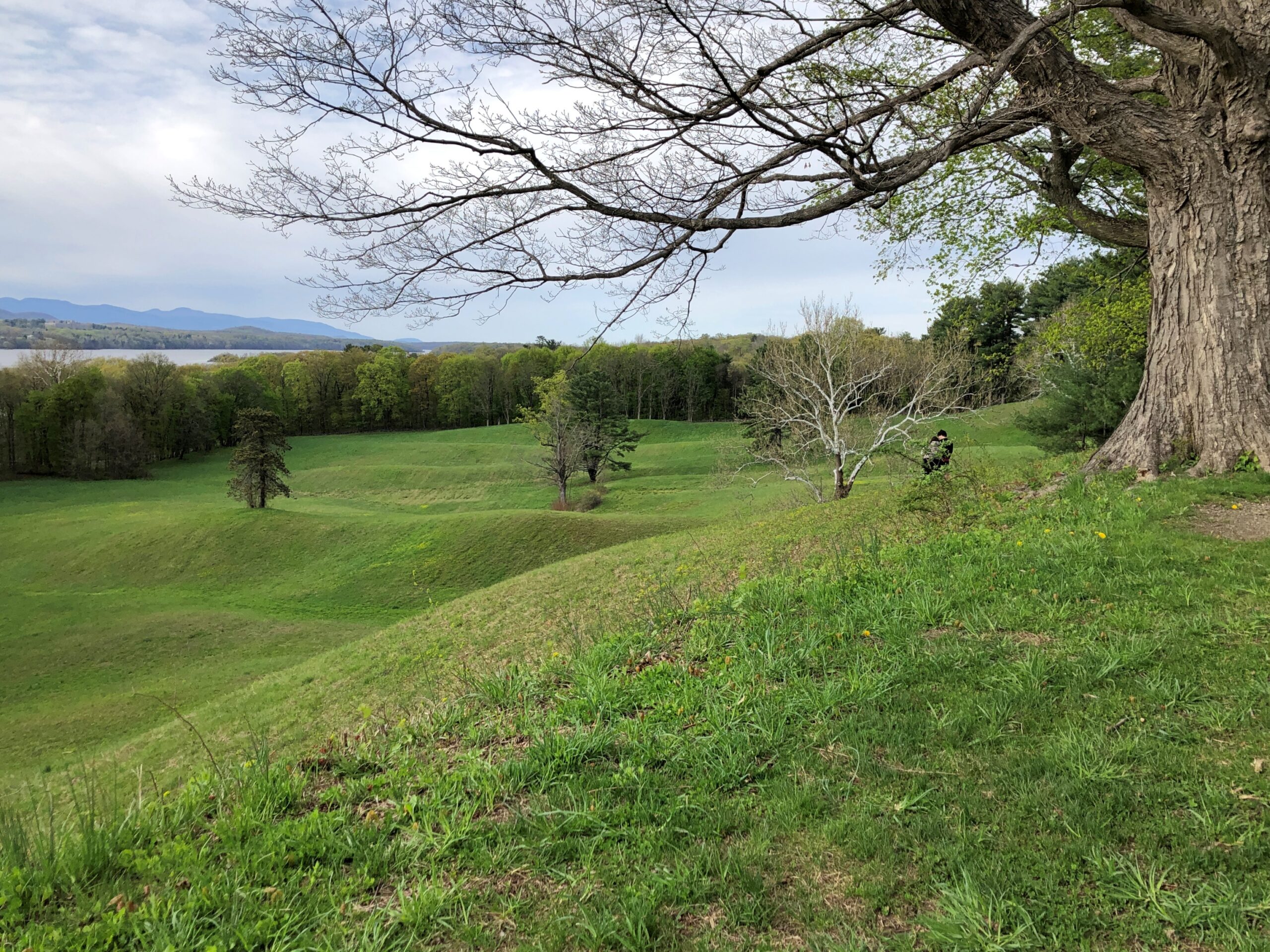
In effect, those writers and painters were the influencers of their day, though not quite at the frenetic pace of, say, Instagram. I’ve decided not to worry about the influence of, say, Instagram on modern tourism. Overtourism is a real problem in a narrow range of places, and best dealt with locally, but most criticism of mass tourism is snobbery anyway: why, those people are going to all the wrong places for the wrong reasons and thinking and doing the wrong things when they get there! Bah.
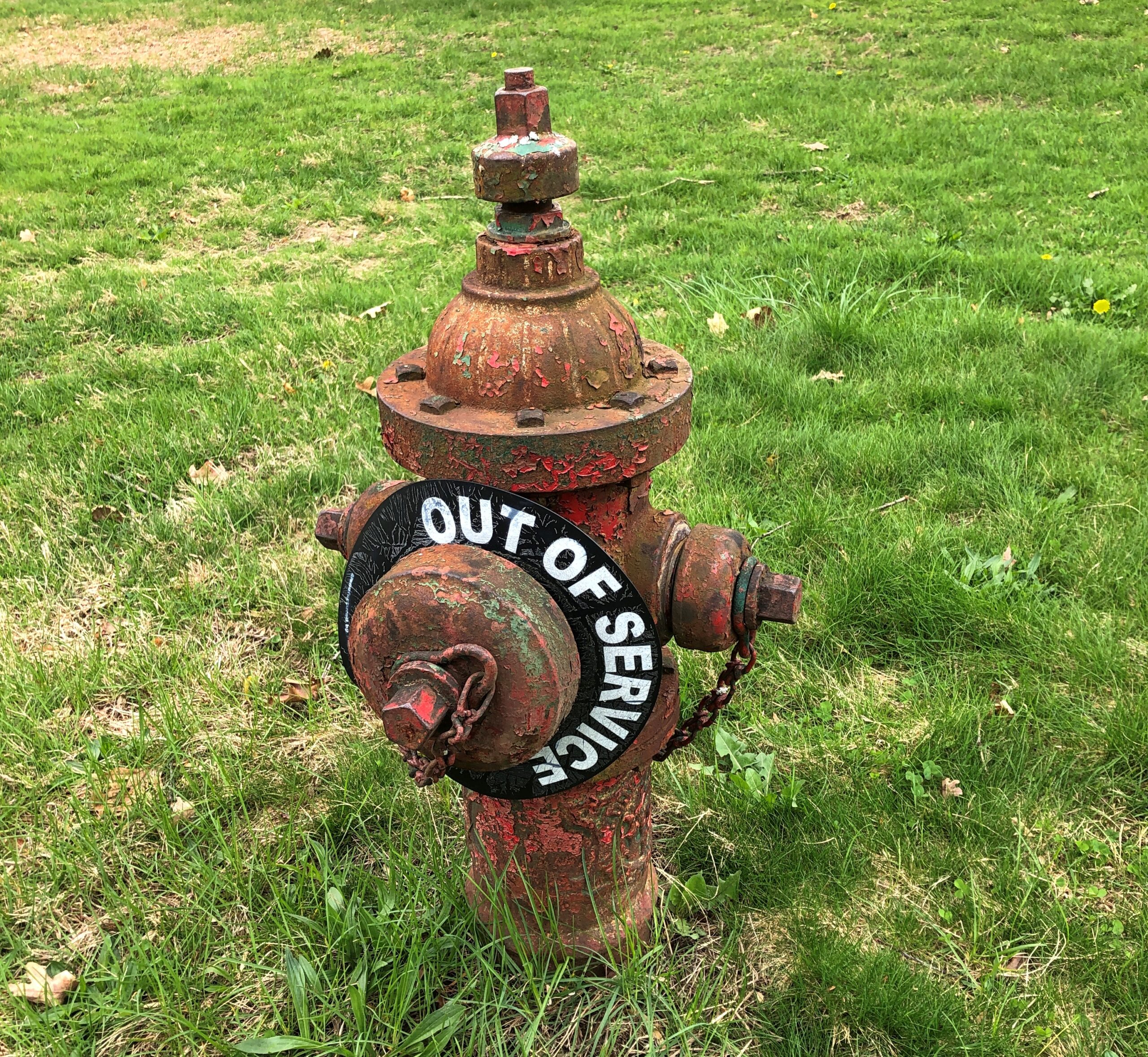
The latest in my series on NPS fire hydrants. This one, a little worse for wear, is on the Vanderbilt site.
The Vanderbilts were known for commissioning mansions, of course, so many that I suggest they be known as the mansion-building Vanderbilts, like the Lighthouse-building Stevensons. Though not, curiously, the Commodore himself. He had other things to do, like amassing a vast fortune in the first place, and founding one of the nation’s great (ahem) universities.
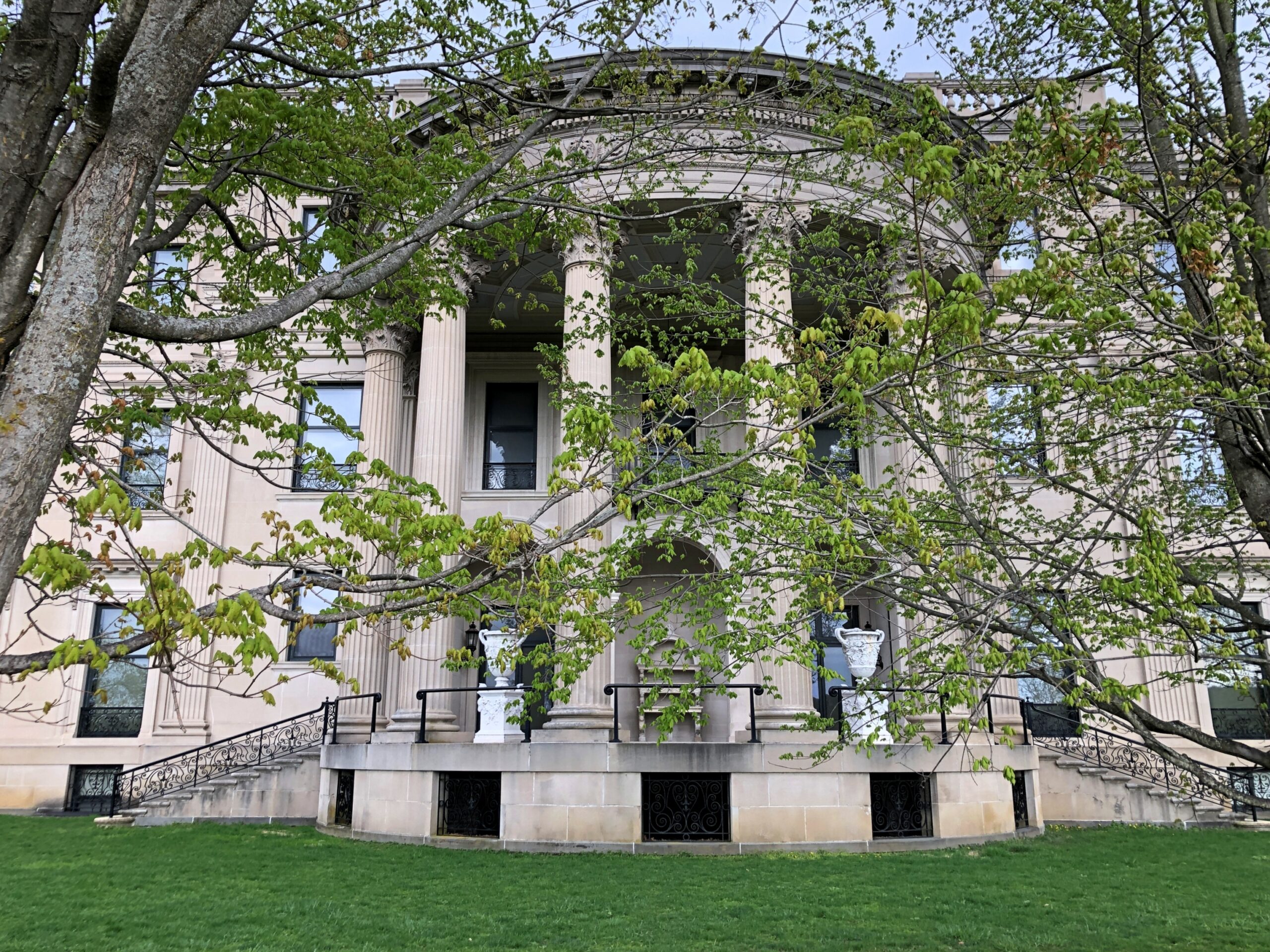
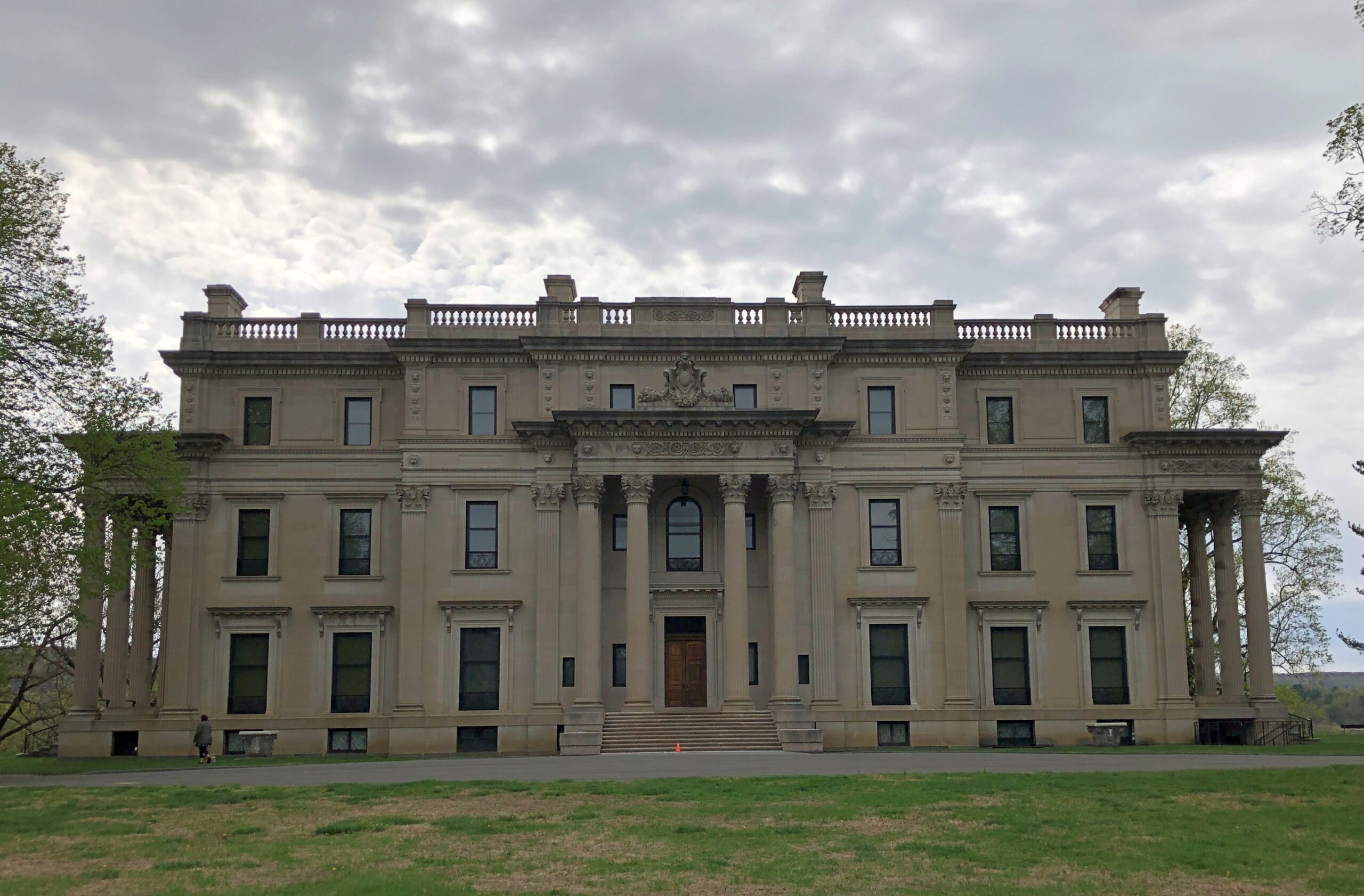
Anyway, grandson Frederick William Vanderbilt (d. 1938) thought that the Hudson River Valley was just the place for a country estate, which it is, so he tasked McKim, Mead & White, architects to robber barons and other deep-pocketed clients, to design it. Frederick and his wife Louise clearly wanted a Euro-style palace on the Hudson, and that’s what they got.
Stately. That’s the word for it. Like Wayne Manor. Well, in some iterations.

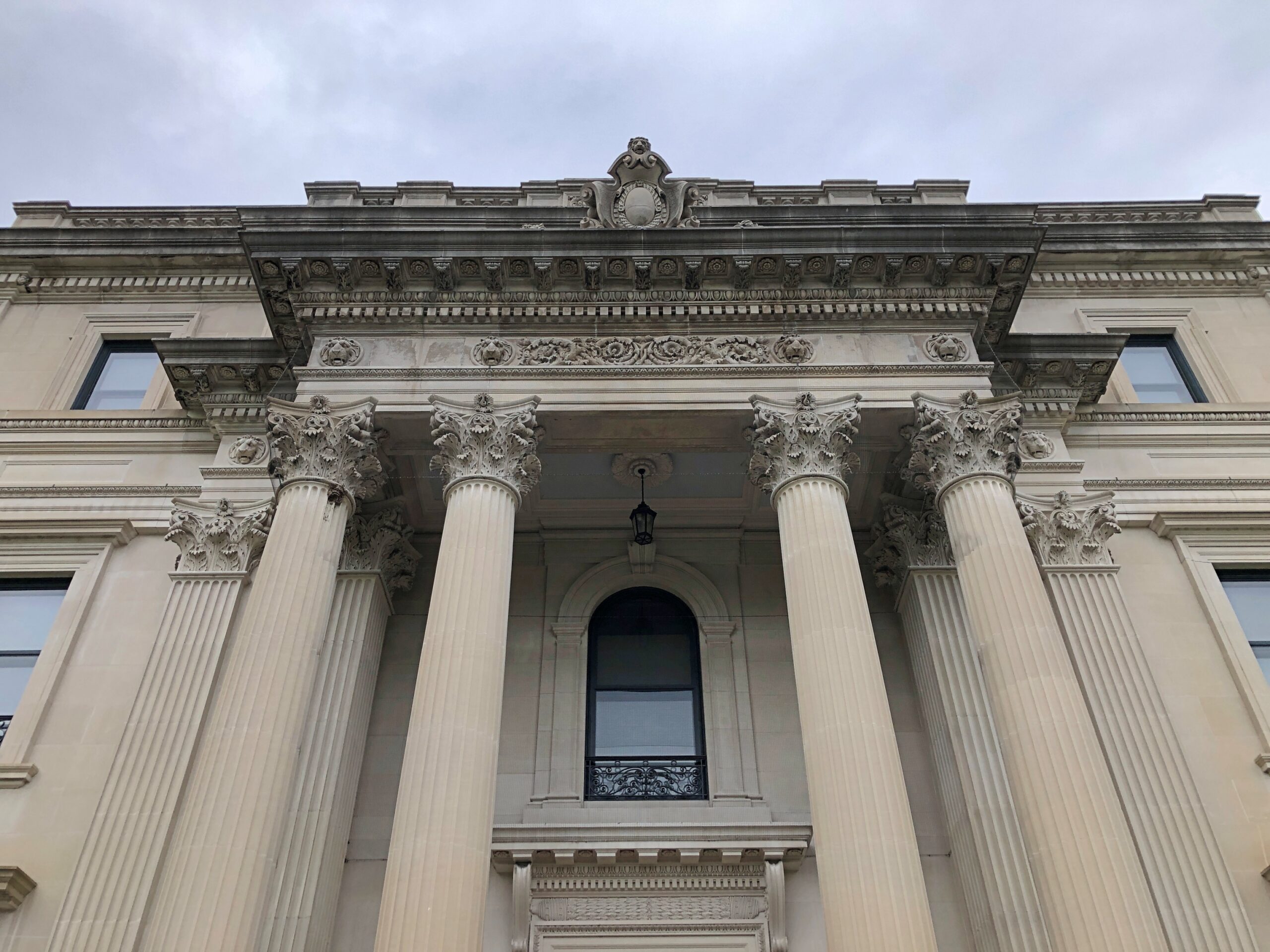
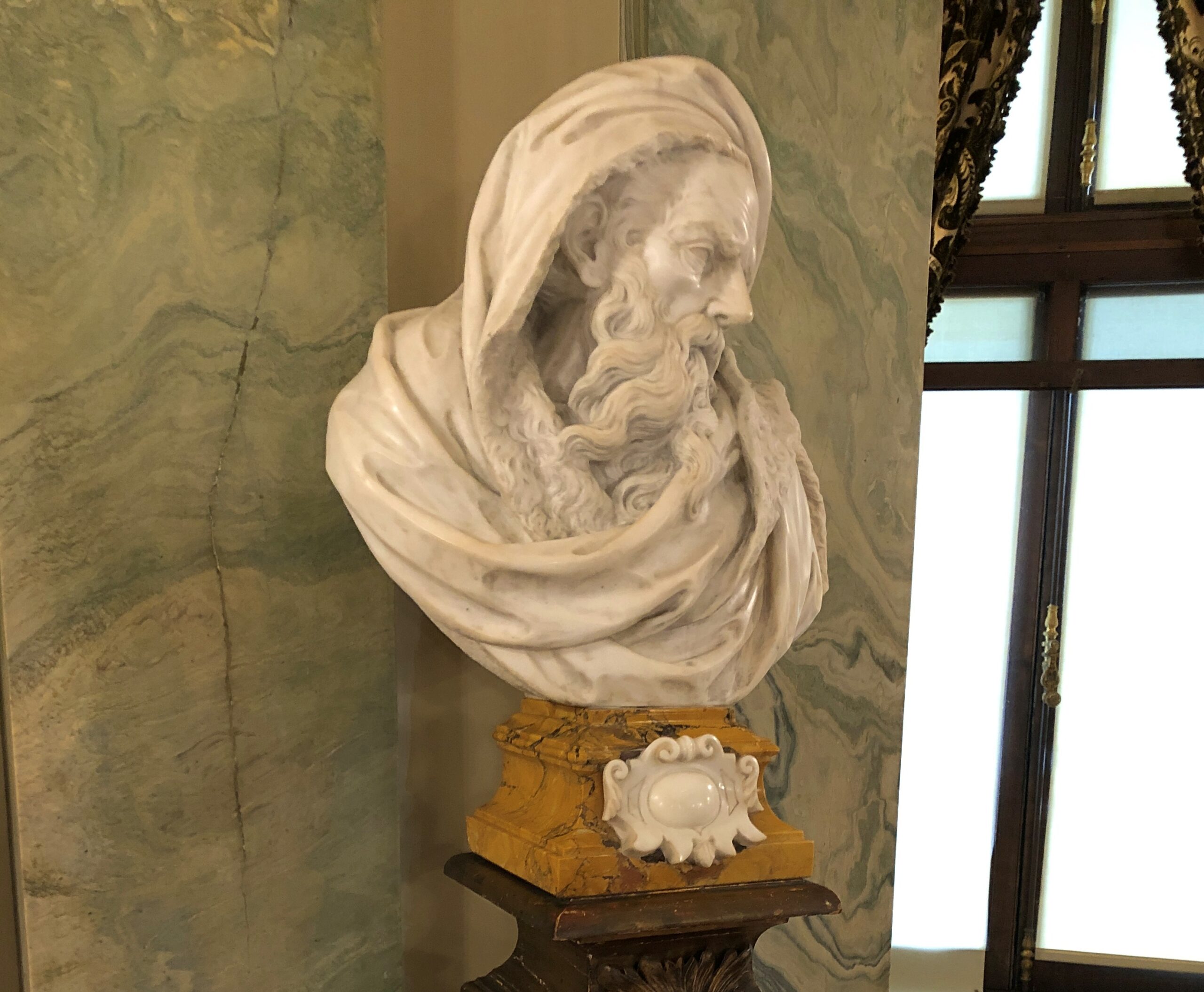
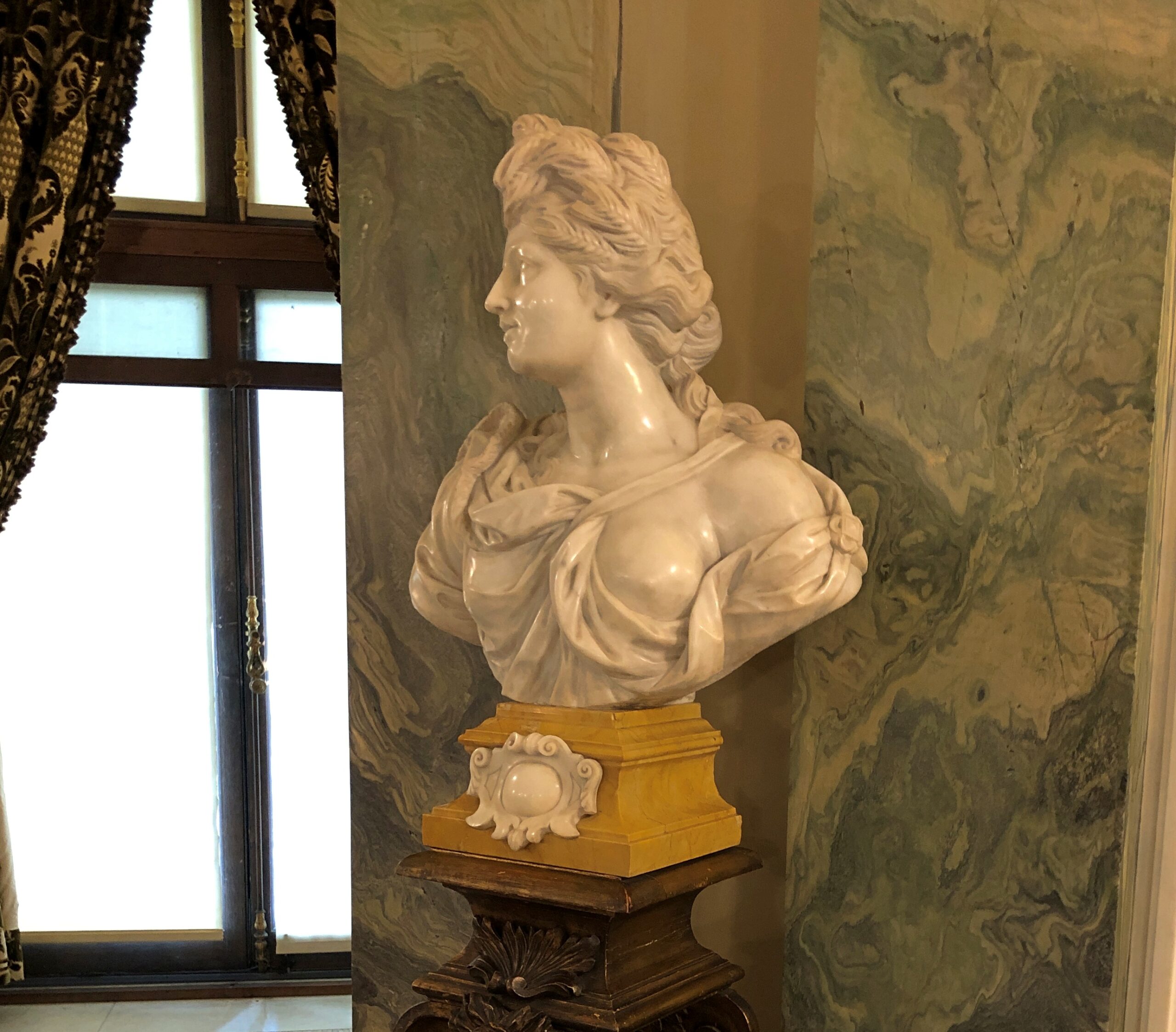
Inside.
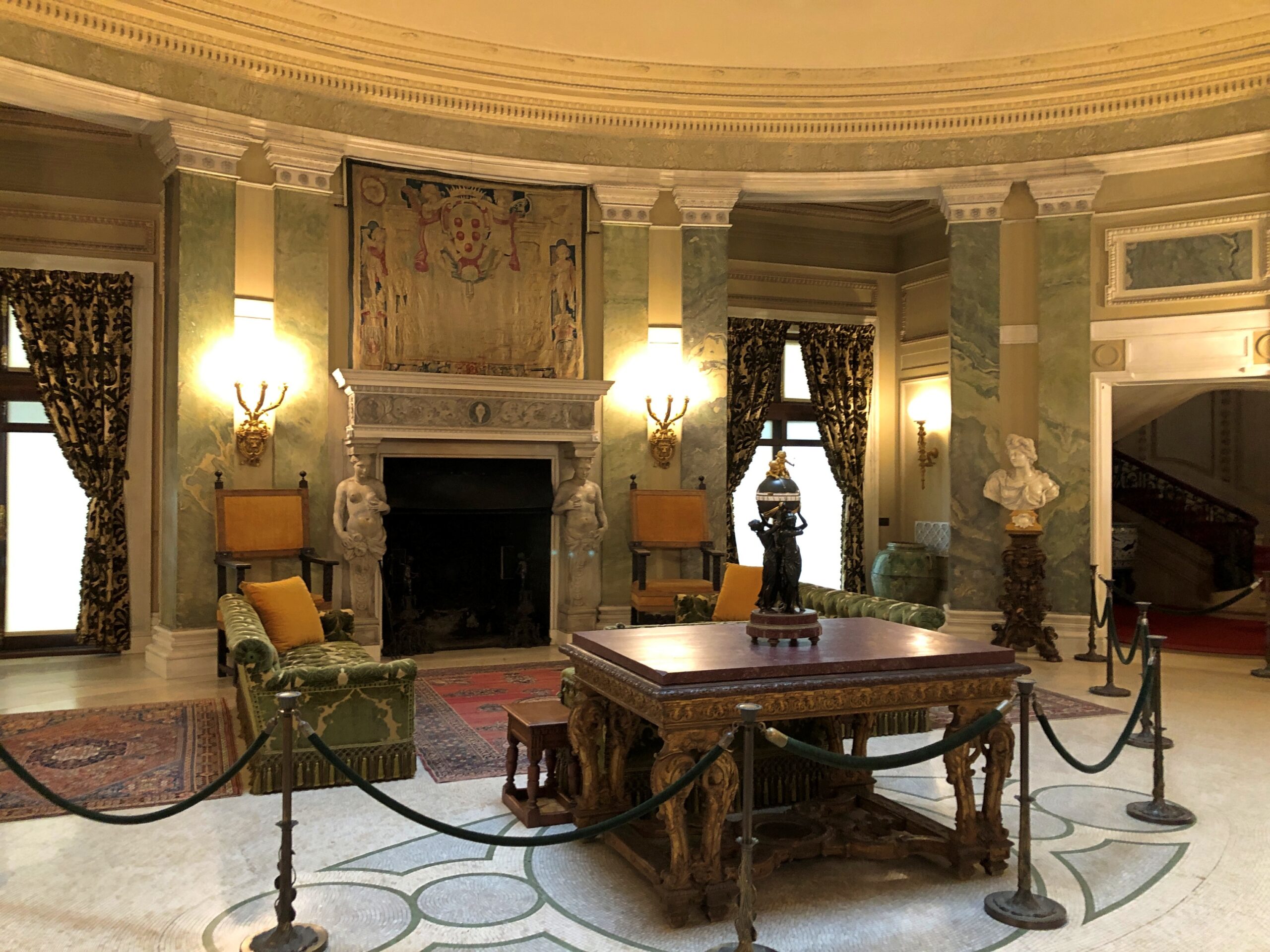
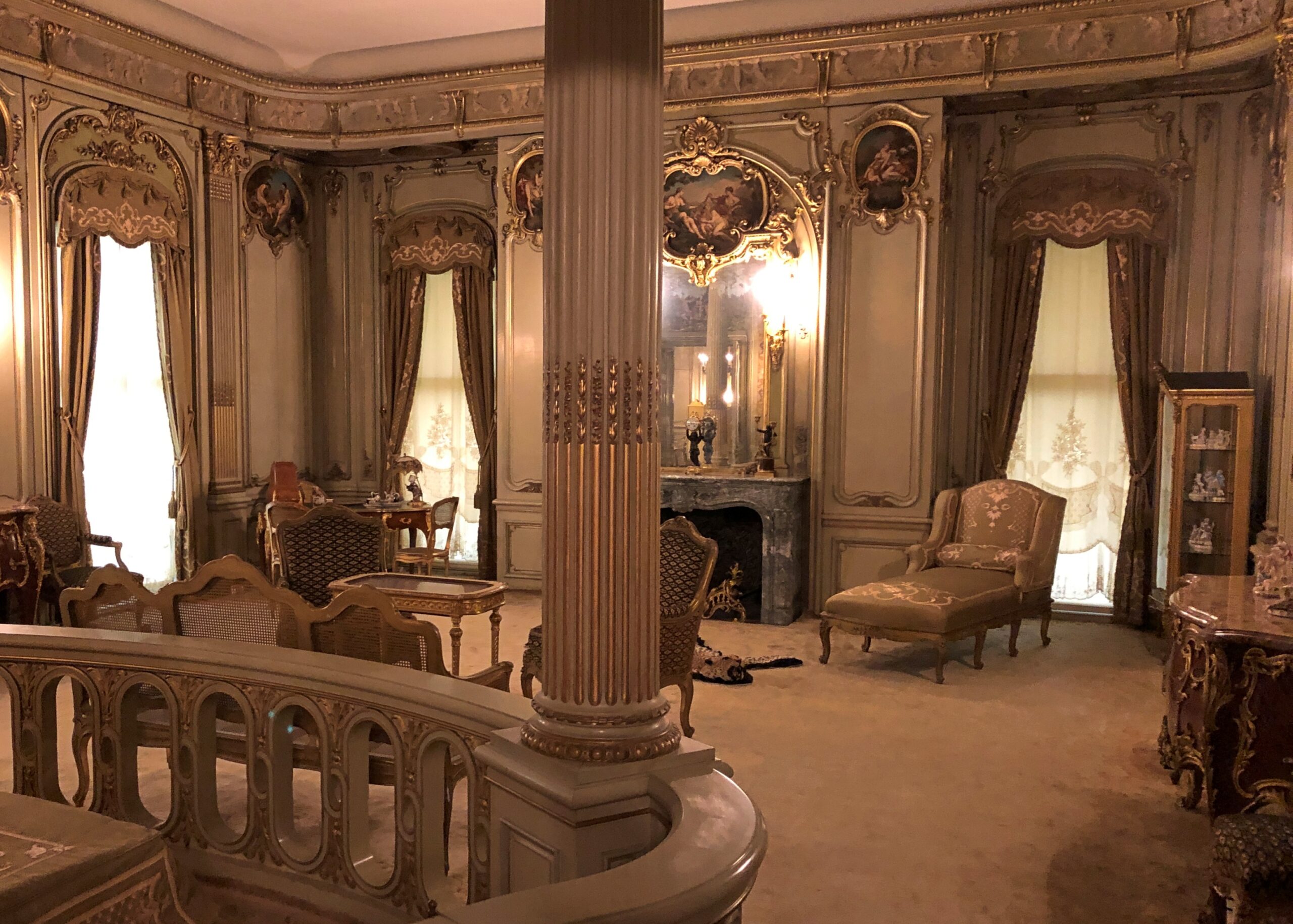
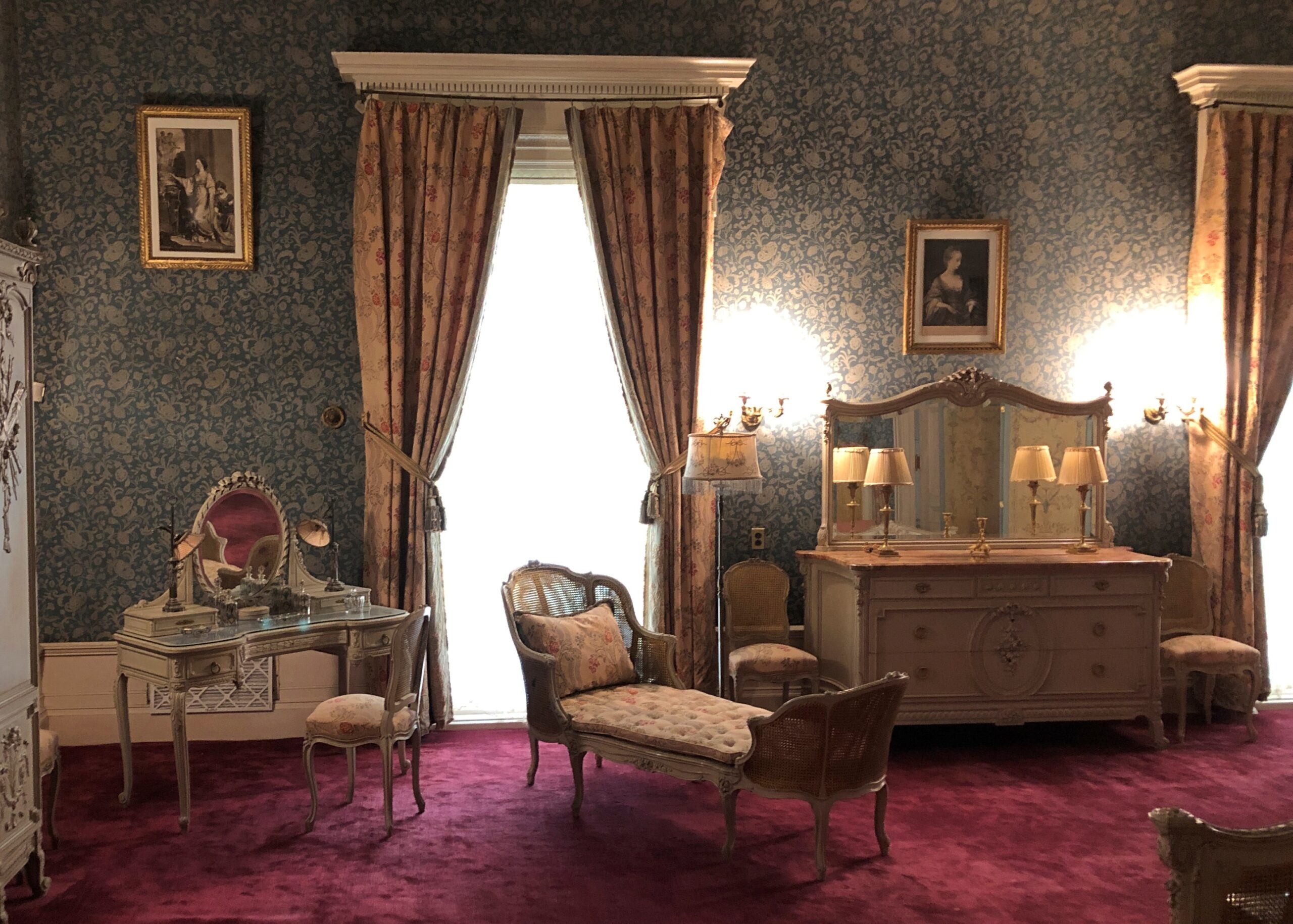
Palatial and museum-like.
The skylight was pretty cool, bringing in light all the way to the lowest floor through this aperture.
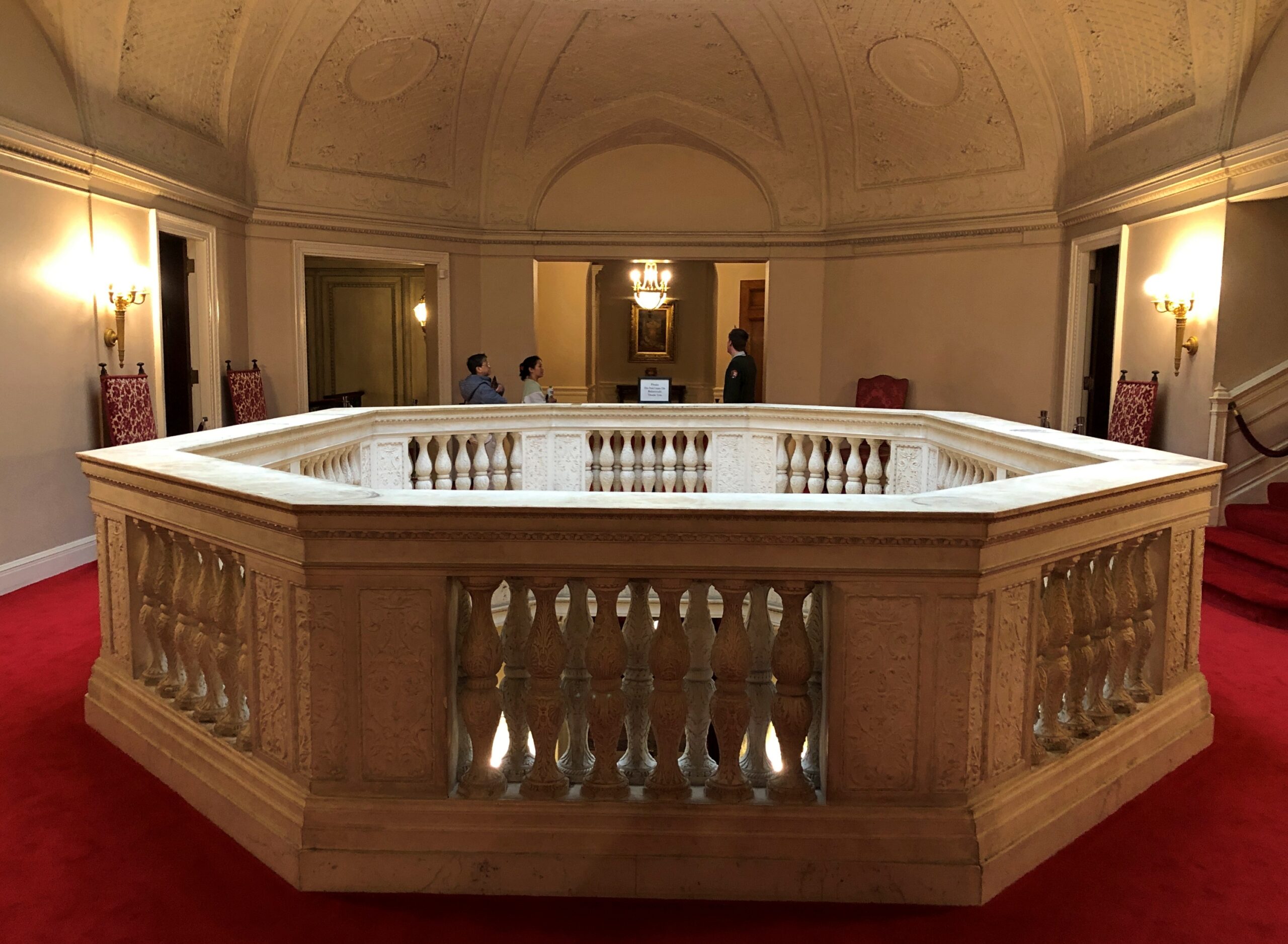
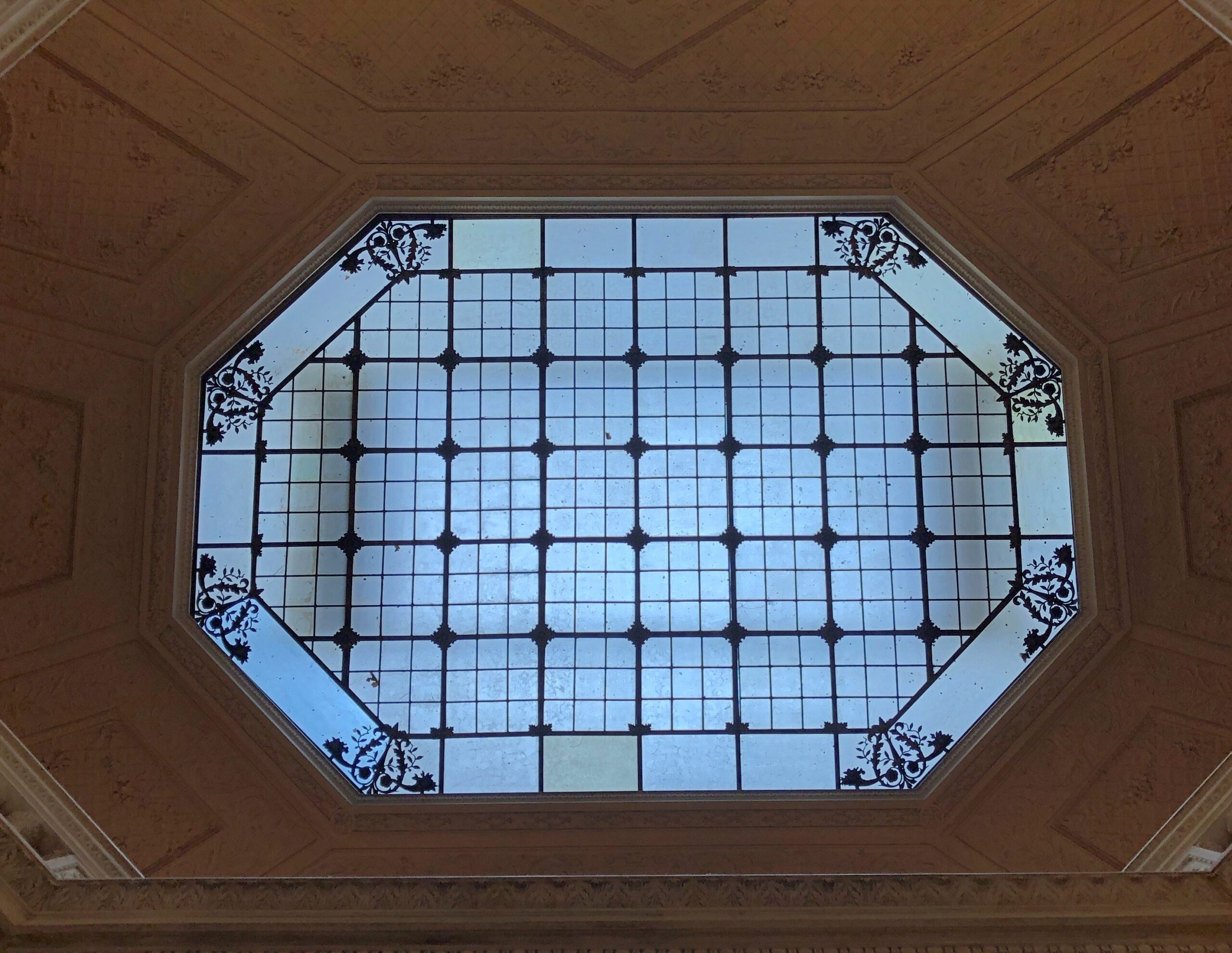
The effort to build and decorate the place must have been considerable, and I hope it provided wages for a lot of workers for a long time, both in the development and maintenance. But it’s a little sterile, for all its architectural pedigree.
Our guide — you need a guide to visit the interior, though the grounds are essentially a public park (and what a park) — said that the Park Service didn’t mind having the mansion, but the Vanderbilt site was more about preserving a long stretch of the right bank of the Hudson River and its views. As I took in some of those views, I had to agree.