How is it that, in stereotypical gendered thinking, men are supposed to have little interest in flowers? Or, put another way, how is it women are supposed to have so much?
There might be scholarly tomes on this very question, but I’m going with my usual reductionism and point to the usual suspects: Victorians, who encouraged upper- and middle-class women practice floral arrangement and paint botanical still lifes, as activities considered suitable for the fair sex, with florists and their ad men partners in the 20th century taking up the task of selling the products of a burgeoning flower-growing industry to women. So here we are.
Yet all sorts of flowers appear in heraldry, which evolved from designs on shields, helmets and crests – elements of armed combat, in other words, and what could be more manly than that? It was the Tudor rose, not the Tudor quince.
On the other hand, I’m not particularly interested in receiving a bouquet as a gift. Gender norms are pretty sticky.
Some of us have been known to name girl children after flowers. Except that her mother is also named “lily,” since the Japanese for that flower is ユリ(yuri). And I insisted that the name Lilly be distinct from the flower Lily, but of course the latter spelling is actually more common these days in the English-speaking world as a name. Ain’t language fun?
Never mind. I enjoy looking at flowers. Also, taking their pictures, since they don’t move much (except in a high wind), you don’t need their permission, and they can make highly aesthetic images. Not long ago we visited Volkening Lake in Schaumburg, as we often do, and July is an especially good time and place for flowers there. Such as along the shore.
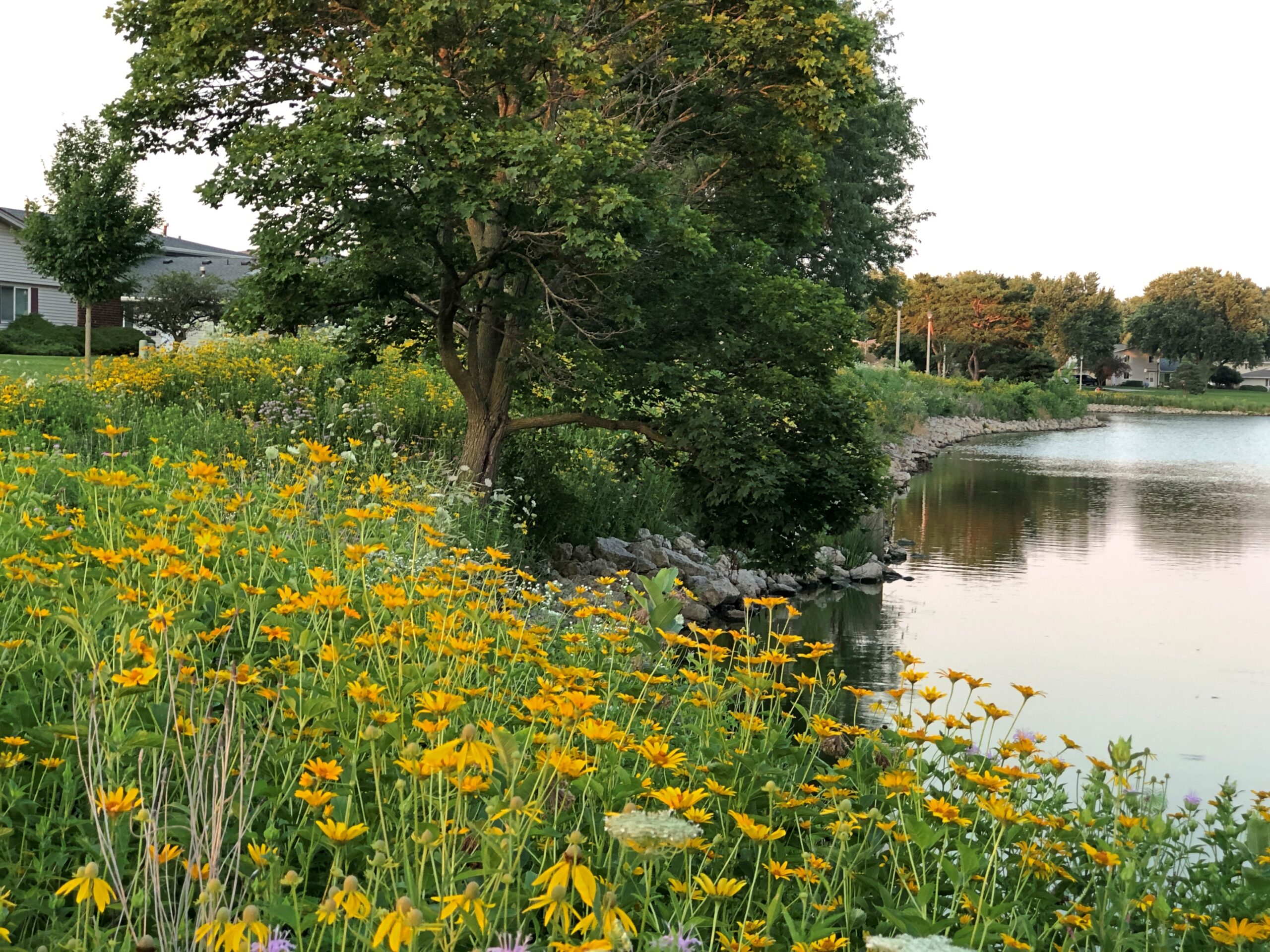
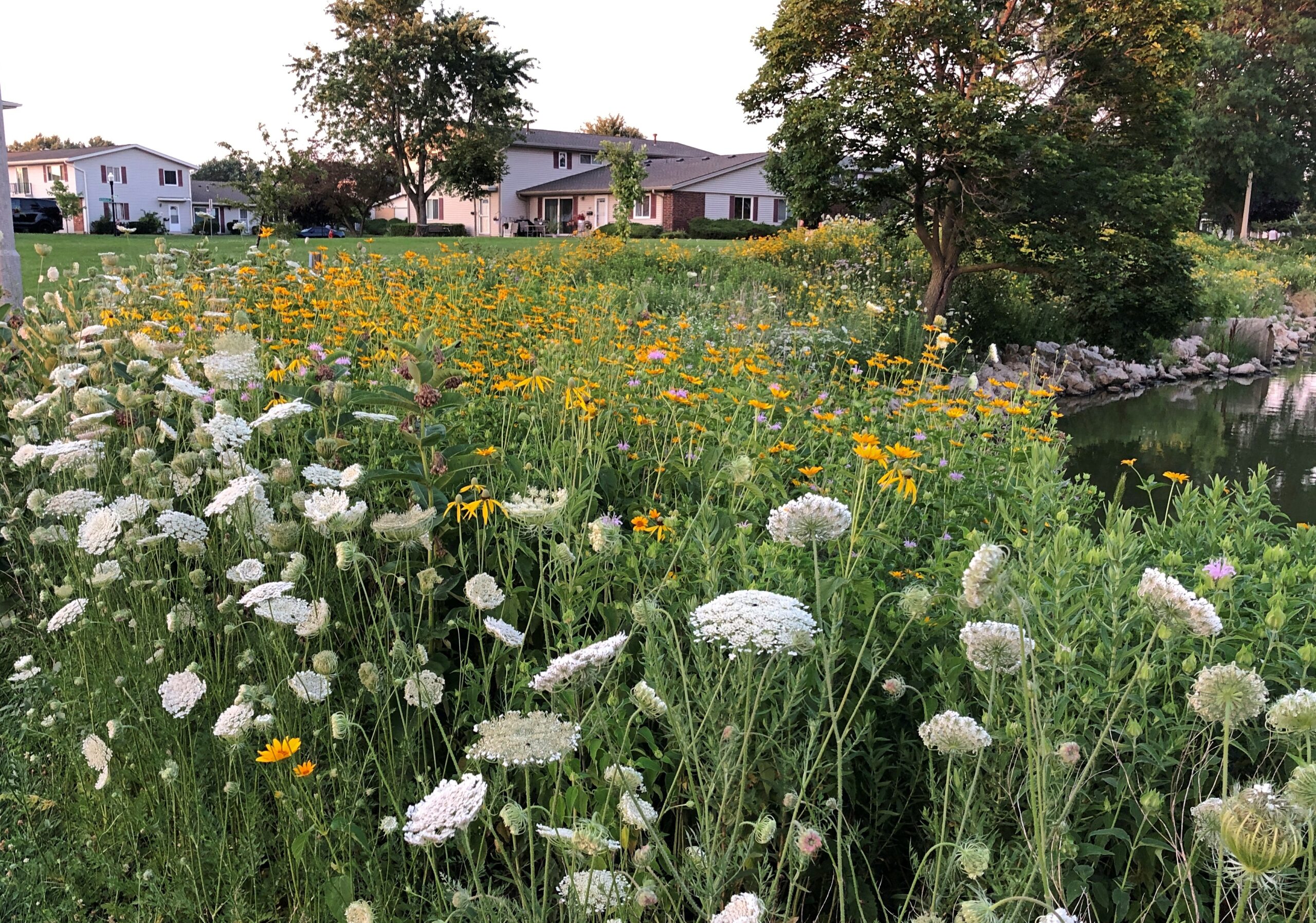
Through the marvel of Google Images — something I didn’t really appreciate until recently — I can look up which flower is which, including common and scientific names.
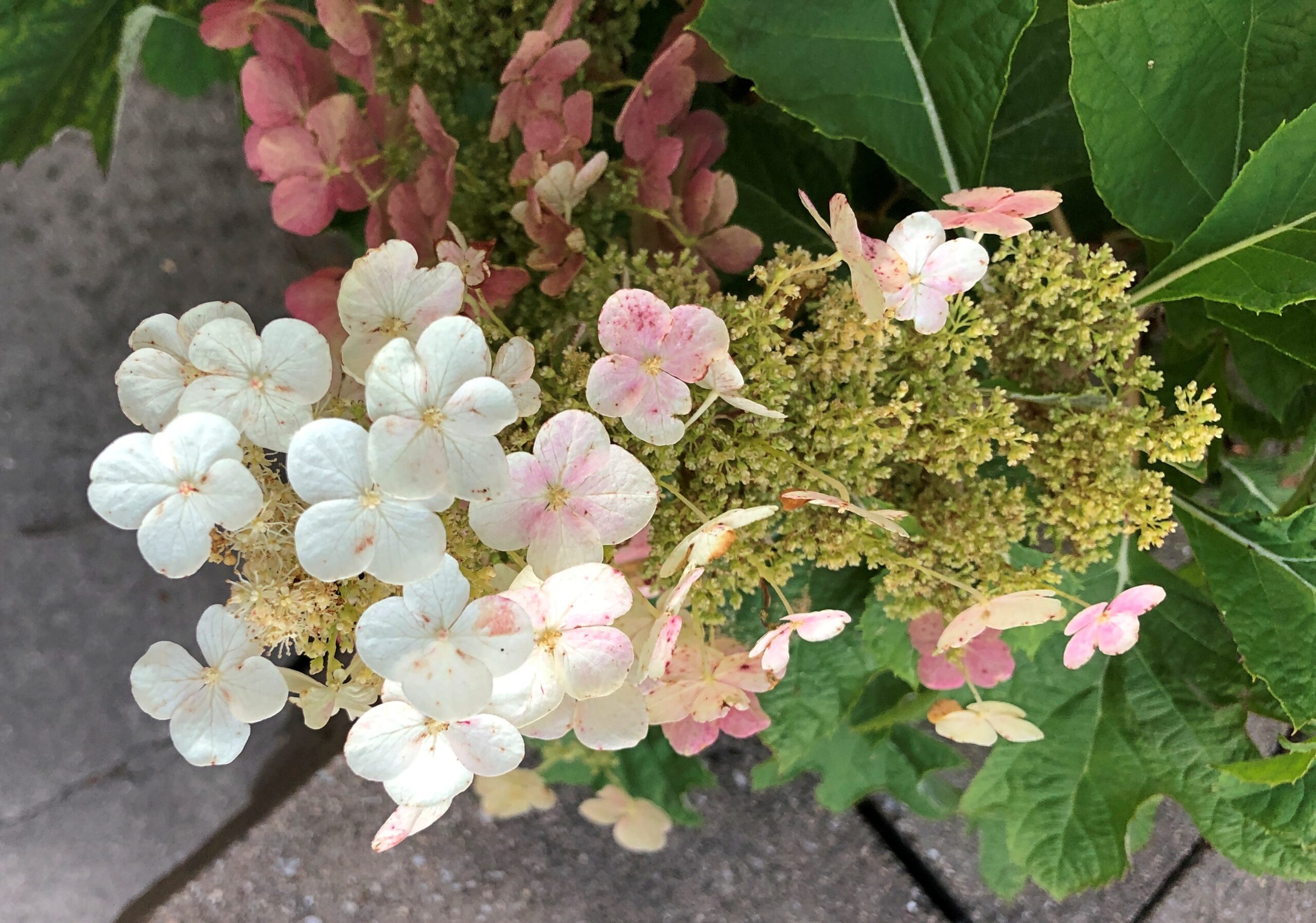
Such as Oakleaf Hydrangea (Hydrangea quercifolia).
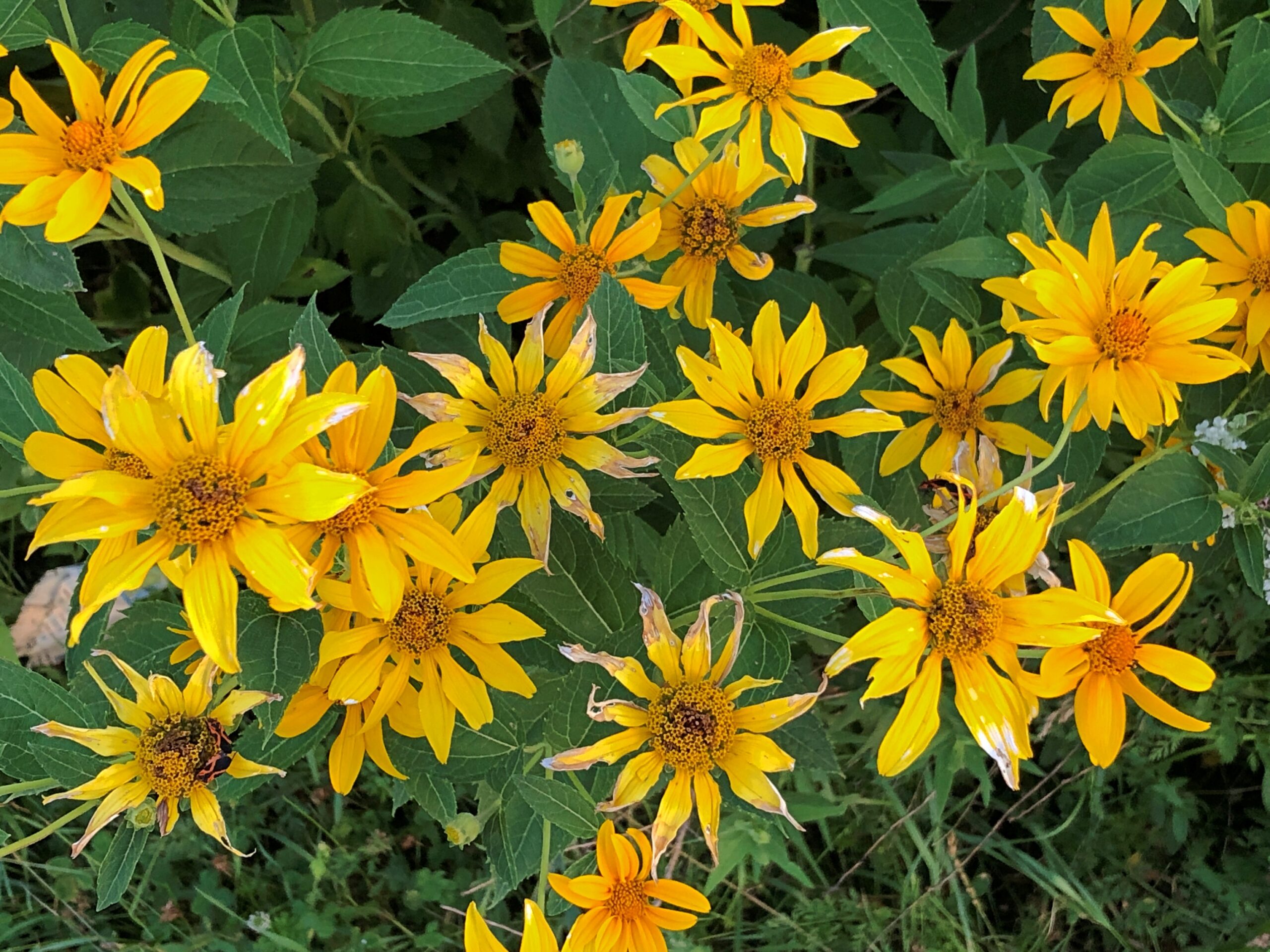
Smooth Oxeye (Heliopsis helianthoides), also known as the False Sunflower. I can see that.
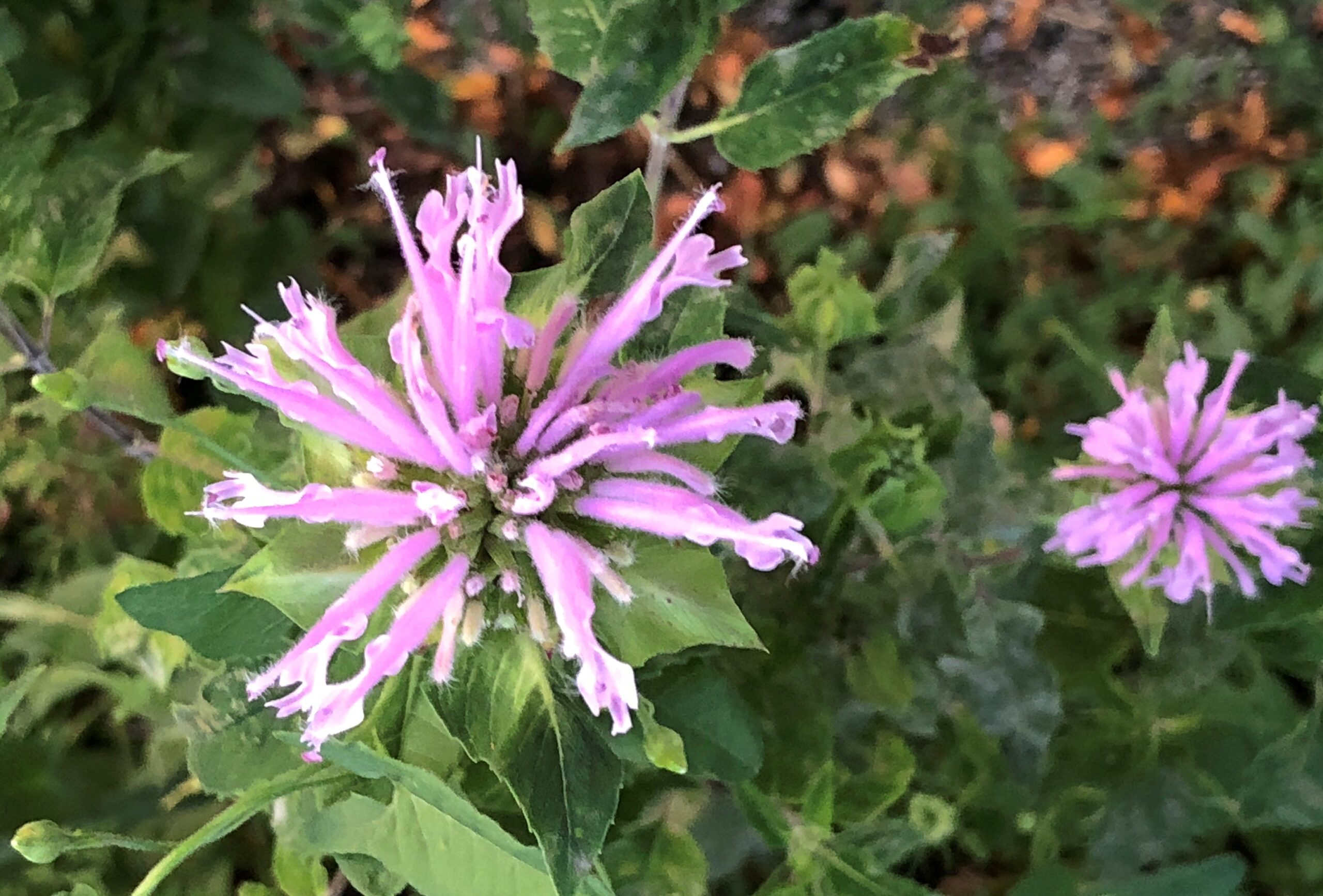
Bergamot or — and this is a fine alternate common name — bee balm (Monarda fistulosa).
Ironweed flower (genus Vernonia).
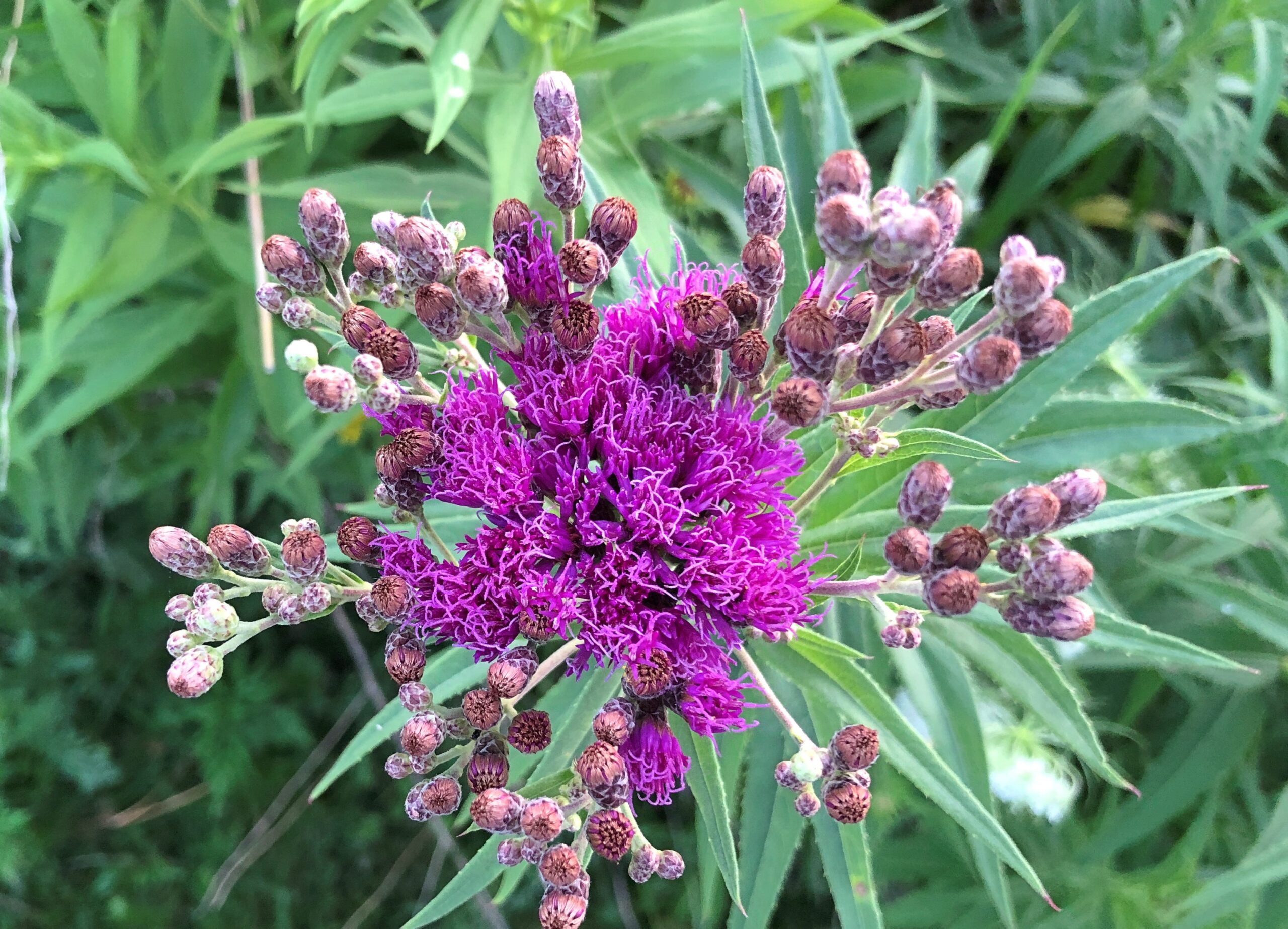
I liked this one so much I played around with the image. Reminds me of something you might see in the distant reaches of space. AI Prompt: Refashion into a nebula. So you have it: The Ironweed Nebula.

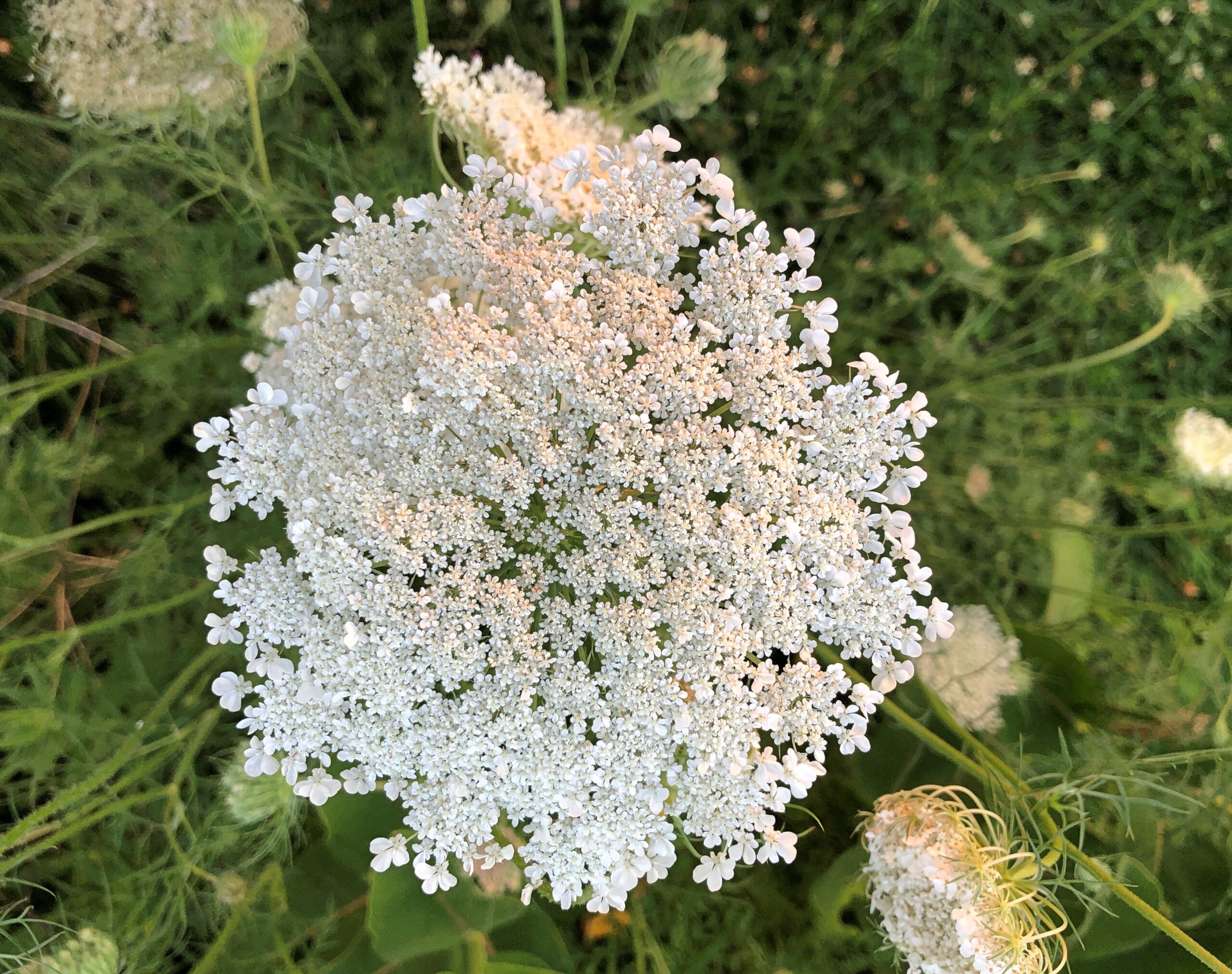
One I knew: Queen Anne’s Lace. But not the scientific name (Daucus carota). I didn’t know it’s the wild carrot. One of the most common flowers of summer around here, though not originally native to North America. Our back yard is lousy with them.
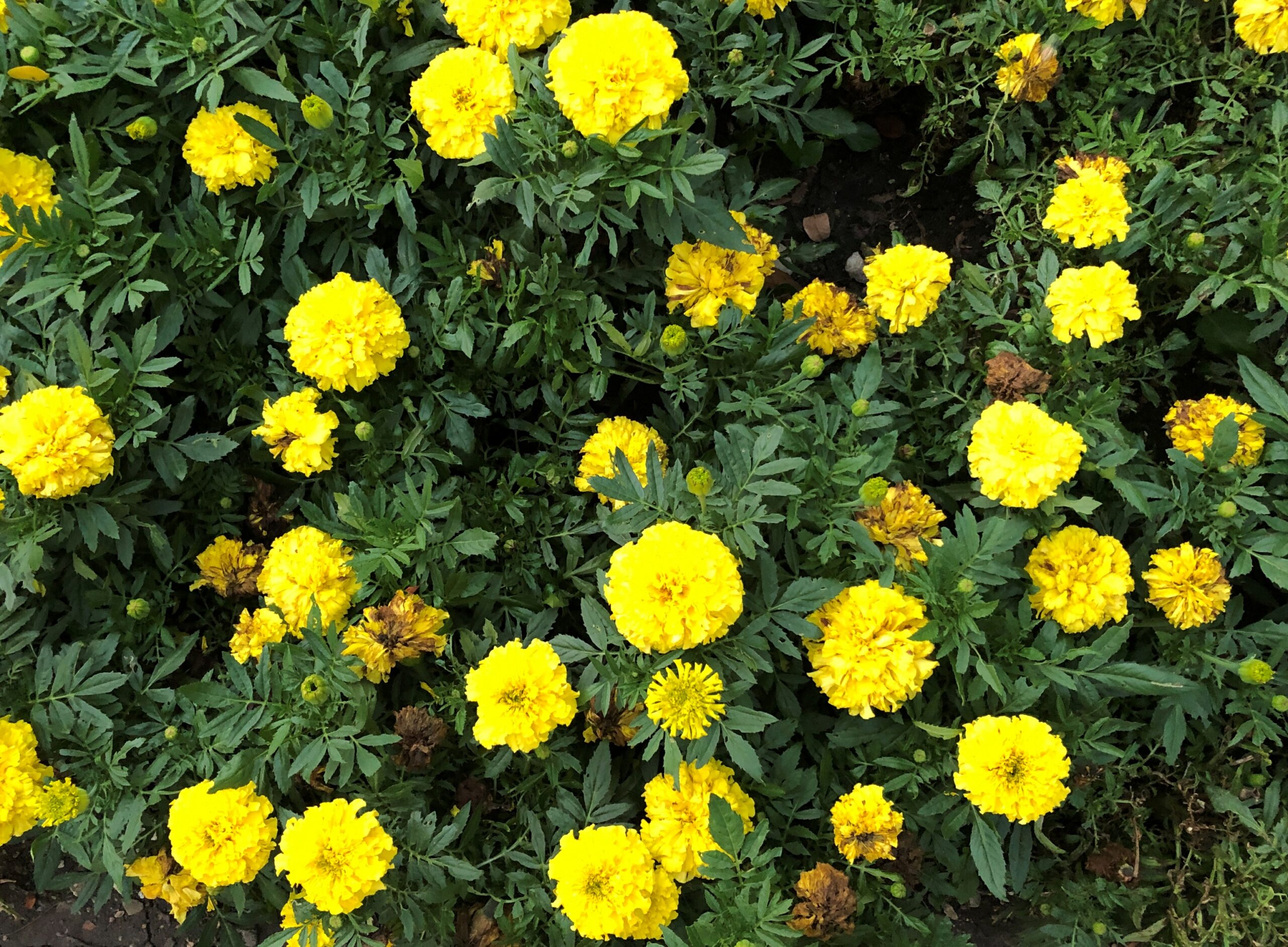
Near the lake are some flower beds. I knew this one, too: Marigolds (Tagetes erecta).
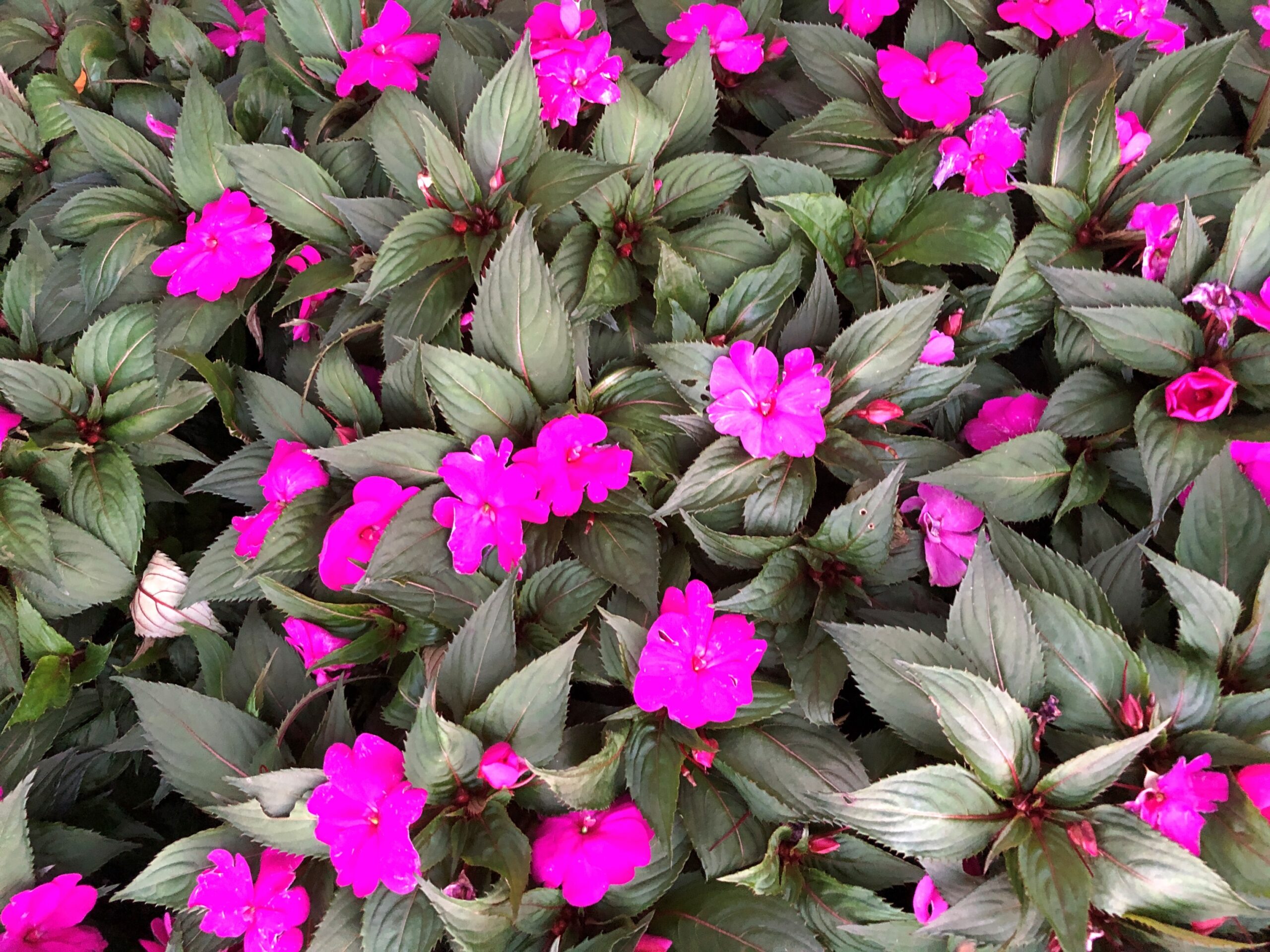
But not New Guinea Impatiens (Impatiens hawkeri), though if I remember right, my mother was fond of them.
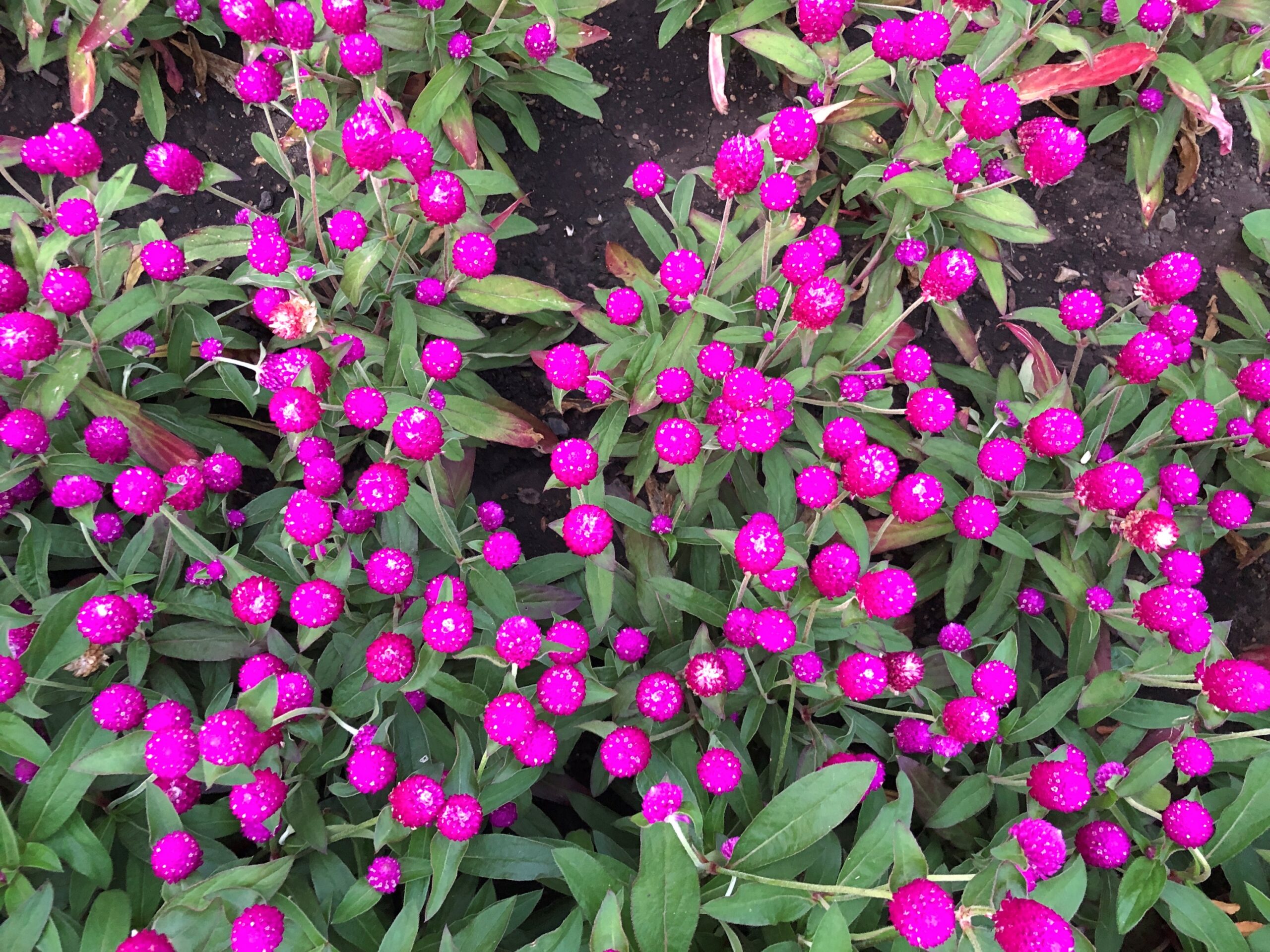
Or the Globe Amaranth or Button Flower (Gomphrena globosa).
AI Prompt: Refashion as stars being born in a nebula.
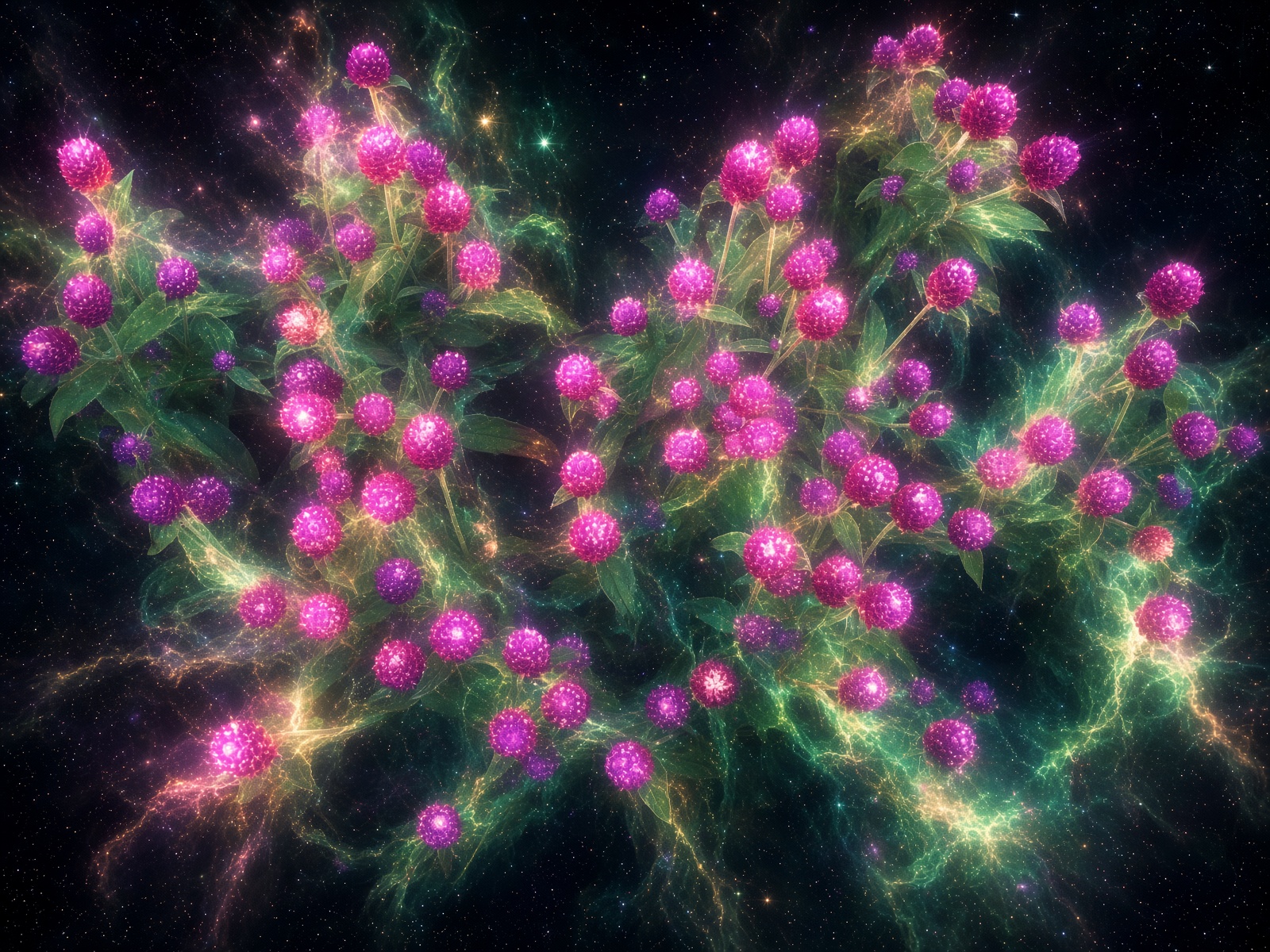
The Button Flower Nebula. Not especially celestial, but nice to look at.