Back in 1858, someone bothered to take a photograph of the spanking-new McHenry County, Illinois, courthouse – and what a bother it must have been, considering the state of camera tech at the time. Then again, it wasn’t like the photographer had to tell the building to be still.
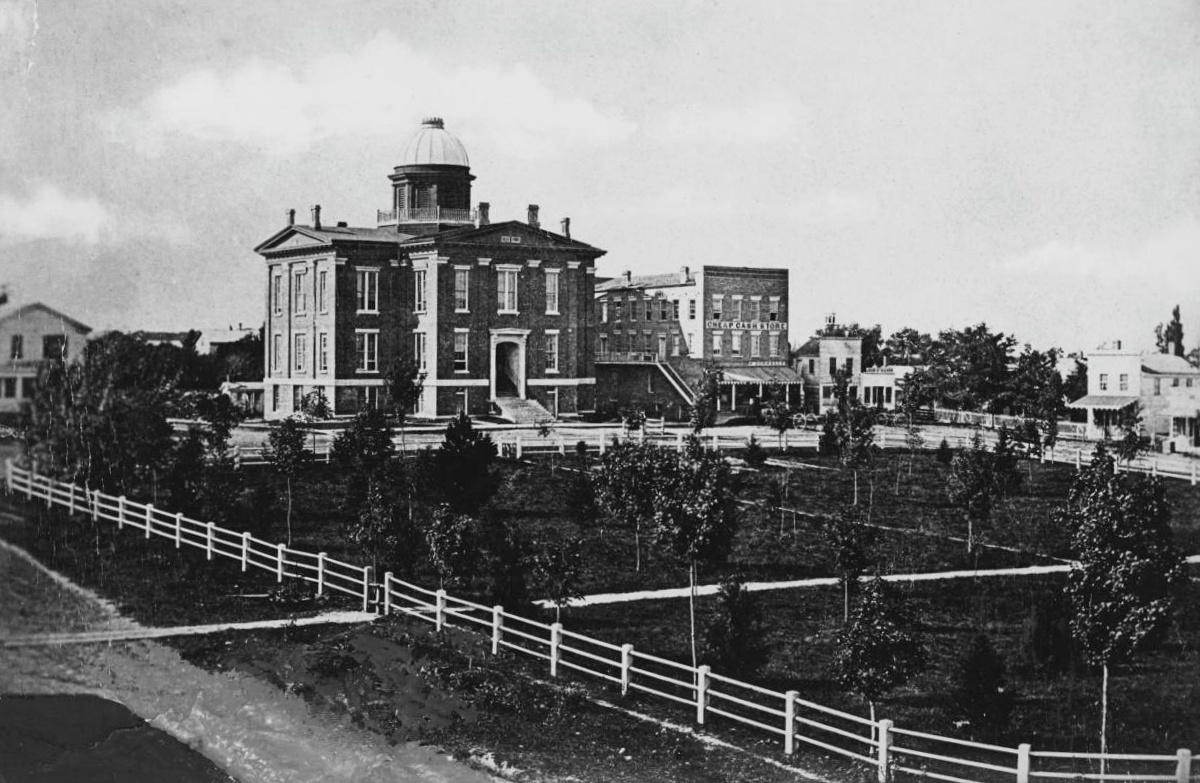
Here in 2026, point and shoot.
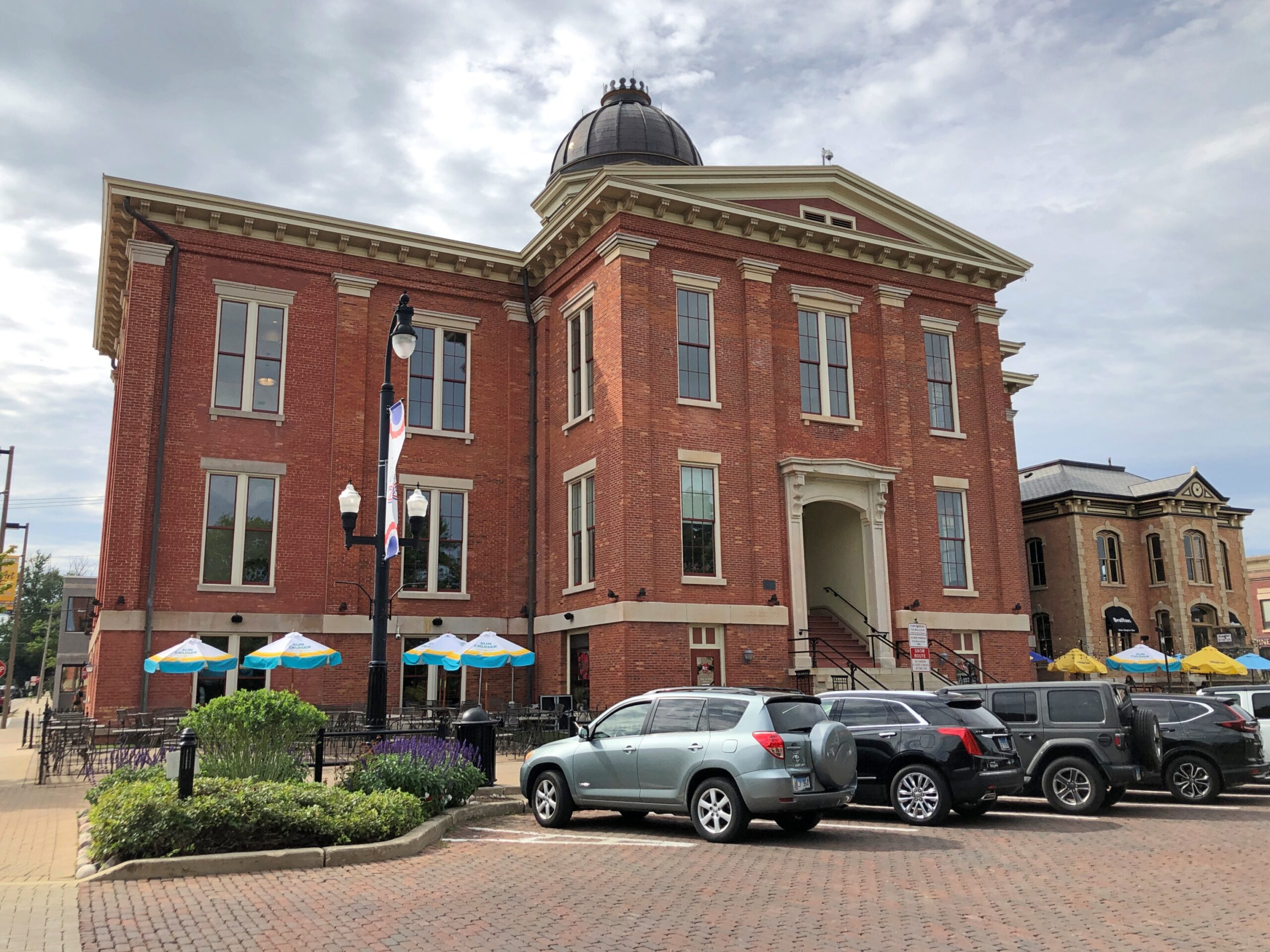
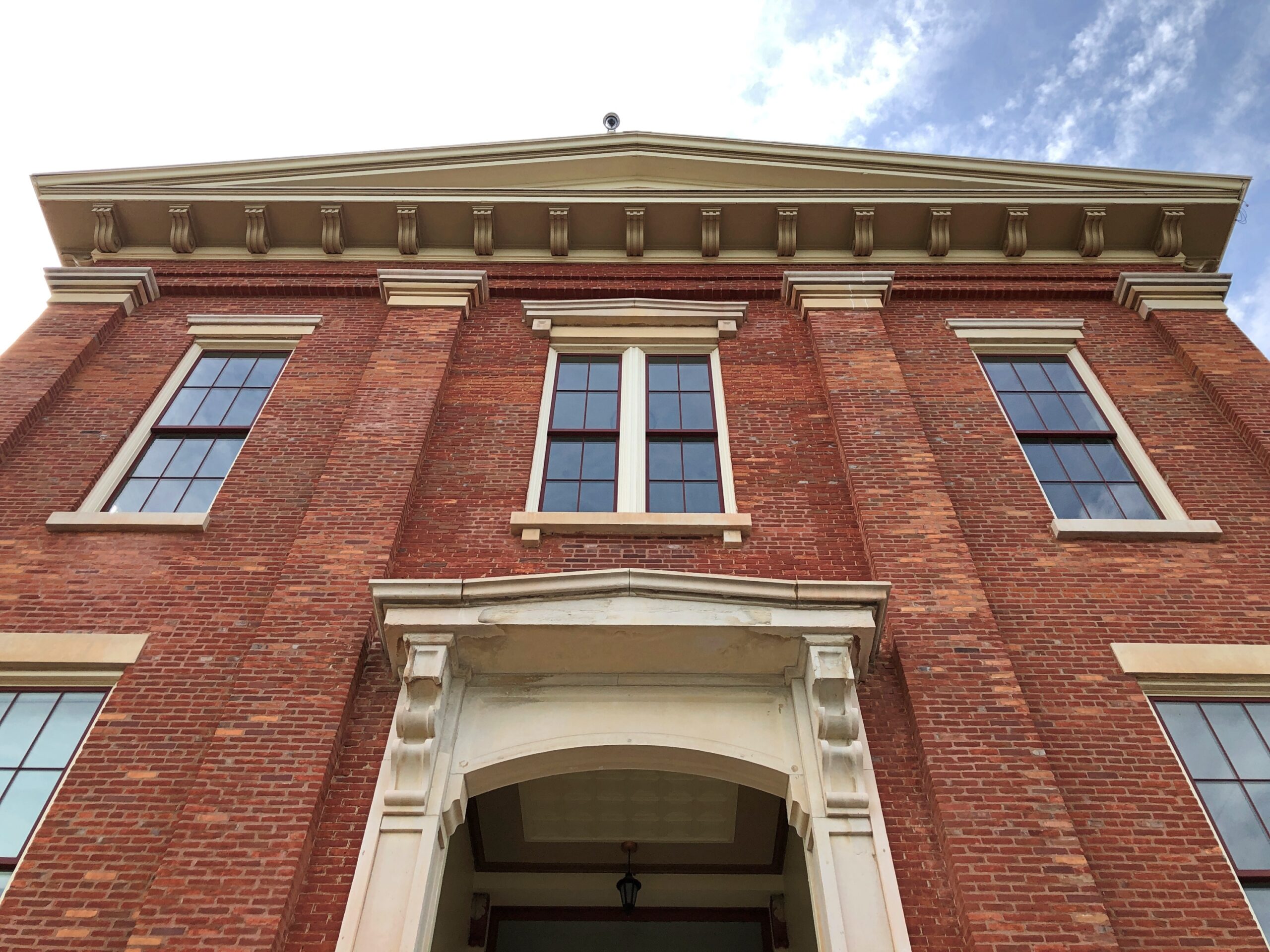
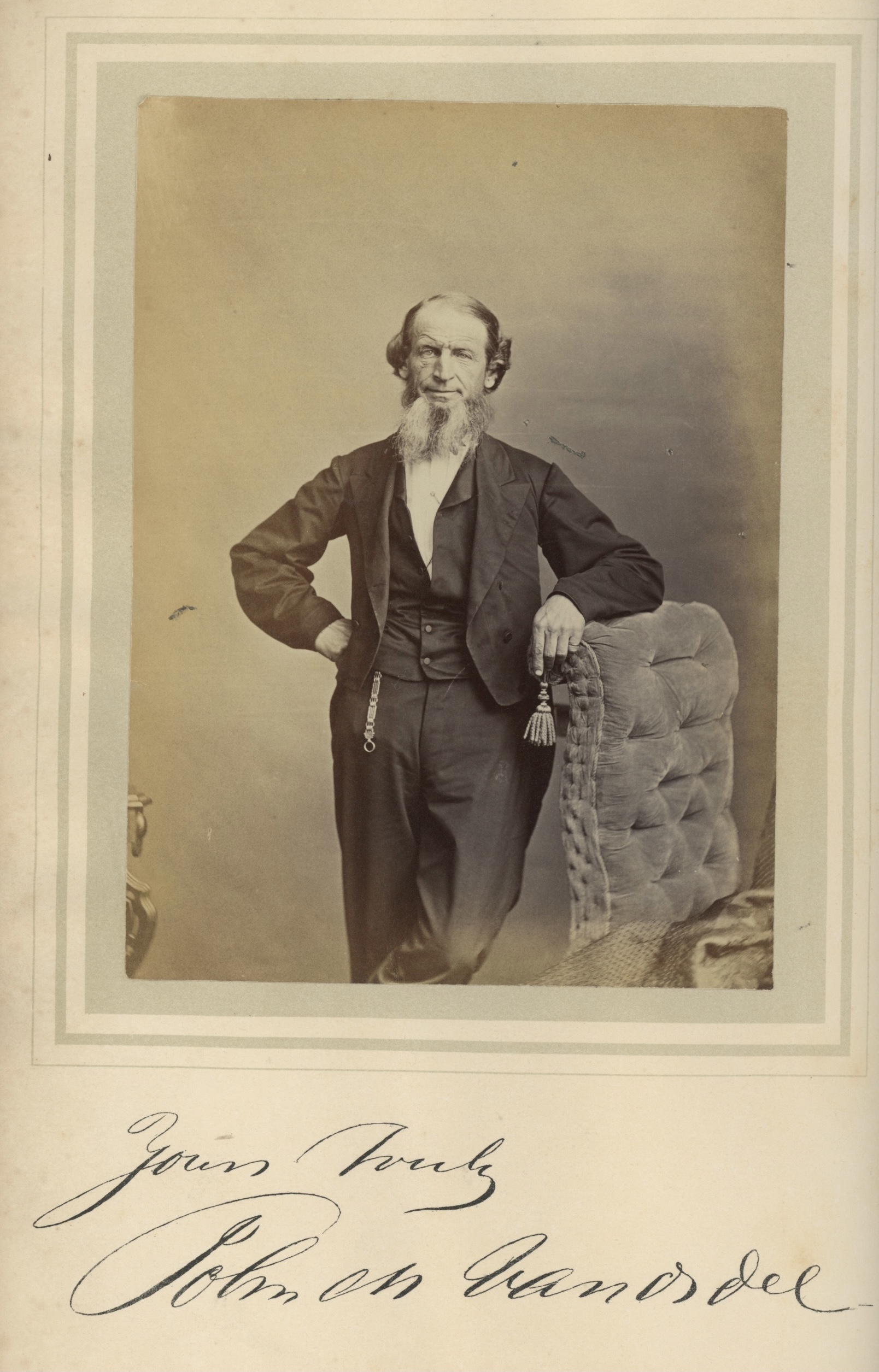
The design of John Mills Van Osdel (d. 1891), described by Wiki as the first Chicago architect. Is that so, I wondered? Whatever I’d read about him – and I did a fair amount of reading about Chicago history when I lived in the city for the first time – had long since evaporated. Biographical Sketches of the Leading Men in Chicago, Photographically Illustrated by John Carbutt (1868) tells the Van Osdel story, and quite a story it is.
The first mayor of Chicago, William Ogden, hired him to build structures in the infant metropolis, and soon Van Osdel was designing them, too. This was back in the days when someone could learn to build buildings from a builder father and later reinvent himself as an autodidact architect, with all sorts of 19th-century ups and downs along the way.
Next door, a smaller building, but also handsome.
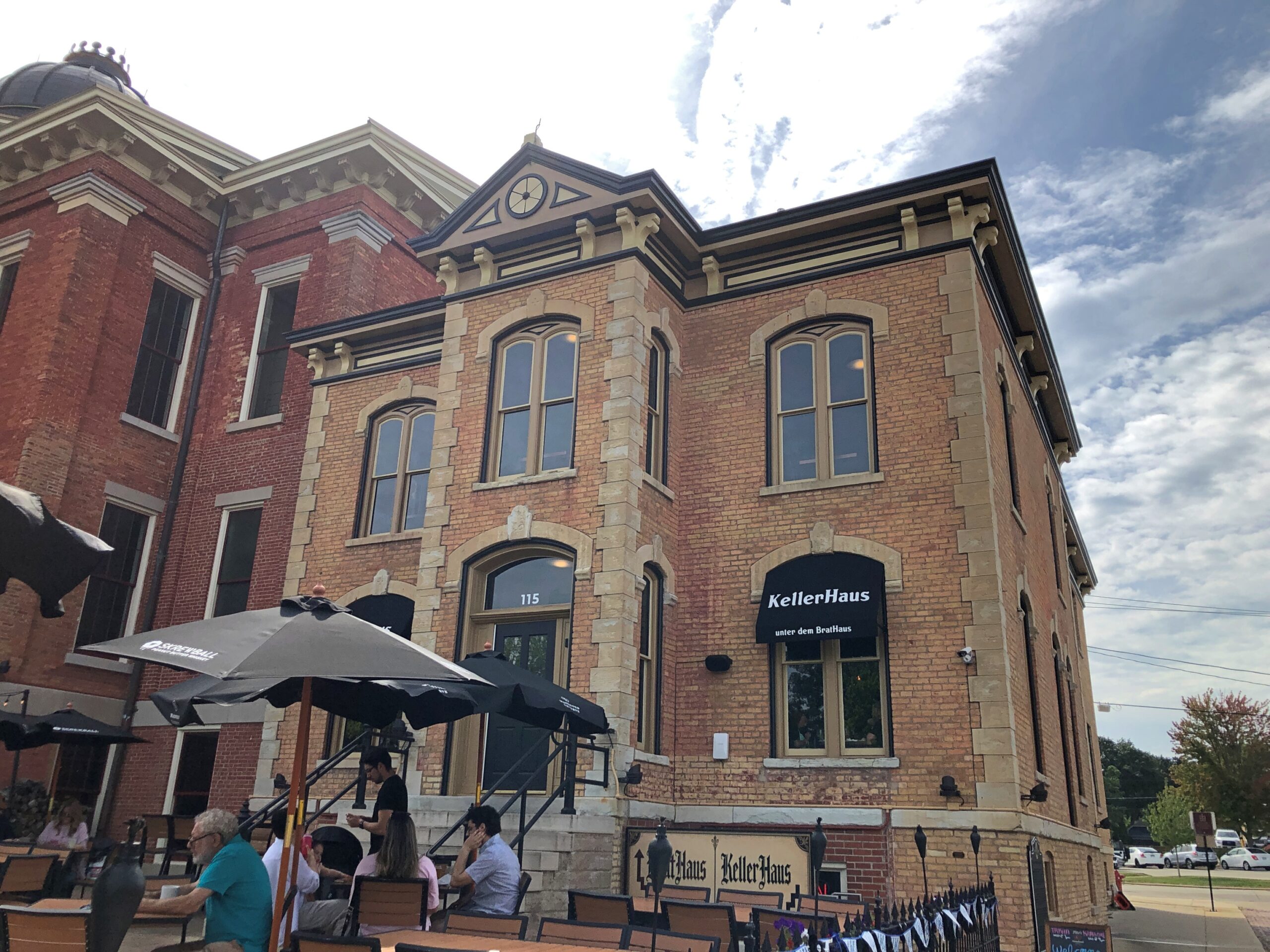
Formerly where the McHenry County sheriff lived, with a jail in the basement. Now home to KellerHaus, a local brewery and restaurant.
County government moved out of the building more than 50 years ago, to someplace less aesthetic but not too bad. Later, Woodstock Square (my guess would be late 19th century) took its present form, a green crossed by sidewalks.
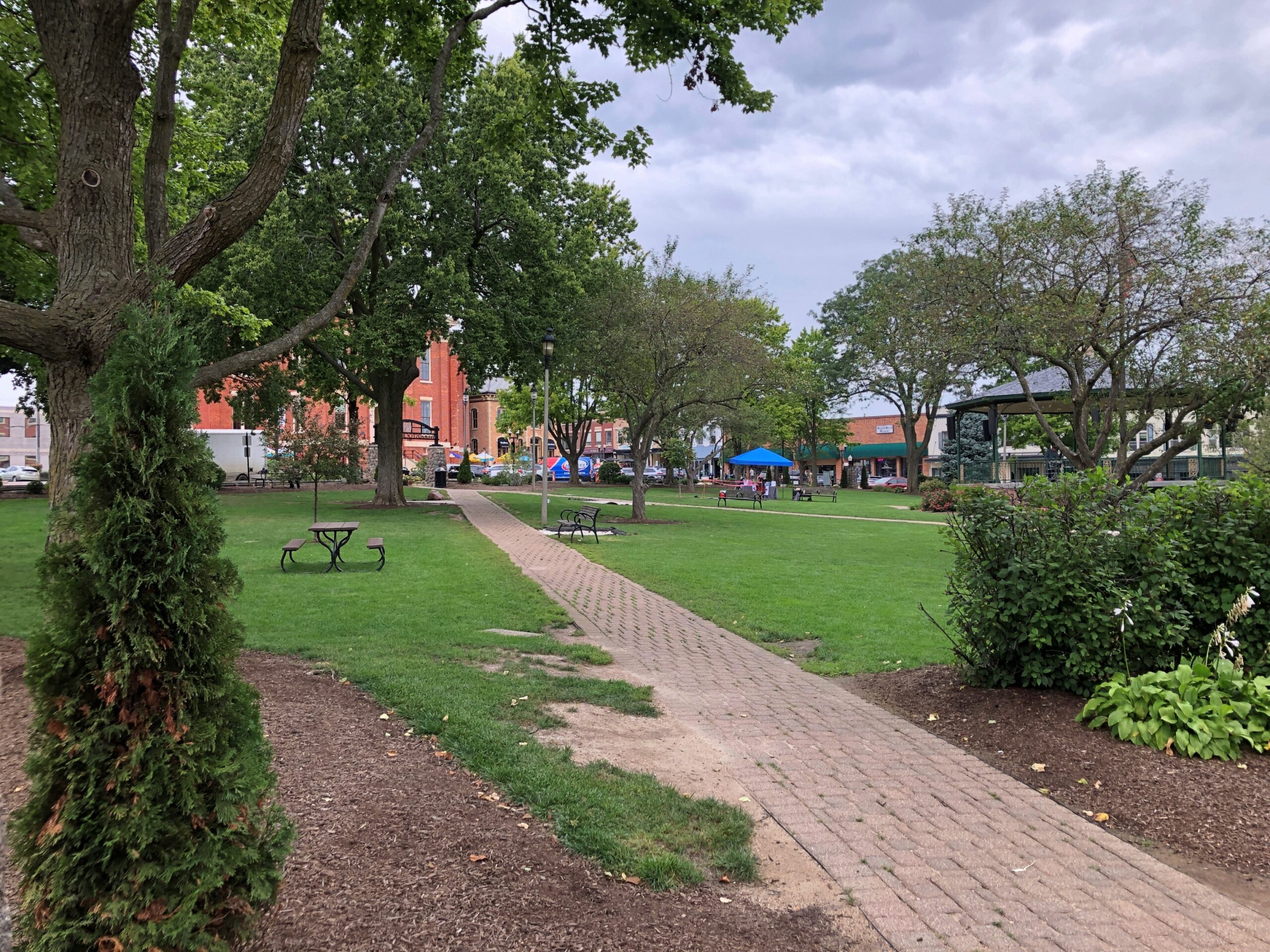
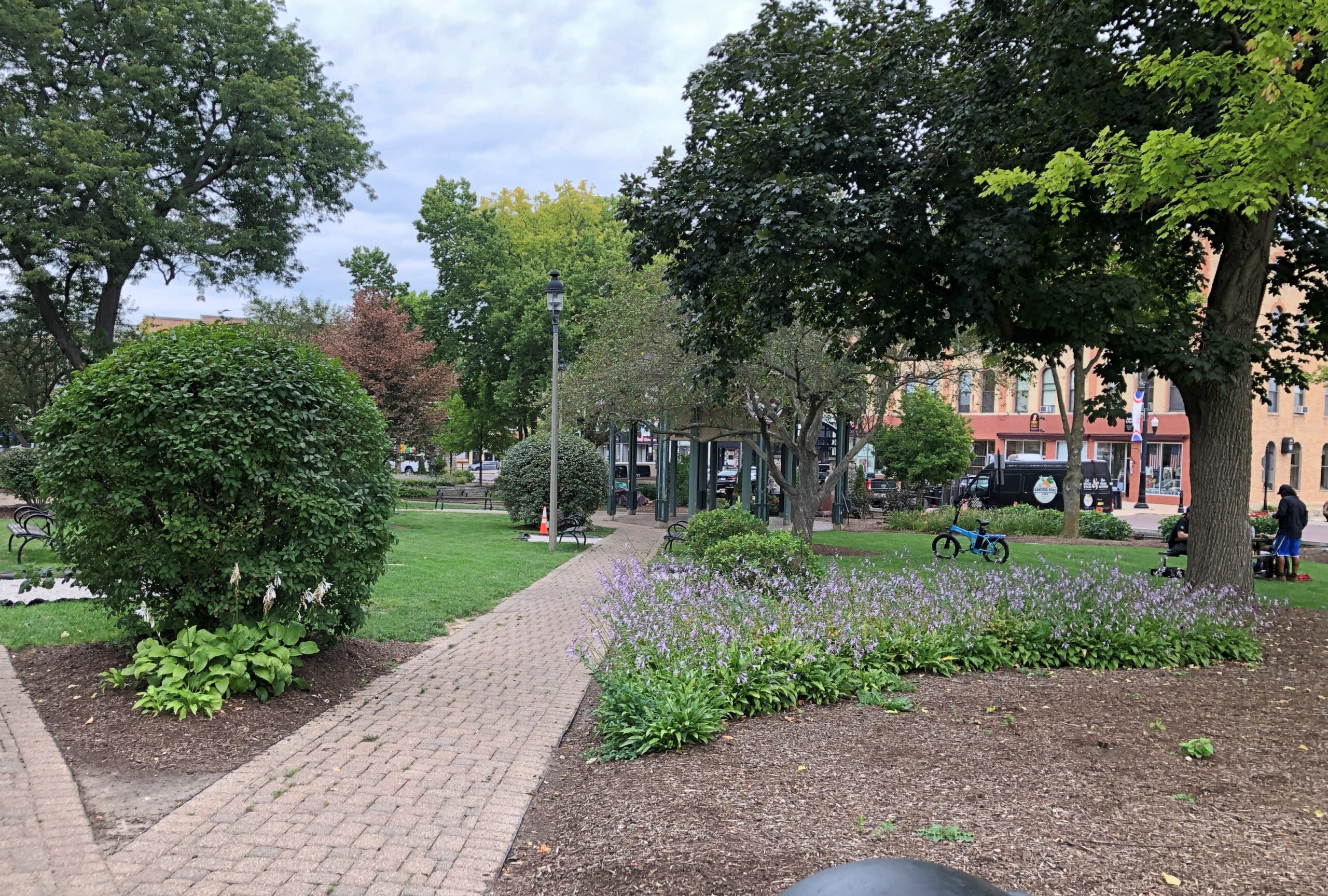
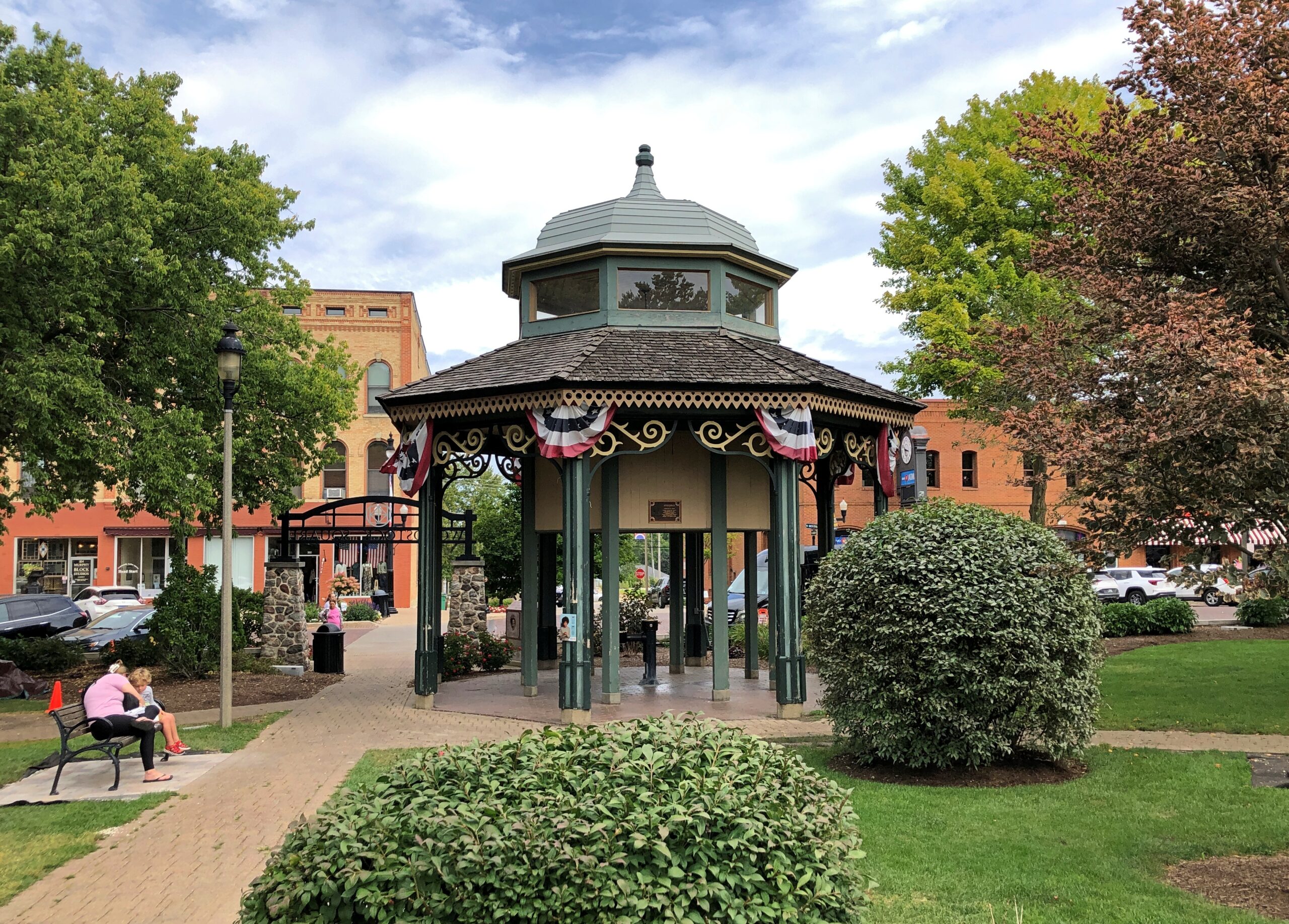
The park is home to a gazebo. And a bandstand. Or two gazebos or two bandstands. Authorities disagree about which is which, and entire academic careers have been staked on determining the difference. Or not, I made that up.
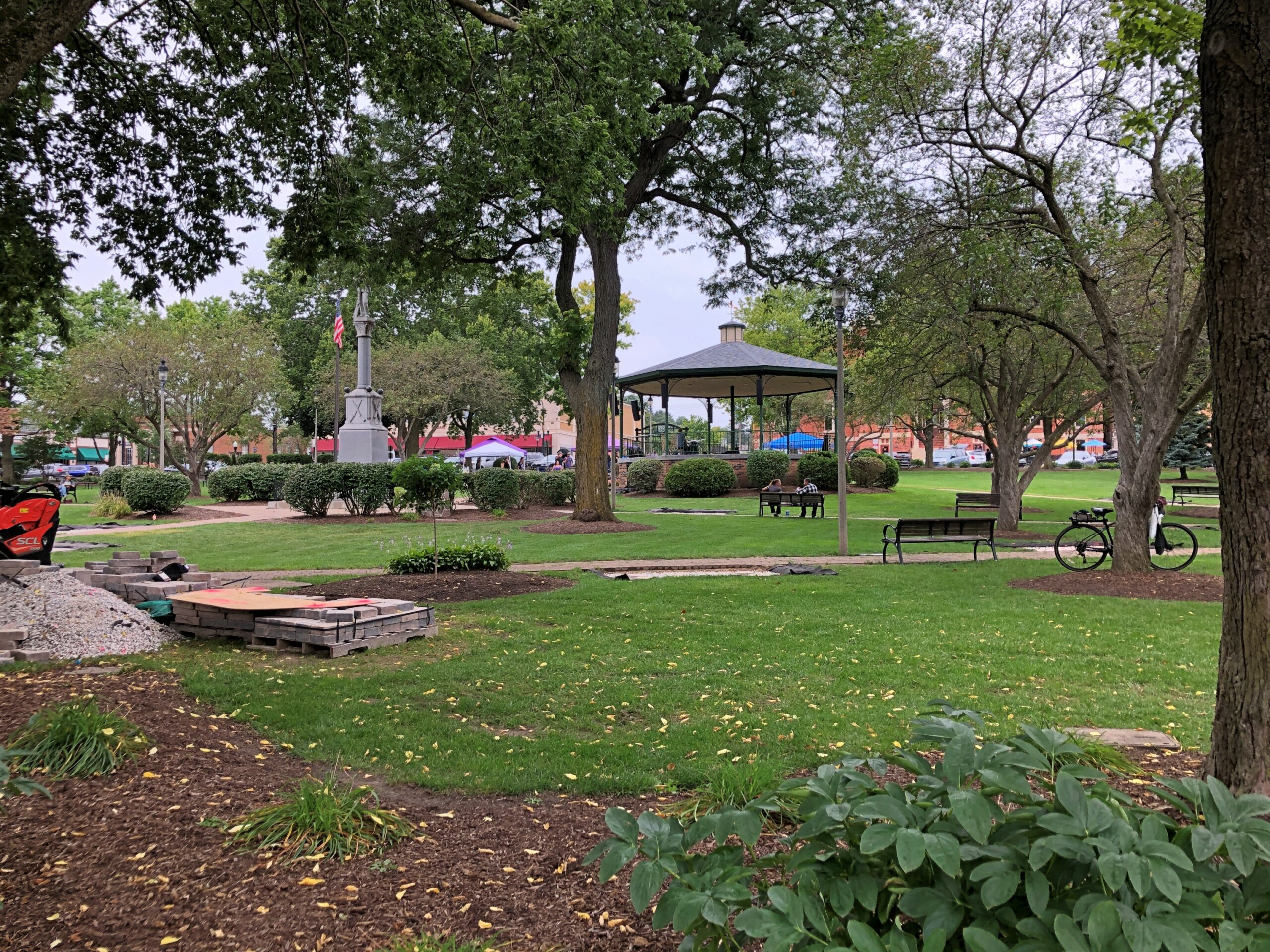
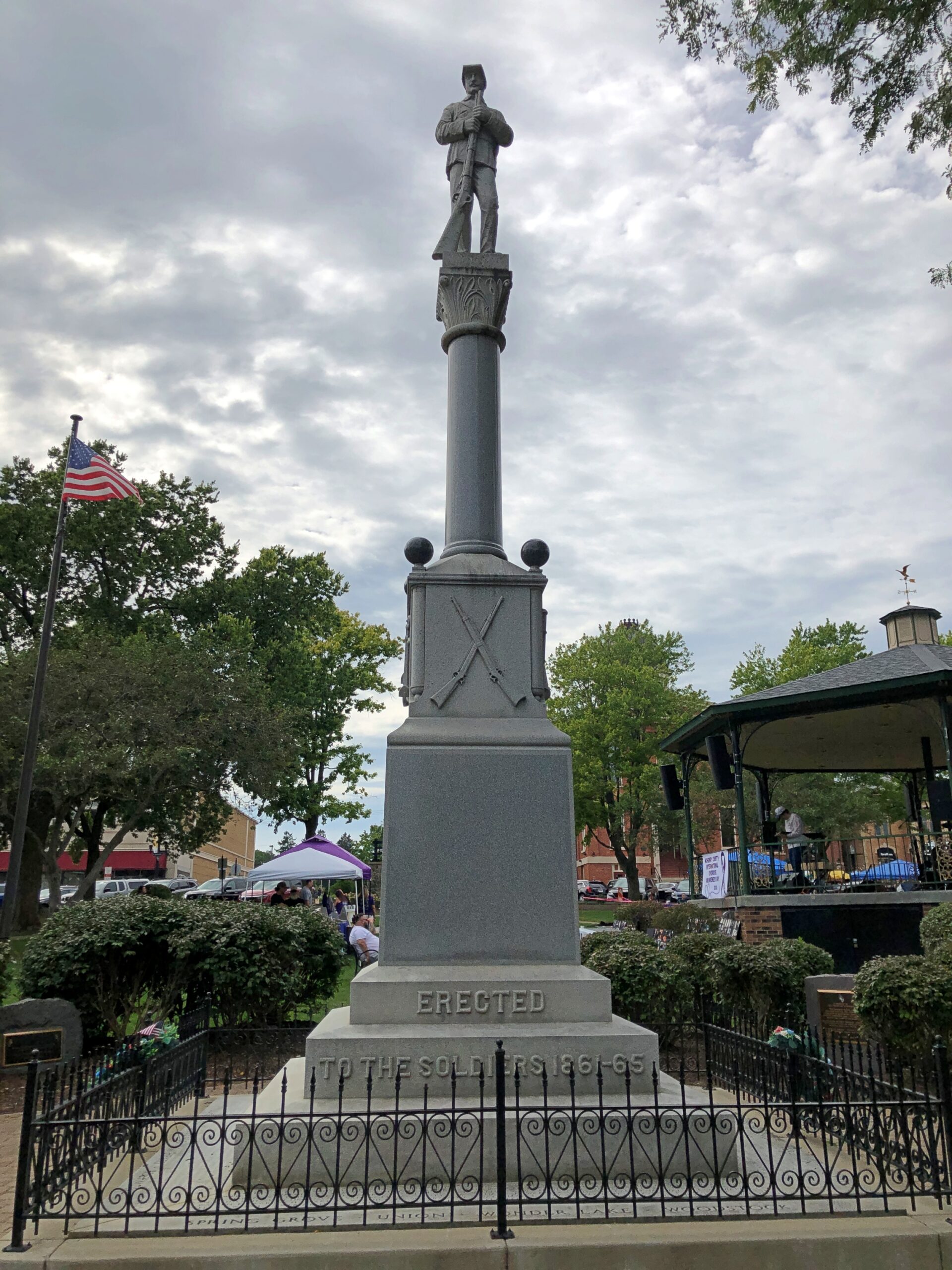
A memorial to the men in blue from McHenry County, erected in the “We’d better get moving on this” year of 1911.
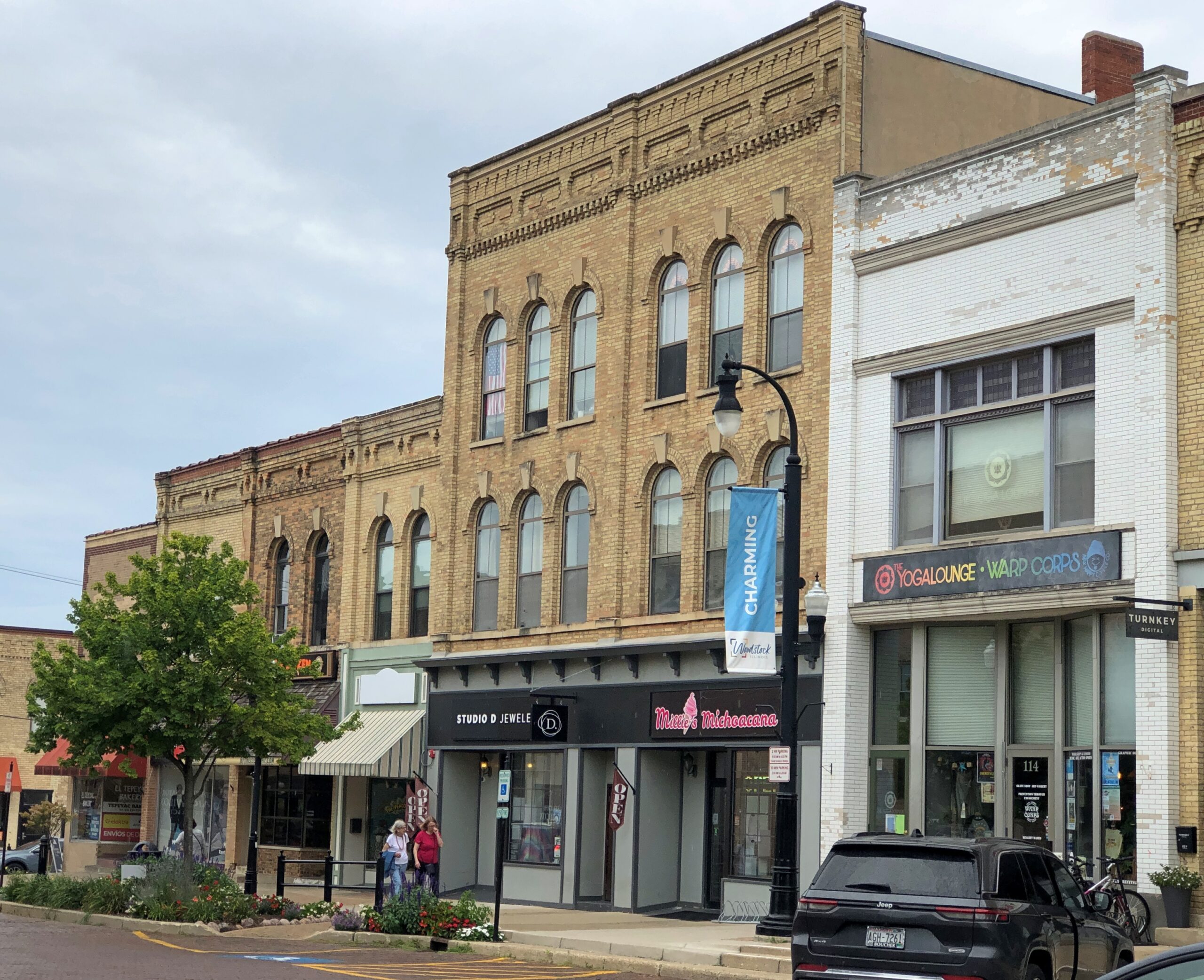
Woodstock Square is ringed – squared – by some handsome commercial structures of pre-Great War vintage, mostly.
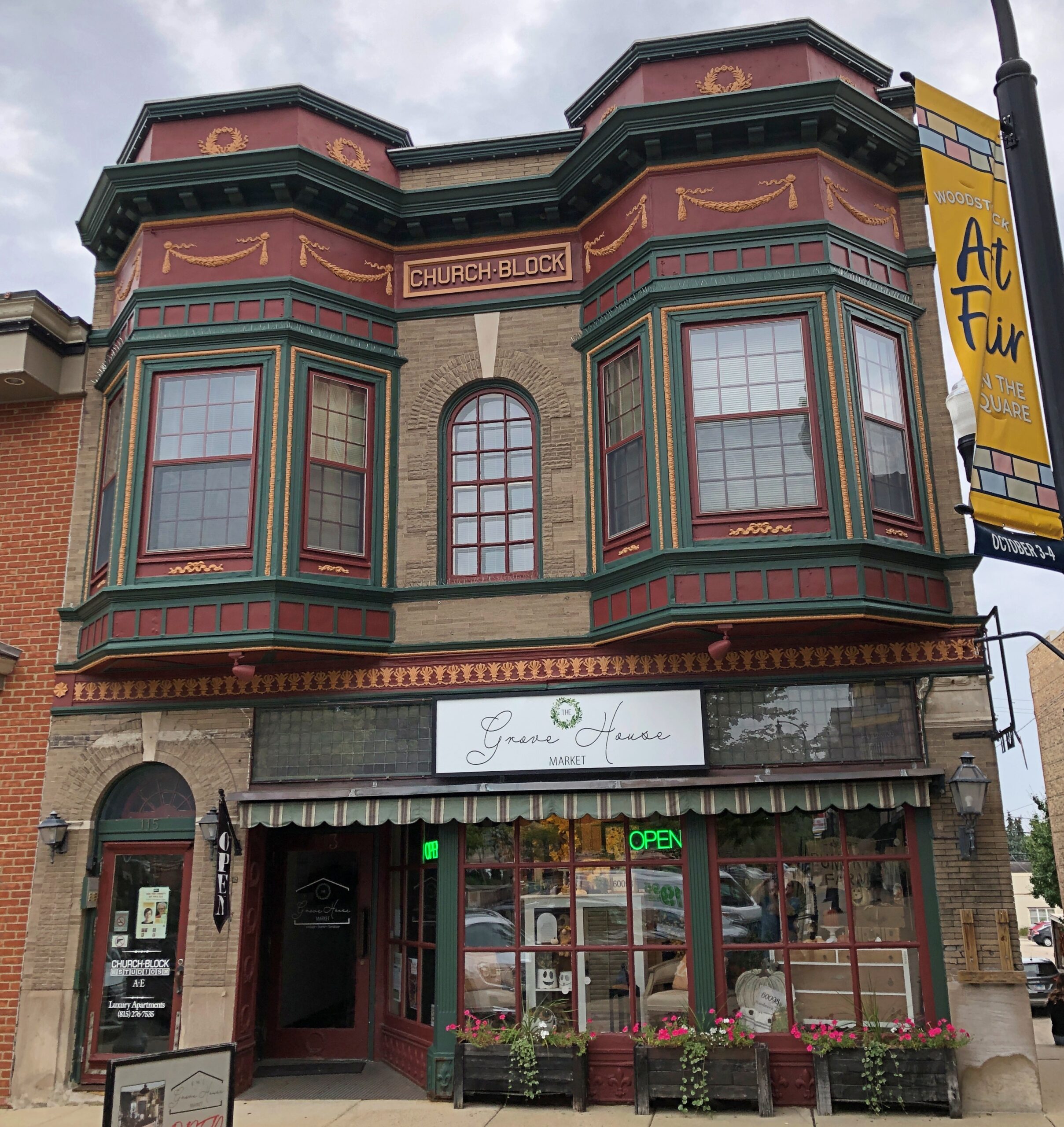
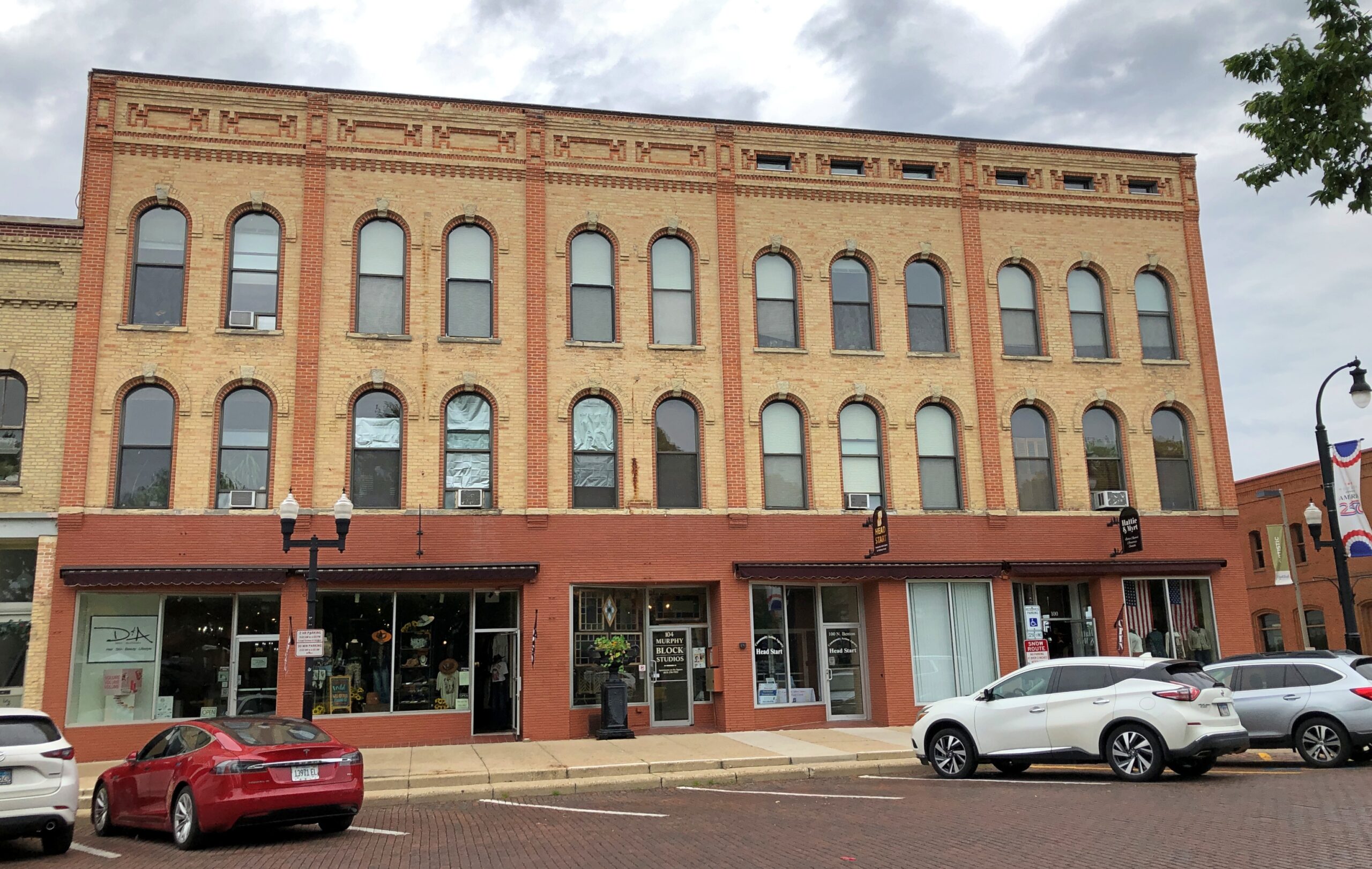
Including a fair amount of boutique-ification.
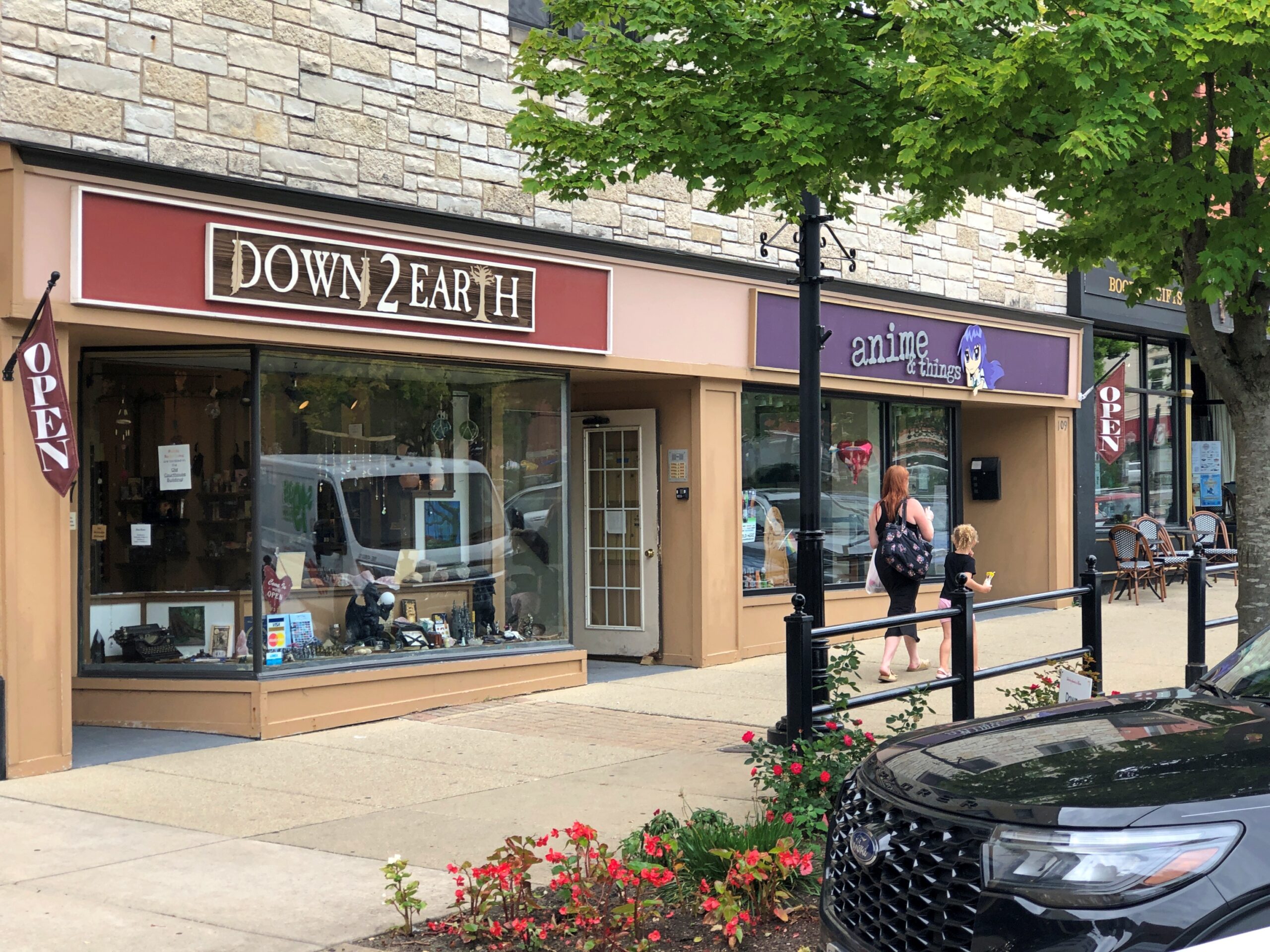
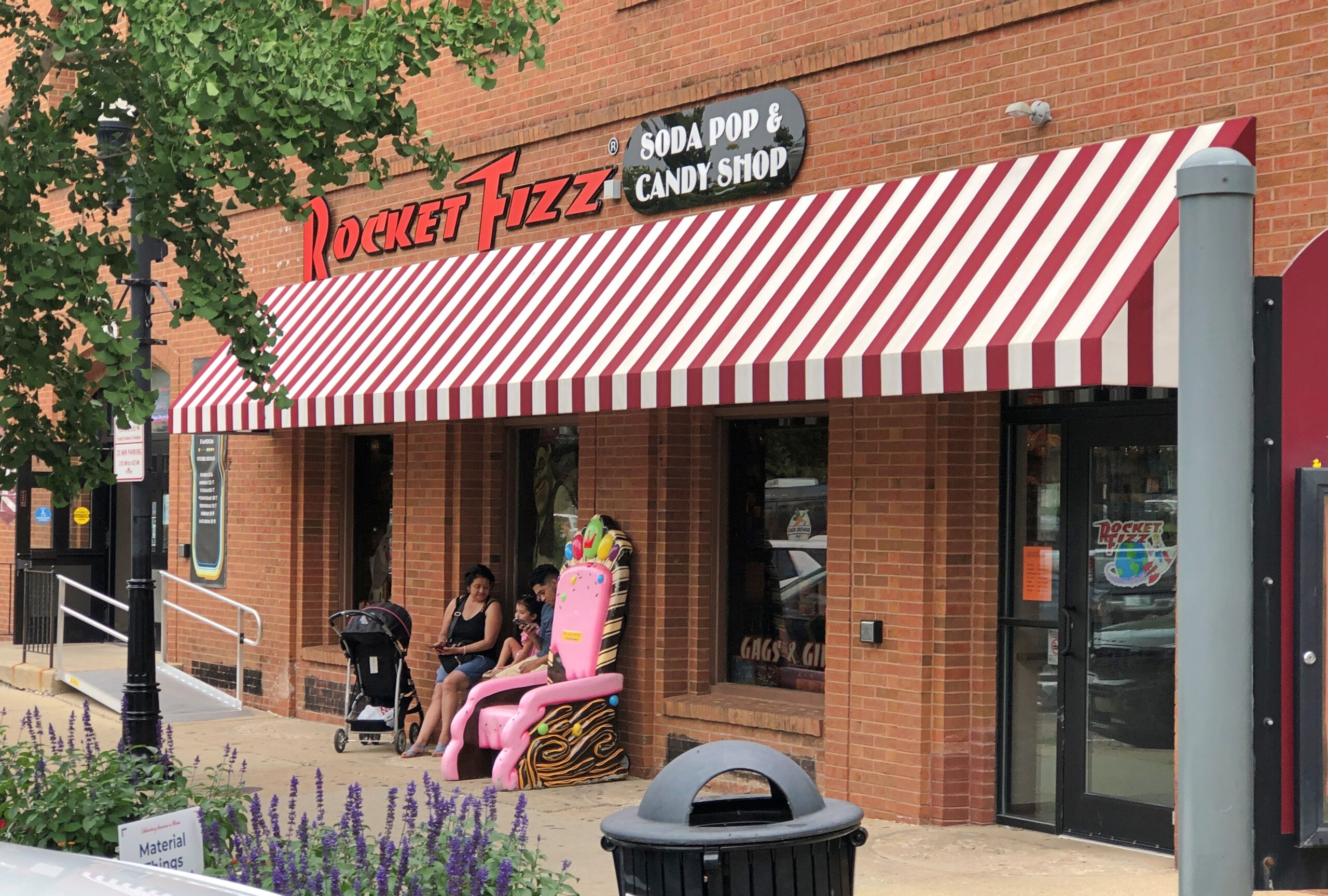
Which makes for some colorful spots.
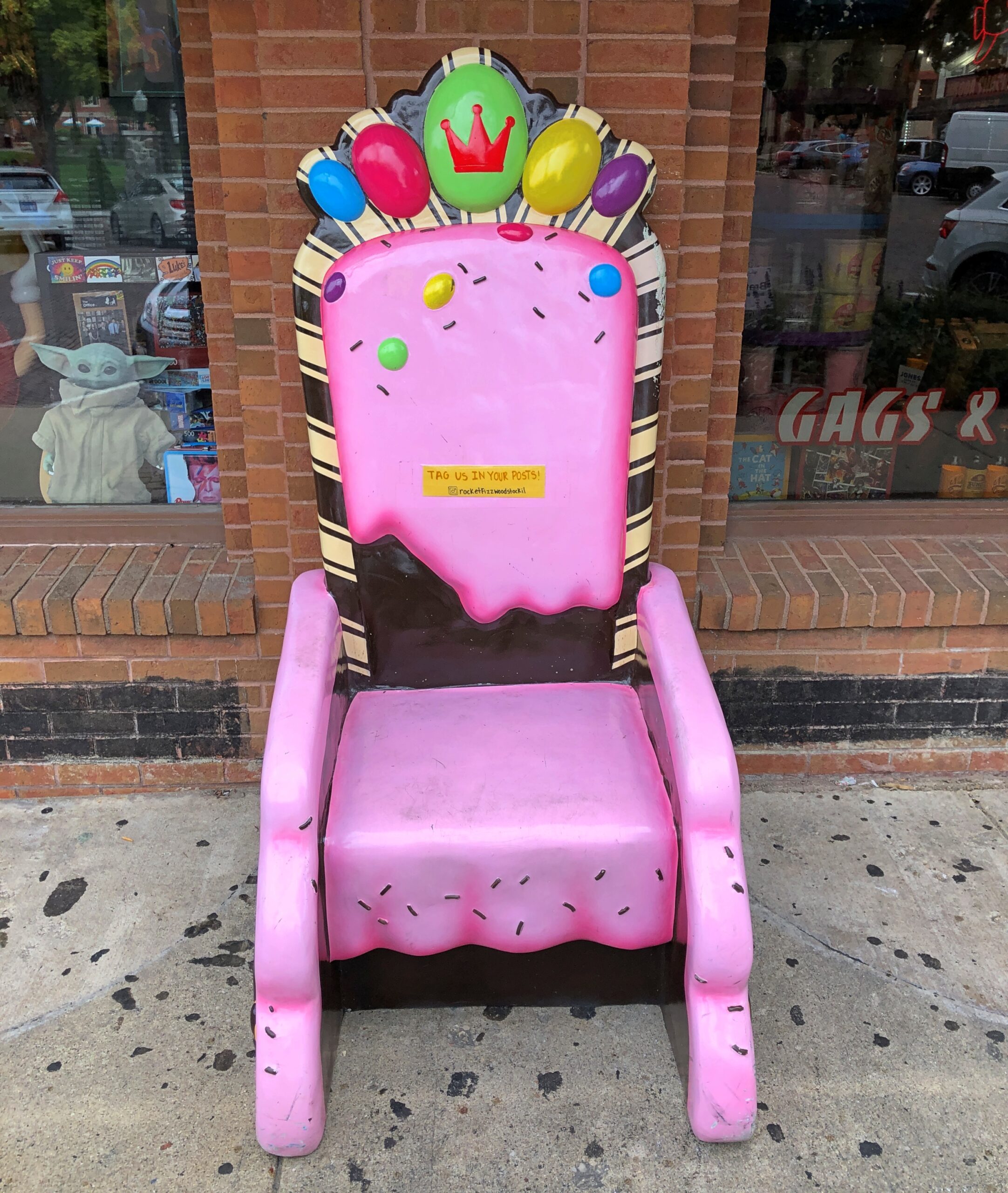
Smaller, but adding just as much to the character of the square.
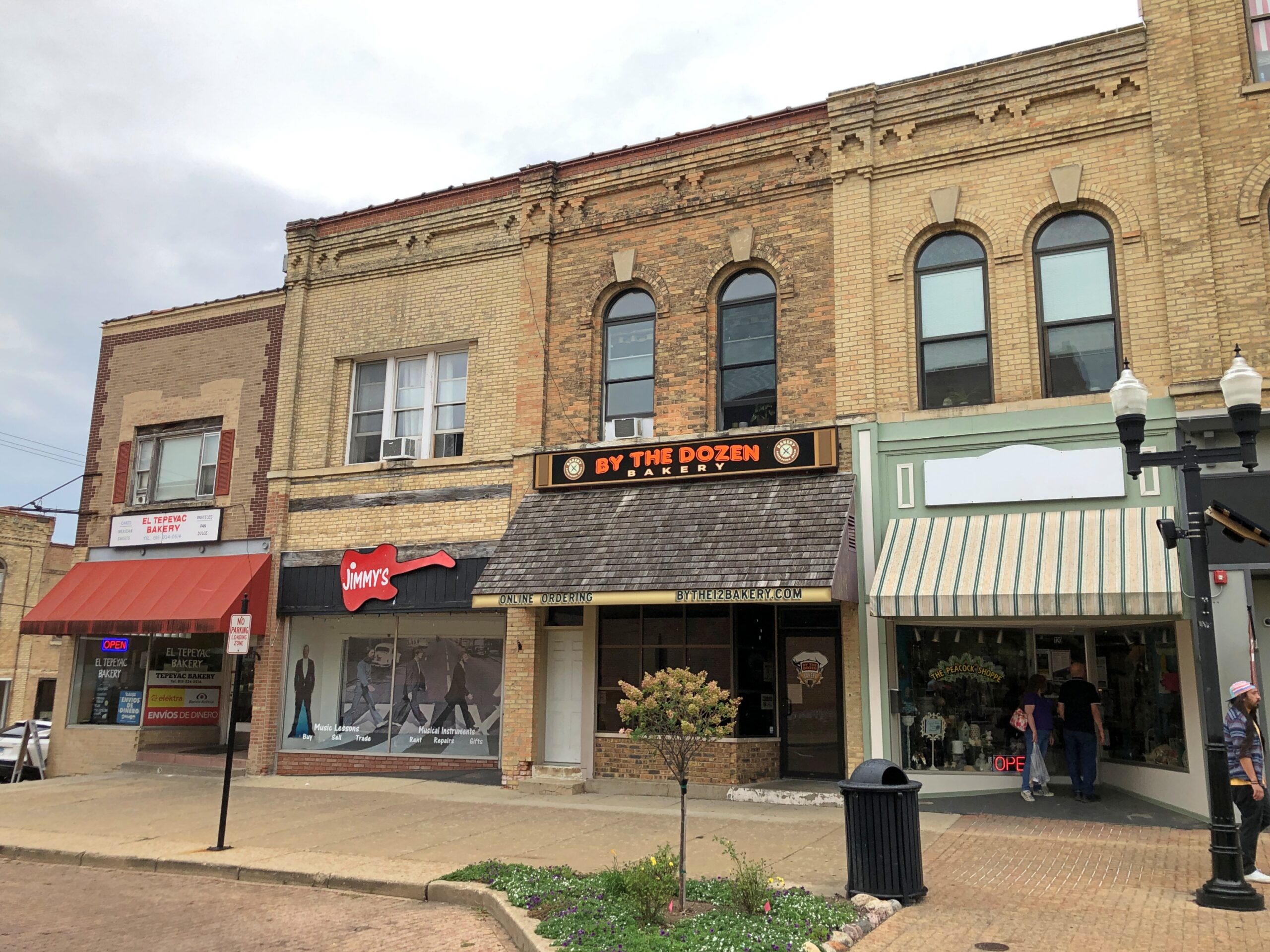
We had lunch on the square. At a diner along traditional lines, and tastier for it.
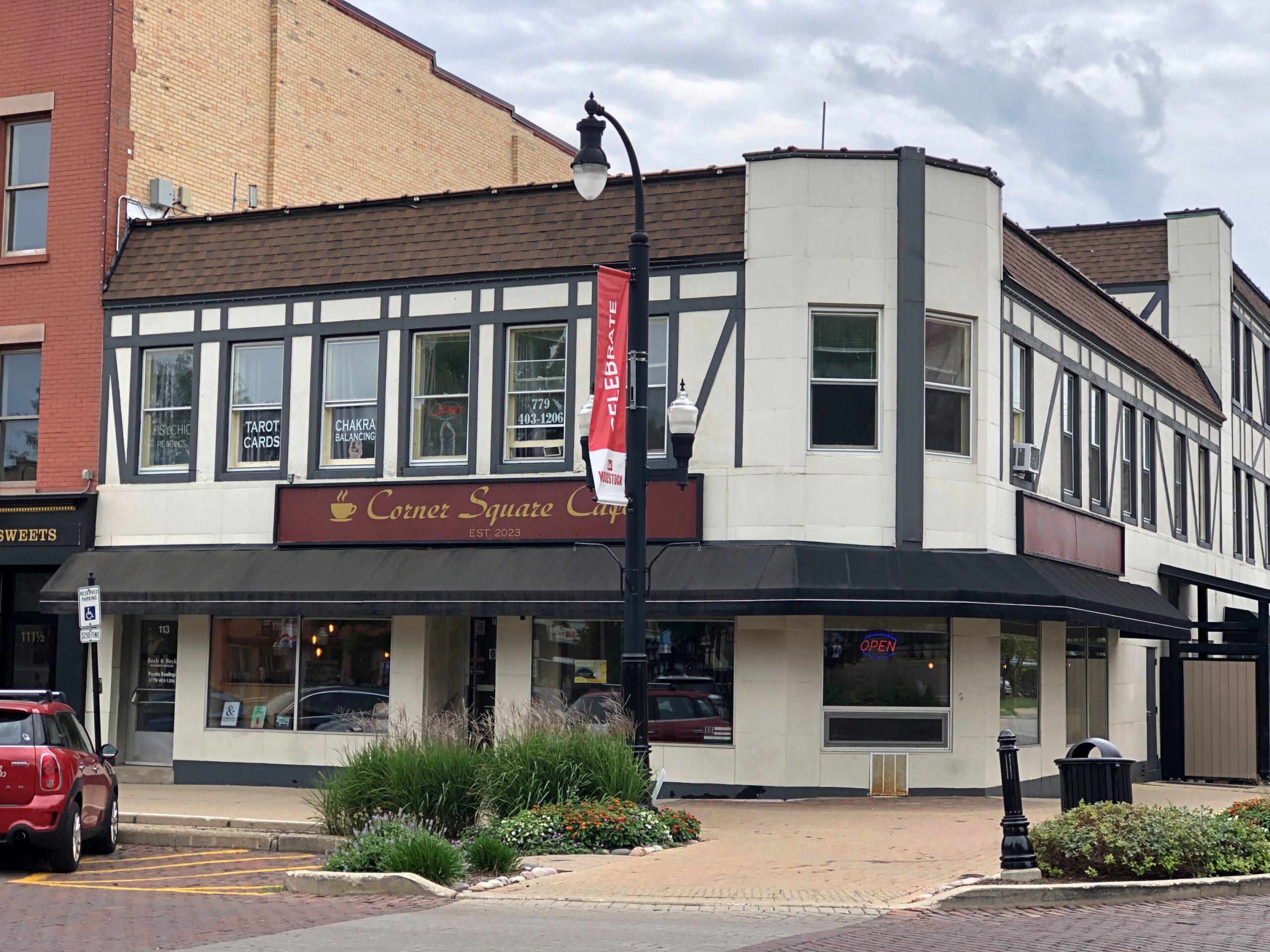
Afterward, the square told us the time.
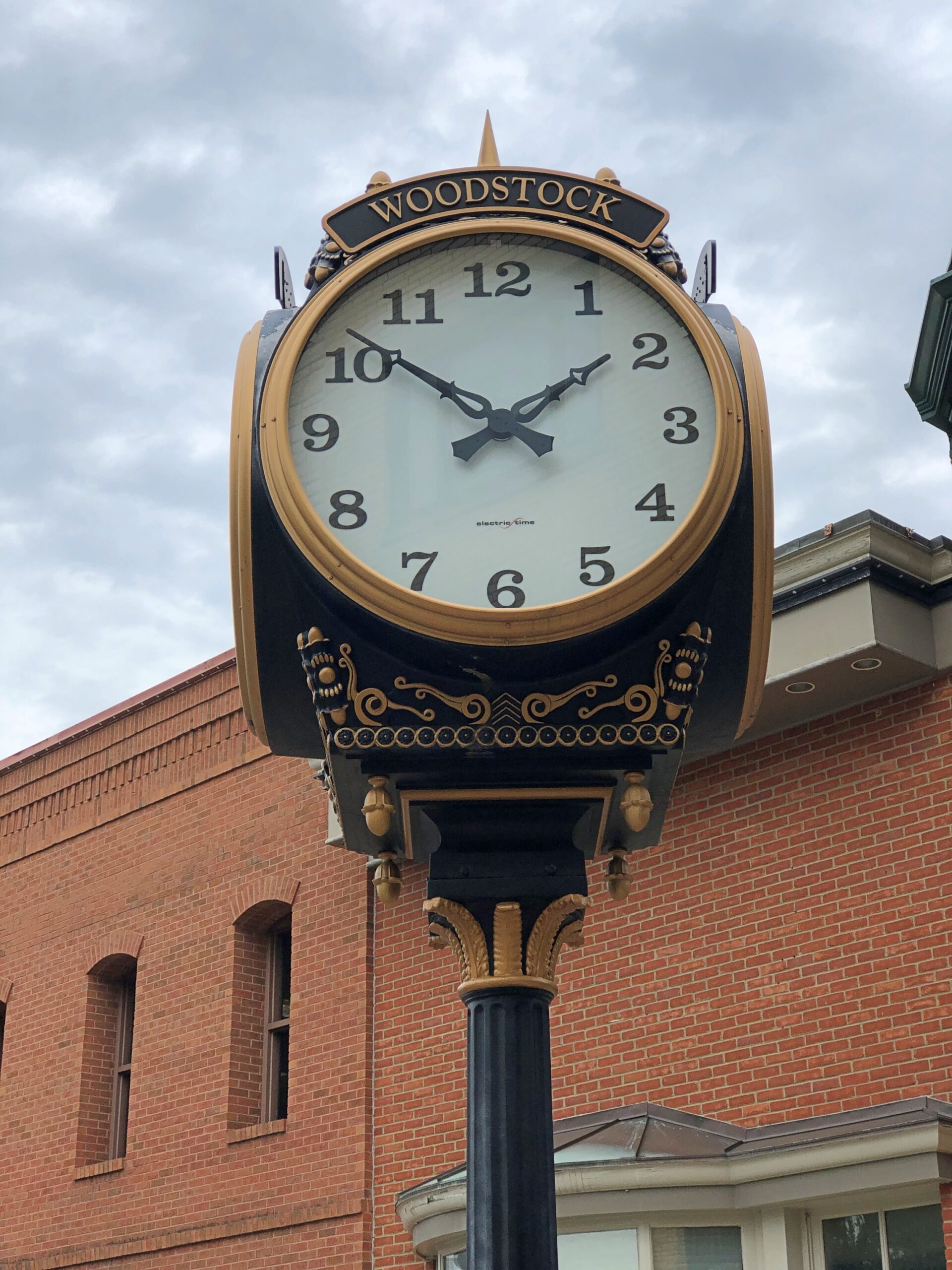
Note that Bill Murray isn’t trapped in this clock face. Tying in with the movie is only going to go so far.