The highway Massachusetts 2 – locally called Route 2 – traverses the northern reaches of the commonwealth, from the Boston Common to the border with New York more than 140 miles away, or vice versa. I went west, fortunately not starting in Boston itself, but still slightly inside Route 128.
Once you leave the thickest of metro Boston headed westward, the route becomes more casually picturesque, mildly winding through mildly hilly territory, providing access to Massachusetts towns more and less pleasant, depending I suppose on the vagaries of their economic history. Not an epic drive of the kind you encounter high in some mountains or across wide bodies of water, but a satisfying one all the same.
Eventually you come to the western part of the state, as mountainous as it gets, and the road acquires appropriate twists and vistas. My favorite moment on the road was when I first drove it in 1989. I took one of those twists, and saw a suddenly appearing sign that said Entering Florida. Of course someone has posted a picture.
Florida, Massachusetts, that is, a town (pop. 671) in the Berkshires.
That was another drive. In April I traveled on Route 2 as far west as Shelburne Falls, but I’m getting ahead of myself. First I stopped at a rest stop on the way that reminds us that Johnny Appleseed hailed from these parts.
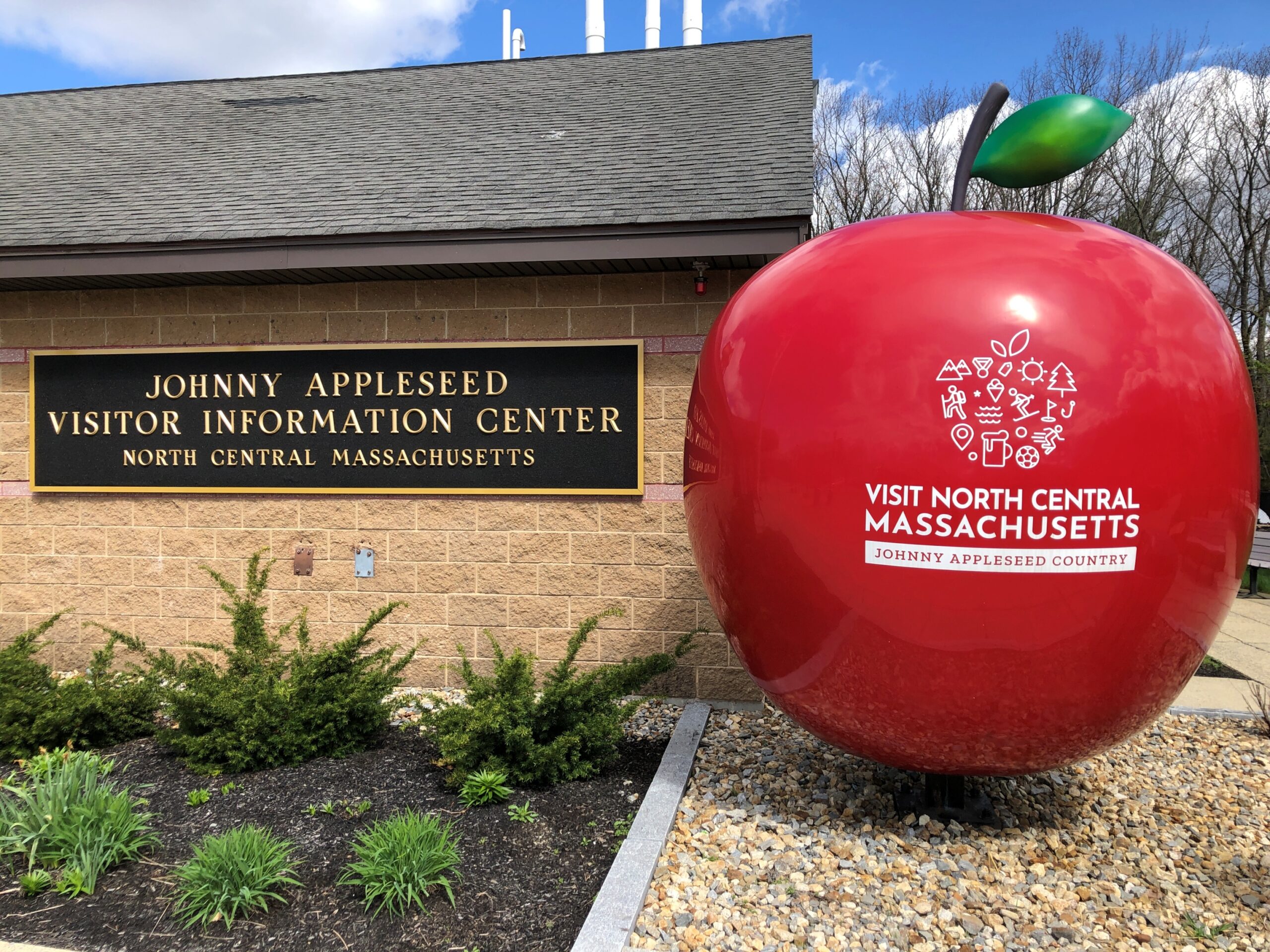
Indeed, John Chapman was born in Leominster, Massachusetts before the Revolution, though he came to fame in the wild-and-woolly Northwest Territory (and its spanking-new states) and now reposes in Fort Wayne, Indiana under some apple trees.
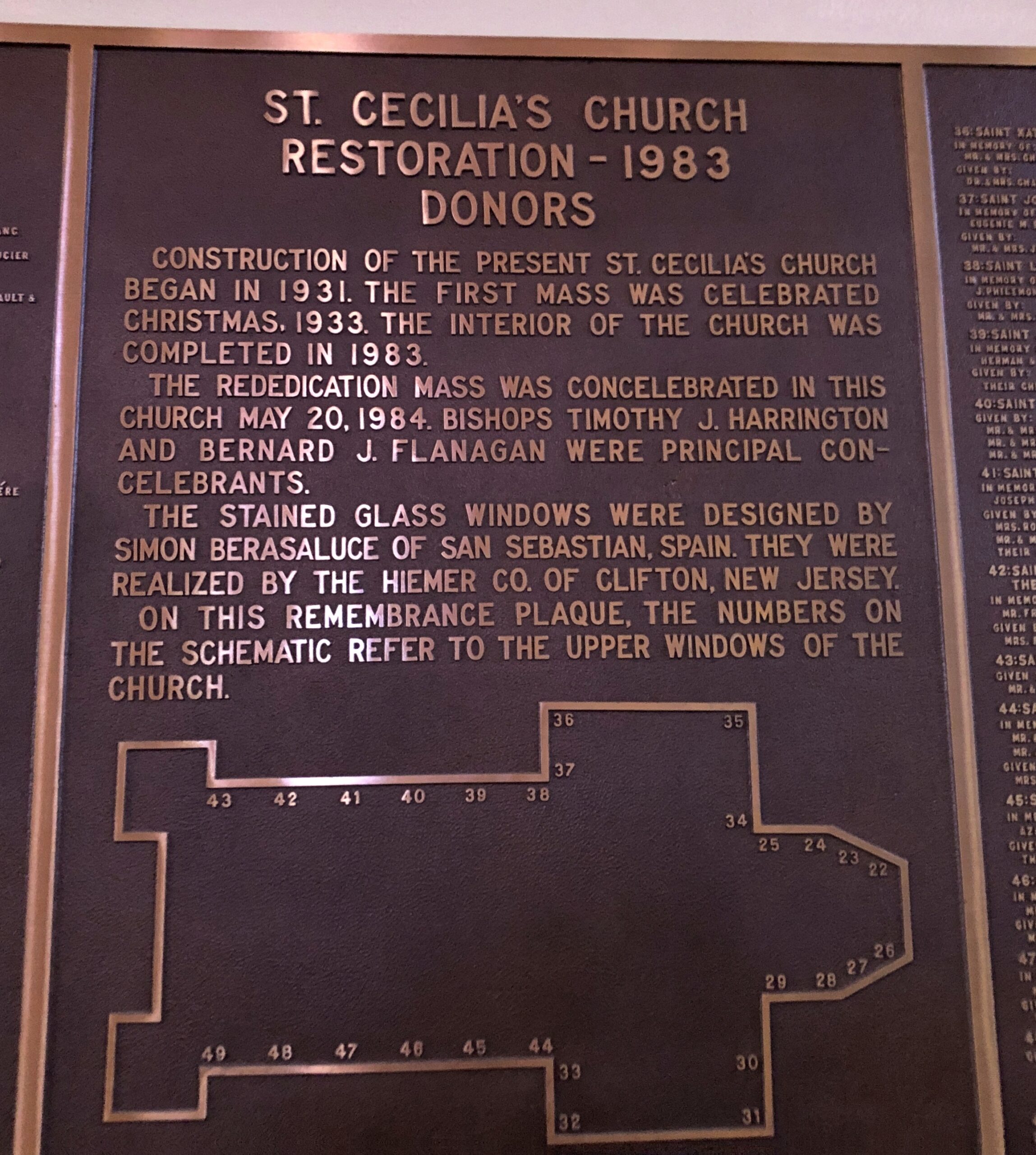
I was inspired to stop in Leominster (pop. 43,800). First stop, St. Cecelia’s Church, whose construction began in 1931 and which was restored in 1983.
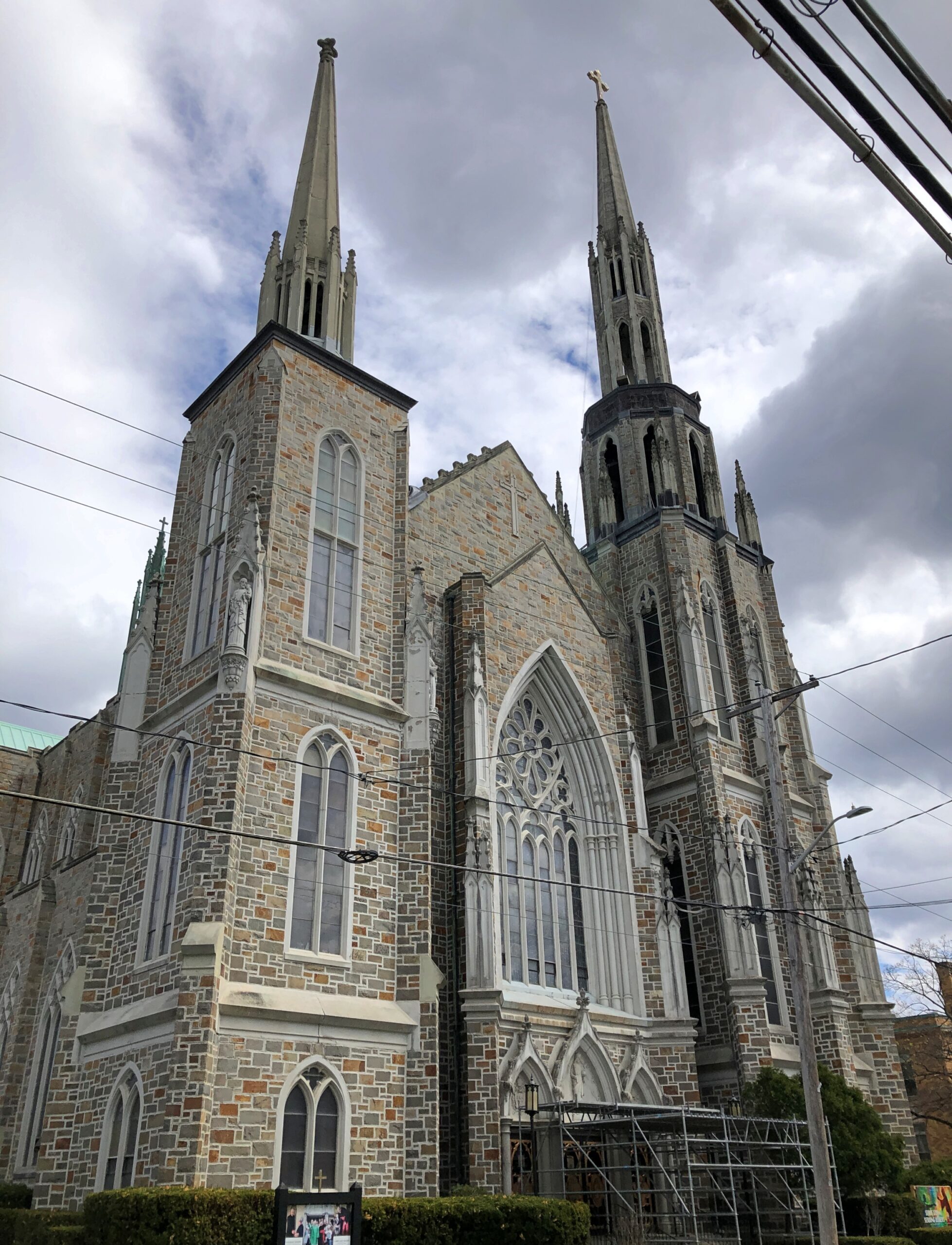
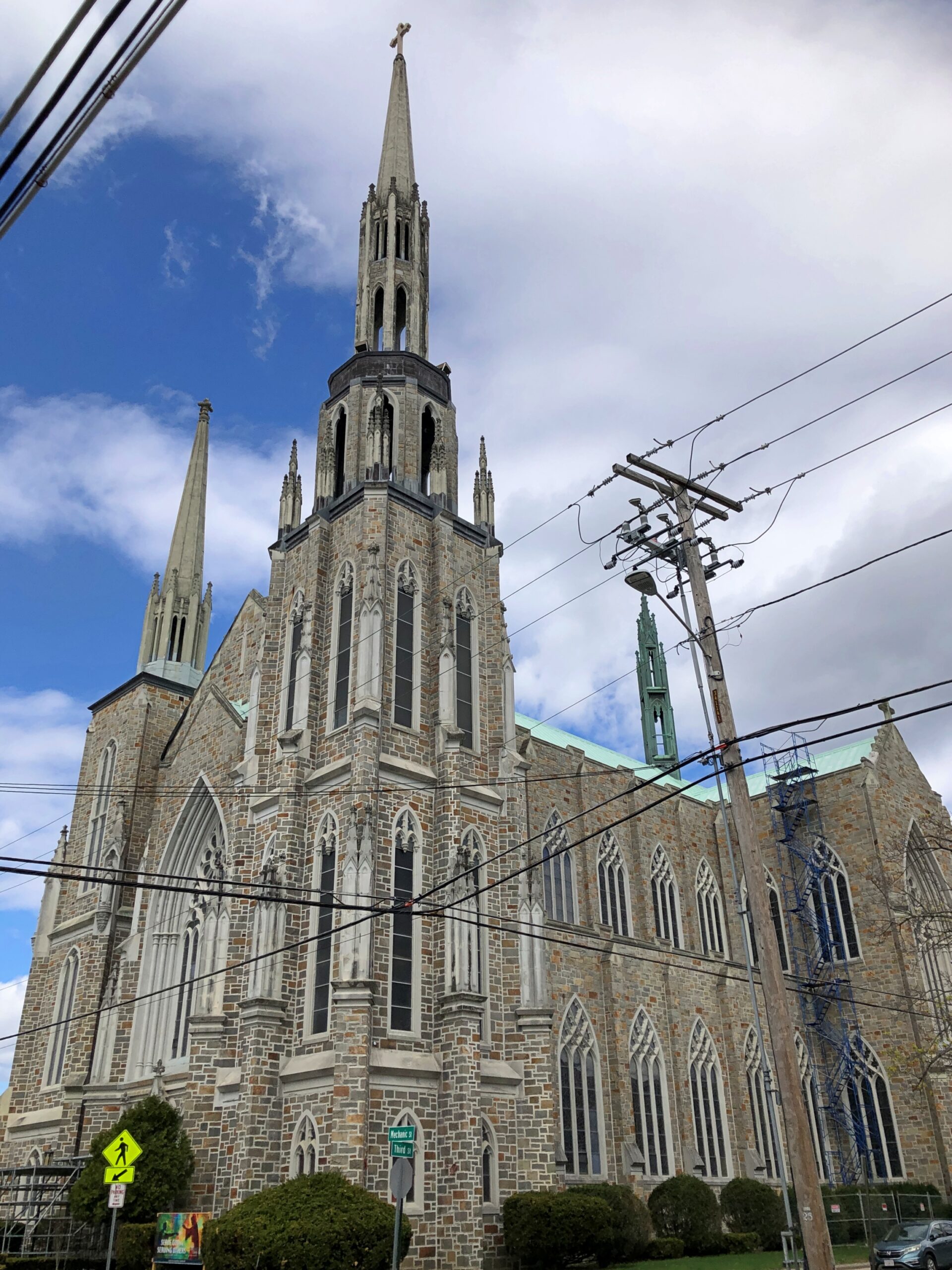
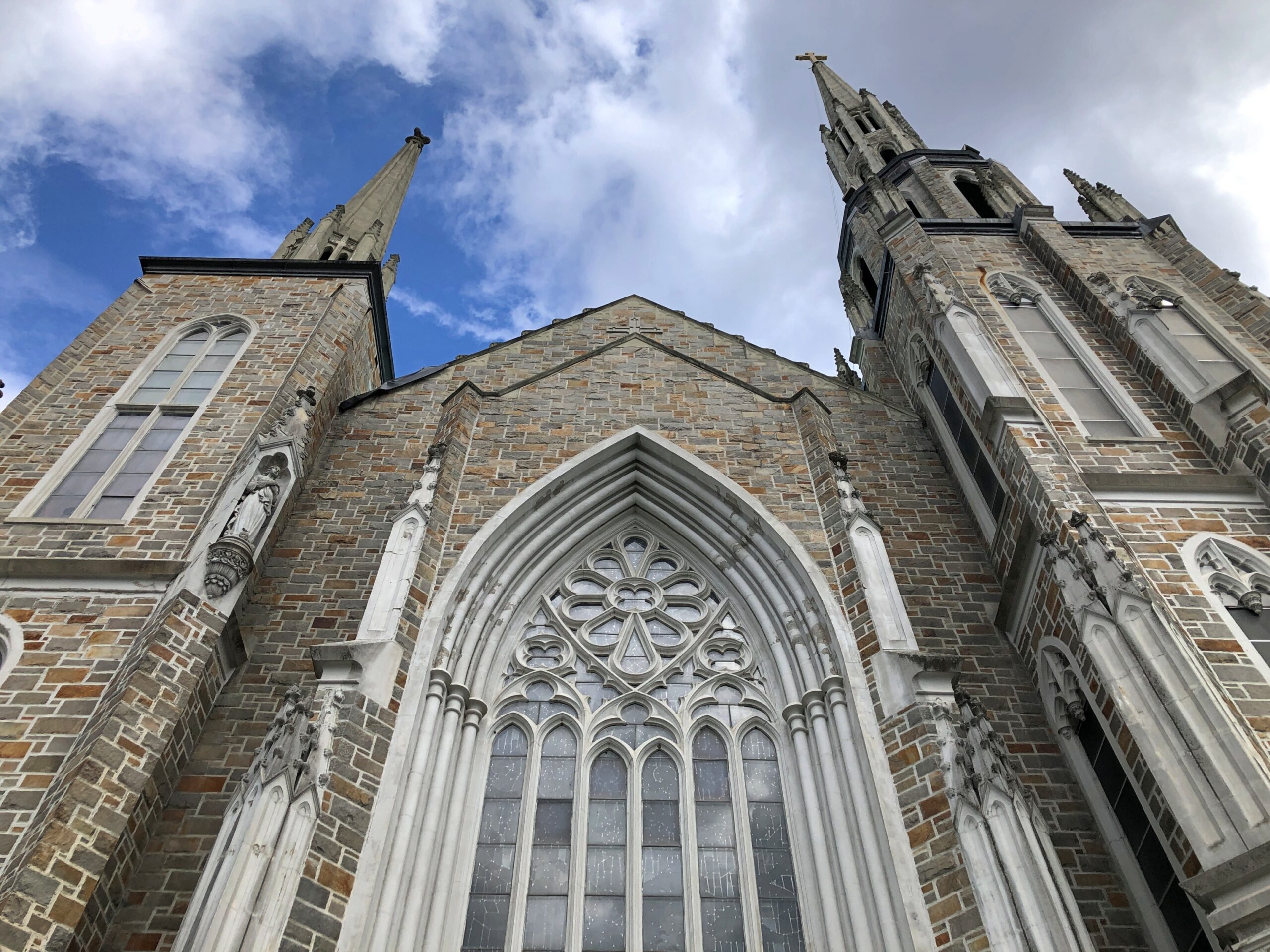
Good to see a church of that name; reminds me of Santa Cecilia in Trastevere, a favorite part of Rome for me (40+ years ago), though the Massachusetts church itself is rather different.
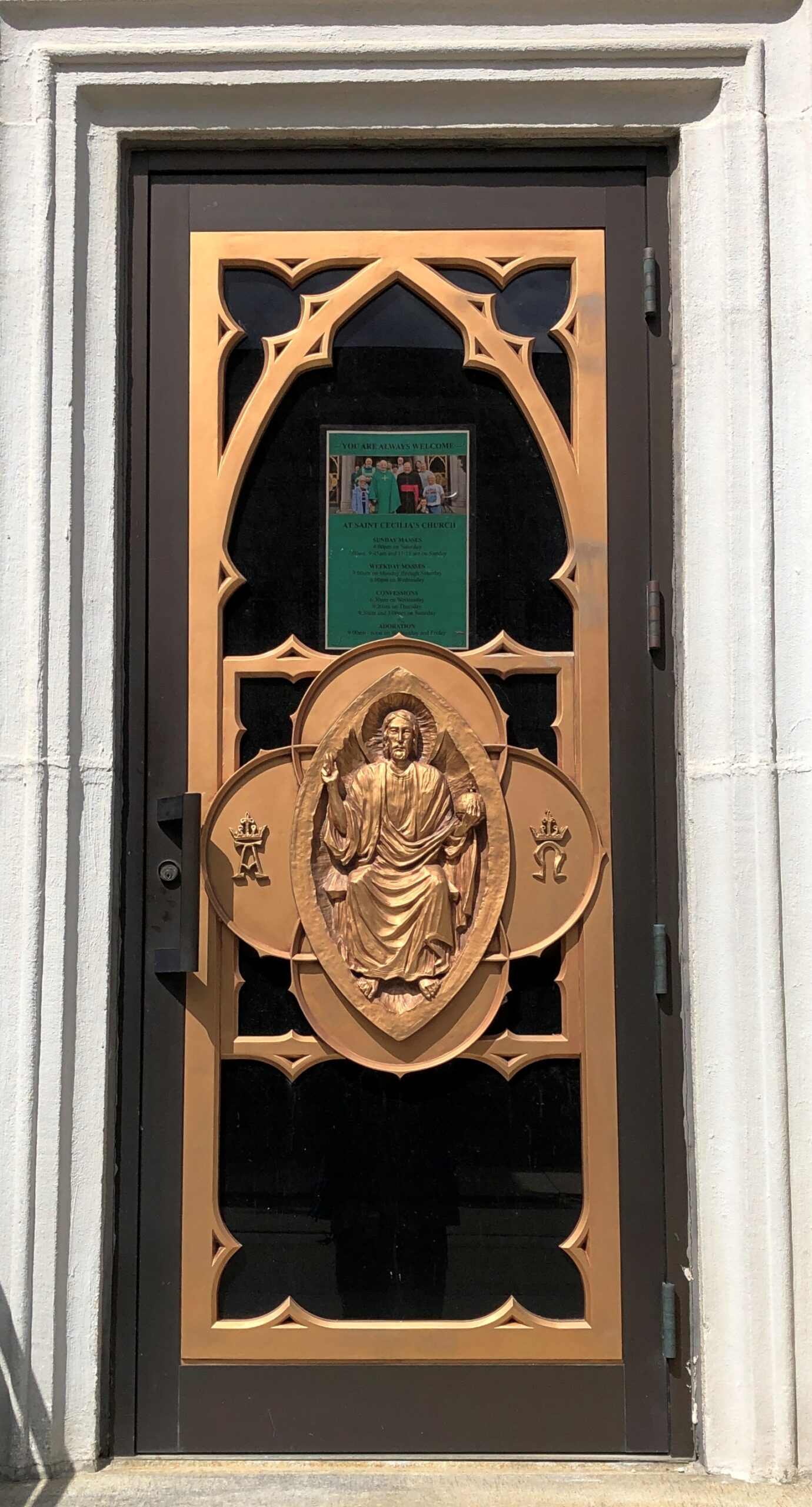
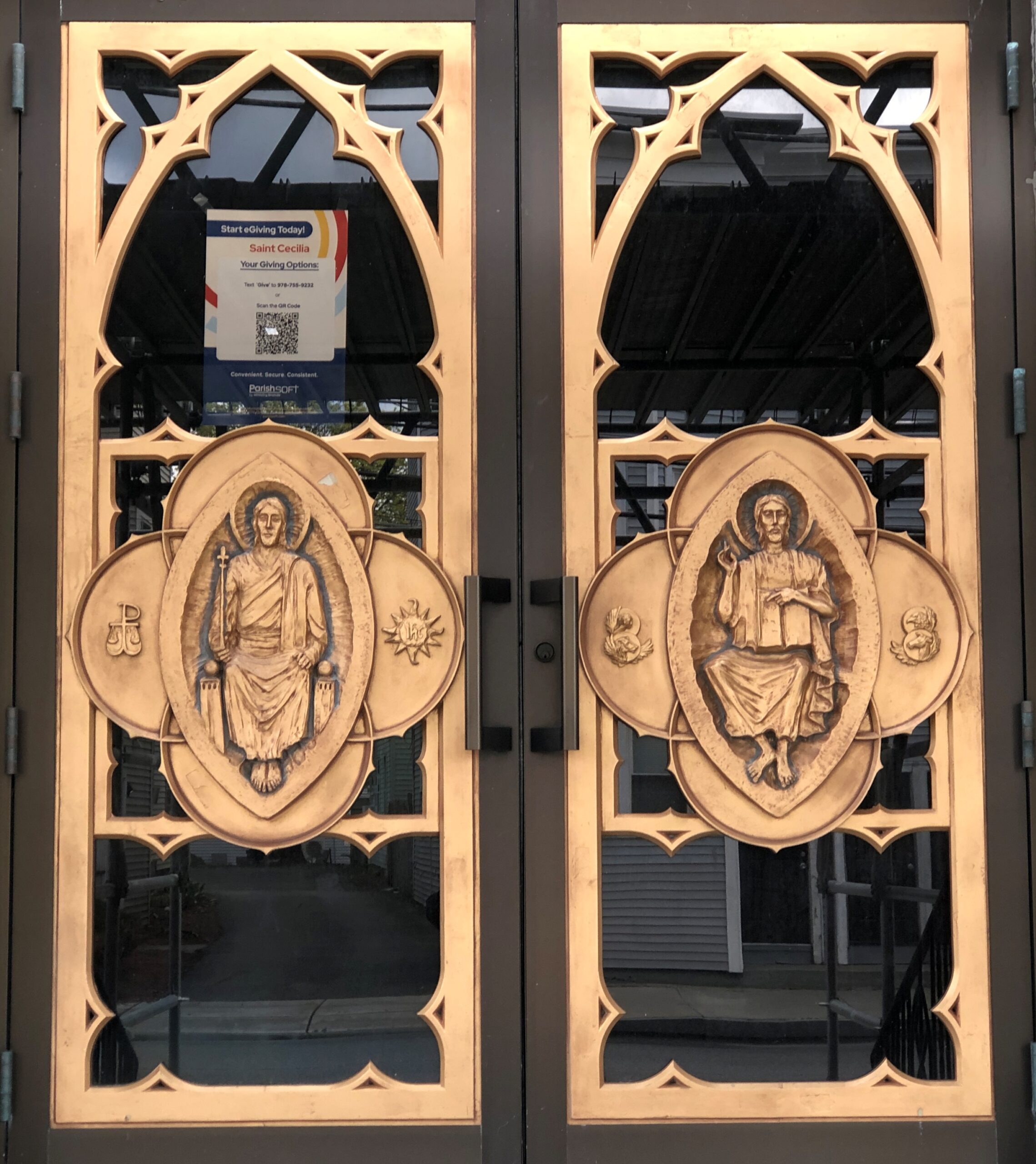
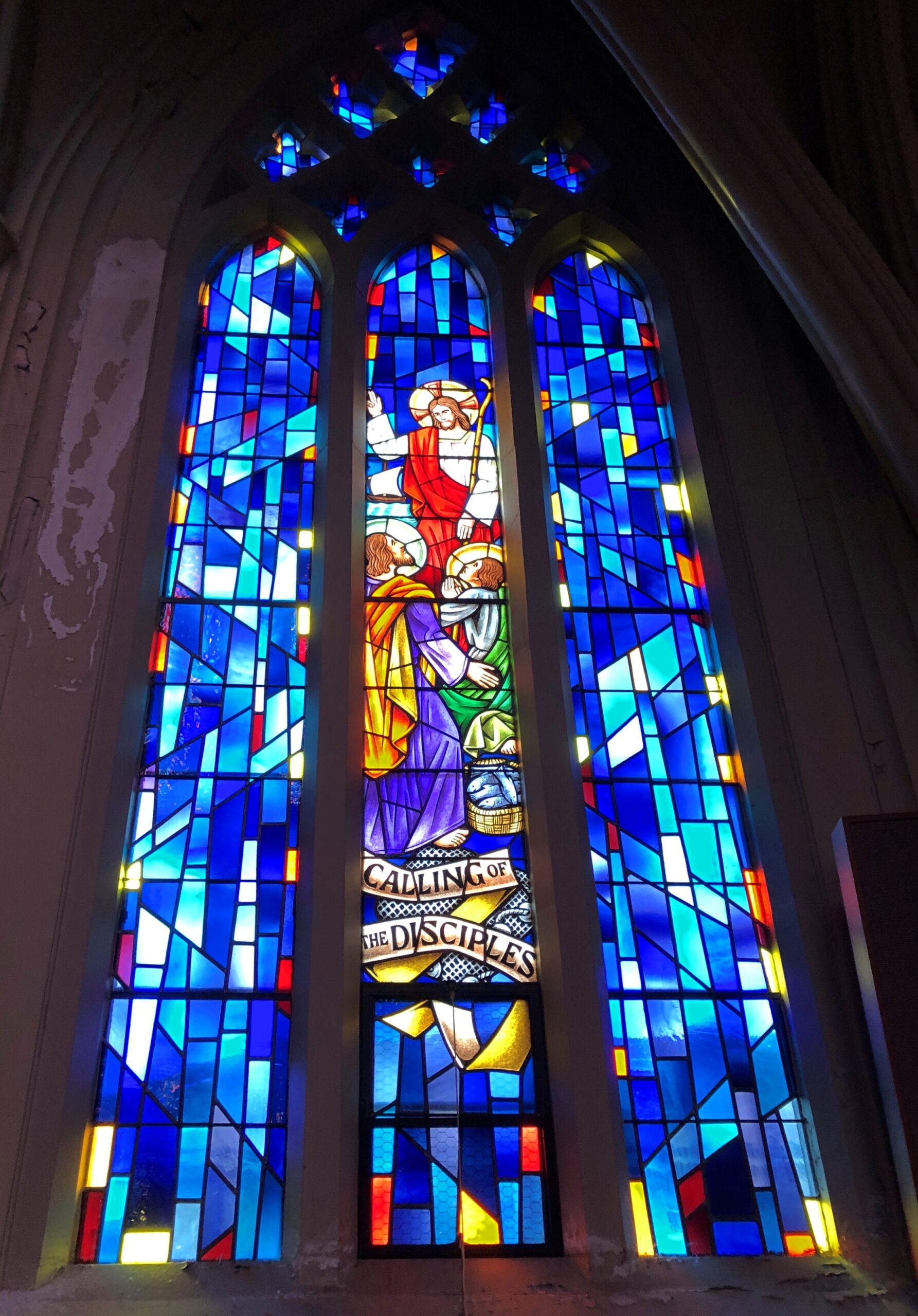
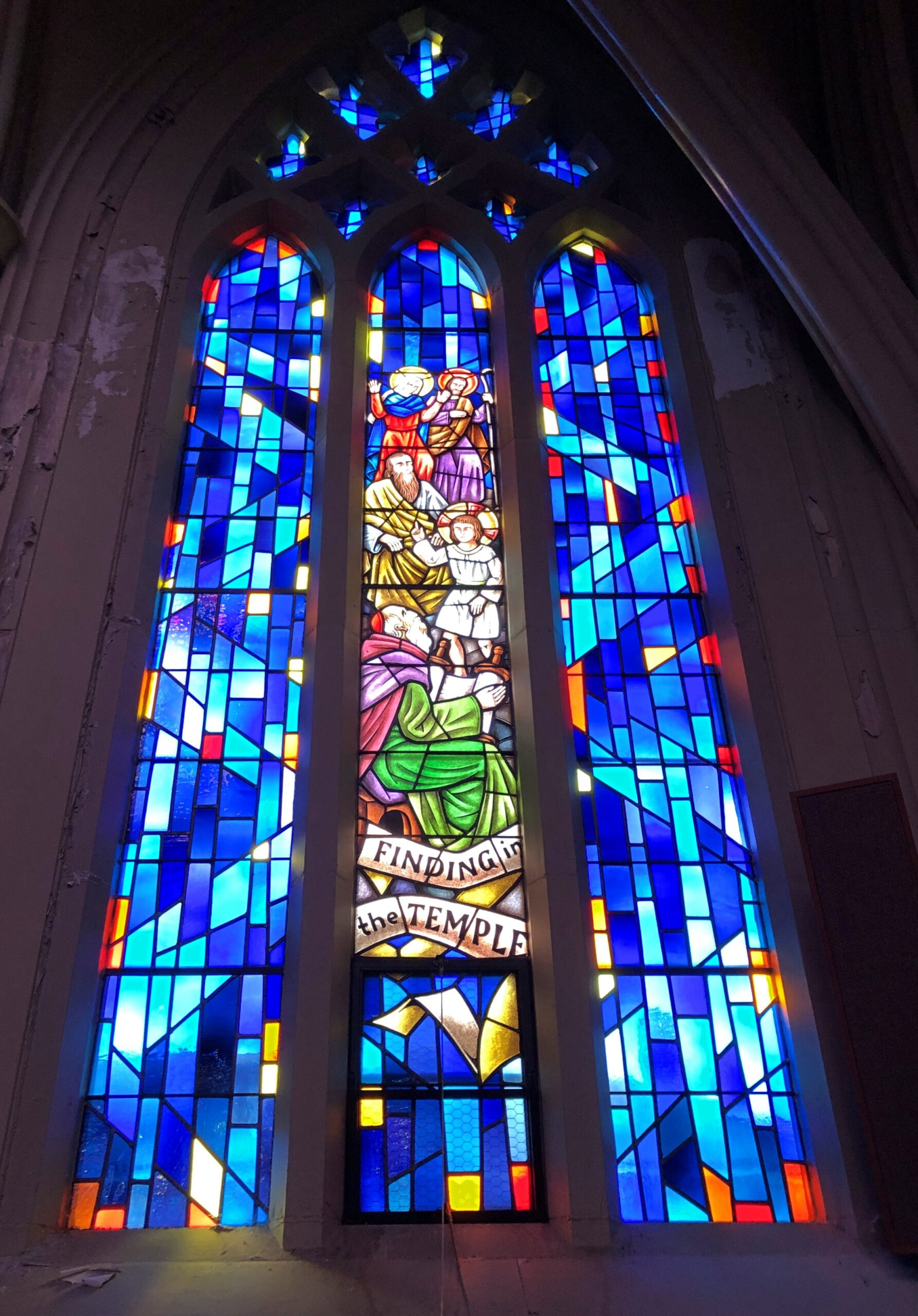
Some fine stained glass, designed in Spain, created in New Jersey.
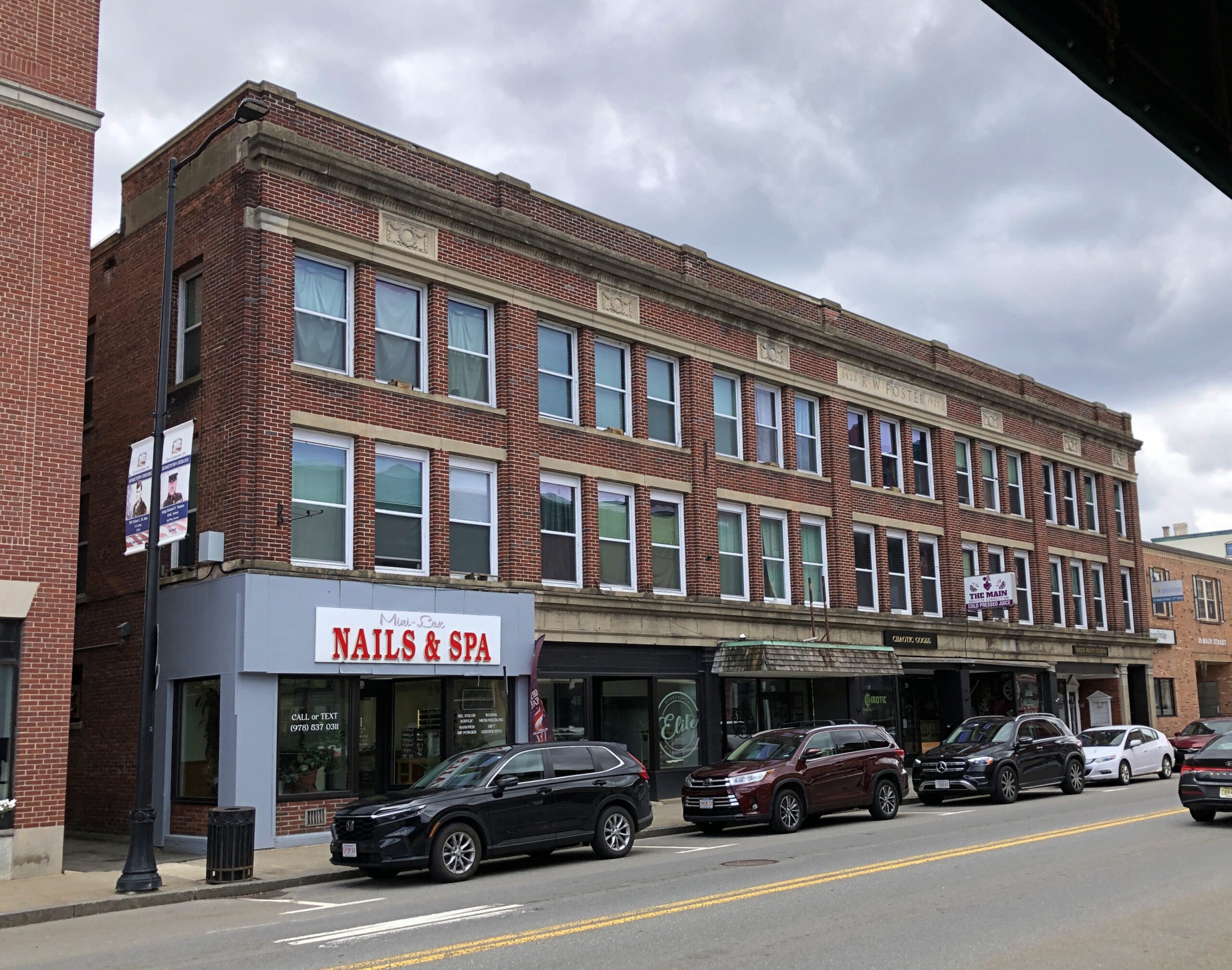
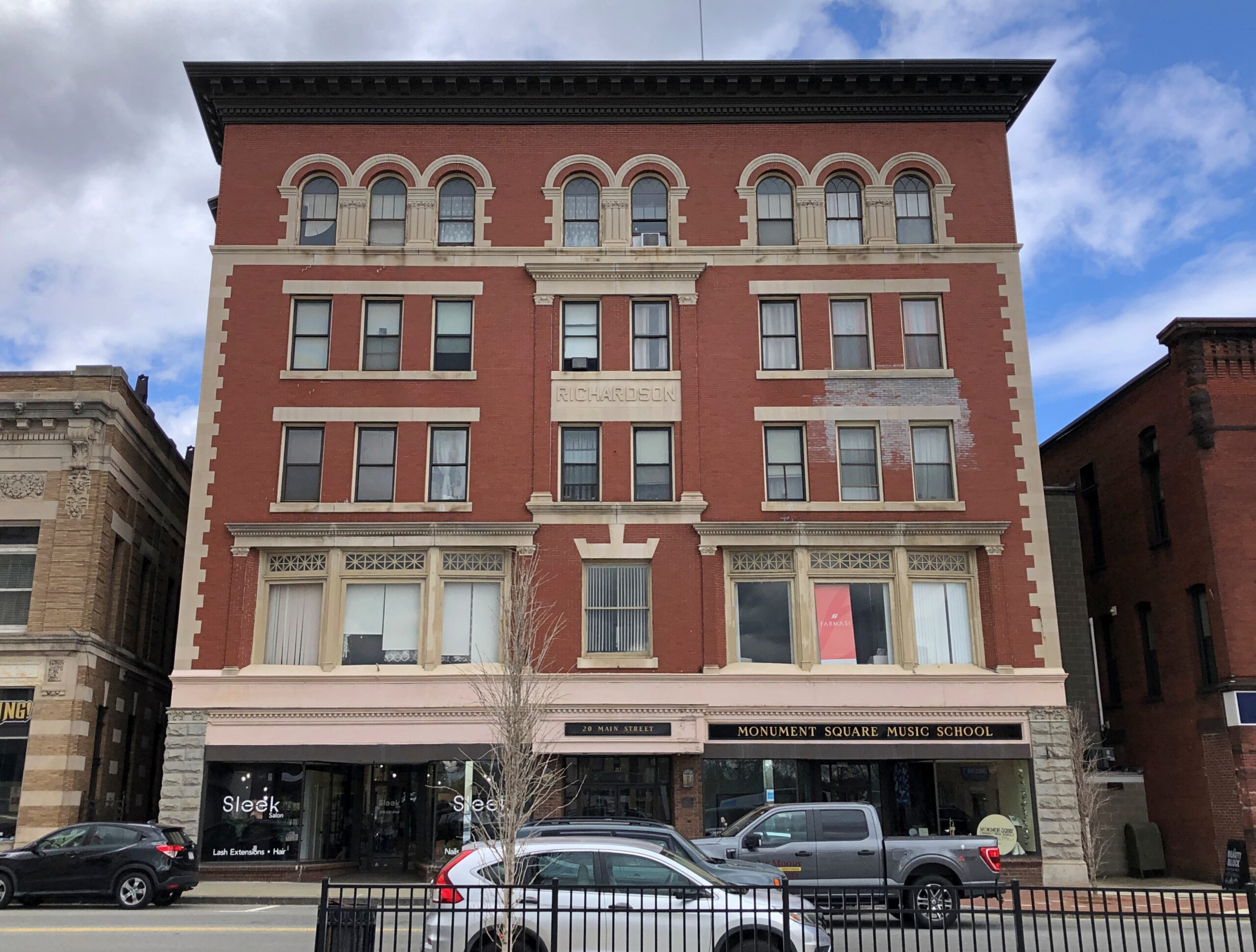
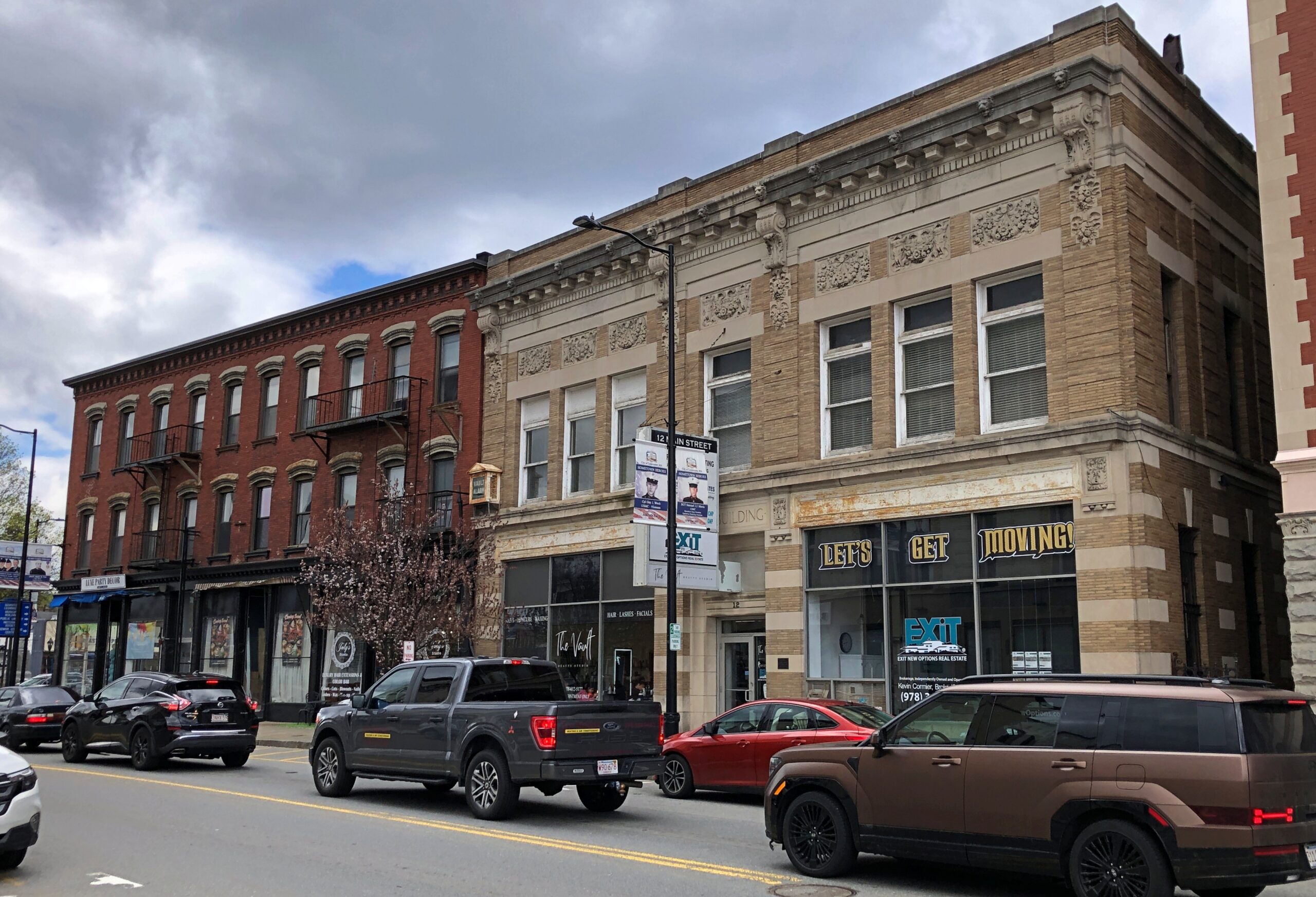
Leominster has the sort of long economic arc (for America) one finds in the Northeast: agriculture to manufacturing to services, though those first two economic activities are to some degree ongoing even now. The town is prosperous enough to support well-kept and still-used downtown buildings.
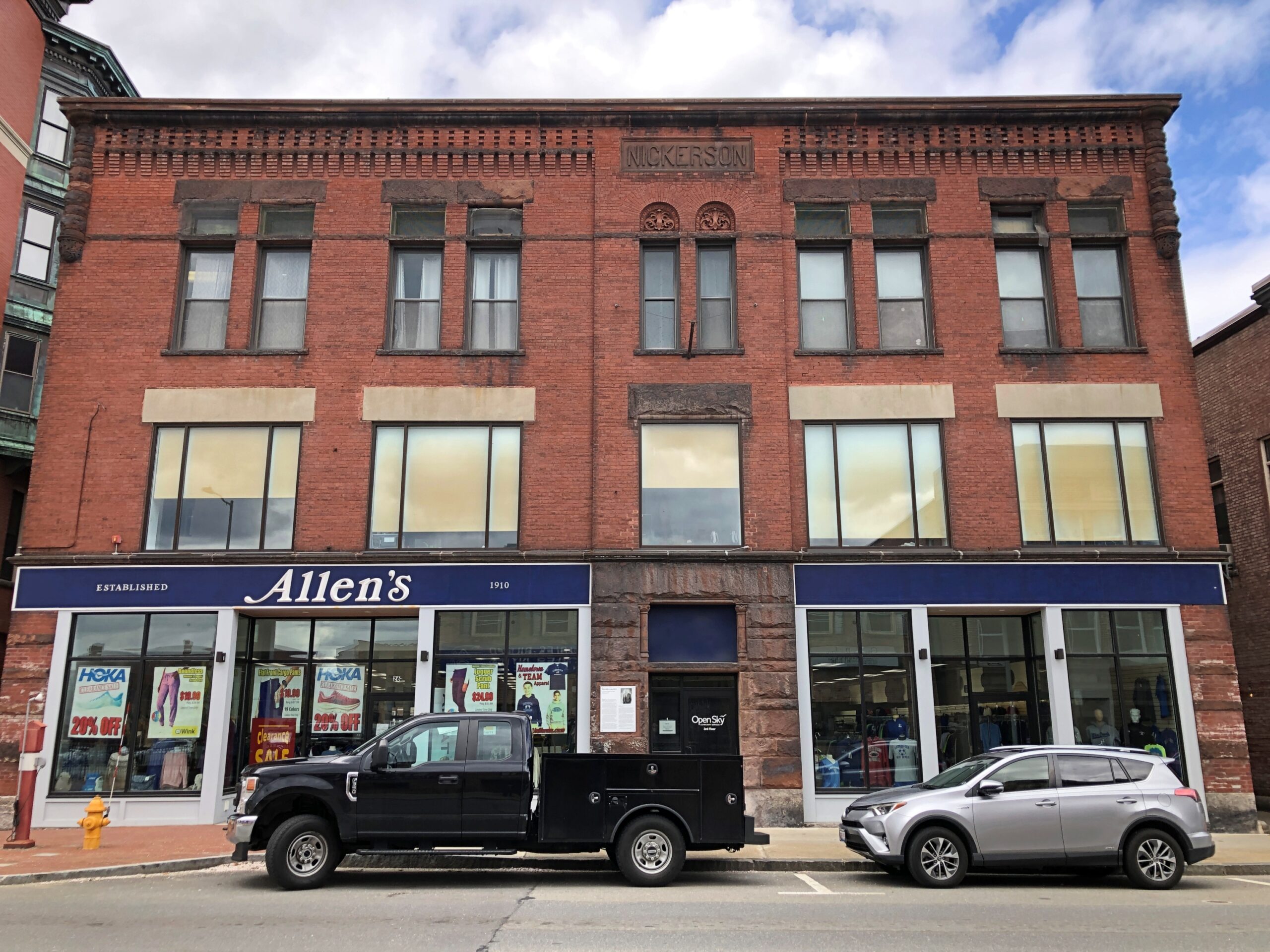
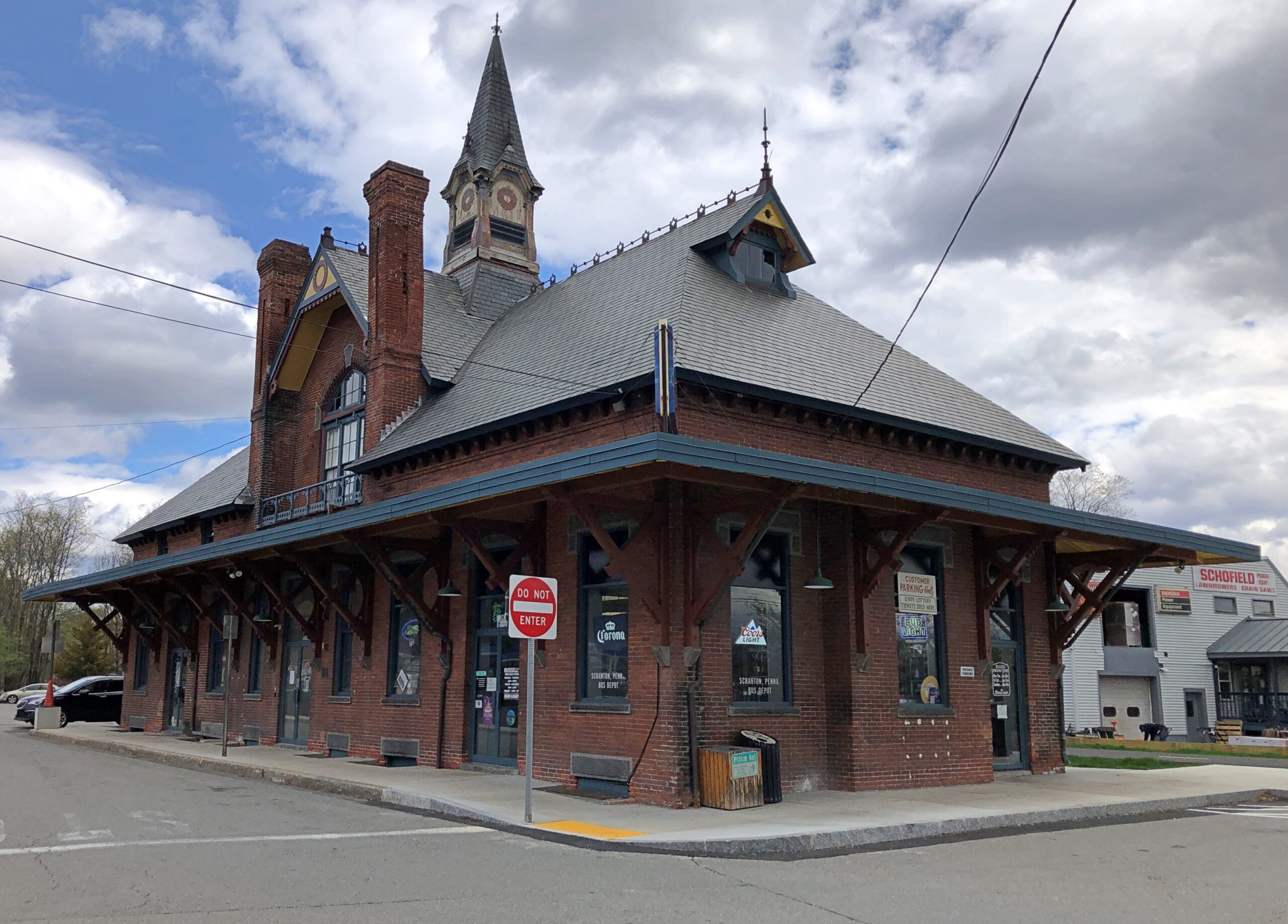
I liked the handsome former train station, now retail.
Another church.
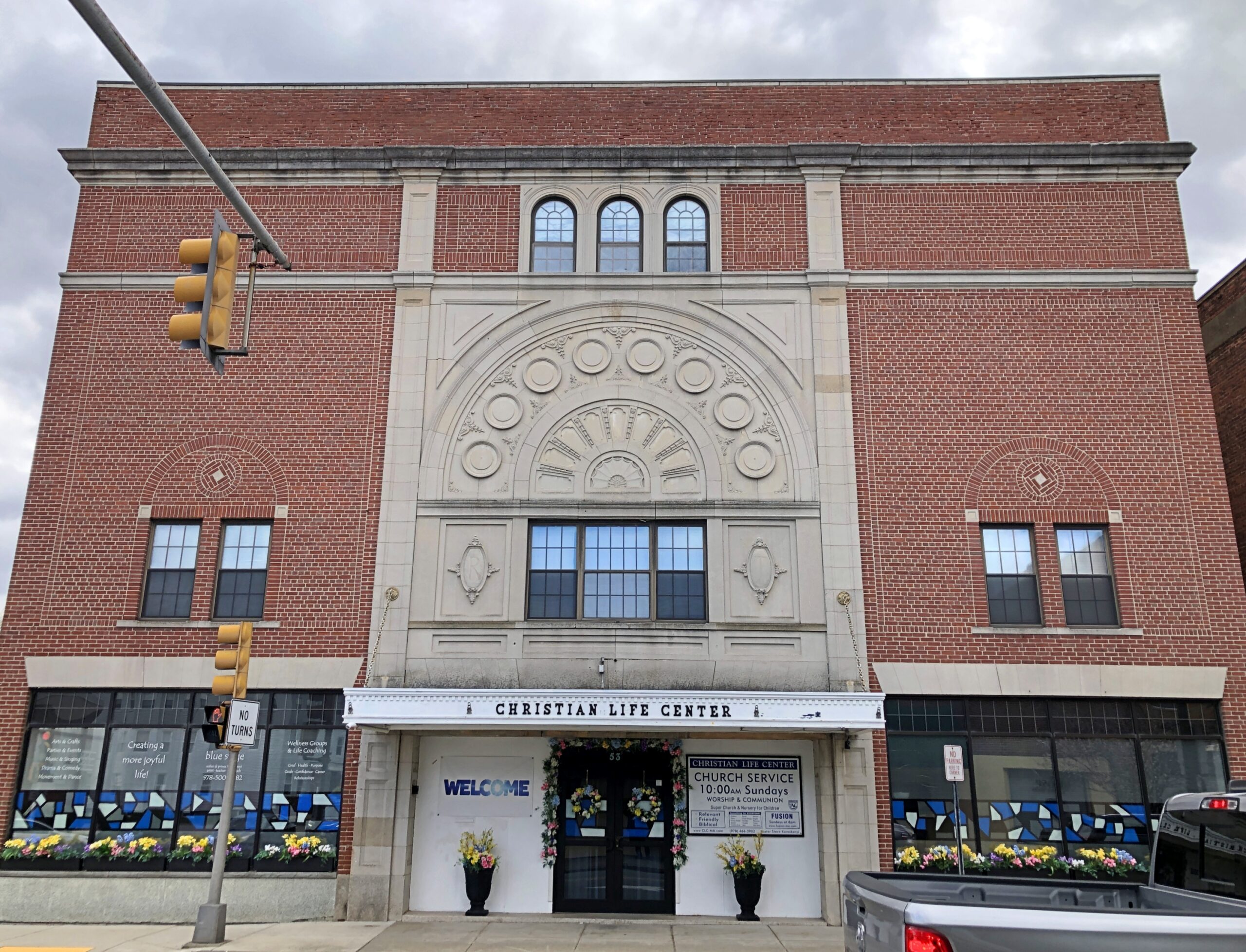
Not as vaulting as the Catholic church down the road, but still a handsome brick structure. I had to look into it: this church is affiliated with the Assemblies of God, the largest Pentecostal association in the U.S.
Manufacturing in the case of Leominster meant a remarkable specialty in the 19th century and into the 20th: combs. Even more remarkable, a history of American comb making, published in 1925, is posted online, namely Comb Making in America, “An Account of the Origin and Development of the Industry for which Leominster has Become Famous to which are added Pictures of Many of the Early Comb Makers and Views of the Old Time Comb Shops.”
That publication date puts it in the public domain. Ah, there’s another setting for a streaming service limited series costume drama — among the cutthroat world of comb making in 19th-century Leominster. I don’t know that “cutthroat” is accurate at all, but who cares. Maybe two brothers fighting for control of their dying father’s comb empire, and their love for the same upper-class woman (who is anachronistically feisty), amid a backdrop of bitter labor agitation, with two labor leaders pushing for unionization, and their love for the same woman (a different woman, that is, one of the comb makers, but also feisty.). See, that wasn’t hard at all. Who needs AI to come up with ridiculous ideas?
The Forward of Comb Making in America calls Leominster the “present seat” of the industry in America: “The industry has changed this thriving town, which is about fifteen miles from Worchester and forty-five miles from Boston, from a small agricultural hamlet into an industrial center of more than twenty thousand people whose products are known throughout the world.”
In the early days, of course, making combs from animal horn and the like was a labor-intensive effort. A more modern industry arose with the invention of celluloid. Later came more sophisticated plastics and molding tech, and the expansion of the industry into other molded items. Such as Foster Grants and Tupperware, both of which originated in Leominster. A simple Google search reveals that there is still a plastics industry in Leominster.
I didn’t spend a lot of time in Leominster, so maybe I missed it. But where’s the giant comb or Foster Grant or Tupperware container in a prominent public place? Leominster officials and private boosters, get on it. Or at least invite the Wall Dogs to town to whip up some local history murals.