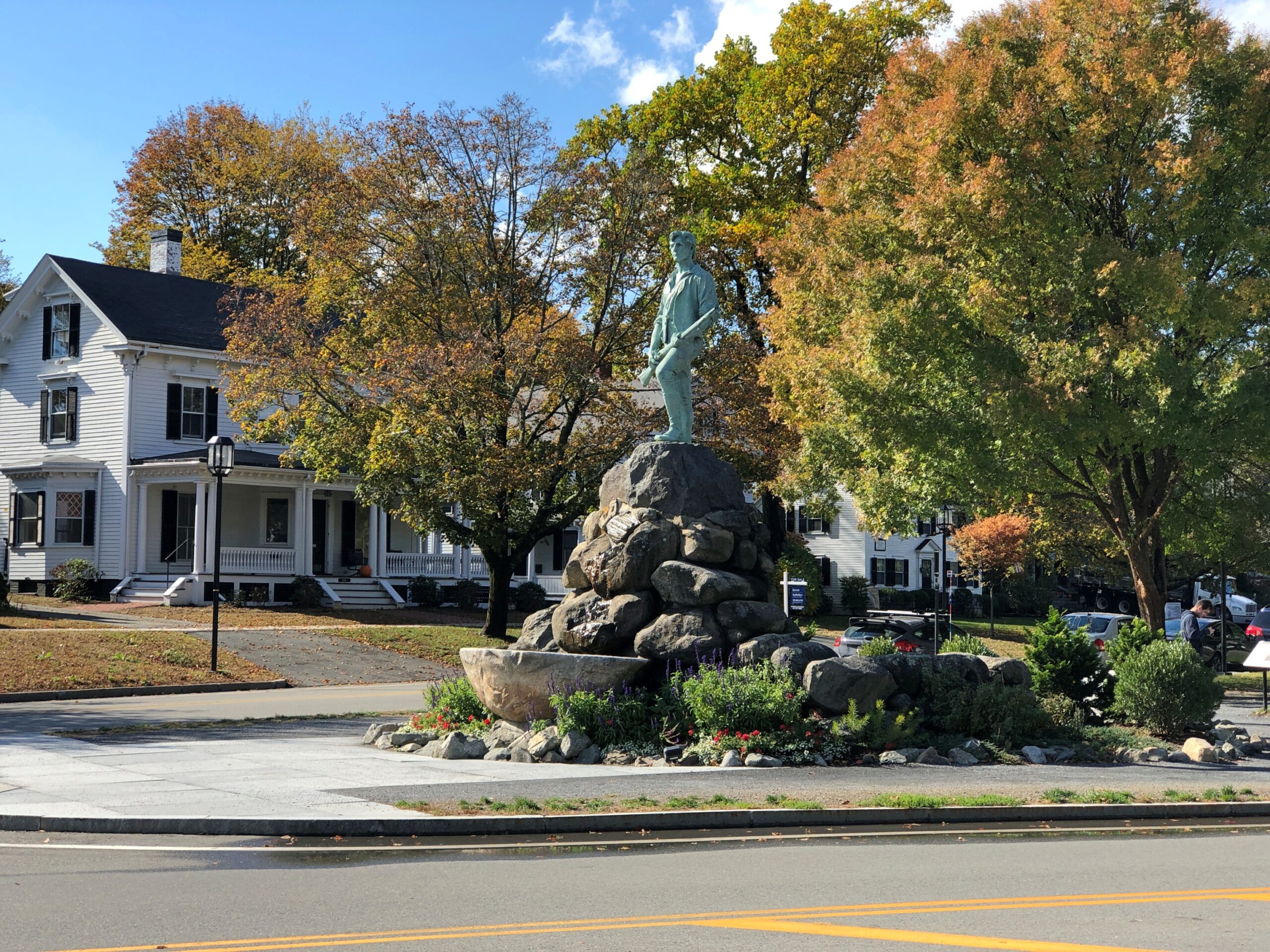
Too bad about iconic. If there ever were a time to use iconic to describe sometime distinctive and revered, John Parker in bronze would be it.
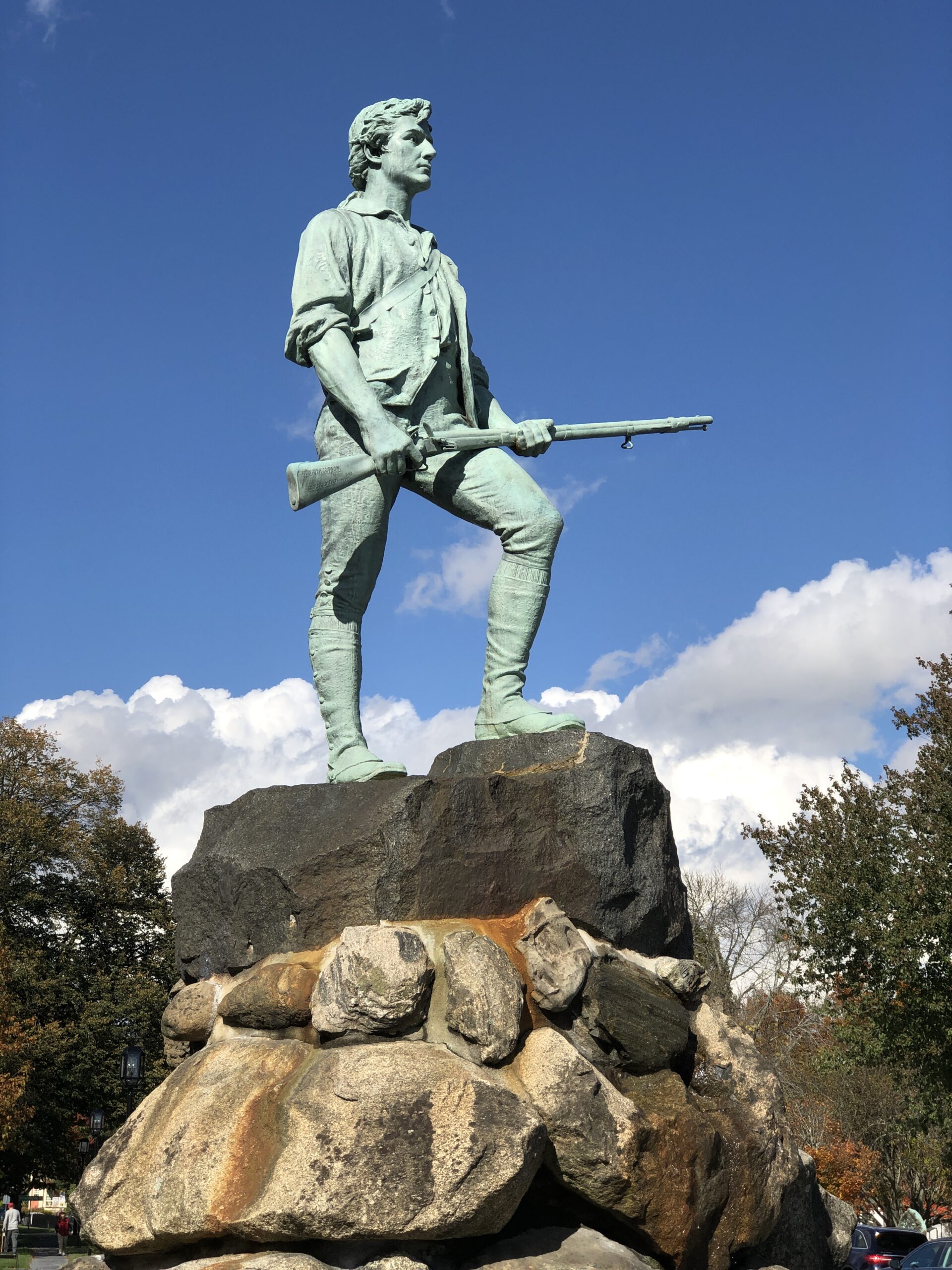
Icons are no accidents. The pose captures the Battle of Lexington as we, Americans, want to remember it: the resoluteness of an ordinary man in the face of the enemy. What the militiamen experienced that morning is partly enshrouded in mystery like a battlefield of the time might be with gun smoke. No one knows who fired the first shot, for instance, but that doesn’t keep the Shot Heard Around the World from having its own name during later generations — a remarkable thing for a simple firearm discharge to have.
Lore has encrusted the story. Even so, the Patriot soldiers in the Revolution, collectively, can’t be said to have lacked resoluteness over the long years of conflict.
The Parker bronze stands on the edge of Battle Green in Lexington, Massachusetts, and across the street from Buckman Tavern, where the militiamen of the town waited the night before the battle. Among their number on April 19, 1775, was a young man named Jonathan Harrington, a fifer in the militia. About 75 years later, he’s thought to have posed for a photograph, now on display at Buckman Tavern.
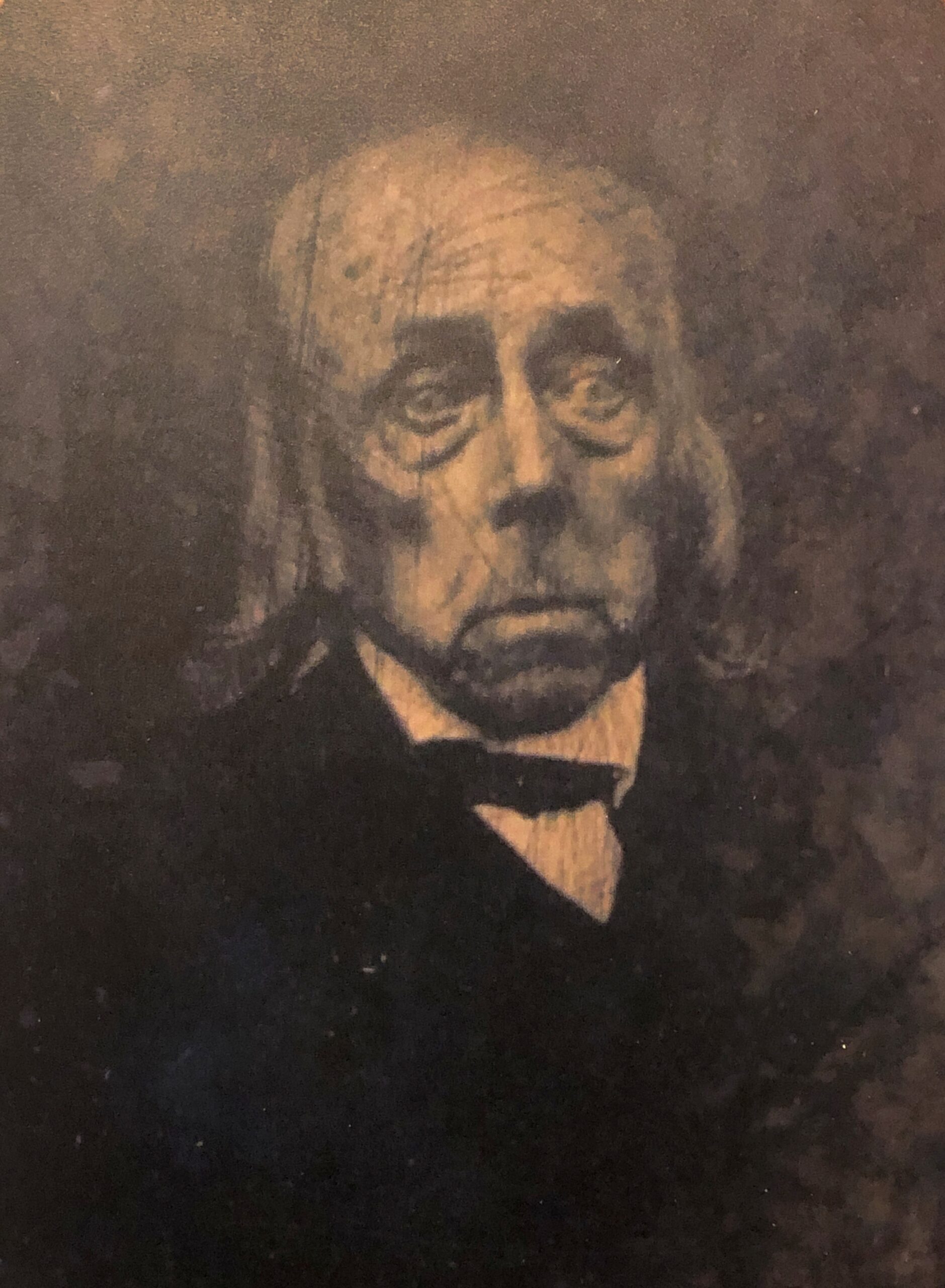
Said to be the last survivor of the battle, and the only one to be photographed. The American Battlefield Trust cites a Harrington family history: He said he was aroused early that morning by a cry from his mother, who said: ‘Jonathan, get up, the regulars are coming, and something must be done.’ Jonathan was a fifer. He arose, went to the place where the patriots were gathering, and was with the company on the approach of the British.
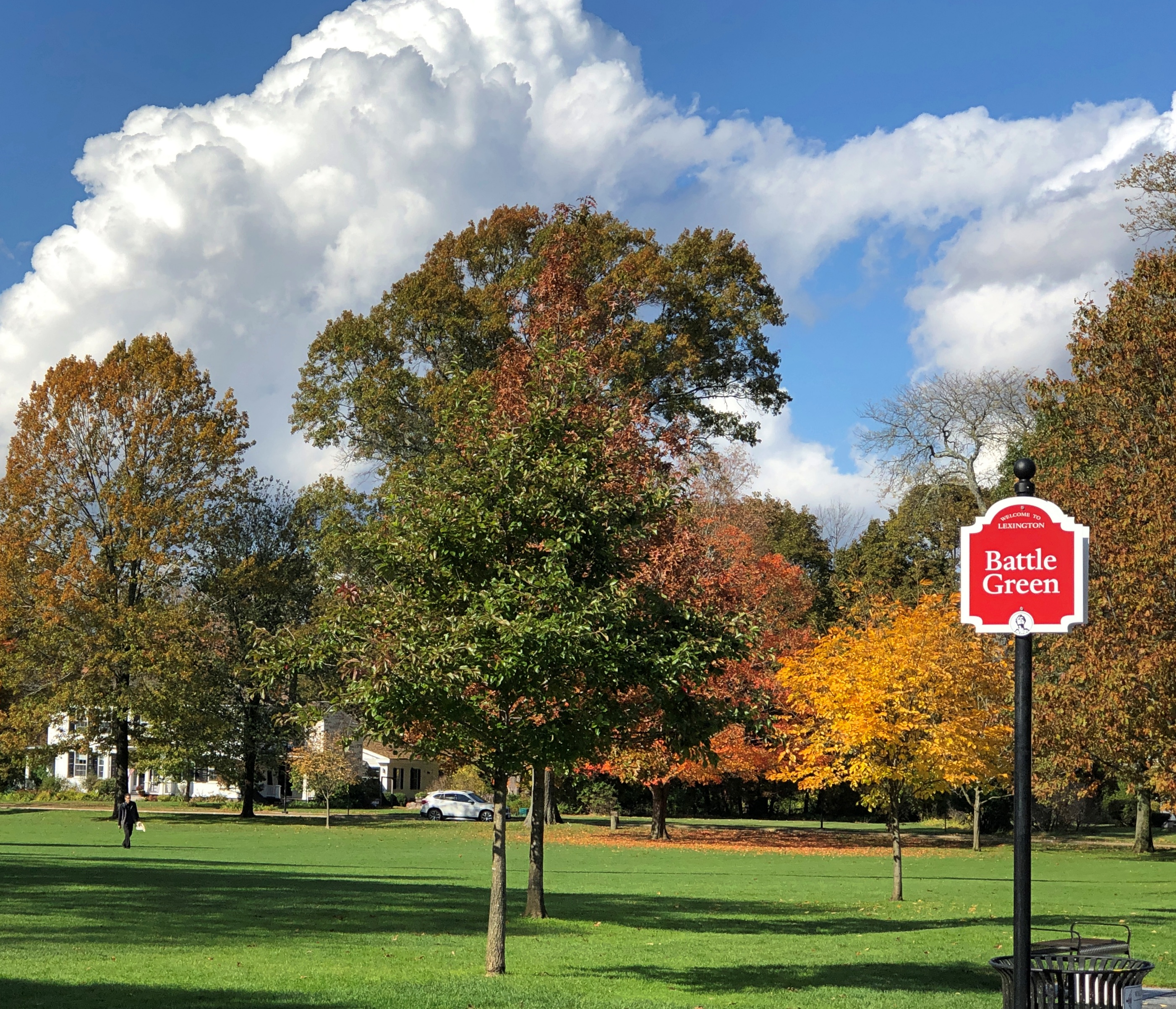
It had rained during the early hours of October 22, 2025 in Lexington, but by late morning the sun was out and only a scattering of puddles remained. Battle Green stretched out behind the bronze John Parker. For a time, I was the only person on the green, though a steady stream of car traffic was the be seen on the roads edging the grounds.
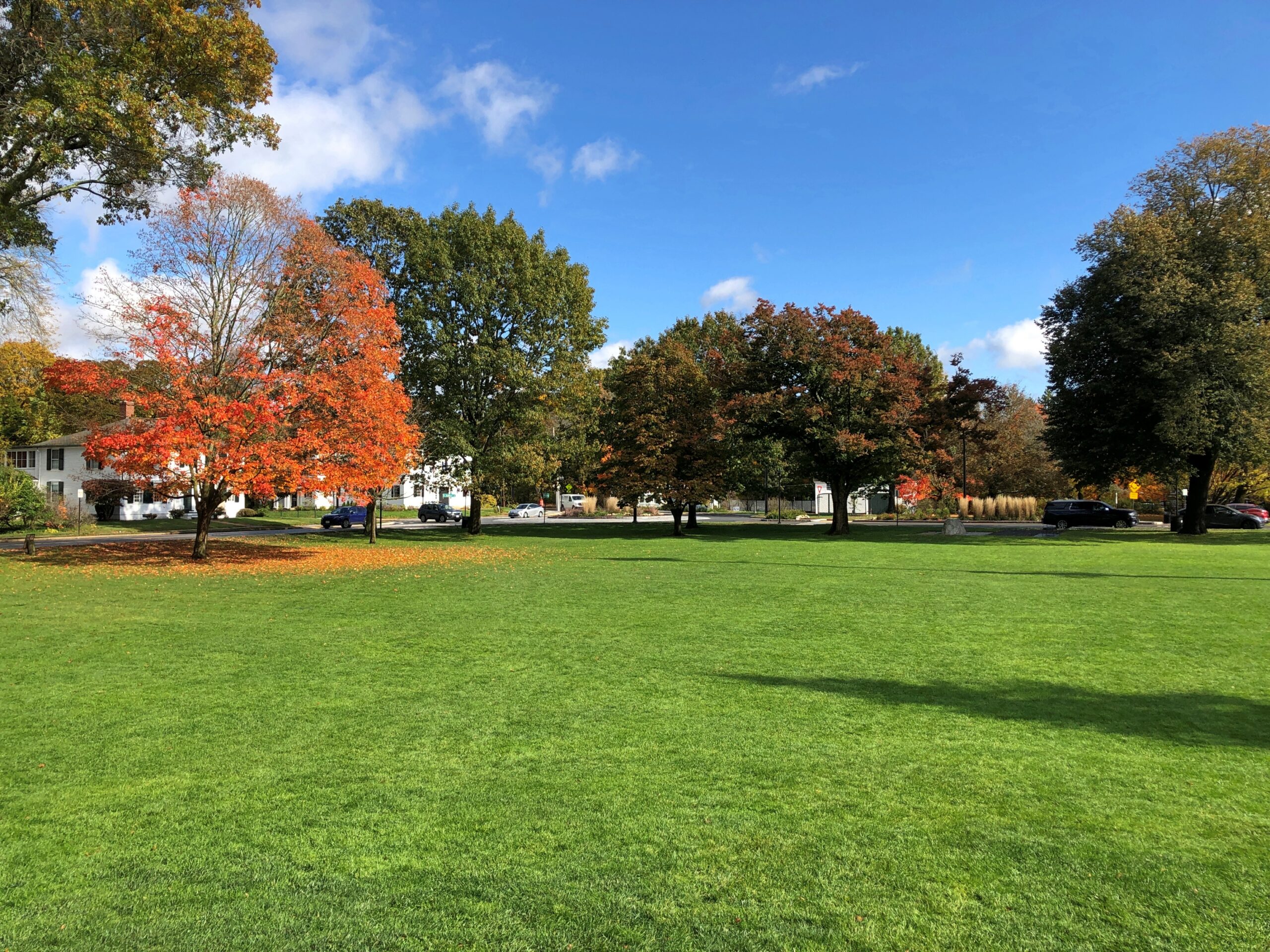
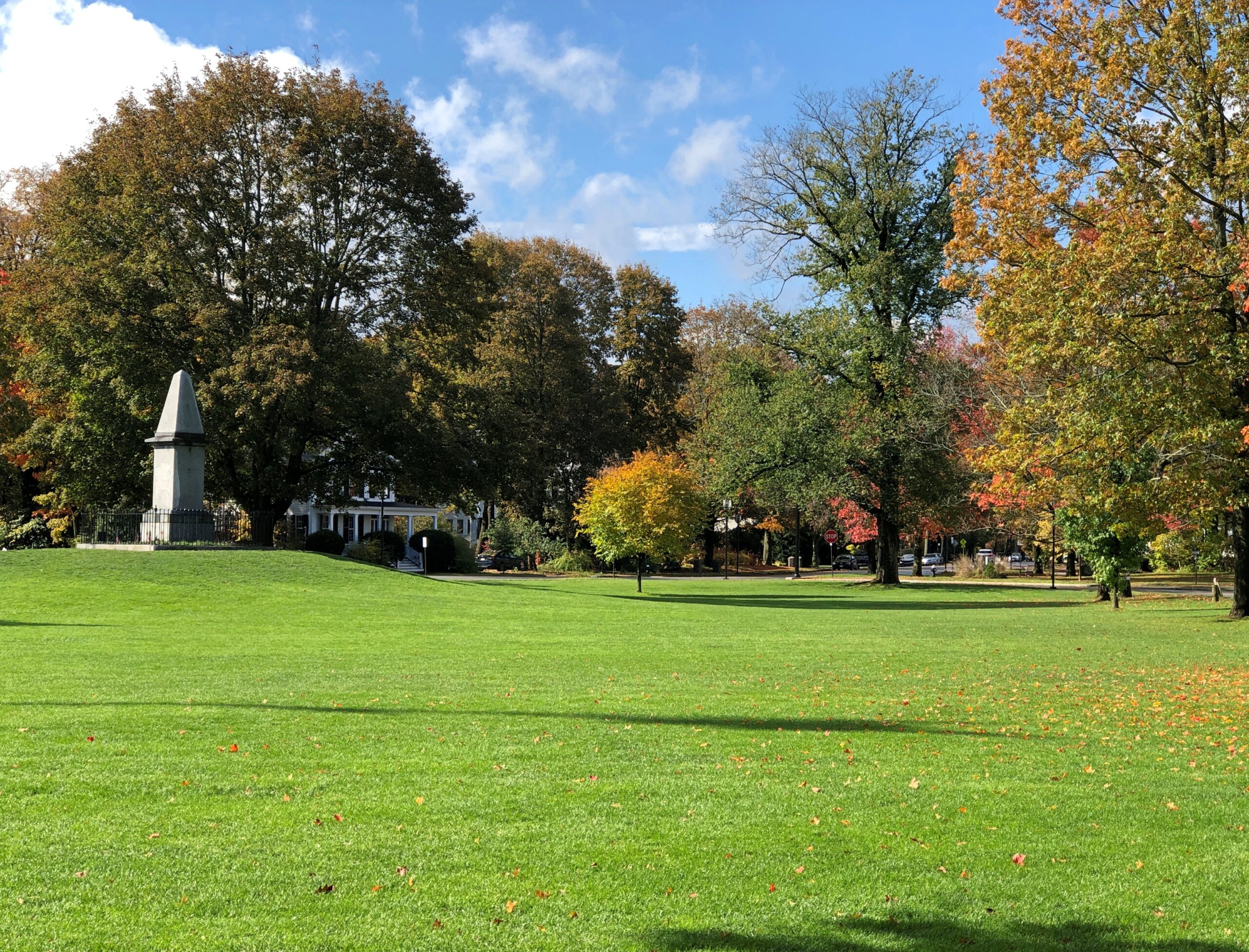
John Parker, originally “Minuteman Statue” by the prolific sculptor and public monument specialist Henry Hudson Kitson, is a latecomer to the green, erected in 1900.
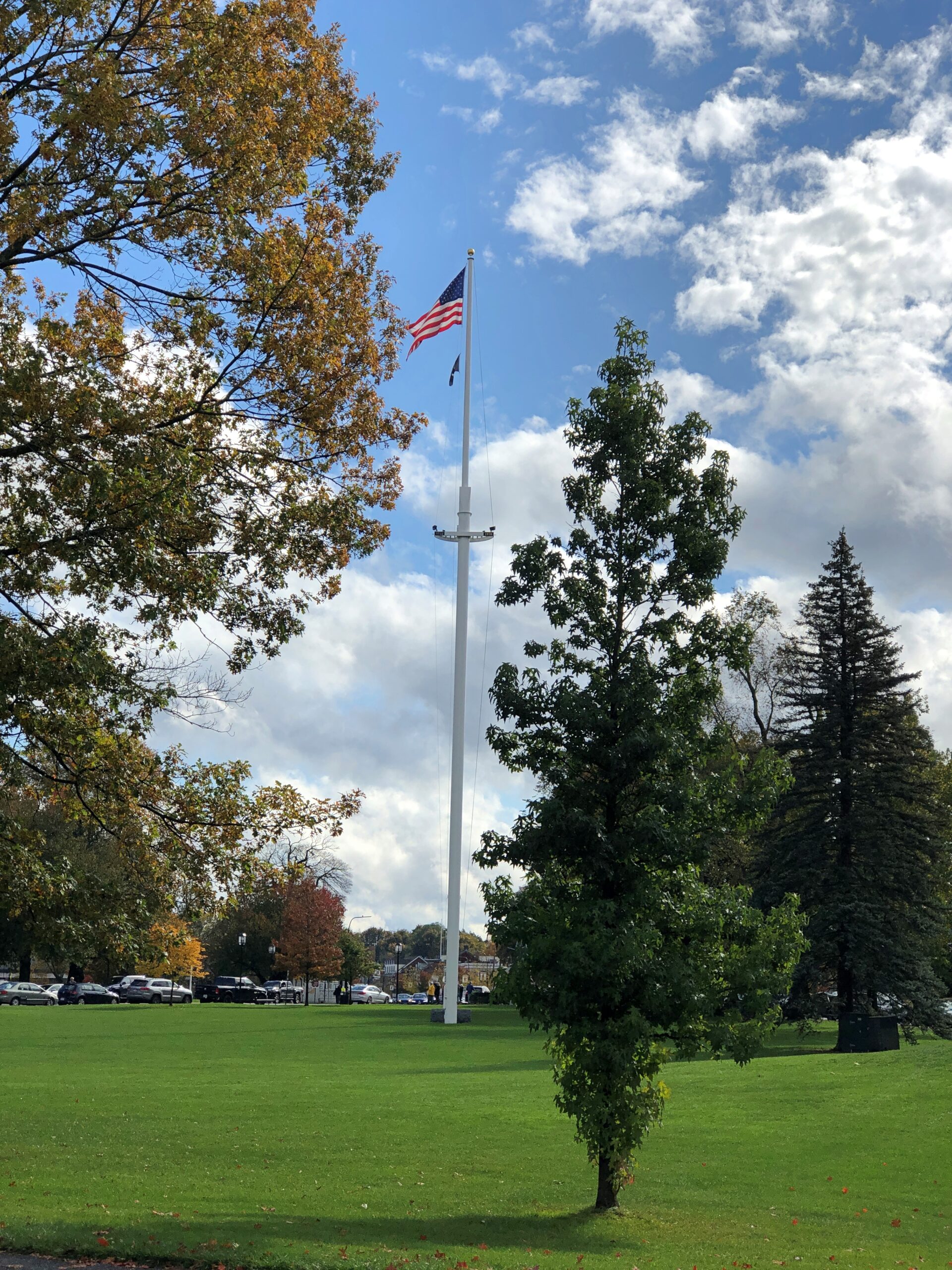
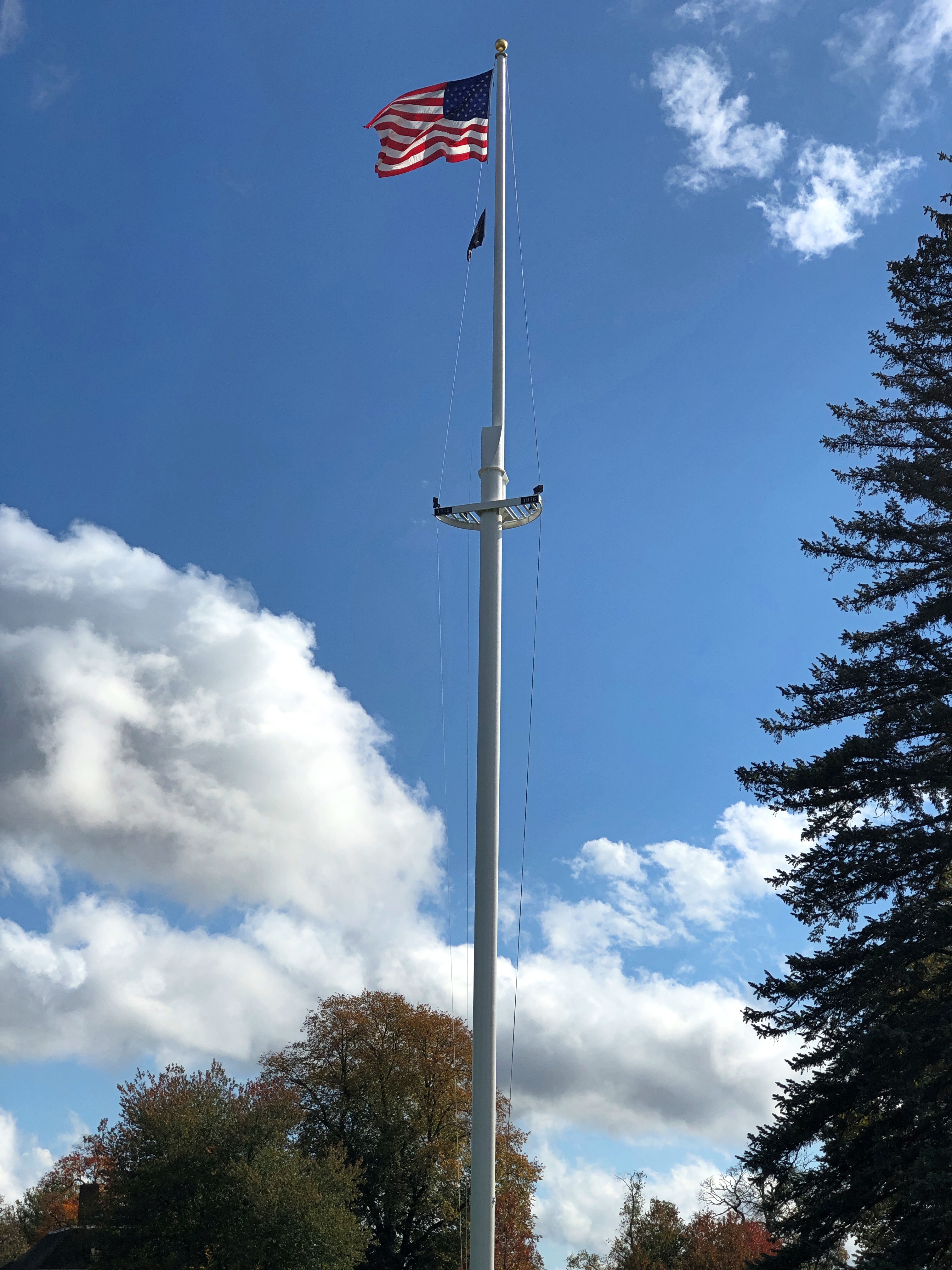
The Battle Green flagpole is newest of all, erected only in 1962. Even so, the pole is on the National Register of Historic Places, and an act of Congress specifies that a flag will always be flown there.
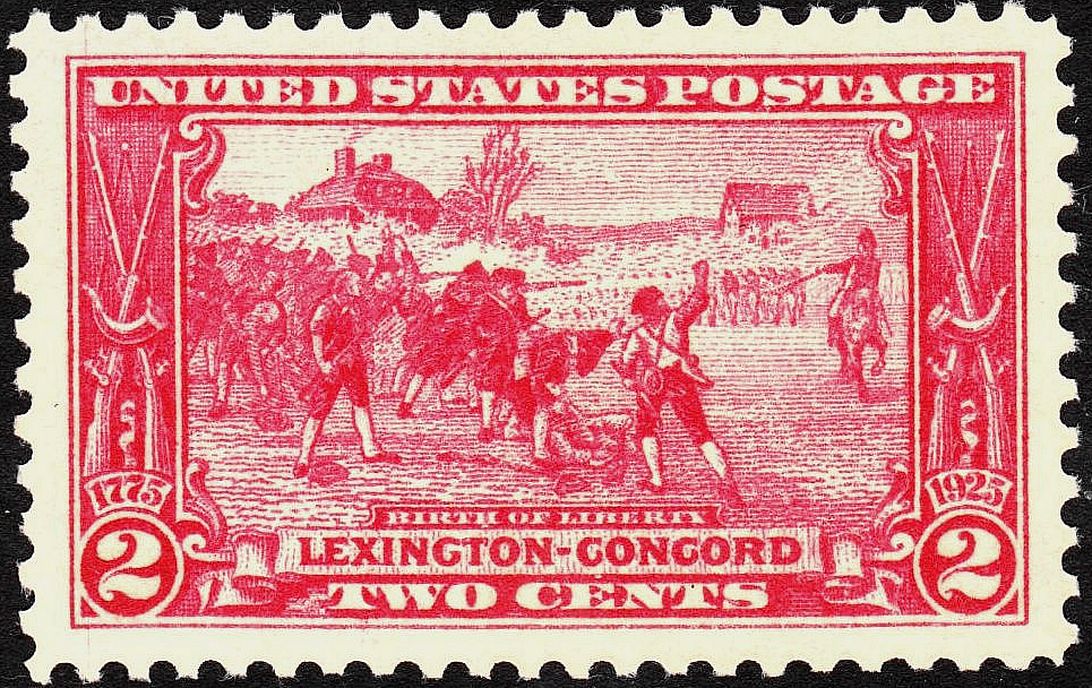
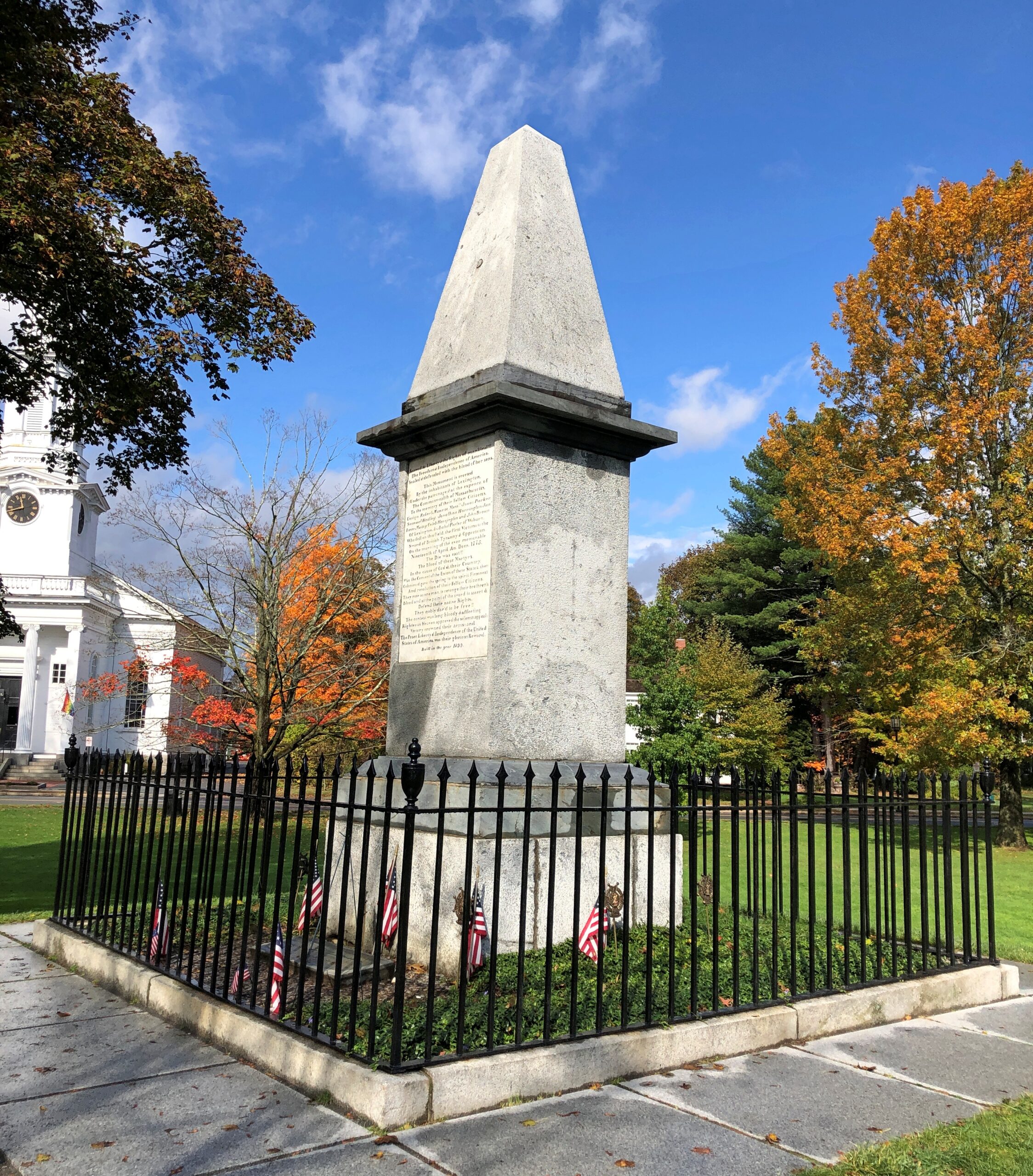
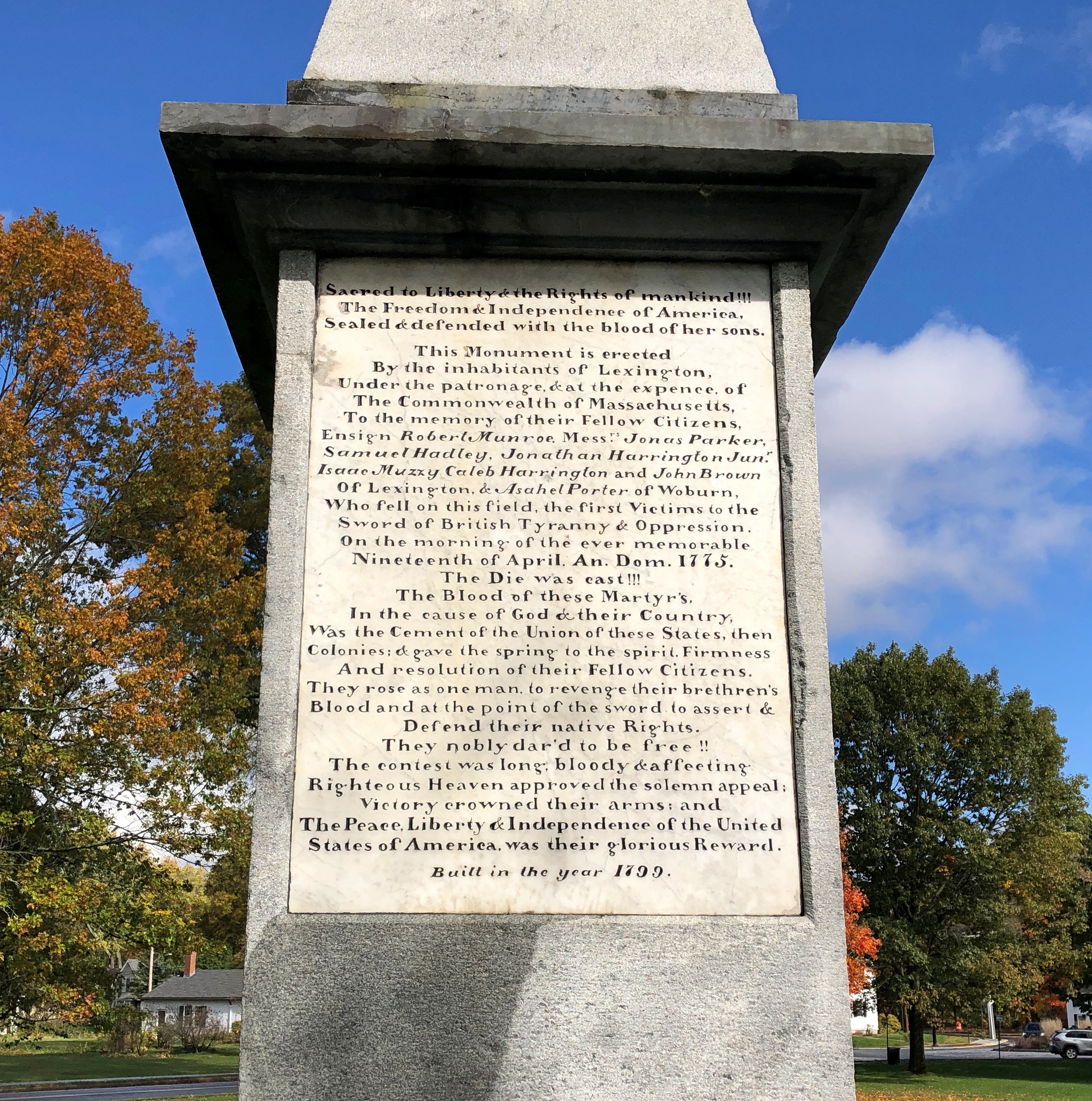
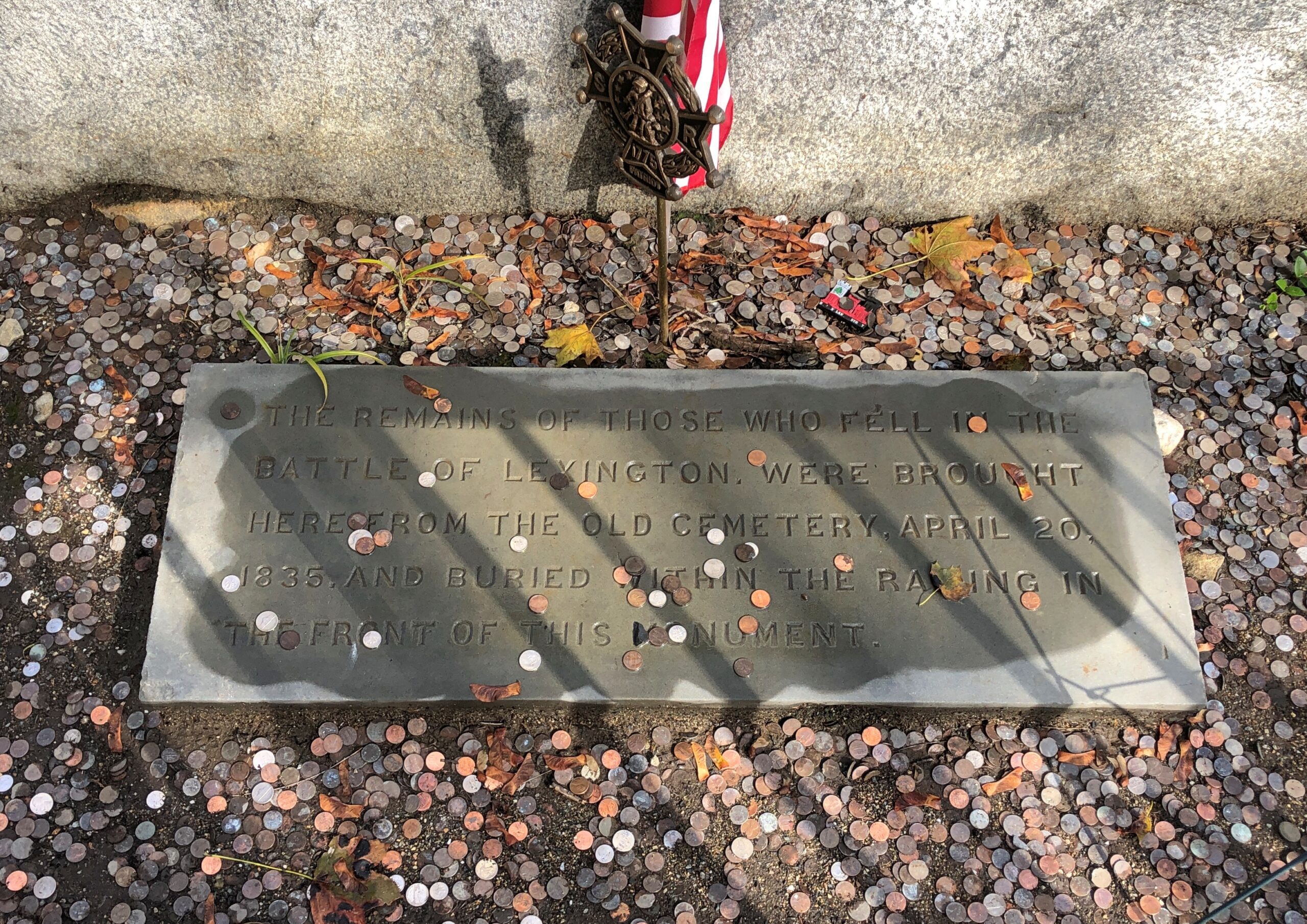
Well within living memory of the battle itself (1799), the town – fully aware of its role as spark of the Revolution – erected a memorial, and relocated the bones of the militiamen killed in the battle to a spot in front of it.
Though not formally part of the green, First Parish Unitarian-Universalist is distinctly part of the place, and looks about as New England as a church can.
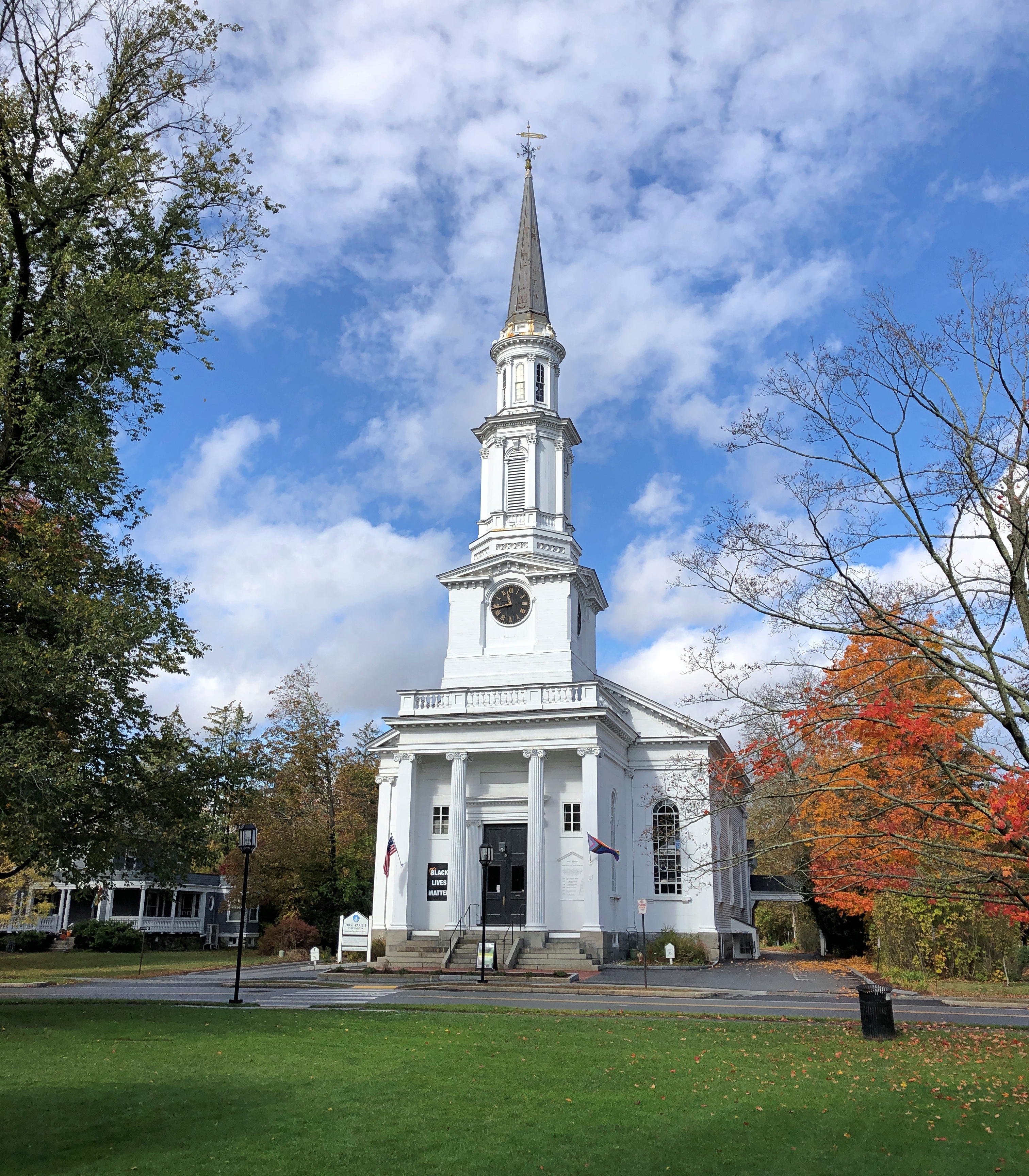
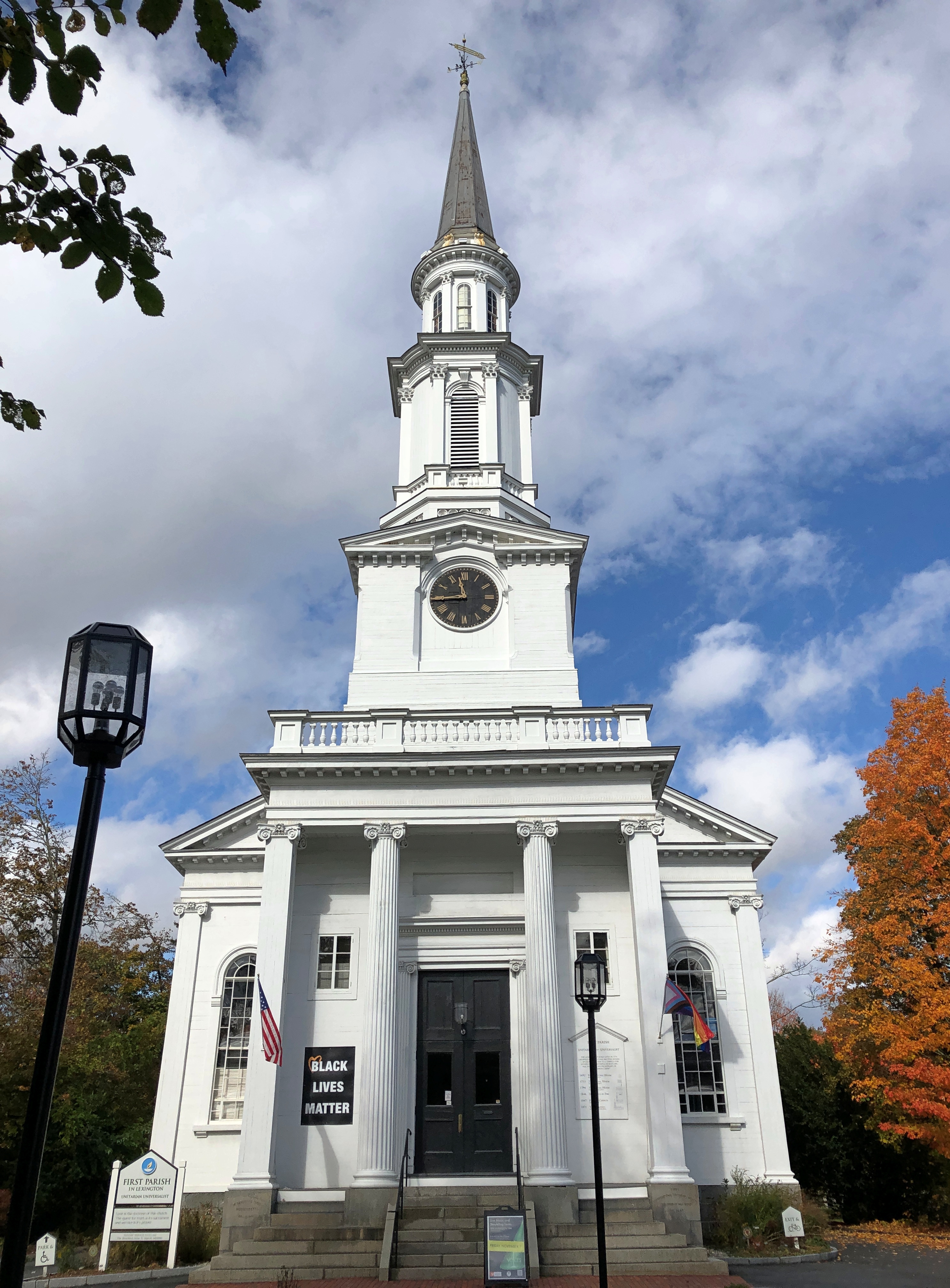
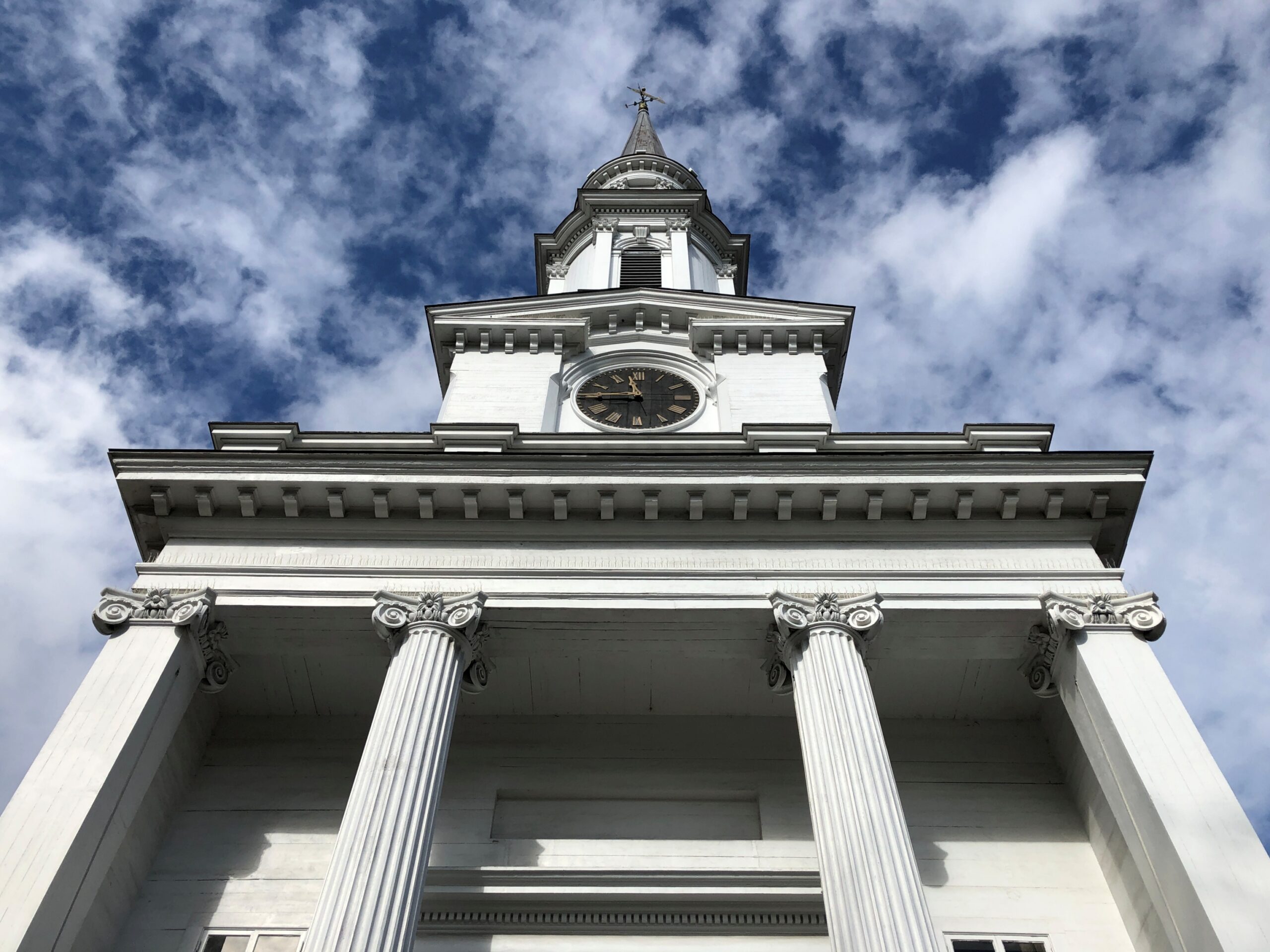
It might as well be part of the green, considering the history of the congregation. The present church is a 19th-century structure near the site of Lexington’s only church in 1775, which was a hotbed of Revolutionary sentiment at the time.