For someone who has never written for television, and surely never will, I’ve got a few ideas. Just today: the wacky comedy adventures of three Florida Men who manage to kill themselves in a humiliating way – getting drunk and naked and trying to drive a cherry picker on the highway, say, with them in the basket.
They return as ghosts, condemned to haunt Florida retirement communities, though sometimes they find themselves in Miami Beach among the crabby ghosts of former retirees who came to live there in the ’60s. A twist: a fourth Florida Man, their friend who was driving the cherry picker, survived the accident and now he’s the only one who can see them. Hilarity does what it does, ensues.
In the 1890s, Japan was still newly open, and apparently exotic to the likes of wealthy Illinoisans George and Nelle Fabyan. The story is that they came away from the Japanese Pavilion at the 1893 Columbian Exposition deeply impressed by Japanese culture. It was a common reaction, I’ll bet, and most people might have bought a book or two, or a bit of art, and left it at that.
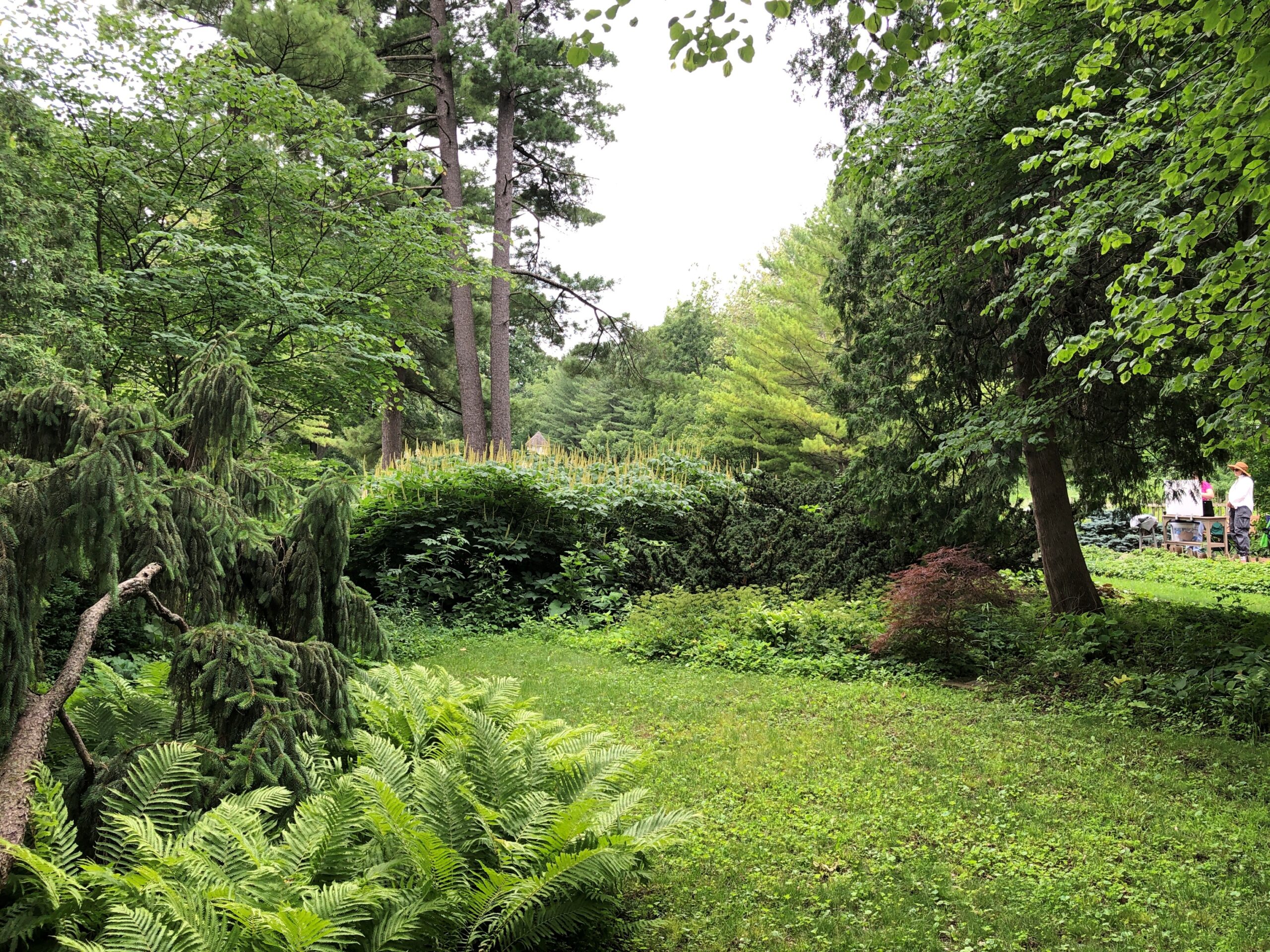
Not George Fabyan, the Great Collector of the Fox River Valley (gardens, windmills, mummies and more!). He had a Japanese garden built downslope from his home near the Fox. During the summer, visitors can go there even now, though ownership long ago passed to the Kane County Forest Preserve District.
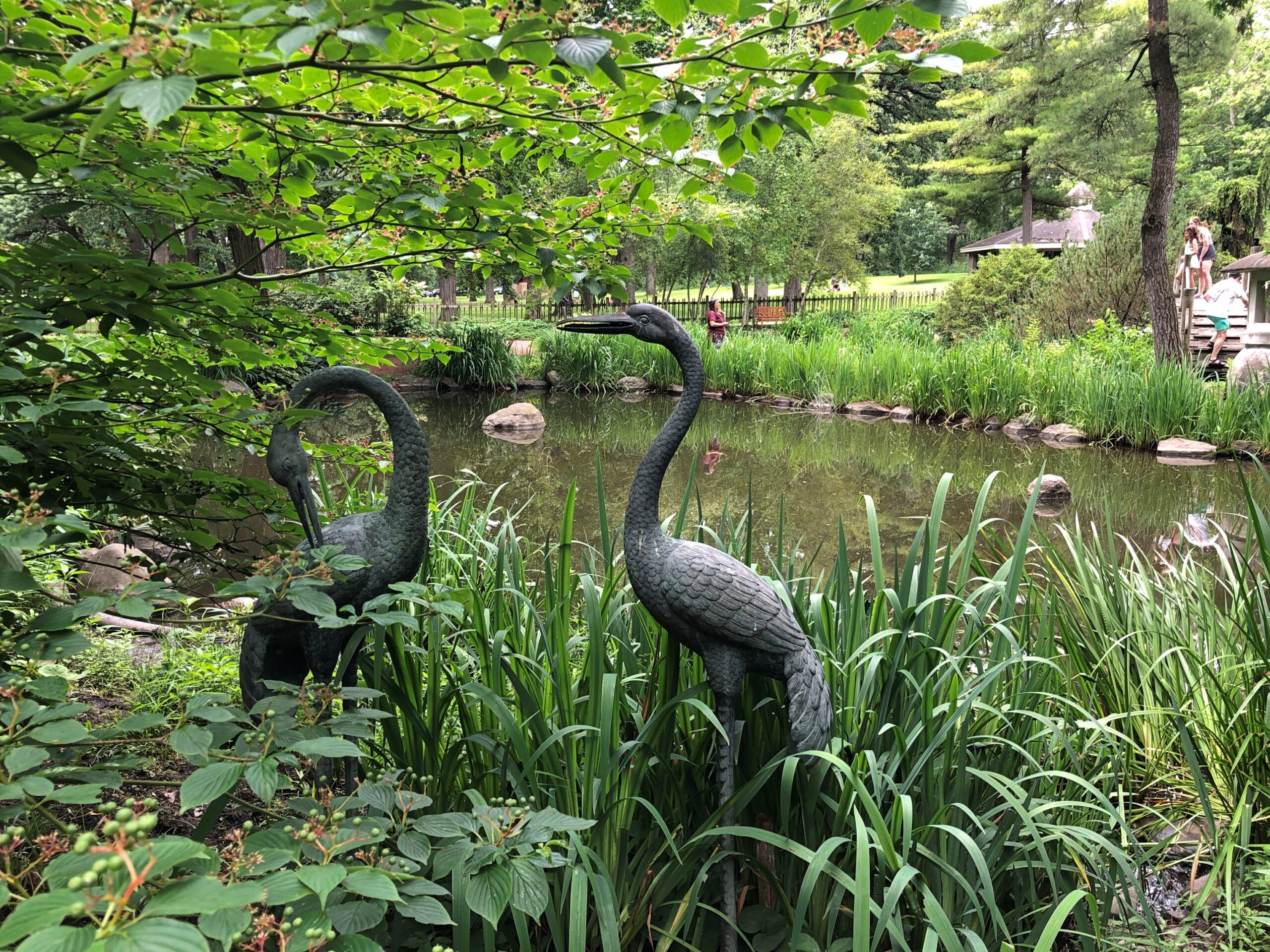
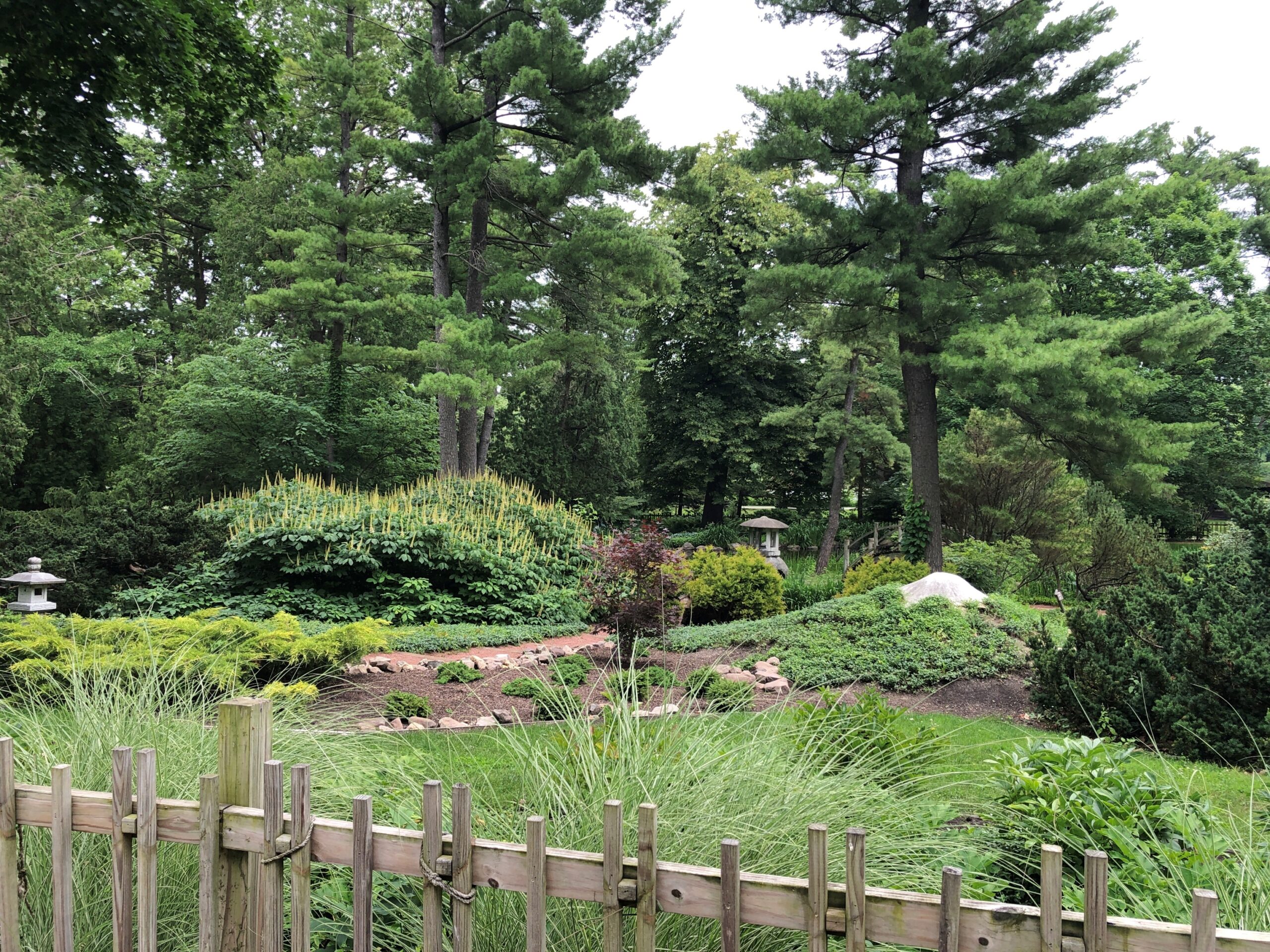
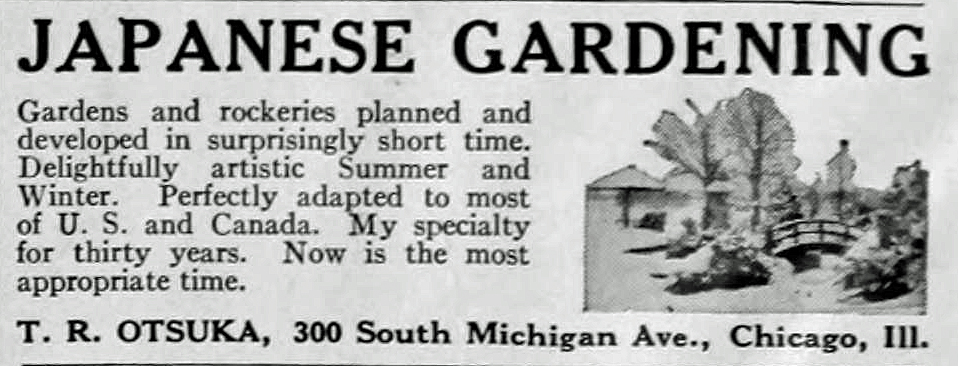
He tasked Japanese garden designer Taro Otsuka to undertake the project, which was completed not long before the Great War. Otsuka, an early 20th-century immigrant, found his niche on these shores. Namely, in designing a wave of Japanese gardens in the Midwest.
Through cycles of decline and restoration, the Fabyan garden has abided. Free admission, donations accepted.
The garden designer’s raw material is the local flora, resulting in a garden on traditional lines that nevertheless has a look apart of the models of the old country, taking aspects of the new country. Don’t ask me the details, that’s just the sense one gets.
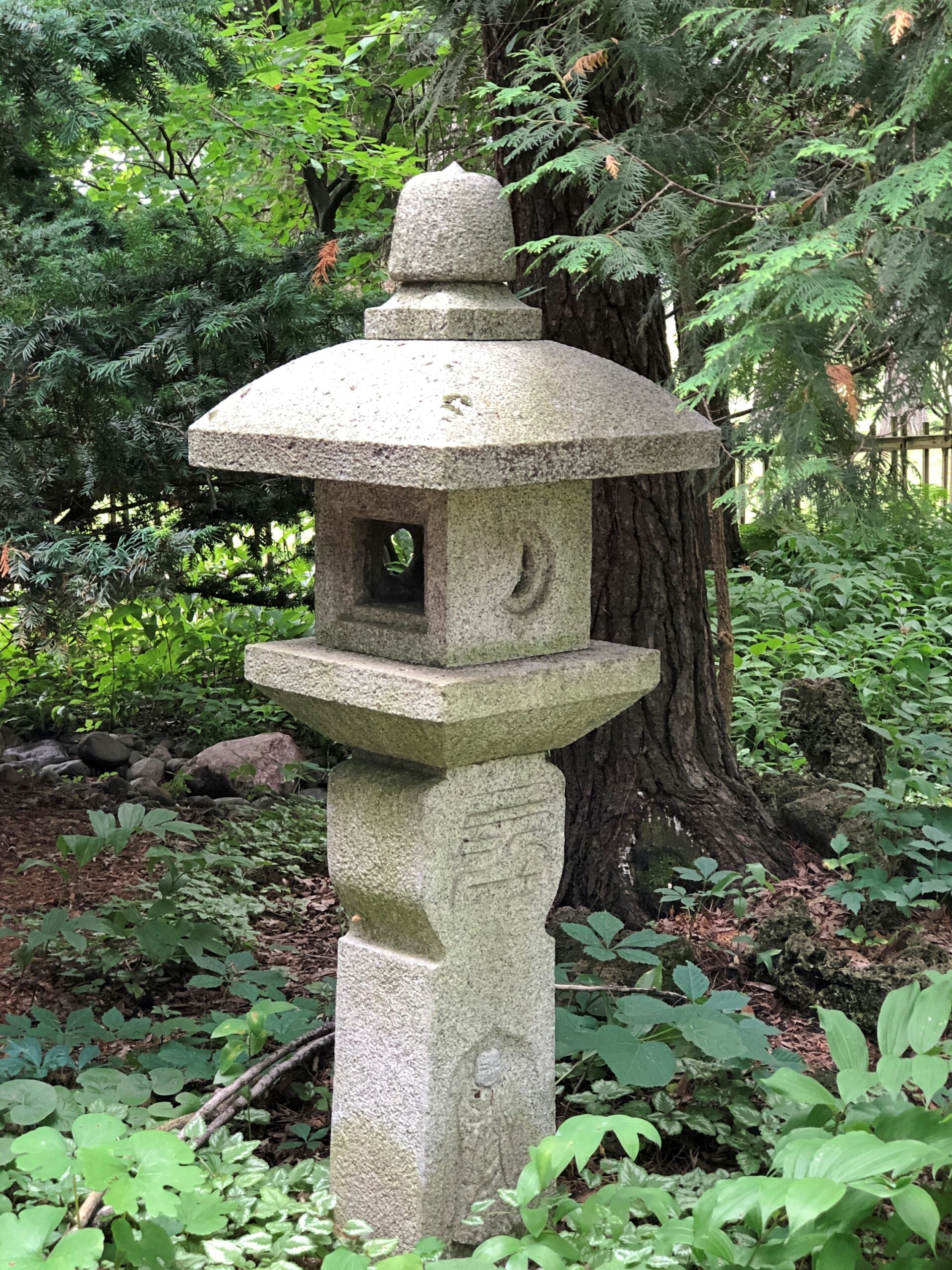
Lanterns.
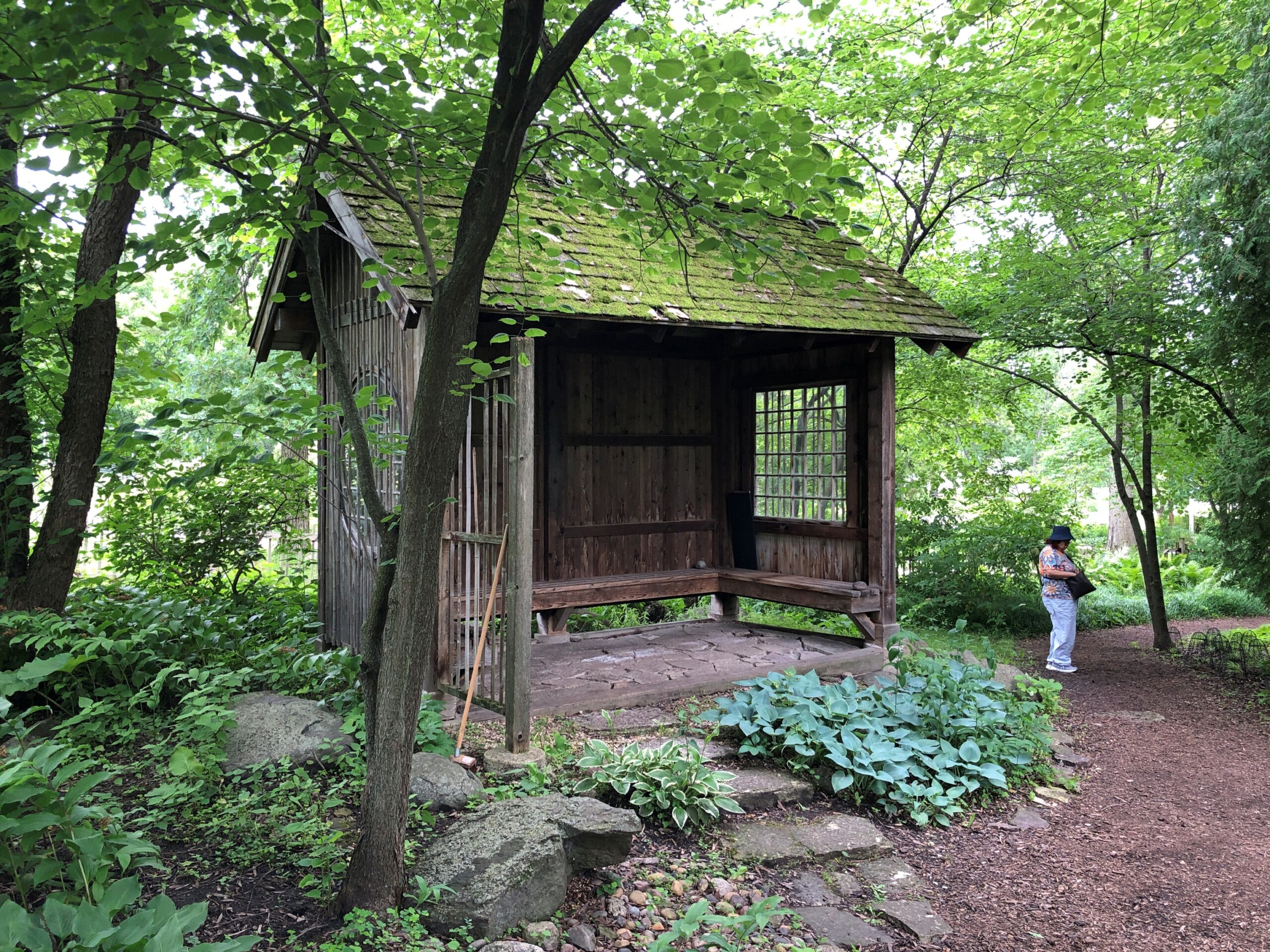
Structures.
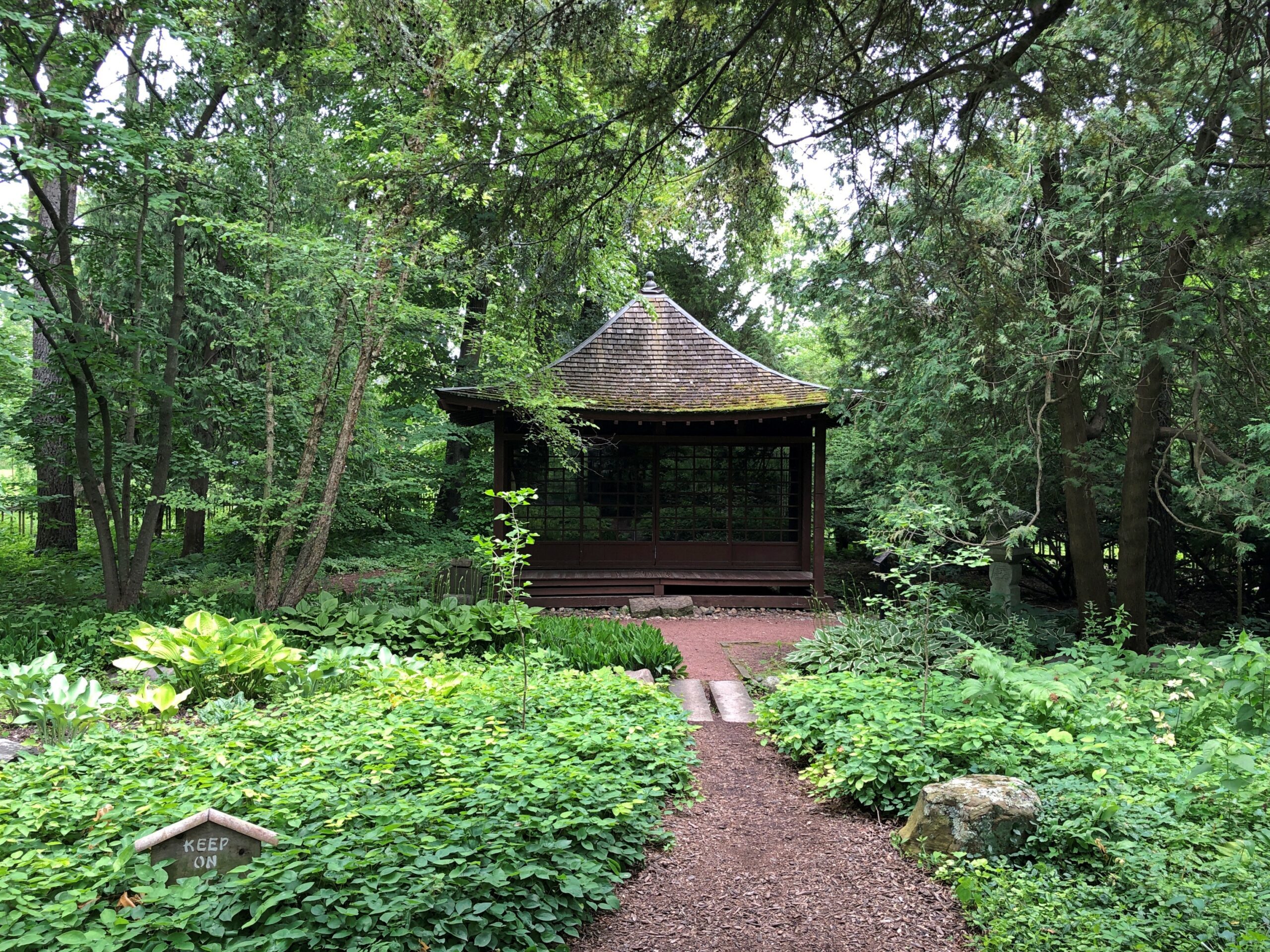
Teahouse of the Fox River, you could call that one.
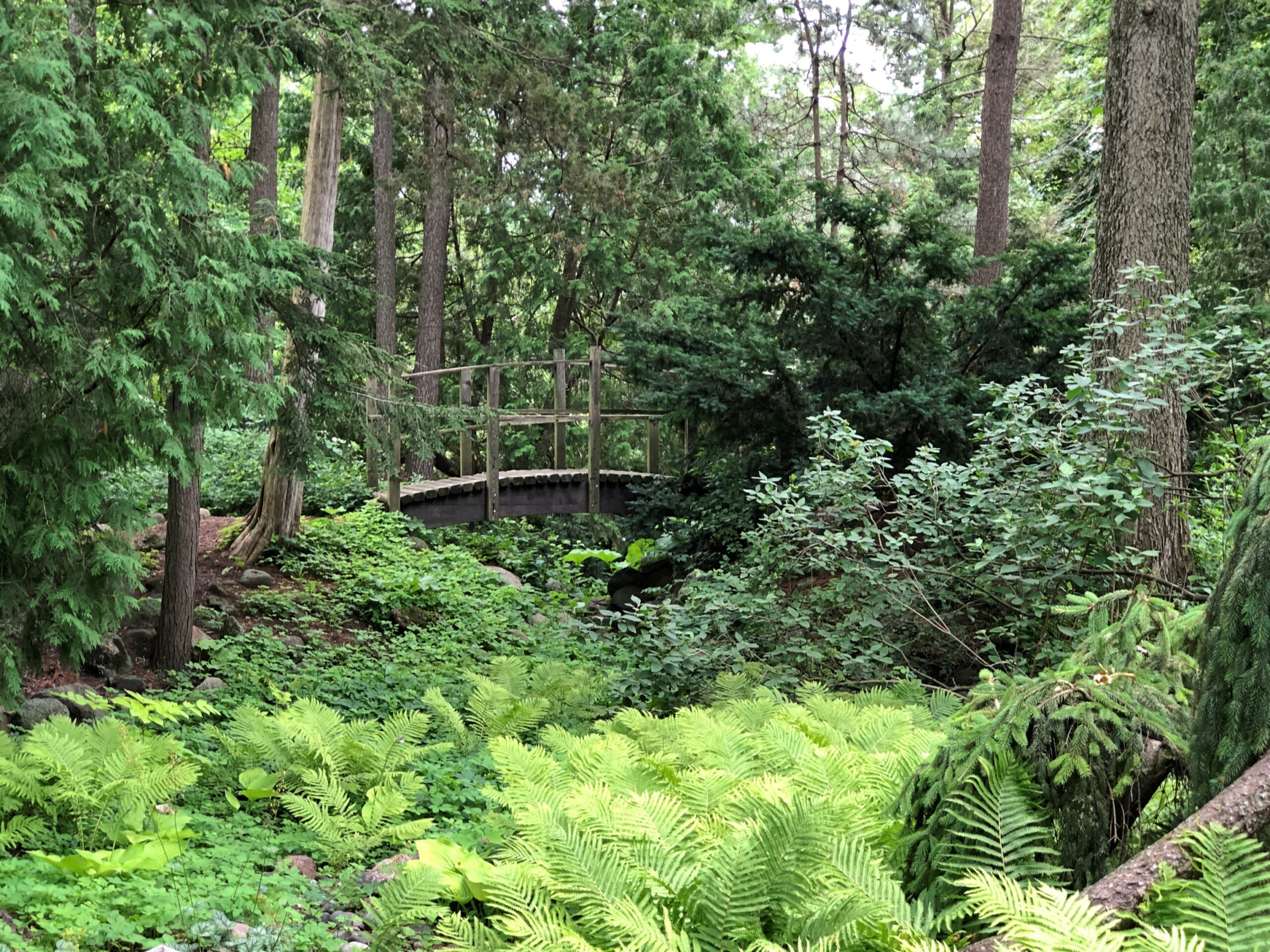
What’s a Japanese garden without an impressive bridge over an elegant water feature?
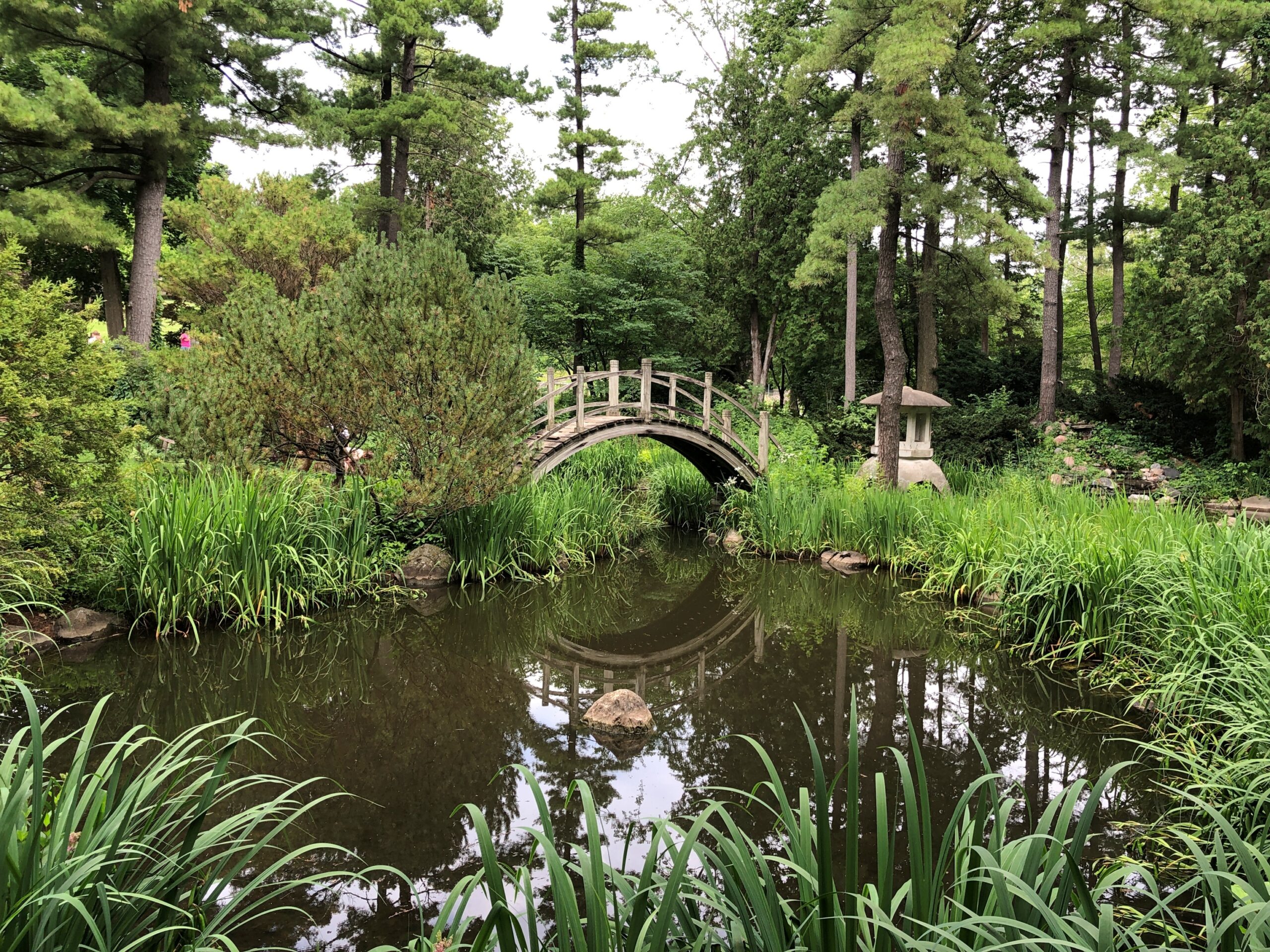
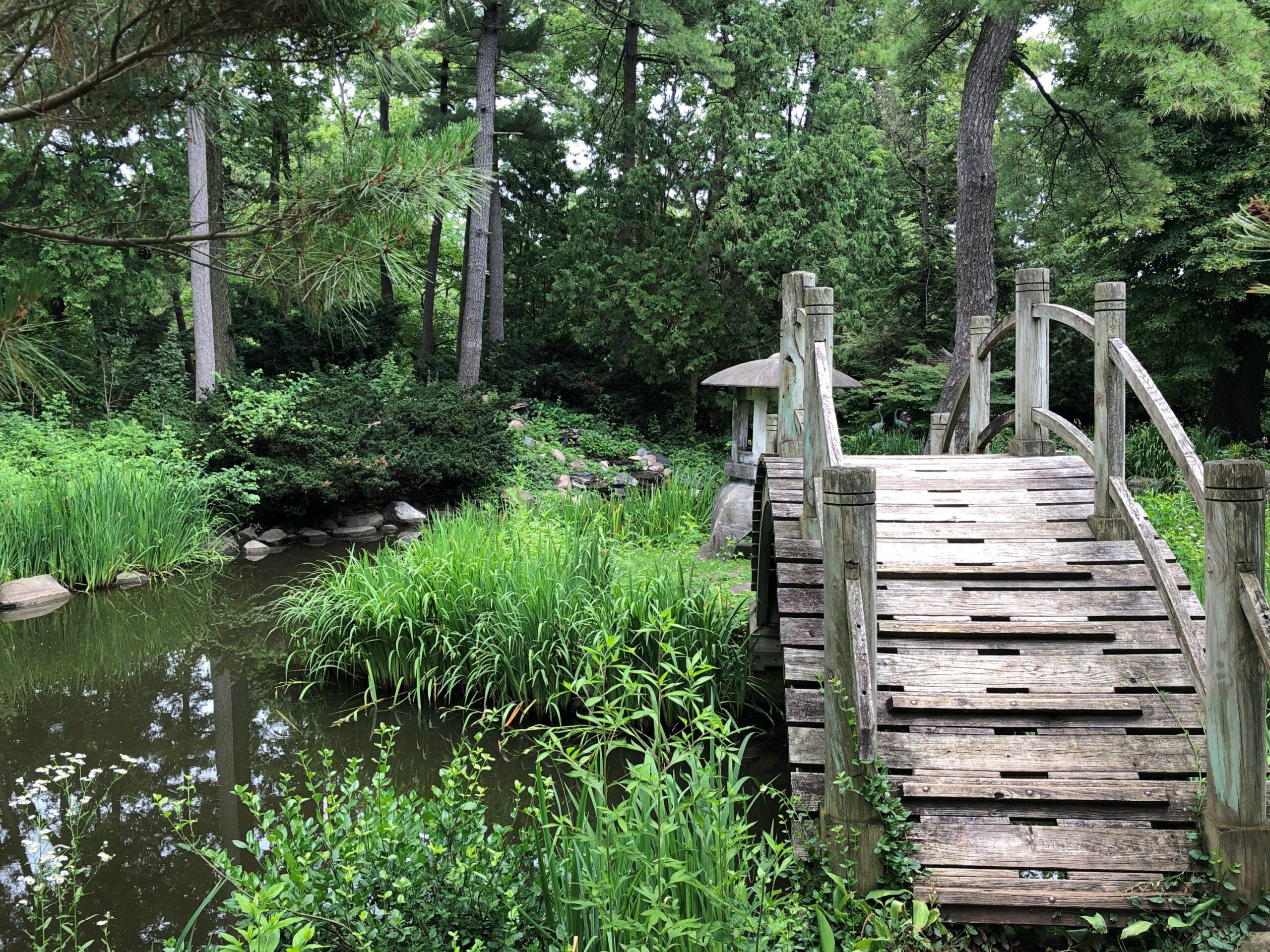
The assortment of possible Japanese garden bridges is extensive, and of course they’re found other places besides gardens, such as the magnificent bridge at Sumiyoshi Shrine in Osaka.
