There’s a lot to like about Wilmington, NC. Reminded me of Nashville, before that city got too big for its breeches, for one thing.
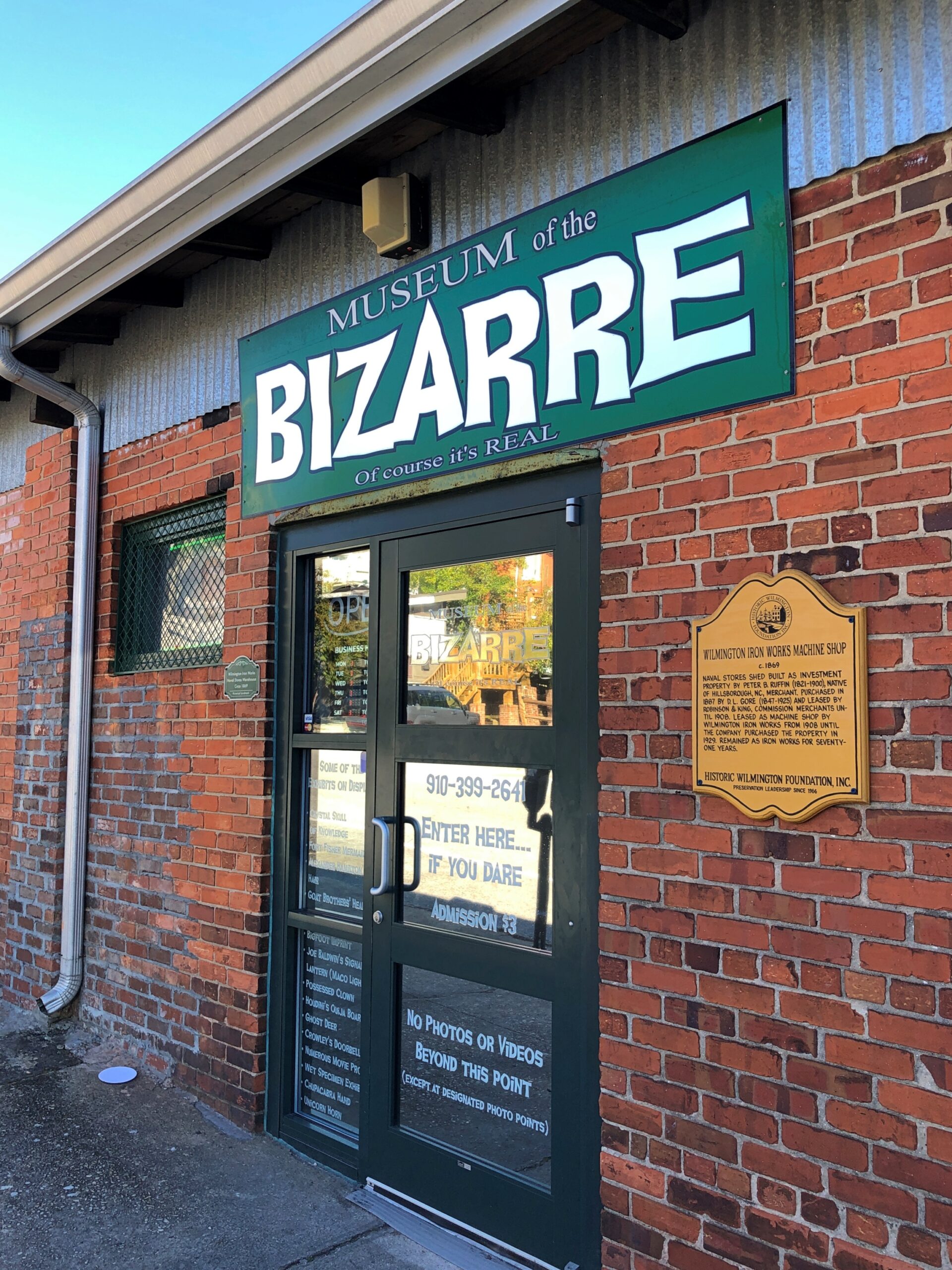
Then there was the Museum of the Bizarre.
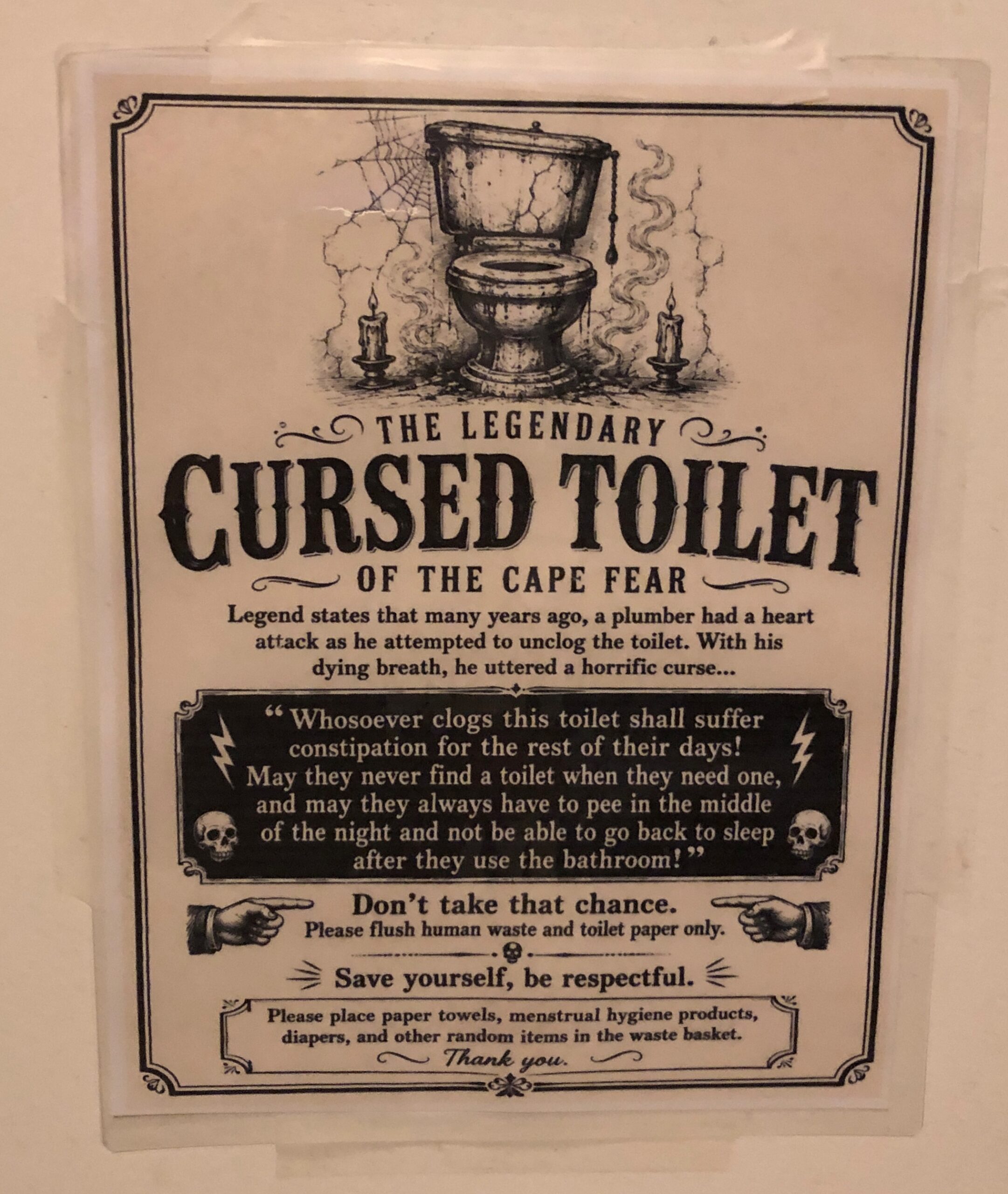
Photography wasn’t entirely encouraged inside. Near the entrance to the museum’s restroom, however, I couldn’t resist making this pic.
A look inside.
Oddball for sure, channeling P.T. Barnum in all his posthumous glory, and not only that, a mere $3 to get in. So $12 for a family of four, for those who still have kids in tow. Tourists shouldn’t be gouged: I was happy to support the museum at that price, and buy some postcards too.
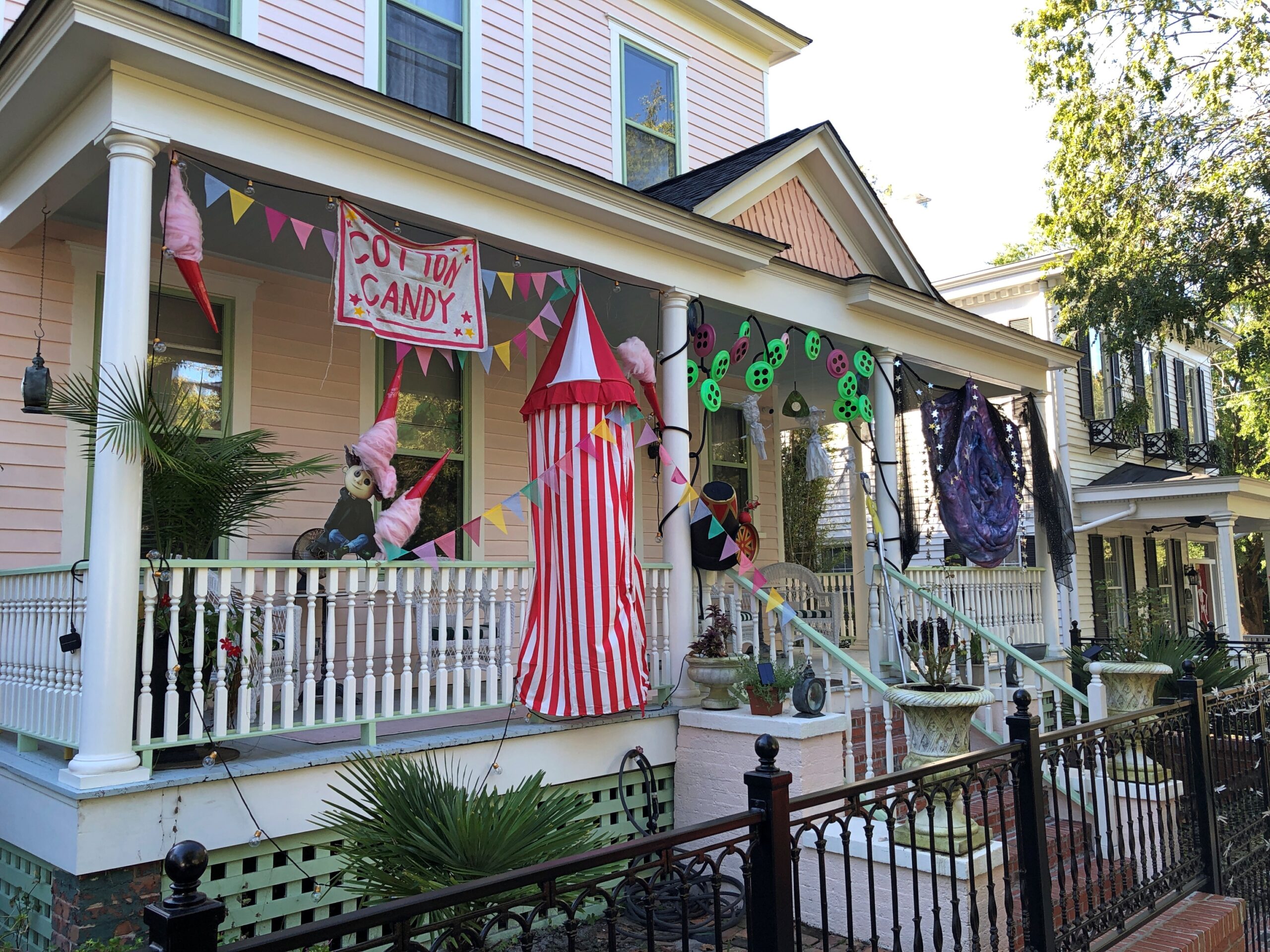
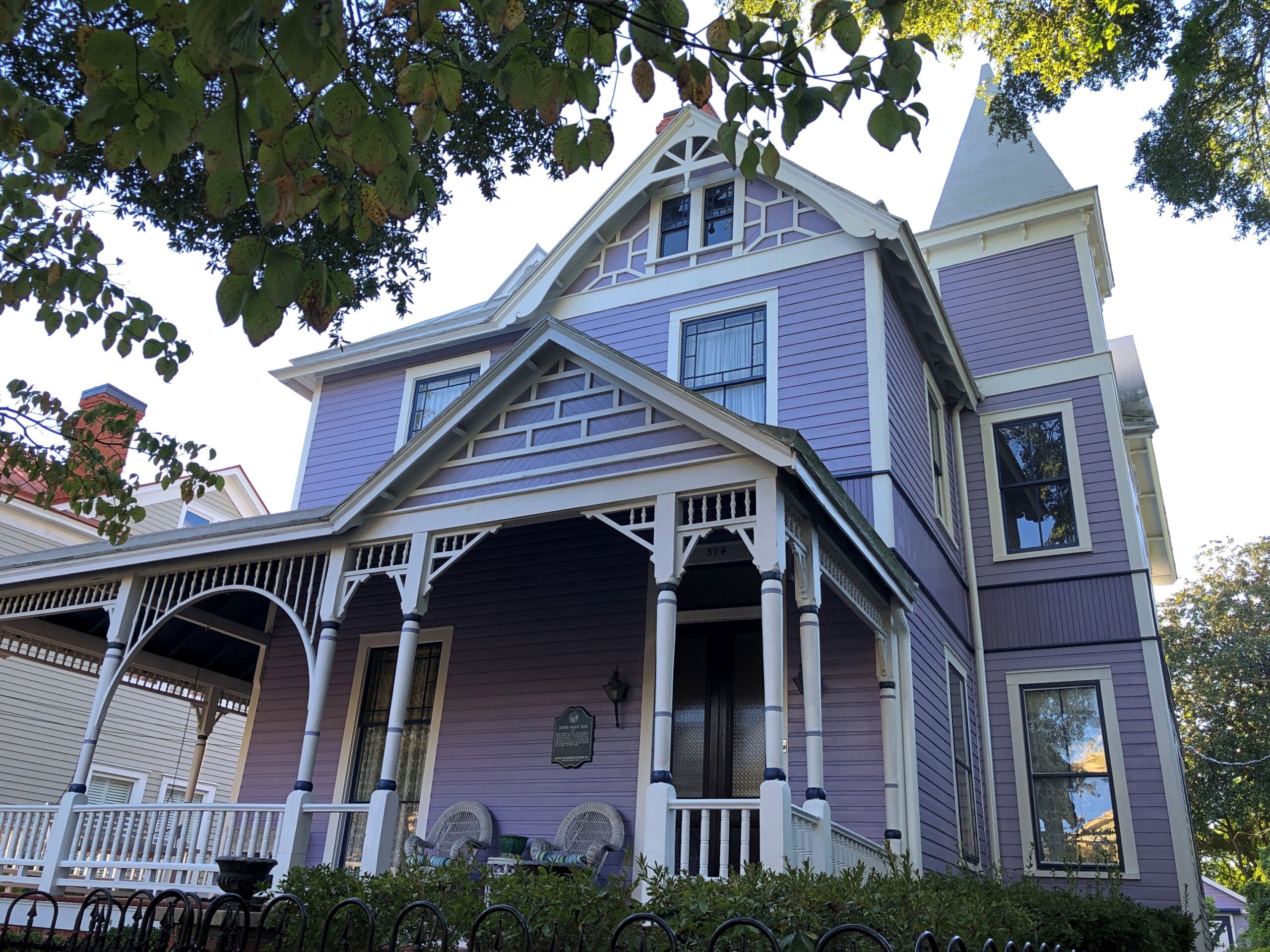
The museum is close to the waterfront, close enough to make parking problematic, so I found street parking some blocks away in the thick of the Wilmington Historic District. A street of handsome houses, it was.
***
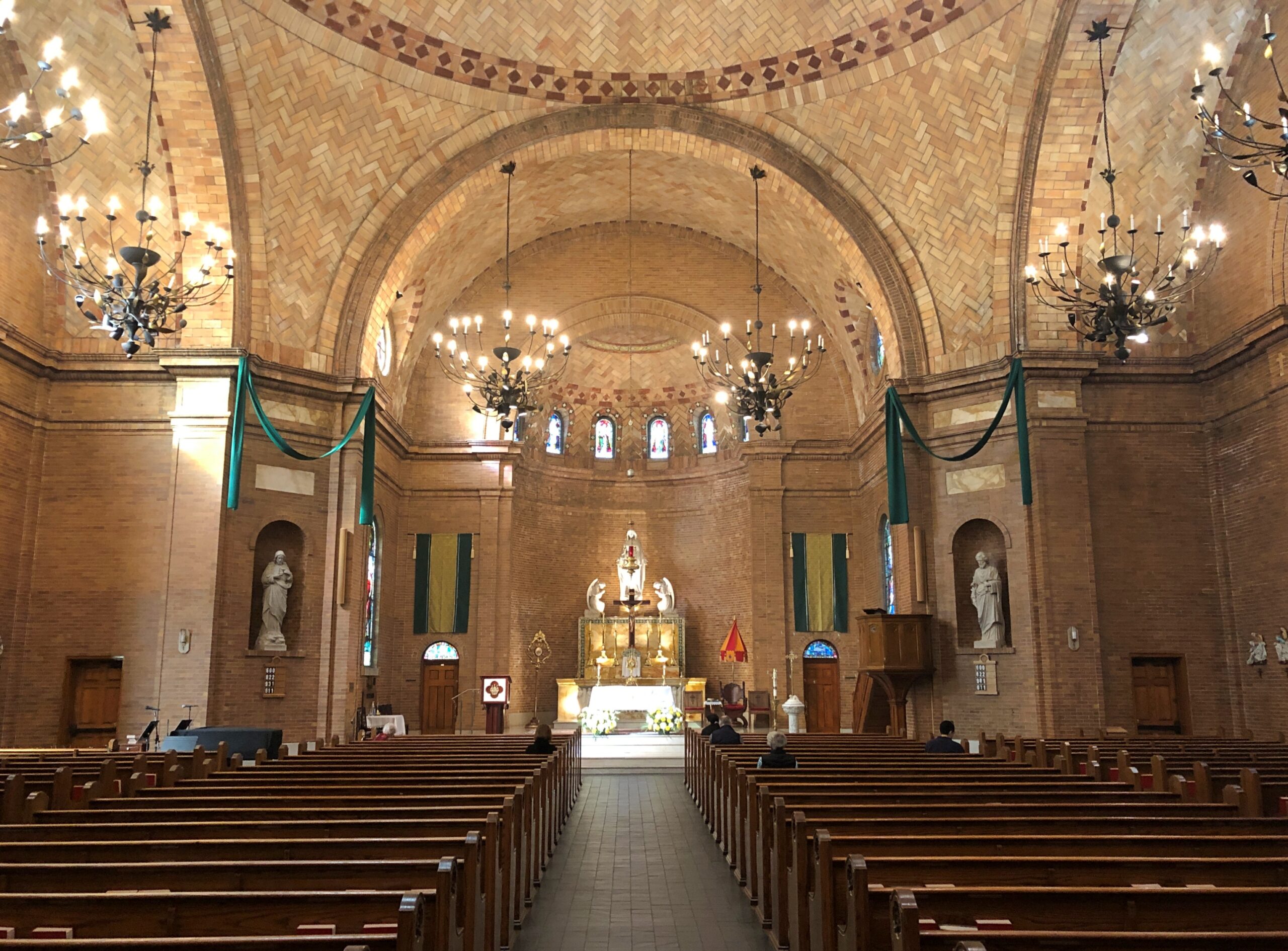
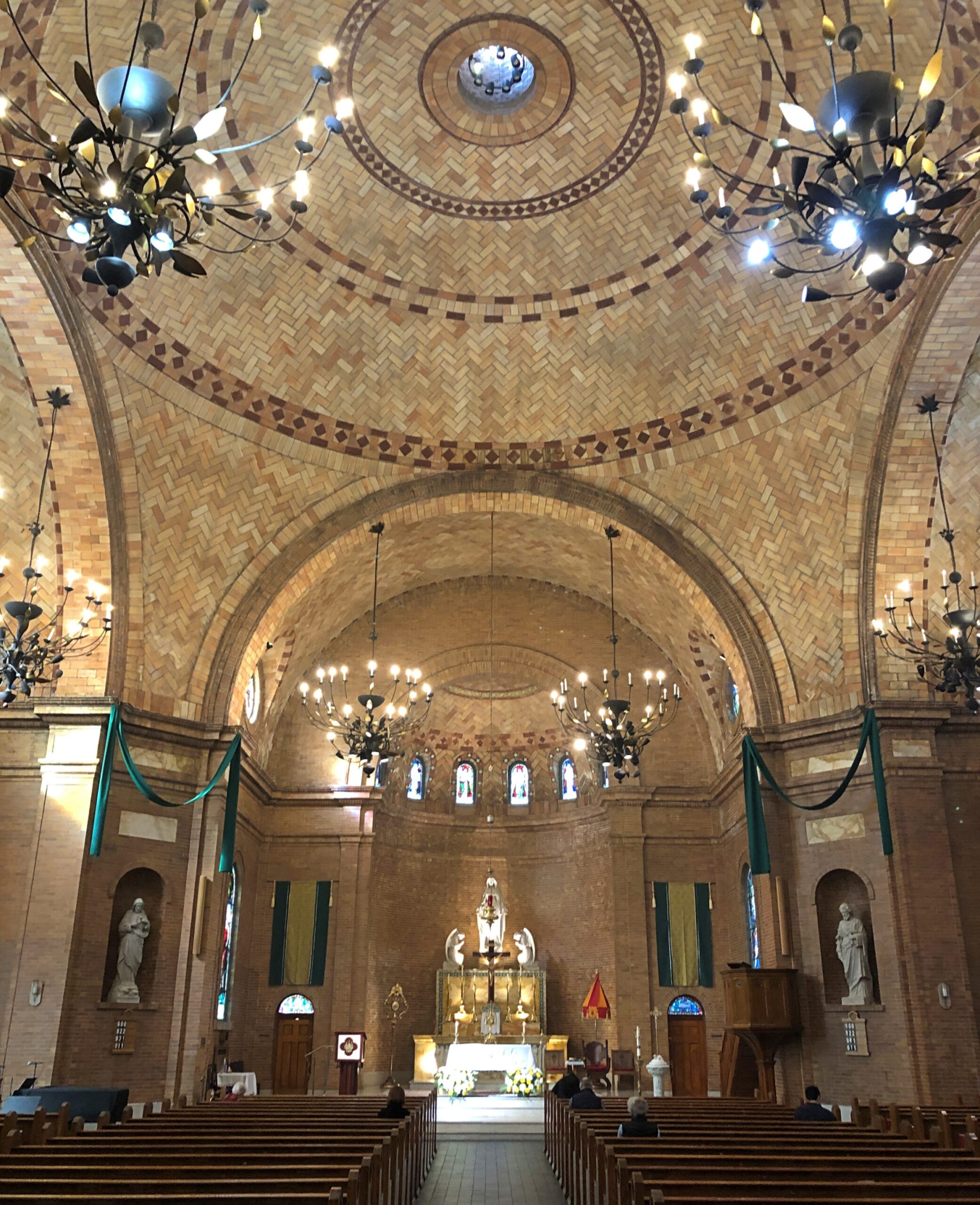
The Basilica Shrine of St. Mary. I actually managed to stop by twice, at different times of the day.
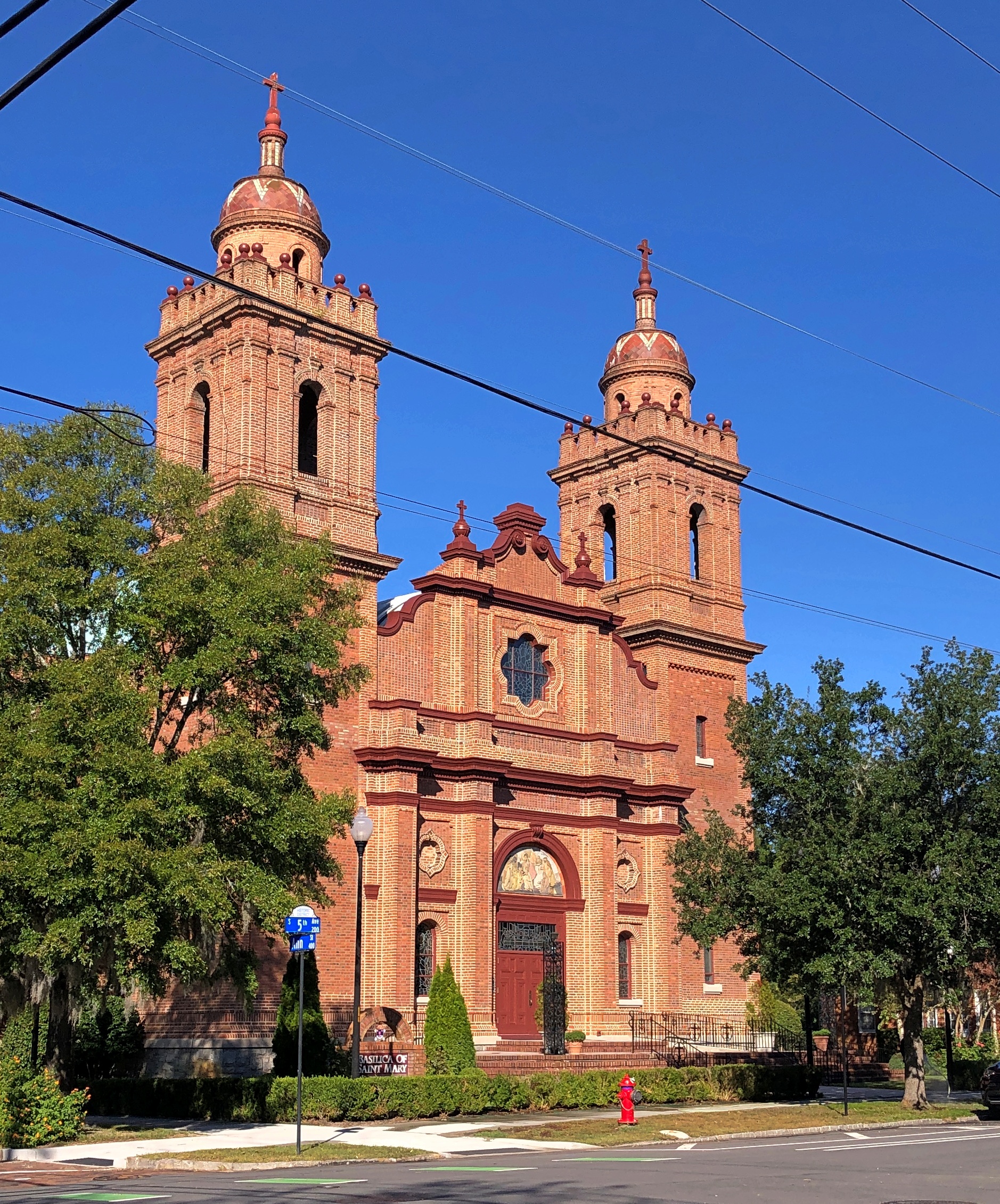
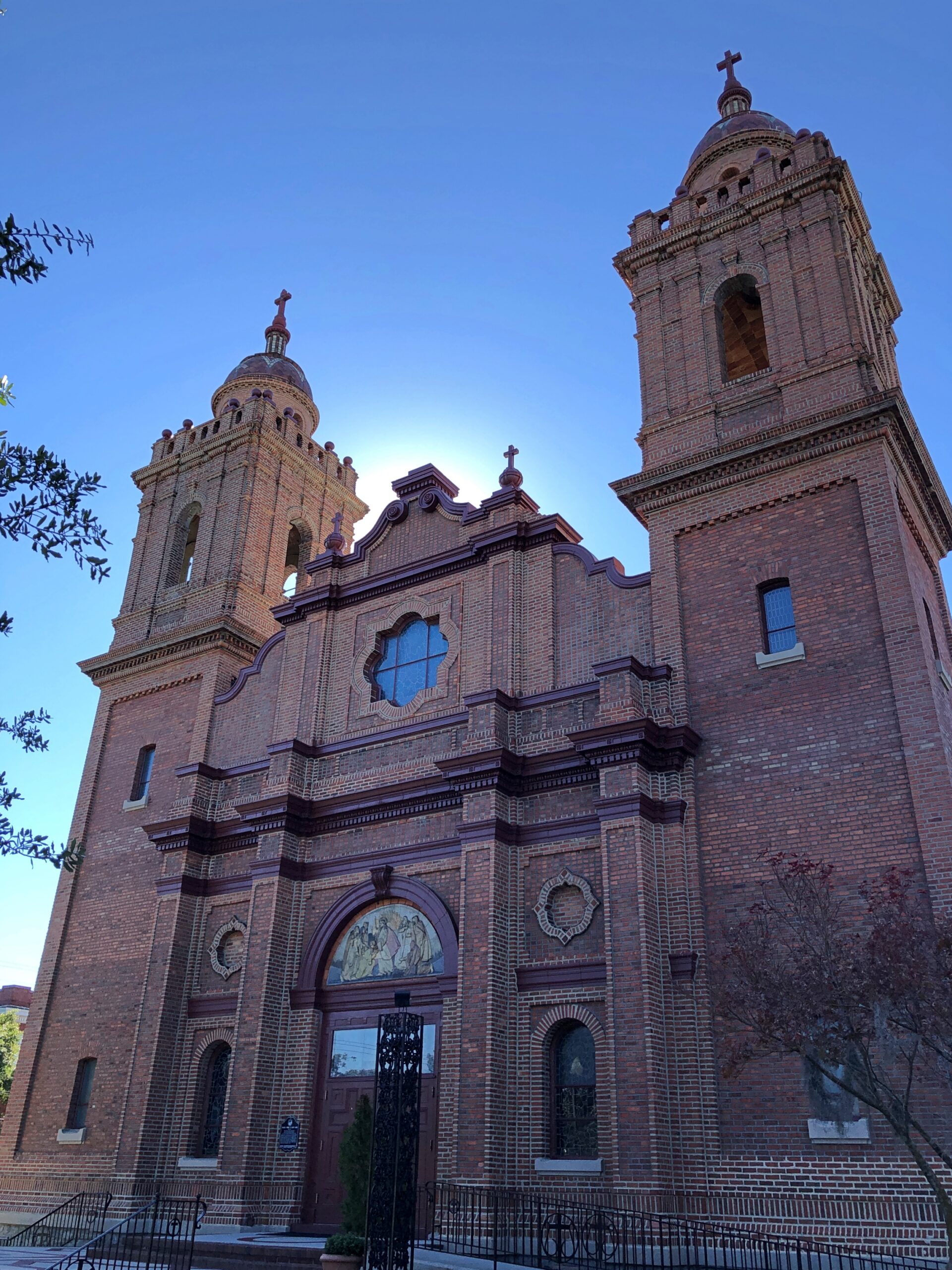
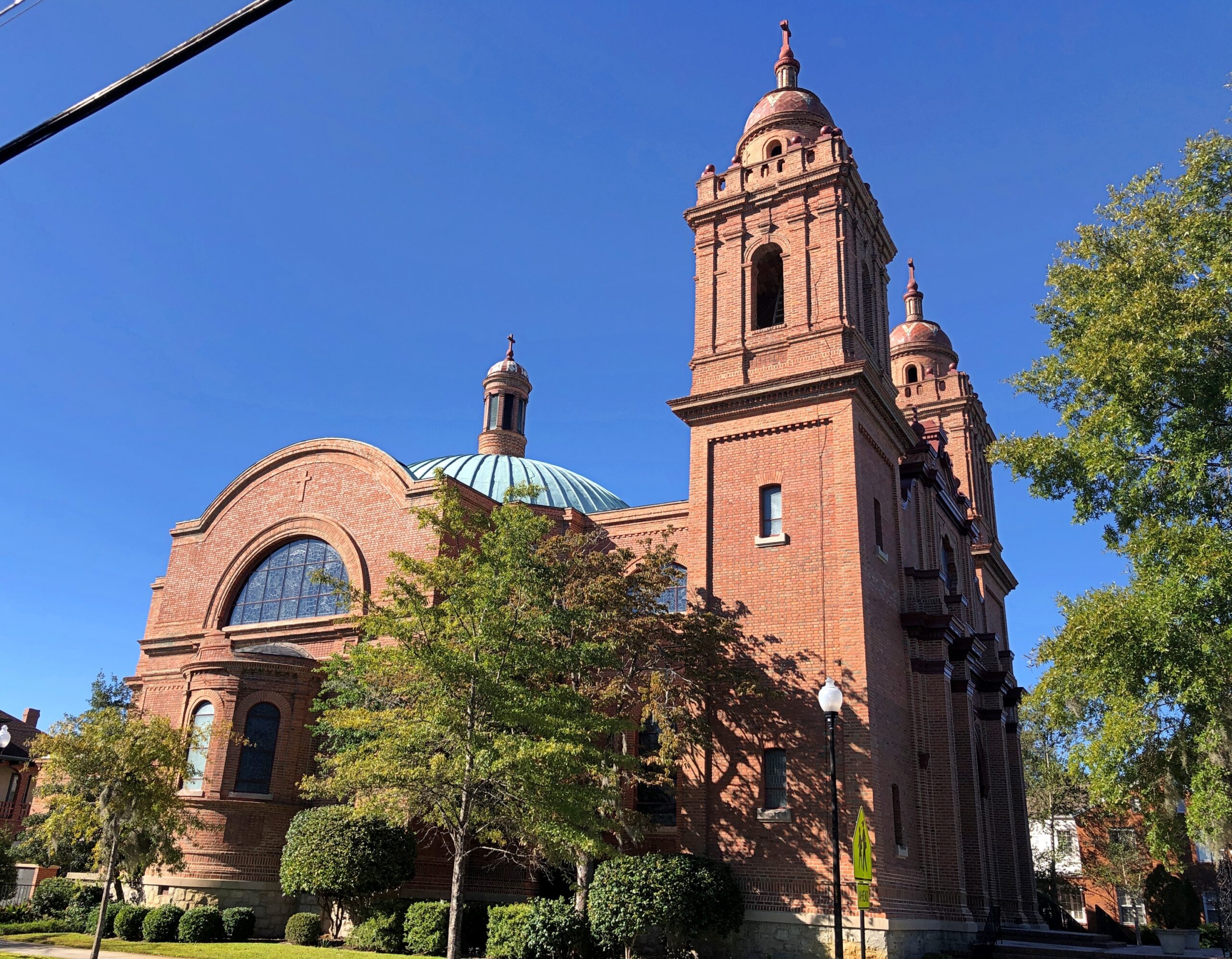
Exceptional brickwork.
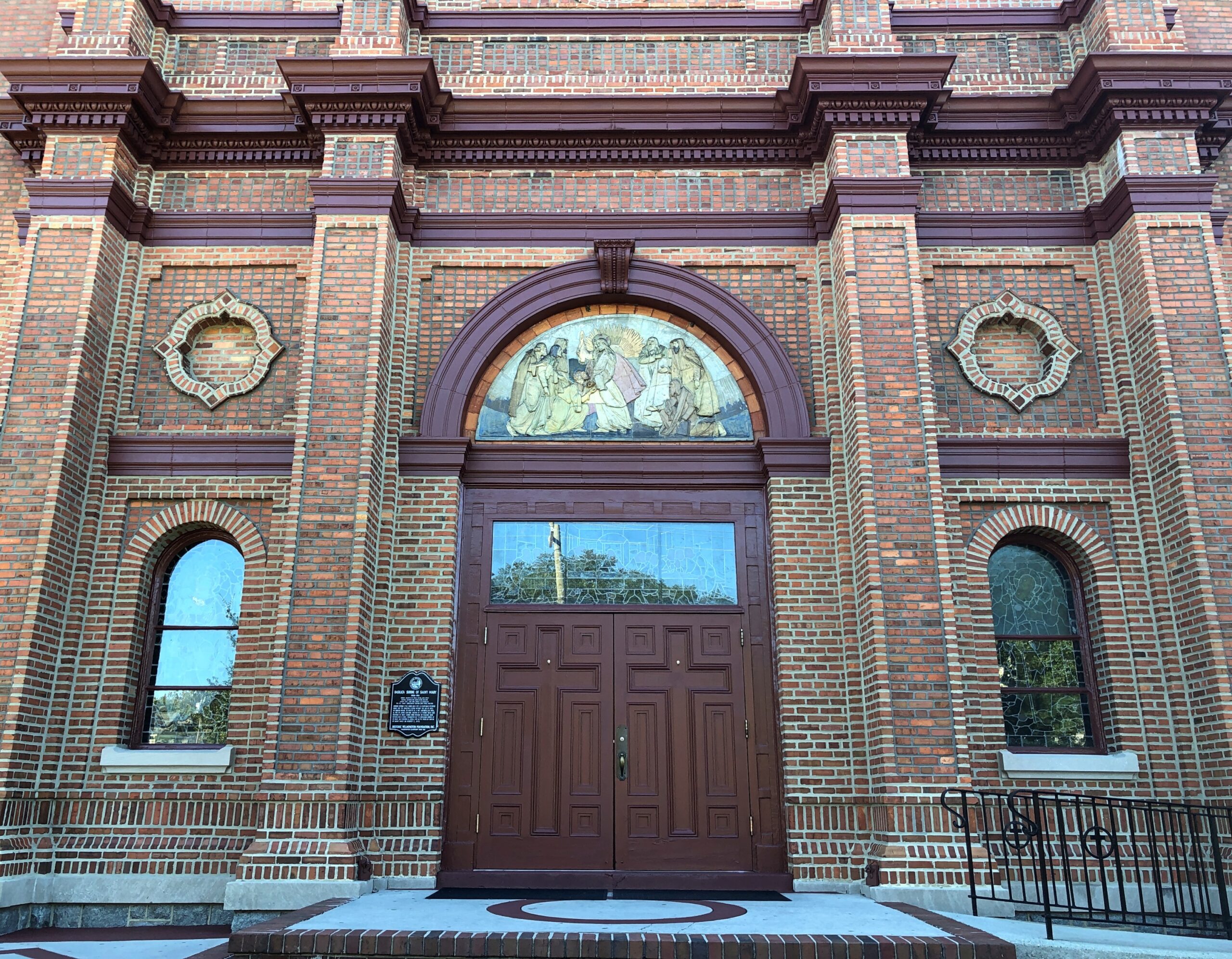
Designed by Spanish architect Rafael Guastavino and completed in 1911, so it must be among his last, since he died in 1908. Noted for his vaulted ceilings and the use of Guastavino tile, which can be found in a number of fine spaces in various parts of the country, including the Oyster Bar in Grand Central Terminal.
***
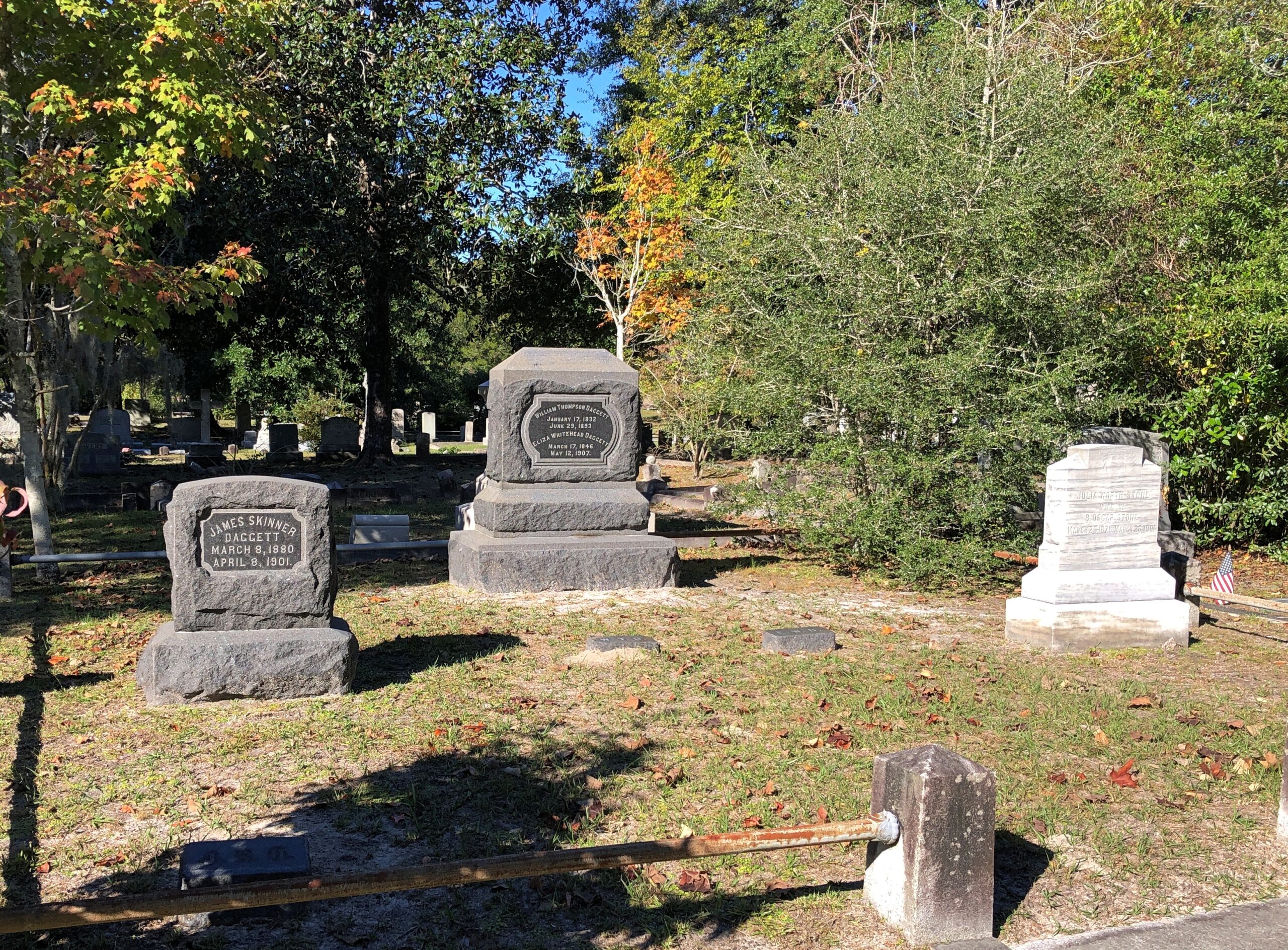
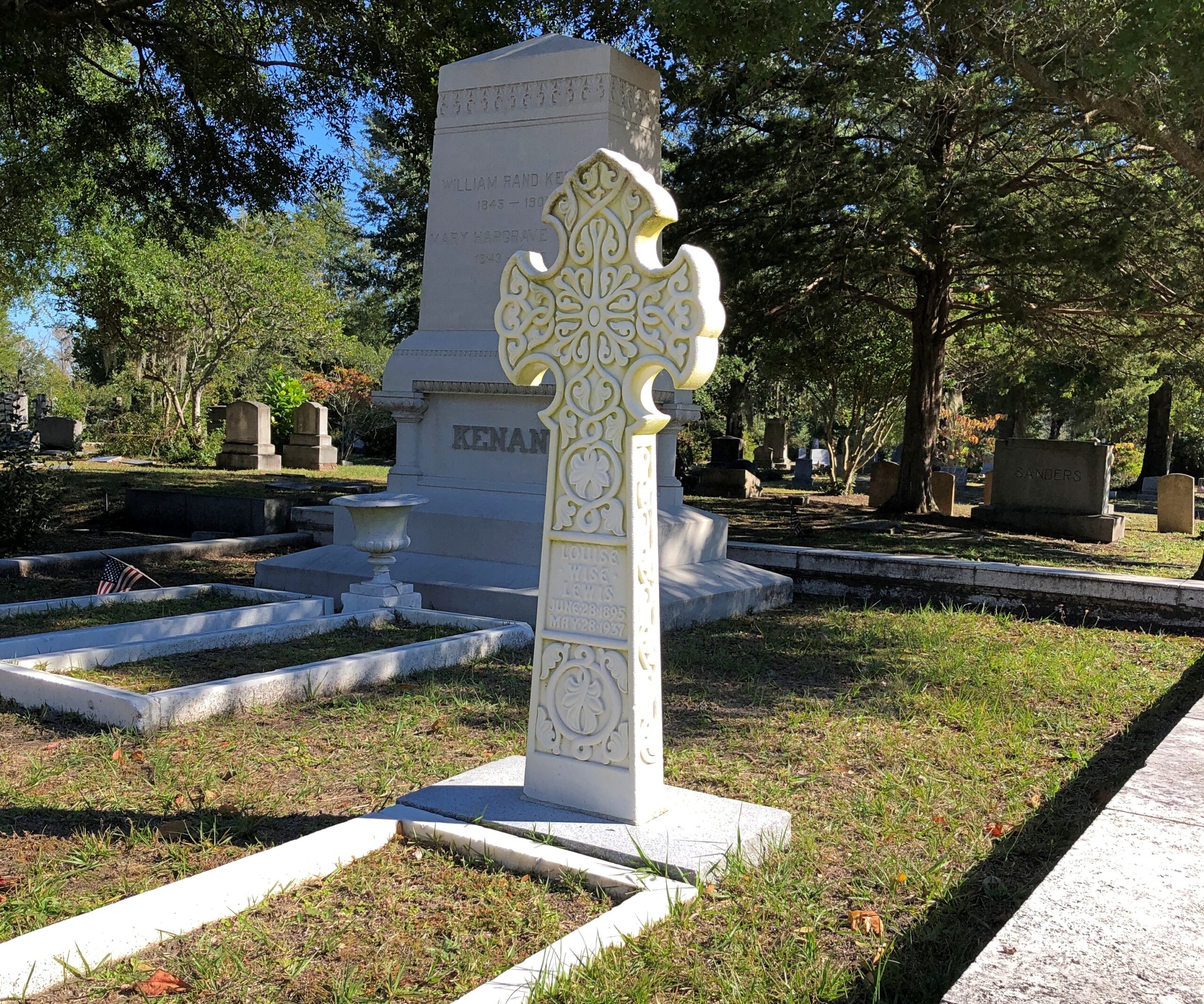
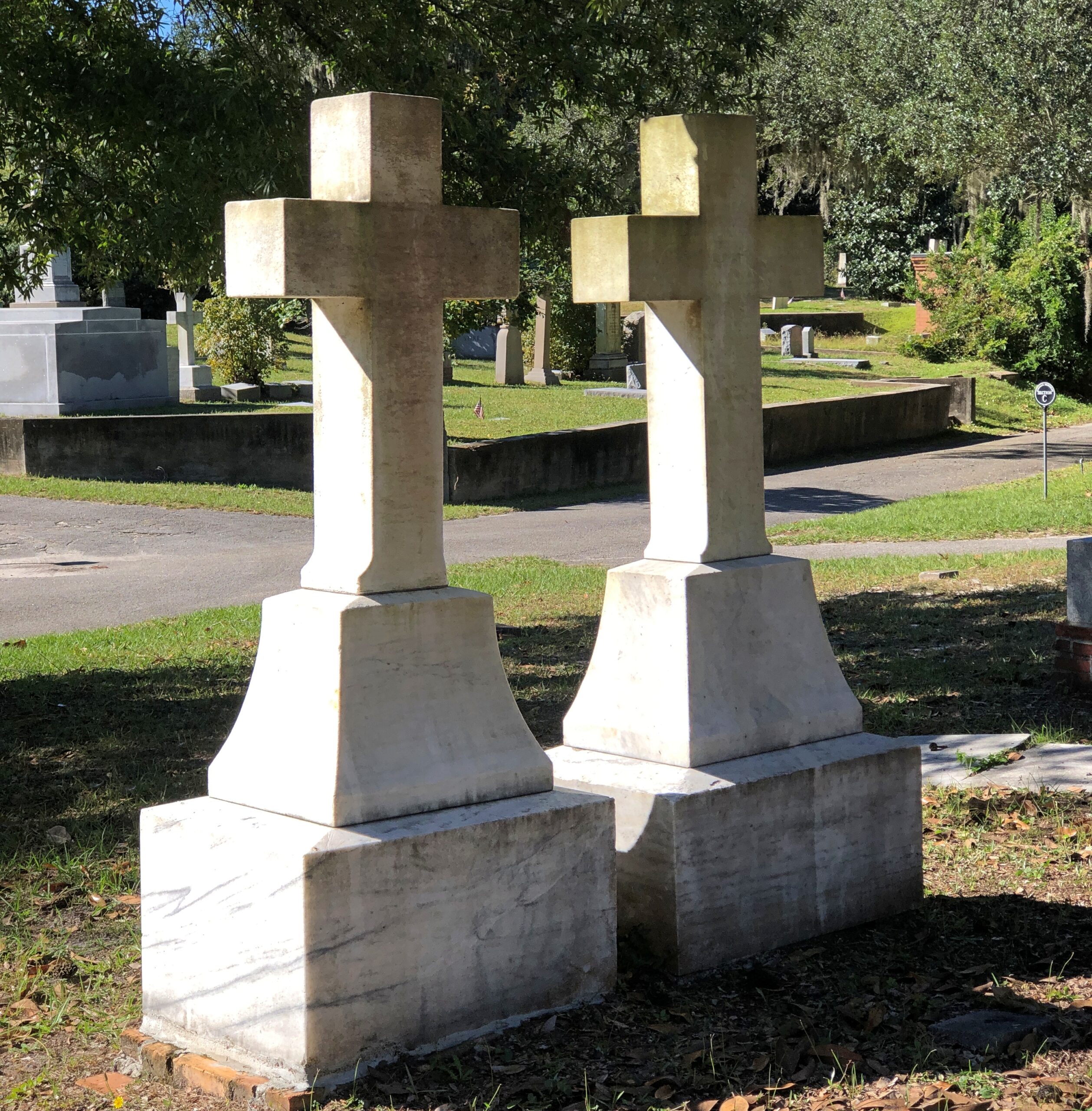
Wilmington’s Victorian rural cemetery is Oakdale Cemetery, founded in 1852. As usual with the course of things, the cemetery isn’t in a remotely rural area now, but in the thick of single-family neighborhoods. There’s a good assortment of stones and memorials, large and small, and lush landscaping.
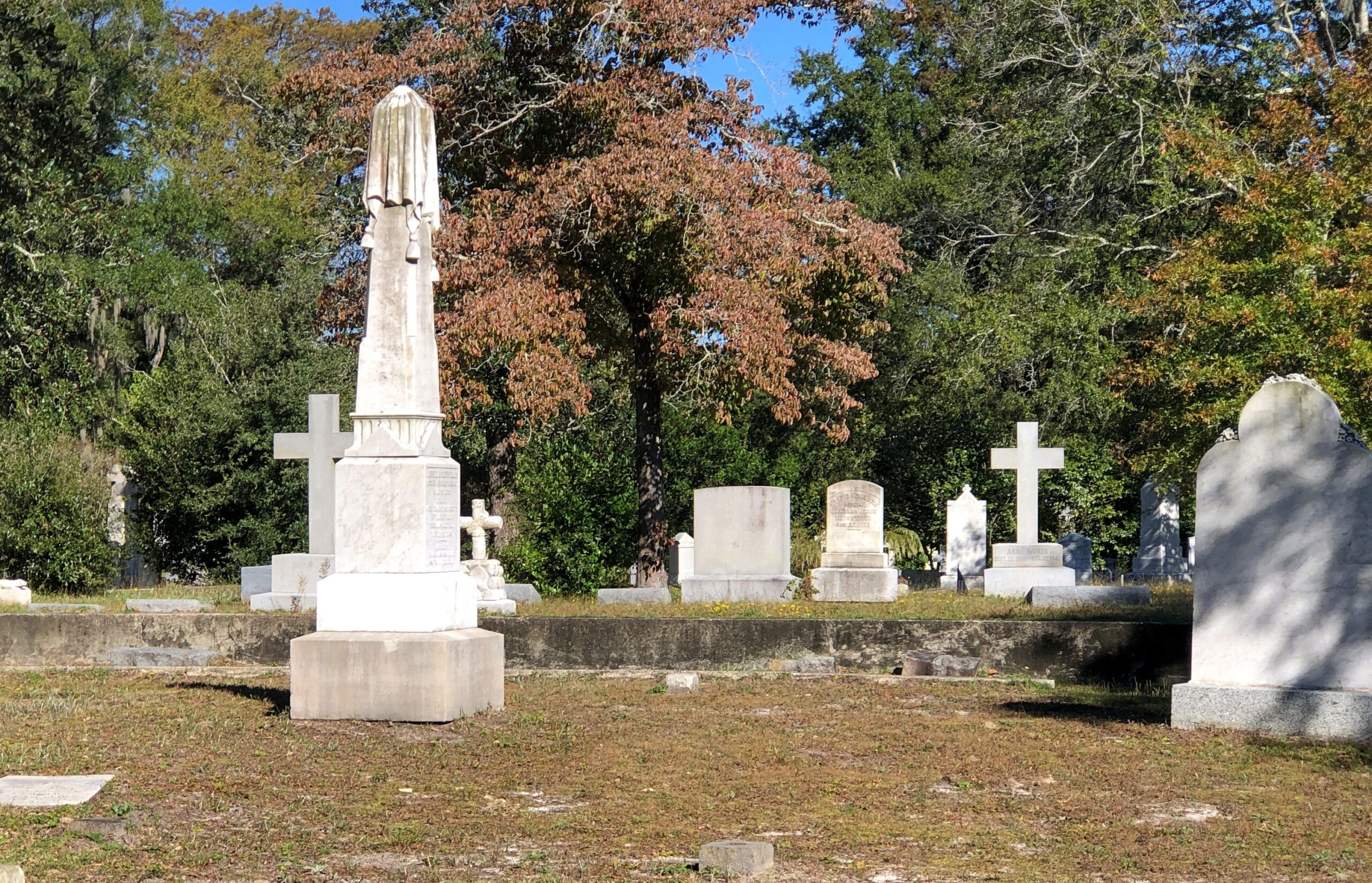
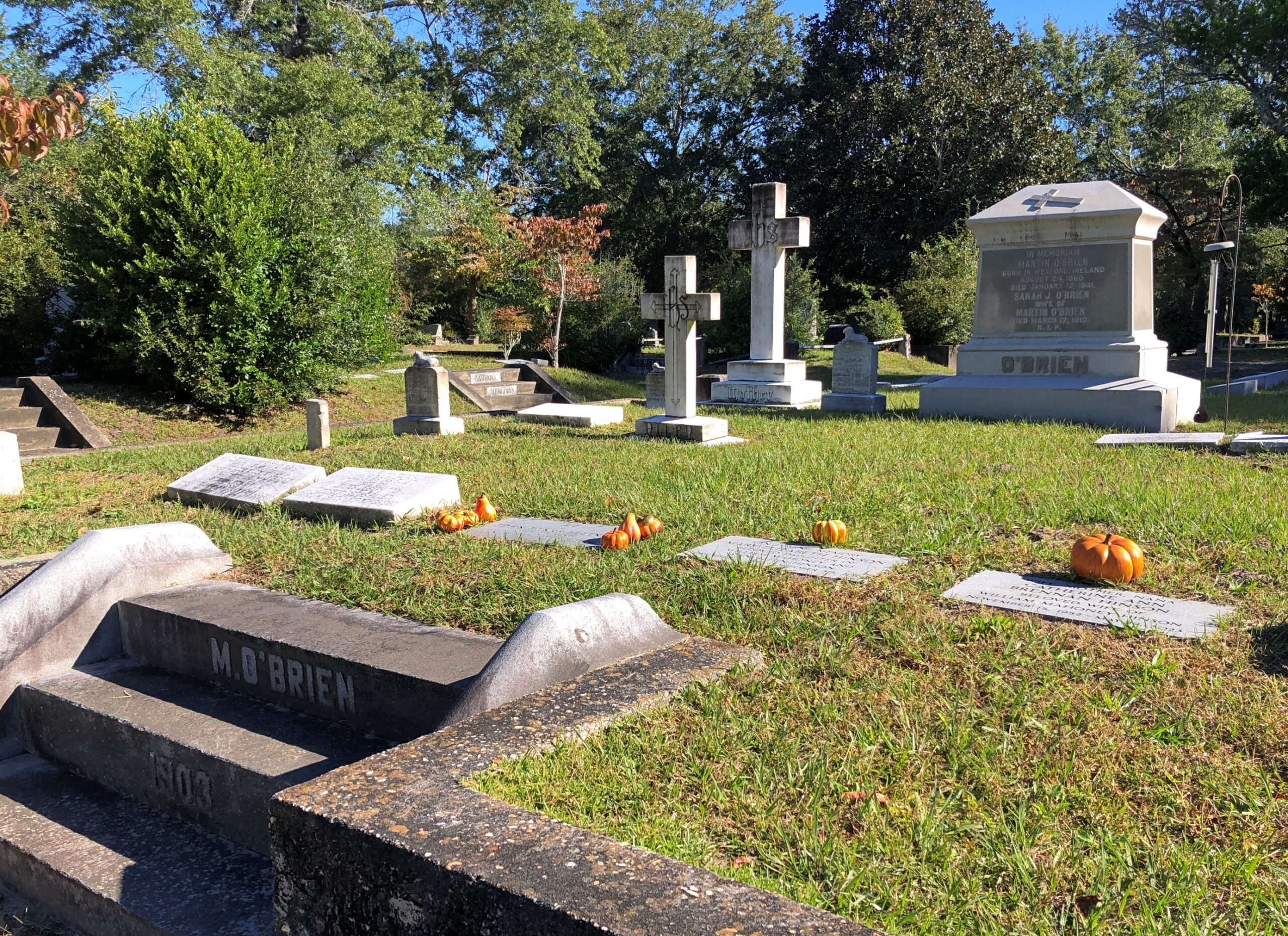
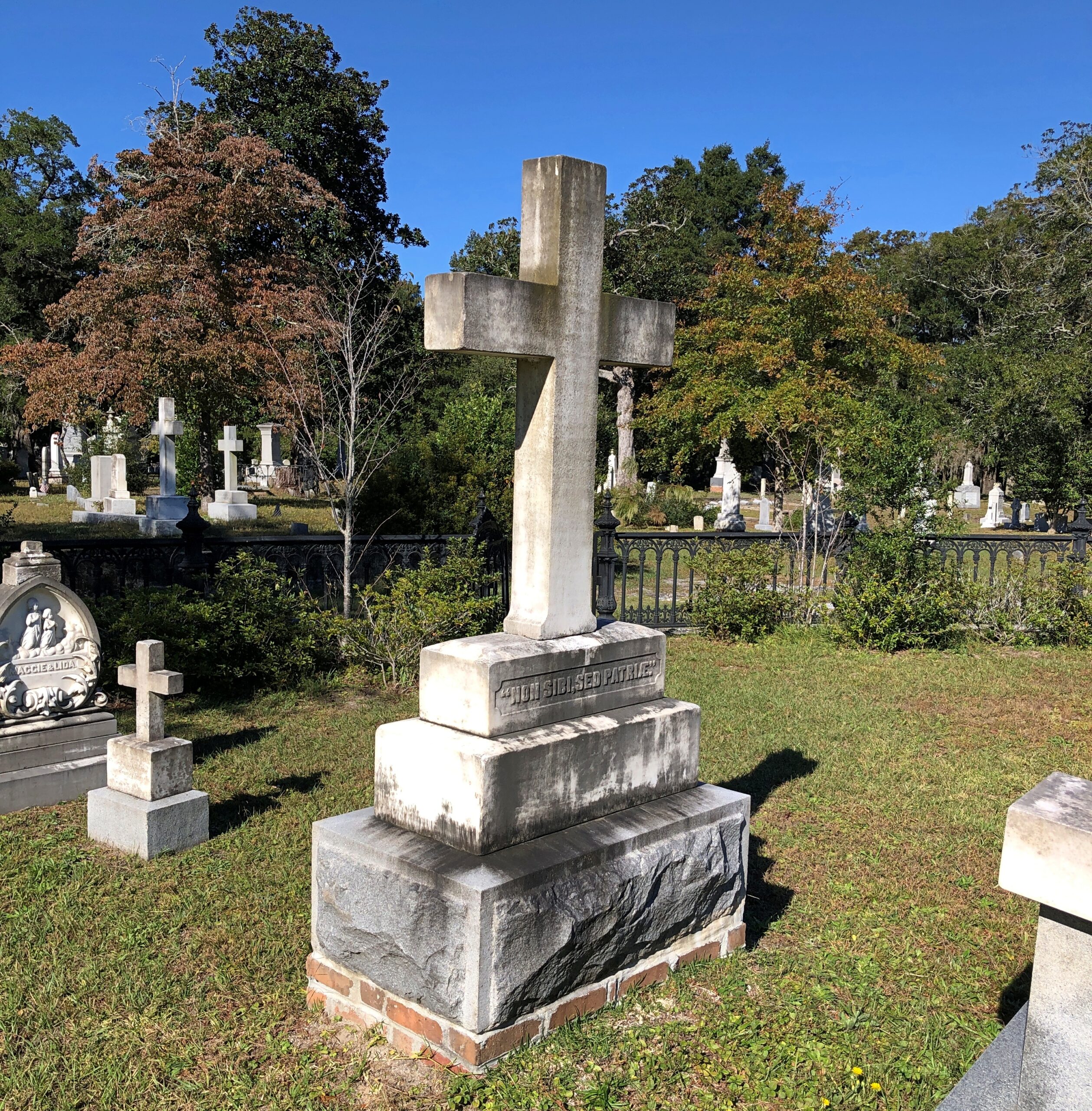
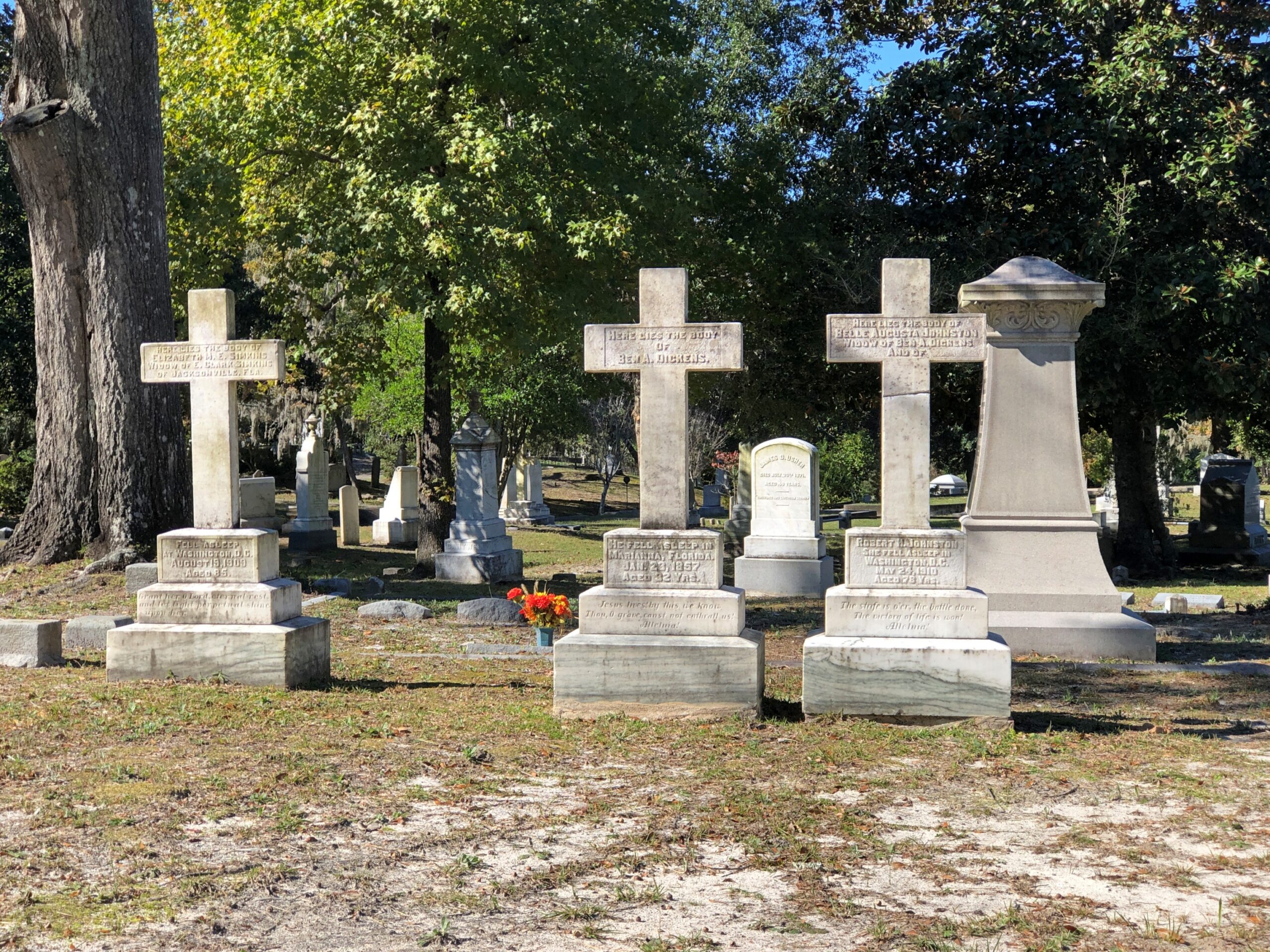
A profusion of stone crosses.
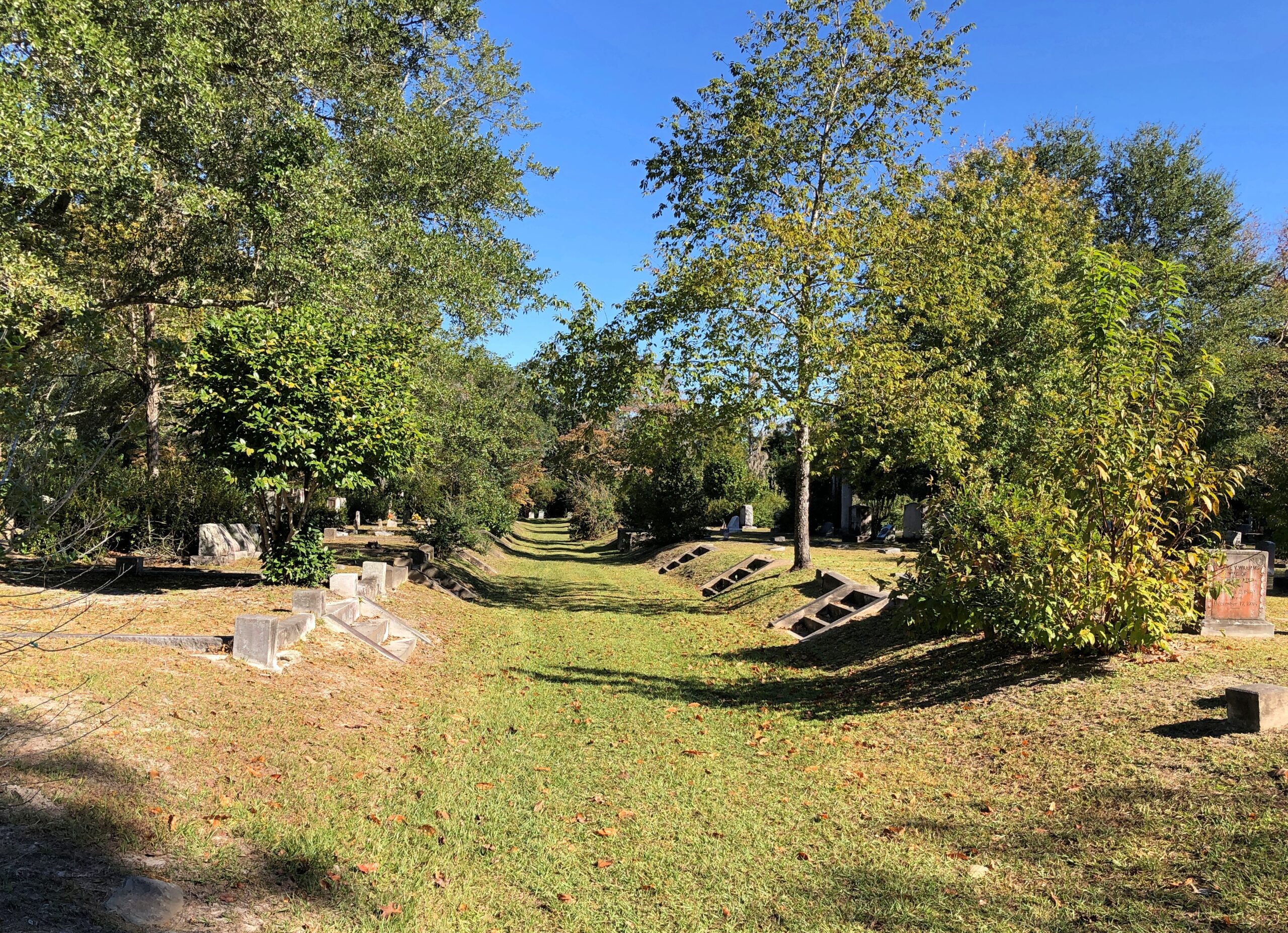
An indication that horse-drawn hearses once traveled the grounds.
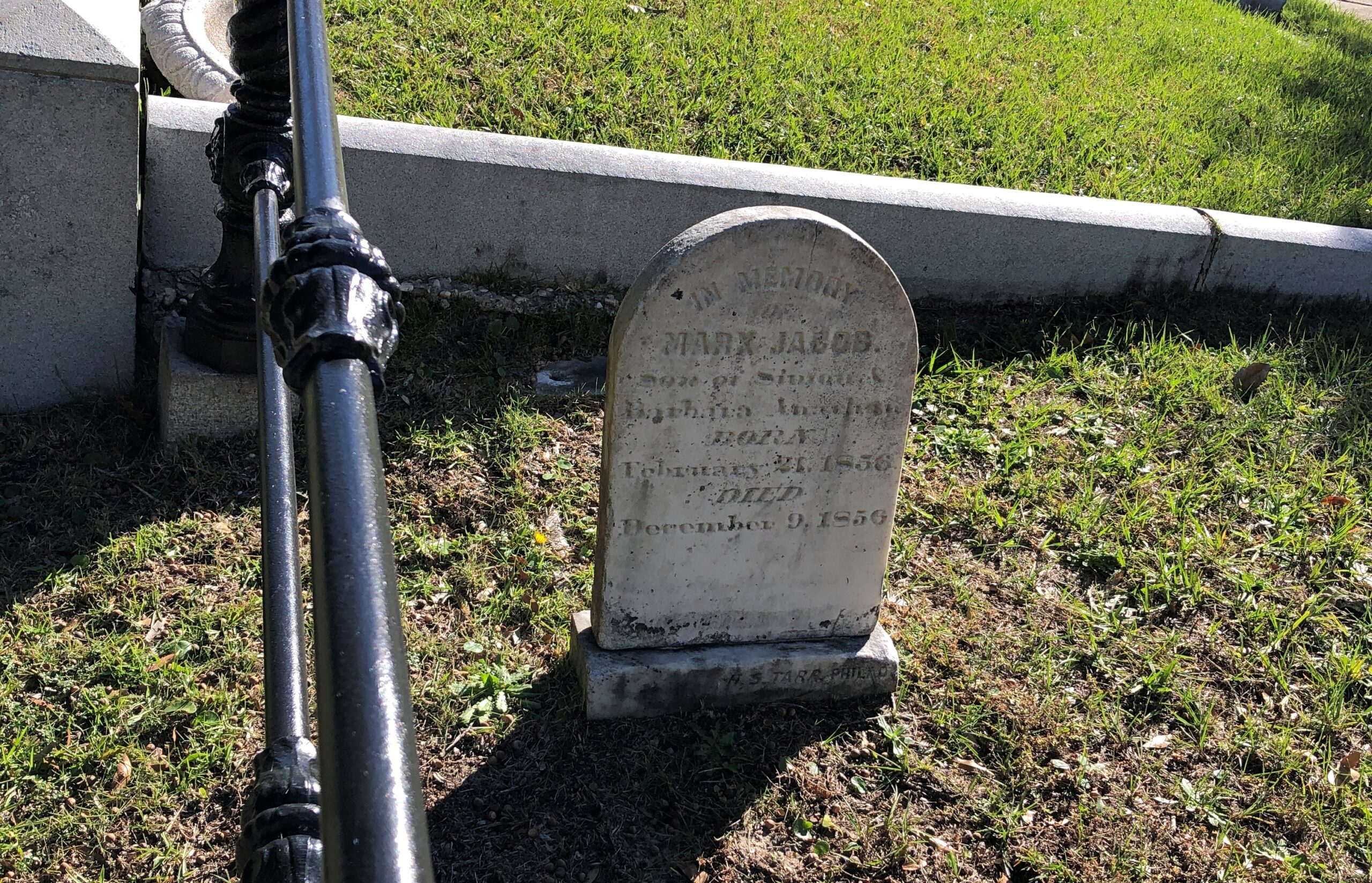
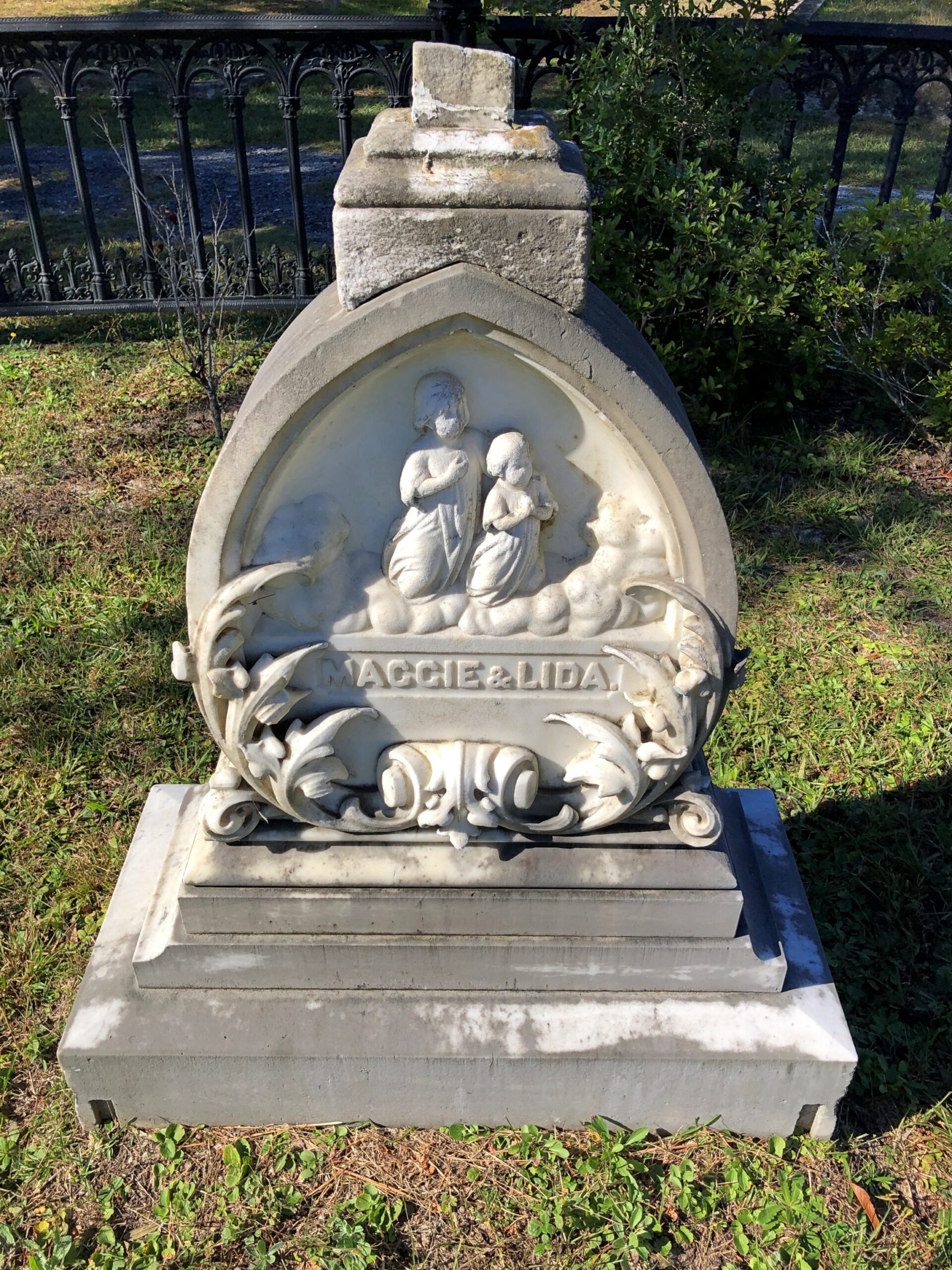
The heartbreak of child death.
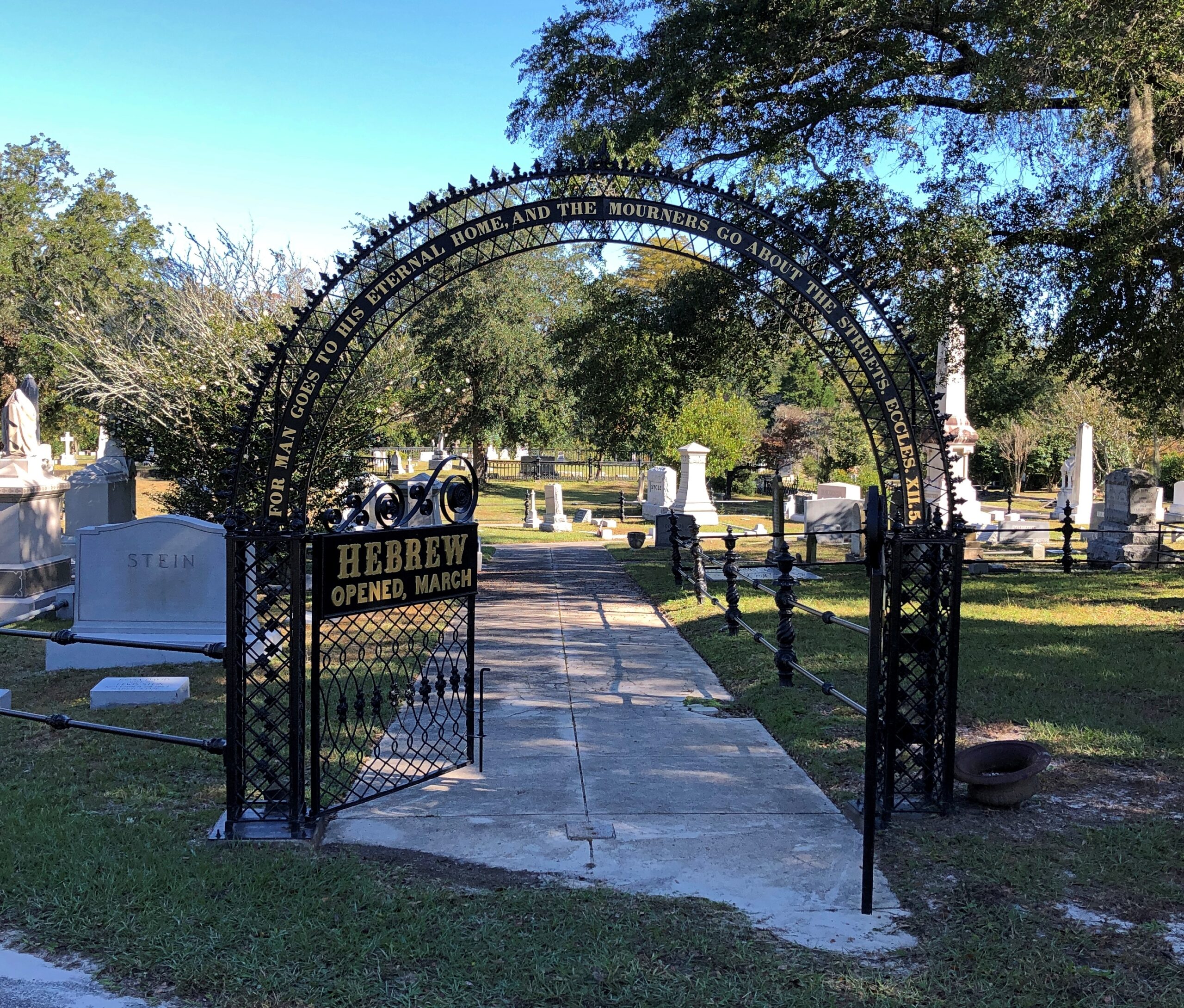
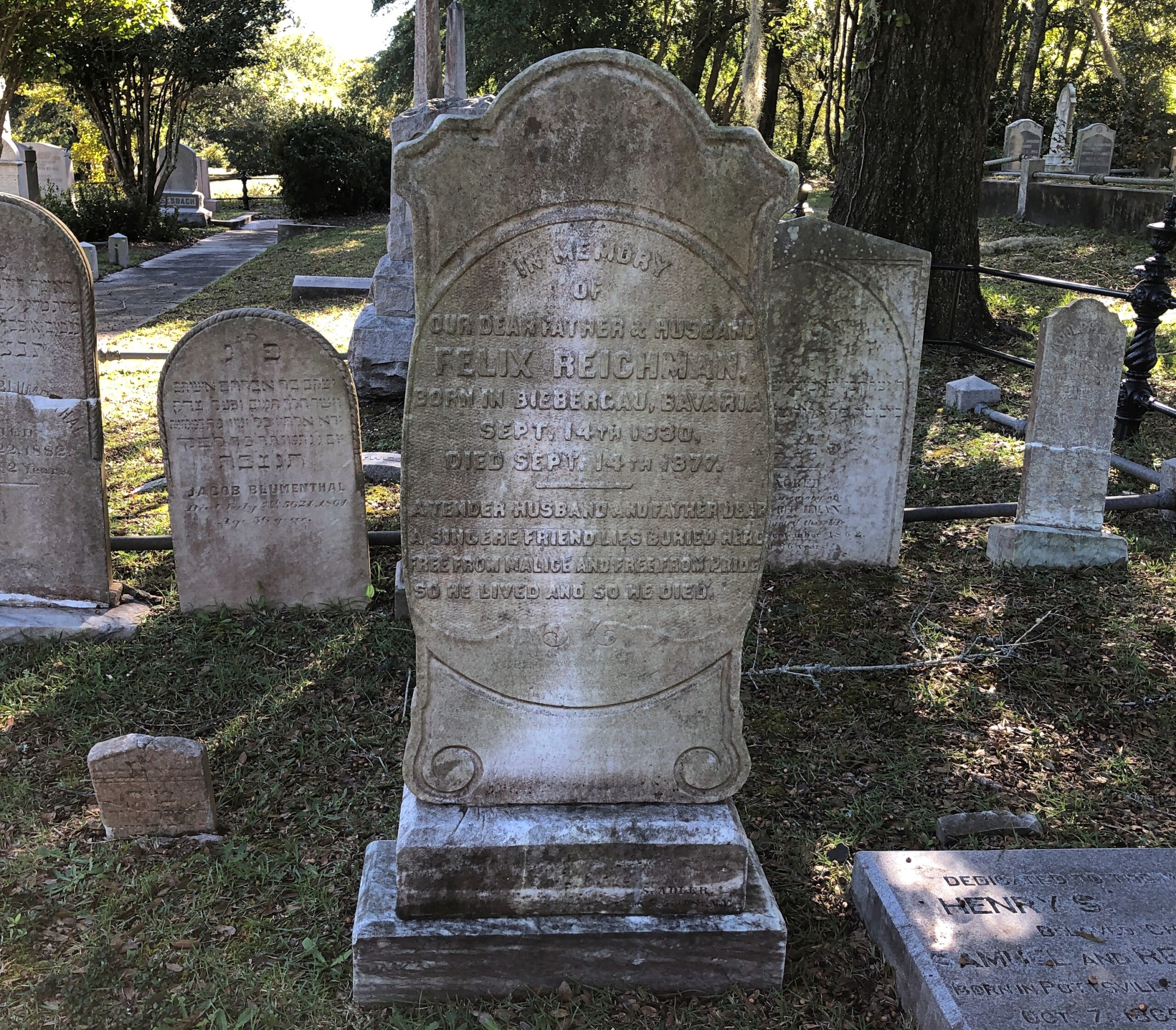
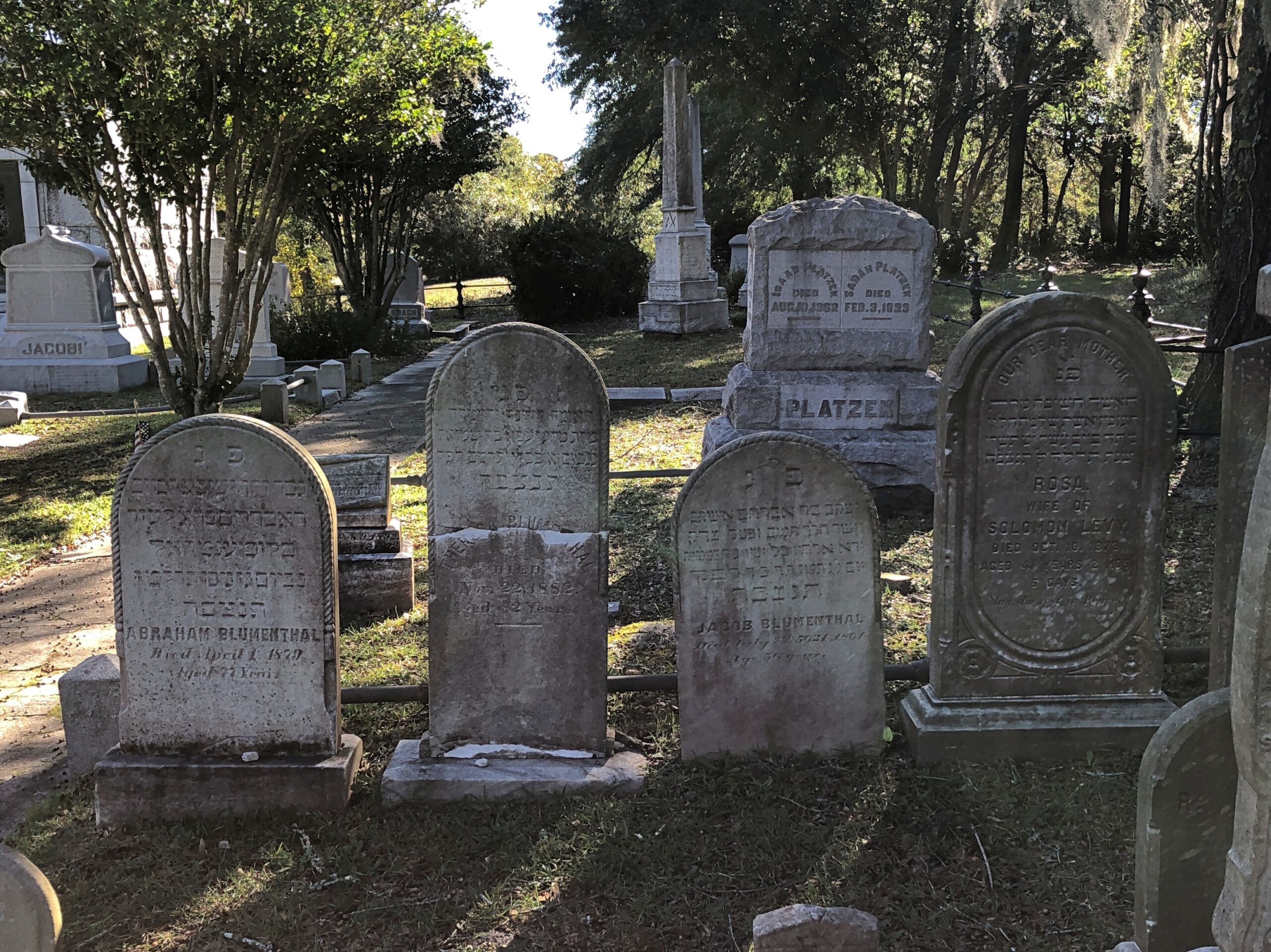
An iron fence that denotes the boundary of the Jewish section.
A handful of mausoleums.
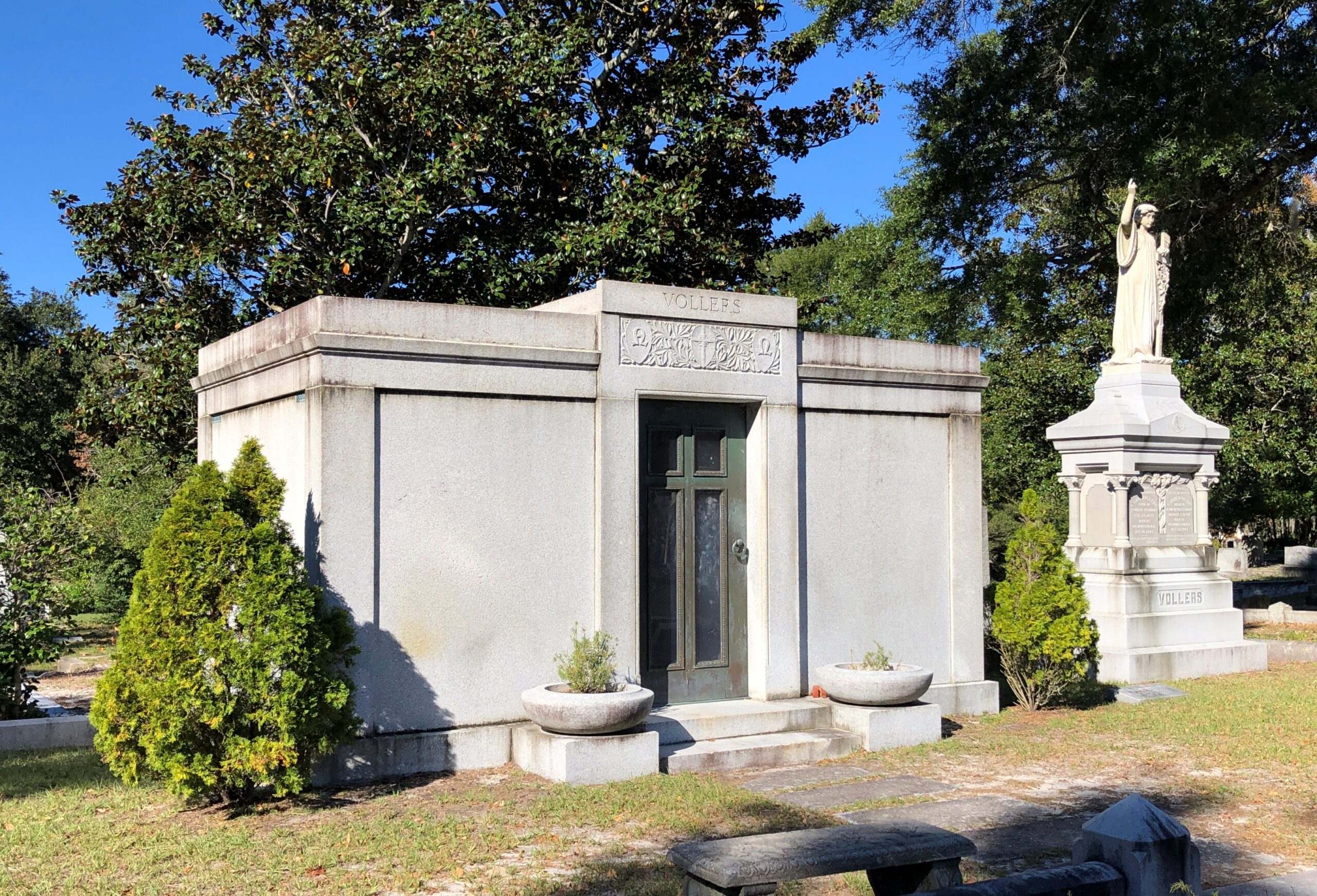
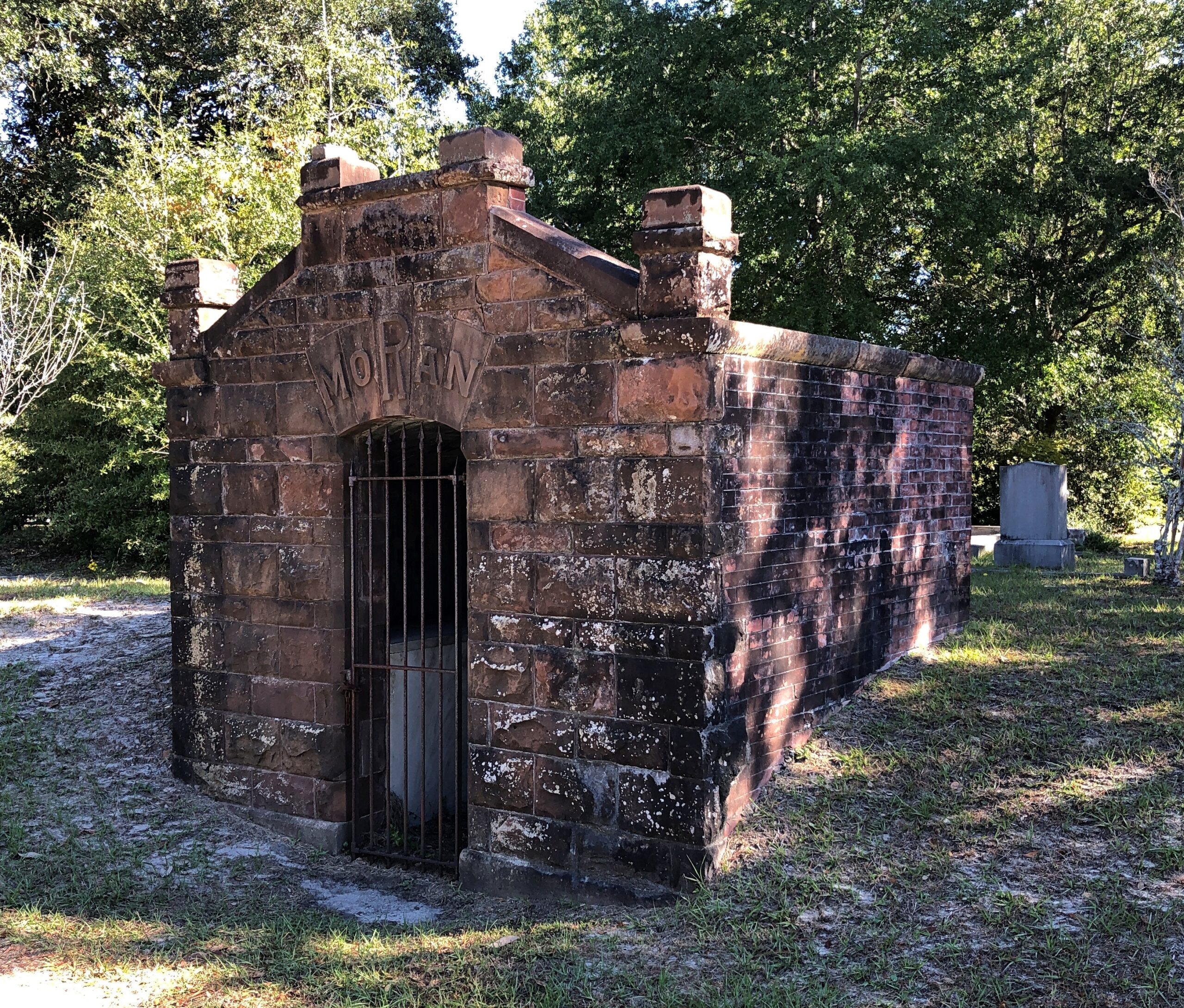
As if things weren’t bad enough in 1862, yellow fever struck Wilmington that year. Many of the victims are buried in the same place at Oakdale, though it looks like not many could afford stones. Or there was no time for such niceties in the throes of a plague.
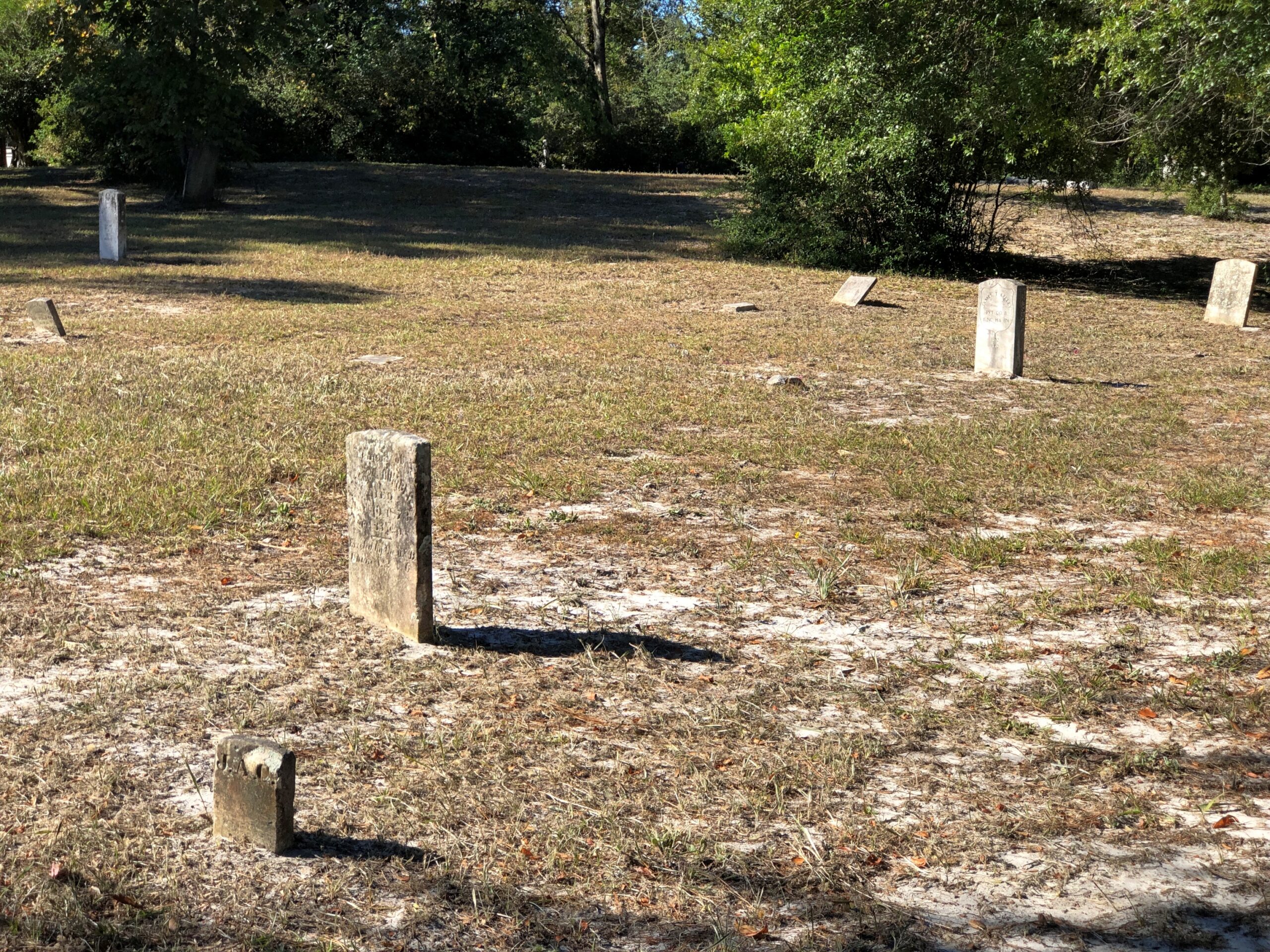
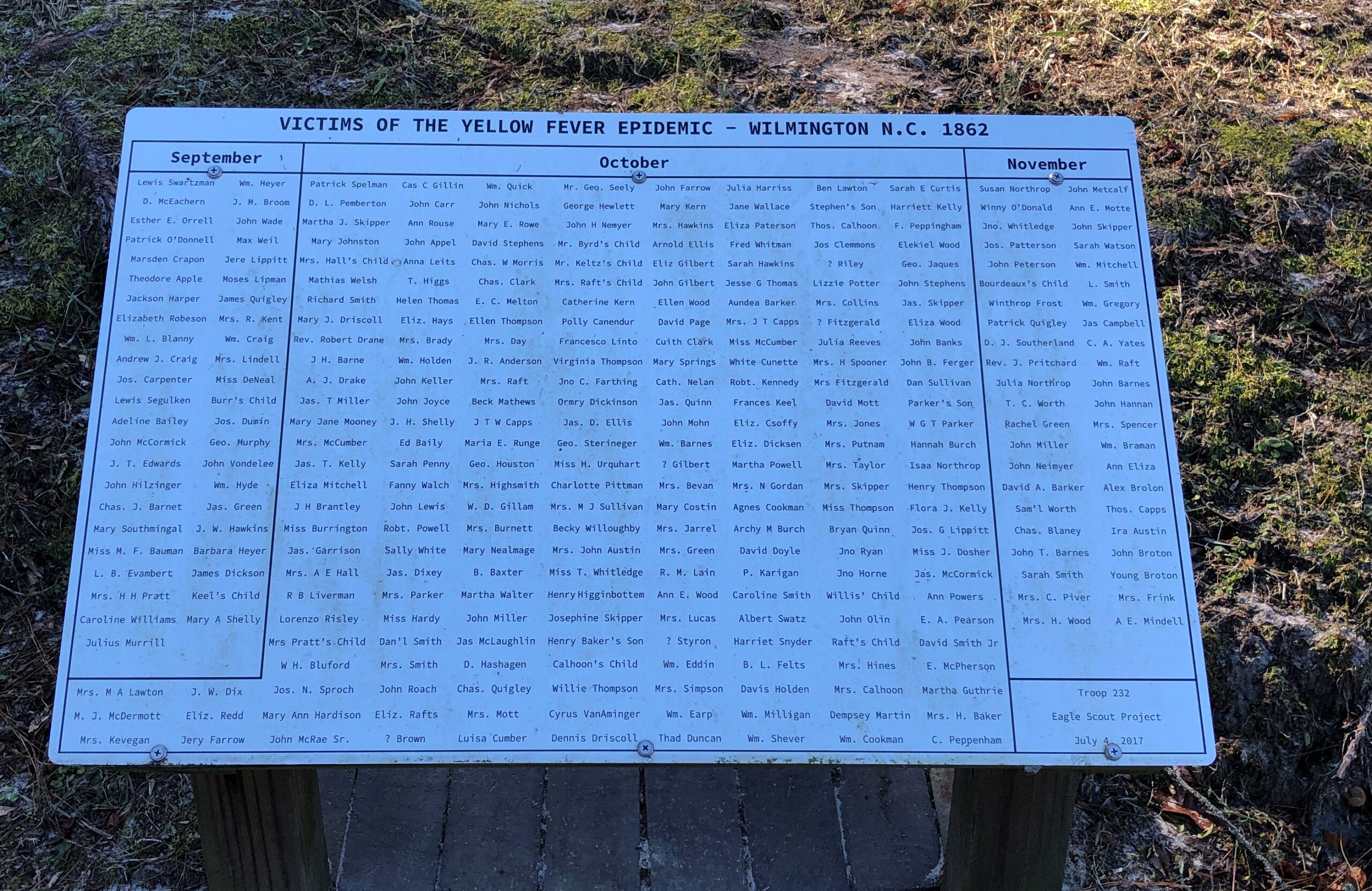
“With the Union capture of New Orleans in April 1862, Wilmington became one of the Confederacy’s most valuable blockade running ports, rivaling Charleston, South Carolina and Mobile, Alabama,” Jim D. Brisson of UNC Wilmington wrote. “Large amounts of goods vital to the Confederacy, including weaponry, food, and clothing, flowed into the city onboard blockade runners.
“The majority of these goods came from the Bahamas and Bermuda, but, as Eliza Y. Wooton, a resident of Wilmington during the epidemic, later recalled, ‘Other things besides pretty clothes came to us from Nassau…’ The ‘other thing’ of which she spoke of was the dreaded yellow fever. The deadly pestilence raged in the city for more than two months and turned Wilmington into a virtual ghost town.”
***
Too grim a note to end there. It happened that I’d been the Wilmington before, during my aforementioned spring break trip to the North Carolina coast in 1981. We didn’t spend much time, if any, in the city itself. We had other things to do. As I wrote at the time, lightly edited here:
March 4, 1981
So on south of Wilmington we rode, and as the sun set, we entered Carolina Beach State Park, which seemed to have no beach, only trees. After some searching for the superintendent, we found him and checked in, and discovered that after 7 we could not leave the park till morning. As long as it didn’t rain, we’d be okay.
After darkness hit, we cooked and ate. The stove and lamp were now working. It was a matter of reading the directions. We were alone in the park. Nobody, but nobody was camping there with us. This unnerved us a little bit. As it turned out, any concern was groundless. At 9:30, after standing around a fire we built after we ate, we drove down to the marina and did nothing there. So we went back to the campsite.
We threw the sleeping bags down and crawled in and were comfortable and warm, tired and dry, ready for an early sleep, and a fresh wake up in the morning. Then a drop, another, more raindrops. They were getting thicker. More and more. It was raining. We retreated to the car and did not leave again until morning. Oh well, we resigned ourselves to the situation.
Neal was leaning against the driver’s seat door. I had the passenger half of the front, and Stewart had the whole back. My head, fortunately, was on a pile of sleeping bags. We’d tried to tell stories or play games, but mostly what we did was talk about family vacations of times past. I also told about how three years ago that very evening, at a party at N’s house, E broke N’s [sic, her mother’s] living room glass table by trying to bound across it to get away from unwanted attention from G, who claimed he’d never meant any such thing. One result of that evening was my strange group of friends scared off M, whom I’d invited to the party. I haven’t really spoken to her since.
The rain continued on and off, and sleep came eventually and uncomfortably.
So 45 years later, it was a stretch to say I’d been to Wilmington – and so that was one reason among a number to come in 2026. Toward the end of this visit, late in the afternoon, I drove to the town of Carolina Beach but, being annoyed that even in October there wasn’t a whit of free parking in that beach town, I went the short distance to Carolina Beach State Park. No admission and practically no other people, a little like in 1981.
The thing is, I hadn’t consulted my youthful diary before taking this trip. I’m not quite that obsessive. So I didn’t consciously realize I was visiting the same place.
Regardless, there was a good walk to be had at the state park.
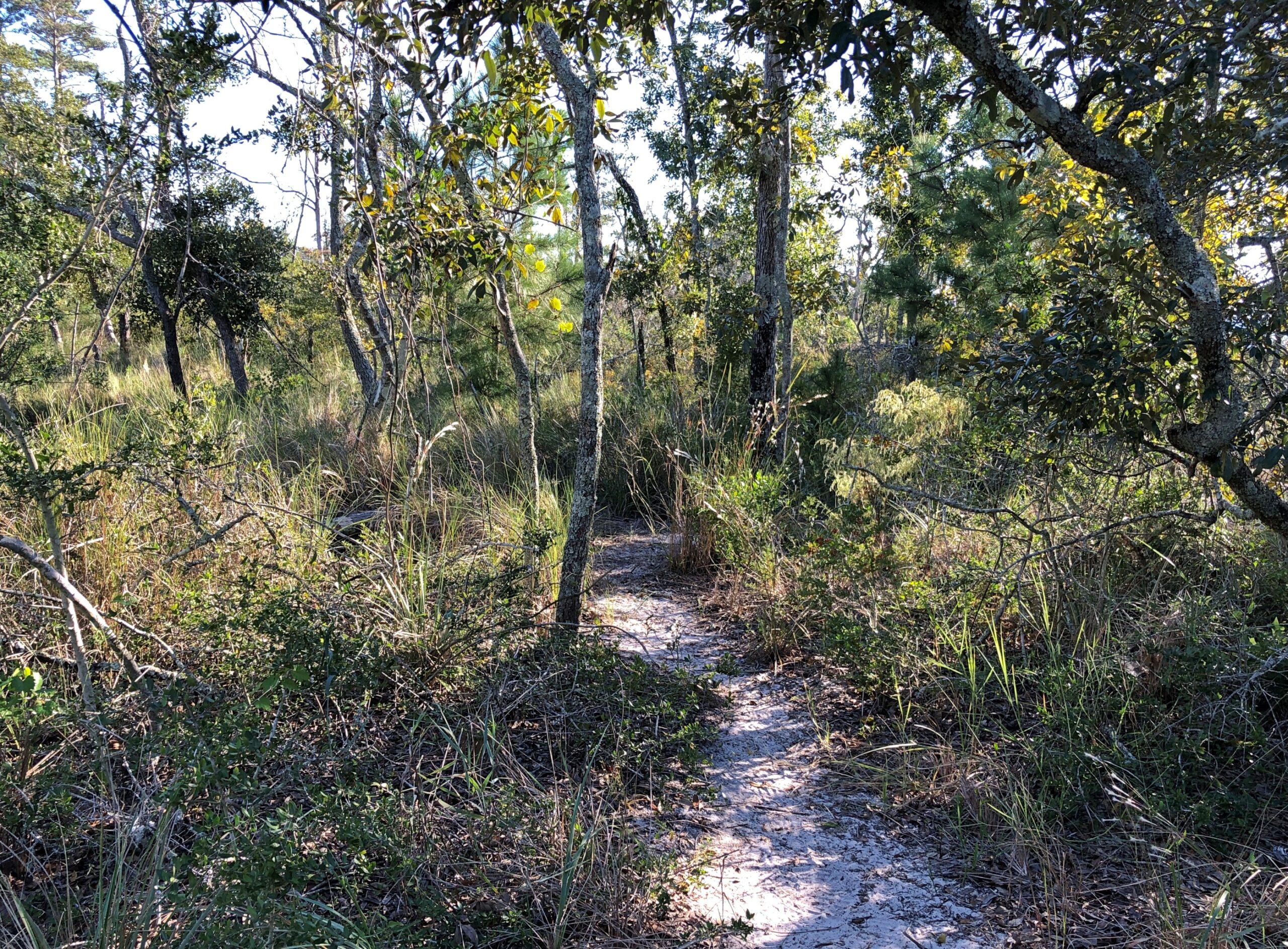
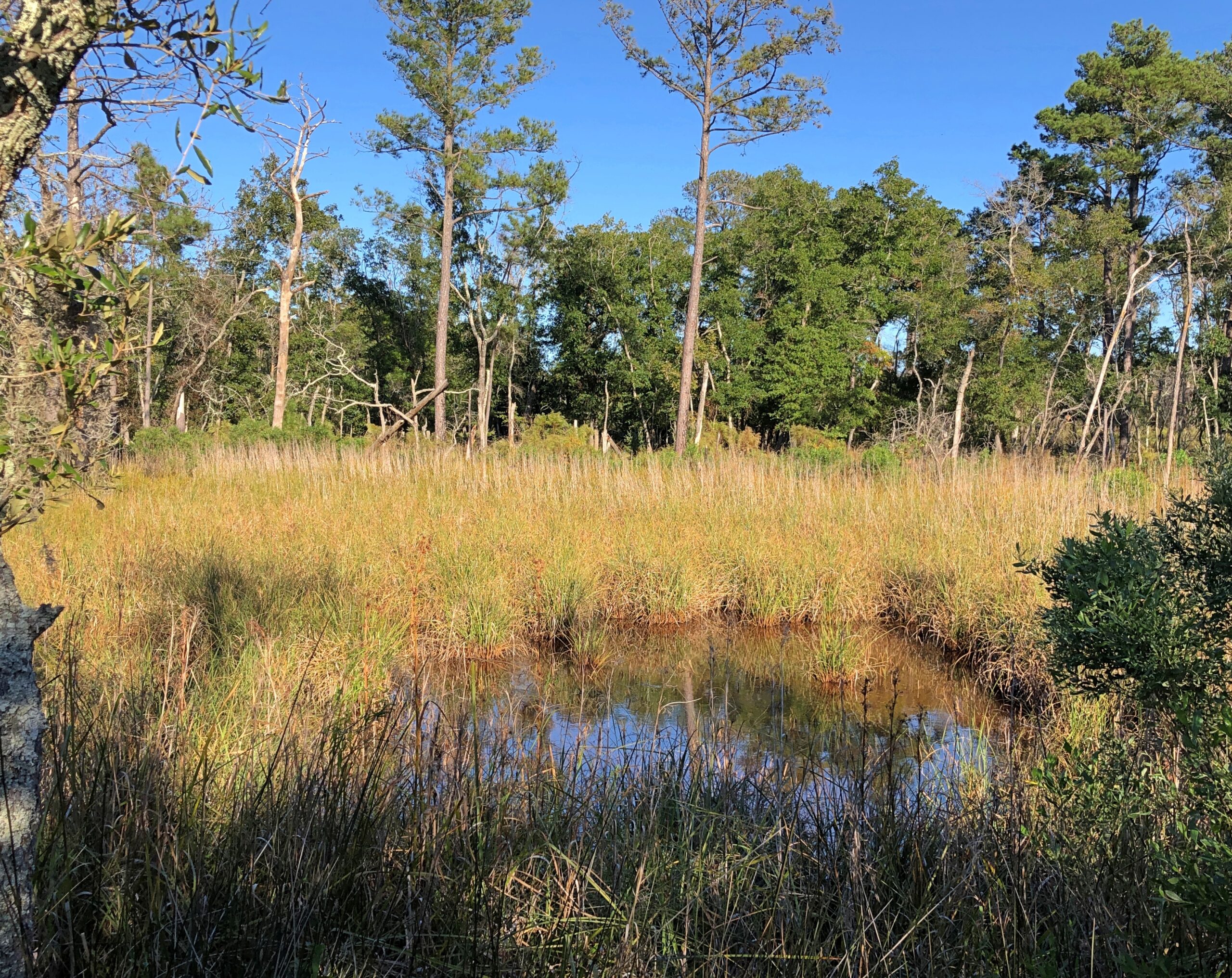
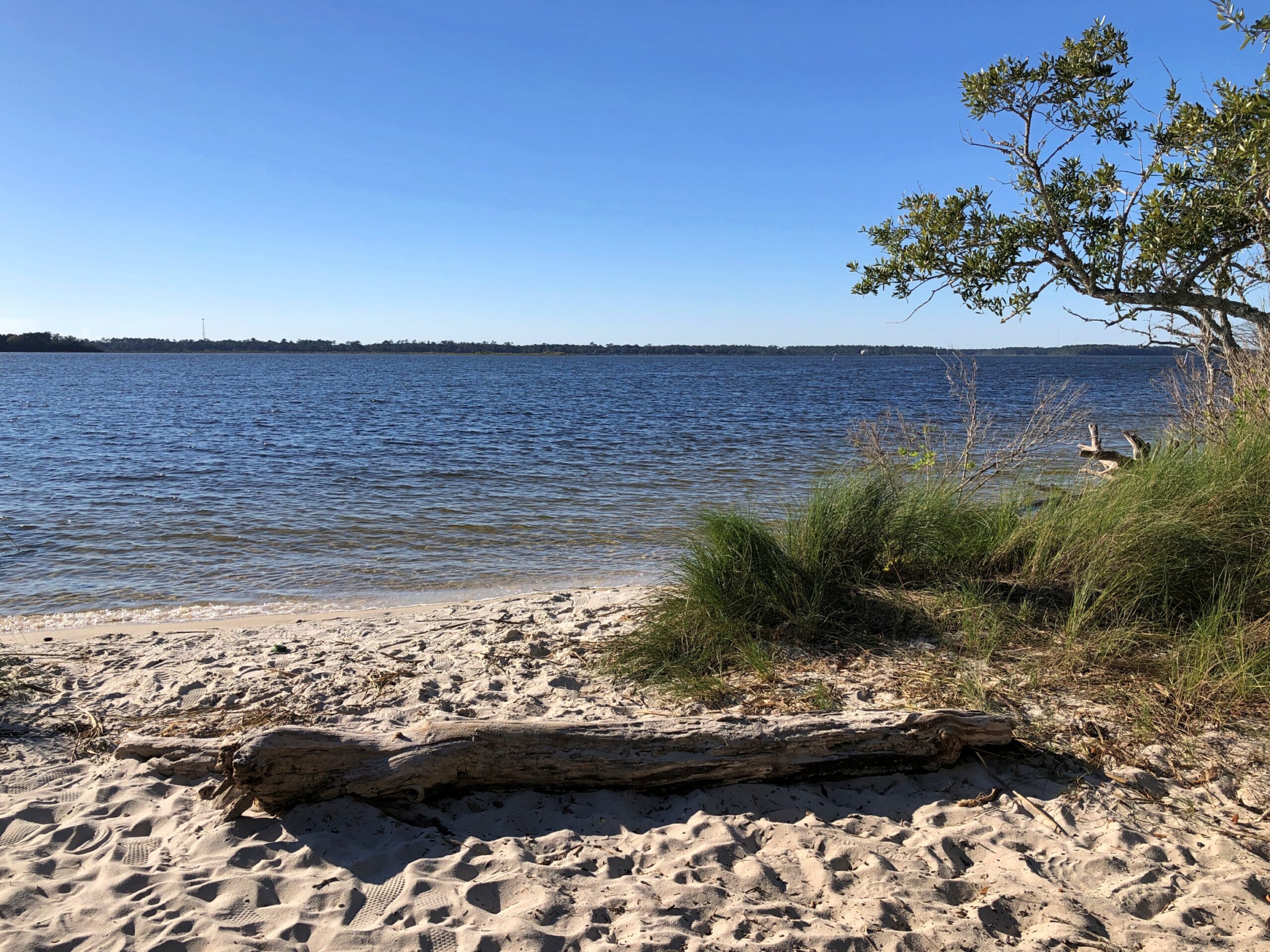
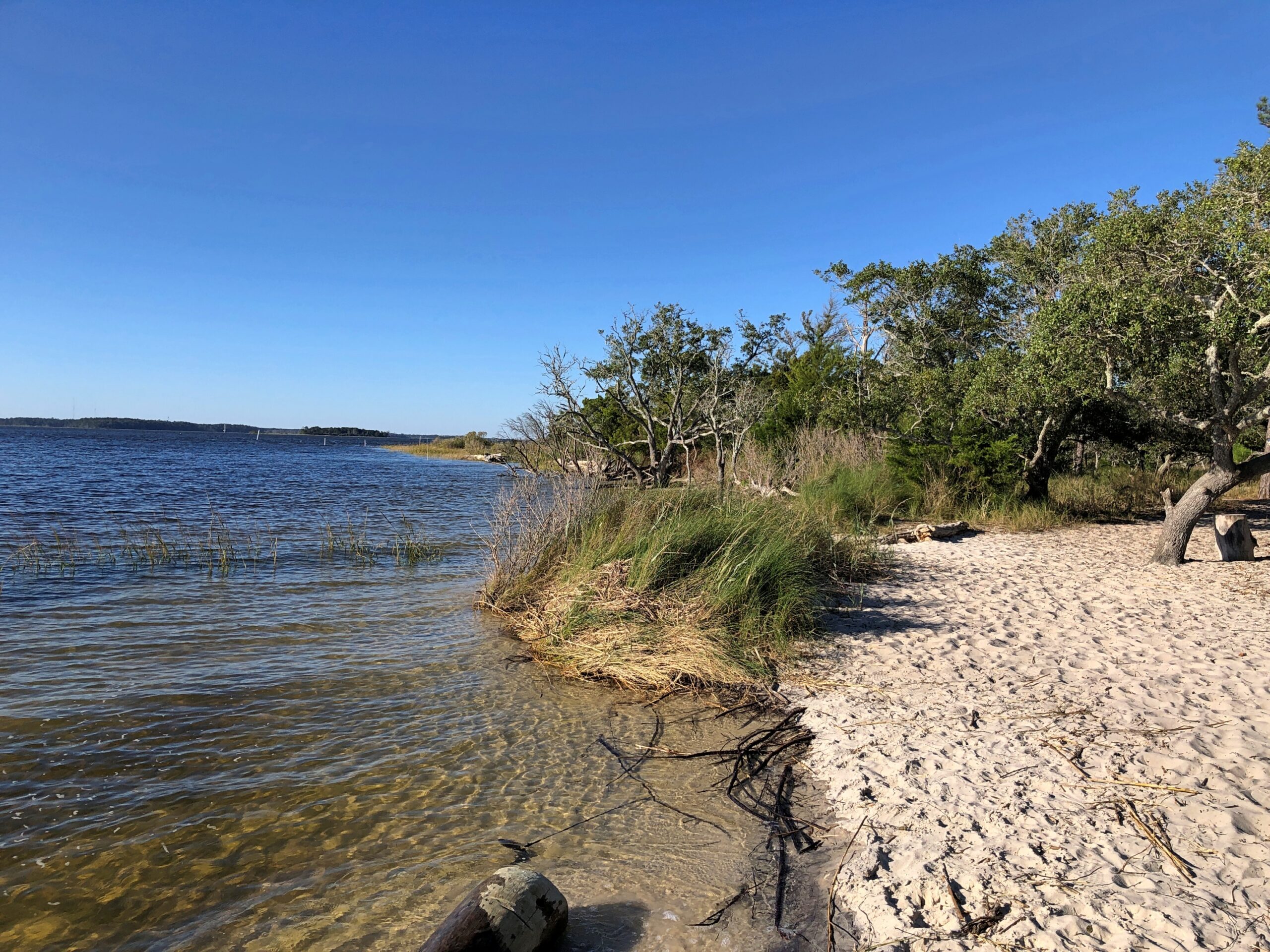
Unlike my assessment in ’81, there is sand and beach.
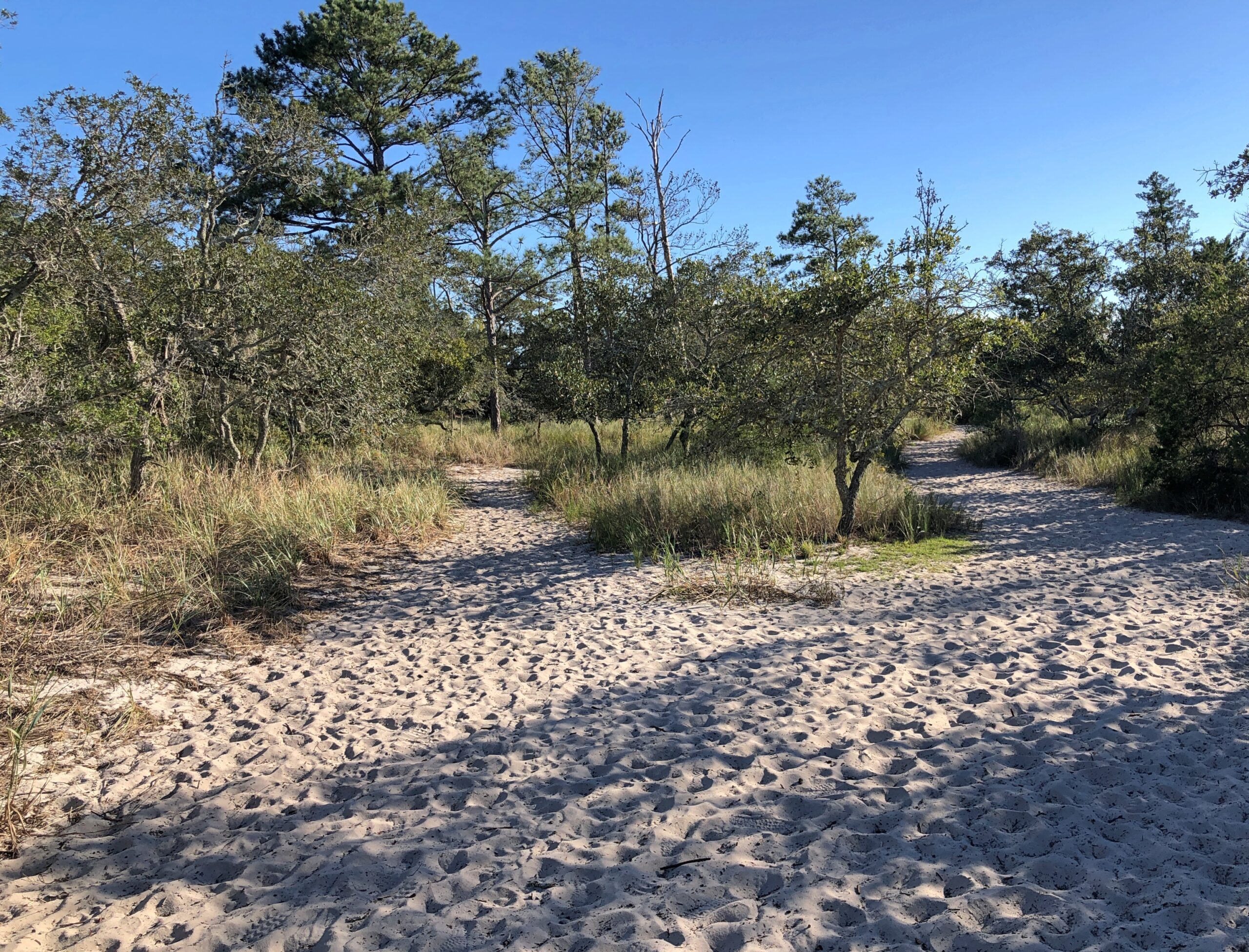
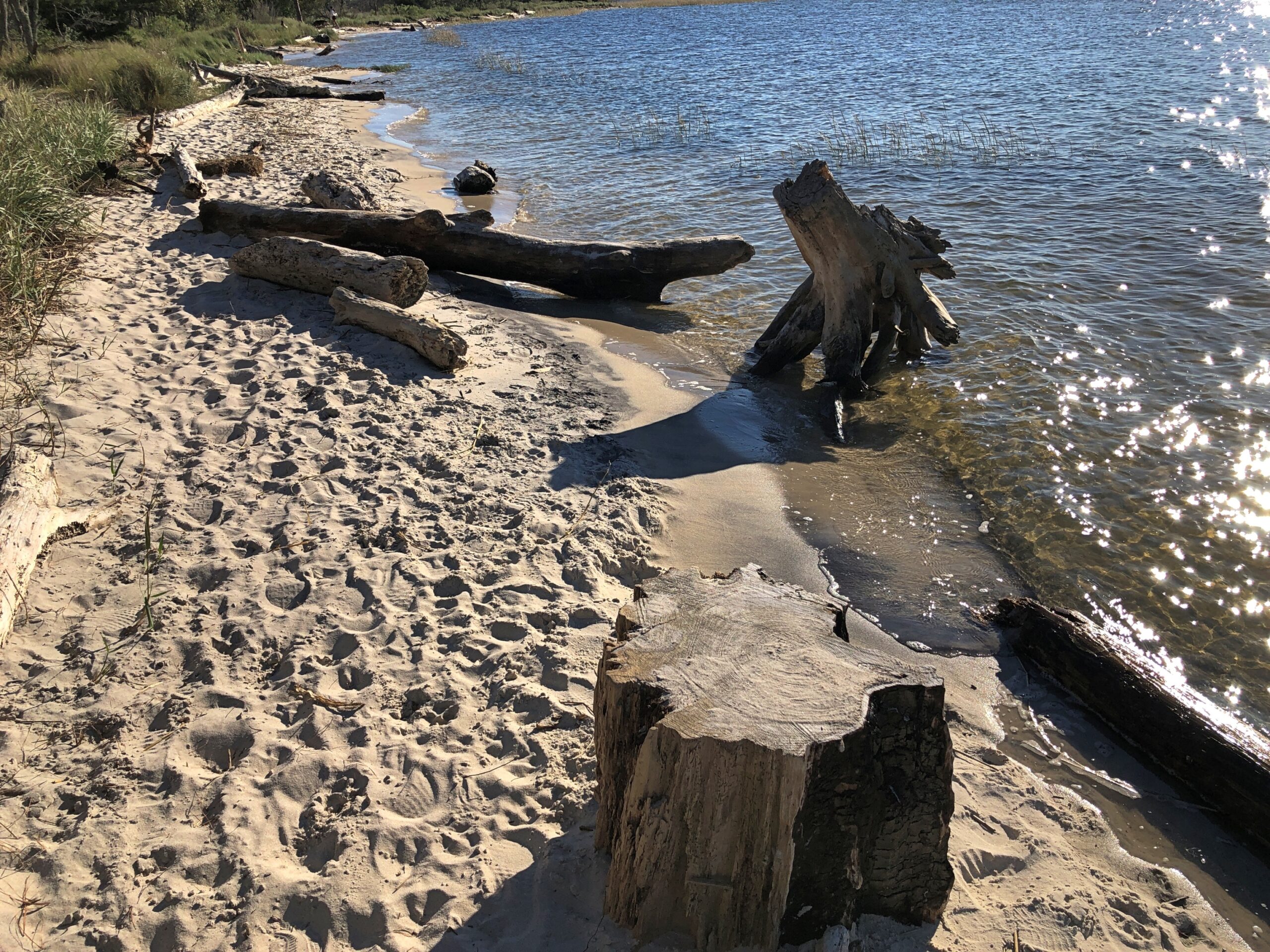
The view happens to be of the Cape Fear River, not too far from Cape Fear itself.
I know that’s an old name, much older than motion pictures, but I can’t help think of Robert Mitchum.