US 20, according to the Federal Highway Administration, is the longest road in the country. That wasn’t the case in 1925 when the US highway system was created; it was number two at that time. Various adjustments afterward (told in highway-nerd detail on the FHA’s Highway History page) made it so by 1963.
“US 20 is 3,365 miles long, according to the 1989 log,” the site notes. “The route begins in Boston at a junction with Massachusetts Route 2 and ends in Newport, Oregon, at a junction with US 101. Because U.S. numbered highways are not designated with[in] National Parks, US 20 is divided into an East Section ending at the eastern entrance to Yellowstone National Park and a West Section beginning at the west entrance to the park.”
In Illinois, the highway is also the General Ulysses S. Grant Memorial Highway.
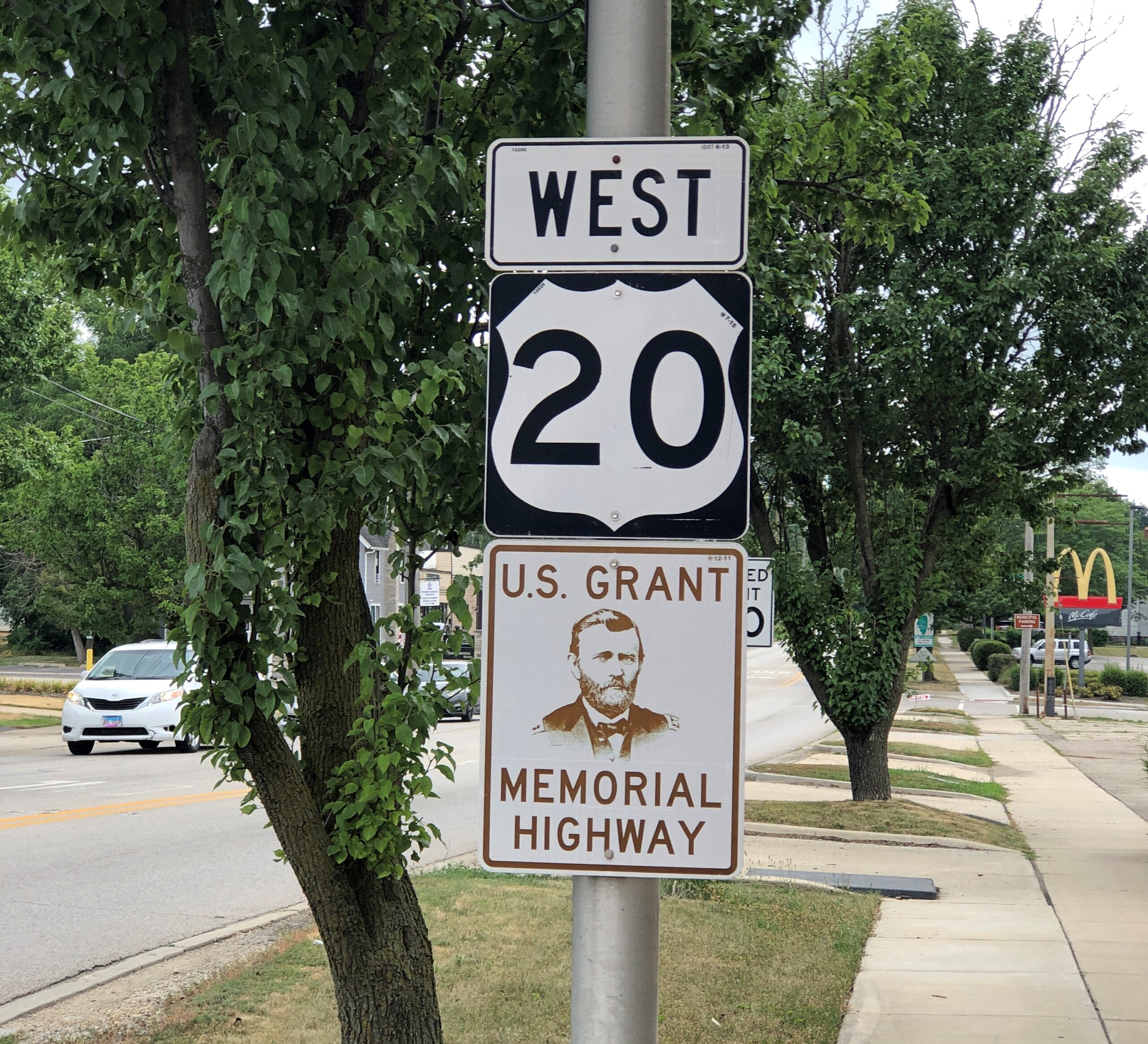
When time isn’t an issue, US 20 is my preferred route westward toward Rockford and, for an ambitious intrastate drive, Galena. Last month, it was our preferred route most of the way to Union, Illinois, to visit the Illinois RR Museum. On the way back, we stopped briefly in Marengo, which is one of the many towns along those 3,365 miles.
A modest downtown, but at pop. 7,500 or so, it doesn’t need to be anything else.
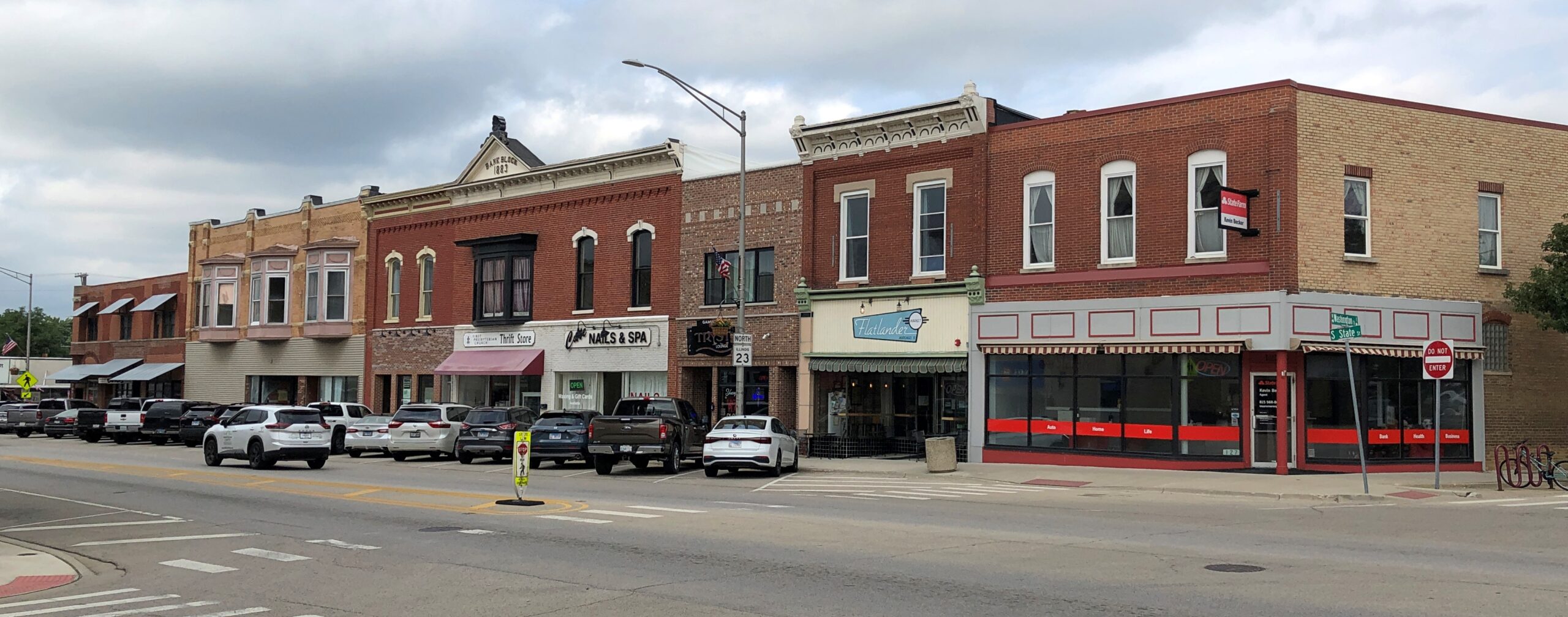
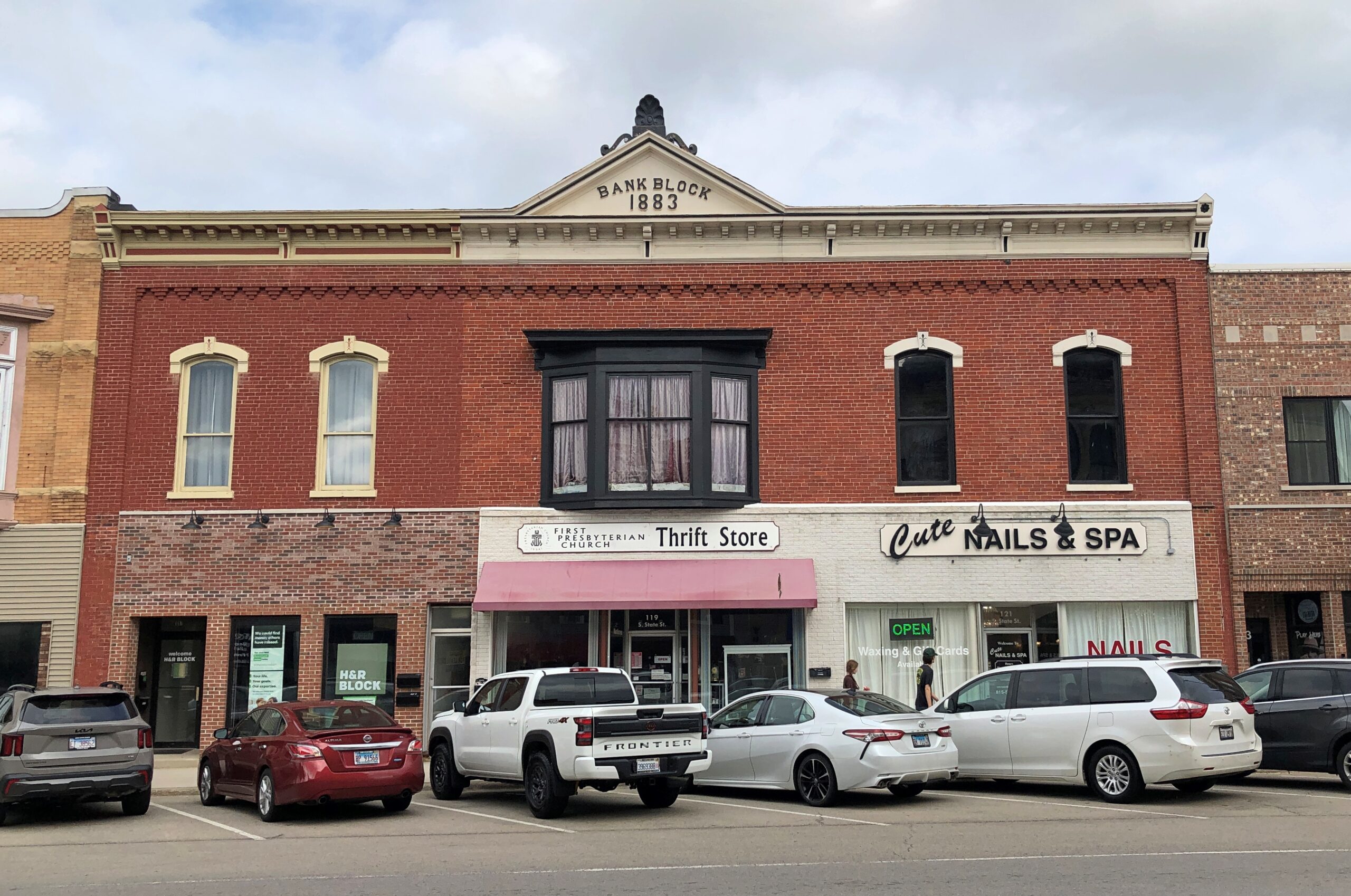
A run of buildings from the late 19th century, along Main St. Such as the current home to the Marengo Emporium, closed that late Saturday afternoon, in spite of what a red neon OPEN sign said.
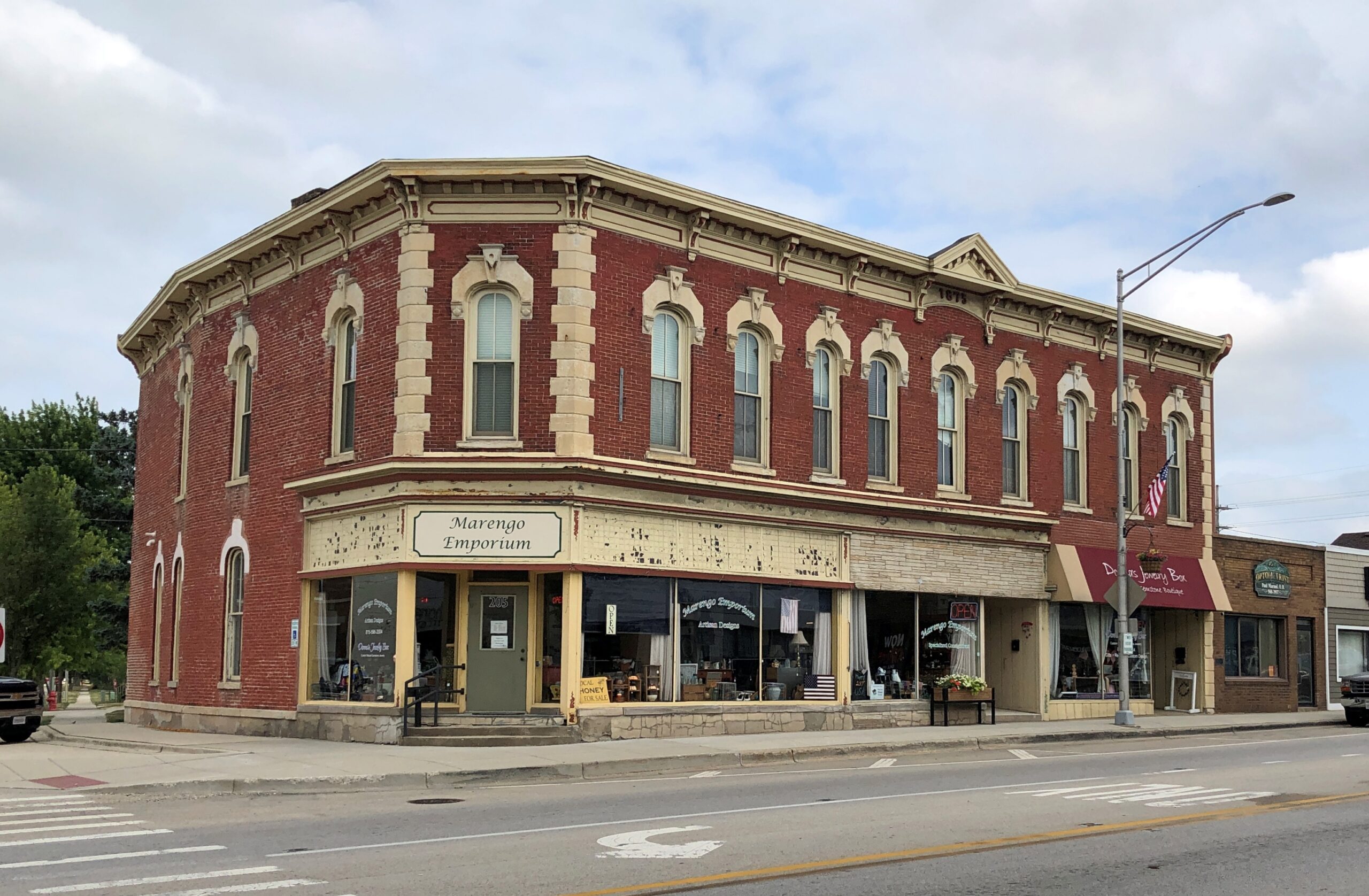
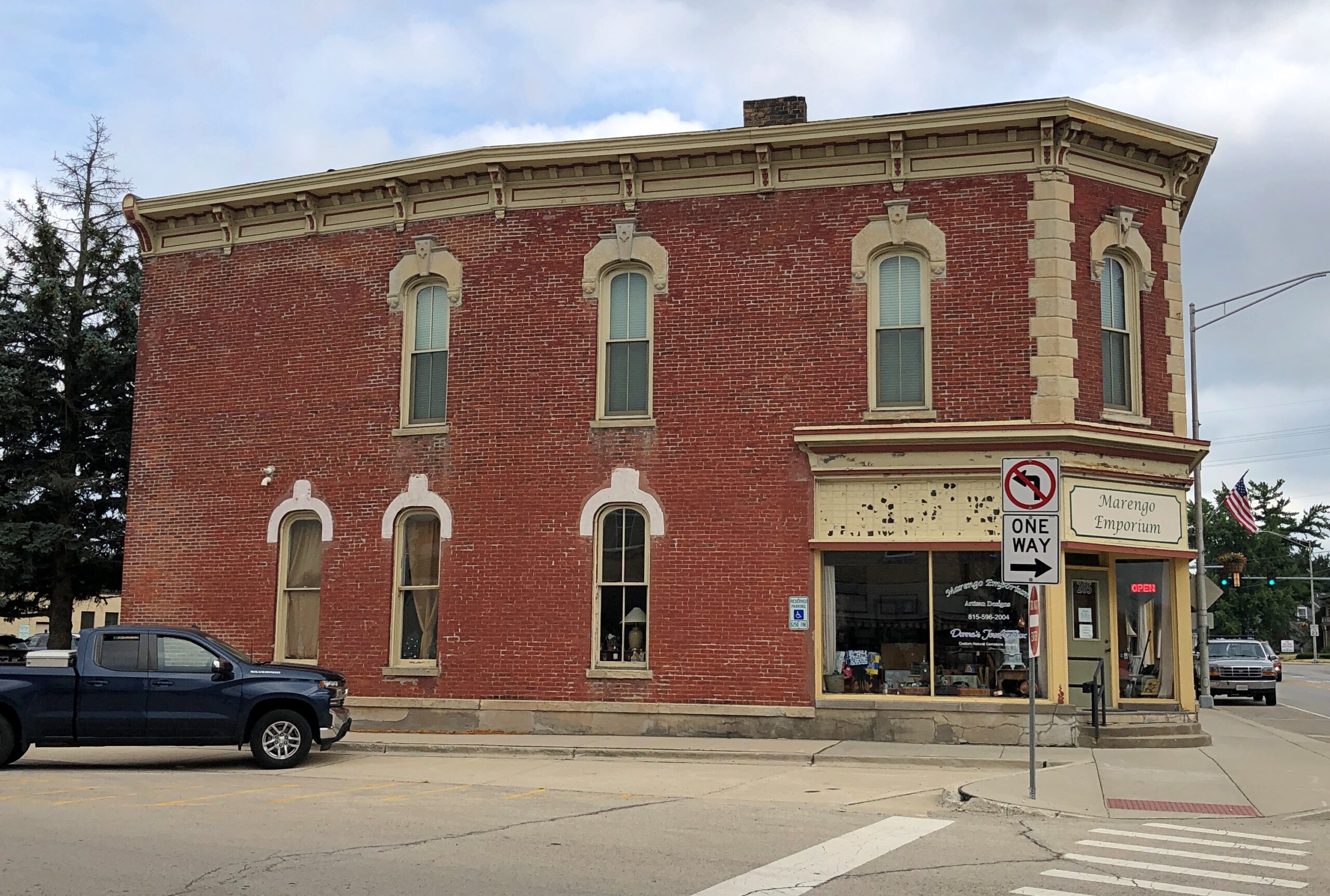
The Marengo Union Chamber of Commerce notes that the building, dating from 1875, housed the first bank in McHenry County in its early years. “In the later years, Swonguer Furniture & Undertakers, Marengo Farm Store, Vidiots, Wholly Smokes and State Street Pub occupied the building but perhaps [it’s] best known for housing the Marie Ann Dress Shop,” the C of C says.
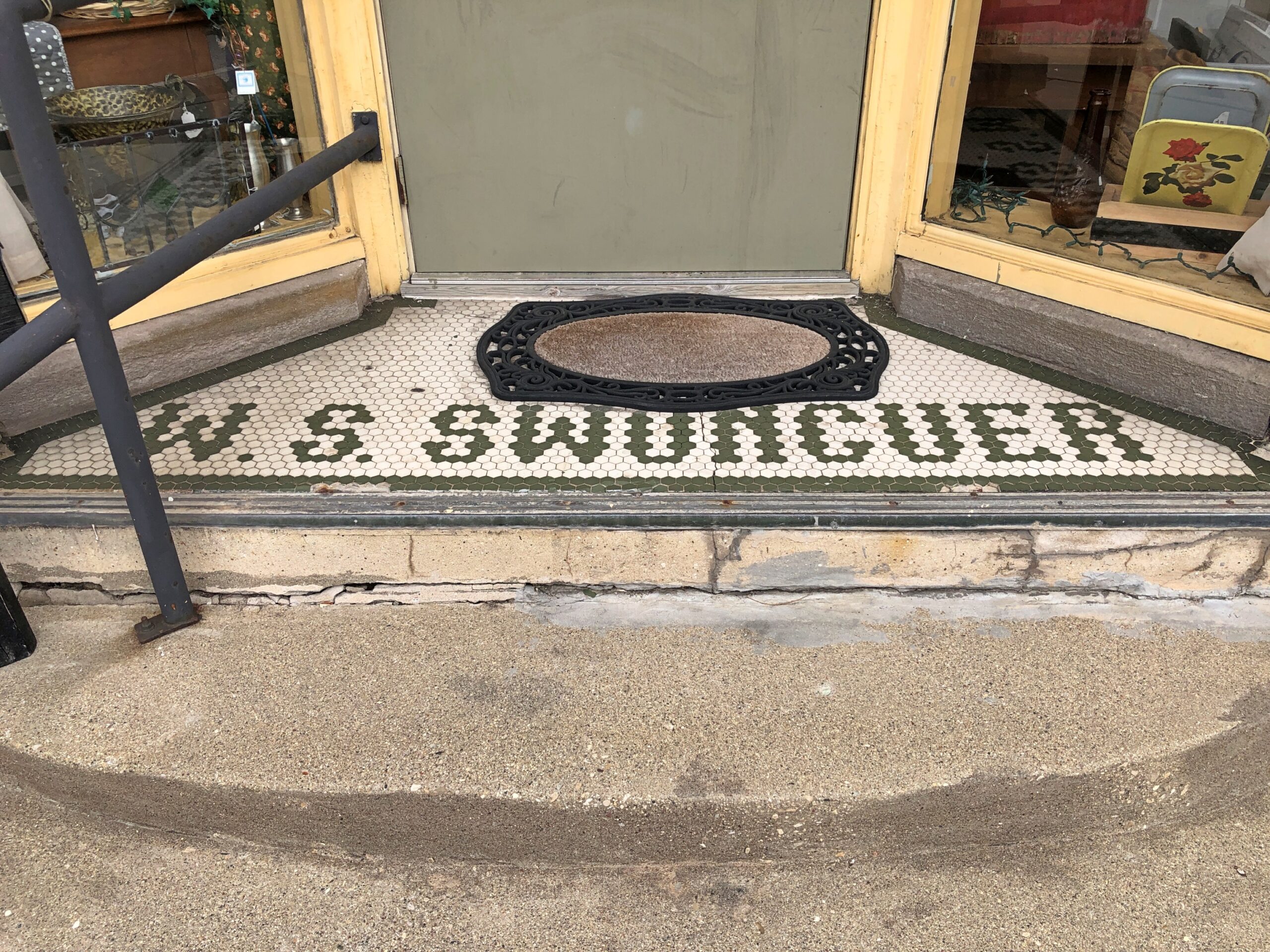
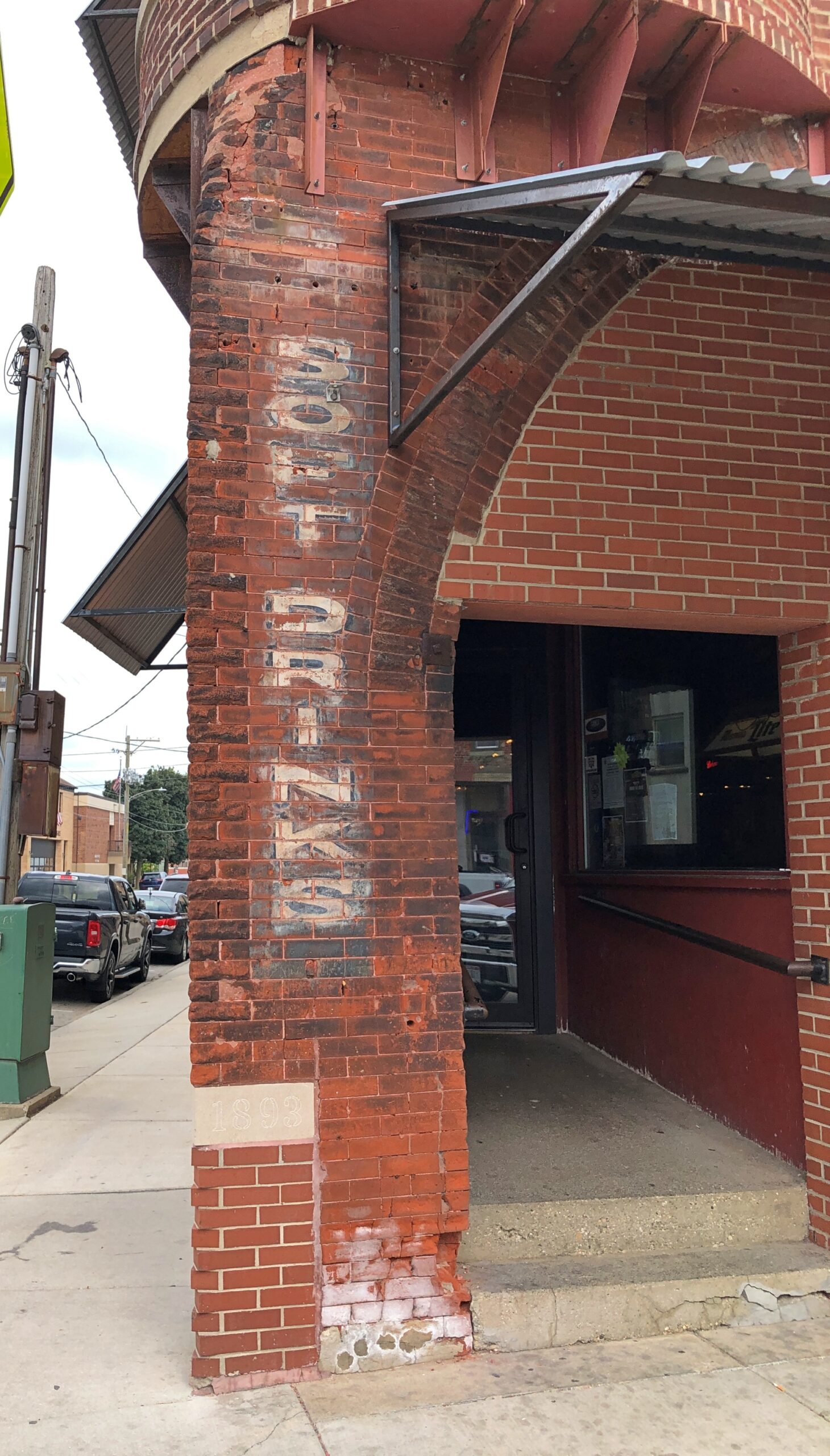
Swonguer Furniture & Undertakers. Not as odd as it might sound and, apparently, a known combination in a number of places more than a century ago. After all, how different is making pine boxes from making pine tables and chairs, at least for a skilled wood worker? Also, it explains this trace of the former furniture and undertaker establishment, in the form of abandoned commercial mosaic text.
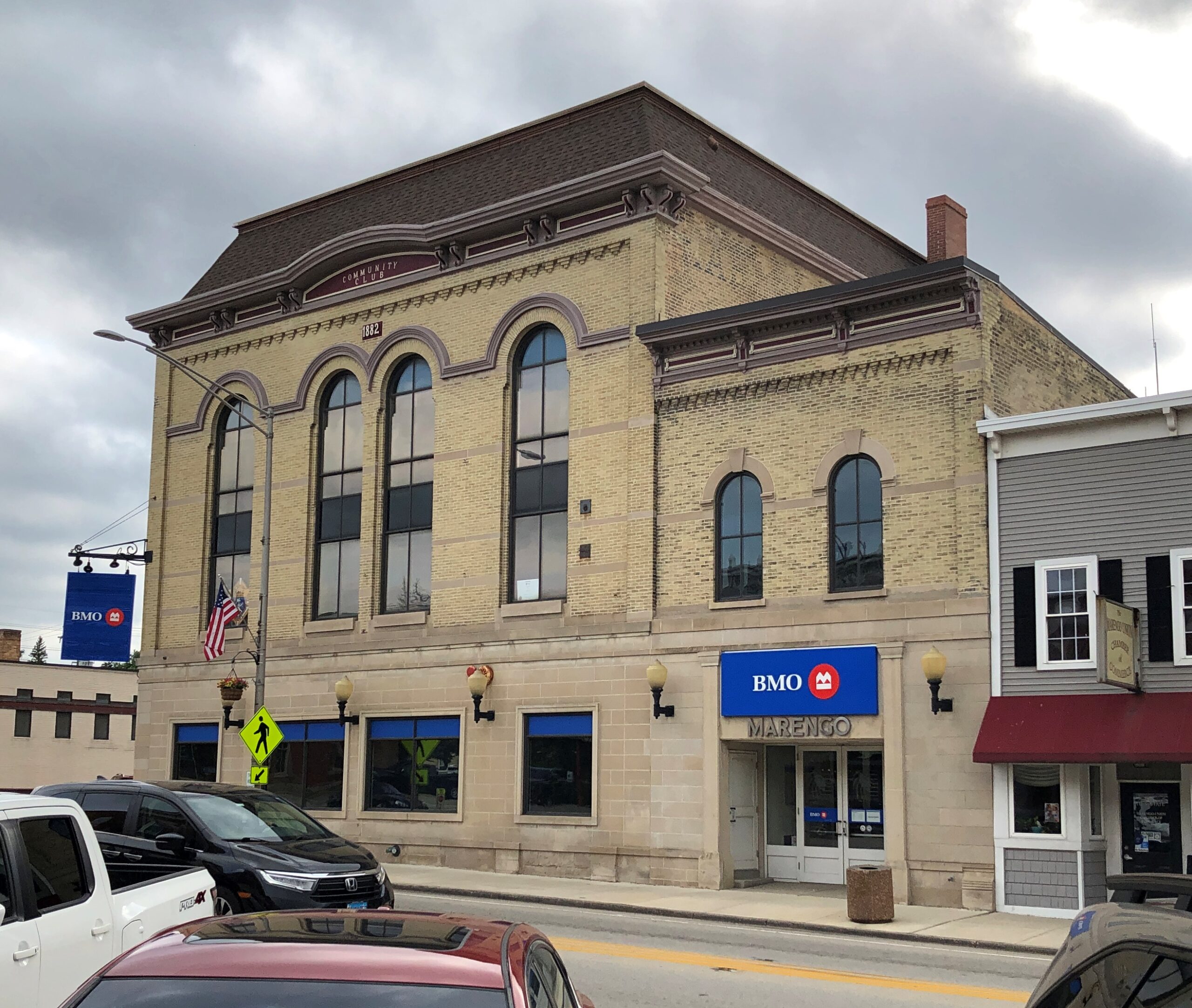
Other buildings on the street.
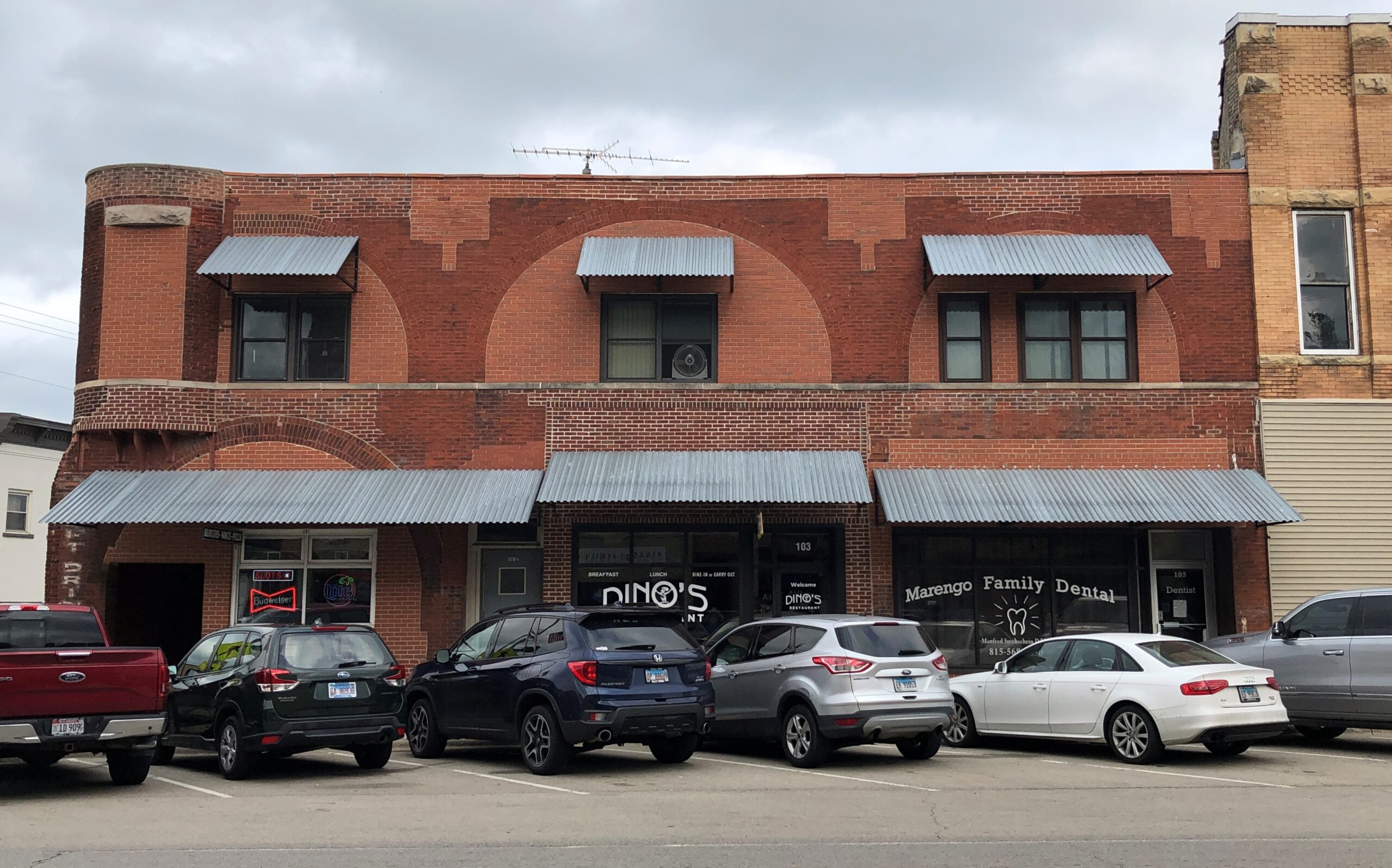
There’s been a fair amount of re-bricking and other construction over the years on that last one. The building looks like it was assembled Frankenstein-style, though I’m sure it wasn’t. The corrugated metal awnings look a little out of place, but I suppose it was an economical addition. To one side, an unusual ghost sign.
First Presbyterian, a block from Main.
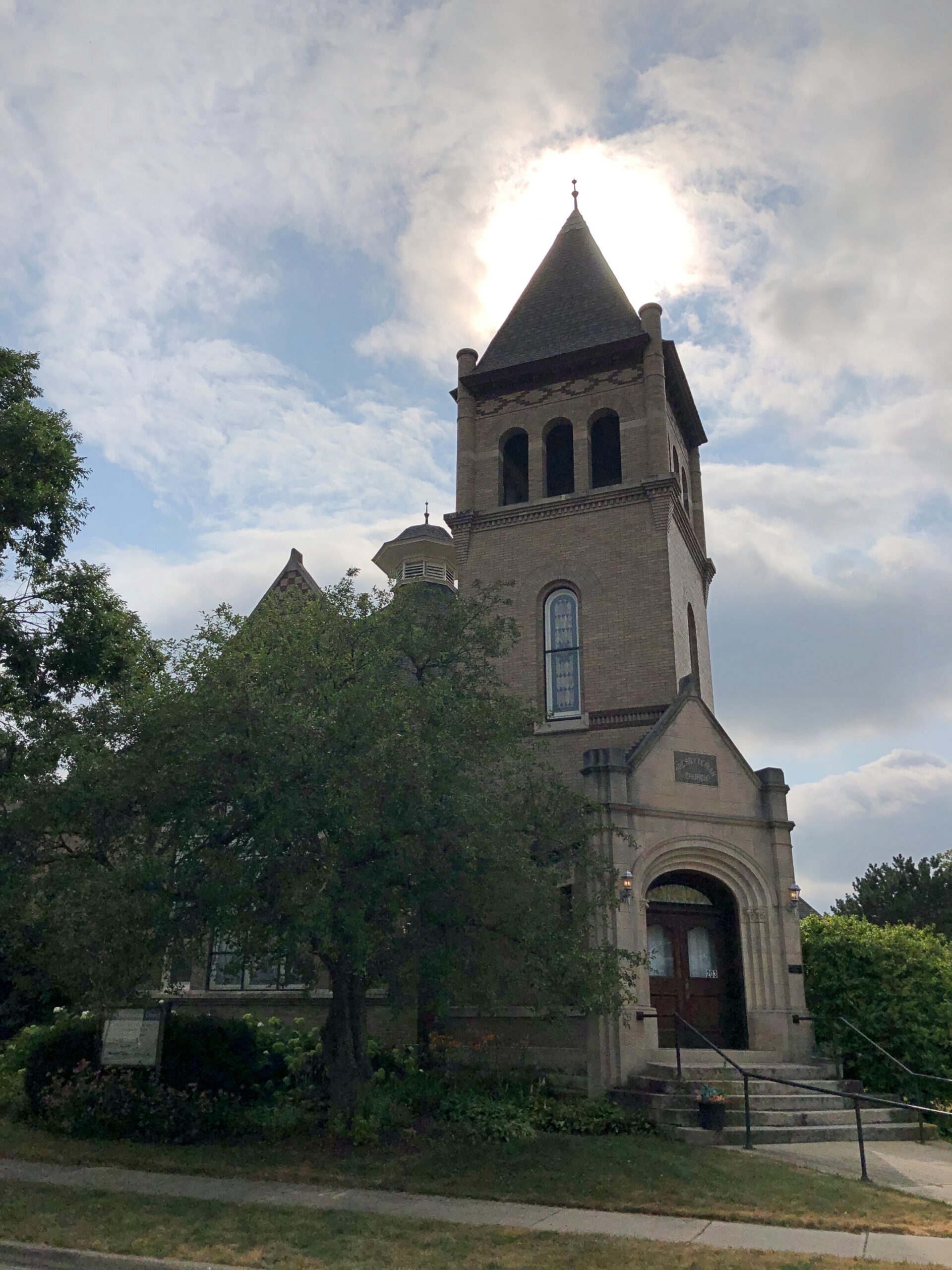
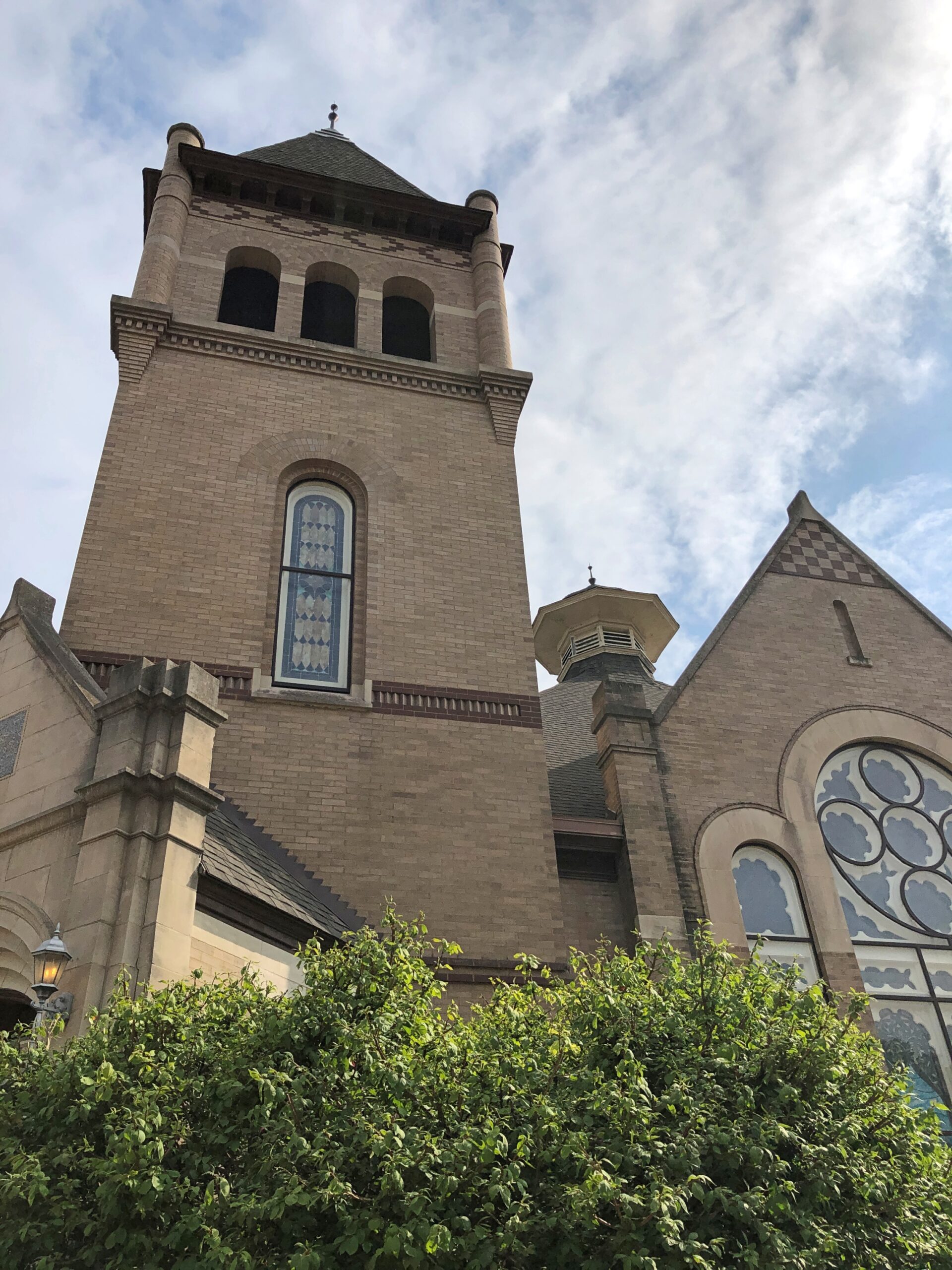
An 1898 rebuilding of a previous church. Naturally McHenry County says: “The architects, Tumbull and Jones of Elgin borrowed elements from various Romantic styles when they designed this church. Foremost is the Moorish-style square bell tower.”
I’ll say. How often does one encounter Moorish-style square bell towers here in the heart of North America? Maybe more often than I know, but I figure no one’s done a census.
Not far from downtown is East St., which takes you to the City of Marengo Cemetery. Cubs pitcher Lundy Lundgren (d. 1934) is buried there; I saw his marker across the street during a previous visit to Marengo. This time, I took a look at the older section of the cemetery.
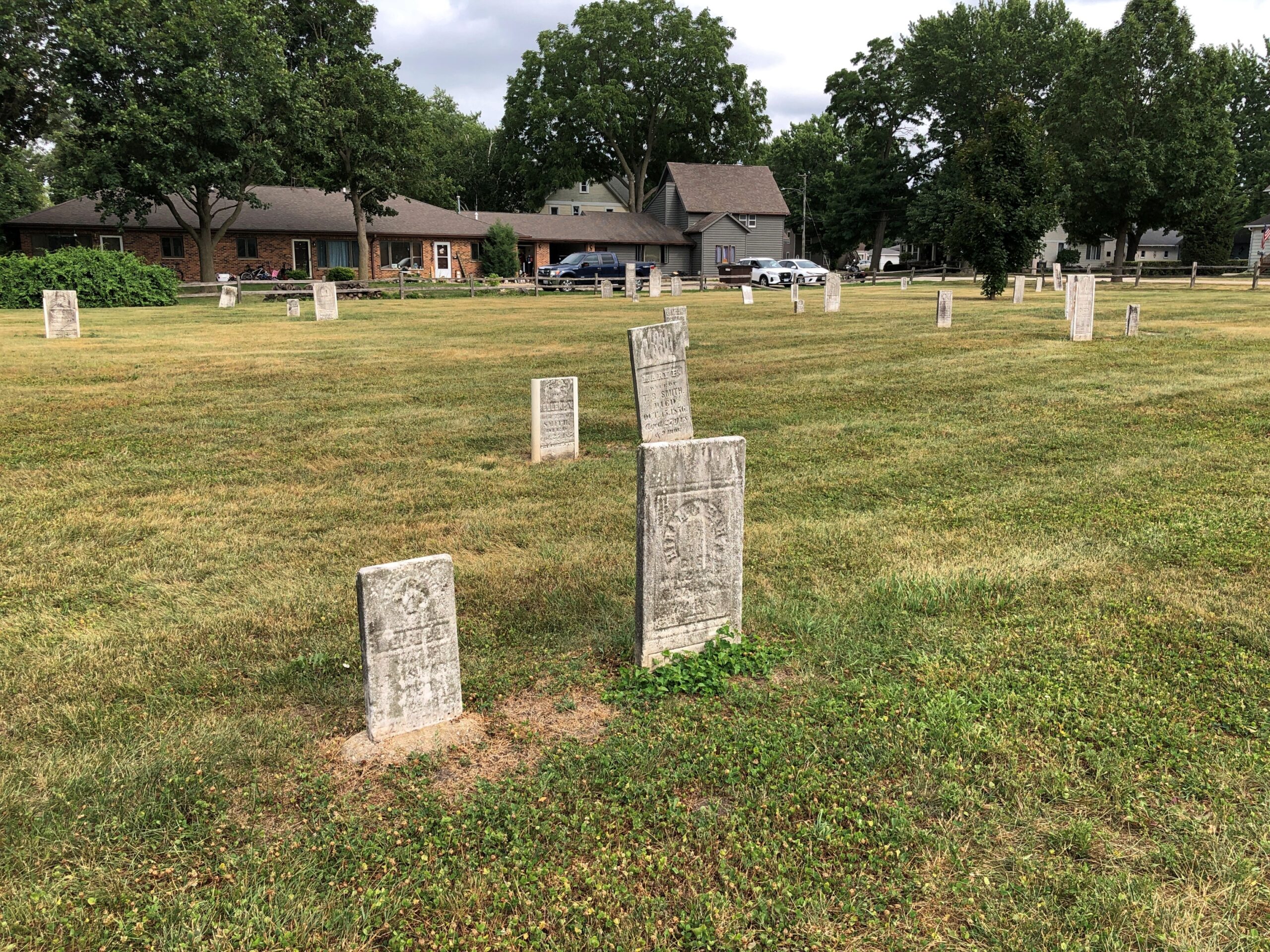
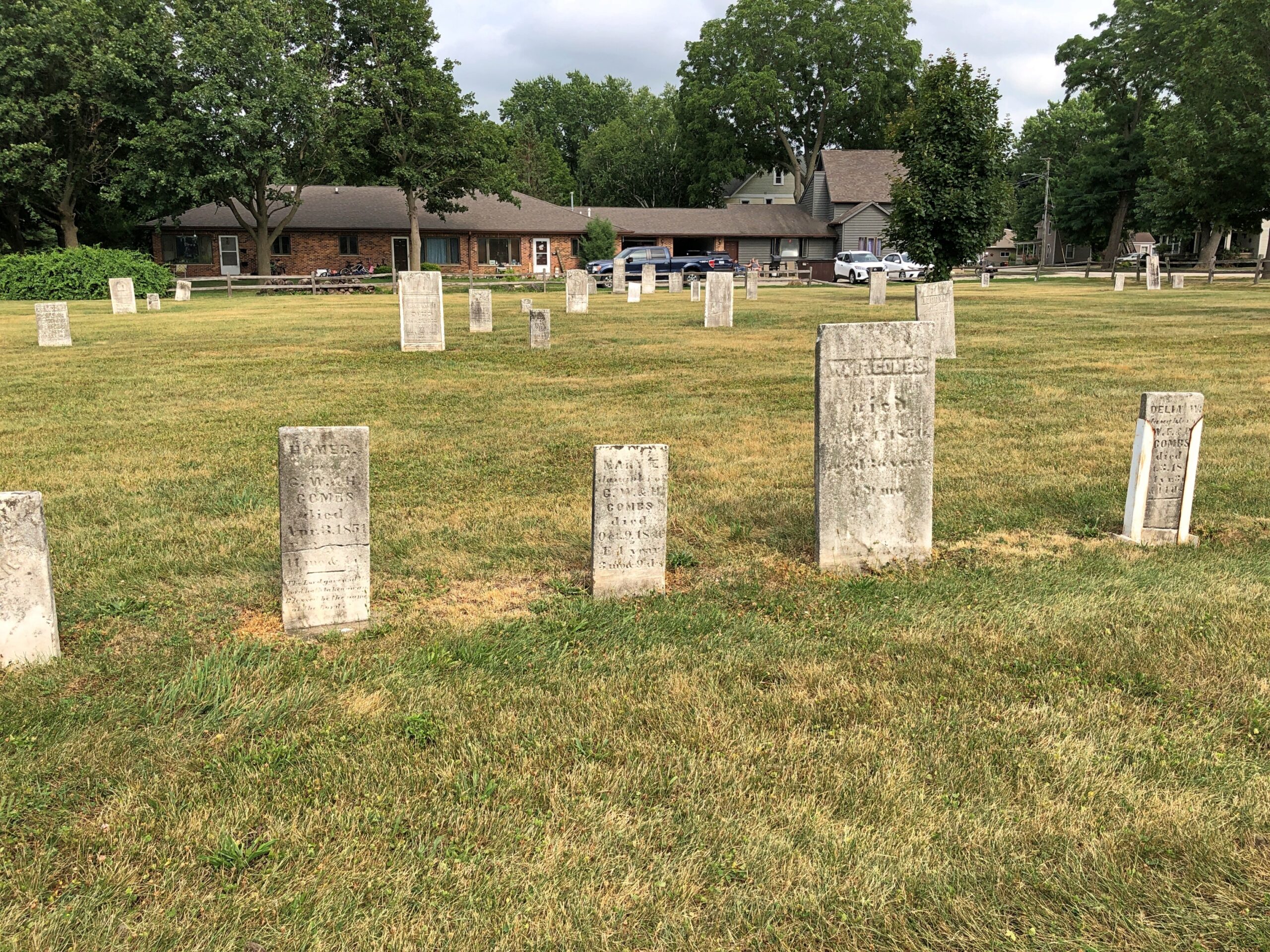
I suspect there are more burials than stones, but in any case, the stones are worn.
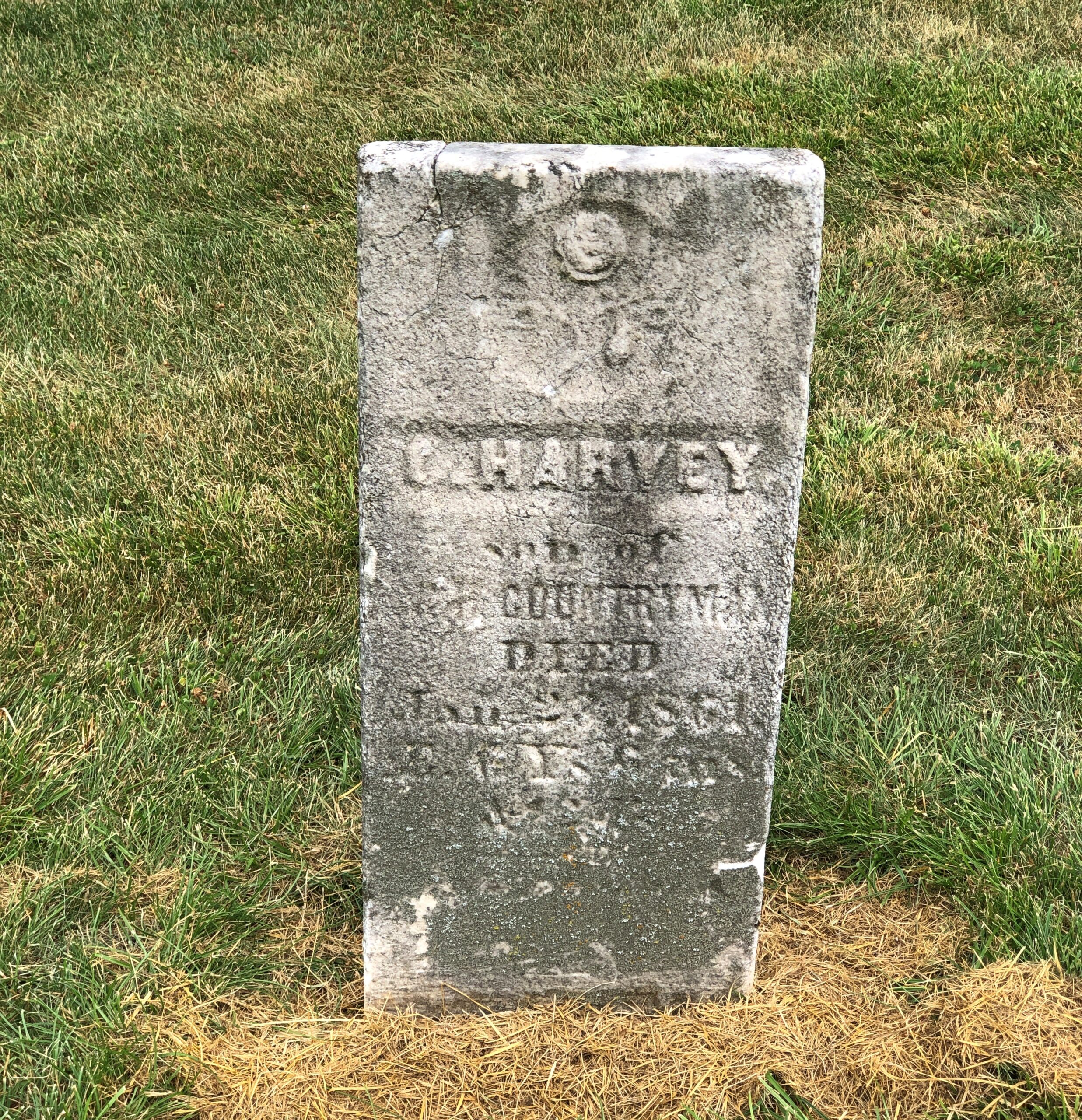
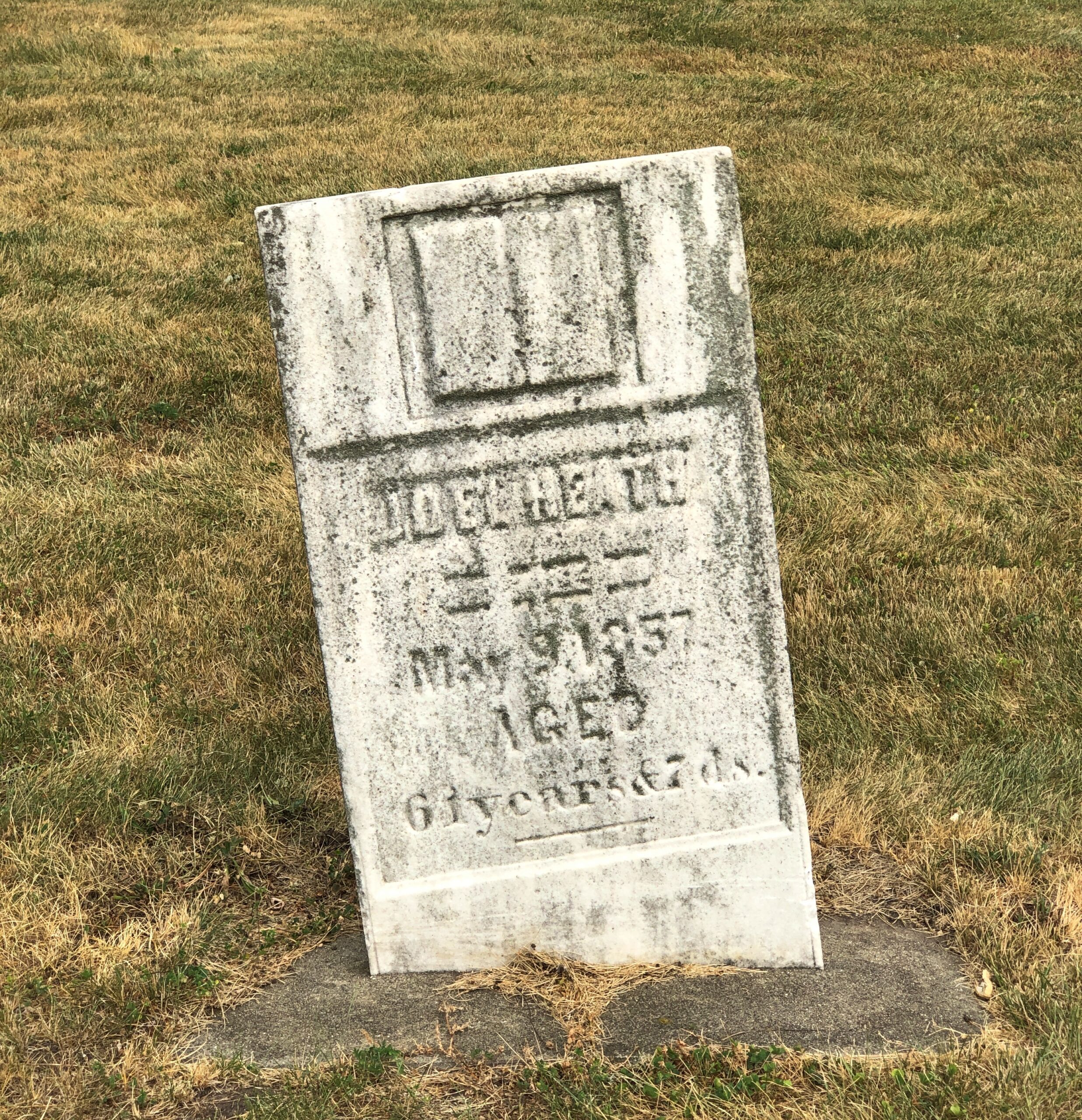
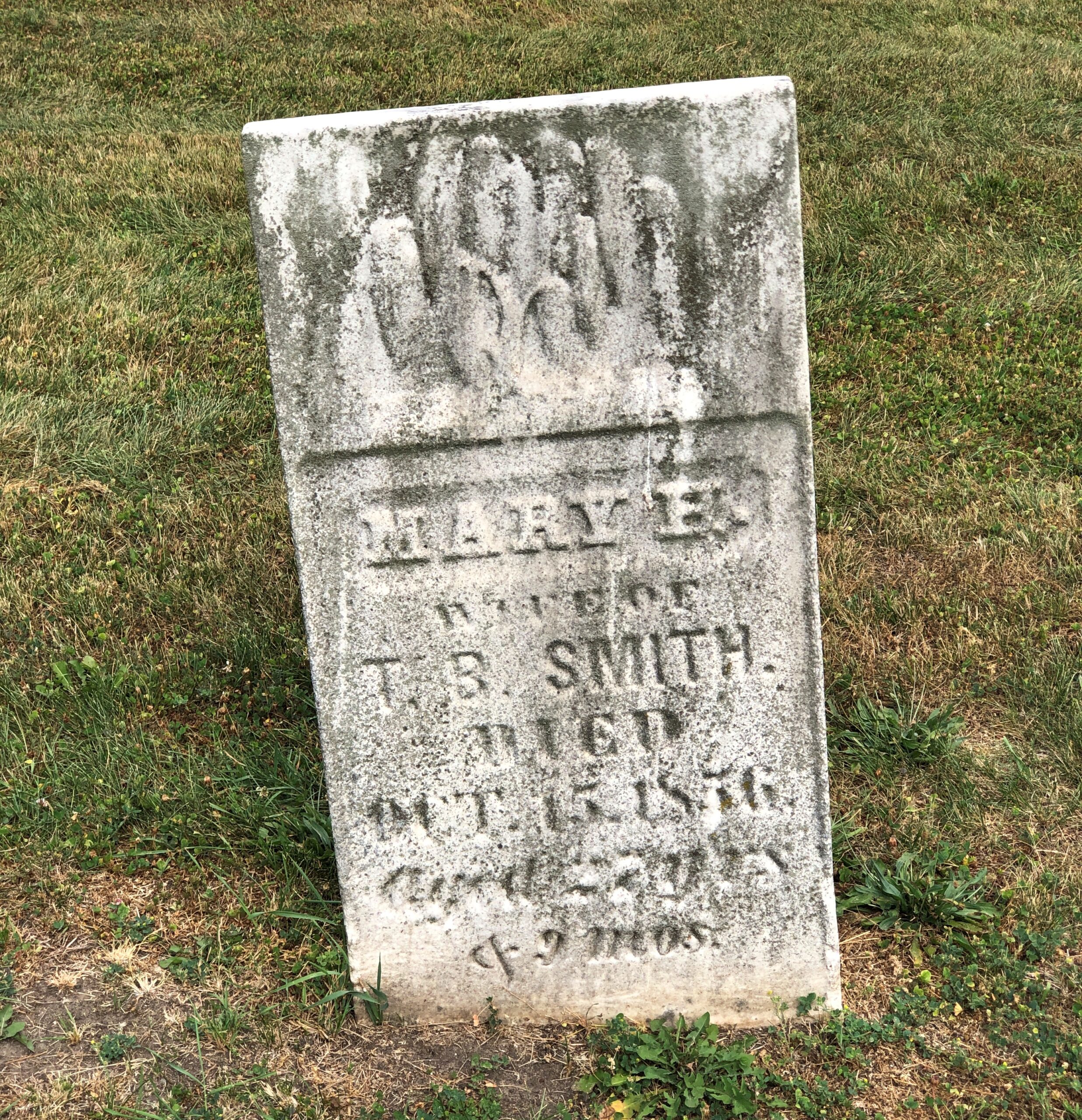
In some cases, propped up by metal structures.
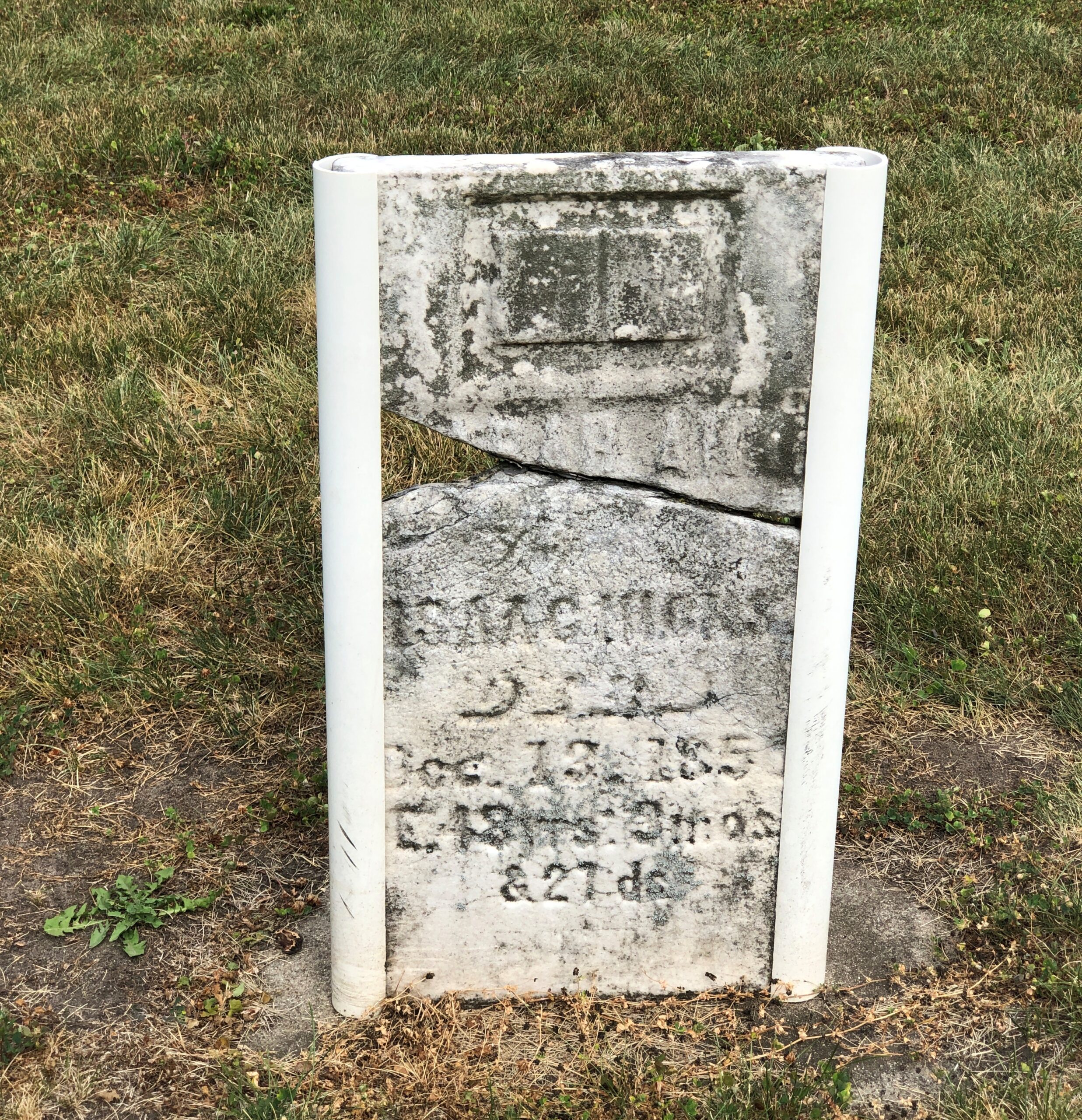
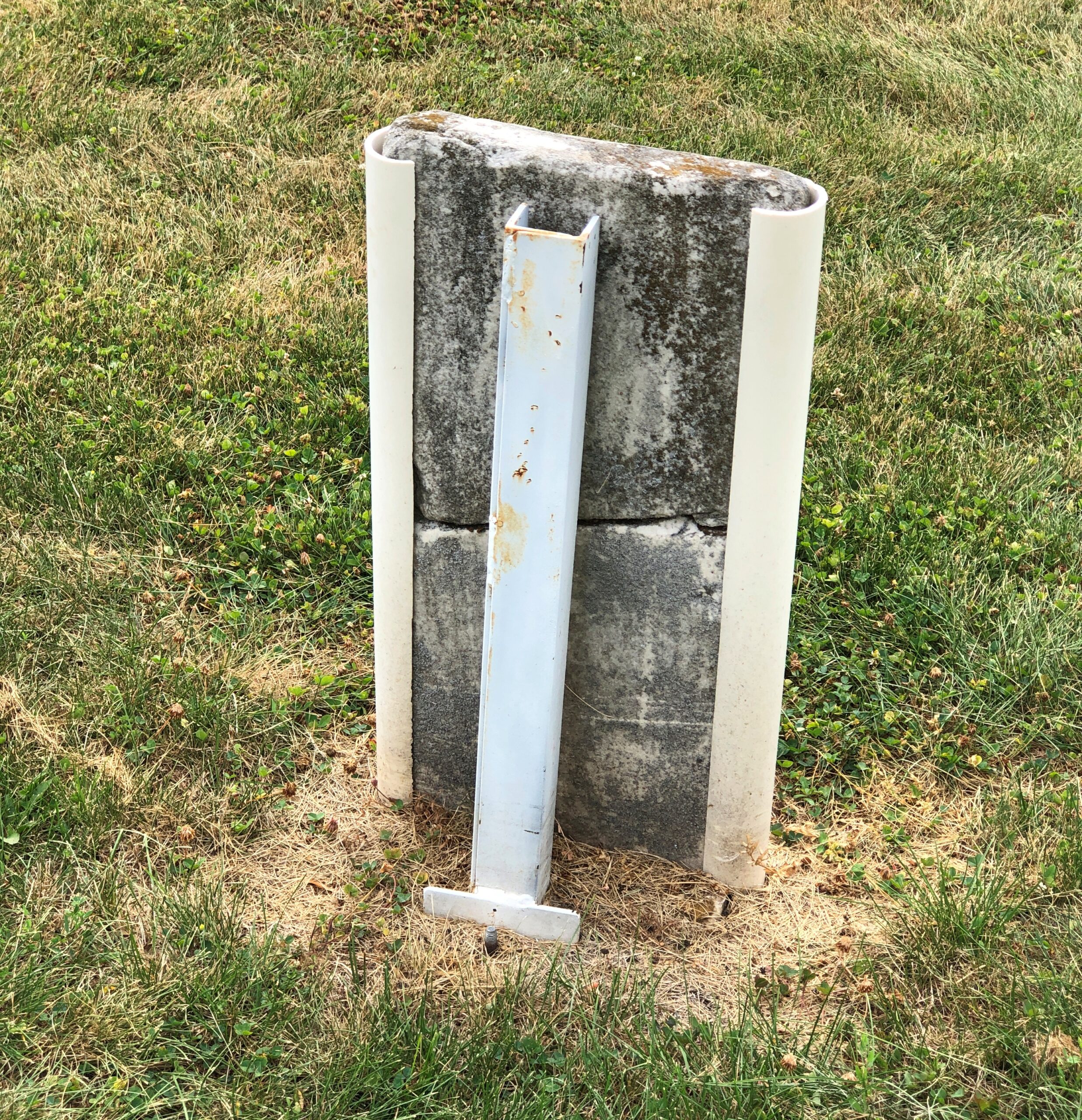
As usual for any cemetery, there are stones that hint at sad stories of extinguished youth.
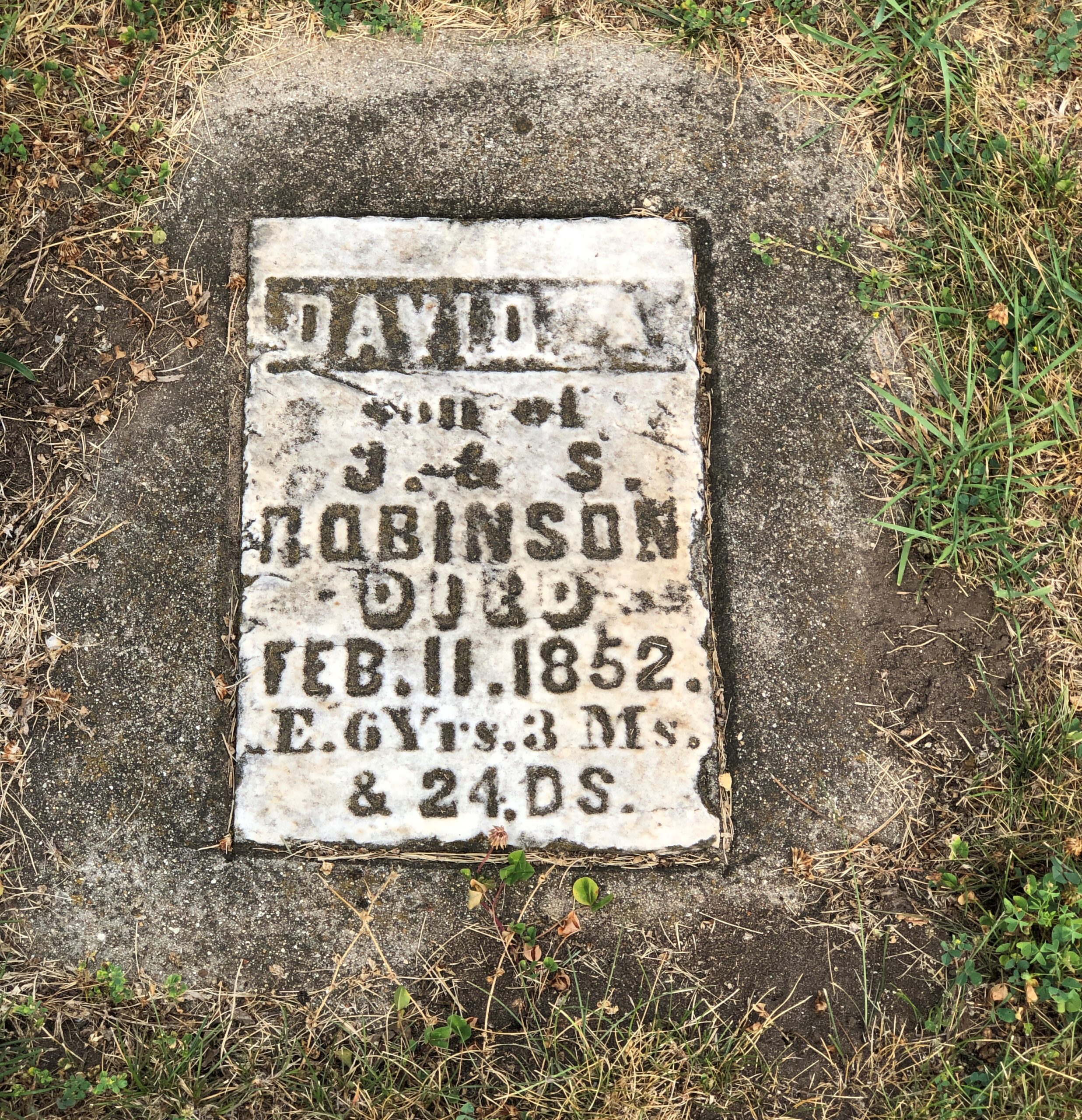
Six years, three months and 24 days. Whatever else you can say about being old — and I’m at that point — you can be sure you aren’t going to die young.