I’m glad for a lot of reasons that I lived in Japan in the early ’90s and not later. One reason: pre-Google and (more importantly) pre-Google Maps, you navigated by your own wits, aided by not-always-detailed paper maps, wayfaring signs in Japanese and sometimes English, directions from other foreigners – part of the mass of gaijin lore we all tapped into – and helpful Osakans.
It was doable. One time I bought a used bicycle from a colleague who lived in a fairly far corner of metro Osaka, far from me anyway, on the condition that I come take it away. Meaning about a 20-mile ride through the heart of greater Osaka, a ride I broke into two segments by locking the bike after the first day’s pedaling at a subway station and going home that way. Good thing Japanese streets are more or less suitable for bicycling, but less so for wayfinding, since the urban texture tended to be a rinse-and-repeat cycle of narrows streets, concrete apartment blocks, and small shops shoehorned into even narrower lanes.
Six- or eight-lane boulevards crisscrossed the region, and so did small and larger rivers. One time a helpful Osakan directed me to an elevator door tucked away in a grey wall of odd shapes and angles – a door that had been accidentally camouflaged by its utilitarian surroundings. The unmarked elevator took pedestrians and bicyclists down to the entrance of a spare, well-lit underground tunnel under a major river at a spot that had no bridge.
But I need to say that the rinse-and-repeat was only superficial. Like other places, most other places I’d say, with a little time and observation, details come into focus. In the case of Osaka, a shrine tucked into wall or a weedy embankment near a canalized creek that was home to a couple of gnarled, flowering trees, or sometime as incongruous as a speedboat parked in a spot for a car. Or an unusual handmade retail sign, clearly made by pop for the front of a mom-and-pop (or maybe by mom, who wouldn’t be accorded credit for it, and maybe not inclined to take credit).
There’s a Flickr collection, or even a coffee table book, in the unlimited variety of limited-edition retail signs, handmade or made by advertisers. A worldwide selection. They’re more sporadic in the Chicago suburbs, generally clustering on main shopping streets – of which there are a fair number, tucked away and locally focused. So far this summer we’ve made our way to a handful of suburban shopping streets.
Starting with the imprimatur of Tito, Alamo Heights High School Class of ’79.
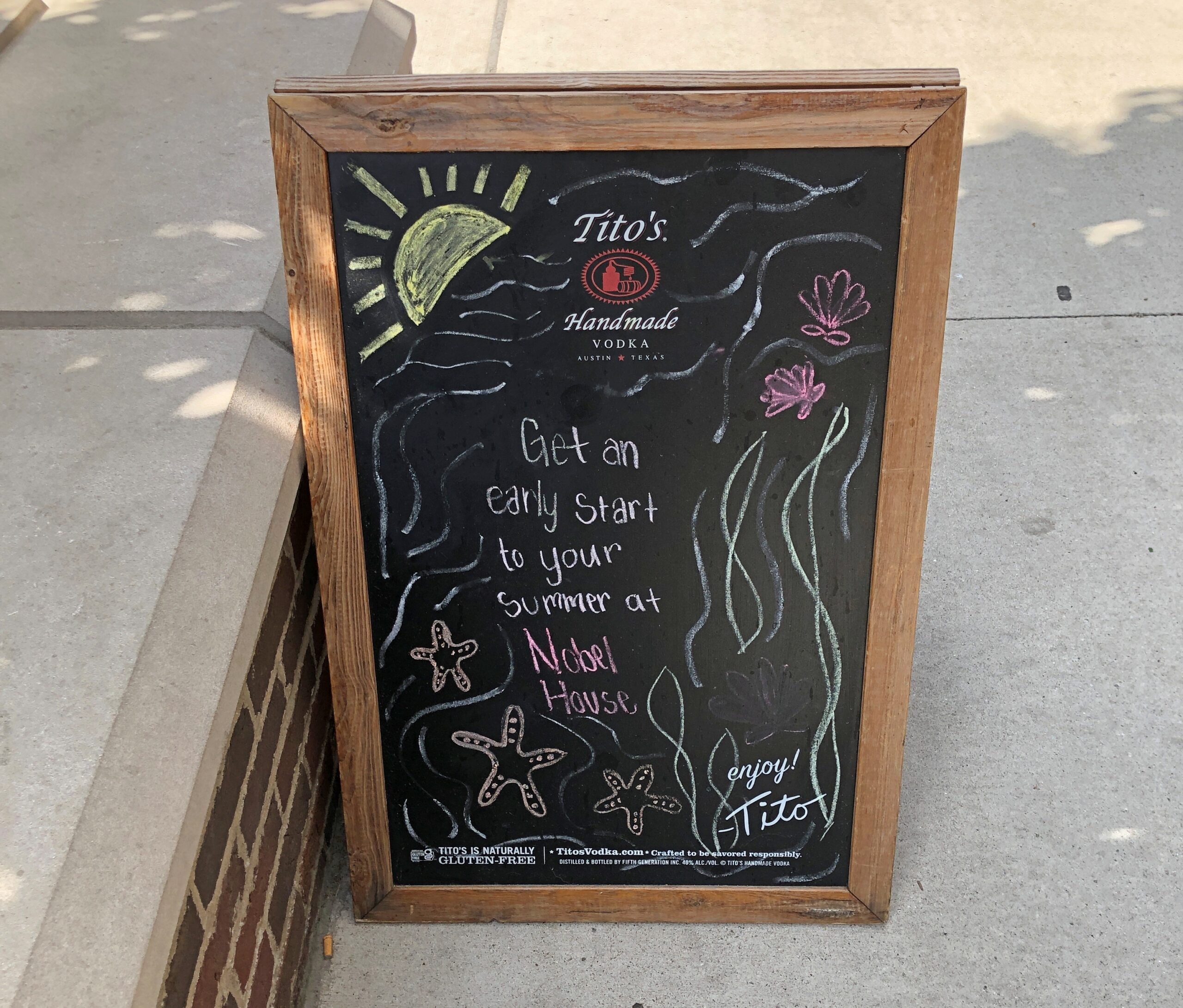
Straightforward, gets the signing job done.
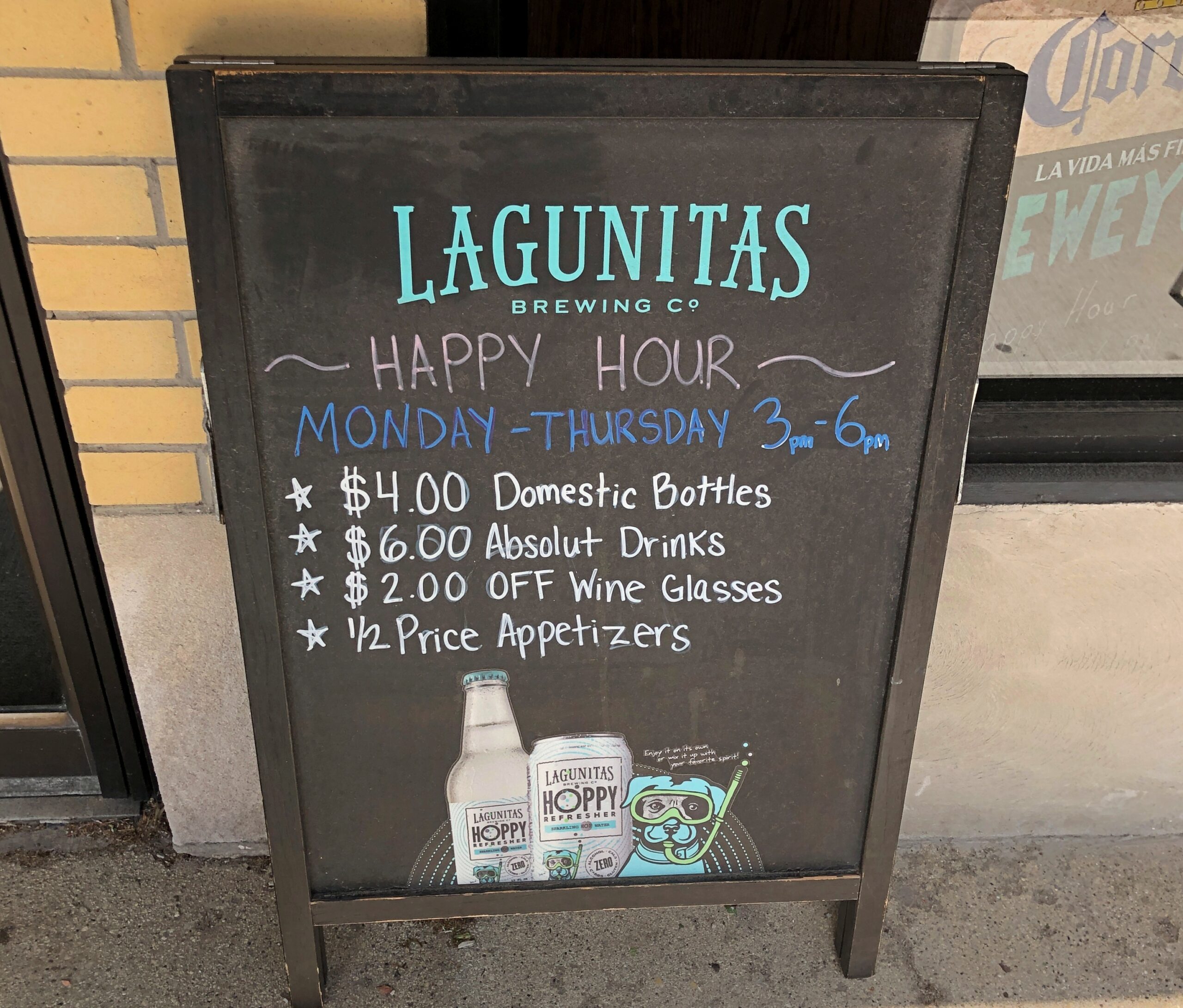
For those who aren’t into that whole neurotoxin thing.
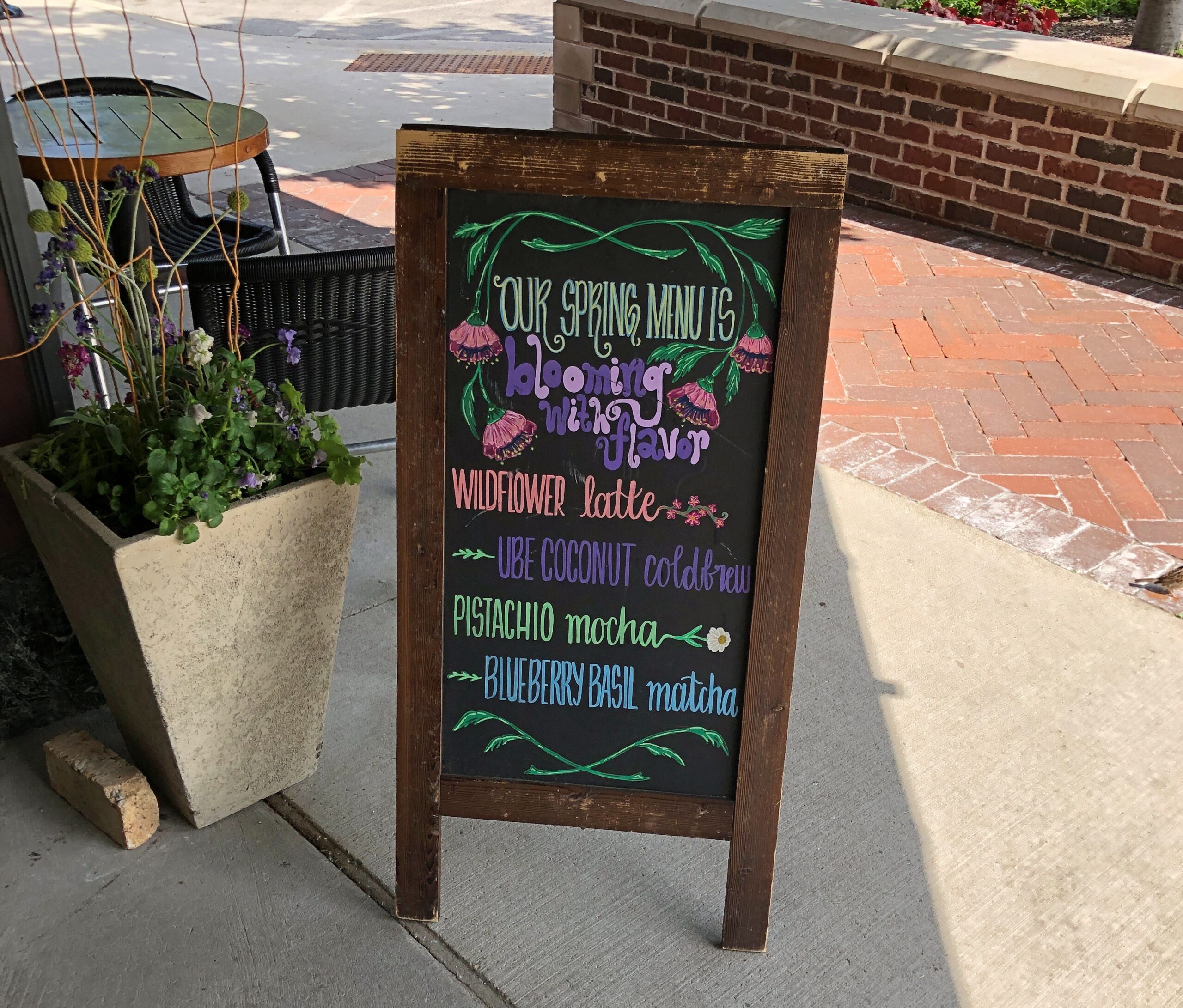
“We need something out there now, we’re about to open.”
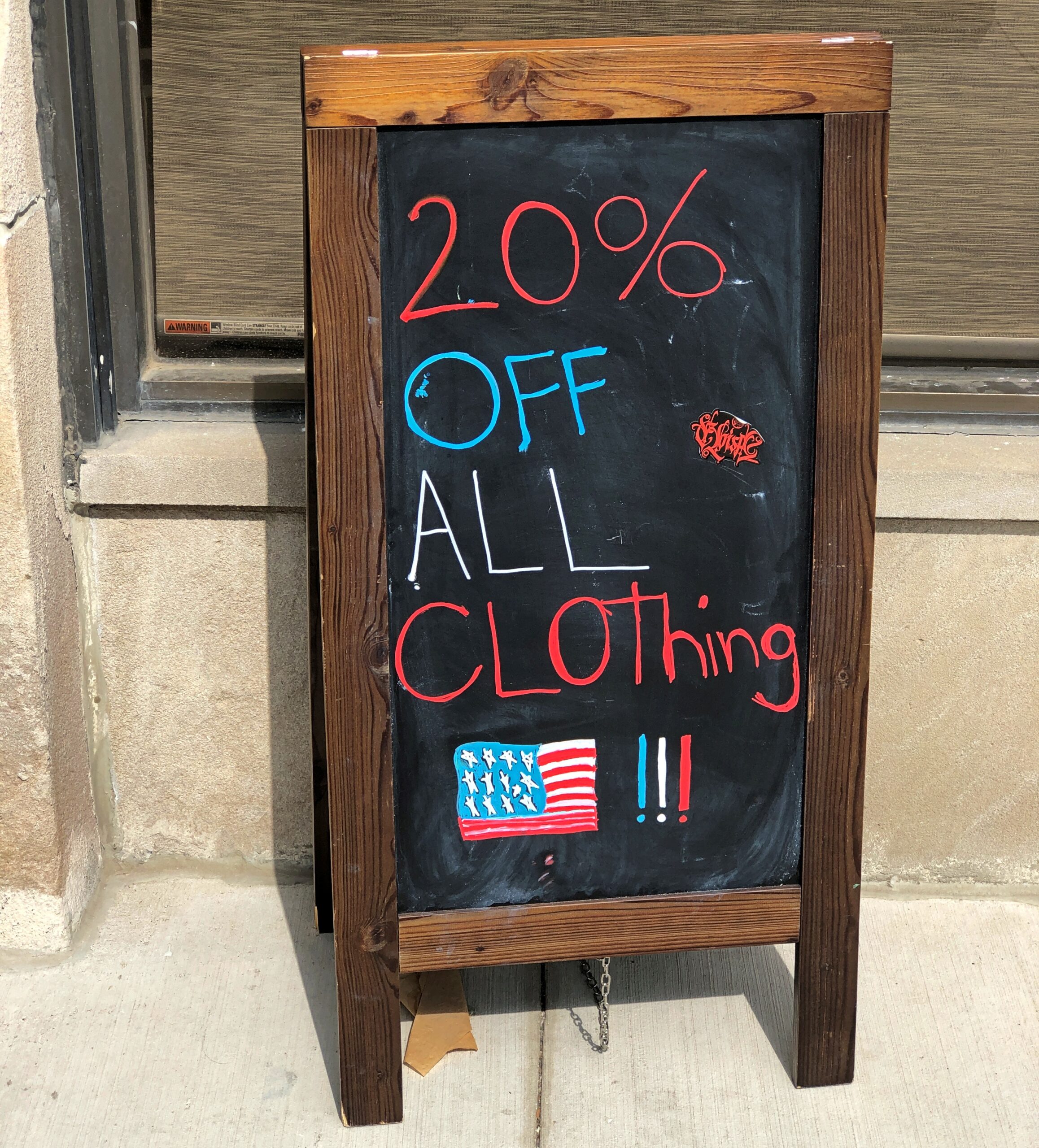
How could this not be a favorite?
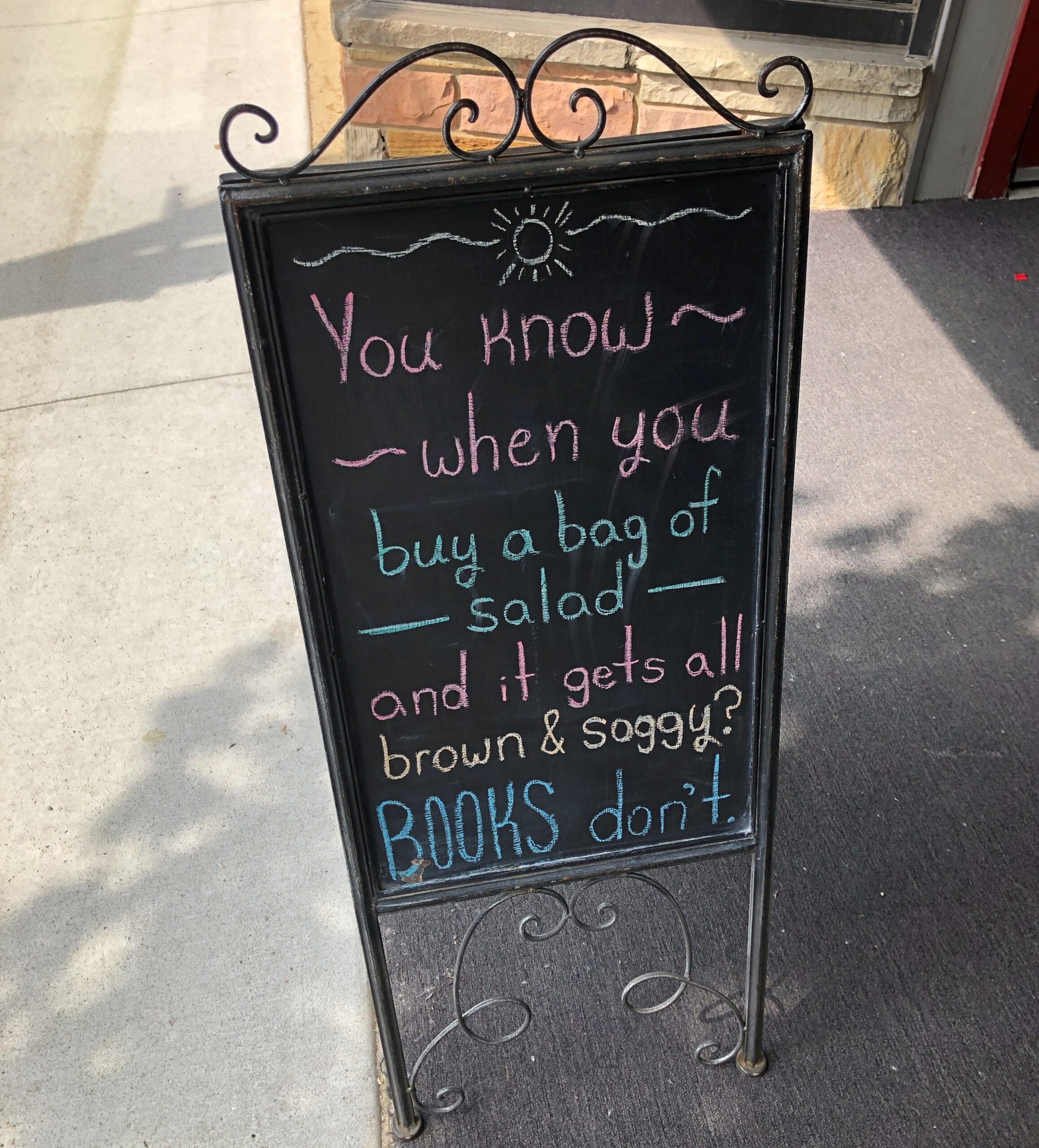
True, not brown and soggy. Brown and crumbly, with enough time.