Hill of Crosses, Lemont

Yesterday a near-full moon rose in the evening, as coppery a color as I’ve ever seen the lunar disc, including during eclipses – which wasn’t happening that evening. Not quite the color of an uncirculated penny, but close, with the addition of a dash of yellow. Must be the peculiar optics generated by thin wafts of smoke from Canada. This evening, there was still a tinge of copper, but the moon had mostly returned to silver-white.

Then it occurred to me that future generations, maybe even people being born around now, won’t know the color of an uncirculated U.S. penny. The color of a Moscow mule cup, then.

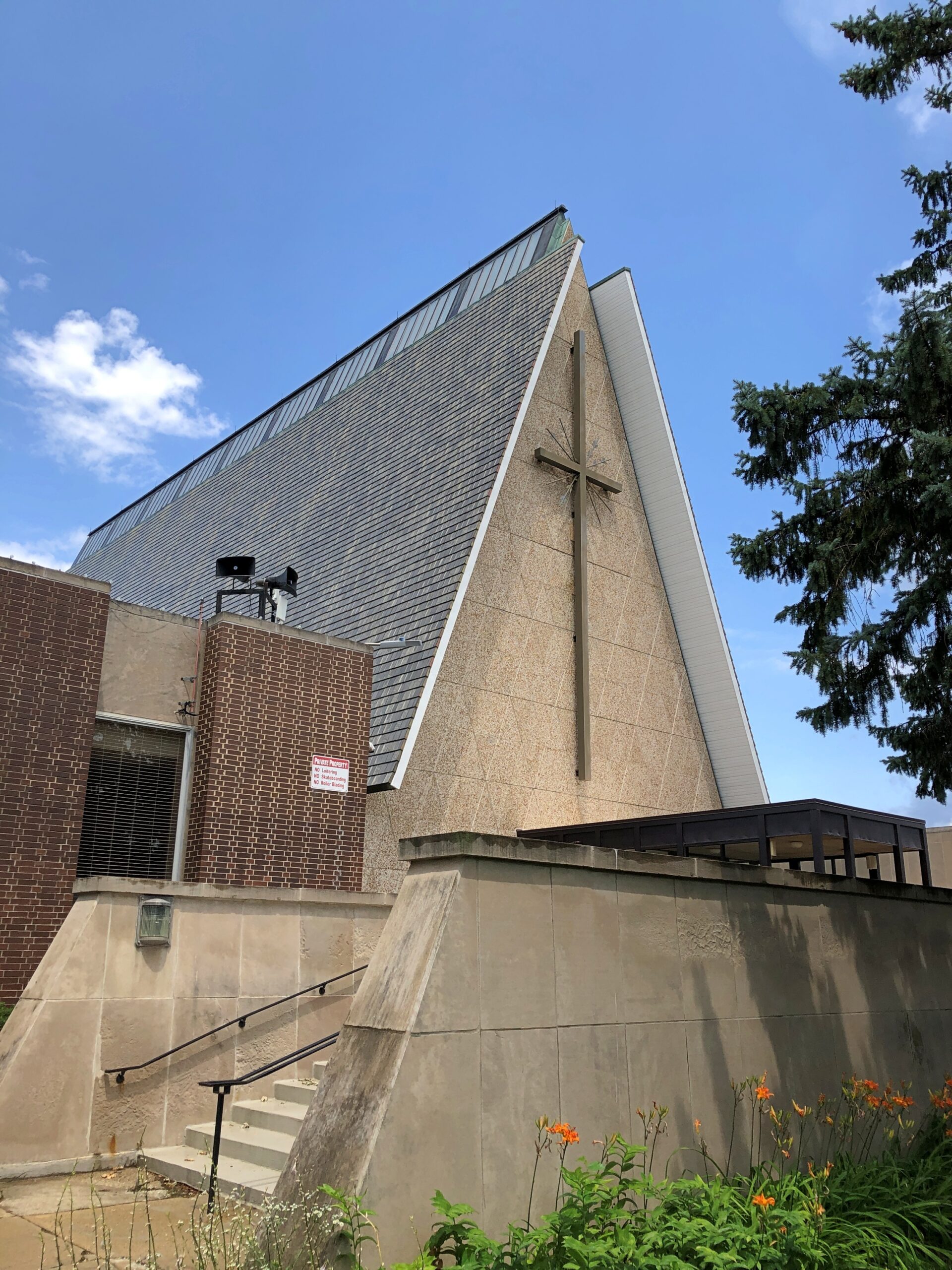
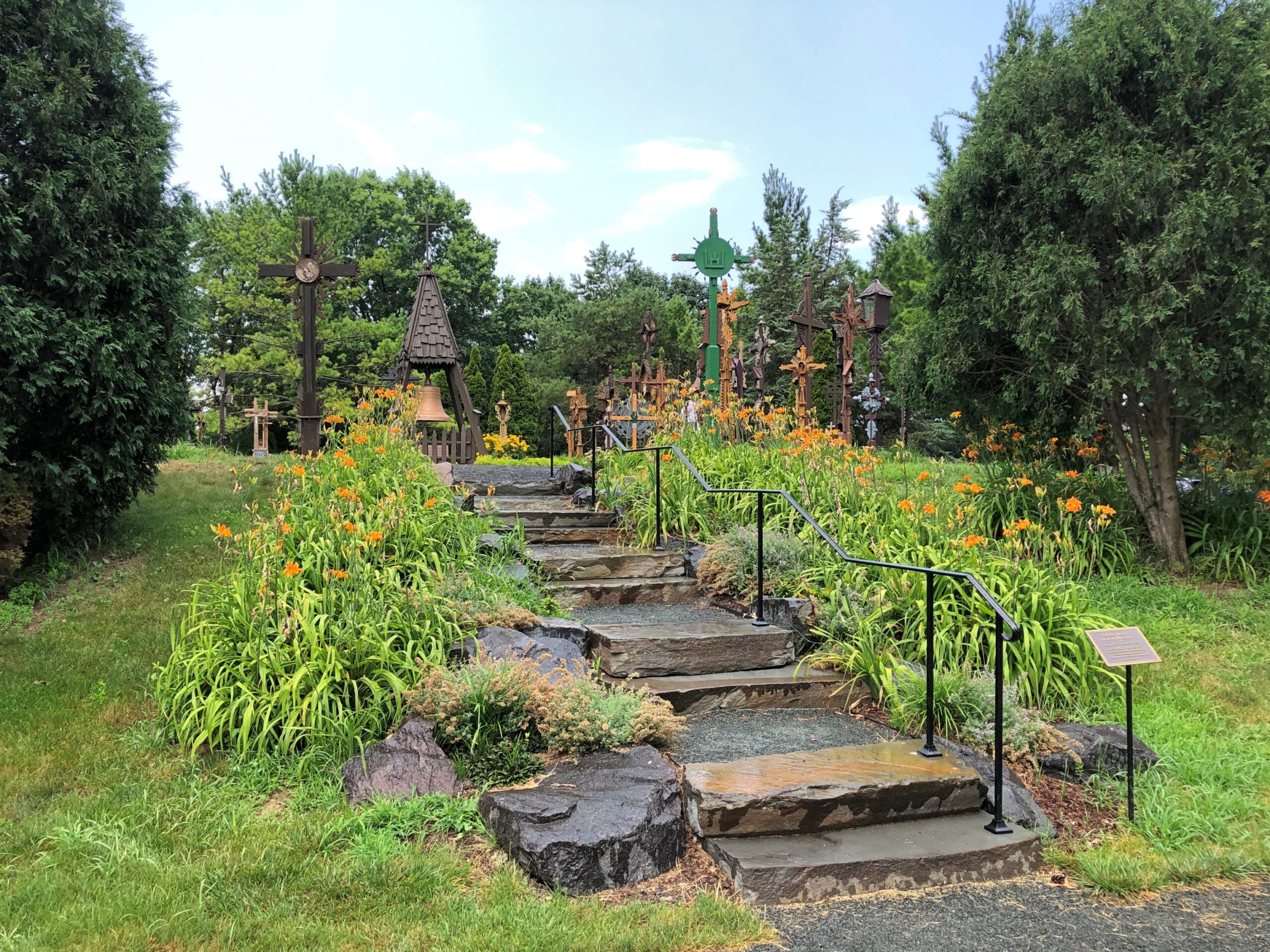
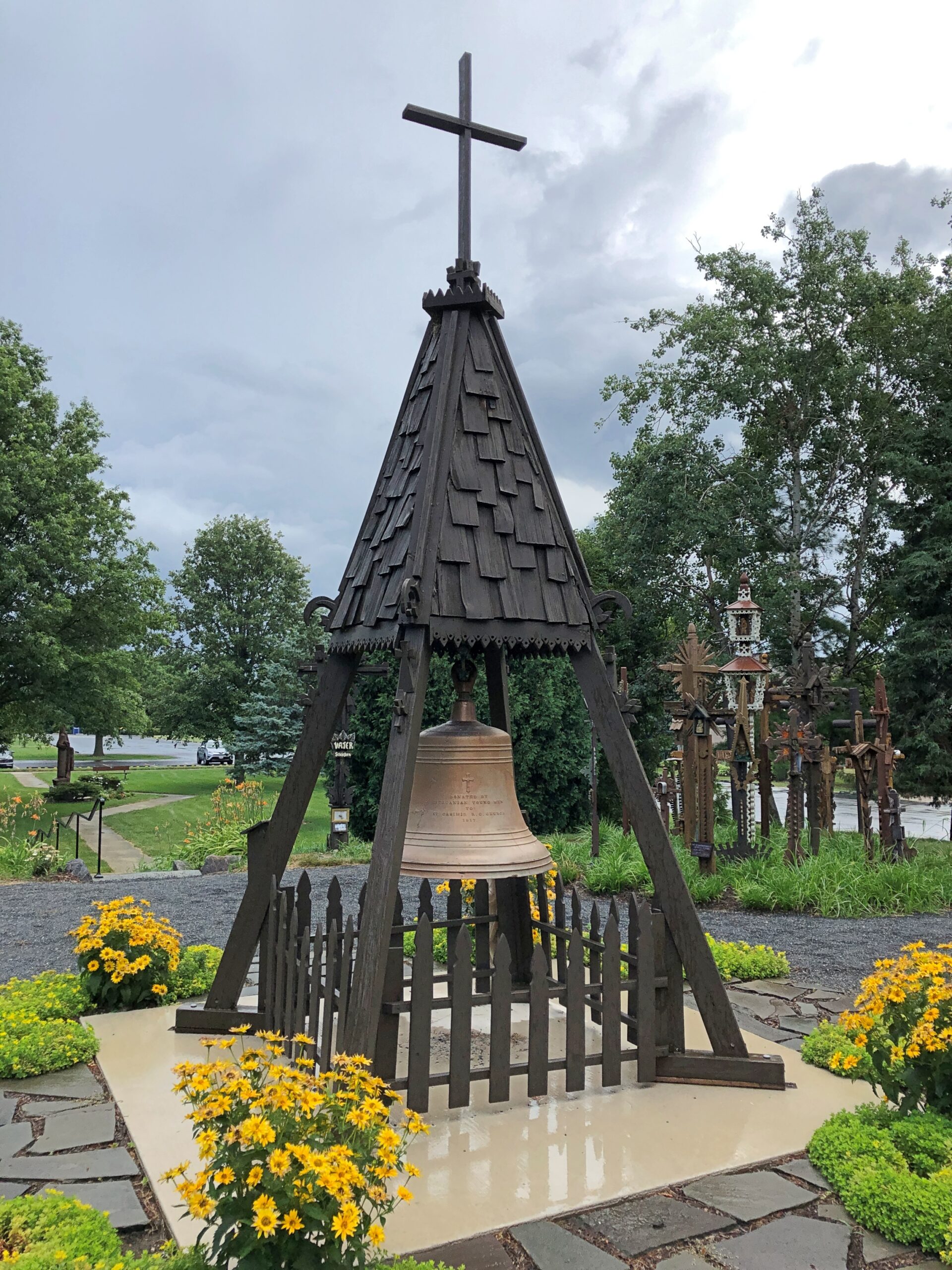
During a recent visit south of home but still in the suburbs, we came across something unexpected in the town of Lemont: a Hill of Crosses.

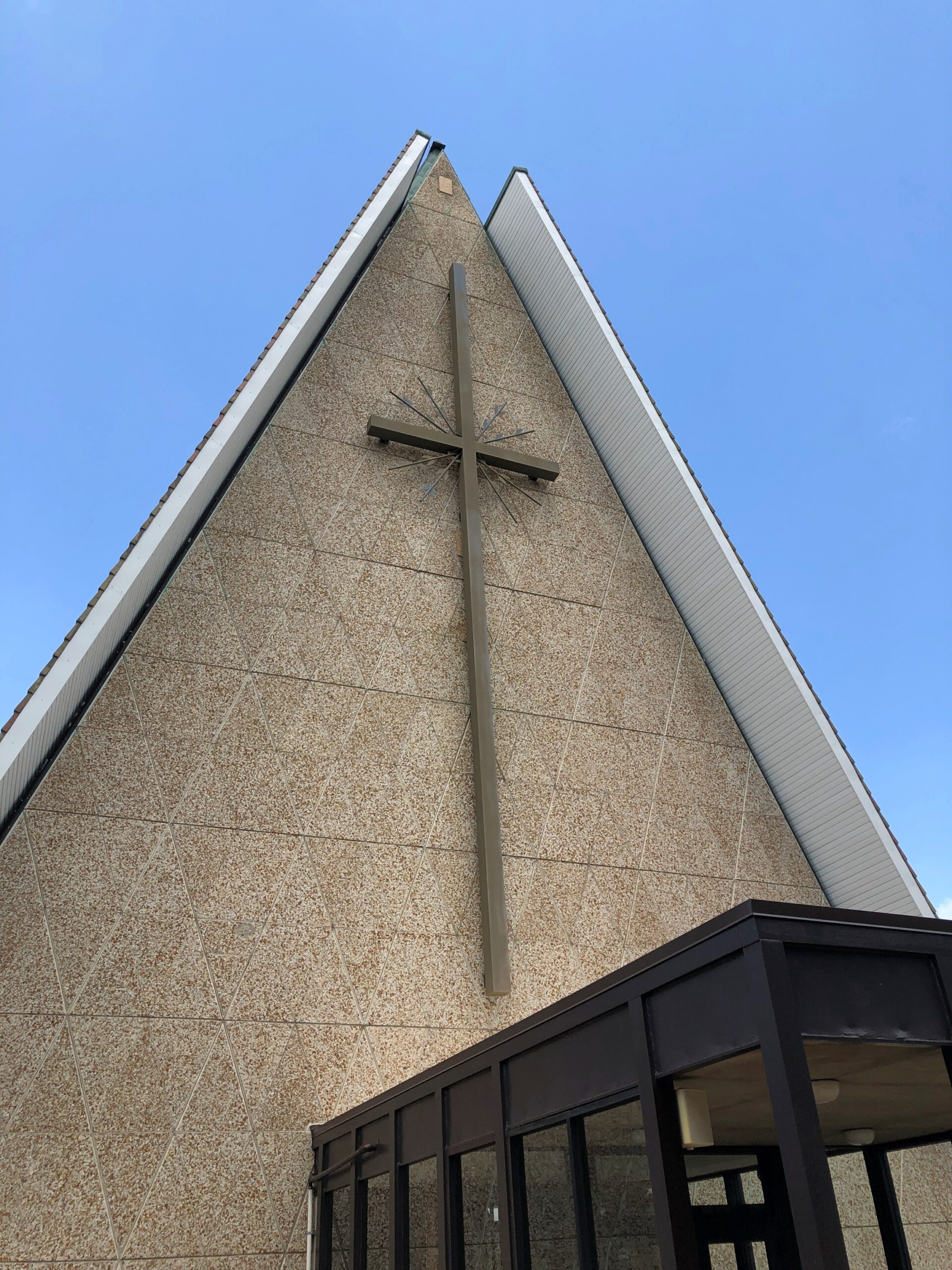
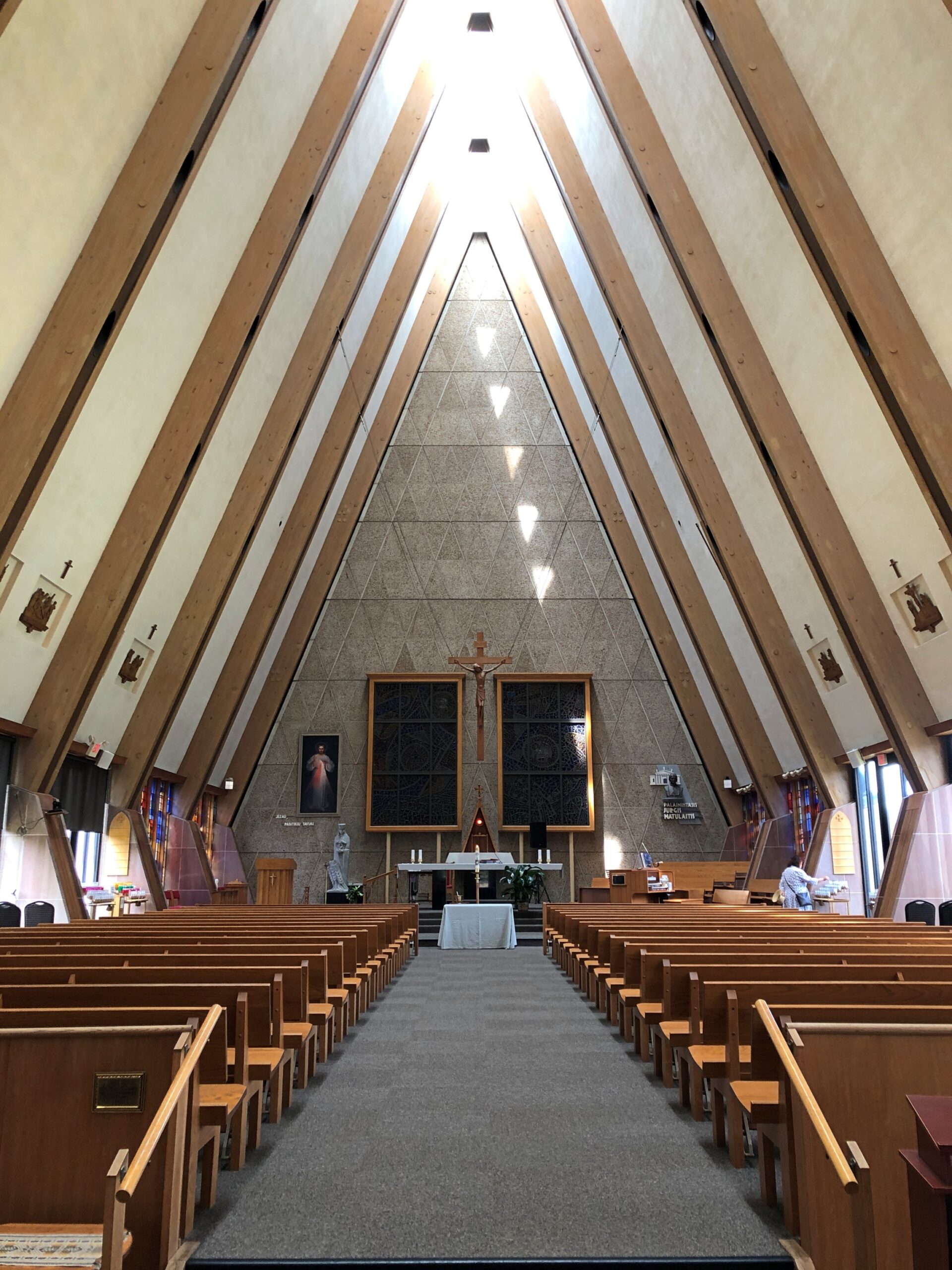
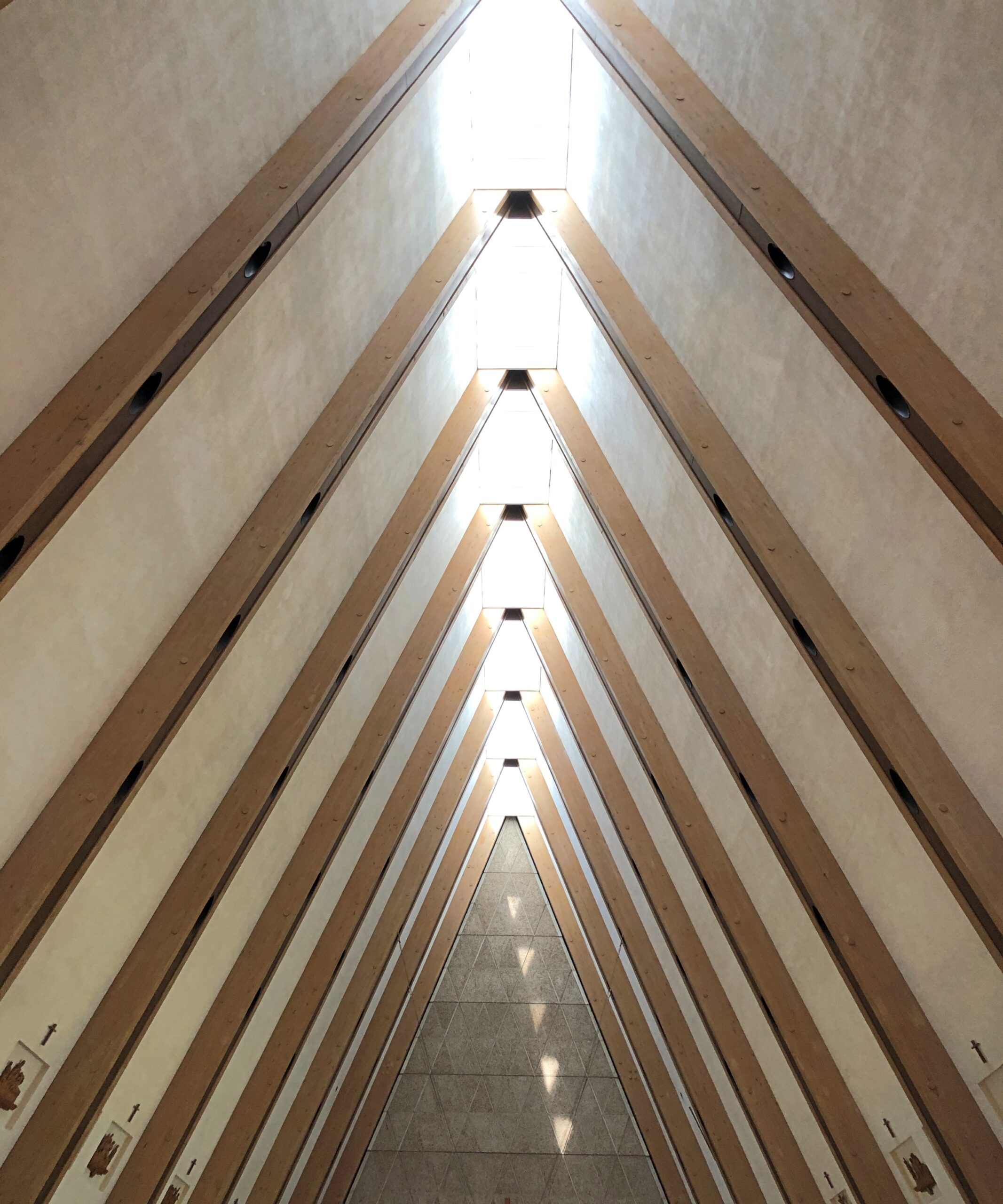
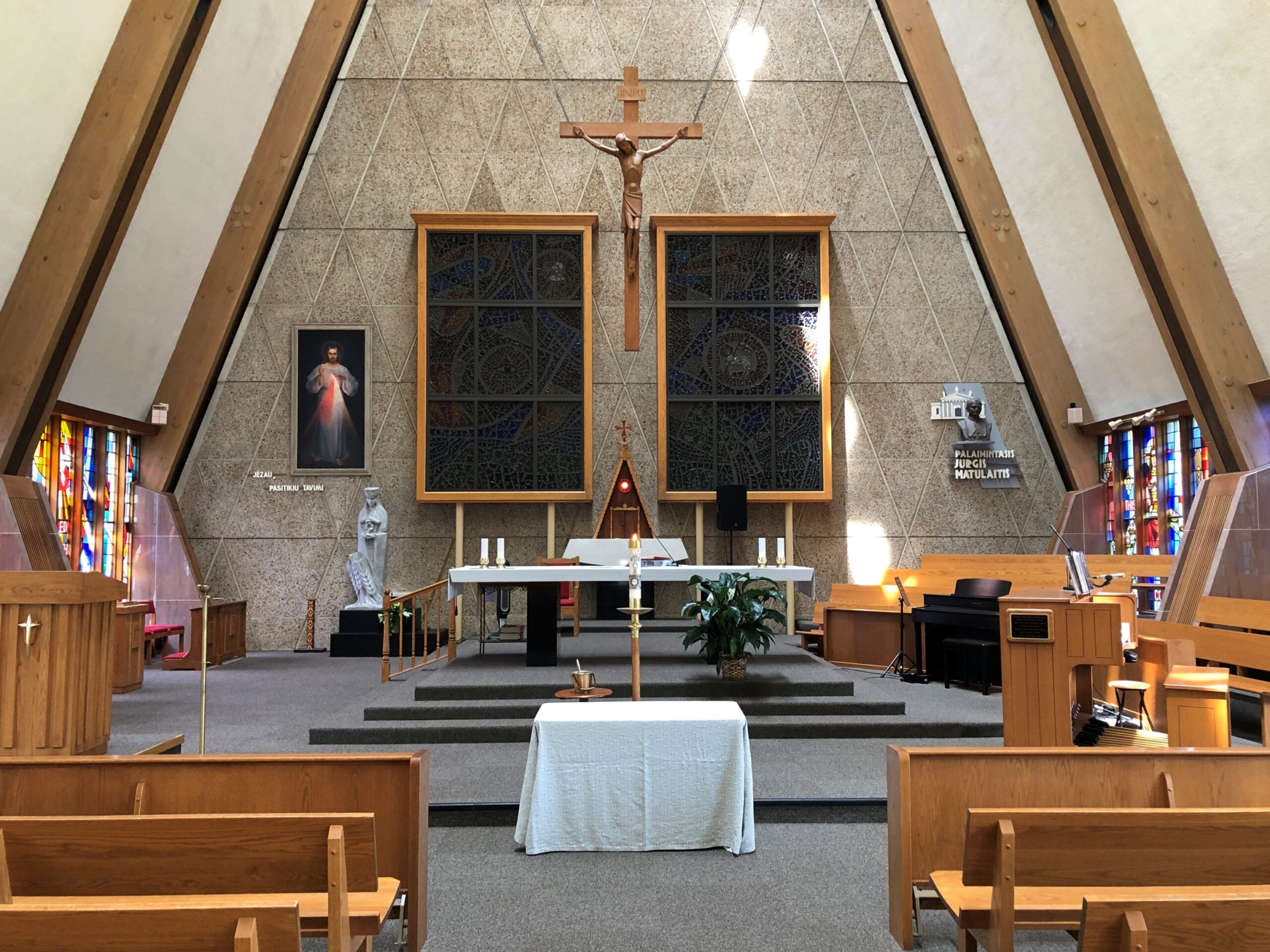
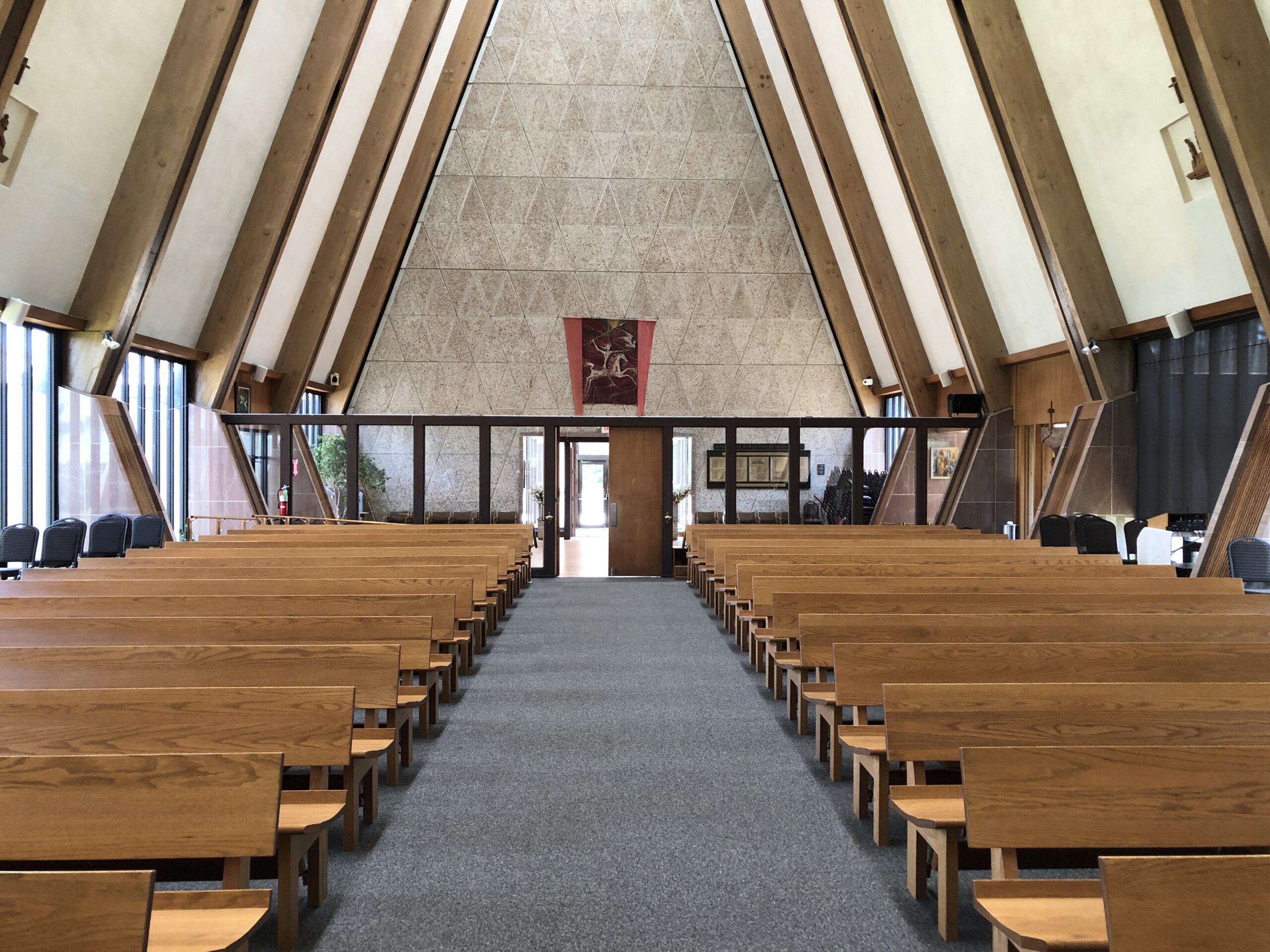
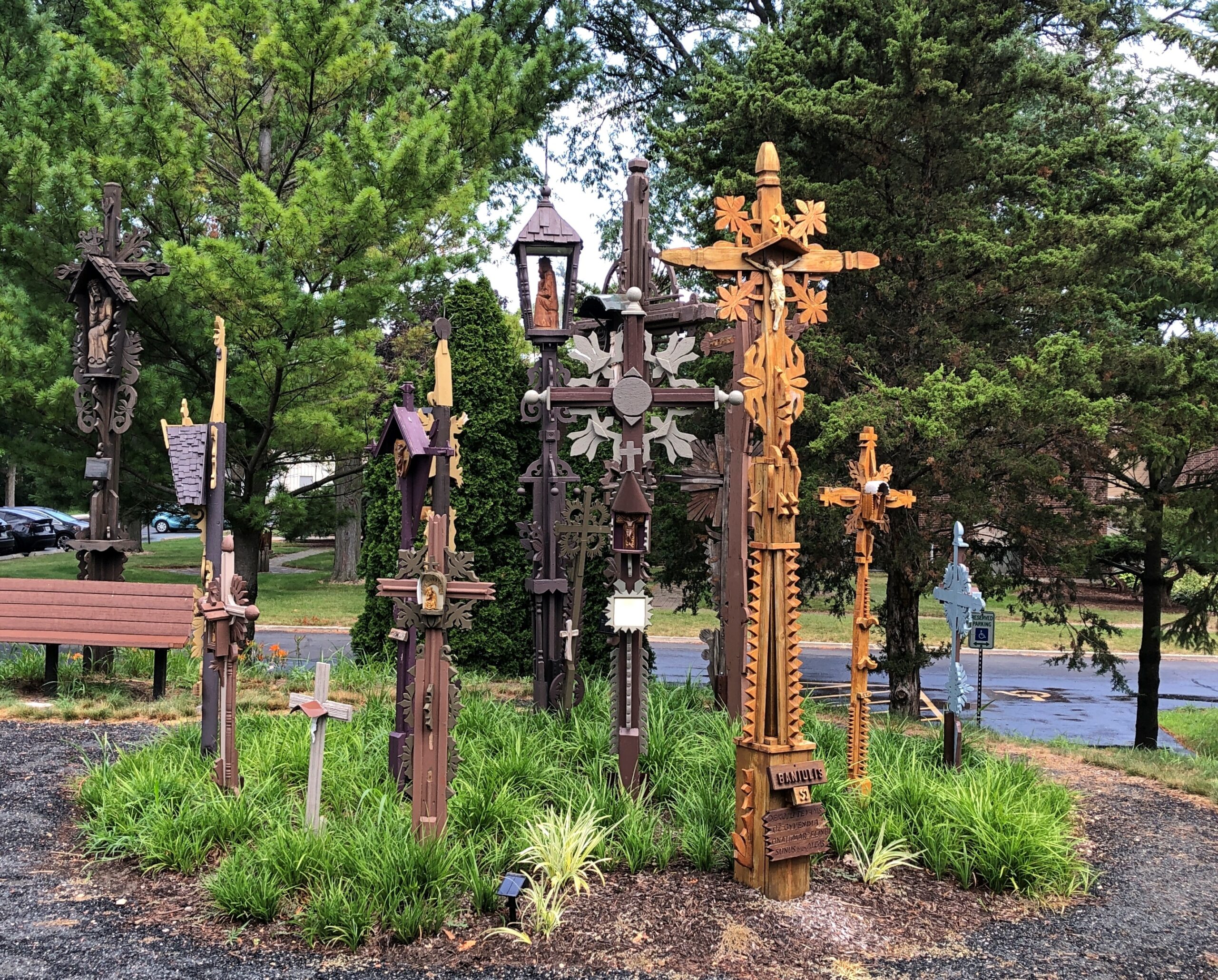
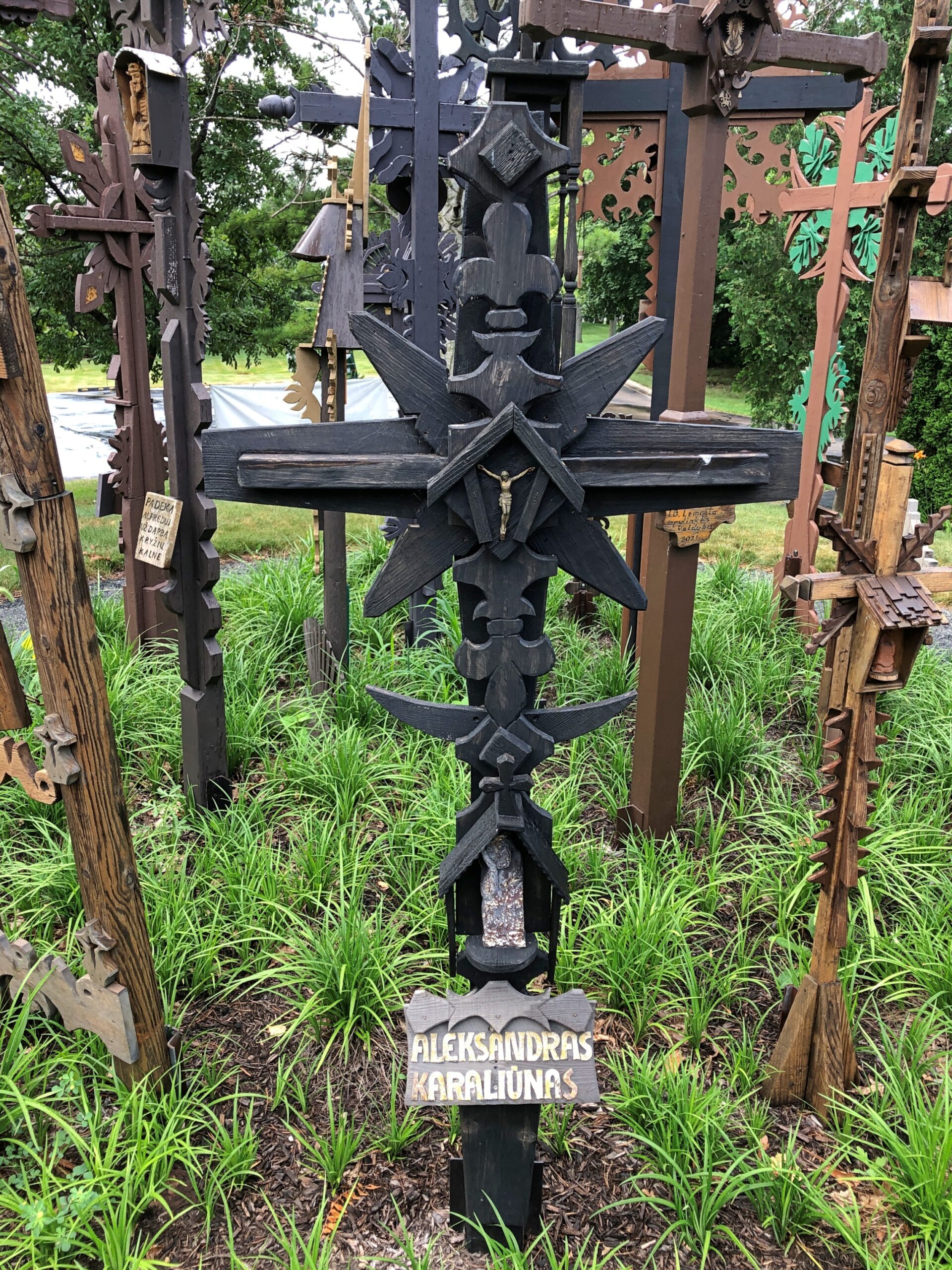
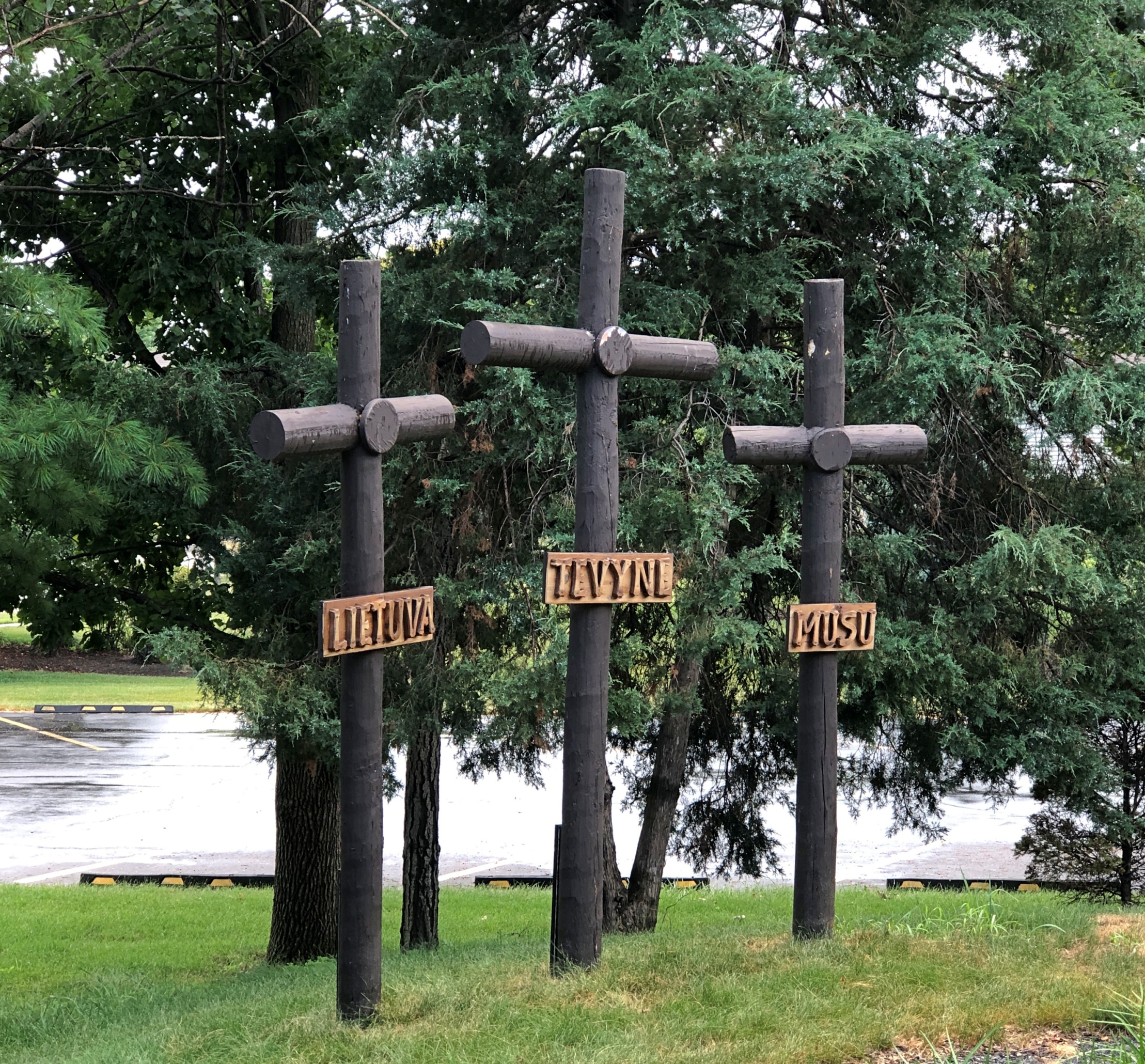
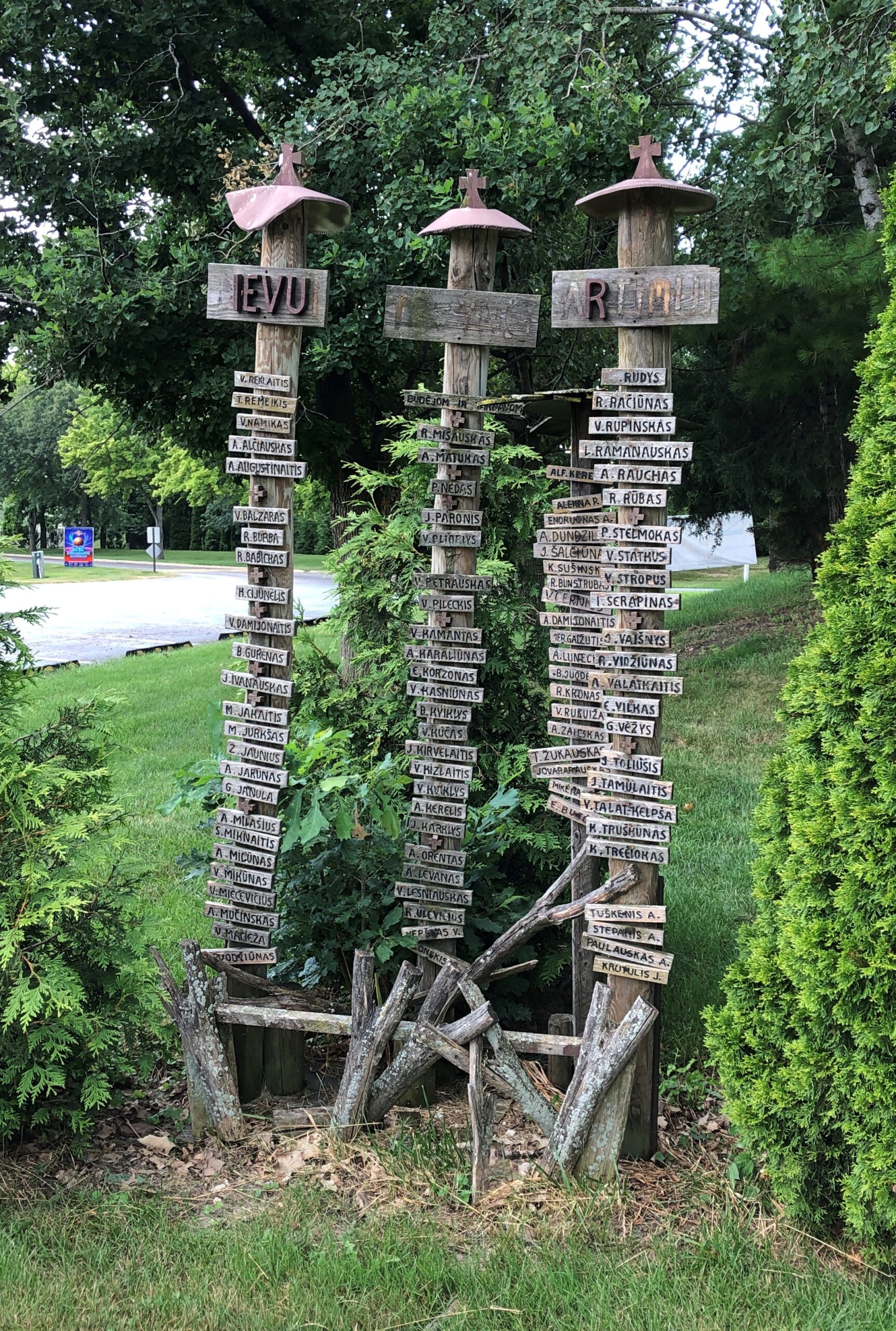
Not a large hill, more like a hillock, but still a distinctive homage to the Hill of Crosses in Lithuania, in the northern part of that country. The Lemont hill is part of a sizable complex called Lithuanian World Center, whose web site calls it “the largest Lithuanian community and cultural center outside Lithuania.” It has conference rooms, event halls, office space, gyms, classrooms (for three schools, two taught in Lithuanian), soccer fields, a Catholic church and a museum devoted to Lithuanian art. And, near the front parking lot, a Hill of Crosses.

As for the one in Lithuania, it’s known for its 100,000 (at least) crosses, erected spontaneously over the centuries and re-populated with crosses whenever secular authorities (namely the Soviets) took it in the their heads to destroy the place. Quite the story. Wish I’d seen it in ’94. Lemont will have to do for now.

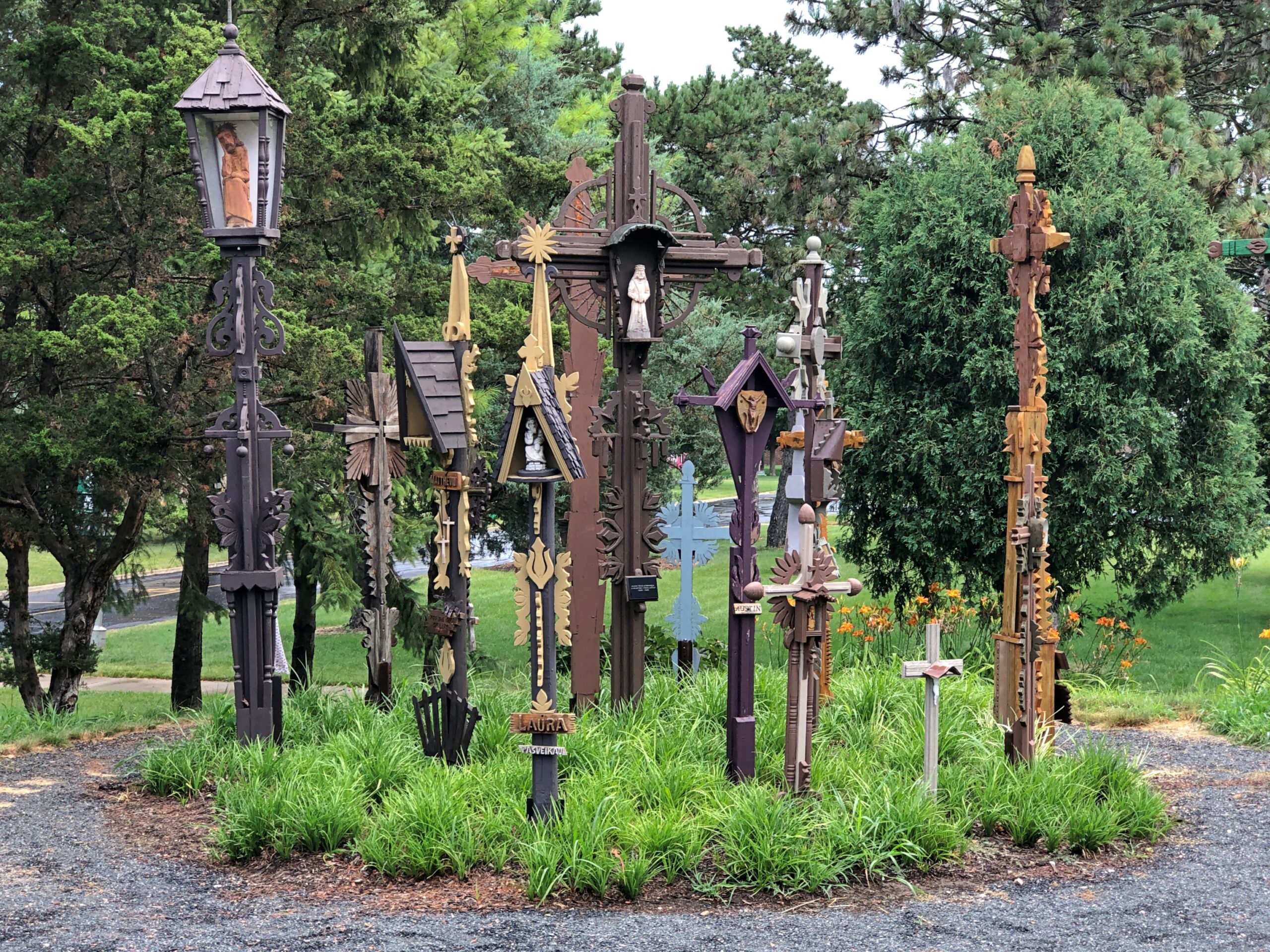
The one in Lemont is a place for family members to honor the departed.

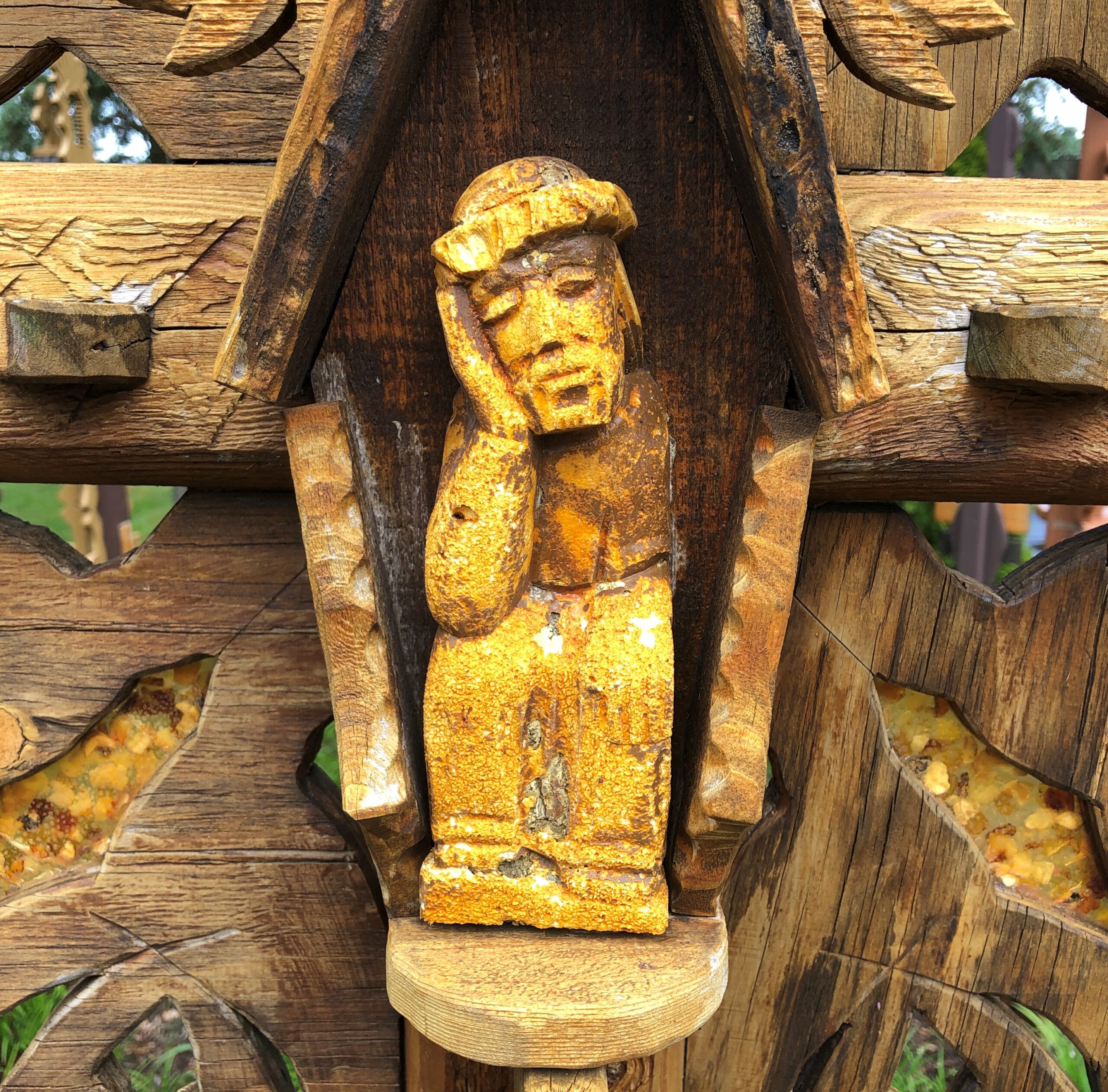
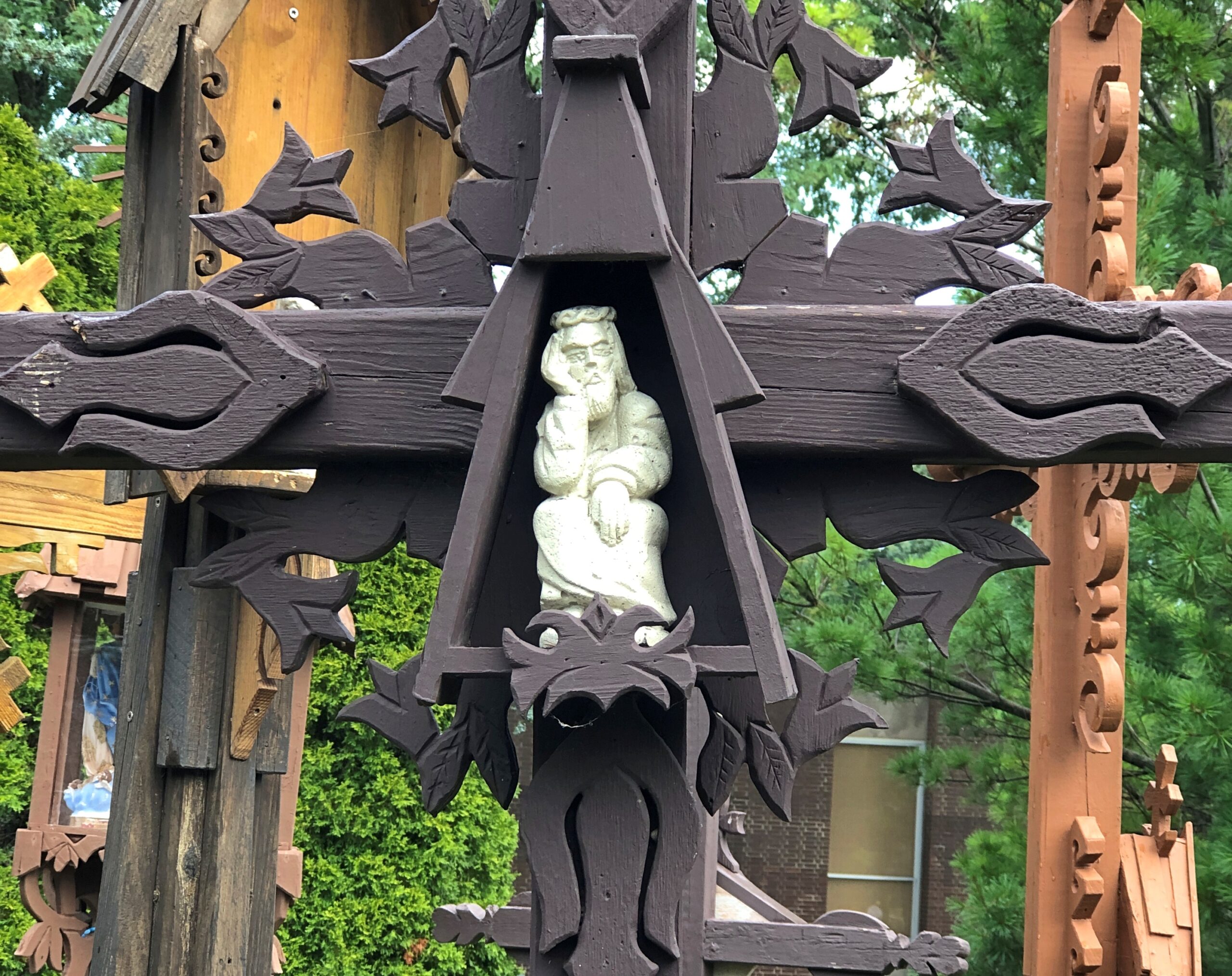
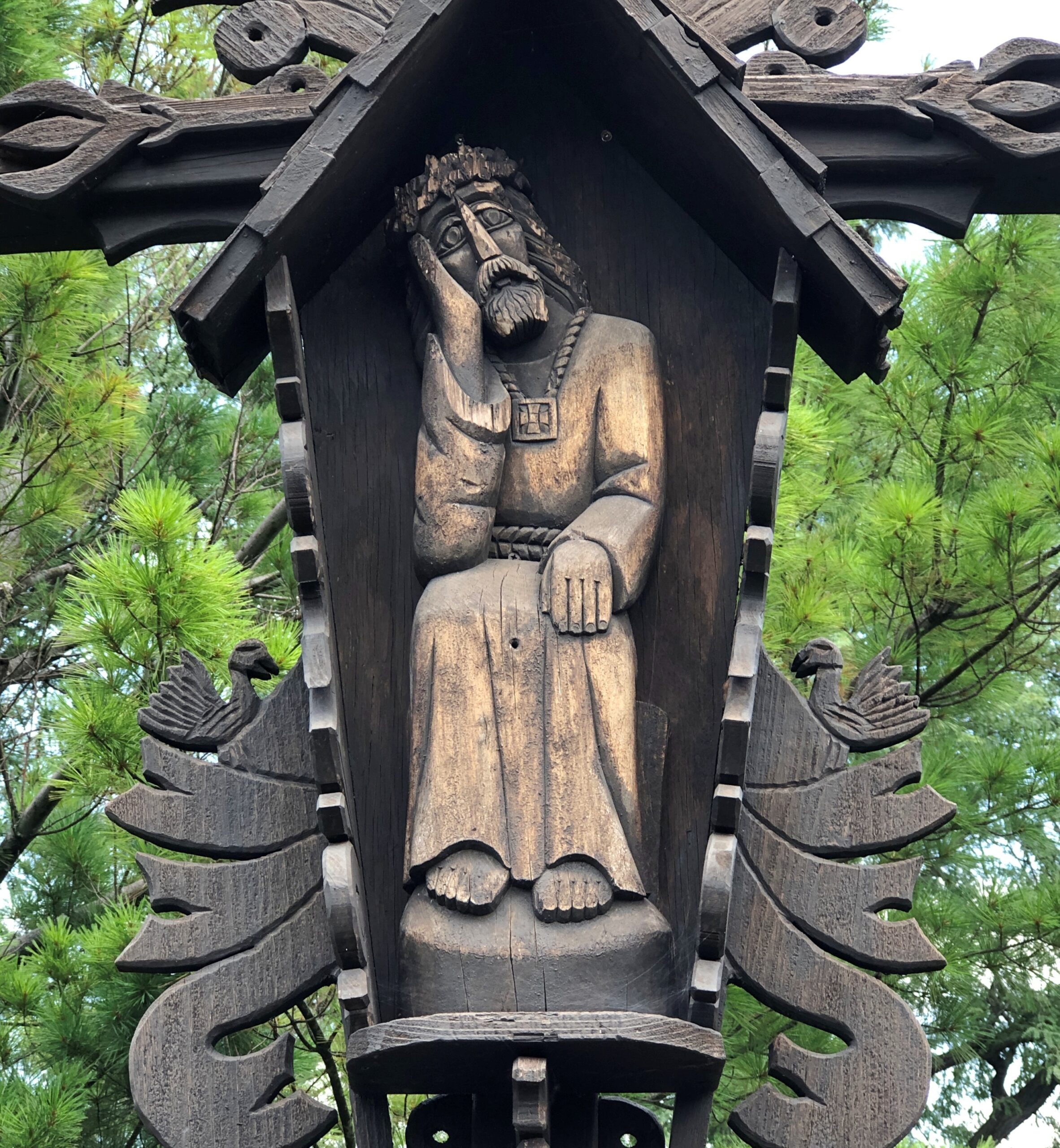
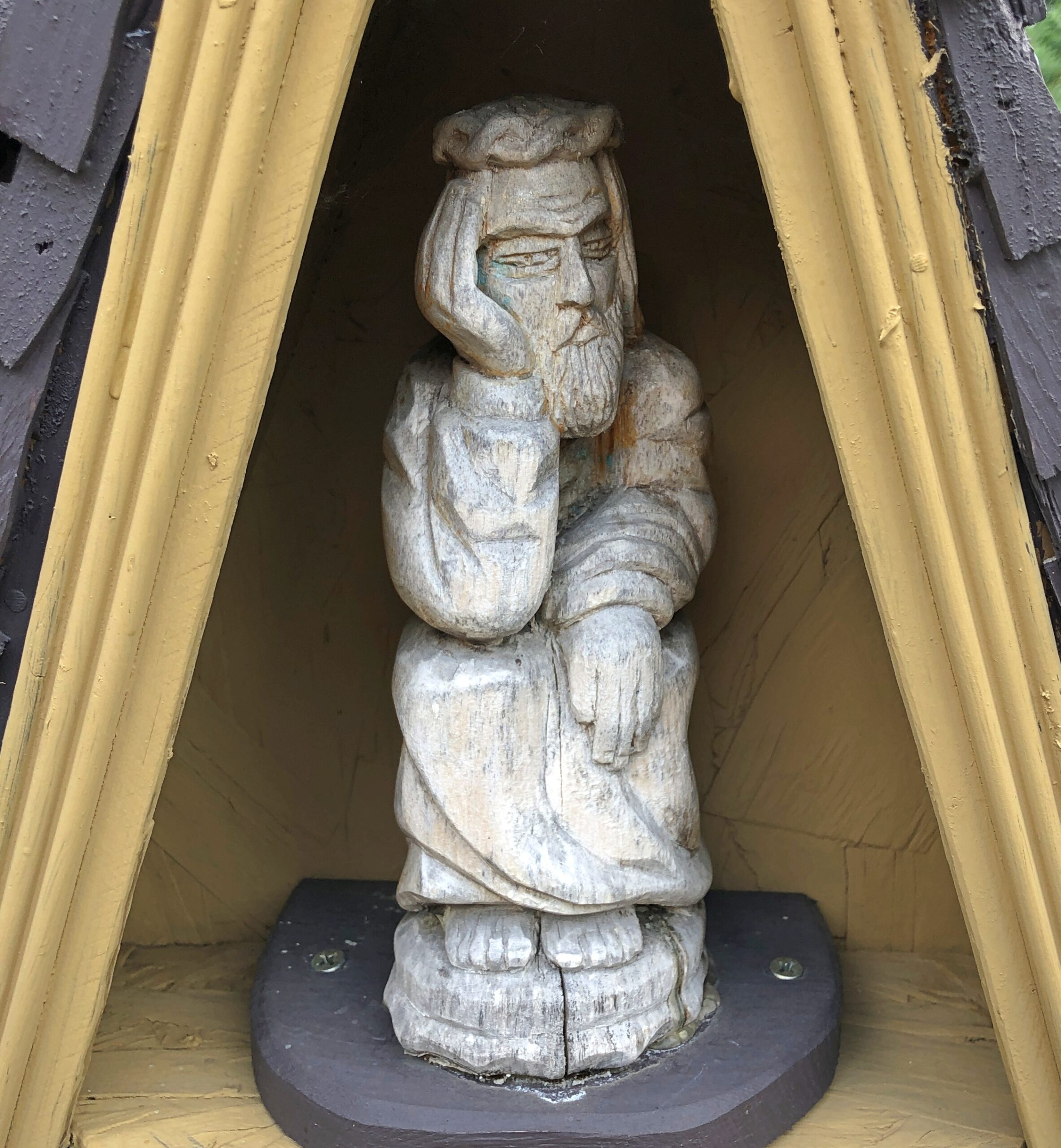
We started noticing a certain depiction of Christ.

Later, when we happened upon a nun at the church, I asked her about the depiction. “Pensive Christ,” she called it. That sounded familiar, but I couldn’t quite remember when I’d heard about it. Popular in Lithuania, apparently.

Per Wiki: “The image became especially popular in Silesia and Pomerania, and then Poland and Lithuania, where it became strongly entrenched in folk art wood carvings by Dievdirbiai (Lithuanian folk carvers).”

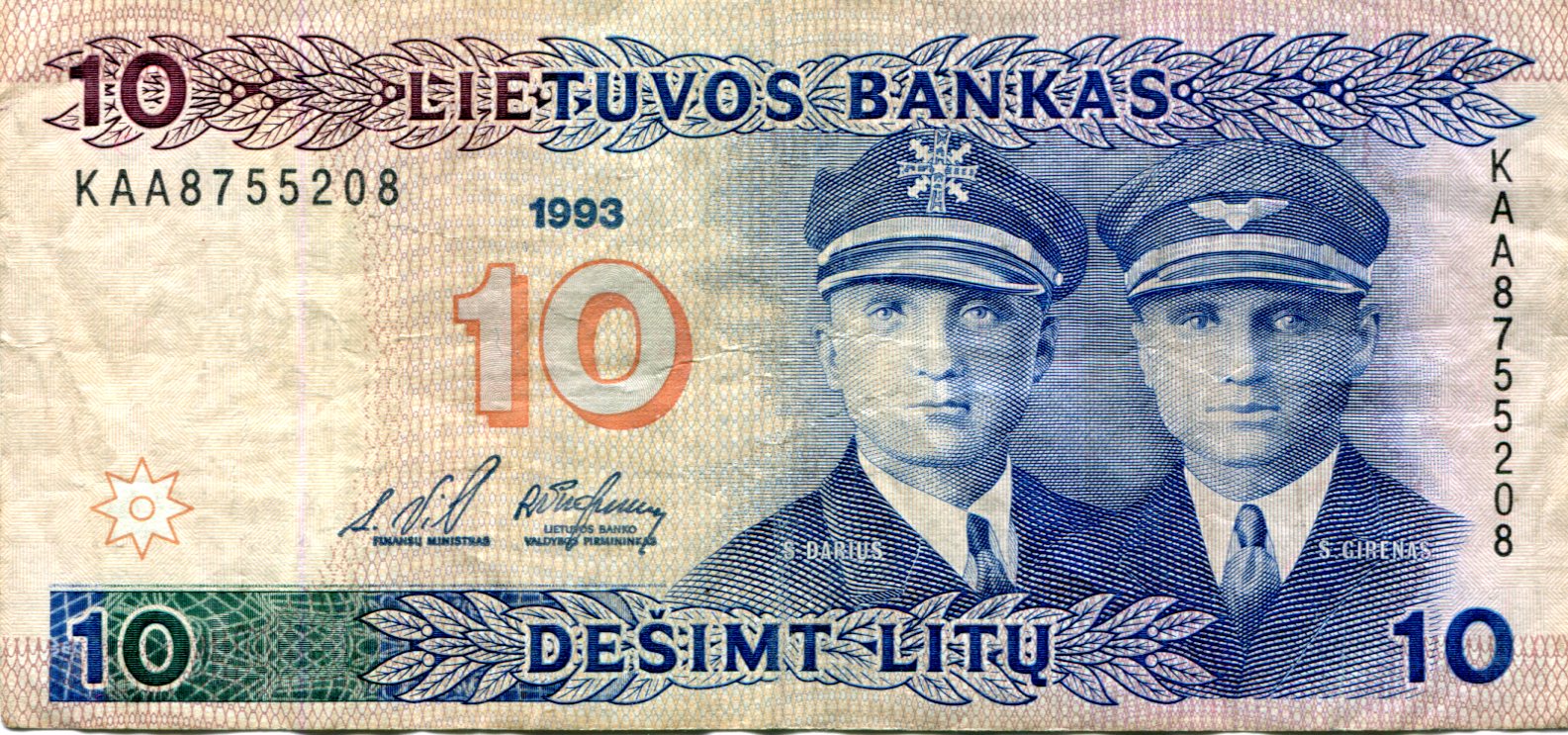
Lithuanian 10-Litų Note, 1993

I have in my possession, as part of my collection of worthless or nearly worthless banknotes, 35 Lithuanian litai, one each of a five-, 10- and 20-litų note.

They are accidental souvenirs. The litas was pegged four to the U.S. dollar in 1994, so when we arrived in Poland from Lithuania that fall, I had a mind to exchange our $8.75 in litai for złoty. That was probably enough for a decent lunch for two in either Lithuania or Poland in those days.

But if it weren’t U.S. dollars or DM, the exchange office in Poland didn’t want to hear about it. I came to understand that at the time, the Poles considered Lithuanian currency as no more than scraps of dirty paper. Time flies, things change, and now my litų notes are just dirty paper even in Lithuania, since that nation joined the euro zone in 2015. Oh, well.

This is obverse of the 10-litų note, issued in 1993.
Who are these gentlemen who look so much alike, except the eyes of one are closer together than the other?
Darius and Girėnas, that’s who: Steponas Darius and Stasys Girėnas. Lithuanian aviators of renown in the early 20th century, except that both had immigrated to the United States in their youth. Even so, they count as Lithuanian heroes for a number of reasons, but mainly for their attempt to fly nonstop from New York to Kaunas in the summer of 1933. They made it across the Atlantic, but died in a crash in what was then Germany, about 400 miles short of their goal. Bad weather or engine trouble or both.

I was curious about the insignia on Darius’ cap (on the left). Further investigation didn’t disappoint. In fact, I came up with a connection to the Chicago area. Apparently a later version of the note, issued in 2001, made it clear that the insignia honors the Palwaukee Municipal Airport, in north suburban Wheeling, where Darius spent a lot of time. This article, originally published by the Michigan Coin Club, details that association and a lot more.

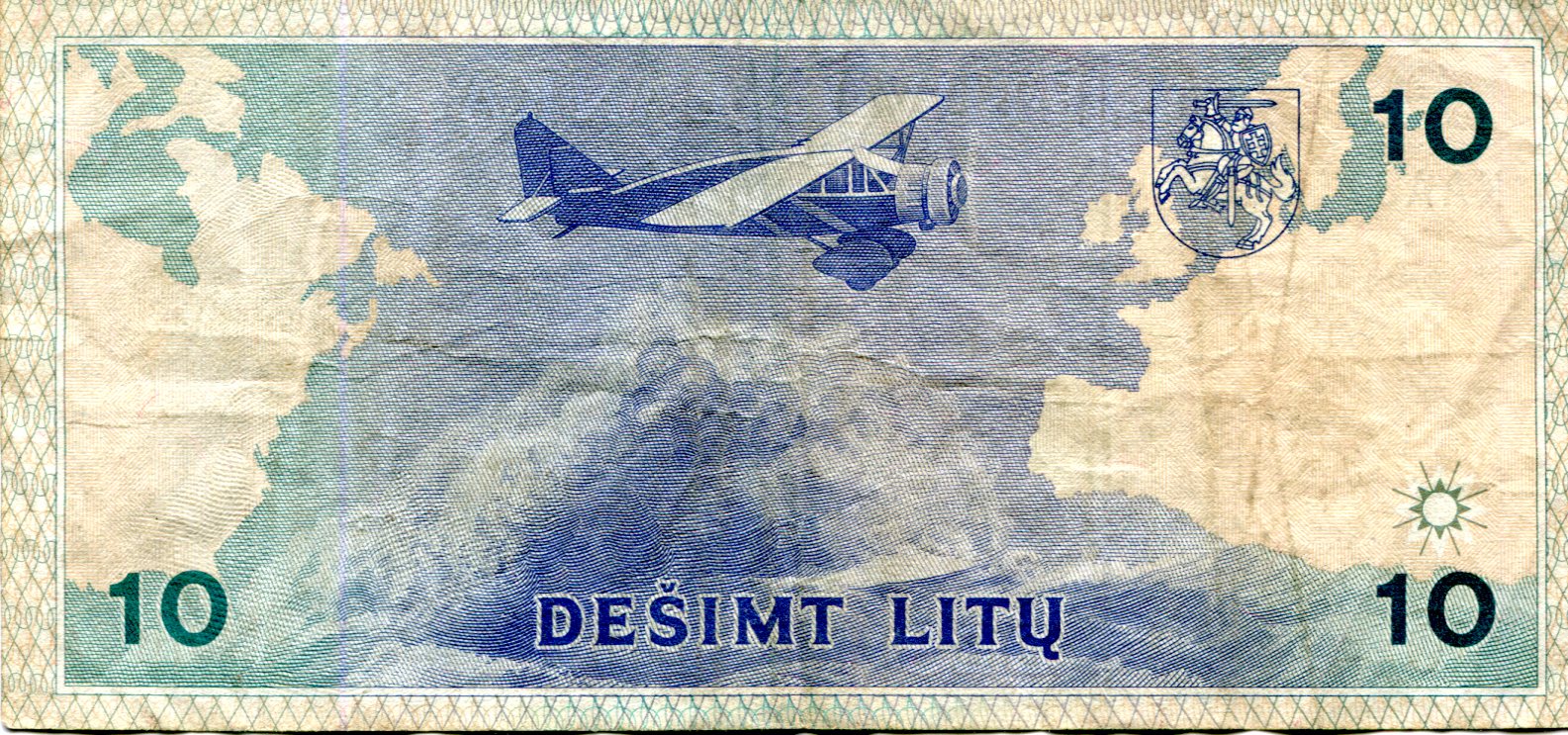
The reverse features their plane, Lituanica, a Bellanca CH-300 Pacemaker.

“The duo purchased a used Bellanca Pacemaker plane from the Chicago Daily News (which had purchased a newer model) in 1932, dubbed it the ‘Lituanica’ and modified it for their flight,” the coin club article says. “Money was raised from numerous Lithuanian clubs and organizations to finance their operation. In their publicity photographs, Darius was always seen wearing his Pal-Waukee Airport patch on his cap.”

A newspaper had its own airplane? And traded in for a newer model during the Depression? Damn, how the mighty have fallen.