Kraków in the Fall

Around this time of the year in 1994, we were in Kraków. I remember liking the city a lot. In my memory, it’s always an autumn gray there. It has also just rained, though I don’t actually remember any rainy weather.

The streets were narrow and the buildings had a prewar feel. Which war? All the modern wars. Architecturally, at least, Kraków survived the great convulsions of the 20th century.

Actually, only the Old Town felt that way. We didn’t stay there, but rather in a plainer area not far away, and spent a lot of time wandering around the better-looking historic areas. As one does, as a footloose tourist.

I’ve posted about nearby places, such as the Wieliczka Salt Mine and Auschwitz II-Birkenau, but not central Kraków. This is a view of Wawel Cathedral.

Wawel Castle 1994Or, as Wiki tells me, in full: The Royal Archcathedral Basilica of Saints Stanislaus and Wenceslaus on the Wawel Hill. We visited it, and the adjacent castle, and were duly impressed.

I don’t seem to have a picture of the Renaissance Cloth Hall in Main Market Square, but I remember both the hall and the square well. Inside was a large market, a vast array of booths offering goods by artisans, that didn’t seem to be tilted toward the tourist trade. Some of the Christmas tree decorations for sale were exquisite. The only reason we didn’t buy any was that we didn’t think they’d survive shipping home or a few more months on the road.

This building caught my attention. Enough to take a picture anyway. But I didn’t make a note of what it was, if I knew.
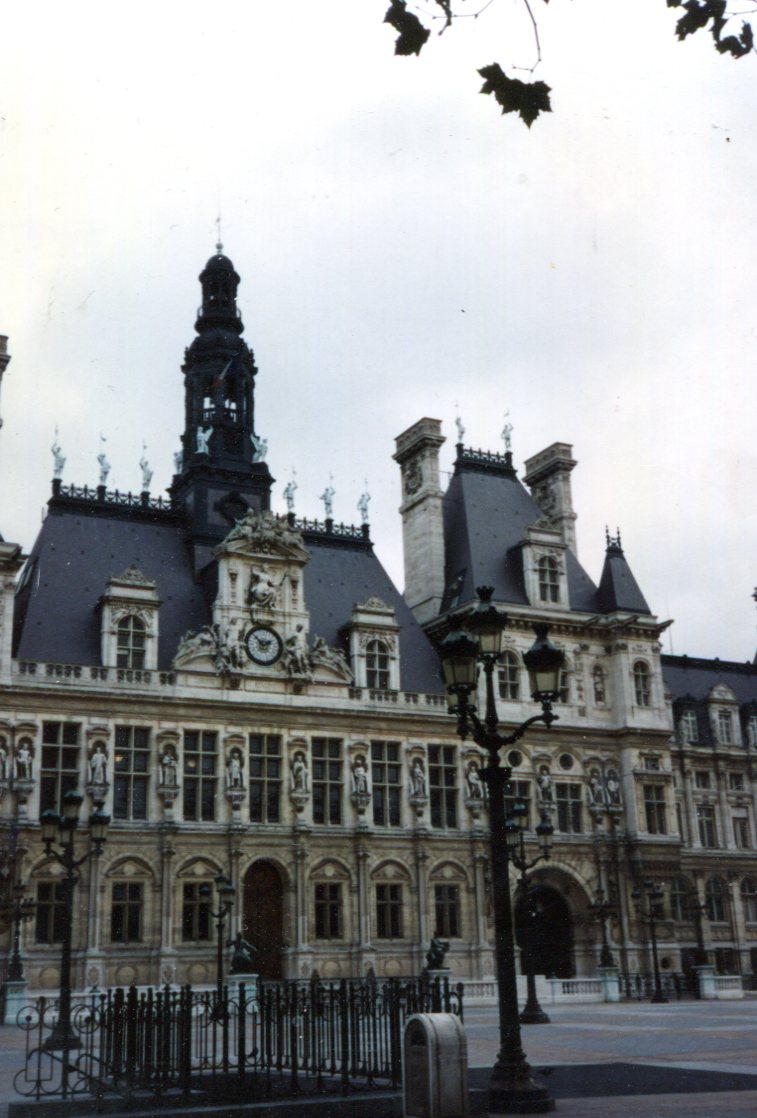
Kraków 1994

You’d think you’d remember at least the things you take pictures of, but it isn’t so.

Voice Mail in the Digital Age

Here’s how not to set up your answering machine, if you’re a business that wants contact with the outside world. This is more-or-less what happened when I dialed a nunber recently in pursuit of my work.

Machine Voice: You have reached Three Initial Corp. If you know your party’s extension, please dial it now. To search by last name, please dial 1.

Silence.

As it happened, I didn’t know the name of the person who could help me. That was one of my questions.

Continued silence.

I thought about dialing 1, just to see what would happen. Or picking a name like Smith, just to see what would happen. But I had some business to conduct, so I didn’t want to go off on a whimsical tangent, as much as I like those.

Click. Click.

Machine Voice: You have reached the voice mailbox of Random Name. Please…

I had no idea if that was the person whom I needed to talk to or not. I left a message. I’ve yet to hear back.

Atatürk at the Stoplight

Sometimes you’re driving along and you see something odd. Not long ago I was driving with Ann in the front seat, and we stopped at a light behind a white truck — unadorned except for one thing.

Ataturk 2017I had her take a picture, since I didn’t have a camera with me. I told her that the face was that of Atatürk, father of modern Turkey. She hadn’t heard of him. Now she has. What he’s doing on a truck in the northwest suburbs of Chicago is another question, one for which I don’t have an answer.

As far as I’ve been able to determine — and I’m not at all knowledgeable about Turkish — the words at the bottom mean, “We follow in the footsteps of Atatürk.” Well, why not? Still, it’s a little like a truck with the face of George Washington plying the streets of suburban Istanbul. Maybe that happens, but it would be odd, wouldn’t it?

Mr. Hall is Gone, But the Monty Hall Problem Lives On

There needs to be a verb to describe reading an obiturary, or hearing about a recent death, with the reaction: He was still alive? Or she, to be complete. Happens a lot. Example I read about not long ago: Monty Hall.

I can’t deny that I spent some hours of my young life watching him preside over eager costumed contestants vying for a new car! etc. But I didn’t know until a few years ago about the Monty Hall problem.

Another example: Tom Paley of the New Lost City Ramblers, the other musical Tom P who died recently. How many people recorded songs about the war with Spain in the late 1950s?

For an even more obscure version, here’s “The Battleship of Maine” by Red Patterson’s Piedmont Log Rollers. Recorded in 1927, when the war was very much in living memory. It’s a little hard to (easily) scare up information about Red, but it’s possible.

Harvest Moon 2017 & “Harvest Moon” 1992

This year’s Harvest Moon, which I read was a little later than usual, was obscured by clouds last week here in northeast Illinois. The near-full moon was nice and clear the day before, however.

Not long ago I found “Harvest Moon” by Neil Young and its slightly surreal video. I must have missed the song when it came out in the early ’90s. It’s a pleasant tune, practically a lullaby for adults. For middle-aged adults, to be more specific.
And who’s the guy always sweeping as the song goes along? Father Time would be my guess. Everything is swept away by time, after all.

I’ve written about named moons before. A fair long time ago, in fact. I suspect that most of the links at this posting about the Hunter’s Moon, the more obscure relative of the Harvest Moon, are long gone. Ten years is geologic time for YouTube.

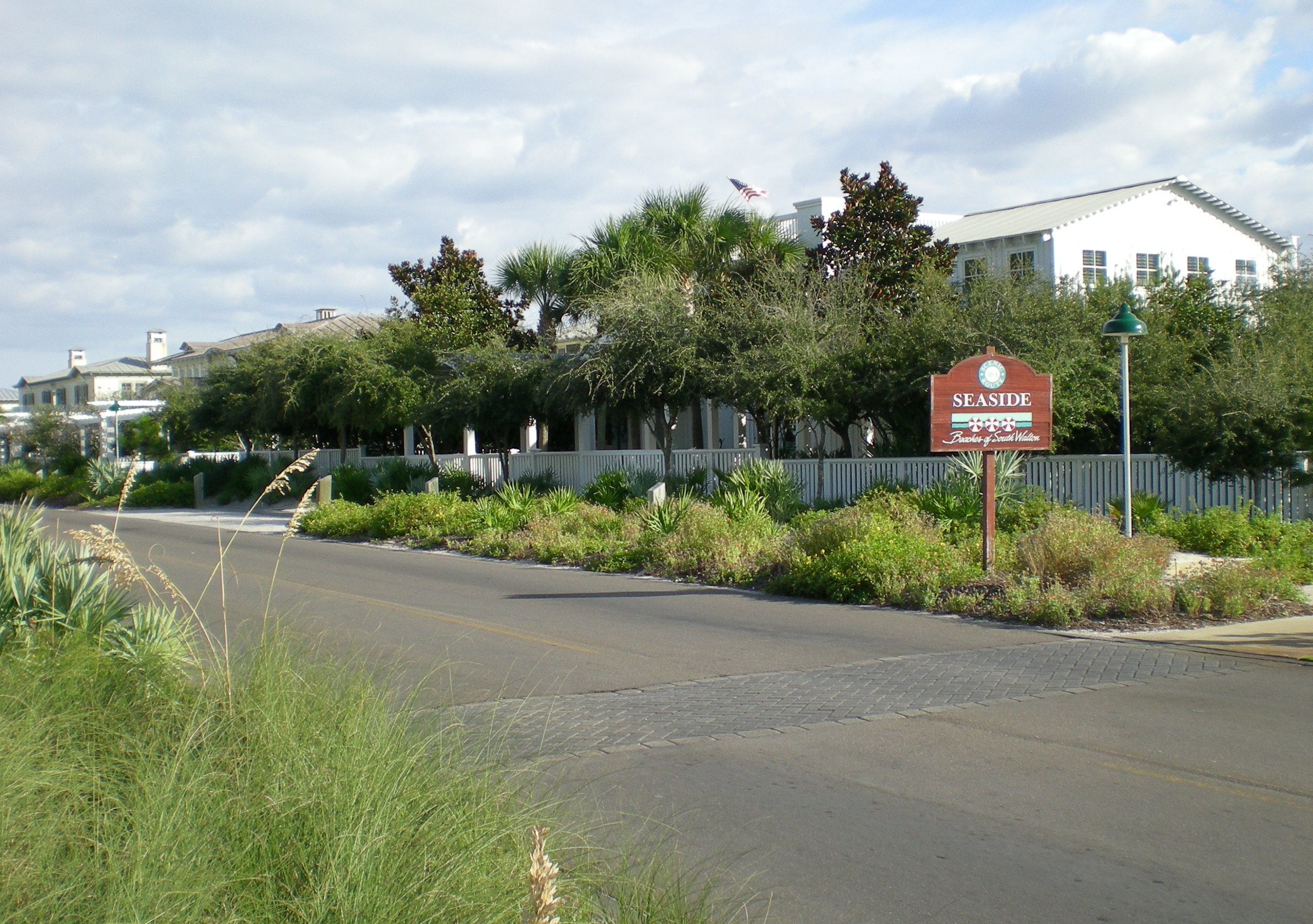
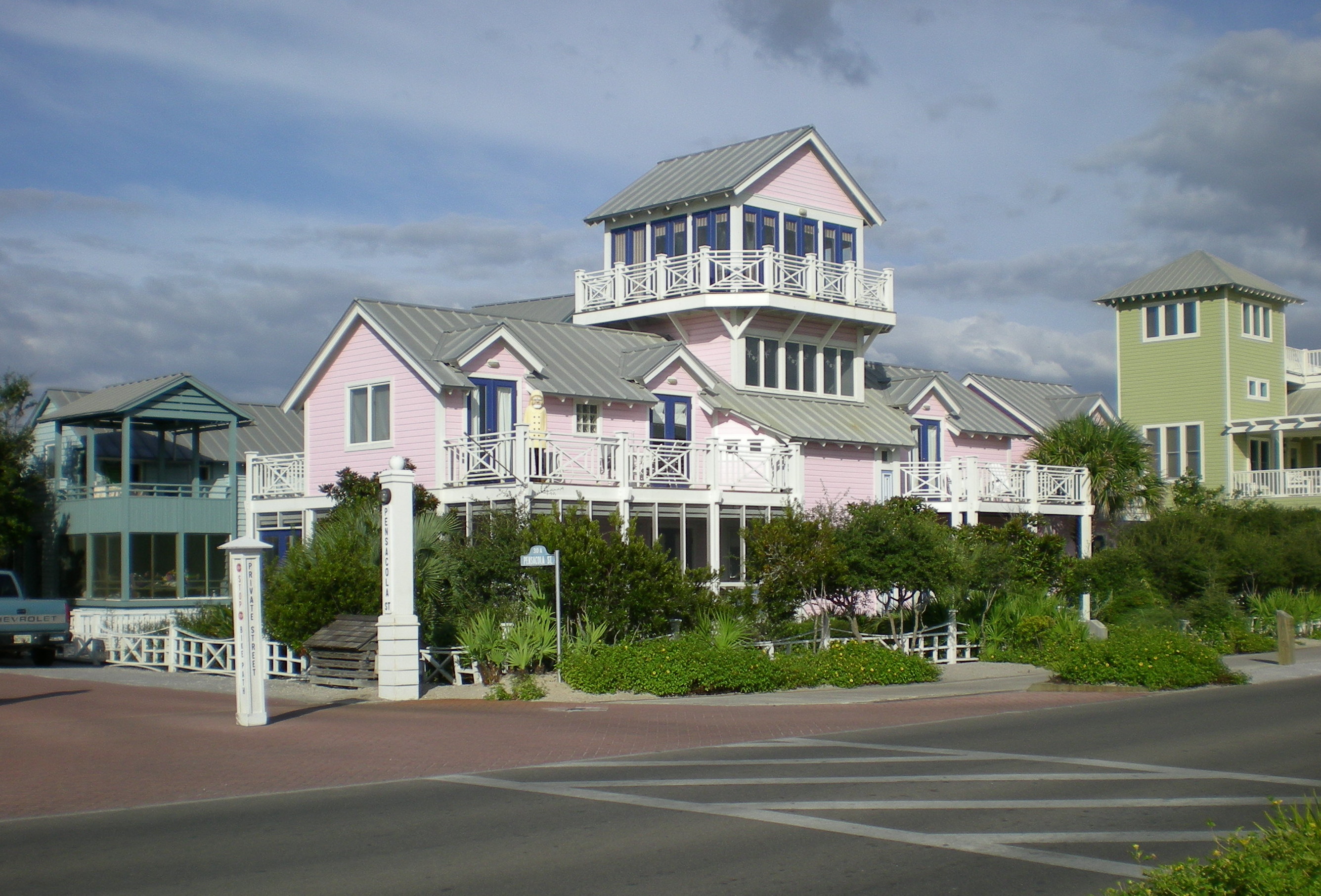
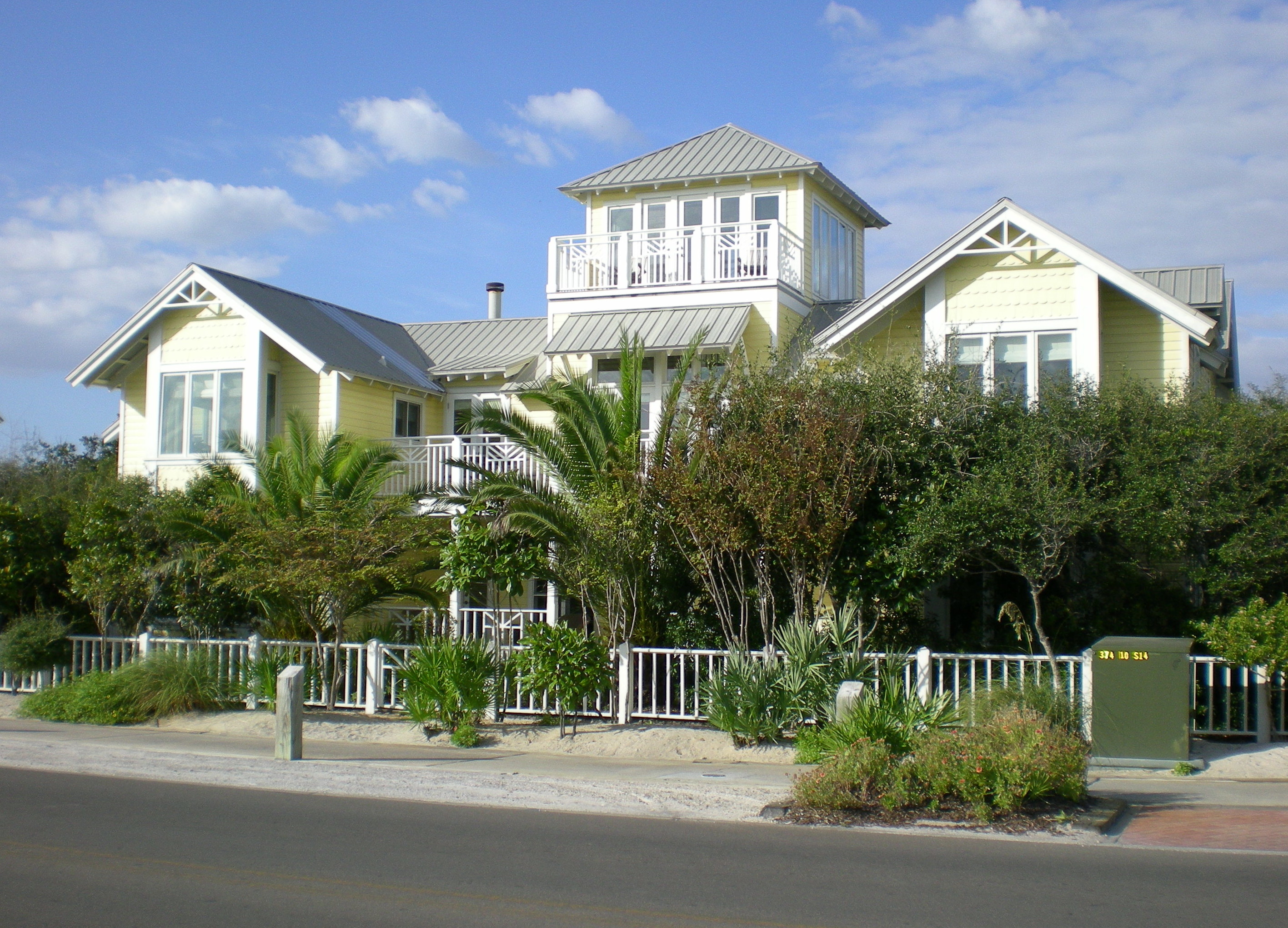
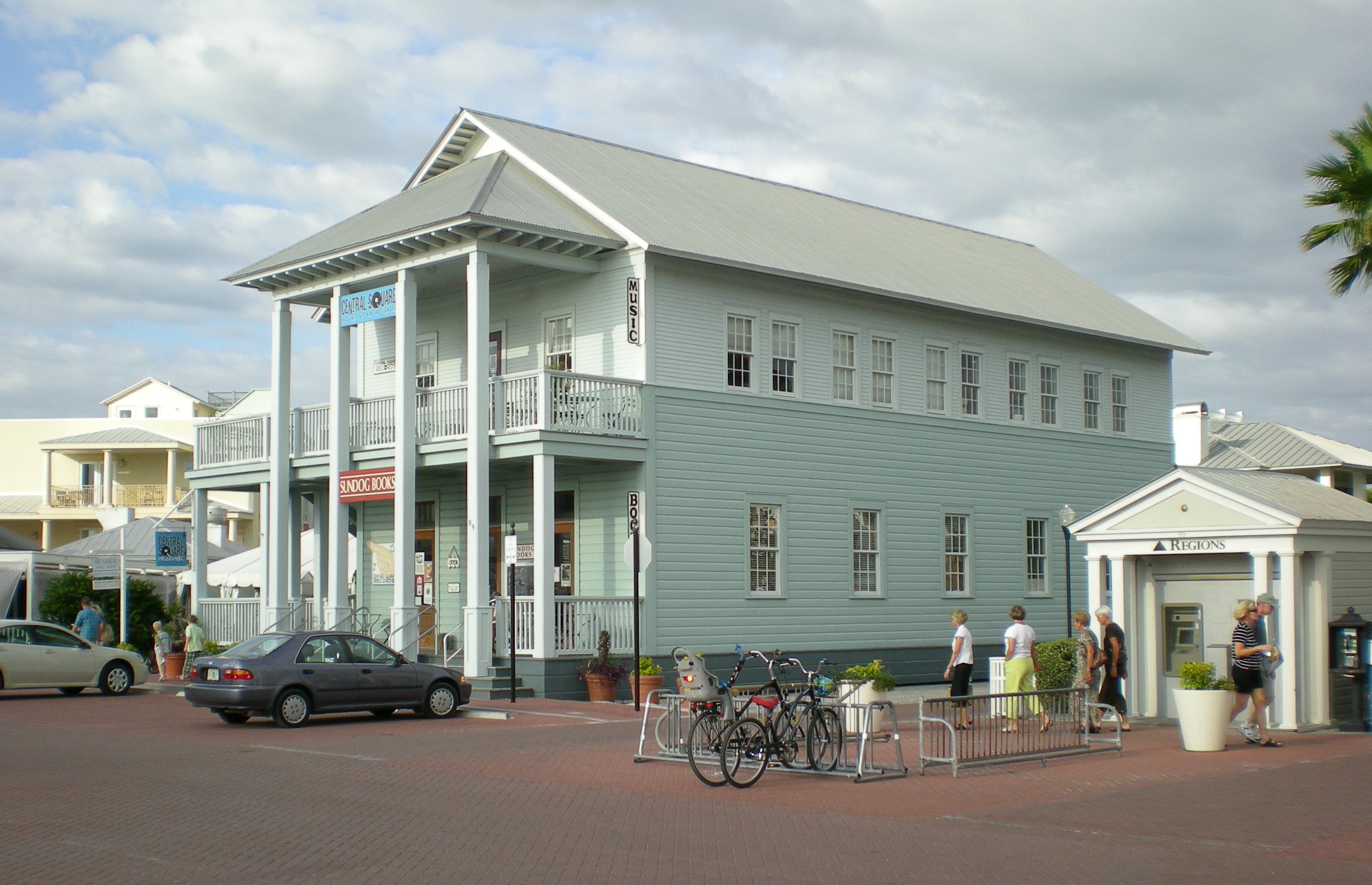
Seaside, Florida 2007

Has it been 10 years since I roamed the New Urbanist streets of Seaside, Florida? It has. Did a whole week’s posting about it, including Seaside, Florida Part 1 and the Last Photo Series of Seaside. Hope the recent winds and rain didn’t cause the place too much harm.

I stayed in WaterColor during that visit, a newer planned community next to Seaside. So close, in fact, that it’s an easy walk between the two.

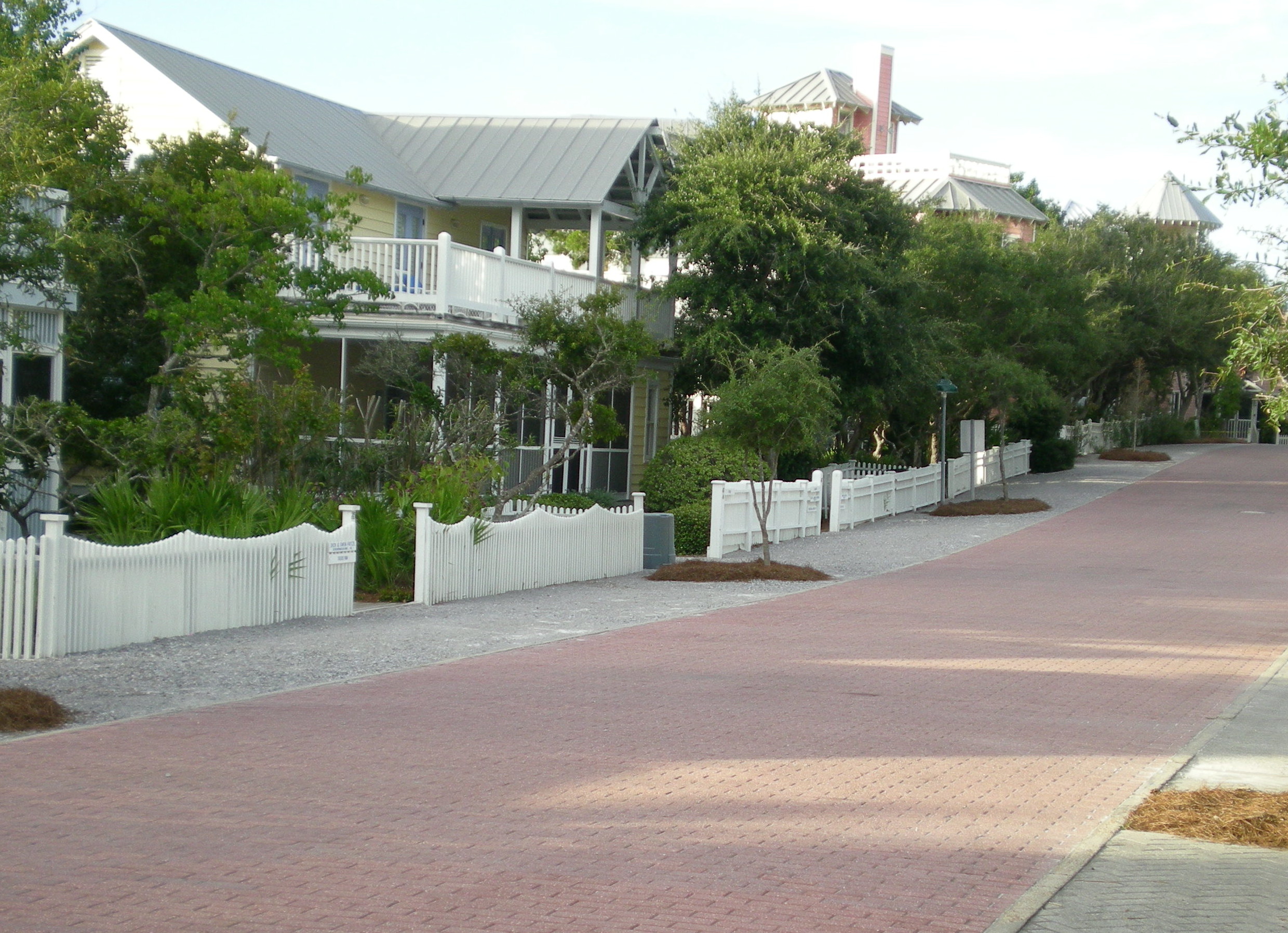
Near Sideside, FloridaSideside, FloridaAlmost immediately Seaside offered up pleasant buildings to look at. These were along County 30A, which ran between the town and the Gulf.

Sideside, Florida

Sideside, Florida

Other structures were further into the town. In this case, commercial.

Sideside, Florida

Near the beach.

Sideside, Florida

Water’s edge near Seaside.

Sideside, Florida

The easily walkable brick streets of Seaside.

Sideside, FloridaEasy mainly because there was no one else around. I wrote at the time that “I saw only one or two other pedestrians, a couple of bicyclists and one car drive by in the hour or so that I spent on the streets, looking at things and taking pictures.”

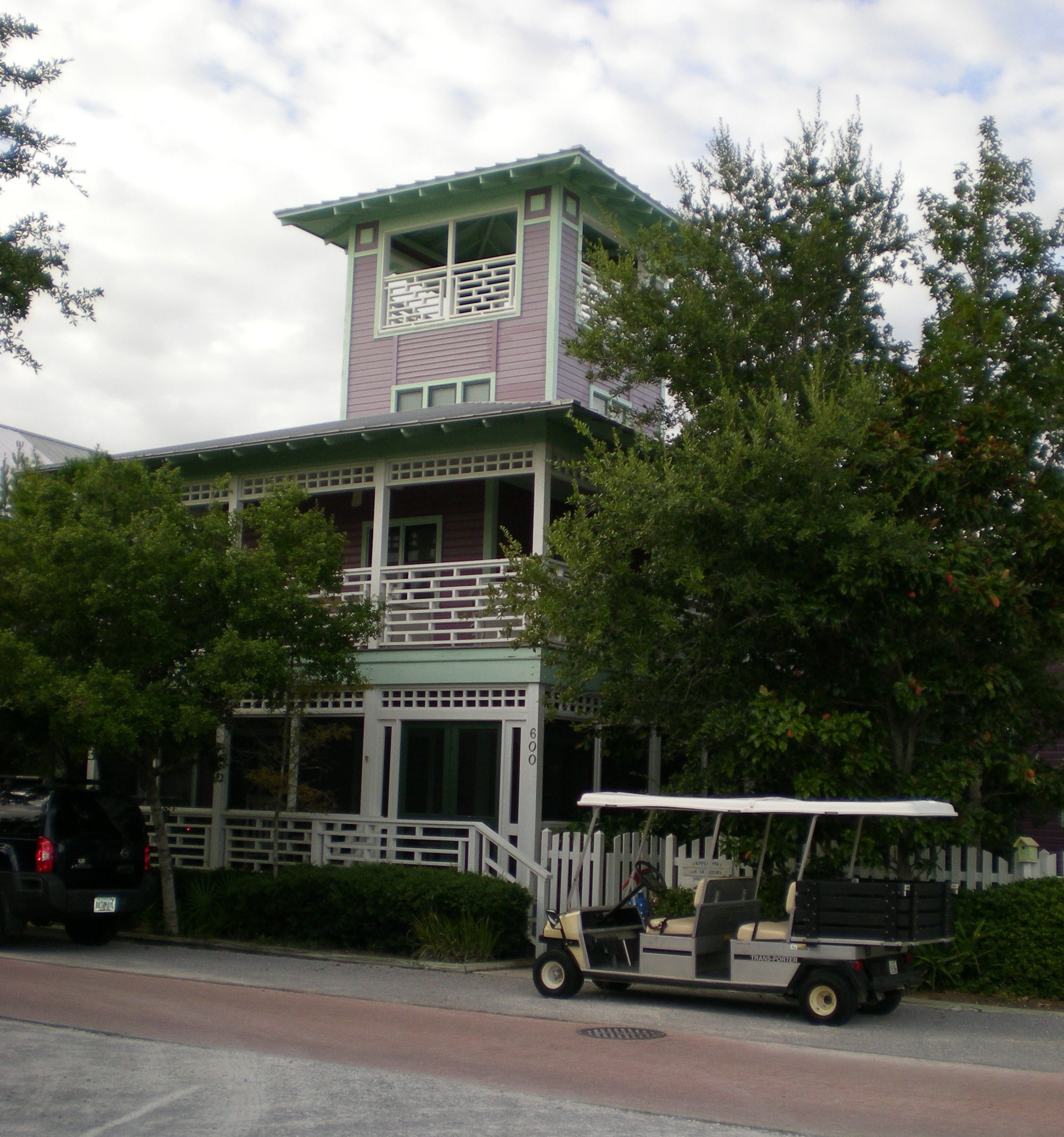
Even the golf carts were idle.
Sideside, FloridaThere’s no golf course around that I know of, but such carts would be a good way to get around a town this size. I expect things are a lot busier starting around November and finishing in around April. Perhaps only the die-hard Seasiders stay for the sticky summers and the thrill of hurricane season.

I took a close look — zoomed it on in — at the last picture and saw that the house’s name (Seaside houses have names) is Apple Pie A La Mode.

Milwaukee City Hall

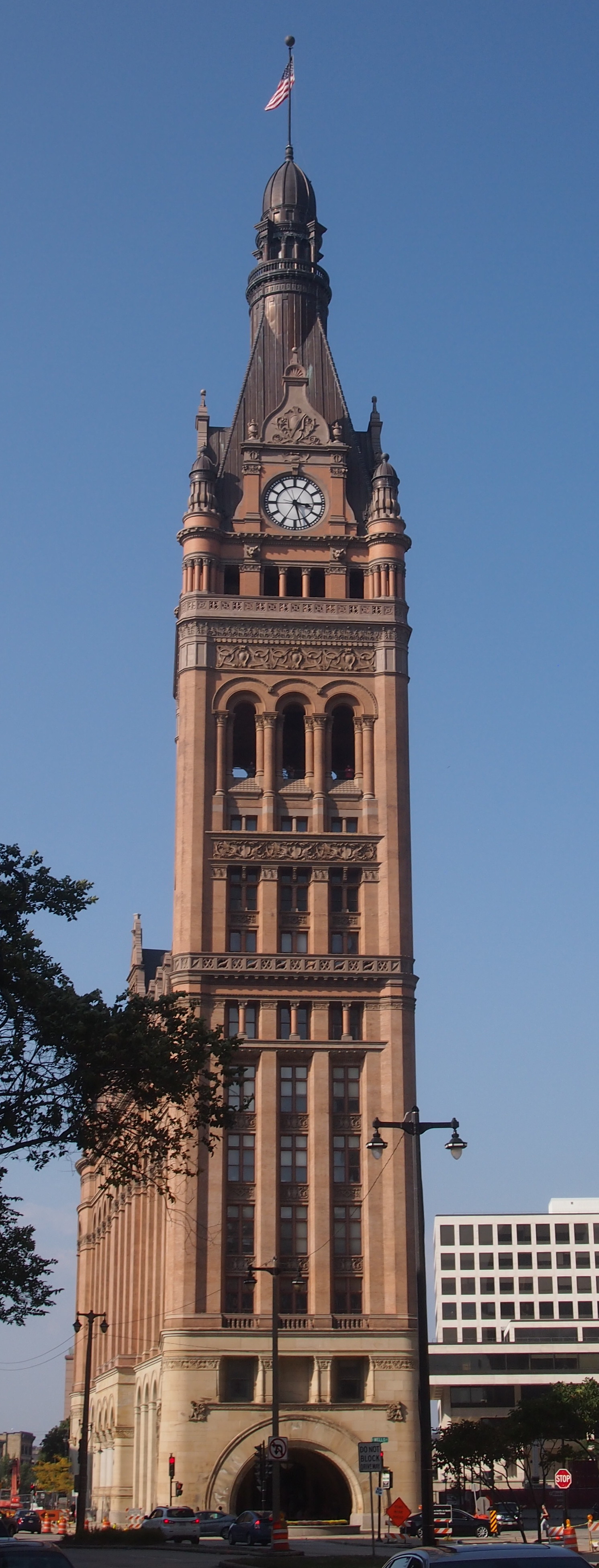
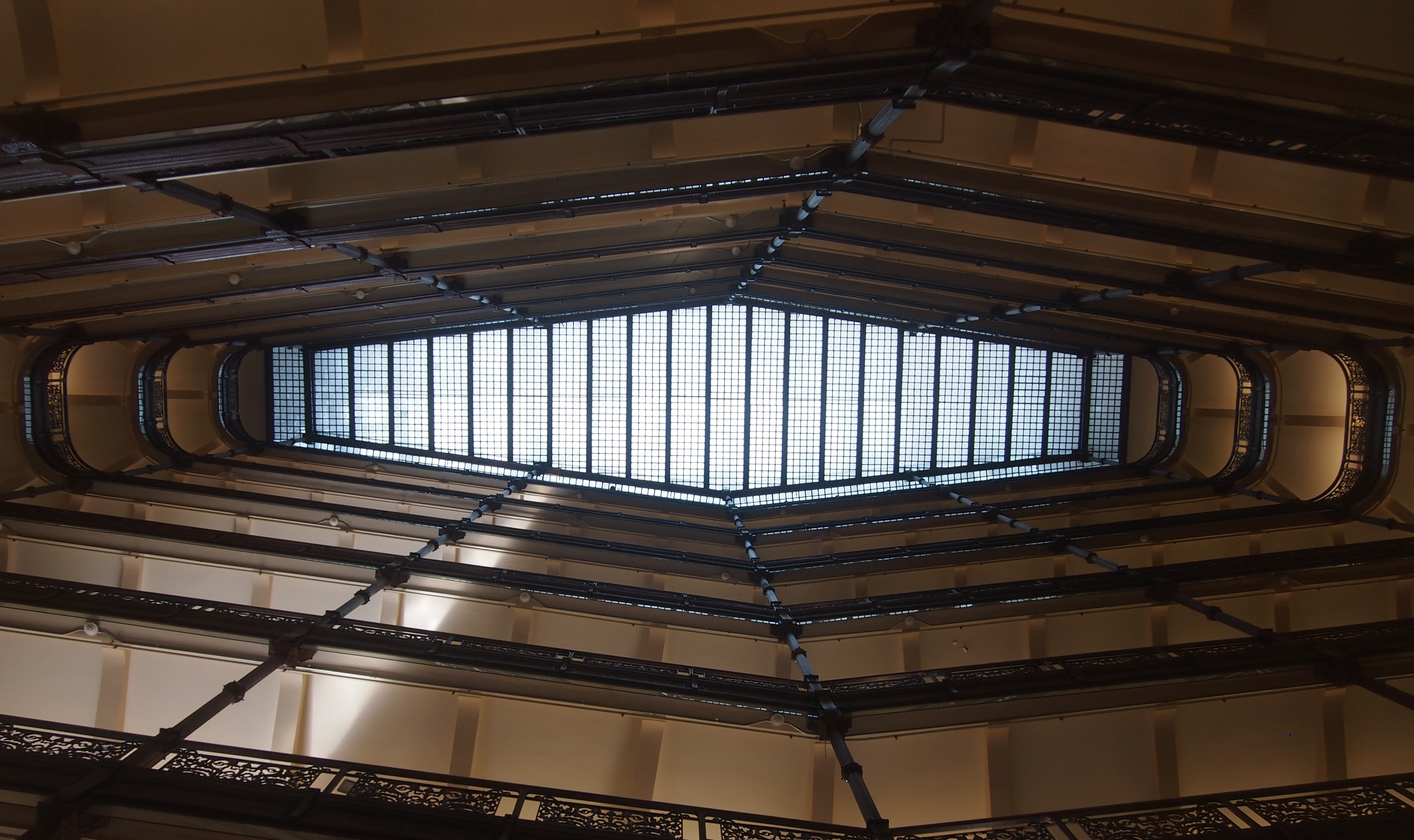
After spending much of the day in churches, we ended Milwaukee Doors Open by visiting a structure of the state. More specifically, Milwaukee City Hall, which is as palatial in its way as any ornate church.

The view of the building from the corner of E. Kilbourn Ave. and N. Water St.

Milwaukee City Hall“From 1895 until 1899, the tallest inhabited structure in the world was Milwaukee’s City Hall, a building noted for its Flemish design and landmark qualities,” says the Wisconsin Labor History Society. “Towering more than 300 feet, it was a pioneering building in an era as elevators finally were becoming practical. The building’s design has been heralded and it still stands as a trademark [sic] of Wisconsin’s largest city.”

The clock tower, from Water St. south of E. Wells St.
Milwaukee City HallI didn’t realize until I read more about the building, designed by local architect Henry C. Koch, that City Hall was featured in the introduction of Laverne & Shirley, probably because I haven’t seen that show in nearly 40 years. At the time, large letters midway up the clock tower said WELCOME MILWAUKEE VISITORS. A nice sentiment, but déclassé on your city hall, and the letters were removed at some point.

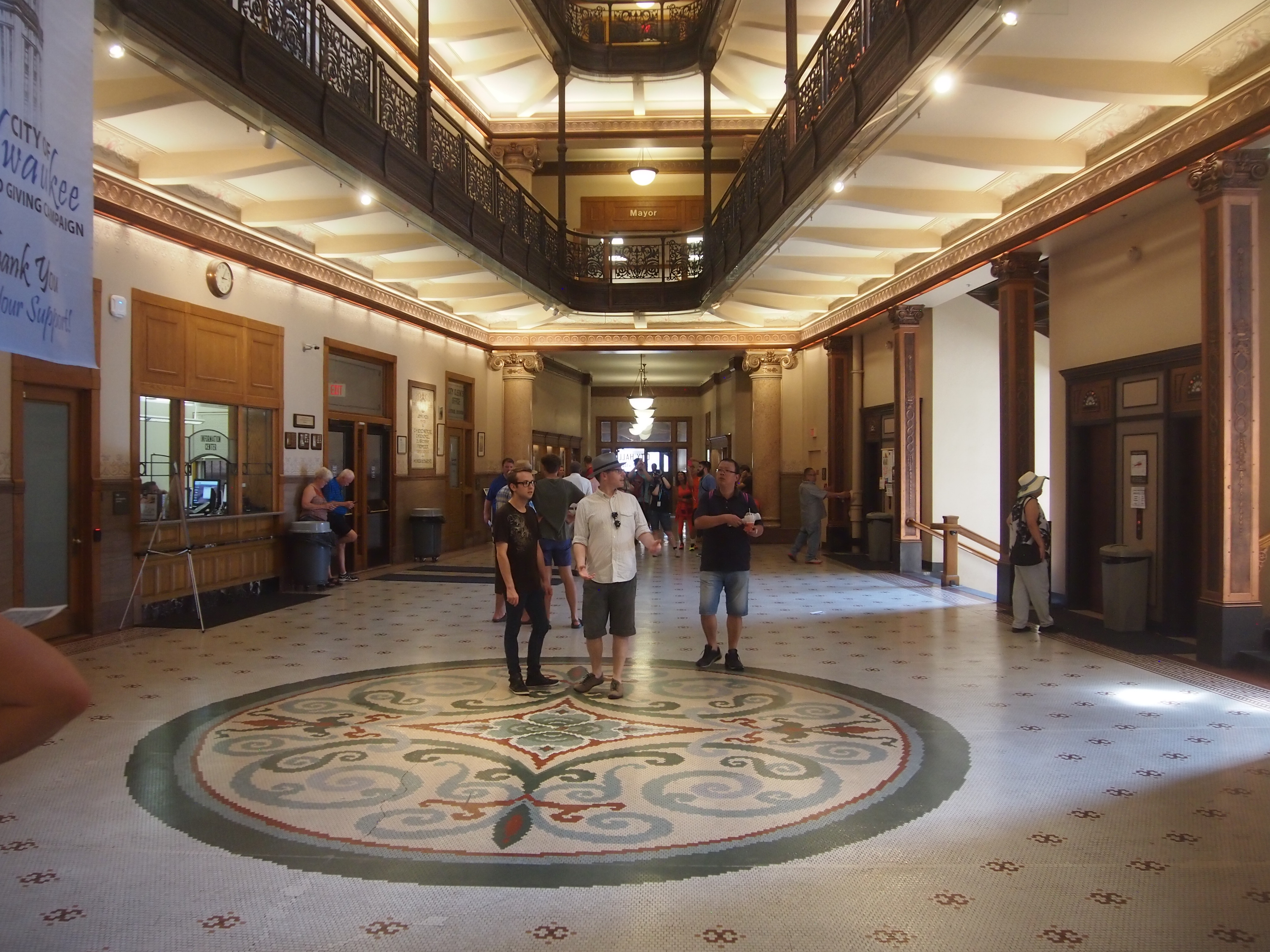
The first floor lobby offers a good first impression of interior.
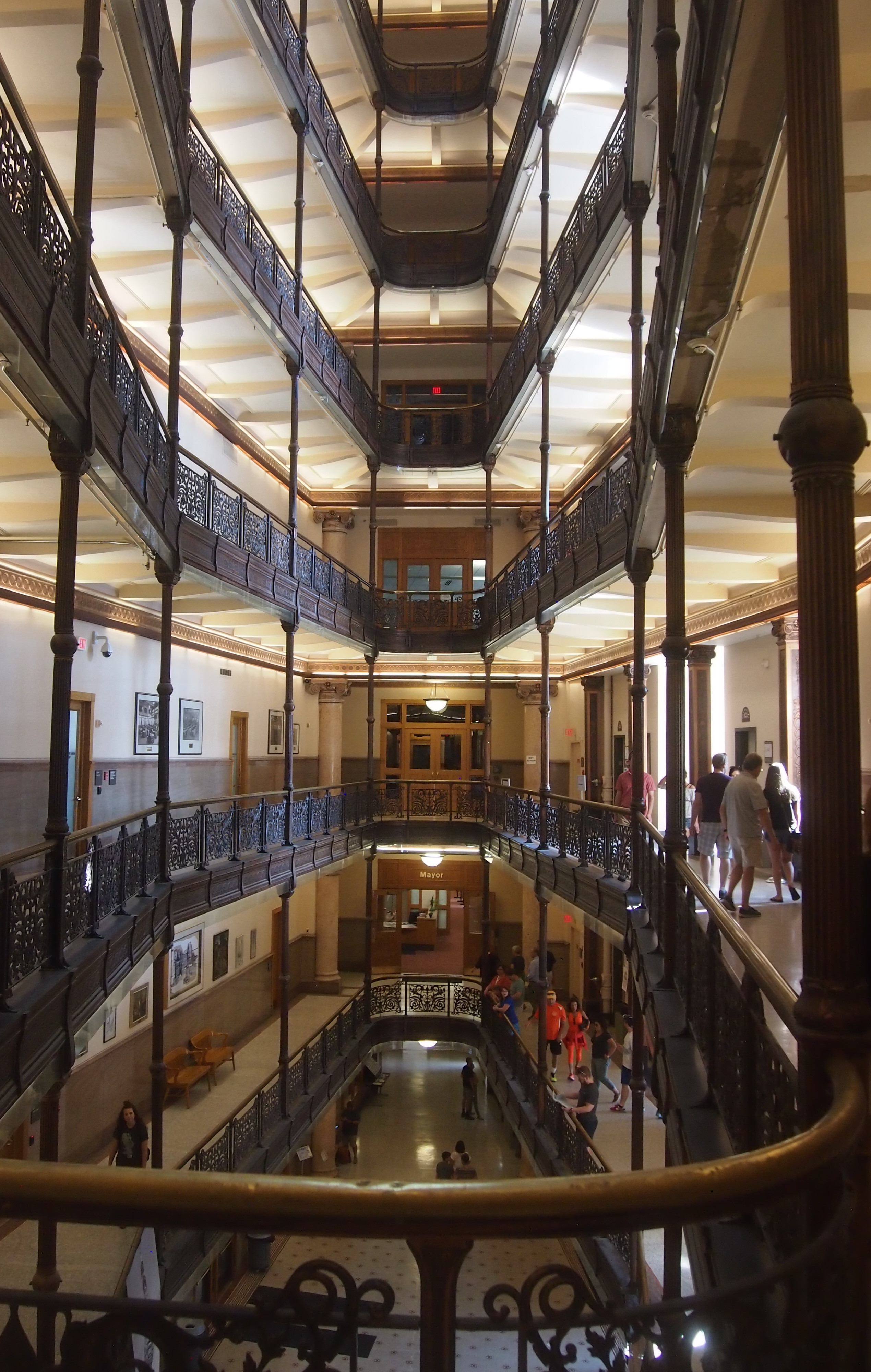
Milwaukee City Hall“The building was one of the first to feature an extensive open atrium, of 20 by 70 feet, rising eight stories in the building’s center,” the city’s web site says.
Milwaukee City Hall“During the Great Depression, seven people jumped to their deaths, and an eighth died of a stroke after one of the jumpers nearly missed him. Afterwards, in 1935, protective wiring was placed around the center rails of the floors to prevent accidents and suicides and remained in place until Mayor John O. Norquist took office in 1988.”

A view from the third floor, looking toward the mayor’s office on the second floor.
Milwaukee City Hall“The building measures 393 feet from the base of the bell tower to the top of the flagpole, making it Milwaukee’s sixth largest. The flagpole measures 40 feet in length.

“The 22,500-pound bell – named ‘Solomon Juneau’ after Milwaukee’s first mayor – was fabricated from melted copper and tin from old church and firehouse bells around the city, and was hoisted to the tower in 1896, first chiming on New Year’s Eve.

“While Milwaukee’s Allen-Bradley building (Rockwell Automation) features the world’s second largest four-sided clock, City Hall’s 18-foot clock was believed to be the world’s third largest when it was fabricated.”

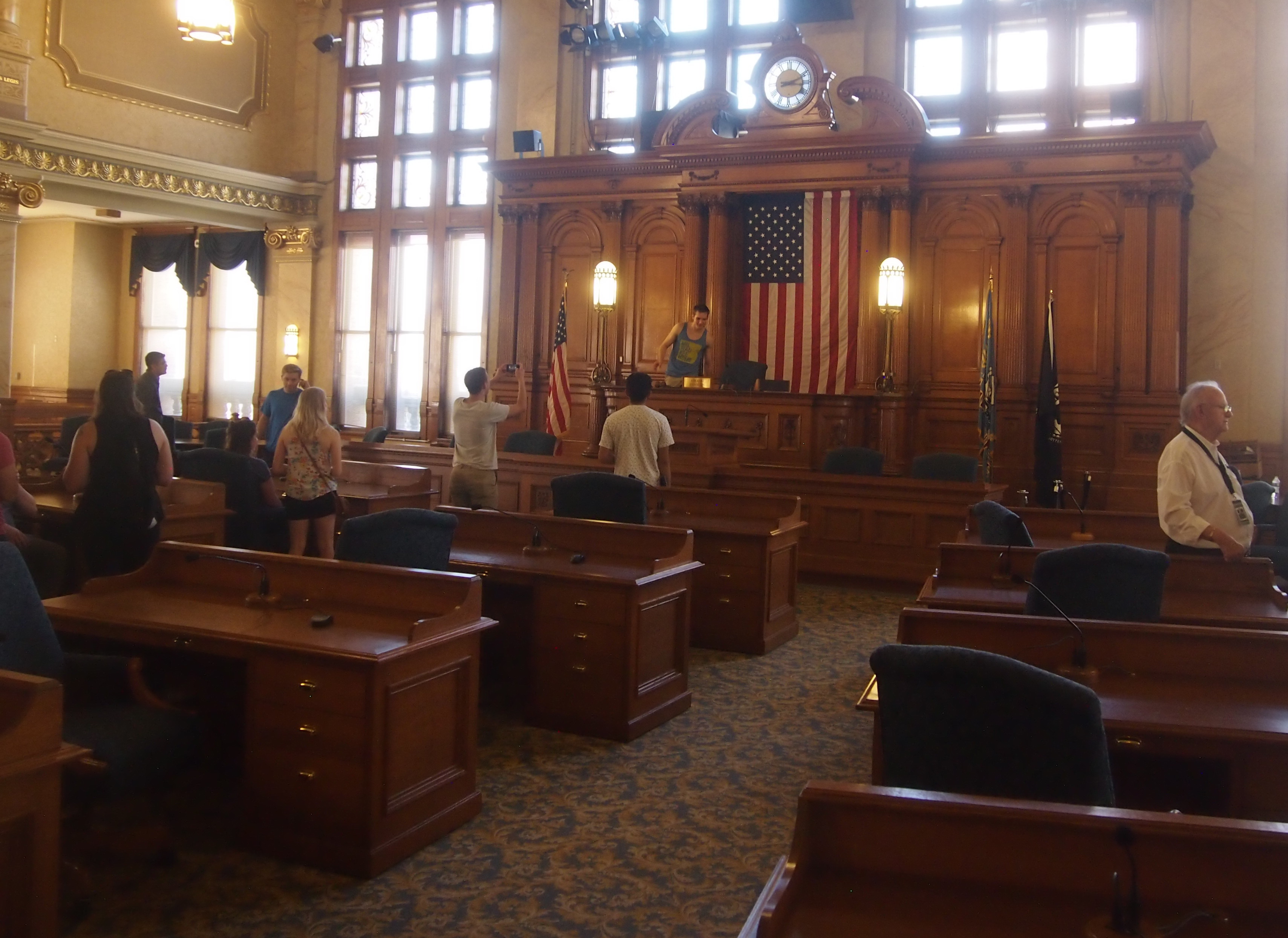
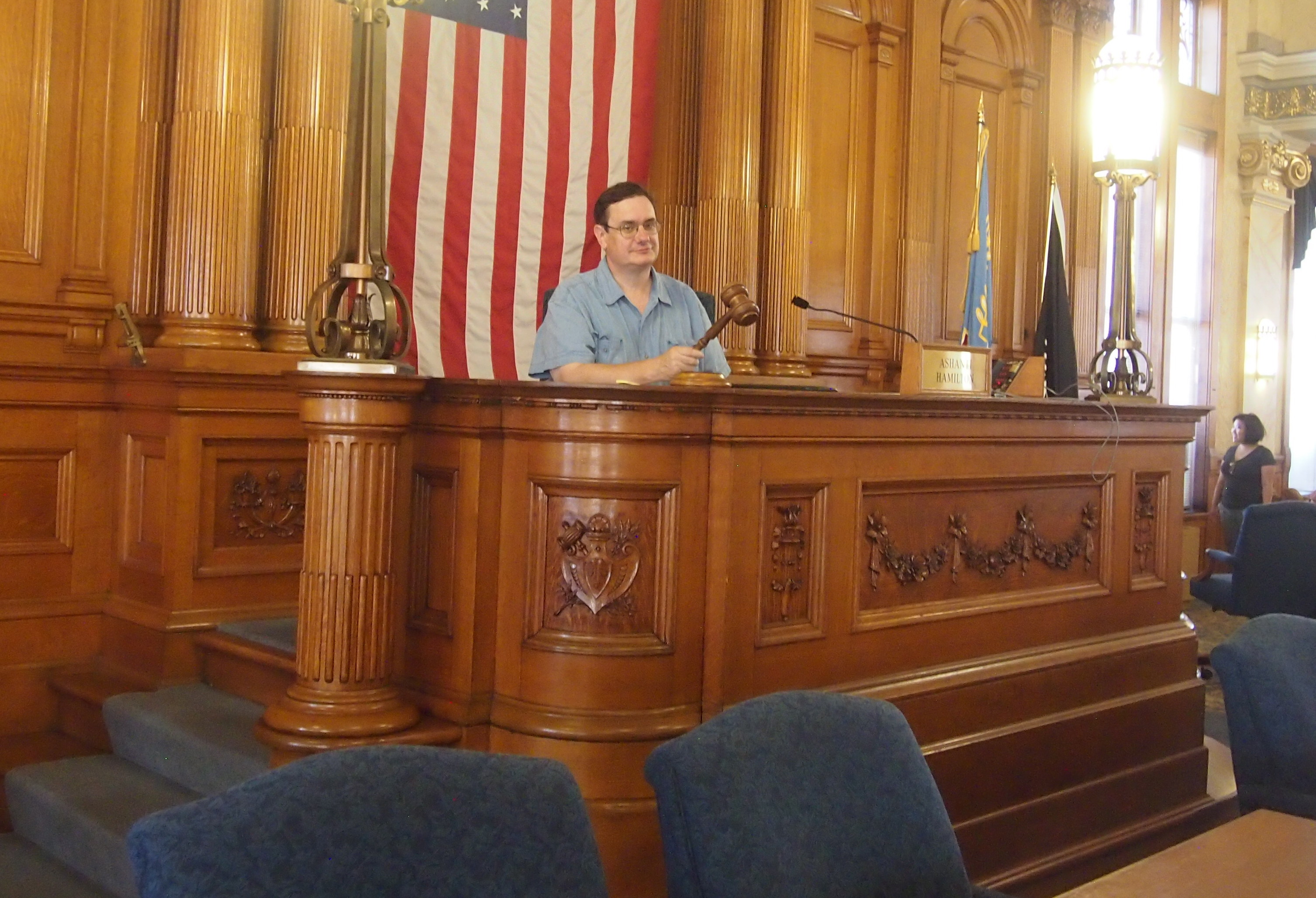
On the third floor is the Common Council chamber. A lot of natural light fills the room from behind the dais.

Milwaukee City HallMilwaukee City HallPeople were taking turns sitting at the dais, holding the gavel, so why not?
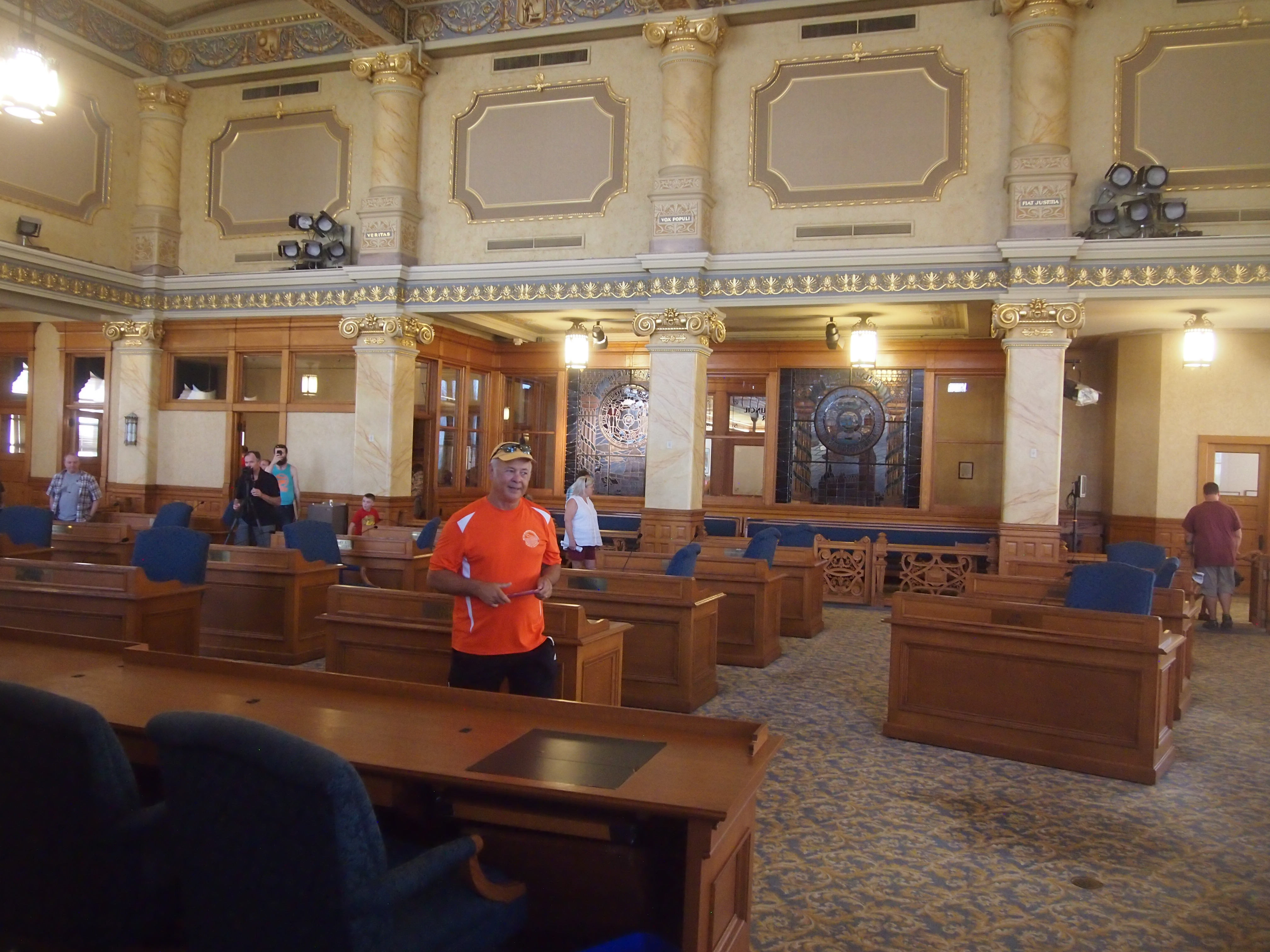
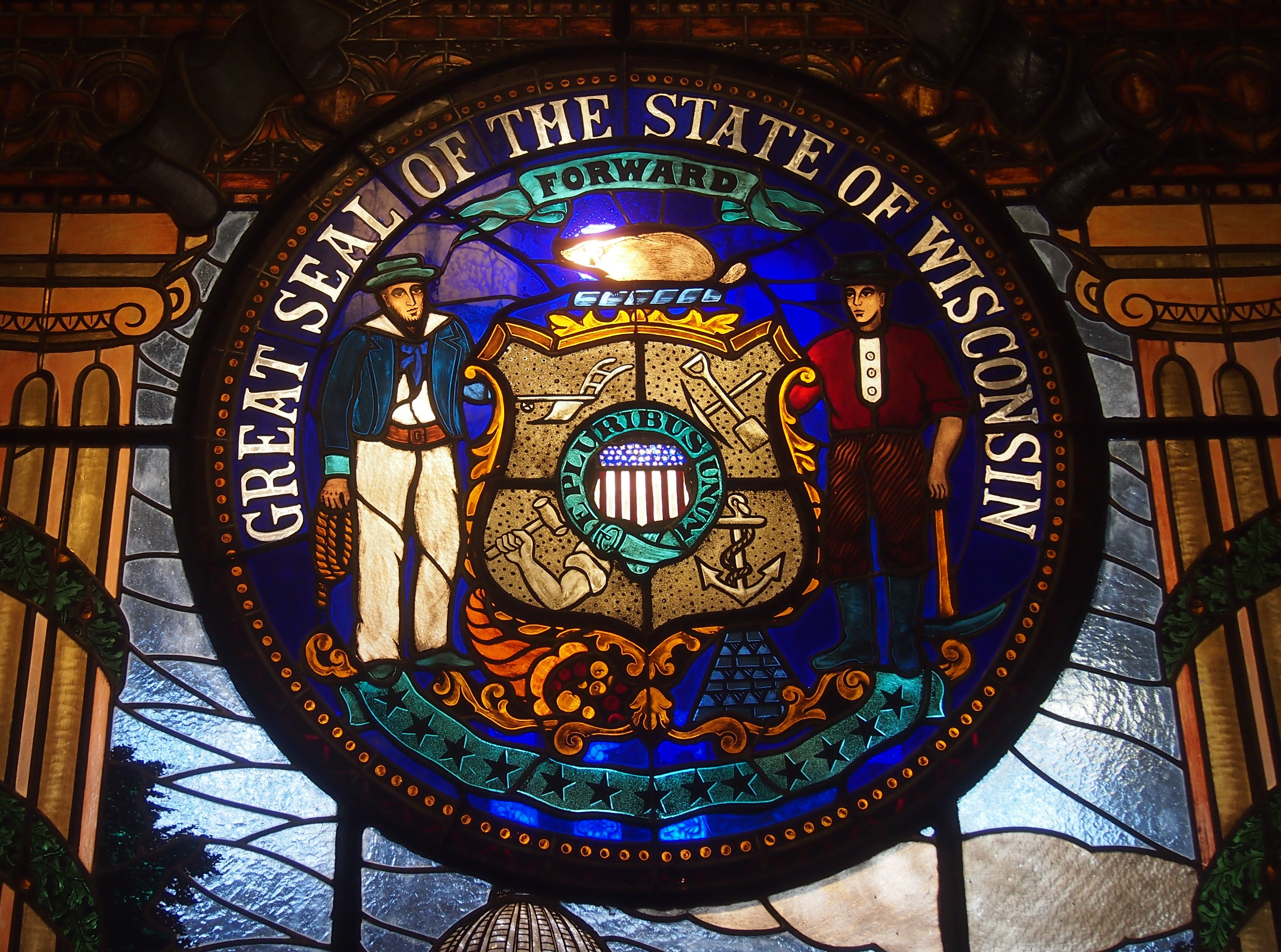
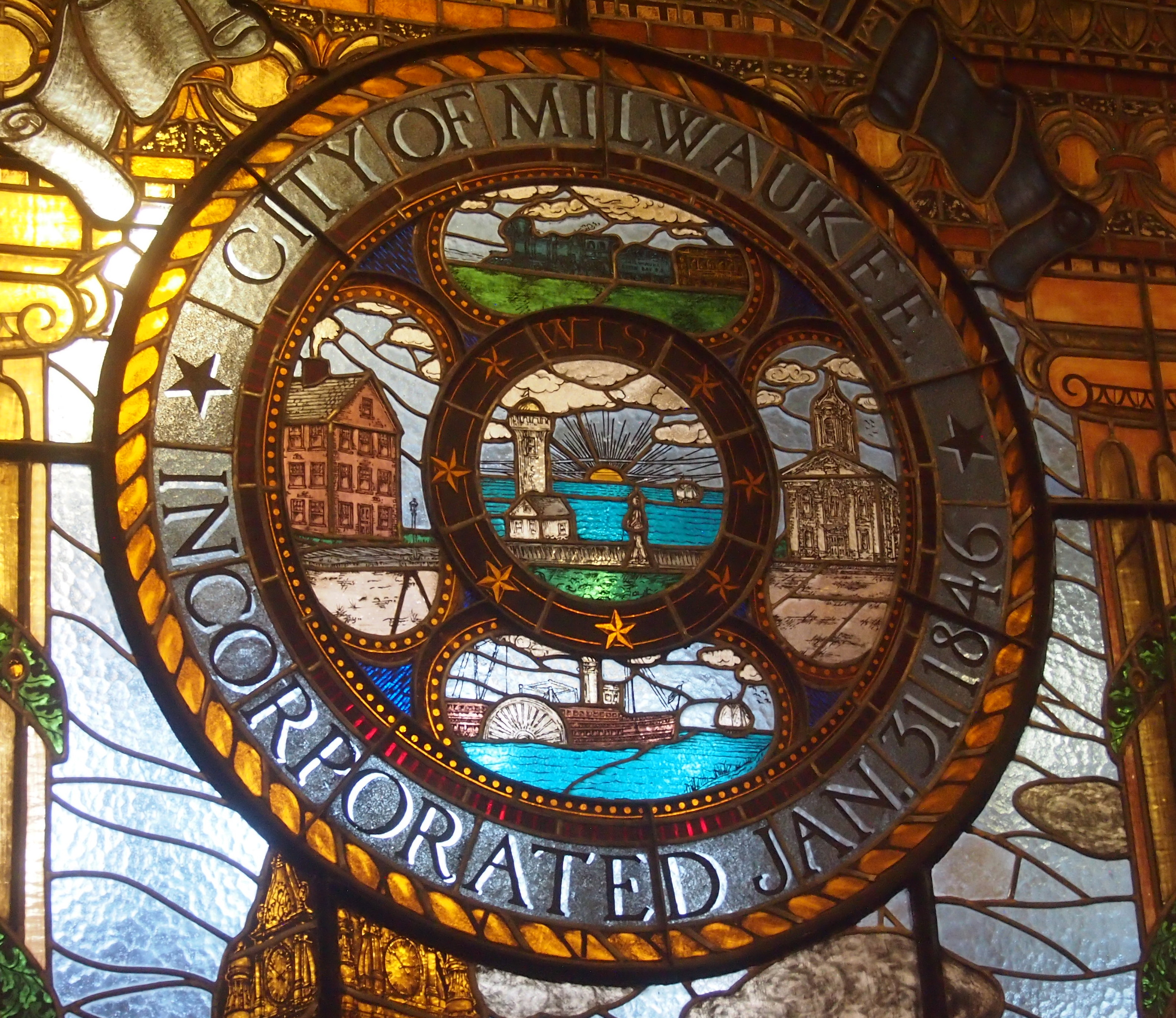
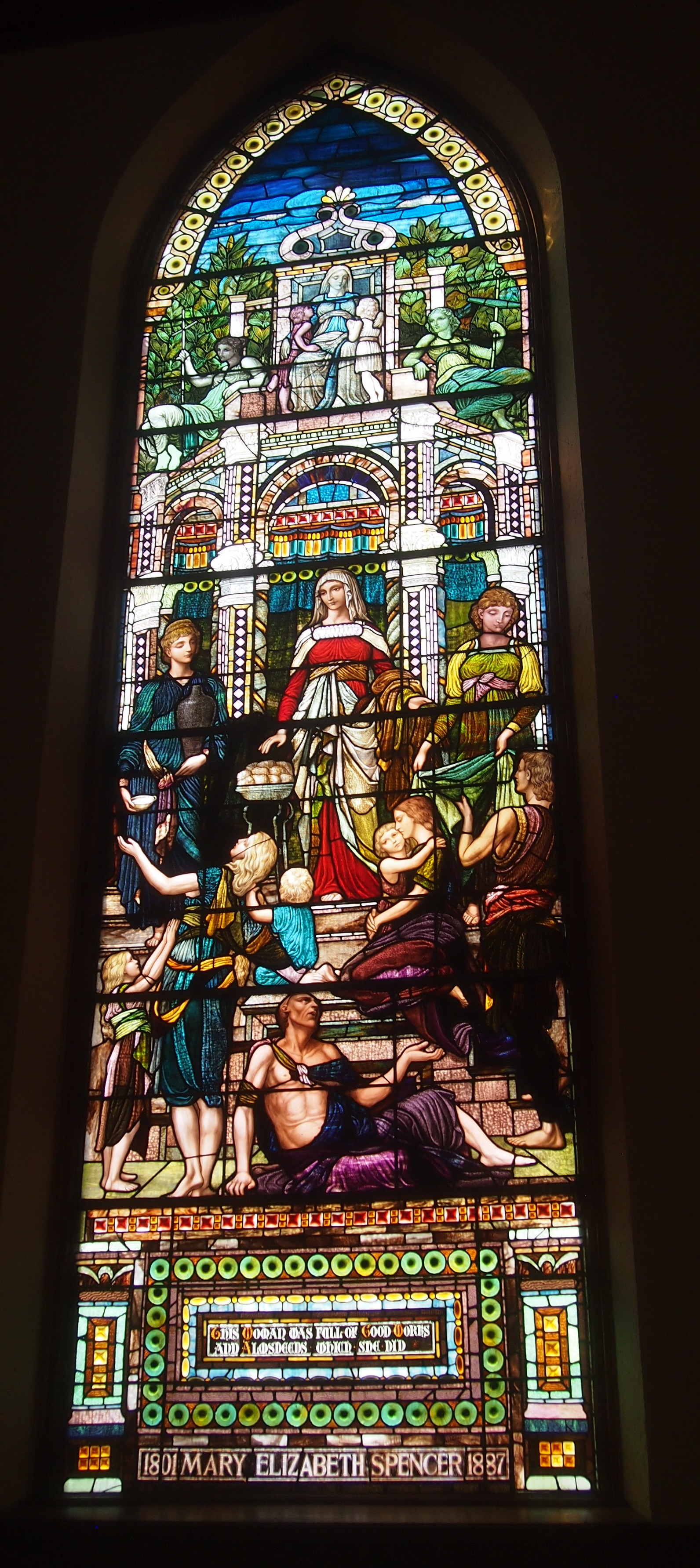
Churches have their stained glass. So do municipal buildings, at least this one, at the entrance to the Common Council.
Milwaukee City HallMilwaukee City HallTours of the upper reaches of the clock tower were booked by the time we got there. Too bad. Just another reason to go back next year.

Three East Town Milwaukee Churches

East Town is part of Milwaukee’s urban core, characterized by upmaket apartments and condos, smaller office buildings — the larger commercial properties are just to the south — and large churches. The district, also known as Juneautown, or the Juneau-Cass Historic District, or Yankee Hill, is east of the Milwaukee River (various sources give it various names).

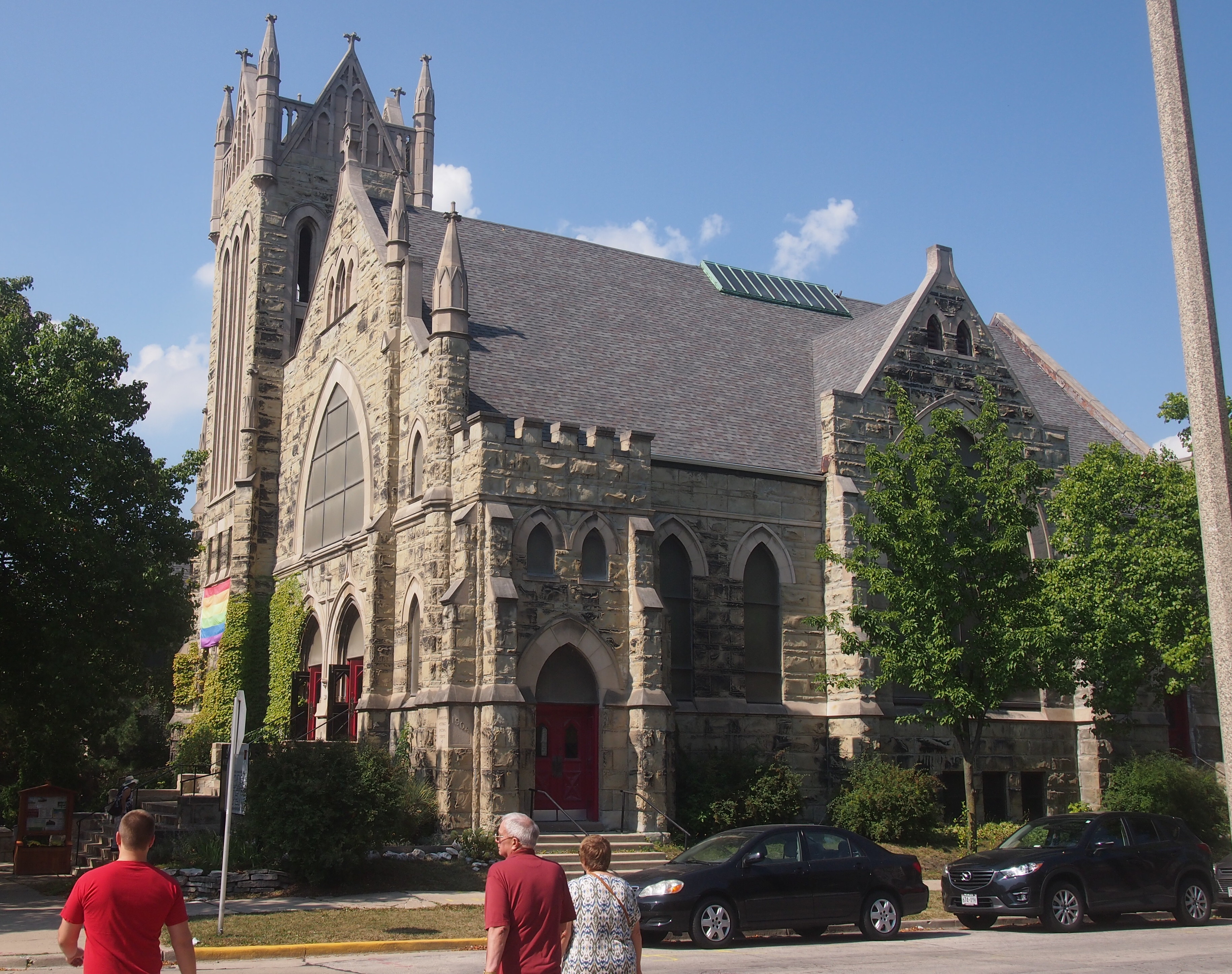
Two large churches are on Juneau Ave. One is Summerfield United Methodist Church.
Summerfield United Methodist ChurchA handsome sandstone and limestone Gothic church, it dates from 1904, when it was occupied by the First Community Church. Later that church and Summerfield Methodist merged. Summerfield, as a congregation, goes back to the 1850s, when they were abolitionist to the core.

Coming from a Catholic basilica, the church seemed like an exercise in Protestant restraint.
Summerfield United Methodist ChurchBut it isn’t completely unornamented.
Summerfield United Methodist ChurchWith one of the more interesting church ceilings I’ve seen lately.
Summerfield United Methodist ChurchWhile reading about Summerfield, I discovered that its immediate post-Civil War pastor was Samuel Fallows. I’d met him before, in a way. I saw his grave at Waldheim Cemetery more than a decade ago.

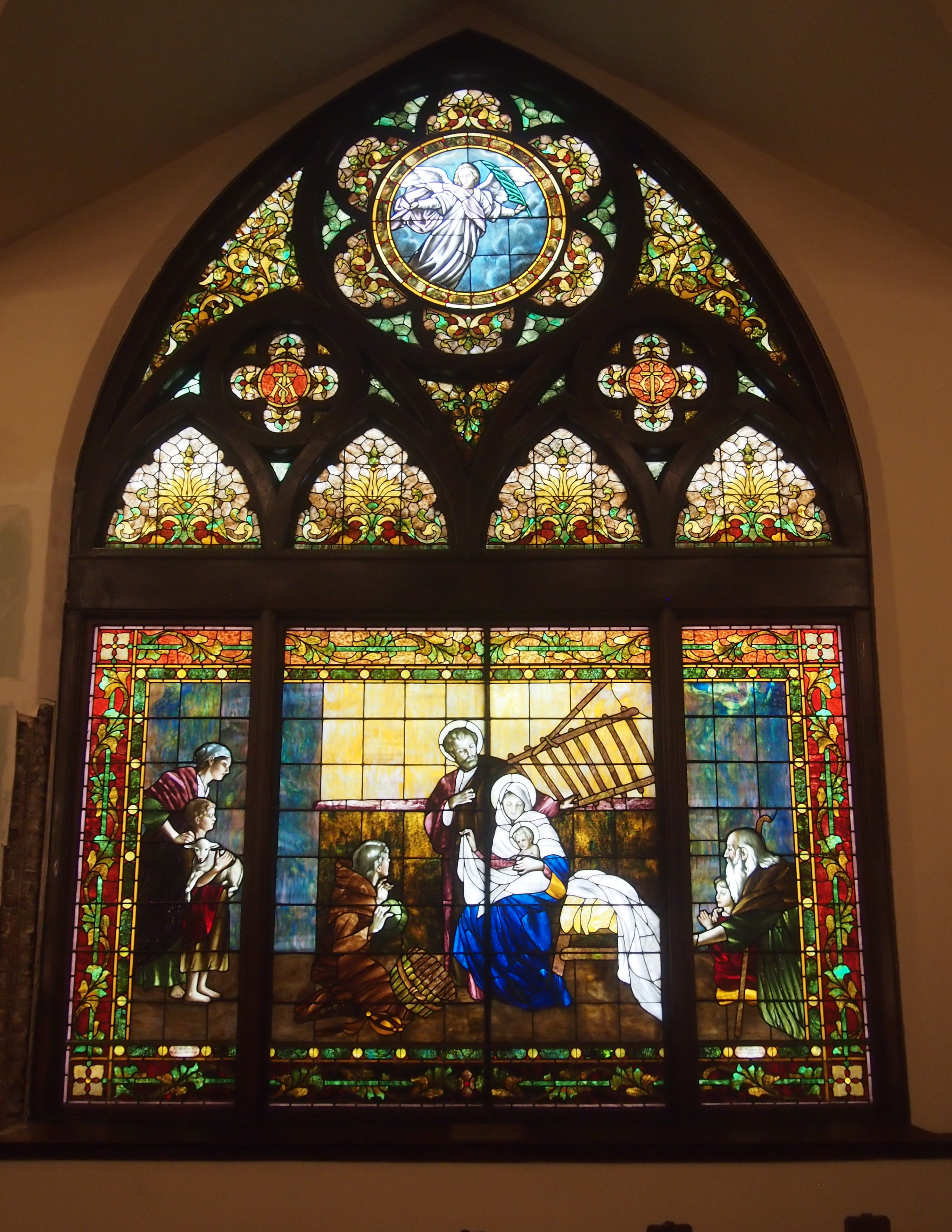
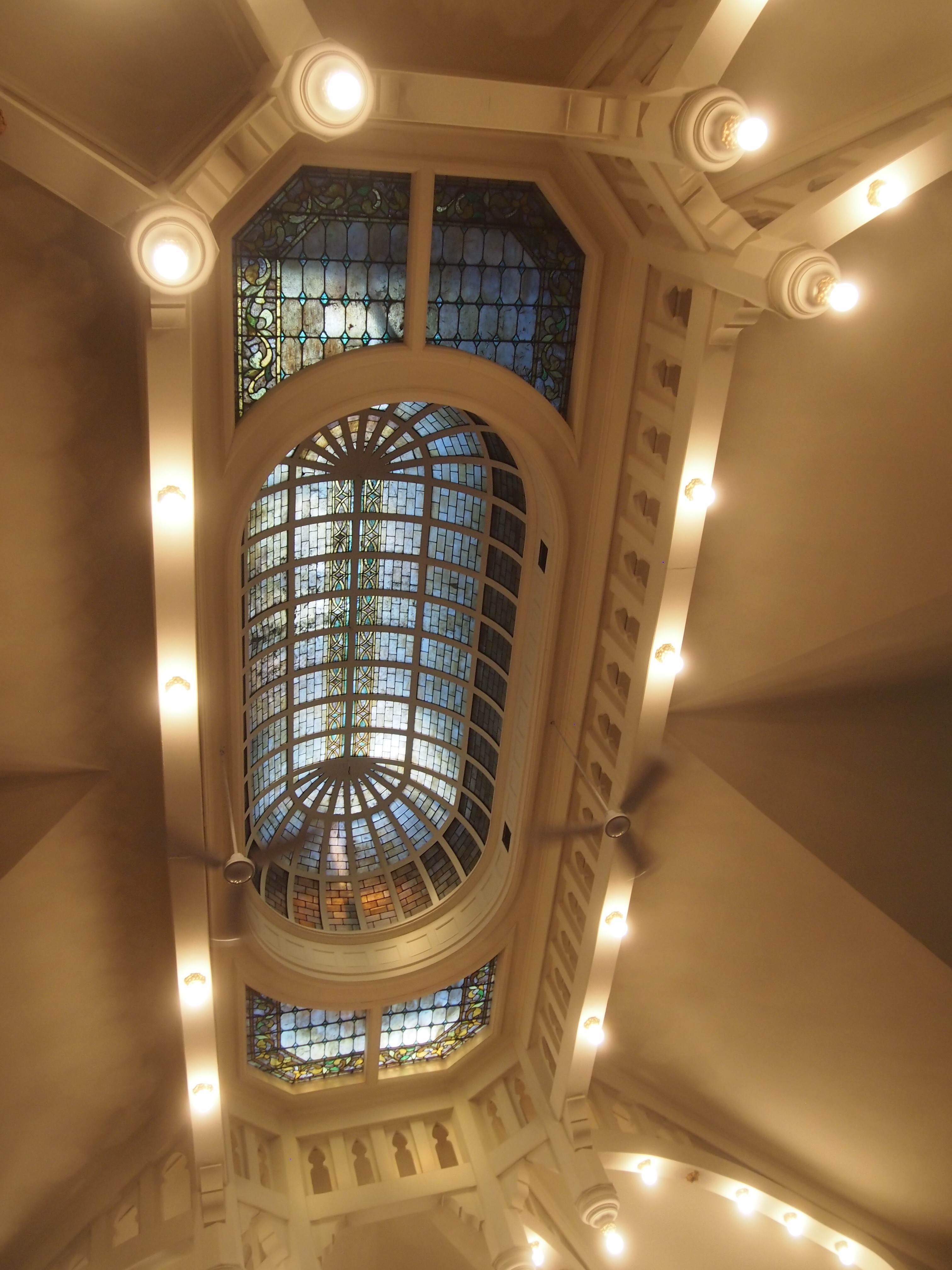
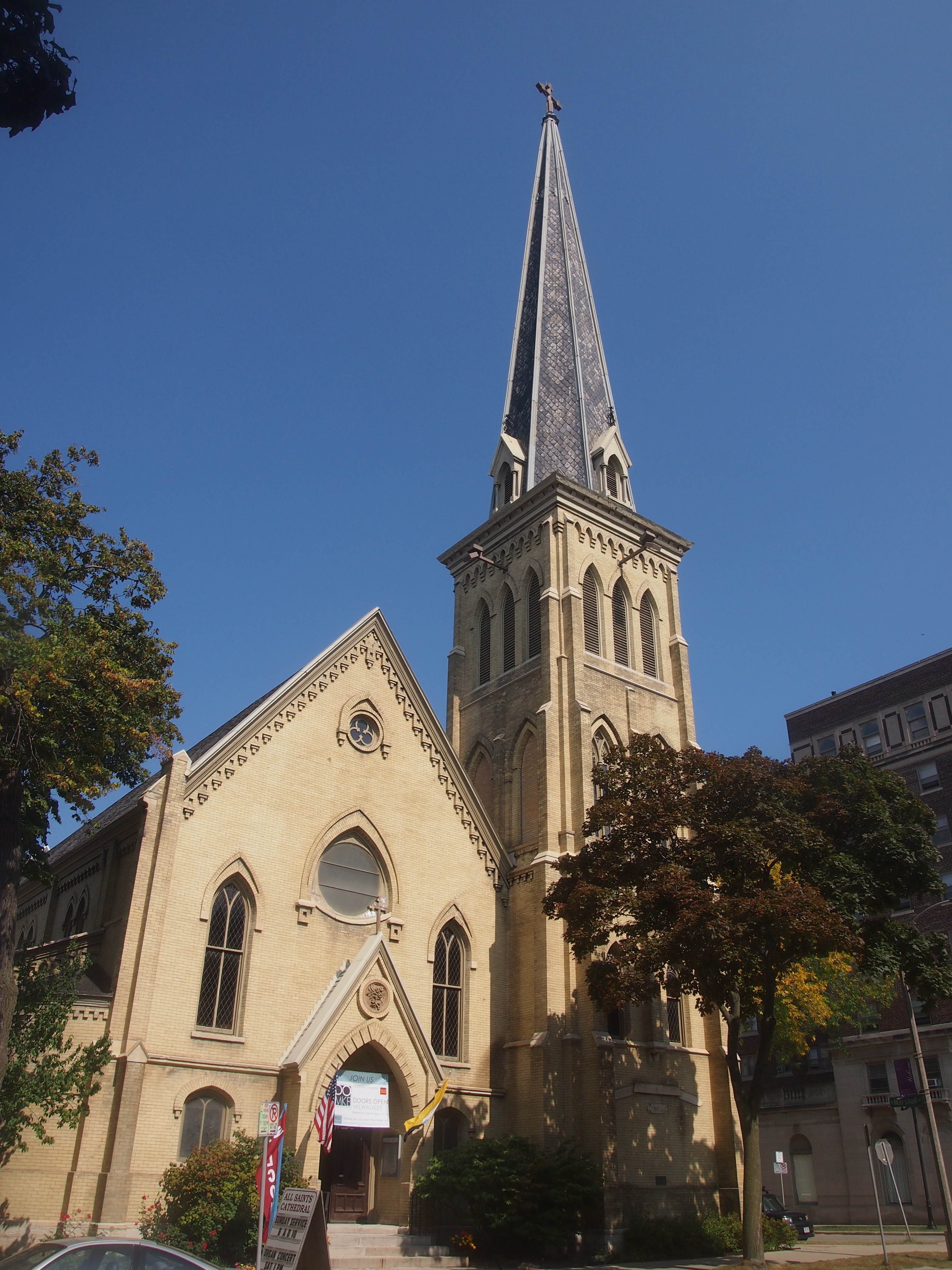
Less than a block away from Summerfield is All Saints’ Cathedral, or more formally, the Cathedral Church of All Saints, seat of the Episcopalian Bishop of Milwaukee.

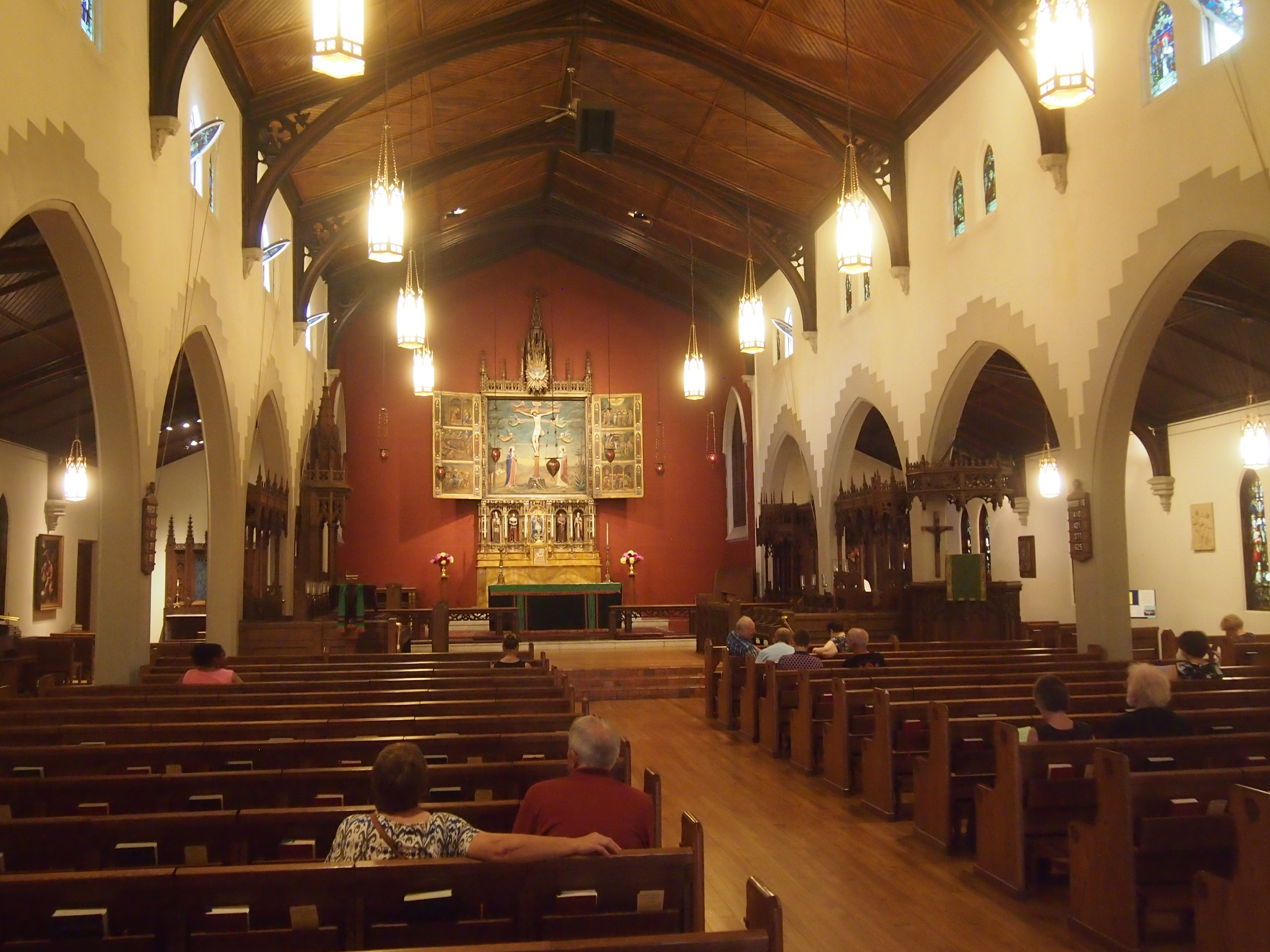
Cathedral Church of All SaintsEdward Townsend Mix, a busy 19th-century Milwaukee architect, designed the building for Olivet Congregational Church in 1868, but it wasn’t long (1871) before the Episcopal diocese bought it, consecrating the structure as a cathedral in 1898.

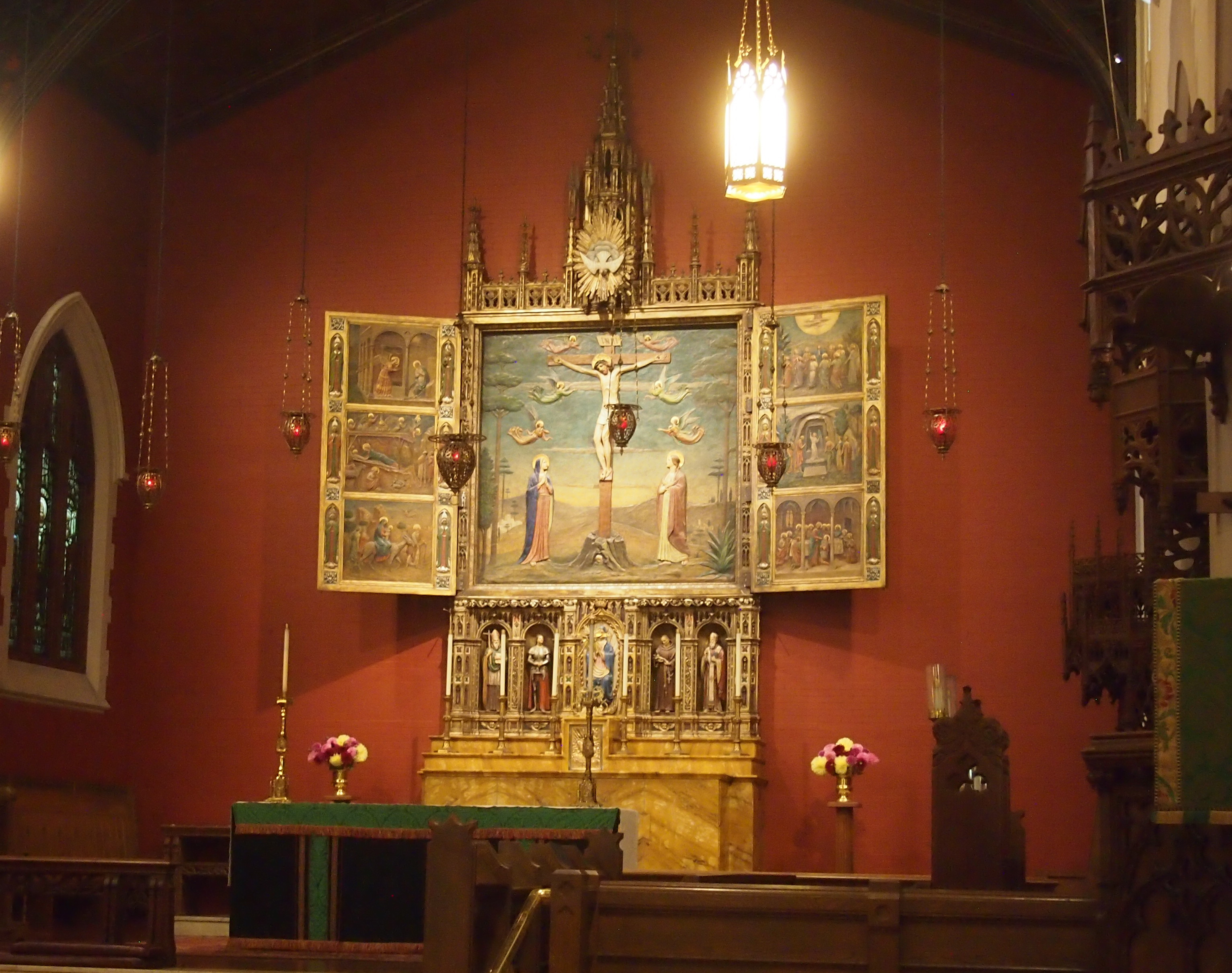
All Saints' Cathedral, MilwaukeeAll Saints' Cathedral, MilwaukeeI’ve read that the congregation there is Anglo-Catholic, and we found the interior traditionalist in one way at least: no air conditioning. That made the place warm on the day we were there. But that wasn’t so bad. We sat and listened to part of an organ concert at the cathedral, an all-J.S. Bach program by Canon Joseph A. Kucharski, cathedral precentor.

Interesting note from the handout that the cathedral gave us: “1825: The first Episcopal priest was brought to the Wisconsin Territory at the request of the Stockbridge (NY) Oneida (a.k.a. the Mohican tribe of the Algonquin nation), who moved first to the lands along the Fox River in 1818, then to the east shore of Lake Winnebago. To this day, the Cathedral Church of All Saints has active Oneida members.”

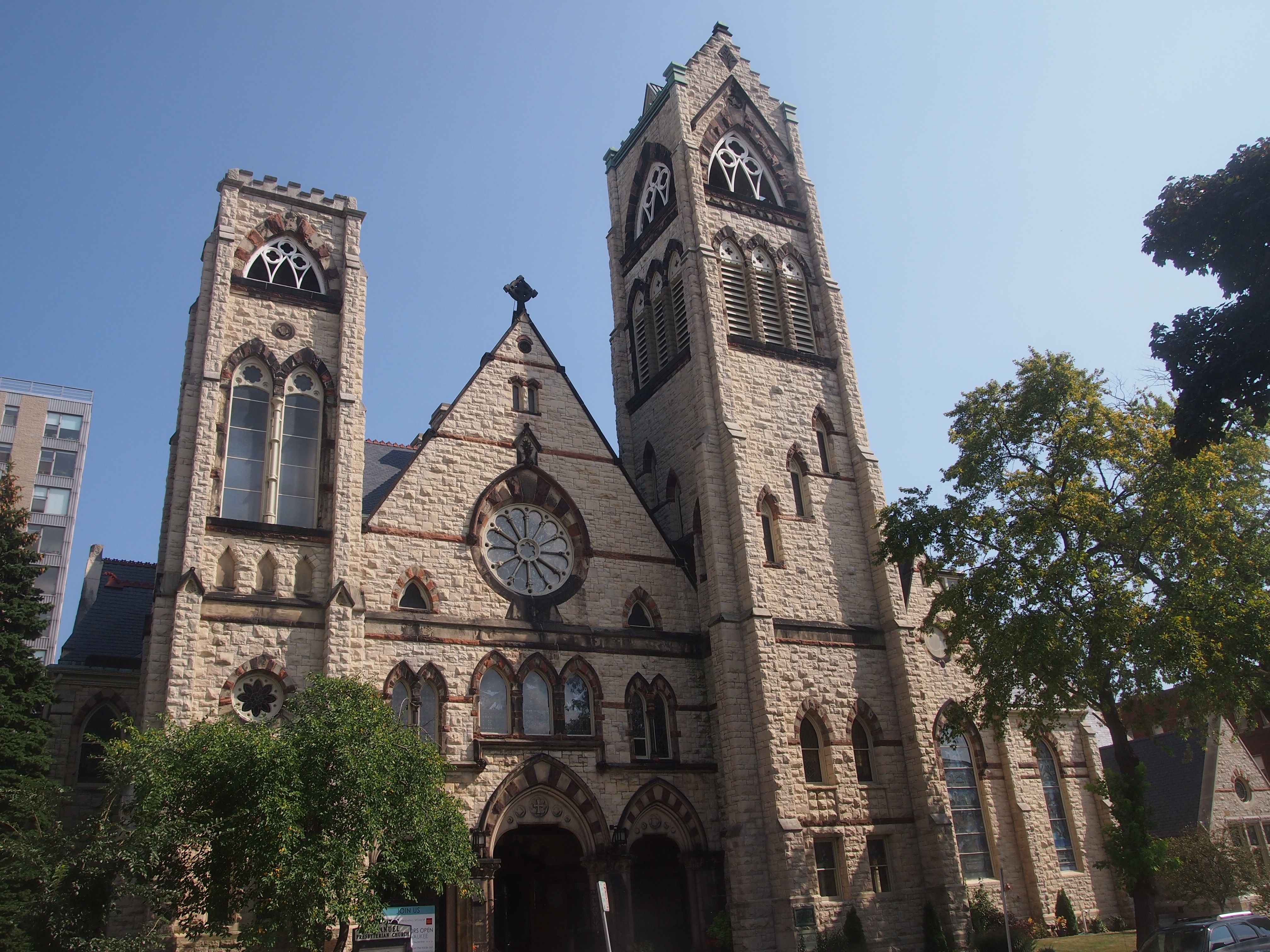
On N. Waverly Pl., near the other churches, is Immanuel Presbyterian Church.
Immanuel Presbyterian ChurchThe church asserts that it was the first congregation in Milwaukee, organized in 1837. The building dates from 1875, except that it burned down in 1887 and was rebuilt by 1889. Various other changes followed in the 20th century. Edward Townsend Mix again.

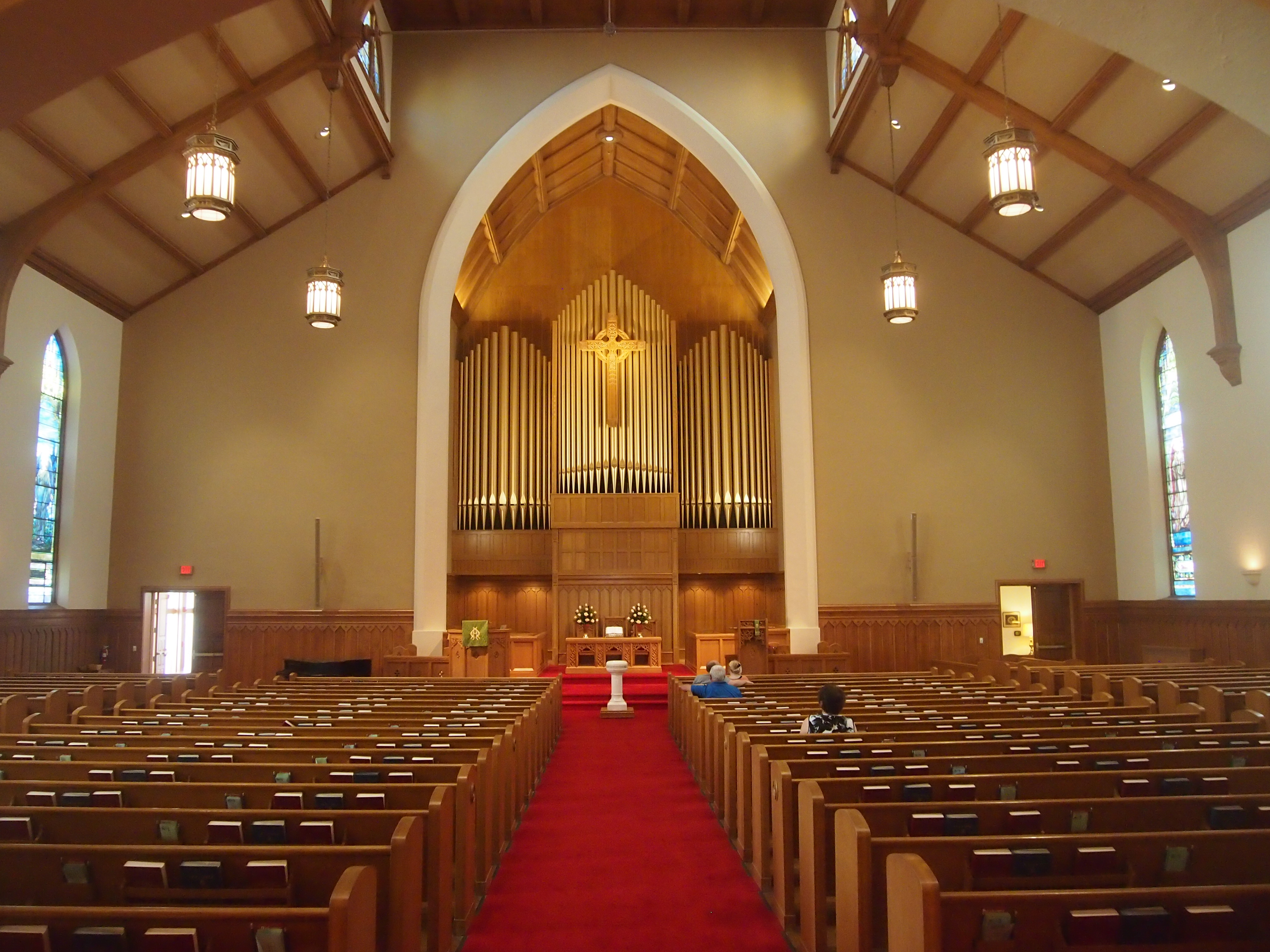
Spare indeed, but elegant.
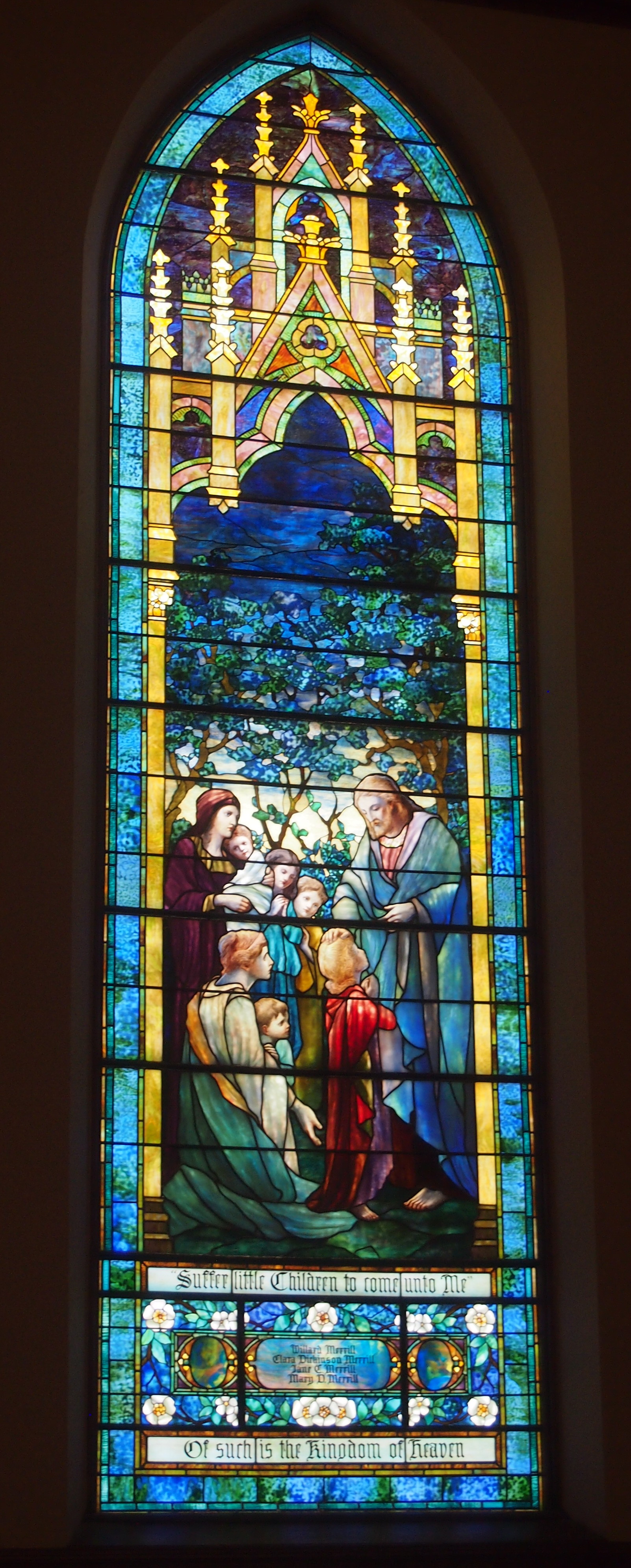
Immanuel Presbyterian Church, MilwaukeeWith many fine stained glass windows.
Immanuel Presbyterian Church, MilwaukeeImmanuel Presbyterian Church, MilwaukeeThere was one more church nearby open for Milwaukee Doors Open, but we wanted lunch, and besides, five is probably enough for any one day. Aesthetic overload begins to set in: Gee, look, another beautiful church, with magnificent stained glass. Wow. You know, I’d really like a hamburger.

Return to the Basilica of St. Josaphat

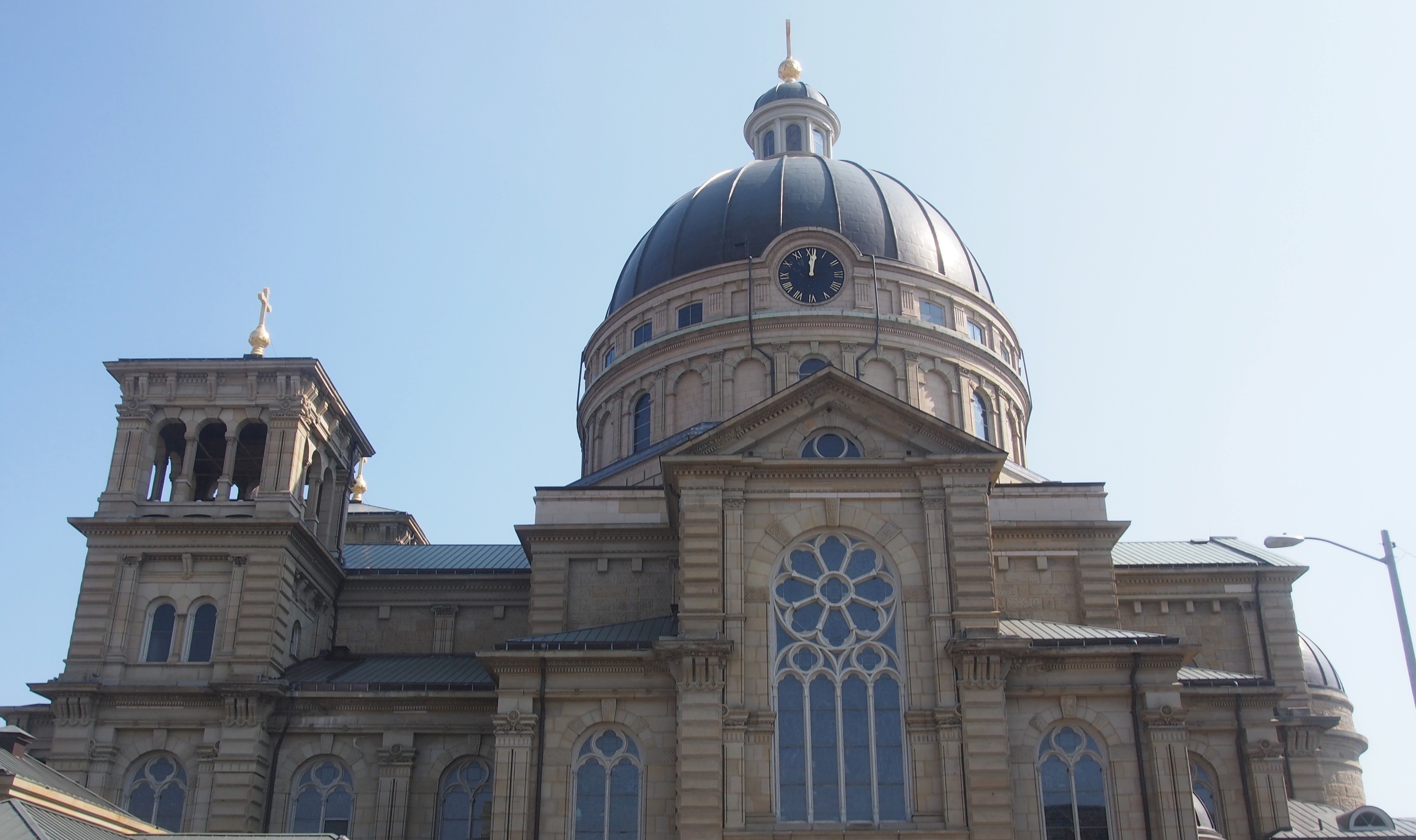
The last time we visited the Basilica of St. Josaphat in Milwaukee, the sky was slate gray and drizzly. This time, an unusually hot September sun in perfectly blue skies bore down on the church. The basilica looked as imposing as ever.
Basilica of St. Josaphat, Milwaukee

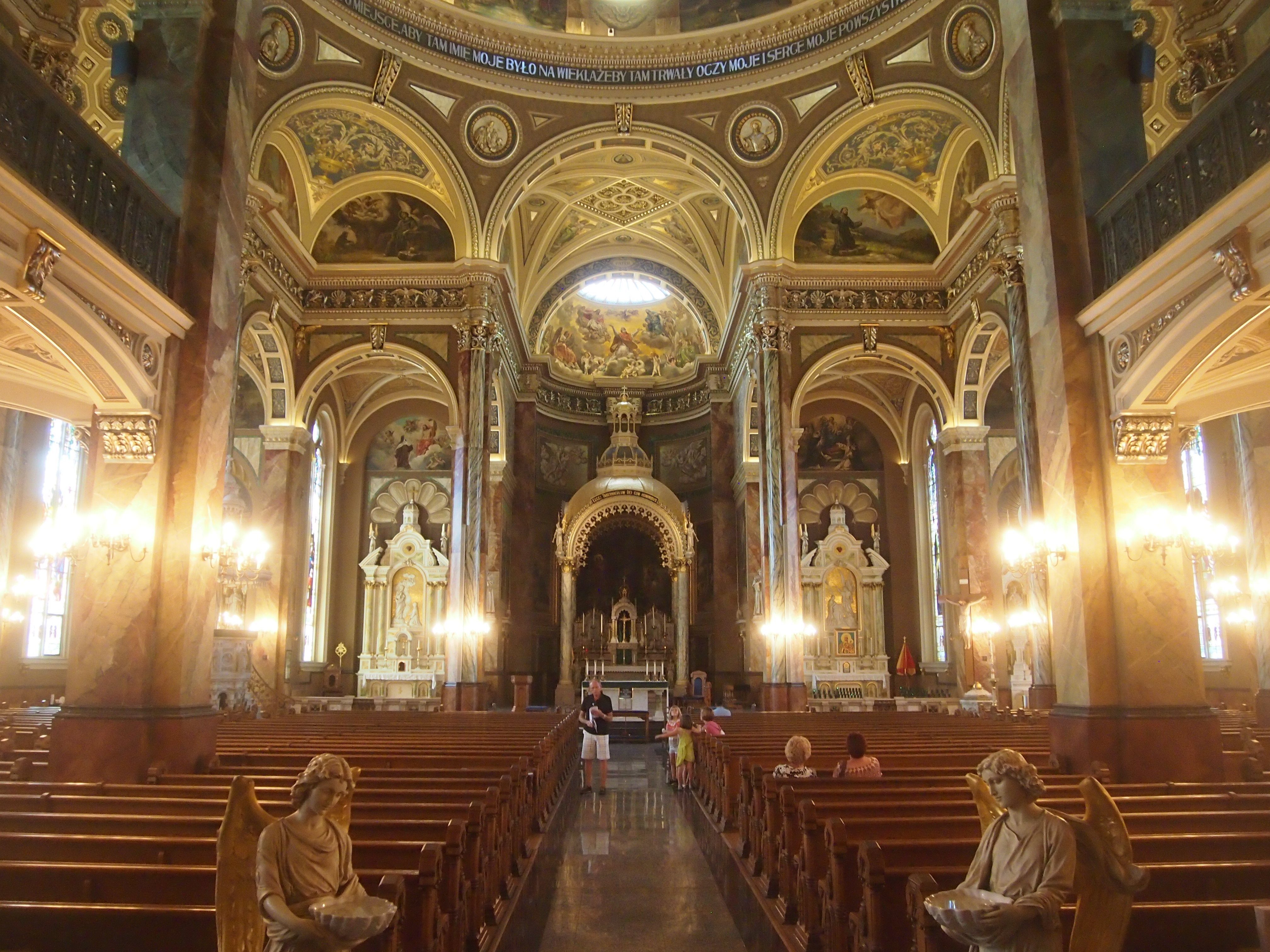
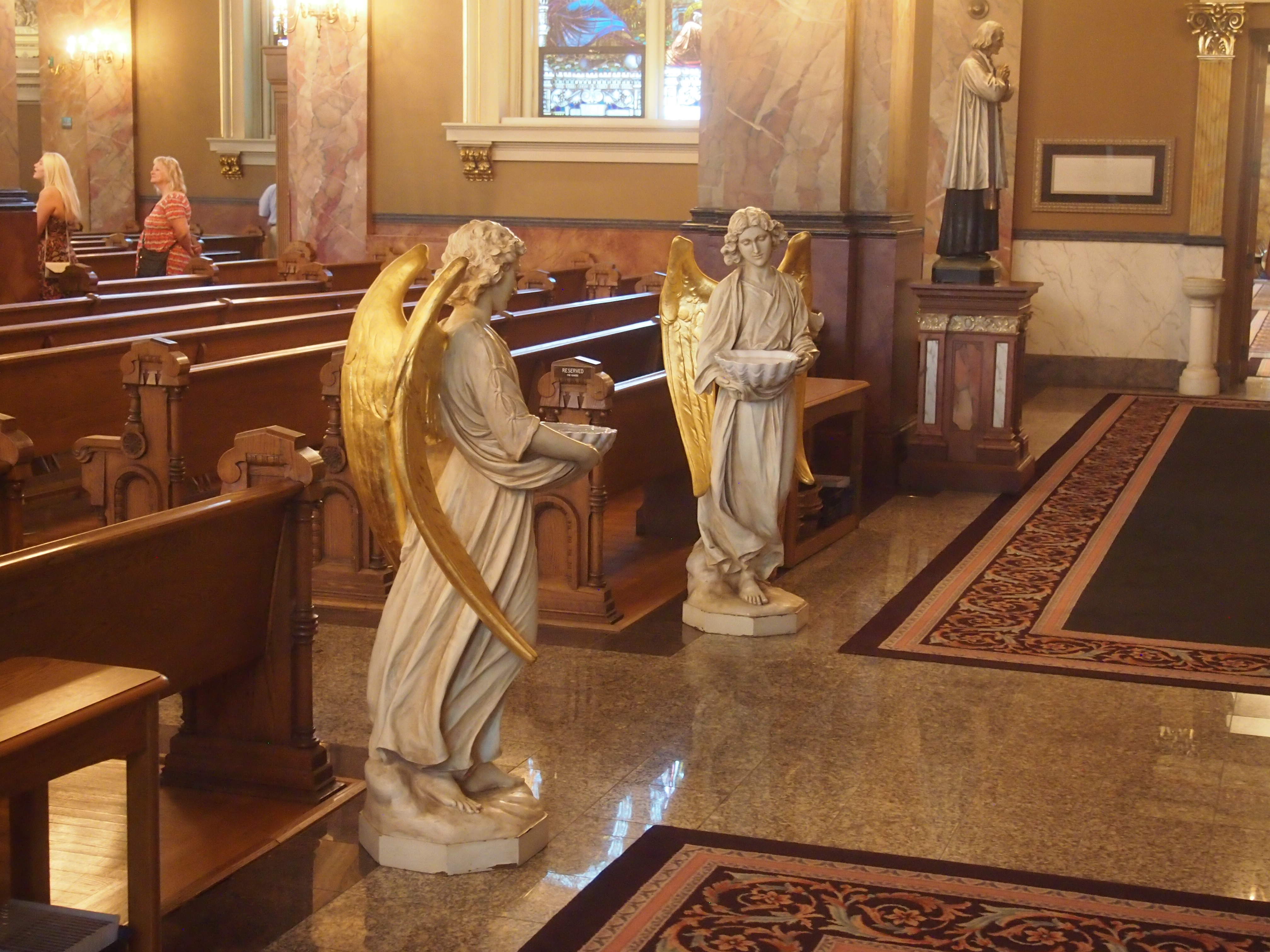
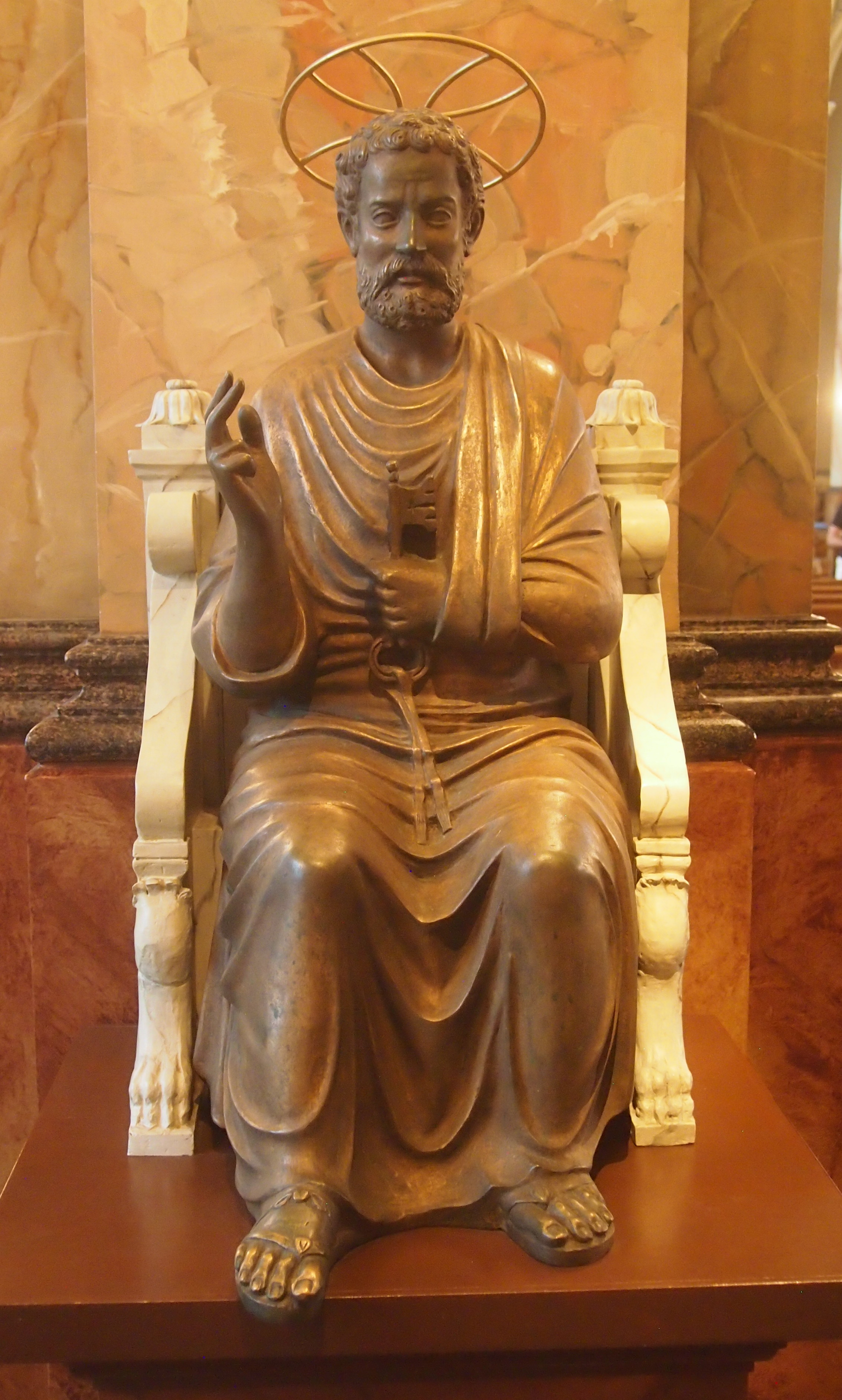
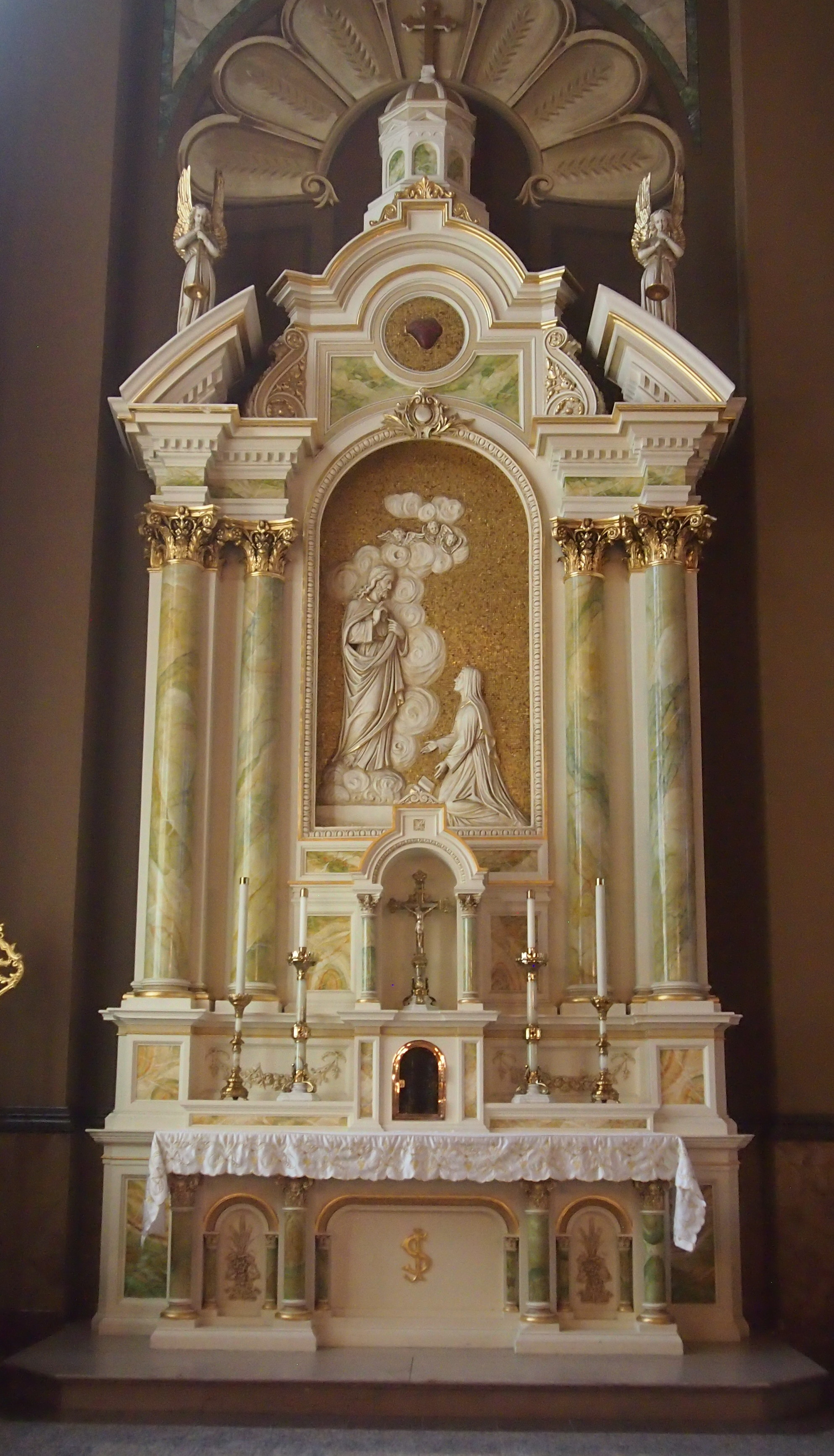
Back in 2011, I related the story of how the church was built of recycled bricks from a massive Chicago post office, and a bit about the saint, so I won’t repeat myself. The visit this time was mainly about getting a longer look at the opulent interior, patterned after St. Peter’s in Rome, only smaller.

Basilica of St. Josaphat, Milwaukee

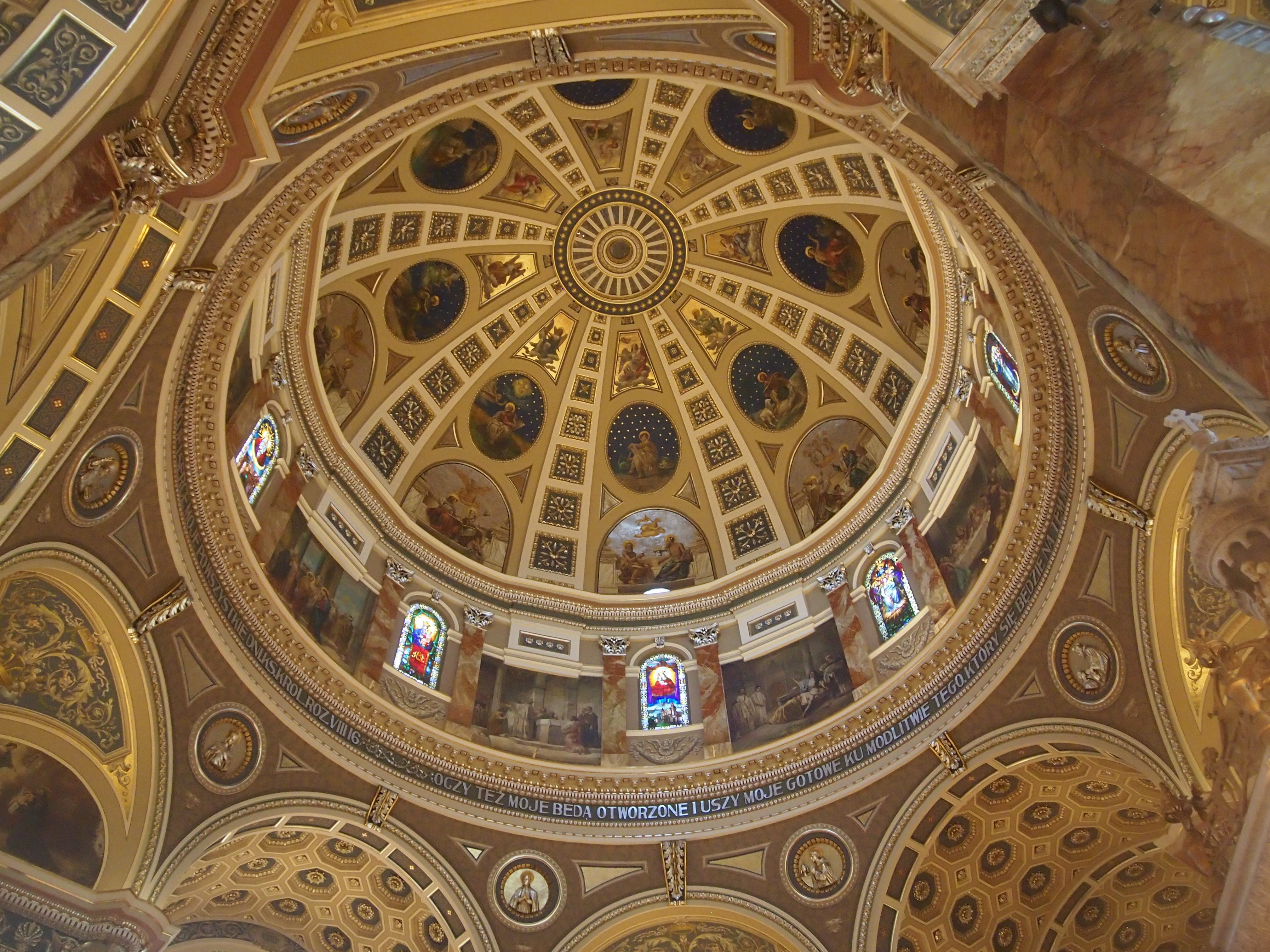
The splendid dome.
Basilica of St. Josaphat, MilwaukeeAnd more.

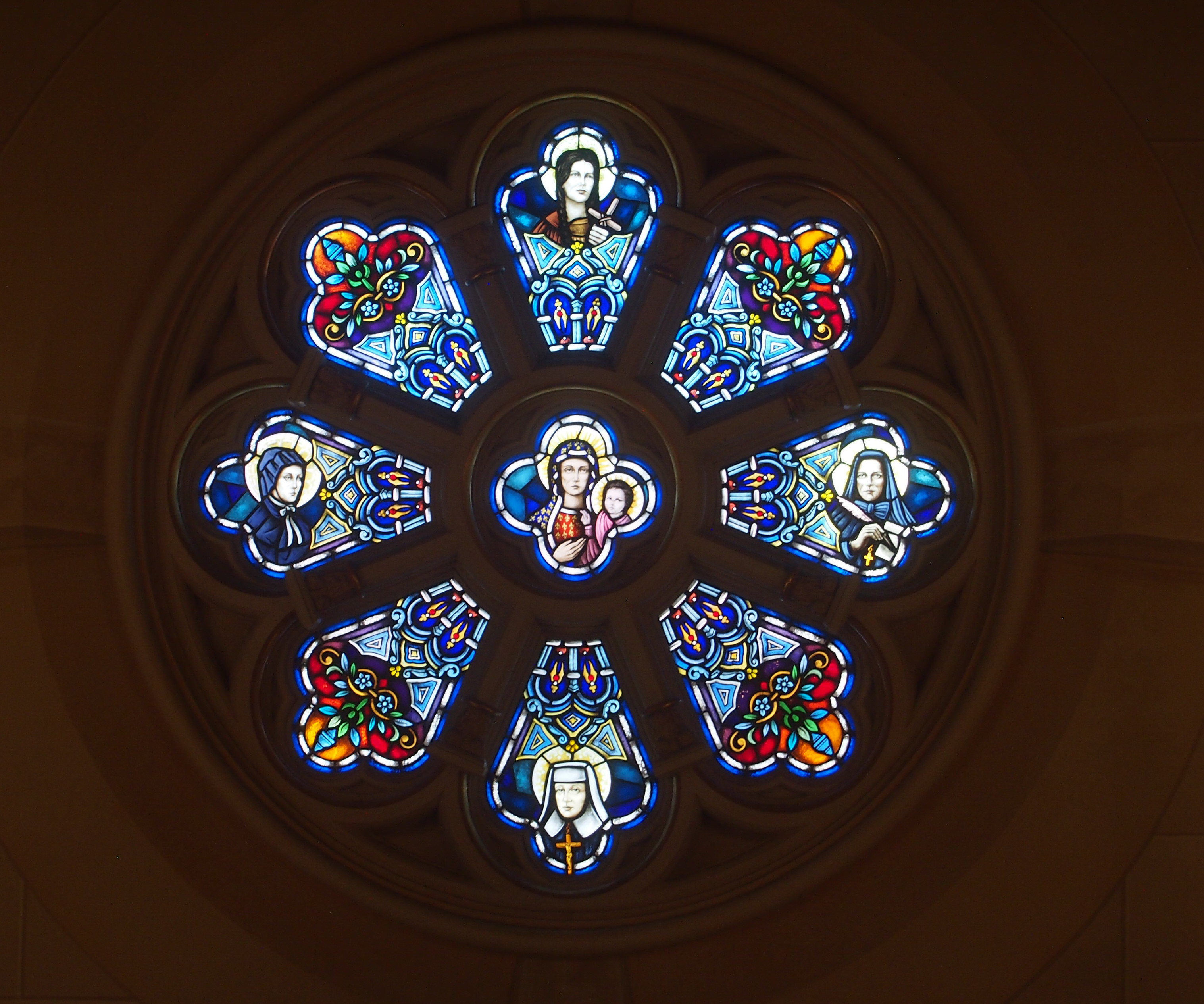
Basilica of St. Josephat, MilwaukeeBasilica of St. Josephat, MilwaukeeBasilica of St. Josephat, MilwaukeeThe rose window.

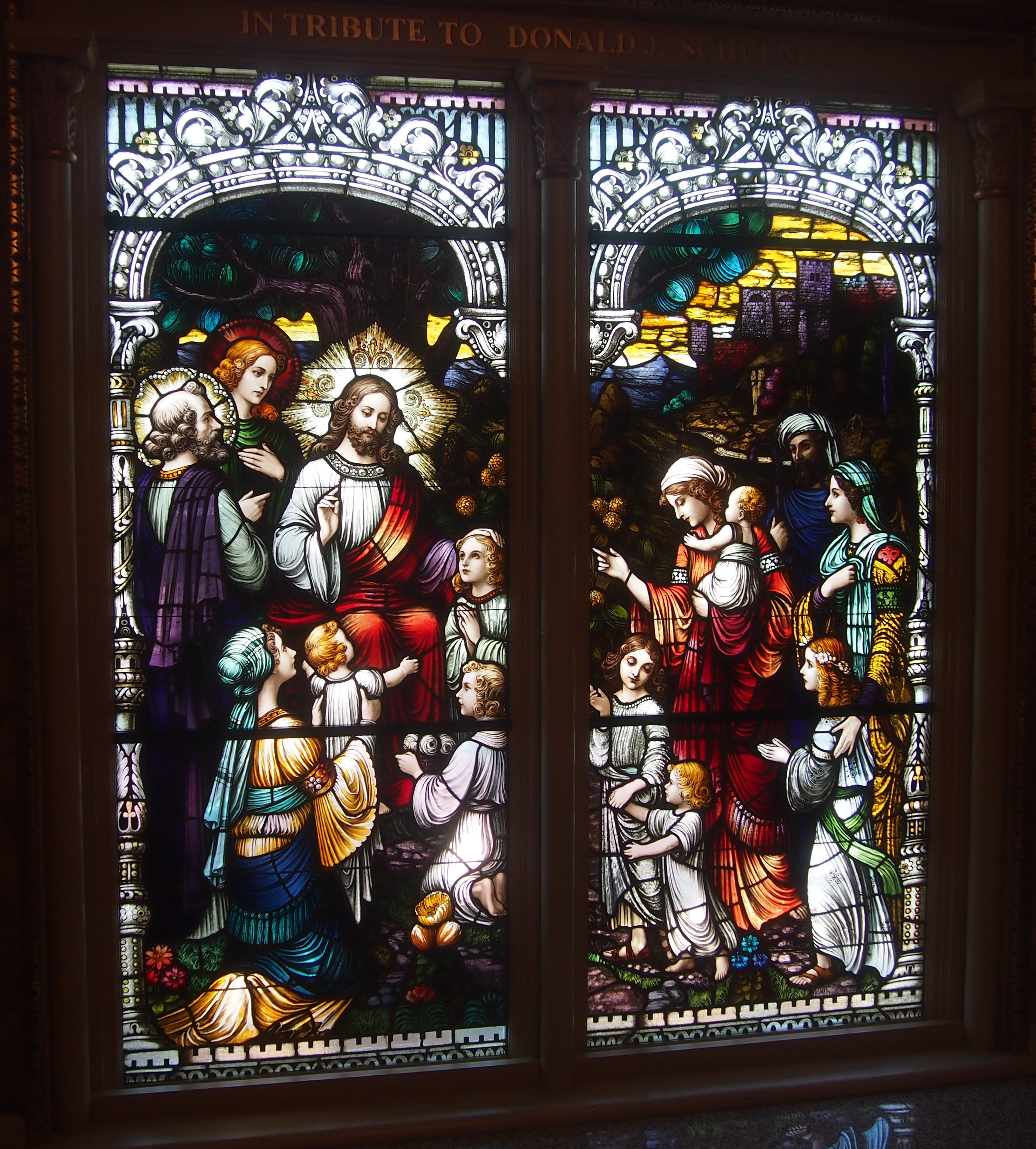
Basilica of St. Josephat, MilwaukeeOther fine windows.

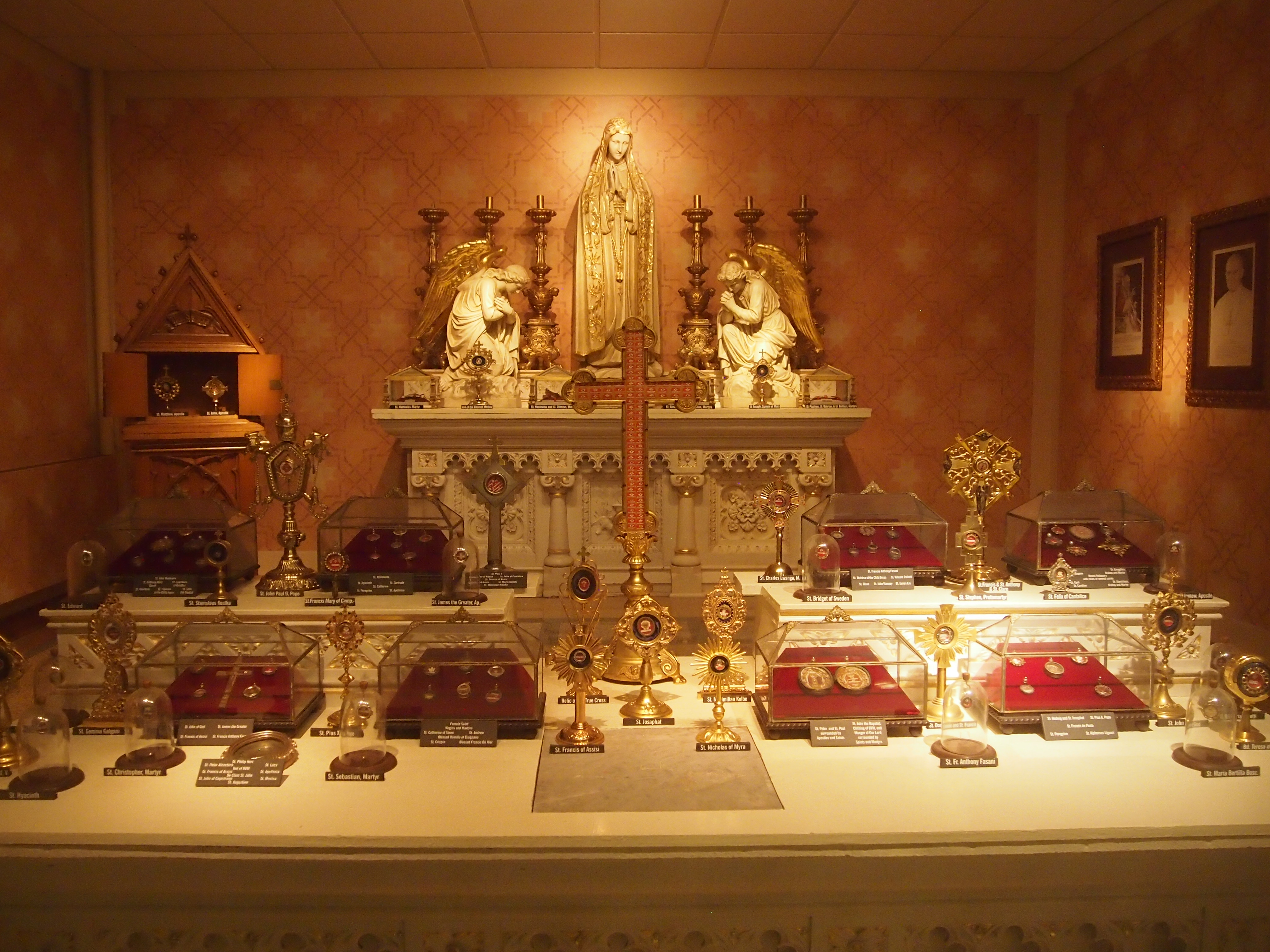
Basilica of St. Josephat, MilwaukeeDownstairs is the relic room. A big stash of them in many reliquaries. The room looks open, but I put my camera between iron bars to capture the image.
Relics of the Basilica of St. Josephat, MilwaukeeThere’s one from St. Josaphat, which seems appropriate, as well as St. Francis of Assisi, St. Nicholas of Myra, St. Sebastian, St. Maximilian Kolbe, St. Stanislaus Kostka, St. Bridget of Sweden, St. Pius X, and St. John Paul II, among others.

There’s also a Relic of the True Cross, according to one of the signs. More easily obtainable than I would have thought. Well, you know what Calvin, who of course had his own agenda, said about that.

Annunciation Greek Orthodox Church & Stalin’s Tattooed Granddaughter

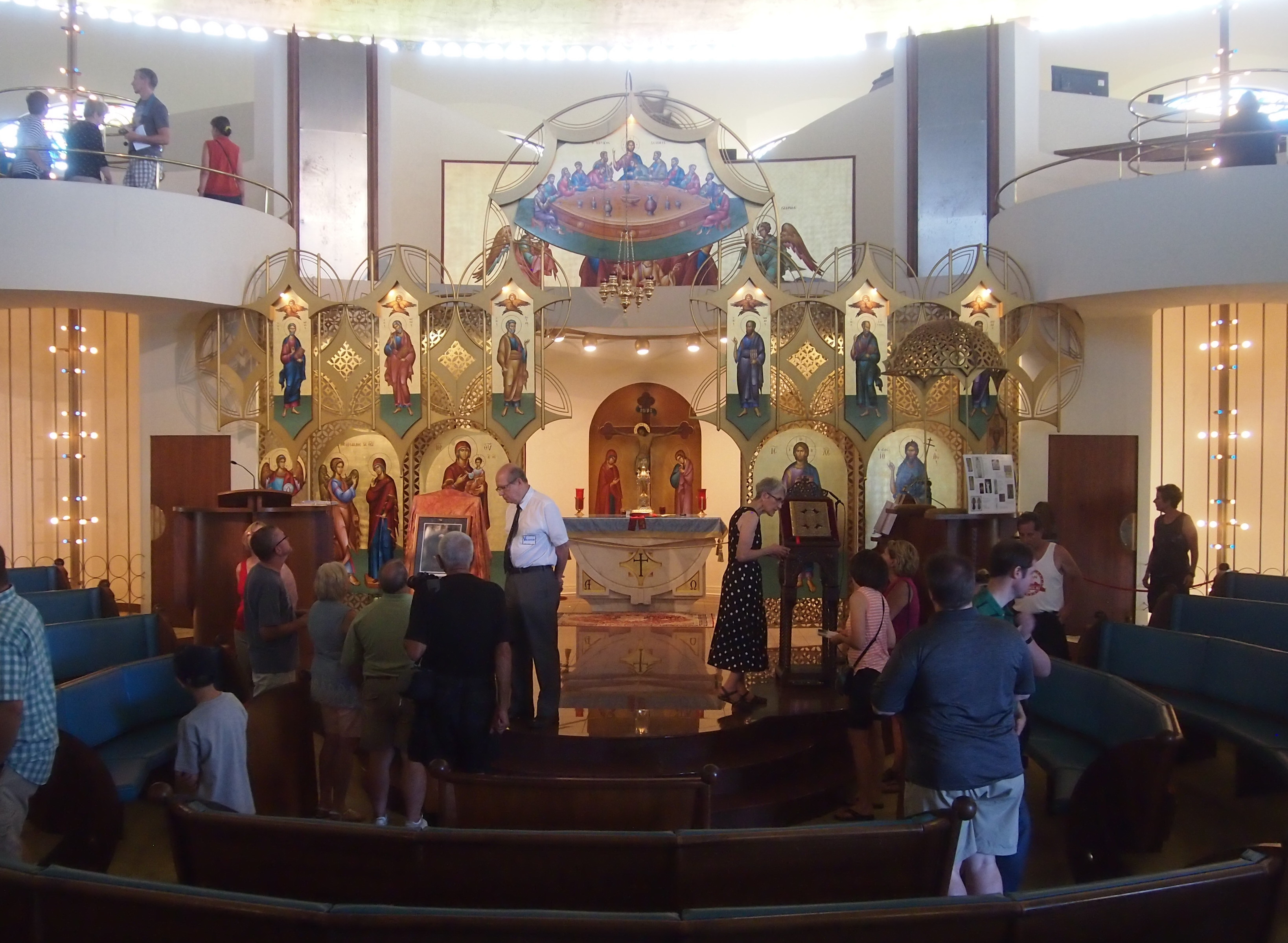
I had a short talk with one of the volunteers at Annunciation Greek Orthodox Church in near-suburban Milwaukee during the Open Doors event. That was the first place we visited. She was roughly my age, and knowledgeable about her church. I asked her about the church’s pews. That’s not something you usually see in the Orthodox tradition.

The pews arrayed in a semicircle, with all of them facing the sanctuary. Each pew is lined with sky blue cushions — with gold carpet underneath — and a fish is carved into the end. Interesting detail, I thought.

Yes, she said, pews are unusual for an Orthodox church. In all the others she’d seen, including in the United States and Europe, the congregation stands. Are pews normal in other churches? she asked me. Catholic and Protestant ones?

I answered yes, even as the implications of the question sunk in. Someone so informed about her church, and with plenty of years behind her, had never visited any other kind of church? That couldn’t be. Not even for a look? Not even in the great cities of Europe, where you can wear yourself out visiting churches of renown?

That’s just about inconceivable to me, who will enter a church or any other religious site that’s open, without hesitation. Especially unusual places such as Annunciation.
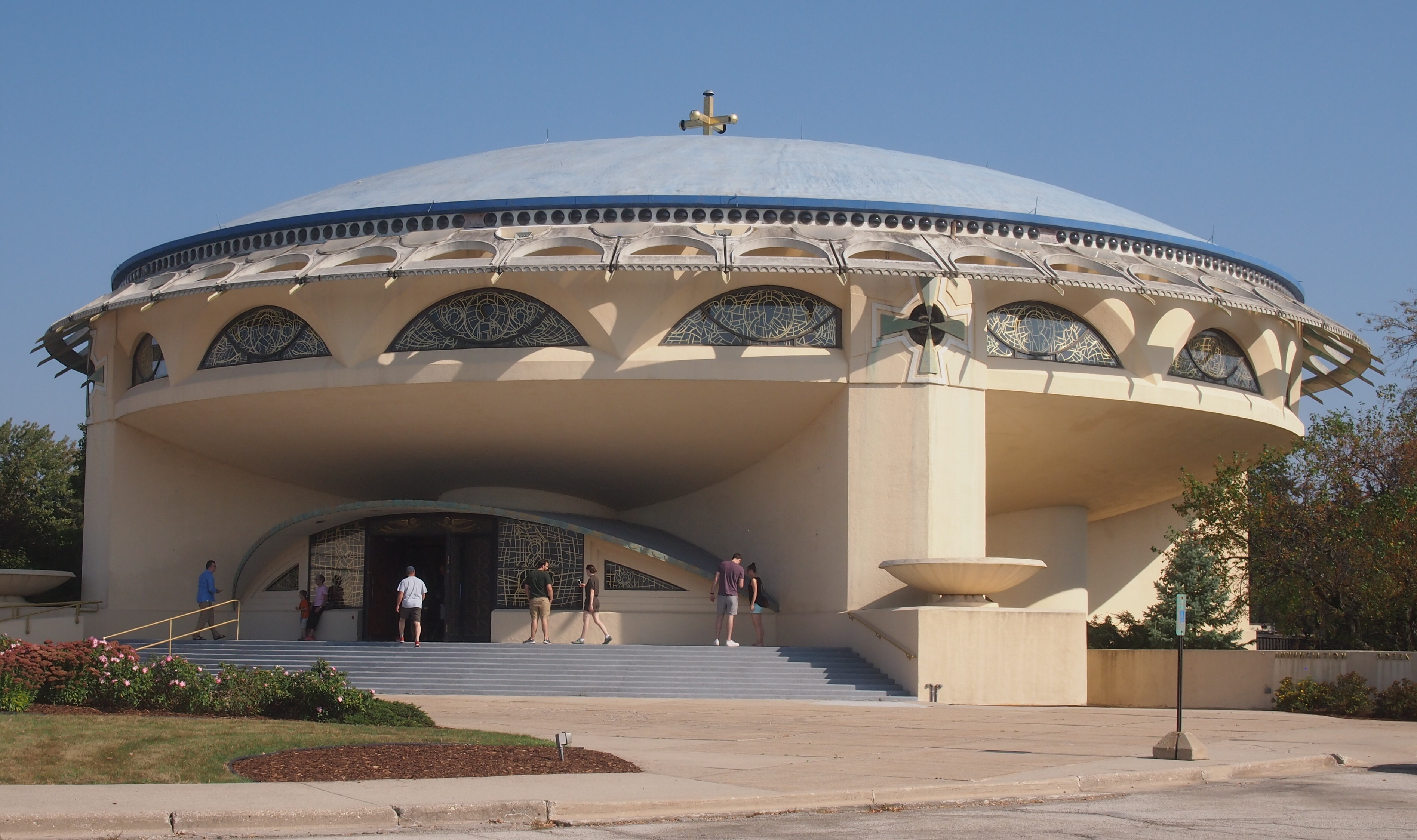
Annunciation Greek Orthodox Church, WisconsinGenius or otherwise, Frank Lloyd Wright’s work is almost always worth a look. Interesting how he incorporated Byzantine elements such as the dome, and crosses in circles, into something that doesn’t look like other churches, Eastern or not. And doesn’t the church have that Space Age look as well? Like the Jetsons might have attended there.

This is facing the iconostasis. The pews are partly visible.
Annunciation Greek Orthodox ChurchRachel Minske writes in Wauwatosa Now: “The altar area, once carpeted, is now marbled. Egg tempera two-dimensional depictions of church icons surround it. The church choir normally sits high above the altar, on the second floor, and its members view the service using a video monitor as they are somewhat hidden from view, [Father John] Ketchum said.

“Stained glass windows are found throughout the church, which also were additions after the building was completed, Ketchum said. Glass bulbs line the church’s perimeter, up high near the dome. There are more than 200 bulb-shaped windows, each letting in a significant amount of natural light.

“…The original ceiling was tiled, but that was replaced with paint after changing temperatures inside the church caused the tiles to fall off the ceiling.

“To access the church’s bottom floor, there are three spiral staircases that wind downstairs. Each has a whimsical design and is lined with gold carpet.”

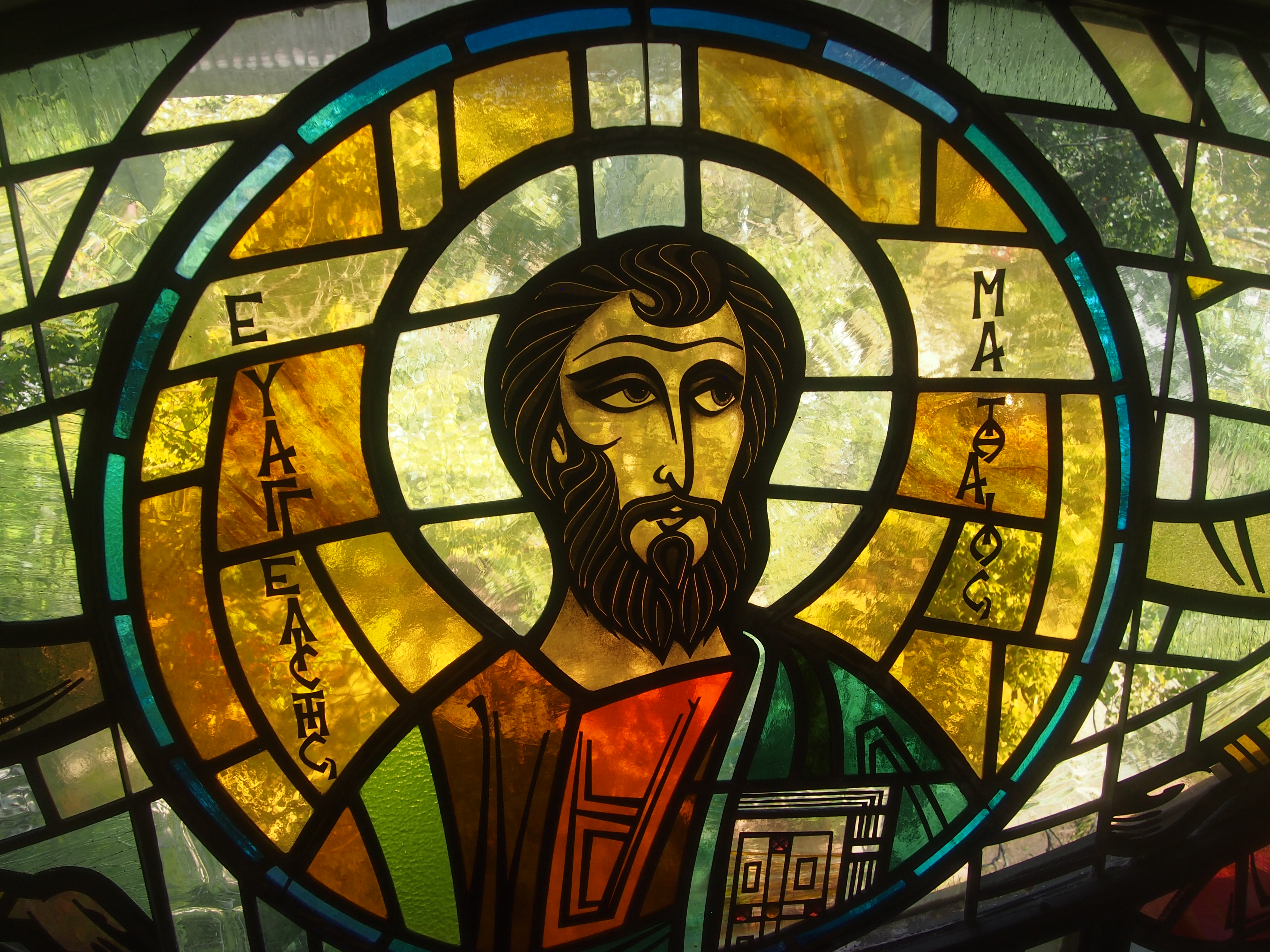
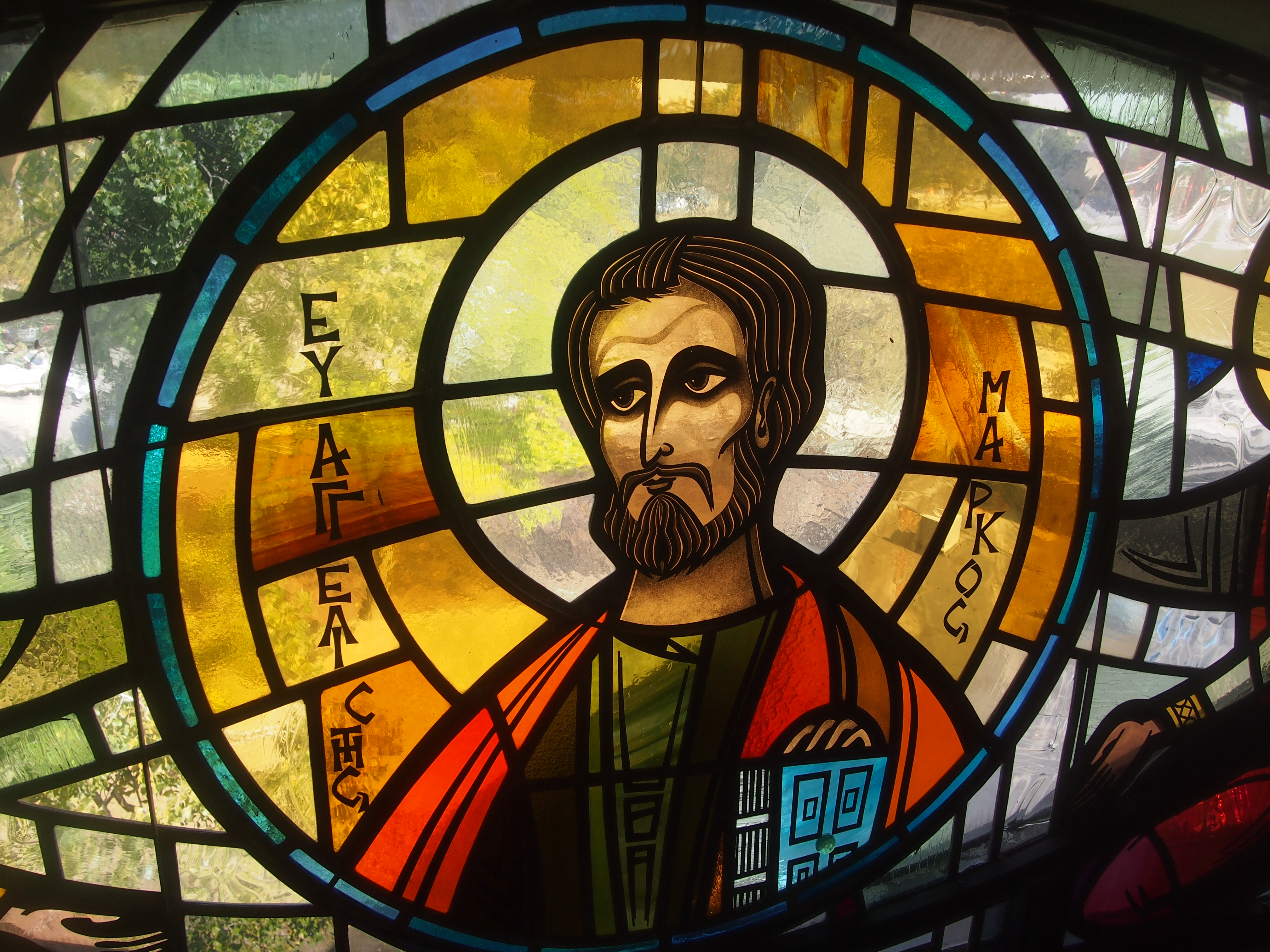
On the upper level, I got a few decent images of the stained glass.
Annunciation Greek Orthodox Church Annunciation Greek Orthodox Church And a look at this sign.
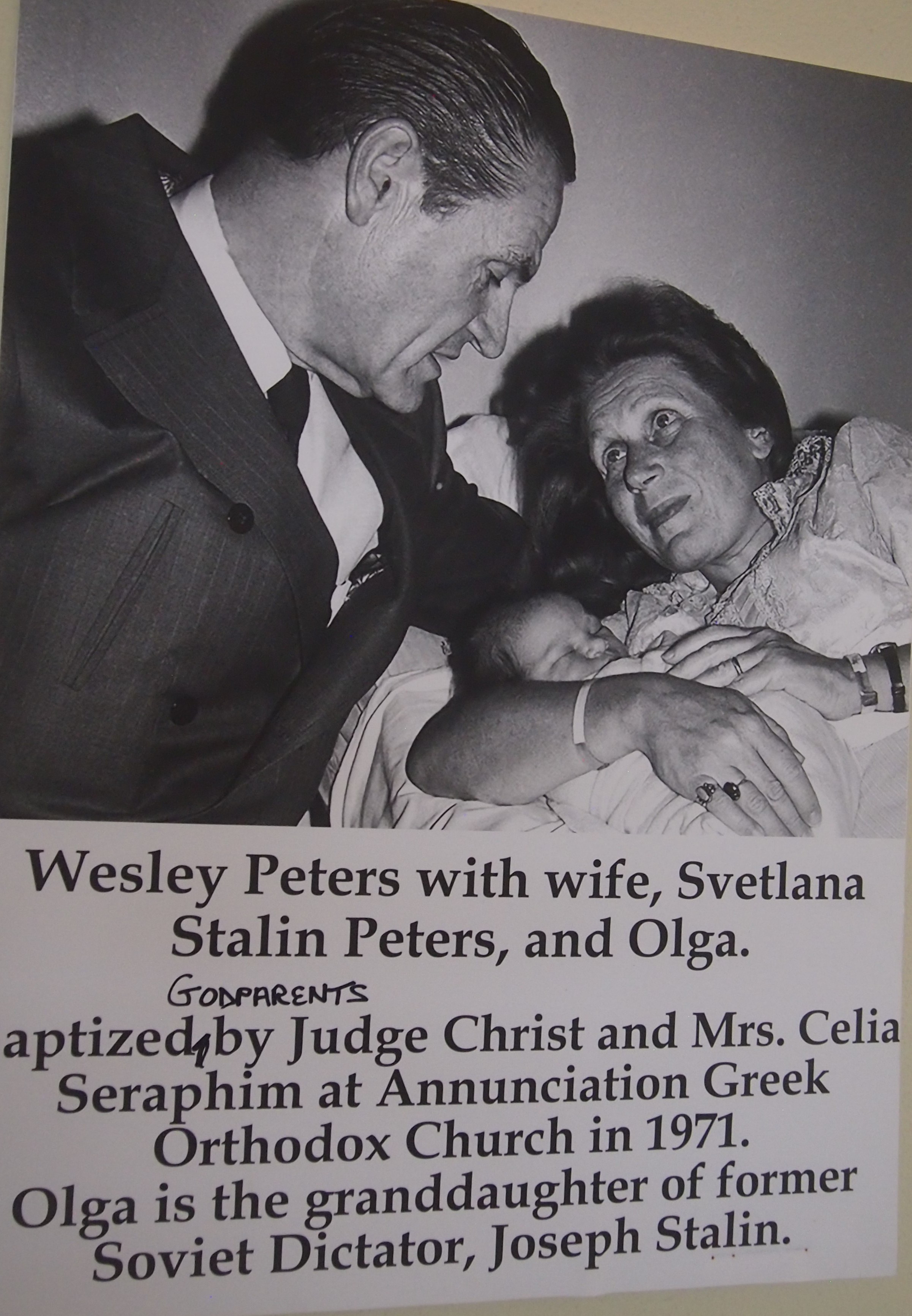
Annunciation Greek Orthodox ChurchCurious that the church would draw attention to Stalin’s granddaughter’s baptism there. More current information about Ogla, now Chrese Evans, is all too easy to look up. I’ll take the NY Post as authoritative in this case.