Cricket in the Northwest ’Burbs

On Saturday as I walked the dog through the park and school grounds behind my house, I saw a group of about 15 men on the elementary school blacktop. From a distance, I thought they were playing baseball, which would be a little odd. Then again, the recent rains froze in the ground and then melted enough during the last few days to make the ground squishy, which would render the ball fields in the park a little difficult for a game.

Then I noticed they were playing cricket. A pick-up game of cricket, you could say, since the pitch was clearly improvised, and I don’t think there were enough of them to field 11 players on each team (one of the few facts that I know about cricket). (And that Don Bradman was the greatest cricket player, according to an Australian I knew who insisted on that point.)

I’d never seen anyone playing cricket in that park. Cricket pitches were common enough in places like England and Australia, built into the urban parks in those countries, and I remember wandering by such places and seeing cricket players do whatever it is they do. I’m not sure I’ve ever seen anyone play cricket in North America, though I know that people do.

For instance, Vanderbilt had a cricket team whose picture was always in the yearbook, and every jack man of them was of East Indian heritage. As were the men playing in the park on Saturday.

Snaps of Early ’76

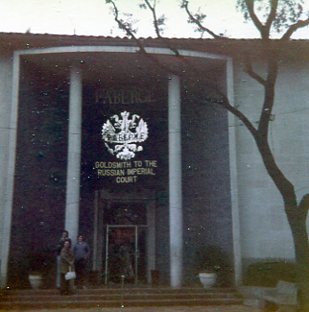
In late 1975, the Witte Museum in San Antonio opened an exhibition of Fabergé eggs that extended some time into ’76. I went to see the eggs with my family. That must have after Christmas but before New Year’s, before Jay went back to law school for the spring semester, since he took this picture.

Witte Museum Faberge Exhibit 1976

We’re hard to see, but that’s my mother (holding a white purse), brother Jim and me standing next to the museum’s front entrance. Above the double eagle the banner says, FABERGE, and I believe Фабержe across the eagle.

According to Fabergé Eggs: A Retrospective Encyclopedia, as accessed by Google, the exhibit displayed the Danish Palaces Egg (1890), the Caucasus Egg (1893), and the Napoleonic Egg (1912), beginning on December 14, 1975. The Witte exhibit was over before September 12, 1976, when the same eggs opened at the Huntsville Museum of Art in Alabama.

I have to say I don’t remember much about seeing the eggs, but it has been more than 40 years. I was probably as impressed as a 14-year-old boy could be.

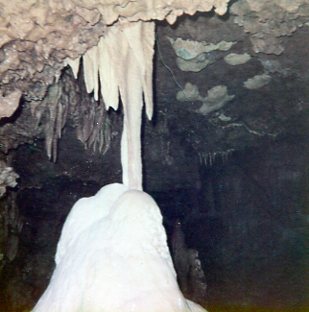
At some point in early 1976, we also went to Inner Space Cavern, which is just north of Austin.

Inner Space Cavern, Texas, 1976That’s about as good an image as I was going to get with my Instamatic 104. The exact same formation is pictured here.

Among Texas show caves, Inner Space was fairly new then, since it was discovered only in 1963 during construction of I-35, and open to the public three years later.

“Inner Space is situated in Edwards Limestone (Mesozoic Era) and is estimated to be sixty to 100 million years old,” says the Handbook of Texas Online. “Geologists attribute formation of the cave to the action of underwater currents when the Permian Sea covered the area. Ninety-five percent of the highly decorated and complex cave is still active.” Inner Space billboards call to passersby on I-35, as I sometimes am, but I haven’t been back since.

One more snap from early ’76: David Bommer.

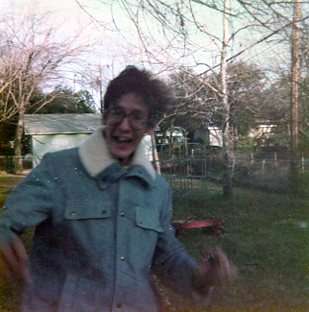
David Bommer 1976

We were goofing around in my back yard and, as you can see, I caught him my surprise with the camera. David, a friend of mine since elementary school, has been gone now nearly 10 years.

Thursday Loose Ends

While the Northeast is buried under snow, I look out onto a patch of northern Illinois — my yard — that’s brown. The heavy snow of December gave way to a moderate January, by local standards, and all the white went away. It’s cold out there, but it doesn’t look like February, which is usually marked by unmelted snow in some spots, or at least in the shadows.

I noticed the other day that My Favorite Martian was on demand, so I watched the first episode. I don’t have much memory of its original airing, from 1963 to ’66, and I don’t remember seeing it in syndication, so it’s essentially new to me. Verdict: mildly amusing at times, mostly because Ray Walston and Bill Bixby had some comic talent. But I don’t think I need to watch many more episodes, thus putting it in the same class as Mister Ed or Leave it to Beaver.

Reading a bit about the show, I learned that Bill Bixby’s full name was Wilfred Bailey Everett Bixby III. In our time, that would be the original name of a hip-hop star. Also, just before he died, he married Judith Kliban, widow of B. Kliban.

Hadn’t thought about B. Kliban in years. Didn’t know he was dead, but he has been since 1990. Somewhere at my mother’s house (I think) are collections of his comic drawings that I bought. One is called Never Eat Anything Bigger Than Your Head. Words to live by.

At a magazine rack in a big box store not long ago, I saw a copy of Rolling Stone. I was shocked. It was so thin you could put it in a box and use it for Kleenex. The magazine was also standard size, or smaller, not the tabloid that by rights it should be. It was like running into an old acquaintance who’s now dying of a wasting disease. Guess its real presence is online now anyway.

“Acquaintance” because I never read Rolling Stone that much. Not all together my kind of magazine. But I would pick it up and look at in doctors’ offices or from friends’ coffee tables or the like. And I have to say it often had interesting covers, even if they depicted celebrity musicians I cared nothing about.

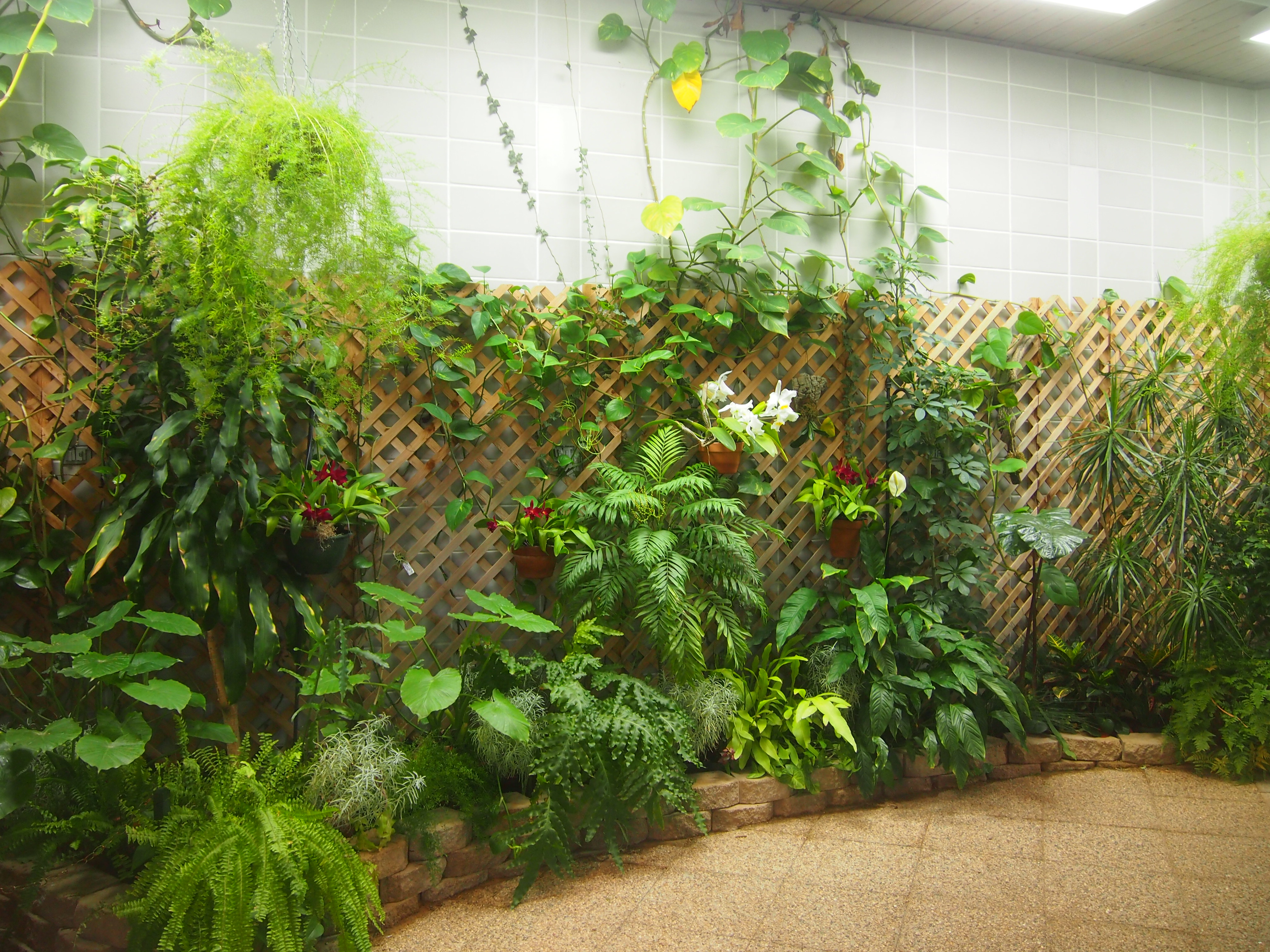
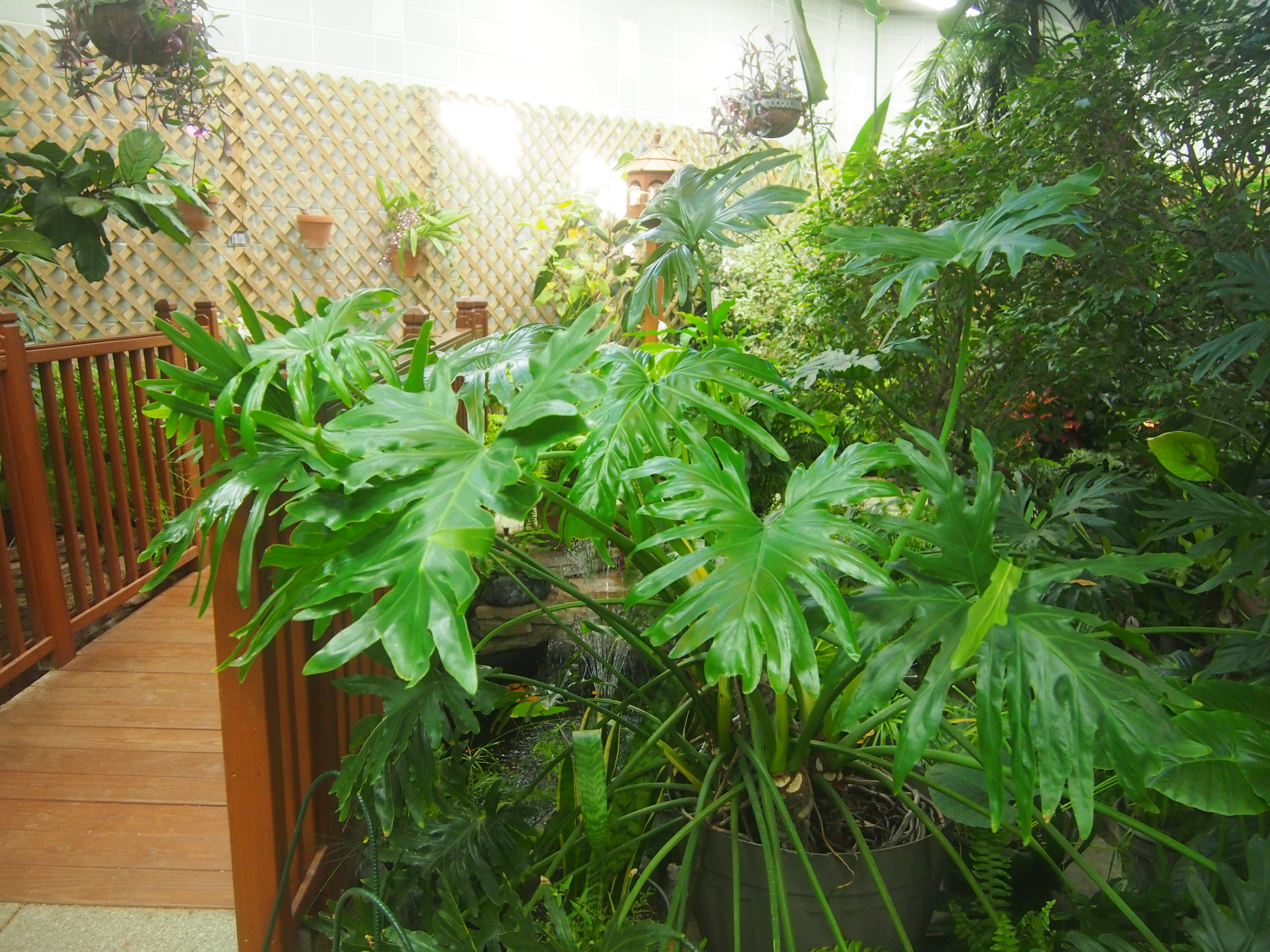
Last Friday, I dropped by the visit the Friendship Park Conservatory, a small conservatory that’s part of the Mount Prospect Park District. Nice to see some green now, even if the pit of winter this year isn’t too deep.

Friendship Park Conservatory, Mount Prospect

Friendship Park Conservatory, Mount Prospect

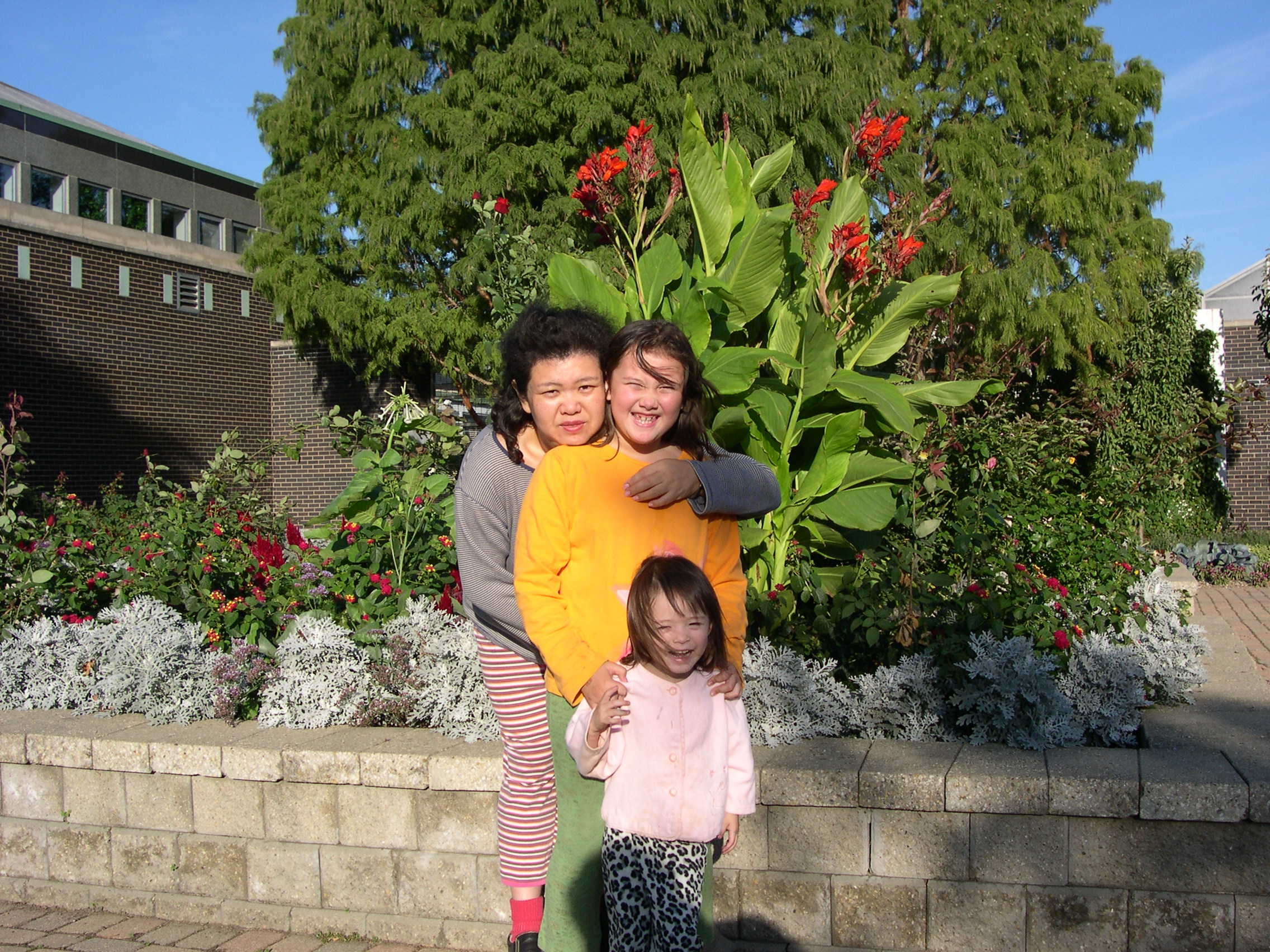
The last time I remember being there was in late summer, when it was green outside the conservatory as well as inside. Back in 2005. The girls were a lot smaller then.

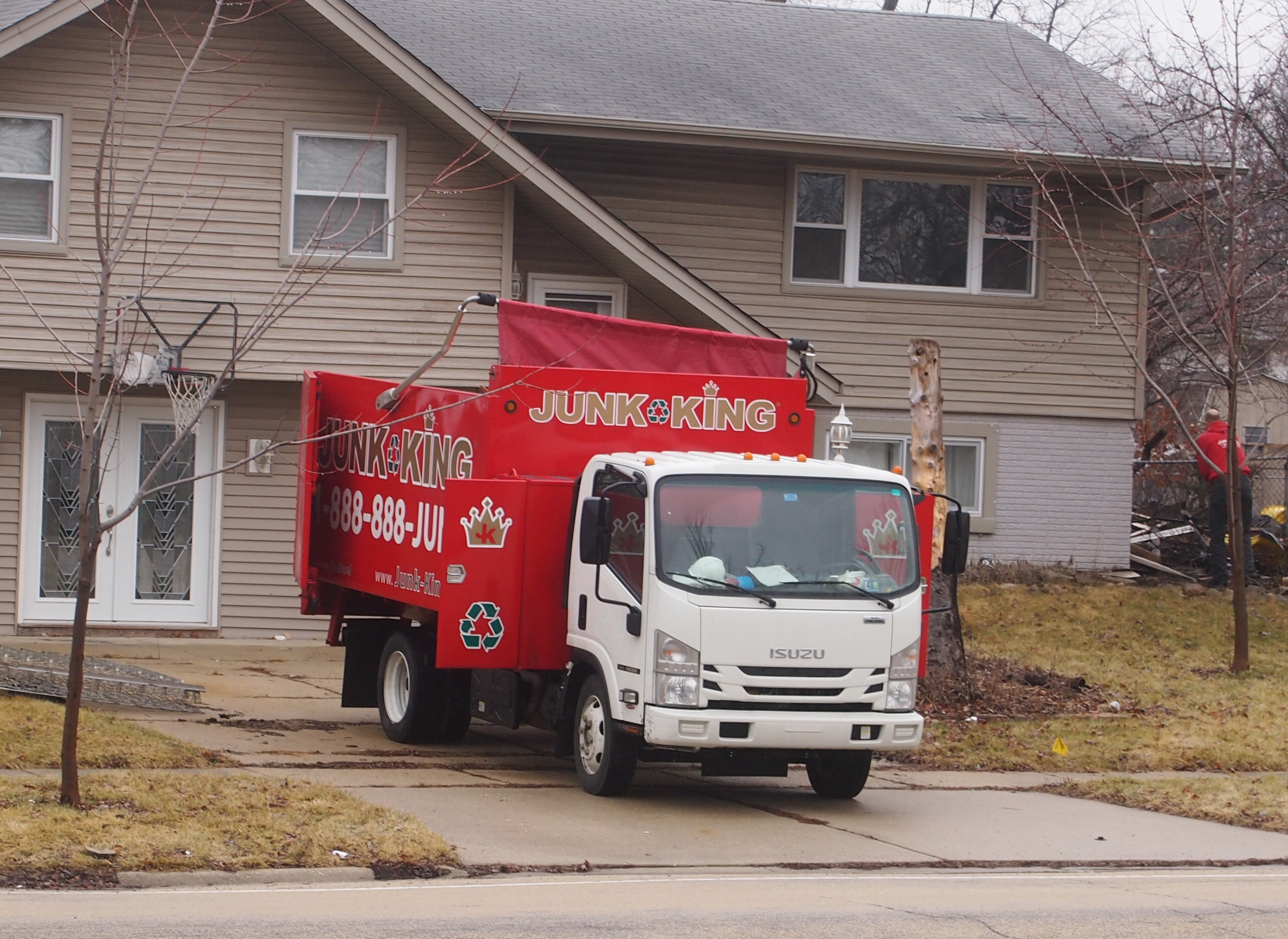
Friendship Park Conservatory, Mount ProspectEarly this week, Junk King paid a visit to a house on my block.
I’d heard of the company, but never seen one of its distinctive red trucks before.

The Flight 191 Memorial, Des Plaines

After lunch on Friday, I realized I was fairly close to the Flight 191 Memorial, so I went to take a look. It might be February, and it definitely was cold, but the sky was sunny and the ground without any ice or slush to wade through.

I remember hearing about the crash, which happened the week before I graduated from high school. Probably most people old enough to understand what had happened remember hearing about it, so terrible was the accident. Almost 38 years later, it’s still the worst U.S. aviation accident in terms of fatalities, 273, unless you count all the crashes on Sept. 11, 2001 together, but those were no accidents.

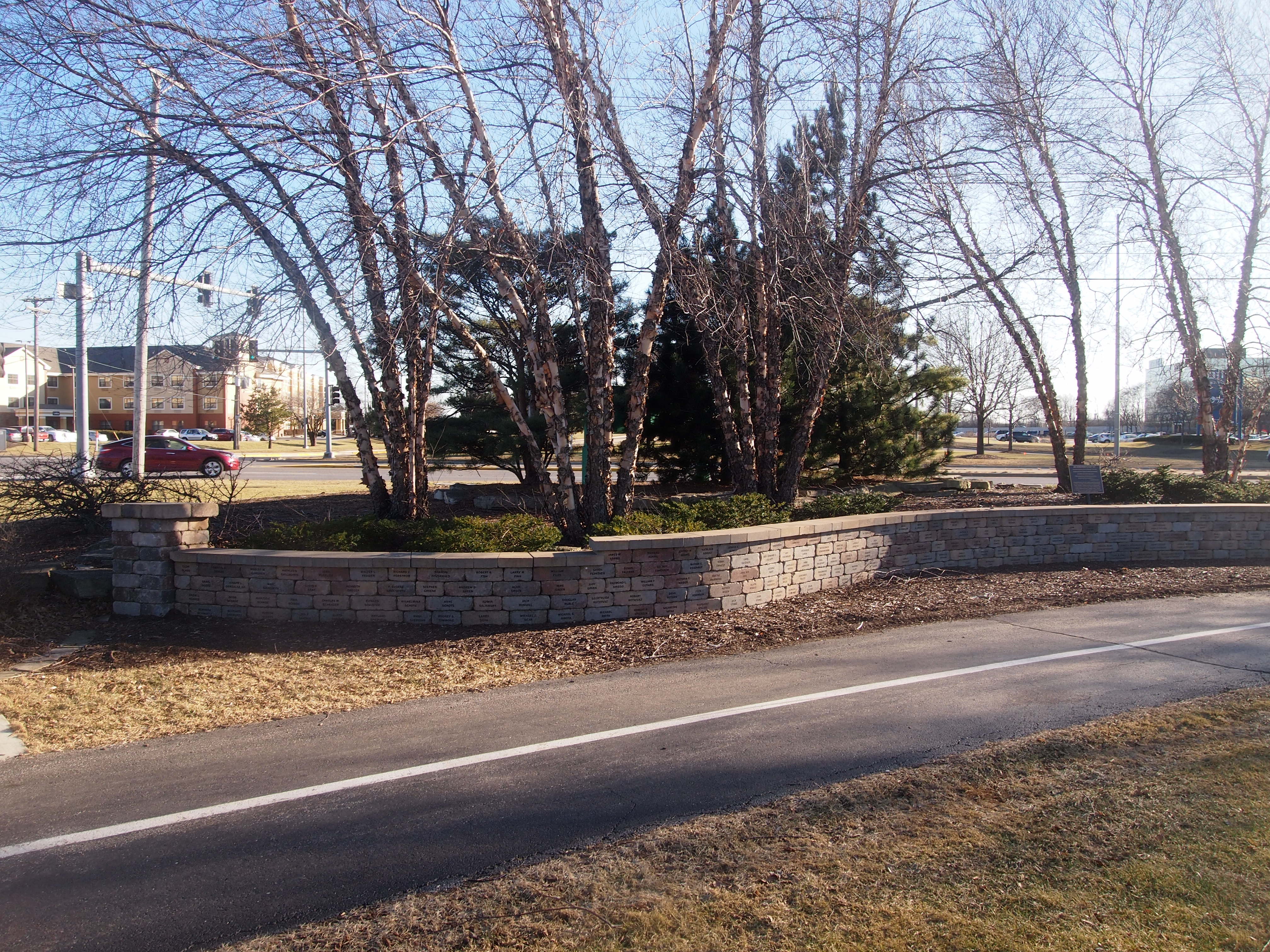
The memorial is tucked away in a park in the large suburb of Des Plaines. From a distance, the site is unassuming, between the road and a jogging path.

Flight 191 Memorial, Lake Park, Des Plaines 2017

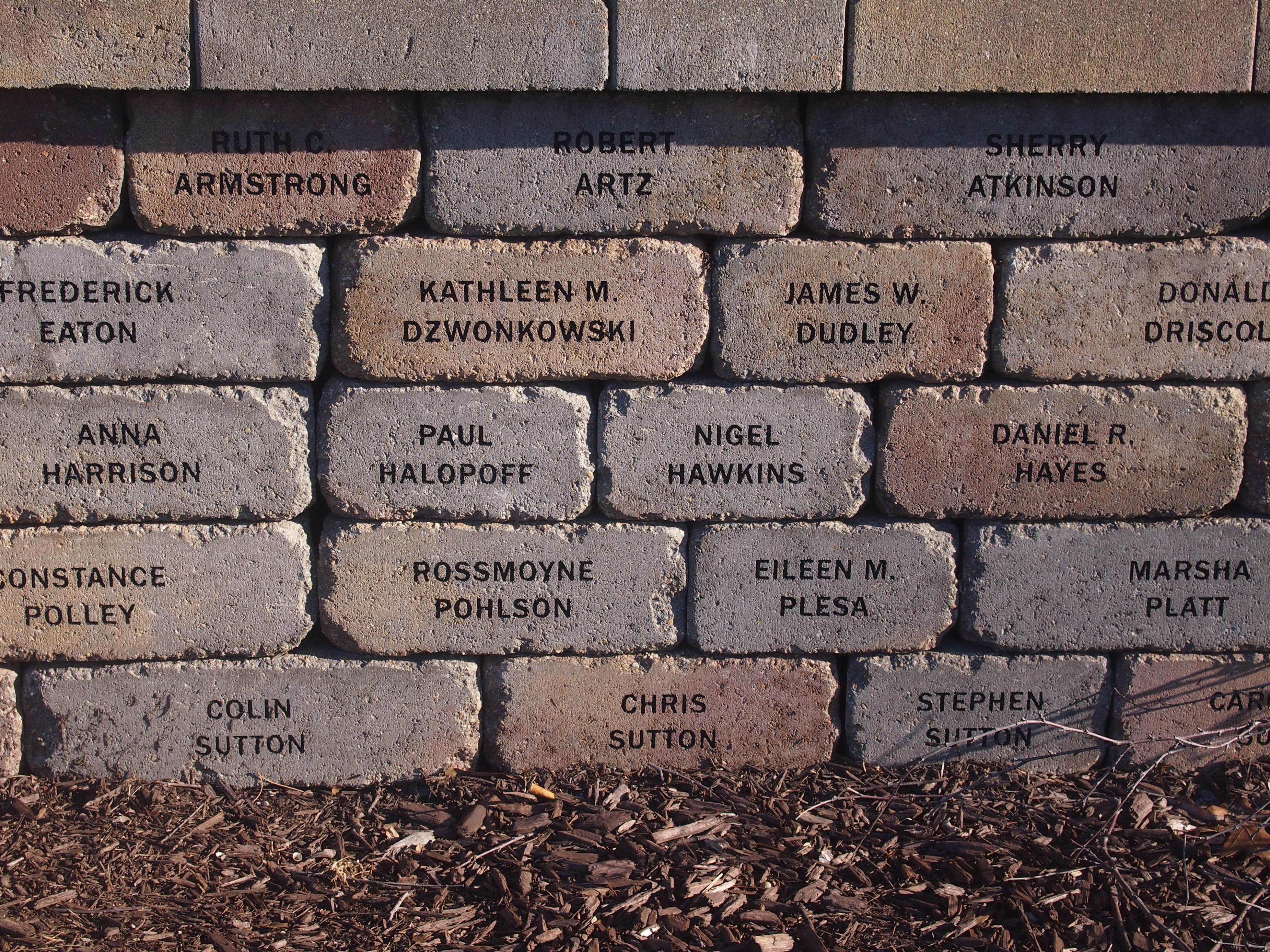
I imagine that most people driving by on Touhy Ave. just to the south of the site don’t know it’s there. Closer up, the memorial reveals itself. It’s a low wall with names of the victims inscribed, one to each brick.

Flight 191 Memorial, Des Plaines ILFlight 191 Memorial, Des Plaines ILFor a long time, more than 30 years, there was no memorial to AA 191 anywhere. In 2011, the Chicago Tribune reported that the effort to build a memorial “started with [Kim] Jockl, an assistant principal at Decatur Classical School in Chicago’s West Rogers Park neighborhood whose former students learned she had lost her parents on the Los Angeles-bound flight.

“The group pushed for two years to build the memorial. Finally, American Airlines agreed to foot the $21,500 cost, according to officials at the ceremony, and a location for the memorial was found inside Lake Park in Des Plaines.”

A plaque mounted on a short pole behind the wall says:

WE REMEMBER FLIGHT 191

Let us not forget the victims of May 25, 1979, who helped assure the safety of all who have boarded an airliner since that tragic event.

“When someone you love becomes a memory, the memory becomes a treasure.” — Author Unknown

A special thanks to all who helped make this memorial possible, especially: Decatur Classical School, Chicago Public Schools; US Representative Jan Schakowsky; IL State Sentator Dan Kotowski; the Des Plaines Park District; American Airlines; Project Citizen; Thomas A.Demetrio; Constitutional Rights Foundation Chicago; Center for Civic Education; and Nilco, Inc.

Katsudon

I had lunch with an old friend on Friday at the food court of Mitsuwa, a small Japanese-oriented mall anchored by the grocery store of that name in northwest suburban Arlington Heights. We had a good visit. The food is quite good there. I had some katsudon, a Japanese creation with pork cutlet and egg and a small amount of vegetables on rice, and long a favorite of mine among Japanese eats.

There’s a tiny restaurant off an alley in the Namba district of Osaka simply called Katsudon (or rather, カツ丼). It seated maybe eight at a counter looking straight into the small area in which two cooks made katsudon, the only thing on the menu, in gleaming copper-bottomed vessels. It wasn’t especially expensive and it tasted like heaven.

In fact, the place offered up the Platonic Ideal of the katsudon, as far as I’m concerned. All katsudon of the material sphere yearn to be that form. They inch toward it, but never quite make it. In short, the one at Mitsuwa was very good, but not as good as Katsudon, at least as it was 25 years ago. Hope the quality’s been maintained.

I had to look around to make the sure that the restaurant is still in business. I found some pictures, and it even looks like I remember it. Seems like the joint now also offers the related dishes of tonkatsu — cutlet on a bed of chopped lettuce — katsucurry, which is the cutlet on top of curry rice. Bet those are top-drawer, too.

I also noticed that the name of the alley is Hozenjiyokocho. I’m not sure I knew that back then. According to one source, the alley is a “collection of 60 small izakaya, bars and eateries in an alleyway behind Hozenji Temple in Osaka. The street has been filled with nightlife since the 17th century, when the area was a theater district.”

As for the nearby image of the kami Fudo Myo-o, which is covered with moss, I must have seen that. That’s the kind of thing I would notice. But I don’t remember.

What I need now is a specialized Tardis, one that takes you to your favorite restaurants, past or present, closed or still operating. Katsudon in Hozenjiyokocho would be such one place, since my tastes run to the inexpensive.

Off the top of my head, other destinations would include O-Sho, also in Osaka, which made wonderful gyoza; River Kwai in Chicago; Mack’s Country Cooking and Loveless Cafe as they used to be in Nashville; the Daily Catch in Boston; Viet Nam in San Antonio; that place in Apalachicola; that other place in New Orleans; the Cuban place in Tampa; Pizza Rustica and Mario’s in Rome; that fish-and-chips spot on Cleveland Street in London; halbes Hähnchen mit Pommes frites in Lüneburg; and yet other establishments whose names I’ve forgotten in New York, Hong Kong, Singapore, Bali and other places.

The 2017 Chicago Chinatown Lunar New Year Parade

I ought to go to more parades. As long as the crowds aren’t impossible, they can be worth a few hours, and at a parade you’re participating in something that must be as old as urban civilization. Parades of some kind were surely features of life in Ur.

I’ve been to parades on the occasion of First Night, St. Patrick’s Day, Patriots Day (the Massachusetts holiday), San Jacinto Day, July 4, Halloween, and Veterans Day. I’ve seen them in honor of Puerto Rican Day, Indian Independence Day, and the first day of the MacKenzie, ND, County Fair. I took in a Democratic Party torchlight parade at which I saw candidate Michael Dukakis walk by. I’ve seen them in Japan, Indonesia and Disney World, or was it Land? I even saw one including dwarfs.

But never a parade for Chinese New Year. I had that in mind when I decided a while ago to go to Chicago’s Chinatown for its parade, provided it wasn’t bitterly cold, as it was last year. The parade this year was Sunday, February 5. A little late after the Chinese lunar new year, but close enough. Temps were above freezing.

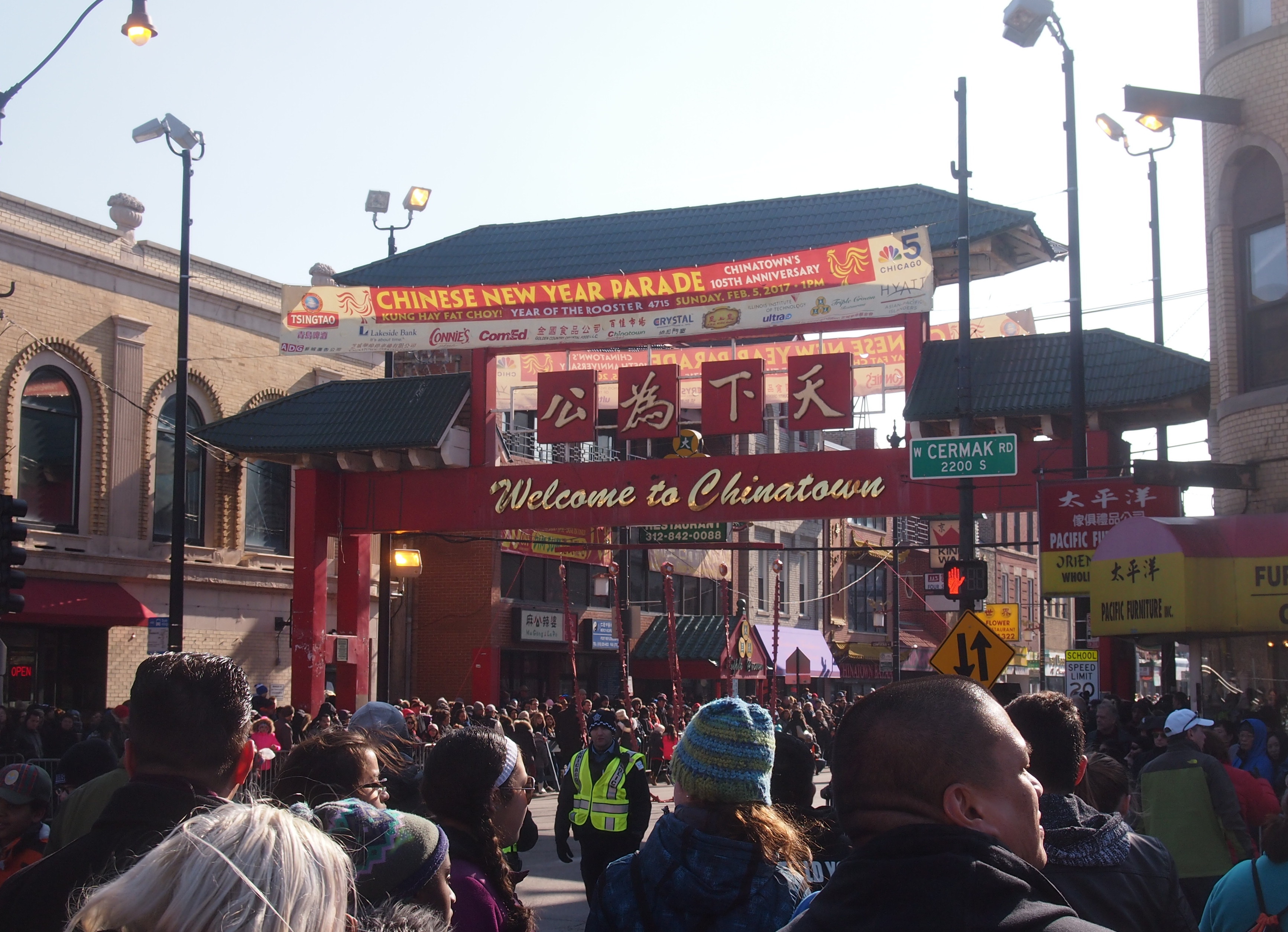
The event drew a crowd.
The 2017 Chicago Chinatown Lunar New Year ParadeThat image is looking south down S. Wentworth Ave., from across W. Cermak Rd., through the Chinatown Gate. The crowd that way was very thick, too thick for comfort. So we found a spot on the south side of Cermak, just west of Wentworth. If we’d thought about it more, we would have stayed on the other side of Cermak, which was the sunny side of the street, but things weren’t too bad at our spot. Eventually we were able to stand right next to the barricade.

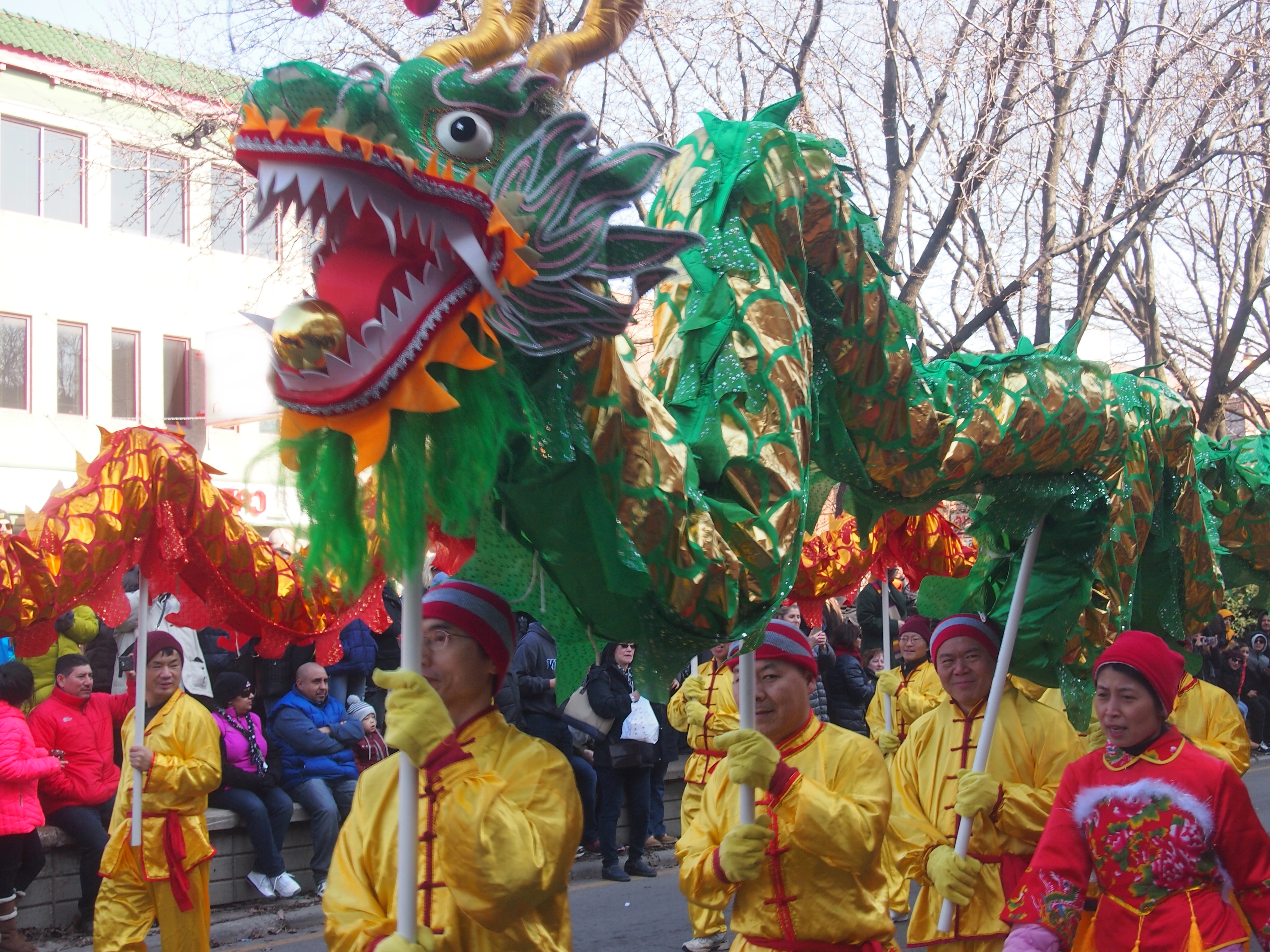
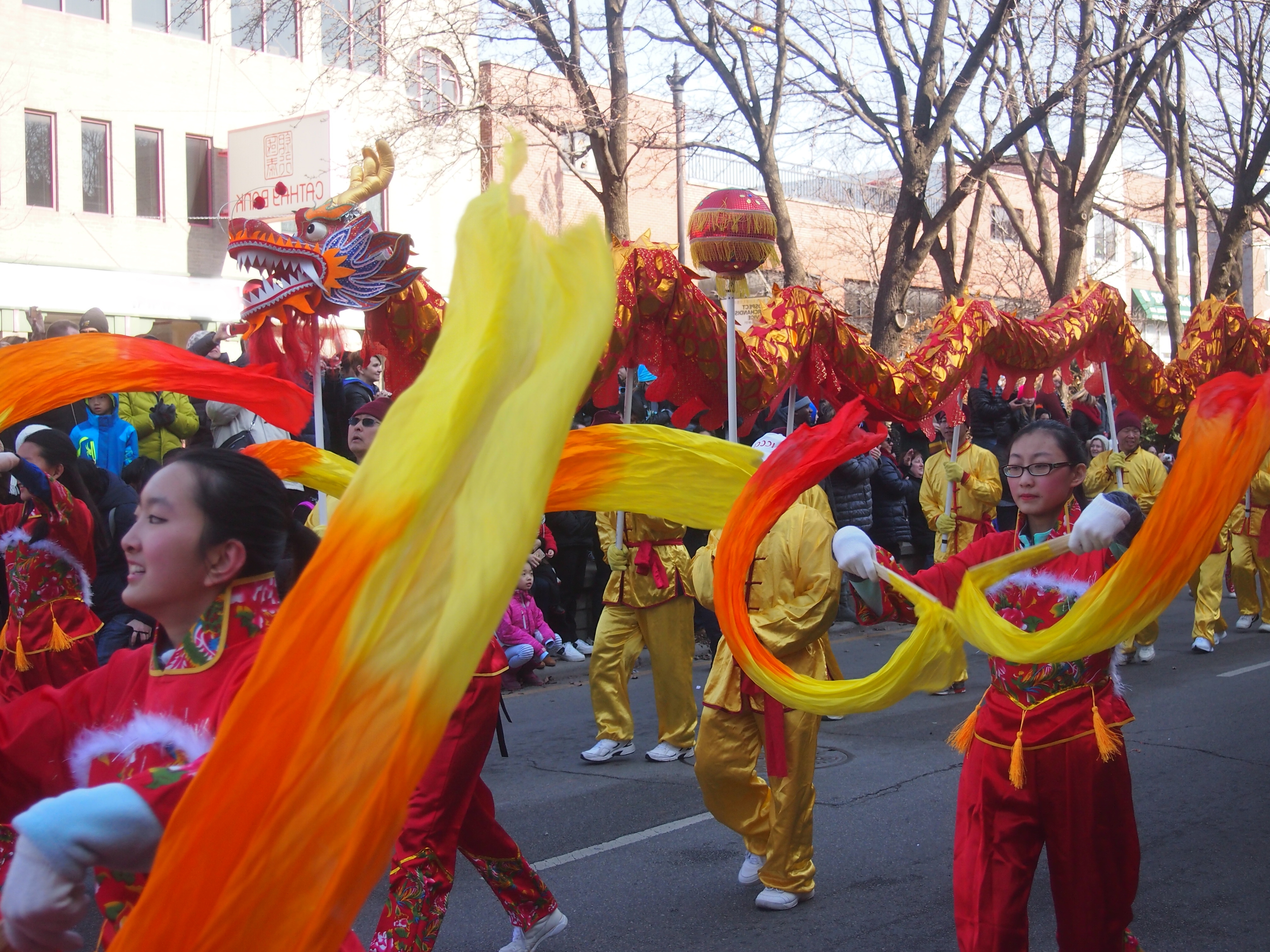
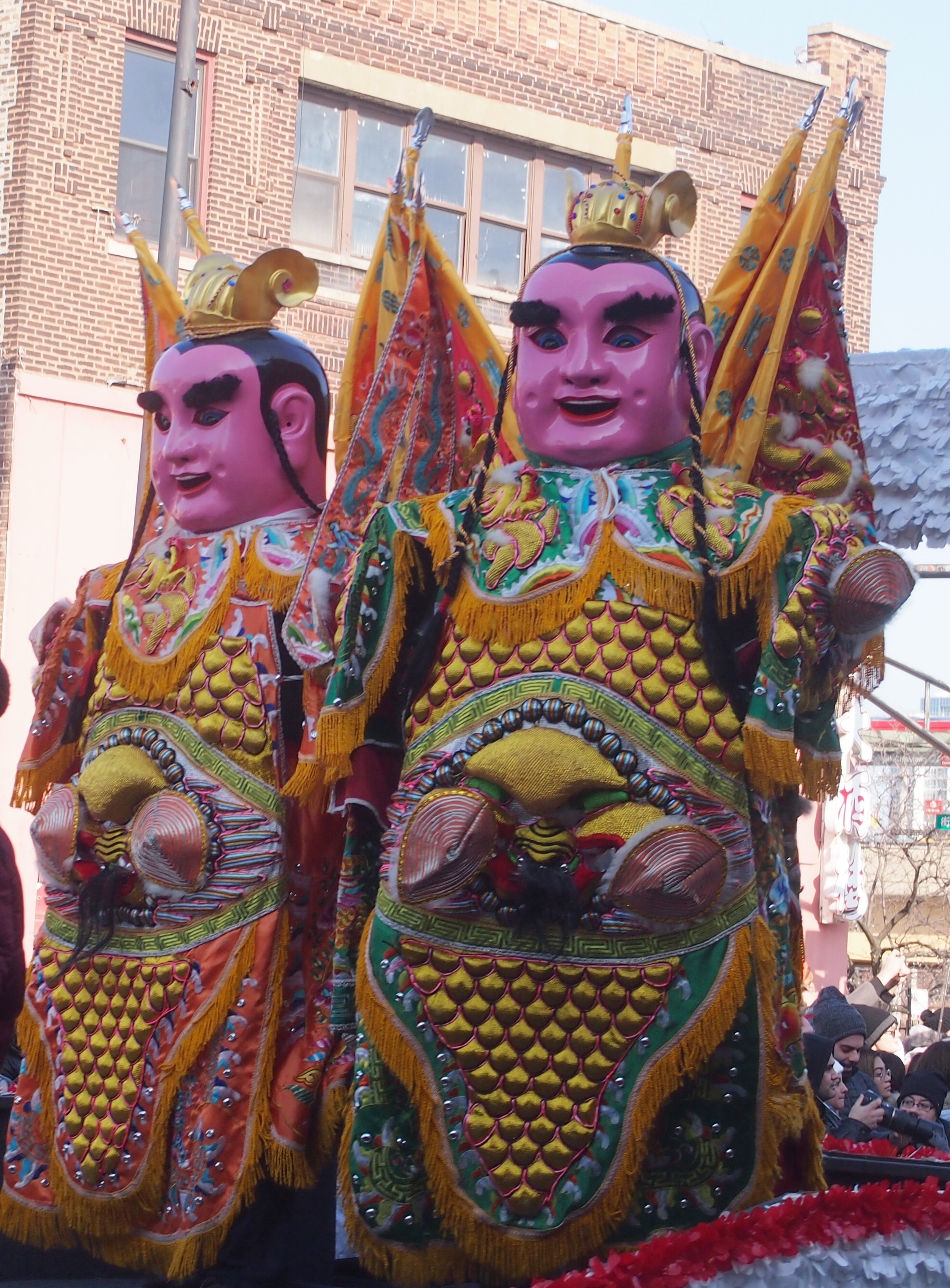
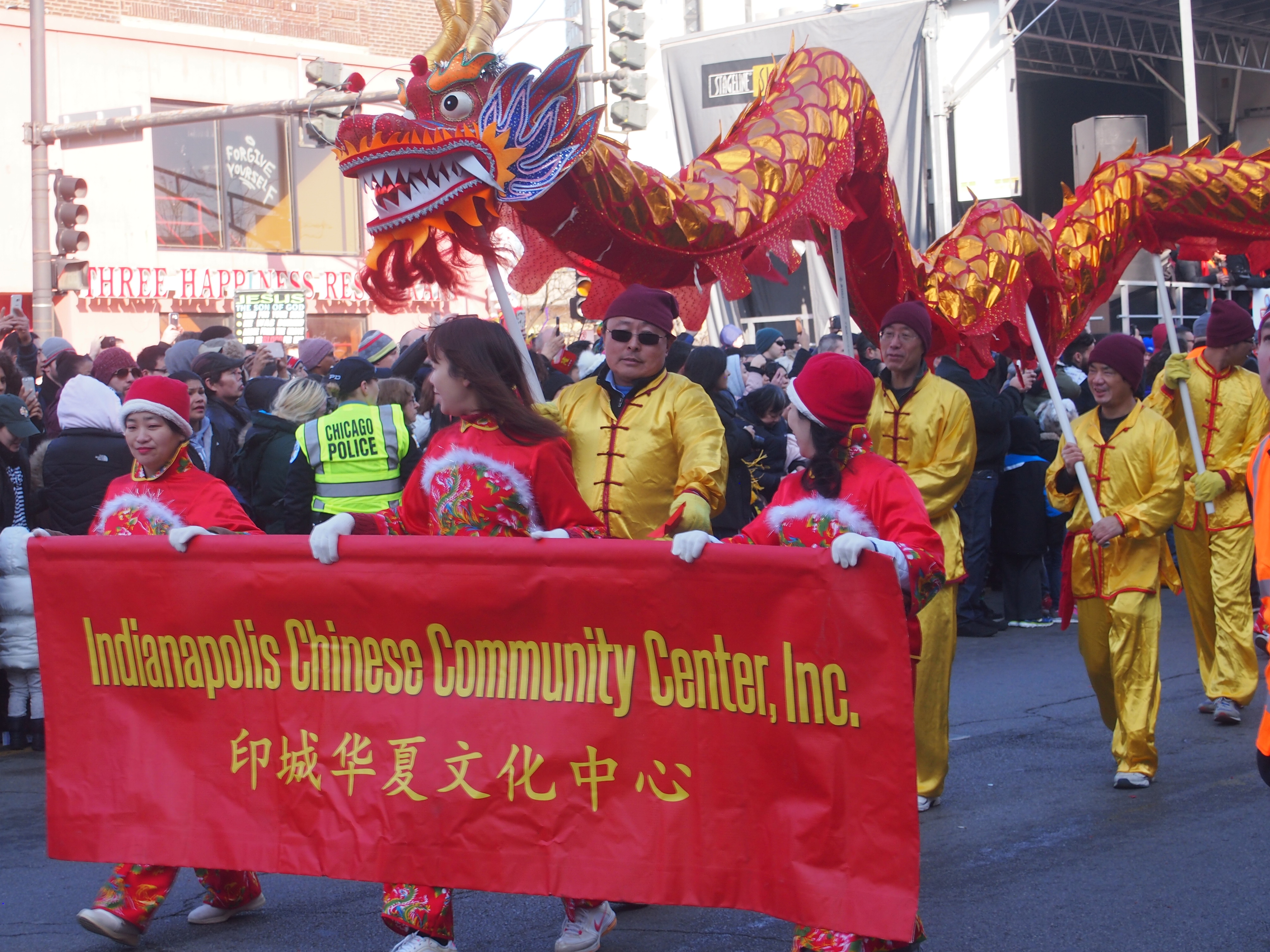
These are the kinds of things you want to see at a Chinese New Year parade. Dragons on sticks and bright colors.

The 2017 Chicago Chinatown Lunar New Year Parade

The 2017 Chicago Chinatown Lunar New Year ParadeAnd the likes of these guys.

The 2017 Chicago Chinatown Lunar New Year Parade

And colorful flags.
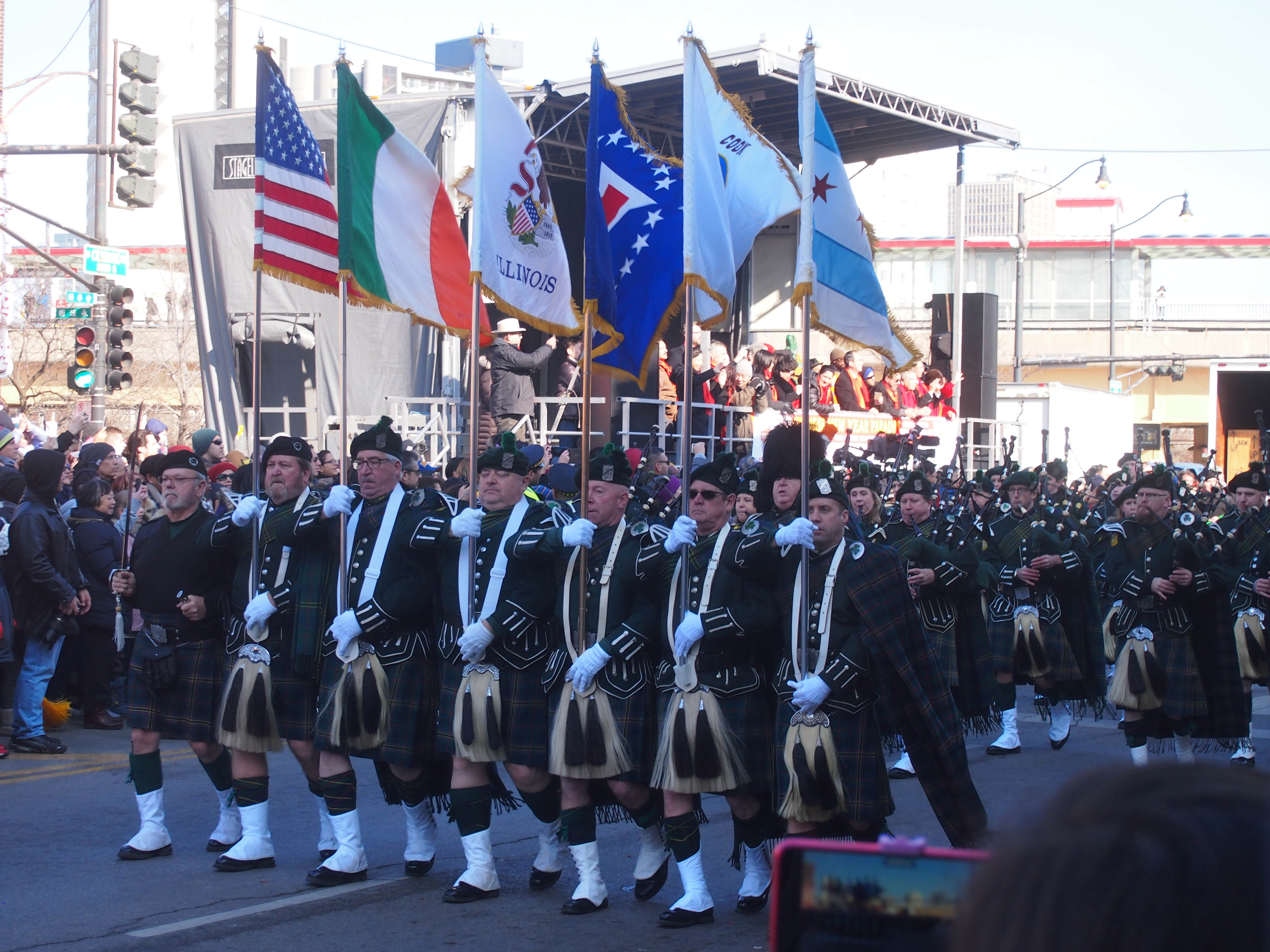
The 2017 Chicago Chinatown Lunar New Year ParadeWhat’s a Chinese New Year parade without the the Irish pipe band Shannon Rovers?
The 2017 Chicago Chinatown Lunar New Year Parade - Shannon RoversMuch of the procession included ordinary parade stuff, which a distinct Chinese-American aspect. I suspect Shannon Rovers, for their part, seldom miss an opportunity to be in a Chicago parade. I’ve seen them before, but not in a parade.

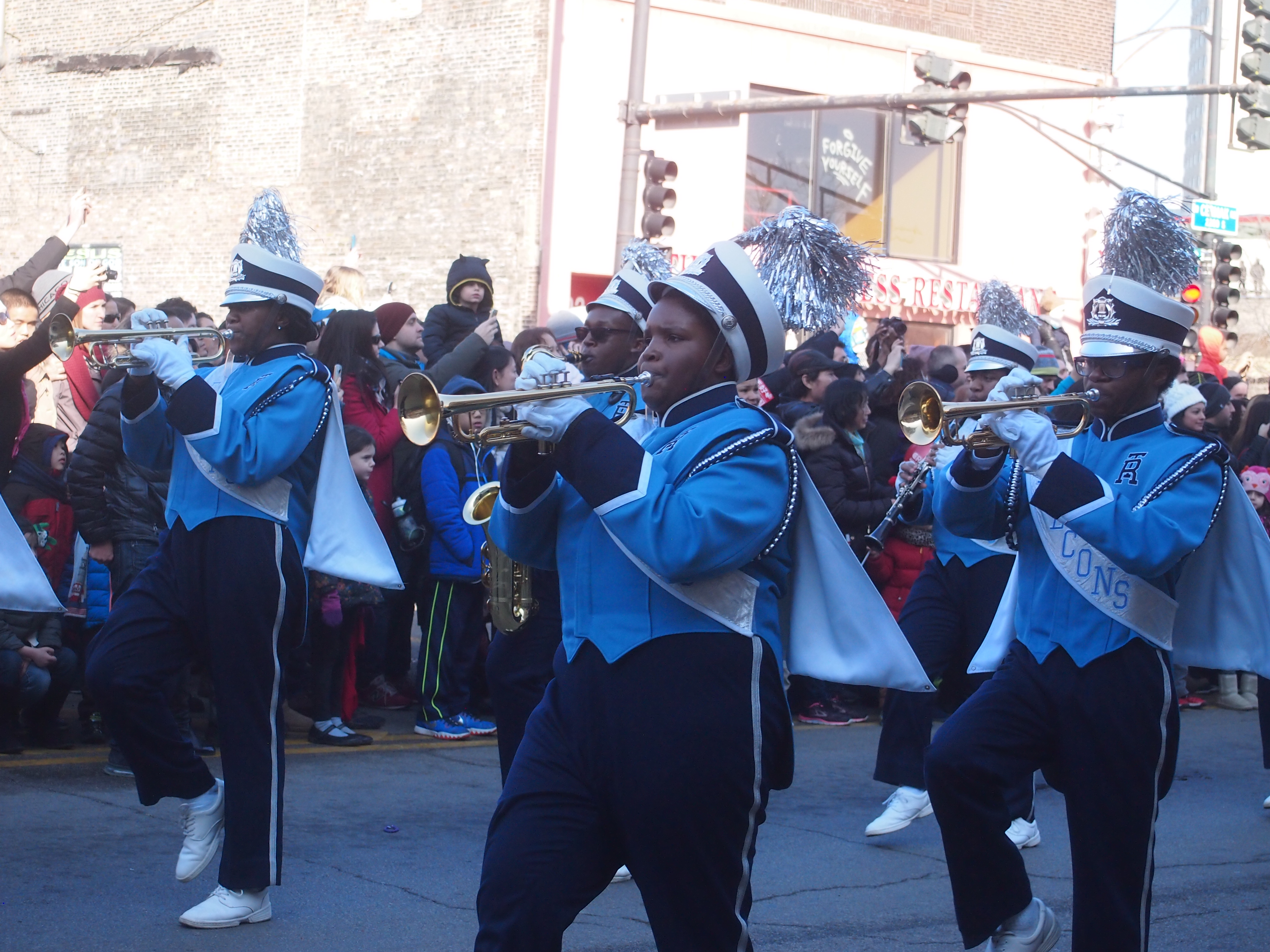
Among other groups that wandered by the viewing stand, and then our position to the west of it, were the Chicago Police — not the cops doing crowd control — and Fire departments, the American Legion, the FBI Chicago Division (?), the PRC Consulate General, Hyatt, the Taipei Economic and Cultural Office, the Taiwanese Benevolent Association, the Taiwanese American Chamber of Commerce, Duen Feng Midwest High School Association, the Chinese Entrepreneur Organization, Chiu Quon Bakery, the Chinese-American Service League, and the Indianapolis Chinese Community Center, who brought their own dragons on sticks.
The 2017 Chicago Chinatown Lunar New Year ParadePoliticos were on hand, mostly offering pablum from the viewing stand. Schools were well represented, including some by their bands.
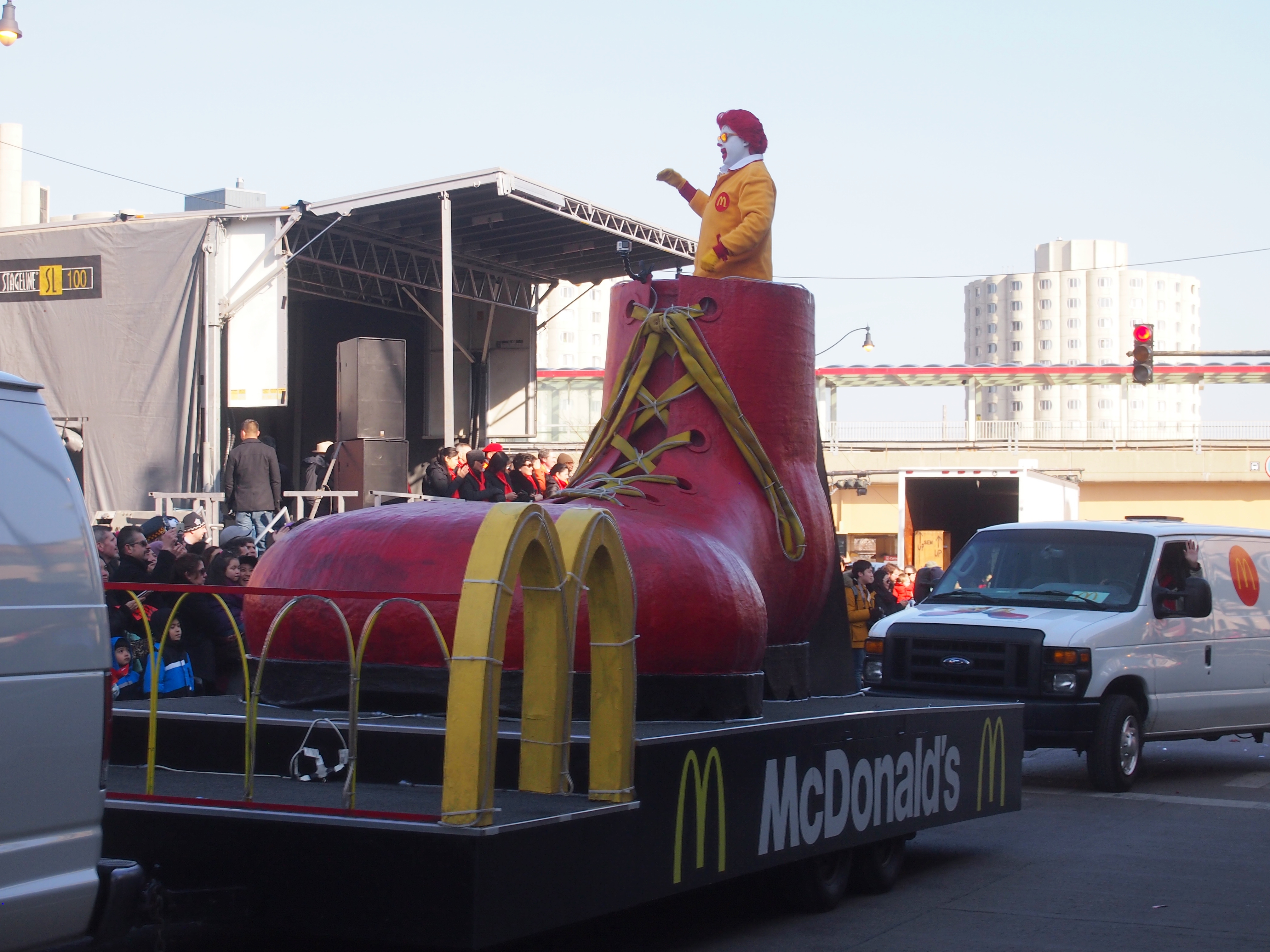
The 2017 Chicago Chinatown Lunar New Year ParadeThen there was this fellow.
The 2017 Chicago Chinatown Lunar New Year ParadeWonder how many parades a year that shoe is in.

Kyoeido Import Store, 1992

It occurs to me that if I lived in Japan now as a fairly youthful expat, instead of 25 years ago, I probably could order anything I wanted on Amazon or Alibaba, maybe, though I don’t know how much purchase the latter site has in Japan. It would be expensive, of course, but what isn’t in Japan?

Those online retailers might be one of the marvels of the age, but essential to the experience of being an expatiate is going out and finding things you need or want, by design or chance, using scraps of information from native and non-native sources (gaijin lore, I used to call the latter). Or so I believe. Amazon and Alibaba aside, the hunt for consumer goods among non-Japanese in Japan must also be facilitated by smartphones these days. It must be a wholly different experience, and I’m not persuaded it’s a better one.

I thought of all this looking at bits of letters I wrote in early 1992.

Feb. 1
I went to Kyoeido import store yesterday, a place I discovered by chance about a year ago. It’s a wonderful place. You never know what they’re going to have. Yesterday I noticed a bottle of Egri Bikavér in a bin of ¥1000 wines. Good value, that.

[To save a trip to the wine-speak in Wiki: Egri Bikavér, in English Bull’s Blood, “is a red blend produced in Eger. It is the true essence of the red wines of Eger, a terroir wine, which carries the flavour of the soils of local production sites, the mezzo-climate unique to the region and the traditions and mores of local residents, from the selection of varieties to choosing the period and method of grape processing and mellowing.”

I discovered the wine when I lived in Nashville. I probably bought it for the first time because of the novelty of a vintage from still-behind-the-Iron-Curtain Hungary.]

I asked the shopkeeper if he always had Bull’s Blood on hand. Actually I said, “Here, in this place, this thing is always here?” in my rudimentary Japanese. I didn’t fully understand the answer, but caught enough to know that wine imports from Hungary are an iffy proposition. He showed me a second bottle that I hadn’t seen, and I bought that too.

Feb. 20
Like a fool, I went to Kyoeido today. I always drop more money there than I intend. I saw a big stack of big jam jars, maybe containing half a kilo each. On closer inspection, the jam turned out to be from Russia, though labeled from the CIS. (That still sounds like a microchip manufacturer.)

The jam sure was cheap. I had to wonder what was wrong with it. In the end, I bought a slightly more expensive, smaller jar of Bulgarian jam instead, which is reputed to be good, and maybe not too radioactive.

First Thursday in February Misc.

The only good thing about the beginning of February is that January is over.

A picture from this moment in history.

Ann was with me, and I had take this shot with her phone. The car was in a northwest suburban parking lot.

Speaking of cars in parking lots, as I was walking the dog the other day, I passed through the parking lot in front of Lilly and Ann’s former elementary school, and saw a Tesla parked there. As if were any other car. Which I guess it is. Still, I can’t remember seeing one around here before. New, they’ll set you back at least $68,000. So you don’t see too many.

I had no idea the French used the suffix -gate as we do. Headline from today’s La Parisien about the hot water that François Fillon, candidate for the presidency, is in: Penelope Gate: toutes les fois où l’épouse de Fillon disait ne pas travailler pour lui. Are there Frenchmen who think the real scandal is that obvious anglicisme being used to describe it? A silly objection. English has borrowed plenty of French; time to give something back.

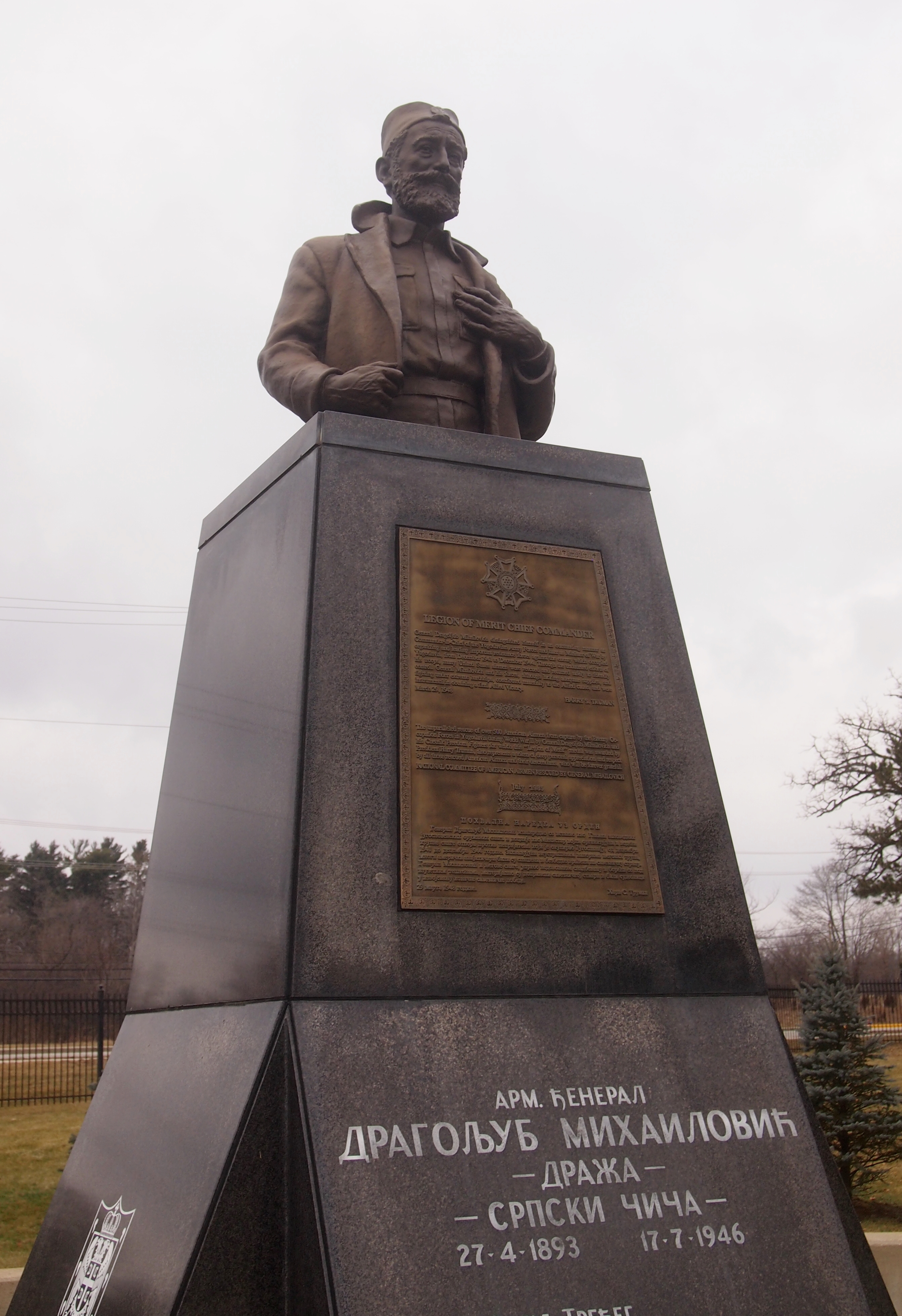
One more item out at St. Sava Serbian Orthodox Monastery, near the church: a memorial to Gen. Dragoljug Mihailovich, the Chetnik commander whom Tito ultimately had shot after the war.

Gen. Dragoljug Mihailovich memorial

Whatever else you can say about him — and apparently that’s quite a lot, for good and ill — President Truman did award him a Legion of Merit (Chief Commander) posthumously in 1948, the text of which is on the memorial in English and Serbian. It cites his efforts in rescuing U.S. airmen downed over Yugoslavia.

The Church of the Serbian Orthodox Monastery of St. Sava

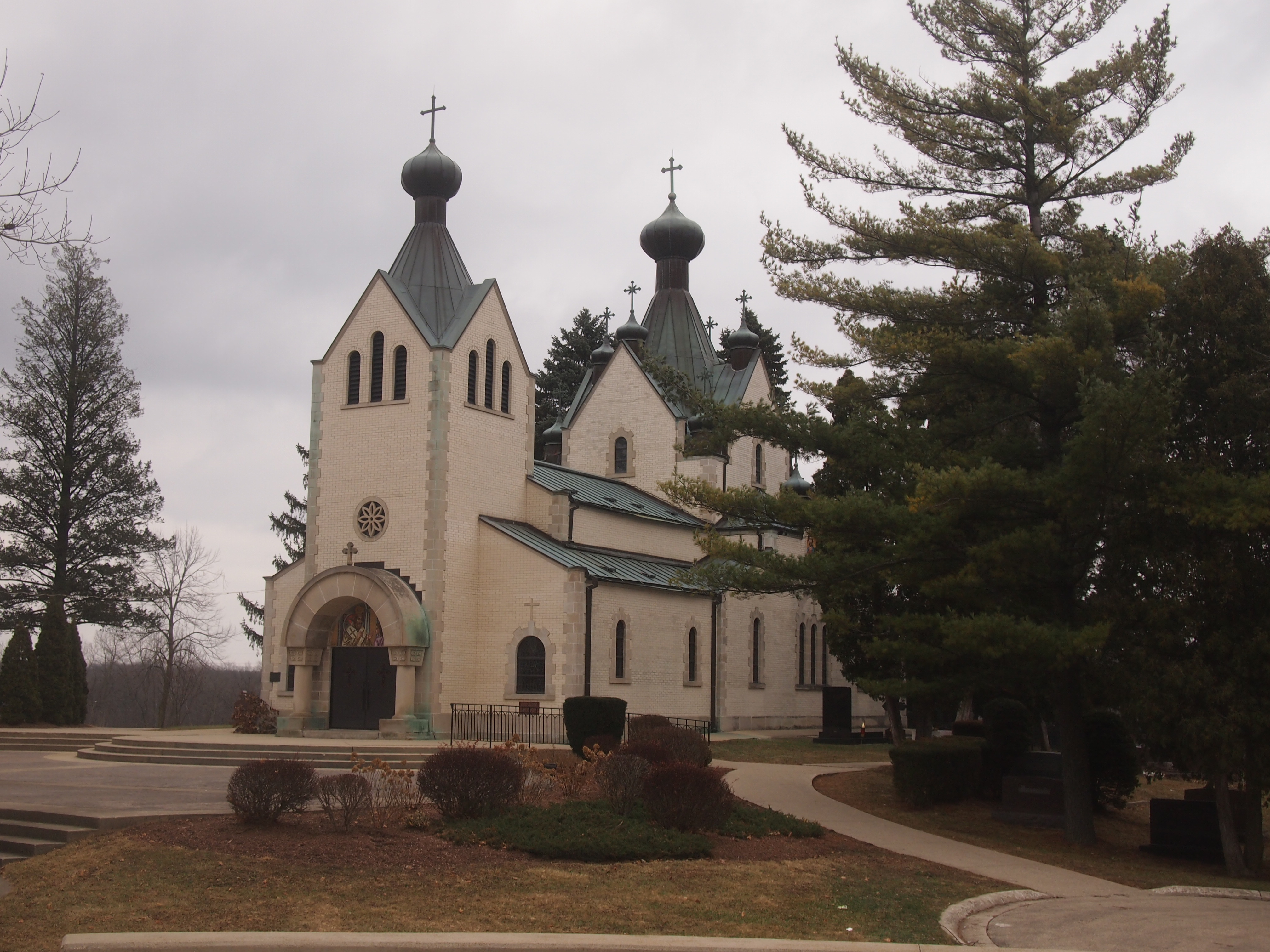
Next to the the cemetery of the St. Sava Serbian Orthodox Monastery in Lake County, which I visited on Saturday, is a handsome church building belonging to the monastery. There’s something about onion domes that pleases the eye.
The Serbian Orthodox Monastery of St. Sava

Even without the domes, the structure has a pleasing aspect to it. The cornerstone dates the building to 1925. Back then there couldn’t have been much around it besides farmland. Even now, the area nearby is mostly undeveloped.

I fully expected the building to be locked. It wasn’t. I went inside and found myself alone with its striking interior, albeit a little dark.
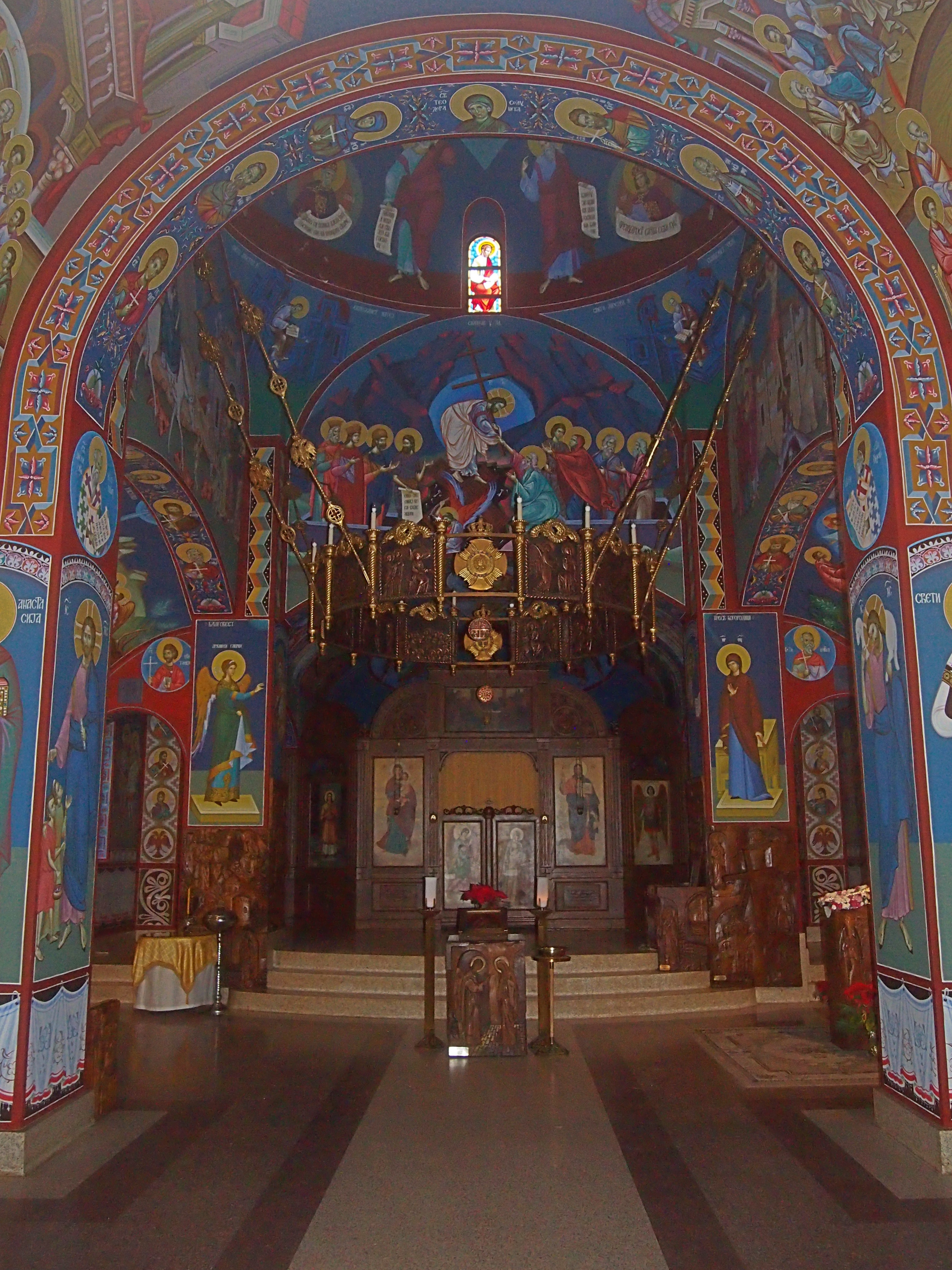
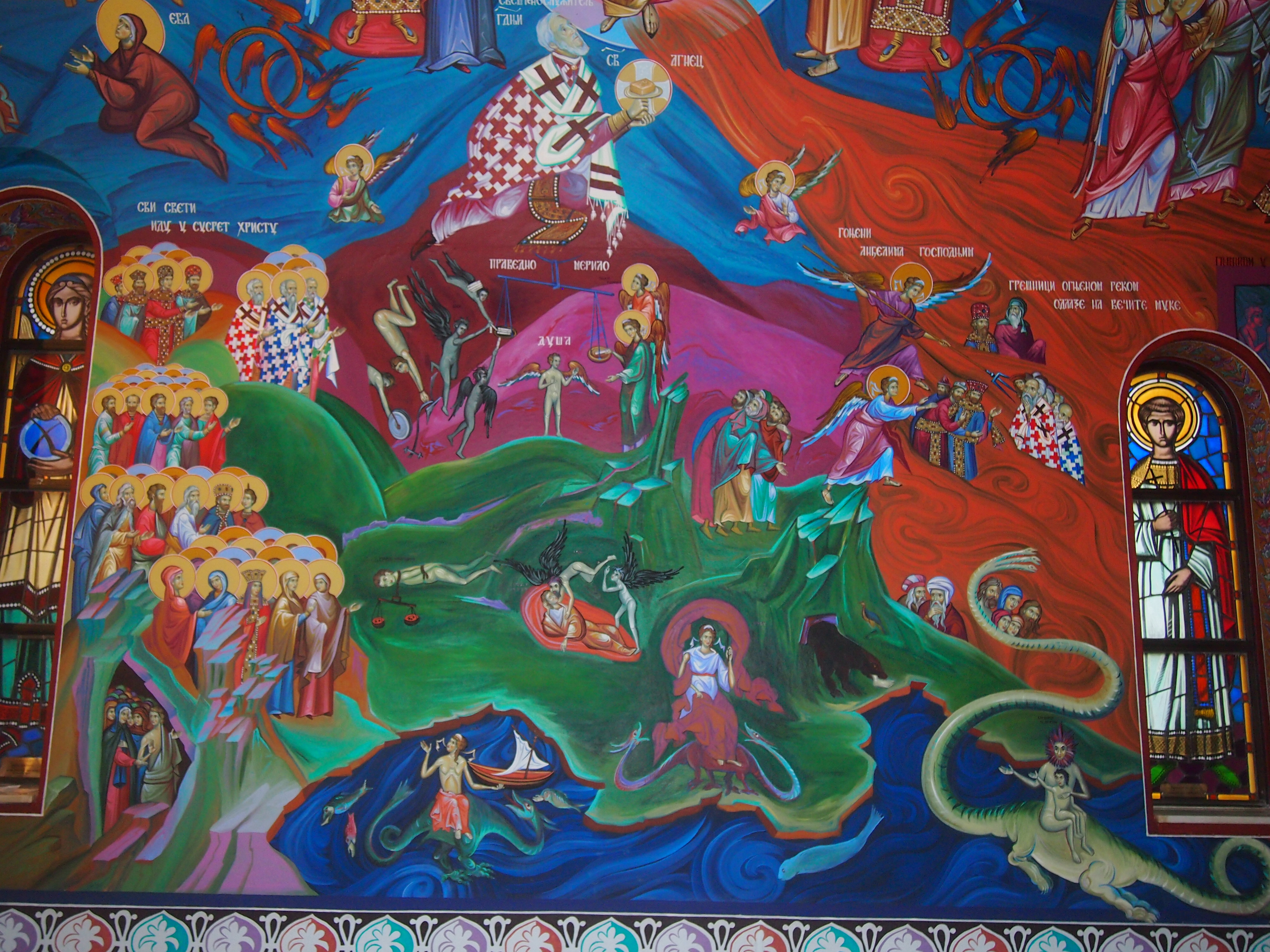
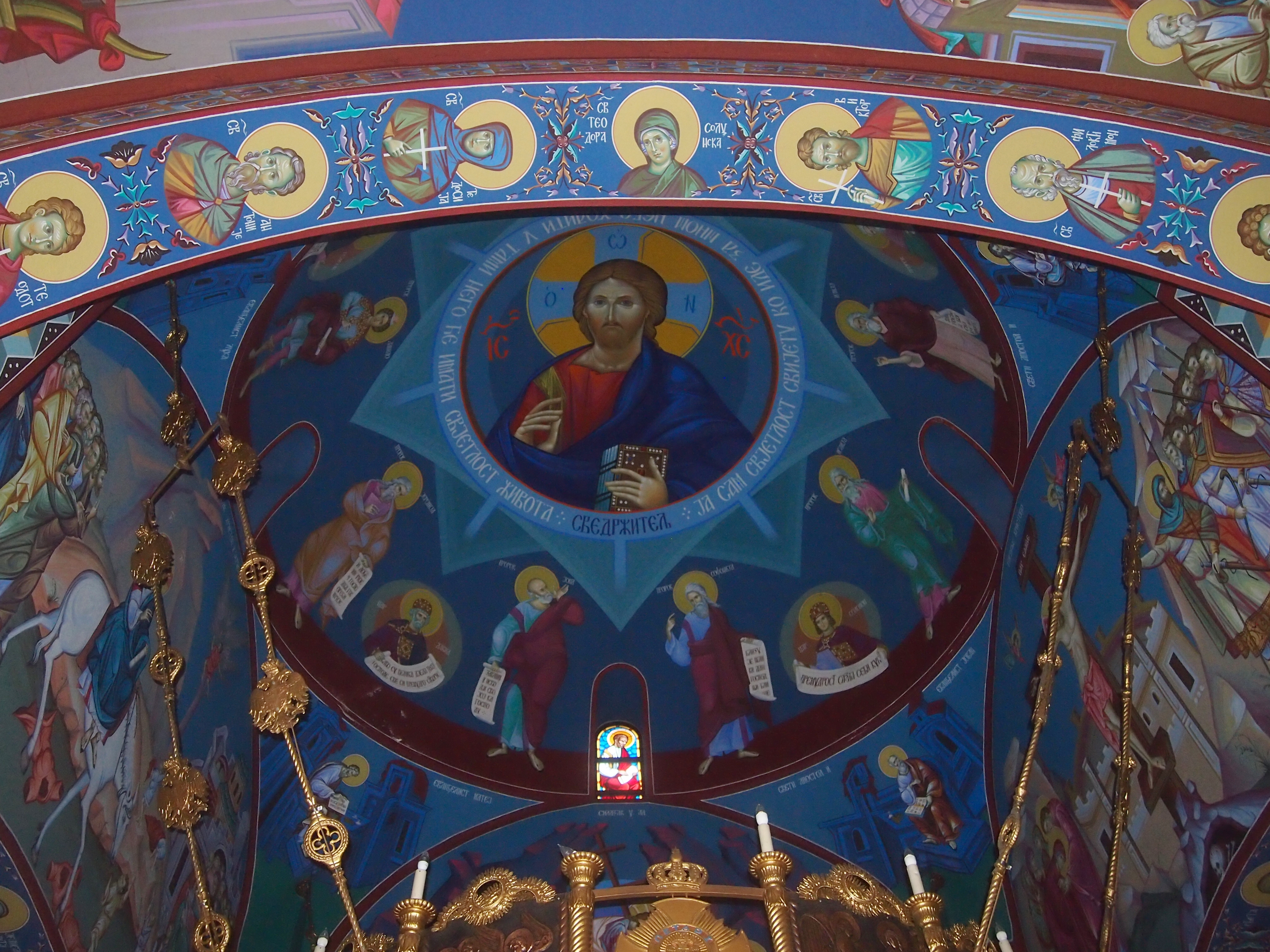
A panoply of Jesus and saints and holy men — I assume that’s what I saw — graced pretty much every surface.
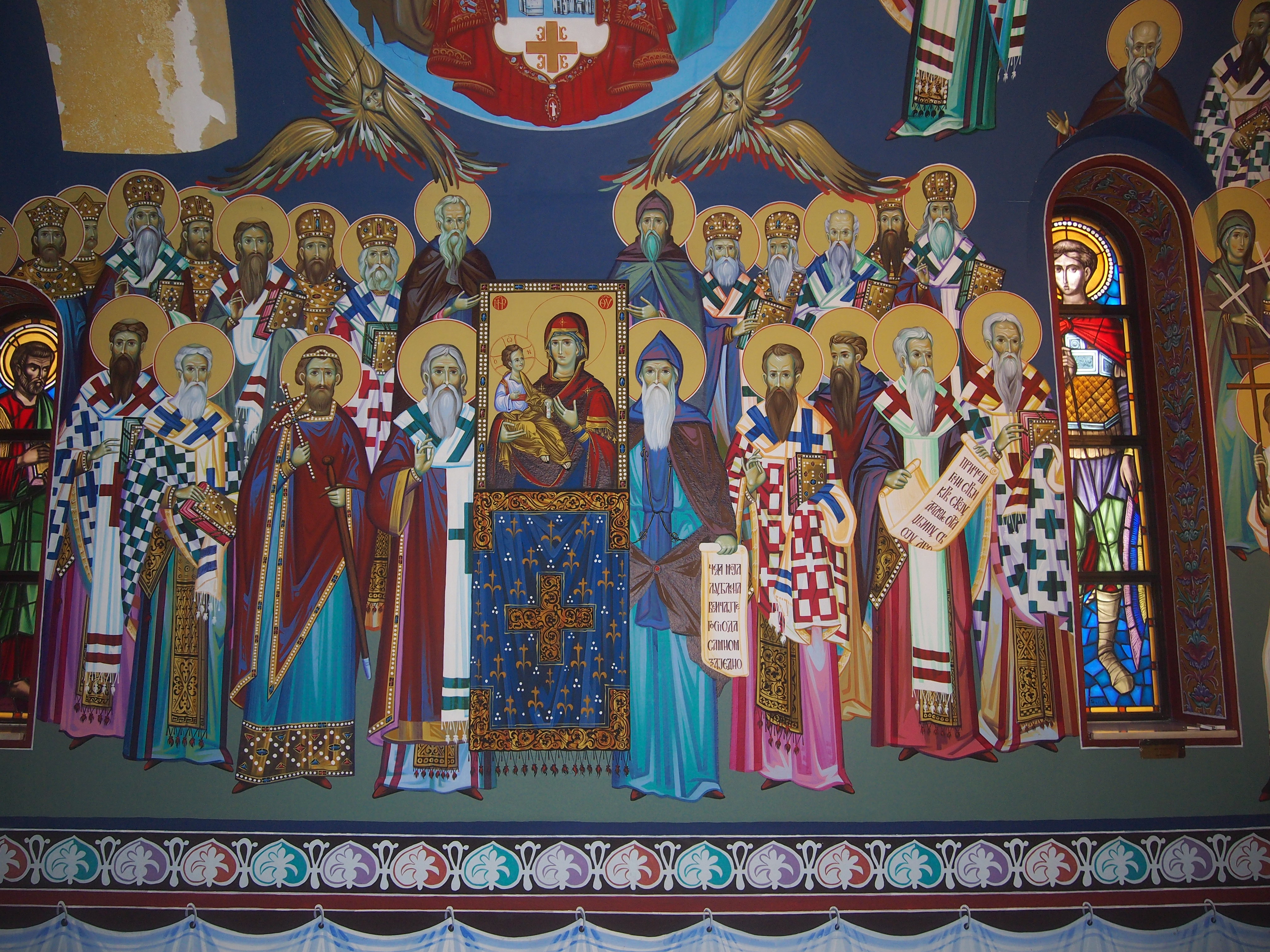
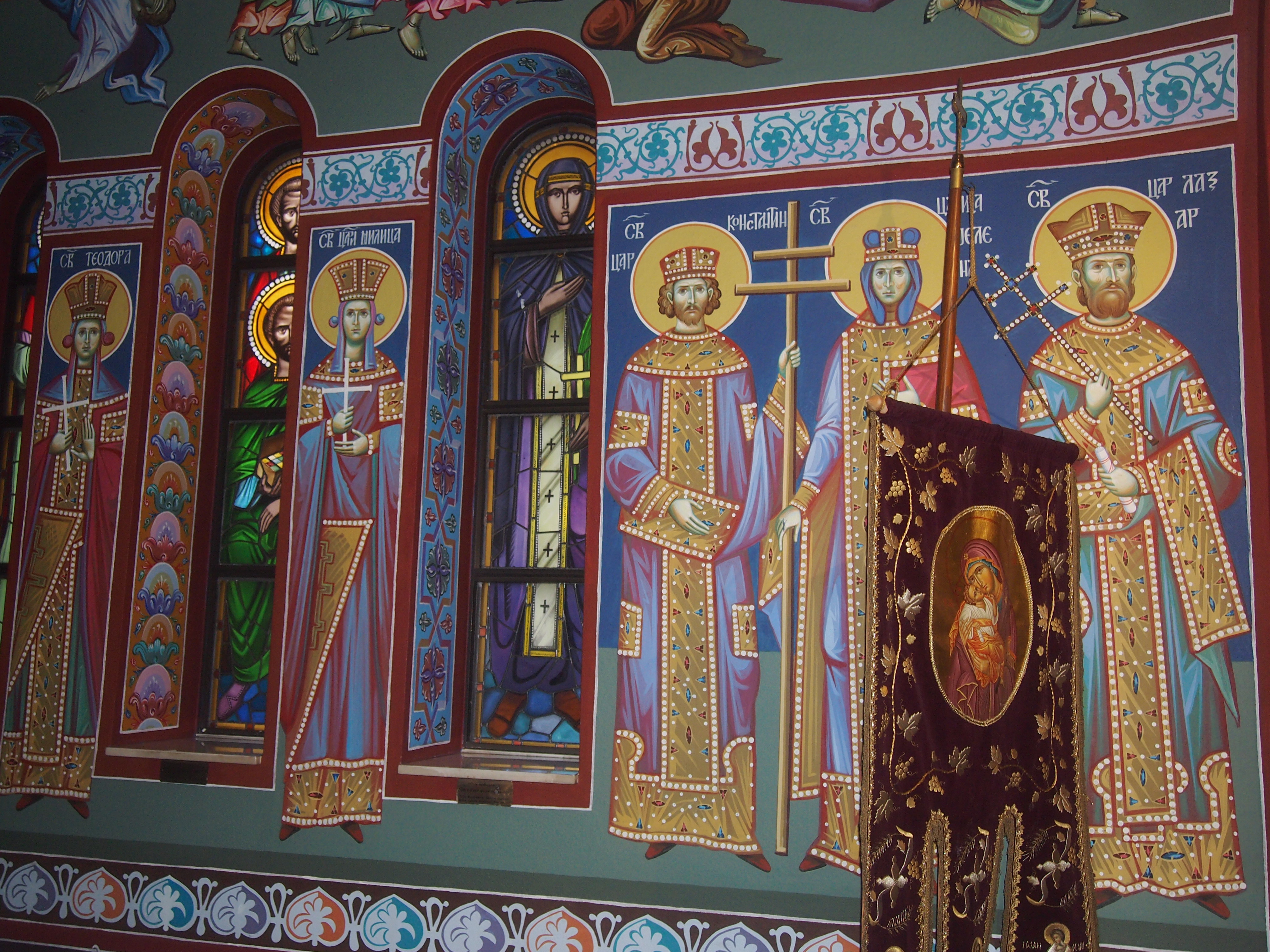
The Serbian Orthodox Monastery of St. SavaThe Serbian Orthodox Monastery of St. SavaAngles and demons, too.
The Serbian Orthodox Monastery of St. SavaLooking up.
The Serbian Orthodox Monastery of St. SavaKing Peter II of Yugoslavia used to be interred in the church. Here’s the spot where he was until a few years ago.
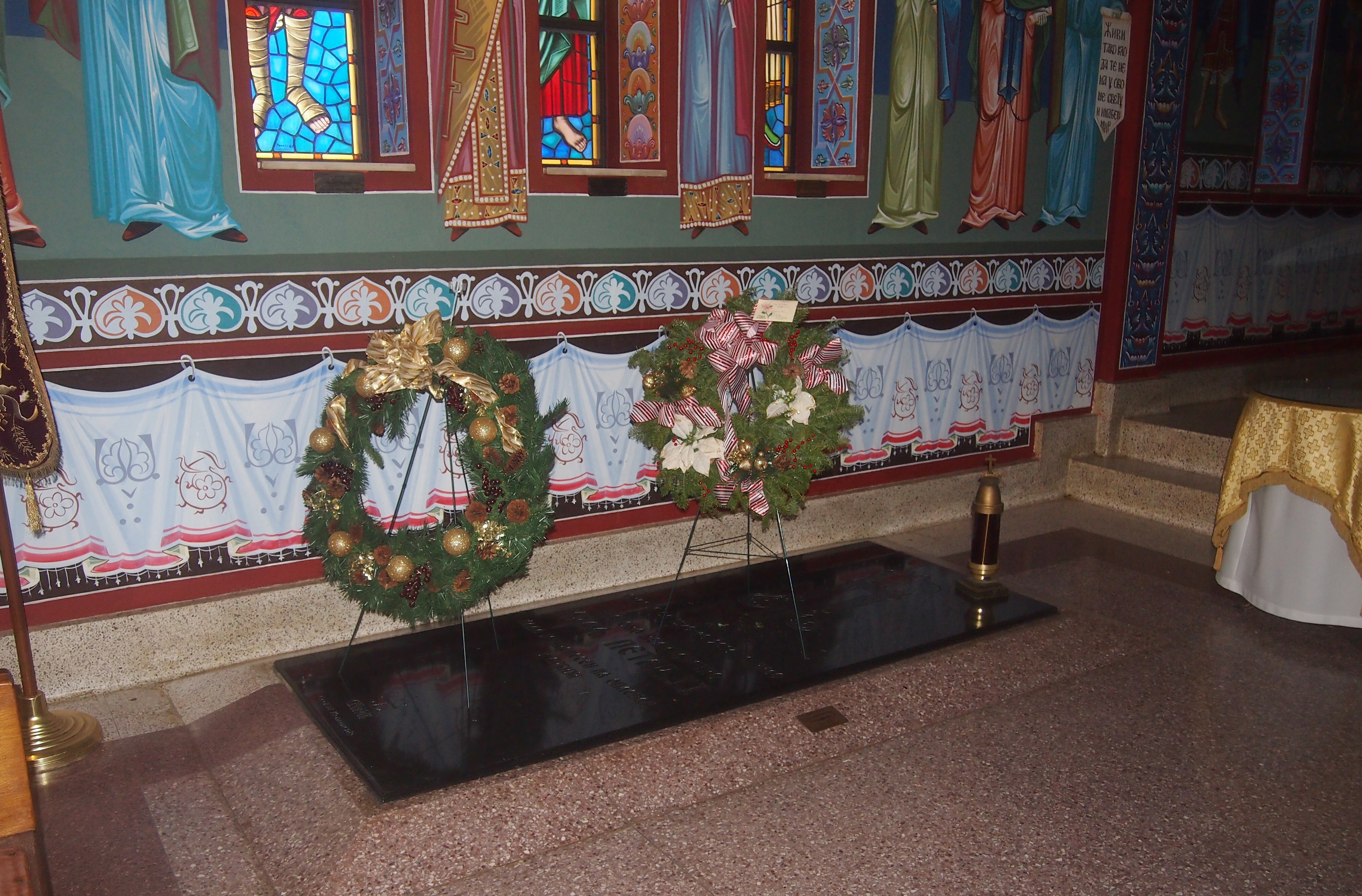
The Serbian Orthodox Monastery of St. Sava - King Peter II former gravePresumably the place is now a memorial to the king, marked with black stone instead of the white that used to be there.

I suspect that Peter’s story isn’t much known to Americans outside the Yugoslav diaspora. I only knew the outline, so I did some reading. Already on the throne, he was chased out of Yugoslavia at age 17 by the Nazis in 1941, and the post-war Tito government wasn’t interested in letting him return.

He spend much of his exile in the U.S., dying fairly young in 1970. For his own reasons, he wanted to be buried at St. Sava. Probably something to do with the schism going on within the Serbian Orthodox Church at the time, but I’m not going into the briar patch someone else’s schism by looking into the matter further. In any case, his son Alexander oversaw the repatriation of Peter’s remains to Serbia in 2013.

My reading led me to the web site of the Royal Family of Serbia, which is how Alexander, the claimant to the throne, styles it. It’s a well-designed and sophisticated site, offering a lot of information about Alexander — who styles himself HRH Crown Prince Alexander — and his family.

“Although King Peter II died in 1970, the Crown Prince, as the heir to the throne decided at the time not to use the title of King – which he felt would have had little meaning in exile,” the site explains. “He made it very clear at that time that he was not renouncing his title, or the dynastic right to the throne.”

Unlike a lot of pretenders, Alexander and his family actually get to live in the palace of their ancestors, which is near Belgrade and which his grandfather built. He’s had a residence there since moving to then-Yugoslavia after the overthrow of Slobodan Milošević.

The web site’s news page is incredibly detailed, with hundreds of releases about the family’s activities stretching back a number of years. Some recent examples:

More than 1,200 children at traditional White Palace Christmas receptions

Royal couple at the celebration of the Chartwell International School

Crown Princess Katherine as the patron of the first regional Veuve Clicquot Business Woman Award

Speech by Crown Prince Alexander at the monument of Vasa Carapic

Crown Prince Alexander at Military Museum exhibition opening

It occurs to me that Alexander is living precisely as he would, were he actually a constitutional monarch, and pretty much along the lines of the British approach (he grew up in the UK, after all, and was a captain in the 16th/5th The Queen’s Royal Lancers). No doubt he believes that if he acts like a monarch long enough and well enough, one day he or an heir will be King of Serbia.
The Cemetery of the Serbian Orthodox Monastery of St. Sava, Lake County

After leaving Marytown on Saturday, I headed north on Milwaukee Ave. A few miles from of Libertyville’s lively main streets, in an area not quite rural — call it exurban — is the St. Sava Serbian Orthodox Cemetery. At least, that’s a form of the name, since there’s wording in English and Serbian over a gate to the property that calls the entire place (in English), the Serbian Orthodox Monastery of St. Sava.

Near the cemetery is a church, presumably the monastery’s church (more about which later). I didn’t investigate any of the other buildings off in the distance, which are presumably the places for monks to live and otherwise follow their vocation. The map also tells me that St. Sava College is a little ways up the road.

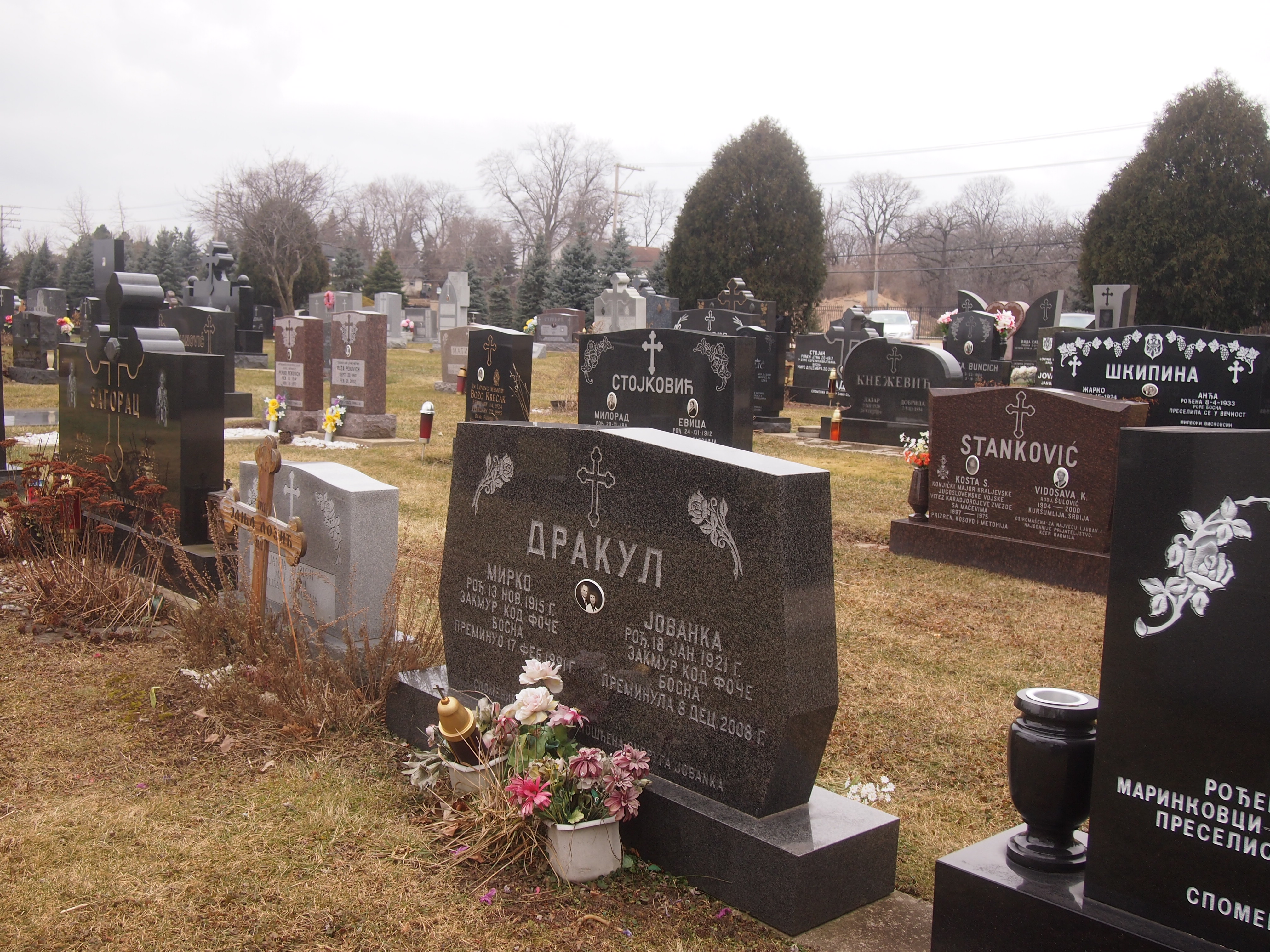
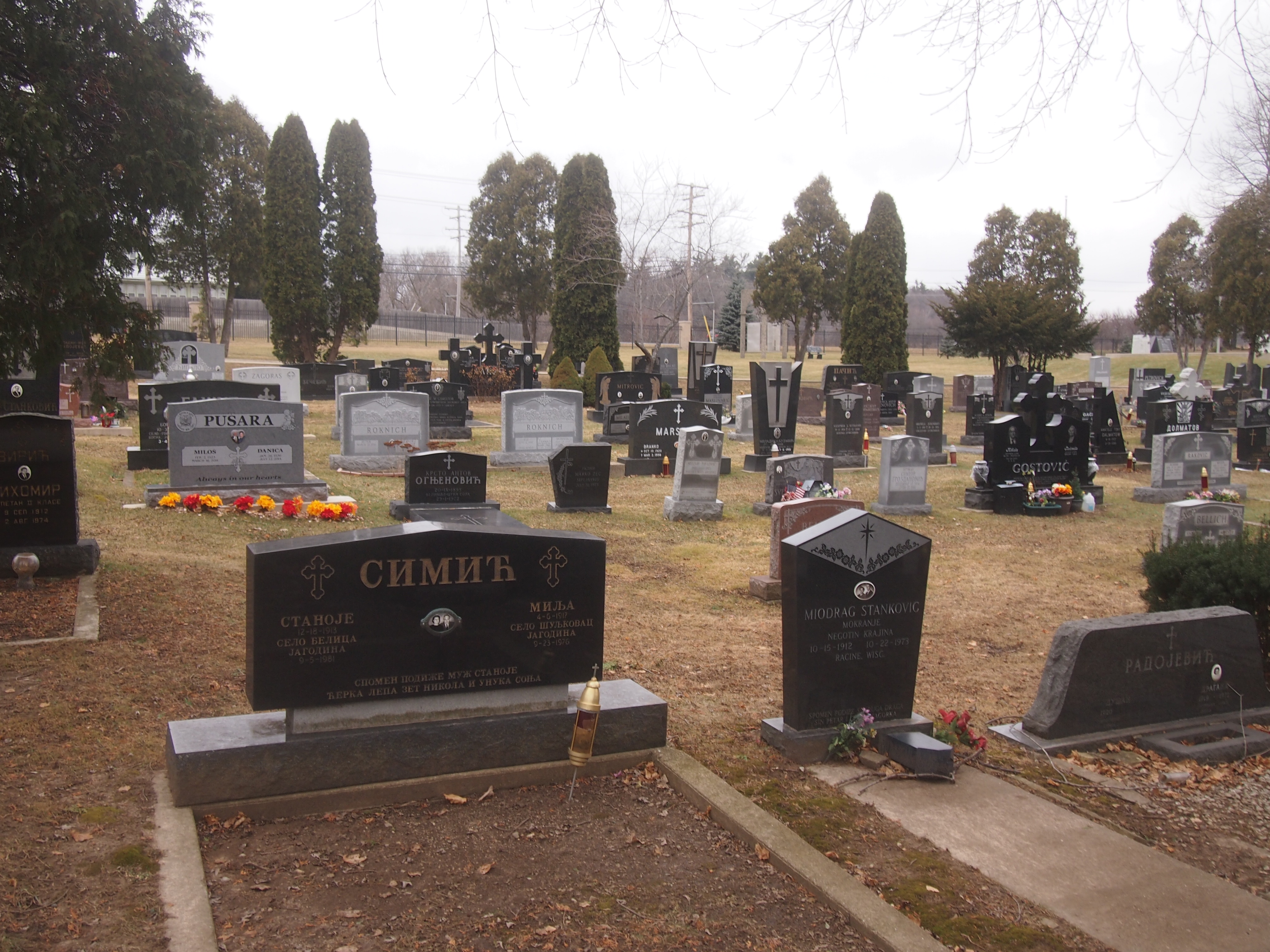
Anyway, I came to see the cemetery. It’s been receiving Orthodox Serbs for about 90 years. The place is thick with weighty headstones.

St. Sava Serbian Orthodox Cemetery

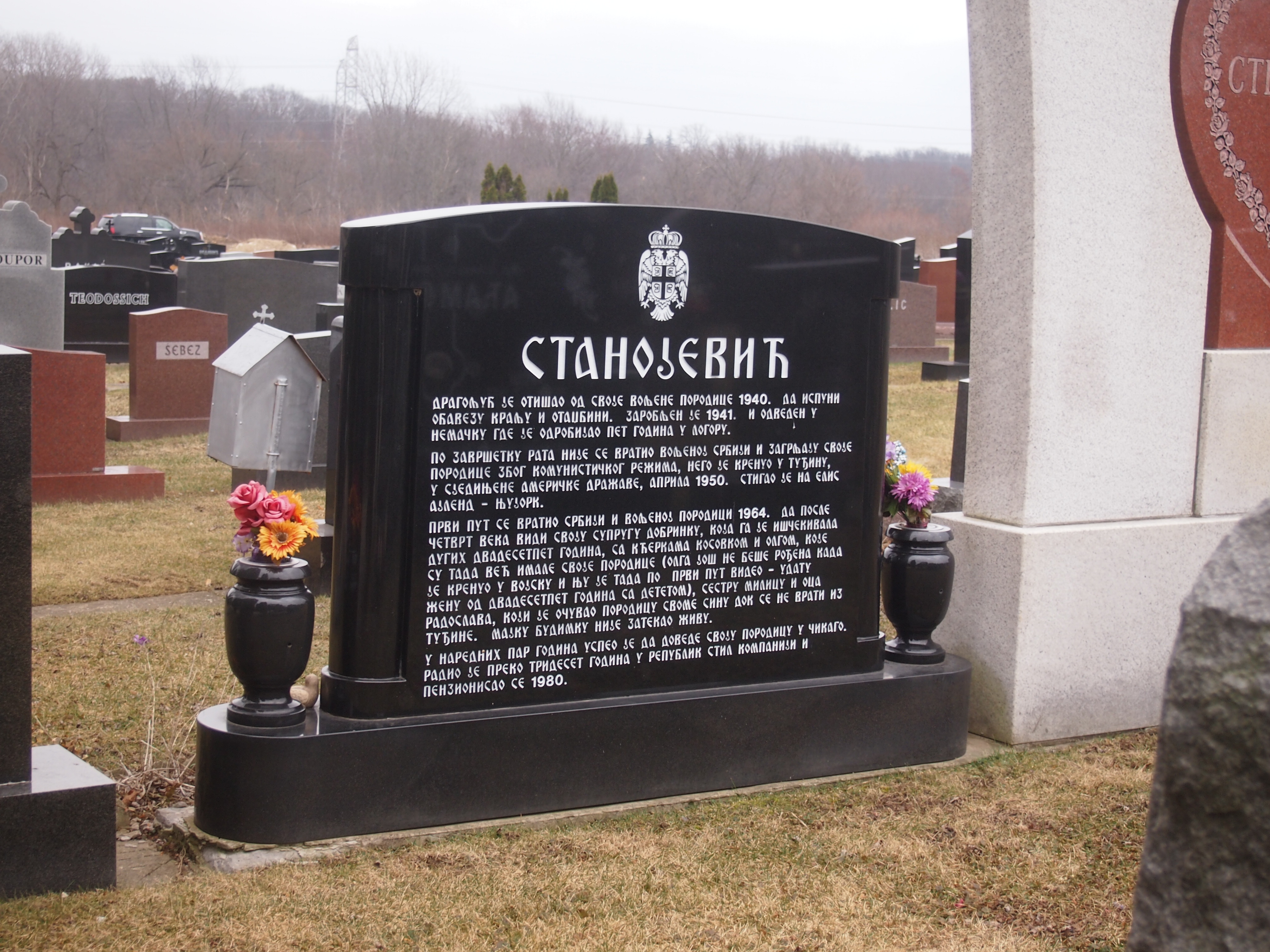
With a mix of Cyrillic and Roman lettering.
St. Sava Serbian Orthodox CemeteryThere’s little funerary art, as seen in cemeteries steeped in Western European traditions, unless you count variations on the Cross. A few stones told in some detail of the person at rest, at least if you read Serbian.
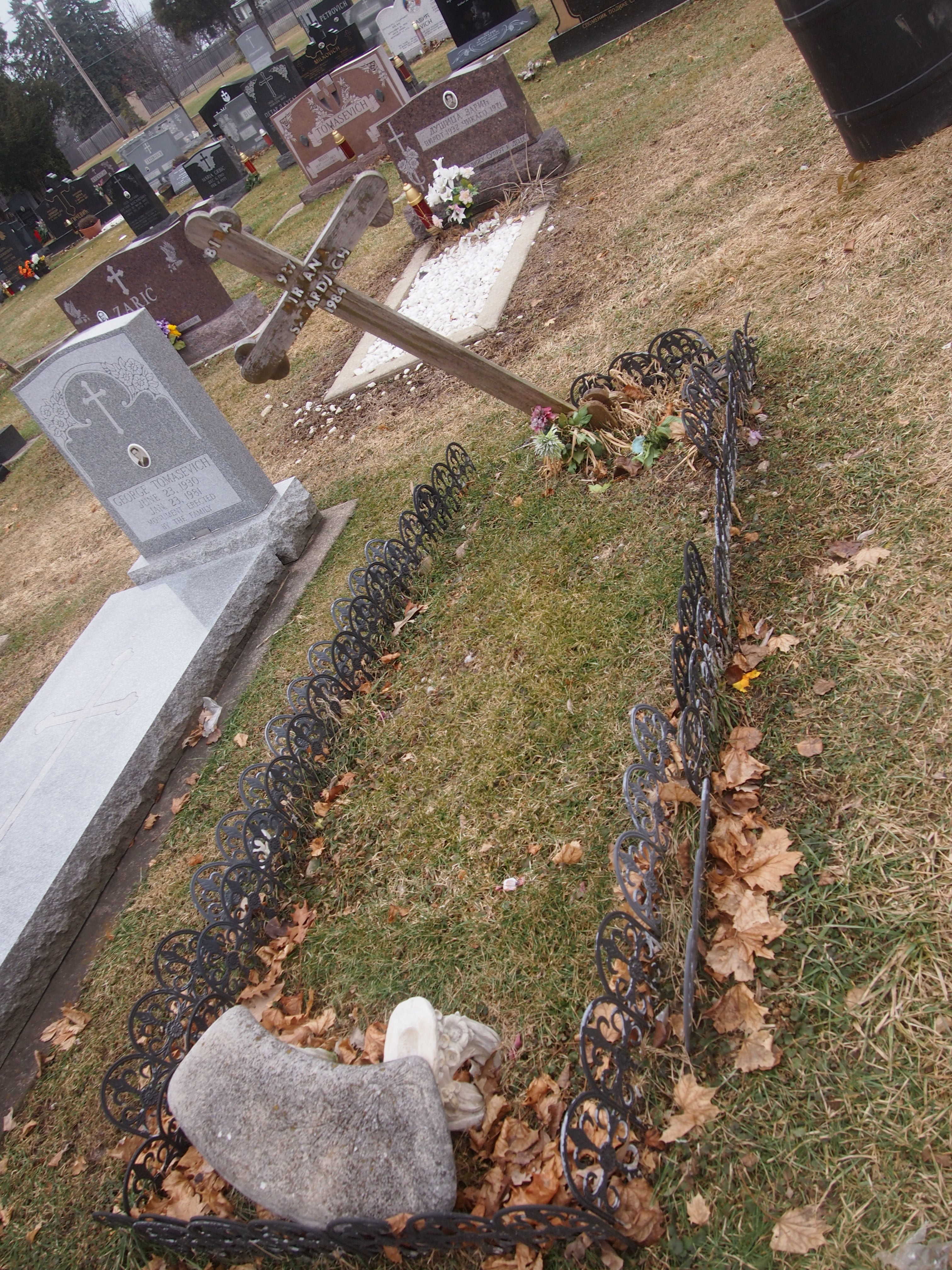
St. Sava Serbian Orthodox CemeterySome sites included wooden crosses along with stone markers. A few had no headstone at all.

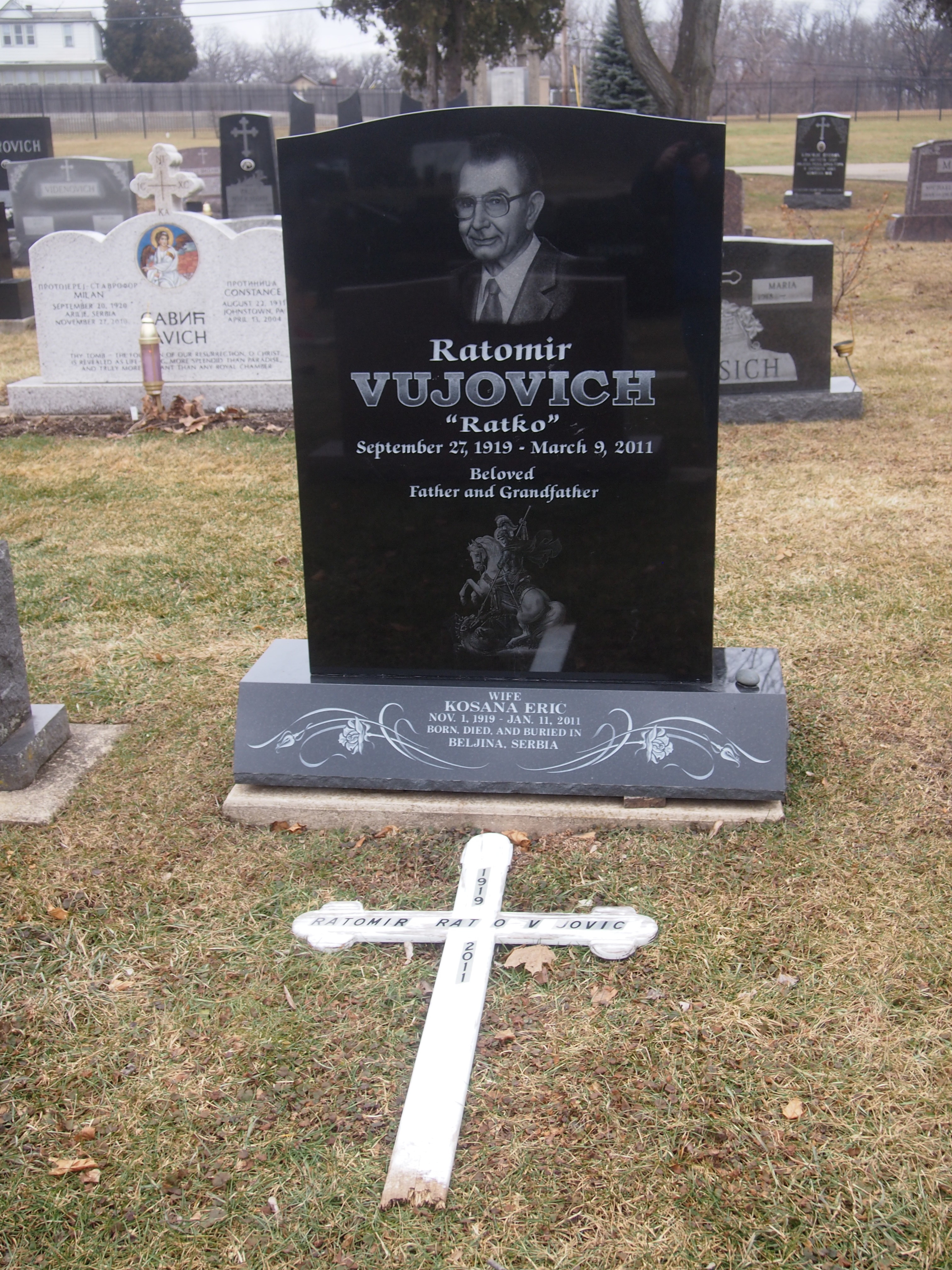
Some stones are of a distinctly modern cast, and in English.
St. Sava Serbian Orthodox CemeteryI’ve read that Rod Blagojevich’s parents are in the cemetery, but I didn’t see their stone that I know of. Blago was recently in the news briefly for not being on President Obama’s commutation list during his last days in office. Tough luck, Rod. Politics ain’t beanbag.