Niagara Falls State Park

Something I didn’t know until I visited there on Saturday: Niagara Falls State Park in New York is considered the oldest state park in the nation, established in 1885 as the Niagara Reservation. Creation of the park was an early success for Progressivism, spearheaded by Frederick Law Olmsted. Him again. The wonder is that he isn’t more widely known for his terrific landscape artistry, which anyone can see.Niagara Falls State Park
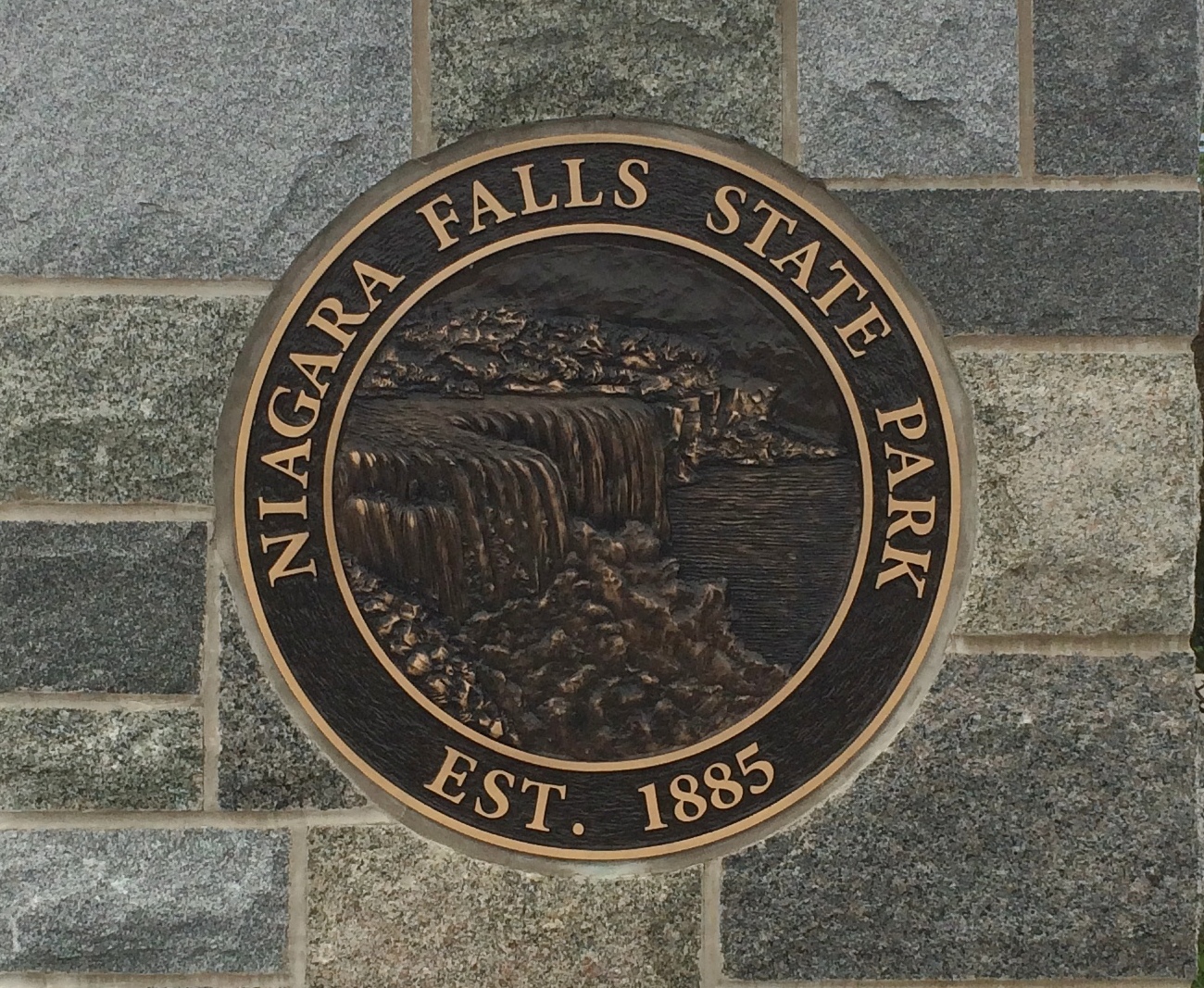
A victory for the Progressive movement because, as I’ve read, before that private landowners around the falls monopolized access. You’d think that wouldn’t be much of an issue in the 19th century, but the falls have been a tourist attraction for a long time. In the park we saw a sign that noted that on his grand tour of the U.S. in 1825, Lafayette came to see the falls. But the real tourism boom began after the falls became a public place with easy access.

We arrived on Saturday around 9 a.m. and found a place to park right away in lot no. 1. Good thing, too, since later in the day we noticed a long line of cars waiting to park. Even that early there were a fair number of people in the park, but by early afternoon the place was mobbed.

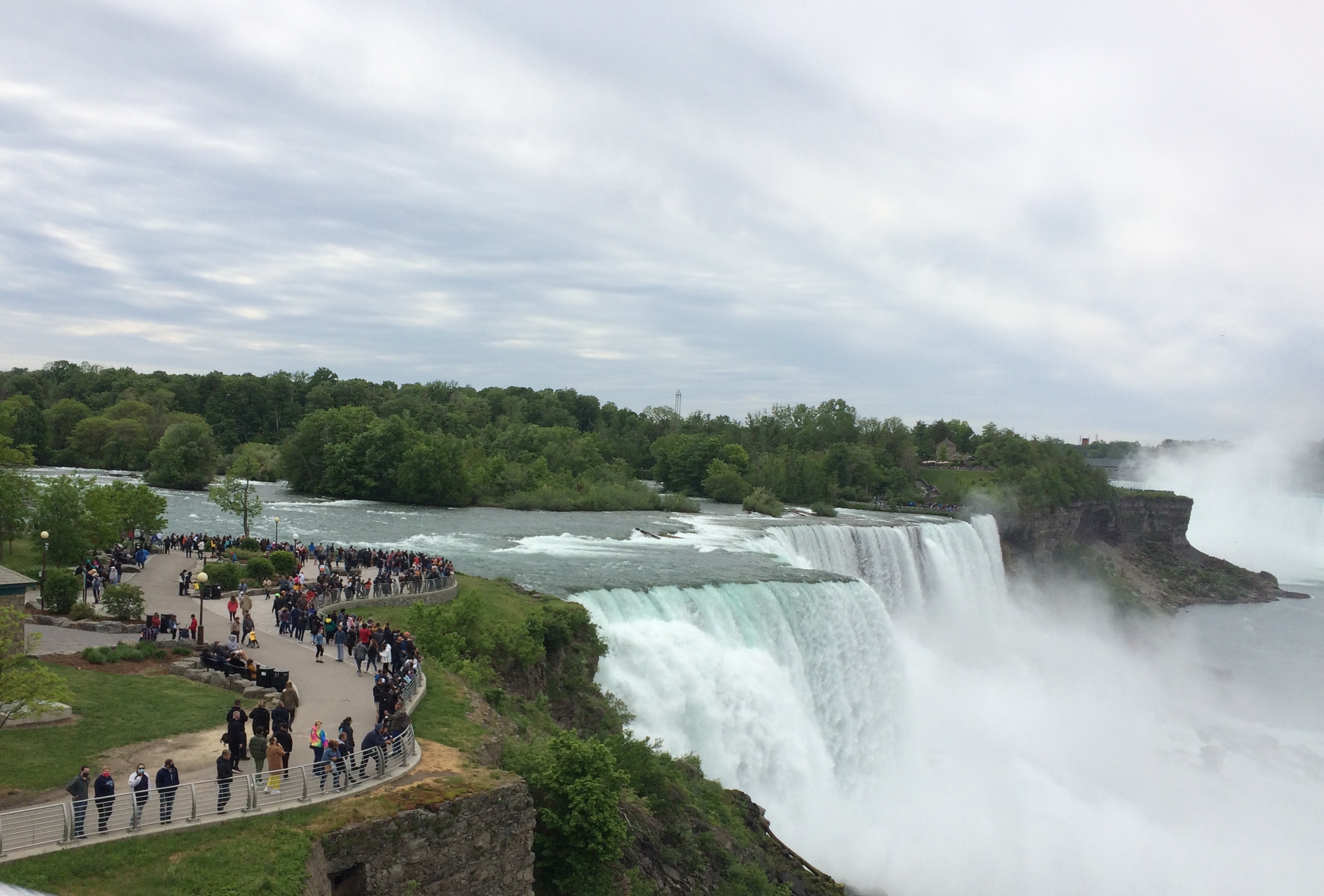
It didn’t matter once you’d ditched your car. The park holds crowds well because it’s large, encompassing a long stretch of shore along the Niagara River upriver and downriver from the falls, and the islands that divide the falls into three: the relatively small Bridal Falls, the mid-sized American Falls, and the mighty Horseshoe Falls, most of which is Canadian.Niagara Falls
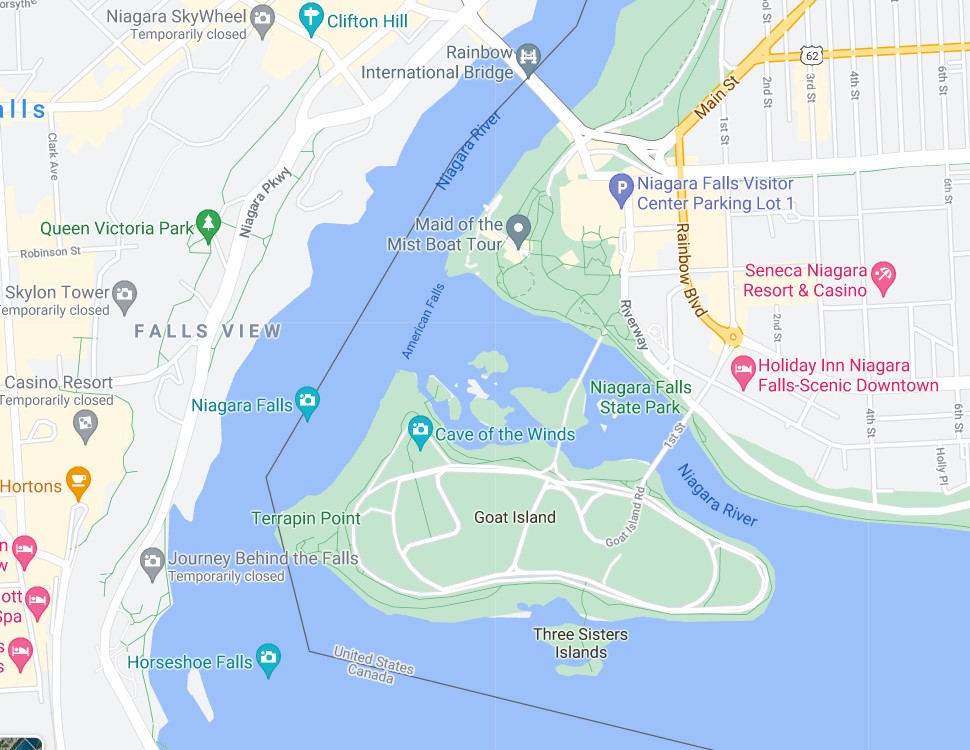
Created at the end of the last ice age 12,000 years ago or so, the falls have an estimated existence span of another 50,000 years. So we’re witnessing a geological blip. How many countless mighty cataracts of this kind have come into being only to erode away over the billions of years of liquid water on Earth? And what about crashing falls on other worlds?

From the U.S. side, your first view is of the American falls, looking to the south. The buildings in the background are part of the town of Niagara Falls, Ontario. This is a shot with the tourist infrastructure edited out.Niagara Falls State Park
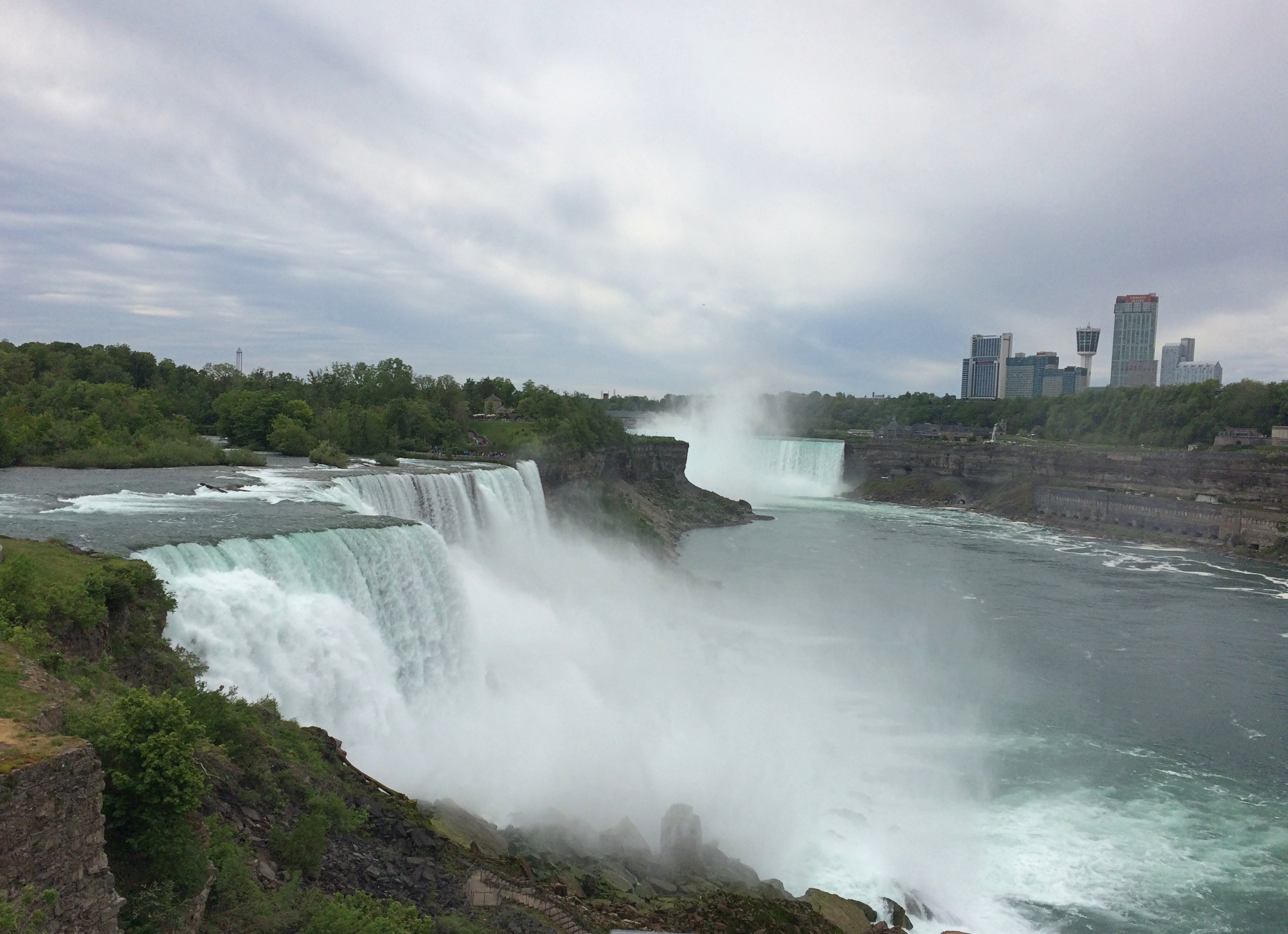
Left in.
Niagara Falls State Park

Bridges cross from the shore upriver a bit to Goat Island, the main island in the channel. For a few moments, you can forget you’re surrounded by the intensity of the Niagara River.
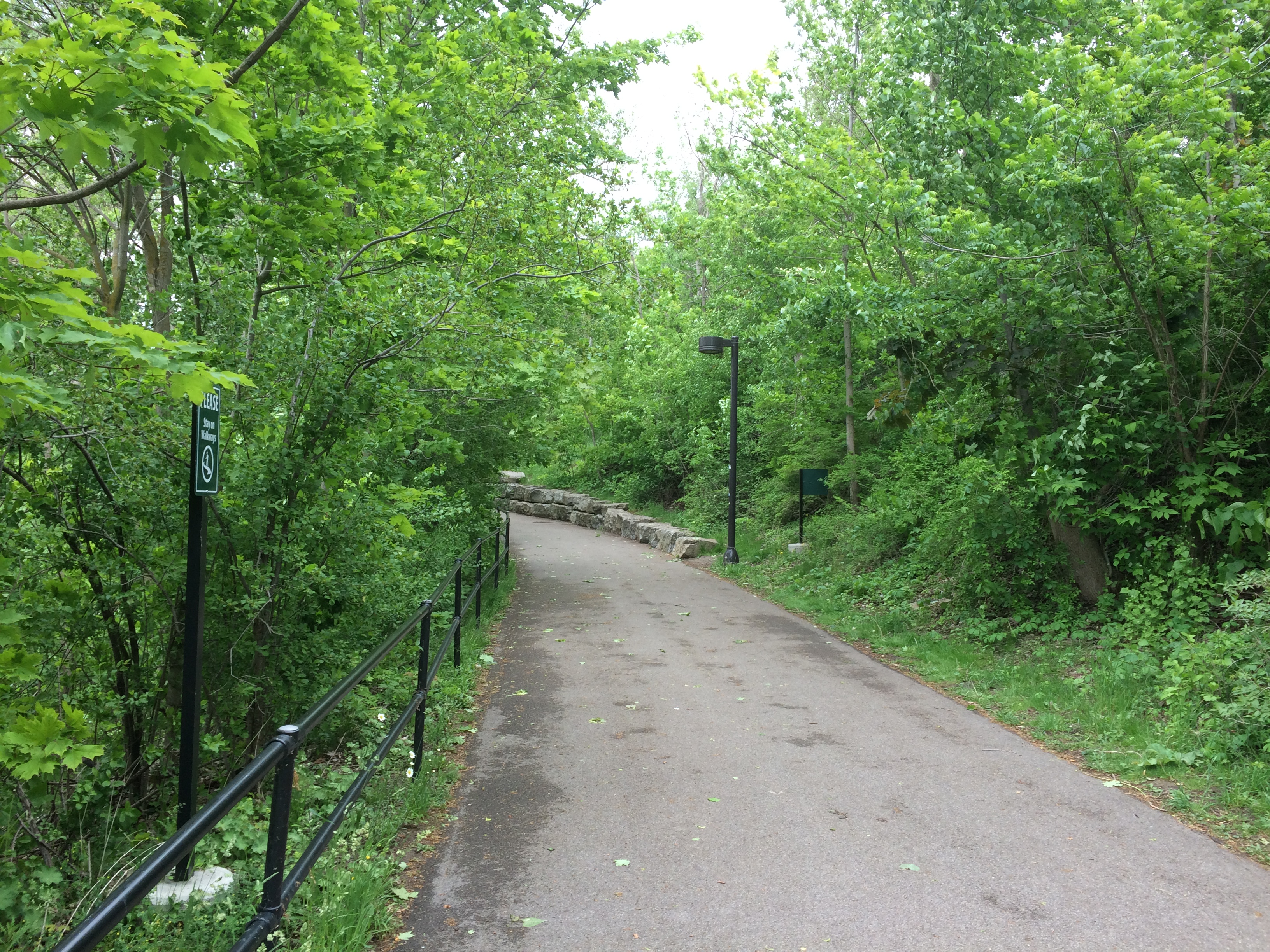
Niagara Falls State Park Goat Island

But not for long. More views of the American Falls are easily found. Looking north over the drop, with the Rainbow International Bridge in the background, seeming not nearly as high as it is.Niagara Falls State Park Goat Island
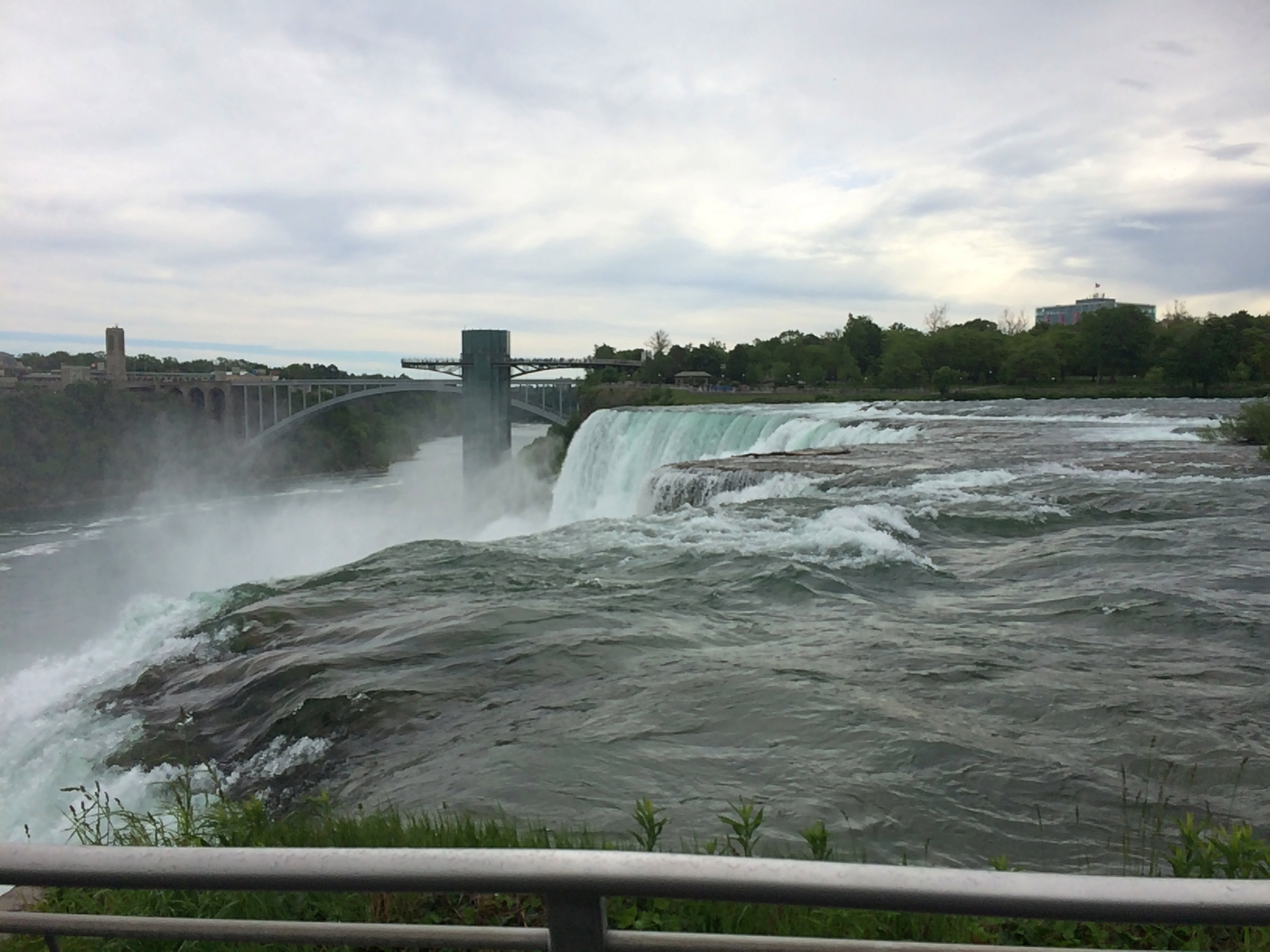
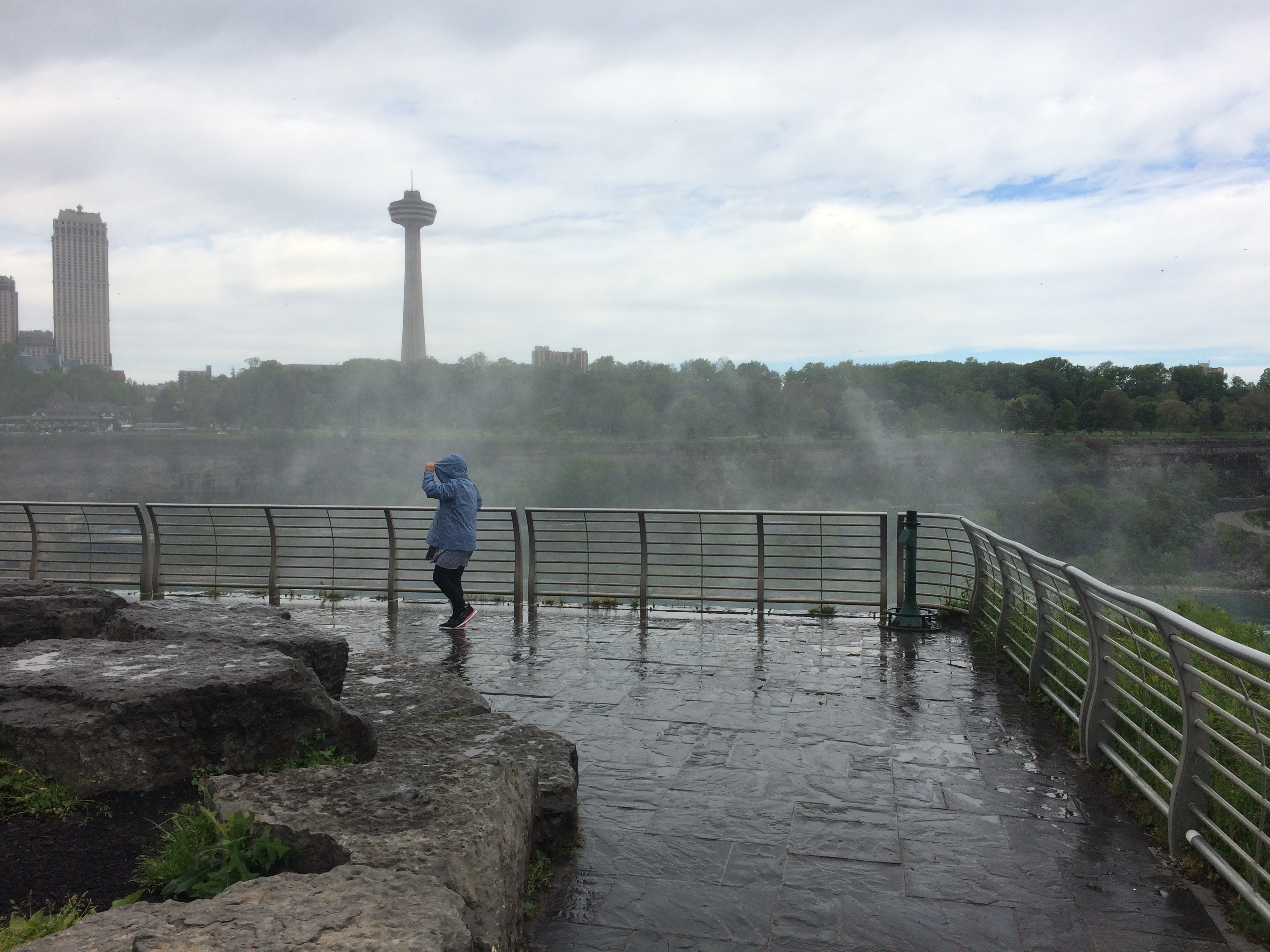
Spray. It wouldn’t be the last time.
Niagara Falls State Park Goat Island

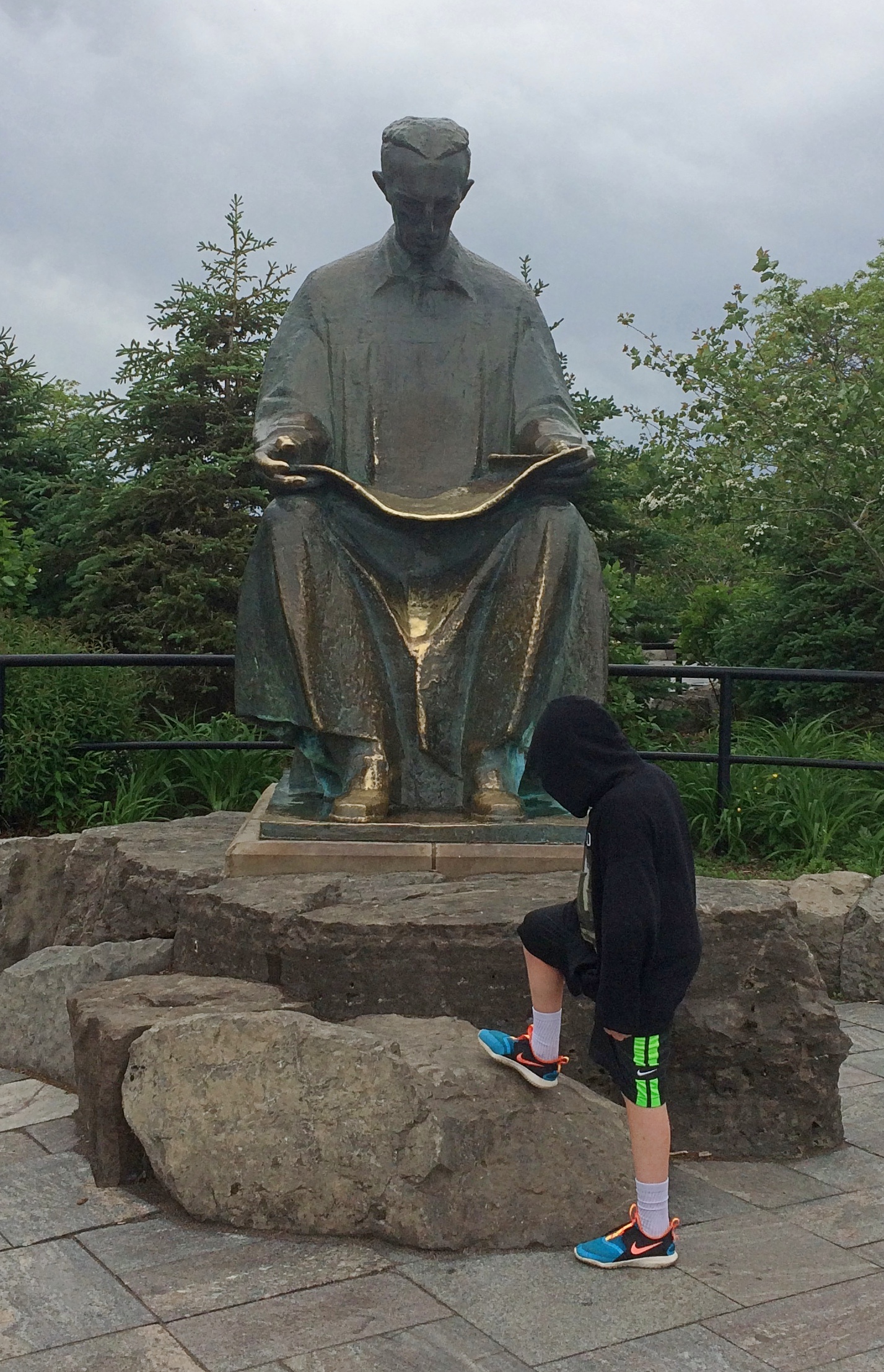
A curiosity on Goat Island: a statue of Tesla.
Niagara Falls State Park Goat Island

“Gift of Yugoslavia to the United States, 1976,” the Tesla Memorial Society of New York says. “Nikola Tesla designed the first hydroelectric power plant in Niagara Falls. This was the final victory of Tesla’s Alternating Current over Edison’s Direct Current. The monument was the work of Croatian sculptor Frane Krsinic.”

A standing Tesla was installed on the Canadian side more recently, in 2006, according to the society. More about Tesla and Niagara is here.

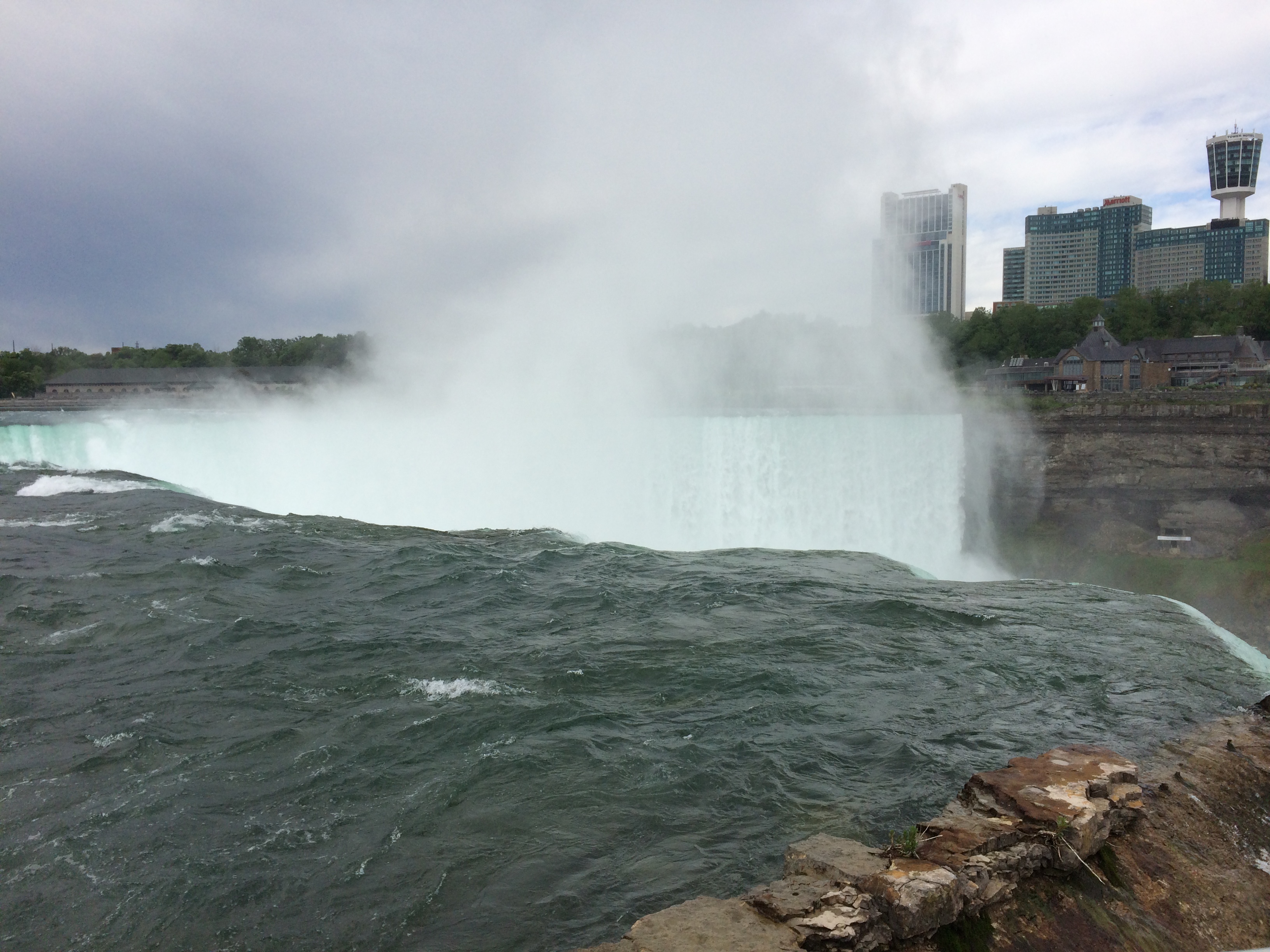
Go far enough on Goat Island and you’ll reach Terrapin Point, which offers a view of Horseshoe Falls, which is what most people think of when they think of Niagara Falls. It’s wider than the other falls combined, and drops more water, as much as 90% of the 100,000 or so cubic feet of water per second that flows over the three falls during the summer. The rate is controlled by engineering, and is lessened at night and during the spring and fall, when fewer tourists are around, so that more of the flow can be used to generate electricity at those times.
Niagara Falls State Park Goat Island

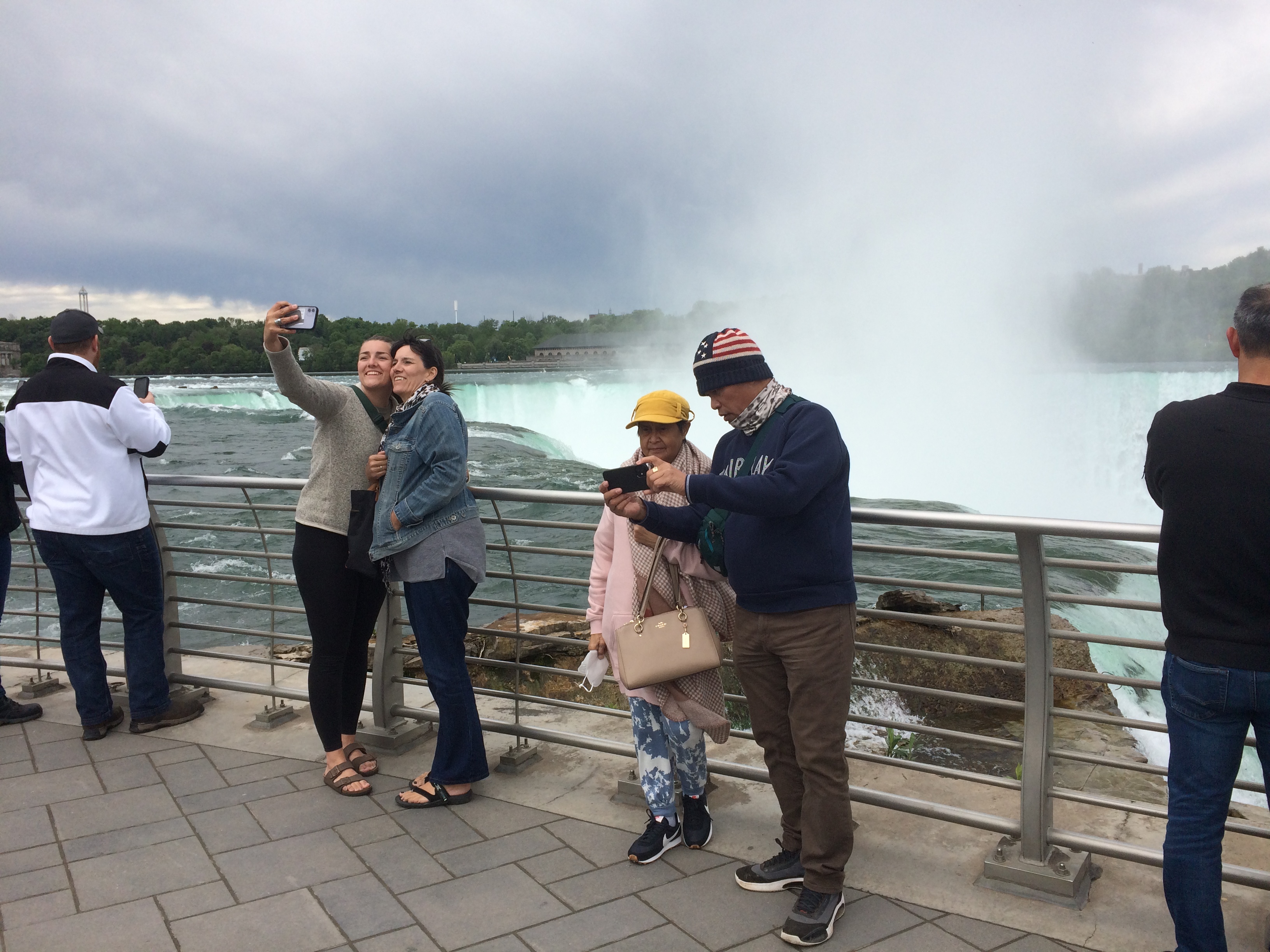
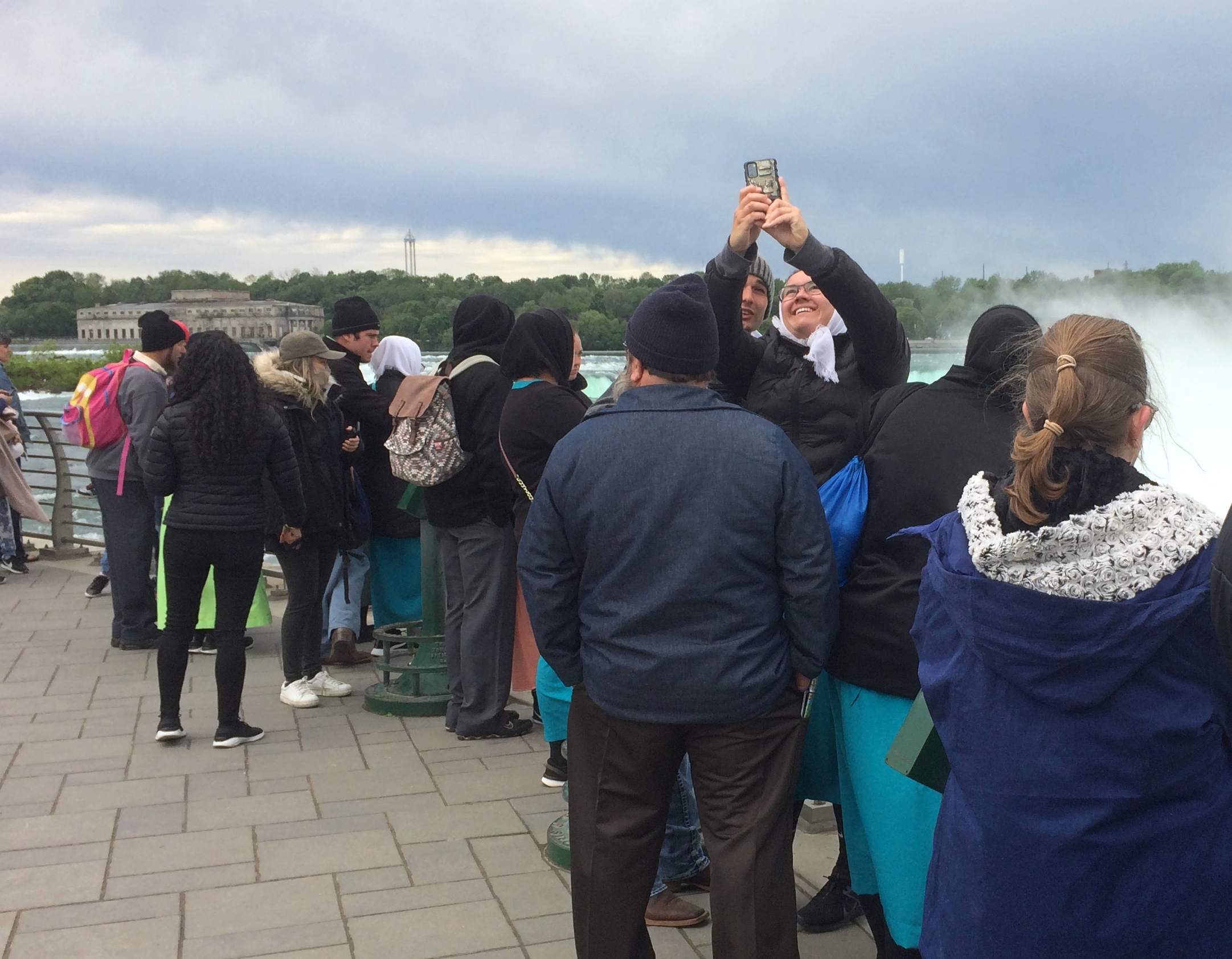
Naturally, lots of people were gathered to take a look. And pictures.Niagara Falls State Park Goat Island Niagara Falls State Park Goat Island Niagara Falls State Park Goat Island
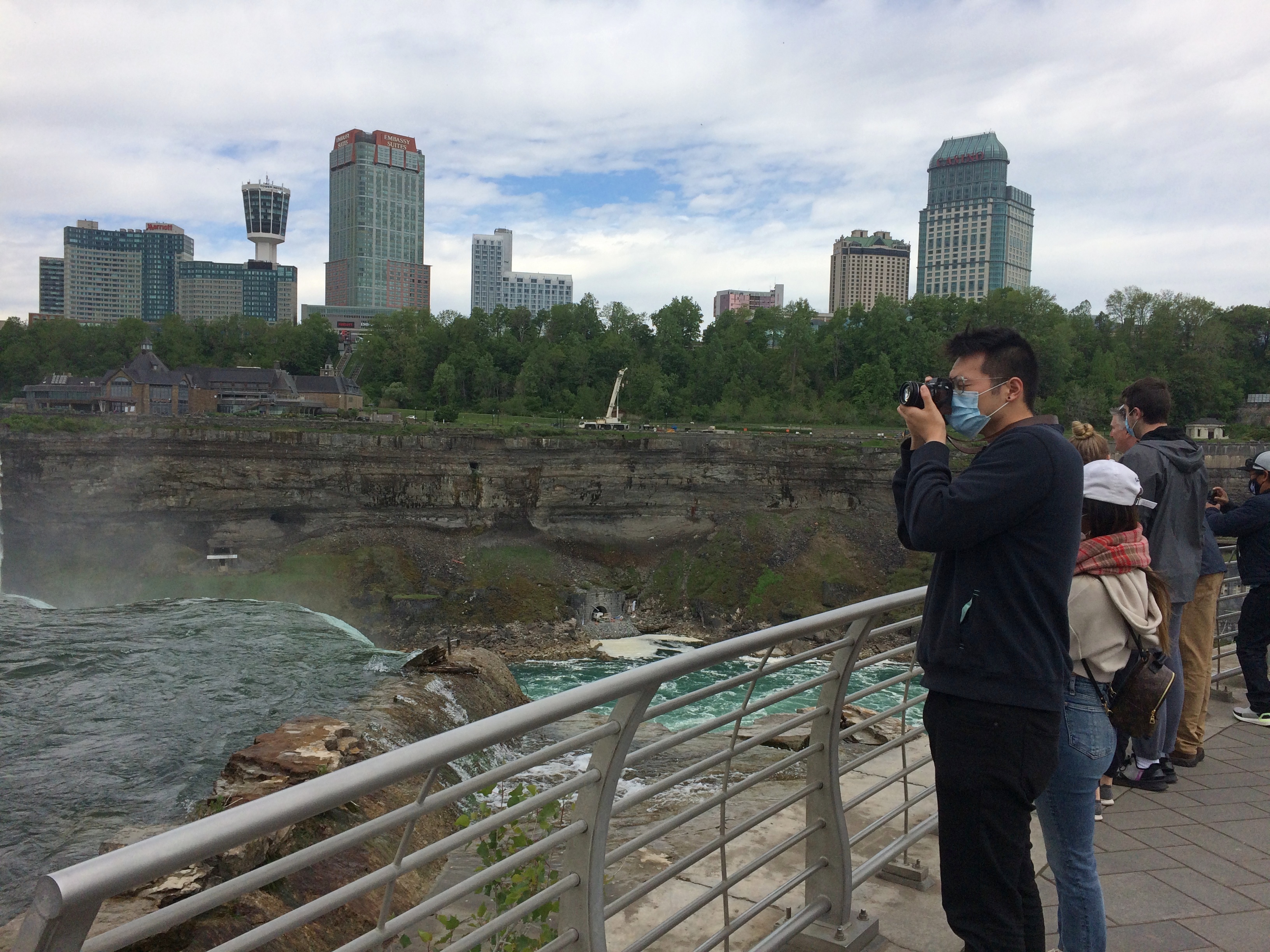
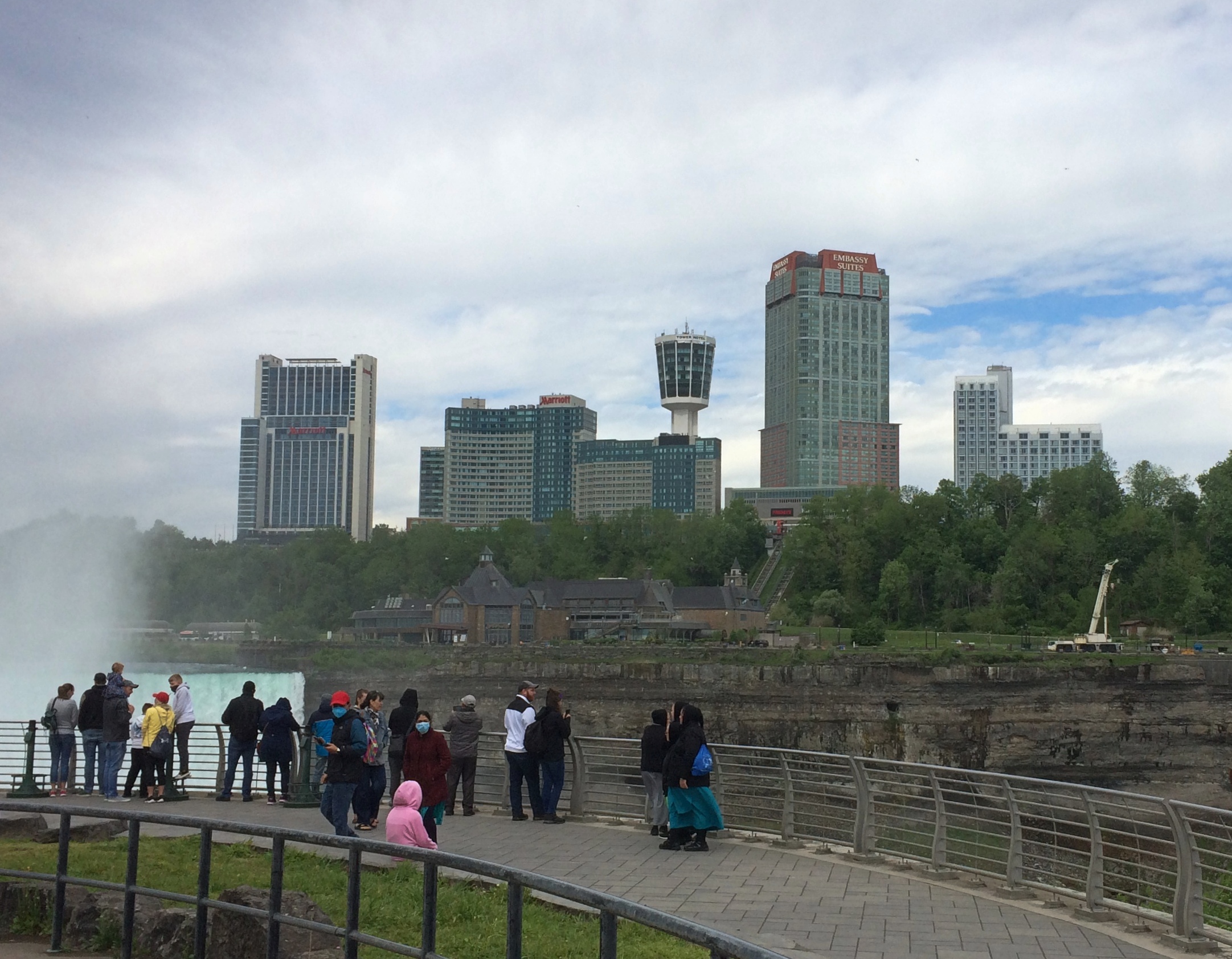
There’s a good view of the Canadian side from there as well, when the mist doesn’t obscure it. Looks like there’s reconstruction going on over there, near the edge. I remember standing next to the Horseshoe Falls at that point 30 years ago, and it looks like that observation deck is missing for now.

The Canadian town looks more prosperous than the U.S. town from that vantage, and indeed it is for various reasons. Sad to say, beyond the tourist enclave, Niagara Falls, New York is another one of the small cities of the industrial North that has seen better times.
Niagara Falls State Park Goat Island

Canada, as it happens, was still mostly closed to visitors over Memorial Day weekend, which would be an ordinary weekend there. Later in the day, we saw the entrance to the Rainbow Bridge on the U.S. side, and only one lane for traffic was open, and no one was in it.

The bridge is visible from Terrapin Point, since it isn’t far downriver from the falls. A striking bit of work across a gorge.
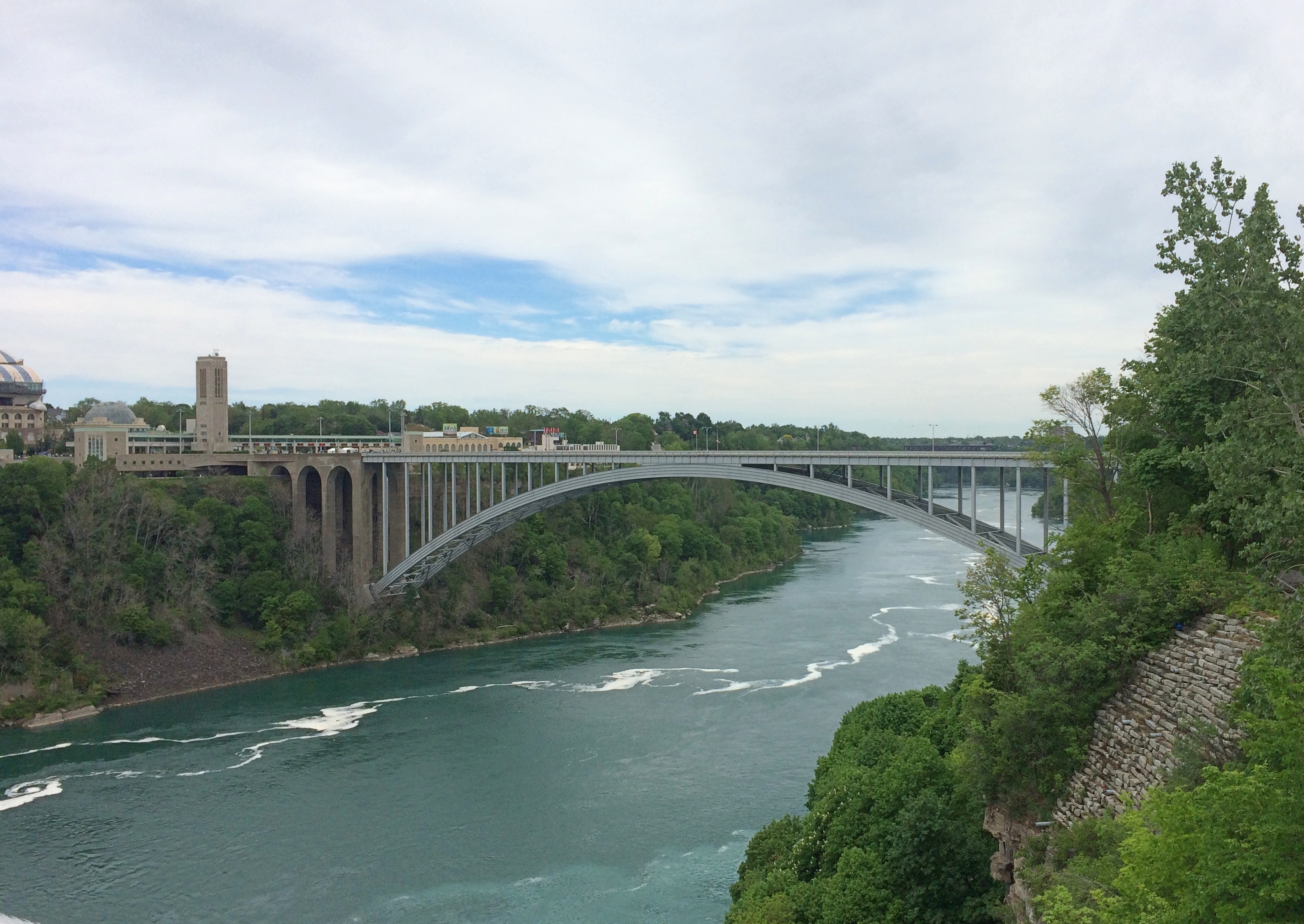
Rainbow Bridge

After our Goat Island wander, we wanted to do the Maid of the Mist boat ride. That was something I skipped in ’91, and wasn’t expecting much more than a ride along the river with a nice view of the bottom of the falls, to complement the views of the tops. We waited in line about half an hour to get on one of the two boats, which made me think of waiting around for a ride at Disneyland. A thing that you do as a tourist. I grumbled a little about the price. I didn’t realize what was ahead.

This is one of the boats, the James V. Glynn. We rode on the other one, the Nikola Tesla. Him again. Mr. Glynn is a long-time Maid of the Mist chairman.Maid of the Mist 2021
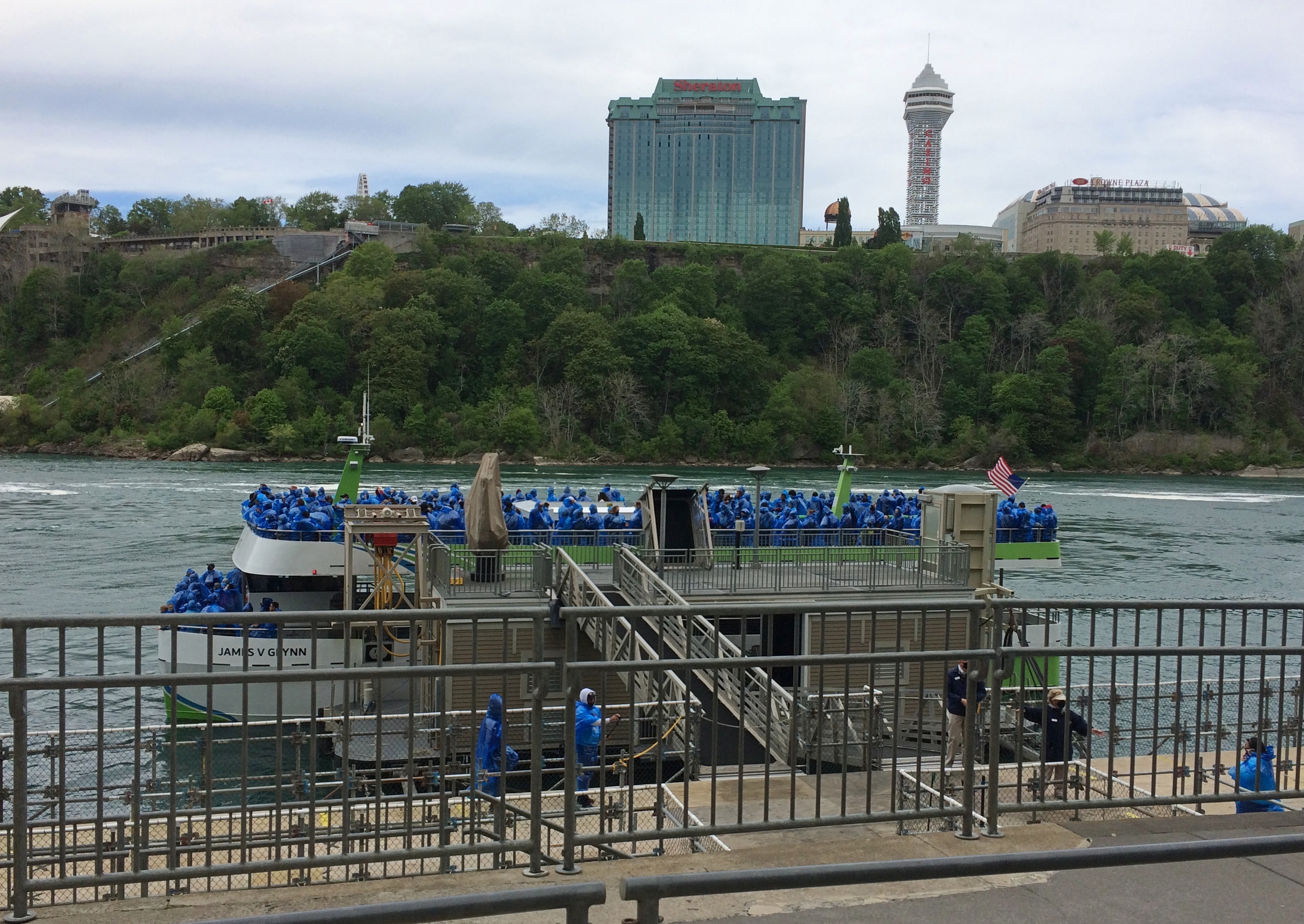
Tourists have been riding Maid of the Mist boats since 1845, another indication of how long tourists have been coming to Niagara Falls, though intermittently until 1885 and every year since then. The boats were steam and then diesel powered and now, as the company is eager to point out, all-electric with no emissions, launched into service only last year. As people get on and off, the boats are recharged at the dock.

The company gives you bright blue thin plastic ponchos and off you go, for a 20 minute or so trip. It isn’t the quantity of the time aboard that counts, but the quality. First you pass by the American and Bridal Falls, which are impressive in their flow and in the huge boulders piled at the bottom.Maid of the Mist 2021
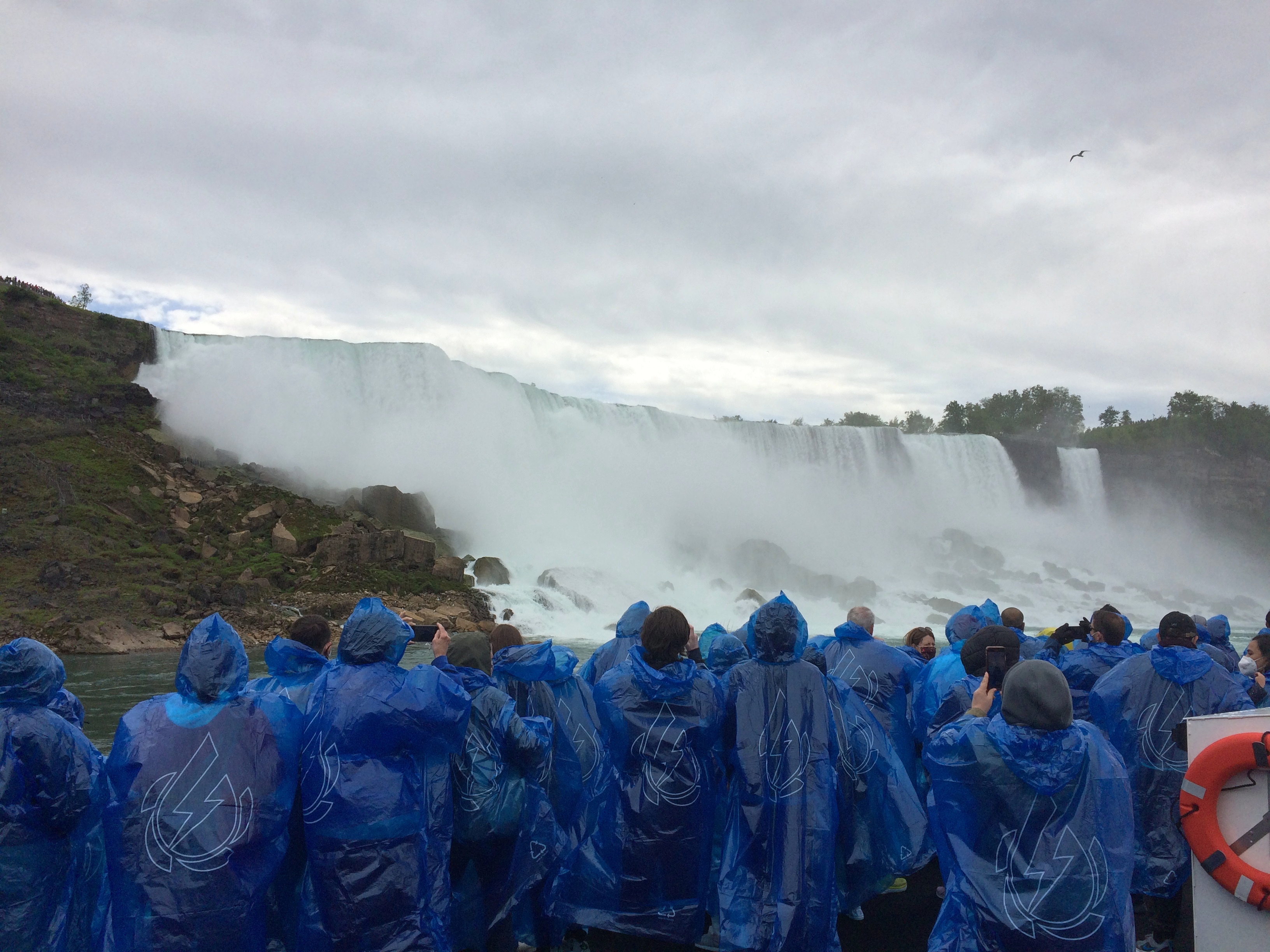
The ship then passes into the curve under Horseshoe Falls. I didn’t think it would get as close at it did. The roar is enormous. The spray is continuous. The curving walls of water, taller than walls of water should be, fill your senses. The place is enthralling. I haven’t been as captivated by a natural phenomenon (well, partly engineered) since I saw the total eclipse a few years ago.

No wonder people have been paying for over a century and a half for this little boat ride. It was worth the effort to get to Niagara Falls, all by itself, and all of the $25.25 each to be escorted under the spectacular cataract.

I wasn’t in the mood to take pictures during most intense moments, like during the eclipse. Except one.
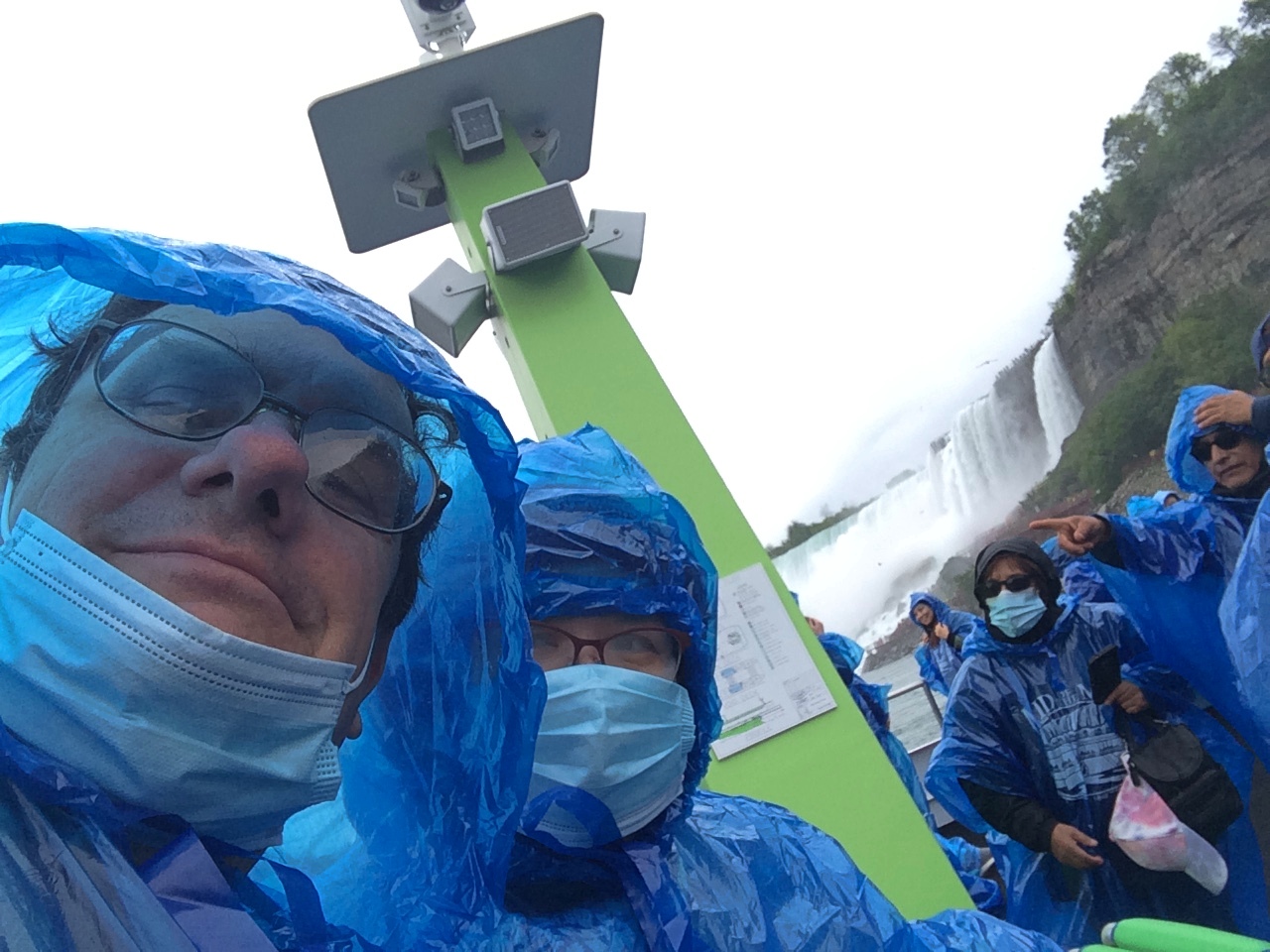
Maid of the Mist 2021One of three or four selfies I’ve taken since that concept was popularized. Hit the nail on the head with that one.
Shuffle Off To Buffalo

Just back yesterday evening from 72 hours in Buffalo. Roughly. Not quite 72 hours over Memorial Day weekend and not quite all in Buffalo, though we were in the Buffalo-Niagara Falls MSA the whole time.

Three days isn’t enough to drive to Buffalo from northern Illinois and spend a worthwhile amount of time. Like Pittsburgh, that would be a four-day venture. So we flew. First time since early 2020. Except for mandatory masking at the airports and on the planes, everything was about the same as it used to be, including holiday-weekend crowds. One of our flights was on a Boeing 737 MAX-8, and clearly we lived to tell the tale.

We, as in Yuriko and I, arrived late Friday night and made our way to Amherst, New York, a Buffalo suburb, where we stayed. We were up early the next morning to spend most of the day at Niagara Falls State Park. I was fulfilling a promise I made in 1996, when we arrived at the falls in March to find the American Falls still frozen. I told her we’d come someday when the liquid was moving again, and so we did.

That wasn’t the whole first day. I discovered that nowhere is very far away from anywhere else in this corner of New York state by driving north along the Niagara Gorge, stopping at Lewiston and Fort Niagara, and then returning to Amherst.

On Sunday, we weren’t up quite as early, but we made it to downtown Buffalo in the morning for a walkabout. As promised by various sources, the city has some first-rate architecture, most especially Buffalo City Hall. Late in the morning, after a brief stop at Tim Horton’s — they’re everywhere in metro Buffalo — we toured the Theodore Roosevelt Inaugural National Historic Site, formerly the Ansley and Mary Wilcox home.

Lunch that day was on Main Street at the Anchor Bar, which specializes in Buffalo wings and claims their invention, but in any case the joint didn’t disappoint. Afterward, Yuriko napped in the car while I spent time looking around Main Street, which includes Buffalo’s theater district and Saint Louis Roman Catholic Church.

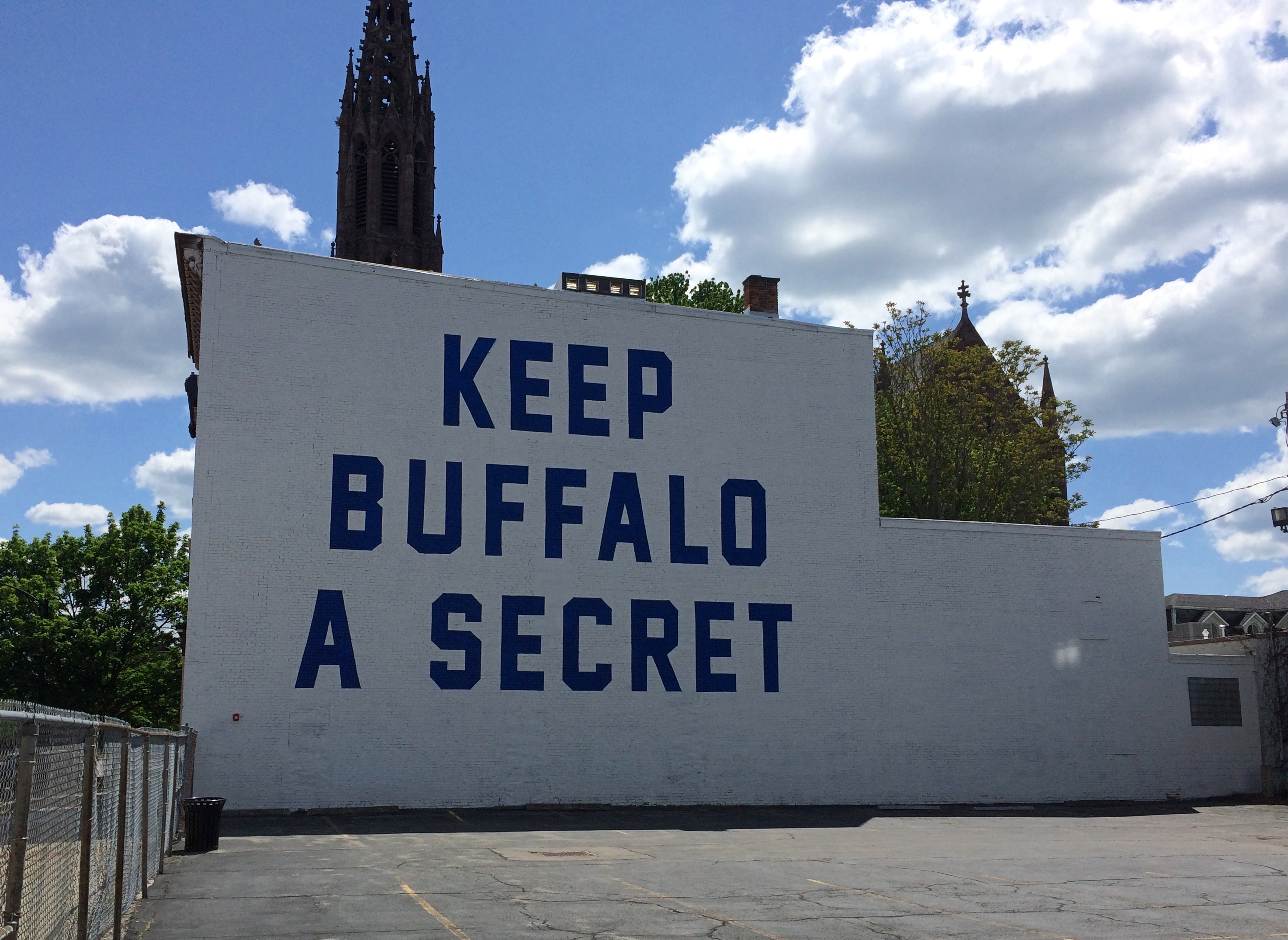
Also, this mural.Keep Buffalo A Secret
Created by local t-shirt designer David Horesh and painter Ian de Veer, it’s highly visible when you’re traveling southbound on Main.

Could it be that current Buffalonians might not want millennials, or more importantly, tech-industry millennials with high incomes, to show up in droves to drive up prices for everyone else? Maybe. Not sure Buffalo has the tech ecosystem, as they say in the biz, to support such an influx. Then again, in the vicinity of the mural are places probably supported by people with at least some disposable income, such as Just Vino, the House of Masters Grooming Lounge, Hair to Go Natural, and Fattey Beer Co. Buffalo.

I had a mind to visit Delaware Park afterwards, since a Frederick Law Omstead park is always worth seeing, but we ended up sampling it merely by driving around it. Looks like a nice place to while away a warm afternoon.

By that time, Sunday afternoon, it was fairly warm in greater Buffalo. Rain had clearly fallen the day before we arrived, and cool air arrived afterward, taking temps down into the low 50s early Saturday, when we got to Niagara Falls. Did that matter? No. It wasn’t cold enough to freeze anything.

On Monday I got up early and visited the splendid Forest Lawn Cemetery, permanent home of President Fillmore and Rick James, among many others. Later, we drove to Lockport, New York and spent some time along the Erie Canal. As long ago as elementary school, I heard about the Erie Canal, but had never seen it. We also took a tour of one of the manmade caves near the canal, where rapid water flows formerly powered local industry.

Back in Buffalo for a satisfying lunch at Lake Effect Diner, housed in a chrome-and-neon diner car dating to 1952. Then we drove south via surface streets to Lackawanna, where you can see the Basilica of Our Lady of Victory, our last destination for the trip.

Why Buffalo? There was that promise to visit the falls, of course. But I also wanted to see Buffalo. My single previous experience there had been a quick drive-through in 1991 after I saw Niagara Falls for the first time, from the Canadian side. Every city of any size has something interesting. A lot of smaller places do as well. So we shuffled off to Buffalo.

Pre-Holiday Nattering

Back again after the Memorial Day weekend, when it will be June already. June, now that’s a fine month.

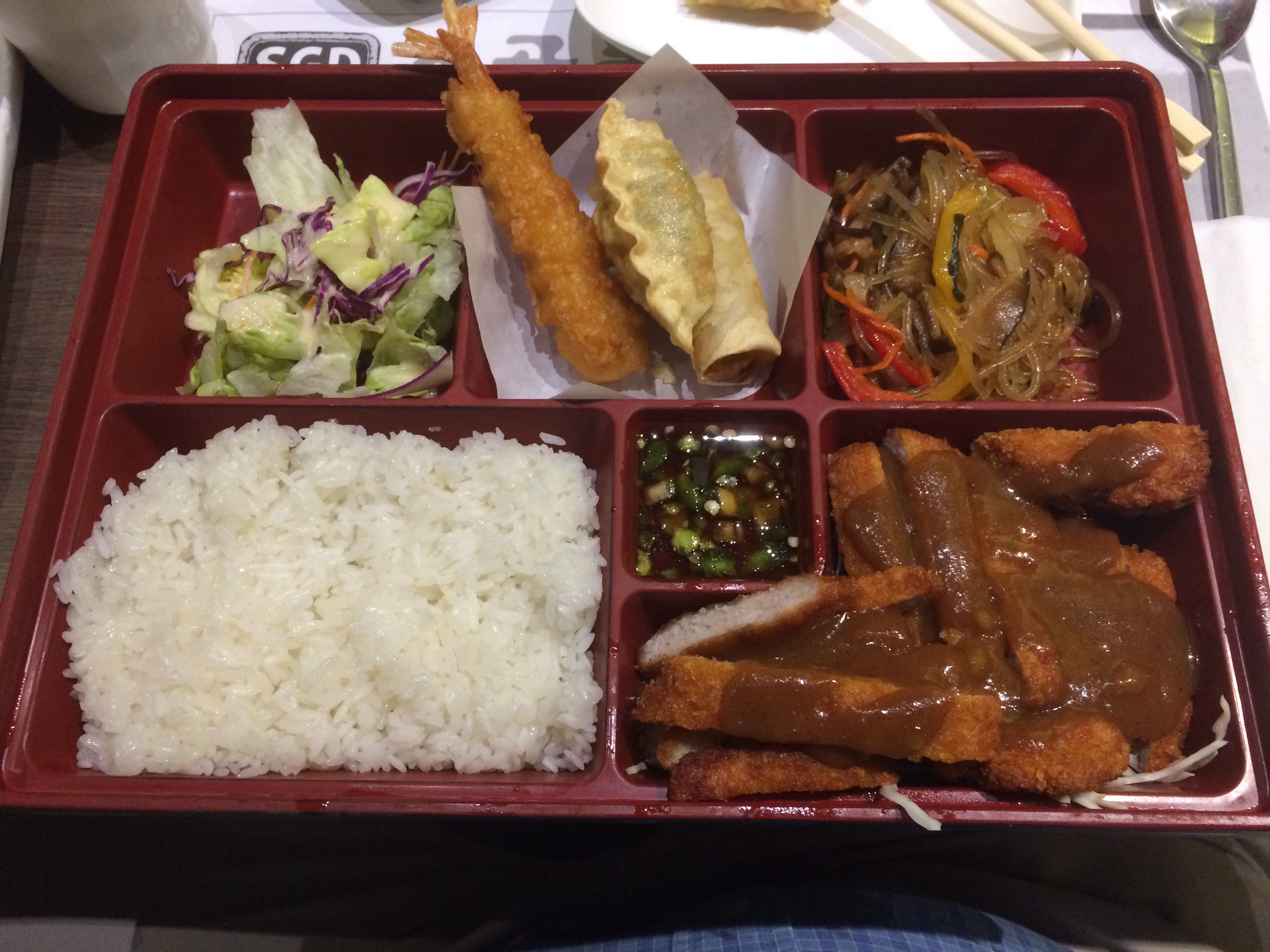
Lilly arrived for a short visit today. We all went out to a restaurant to eat this evening. Sounds ordinary, but that was the first time since March 2020. We went to the last place we all went together that month, SGD, or So Gong Dong, a Korean place with about a dozen locations in the Midwest and on the Eastern seaboard. It’s a wonderful place, glad it survived.

My meal. 

As usual with a commencement program that lists everyone’s full names, I spent some time during Ann’s graduation on Monday examining those names, and again just now. As usual, the variety is remarkable.

Last names, for instance: Ahmed, Awdziejczyk, Bhandar, Cwik, Degrazio, Garcia, Gomberg, Jayawardena, Jones, Kaspari, Kobe, Lavrynovych, Mapembe, McCoy, Michalowski, Nguyen, O’Connor, Onilegbale, Picadi, Schoefernacker, Shah, Stribling, Wang.

Common names aren’t so common. There are no Smiths and two Joneses, three Browns and one Johnson (and a single Johnston) and a pair of Williamses. There are four Garcias and three Sanchezes but only two Gonzalezes and one Hernandez and one Gomez. Rodriguez is fairly common: seven. No one is named Kim, though there is a Lim. The aforementioned Wang is the only one.

Far and away the most common surname among the Class of ’21 is Patel. How many? Twenty-one. It’s a common name from Gujarat state on the west coast of India, and apparently Patels are well-represented in the diaspora.

One reason: Idi Amin. “When Idi Amin turfed out some 100,000 Indians (mostly Gujaratis) from Uganda in 1972, most of them descended on Britain before peeling off elsewhere,” notes the Economic Times of India. The timing was right, since the U.S. had junked its racist immigration policies that effectively kept out most South Asians only in 1965.

“There are said to be more than 500,000 Patels scattered across the world outside India, including some 150,000 each in Britain and the US,” the paper continues. A good many in the northwest suburbs of Chicago, clearly. Then there’s this associated term, which I’d never heard before.

During research for an article not long ago, I came across the persnickety food site Eat This Not That!, whose very title screams judgmentalism. One article is called “20 Vegetarian Foods That Are Surprisingly Aren’t.”

The subhead: These supposedly animal-free foods will make you gag, regardless of your dietary lifestyle.

I don’t have anything against principled vegetarianism or veganism, though I don’t plan to be either. But I do think an article that essentially says, Look how gross food additives are! is an exercise in simplemindedness. Overthink just about any food and you can say it’s repulsive.

The additives the articles objects to include animal bones, sheep’s wool, pork fat, shellfish, bird features, beaver musk, crushed beetles, fish bladders, pig hooves and calf stomachs. I don’t see that list and think, ew, gross. I think damn, human beings are awfully clever, using the most unlikely things to improve our food. Is that not a virtue among primal peoples anyway — using every part of the animal?

My favorite entry:

If you’re eating … Lucky Charms
You’re also consuming … Animal Bones
Those marshmallow moons, clovers and horseshoes are made with gelatin, derived from animal collagen (aka cartilage, skin, tendons, bones). True veg-heads — and those who keep kosher, and cannot mix milk and meat — have known this for years, staring regretfully at the taunting leprechaun. Also containing gelatin: Smorz, Fruity Marshmallow Krispies, and Rich Krispies Treats Squares.

There may be legitimate reasons not to eat a lot of sugar-coated cereal, but animal collagen doesn’t strike me as one of them.

Ann’s Graduation

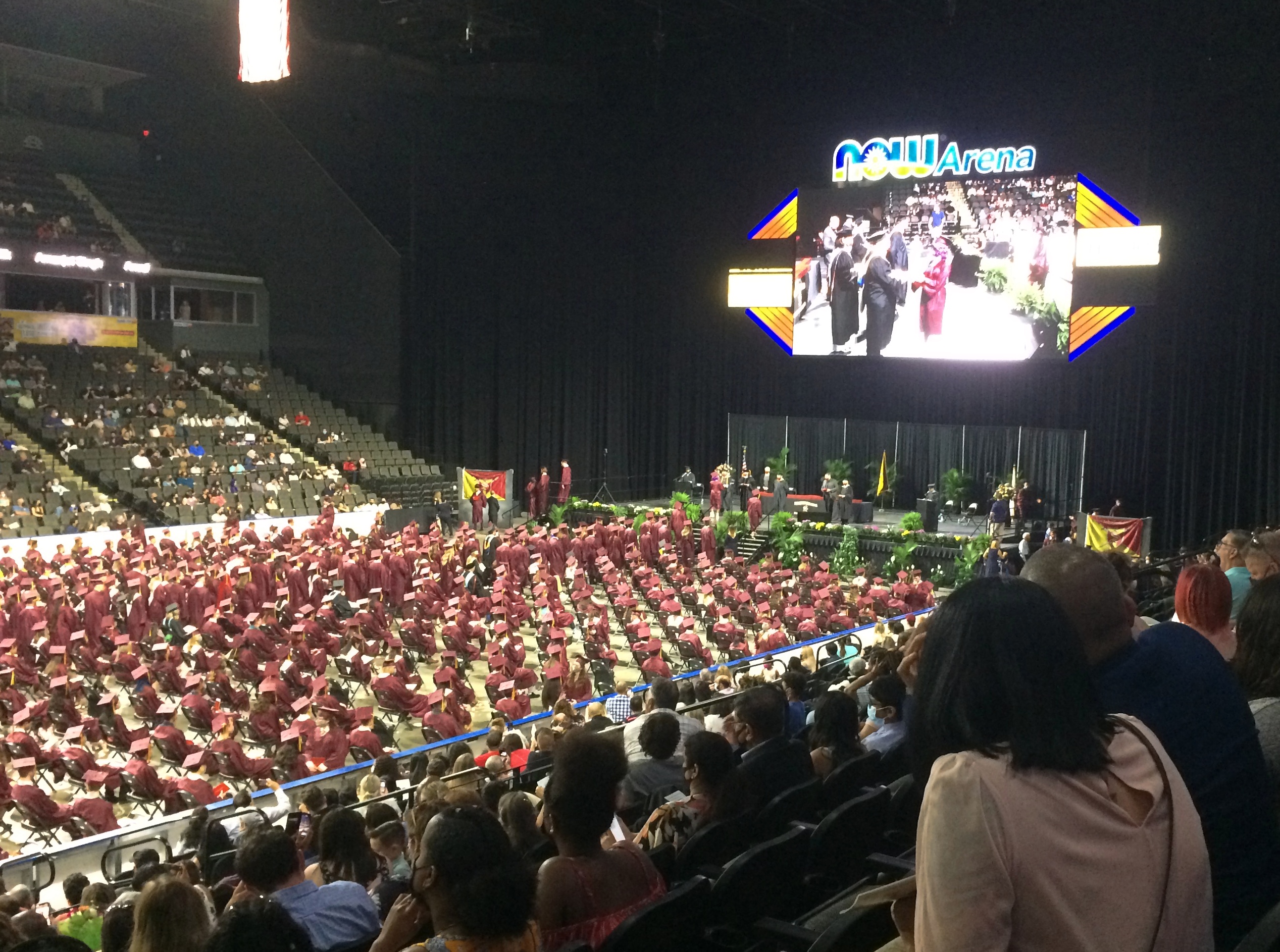
Ann’s high school graduation was yesterday evening at the venue formerly known as Sears Centre in Hoffman Estates, Illinois. These days it’s named after a supplement maker. There’s much money to be had in the patent medicine biz, not so much in department stores.

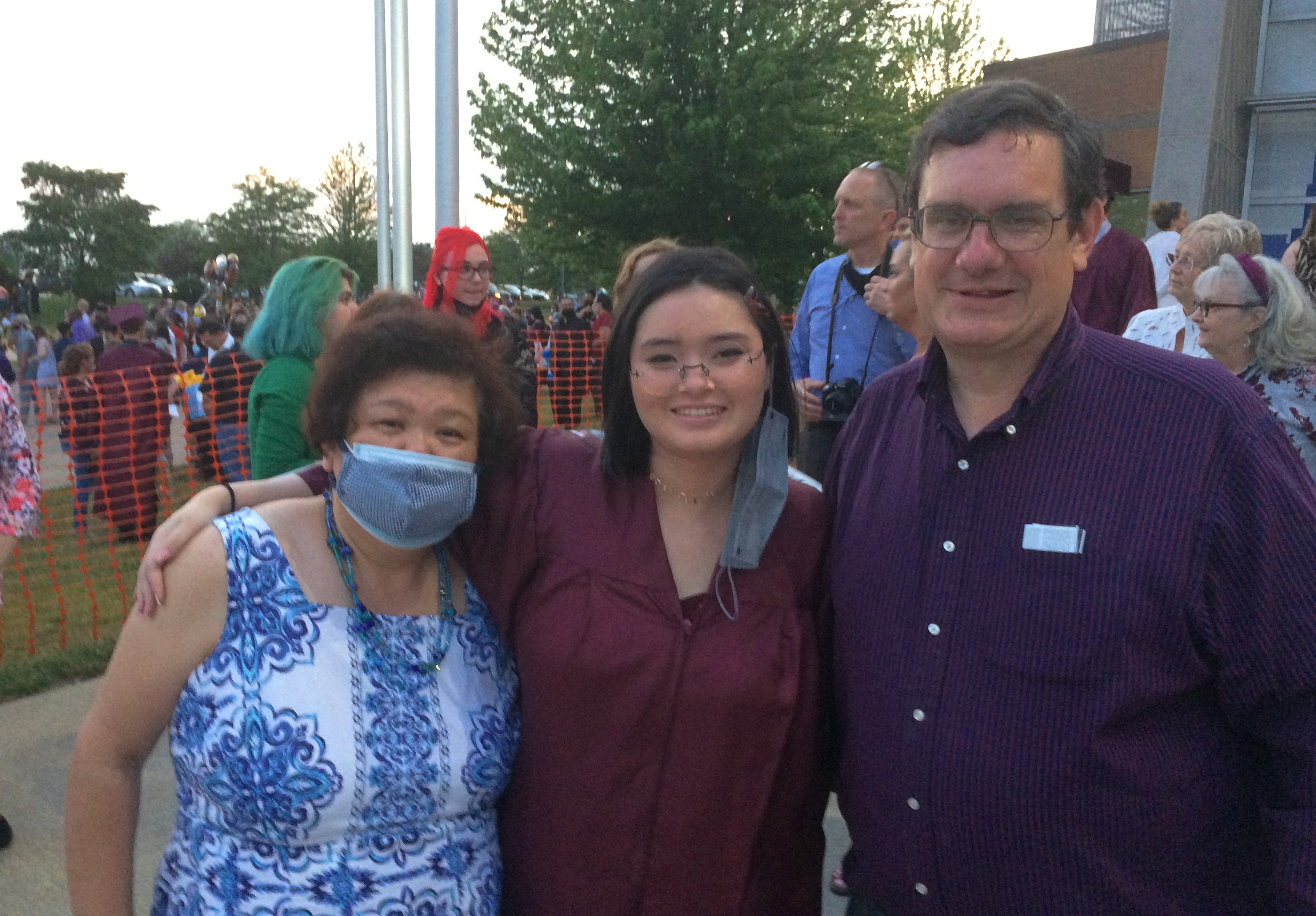
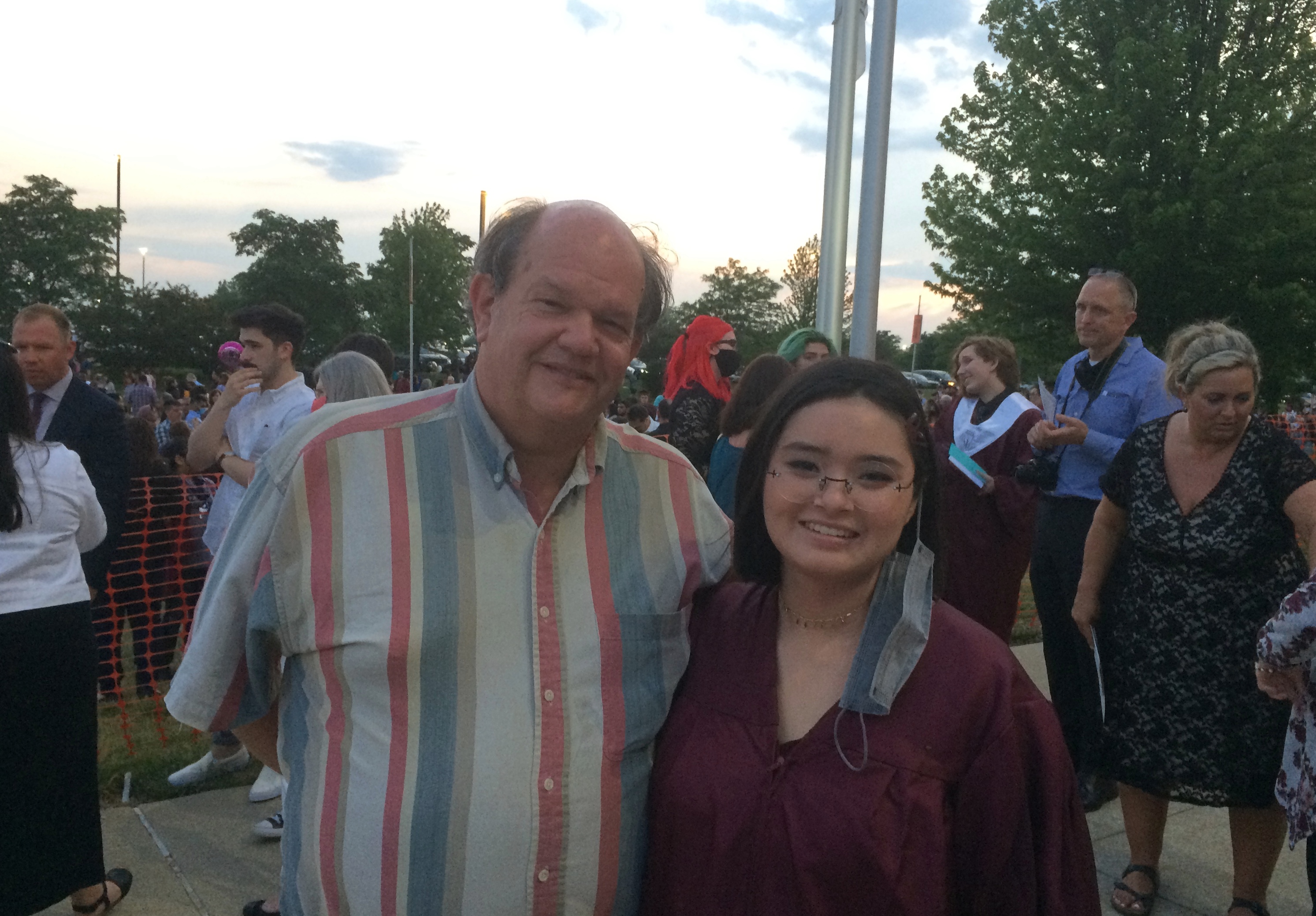
Afterward, pictures.

Kevin was able to join us, and we all sat in the same “pod.” Meaning a block of seats. As expected, some seats were closed via plastic cords, others not. Also as expected, our pods didn’t involve cones of silence.

The Hindu Temple of Greater Chicago

On a pleasant Sunday in the spring, metro Chicago offers any number of things to see. One of them is the Hindu Temple of Greater Chicago.

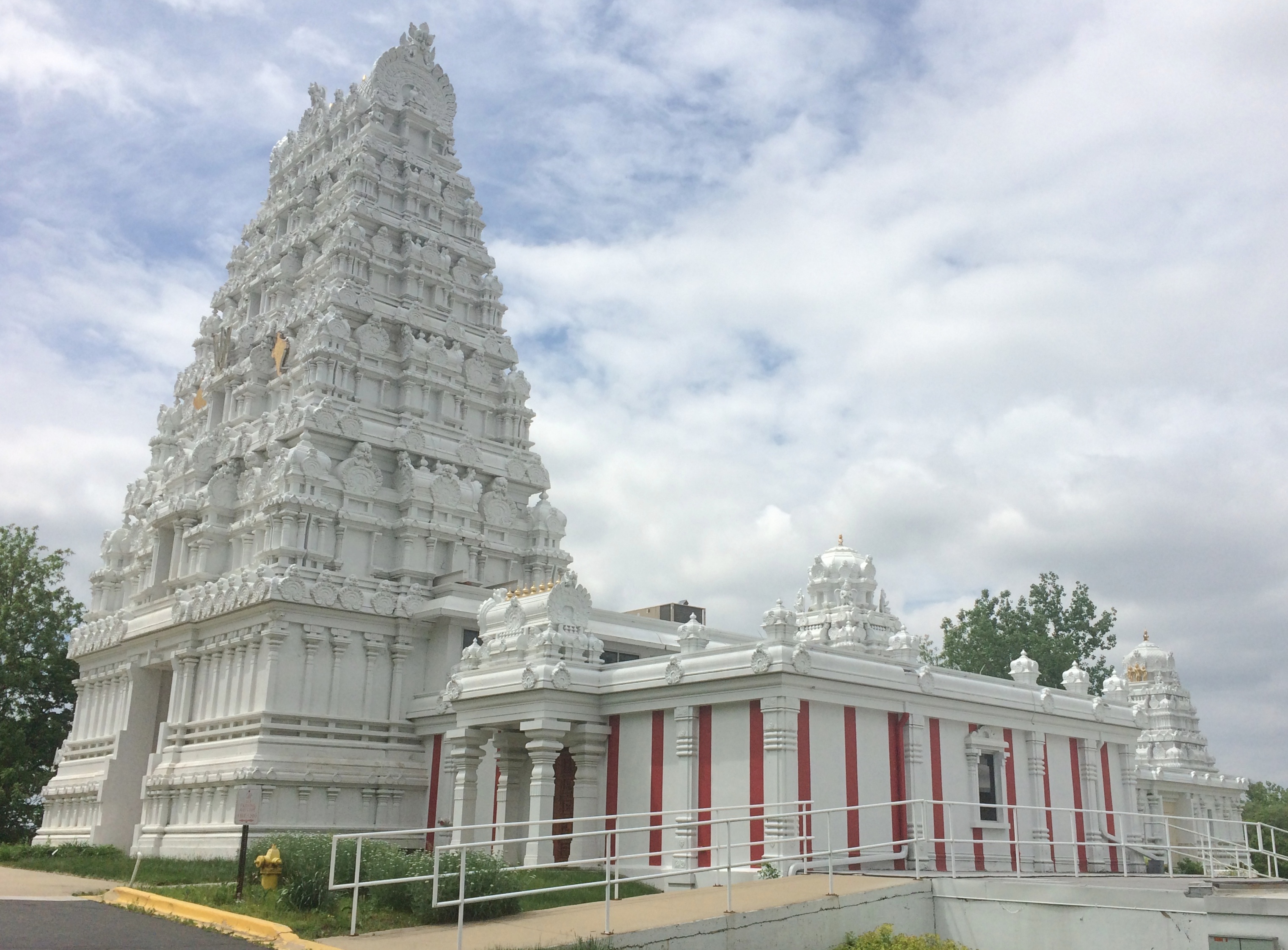
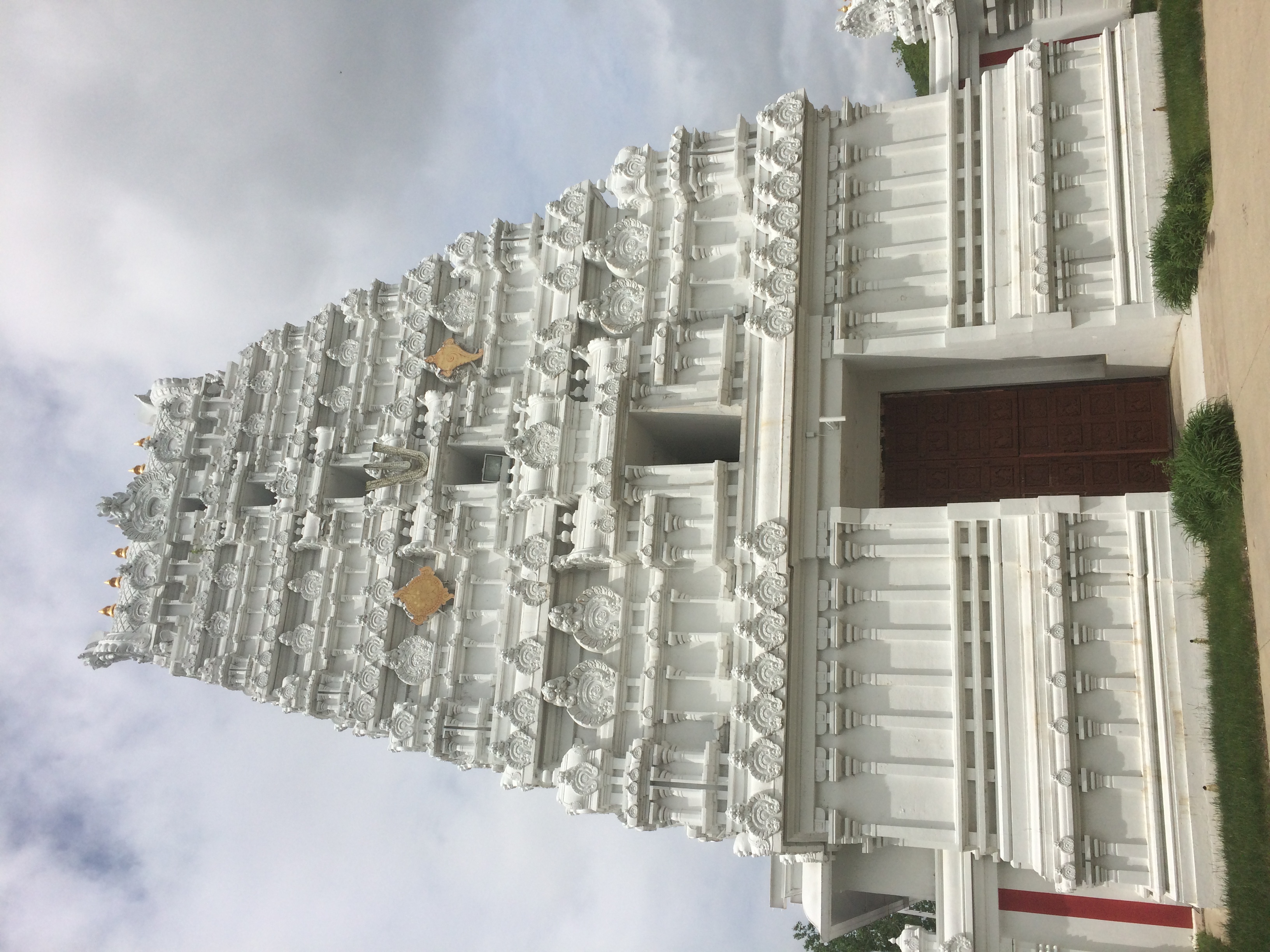
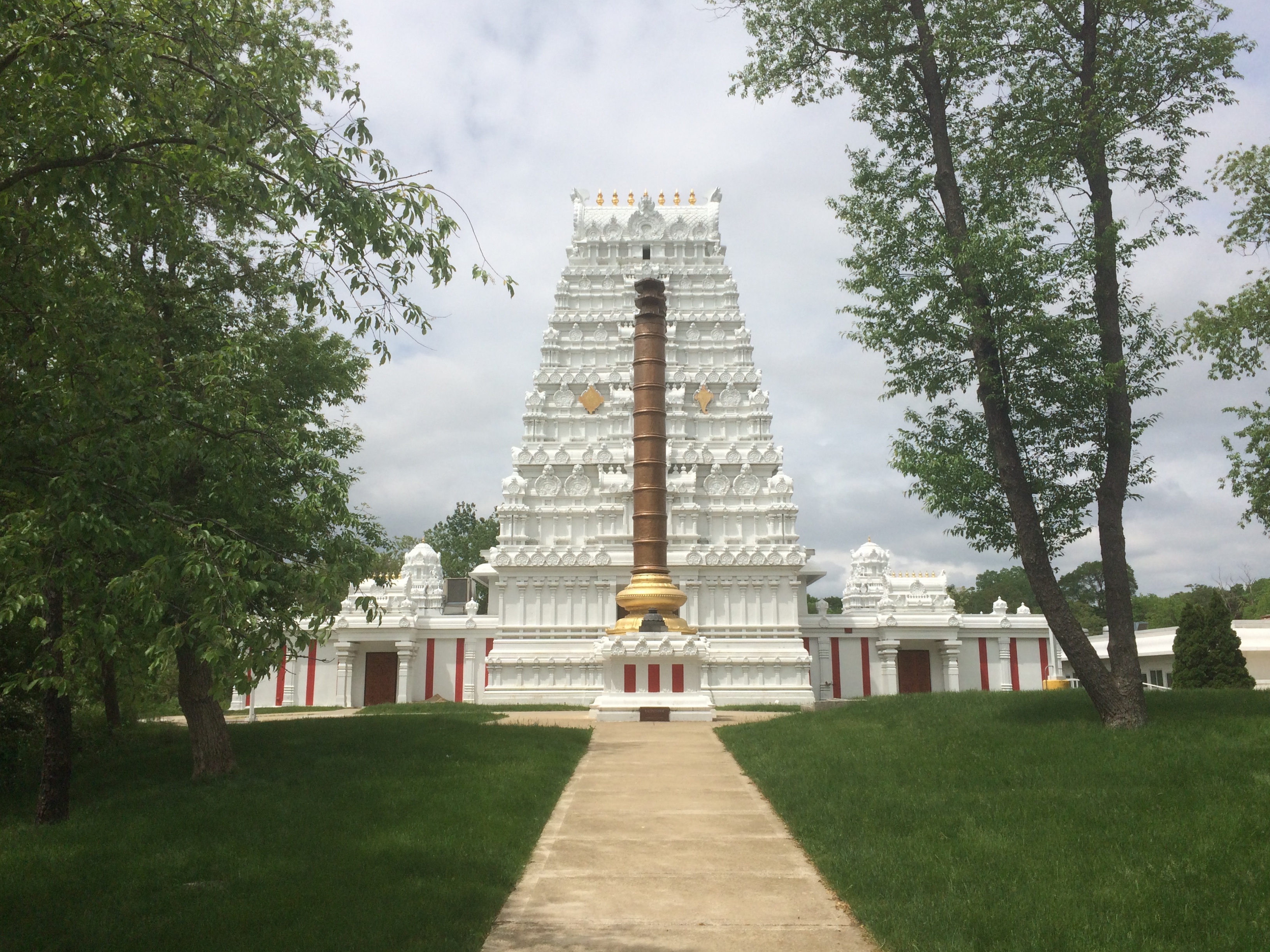
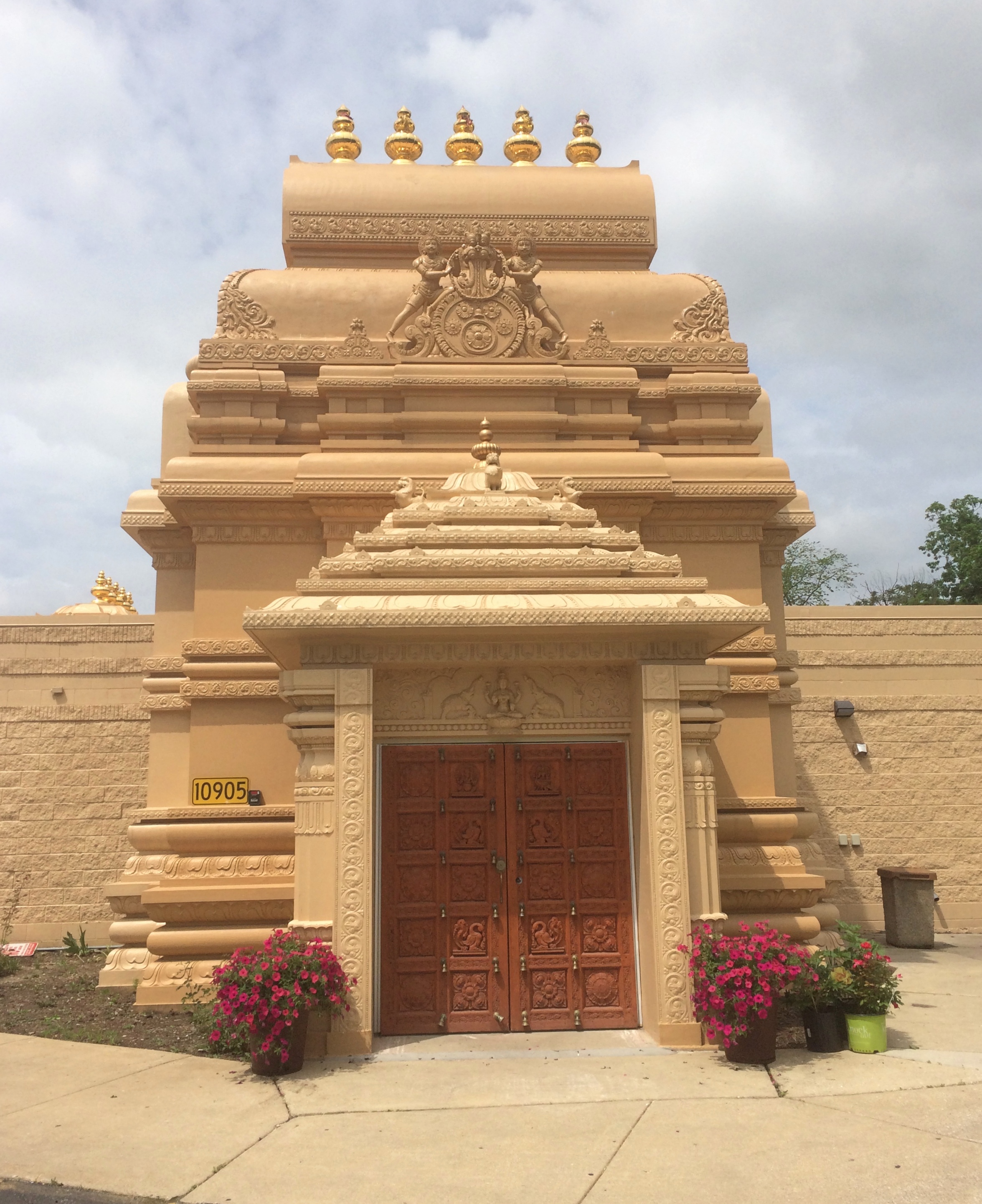
The HTGC is in southwest suburban Lemont, tucked away on a moraine hilltop off Lemont Road, not far south of I-55. It’s a temple complex, actually, including Sri Rama Temple, Ganesha-Shiva-Durga Temple, a mediation center and other structures.

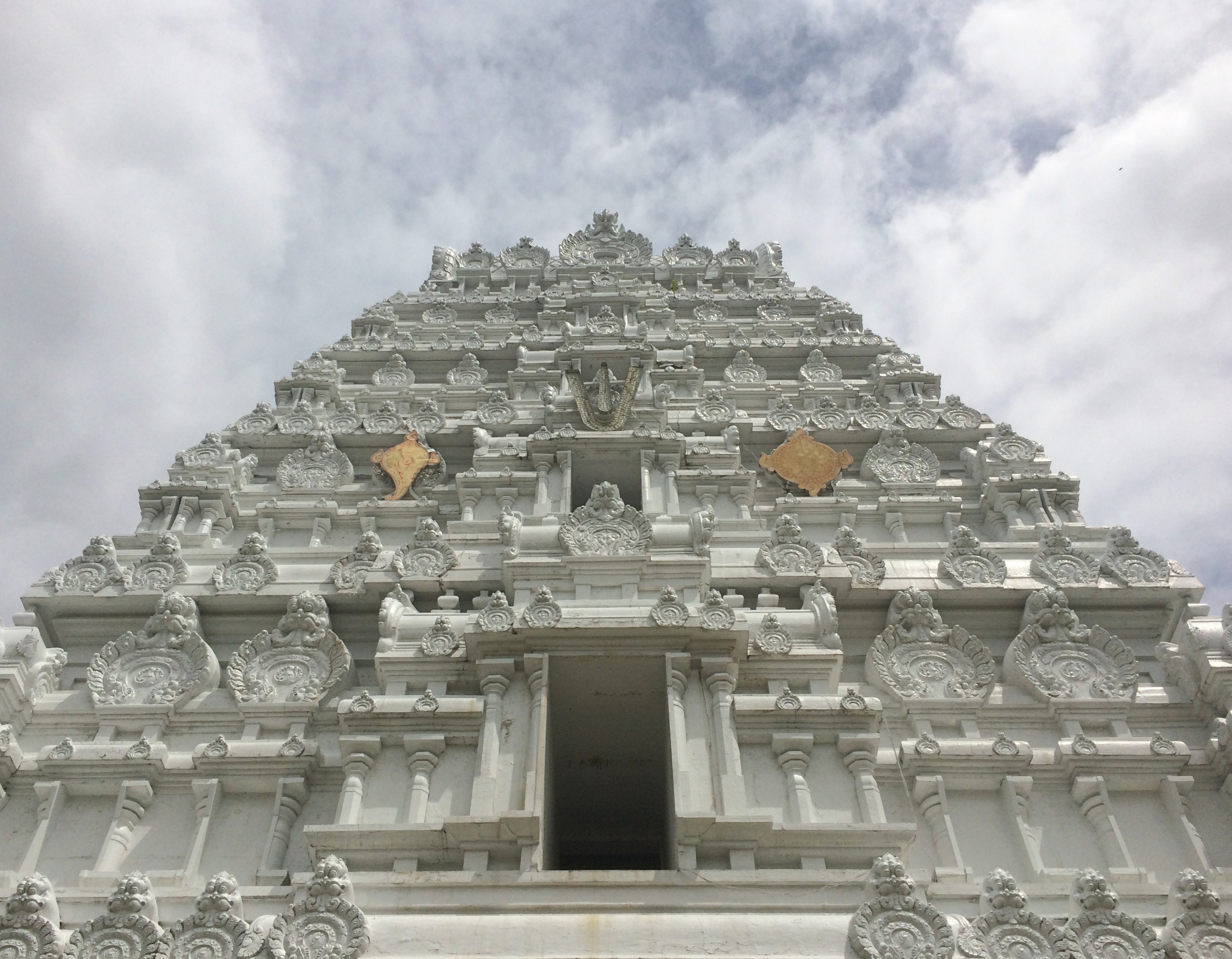
The Sri Rama exterior.Hindu Temple of Greater Chicago Hindu Temple of Greater Chicago Hindu Temple of Greater Chicago

Entry meant a temperature check and a few questions by a slightly suspicious hired security guard. The interior features a fascinating array of religious artwork and devotional alcoves.

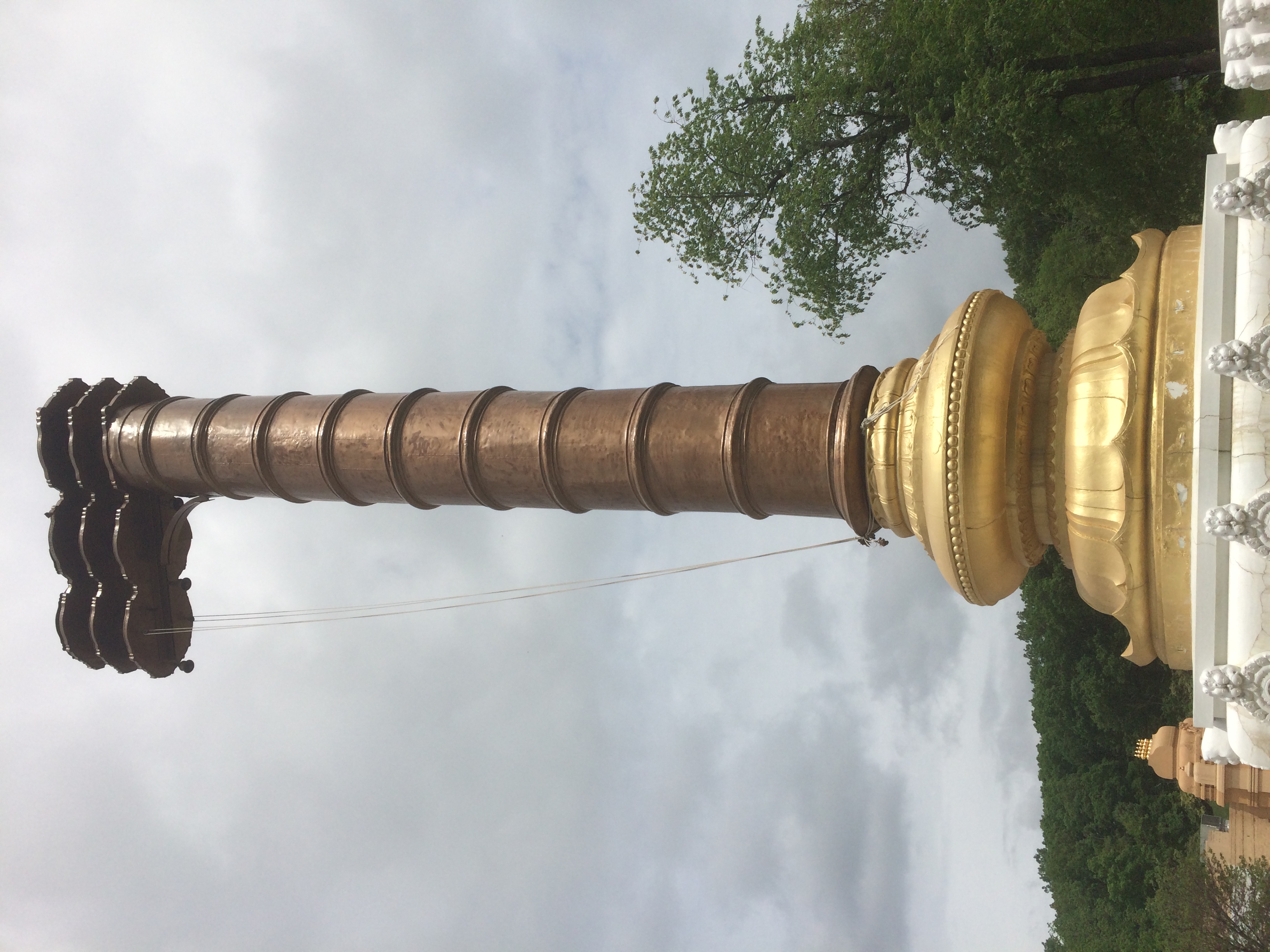
Next to Sri Rama is a structure called balipeetham, also styled bali peetam. As far as I can understand, it’s a place to ditch your unholy thoughts before entering the temple.

Hindu Temple of Greater Chicago

Hindu Temple of Greater Chicago

As hinted at by the temple’s generic name, it was an early — maybe the first, I haven’t confirmed that — Hindu temple in the Chicago area, founded in 1977 with the rising tide of immigration from the subcontinent. Many more temples have been established since then, of course. The first structure on the HTGC site was completed in 1985, according to this incredibly detailed and professionally written history of the temple at its web site. (There’s no reason such a history can’t be detailed and well written, it’s just that web-site histories tend to be otherwise.)

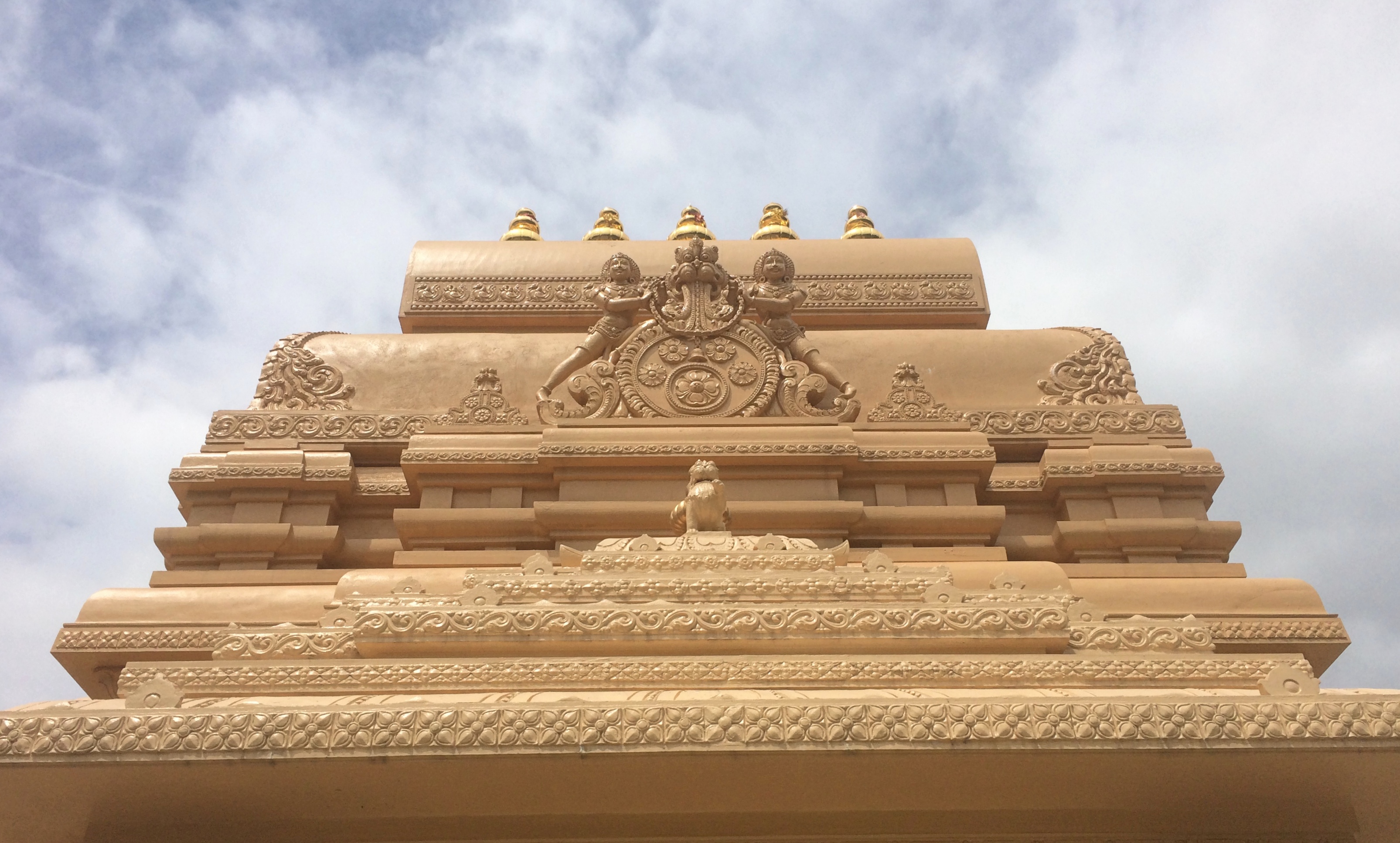
This is the outside of the first structure, the Ganesha-Shiva-Durga Temple. Its interior is interesting, but not nearly as elaborate as Sri Rama.Hindu Temple of Greater Chicago Hindu Temple of Greater Chicago

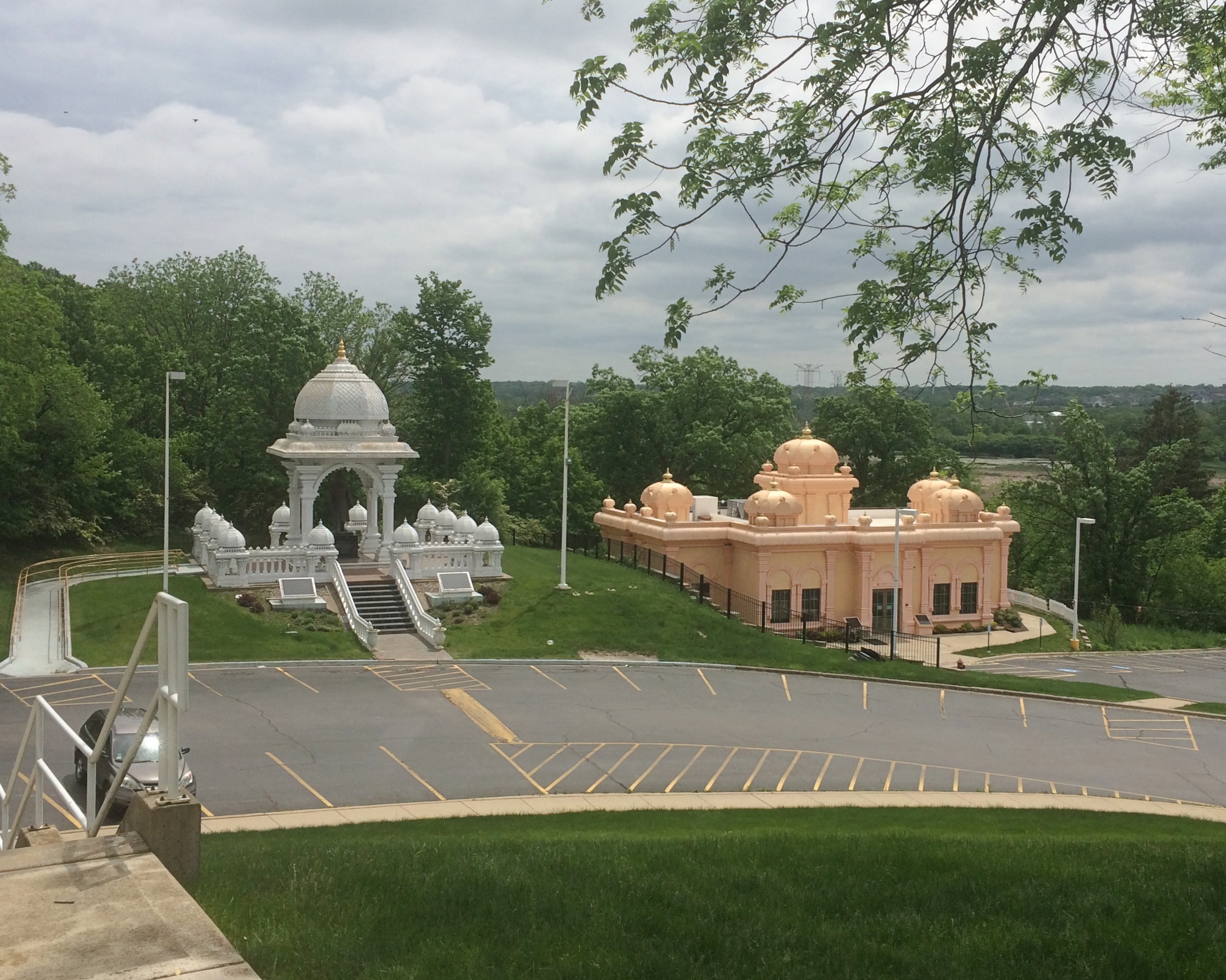
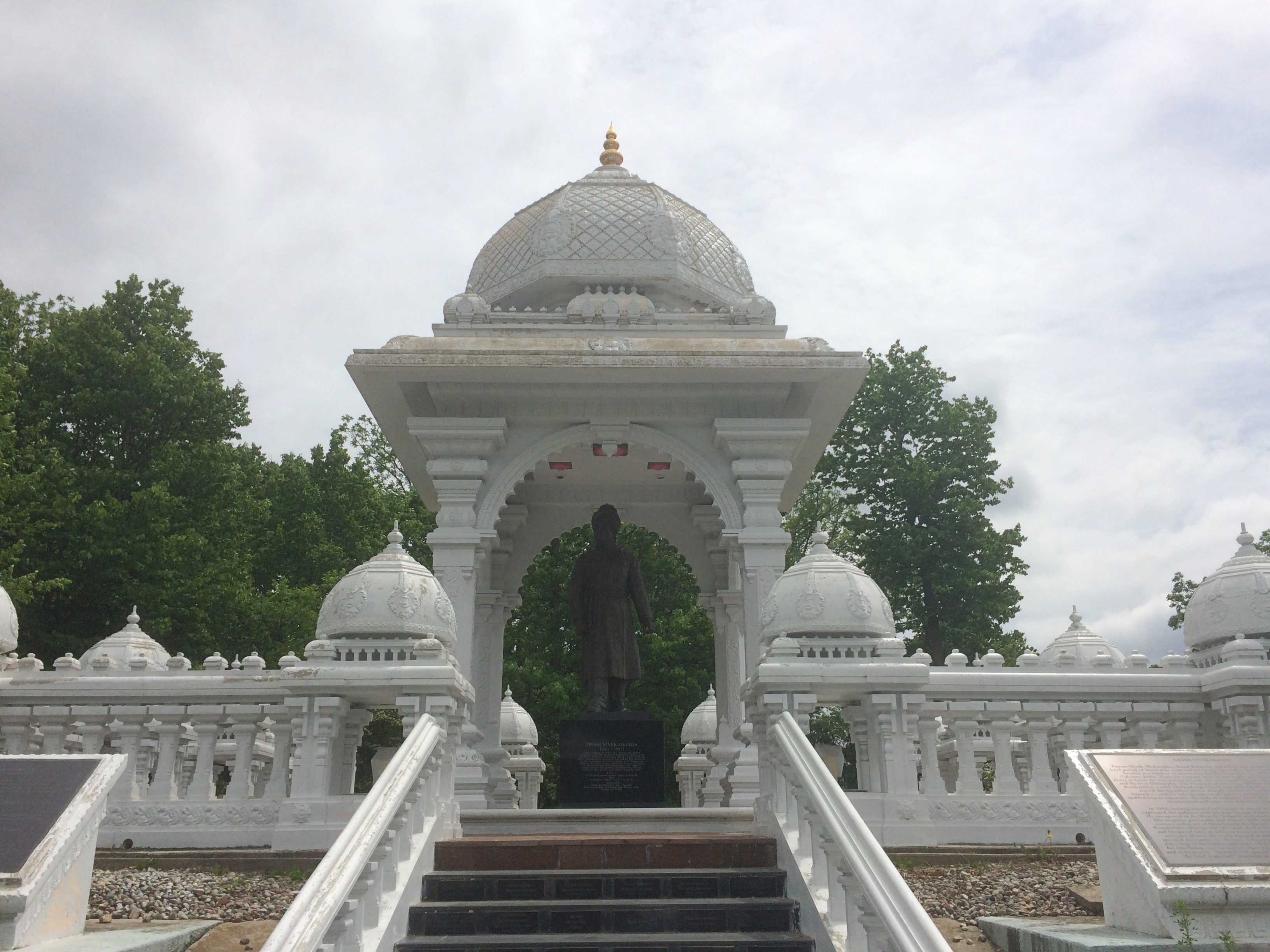
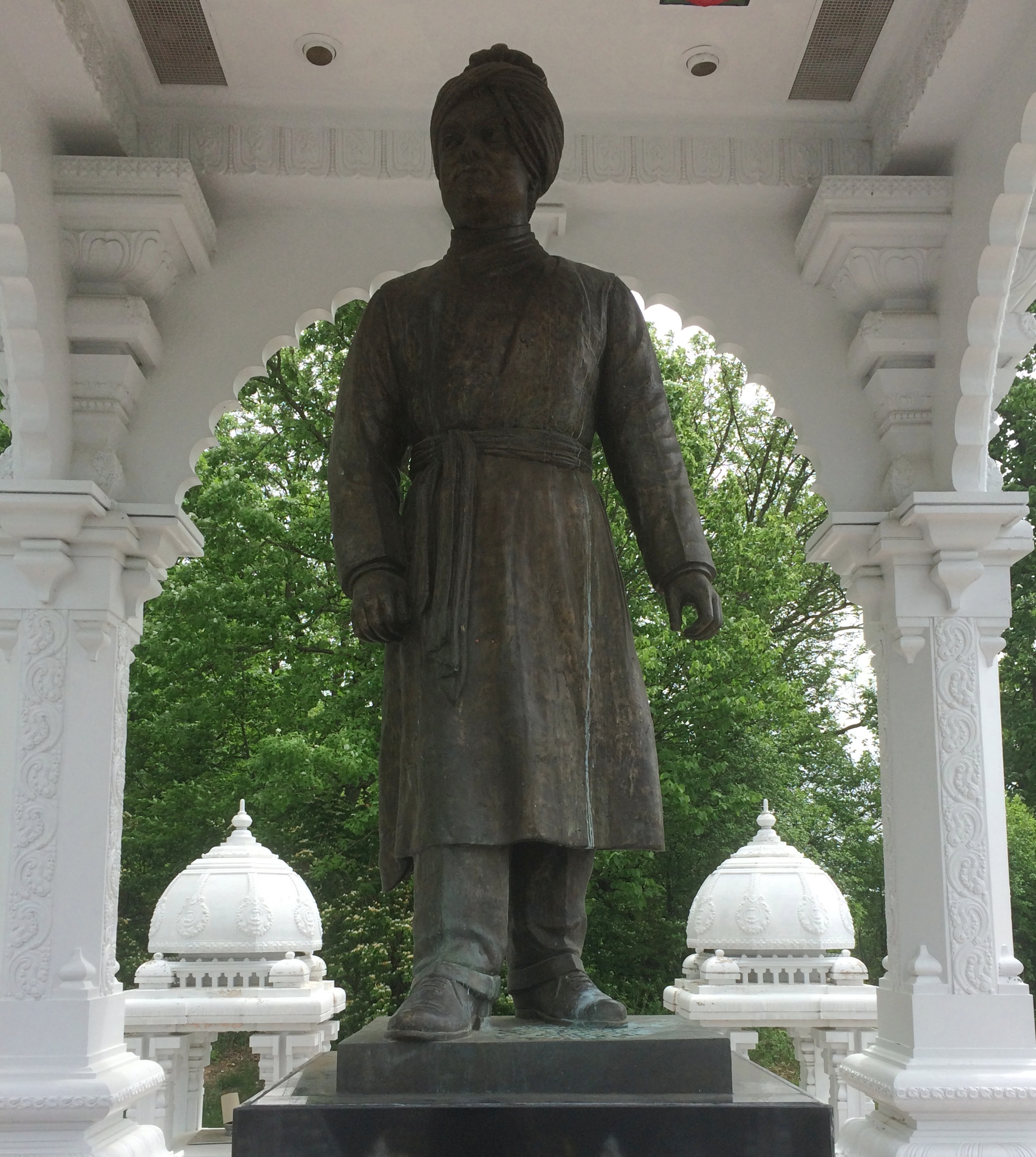
Elsewhere on the grounds are other structures. The one on the left protects a statue of Swami Vivekananda (1863-1902).Hindu Temple of Greater Chicago Hindu Temple of Greater Chicago Hindu Temple of Greater Chicago

Swami Vivekananda is best known in this country — at least among people who know such things — for representing India at the 1893 Parliament of the World’s Religions in Chicago. Which, I have to add, seems like a remarkable event all by itself.

Swallow Cliff Woods

The parking lot and the road next to the Waterfall Glen Forest Preserve trailhead were packed with cars and people on Saturday afternoon. As the name mentions, there’s a waterfall along that trail and, from the looks of some of the people headed for the trail, someplace to swim.

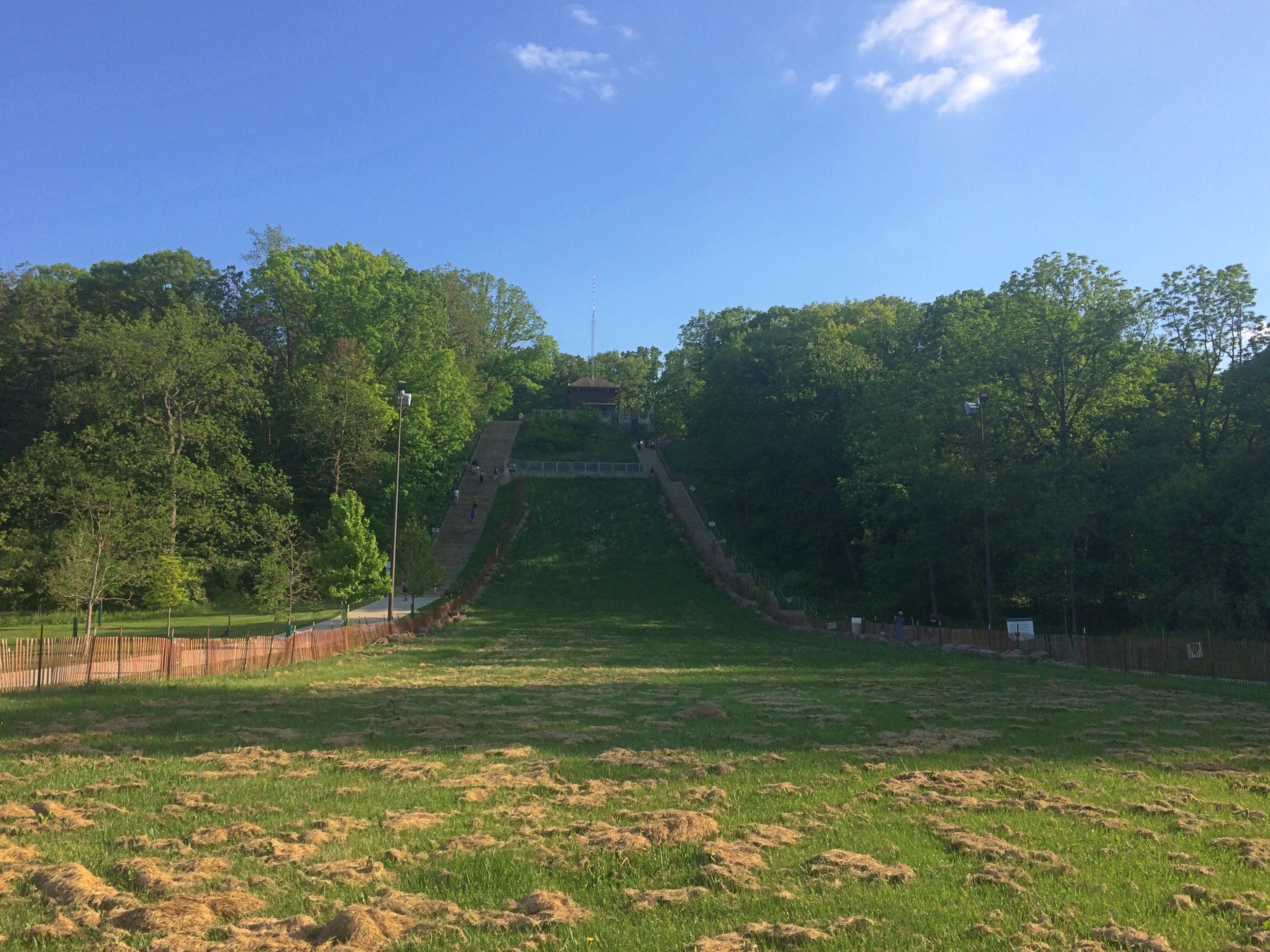
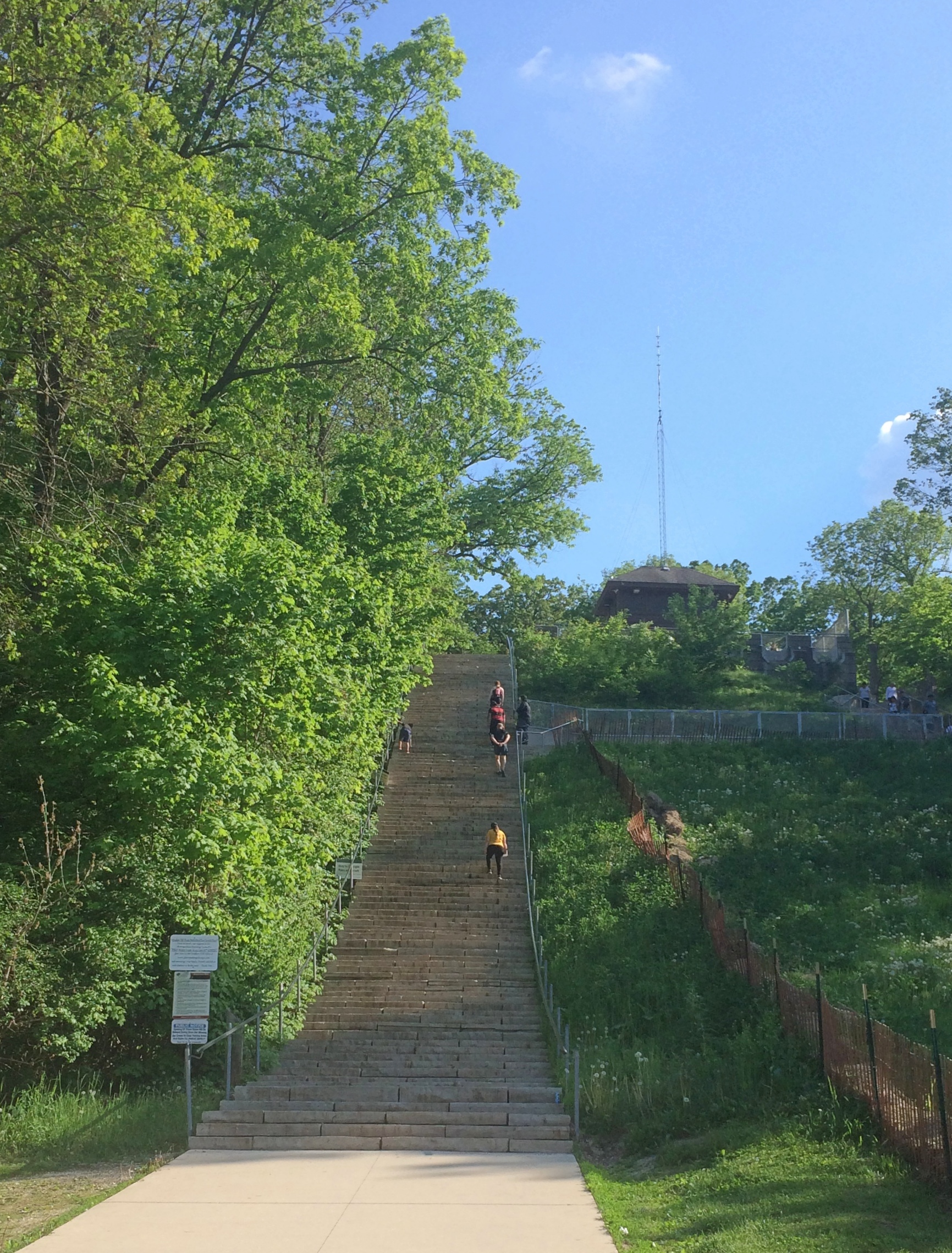
The thing to do was go somewhere else. Before long we drove to Swallow Cliff Woods, which is one of the many wooded areas encompassed by Palos Preserves in southern Cook County (so is Waterfall Glen). To reach the trails, you climb the stairs next to a former toboggan run. It was late afternoon by the time we got there, though it was still in the 80s.Swallow Cliff Stairs

Swallow Cliff Stairs

“Constructed in 1930 [sic] by the Civilian Conservation Corps, 125 limestone stairs lead to the top of a former toboggan run on Swallow Cliff’s 100-foot bluff,” the Cook County Forest Preserve District web site says. Of course, the 1933-founded CCC built nothing in 1930, but whatever the correct year, it’s good to happen across more of the Corps’ handiwork.

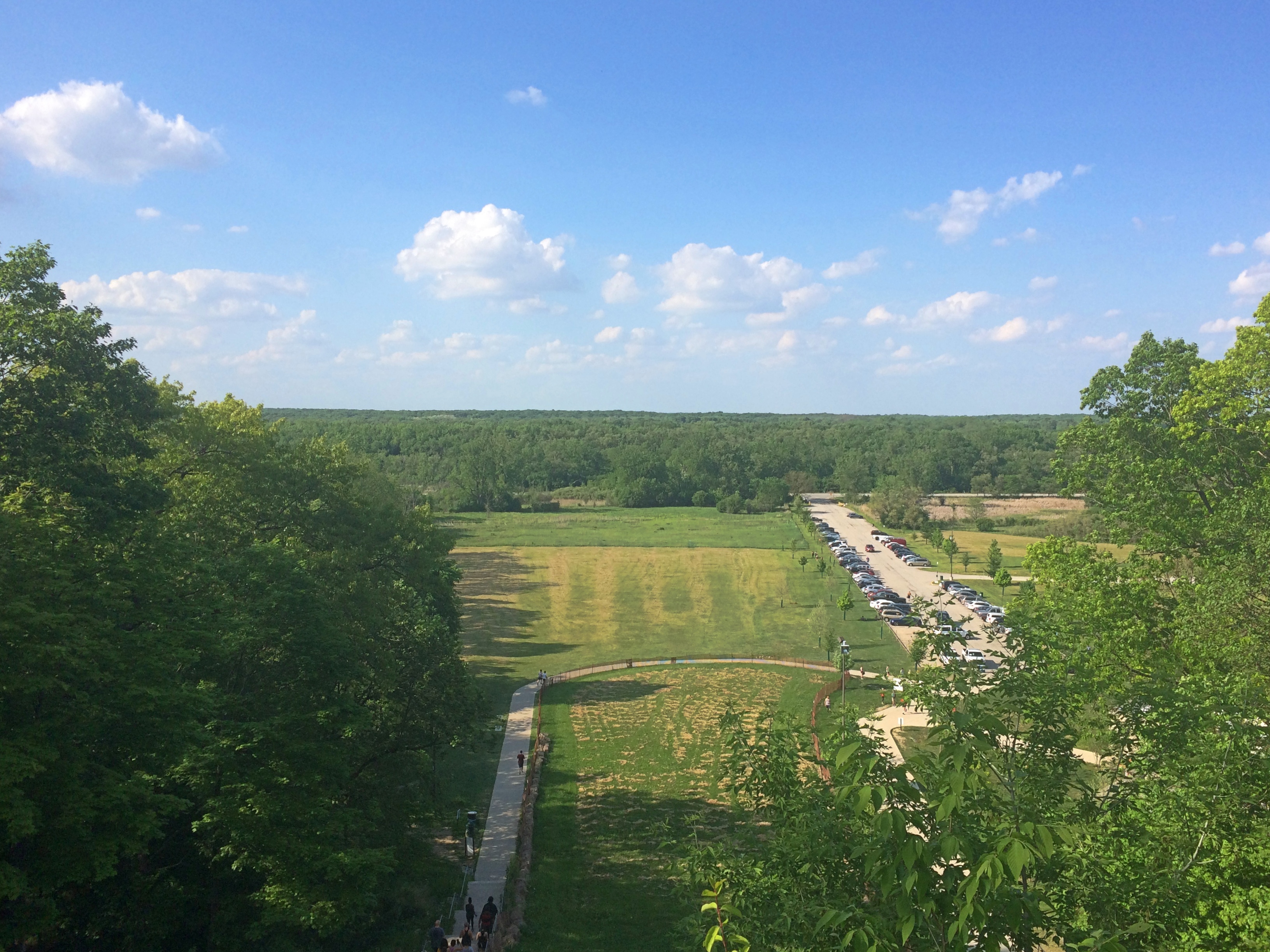
The view from the top isn’t bad, though you do have to look at the parking lot.
Swallow Cliff Stairs

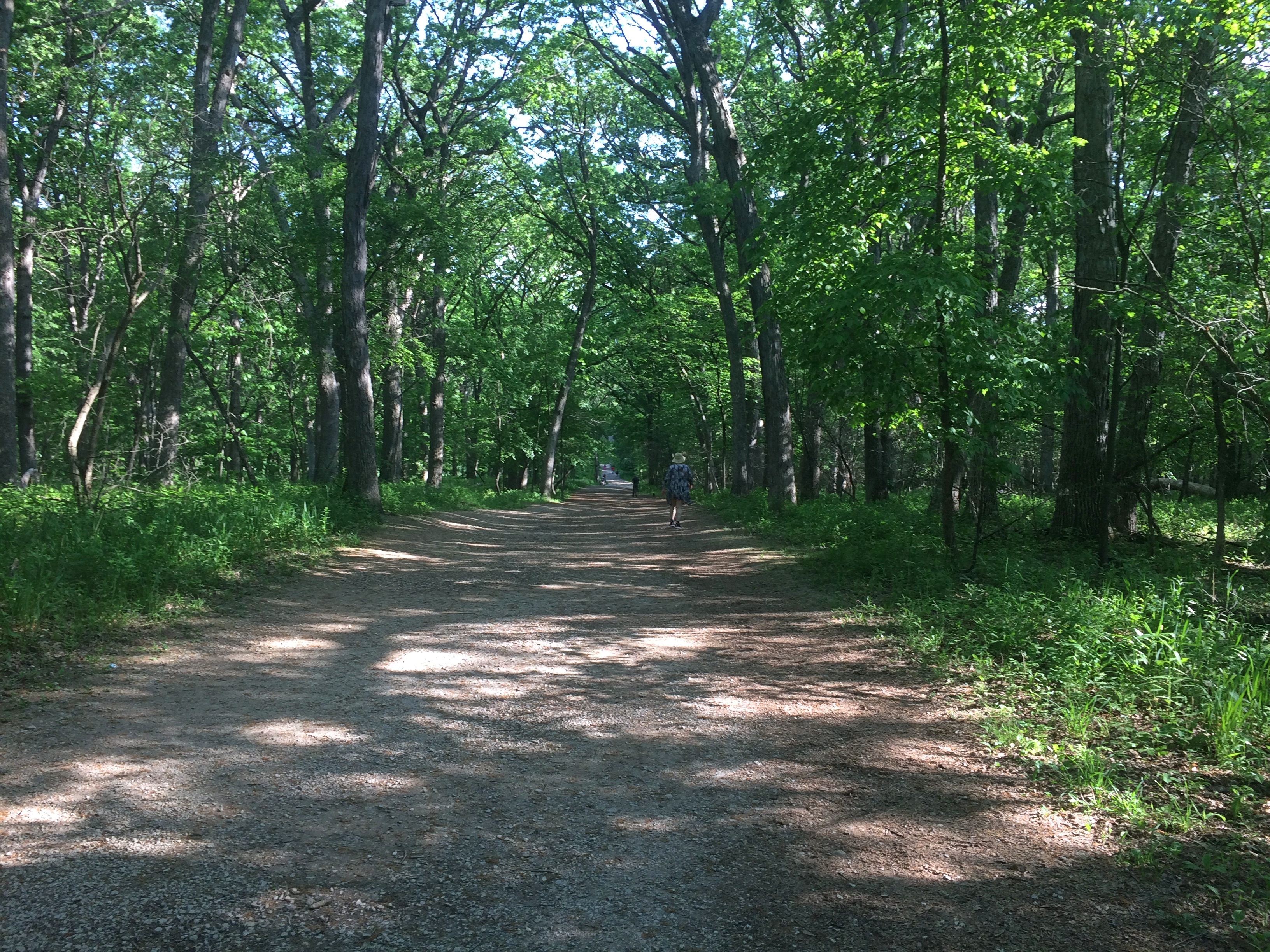
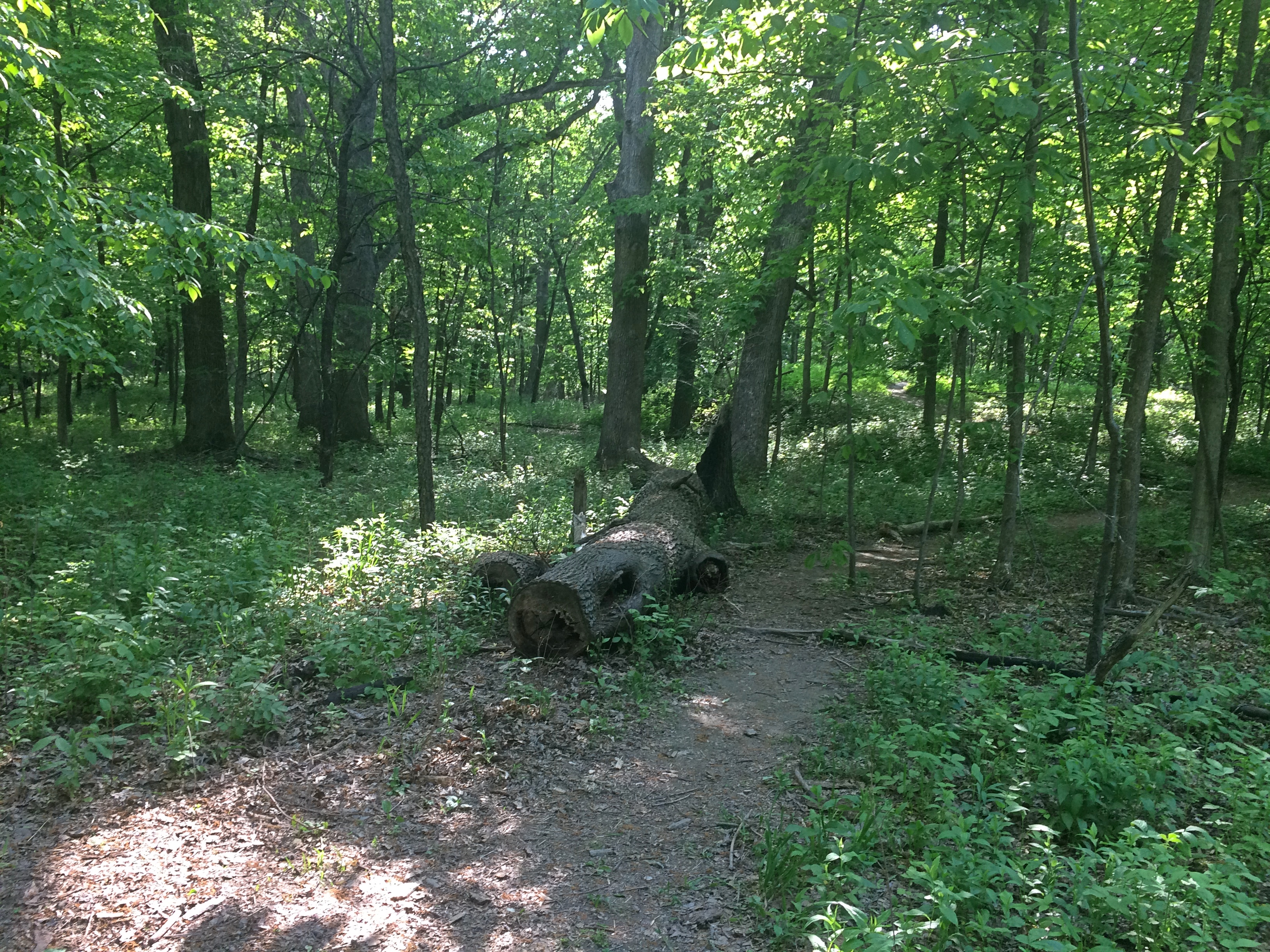
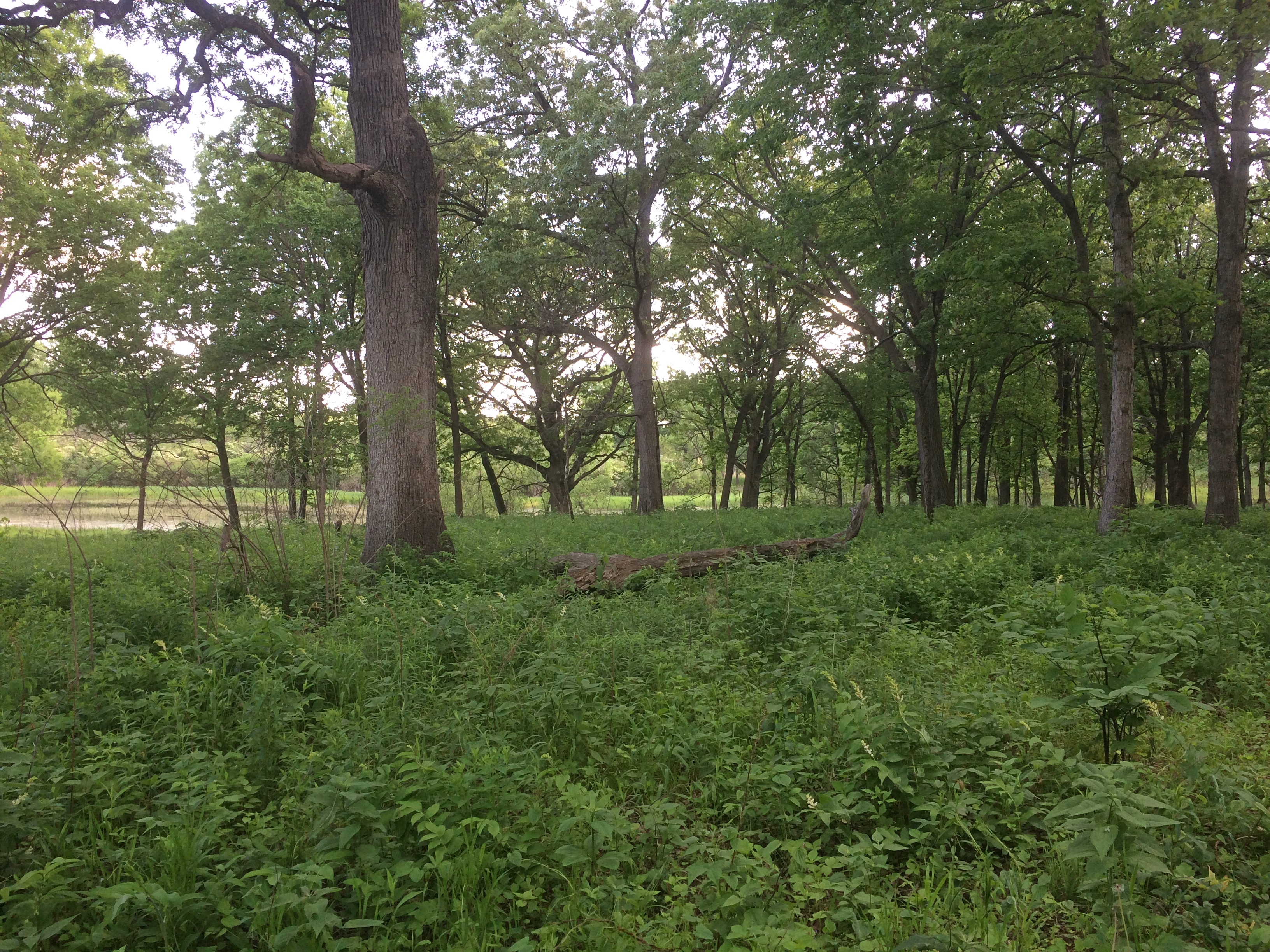
From the top, a trail leads to other trails, and eventually we made a loop through the woods. One of the spying apps on my phone says we took more than 8,100 steps for the day, mostly in these woods.

Illinois has reached flush spring green.Swallow Cliff Woods

Swallow Cliff Woods Swallow Cliff Woods

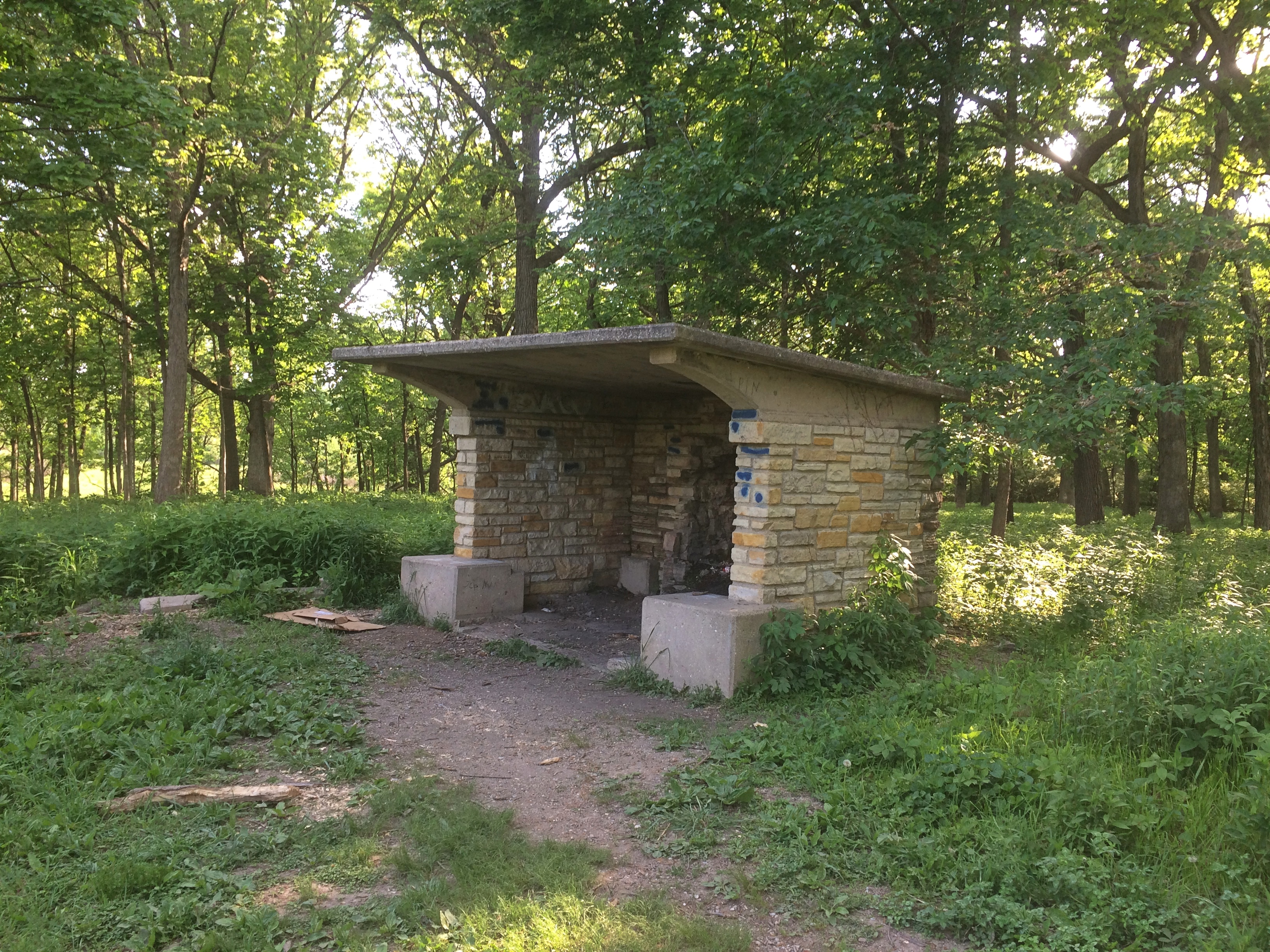
One structure along the way: a time-worn shelter with evidence that fires are built there sometimes, and partying occurs.Swallow Cliff Woods

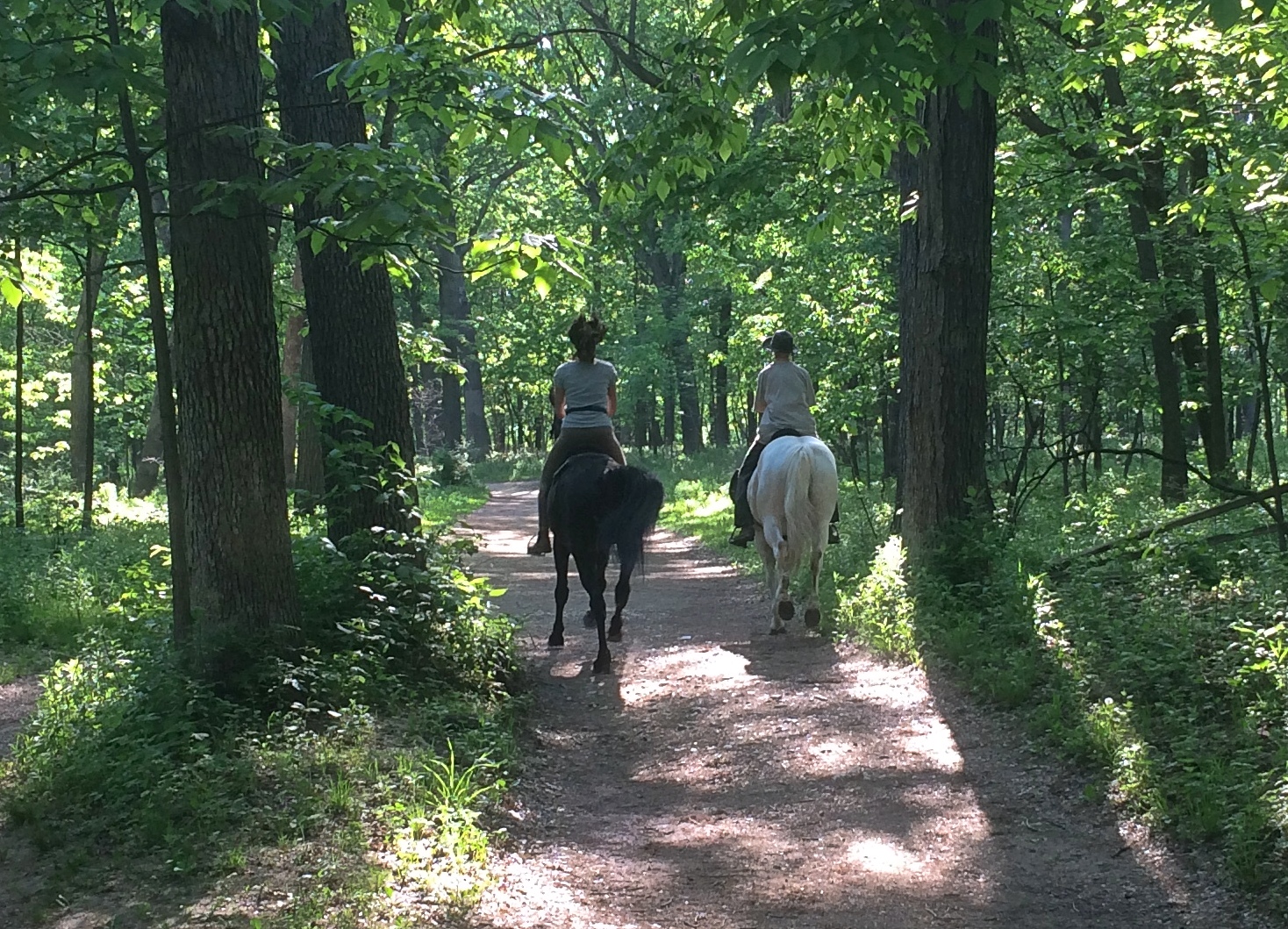
It’s also a horse trail. They were moving reasonably fast at a trot or canter, maybe. I don’t know horse gaits intuitively.Swallow Cliff Woods
Swallow Cliff wasn’t bad for a second choice, and not nearly as crowded, at least in the woods. A lot of people were climbing the stairs — they’re now billed as “exercise stairs,” as if there were any other kind — but most apparently didn’t continue onto the trails.

Thursday Crumbs

Warm and windy today. The wind died down some in the evening, and I had a pleasant time sitting on the deck drinking tea and reading. At advanced middle age, these are pleasures you appreciate.

Speaking of an advanced age, I’m glad to see Elvis Costello is still recording catchy tunes. He released an album in October — his 31st — called Hey Clockface, with the title track, “Hey Clockface / How Can You Face Me?” The video is as charming as the song.

He shares writing credit for the song with Fats Waller and Andy Razaf, since it incorporates part of “How Can You Face Me?” Not the sort of music Elvis Costello did 40 years ago when I saw him at VU, but I wouldn’t have appreciated it then anyway.

I left YouTube on autoplay after Waller’s “How Can You Face Me?” and left the room for a few minutes. When I came back, the Bratislava Hot Serenaders were playing, a band I hadn’t heard of before.

A word I hadn’t heard of before.

Clearly a commercial coinage in our time. But who knows? It might evolve over the decades or centuries into something unimaginably perverse.

The U.S. birth rate might be declining, but there are some births. I knew that the Social Security Administration keeps track of baby names, but I didn’t know until recently that the agency maintains a web page devoted to them, new and old.

Not a bad list in 2020, mostly traditional names, such as Olivia, Charlotte, Sophia, Elijah, William and James, rather than some of the trendy names of recent decades, none of which I’ll cite. I’m mossbacked when it comes to a few things, and baby names is one of them.

I’ll Add It: No Air Horns Please

Ann will be attending an actual in-person high school graduation ceremony next week. We’ll be there too. Detailed instructions arrived today via email.

ARRIVAL OF GRADUATE

6:00 p.m. Enter the N Arena at Door 11

Arrive dressed in business casual, with their cap, gown, tassel (right side) and mask already on — no flip flops.

Bags, purses, flowers, balloons, cell phones, etc. are not allowed and students will not be admitted with these items, no exceptions.

Graduates must wear their mask and keep it on for the entire ceremony.

Graduates will walk through metal detectors and have their gown unzipped to expedite the screening process.

Graduates will be directed to the main floor and report directly to their assigned seat.
All graduates’ names will be read as some may be viewing remotely. Please wait to hear your name before walking forward on the stage.

ENTRANCE FOR GUESTS

Beginning at 6:00 p.m. – Main Entrance

Guests will enter at the Main Entrance of the N Arena

Please be mindful of social distancing guidelines as you approach the entrance.

All guests must have your mask on and ticket(s) ready as you approach the door.

Please note: The N Arena has implemented a Clear Bag Policy, which is detailed at nowarena.com. This limits the size of bags entering the Arena and requires the majority of bags to be clear to streamline the security screening. Exceptions made for medical, family or child care bags or small clutches, no larger than 4.5’” x 6.5”.

Note: there’s more, but nothing in there about air horns.

The Pond at Dusk

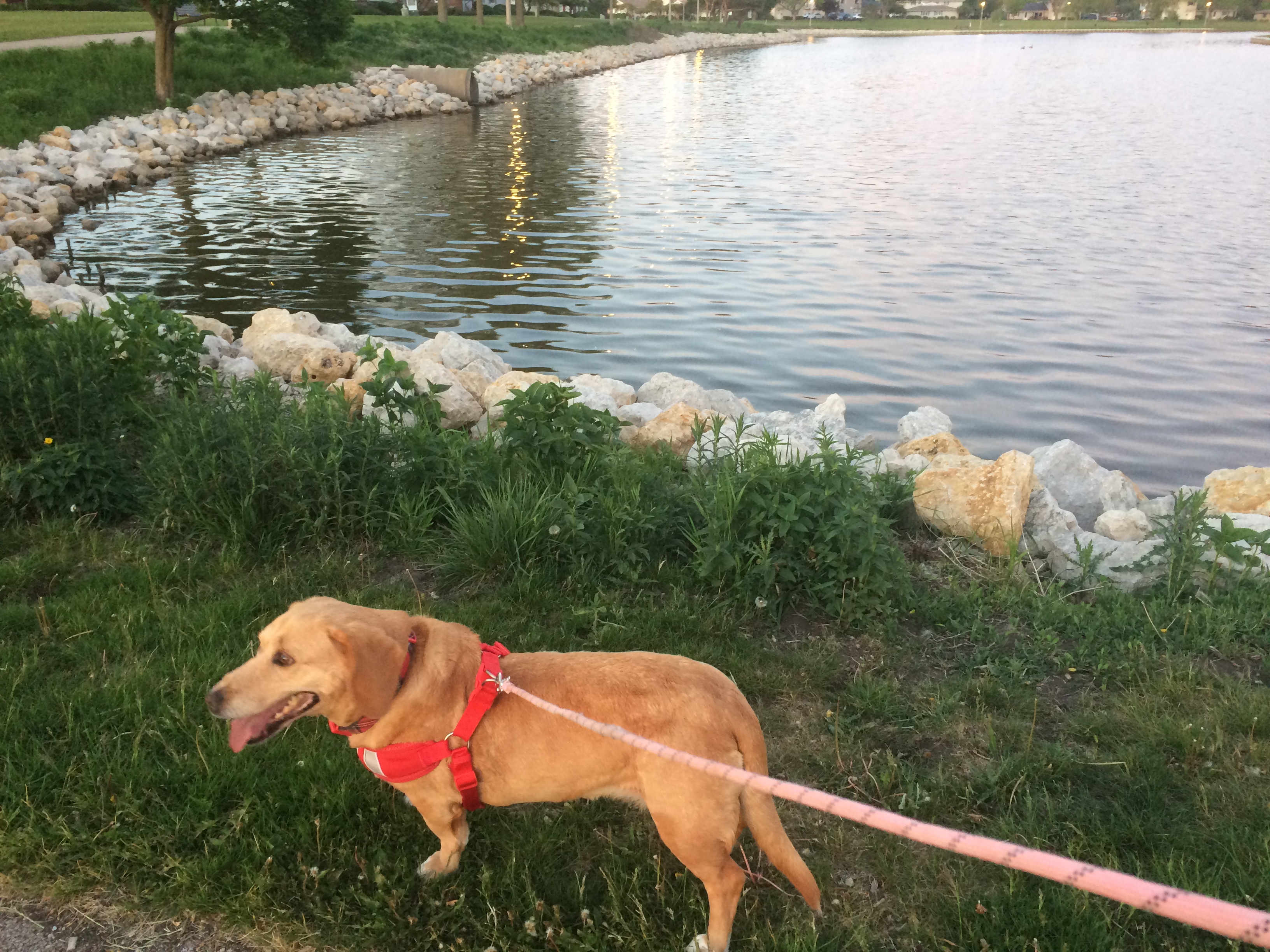
We walked the 0.7-mile circuit around Volkening Lake on Monday evening just as the light was fading. But there was still enough light to illuminate the dog.

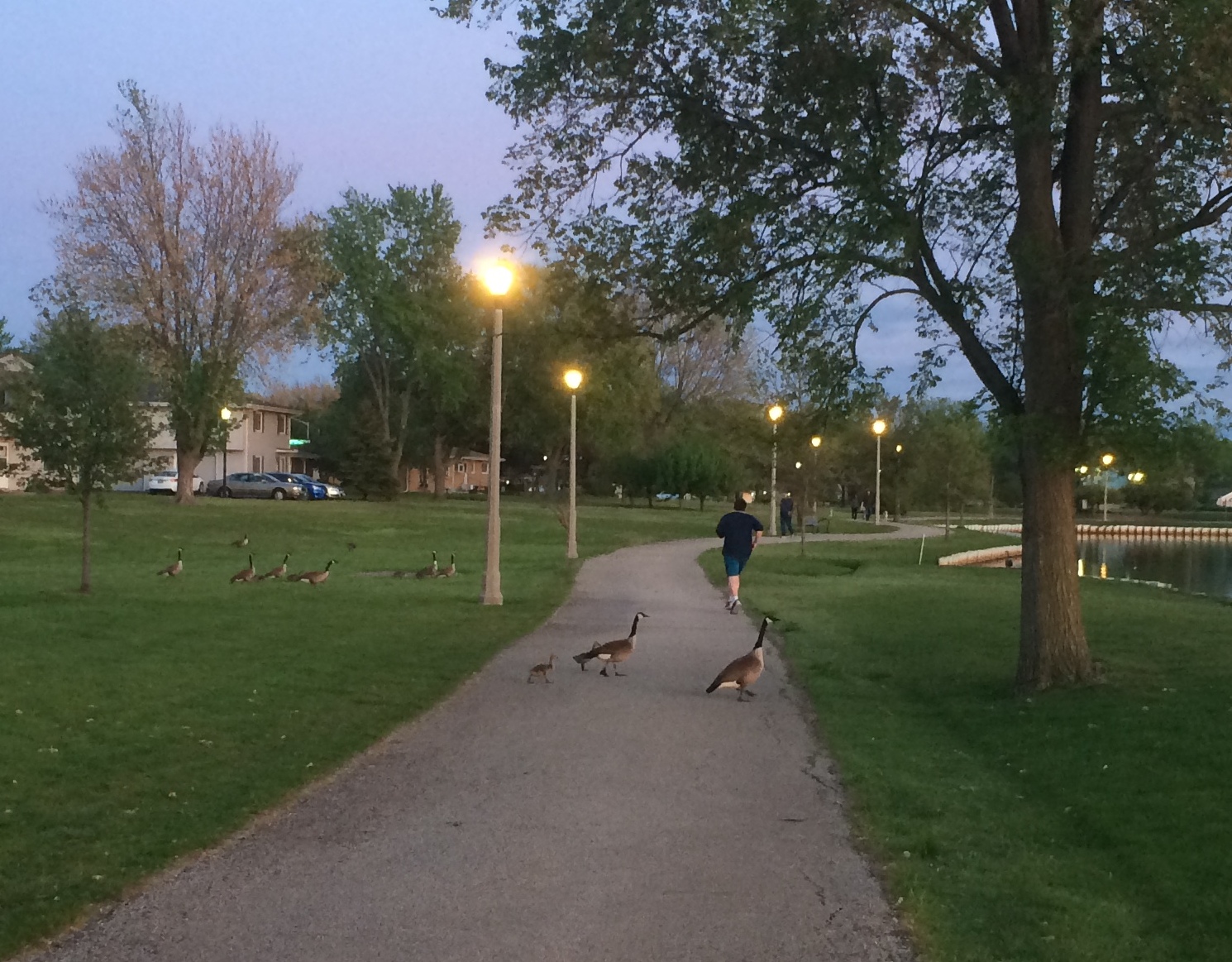
On the other side of the lake — which is really a large pond — we spotted geese and goslings crossing the path. 

We wisely held back as they waddled across, since we didn’t want the geese to get any wrong ideas about what our dog was up to.

Sunday at the Forest Preserve

I thought about going to a new (to us) forest preserve on Sunday, which turned out to be warm and pleasant, unlike Saturday. But I decided that I didn’t want to drive too far, so we went to Poplar Creek FP instead.

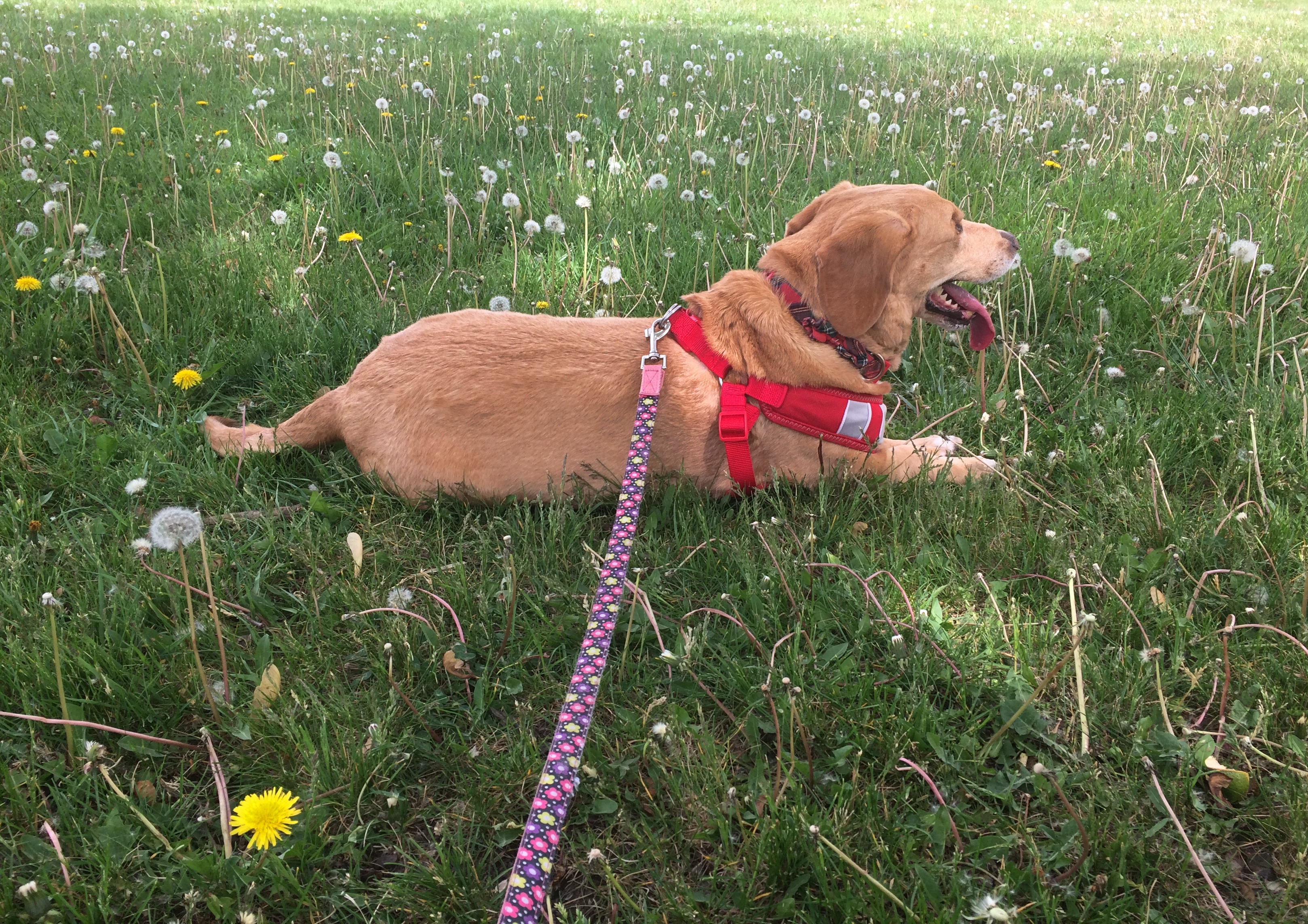
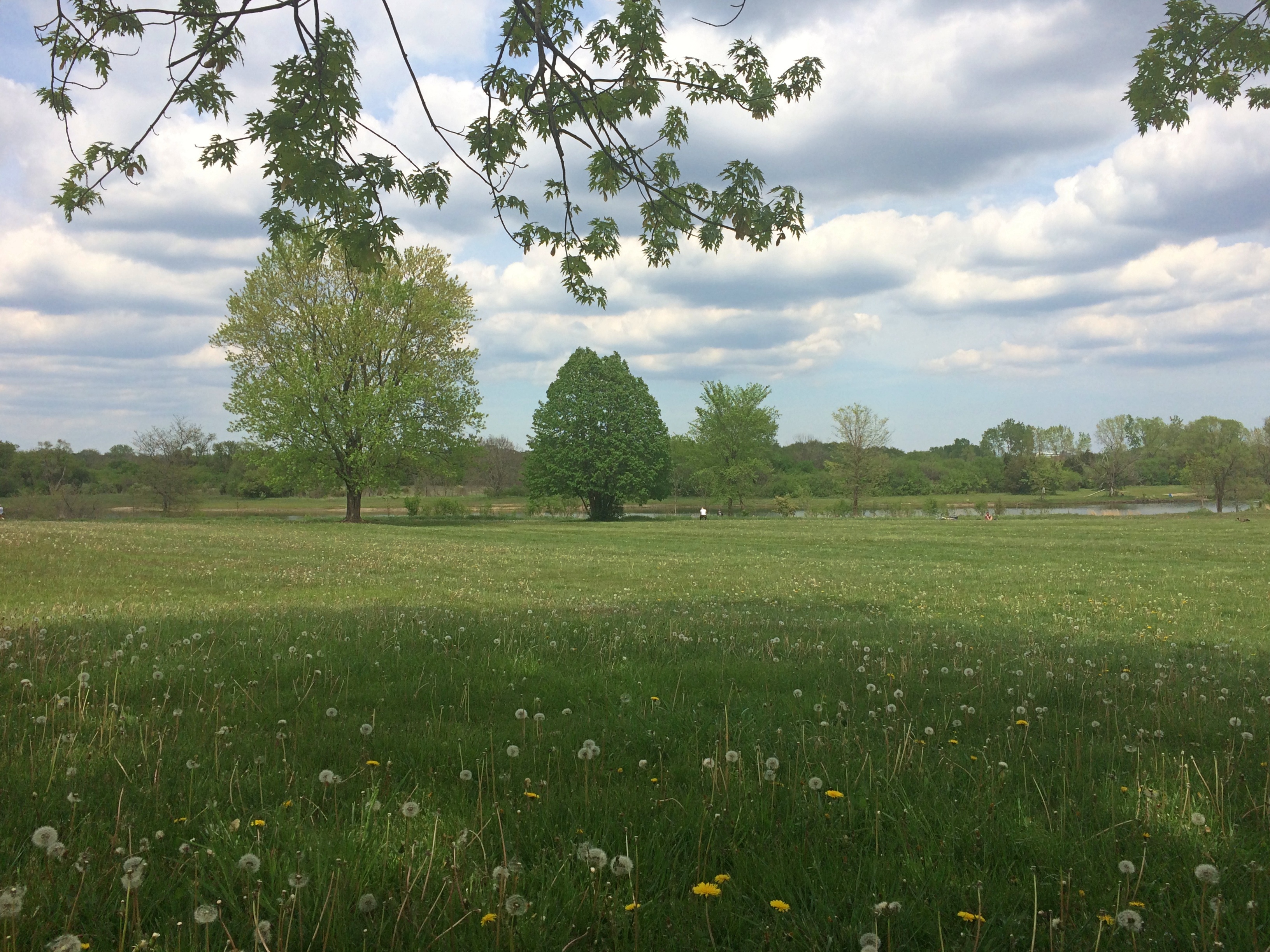
That’s the dog, sitting under a tree. We were doing the same. A little context:
Popular Creek Forest Preserve May 2021
After a walk of about a mile and a half or so, we found a shady spot to rest. Just another of spring’s delights, when it actually gets warm.