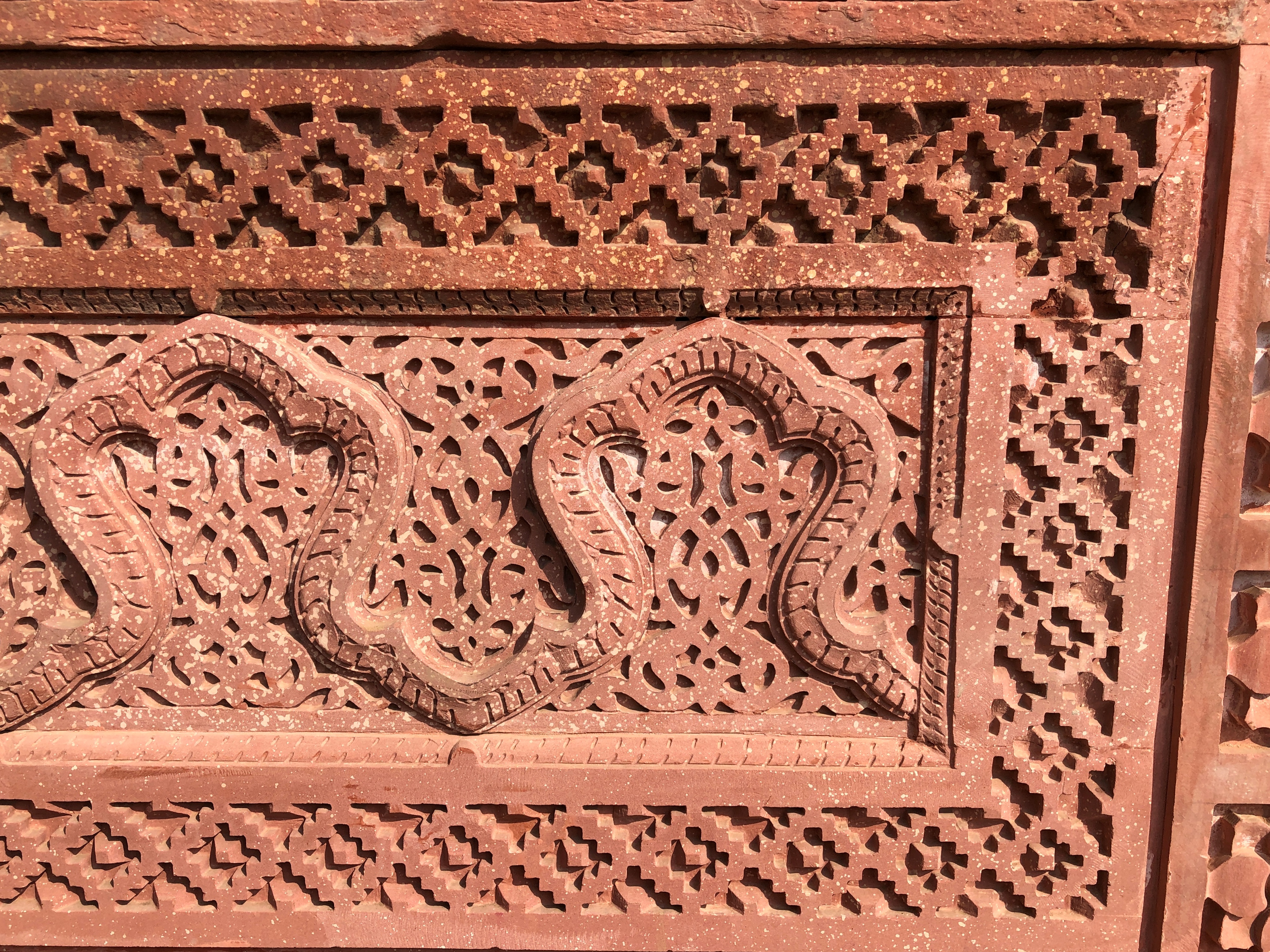
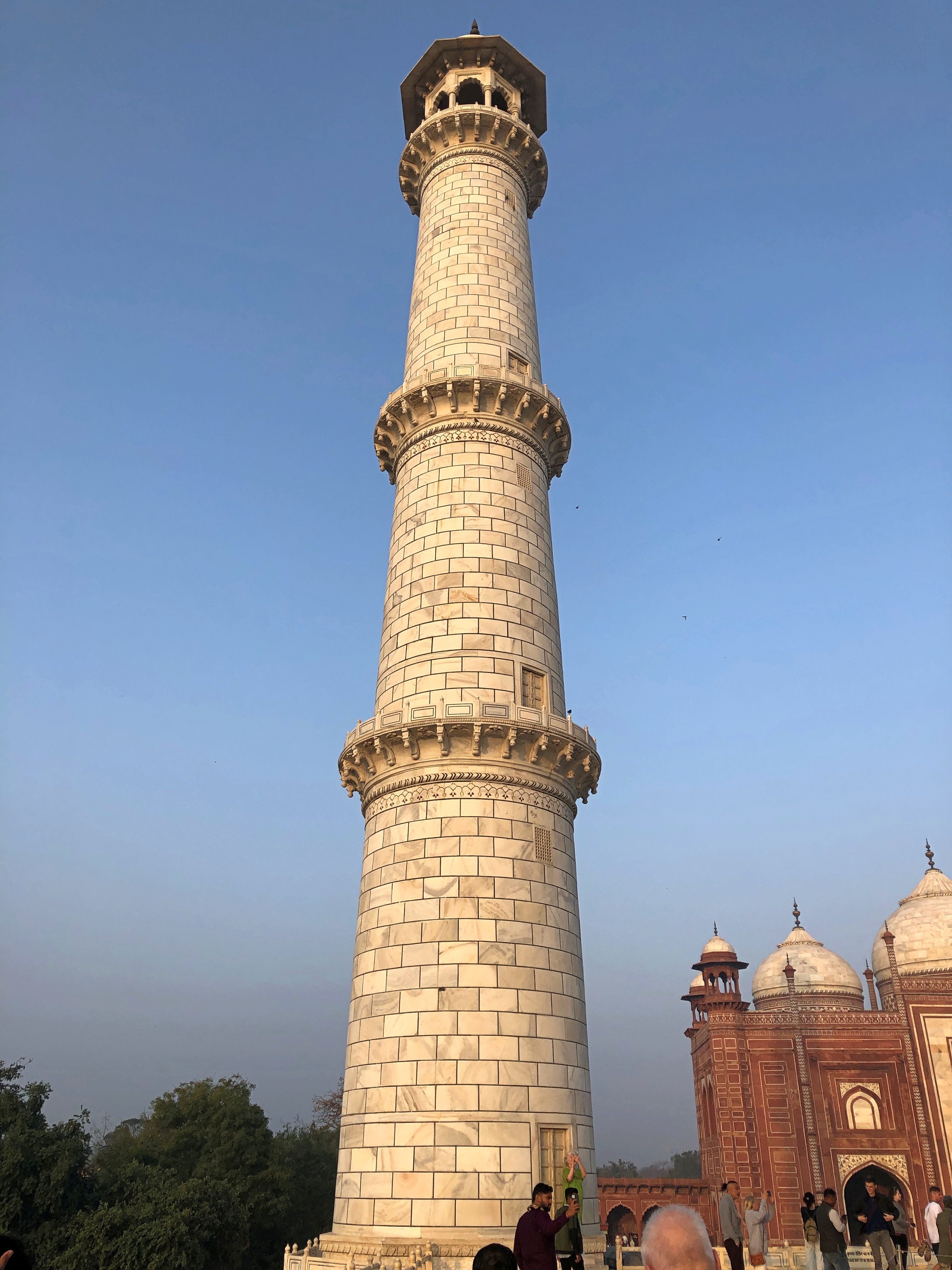
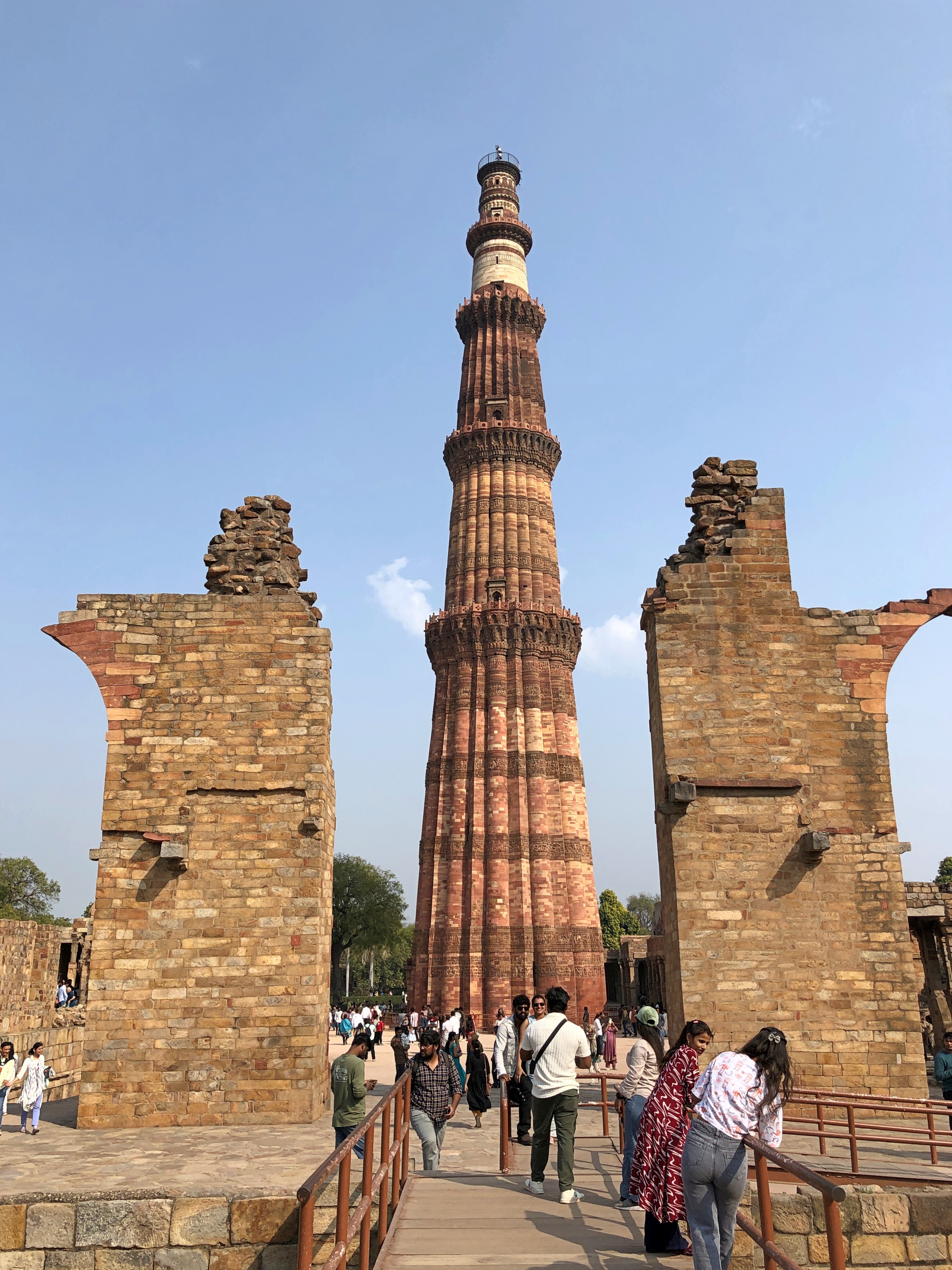
Qutb Minar, Delhi

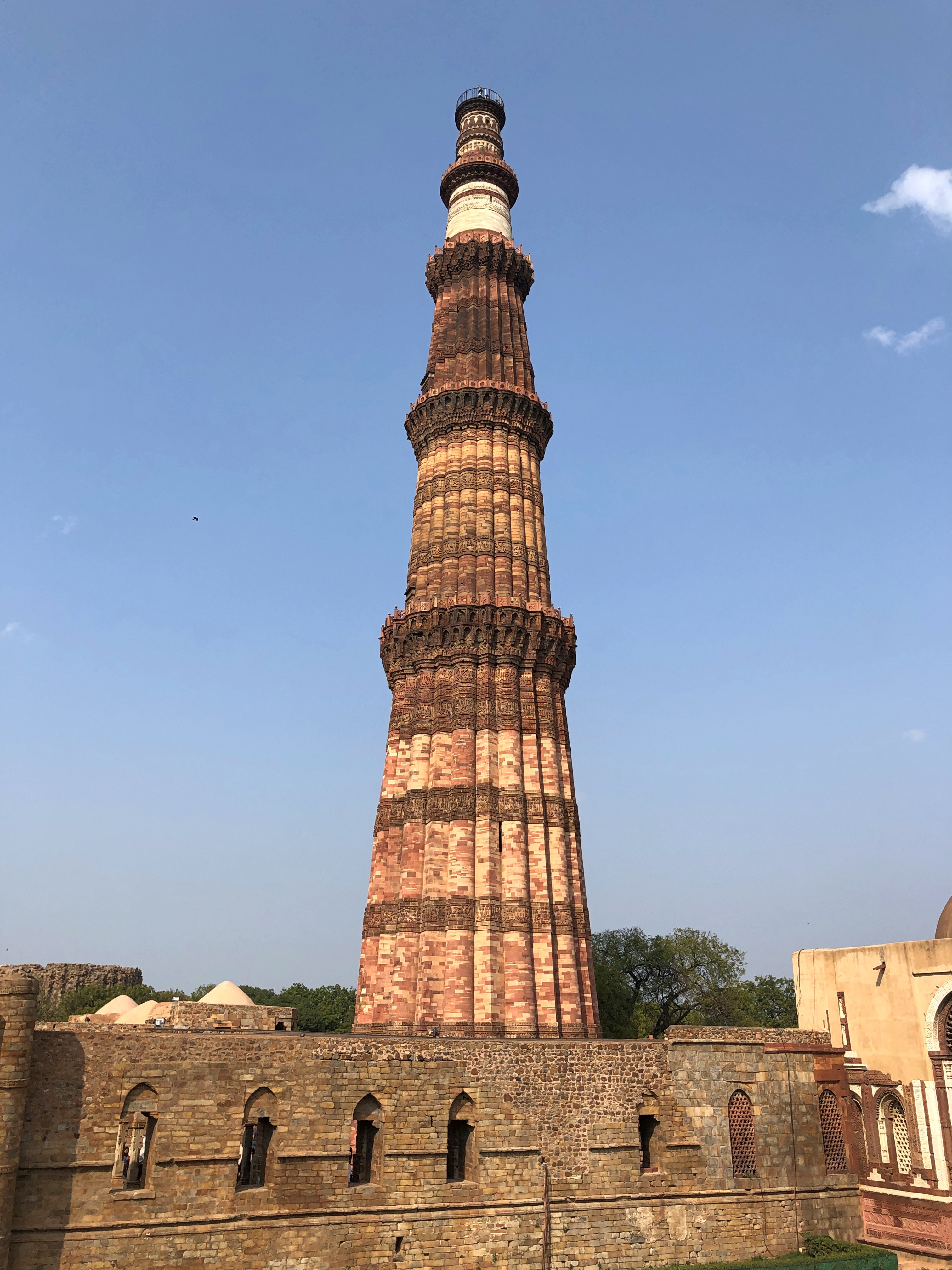
When it comes to historic ruins in Delhi, the Mughals aren’t the only game in town. Qutb Minar, a 238-foot pre-Mughal legacy of the Delhi Sultanate, rises above the southern part of the metro, part of a larger complex that’s a World Heritage Site. That was how it went for us as tourists in modern India. Another day, another World Heritage Site.

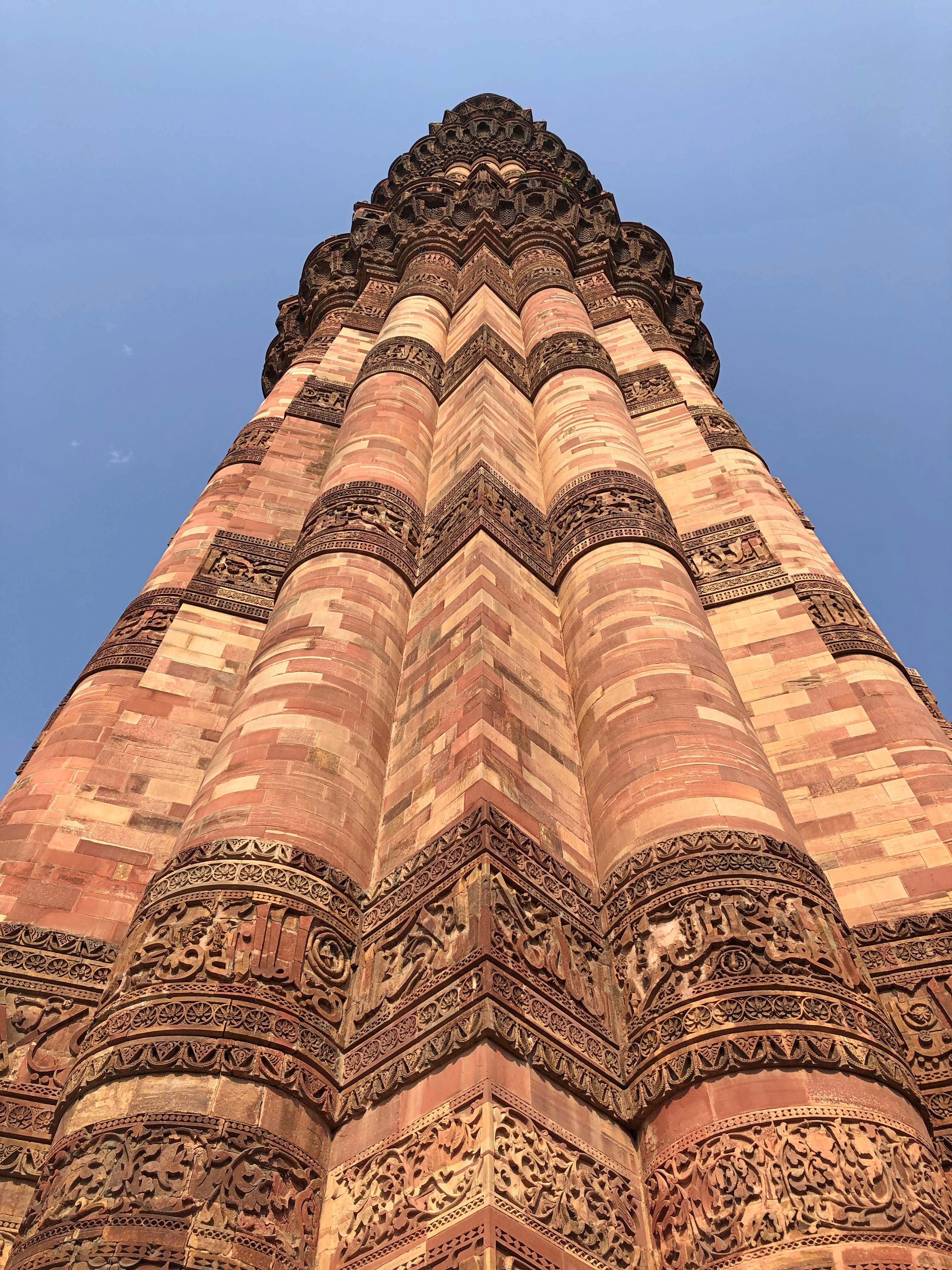
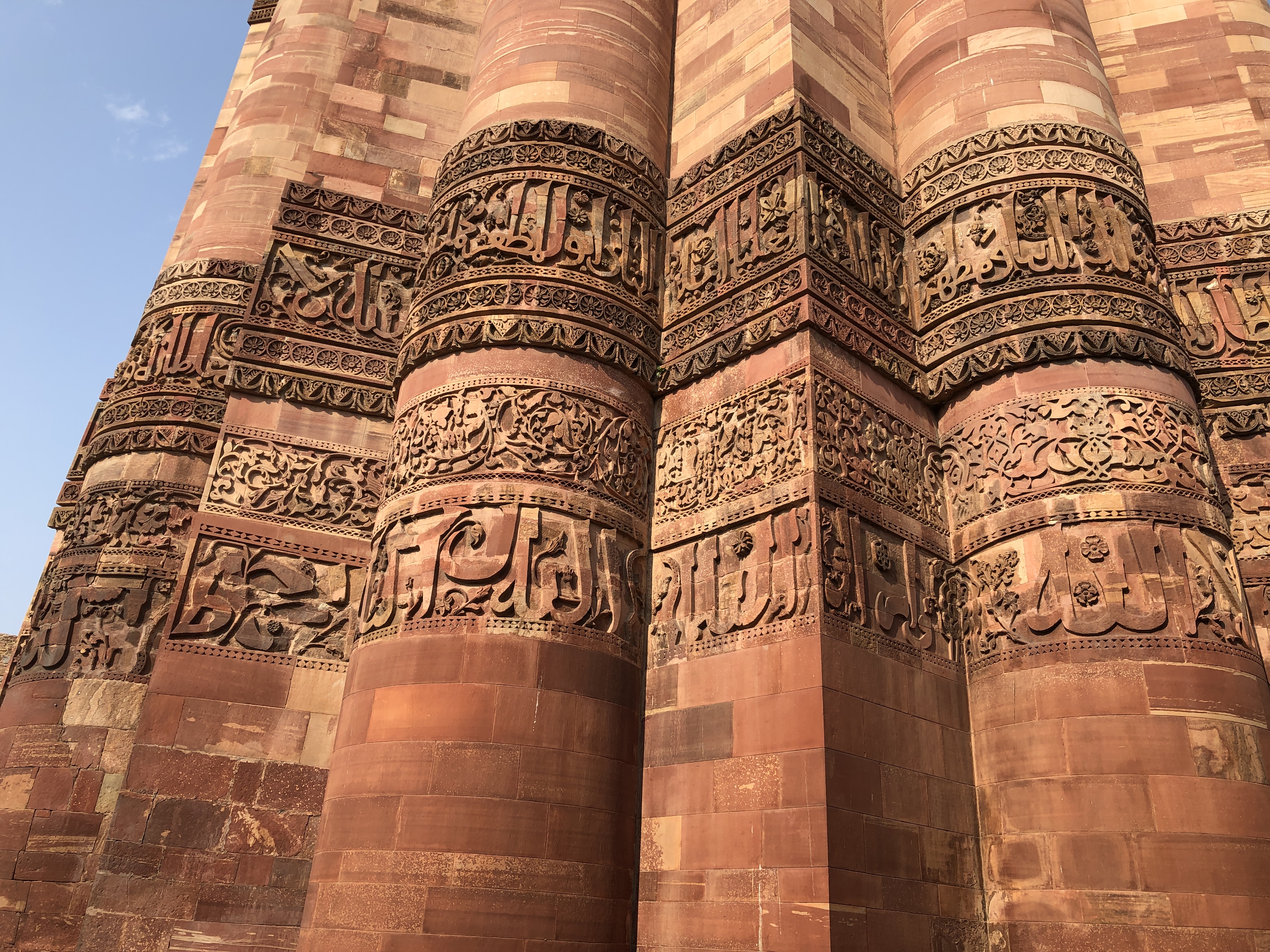
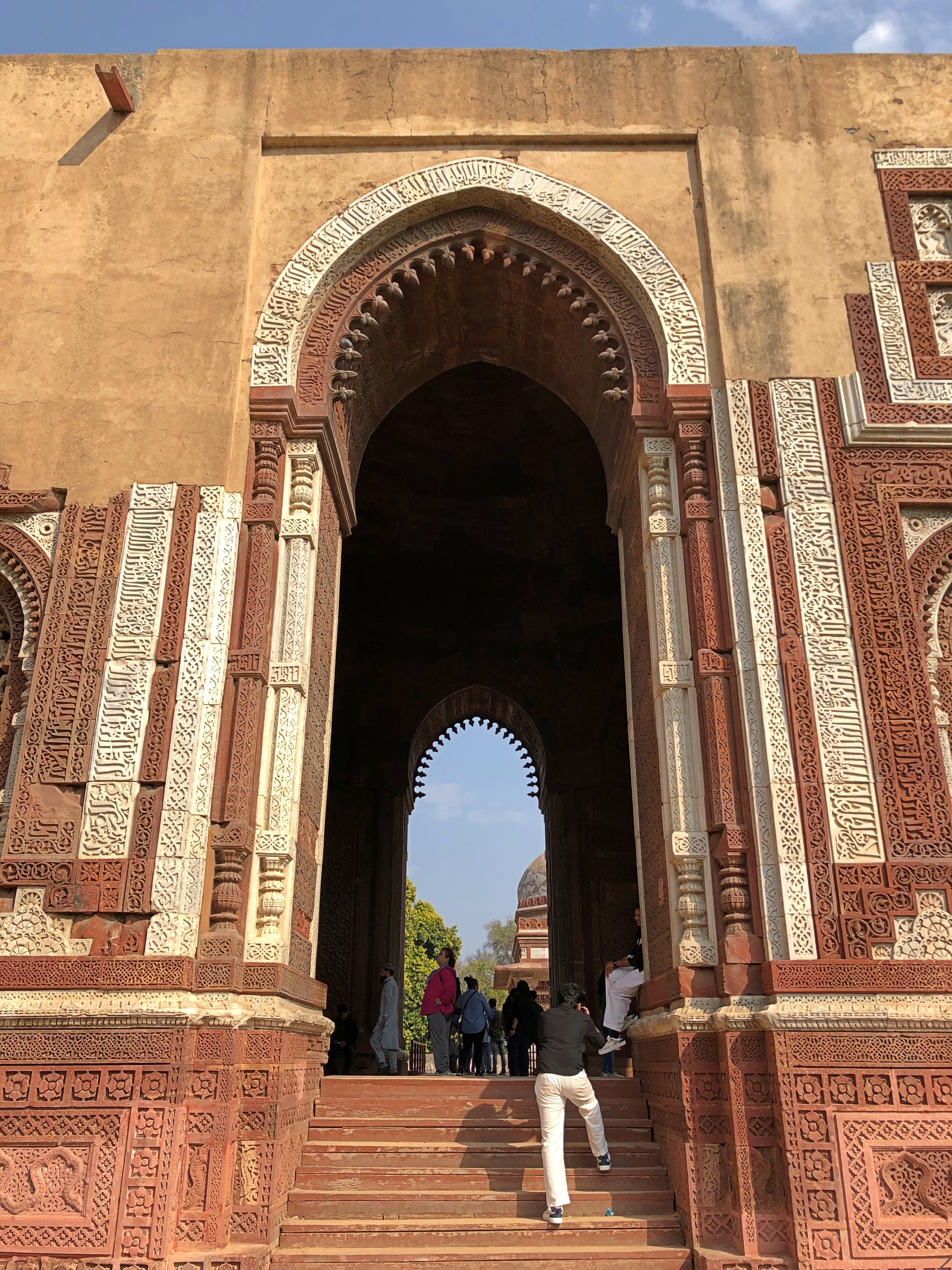
I’d say Qutb Minar deserves its modern status.Qutb Minar, Delhi Qutb Minar, Delhi
Casual visitors can’t climb to the top any more and I’m not sure I could have anyway. “Access to the top ceased after 2000 due to suicides,” asserts Wiki. But you can stand right under the tower and behold the detail, as we did on the afternoon of February 20.Qutb Minar, Delhi Qutb Minar, Delhi Qutb Minar, Delhi
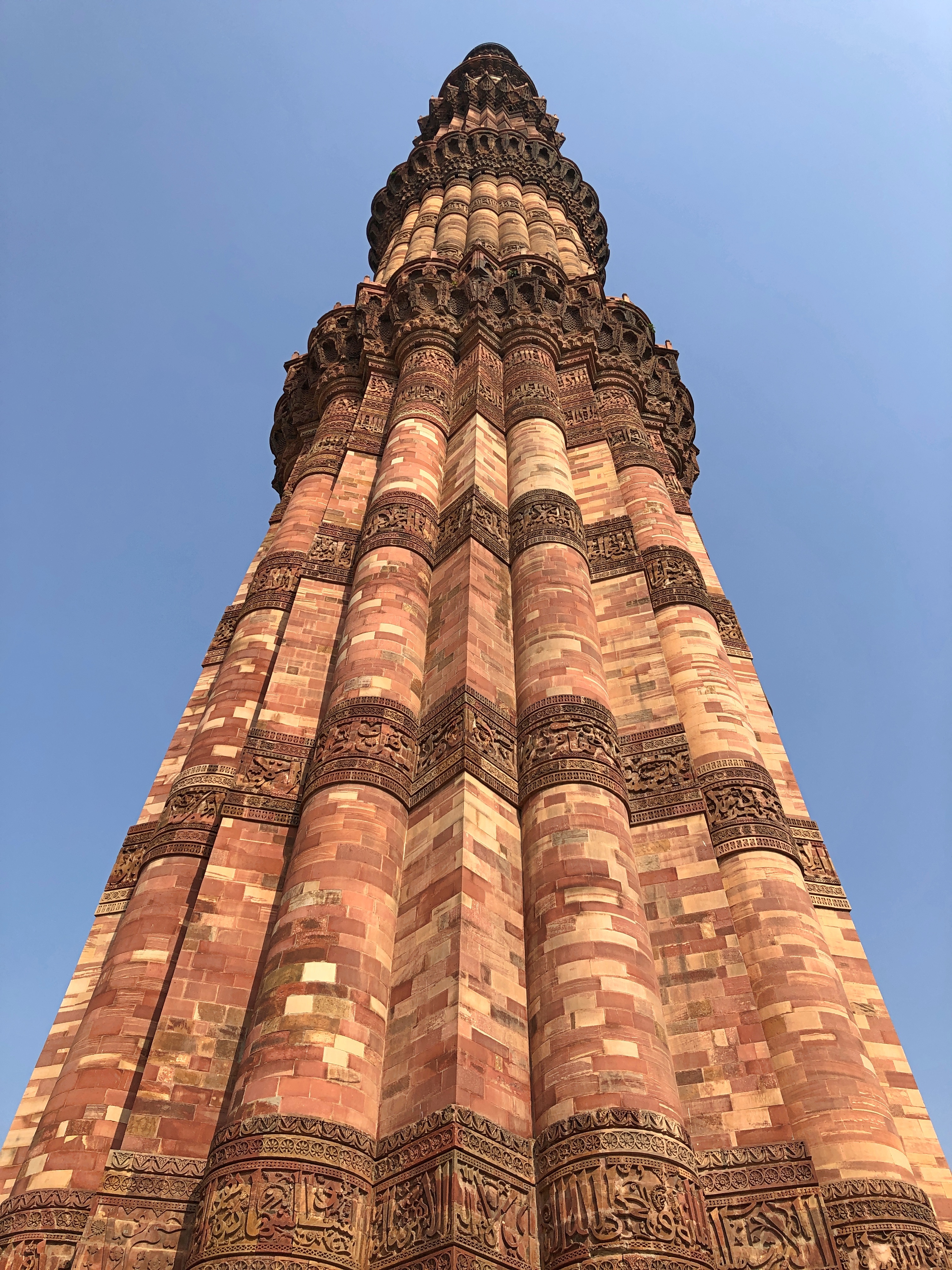
Monumental structures this old come with extra layers of marvel, at least in my reckoning. It’s one thing to admire a tower like Tokyo Skytree or Burj Khalifa, which are certainly impressive, but whose construction also had the benefit of all sorts of machines and experts in their use — enormous cranes come to mind, as do CAD systems with more computing power than the entire Apollo program.

On the other hand, Qutb Minar is essentially an artful stack of brick, one of whose characteristics turned out to be longevity. I’m certain some machines were available for the task, but I also imagine much of the building involved human and animal power. How did builders beginning around AD 1200 – around what, AH 620? — undertake such a feat? It only goes to show that machines might augment the result, but technique lies in the human mind.

Various sources tell me that Qutb Minar counts as a minaret for the nearby Quwwatu’l-Islam mosque, built around the same time and now a ruin, and as a “victory tower.” That is, presumably to remind the local population who was in charge now: one Qutb al-Din Aibak, the Ghurid-aligned conqueror of Delhi and founder of the Delhi Sultanate, whose military efforts were part of the hard-to-follow wave of Central and South Asian conquests and counter-conquests that played across centuries now remote.

The Ghurids, who were Tajiks, seem to be one of those peoples that pop up in history with some regularity, a minor group from somewhere remote from most urbanized civilizations, suddenly expanding by conquering its neighbors and basically kicking butt for a few centuries across a wide area before fizzling out. They also had the distinction of being also first Muslim conquerors of north-central India.

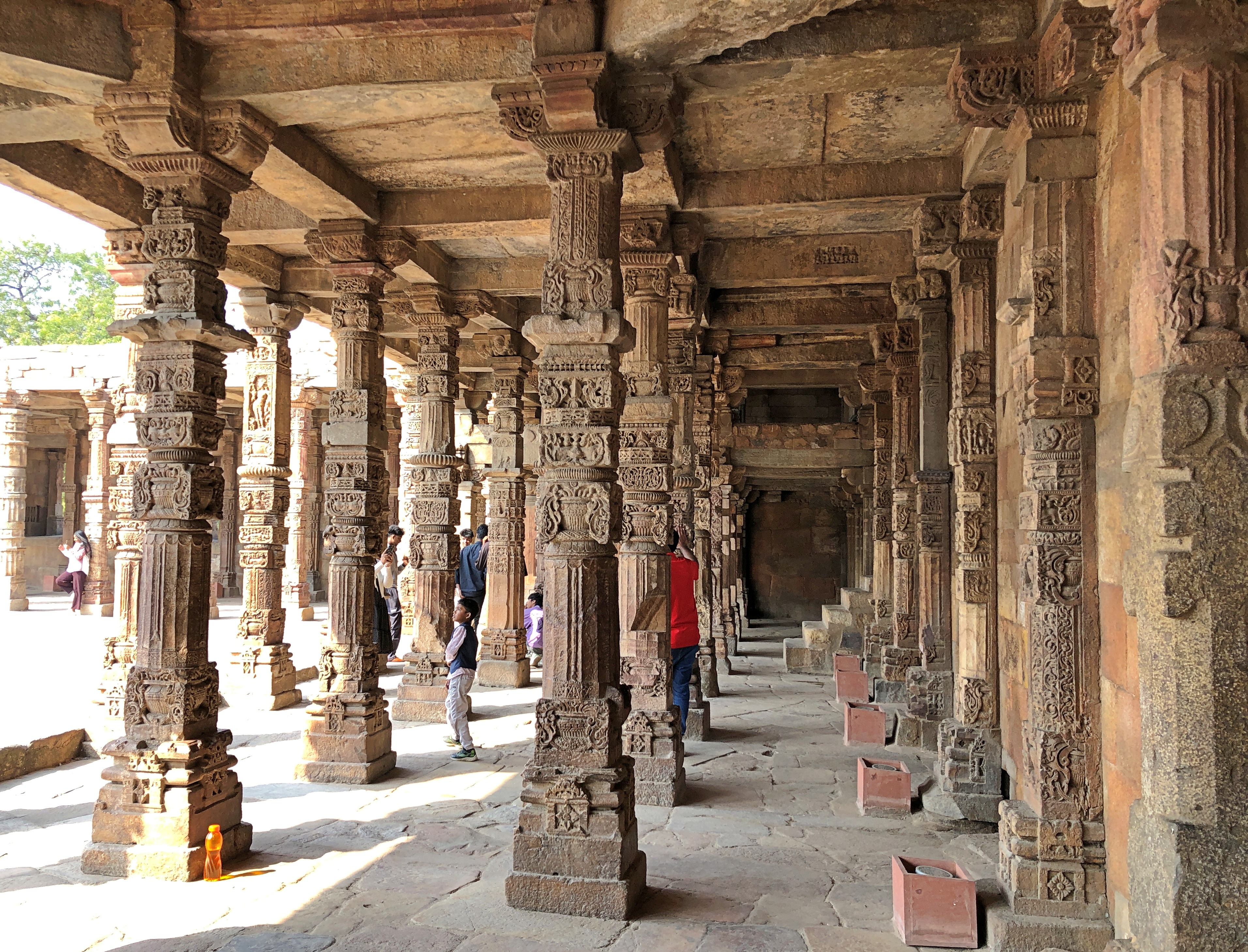
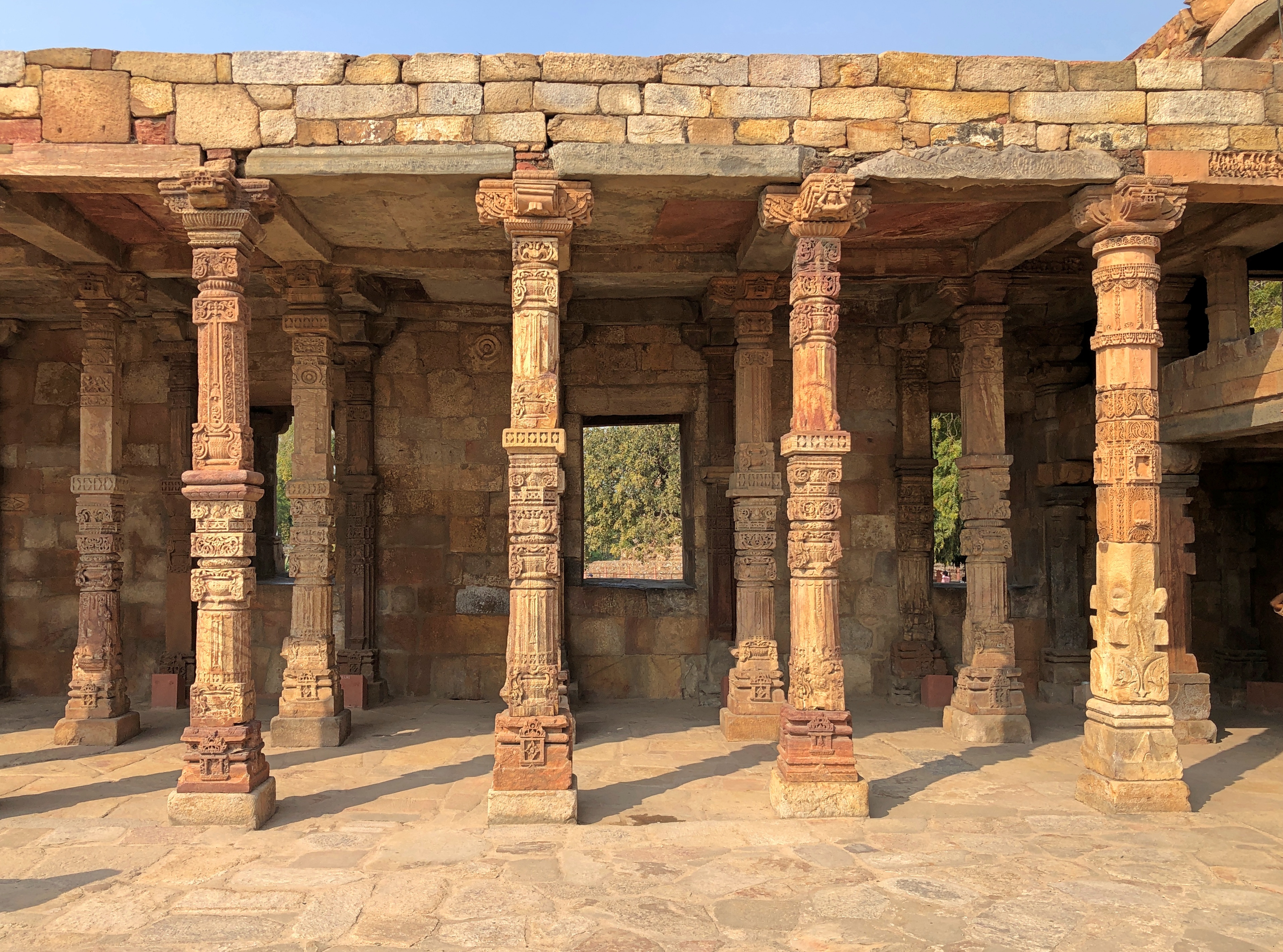
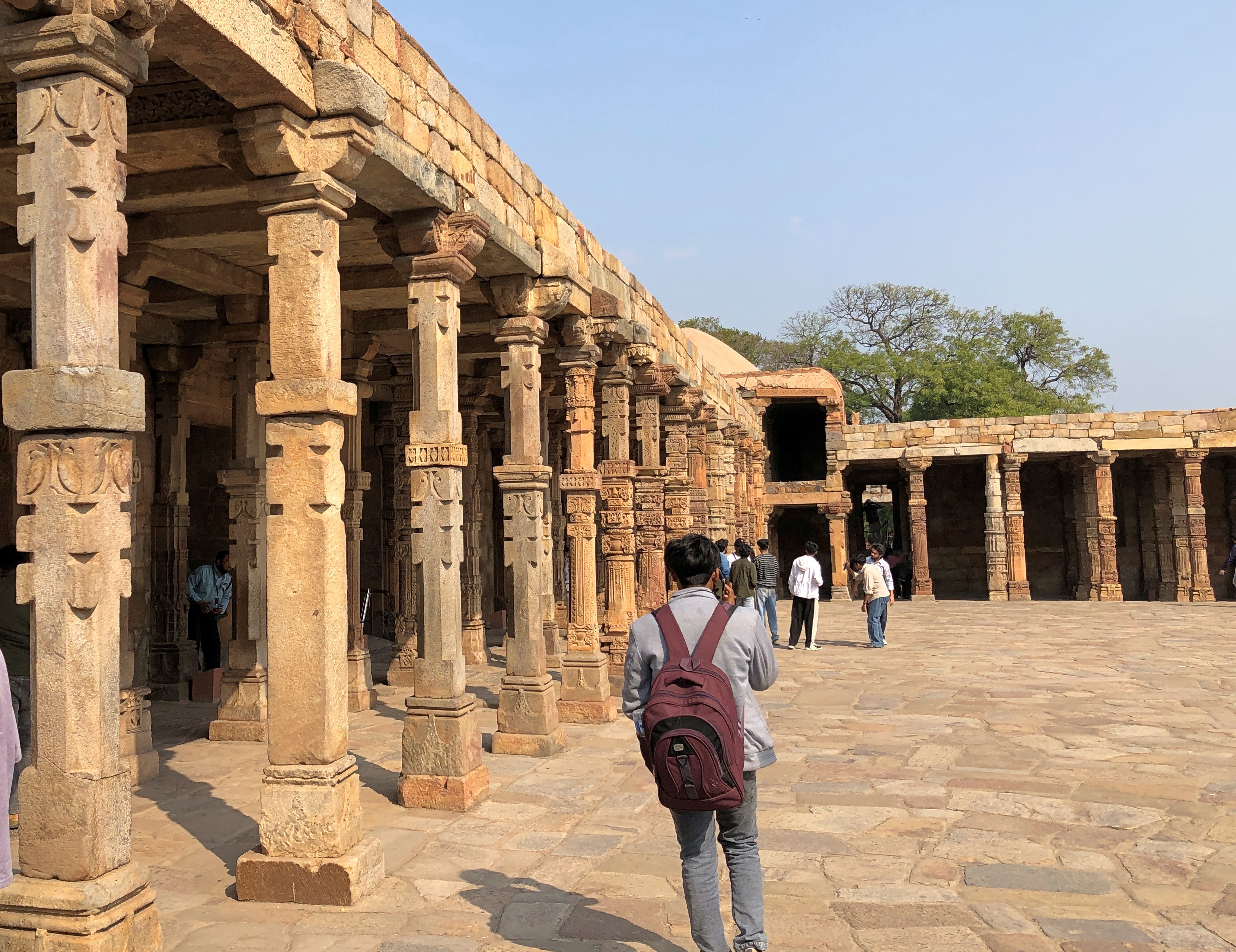
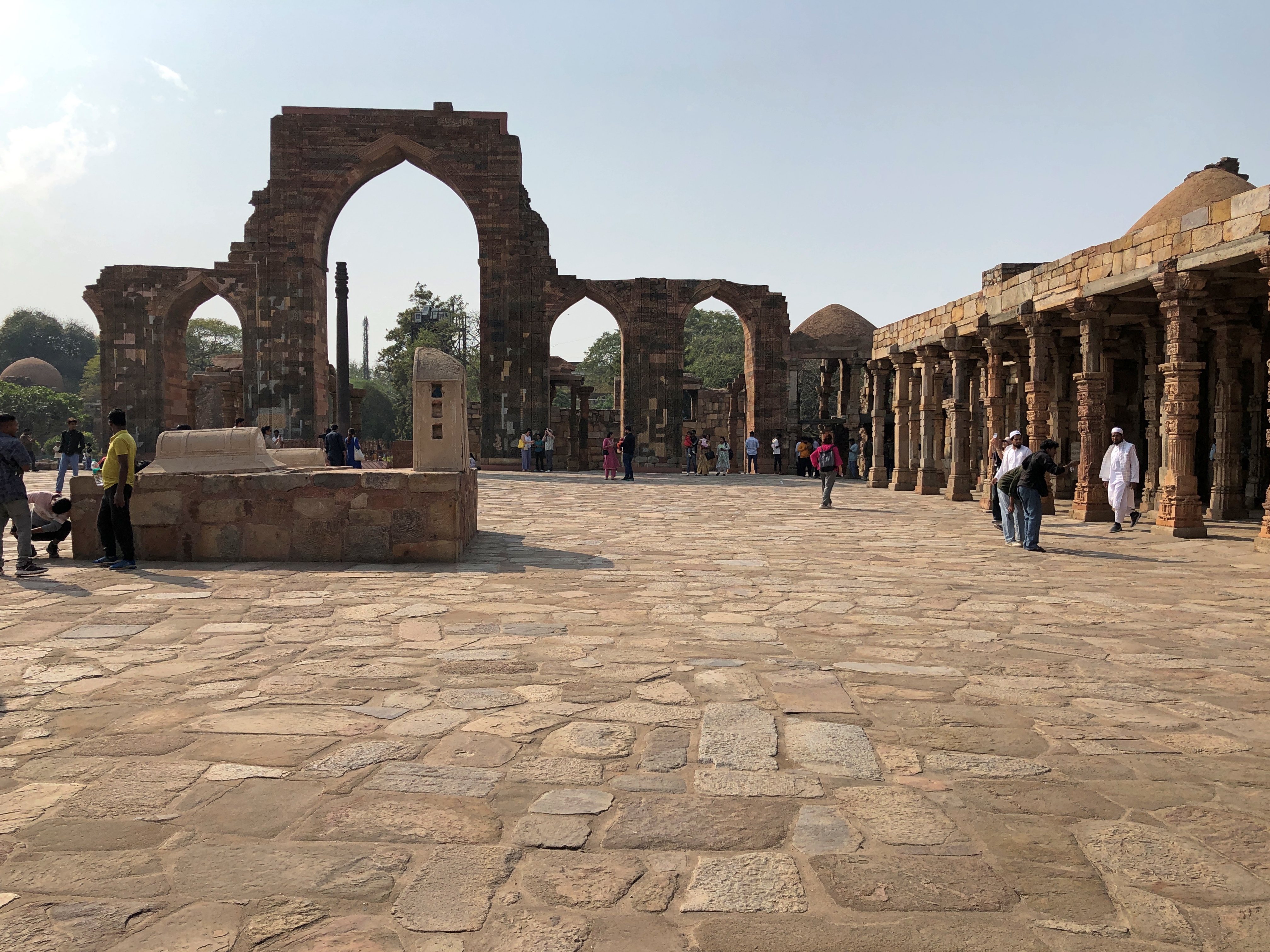
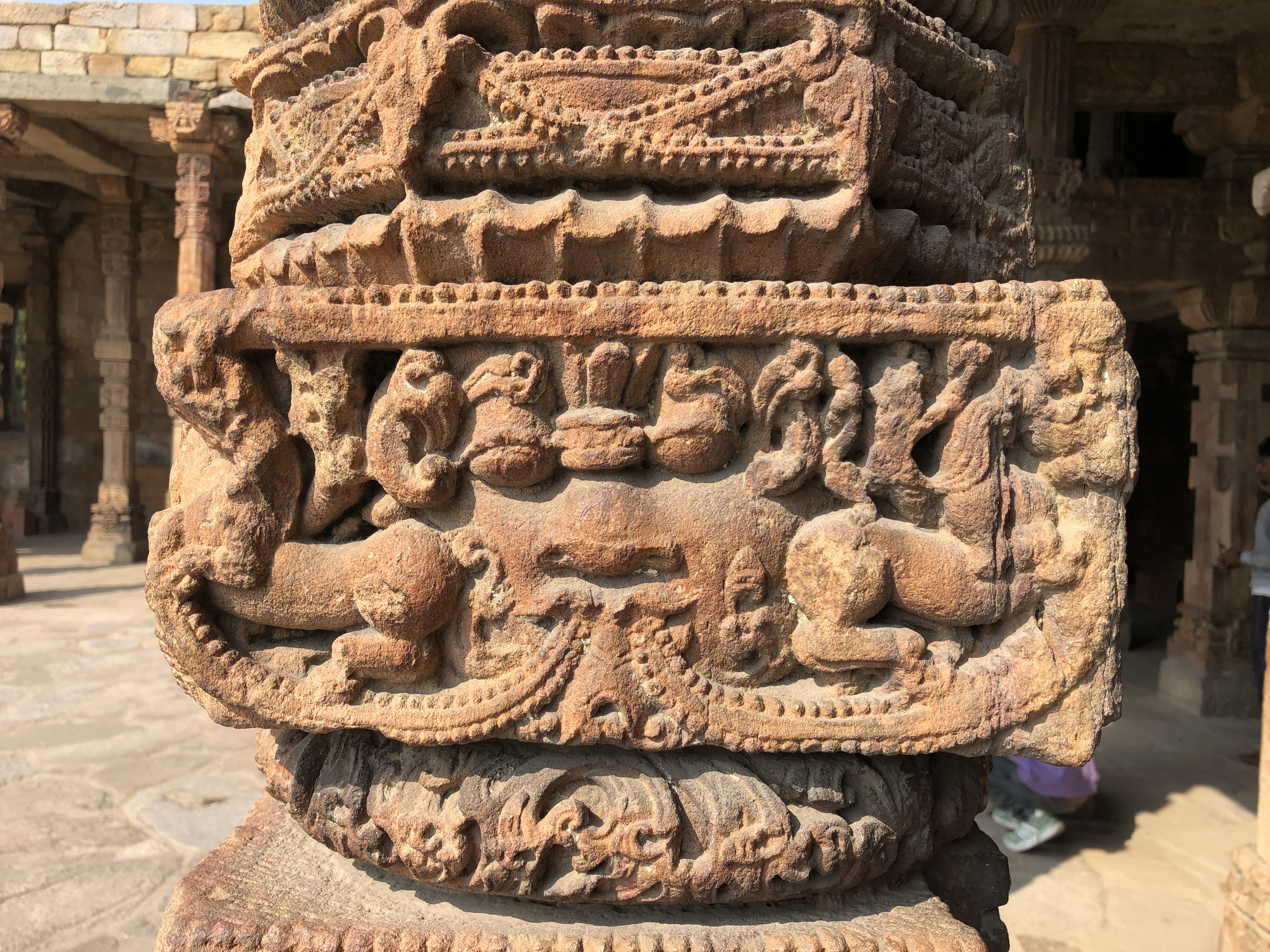
Quwwatu’l-Islam is noted for any number of reasons, including its columns.Quwwatu'l-Islam Quwwatu'l-Islam
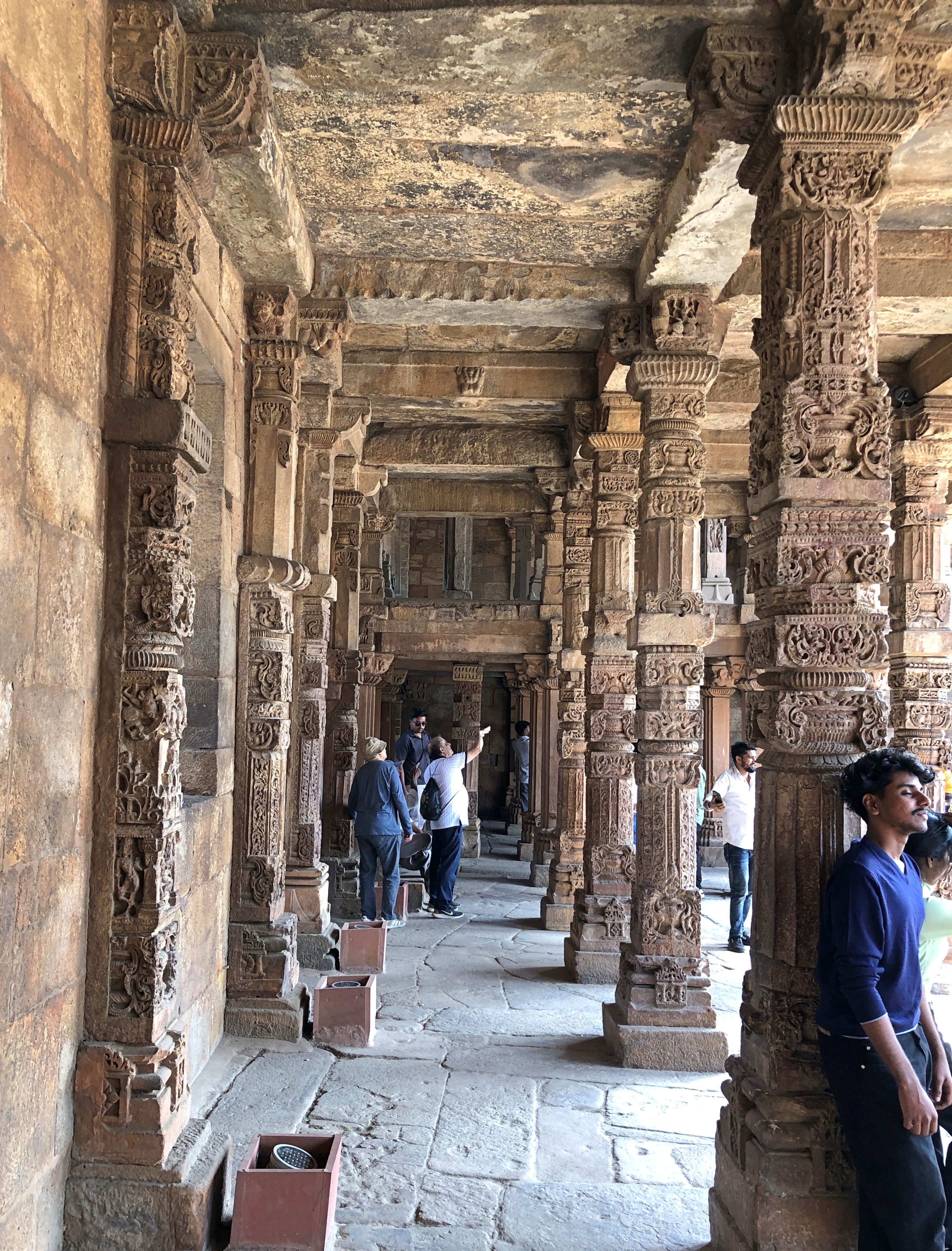
Their distinctiveness has been long noted. From Treasure spots of the world, by Walter Bentley Woodbury (1875): “… no two columns of this structure are alike, and this peculiarity applies also to the almost endless number forming the colonnade surrounding the building… the portico of the Quwwat ul-Islam Mosque framing the courtyard area consists of columns/pillars from destroyed Hindu and Jain temples…”Quwwatu'l-IslamQuwwatu'l-Islam Quwwatu'l-Islam
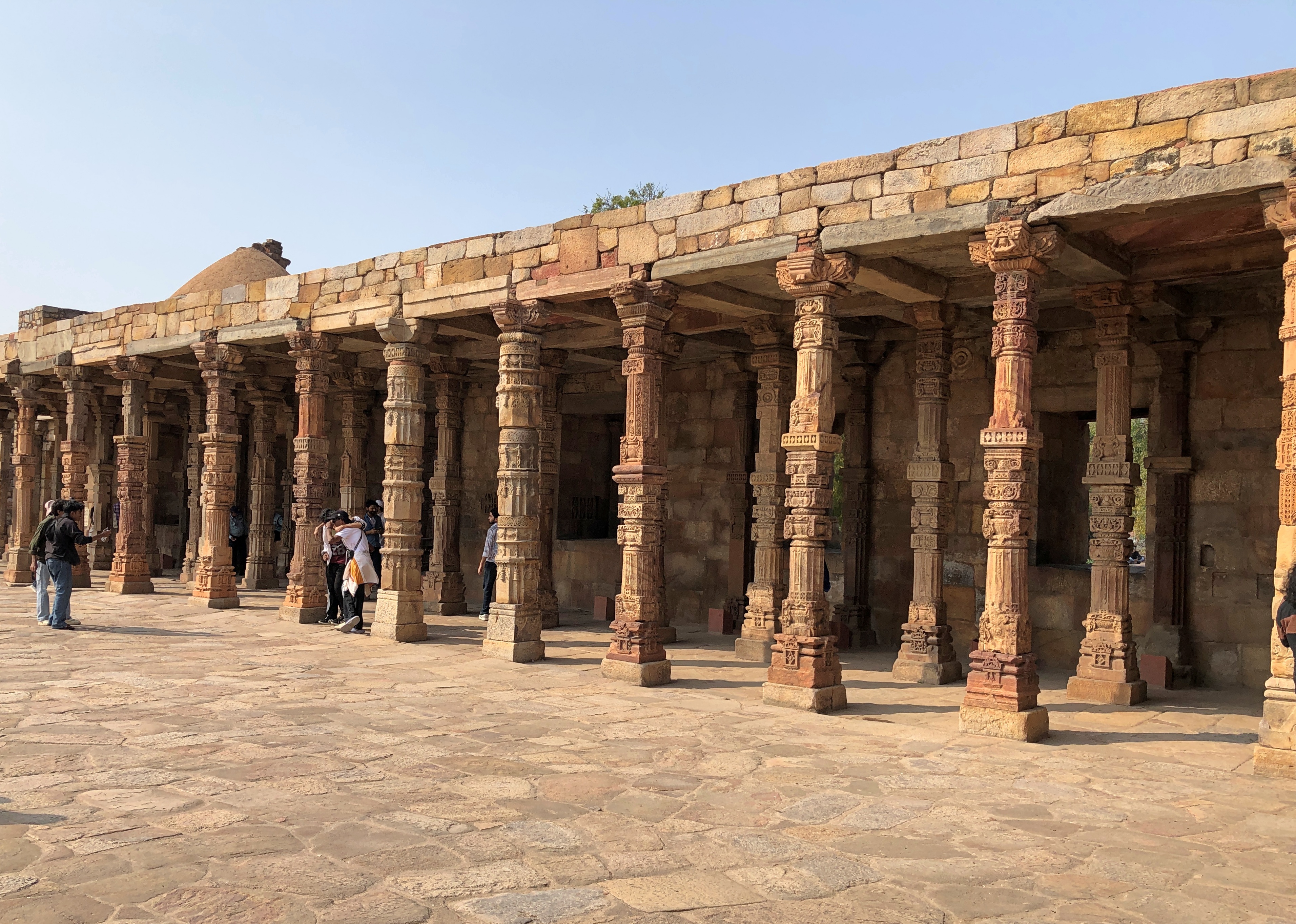
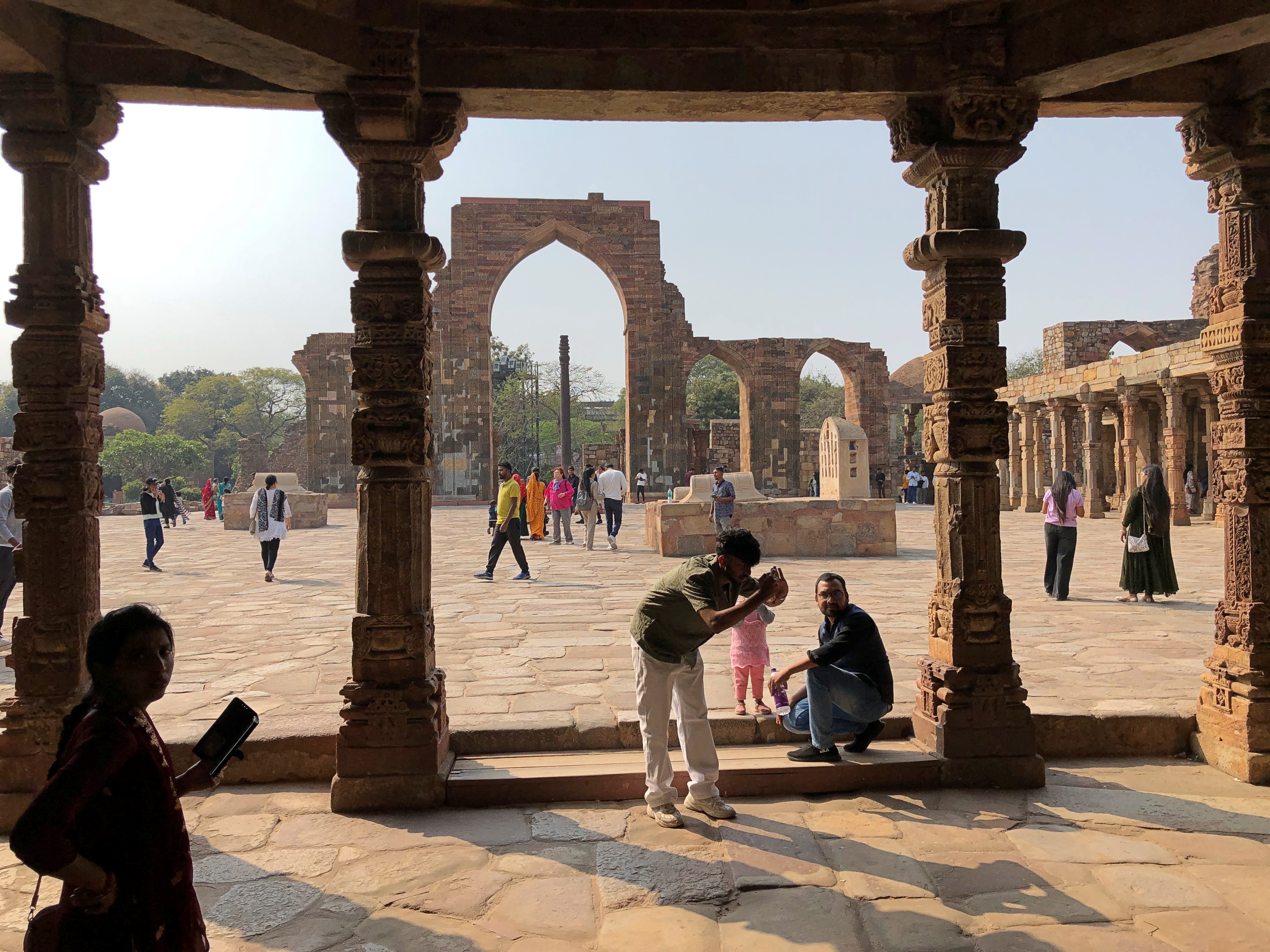
Views of the courtyard.Quwwatu'l-Islam Quwwatu'l-Islam Quwwatu'l-Islam

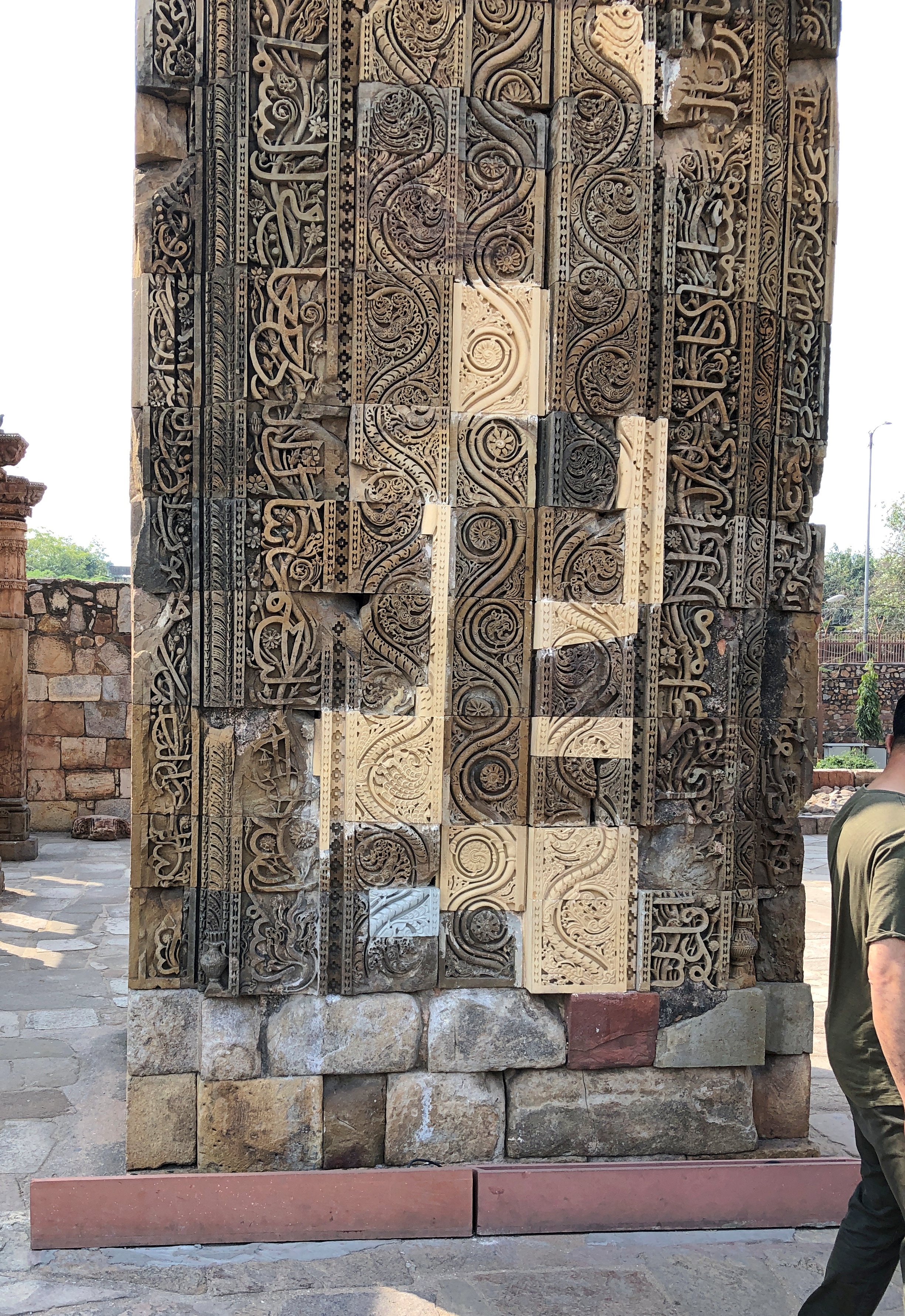
Details. including what look like restorations.Quwwatu'l-Islam Quwwatu'l-Islam Quwwatu'l-Islam
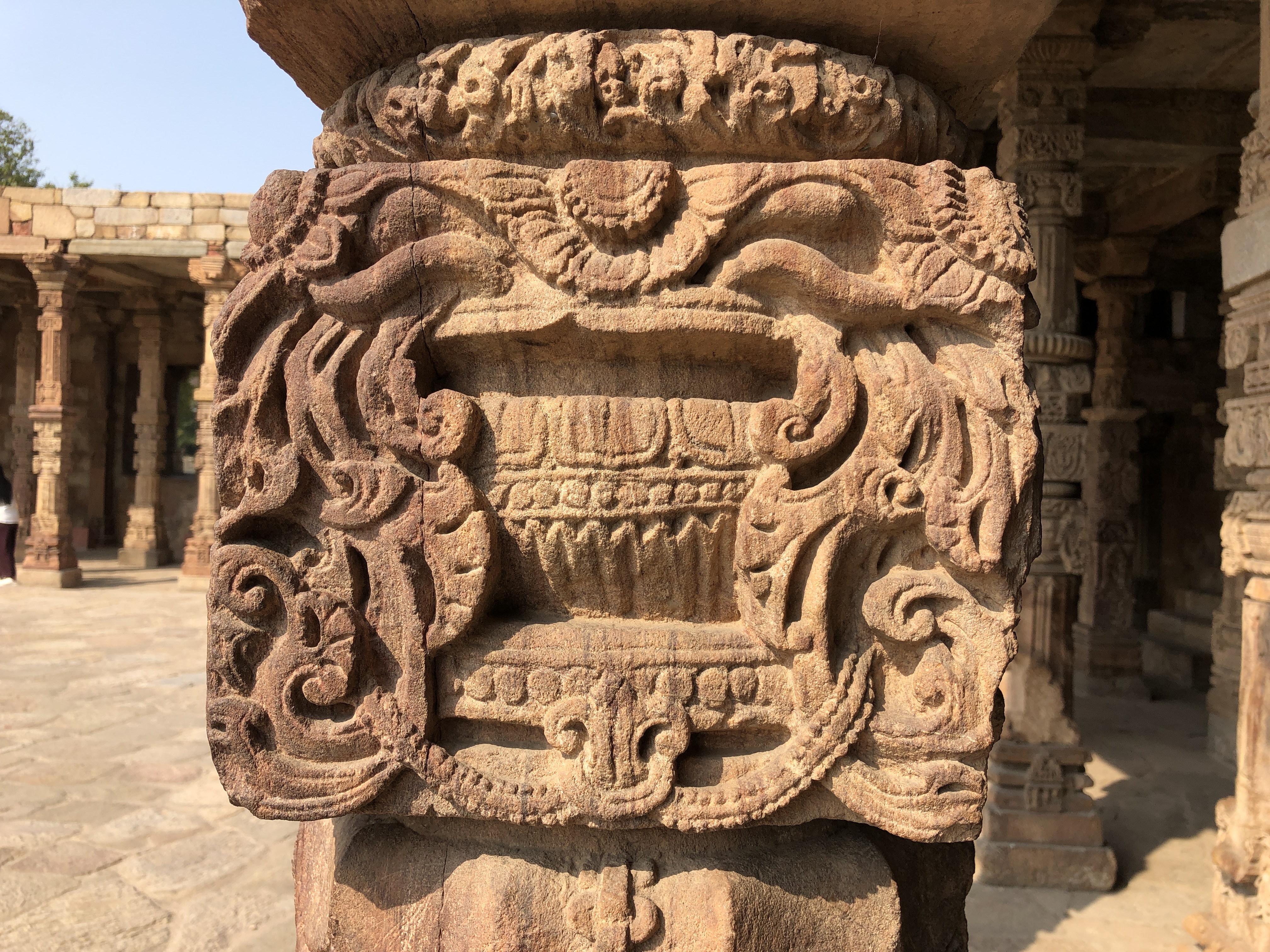
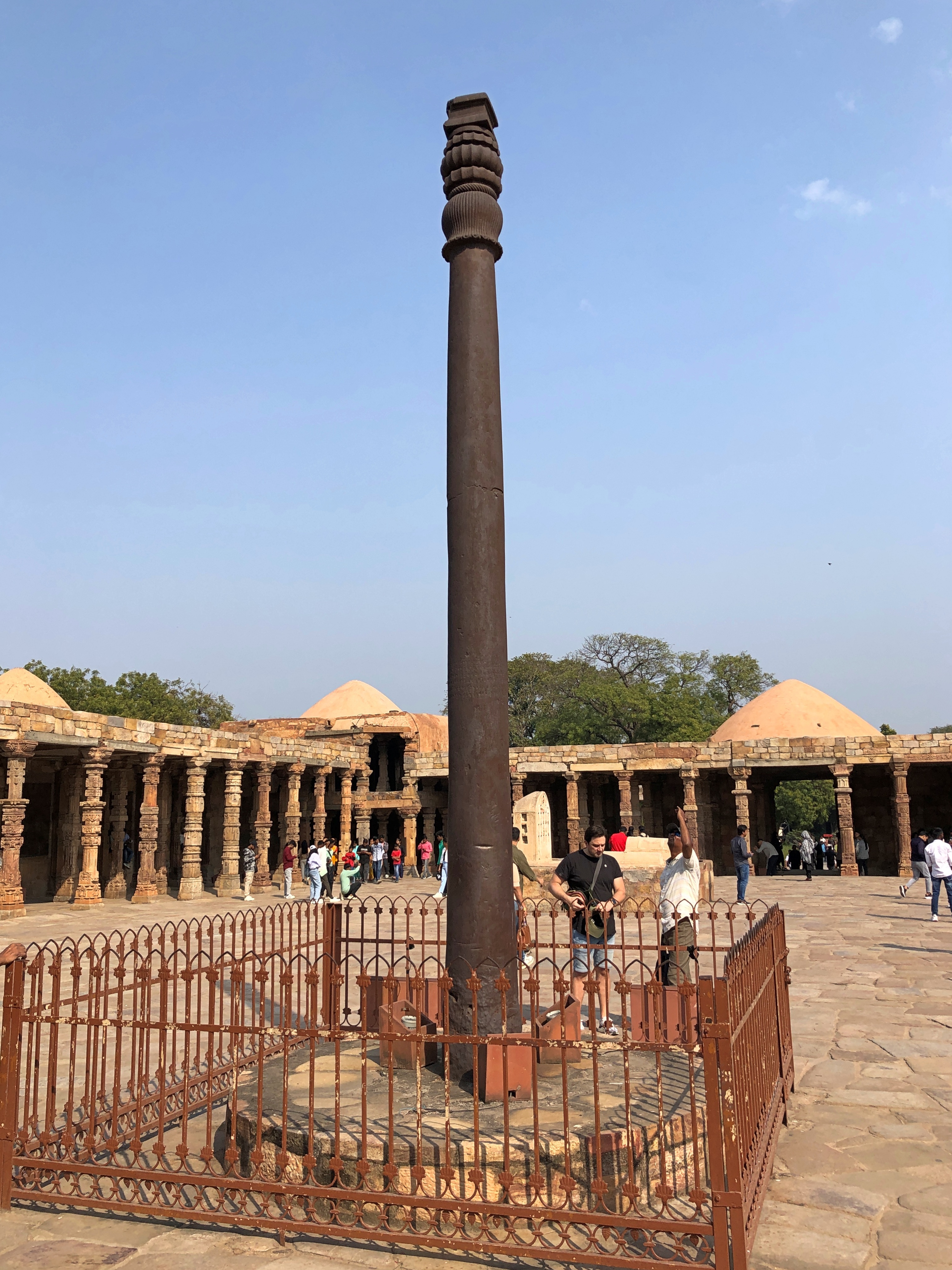
In the middle of the courtyard is the Iron Pillar, covered with faint inscriptions.Iron Pillar, Delhi
Three Raj-era tablets offer translation in Arabic, Hindi and English. Perhaps not up to the latest translation standards, but worth a read all the same.Iron Pillar, Delhi
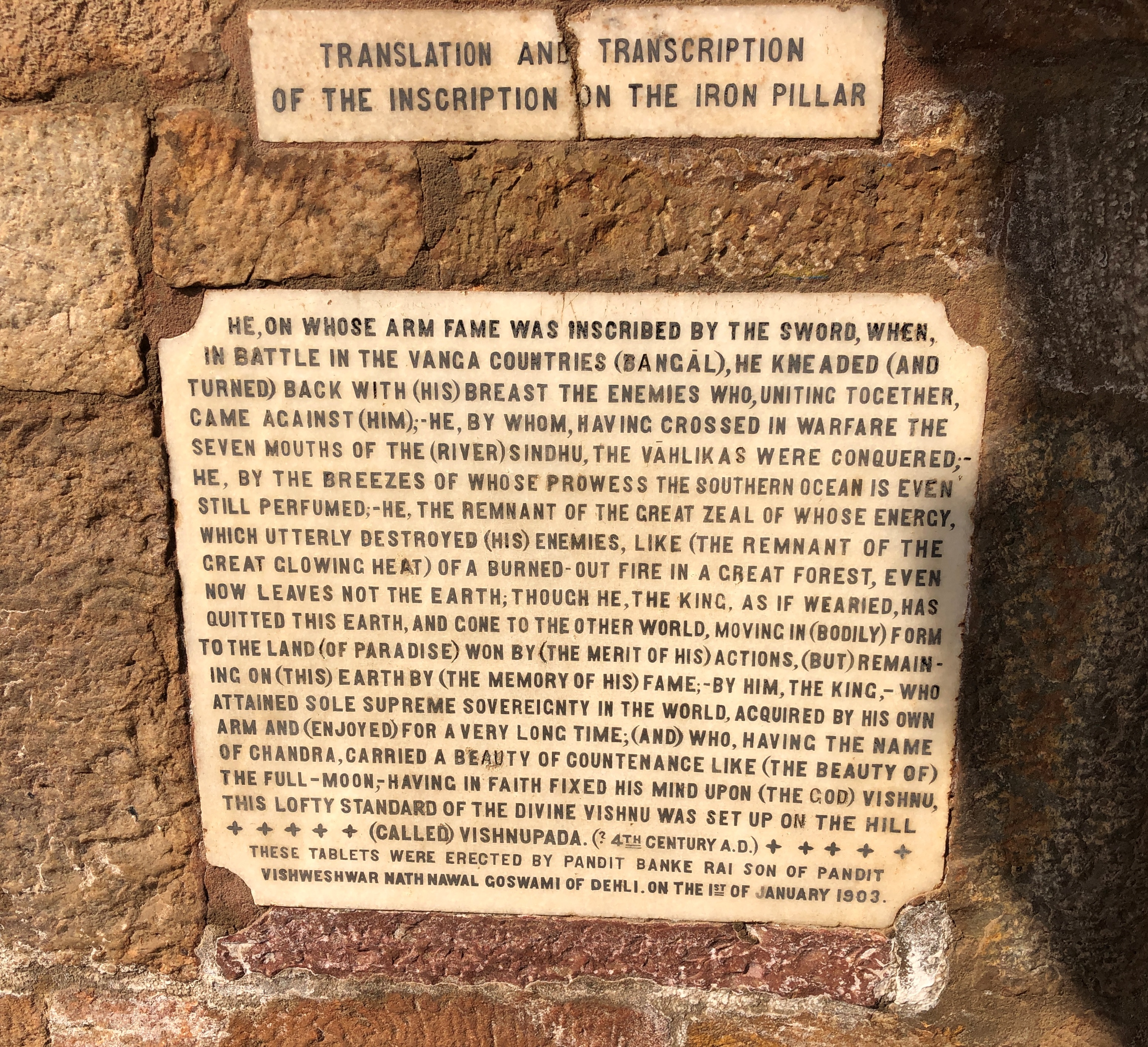
The pillar is an echo of an even earlier time, created during the Gupta Empire in the fourth to the sixth centuries as reckoned by the Gregorian calendar, and thought to laud the warrior deeds and memory of Chandragupta II (d. 415), also known as Chandra. What is it doing at Quwwatu’l-Islam? Brought from somewhere else as a bit of loot by one ruler or another many years after its creation, though exactly who or when or from where are matters of scholarly debate.

More.Iron Pillar, Delhi Iron Pillar, Delhi Iron Pillar, Delhi
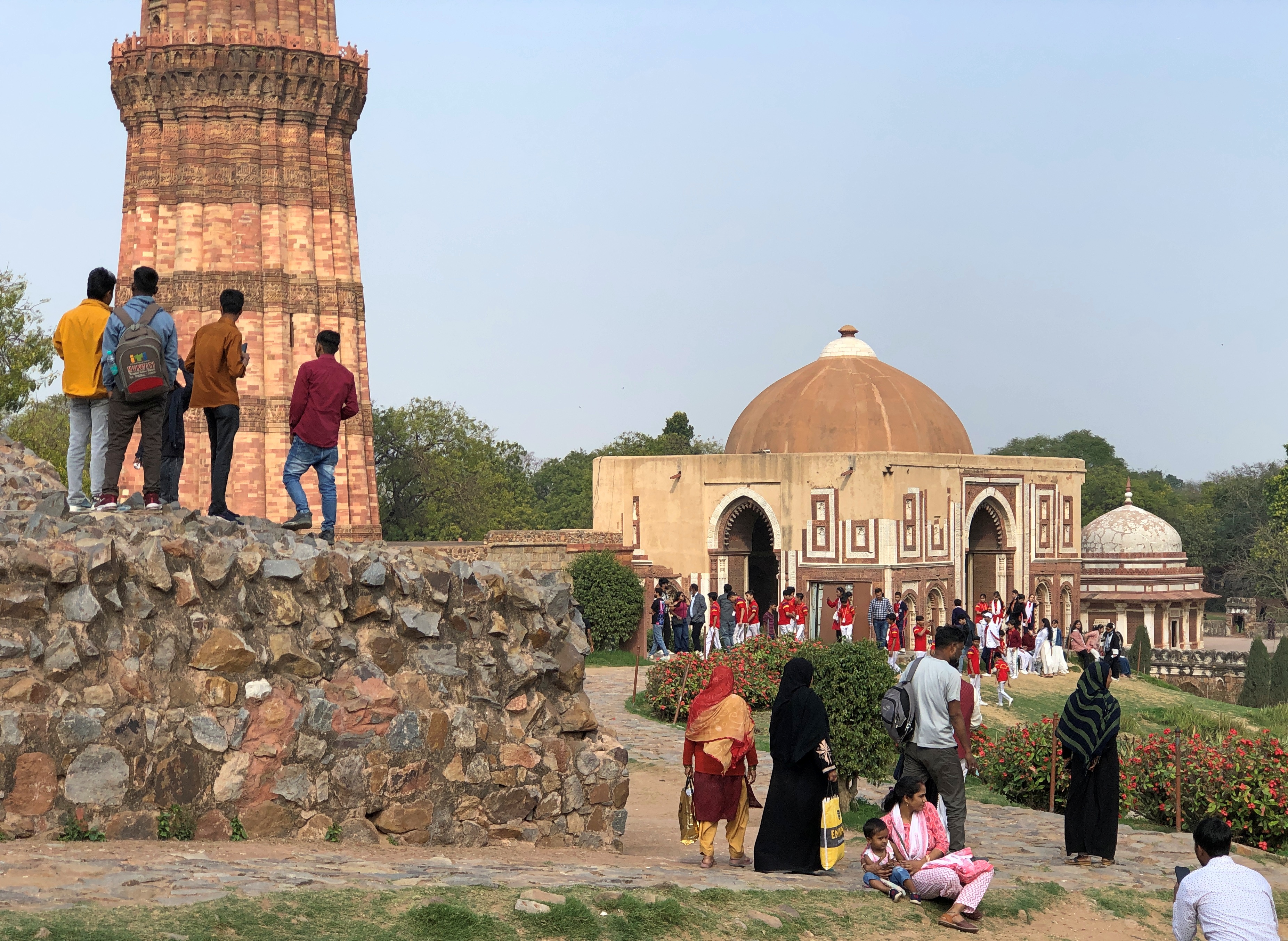
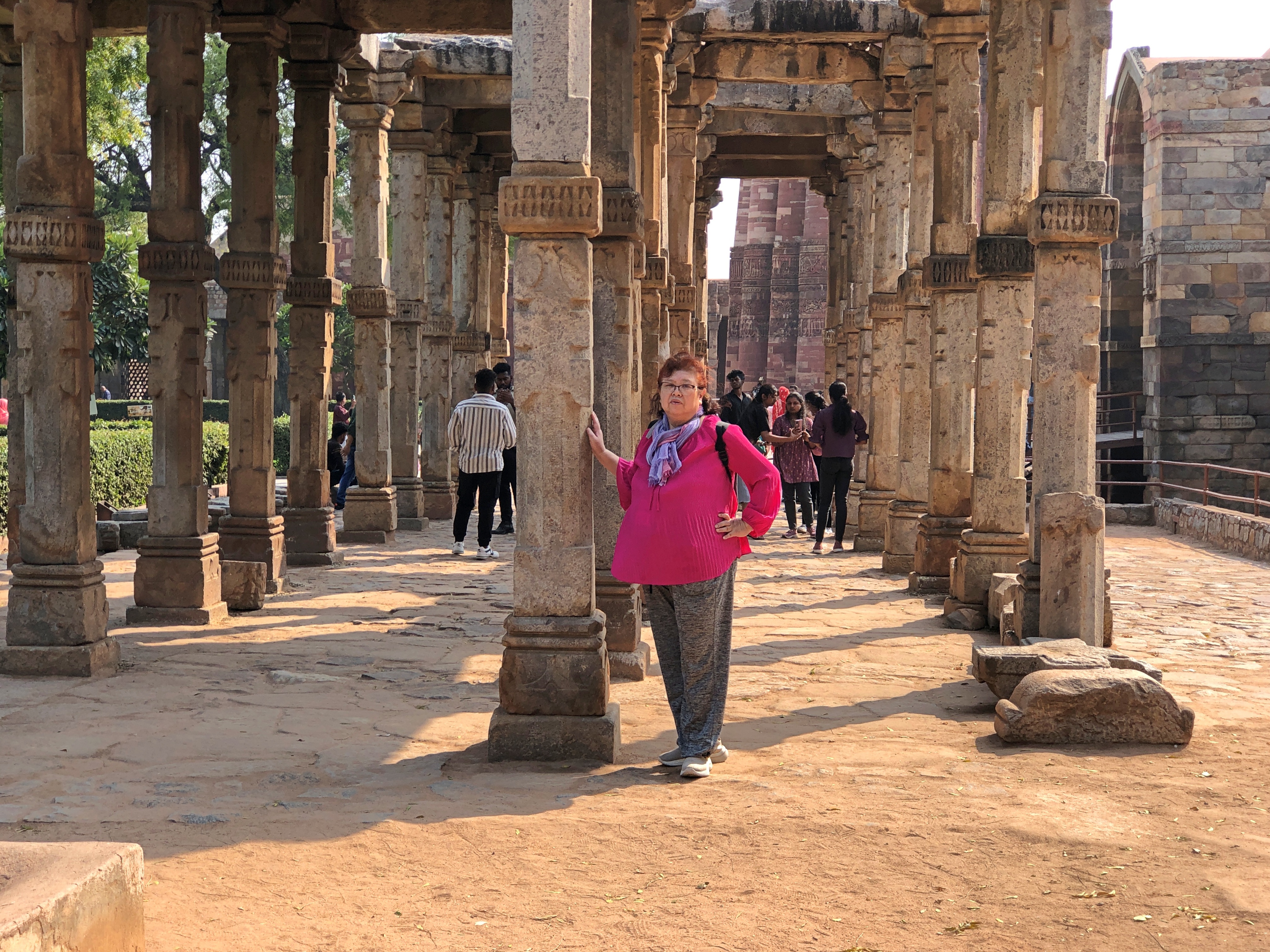
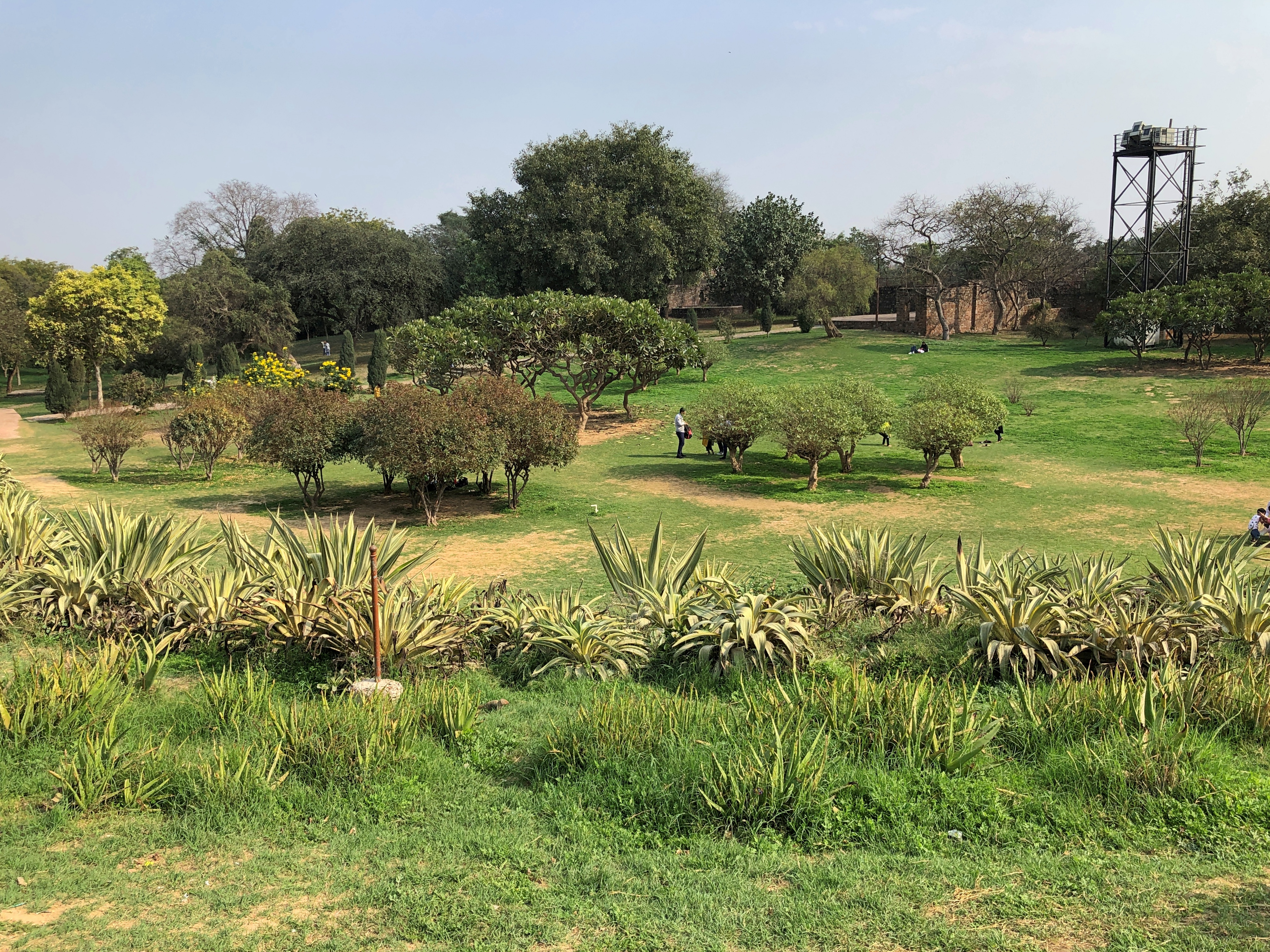
The grounds also include a surprising amount of green space.Qutb Minar, Delhi Qutb Minar, Delhi
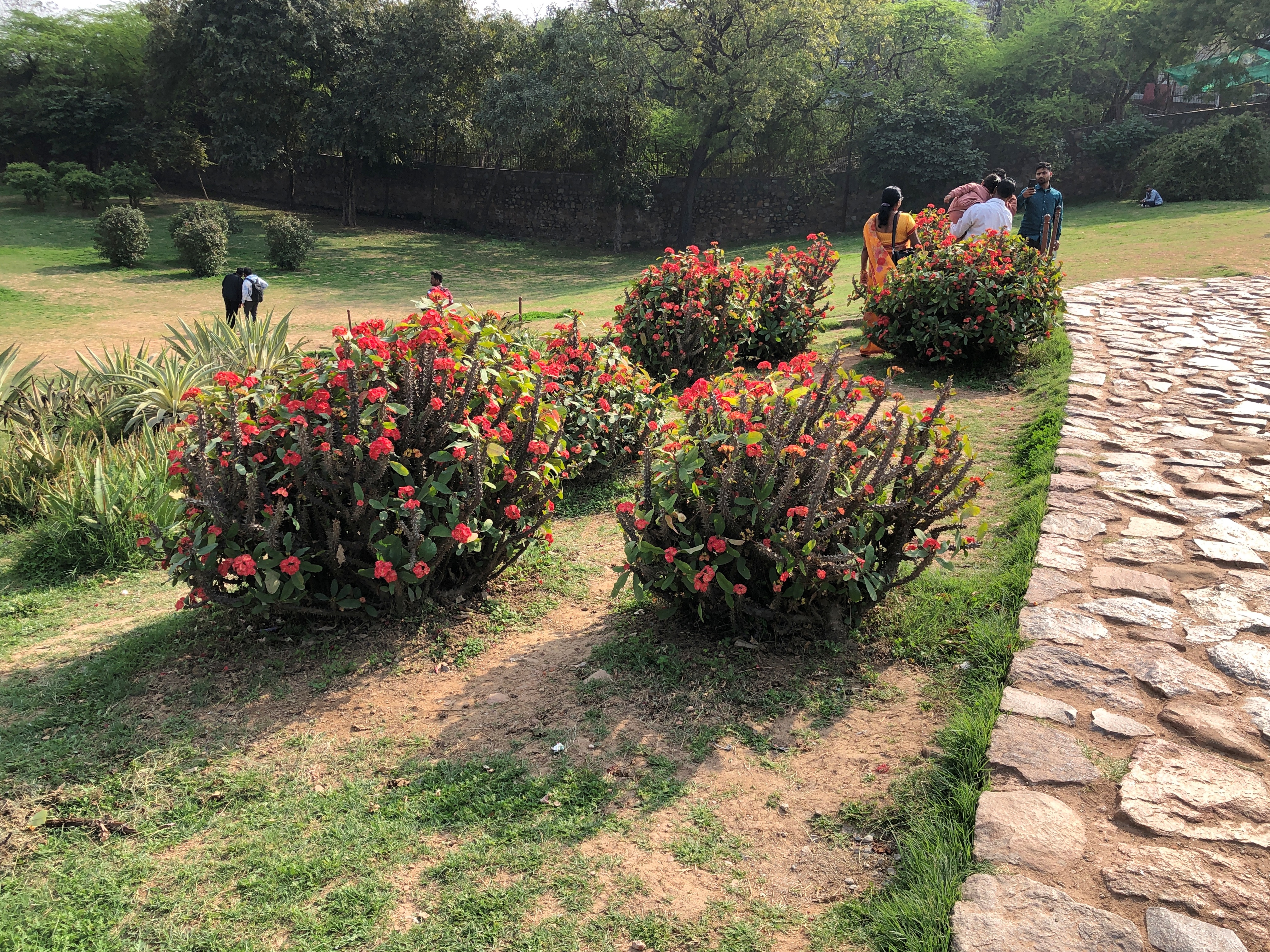
We only spent a short time in Delhi, but it didn’t seem overloaded with green space.
Tokyo Skytree & Senso-ji

I’ve been seeing ads recently for a fine-looking daypack (carryon pack, the ad calls), since the bots surely know that I just did such things as take airplanes to far-flung destinations, use a credit card overseas and bought the likes of an e-sim. The daypack’s array of pockets and their layout seem useful, too. Then there’s the price: $300. No.

As if to try to answer my immediate objection, soon a new ad for the same item appeared: “Why would you buy a $300 pack?” it asks. I don’t stick around for the answer. I have a fine daypack already. More than one, in fact, were pressed into service during the RTW ’25. One went on my back into the airplane, the other, empty, was waiting in the checked bag for light duty during the trip.

For all the years I spent in Japan, Tokyo didn’t represent much of that time. All together I spent maybe a week there, including a delightful visit in November 1993: young marrieds out on a long weekend. Wish I could remember the name of the minshuku where we stayed, somewhere in the sprawl of Tokyo. I close my eyes and I can see its tidy lobby, paper walls, delicate prints, narrow dark stairs, tatami underfoot. Our hosts were most hospitable, from a long line of inn keepers, I think. On the wall was a framed drawing of a banjo by Pete Seeger, along with his signature. Some decades earlier, he had stayed there.

This time we stayed in a guest room at the residence of Kyoko and her husband and two nearly grown children not far from the University of Tokyo, and had a pleasant visit. Good to see old friends, wherever they are. Yuriko and Kyoko go way back. Kyoko spent time in Texas, Corsicana specifically, and we traveled with her to Arizona in ’97. After Lilly was born, she came to Chicago to help out for several weeks.

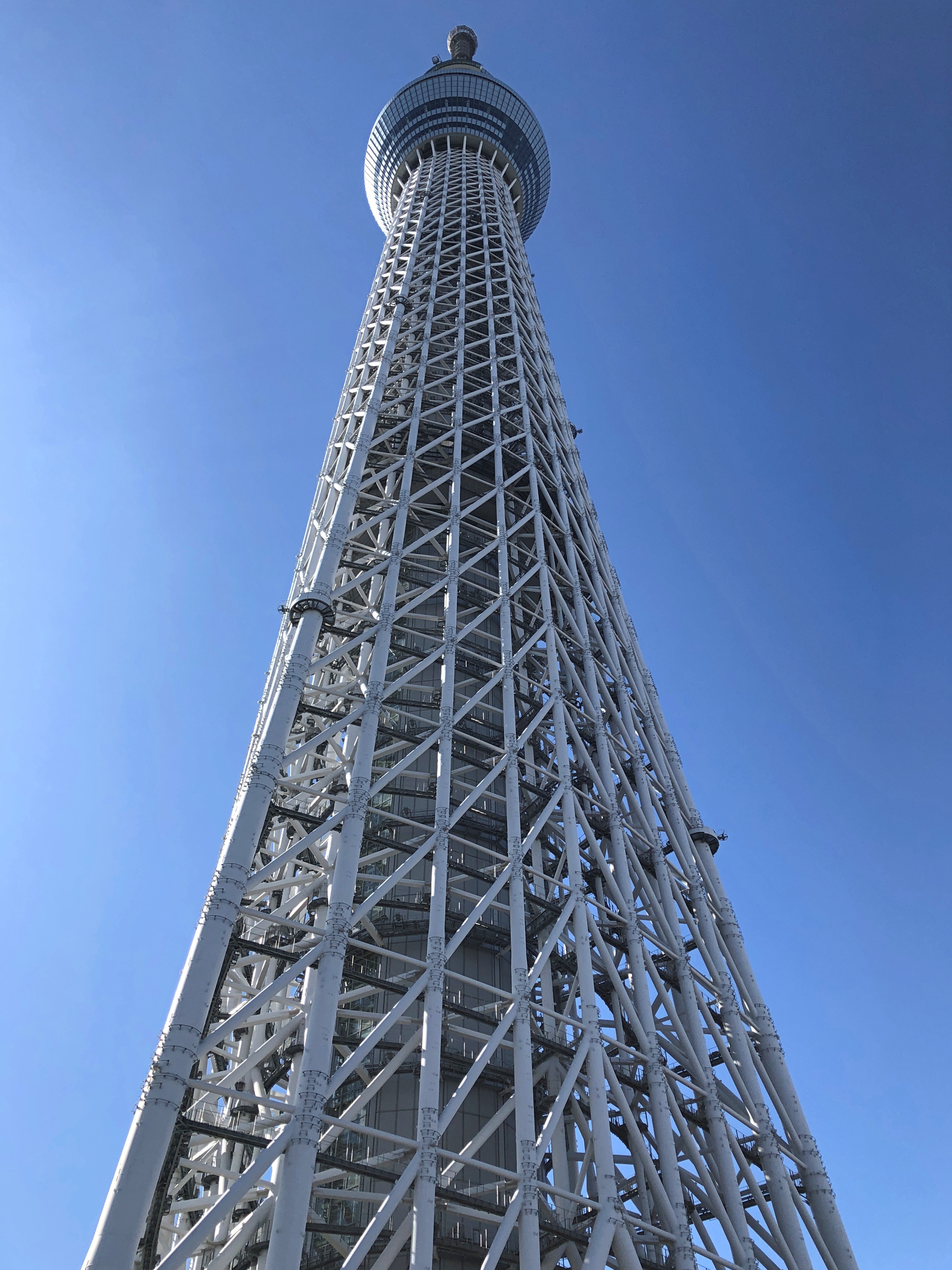
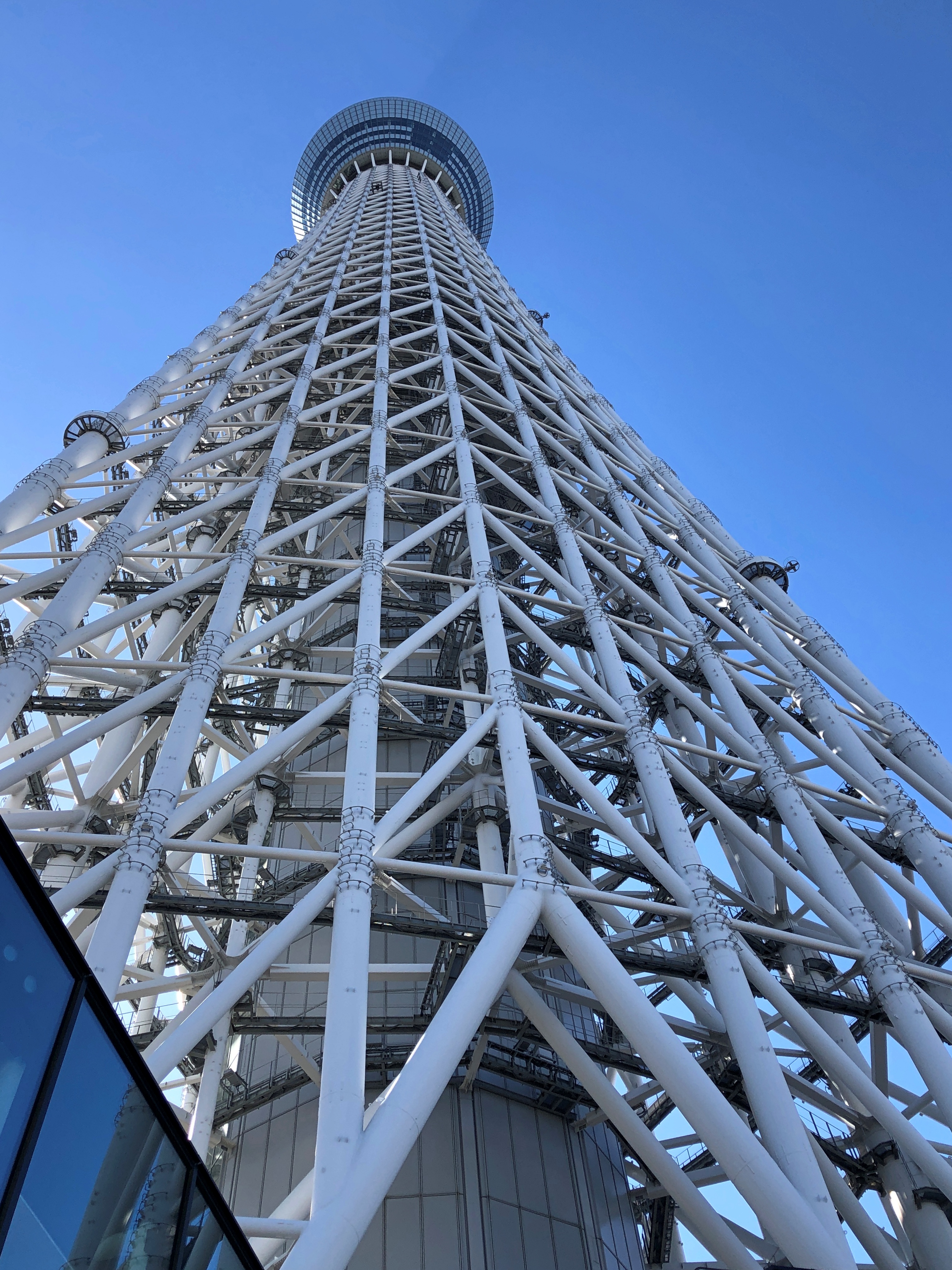
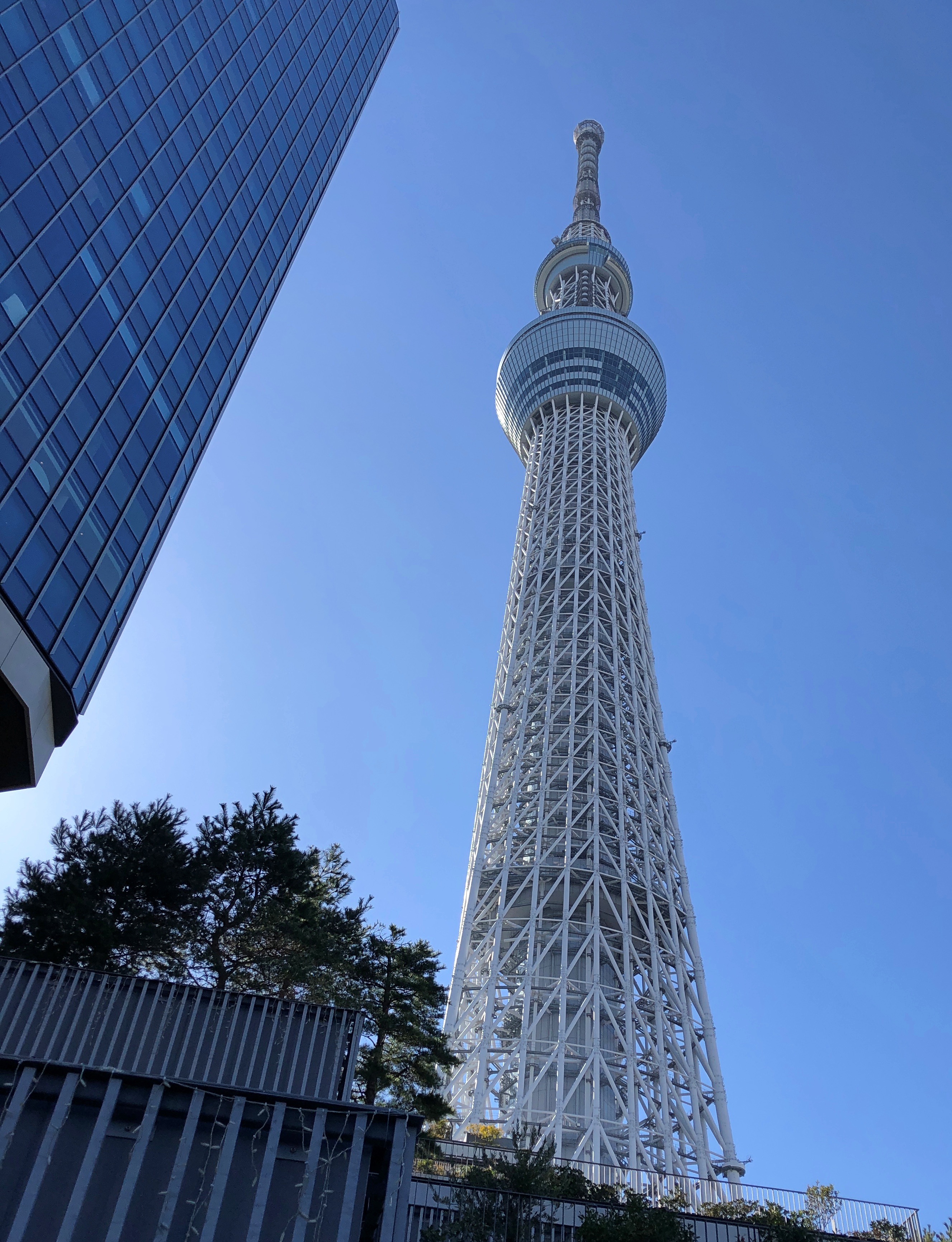
One thing we missed in the early ’90s was Tokyo Skytree, rising 2,080 feet over Sumida Ward, and for good reason: the tower was completed only in 2012 as a TV tower and a tourist attraction. We arrived in the afternoon of February 14.Tokyo Skytree Tokyo Skytree Tokyo Skytree

Who has the wherewithal to build such things in the early 21st century? In Japan, anyway, railroad companies do, in this case Tobu Railway Co. Ltd., a Kanto regional line that offers some sweet destinations, including the mountain resort of Nikko and the hot springs around Kinugawa Onsen, both of which I only know by reputation. Naturally, Japanese RR companies are never just that, and in this case while transport remains a core business, the conglomerate also includes entertainment venues, hotels, a commercial real estate and construction arm, and retail operations, especially department stores at major terminals.

Judging by my previous and recent experience at the department stores owned by regional RRs, the department store not only isn’t dying in Japan, it flourishes. They are serving a much more dense population, of course, and one that travels by train, but there’s also that matter of stocking goods people want to buy, including basements full of exceptionally good food. The stores’ bustle is something American department stores can only dream about in their dying reverie.

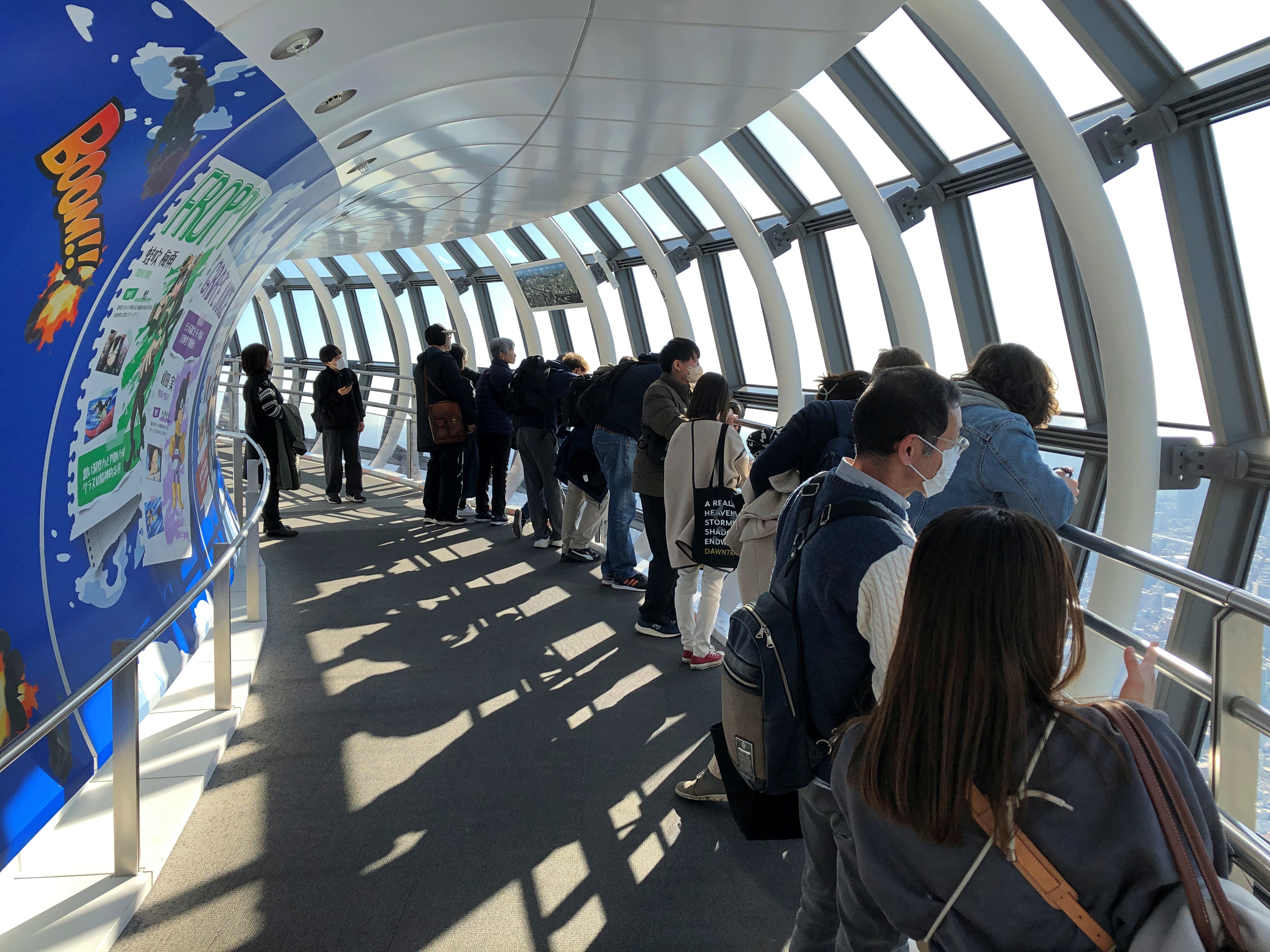
Up in the Tokyo Skytree bulb are a couple of tourist observation decks. The combo ticket, while expensive, isn’t outrageously more than just visiting the lower deck, so we opted for access to the deck at 350 meters and the narrower one at 450 meters, one after the other. It turned out to be easier to take good pictures from the lower level.

Busy, but not sardine-can busy.Tokyo Skytree

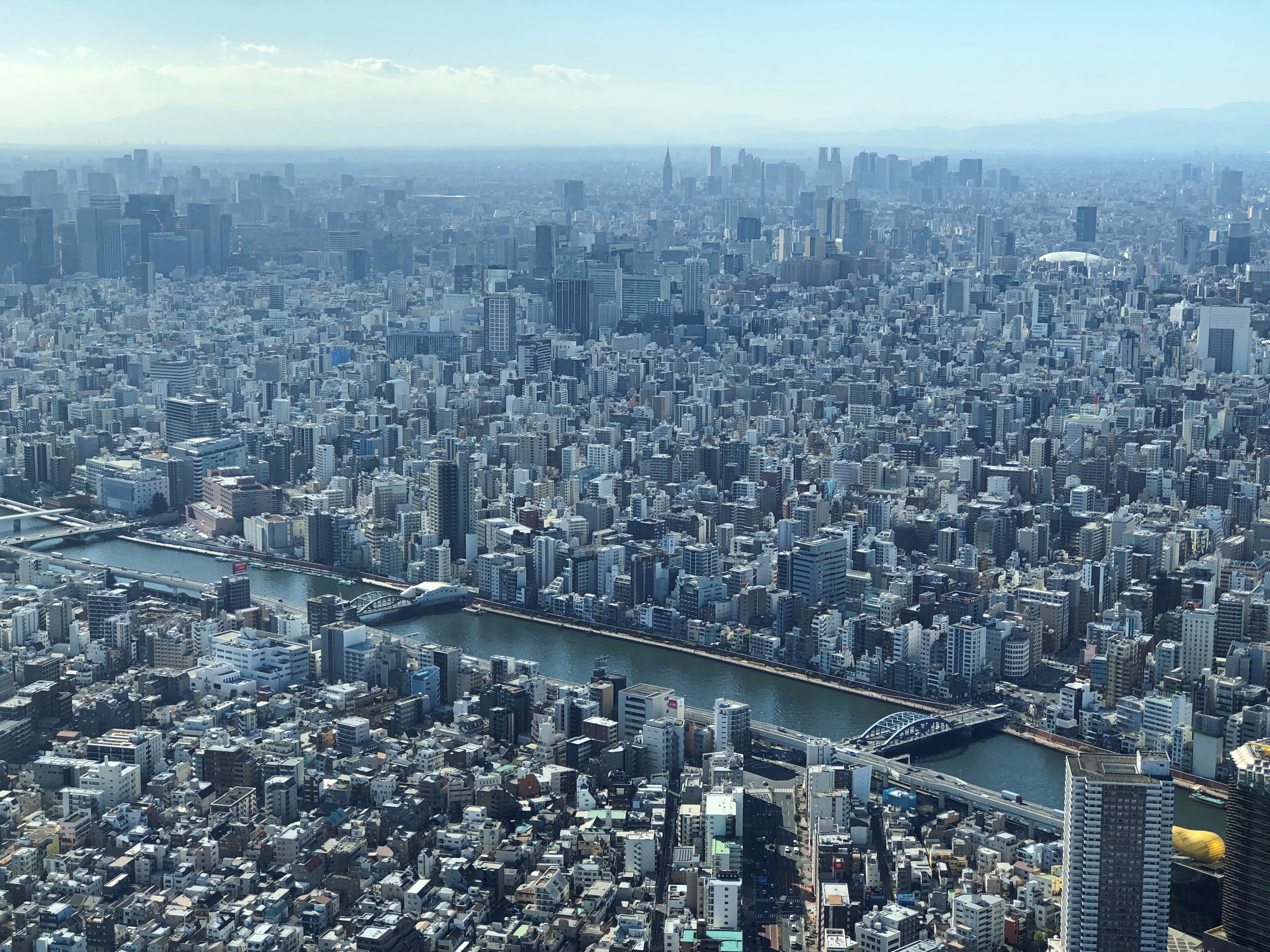
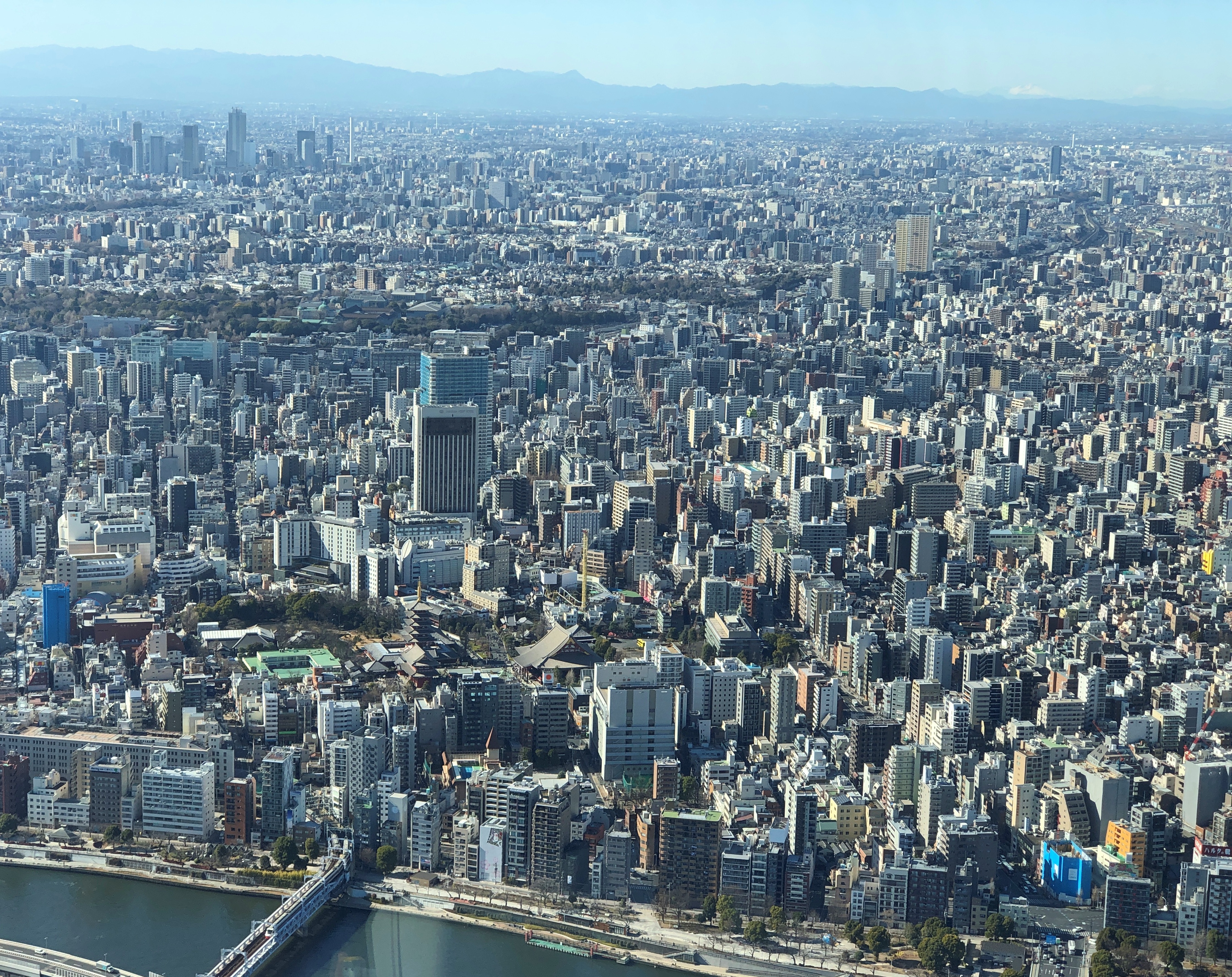
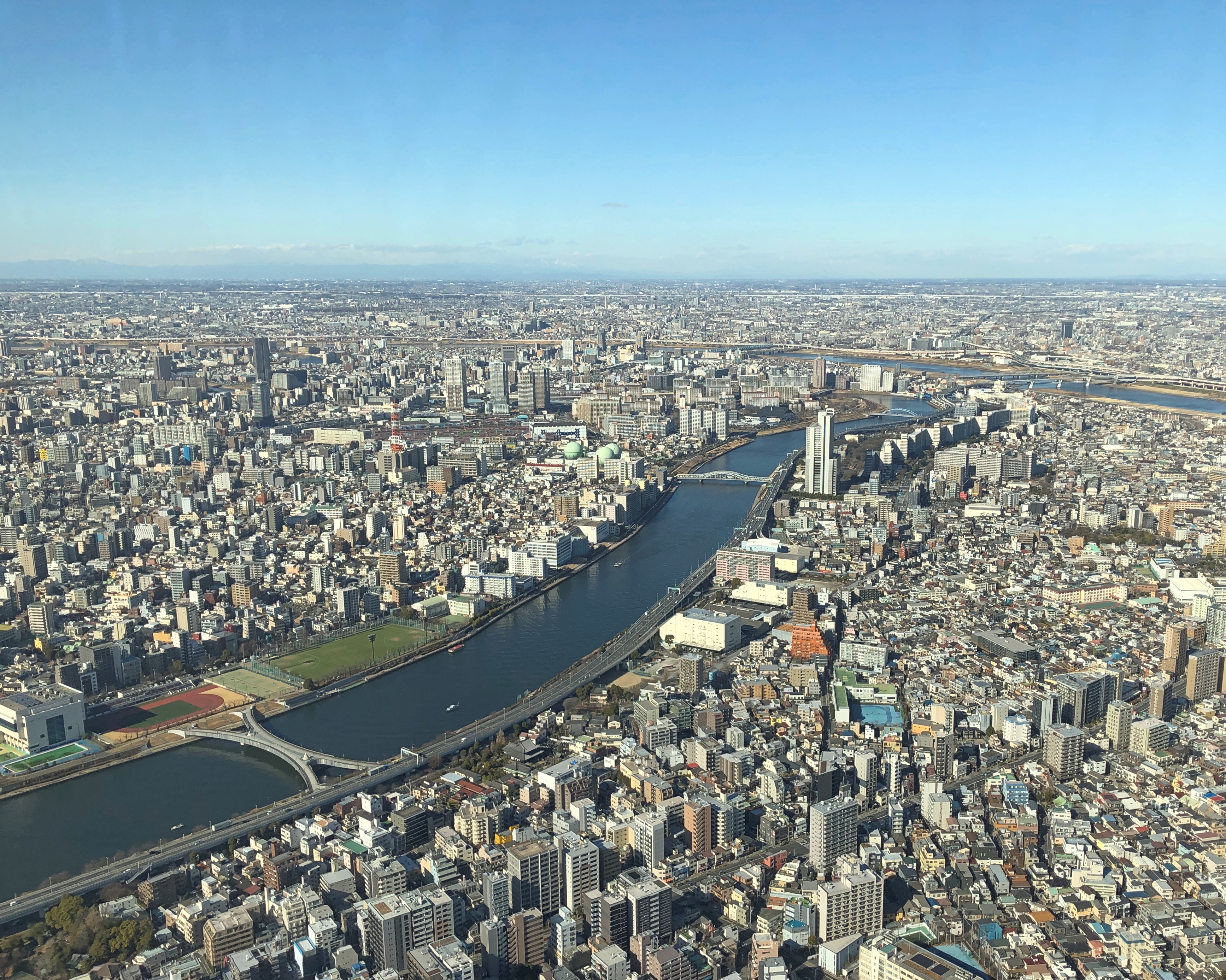
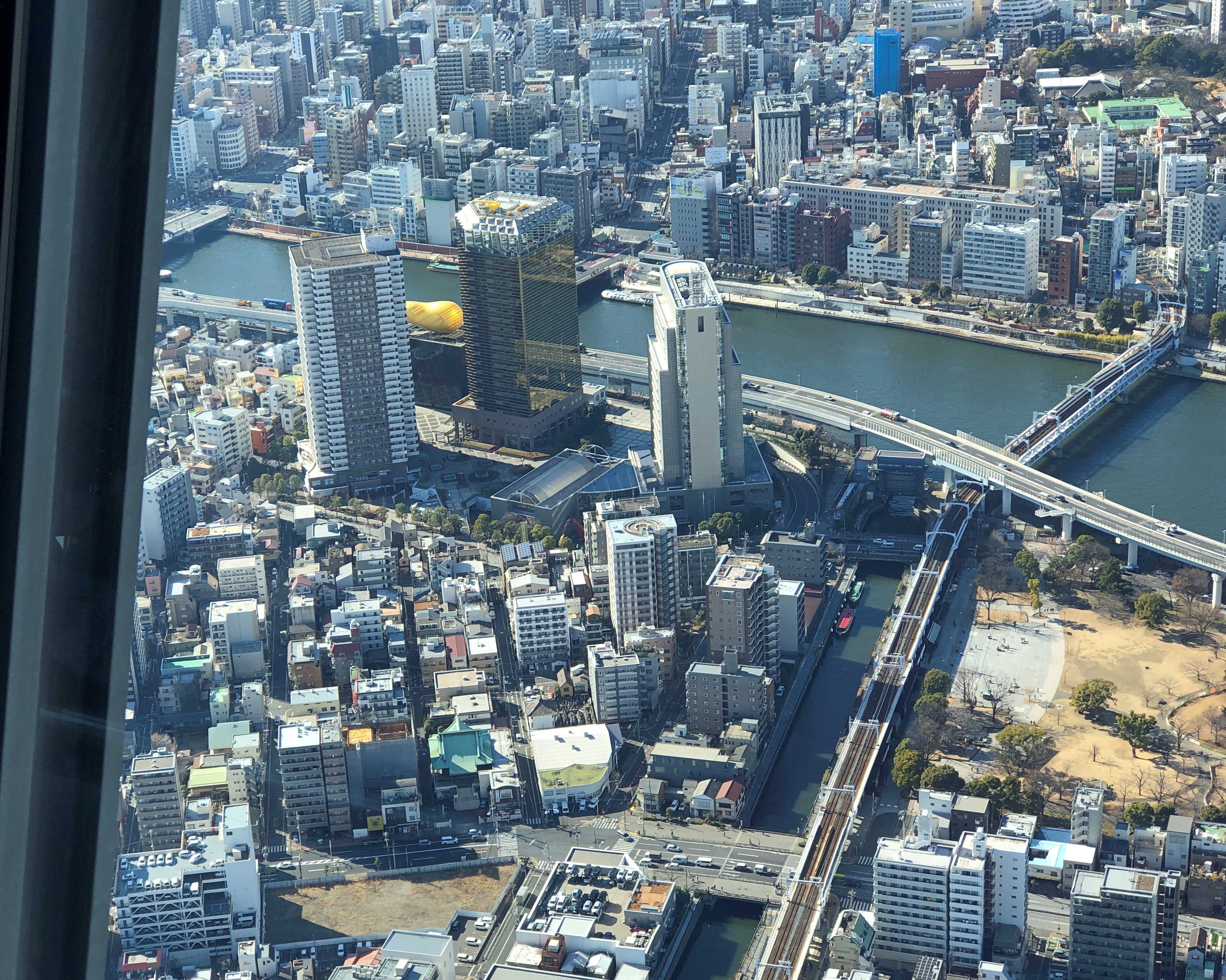
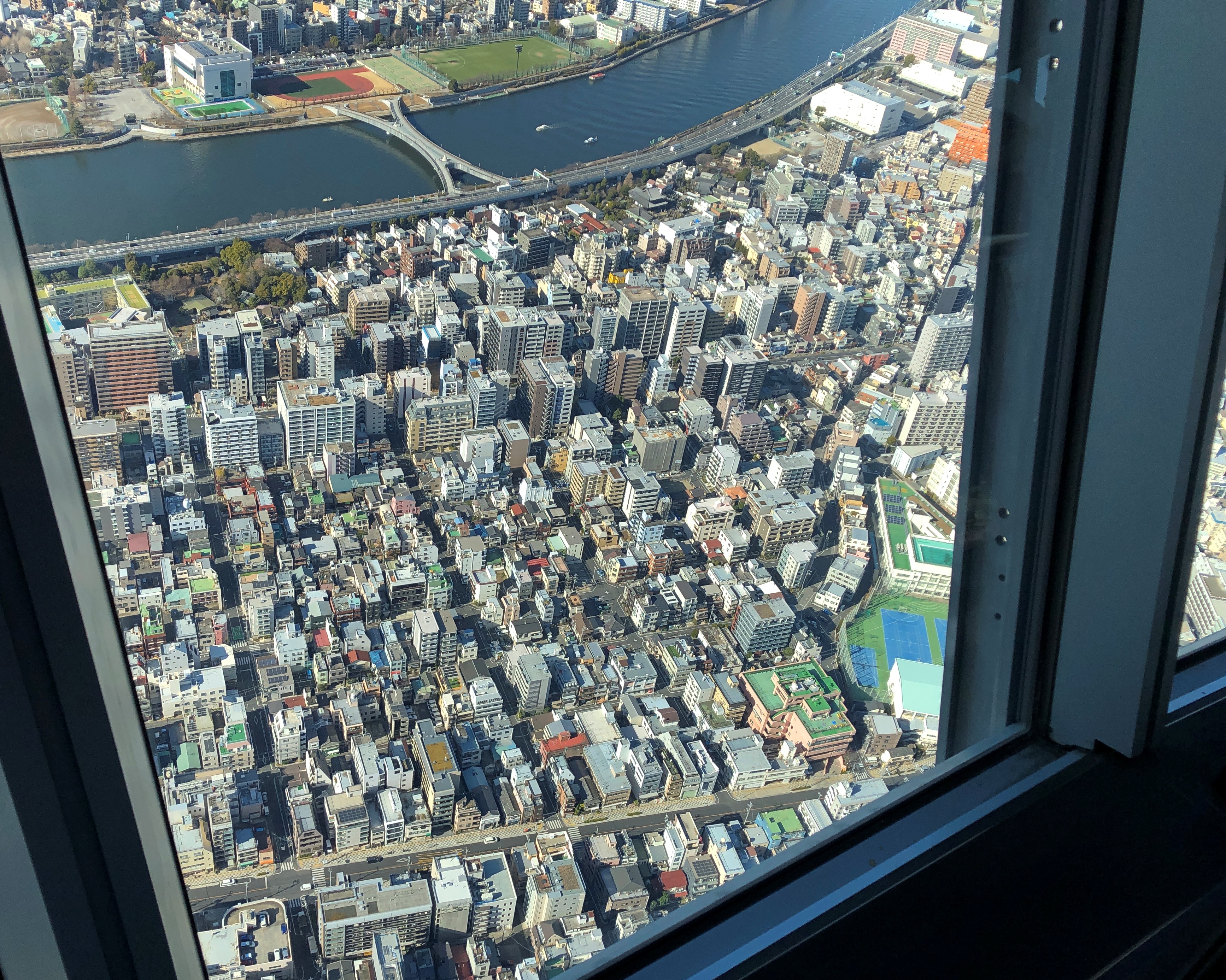
Now those are some views, showing just how dense metro Tokyo is.Tokyo Skytree Tokyo Skytree Tokyo Skytree

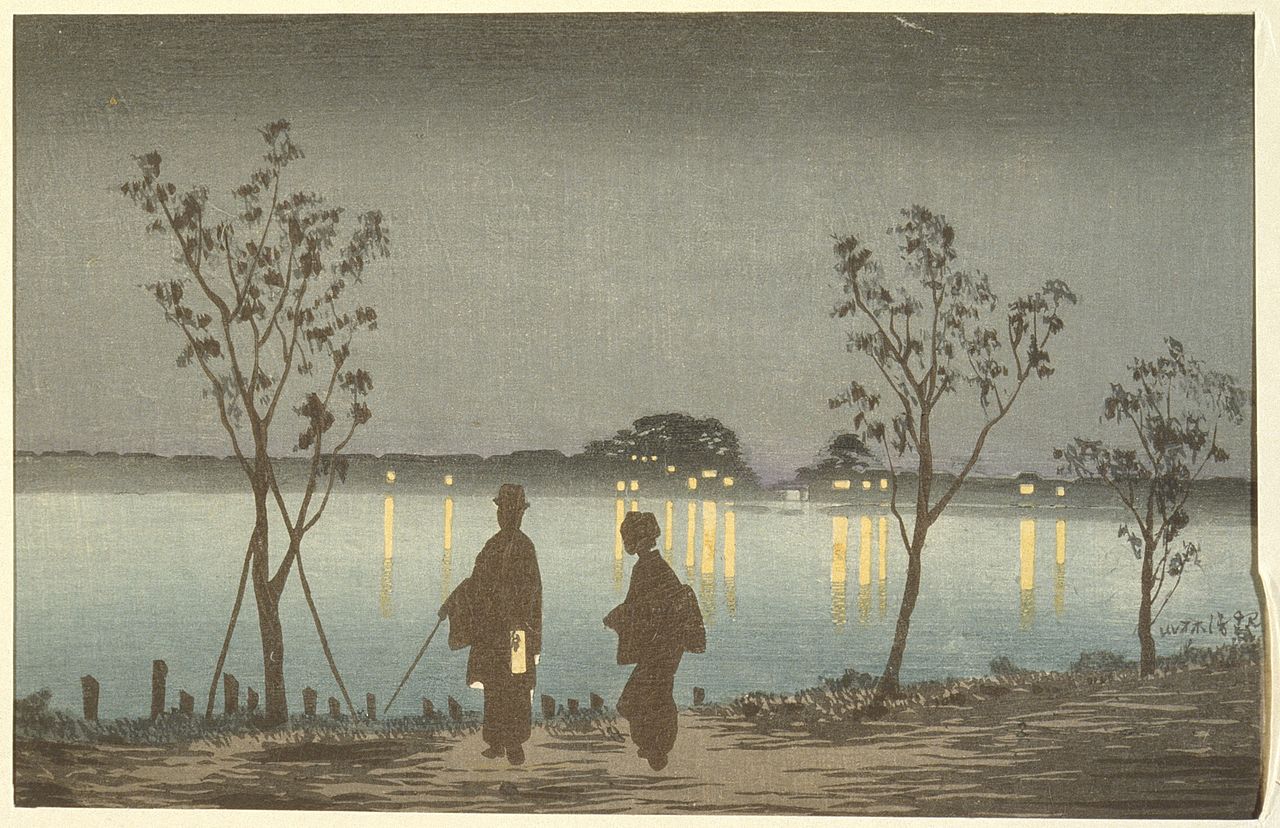
Below is the Sumida River, which wasn’t always so densely populated.

Night on the Sumida River – Kobayashi Kiyochika, 1881

“Night on the Sumida River” by Kobayashi Kiyochika, 1881

Three hundred fifty meters high? That’s well and good, but nothing as impressive as more than a thousand feet: 1,150, to be almost exact.Tokyo Skytree Tokyo Skytree

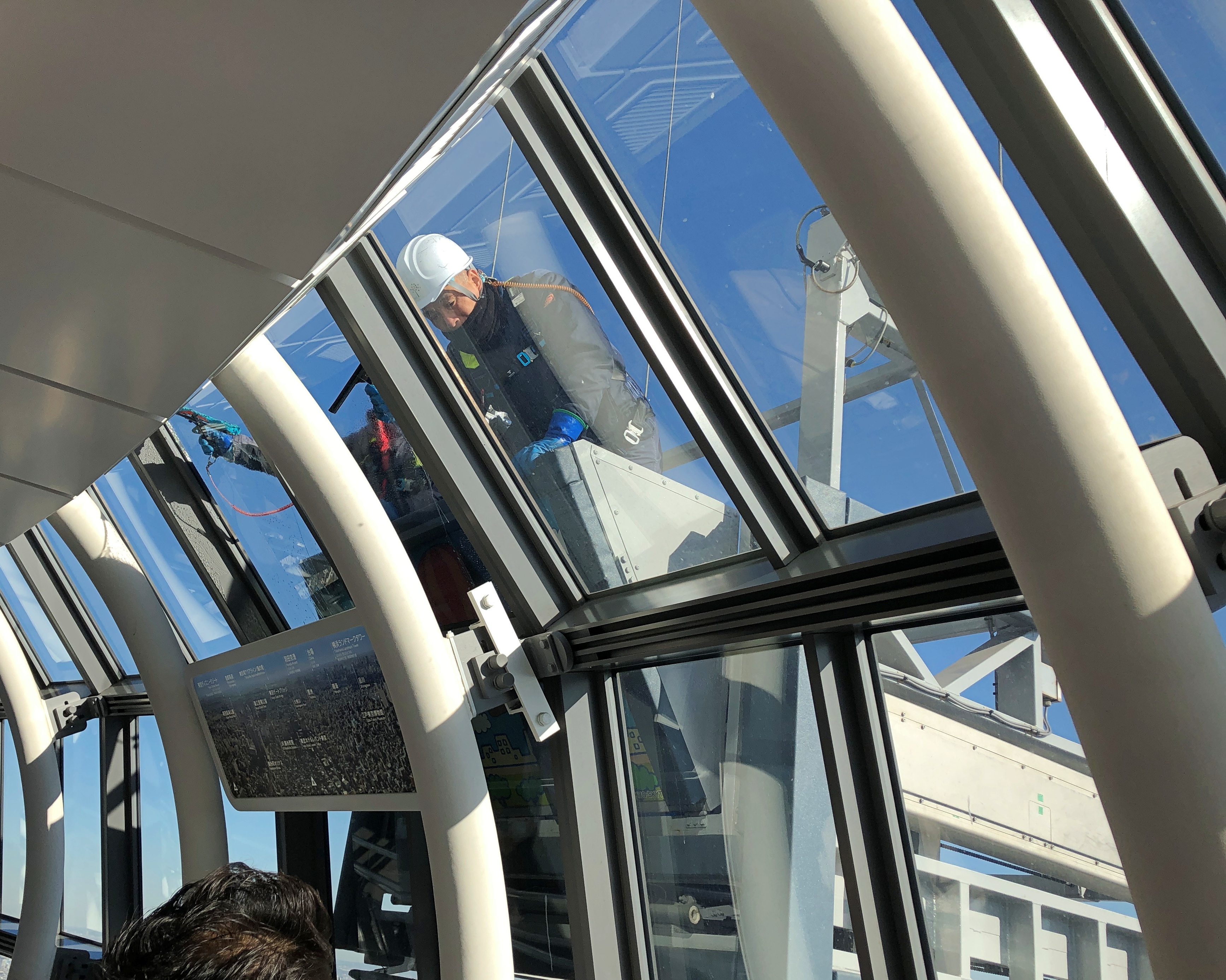
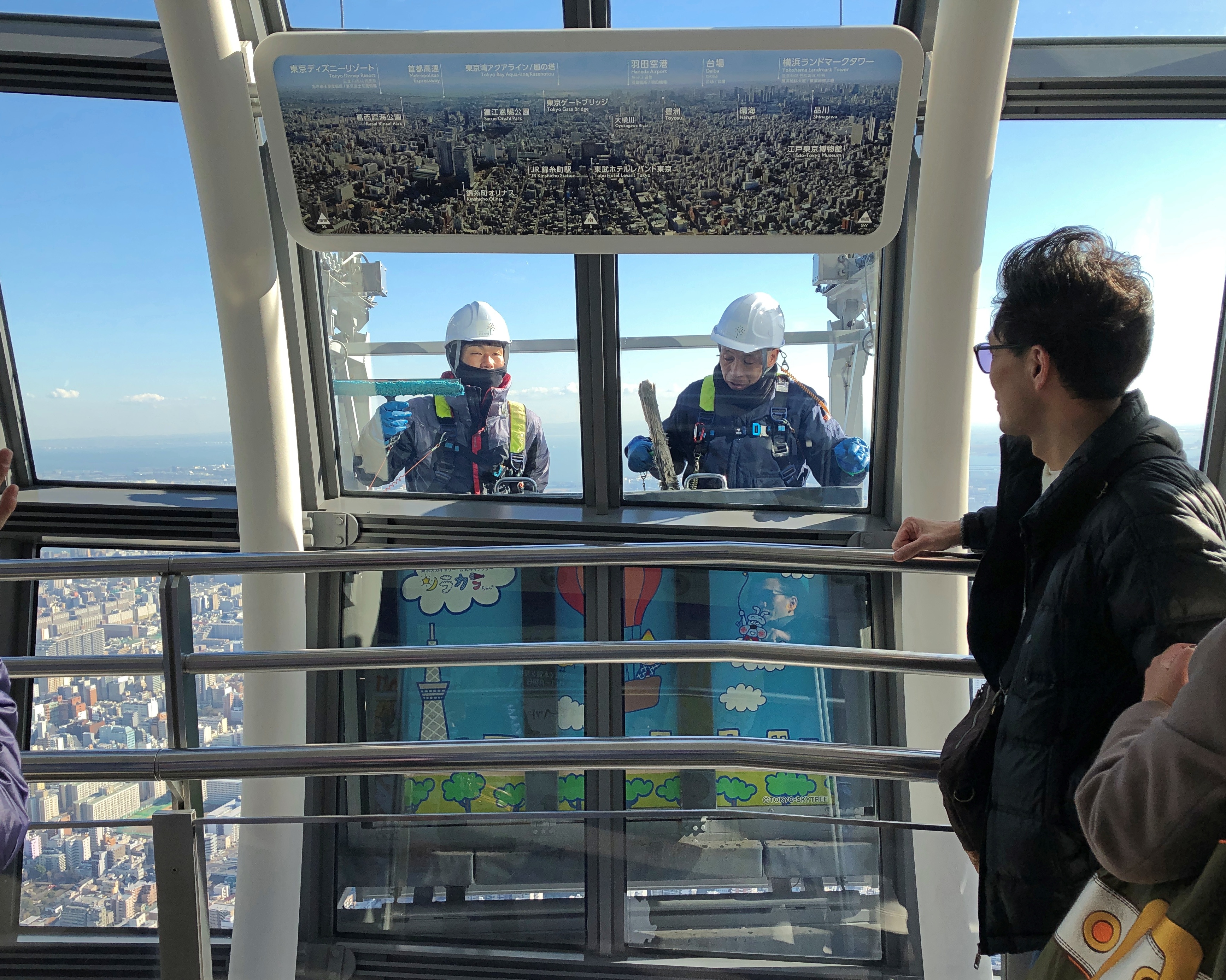
Window washers came by as we looked out at 350 meters. Hanging, as far as I could tell, by two wires attached to their car, and not their persons. They seemed pretty blasé about that, but anyone who felt otherwise (like me) would be in the wrong line of work.Tokyo Skytree window washers Tokyo Skytree window washers

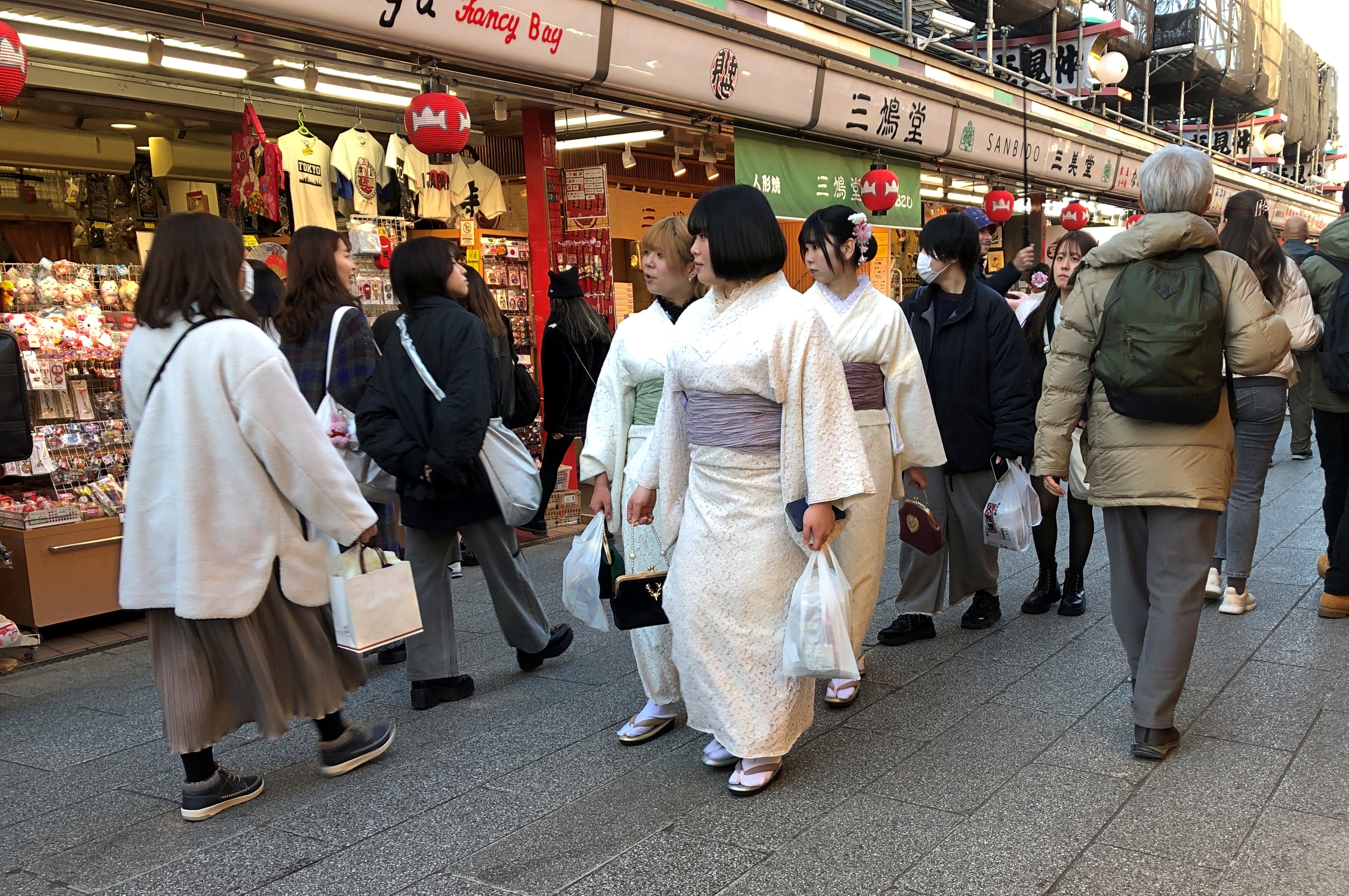
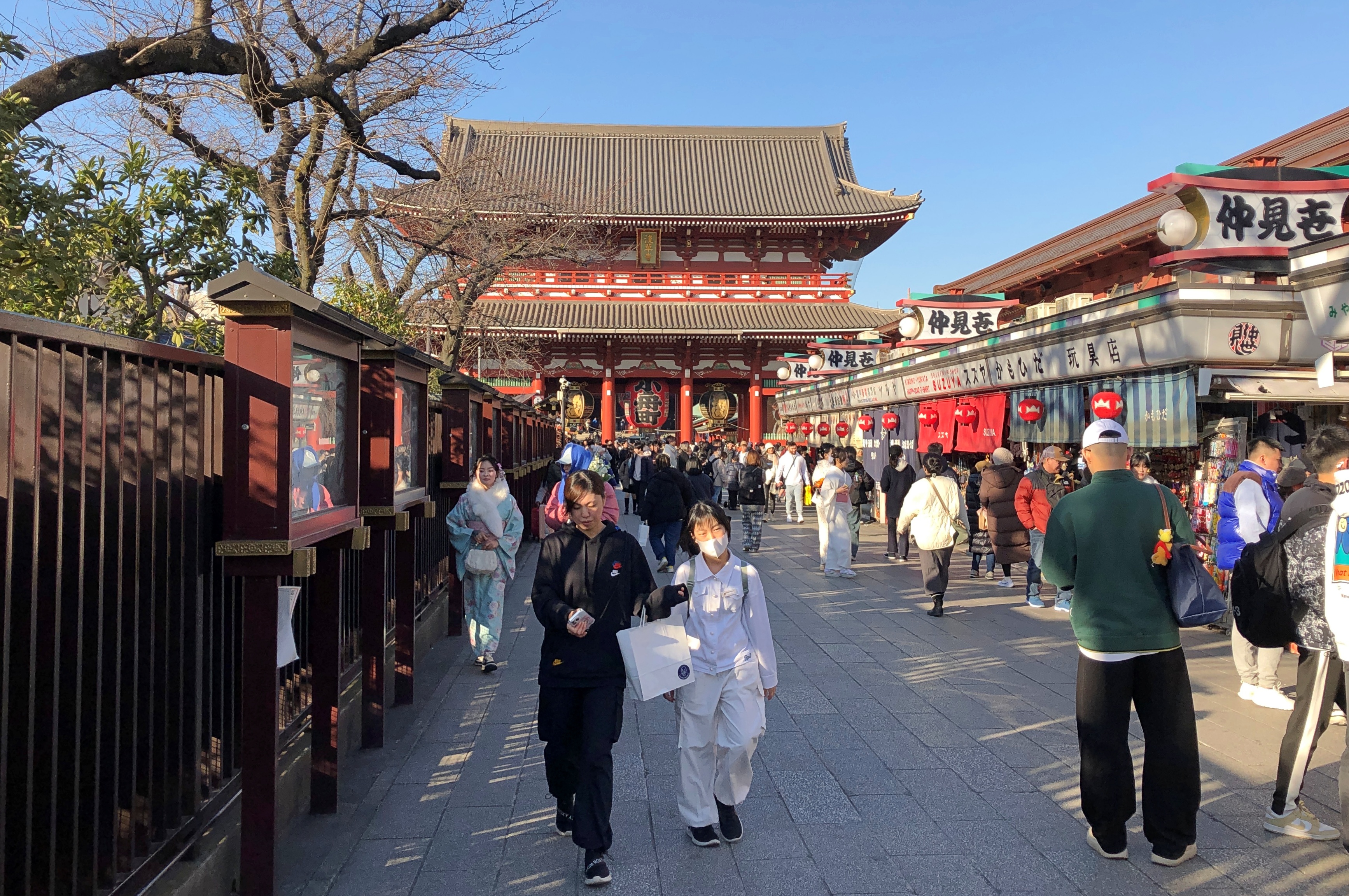
On the other side of the river, and visible from the tower, is Senso-ji temple, in the Asakusa neighborhood. We still had some afternoon light after visiting Skytree, so we decided to go to the temple, a short train ride and a longer walk away. A long pedestrian street (Nakamise-dōri) goes through Asakusa to the temple grounds.Nakamise-dōri

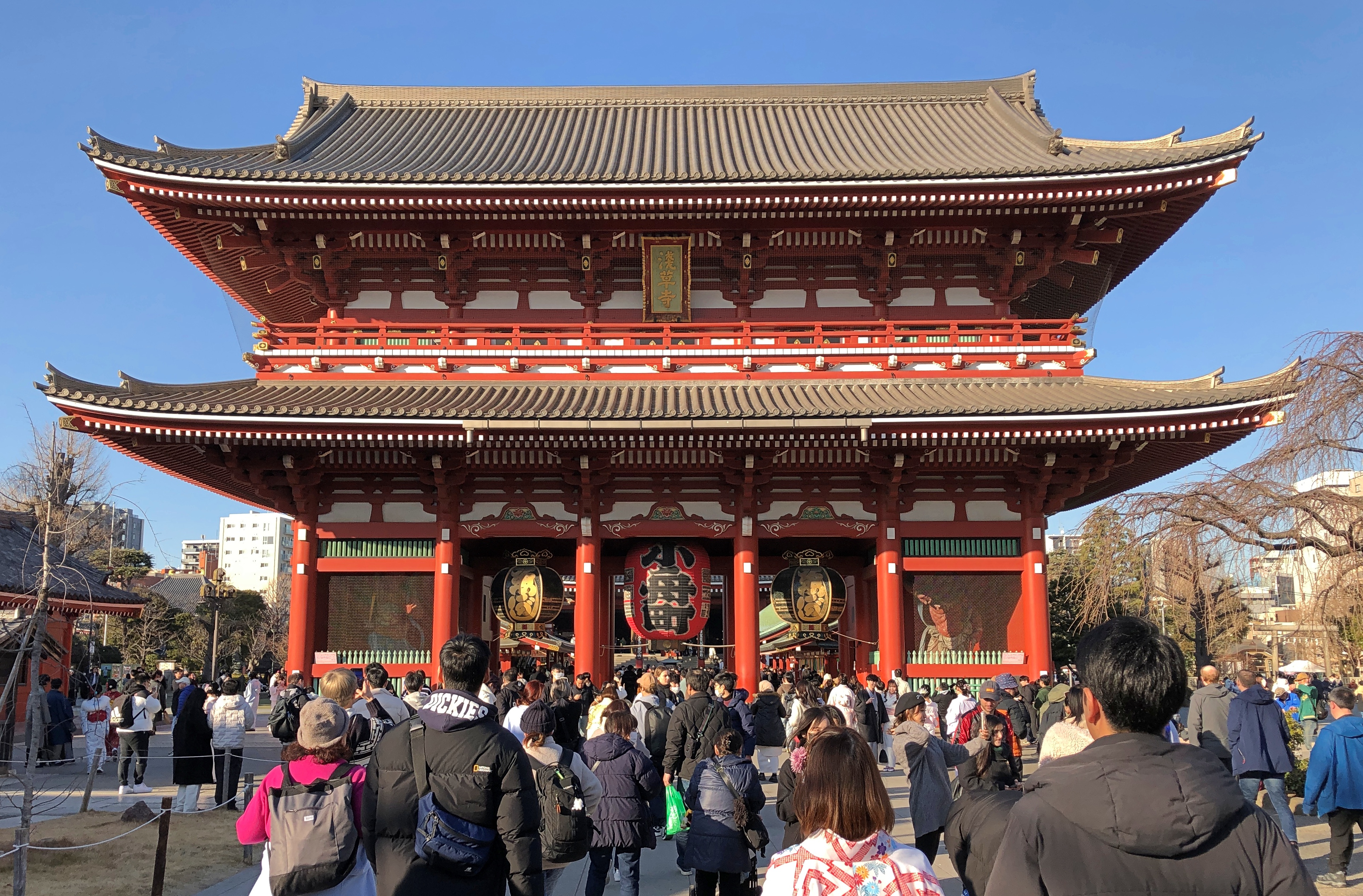
Hōzōmon gate.Senso-ji temple, Tokyo Senso-ji temple, Tokyo

The temple’s other gate is known as Kaminarimon, and if I’d known about its noteworthiness, we’d have backtracked a bit to see it. Apparently we entered the Nakamise-dōri at the middle, and so missed Kaminarimon (and it took me a while to figure that out just today). Ah, well.

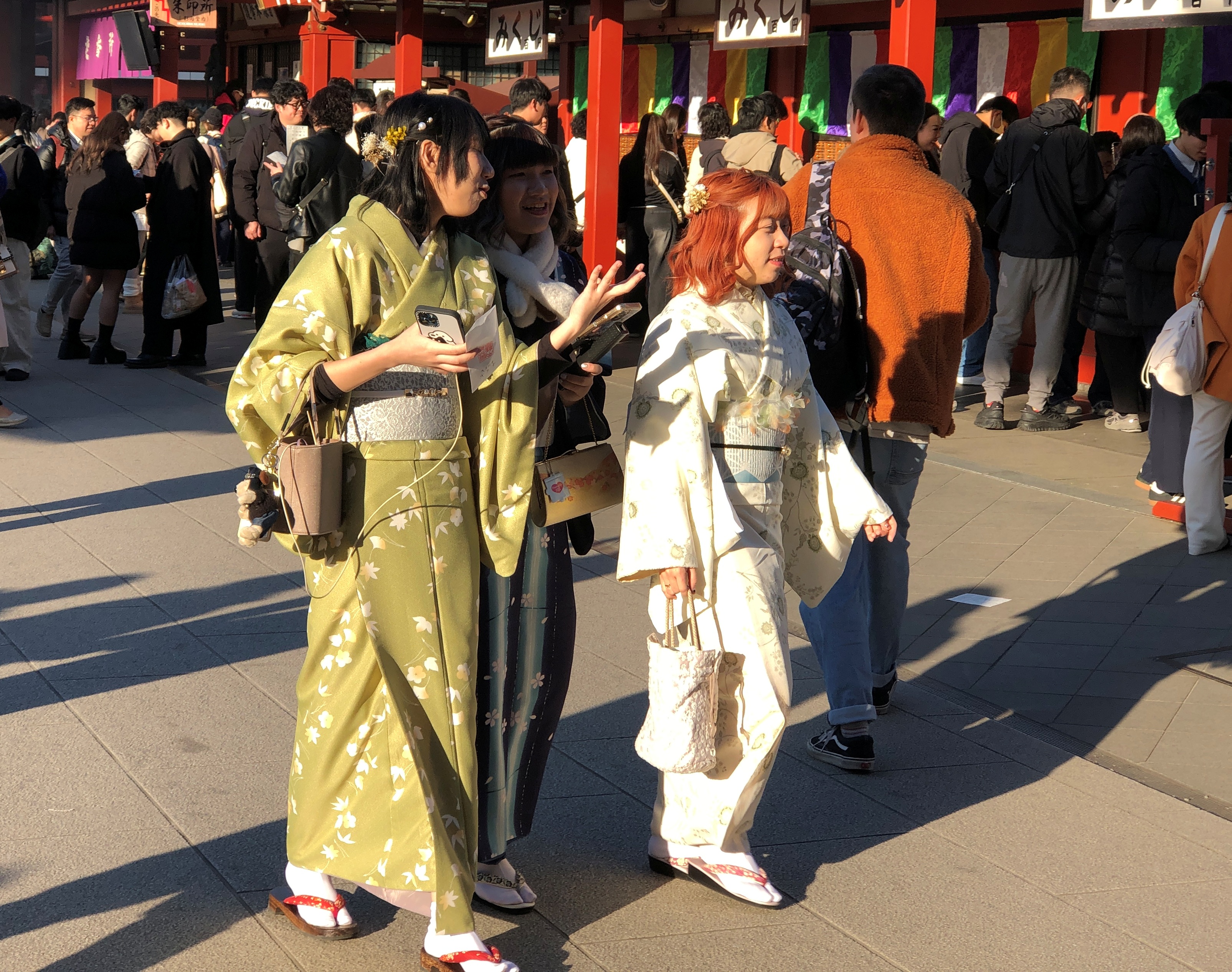
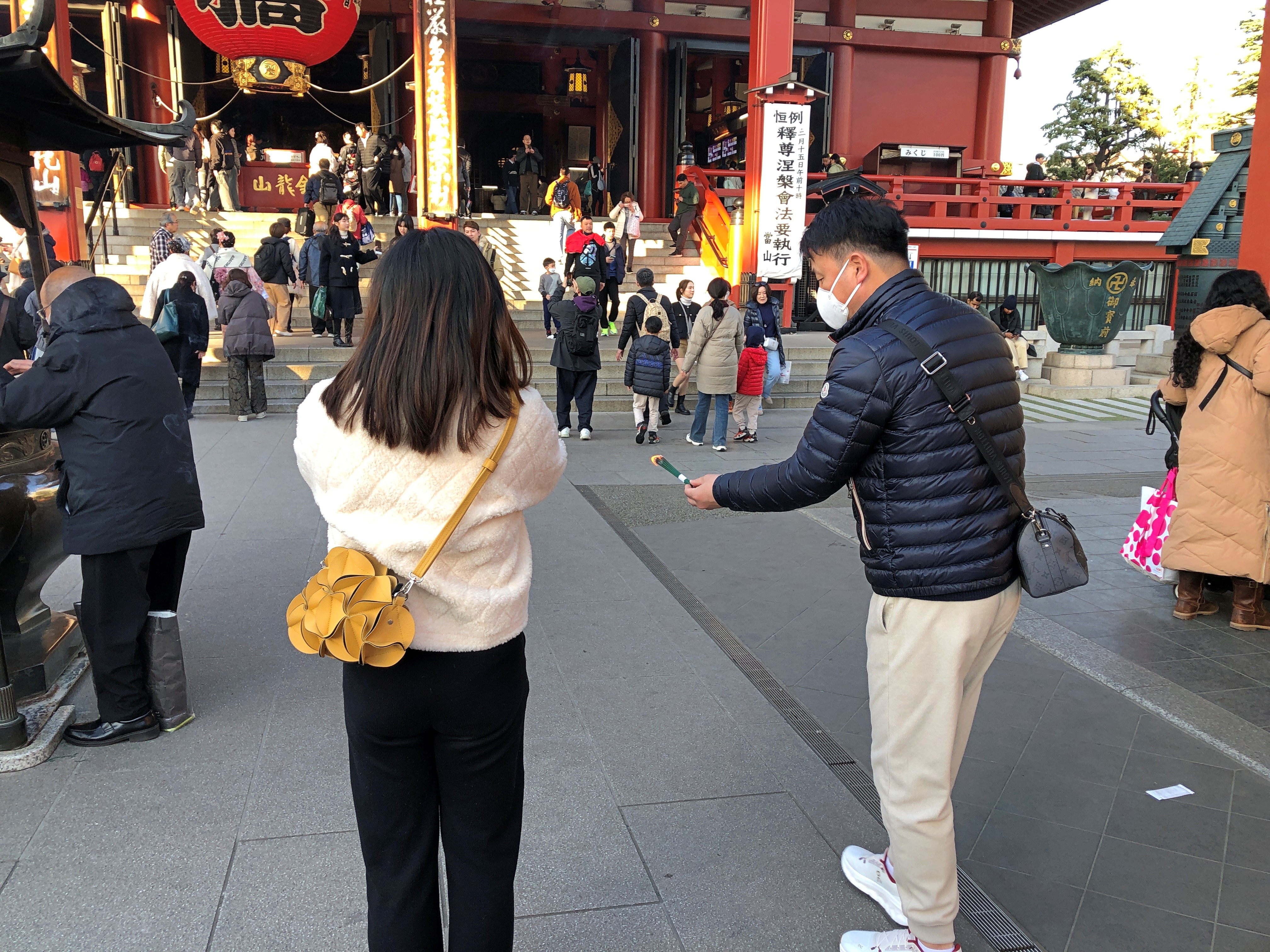
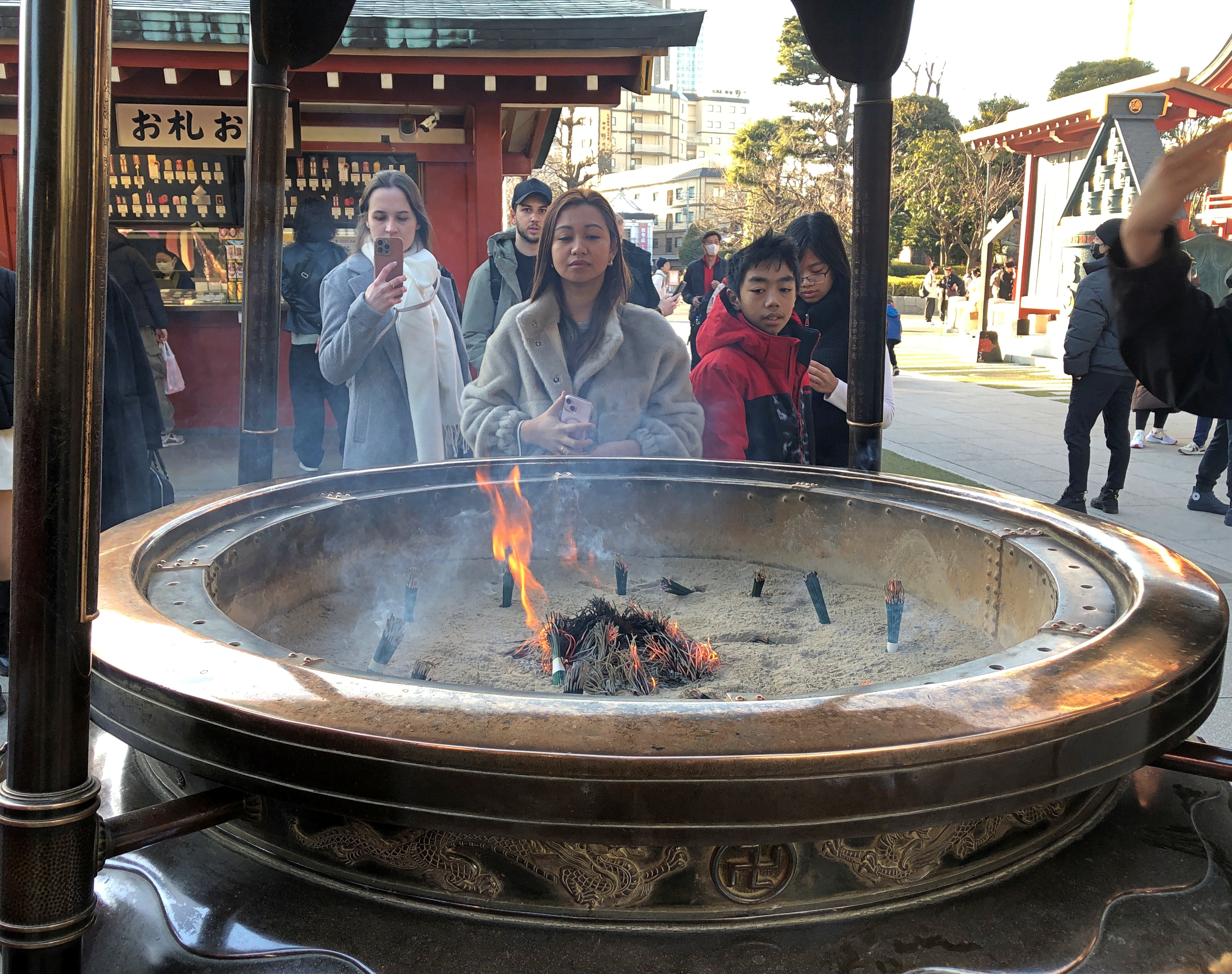
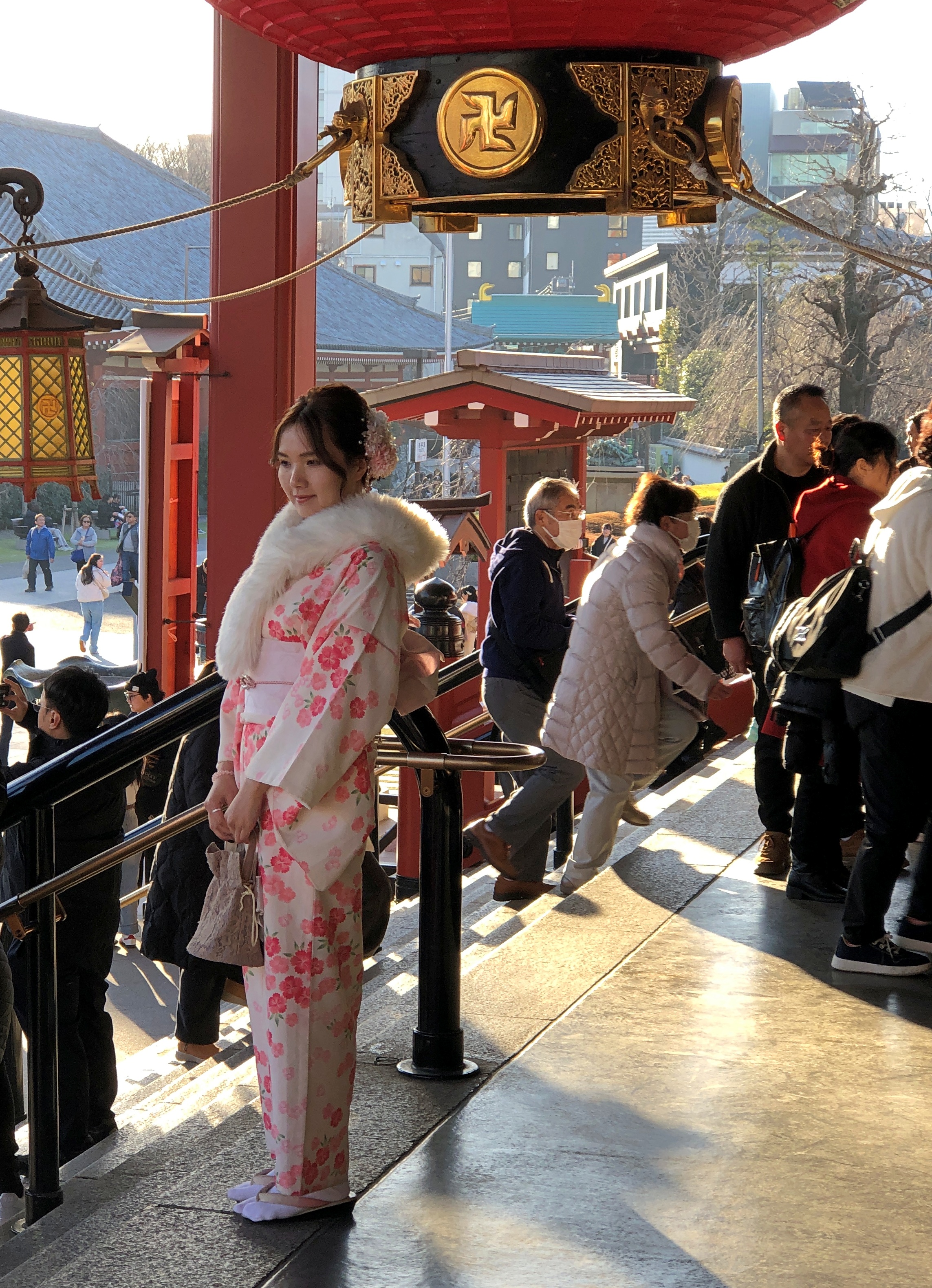
There has been a Buddhist temple on the site since our 7th century, with the usual history of fires and rebuilding down the centuries, including the most recent cycle in the 20th century. The early 1945 air raids destroyed the temple, but rebuilding was complete by the 1970s. Said to be one of the most-visited religious sites in the world, the temple has the advantage in that regard of being square within the world’s most populous metro.Senso-ji temple, Tokyo

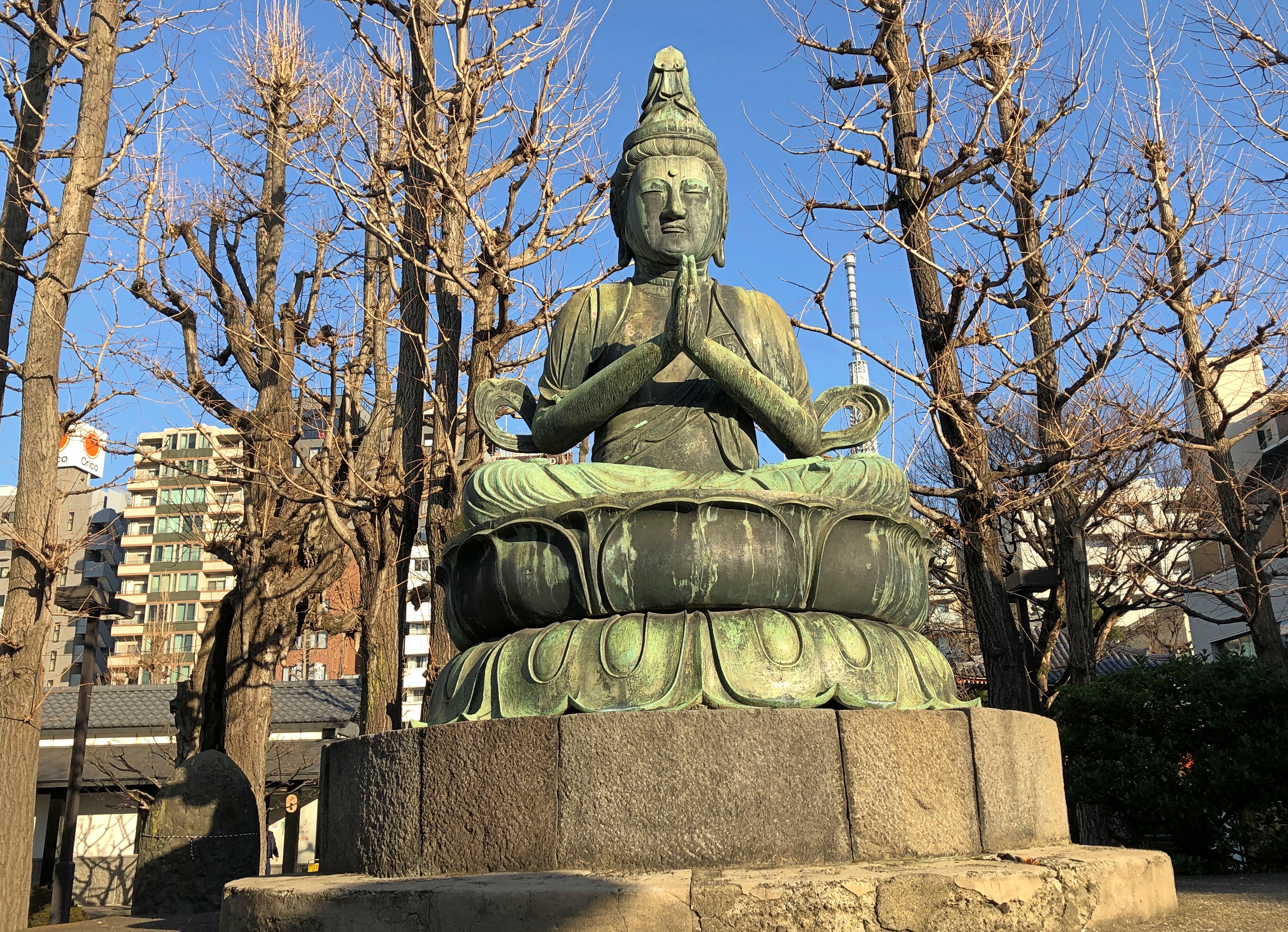
The temple is dedicated to Kannon, the bodhisattva of compassion, which might also help explain its popularity. Who doesn’t need some compassion sometimes? Kannon is popular when it comes temple dedications, with Shitennō-ji, Kiyomizu-dera and Sanjūsangen-dō also dedicated to Kannon, all in the Kansai region, and all of which I visited at one time or another.

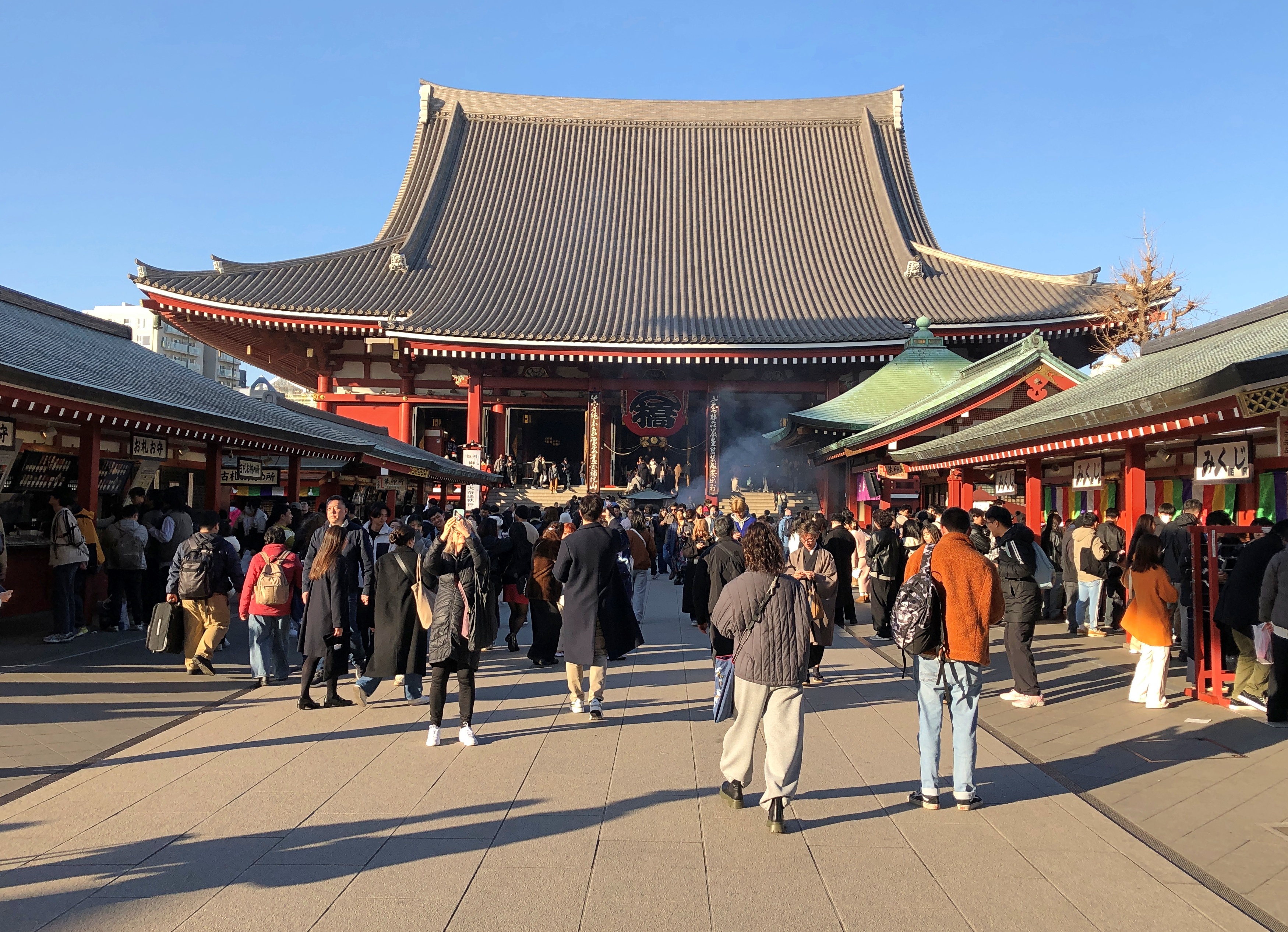
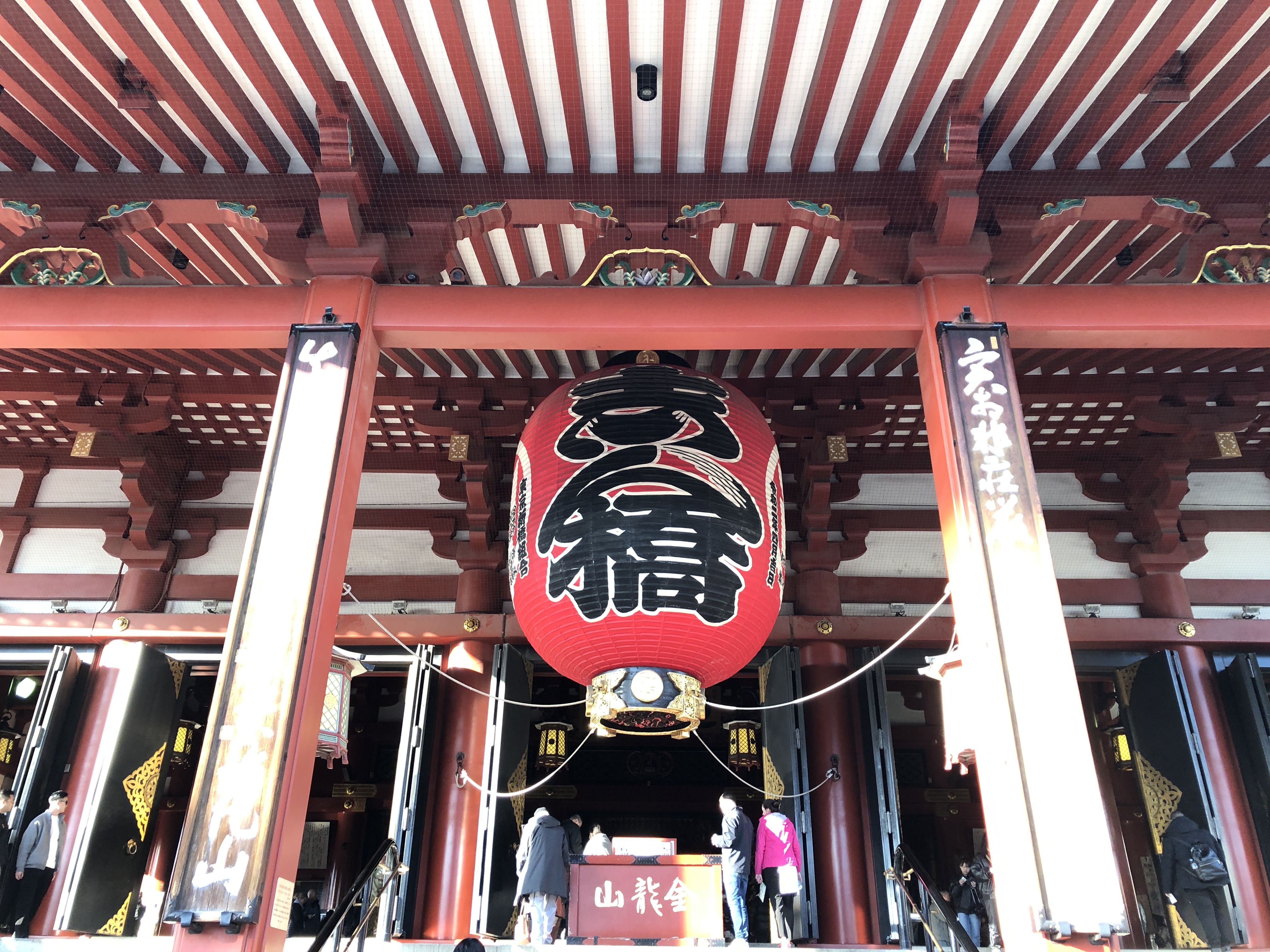
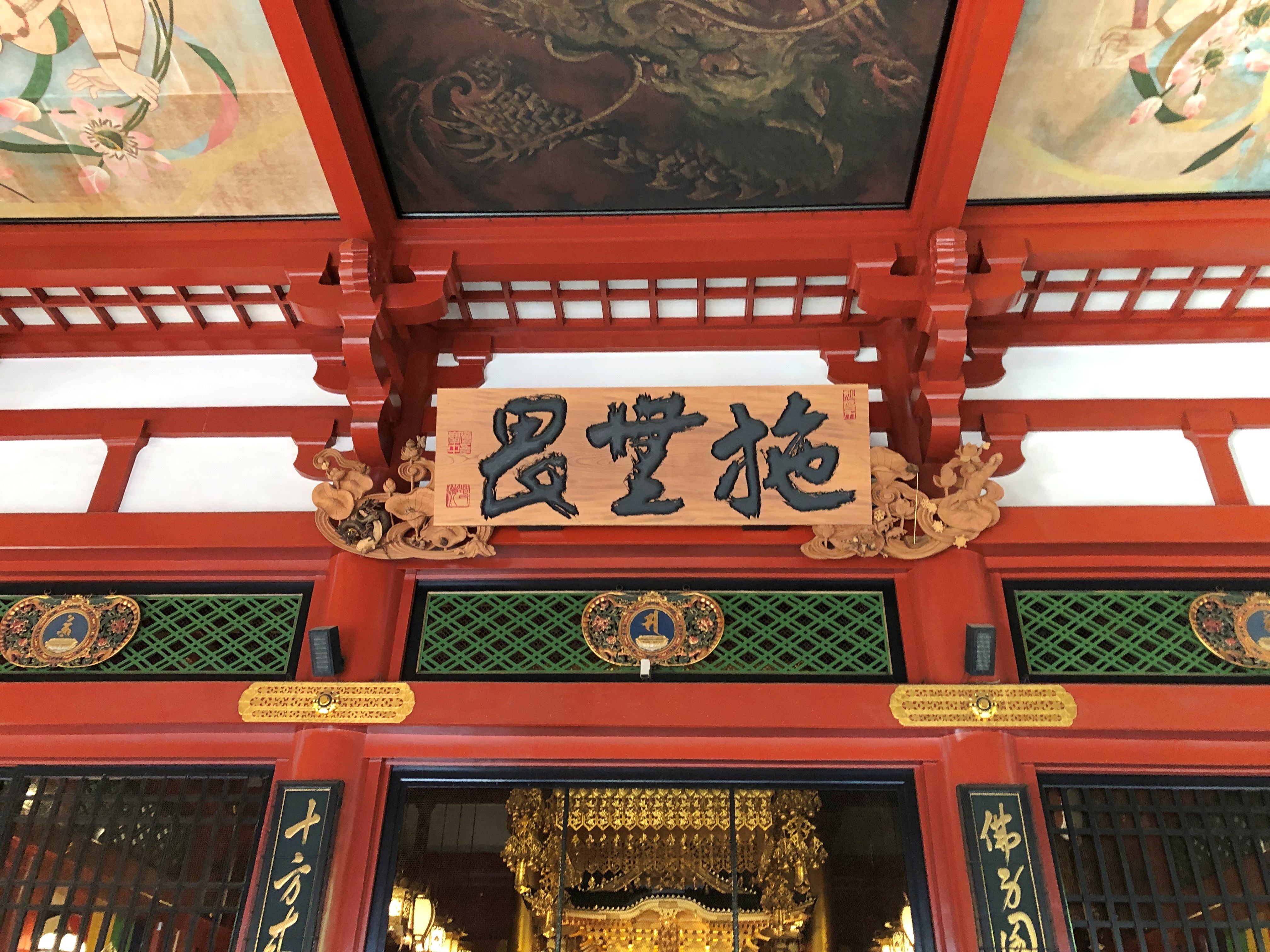
The Main Hall.Senso-ji temple, Tokyo Senso-ji temple, Tokyo Senso-ji temple, Tokyo Senso-ji temple, Tokyo

No shortage of visitors.Senso-ji temple Senso-ji temple, Tokyo Senso-ji temple, Tokyo Senso-ji temple, Tokyo

Not a bad afternoon in Tokyo, visiting popular structures from the 21st and 7th centuries, respectively, and being fully alive in the present.

The Brandenburg Gate

To mark the spring equinox, winter pulled hard in the tug o’ war between it and spring, with snow falling overnight. By day, spring pulled back, melting most of the snow.

The weather during almost all of our trip turned out better than expected. Japan was dry and fairly chilly some days, but not others, even up north in Tokyo. As for north-central India, February is a good time to visit: slightly cool at night, warm or very warm during the day, and no rain at all, much like the days we spent in Mexico City. Later in the year, I understand, heat begins to oppress the region and soon the monsoon comes. In Dubai: consistently warm, almost hot in the afternoons, but never unbearable desert heat, which will come soon enough as well.

Germany and the Czech Republic were a pleasant surprise, mostly. During the first few days, temps were cool but not cold. The warmish Saturday Jay and I went to Museumsinsel, Berliners were out in numbers, sitting and lying around on the green space next to the Berliner Dom. Only toward the end of our visit did it get as cold as we’d expected, just above freezing, and there was light rain the day we returned to Berlin from Prague, and a little more the cold morning we left.

The day I got back to northern Illinois was warm and pleasant, until it wasn’t. That tug o’ war in action.

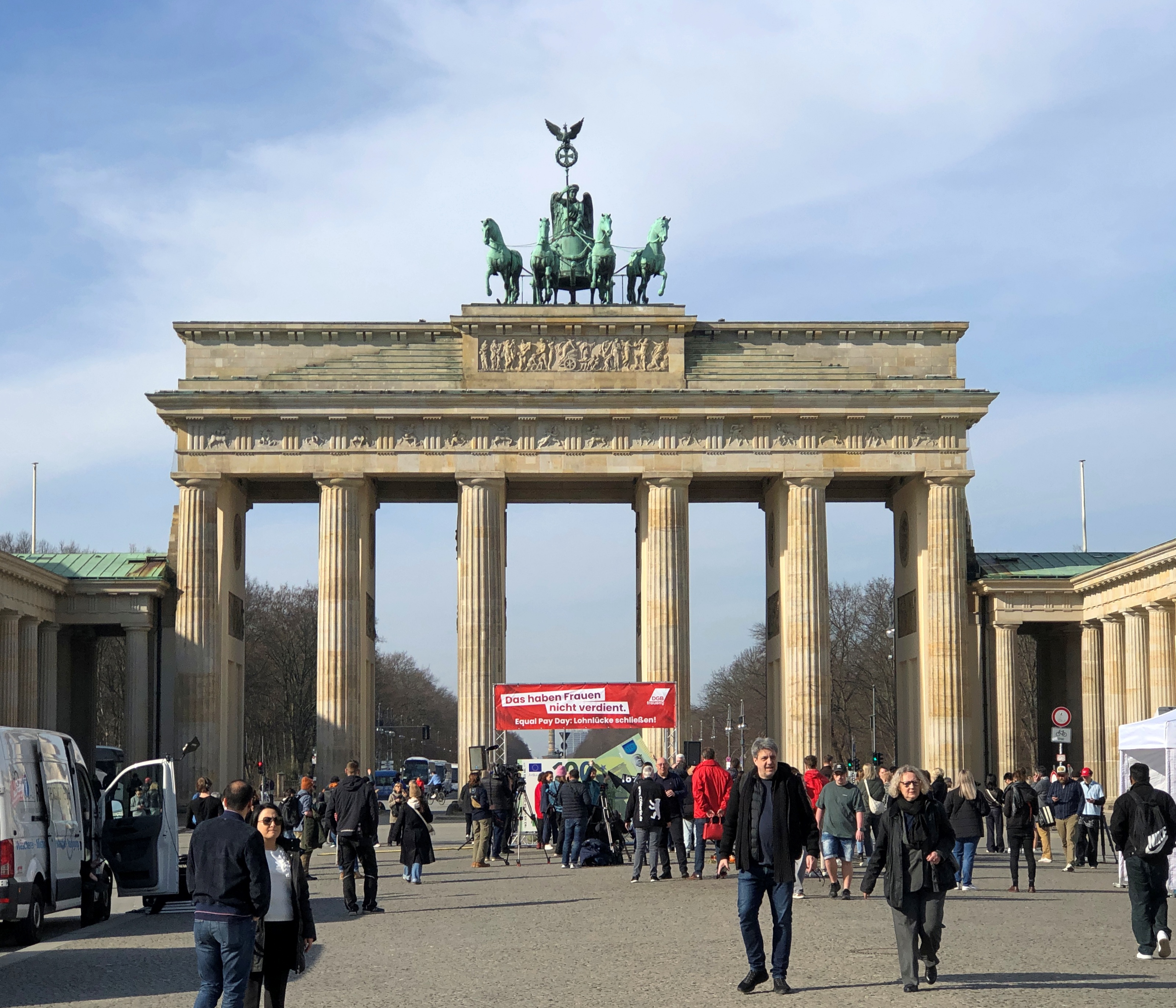
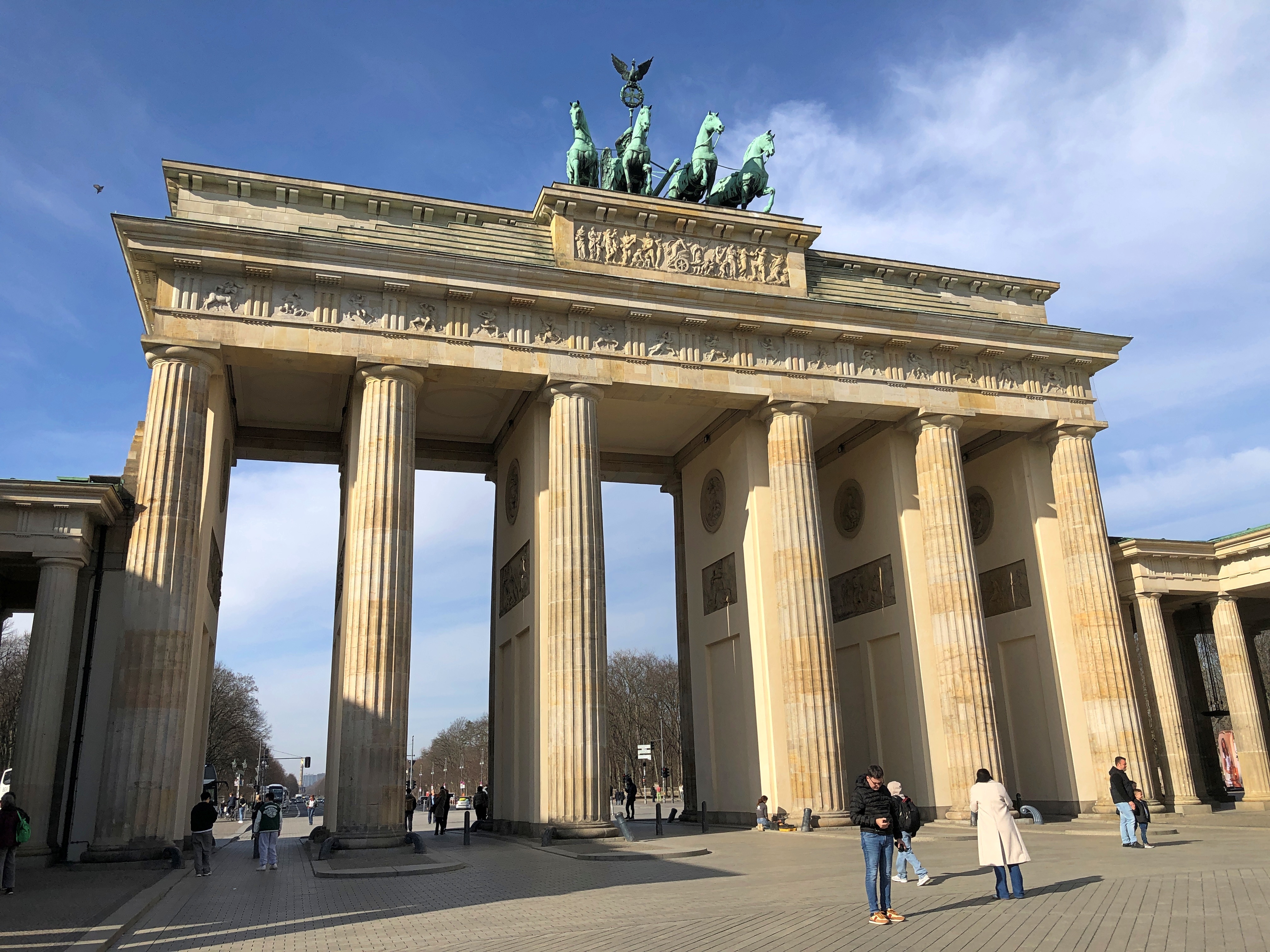
The very first thing I wanted to see in Berlin this time around was the Brandenburg Gate (Brandenburger Tor). I’d seen it before, of course, but let’s say the circumstances were a little different. On July 8, 1983, I wrote, a little confusingly:

The gallery [National Gallery] wasn’t that large, which was a virtue, and later we headed for the Reichstag to catch a bus. En route we passed as close to the Brandenburg Gate as you can without getting shot at.

I suppose I meant that we walked from the western National Gallery just south of the Tiergarten – not the National Gallery building in the east, since we didn’t visit East Berlin until the next day – to the Reichstag building, then a museum, to catch a bus westward, toward our hostel. Such a walk would take you within sight of the Brandenburg Gate, but not next to it, since the gate was in the east, behind the Wall.

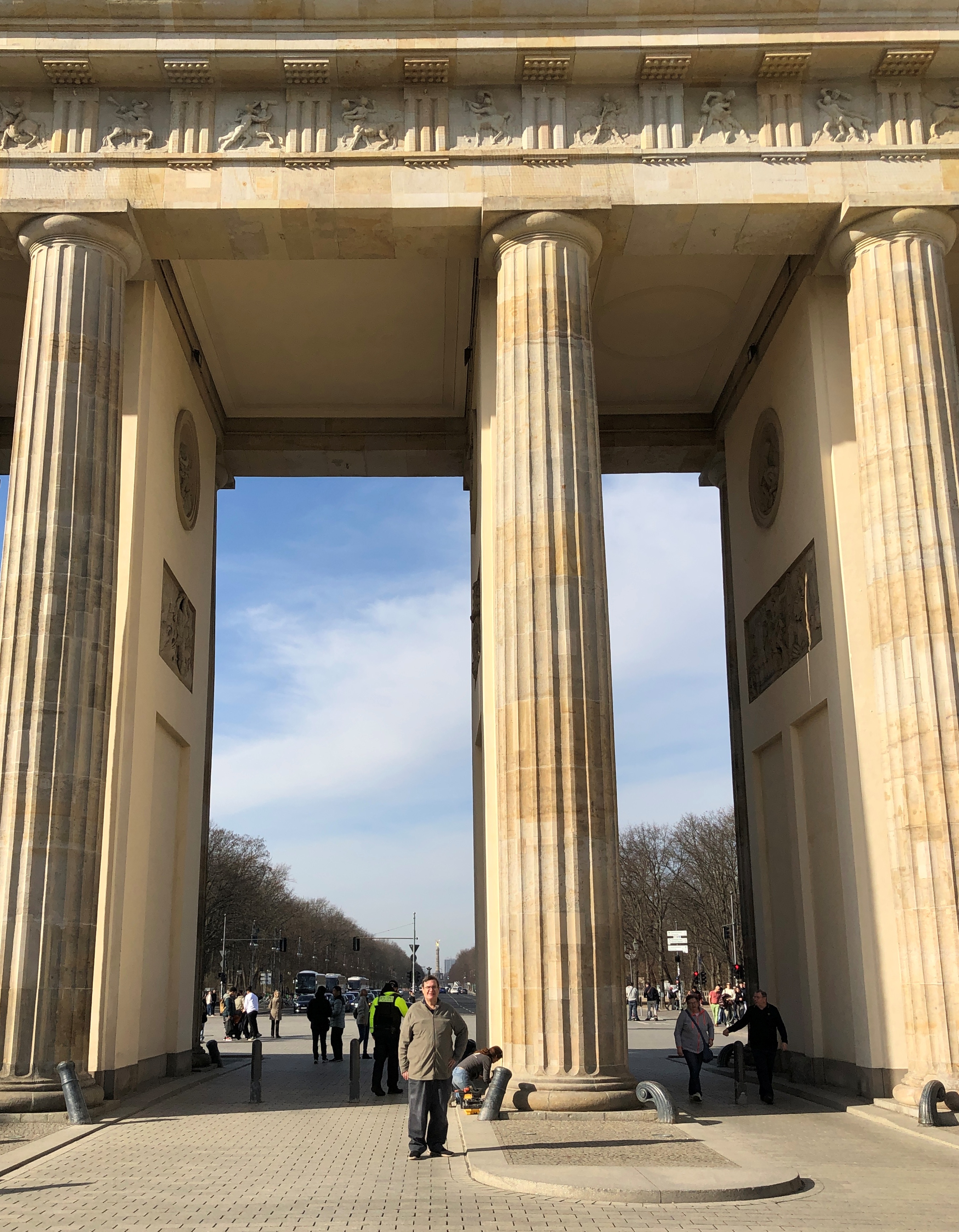
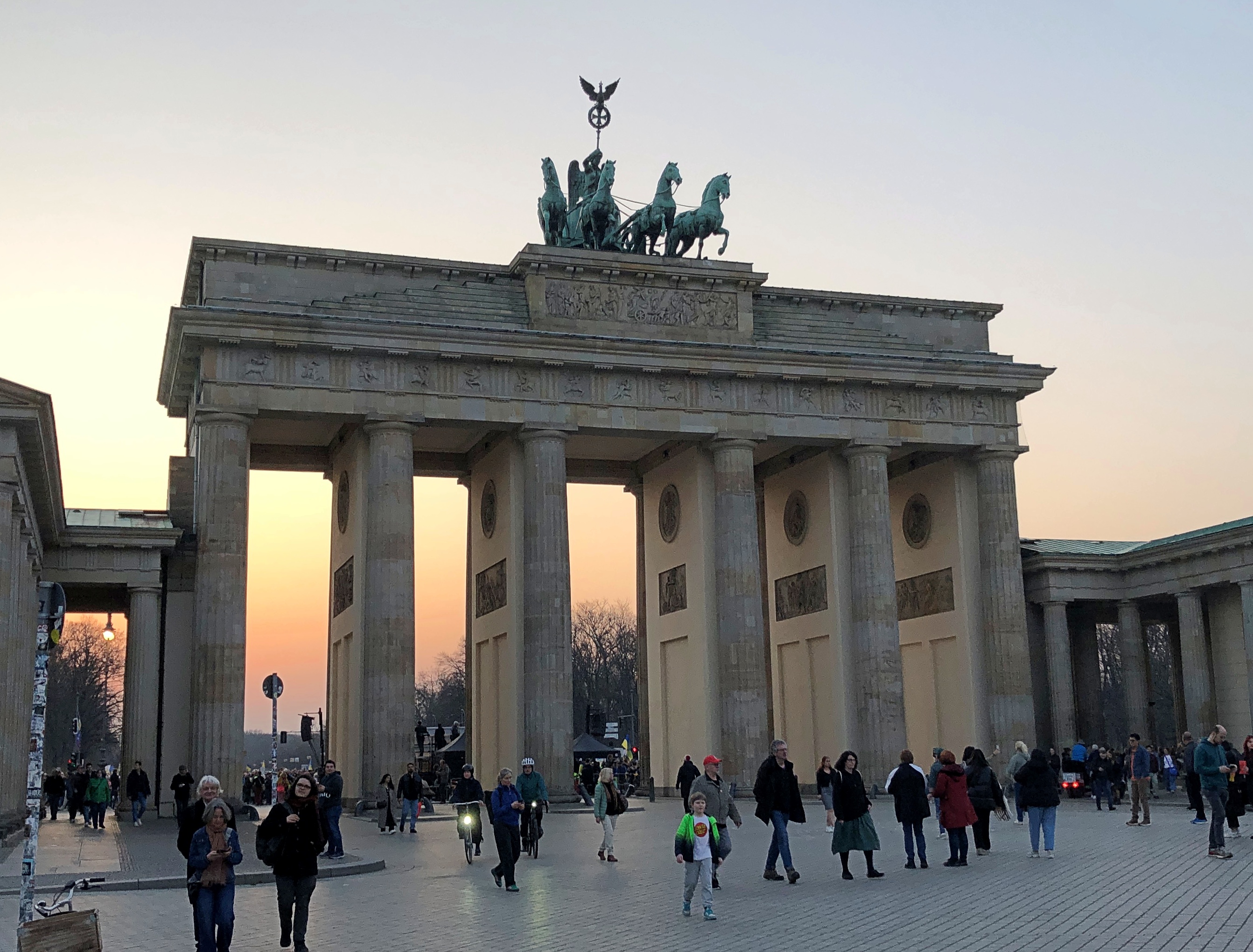
These days, one can stroll right up to the Brandenburg Gate and pass under it. A lot of people do. Jay and I did on March 7.Brandenburg Gate 2025 Brandenburg Gate 2025 Brandenburg Gate 2025

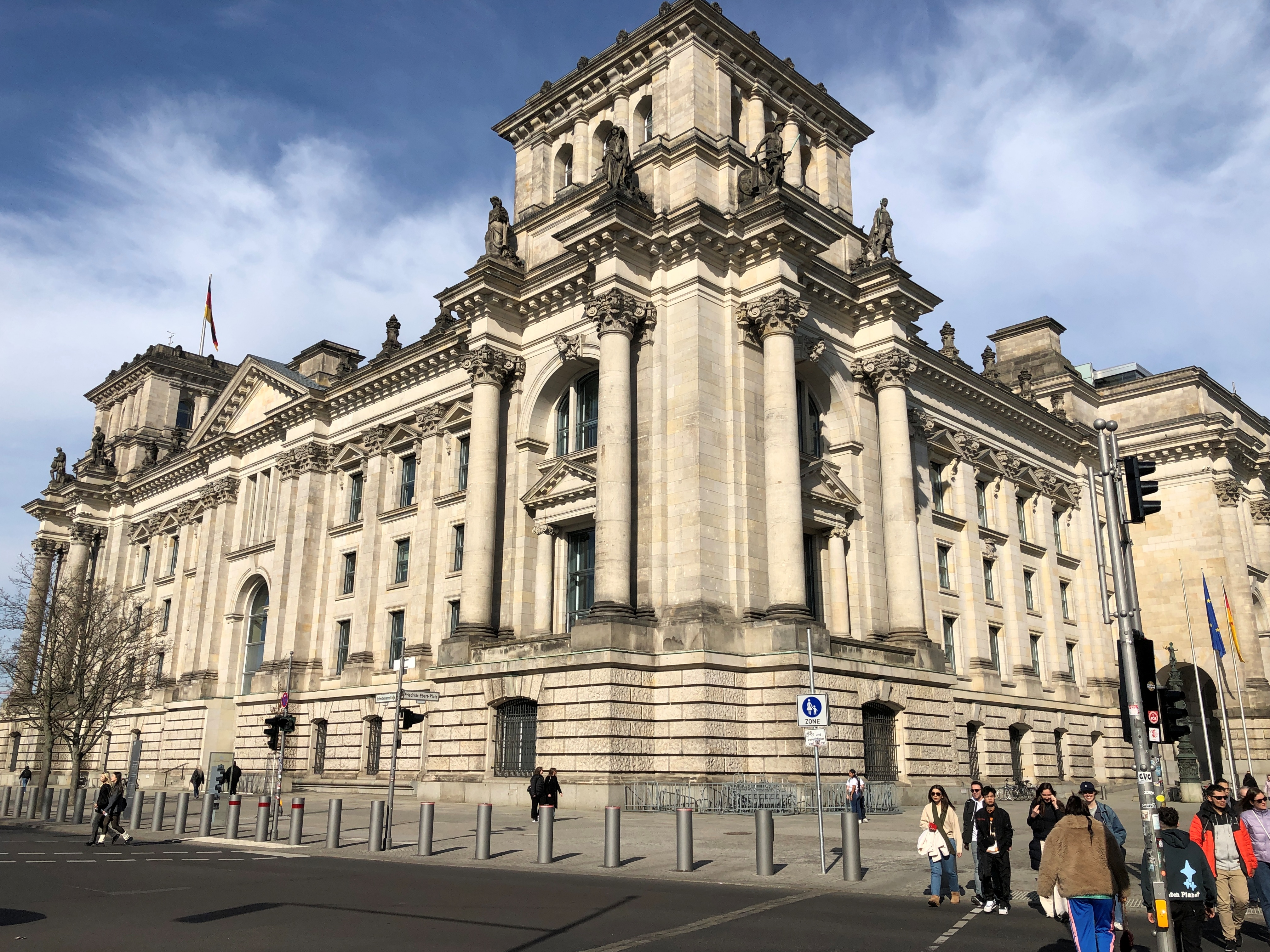
Pass through going west, and pretty soon you’re within sight of the Reichstag building.Reichstag 2025

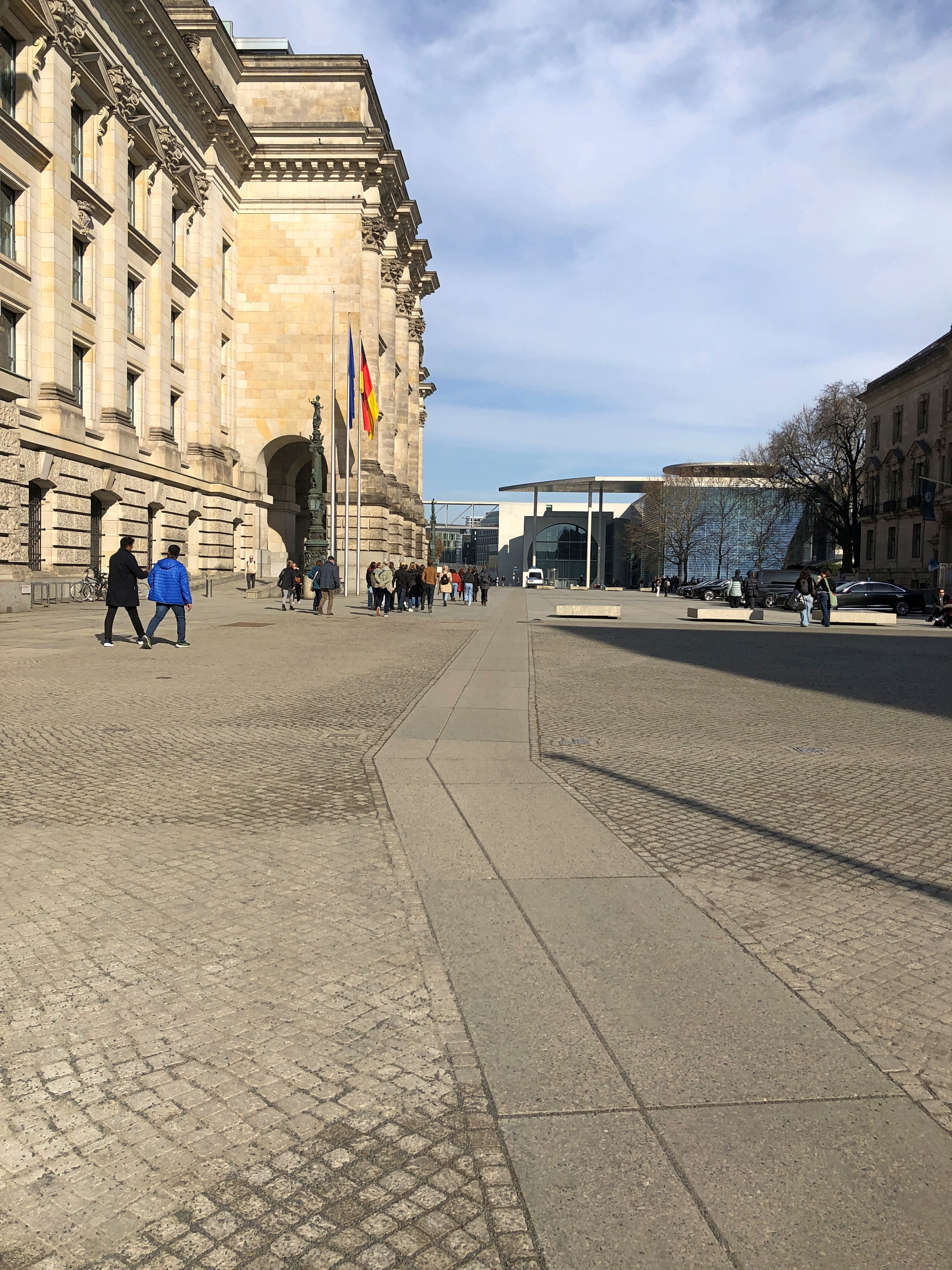
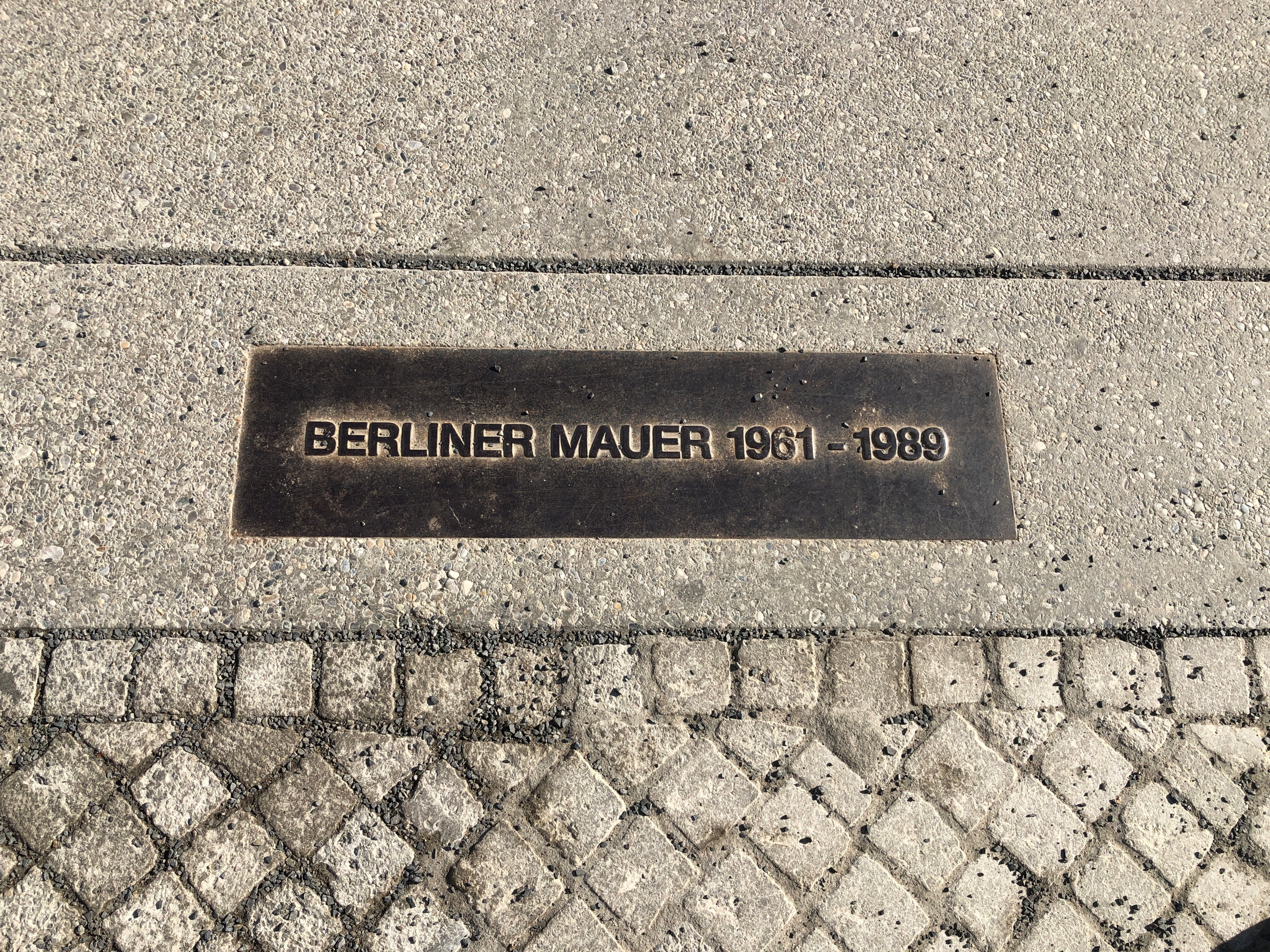
The ghost of the Berlin Wall runs through the platz behind the Reichstag.Site of Berlin Wall Site of Berlin Wall

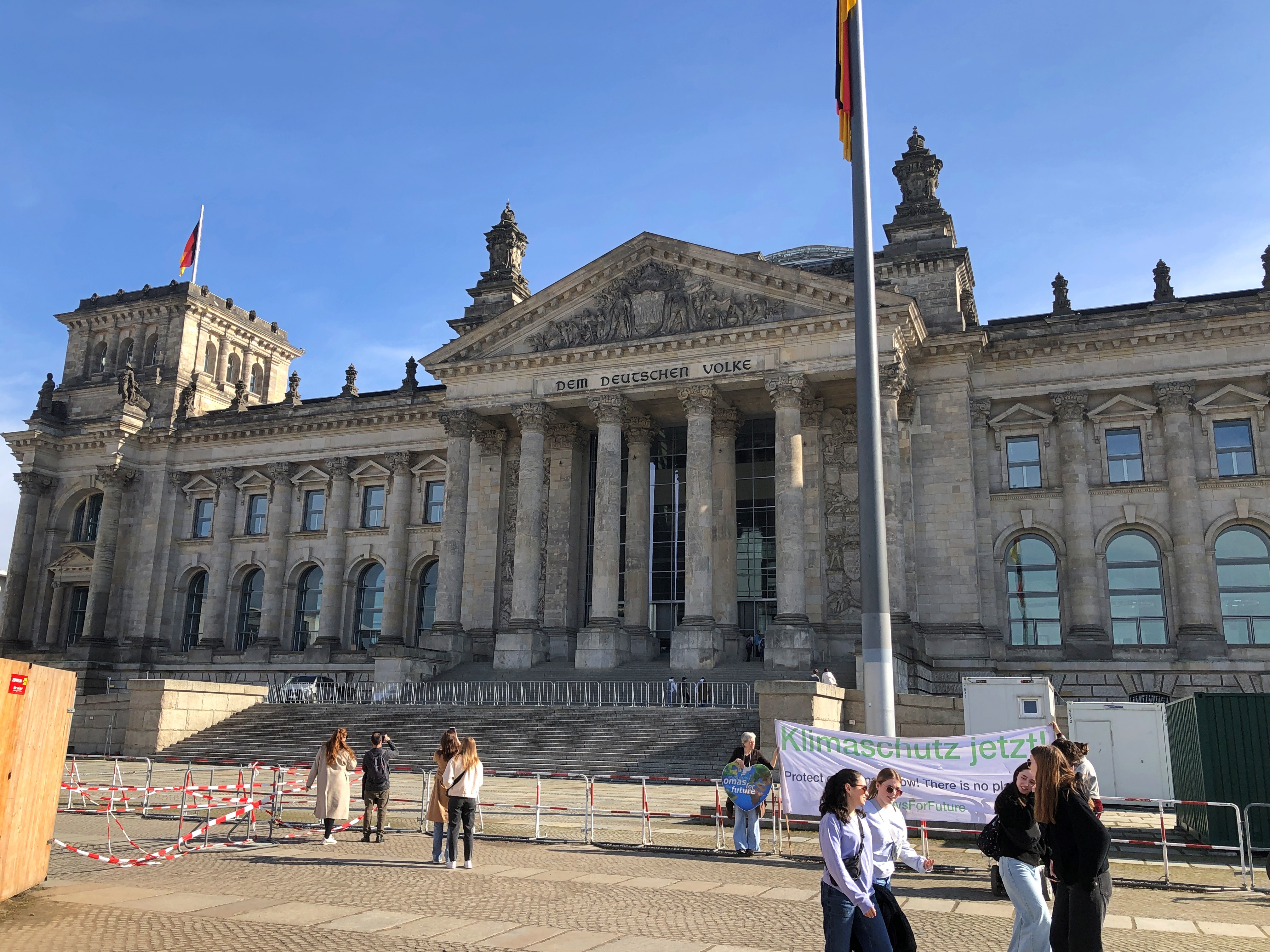
The front of the Reichstag building.Reichstag building 2025

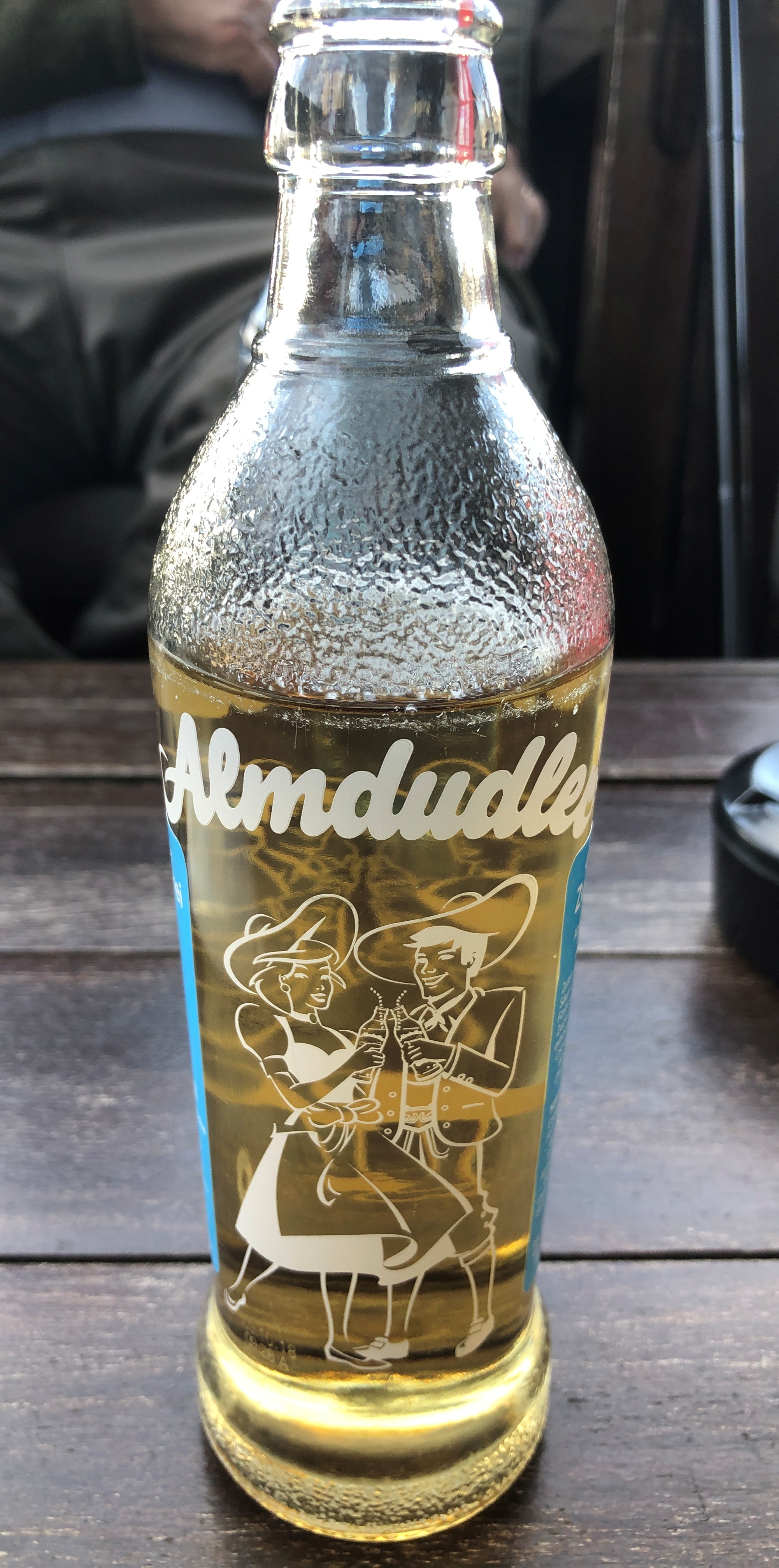
Unlike 40 years ago, when you could wander in and see a few rooms, going in these days involved timed tickets and other rigmarole, so we didn’t bother. Instead we repaired to a small establishment a short ways into the Tiergarten for refreshments. In my case, a soft drink I’d never heard of before, though I could have encountered it in its place of origin, Vienna. Not bad.

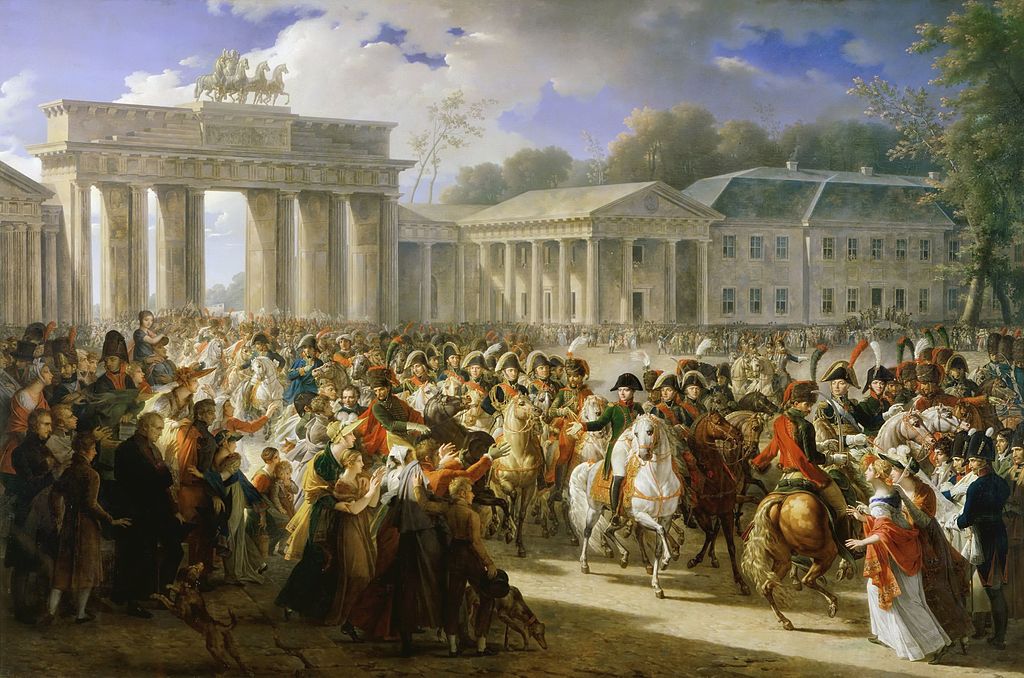
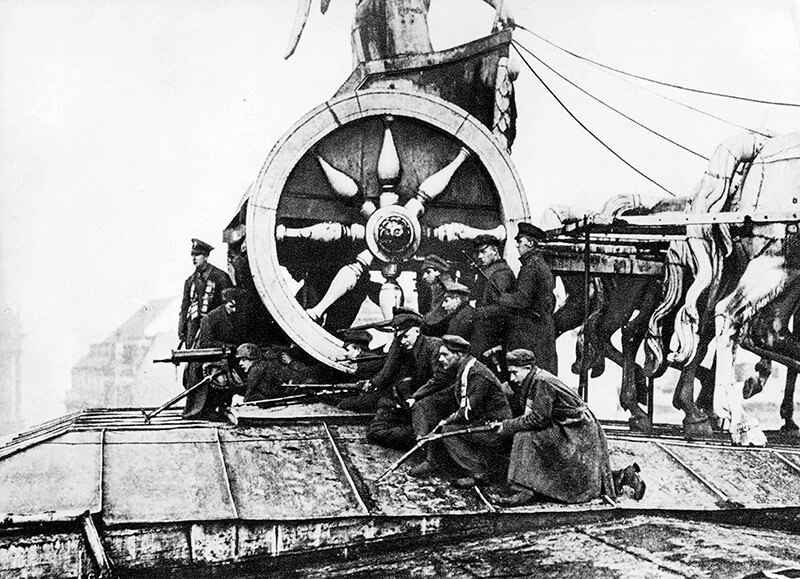
The Brandenburg Gate has been the site of a goodly share of history since Friedrich Wilhelm II had it built, such as Napoleon parading through (and swiping part of it), soldiers posted atop during the Spartacist uprising, and President Kennedy not really calling himself a jelly doughnut nearby.

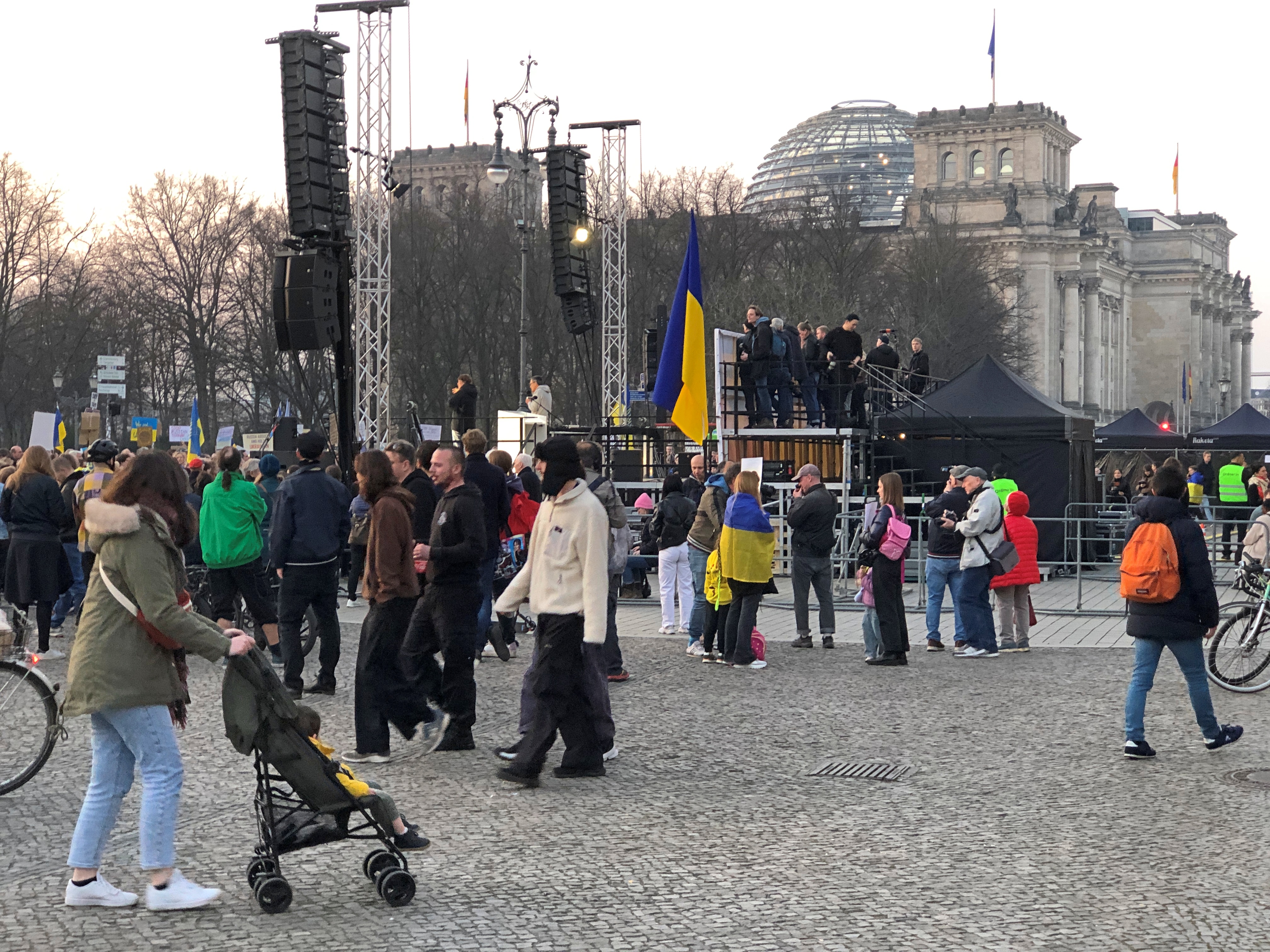
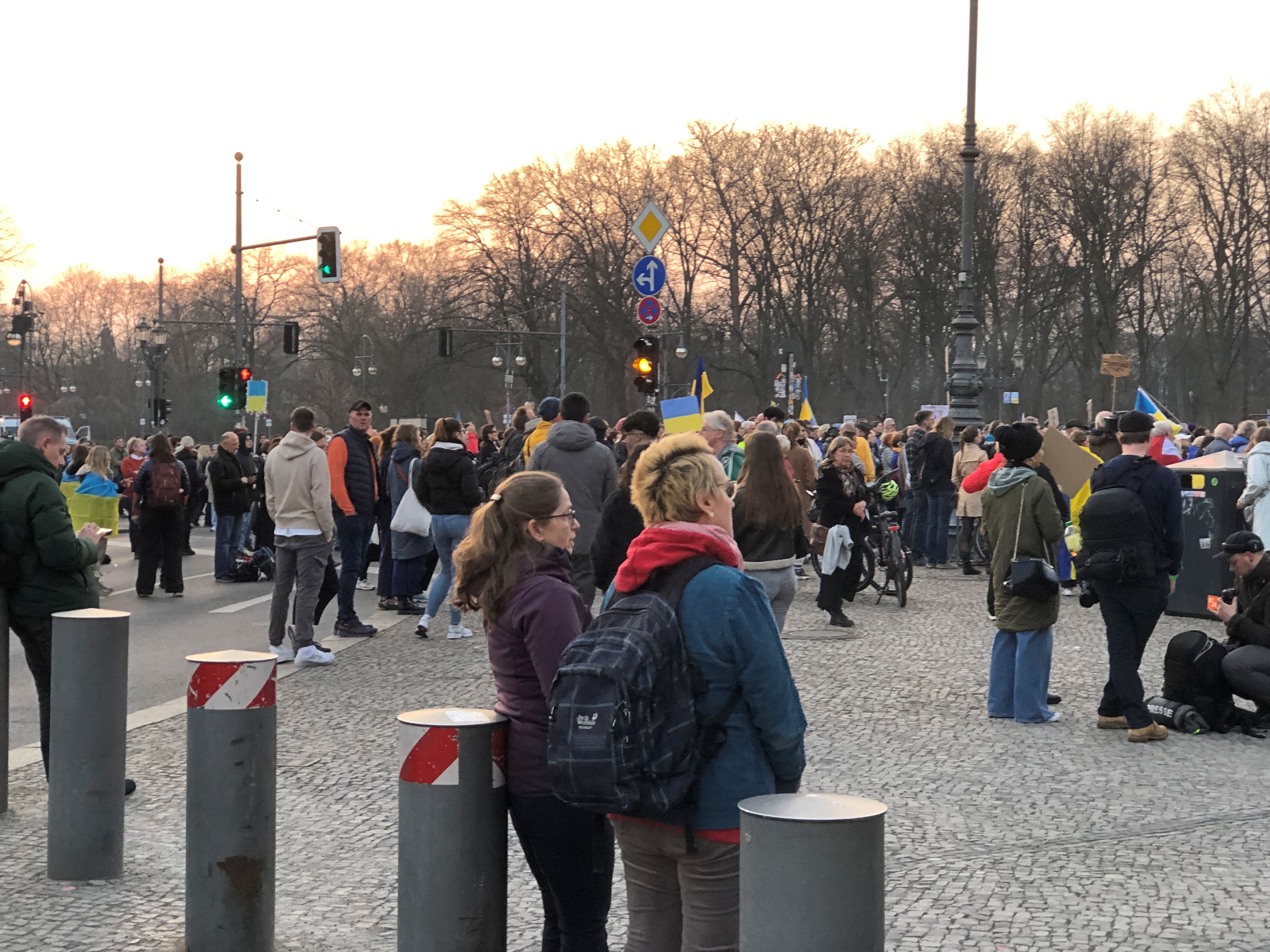
Events continue. Late afternoon on the 9th, we saw one ourselves, a rally to the west of the gate, voicing German support for Ukraine.Brandenburg Gate 2025 Brandenburg Gate 2025

The gate was catching the setting sun about then.Brandenburg Gate 2025

Nice. Glad to make it to post-reunification Berlin.
The Burj Khalifa

If it weren’t too much trouble, I’d rummage through my paper archives – paper agglomeration – and dig up a roundtable interview I did in the early 2000s for the magazine I edited at the time. A number of local, meaning Chicago, architects gathered in a meeting room and I recorded their conversation, publishing an edited version. One of the participants was Adrian Smith.
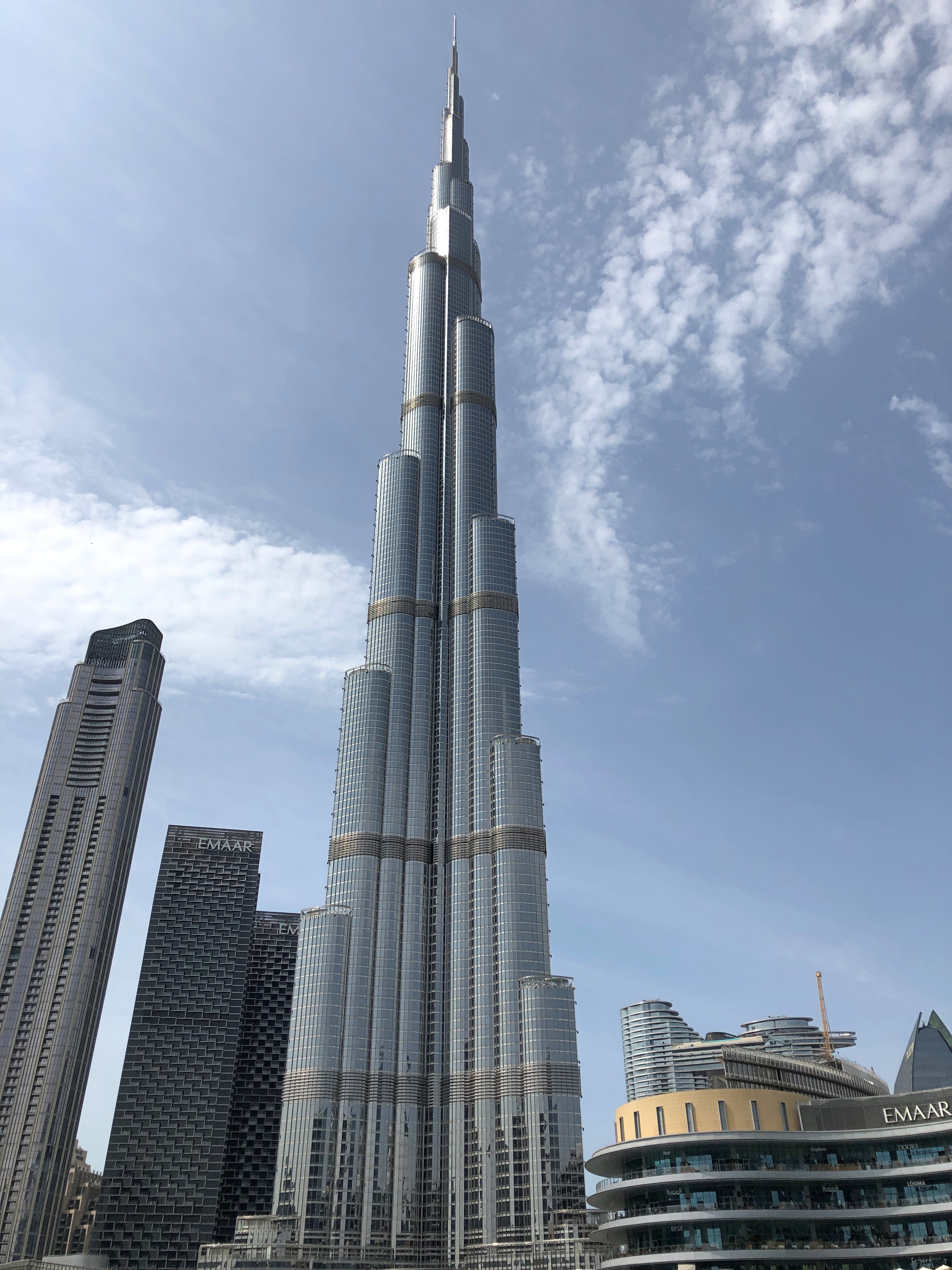
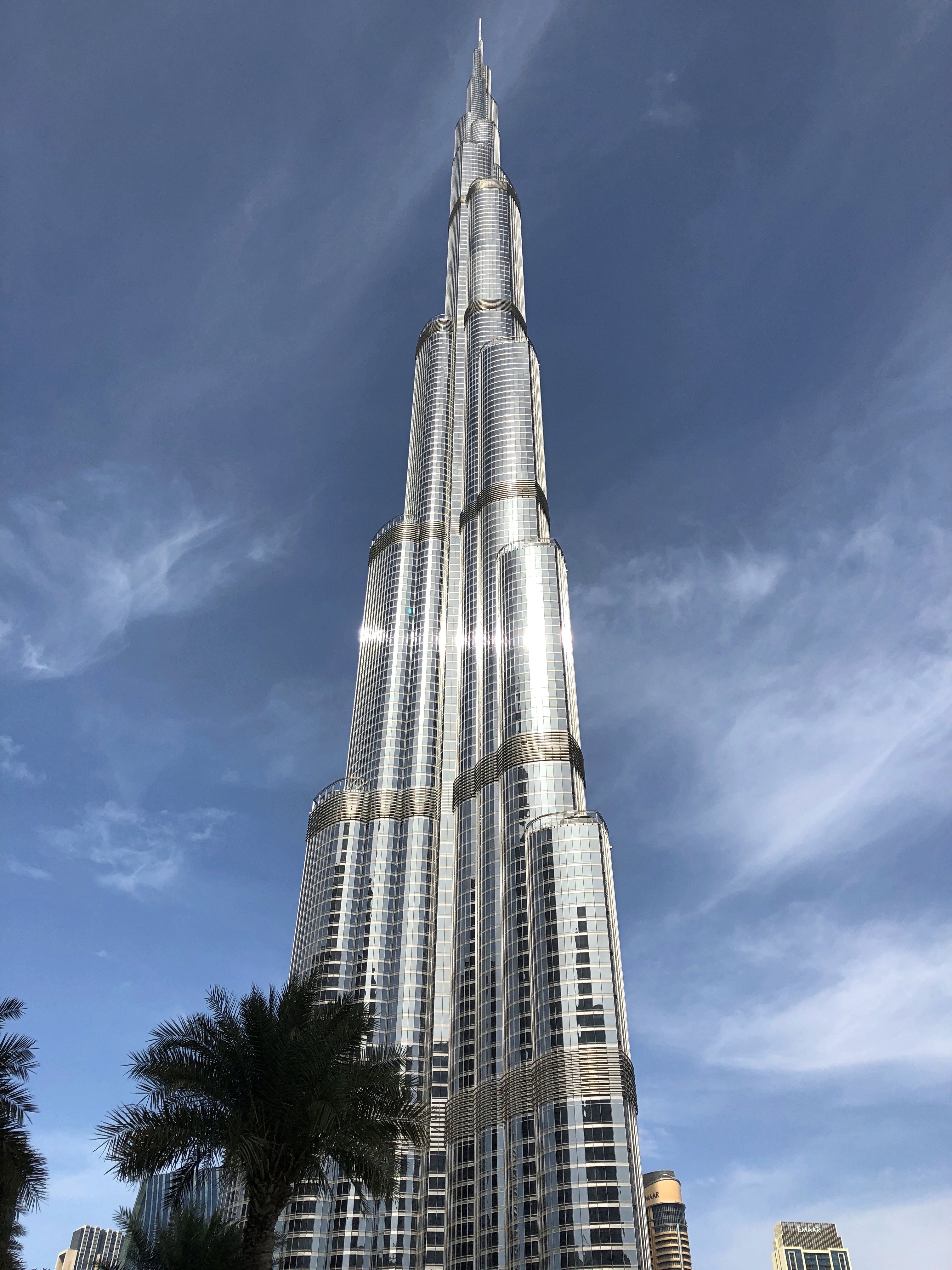
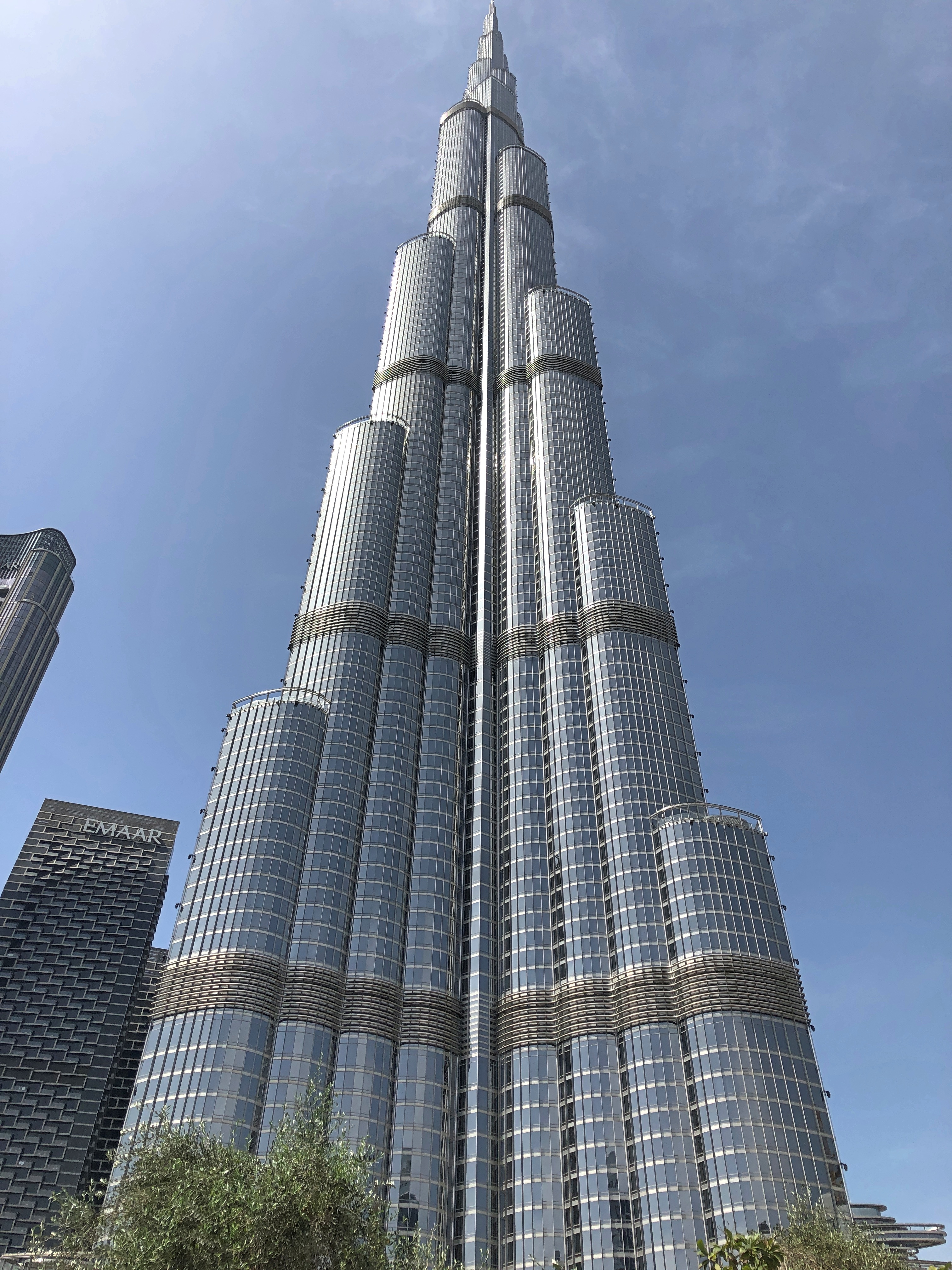
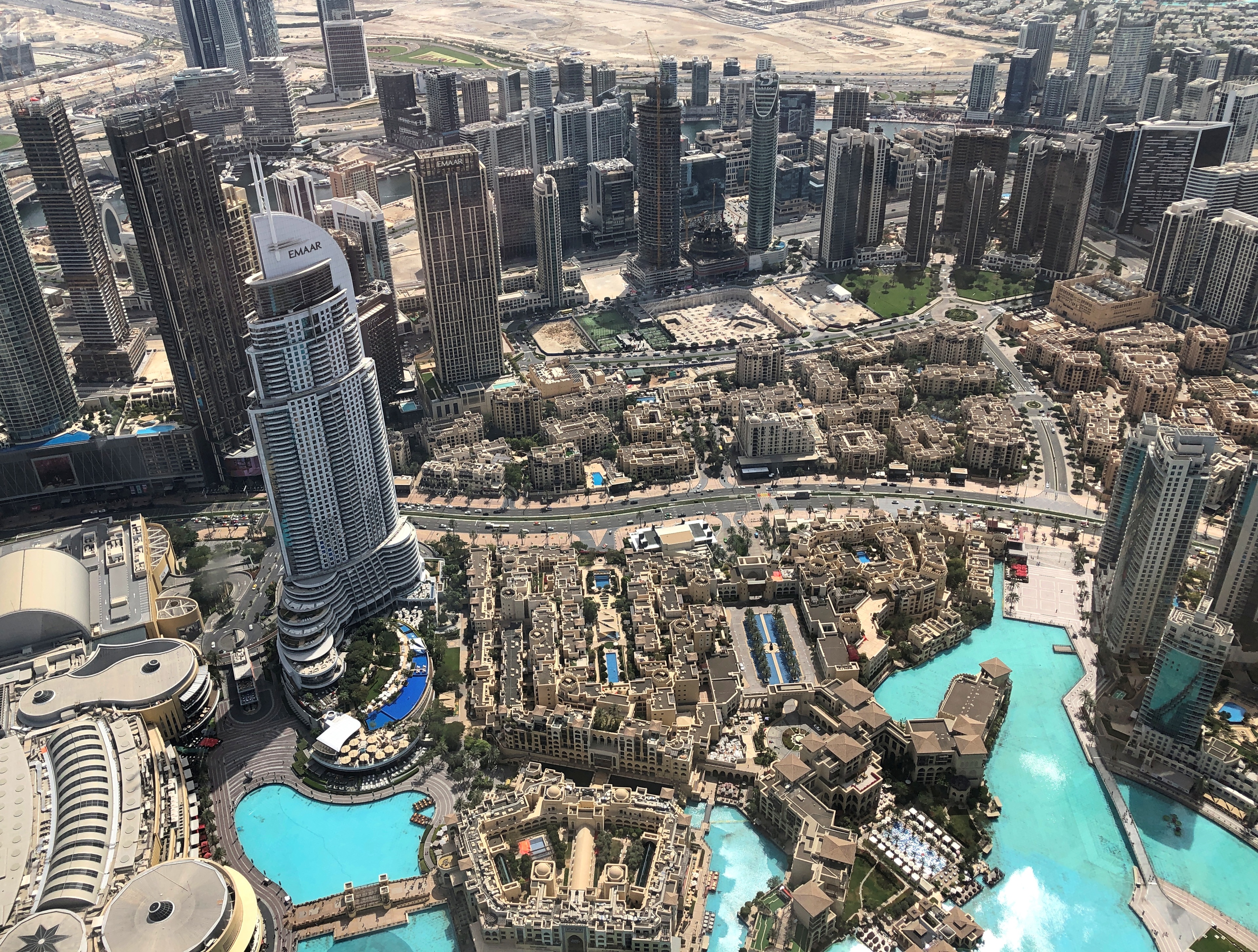
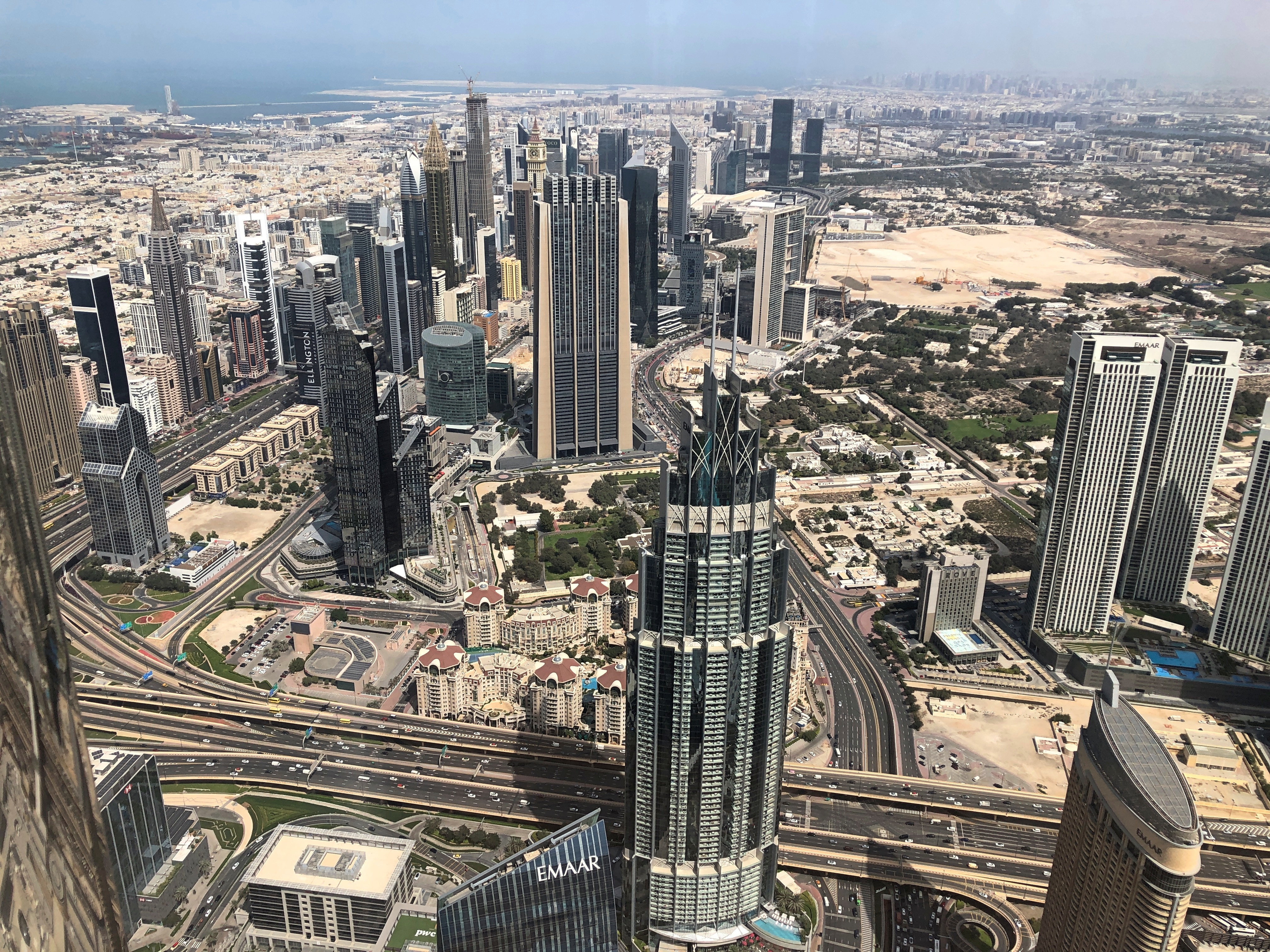
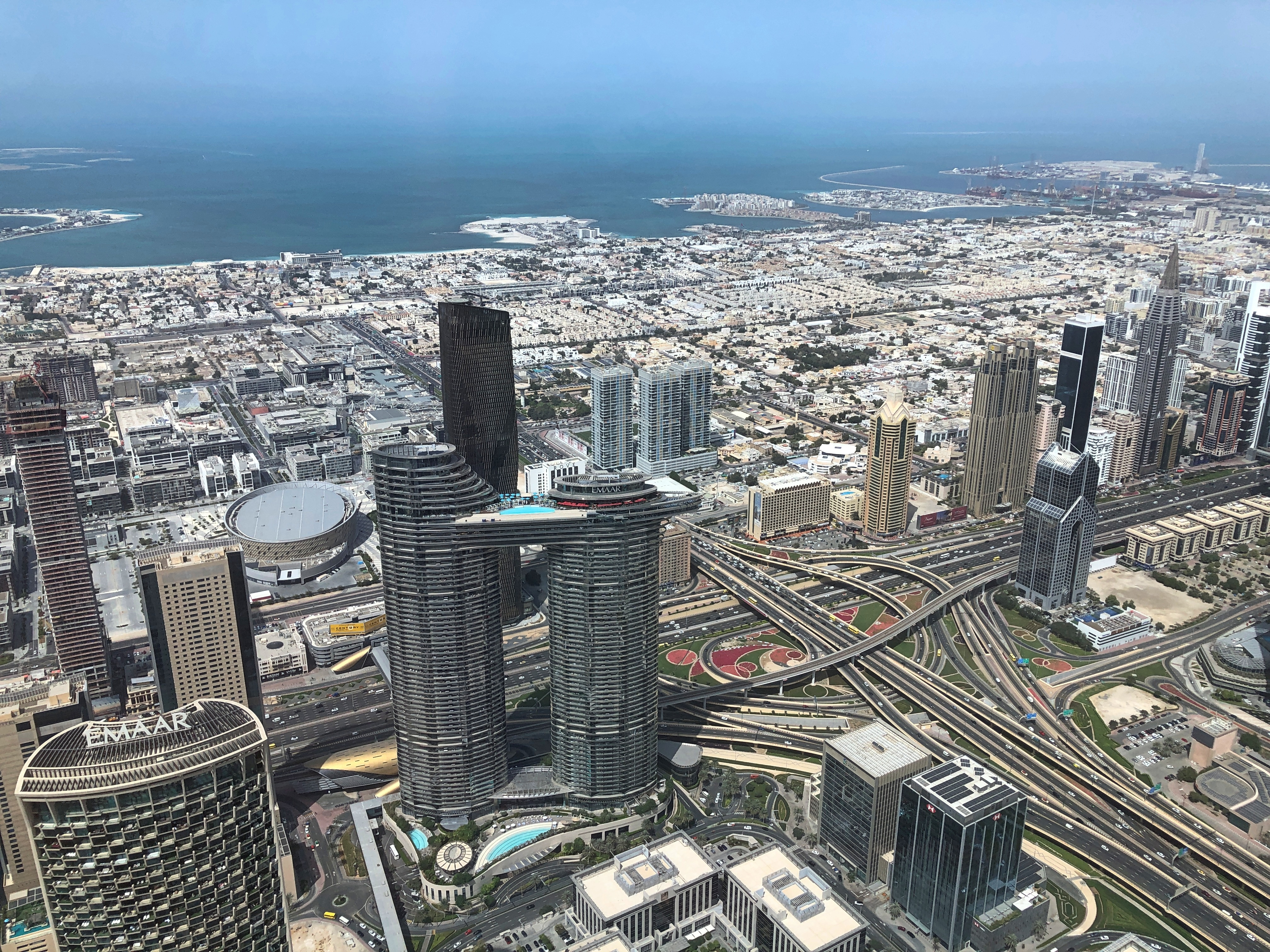
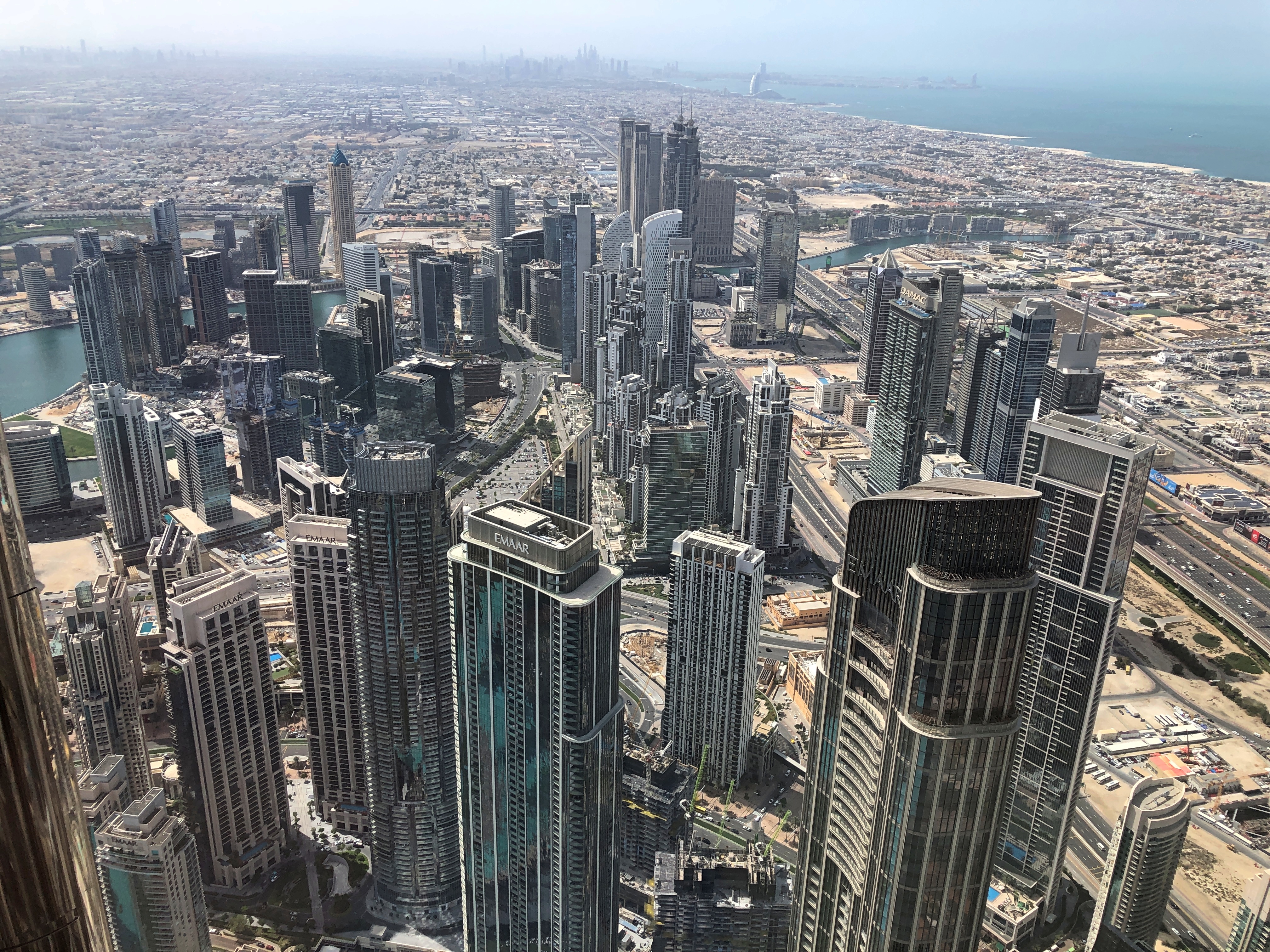
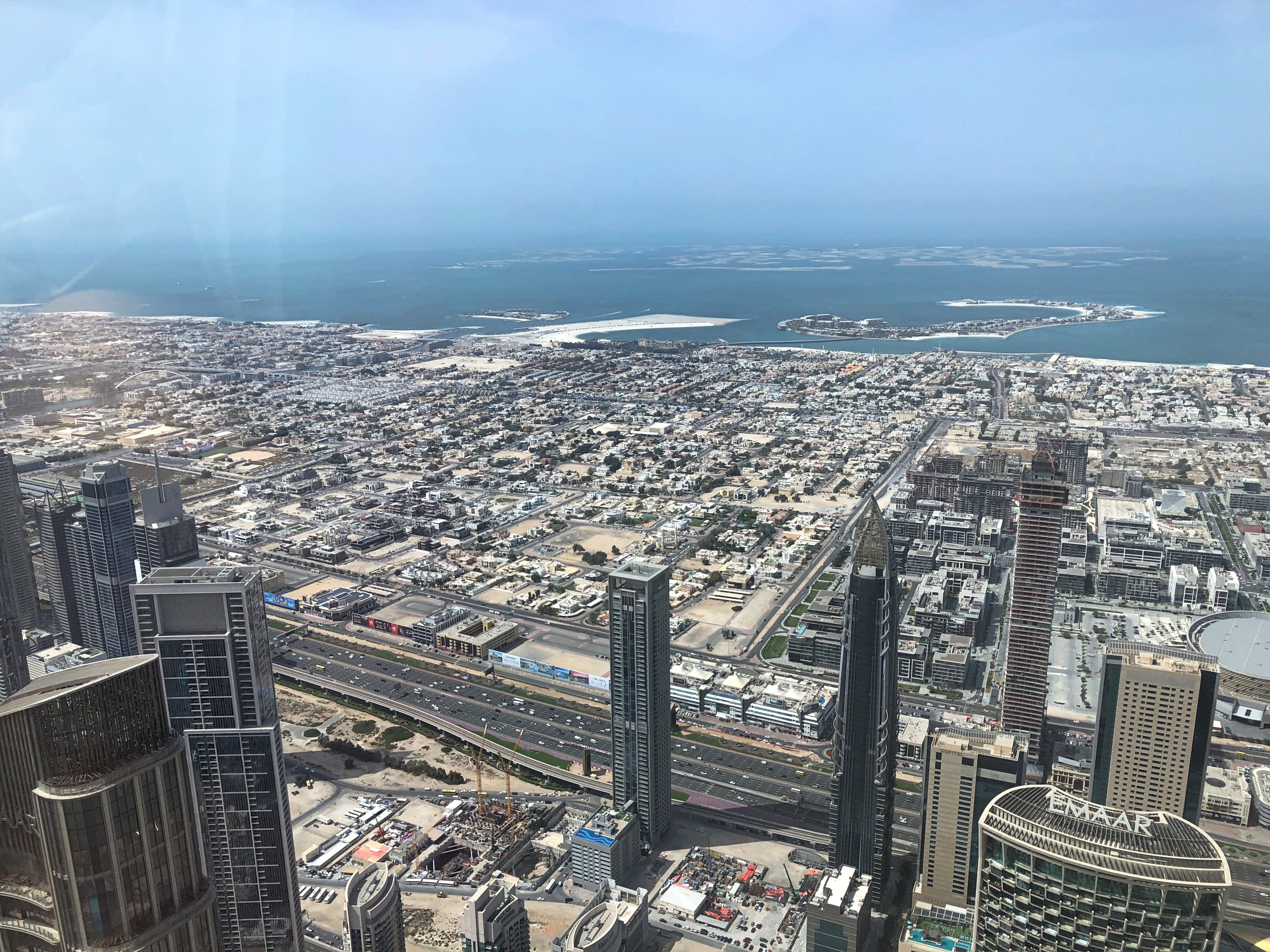
That came to mind in the shadow of the Buji Khalifa in Dubai on the last day of February.Burj Kalifa Burj Kalifa Burj Kalifa

As an architect with HOK, Smith designed the Burj Khalifa (burj = tower). One day I will dig up the interview, to see whether he mentioned it. I’m not sure of the timing, but HOK might have been in discussions for the commission at that very moment, since construction started in 2004. Regardless, quite a thing. A signal achievement for Smith, whatever you think of very tall buildings, and not just for its height, but for its elegant stacking effect.

Dubai is eager to point out that the Buji Khalifa is currently the tallest manmade structure in the world (2,722 feet), taller than any poser in East Asia or obscure TV tower in North Dakota or behind the former Iron Curtain. For casual visitors, two observation decks are advertised, and no doubt there are even more expensive, unadvertised options, including for the rarefied few, going to the very top.

The ordinary tourist deck is at a lower level (floors 124-125) than the one at a significant premium (floor 148), which offers welcome refreshments (coffee and dates), access to a lounge and – mostly importantly – no waiting around in line to get in.

The Burj Khalifa is popular. You will wait in line if you pick the ordinary deck — about 45 minutes in my case — and you’ll see a spot of overselling on the way.Burj Kalifa Burj Kalifa

It wasn’t the waiting itself that was irritating, but the fact I always sensed that the elevators were going to be around the next corner, only to be wrong a half-dozen times. But I’m being churlish. All that grouchiness vanished as soon as I got on the elevator — which was a straight shot up to the deck, no changing cars necessary — and especially as soon as I reached the view.

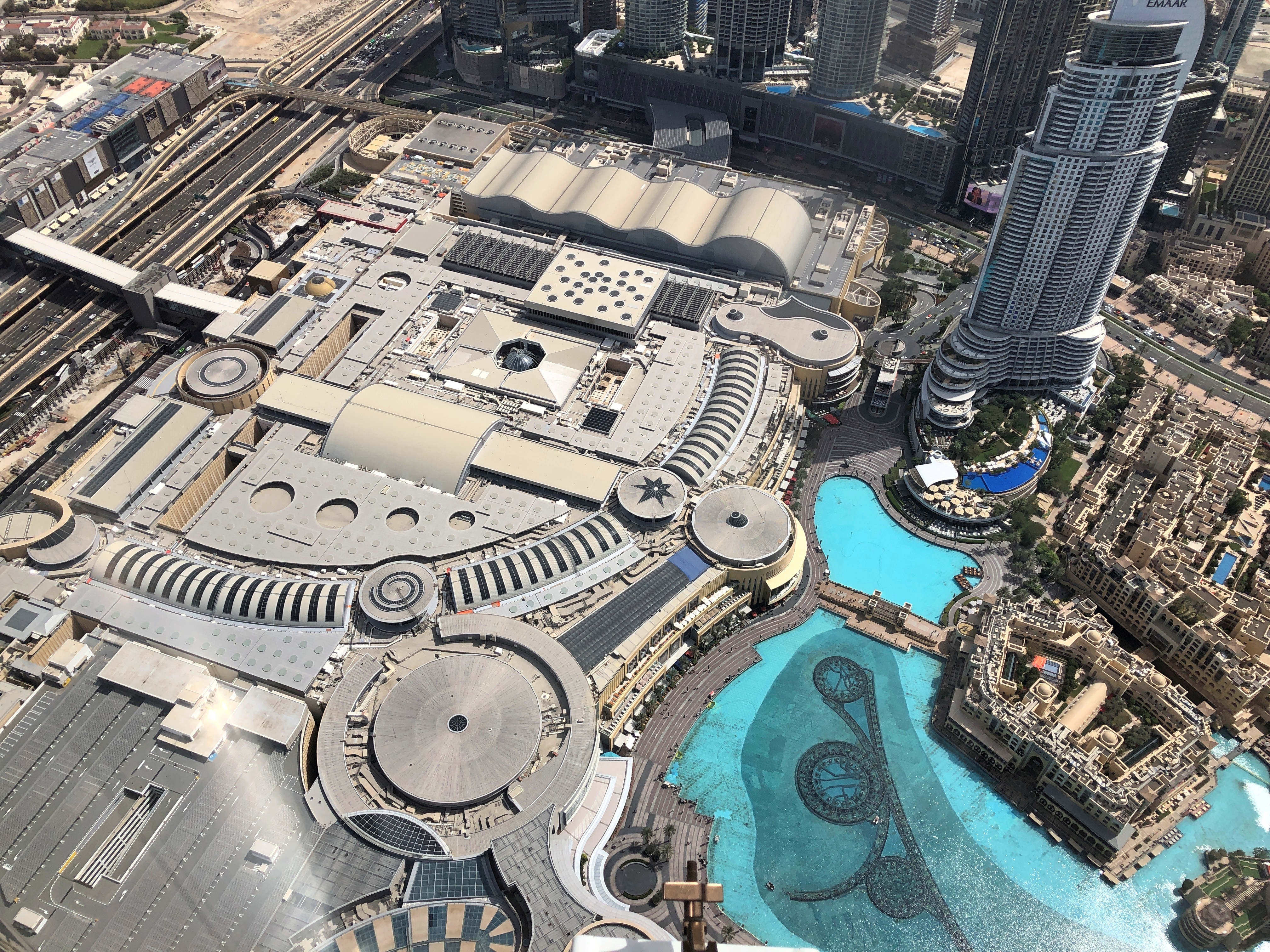
Looking down at the Dubai Mall, and the massive nearby fountain, which erupts periodically with a height of its own.Dubai

Behind the Dubai Mall (from my vantage).

Next to the Dubai Mall.Dubai

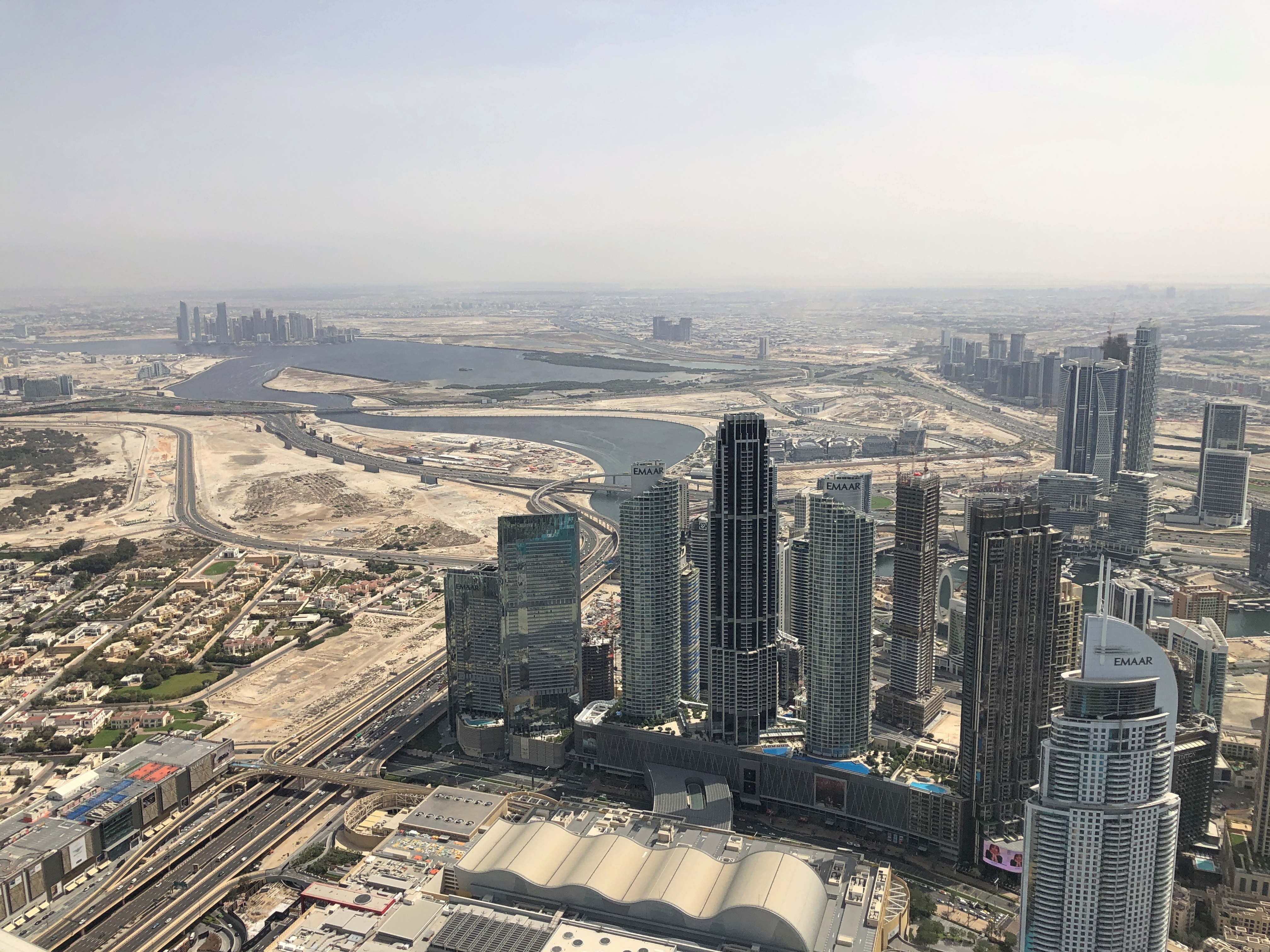
I started losing track of directions. Dubai spreads out in a number of them.Dubai Dubai Dubai

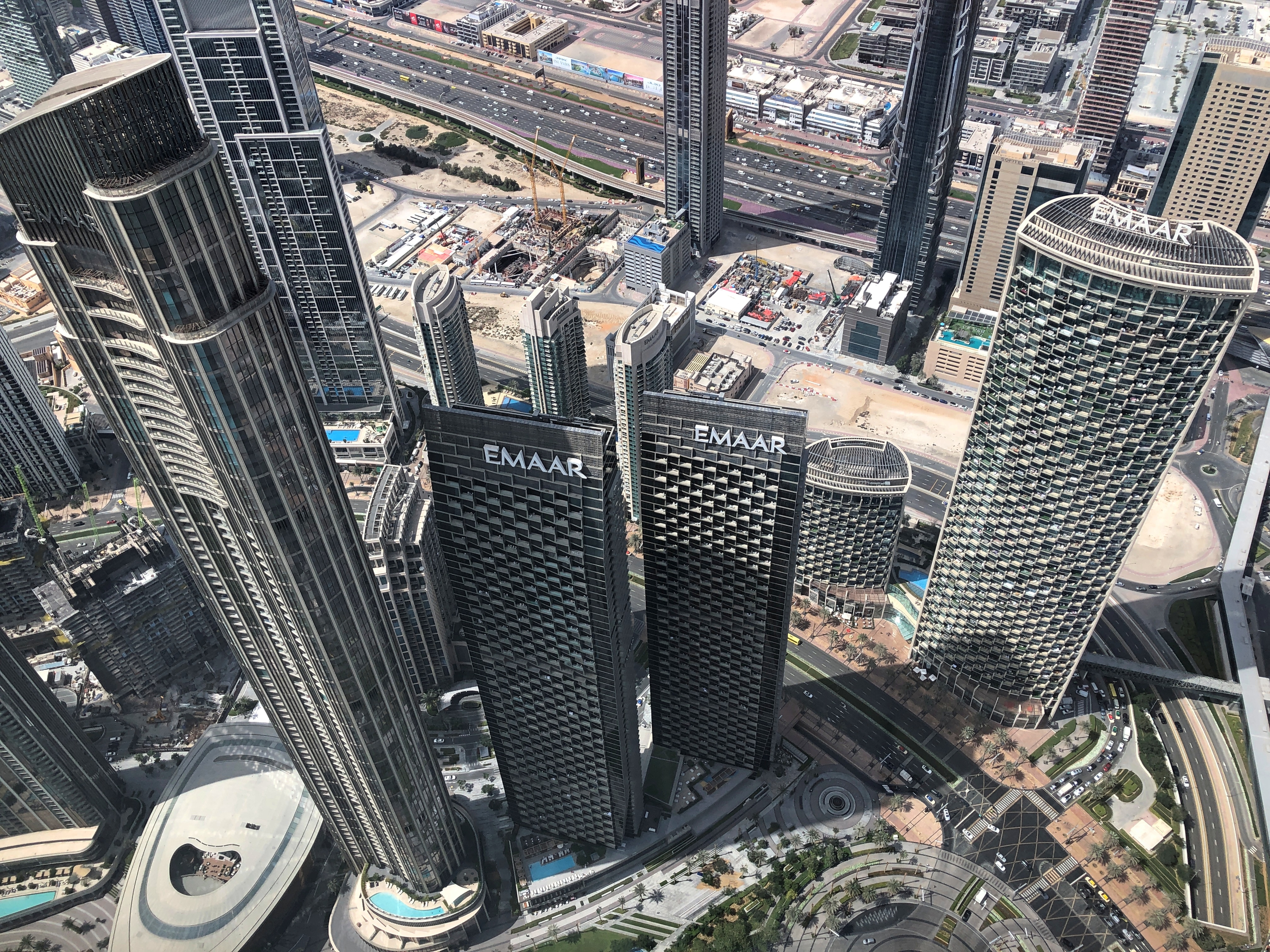
Emaar being a major real estate developer in the region, controlled by this fellow, autocrat of Dubai.Dubai Dubai

Burj Khalifa, opened in 2010, was one of its projects, along with the Dubai Mall. To judge by how often the name Emaar appears on large buildings in Dubai, I’d guess it and legions of guest workers built most of modern Dubai as well.

The Taj Mahal

Back in the planning stages for our recent trip, which was last fall, Yuriko wasn’t entirely persuaded that we should visit India. Not at least for any reason I might think it was a good one: because we would already be on that side of the world (more or less) by visiting Japan; because we’d never gotten around to India, even in ’94; or because as a modern state built on a long series of storied civilizations, it would surely would be an interesting place to visit.

No matter, I had an ace in the hole. “Of course, we’ll be able to see the Taj Mahal,” I said. That did it.

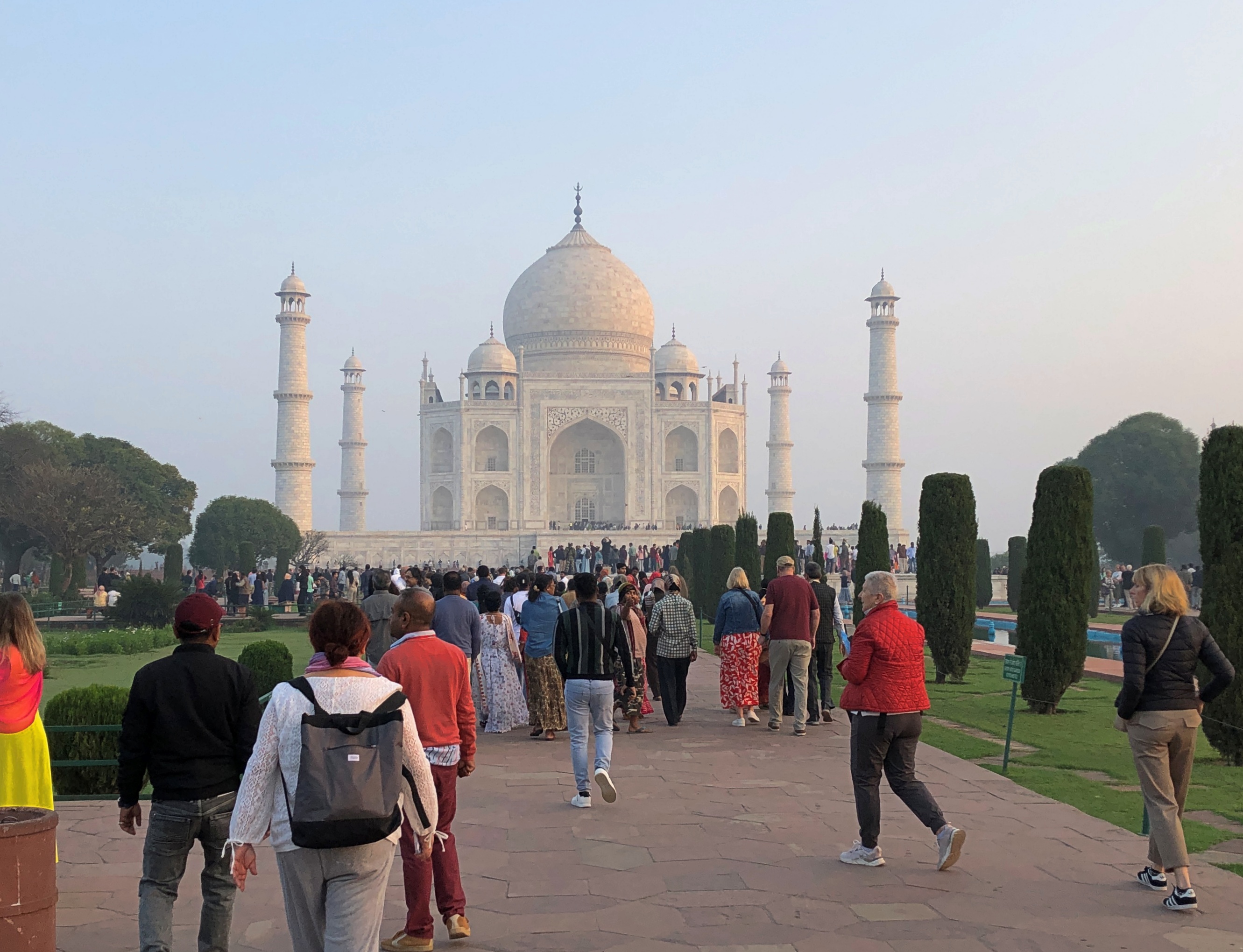
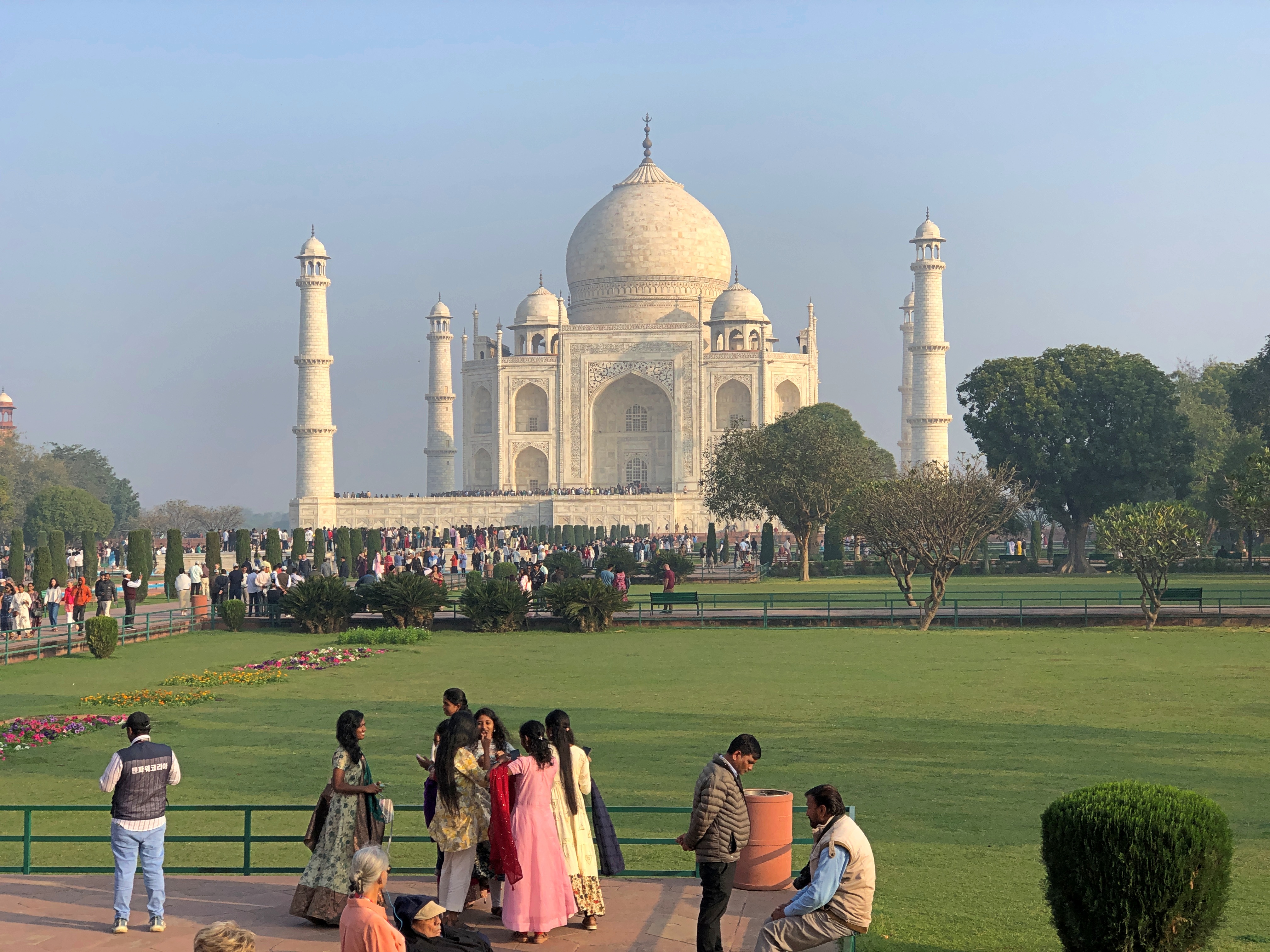
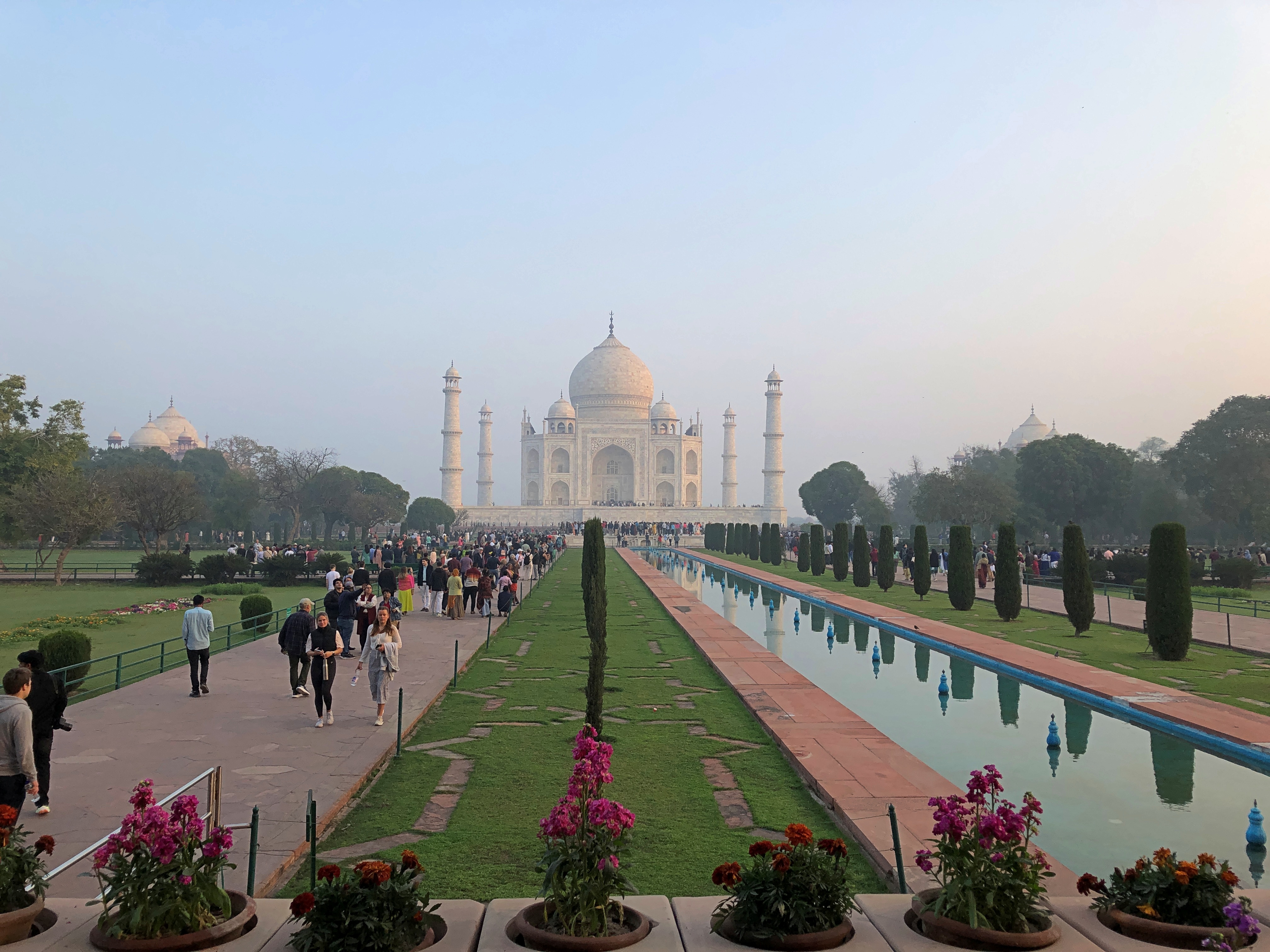
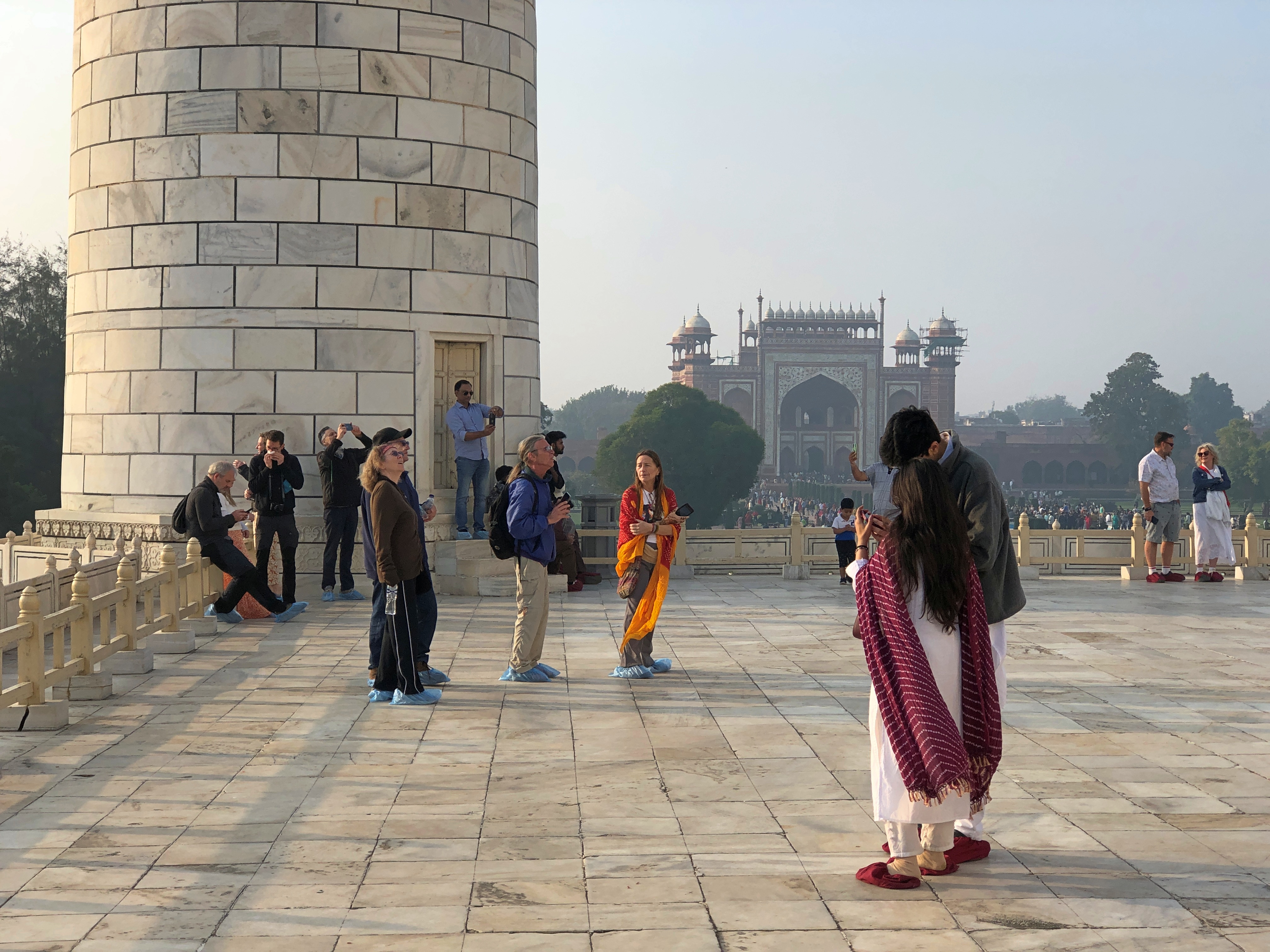
So, on February 22, we did.Taj Mahal 2025

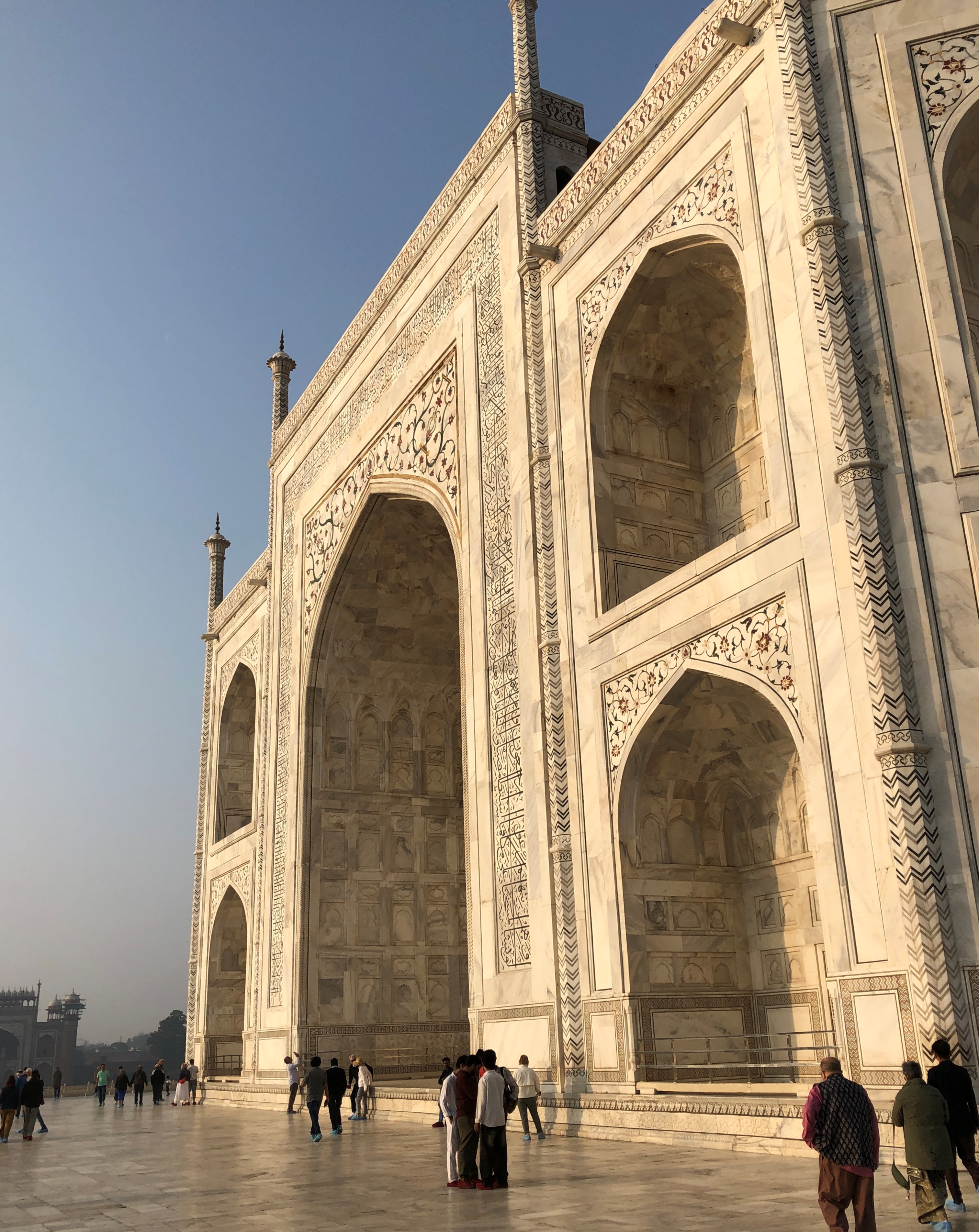
From a number of vantages.Taj Mahal 2025 Taj Mahal 2025

I sent the first image to a number of friends via email, since I didn’t expect to find many postcards in India, or if I did, I wouldn’t want to deal with a post office to mail them, especially considering that delivery would be uncertain anyway. The email message:

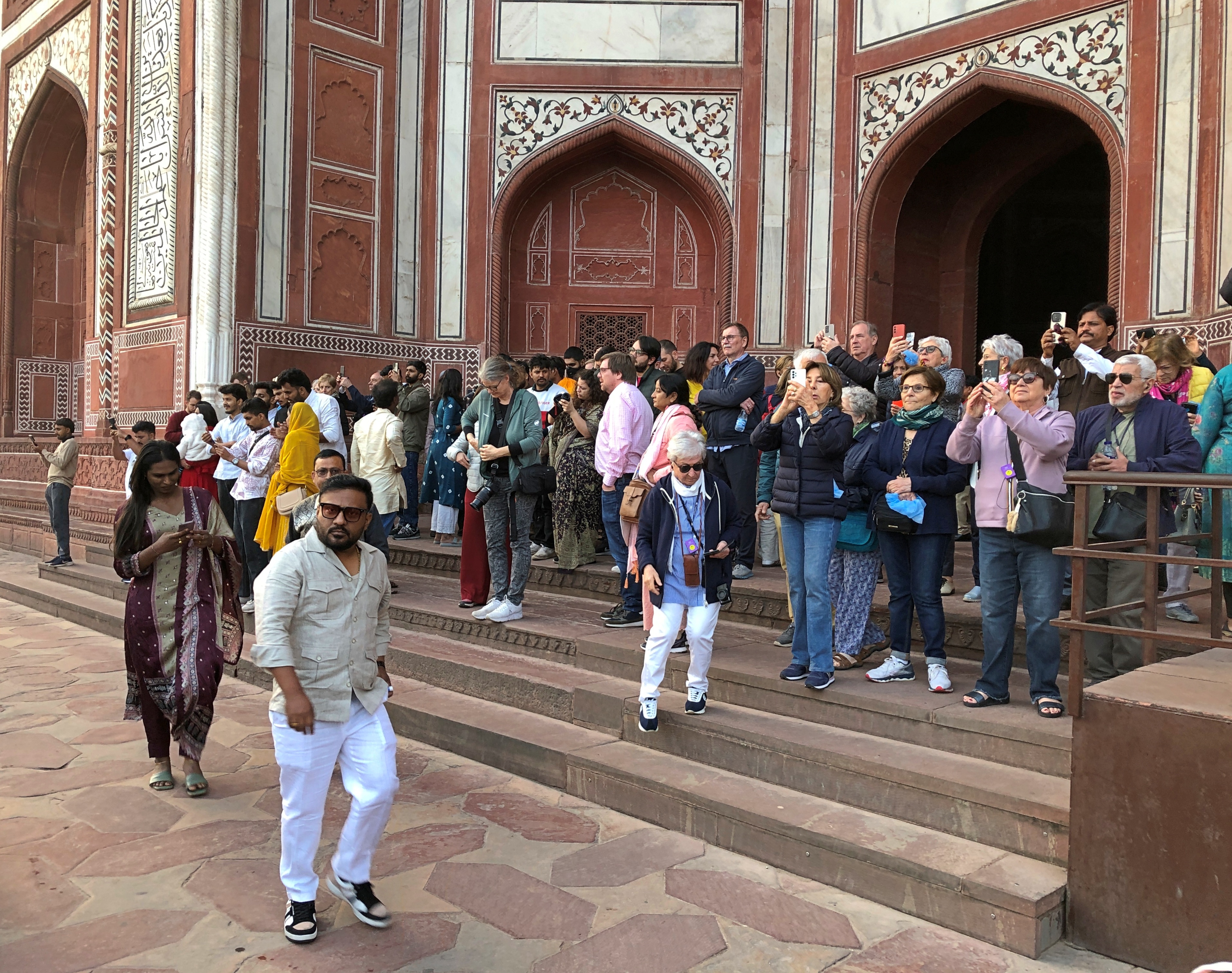
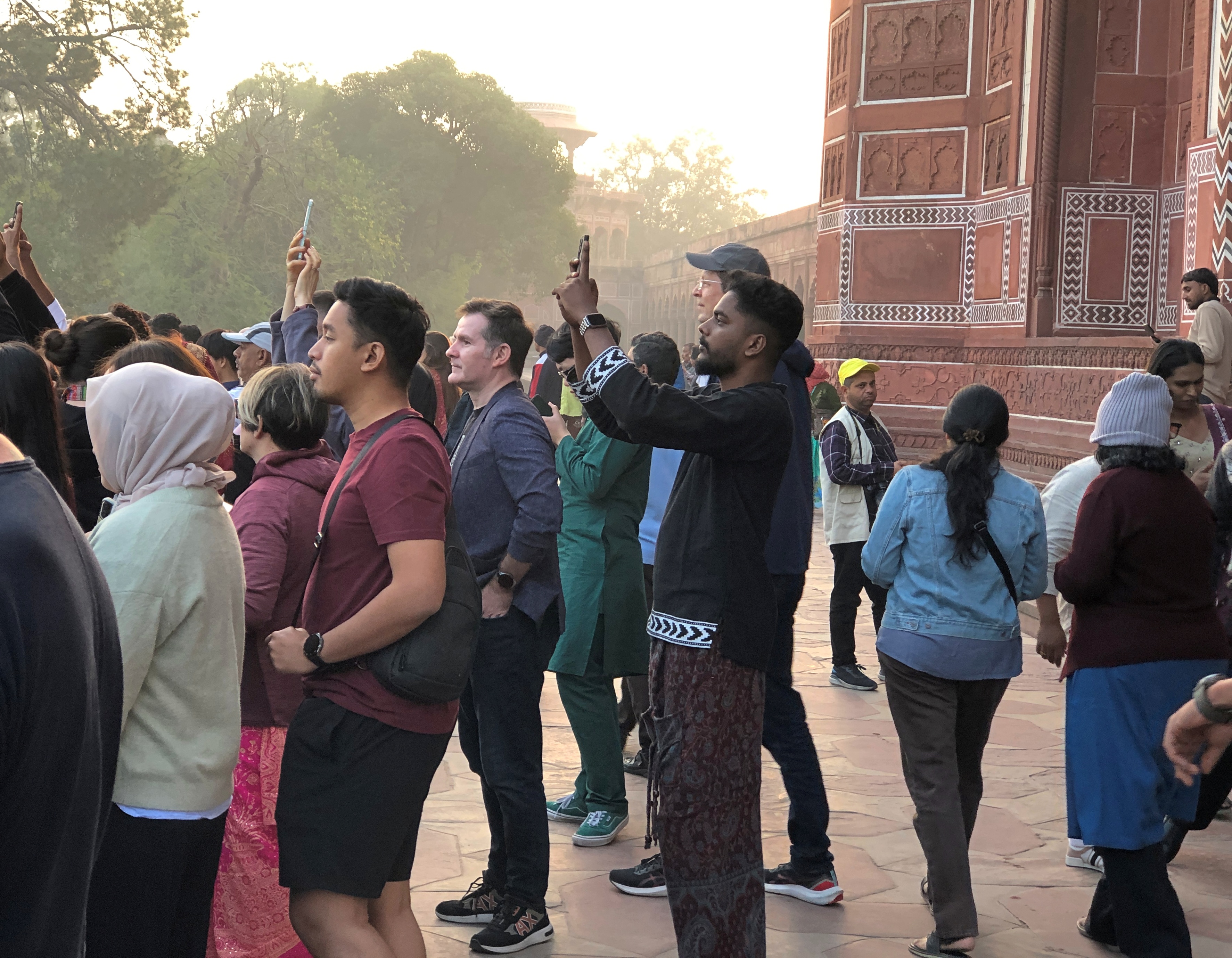
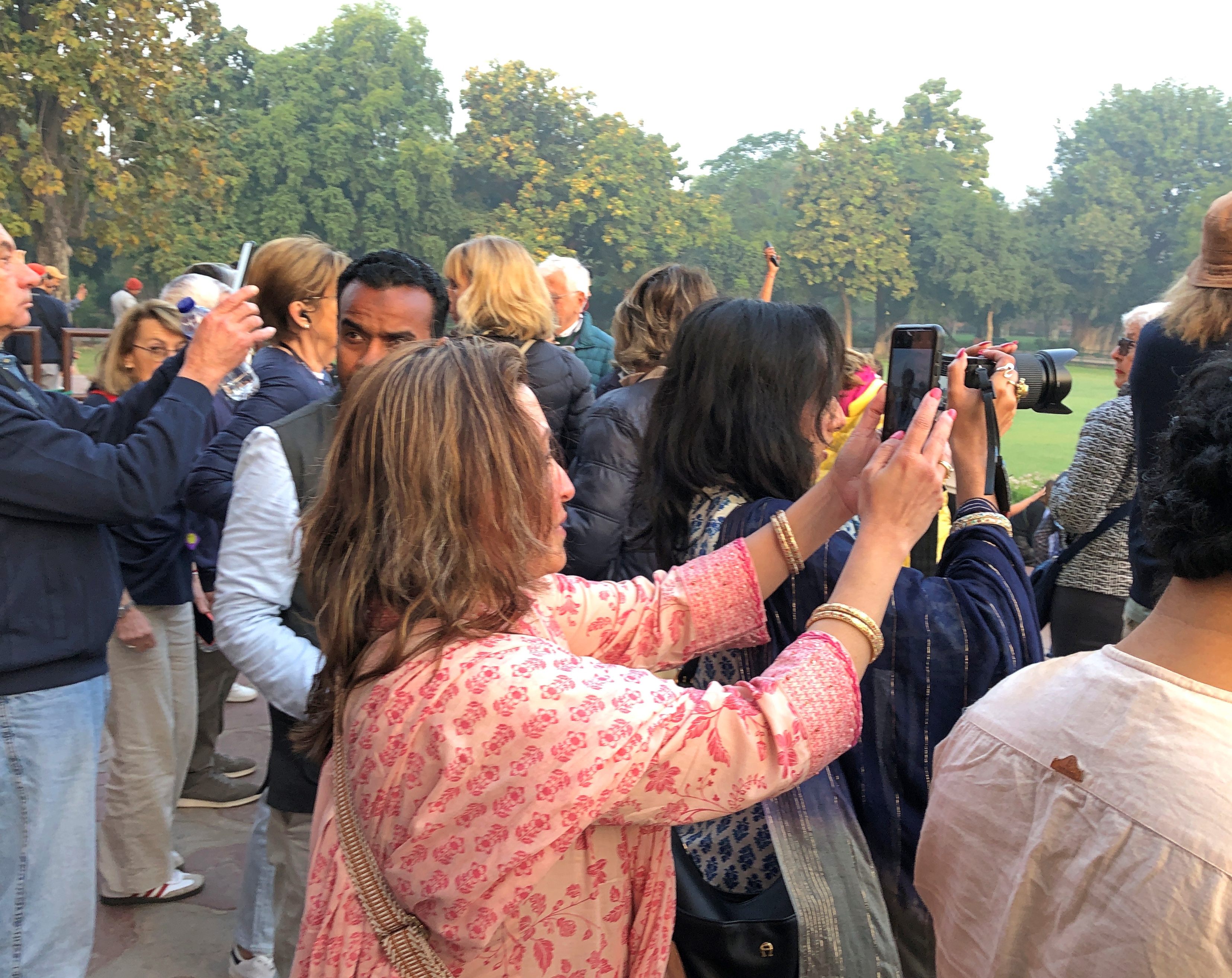
A physical postcard from India is unlikely, but here’s an image you aren’t likely to see in a card or Instagram. You are likely so see it, however, if you stand in front of the structure, as we did… Entirely worth the effort to get here. I didn’t mind the crowds that much — they are a happy crowd, after all, and you’re one of them.Taj Mahal 2025 Taj Mahal 2025 Taj Mahal 2025

Even in a crowd, assuming they aren’t jostling you, you can pause, stare and consider where you are. The Taj Mahal. A place only ever seen in pictures before, considered one of the top works of human beings. In person, your eyes are apt to agree.Taj Mahal 2025

The story of the Taj Mahal is too well known to relate here, as are descriptions of its beauty and architectural transcendence. But I will say this: What would the Indian tourism industry do if the Mughals hadn’t been so keen to build monumental structures? The Taj Mahal is just the crown jewel of a large collection that has survived to our time.
One can visit the terrace.Taj Mahal 2025

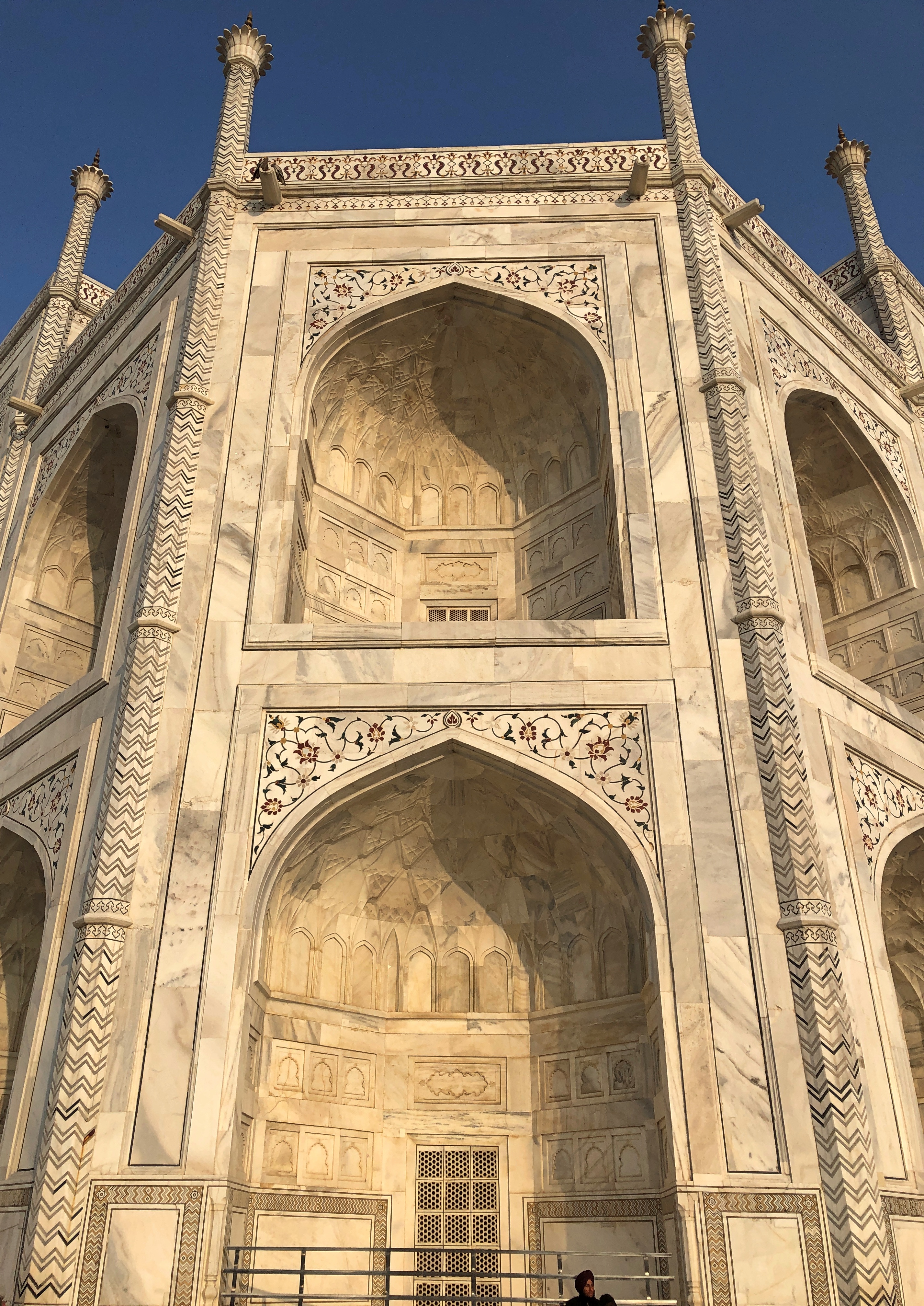
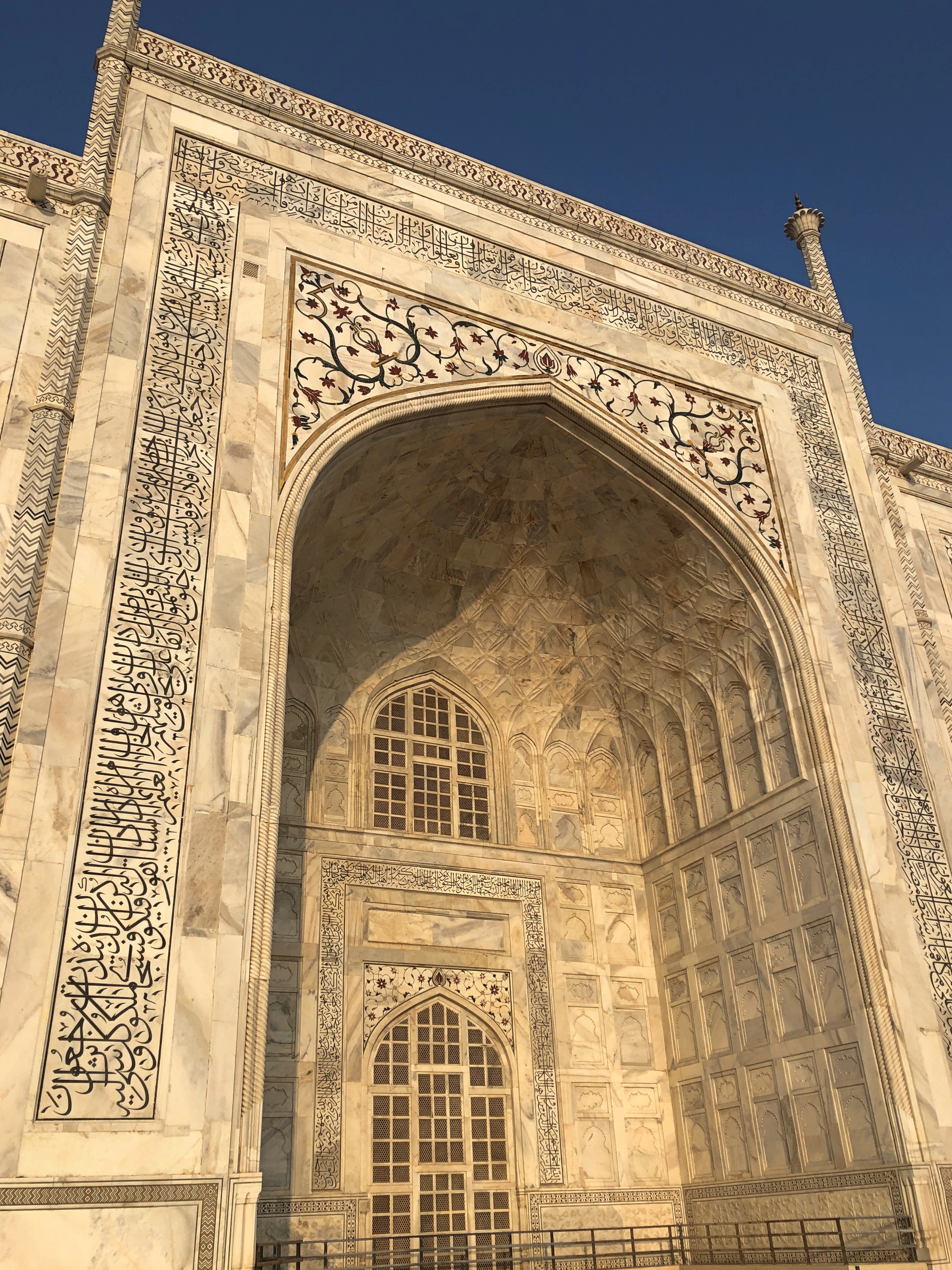
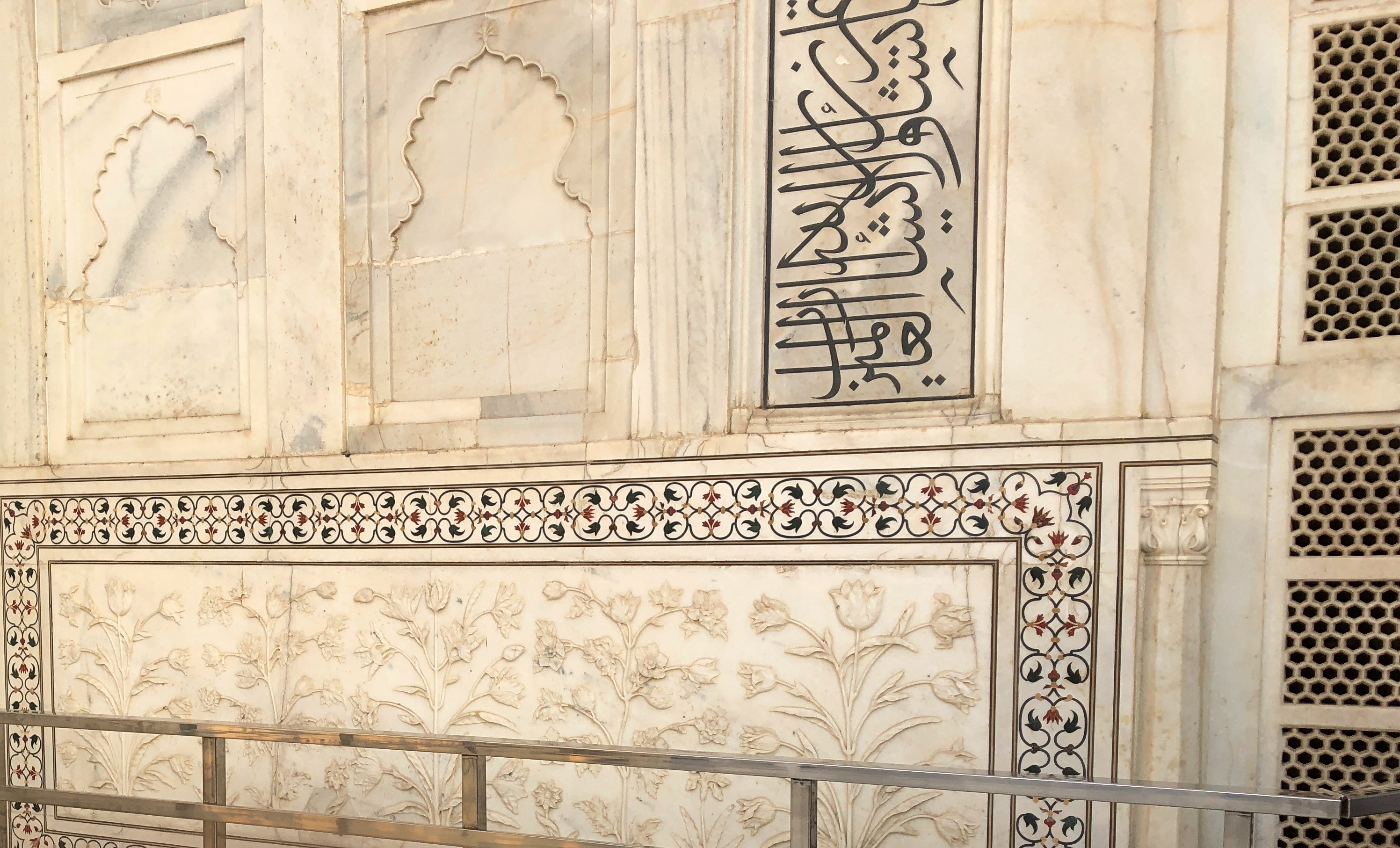
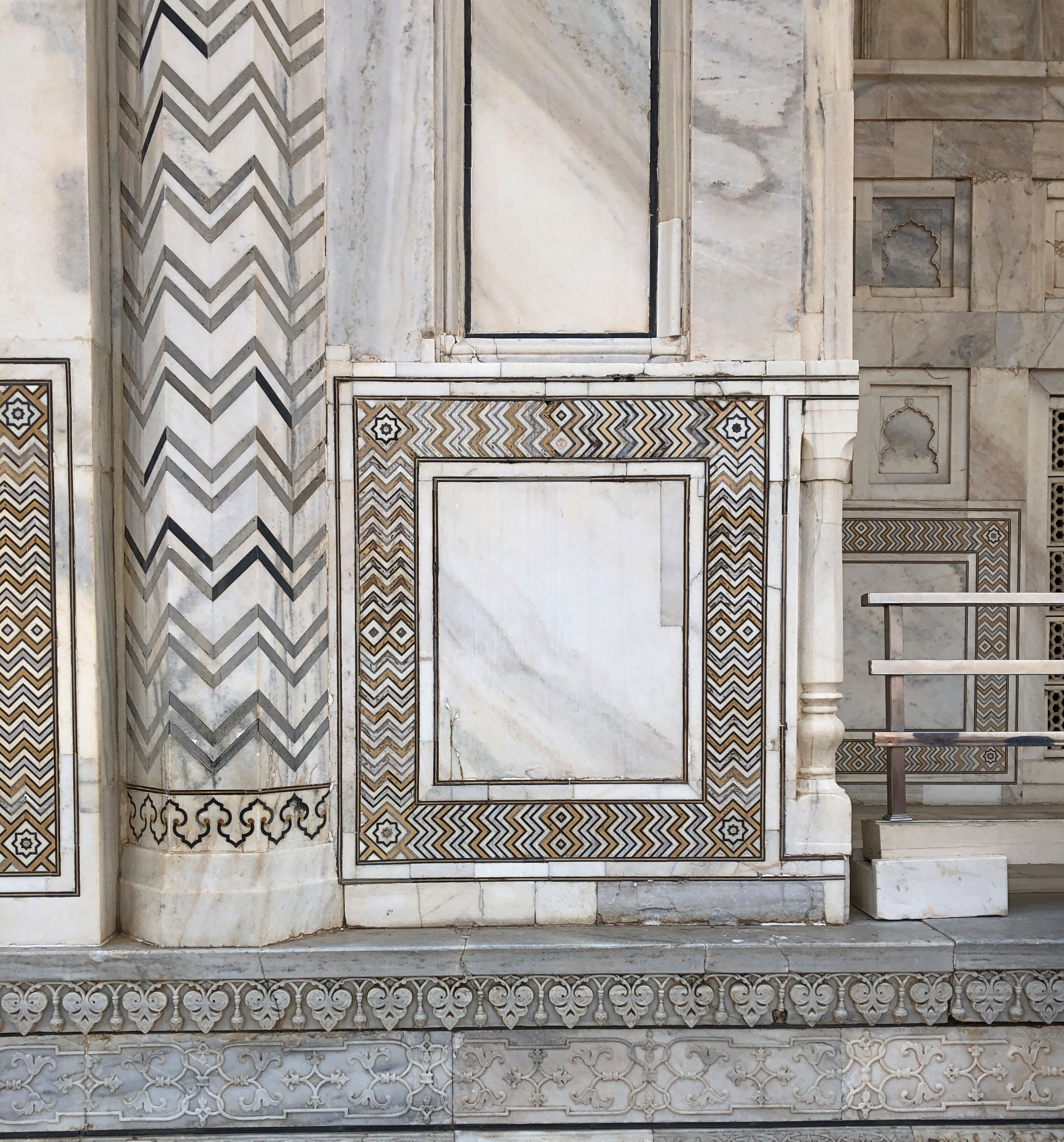
For closeups of the intricate marble work. Taj Mahal 2025
It is believed that an eventual total of 20,000+ masons, stone-cutters, inlayers, carvers, painters, calligraphers, dome builders and other artisans from throughout the realm, and probably beyond, worked more than two decades on the mausoleum and outbuildings.Taj Mahal 2025 Taj Mahal 2025

Inlay, not painting. Twenty-eight kinds of stones, I’ve read.Taj Mahal 2025 Taj Mahal 2025

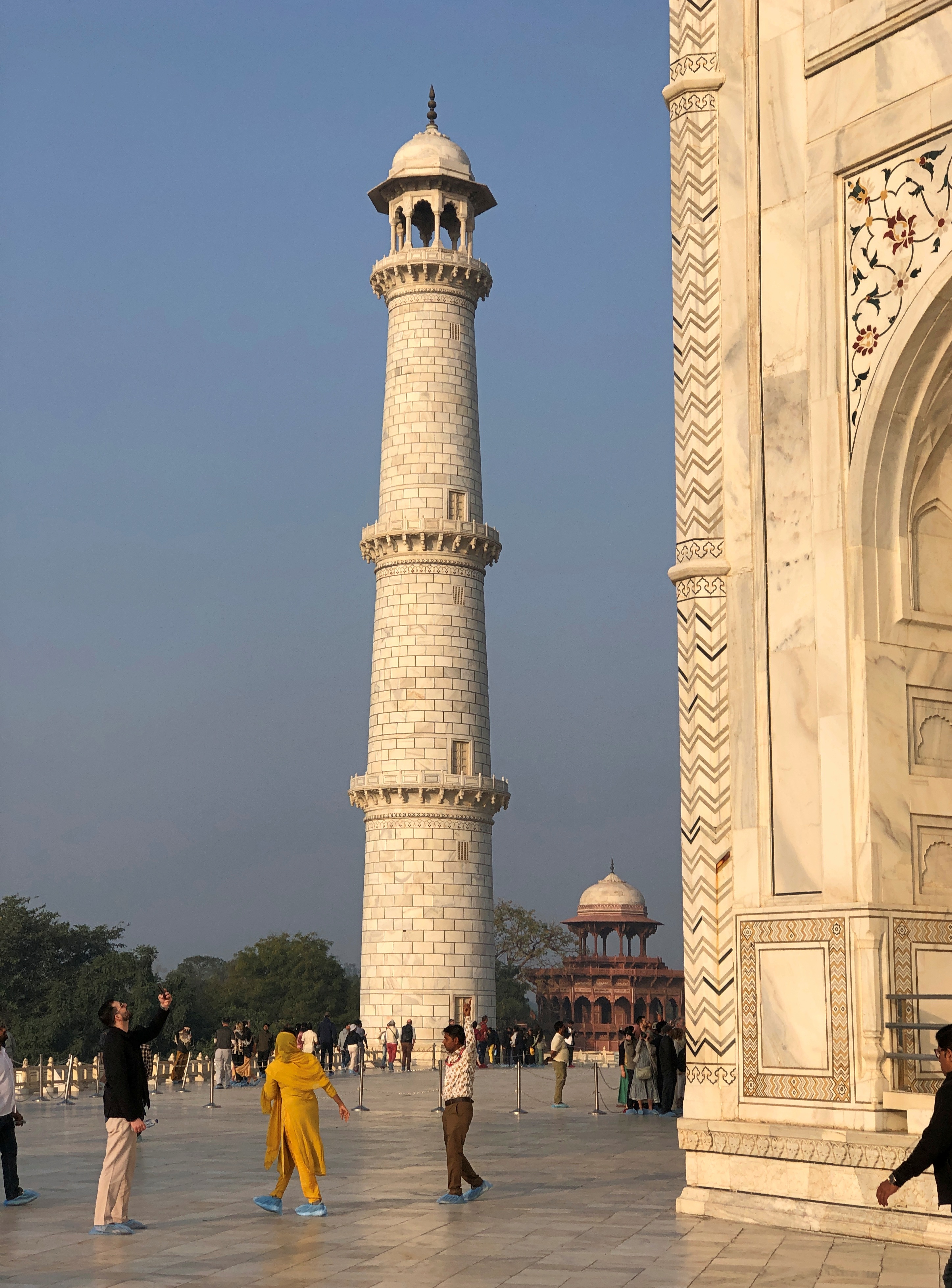
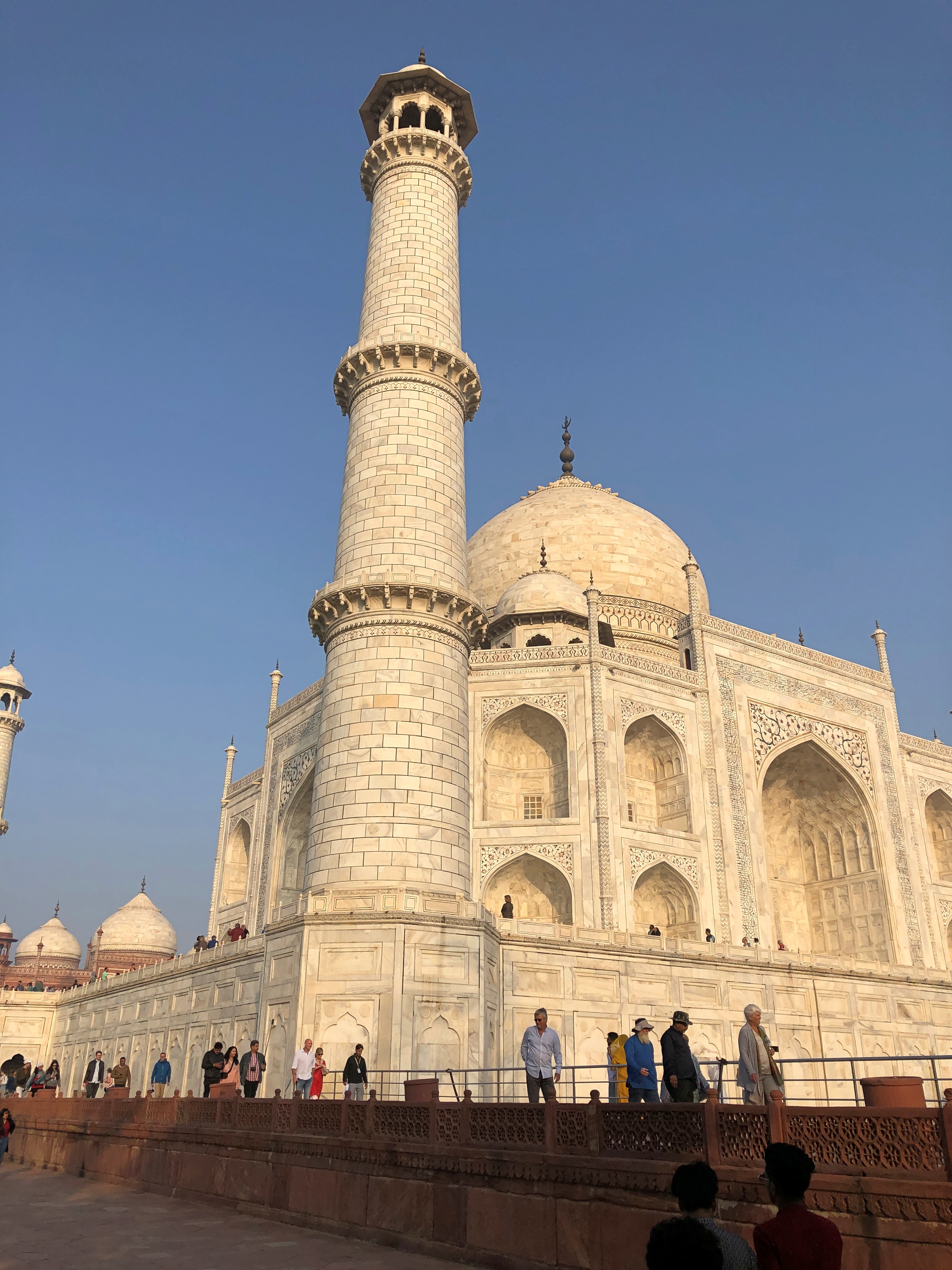
Imagine the graceful lines of the Taj Mahal main dome without the companion minarets. That would be like Saturn without its rings.Taj Mahal 2025

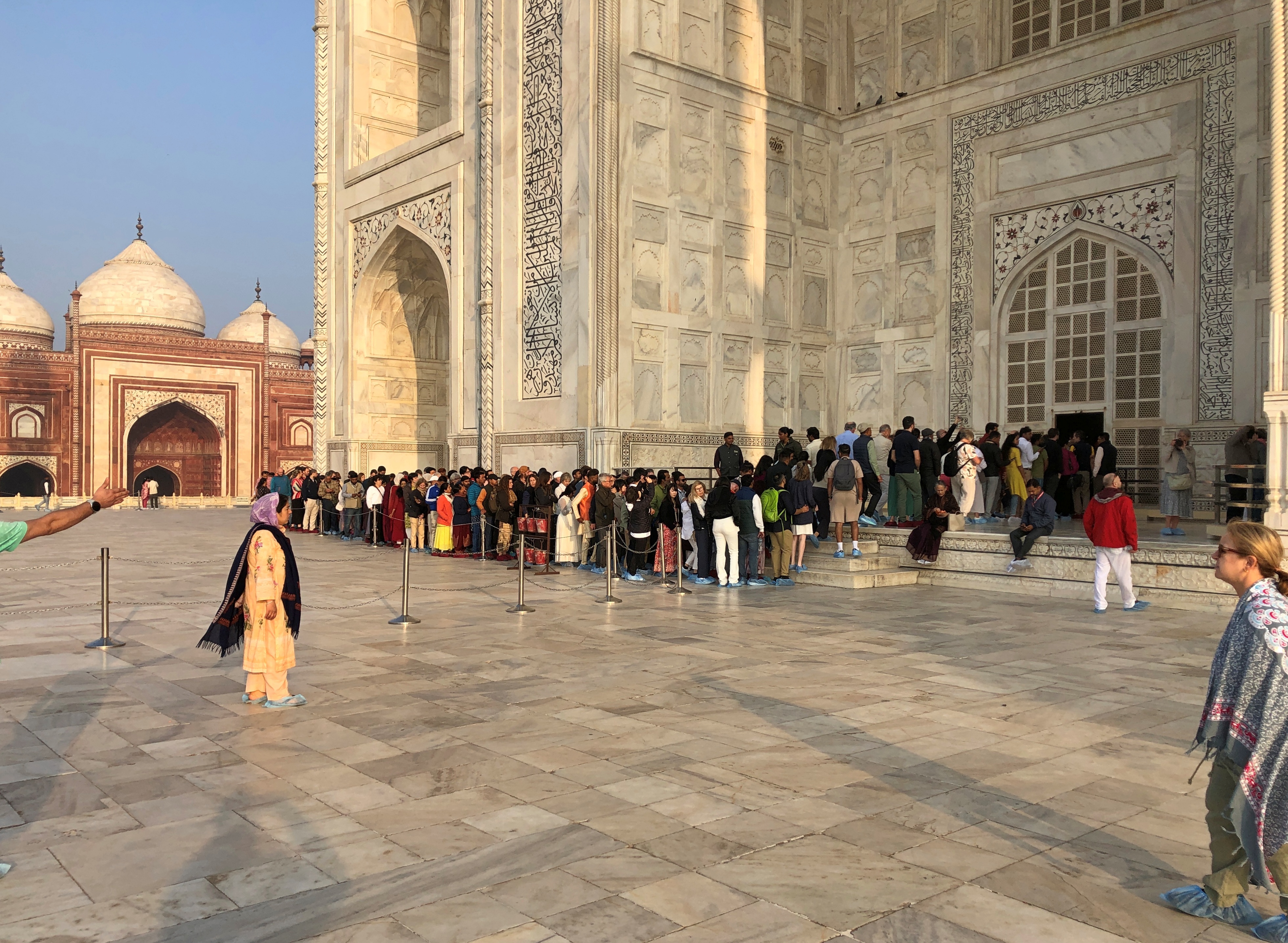
You can also go inside the chamber where ornate slabs sit above the internment sites of the empress Mumtaz Mahal, and, almost as an afterthought, the emperor Shah Jahan, who ordered the Taj Mahal built in the 17th century. We joined the line.Taj Mahal 2025

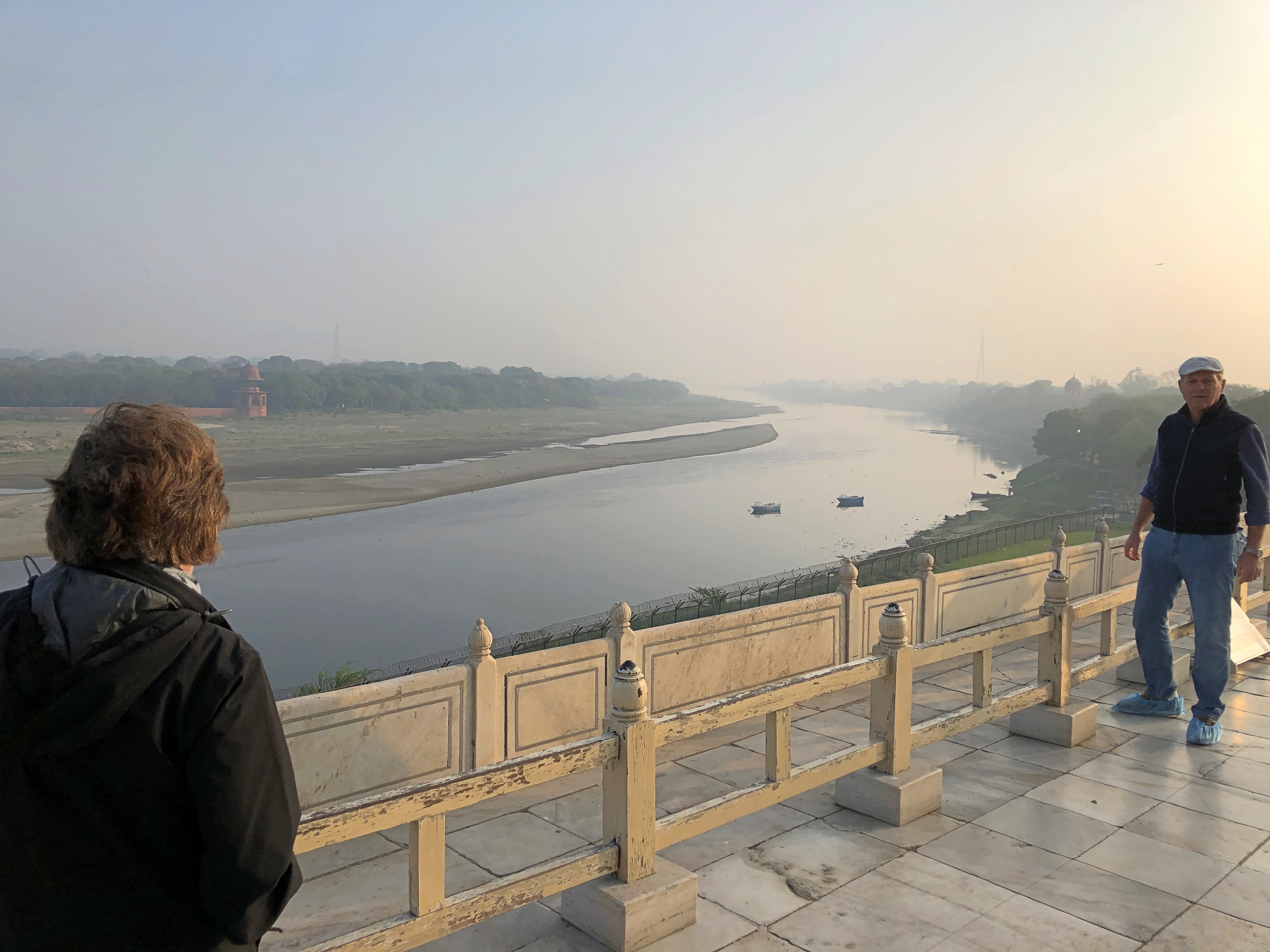
The mausoleum faces away from the river, but it is back there. The view from the mausoleum of the wide Yamuna River, tributary of the Ganges.Taj Mahal 2025

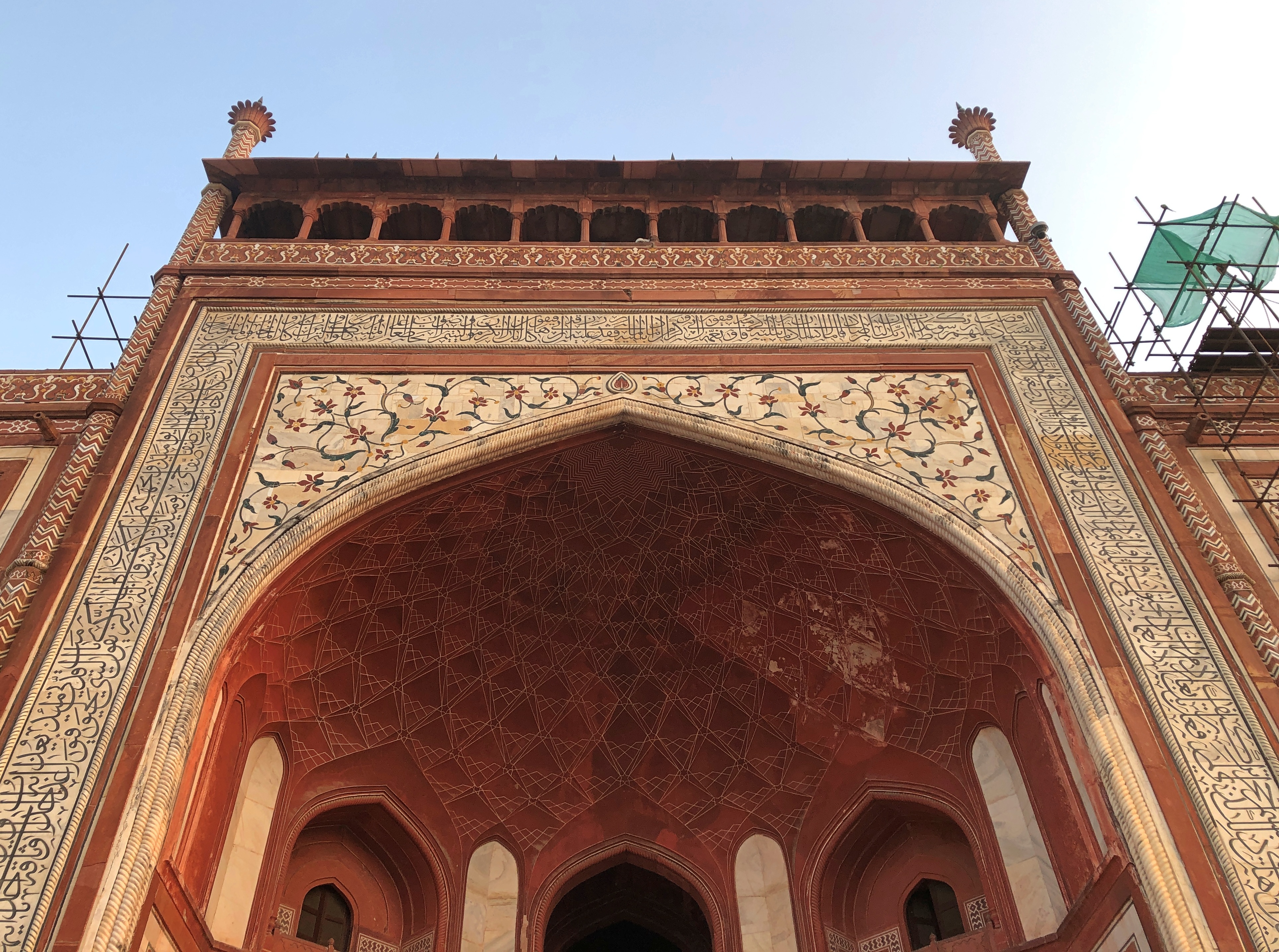
A structure that doesn’t get enough love. The main gate of the grounds, through which you pass to see the mausoleum. It is outshone by the mausoleum, but wow.

Not everyone loves the Taj, however.

The Kamakura Daibutsu

Mere hours after I returned home on Friday evening, an intense burst of wind ’round midnight toppled the Wisconsin Buddha in my back yard, among other things, such as most of our back yard fence. Guess it’s better that I’m here to deal with the debris in the yard, calling our insurance company, etc.

Setting the Wisconsin Buddha upright was an easy part of cleaning up the back yard. Our little blue-green statue may serve as a reminder of the impermanence of things, but it hasn’t been completely destroyed by time. Yet.

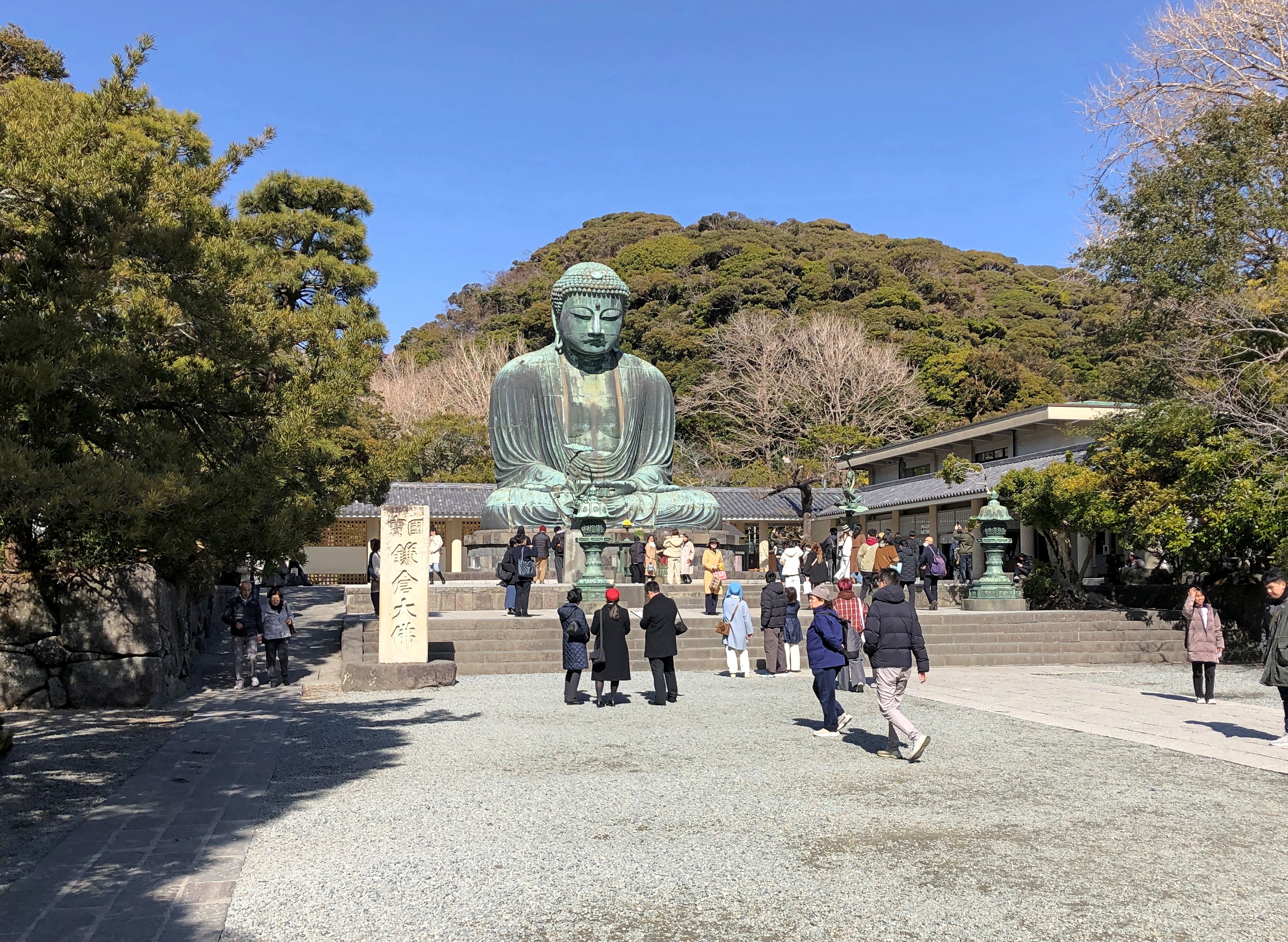
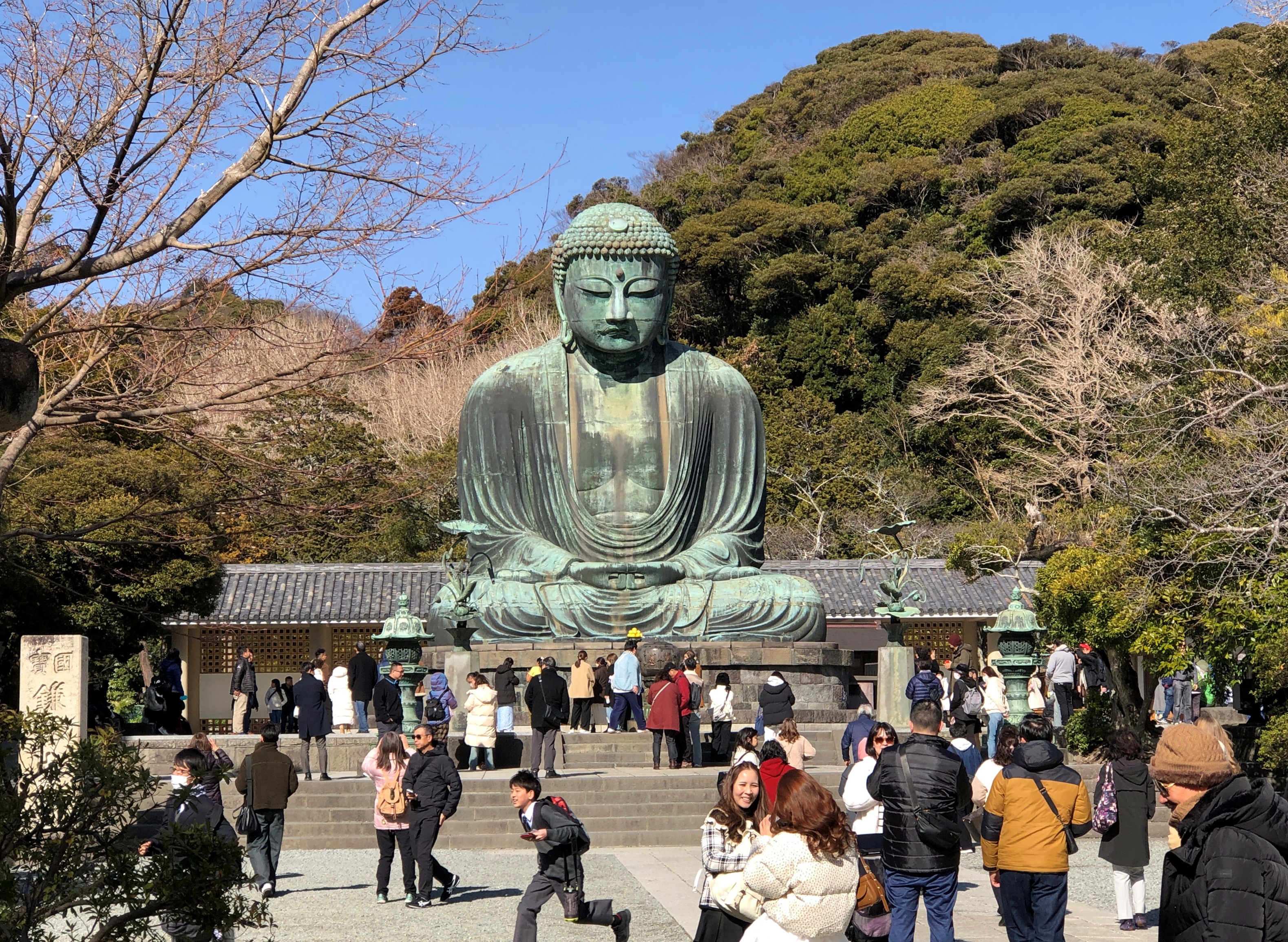
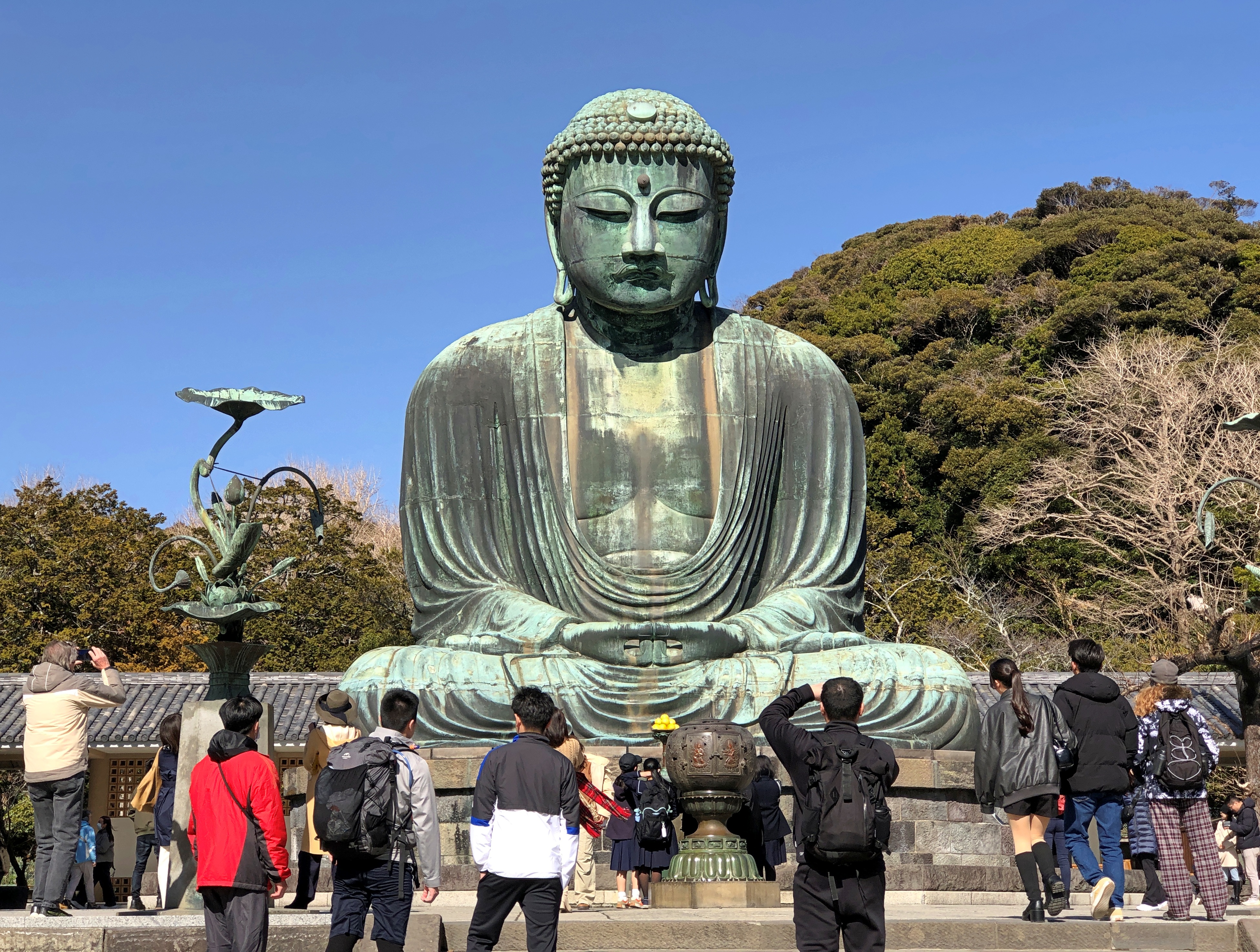
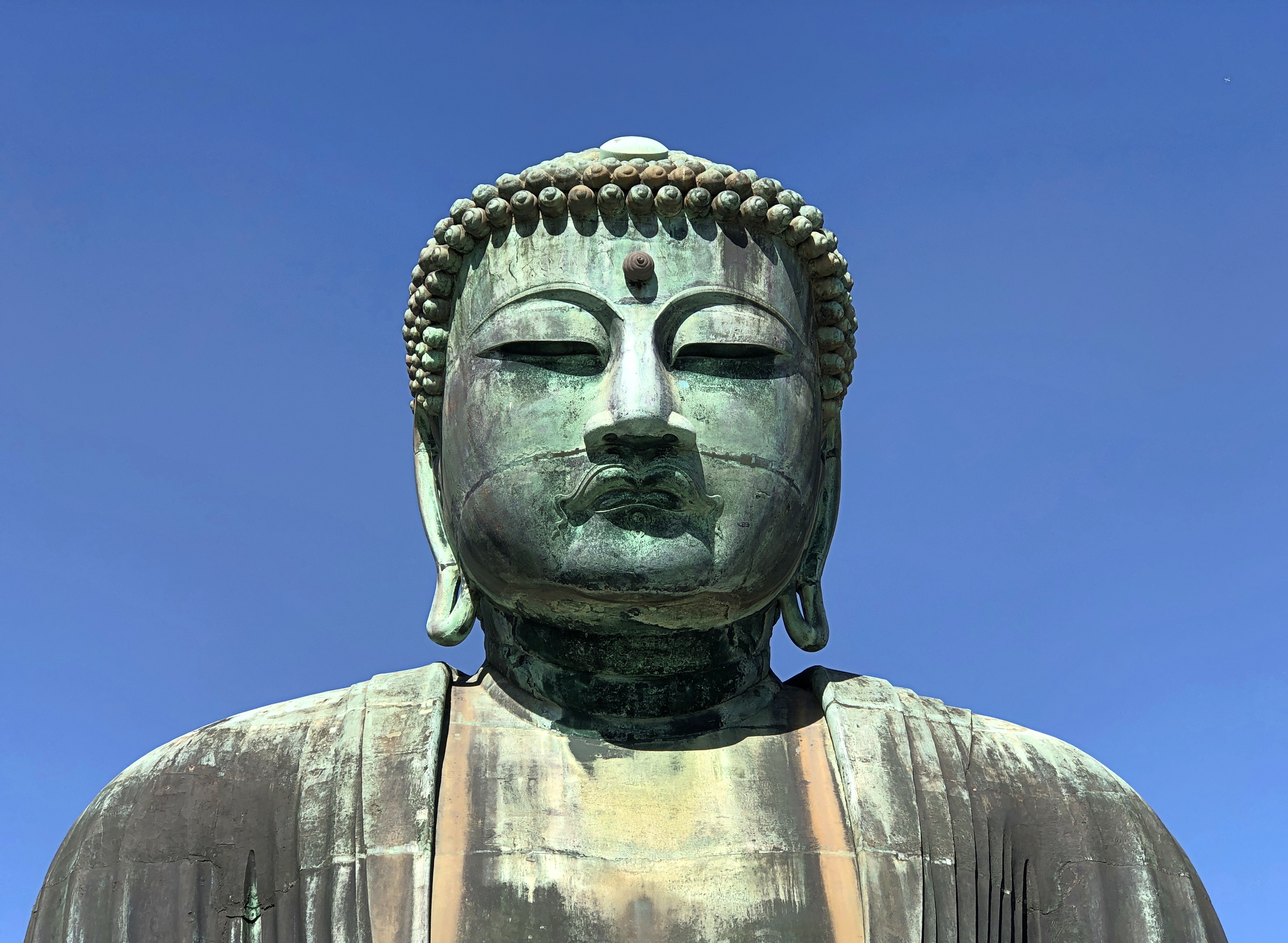
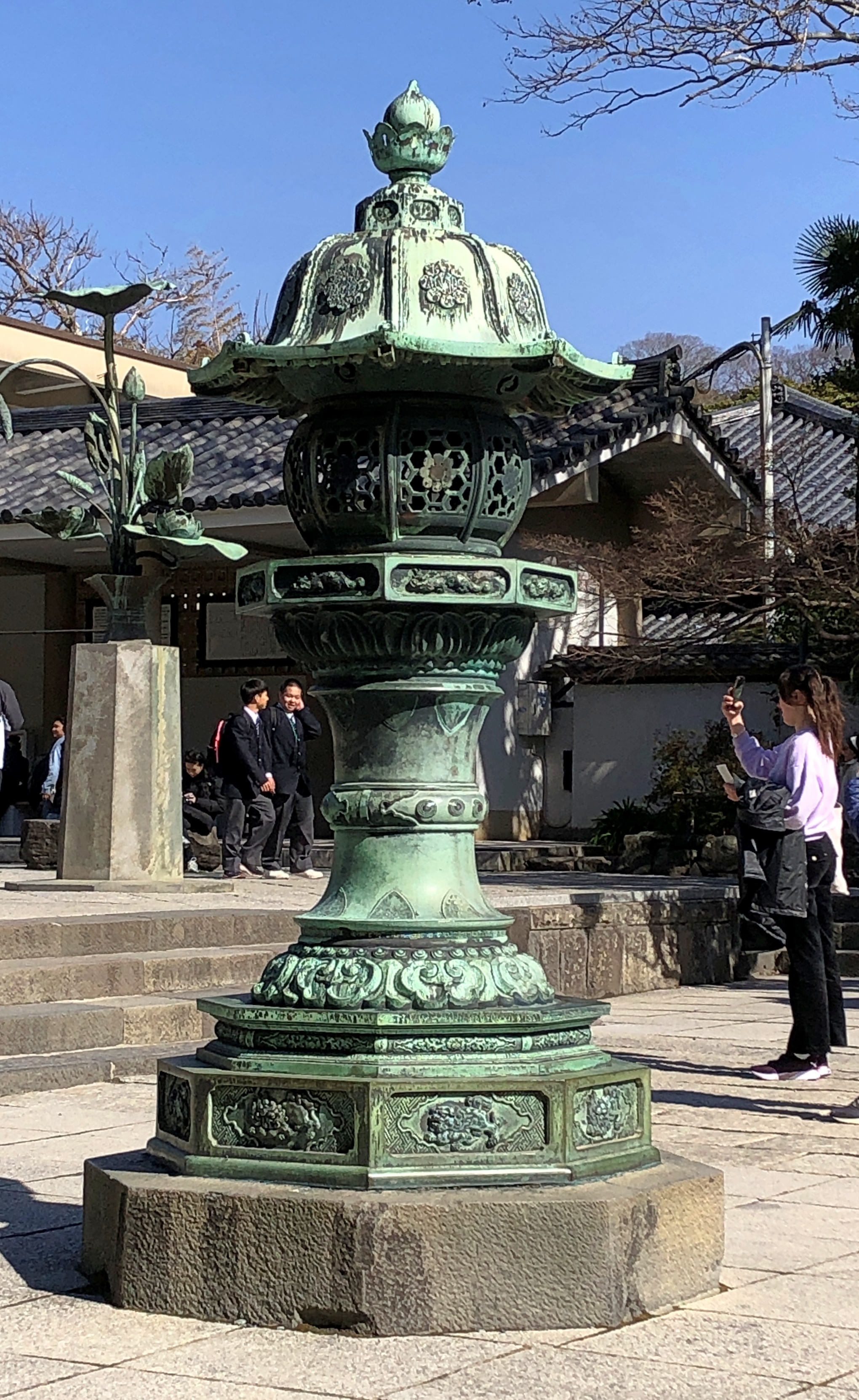
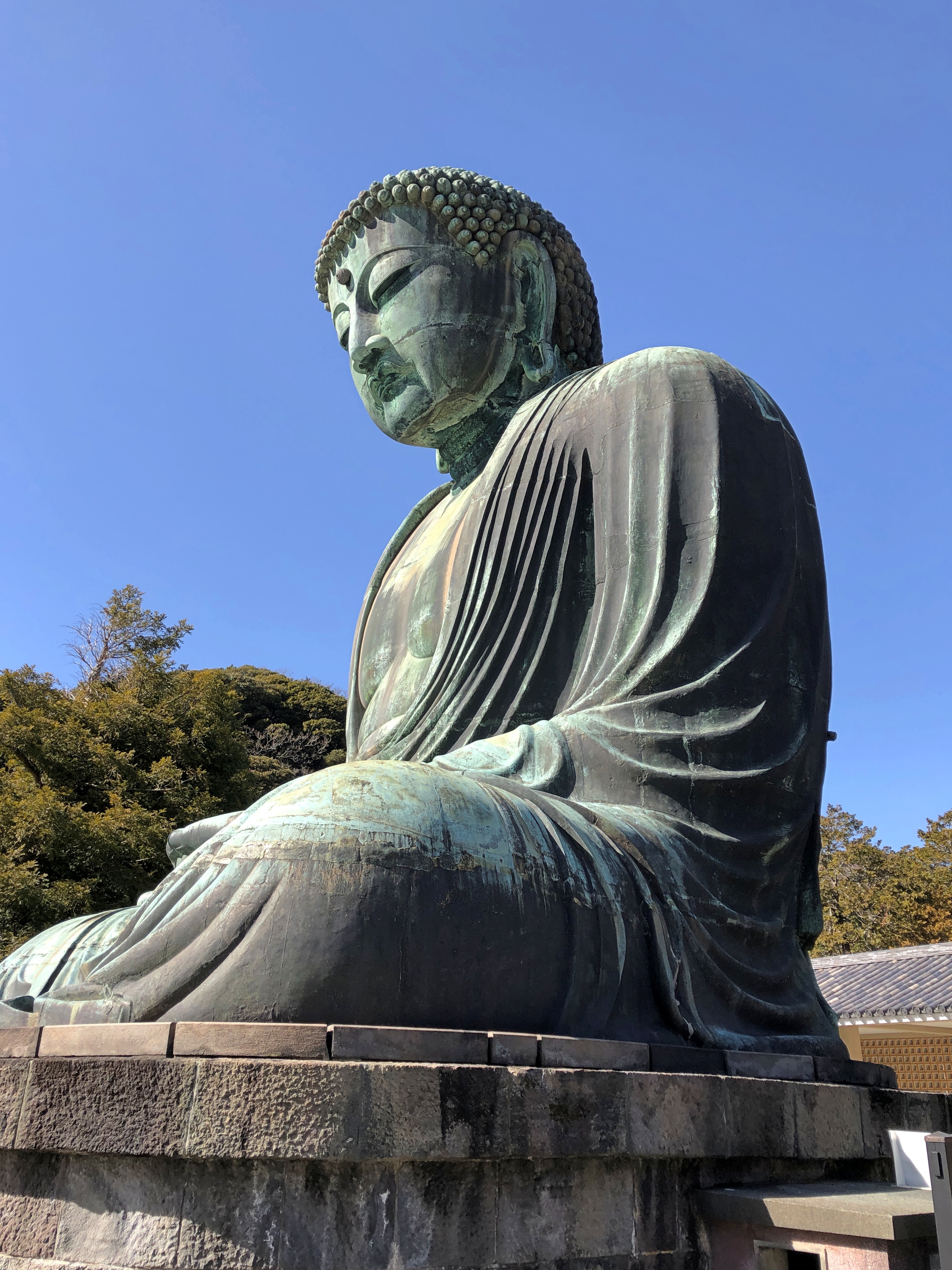
You can also say the same for the much larger, much better known Kamakura Daibutsu, or the Big Buddha of Kamakura, a city on the edge of metro Tokyo-Yokohama. We visited on a cool and sunny, pleasant day in mid-February. It sure looks permanent, but you could say that’s illusion.Kamakura Daibutsu 2025 Kamakura Daibutsu 2025

Something else to consider when you face a bronze of this heft: Does the size of a Buddha, or more exactly Buddharūpa (depictions of Buddha), matter when it comes to conveying Buddhist ideas?Kamakura Daibutsu 2025

I can’t call myself expert enough to answer that, but somehow I suspect not. When it comes to impermanence, my small Buddha would seem to have just as much to teach. Just not as many students.Kamakura Daibutsu 2025

The Big Buddha at Kamakura dates from a period in Japanese history known as the Kamakura period, which is all of our 13th century and more, and a time that, for a while anyway, this seaside town was the hub of government for the Japanese islands: an early shogunate, emerging from the winning side of a bloody war between clans, and in fact the moment in history when the samurai caste consolidated its power. How cool is that? We’re talking about a capital founded by samurai, for samurai.

Buddhist sects flowered under the new order, I think not coincidentally, and with enough vim to leave behind temples and memorials of all sorts in the region – such as the massive bronze Daibutsu. These days, it attracts tourists in numbers probably undreamed of by earlier centuries, when trickles of pilgrims or scholars or mystics came.

The seated Buddha, 43 feet or so to the top of his head, weighs about as much as seven and a half Mack trucks with trailers. It is an Amida Buddha that began as a large long-gone wooden statue, a structure much more impermanent than the bronze that came later (about AD 1252), its existence due to a vigorous new branch of Pure Land Buddhism in Japan in Kamakura times. Down the centuries since then, various halls built around the giant have burned down and been rebuilt (but ultimately not) and the statue itself has been damaged in earthquakes and floods and repaired and restored and listed as a special site, including part of a nomination as a World Heritage Site.

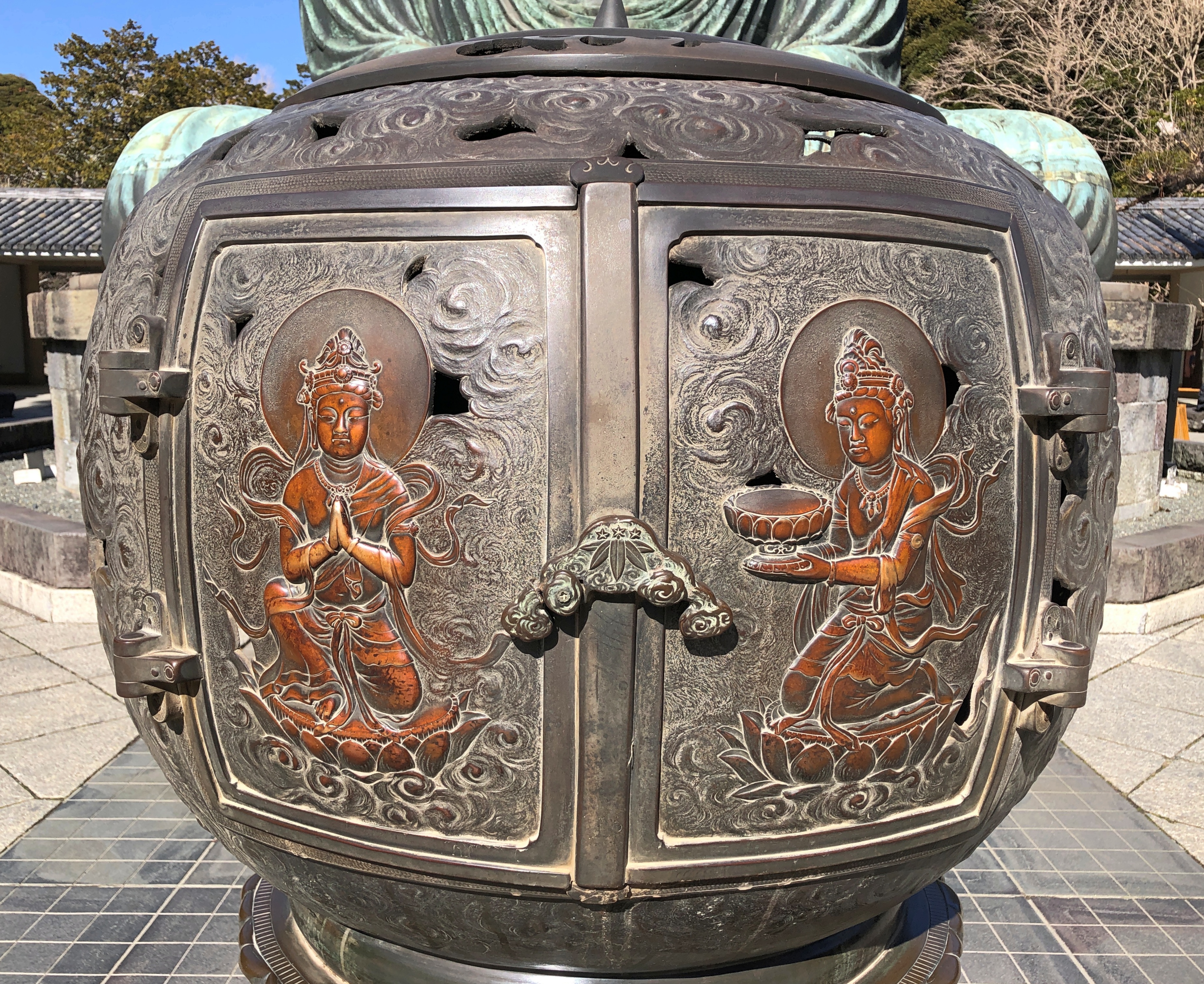
Nice peripheral details.Kamakura Daibutsu 2025 Kamakura Daibutsu 2025

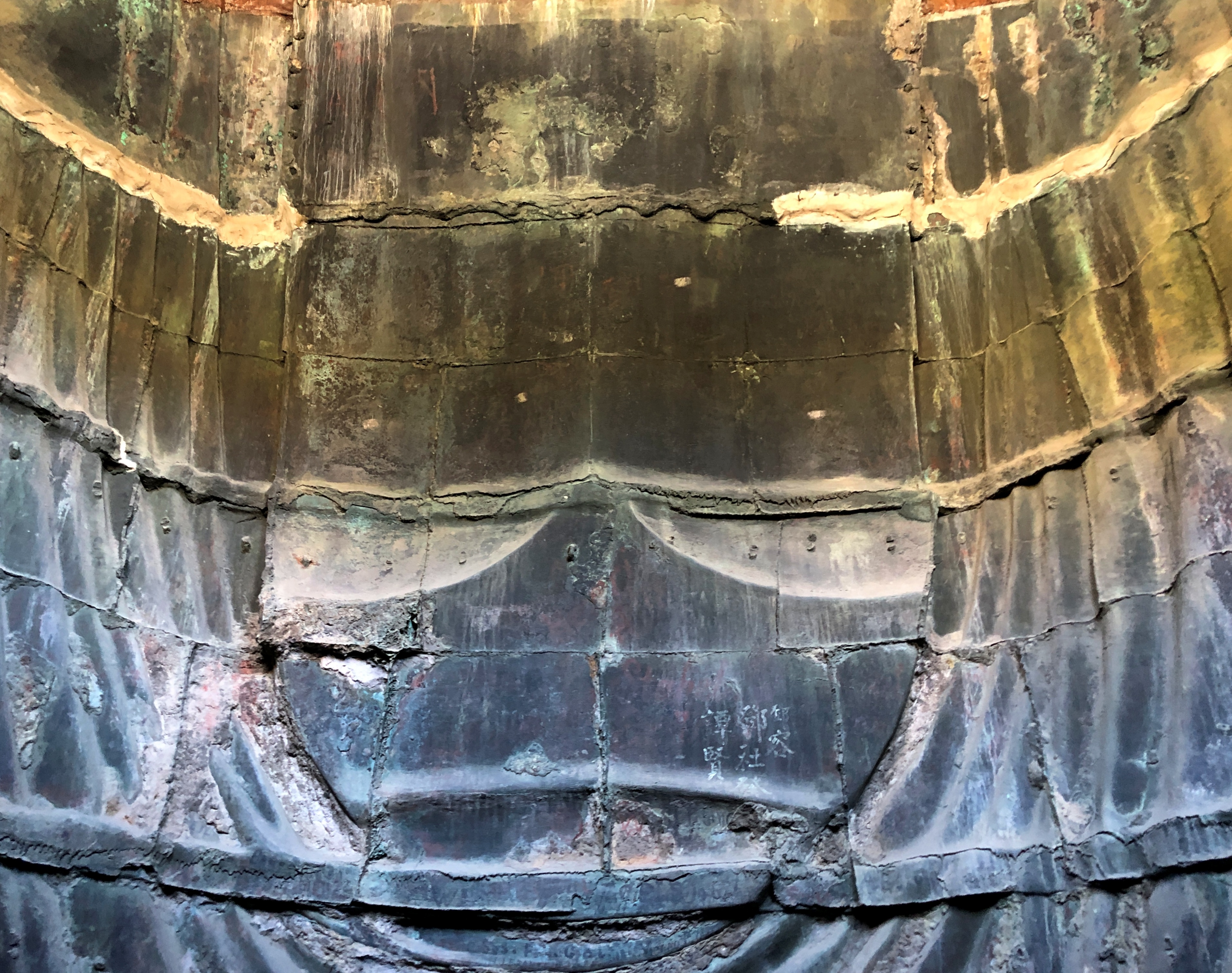
For ¥50 extra, about 50 cents, you can go inside. For a moment, I was giddy as a schoolboy. I get to go inside a giant, ancient Japanese statue?

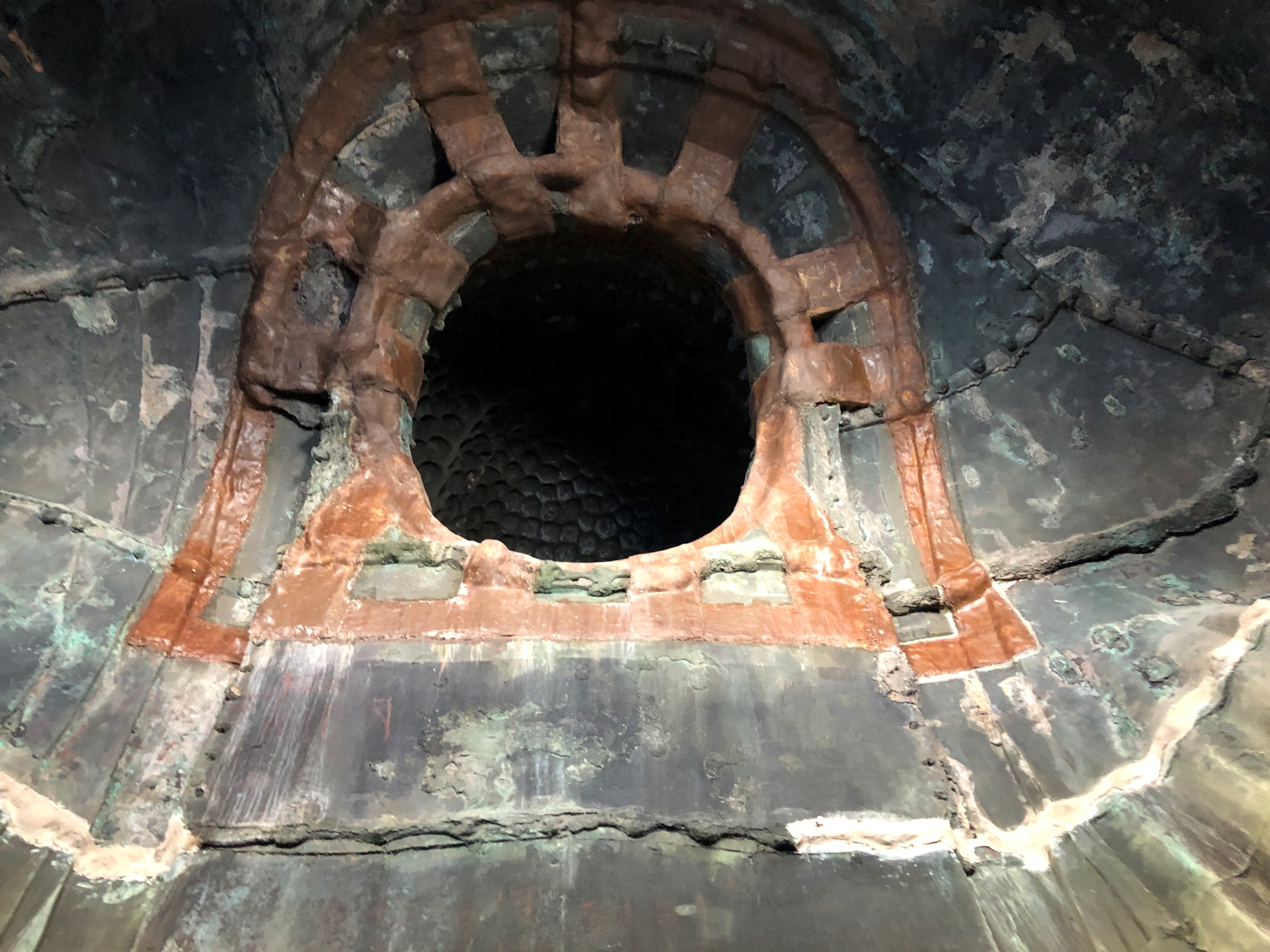
The status shows its age – how susceptible it is to the passage of time – its impermanence – more in there.Kamakura Daibutsu 2025

Looking into the head of the Kamakura Daibutsu.Kamakura Daibutsu 2025

Outside again. How is it that the metal giant has such graceful lines?Kamakura Daibutsu 2025

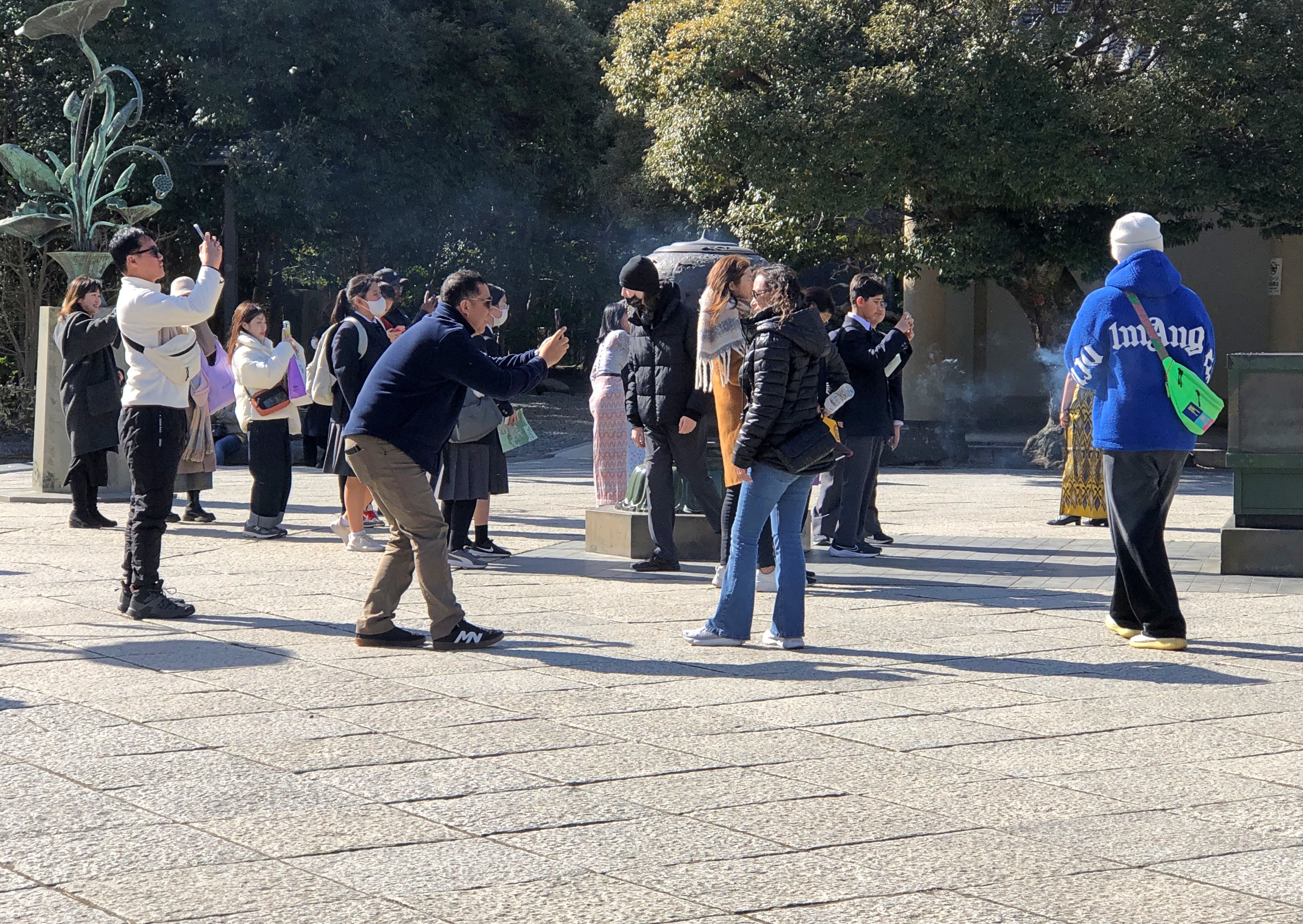
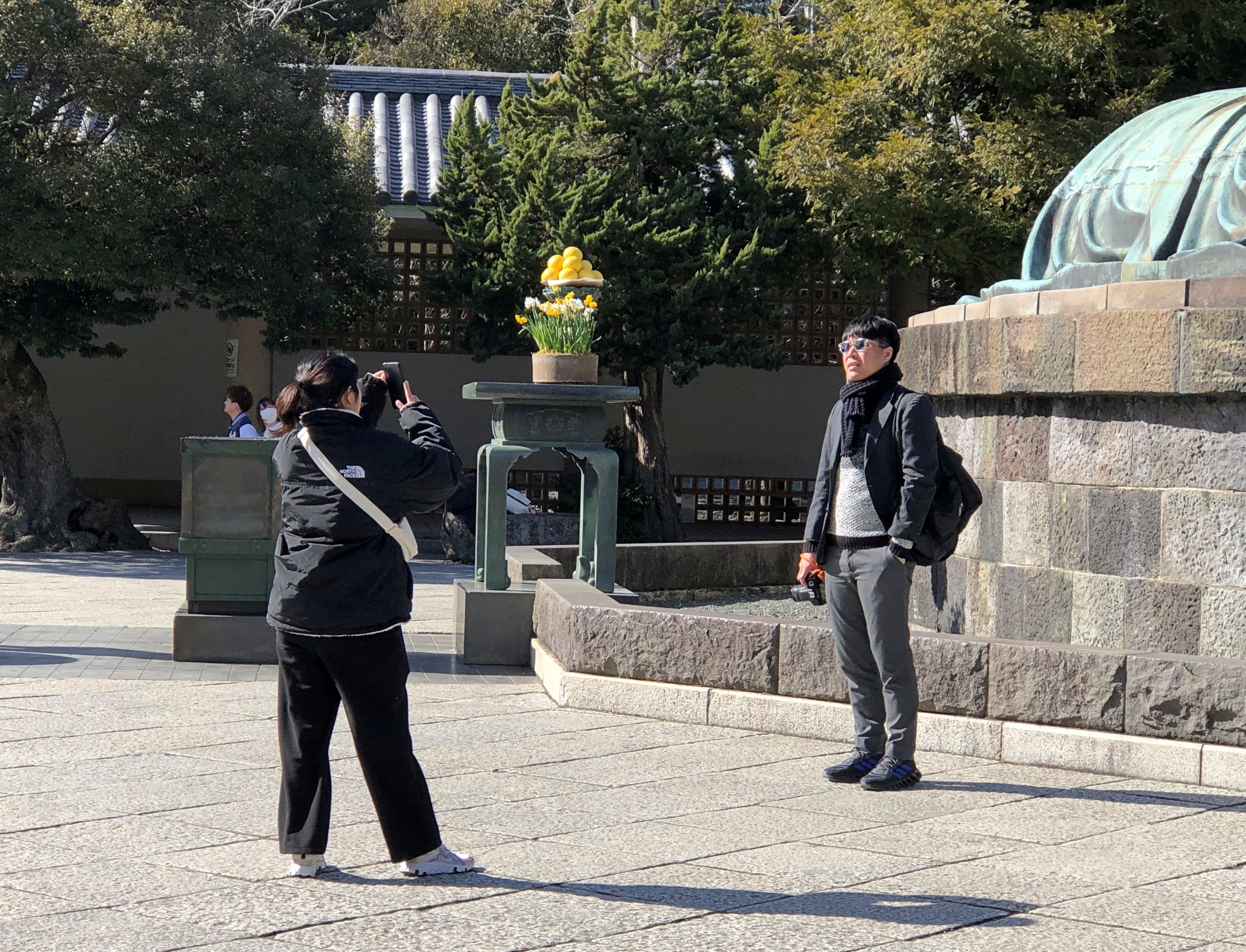
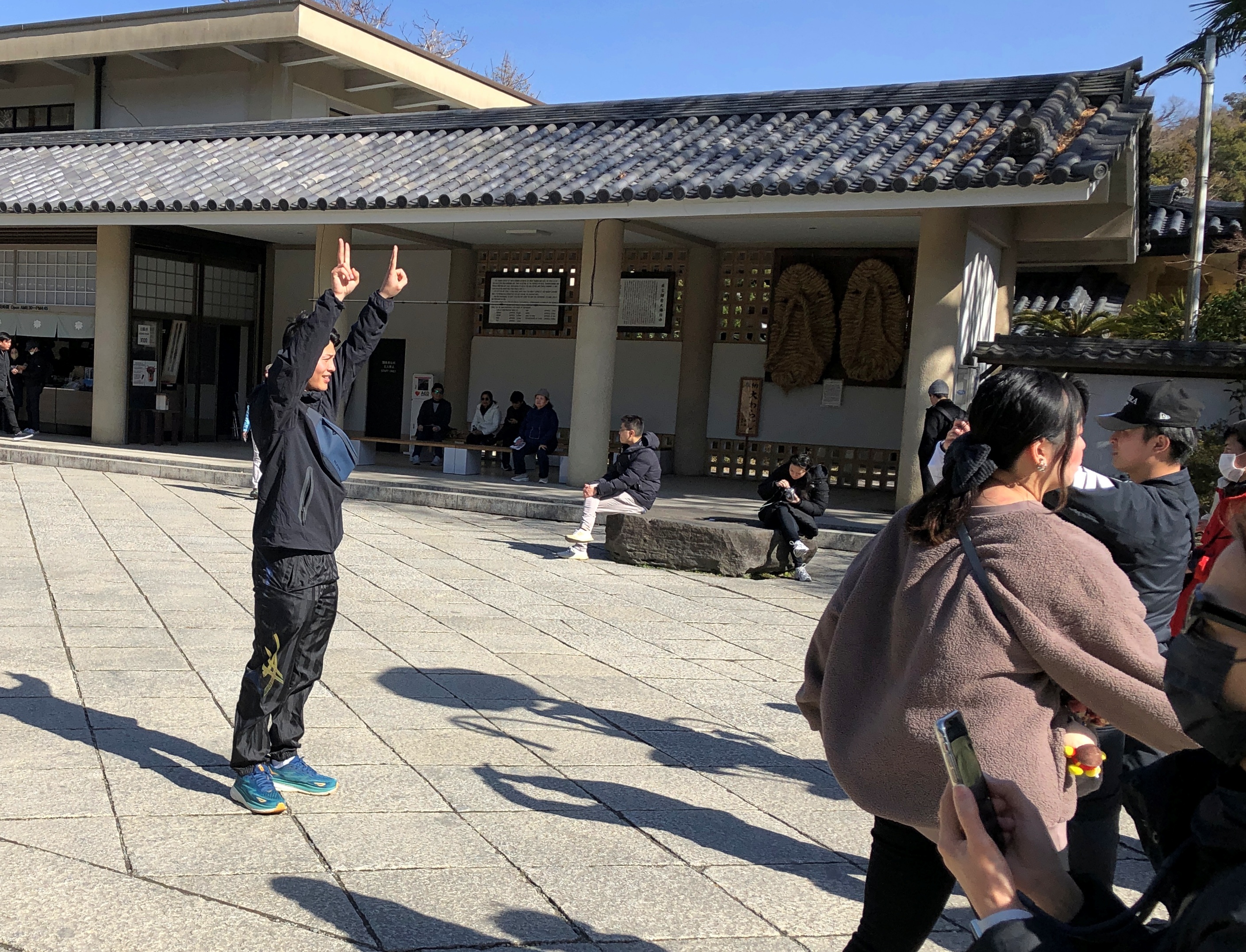
It’s popular.Kamakura Daibutsu 2025Kamakura Daibutsu 2025 Kamakura Daibutsu 2025

Having your photo made at a tourist site: near universal, isn’t it? It’s regarded as tinged with silliness, this custom. Some people think that, anyway.Kamakura Daibutsu 2025

No. Revel in it.

Around the World ’25

At times like this, in the funk that comes after a long trip, I ask myself, did I actually do that? An odd question, maybe, but long travels have that odd effect. Somehow such a trip seems less than real. Also more than real. Those are essential features of the intoxication of the road, and hangovers follow intoxication.

Ponder this: Over roughly the last five weeks, starting on February 8, in a series of eight airplane flights, a small number of intercity train trips on either side of the Eurasian land mass (including one of the fastest trains in existence), a large number of bus, subway, streetcar and even monorail rides, a few taxi rides, other car rides provided by friends and relatives and a hired driver, a bicycle rickshaw ride — and you haven’t lived and almost died (or at least felt that way) till you’ve taken such a conveyance in Delhi — climbing a lot of stairs and using a lot of escalators and elevators, and taking more than a few long walks, and many short walks, on sidewalks and cobblestone streets and railway station platforms, I went around the world in a westward direction, from metro Chicago to metro Chicago, by way of Japan, India, the United Arab Emirates, Germany and the Czech Republic.

All that effort for what? To see the world, of course. That and skip out of much of winter in northern Illinois.

How did I have the energy for this, here at the gates of old age? How are the logistics possible?

But it really isn’t that hard. This is the 21st century, and travel is mostly by machine, and part of a mass industry, so even old men firmly from the middle class can go. Retired and semiretired old men, who find themselves with more free time than in previous decades. Moreover, the logistics were the least of it: all you need in our time is a computer to set things up.

I’m convinced that the hard part, for many people, would be finding the will to go. Luckily I have a practically bottomless supply. My always-eager-to-go attitude toward seeing point A and then points B, C and so forth also meant I was completely persuaded that buzzing around the world was a good idea. Tired as I am now — and boy am I tired — I haven’t changed my mind, though I need to rest up a bit at the moment.

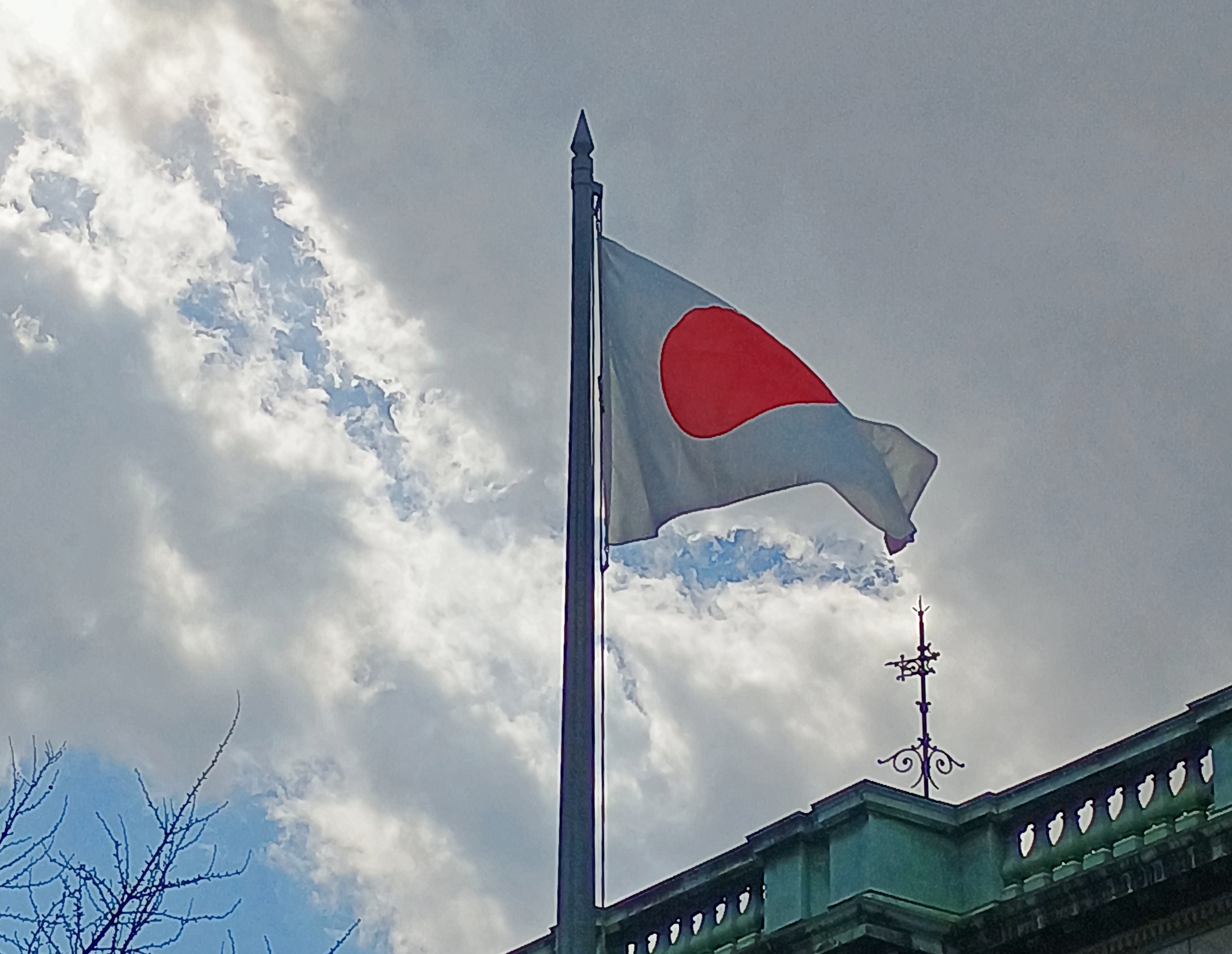
Japan: my first visit in 25+ years.Rising Sun

It felt familiar — I did live there for four years — but the passage of time also infused the place with a feeling of the unfamiliar as well, a strange combo sensation indeed.

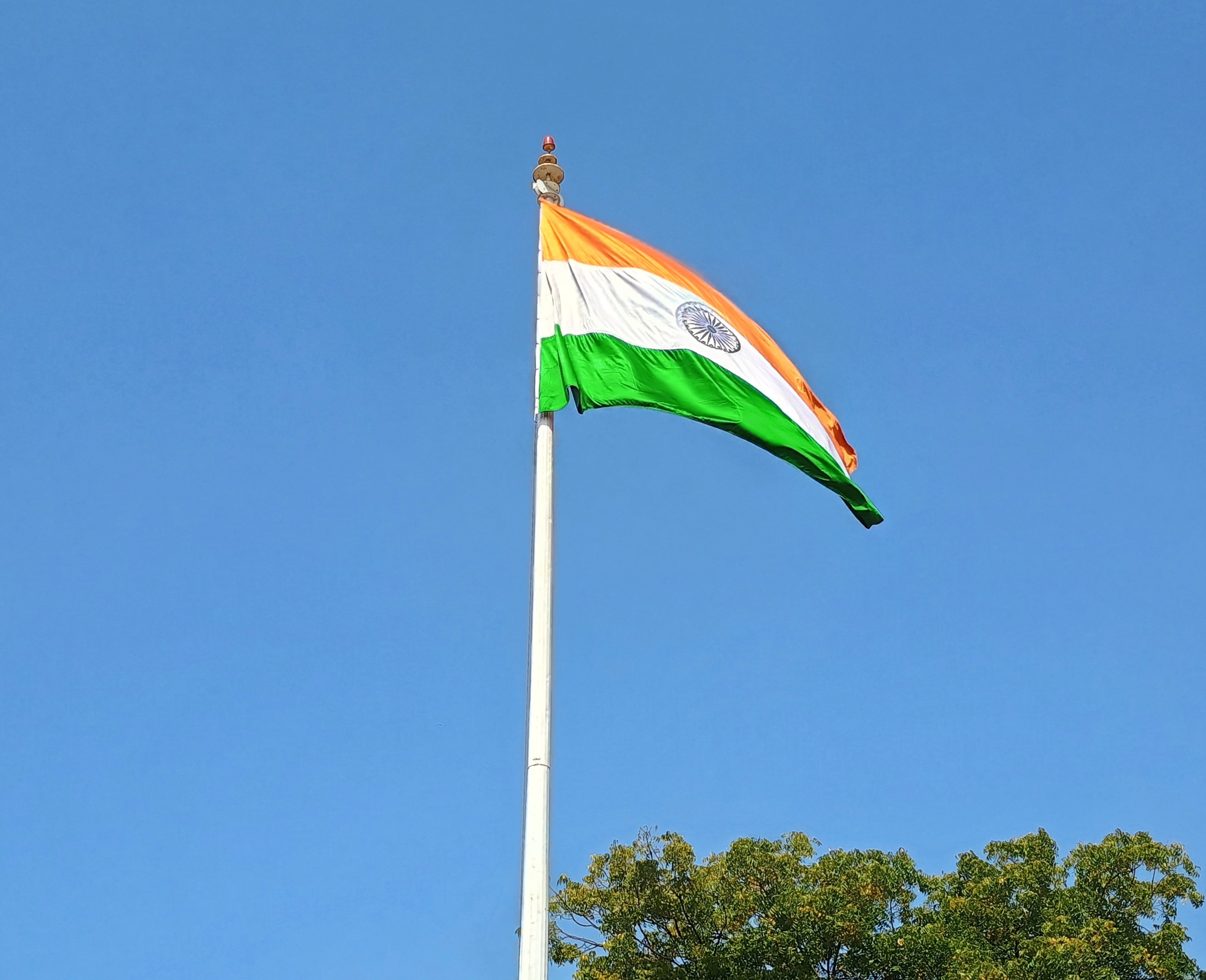
India: A major lacuna in my travels, now just a little less so.Indian Flag

A friend who goes to India sometimes on business told me last fall, “India makes me tired.” I might not have been on business, but I ended up feeling the same way.

And yet —  a phantasmagoria unlike anything I’ve seen, especially the teeming city streets. Teem was never more an apt verb, in my experience. Yuriko came as far as India with me, after we visited Japan and her family and friends there. Then she headed back eastward to Illinois.

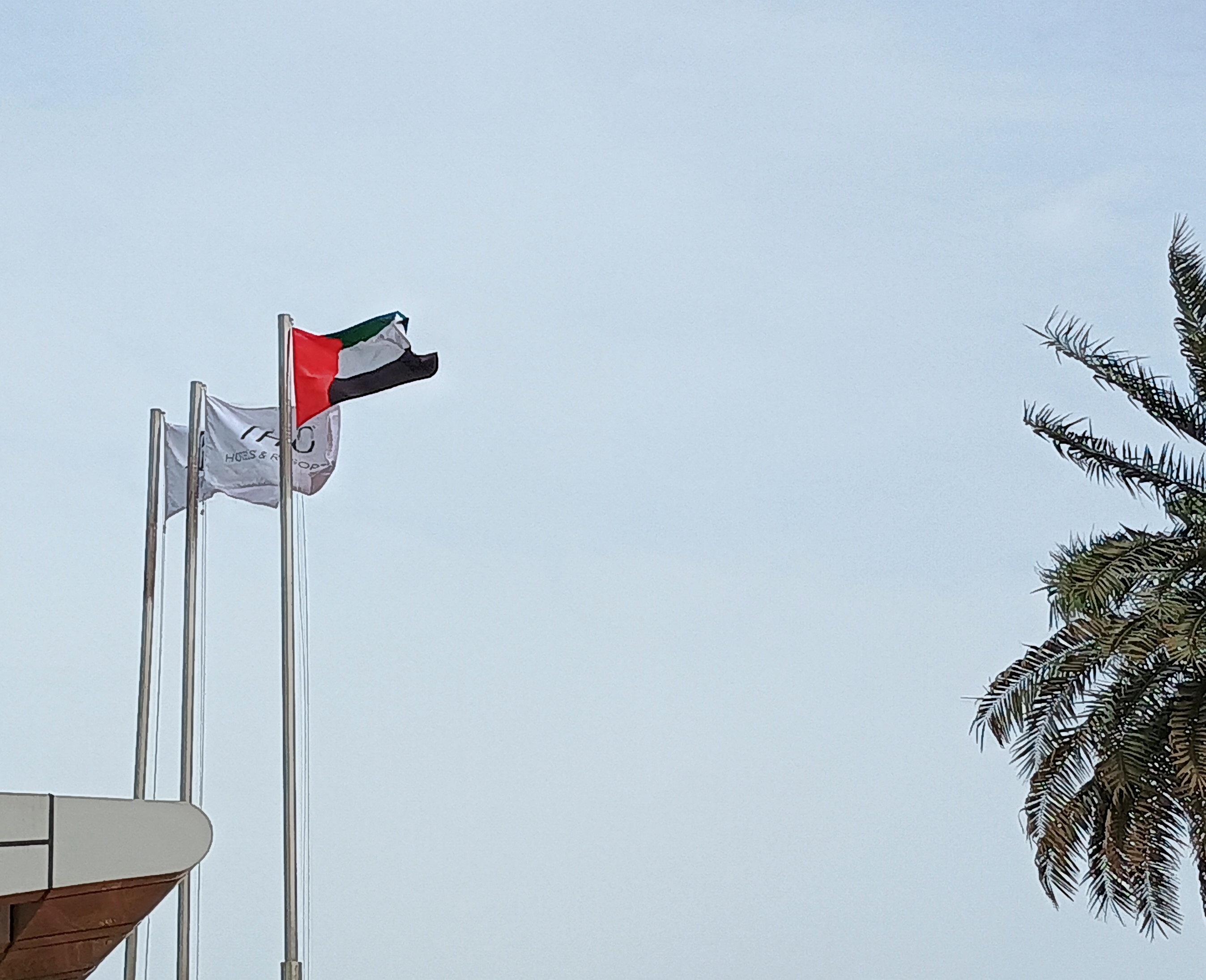
I went on alone from India to the UAE.UAE Flag

In an even less familiar part of the world, a city of towers somehow rises on the edge of the Arabian desert. Just that is astonishing in its own way, but there is plenty else.

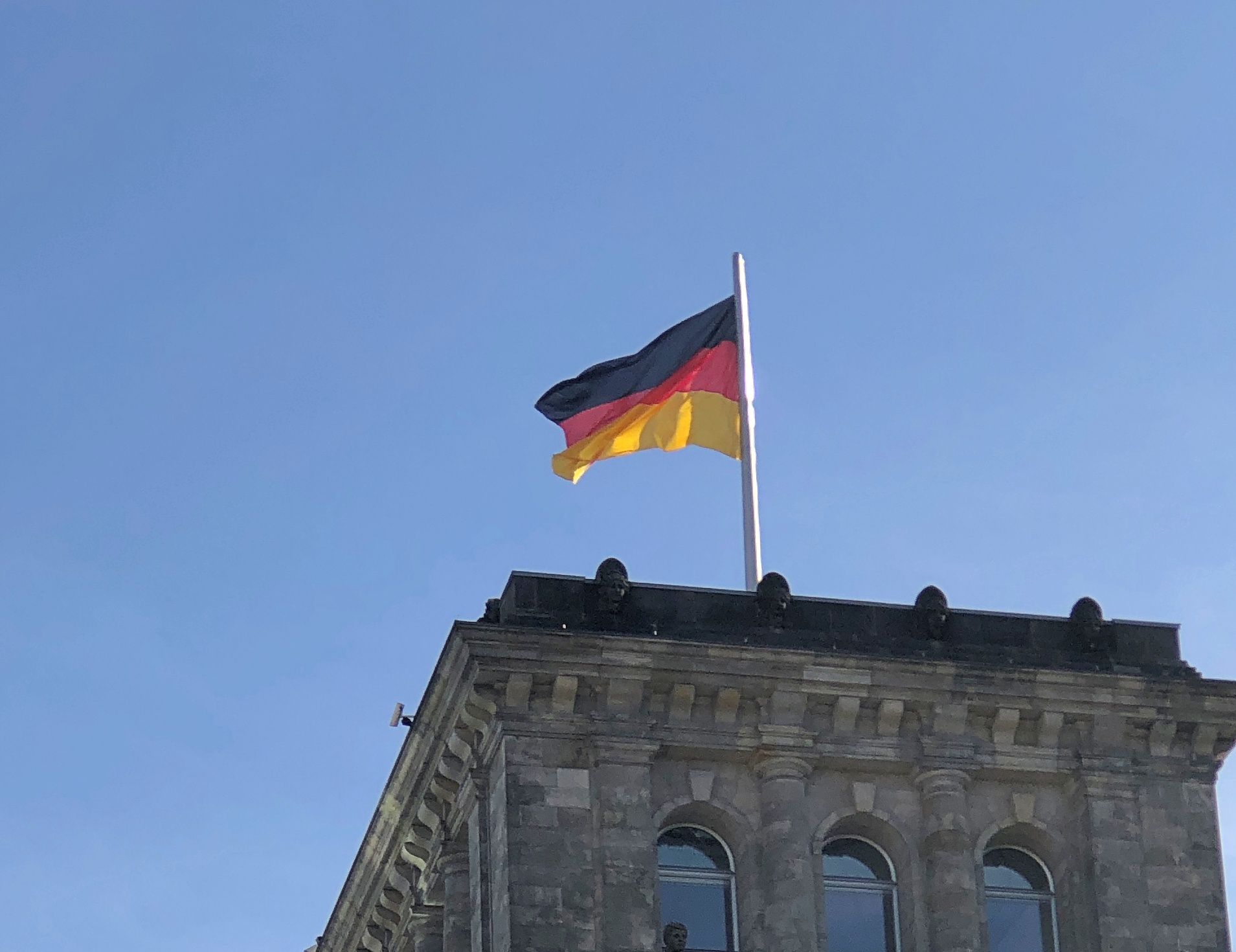
Then to Germany: An old friend I hadn’t seen in a long time, since about five golden weeks in my youth. A long, long time ago: the last time I was there, there were two Germanies and two Berlins and a Wall and the Stassi and Trabbis and a firm living memory of the cataclysm only 40 years earlier.German Flag

Berlin was the focus this time, where I joined my brother Jay for the visit. We’d been kicking around the idea of traveling there together for a while, and ultimately didn’t want to wait till either of us got any older. He had not made it to Berlin in ’72.

A major side trip from Berlin was to Prague. Not quite as old a friend, but old enough.Czech Flag

Yuriko and I visited in ’94, but it was new territory for Jay, another slice of the former Astro-Hungarian Empire to go with his early ’70s visit to Vienna.

Actually, when you visit a place you haven’t seen in 40 or 30 years, it’s like you’ve never been there. I had that sensation in both Berlin and Prague. The old memories are packed away, only loosely connected to their setting any more, which has changed partly beyond recognition anyway.

Now I’m back. Unlike Phileas Fogg, I didn’t return a day earlier than I thought I did (we have a stronger awareness of the International Date Line). But I did manage to miss the no one-likes-it spring transition to daylight savings time, just another little bonus of the trip.

Winter Hiatus

Time to take the rest of the winter off. Not from living my life (I hope), but posting. Long enough to be a genuine hiatus: back in mid-March. Of course, it won’t really be spring in northern Illinois even then, but the odds of a blizzard will be low.

Where did that word come from, anyway? Hiatus, that is. Latin: opening, aperture, rupture, gap.

But I always like to go back a little further, if possible.

*ghieh-

Proto-Indo-European root meaning “to yawn, gape, be wide open.”

It forms all or part of: chaos; chasm; dehiscence; gap; gasp; gawp; hiatus; yawn.

Till then, a selection of items, in honor of the chaos and gawp of the next month or so.

I snipped this a few months ago when pricing a room. Maybe things have changed since then, though I doubt it.

Yea, a $90 room! Competitive with a motel. Wait, not so much. Why would I stay at a random peer-to-peer room unless it’s either competitive on price – the original deal with the tech, as I recall – or so interesting or well-located that it’s worth the extra fees? Talk about drifting away from what made the platform attractive, once upon a time.

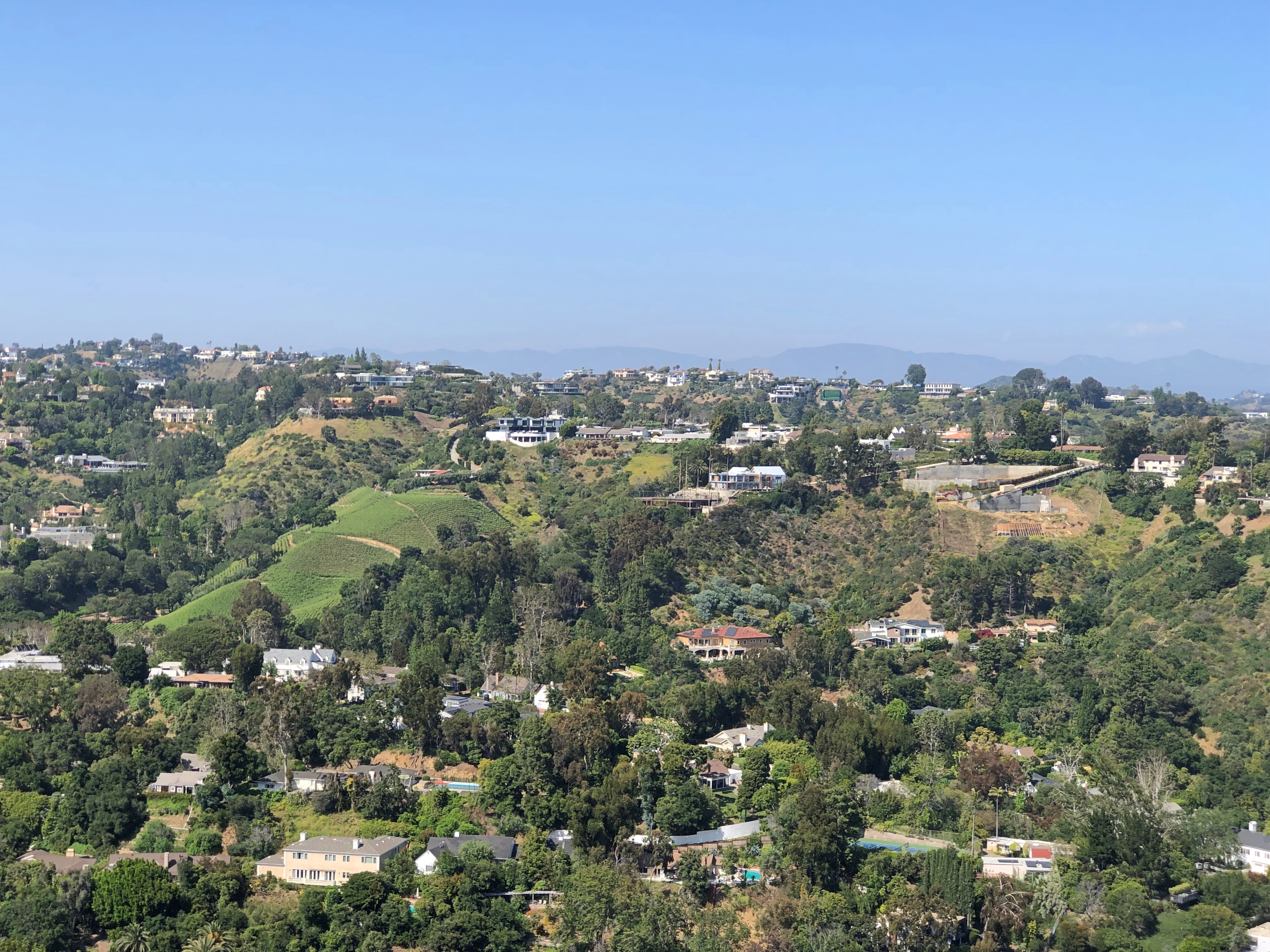
A view from the Getty Center about 18 months ago. Wonder what I’d see now.

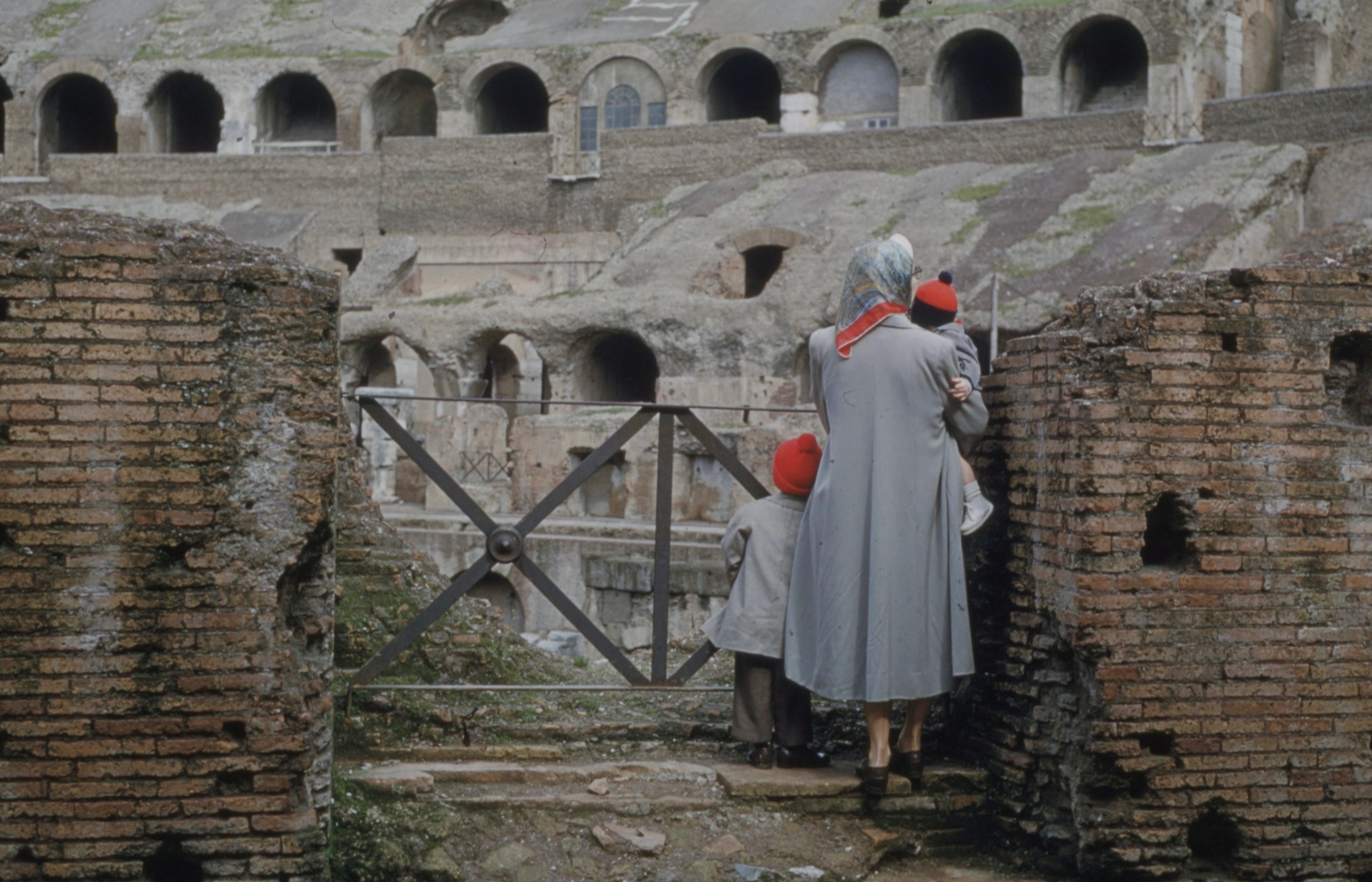
One more mid-century scan: my mother and brothers, before I was born, at the Colosseum in the mid-50s. Must have been a chilly day in Rome.

I stood there myself, maybe at that exact spot, but not till 1983. Call it the Flavian Amphitheater, my henna-haired high school Latin teacher Mrs. Quarles would have said. 

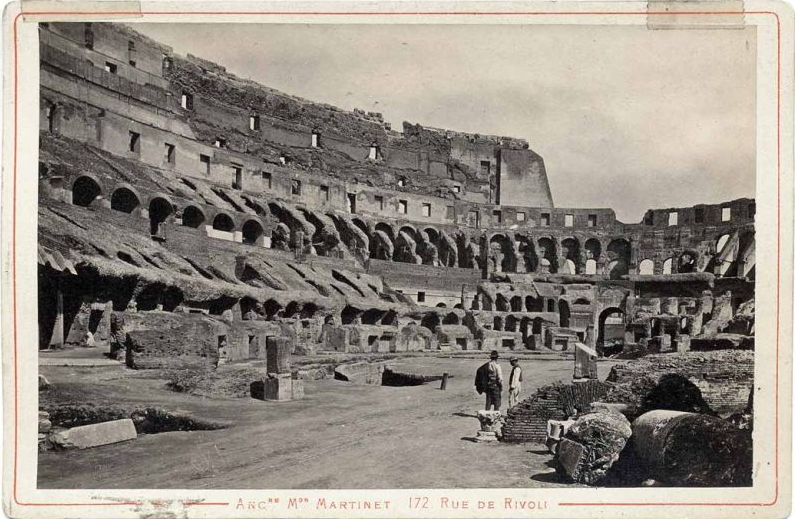
Once upon a time, as recently as the early age of photography, it looks like you could wander right in. Those were the days.

P.D.Q. Bach 1980 (Not 1780)

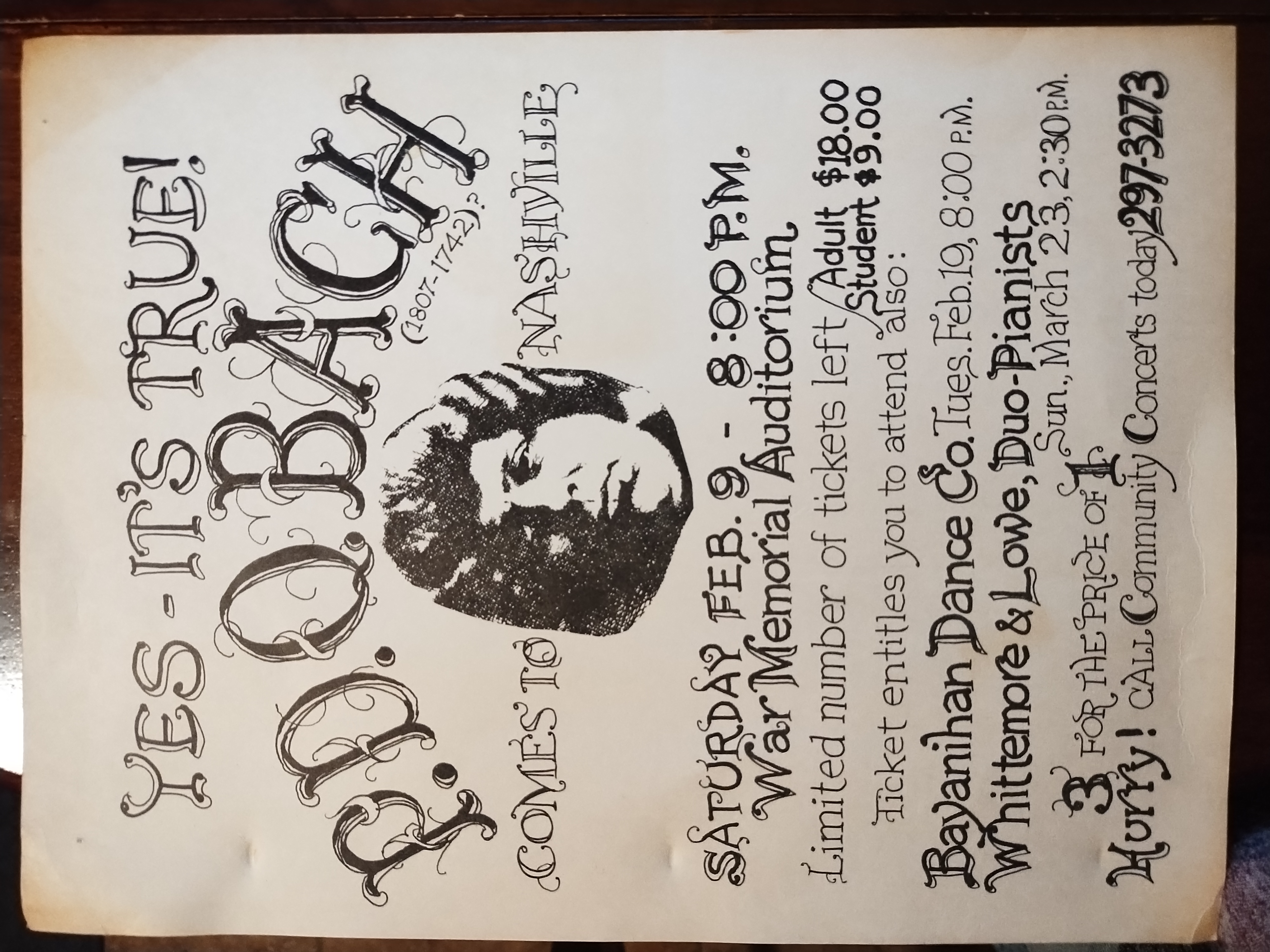
Below is a poster I picked up among the debris in the closet of my former room in San Antonio, and brought back north last month. I probably originally liberated it from a wall at Vanderbilt, though I would have had the good manners to do so after the concert.

I remember going to see P.D.Q. Bach in Nashville in early 1980, but, maybe true to the spirit of the not-great composer himself, I don’t remember much about the concert. After all, Schickele.com says: “P.D.Q. was virtually unknown during his own lifetime; in fact, the more he wrote, the more unknown he became.”

It’s easy to believe that after 45 years, my memory of the concert is slight. I saw Bob Marley in concert in 1980 as well, and mostly I remember the various kinds of smoke at the venue, and Marley’s frequent cries of “All hail Jah!” and “Free Zimbabwe!”

Back to P.D.Q. Bach. I must have been amused by the concert. Not as much as if I’d actually known anything about classical music, but I’m sure Peter Schickele’s antics were amusing above and beyond mere music spoof. I’m also pretty sure I went by myself, since even the student price (more than $34 in current money) would have been a lot for an act no one else had ever heard of.

But I had. We had at least one record of his around when I was in high school, namely Report from Hoople: P. D. Q. Bach on the Air, which was in personal heavy rotation for a little while, along with all our Tom Lehrer records.

That reminds me: I need to get around to writing that short bio of that other non-famous musician, Irwin Hepplewhite, leader of Irwin Hepplewhite and the Terrifying Papoose Jockeys during the gold and silver age of American pop, since clearly no one else is going to do it.

Back to P.D.Q. Bach again. I didn’t note the passing of Peter Schickele last year, but I’m going to now. Here’s an interview he did only a few years after he came through Nashville. Everybody comes to Nashville, even Irwin Hepplewhite and the Terrifying Papoose Jockeys, who brought the house down – literally, a ceiling fixture fell on them – at the Ryman in ’69, one of the lesser-known events referenced in “American Pie.”

Texas ’25 Leftovers

Literal Texas leftovers might include barbecue brisket, chili and pecan pie. I don’t happen to have any of those on hand, unfortunately, though I’m glad to report I ate all of those and more while in Texas this month. On the other hand, I have some metaphorical leftovers.

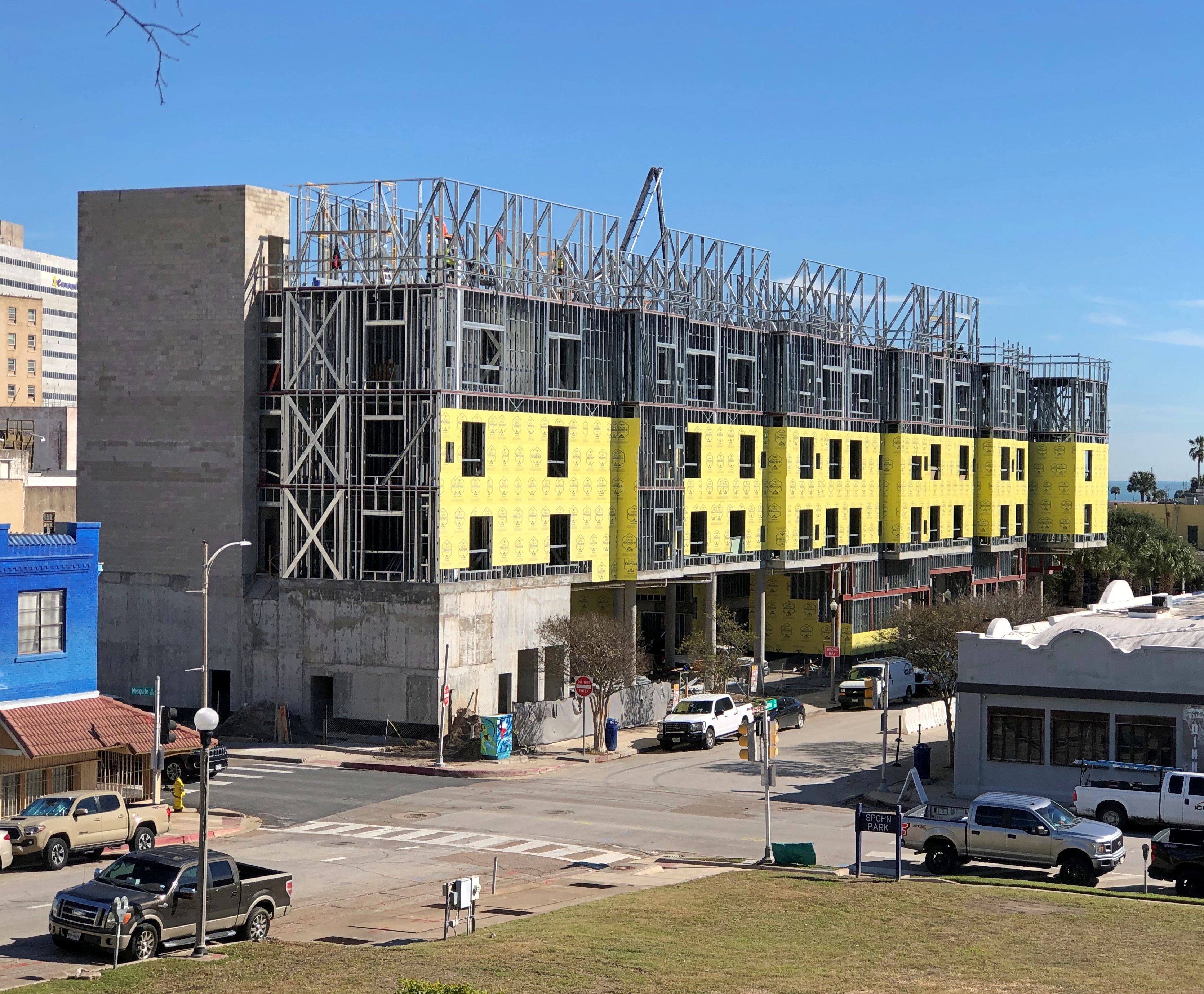
Corpus Christi isn’t a large real estate market, but I did notice some development activity downtown. It has to be apartments with a spot of retail on the first floor.Downtown Corpus Christi

Being new, they will surely rent for more than the Corpus average of $1,575 a month for the entire range of apartments (Zillow data). Even so, the city isn’t an expensive market by current standards. Austin hipsters, take note. Go make Corpus weird.

I didn’t drink any alcohol in Texas, though I did have a couple of 0.0 brews when Tom and I watched UT go down to ignominious defeat against Ohio State in the Cotton Bowl on January 10 (ridiculously called in full the College Football Playoff Semifinal at the 89th Goodyear Cotton Bowl Classic). We watched it on a big screen at an Austin bear bar – I was one of the few male patrons without a beard, and the patrons were about 90 percent male – and most of the rest of the crowd weren’t participating in dry January. If Texas had won, there might have been a jubilant sports riot on the streets of Austin that night, but it was not to be.

No beer for me, but plenty of beer neon.Shiner Beer

Good old Shiner. As Texas a beer as you could ask for. Touring the brewery might be nice someday, but for $30? (I checked.) I don’t know about that, Shiner.

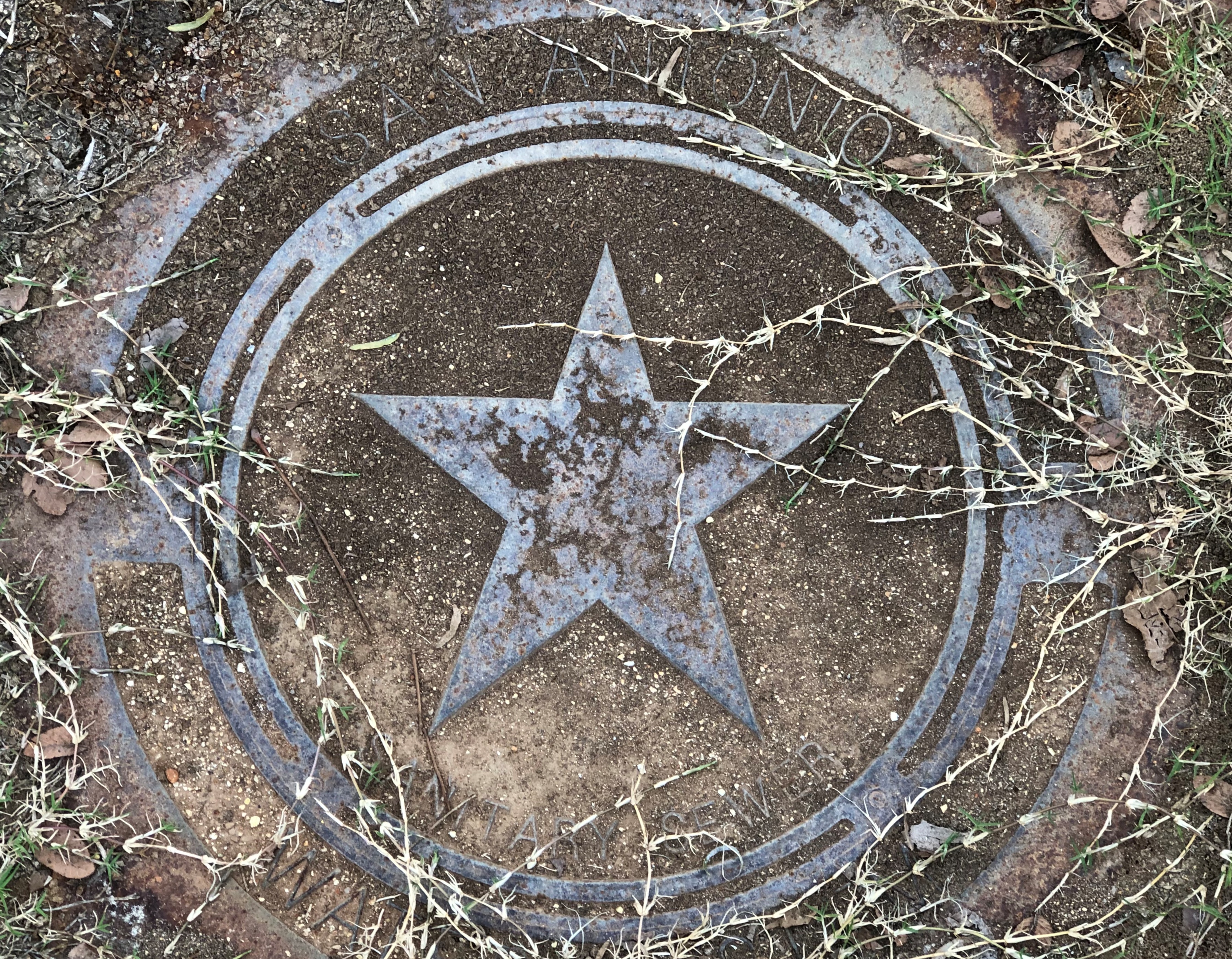
An aged Lone Star manhole cover in San Antonio.San Antonio

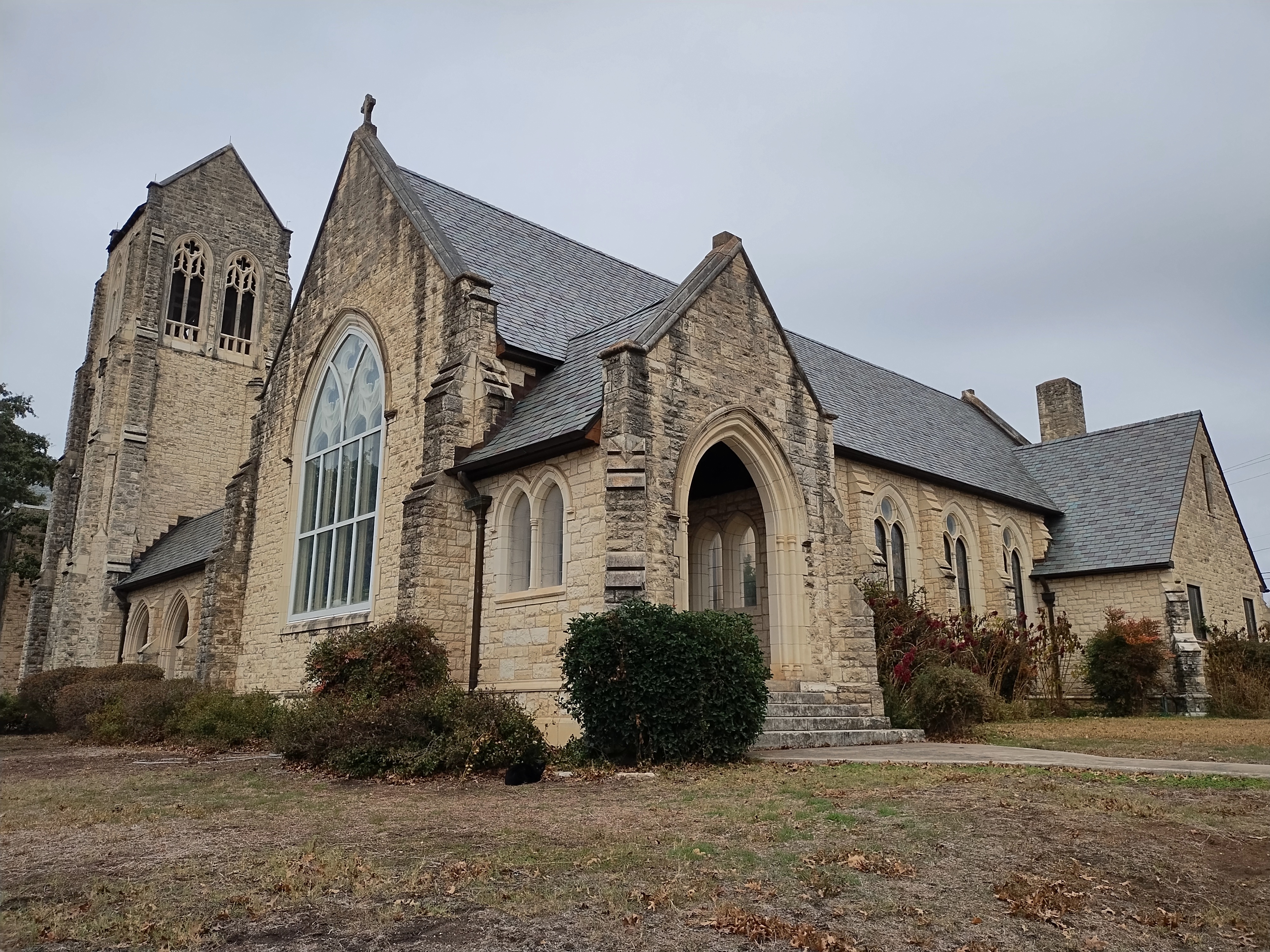
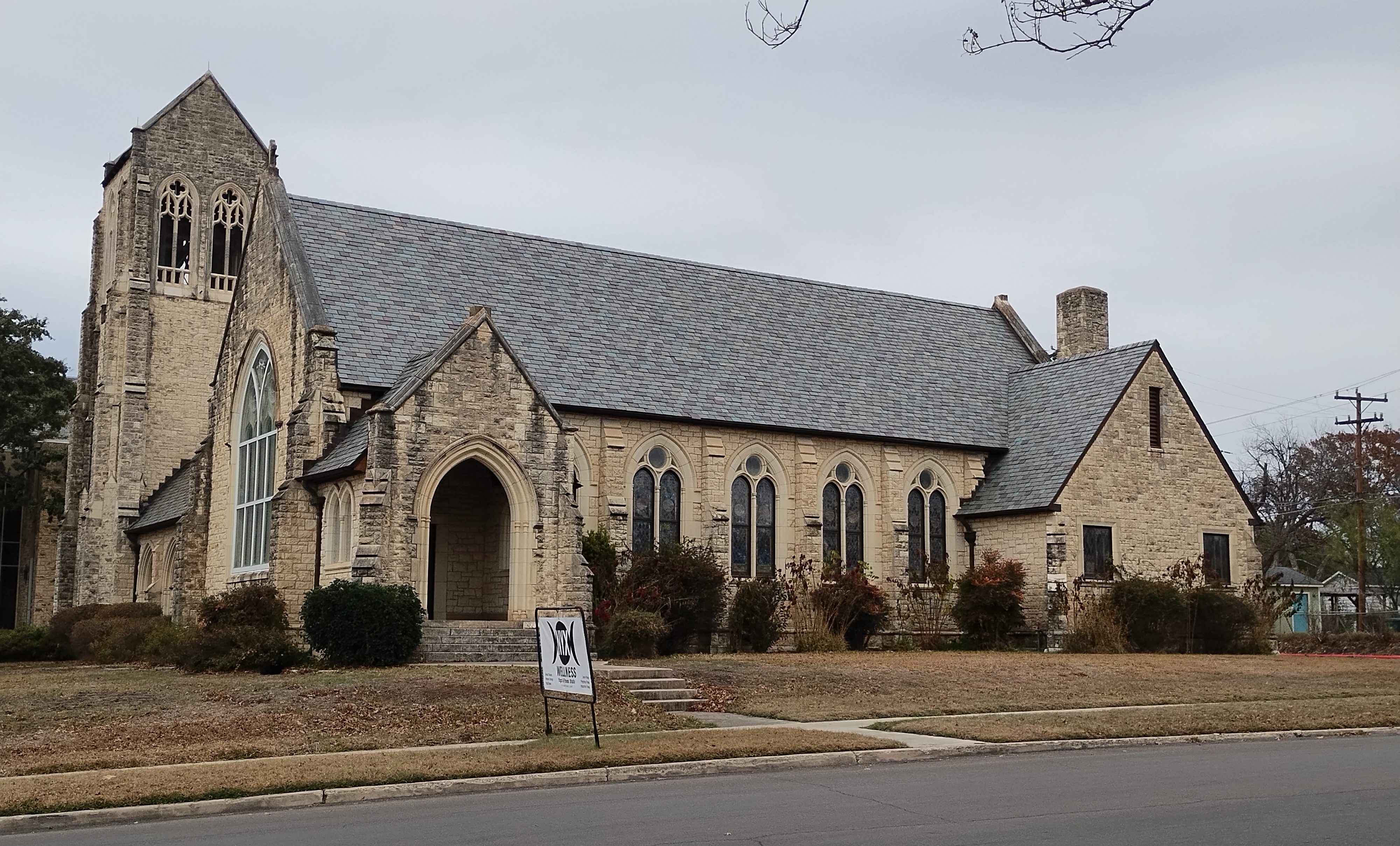
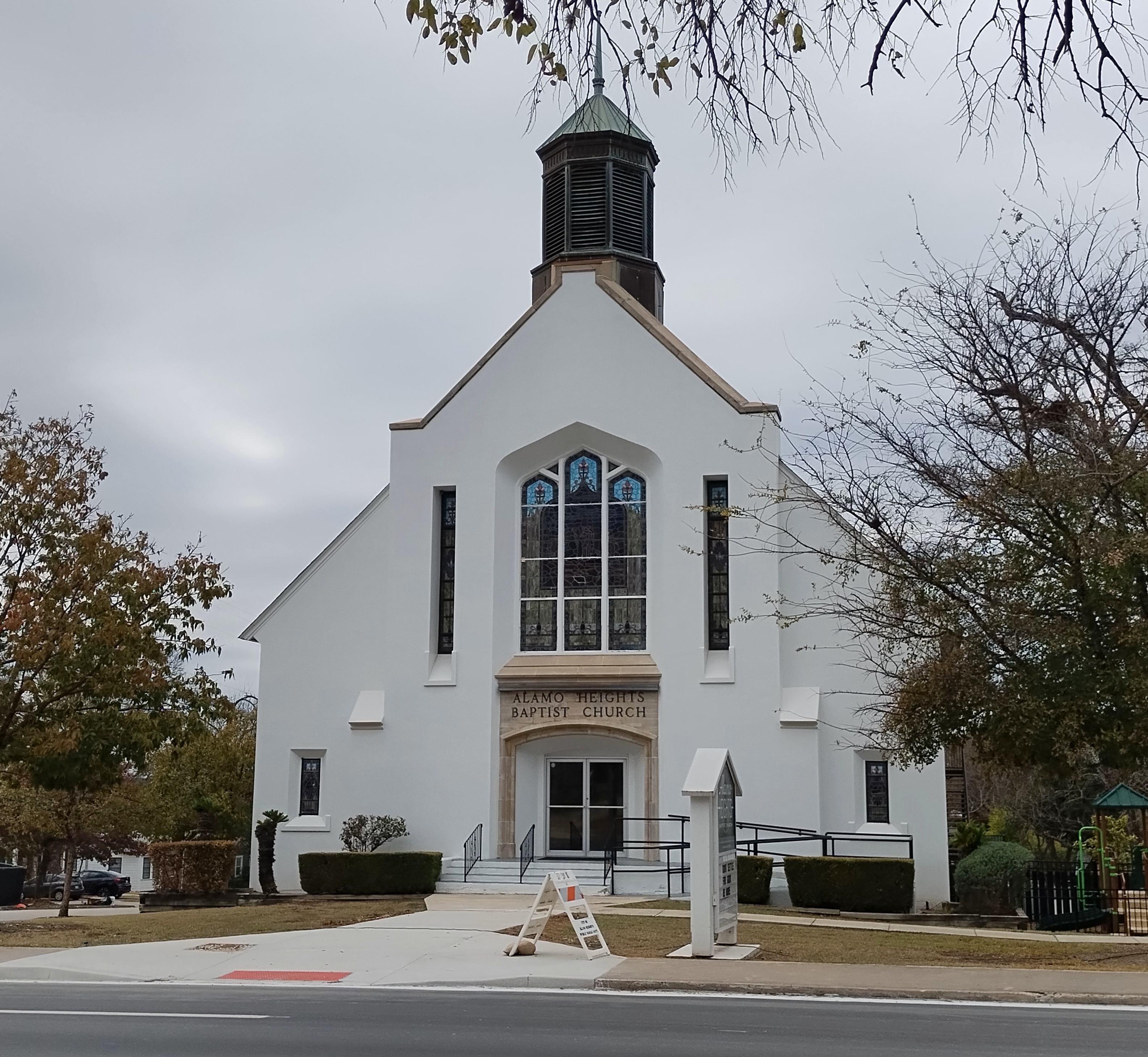
Also in San Antonio, a church I’ve never been in, but have passed by countless times: Sunset Ridge Church of Christ. This time I stopped for a picture, since it’s a handsome church.

Alamo Heights Baptist Church.Bell County Safety Rest Area

Another one I’ve passed countless times, and decided to take a slightly longer look this time.

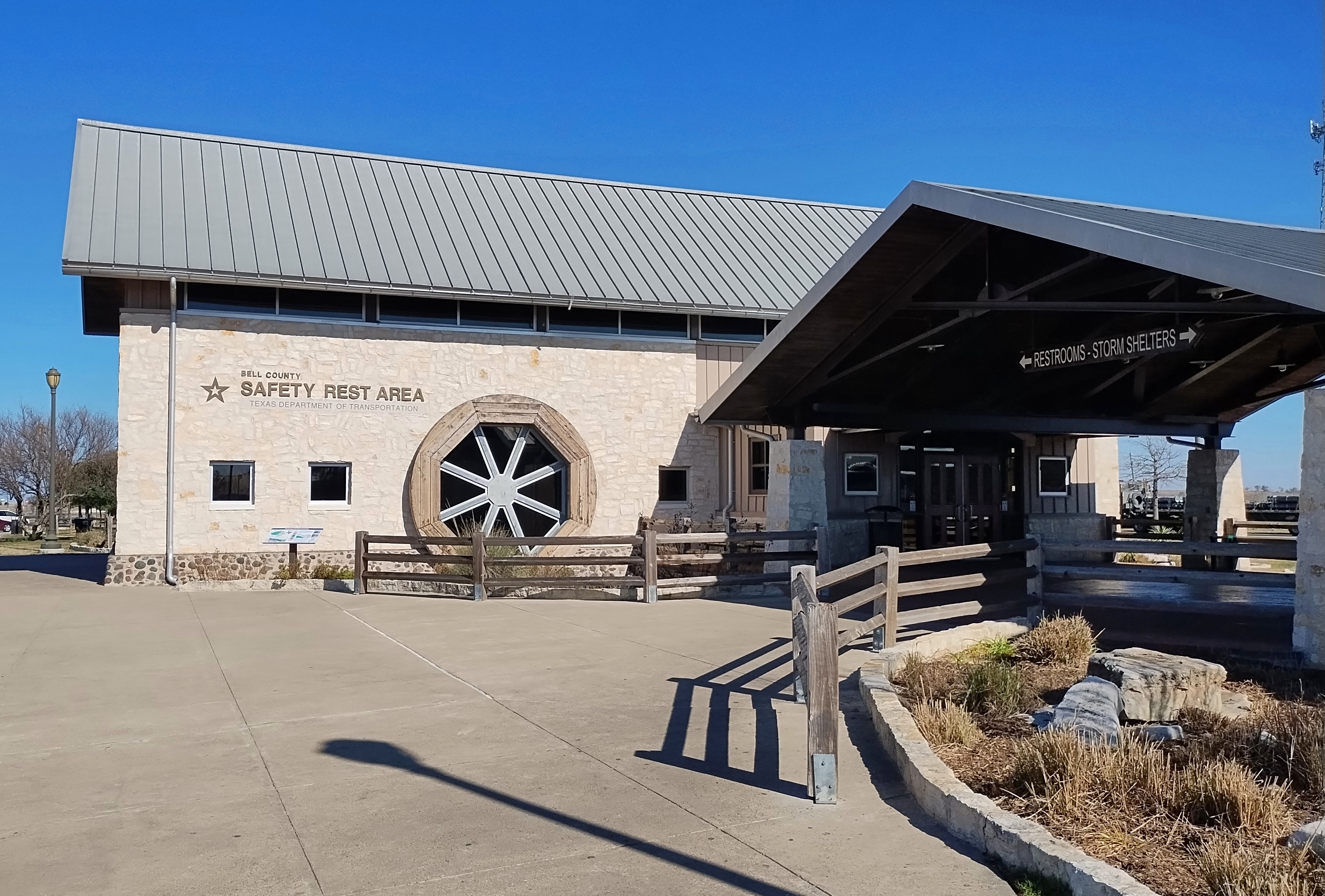
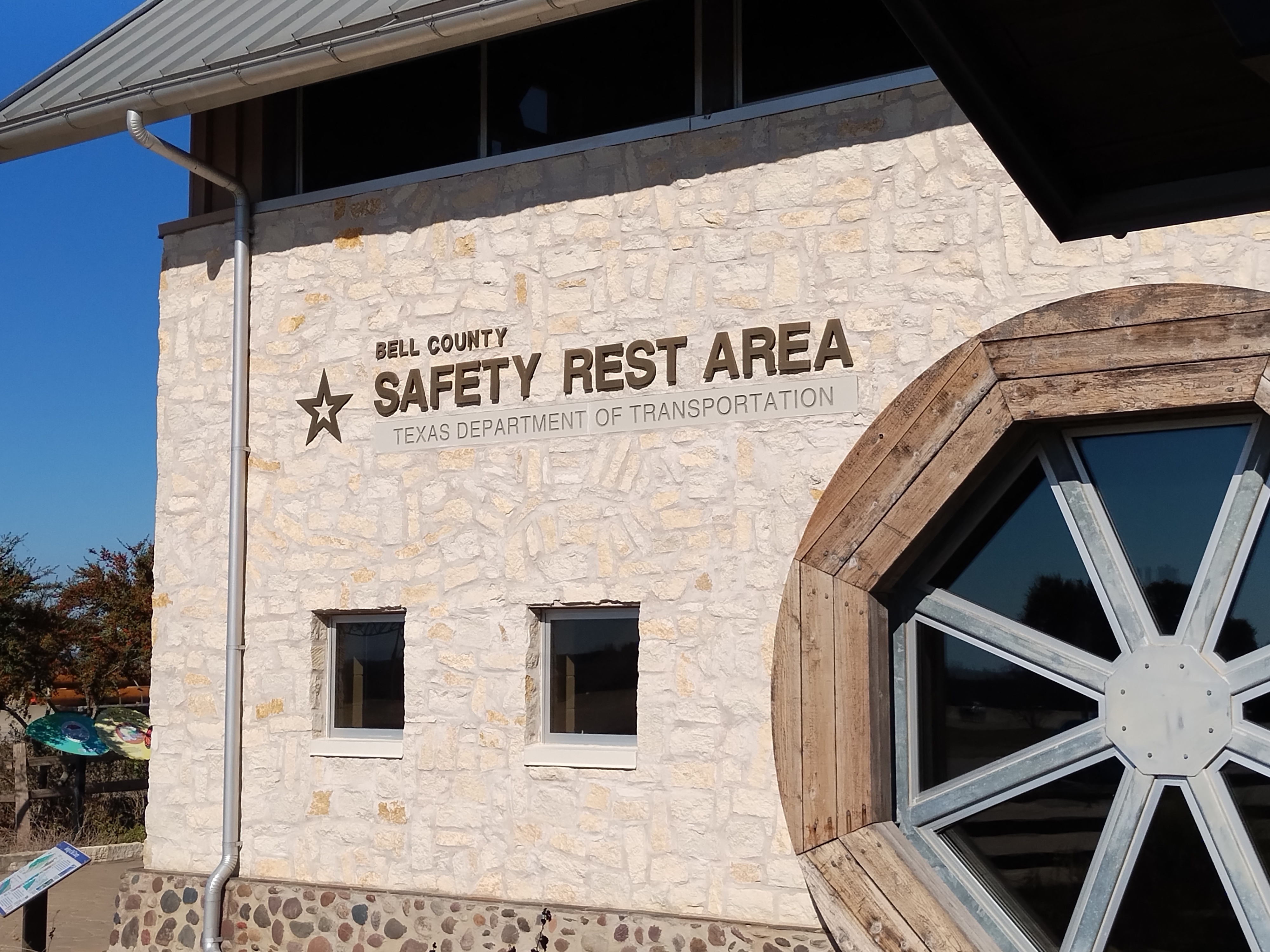
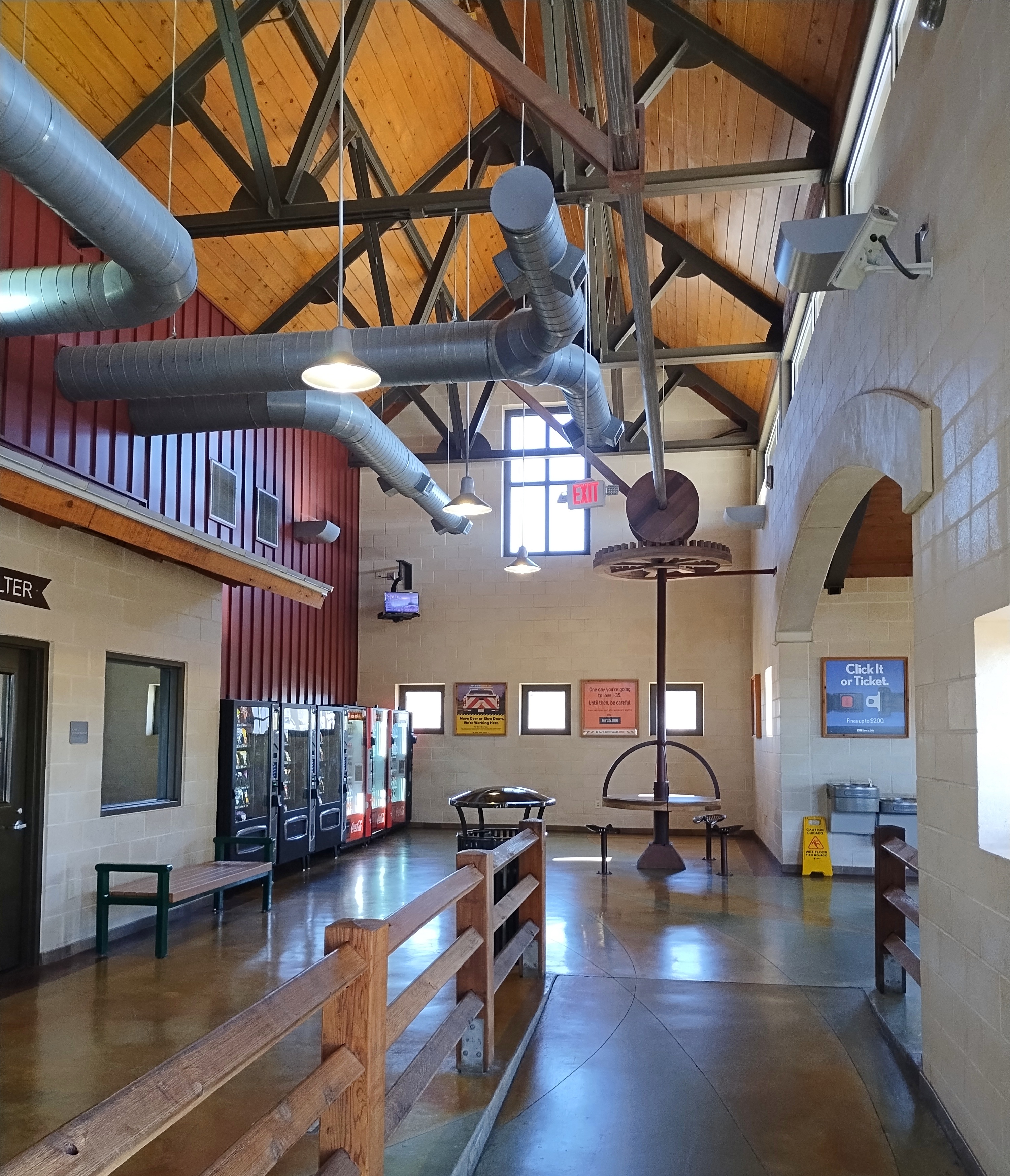
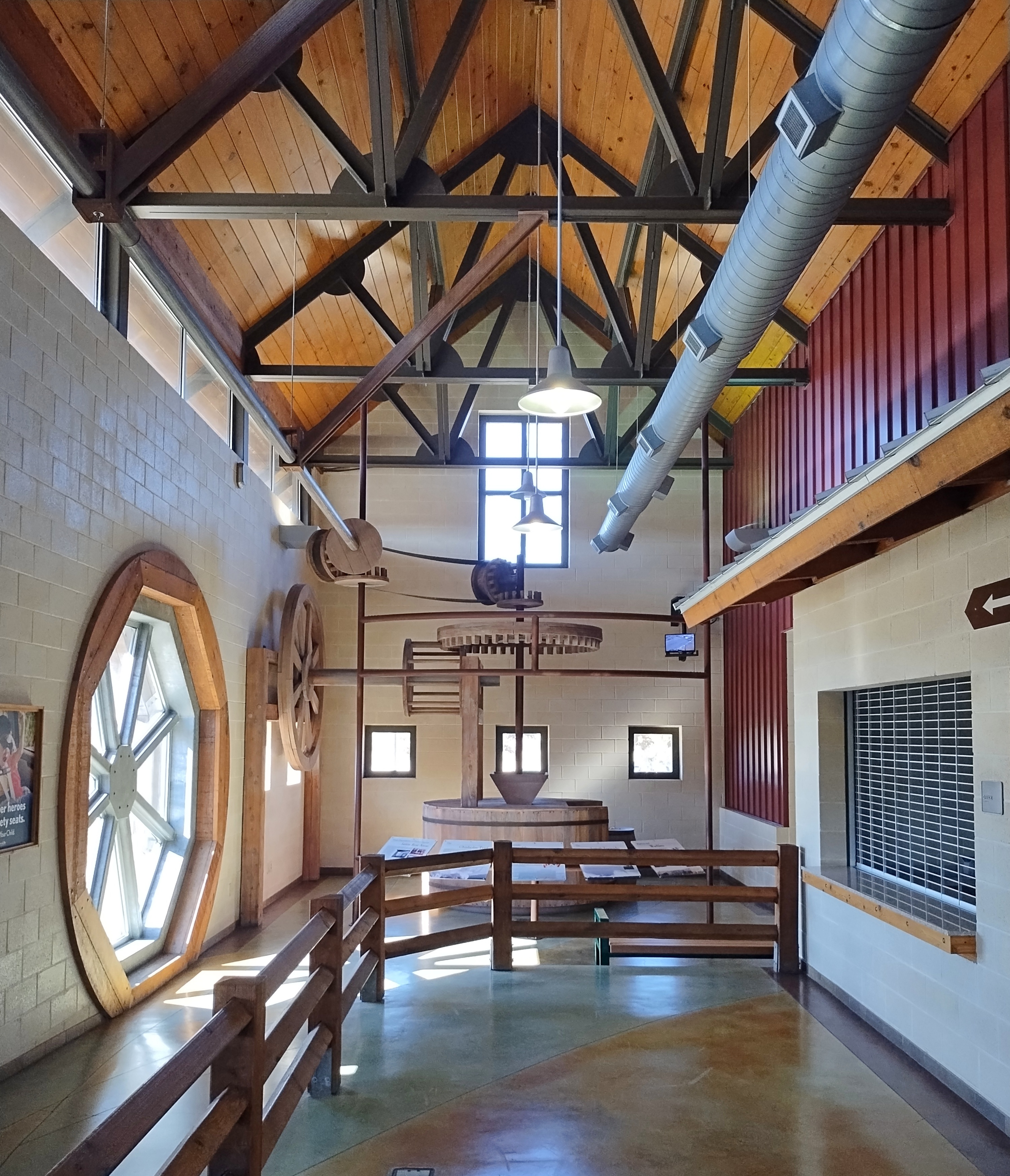
On the drive between San Antonio and Dallas, we went pretty much straight through on I-35, except for bypassing Austin by way of Texas 130, which costs extra but gives good value in that you don’t have to deal with the molasses that is traffic on I-35 through Austin. North of Austin, and back on the interstate, we stopped at the Bell County Safety Rest Area, which is fairly new, opened in 2008.Bell County Safety Rest Area Bell County Safety Rest Area

The interior.Bell County Safety Rest Area Bell County Safety Rest Area

TexDOT says that “the architectural design was inspired by the many grist mills that once stood along nearby Salado Creek.”

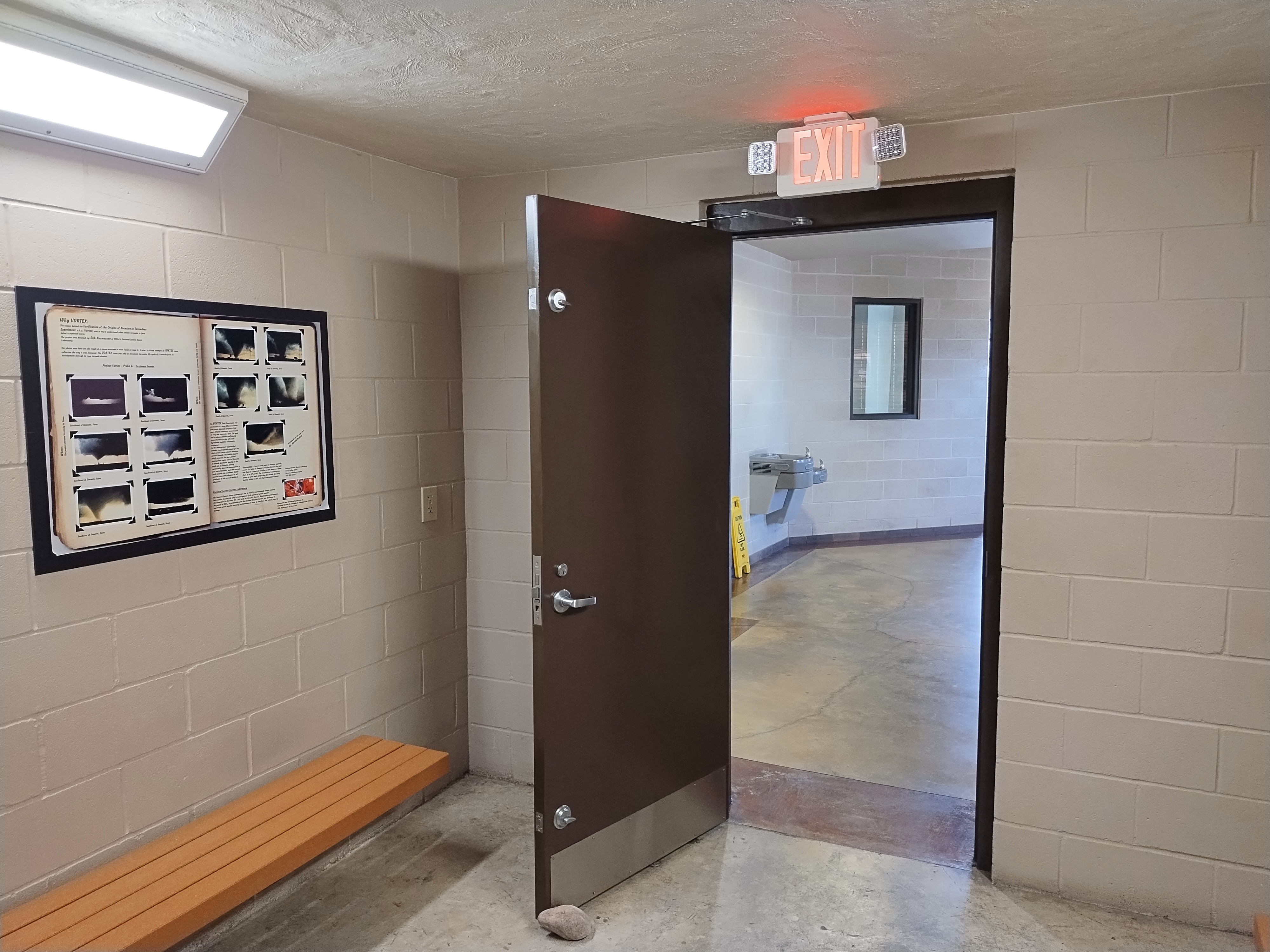
There are exhibits there about the Chisholm Trail — “the greatest migration of livestock in history,” the sign says — and the Jerrell Tornado strike of May 27, 1997, an F5 monster that killed 27 and destroyed much of the town of Jerrell, which isn’t far to the south of the rest stop. True to its designation as a safety rest area, there’s a tornado shelter inside the facility. Its door was propped open with a rock, so I went in for a look. On the wall was illustrated detail about the deadly tornado. May 27, 1997, was a good day to be somewhere else.Bell County Safety Rest Stop

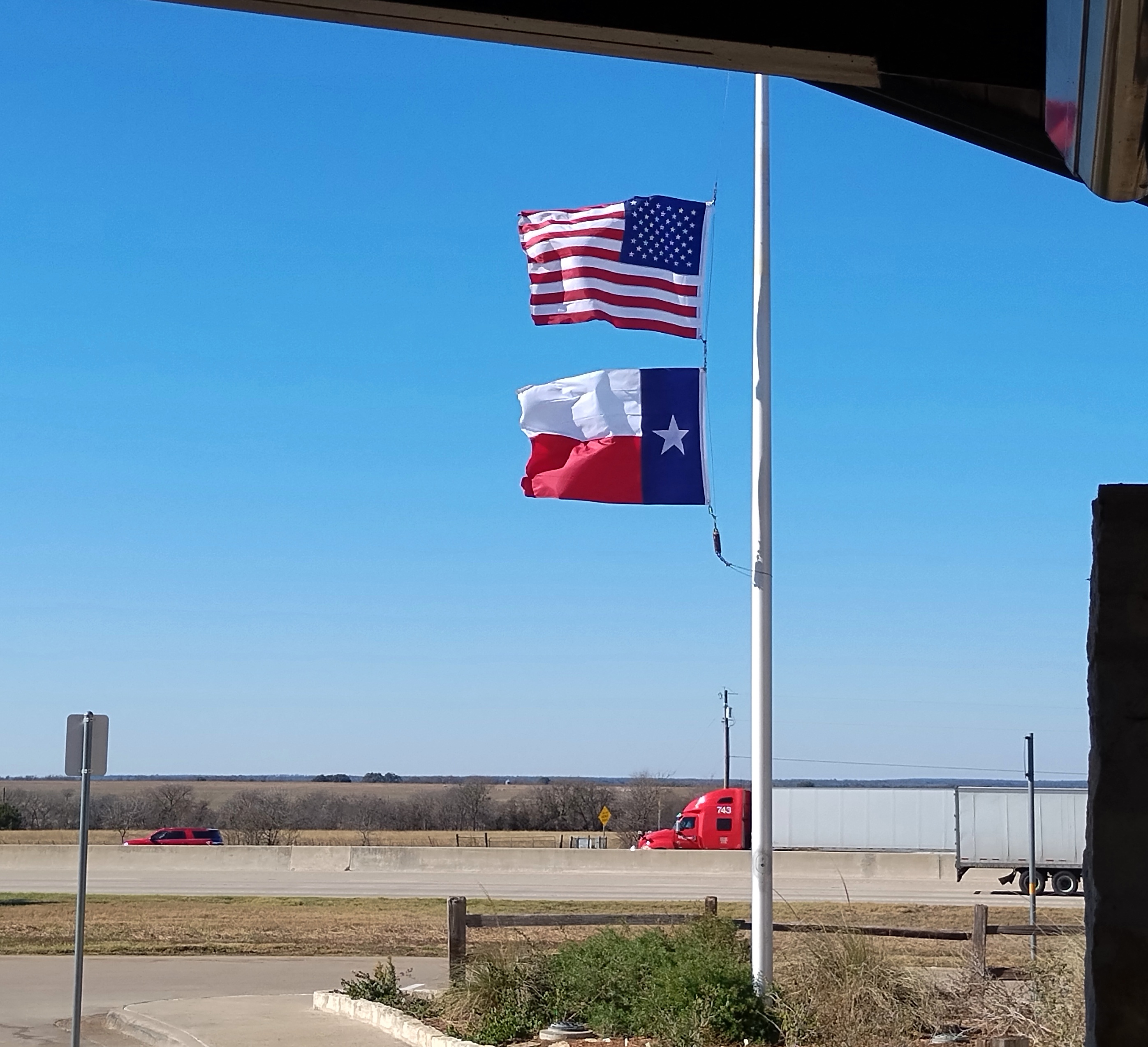
The day we visited was a windy one, but fortunately not that windy.

Just enough to kick the half-mast flags into motion in the low afternoon sun.