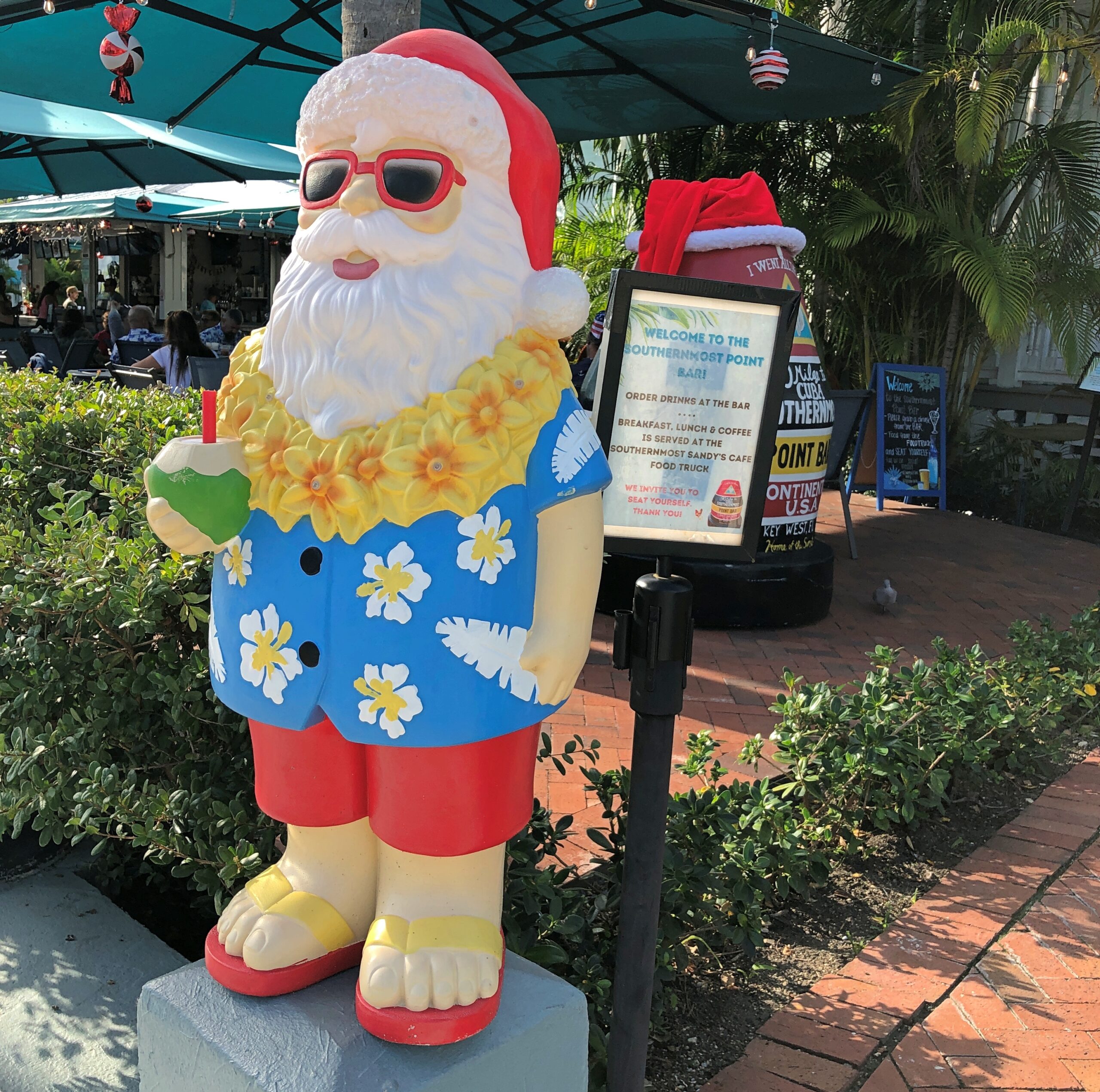
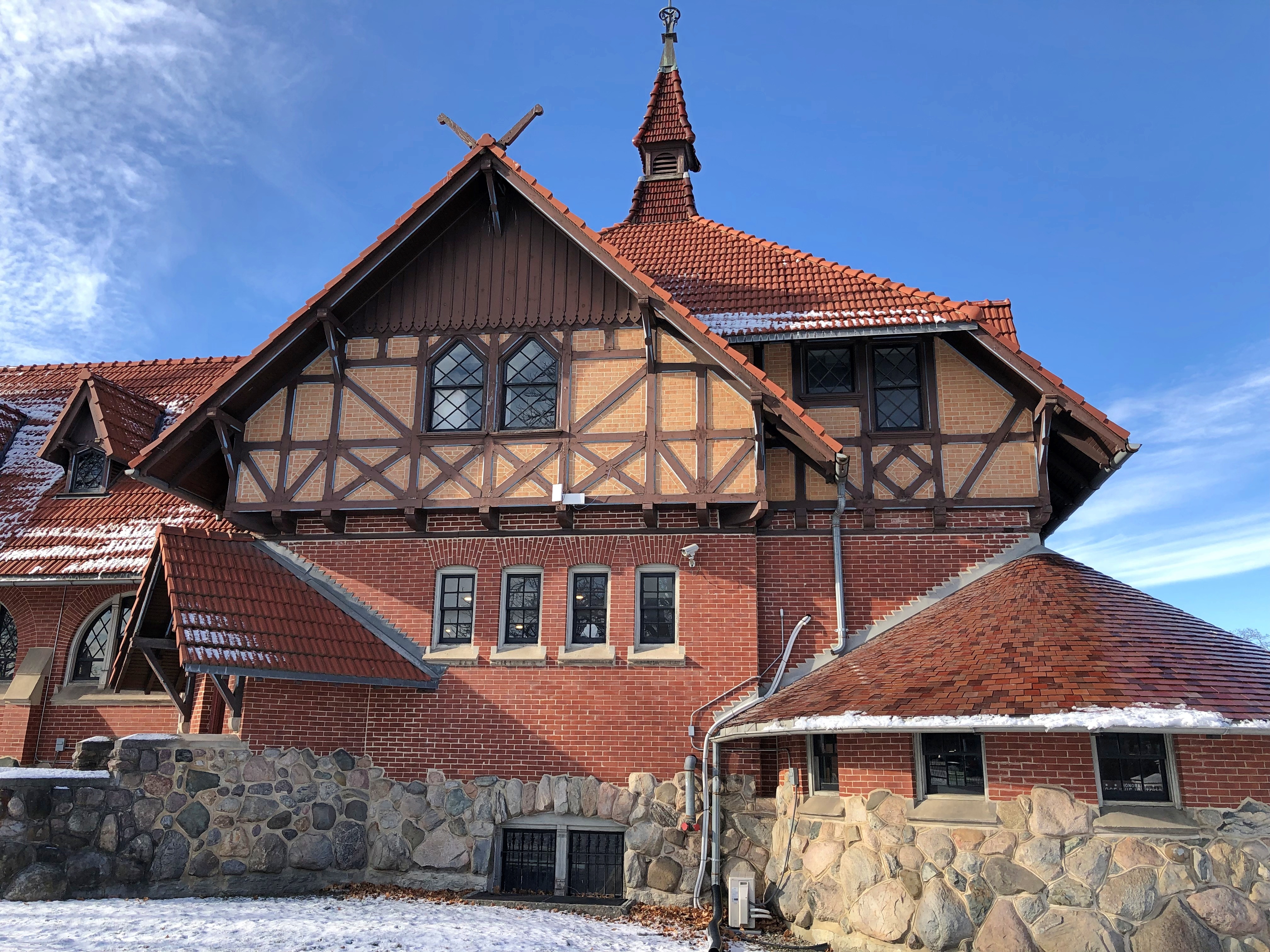
Island-vibe Santa Claus can be found in Key West in mid-December. In fact, I was expecting more such Santas. Even he needs to vacation, preferably somewhere warm (see #13).
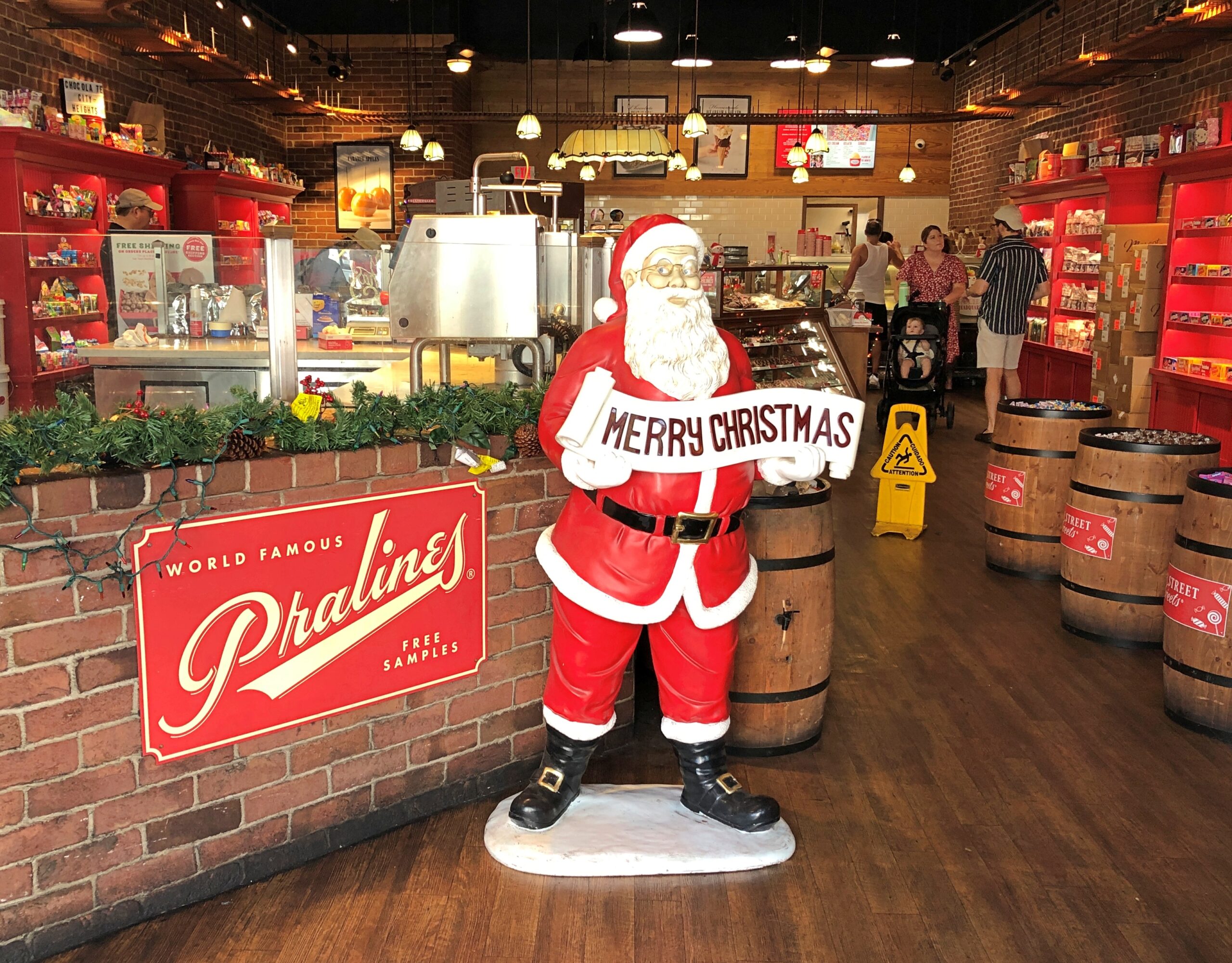
We spent two days walking around Old Town in Key West, which is time enough to cover a fair amount of ground, considering the small size of the place. More conventional St. Nicks were also to be seen, some of them finding their place in a place of business.
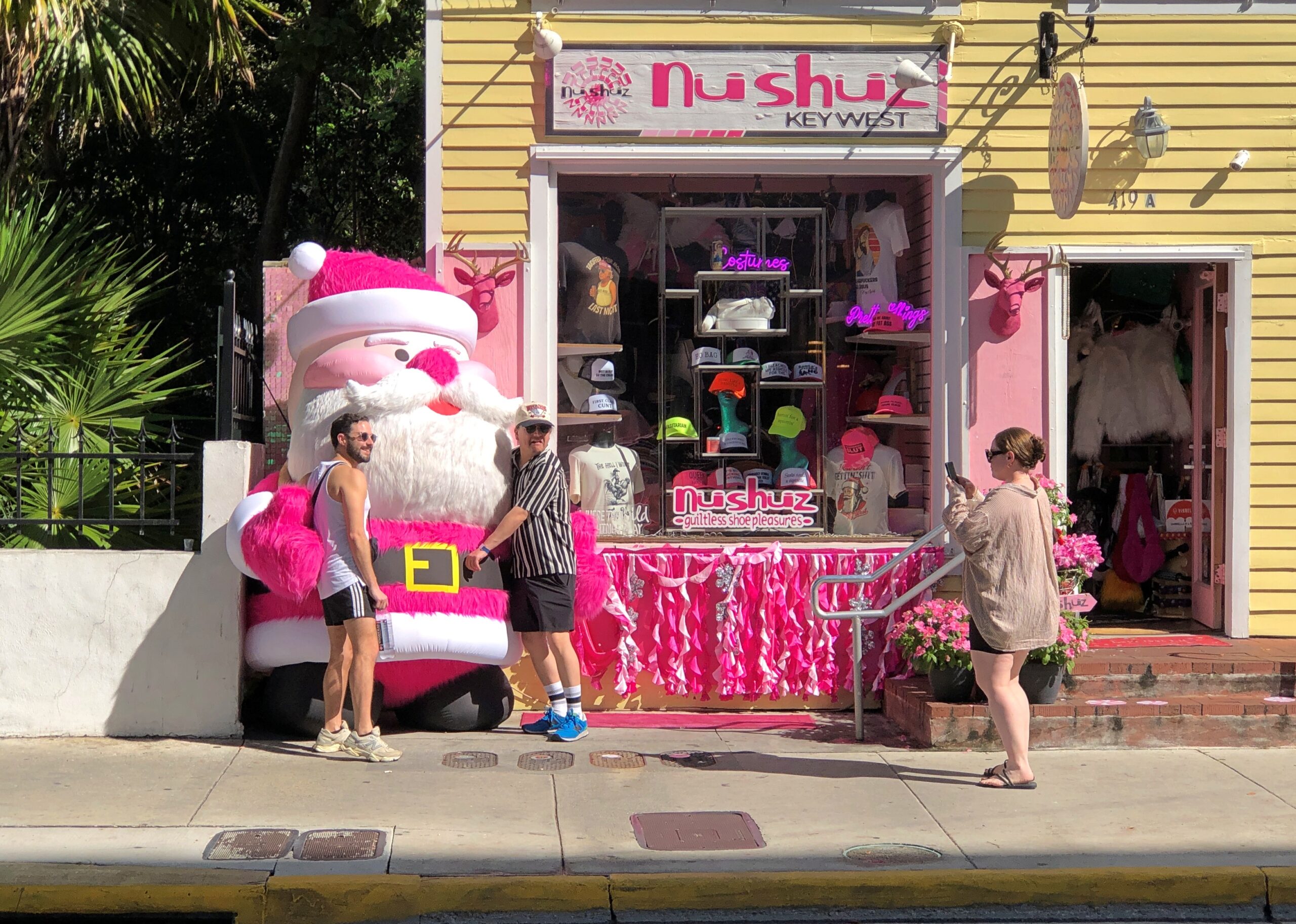
Not sure if pink counts as conventional Santa Claus. Usually he’s red, of course, a depiction of jolly old elf owes to Coca-Cola, but pink is pretty close. Anyway, pink Santa had a few fans.
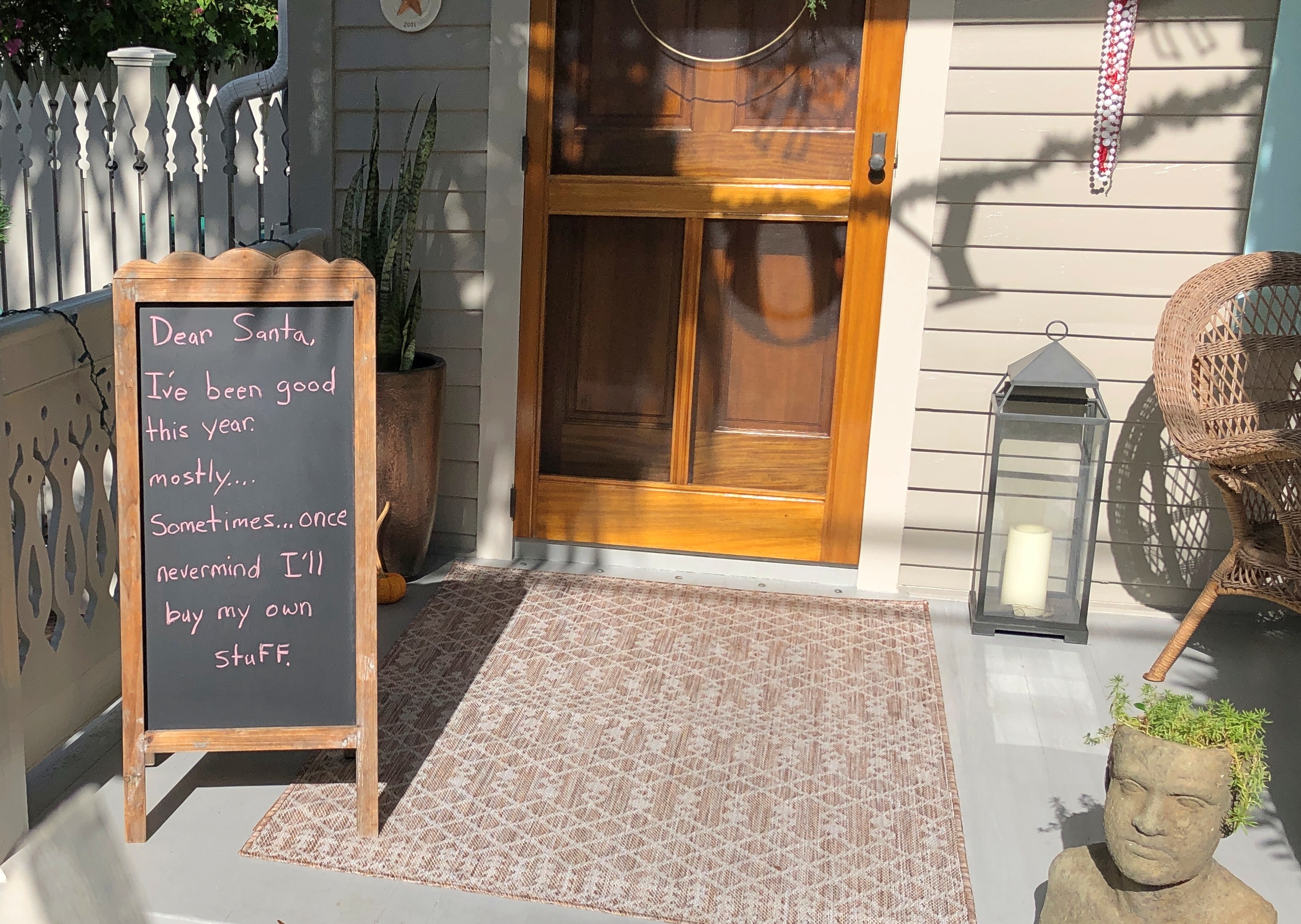
A message for Santa, going for ha ha ha, rather than ho ho ho.
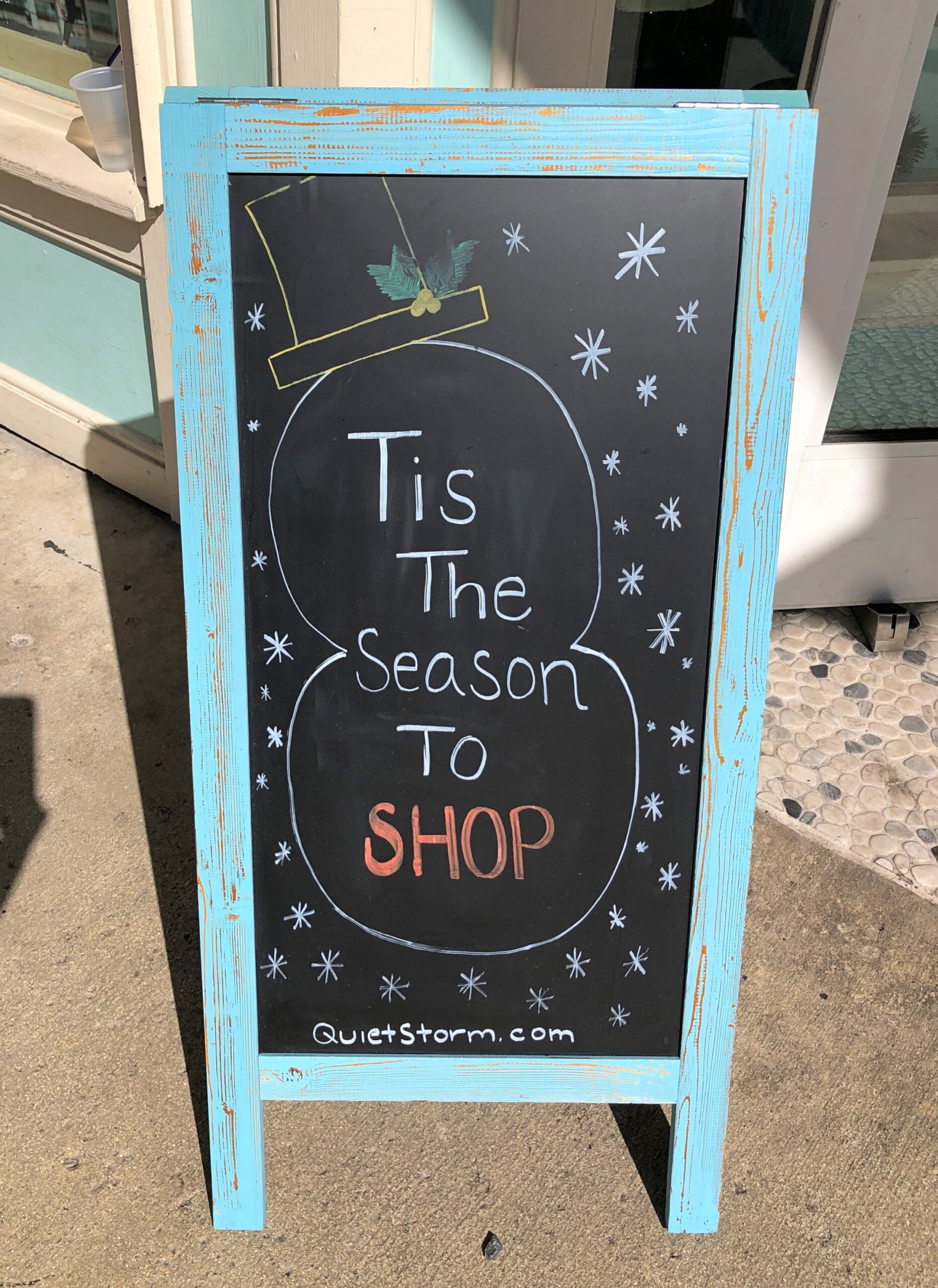
This retailer gets right to the point.
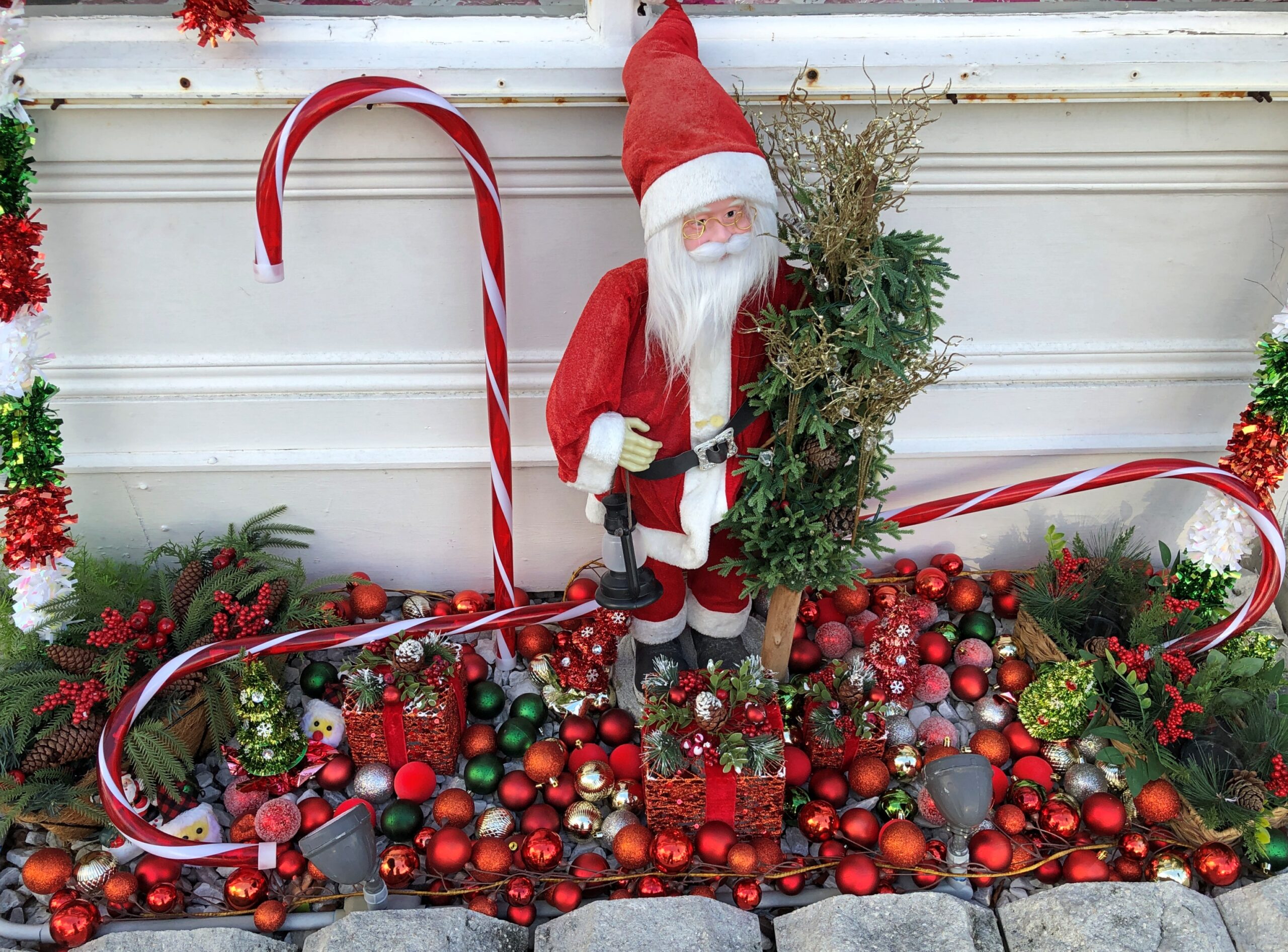
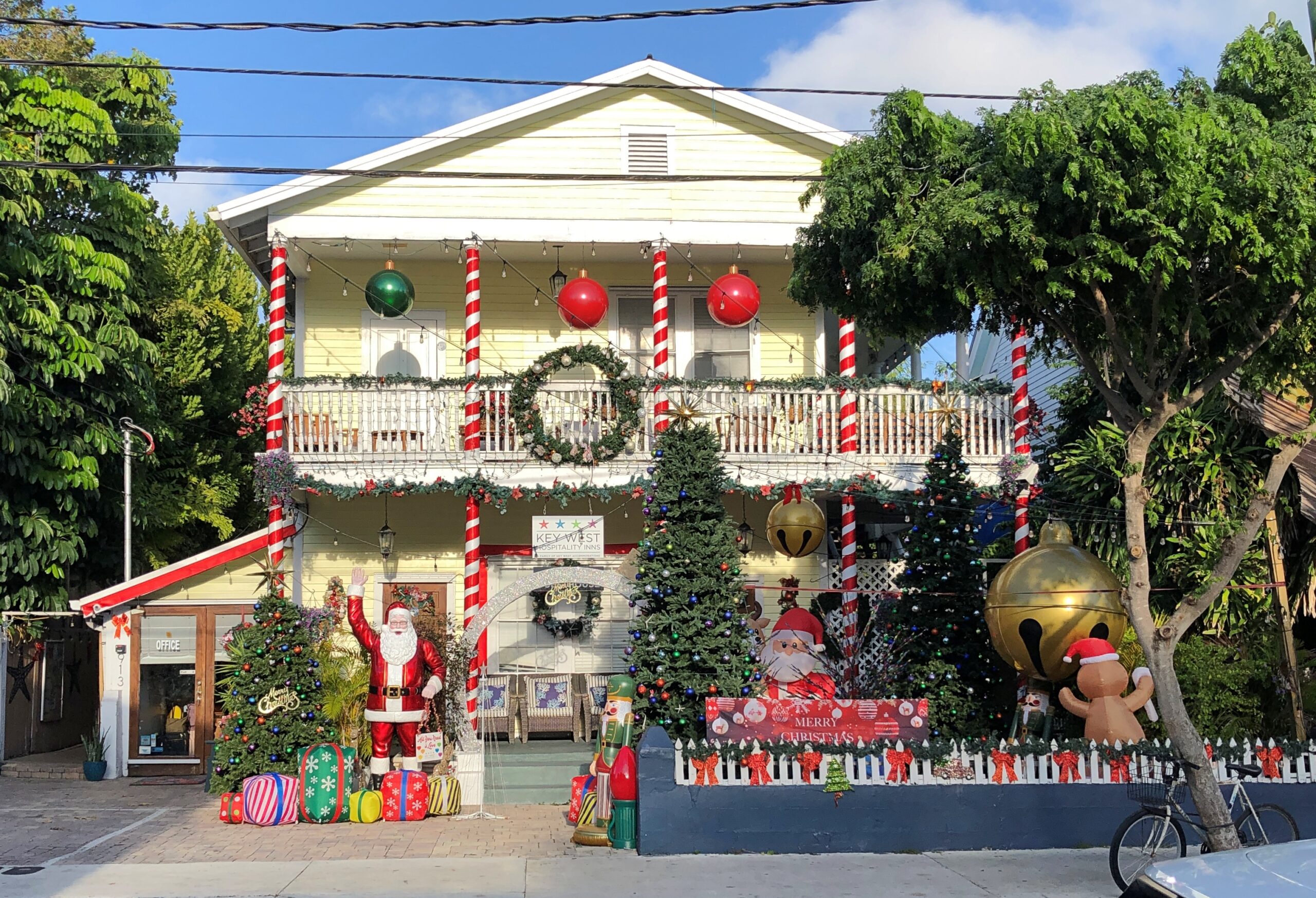
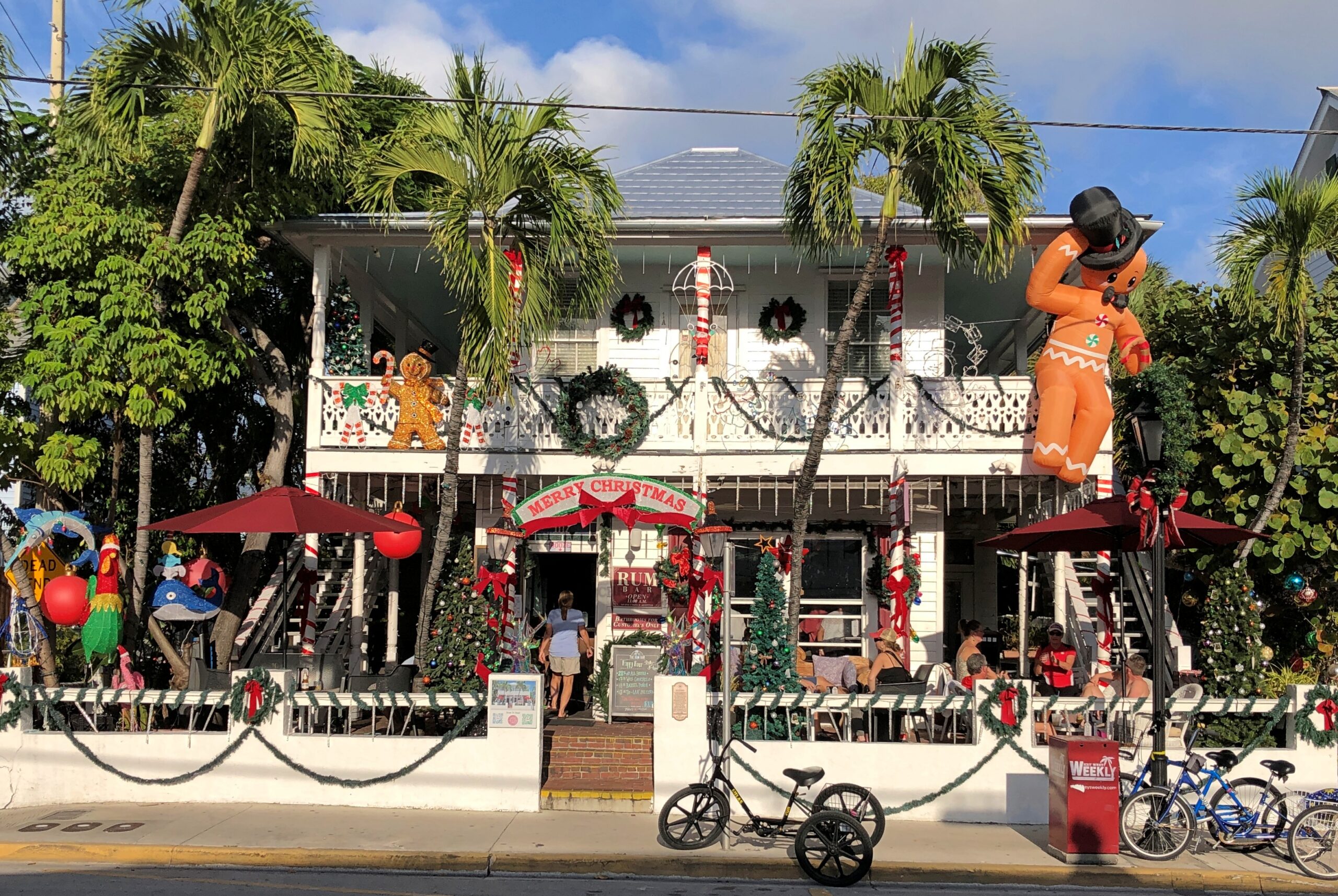
Maybe not the full Griswold, but decked out in quantity.
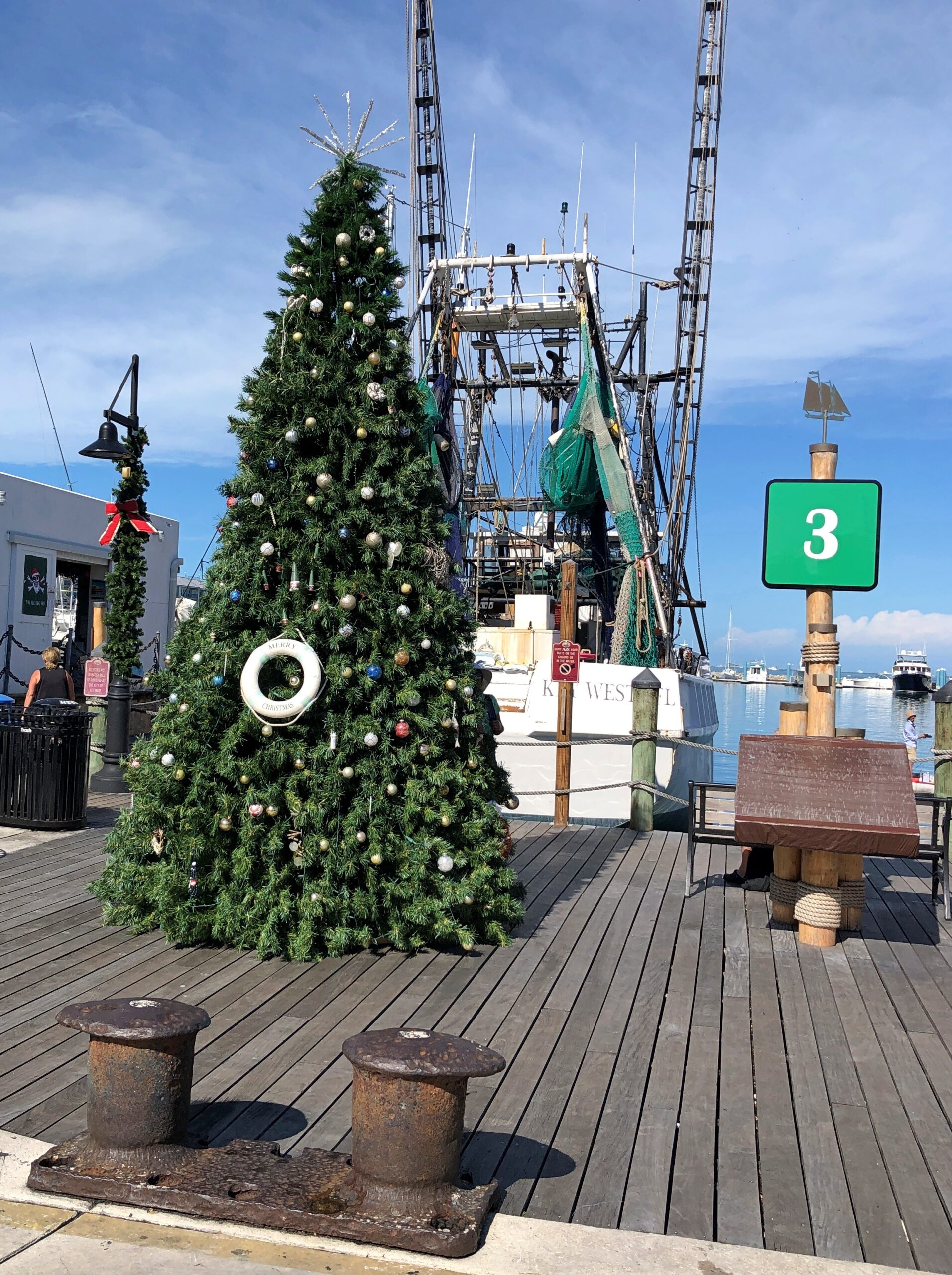
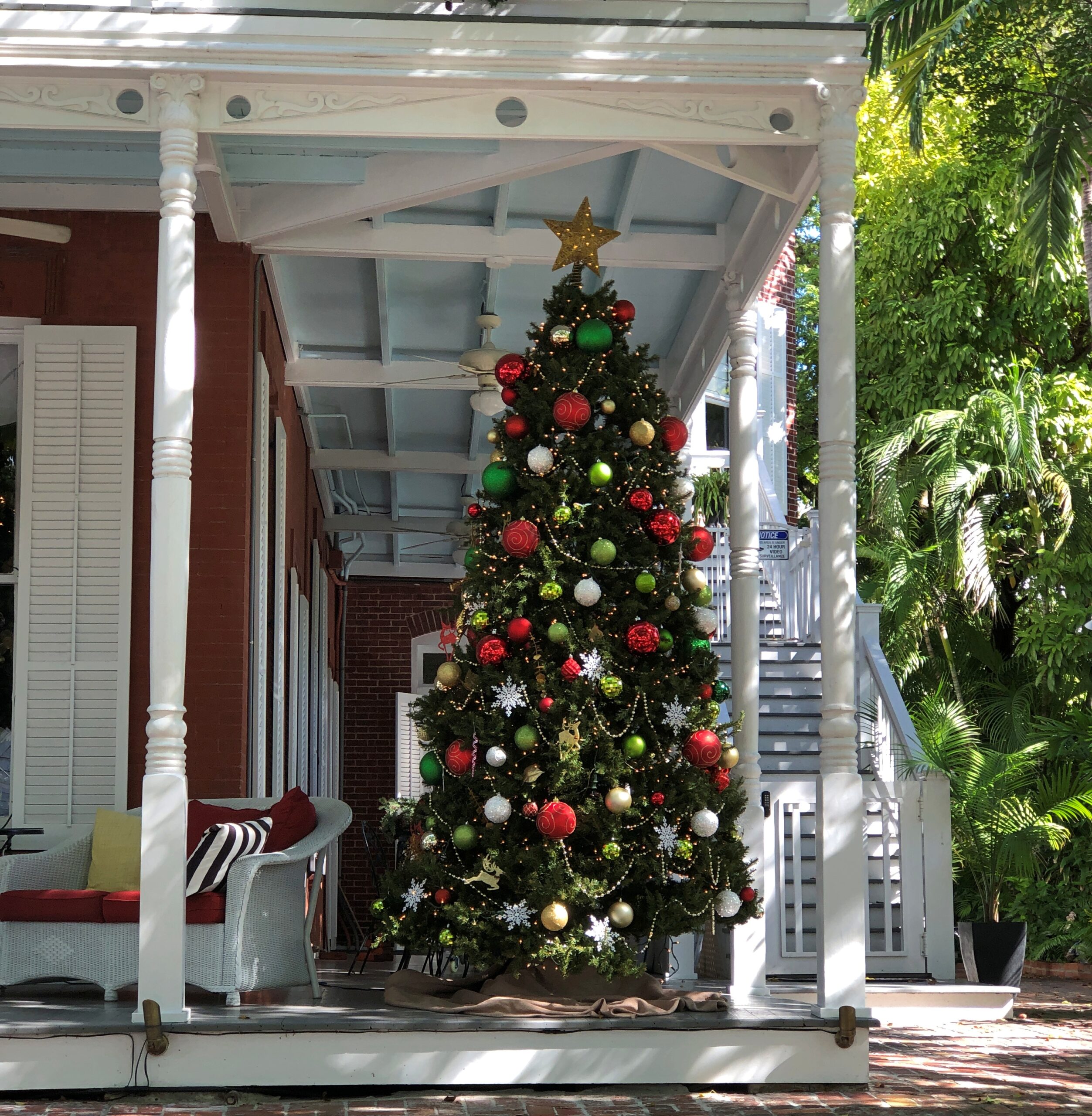
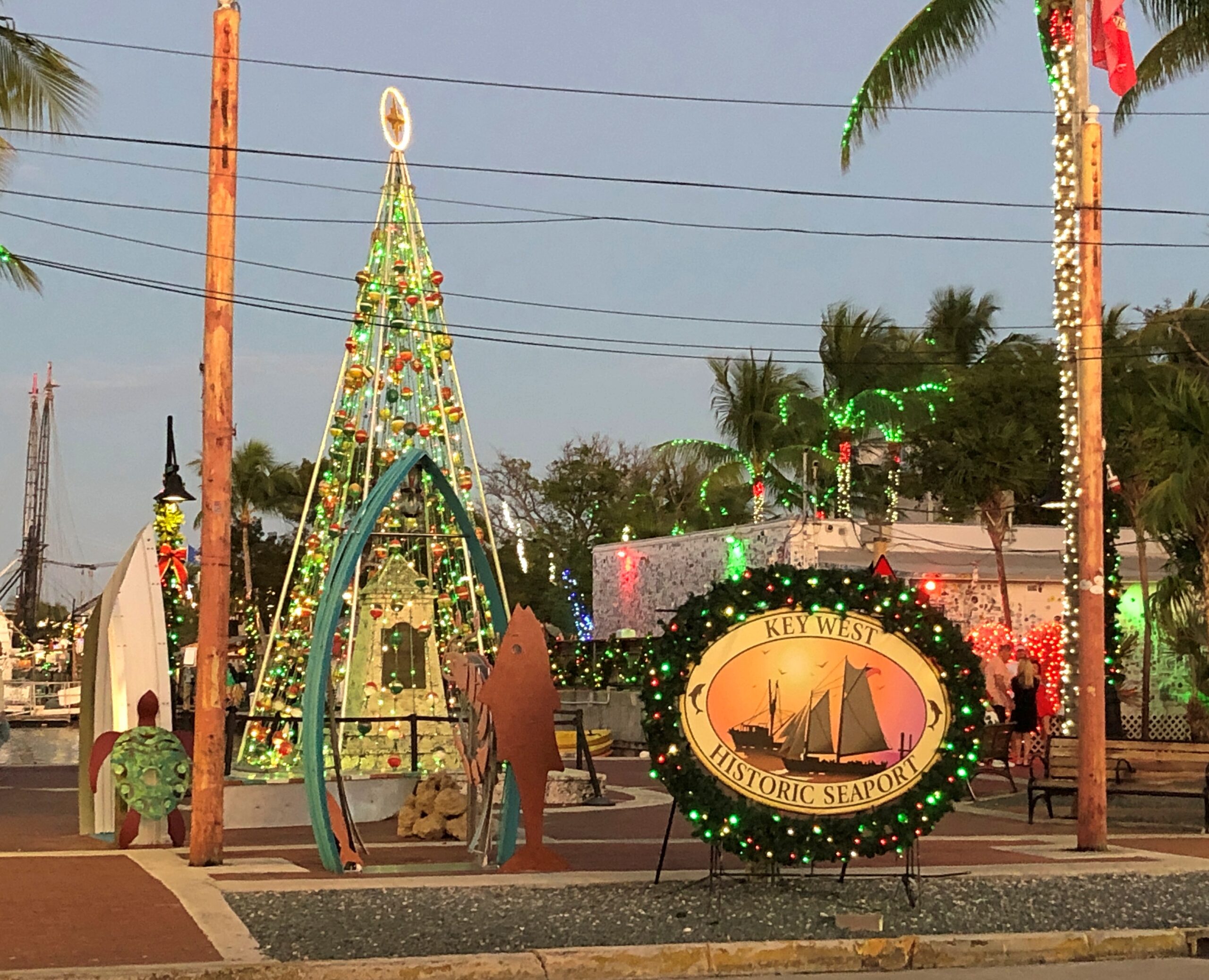
Trees: evergreen simulations, which seem a little out of place. But why not?
A pair of pink aluminum trees.
We need a revival of the aluminum tree. Not everywhere during the season, but up a notch in the Xmas décor world. Unless that’s already happened. It might have and I wouldn’t have noticed.
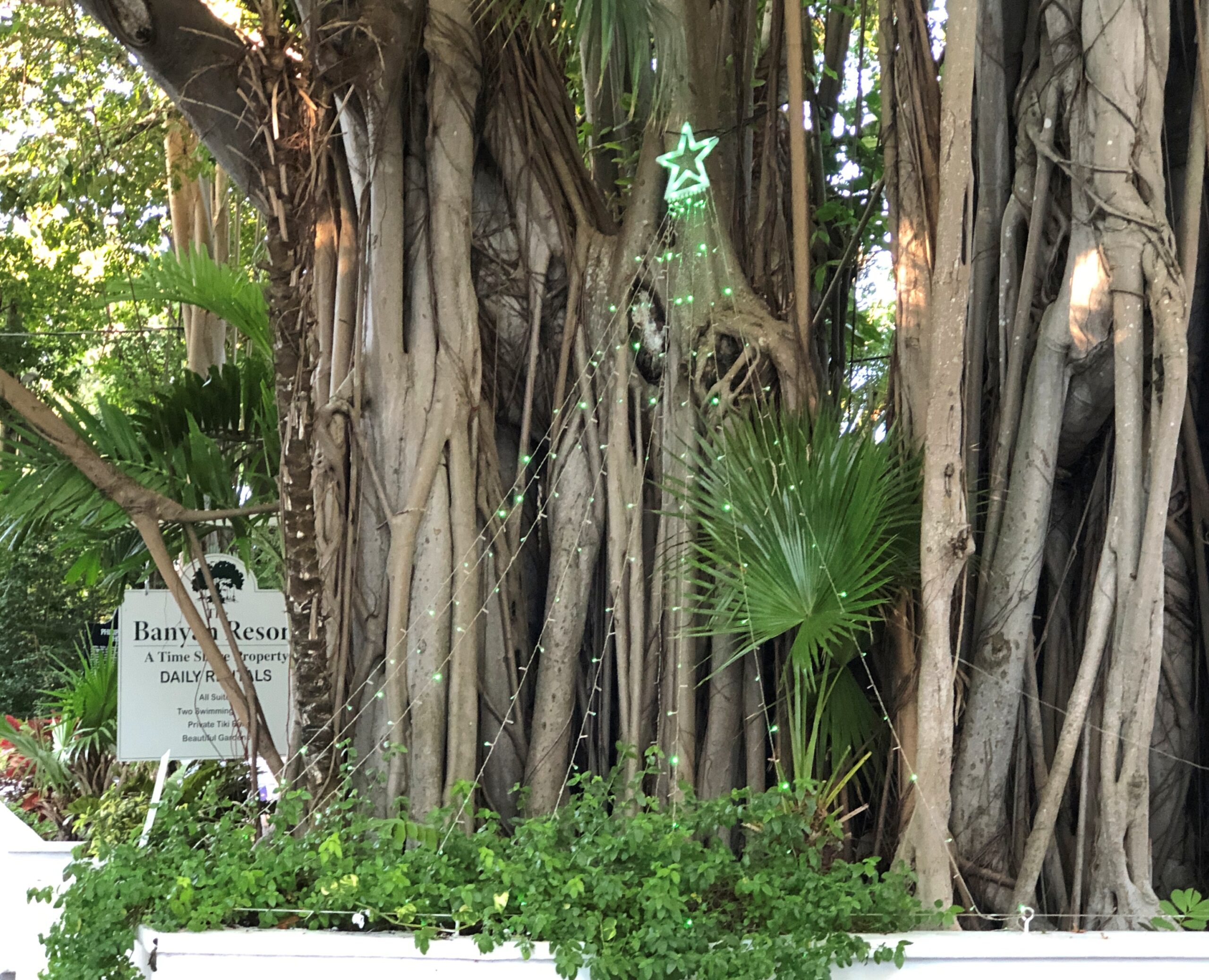
Tree in the abstract. Fronting a banyan. That, I think, counts as Key West local.
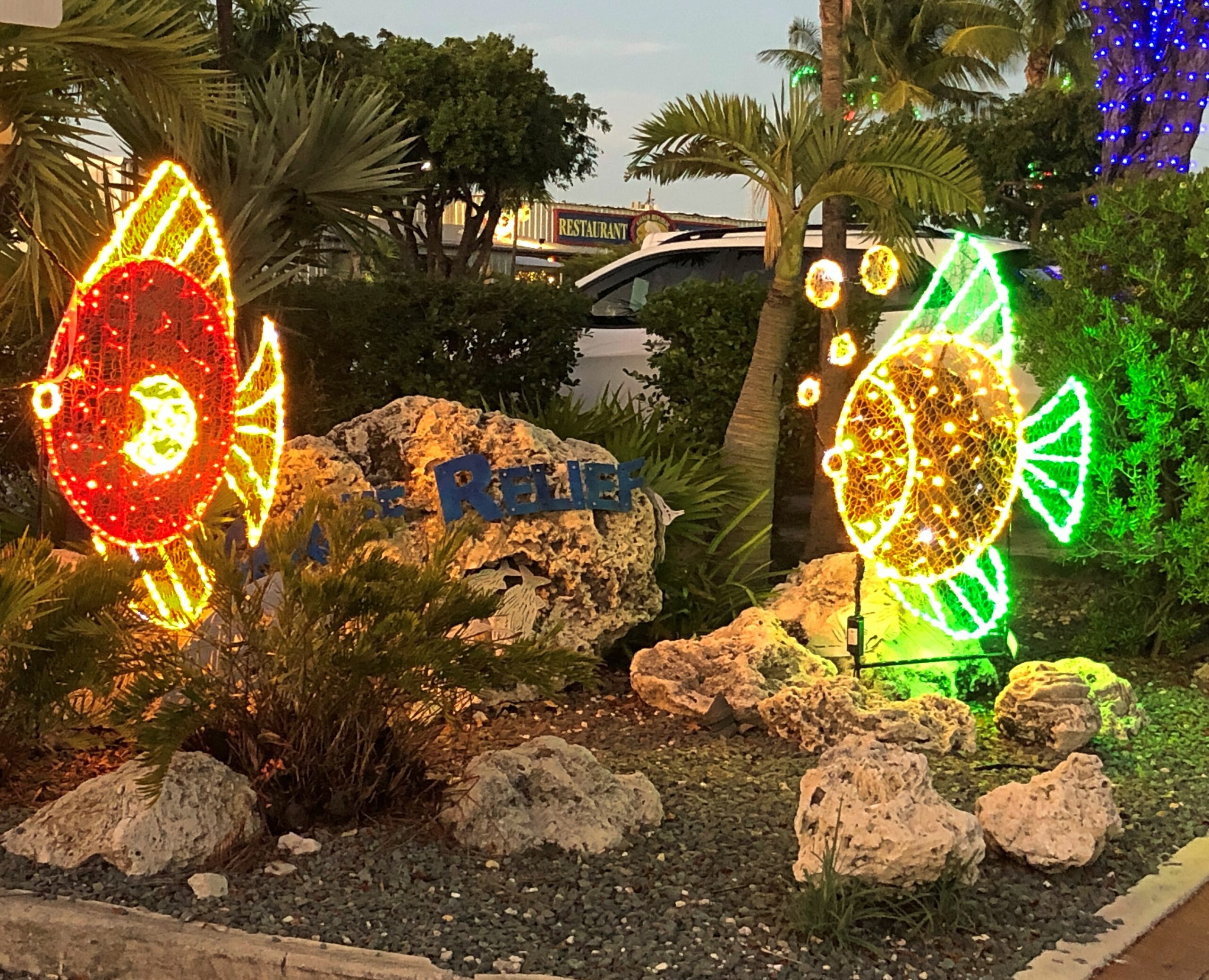
So does this.
Near dusk the first day was a good time to see lights.
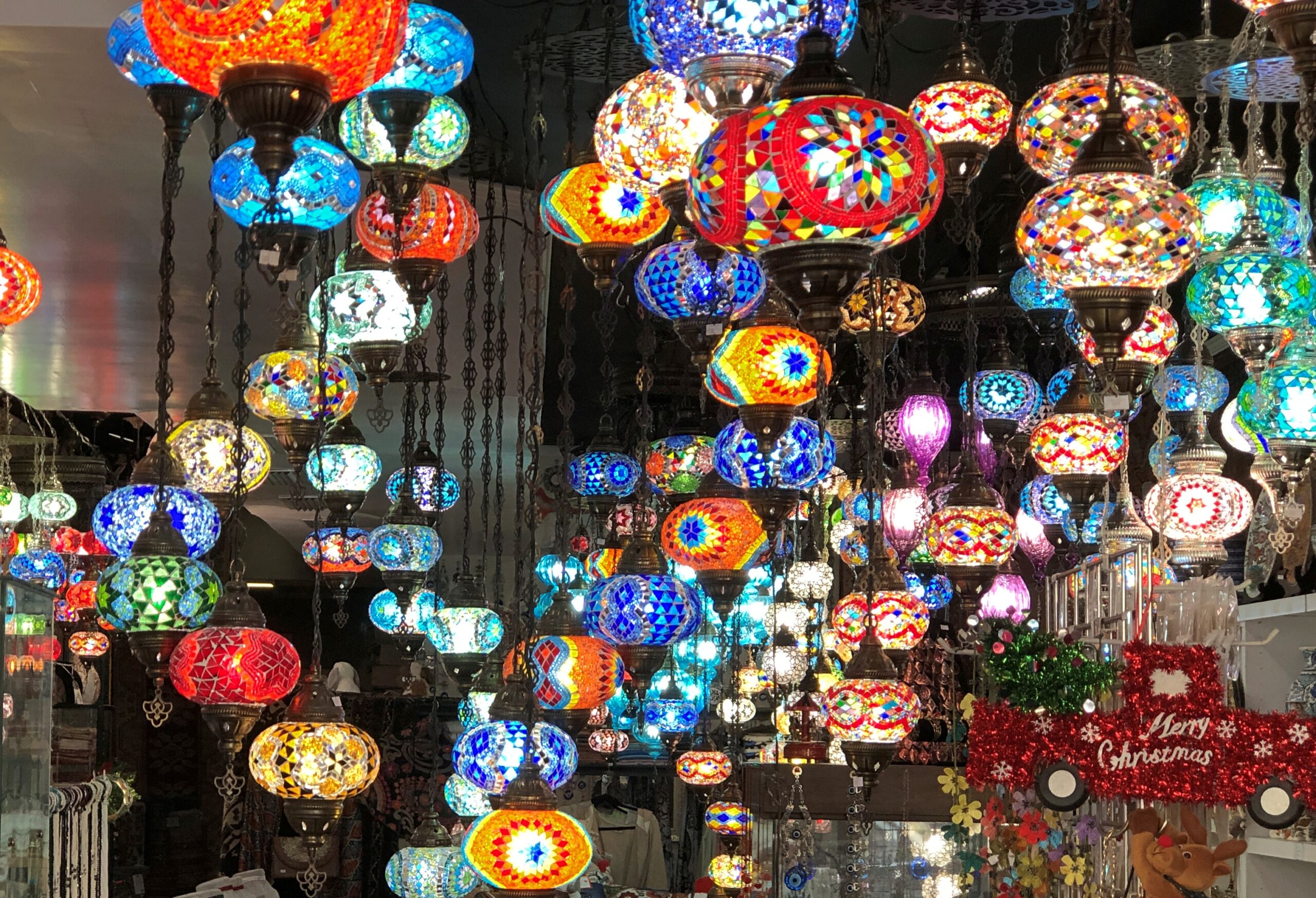
Not Christmas lights, but colorful all the same, and available to take home. We didn’t.
Not specifically Christmas either, but also colorful.
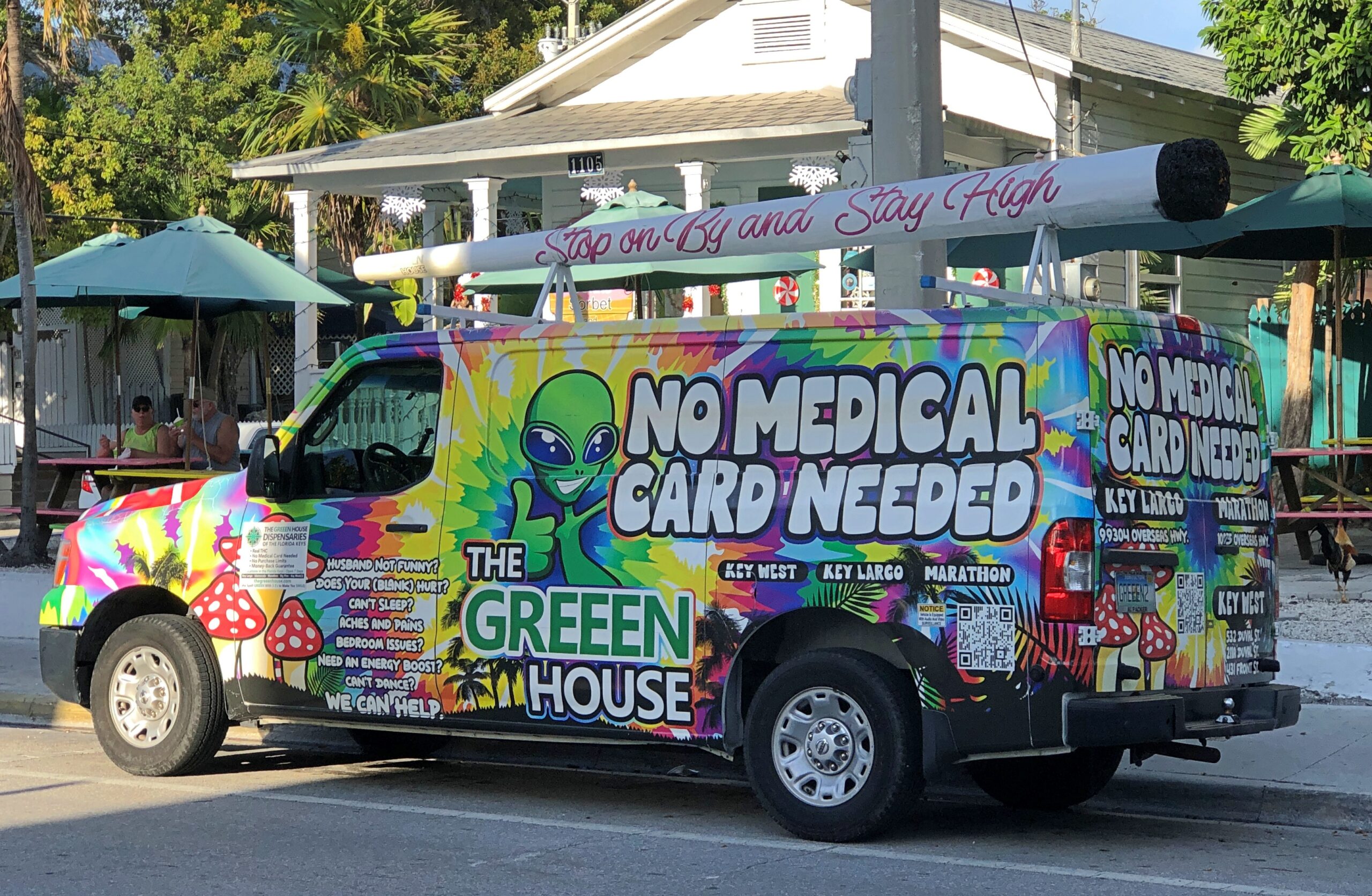
Countering the spirit of Florida cannabis law, if not the letter? Not sure. This truck wasn’t the only one we saw. Didn’t patronize them either. Ho ho ho.
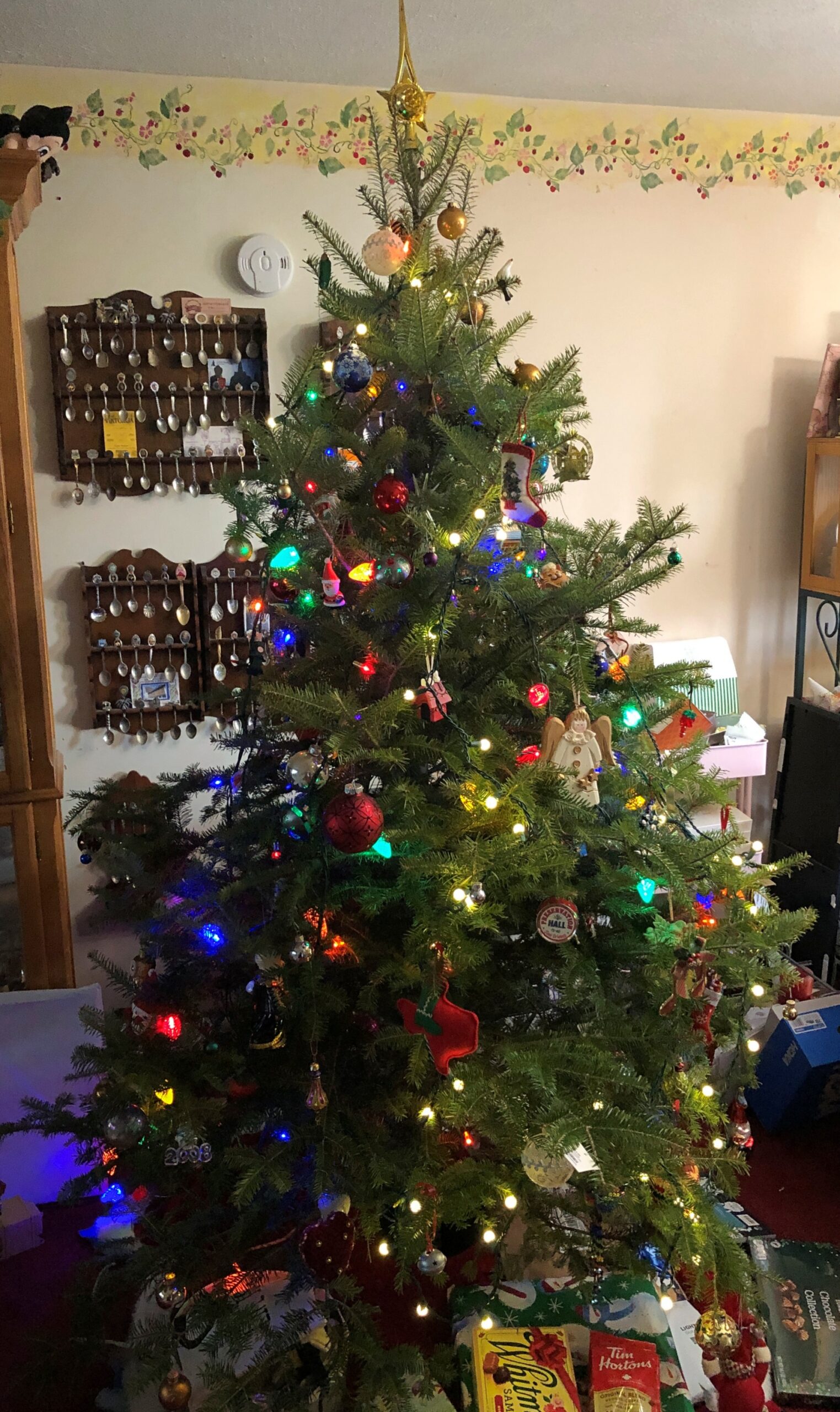
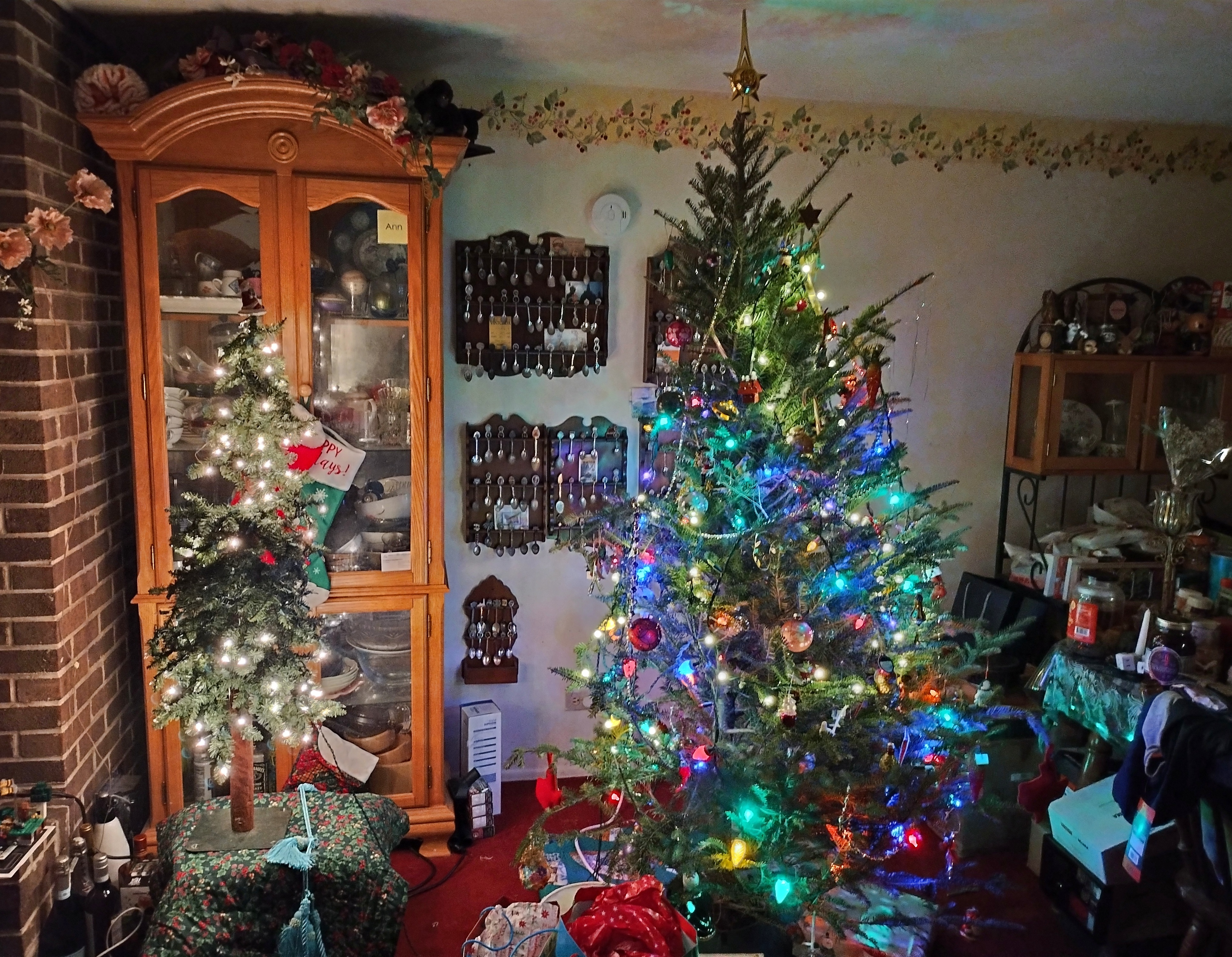
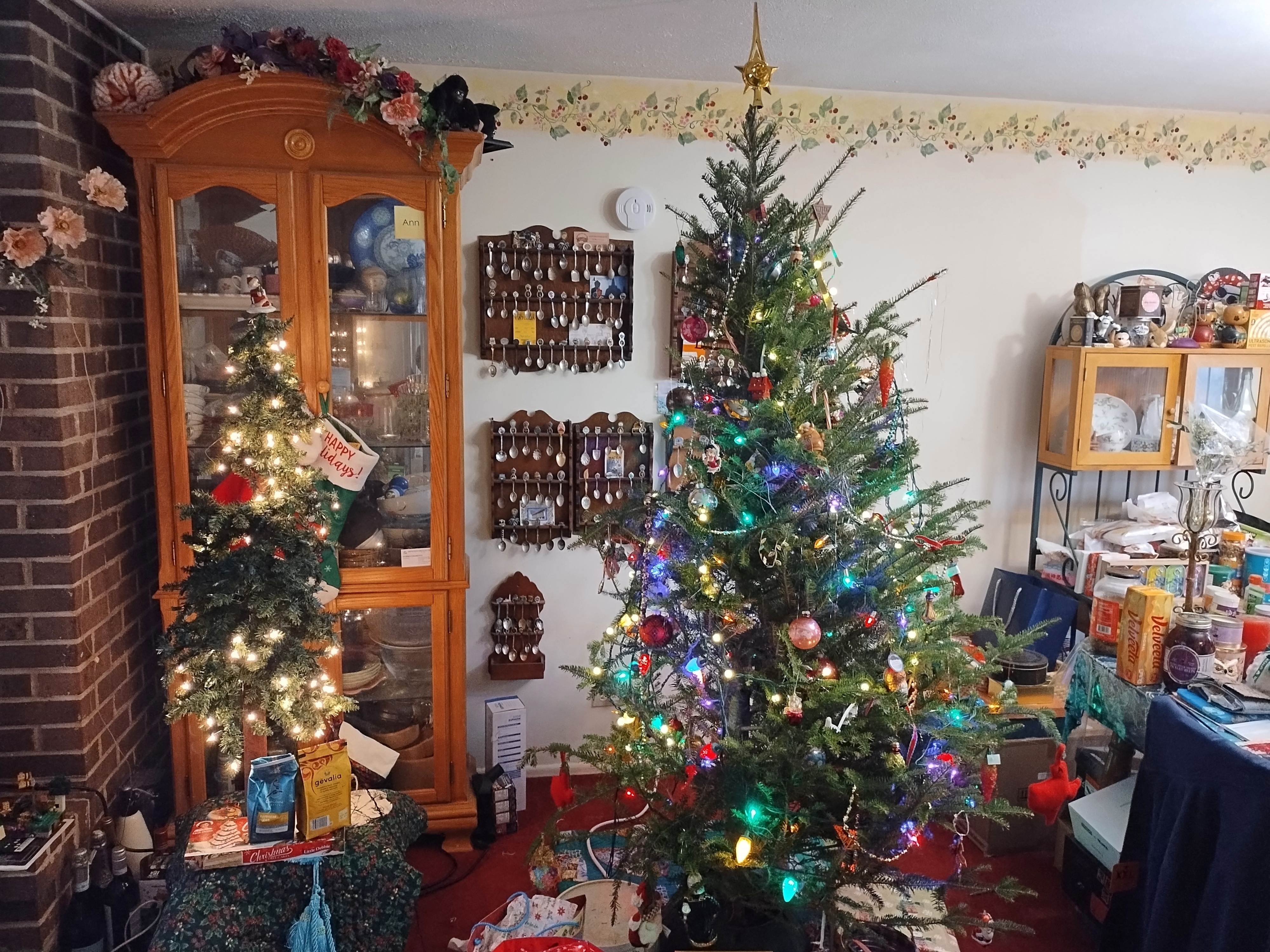
Decorating for Christmas this year meant a rapid set-up. We spent a fair number of hours on the 23rd making the living room ready for a tree – moving clutter, mostly. On Christmas Eve, I brought the tree in from the garage, and Ann mostly decorated it. Finishing touches, by me, were in progress even on the morning of Christmas Day, but since that moment in the life of our family doesn’t involve an early-morning rush downstairs by children anticipating Santa’s bounty any more, that was doable.
Ann did a fine job of decorating, in the style of our family: fill up the tree with a wide variety of glowing and glinting objects accumulated across the decades.
We got a late start on decorating for Christmas, though when I think about, decorating after the Solstice discourages the sort of front-loading of Christmas that a lot of people complain about, but which they do anyway.
We had a good reason for the late start: a drive to Florida and back, beginning on December 4 and ending on the 22nd. Not just to Florida, but as far as you can go in that state, at least by car, namely to Key West and back. Early to mid-December seemed like a good time to do such a thing, after any traveling people do for Thanksgiving but before the worst of the Christmas-New Year’s rush. A short shoulder season in other words, but a good one, with room rates not quite subject to surge pricing, and crowds thick in some high-volume tourist destinations, but not impossible.
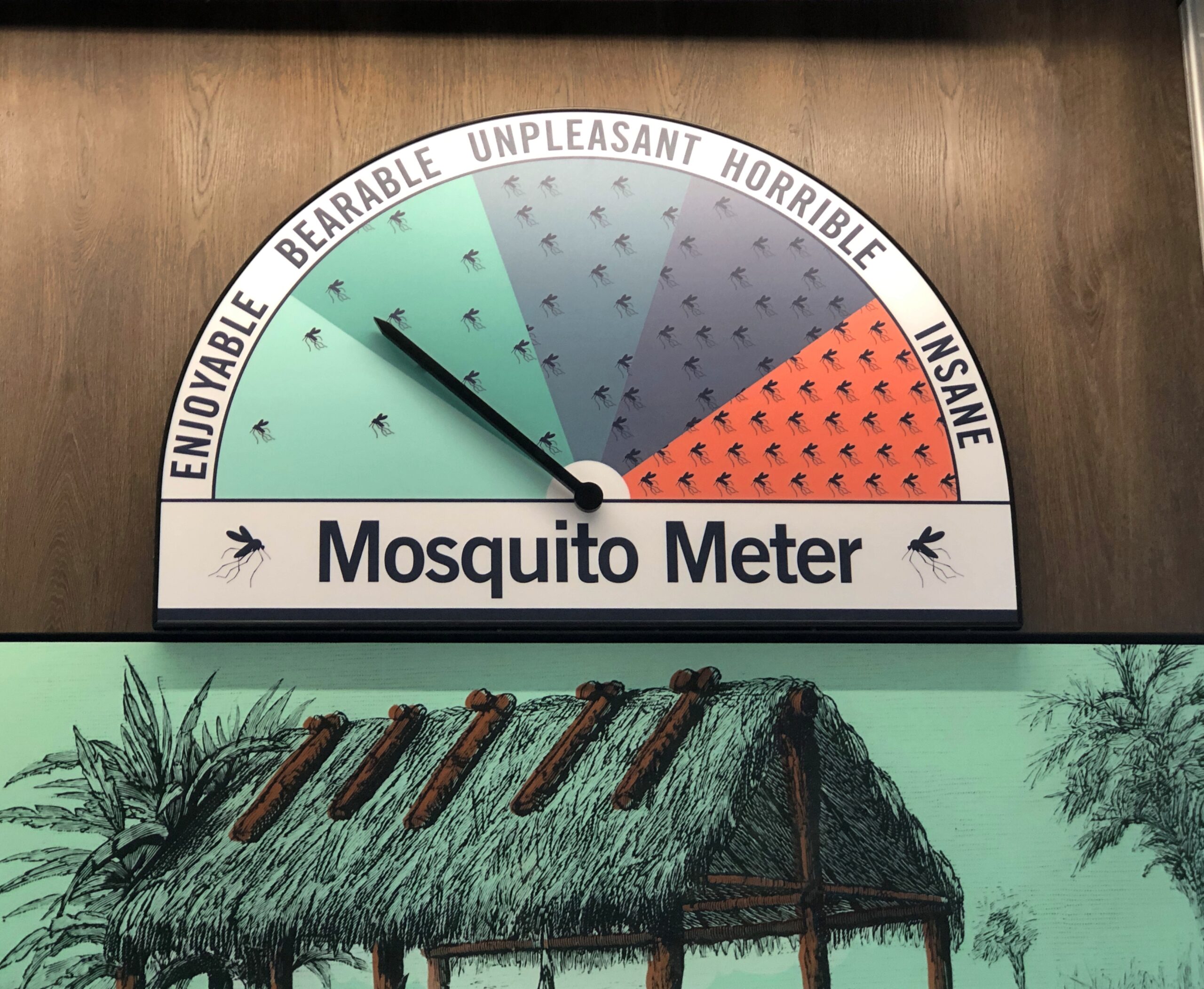
Also, Florida has few mosquitoes this time of year. Not no mosquitoes, as we found out one day in the southern reaches of the peninsula, just a “bearable” number.
Sometime earlier this year, I got the idea that I wanted to take four long drives after turning 64. Four for 64, you could say. Doing so by the end of 2025 wasn’t part of the idea, but that’s how things worked out. The drive to Florida and back, by way of such places as Indianapolis, Louisville, Chattanooga and Atlanta, totaled 3,682 miles. For all four trips since June, the total is about 14,300 miles.
That could be made to sound impressive, but in fact American men my age average more than that every year, about 15,000 miles, at least according to this source, which cites US DOT data. Younger men drive even more annually. Most of that is commuting, however. My commuting mileage by car has been exactly zero this year, and while I drive locally to stores and such, it couldn’t be more than a few thousand miles. So it seems clear that, as an American man, it was my duty to get out and drive.
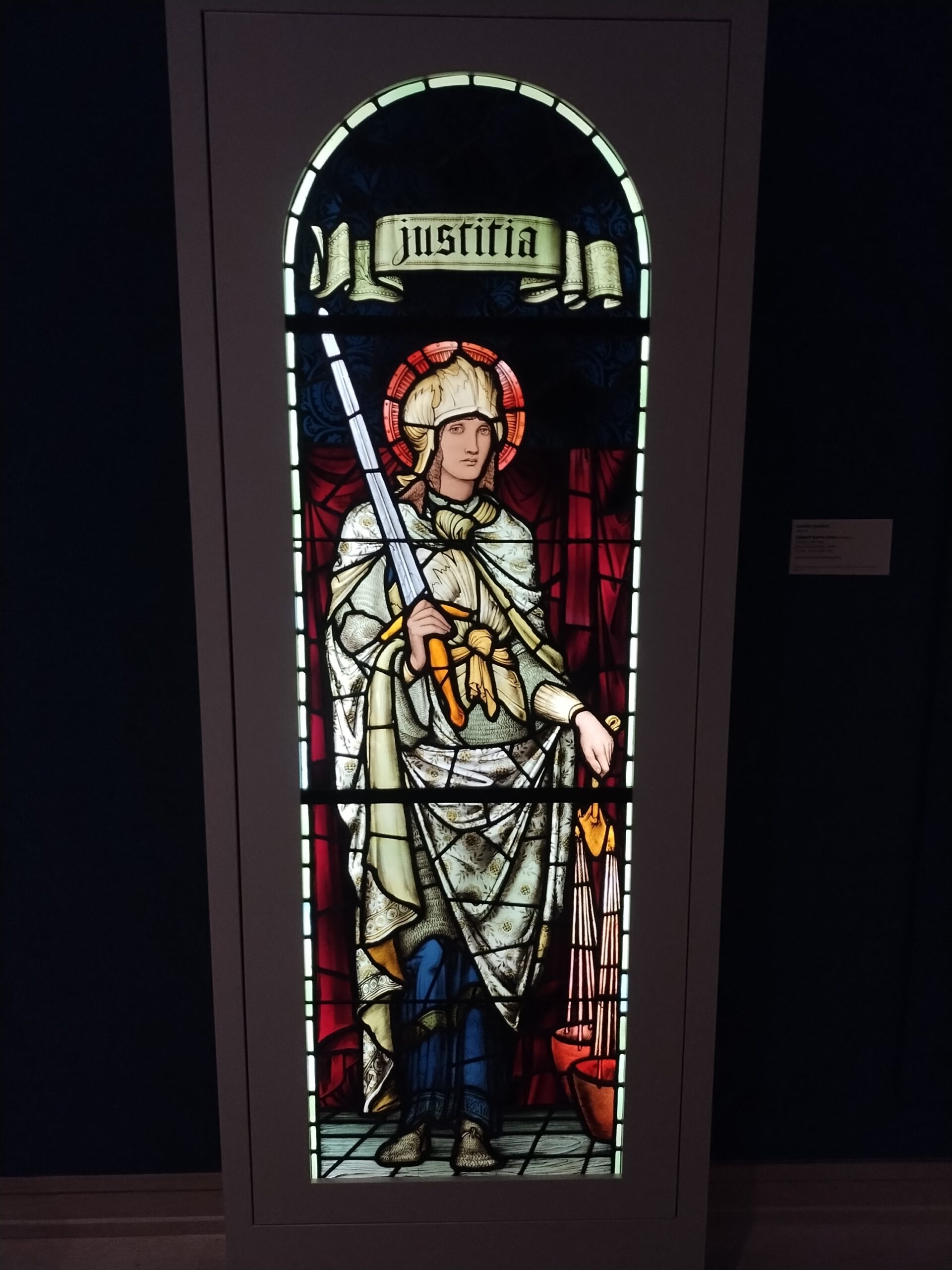
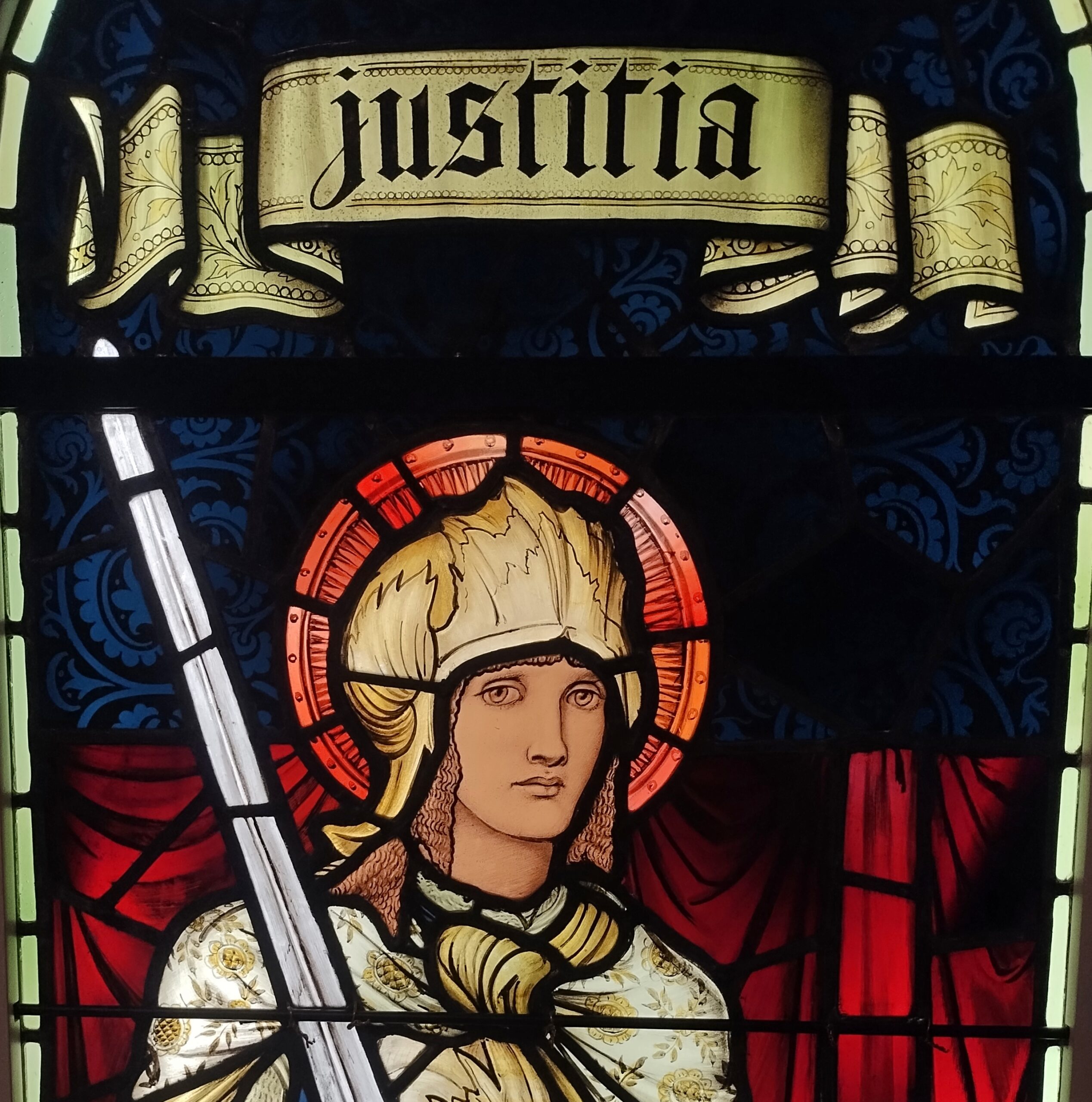
When we headed south in early December, snow covered the ground all the way past Indianapolis, where we stopped for a few hours at the Indianapolis Museum of Art, which is part of a larger campus called Newfields – and better examined in summer, I think. But the museum is a good one, with a solid collection, especially 19th-century American and European works. Such as “Justitia,” a Morris & Co. work from the 1890s.
After overnighting south of Louisville, we diverted from I-65 and took smaller roads through southern Kentucky and into Tennessee to a holler in Jackson County, where we were the guests of dear friends. Tennessee musicians from those parts — some professional, others skilled amateurs — gathered on the the evening of Saturday the 6th, for one of the periodic jams in our friends’ barn, which houses no animals these days, but a small stage and some sound equipment and a fair number of folding chairs. A joyful jam it was. Food was potluck. I like to think we went to a hootenanny.
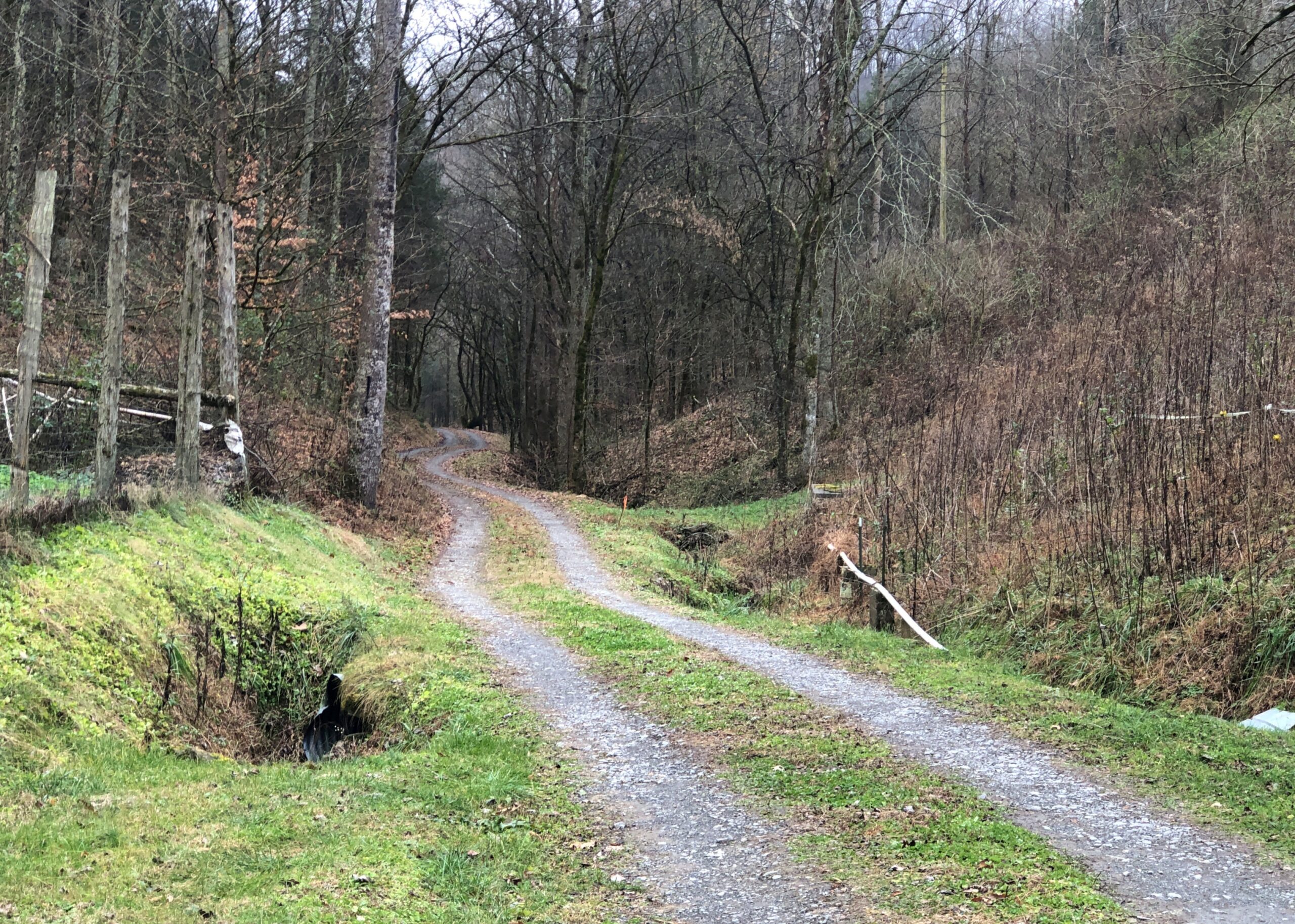
The road through the holler. By this point, no snow. We were trading cold for warmth. That was one of the goals of the trip. Maybe the main one.
From there it was mostly a straight shot down through Georgia on I-75 to Florida, and eventually US 27 to Orlando by way of non-coastal Florida places like Gainesville, Ocala and Lady Lake, a string of settlement less agricultural and less pastoral now than ever, more like an endless outer suburb. Heavy traffic is an invasive species in this part of Florida, surely as pythons are in damper parts of the state. Not just masses of cars and trucks, either, but also golf carts. We passed close enough to The Villages to see billboards advertising legal representation in the event of golf cart accidents. Carts, I’ve heard, provide transport in great numbers in that sprawl of a settlement.
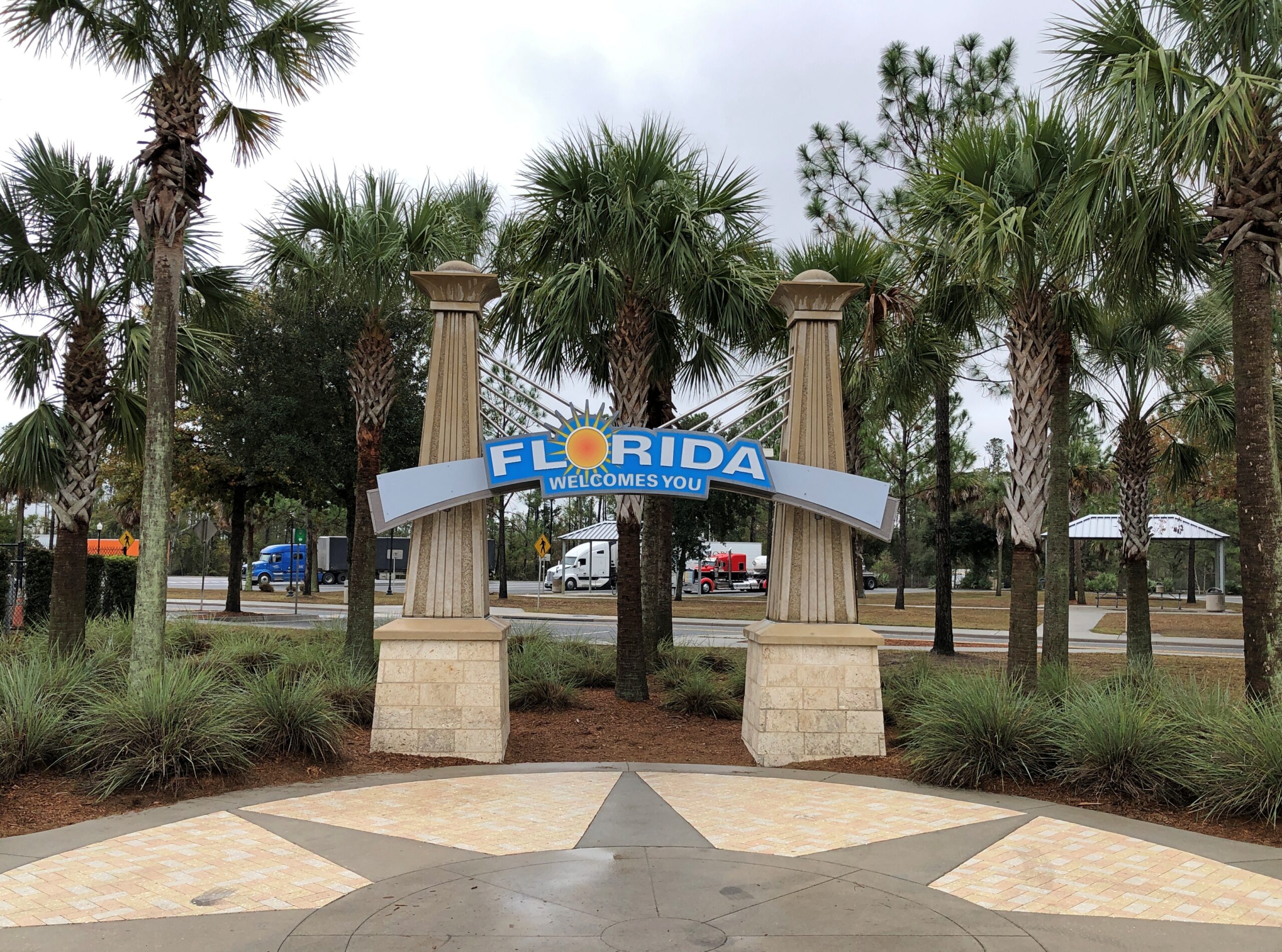
The drive to and in Florida involved the usual North American mix of large and small roads, smooth and ragged, grid-like and irregular, though Florida cities tended toward the irregular (except for Key West), and as crowded as can be and as empty as can be. Snow lined the way up north, thinning out the further south we went, giving way to brown landscapes and bare trees. Then we came into greenery – evergreens and palms and even deciduous species turning color. We crossed mighty bridges over mighty rivers, small culverts over alligator haunts, and the string of bridges that make up the civil engineering marvel known as the Overseas Highway (US 1). We crossed barely acknowledged borders and signs at the Florida visitor center on I-75 proclaiming The Free State of Florida.
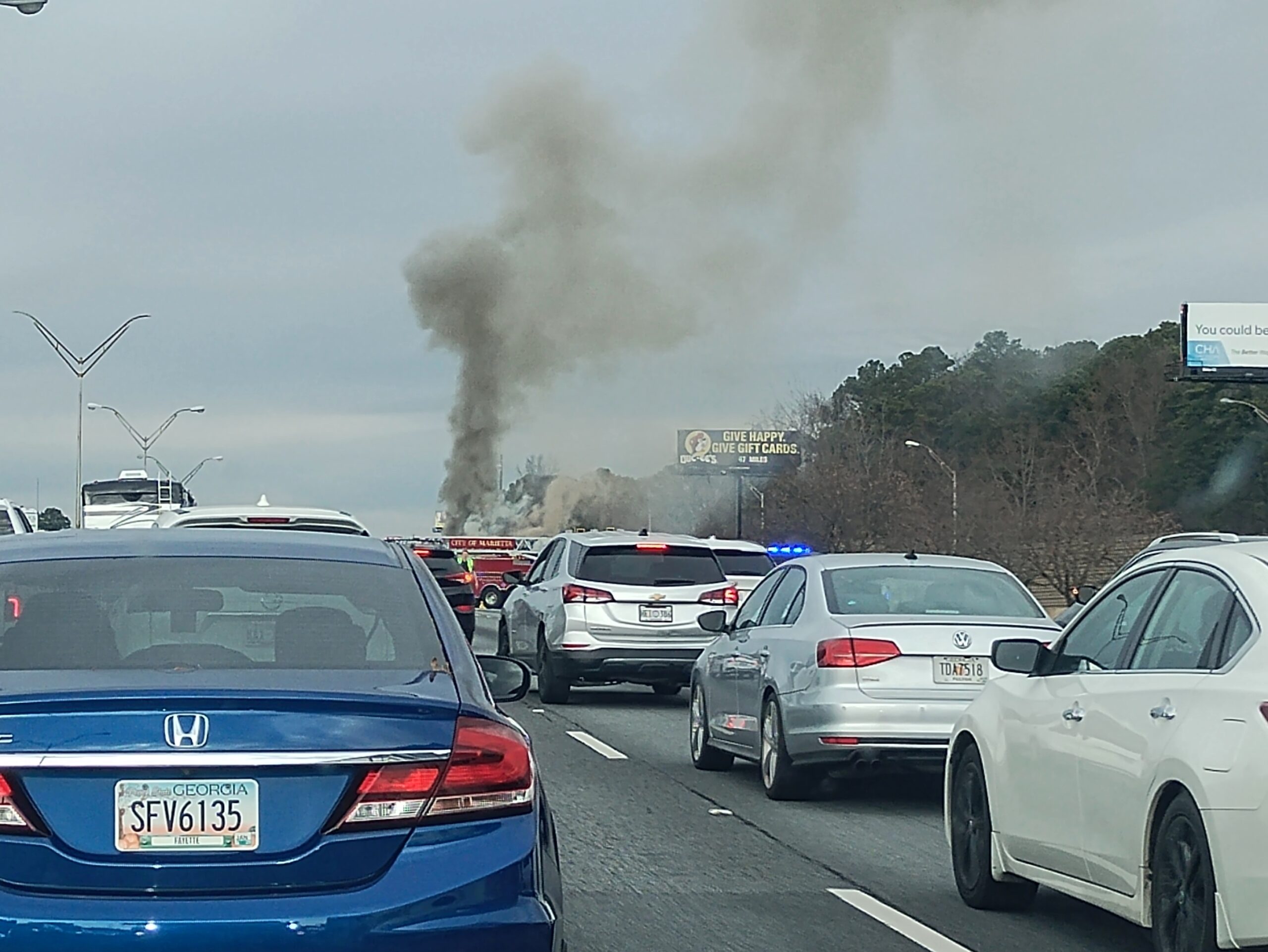
Florida Man was out and about, weaving in and out of high-speed traffic, pushing 100 and pretty sure that physics doesn’t apply to him, though I have to admit that Florida isn’t different from any other state in that way. Traffic stopped cold more than once: for a banged up, upside-down SUV; for a raging RV fire, attended by a half-dozen firemen; for a serious two- or maybe three-car wreck on the other side of a divided highway; for construction, usually without any workers in sight; and once for no reason that we could tell at all.
In Orlando, we spent all December 9 at Universal Epic Universe, a theme park that only opened in May. Ann flew in the day before we went to the park and flew home the day afterward, taking advantage of the low prices that discount airlines offer to high-volume places in a shoulder season, if you take no bags and buy nothing to eat or drink at sky-high prices, literally and figuratively. A small bag of hers had been stowed in our car for the visit.
A theme park is one thing, but I wanted a look at Orlando, at least a sliver of it, the next day. Ann’s flight was fairly late that day, so we were able to spend part of it in posh Winter Park, including a tour boat ride through the town’s small lakes, lush with greenery and expensive houses on their banks, and connected by canals.
A drive that included the stretch of US 41 that passes through the Everglades took us to Homestead, Florida, and the mid-century charms of The Floridian motel. A day in Everglades NP followed, including an airboat tour and a drive to the coast at Florida Bay. The next day, before leaving Homestead for a drive in the rain across the Overseas Highway to Key West and while the sun still shined, we toured the Coral Castle, a one-man construction project using 1,000 tons of oolite to make walls, carvings, stone furniture, and a castle tower.
Key West was a two-day, three-night mid-December ramble on the busy and less busy streets of Old Town, including humans but also chickens, taking in the likes of the Hemingway House, the Little White House, Mallory Square, the San Carlos Institute, the Key West Aquarium, and the Key West Cemetery. Also, tourist shops, boutiques and the building where Pan-Am was founded. We ate and drank, though as our wont, nothing alcoholic. Key West was decked out for the holidays but not over the top. We walked and walked some more. It felt like a couple of pleasant summer days.
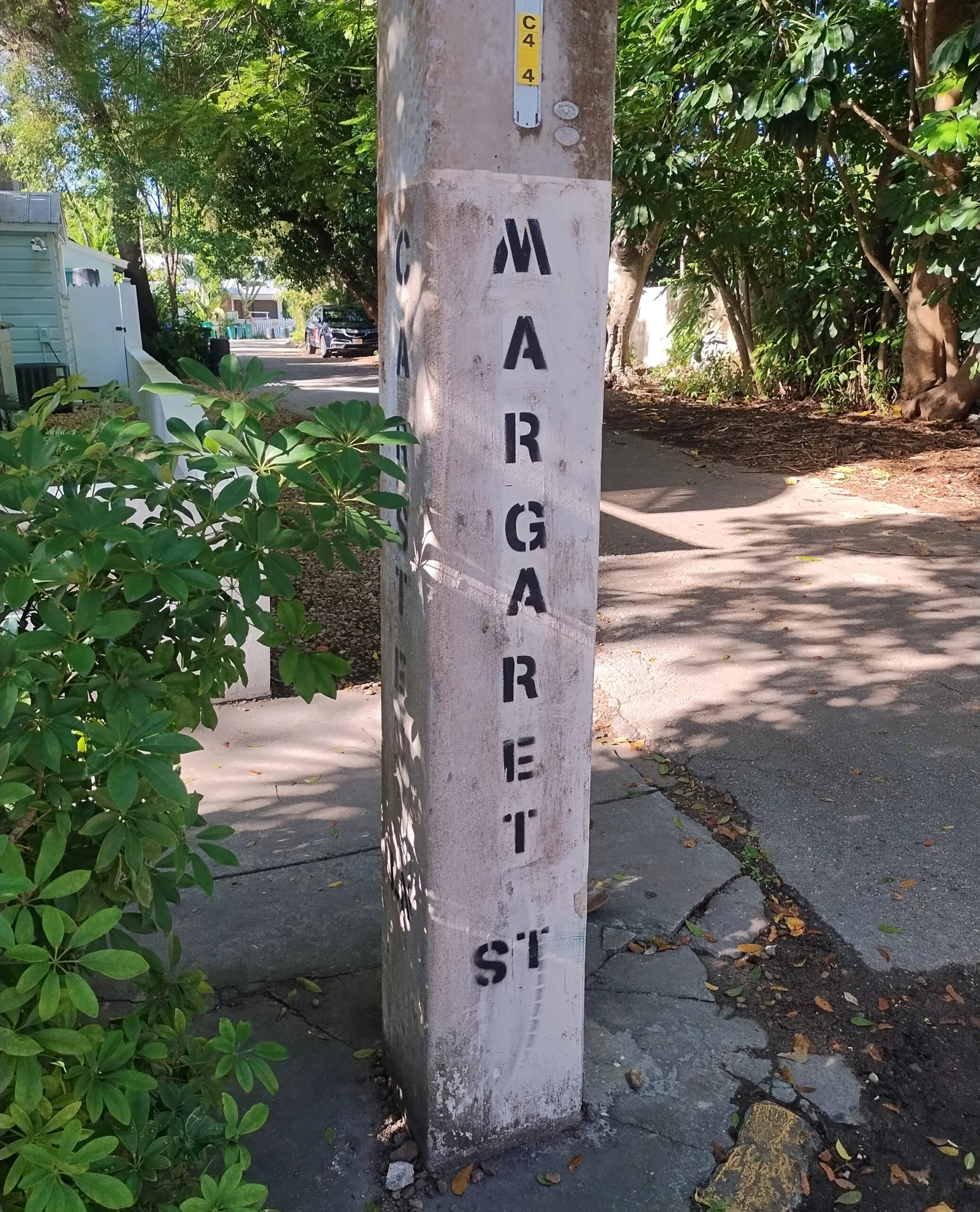
From my 2014 visit, I knew that on the back streets near the little-visited cemetery, parking was possible on an otherwise cramped island. So it was. On Margaret Street, within sight of the cemetery.
The return drive took us up the eastern coast of Florida, but avoiding the worst traffic in Miami-Dade by taking Florida’s Turnpike. By December 17, we’d arrived in Orange Park, a large suburb of Jacksonville, for a stay with two other dear friends, former Austinites now in northern Florida. Part of the next day was in and near downtown Jacksonville, one of the larger U.S. cities I’d never visited before (I believe San Jose is now the largest on that list). During our downtown stroll, we encountered the coolest building in Jacksonville and certainly one of the coolest in Florida.
We quit Florida on the 19th, but weren’t quite done with the trip. Yuriko had never been to Atlanta and wanted to go. Though I’d been however many times since 1982, I was happy to oblige, so we spent two nights and a day there, using the day to see the astonishing Georgia Aquarium and the impressive but somewhat overpriced World of Coca-Cola.
The last legs of the trip were long drives: Atlanta to Elizabethtown, Kentucky; and from there to home the next day. I wasn’t about to let them be completely dull drives, so we stopped on the second-to-last day in Chattanooga, to see the conveniently located, blocks-from-the-highway Chattanooga Choo-Choo redevelopment. On the last day of the trip, we stopped in Jeffersonville, Indiana, and walked across the Big Four Bridge, a former RR bridge across the wide Ohio, now serving pedestrians and bicyclists.
Home and then — Christmas, when things slow down for a week or so. Good timing.
Kids came in some numbers for Halloween here in the northwest suburbs yesterday, but I didn’t keep an exact count this year. The day was cool but not cold, without a hint of rain, so that might have encouraged turnout, like for voting. One time a passel of kids showed up, maybe a dozen or so, all under 10, with a smaller passel of parents off near the sidewalk.
We were giving away full-sized candy bars until they ran out, and the passel squealed with delight at receiving the various Hersey products. Even now, the costumes are a blur, maybe because I didn’t recognize a lot of the characters. Ones that I might have known weren’t familiar either. I asked the parents of a very small boy — ah, first-timers — what he was supposed to be. His shirt pattern reminded me of TMNT, but it was Hulk, they told me. “Hulk smash,” they said. “Hulk smash, all right,” I agreed.
All of the Halloween traffic, except for a handful of older kids, came before dark. My not-so-inner curmudgeon reacts: in my day, we trick-or-treated after dark, risking bodily injury on the streets, and we liked it.
But I am glad to report that the older kids – junior high and even high school – are far fewer than they were, say, 20 years ago. So it’s back to the way it should be. For older people, there are always such seasonal events as the Greenwich Village Halloween Parade. To this day, the ’06 iteration of that parade remains the only time I’ve encountered the band KISS live – they were the grand marshals (RIP, Ace Frehley). We also encountered Space Ghost then, or at least a fellow who was adamant about his Space Ghost identity.
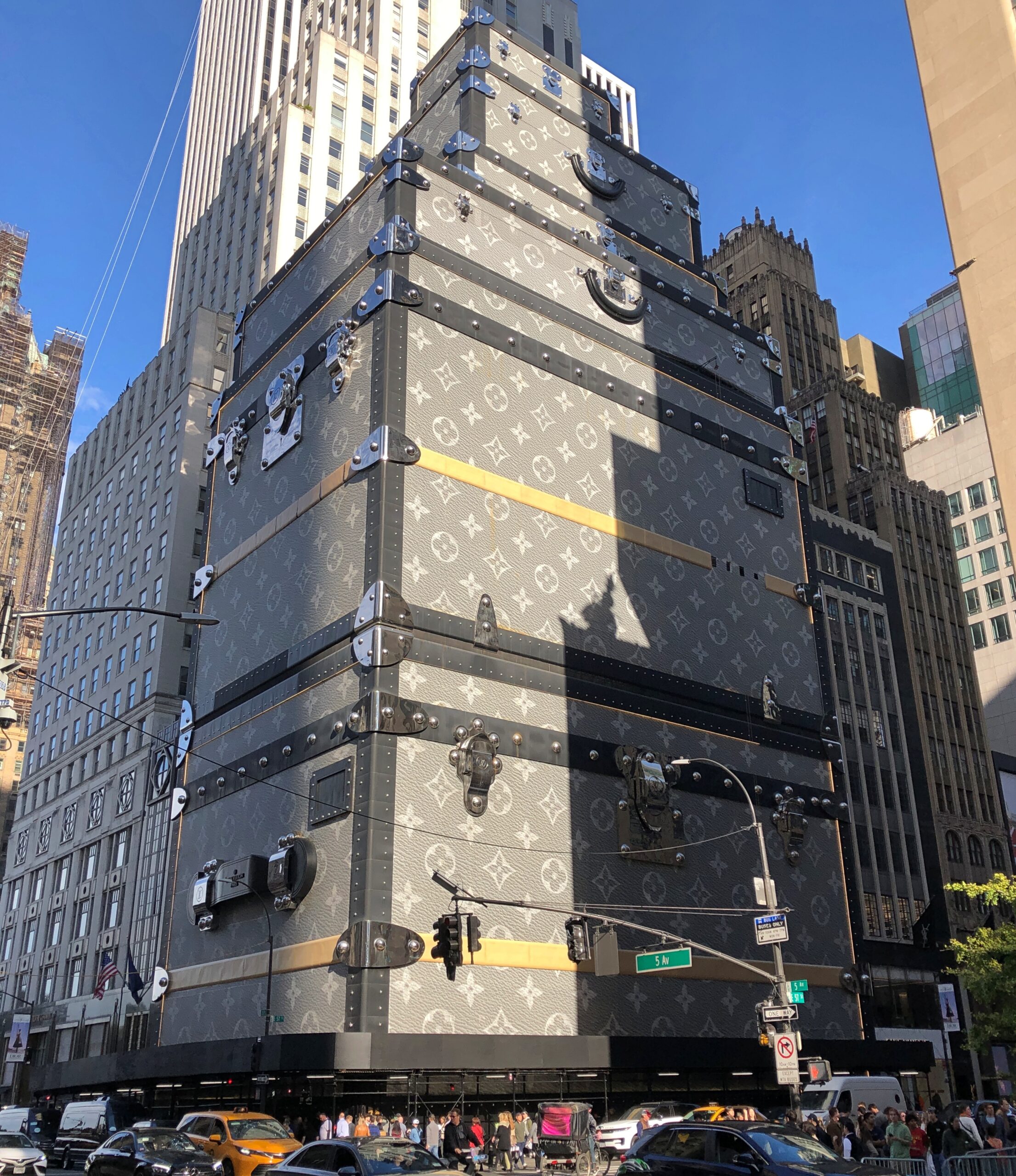
Near Central Park on Fifth Ave. is 1 East 57th Street. We walked by last month.
A few years ago, luxe retailer LVMH Moët Hennessy Louis Vuitton added a faux facade to its NY flagship store there on the avenue, one that evokes its signature luggage trunks in a highly visible way. Redevelopment plans for the building behind the trunks were unveiled not long ago, so I suspect the trunk-appearance doesn’t have much longer to look down on Billionaire’s Row and its strato-priced residential properties (whose high rents and sale prices don’t necessarily guarantee high-quality construction, apparently).
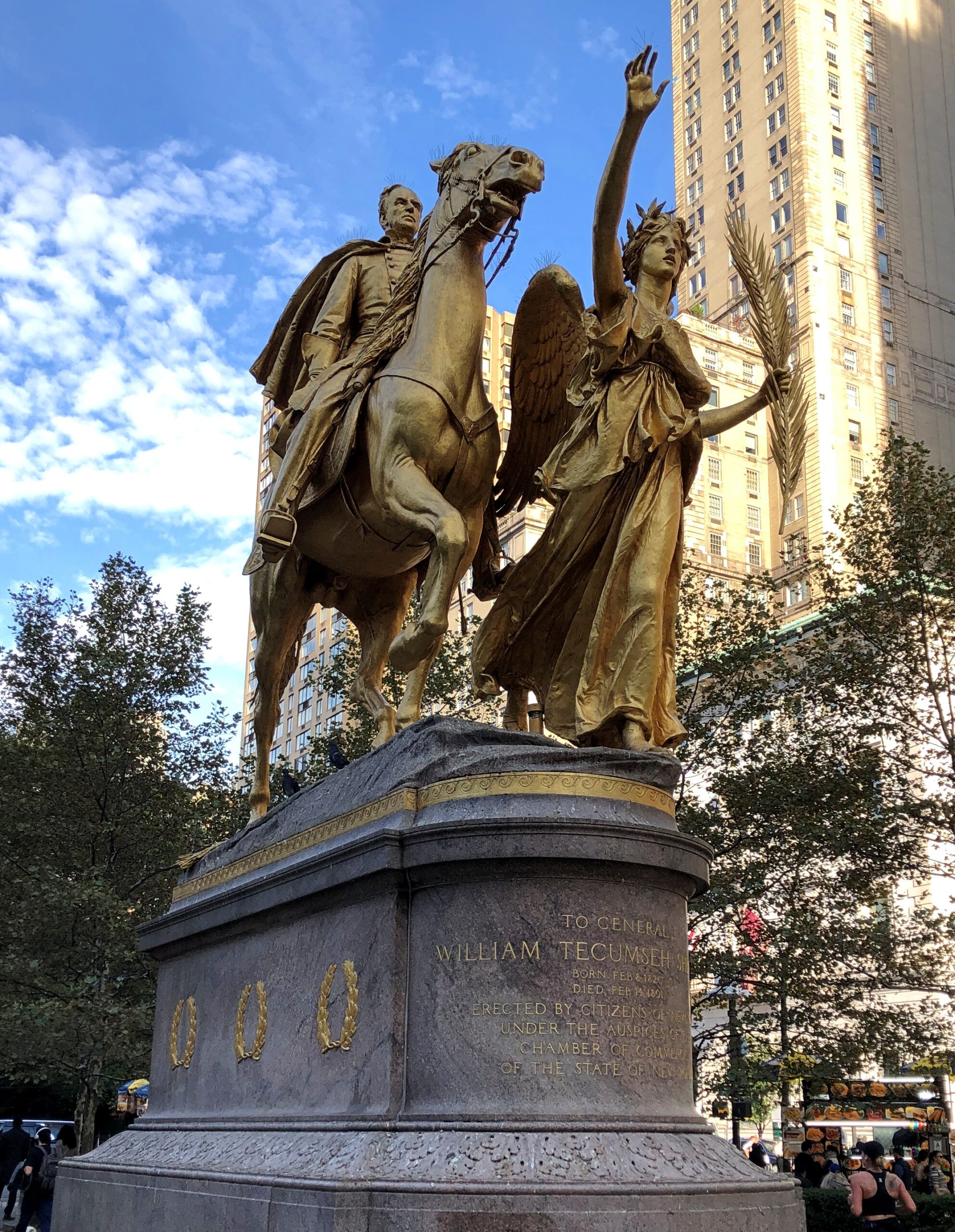
As we neared Central Park, we spent a little time at Augustus Saint-Gaudens’ statue of William Tecumseh Sherman (dedicated 1903) in Grand Army Plaza. Life’s too short not to look at some Saint-Gaudens from time to time.
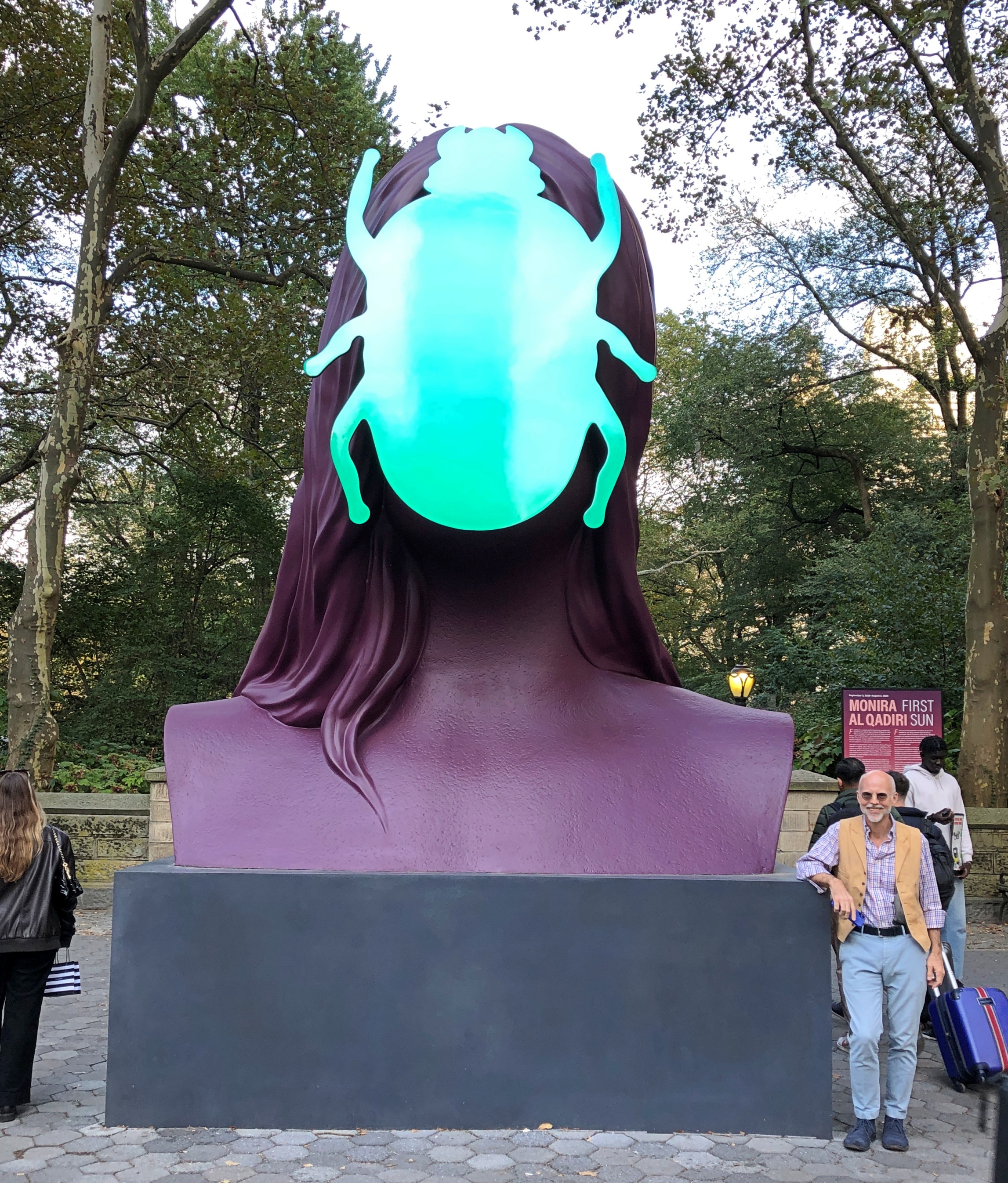
Not far away, something a little newer.
“First Sun,” a painted aluminum sculpture of a human-scarab figure by Senegalese artist Monira Al Qadiri, and slated to be in place until the end of next summer.
Visible from near the statues is the storied Plaza Hotel and an Apple Store, which is open 24 hours, Google Maps tells me. Storied in a different way.
I’m glad the Plaza acknowledges its fictional role in The Great Gatsby by featuring a lavish-beyond-the-dreams of Croesus Gatsby Suite. Of course. A smart hotel operator isn’t going to waste an opportunity like that. In this case, Fairmont Hotels and Resorts, a Canadian company, managing for owner Katara Hospitality – the large hotelier owned by the Qatari government. In the 21st century so far, the Plaza has been owned by an Israeli company and then an Indian one before Katara bought it. There’s something oddly American about an ownership trajectory like that.
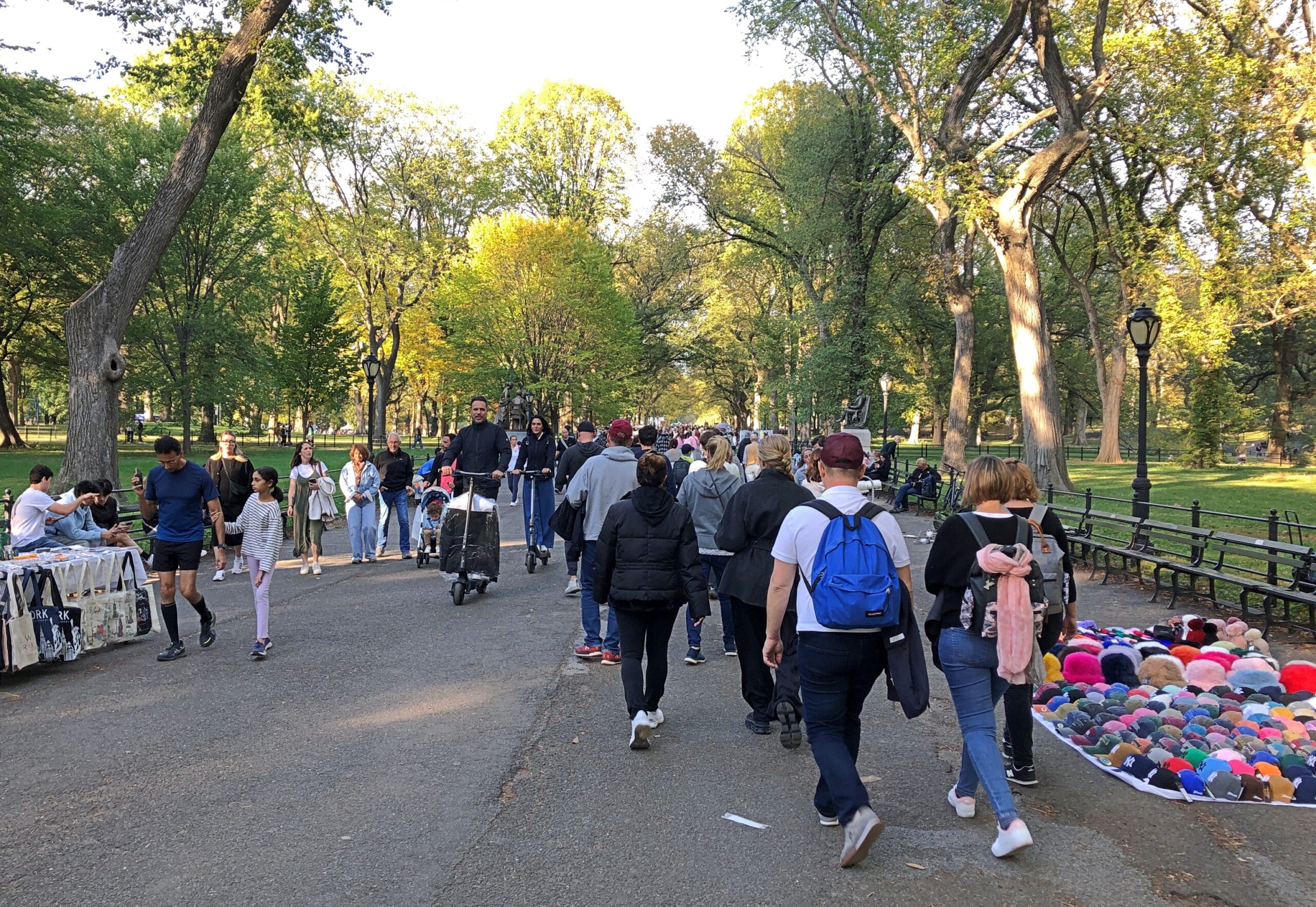
We – Robert, Geof, Yuriko and I – charted ourselves a simple walking path through some of the southern reaches of Central Park. Manhattanites and visitors to the borough were out in Saturday-afternoon force. Saturday, in the park/I think it was the 18th of October. No, that doesn’t scan. A fair number of pitch-a-blanket cap and souvenir salesmen were out, too, but not nearly as many buskers as a great city park like Central Park should attract.
There’s an editorial right there: why America needs more buskers, and why some American cities need to chill when it comes to suppressing buskers. Europeans might not be right about everything, but about allowing buskers? Yes.
The leaves weren’t at peak just yet, with the greens still hanging on more than not. I don’t remember which visit to Central Park it was, but one time I wandered the park during peak coloration, whipped into even greater yellow-and-red glory by a brisk October wind. Temporary clouds of leaves came and went, even as the wind shook more leaves from their branches. Color, but also motion.
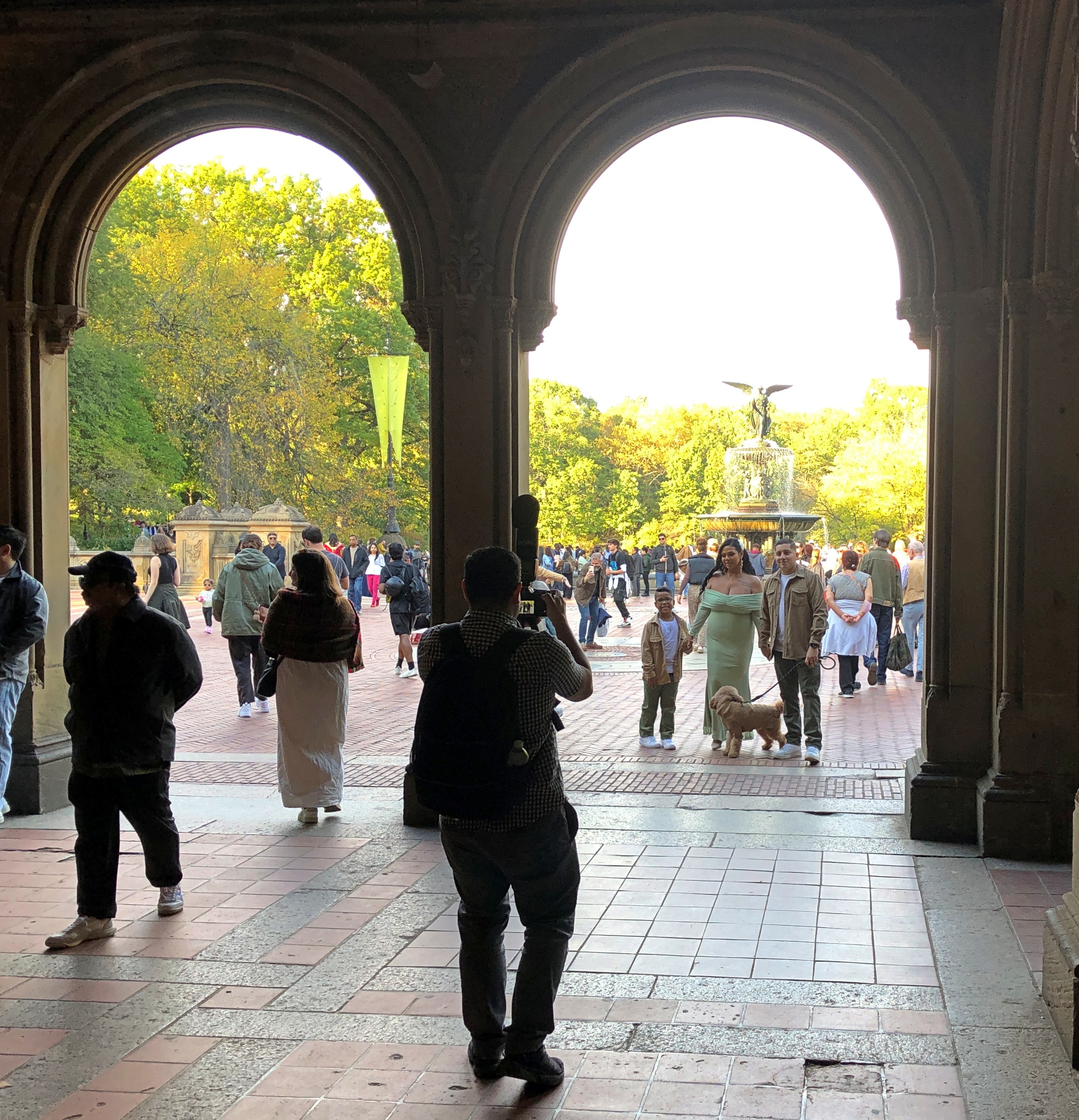
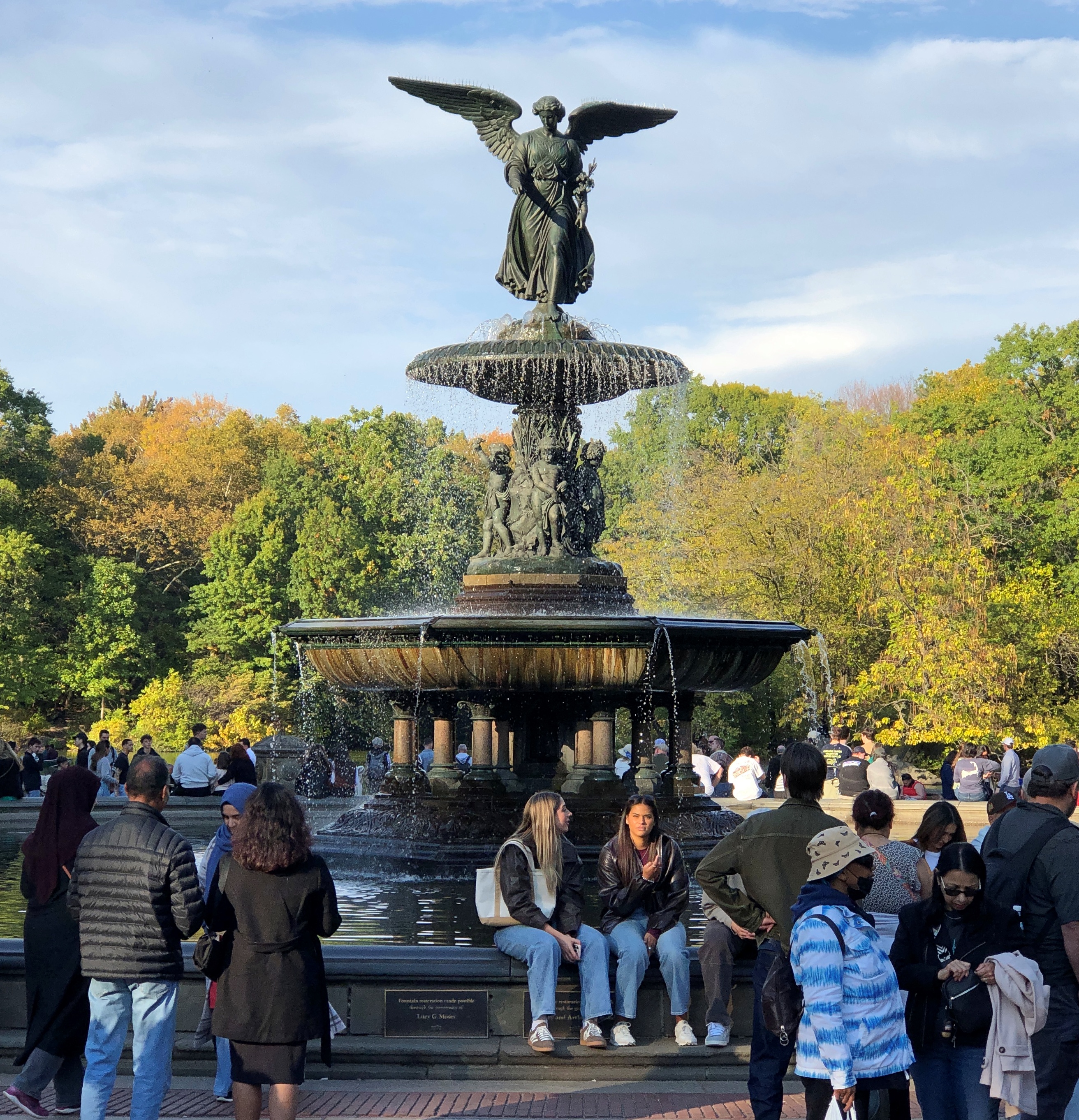
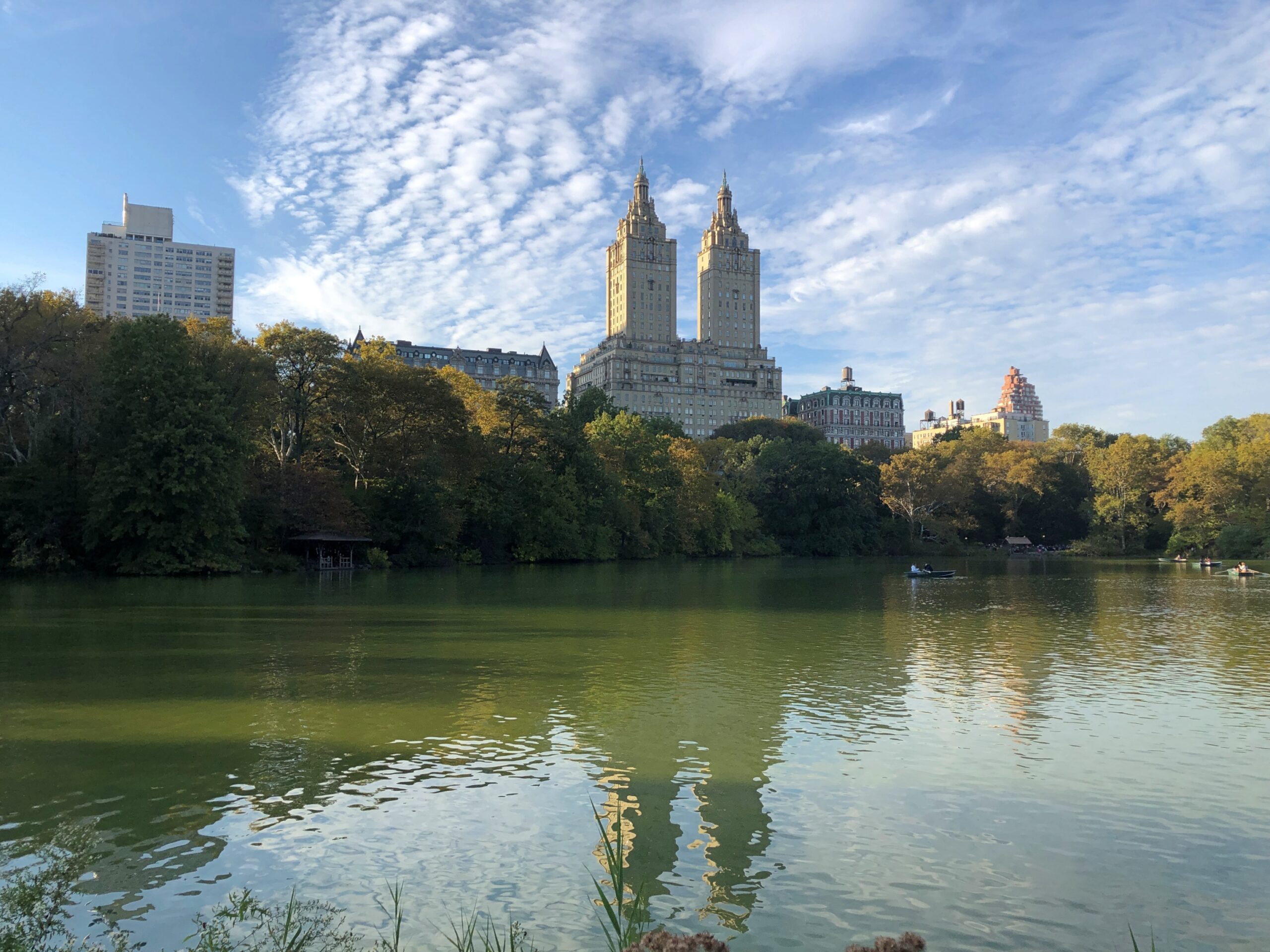
Eventually, we came to The Lake by way of Bethesda Terrace and Fountain.
But not all the way across The Lake to The Ramble, whose Wiki description drily states that “historically, it has been frequented for both birdwatching and cruising,” with hyperlinks articles about both of those activities. What about cruising birdwatchers? There’s a Broadway musical in that concept somewhere.
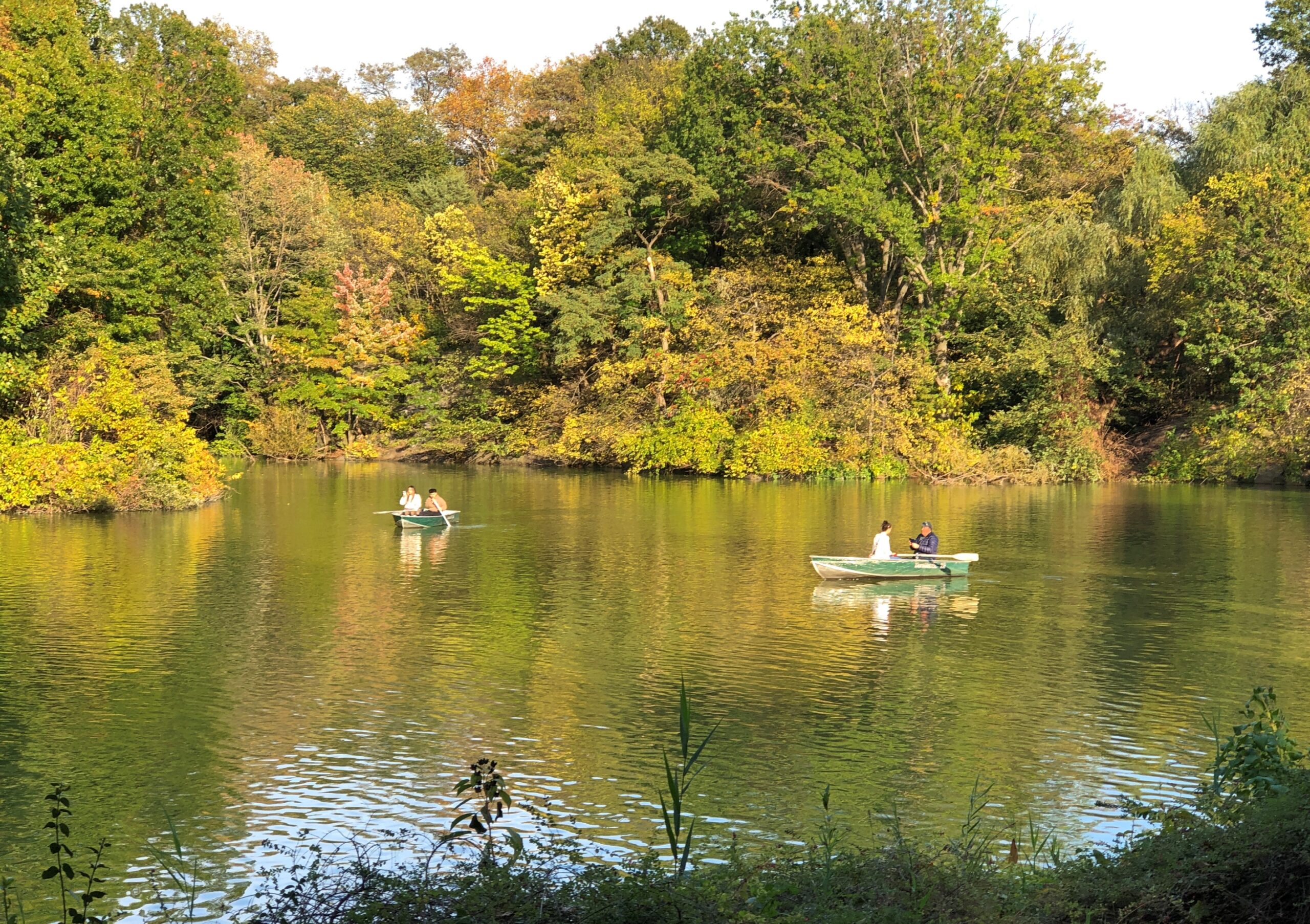
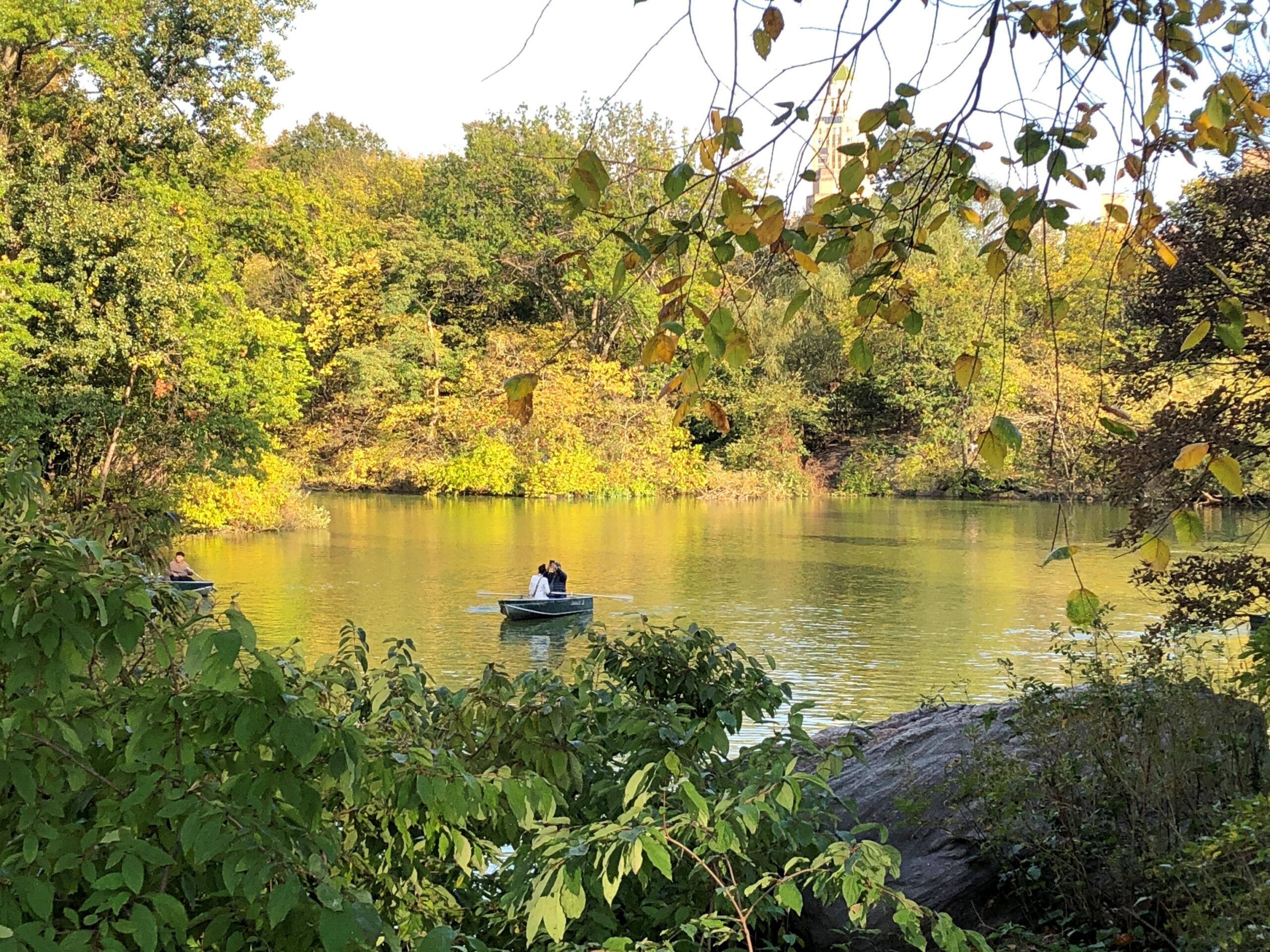
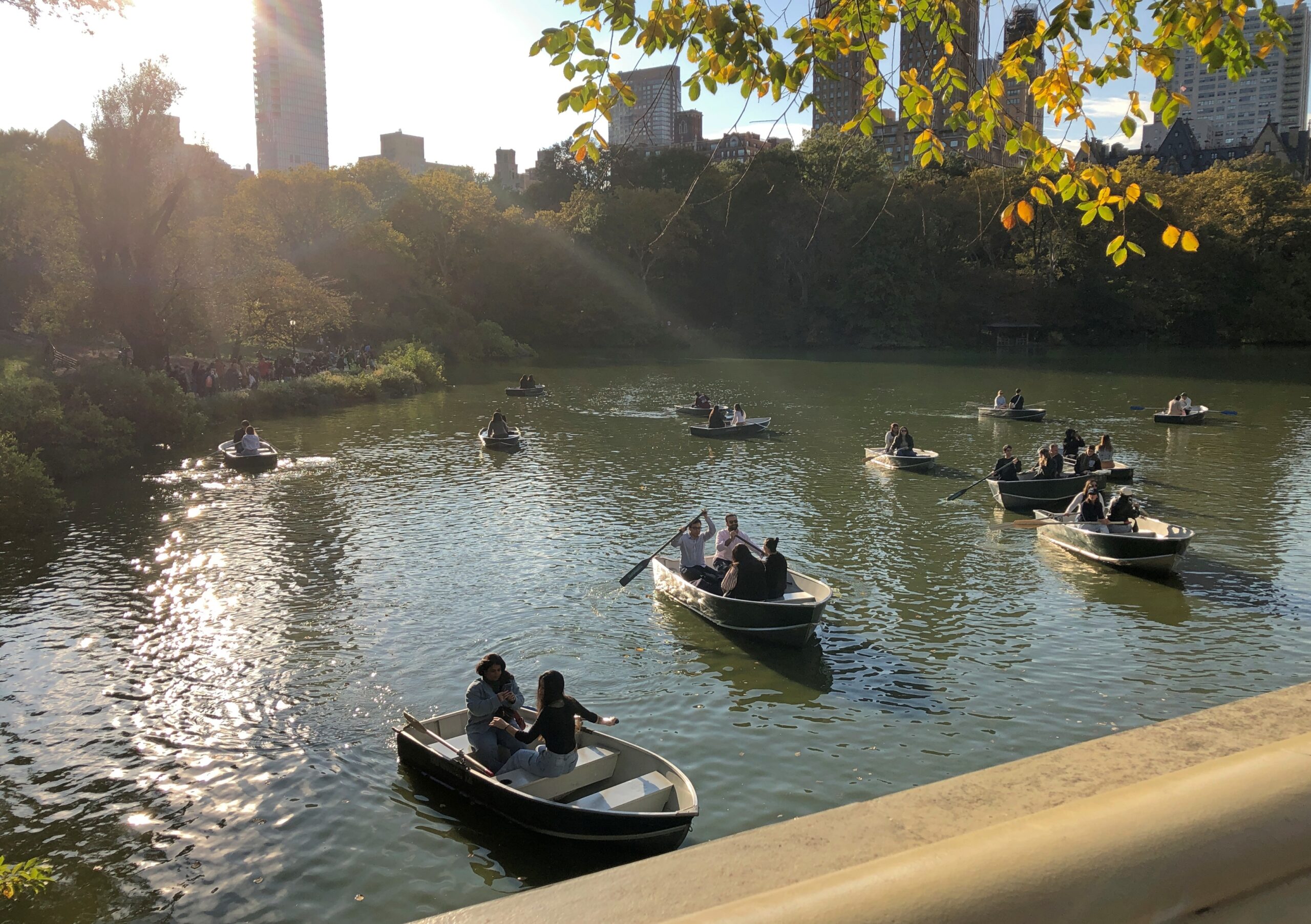
The Lake was clearly a good time and place for casual boating.
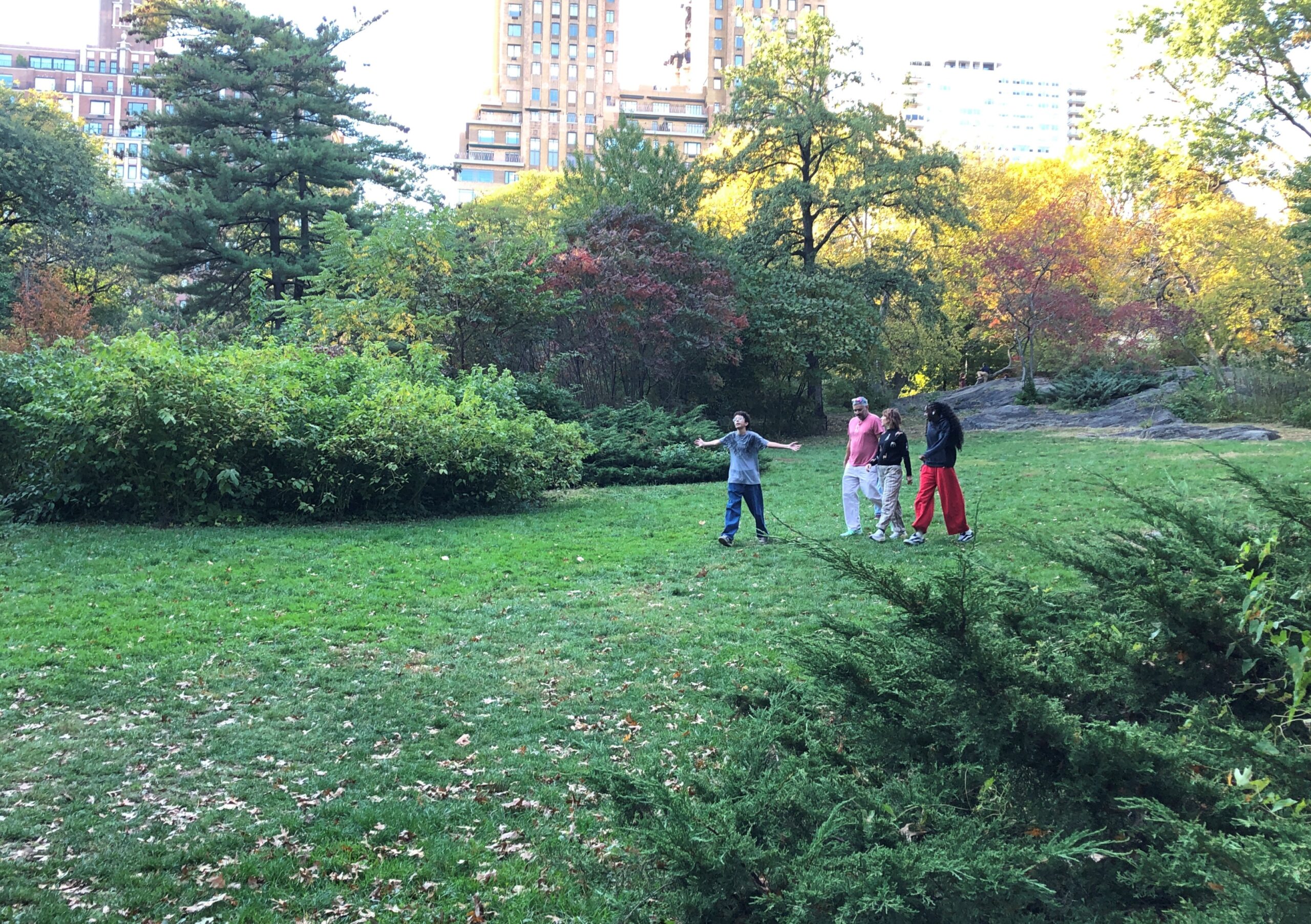
In that part of Central Park, it’s hard to miss Strawberry Fields. There is a fairly empty section.
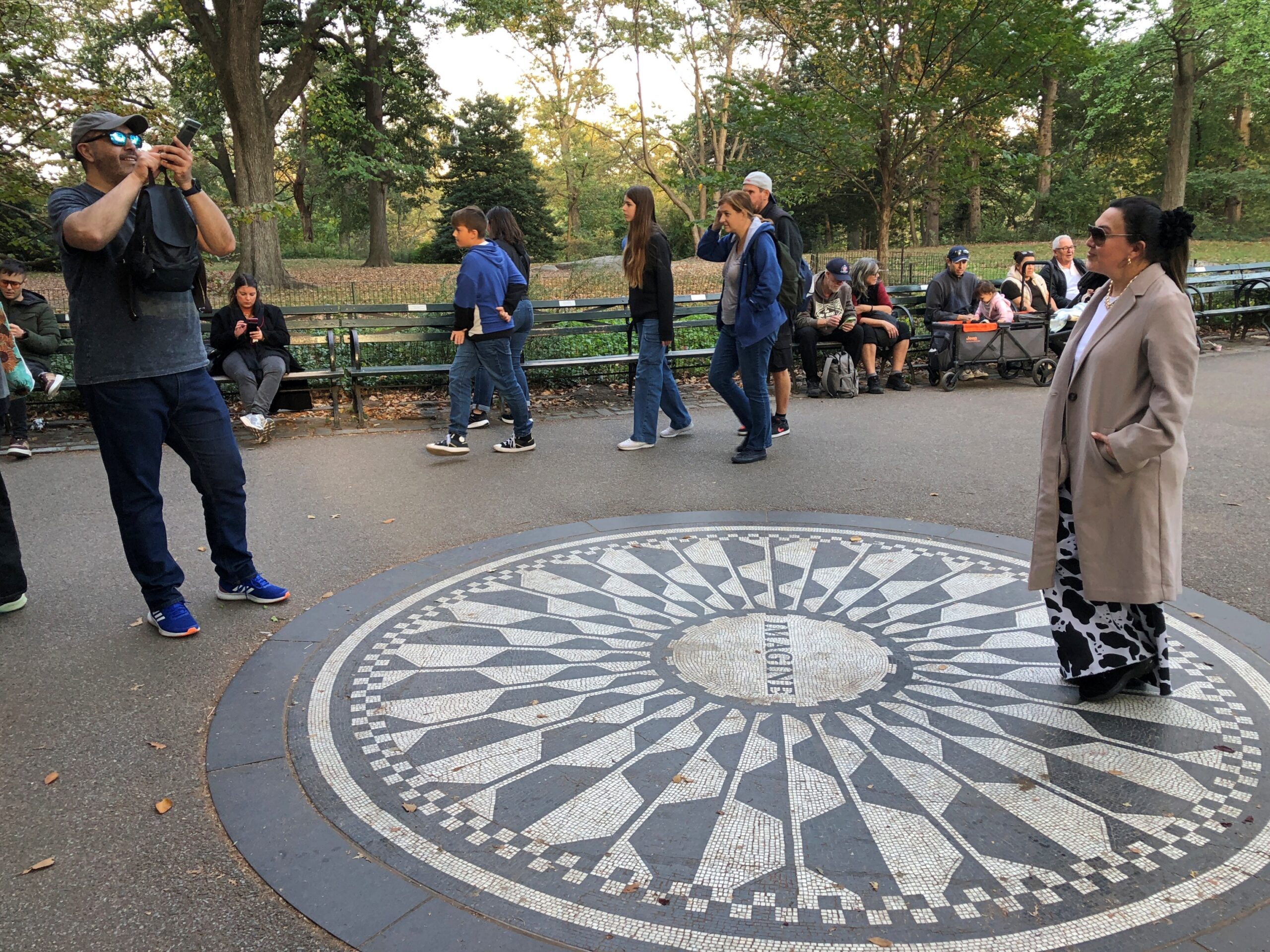
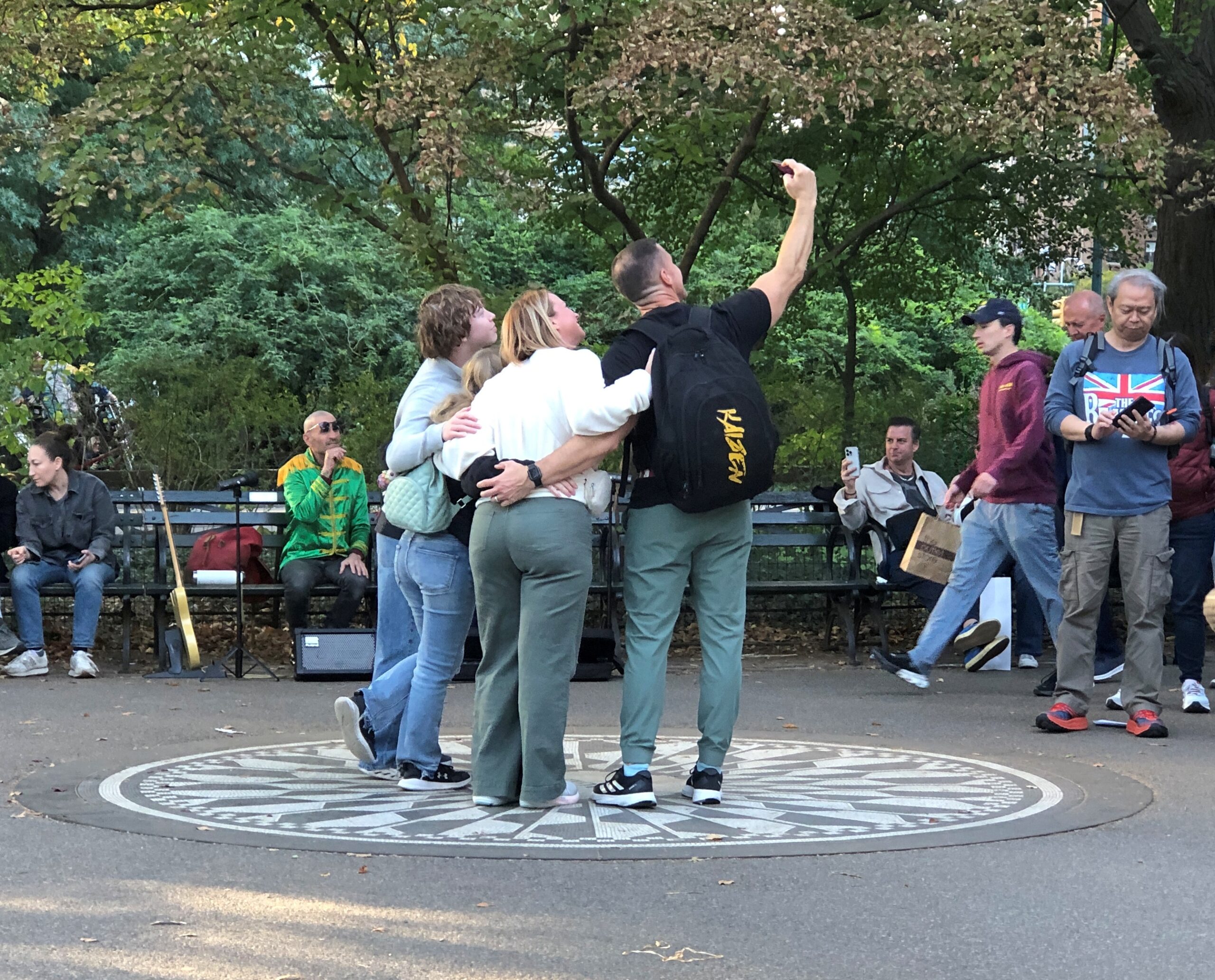
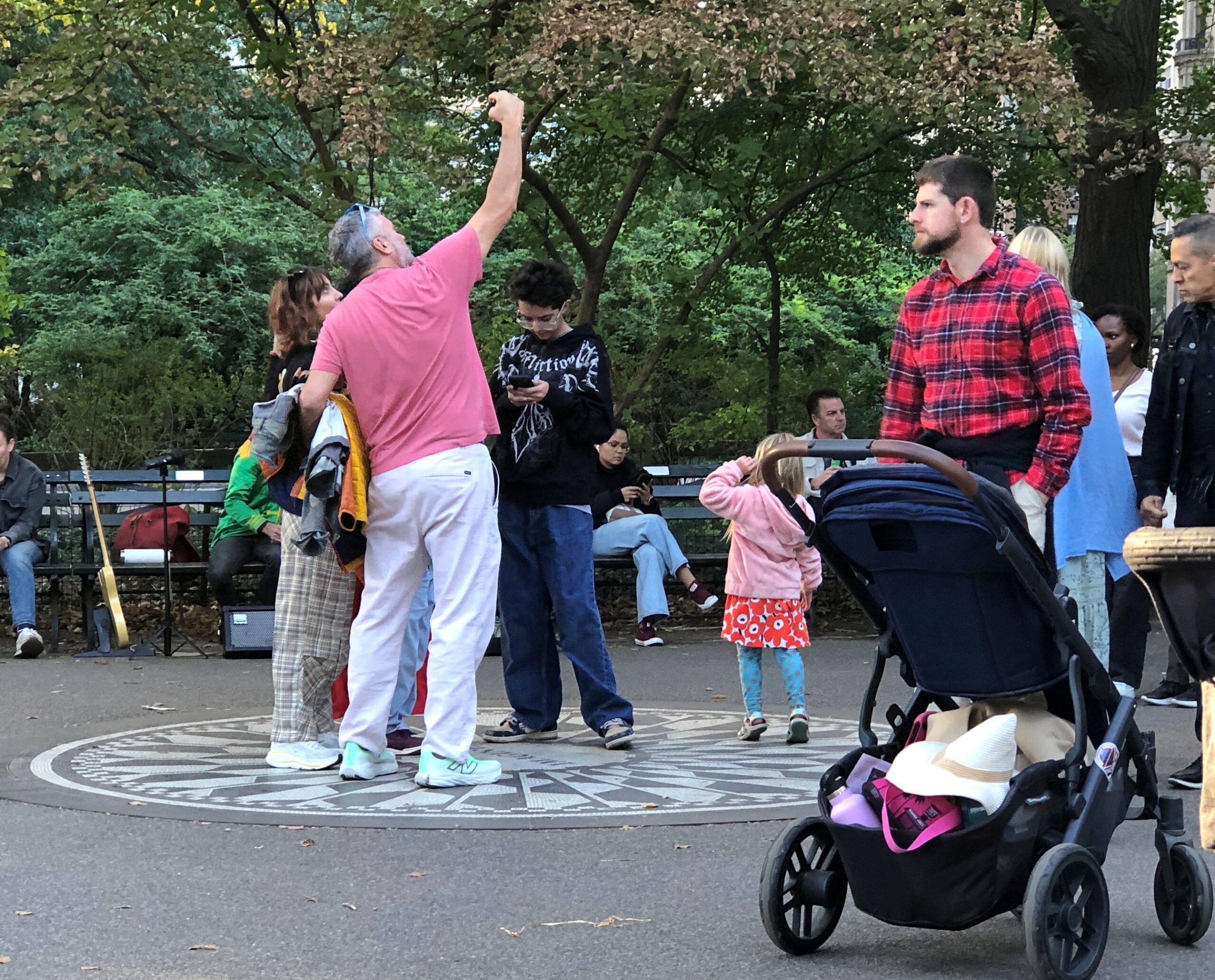
That’s not the case when you get to the Imagine memorial. Among the visitors, a guitarist was noodling out one of the more famous Lennon-McCartney tunes, but I forget which. One of the usual ones. Not “Dr. Robert,” say, or “Happiness is a Warm Gun.” So that was one busker anyway, since I think he had a guitar case open in front of him. All you need is love, sure, but bills are bills.
Gone these 45 years and still packing ‘em in. Good for you, Mr. Lennon. In another 45 years? It would be interesting to know, and I sure I won’t.
I’m afraid the history of memorials doesn’t bode well for the longevity of any memorial, even the kind that people line up to pose with. I didn’t know the man, but I suspect somehow that the thought of fading into obscurity wouldn’t have bothered John Lennon.
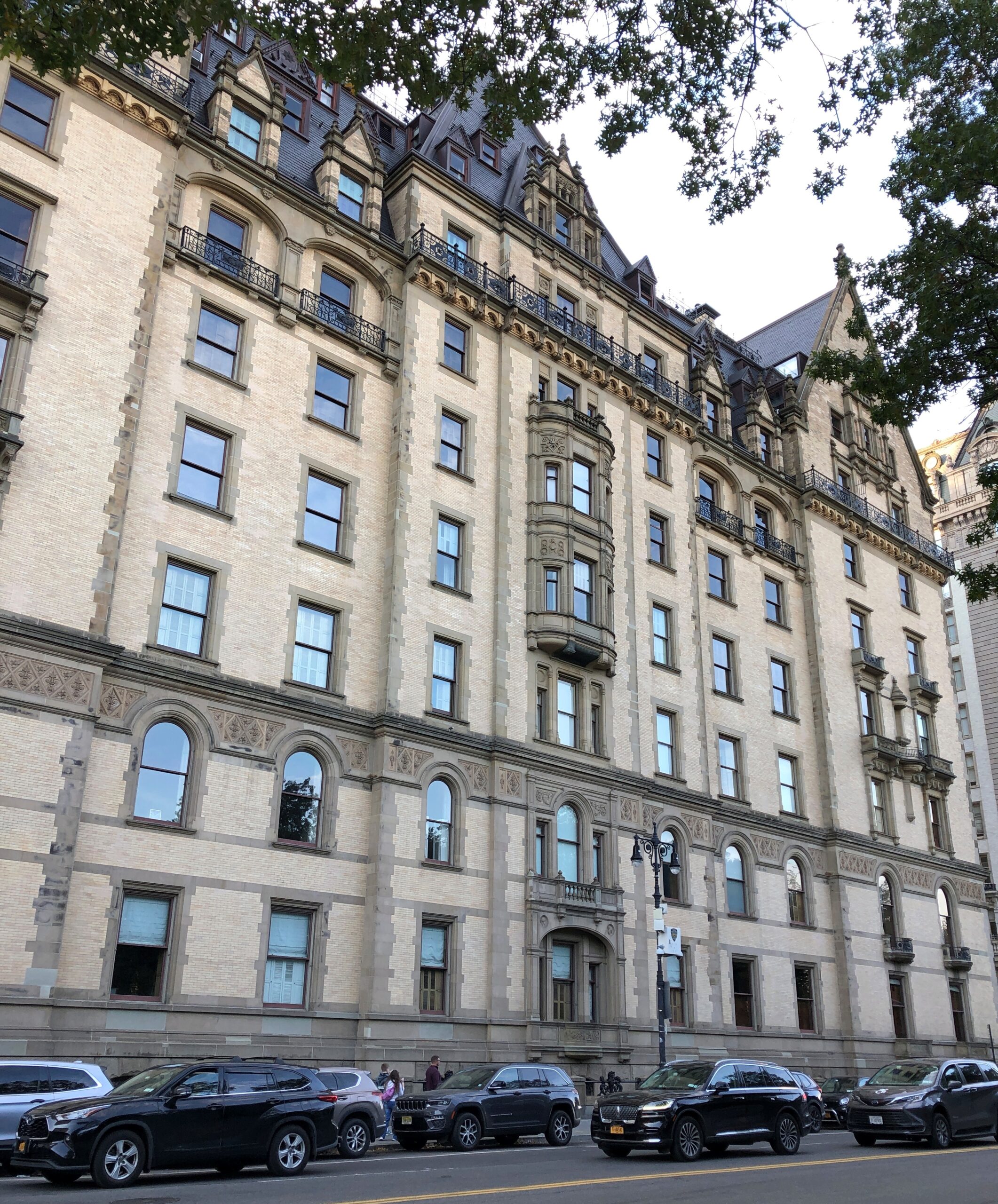
At that point, you emerge from the park and are practically face-to-face with the Dakota.
We headed east to a subway station, and happened to walk by the entrance of the Dakota. In its grim way, it’s a kind of memorial too. The signs make it known with no uncertainty that no one unauthorized is getting in.
Still a chill in the air here in Illinois, but a bit warmer, so we’re on a slow climb back to real spring. Back to posting on May 27. In its float around late May, Memorial Day is four days earlier than Decoration Day this year.
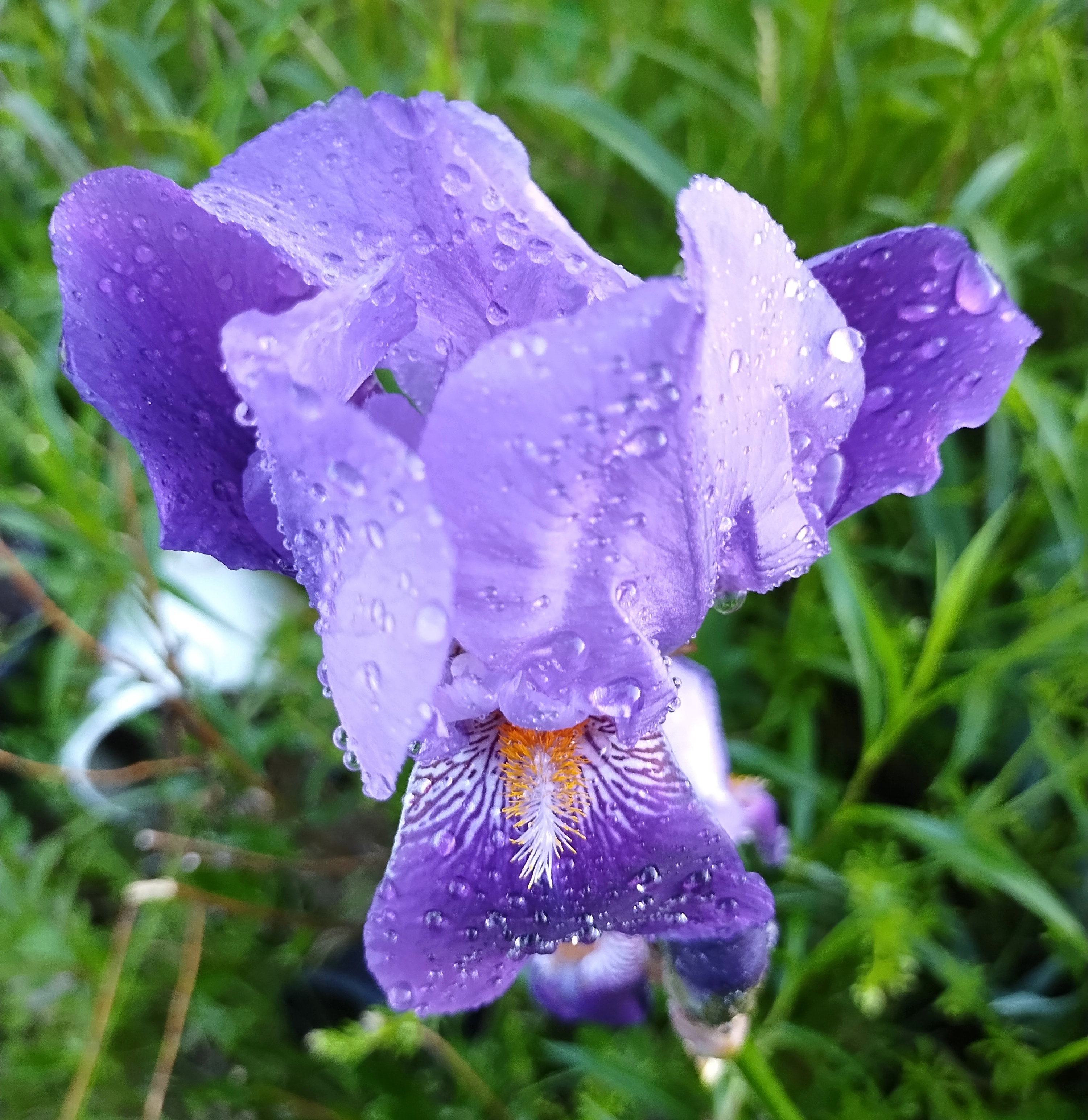
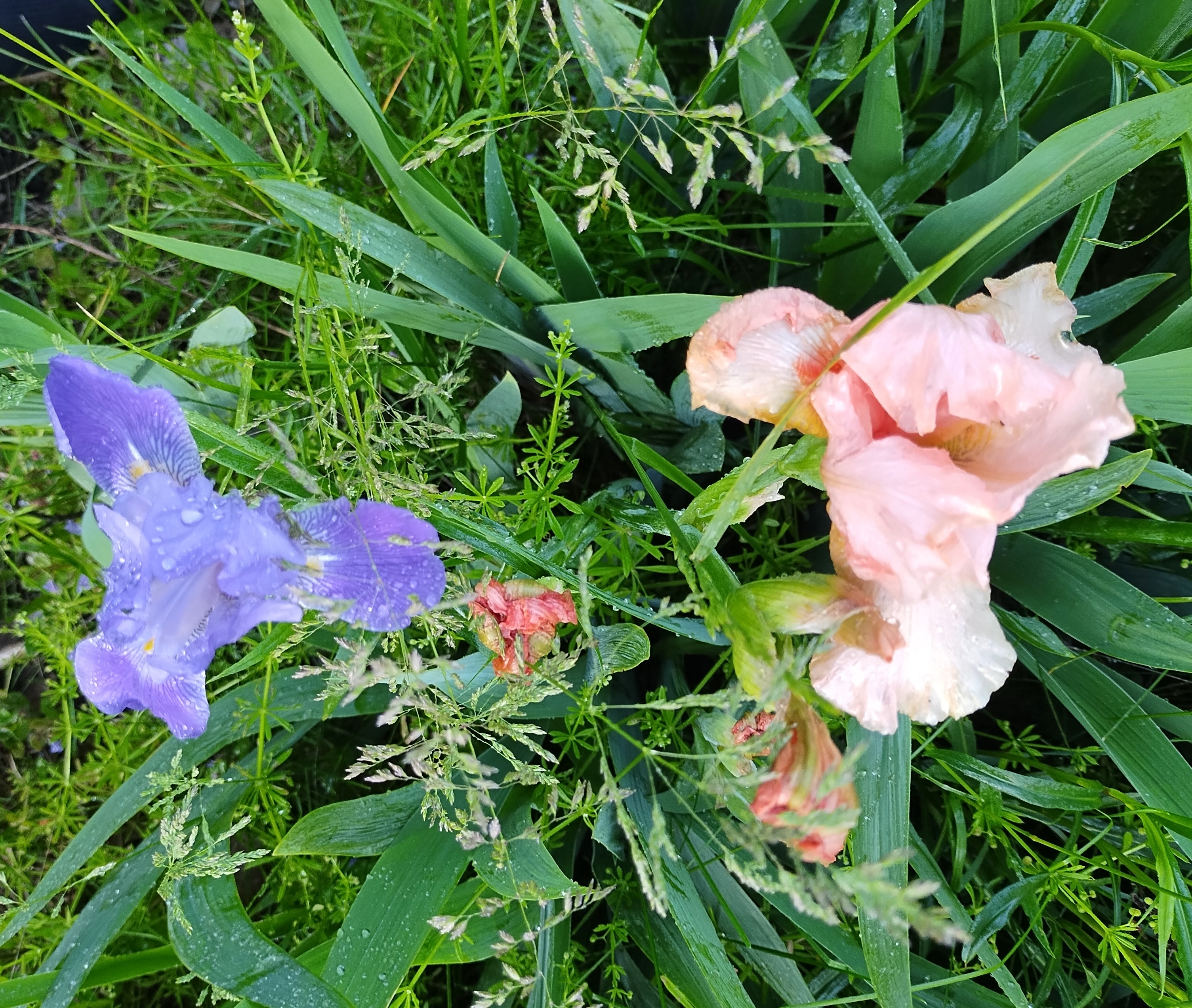
Chilly, maybe, but that hasn’t discouraged the back yard irises.
A gift from a neighbor last year – some bulbs that we planted in the patch of land that, decades ago, had been a garden. That isn’t quite what I’d call it now. More of a back yard feature whose greenery towers over the ordinary lawn grass.
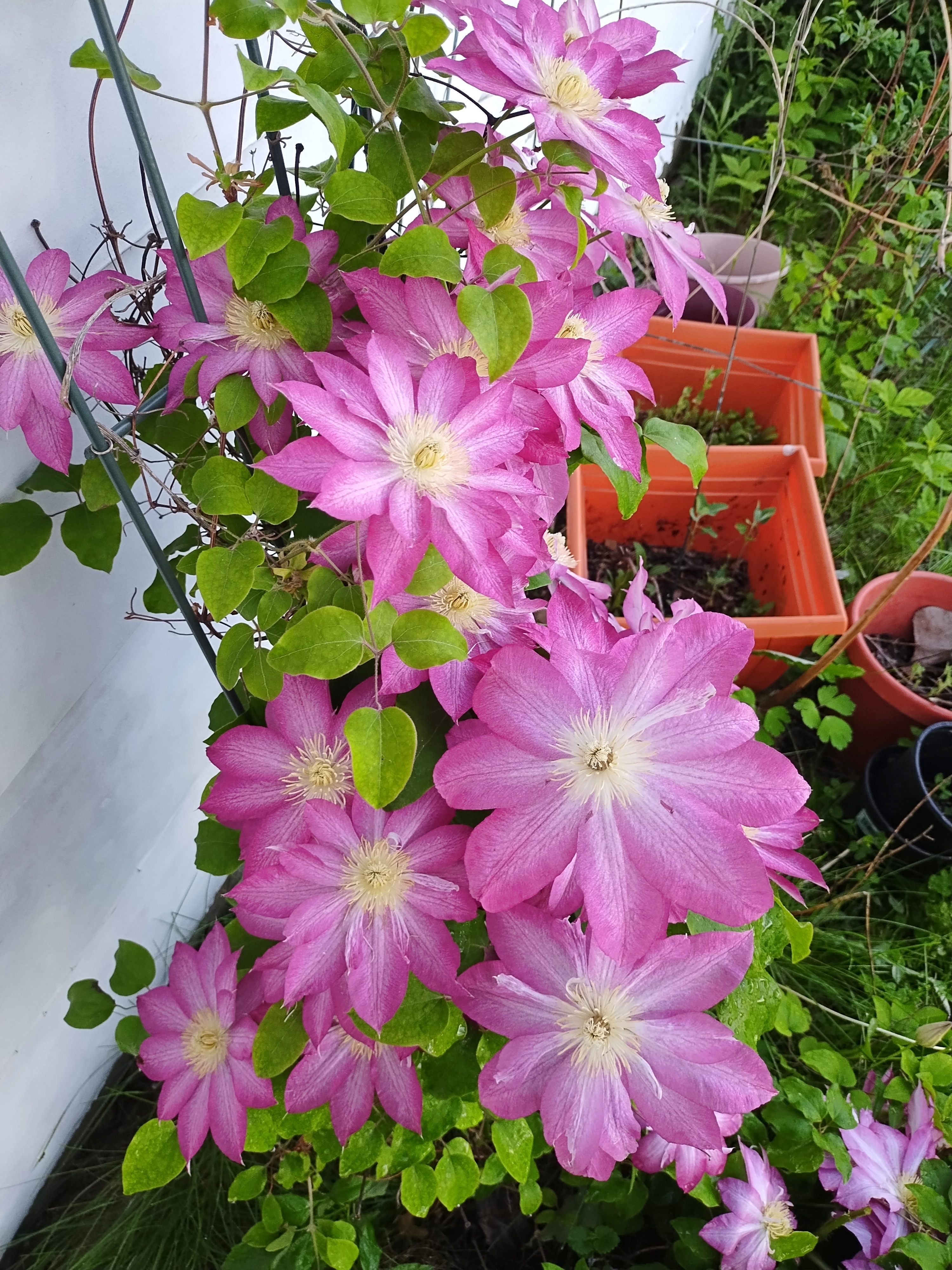
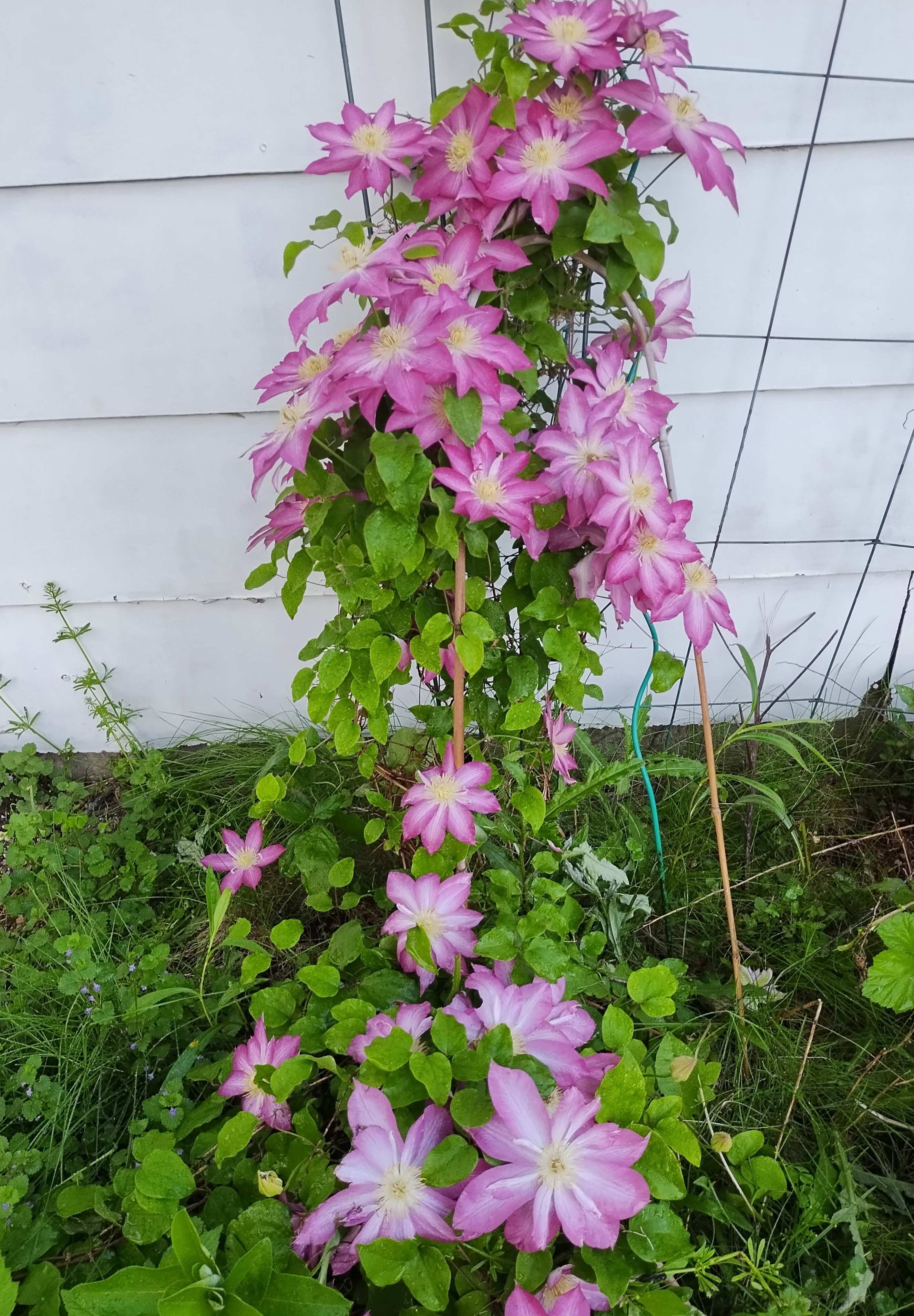
Not just irises. On the other side of the yard:
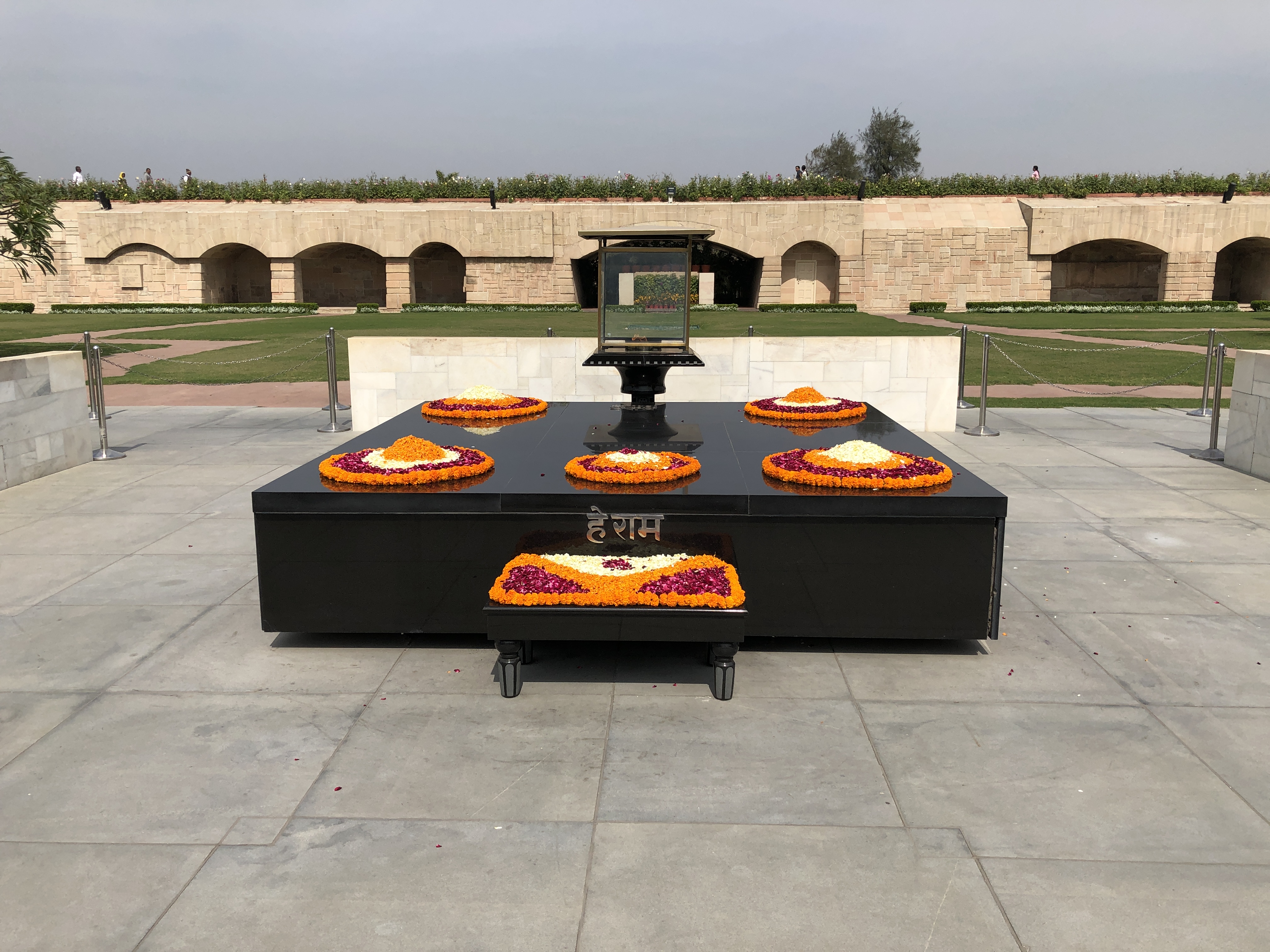
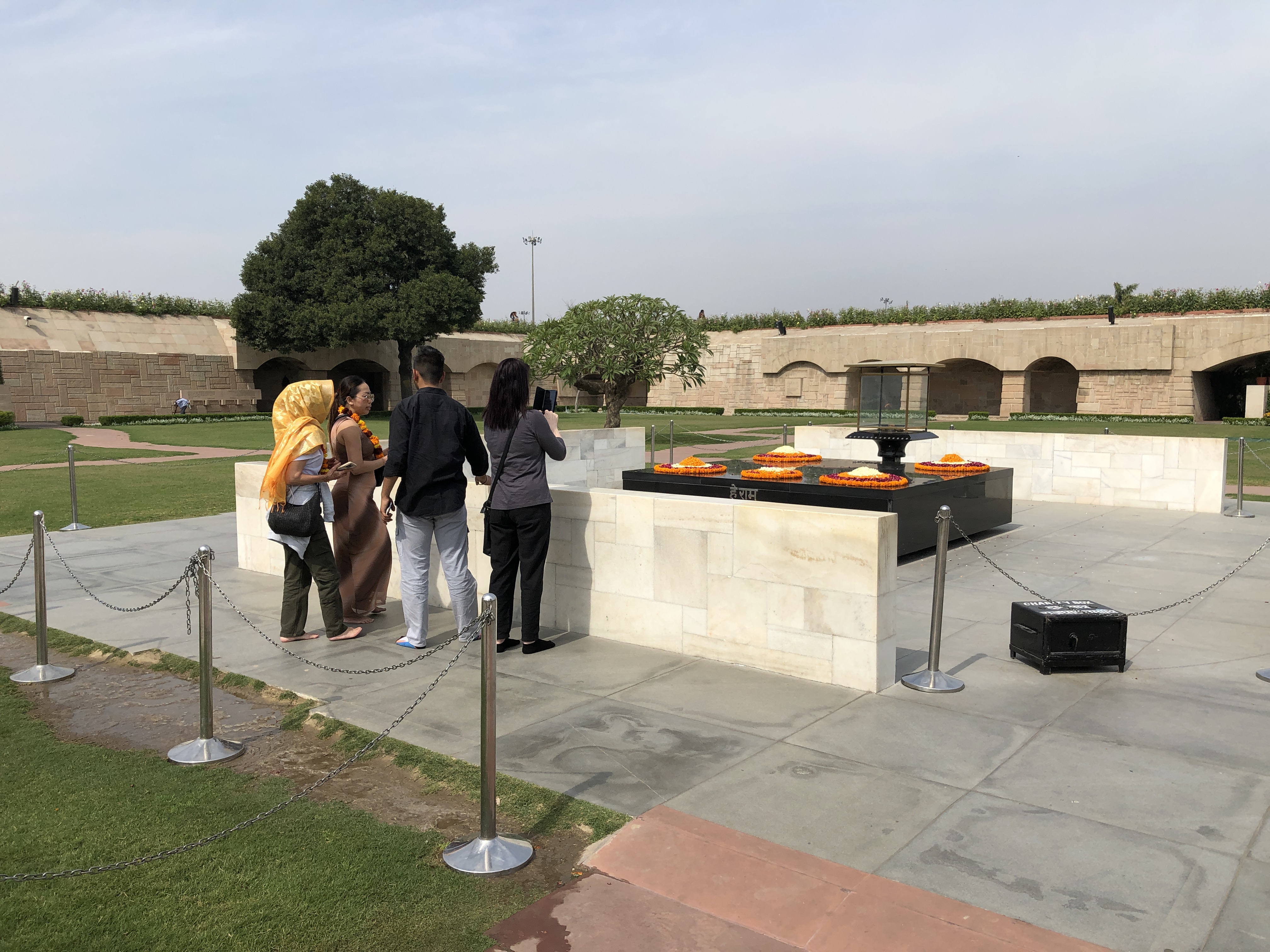
Raj Ghat was one of the first places we went in India. Its centerpiece is a memorial dedicated to Gandhi, in the middle of a large green square surrounded by walls. The black marble platform marks the spot of his cremation on January 31, 1948.
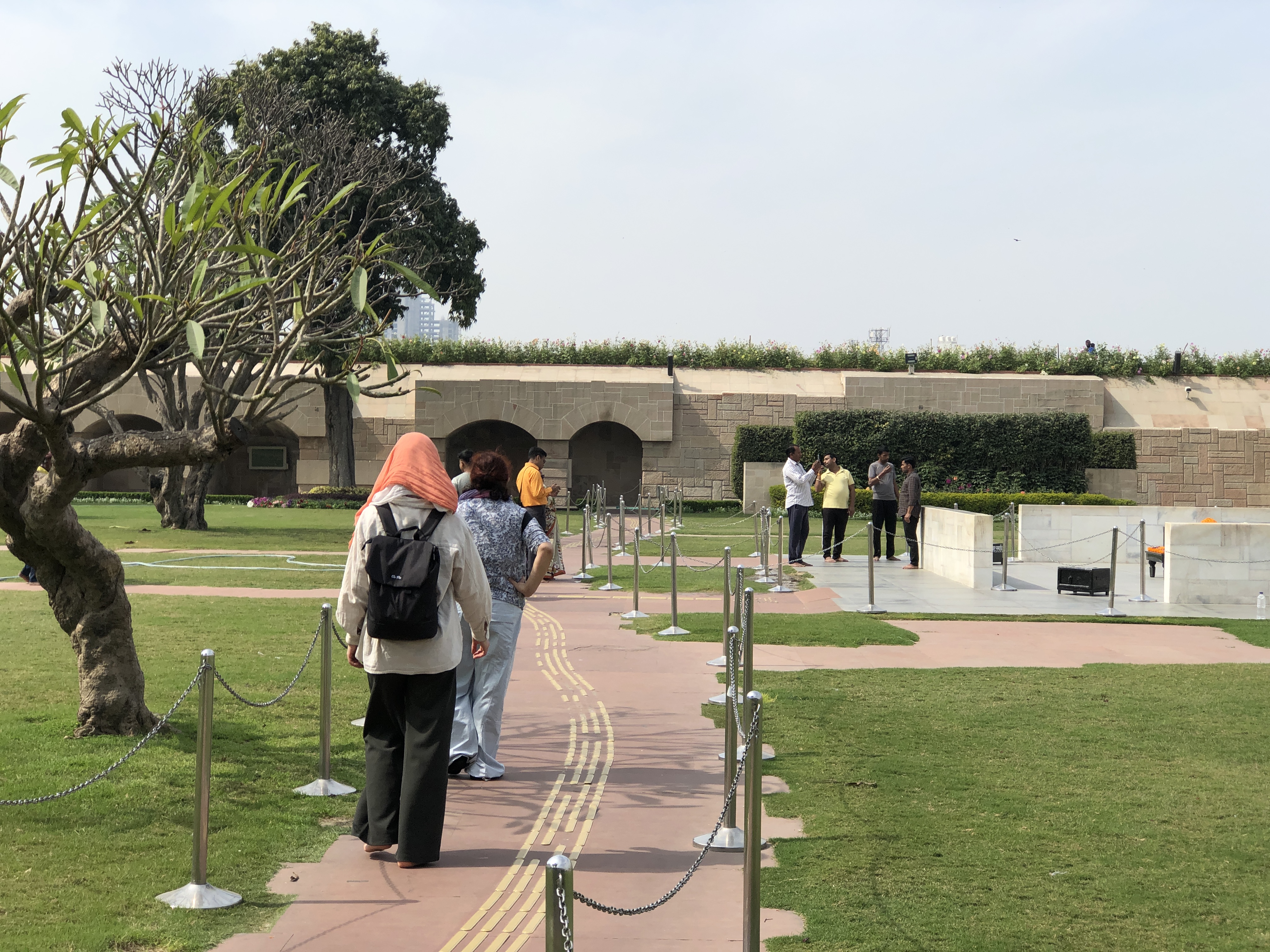
Outside the walls is more green space. A popular spot for school groups, looks like.
Nearby is the National Gandhi Museum. Considering that he’s Father of the Nation, not many people were there, but I suppose school groups show up regularly to enliven the place. Overall, the memorial seemed to be more of a draw.
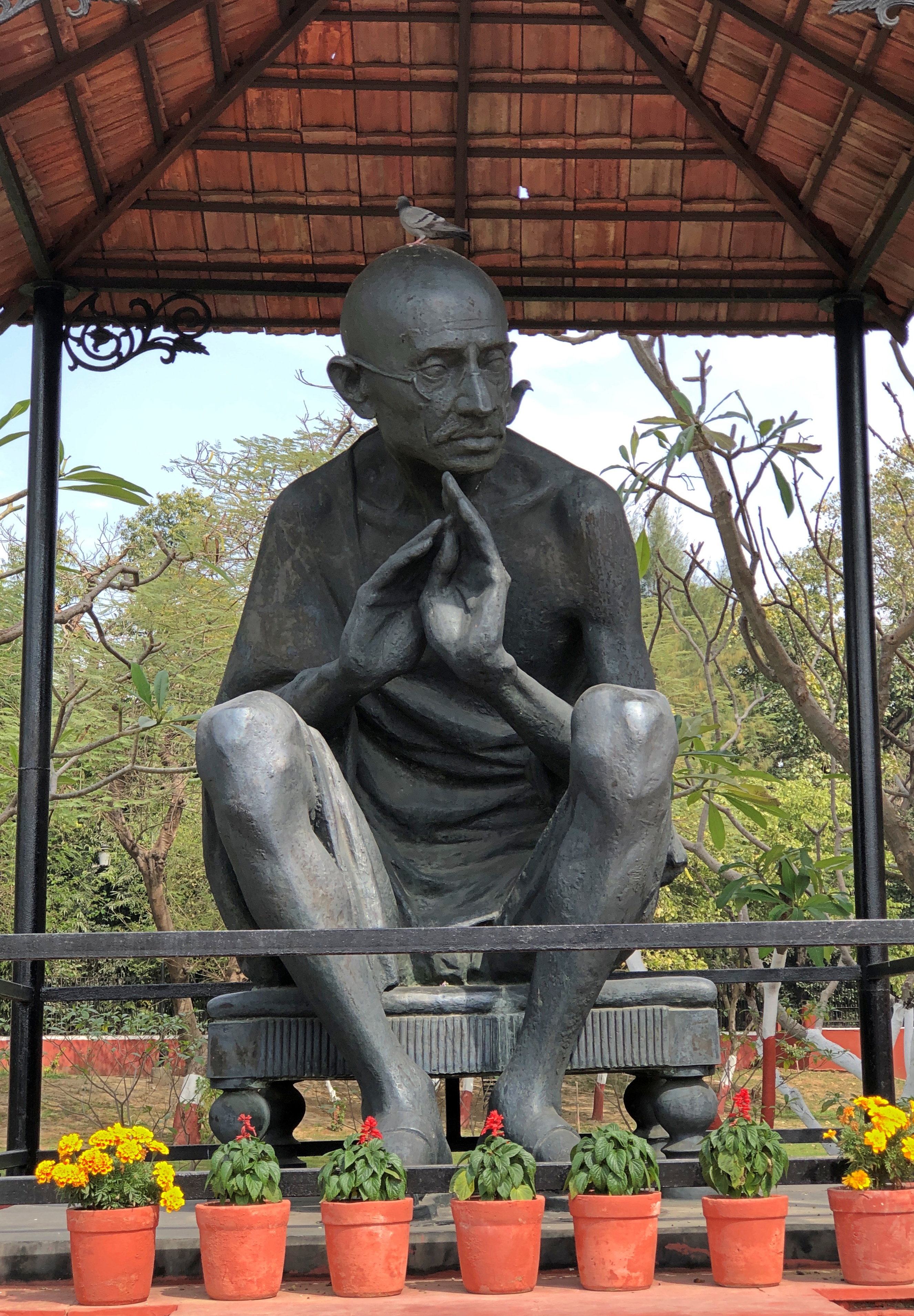
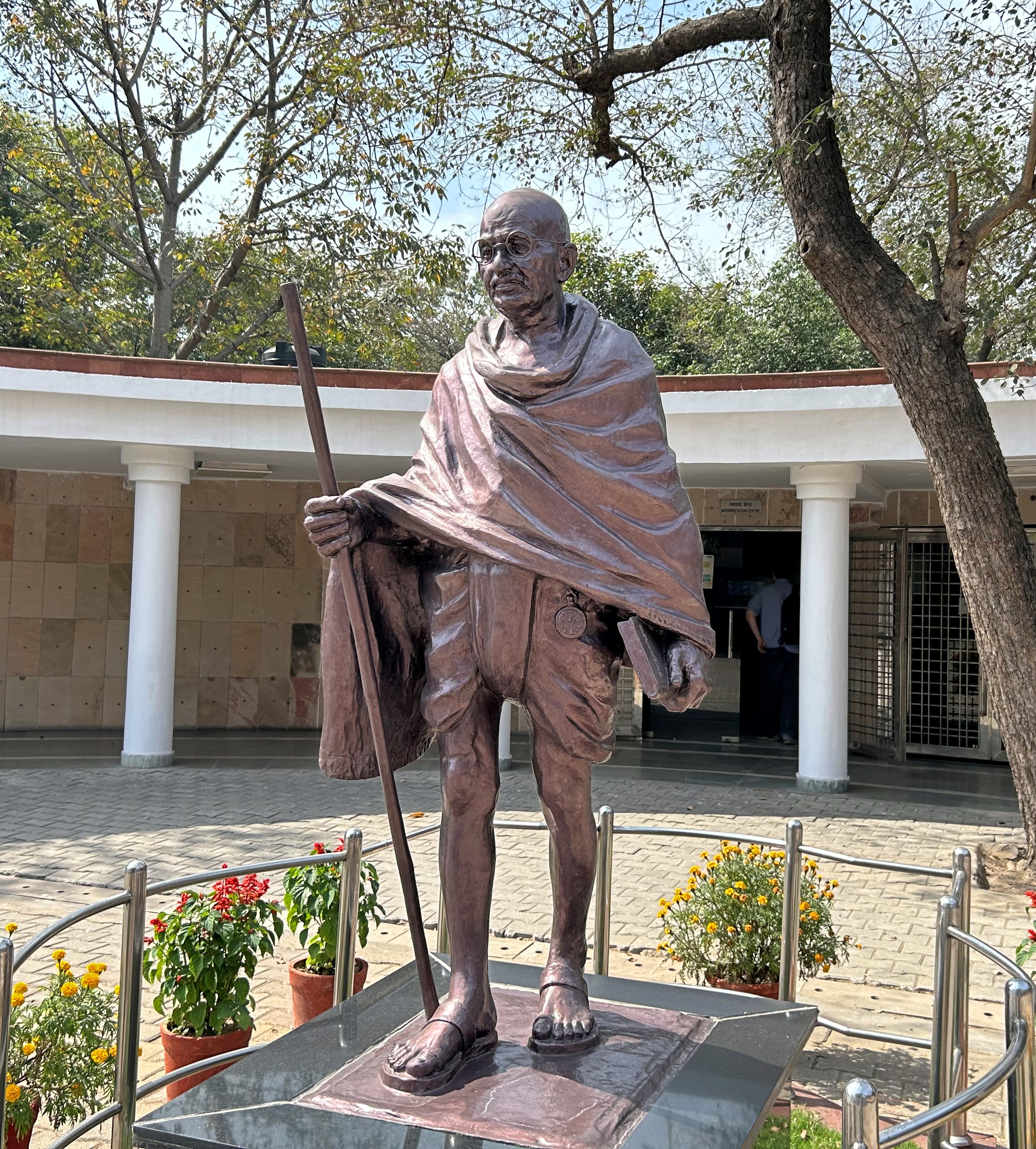
On the grounds of the museum.
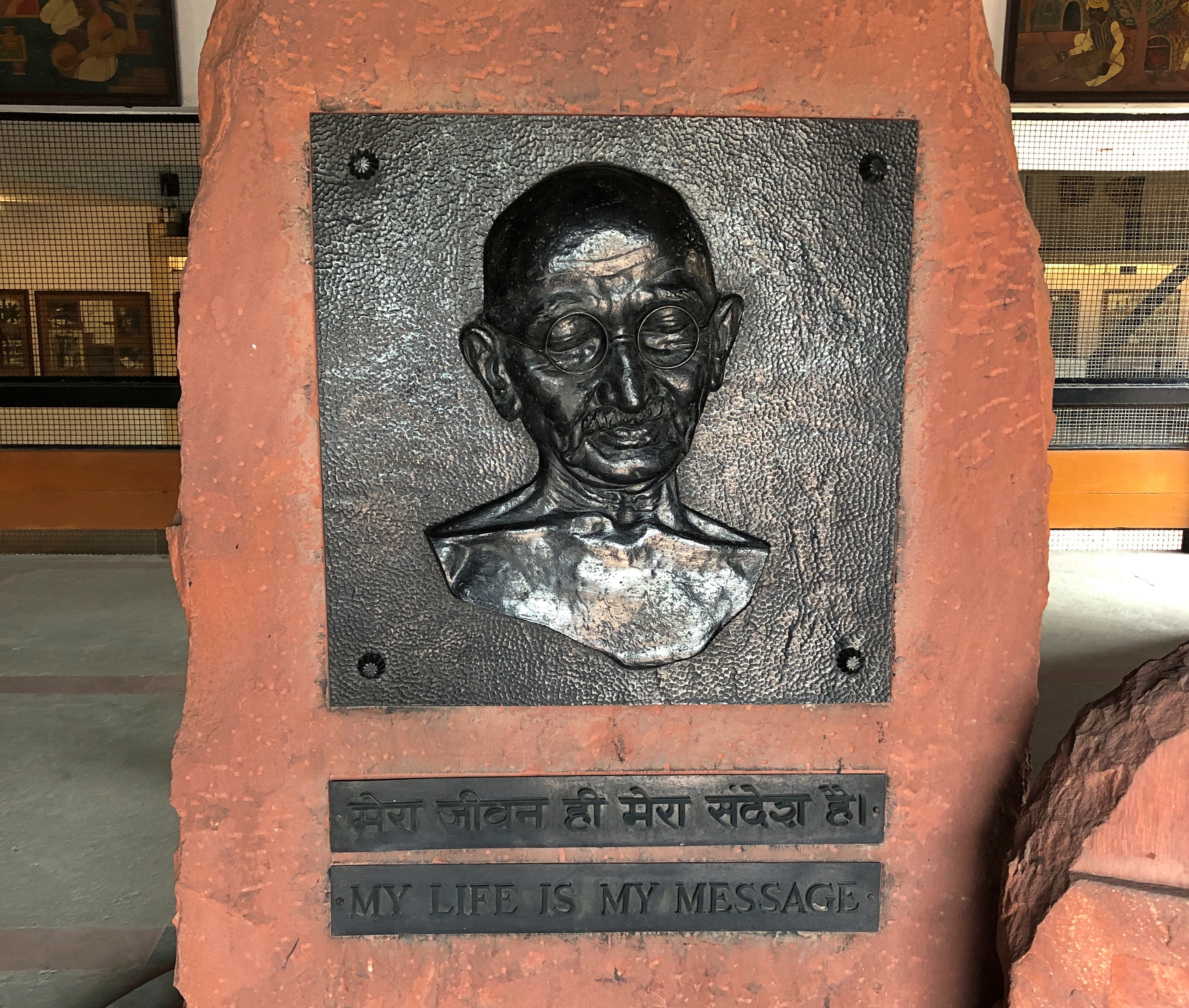
The plain rooms of the museum featured a lot of photos of Gandhi and text to go with it. For someone who lived before digital photography, his image was certainly captured by a lot of cameras. There were also a few artifacts, including one large one.
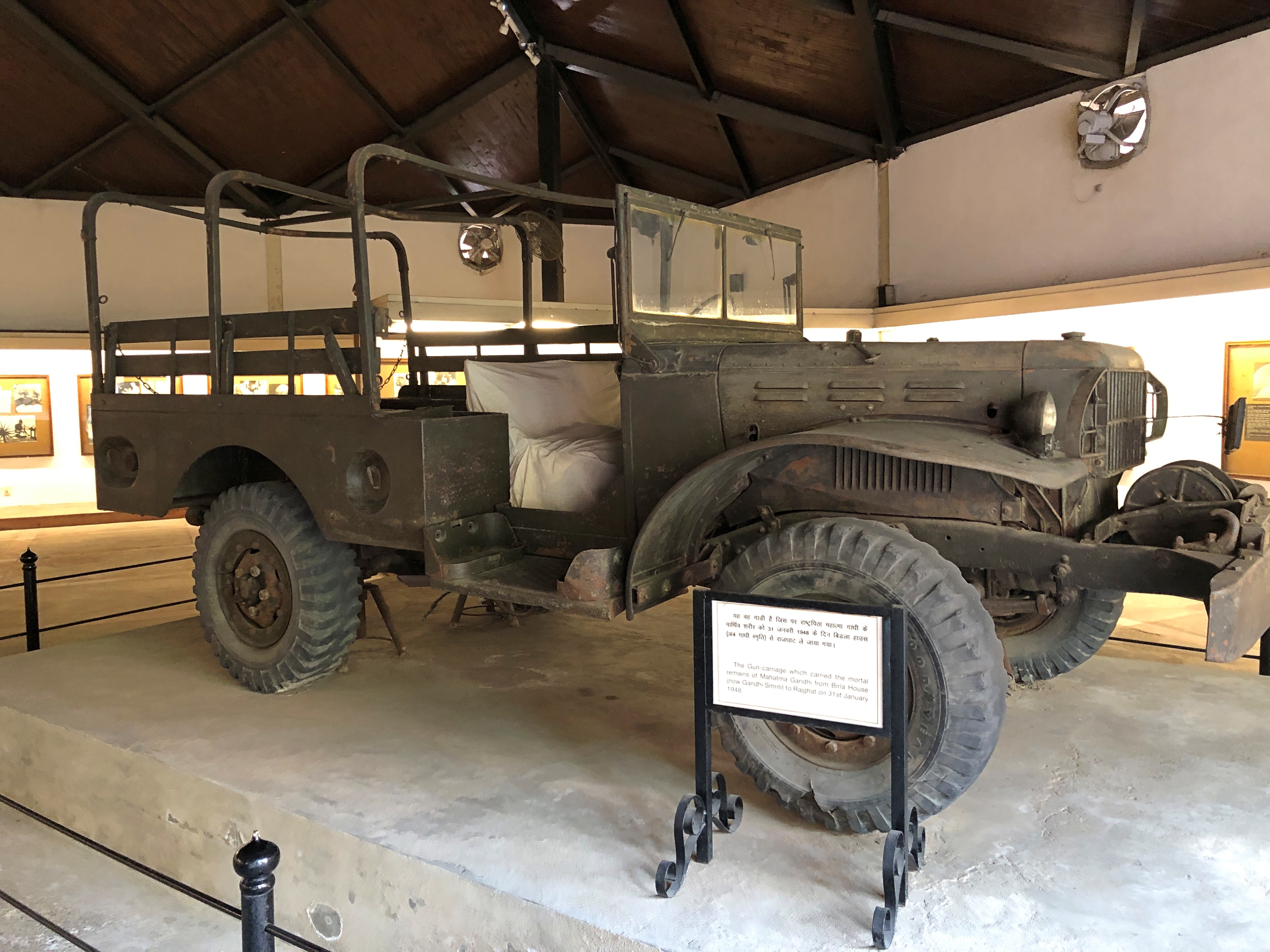
The vehicle used to carry his remains to Raj Ghat for cremation. I thought of the wagon I’d seen in Atlanta used for a similar melancholy purpose.
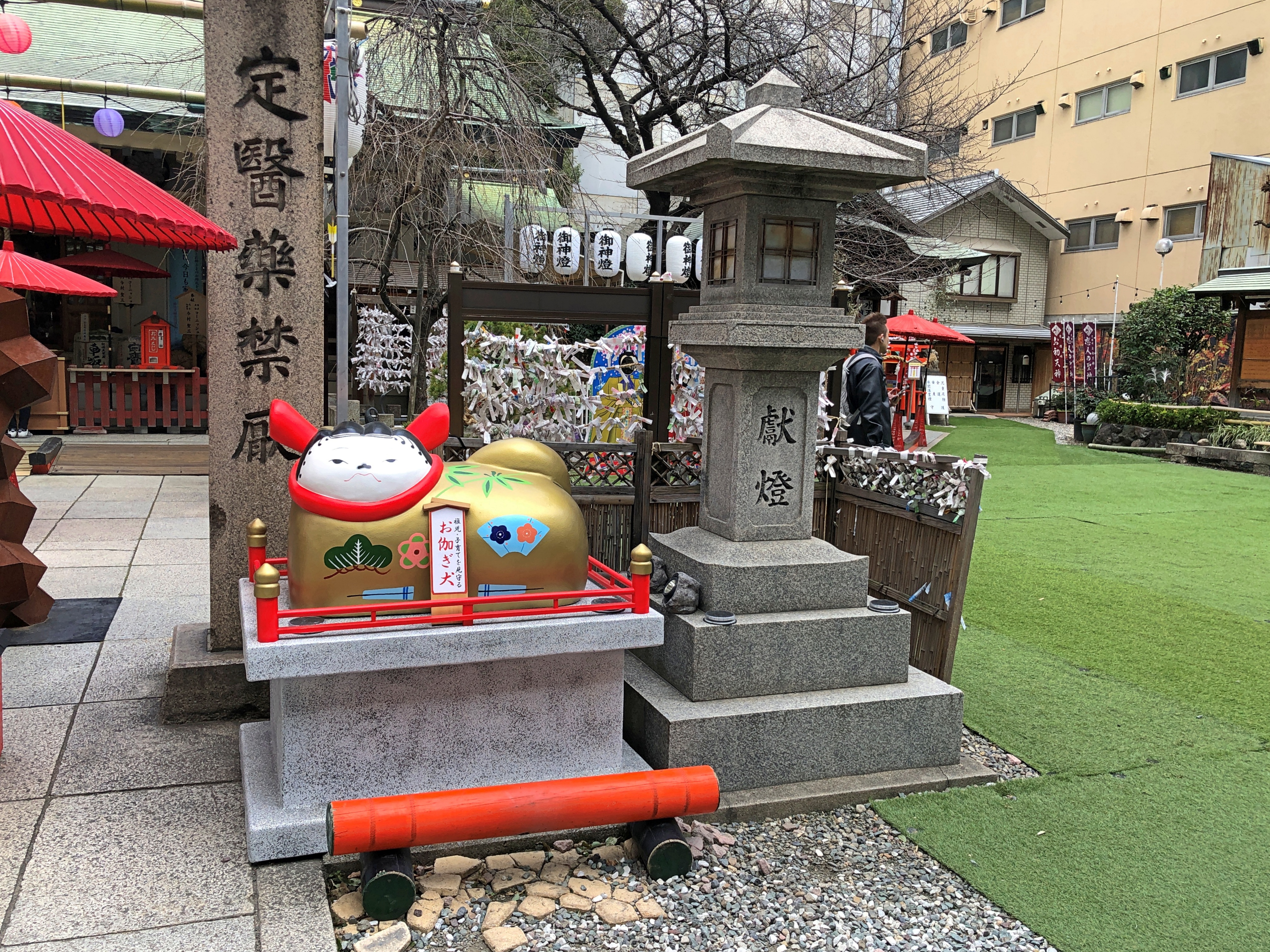
Tucked away in the Umeda district of Osaka – a sort of downtown, with a heavy concentration of office, hotels and retail, along with the city’s busiest train station – is a Shinto shrine whose early history tends to be described (in English, anyway) using such phrases as “said to be” and “legend has it.”
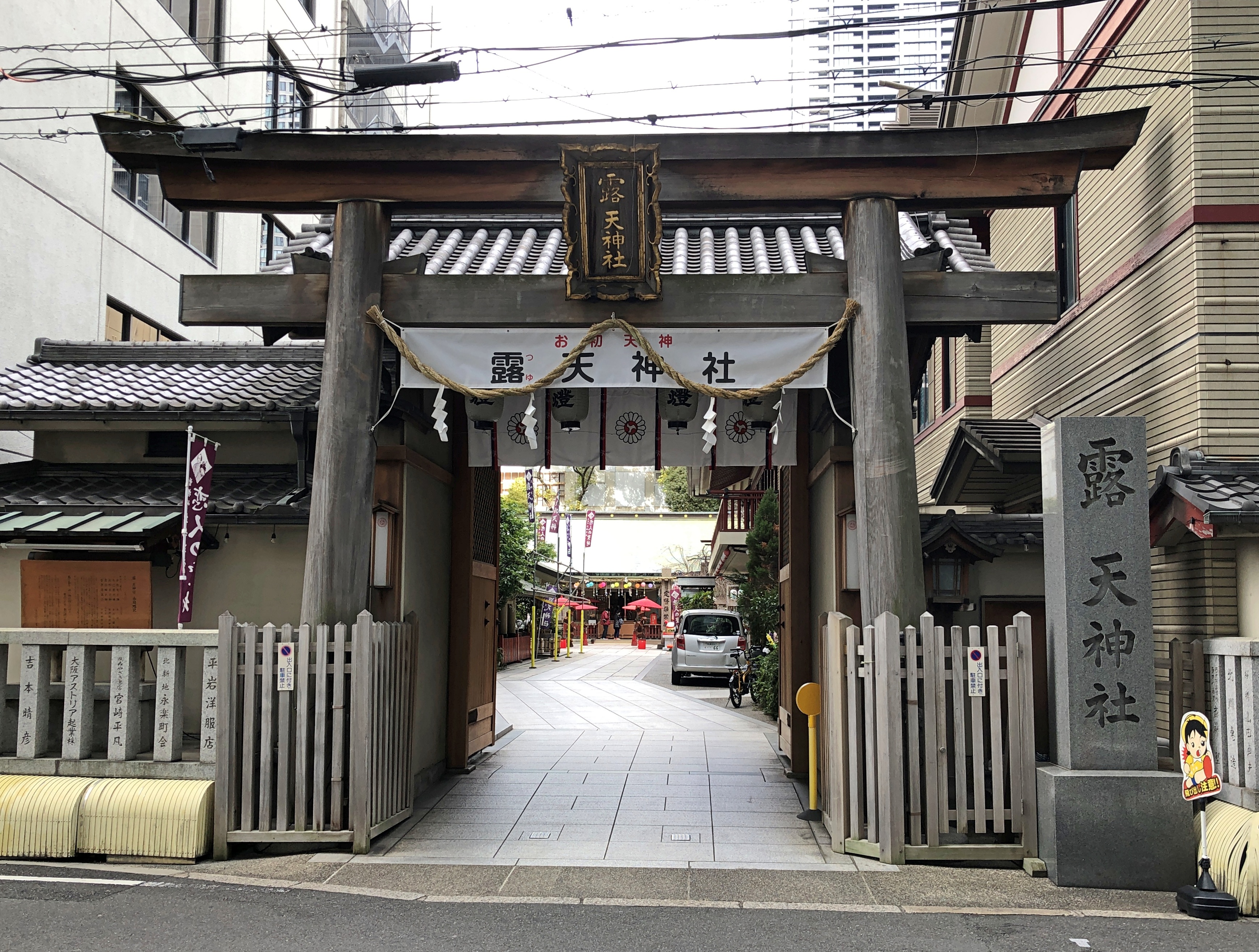
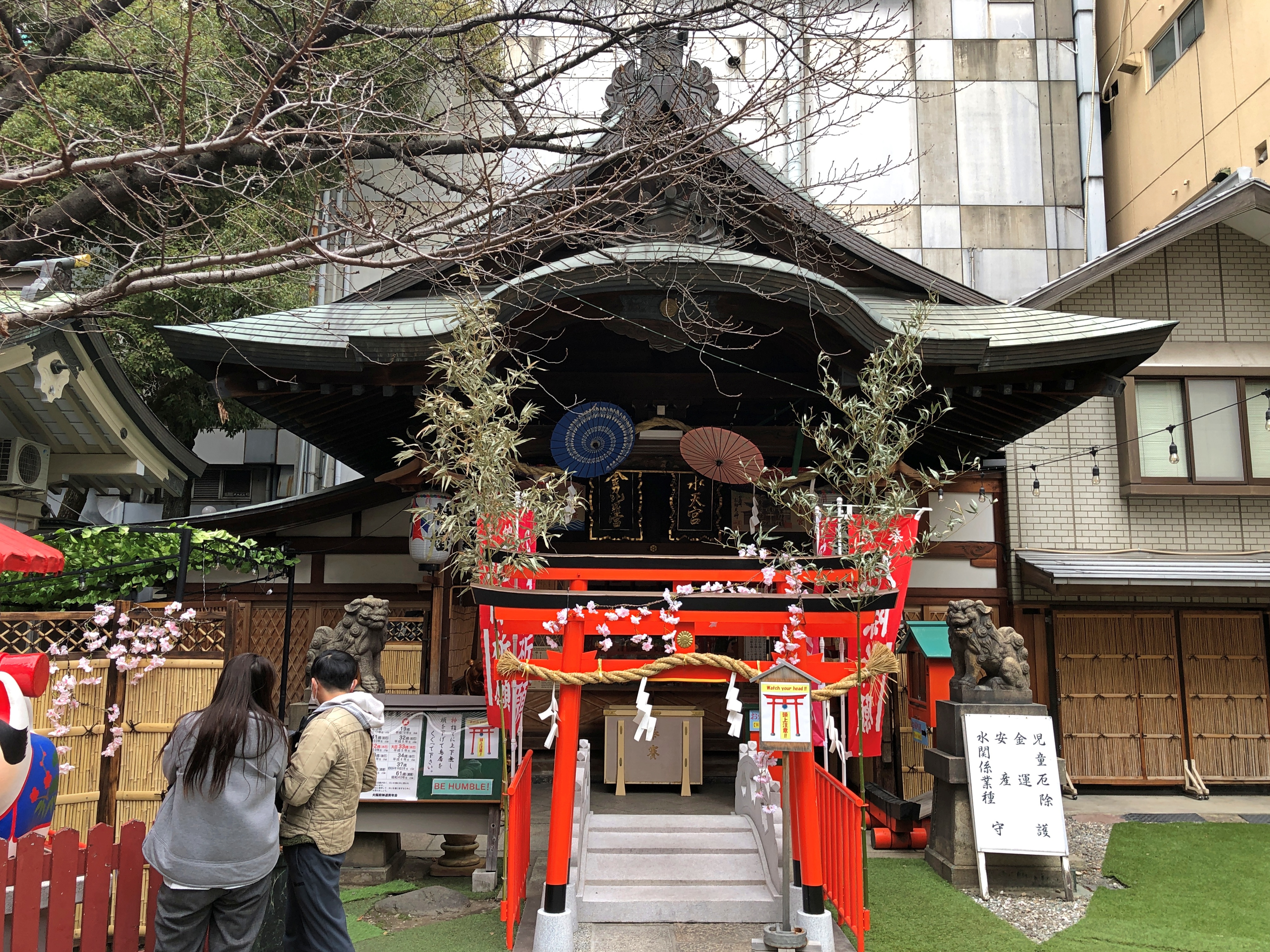
While crossing on a pedestrian overpass a few days after arriving in Japan, I noticed the main torii for Tsuyu Tenjinsha Shrine (Ohatsu Tenjin). I must have visited the shrine in the 1990s. But when I got there this time, I had no memory of it. An odd feeling.
Clearly not ancient construction, or even that old. The U.S. Army Air Corps swept the area with a broom of fire in 1945, necessitating a reconstruction a decade or so later. A machine translation from the shrine web site tells of its hazy early centuries.
“[The] shrine was established on its current site, which was one of the small islands in Osaka Bay, to worship Sumiyoshi Sumuji Sone no Kami, and it is one of the former sites of the Naniwa Yasoshima Festival…
“The date of its founding is unclear, but since the Naniwa Yasoshima Festival can be traced back to the third year of the Kasho era (850) during the reign of Emperor Montoku, and the area is said to have been in place by the time of Emperor Kinmei in the sixth century, the origins of this shrine can be inferred to date back to that time.”
One of many such old shrines dotting the Kansai, in other words, many of which may still be around but which are still small, honoring obscure kami. But this one happened to be at the heart of Osaka during the Meiji era boom, and apparently grew with the city.
“The opening of the first Osaka Station in 1894 and Hankyu Railway Umeda Station in 1905 spurred the development of the area, and this shrine has come to be revered as the central guardian deity of Umeda and Sonezaki, in the heart of Osaka’s ‘kita’ [north] area,” the shrine notes.
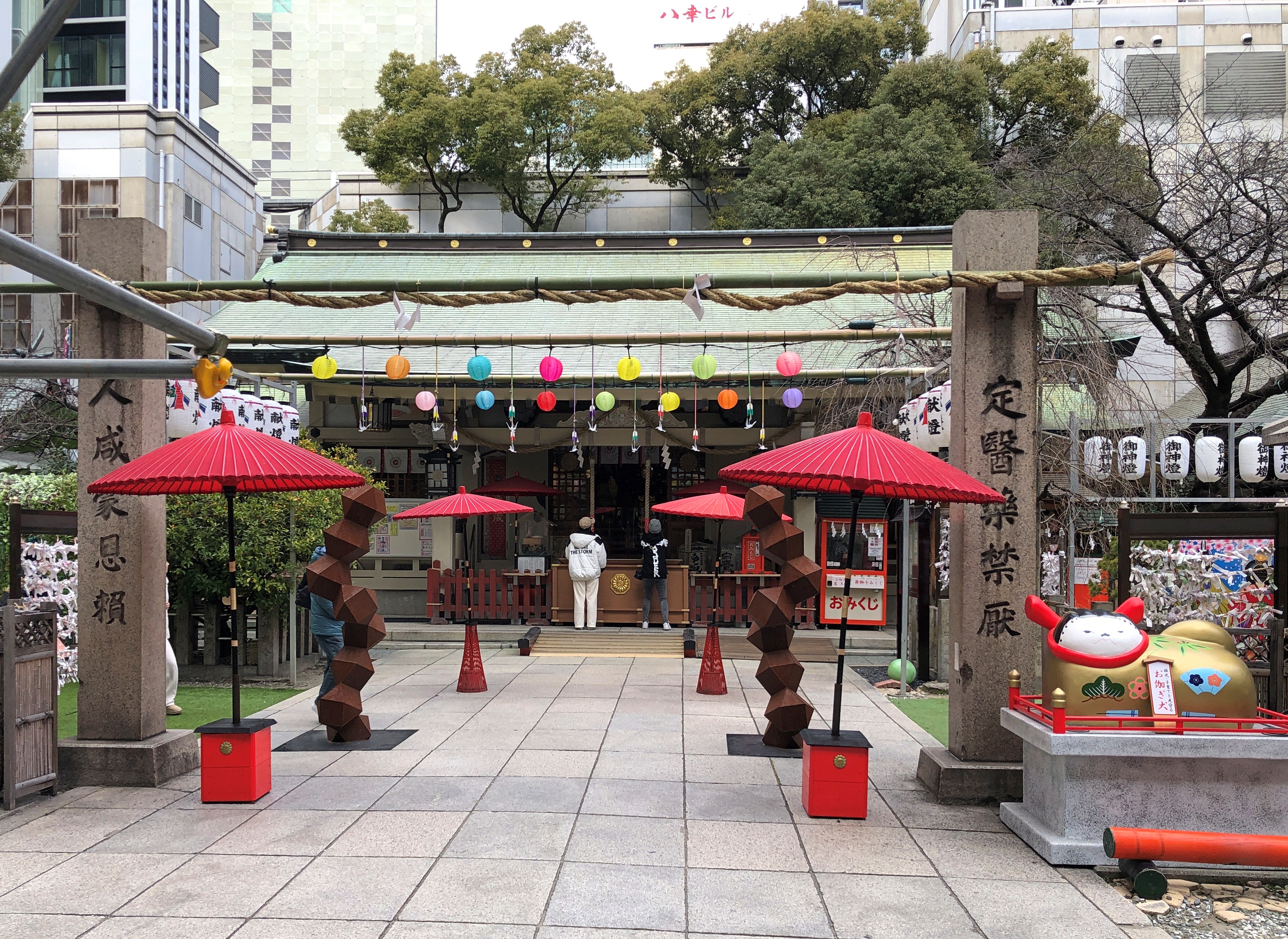
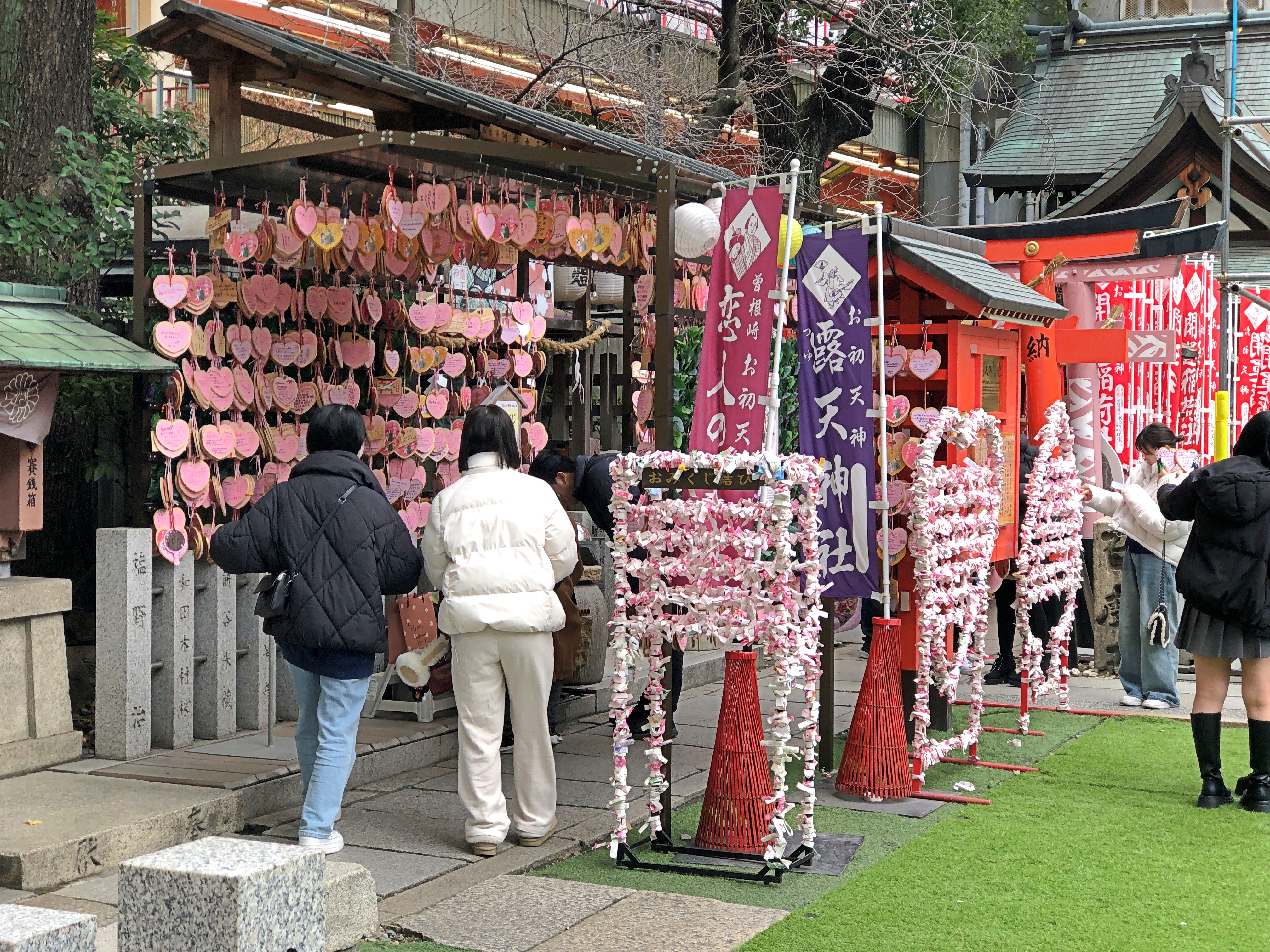
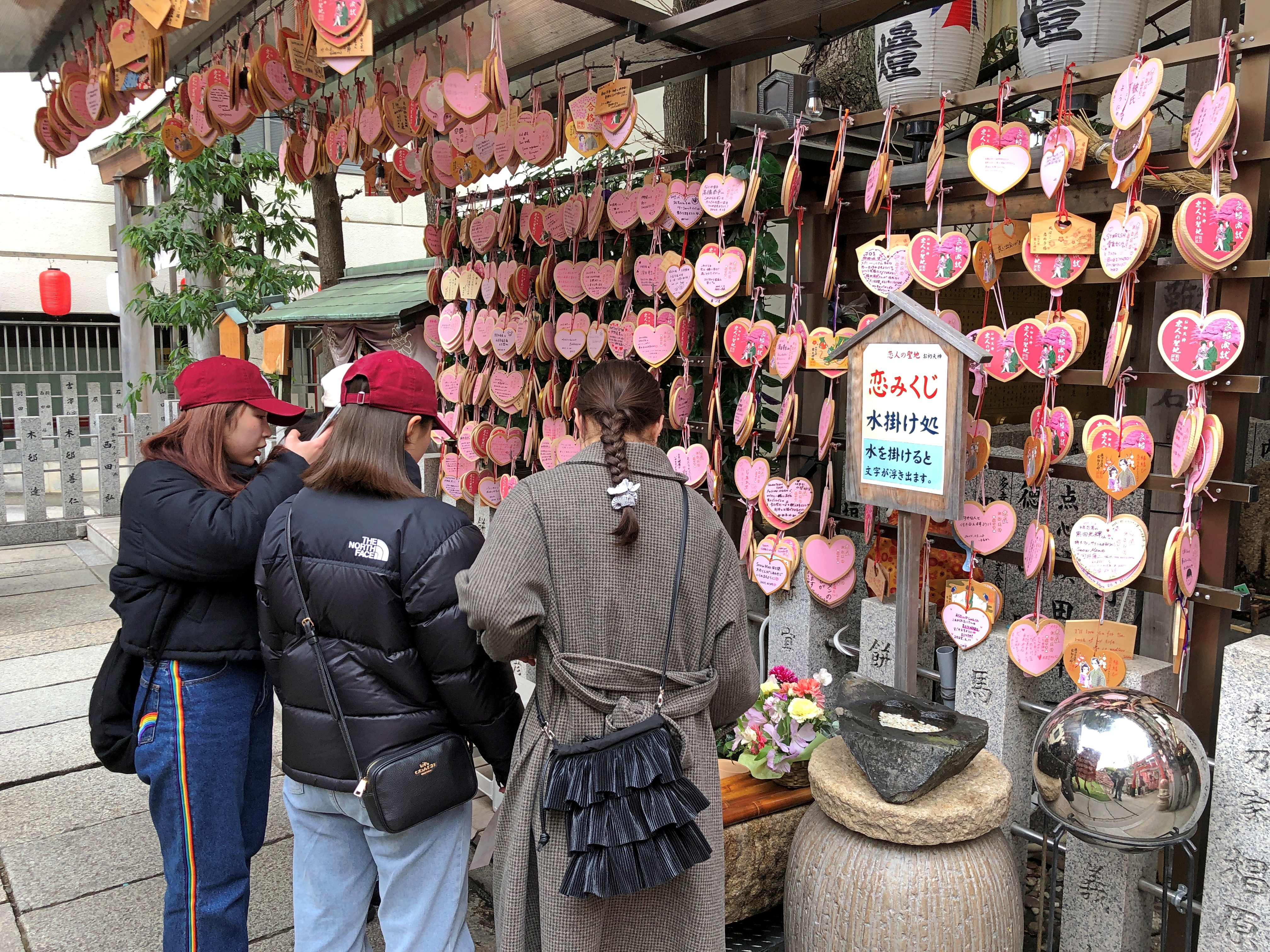
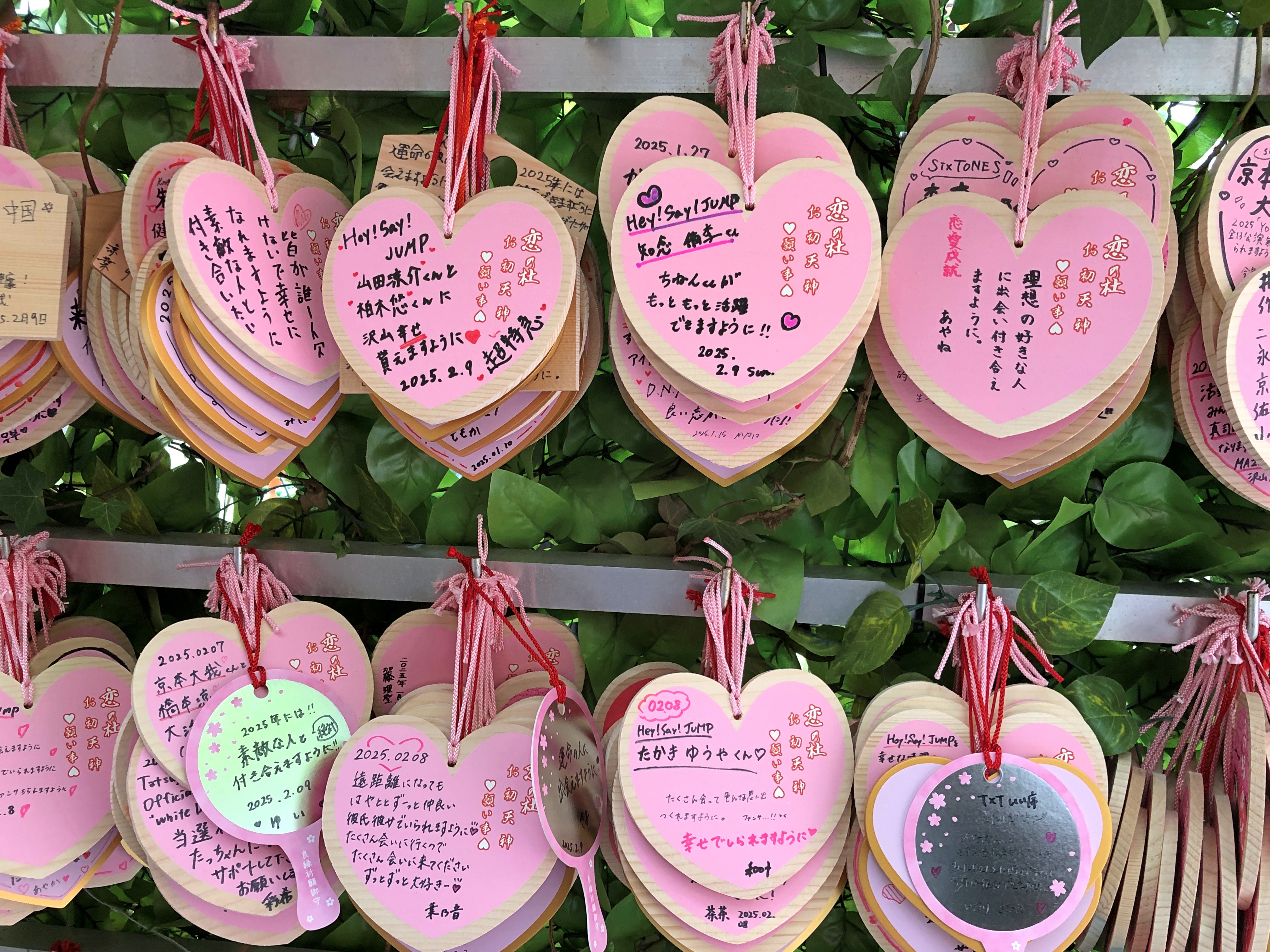
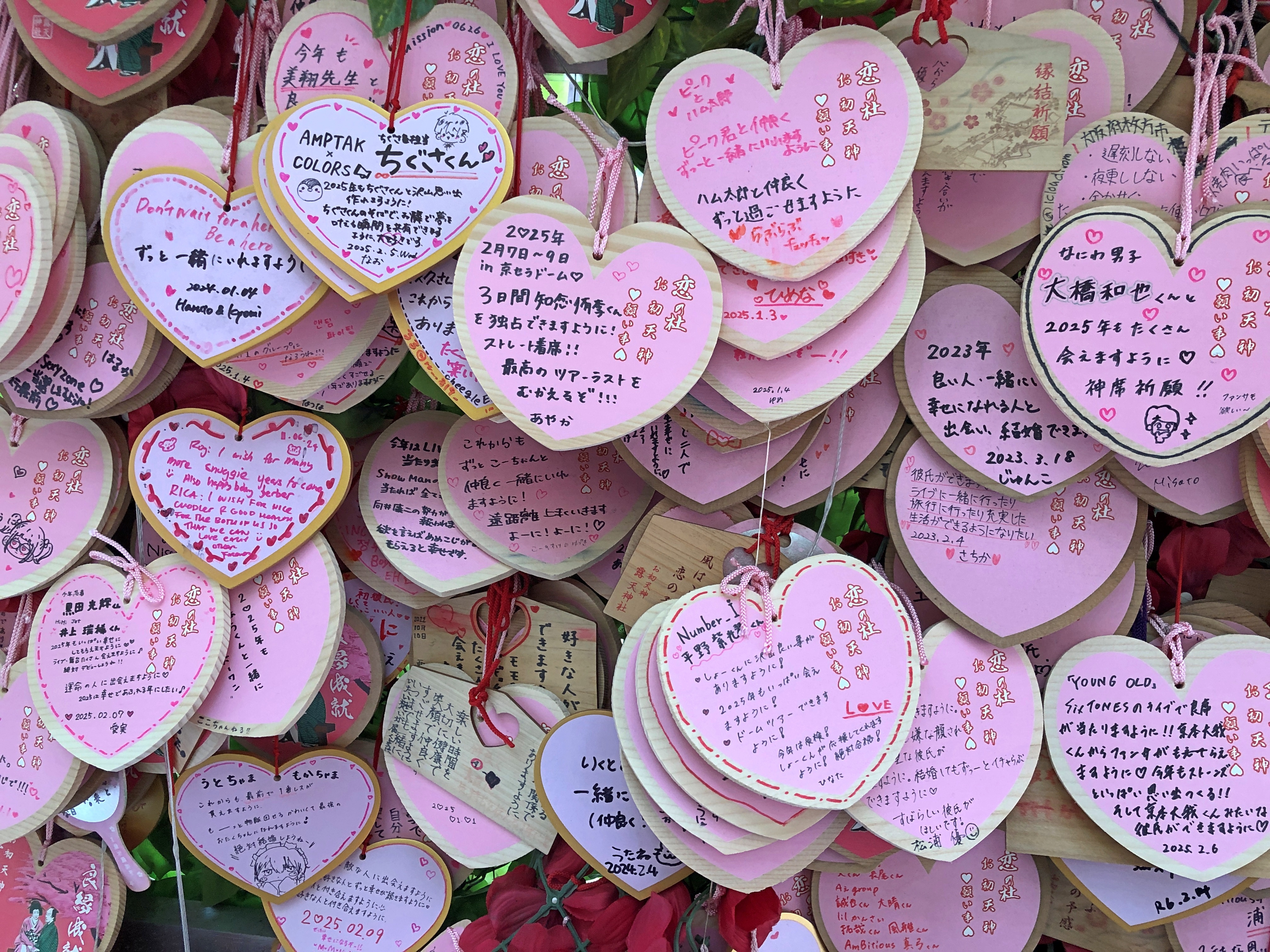
That may be, but that isn’t why many people go there in our time. They go to offer prayers asking for better fortune in their romantic lives, whatever form that might take. Since I visited only a few days ahead of St. Valentine’s Day – another example of any number of cross-cultural WTFs you can find in Japan – the shrine was thick with prayers written on pink paper hearts.
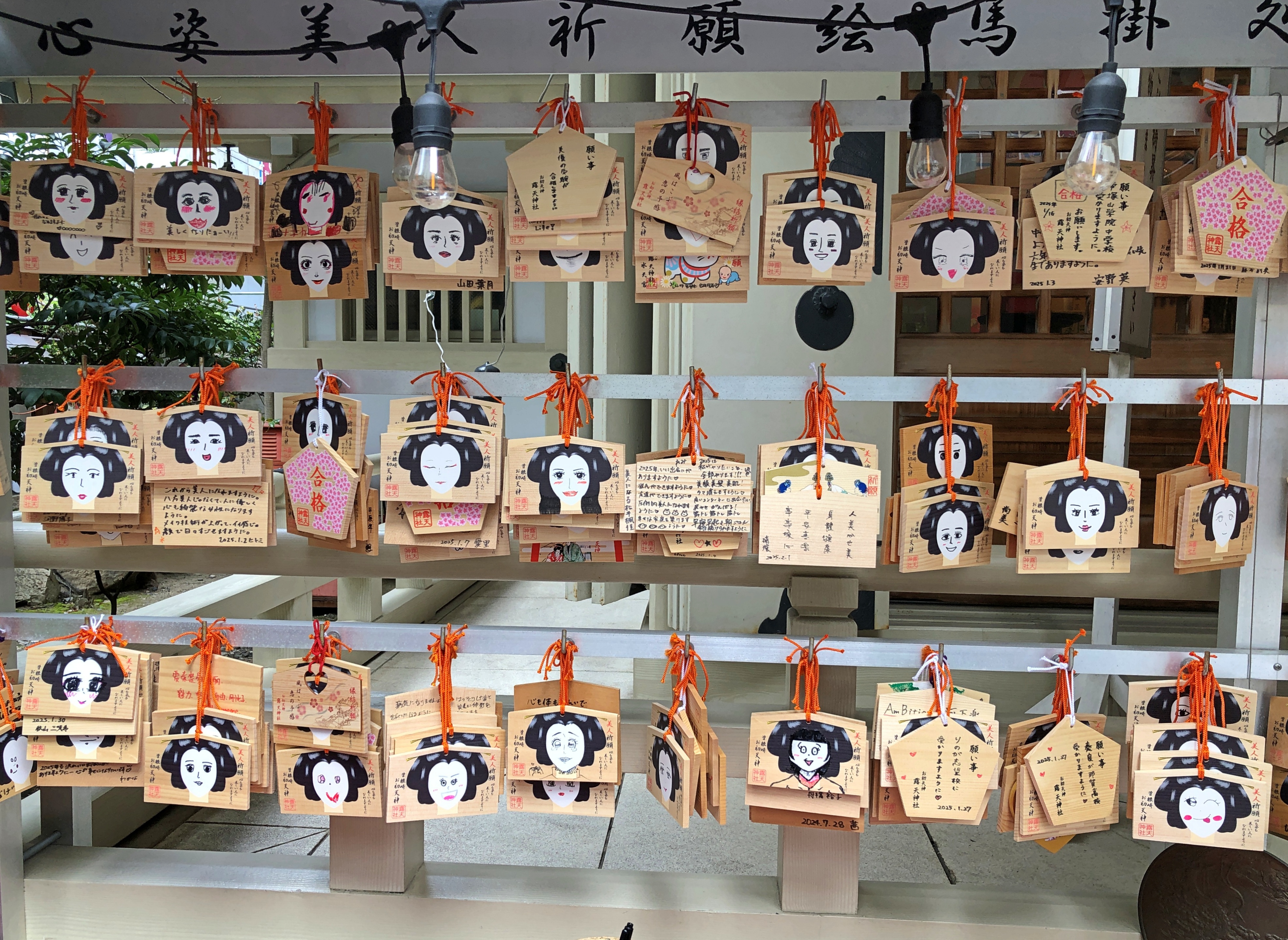
I understand these slightly more permanent wooden plaques, known as ema, are young girls praying for beauty.
Why is this shrine associated with romance? That’s better attested, and something of an accident of history.
“Today the shrine is better known for its romantic associations, as it is a key setting of the bunraku puppet play: The Love Suicides of Sonezaki,” notes Osaka Station.
“The play tells the tragic story of two star-crossed lovers, the geisha Ohatsu and the apprentice trader Tokubei, and it was supposedly based on a historical double suicide that took place at the shrine in 1703. In the play an unfortunate combination of family pressures, financial misfortune, and the betrayal of a friend, threaten to keep the lovers apart. Unable to live without each other, they meet at the shrine and take their own lives.”
What is the opposite of star-crossed lovers, anyway? Star-aligned, maybe; one of those couples who end up celebrating a diamond anniversary without having grown to hate each other.
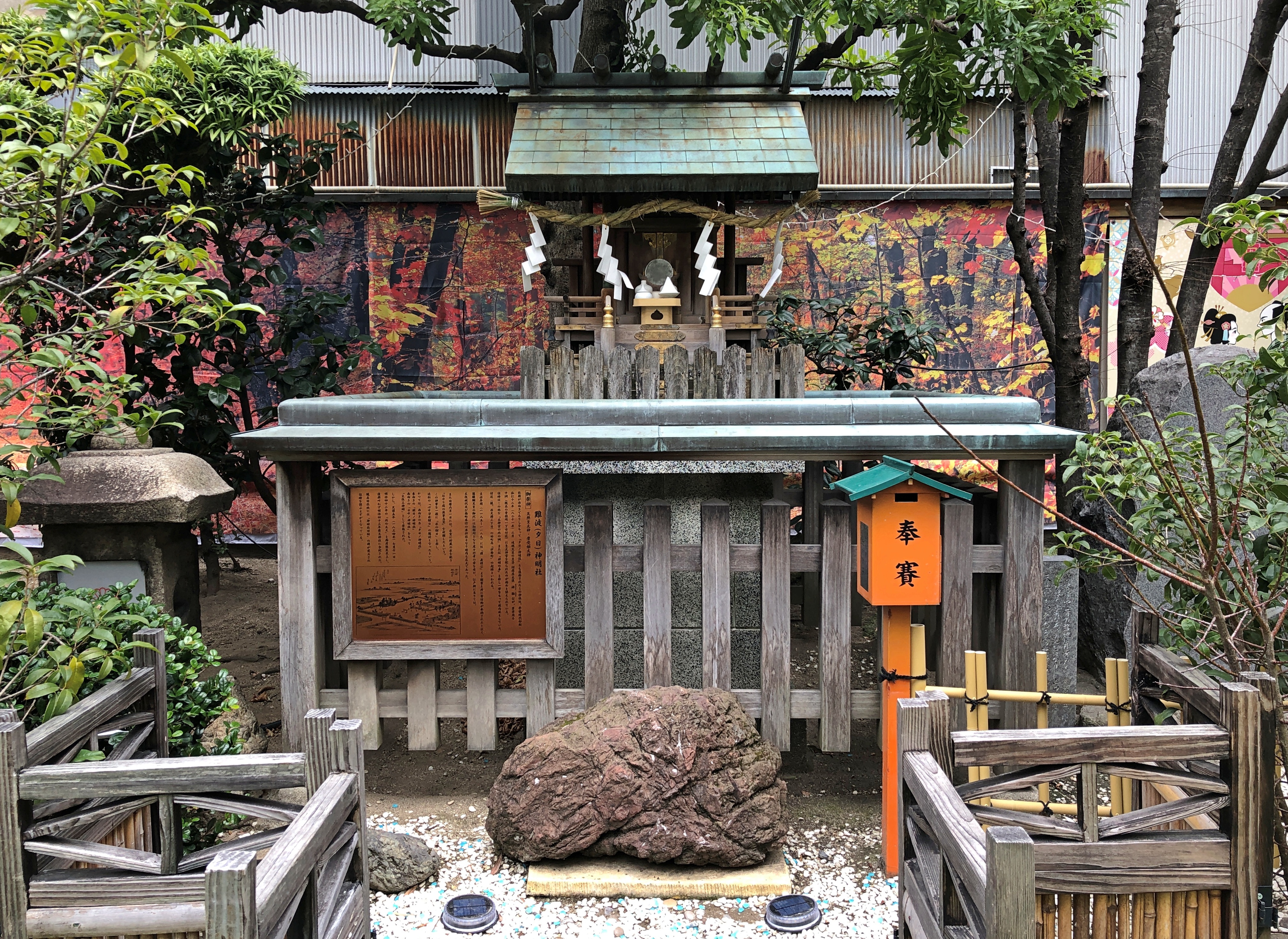
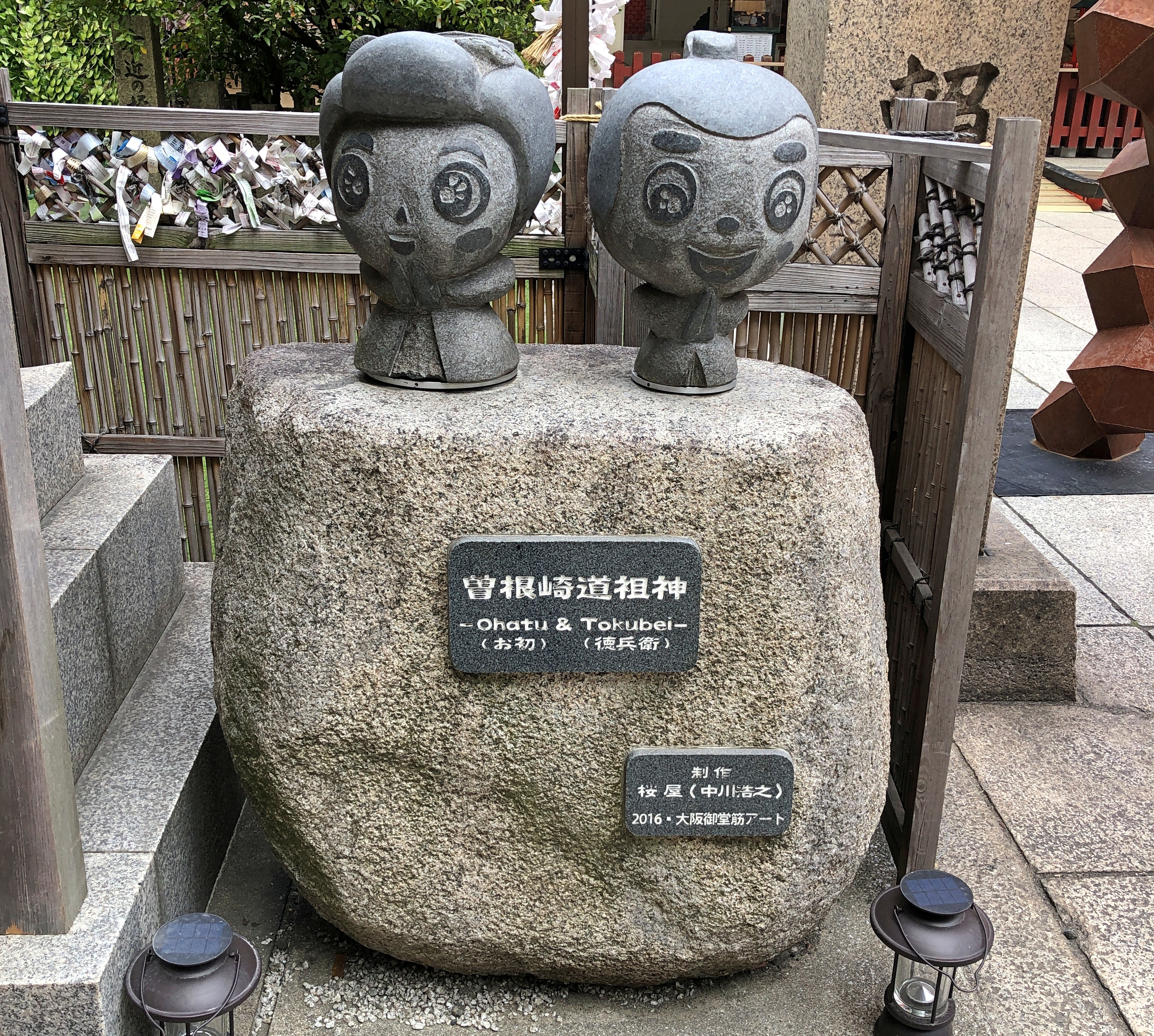
The popular name of the shrine, Ohatsu Tenjin, refers to the geisha of the story. Ohatsu and Tokubei are acknowledged at the shrine.
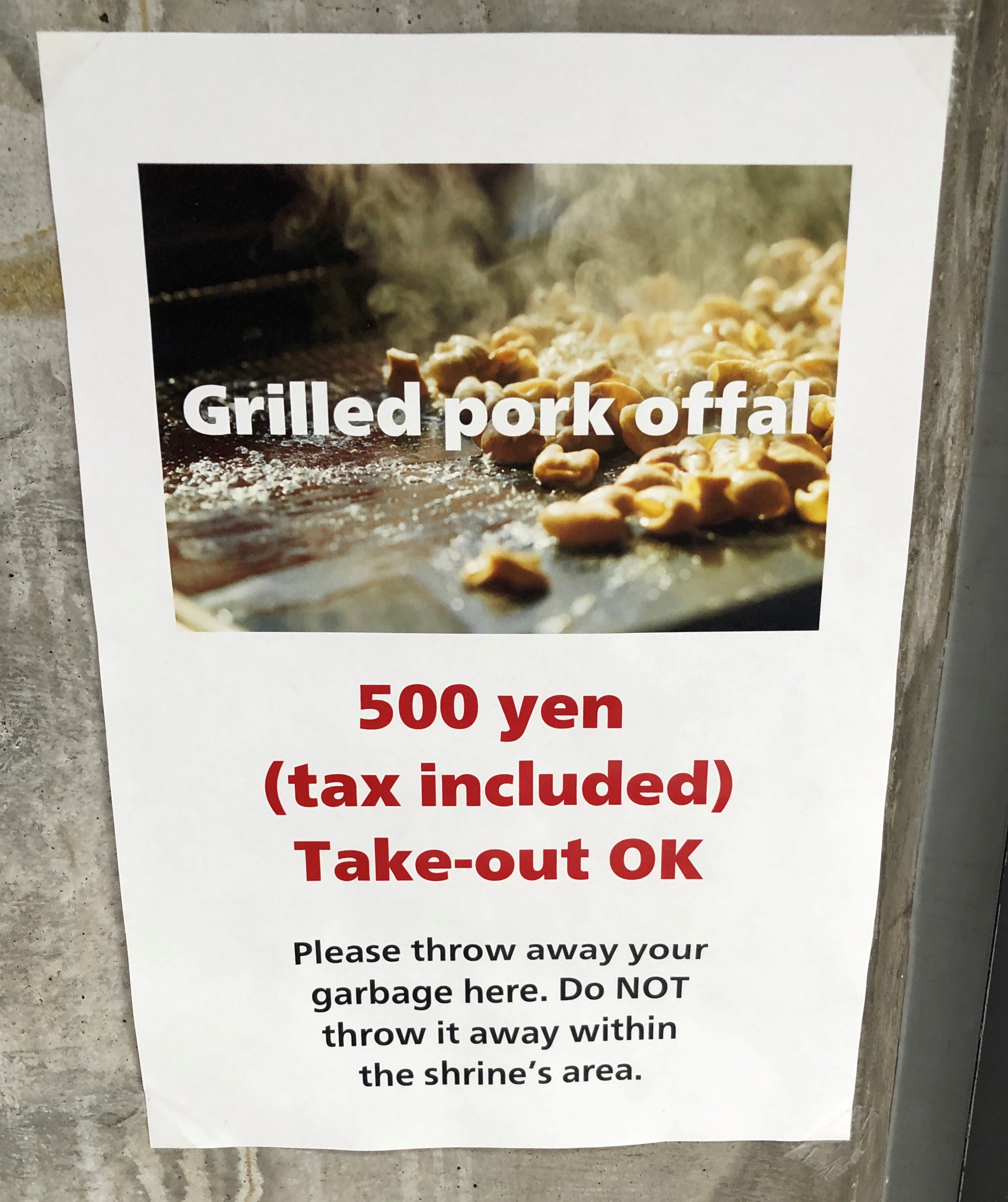
The shrine is surrounded by the buildings of Umeda and from its precincts you can exit into a shopping street. As with most such pedestrian streets in Japan, there are many small eateries.
I didn’t go there, but I can’t say I wasn’t curious.
The trappings of the holiday season are disappearing, as they always do in the grim early days of January. A few of the seasonally lit houses on the block are no longer cheerfully glowing, and I’ve seen a few forlorn Christmas trees out on the curb. Ours still stands inside, fully adorned, but even it is a short-timer.
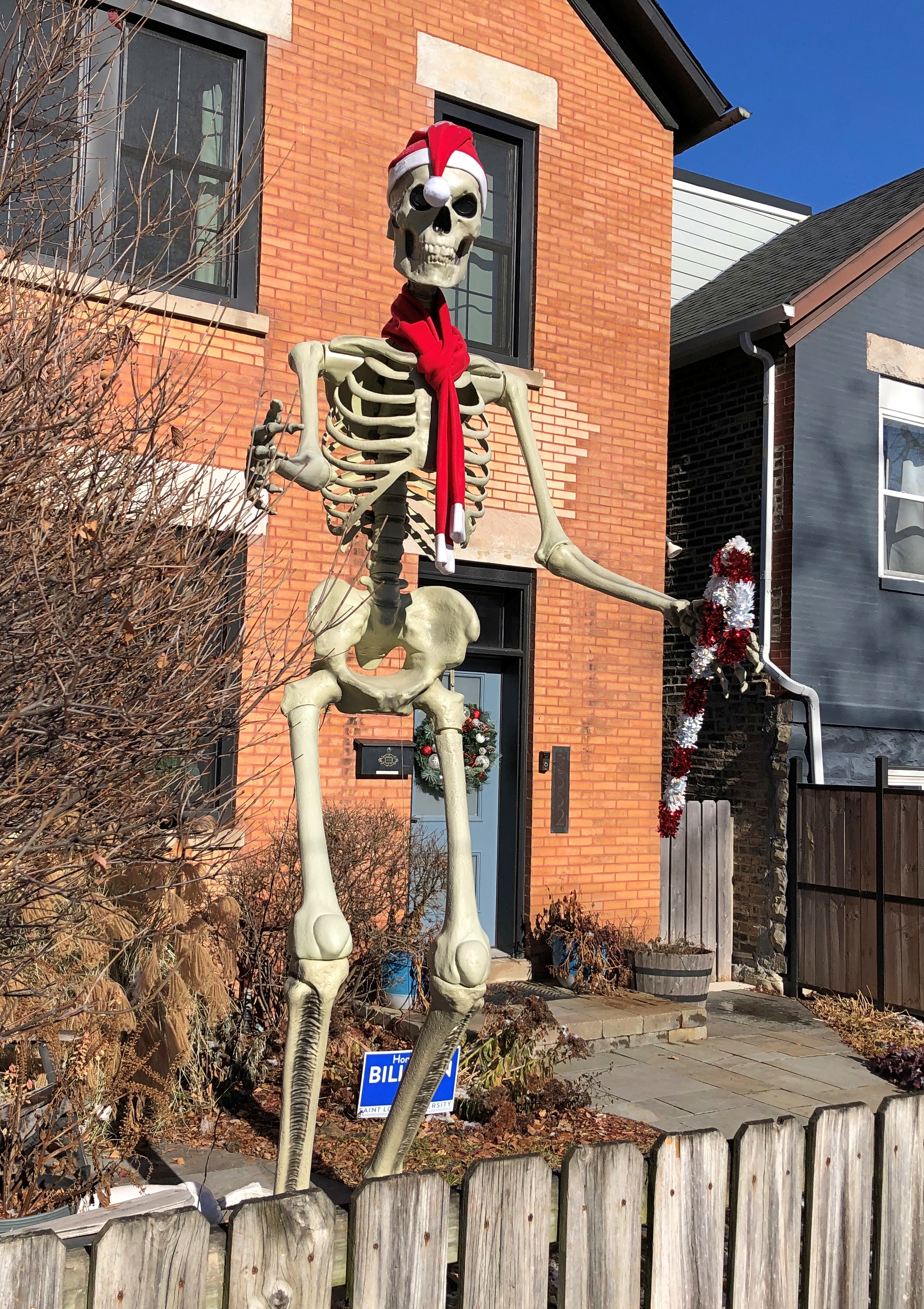
I saw this figure in Chicago before Christmas, and in fact that wasn’t the only giant skeleton I’d seen re-decorated for the holidays.
I figure that considering the cost of such a skeleton – and possibly the pain-in-the-ass effort that goes into setting it up and taking it down – keeping it up just for Halloween didn’t appeal to the homeowner. Put on a Santa hat and red scarf and ho-ho-ho, it says Christmas, eh?
But what next? Some Cupid-like garb for Valentine’s Day, I suppose. An Easter bonnet for that holiday, which I think would look pretty funny, even though how often do you see Easter bonnets any more? An Uncle Sam hat for July 4 and I’m not sure what for Labor Day, and we’re practically back to Halloween and Christmas again.
In my 7th grade Texas history class back 50+ years ago, I’m pretty sure the prickly Mrs. Carico taught us about the 1901 Spindletop oil gusher in what’s now Beaumont. Could be that not even Texas students learn about that any more, though I couldn’t say for sure. We did not learn about the Indiana natural gas boom of the late 19th century. Maybe Hoosier kids of my age did. I hope so. Anyway, I had to go to Kokomo to learn about it.
Or rather, go to Kokomo to hear about it. I read more about the gas boom after I got home. I might as well stay home if I’m not going to occasionally follow up on the intriguing things I’ve seen and heard elsewhere.
“[Eastern central Indiana’s] industrial characteristics were brought about by one of the great booms of the late 19th century in the Midwest: the discovery of natural gas,” writes James A. Glass, an architecture prof at Ball State Muncie, in “The Gas Boom in East Central Indiana” in the Indiana Magazine of History (2000).
“The eruption of real estate speculation, industrial development and commercial expansion and population growth transformed a… portion of the state from a landscape of farmers, forest and agricultural villages into a territory in which cities and boom towns dominated, each teeming with factories, neighborhoods and commercial districts….”
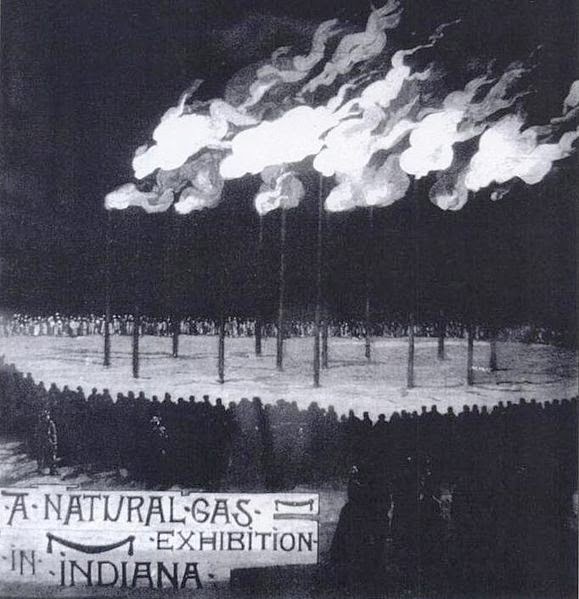
There was so much natural gas under Indiana that for a while new towns burned it simply to show off. Gas flambeaux heated the day and lit up the night.
Image from Leslie’s Illustrated Magazine, January 18, 1889.
Hindsight has only one ending to this story: the region had run out of gas by the turn of the 20th century. We tell ourselves that a “this resource will never run out mentality” is particular to the industrial revolution, as if we didn’t really believe it ourselves.
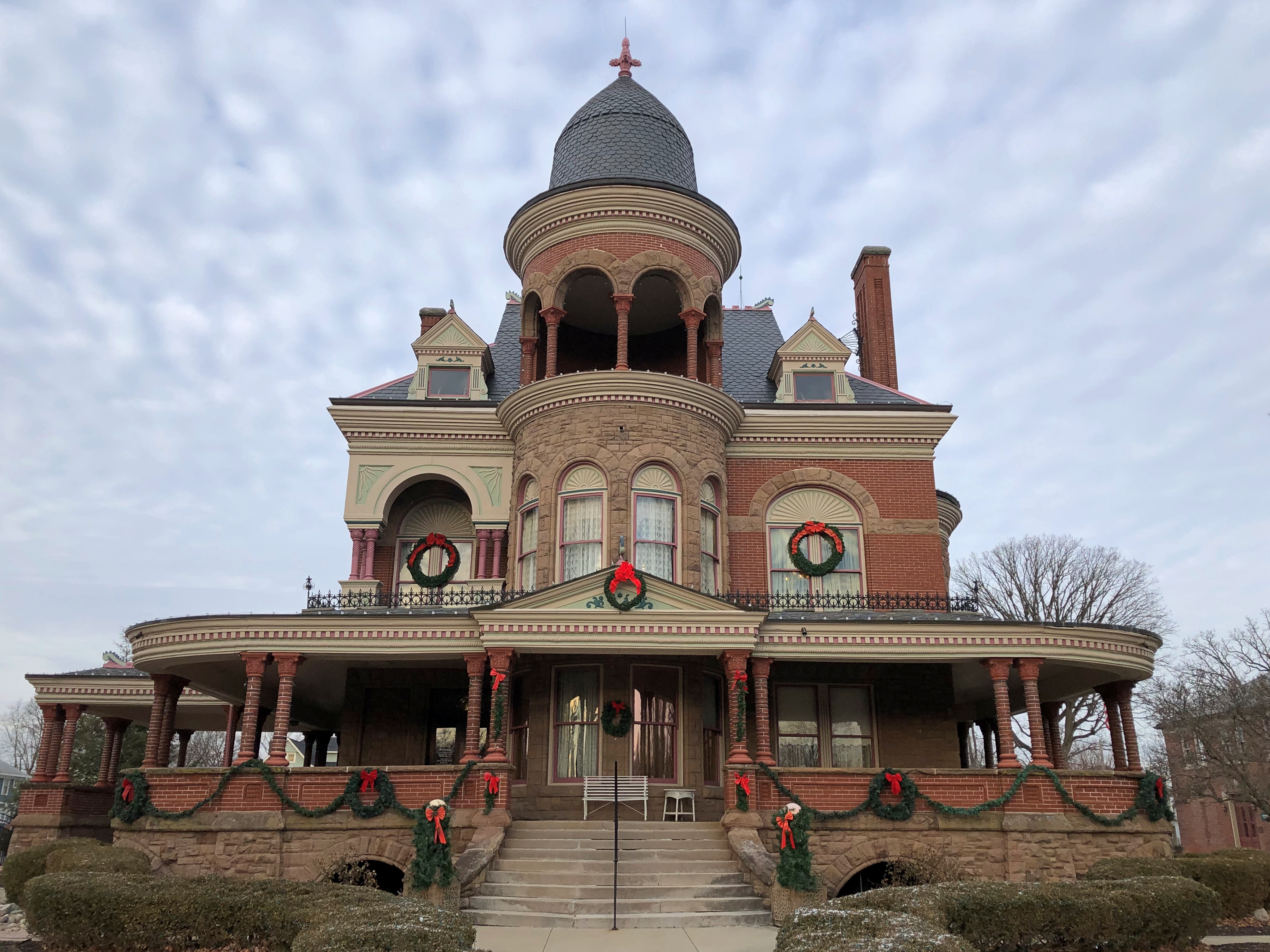
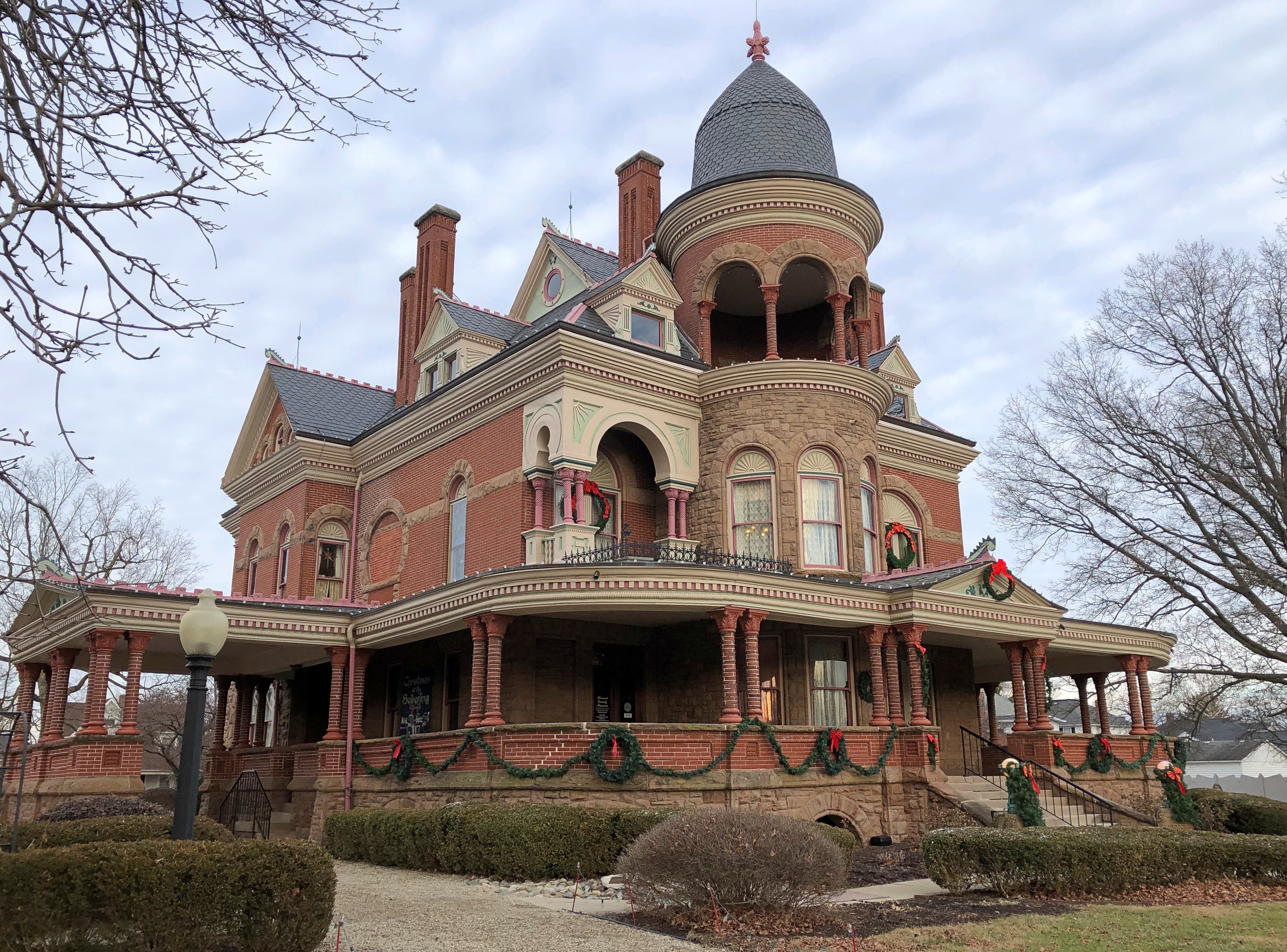
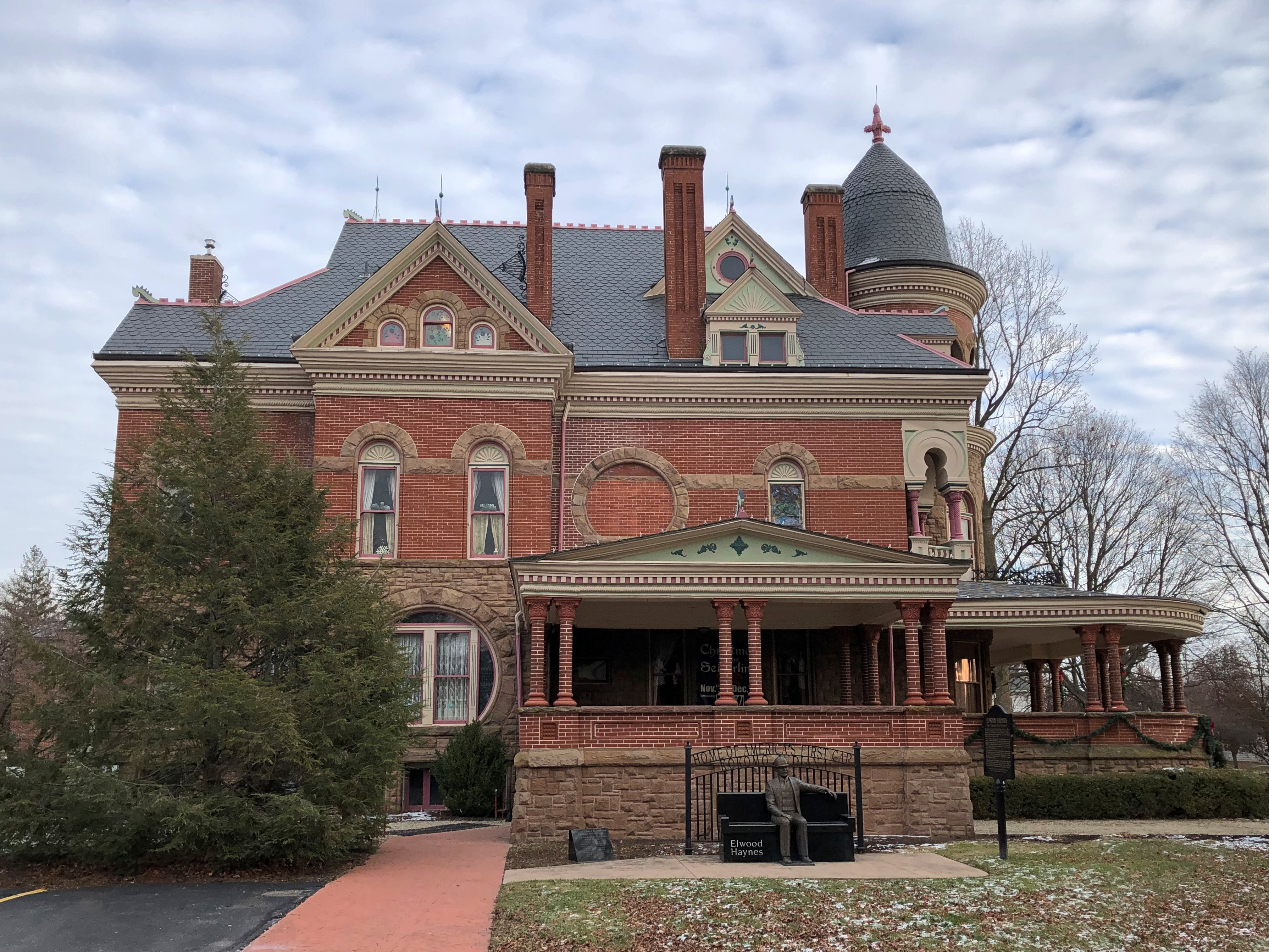
Not far from central Kokomo, you can stand right next to a physical legacy of the Indiana gas boom – the gas boom-era Seiberling Mansion.
The porch. The dome. The gables and arches. The brick and stone. Probably not to everyone’s taste, but it looks like a handsome assemblage to me. We arrived only about 20 minutes before the house museum closed – off-Interstate travel, while rewarding, can be a time suck, and besides, Eastern Standard Time had snatched an hour away from us. The desk volunteers were good enough to say we could look around without paying admission, though I did make a modest donation.
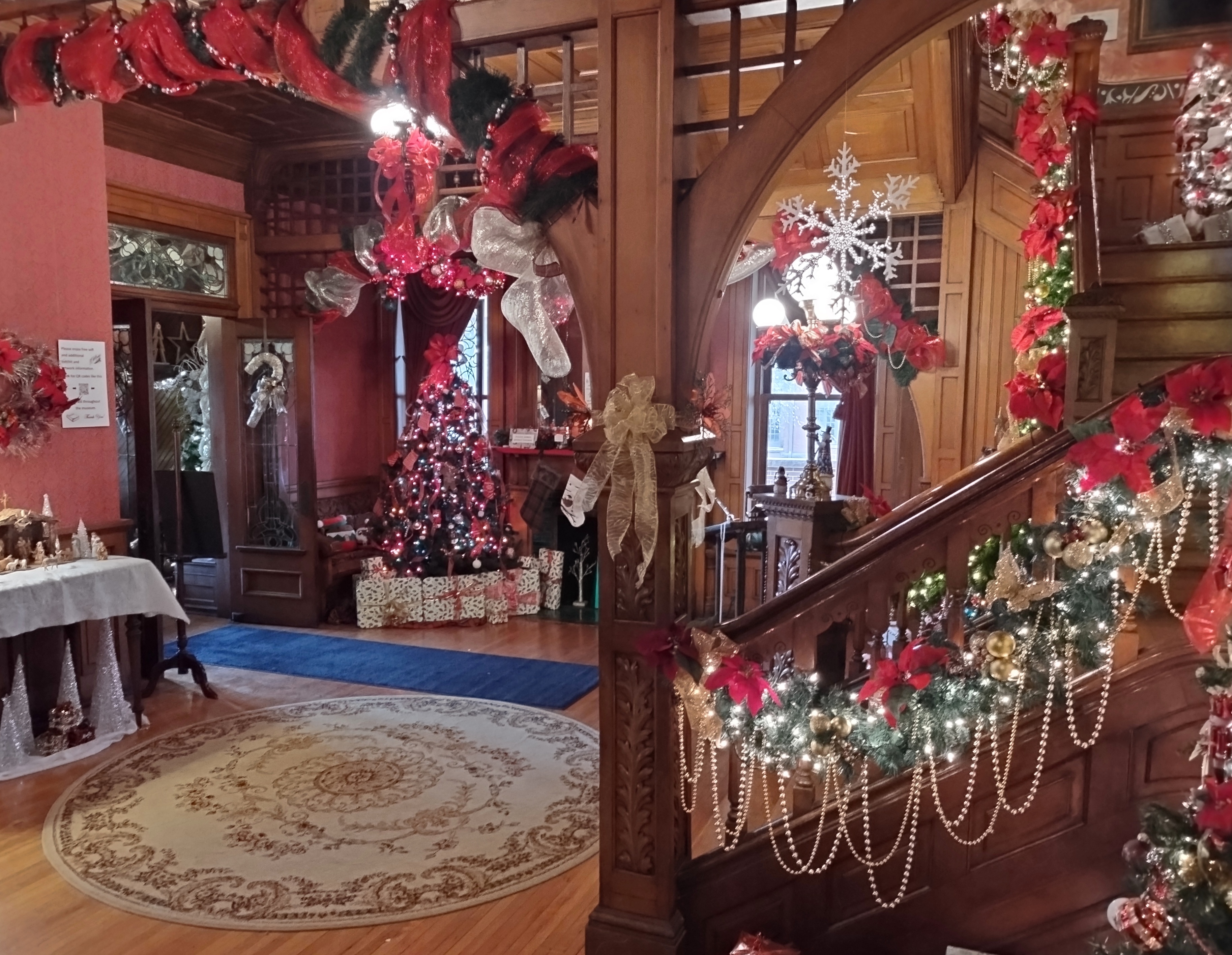
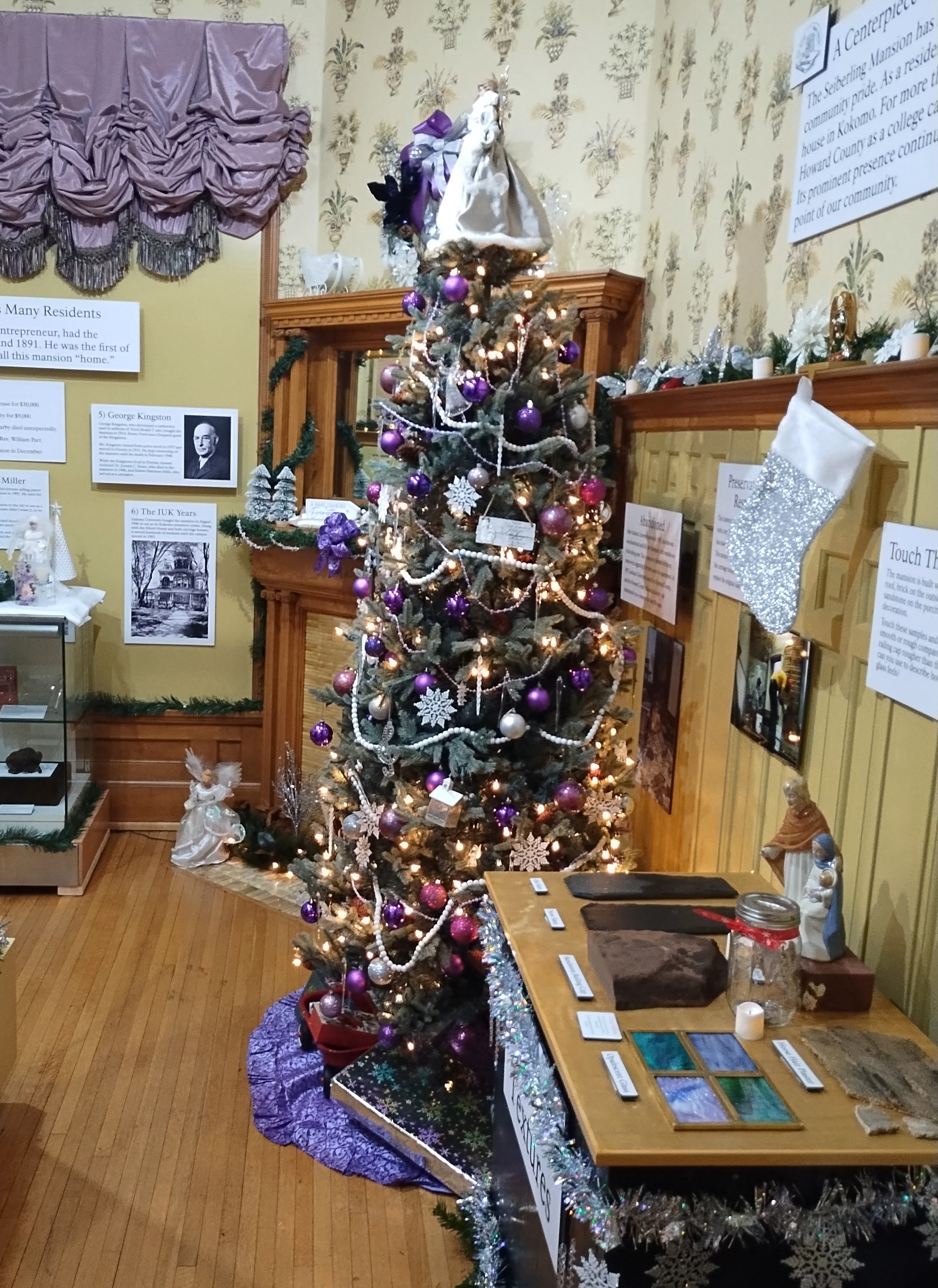
No surprise to find Christmas at Seiberling in full flower.
We would call Monroe Seiberling a serial entrepreneur, though I expect in his time he was simply a business man. He was a shooting star in the history of Kokomo. From Akron, Ohio – where his nephew Frank Seiberling stayed and cofounded Goodyear Tire & Rubber Co. – the elder Seiberling turned up in Kokomo during the gas boom to take advantage of the lovely free gas to set up a few businesses, including a glass factory. He also stayed long enough to commission a mansion, designed by short-lived Hoosier architect Arthur LaBelle and completed in 1891.
After gas ceased to be so available or cheap in Kokomo, Seiberling moved on to Peoria, Illinois, according to one of the mansion docents, who provided us a quick informal tour of the first floor, probably because we showed some interest in the place. Also, she said, Seiberling’s wife didn’t much like Kokomo. As an incentive for him to leave above and beyond mere economics, that has a ring of plausibility to it.
Jimmy Carter had a hard time as president, but the underappreciated 1970s wouldn’t have been the same without him. RIP, President Carter.
Decorating was a slow process this year, but we finished by Christmas Eve.
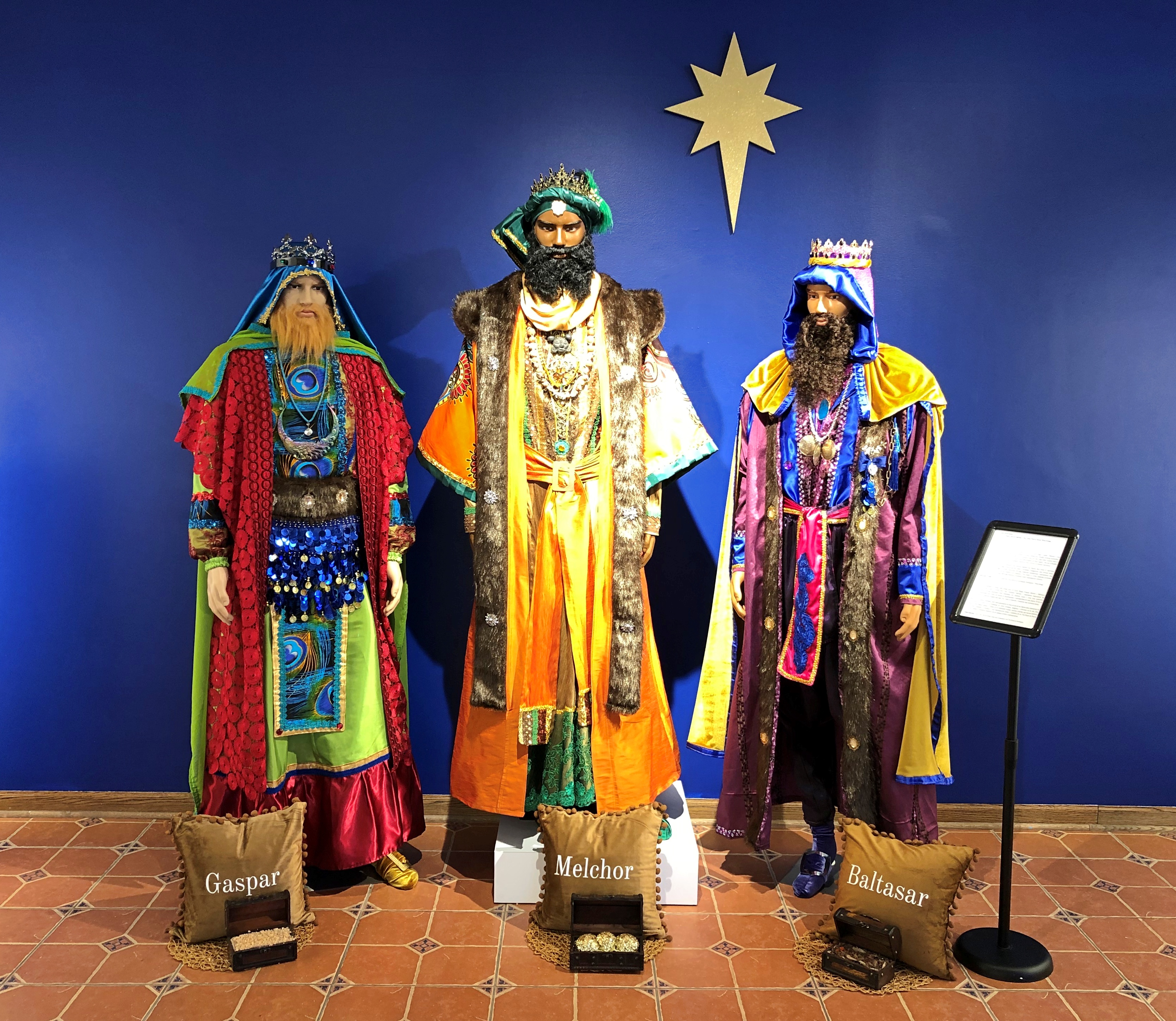
On the Saturday before Christmas, I had an appointment in Chicago with three Wise Men. Better than an appointment in Samarra with three Wise Guys, certainly.
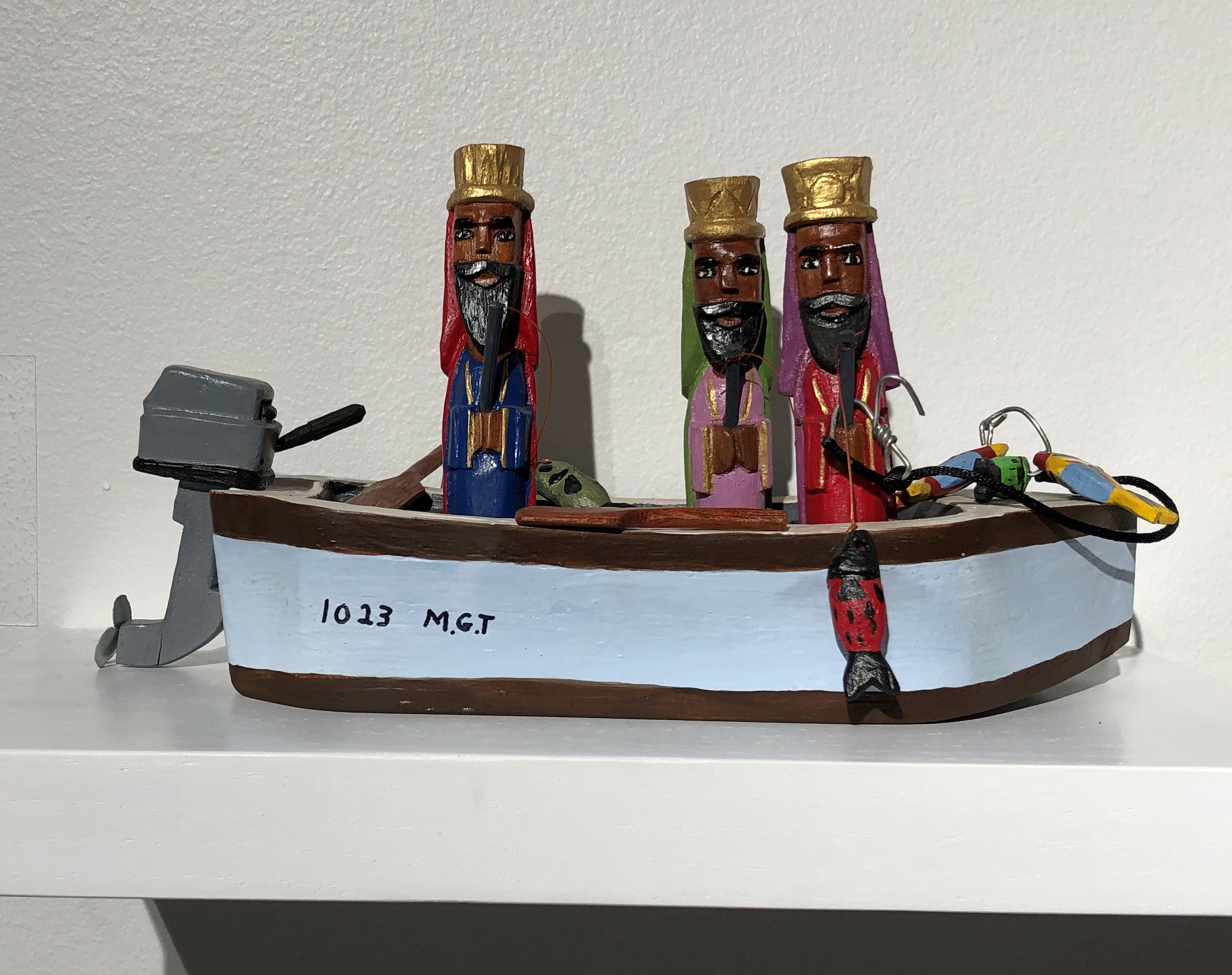
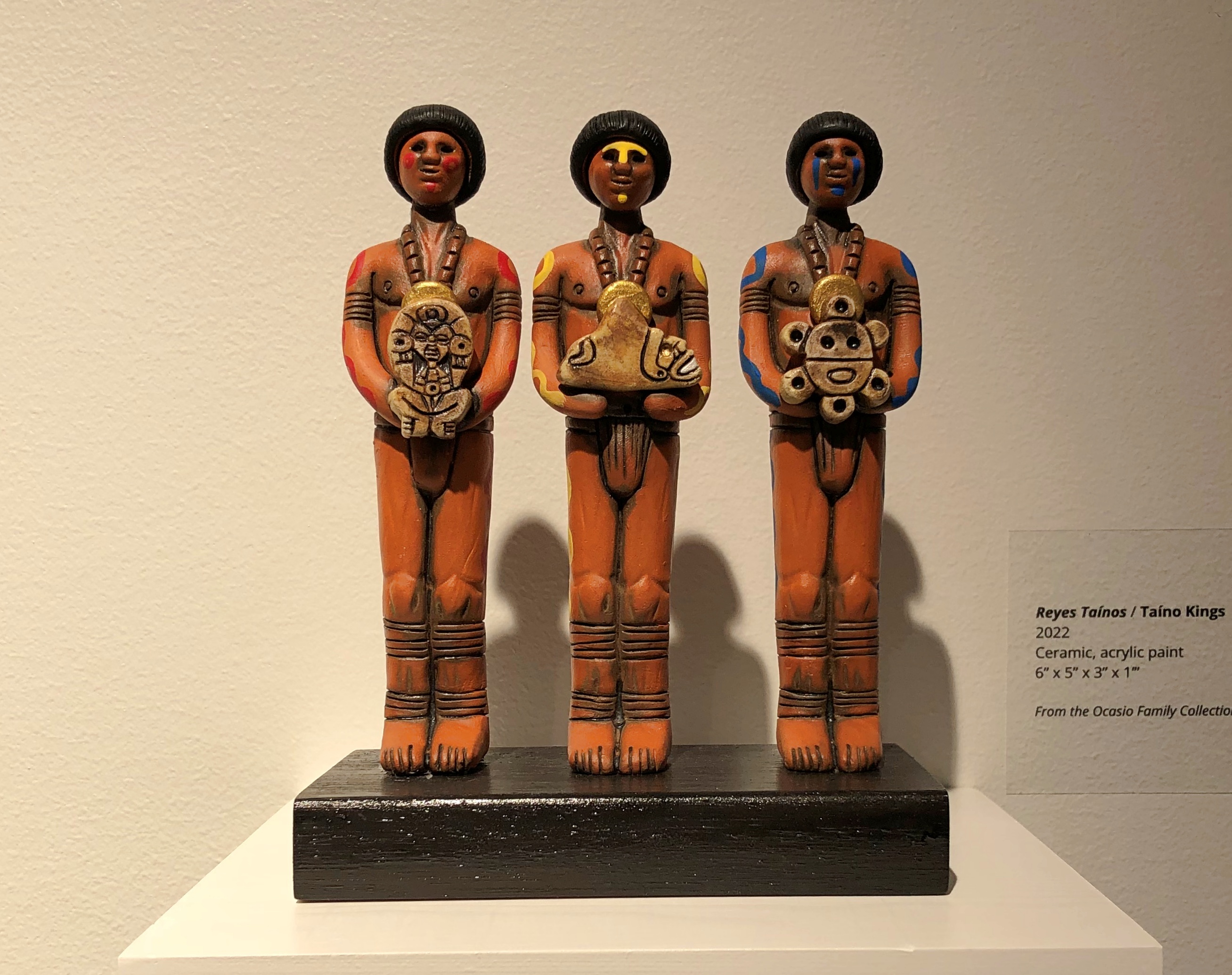
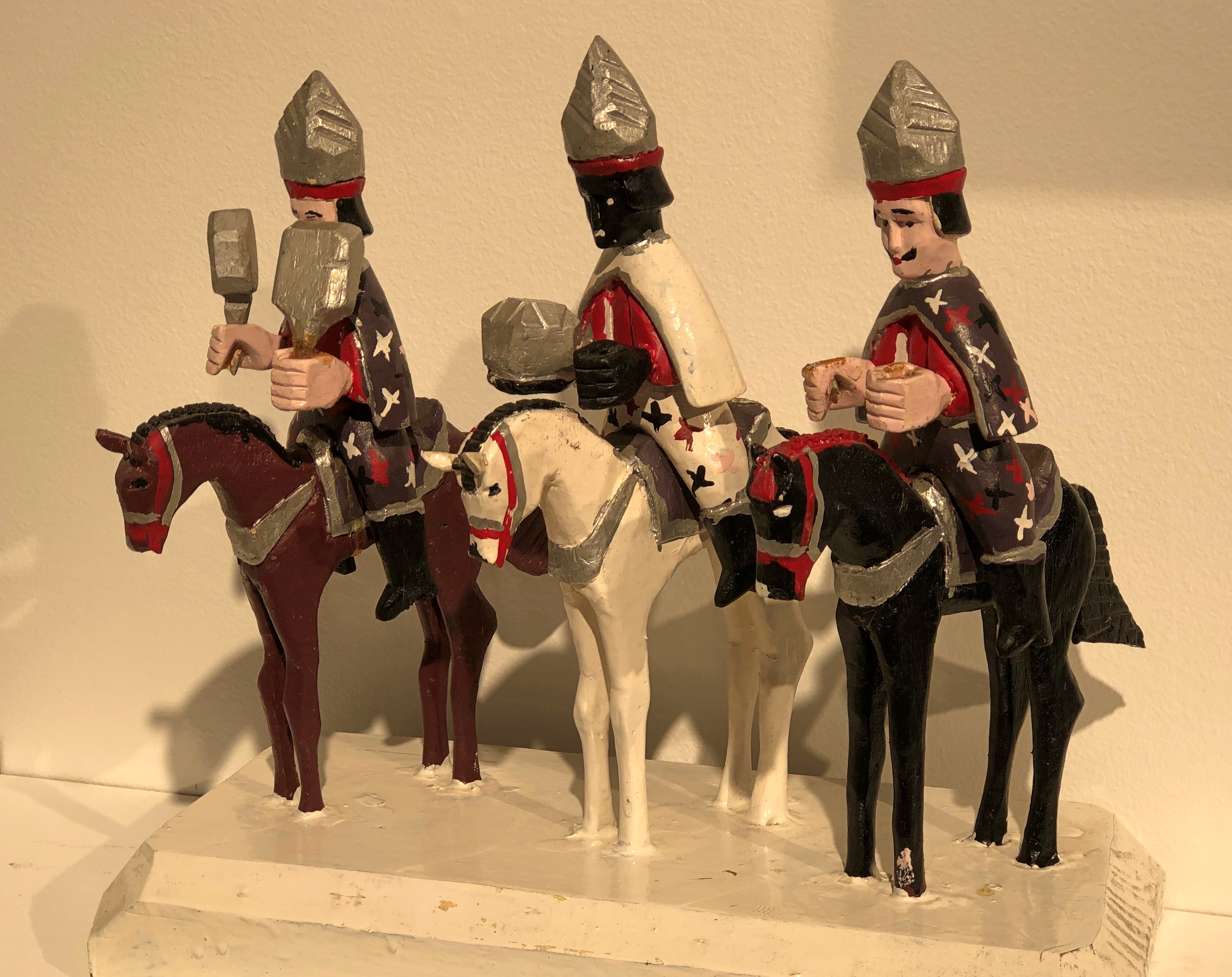
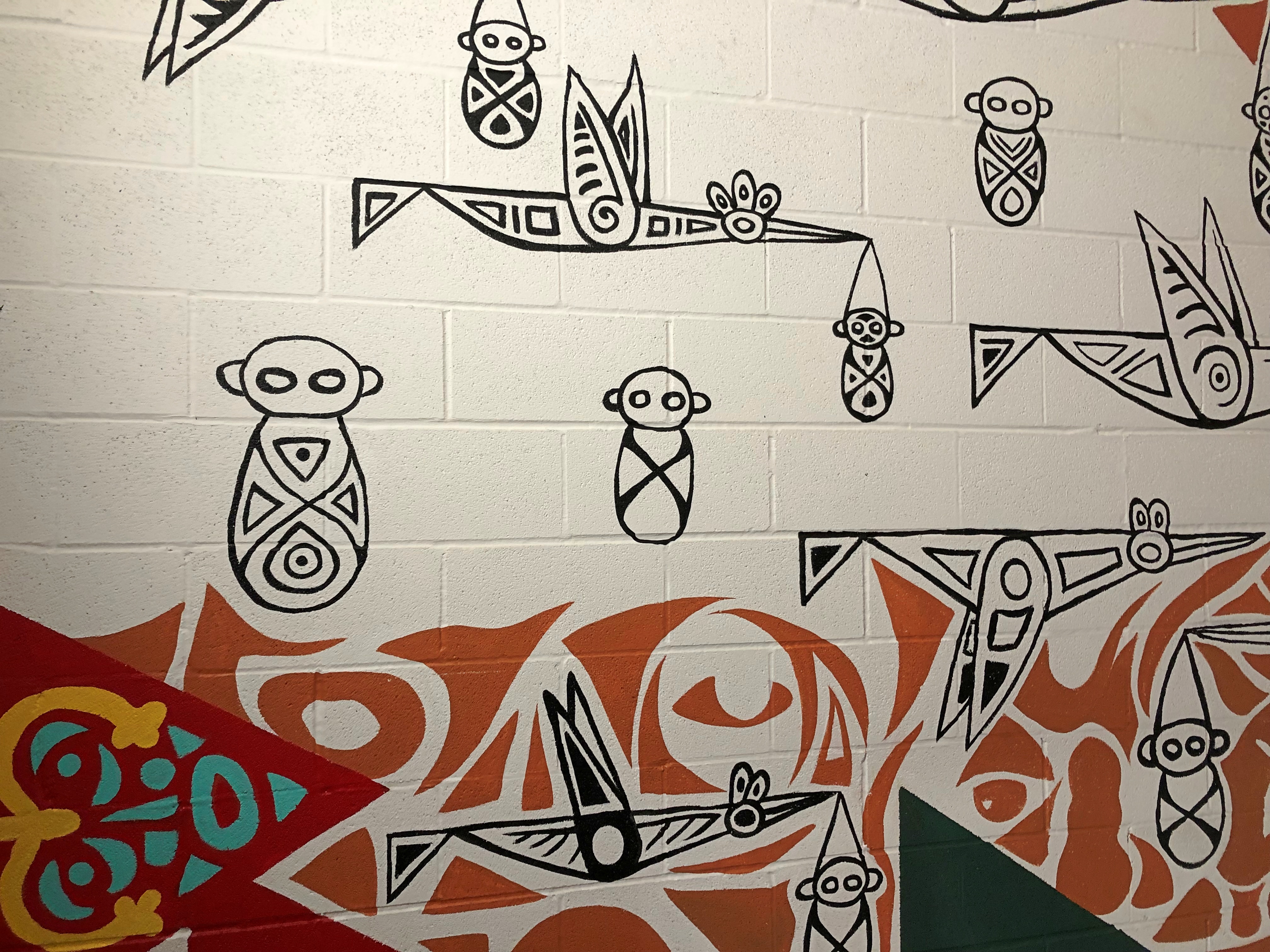
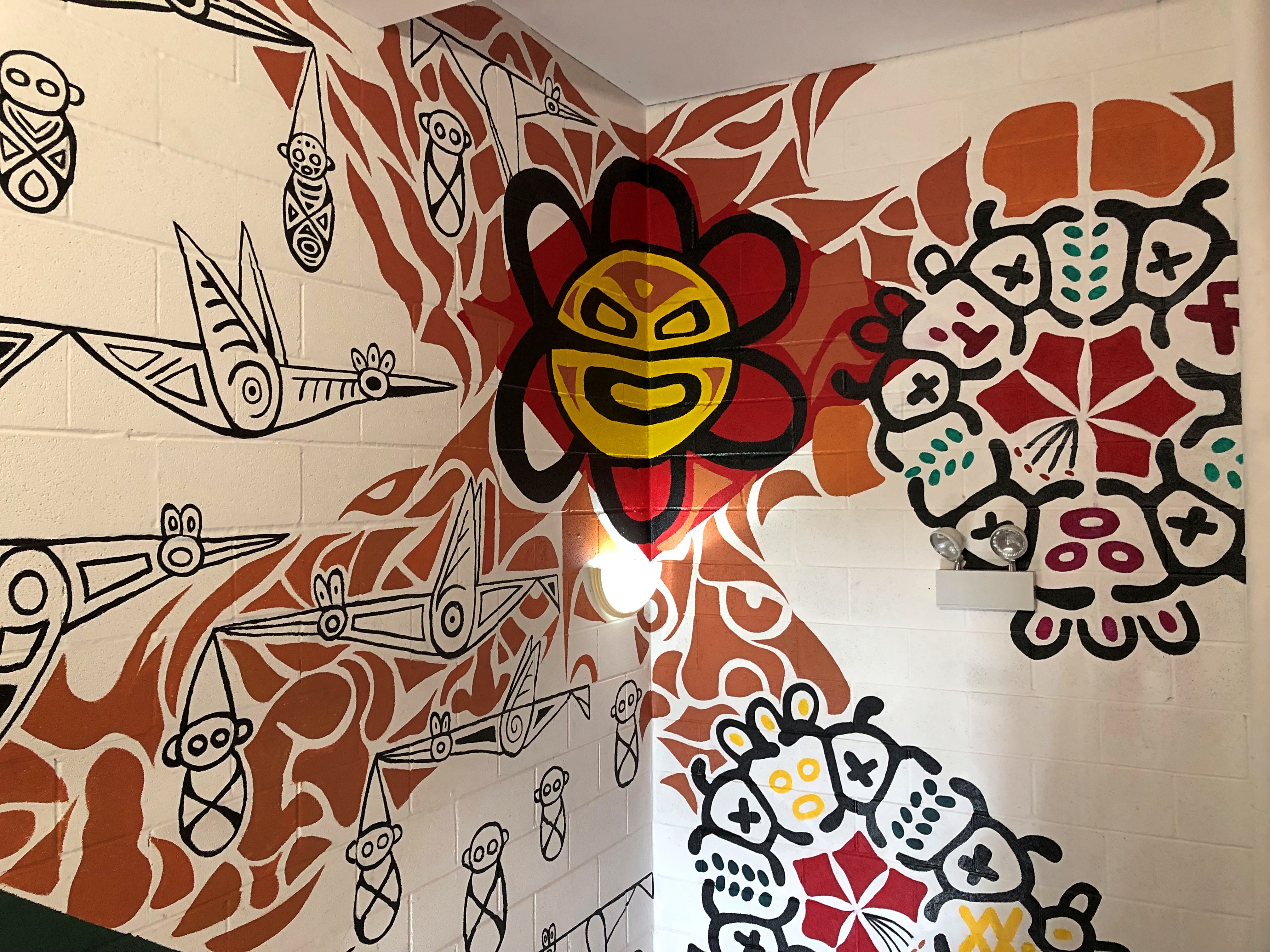
Gaspar, Melchor and Baltasar. Human-sized figures. Not smoking on a rubber cigar that I could see. They stood in a gallery at the National Puerto Rican Museum, which is formally the National Museum of Puerto Rican Arts & Culture, and which I was able to visit late in the morning. The Wise Men were part of the exhibit Los Reyes Magos Puertorriqueños (Three Wise Kings of Puerto Rico). Artists from the island took their hand at depicting the Wise Men-Kings, including the costumes above, which were created by Reynaldo Rodriguez only this year.
Other interpretations include Tres Reyes Magos Pescando, Three Wise Kings Fishing (2010).
Reyes Taínos, Taino Kings (2022).
No title (early 20th century), by Rafael “Fito” Hernandez.
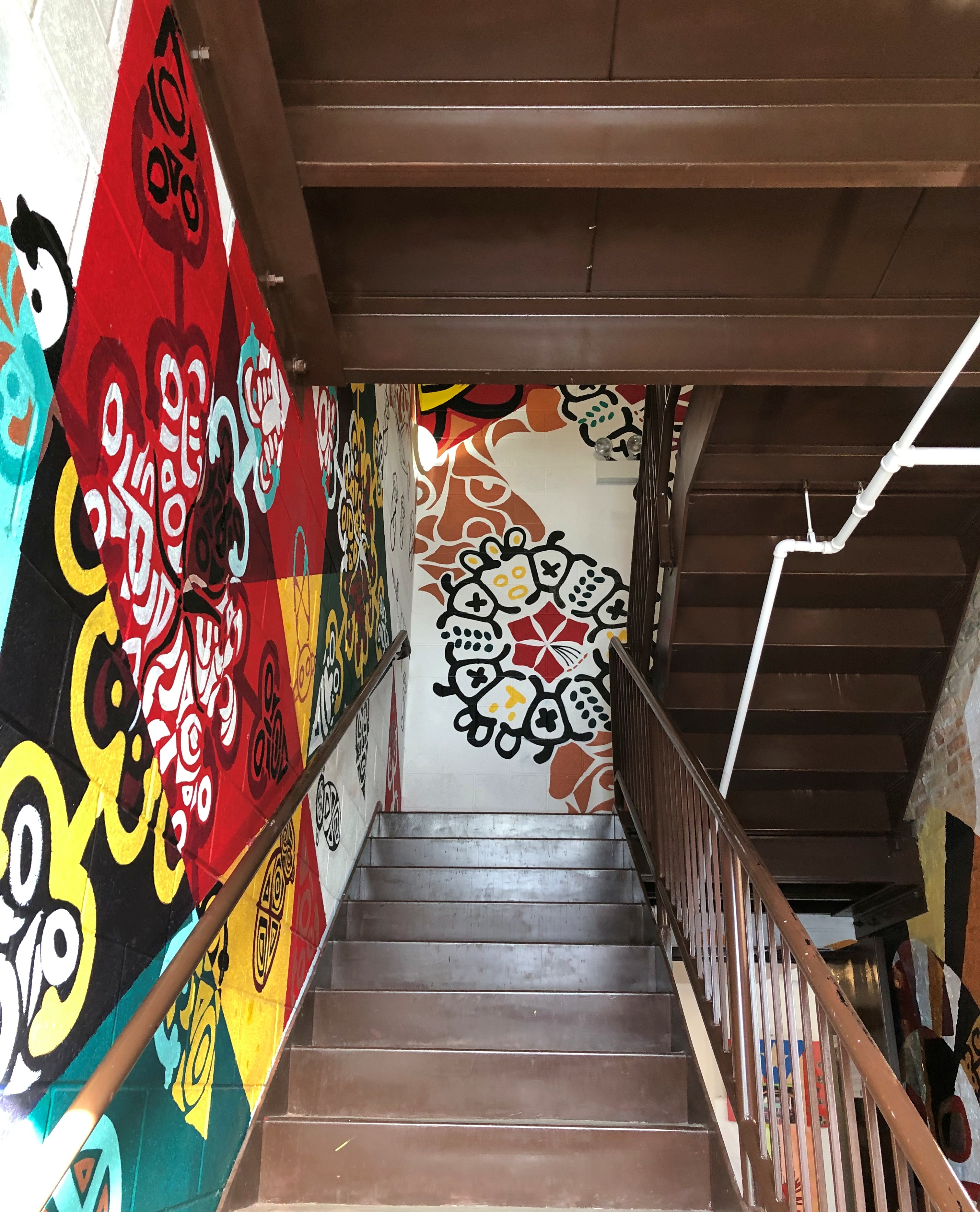
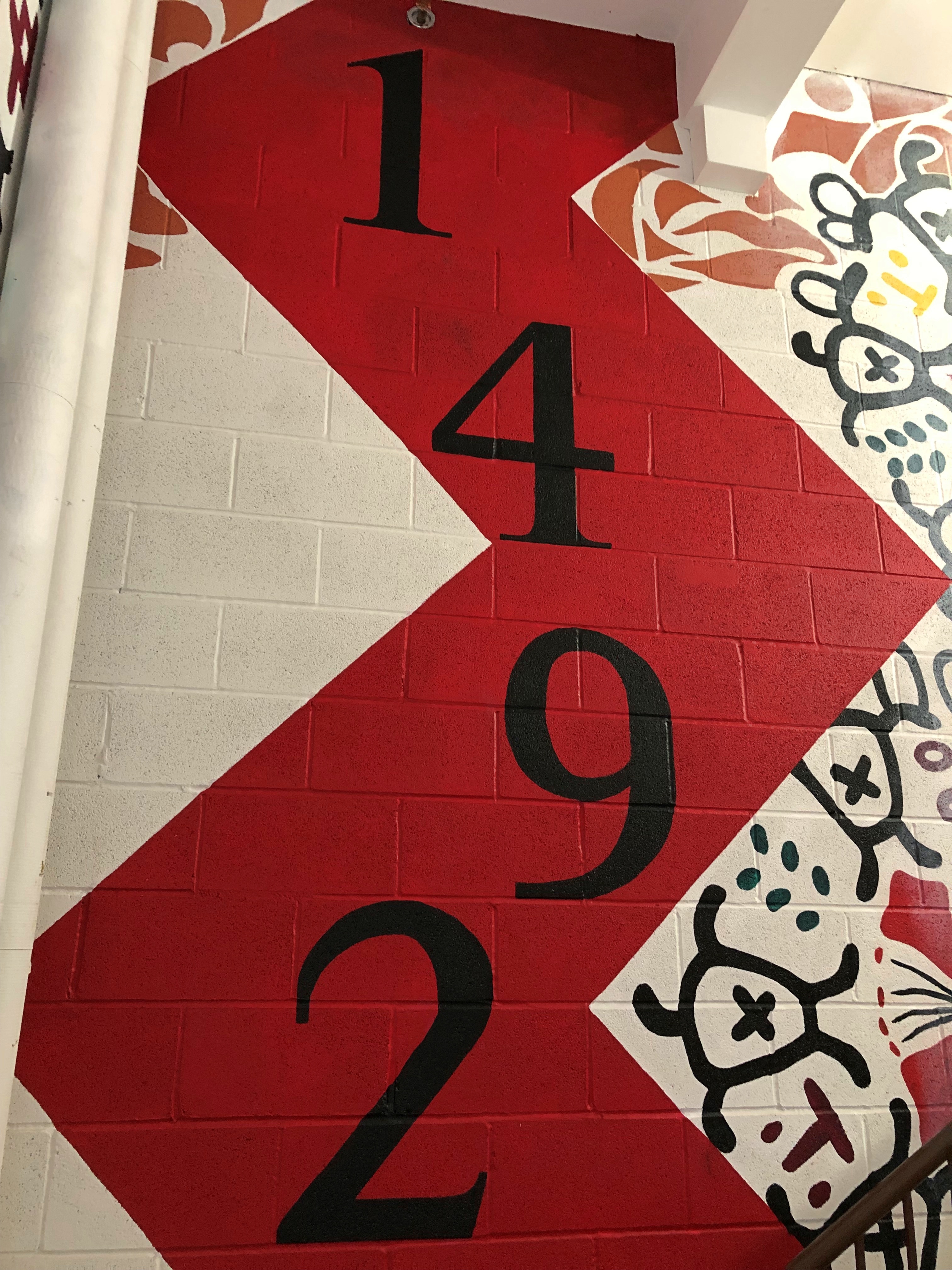
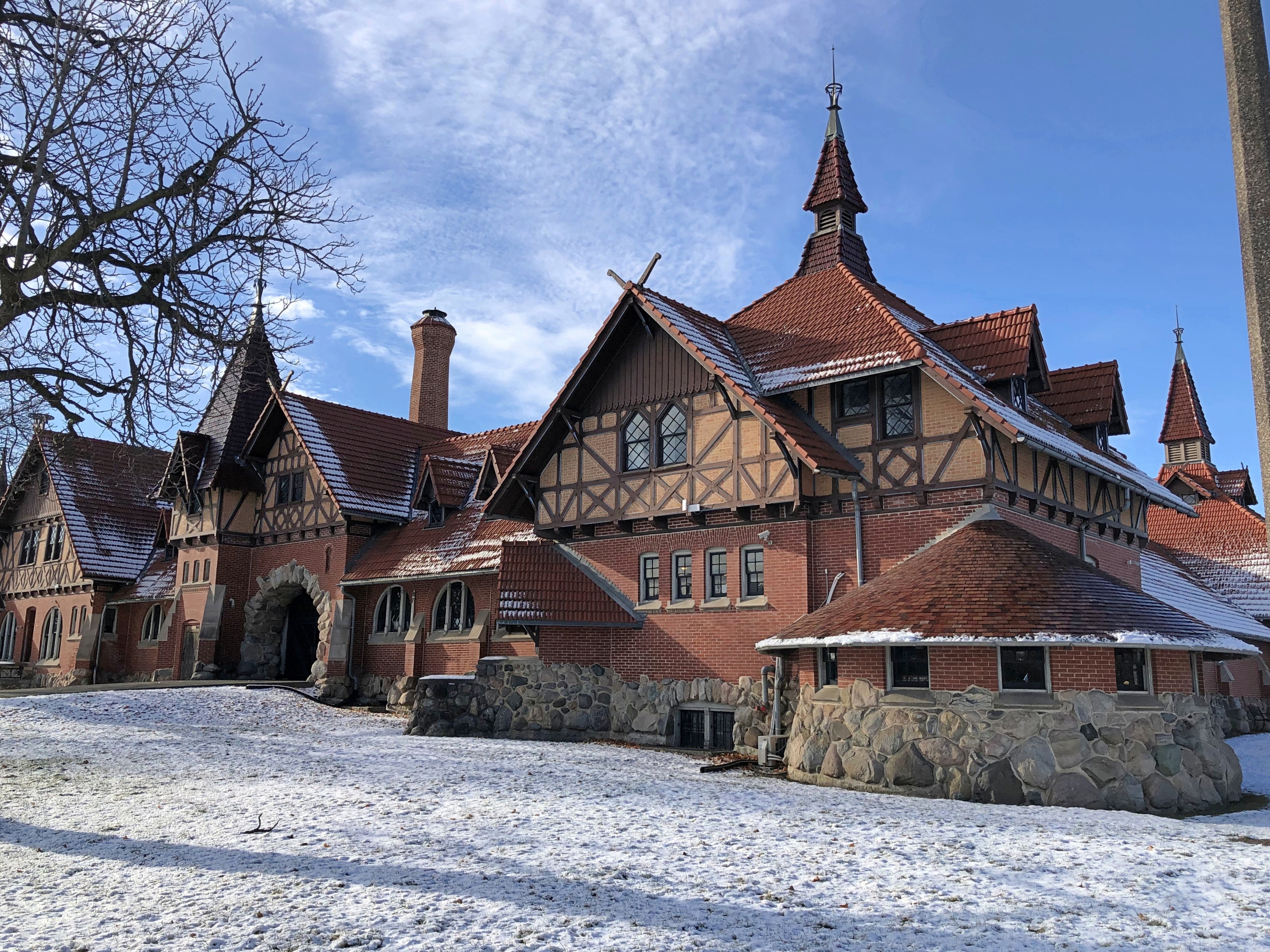
Other current exhibits include Puerto RicanEquation: mixed media works, video y El Espiritu Santo by Juan Sánchez; Cuentos Ocultos/Hidden Tales; and liminal: LGBTQ+ Chicago – Boricua Imaginings. Since 2000, the museum has been housed in the wonderful Humboldt Park Stables & Receptory, a structure from the 1890s designed by the mostly obscure Fromann & Jebson, who were busy in their day.
Once upon a time, landscape architect and park superintendent Jens Jensen had his office in the building, and the room is still acknowledged as such by the museum.
Back to posting around December 29. A good Christmas to all.
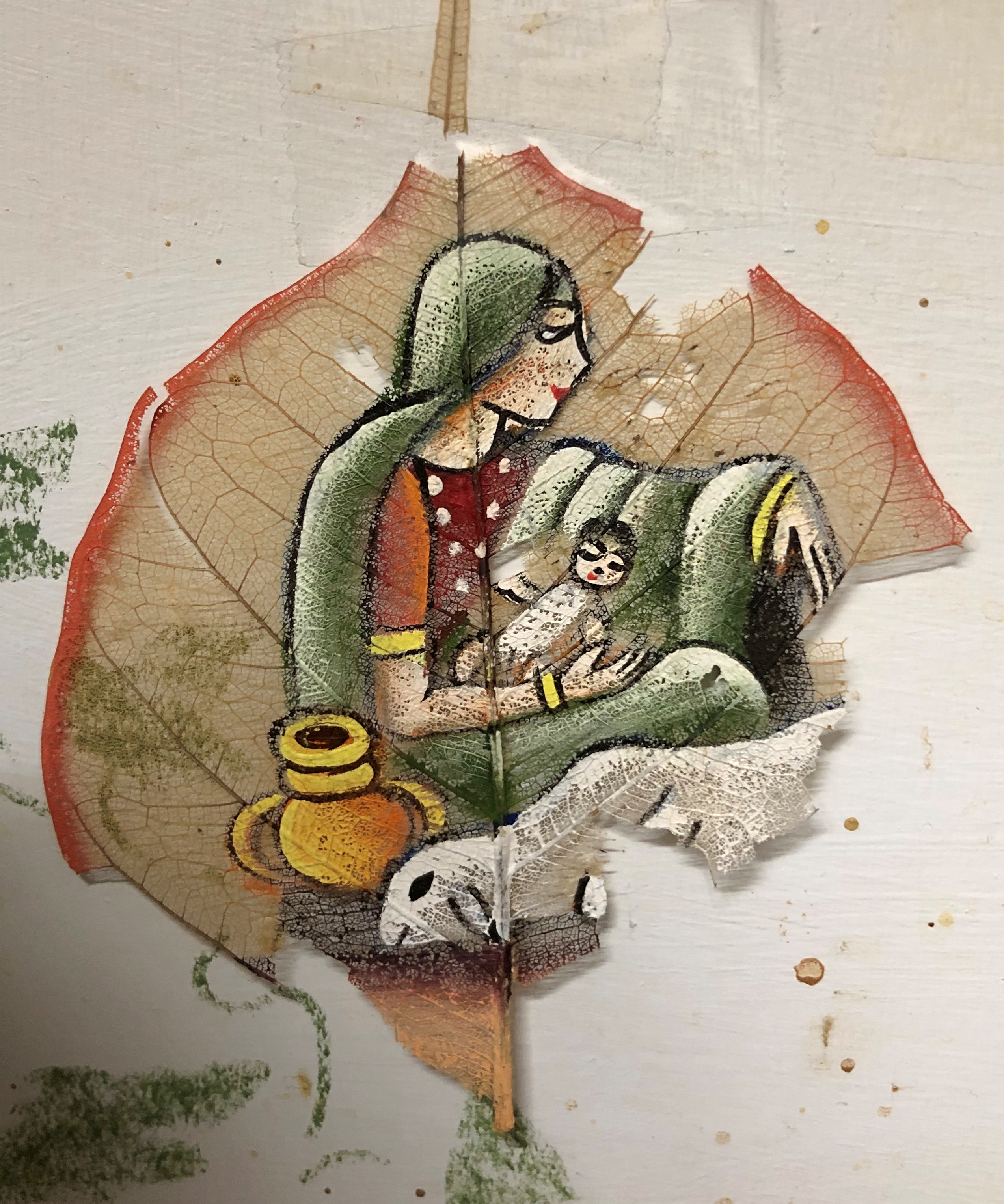
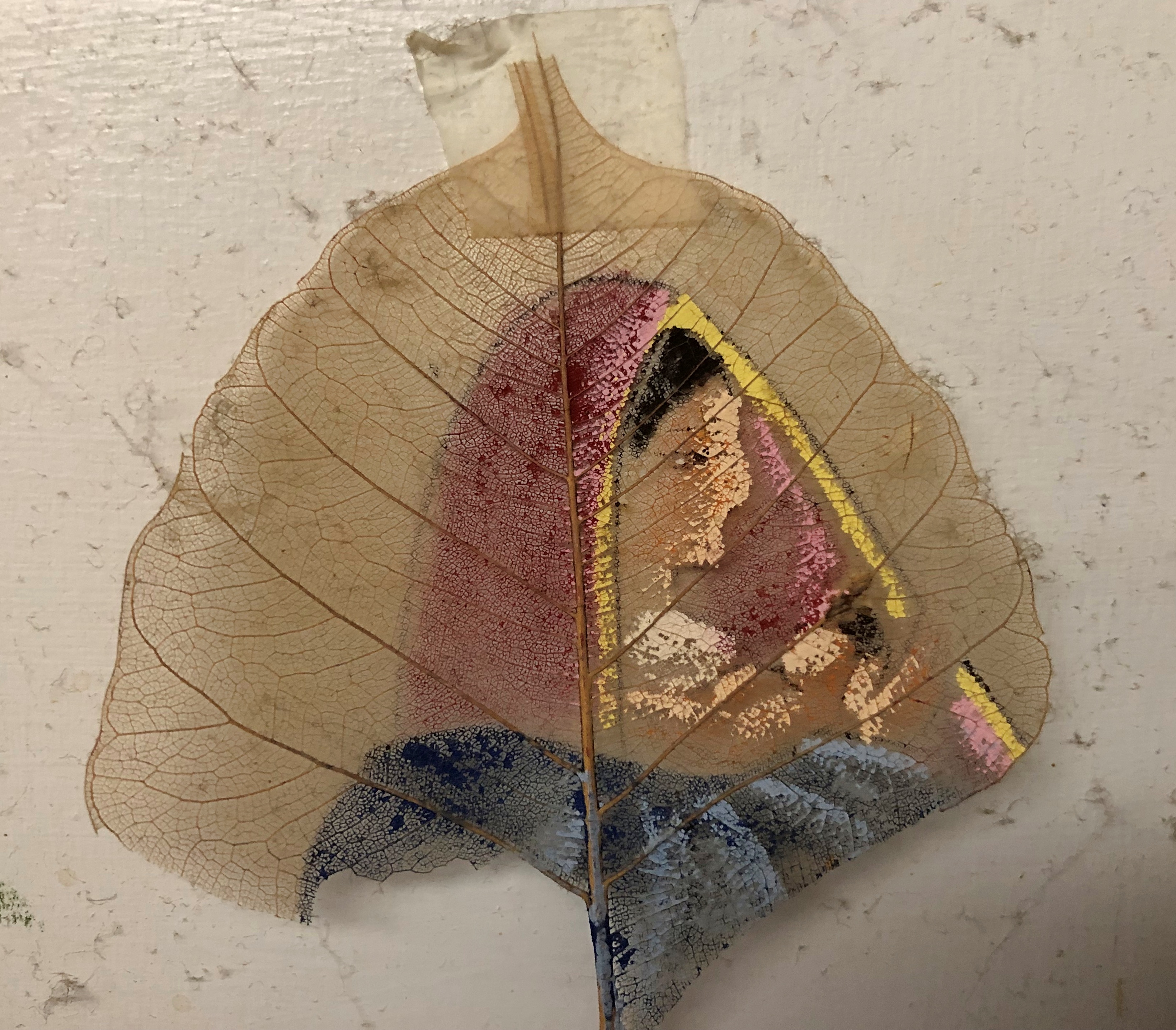
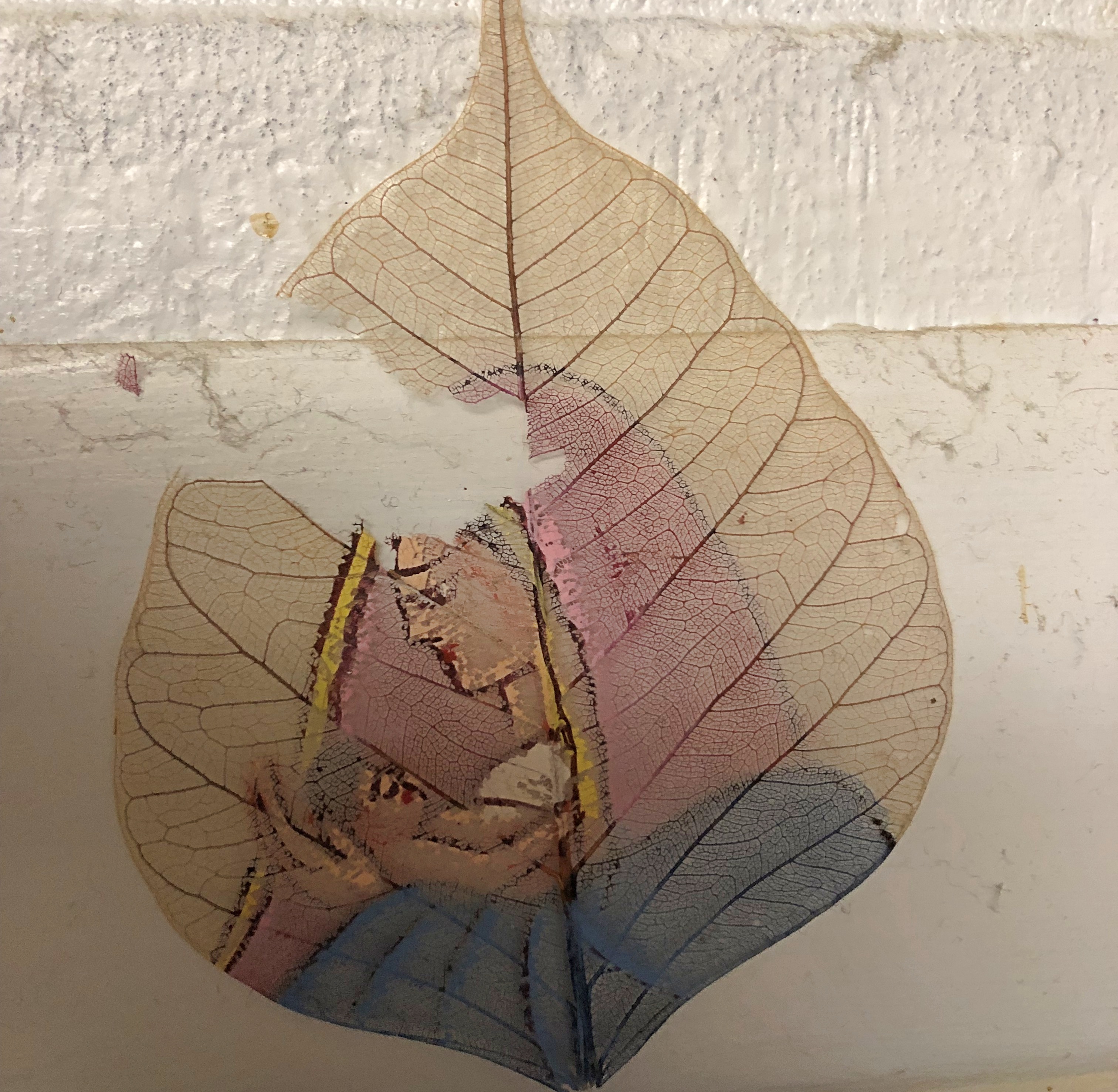
For a few years a while back, we received boxes of butter toffee from Guth’s End of the Trail Candy Shoppe in Waupun, Wisconsin, from some PR men we knew well for Christmas. The toffee was insanely good and never lasted long. The Christmas card that came with the candy included Madonna and Child images hand-painted on delicate leaves by, I think, artists from the Indian subcontinent. They have lasted a lot longer than the toffee. I took to taping them to one of the walls in the kitchen.
The leaves occasionally fall to the floor. I then refresh their tape and put them back, but time has taken a toll.
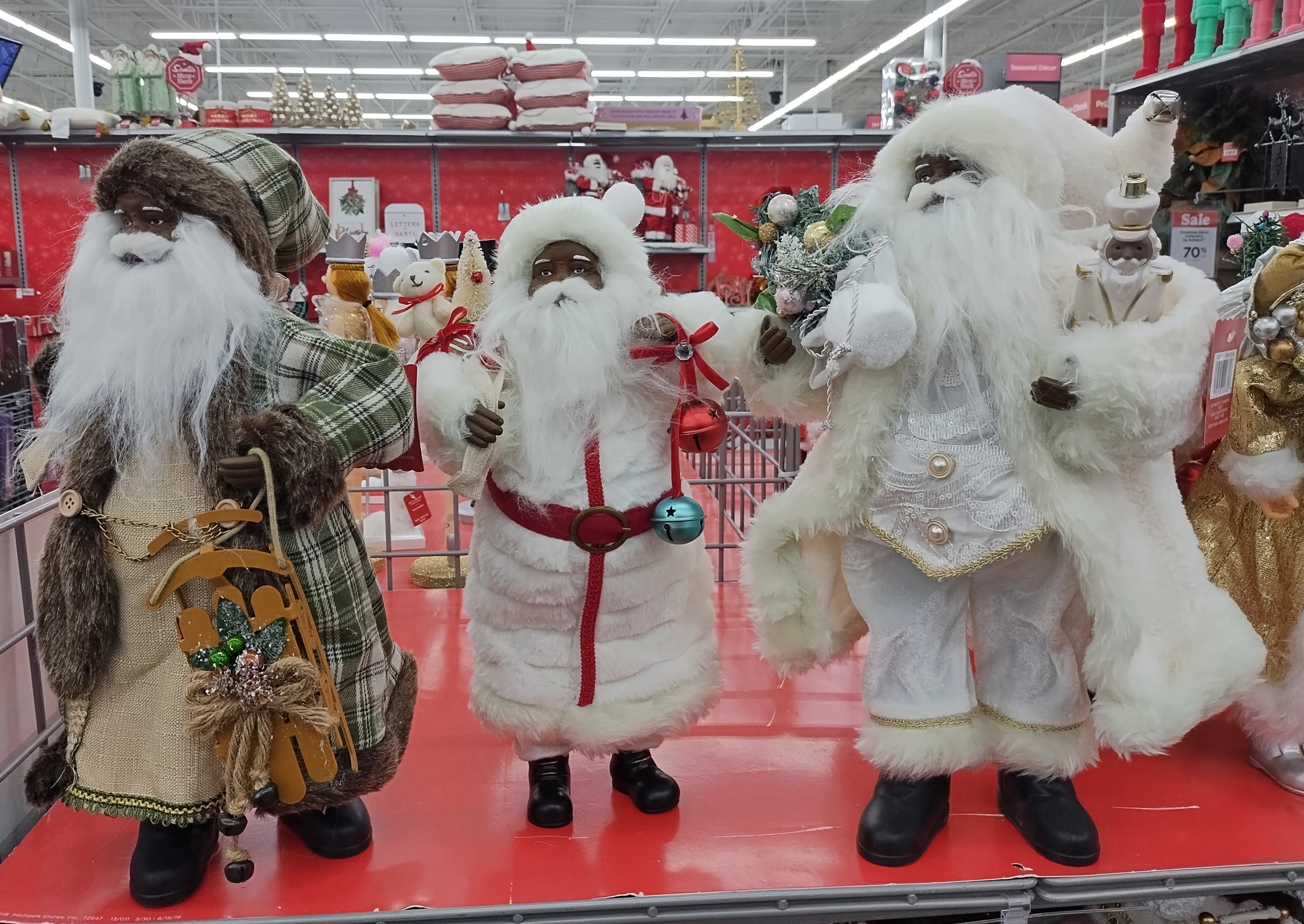
I visited a big box crafts store a few days ago (not this one) at Yuriko’s request. I didn’t really want to go, but I’m glad I did. Got a look at some of the Christmas items.
A different picture than would have been possible decades ago, or even a single decade ago. Good to see, actually, if only to annoy anyone who might get upset over the complexion of Christmas tchotchkes.
The Christmas tree business is still mostly fragmented, with some 16,600 farms growing Christmas trees on nearly 300,000 acres in the United States, according to the 2022 USDA Census of Agriculture. Some farms are large – a wholesaler called Holiday Tree Farms in Oregon’s Willamette Valley asserts that it ships 1,000,000 trees a year, grown on 1,500 acres. But no single entity dominates.
Good thing, too. If an outfit called CTree Group controlled, say, 50 percent of the market, we’d have to buy an annual subscription to receive our trees in December.
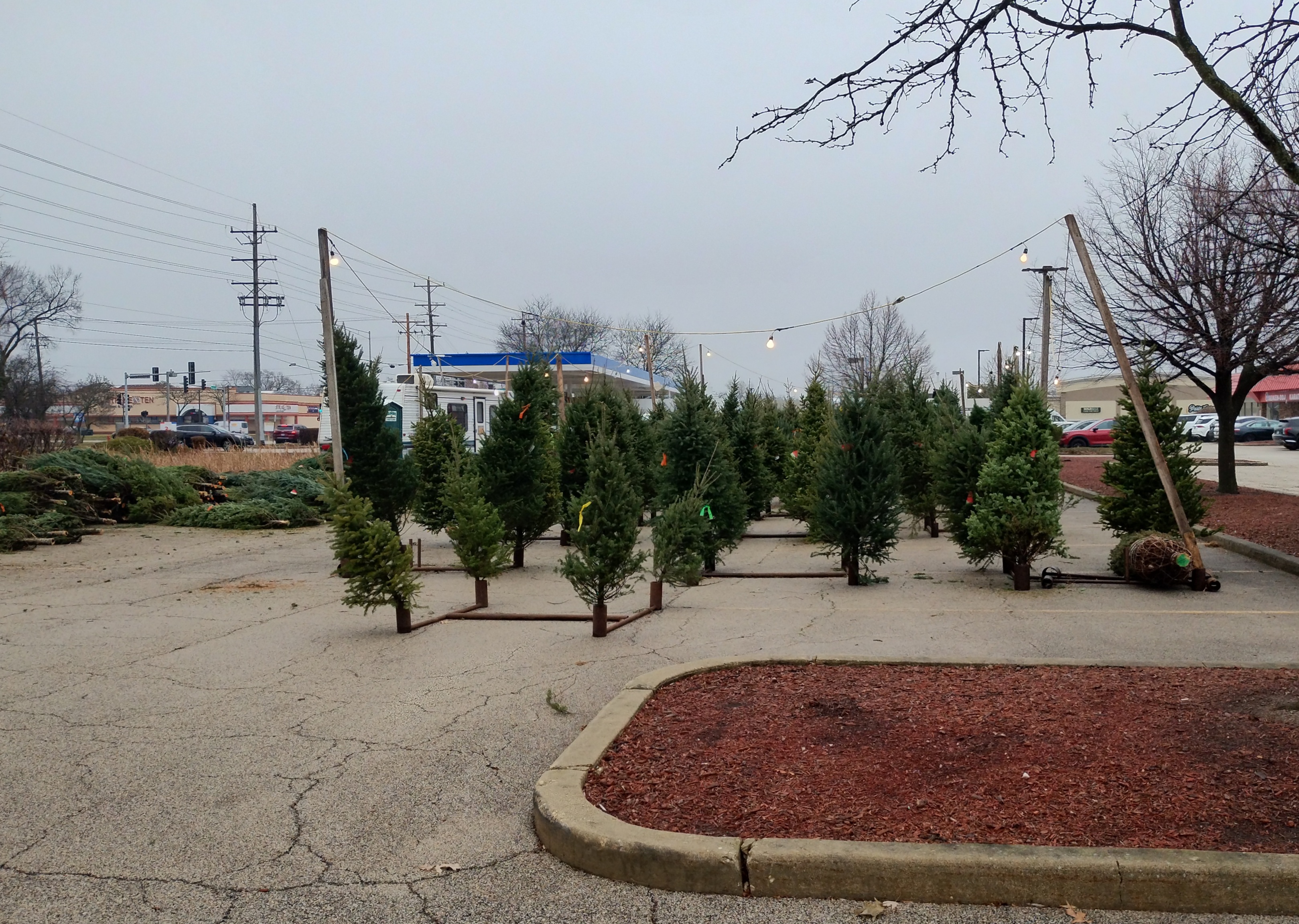
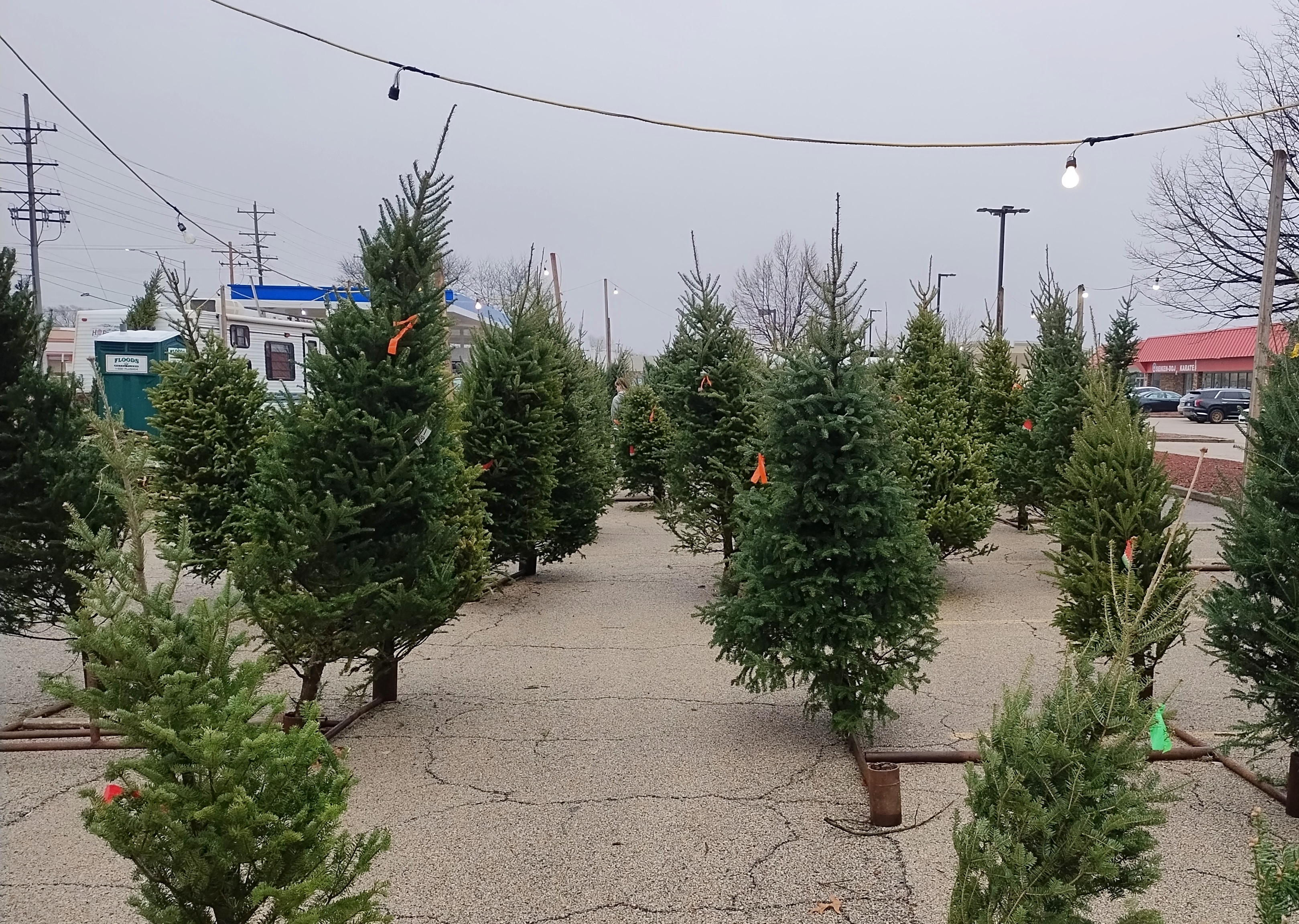
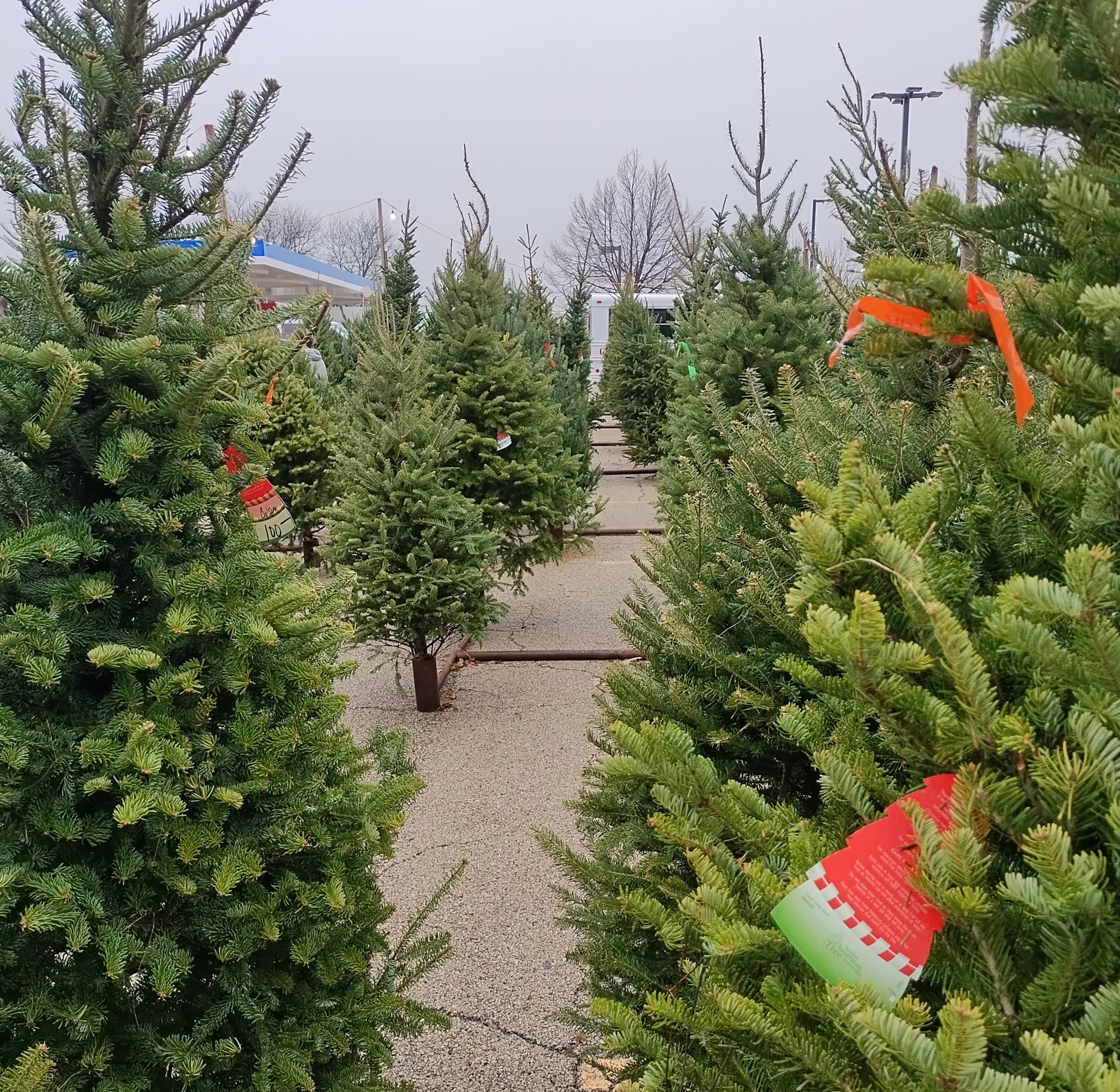
The cash money I spent today at a Christmas tree lot with no name here in the northwest suburbs pretty much went straight into the pocket of the farmer. And I mean that literally. That’s where he put it.
He and his (I assume) wife, both of whom looked roughly my age, except more grizzled from spending much more time outside, were stationed at the small trailer, taking money, chain-sawing the stumps and netting the whole trees, for easier transport. These things they did for me. I asked whether theirs were Michigan trees. Over the years, some of our trees have been, including those from the UP. No, Wisconsin. Just as good, I told them.
The thought that the money goes directly to the owner makes it less annoying that the price was up again this year ($70), and that many trees in the lot were priced at over $100, a price I’m sure not to pay. But not completely un-annoying.
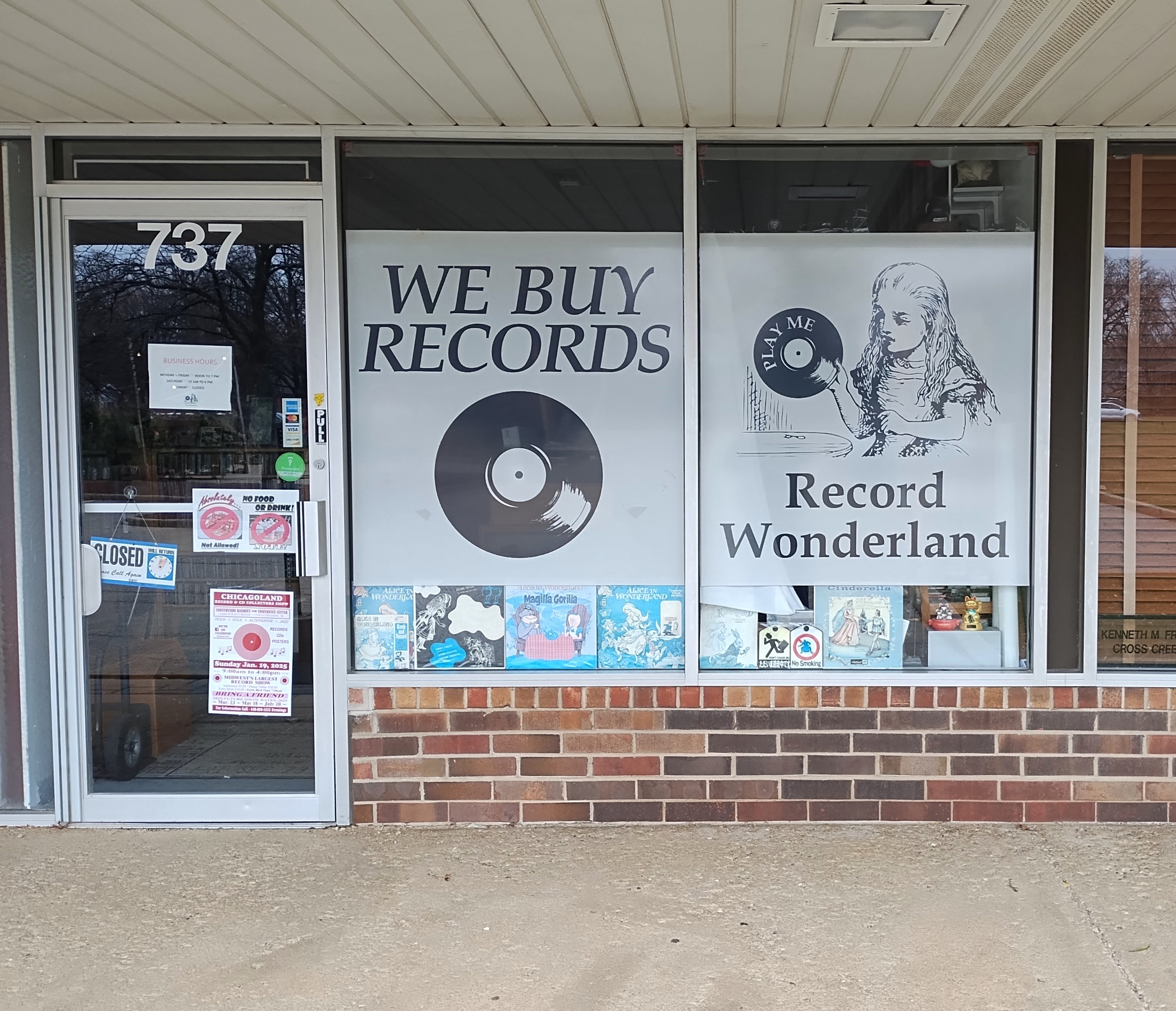
The lot, as many are, is set up on an underutilized section of parking in a nondescript strip center. But not completely nondescript. I was glad to see the record store is still there, though I’ve never been in.
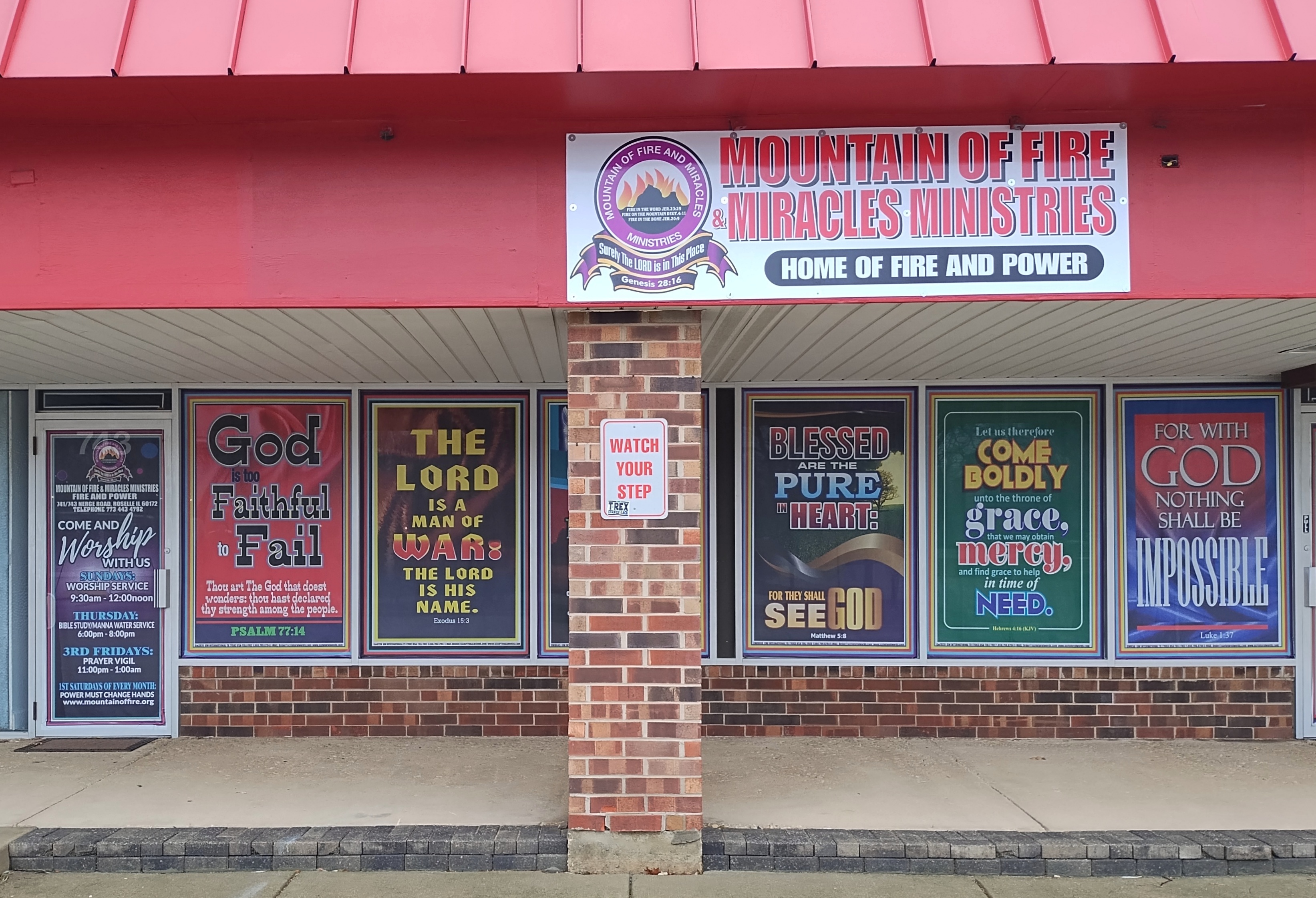
I hadn’t noticed this before, also in the strip center.
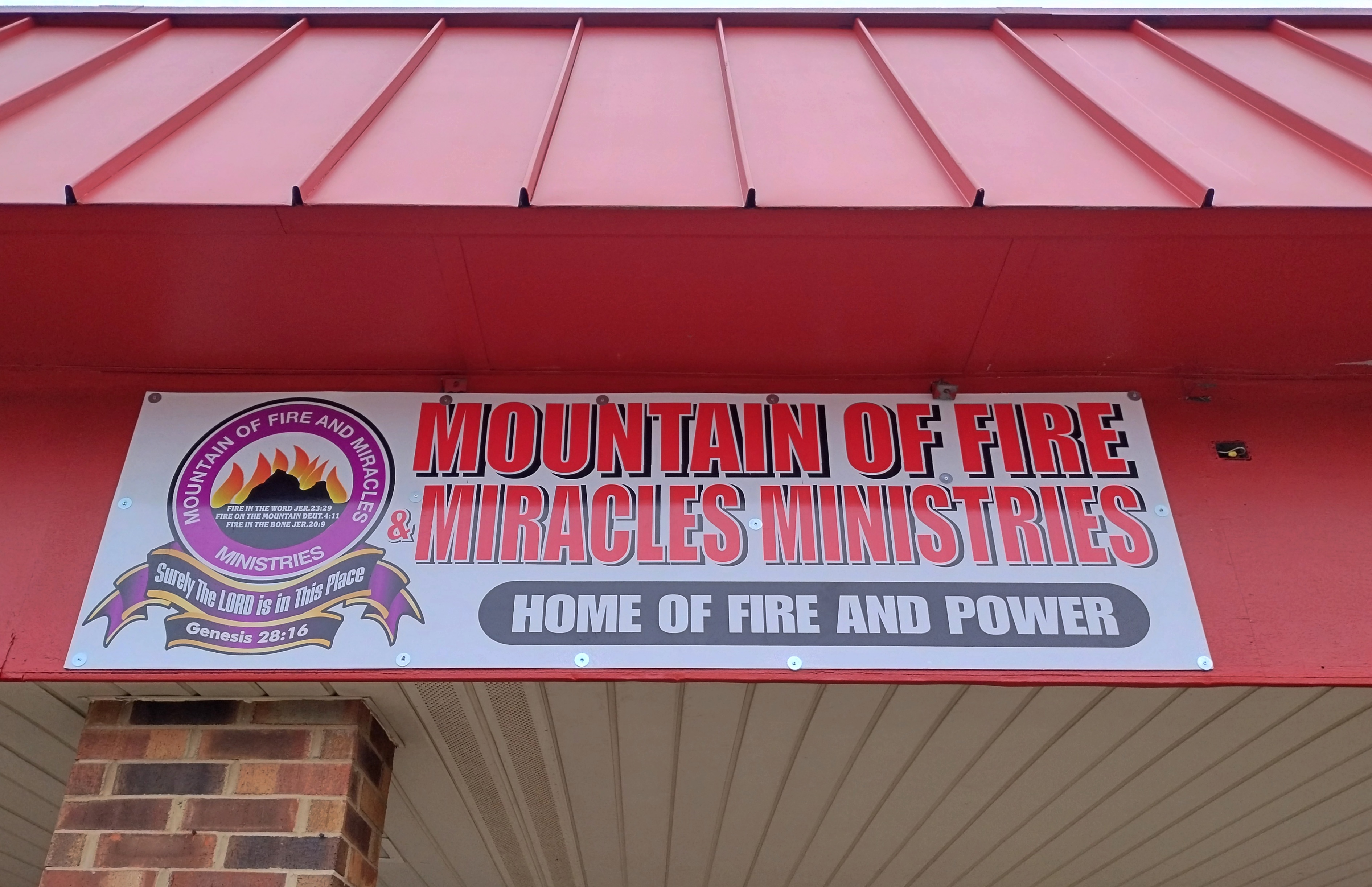
An organization I’d never heard of. Even so, I have to admit the name Mountain of Fire & Miracles Ministries has a peel of thunder and a whiff of brimstone about it. Makes you sit up and pay attention.
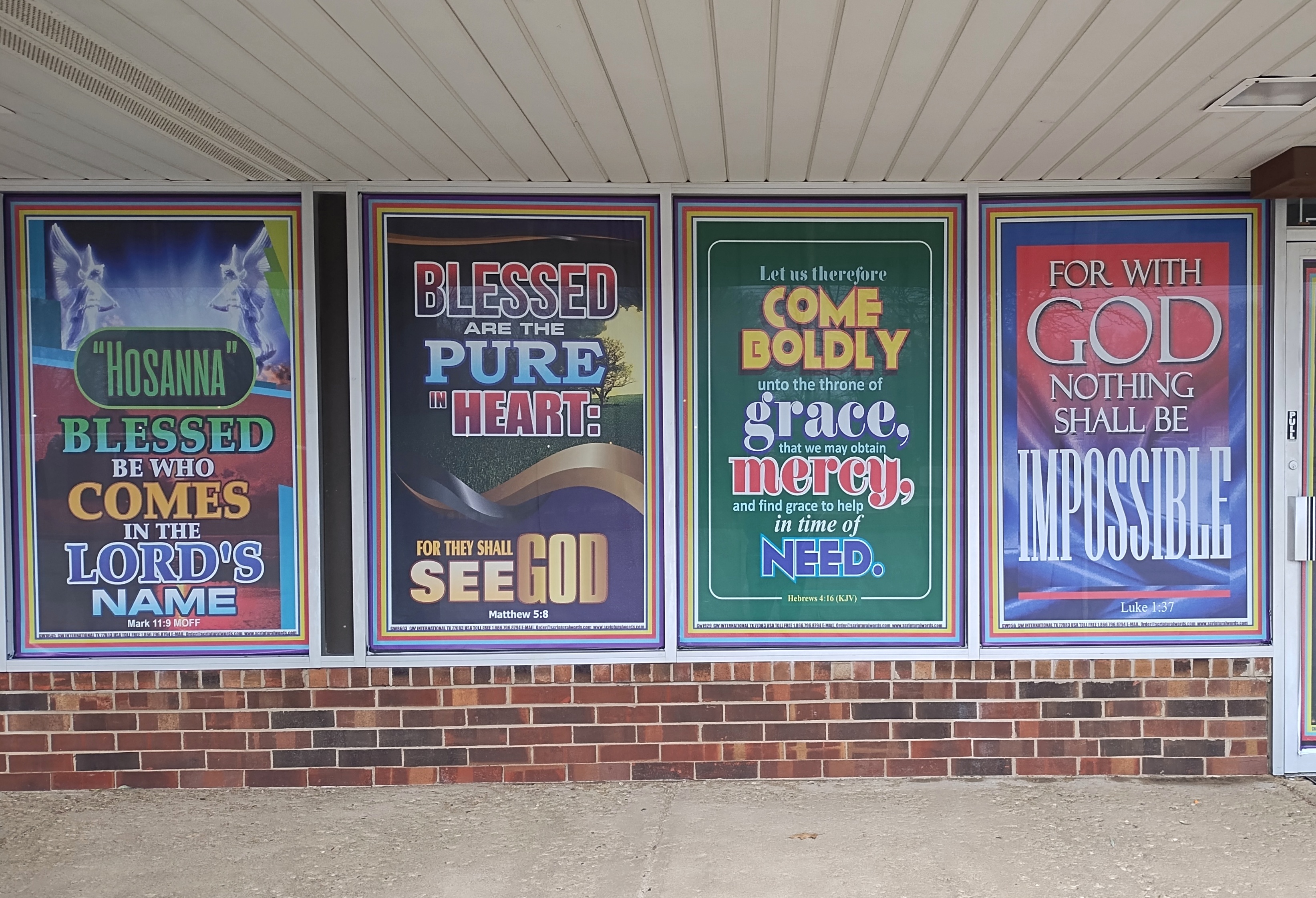
Some detail.
I took it for an independent Protestant sect of the homegrown sort, but no. This location is an outpost of MFM, a Nigerian Protestant sect – at least, in the sense that it isn’t Catholic — founded in 1989. Here’s something from the church’s web site, under “Mission and Vision” as one of the objectives of the ministry:
To build an aggressive end-time army for the Lord. MFM is an end-time church where we build an aggressive end-time army for the Lord. An end-time church is a church where a sinner enters with two options: he either repents or does not come back, contrary to the present day church where sinners are comfortable and find things so easy and convenient.
I don’t know much about the organization, not really, considering how ignorant I am about most things Nigerian. Still, its presence tells me that there must be more Nigerians here in the northwest suburbs than I realized. The world not only comes to Chicago, it comes to the Chicago suburbs.