Amazon Fresh, Adieu

Yesterday, behemoth retailer Amazon announced that its Amazon Fresh grocery stores are closing. All of them, about 70 locations, and closing soon, as in Sunday. I read about that this morning, and happened to mention the fact to Yuriko early this afternoon, so we decided to mosey over to the closest Amazon Fresh, about a 10-minute drive from our home here in the northwest suburbs.
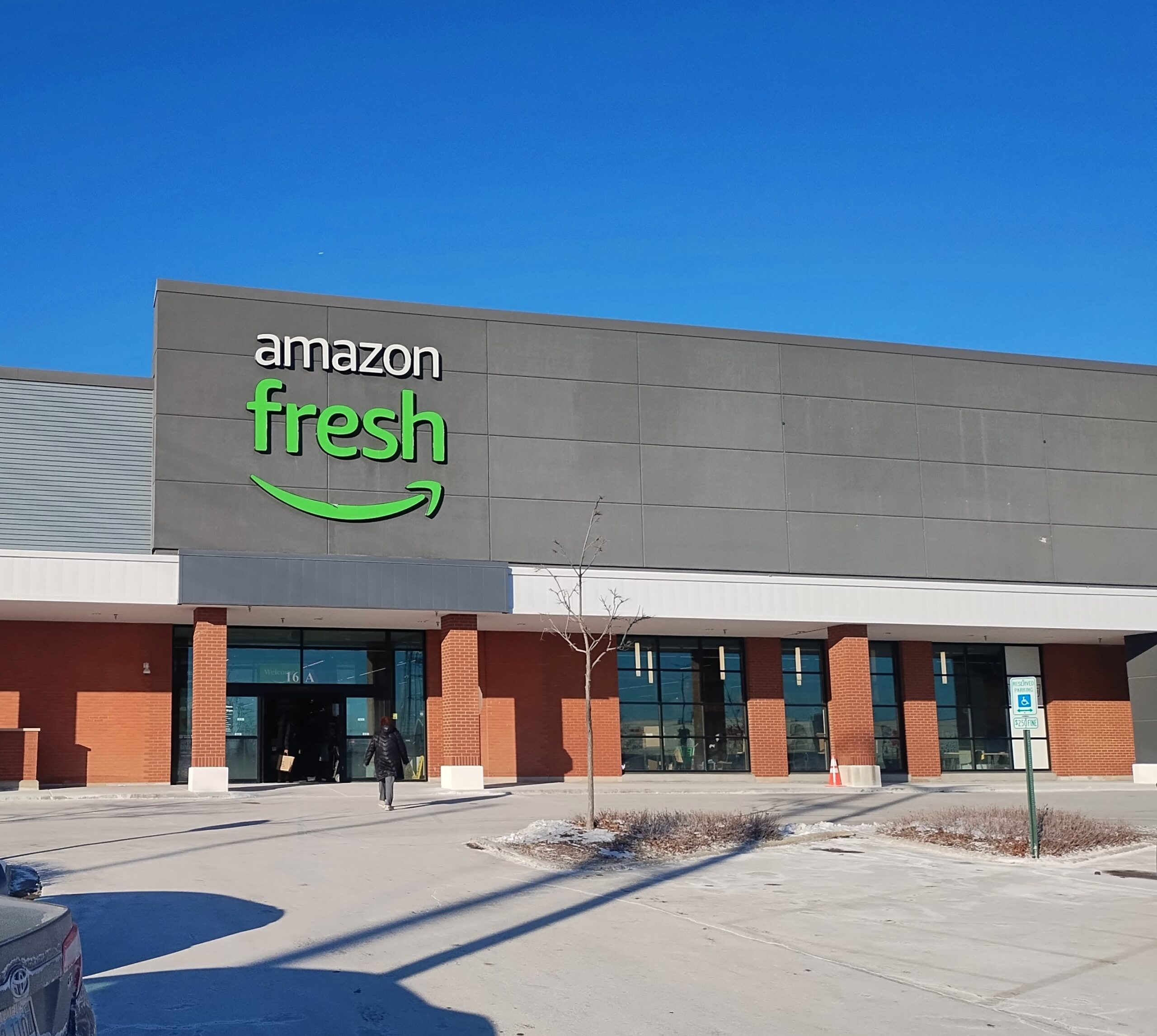
We’d been there. In the store’s early days especially, a few years ago, weekly fliers came in the mail offering coupons that could, if used right, mean 40 percent or even 50 percent discounts. That was worth some visits. After a few months, however, the coupons got progressively more miserly or disappeared all together.

That was no surprise. The coupons’ main function was to get you in the door, and acquainted with the store, and ideally form a good opinion that inspires return visits. A good marketing plan, even if it relies on something as analog as paper coupons, and it might have worked but for one thing: there was very little distinctive, to an ordinary shopper, about Amazon Fresh.

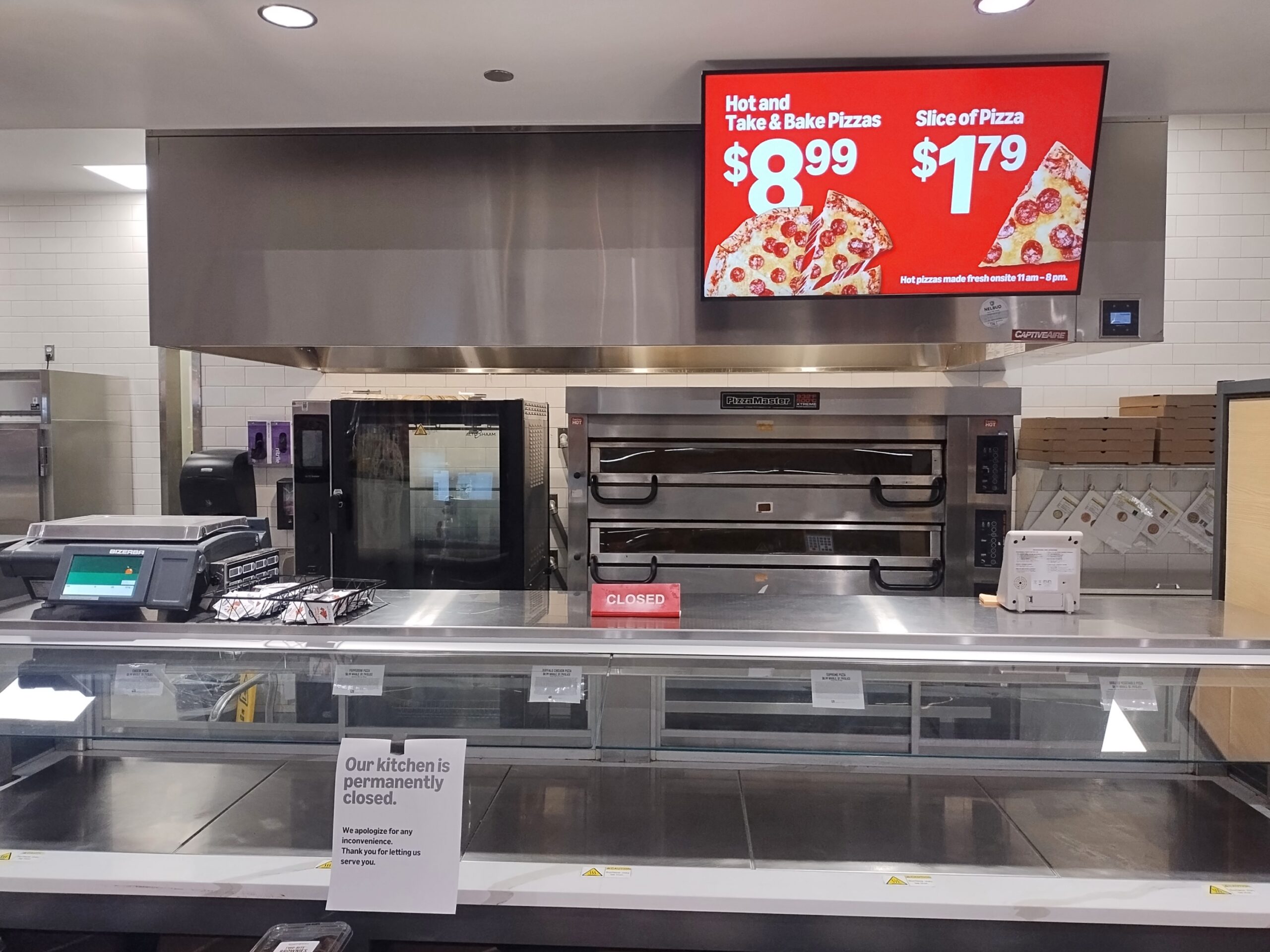
The store promised to be something of a discounter, and sometimes it was. Until recently, for example, it sold sizable and reasonably good pizzas for $9 a pie or less than $2 a slice – entirely competitive. Other items were sometimes discounted as well, but in that the store was no different from any other store in the area.

Even that might not been a discouragement, if the store had competed on selection. By current standards, the NW suburban Amazon Fresh is mid-sized, so isn’t going to be able to offer everything under the sun. But even smaller stores can pull off a remarkable selection, if they try. Such as Trader Joe’s. Or even Aldi, whose more recent iterations are about the same size as the Amazon experiment in grocery stores.

But no. The Amazon Fresh selection is good enough, and certainly would be a boon in a food desert, or even at the edge of one. But the NW suburbs are the opposite of a food desert: we have hyperstores, warehouse stores, standard supermarkets of considerable size, discount grocers, and plenty of ethnic specialty grocery stores of varying sizes, all within a fairly reasonable driving radius. There are even dollar and convenience stores thrown into the mix, and every variety of take-out food that you can imagine. These parts are a highly competitive retail grocery and food & beverage environment, is what I’m saying.

And what did Amazon Fresh bring to the table in such an environment? A lot of meh.

Then there was this business of “Dash Cart.” Amazon Fresh made a big deal about how technically advanced the stores were, because you could “Skip the checkout line. Scan, bag and pay – right from your cart.” Well, OK. Some of the carts had consoles for self-scanning.

Did Amazon actually want its customers to adopt Dash Cart, or was it just showing off? I ask because any hint of any instruction about how to use the thing was lacking. Call it an engineers fallacy: this tech is so cutting-edge, so impressive, so neat that people will be eager to learn it. People will not. Maybe had there been an employee whose job it was to school us old timers, we might have been interested, but of course that costs money, and just wait until customers don’t even have to deal with checkout clerks, how much that will cut labor costs!

Besides, you still have to do the work the store should be doing – scanning your items – for free. That is the essential irritation of any self-scanning scheme. Turns out self-scanning isn’t going to completely replace clerks anyway, for various reasons, and I’m glad.

How could Dash Cart and its ilk actually work? One: activate the cart with a debit or credit card. No messing around with some app, no inputting some code that comes to your phone, or any of that nonsense. Two: the cart itself automatically scans items as you put them in, and shows in a highly visible way how much you’re paying, so that the price jibes with the price on the shelf. Three: That’s it, you leave. You are charged a total – again, a highly visible total – as you leave, just as you would be otherwise.

Is all that technically possible? How should I know, but I’m leaning toward yes. Or it could be.

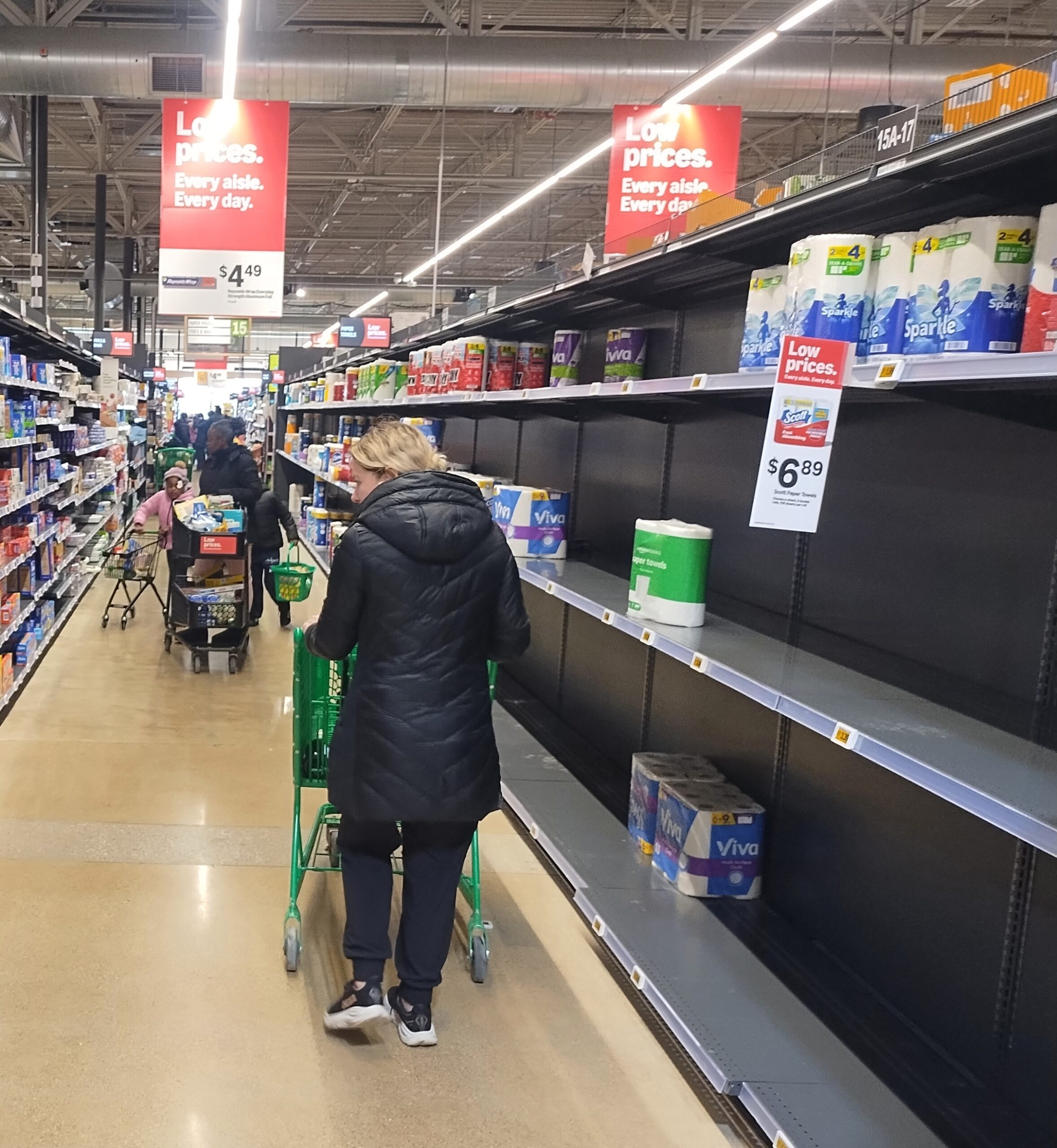
Never mind all that, we figured the store might be knocking off 10 or 20 percent in the face of its demise. The first indication that we were wrong was the store parking lot, which was as crowded with cars as I’d ever seen it. The second clue was the lack of shopping carts outside — at all, including in corrals in the parking lot or next to the entrance. No shopping carts inside the door, either.

Hand baskets were available, and Yuriko started with that, her initial goal being vegetables. I waited inside the door (since it was about 15 F outside) and after a few minutes, got a cart that was being returned. While I was waiting, a store employee announced at the front of the store that checking out, even self-check, would involve and hour or hour-and-a-half wait. It was a thing that makes you go hmmmm.

Shopping cart delivered to Yuriko, I set out to investigate. The first thing I found out: the place was crowded. An entire large cross-section of the population of the nearby Chicago suburbs was loose in the store, younger and older, families with little kids, single shoppers, people whose ancestors (sometimes pretty recently) had come from Central Europe, East Asia, the Indian subcontinent, Latin America and more. Put them all in the store and it was Supermarket Sweep time. I’ve never seen a grocery store so crowded or so many carts piled so high.

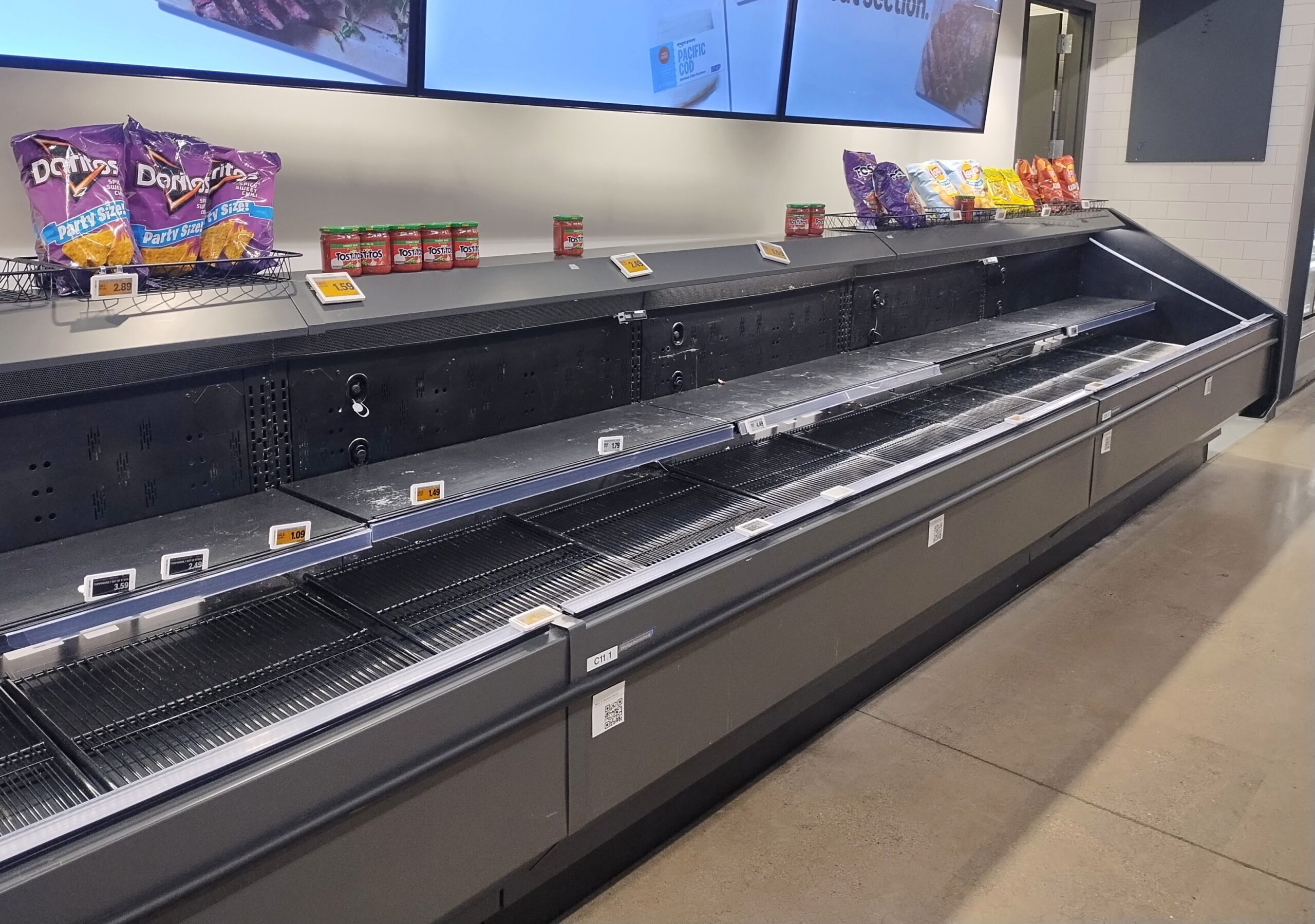
That resulted in some empty shelves, especially in the meat aisle and paper goods.
Sorry to say, the kitchen had already been closed permanently, its ovens cold and its workers presumably left to take their talents elsewhere, if possible. I’d wanted a slice of pizza at less than $2 just one more time, but no go.
But I’d misrepresent things if I left it at that. Many of the aisle and shelves still held the bounty of American agriculture and the never-ending efforts of food technologists.
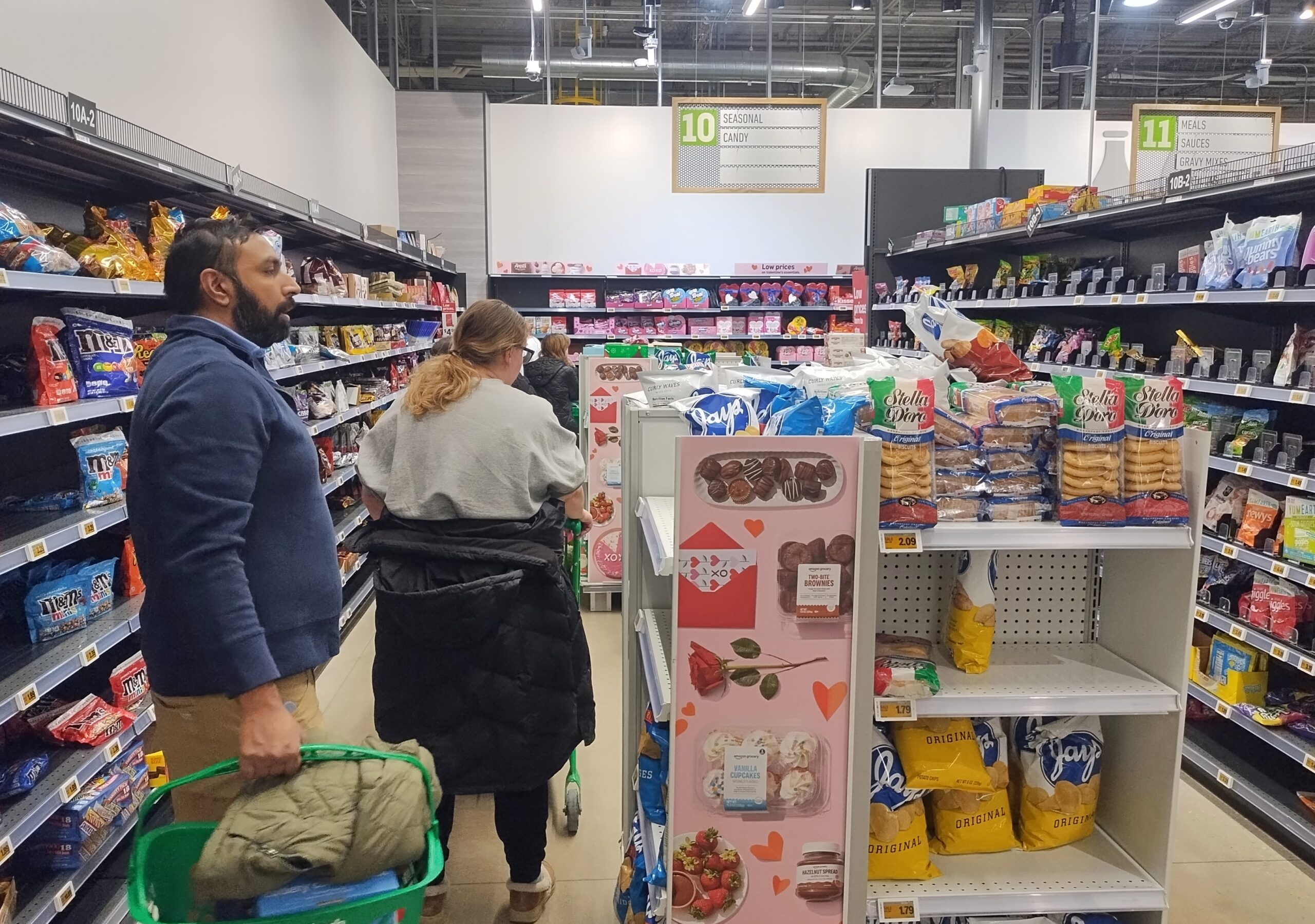
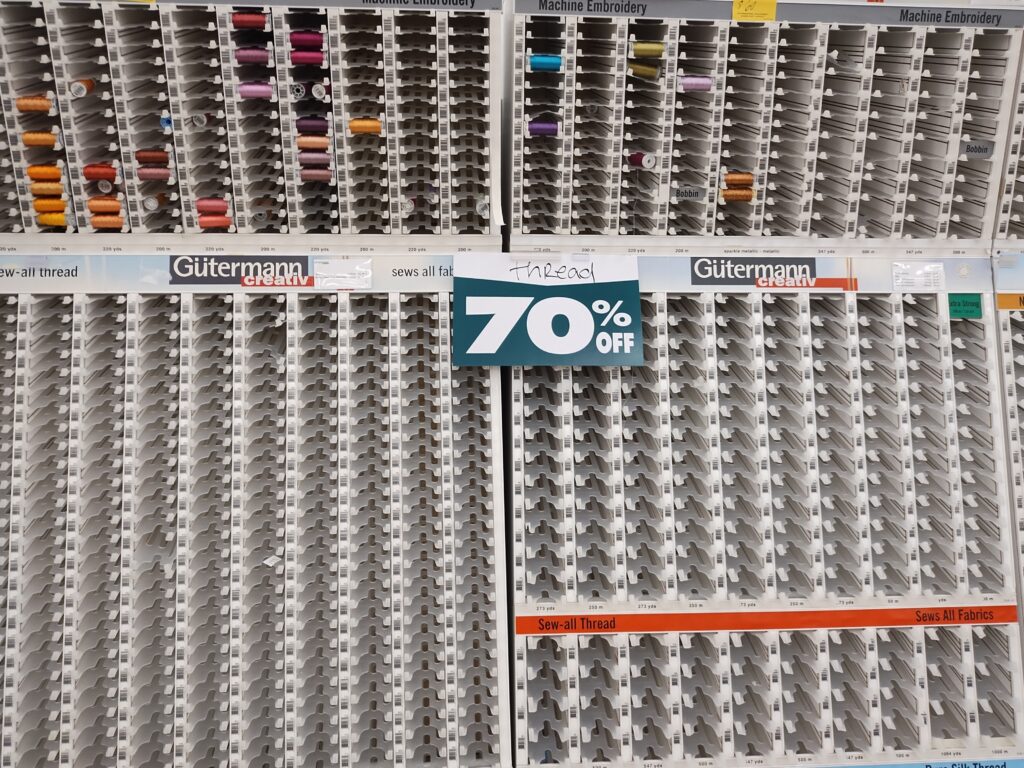
What brought the crowd? Deep discounts, of course. It didn’t take long to work that out. Later I did some back-of-the-envelope calculations and determined that nominal prices were back to late 1990s levels. Thirty years of inflation, slow and then fast, poof. That’ll pack ’em in. We joined the fun.

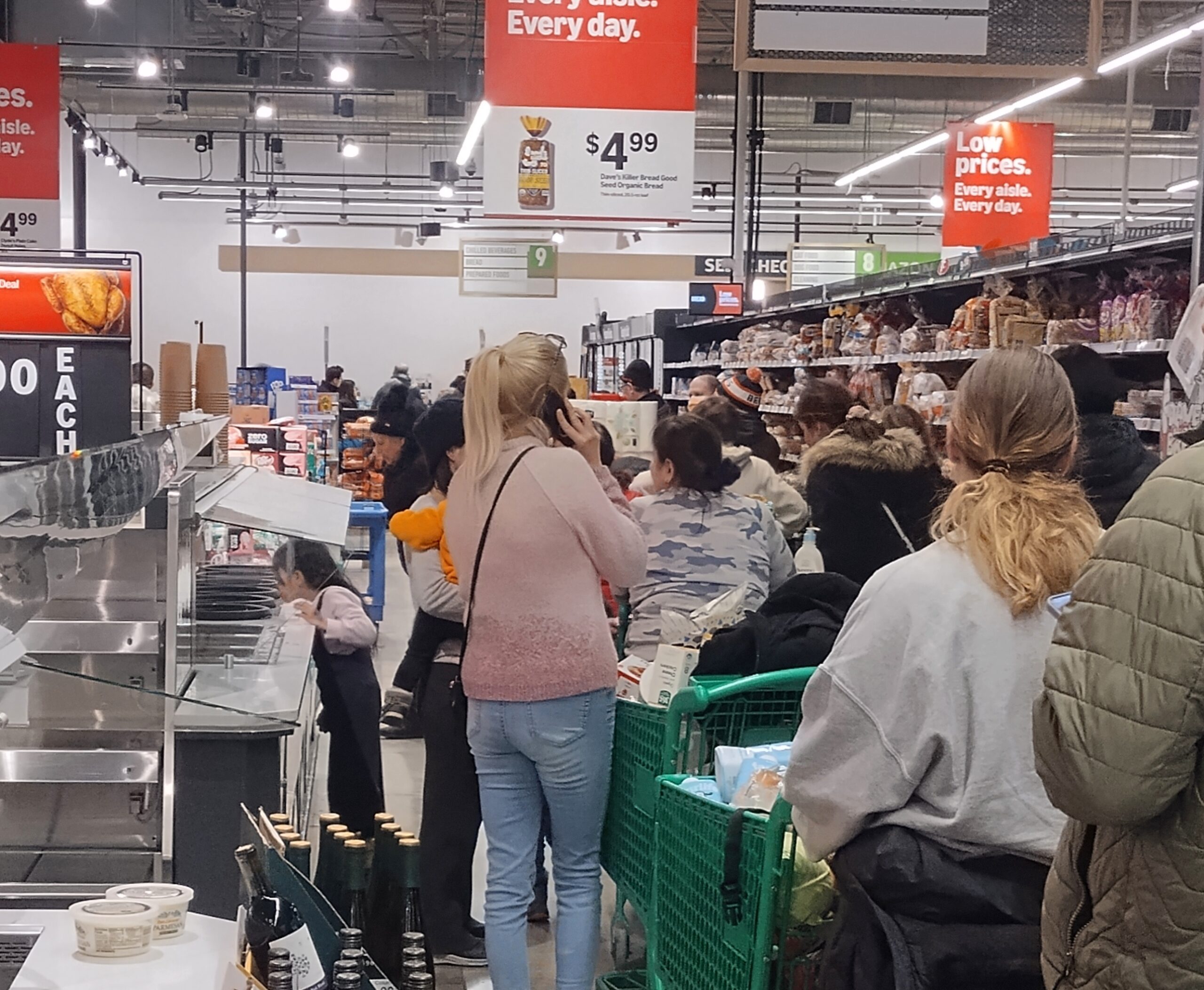
But the woman wasn’t kidding about the wait. The checkout line went back along the right-side aisle to the back of the store, turned a corner and went along the back aisle (dairy and such), and then turned a corner again at the left-side aisle, and ended about halfway back to the front of the store. Later, the line grew to go all the way around the store, back to the checkout area.

Before that happened, I got in line with the cart and Yuriko went out scouting for items, and later sometimes I did. This was a strategy employed by a number of couples in line. A view from the line:
I also went out to the car and re-arranged the items in the back, in anticipation of a large influx. Which happened, eventually, once we filled our cart – to the top – and got through checkout.
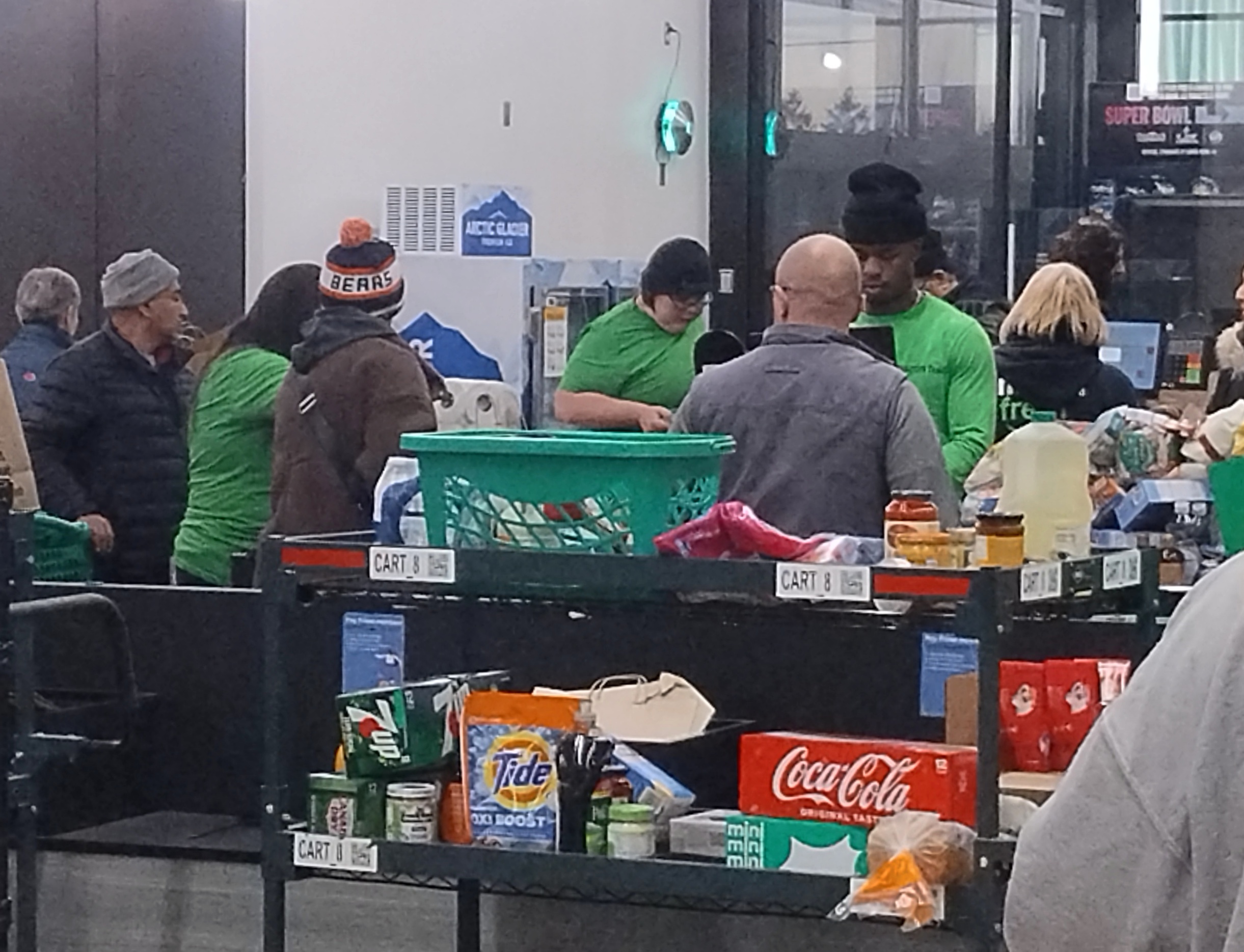
Checkout, which indeed had taken more than an hour to reach, was an anticlimax. It was just like any checkout, except more stuff than usual. Still, this is worth noting: We spent a shade over $250 on items that listed a few days ago for around $500. Definitely a deal, whatever you think of the behemoth retailer or its failed experiment in Amazon-branded supermarkets.
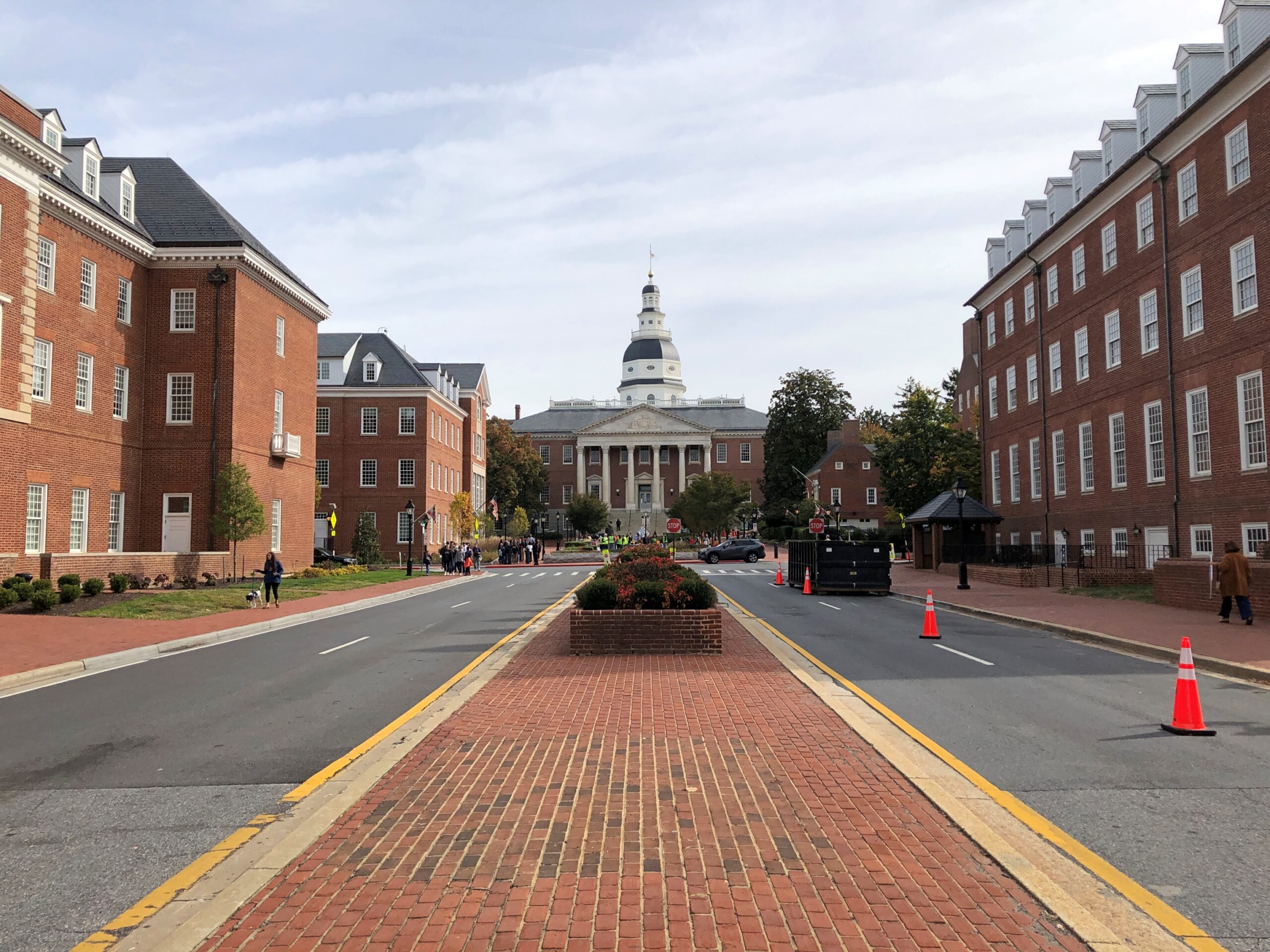
The Maryland State House

Yesterday I asked ChatGPT a question. I had my reasons.

Human (me)-generated question: How many U.S. state controllers or comptrollers have been honored with bronze statues?

Machine-generated answer (entirely sic): As of my knowledge cutoff in 2023, two U.S. state controllers or comptrollers have been honored with bronze statues:

William S. “Billy” McKeller (Tennessee) – McKeller was the Comptroller of the Treasury for Tennessee from 1923 to 1953. He was honored with a bronze statue that stands at the State Capitol in Nashville. The statue was unveiled in 1956, following his retirement.

Edward J. “Eddie” O’Neill (Massachusetts) – O’Neill was a longtime Comptroller for the Commonwealth of Massachusetts. He was known for his tenure and service, and a bronze statue of him was placed at the Massachusetts State House.

Both statues honor the legacy of these public servants for their dedication and leadership in state finance and governance.

However, it’s worth noting that statues of public officials in general tend to be more common for governors, senators, or prominent historical figures, so the specific recognition of state comptrollers or controllers through bronze statues is quite rare. There may have been updates or new statues since my last update, so I recommend checking local state records or news sources for the most current information.

Wow, that’s a solid example of an AI hallucination. There may have been human beings named William S. McKeller and Edward J. O’Neill living at some point in Tennessee and Massachusetts, respectively, but neither of them held that office. See the Tennessee Blue Book for a list comptrollers of the treasury in that state. As for Massachusetts, comptroller isn’t a constitutional office, so a list of them is a little elusive. (The commonwealth has an elected “treasurer and receiver-general.”)

Just as dispositive is a list produced by the commonwealth that lists the artwork at the Massachusetts State House. A bronze honoring Edward J. “Eddie” O’Neill isn’t one of them.

That said, the machine is probably correct that “specific recognition of state comptrollers or controllers through bronze statues is quite rare,” but, considering that the machine’s examples are bogus, that ranks as nothing but educated speculation that I didn’t need ChatGPT to create for me. I can guess that myself.

Just as damning, however, is that the machine missed a perfectly real example.

Annapolis

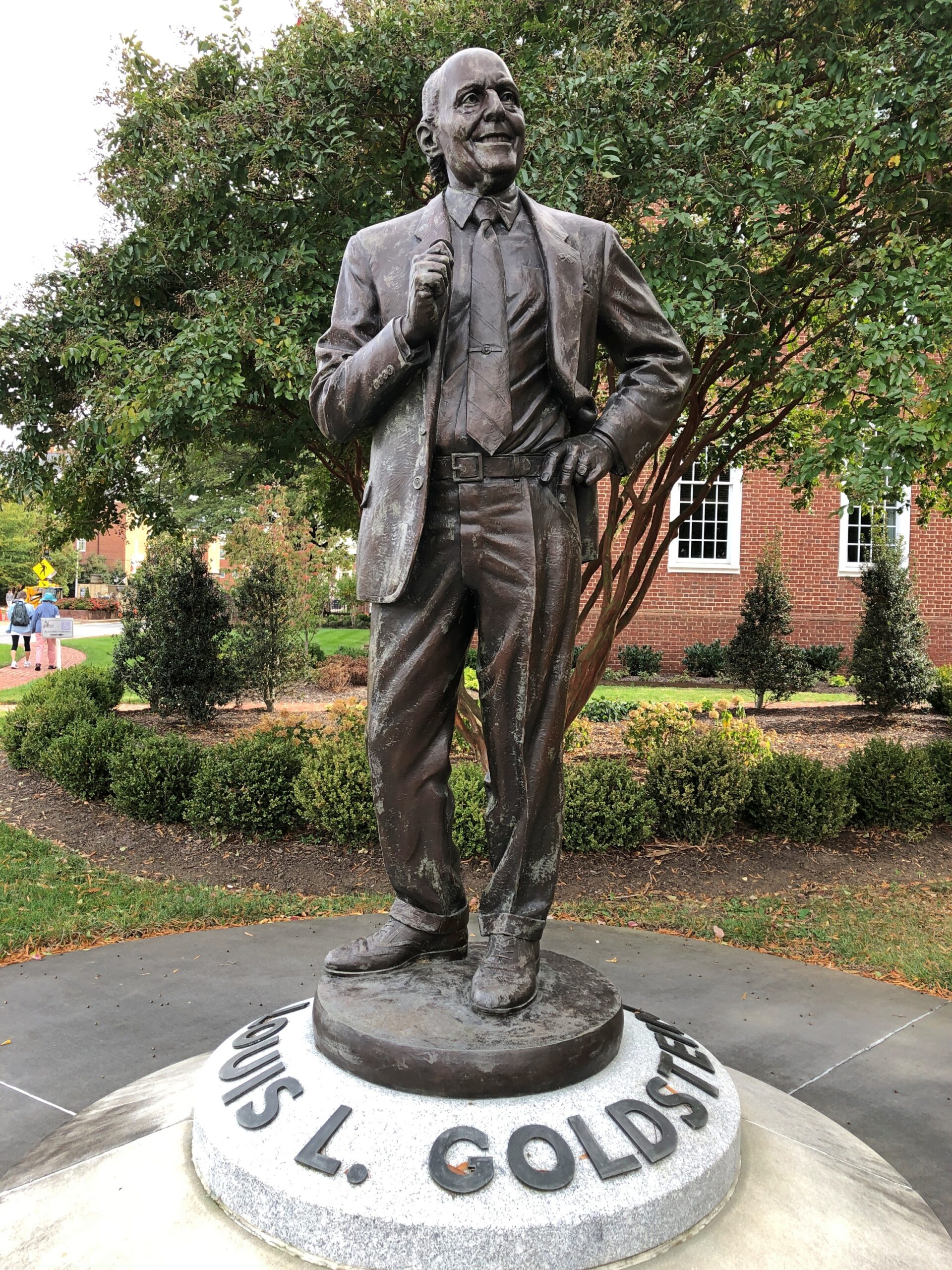
During my visit to Annapolis, Maryland in late October, I chanced to meet Louis L. Goldstein. His memorial, that is, a bronze at the corner of Bladen and Calvert streets, about a block from the Maryland State House.

Annapolis

The statue is in front of the office building occupied by the state comptroller. Goldstein was comptroller of Maryland from 1959 until his death in 1998 and, it seems, a character. A character who was also a successful politician, which is an increasingly rare combination, unless you count those pretending to be wingnuts.

“Many recognized Goldstein as the state’s white-haired, robustly outgoing goodwill ambassador, a handshaker’s handshaker, passing out fake coins as souvenirs and bestowing his trademark greeting, ‘God bless y’all, real good,’ “ the Washington Post reported at the time of his passing.

More politicos should pass out fake coins. I have fond memories of the aluminum Silber Dollar we had around after the 1970 election in South Texas. It’s probably still around.

Admittedly one ChatGPT answer is a small sample size, but still – how is it that three years have passed since I asked the machine to come up with examples of a certain kind of real estate deal in the past, and it spat out five completely make up ones? Shouldn’t this kind of thing be less likely by now? Apparently not.

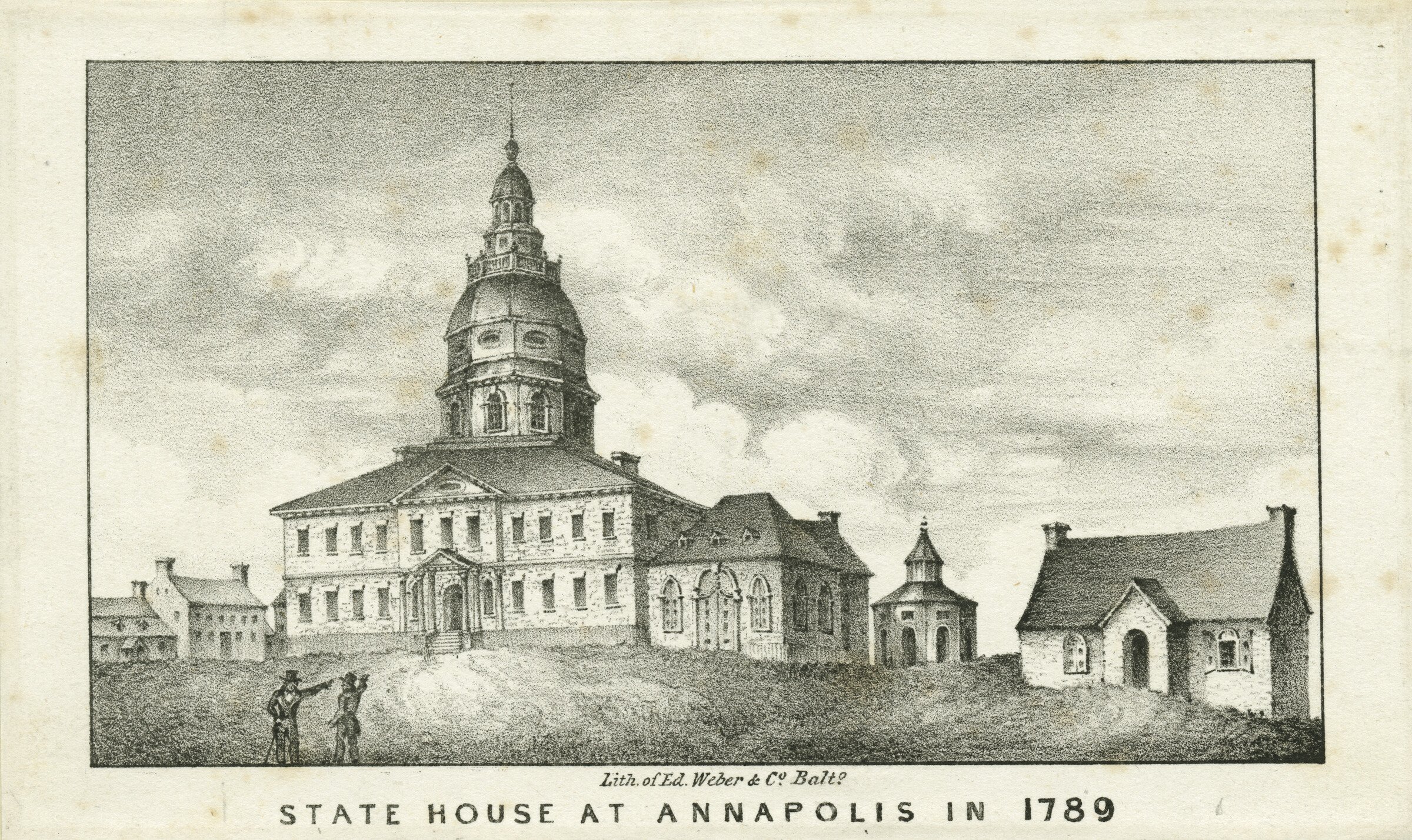
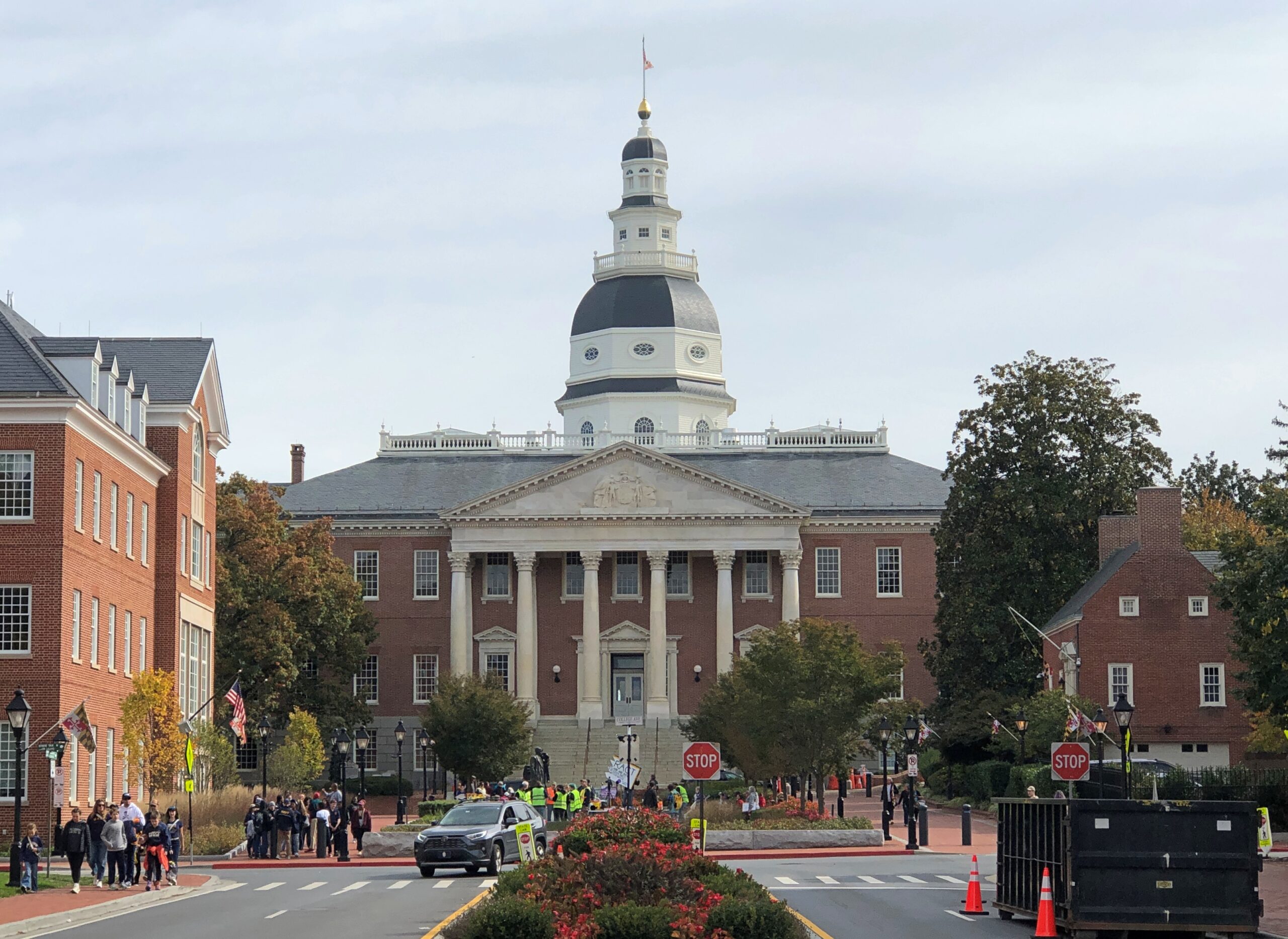
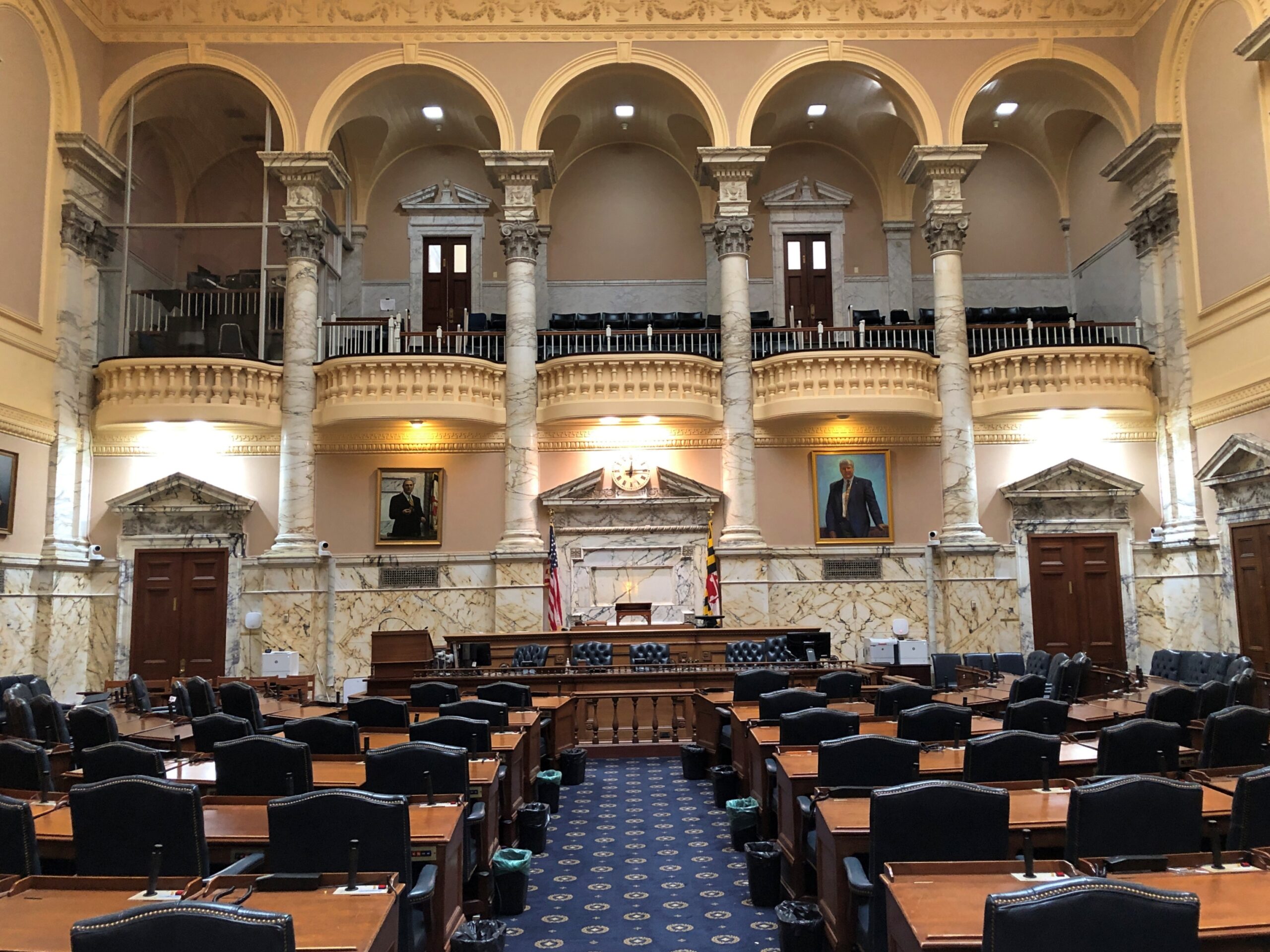
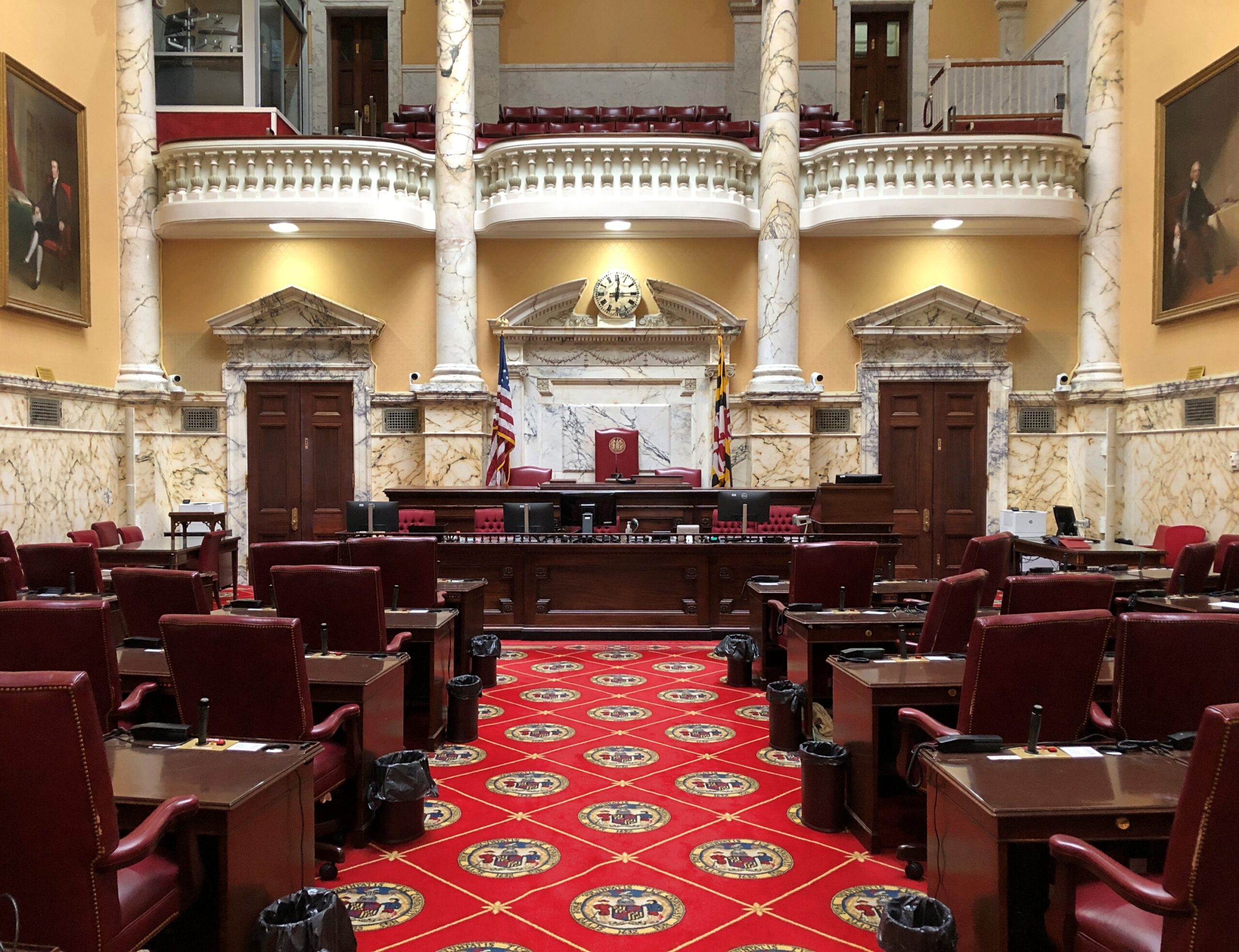
Never mind, Maryland has a handsome capitol, one built remarkably enough in the 1770s – beginning before the Revolution and completed in the throes of that war, in 1779.

Annapolis
Annapolis

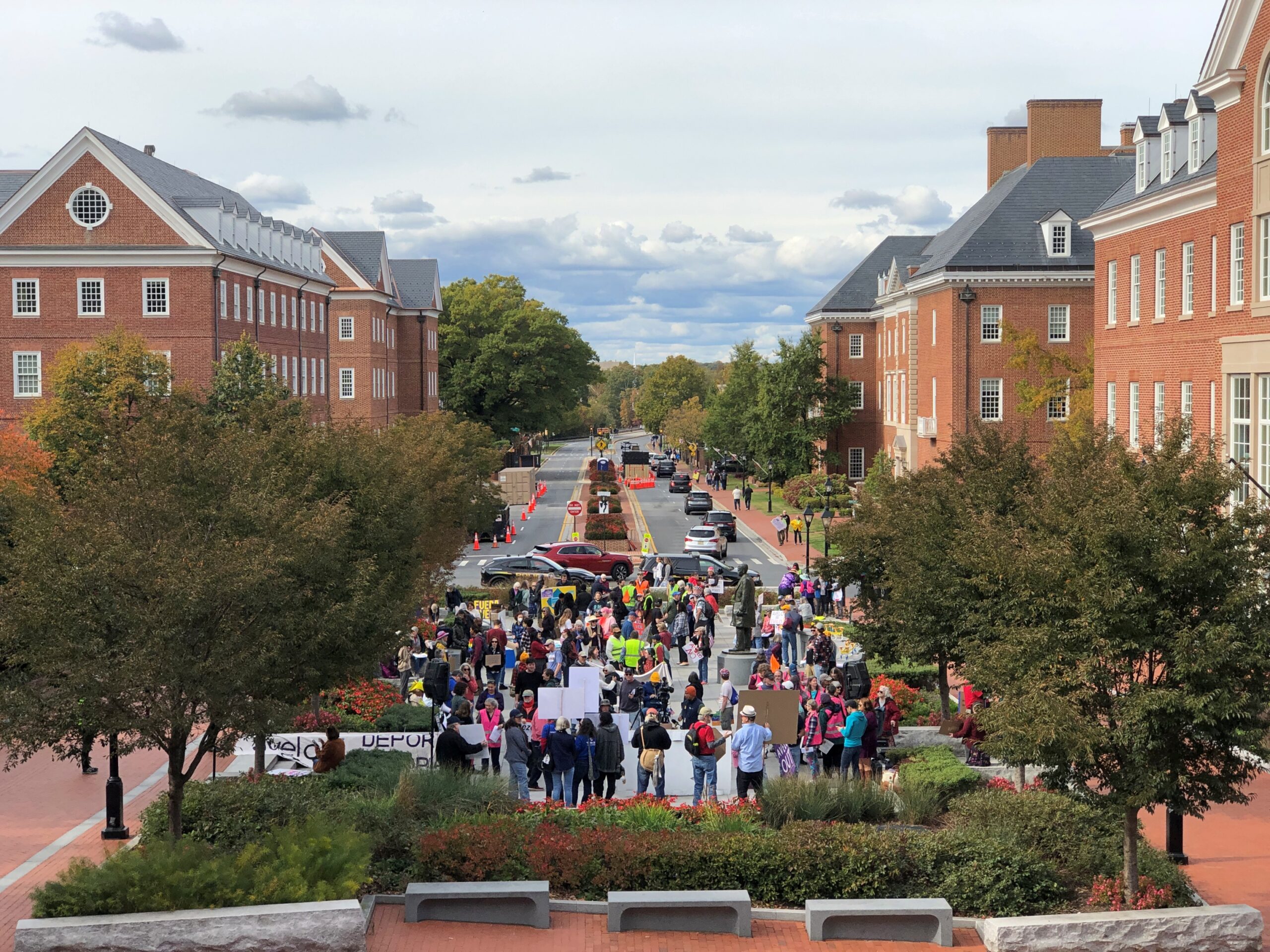
The view from the steps. The small rally below, at a place called Lawyers Mall, is demanding that Maryland Gov. Wes Moore to kick Avelo Airlines out of BWI airport, for its deportation flights for ICE.

Annapolis

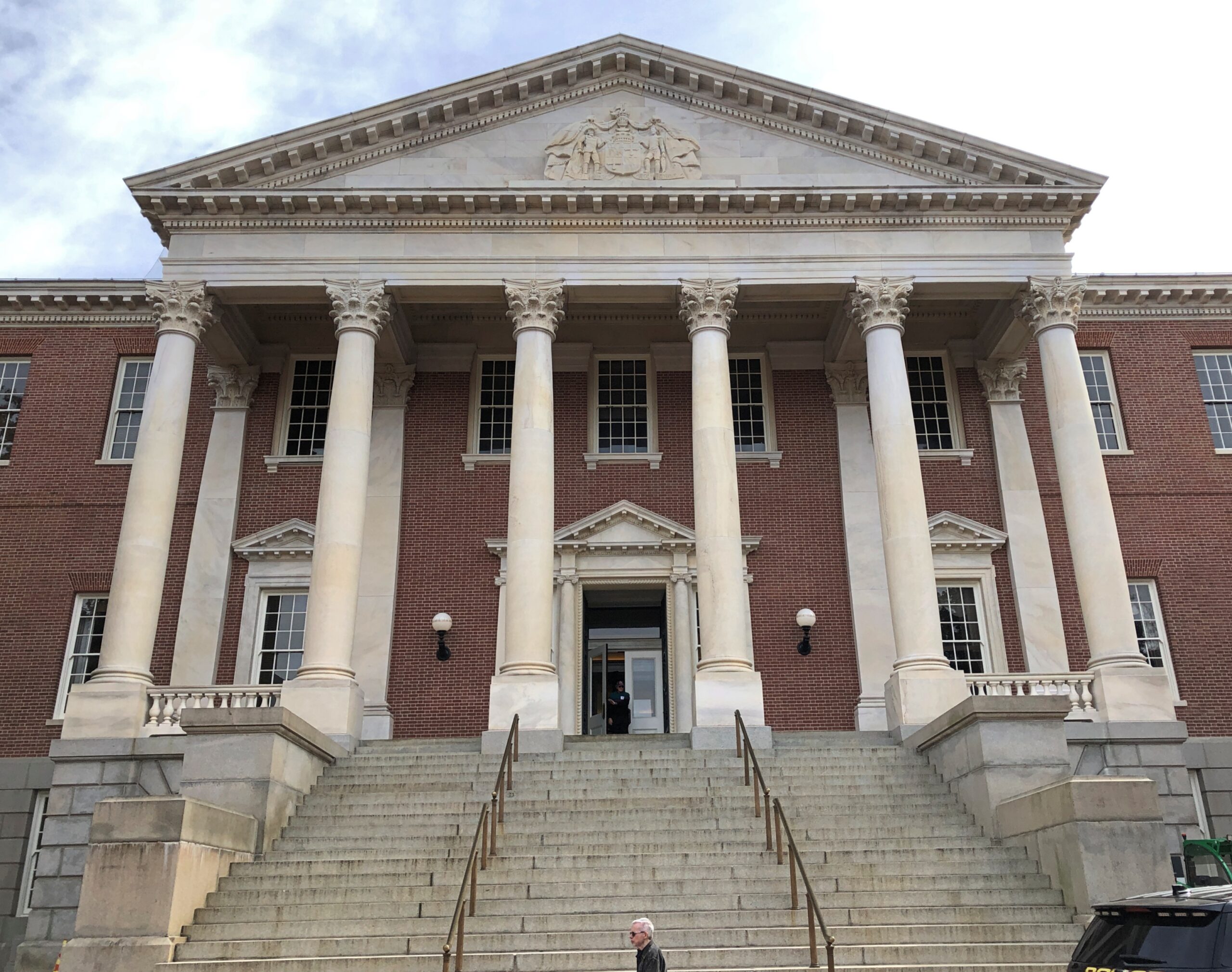
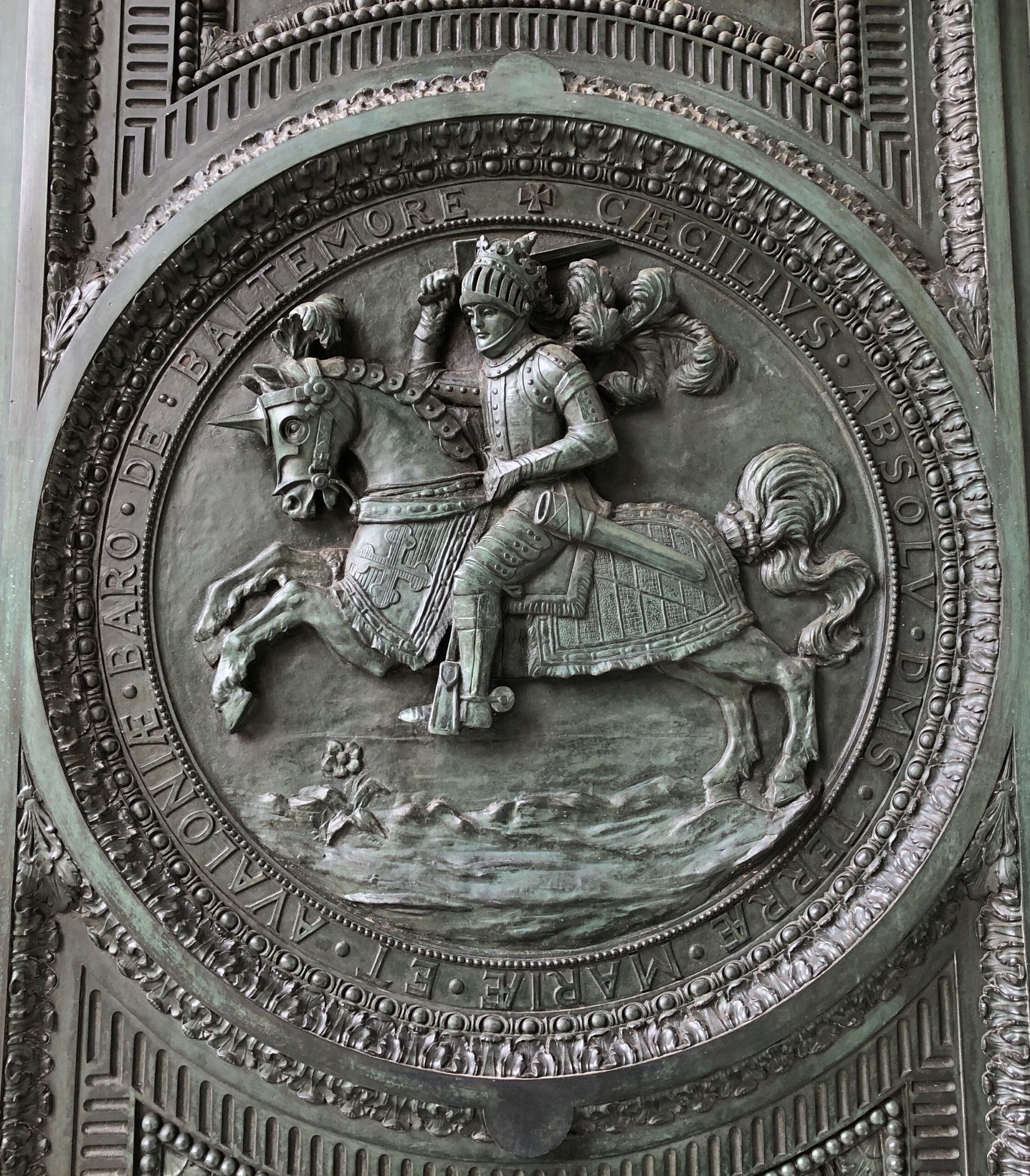
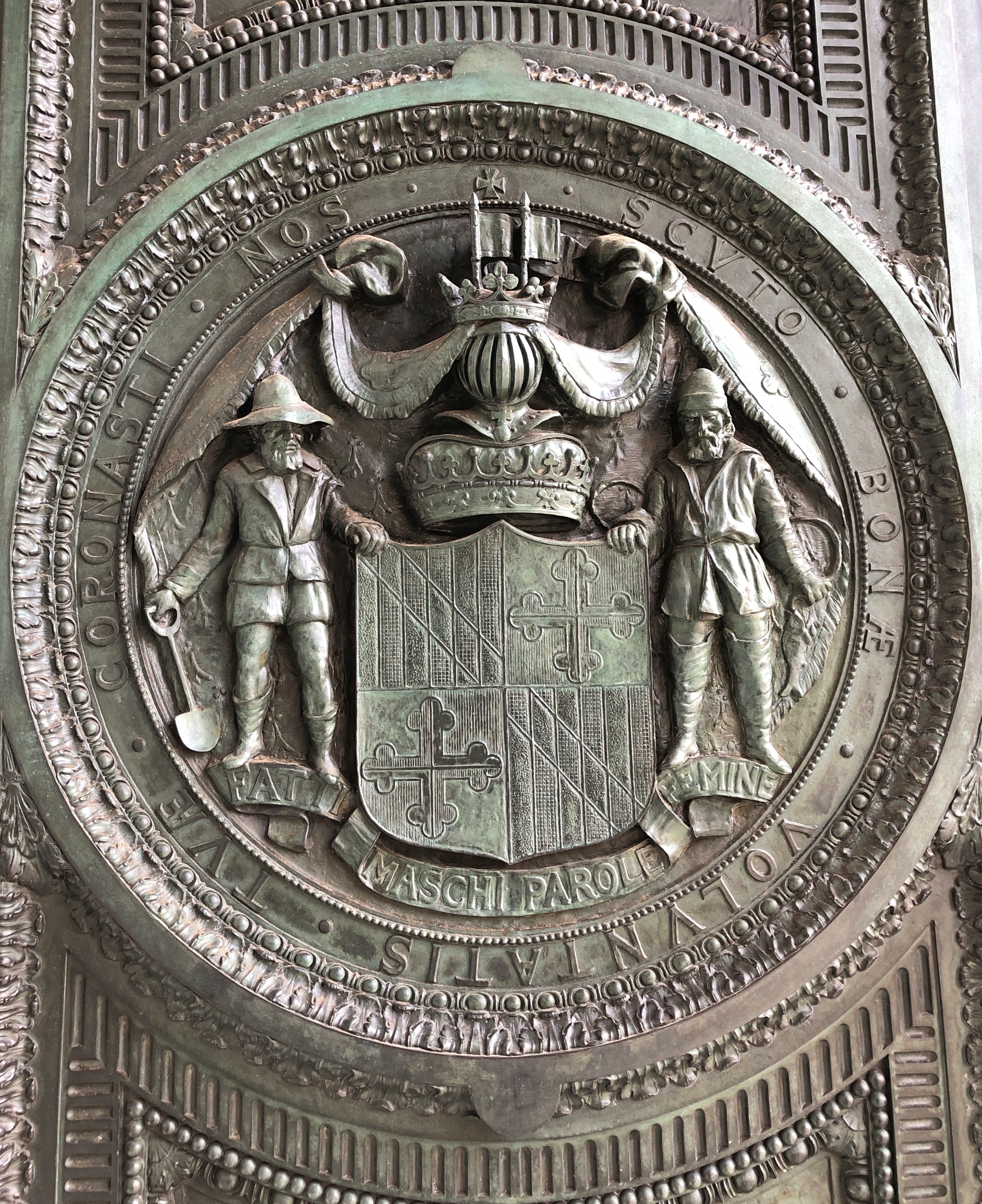
Detail on the exterior: the obverse and reverse of the Great Seal of Maryland.

Annapolis
Annapolis

A cool seal, if you asked me. Including an Italian motto used, for obscure reasons, by the Calvert family. Fatti maschii, parole femine has drawn criticism, enough that the state has an innocuous “official translation,” which is fine, if a little silly.

Of course, Maryland also has a cool flag, the heraldic banner of arms of Cecil, Second Baron Baltimore, acknowledging the state’s founding as a proprietary colony of the Calvert family. It’s also worth noting that the flag wasn’t official until 1904, by which time the family had become merely a colorful part of History. 

Unlike Delaware, Maryland’s capitol was open on a Saturday.

Maryland State House

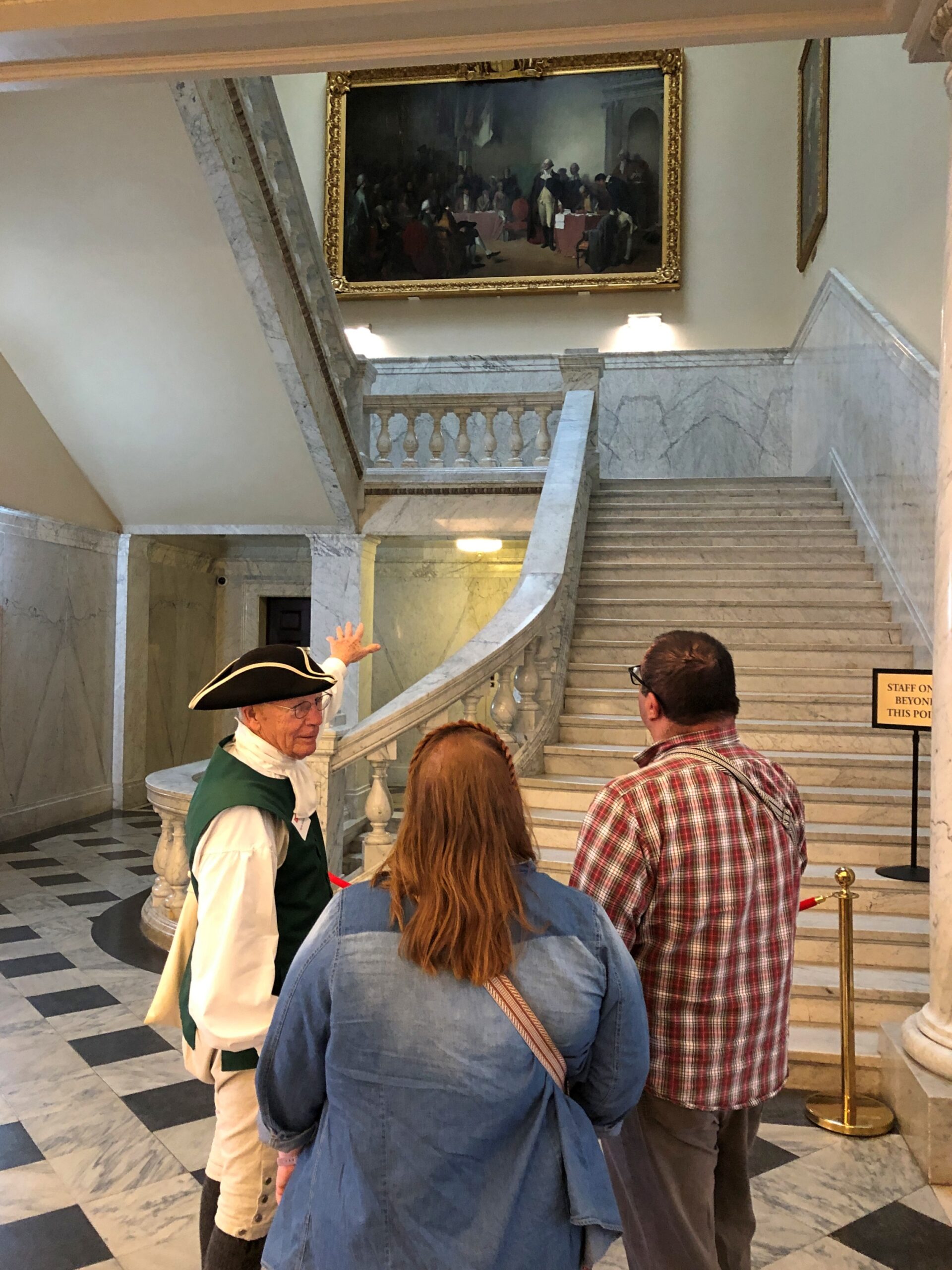
With a few volunteers talking to visitors.

Maryland State House

The Maryland State House has the distinction of being the capital of the United States, from November 26, 1783 to August 13, 1784. Two important events happened in the building during that narrow window: George Washington came before the Confederation Congress to resign his commission as commander-in-chief of the Continental Army, and Congress ratified the Treaty of Paris, which acknowledged U.S. independence.

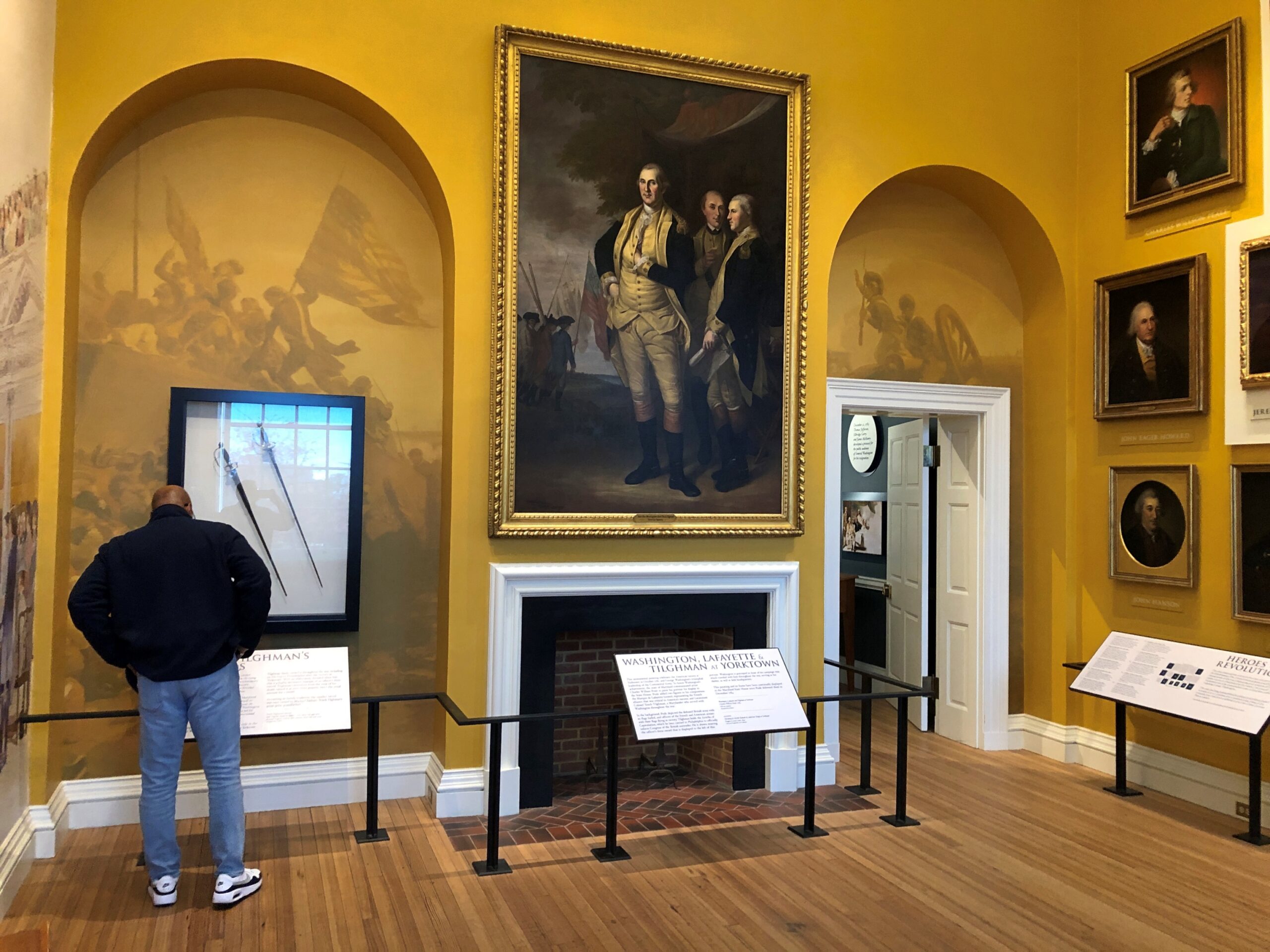
Maryland doesn’t want you to forget that Washington stepped down in the state house. On display are artifacts and artworks to illustrate the point.

Maryland State House

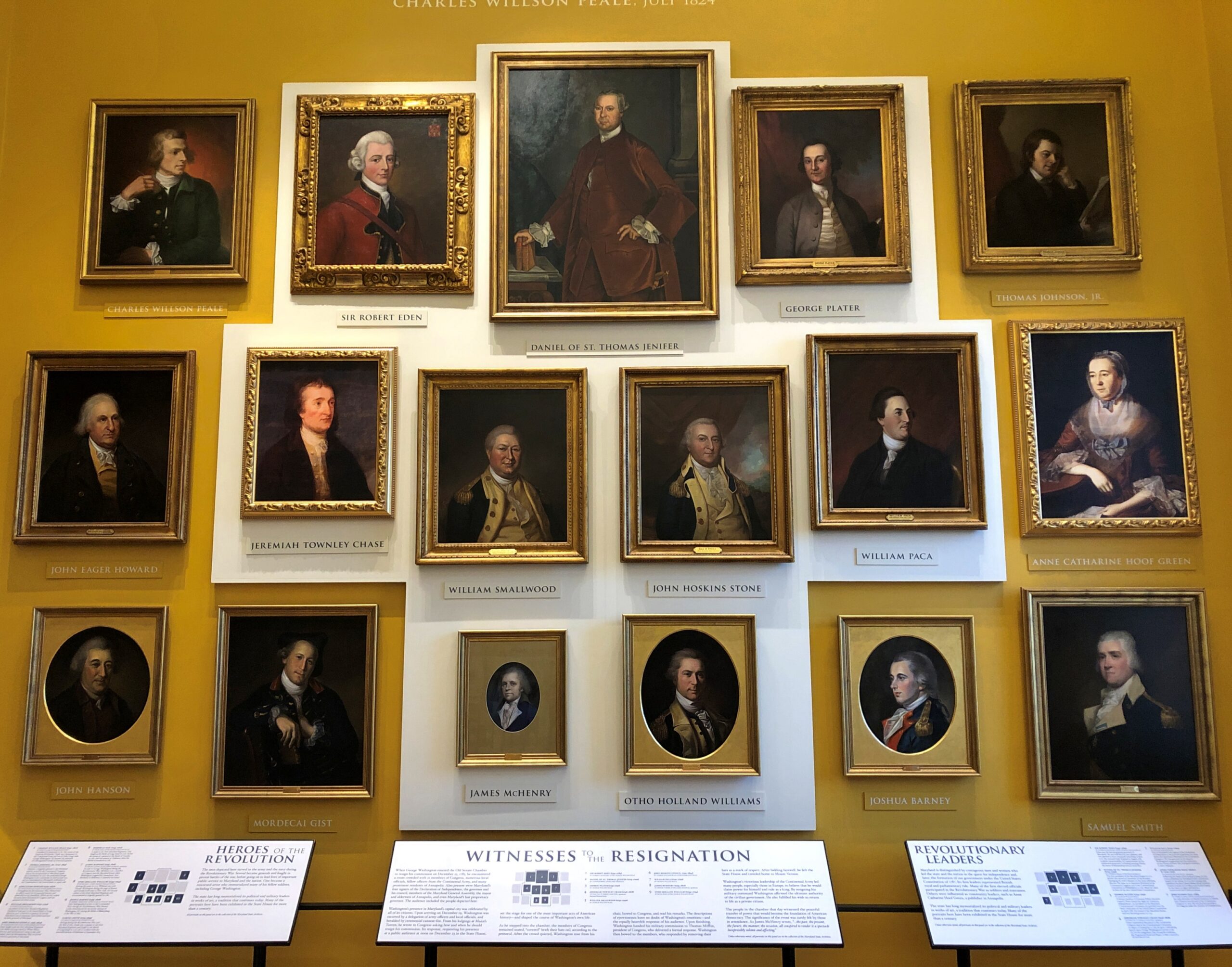
Including portraits of those who were there for the event. Some of those who were, I assume.

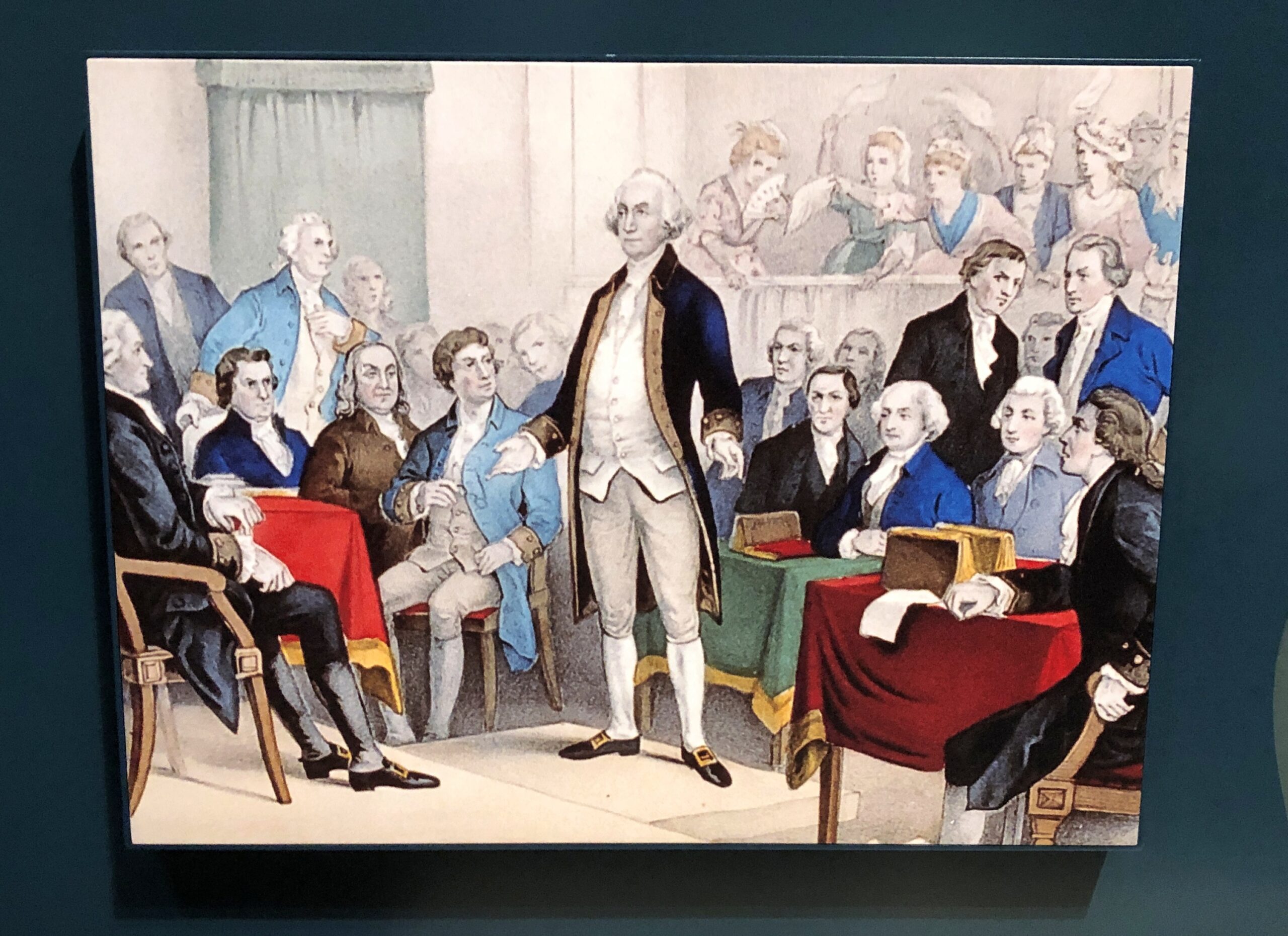
The scene itself, depicted later, and on display at the state house.

The speech. Washington had a gift for brevity. A more prolix (and vain) fellow might have gone on at length about the virtuousness of Cincinnatus — hint, hint, like a certain other man you might know — but I suspect he knew that his audience, and maybe posterity, would make the comparison without it being explicit.

No Kings, Many Watches

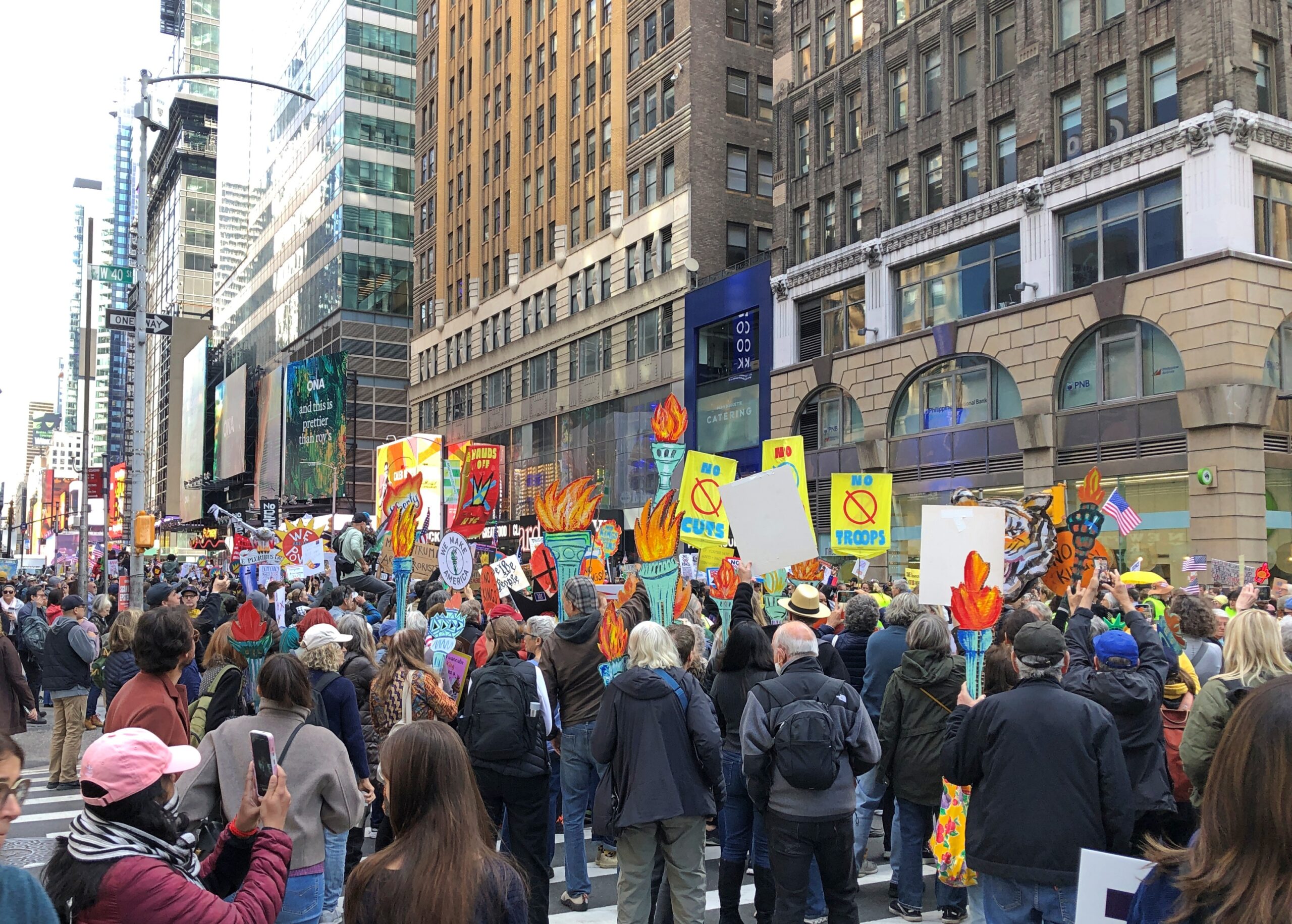
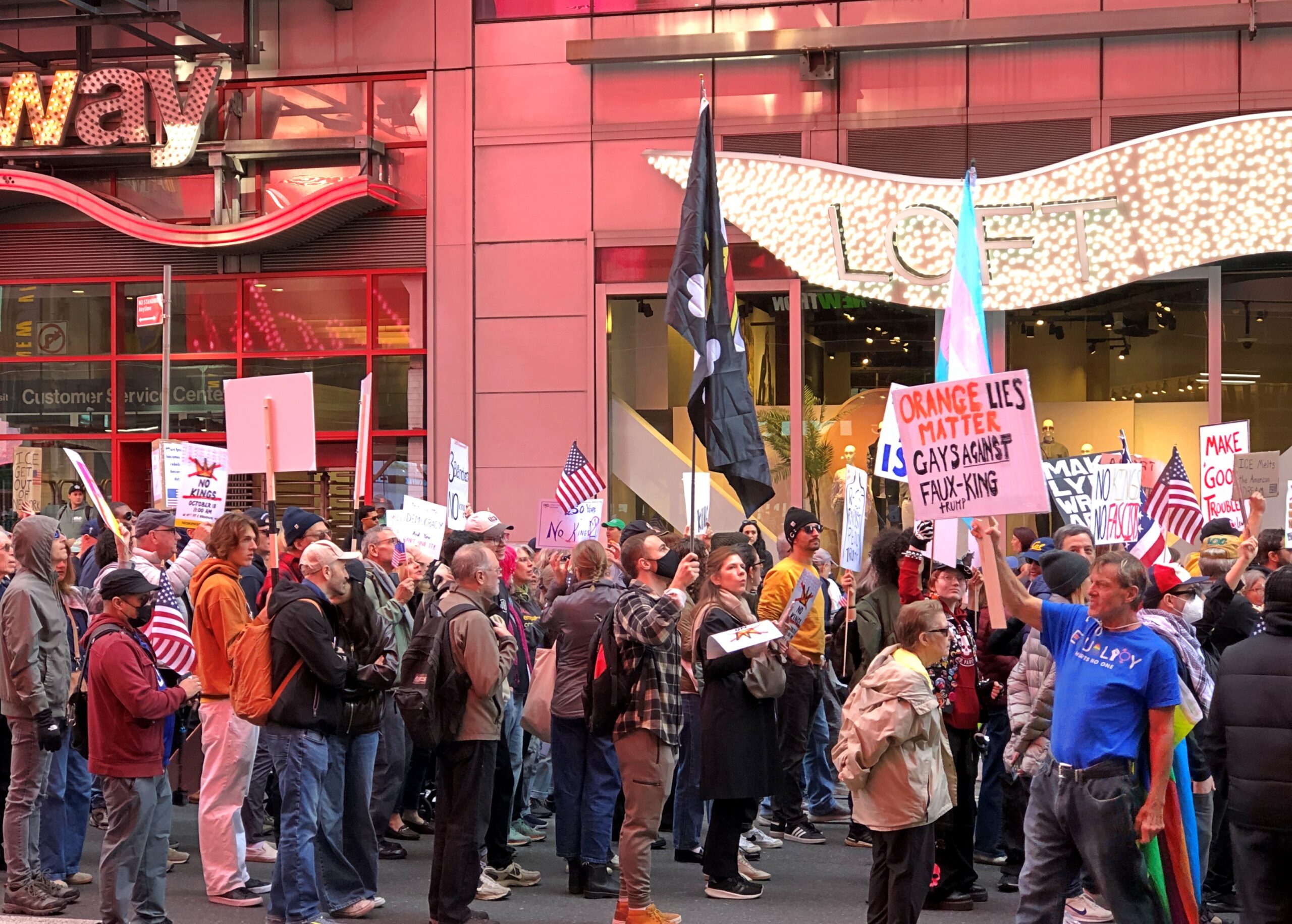
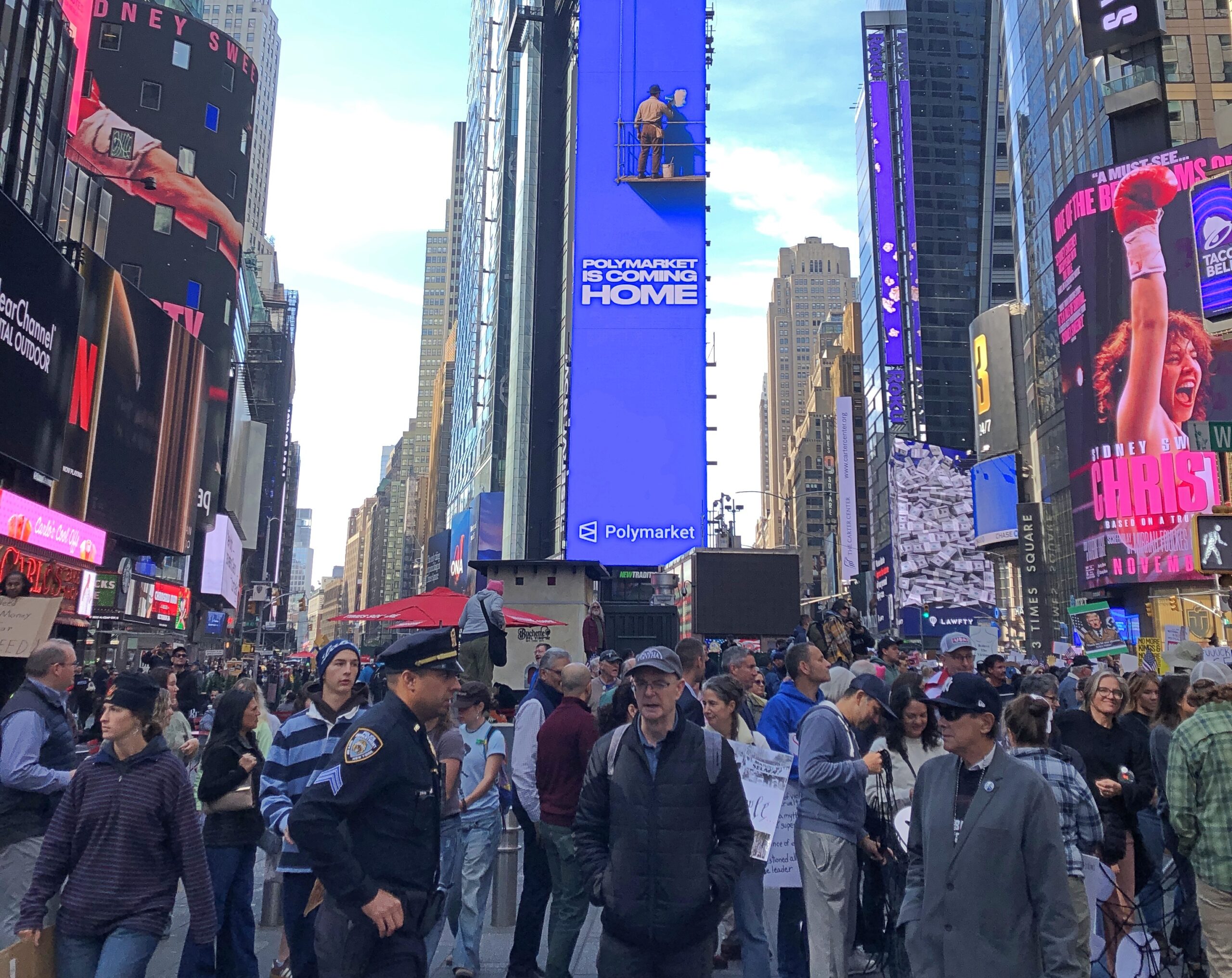
We arrived in Manhattan by the Long Island Rail Road late morning on Saturday, October 18. We walked the short distance from Penn Station to Times Square, where a crowd was in motion.

No Kings Manhattan Oct 18, 2025

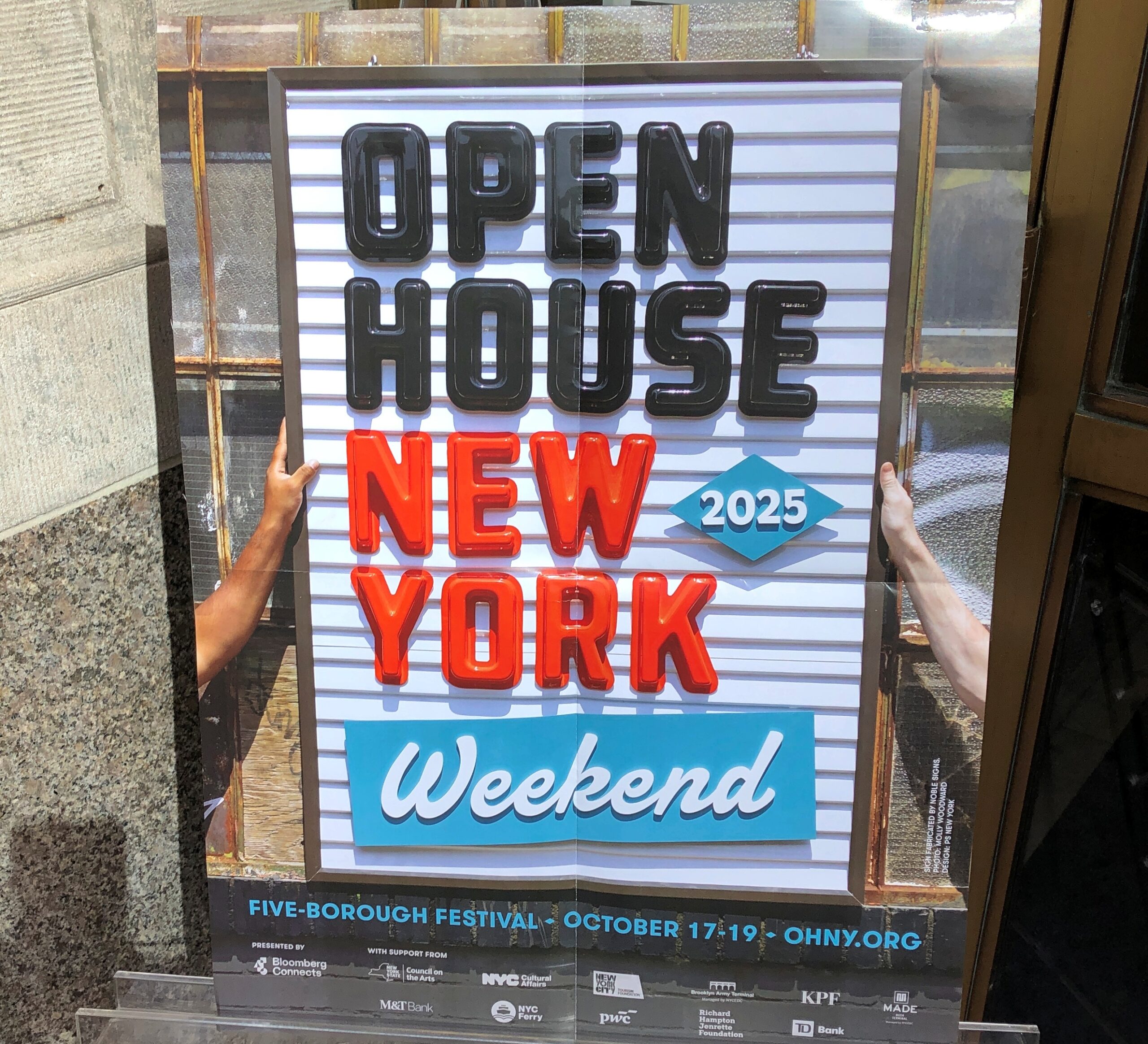
We hadn’t come to New York for No Kings, but Open House New York. Some days earlier, I’d read about the protest was scheduled for late morning on Saturday, October 18. Well now, that’s good timing.

No Kings Manhattan Oct 18, 2025

About 100,000 came out in the city’s five marches, one for each borough, according to the NYPD, which is probably as good an estimate as any. Maybe 75,000 of those were in Manhattan?

A small number compared, say, with New Year’s Eve in Times Square – an event not to be found on any list of the things I dream of doing. They say that pulls in a million souls. Of course, it’s easier to draw a crowd for a drunken holiday revel than a sober civic rally. Also, that million people are far more regimented than any mere anti-administration march. Regimented by the police, that is. No Kings, though informal in most ways, was self-regimented. Seems that the NYPD made no arrests associated with the NYC marches.

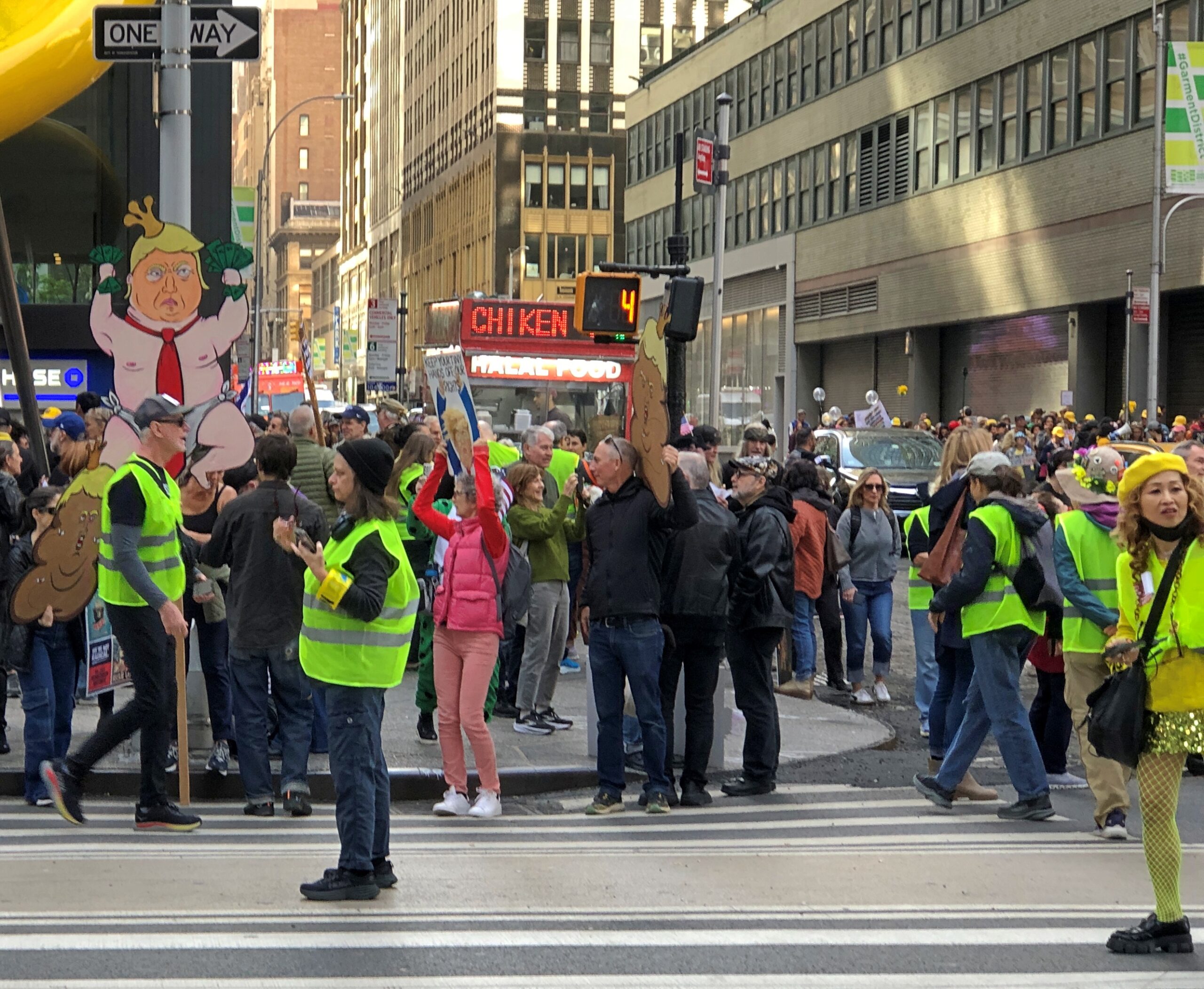
March? More of a mass walk. Considering some of the egregious behavior being protested, the walking crowd was cheerful. Cheerfully angry, you might call it. As Spock might say in observing such peculiar human emotion, “fascinating.” Then again, it was a middle-class protest, largely attracting people (like me) who would have been nowhere near if they thought a riot was even a little likely.

Do these or any protests make any difference in short- or longer-term policy? Who knows. It is pretty to think so, but the notion wasn’t going to keep us at No Kings more than about a half hour, some of which was spent navigating upstream – which happened to be uptown – against the downstream human tide – who happened to be going downtown.

We numbered three by the time we got to Times Square. The train that Yuriko and I took from Syosset Station on Long Island went to Penn Station, and by the marvel that is texting, we were able to arrange a meeting there with Geof Huth, resident of Astoria these days, in the terminal’s new great hall.

I was astonished by the new hall, called the Moynihan Train Hall and completed only in 2021. Clearly I hadn’t kept up with major redevelopment projects in New York. SOM did the design, knocking it out of the park. I’d been fully prepared for the dowdy experience that Penn Station has been since the notorious destruction of the previous one in the 1960s.

Instead, we entered an open, elegant, fully modern space, crowned by the glass and steel of an expansive skylight and watched over by a four-faced clock on a pole. I was even more surprised when we headed outside and realized that the Moynihan Train Hall was created inside the city’s former main post office, the James A. Farley Building. The last time I thought about that massive, remarkable Beaux-Arts structure  (McKim, Mead & White) was the last time I walked around this part of NYC, when it was still a post office.

The Farley exterior gleams the gleam of a newly restored facade, and happily kept the post office faux-motto: Neither snow, nor rain, nor heat, nor gloom of night stays these couriers from the swift completion of their appointed rounds. Good to see.

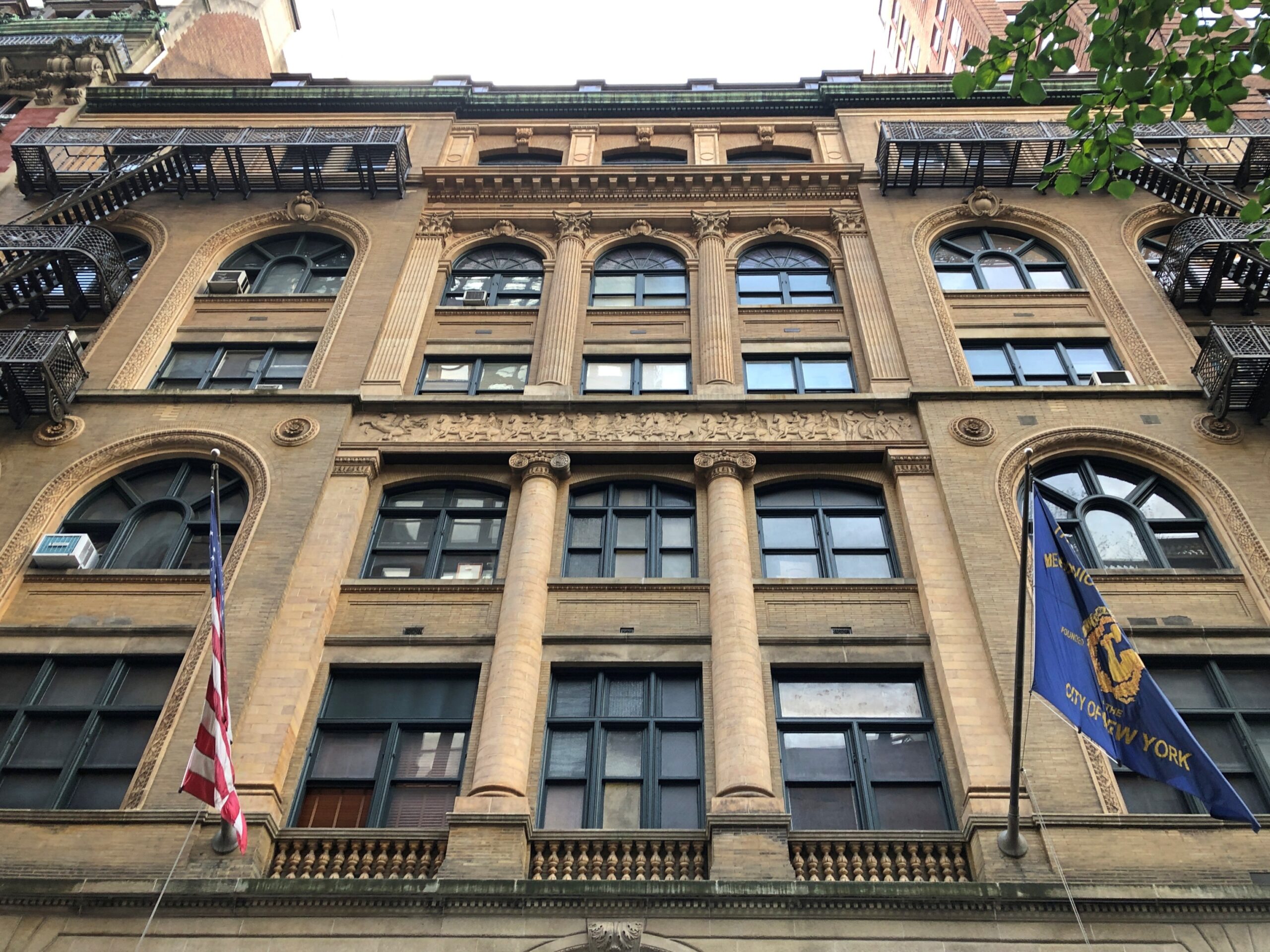
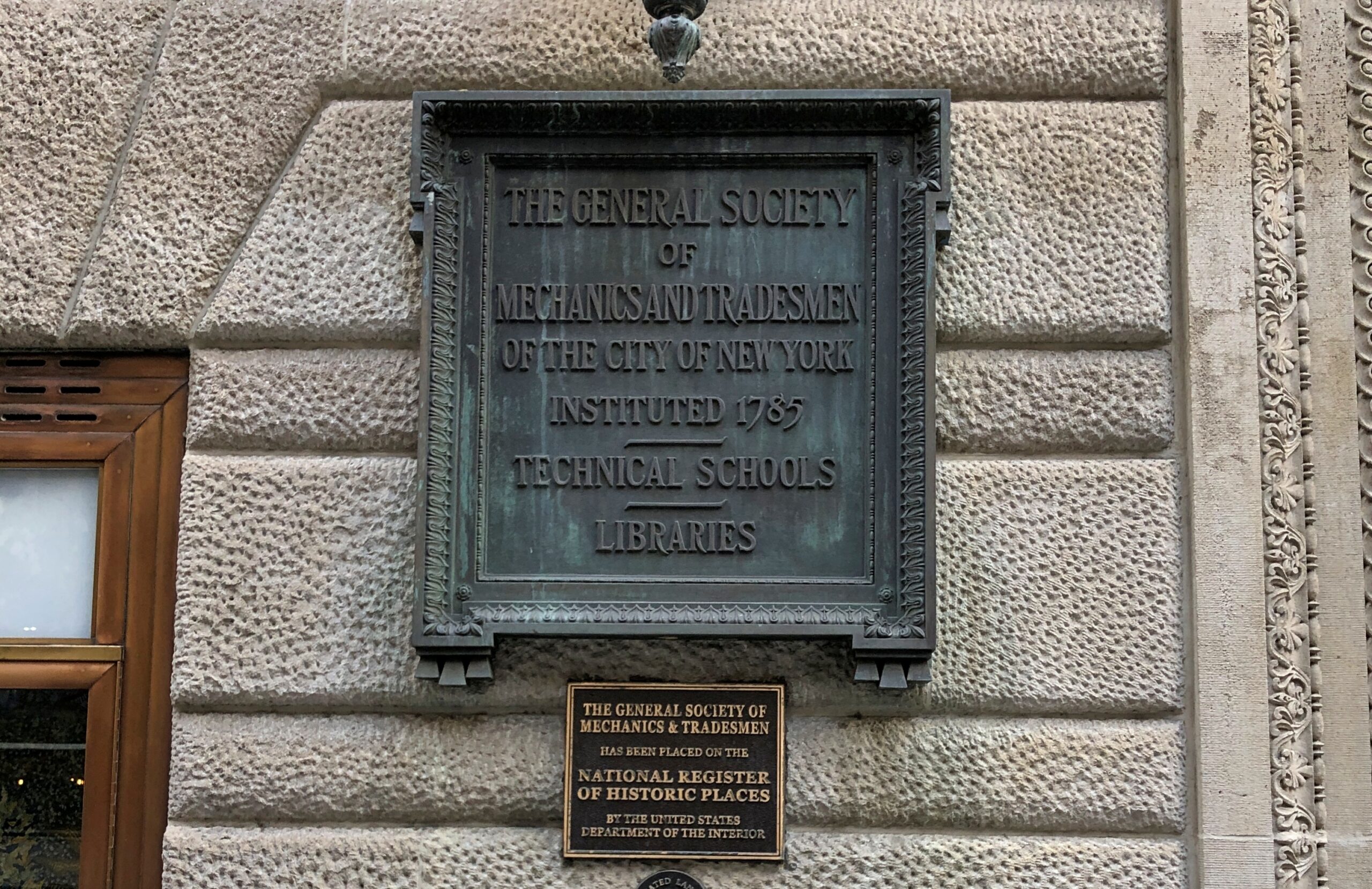
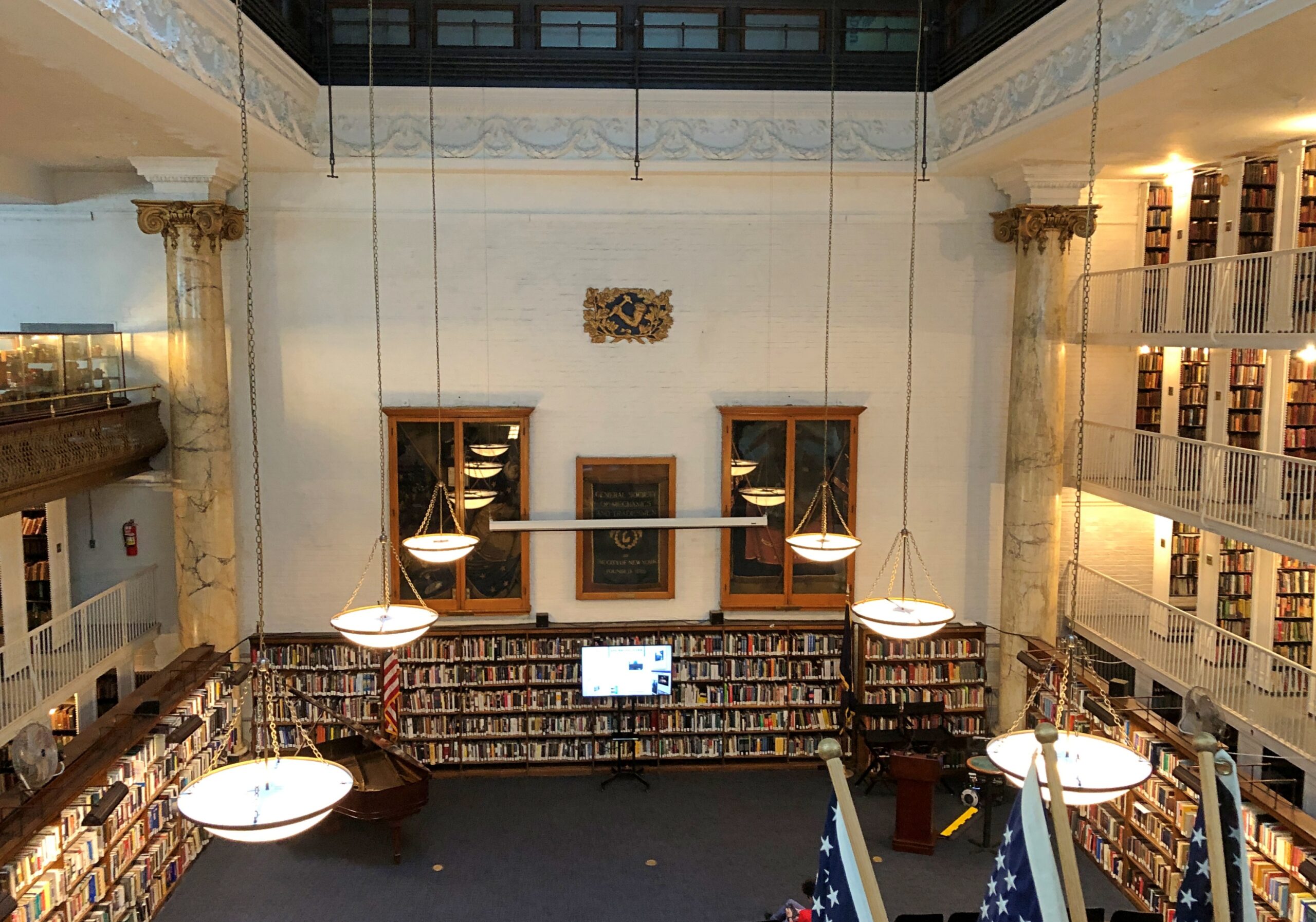
After leaving the No Kings crowd, we made our way to 20 West 44th Street, an 1899-vintage building and home of the General Society of Mechanics and Tradesmen of the City of New York.

General Society of Mechanics and Tradesmen of the City of New York

It was open for the Open House.

OHNY

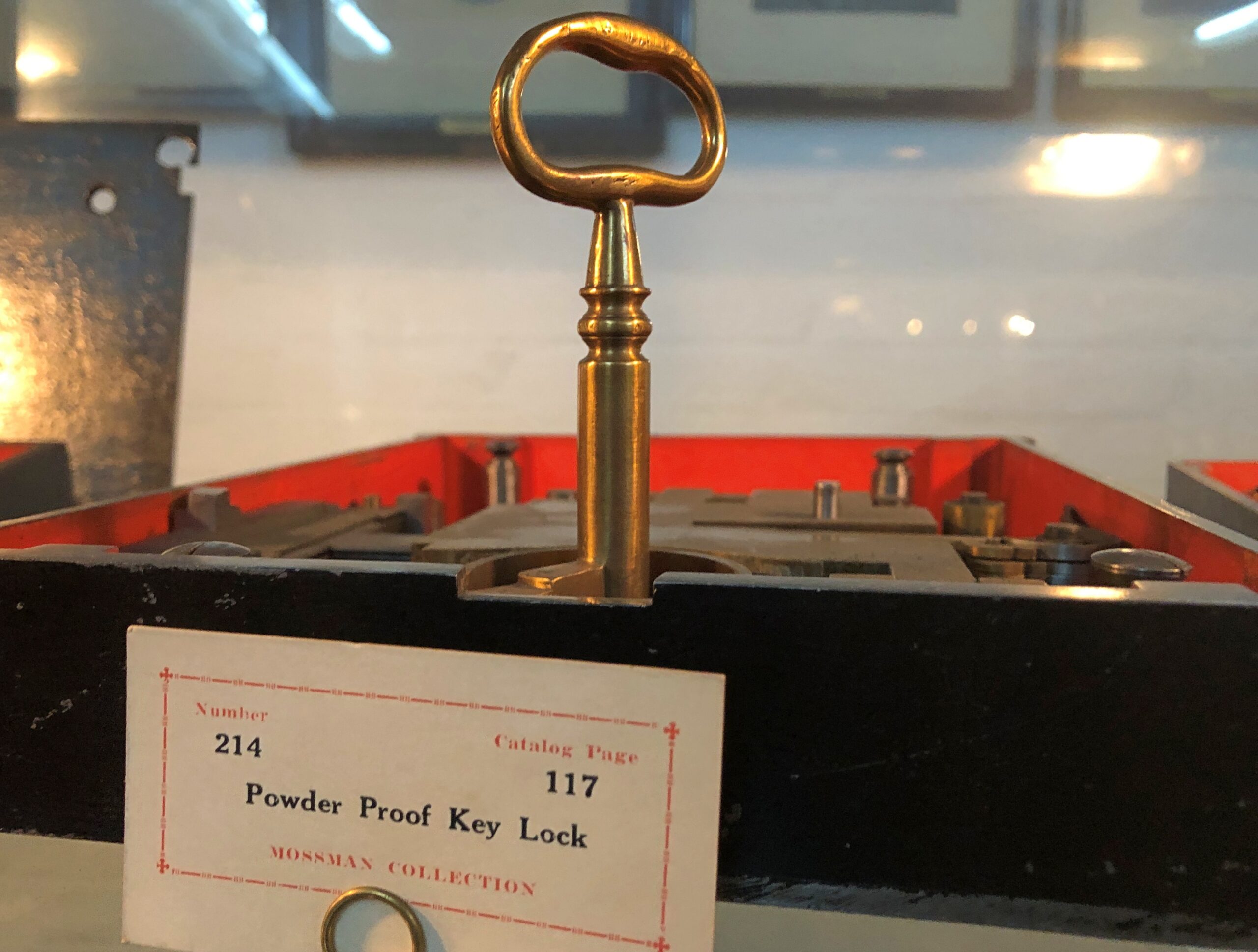
“The second-oldest library in the city includes a light-filled atrium that is used as a vibrant programming space by the General Society and other nonprofits,” notes the OHNY web site. “Overlooking the library on a striking wrought iron balcony is the John M. Mossman Lock Collection, which contains more than 370 locks, keys, and tools dating from 2000 BC to the early 20th century.” 

General Society of Mechanics and Tradesmen of the City of New York

Nothing like a handsome pre-war (Great War) building in which to spend some time. The enormous lock and key collection attests to the fundamental dishonesty of a fraction of mankind, and the ingenuity brought to the task of coping with that fact.

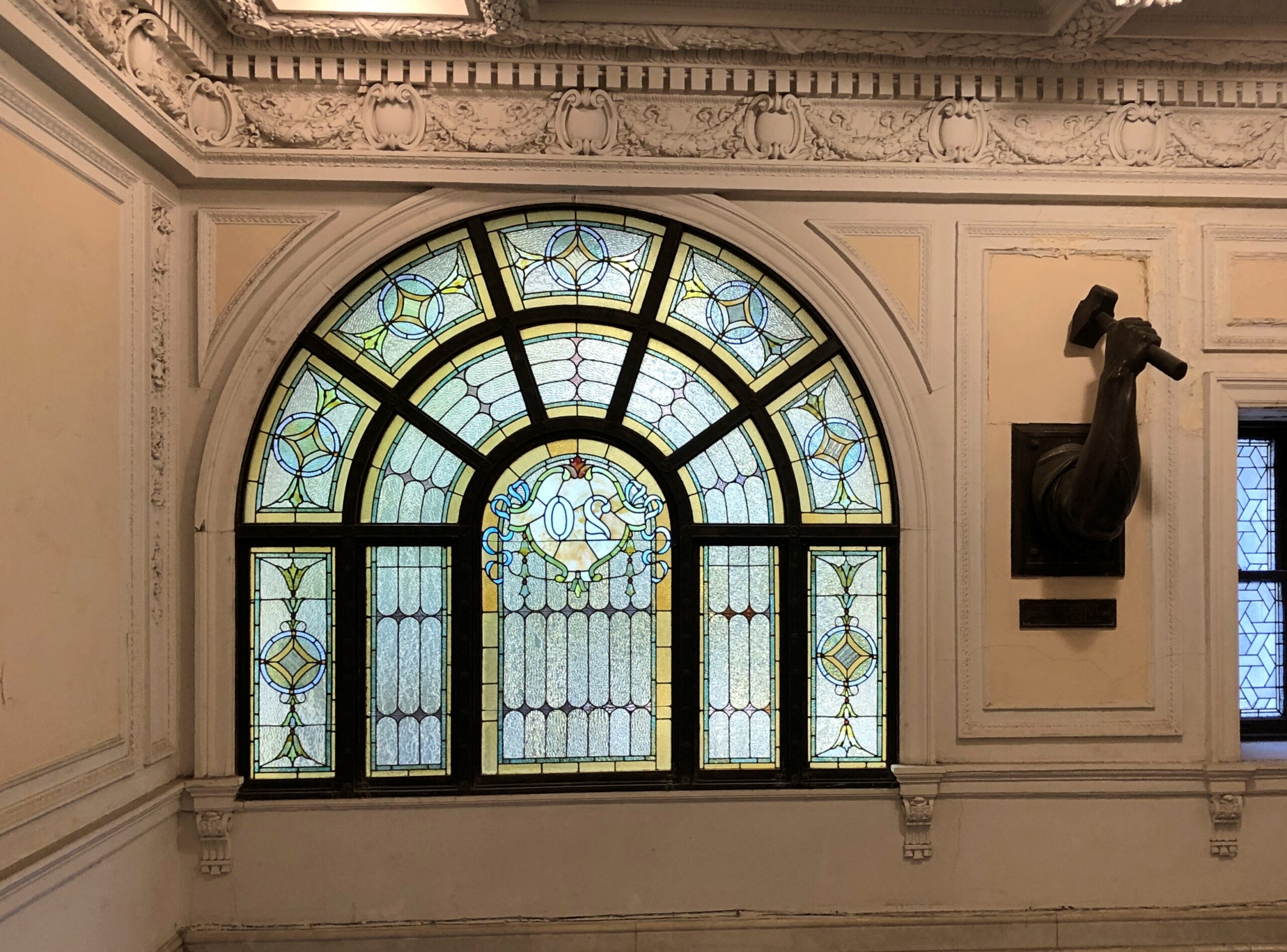
As for the General Society, it provides training and other assistance to skilled craftsmen, beginning in the late 18th century (at different locations) and down to the present. Its motto: By hammer and hand all arts do stand. That accounts for the hammer and hand emerging from the wall in its space.

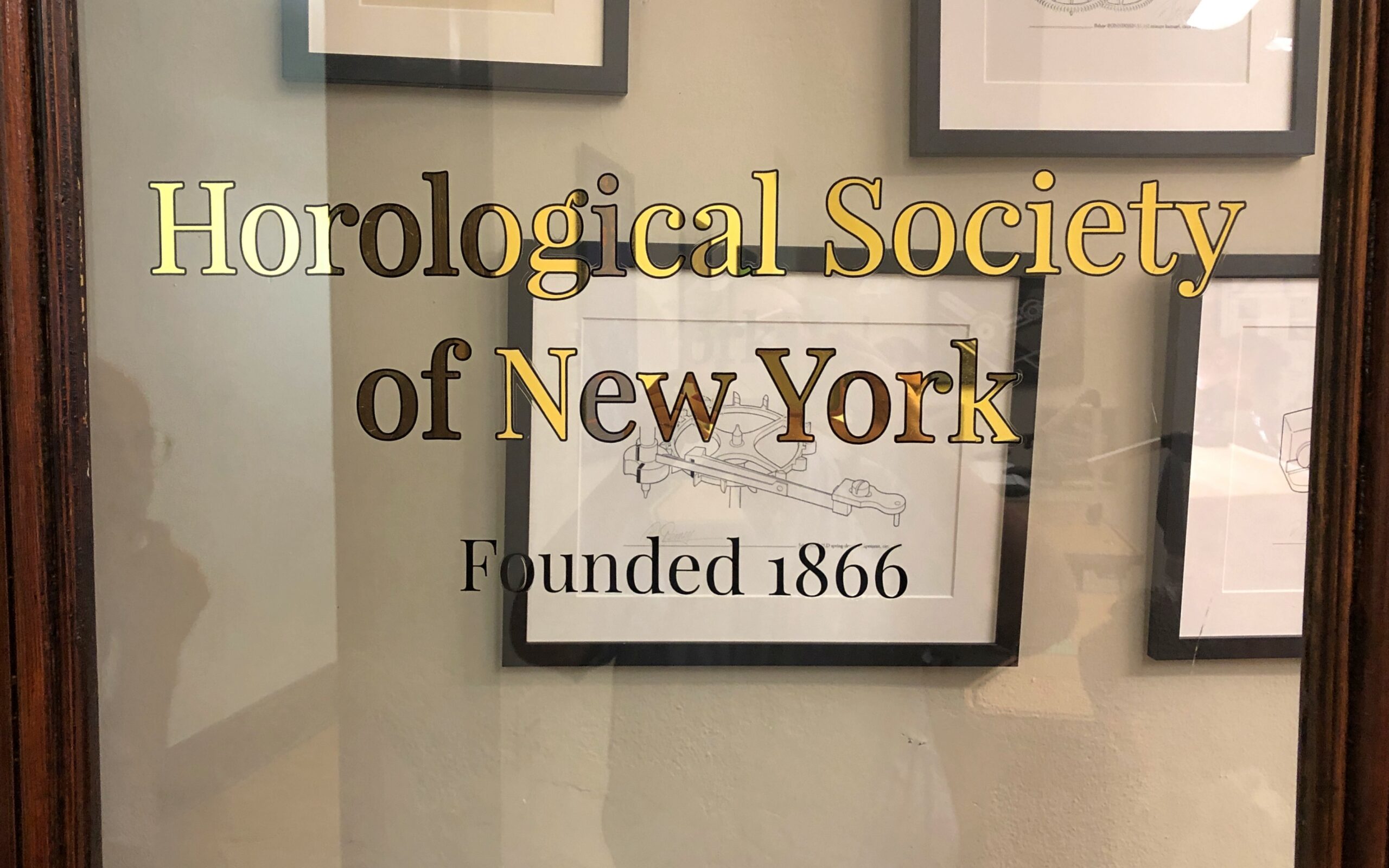
As for the other nonprofits in the building, they include the Horological Society of New York, keeper of all things related to timekeeping since 1866.

Horological Society of New York

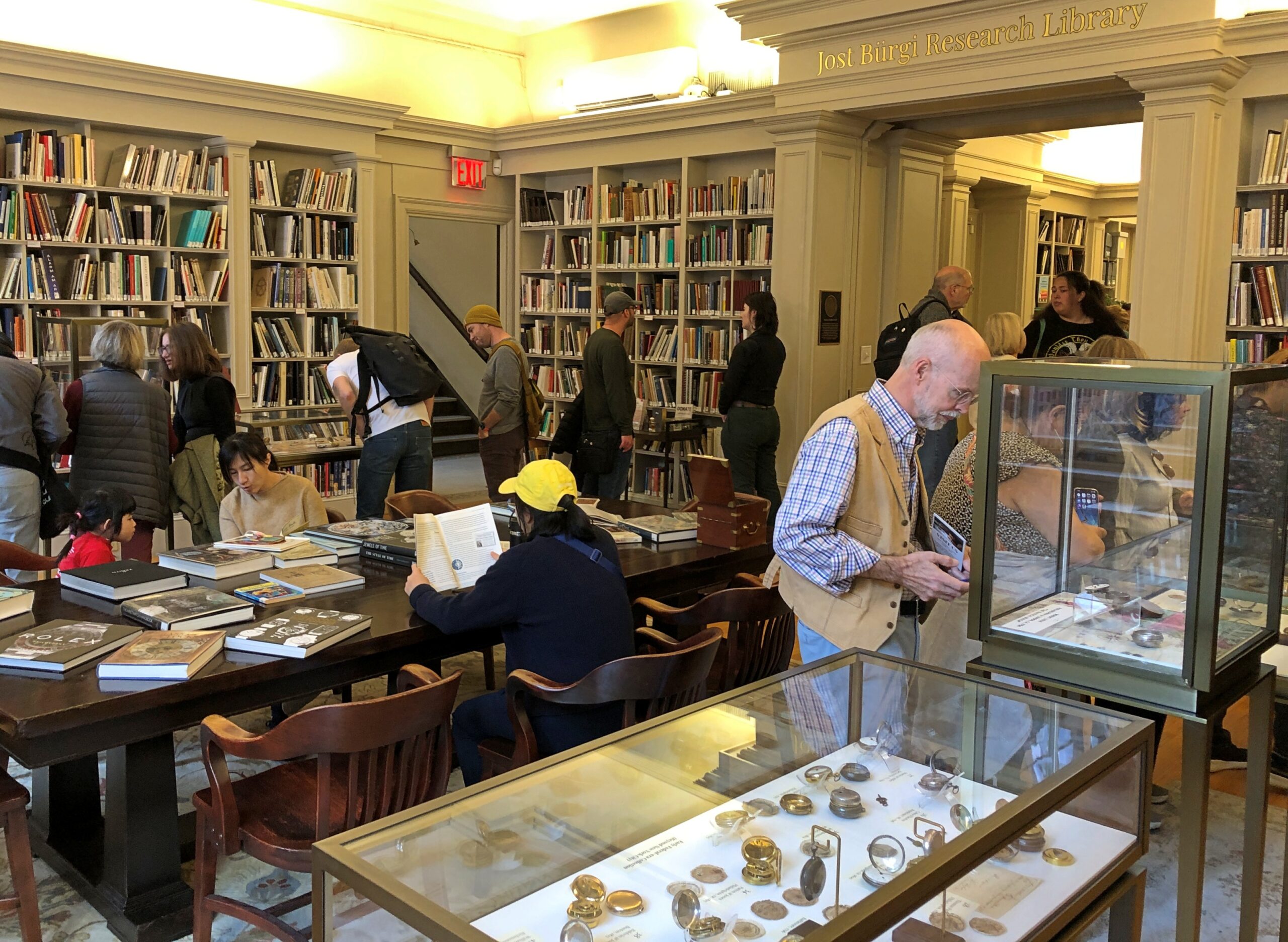
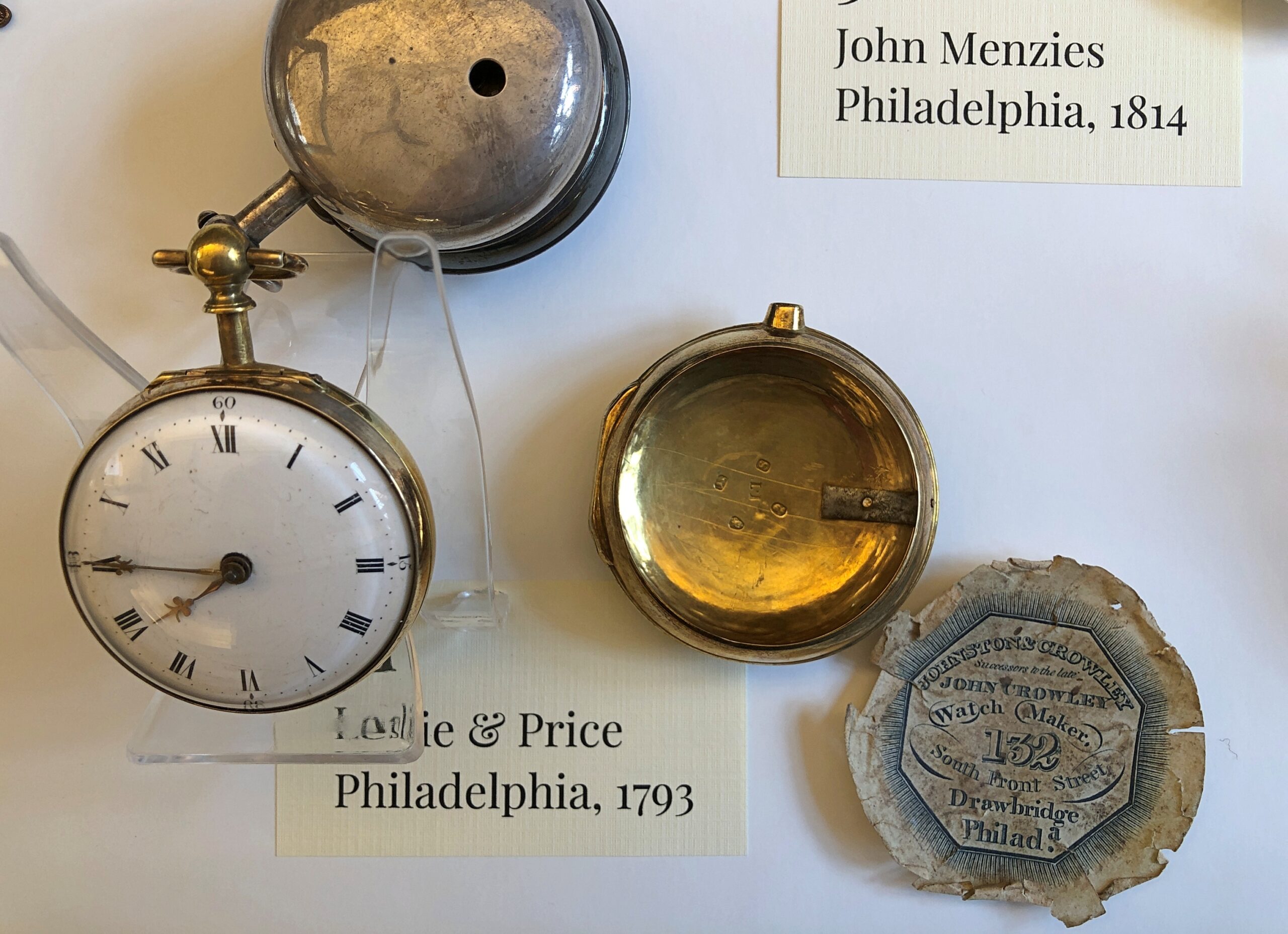
It too was open, and we visited the impressive collection of watches and clocks and horological tools and books.

Horological Society of New York

This is no fusty org relegated to the part-time care of antiquarians. HSNY has the organization heft (and scratch) to put on enormous annual galas, with the next one slated for the Plaza Hotel next year to celebrate its 160th anniversary. That will certainly be a picture to behold.

Fox River, Waukesha

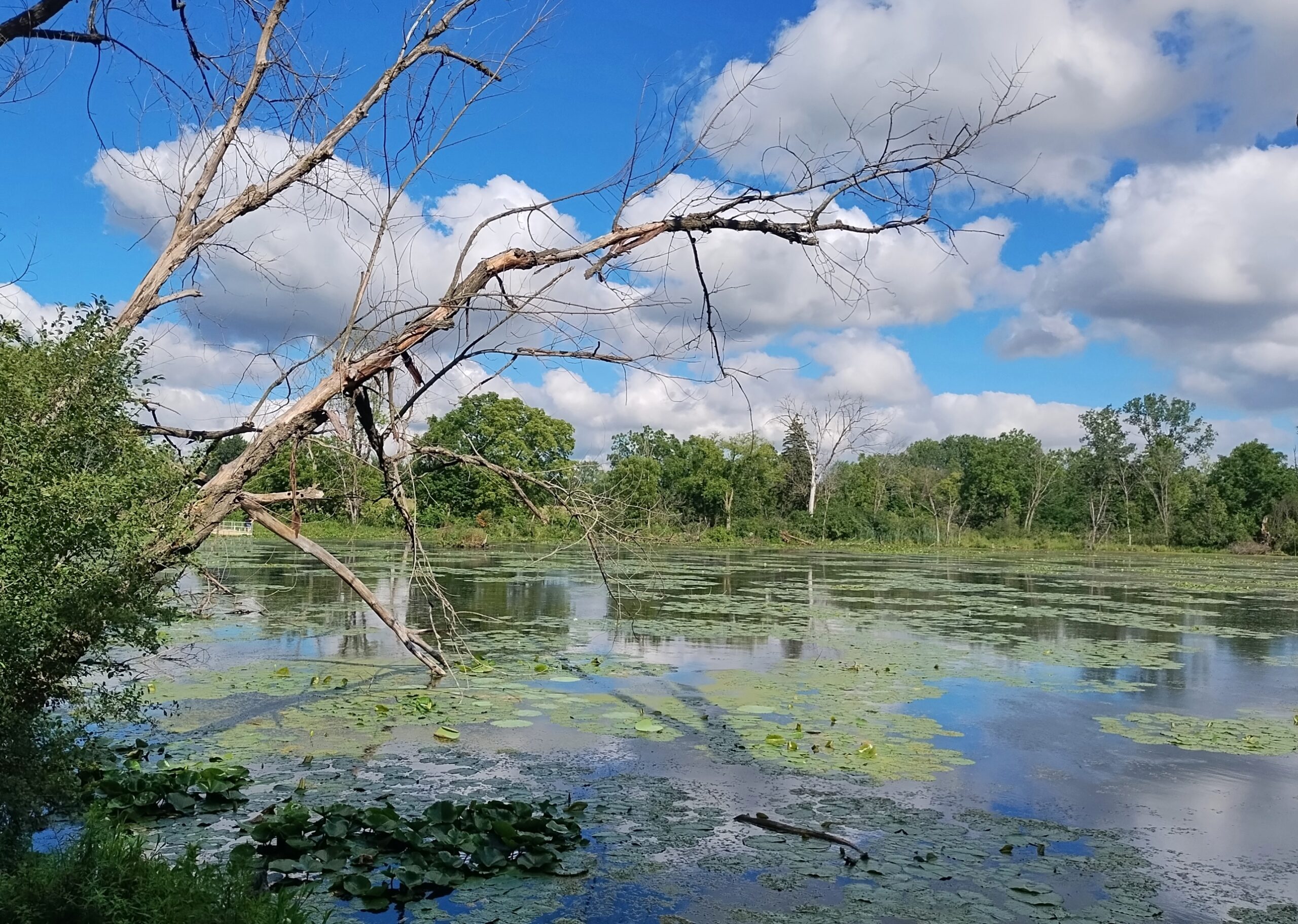
After being relatively wet, August in northern Illinois has turned relatively cool to end its days. A few days ago, we took a walk at the unusually green (for August) Spring Valley here in the northwest suburbs.

Spring Valley

August flowers, Illinois edition.

Spring Valley
Spring Valley

Earlier this month, an enormous rainstorm blew through southern Wisconsin, doing damage in Milwaukee and elsewhere, including Waukesha County. Too much water too fast, and not nearly enough space in the Fox River channel that runs through the city and county of Waukesha. In the city, the river made a raging, dangerous rise not far from the picturesque downtown. If that area had flooded, that would have been in the news cycle for a little while anyway, but it looks like most of the damage was in more rural parts of the county. Regardless, it represents a lot of property damage.

“In Menomonee Falls, a crew was spotted pulling a car out of a massive sinkhole,” local TV News reported. “The once-raging waters this weekend washed away the road in an industrial area on Campbell Drive, leaving just a cliff. In the crater, the car had been trapped. The driver was fine. Inside the sinkhole, drainage pipes seemed to be tossed around like Lincoln Logs.”

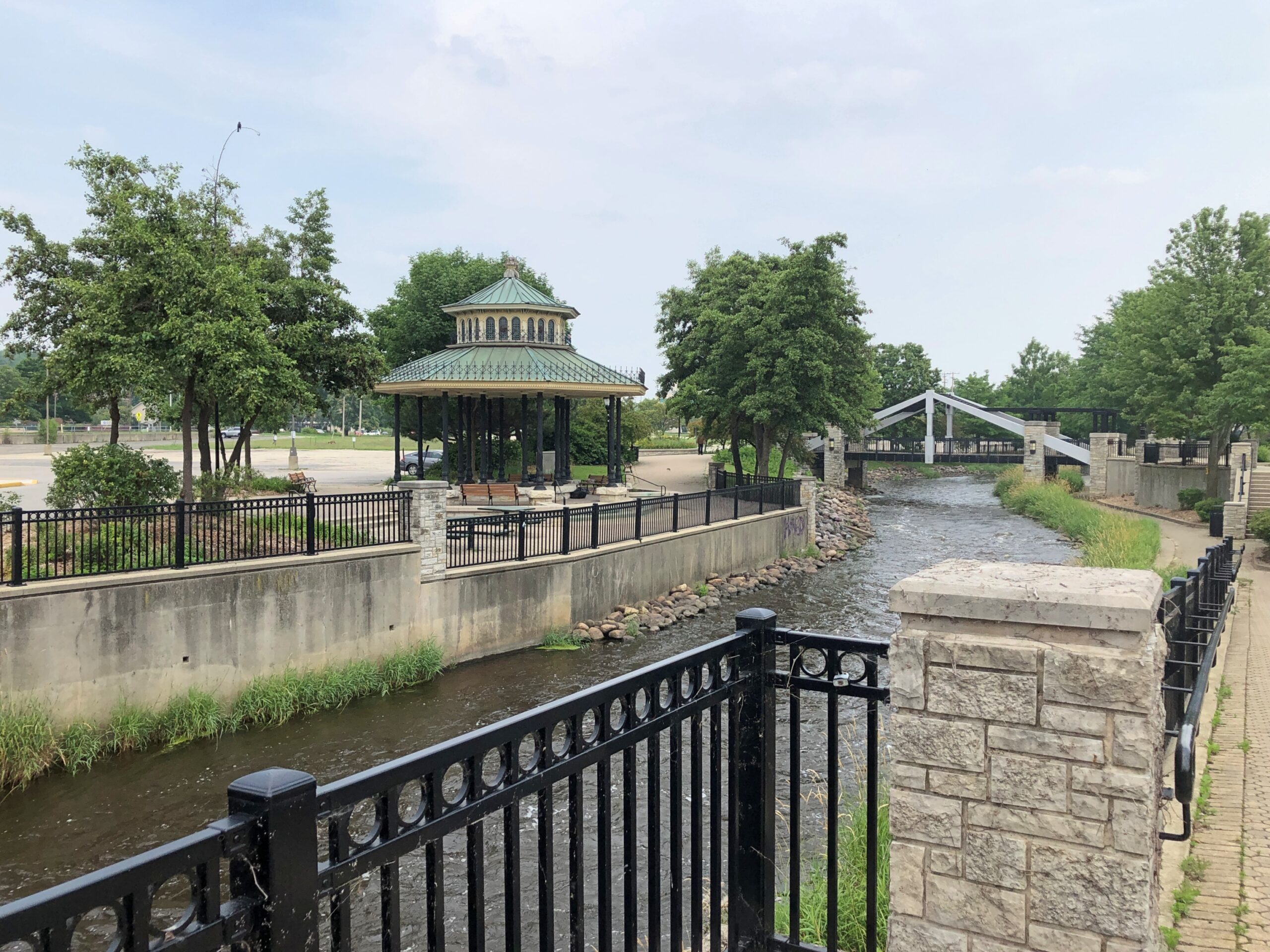
About two weeks earlier, on a nearly hot, clear day, we took a walk along the Fox, accessed a block or so away from downtown’s main streets. The river was flowing vigorously, but without a hint of the rampage to come (and why would there be?). This is the same Fox River that runs west of metro Chicago and to the Illinois River, and not the one that runs into Green Bay. Just to keep things interesting, there are apparently two other Fox Rivers in Illinois as well.
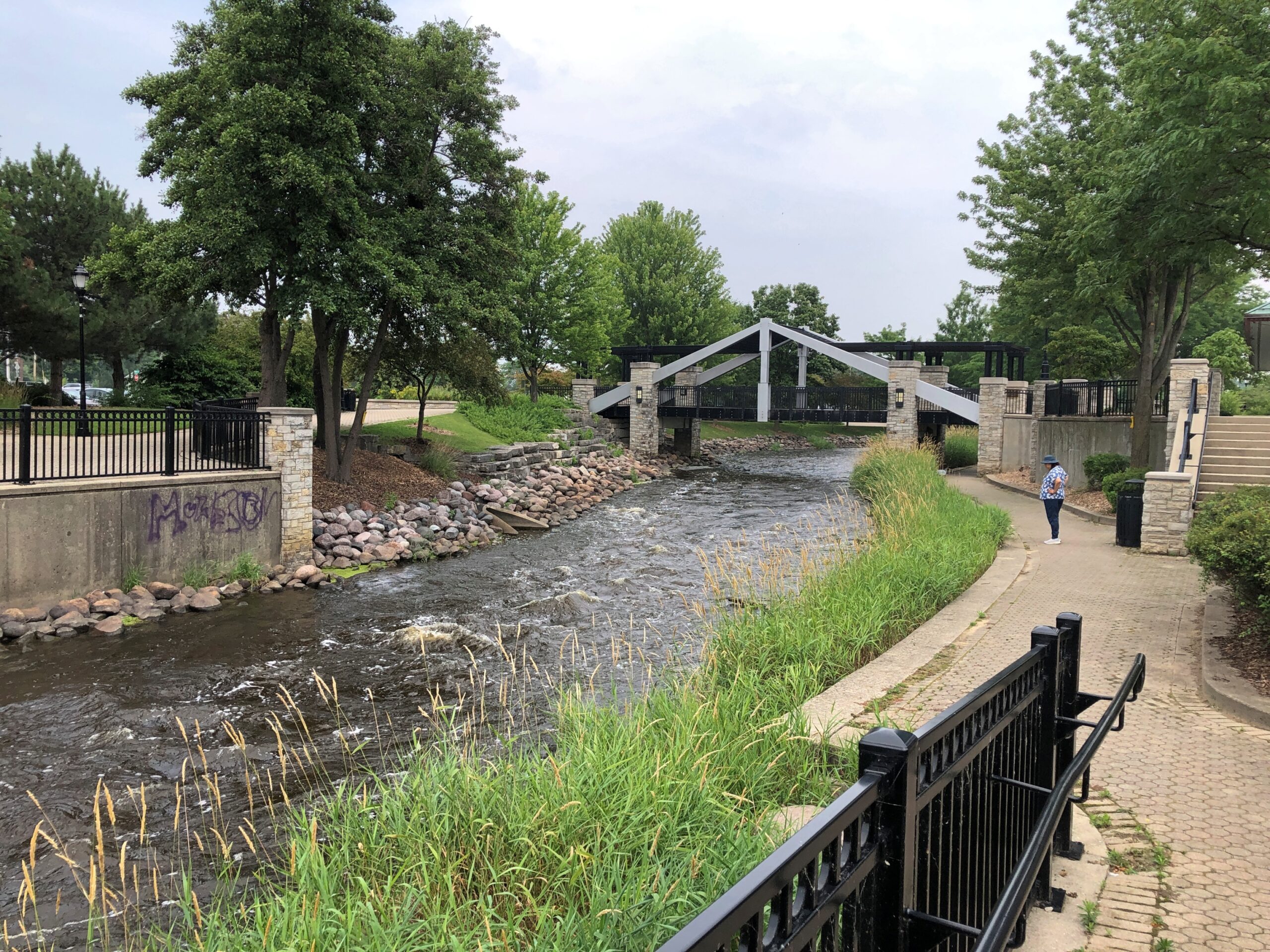
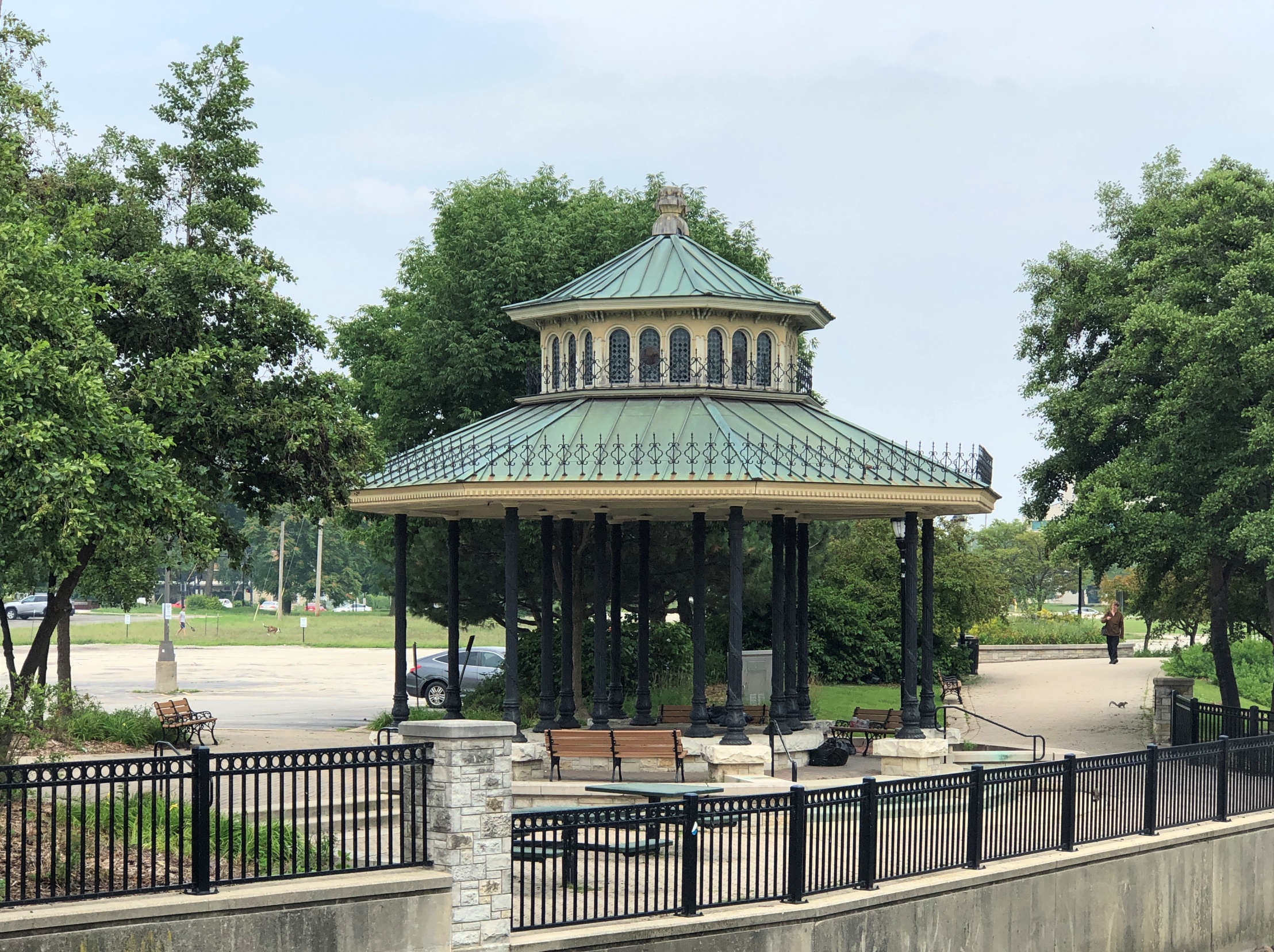
Across the way, a gazebo.

Fox River, Waukesha

Every town over 5,000 has to have a gazebo, according to Wisconsin law. Wisconsin is almost alone in its gazebo mandates, with most other states having repealed theirs in the 1960s and ’70s – though some counties in other states still mandate the structures.
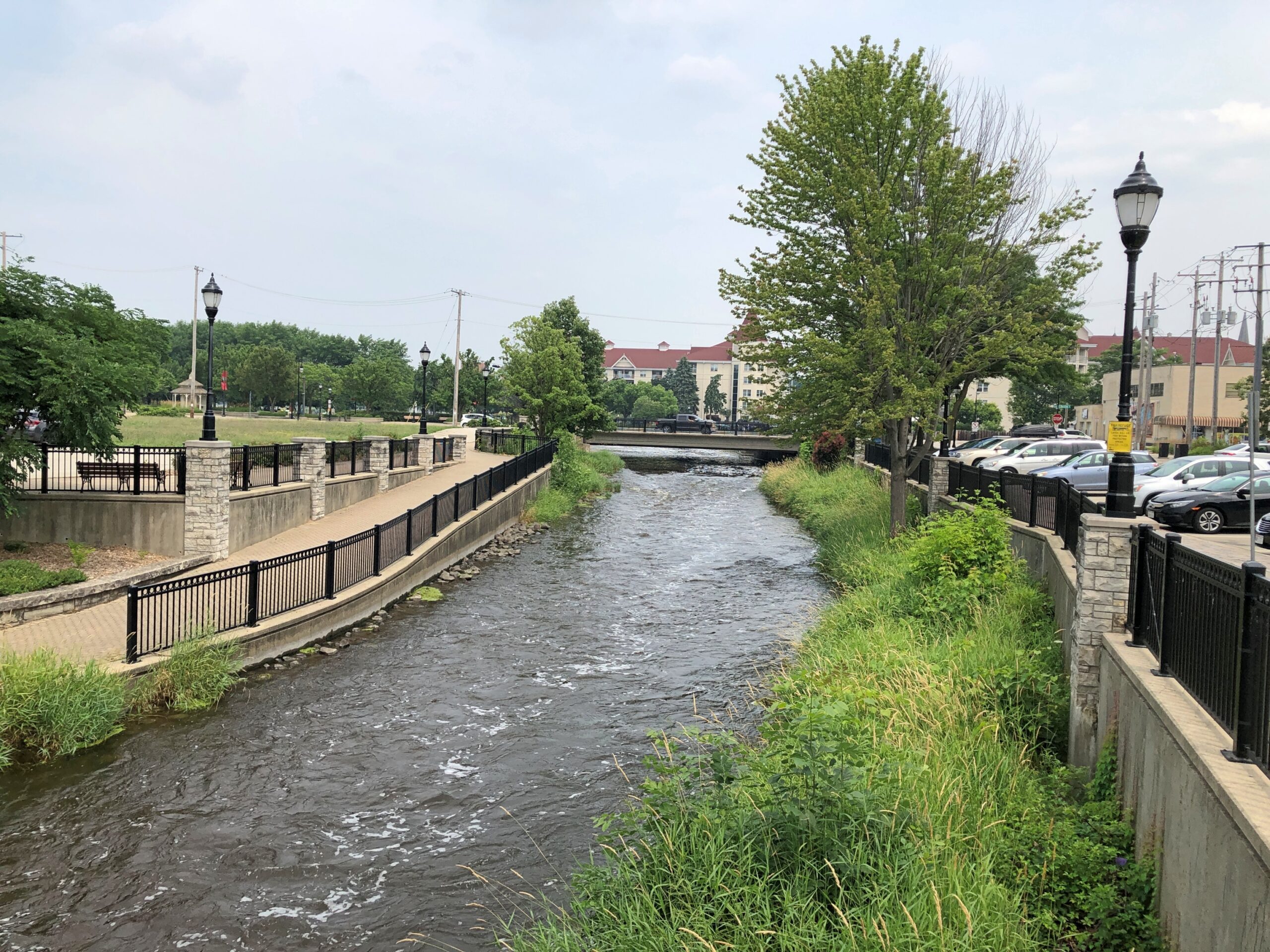
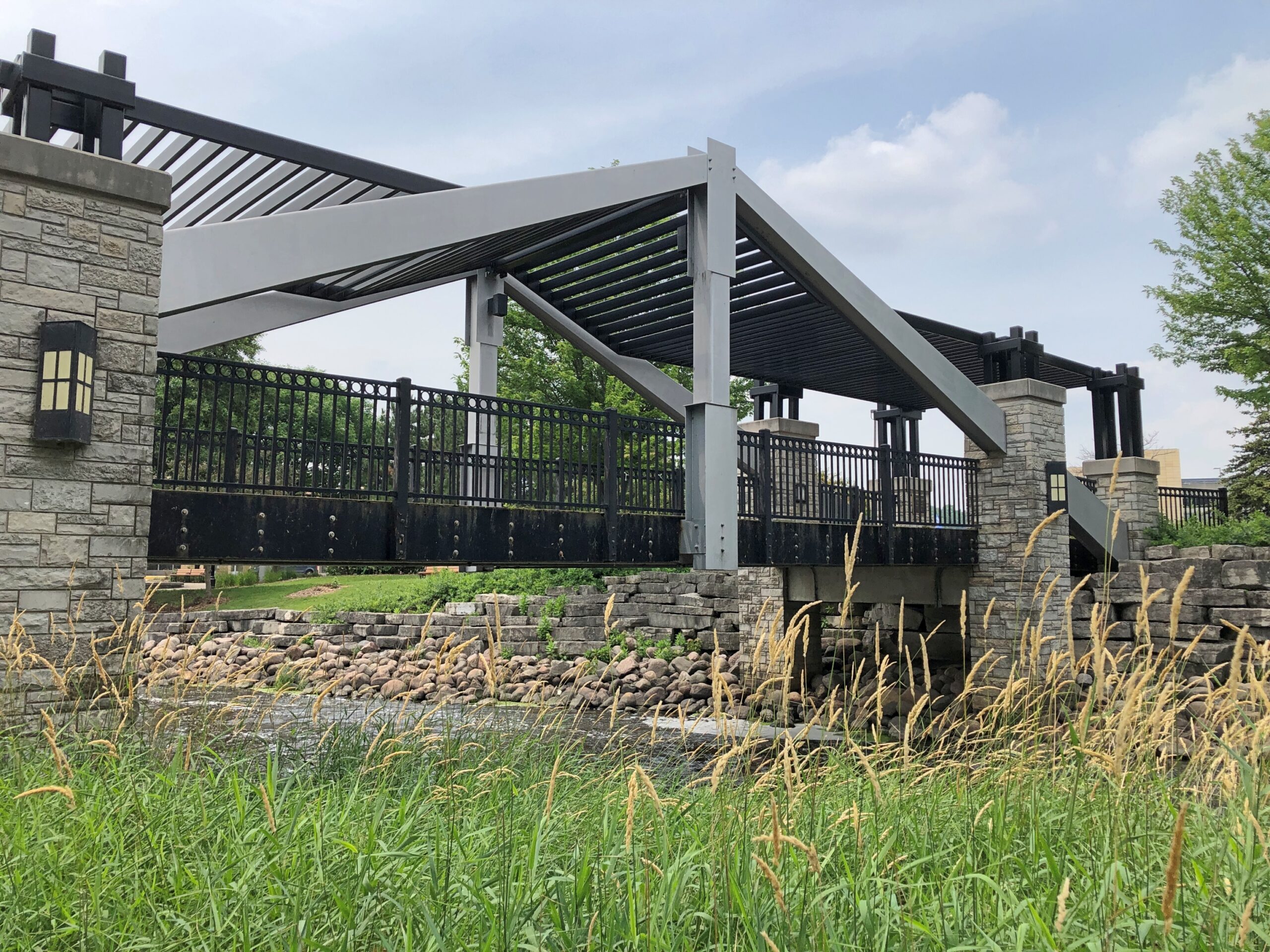
An artful pedestrian bridge.
Fox River, Waukesha
Fox River, Waukesha

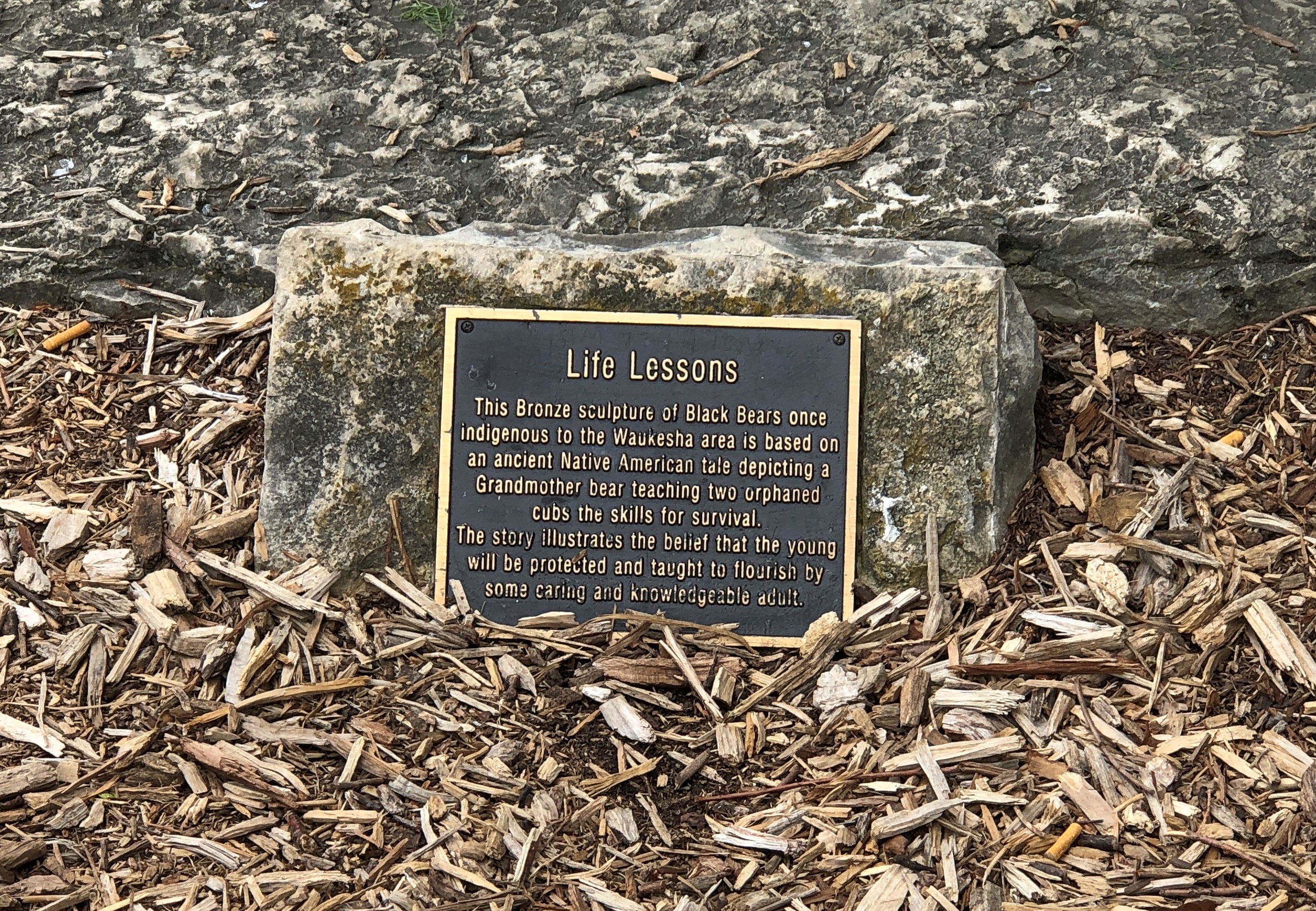
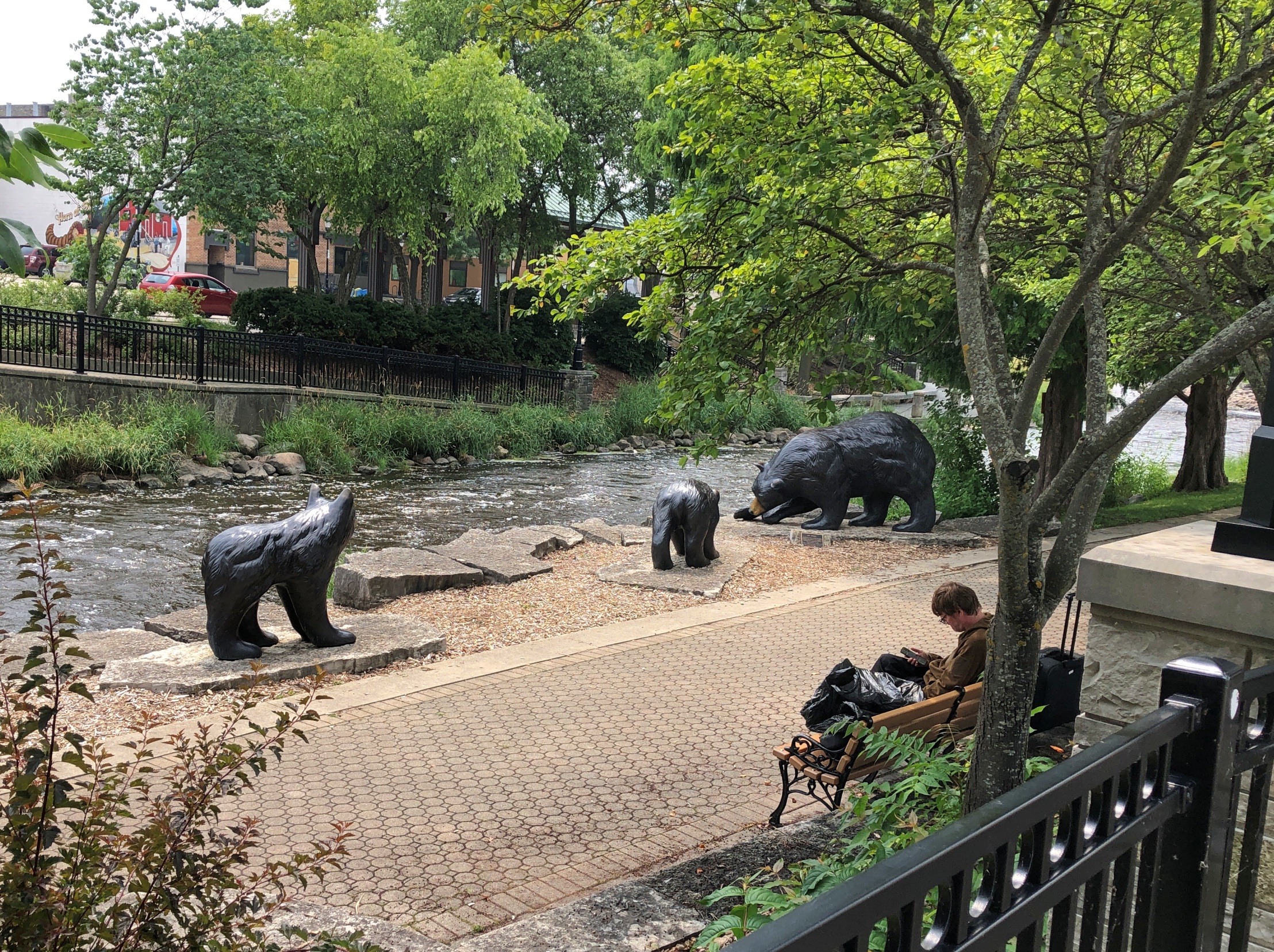
More river, and also bears. Bronze bears.

Fox River, Waukesha

Hope the river didn’t take them away, but I’d think the figures would be anchored pretty well.

RIP, Mr. Lehrer

Summer moves forward. Some flora from around the time of the solstice this year, all found on public land hereabouts in the Northwest Suburbs.

flora 2025

It was a rainy summer as of June, and it has been in July. When I got home today, I found driveway and deck puddles and damp bushes. Lush, flowery bushes.

flora 2025

Sad news over the radio: Tom Lehrer, 97, died. All the cool kids in the ’70s had your records in high school, Mr. Lehrer. Not really. But I did, and so did my friends, and we’re better for it even now.

Scottsburg, Indiana

Just the latest in bad news: the lodge on the North Rim of the Grand Canyon burned down due to wildfire. At least no one died in the incident, but it’s always unfortunate when a grand edifice meets its end. I wouldn’t bet on reconstruction, either.

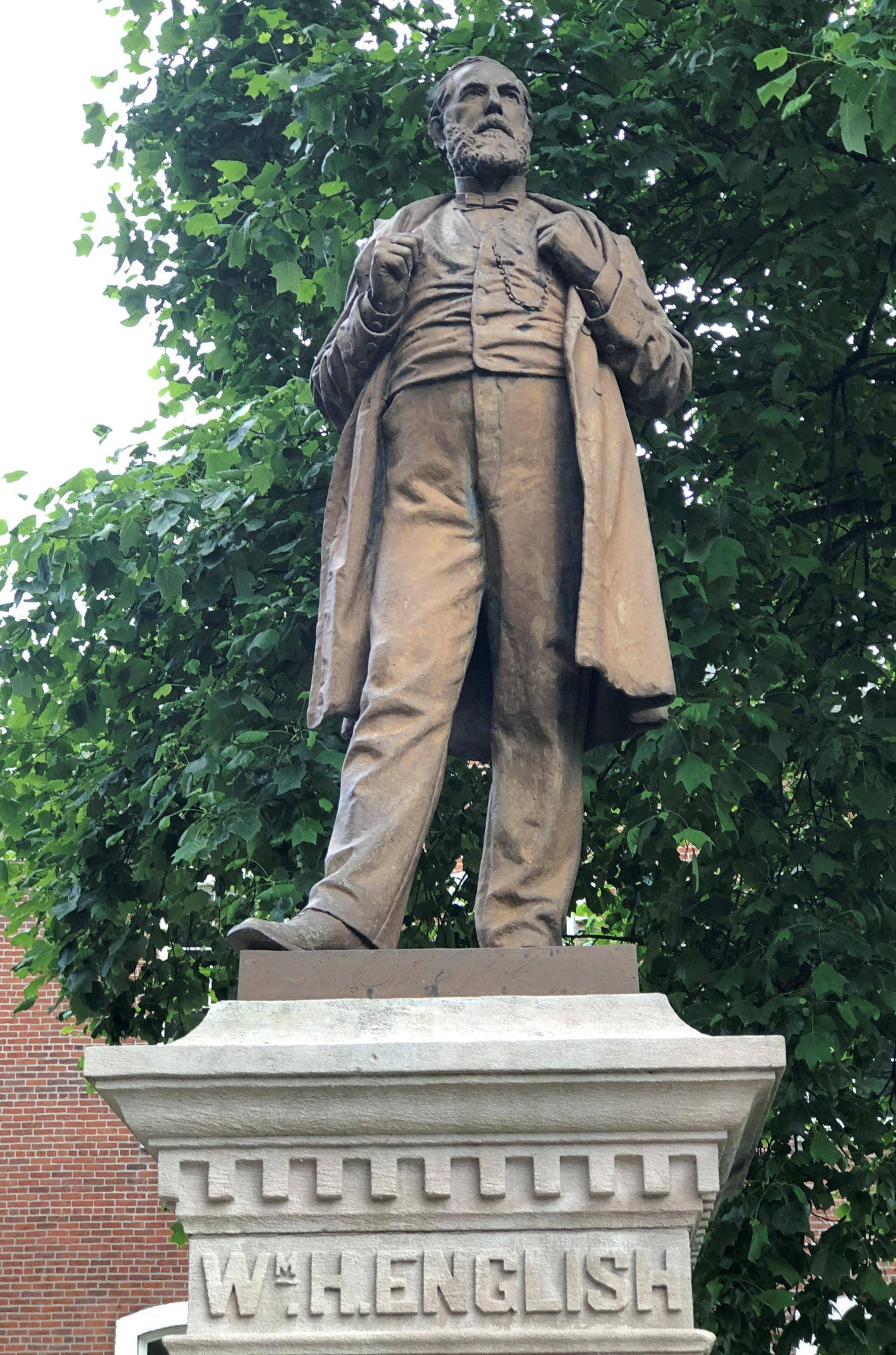
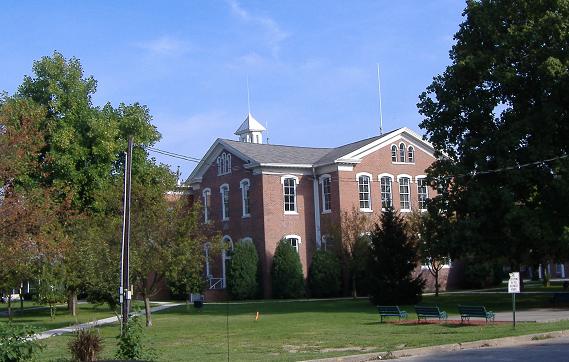
The heat was already on by the time I arrived in Scottsburg, Indiana on the first day of the trip, June 16. But not enough to keep me from taking a stroll around the Scott County courthouse, where I found native son William H. English.

Scottsburg, Indiana Scottsburg, Indiana

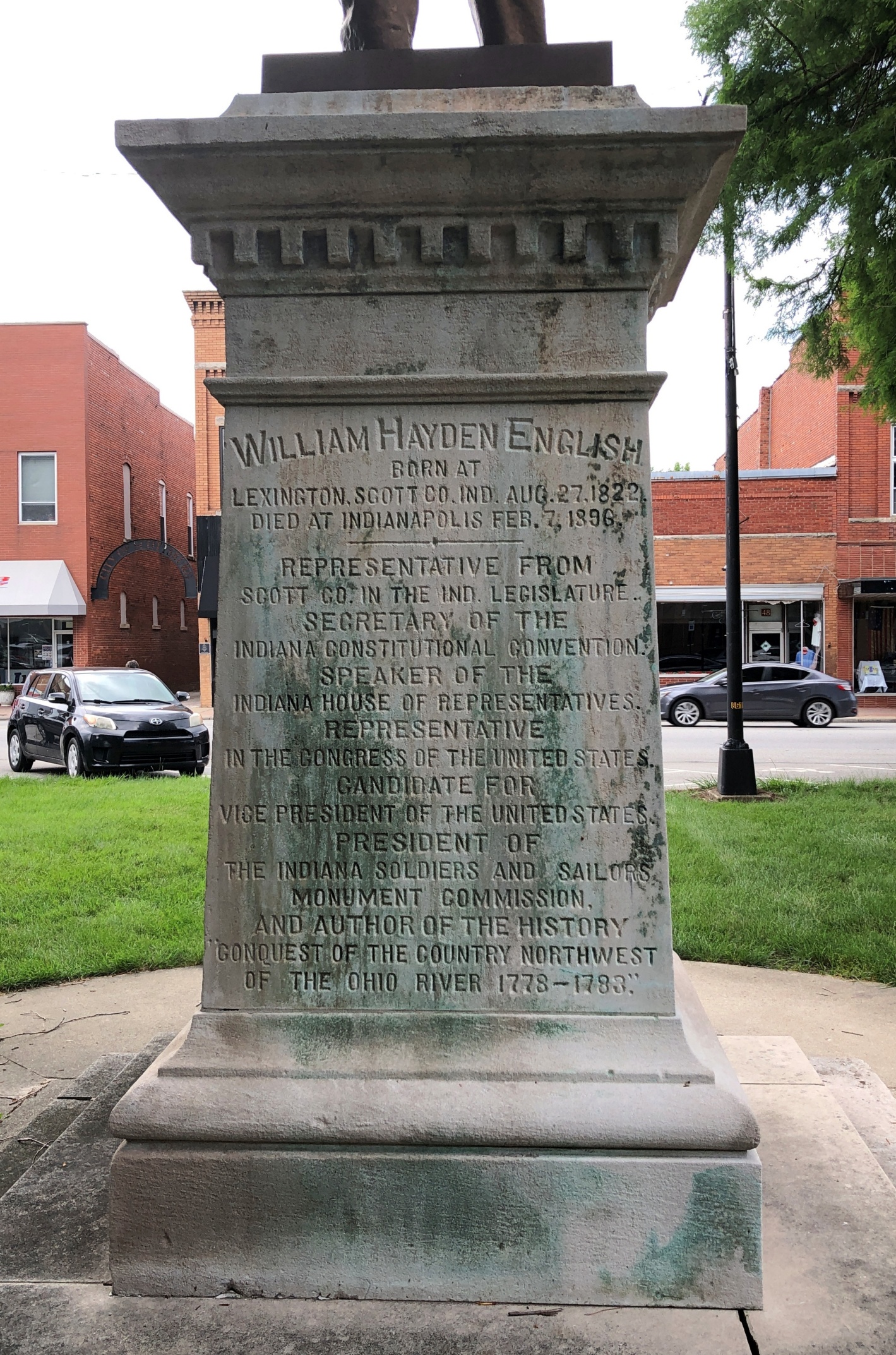
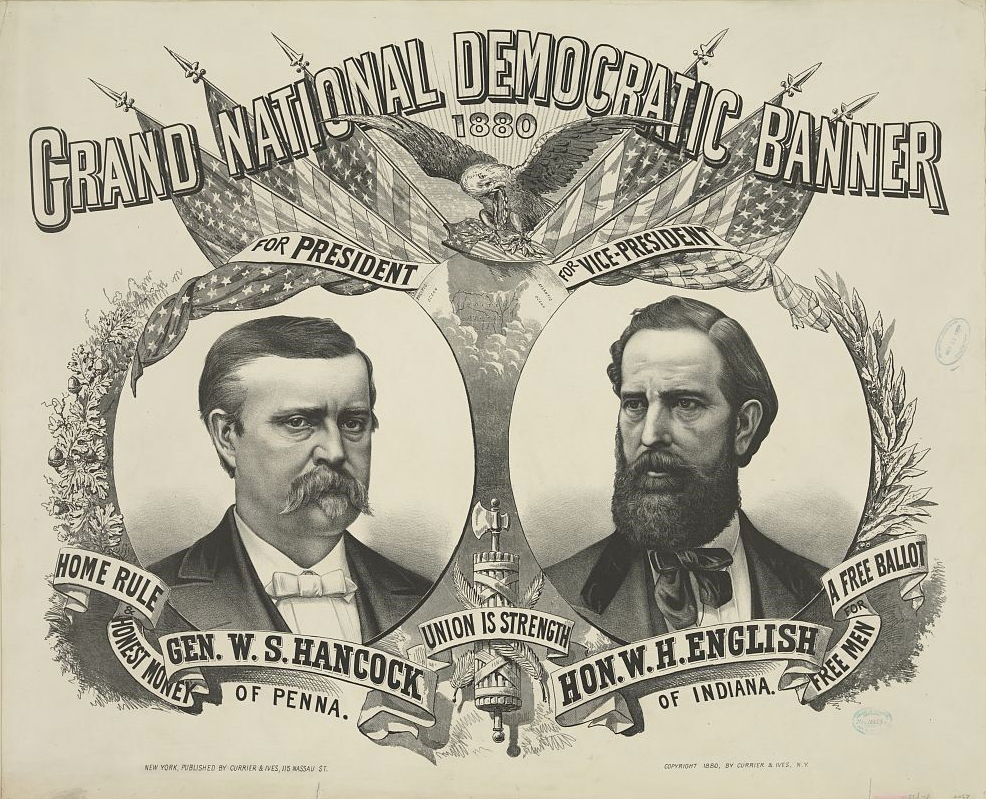
After only a few hours on the road, by chance, I’d come across a presidential sight. Presidential adjacent, anyway, since English (d. 1896) is that most obscure of obscurities, someone who ran for vice president and lost – in 1880 in his case, on the Democratic ticket with Winfield Scott Hancock, who himself isn’t going to ring any bells outside presidential history buffs. The statue went up in 1908.

That was the election James Garfield won, which he no doubt regretted before long.

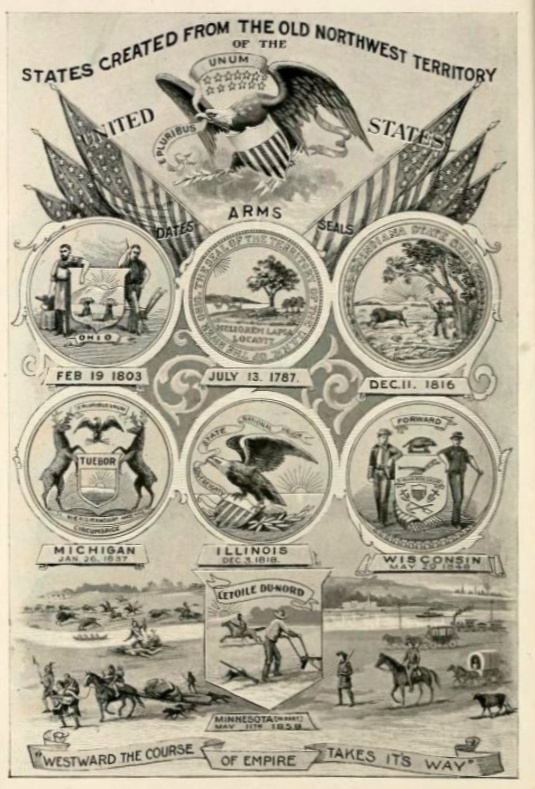
English, or his heirs, felt that a book he wrote, Conquest of the Country Northwest of the Ohio River 1778-1783, was worth a mention along with the offices he held or aspired to. The marvel here in the 21st century is that the work is just about instantly accessible (Vol. 1 and Vol. 2). An illustration facing the Vol. 1 title page (on the optitle page?) not only falls into the They Don’t Make ‘Em Like That Anymore category, it’s squarely in, No One Would Think of It territory. Just as well, I figure.

To get to Nashville from metro Chicago, the direct route is via I-65, which cuts across Indiana. Considering the importance of both of those cities to me, I’ve driven the route more times than I can count. But I have to report that it isn’t one of the more interesting drives in the nation, and at eight to nine hours drive time in the best of conditions, you feel it yawn beneath your wheels when you yourself yawn.

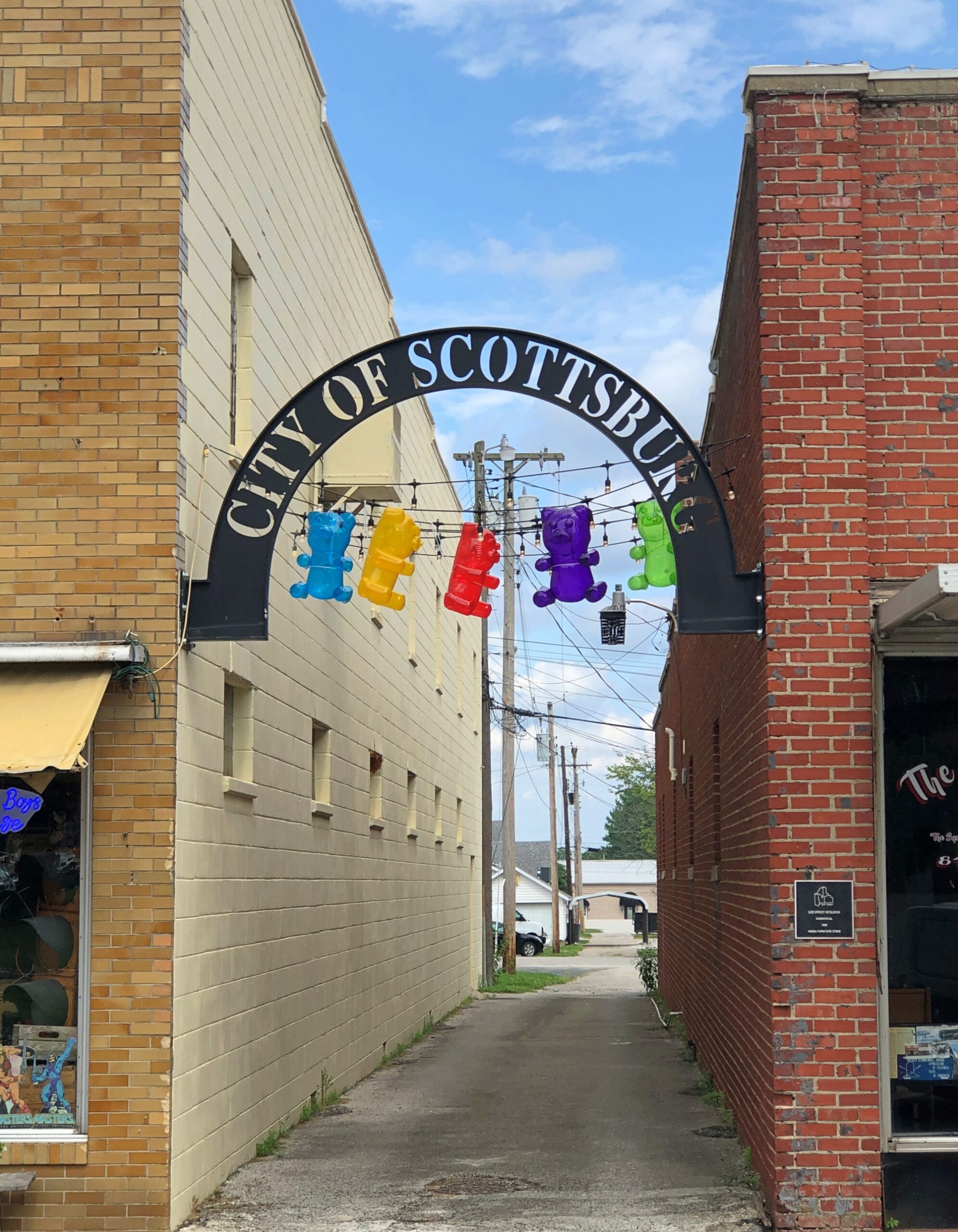
So the strategy over the years has been to break up the trip. Such as a place like Scottsburg, pop. 7,300. The town is close enough to Louisville to be its exurb – maybe. I haven’t spend enough time in Louisville, as interesting as it is, to have any sense of its greater co-prosperity sphere, or at what distance that might peter out.

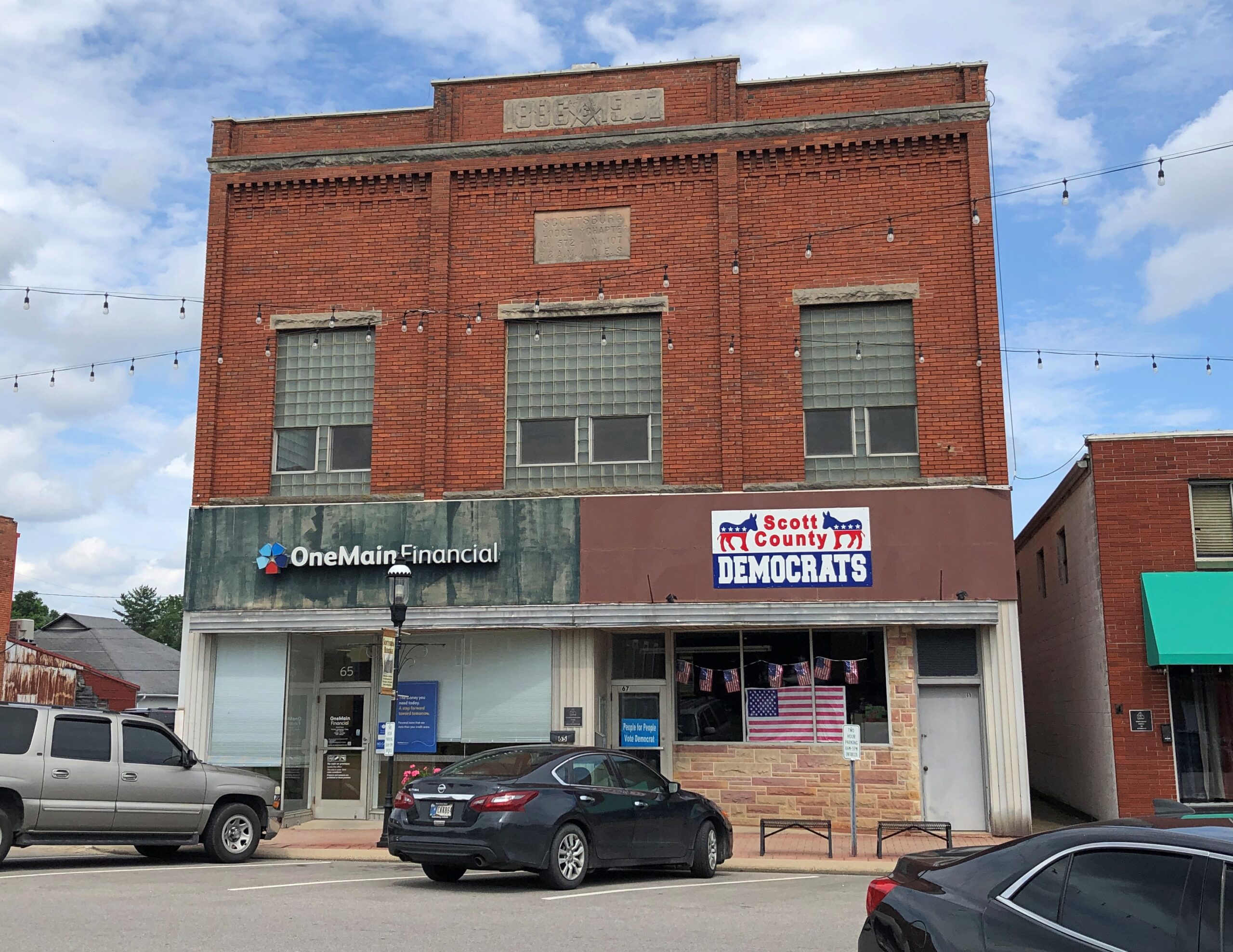
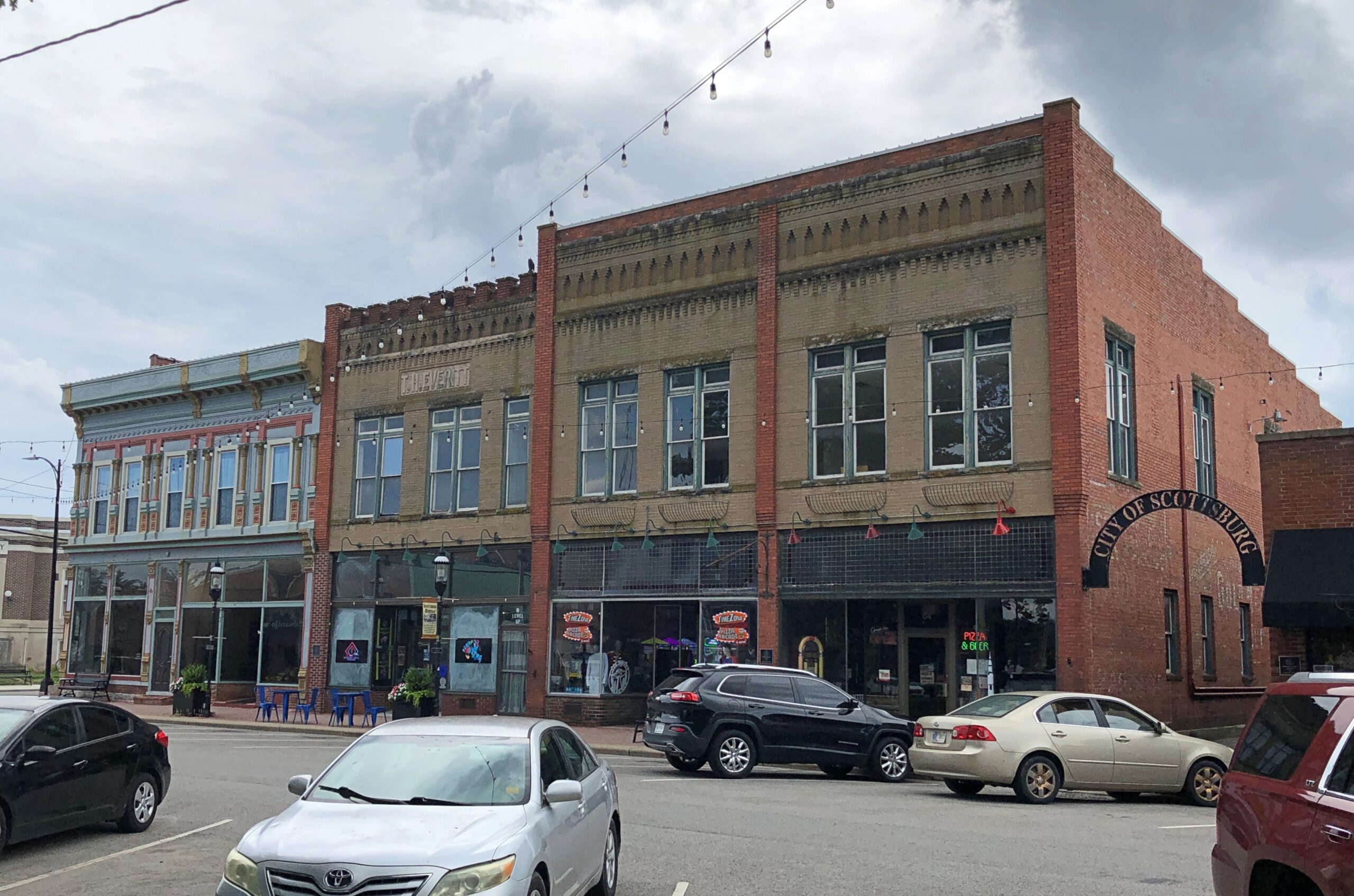
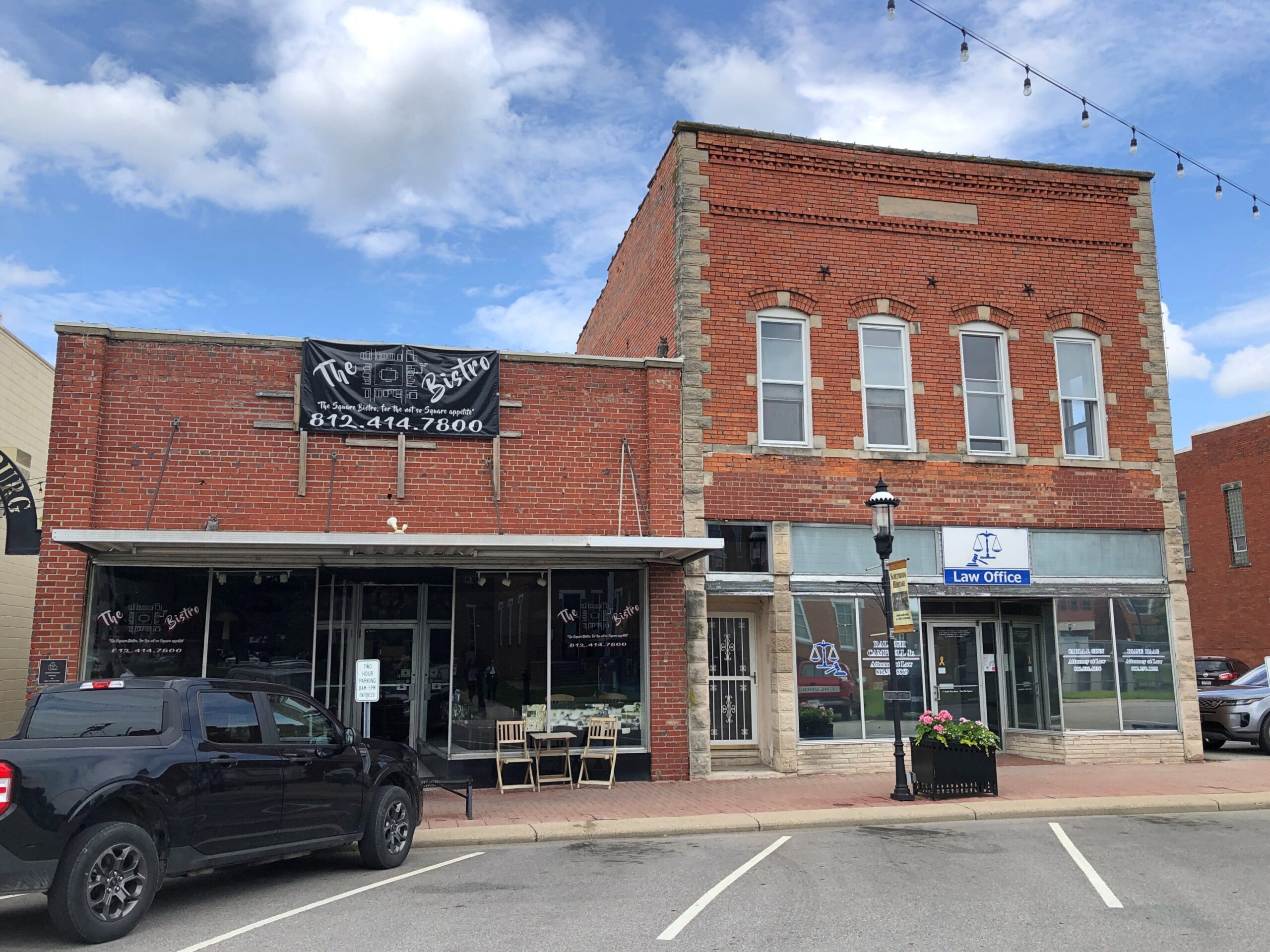
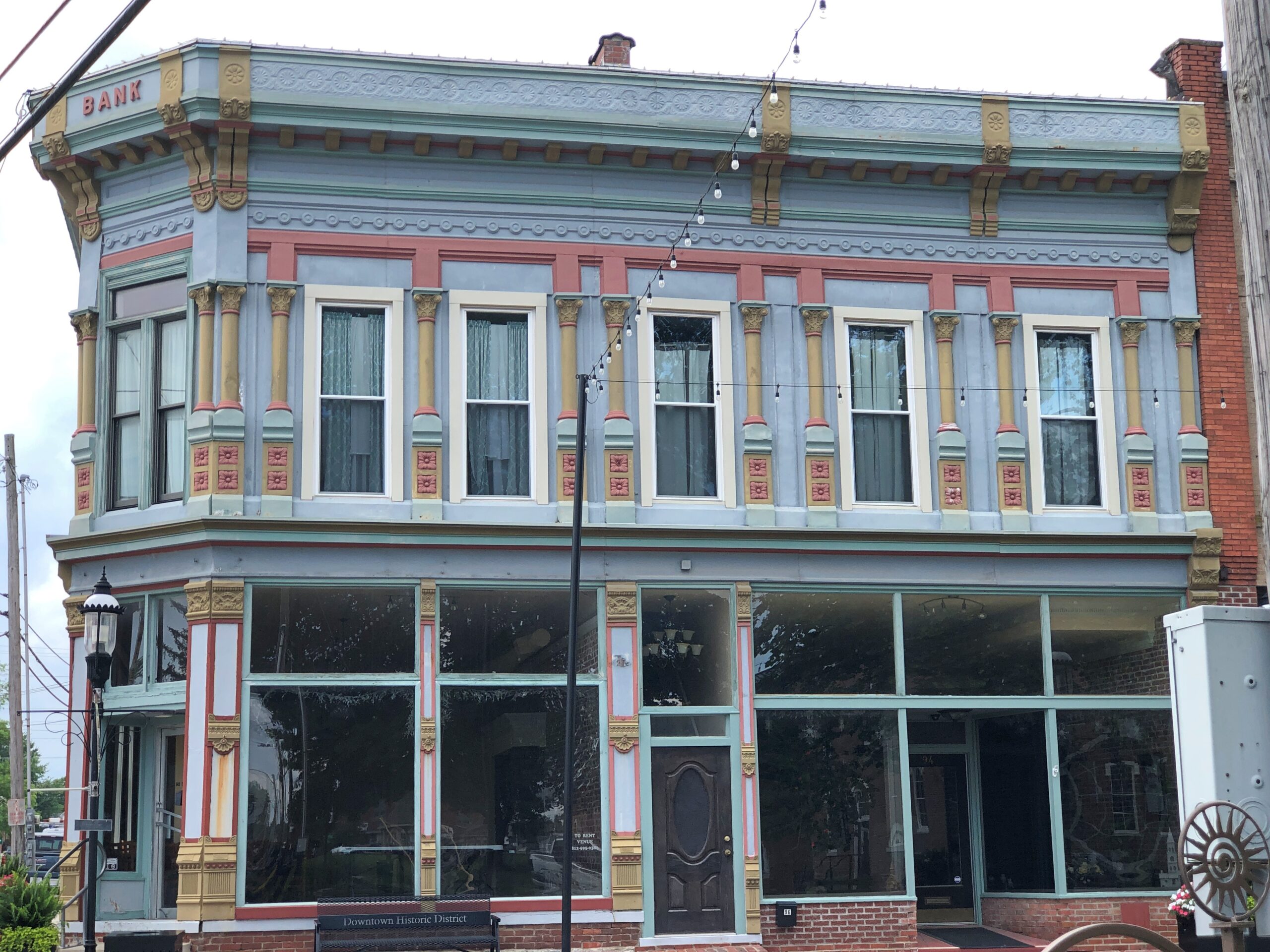
Scottsburg has one thing a picturesque exurb needs: a picturesque courthouse square. Or at least elements of it.

Scottsburg, Indiana Scottsburg, Indiana

Downtown is in fact a national historic district: Scottsburg Courthouse Square Historic District. I get a kick out of discovering that kind of thing retroactively, which I did this time.

“The district is composed of one-, two-, two-and-a-half and three-story brick and stone commercial structures with zero setbacks, which form an essentially contiguous perimeter to the wooded courthouse lawn,” its registration form on file with the U.S. Interior Department says. “There are a total of 48 contributing buildings within the district. The character of the district is defined by late 19th and early 20th century commercial architecture with significant examples of the Italianate, so Richardsonian Romanesque, Renaissance Revival, Colonial Revival, and Art Moderne styles.

“The predominant building material is red brick, as evidenced by the courthouse and 29 commercial buildings within the district. Secondary materials include Indiana limestone and various shades of buff and yellow brick, decorative brick work, cast iron, ornamental pressed metal and glazed tile and Carrera glass…”

Scottsburg, Indiana Scottsburg, Indiana

In the heat of the moment (literally), I neglected to get a decent shot of the courthouse itself, but someone called Bedford thoughtfully put an image in the public domain.

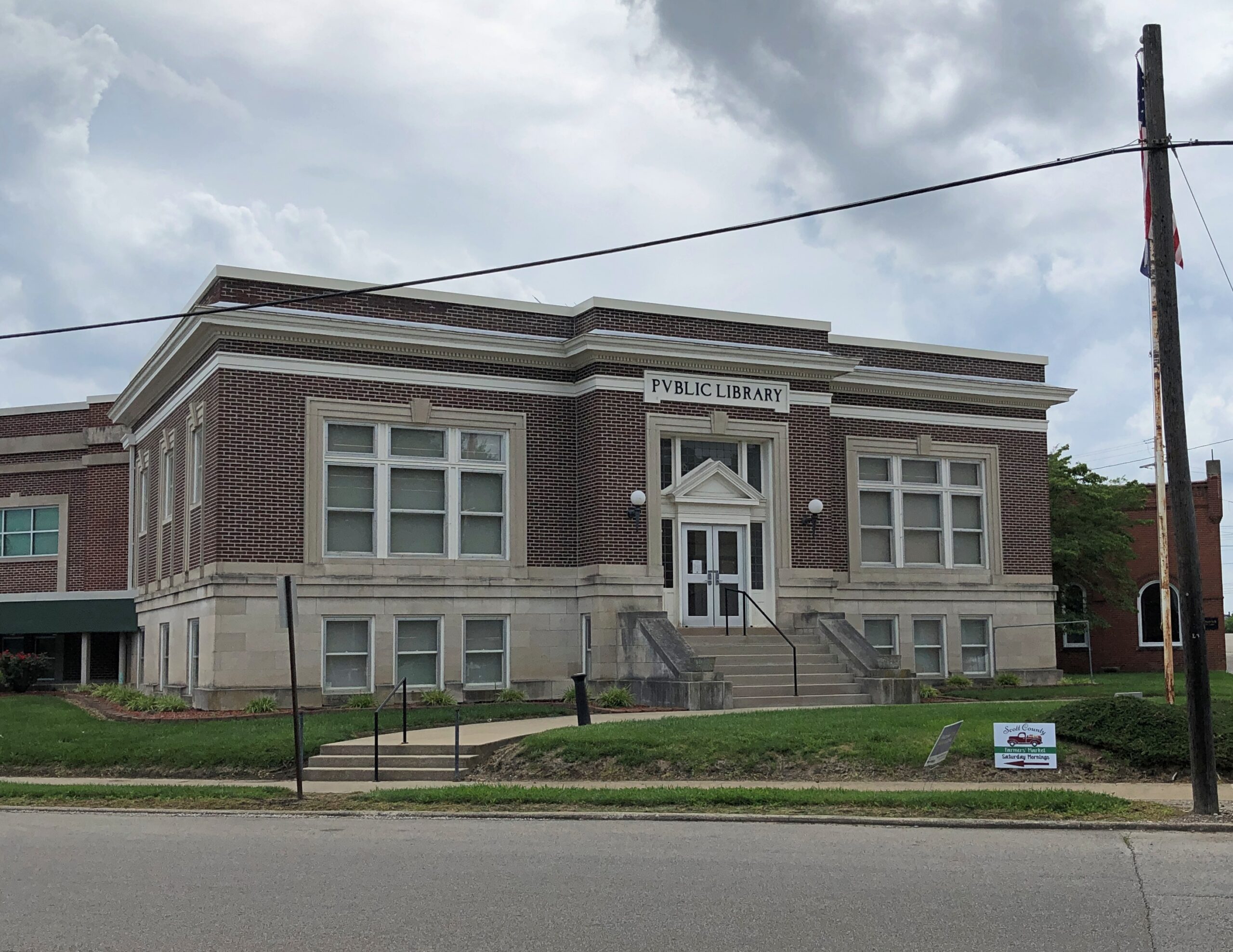
Could it be a Carnegie Library?

Scottsburg, Indiana

Yes. Completed 1917, still a library. One of the more than 1,680 in the United States funded by the robber baron, many of which endure after a century plus.

Some courthouse square details.

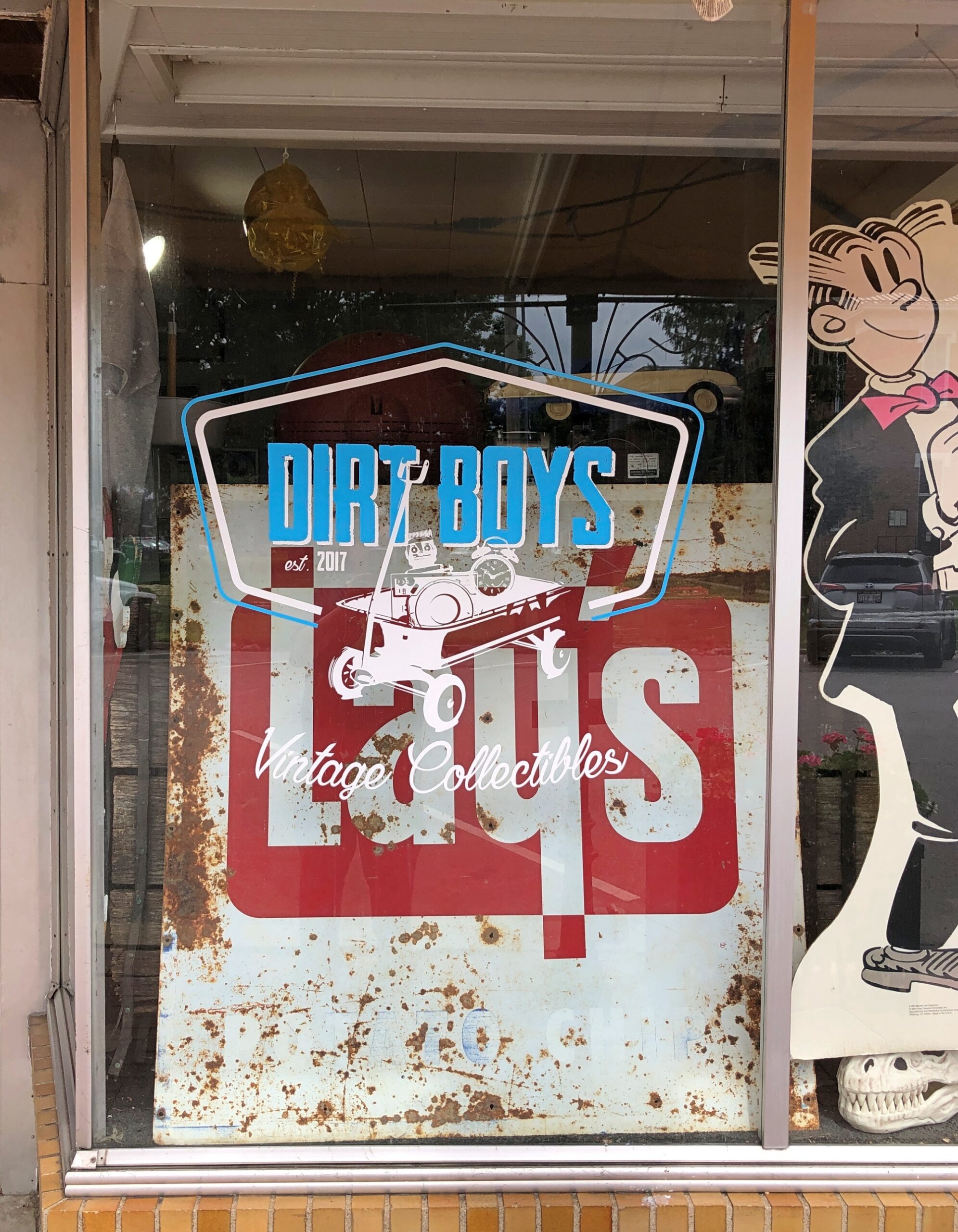
Dirt Boys Vintage Collectibles joins the likes of city offices and law offices, but also Warriors Den coffee shop, Time Zone Pizza Arcade, Chicago City Pizza and Bootlegger’s Bar & Grill. Those not needing to eat can visit Wildflowers Boutique, Moxie Music Center or Working Class Tattoo Parlor, all there on the square.

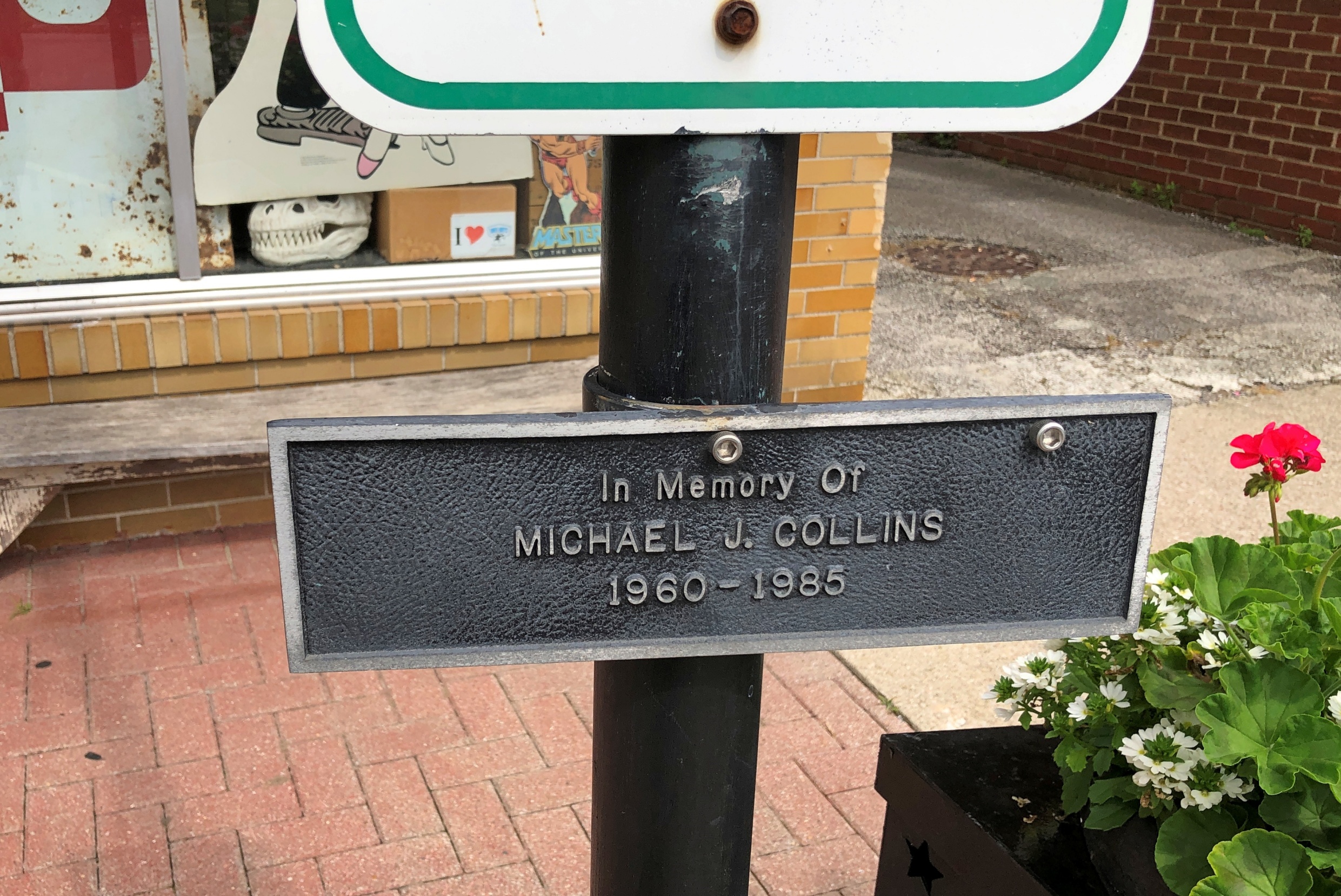
So is a plaque to the memory of one Michael J. Collins (d. 1985).

Scottsburg, Indiana

A contemporary of mine who didn’t make it far out of the gate. RIP, Michael, whoever you were. Are.

The End of an Era? No.

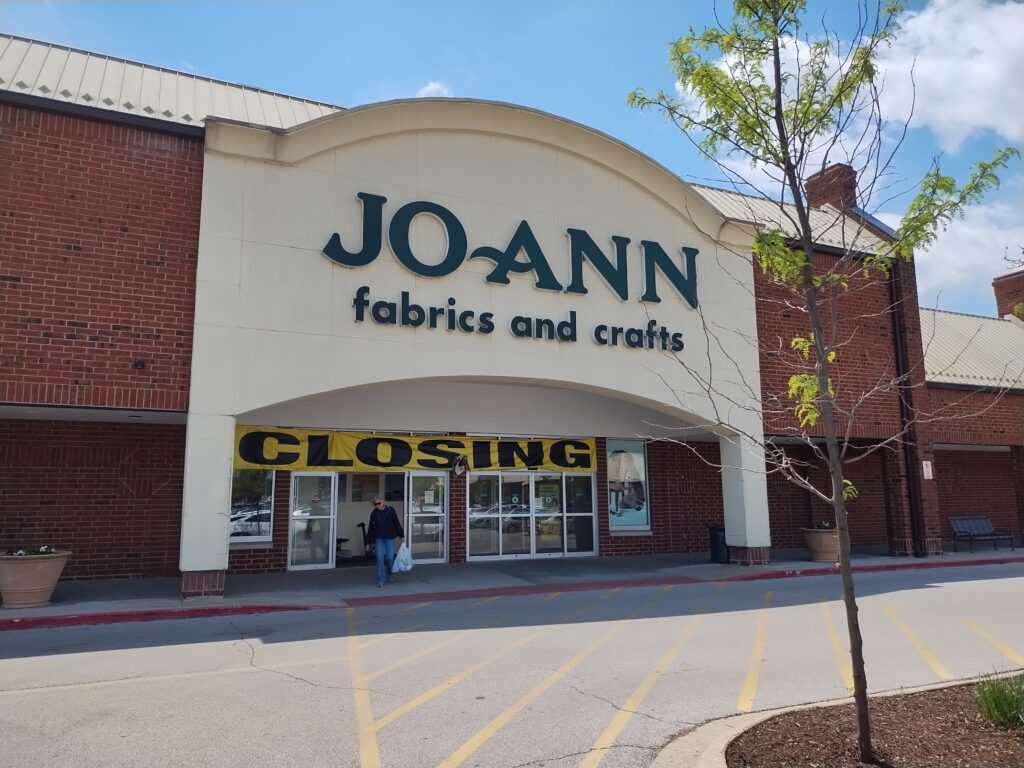
Recently I was thinking about the closure of Jo-Ann stores, for reasons that will be obvious shortly. Seeking more information about the retailer, I came across an article published at a site called dengarden. The headline says, It’s the End of an Era: Joann Fabrics Has Officially Closed All of Its Stores.

A human- or machine-written head? It doesn’t matter, there’s a cliché that needs to be retired. End of an Era, eh? I remember thinking the same thing when the last Radio Shack bit the dust. Or maybe not.

The company is – was – Jo-Ann Stores. What will customers do without it? “Big-box retailers like Michaels and Hobby Lobby offer a decent selection of fabric and craft materials,” the article says. “Online shops, from niche sewing stores to large marketplaces, have stepped in to fill the gap. Many small, independently owned fabric and yarn stores are also gaining attention as shoppers turn local.”

The closure might be a hardship for those who lost their jobs, but for everyone else, this barely qualifies as the turn of a page, much less the end of an era.

But I quibble. A few weeks ago, at Yuriko’s request, we went to a nearby Jo-Ann store to look for bargains. Rather, she did.

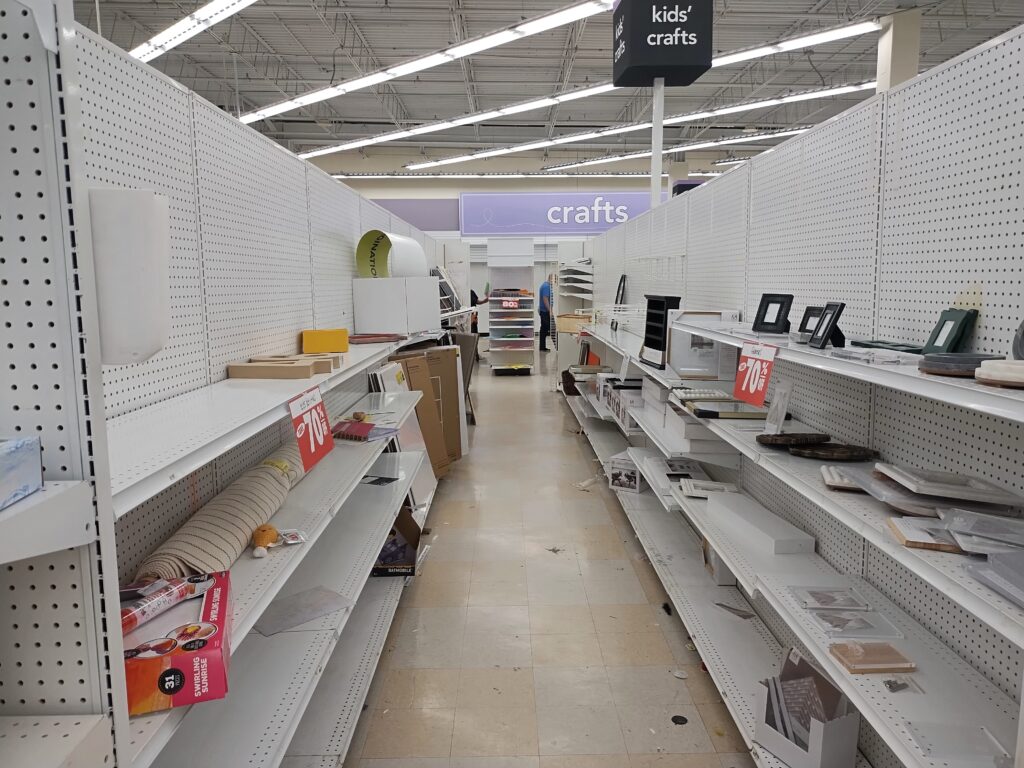
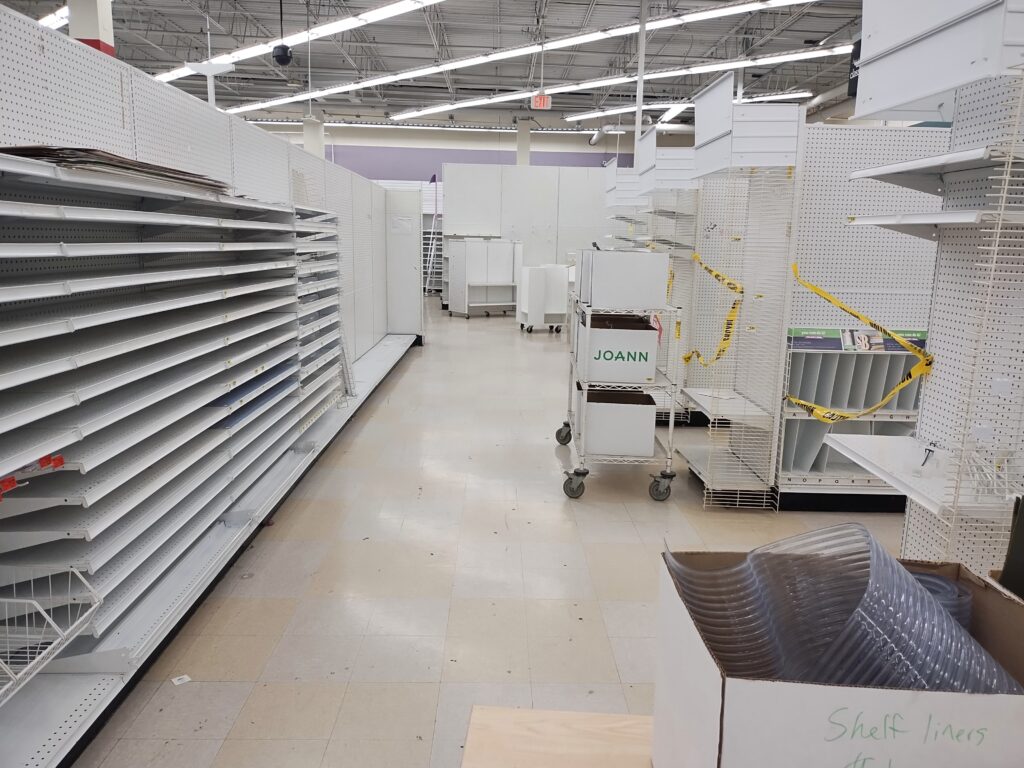
I went to witness the retail dissolution in person. The place had that Venezuelan store look, assuming the reports about that nation are still correct.

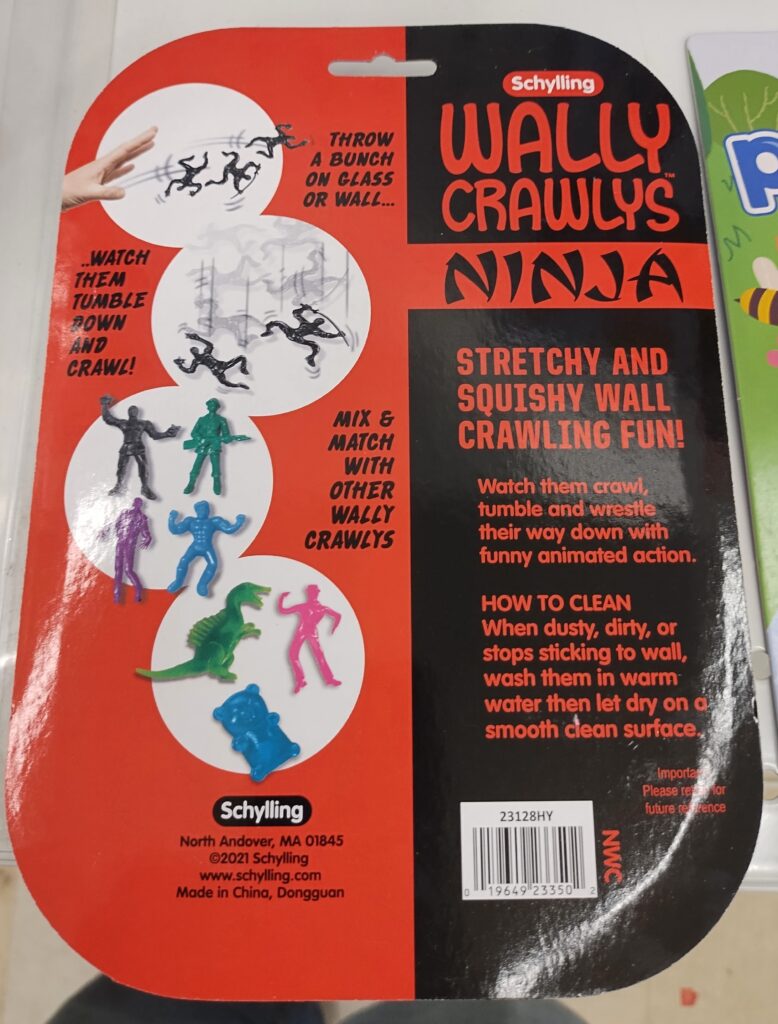
Even toward the end of a store’s existence, there can be oddities.

I didn’t buy it, even at a steep discount. Will I regret my decision from now on, until I reach my deathbed? Nah.

State Street Windows, 2015

A coinage for our moment in history: Chief execucide. I won’t claim it’s my invention, however, since I found an example from 1988, though for comic effect. Whatever else is going on with the most recent incident, it isn’t comedy.

We haven’t been downtown since the Open House event, and so haven’t seen this year’s State Street windows at the store formerly known as Marshall Field’s. It probably would be another disappointment. They were once known for their imaginative displays. No more. In recent years the company has been phoning it in.

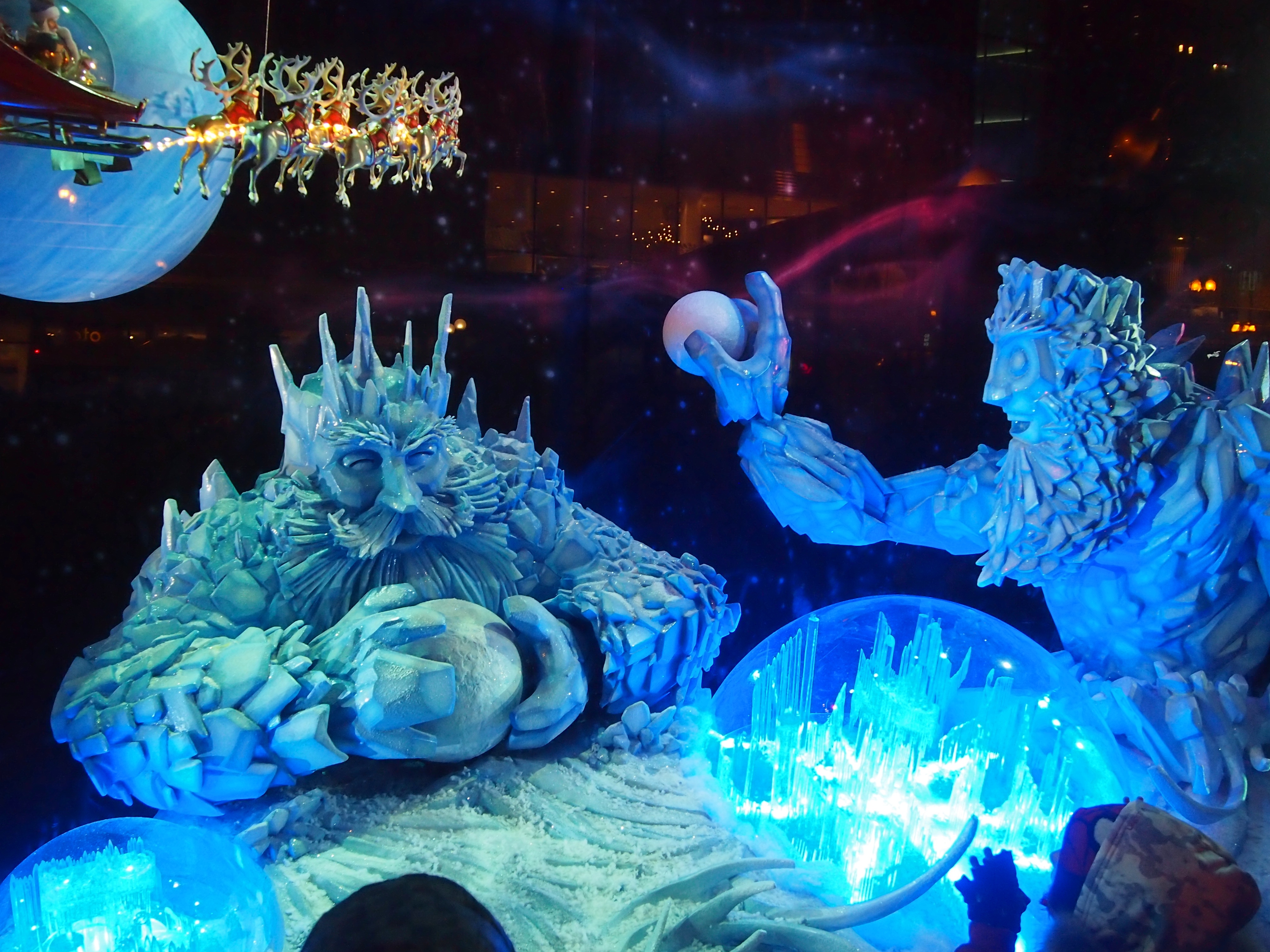
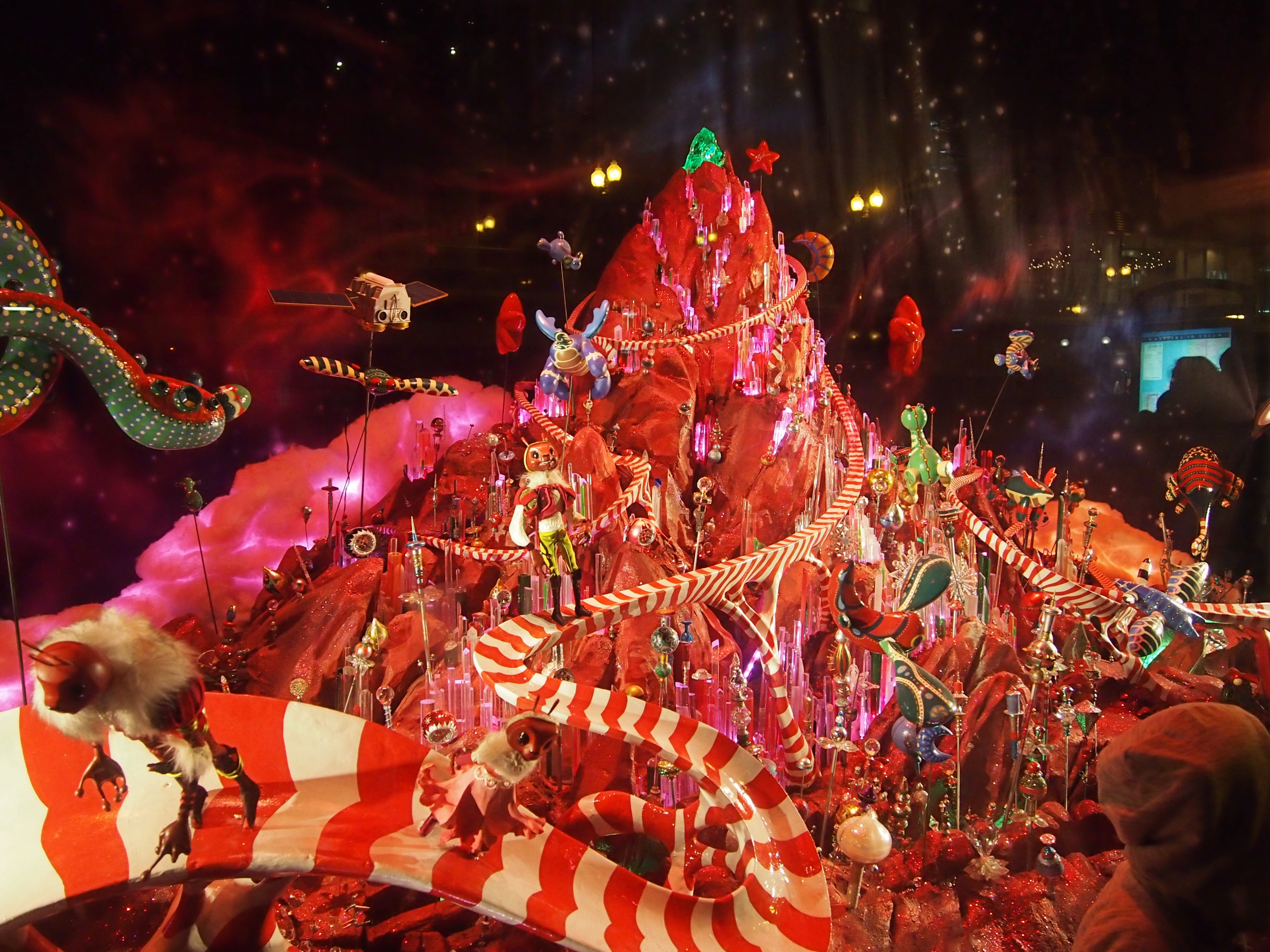
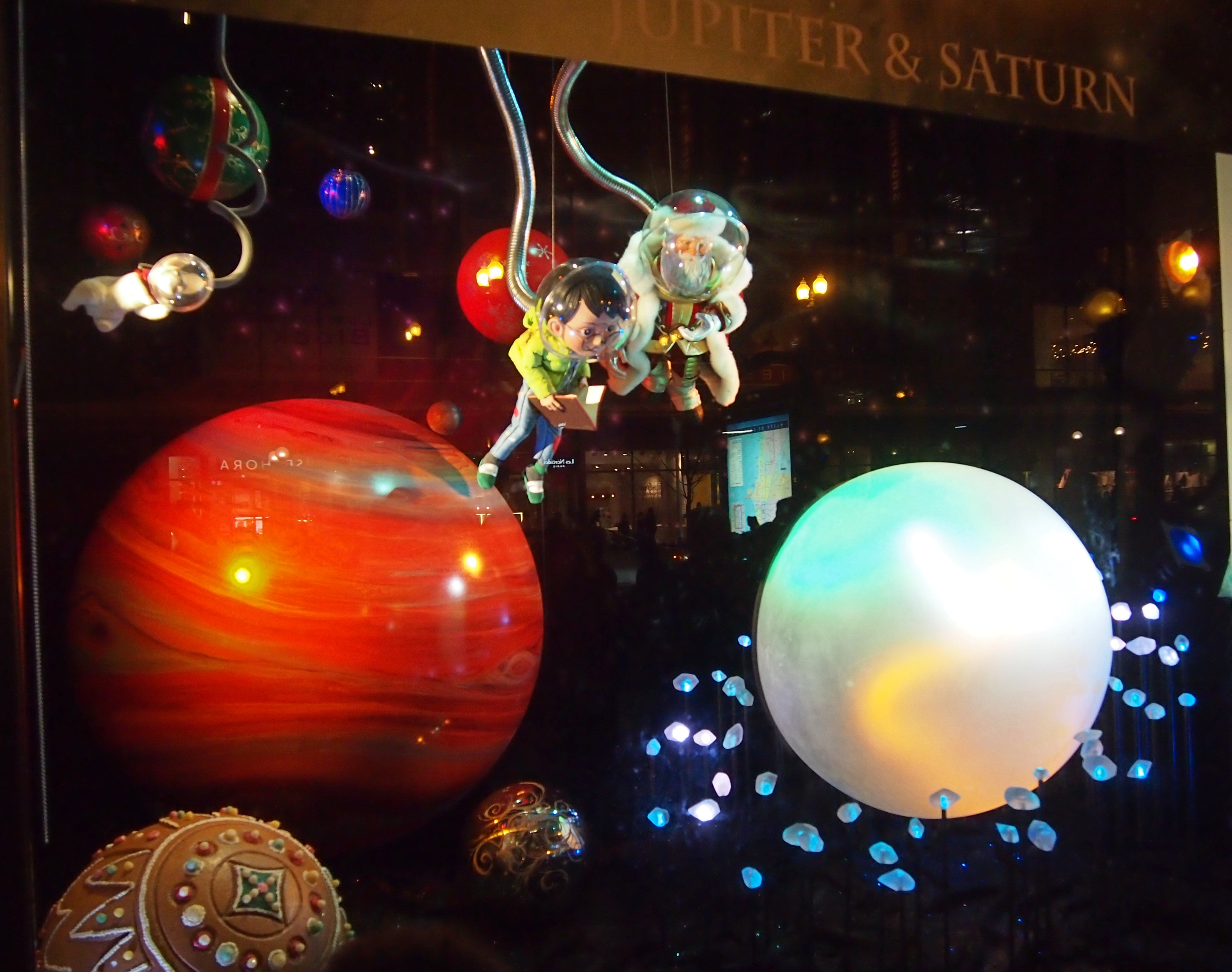
That wasn’t the case in 2015. Actual designers were carrying on the tradition back then, and I should have taken more pictures. This was a favorite: a snowball fight between Uranus and Neptune.

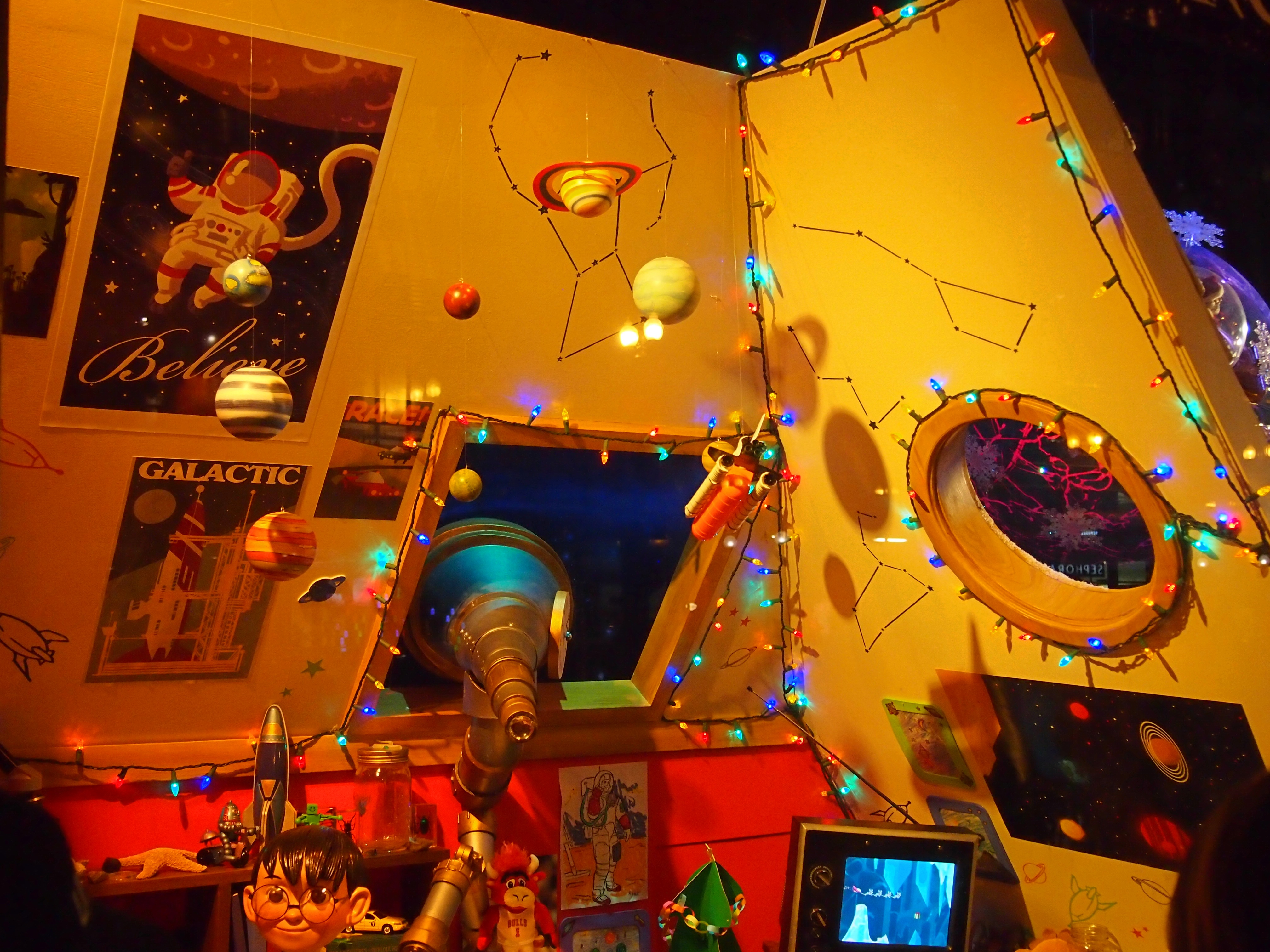
The conceit was, as I wrote, a “space-flight-enthusiast young boy hitching a ride with Santa to various fantastic versions of the planets (except Pluto), including a return to Earth that seemed to feature a bizarro hybrid of New York and Chicago.”

I did take a few other pics. The first was, I believe, the boy’s room.State Street windows State Street windows

C’mon, Macy’s. You can do better windows if you try. If you hire the talent. I expect my nephew Robert, whose profession encompasses such work, would be glad to help for a healthy fee.

Cybertrucks on the Loose

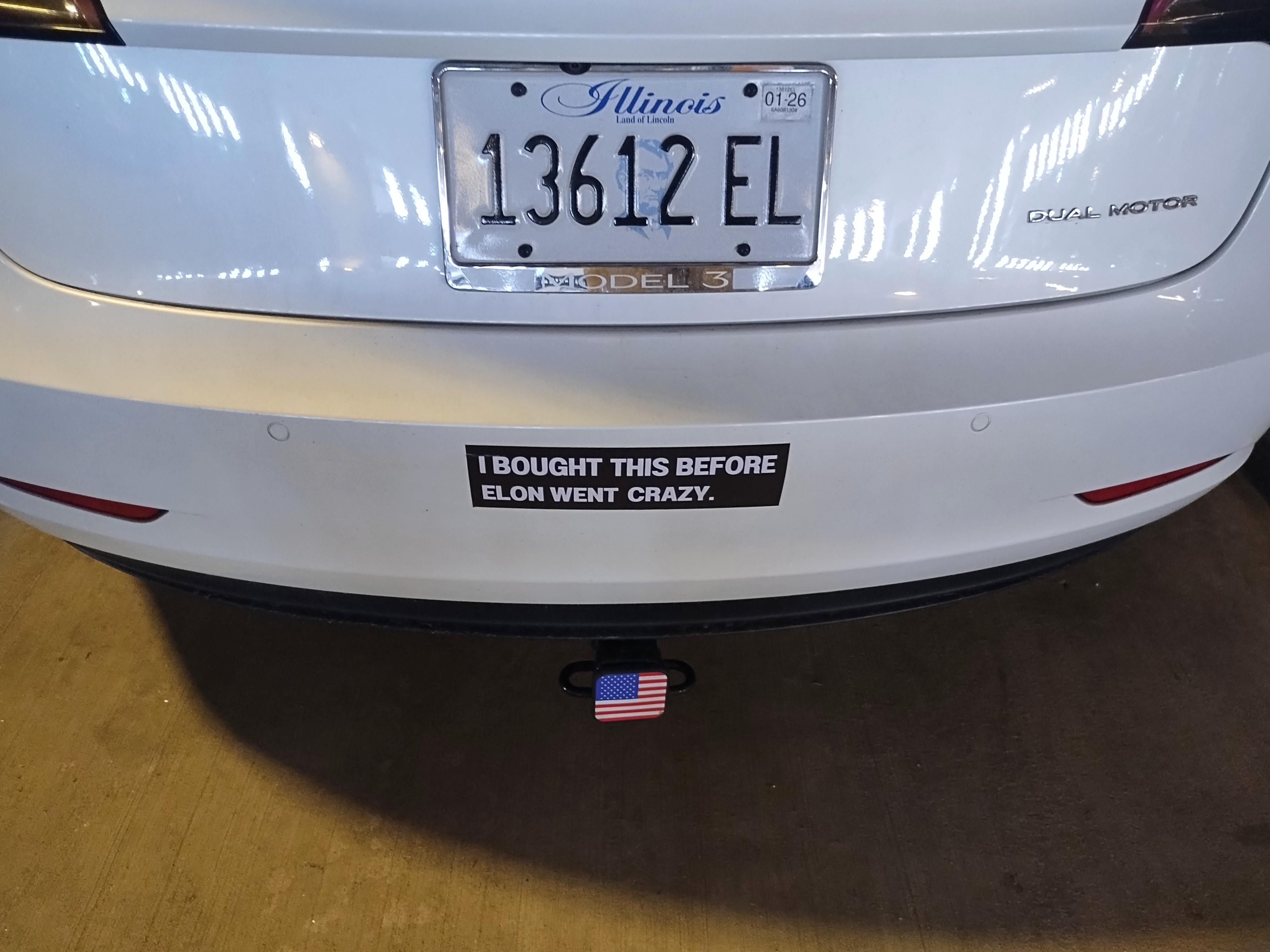
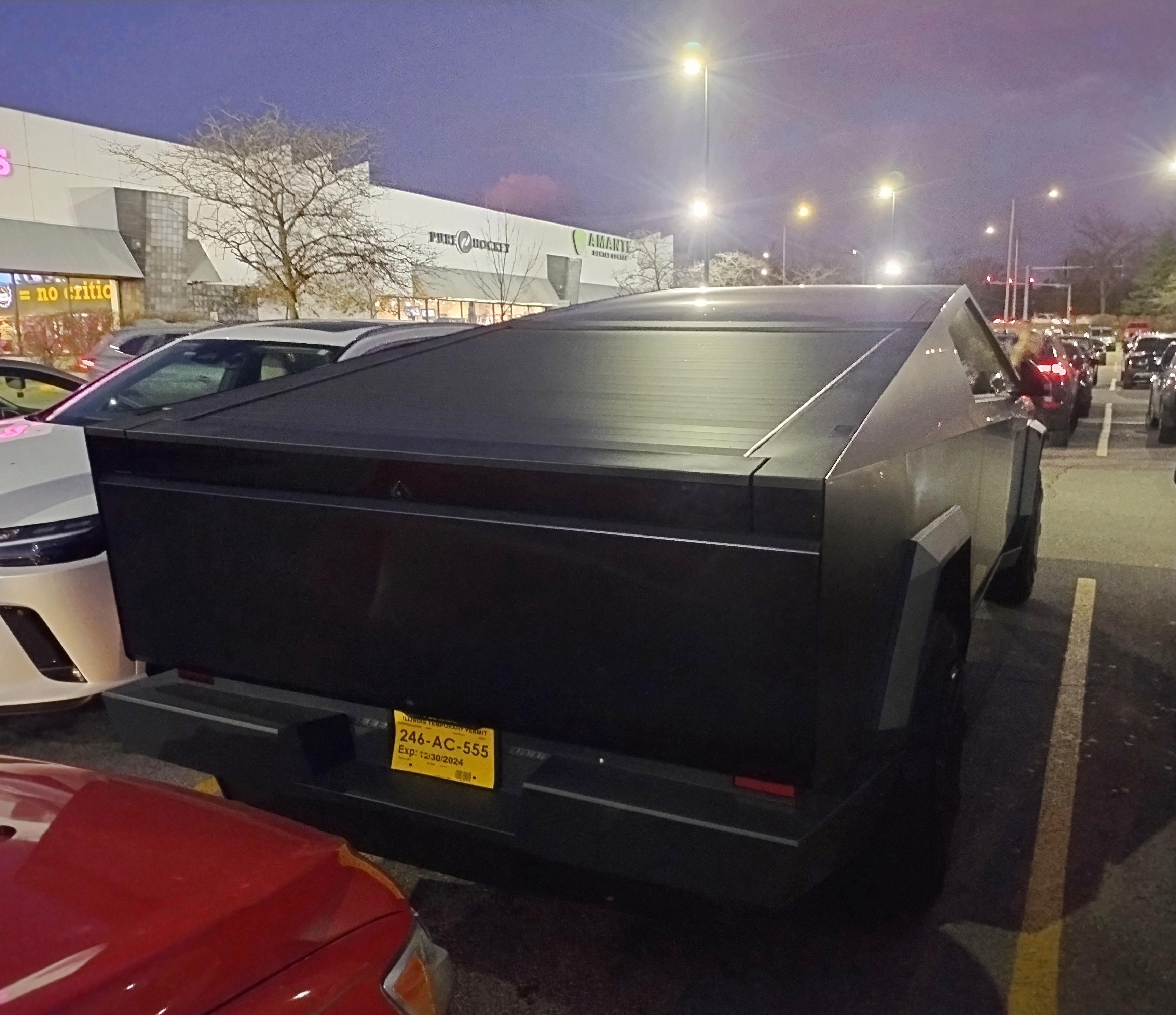
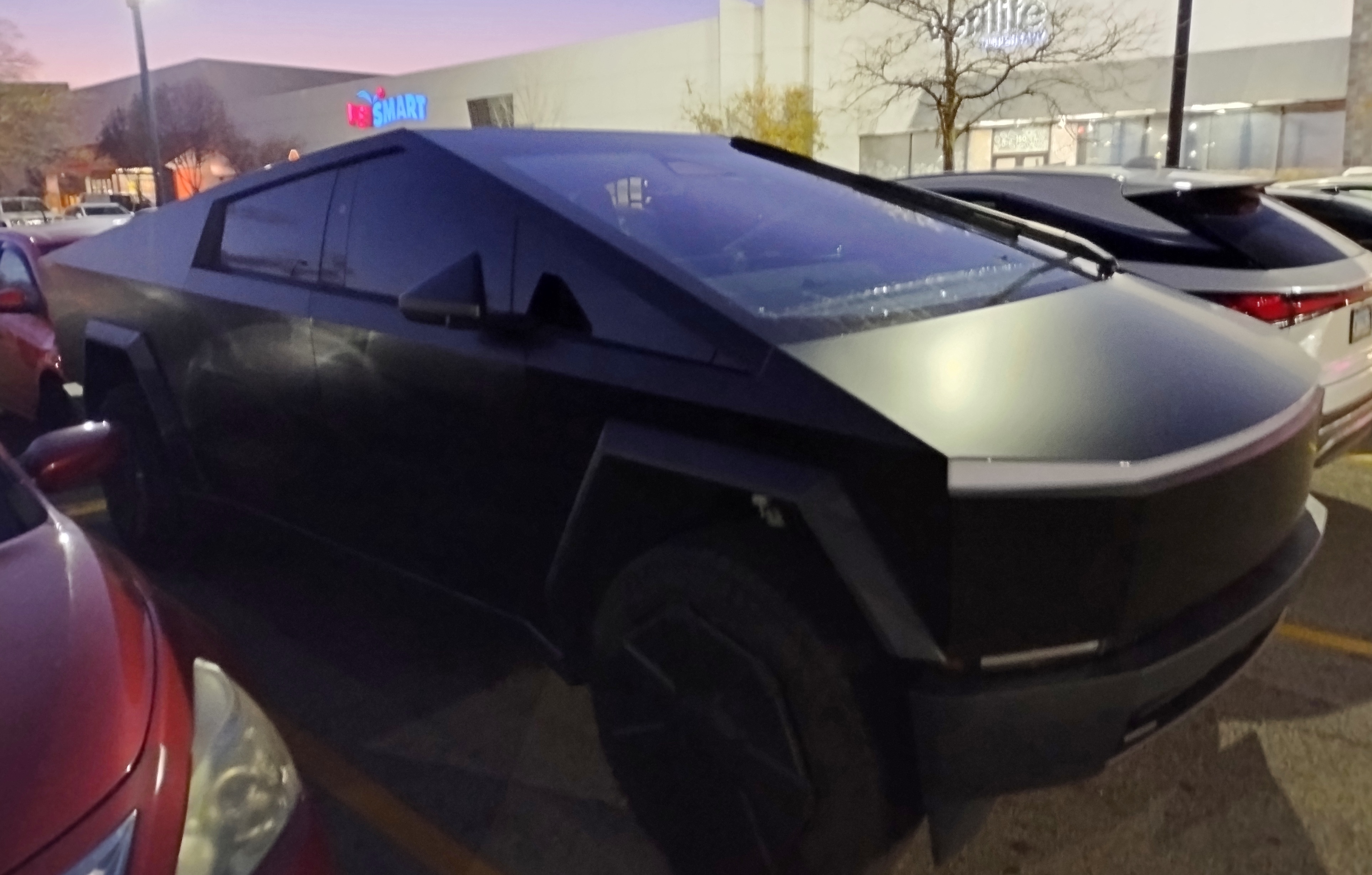
This was a first in Illinois. Spotted the other day in a northwest suburban parking lot after dark, but even so it stands out.

I’d seen a handful of them before, but not around where I live. Rather, I saw three of these oddities on the road this summer, one in Montana, another in Washington state, and yet another in Wyoming. As those vehicles were moving, and so were we, I didn’t snap any pictures. Tesla Cybertrucks, they are called.

They were all black. Is Tesla taking the Model T approach to color so famously commented on by Mr. Ford himself? (Which isn’t quite true.) If I wanted a pink Cybertruck, which would really stand one, would that be possible? Here’s one aftermarket gold one. Gold-plated, anyway, which seems something like having a gold toilet.

Some tens of thousands of Cybertrucks have been sold, but apparently not quite at the rate Tesla anticipated. Production has slowed for the moment.

MSRP: $82,235 to $102,235, according to Car and Driver. The magazine further has this to say: “Tesla’s otherworldly electric pickup is a mash-up of polarizing styling and bleeding-edge technology that results in surprisingly nice-to-drive hulk of a truck,” which also uses the terms “moonshot tech” and “unique look.”

Polarizing styling, eh? Otherworldly? Unique look, that’s for sure. The magazine is being polite. Even at the low end of the range, that price is madness, especially for a vehicle looking a lot like a car of the future, as drawn by an eight-year-old boy 50 years ago.