GTT ’26, With a Small Side of NM

Never cared much for the term snowbird, with its connotations of getting up every morning to play golf during winter in some arid place, or spending the evenings with members of your cohort in some gated community, maybe drinking but definitely grousing about the state of the world. Still, considering that in the winter of 25/26, I’ve spent two out of the last three months – the hard winter months, up Illinois way – in warmer places, it would be churlish to cast shade on fellow old people who happen to enjoy golf or grousing.

On the other hand, I’m not about to claim snowbird as descriptive for myself. I just happen to be able to take long trips during the cold months (along with my laptop, for work). In December, Florida. In February, Texas.

Back on February 3, I got on a plane and flew to Austin. I flew home from Dallas on March 3. In between, I spent time – and Yuriko joined me for a while – traversing the state of Texas, going so far west at one point that we ended up in New Mexico. By traversing, I mean long drives, in a rental car part of the time, and in my brother Jay’s car as well, a blue Subaru known as the Blubaru.

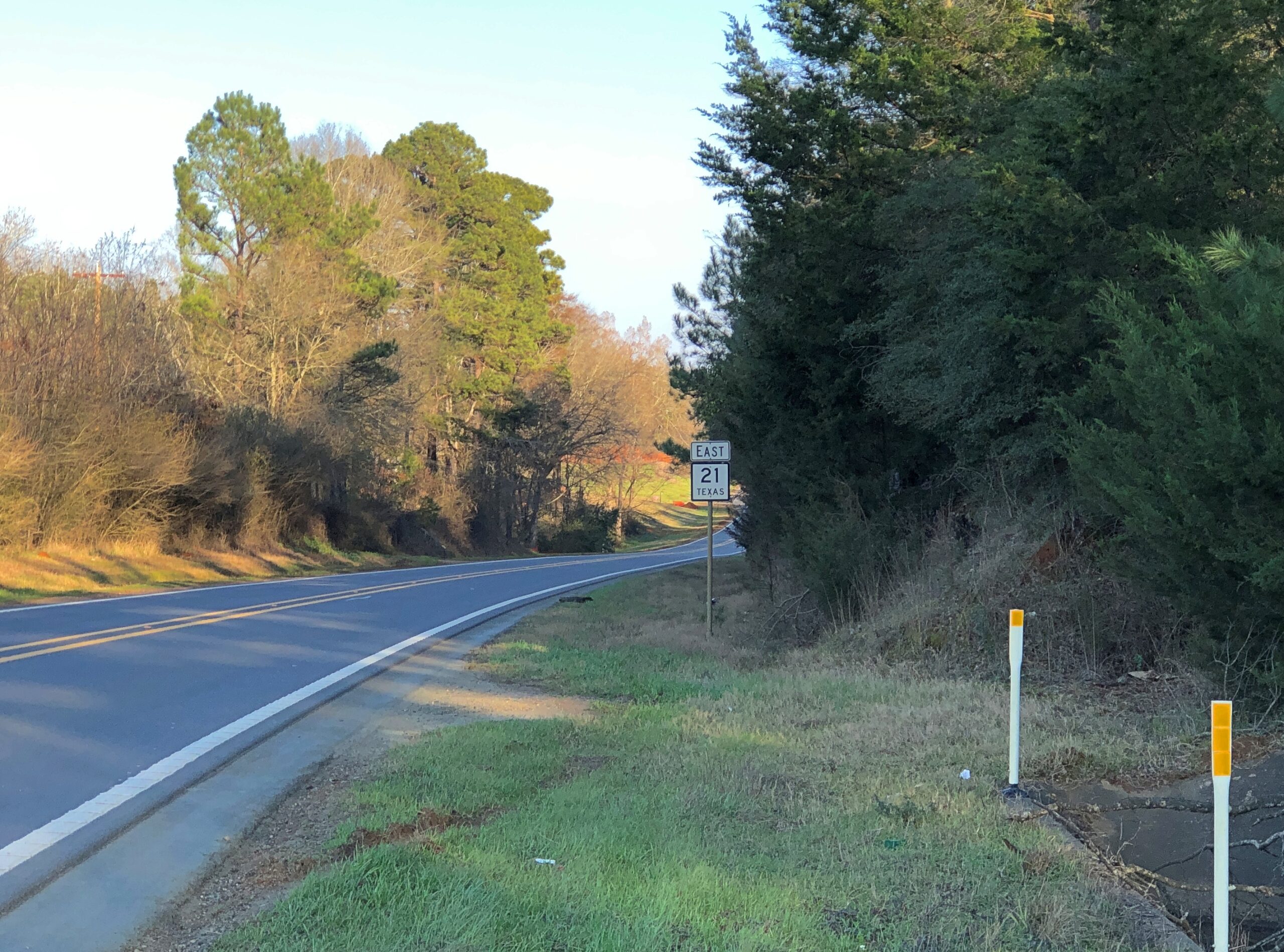
I drove from Austin east to Houston, mostly on US 290; from Houston to Nacogdoches, mostly on US 59; then to Dallas on various state highways, such as Texas 21 and 19; and from Dallas to San Angelo to Marathon, Texas, on US 67 and on the grandly remote US 385, which will also take you to the desert reaches of the Big Bend.

From Marathon, Texas, across to Carlsbad, NM, our route took us along US 90, then Texas 56, then US 62/180. Later, US 62/180 took us from Carlsbad part way back to Dallas — to Sweetwater, Texas — but mostly we went on the faster but less interesting I-20. Dallas to San Antonio was partly I-35, but also US 281, which takes you around the perma-gridlock that is Austin.

Of all those, the road between Nacogdoches and San Augustine on a day trip, Texas 21 heading east, winding through greenish (for February) rolling hills, was a favorite.
The towns listed above were just the places I spent the night, alone or with Yuriko or with my brothers. In between were such places as Bastrop, these days a day-trip from Austin, with the requisite boutiques and restaurants; Huntsville, home of Sam Houston and memorials to the first president of Texas; San Augustine, rival with Nacogdoches in claiming to be the oldest town in Texas; Stephenville and Ballinger, geographically about as deep in the heart of Texas as you can be; the West Texas art town of Marfa and the way station of Van Horn; a string of oil patch towns such as Hobbs, NM, and Seminole, Lamesa, Snyder, and Sweetwater, back in Texas. Later, traversing north to south and back again, I stopped in Hillsboro and Belton, along the I-35 axis; and Lockhart, which has claimed for itself barbecue capital of the state.

Along the way, oddities were encountered. Otherwise, why drive on smaller roads?

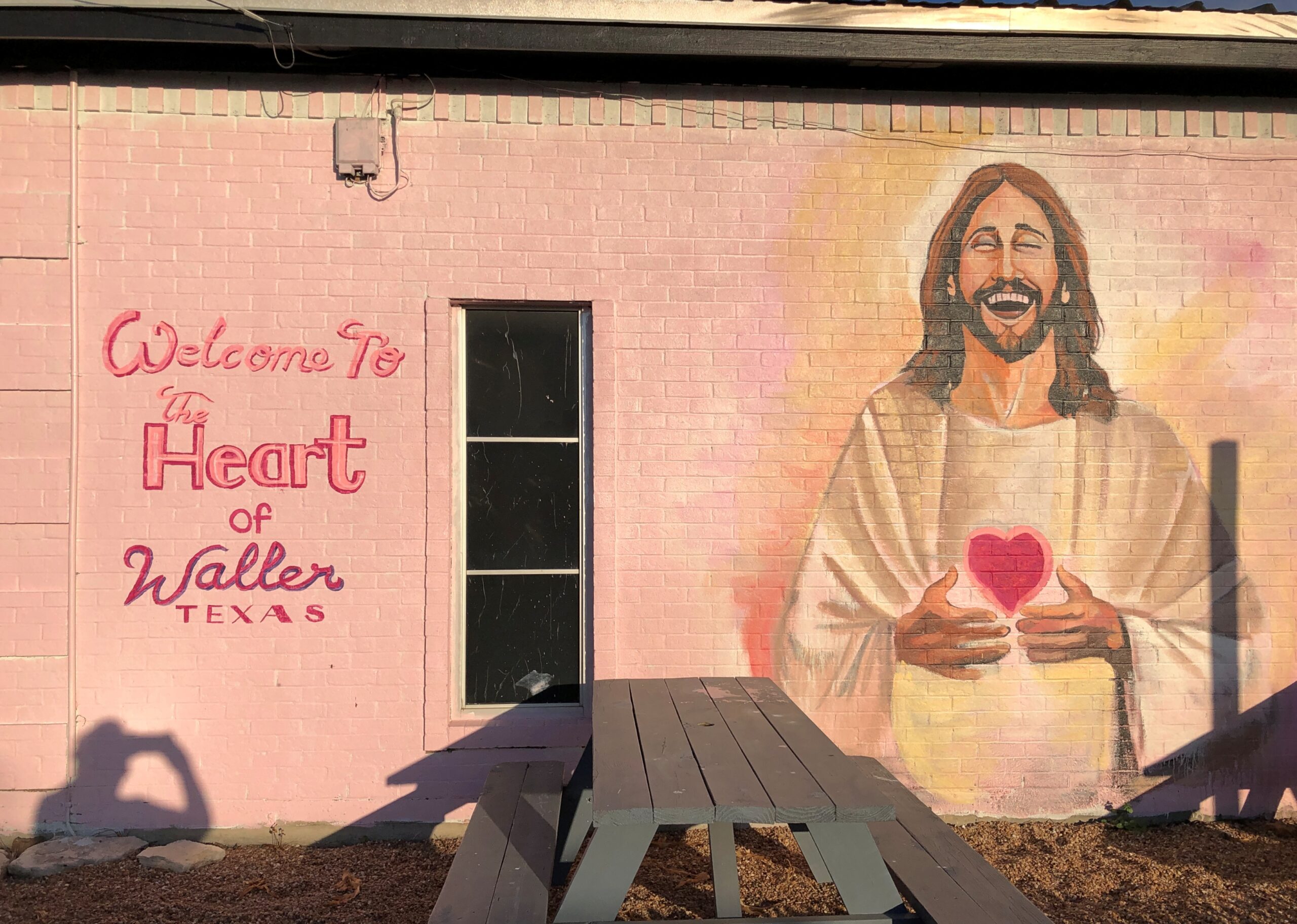
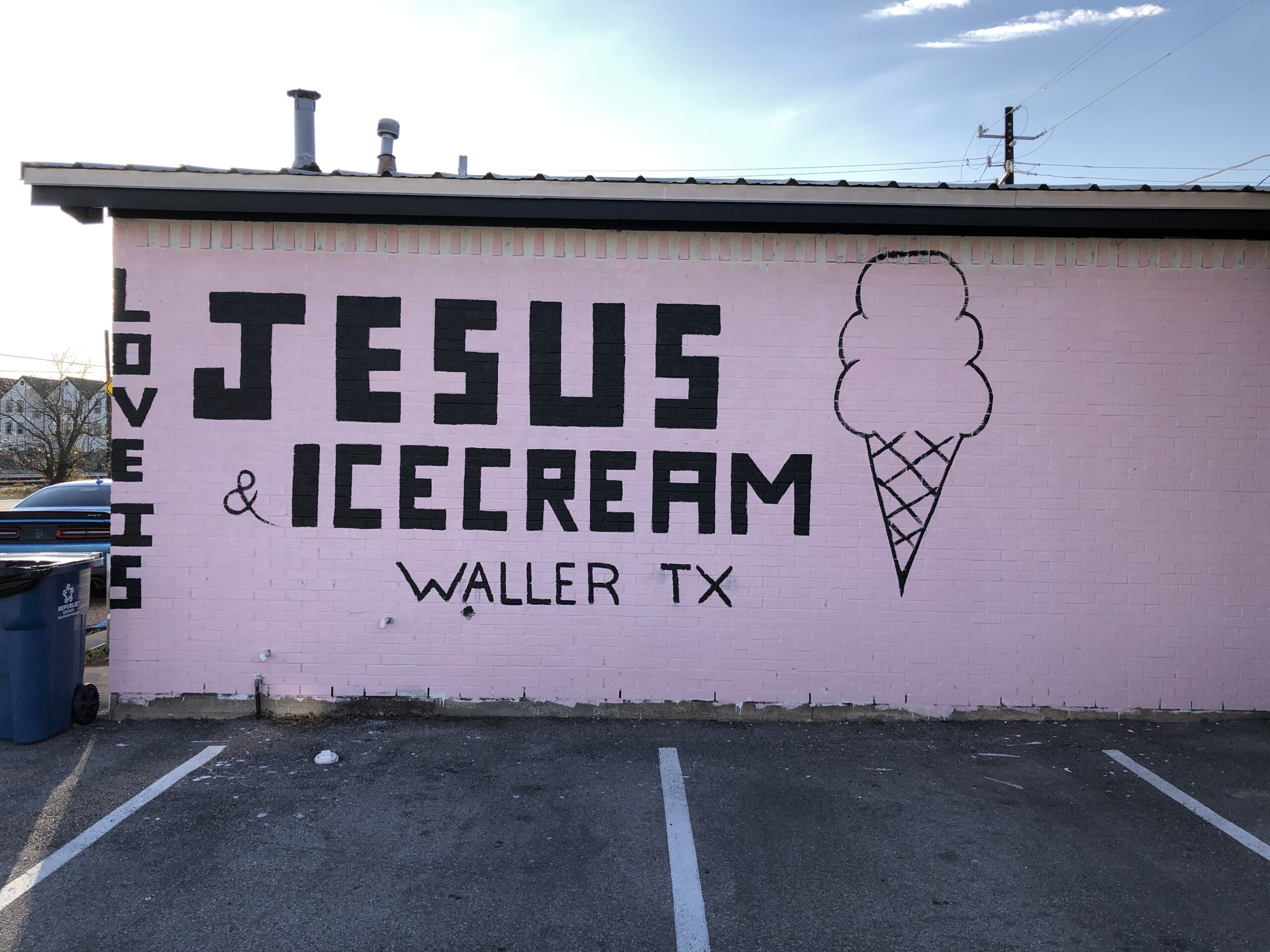
Such as an ice cream shop in Waller, Texas.
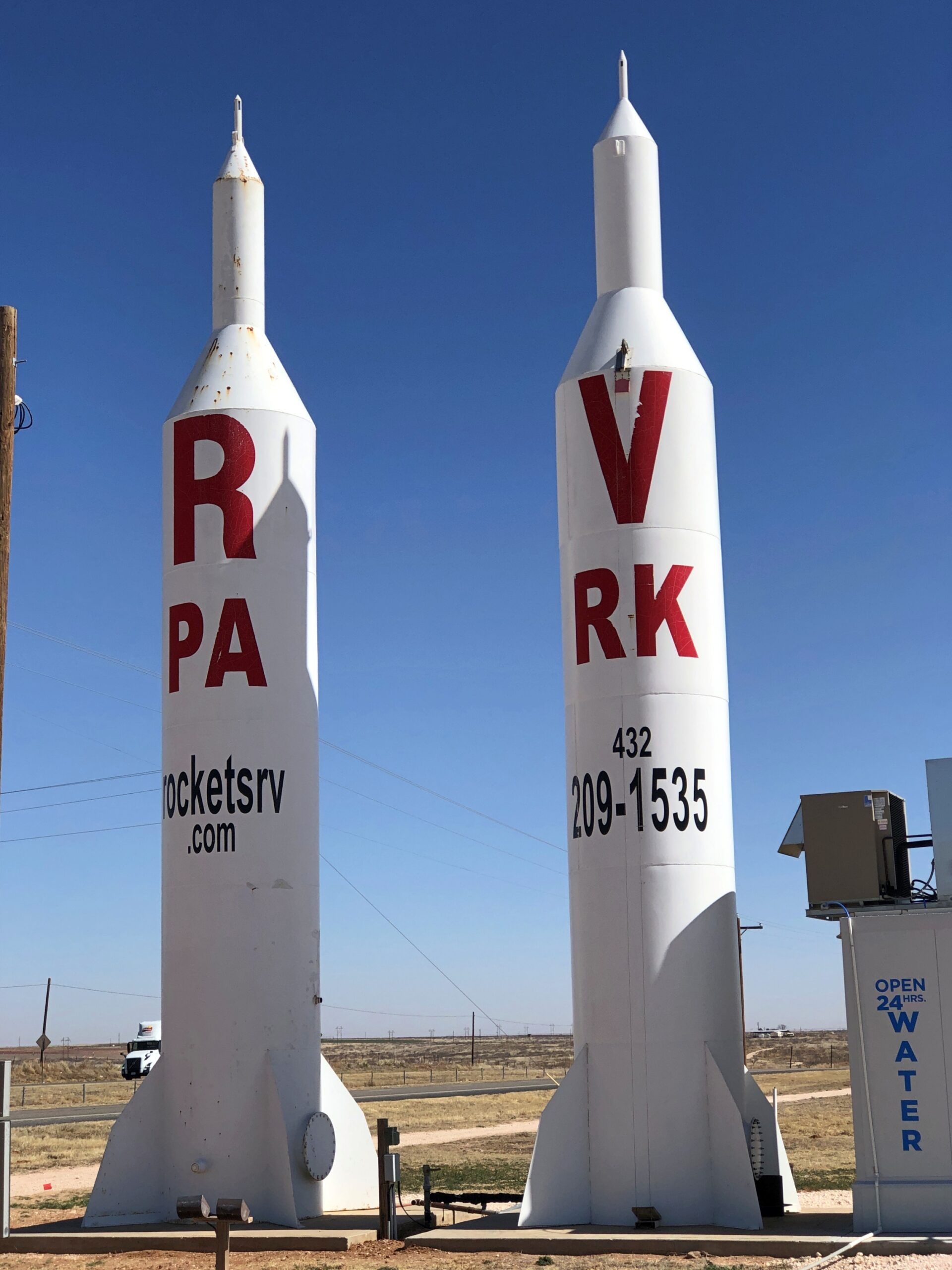
Or a highly visible ad for Rockets RV Park in Gaines County, Texas, not far east of the border with New Mexico.
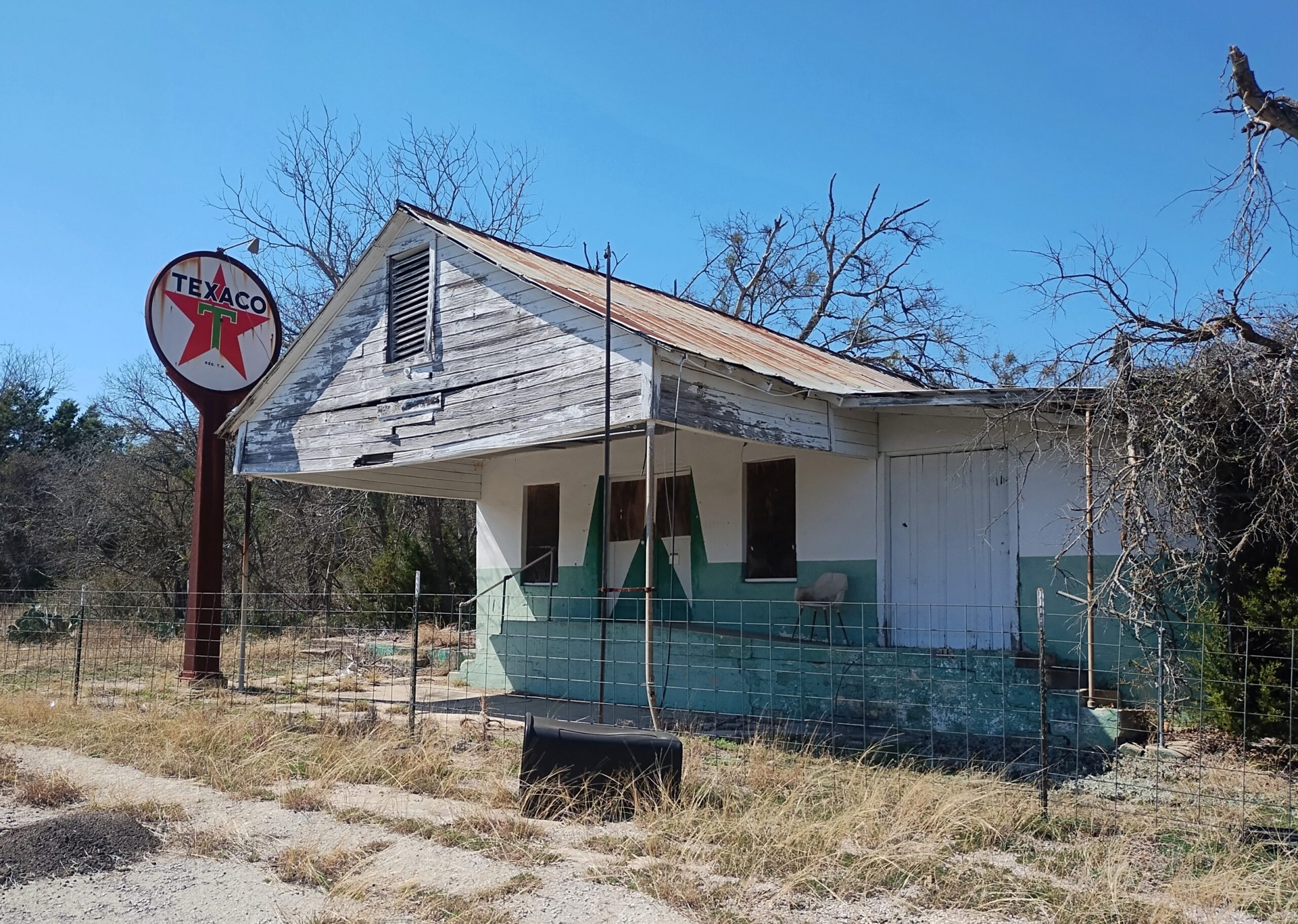
A former Texaco station on an obscure Texas highway (Farm-to-Market 1690).
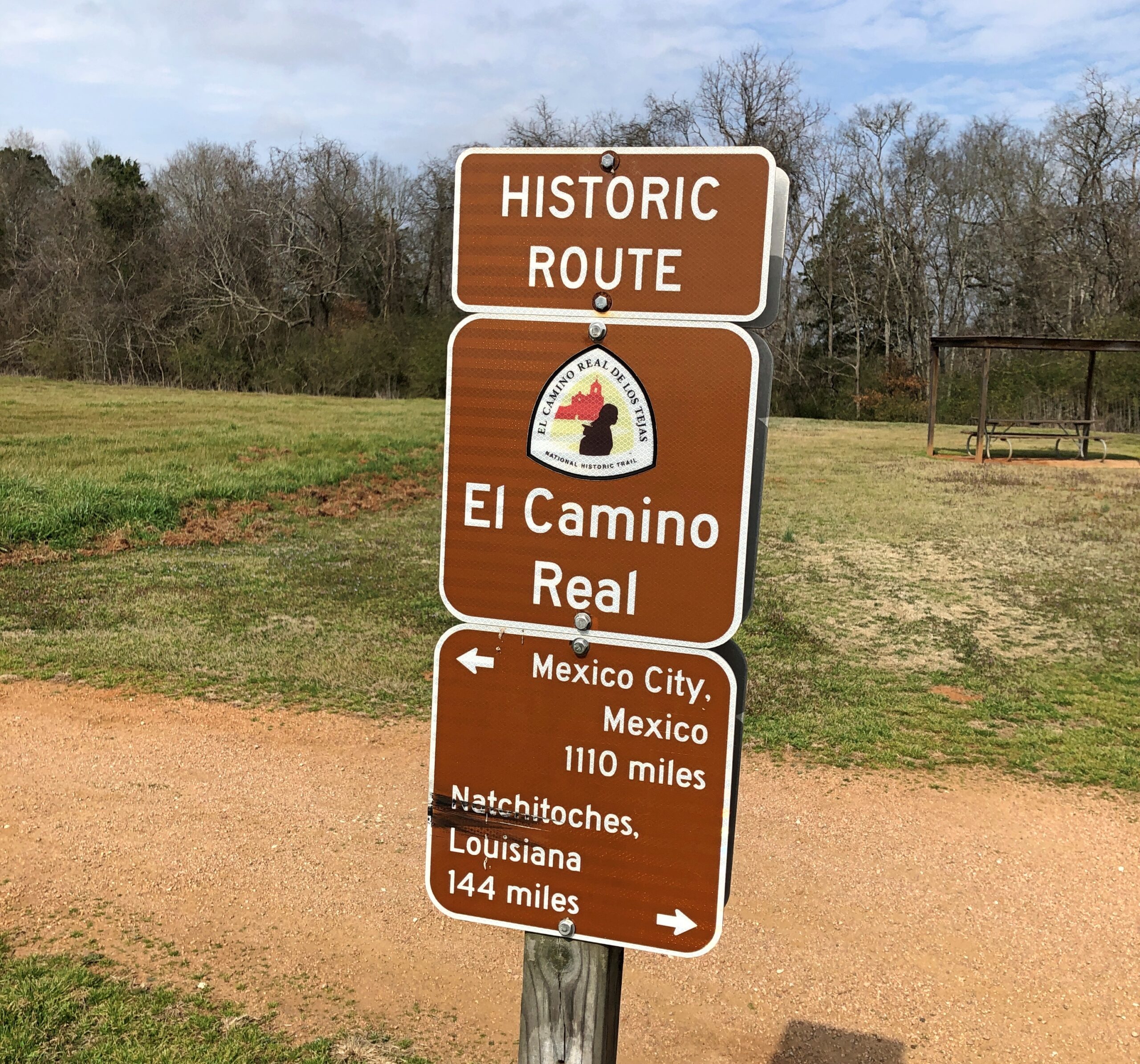
Had various encounters with the historic El Camino Real, whose various tendrils crossed a large slice of the future state of Texas, once upon a time.
Yuriko and I visited Big Bend National Park, Guadalupe Mountains National Park and Carlsbad Caverns National Park. I saw the National Museum of Funeral History in the city of Houston and the museum devoted to Houston (the man) in Huntsville. Also, Roadside America in Hillsboro, an eccentric collection of American commercial art, complete with a personal tour by the proprietor, and the outdoor art at the Chinati Foundation in Marfa, that is, brutalist concrete structures in the brutal desert environment. I became acquainted with the splendid Glenwood Cemetery in Houston and the smaller and more ragged, but no less interesting city cemeteries in Huntsville and Nacogdoches. I stopped and looked at about a dozen county courthouses, of which Texas has many.

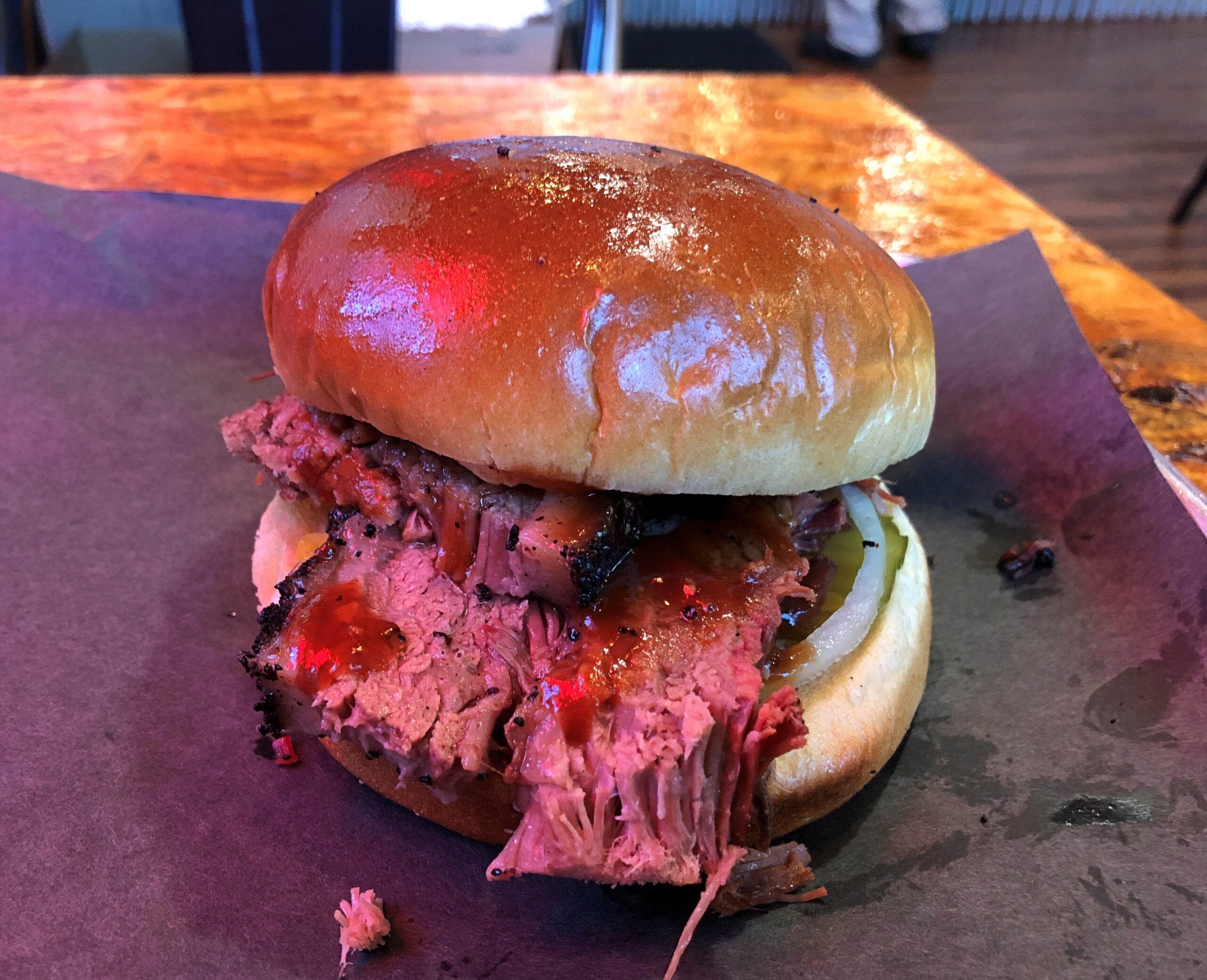
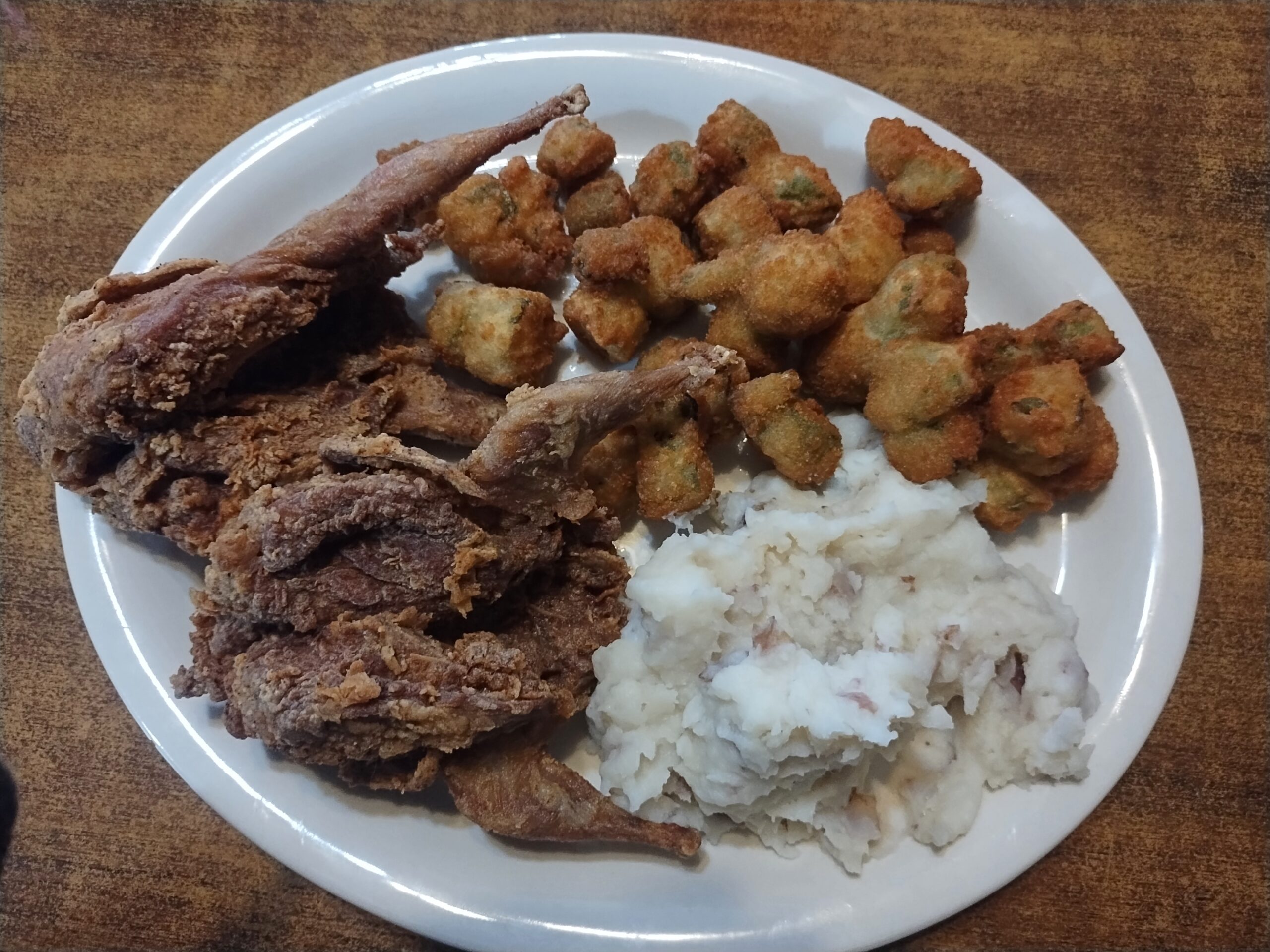
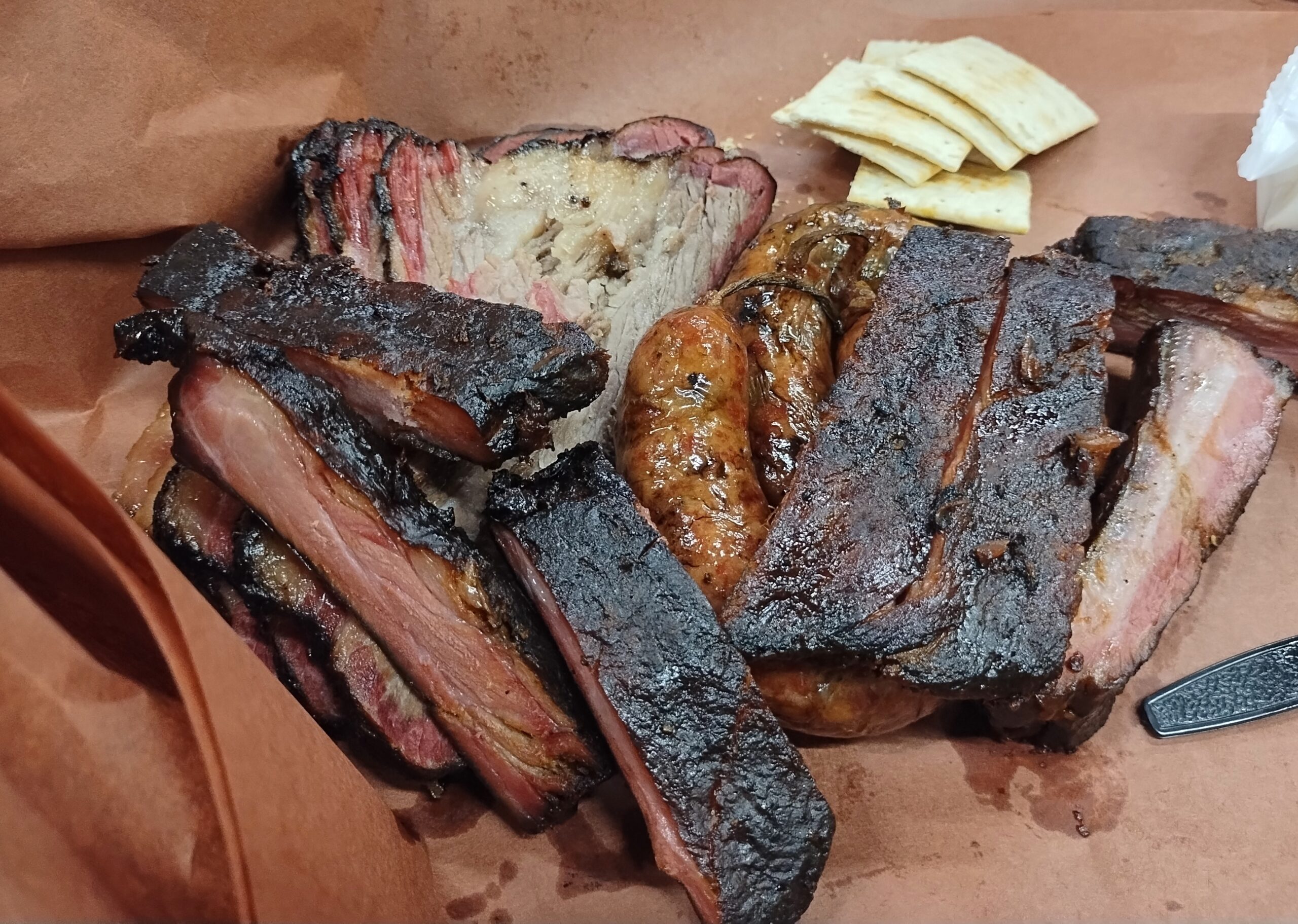
We ate a lot of meat along the way. As one does in Texas.
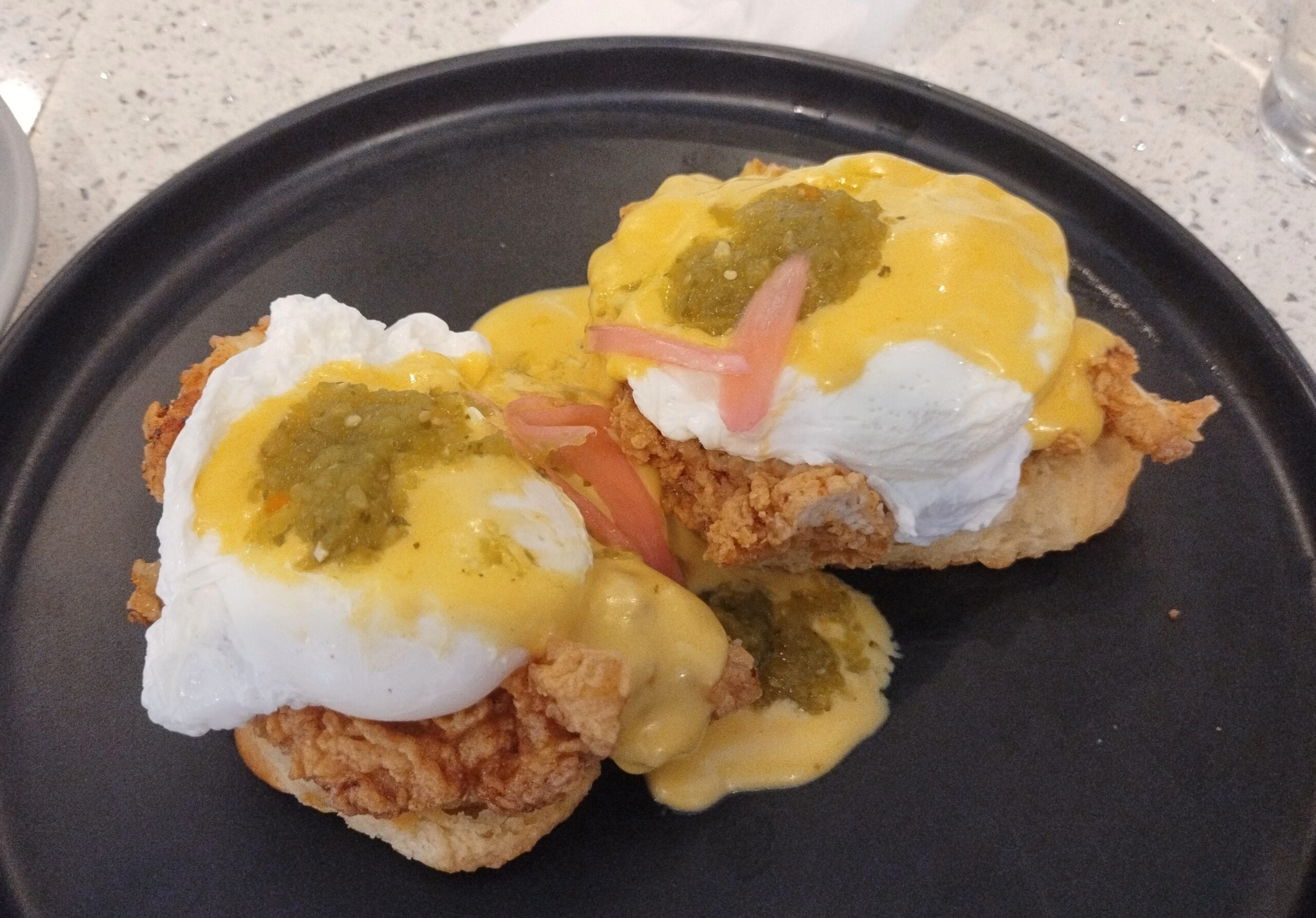
Also, Mexican food.
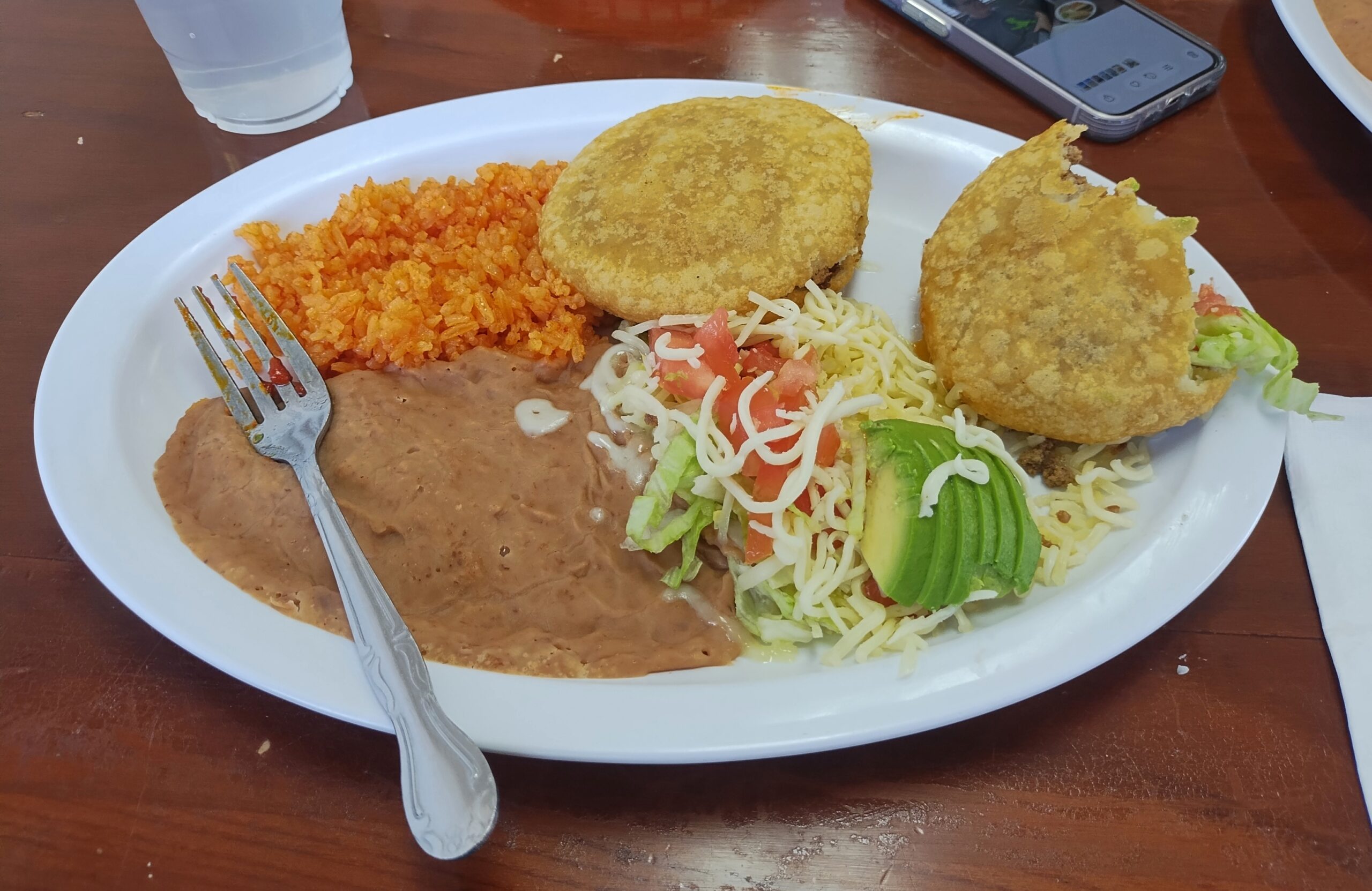
Eat like that and you’d better do some walking, and I did: various places in Austin and Houston and Dallas, in all three national parks, around downtowns and courthouse squares in a number of small towns, and a handful of local parks.

All that was good, but of course best of all, I had time to visit friends and relatives, of whom there are many in Texas: Tom and Nancy in Austin, Kirk and Lisa in Nacogdoches, another Tom and Steve and Ron and Greg and Judith in San Antonio, to list the friends; both brothers, two out of three nephews and their wives and all four of their children, to list relatives, along with the mother of one nephew’s wife (niece-in-law sounds peculiar, but that fits too). Also, I met for the first time two good friends of Tom’s, and one of Kirk and Lisa’s granddaughters.

I’d set out to do four long drives when I was 64, but this makes five. Guess I’m an overachiever about driving, anyway.
Silverton, Colorado

Cold winds rolled through northern Illinois today. Seven inches of snow are forecast for Saturday. What? Right, it’s winter. The winter solstice is just the shortest day of the year.

Back to posting on Sunday. Regards for Thanksgiving.

Something to upset PETA sympathizers.

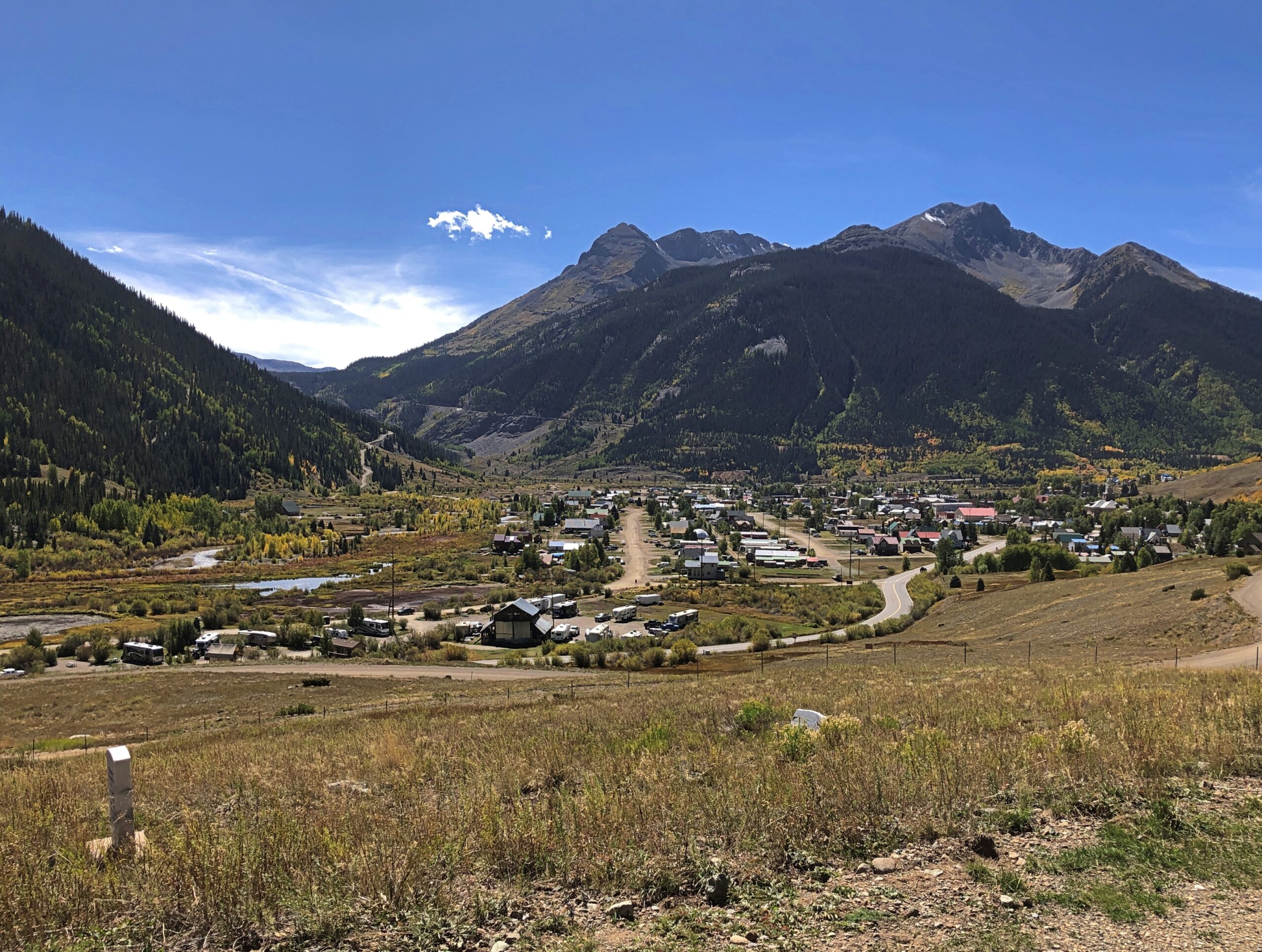
Silverton, Colorado

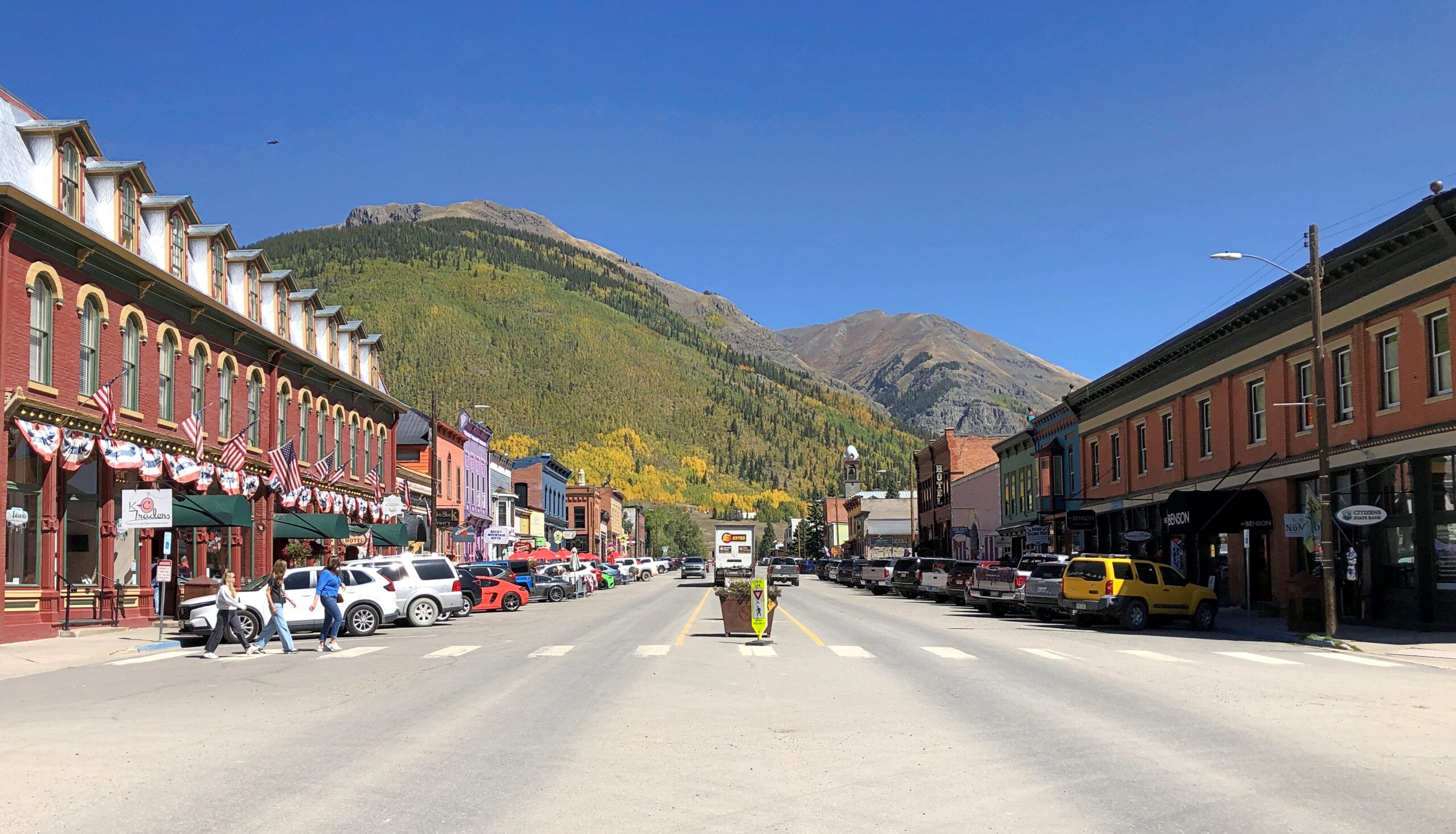
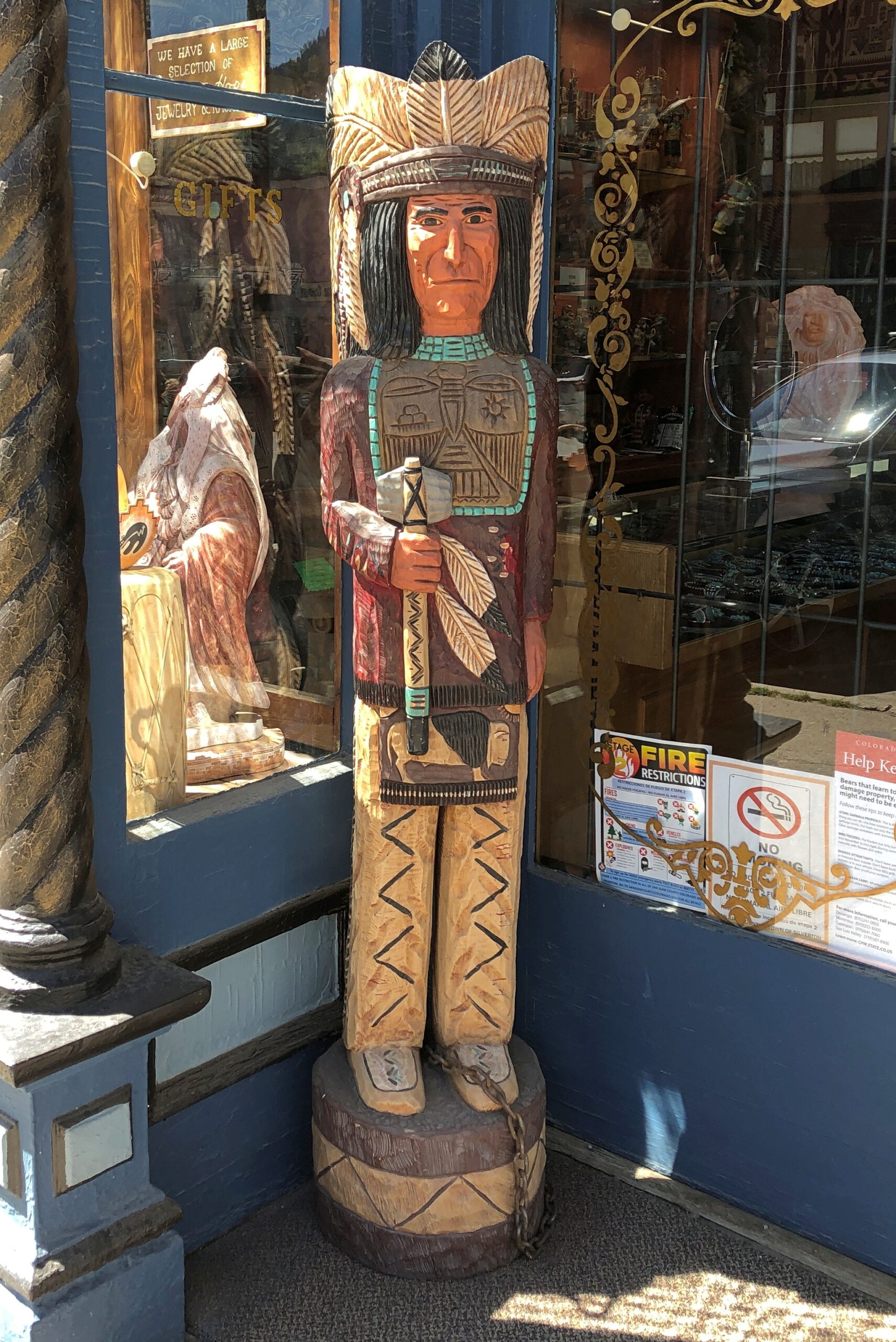
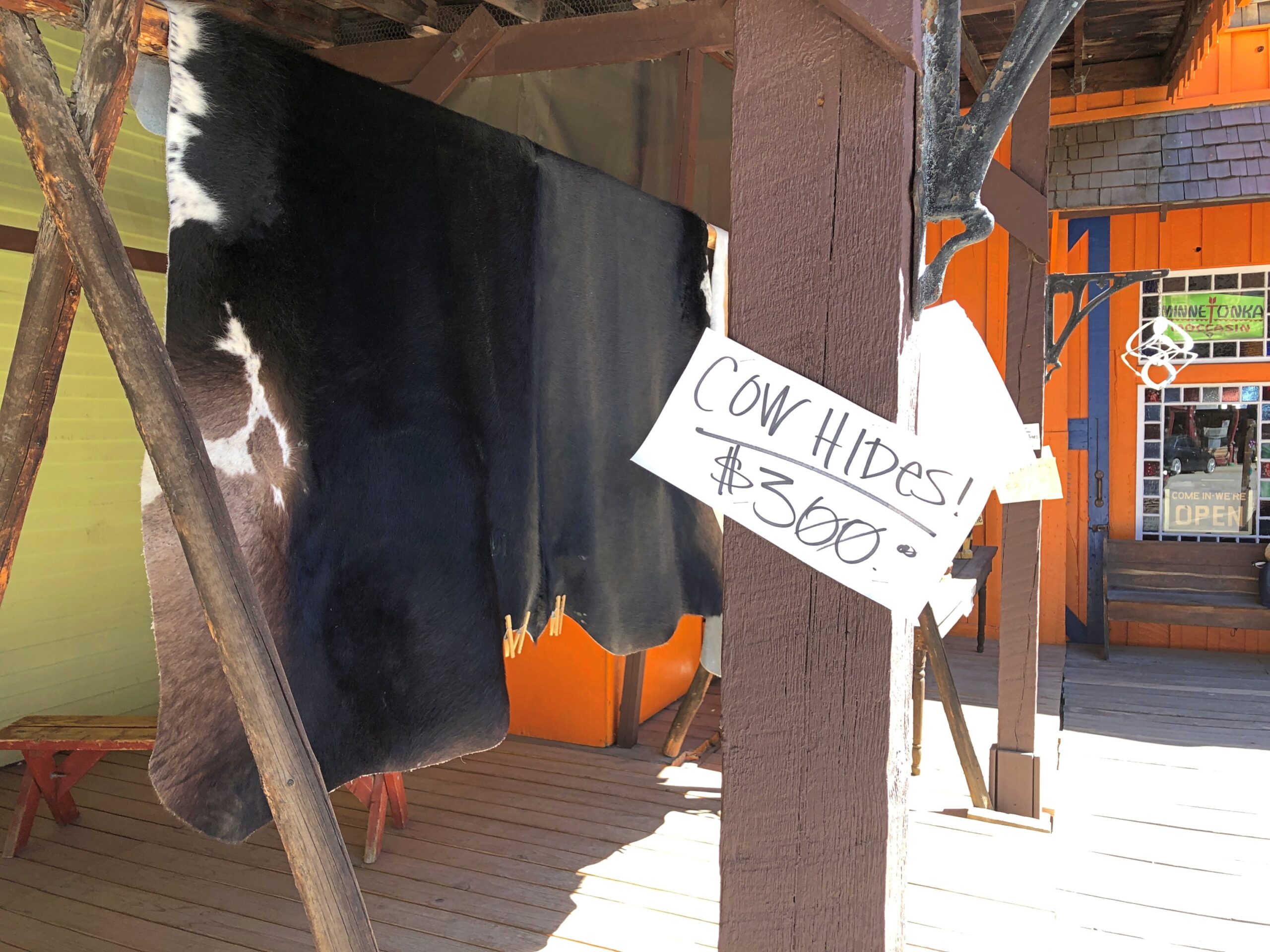
Stroll down Greene St. in the mountain town of Silverton, Colorado, at least in mid-September this year, and you’d have had the opportunity to buy a hide for $300. We did, but declined. Still, it wasn’t just a Colorado detail, but a Western one. The West, where men are men and cow hides hang in the sun. As far as I could tell, you couldn’t buy a hide with Bitcoin, but I suppose you’d have to ask the seller to be sure.

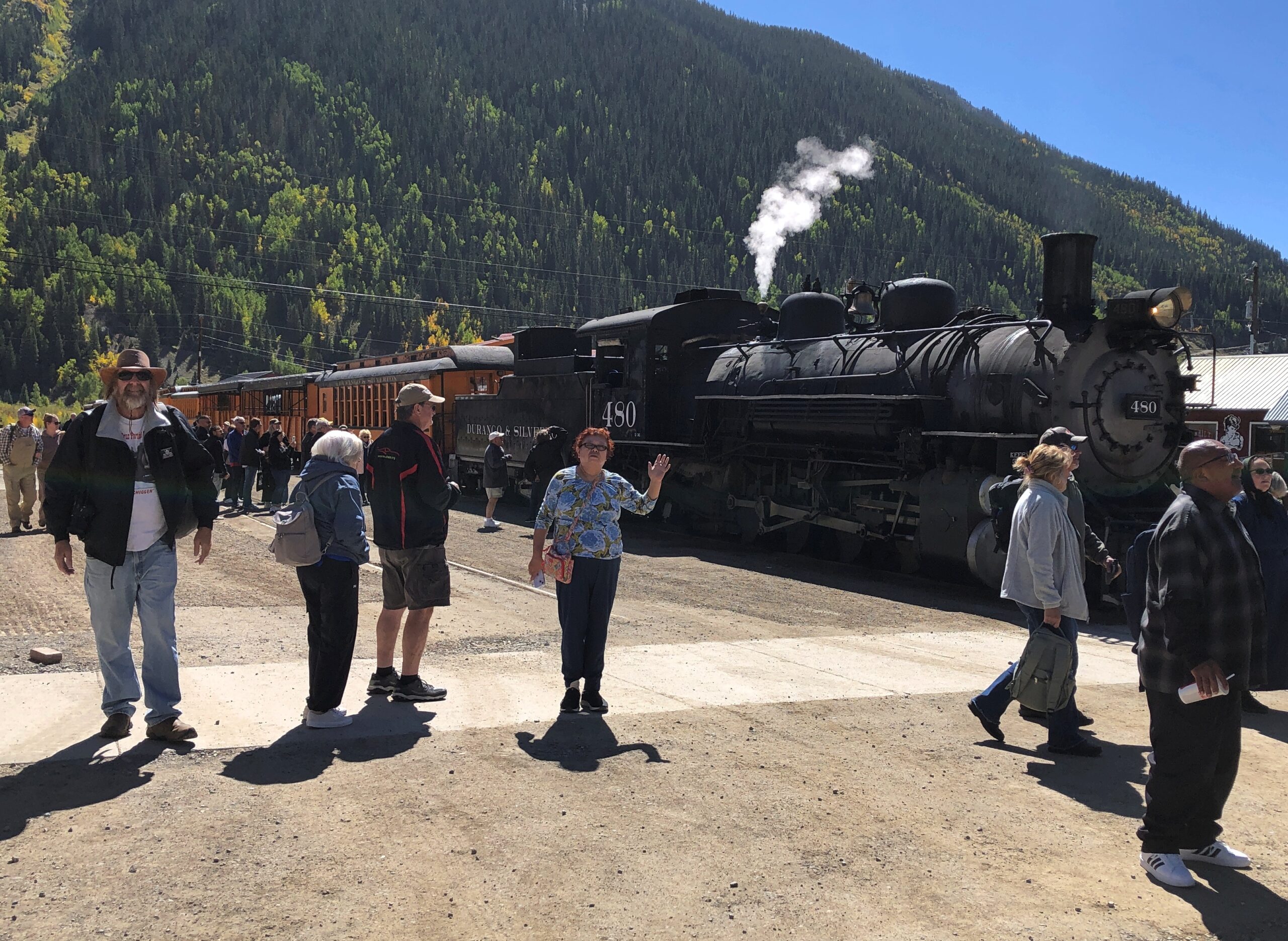
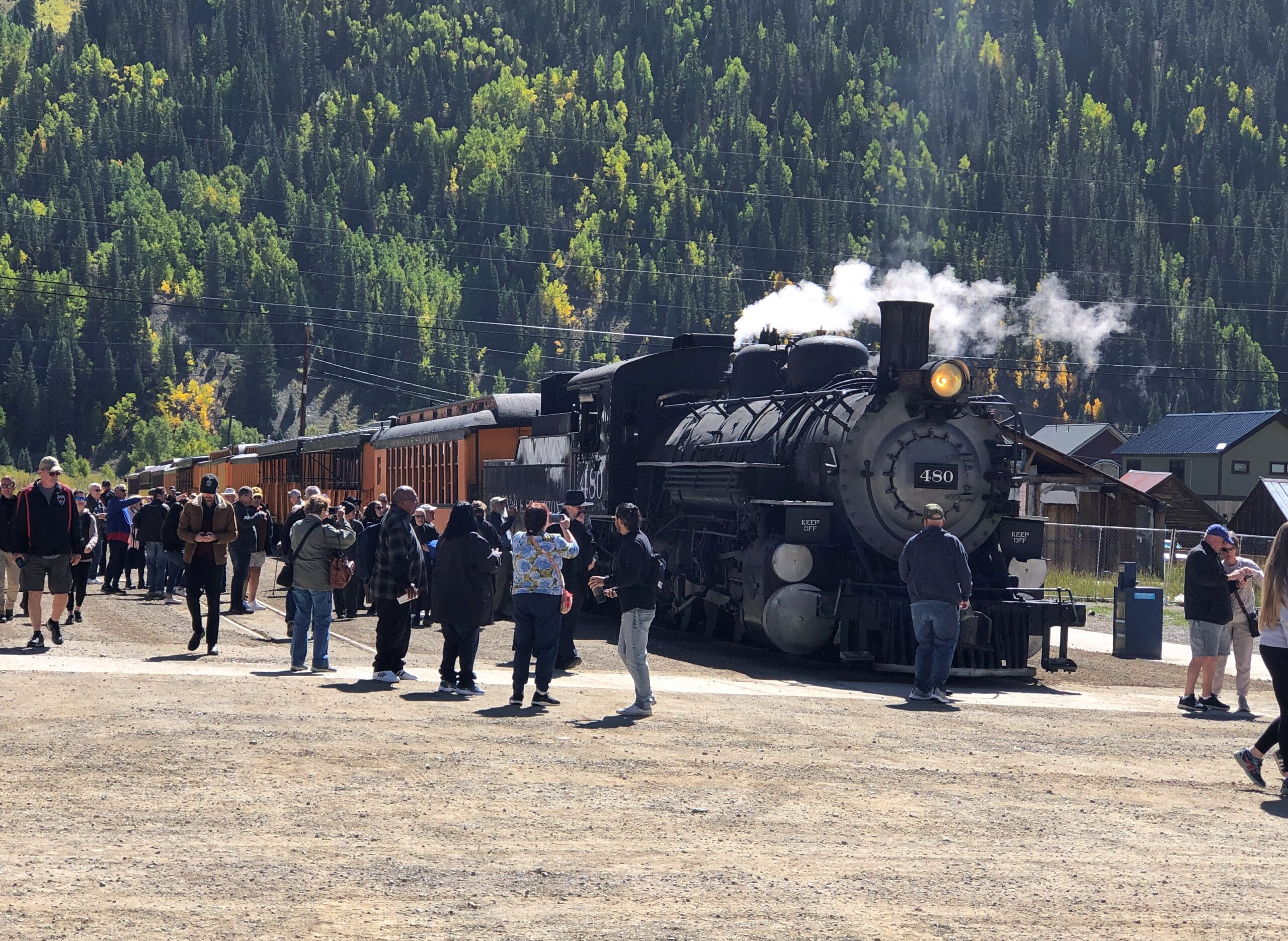
Not five minutes after we’d parked off the main thoroughfare of Greene Street in Silverton, on a large side street, a steam locomotive hauling a valuable cargo — tourists — pulled into town, a block from where we parked. The Durango & Silverton Narrow Gauge RR train from Durango had arrived. Instantly the streets around the train were thick with those same tourists who had paid roughly $100 a head for the scenic ride, though I suppose many, the majority maybe, had gotten a slight discount as seniors.

Silverton, Colorado
Silverton, Colorado

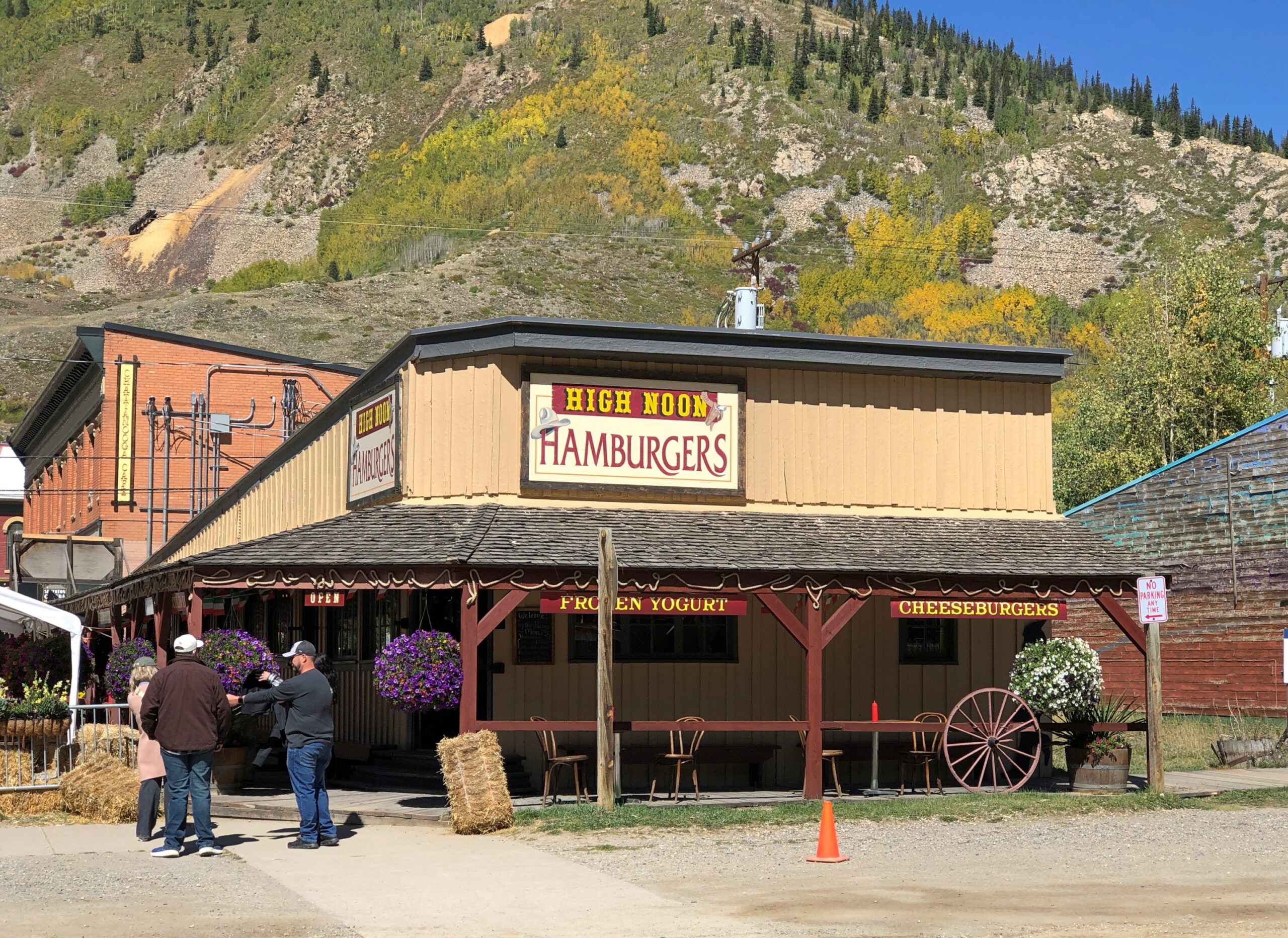
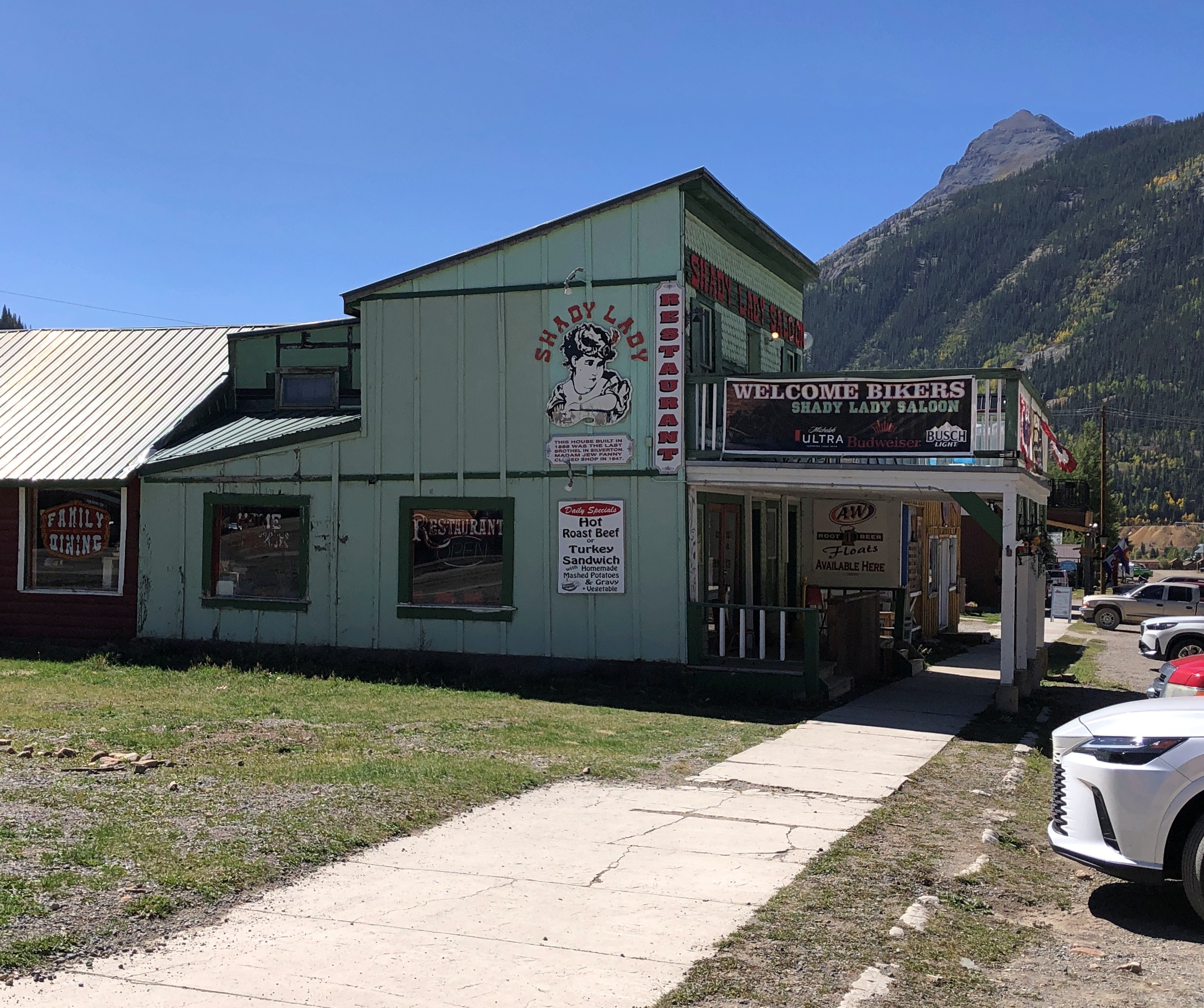
I assume the economy of 21st-century Silverton depends pretty heavily on these arrivals, at least in the warm months, as day after day the line disgorges its many passengers for their layover. No doubt the likes of High Noon Hamburgers or the Shady Lady or a lot of the other businesses in town wouldn’t be viable otherwise.

Silverton, Colorado

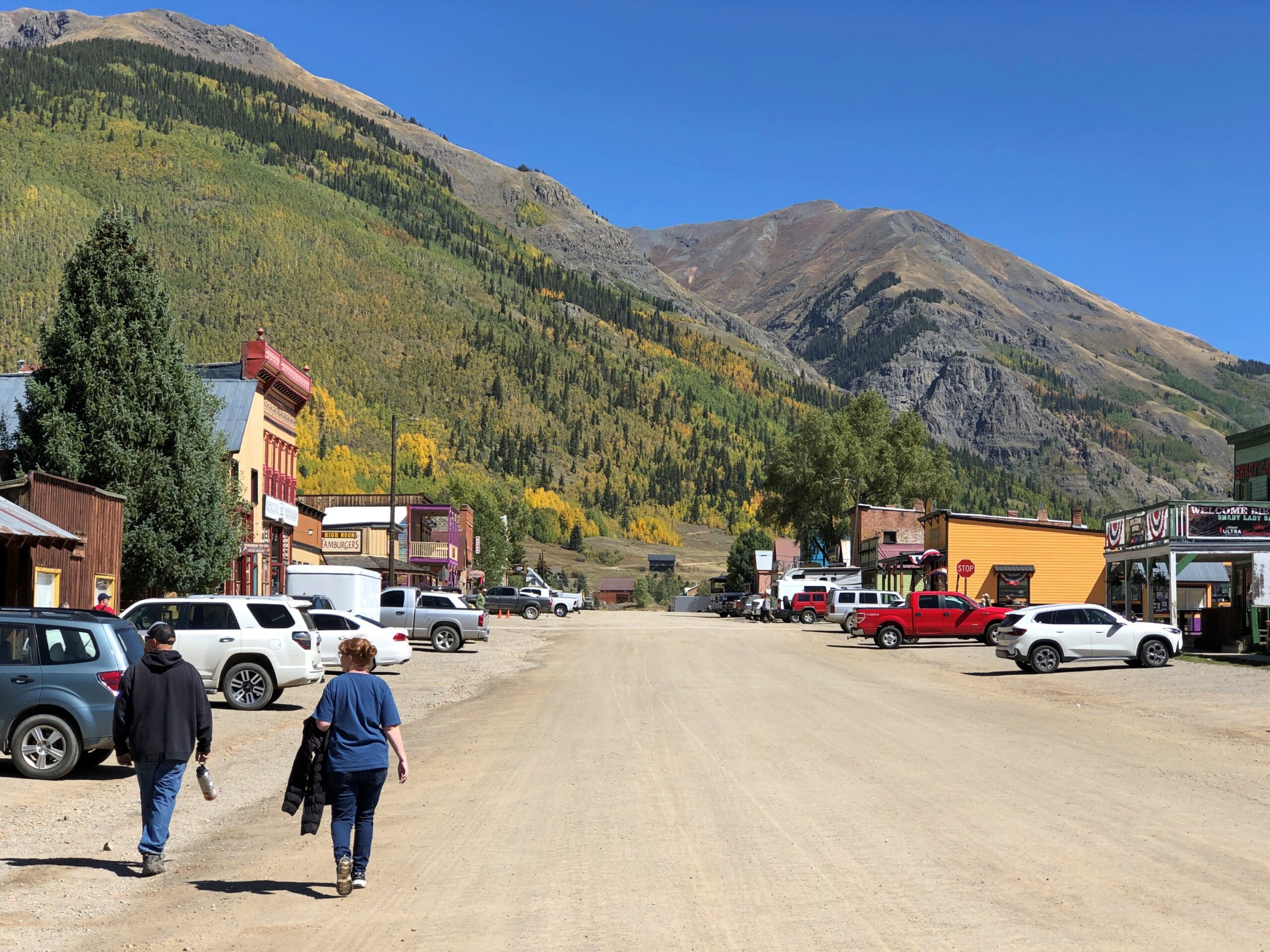
Blair St., paralleling Greene St. a block away. No need for pavement.
Silverton, Colorado

Greene St.

Silverton, Colorado

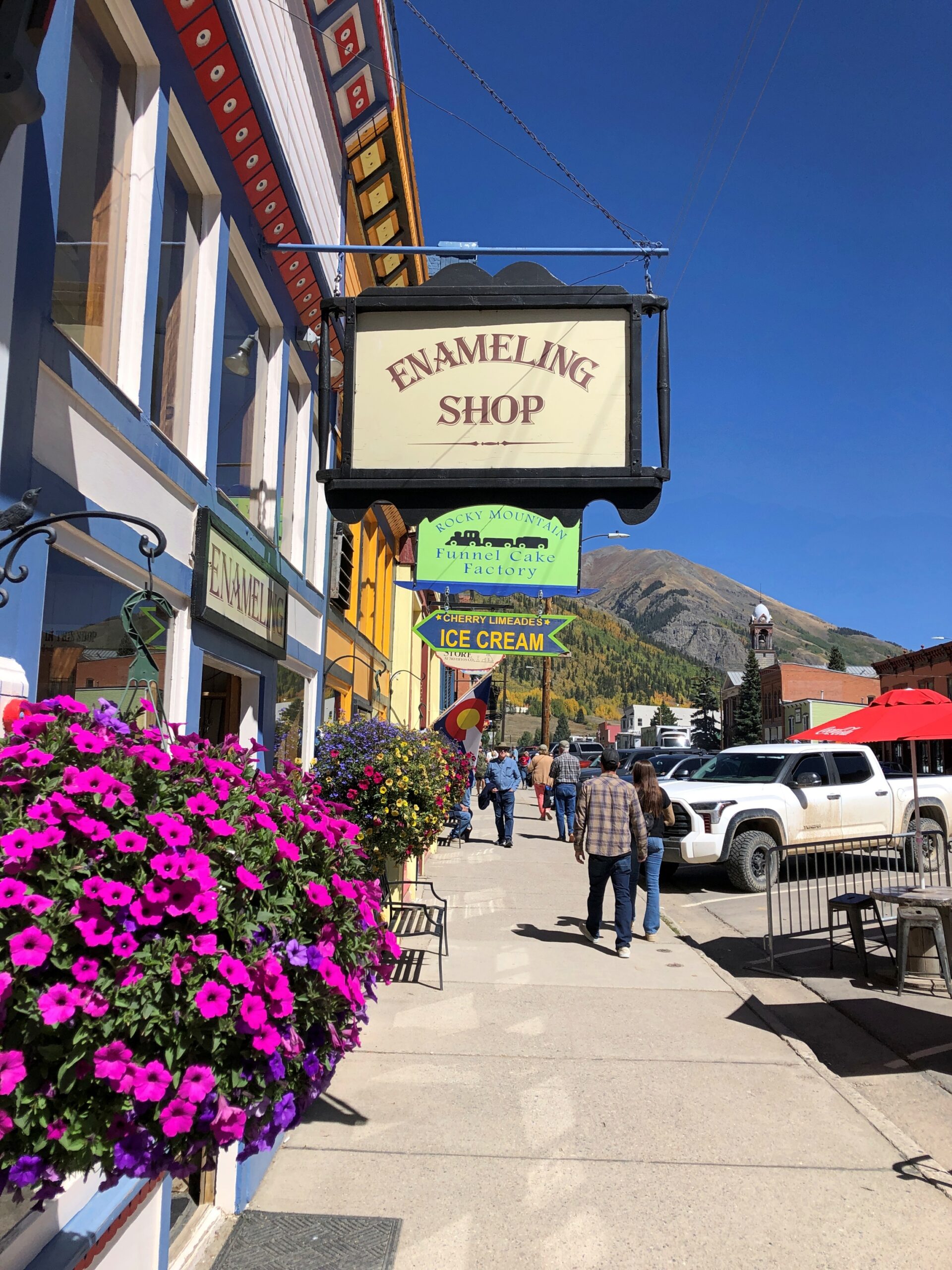
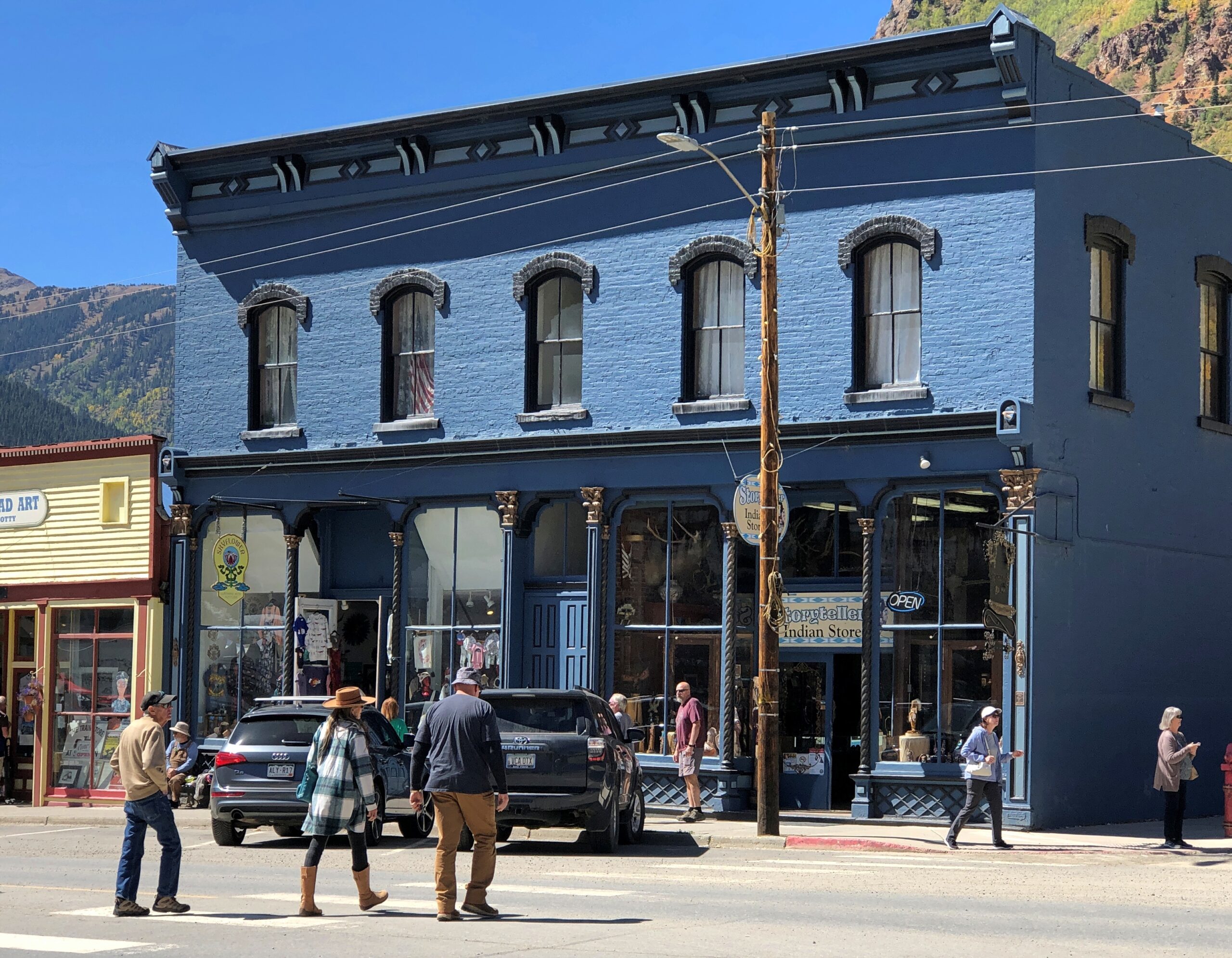
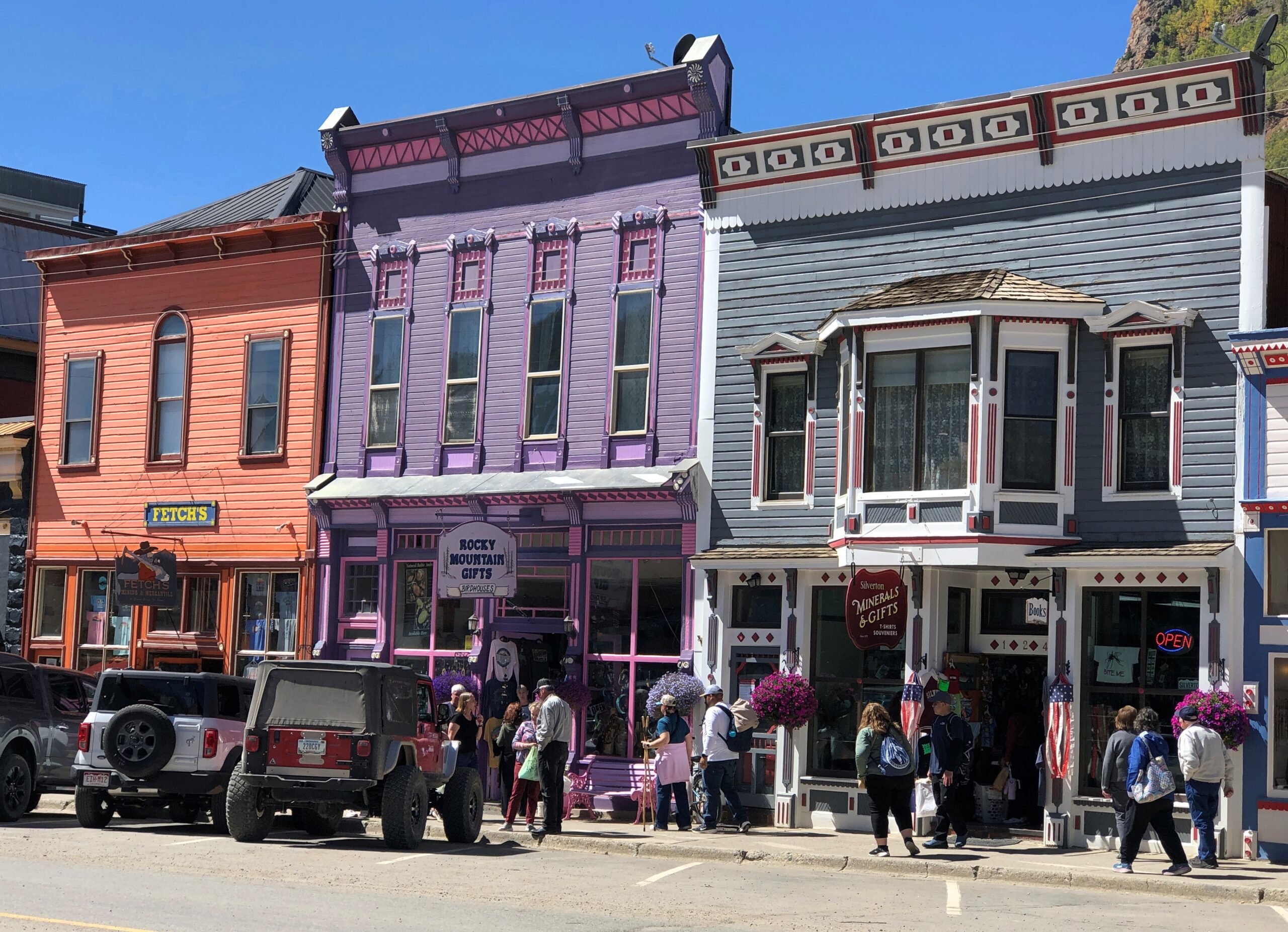
Lots to see on Greene.

Silverton, Colorado
Silverton CO

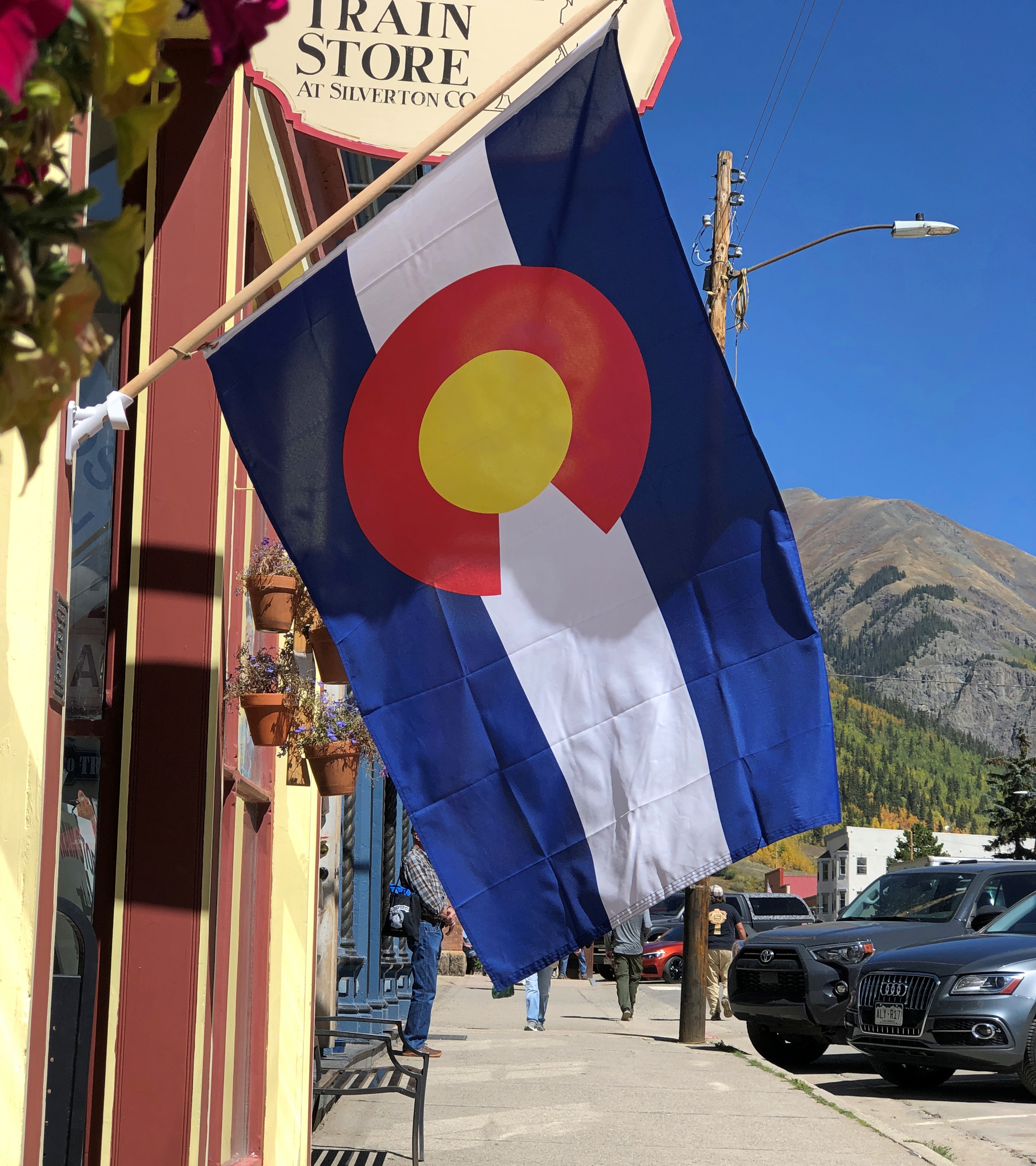
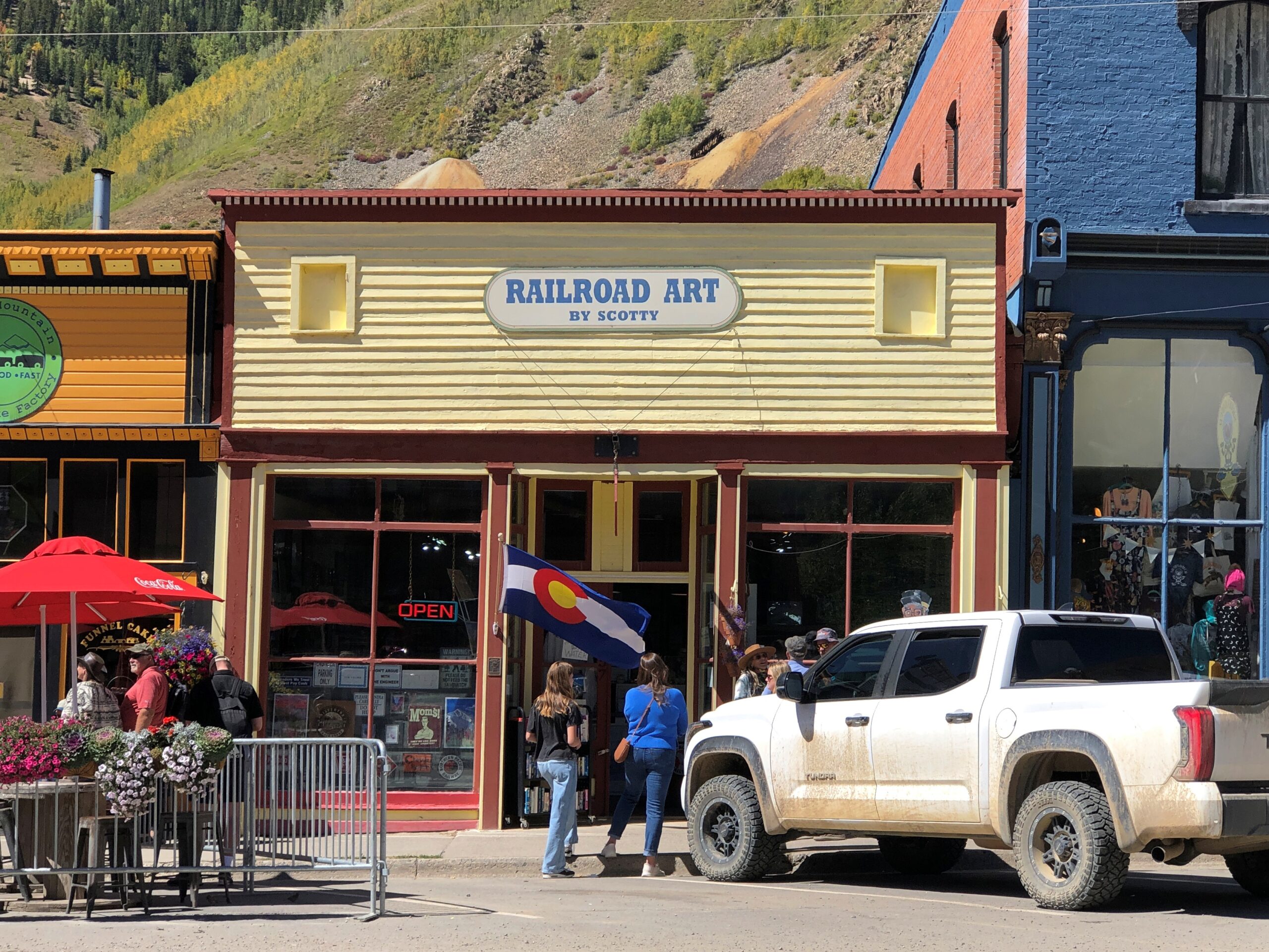
Including the fine Colorado flag, flying at Railroad Art by Scotty, a seriously cool gallery.

Silverton CO
Silverton CO

“Railroad Art by Scotty presents the custom matted and framed collector Railroad Art Prints by renowned railroad artist H.L. Scott, III,” its web site says. “These are not photographs and they are not created on the computer. These are pen & ink drawings created by Scott using the technique known as STIPPELING or pointillism.”

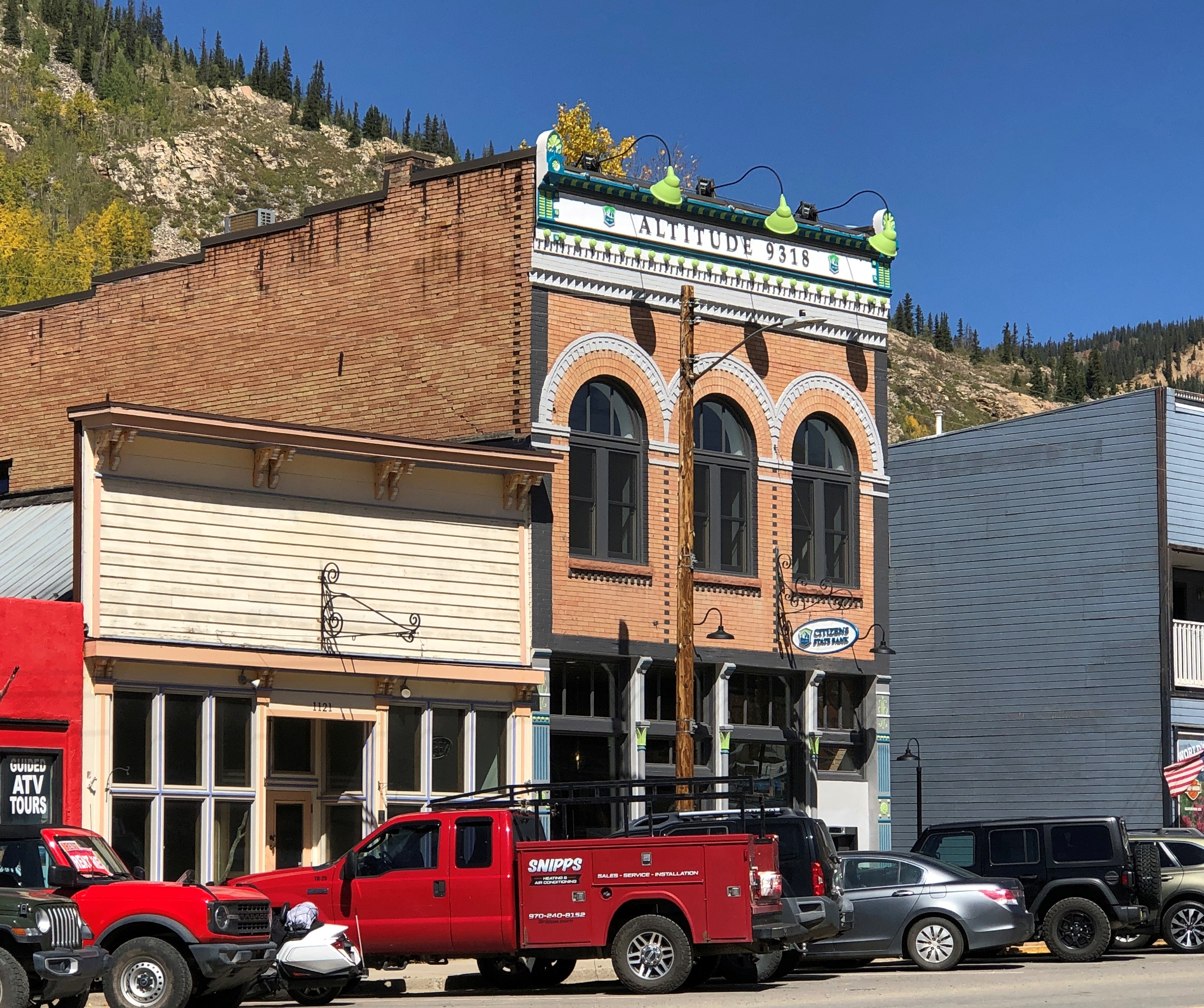
One of the few buildings I’ve seen that clearly states its elevation.

Silverton CO

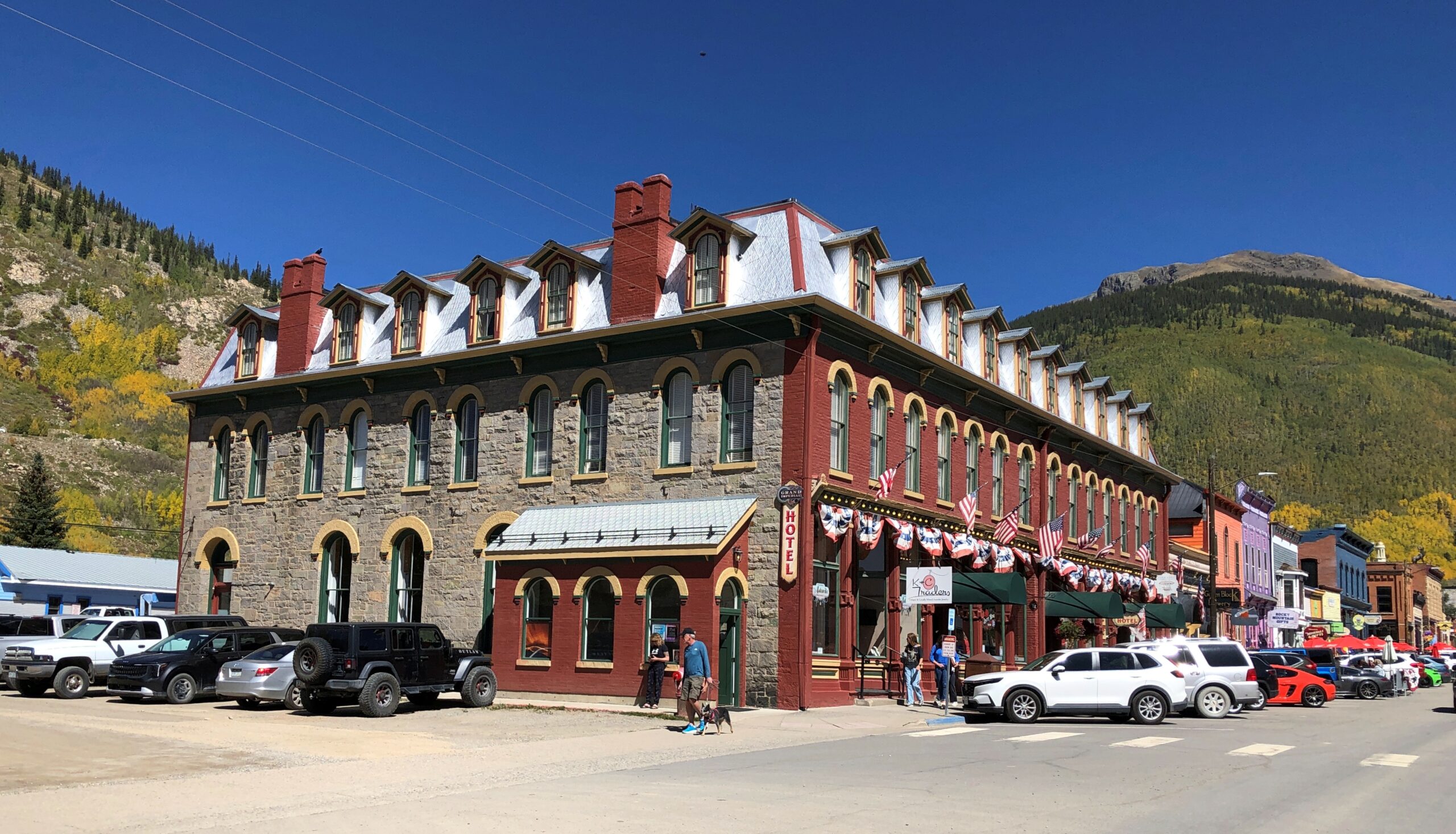
The Grand Imperial Hotel. A lofty name to live up to, but probably posh enough to do so.

Silverton CO

Restored to its 1880s appearance in the 2010s, no doubt at considerable expense.

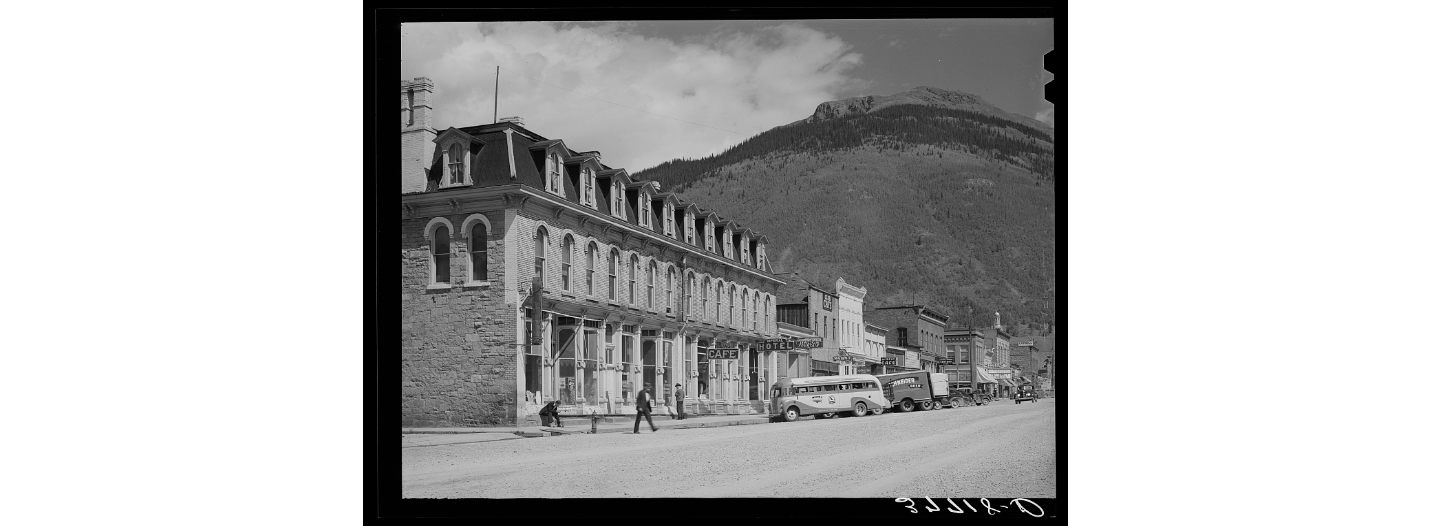
As it looked in 1940, a photo from the Library of Congress, Farm Security Administration-Office of War Information Photograph Collection.

More Greene St.

Silverton CO
Silverton CO

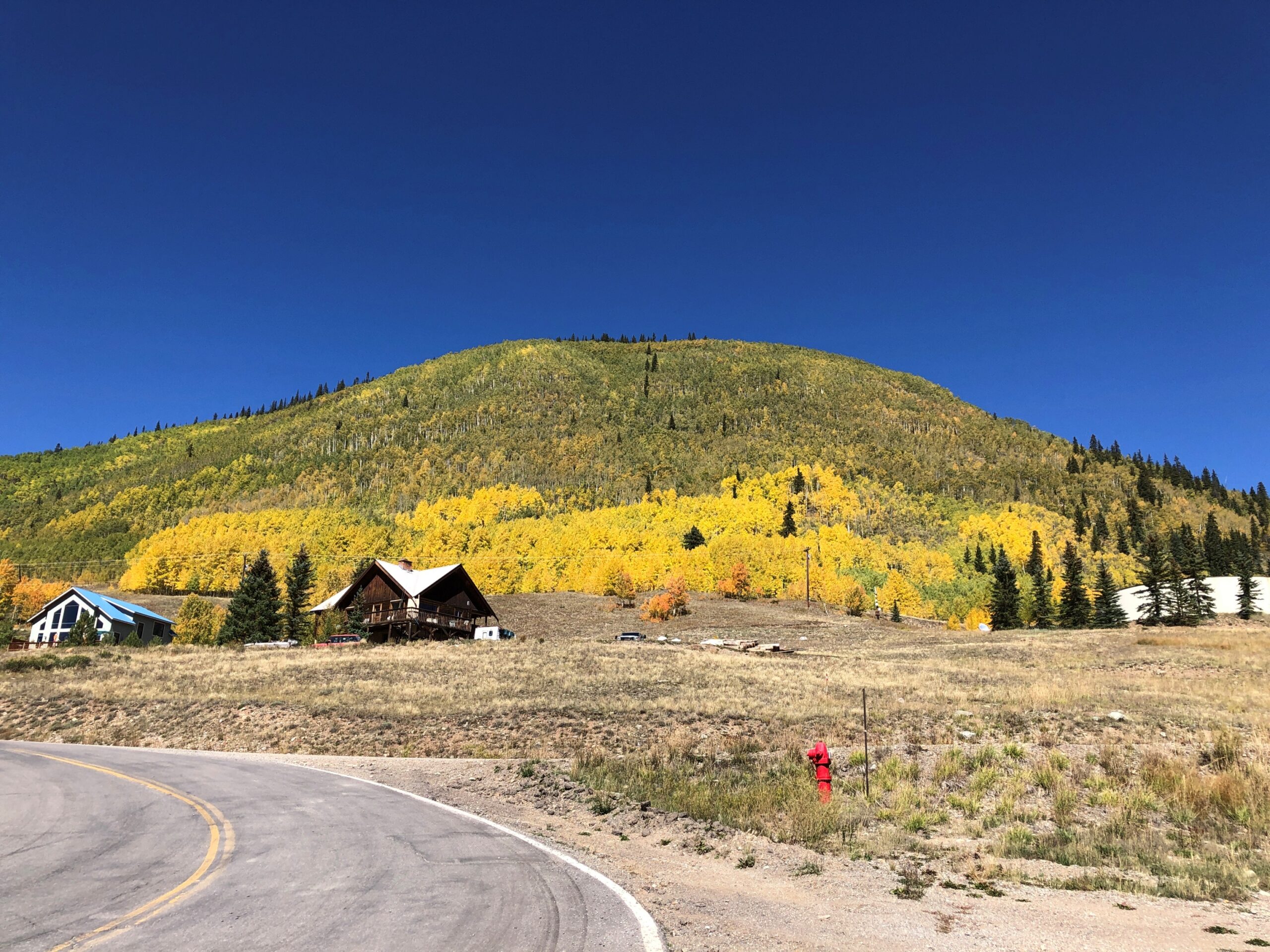
Greene is short, because Silverton isn’t very large, and so the street, now a road, soon heads for the hills.

Silverton CO

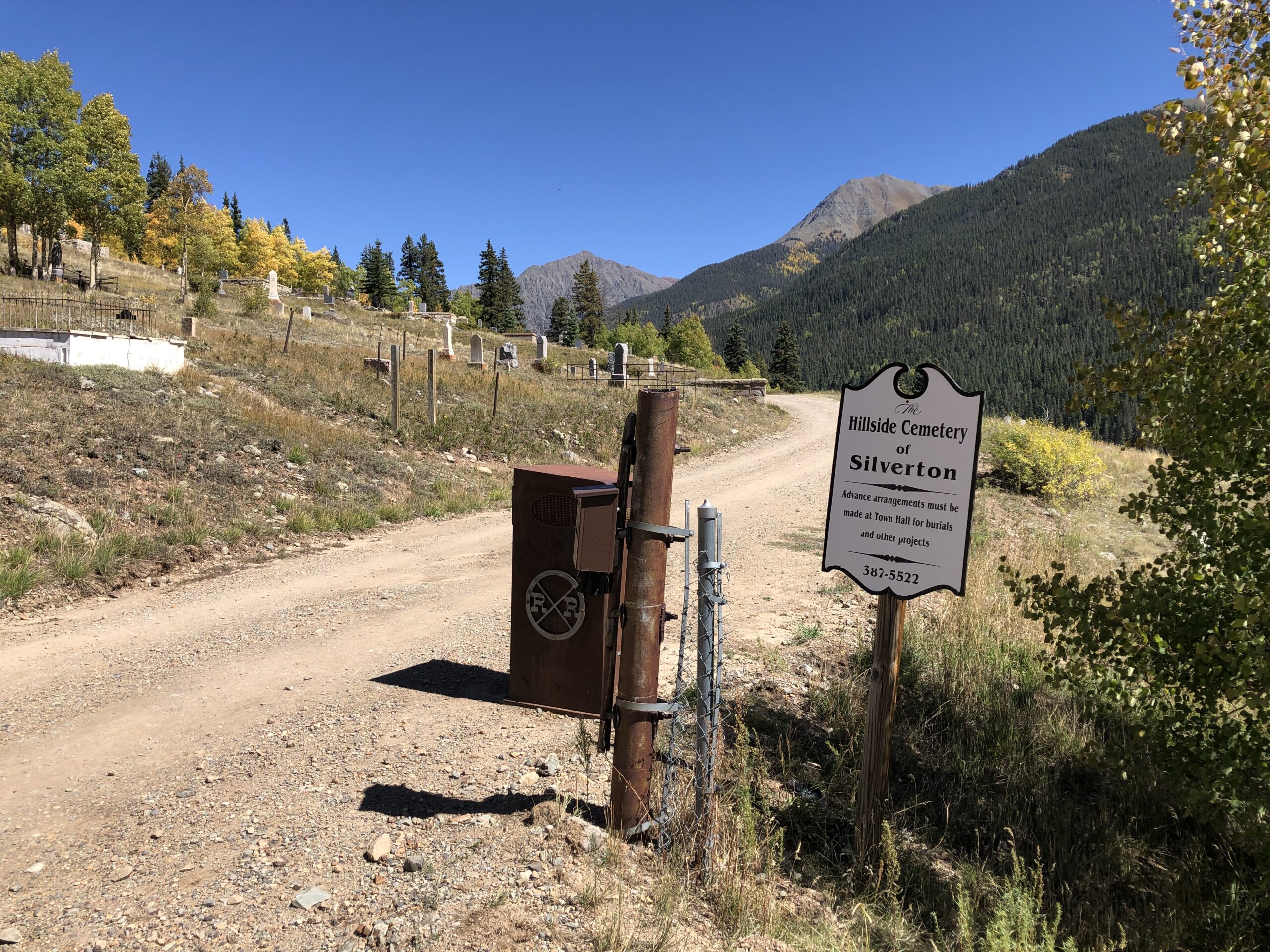
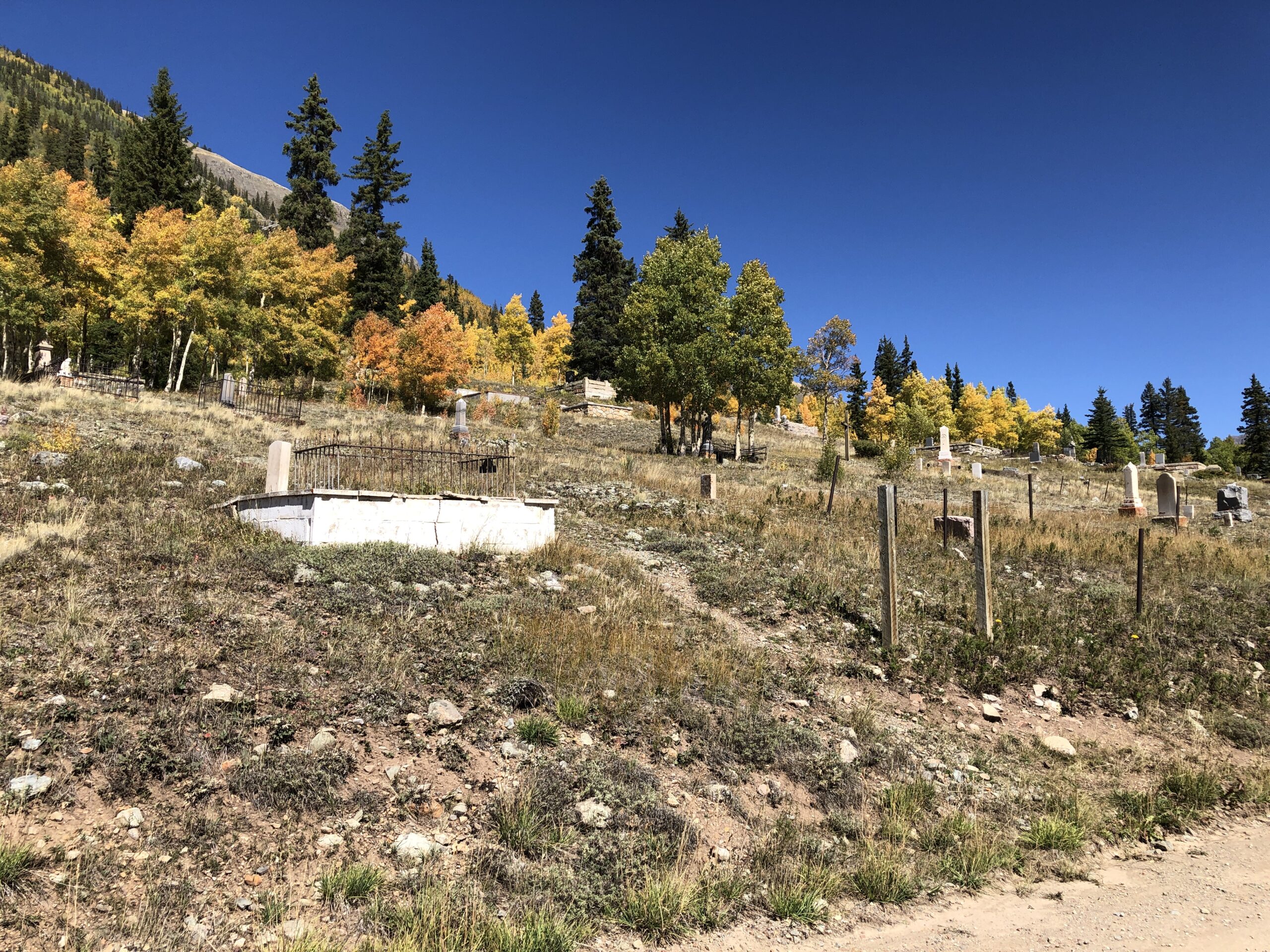
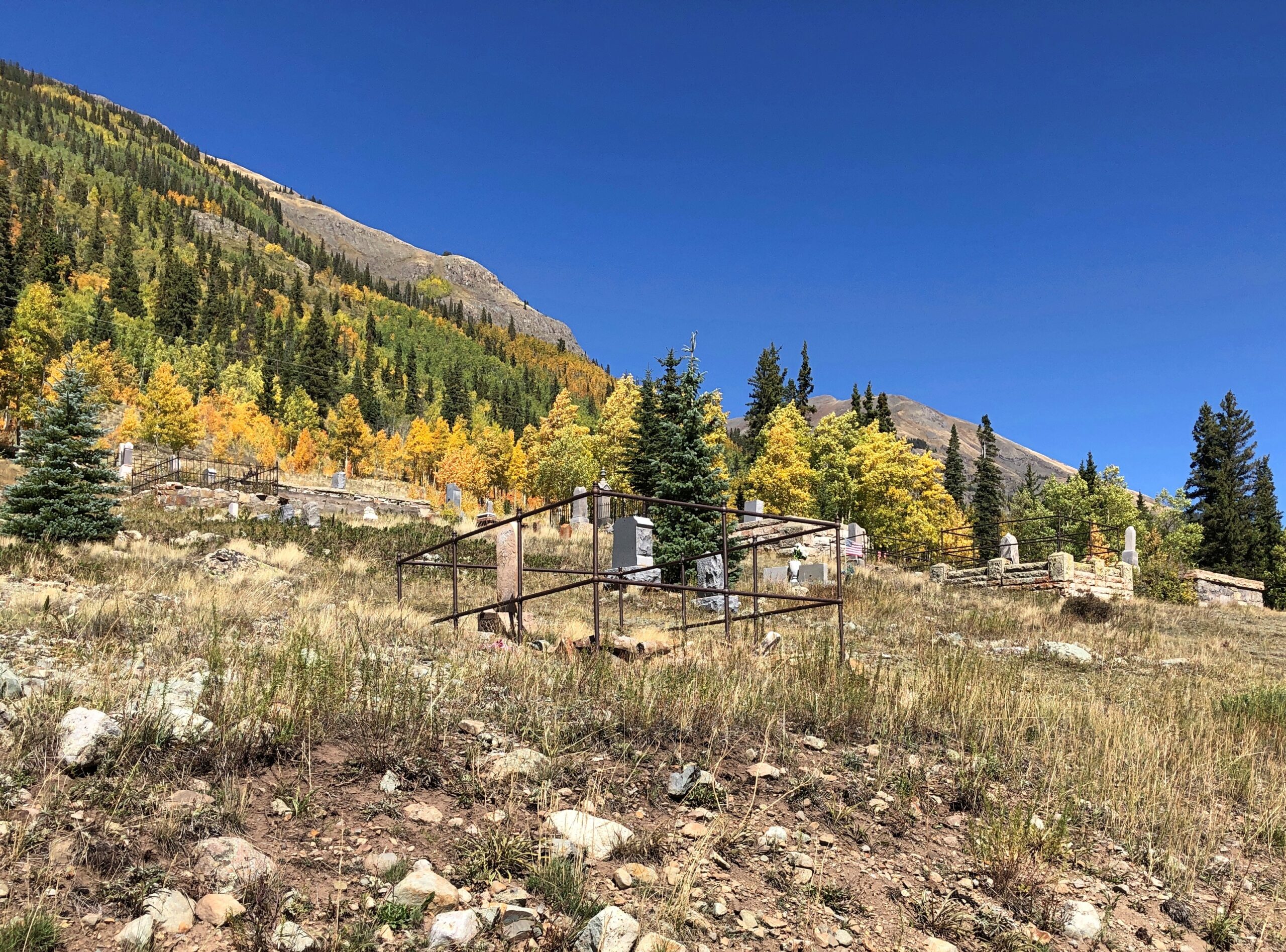
The Hillside Cemetery of Silverton.

Hillside Cemetery of Silverton

An apt name.

Hillside Cemetery of Silverton

With a good view of the town.

Silverton

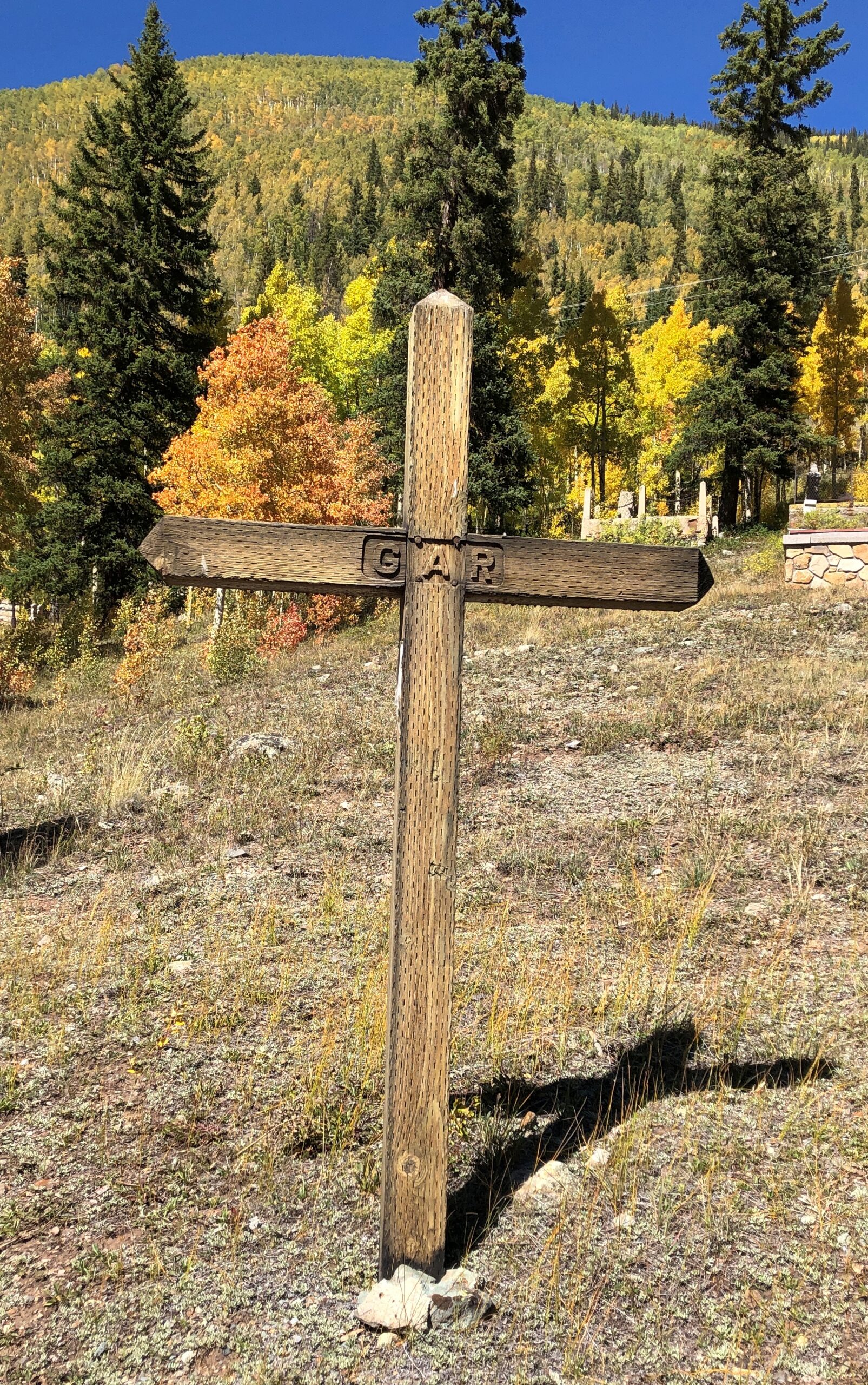
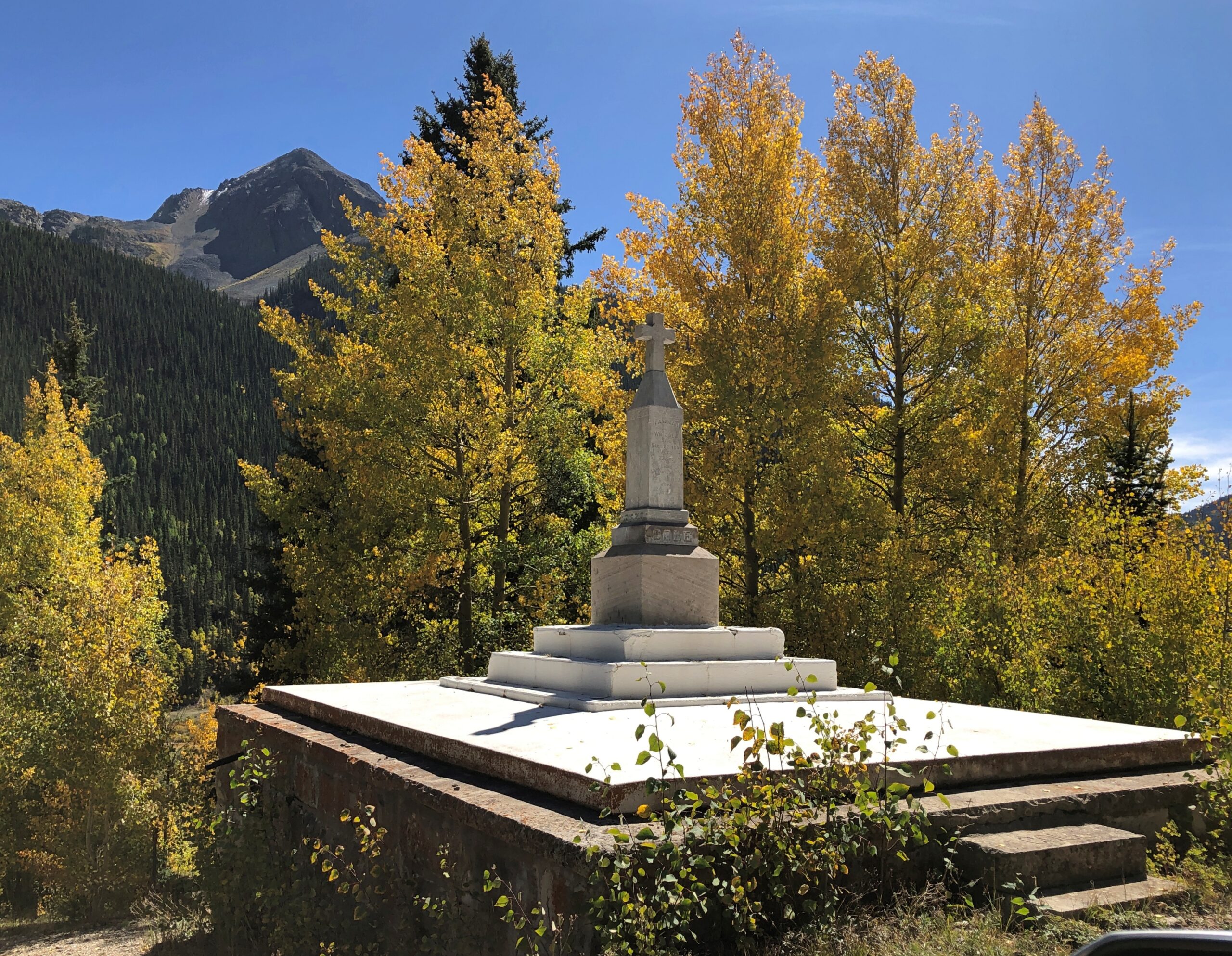
Some sizable memorials.

Hillside Cemetery of Silverton

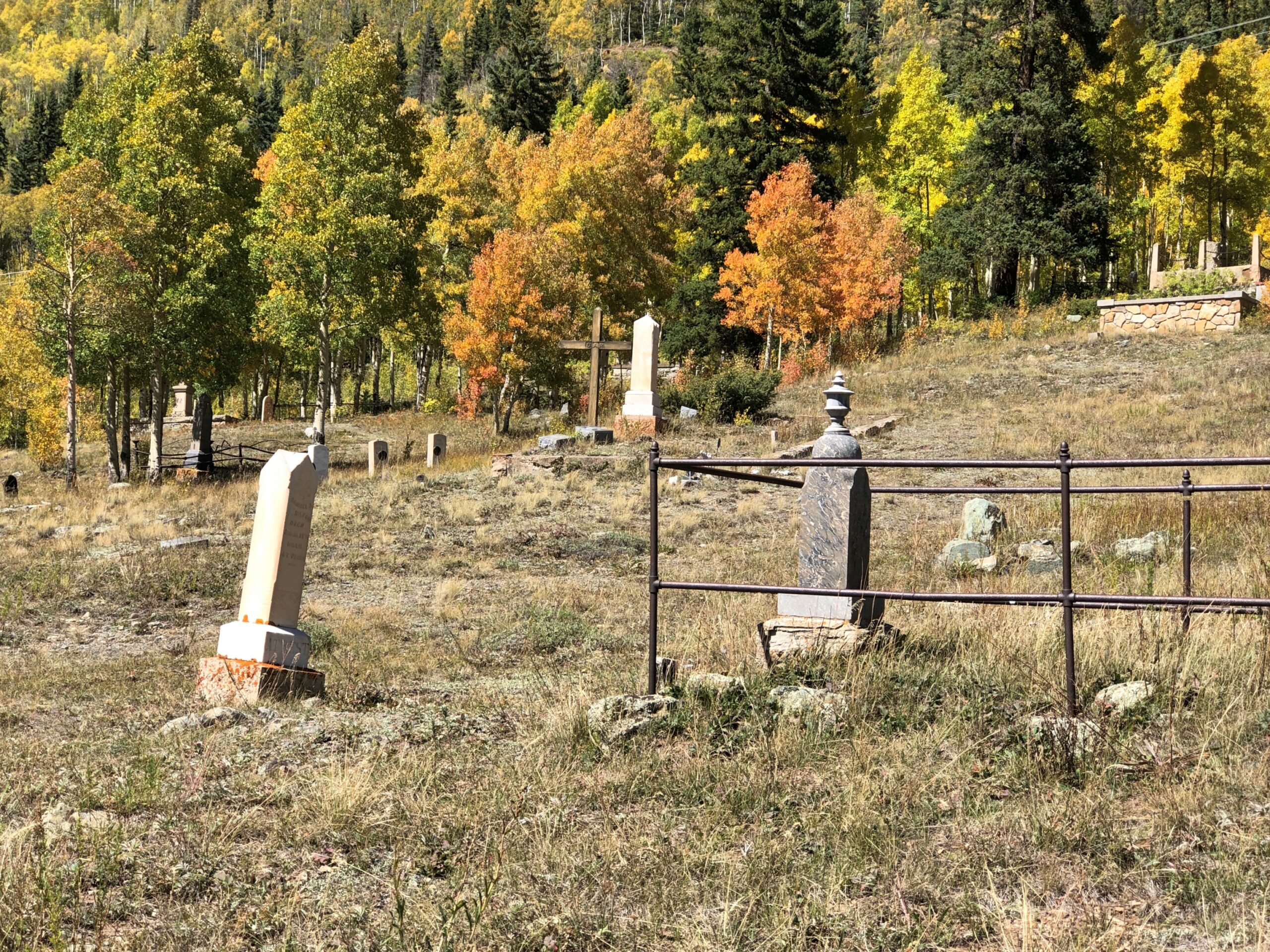
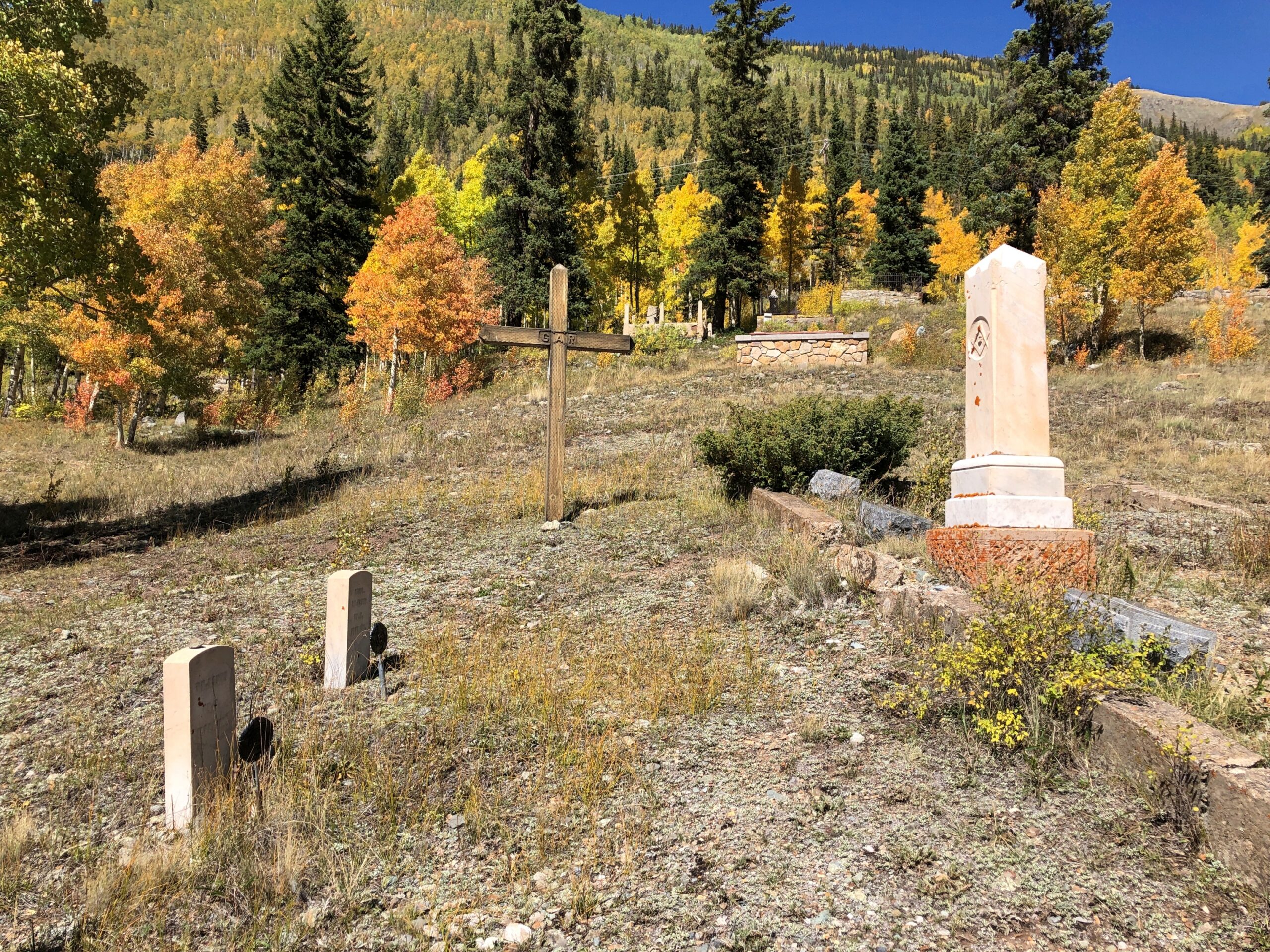
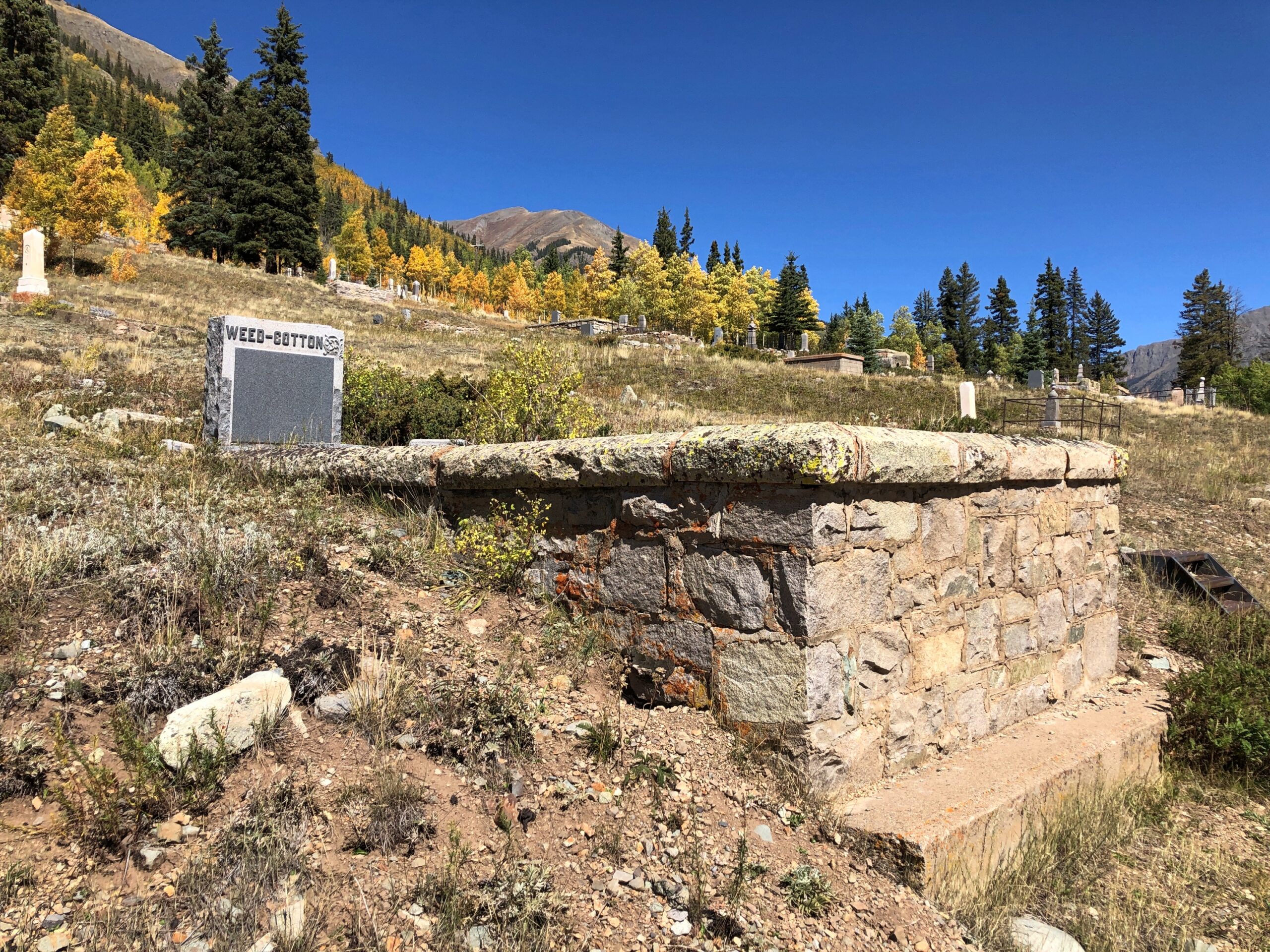
More modest ones.

Hillside Cemetery of Silverton

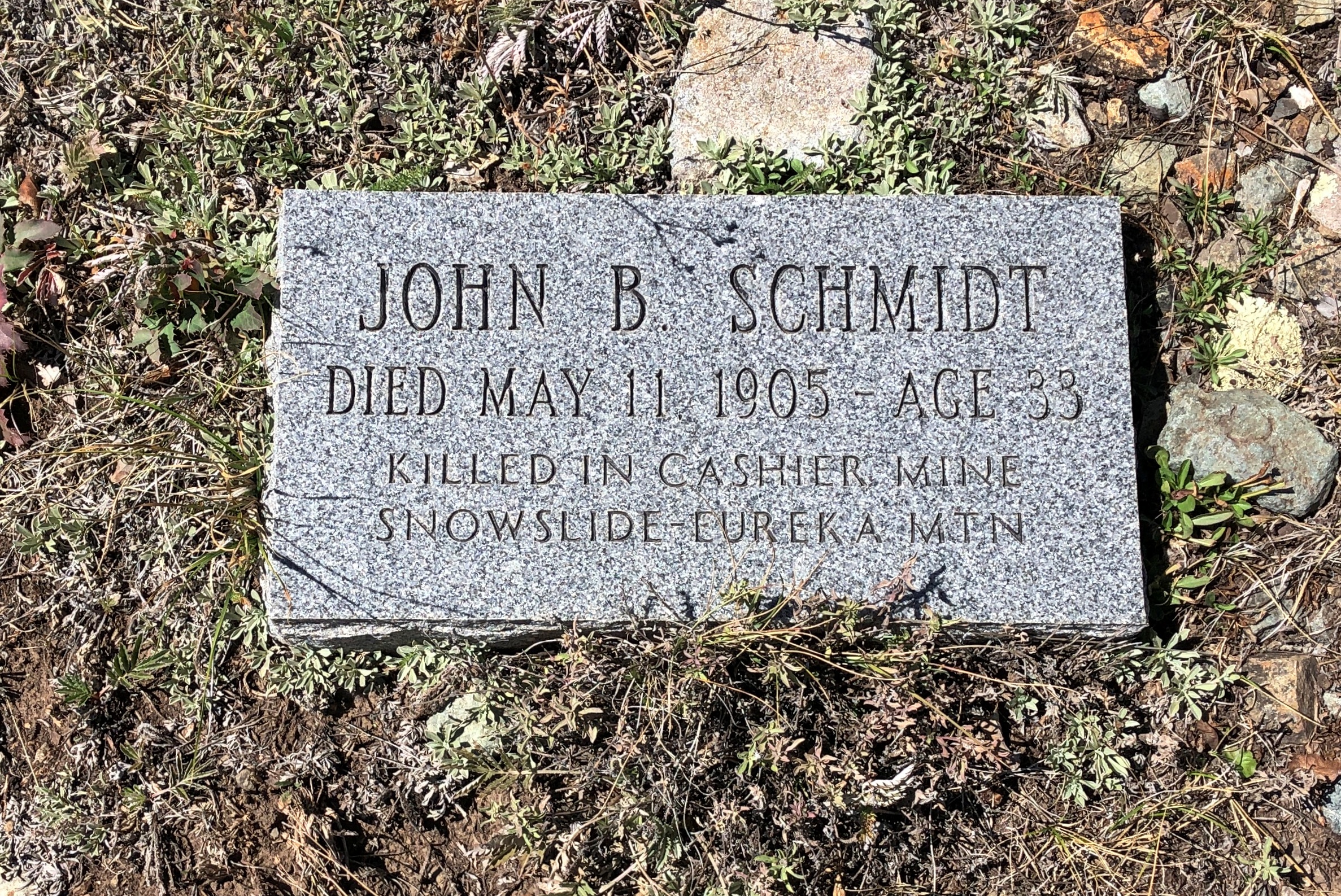
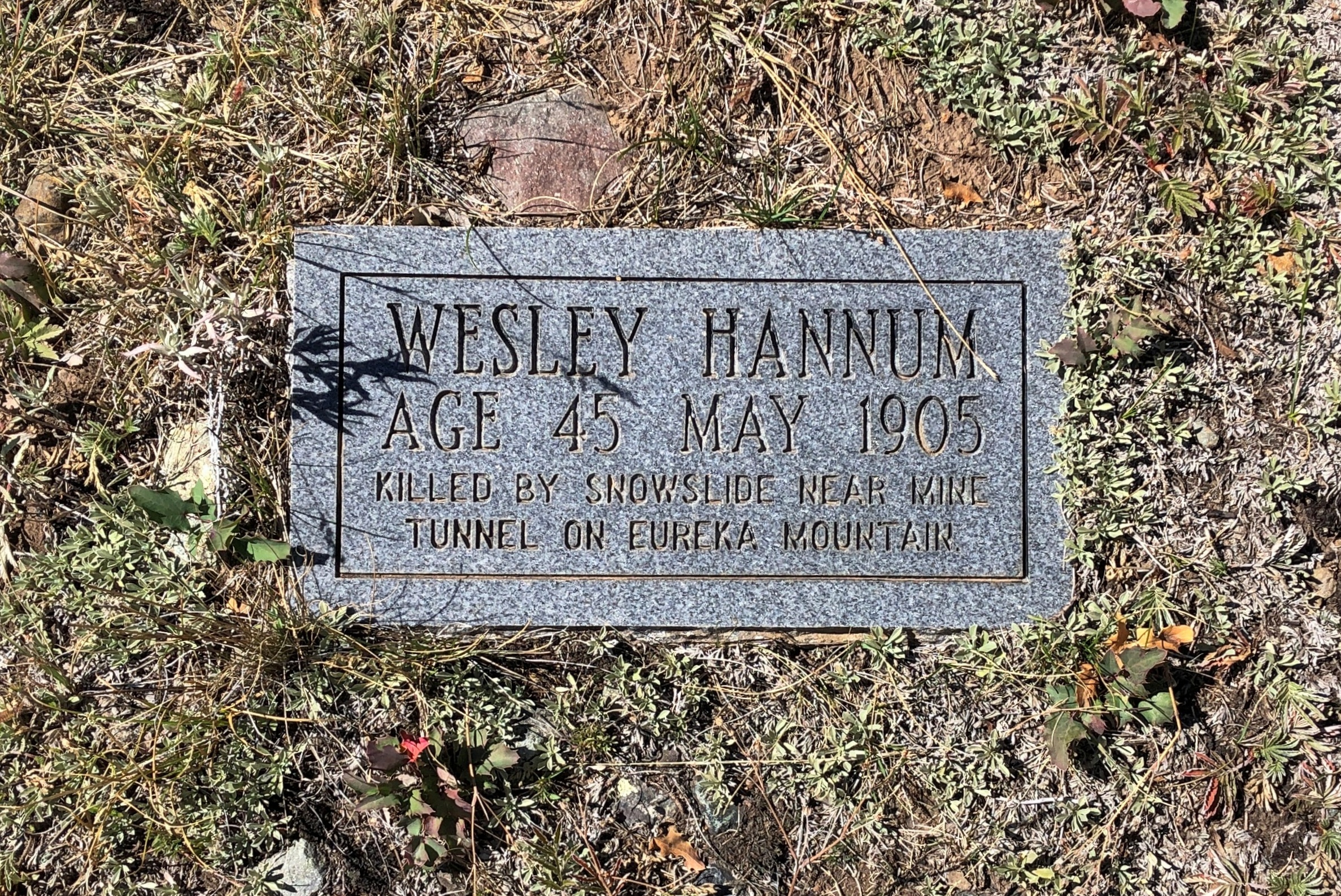
Echoes of lost men from another time. Beyond the outstanding beauty of a hillside cemetery in the flush of autumn, reason enough to visit the cemetery.

Fox River, Waukesha

After being relatively wet, August in northern Illinois has turned relatively cool to end its days. A few days ago, we took a walk at the unusually green (for August) Spring Valley here in the northwest suburbs.

Spring Valley

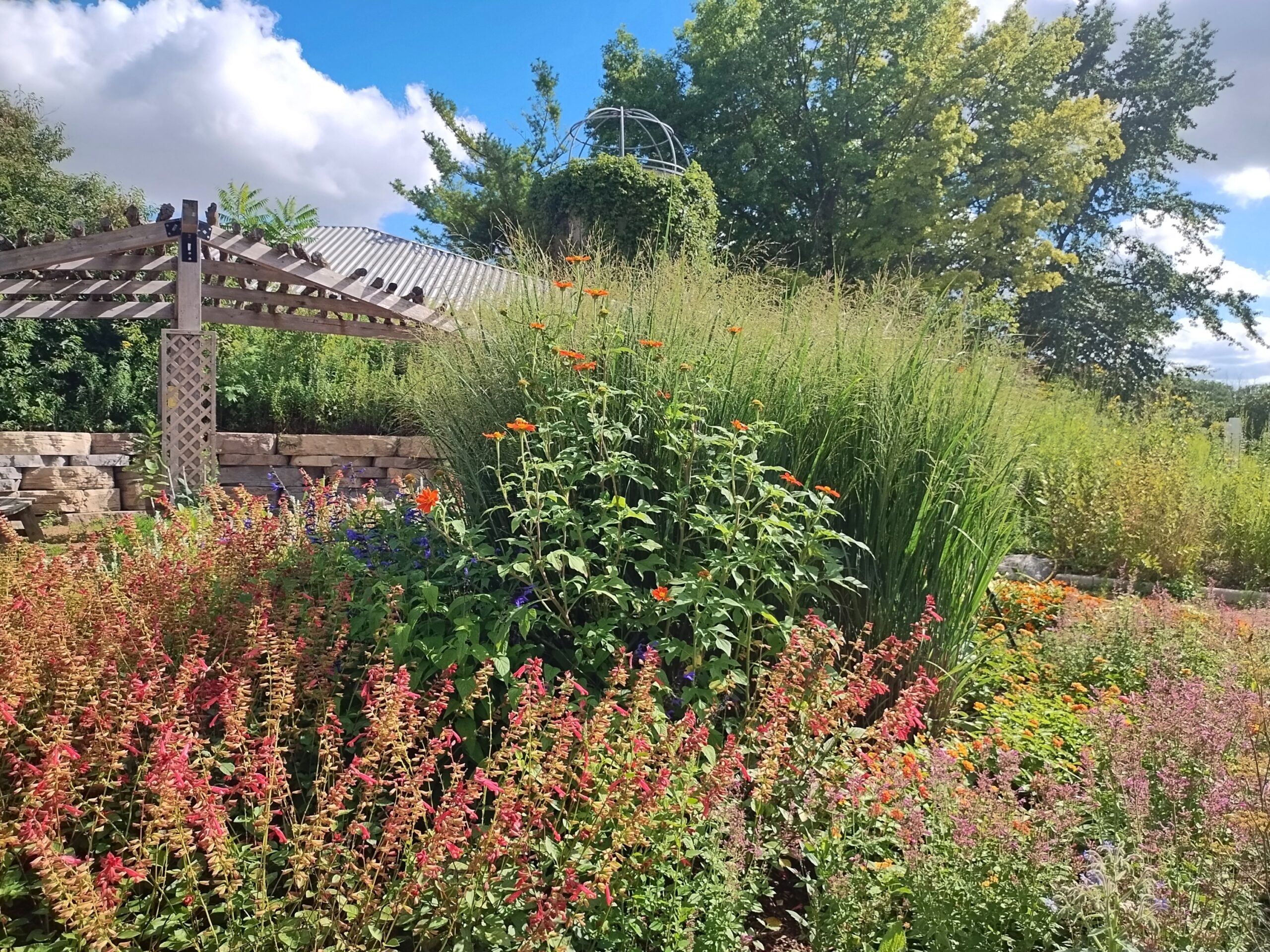
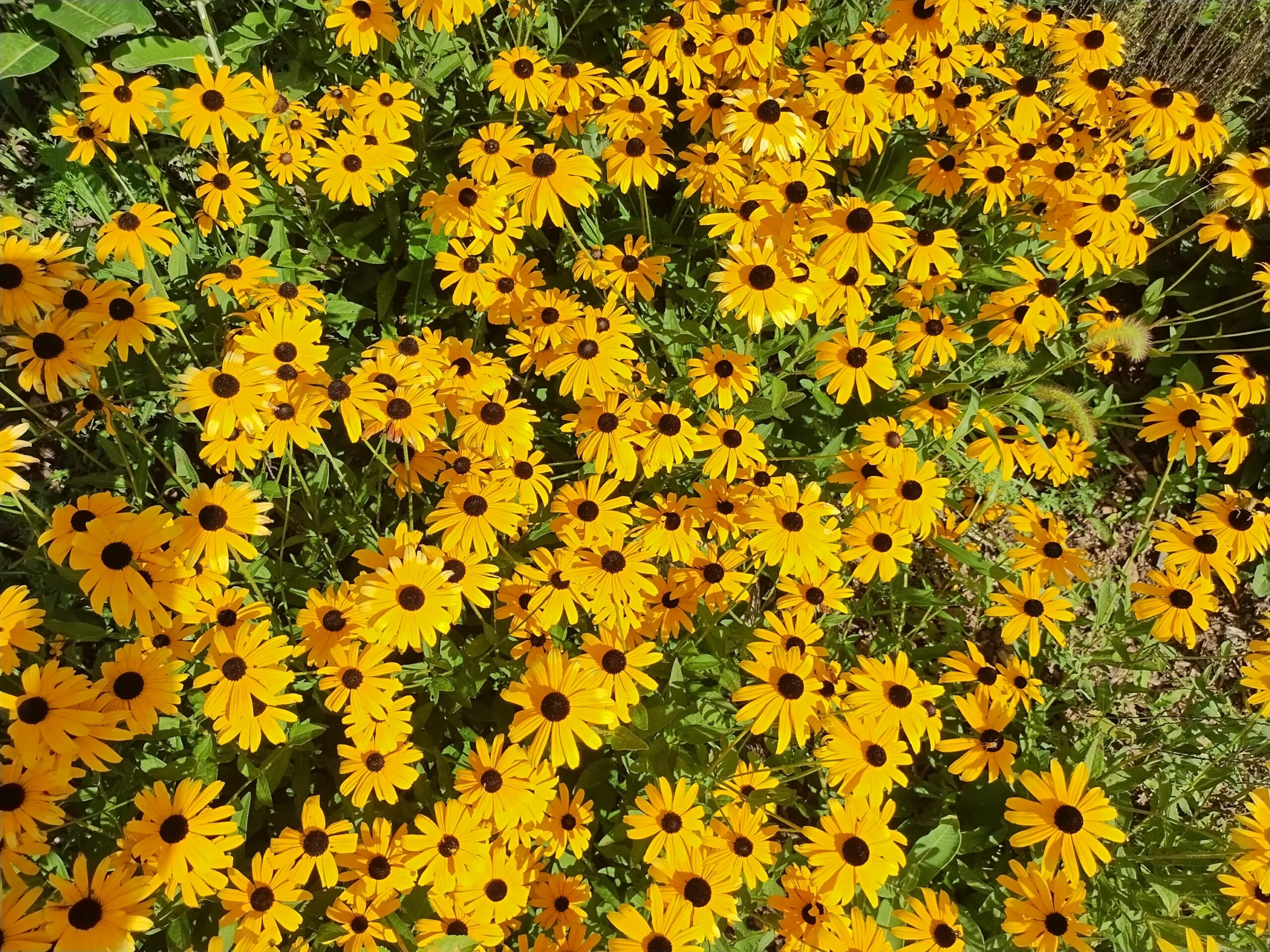
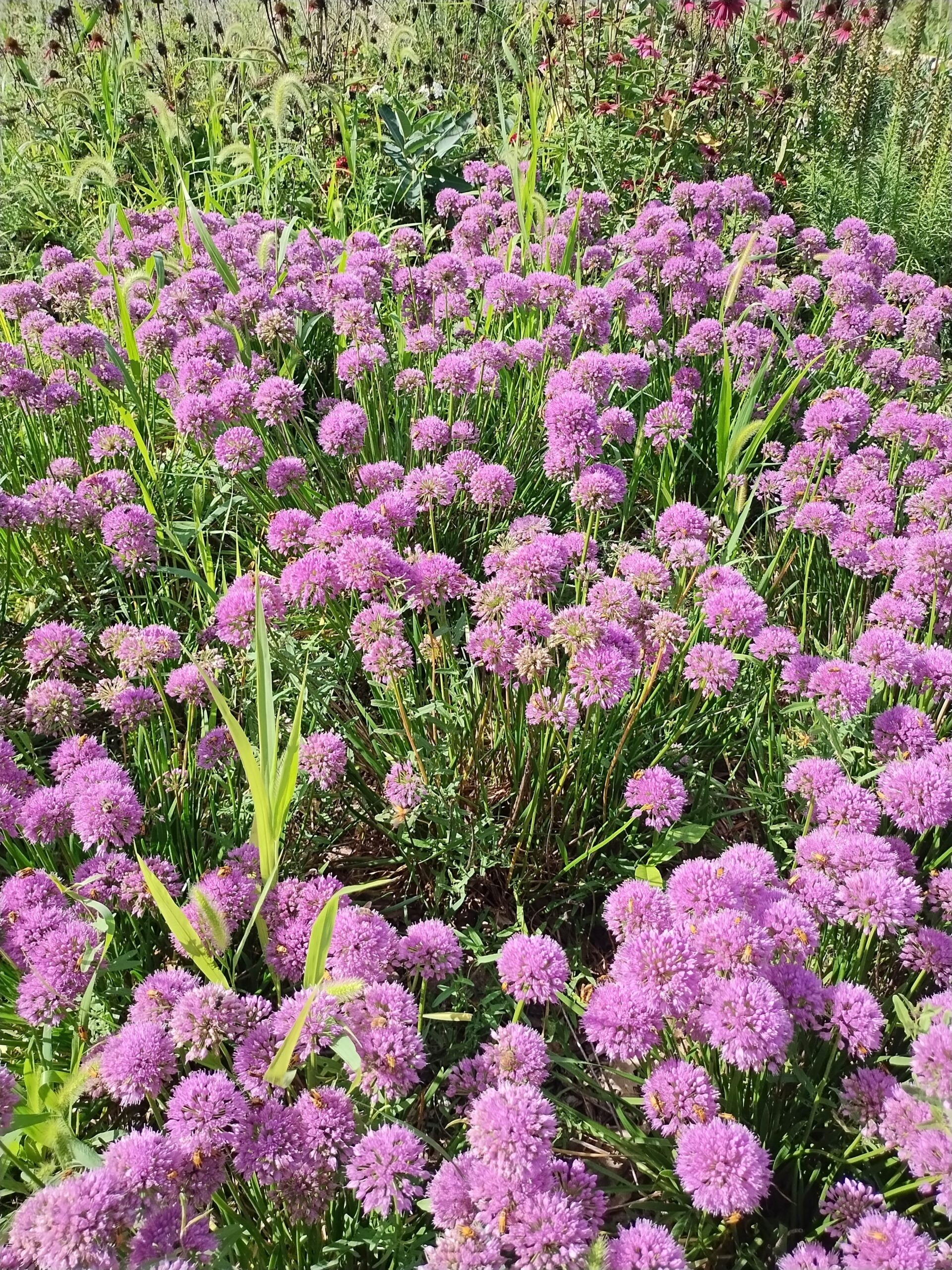
August flowers, Illinois edition.

Spring Valley
Spring Valley

Earlier this month, an enormous rainstorm blew through southern Wisconsin, doing damage in Milwaukee and elsewhere, including Waukesha County. Too much water too fast, and not nearly enough space in the Fox River channel that runs through the city and county of Waukesha. In the city, the river made a raging, dangerous rise not far from the picturesque downtown. If that area had flooded, that would have been in the news cycle for a little while anyway, but it looks like most of the damage was in more rural parts of the county. Regardless, it represents a lot of property damage.

“In Menomonee Falls, a crew was spotted pulling a car out of a massive sinkhole,” local TV News reported. “The once-raging waters this weekend washed away the road in an industrial area on Campbell Drive, leaving just a cliff. In the crater, the car had been trapped. The driver was fine. Inside the sinkhole, drainage pipes seemed to be tossed around like Lincoln Logs.”

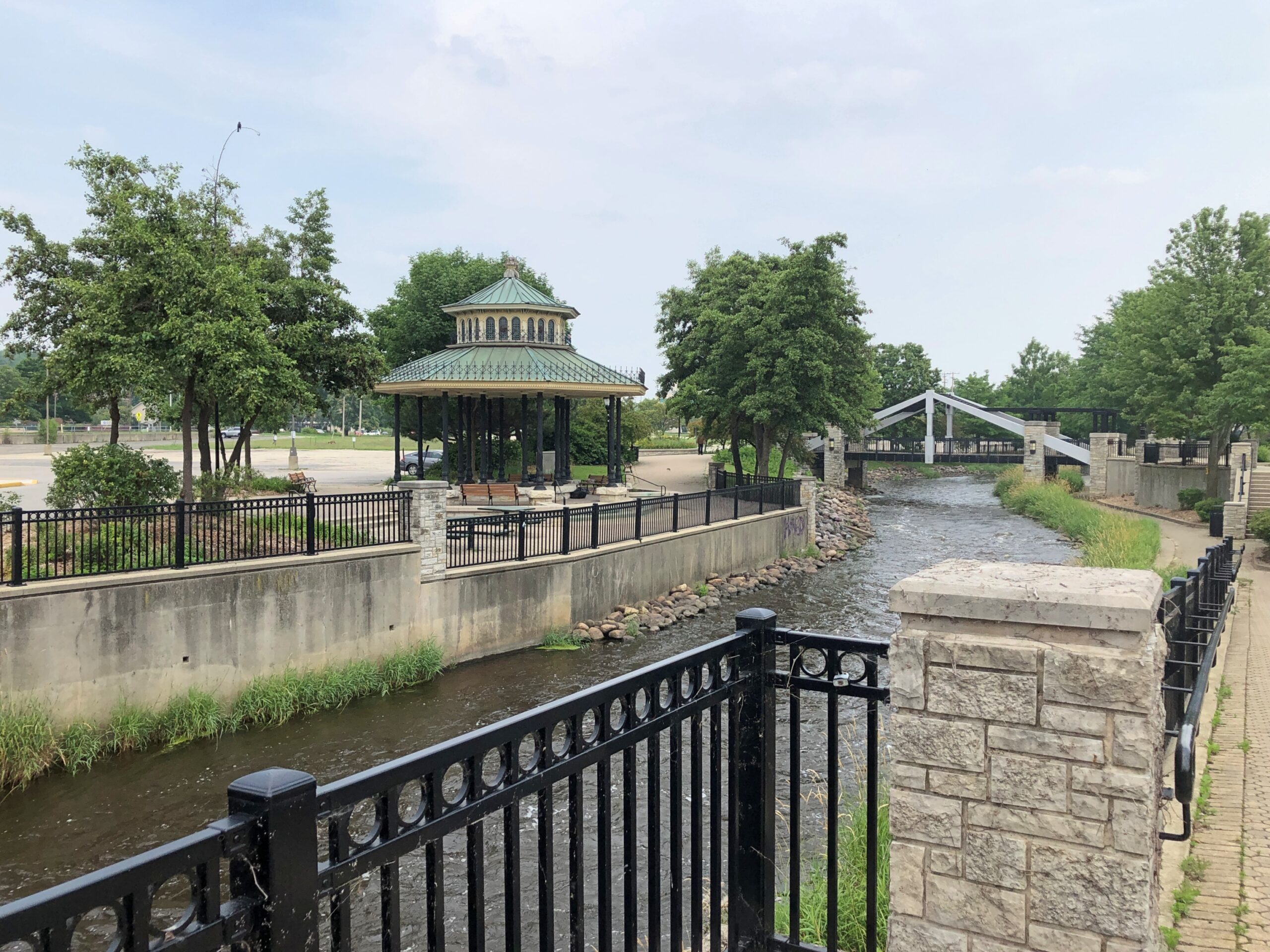
About two weeks earlier, on a nearly hot, clear day, we took a walk along the Fox, accessed a block or so away from downtown’s main streets. The river was flowing vigorously, but without a hint of the rampage to come (and why would there be?). This is the same Fox River that runs west of metro Chicago and to the Illinois River, and not the one that runs into Green Bay. Just to keep things interesting, there are apparently two other Fox Rivers in Illinois as well.
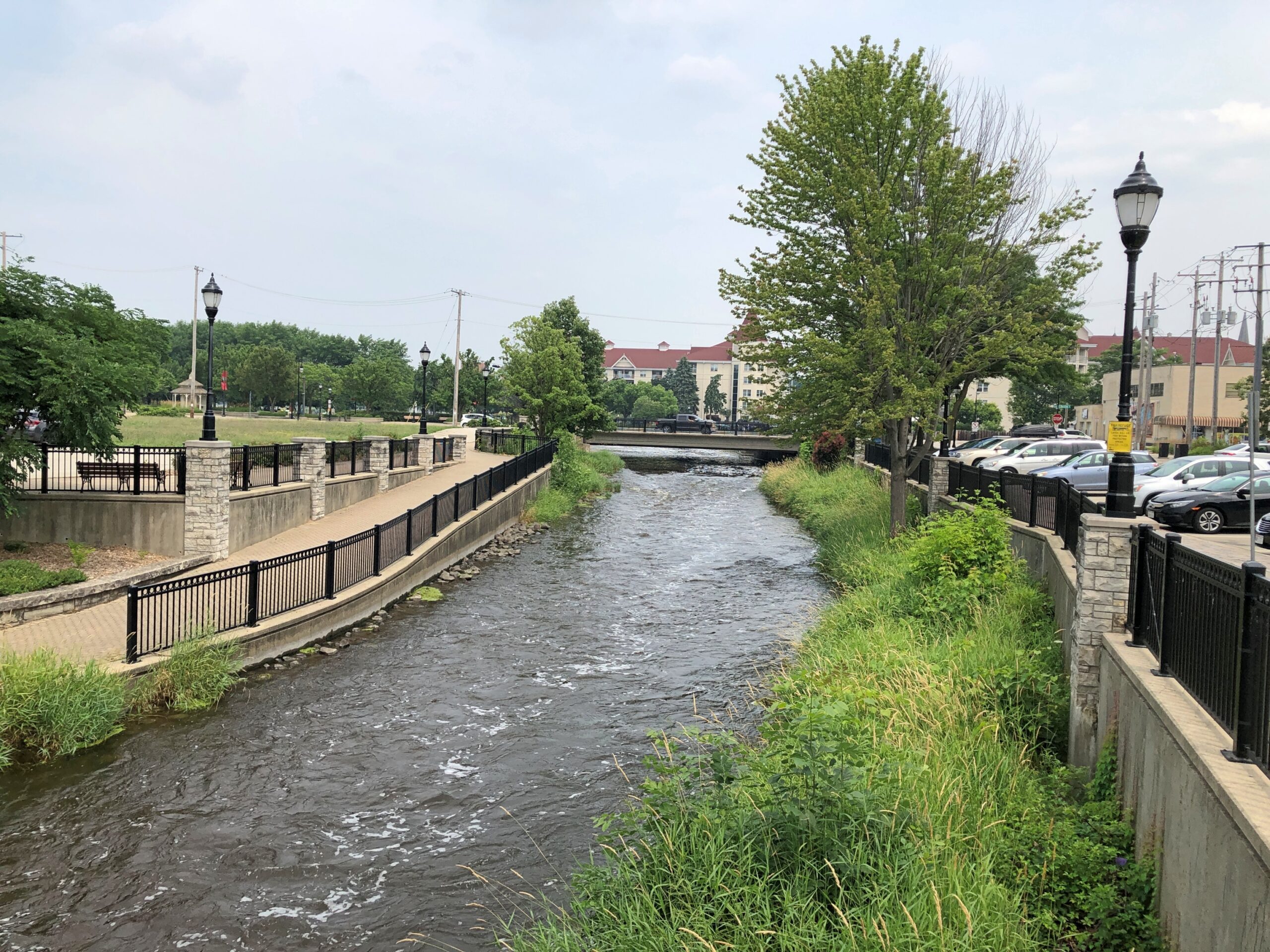
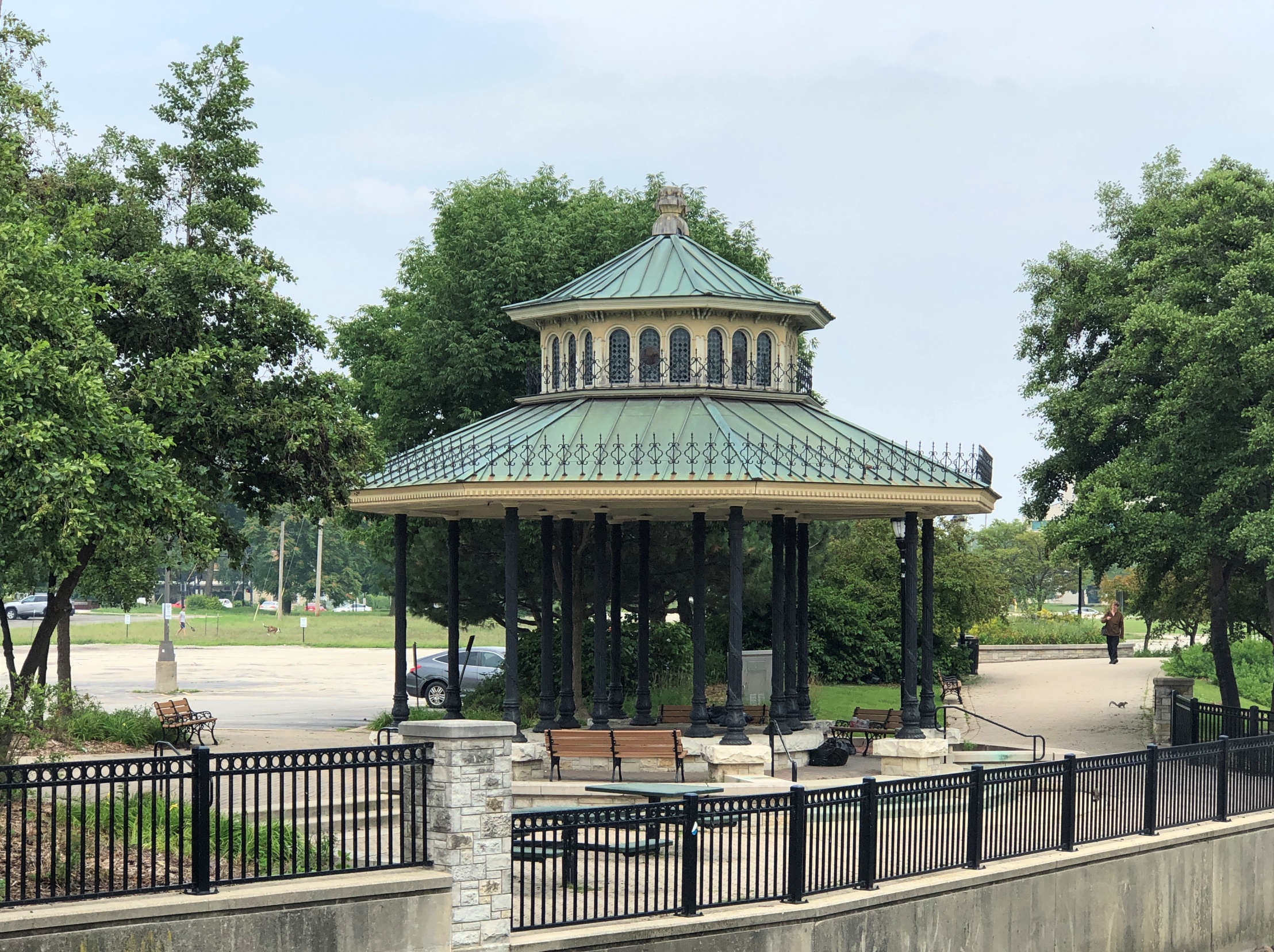
Across the way, a gazebo.

Fox River, Waukesha

Every town over 5,000 has to have a gazebo, according to Wisconsin law. Wisconsin is almost alone in its gazebo mandates, with most other states having repealed theirs in the 1960s and ’70s – though some counties in other states still mandate the structures.

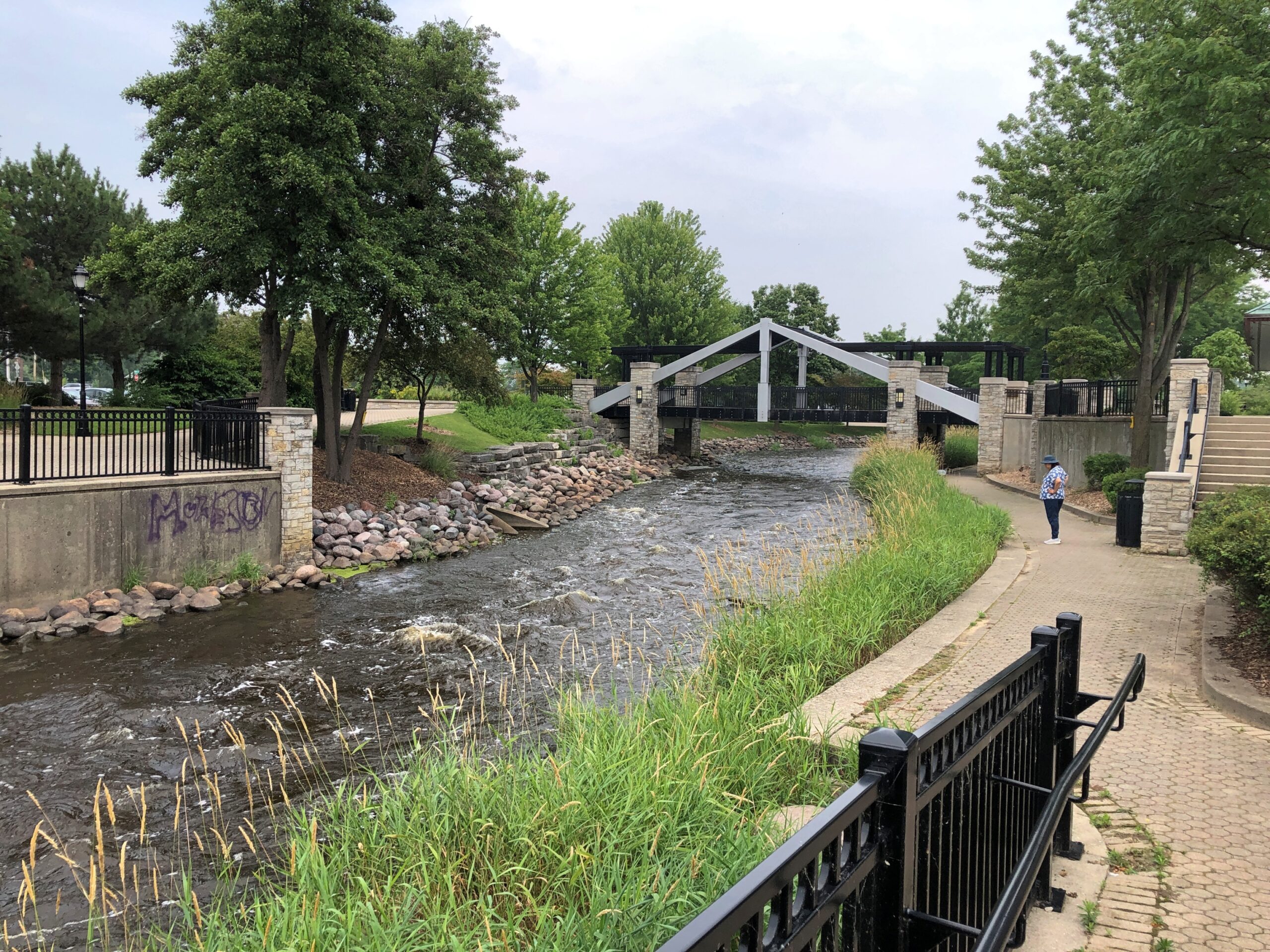
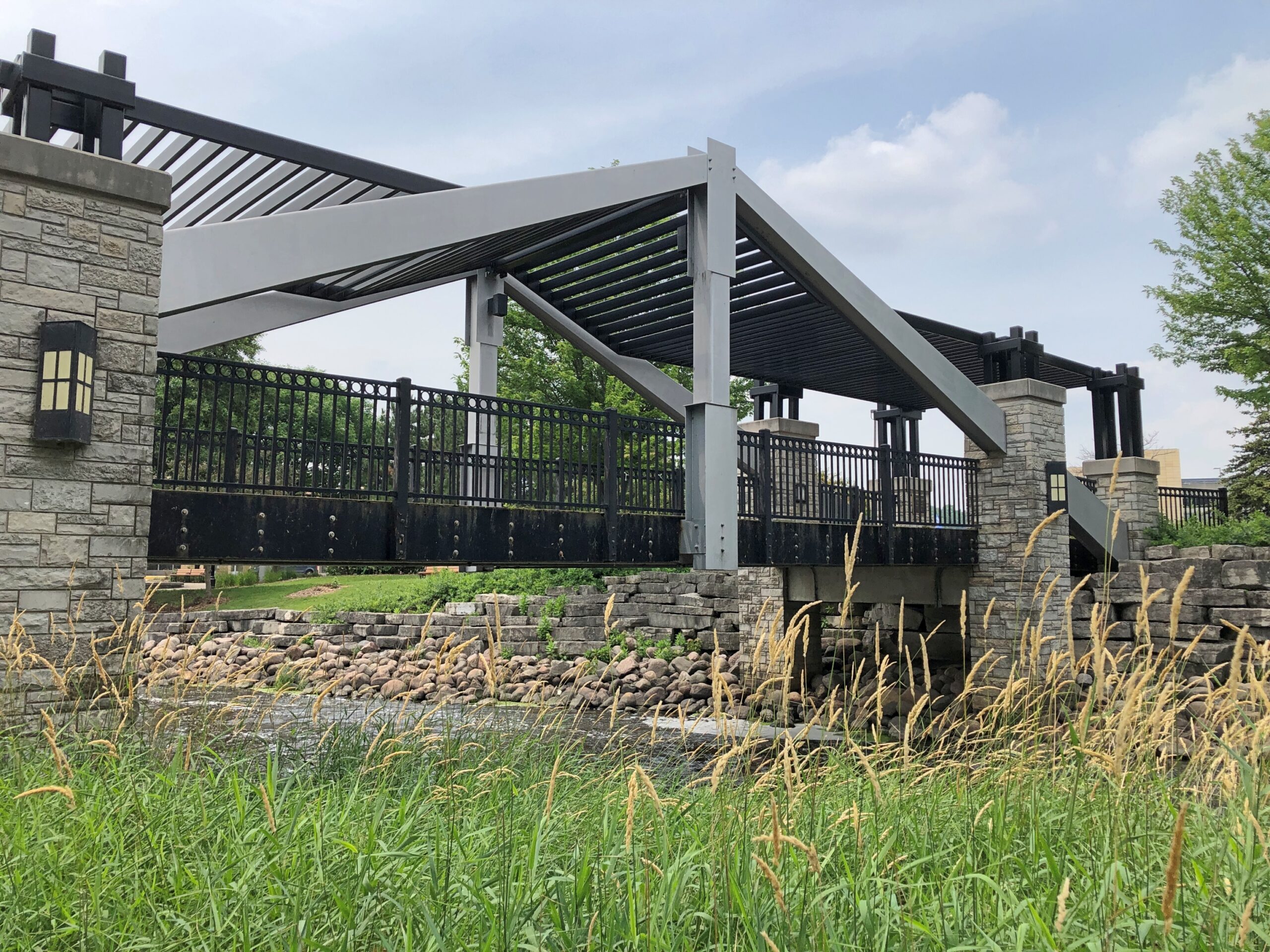
An artful pedestrian bridge.

Fox River, Waukesha
Fox River, Waukesha

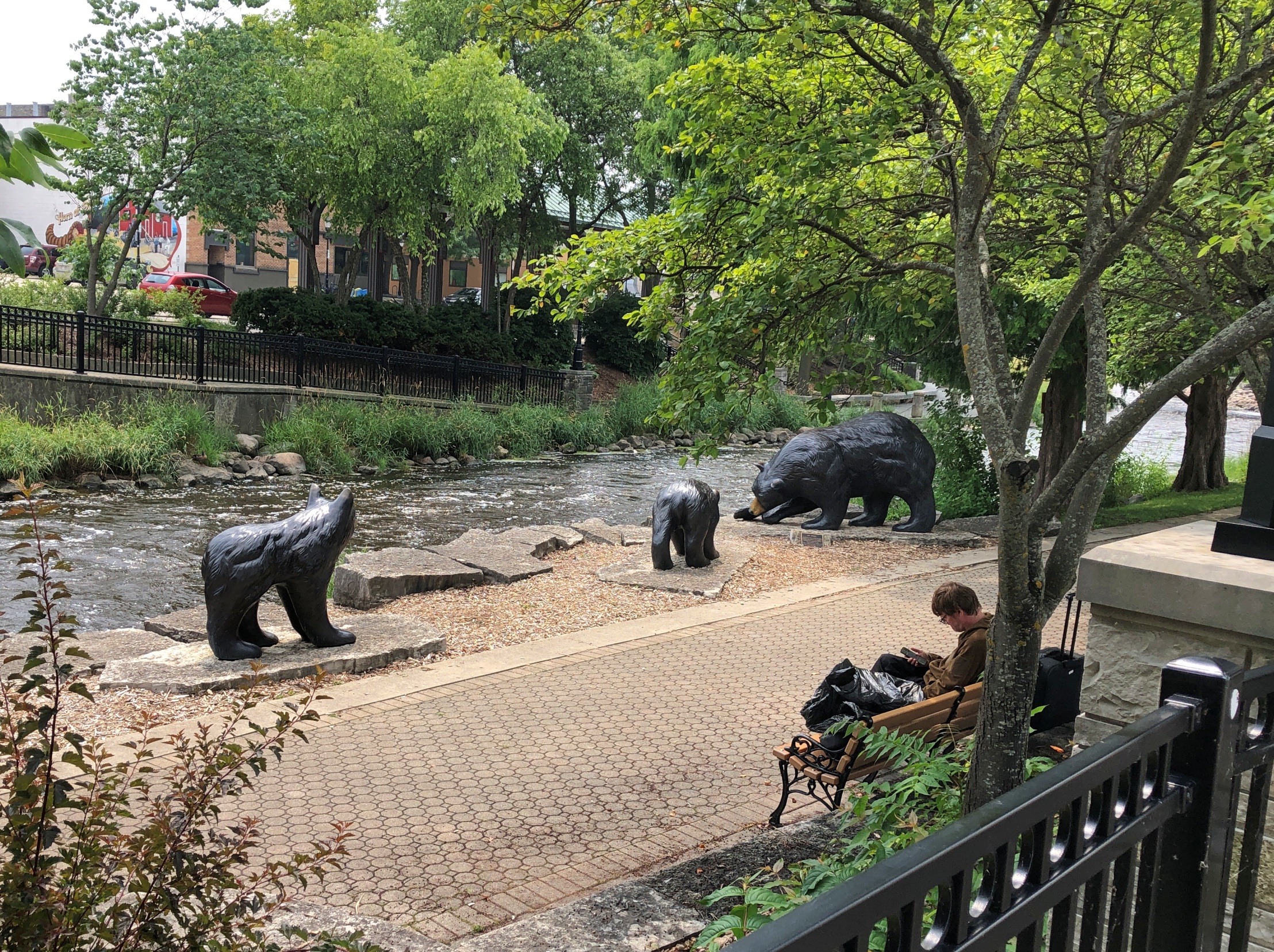
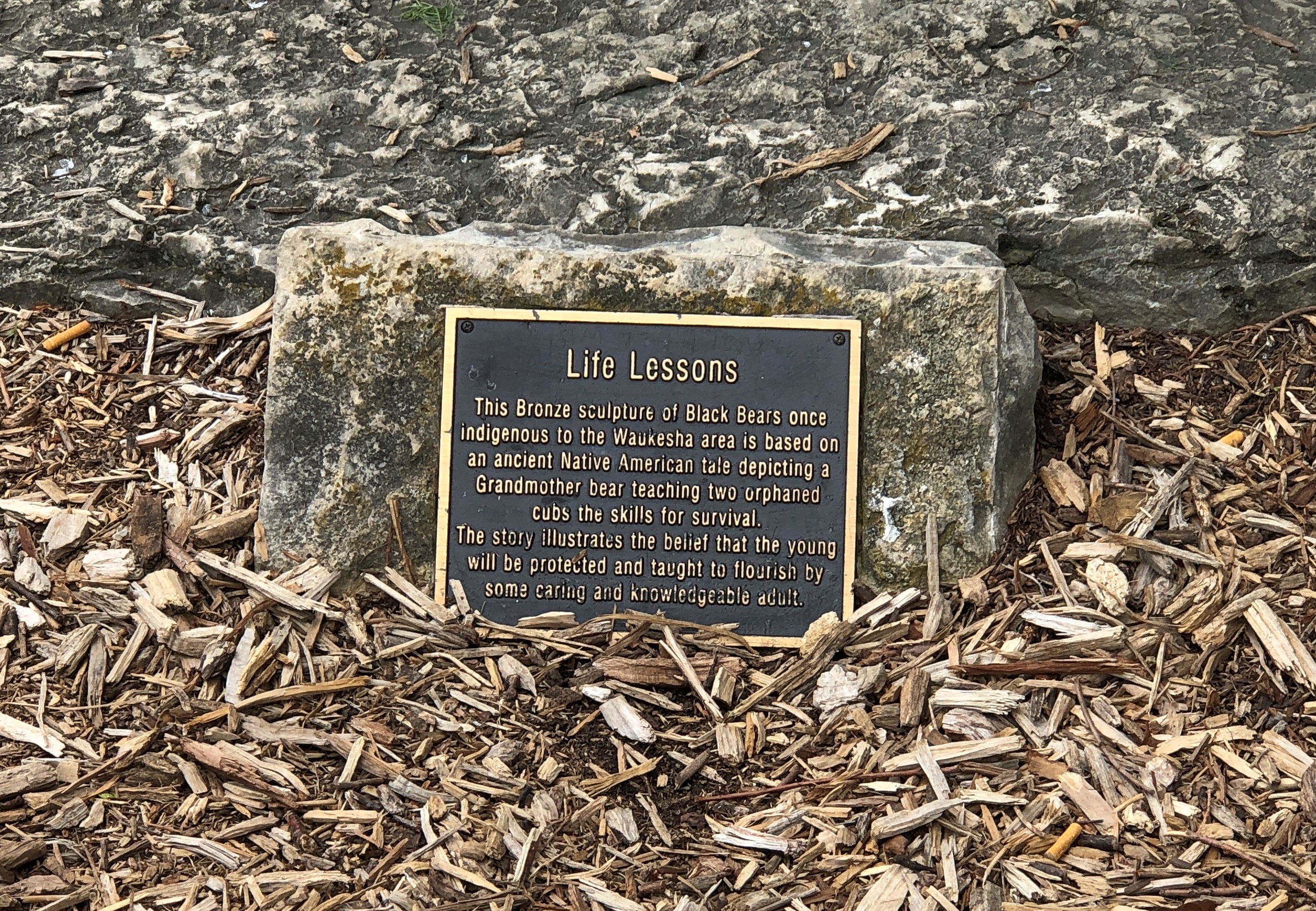
More river, and also bears. Bronze bears.

Fox River, Waukesha

Hope the river didn’t take them away, but I’d think the figures would be anchored pretty well.

Fatehpur Sikri, Uttar Pradesh

Here we are, in a cold May. Cold and today, rainy. Cold in April is one thing, but in May? Not wintertime freezing cold, of course, but nearly refrigerator chilly. Too cold to lounge around on the deck, which is pretty much my definition of atmospheric chill.
The cold came after considerable warmth last week, even a day that felt hot, during which a dust storm blew through northern Illinois. We didn’t feel the brunt of the storm, just a gusty and dusty edge of it. In all the years I’ve been here, I don’t remember any other Chicagoland-spanning dust storms. Odd.

Out of curiosity, I checked temps in Agra and Jaipur today. At about 2 am IST – the middle of the night – it was 90° F. in Agra. Tomorrow: Abundant sunshine. Hazy. High 106° F. Winds light and variable. As for Jaipur, middle of the night temp, 93° F. Tomorrow: Sunny, along with a few afternoon clouds. Hazy. High 112° F. Winds WNW at 10 to 15 mph.

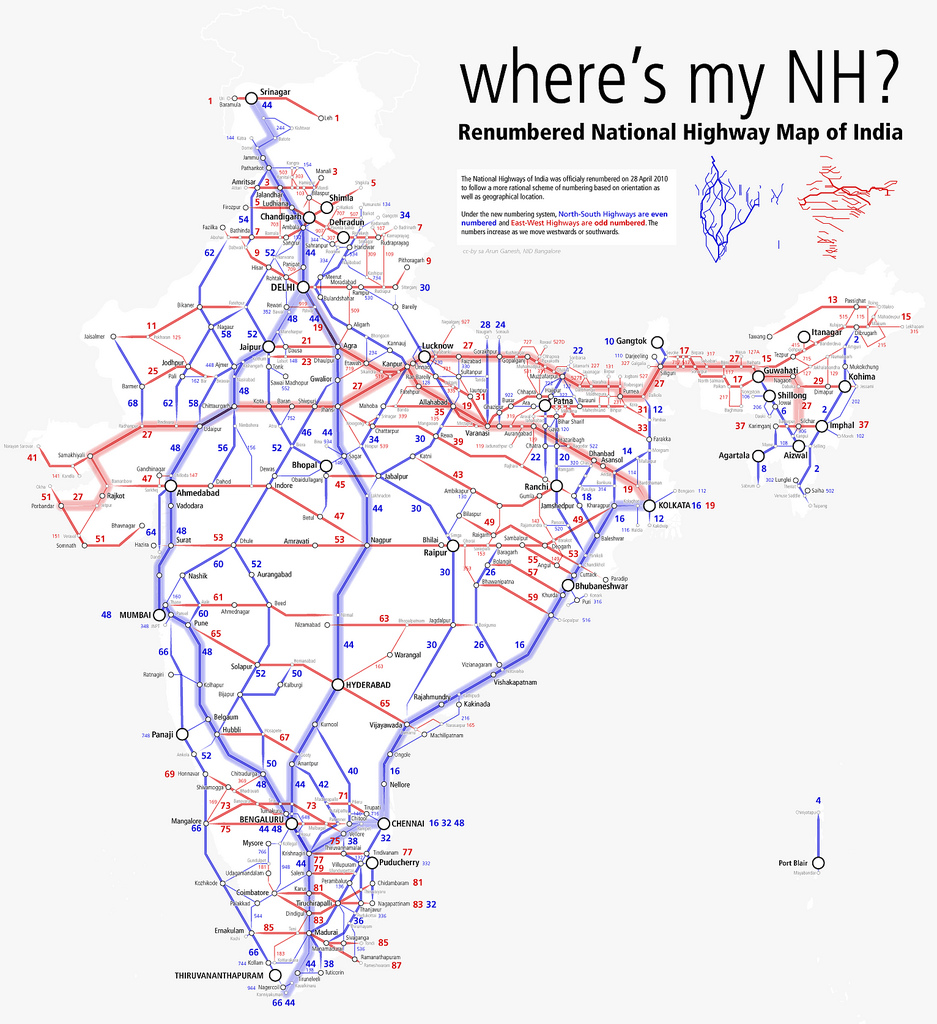
Zounds. Between Agra and Jaipur, on National Highway 21, is the border of Rajasthan and Uttar Pradesh. This is what it looked like, leaving Uttar Pradesh, headed for Jaipur.

Behold, the National Highway system of India. Infrastructure, by the looks of it, that is reaping enormous economic benefits. The roads were renumbered in 2010. News of that didn’t reach my part of North America, or if it did, it was a squib of an item, lost in the news churn. Under the new(ish) numbering scheme in India, east-west highways are numbered odd, while north-south ones are even, the opposite of the U.S. Interstate system. The numbers increase as you go west or south. Again, the opposite.

Imagine the government committee meetings, the endless, hours-long committee meetings, that must have gone into renumbering the roads. Was there a bureaucratic faction that pushed not to be like the Interstate system, as a matter of national pride?

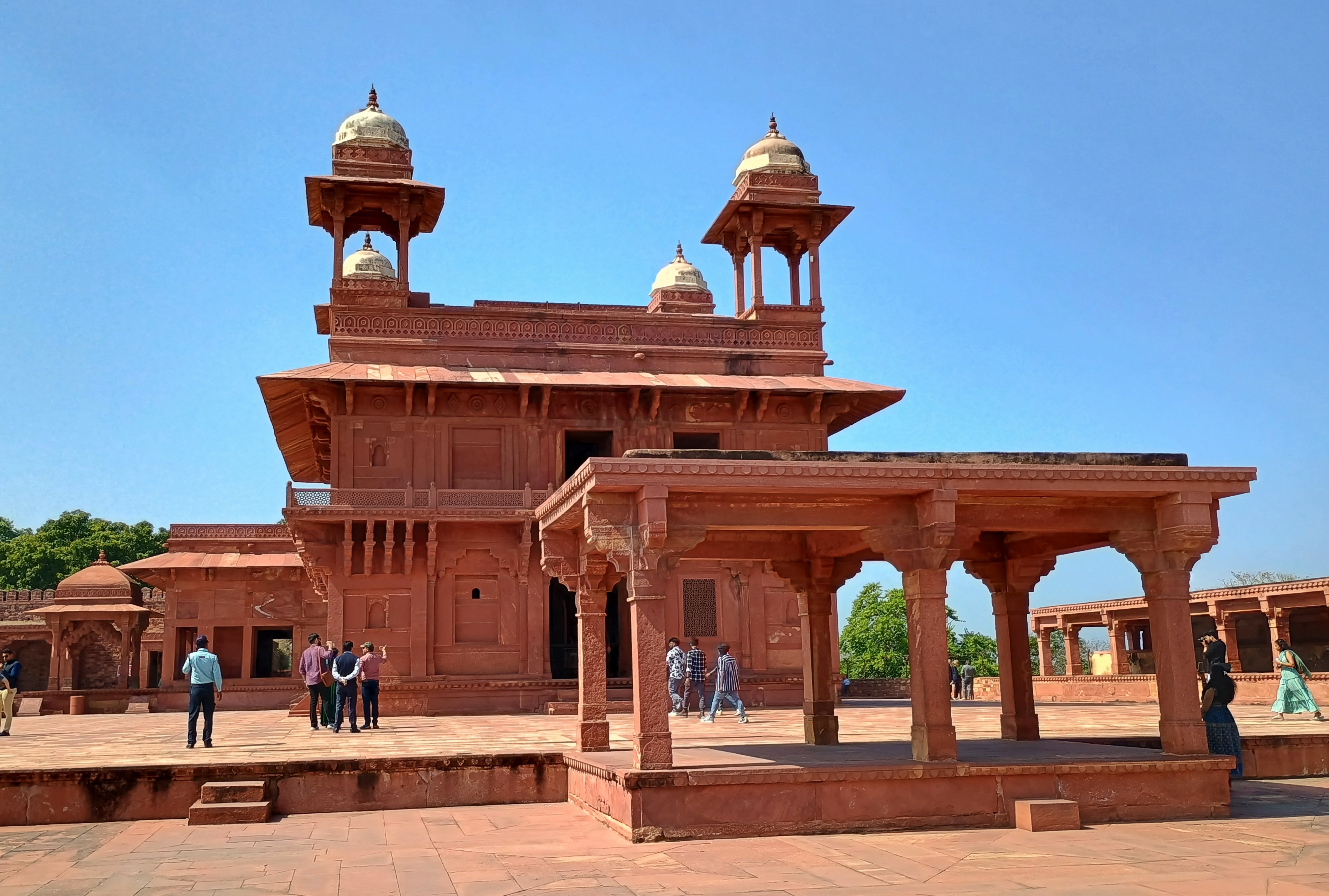
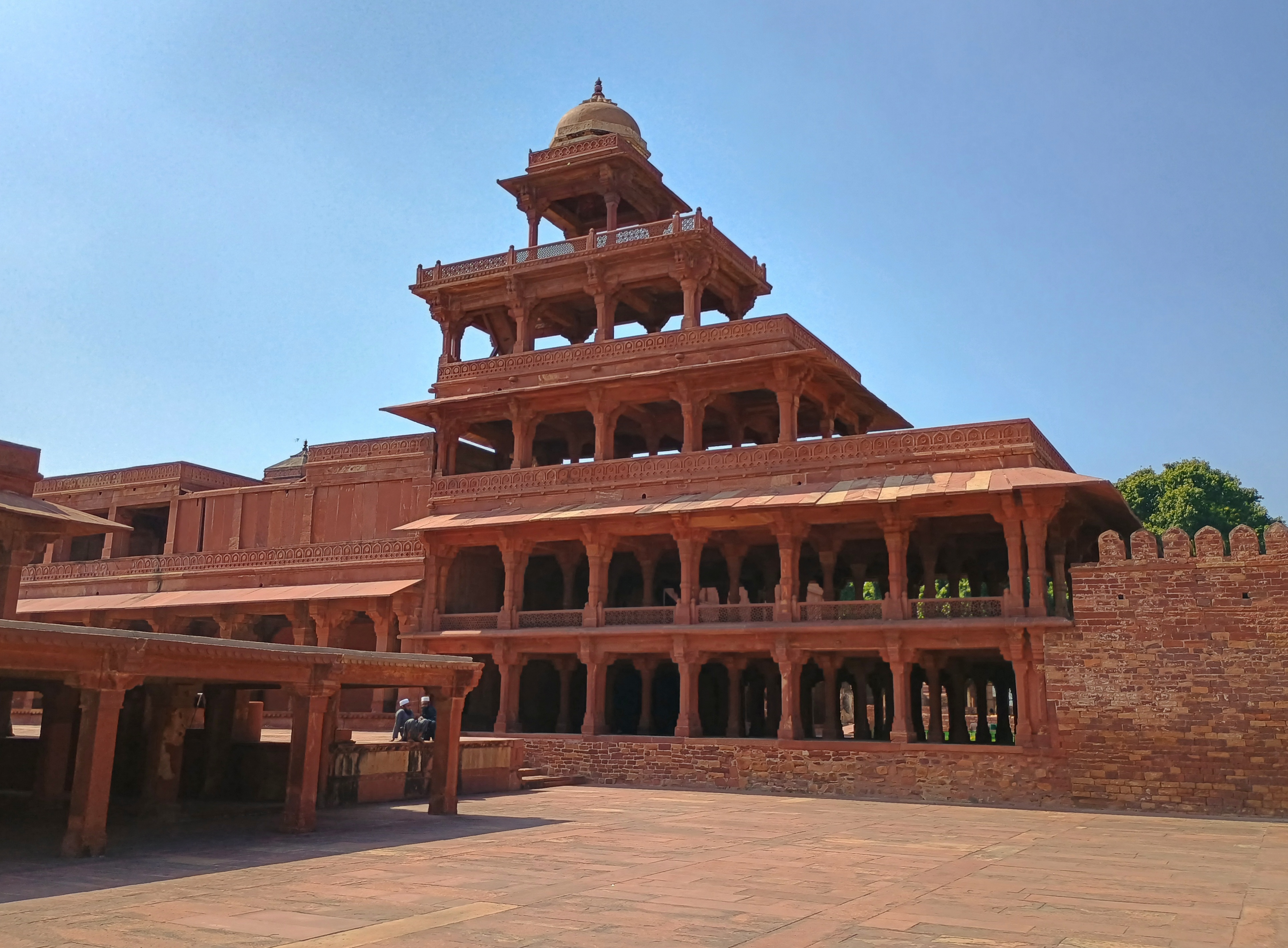
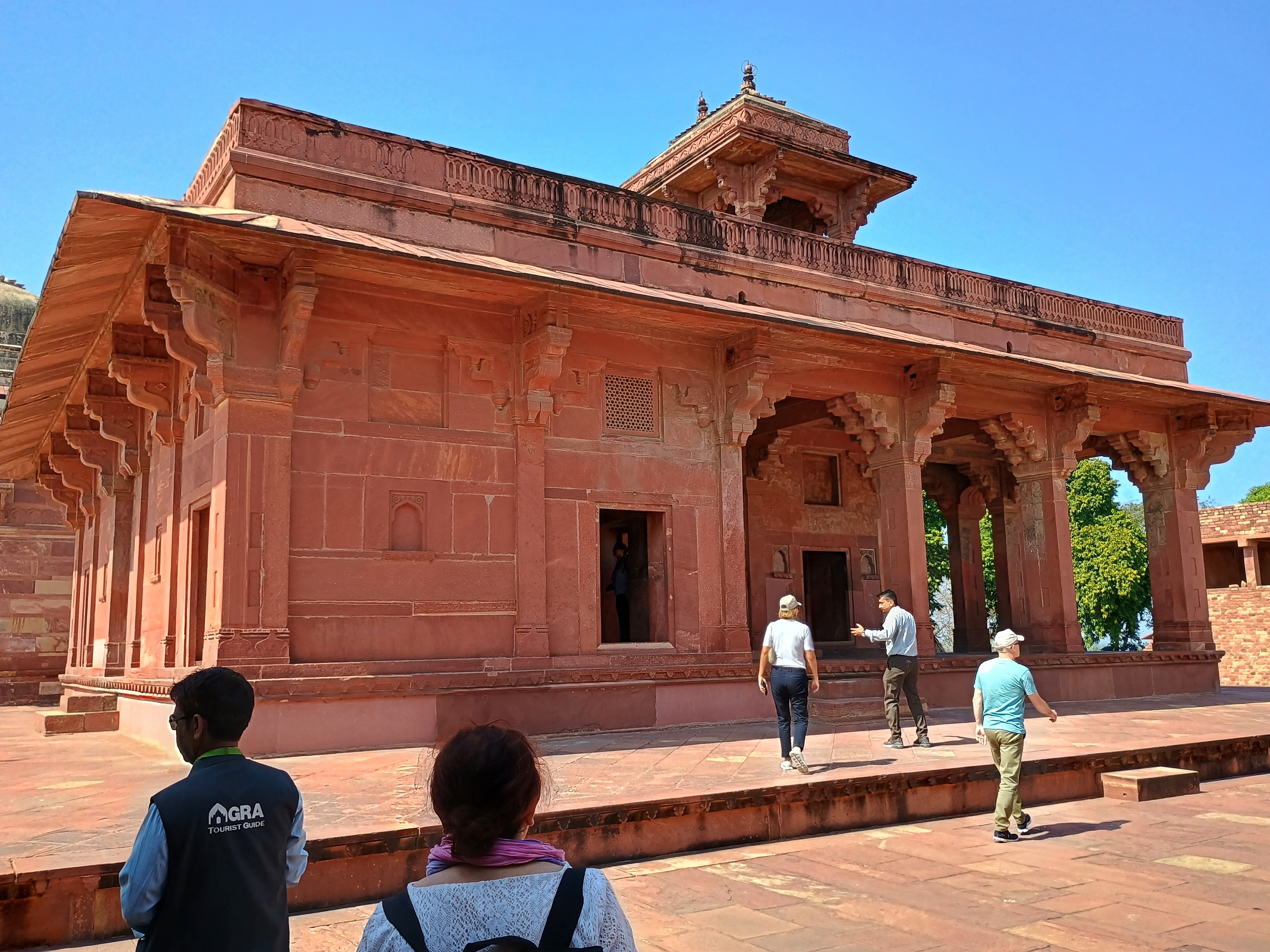
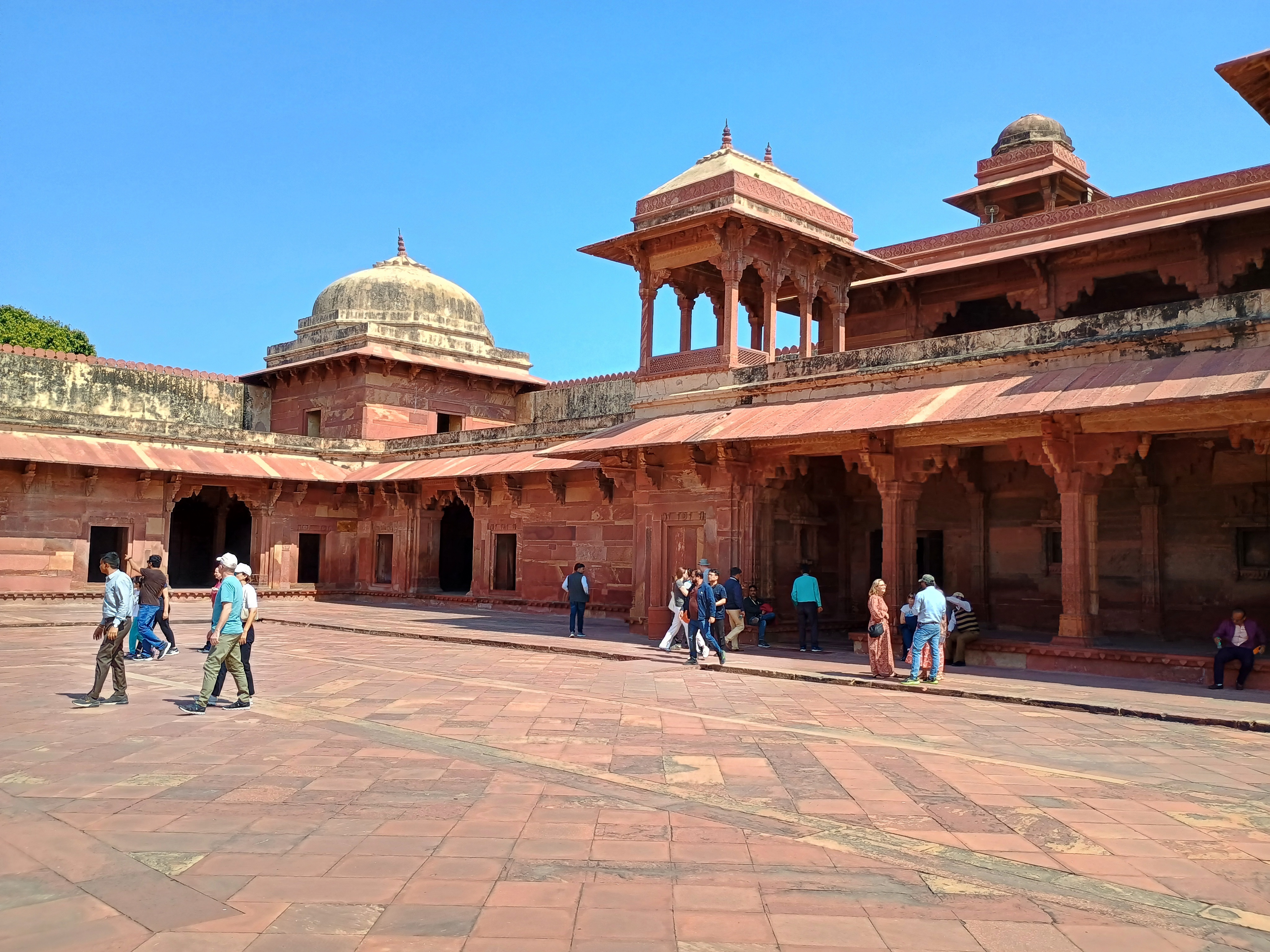
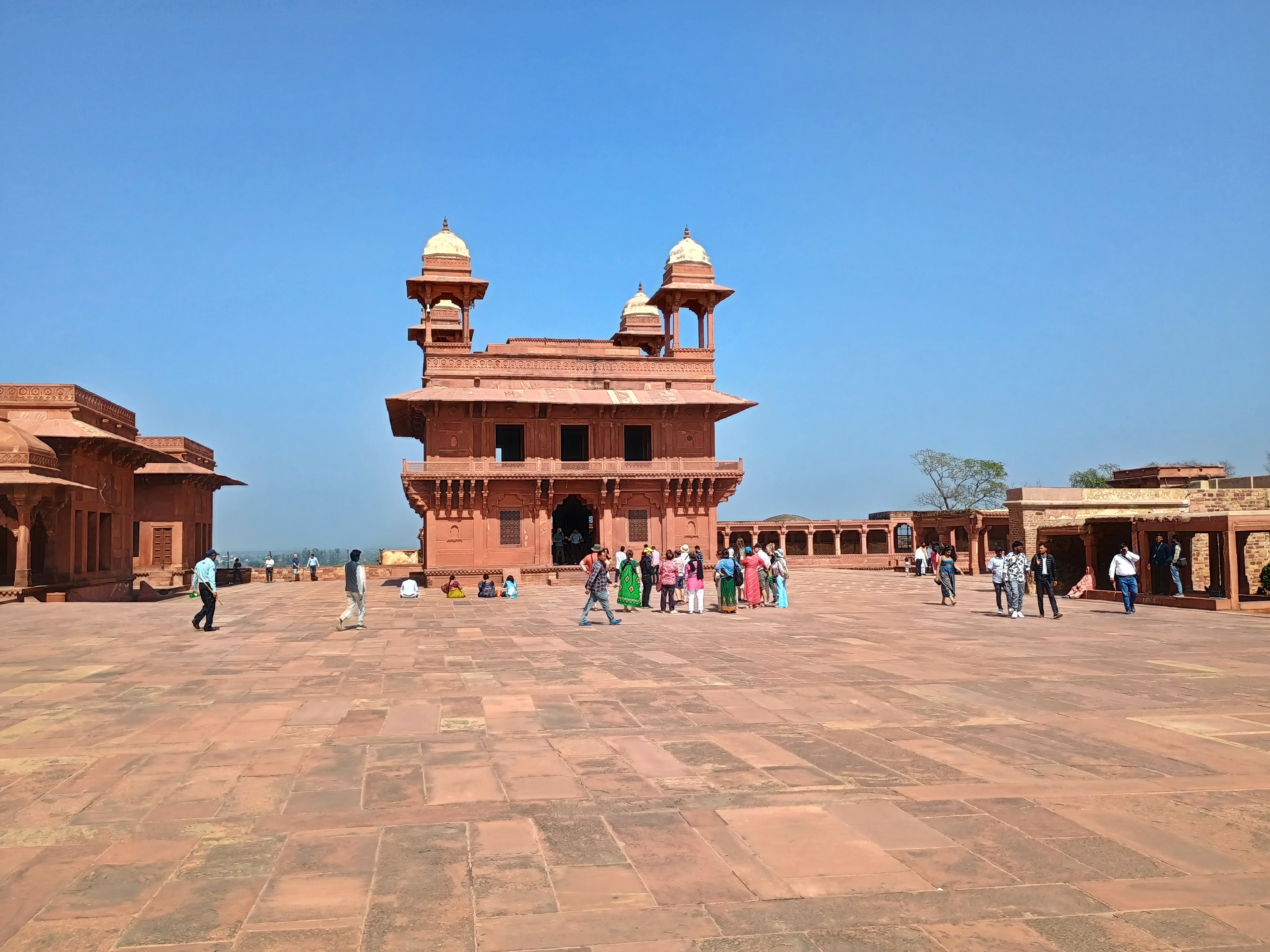
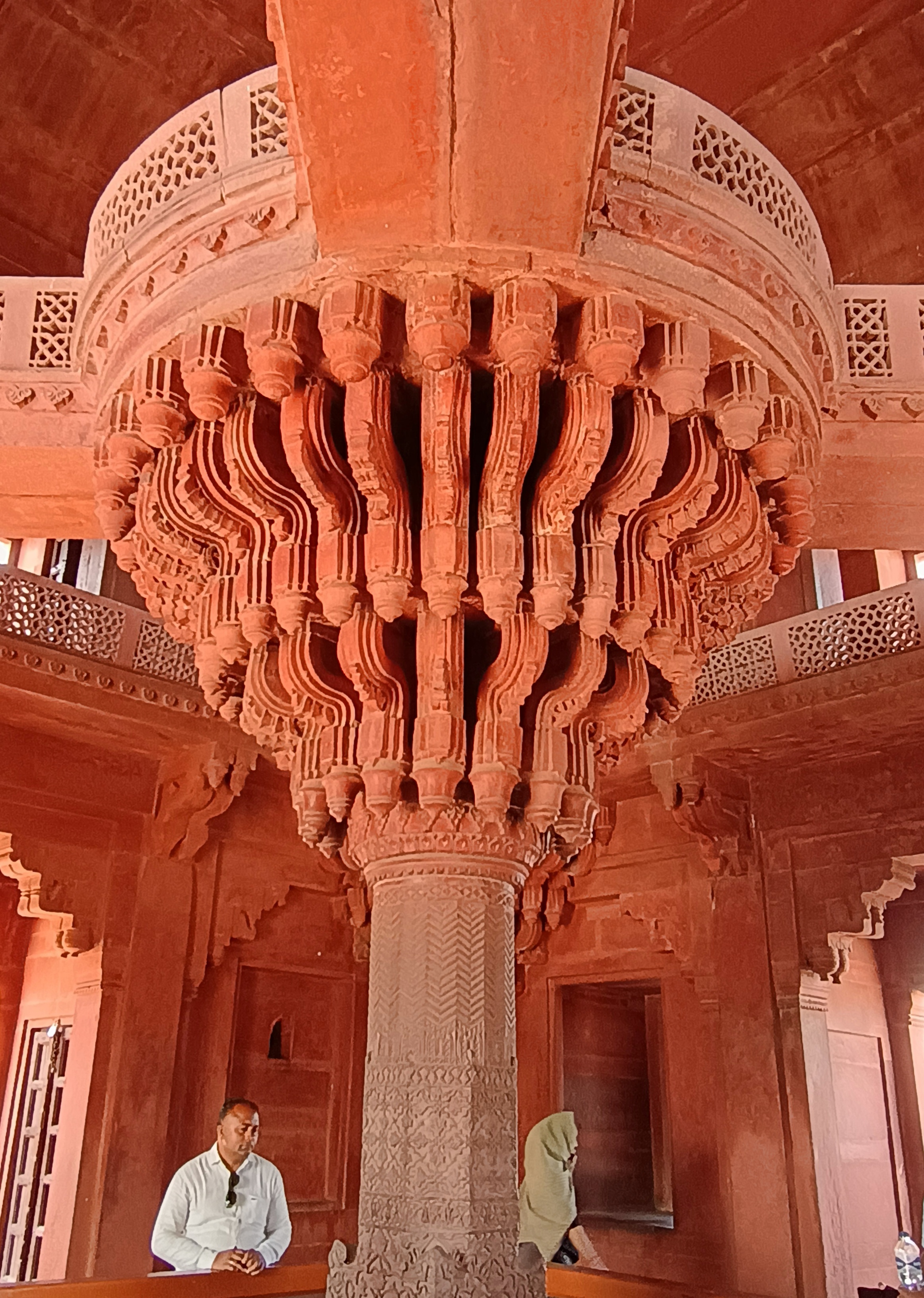
Near the border along NH 21, but still in Uttar Pradesh, is Fatehpur Sikri, which Akbar, the third Mughal emperor, made his capital for a little more than a decade in the 16th century. A short-time capital it might have been, but Akbar didn’t think small when it came to developing Fatehpur Sikri – Mughal potentates never thought small, it seems – and so left behind some World Heritage-class sites (and indeed, it is on the UNESCO list).

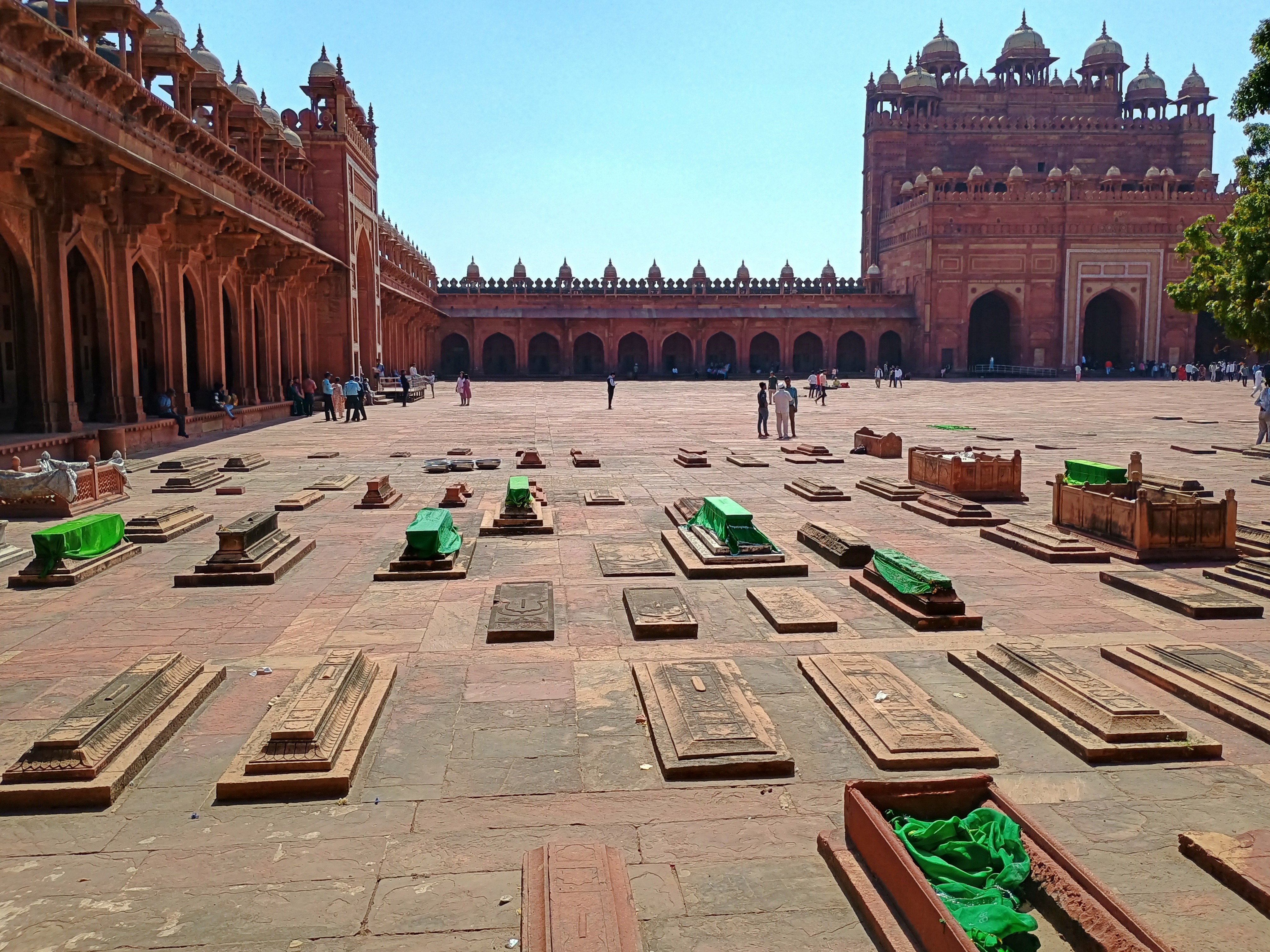
When we arrived, temps were nowhere near 100+ F. Maybe 80° F. or so, which I count as pleasant.Fatehpur Sikri Fatehpur Sikri Fatehpur Sikri

Turn up the heat another 20° or so, and those broad stone courtyards wouldn’t be that pleasant for tourists or touts.Fatehpur Sikri Fatehpur Sikri

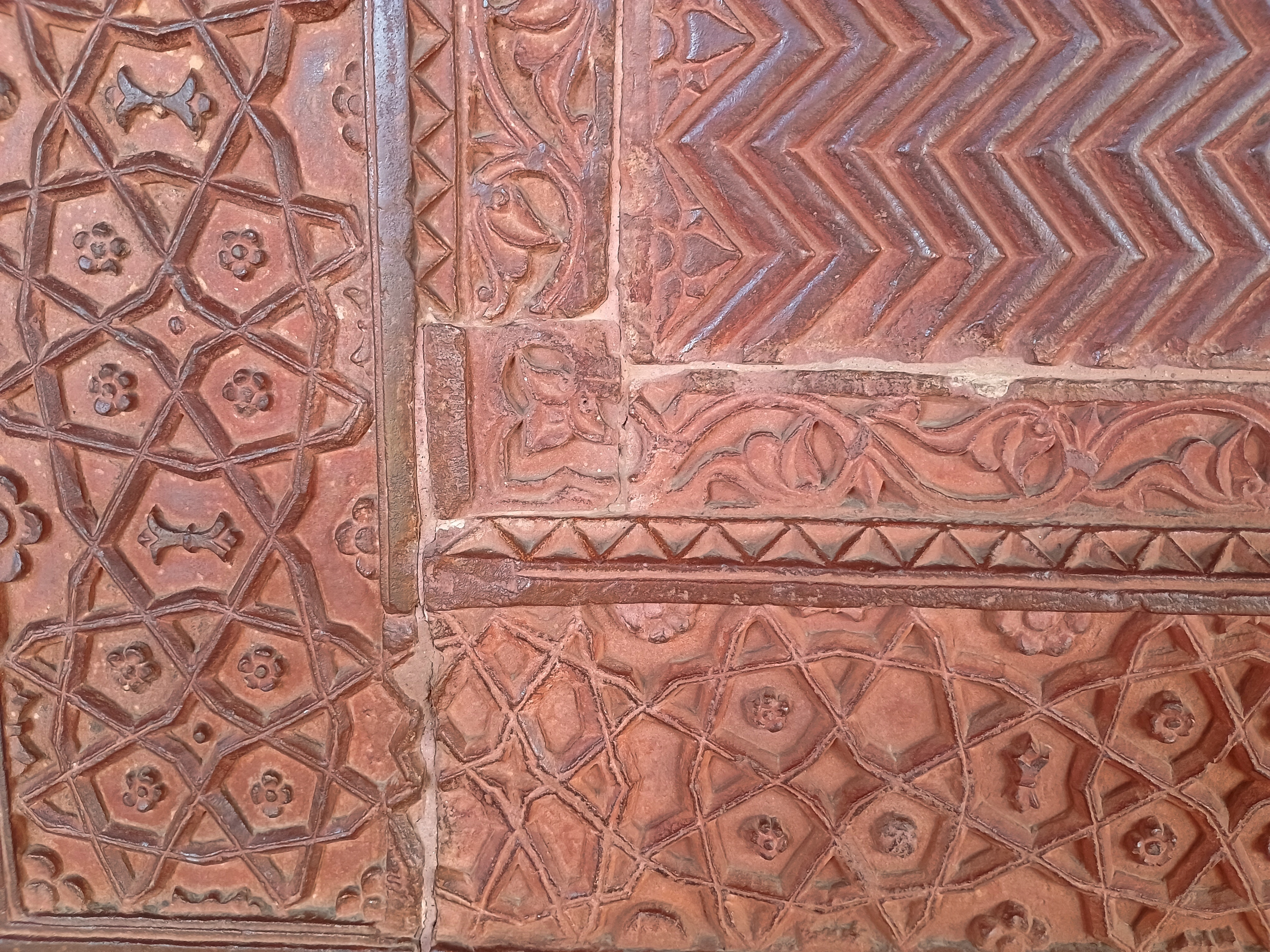
The stonemasons, as usual, did wonders with red sandstone.Fatehpur Sikri Fatehpur Sikri Fatehpur Sikri

Unlike any other big-deal historic site we visited in India in February, roving vendors were allowed inside the complex at Fatehpur Sikri. The vendors tend to swarm, especially if you buy anything from anyone at any moment – as I did, a necklace for Yuriko. I might as well have painted a DayGlo rupee symbol (₹) on my back.

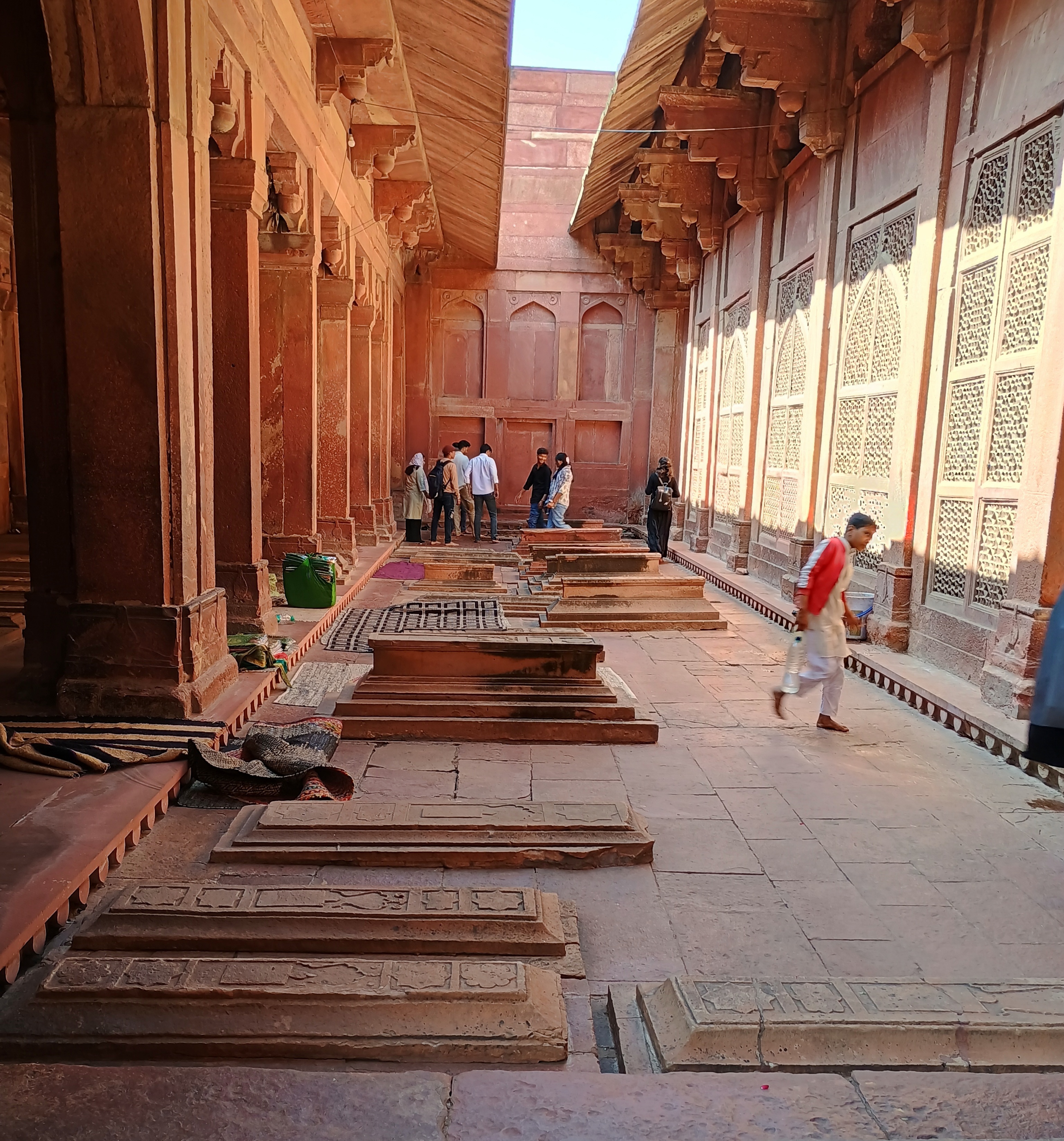
Never mind, Fatehpur Sikri was up to high Mughal standards: a splendor. In one courtyard, an array of Mughal tombs caught my attention, marking resting places on a less grand scale than the likes of the Taj or the Baby Taj.

Royalty gets royal treatment after death, but so many other people were involved in running a court, and they deserved dignified entombments, too. Such as, for example, the overseer of the royal flyswatters. (Servant jobs were very specific in those days.)

I hope our guide for a couple of hours at Fatehpur Sikri got a cut, one way or another, of what we paid to hire the car and driver, on top of the tip we gave him directly. He told us a good many interesting things about the town and its history, but nothing quite as interesting as how an uptick in tourism — mostly domestic tourists, I bet — had allowed him enough money to buy a motorcycle a few years earlier. “Changed our lives completely,” was how he put the impact on his family.

His brother had a souvenir stall near the historic sites, and a clubfoot. We drank tea with them, and in lieu of buying something, I gave him a tip as well. Could be he’s saving for a motorcycle, too, or needs gas money if he’s got one already.

The Brandenburg Gate

To mark the spring equinox, winter pulled hard in the tug o’ war between it and spring, with snow falling overnight. By day, spring pulled back, melting most of the snow.

The weather during almost all of our trip turned out better than expected. Japan was dry and fairly chilly some days, but not others, even up north in Tokyo. As for north-central India, February is a good time to visit: slightly cool at night, warm or very warm during the day, and no rain at all, much like the days we spent in Mexico City. Later in the year, I understand, heat begins to oppress the region and soon the monsoon comes. In Dubai: consistently warm, almost hot in the afternoons, but never unbearable desert heat, which will come soon enough as well.

Germany and the Czech Republic were a pleasant surprise, mostly. During the first few days, temps were cool but not cold. The warmish Saturday Jay and I went to Museumsinsel, Berliners were out in numbers, sitting and lying around on the green space next to the Berliner Dom. Only toward the end of our visit did it get as cold as we’d expected, just above freezing, and there was light rain the day we returned to Berlin from Prague, and a little more the cold morning we left.

The day I got back to northern Illinois was warm and pleasant, until it wasn’t. That tug o’ war in action.

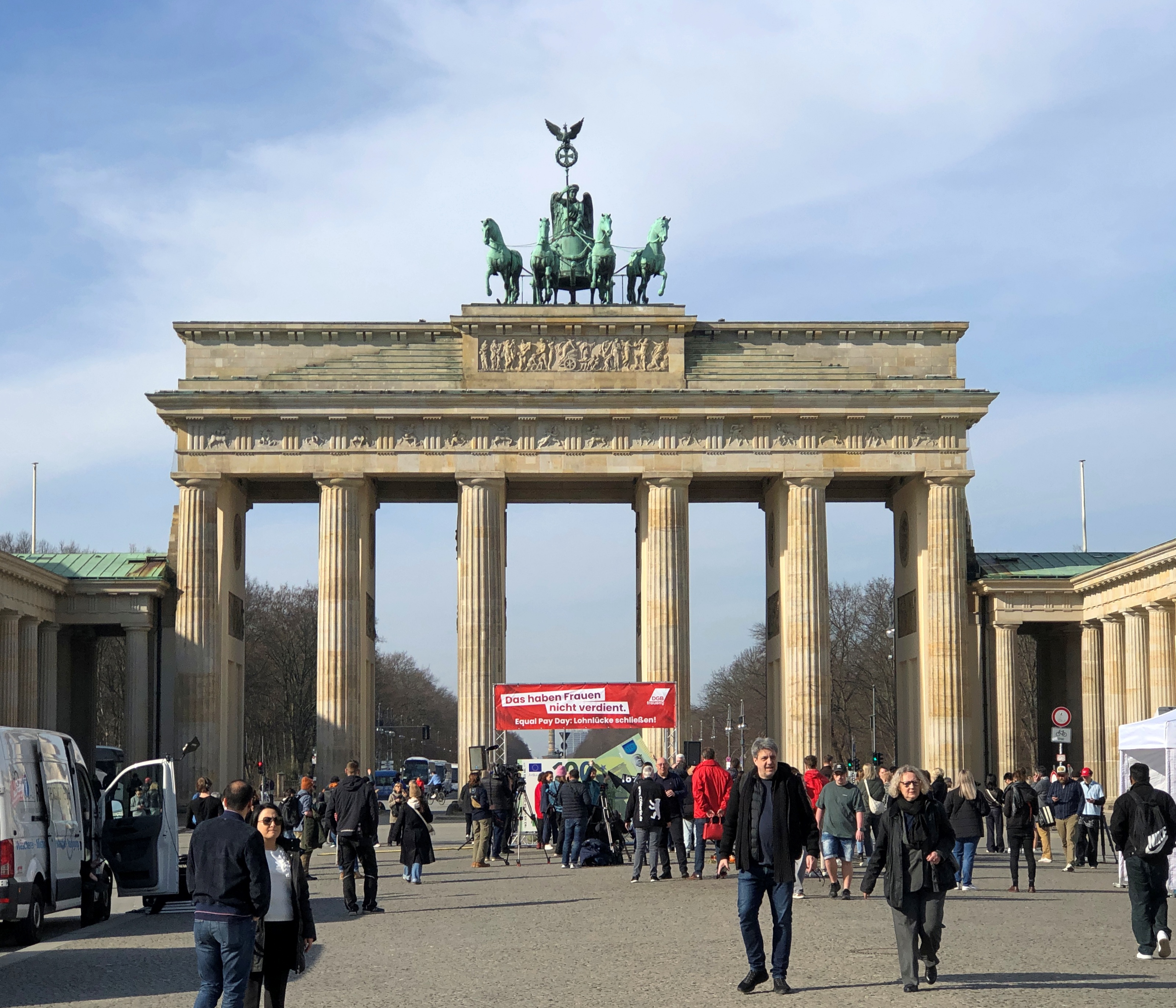
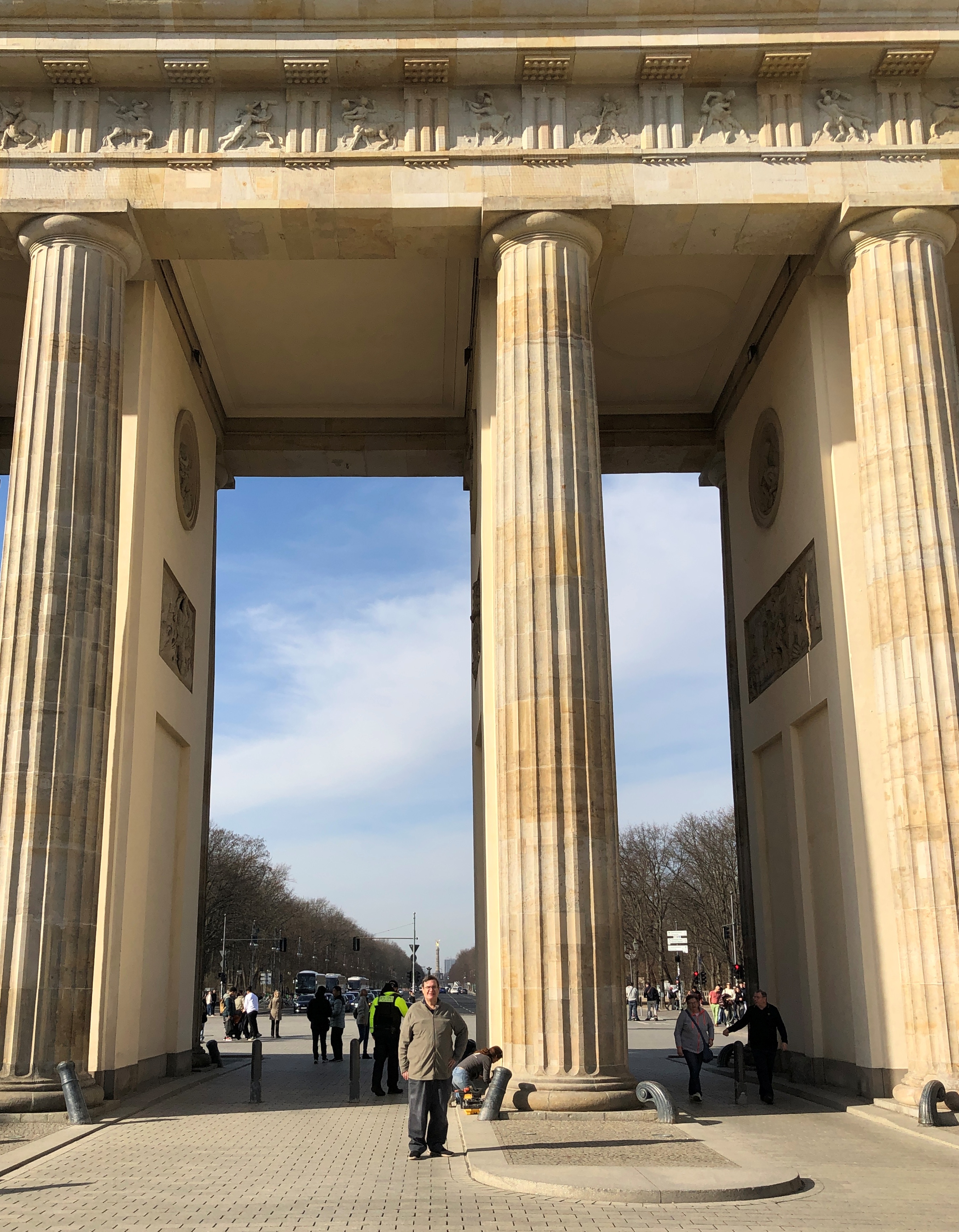
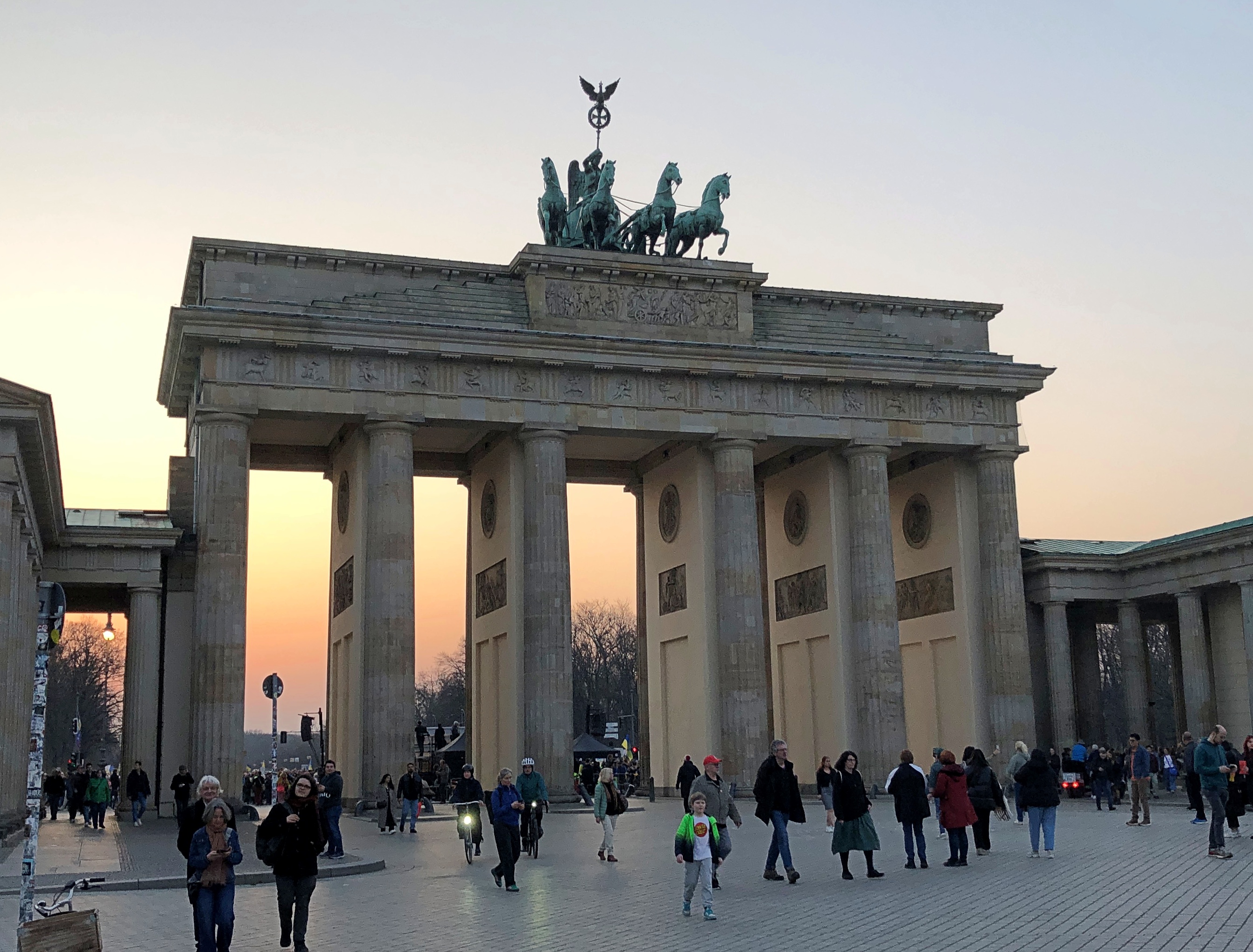
The very first thing I wanted to see in Berlin this time around was the Brandenburg Gate (Brandenburger Tor). I’d seen it before, of course, but let’s say the circumstances were a little different. On July 8, 1983, I wrote, a little confusingly:

The gallery [National Gallery] wasn’t that large, which was a virtue, and later we headed for the Reichstag to catch a bus. En route we passed as close to the Brandenburg Gate as you can without getting shot at.

I suppose I meant that we walked from the western National Gallery just south of the Tiergarten – not the National Gallery building in the east, since we didn’t visit East Berlin until the next day – to the Reichstag building, then a museum, to catch a bus westward, toward our hostel. Such a walk would take you within sight of the Brandenburg Gate, but not next to it, since the gate was in the east, behind the Wall.

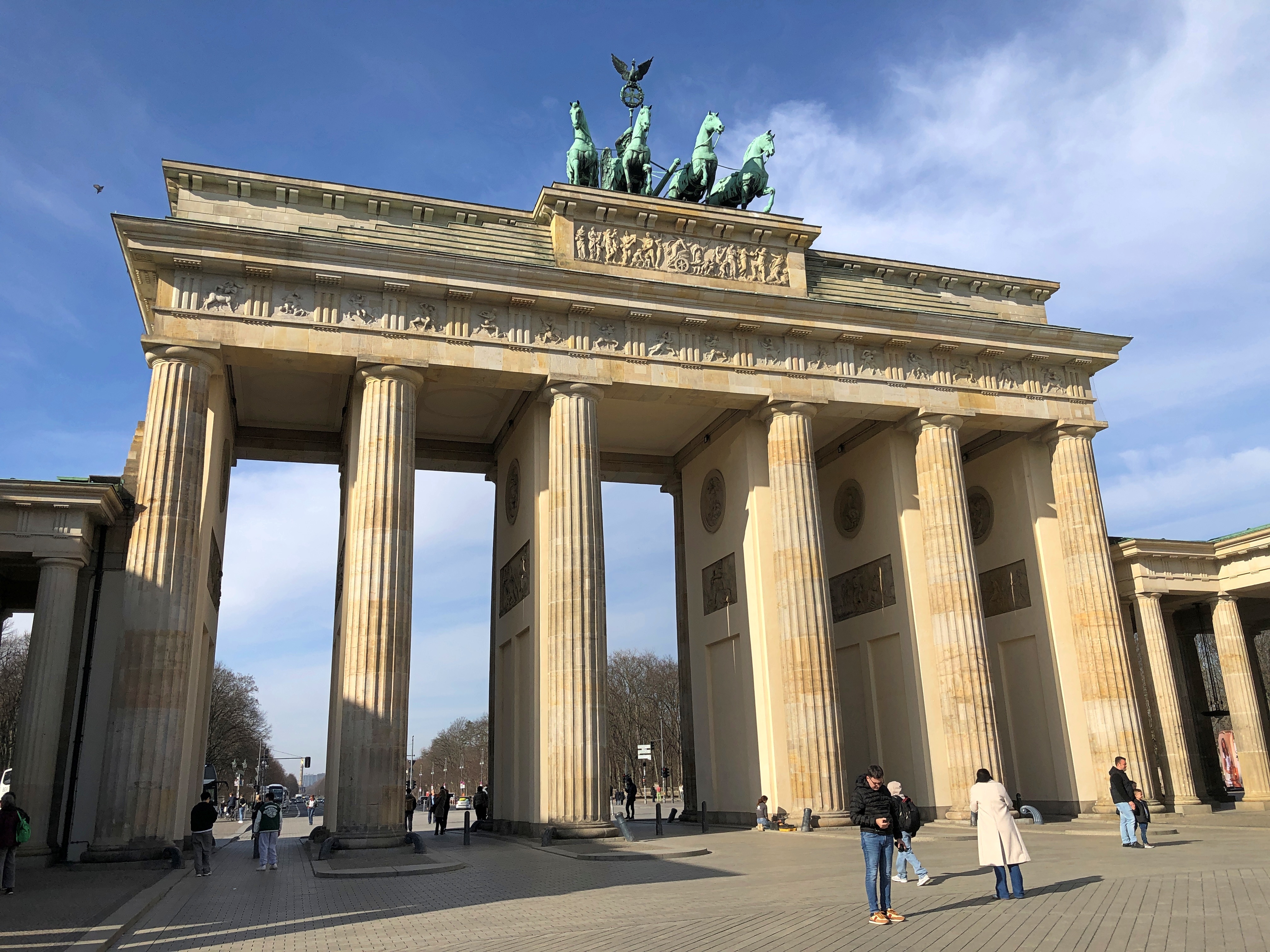
These days, one can stroll right up to the Brandenburg Gate and pass under it. A lot of people do. Jay and I did on March 7.Brandenburg Gate 2025 Brandenburg Gate 2025 Brandenburg Gate 2025

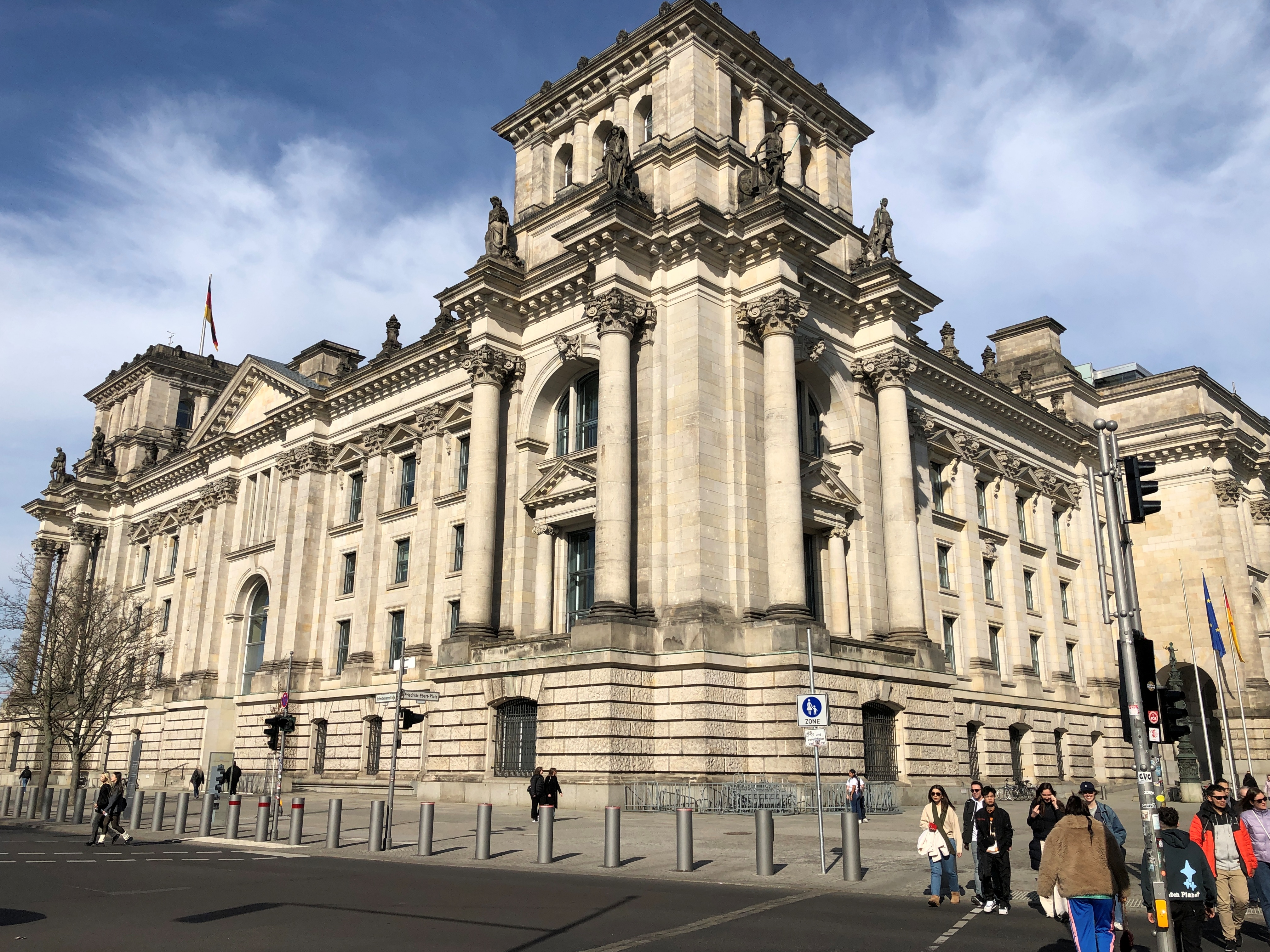
Pass through going west, and pretty soon you’re within sight of the Reichstag building.Reichstag 2025

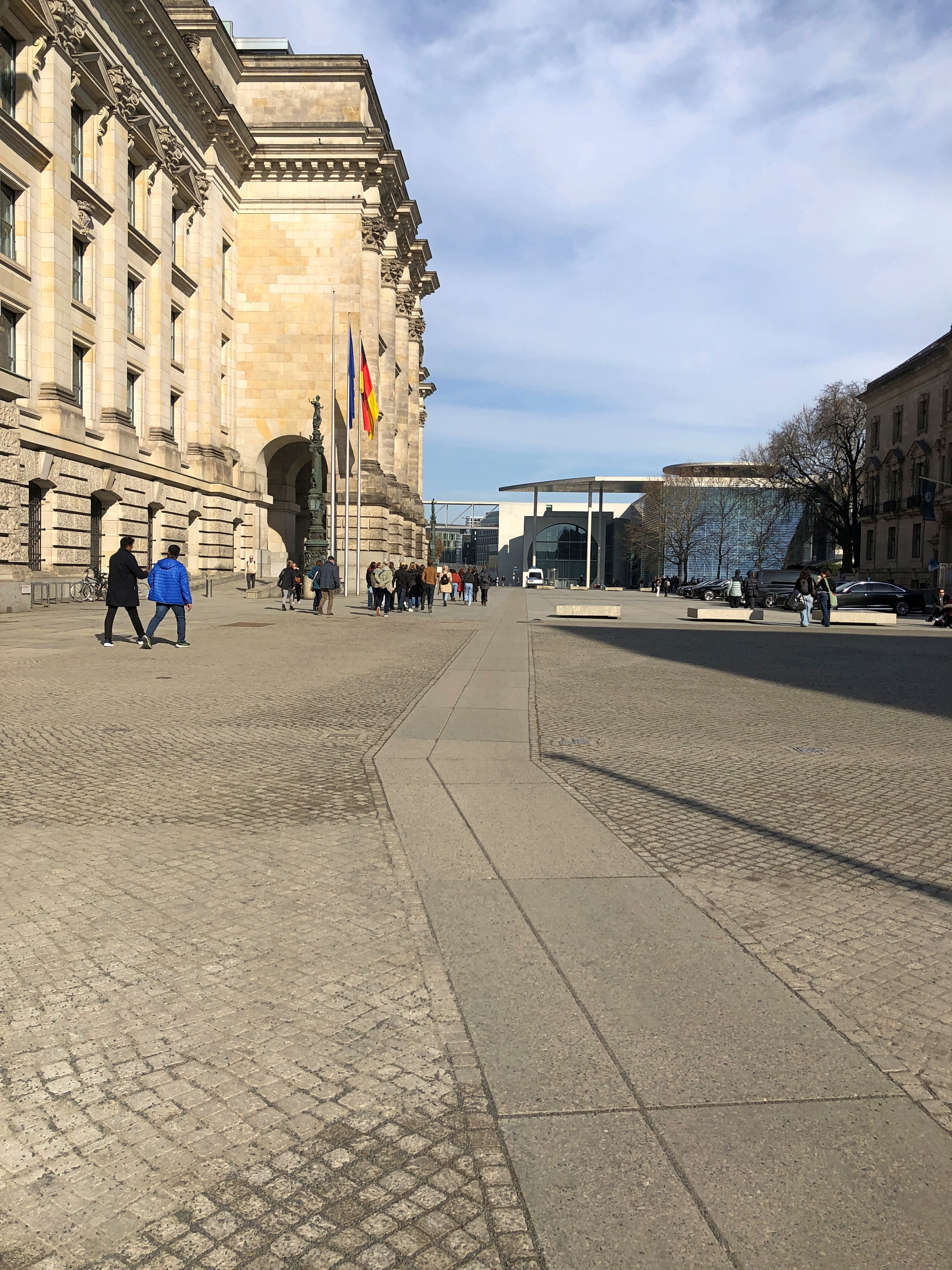
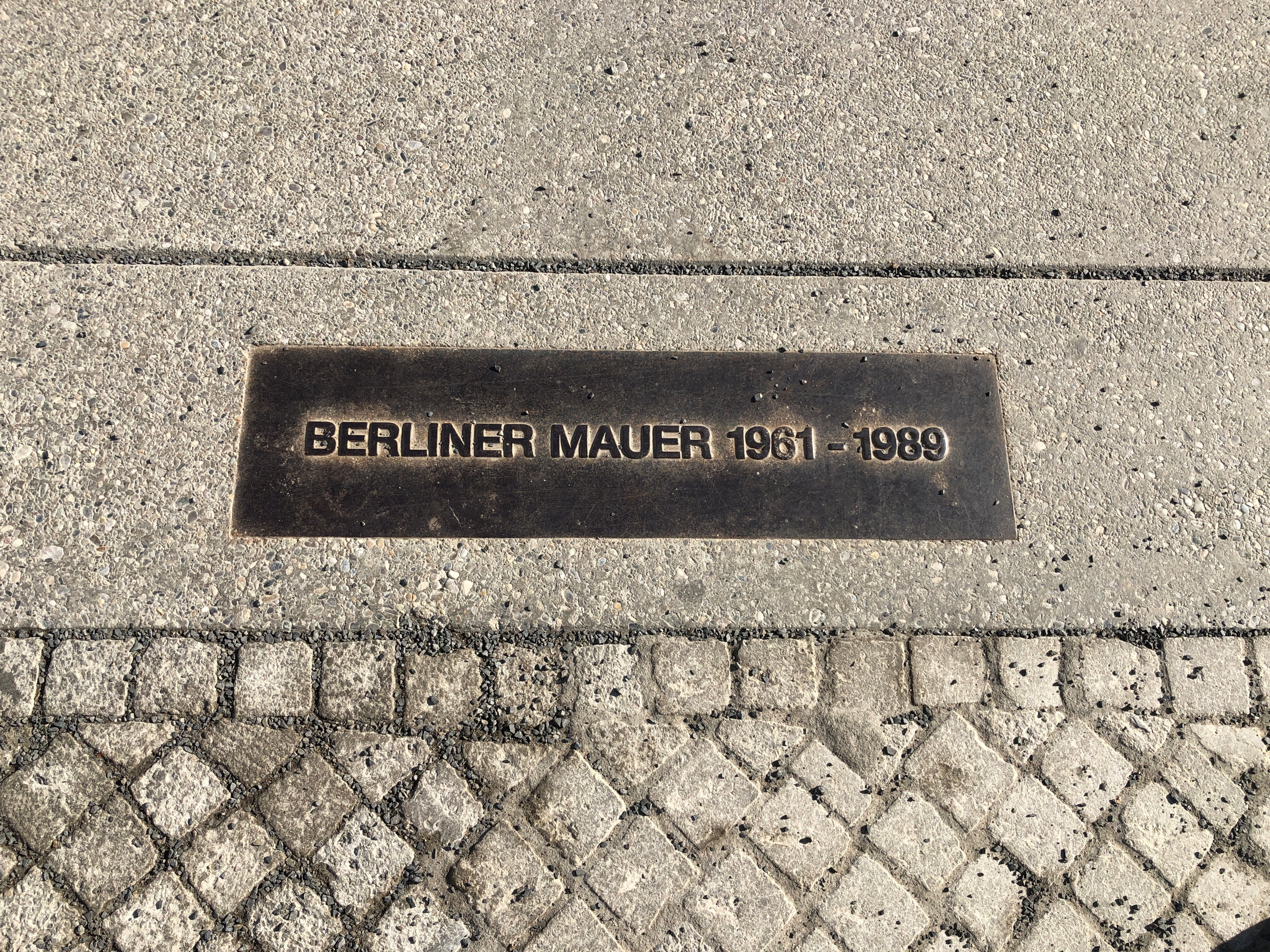
The ghost of the Berlin Wall runs through the platz behind the Reichstag.Site of Berlin Wall Site of Berlin Wall

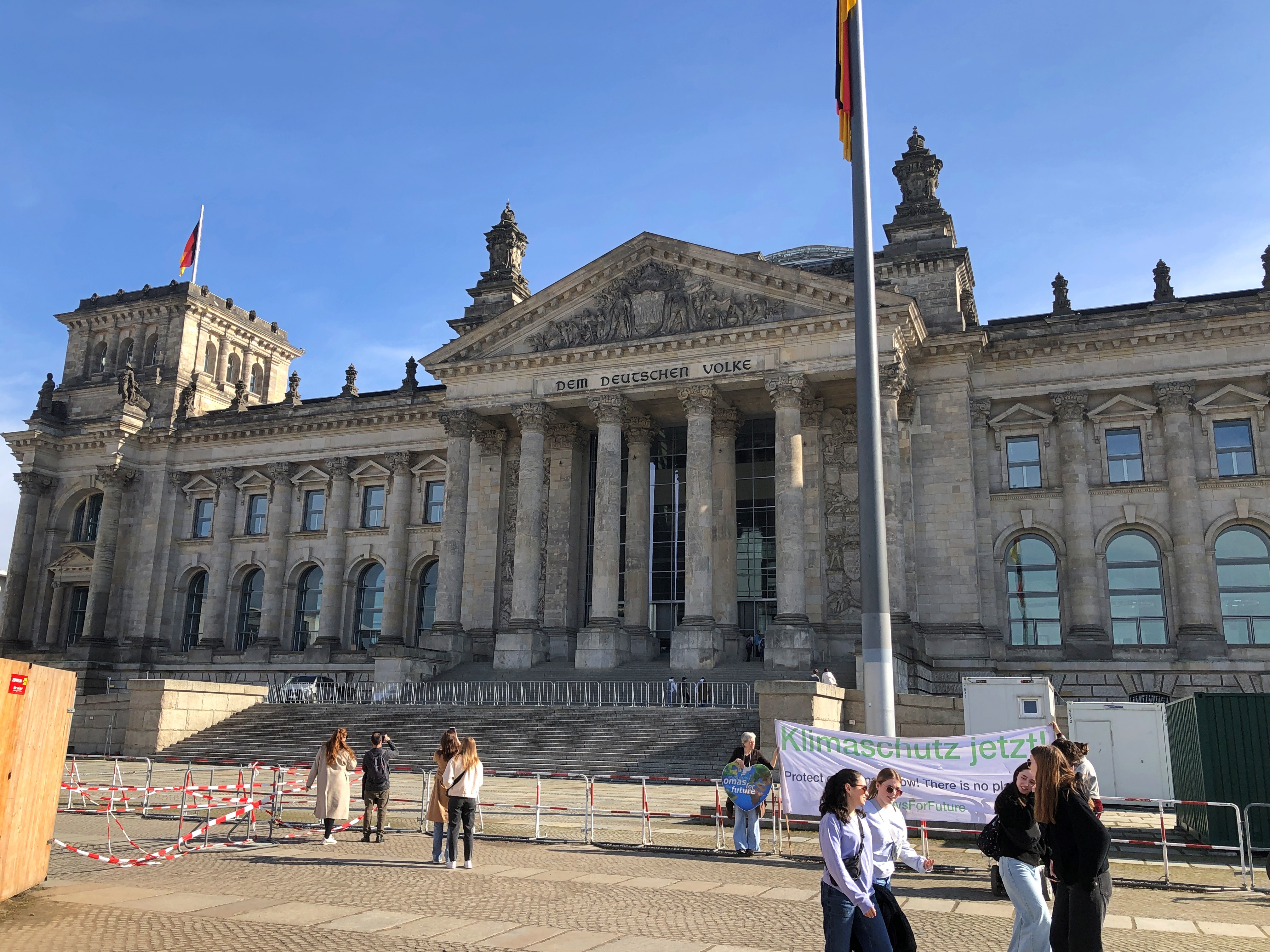
The front of the Reichstag building.Reichstag building 2025

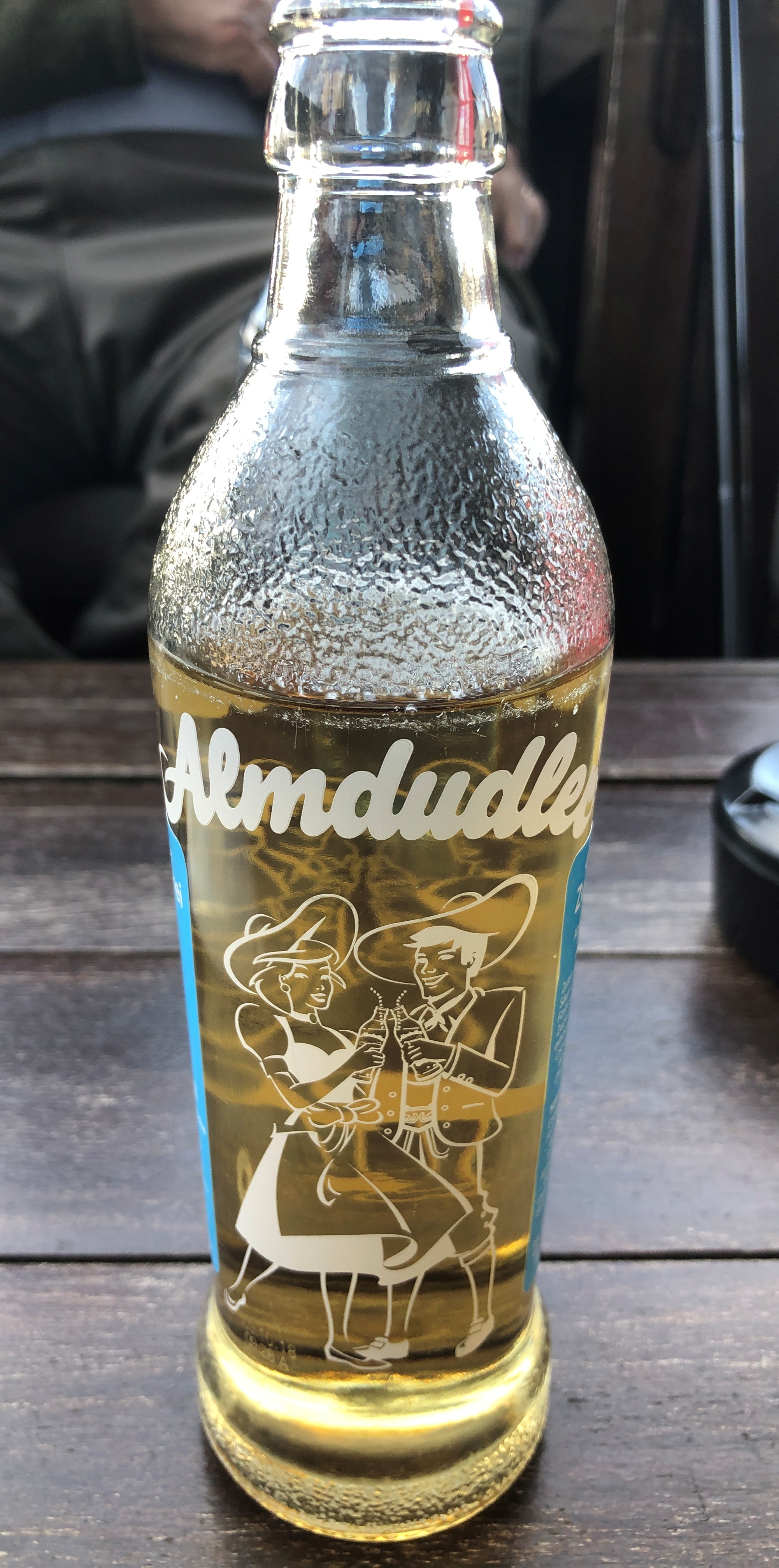
Unlike 40 years ago, when you could wander in and see a few rooms, going in these days involved timed tickets and other rigmarole, so we didn’t bother. Instead we repaired to a small establishment a short ways into the Tiergarten for refreshments. In my case, a soft drink I’d never heard of before, though I could have encountered it in its place of origin, Vienna. Not bad.

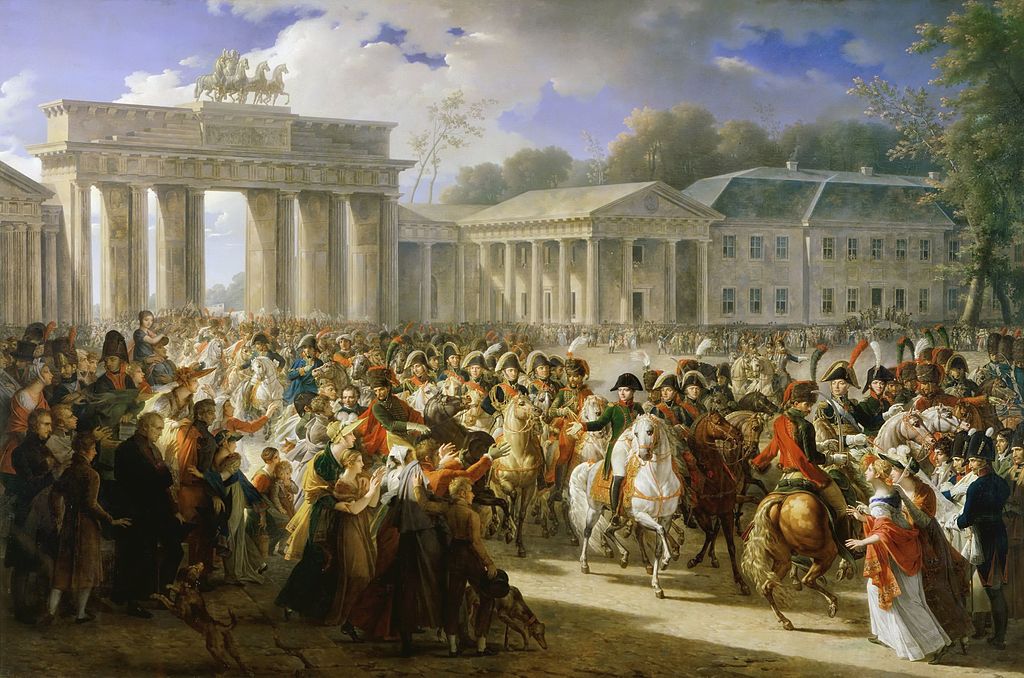
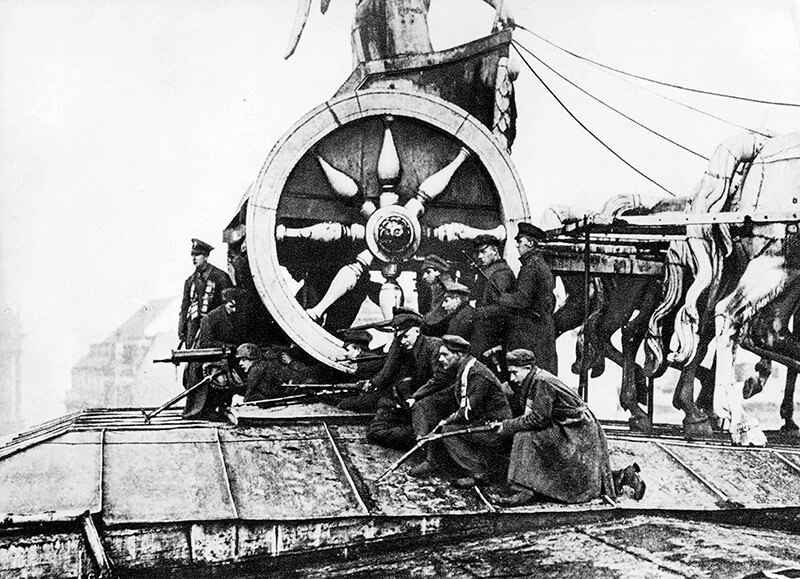
The Brandenburg Gate has been the site of a goodly share of history since Friedrich Wilhelm II had it built, such as Napoleon parading through (and swiping part of it), soldiers posted atop during the Spartacist uprising, and President Kennedy not really calling himself a jelly doughnut nearby.

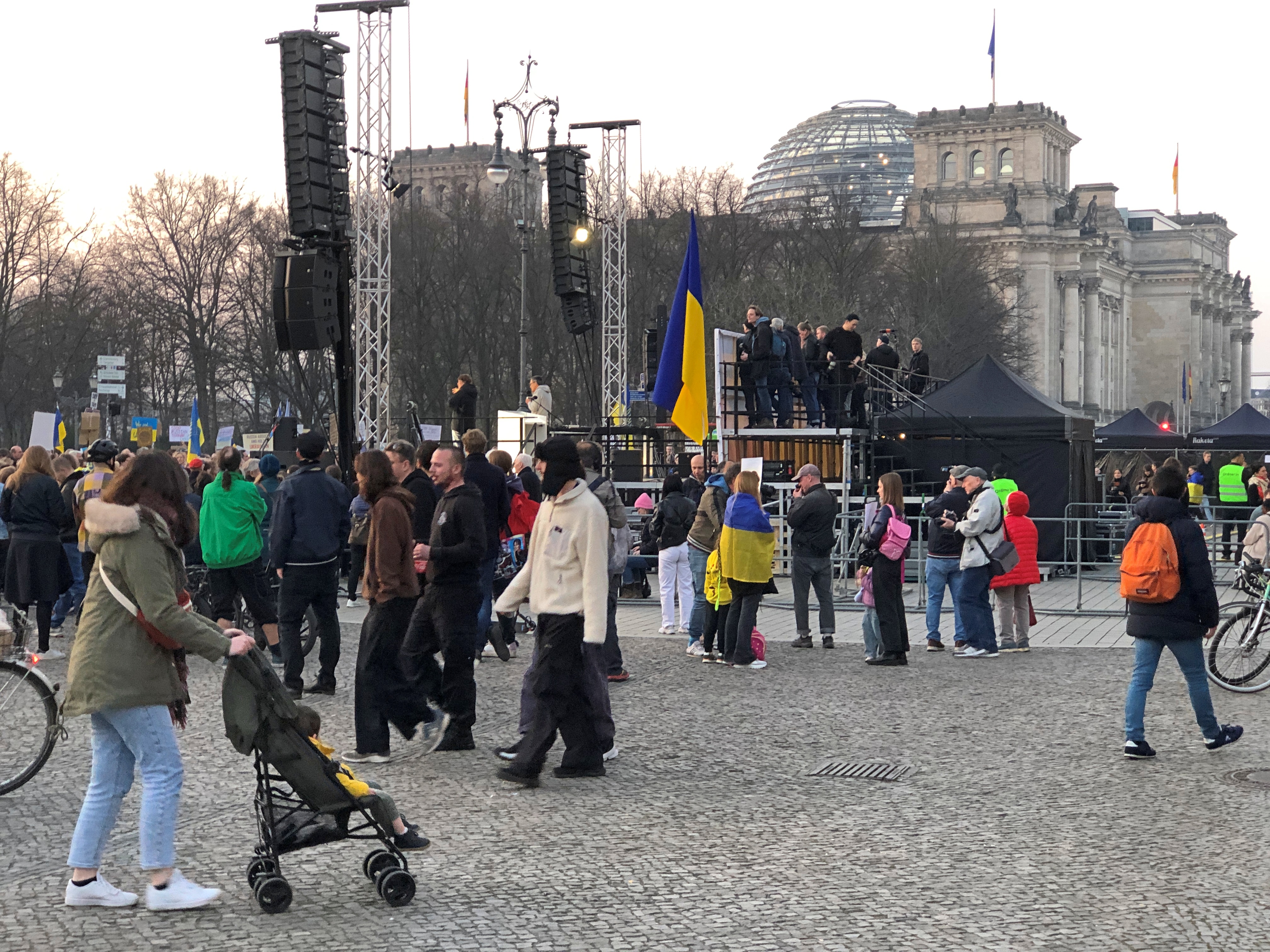
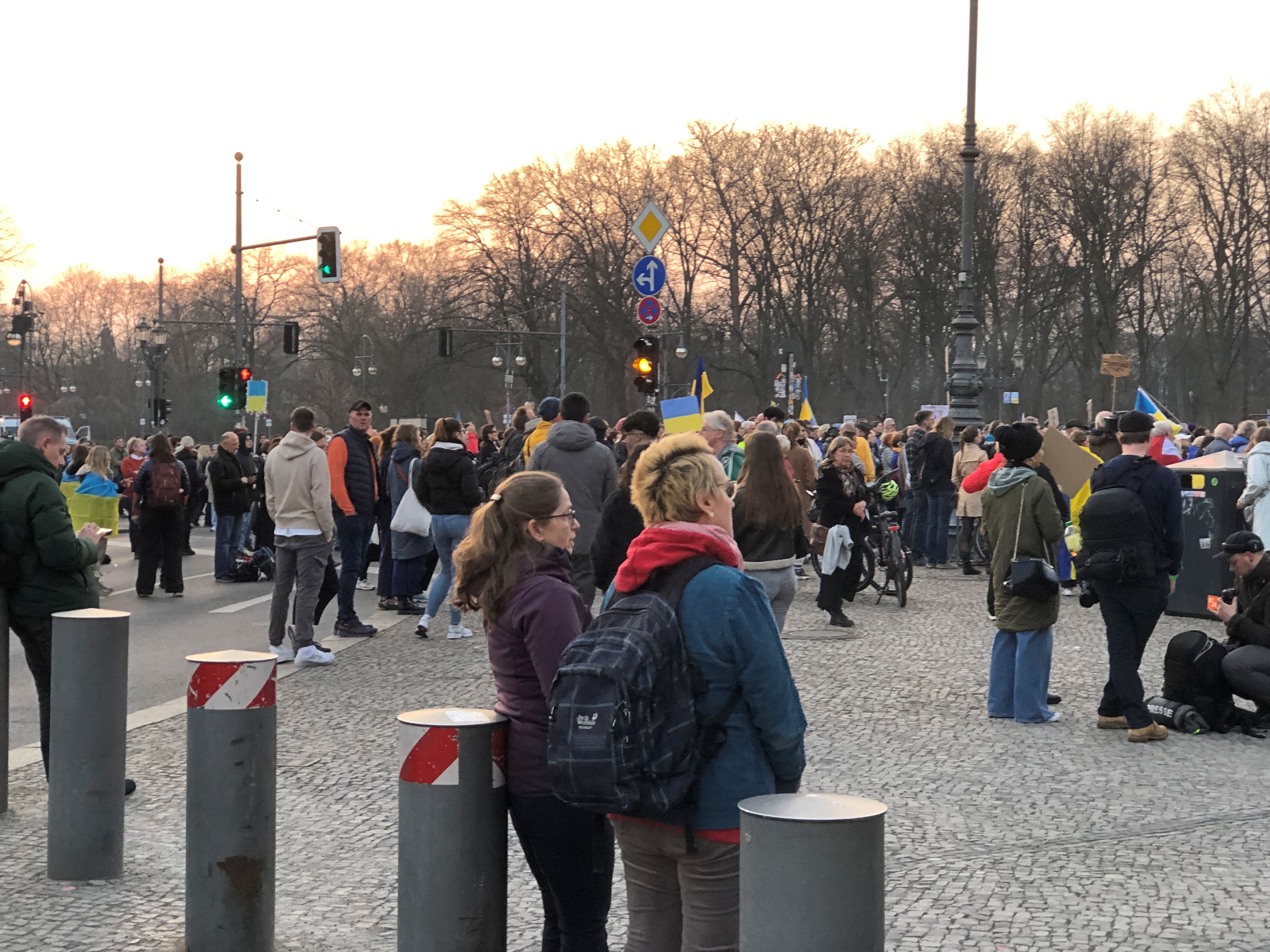
Events continue. Late afternoon on the 9th, we saw one ourselves, a rally to the west of the gate, voicing German support for Ukraine.Brandenburg Gate 2025 Brandenburg Gate 2025

The gate was catching the setting sun about then.Brandenburg Gate 2025

Nice. Glad to make it to post-reunification Berlin.

Late Fall Fabbrini

Tonight’s weather, per the Weather Underground: Windy with partly cloudy skies. Low 11F. Winds NW at 20 to 30 mph. Winds could occasionally gust over 40 mph.

As early as 6 pm, we were getting gusts, but the temps weren’t as low as they would be later. Regardless of temperature, a good time to stay home and hope your 21st-century infrastructure – and I’m glad to say our heater is this century’s vintage – fails you not. Also, that your trees stand up to the gusts.

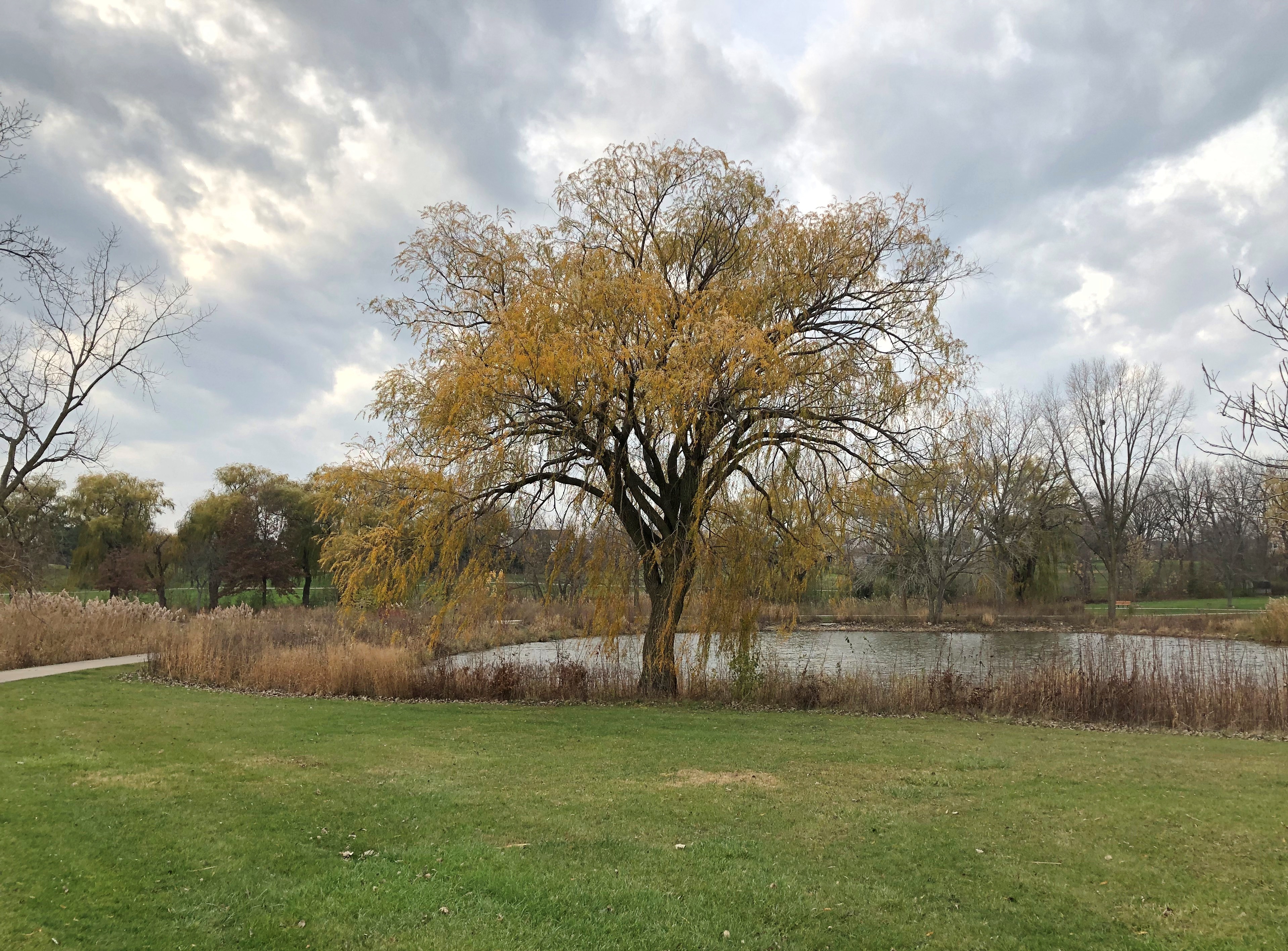
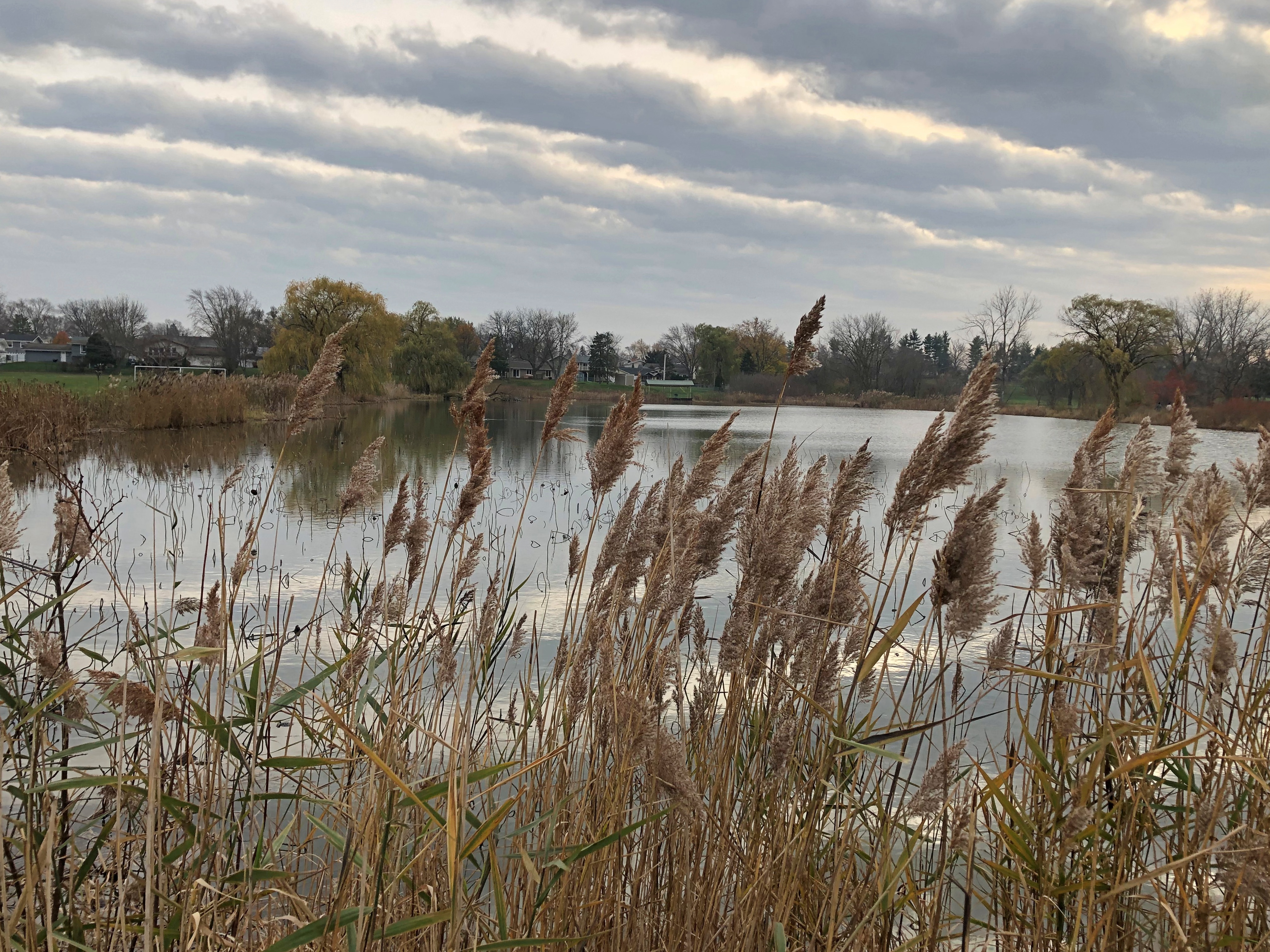
The weekend before Thanksgiving, when it wasn’t exactly warm, but warm enough for a stroll around a pond, we went to the always-pleasant Fabbrini Park. I also like that name. I picture one of those giant posters advertising the Great Fabbrini, whose giant face, a mustache a yard long, glares from the poster – a caped, top-hatted box-office draw for Vaudeville. He was in some movies and had a short career in early live TV.

Autumn was winding down that day.Fabbrini Park Fabbrini Park Fabbrini Park

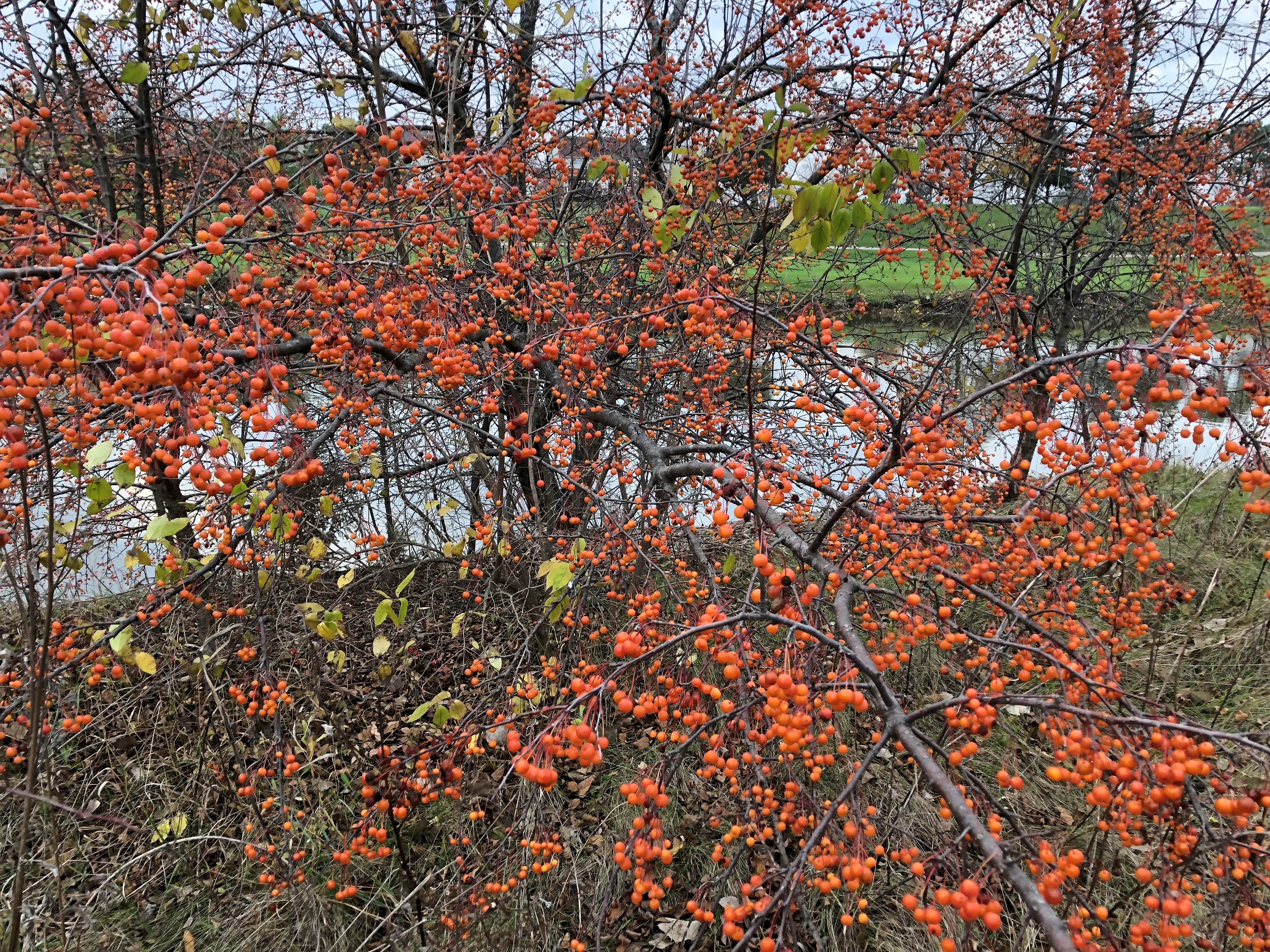
Sustenance for the winter. For some animals, that is.Fabbrini Park

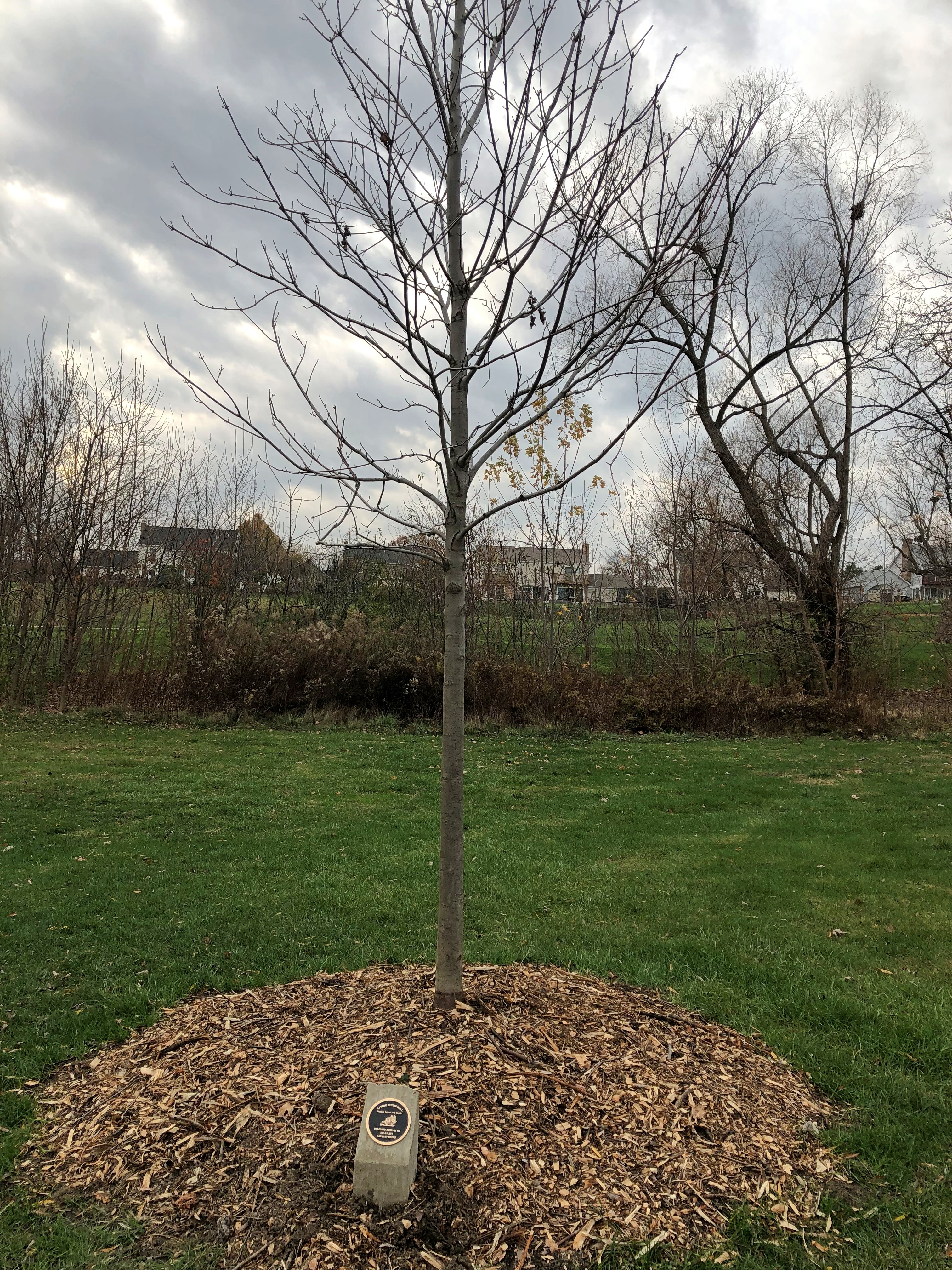
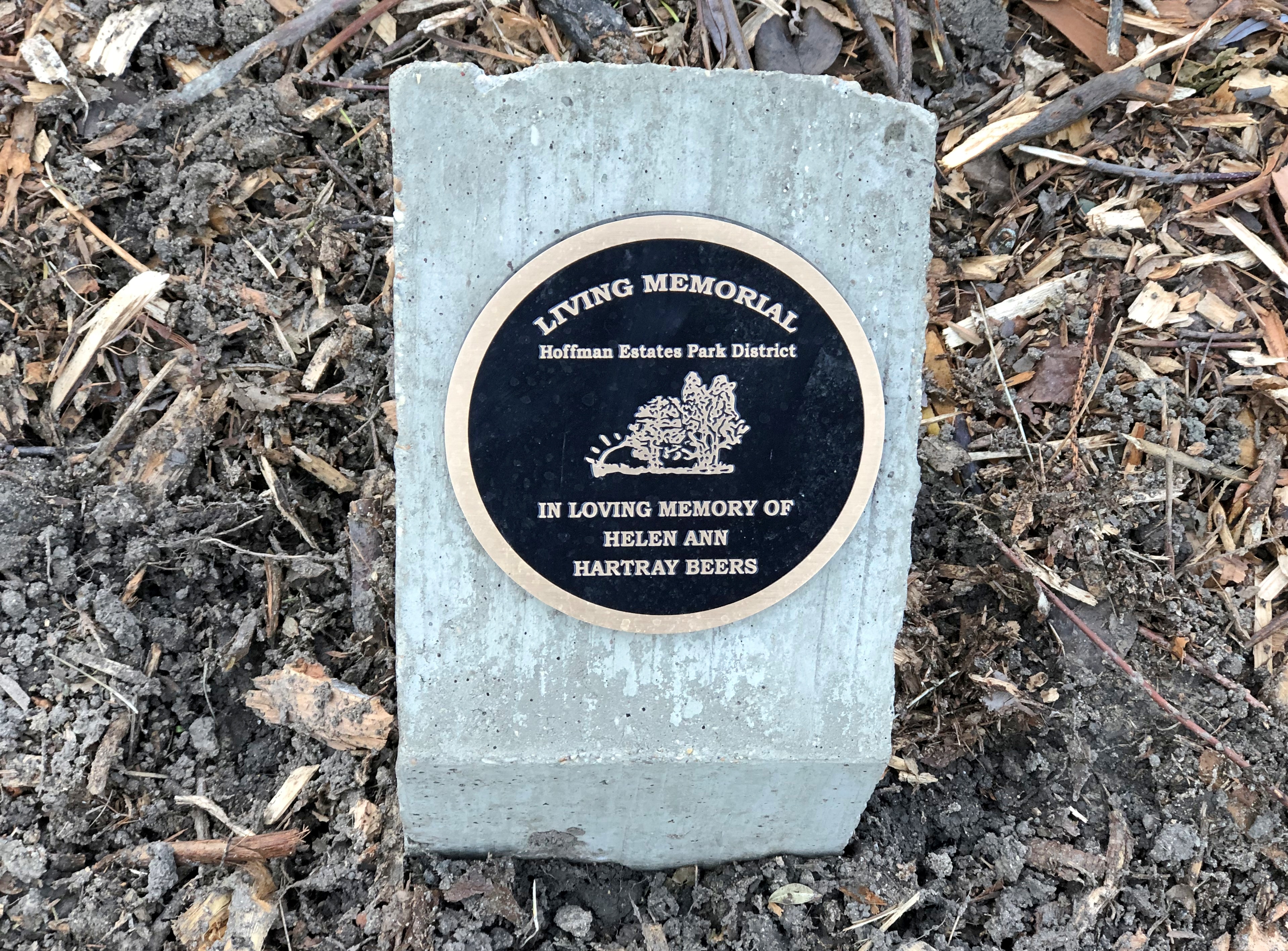
A new crop of small memorials at newly planted trees.Fabbrini Park Fabbrini Park Fabbrini Park

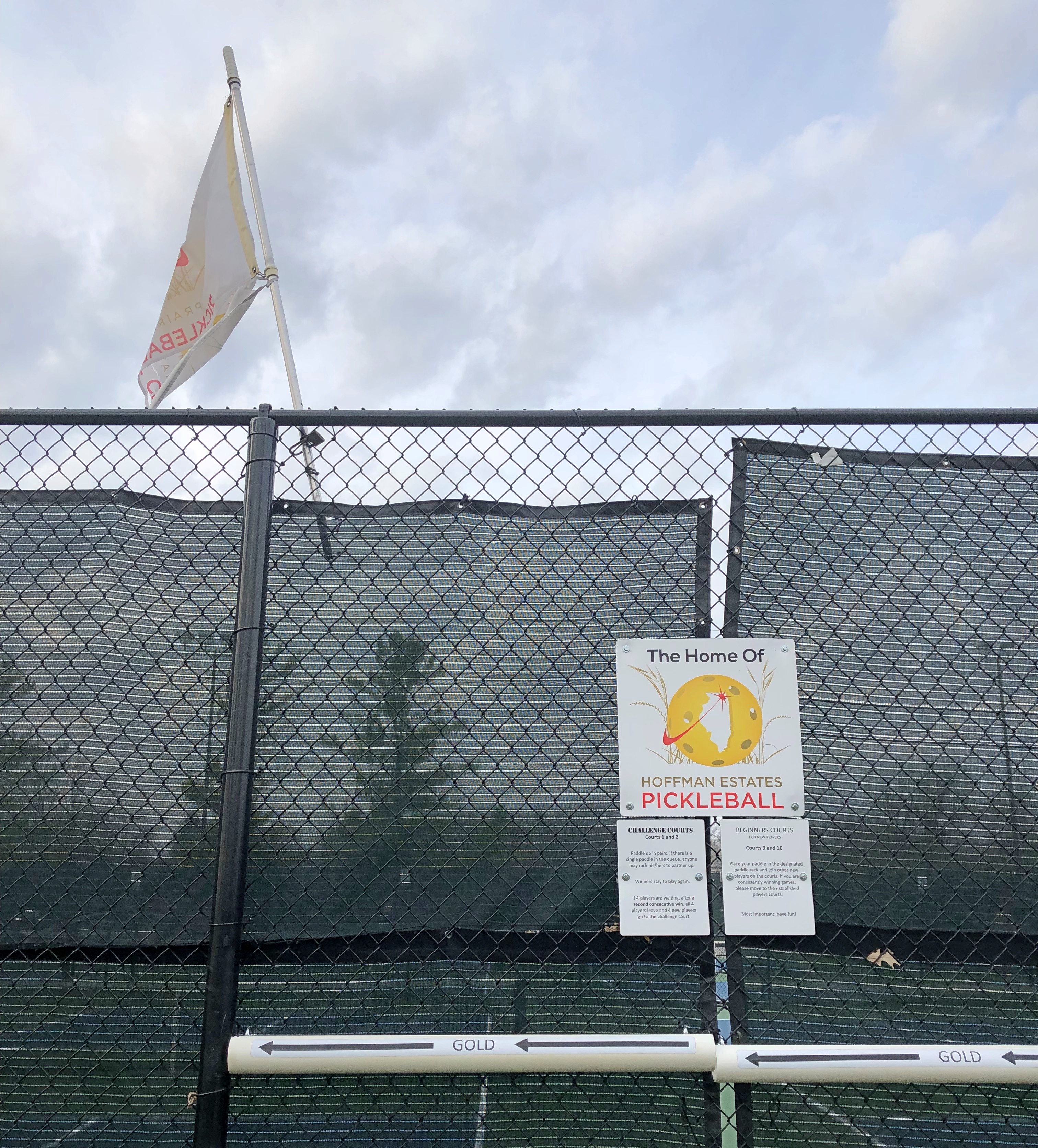
Also on the grounds, pickleball. With a pickleball flag?

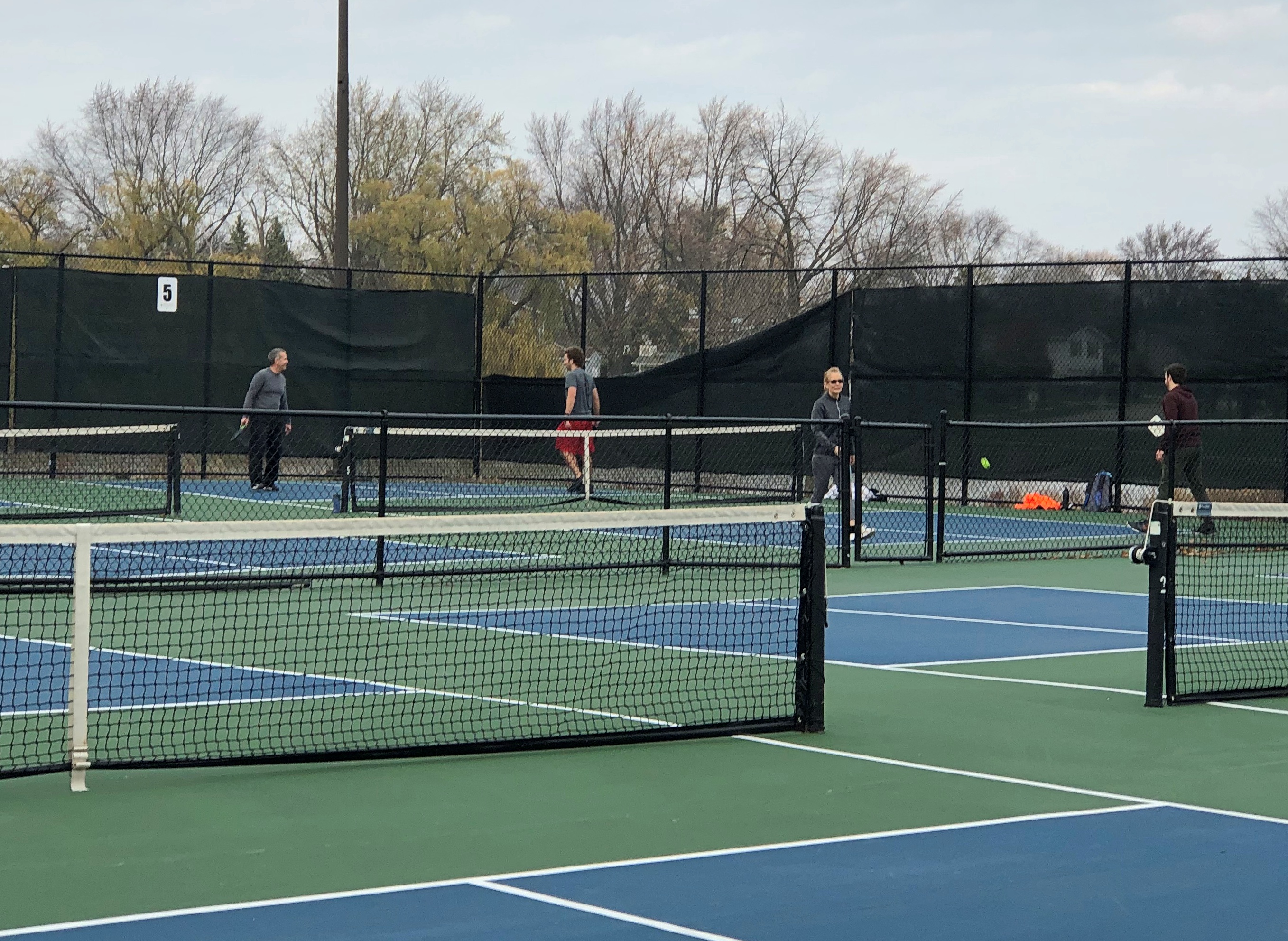
Pickleballers?

Now it’s too cold for pickleball, or at least I assume that. Maybe nothing less than a blizzard will stop true p’ballers. More likely, the sport continues in warmer places. For all I know, Sopchoppy, Florida is even now evolving into a major pickleball hub.

Twenty-Plus Years of December Firsts

Chilly days over the last week, a slide into winter even before the calendar turned to December. The first of this month now always reminds me of the sizable snow we got that day in 2006, coming as if winter were actually was signified by a particular day. Why that sticks in memory, it’s hard to say. Memory’s an oddity, often as not.

The following are the first paragraphs from postings on December 1, here at my corner of the Internet. If a year isn’t listed, that means I didn’t post that day. By my count, only eight of the 16 postings started with weather, counting one that is a quote from The Sun Also Rises about how good it is to be in a warm bed on a cold night. A few others mentioned some aspect of the holiday season, such as cops chasing a shoplifter with a taste for German Christmas ornaments.

2022: As expected, full winter is here. Not much more to say about that till a blizzard comes. We’re overdue one, at least when it comes to my completely nonscientific feelings on the matter. Not that I want one, just that it’s been a while, and the Old Man might want to let us have it this year.

2021: Ambler’s Texaco Gas Station is on the edge of Dwight, Illinois, not far from the Interstate, and after our short visit on Sunday, Ann and I went further into town, seeking a late lunch. We found it at El Cancun, a Mexican restaurant in the former (current?) Independent Order of Odd Fellows building, dating from 1916. Looks like the orange of the restaurant has been pasted on the less-colorful IOOF structure.

2020: About a month ago, our long-serving toaster oven gave up the mechanical ghost after how many years? No one could remember. Eventually, its heating element refused to heat, so we left it out for the junkmen at the same time as the standard trash, and sure enough it vanished in the night.

2019: December didn’t arrive with a blast of snow, but instead gray skies that gave up rain from time to time, which — by Sunday just after dark — had turned into light snow. In other words, weather like we’ve had much of the time since the Halloween snow fell, followed by the Veterans Day snow.

2016: Someone’s already thought of the Full Griswold. Maybe I’d heard of it before, but I don’t know where. I thought of it this evening driving along, noting the proliferation of Christmas lights in this part of the suburbs. Some displays, of course, are more elaborate than others, but I haven’t seen any Full Griswolds just yet.

2015: Some years, December comes in with the kind of snow we had before Thanksgiving. This year, rain as November ended and December began. El Niño?

2014: After a brief not-cold spell on Saturday and Sunday – I can’t call it warm, but still not bad – it’s winter cold again. Diligent neighbors used the interlude to sting lights on their houses or finishing removing leaves from their lawns. I did no such things.

2013: I took lousy notes during our four weeks in London in December 1994, so I can’t remember exactly when it was we took a day trip to Canterbury. It wasn’t December 1, because that day I saw a revival of The Prime of Miss Jean Brodie somewhere in the West End, and after the show the lead actress made an appeal for donations to fund AIDS research, since it was World AIDS Day.

2011: On Saturday, we went to Chicago Premium Outlets, which is actually in Aurora, Illinois, just off I-88. I saw something there I’ve read about, but never seen before: an electric vehicle charging station.

2010: Some years, December 1 means snow. This year, for instance, unlike last year. But not that much; an early breath of winter across the landscape. Just enough to dust the sidewalks and streets, but not cover the grass. As if to say, this is only a taste of things to come, fool.

2009: “Whoa! Whoa! WHOA!” I heard that and when I turned around, caught a glimpse of a Chicago cop running by. I’m pretty sure he had said it. A moment before that I’d entered the German Christmas ornament shop at Kristkindlmarkt [sic] Chicago in Daley Plaza to take a look at the large selection of pretty, and pretty expensive, ornaments. Someone else in the shop said something about chasing a shoplifter, so I left the shop to do a little rubbernecking. Cops chasing a guy beats piles of German Christmas ornaments any day.

2008: “After supper we went up-stairs and smoked and read in bed to keep warm. Once in the night I woke and heard the wind blowing. It felt good to be warm and in bed.”
The Sun Also Rises

2006: We were warned, and sure enough sometime after midnight on December 1, 2006, the clouds opened up, as if to tell us that today is the real beginning of winter, and don’t you forget it. First came sleet, then snow. It was still snowing at 6:30 in the morning when I got a call telling me that Lilly had no school. By about 10, it had stopped. We’d had about a foot of snow, judging by my unscientific eyeballing.

2005: Back in the late ’80s, one of the perks of my job at a publishing company was a real-time connection to the AP wire at our workstations. Stories queued up in the order they were published electronically, newer ones pushing older ones down toward the bottom. The interface was simple: green characters, no graphics, no hyperlinks.

2004: I read in the papers that tonight’s airing of Rudolph the Red-Nosed Reindeer represents the show’s 40th anniversary, making it nearly as old as me. I have a sneaking feeling it will be more durable than me, playing for a good many more decades before it finally peters out, but that isn’t because I like it. No, I never cared for it.

2003: Time to start this thing again, before the wheels completely rust up. December 1st is a good day to do it, too, being the start of meteorological winter. No need to wait around for the solstice around here, since it’s pretty cold just about every day now. What better definition of winter do you need?

Winter Preview

We’re at the front edge of the first winterish event since last spring. A pretty mild event, as November tends to dish out. Come to think of it, winterish is one of the kinds of days you get in November, with others including gray and damp, and ones that are more pleasant than expected. Sunday was one of those latter kind, an excellent day for a cemetery stroll.

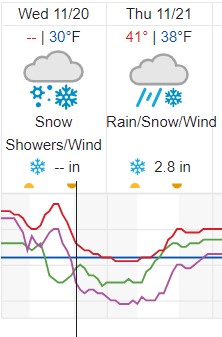
Today and tomorrow (11/20-21) amounts to a mild winter preview. The graph to the right barely needs values, since it captures the downward slide well enough without them. Still, the straight blue line is freezing: 32° F., with the gray lines marking 10-degree differences. Red line: Temps. Green line: Dew point. Purple line: “Feels like.”

Dew point is one of those concepts that I need to look up whenever I think about it, which isn’t that often. It’s not as if anyone will ever say to you, “How about that dew point last night? Man!”

Still, it’s good to know things, but for whatever reason, some things have little traction for me when it comes to being remembered or understood; and dew point is one of those. Just another small reason I’m not a scientist.

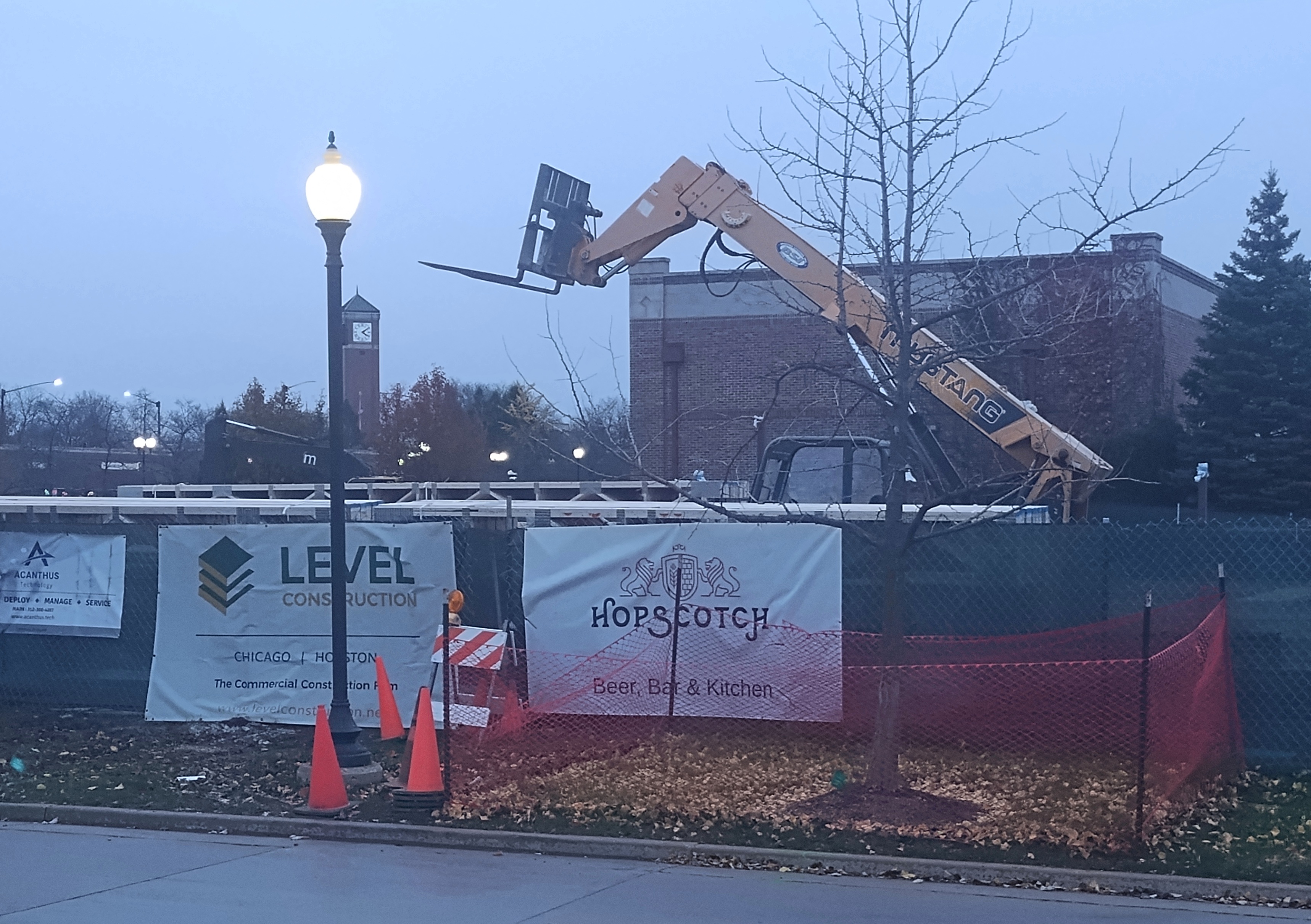
This afternoon the wind was brisk and some light snow fell. Nothing serious enough to interfere with errands. One of those took me to the vicinity of the Schaumburg Township Library. There has been a vacant lot across the street from the library for as long as I’ve known about the spot – more than 20 years. Signs have come and gone, promising this or that development, then nothing.

Now something has appeared. Or is in the process of appearing, via new construction.

Hopscotch Beer, Bar and Kitchen. A little looking around makes me think it’s not part of a chain. Usually that’s easy enough to find out. This place doesn’t seem to be affiliated with HopScotch Beer and Whiskey Bar in Franklin Park, just south of O’Hare, which still has a Facebook page but seems otherwise to be defunct. Or related to a standalone place called Hopscotch Kitchen & Bar in Oklahoma City, which seems to be in business.

The Facebook page of Level Construction, which is building the site in Schaumburg, says the restaurant will feature “a vibrant gaming area ?, an energetic dance floor ?? and indoor golfing and sports simulators ⛳?.” It included exactly those emojis.

Emojis are no extra charge, I hope.

Glacier National Park

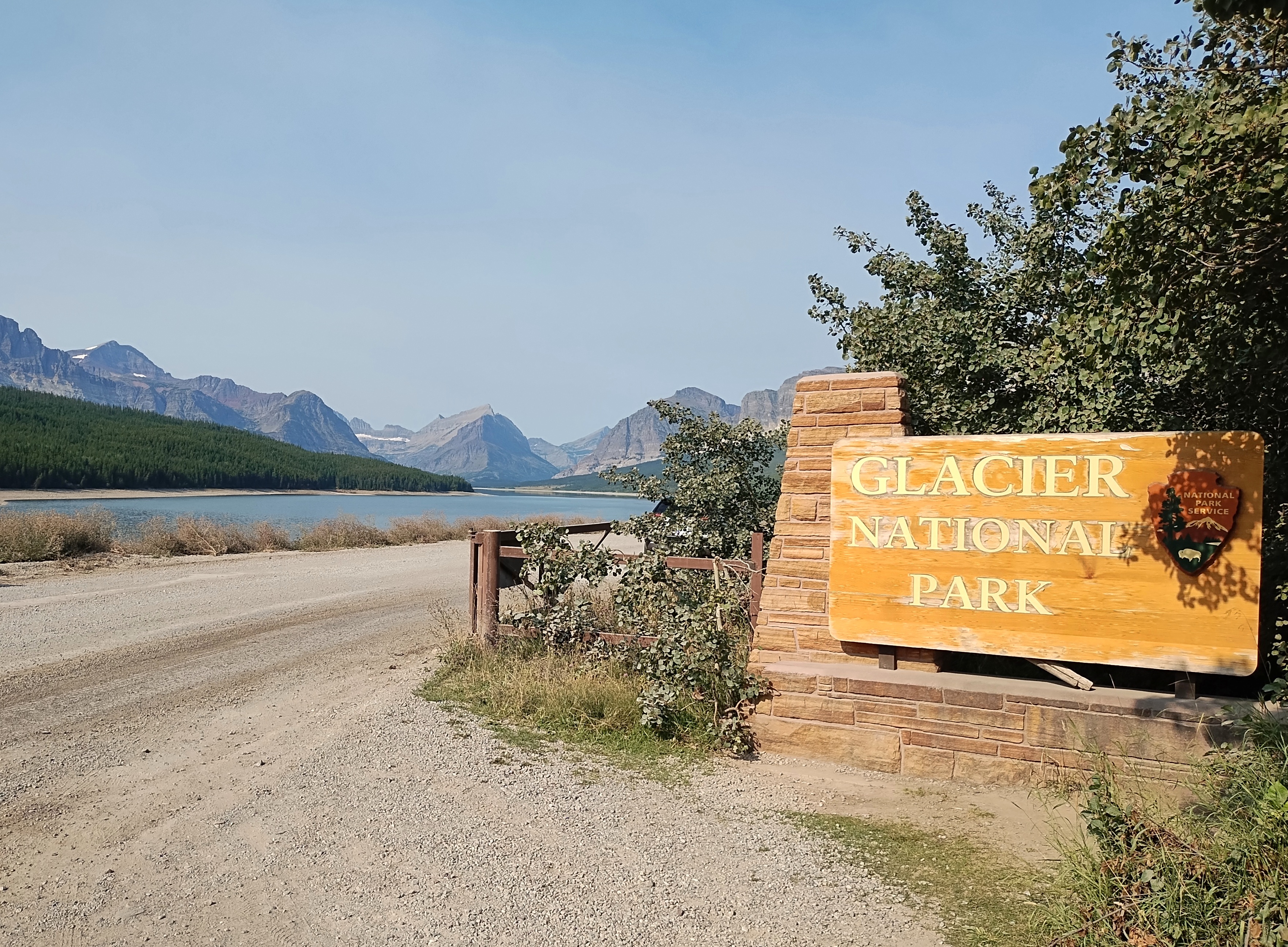
“Did you see the weather forecast for today?” the young-faced NPS ranger said to us at the Many Glacier entrance station of Glacier National Park on August 23. Skies were clear that morning and the air had the makings of a warm day, but I confessed that we hadn’t. That was a bit of carelessness, considering that we were planning to take a hike. I think he wanted to tell us that, but thought better of it.

“There might be a thunderstorm this afternoon,” he continued politely. “Or not. Weather’s unpredictable here.”

I thanked him and we went on our way. What to do with that information, anyway? Cower somewhere dry? No. The hike was on.Glacier National Park
Another way to refer to Glacier is Waterton-Glacier International Peace Park, since the much smaller Waterton Lakes NP, a Parks Canada unit, is just north of Glacier on the other side of the Canadian border. Single park, my foot. You still need a passport to go to Waterton, at least if you drive, and I assume you pay separate admission. Still, the road to Waterton has a cool name: Chief Mountain International Highway (Montana 17 and then Alberta 6).

The part of Glacier NP we first visited was about 20 miles south of the border, and I think the closest we came to Canada on this trip. We had our passports, in case we wanted to go. It’s good to have options. But we didn’t have the energy for the rigmarole of two border crossings.

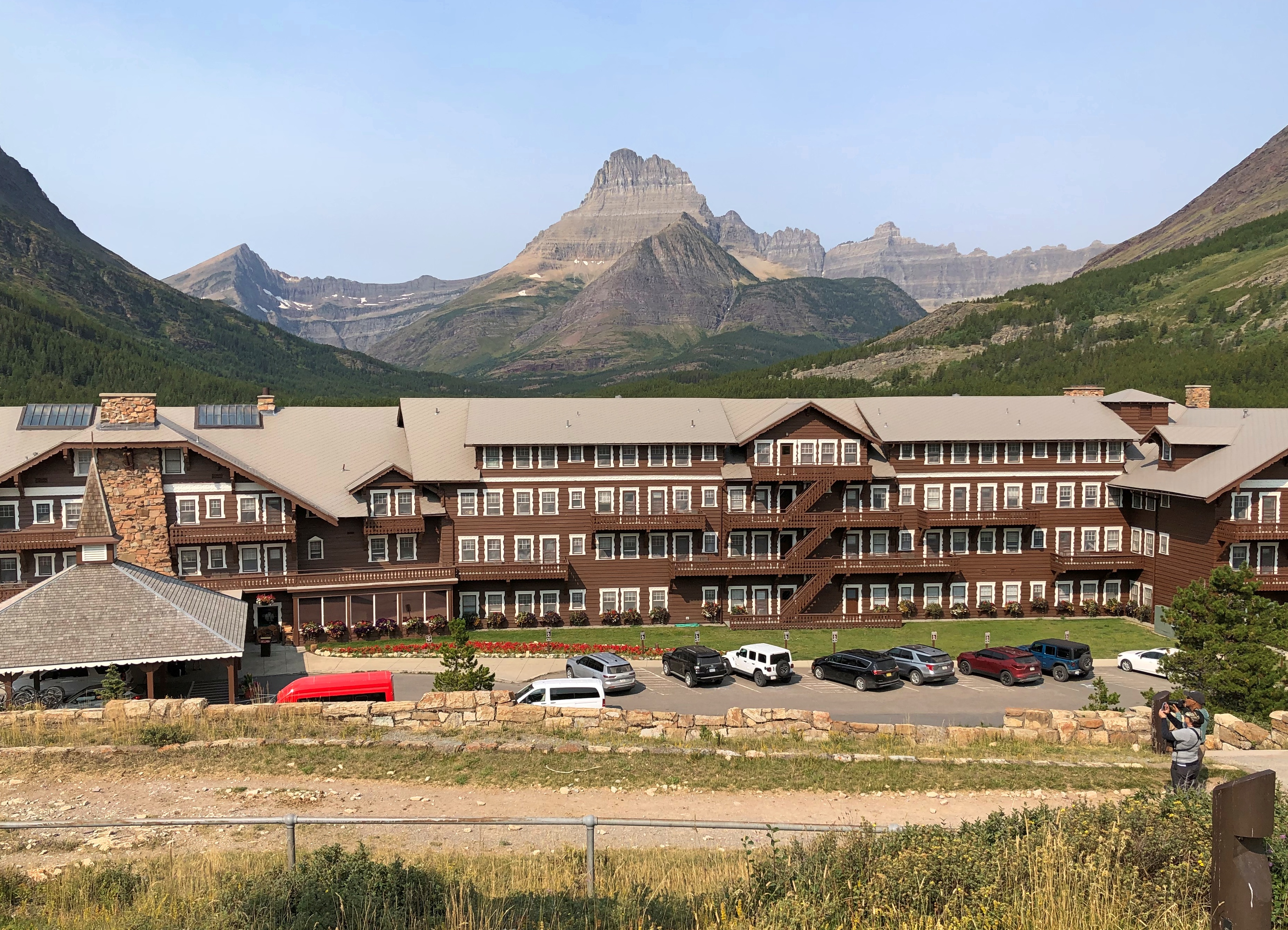
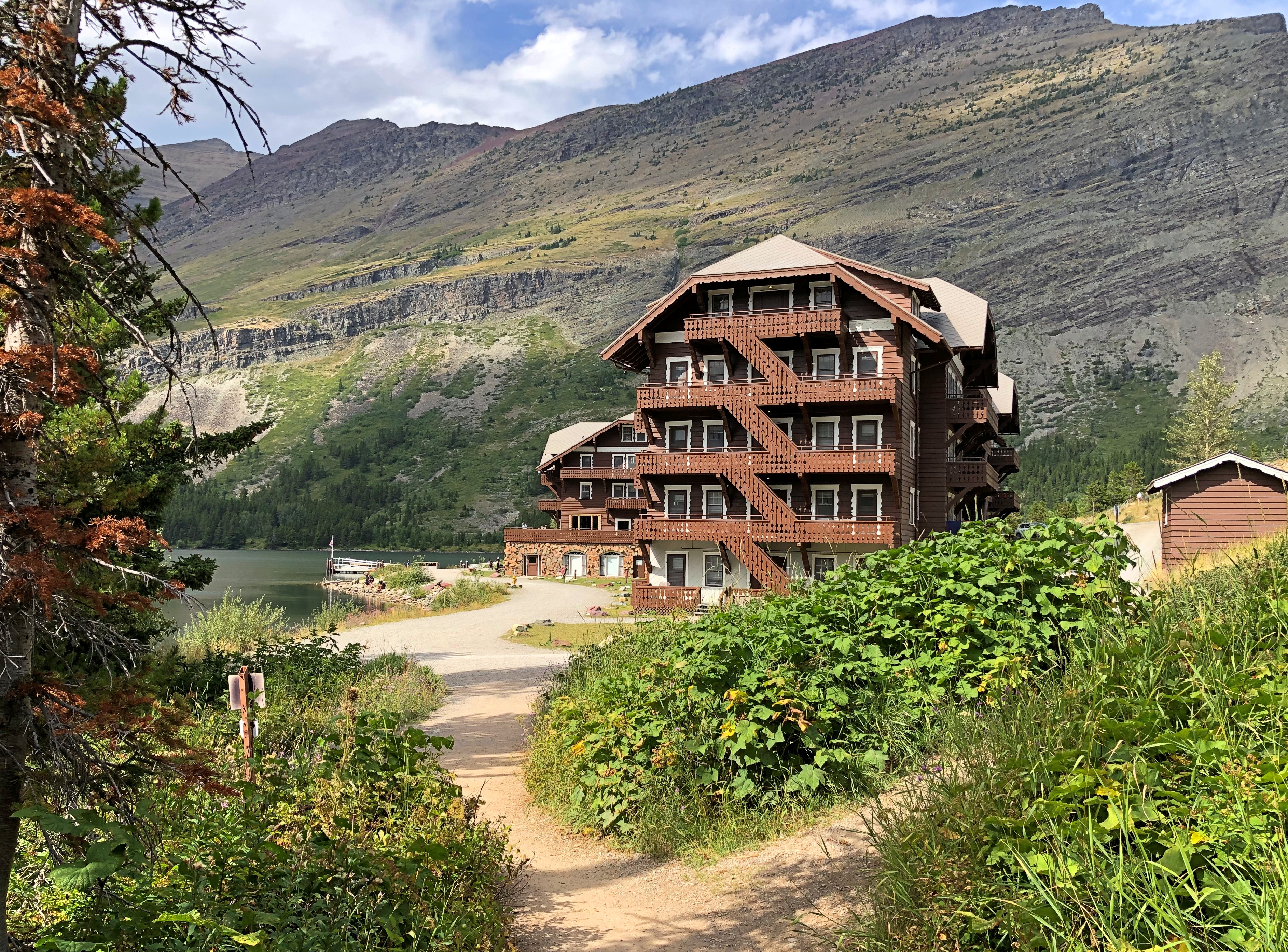
A short drive from the Many Glacier entrance is the Many Glacier Hotel.Glacier National Park

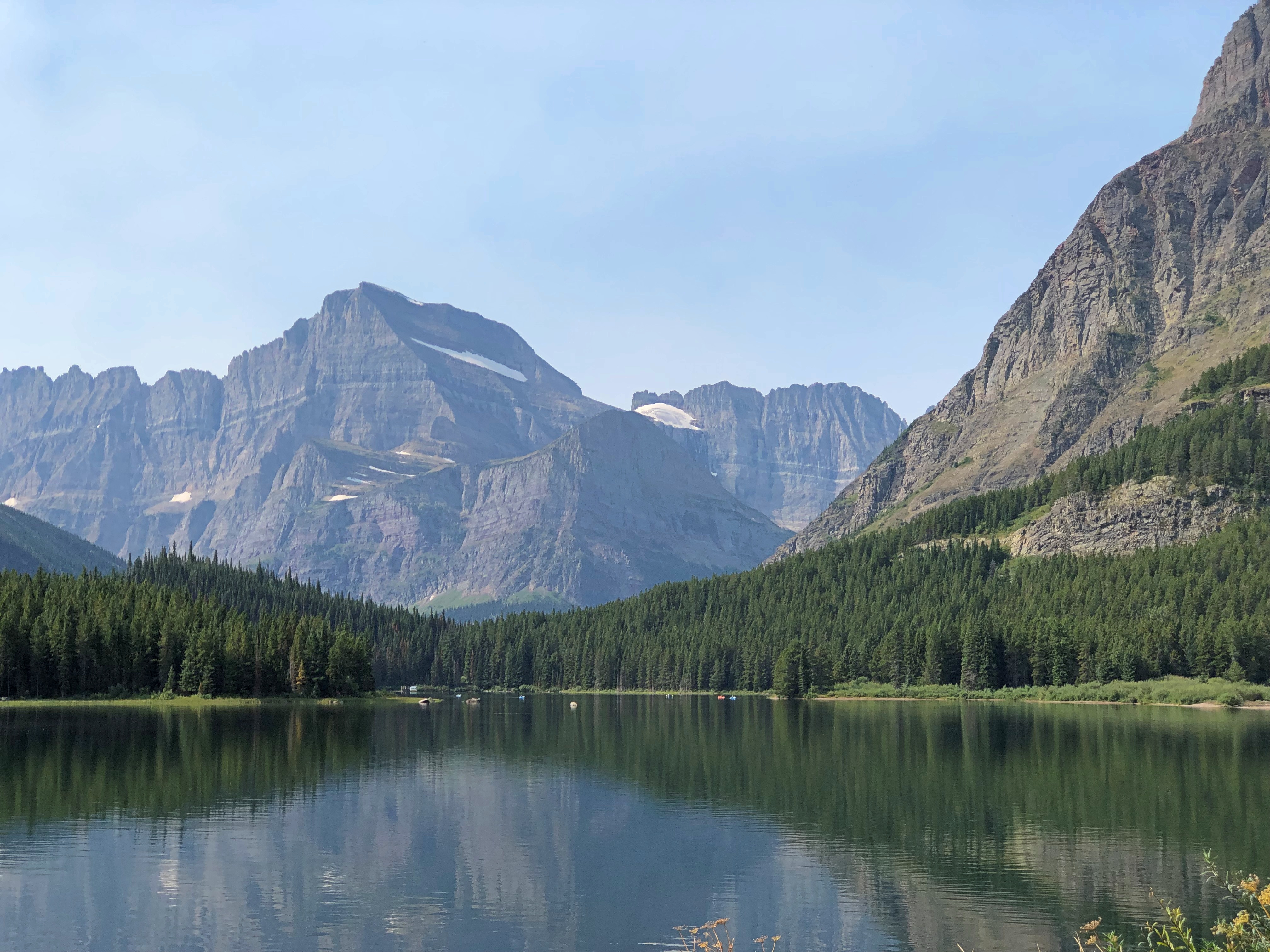
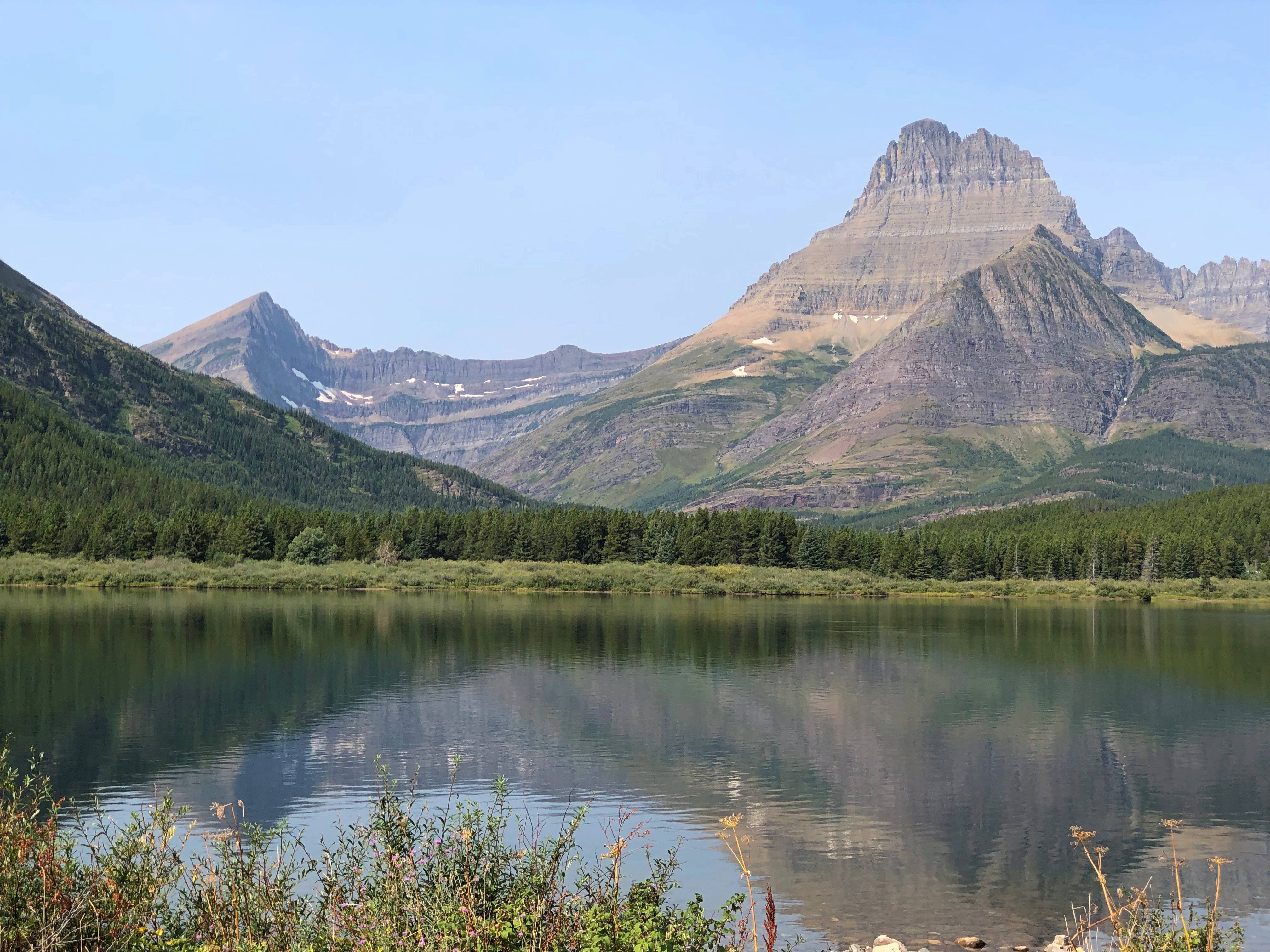
The hotel has views. Looking out on Swiftcurrent Lake.Glacier National Park Glacier National Park

Many Glacier Hotel dates from the 1910s, the handsome sort of place railroads were building at the time. Swiss style, to go with the notion of Glacier NP as the Switzerland of America. These days it is priced as a luxury property, only open in the summer. This year, it closed just this week. During the winter, I suppose, management hires a fellow like Jack Torrance as a caretaker. Well, maybe not quite like him.

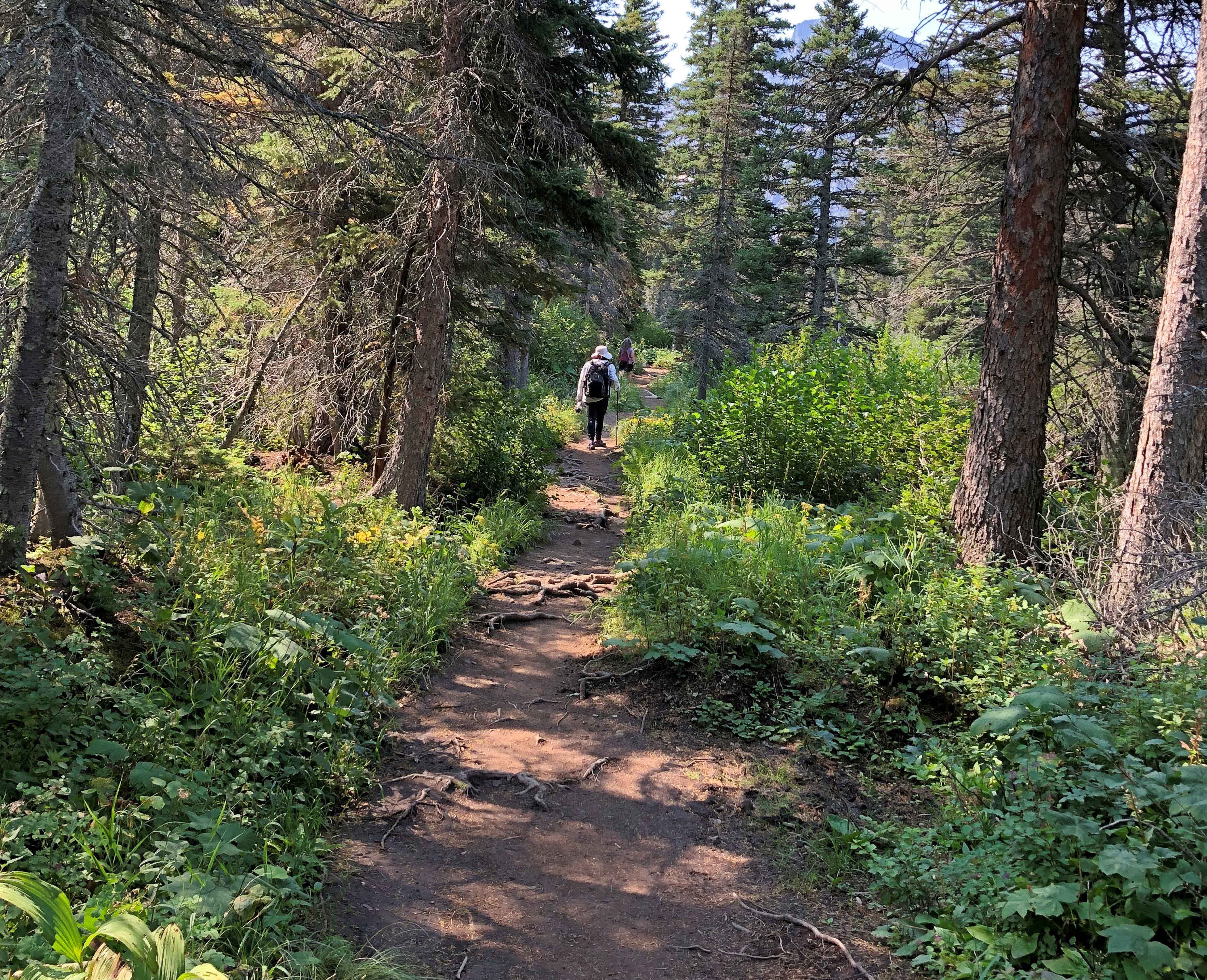
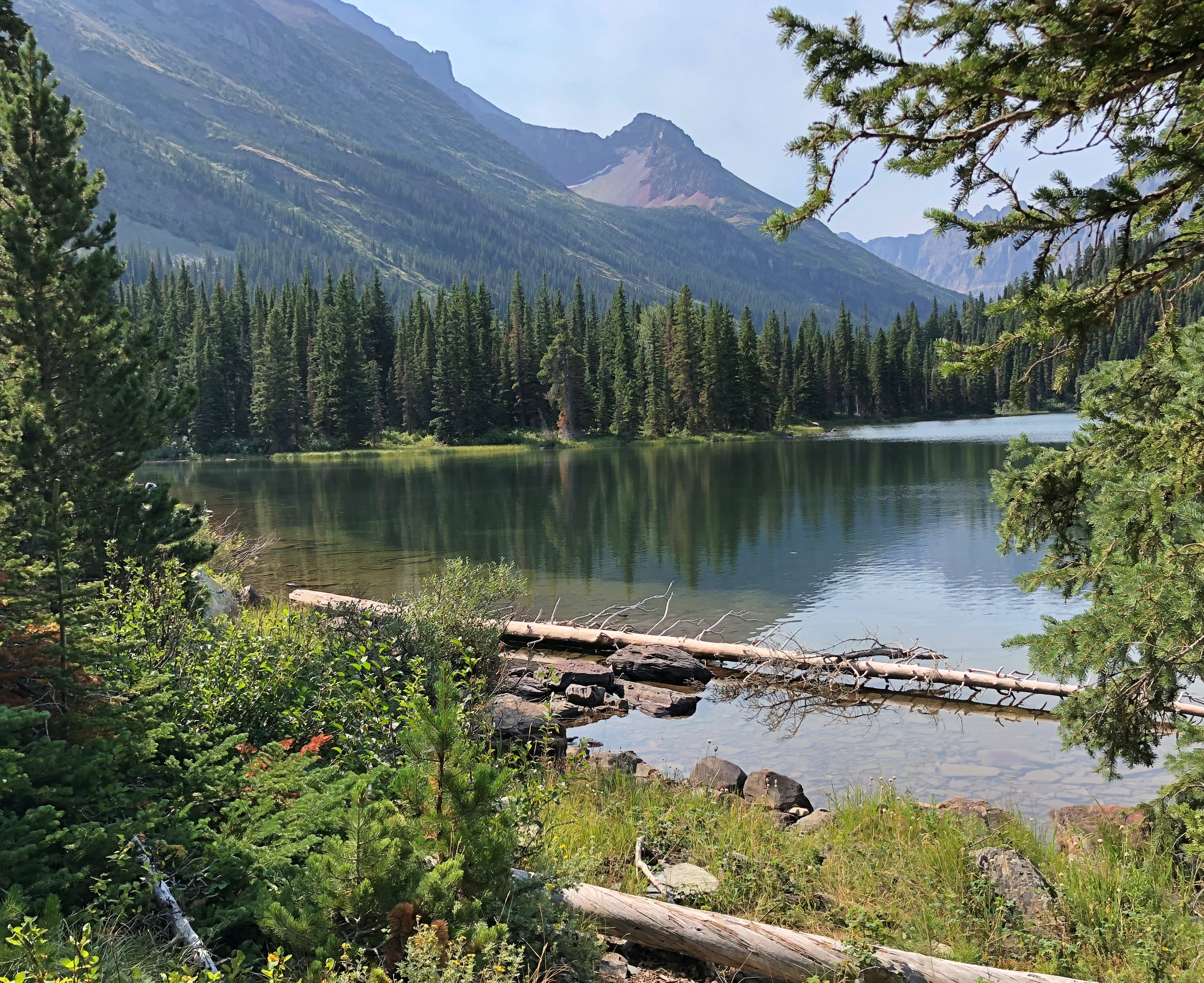
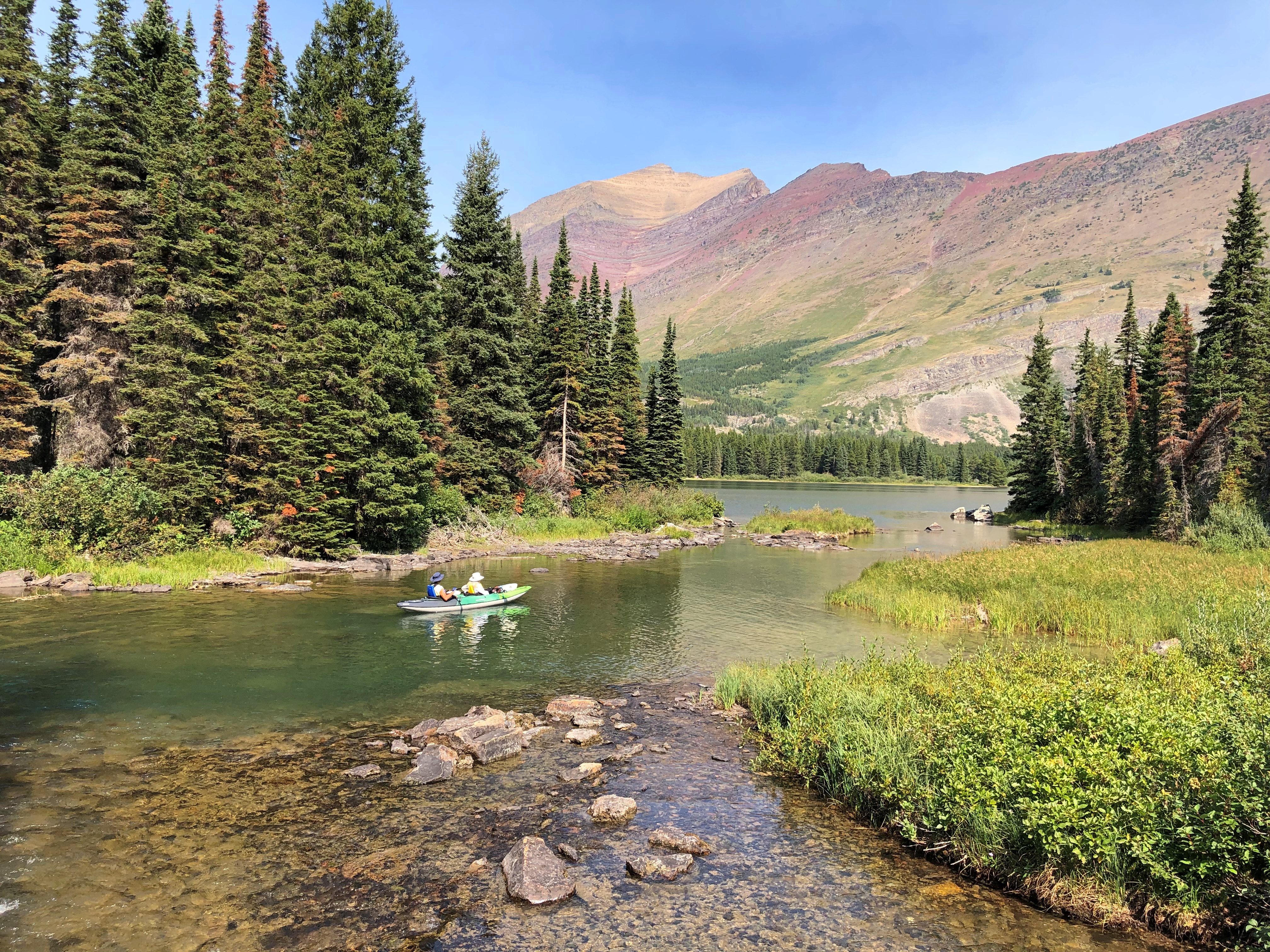
A trail starts the hotel and goes around Swiftcurrent Lake, as well as the adjoining Josephine Lake, making connections with harder trails that lead into the mountains. Packing water, hats, walking sticks, plastic ponchos, and bear spray obtained at a big-box retailer in Helena, we headed off to do a circuit around Josephine Lake. To get there, you hike around the southern edge of Swiftcurrent.Glacier National Park Glacier National Park

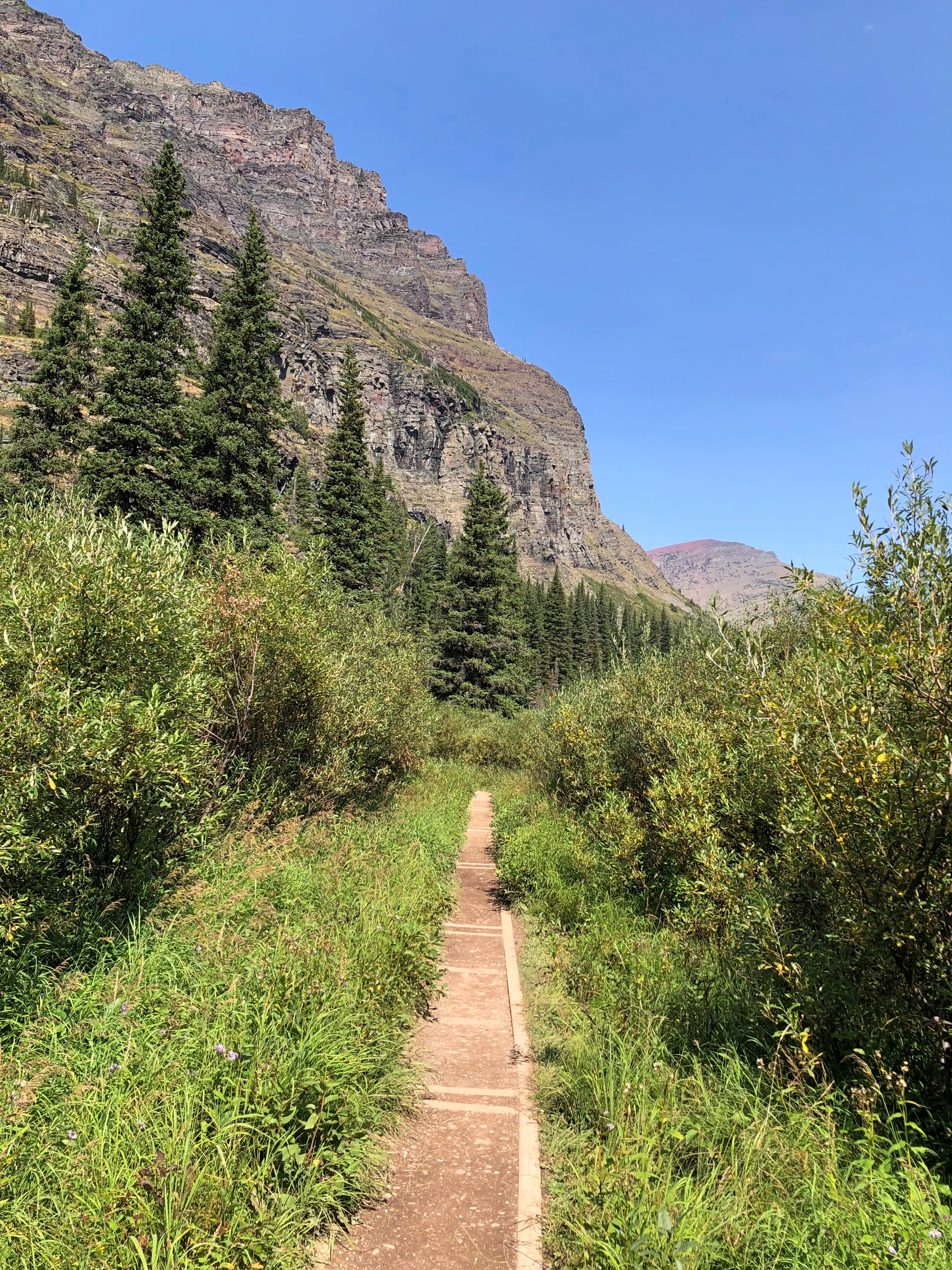
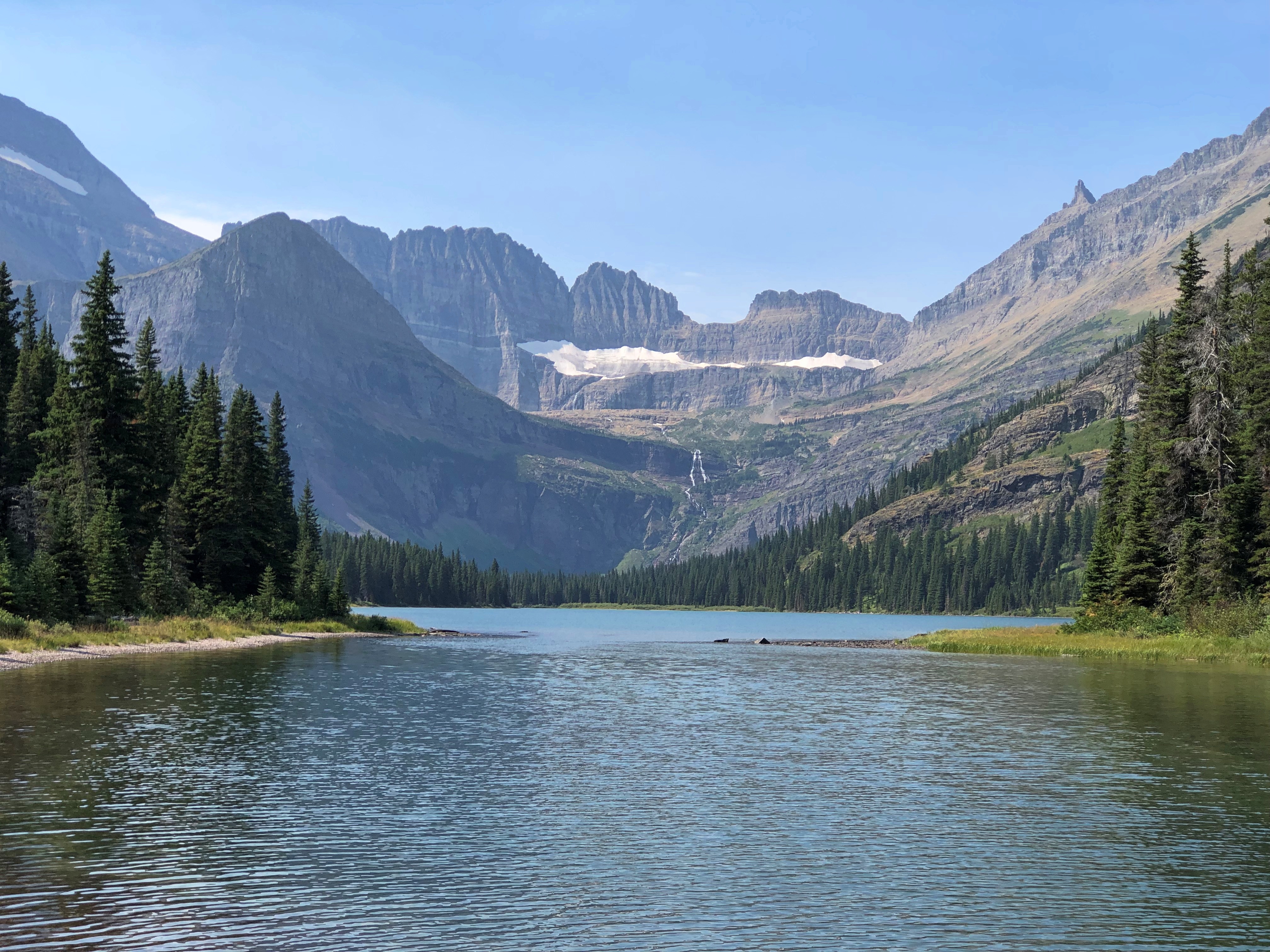
It ended up being about a four-mile walk, with views of the mountains.Glacier National Park Glacier National Park

Anyone with a smartphone can now do homages to Ansel Adams. Pretty good ones, too.Glacier National Park

There are still glaciers in Glacier NP, but they are receding. One forecast of their total disappearance is by 2030.Glacier National Park

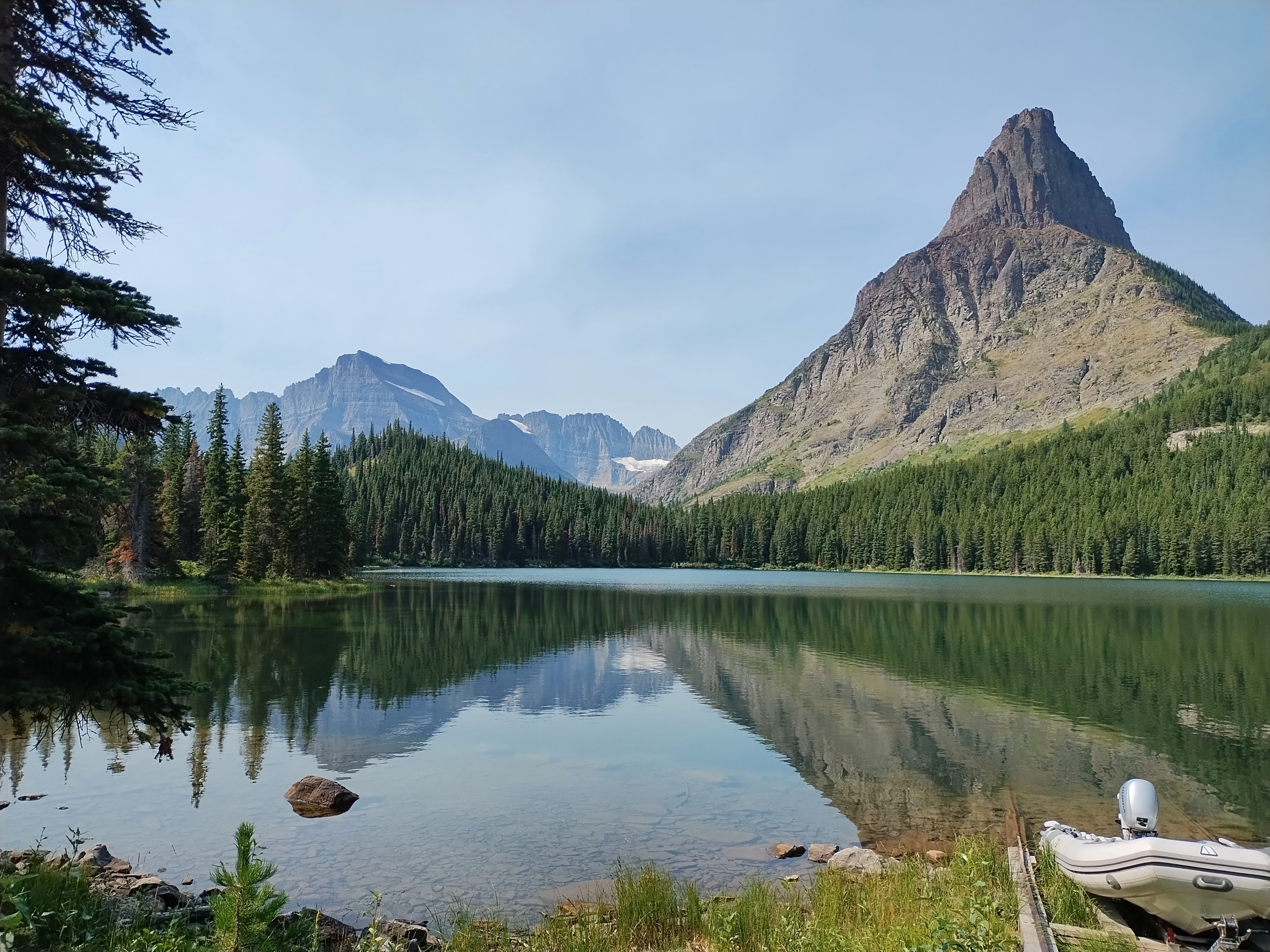
Views of the water.Glacier National Park Glacier National Park Glacier National Park

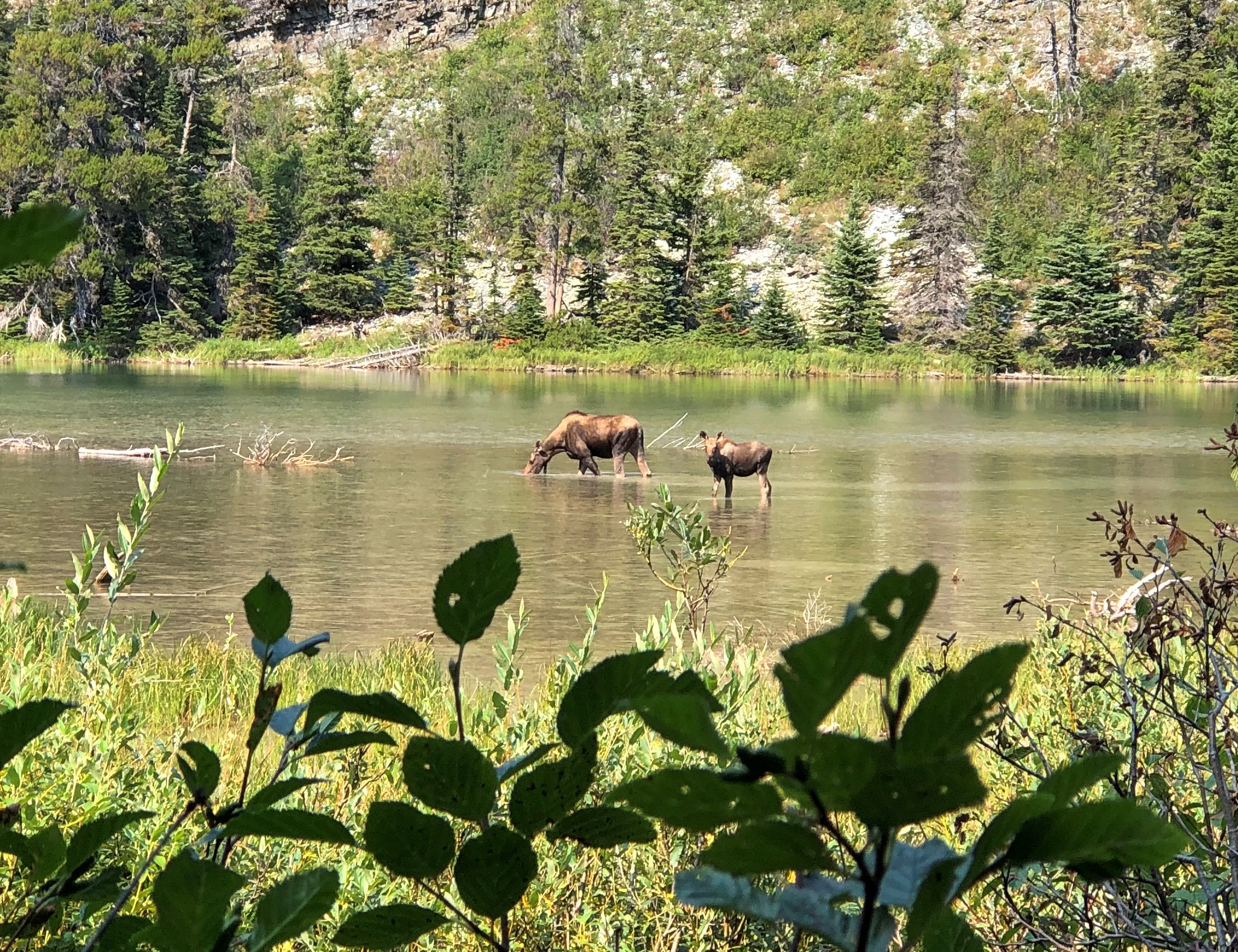
Møøse!A moose bit my sister once

Toward the end of the walk around Lake Josephine, we spotted bears frolicking in the water, too. At just the right distance. That is, pretty far away, especially because it was a mother and two cubs.

Eventually, the trail leads back to the hotel. We were fairly tired by then, so it was a good thing to see.Many Glacier Hotel

After the hike was over, we saw bison.

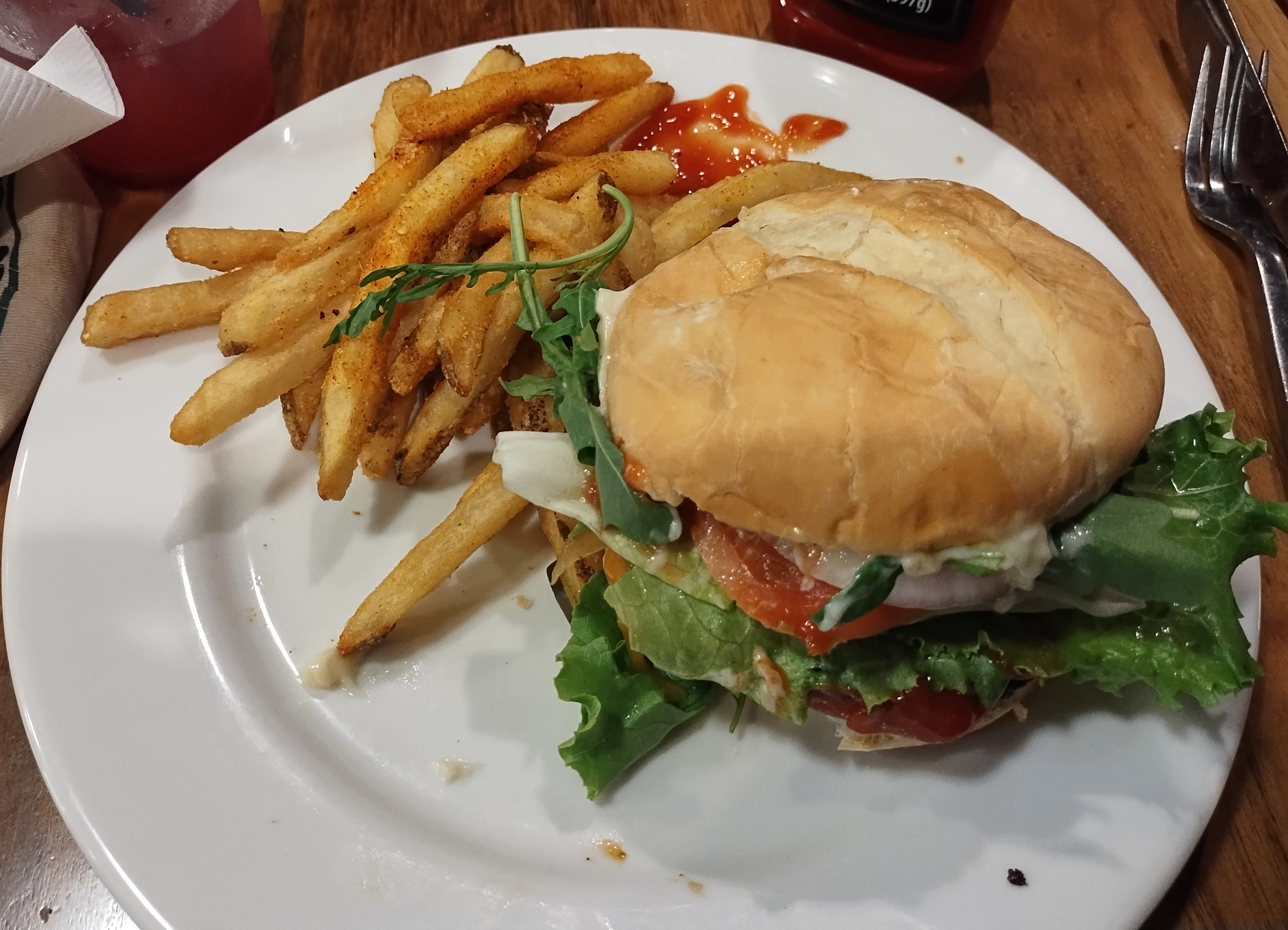
On my plate at one of the hotel restaurants. A nice buffalo burger, if a little expensive. You know what they say about room for all of God’s creatures, except that I didn’t have any mashed potatoes with that meal. Next to the French fries, then.

Remember the weather forecast? During our hike, and the meal afterward, skies were clear and temps warm. We needed those hats and that water. As we were leaving Many Glacier Hotel, however, we noticed dark clouds massing to the north. A moisture invasion from Alberta-British Columbia.

By the time we (almost) got back to our campground outside the St. Mary entrance to the park, the thunderstorm had arrived. Rain and then a few minutes of hail. I pulled over under a tree that offered some protection, but luckily the hailstones weren’t as big as in Wyoming, and didn’t even put any dints in the roof of the car.

Summer Lunch

As forecast, the week kicked off warm, but not too warm, and sunny, but not too sunny. Out latest bill from ComEd suggests a cooler summer so far: average temps for July of 74.1° F., which I assume means both day and night averaged. Last year, the average was 77.1° F. The latest bill was higher despite that, because for various reasons we’ve kept the AC at a lower temp this summer.

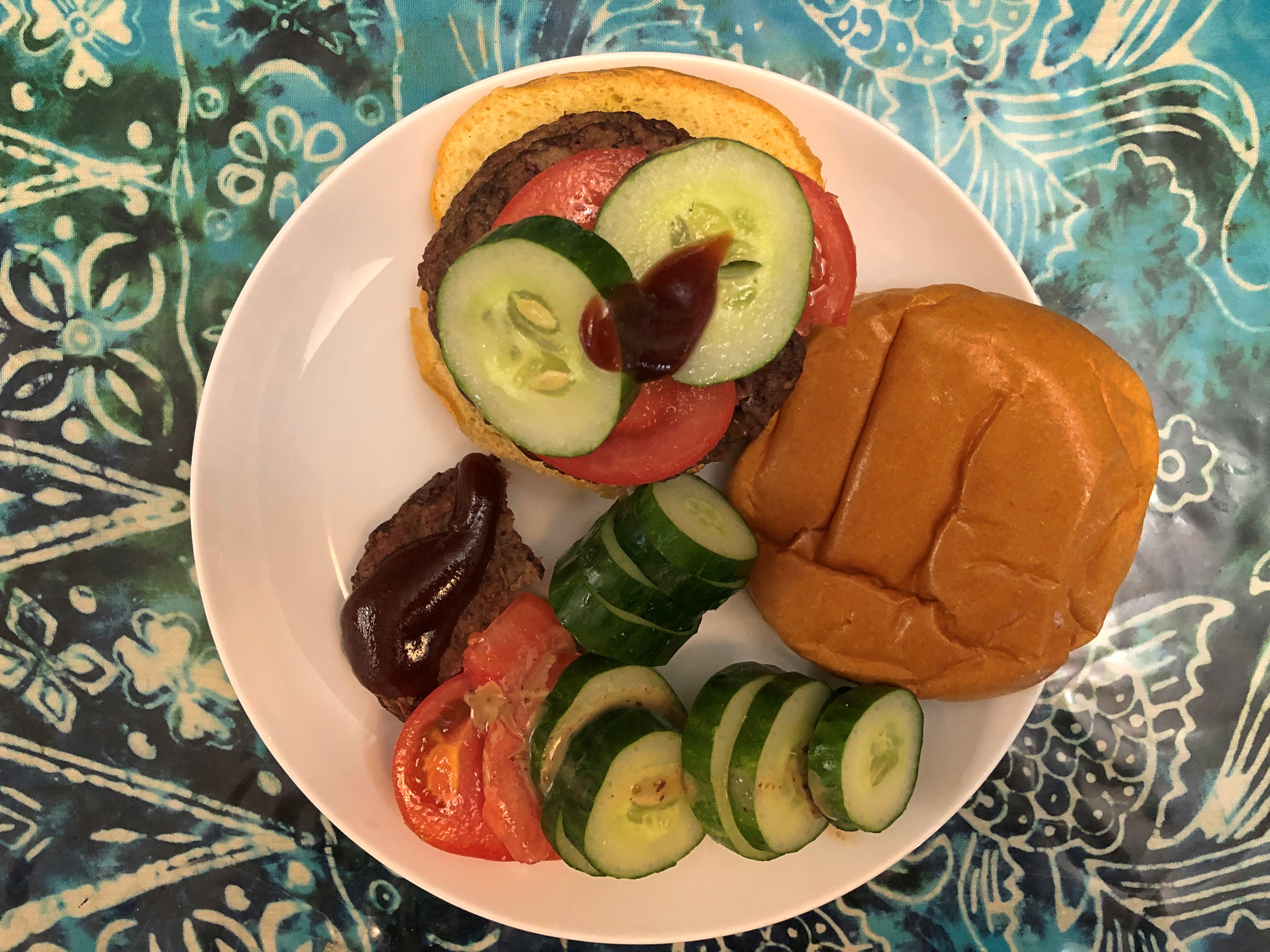
Another benefit of summer, if you attend to a garden.

The meat and bread, we bought. The tomatoes and cucumbers, we grew.