Garden of the Gods

Heavy rain last night, and instead of a winter-like blast today, the afternoon proved to be sunny and warm. More rain is expected this evening, however, and afterwards cold air will blow in. I couldn’t spend much time outside today because of work, but on whole I’m not sorry to be back after taking a week off. That means, among other things, I’m not ready to retire.

Below is the postcard view at Garden of the Gods in Shawnee National Forest, not far south of Harrisburg, Illinois. I think I’ll get that out of the way. Except that’s an obsolete reference. The Instagram view, for people unfamiliar with postcards.
Garden of the Gods
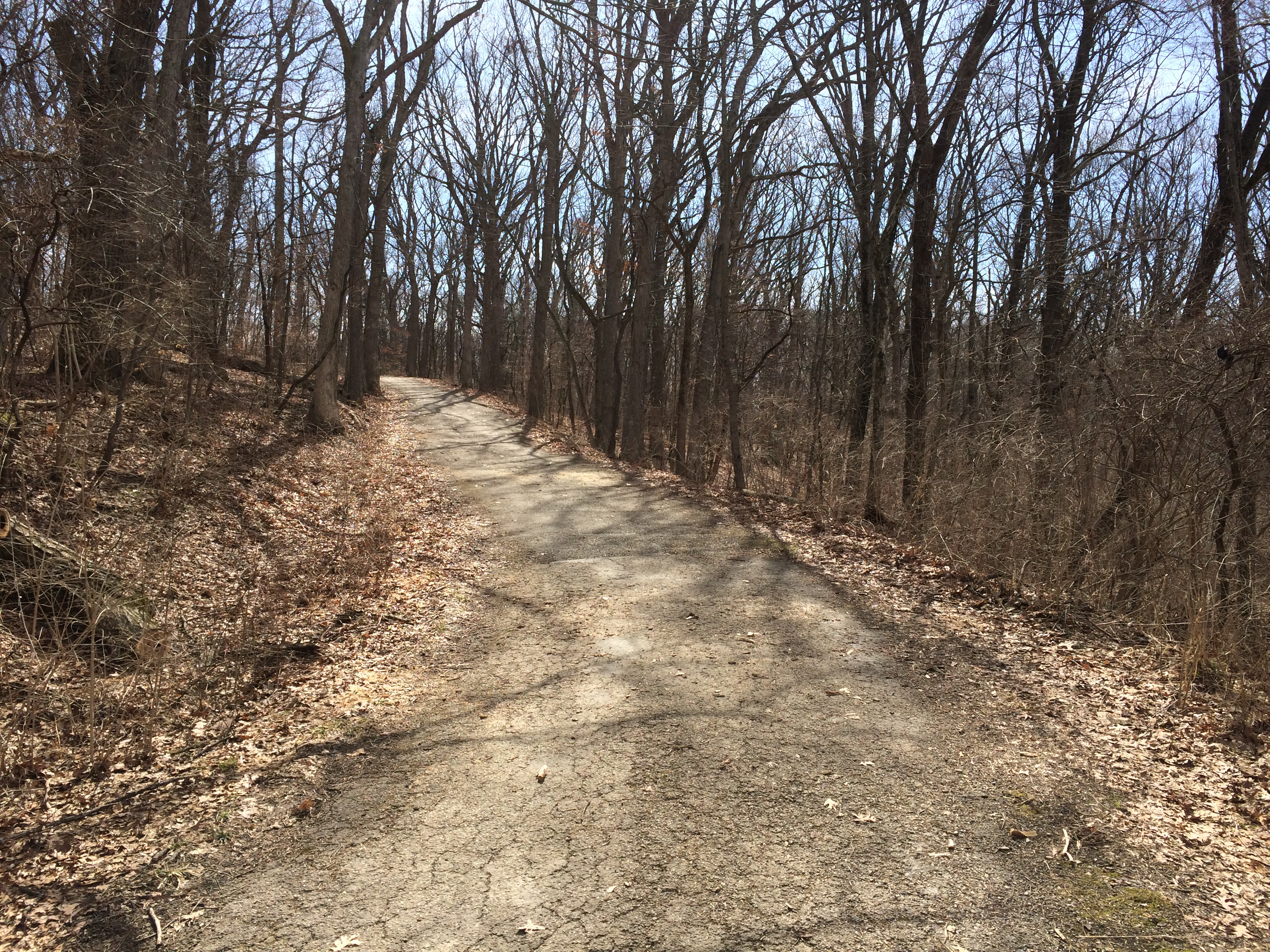
Late in the morning of Sunday, October 11, we arrived at Garden of the Gods, driving the short distance from Harrisburg. Unlike some views that involve hiking and hill climbing, Garden of the Gods is mostly accessible by road. You park at the edge of a path called the Observation Trail and walk it for about five minutes, up a mild slope, to reach the view.

Flagstones pave the trail. That’s got to be CCC work, once again.
Garden of the Gods
You can’t say you haven’t been warned. People meet their end at Garden of the Gods sometimes.Garden of the GodsNear the lookout.Garden of the Gods

Sometimes you don’t need to look to a vista to see interesting rock formations.Garden of the Gods

Sometimes you don't need to look to a vista to see interesting rock formations.
Still, you come for the views.Garden of the Gods

Garden of the Gods

Garden of the Gods

People do take their chances.Garden of the Gods

Garden of the Gods
Most of my pictures don’t show it, but on a pleasant autumn Sunday, a lot of people come to Garden of the Gods. So many that you had to wait behind them sometimes to see an overlook, such as at the postcard view.
Garden of the Gods
It was worth dealing with the crowds to see the rocks, weatherworn relics of an ancient seabed uplifted, rising over a sweeping forest. It’s hard to look at such rocks and think they’re anything but permanent, but they’re as ephemeral as the trees below, just on a much longer scale.

As a tourist mecca, I suspect the rocks are fairly new. One local shop owner I talked to — a small shop, no one else was there — said that Garden of the Gods has been particularly popular since the 2017 eclipse, when Shawnee NF was a good location to see it. No doubt people visited before that, but then again not for so long. The WPA Guide to Illinois (1939) doesn’t have the Garden of the Gods in its index, nor Shawnee NF for that matter, and for good reason when it comes to the latter. The national forest was established the same year the book came out, probably missing the publication deadline by a bit. The book amusingly refers to this part of the state as the “Illinois Ozarks,” a term that seems to have faded away. Well, not quite.

Another thing strange to imagine: Shawnee NF is in Illinois. Same state as the endless corn fields along the highway, the towers of the Chicago megalopolis and my ordinary grassy back yard. This was a thought that came up more than once during our visit to extreme southern Illinois.

Old Shawneetown

If you drive east from Carbondale along Illinois 13, you’ll pass through a number of towns connected by that four-lane highway: Cartersville, Marion and finally Harrisburg, after which the road narrows to two lanes. That was our route on the afternoon of October 10.

There’s a branch of 17th Street Barbecue in Marion, with the original in Murphysboro, Illinois. It’s a barbecue joint of some local renown. I can’t remember when I first heard about it. Some Internet list, probably, but anyway I knew about it and decided to get lunch there in Marion.

Meals on the road in 2020 have involved takeout in all cases, either to eat in the car, or our room, or when possible at an outdoor public picnic table. We found a table in a small park in Marion to eat our 17th Street ‘cue.

We both got barbecue pork sandwiches. The meat was fine, but whoever made the sandwiches shorted us on the sauce, so the meal was a little dry. I’d be willing to try the place again if ever I’m down that way, but I’m going to insist on sauce.

The eastern terminus of Illinois 13 is Old Shawneetown on the banks of the Ohio River. Too close to the river, and thus prone to flooding. The Great Ohio River Flood of 1937 finally drove most of the residents away to found a new Shawneetown a few miles to the west. But Old Shawneetown isn’t a ghost town in our time, since 160 or so people live there, just the residuum of a larger place.

The town’s main intersection.
Old ShawneetownThe original Shawneetown had its moment, a little more than 200 years ago, when it was home to a federal government land office for the Illinois Territory, and as a transshipment point for salt extracted nearby. During the famed 1825 tour of the U.S. by Gen. Lafayette, Shawneetown was on his itinerary, surely marking the town’s peak of fame if not population.

Peaked too soon, looks like. No railroad passed through Shawneetown in the following decades, at least by the time this map was published in 1855. That tells me that Shawneetown never really prospered after the land office and salt mine closed.

I’ve known about the place for a long time. I knew girl in college from around Shawneetown, a coaxing elf of full Irish ancestry who grew up on a nearby popcorn farm. Gallatin County even now is a nexus of popcorn agriculture. Last I heard, she lived in Ankara with her French husband. People get around.

The main surviving building from the town’s storied past is the Shawneetown Bank State Historic Site, dating from 1840. Home to banks for about 100 years — they seem to have come and gone with various financial panics — it stands neglected these days.Shawneetown Bank State Historic Site
Shawneetown Bank State Historic Site
It’s not the only abandoned structure in the neighborhood. A white Texaco station is catercorner across from the bank. If it were on U.S. 66, it might be a little museum. Maybe someone has that in mind. Though abandoned, the structure looks in fairly good shape, especially the sign.
Old Shawneetown Texaco
There are a few plaques and other acknowledgments of the town’s history. Such as cutouts of Lewis & Clark, who passed this way just before there was a town.
Shawneetown Texaco
I like to think that the Corps of Discovery made a stop here at the only gas station along their route.

As Lewis wrote in his journal, Nov. 6, 1803: Arrived at Swanee Txco Station. Pay’d owner 2 dollards for provisions, — Cheetos, other divers chips, Coke & Pepsi, choco bars etc. Men also bought provis. for own use Mr Wm. Jones store mger, reports recent visit by Indian band from furth. north. — buying his entr. stock of funyuns.

Down the street from the abandoned bank and the abandoned gas station is Hogdaddy’s Saloon, an abandoned entertainment venue, though not so long ago, from the looks of it.
Hogdaddy's Old ShawneetownWhat Old Shawneetown needs (in more normal times) is a music festival right there on the main street. If Bonnaroo can, so can Shawneetown. Something for the hipsters to discover, to put the town on the hipster map and attract hipster dollars. As long as they believe the place is authentic somehow, they will come. That way a place like Hogdaddy’s could make a go of it.

An embankment separates the town from the river, part of a levee system built long ago to keep out flood waters — in vain. The always interesting WPA Guide to Illinois (1939) tells the story better than any online source I’ve found (p. 436). For that book, the ’37 flood was a recent event.

“The town bore the yearly invasions of the Ohio unprotected until the unusually severe flood of 1884, after which it constructed a comprehensive levee system,” the Guide notes. “But in 1898, and again in 1913, Shawneetown was under water. In 1932, the levee was raised five feet above the 1913 high-water mark….

“But Shawneetown had not envisioned anything like the 1937 flood. By January 24 of that year, menacing yellow waters were slipping silently past the town, only inches from the levee top… Small groups of people huddled on street corners, terrified, waiting; the telephone service ceased; hemmed in by the ever-swelling Ohio, Shawneewtown flashed a desperate cry for help over an amateur’s short-wave radio.

“Responding to the call, a river packet and several motorboats evacuated the townspeople just as the waters began to trickle over the levee. A roaring crashing avalanche soon inundated the cuplike townsite…

“The 1937 flood marked the end of Shawneetown’s ‘pertinacious adhesion’ to the riverbank. Gone were the packets and keelboats which induced her to hazard annual submersion. Gone was the steady traffic of settlers, goods and singing rivermen. With the aid of the State, the RFC, and the WPA, a project is under way for transplanting the town to the hills 4 miles back from the river… The State plans to establish a State park at the present site of Shawneetown.”

Guess the state never quite got around to that, maybe because not everyone wanted to leave.

A stairway leads to the embankment’s top, which offers a view of the Ohio. Looking upriver.
Ohio River Old Shawneetown
And downriver, looking at the bridge that crosses over to Kentucky.
Ohio River Old Shawneetown
On the side of the embankment is a graffito. Any graffiti would be a little odd in such a town, but this would be odd anywhere.
Ohio River Old Shawneetown
Left by a passing bailiff with a can of spray paint?

SIU and Buckminster Fuller Too

On October 10, Ann and I tooled around the Southern Illinois University campus a bit, agreeing that it isn’t the aesthetic experience that some college campuses are. Visitor parking proved hard to find, so we didn’t take a walk on campus.

We did spot the Wham Building on Wham Drive. Ann suggested that the donors were the British pop duo, now about 35 years passed their heyday. Though as a matter of style, it ought to be the Wham! Building. Their connection to SIU? None that we knew, but never mind. Maybe they decided they had enough money to fund a building on a college campus, and they threw a dart at a map to determine where it would be.
Not long after that conversation, we heard a local station playing “Wake Me Up Before You Go Go.” Coincidence or synchronicity? Coincidence, I’d say.
Not far from campus is a residential neighborhood with a fair amount of student housing, marked by some genteel seediness. Parking was easy around there, so we stopped for a short walk down a residential street.

Some of the residences stood out more than others. Some for their décor. It might be hard to see in the picture, but there’s a neon sign in the window of this Halloween-ready house: PALM READER.Carbondale palm readerOther properties stand out for more fundamental reasons. The R. Buckminster Fuller and Anne Hewlett Dome Home is at the intersection of two small streets in an otherwise unremarkable location in the neighborhood.fuller dome carbondale
fuller dome carbondale
The dome is fenced off and closed. But someone used to live there. Bucky himself, as it happens. A sign on the fence says: “Buckminster Fuller is considered one of the leading visionaries of the 20th century. He patented the geodesic dome in 1954 and it is his most enduring legacy. In April 1960 he assembled this dome home (The Fuller Dome) and lived in it with his wife Anne until 1971.”
How long had it been since I’d thought about Buckminster Fuller? Before finding out about the dome, that is, which was a few days before our visit to Carbondale. A long time, that’s how long. I suspect much of the world can say the same. Whatever Fuller’s contributions to civilization, and I’ll be the first to say geodesic domes are pretty cool, he’s headed for obscurity as surely as Ernie Pyle.

Reading about Fuller made me think of Lucy Kulik, a sixth-grade teacher of mine. She taught us math and I believe also led our participation in Man: A Course of Study almost 50 years ago. I hadn’t thought about her in a long time, either, and checked to see whether she was still among the living. Possible, but not likely, though it turned out she died only last year at 97, and now has a stone at Fort Sam Houston National Cemetery next to her husband, an Air Force lieutenant colonel — something I didn’t know about her.

RIP, Mrs. Kulik. The details have faded after a half century, but I remember you were a good teacher.

In class one day Mrs. Kulik mentioned Buckminster Fuller as the fellow who invented a dome made of triangles and who wanted the world to give up the words “sunrise” and “sunset.” I’d never heard of him at the time, or if I had, I’d forgotten.

Fuller suggested the words sunsight and sunclipse to replace sunrise and sunset, arguing that the common words reflect an incorrect understanding of the way the Earth and the Sun move. You could argue that they do, of course, and the words he suggests are perfectly fine, but to object to sunrise and sunset on those grounds itself reflects an excess of literalism in understanding language. That might be a reason his suggestions didn’t catch on.

His domes might be cool — you can’t stand in front of the Expo ’76 Fuller dome in Montreal and not feel a little awe — but I also have to add that a few of them go a long way. In the case of Carbondale, one is probably enough.

Jeremy Rochman Memorial Park, Carbondale

During the early planning for our recent trip, I didn’t give Carbondale, Illinois, much thought as a possible destination, but then Ann mentioned a park there she’d heard about from a friend who used to live in the area. After a little further investigation, I worked Carbondale, especially the park, into our plans.

“A vocal fan of the role-playing game Dungeons and Dragons, Jeremy ‘Boo’ Rochman was tragically killed in a car accident at the young age of 19,” Atlas Obscura says. “To honor his memory, his father bought a parcel of land across the street from their home in order to build a memorial park. His late son’s passion was for the role-playing game Dungeons and Dragons, so his father decided to turn the park into a fantasy land that his son would have been proud of.”

Jeremy Rochman Memorial Park is on the outskirts of Carbondale. When you arrive, various painted concrete creatures greet you.Jeremy Rochman Memorial Park
Jeremy Rochman Memorial Park

Jeremy Rochman Memorial Park

Jeremy Rochman Memorial Park

Including an enormous dragon, good for climbing, if you’re agile enough.Jeremy Rochman Memorial Park
The “castle” — the whole place is sometimes called Castle Park or Boo Castle Park — is a wood and stone structure with an elaborate set of passageways and stairs for kids to climb around.
Jeremy Rochman Memorial Park
With plenty of figures of its own.
Jeremy Rochman Memorial Park
The park wasn’t overrun with people, but we did notice a birthday party off in one corner.Jeremy Rochman Memorial ParkIf ever there were a good place for a children’s birthday, this is it.

Shawnee National Forest ’20

During my break from posting, Arlo Stribling was born to my nephew Dees and his wife Eden in Austin. Congratulations to the new parents, here’s hoping the boy is a joy. Best regards to little Arlo, an emissary to a future my generation will not see.

On the afternoon of Friday, October 9, Ann and I went southward for a visit in and around Shawnee National Forest, which stretches in large patches — in typical national forest style — from the Ohio River to the Mississippi, or vice versa, occupying a lot of extreme southern Illinois. We looked around the east part of the forest. The weather turned out to be flawless for such a little trip, warm and partly cloudy.

We spent the first night in Mattoon, Illinois, continuing southward the next morning. The first place we went on Saturday morning wasn’t in southeast Illinois, but further west: Carbondale, visiting Castle Park, or more formally Jeremy Rochman Memorial Park, on the outskirts of town. Afterwards, we looked around Southern Illinois State University, and saw the nearby Buckminster Fuller House. A domed house, of course.

Heading east on Illinois 13, we eventually made our way as far east as that road goes, Old Shawneetown, a husk of a formerly much more populous place on the banks of the Ohio, and home to the Shawneetown State Bank Historic Site. We spent the next two nights in Harrisburg, Illinois, which bills itself as the Gateway to the Shawnee National Forest.

On Sunday, we drove the roads of the southeast part of the forest, climbed a modest flagstone path to a grand vista — the Garden of the Gods — hiked along a small lake surrounded by trees approaching their peak coloration, climbed a bluff via a CCC staircase, and visited a large cave entrance facing the Ohio River at Cave-in-Rock State Park.

Small, winding roads pass through the national forest, rising and falling, flanked  alternately by walls of trees and expanses of flat farmland, post-harvest but before a winter freeze. Towns come in the sizes small, smaller and hamlet. In that part of Illinois, sometimes known as Little Egypt, small white churches are a common sight, more Baptist than any other denomination. Not quite as common, but enough in evidence were abandoned structures: farmhouses, gas stations, motels, restaurants and shops. If it were up to the people who put up political signs in that part of the country, the president would be re-elected by a wide margin. A smattering of Confederate battle flags were flying here and there.

Traffic is at a trickle on those roads most of the time. That made for easy, and sometimes picturesque, driving. Car commercial driving, I told Ann.

On Monday, Columbus Day Observed, that lightest, most gossamer of all national holidays, we headed home, with one major short detour into Indiana, to visit the town of New Harmony. The 19th-century utopian colonies there might have failed (two! count ’em, two utopian experiments), but the town has succeeded in being highly pleasant and intriguing everywhere you look in our time. Also, a famed theologian is buried there, in as much as theologians get fame.

As mentioned above, we didn’t spend much time in Mattoon. But early on Saturday I got up and looked around for a few minutes. The town looks frayed, buffeted by the contraction of U.S. manufacturing and the vagaries of the farming industry and the rural economy as a whole.

The town’s relatively greater prosperity in the early 20th century is reflected in its cemetery. A sizable place, the Dodge Grove Cemetery measures about 60 acres and has 20,000 permanent residents, including three Civil War generals and 260 soldiers from that war, one of whom is an unknown Confederate. There’s a story in that last detail, probably lost to time.Dodge Grove CemeteryDodge Grove Cemetery

Dodge Grove Cemetery

Blazes of fall color rise in places.
Dodge Grove Cemetery
According to Find a Grave, only one of those Civil War generals counts as a notable burial in Dodge Grove, James Milton True, commander of the 62nd Illinois Volunteer Infantry. I like the other major item on his CV: U.S. consul in Kingston, Ontario in the 1870s.

That hints at some pull with the postwar federal government, probably based on connections he made during the war, or because he became a local politico who could deliver votes. Or both. Seems like a plumb diplomatic assignment in the 19th century: no language skills necessary, close enough to home that you can visit periodically, and no danger of catching malaria or some other dreaded tropical disease.

I didn’t see his grave. I didn’t know he was there till later. I did see the Pythias obelisk.
Dodge Grove Cemetery

Erected by
Palestine Lodge No. 46
Knights of Pythias
In Memory of
Deceased Members
1929

I’ve encountered vestiges of the Knights before, such as in Atlanta, Illinois. I associated them with an earlier time, the sort of organization that George Babbitt might have mentioned in passing as having a chapter in Zenith. But no: the Knights of Pythias are still around, though at much diminished numbers.

Still around, and up with the times. “The Summer 2020 Edition of the Pythian International is now online,” the fraternal org’s web site says. “It includes information on the rescheduled Supreme Convention, Oct. 1-6.”

As I was about to leave, I spotted this stone.
Dodge Grove CemeteryA heartbreaker of a stone. Though I’m sure combat deaths didn’t quite stop exactly at 11 am on the 11th, since even modern armies with good internal communications can’t stop on a dime. Still, the day before the Armistice. Damn.

I don’t know why I’m surprised any more at anything online, but I was surprised to find a local newspaper account of Lawrence Riddle’s last days, though it doesn’t specify how he died (and this too: a niece that he never knew). In the article, the most attention is paid to Riddle’s participation in combat during the days before his death, charging a German machine gun position with four other men. They seized the position and brought back prisoners.

I wonder whether the Germans, eager to surrender at this point in the war, were making it easy for the raiders, or whether the Americans faced bitter-enders who were still playing for keeps. Either way, a clear act of bravery on the part of Riddle and the others.

Fall Break (Breaktober)

A return to gloriously warm days, at least for now, after a cold snap early in the month. Yesterday and today I took breakfast and lunch on the deck. Also, when I could get away from work, I just sat around out there and let my skin manufacture vitamin D.

Back to posting on October 18 or so. No lengthy trips for this fall break; such is the circumstance of the times. I have some sweet memories of October trips of the past, such as last year in Virginia or Philadelphia in 2016 or, going back a lot further, Hida-Takayama in 1991 or New England in 1989.

Watch one thing on YouTube out of idle curiosity, such as a “10” list — the 10 Greatest European Elevators of All Time, for example — and the bots will offer you heaps of other eccentric, vaguely related videos. Such as 10 Shocking Secrets from Leave It To Beaver, which appeared as a suggestion not long ago. (I won’t link to it, but it is real, unlike my first example.)

How many shocking secrets from Leave It To Beaver do I need to know? One would be more than enough, I think. What’s shocking is that anyone would care to know more.

RIP, Eddie Van Halen. Not that I ever bought any of his records or was even much of a fan. Still, occasionally Van Halen was just the thing. A nostalgic portal back to 1978 in this case, and I’m surprised the drummer didn’t explode in that video. Certainly Van Halen the man had hair in his heyday. Also, he named his son Wolfgang. Makes me smile.

The obit cited above is at a site called u discovermusic. It’s run by a record company, so I suspect ulterior commercial motives, but even so it’s pretty interesting. Like this list: quite a compilation.

My Donation for This Campaign Season

An urgent appeal came in the mail today. The fate of the Republic, it asserts, depends on the outcome of the upcoming election, and I could do my part by supporting one of the contenders for high office and not the other. Not moral support, mind you, but cash money.

I was touched. I decided to dip into a certain cash reserve that I keep around the house and respond to the appeal right away. I sent a high denomination, I have to add.

I doubt that the campaign will get the message, however, since such letters are probably opened by fatigued volunteers who have seen every kind of nonsense in the mail.

The Graduation-Industrial Complex

A cap and gown catalog for Ann, a senior this year, came today. Except it’s pretty hard to find an actual cap and gown to order in it, assuming there’s even going to be a need for them this year, considering how cluttered the catalog is with other junk — I mean precious mementos to remind you of your high school years.

Was there this much graduation-related stuff on offer when I was a senior back in the benighted late ’70s? I don’t think so. I did get a class ring. It couldn’t have been that expensive, or my mother wouldn’t have paid for it. But now the prices seem a tad excessive for all but the most basic model made out of some cheap alloy you’ve never heard of.

“These are so ugly,” Ann said, flipping through the catalog. “How can something so ugly cost so much?”

How indeed? The two-tone items especially. The ring variety is staggering: standard high school rings (at least what I think of as standard), bands and signets with an array of stones and many possible engravings — you want a religious symbol or an astrological sign or an animal or a sports/hobby/club emblem or a state outline or maybe even your school mascot on it? No worries.

GEMSTONES says one page, offering various options. In smaller letters above that word, “simulated.” Cut glass, in other words. But real gemstones are also available for considerably more.

Rings are only the beginning. You can also get class of ’21 “senior gear” (clothes), necklaces, key rings, lockets, bracelets and nipple rings. No, I added that last one. Maybe that would be special order.

Plum Grove Reservoir

Frost this morning. I know that because I needed to be somewhere at about 8 am, so went out to my car to leave, and a thin frost coating covered all of the glass. Easy to scrape off, but a reminder of tougher ice to come. Oh, boy. Or is that oh, joy?

Warmish days are ahead, though, at least for a short spell. Such is October. Yesterday afternoon was cool, but still good for a short walk near Plum Grove Reservoir.
Plum Grove Reservoir
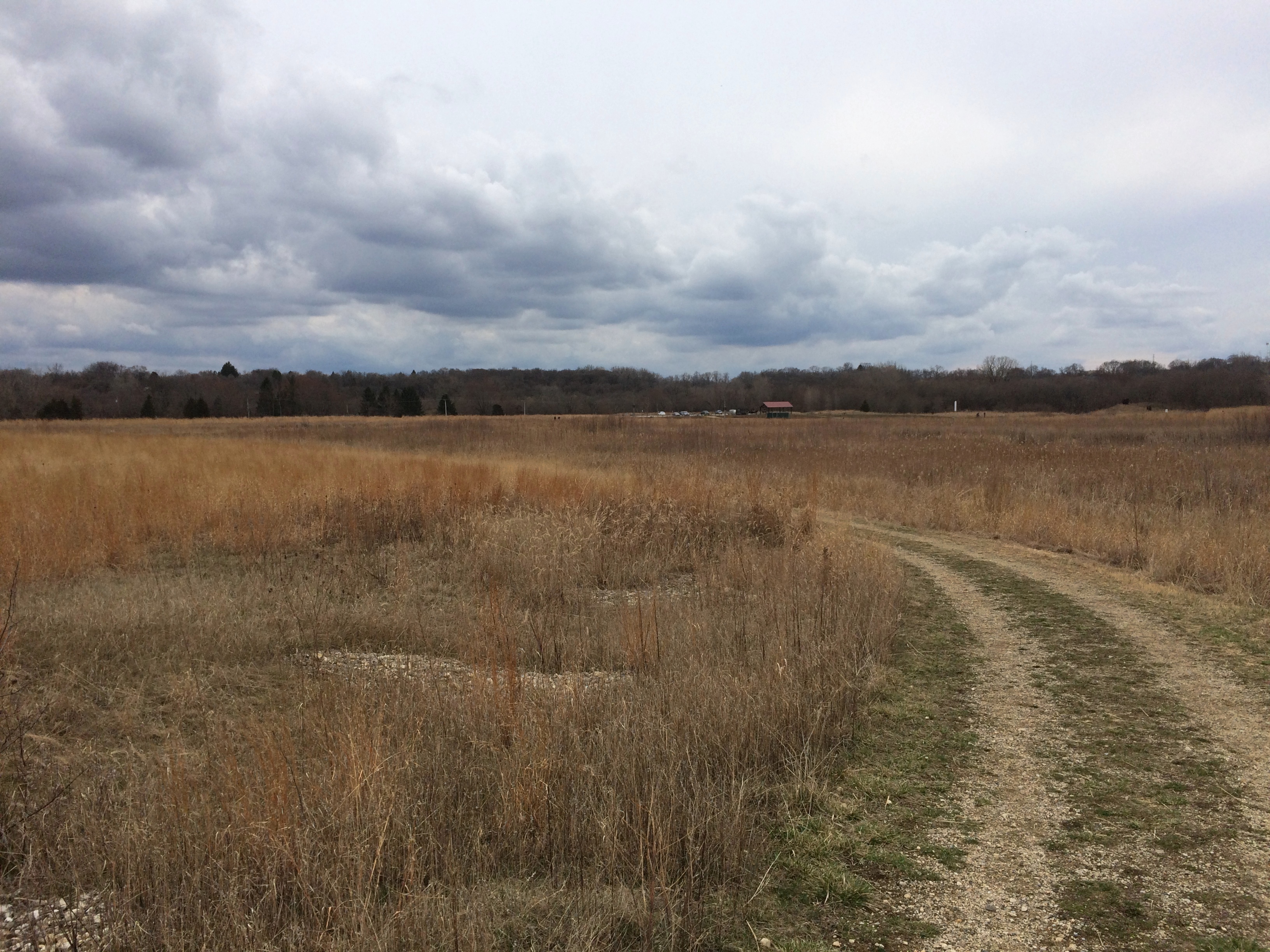
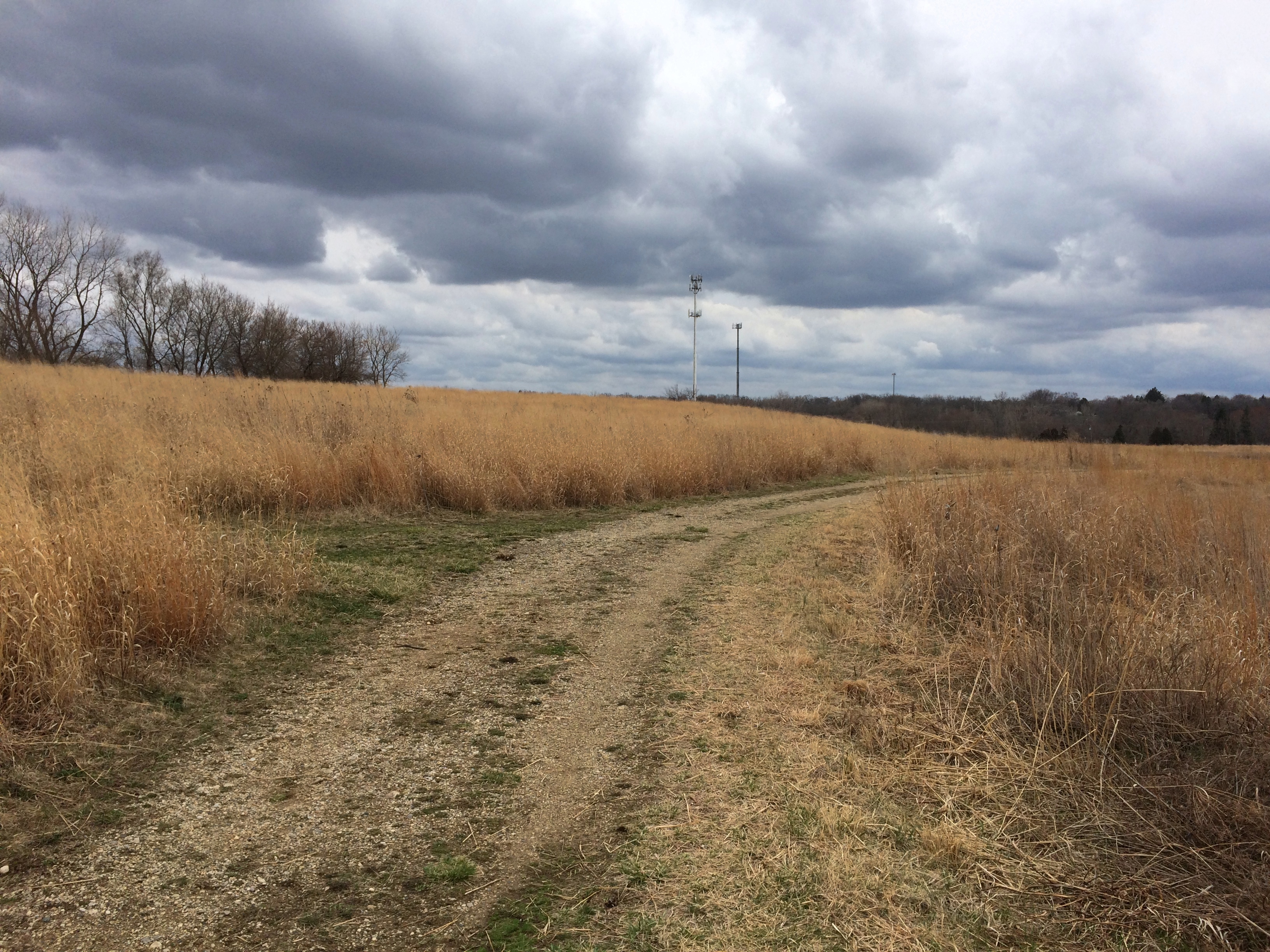
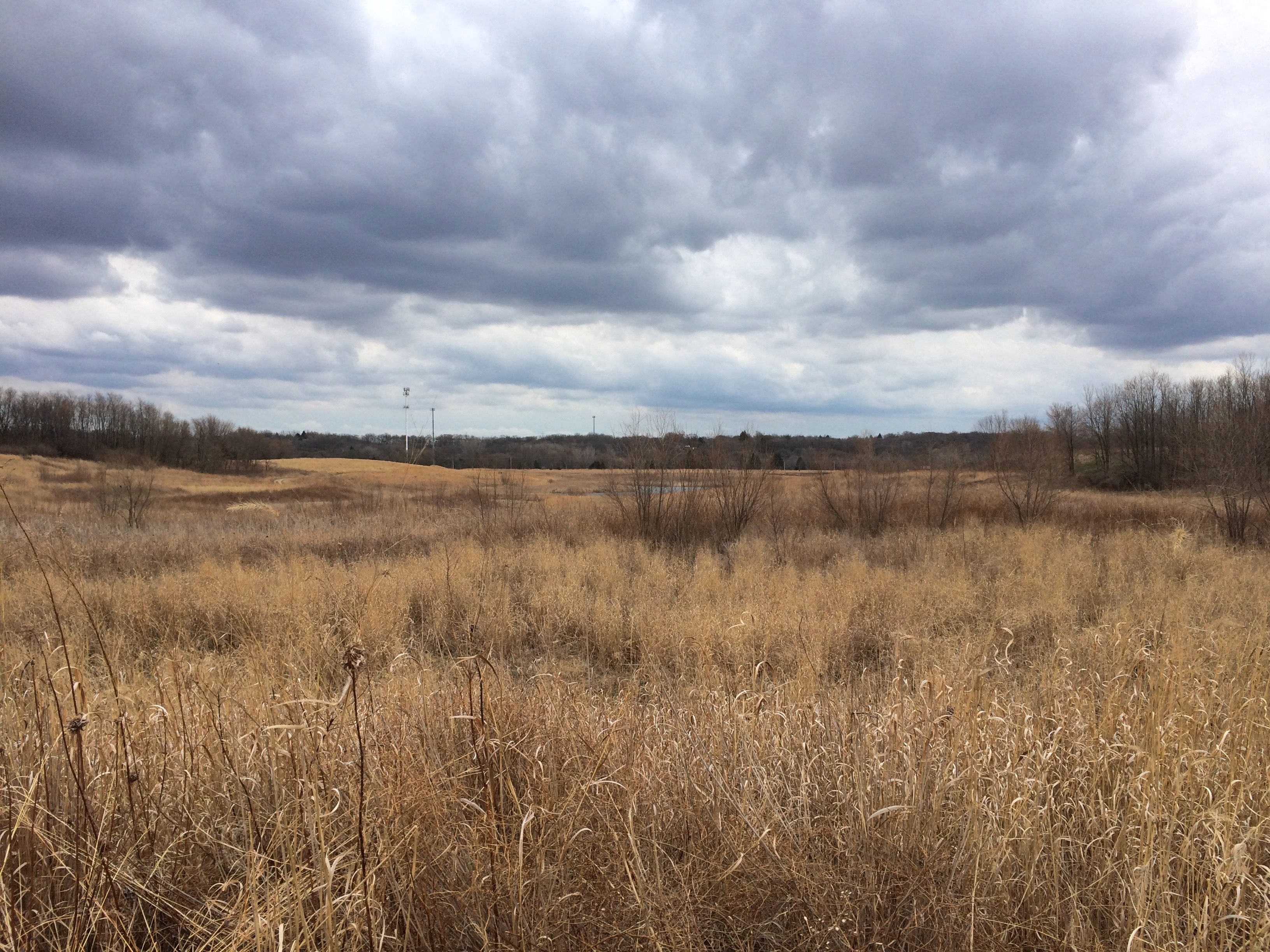
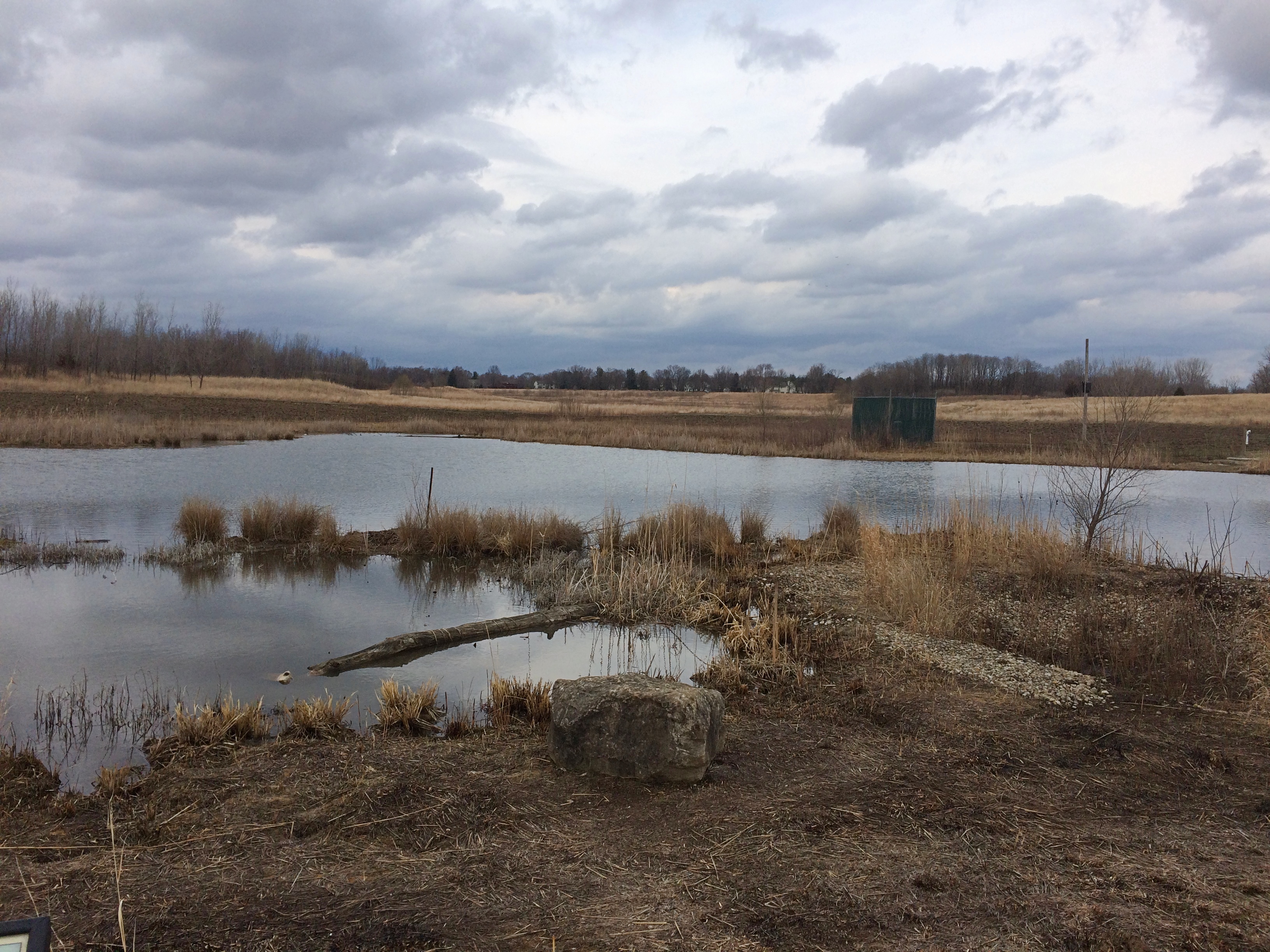
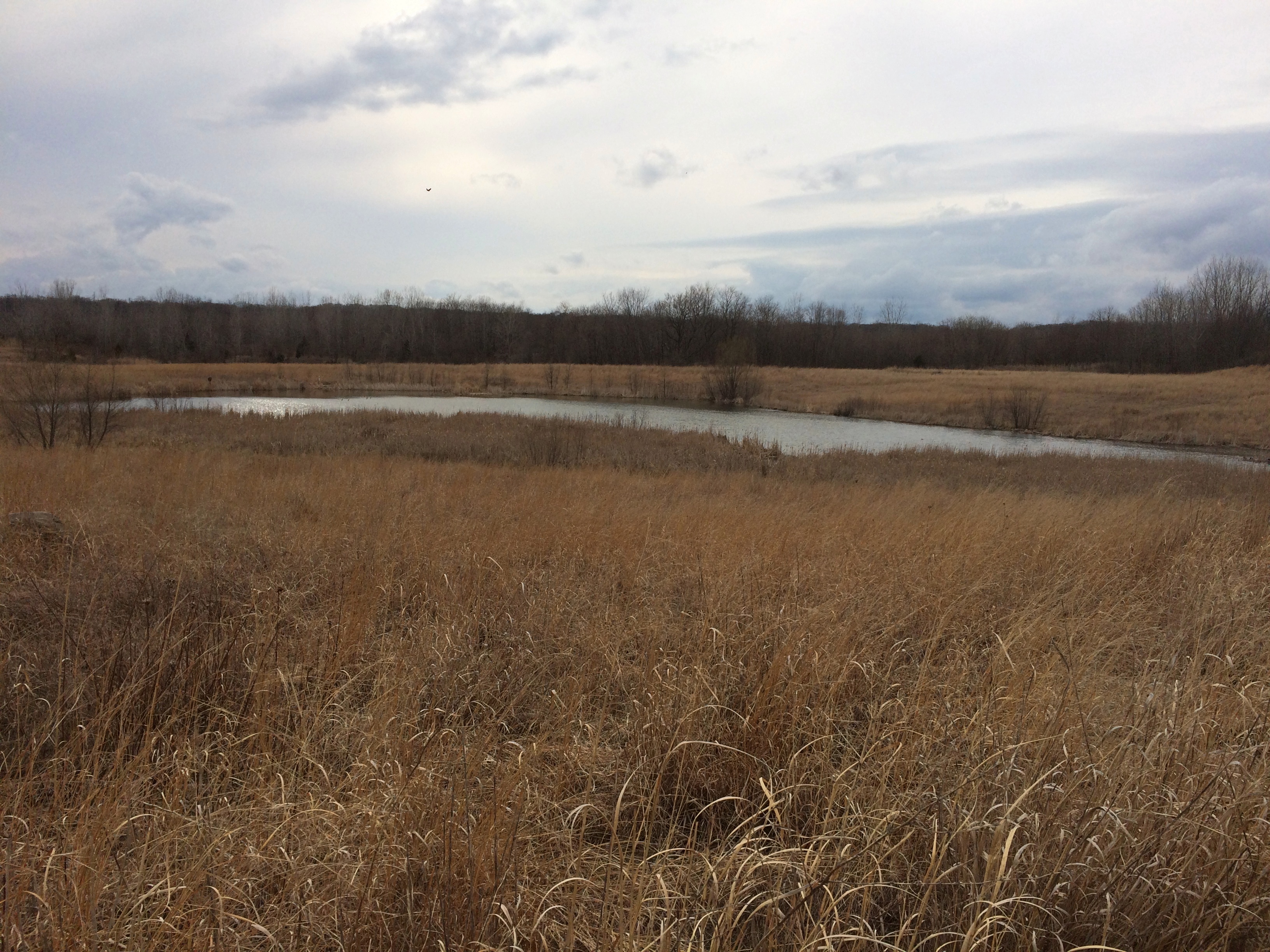
The reservoir is near Harper College in northwest suburban Palatine. A 44-acre park surrounds it, making for a pleasant place to walk, as long as the temps are high enough. Plum Grove Reservoir
Plum Grove Reservoir
Visitor parking near the park is allowed in part of Harper College’s vast lot. Here’s the view of the reservoir from the outer edge of the lot.
Plum Grove Reservoir
Turn the other way, and you see an expanse of asphalt.
Harper College
Harper College, in full William Rainey Harper College, is a community college here in the northwest suburbs, opened in 1967. Sure enough, its layout owes more than a little to that of a mid-century mall: an island of buildings surrounded by a sea of parking.

Charles Deering Memorial Library ’16

One of the places we visited during Open House Chicago in October 2016 was the Charles Deering Memorial Library on the Northwestern University campus in Evanston.Charles Deering Memorial Library Charles Deering Memorial Library A design by James Gamble Rogers, who did a lot of academic buildings at Northwestern and other schools. Apparently his taste for Gothic revival wasn’t entirely appreciated by the time the library opened in 1933, especially by budding modernists, but we don’t want every campus to look like the University of Illinois at Chicago, do we? (As interesting as that place is.) The library’s a handsome collegiate structure.

As you enter the library, you receive some advice. They say most things aren’t carved in stone, but this is. Also: Go Cubs Go!
Charles Deering Memorial Library Where to find such wisdom? Another entrance provides the answer. I’ll go along with that. Also, Go Wildcats!
Charles Deering Memorial Library Inside are artful windows. “The Deering Library’s 68 painted window medallions were created by G. Owen Bonawit (1891-1971), a master of secular stained glass from New York City,” the library says.

“The medallions represent scenes and figures from literature, mythology, religion and history. Library staff helped to select subjects and sent illustrations to Bonawit for translation into the designs.”
Charles Deering Memorial Library Charles Deering Memorial Library Charles Deering Memorial Library Such as early North America.