No Brasher Doubloon, Dammit. (The Money Museum)

This might be unfair to the Money Museum in Colorado Springs, Colorado, but its collection disappointed me in one key way: No Brasher Doubloon.

It is unfair. The place is great: wall-to-wall coins rare and common, beautiful and crude, familiar and strange, a vast domestic collection (USA!) and a sizable array of coinages from other nations past and present. Much familiar to me, but not all, and much new and strange to Yuriko.

I’d known about the museum, which is owned and operated by the American Numismatic Association, since years ago, when I collected the sort of cheap coins I could afford on my allowance. I followed, in a lackadaisical adolescent way, numismatic news. Big coin deals in those days involved tens and maybe hundreds of thousands of dollars. Coins like the 1909S VDB cent and the 1916D Mercury dime commanded sizable premiums, but the major money was in even rarer strikes or errors.

The Money Museum and the ANA offices are in a boxy structure, brutalist lite, dating from 1967. It isn’t a large museum, with a few living room-sized galleries on its first floor, another in the basement, with each floor attended by bored-looking security guards. U.S. coins beckoned from their own gallery, with vertical coin displays behind glass on all the walls, along with paper money displays and a generous amount of exposition.

The displays had themes: early U.S. gold coins, coins struck in California and Colorado during their gold rushes – including $50 California Territorial Gold piece (!) — uncut paper money, Federal and Confederate tokens and paper, Gilded Age paper money (a riot of design), the various representations of George Washington on medals struck down the years, and many more. There was a 1933 eagle (gold $10) and a flawless set of 1915 Panama Pacific Exposition commemoratives, which are a wow in just about every way imaginable.

Next to Americana Gallery, another gallery housed an incredibly detailed exhibit featuring coins used on the Silk Road across the centuries, something I can’t say I’d given much thought to, despite the enormity of the subject. Such as coins from the time of Alexander, whose empire was home, briefly, to around 25 mints. They say the treasury at Persepolis alone guarded 3,000 tons of gold and silver, but not from the conqueror, since it was just the thing to feed those mints once Alexander had made the Persian empire his own.

Or Parthian drachms, which feature a ruler observe and a seated archer reverse. Or the hemidrachms, obols and hemiobols of the Sassanids. Or Chinese coinage: “Made by the bureaucracy, for the bureaucracy, coins were tools to facilitate minor trade and local business. Because precious metals and high-value denominations posed the threat of wealth accumulation, low-value bronze pieces sufficed.”

Those are only a few examples. The exhibit also had early Chinese non-coin money, Islamic coinage and the coinage of the Kushans, whose central Asian empire faded from memory until its coins were unearthed.

It was all too much. Coin overload had kicked in. We spent a little while in the basement – given over to the broad sweep of the history of money – and then to the crown jewels of the place, to cap off the visit.

An 1804 U.S. dollar.
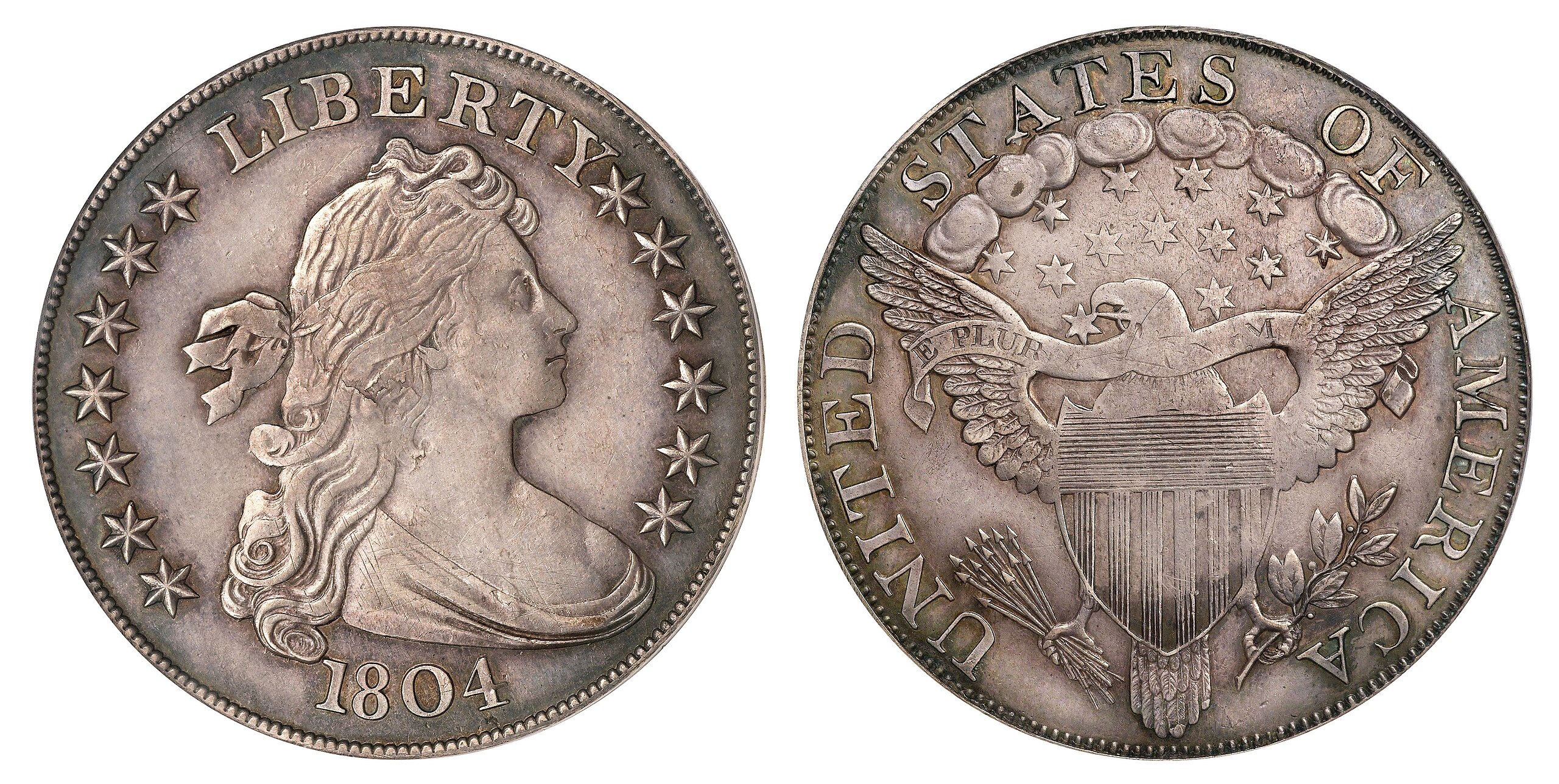
Actually made in the 1830s, in as convoluted a coin story as you’re likely to find.
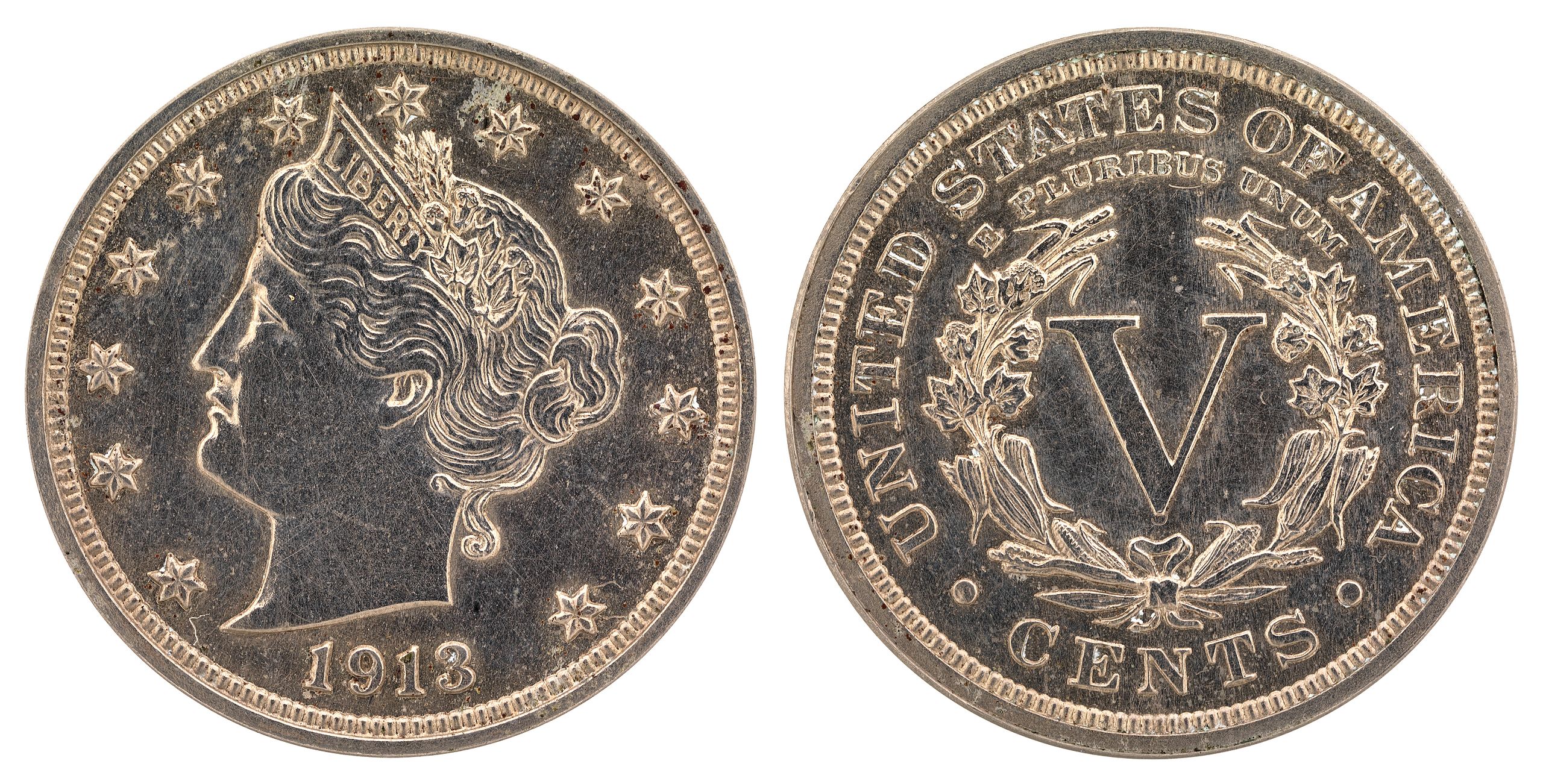
The 1913 Liberty Head nickel.

A coin that goes to show that the entire game isn’t just gold and silver, but base metal coins can have their shot at being priceless collectibles. Famed in story, and maybe an eccentric will write a song about the 1913 Liberty Head, predecessor to the Buffalo nickel. The last year for minting the Liberty Head was to have been 1912, and there are scads of those, except for those made at the San Francisco mint. Only five 1913 specimens are known to exist, all with a mysterious origin at the U.S. Mint and history of trading at ever-increasing prices, with one most recently fetching $5 million. They are such a part of numismatic lore that each specimen has its own name.

We were getting ready to go, when I noticed a museum employee talking to the volunteers behind the front desk. I asked him whether the museum had a Brasher Doubloon. I’d looked, but I could easily have missed it, among the many coins on display.
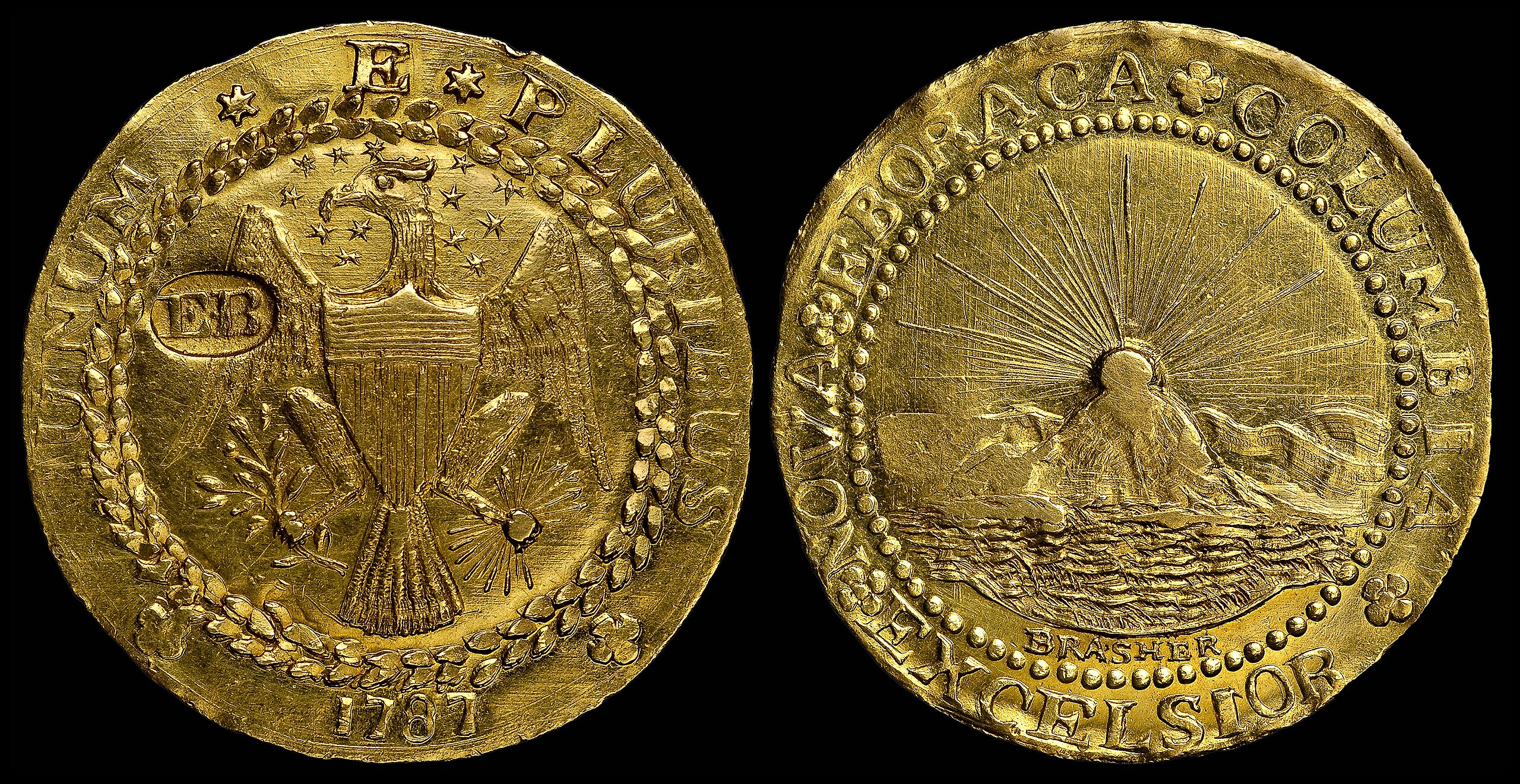
He knew what that was. Of course he did. Unfortunately, no, he told me. Someday someone might donate one, but otherwise it would be beyond the museum’s budget. Someday, maybe, he said, a little wistfully. Good man, a true coin nerd.
Silverton, Colorado

Cold winds rolled through northern Illinois today. Seven inches of snow are forecast for Saturday. What? Right, it’s winter. The winter solstice is just the shortest day of the year.

Back to posting on Sunday. Regards for Thanksgiving.

Something to upset PETA sympathizers.

Silverton, Colorado

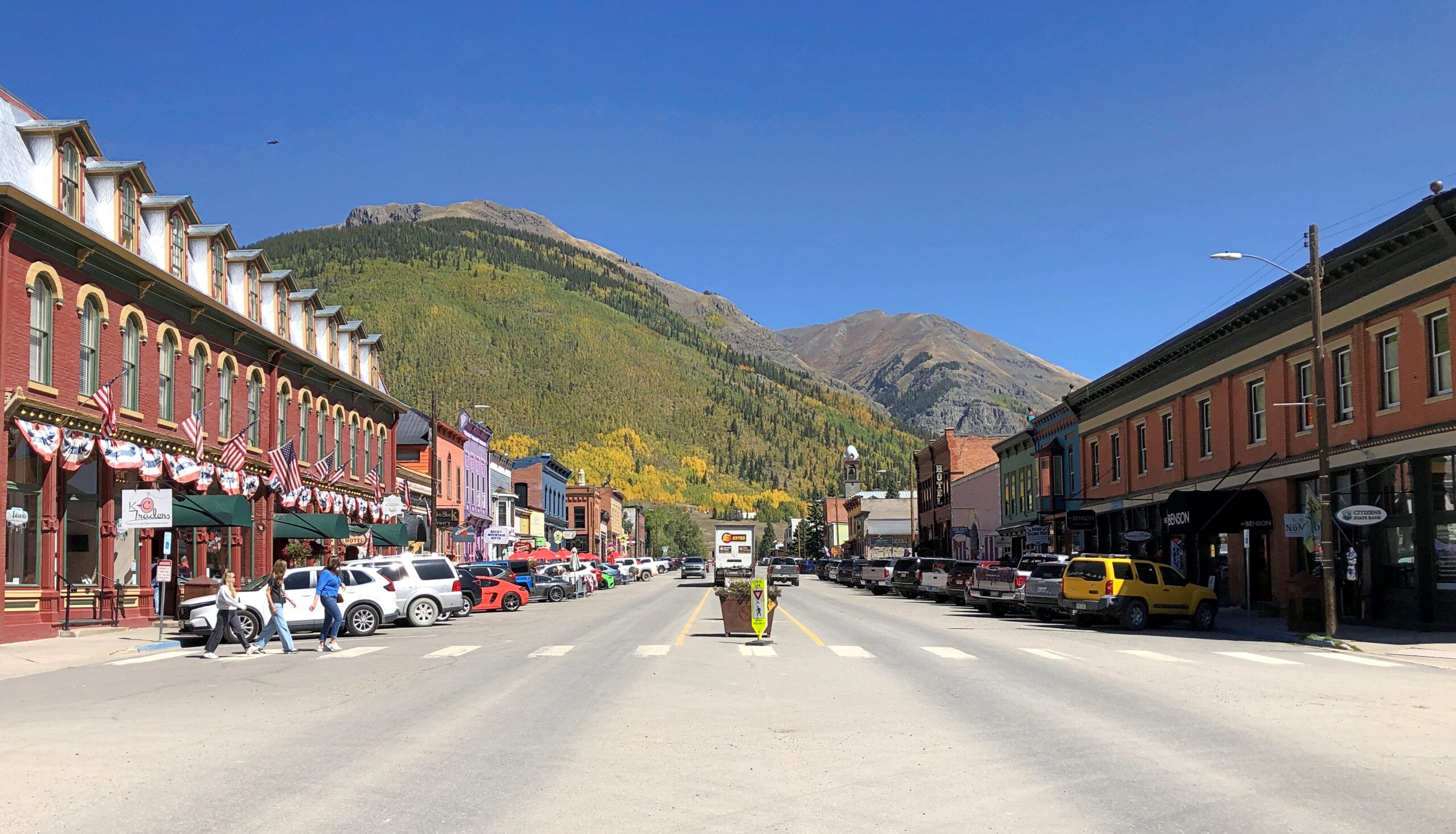
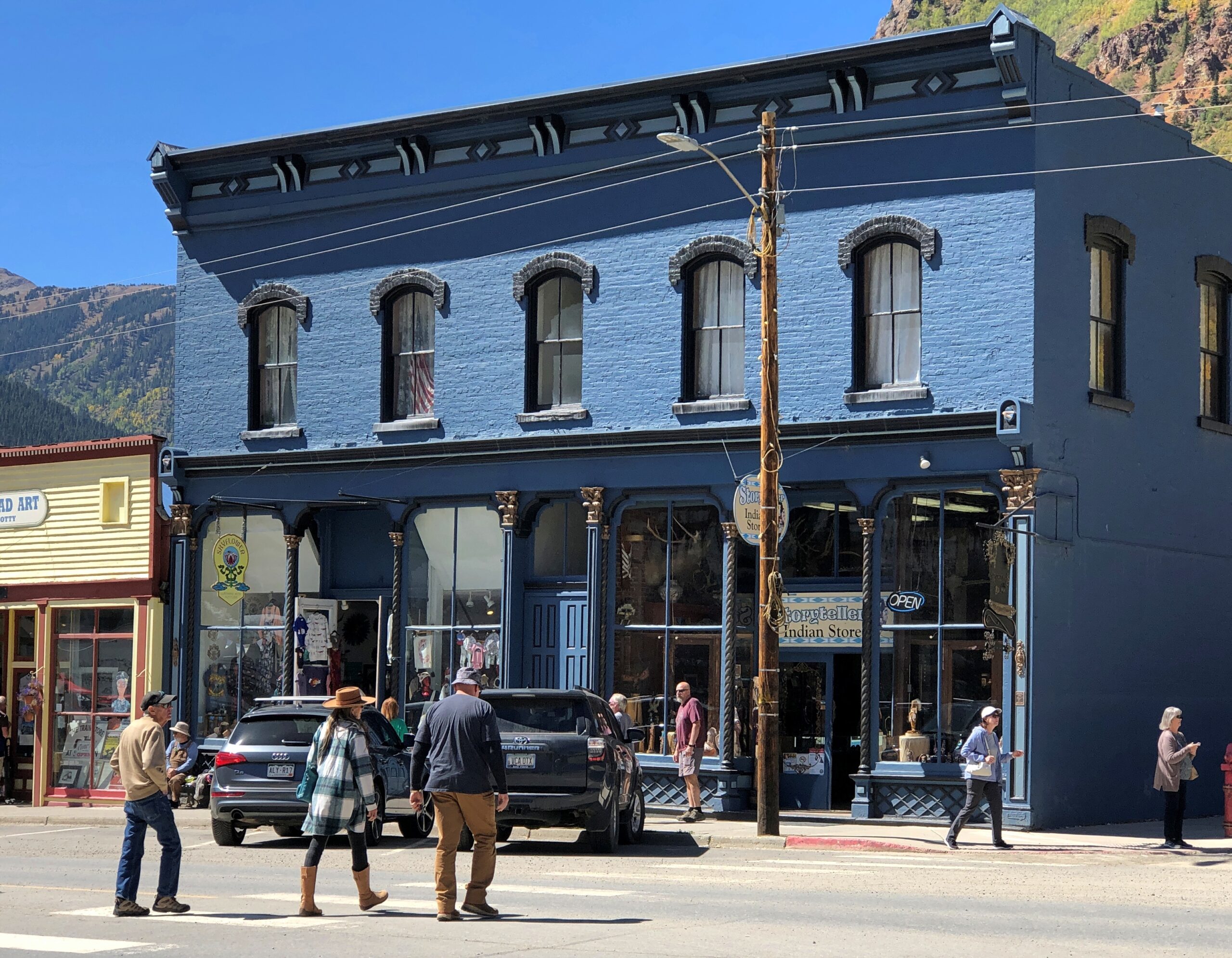
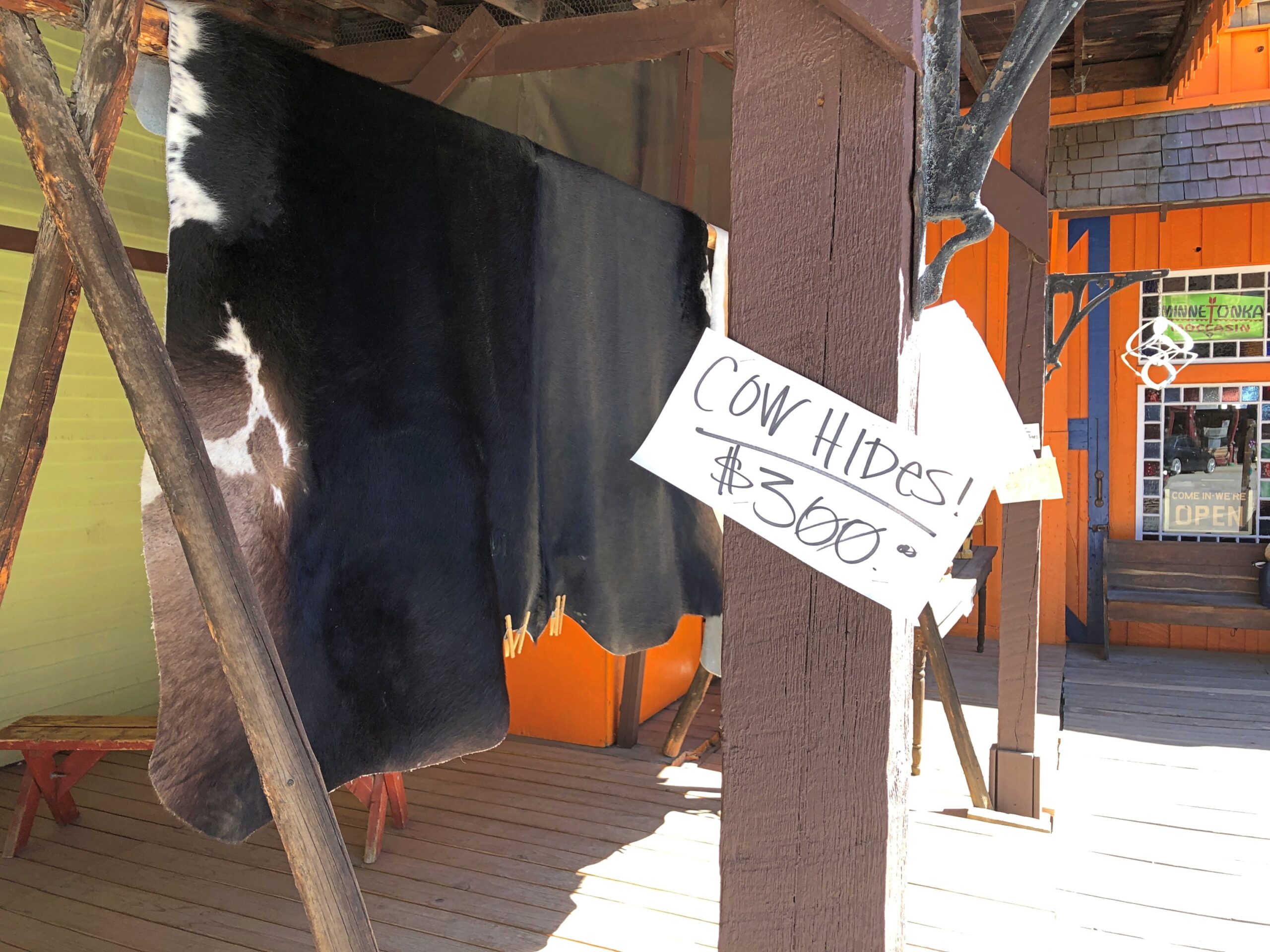
Stroll down Greene St. in the mountain town of Silverton, Colorado, at least in mid-September this year, and you’d have had the opportunity to buy a hide for $300. We did, but declined. Still, it wasn’t just a Colorado detail, but a Western one. The West, where men are men and cow hides hang in the sun. As far as I could tell, you couldn’t buy a hide with Bitcoin, but I suppose you’d have to ask the seller to be sure.

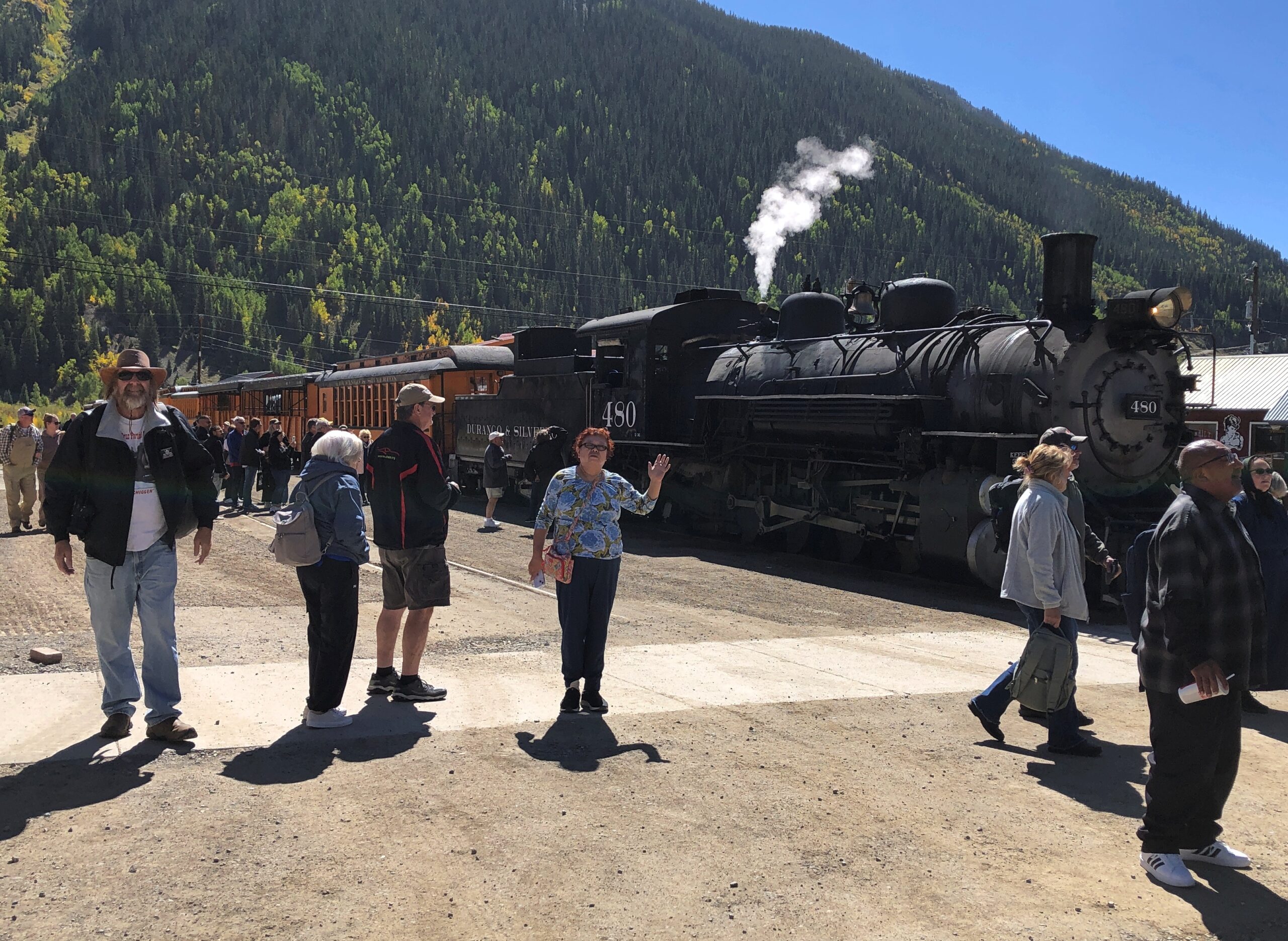
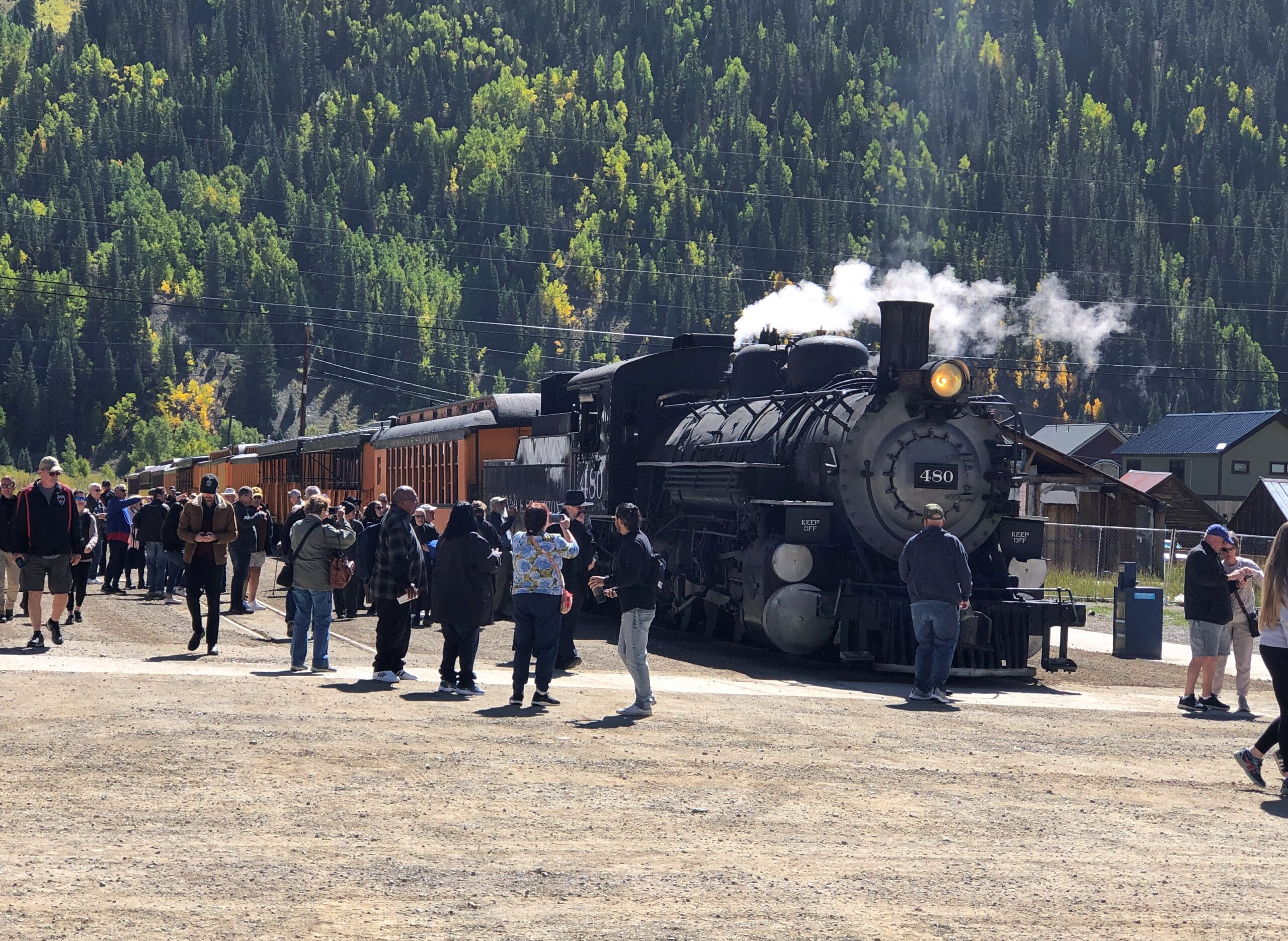
Not five minutes after we’d parked off the main thoroughfare of Greene Street in Silverton, on a large side street, a steam locomotive hauling a valuable cargo — tourists — pulled into town, a block from where we parked. The Durango & Silverton Narrow Gauge RR train from Durango had arrived. Instantly the streets around the train were thick with those same tourists who had paid roughly $100 a head for the scenic ride, though I suppose many, the majority maybe, had gotten a slight discount as seniors.

Silverton, Colorado
Silverton, Colorado

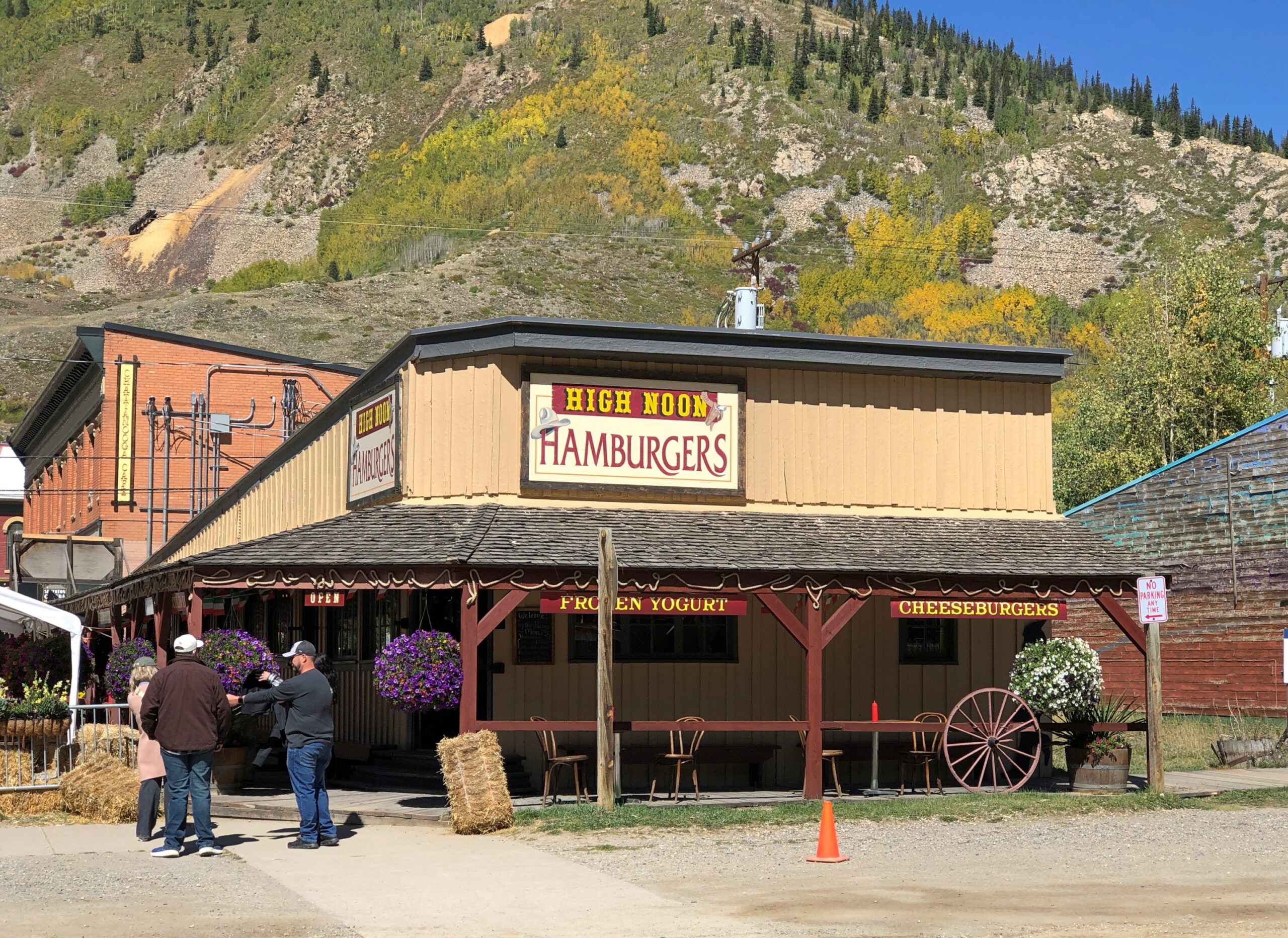
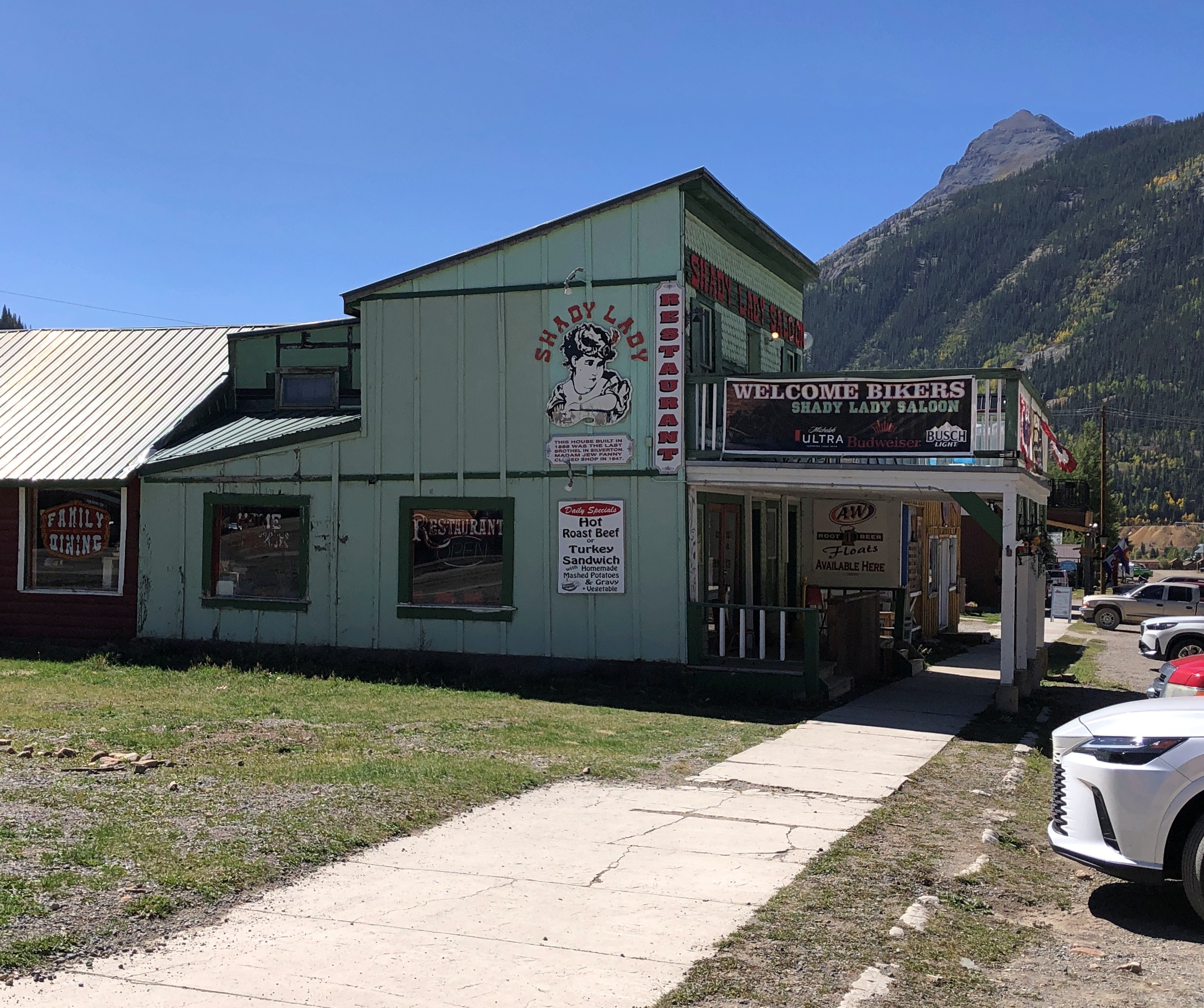
I assume the economy of 21st-century Silverton depends pretty heavily on these arrivals, at least in the warm months, as day after day the line disgorges its many passengers for their layover. No doubt the likes of High Noon Hamburgers or the Shady Lady or a lot of the other businesses in town wouldn’t be viable otherwise.

Silverton, Colorado

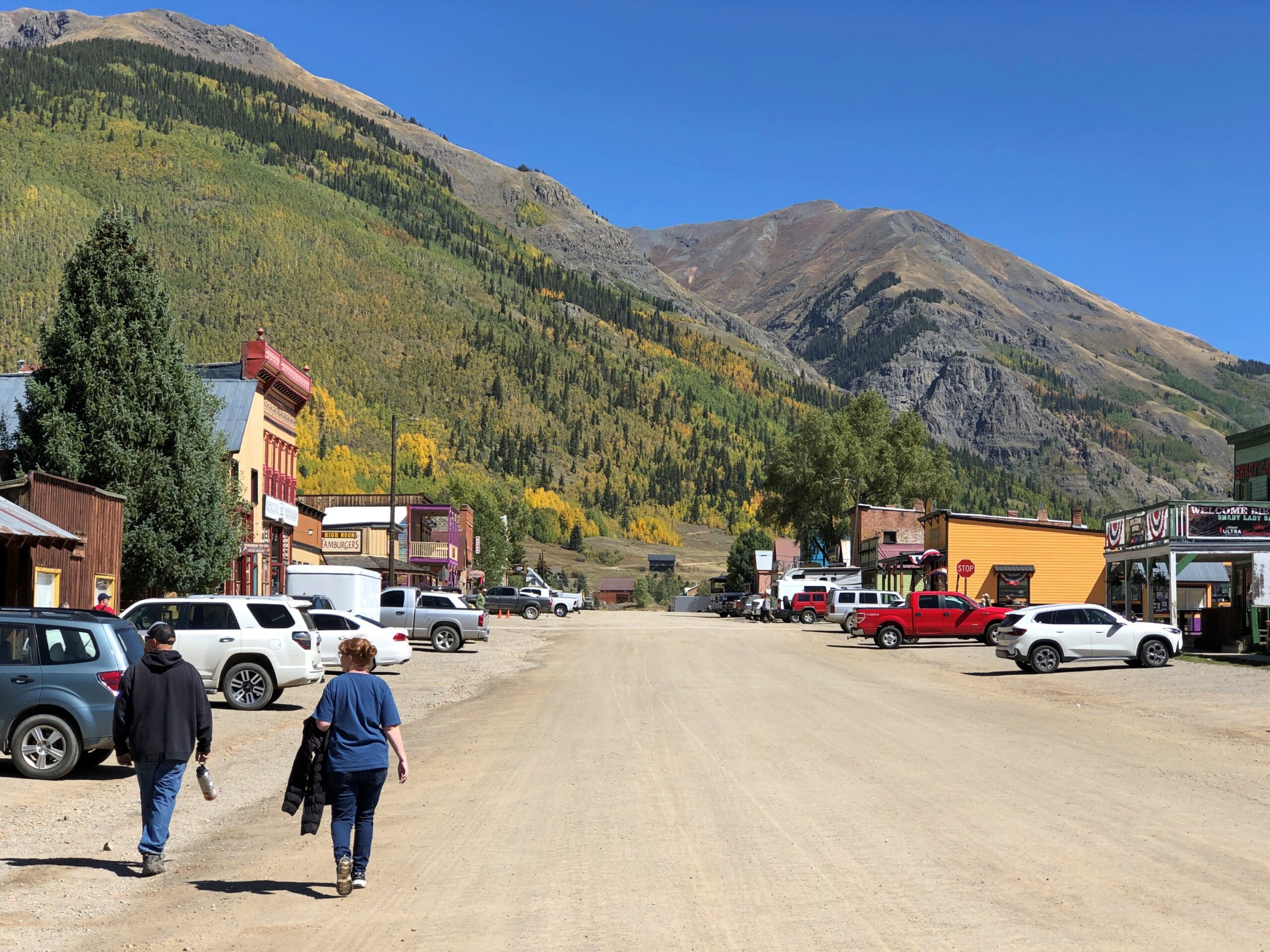
Blair St., paralleling Greene St. a block away. No need for pavement.

Silverton, Colorado

Greene St.

Silverton, Colorado

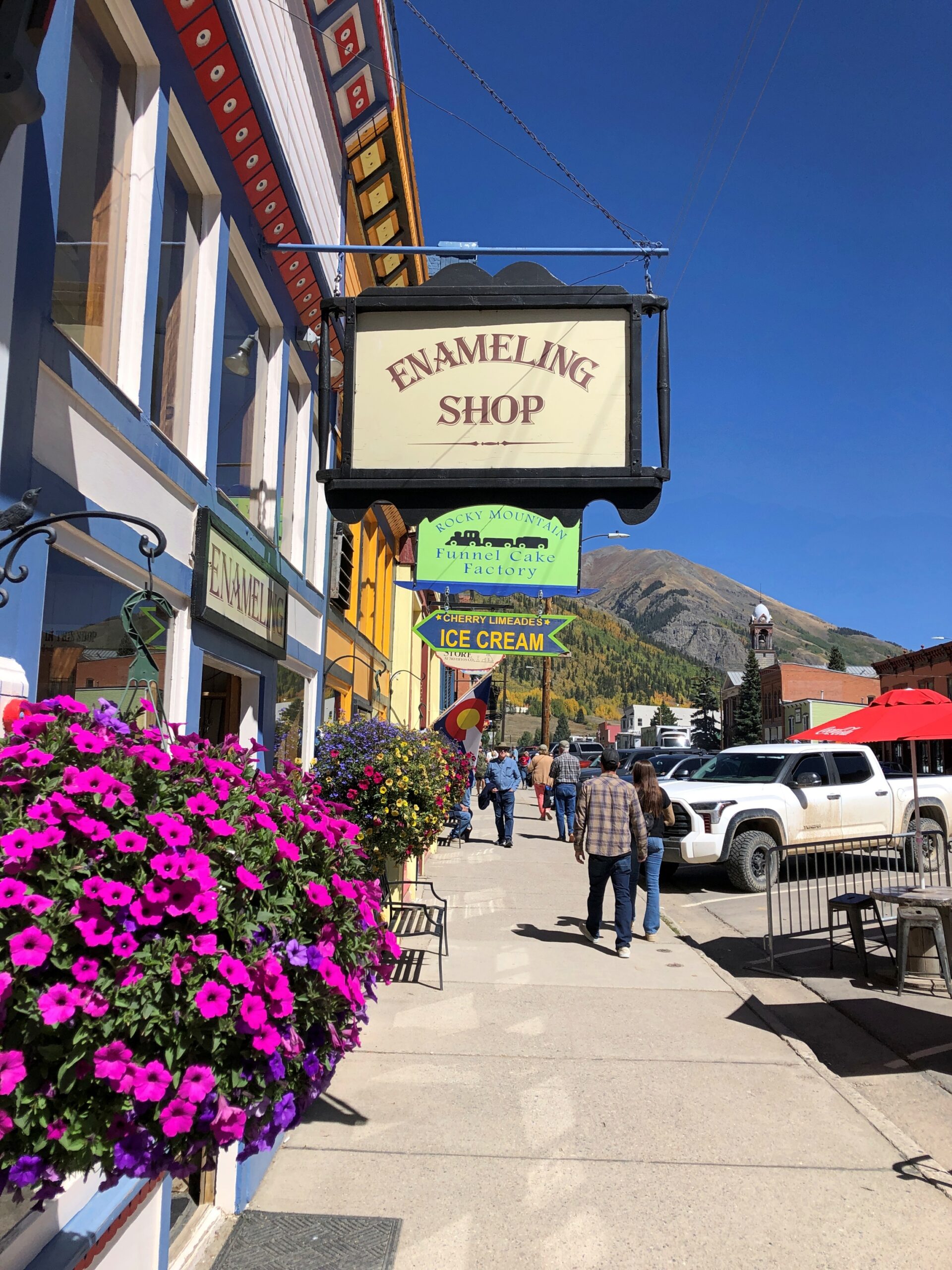
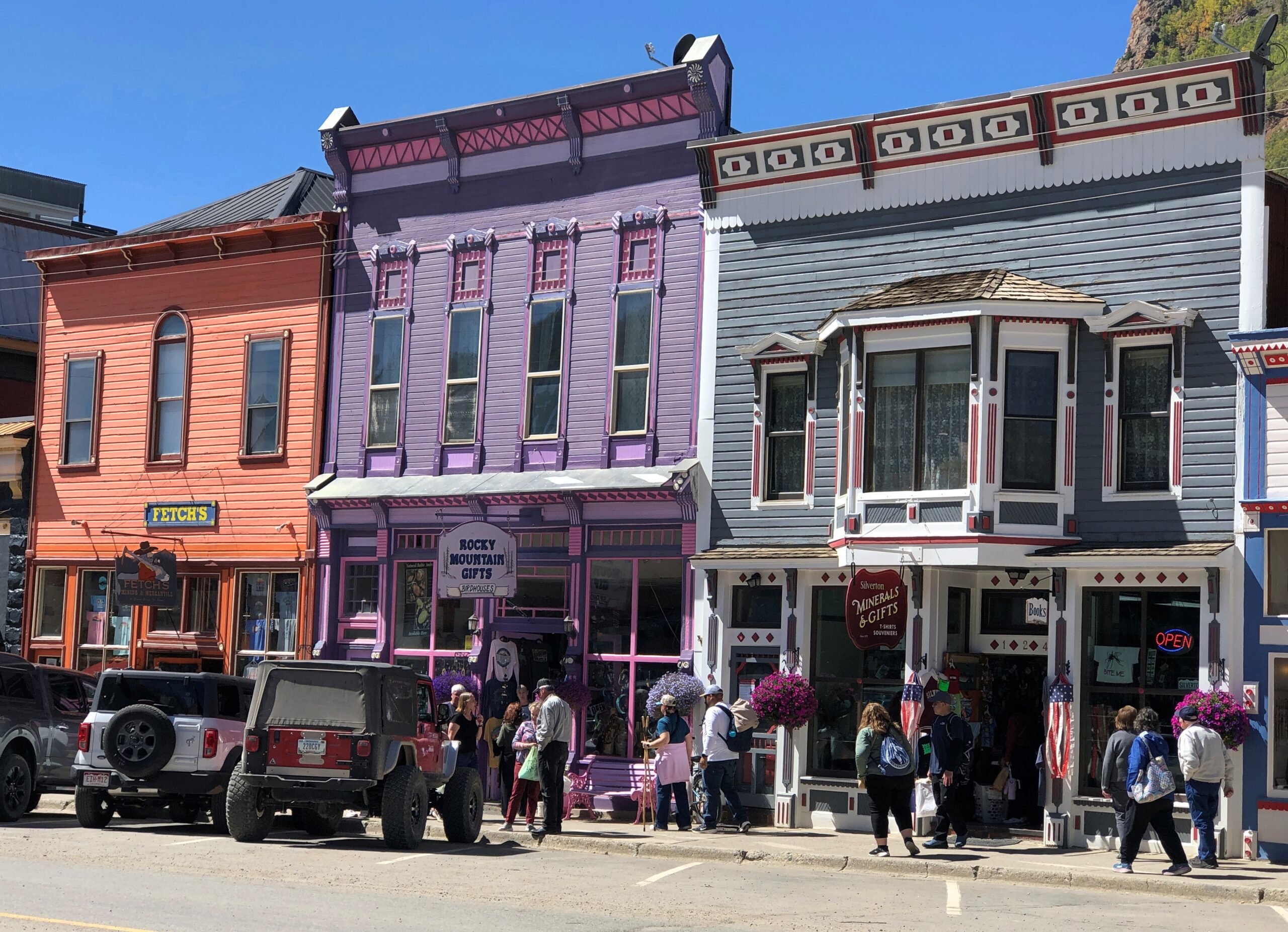
Lots to see on Greene.

Silverton, Colorado
Silverton CO

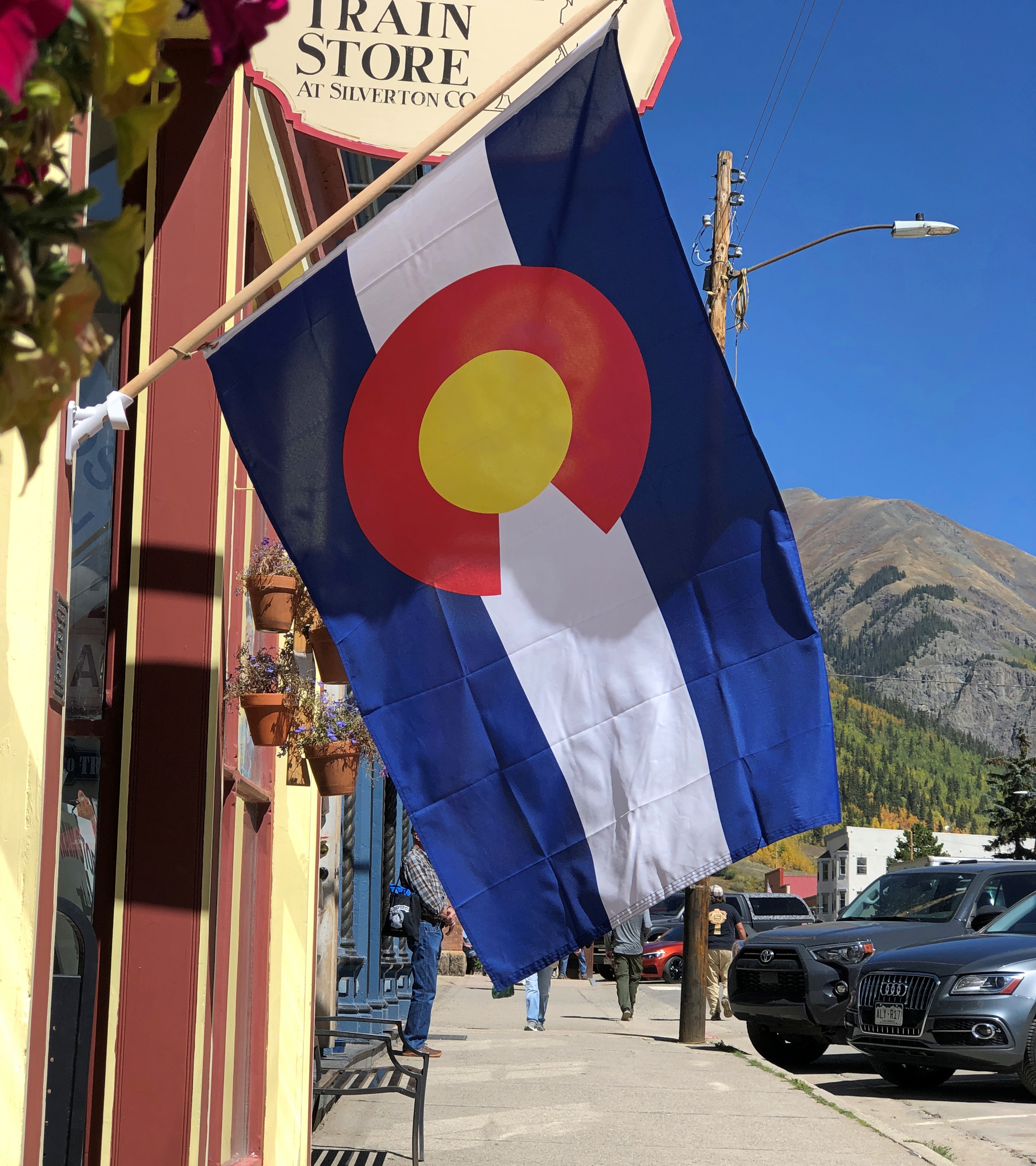
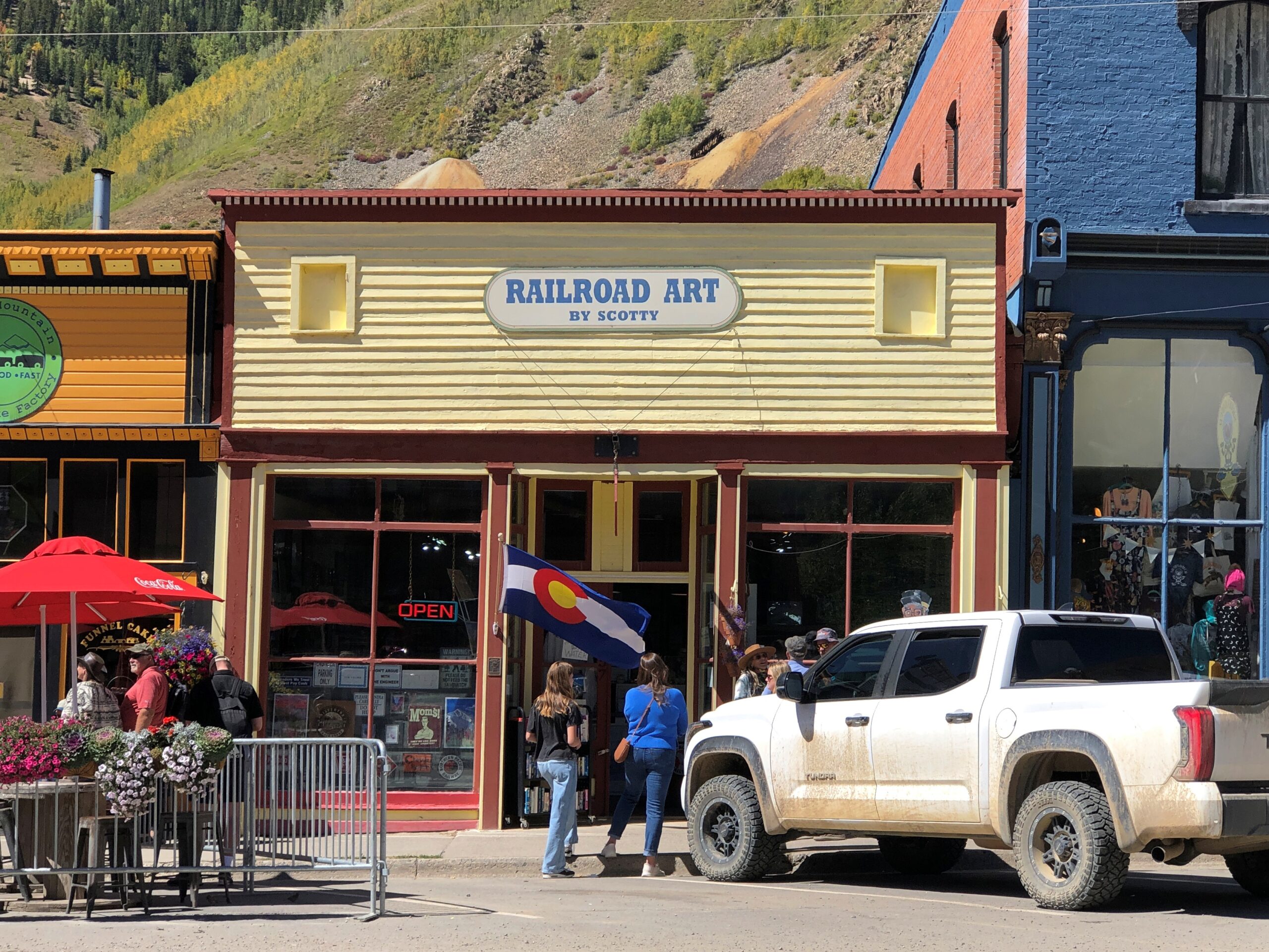
Including the fine Colorado flag, flying at Railroad Art by Scotty, a seriously cool gallery.

Silverton CO
Silverton CO

“Railroad Art by Scotty presents the custom matted and framed collector Railroad Art Prints by renowned railroad artist H.L. Scott, III,” its web site says. “These are not photographs and they are not created on the computer. These are pen & ink drawings created by Scott using the technique known as STIPPELING or pointillism.”

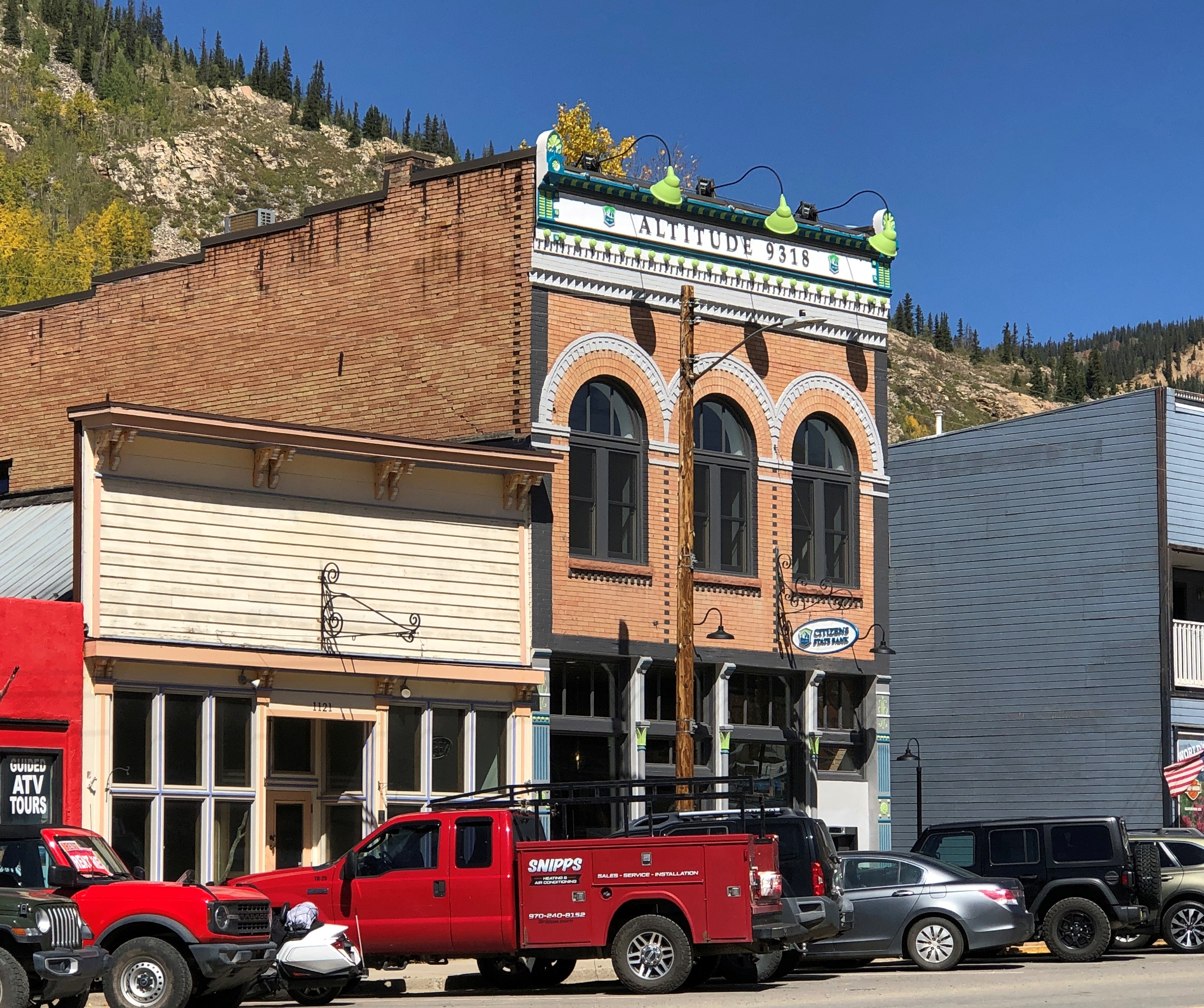
One of the few buildings I’ve seen that clearly states its elevation.

Silverton CO

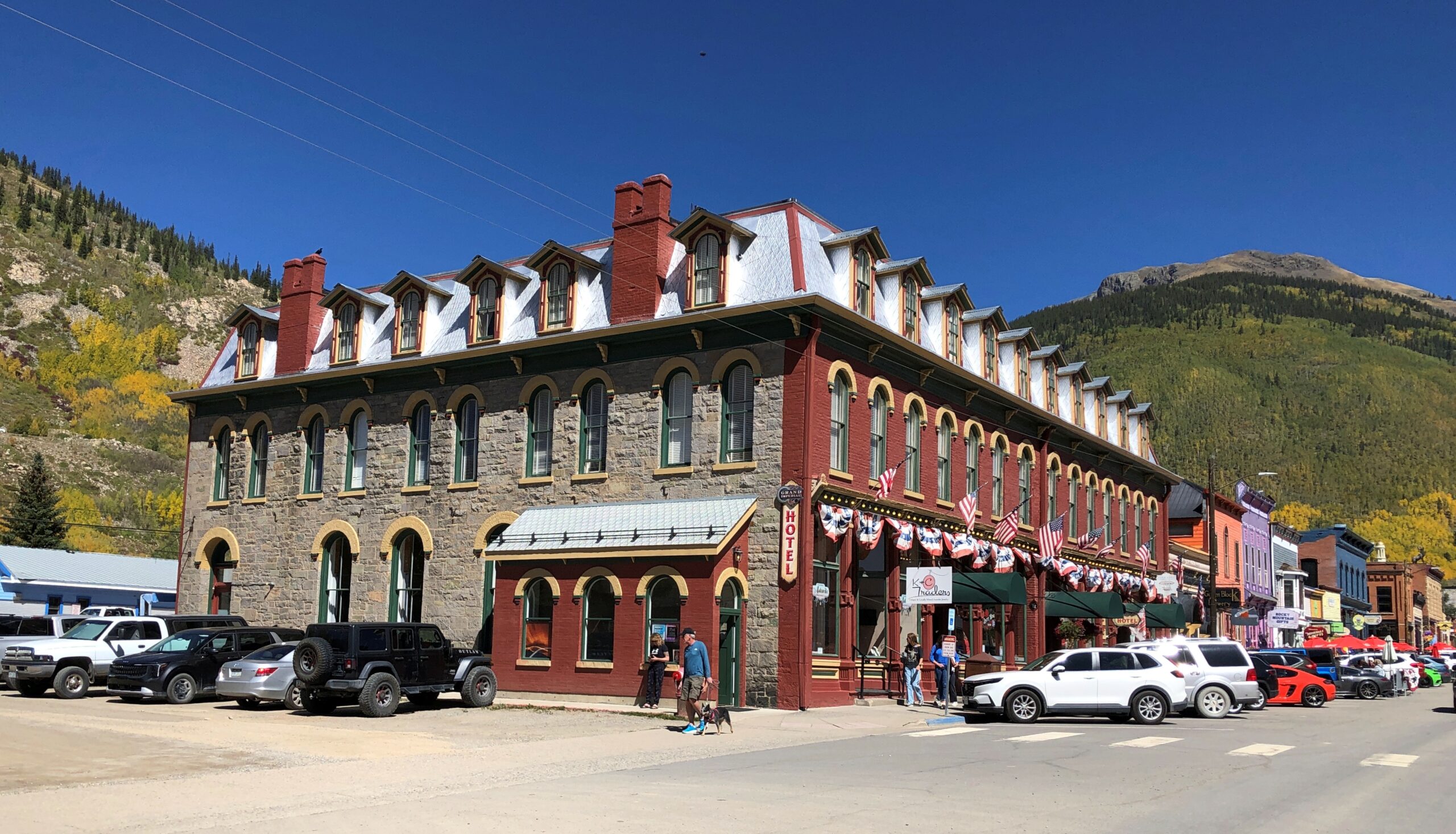
The Grand Imperial Hotel. A lofty name to live up to, but probably posh enough to do so.

Silverton CO

Restored to its 1880s appearance in the 2010s, no doubt at considerable expense.

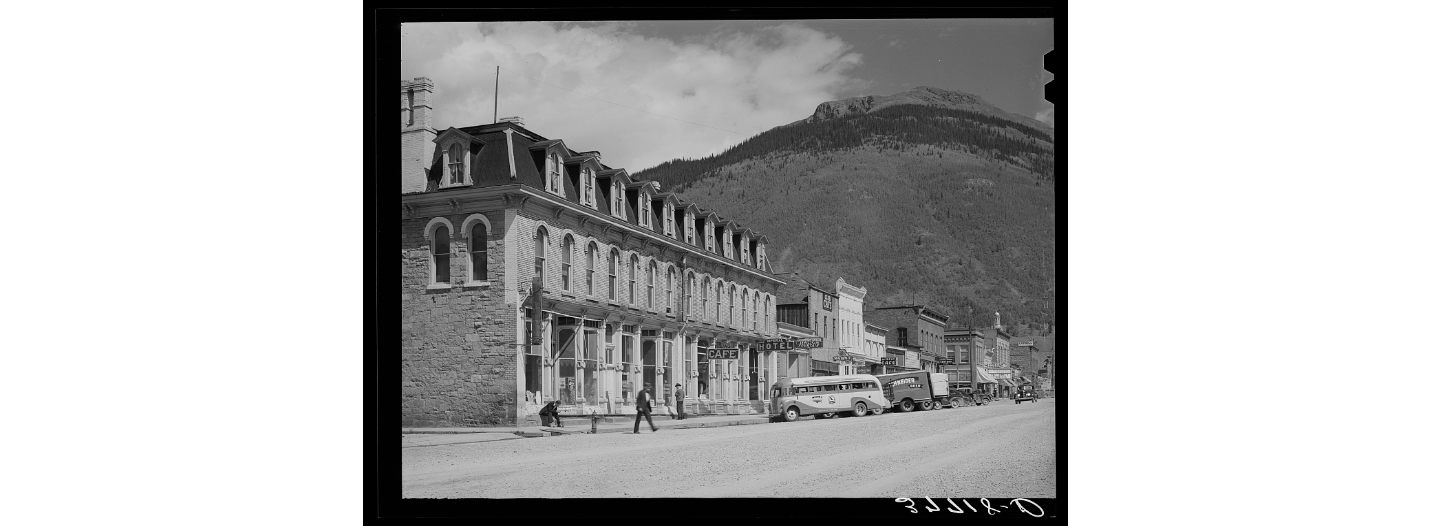
As it looked in 1940, a photo from the Library of Congress, Farm Security Administration-Office of War Information Photograph Collection.

More Greene St.

Silverton CO
Silverton CO

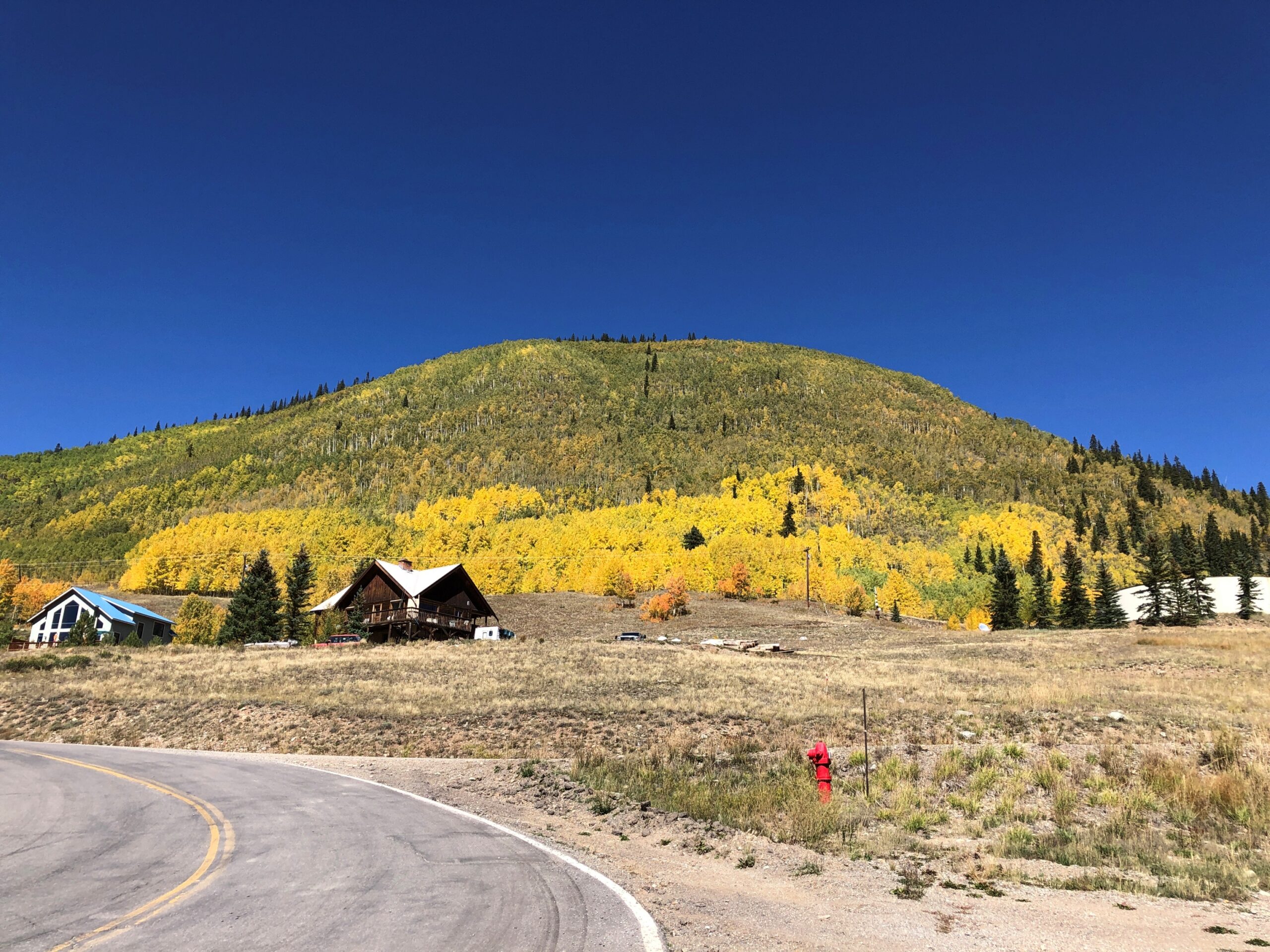
Greene is short, because Silverton isn’t very large, and so the street, now a road, soon heads for the hills.

Silverton CO

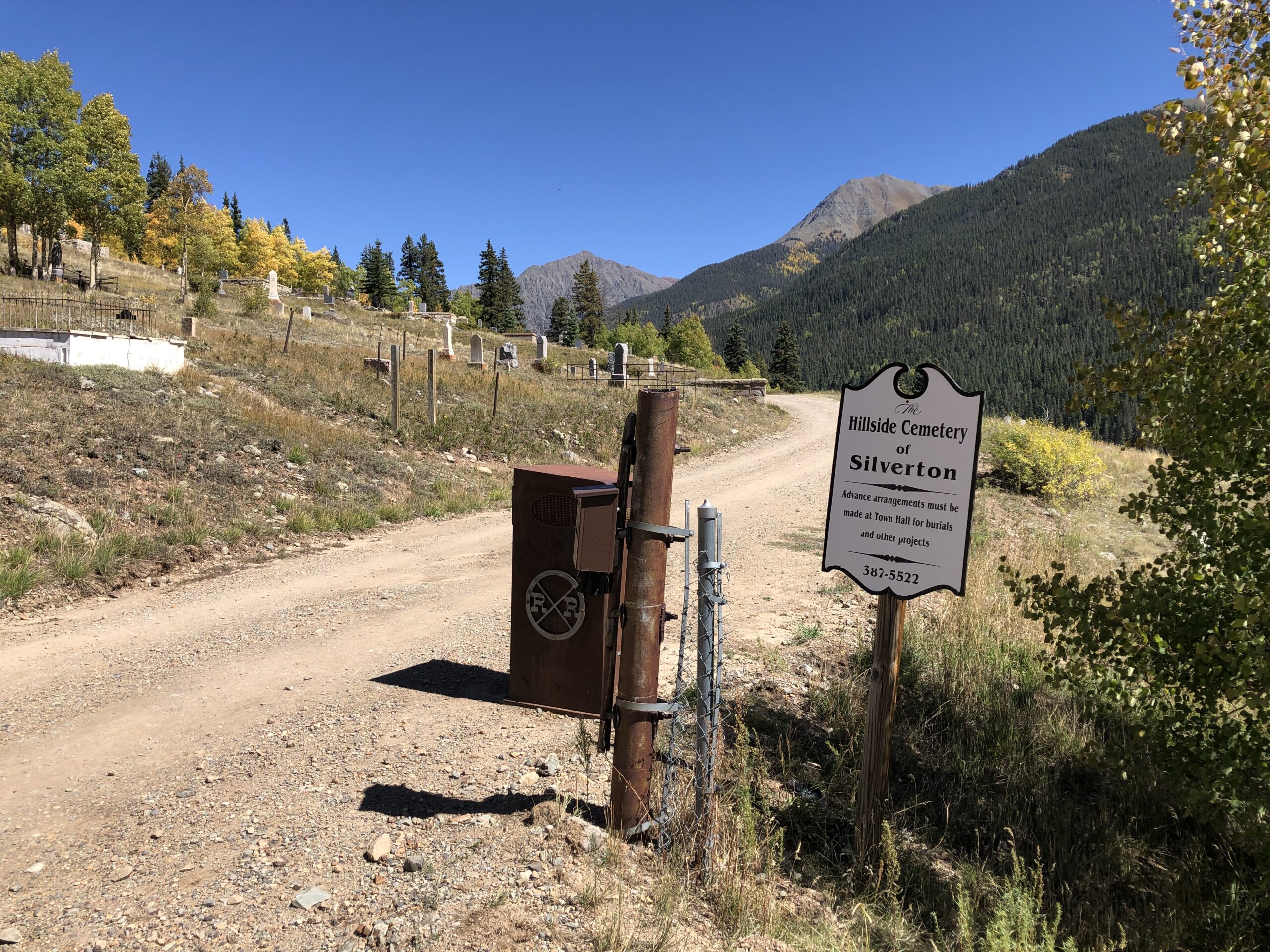
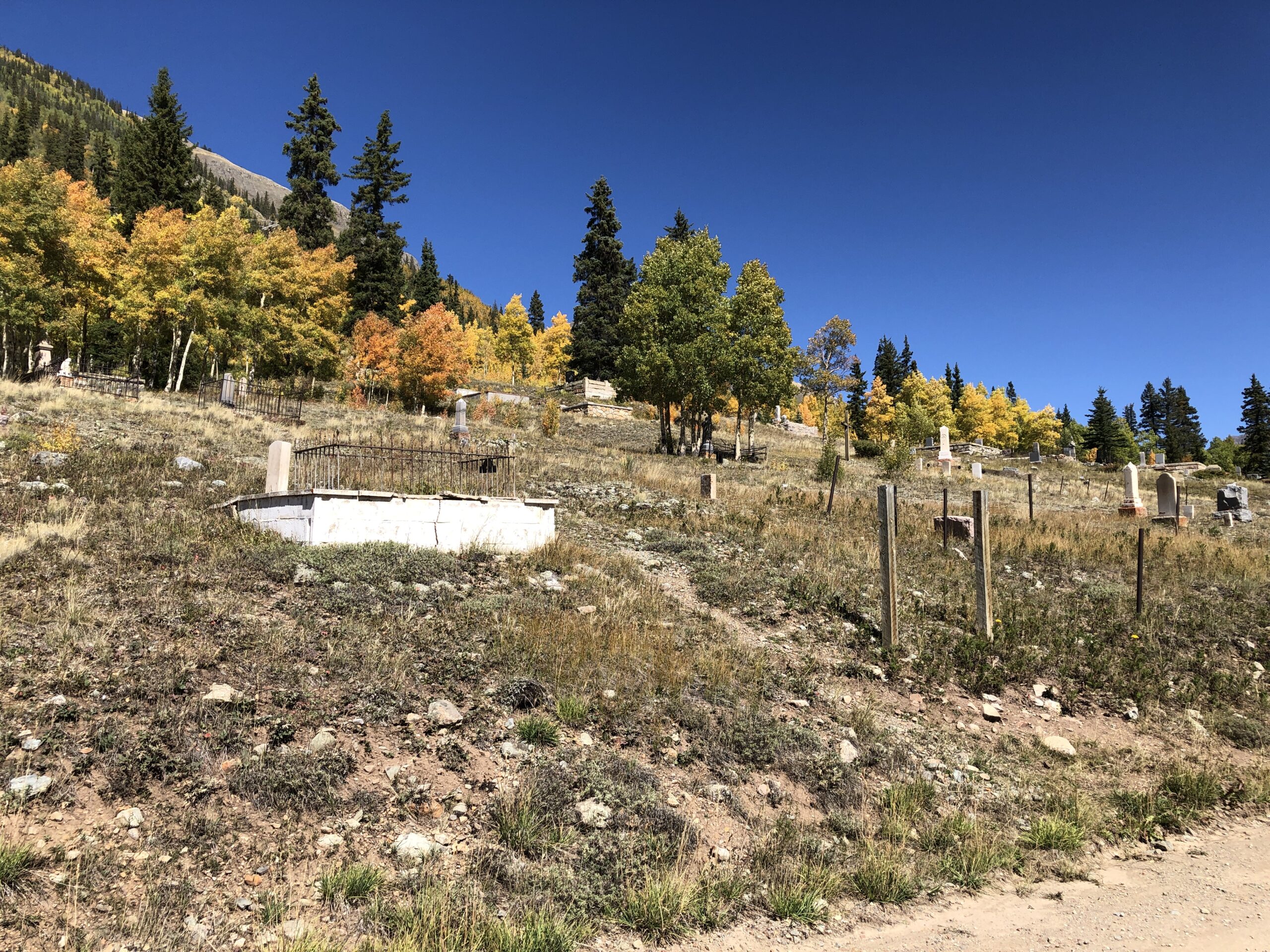
The Hillside Cemetery of Silverton.

Hillside Cemetery of Silverton

An apt name.

Hillside Cemetery of Silverton

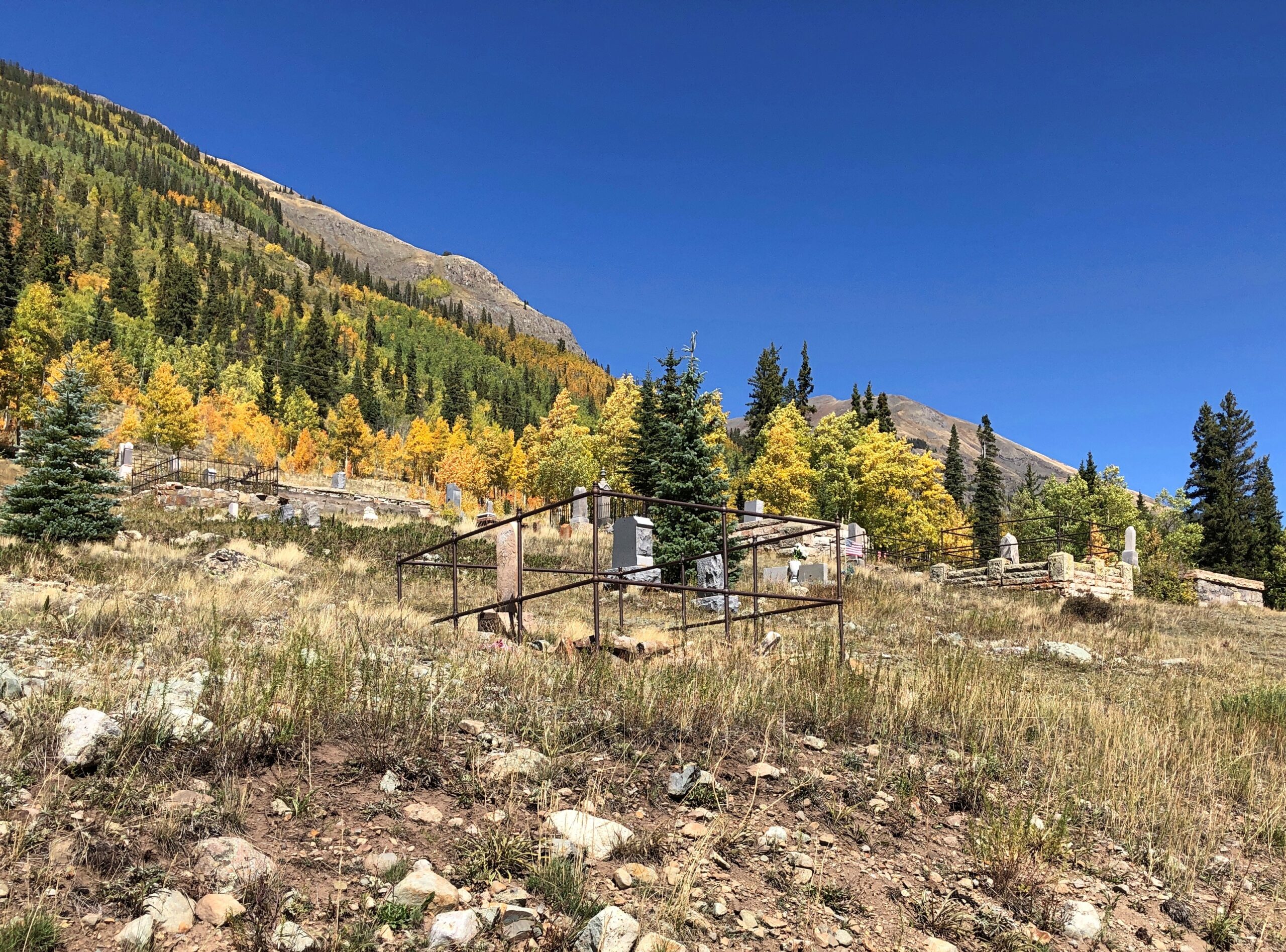
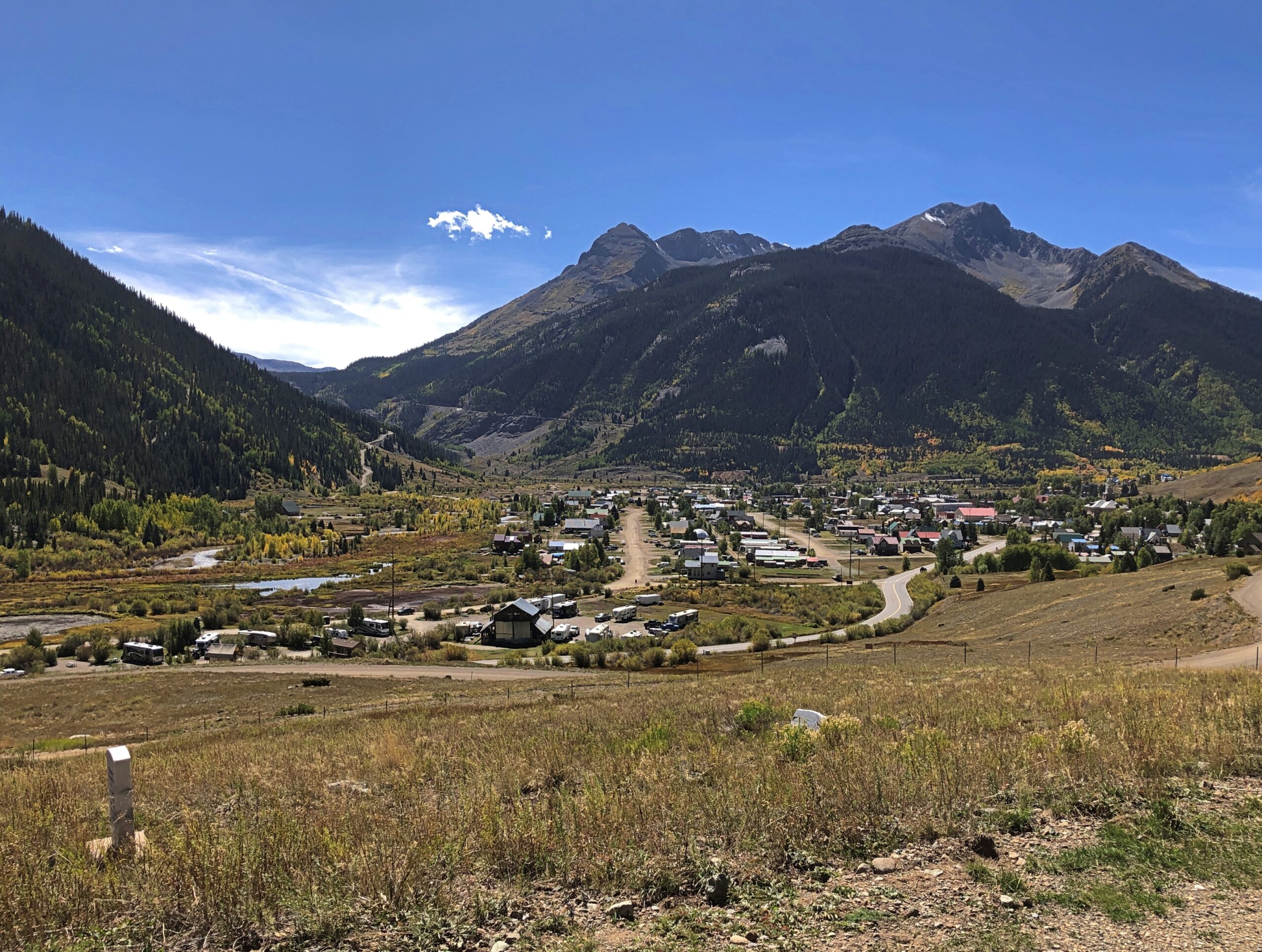
With a good view of the town.

Silverton

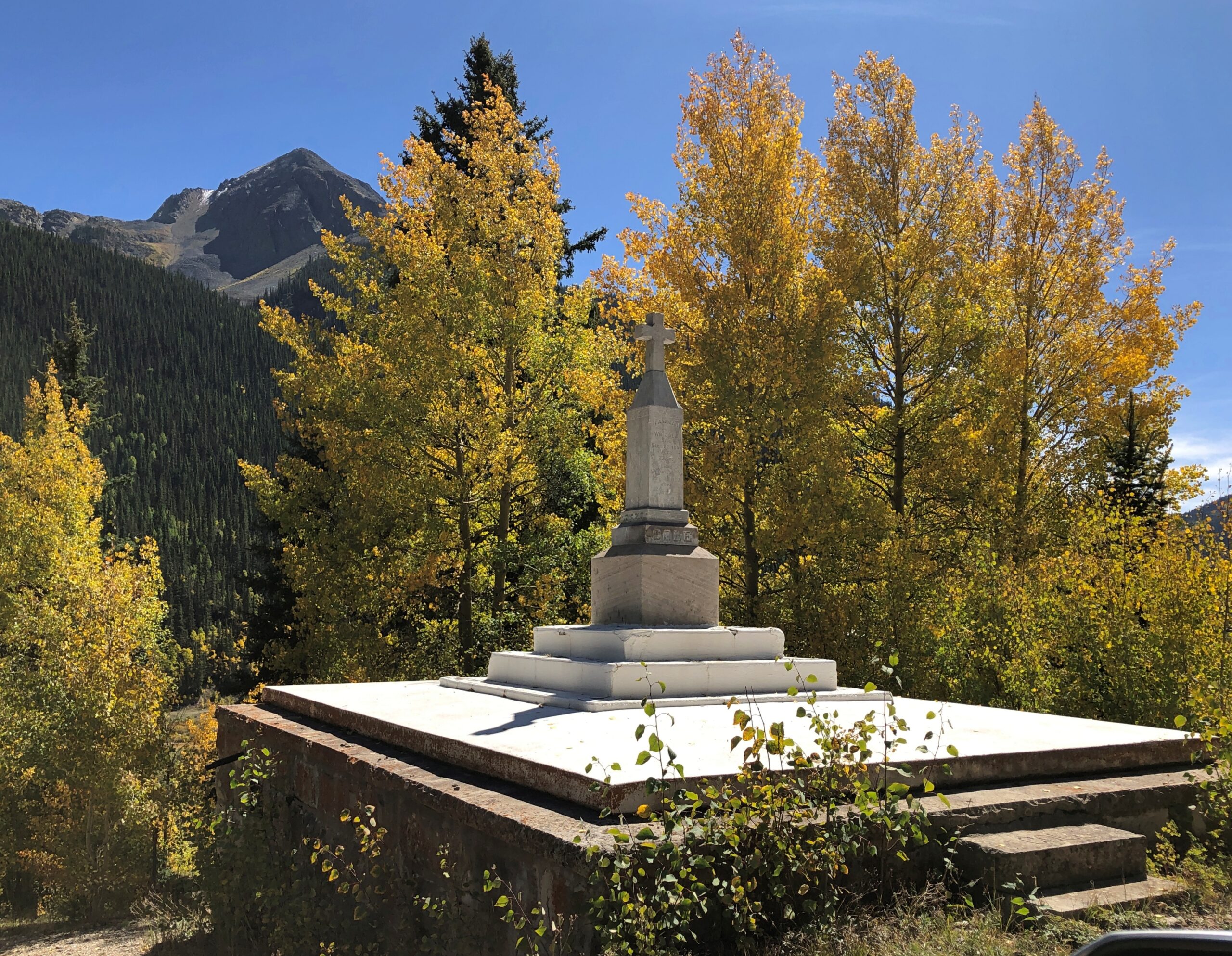
Some sizable memorials.

Hillside Cemetery of Silverton

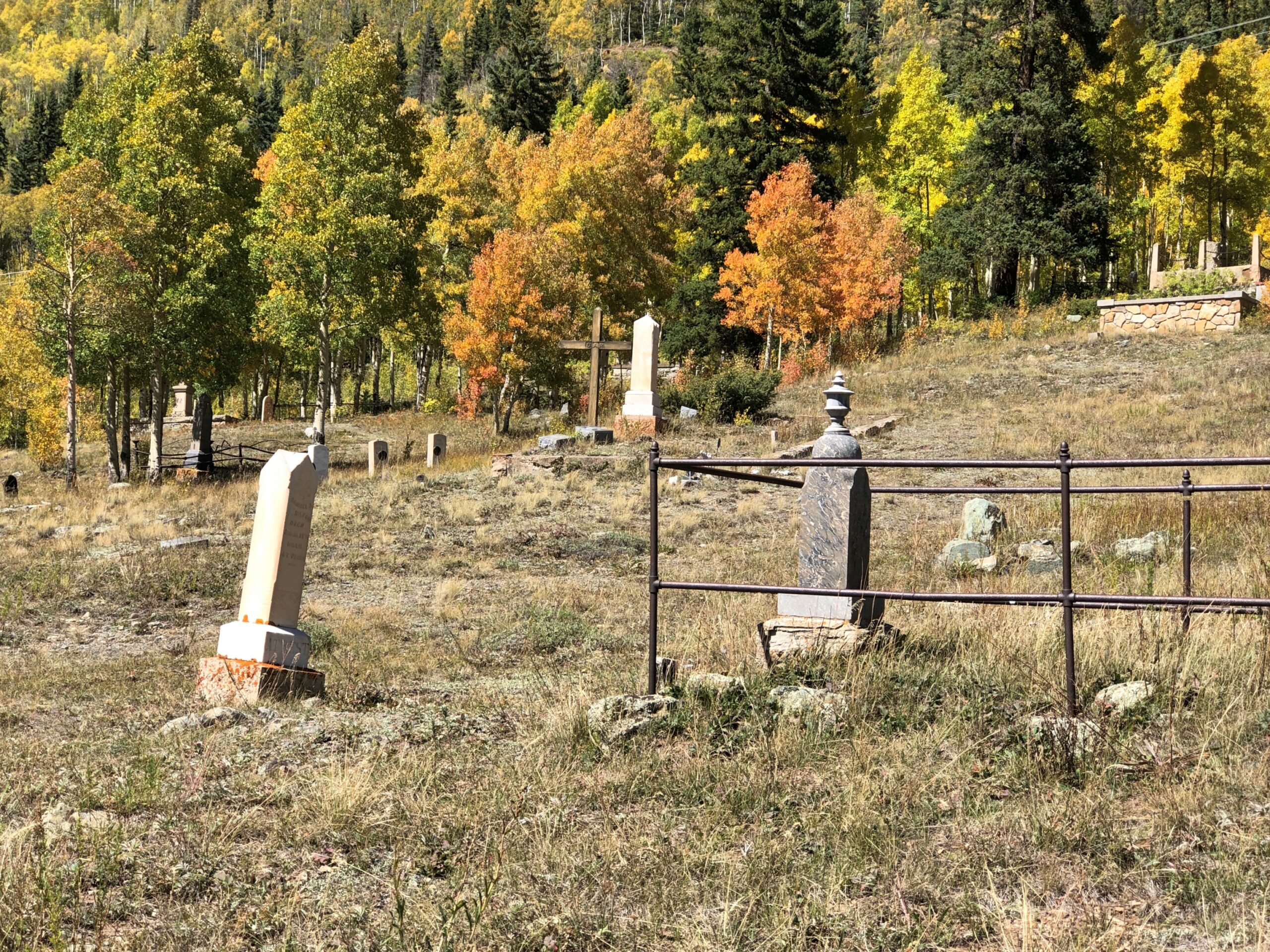
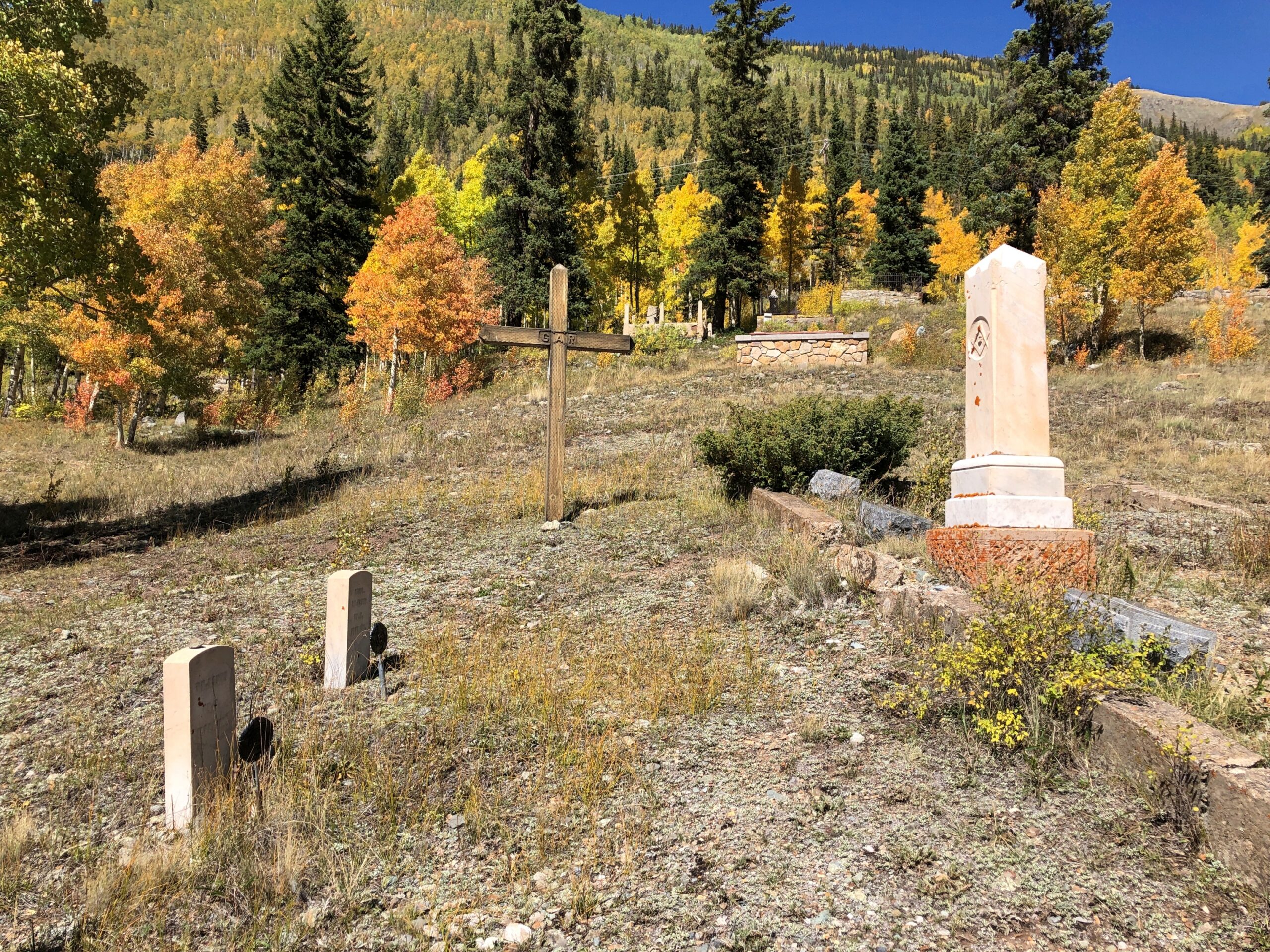
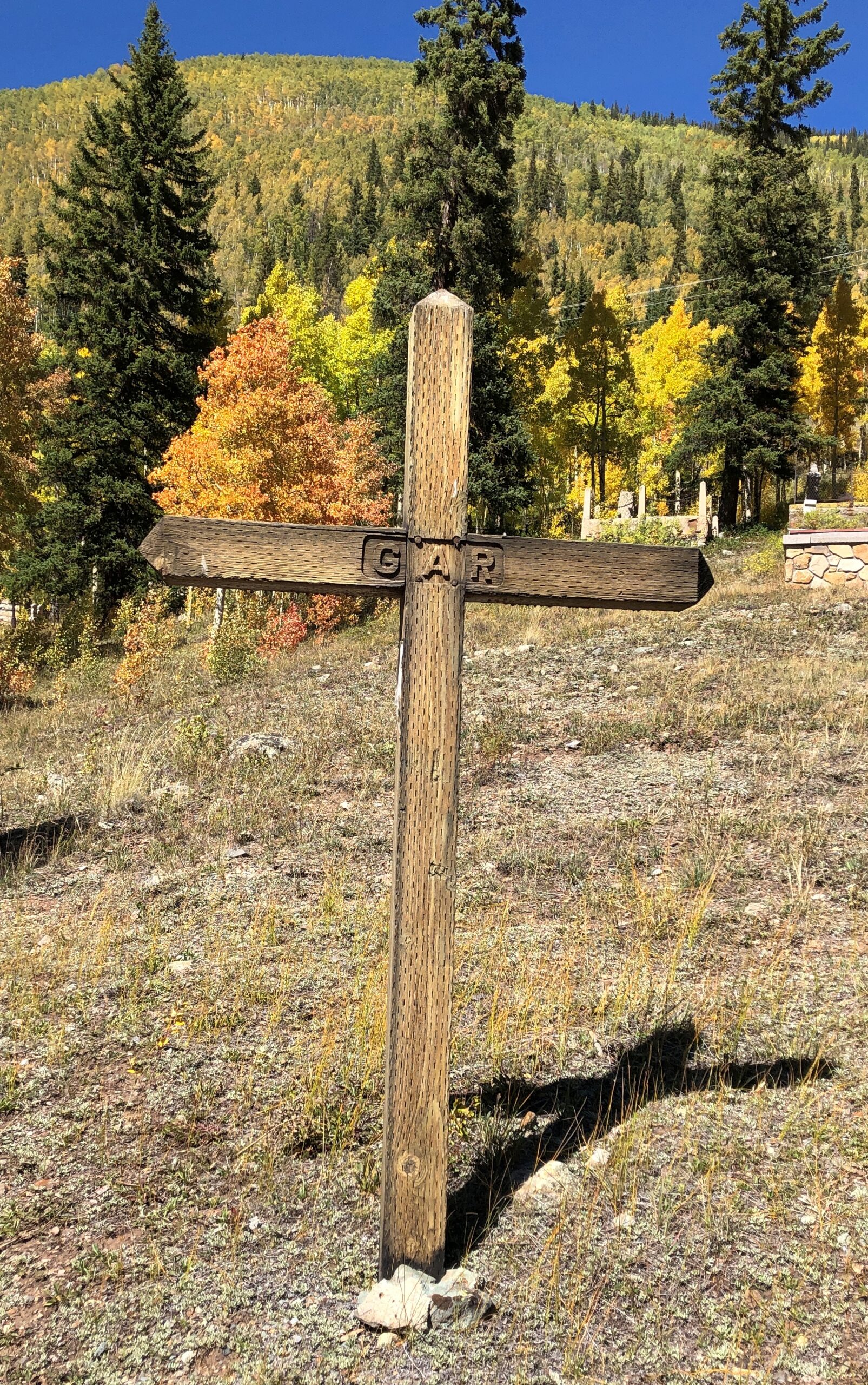
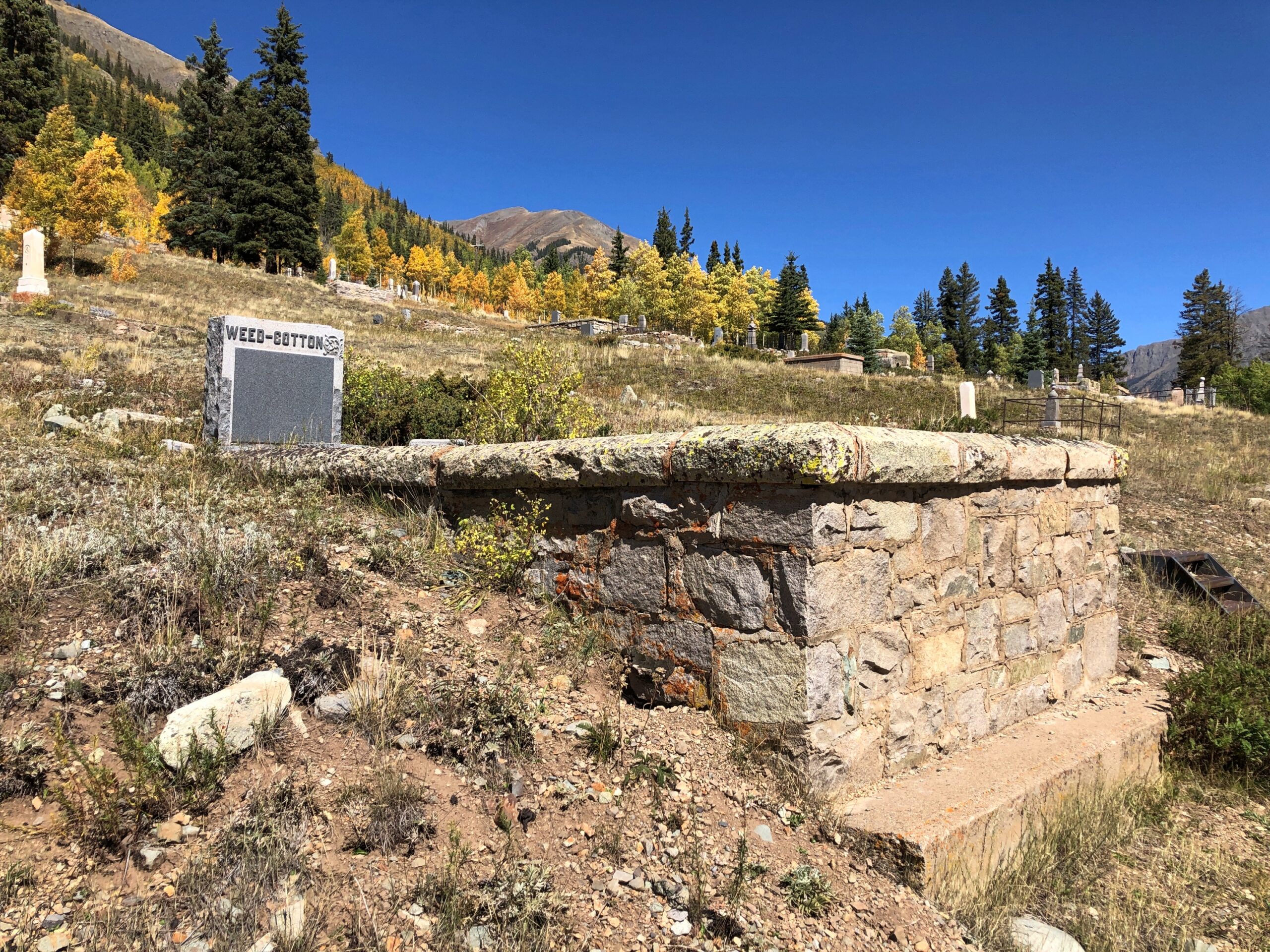
More modest ones.

Hillside Cemetery of Silverton

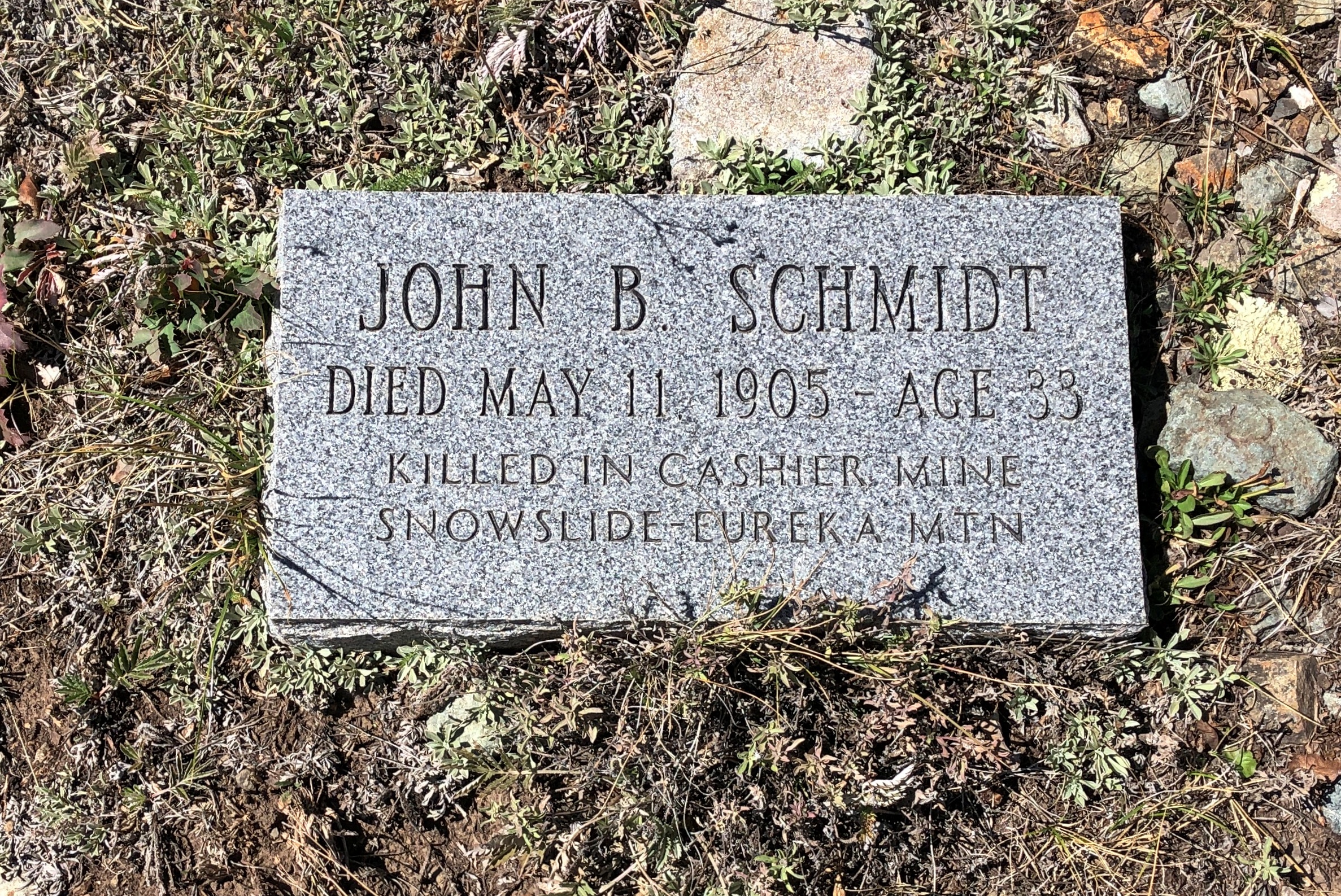
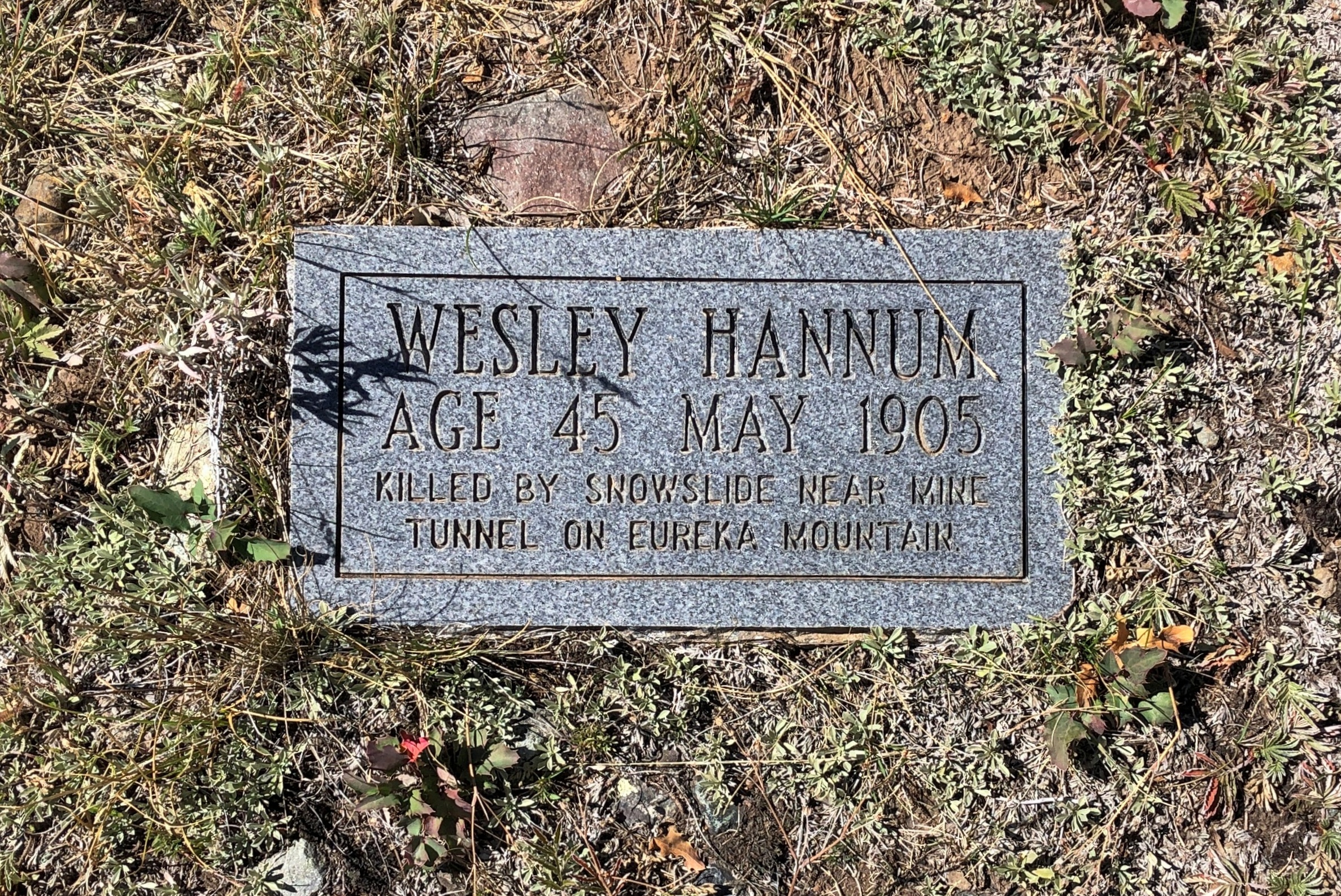
Echoes of lost men from another time. Beyond the outstanding beauty of a hillside cemetery in the flush of autumn, reason enough to visit the cemetery.

Durango, Colorado

“Good morning.”

“Good morning,” Walter said in response to me, but in a hushed tone that somehow made his Austrian accent more distinct. “Do you want to see some bears?”

Yes. I followed him out to the large deck off the large common room of the Country Sunshine B&B. Outside we met with cool air, bright morning sun, and the strong smell of pine. The deck was a floor above the grassy ground, which sloped downward away from the bed and breakfast, shaded by a small copse of enormous pines.

We’d just spent the night at Country Sunshine B&B, the first of three for our visit to Durango, Colorado, a place I’d wanted to visit since the moment, years ago, when I heard Garrison Keillor describe the place in the engaging way that he had. I’d come out of our room – one of the three or four bedrooms off the common room – ahead of Yuriko, to examine the breakfast spread at the main table when Walter asked me about bears.

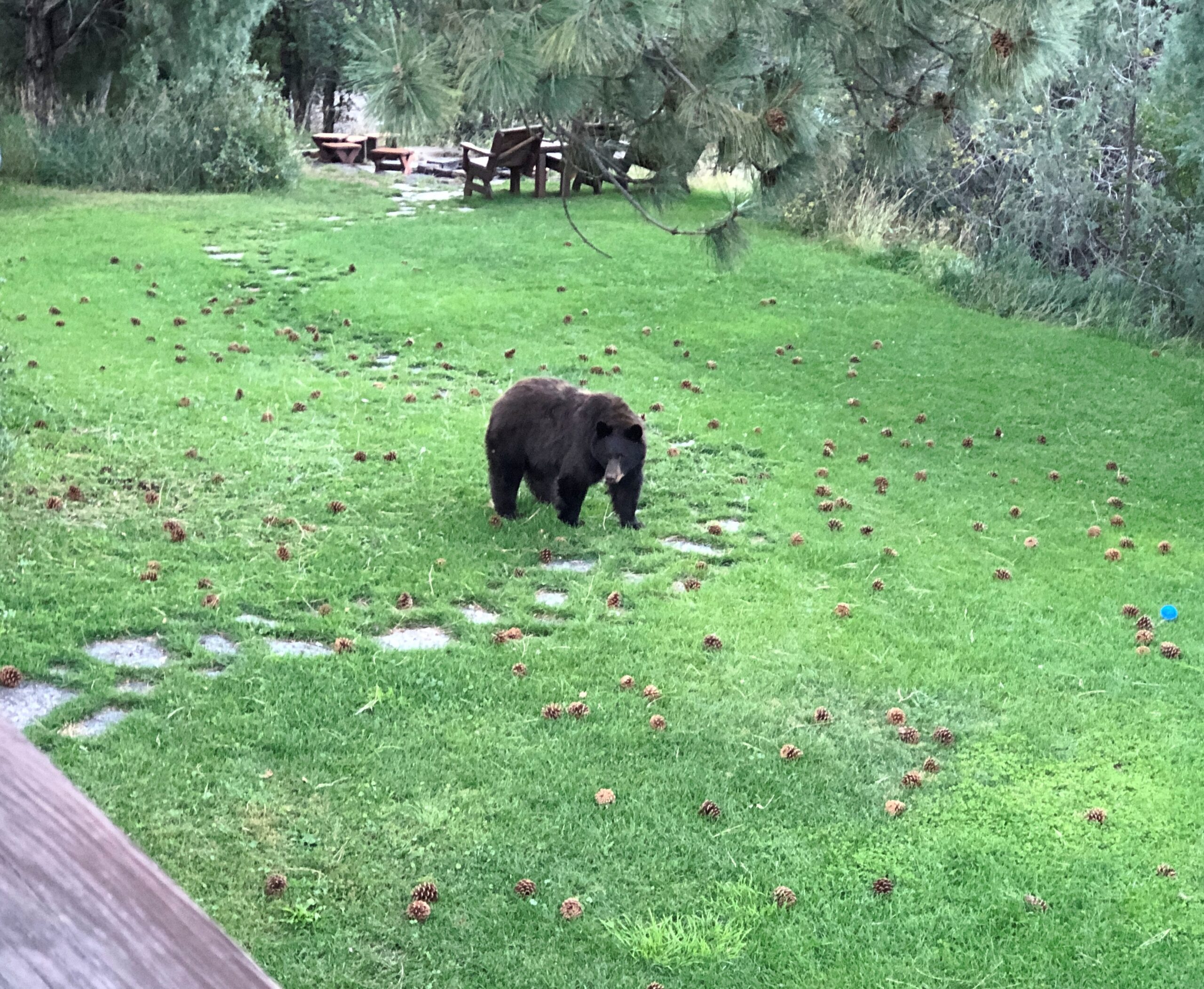
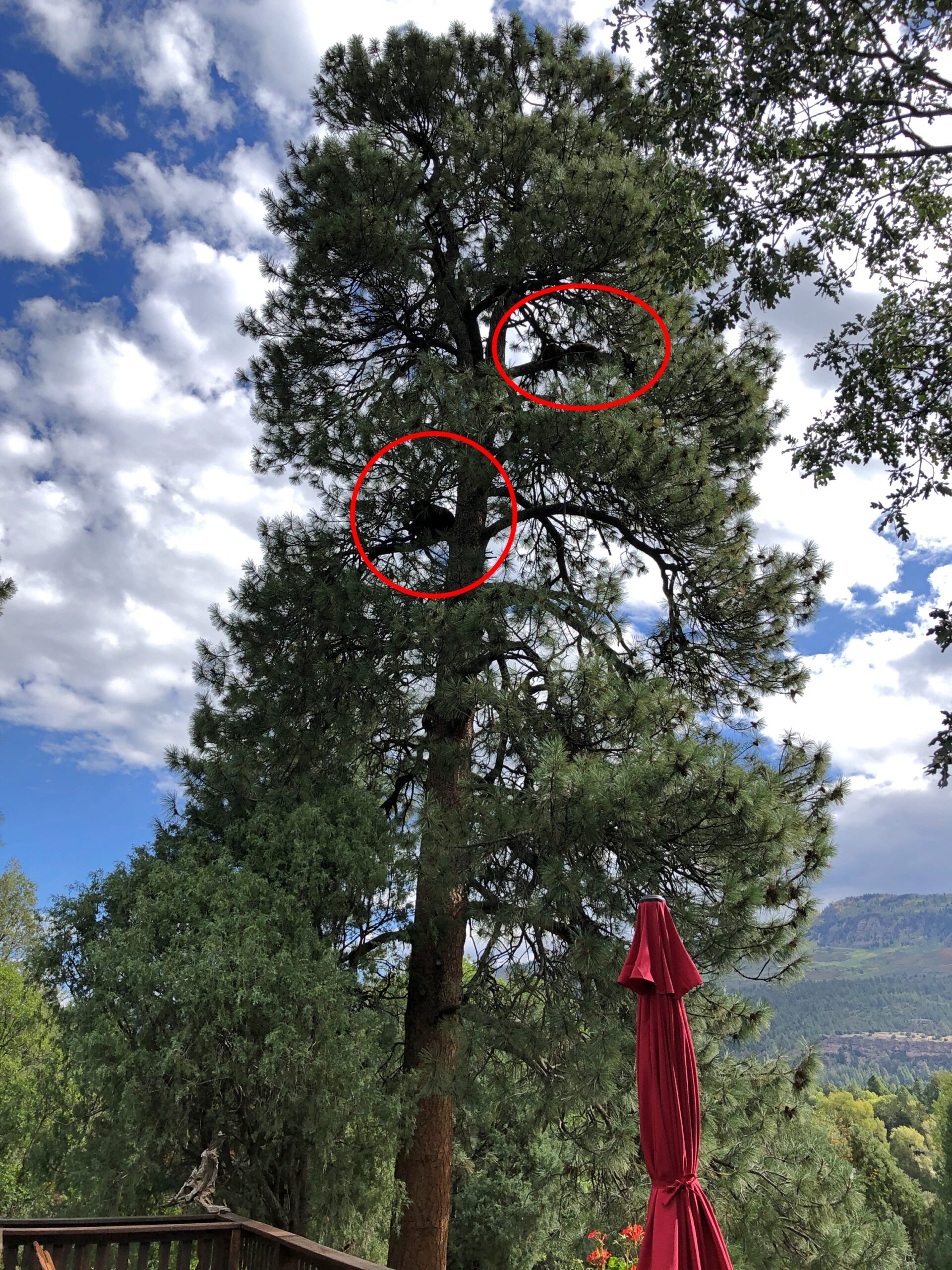
Under one of the tall pines, and among the many pine cones dotting the ground, was something dark and much larger: a bear.

Durango, Colorado

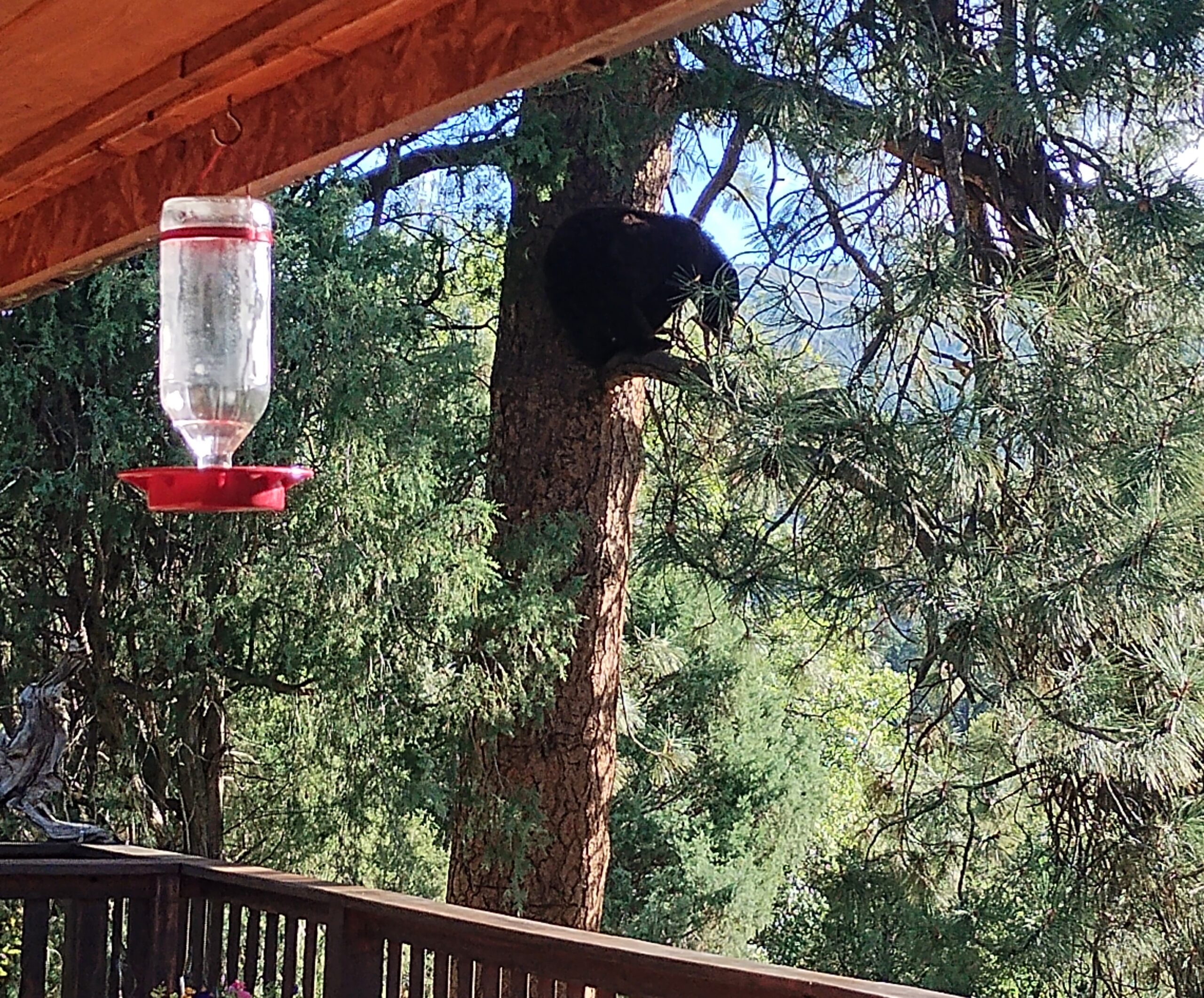
“He isn’t the only one,” Walter said, pointed upward. Another sizable bear was perched part way up the largest pine. I didn’t say anything, or maybe I did. Something along the lines of, How about that. When I spend time on my deck, squirrels are about as large as the animals get, except occasional rabbits and raccoons.
Durango, Colorado

“Look way up,” Walter said.
Two more bears – smaller bears, though I wouldn’t want to be face-to-face even with them – clung to the branches toward the top of the tree. They were hard to see, and my photos barely show them, but they were there, not moving a bit.
Durango, Colorado

Soon Yuriko, and some other guests, had come to the deck to see the bears and take pictures. Every few minutes while we watched, the largest of the bears, the one on the ground, would start shimmying up the tree. The bear in the tree snarled at his approach, and, after pausing for a few moments, the first bear returned to the ground.

We were about 10 miles north of Durango, where the human settlement is fairly thin, and bears known to prowl the mountains on either side of the single road, US 550.

In the two decades of so that Walter and his wife Jodi have owned the B&B, he said bears had been sighted. Of course they had. Get careless with closing an outdoor garbage receptacle and bears will make an appearance in the neighborhood. During dry spells, they come for the creek waters near the property, and Walter pointed out that this summer had been fairly dry in the region.

But this was a first, Walter said: probably a male bear out to do harm to some cubs, a female bear standing in his way — a bear drama playing out in the tree near the B&B.

Late that afternoon, we returned to the B&B. Papa Bear, as everyone was calling him now, still lingered under the tree. Mama Bear still watched him from the lower branches, and the cubs still clung to the upper branches. Papa Bear had mostly quit trying to climb the tree, Walter said, but he was still waiting around.

The bears stayed in place through that evening, but when I went to the breakfast table the next morning to examine the bagels and spreads and fruit and hot drinks, the bears – I checked from the deck – they were not to be seen. After their one-day show (from a human point of view), they’d taken their drama somewhere else,

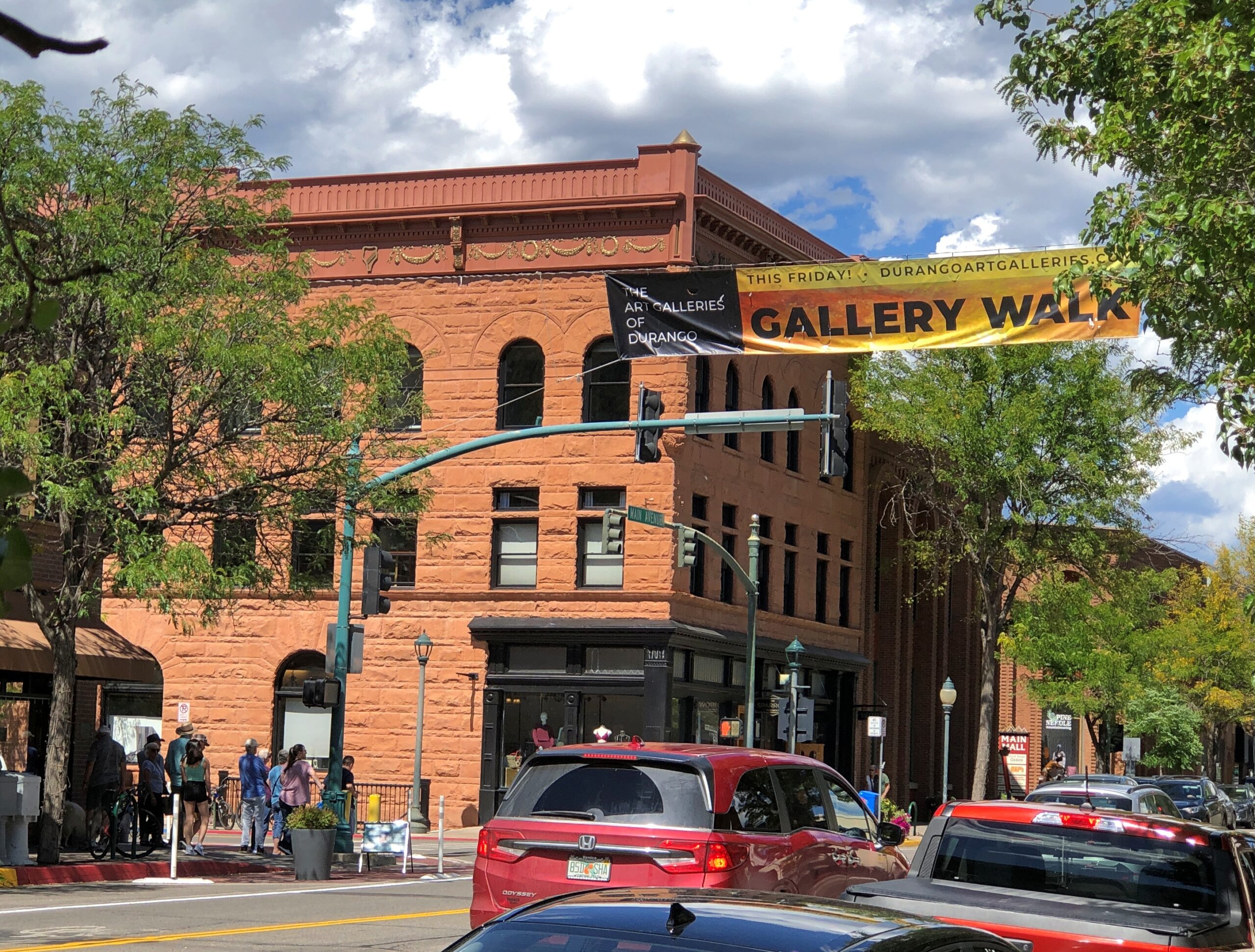
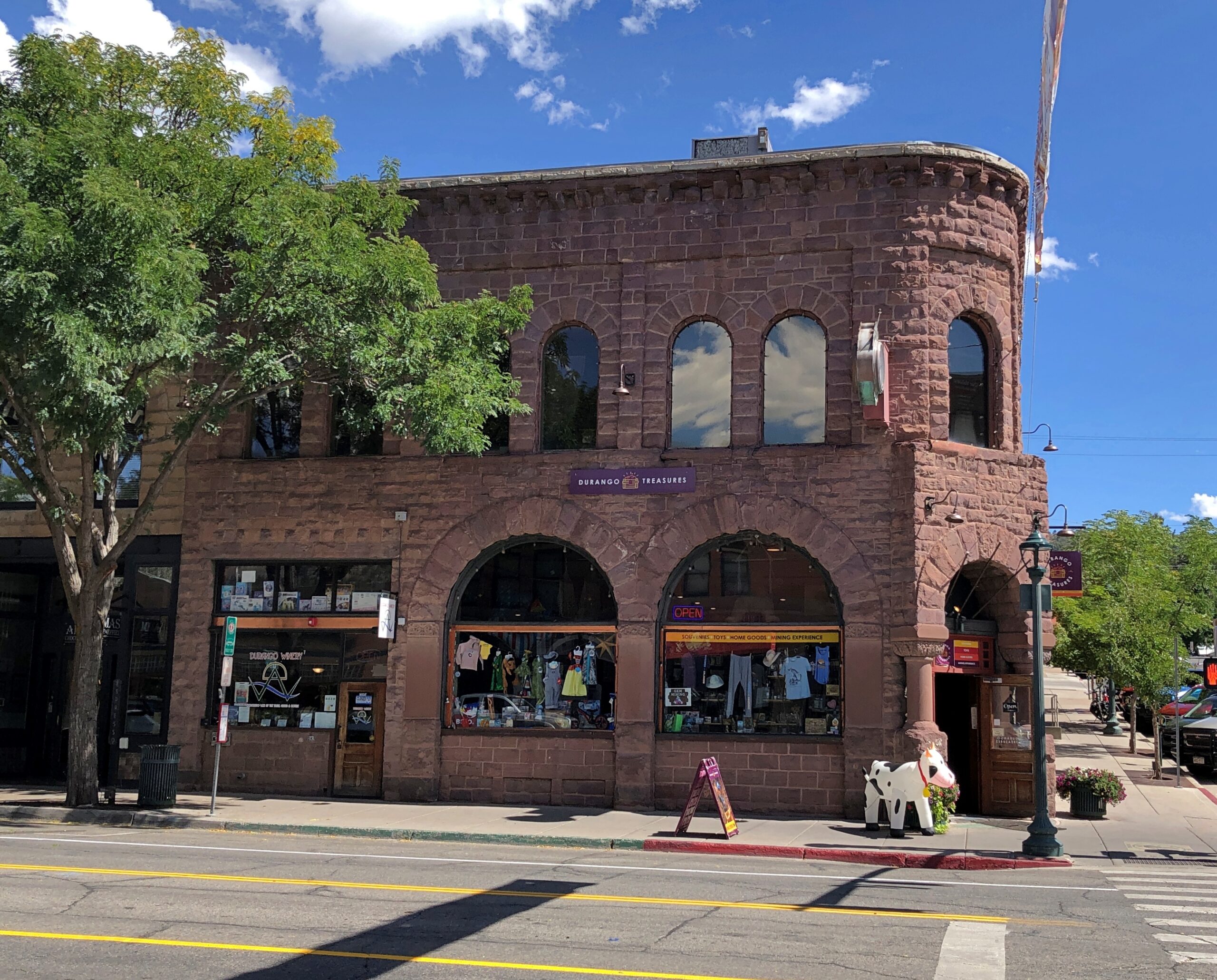
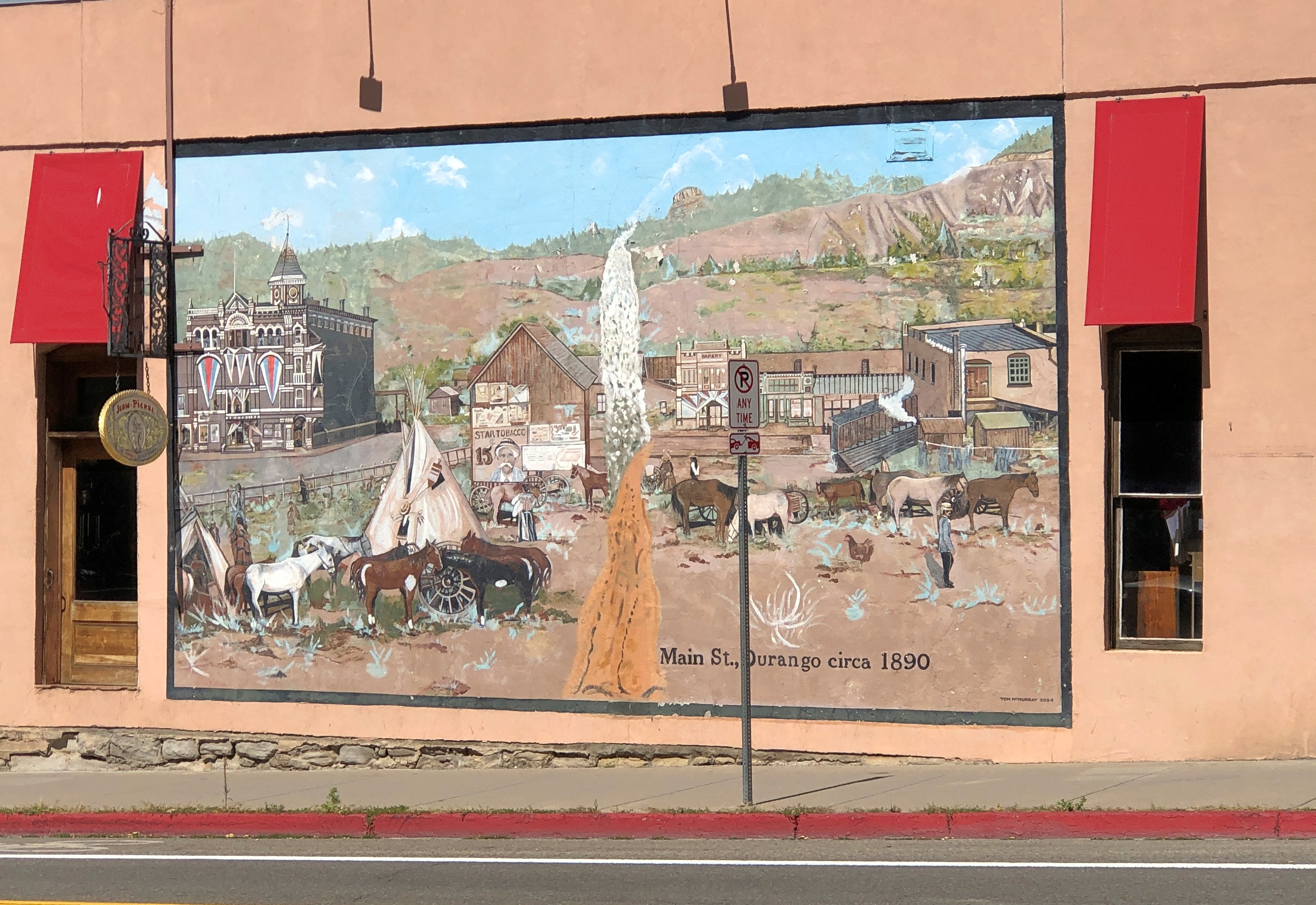
We spent that first day (September 16) wandering around town and nearby. In downtown Durango, small buildings that have endured for more than a century line Main Street.

Durango, Colorado
Durango, Colorado
We spent that first day (September 16) wandering around town.

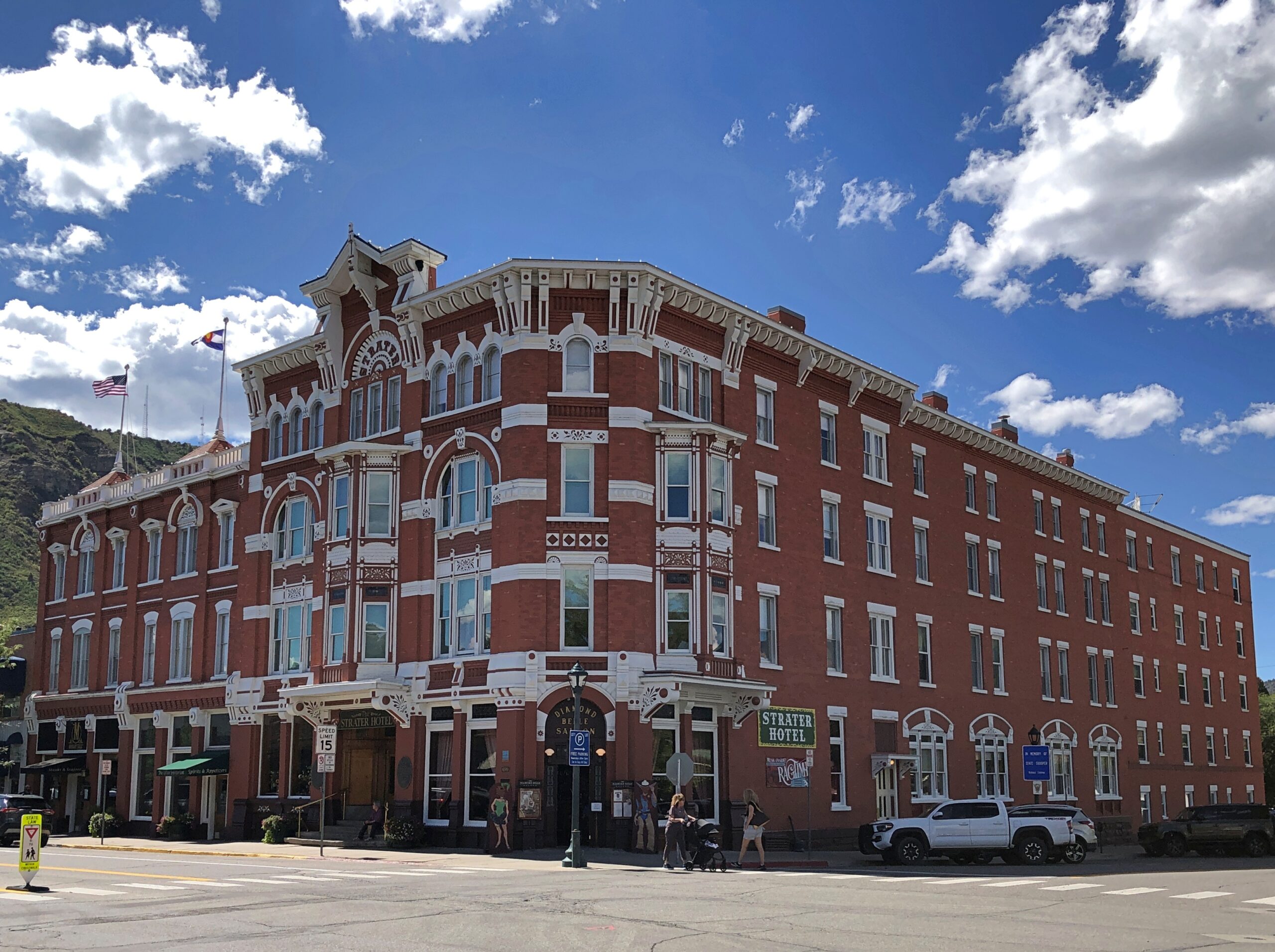
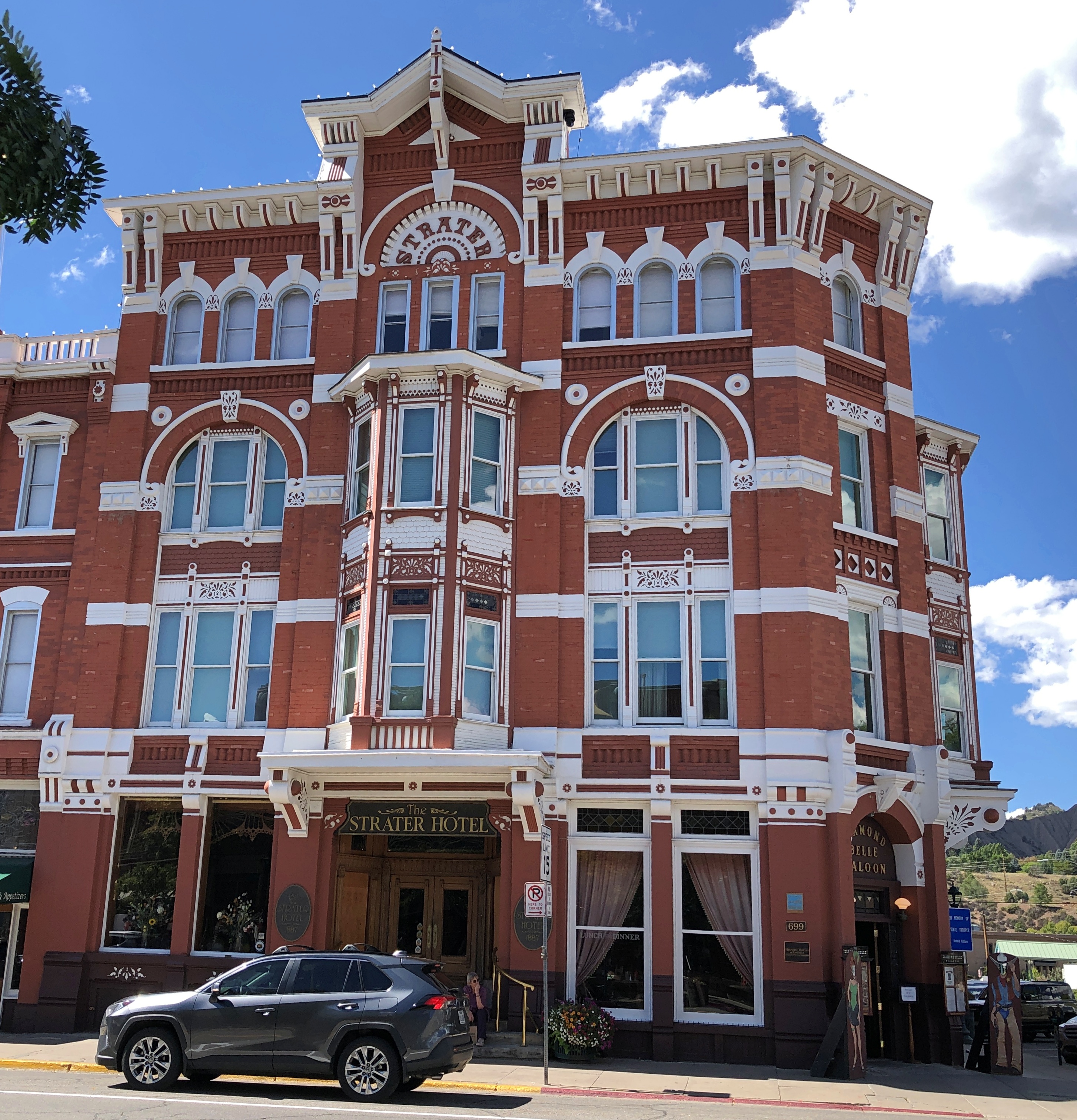
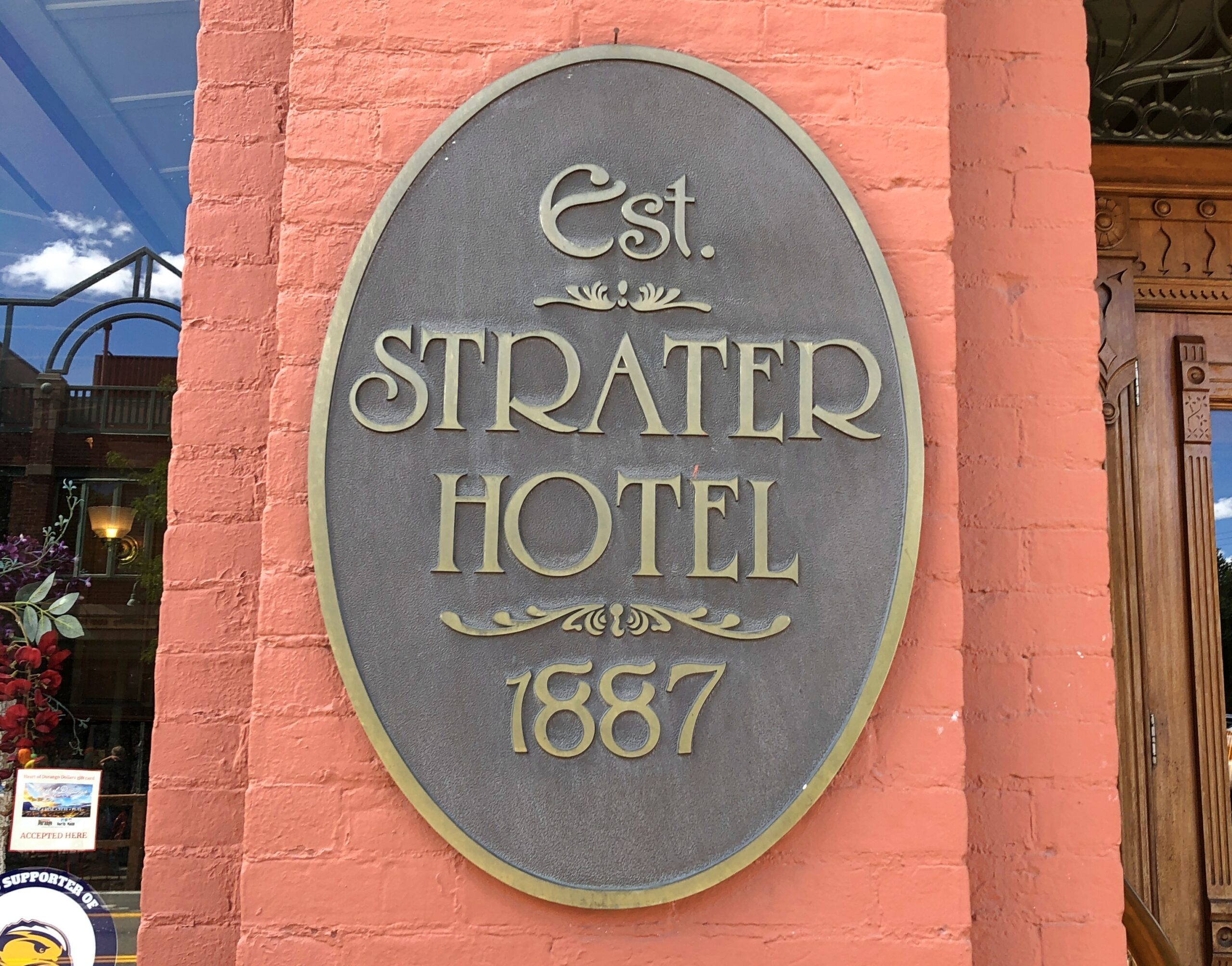
Or not so small. Such as the magnificent Strater Hotel, built in 1887.

Strater Hotel, Durango

The sort of place where presidents stay, or used to. Did any? The hotel web site doesn’t say. I’d ask ChatGPT, but it would probably tell me that FDR stayed there during his Grand Western States Whistle Stop Tour in 1939, a wholly fictional event. Wiki says Gerald Ford stayed there. Louis L’Amour did too, and now has a room named after him.

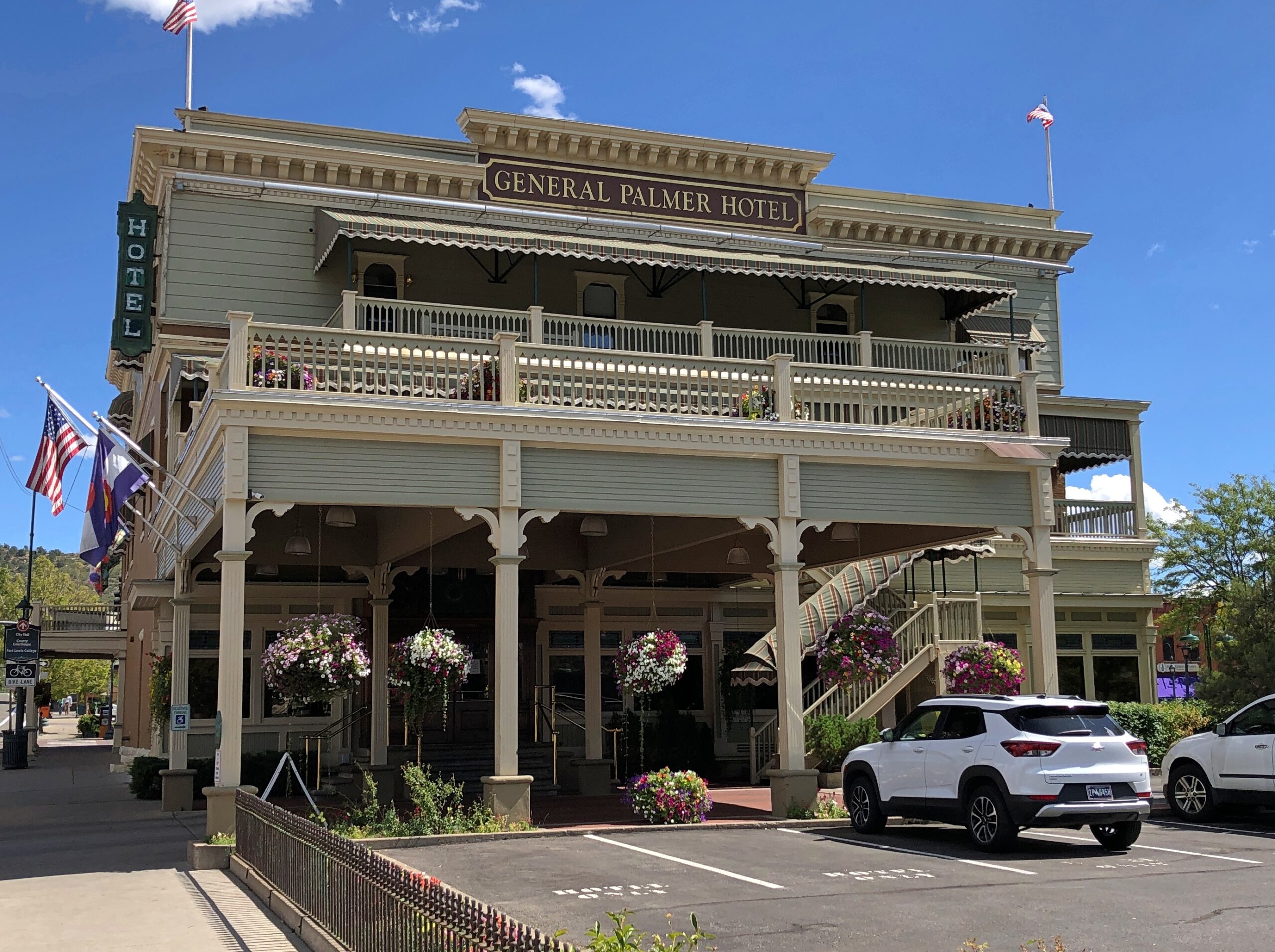
A competitor. Named for this fellow, Union (brevet) brigadier general and railroad man, who co-founded the Denver and Rio Grande RR.

General Palmer Hotel

Downtown Durango is well supplied with retail.

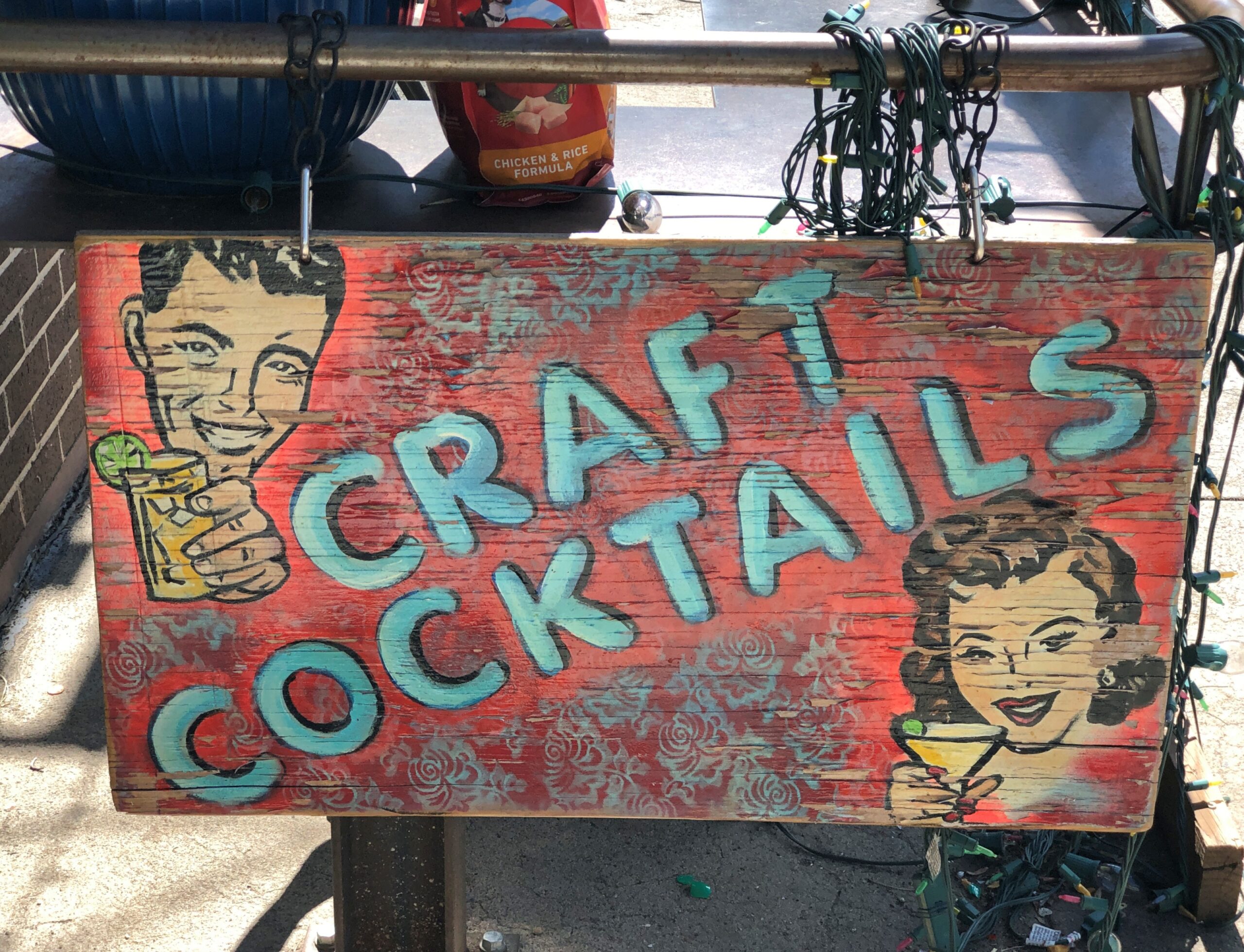
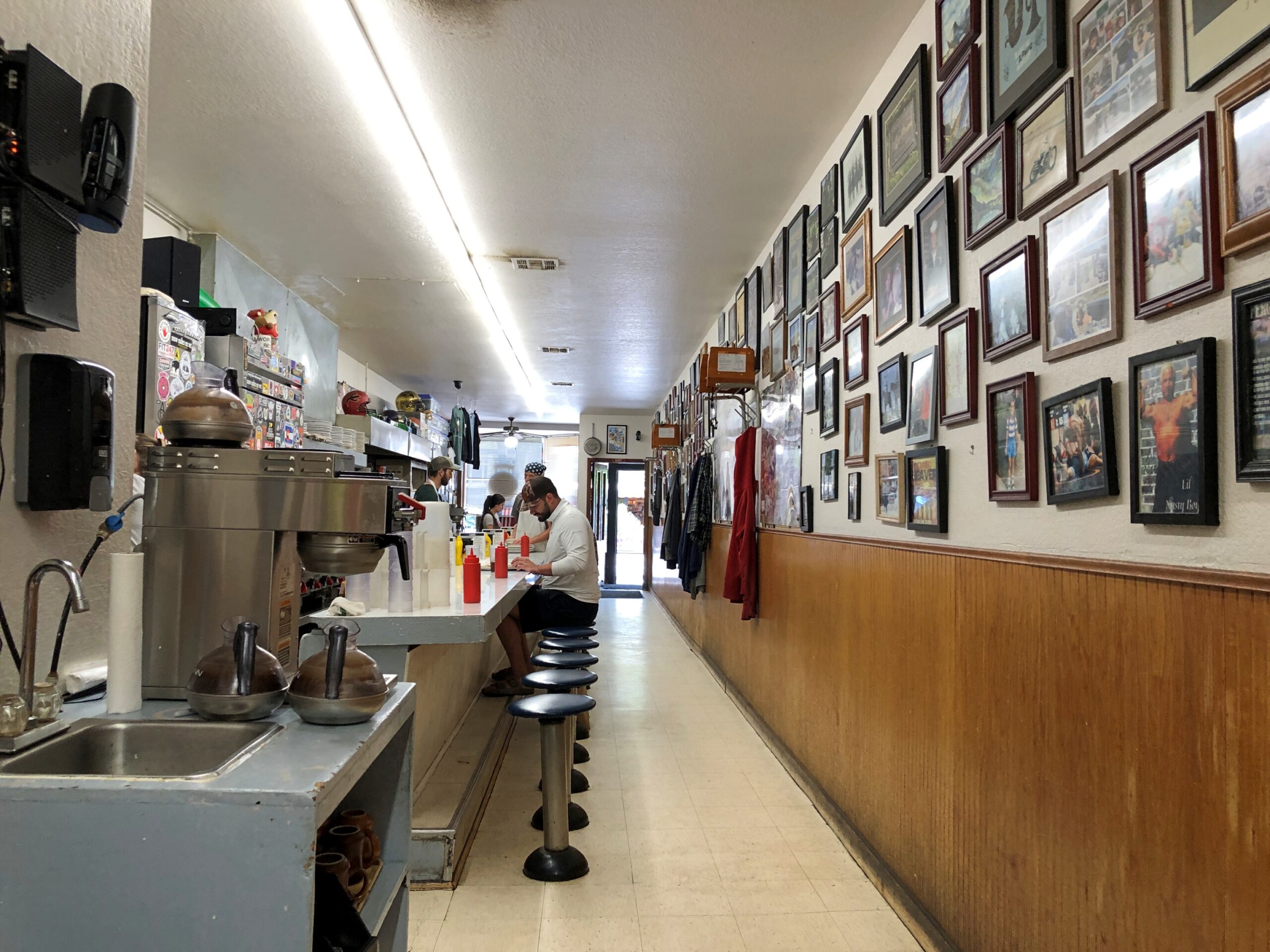
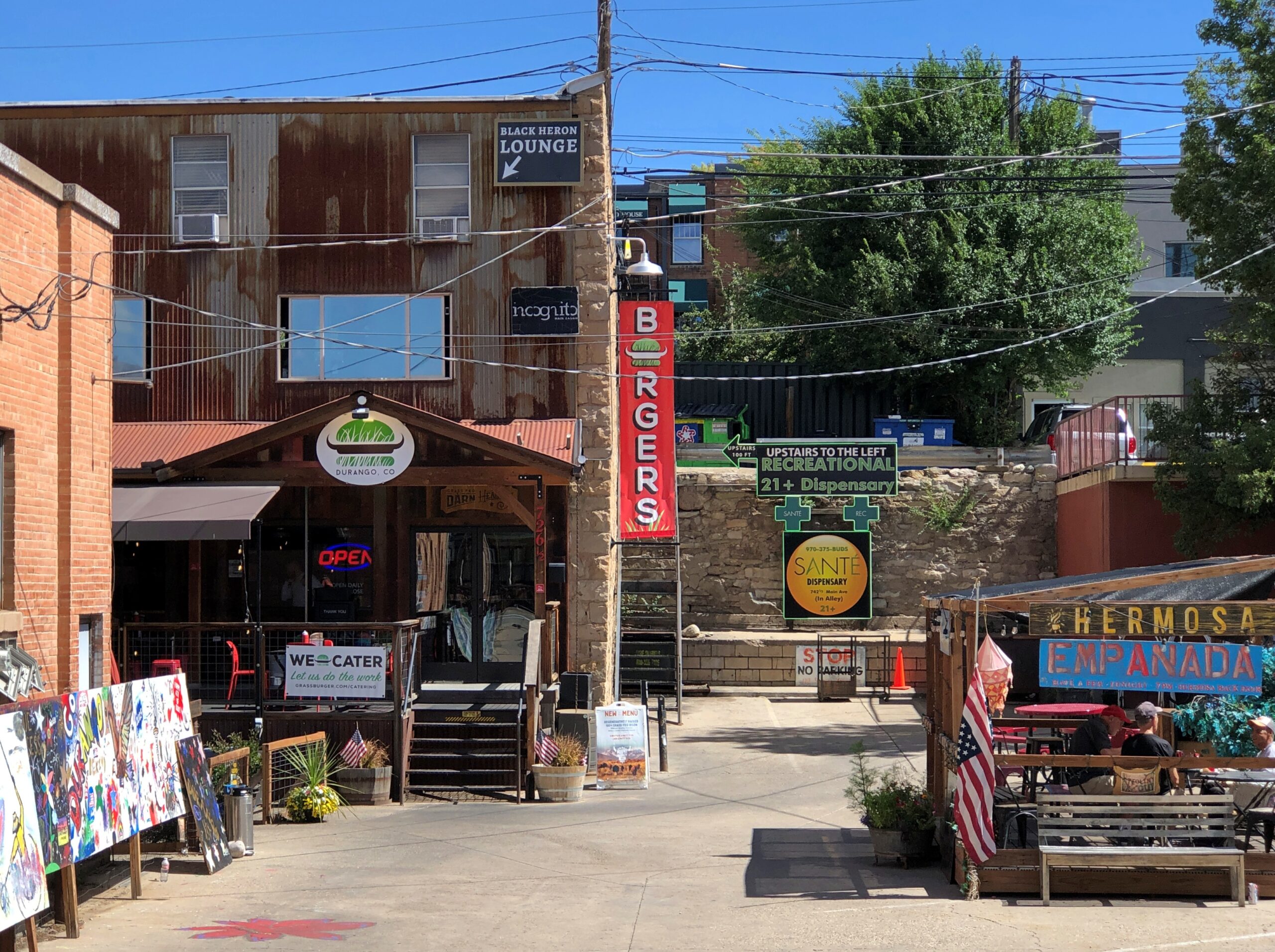
Lunch options, besides burgers and empanadas or a liquid lunch, included the likes of the Diamond Belle Saloon, Seasons of Durango, Chimayo Stone Fired Kitchen, Steamworks Brewing Company, and Eolus Bar & Dining. All very nice, I’m sure, but we chanced on something more to our tastes at that moment: the Durango Diner. In business for 60 years.

Durango Diner

Durango started not so much as a mining town, but a railroad node that served the mines further up the line. Silverton, for instance. One reason Durango is where it is: the Animas River. These days, the river is accessible to pedestrians in a number of places in town. One was near the Durango Library, also the location of a shady sculpture garden.

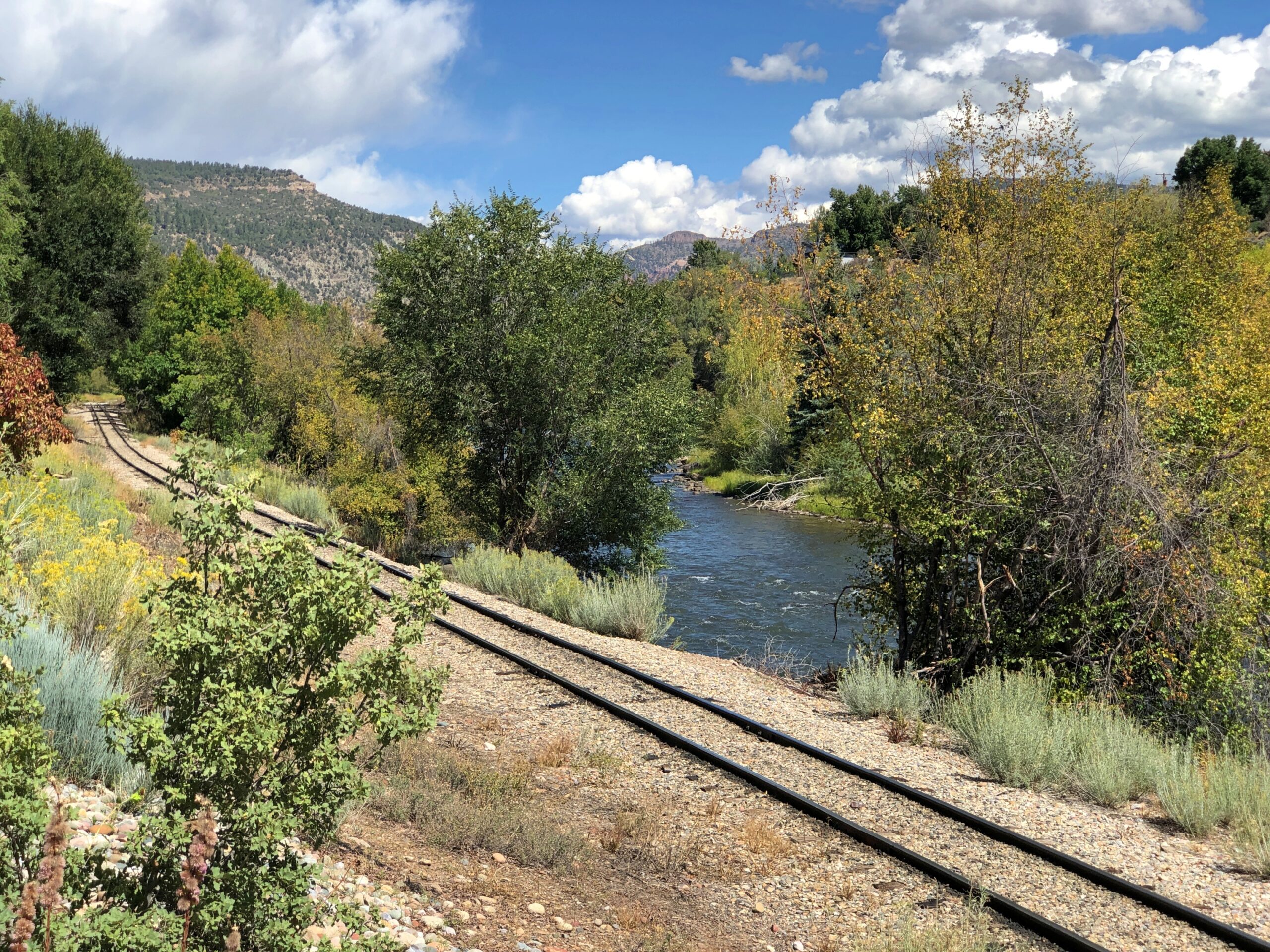
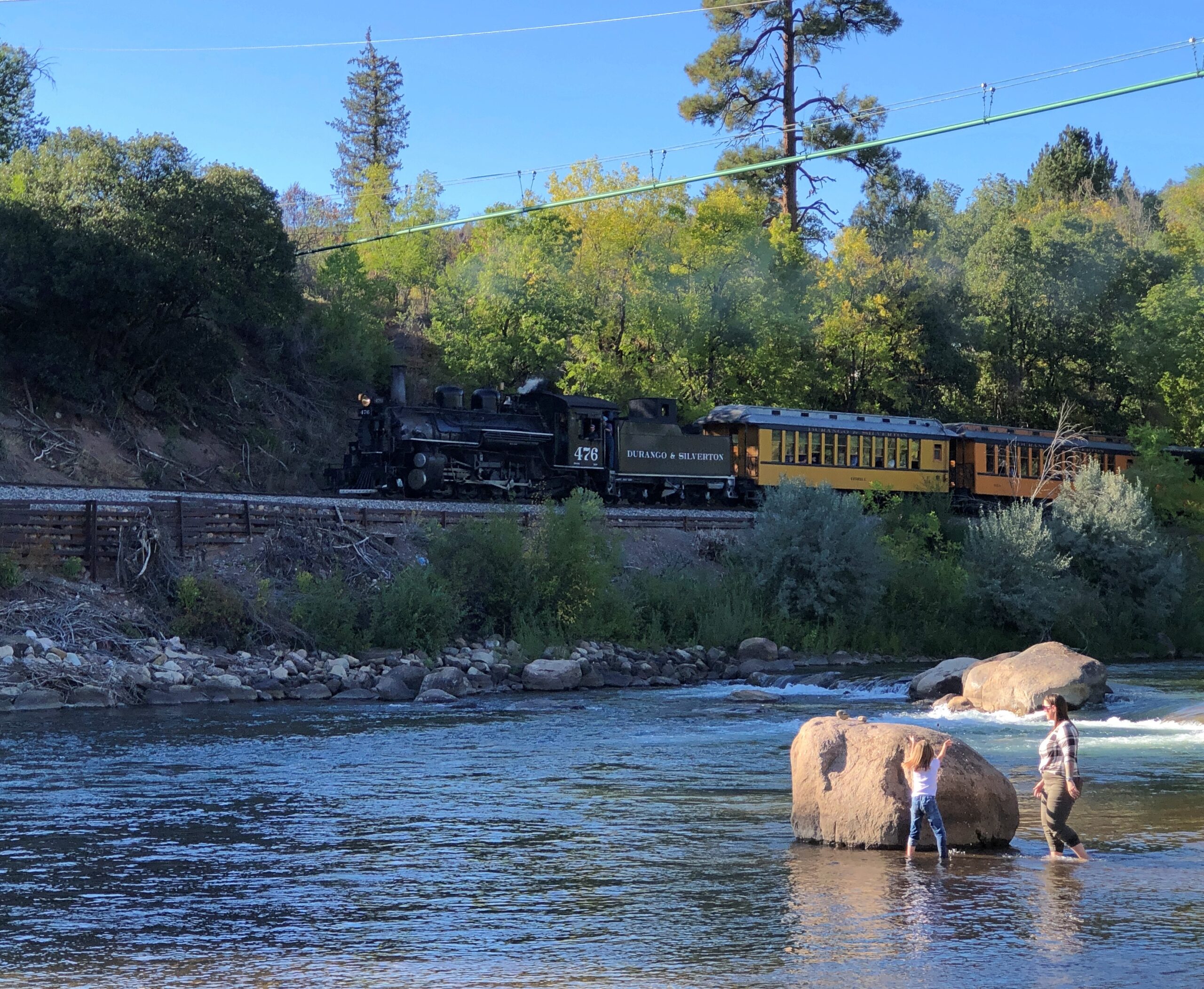
At this place, the tracks of the Durango & Silverton Narrow Gauge RR run along the river.

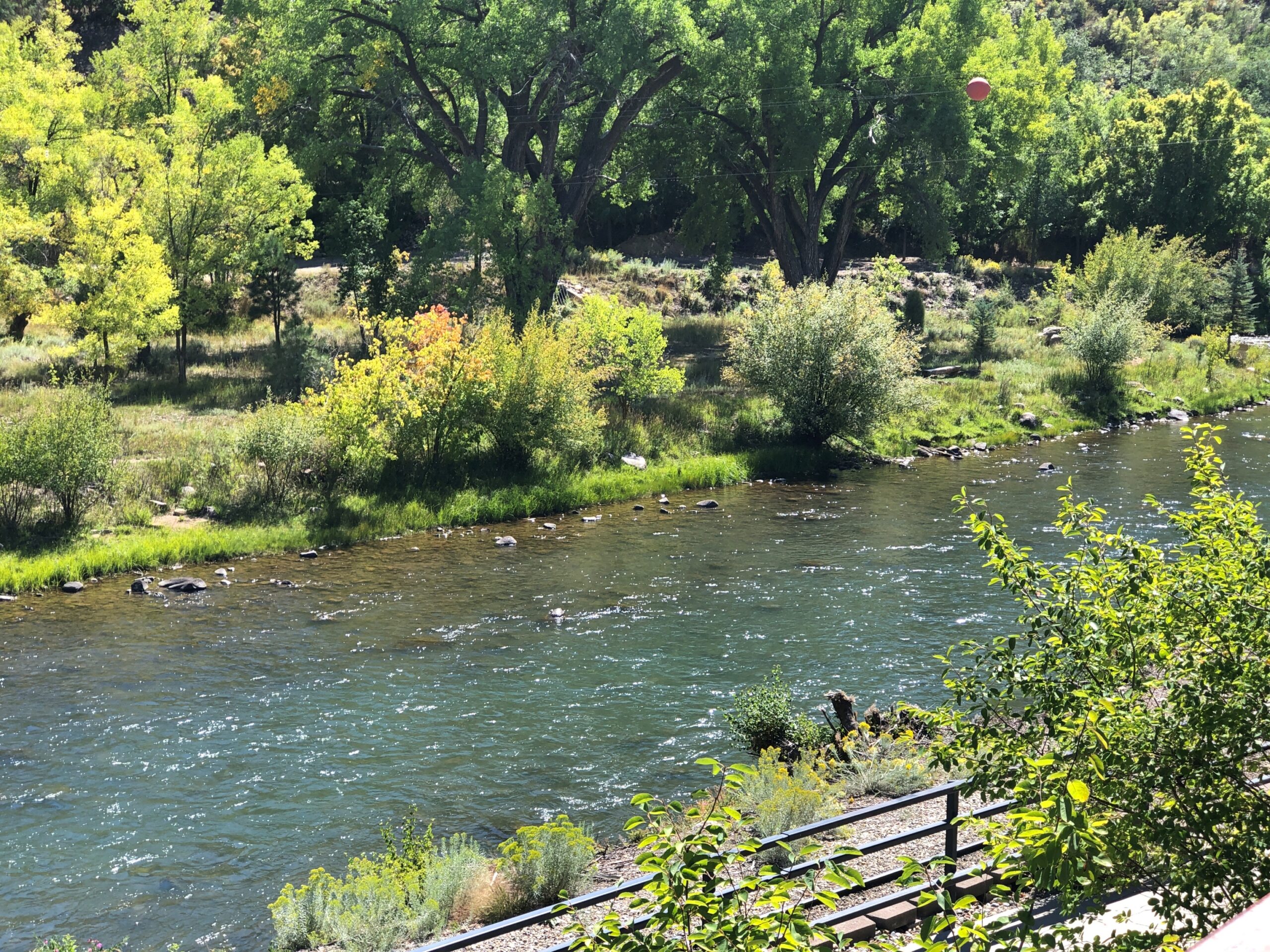
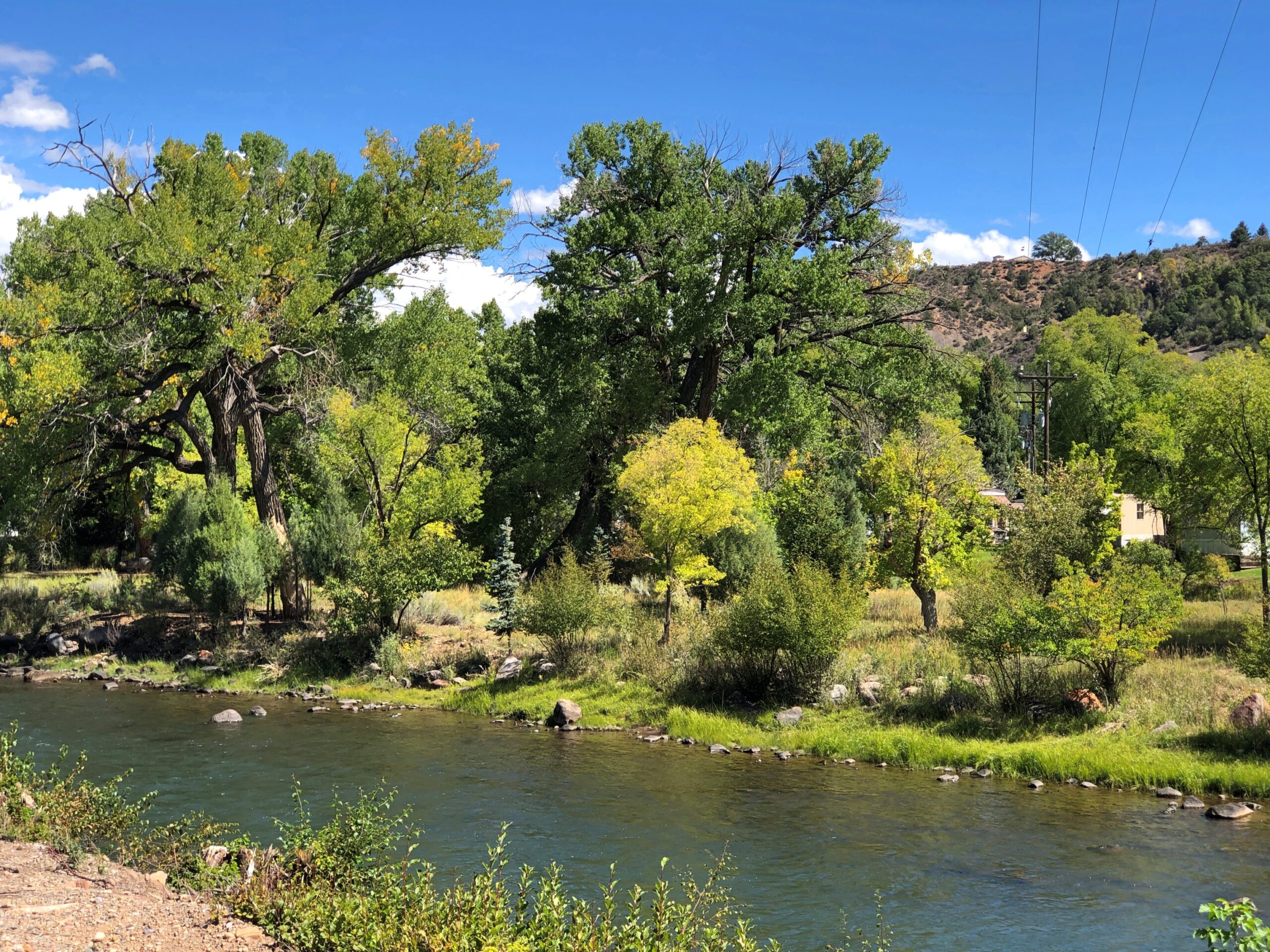
Animas River, Durango

That was also true at the 29th Street Park, though the tracks were on the other side of the river.

Animas River, Durango

We waved. A few waved back.

Crestone, Colorado

North America is vast and contains multitudes. There’s no doubt about it. How else to account for Crestone, Colorado?

Spiritual Travels tells the tale: At 7,500 feet in elevation and ringed on three sides by mountains, Crestone is both beautiful and isolated, subject to extremes of weather, wind, and temperature. It includes an amazing array of spiritual sites: more than two dozen ashrams, monasteries, temples, retreat centers, stupas, labyrinths, and other sacred landmarks. There’s even a ziggurat, a structure modeled on the temples of ancient Babylon.

Beautiful yes, but not so isolated these days: we drove in via two-lane, high-quality paved roads, Including, on the highway Colorado 17, past the UFO Watchtower, regrettably closed at that moment. I’d pay five bucks a head to take a look at that.

Crestone began as a mining town, as so many others did in Colorado. After the mines played out by the early 20th century, the area around the town was given over to ranching. That seems reasonable, considering its location in the sprawling San Luis Valley, though the town itself is hard up against the Sangre de Cristo Mountains.

Spiritual Travels continues: Maurice Strong, a Canadian businessman and United Nations diplomat, and his wife, Hanne Marstrand Strong, purchased a large tract of land in the Crestone area [in the 1970s]. It had been subdivided for use as a retirement community, but the Strongs changed their plans for it after a wandering mystic told them that the land had unique spiritual qualities (a message echoed later by Native American elders).

So the Strongs decided to give free land to religious groups that agreed to establish centers there.

A wandering mystic told them? That’s an incident that could use a little more elaboration. Visiting Mormons and Jehovah’s Witnesses and even a weirdly masked devotee of Dahn Yoga have all come to my door, but I’ve yet to have any wandering mystics show up, at least along the lines of a sadhu or a strannik or a sufi. That I know of. Maybe one of those home repair outfits who are “doing work in your neighborhood” are really mystics, offering soul remodels.

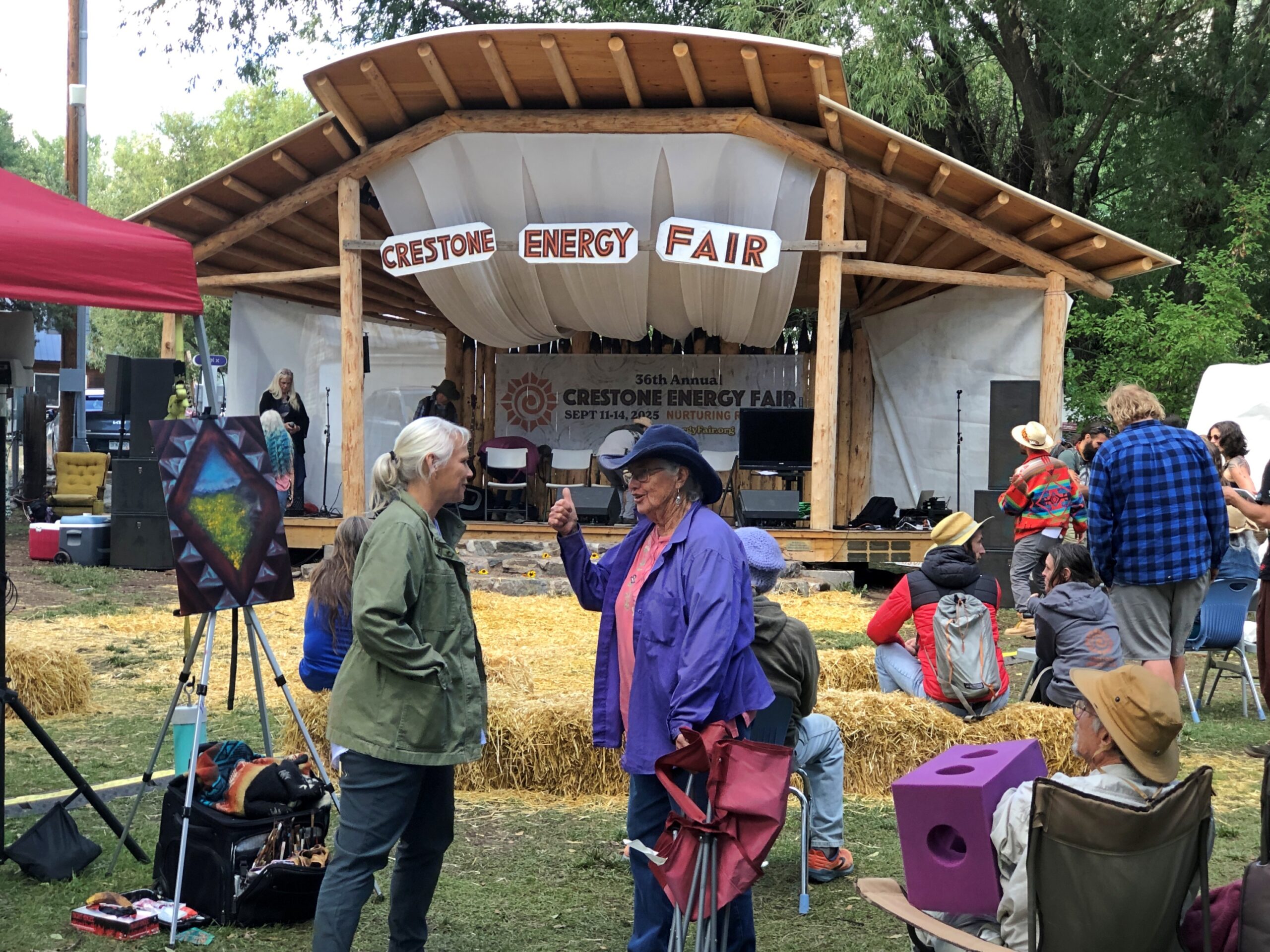
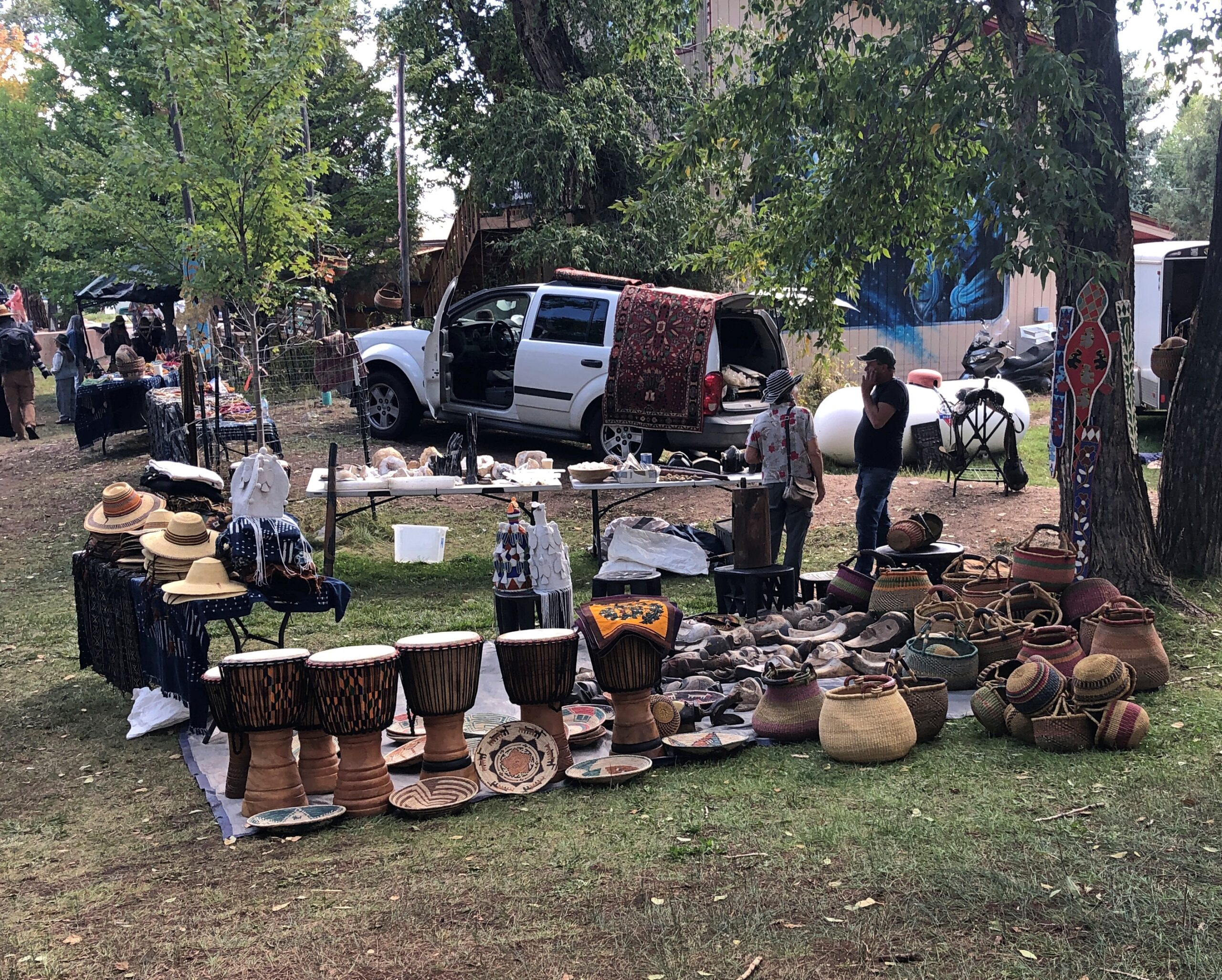
We arrived in Crestone on September 14 after our visit to Great Sand Dunes NP. Mystical insight is one thing, but we were looking for a late lunch. The town itself isn’t large, with a permanent population of 140 or so, but I’m sure it expands and contracts. Such as during events like the Crestone Energy Fair. We added ourselves temporarily to the population during the tail end of that event on that Sunday afternoon.

Crestone Colorado

We bought a few things at the town’s grocery store, Elephant Cloud Market – small and aiming at what Whole Foods might have been in its earliest days – and I asked the checkout clerk about the Energy Fair. As in renewable energy?

He looked a little puzzled for a moment. “Sure. But it’s more about psychic energy.”

So, wind turbines of the soul, geothermal from the heart. But I’d guess mindful yet small modular reactors wouldn’t be part of the discussion. I didn’t say that any of that, of course. I just said, “Oh.”

Crestone Colorado
Crestone Colorado

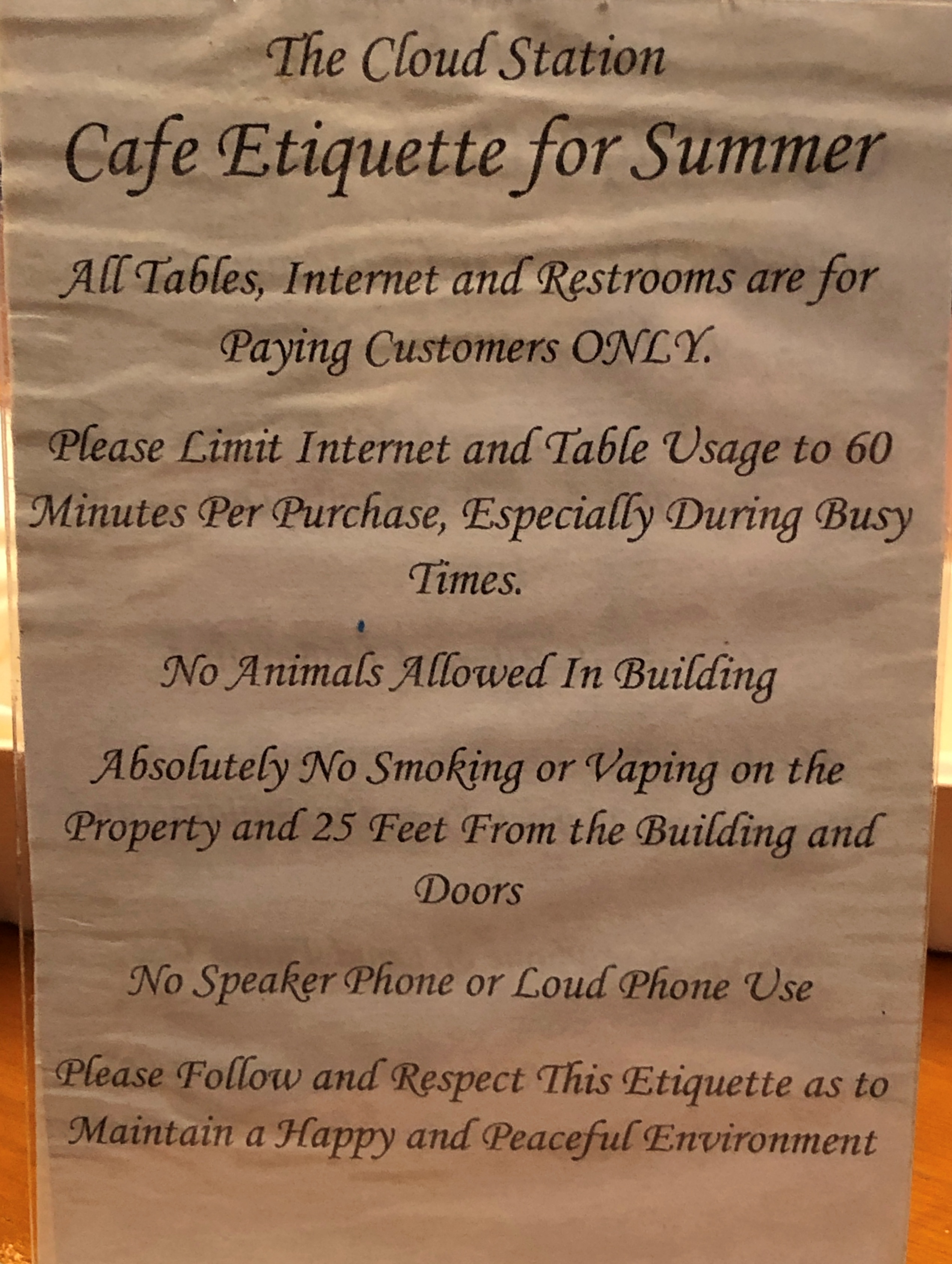
Next to the grocery store was a small eatery, the Cloud Station. We’d arrived just in time to order before closing: a couple of most delicious panini. While waiting for the order, I had time to study the rules.

Crestone Colorado

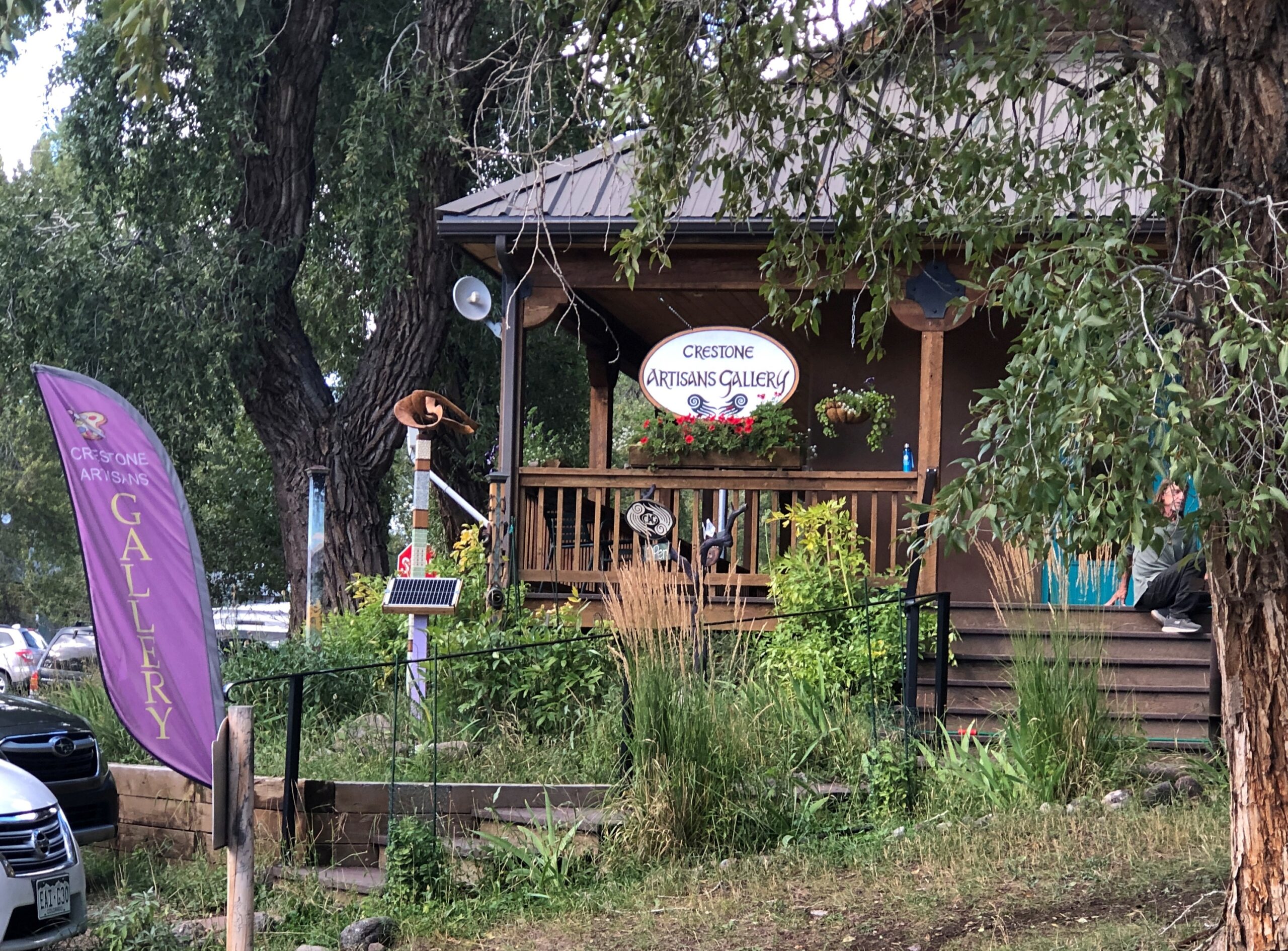
Afterward, we spent time looking around the few streets of Crestone.

Crestone Colorado
Crestone Colorado

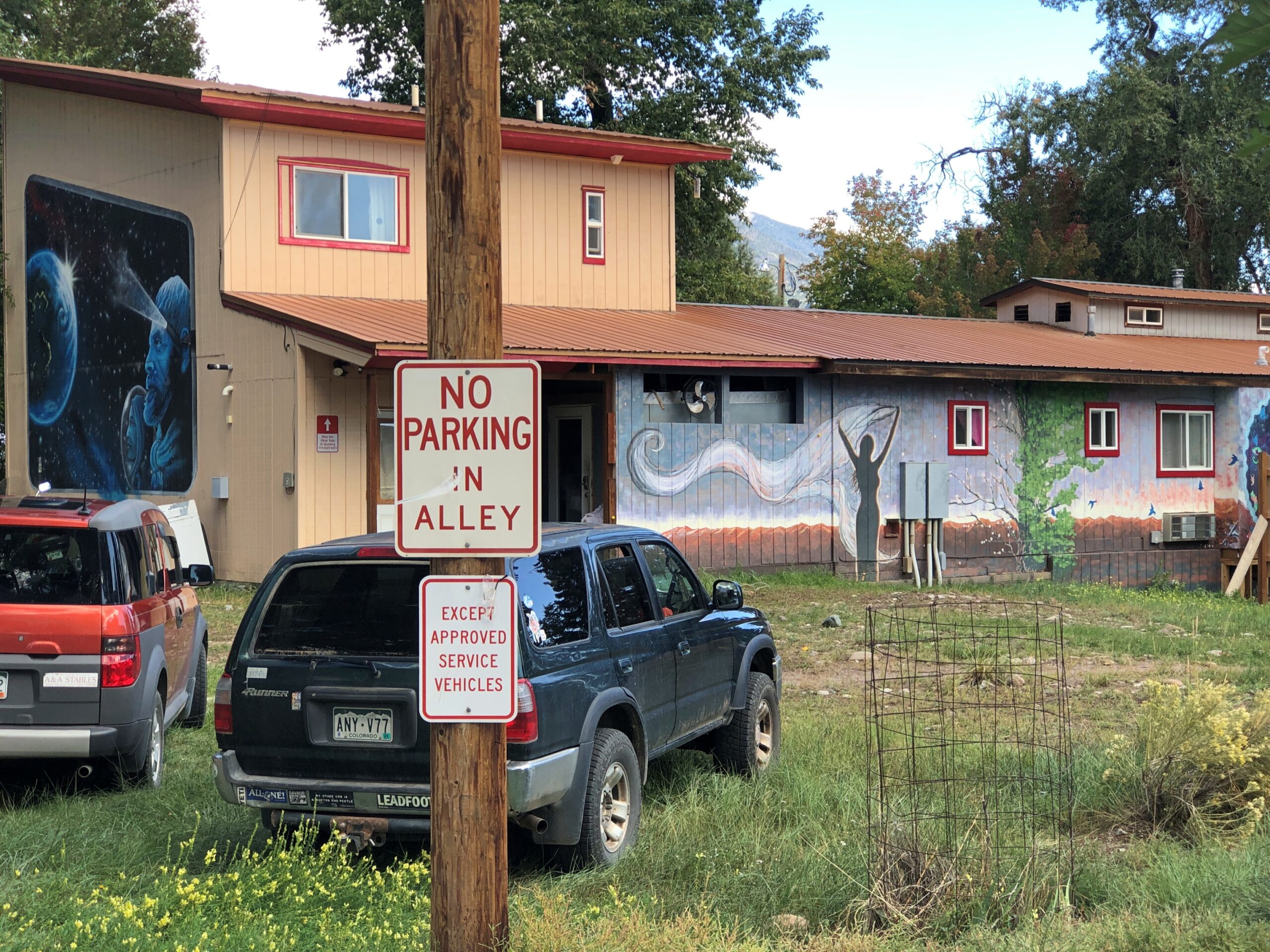
You never know what you’ll see. Enough reason to come.

Crestone Colorado

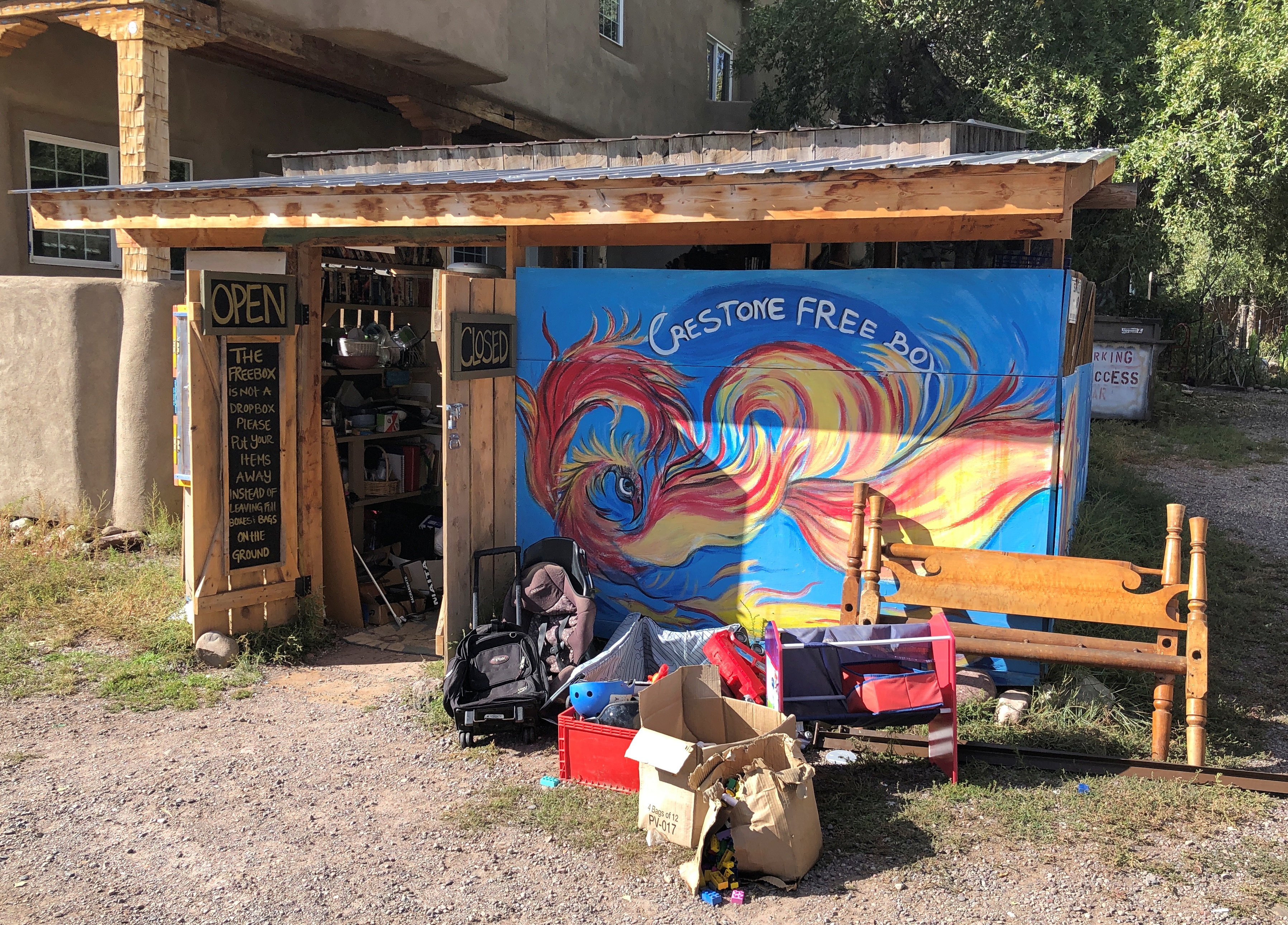
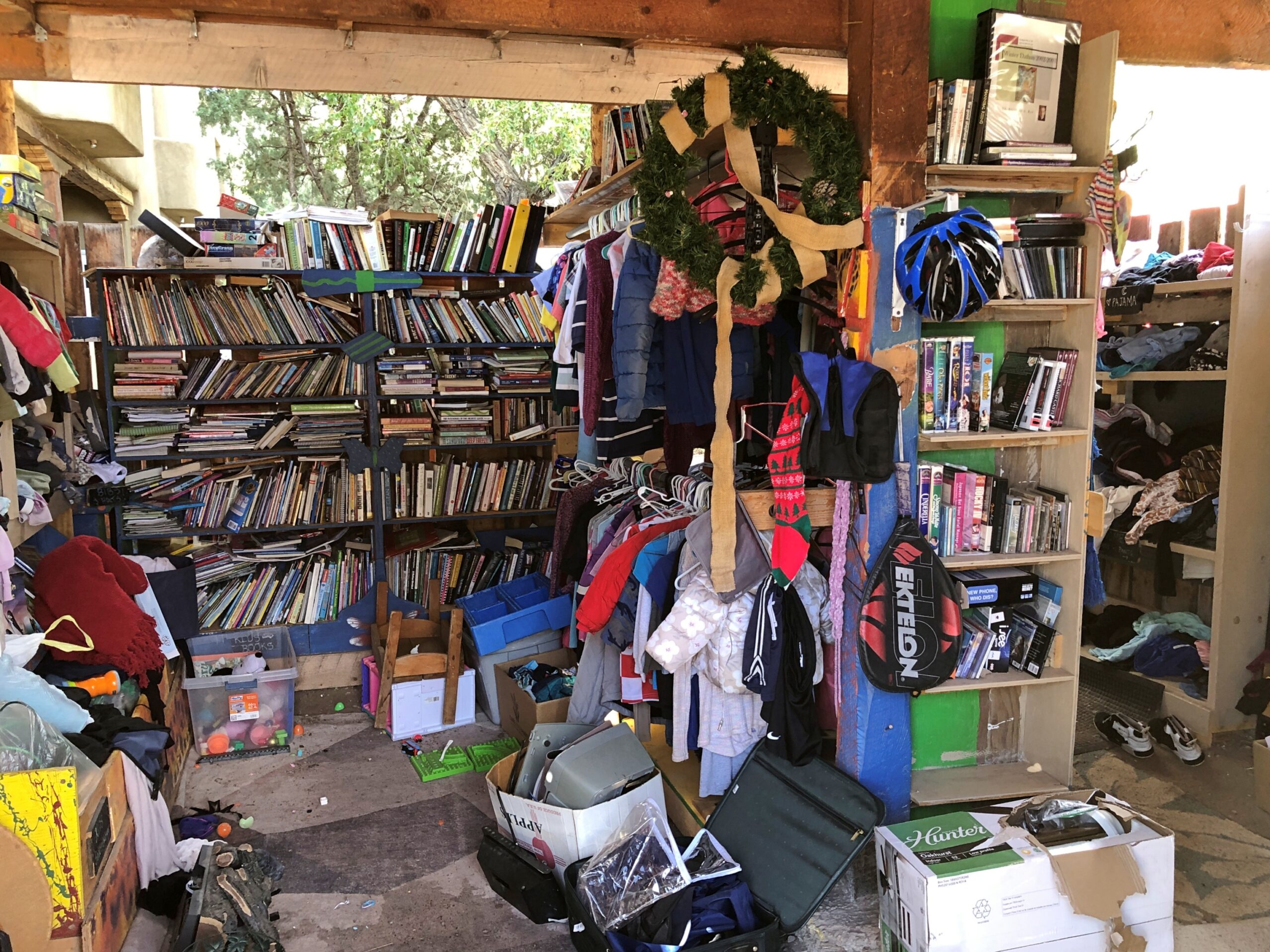
Something not mentioned in the tourist literature: the Crestone Free Box. Leave stuff, pick up stuff, no medium of exchange involved.

Crestone Colorado
Crestone Colorado

I’d argue that in the widest interpretation of spirituality, and Crestone is pretty wide in that regard, the Crestone Free Box counts as a spiritual site. It is, after all, about freely giving of yourself to the wider world. Squint hard enough, and that fits.

As for the other spiritual sites, except for a handful of mainline Christian churches, most of them are not in the town of Crestone proper. Rather, the land grants inspired by that wandering mystic sprawl to the south of the town’s small street grid, along a warren-like network of roads up and down the foothills of the Sangre de Cristo Range – mostly gravel roads, if our limited experience is any guide.

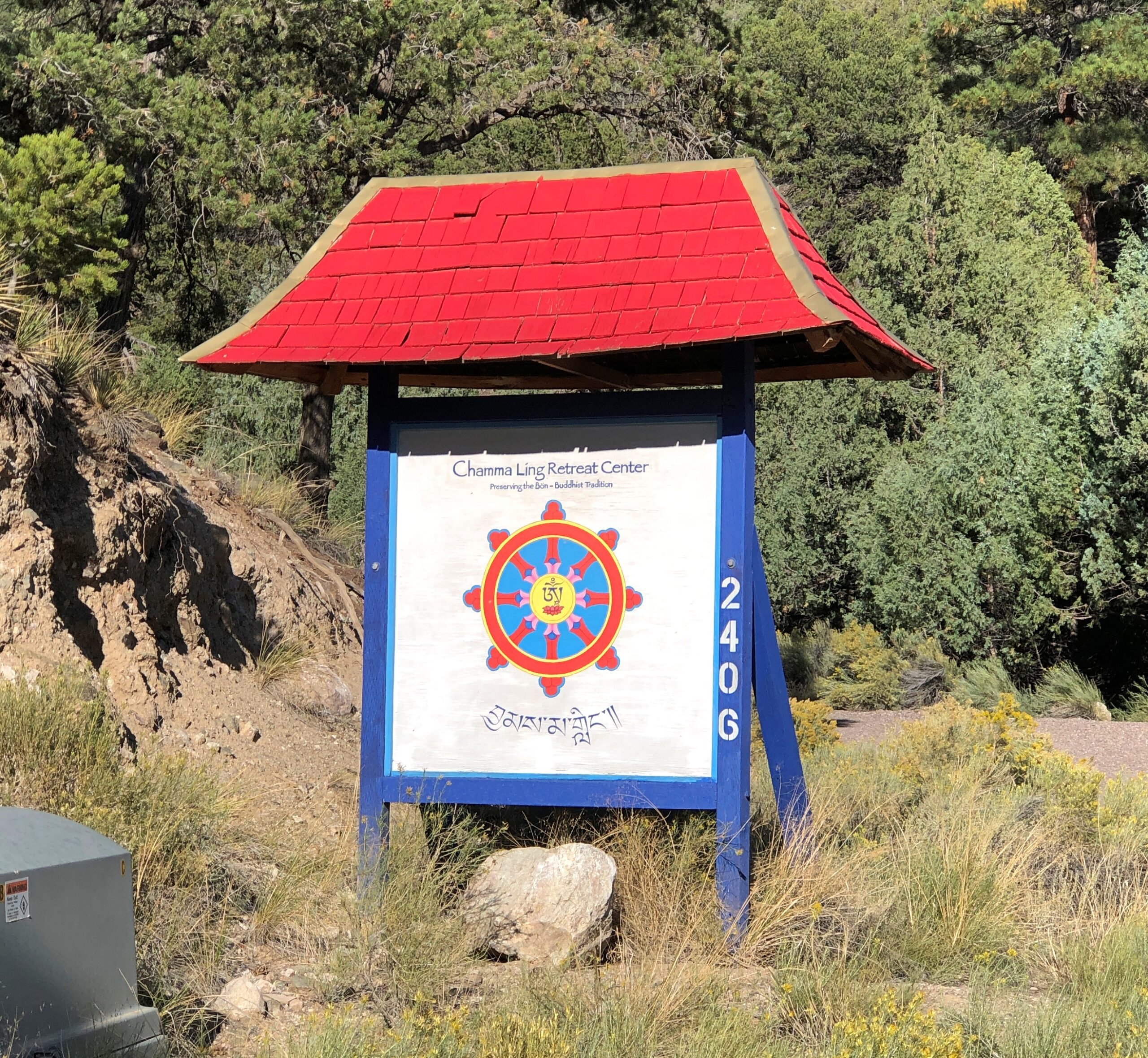
I had the idea that exurban Crestone was dotted with temples and shrines and other such places. But as we drove along, and especially as I studied the map, I came the realize that most of the establishments are retreats, such as Blazing Mountain Retreat Center, Chamma Ling, Crestone Mountain Zen Center, Crestone Retreat Center, Dharma Sangha, Dharma Ocean, Haidakhandi Universal Ashram, Shumei International Institute, Sri Aurobindo Learning Center, Vajra Vidya Retreat Center and Yeshe Khorlo USA. The sort of place that might briefly tolerate, but not really appreciate, casual visitors. More importantly for me, not the kind of religious – I mean, spiritual – sites that I tend to seek out.

Crestone Colorado

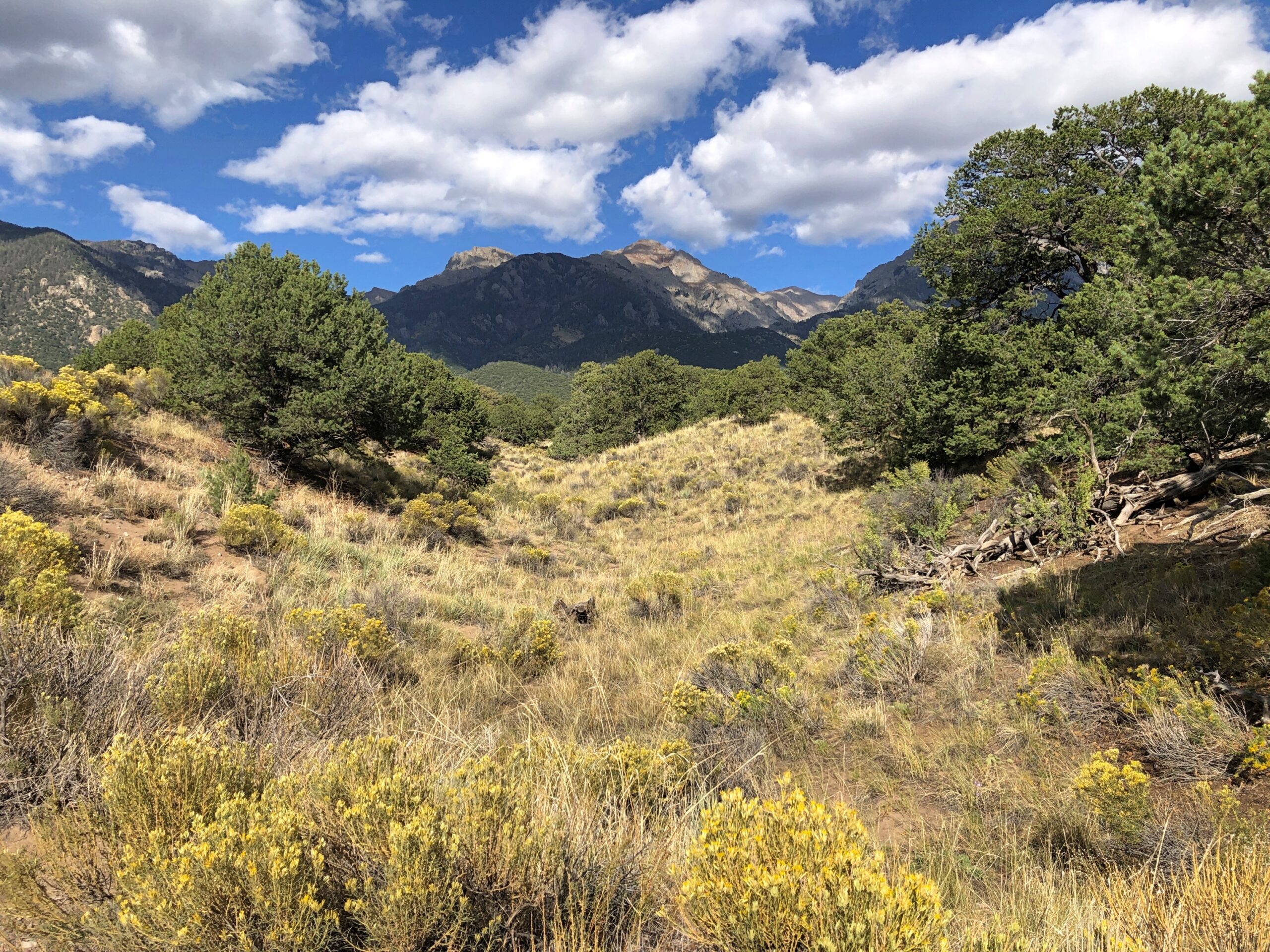
I will say this for the area, facing as it does the Sangre de Cristo: wow. The Strongs picked a striking setting.

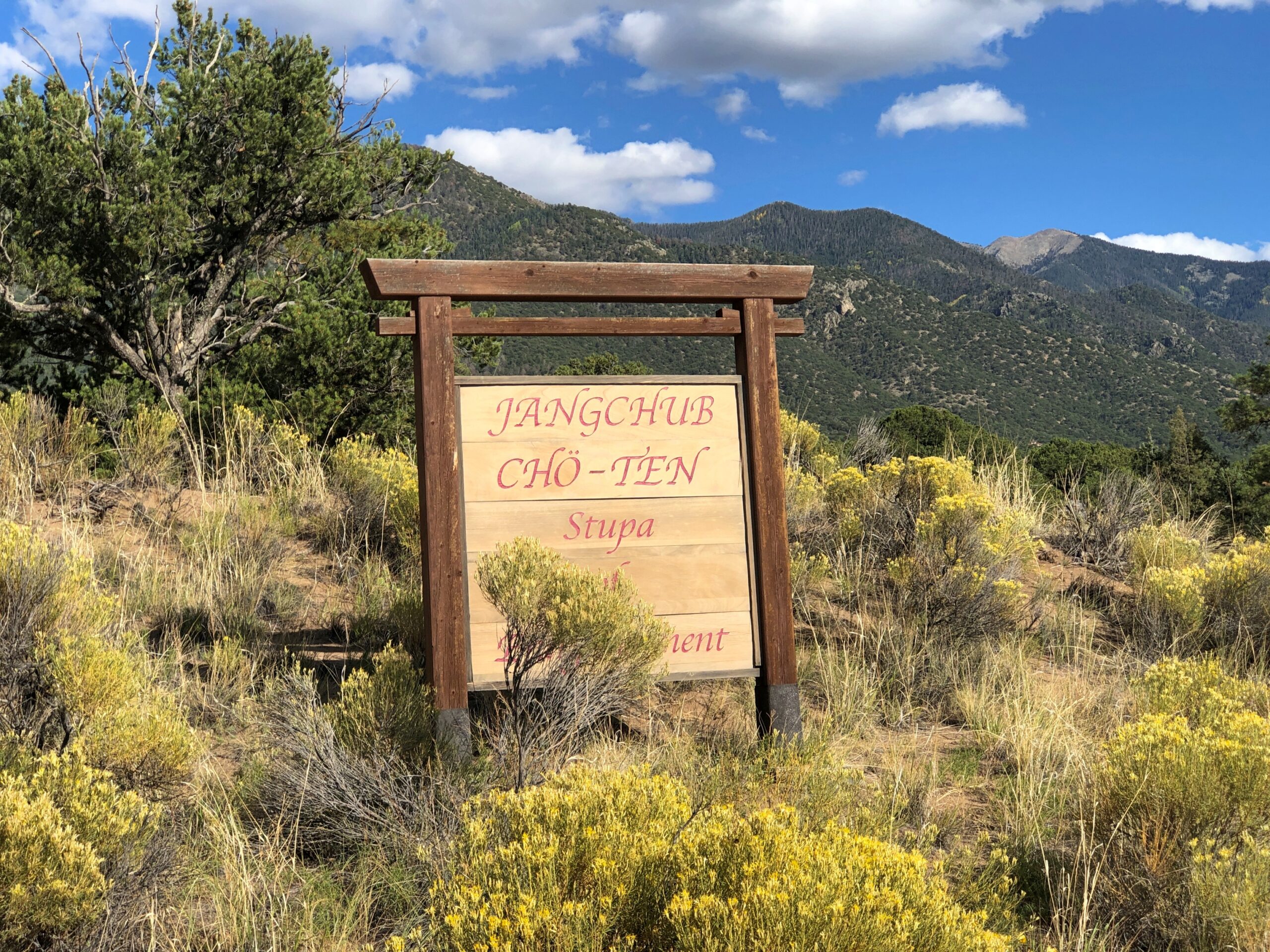
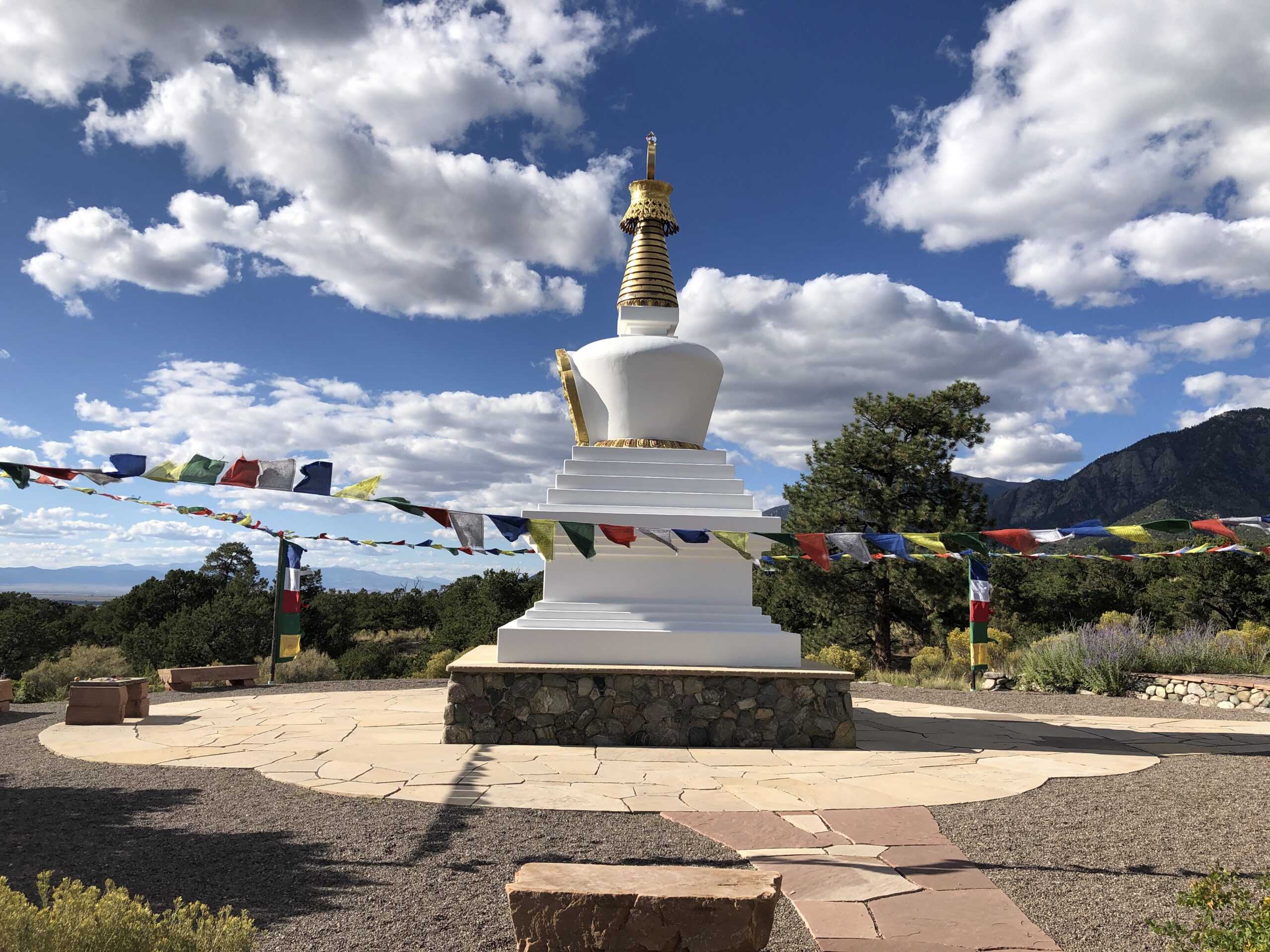
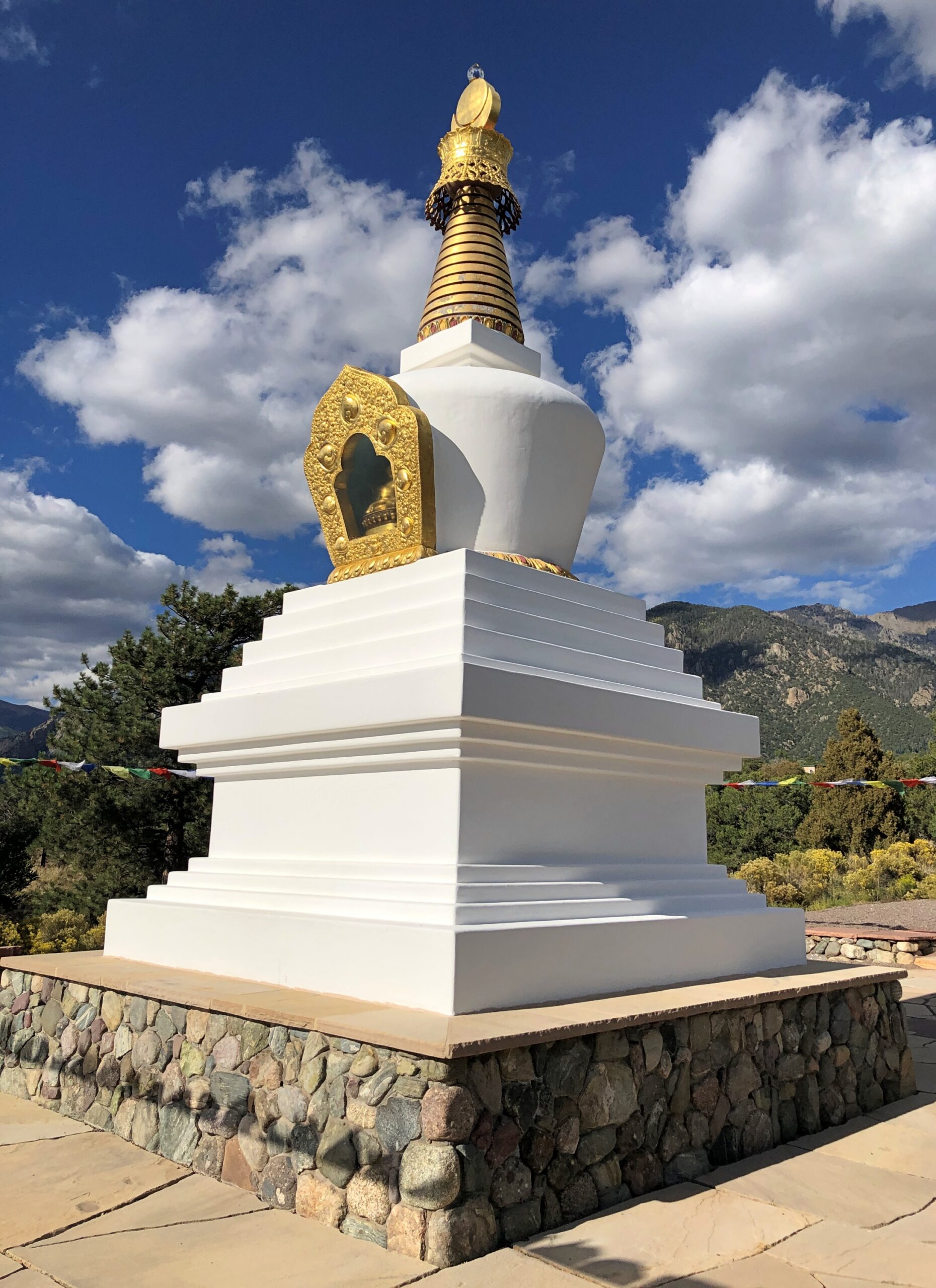
The Stupa of Enlightenment had the advantage of being not that far from town, besides not involving admission to a retreat.

Crestone Colorado

Always good to visit a Tibetan stupa.

Crestone Colorado
Crestone Colorado

I wanted to see the Crestone Ziggurat, deep in the warren. I like a good ziggurat as much as the next guy, and they’re hard to come by in North America. But as we drove along, and up and down the twists, the road crunching and pinging our undercarriage with little stones and kicking up dust, I lost my enthusiasm to find it.

Visible for miles, the Crestone Ziggurat rises from a rocky hill on the southeast edge of the Baca Grande, notes Atlas Obscura. After purchasing the land in 1978, American businessman and father of Queen Noor of Jordan, Najeeb Halaby, commissioned the ziggurat as a private place for prayer and meditation.

Today, the ziggurat is open to the public. Visitors can climb the spiral ramp to the top, which offers stunning views of the surrounding area, making it a perfect spot for reflection and quiet contemplation. Visitors are encouraged to arrange rocks in a personal design at its base as a form of meditation and intention setting.

Note also that the twisty roads also serve a residential population, living in homes suitable (I hope) for a semiarid climate, with many properties xeriscaped to emphasize the point.

The religious – I mean, spiritual – sites of Crestone would take a full day at least to examine, considering the ground you need to cover. Who knows, I might be back. For now, I stand in admiration of the place. It’s easy to make fun of some of the New Age pretentions of the town, and sometimes I give in to that urge (and occasionally, of course, out-and-out cultists show up nearby). But no: Crestone represents fine threads added to the tapestry that is North America and an inspired bit of placemaking.

Pearl Street Mall, Boulder

TV Land missed a bet when it didn’t commission a bronze of Mork from Ork for Boulder, Colorado. The place to put Robin Williams as Mork would be the Pearl Street Mall, the pedestrian shopping street in downtown Boulder. He’d jazz the place up a touch.

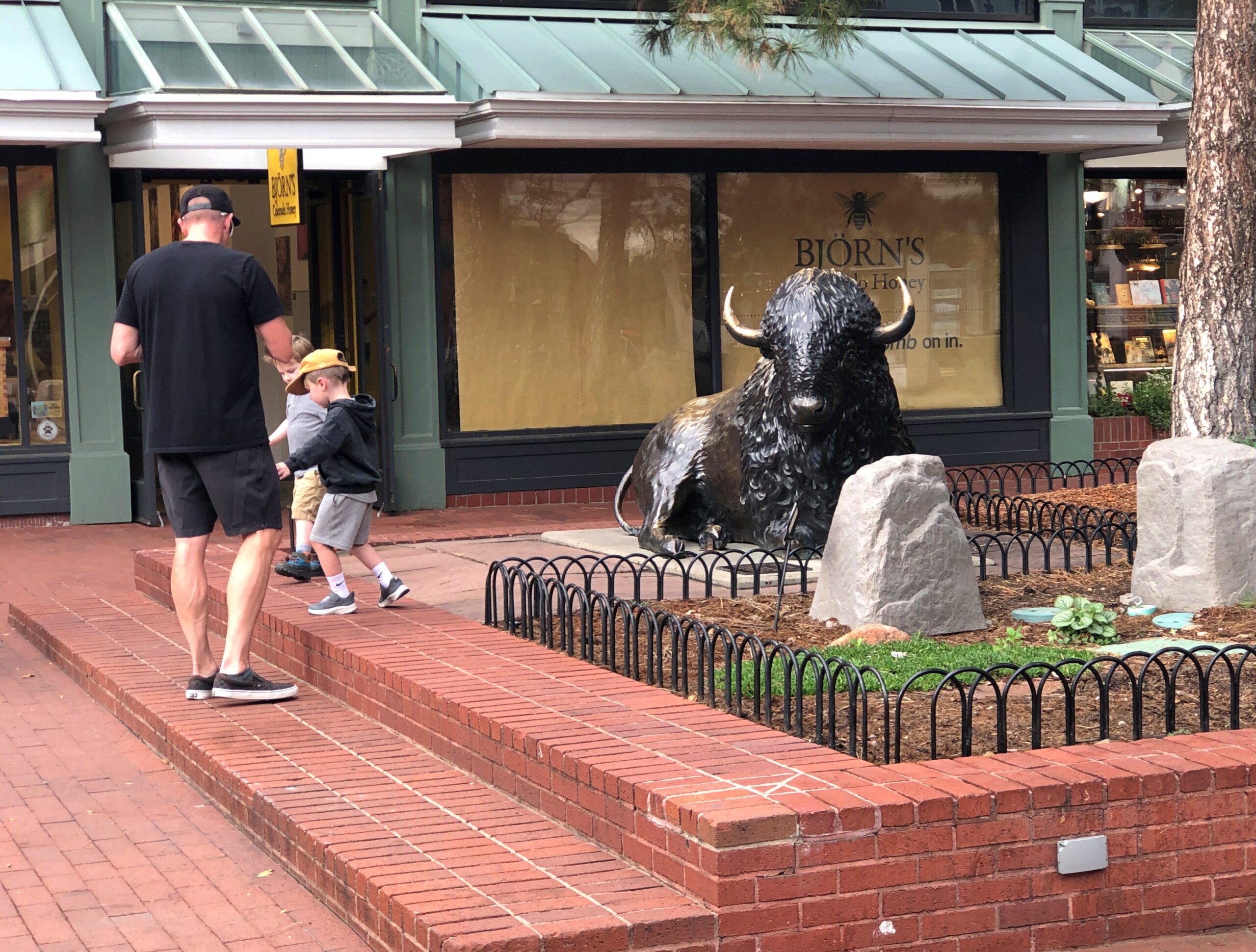
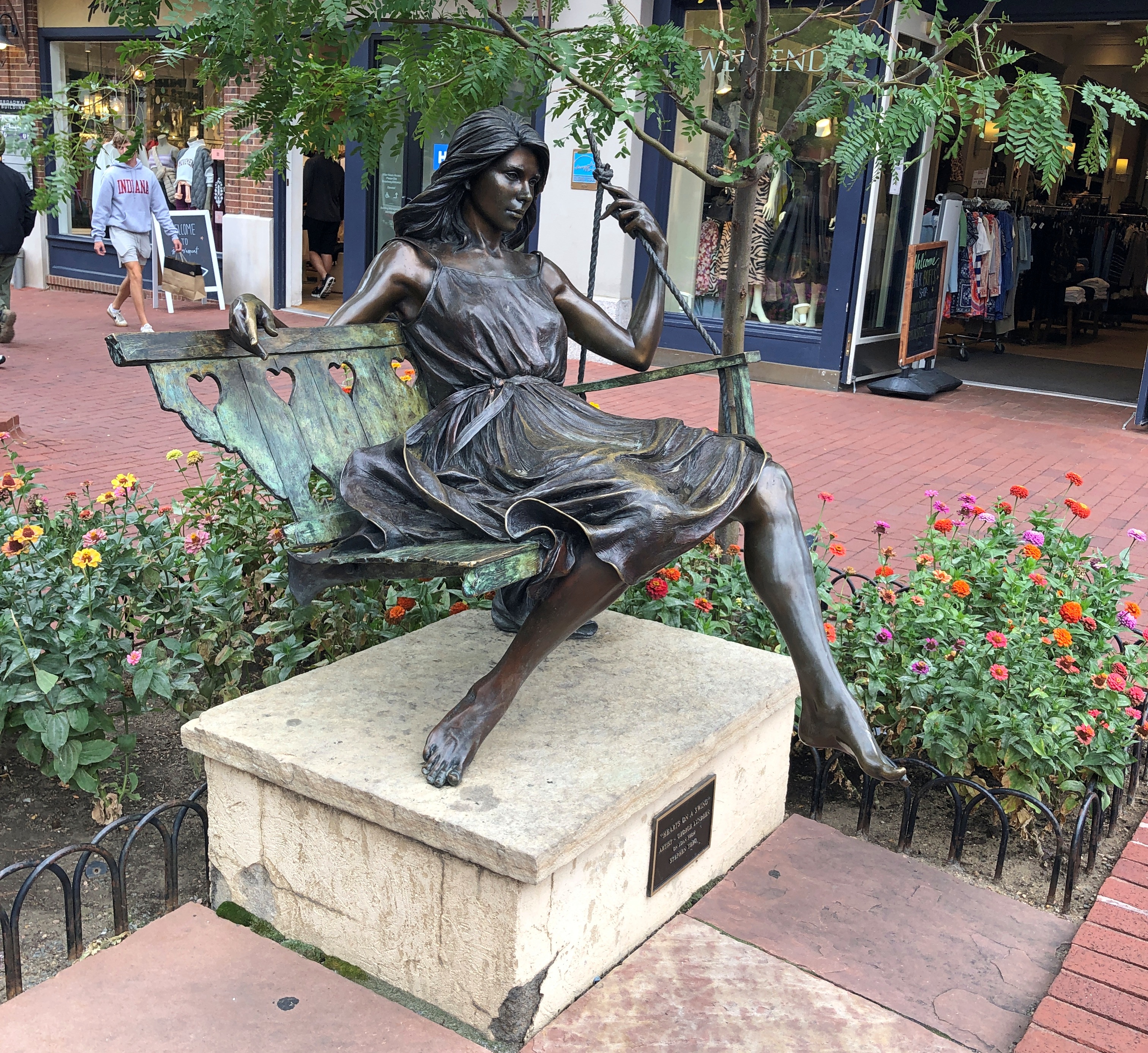
The street has some art. A buffalo with some heft and a swinging girl with lightness. Nice, but not zany Mork.

Pearl Street Mall
Pearl Street Mall

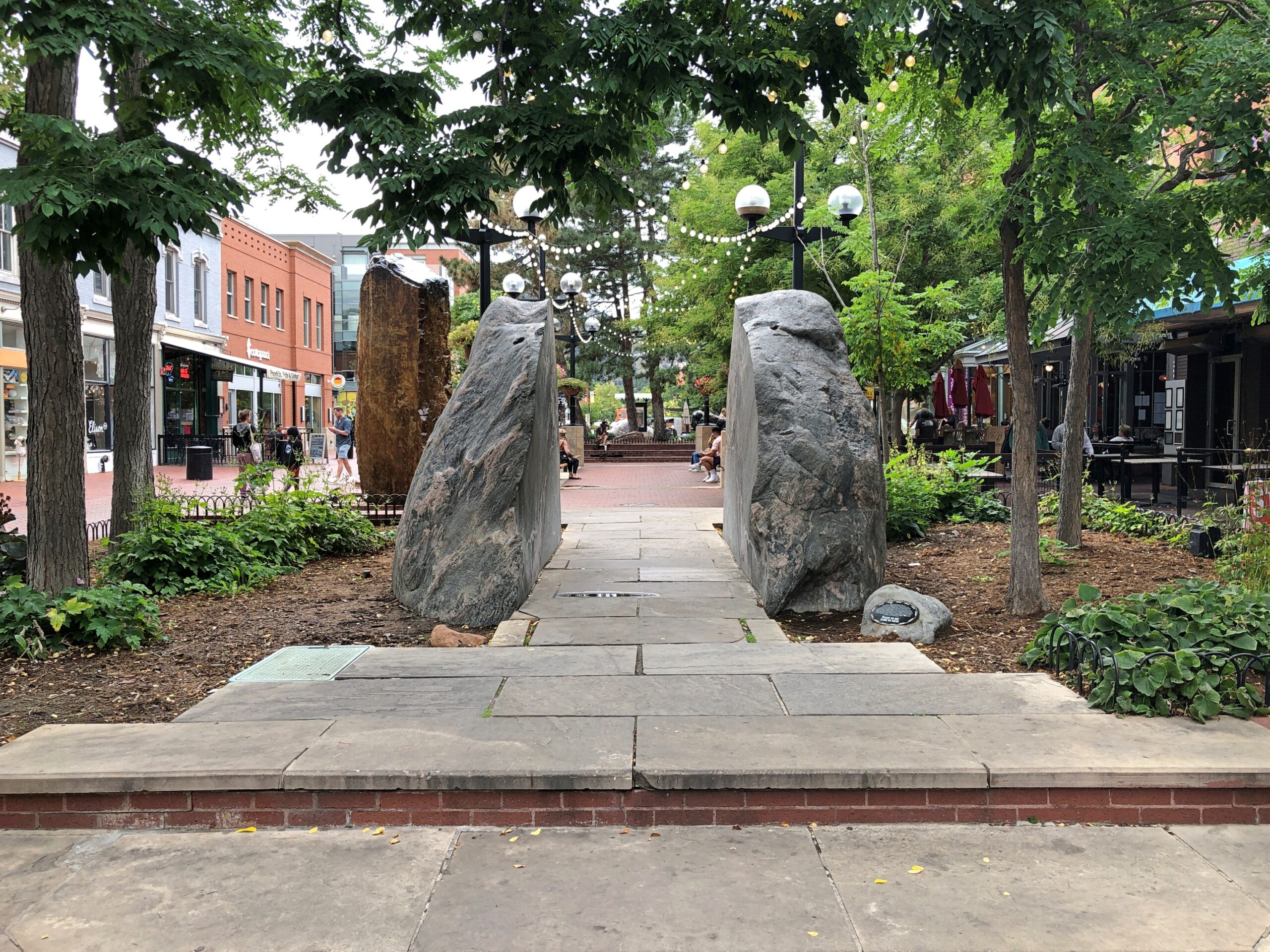
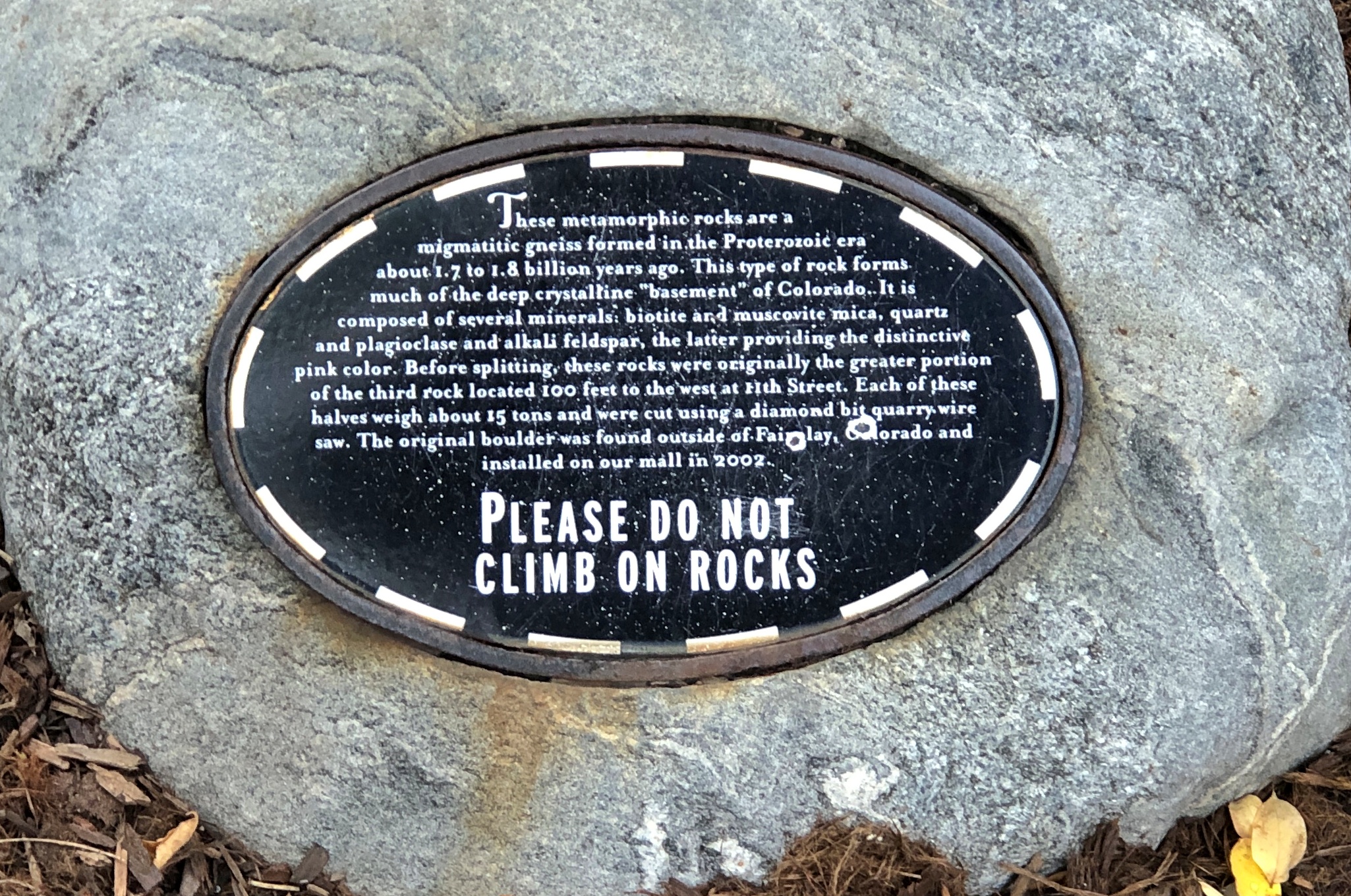
Also, there’s a boulder in Boulder. Not a bad idea.

Pearl Street Mall

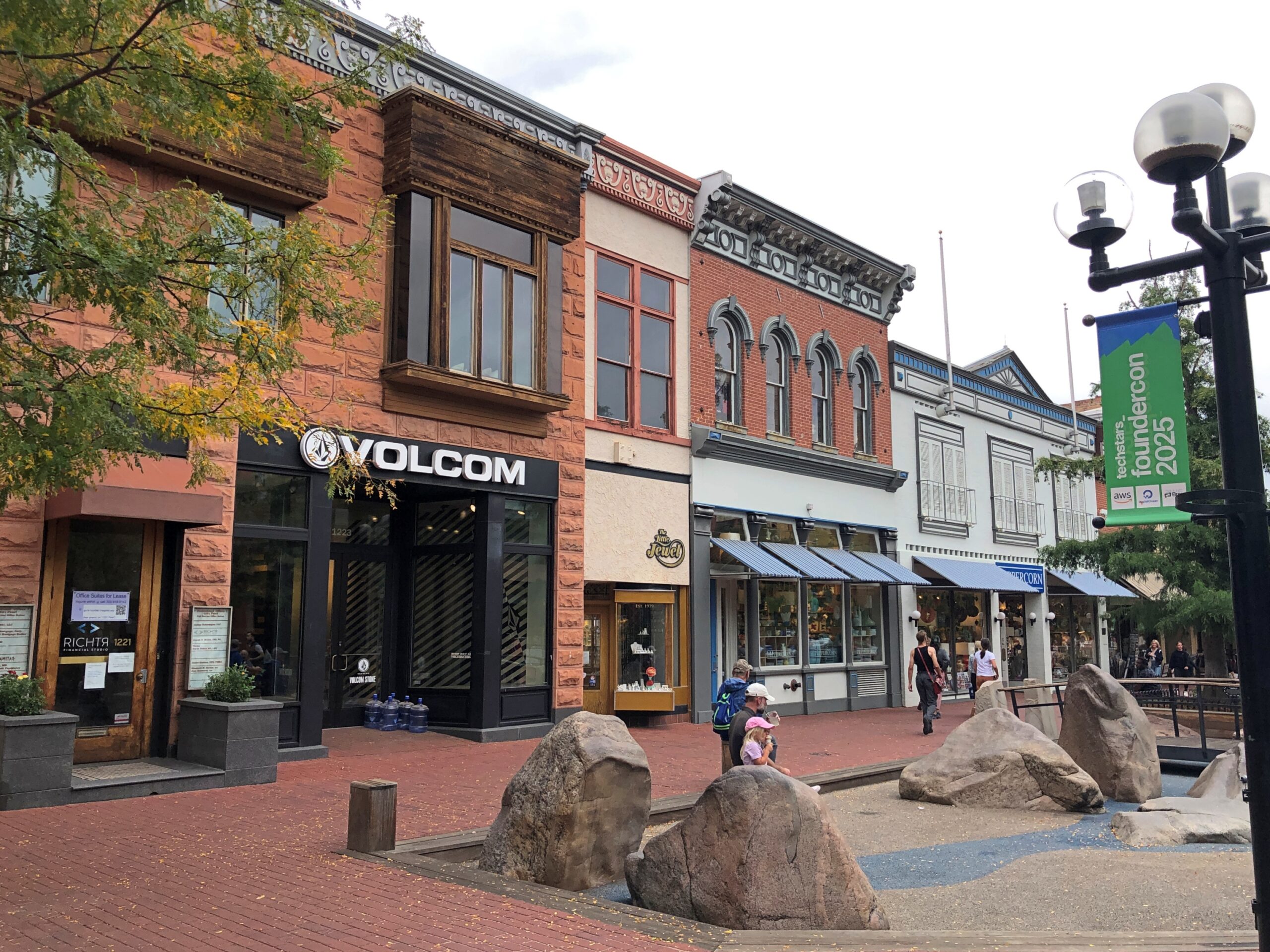
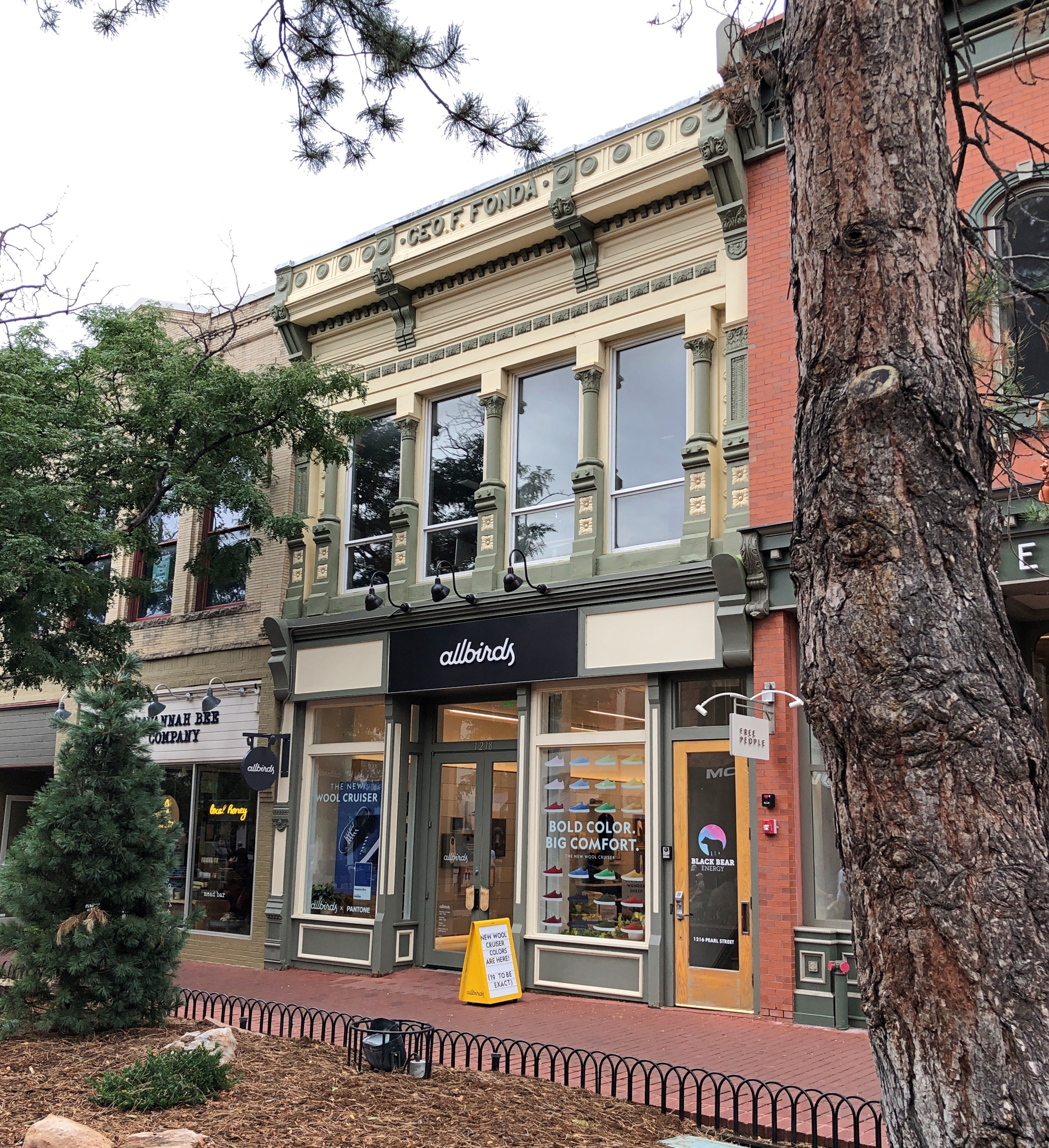
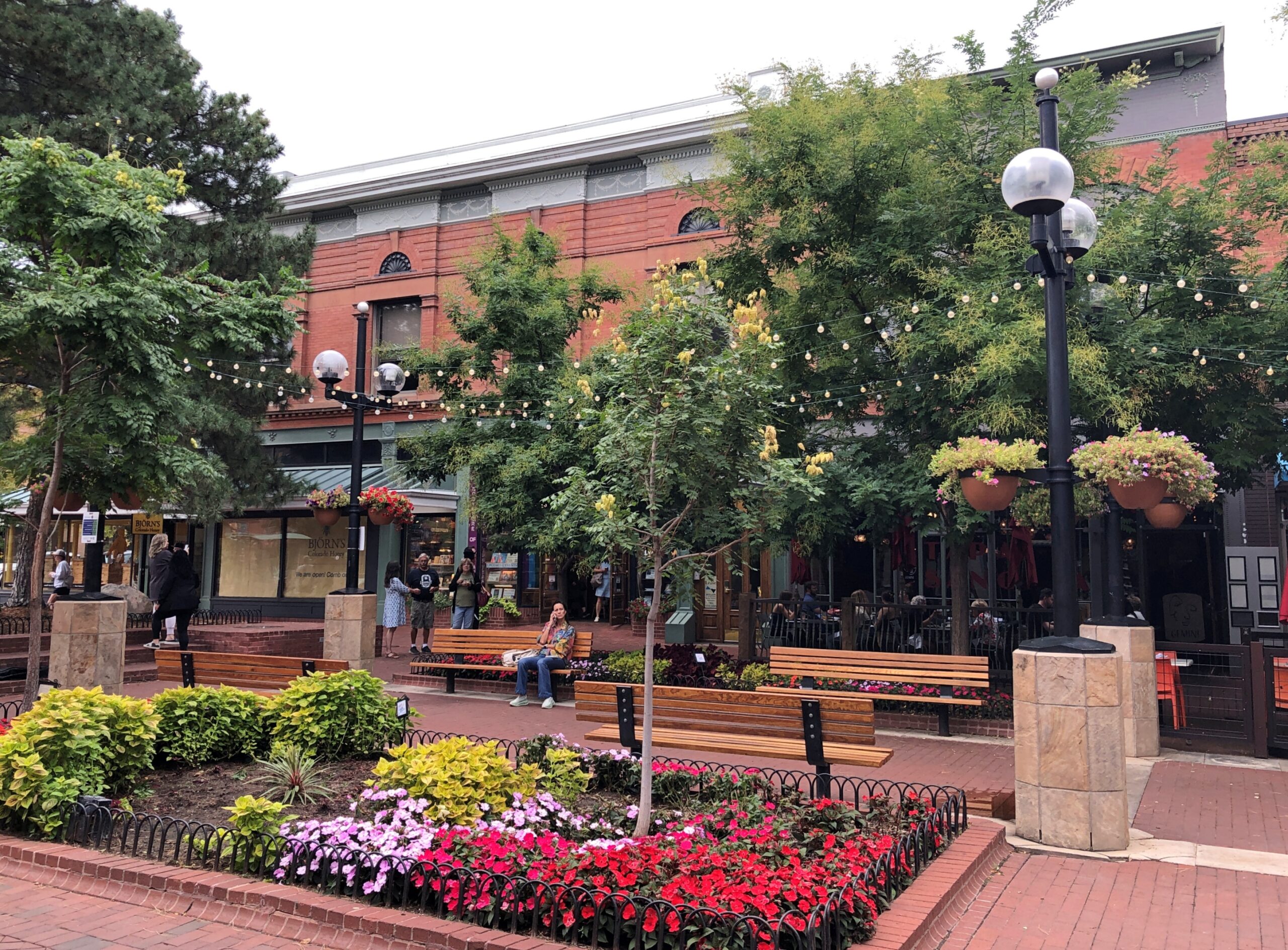
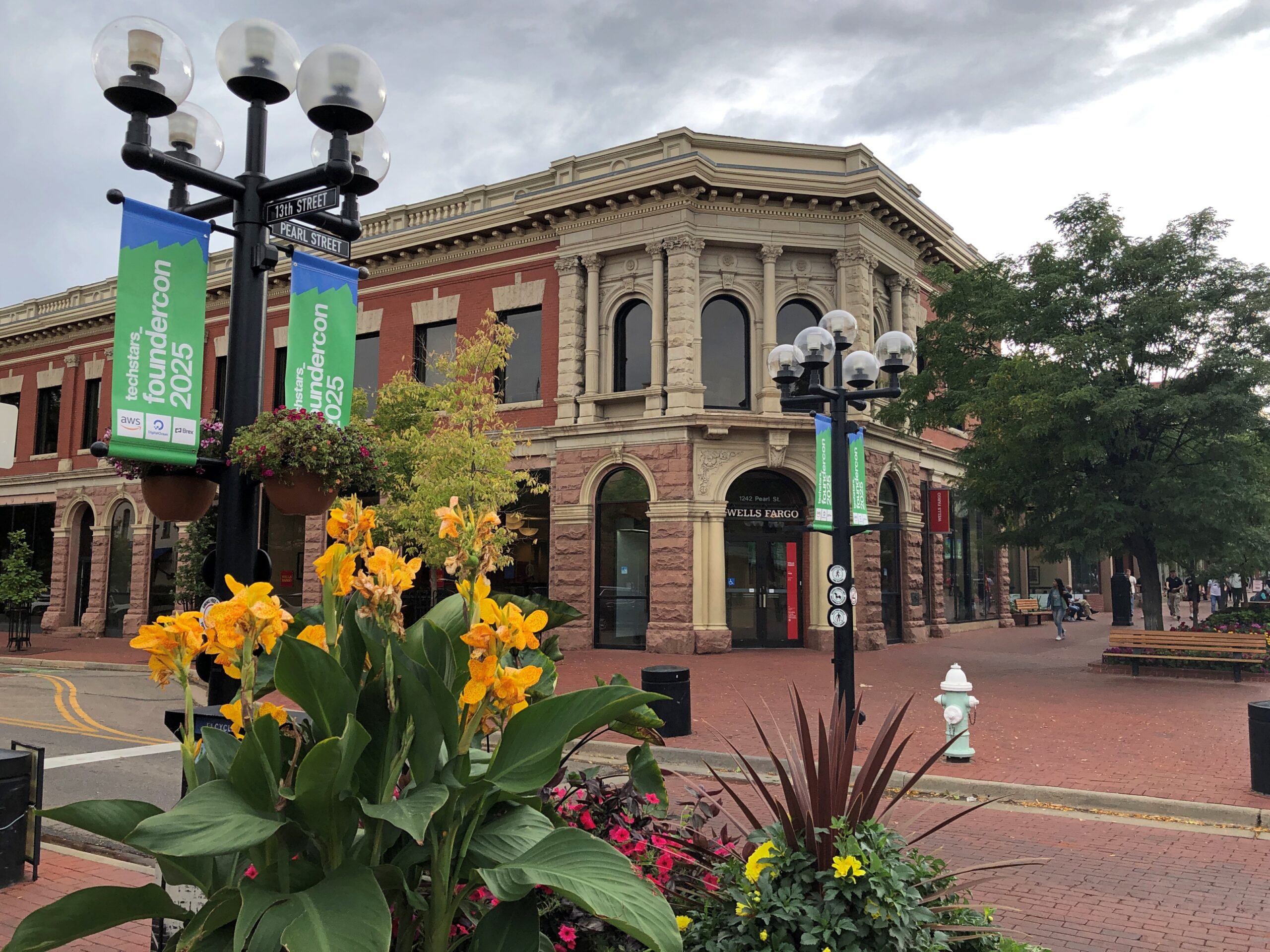
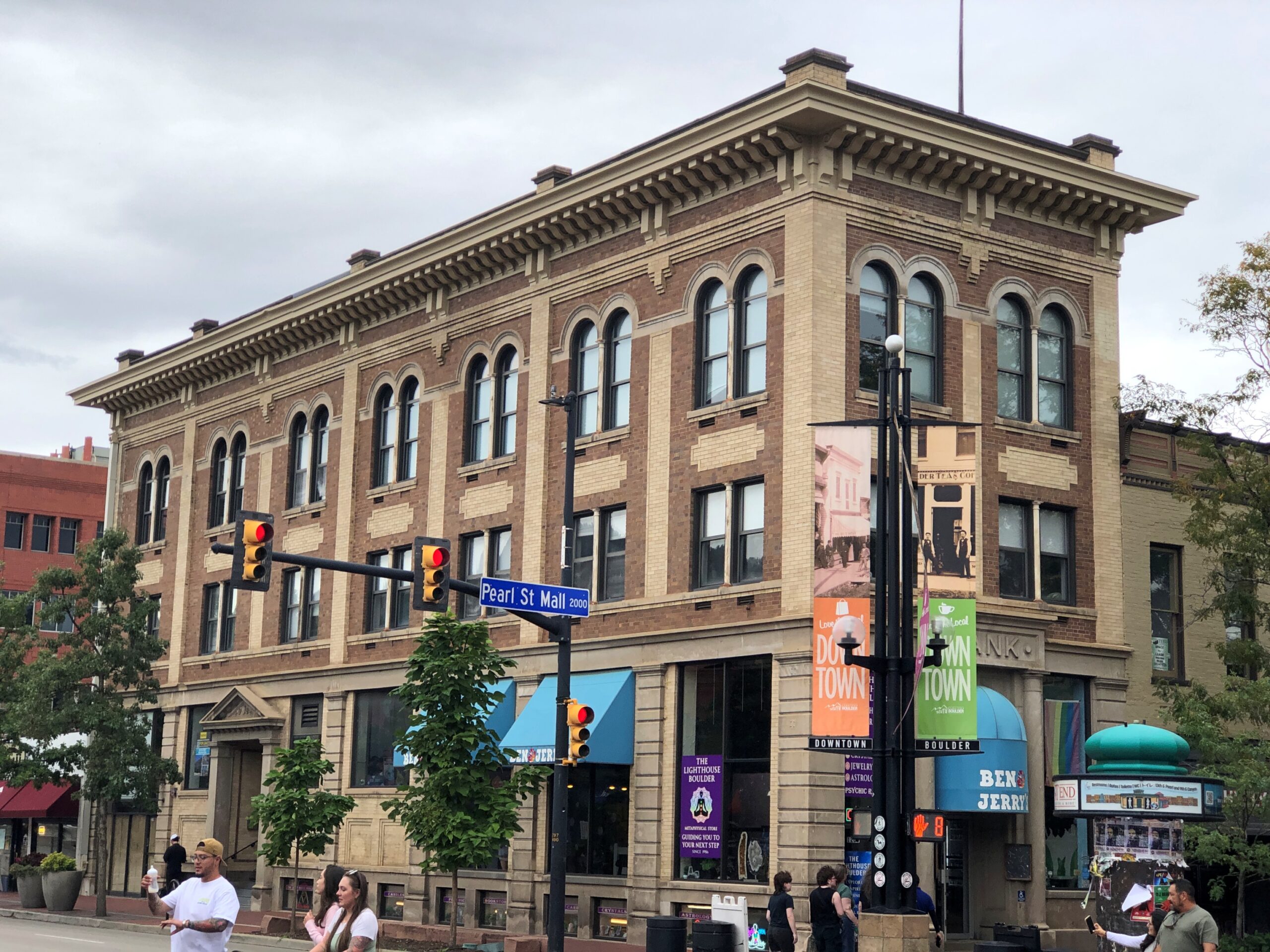
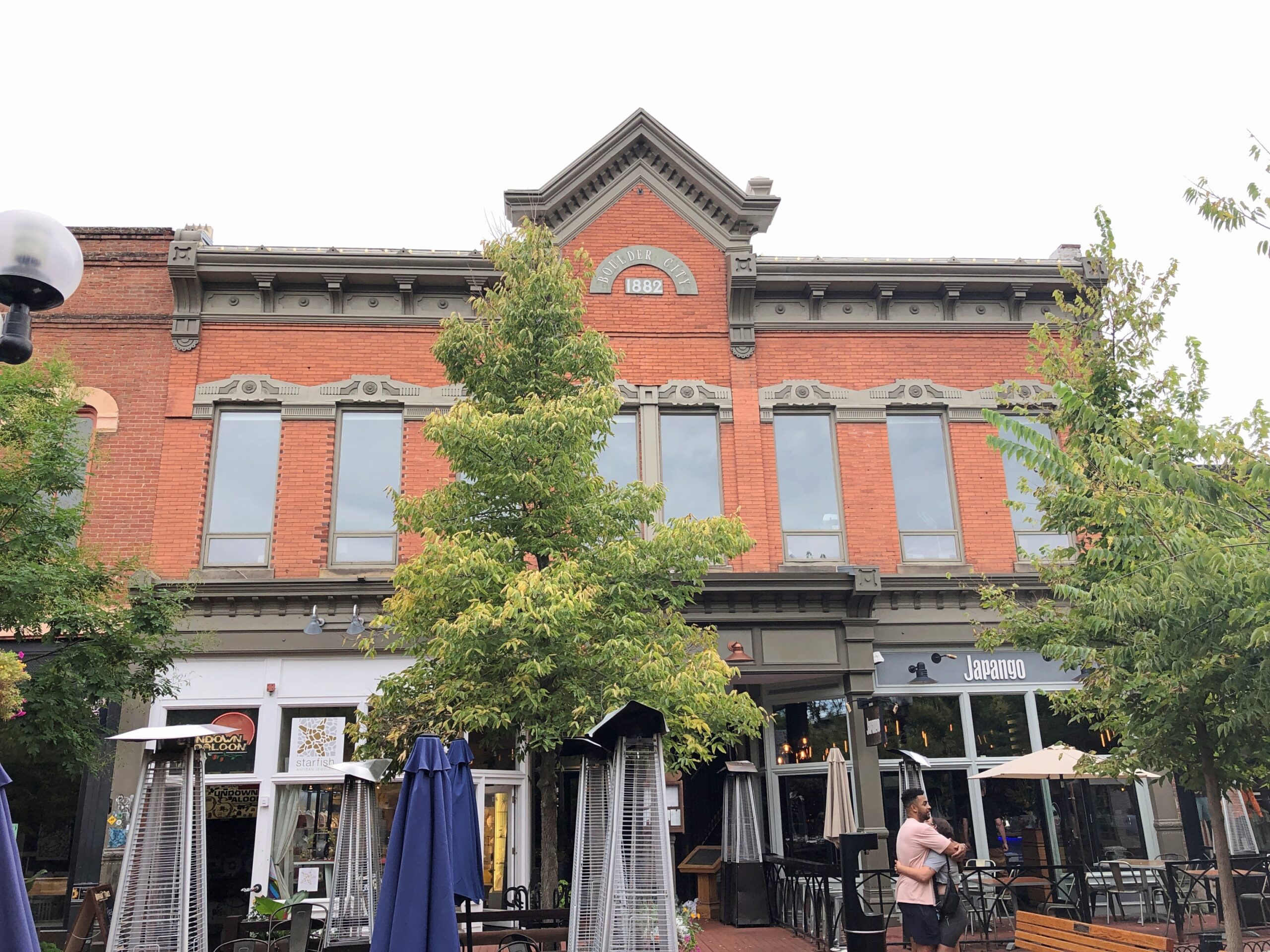
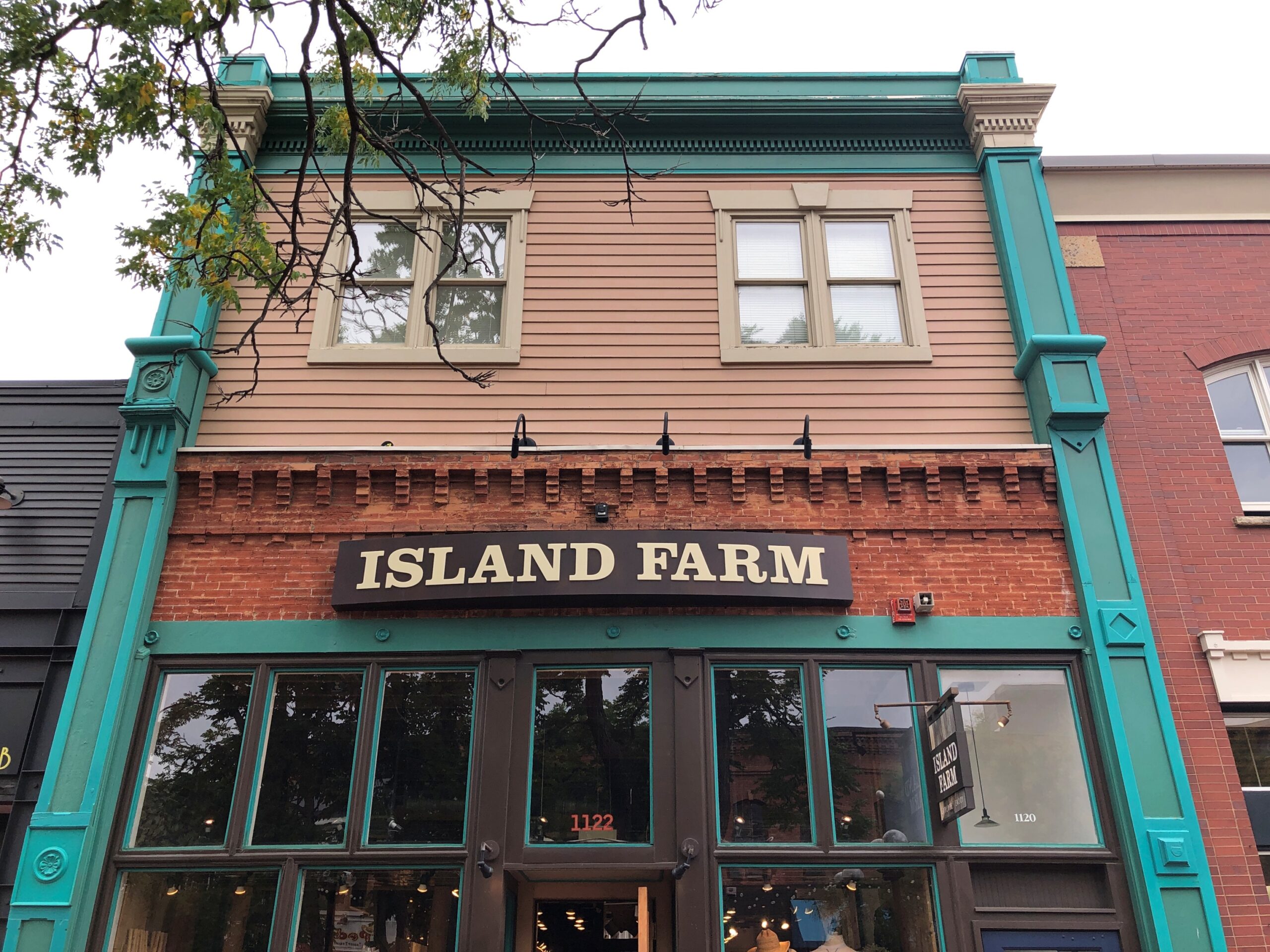
As a pedestrian street, Pearl Street has good bones. That is, picturesque old buildings that are well maintained.

Pearl Street Mall
Pearl Street Mall
Pearl Street Mall

All together, the mall stretches four blocks and has been around for almost 50 years, the result of a tax-funded effort to draw people back to downtown Boulder. I don’t know for a fact, but I suspect the street might have been a little run down by the early ’70s. Now it’s anything but. We arrived late in the afternoon of September 12, after spending most of the day at Rocky Mountain NP.

Pearl Street Mall
Pearl Street Mall
Pearl Street Mall
Pearl Street Mall

Most of the retail spaces are occupied, with the likes of the small-batch Björn’s Honey, SmithKlein Gallery, Japango sushi, Lindsay’s Boulder Deli @ Haagen Dazs, Ku Cha House of Tea, Lighthouse Bookstore, Peppercorn kitchen supply, Bramble & Hare Bistro, Into the Wind toy store, Boulder Spirits Tasting Room and much more. My own favorite sold antique maps, by themselves and mounted as art.

I didn’t go in Lighthouse Bookstore, but I took it for a Christian bookstore. Not quite, from its web site: At The Lighthouse Boulder, seekers discover many paths of wisdom for their spiritual discovery. With books to learn, spiritual tools to discover, and readings of all kinds to light the way – we’ve been serving the community since 1975.

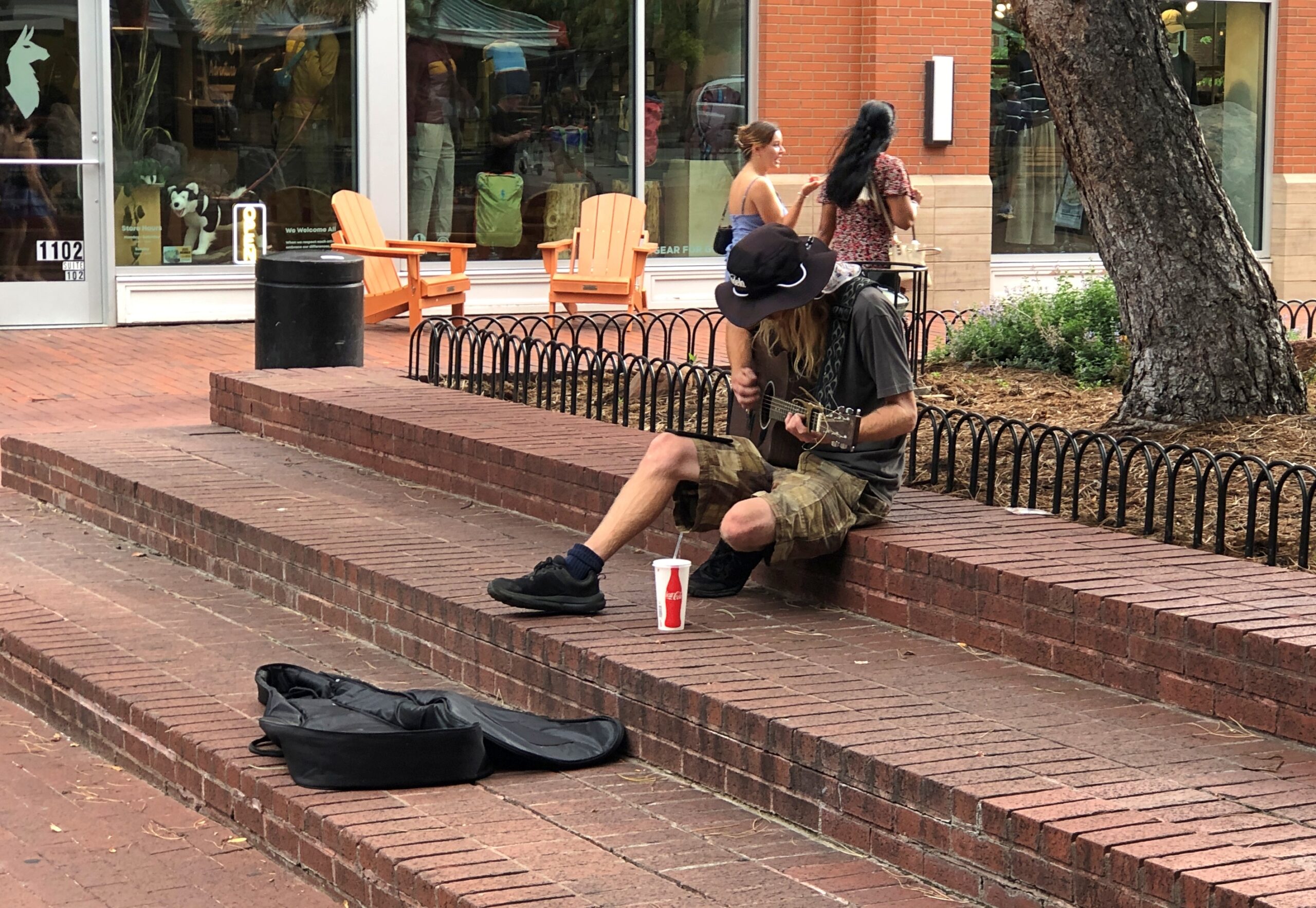
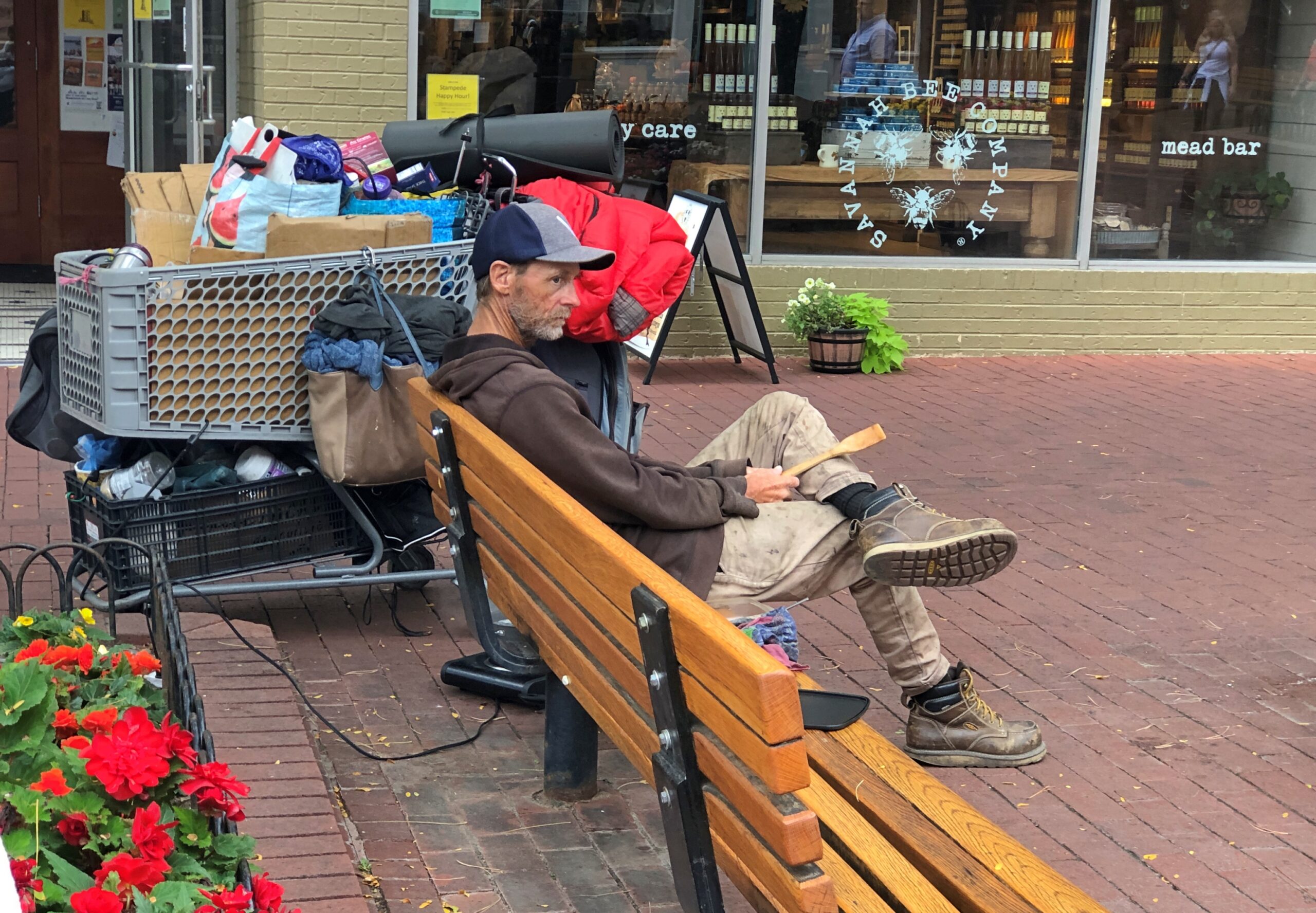
The street was fairly busy on a warm Friday afternoon. Not everyone was there to shop, however.

Pearl Street Mall
Pearl Street Mall

Wiki at least says the history of busking is robust at Pearl Street, including David Rosdeitcher, ZIP code man, who can name zip codes for places the crowd names, or name places for zip codes that they yell out. He wasn’t around the day we were. I’d have stayed for some of that act. He’s probably prepared even for someone who says, American Samoa! (Zip code: 96799) (That’s something I might pose to him). But would he know Kingman Reef? (96898). Exactly zero people live there, so why it needs a zip code is probably detailed in some memo at the USPS. Just being thorough, maybe.

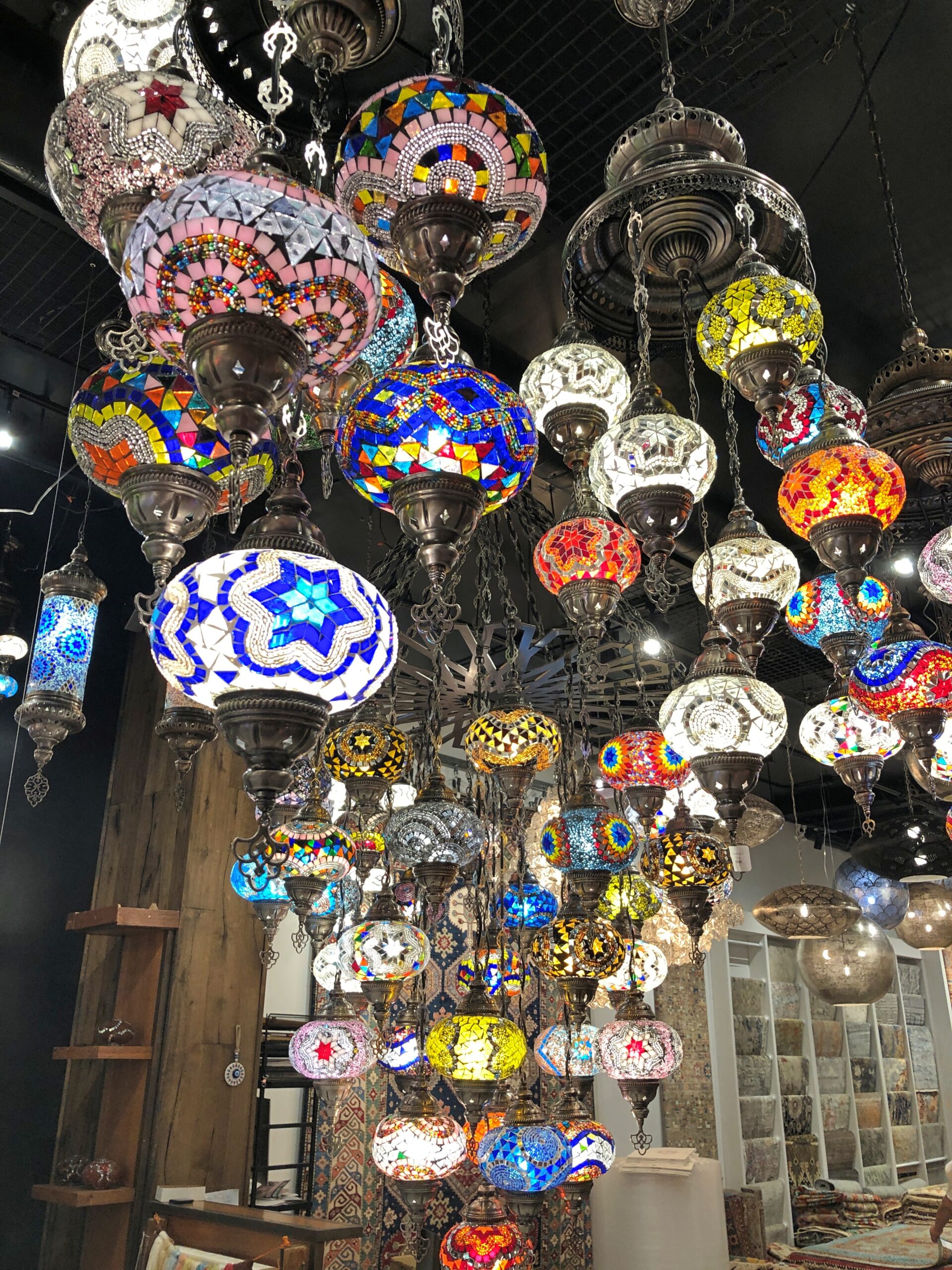
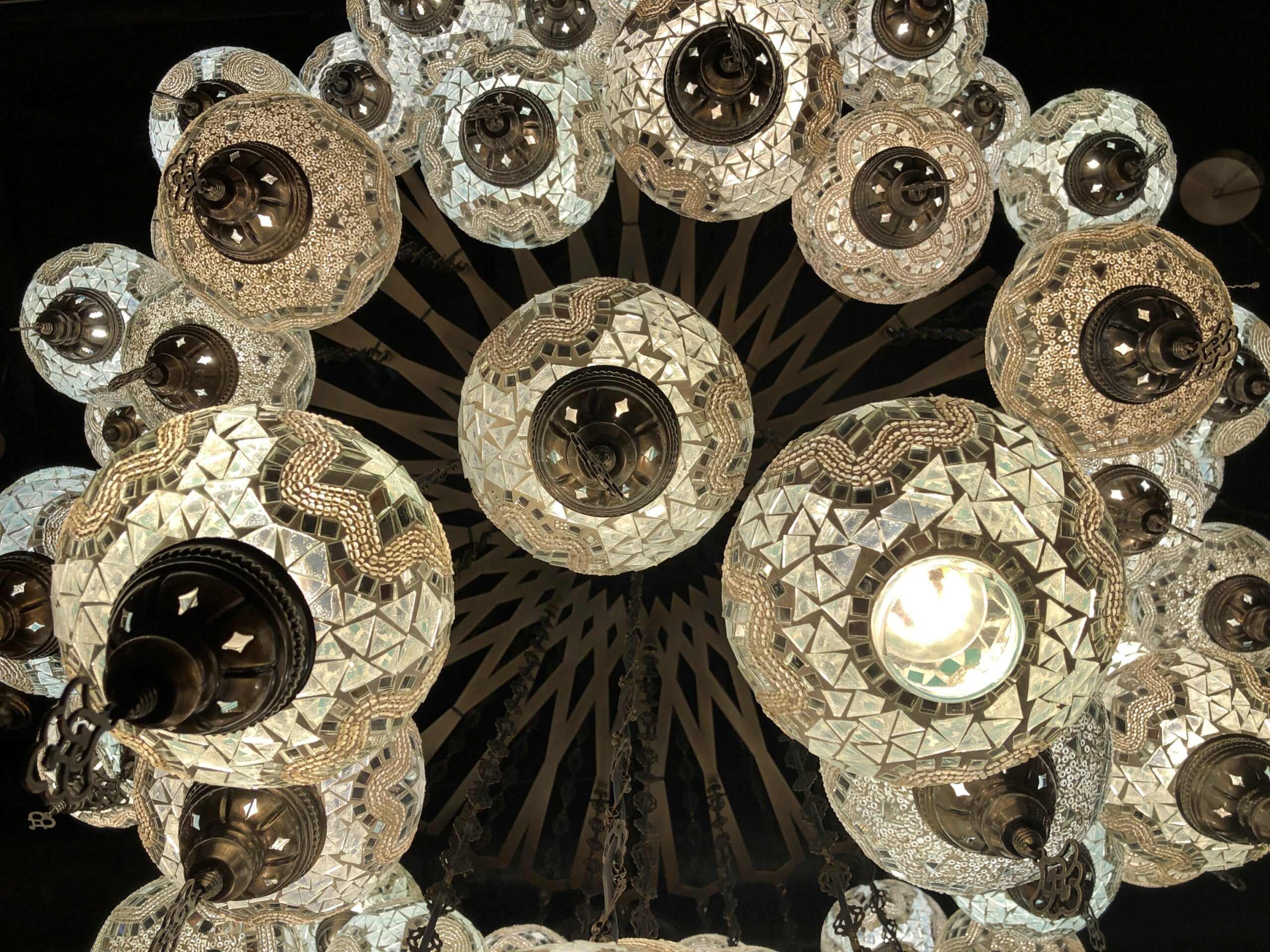
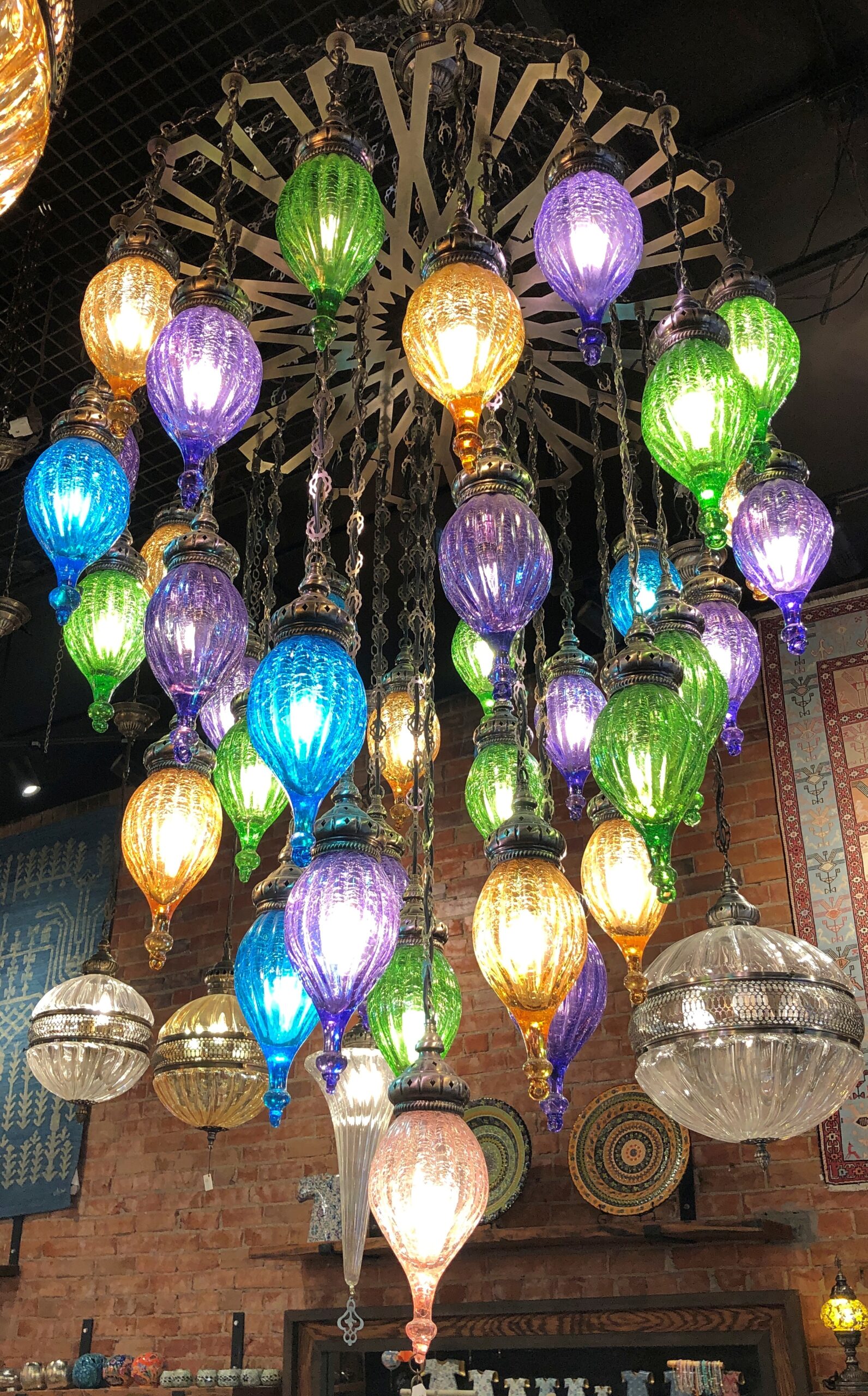
Another intriguing shop sells lamps. More than I’d care to pay, but still wonderful to look at.

Pearl Street Mall
Pearl Street Mall
Pearl Street Mall

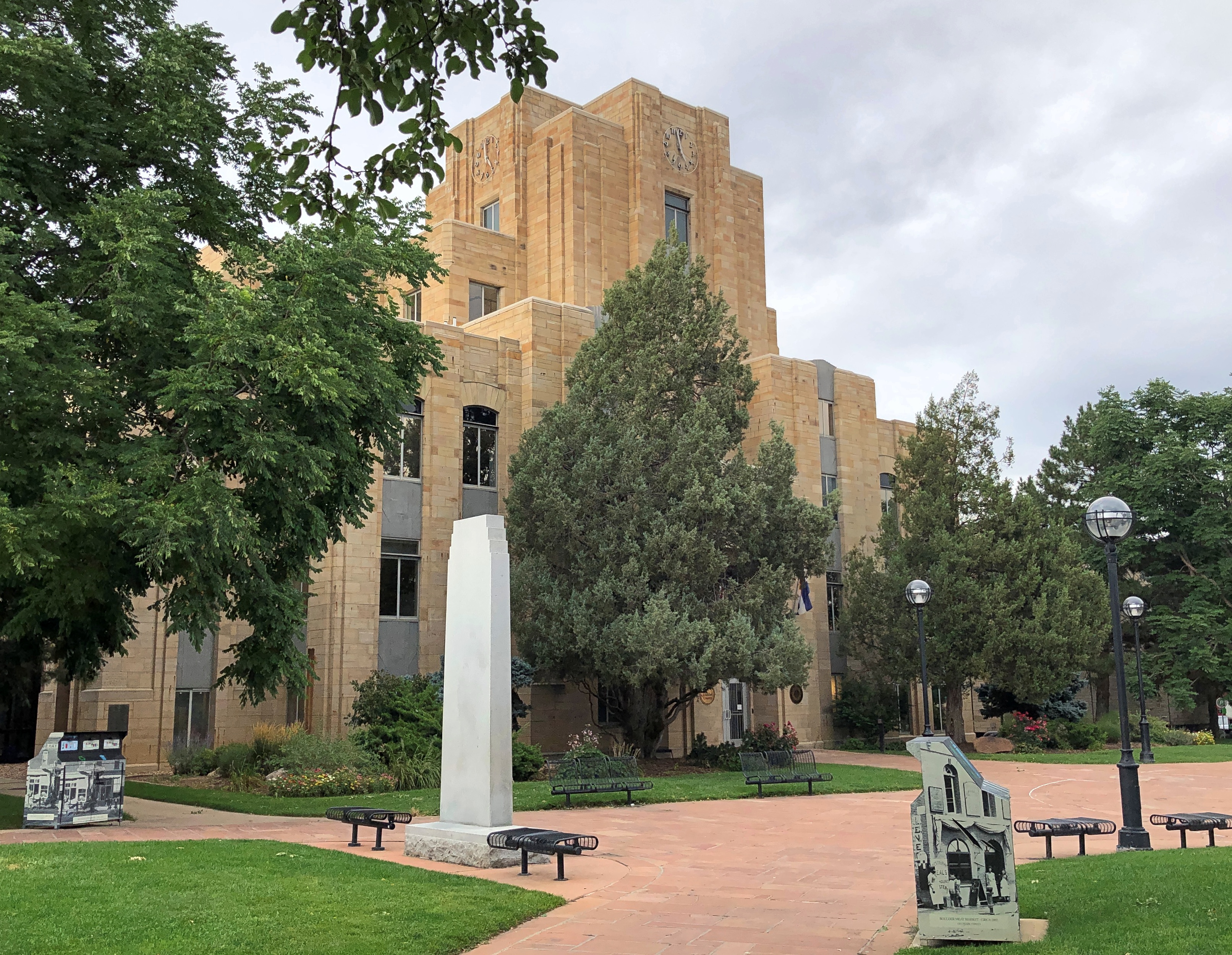
The Boulder County Courthouse is also on the street. Impressive art deco, or it might be called moderne. We walked past on our way out, to get to the car before the meter ran out, so I didn’t quite get to look as long as I wanted. There have to be studies somewhere that show that parking meters are counterproductive in generating foot traffic in such places as Boulder.

Pearl Street Mall

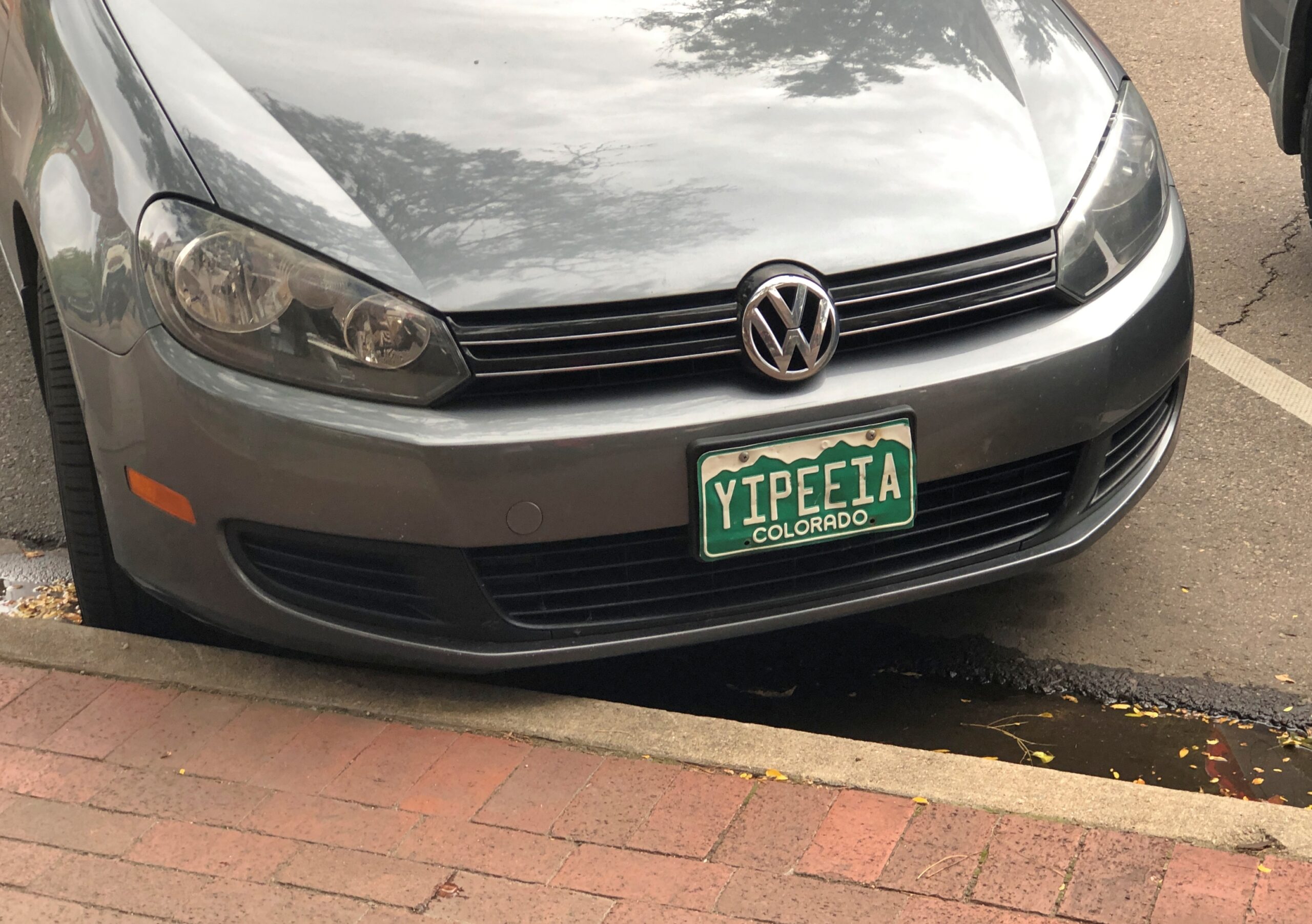
Another parked car.

Pearl Street Mall

I’d call that a Colorado detail.

Colorado Flatland Drives

Go east, old man.

Eastern Colorado

That was the goal about two months ago now, after I left Colorado Springs for a solo drive back to Illinois. The fastest way would be to link with I-70 while still in Colorado. I wasn’t inclined to do that, though I did take that Interstate route through much of Kansas. Instead, I wanted to start remote and stay that way for the length of eastern Colorado.

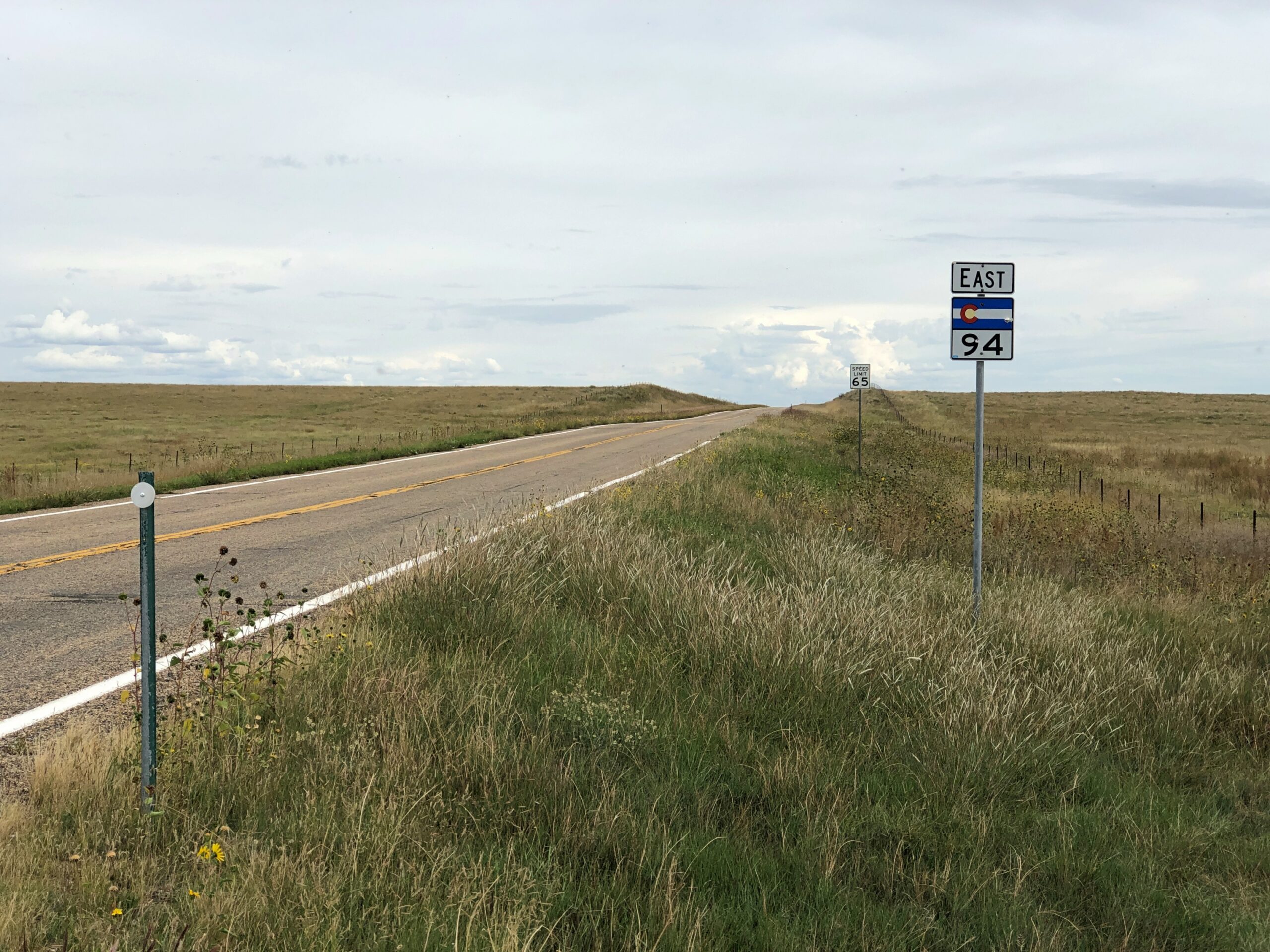
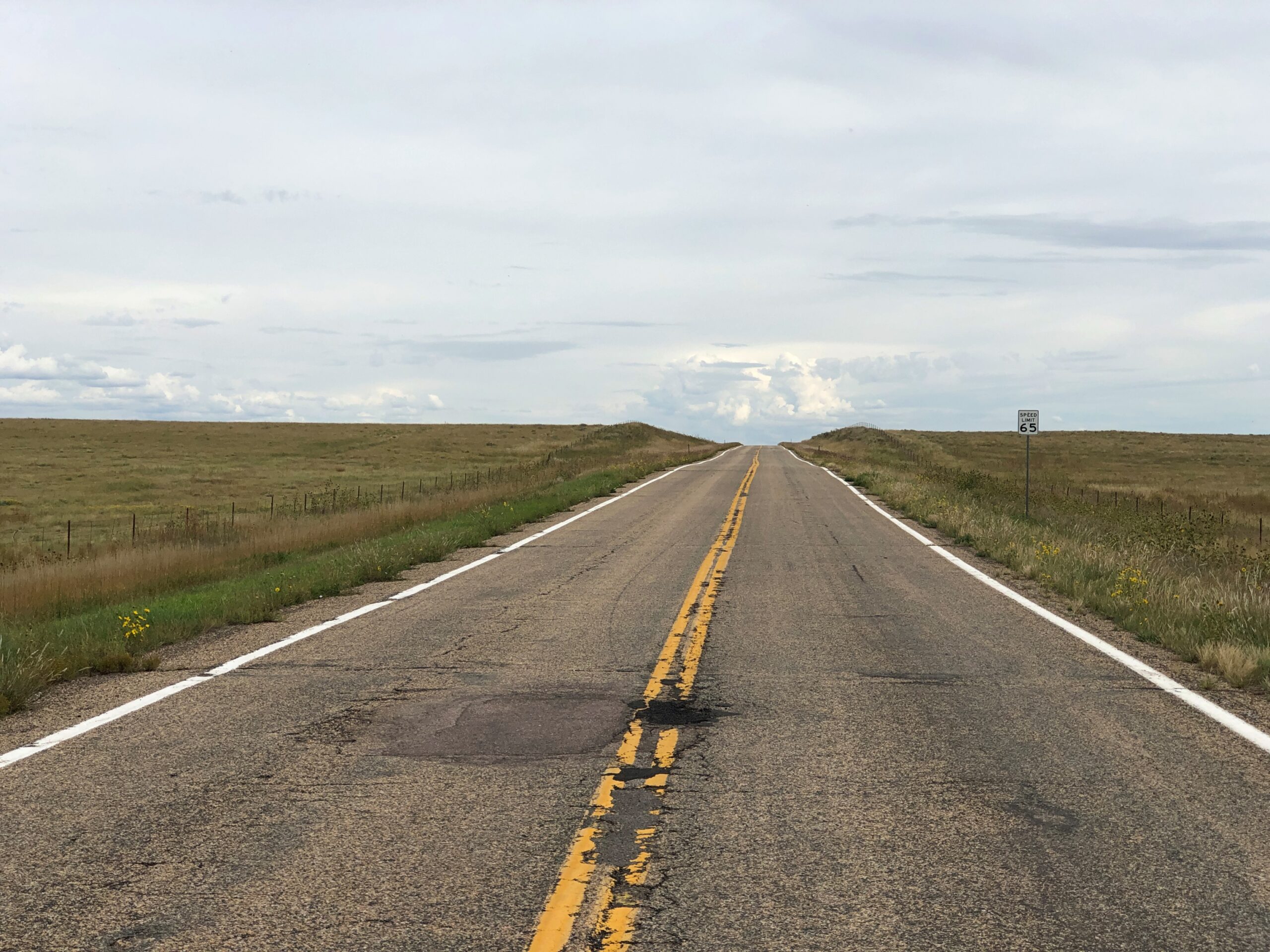
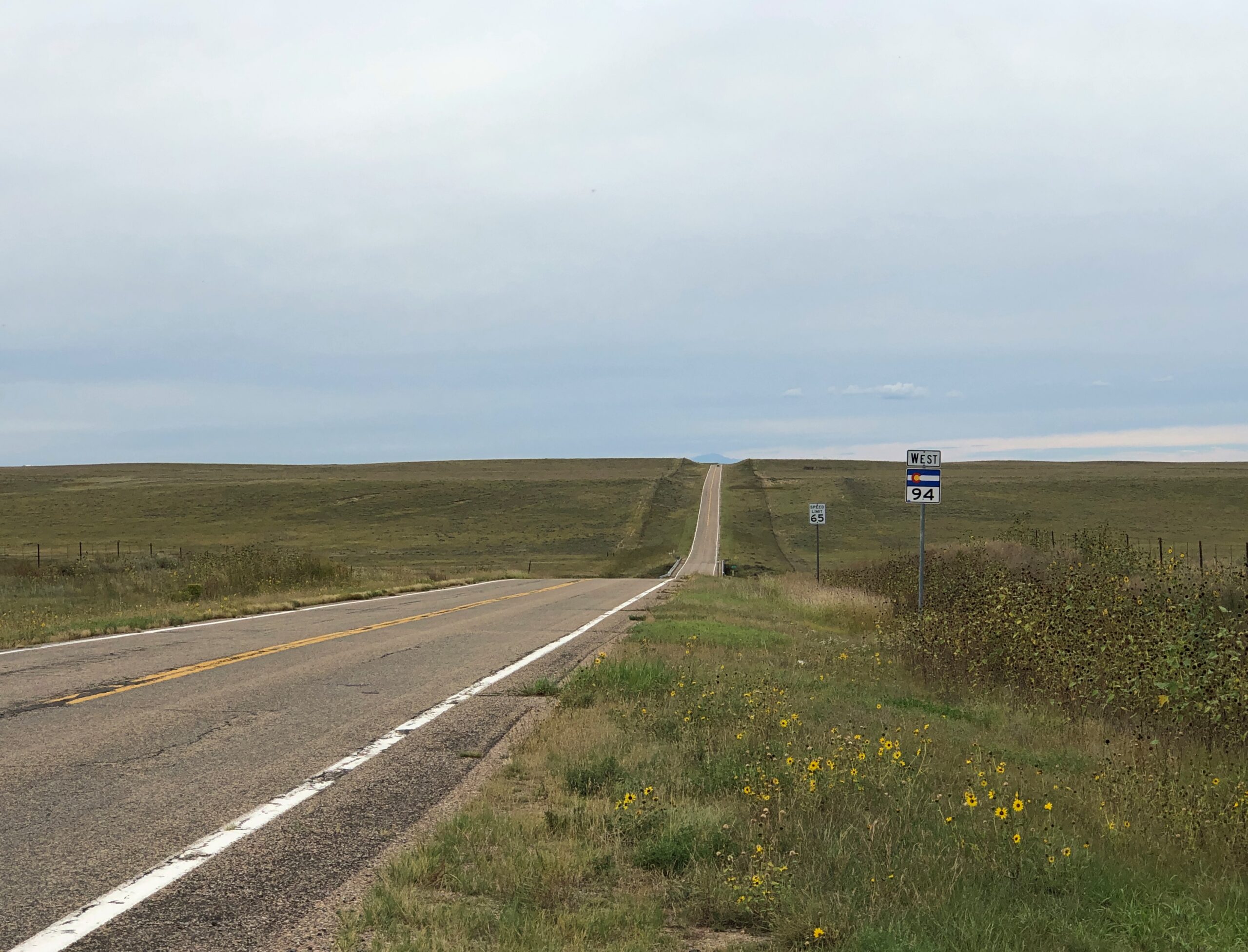
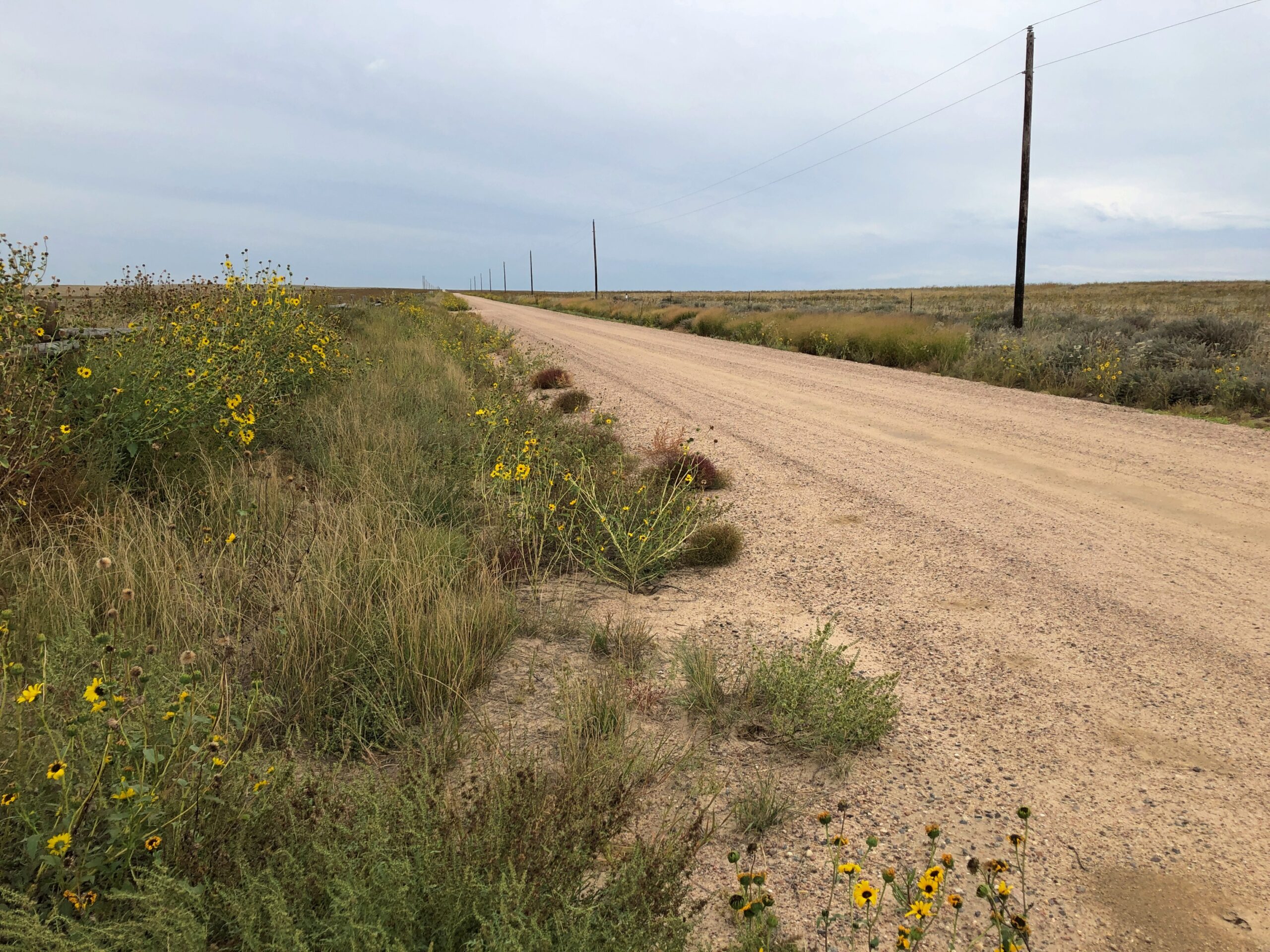
So east on Colorado 94 it was, which passes through such hamlets as Yoder, Rush and Punkin Center. Mostly, though, there are few signs of people.

Eastern Colorado

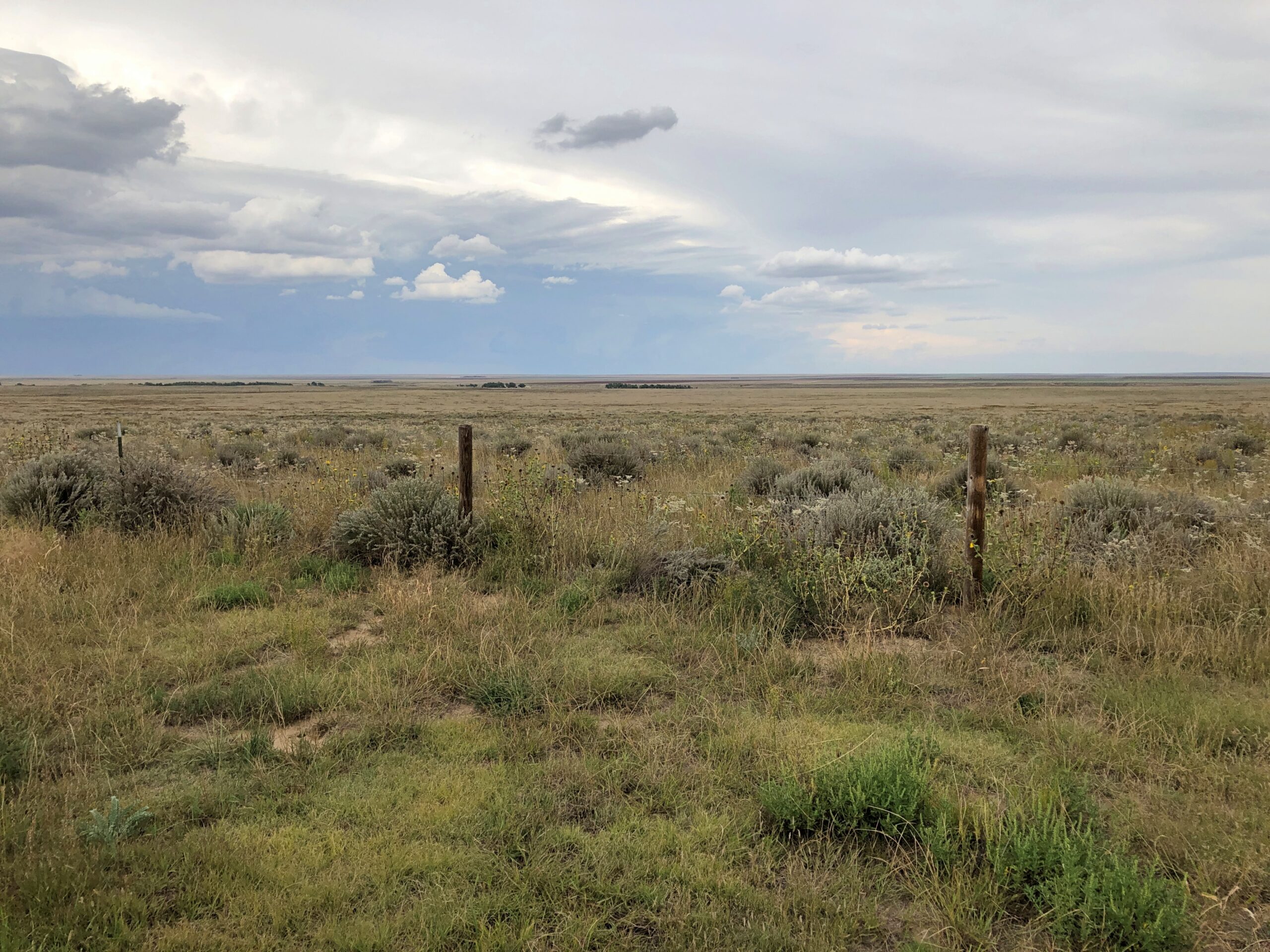
I noticed the Front Range growing smaller in my rearview mirror. I wondered at what point they would vanish from sight, and decided to keep track of their shrink, and note the last time I could see them. Naturally, I forgot about that resolve, and next thing I knew, the road backward and forward stretched to both horizons.

This is looking back west, a mountain barely visible, and is also an image illustrating that the eastern Colorado terrain isn’t completely flat.

Eastern Colorado

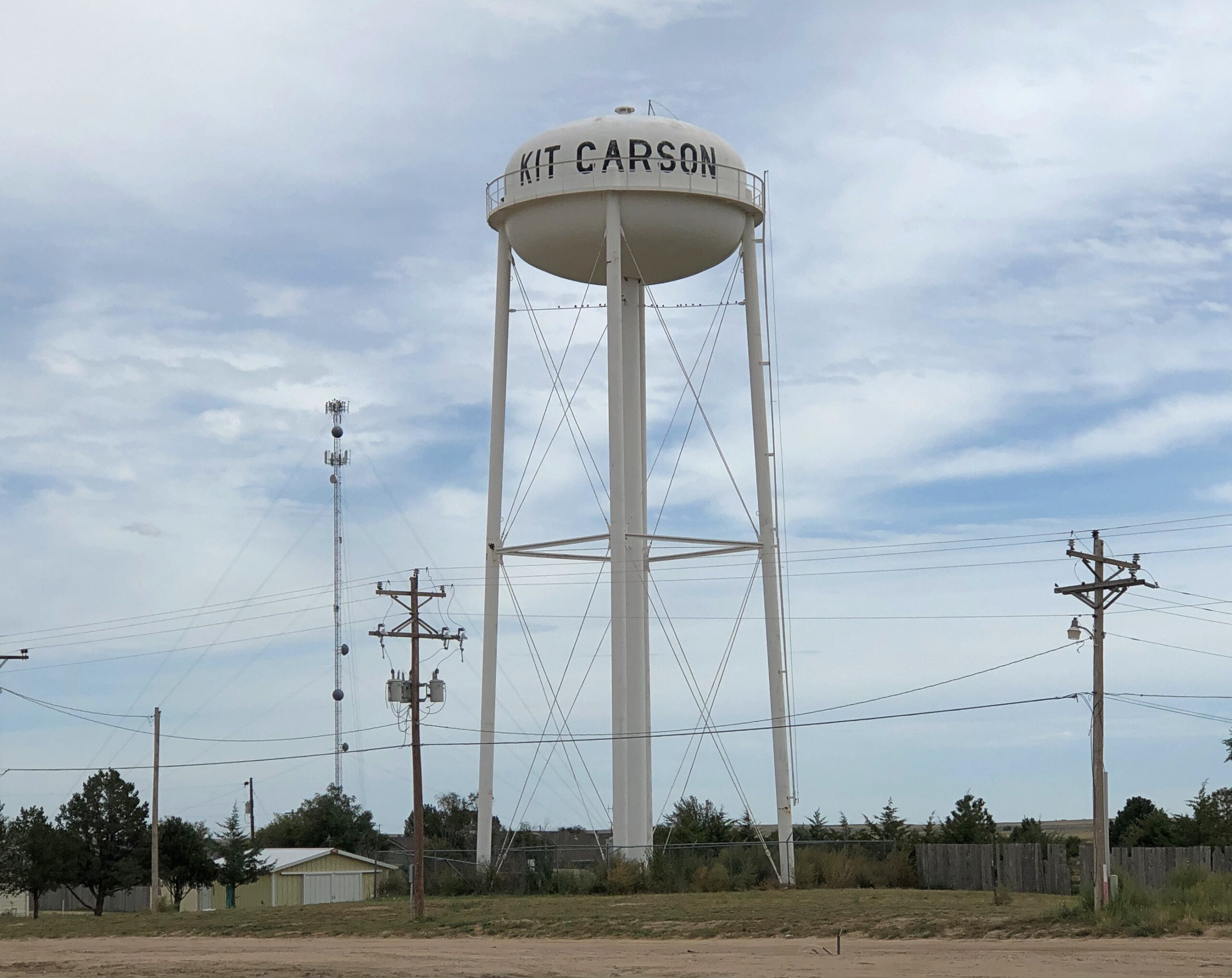
Eastbound Colorado 94 ends near Aroya, where it meets US 40/287. I took that road southeast to Kit Carson (pop. 255).

Kit Carson, Colorado

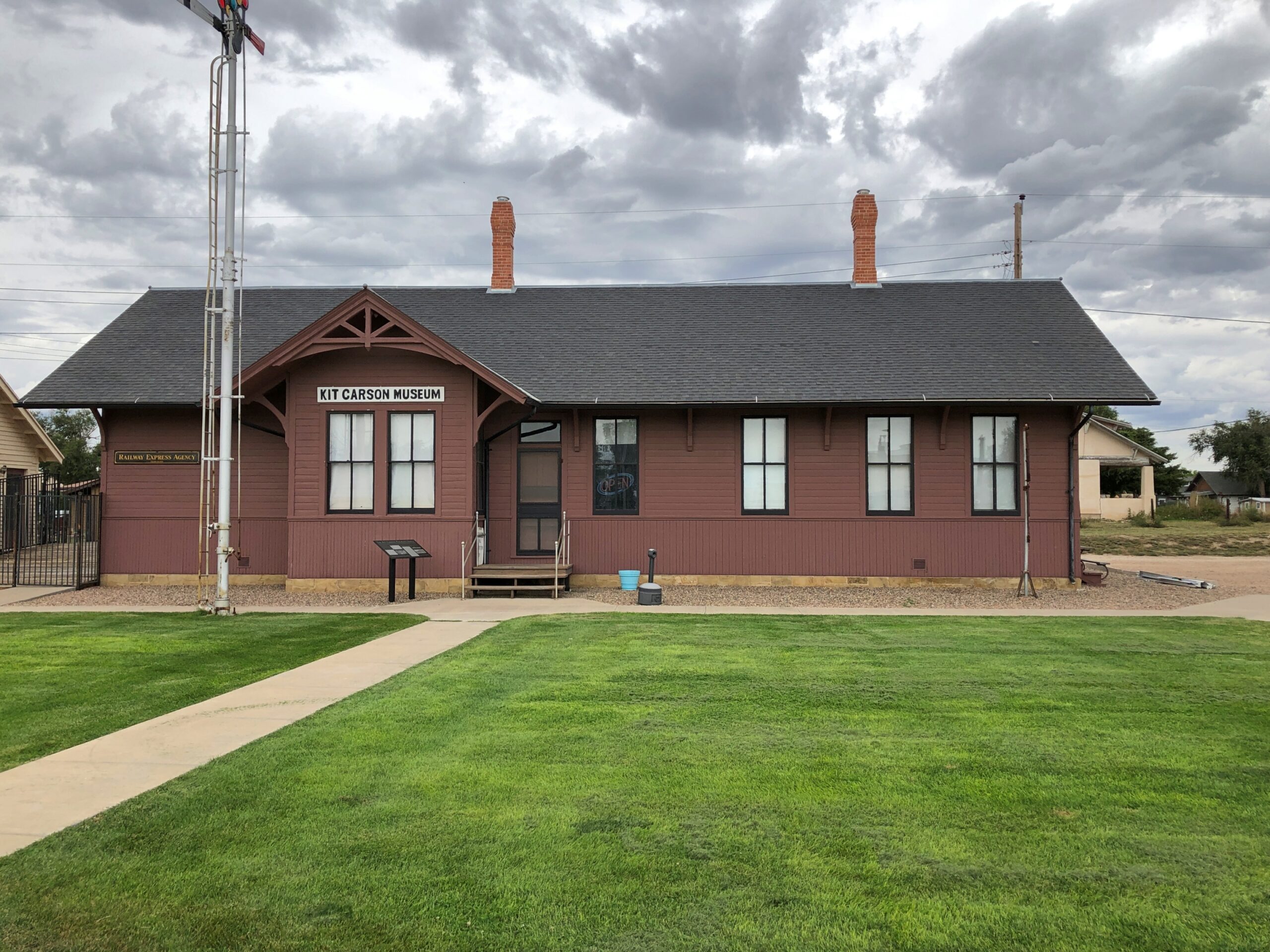
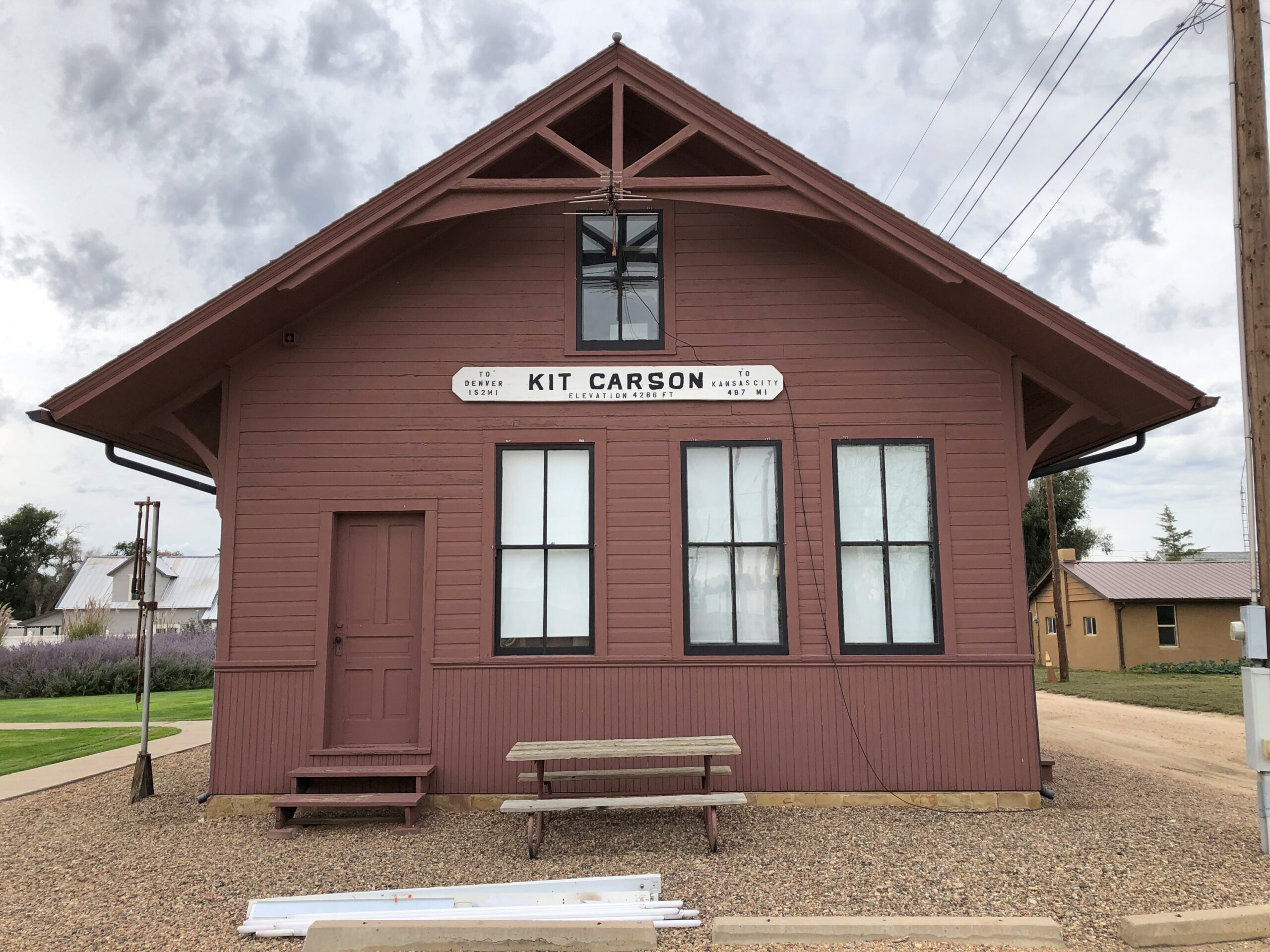
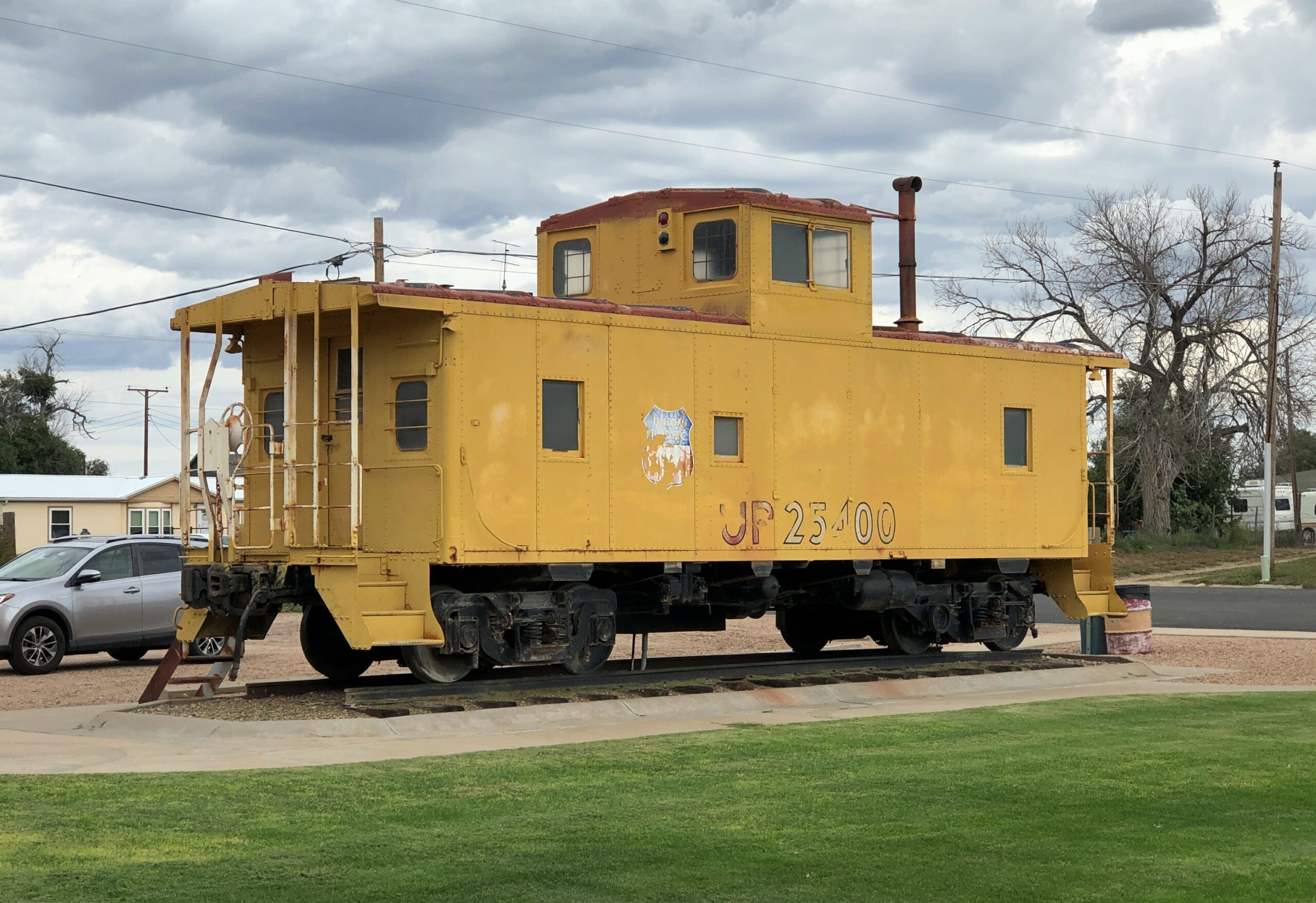
The railroad still comes through Kit Carson. It’s safe to say that without the railroad, the town might be no larger than Punkin Center. The Kit Carson Railroad Depot is now a museum.

Kit Carson, Colorado

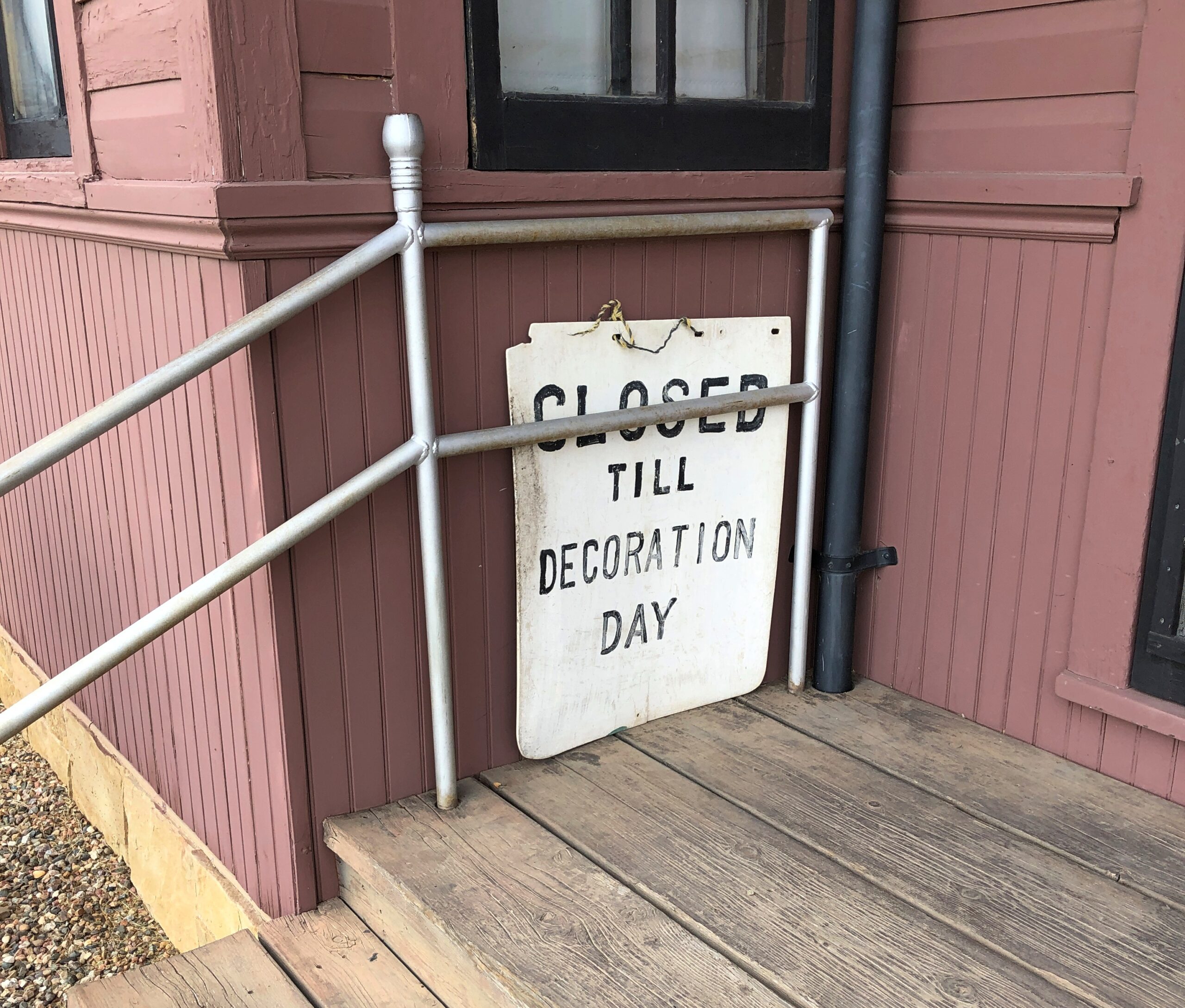
Closed. Till Decoration Day. Really?

Kit Carson, Colorado

In any case, it was closed on September 22.

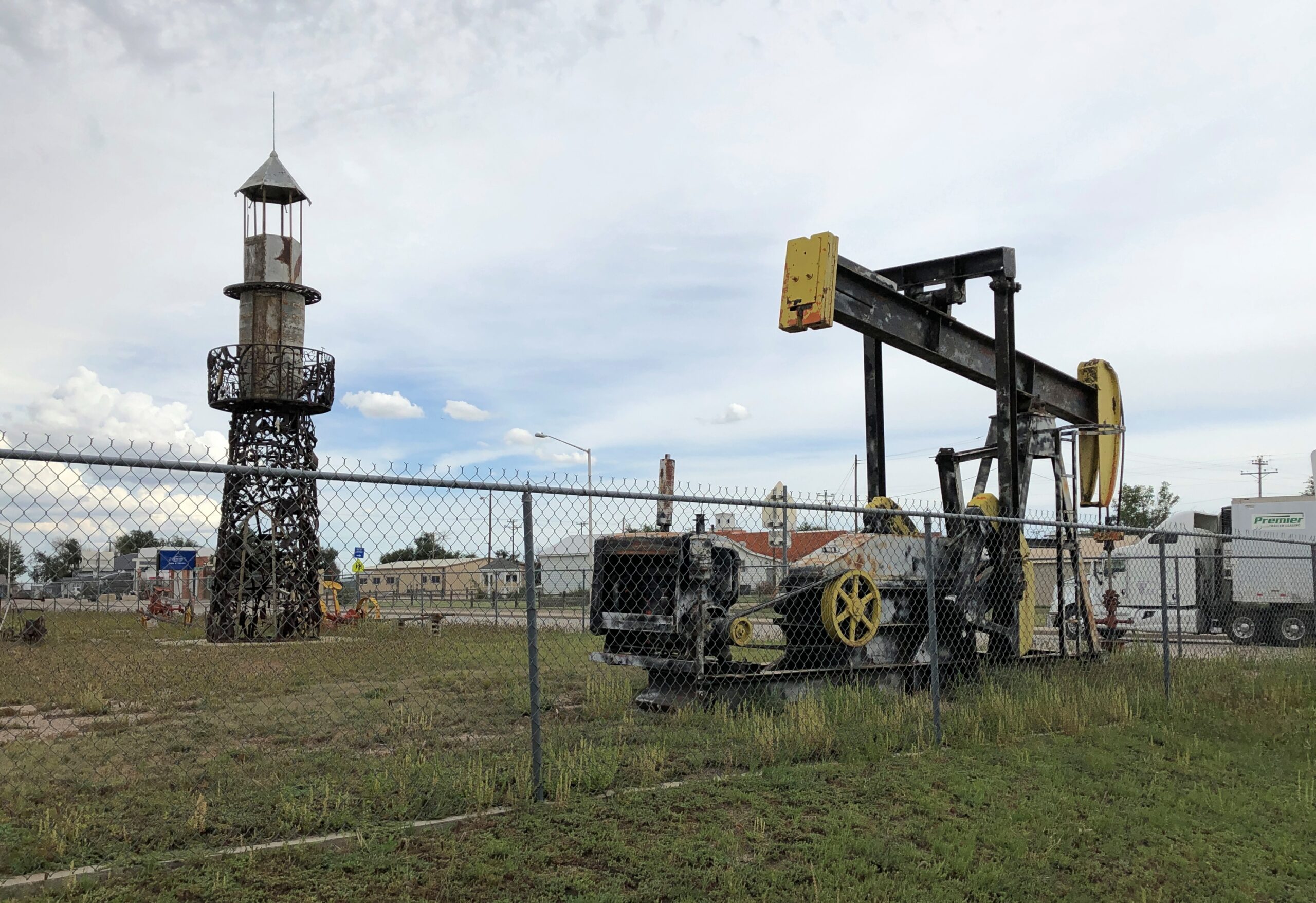
Across the street, metal works. The pump jack is one thing, but the other is a — tower?

Kit Carson, Colorado

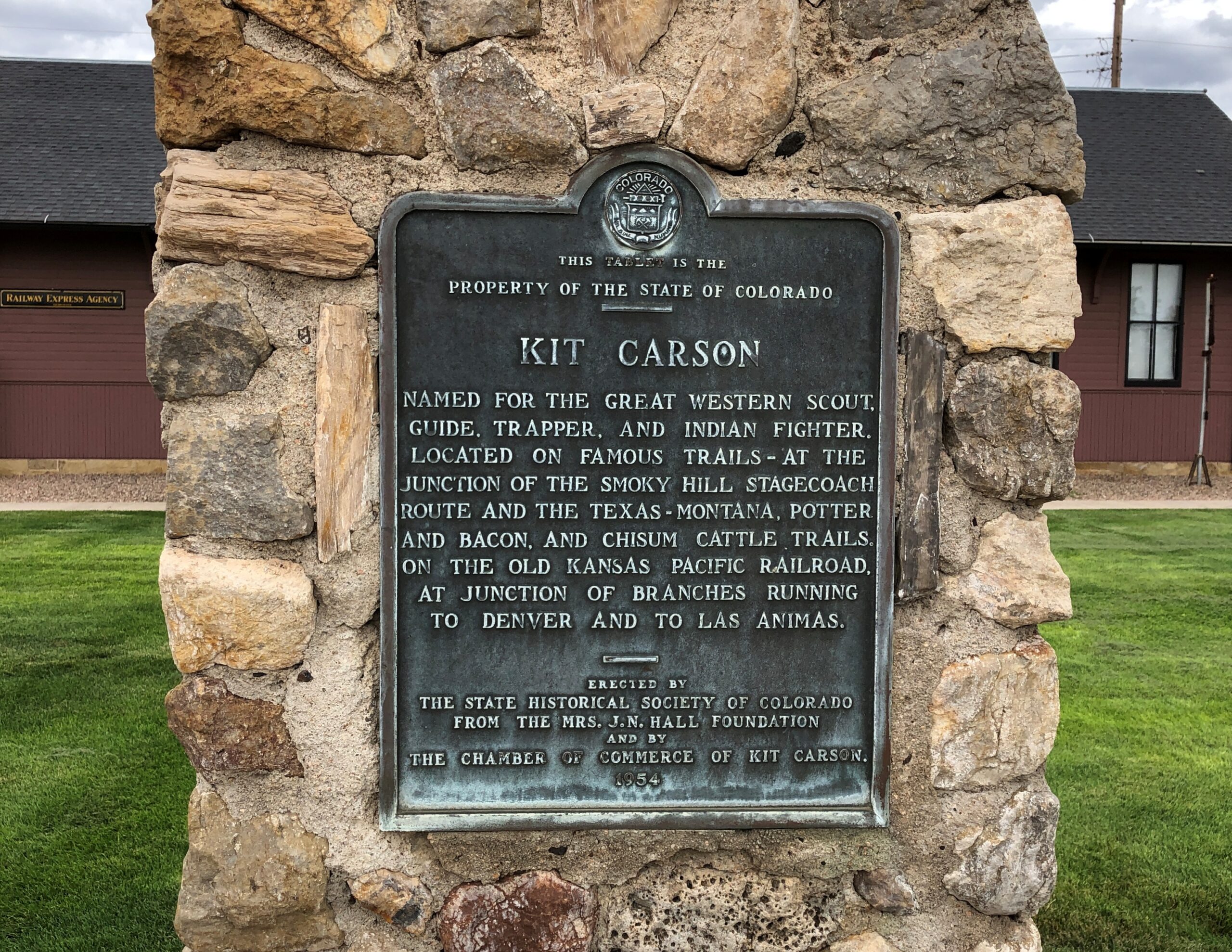
The Kit Carson town web site has a few things to say about itself:

The town of Kit Carson had two locations. The original site was located near the site where Kit Carson traded with the Arapahoe and Cheyenne Indians. The present site was determined by the arrival of the railroad. Destroyed by fire three times, twice by the torches of Indians and once by carousing cowboys, the determined citizens of the town showed their desire to survive by rebuilding.

I can’t help but think those carousing cowboys were actually a gang of rustlers, cutthroats, murderers, bounty hunters, desperados, mugs, pugs, thugs, nitwits, halfwits, dimwits, vipers, snipers, con men, Indian agents, Mexican bandits, muggers, buggerers, bushwhackers, hornswogglers, horse thieves, bull dykes, train robbers, bank robbers, ass-kickers, shit-kickers and Methodists.

Also of note, according to the town: The railroad brought in foreign dignitaries, such as the Grand Duke Alexis [Alexei Alexandrovich] of Russia. The Grand Duke hunted in Kit Carson and was accompanied by his military escort, General George Armstrong Custer on January 20, 1872. [Custer was a lieutenant colonel at the time, but never mind.]

Grand Duke Alexis was on his 1871-72 tour of America. Sounds like he had a fine old time. Could have been the subject of an episode of Death Valley Days, but I don’t think it was. Dom Pedro, emperor of Brazil, made an appearance, as did the Emperor Norton, but I digress.

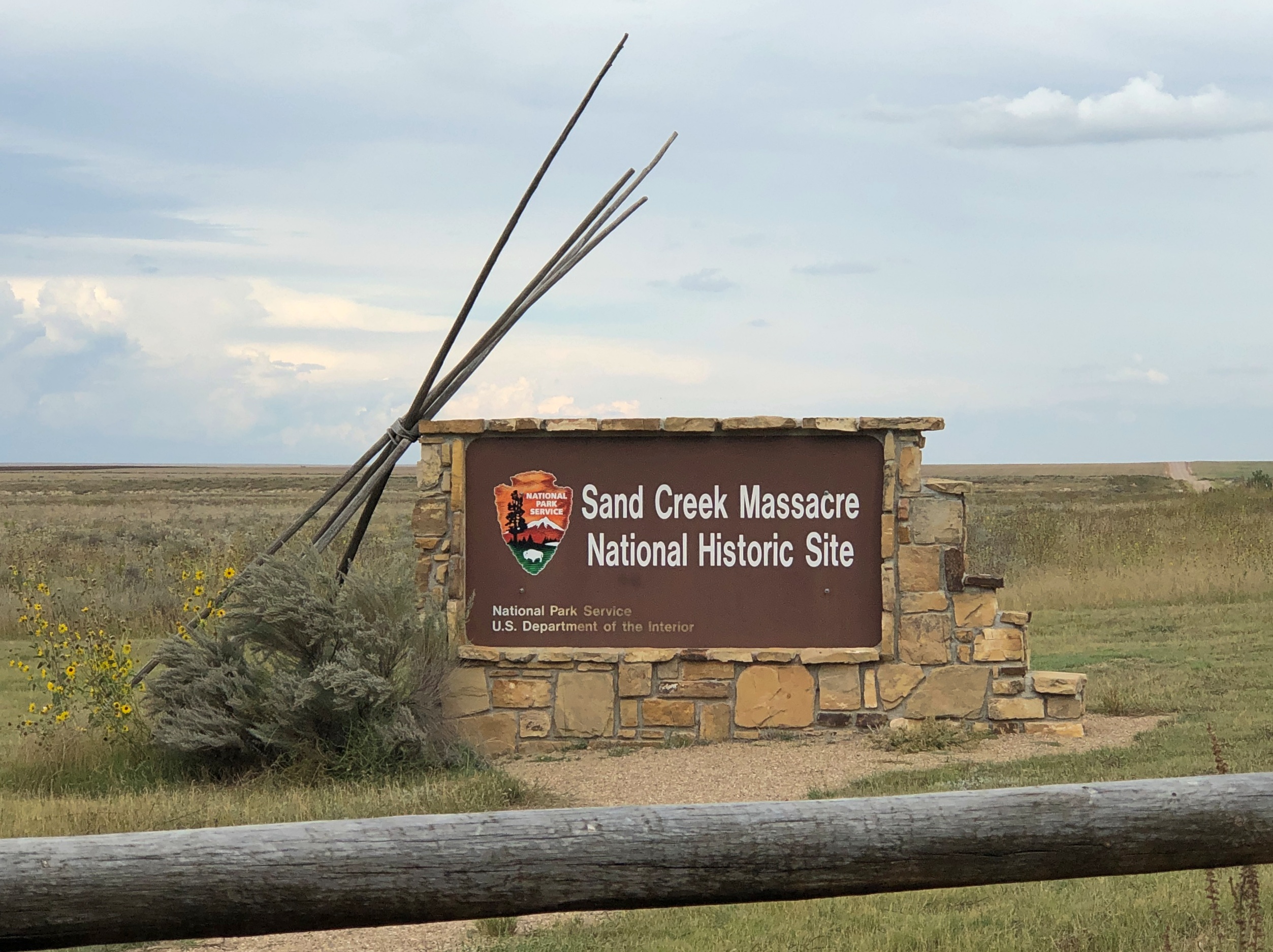
From Kit Carson, I headed south to Eads, still in Colorado, and then east on Colorado 96. I had the idea that I wanted to see the Sand Creek Massacre National Historic Site, which isn’t too far from that road. Just before the turnoff to the historic site, I noticed something odd near the highway.

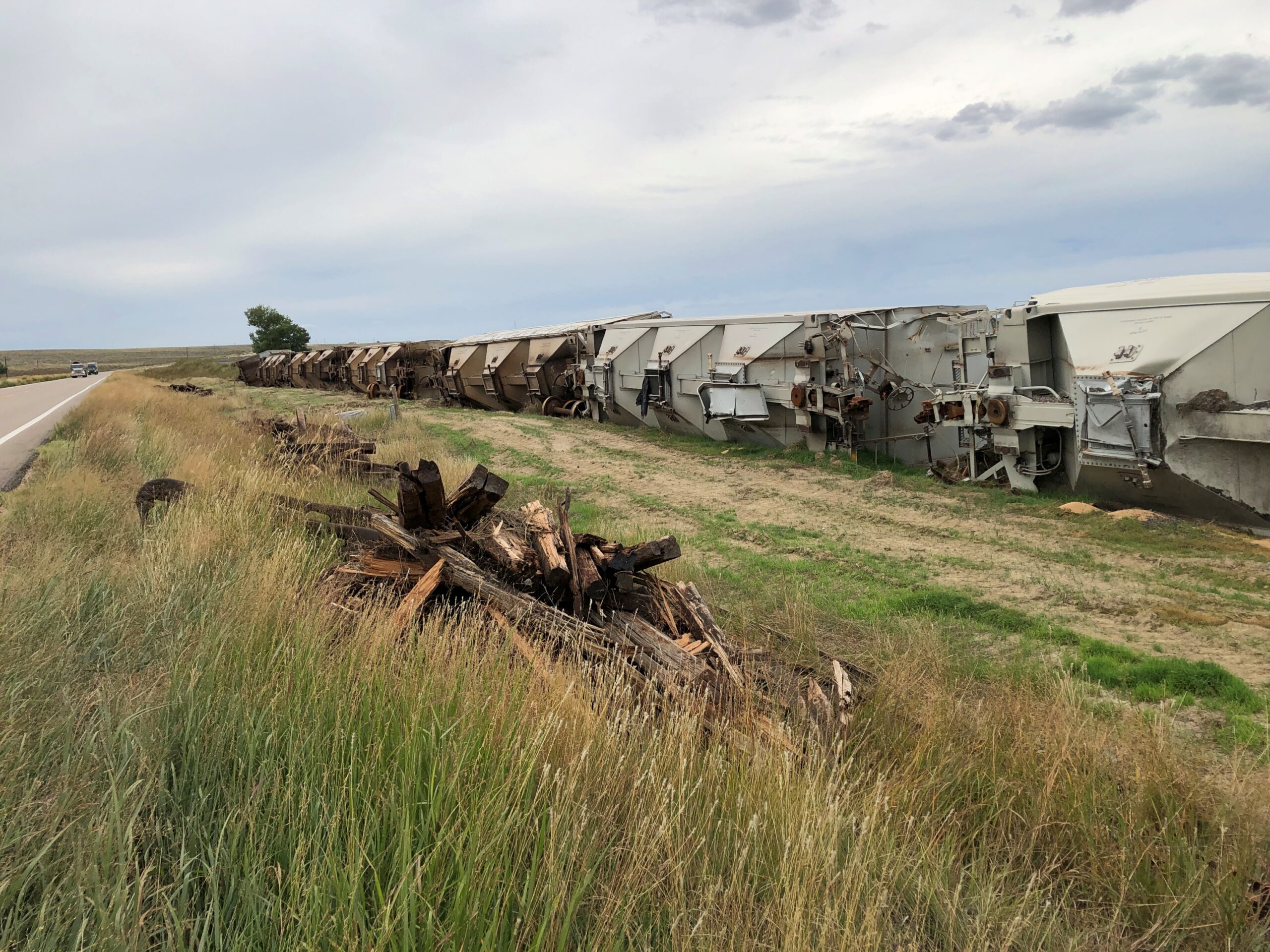
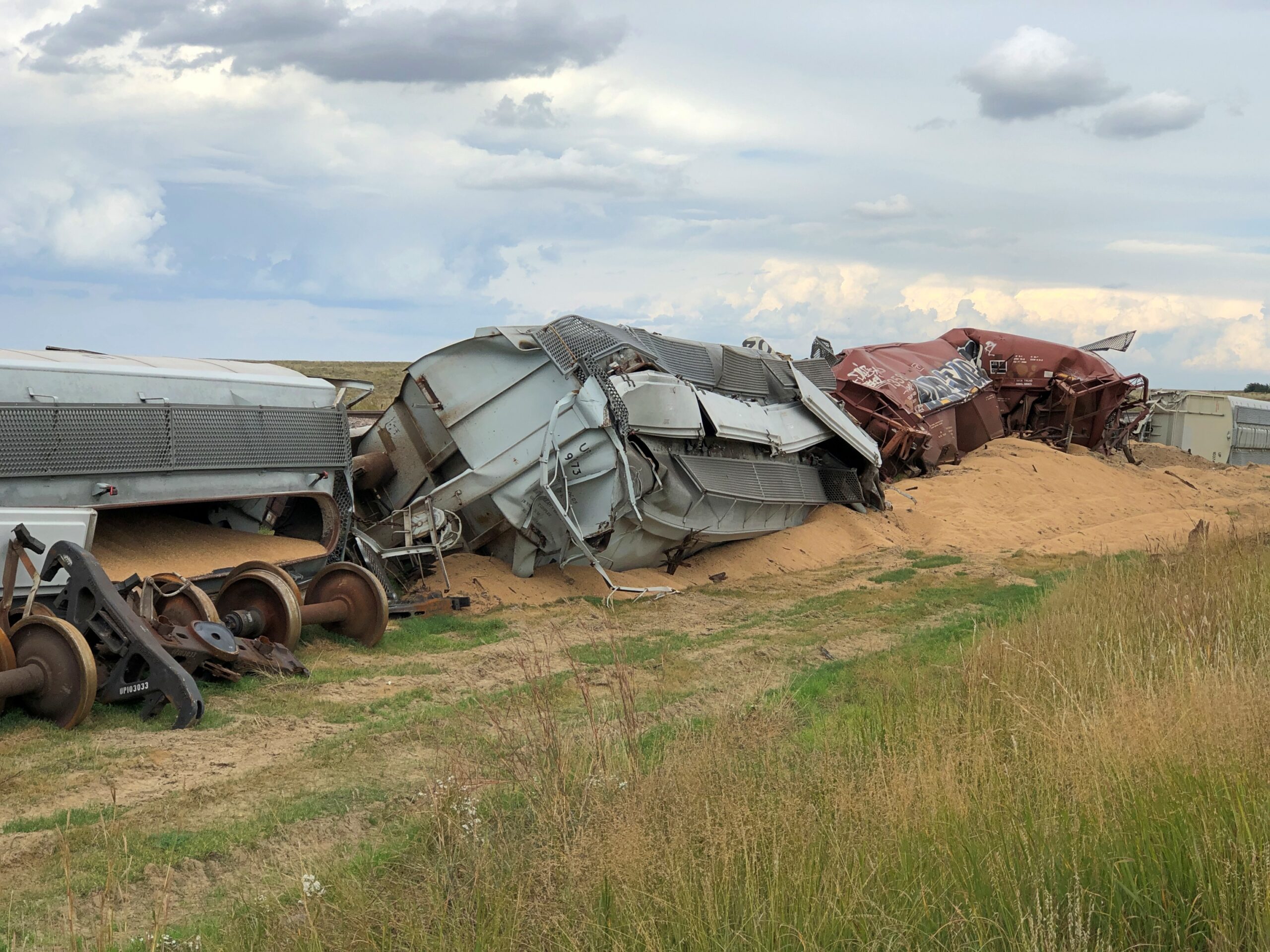
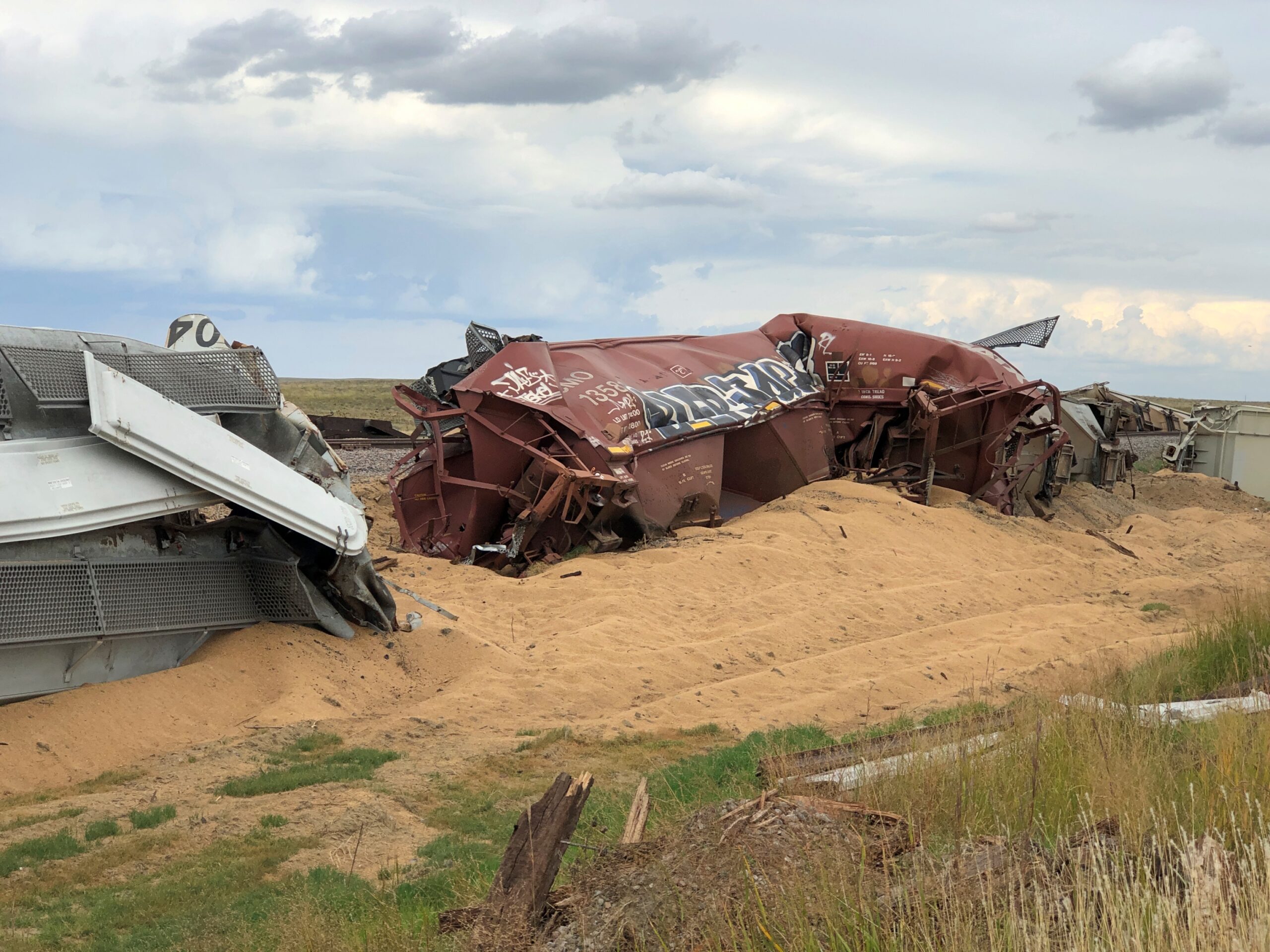
A wrecked train. A long wrecked train. The cars toward to back.

train wreck, Colorado

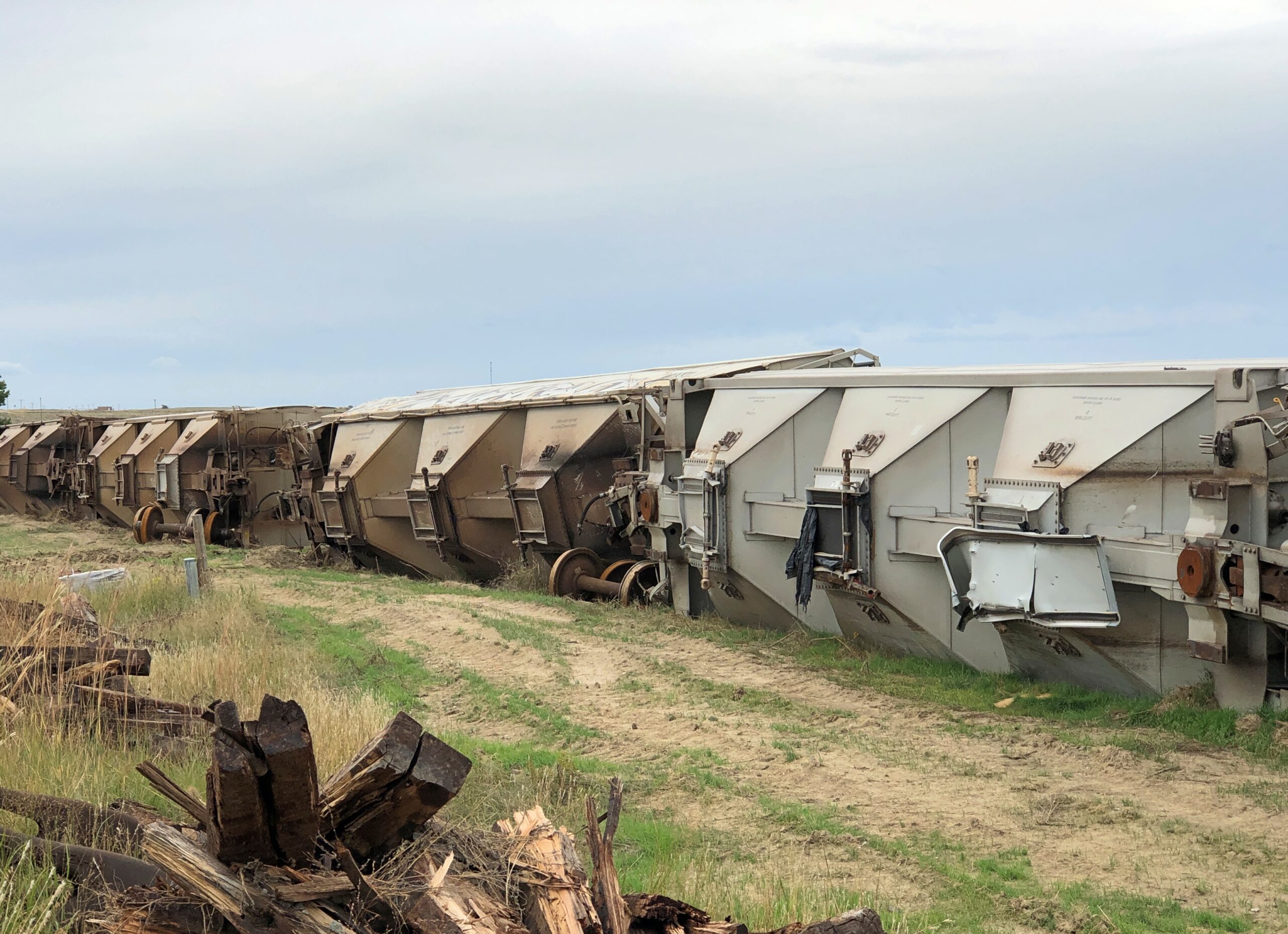
Toward the front.

train wreck, Colorado

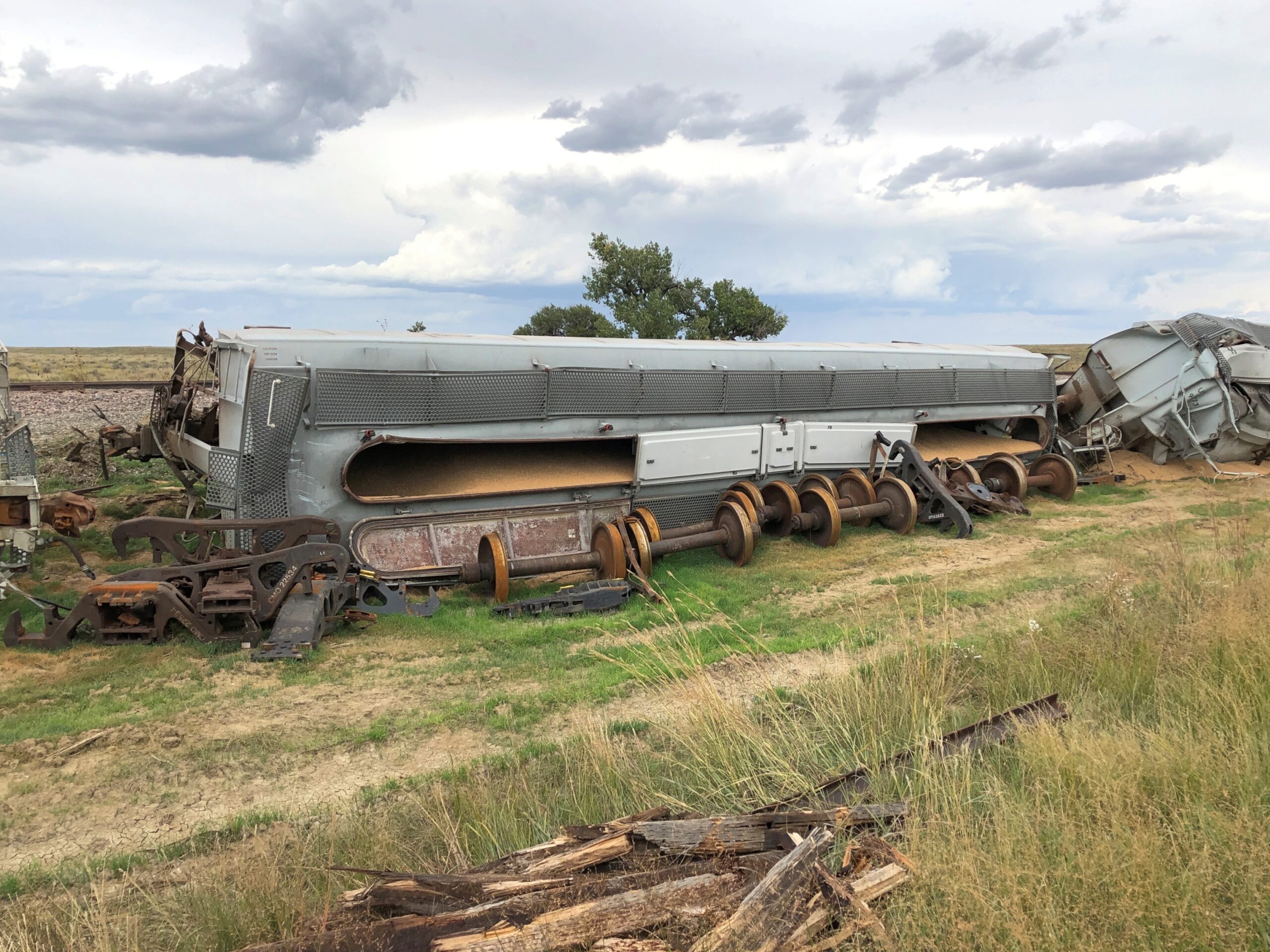
Nary a clue as to how it happened, or when, except that the cars don’t seem rusted or overgrown. I stayed on the road to take my pictures. The cars are lined up as if they were dumped off the track on purpose. No. Why? Or could it have been some odd accident in which the train essentially fell off in place? Or is that how derailments work? Why are front cars especially mangled?

It didn’t take too much research (later) to find some answers. The Kiowa County Independent reported in August: The heavily laden train was navigating a significant curve and elevation change west of Chivington when 16 covered hopper cars derailed. Each was filled with thousands of bushels of wheat, spilling tons of grain onto the ground along Highway 96, which runs parallel to the rail line.

Oops. Guess everyone would have heard about it if the cargo had been more volatile or toxic.

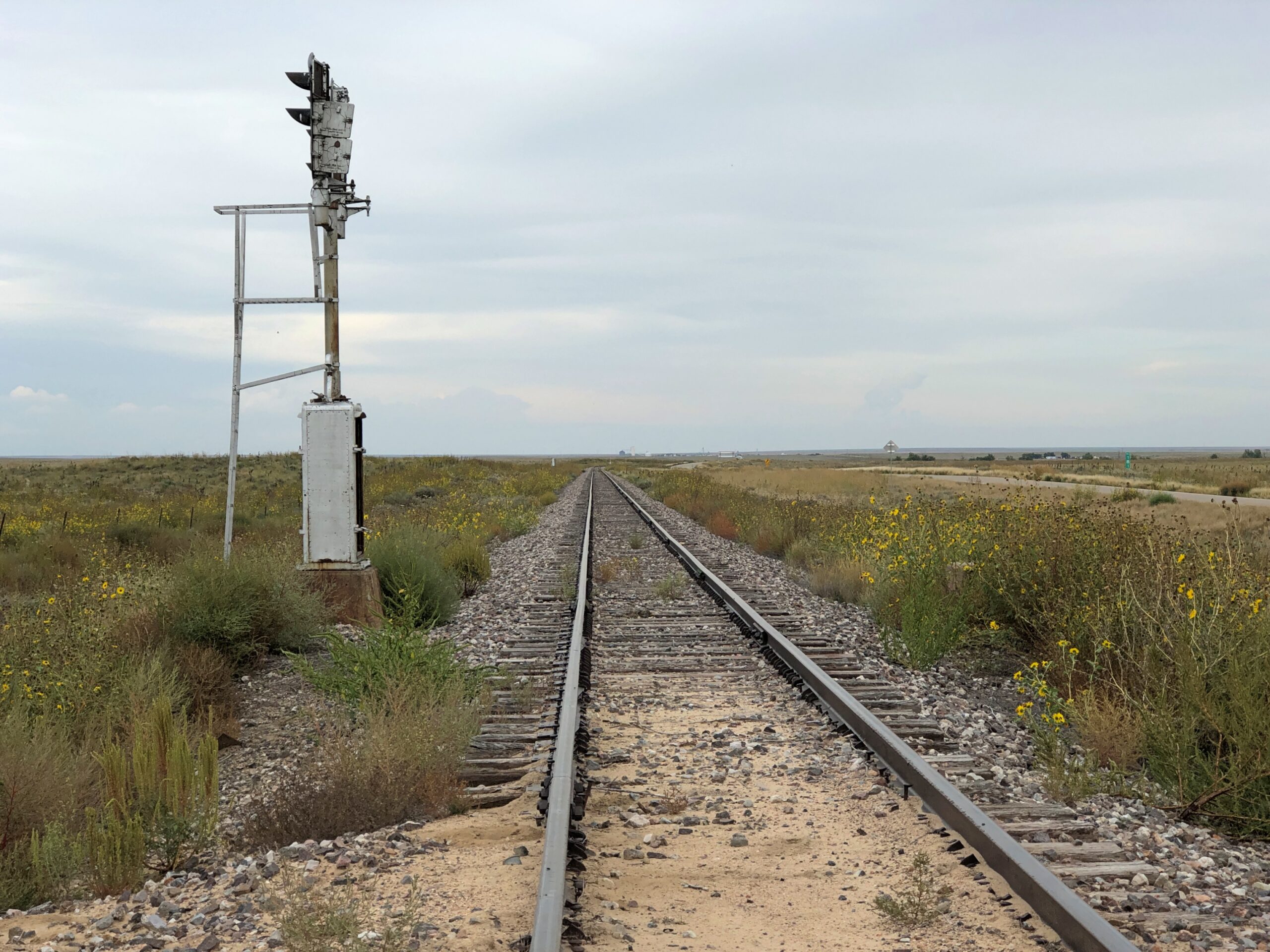
At the turnoff to the historic site, I got a view of the tracks (again, from the road). Far enough away that the mangled train cars aren’t visible.

Eastern Colorado

On to the historic site, via an unpaved road.

Eastern Colorado
Eastern Colorado
Eastern Colorado

Turns out the historic site closes at 4 pm. I got there just as the rangers were leaving, and one of them, who had a remarkable collection of snaggled and bent teeth, told me so politely. I didn’t argue with him, but I also wondered why a site so remote closes at all, except maybe for the visitors center or small museum. Rules is rules, I guess.

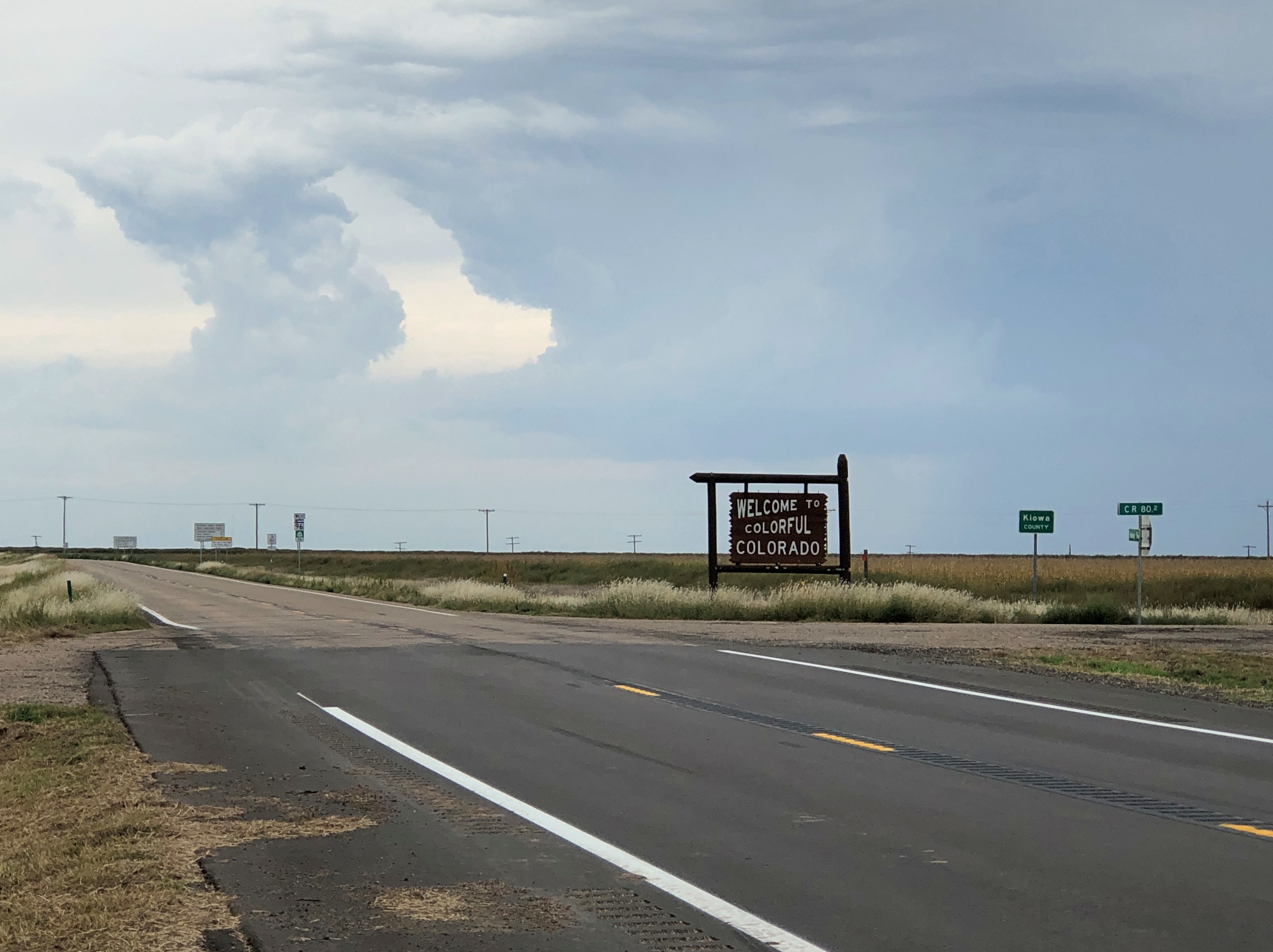
That was pretty much it for Colorado. I got to the border with Kansas not long after, and looked back.

Colorado-Kansas Border

Colorful Colorado. I’ll go along with that.

Colorado Mountain Drives

Metro Denver is enormous, much larger than I remembered, even as recently as 2017. Or so it seemed. To the south, Colorado Springs is fairly large, but some orders of magnitude less than the monster metro to its north. Further south, Pueblo doesn’t seem that big, but even so it has 111,000 residents, give or take.

Then you come to Walsenburg. Who has heard of Walsenburg, Colorado (pop. 3,035), even though it too is on I-25 and on the irregular line where prairie and mountains meet? Colorado’s brisk growth over the last few decades seem to have passed it by. Its peak population was in 1940, when more than 5,800 people lived there.

I wish I could say I’d formed an impression of Walsenburg, but we stopped only for gas, and to get off the Interstate.

US 160, Walsenburg to Alamosa

Walsenburg has few people, and when you go west on US 160, that dwindles to practically none. The road crosses the Culebra Range of the Sangre de Cristo Mountains at North La Veta Pass, elevation 9,413 feet, into the San Luis Valley. I enjoyed writing that sentence almost a much as I enjoyed the drive itself.

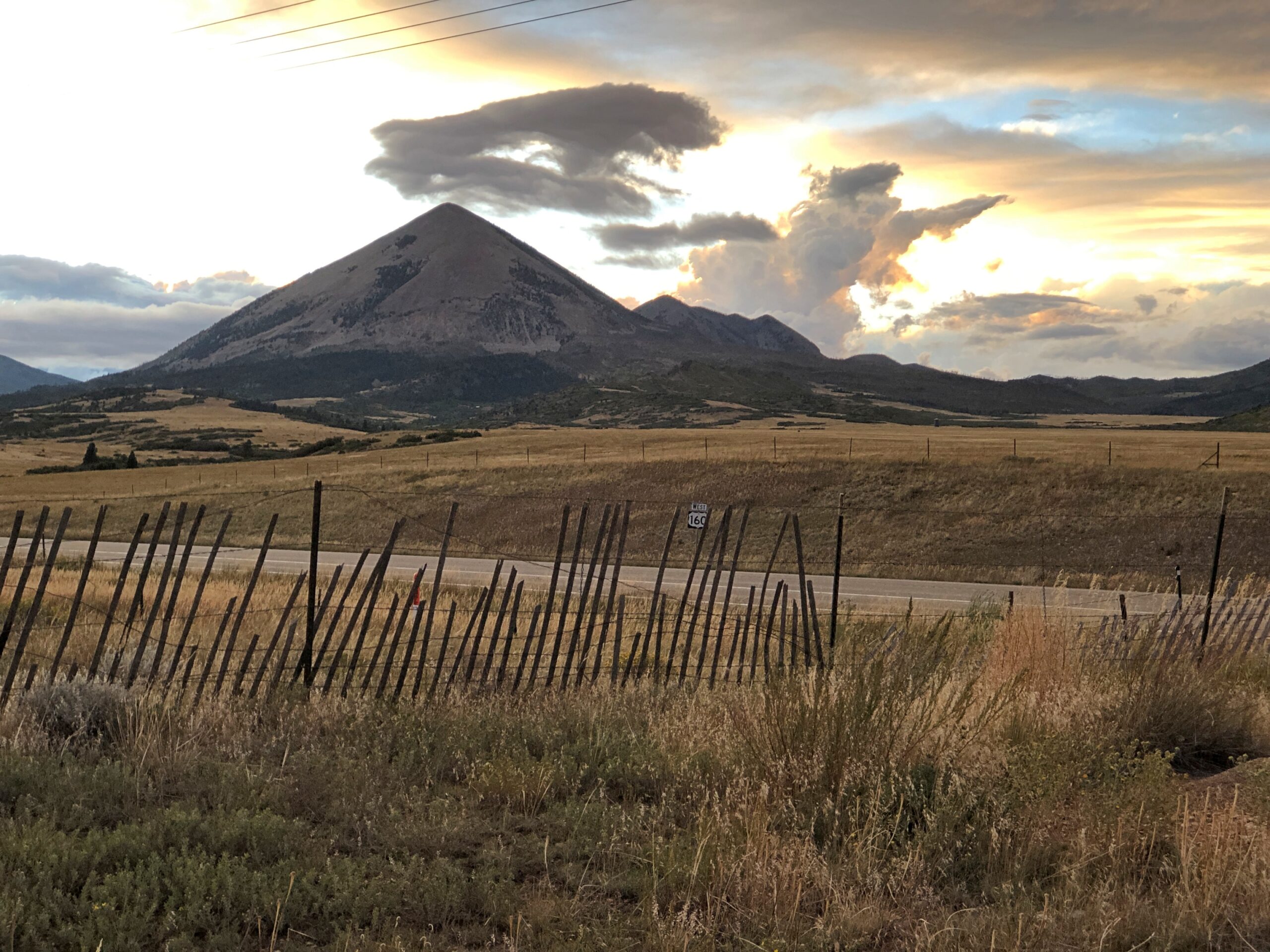
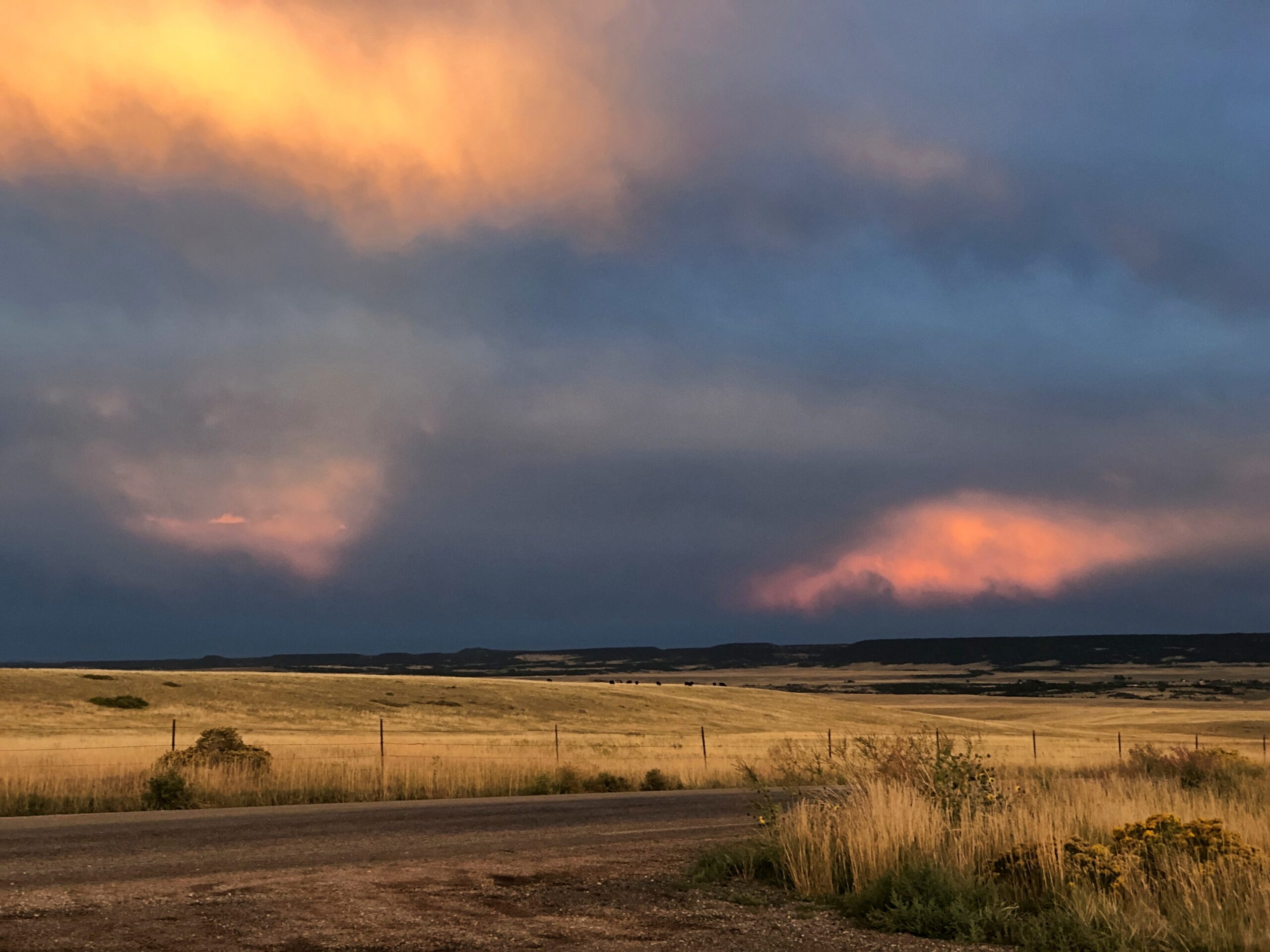
Enjoyable at least until dark. Wish we’d gotten to see more of it. We’d futzed around in Colorado Springs much of that day, September 13, including a fine lunch at Edelweiss German Restaurant. So the sun went down before we got to our destination, Alamosa. But we did stop for a few minutes on US 160 before we lost the light. A chilly wind blew clouds along at quite a speed, and for their part the clouds were catching the sunset in luminous patches. Until I can see the aurora, that will more than do.

Colorado
Colorado

Wolf Creek Pass, Way Up on the Great Divide

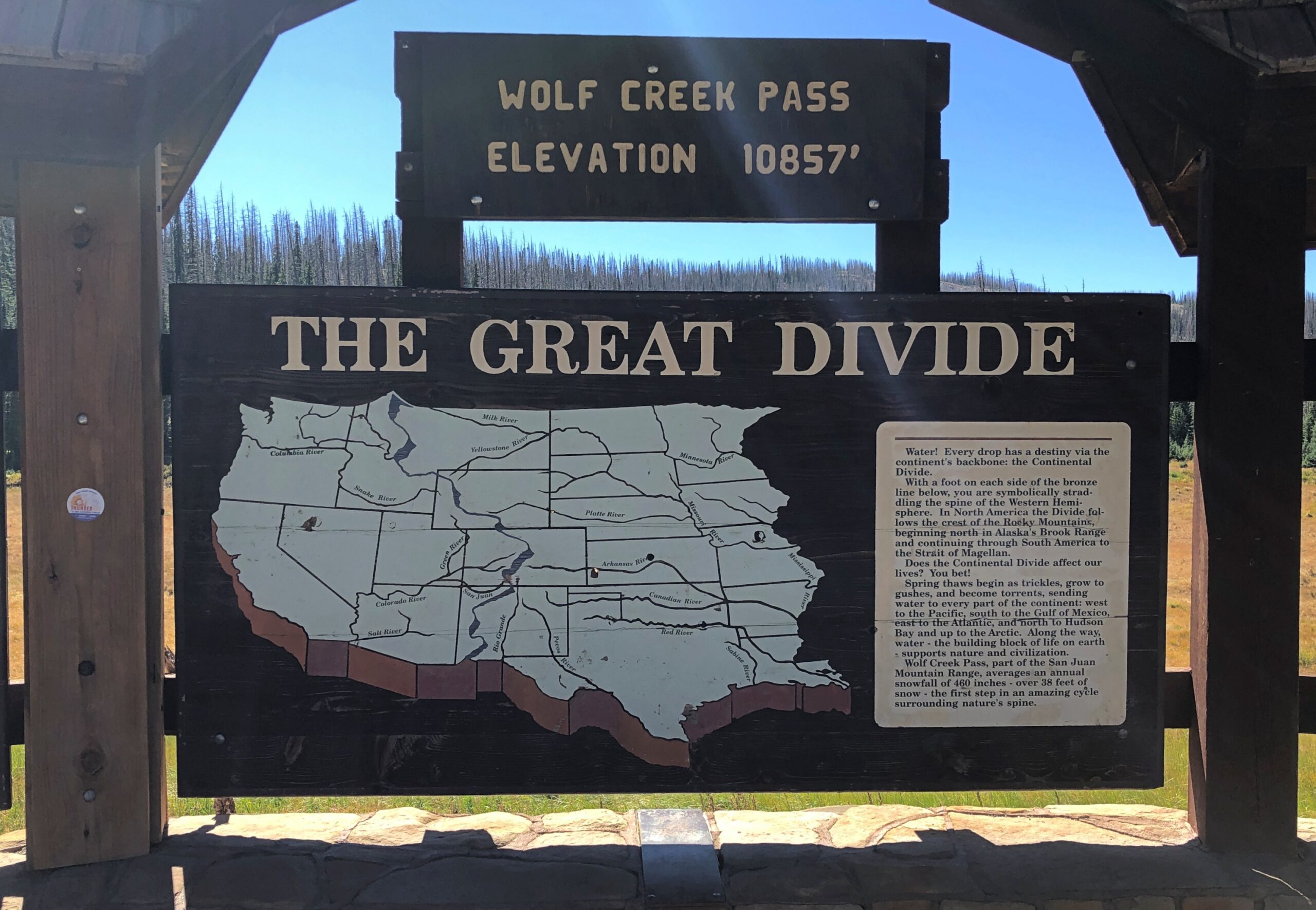
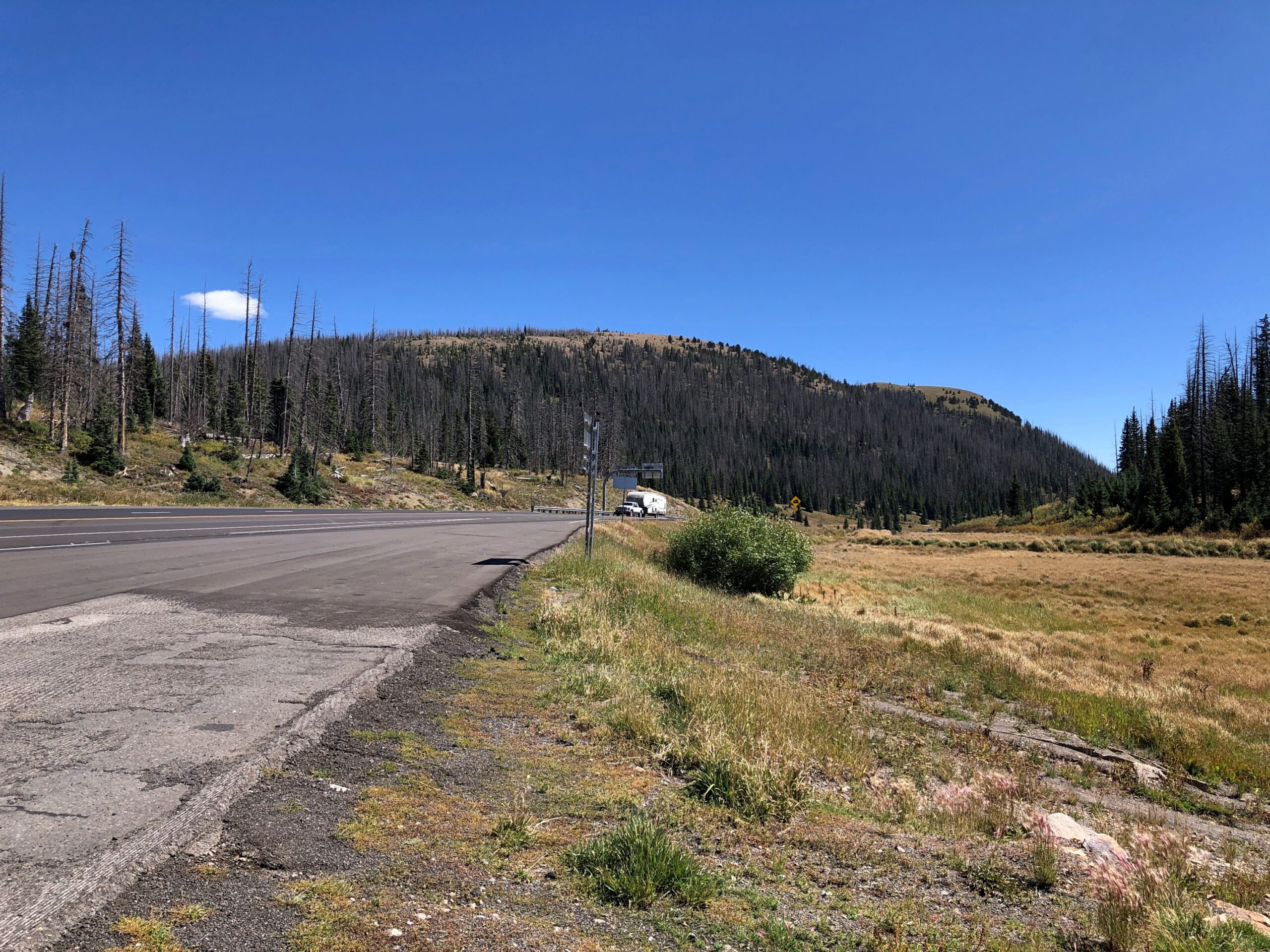
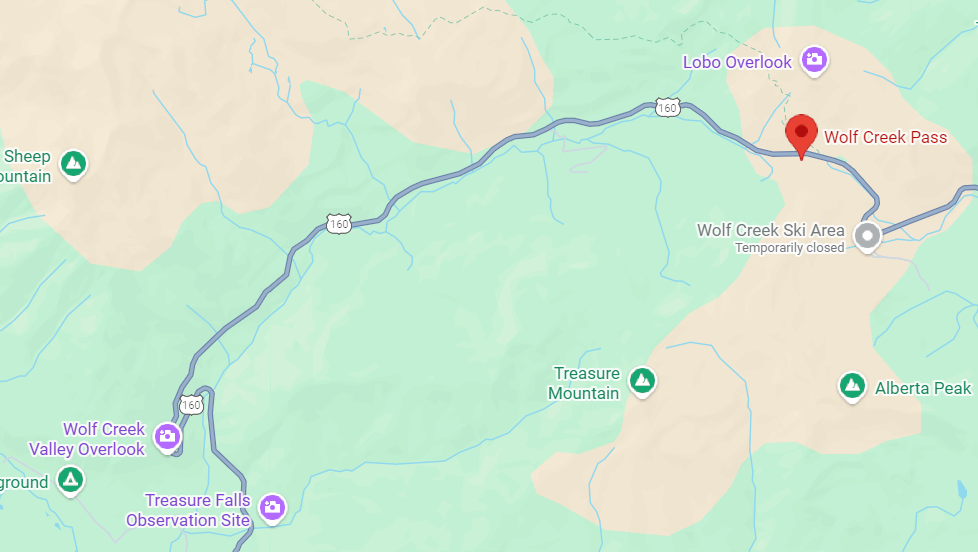
Follow US 160 west from Alamosa and eventually you’ll get to Four Corners. We didn’t go that far on the 15th, just to Durango. The road passes through much of the San Luis Valley, which is wide – the largest alpine valley in the world, they say – so the way is flat until you reach South Fork, Colorado. Then you climb into the San Juan Mountains, until you reach Wolf Creek Pass. Way up on the Great Divide.

Woof Creek Pass, Way Up on the Great Divide

Yuriko had been driving on the ascent to Wolf Creek Pass. Usually she doesn’t care for mountain roads, but she focused on a wide-load vehicle ahead of us, and we followed it up, though not at too close a distance. She thought better of driving down the other side, even though she’s never heard it immortalized by C.W. McCall.

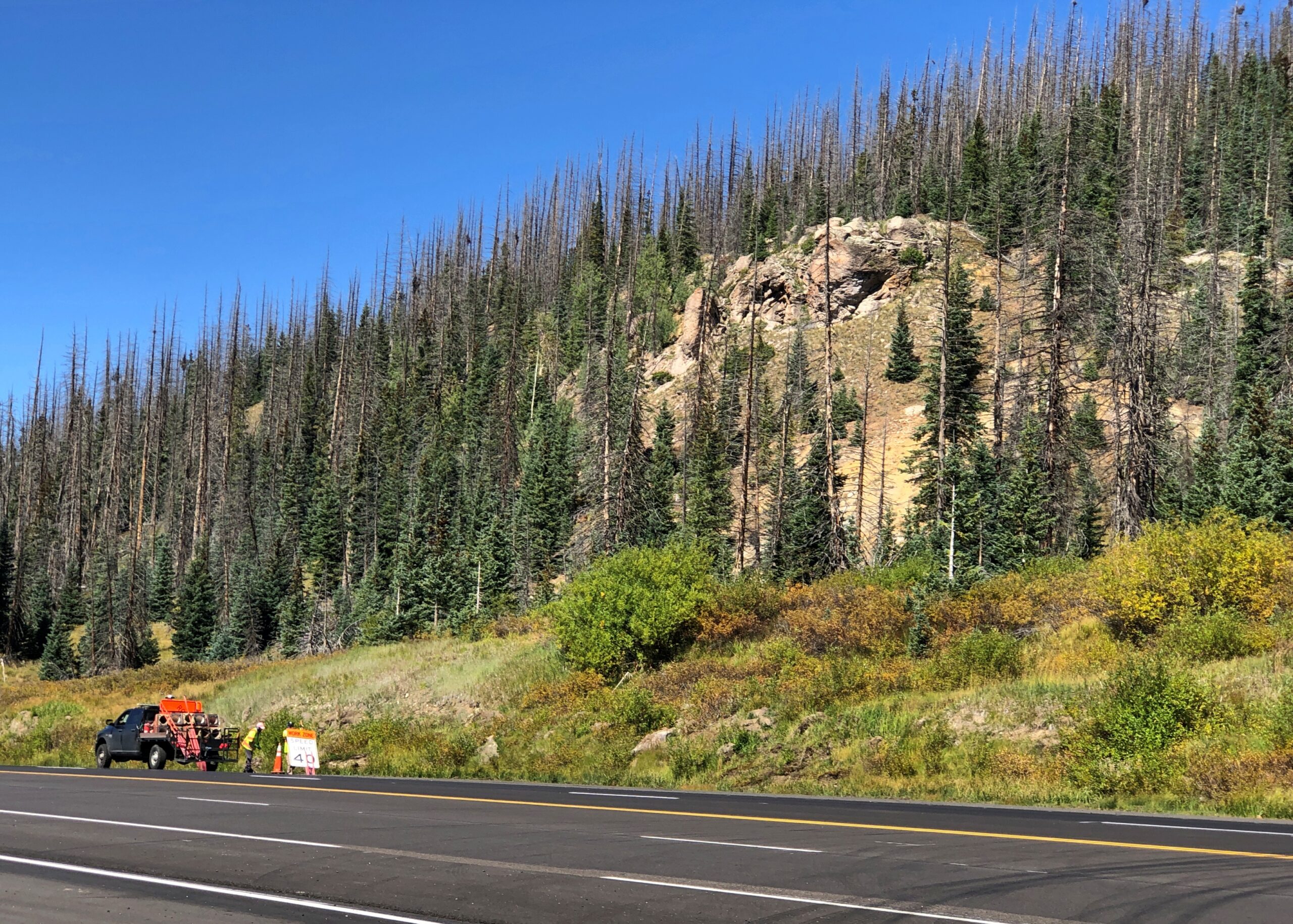
Wolf Creek Pass, Way Up on the Great Divide

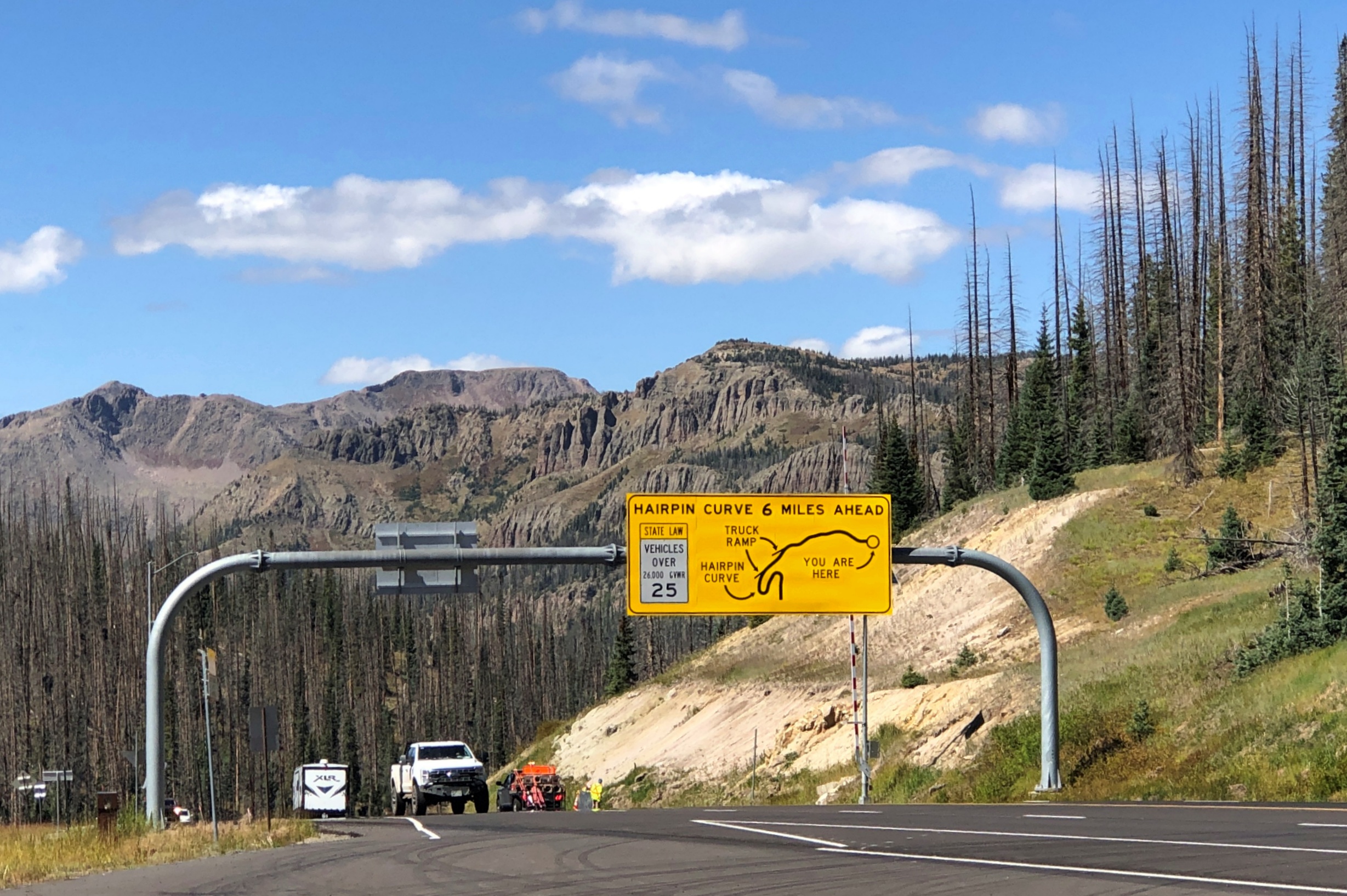
So I drove down. Truth be told, it’s not that bad on a clear day. In our time, US 160 down from Wolf Creek Pass is four lanes, and while curvy, only the hairpin turn – which you are well warned about – is a little tricky. Not that bad in a car, anyway. I couldn’t say about taking a truck down. I’ll bet 50 years ago the route was probably still two lanes and maybe even more winding, so C.W. was only exaggerating for comic effect, not making everything up.

Wolf Creek Pass, Way Up on the Great Divide

At the end of the drop is Pagosa Springs, whose main street was completely torn up with construction. We found lunch off the main drag at PS FroYo, which is one of those restaurants that makes money for a local charity, in this case Aspen House. We didn’t know that before we ate our sandwiches, just that it was near where we parked and not fast food. A nice bonus to find out.

Lewis Street wasn’t under construction, so that made for a pleasant stroll after lunch, including time at a resale shop. No post cards. Bought some nearly new jeans, which proved their $5 worth (and much more) when I was later deposited briefly in the Kansas mud. They were standing by at that moment, sitting in a bag on top of everything else in the back seat — blankets, sleeping bag, small bags with some winter wear. I didn’t have to dig around looking for them. That never happens, or so it seems, so I thought I’d remember when it did by noting it here.

Lewis Street.

Pagosa Springs, but not a feed store

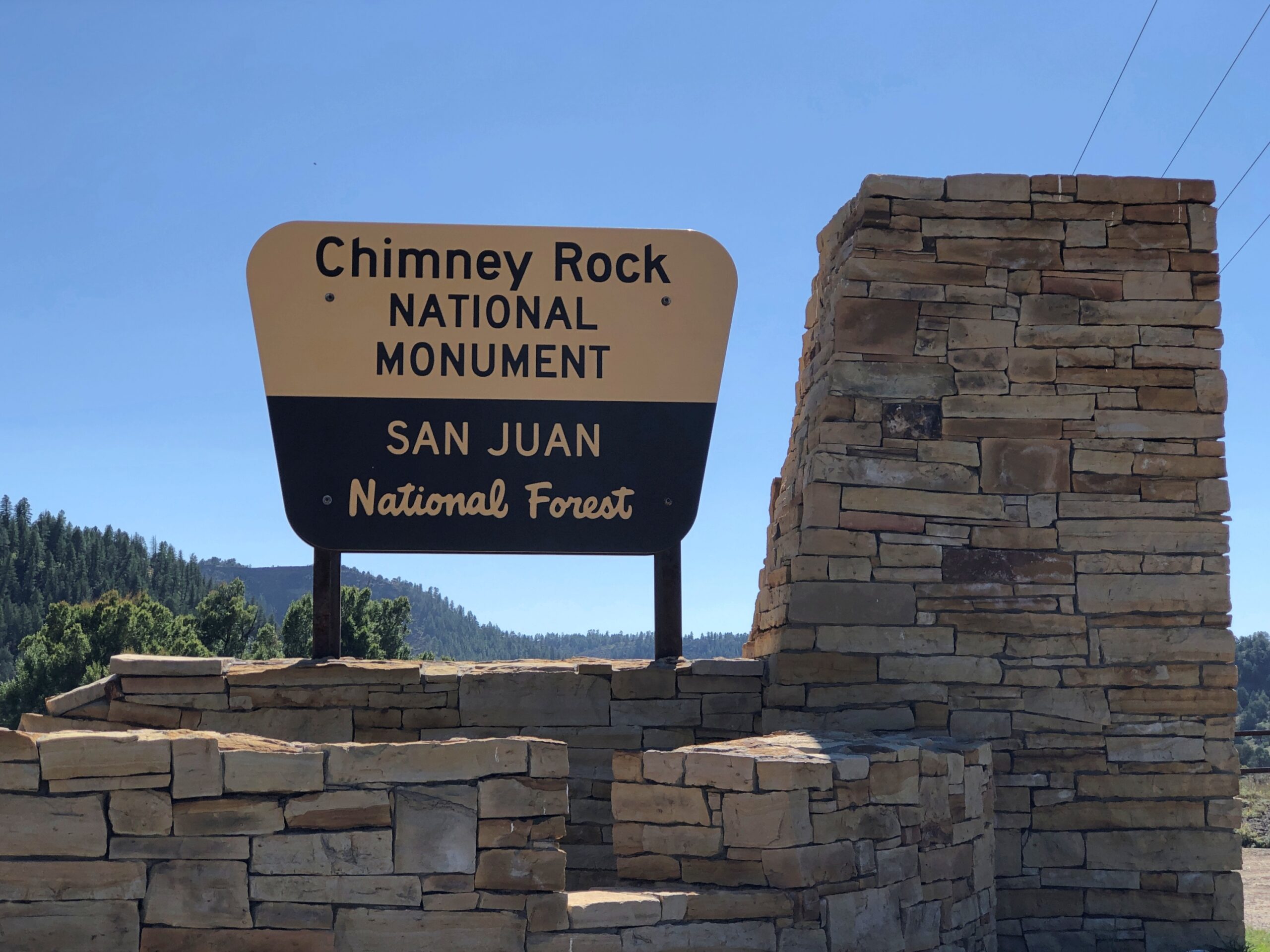
West of Pagosa Springs, but before Durango, is Chimney Rock National Monument. Not to be confused with Chimney Rock National Historic Site in Nebraska.

Chimney Rock, Colorado

There is a road up to Colorado’s Chimney Rock, a ridge-top archaeological site that is the nucleus of the national monument, but it was closed. The small museum at the base of the rock was still open, so along with our view, we took in a little about the Ancestral Puebloans who used to live there.

Chimney Rock and Companion Rock, foci of the national monument.

Chimney Rock, Colorado

“Chimney Rock covers seven square miles and preserves 200 ancient homes and ceremonial buildings, some of which have been excavated for viewing and exploration: a Great Kiva, a Pit House, a Multi-Family Dwelling, and a Chacoan-style Great House Pueblo,” says the Chimney Rock Interpretive Association. “Chimney Rock is the highest in elevation of all the Chacoan sites, at about 7,000 feet above sea level.”

US 550 North from Durango

North from Durango on US 550, the scenery starts pretty soon.

US 550
US 550

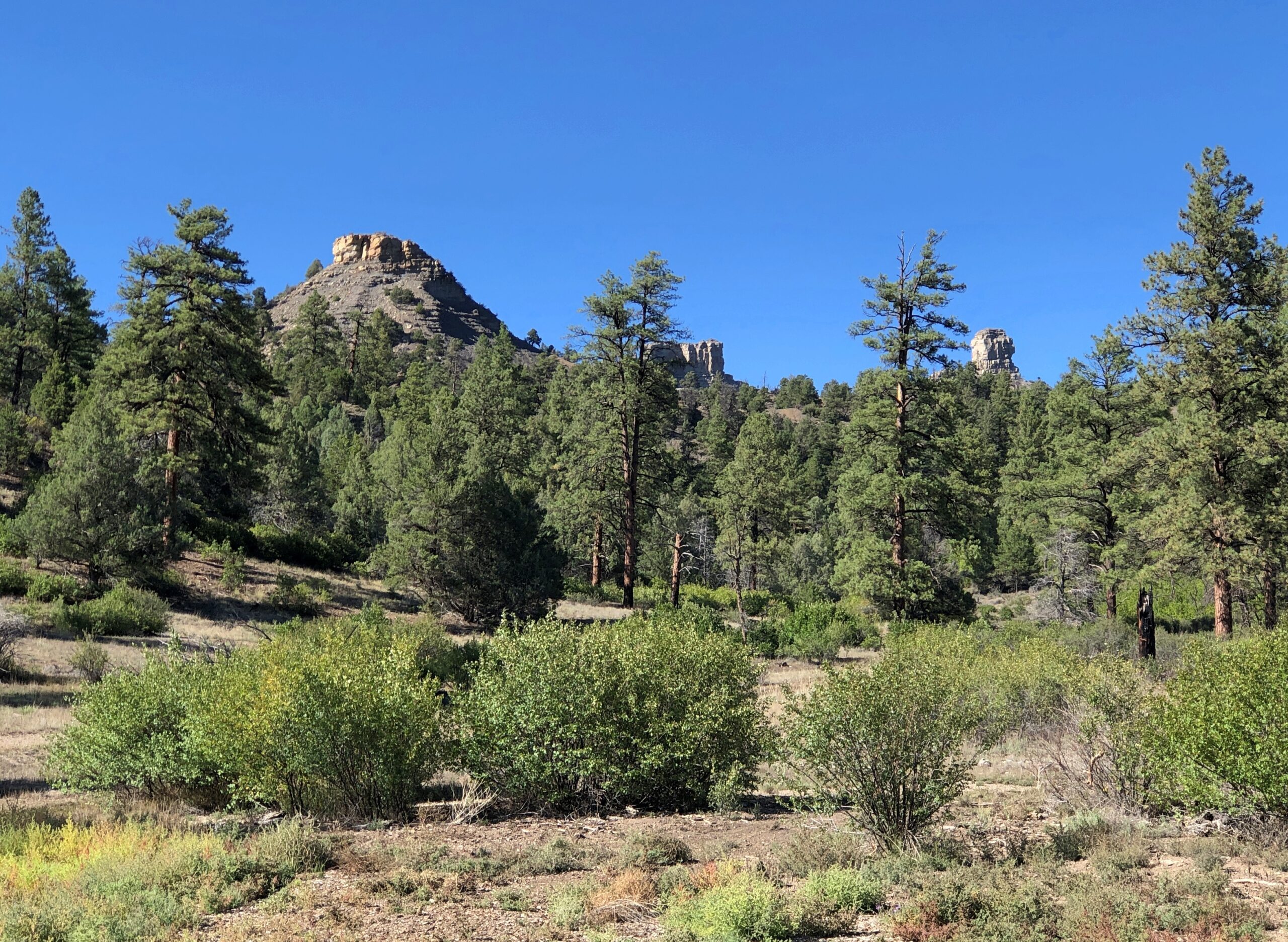
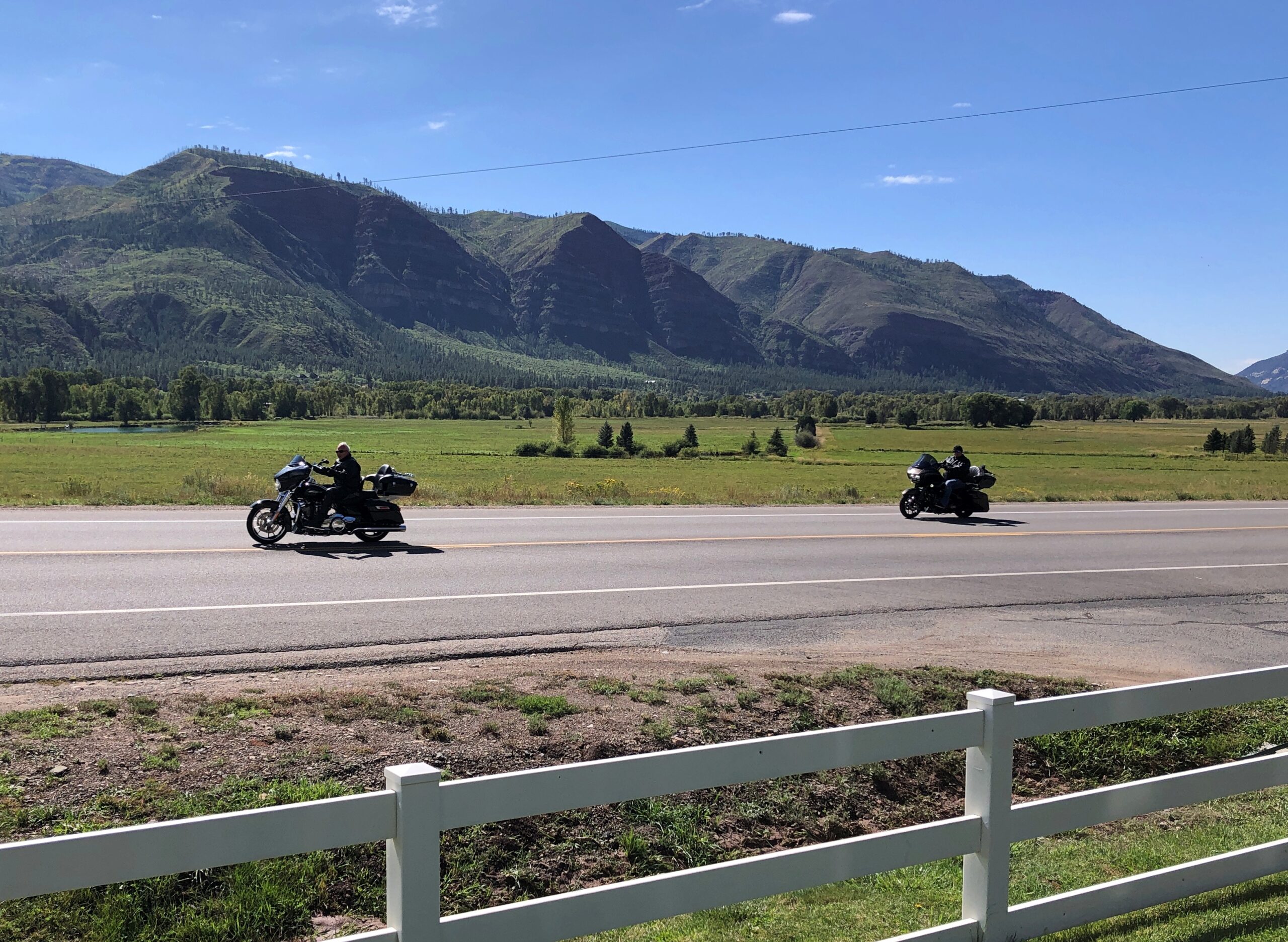
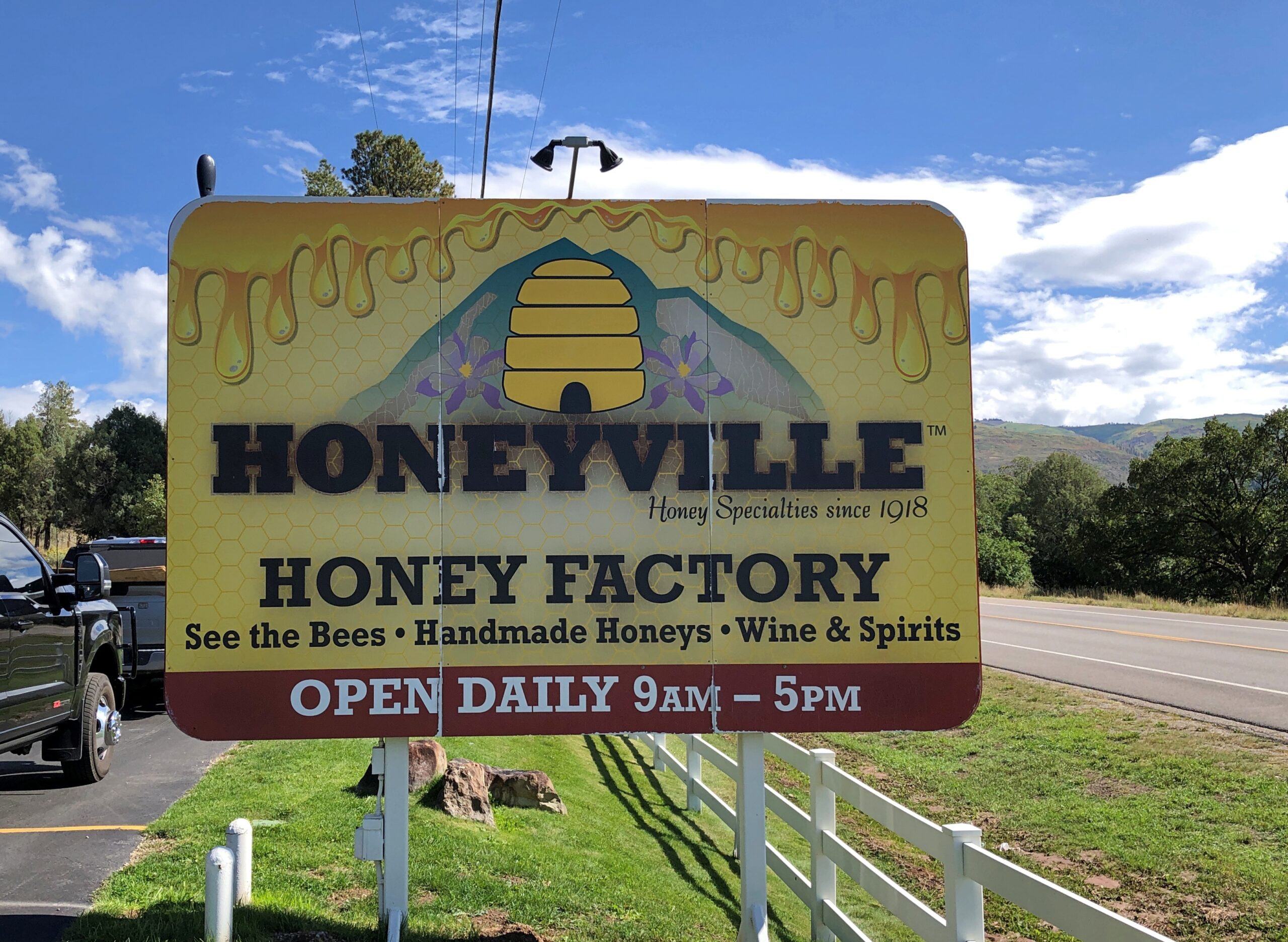
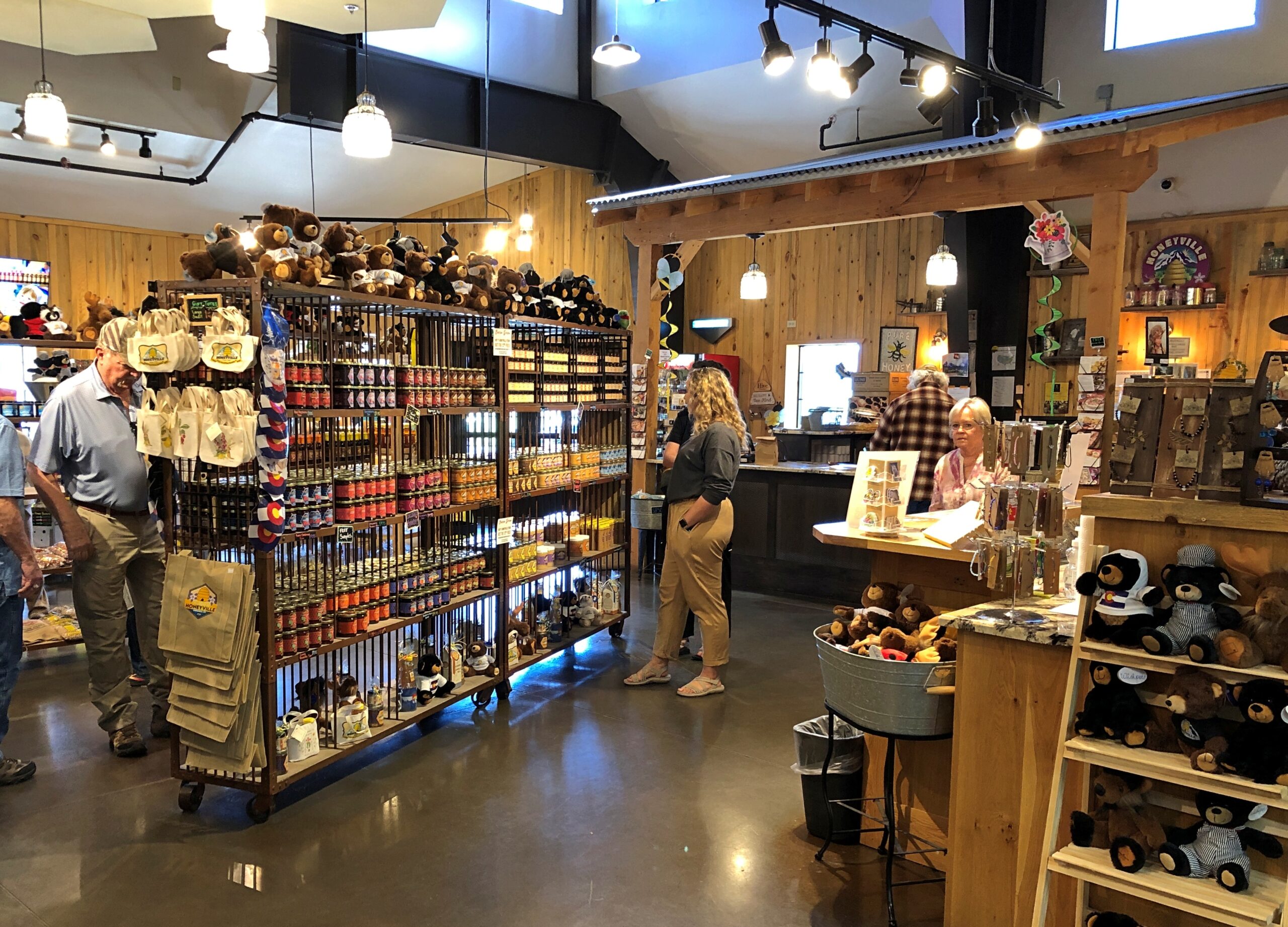
A few miles out of town, Honeyville. It looked like a good place for souvenirs.

Honeyville, Colorado

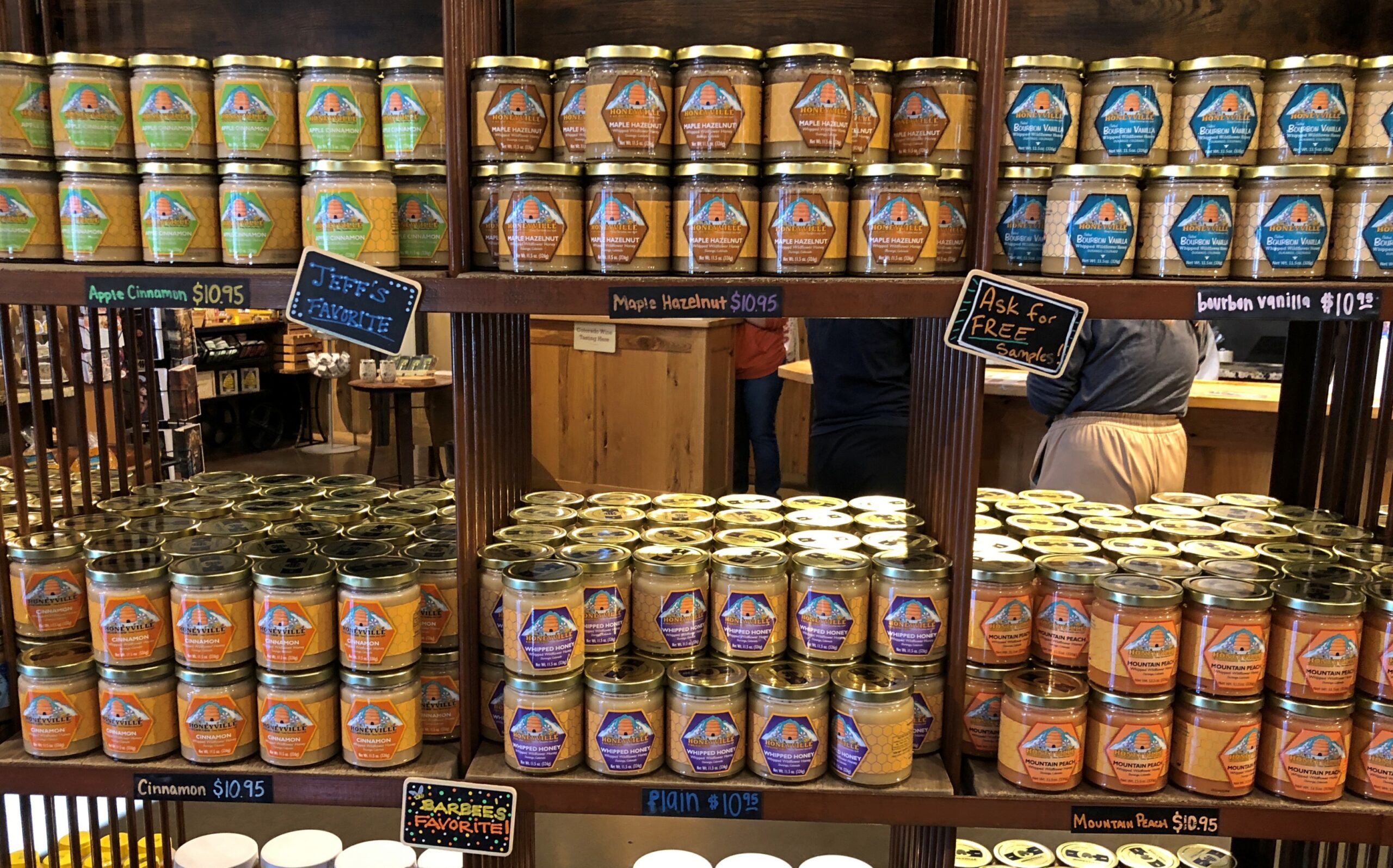
It was. I’m still working on a Honeyville jar of whipped cinnamon honey, which makes a warm biscuit sing.

All sorts of honey products are available.

Honeyville, Colorado

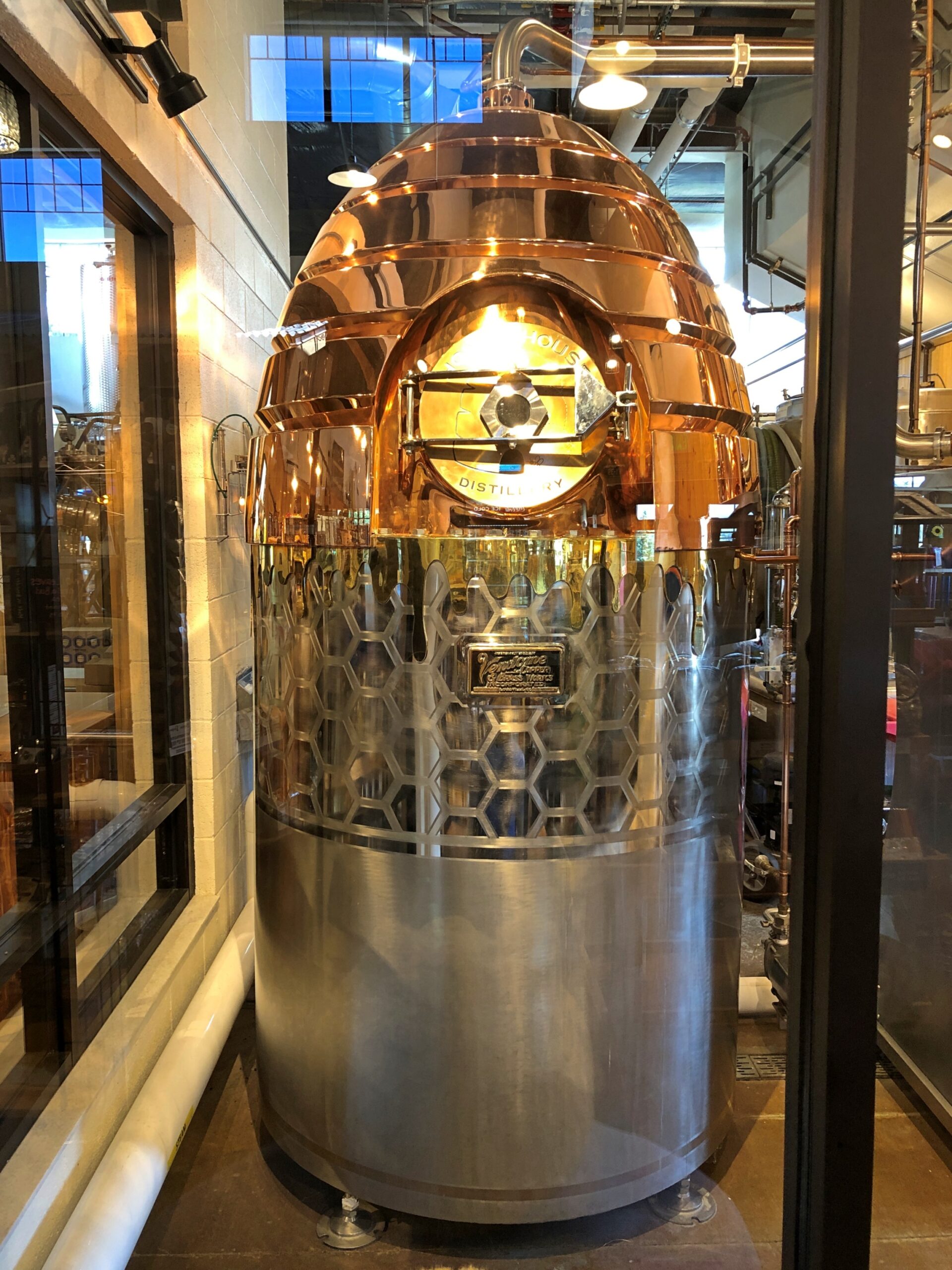
You can watch part of the process.

Honeyville, Colorado

A warp drive engine fueled by honey? Could be that Zefram Cochrane kept (will keep) bees.

Honeyville, Colorado

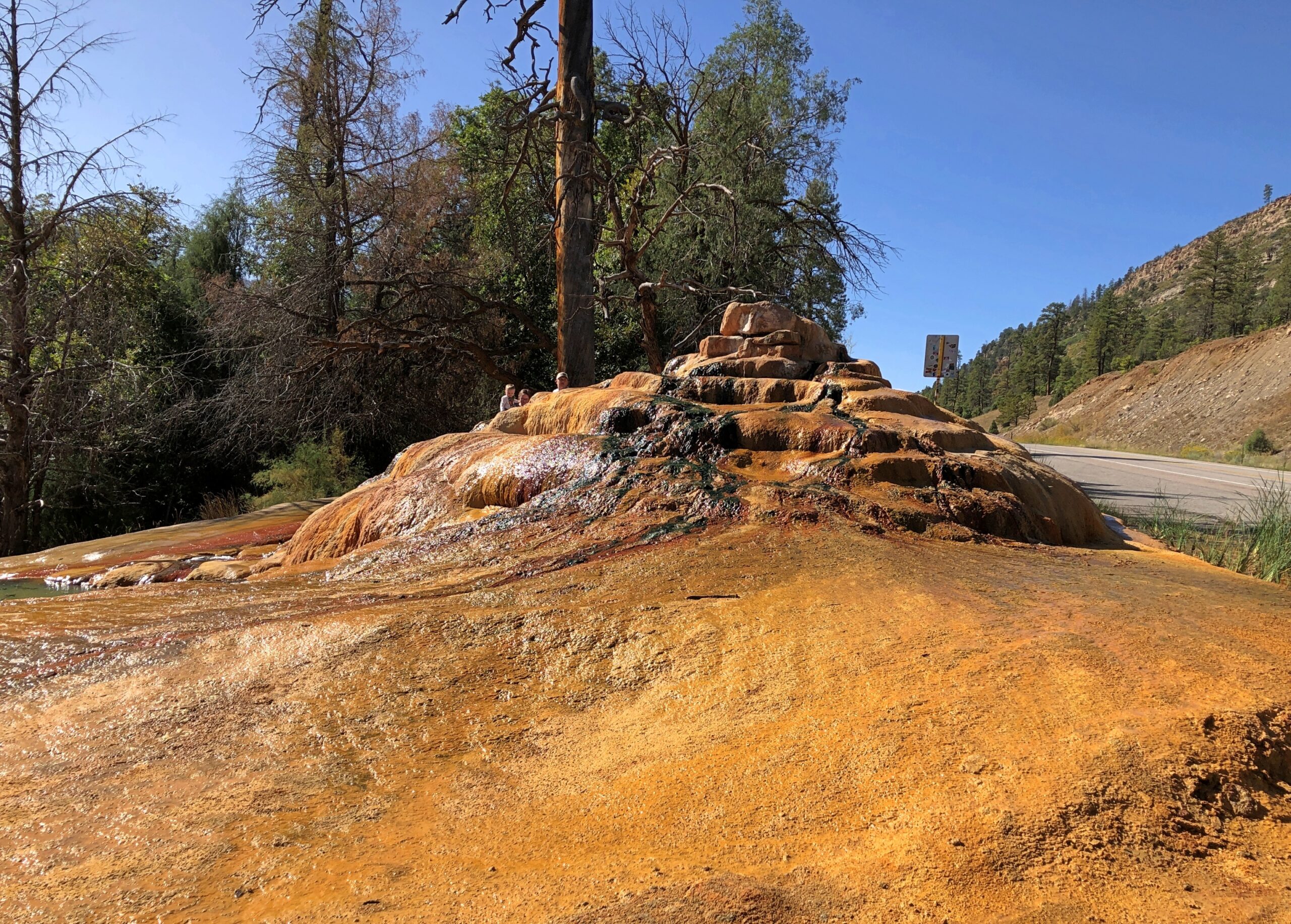
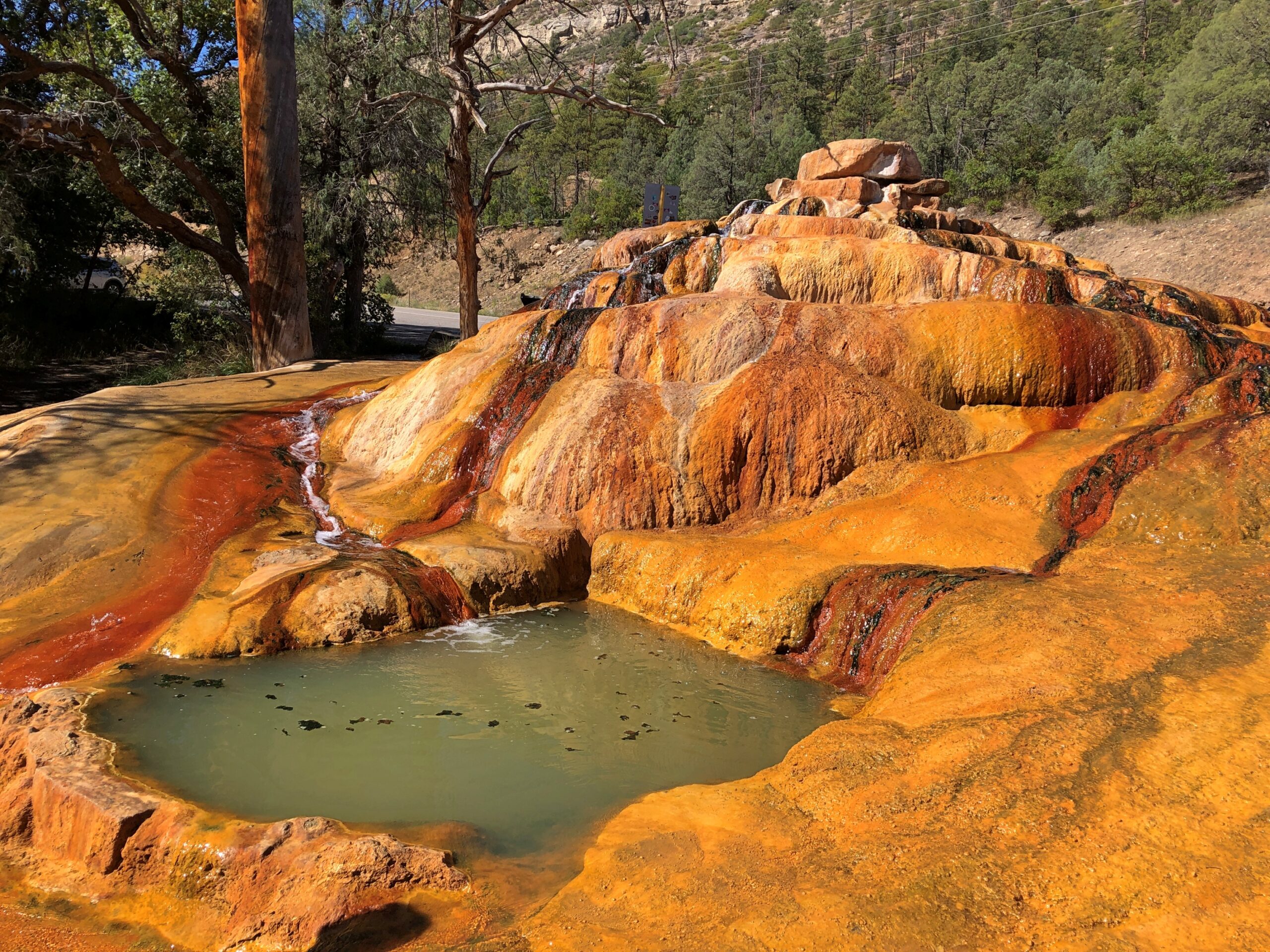
Only a few miles north, just off US 550, is Pinkerton Hot Springs, which is the kind of place that winds up on Atlas Obscura lists (actually, so does Honeyville). We took a look, but not a dip.

Pinkerton Spring
Pinkerton Spring

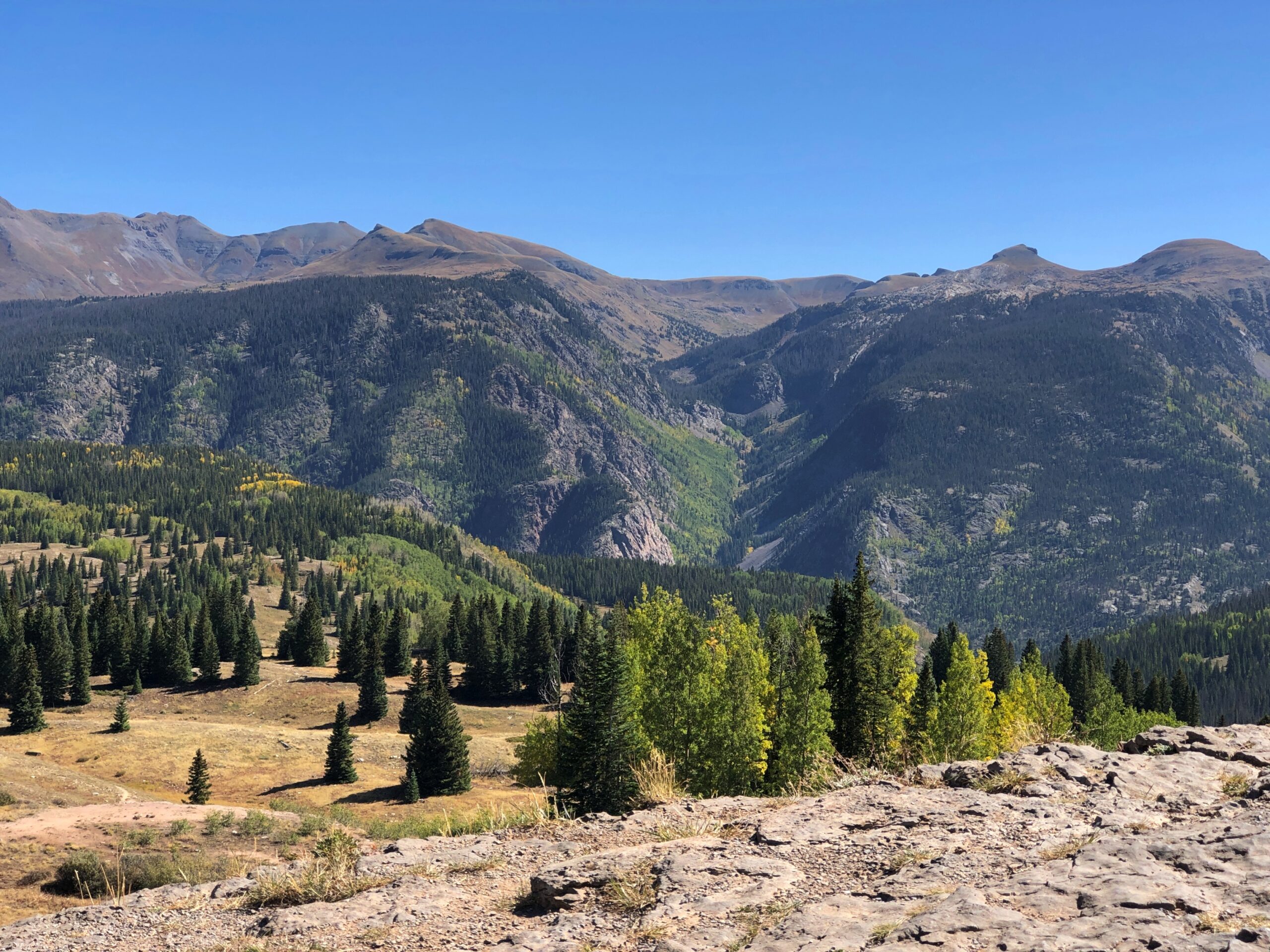
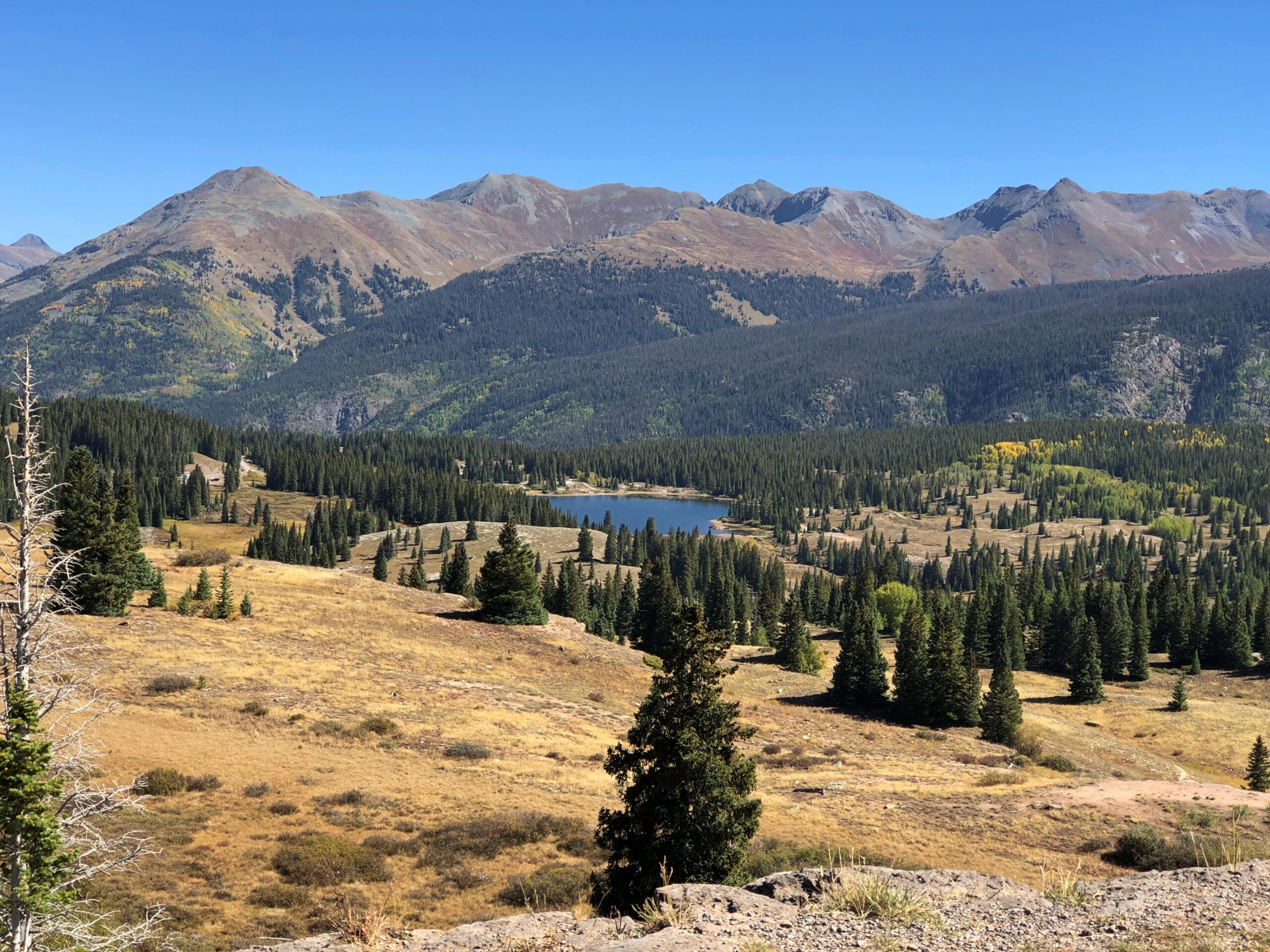
Before you get to Silverton on US 550, you cross Molas Pass, which has some terrific views of the edge of the Weminuche Wilderness. The day, by this time September 18, was clear and not exactly warm, but not that cold yet. Good day for a mountain drive.

Molas Pass
Molas Pass
Molas Pass

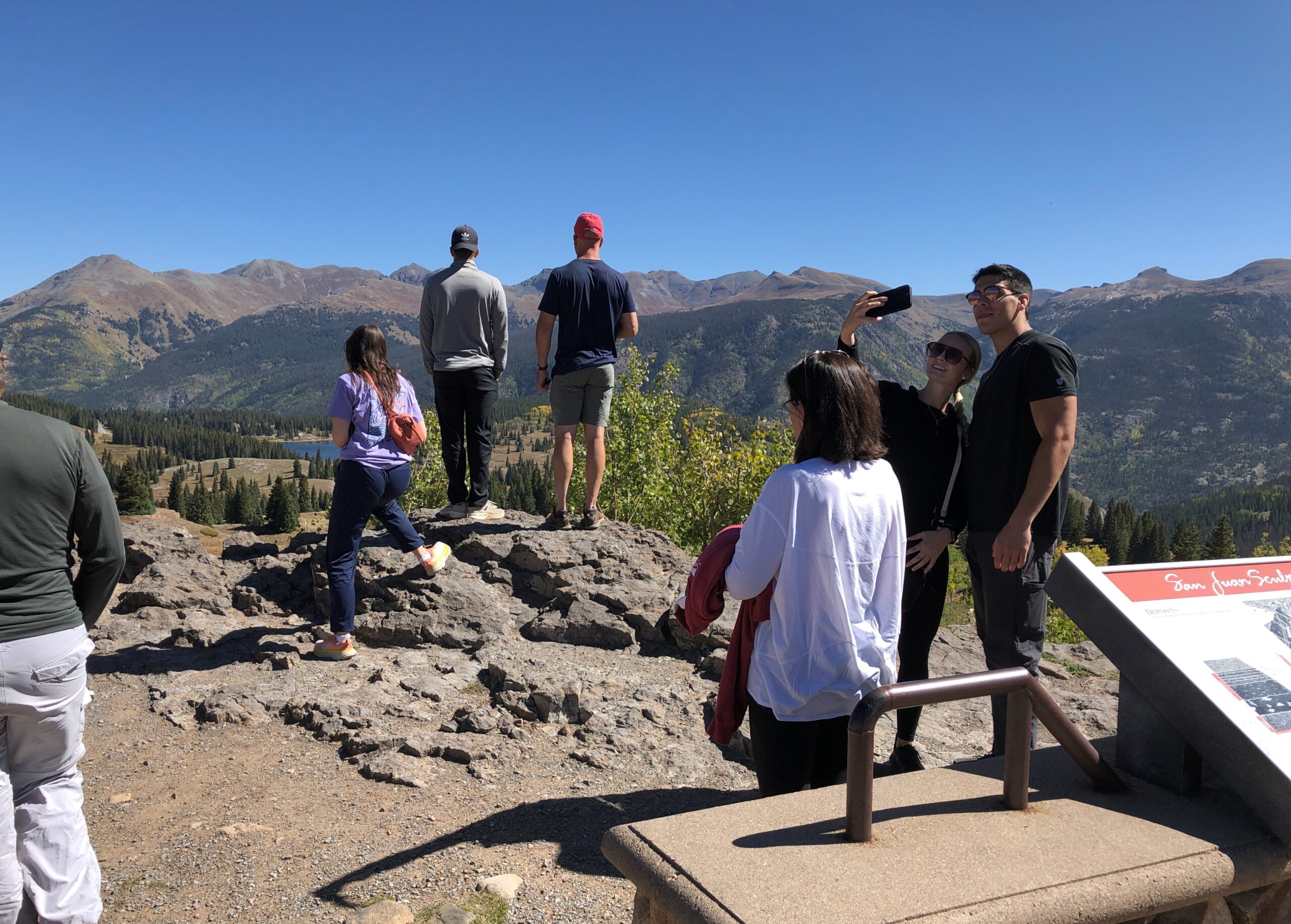
Like the highway, the Molas Pass viewpoint was busy, but not overcrowded.

Molas Pass

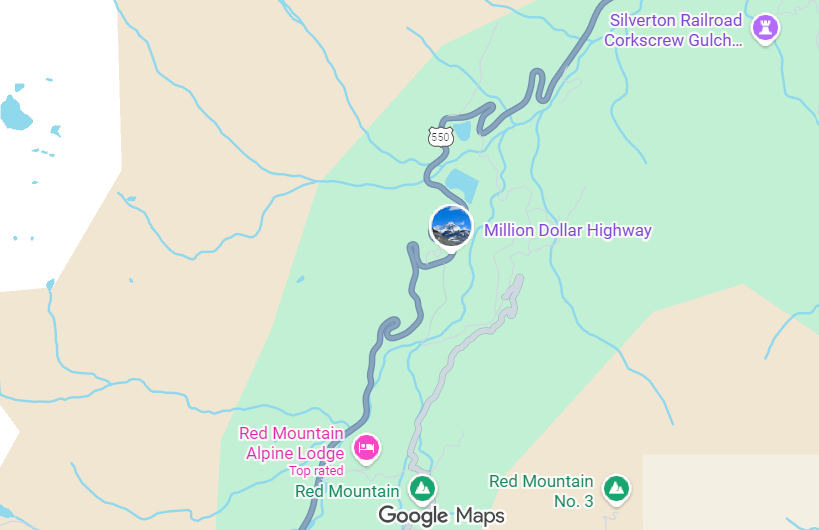
The route from Silverton to Ouray is known as the Million Dollar Highway. There isn’t a consensus about why that might be.

“There are a variety of explanations regarding the source of the name for the ‘Million Dollar Highway,’ says Roadtrip America. “One version claims it is based on the value of the ore-bearing fill that was used to construct the road, and another says it refers to the high cost of building a road over Red Mountain Pass (11,008 feet) and the Uncompahgre Gorge. One thing no one will dispute is the million-dollar views around every turn. This marvel of engineering, designed by Russian immigrant Otto Mears, slices through rugged mountains as it follows old stagecoach routes and former pack trails.”

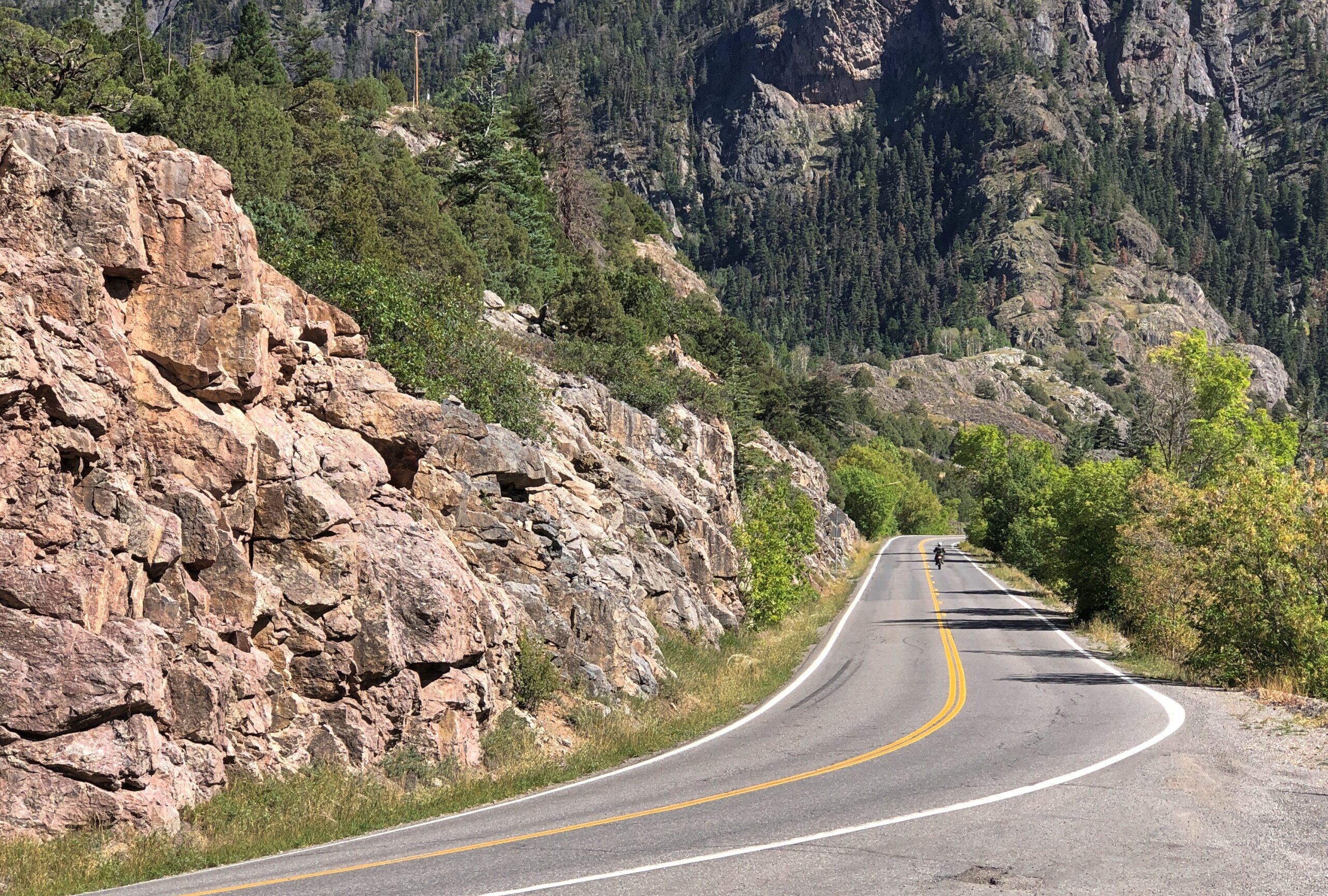
If you want some twisty mountain road action, Million Dollar’s got it. Also, stretches without guard rails.

“About 40 accidents take place on the Million Dollar Highway each year, with an average of seven deaths per year,” the Durango Herald reported in 2023. “Most of the accidents are caused by careless or fast driving in bad road conditions. Other factors are mudslides, inclement weather and wildlife appearing on the road when there is nowhere to swerve.

“While avalanches used to be a factor, the last reported death on the road because of an avalanche came in 1992.”

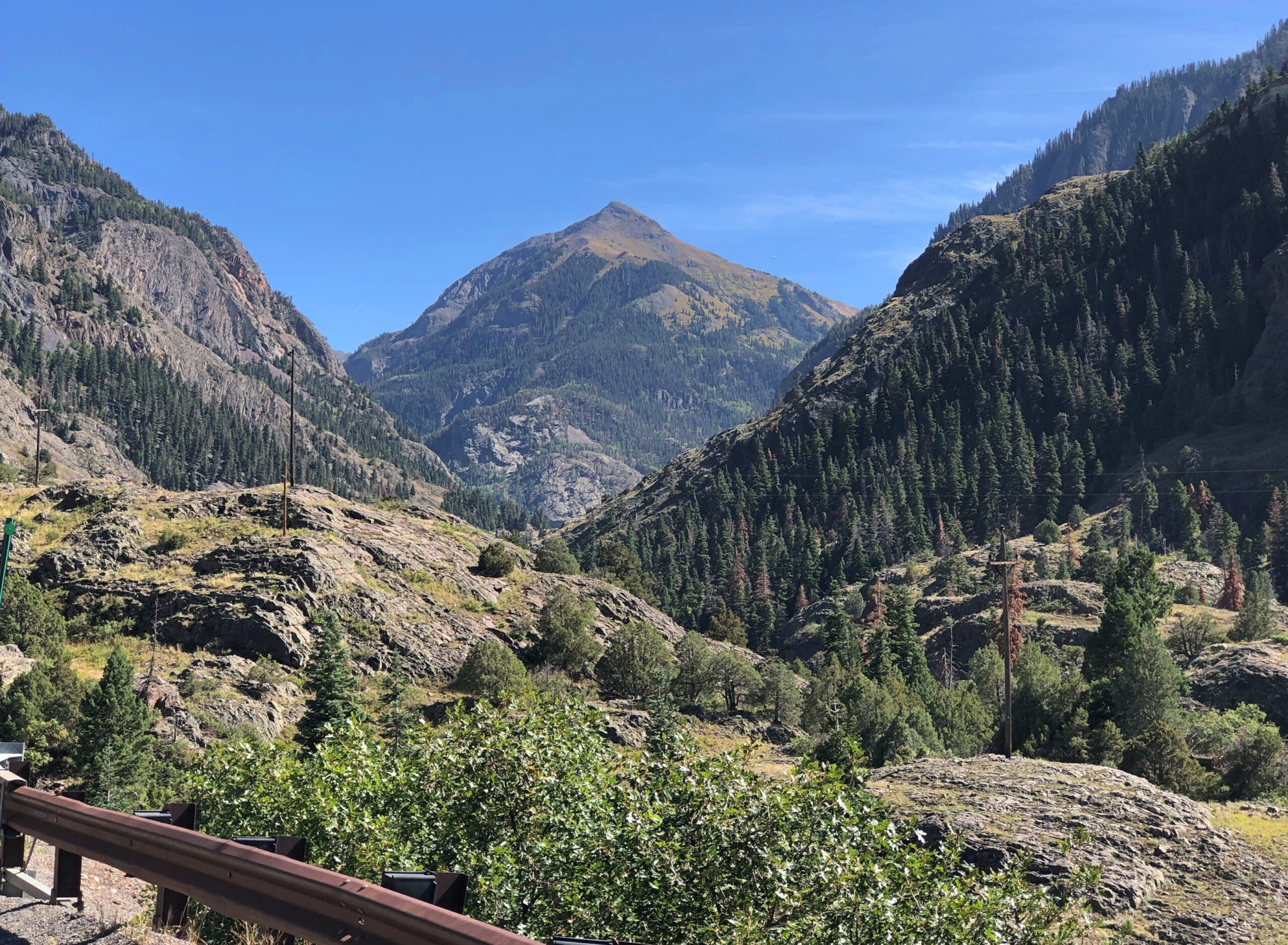
The views are exceptional, both as you move and when you stop. The road near Ouray.

US 550

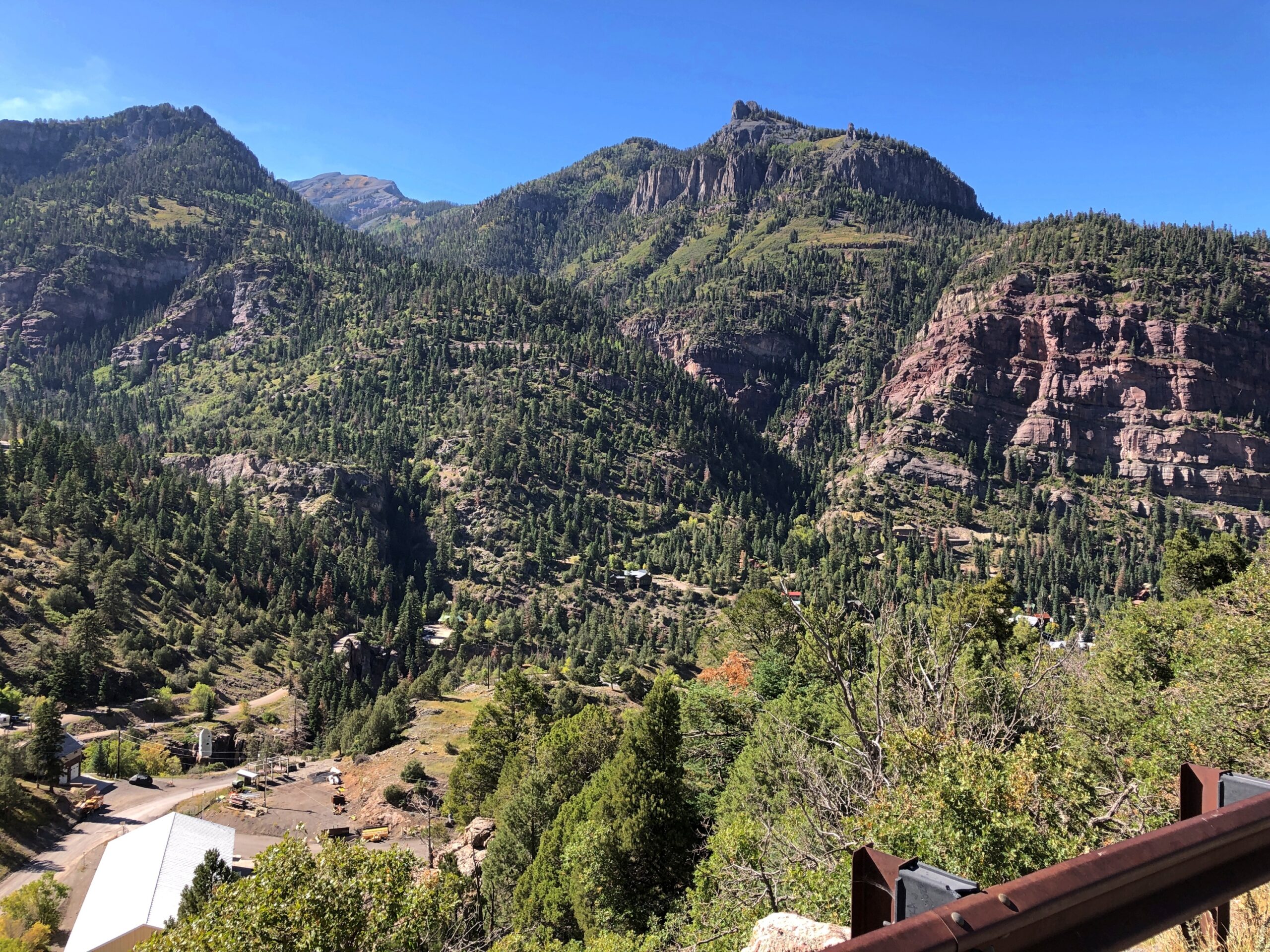
Views near Ouray.

US 550
US 550

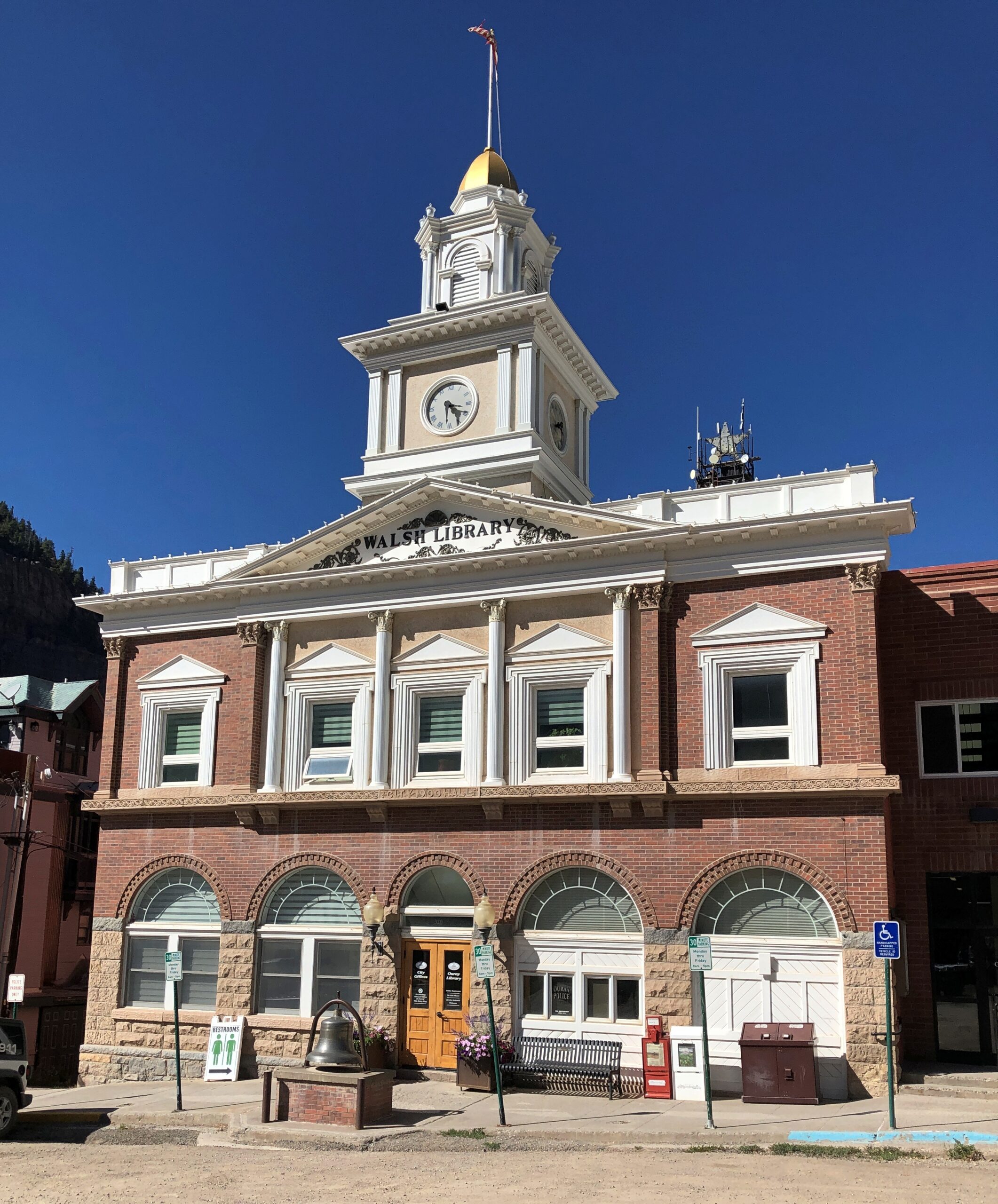
Ouray’s got some handsome buildings.

Ouray, Colorado

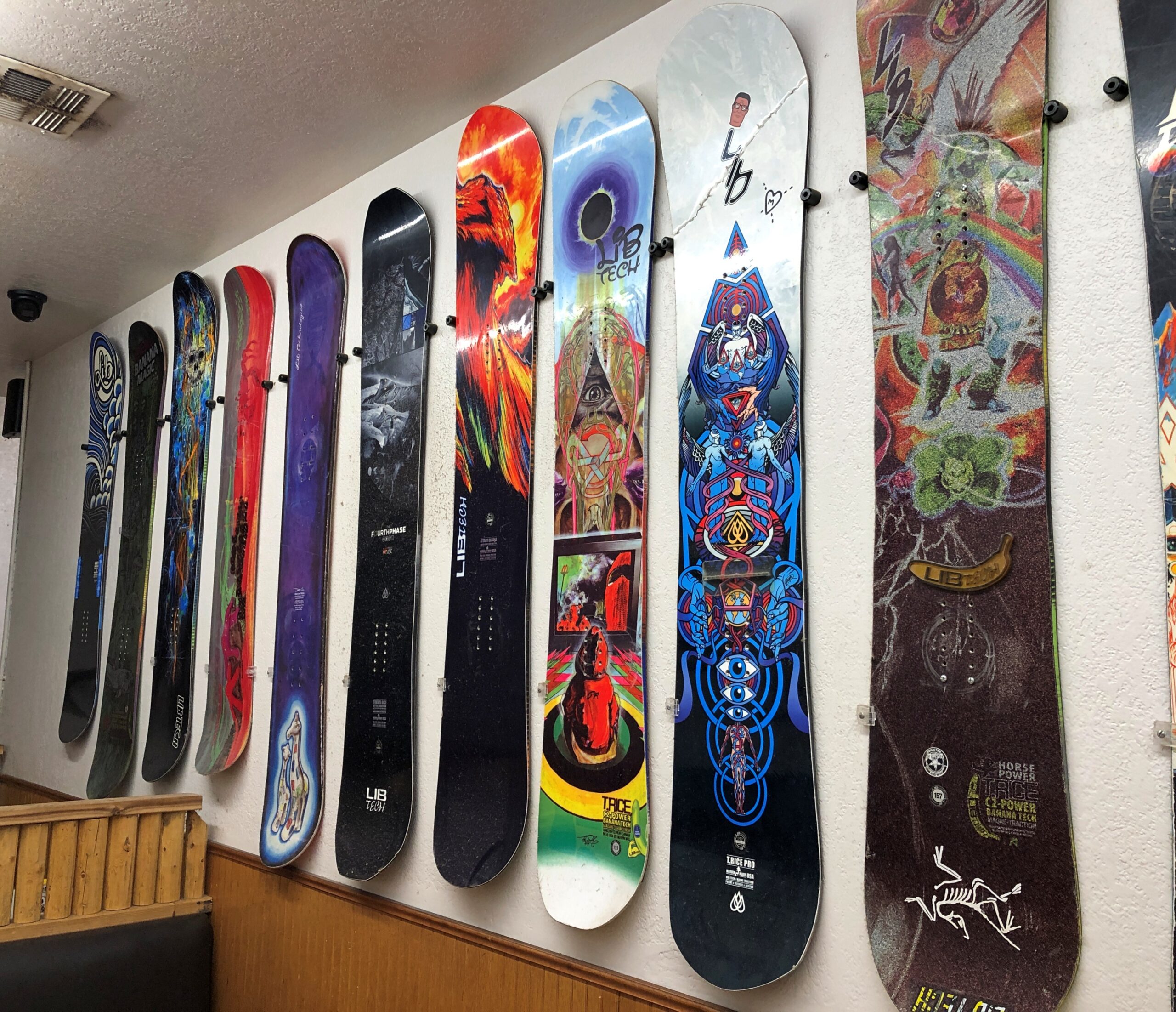
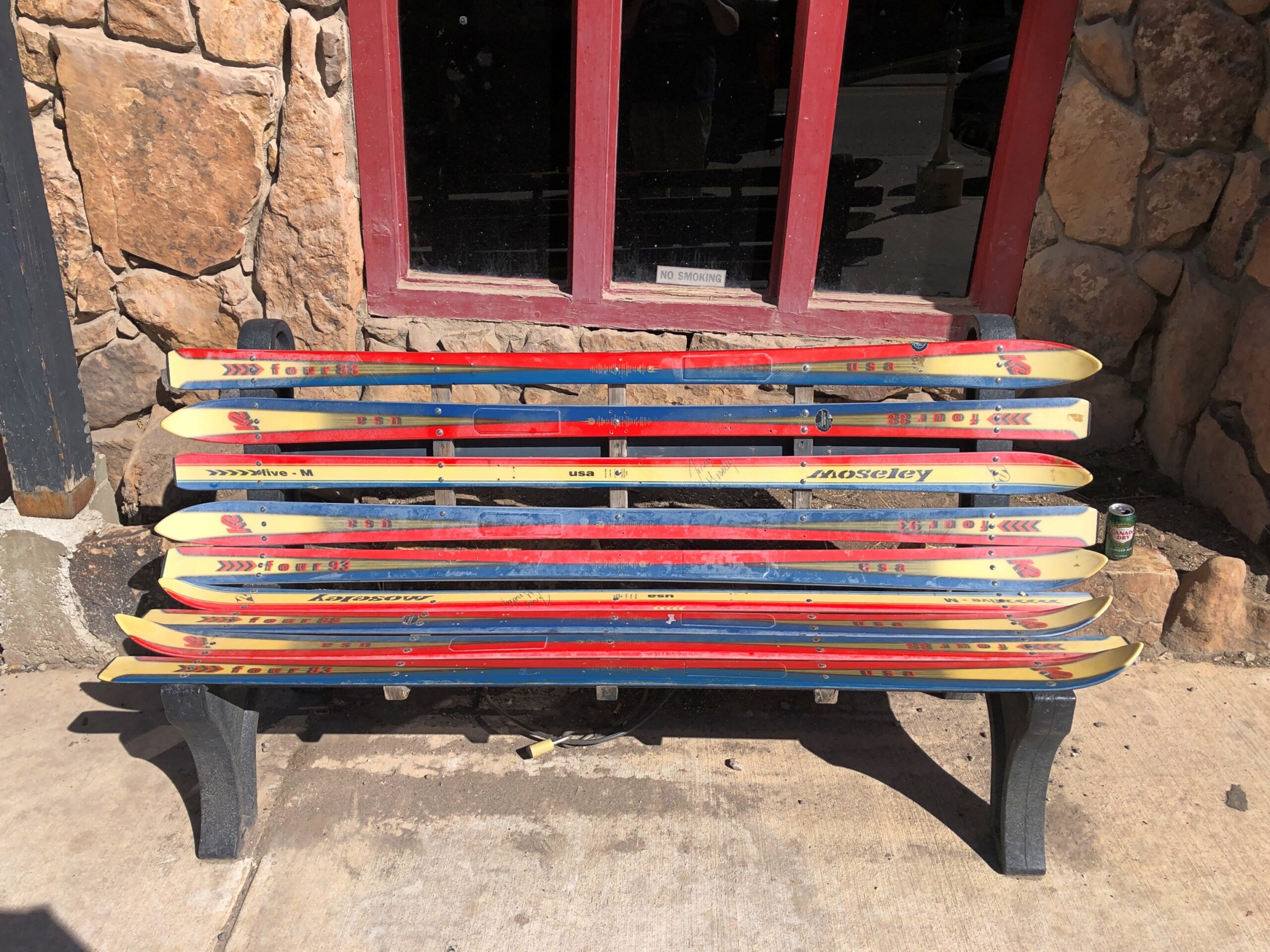
The main street in Ouray is the kind of place that has benches made from skis. Not the only time I saw that in Colorado.

Ouray, Colorado

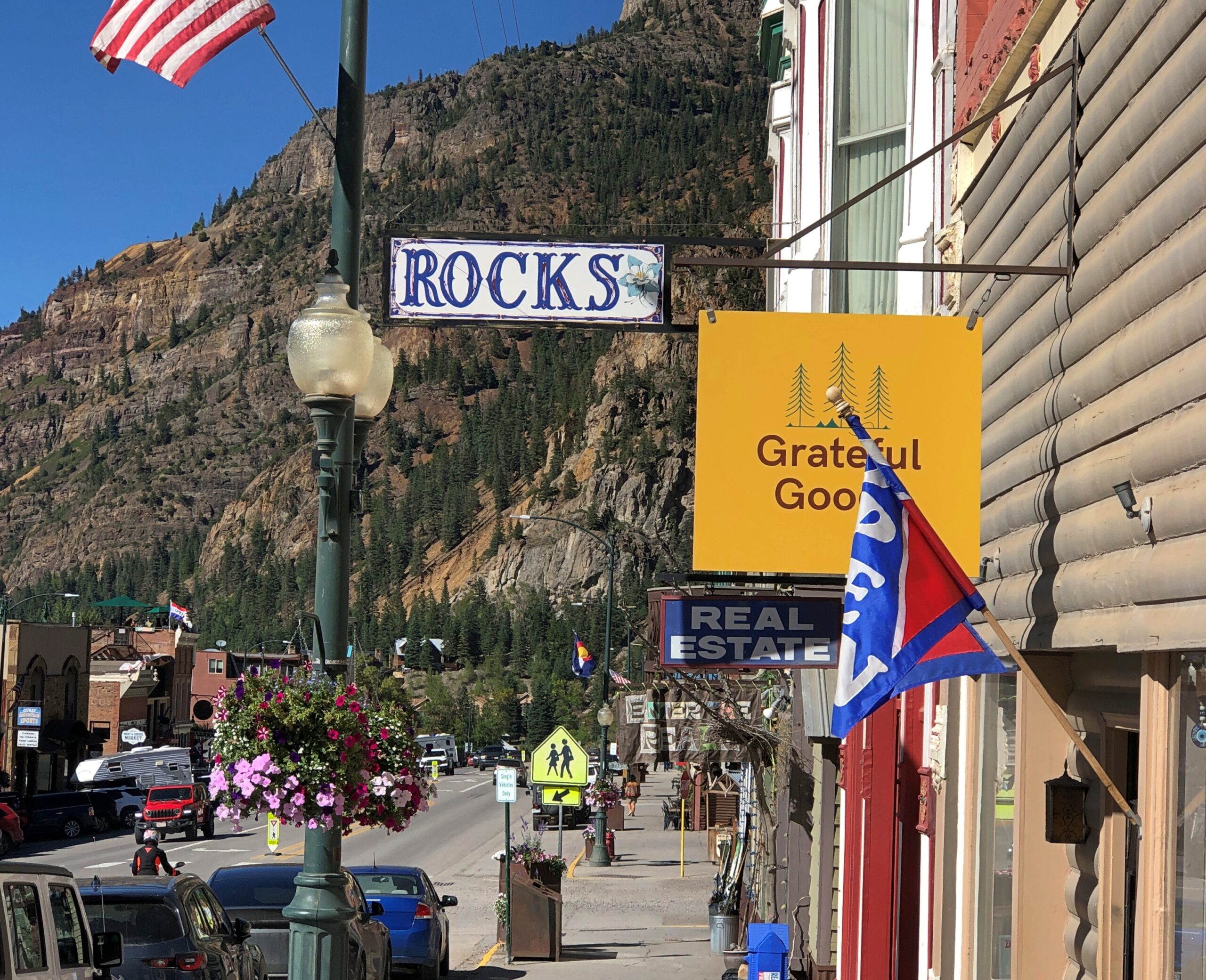
Also, some boutique retail. Good to see that Grateful Goo is available.

Ouray, Colorado

Who sells that again? Gwyneth Paltrow? Anyway, hipsters, or more likely plastic surgeons and orthodontists and tech millionaires, seem to have long ago discovered Ouray, close as it is to Telluride. I saw a bumper sticker-like posting on a light pole in town that said: What do you mean there’s an employee housing crisis in Ouray? My 2nd home is always empty.

Monarch Pass

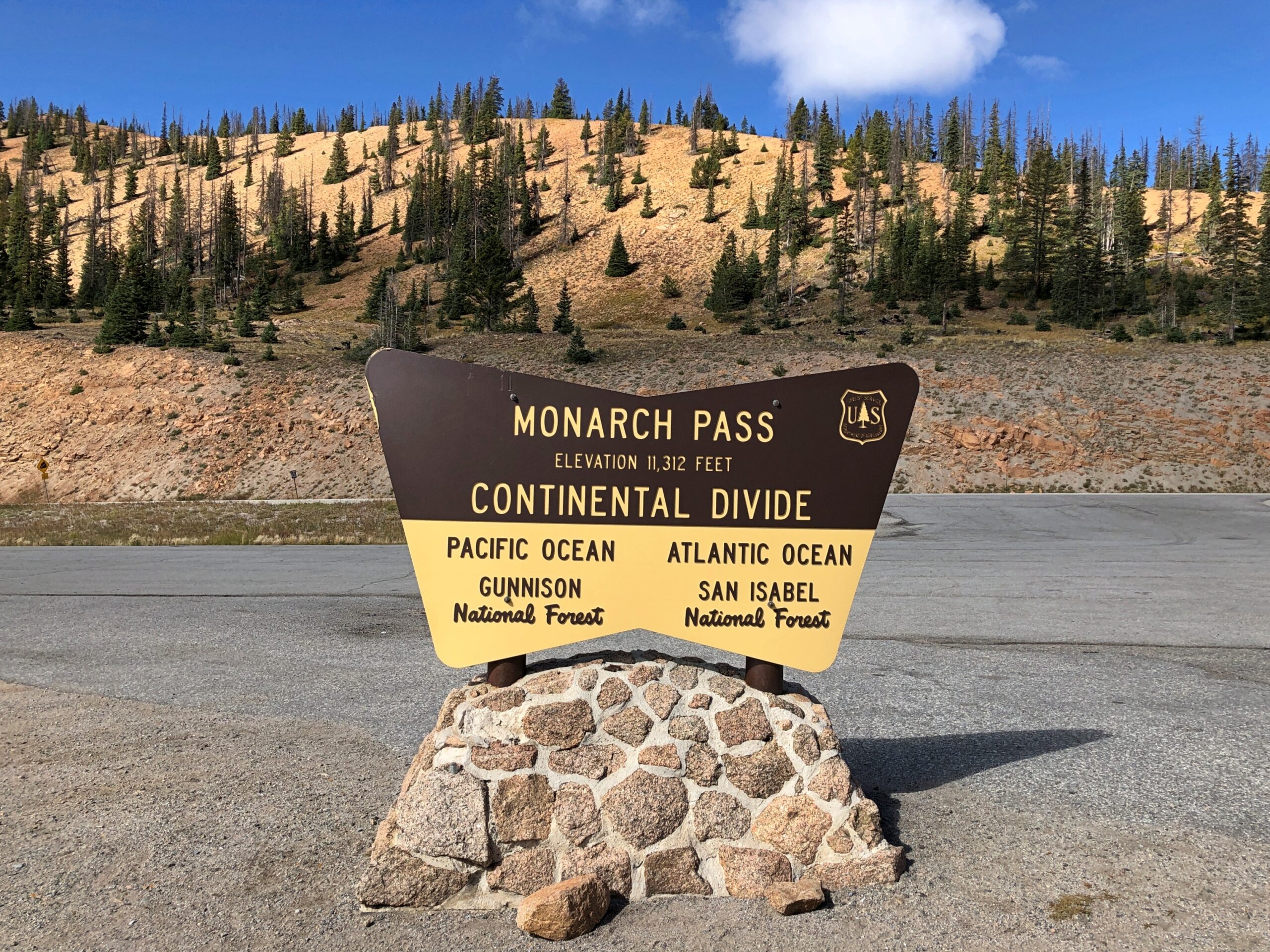
On our return to Denver, we headed out of Montrose east on US 50, a route that edges the gorgeous Blue Mesa Reservoir, and on to Gunnison and Salida. Just west of Salida, we took US 285 north, which goes to greater Denver. That highway crosses the Great Divide at Monarch Pass, elevation 11,312 feet.

Monarch Pass, Colorado

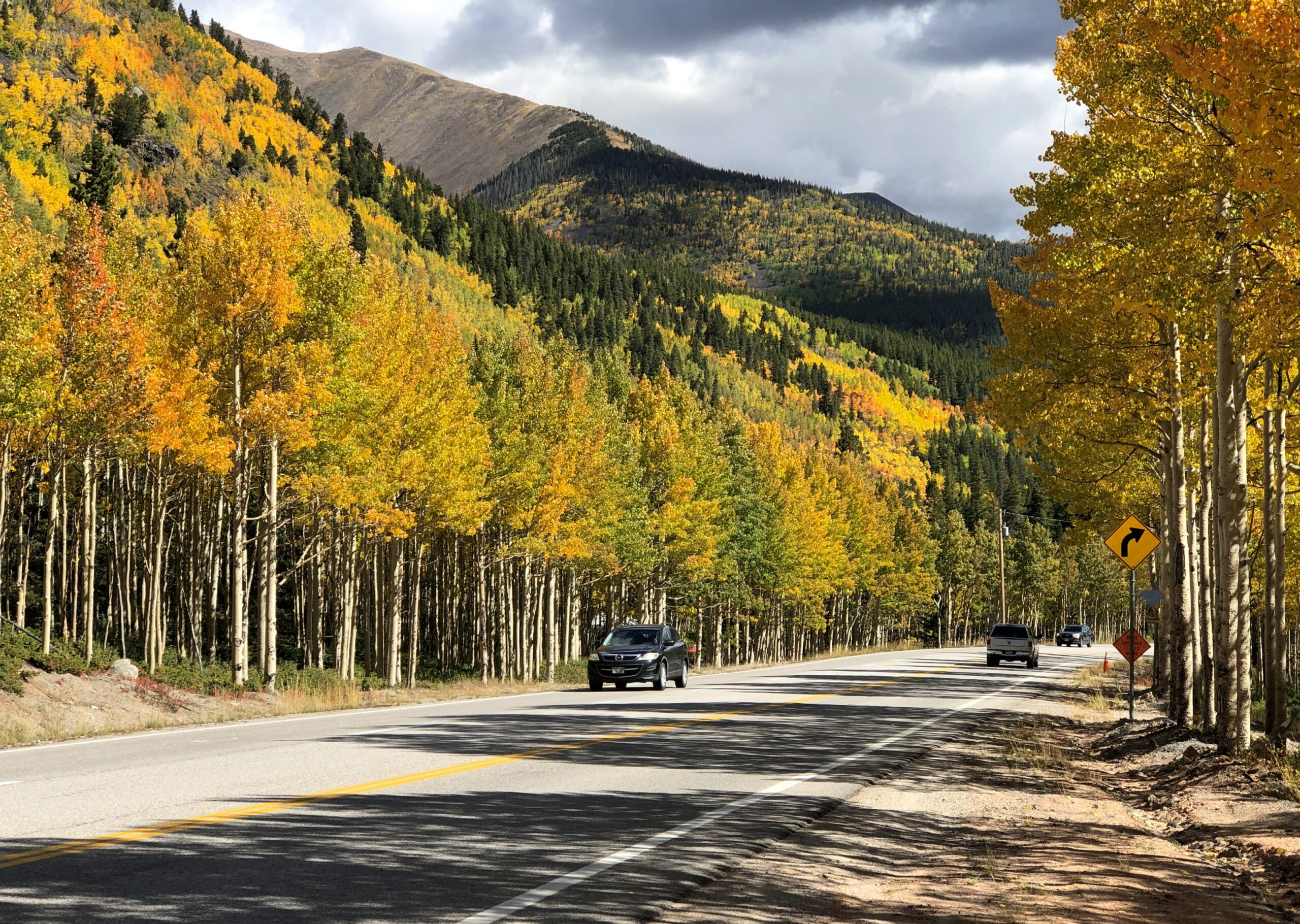
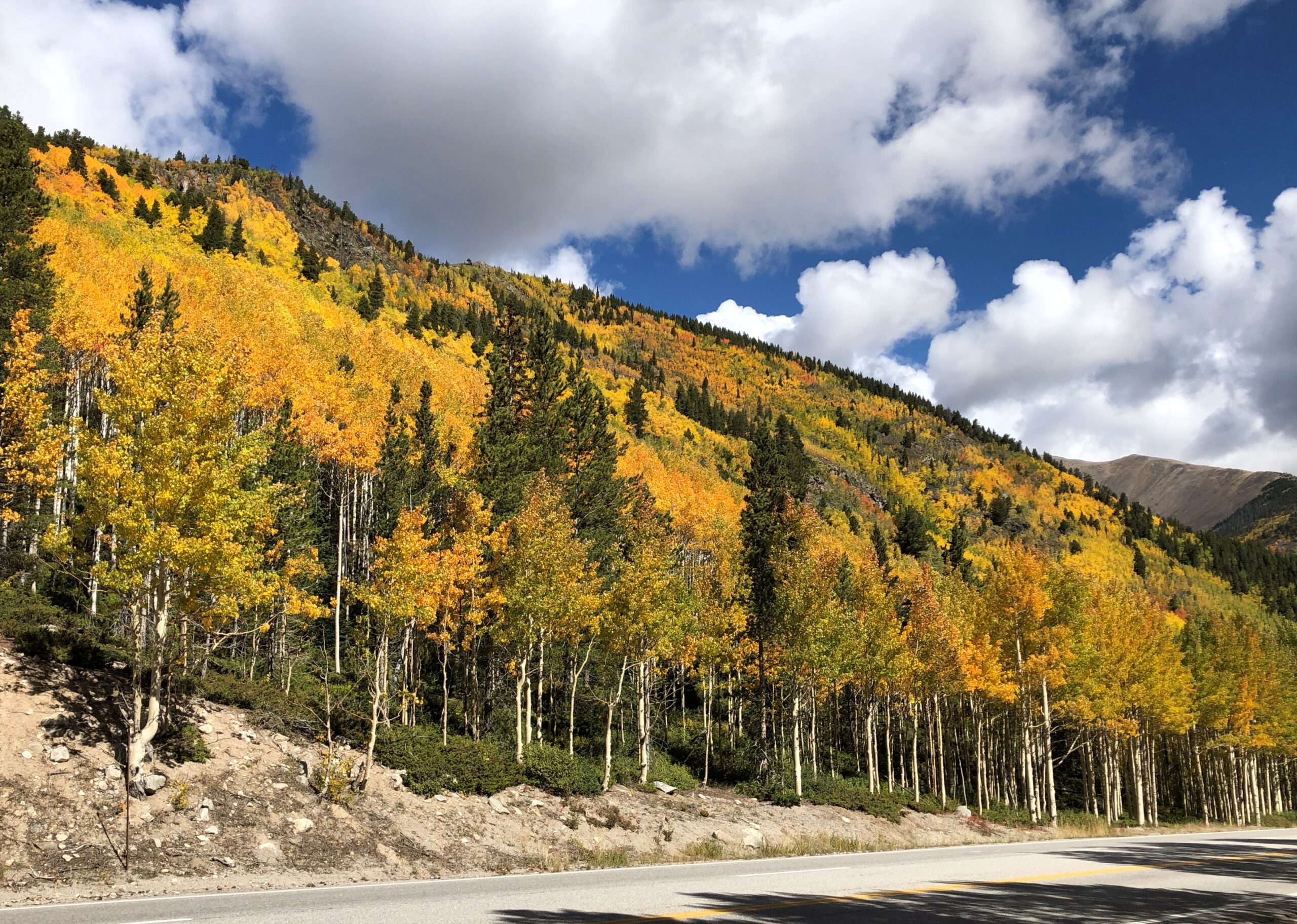
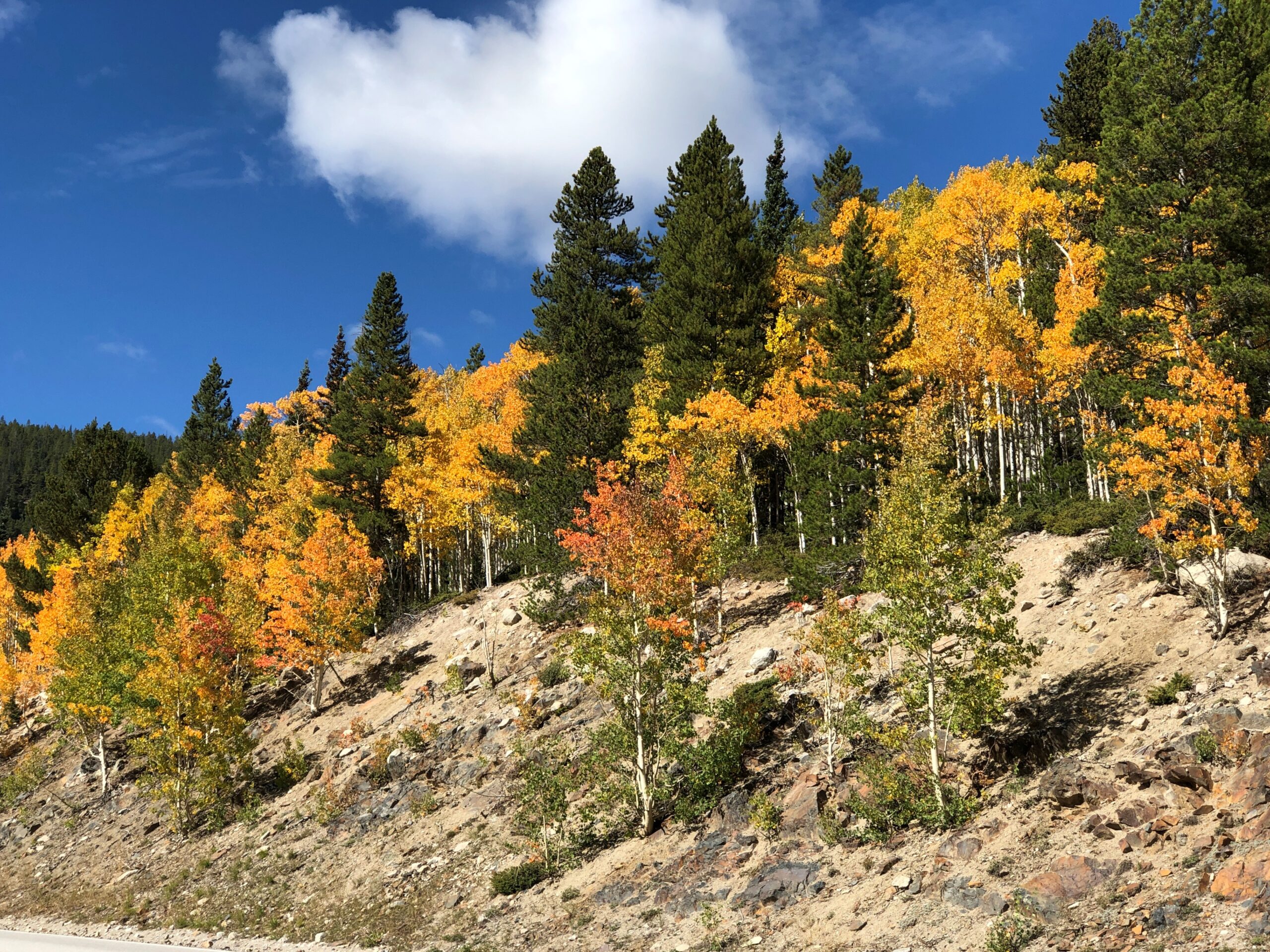
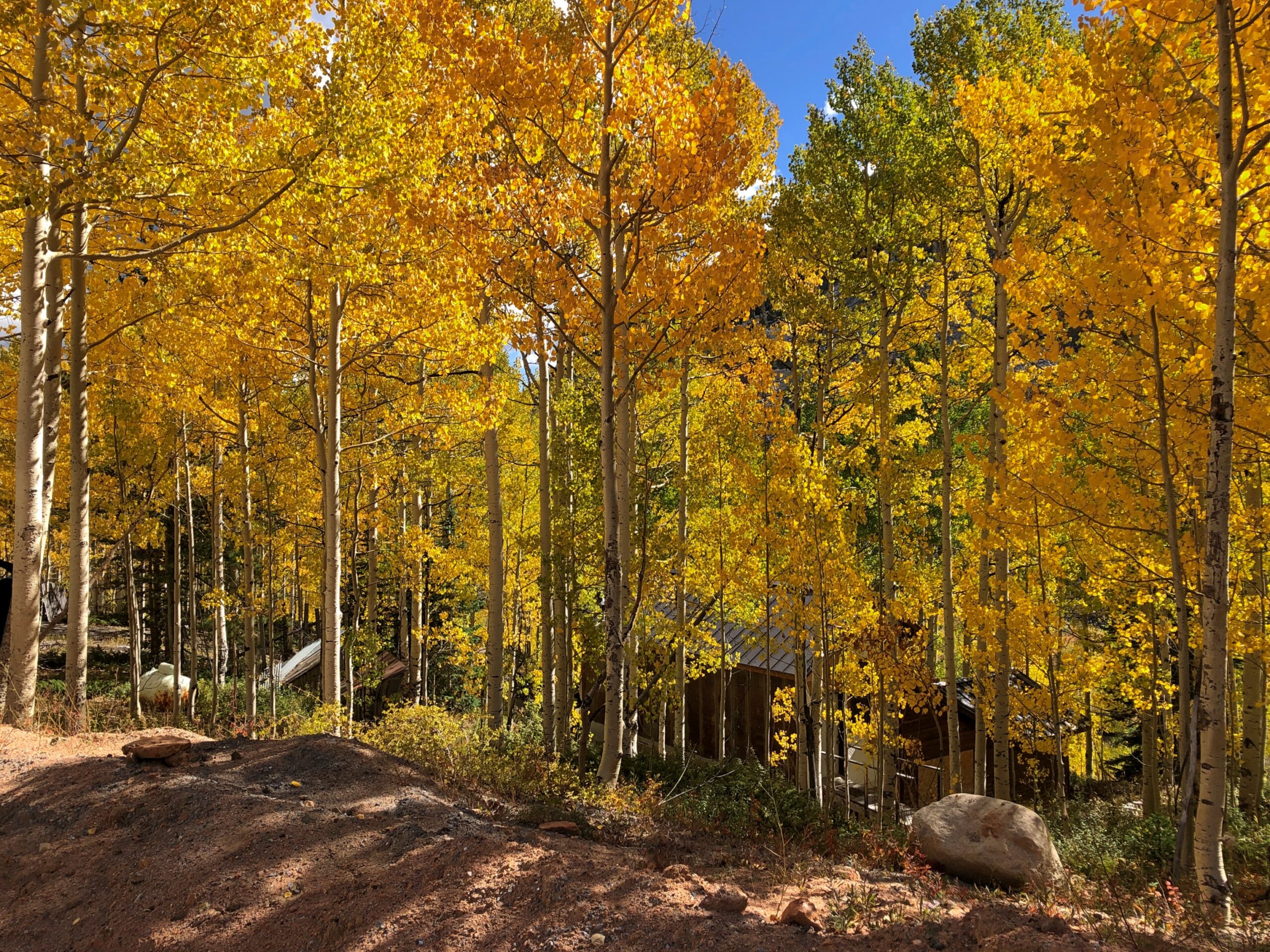
Even as early as September 20, the trees were ablaze.

Monarch Pass, Colorado

I suppose that isn’t early for that elevation. We saw trees turning a week earlier, further north at Rocky Mountain NP. I didn’t know it at that time, but we were just beginning a fall season during which we’d see more colors (probably) than any other year. It’s not quite over even yet, with some reds and yellows here in the neighborhood. That isn’t so unusual. Lots of people seek out fall foliage. The odd thing was that it was completely unplanned.

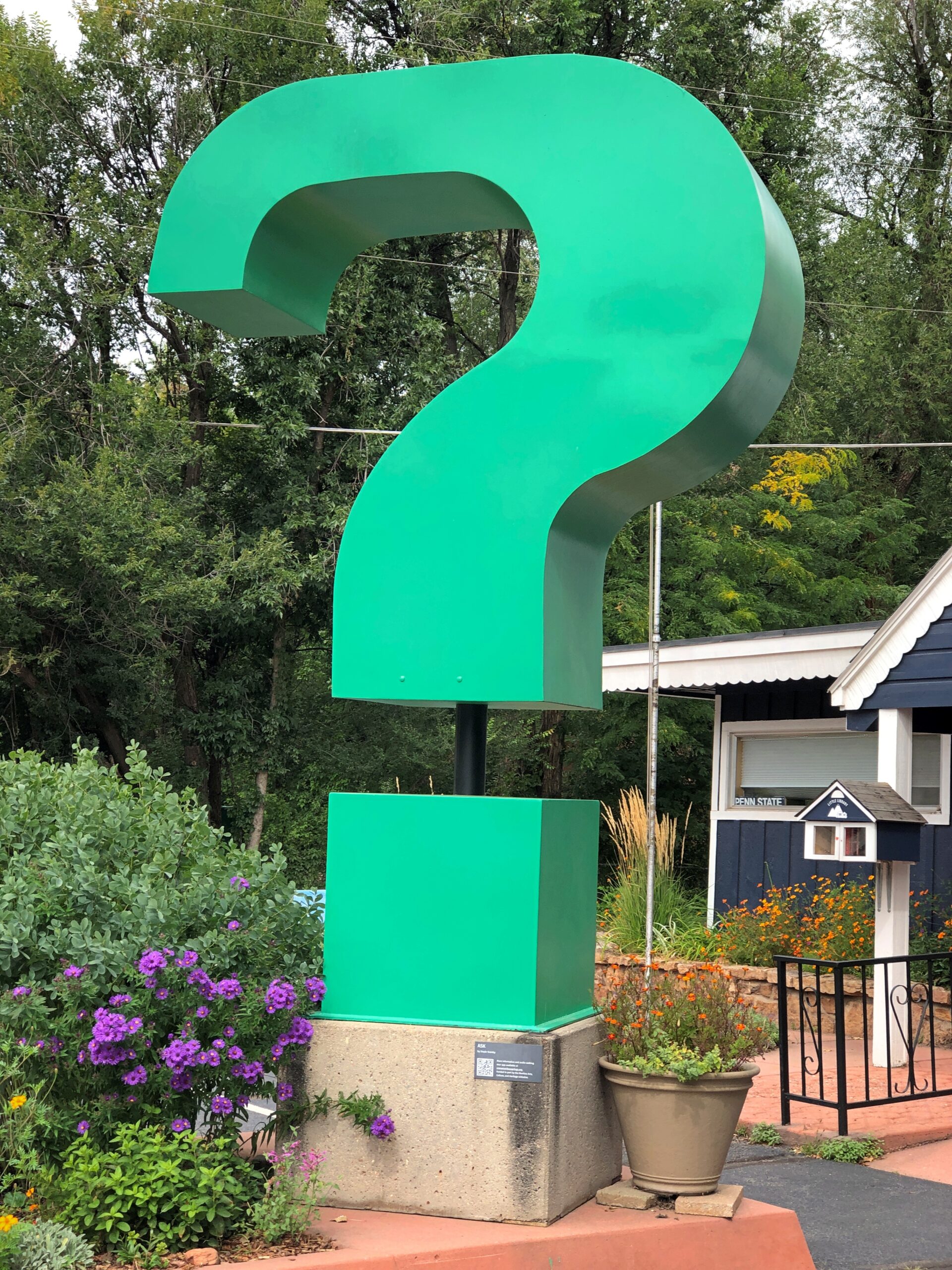
A Public Question Mark

Early October this year was much like summer here in northern Illinois. Cooler now, but not even close to freezing just yet. Even the leaves seemed to be cooperating, delaying their colors a little longer than usual. As recently as tonight, some of the hardier crickets were still singing, or whatever you can call it.

Back to posting around October 26. Until then, stay curious.

Manitou Springs, CO

A little context. The question mark can be found in Manitou Springs, Colorado.

Manitou Springs, CO

My question at that exact moment last month was: is there a public restroom on the grounds of the Manitou Springs C-of-C? I’m glad to say there was.

Garden of the Gods

With a name like Garden of the Gods, a place better live up to expectations. I’m glad to say the one in Colorado does.

The park web site conveys the following story, which sounds just a little suspect to me, but never mind: In August 1859, two surveyors started out from Denver City to begin a town site, soon to be called Colorado City. While exploring nearby locations, they came upon a beautiful area of sandstone formations. Surveyor M. S. Beach suggested that it would be a “capital place for a Biergarten” when the country grew up. His companion, Rufus Cable, a “young and poetic man”, exclaimed, “Biergarten! Why it is a fit place for the Gods to assemble. We will call it the Garden of the Gods.” It has been so-called ever since.

Do a casual search for Garden of the Gods and you’ll notice that there’s one in Illinois (which is terrific). Also, articles like these: “Visiting Colorado’s Garden of the Gods: The Complete Guide” and “Ten Things You Can’t Miss at the Gardens of the Gods in Colorado Springs.”

That’s overthinking things. Here’s my guide to the Garden of the Gods in Colorado Springs:

1. Go there. Parking may be hard to find.

2. Look around, especially from a stroll on the Central Garden Trail.

3. Think, ain’t that cool.

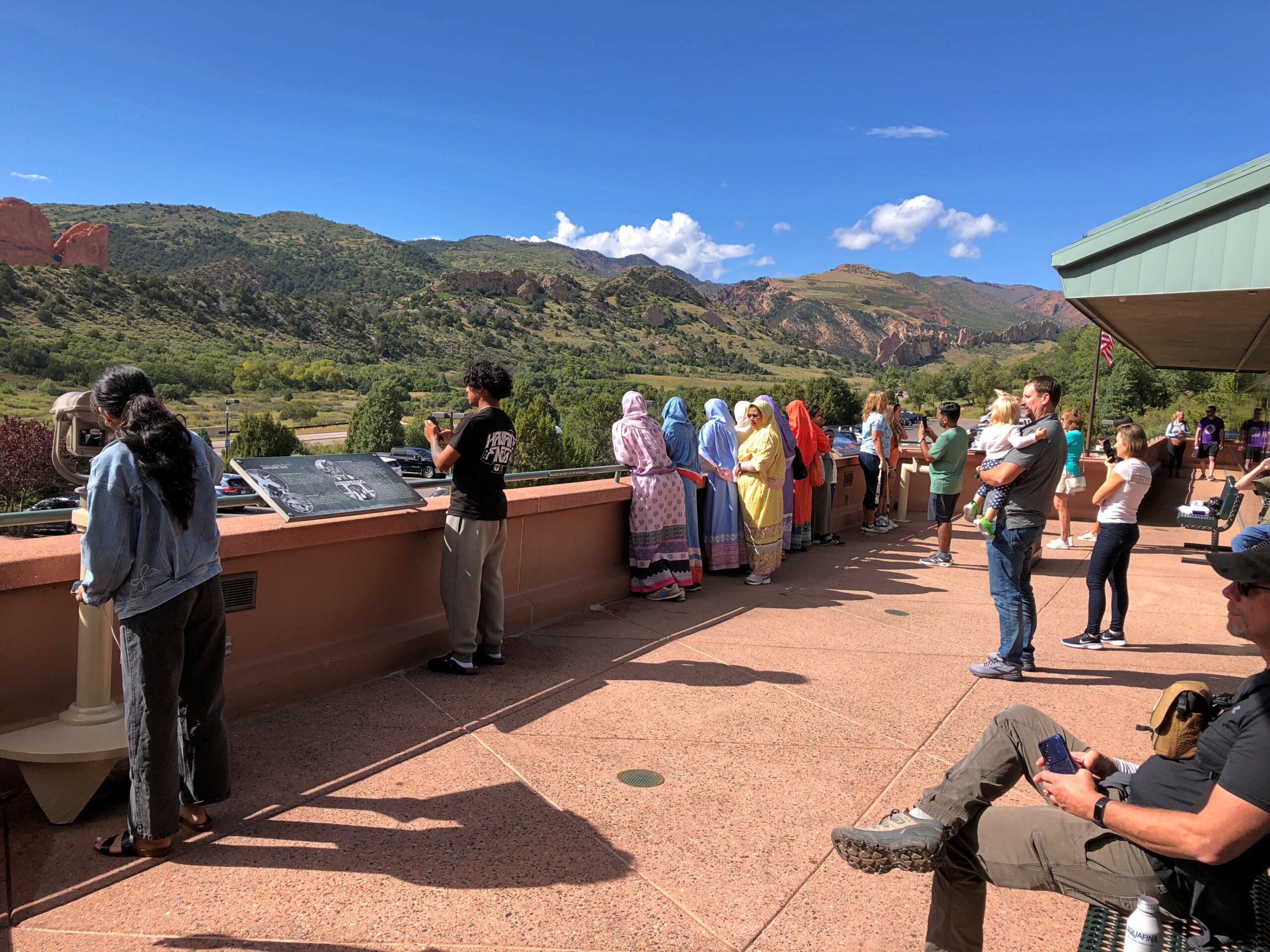
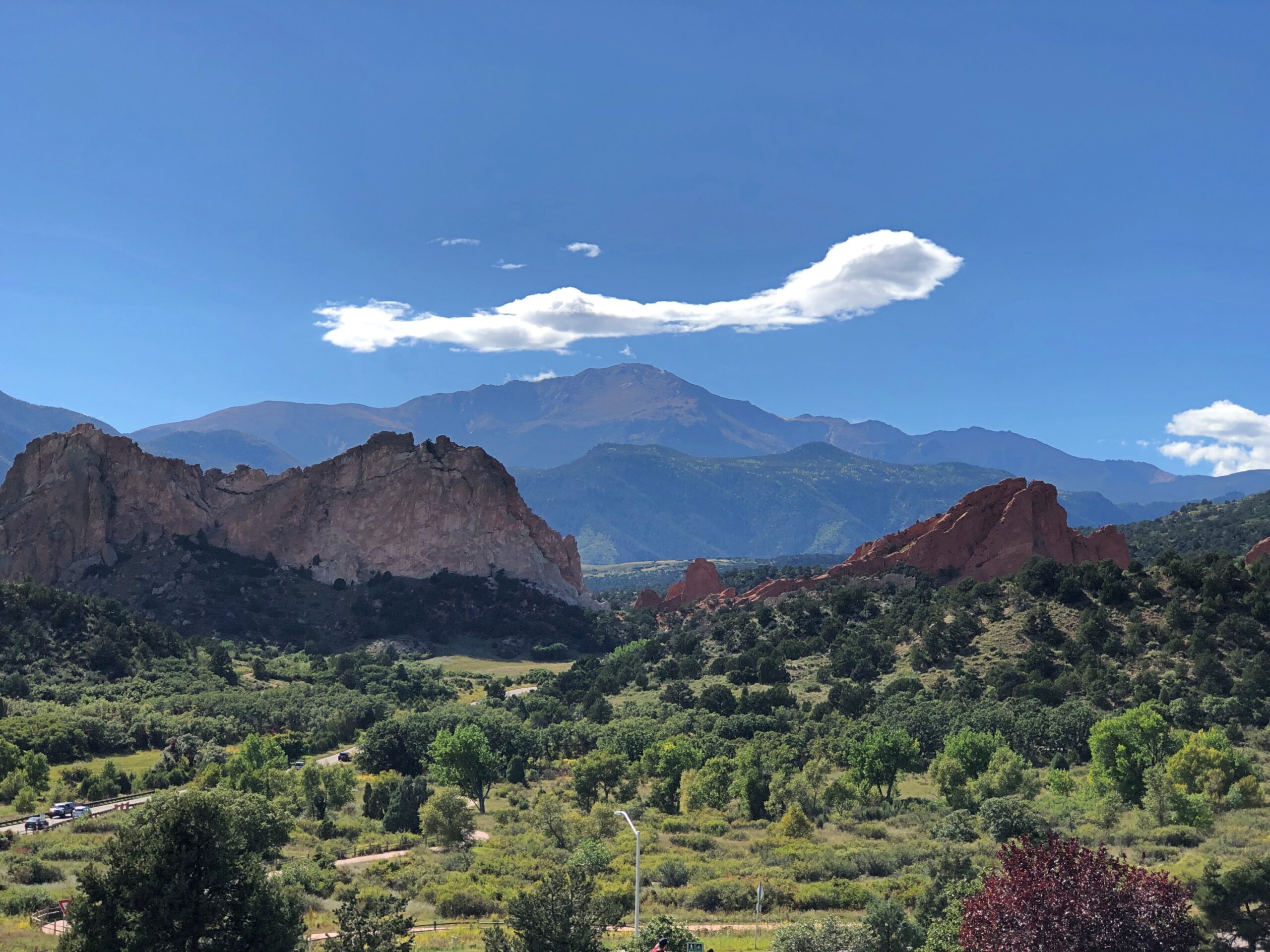
One more recommended step, before the others: Drop by the visitors center, which is at some distance from the main complex of rocks, for a view of Pikes Peak. The place was fairly busy. For good reason.

Garden of the Gods, Colorado Springs
Pikes Peak, Colorado

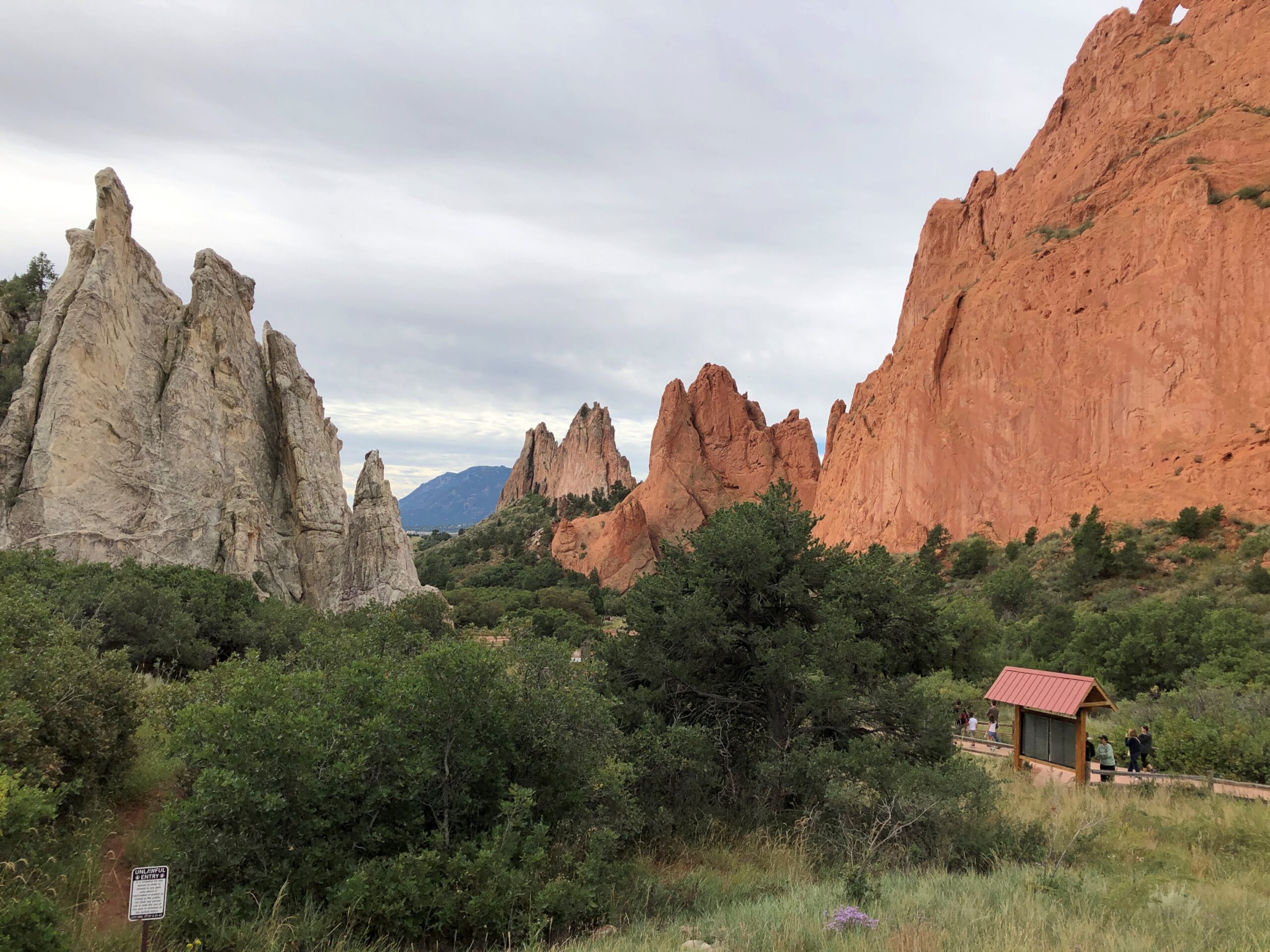
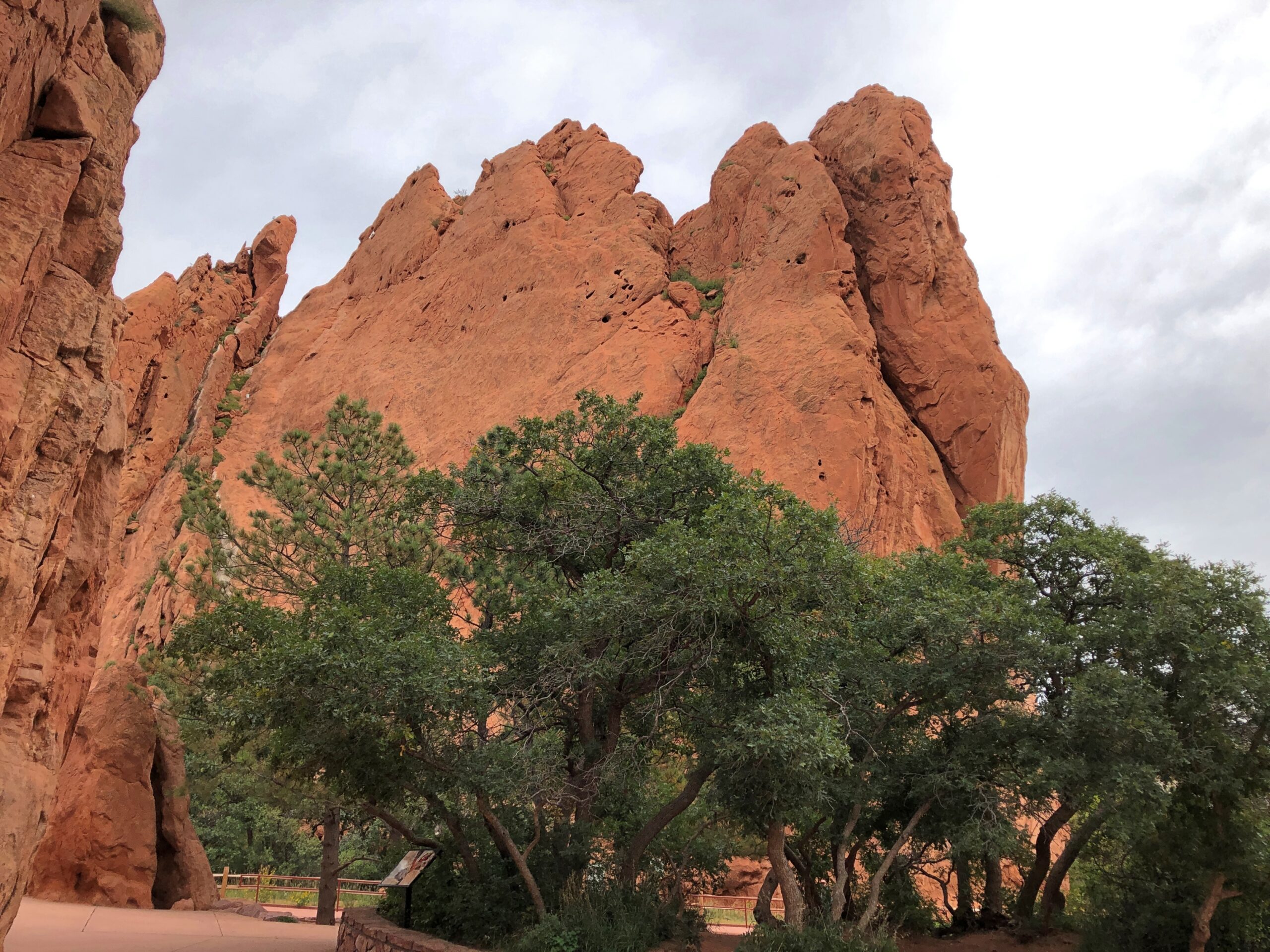
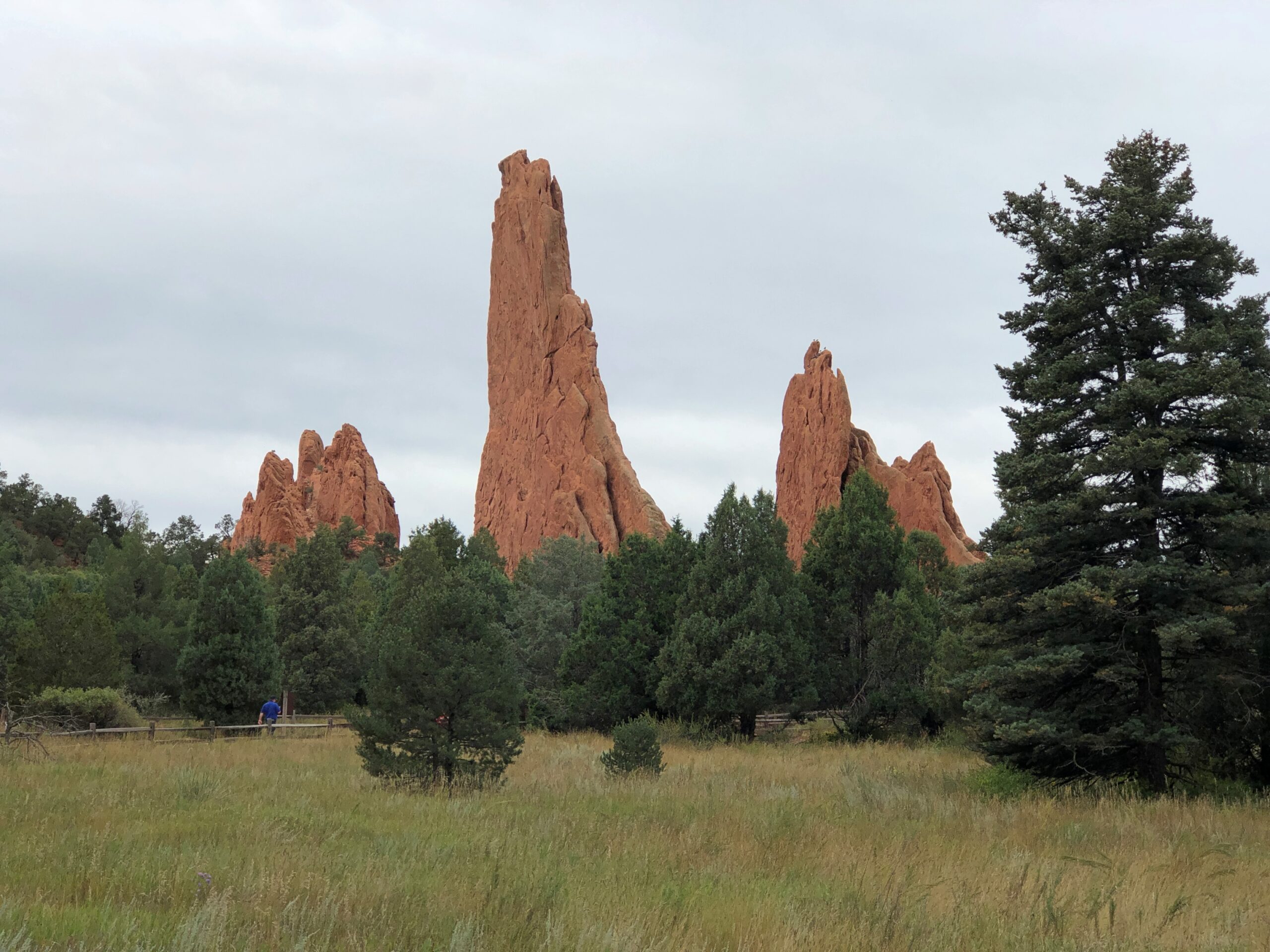
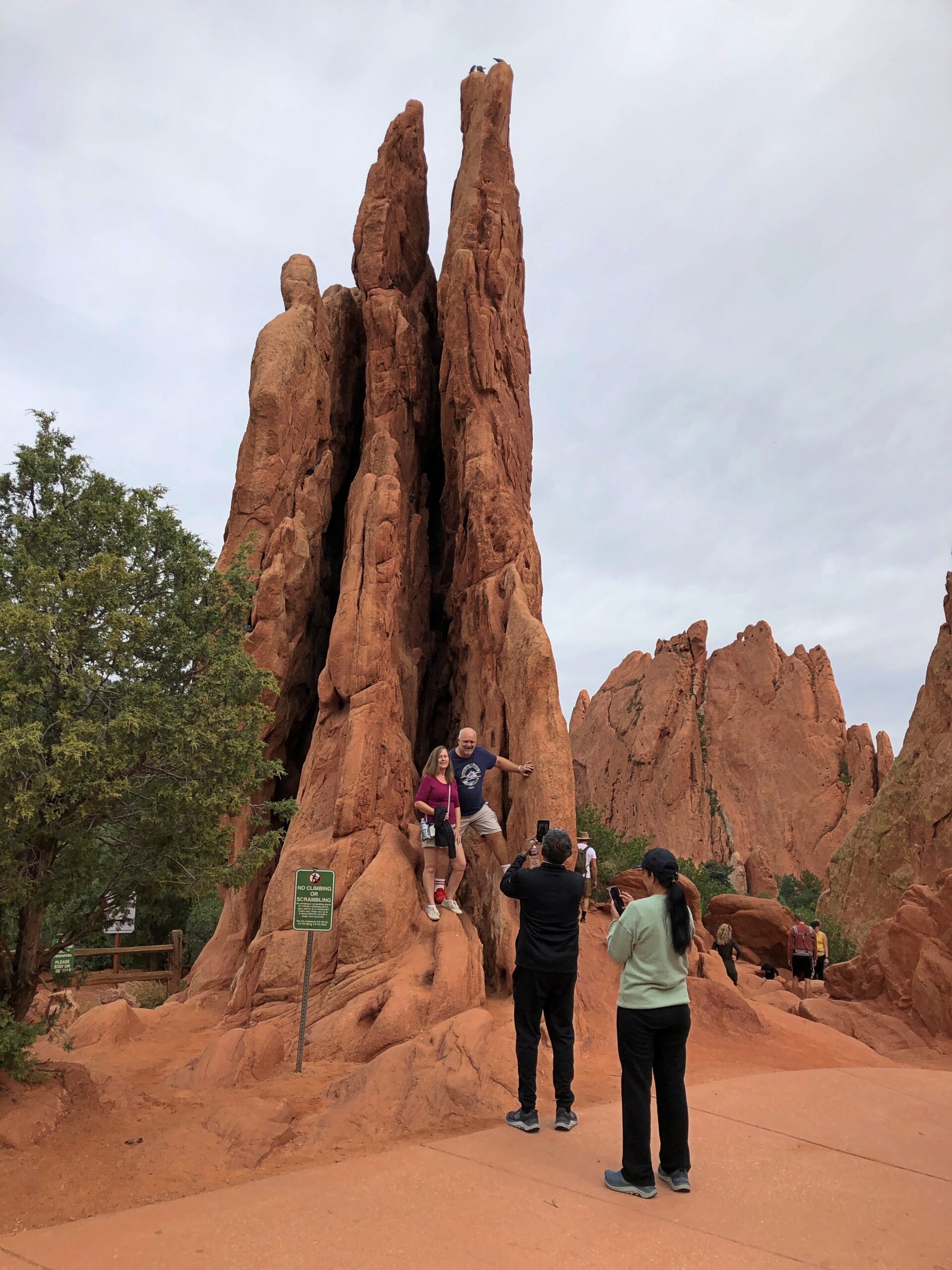
The Central Garden parking lot was nearly full, also on a Monday morning. Give the people something to awe them, for free, and they will come. The trail from the parking lot takes you directly to pointy and picturesque rocks, mostly orange.

Garden of the Gods, Colorado Springs

And among impressive bluffs.

Garden of the Gods, Colorado Springs

A gathering place for centuries, Garden of the Gods wound up in possession of a wealthy local family early in the 20th century, who deeded it to the city of Colorado Springs in 1909 on the condition that its 480 acres remain freely open to the public, and undeveloped, except for park infrastructure. Also, “no intoxicating liquors shall be manufactured, sold, or dispensed” there, and to this day, alcohol is banned.

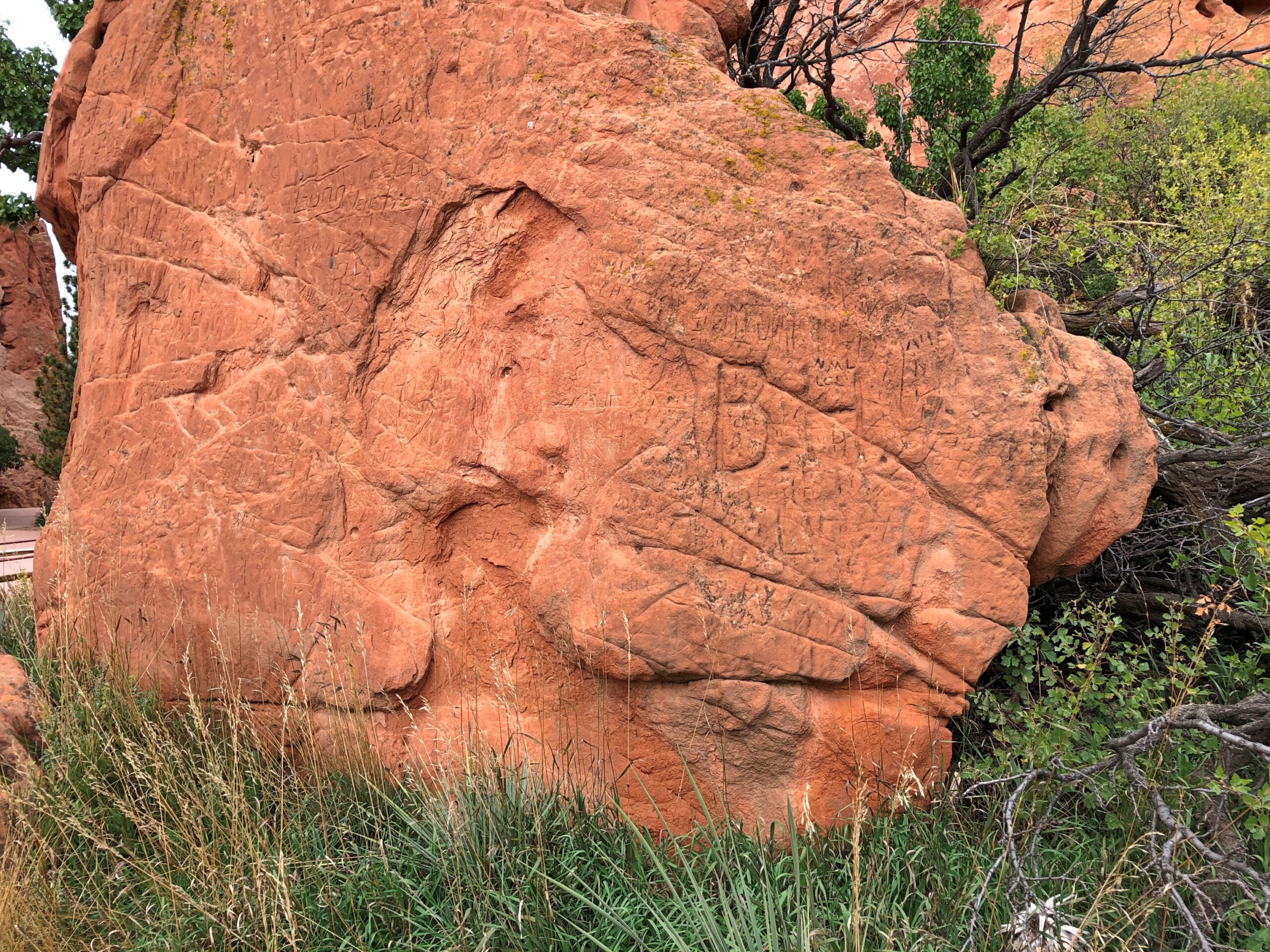
Some historic detail: historic graffiti. No longer legal to do, you can be sure.

Garden of the Gods, Colorado Springs

Geologically speaking, the formations aren’t that old, only going back to the tumults of the Pleistocene.

Garden of the Gods, Colorado Springs

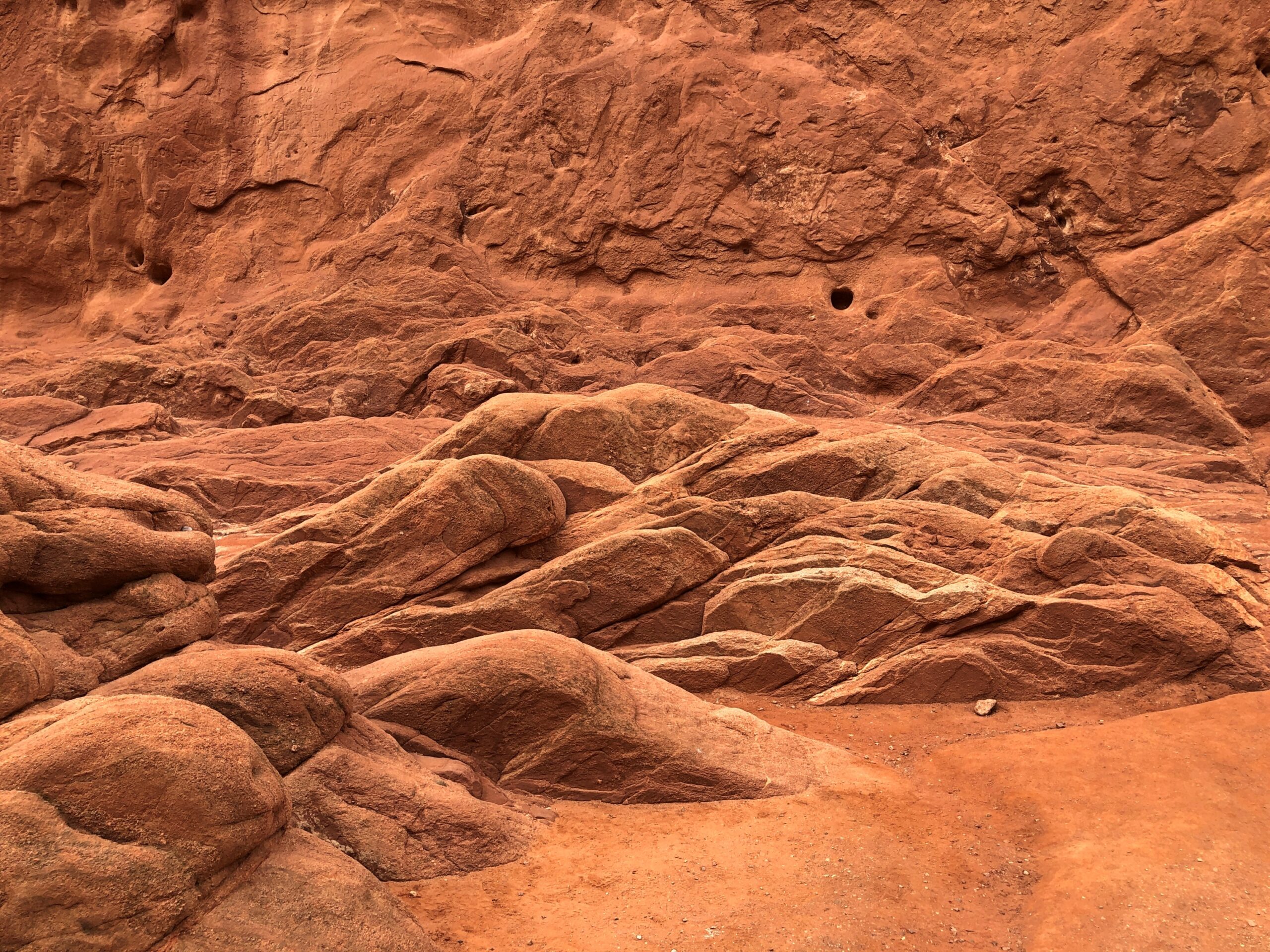
Glaciation and erosion at work.

Garden of the Gods, Colorado Springs

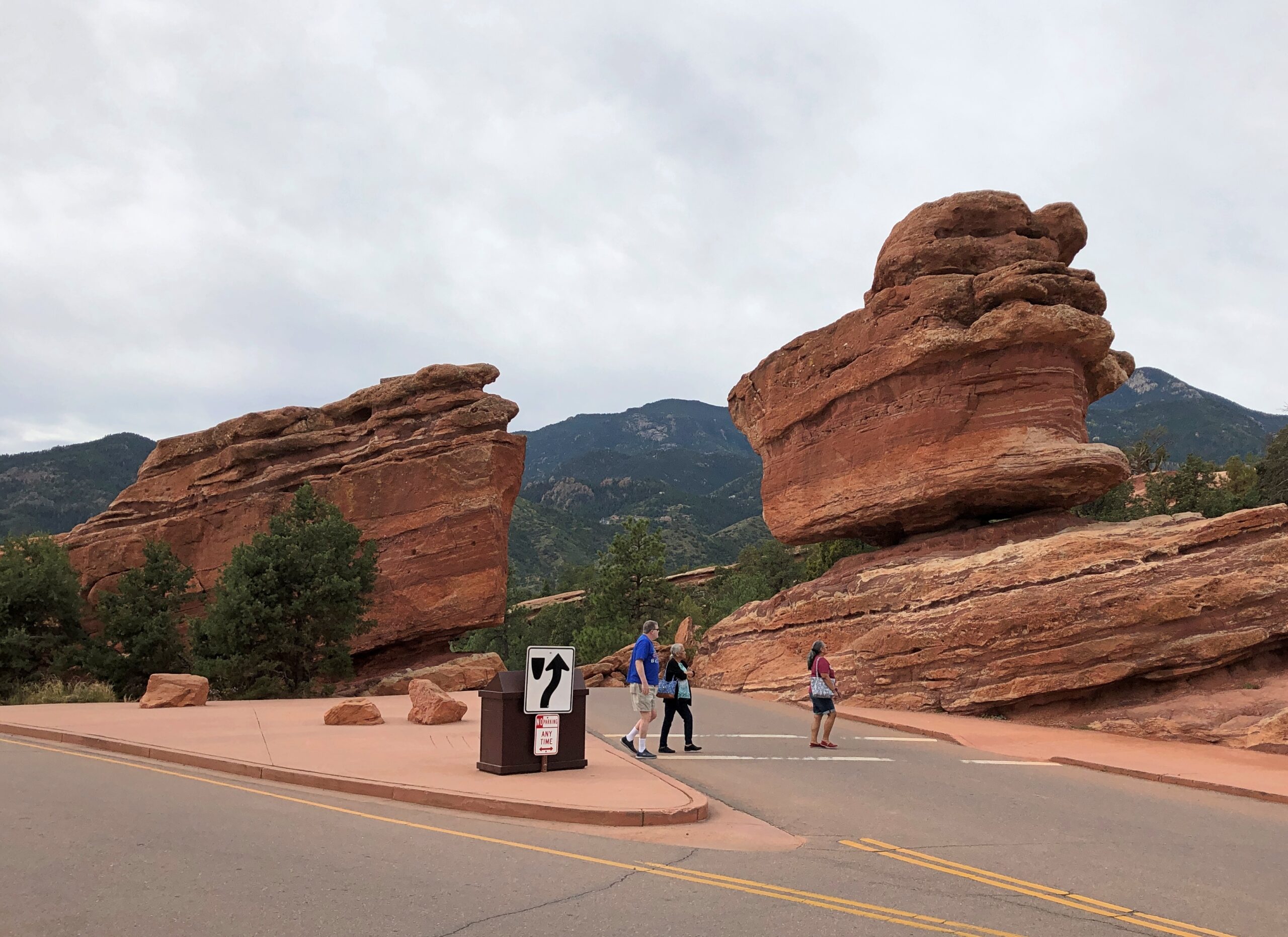
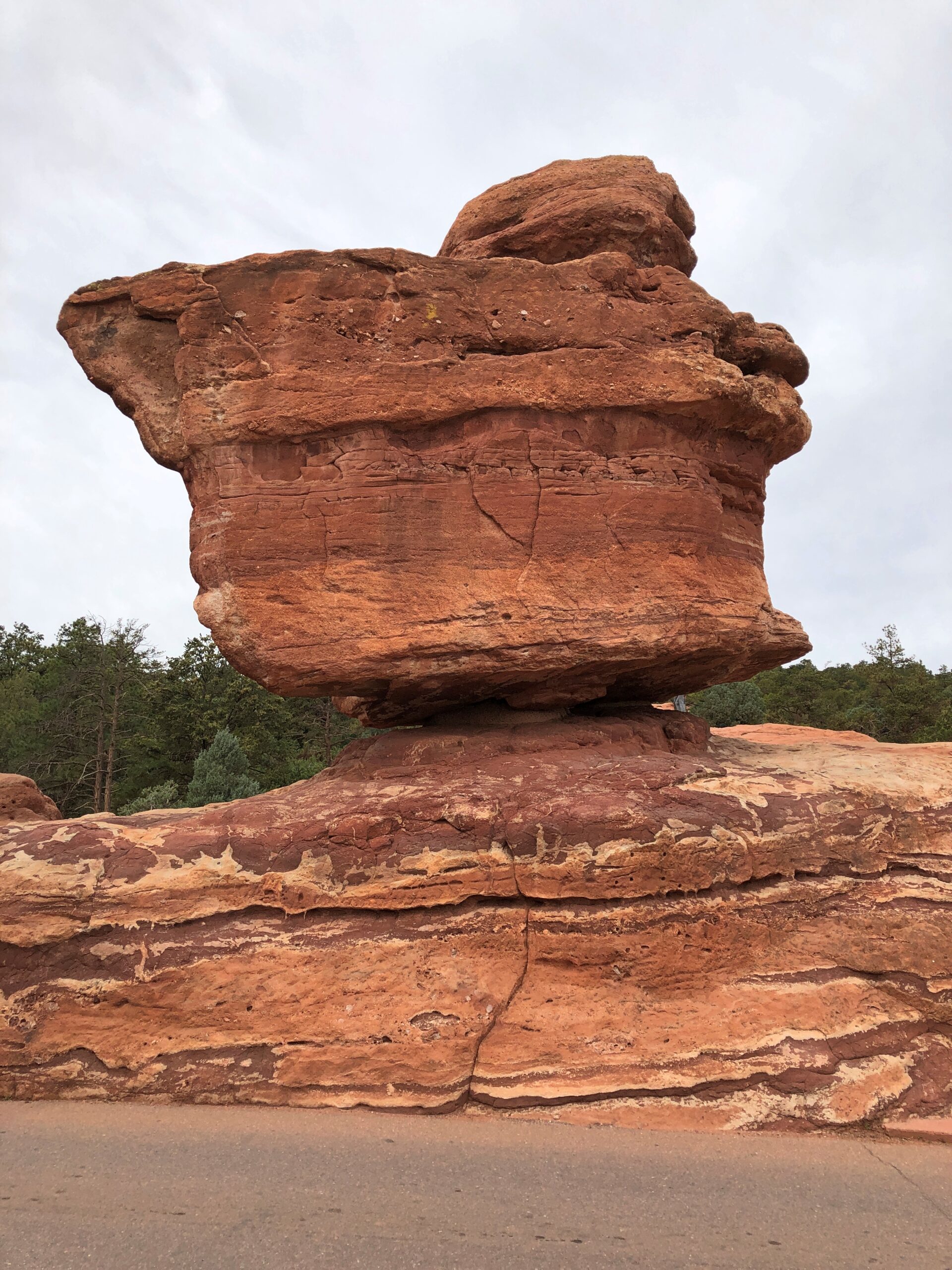
Away from the Central Garden is another place with a small parking lot, called Balanced Rock, for obvious reasons.

Garden of the Gods, Colorado Springs

Geologically speaking, it’s going to tumble just any time now.

Denver Botanic Gardens

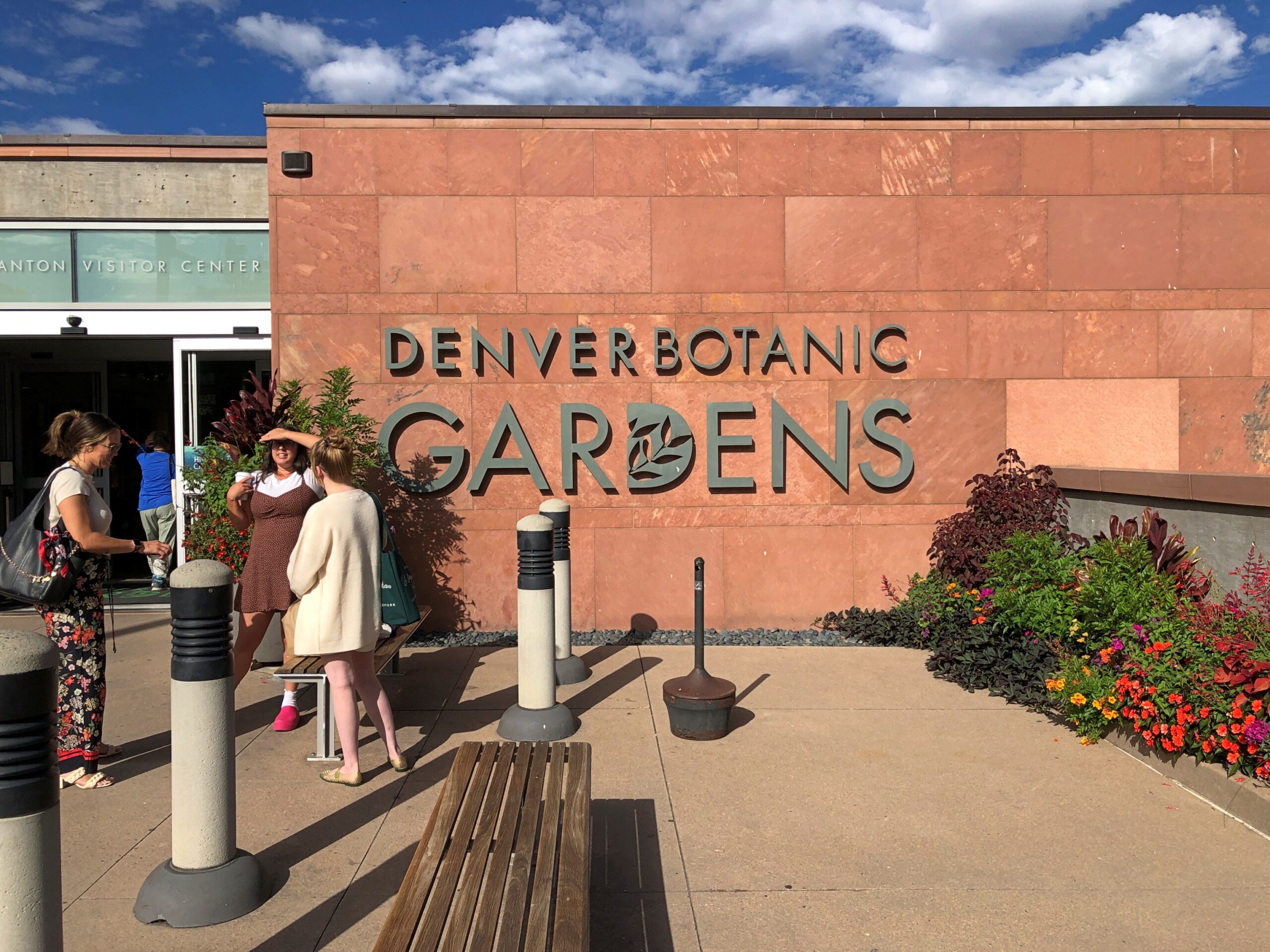
Our only full day in Denver, September 10, was forecast to be a hot one, so we schemed to arrive at the Denver Botanic Gardens when it opened in the morning and stay there until the heat became uncomfortable. We liked the place so much that we stayed well after the heat locked into high.

The place includes a few whimsical installations, but mostly it’s straightforward flora.

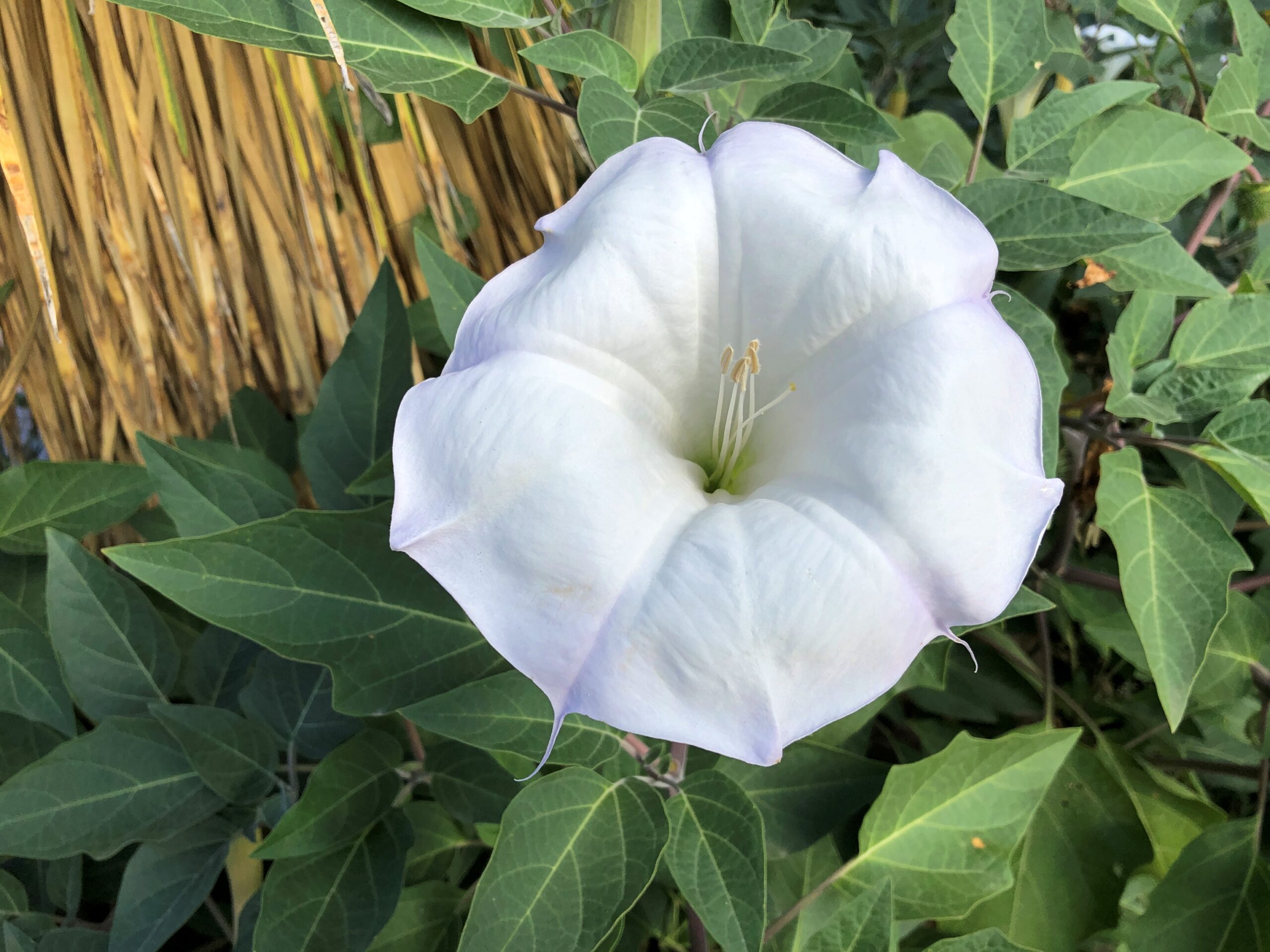
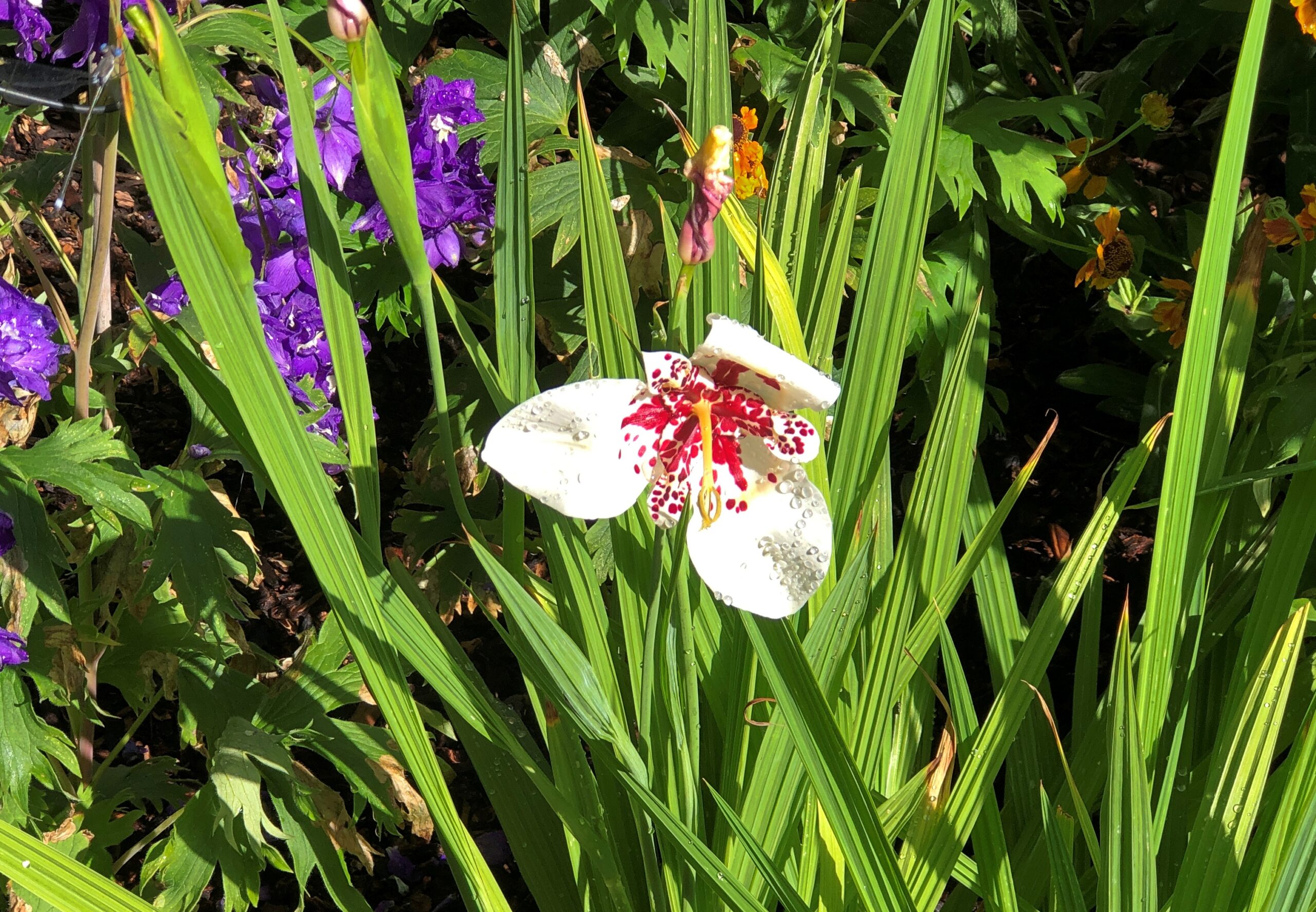
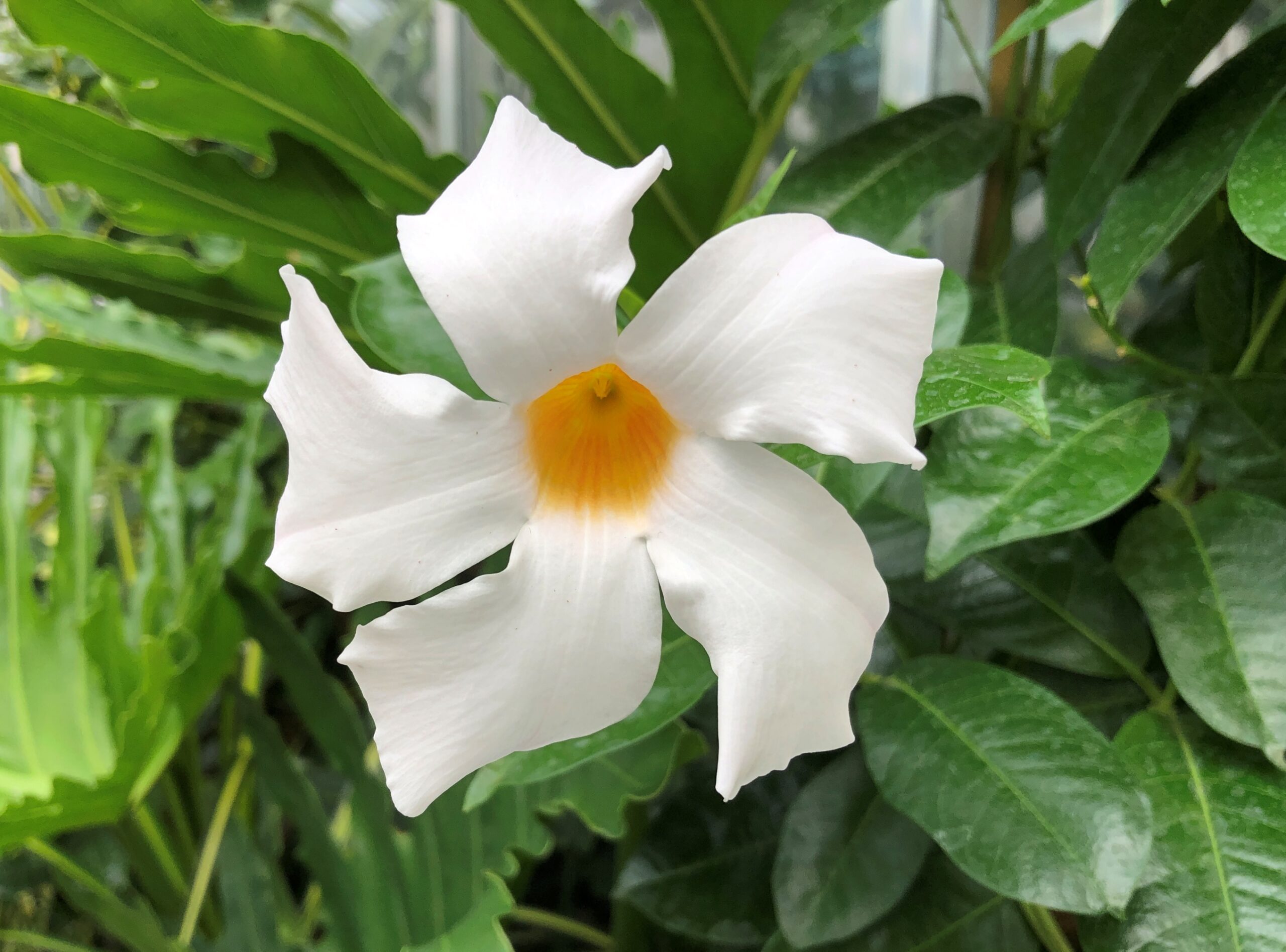
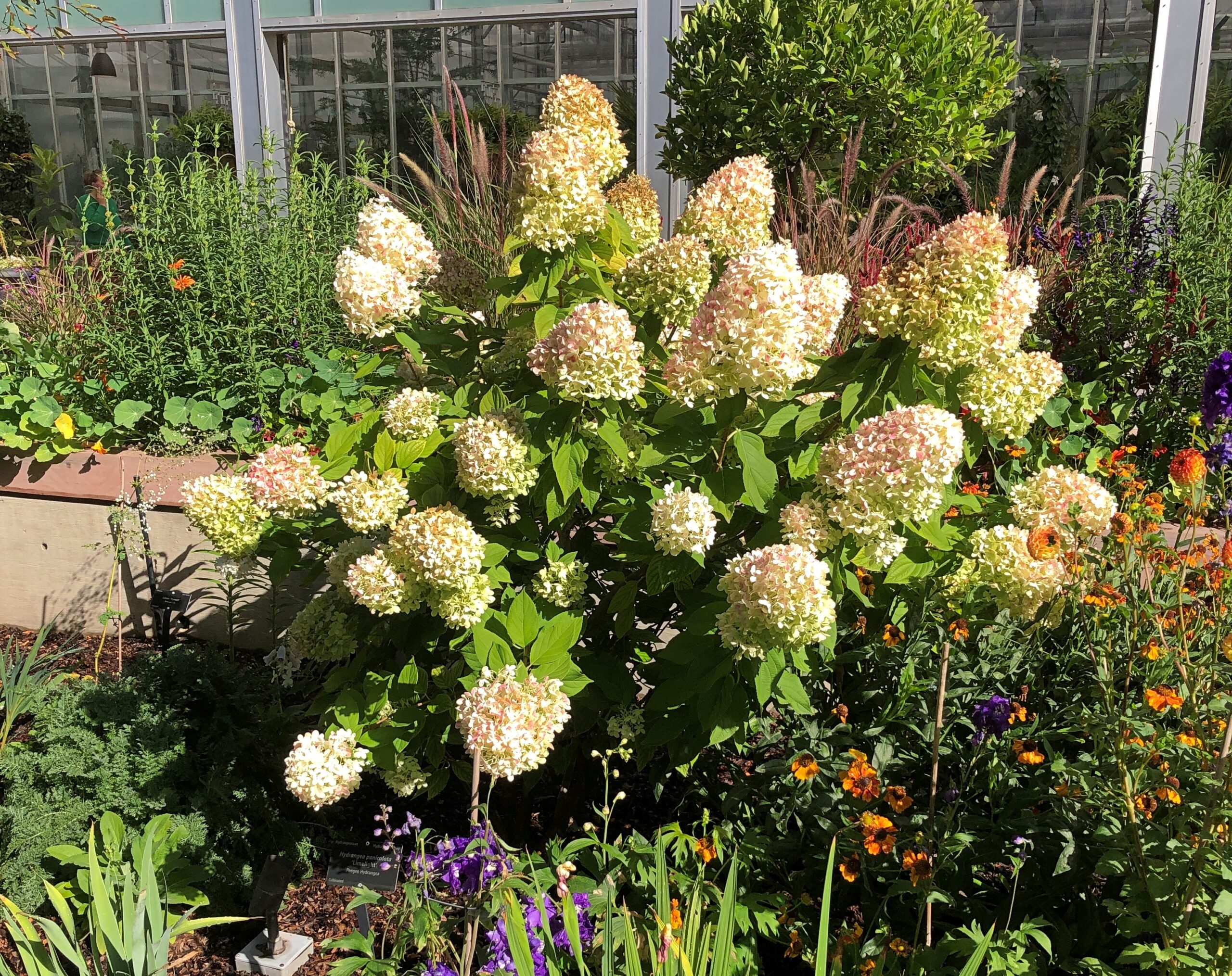
The flowers alone were worth the price of admission. Singly.

Denver Botanic Garden

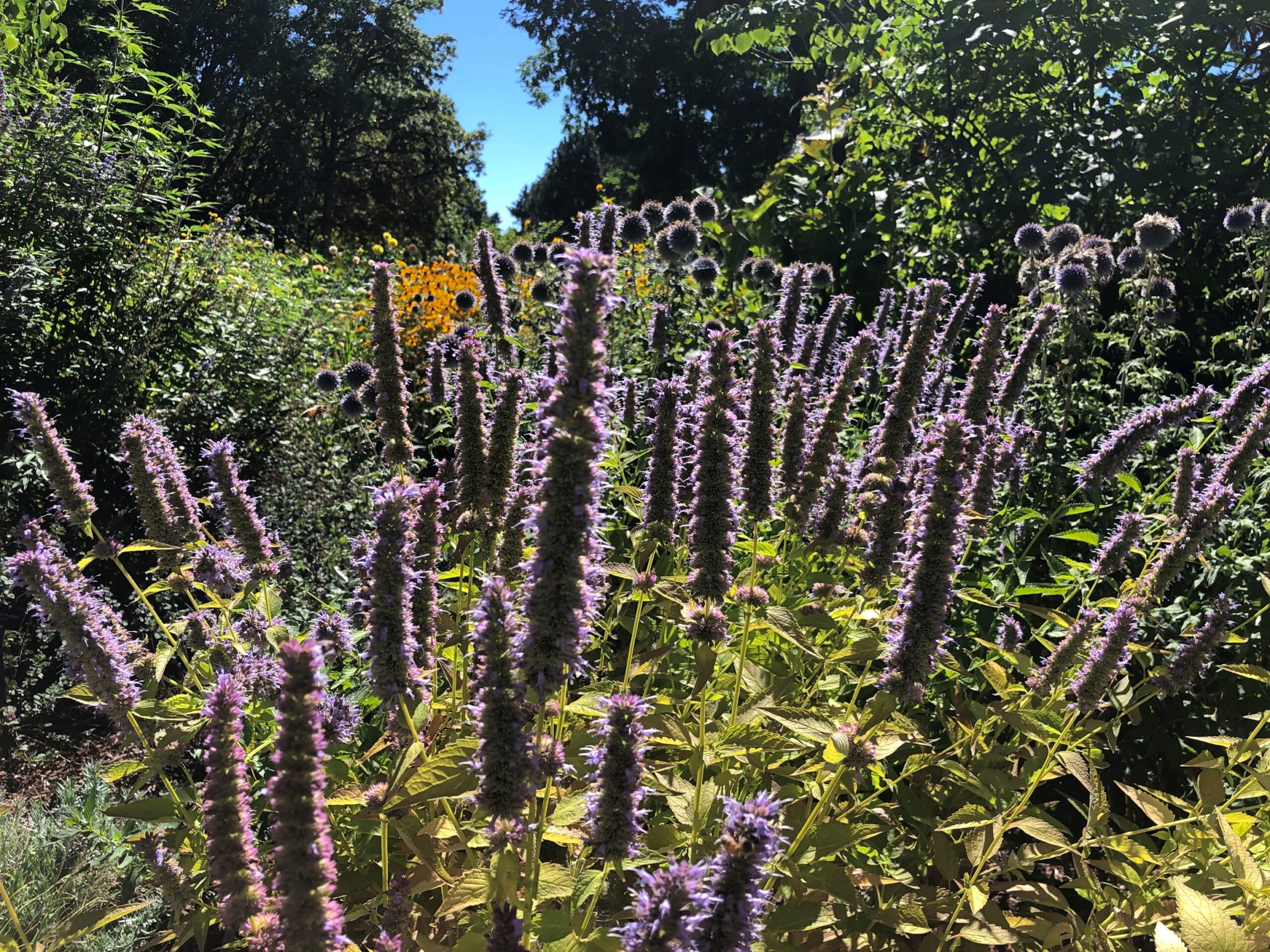
And in profusion.

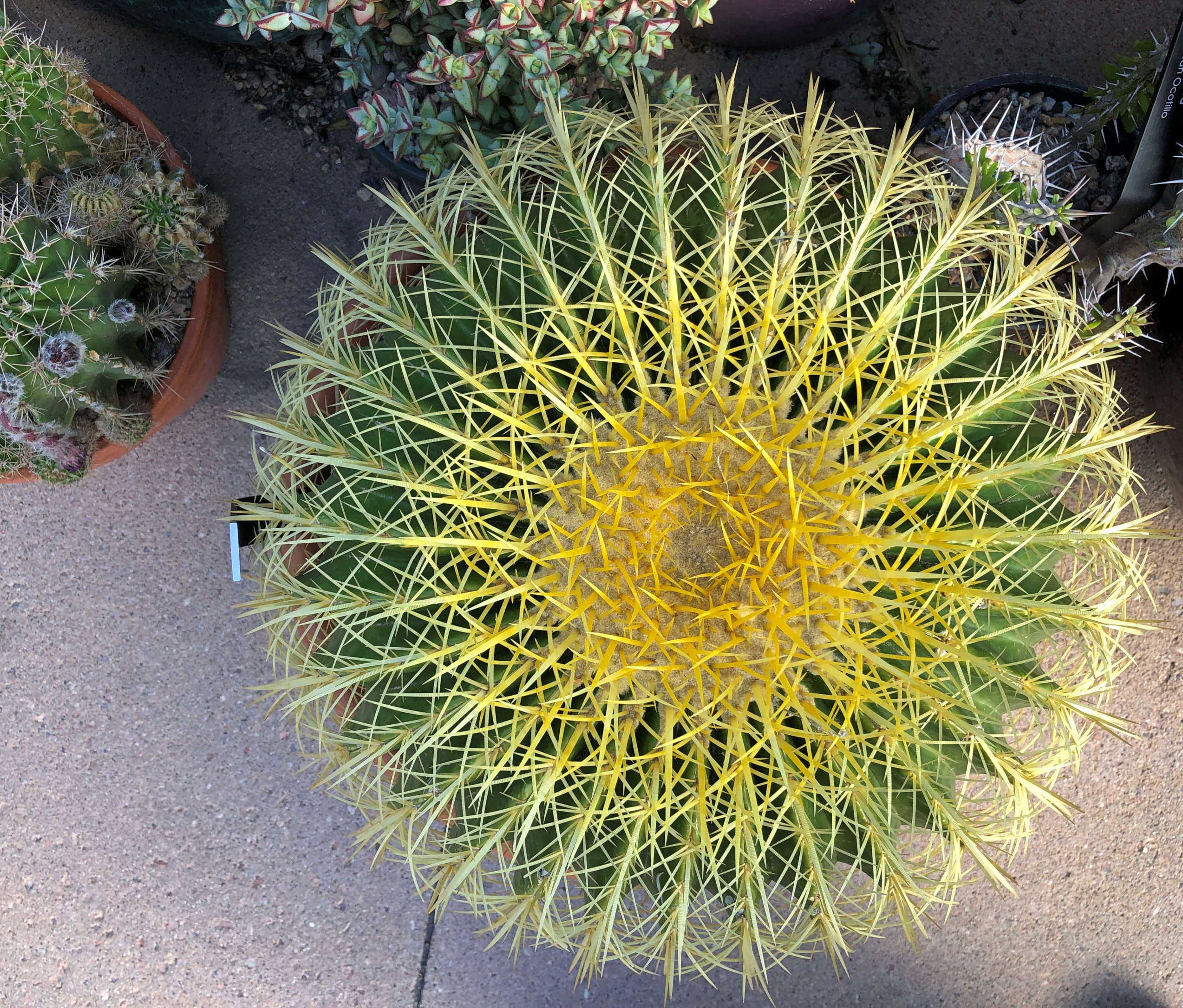
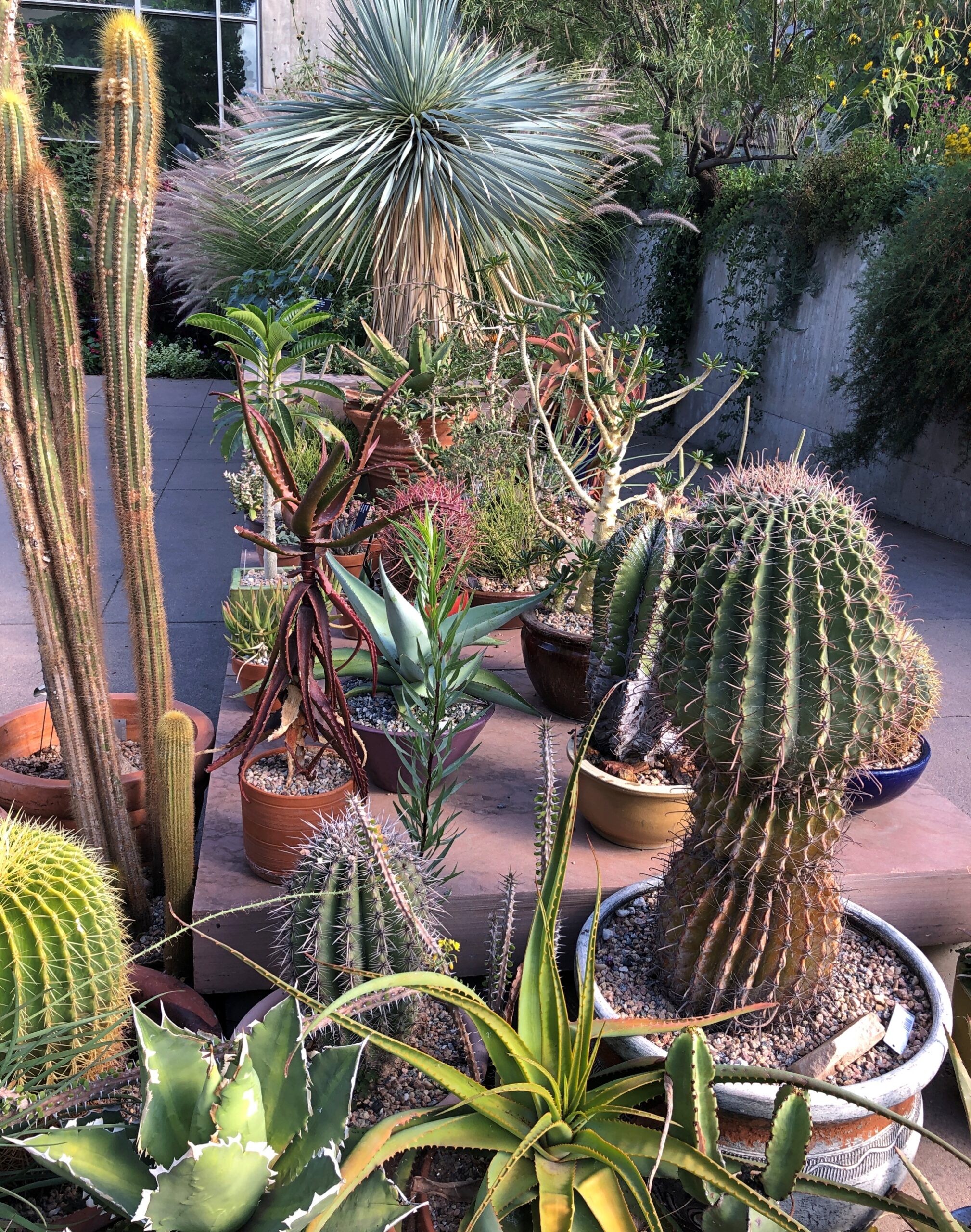
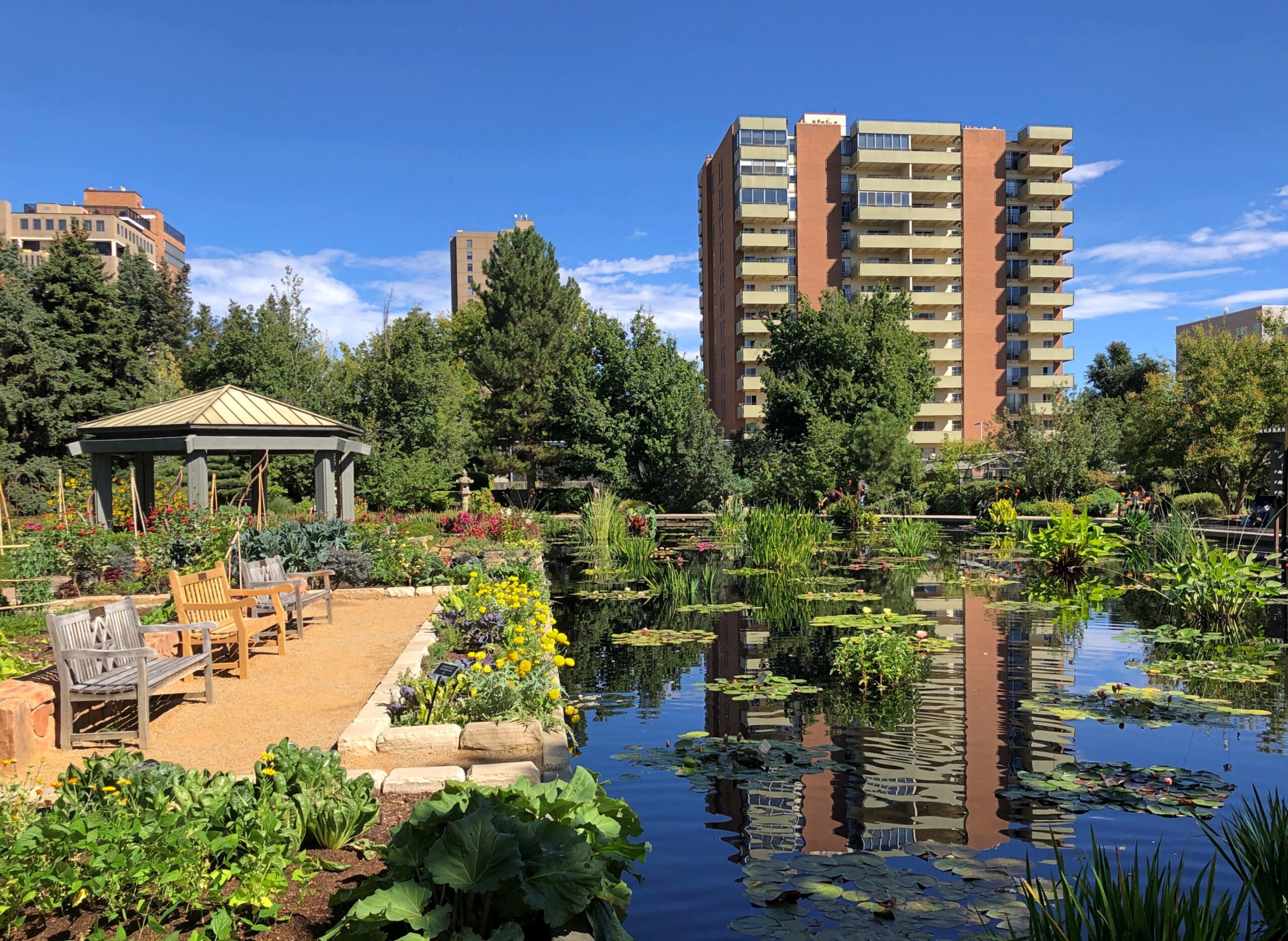
At 23 acres in the middle of a major metropolitan area, the gardens are enormous, with paths leading off in various directions to a sizable pond garden, a Japanese garden, and a giant tropical conservatory, among other features, such as an alpine garden and a steppe garden and a xeriscape demonstration garden (“Dryland Mesa”). Not to forget cacti.

Denver Botanic Garden

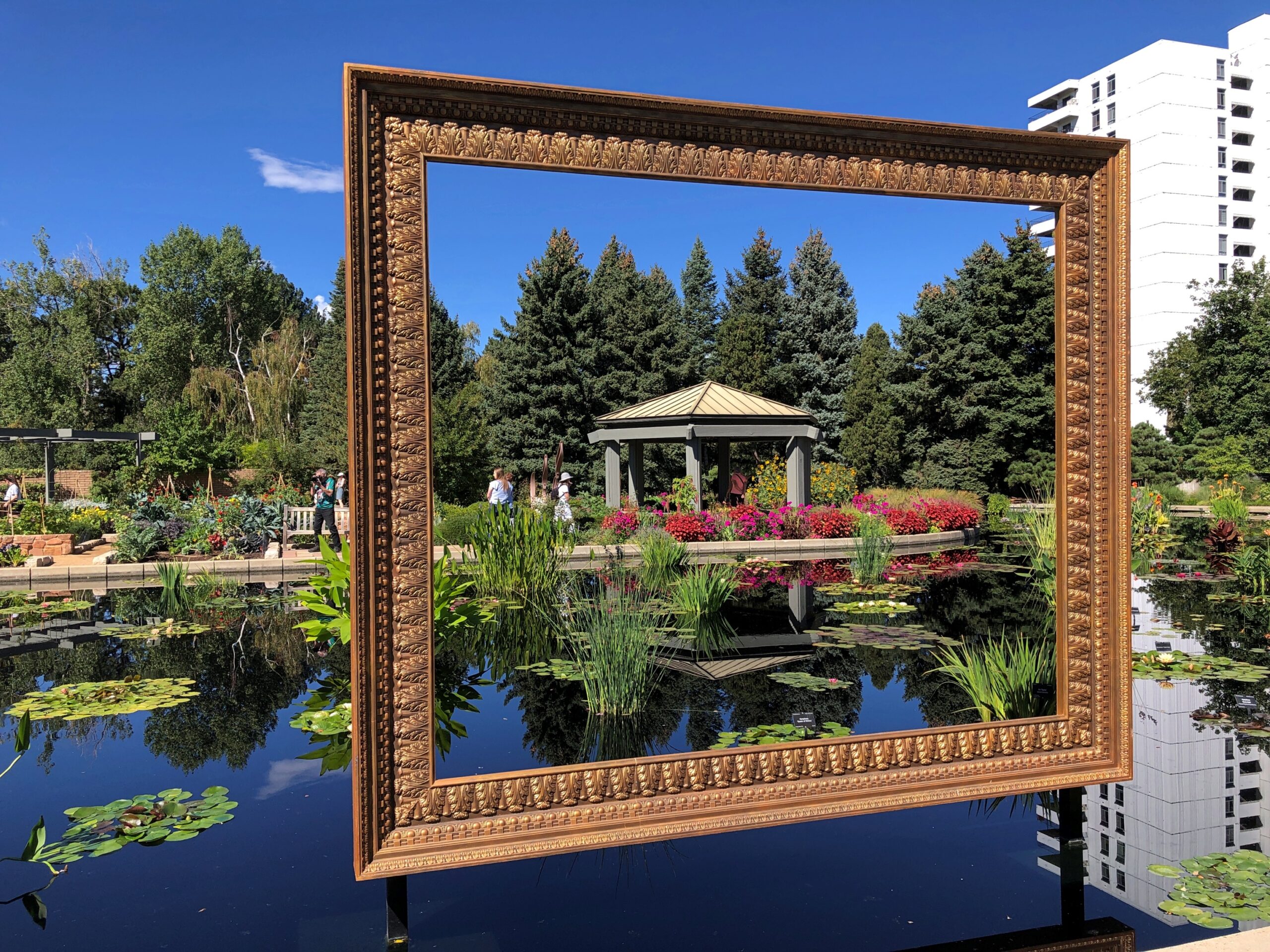
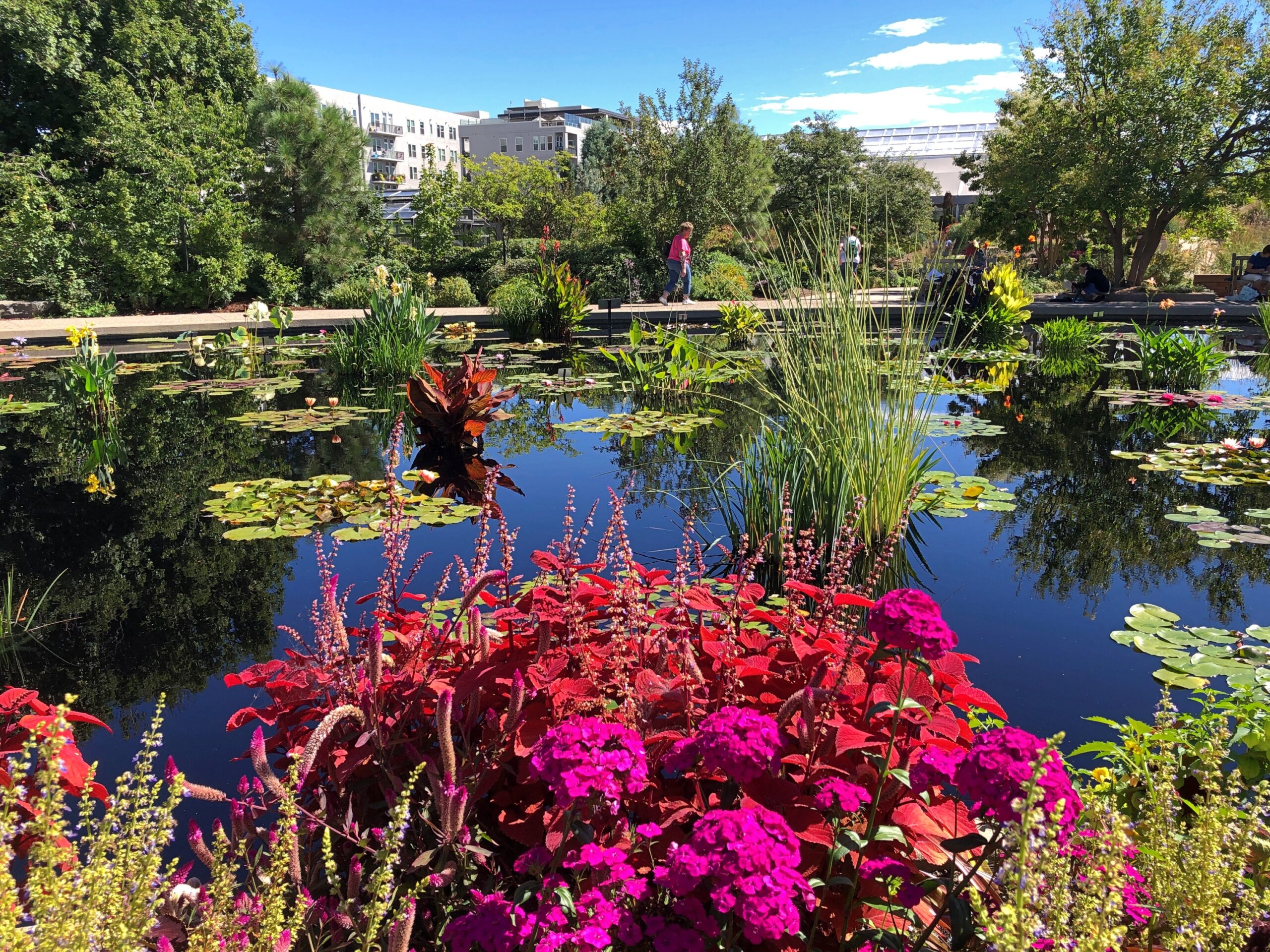
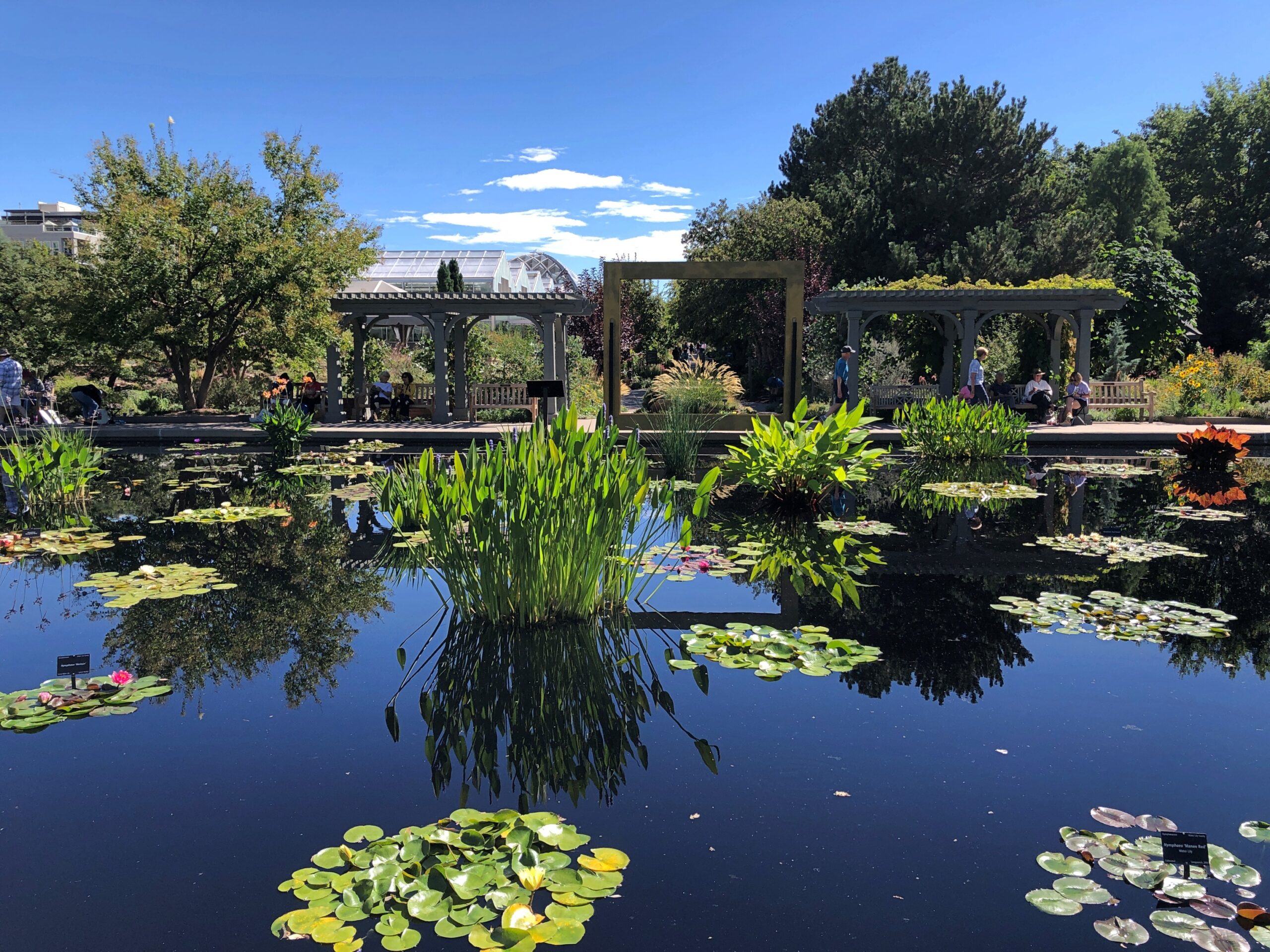
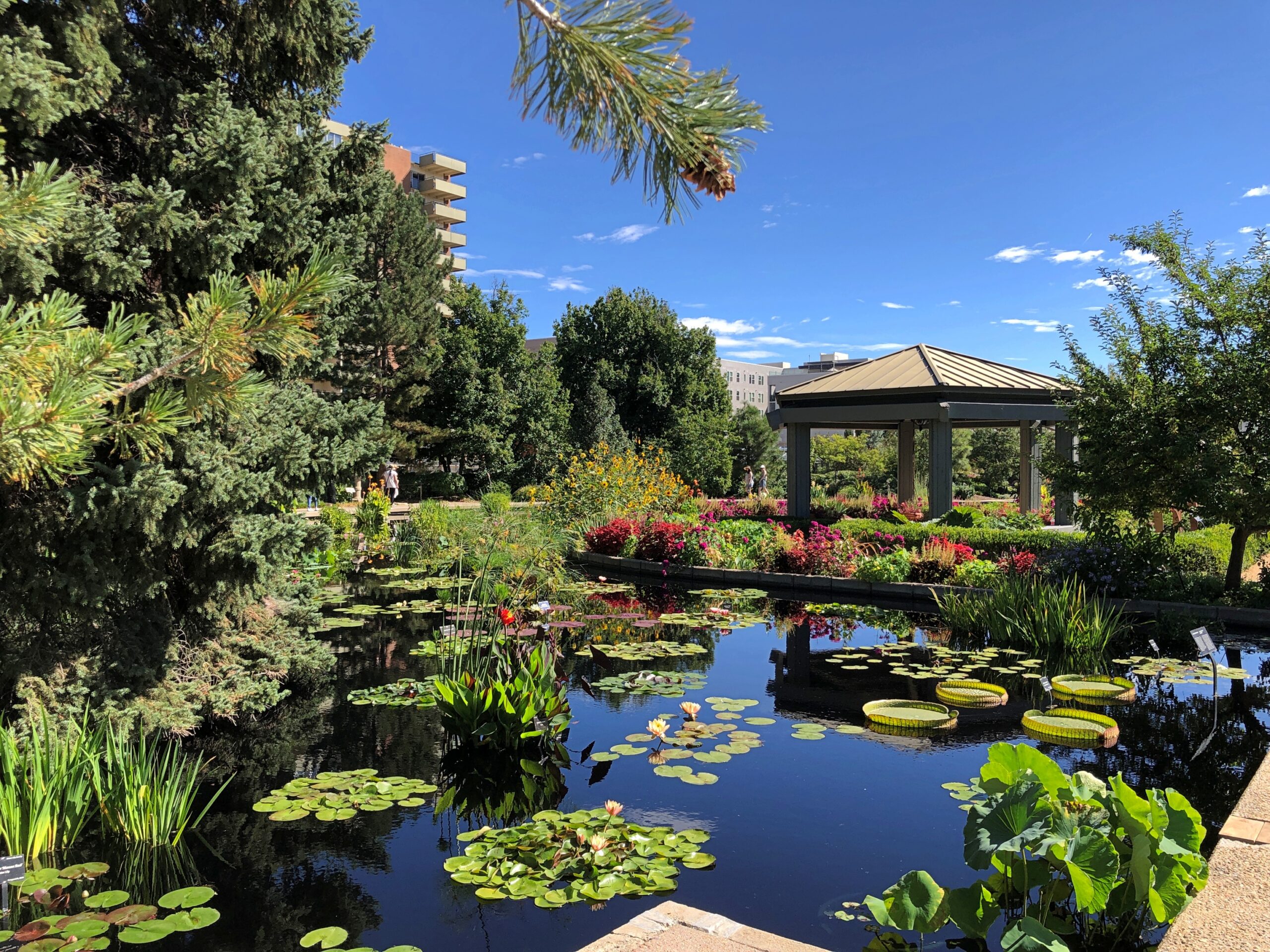
There was no way to see everything, so we focused on various parts, such as the pond.

Denver Botanic Garden

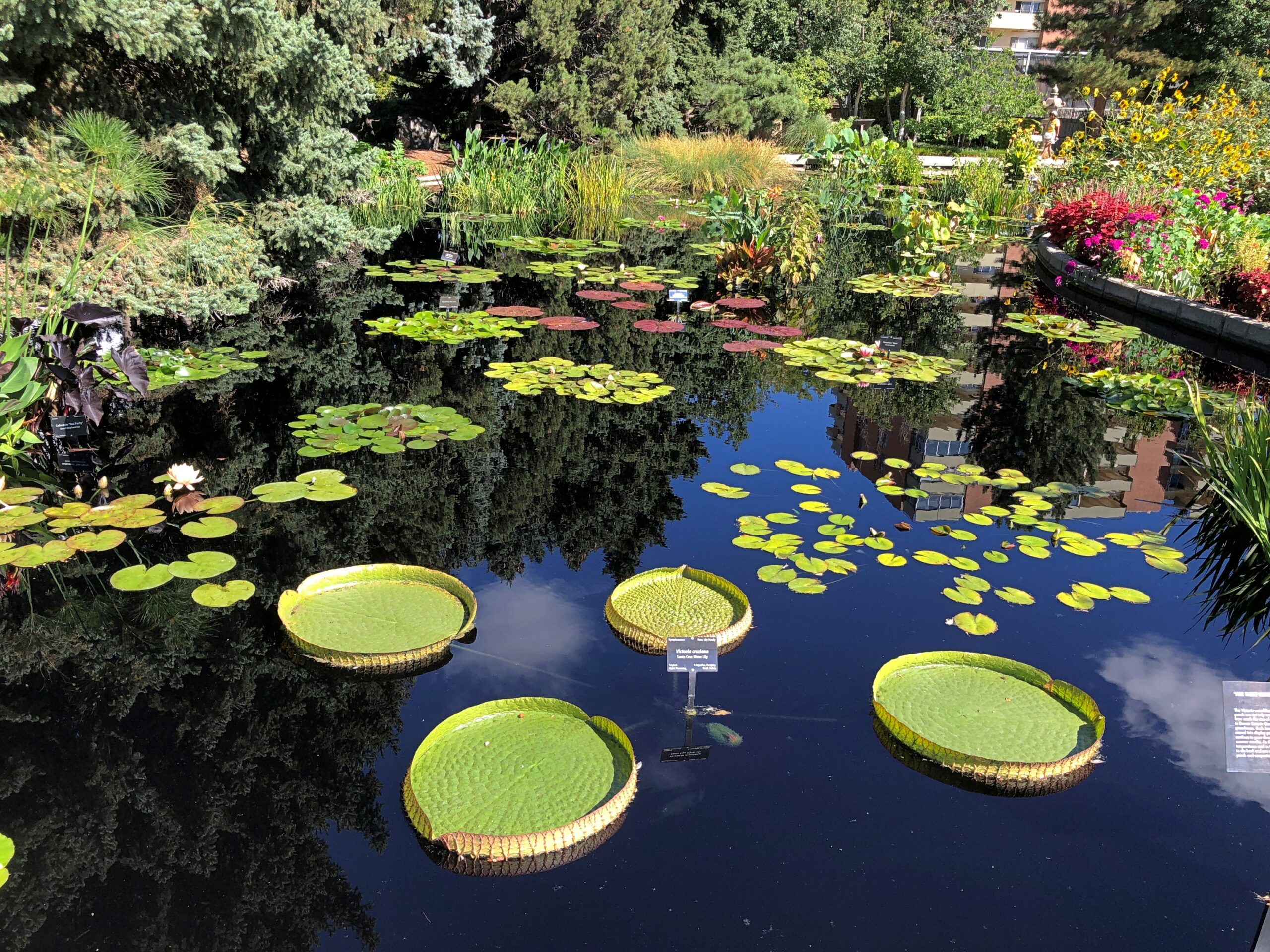
I’d never see lily pads like this.

Built for squadrons of dragonflies to land on.

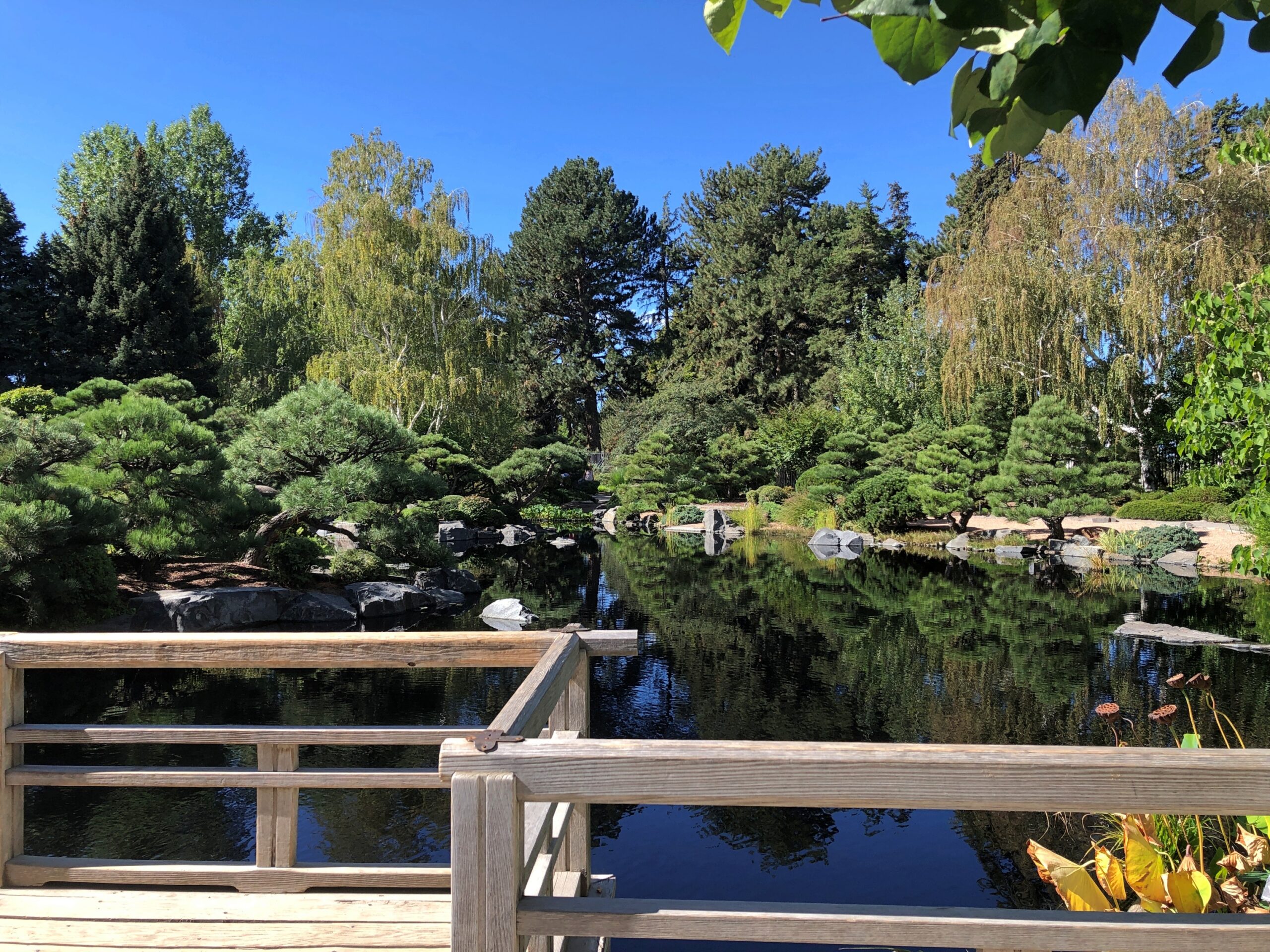
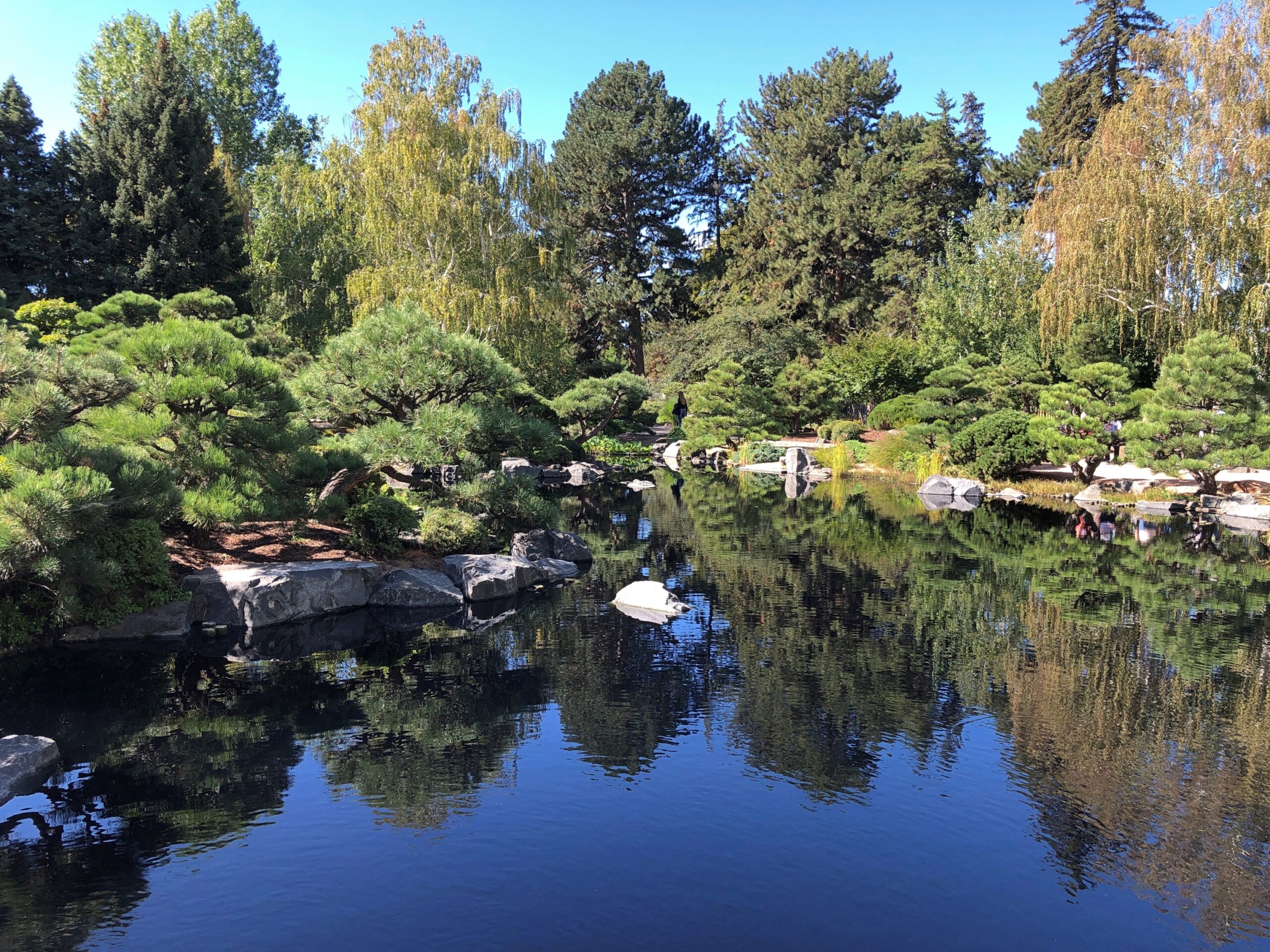
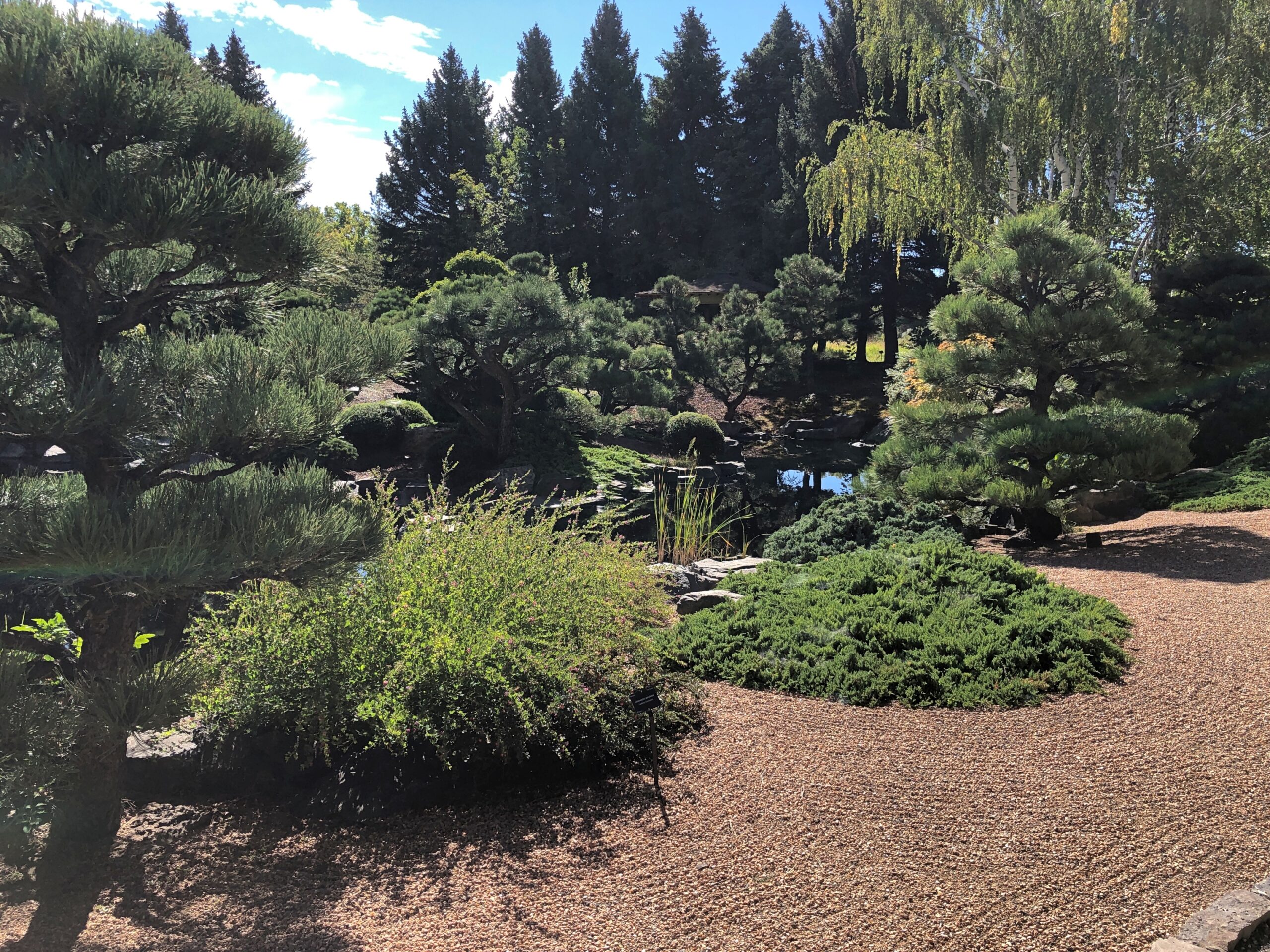
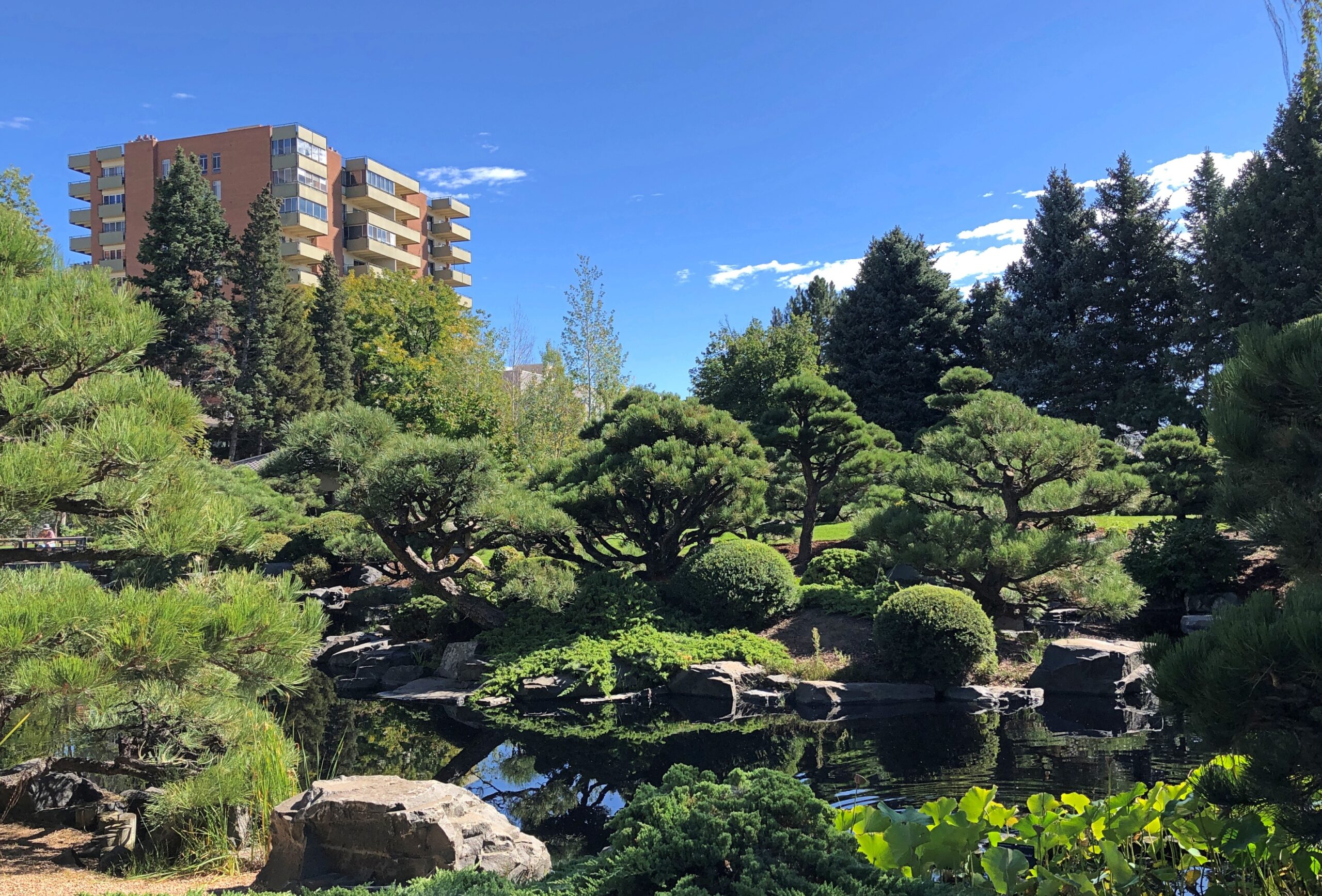
We also spent time in the Japanese garden, known as Shofu-en, the Garden of Wind and Pines, designed by Koichi Kawana (d. 1990). He did the Japanese garden at the Chicago Botanic Garden and a lot of other places, curiously including Suiho-En, the Garden of Water and Fragrance at the Donald C. Tillman Water Reclamation Plant in Los Angeles.

Denver Botanic Garden

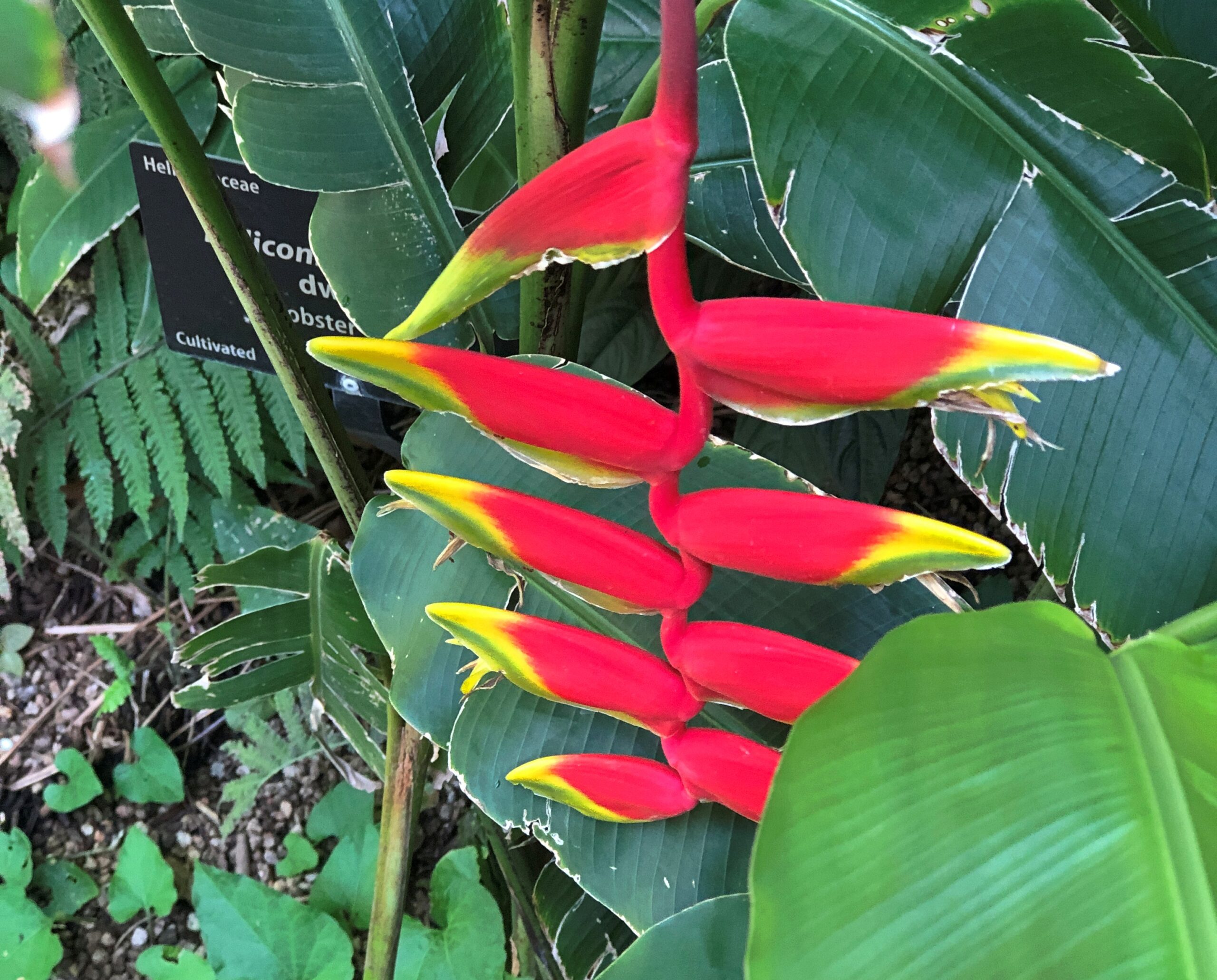
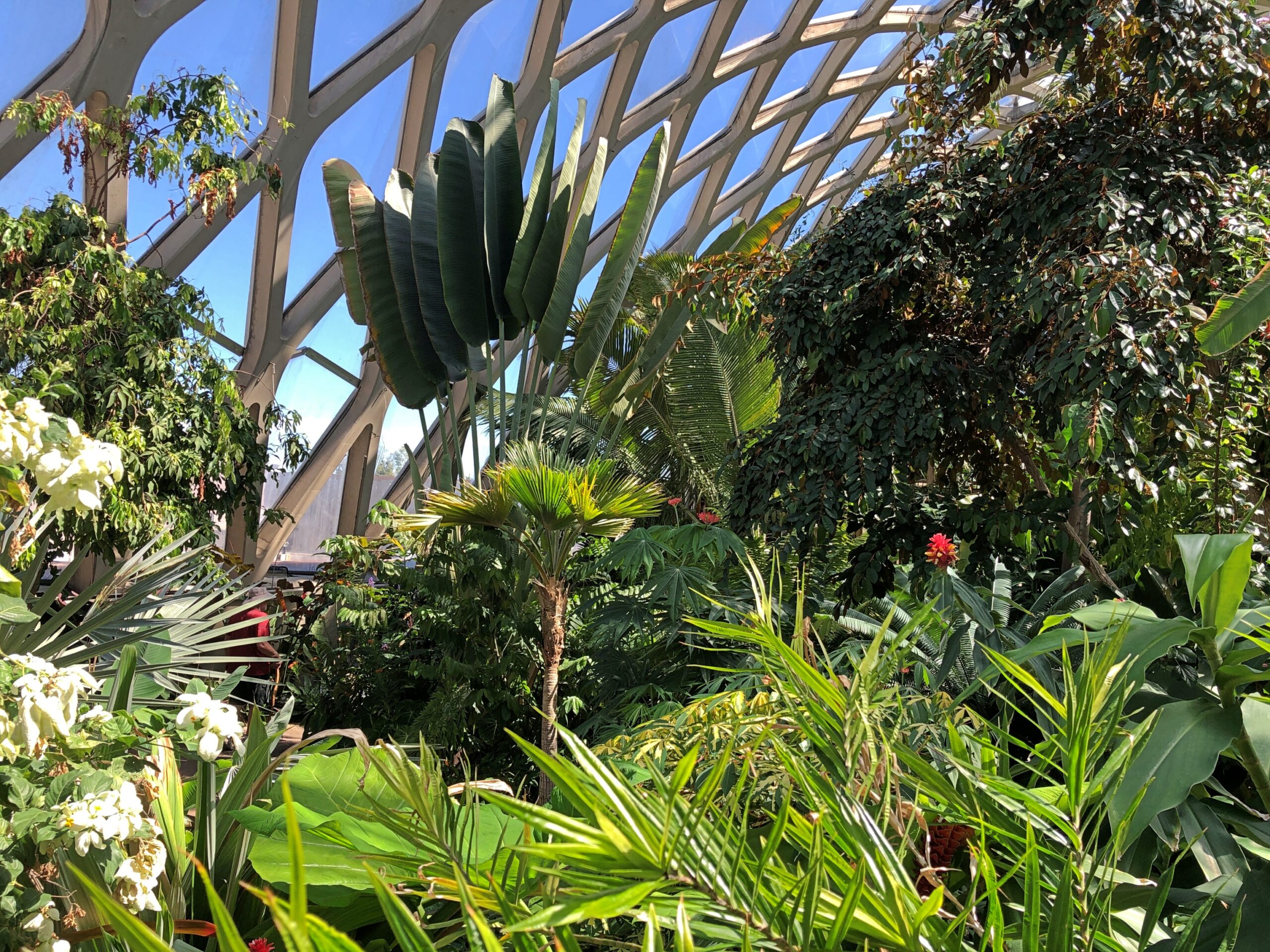
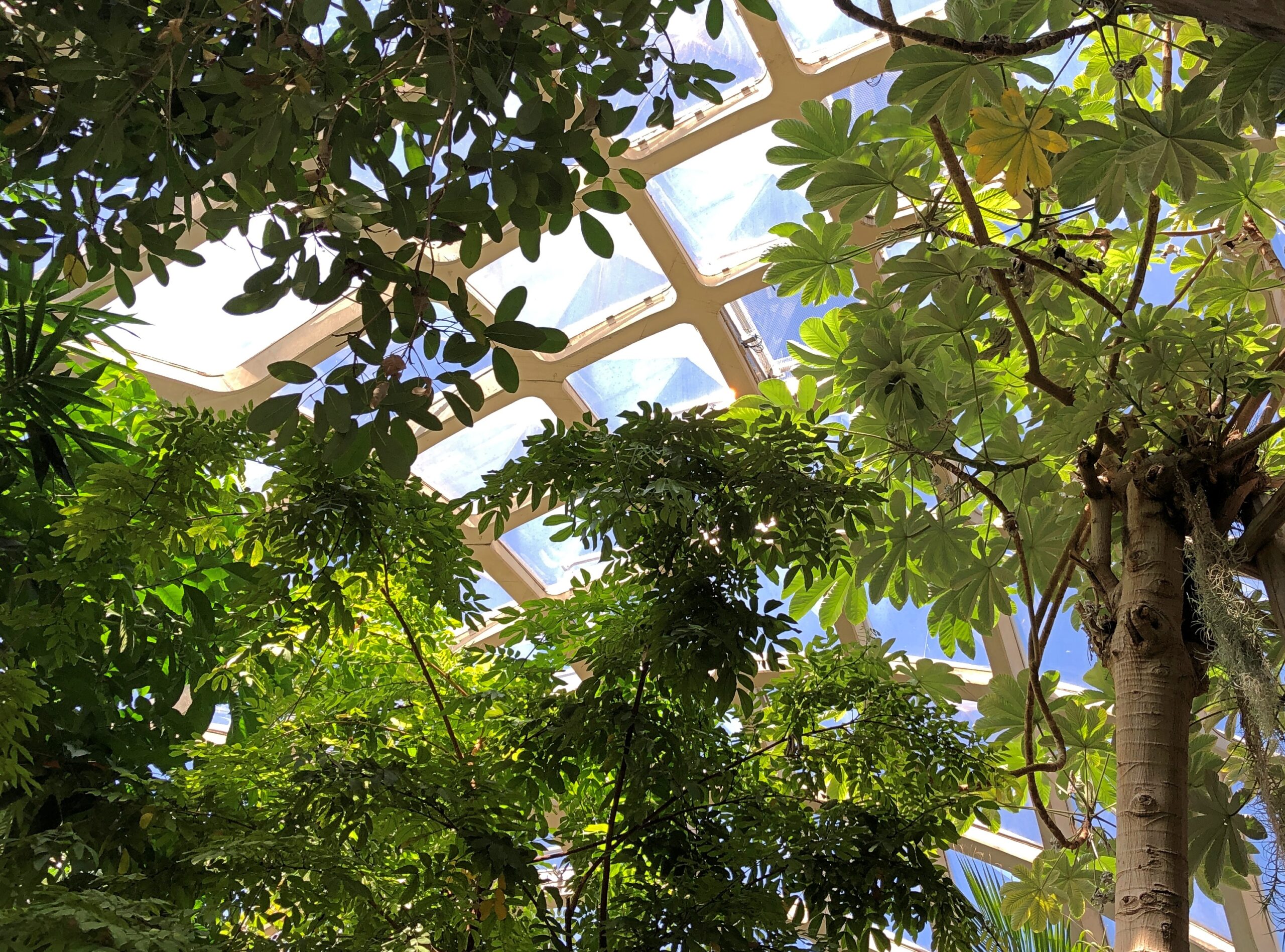
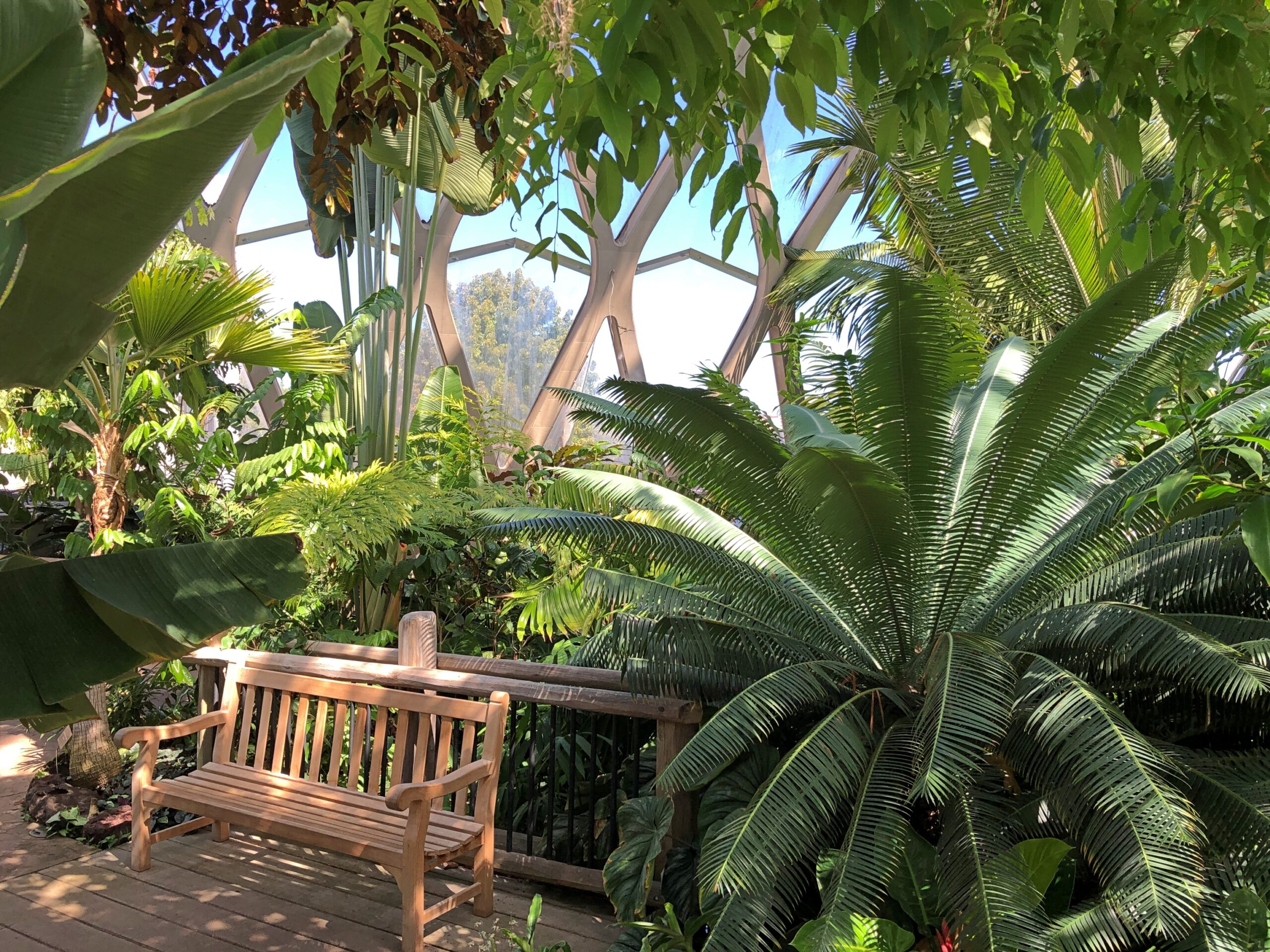
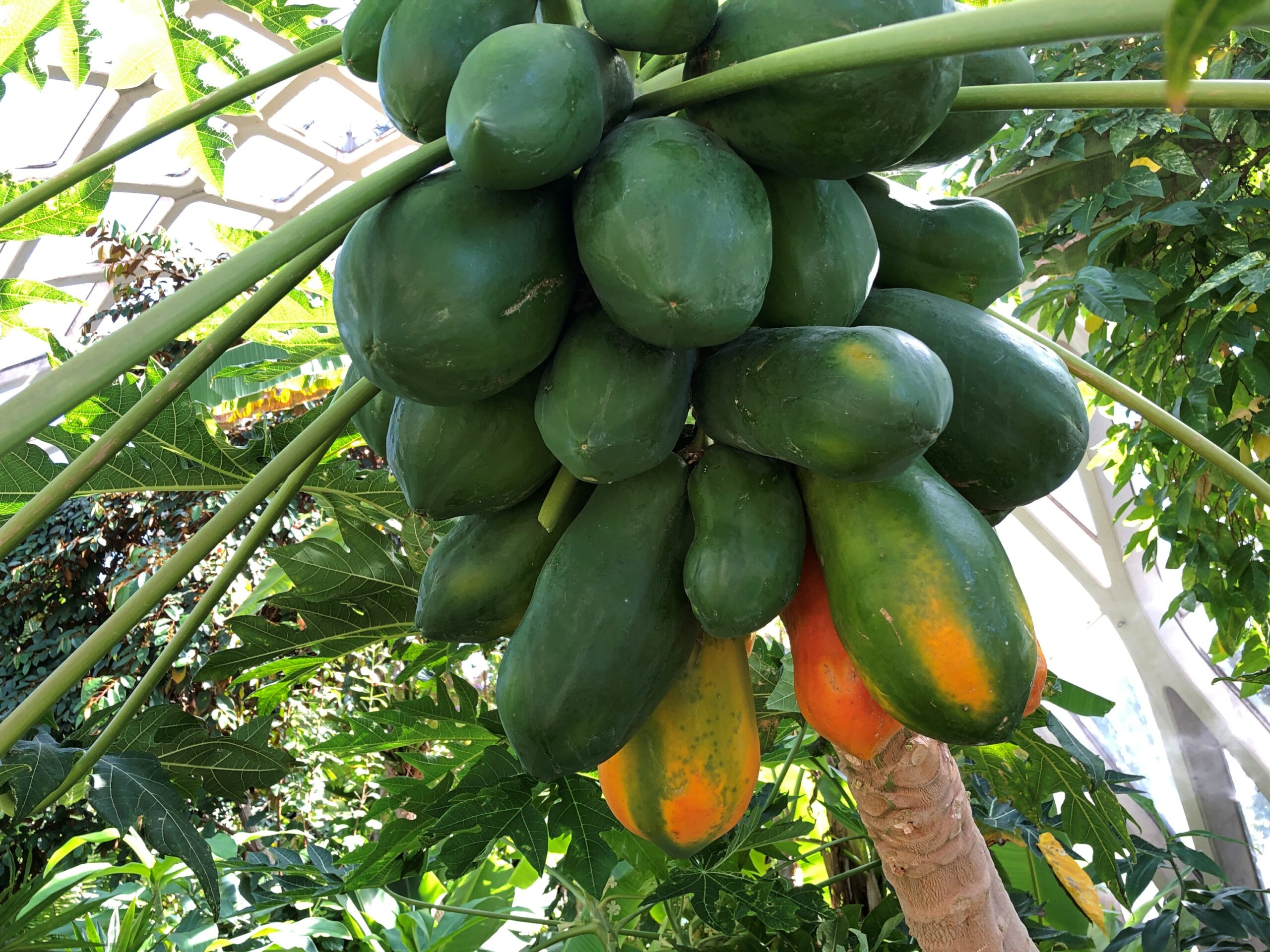
Then there was the conservatory.

Denver Botanic Garden

To listen to the three-minute audio on this page, the place sounds as high-maintenance as you’d expect, especially the watering and pruning that’s done by hand. To keep a slice of the tropics alive in a mile-high temperate location, I’d say it’s worth the effort.