Southern Loop Leftovers: TN & NC

Had a bizarre dream last night, which isn’t really unusual, since that’s the way of dreams often enough – but this one – let’s call it rich and strange. And lengthy. It kept going and going, involving an alt version of downtown Chicago, and alt version of the company I worked for in the late 1980s, though no one that I knew was there; a vaguely menacing, nighttime scene always, though it wasn’t a nightmare; a message that had to be relayed, somehow; a fictional character – a very famous fictional character – spoken of as if real, who eventually showed up after a funeral, laughing; and details that made me think, that’s too much of a detail. For a dream. Is this a dream? One detail involved a chipmunk peaking out of a hole in the sidewalk, or maybe the street; another was a globe that I could see but not get close enough to read well, though I really wanted to. But I did notice that the United States, on this globe, included British Columbia and maybe the Yukon Territory, and I woke up thinking that maybe that 54° 40′ or Fight business led to a real war, in which the U.S. prevailed.

Perhaps the strangest thing about this rich and strange dream is that fully an hour and a half after I woke on this bright summer morning in the northwest suburbs, in the waking world I know and inhabit, I was able to write the above description.

Tennessee
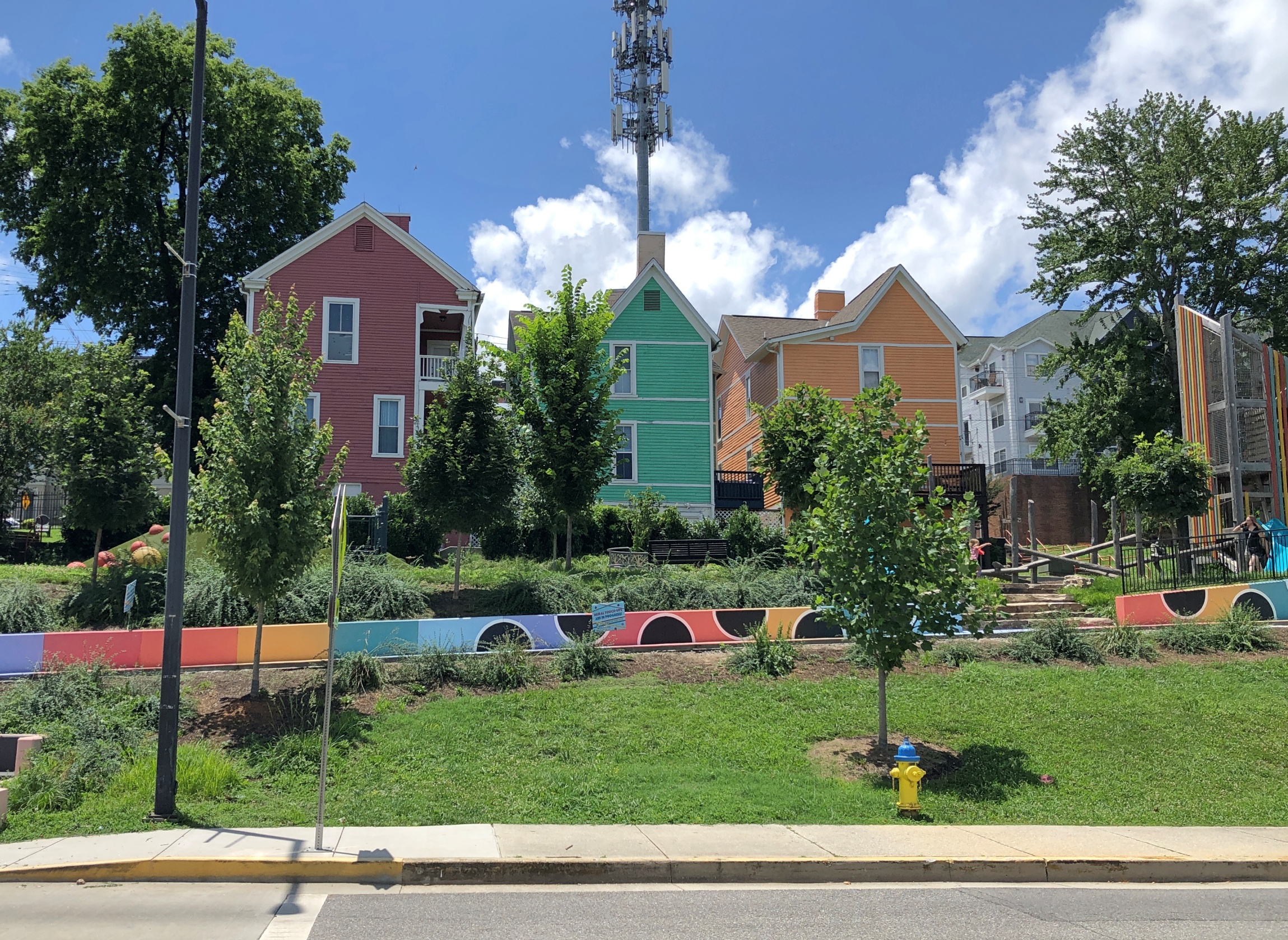
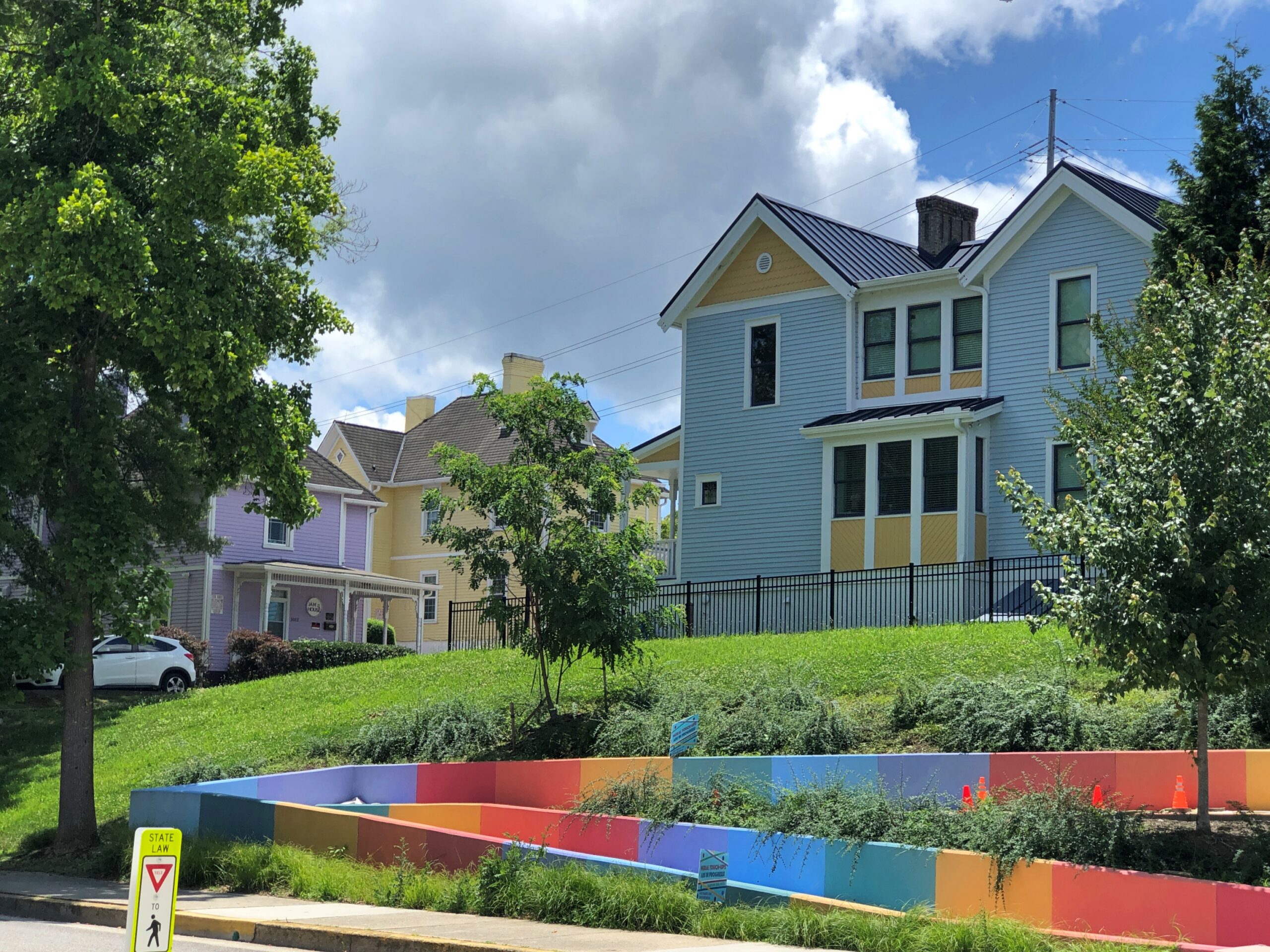
When passing eastward through Tennessee during my most recent interstate drive, I spent a little time in Knoxville, as mentioned, mostly to see the Sunsphere. To get to the tower from the free parking lot, I walked along part of World’s Fair Park Dr., with these colorful pastel houses visible on a small rise nearby. I was reminded of Rainbow Row in Charleston.
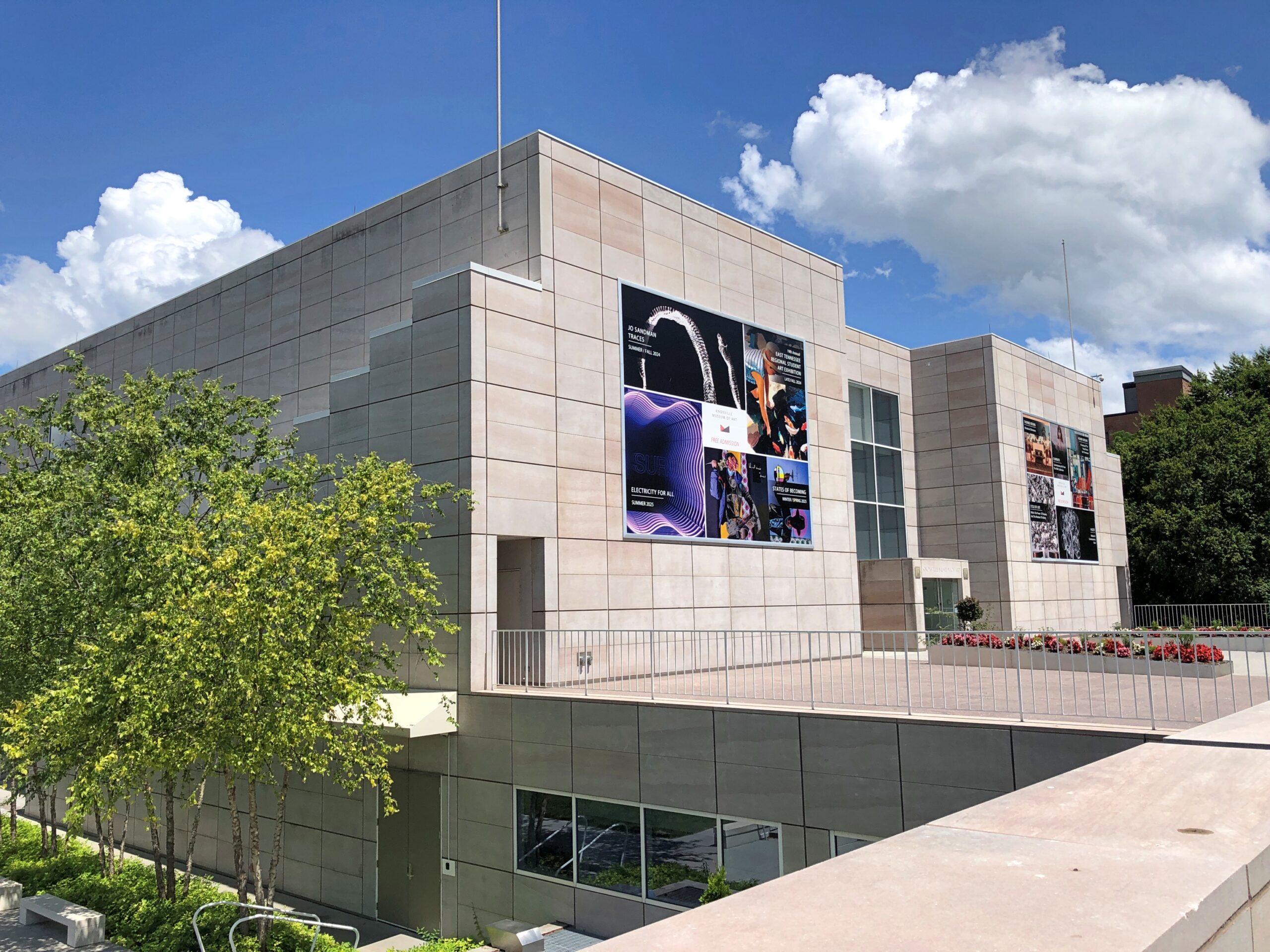
On the way back, I popped into the Knoxville Museum of Art.
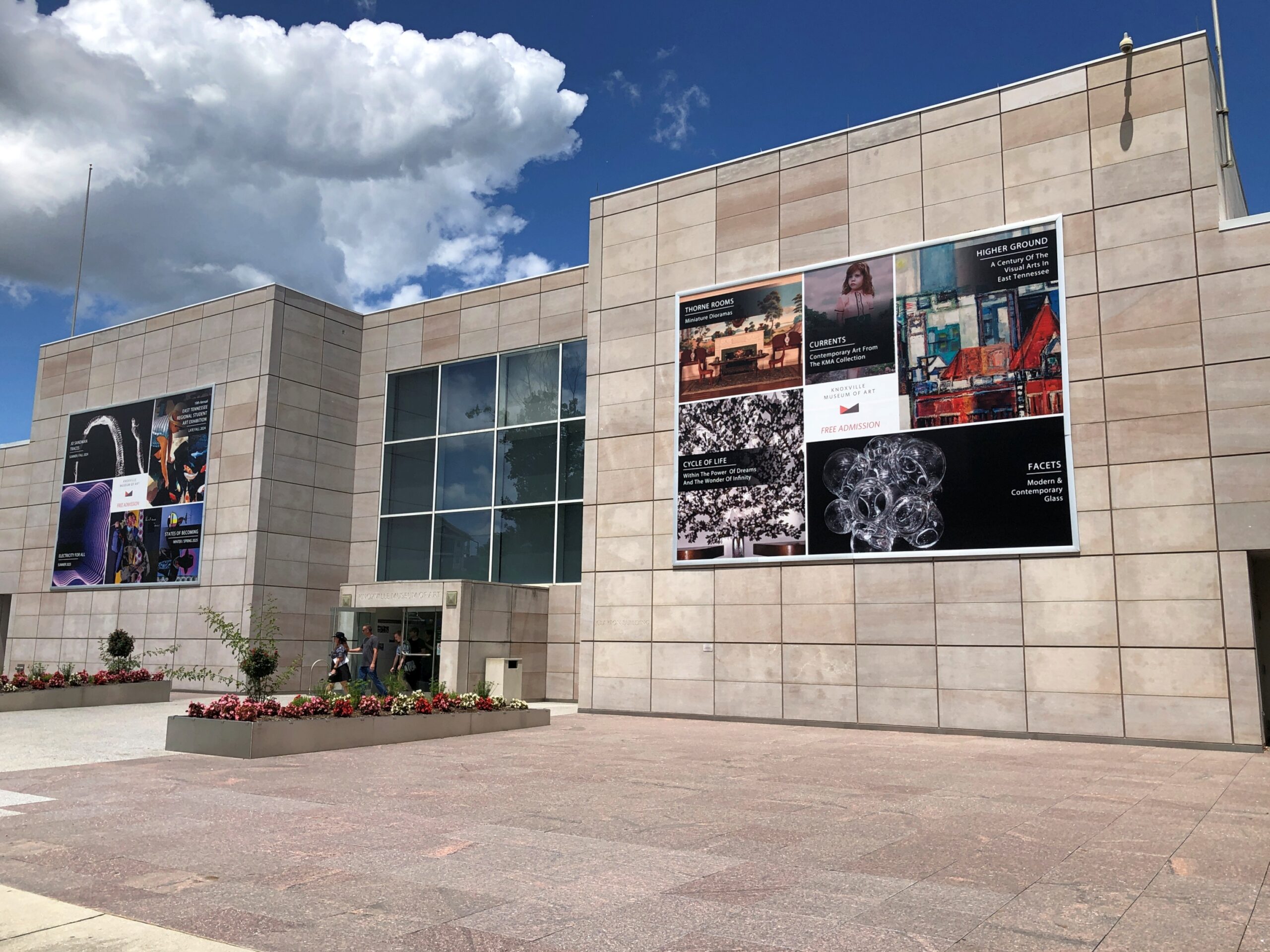
For a brutalist building, a nice bit of work by Edward Larrabee Barnes (d. 2004). If it blackens and streaks in the future, as such buildings tend to do when exposed to urban air, its appearance might morph into something merely ugly. But it looks like it’s been kept clean enough since its construction in 1990. As a museum, KMA has a lot to recommend it, such as air conditioning, free admission and a not-too-vast collection specializing in something you aren’t going to see elsewhere, namely East Tennessee art.
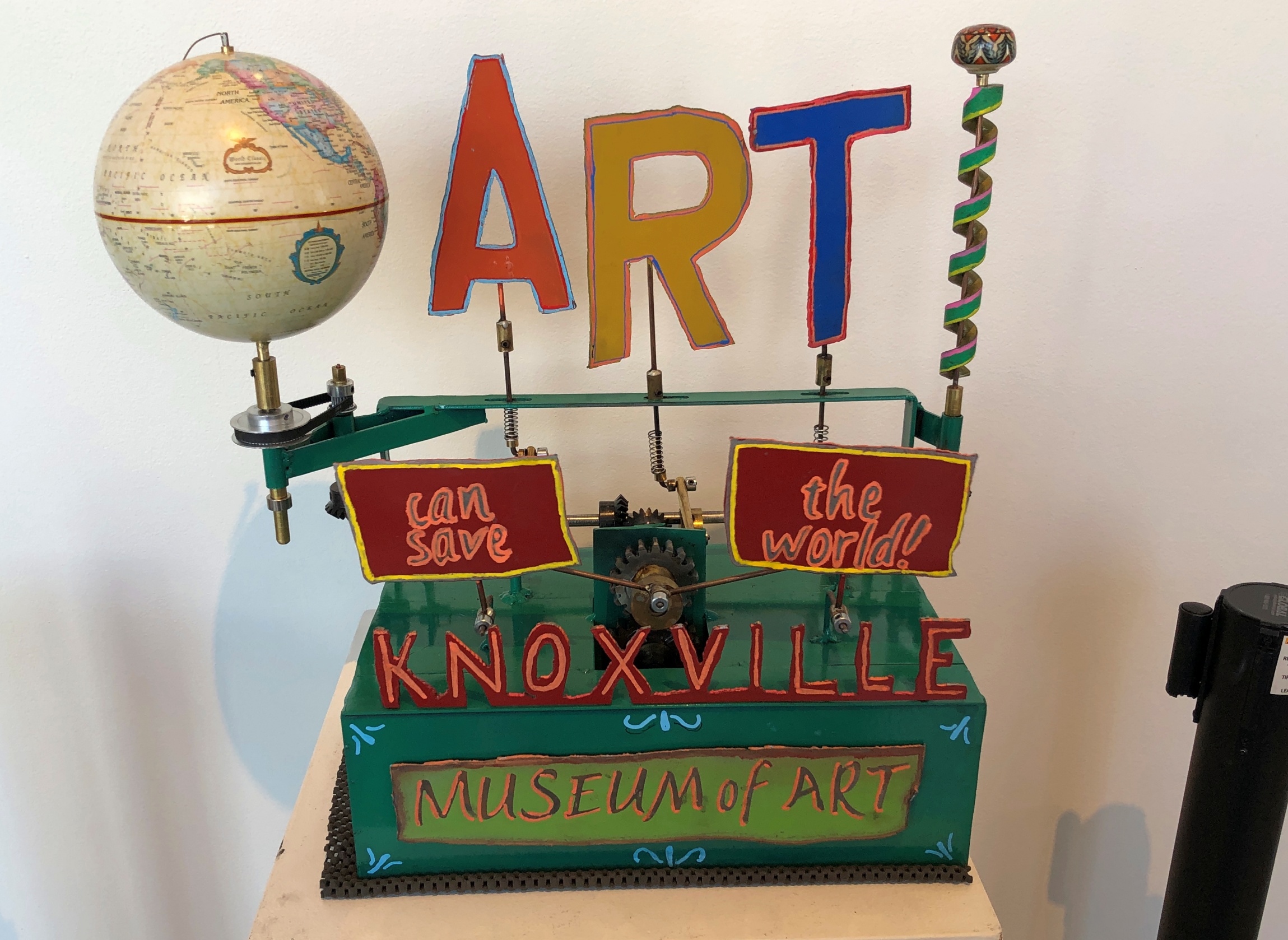
Such as a piece by artist Patrick Deason. Ah, the optimism. Unless he’s being sarcastic.

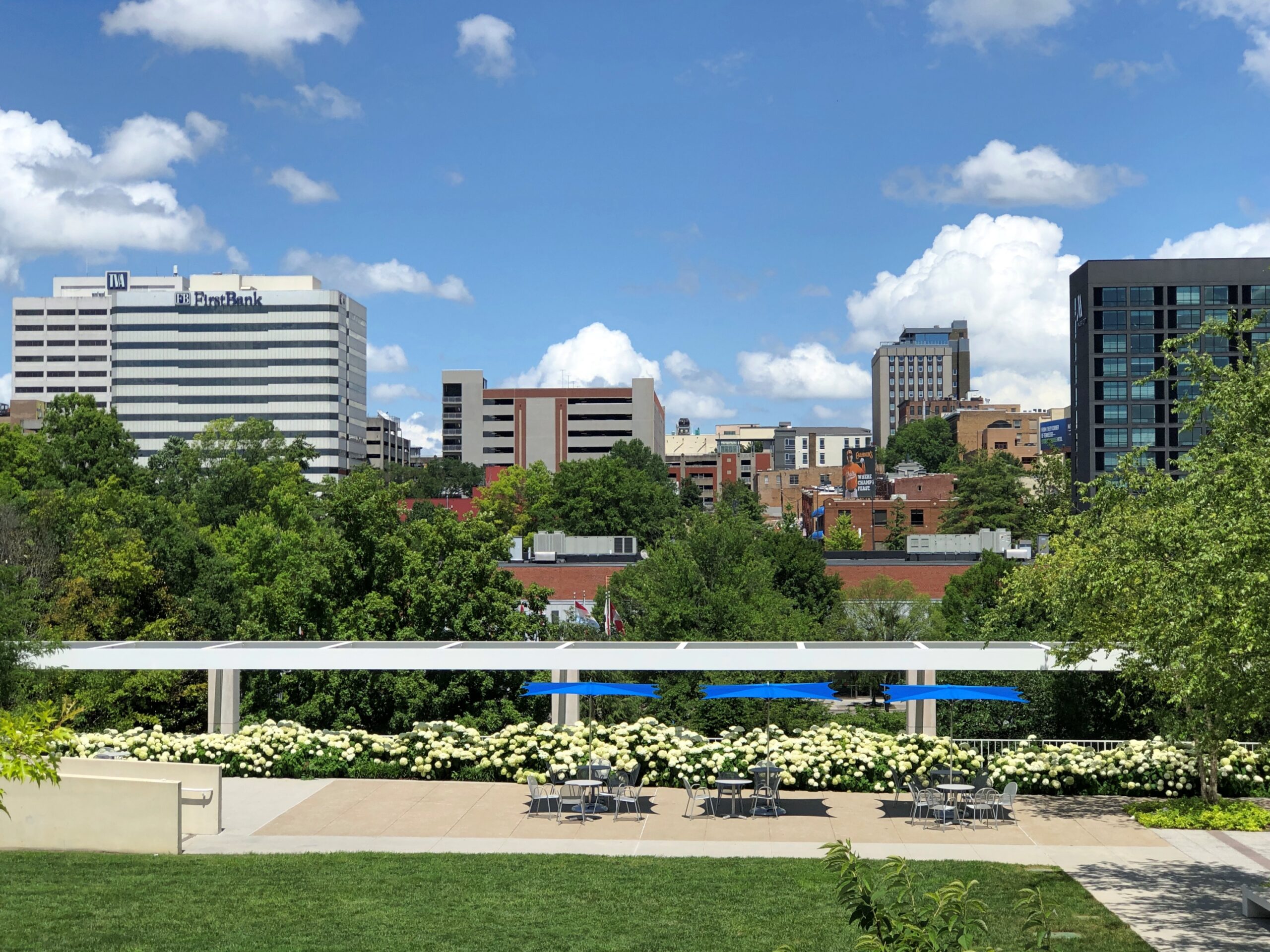
The museum also has a porch with a nice view of downtown Knoxville.
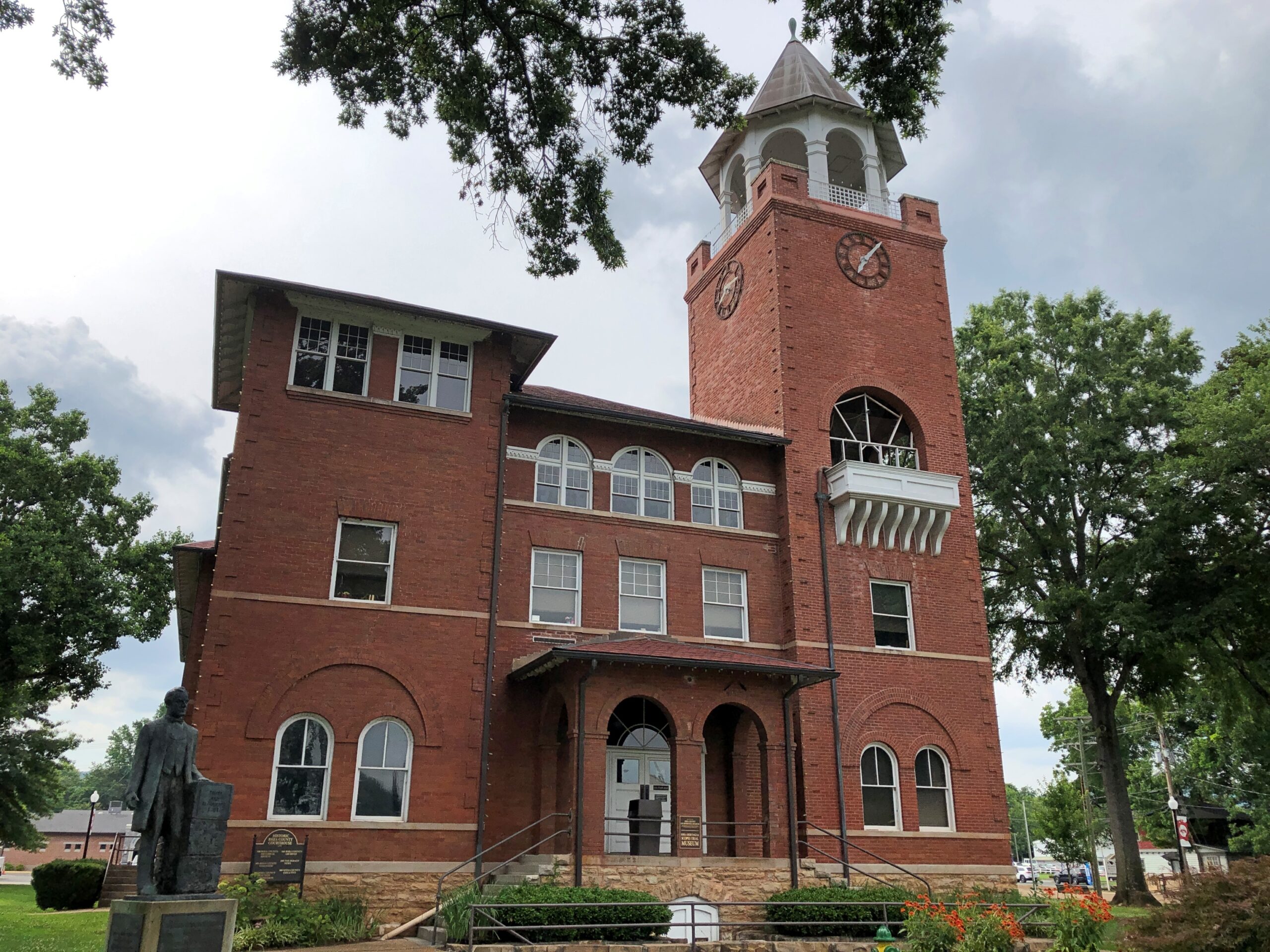
On my return westward through Tennessee, I made a point of passing through Dayton, site of the Scopes Trial, now 100 years ago. There is a museum devoted to the trial in the handsome and nicely restored 1890s Rhea County Courthouse, though I arrived after it had closed for the day.
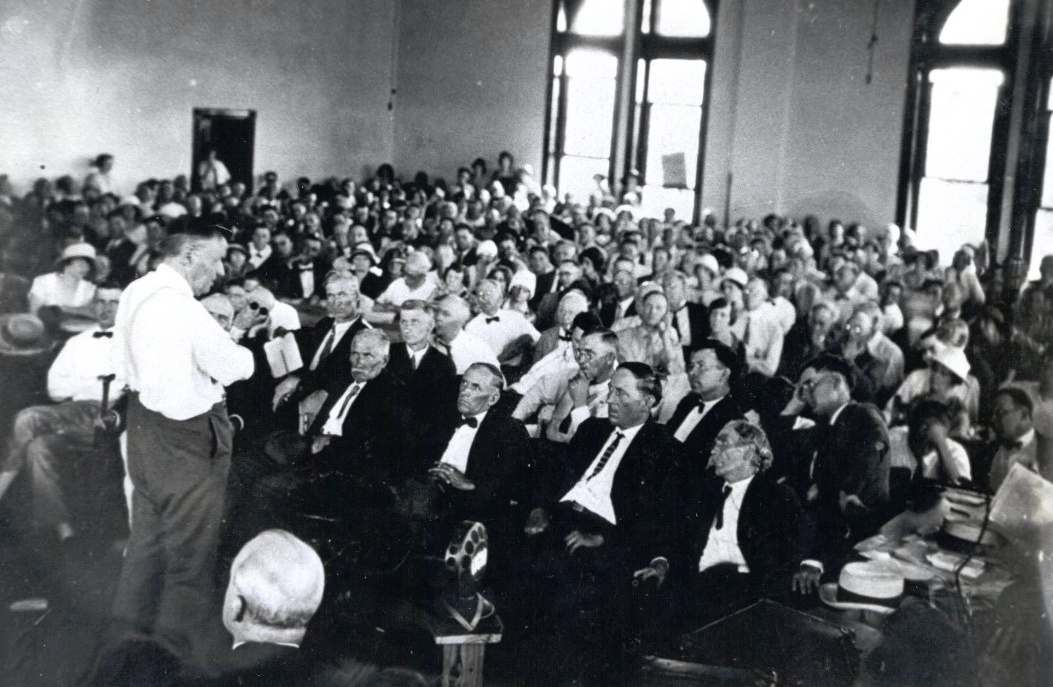
I look at pictures taken during the trial, and wonder how this multitude sat through it all, in an un-air-conditioned building. Guess like my grandma, as late as her last summer in 1970, they were used to it.
Before I got there, I heard a fellow on the radio discussing the (then) upcoming festival that Dayton was planning in honor of the centennial, as a bigger version of an annual event held in July. He might have been the organizer, I forget.

He pointed out that for many years Daytonites mostly wanted to forget about the trial – especially after the movie Inherit the Wind (1960) depicted the residents of Hillsboro, stand-ins for them, as fundamentalist bumpkins, at a time when the actual event was still in living memory. Which is nothing that Mencken didn’t do in 1925. Now the trial and Mencken and the movie are all part of that nebulous thing most people experience as the undifferentiated Past, and the townspeople have largely embraced the trial, according to the man on the radio. As well they should. It’s what Dayton, Tenn., has that no place else does.

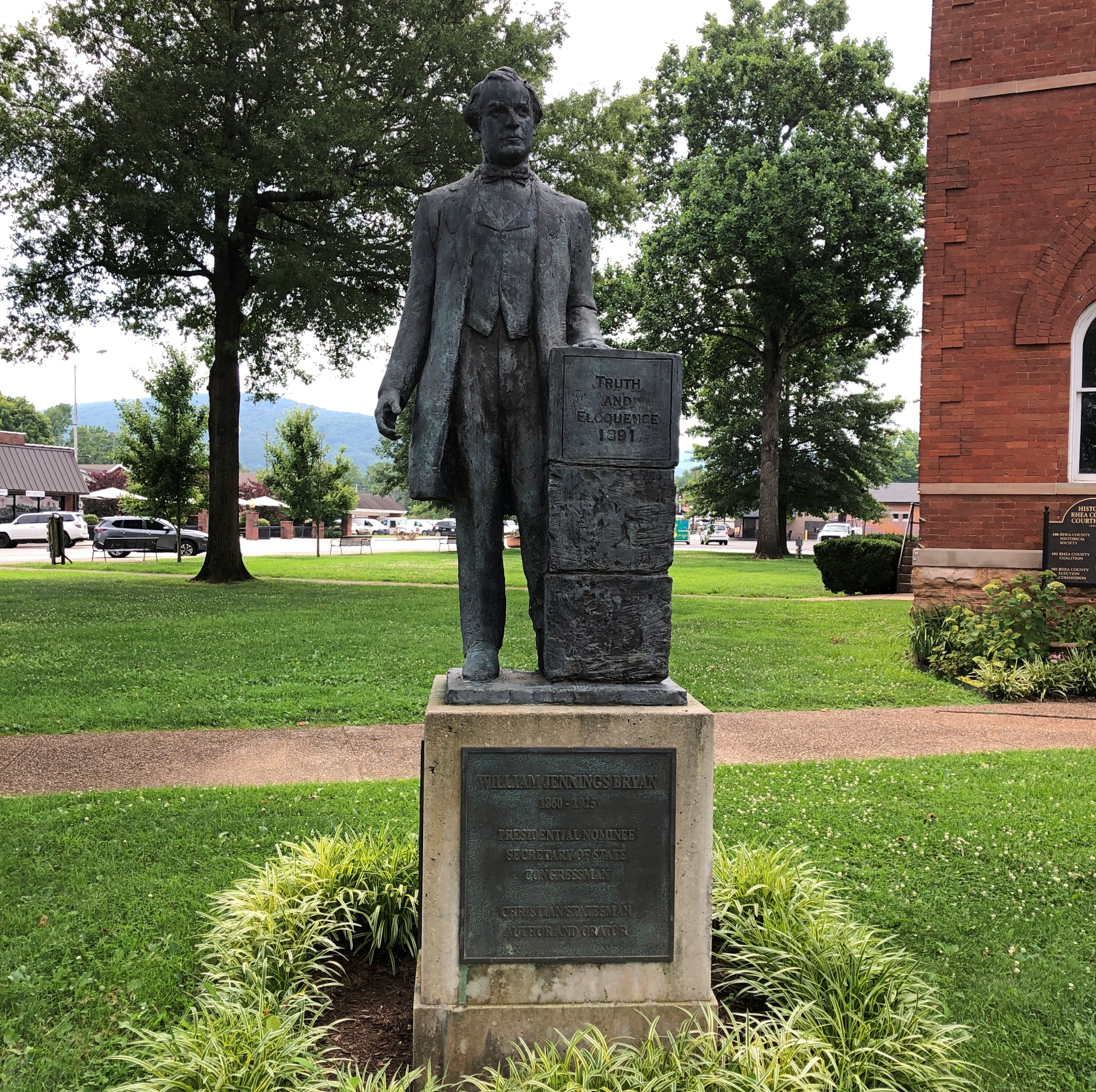
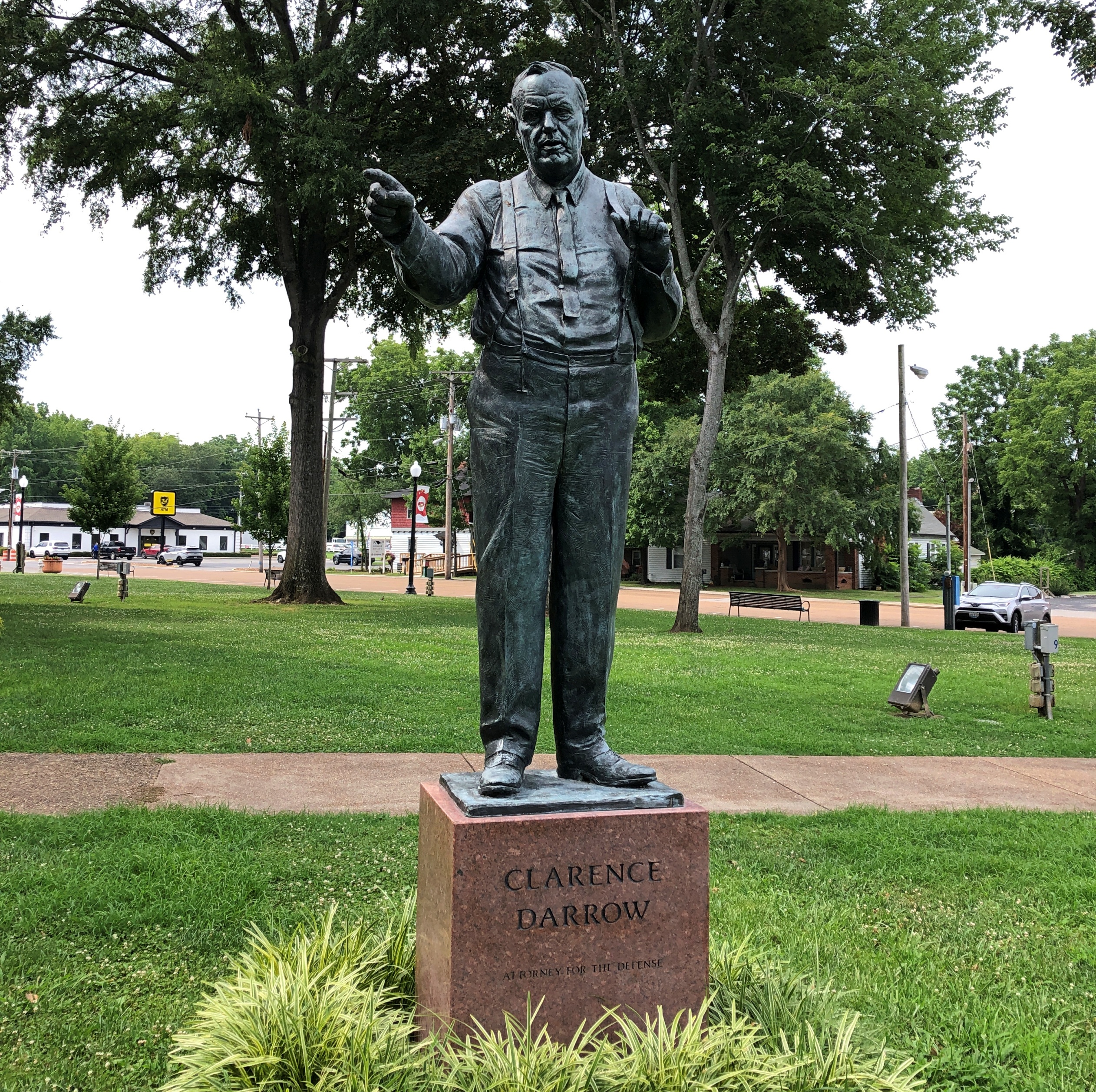
On the courthouse square, William Jennings Bryan and Clarence Darrow square off in bronze. Bryan College paid for the former, the Freedom From Religion Foundation the latter.
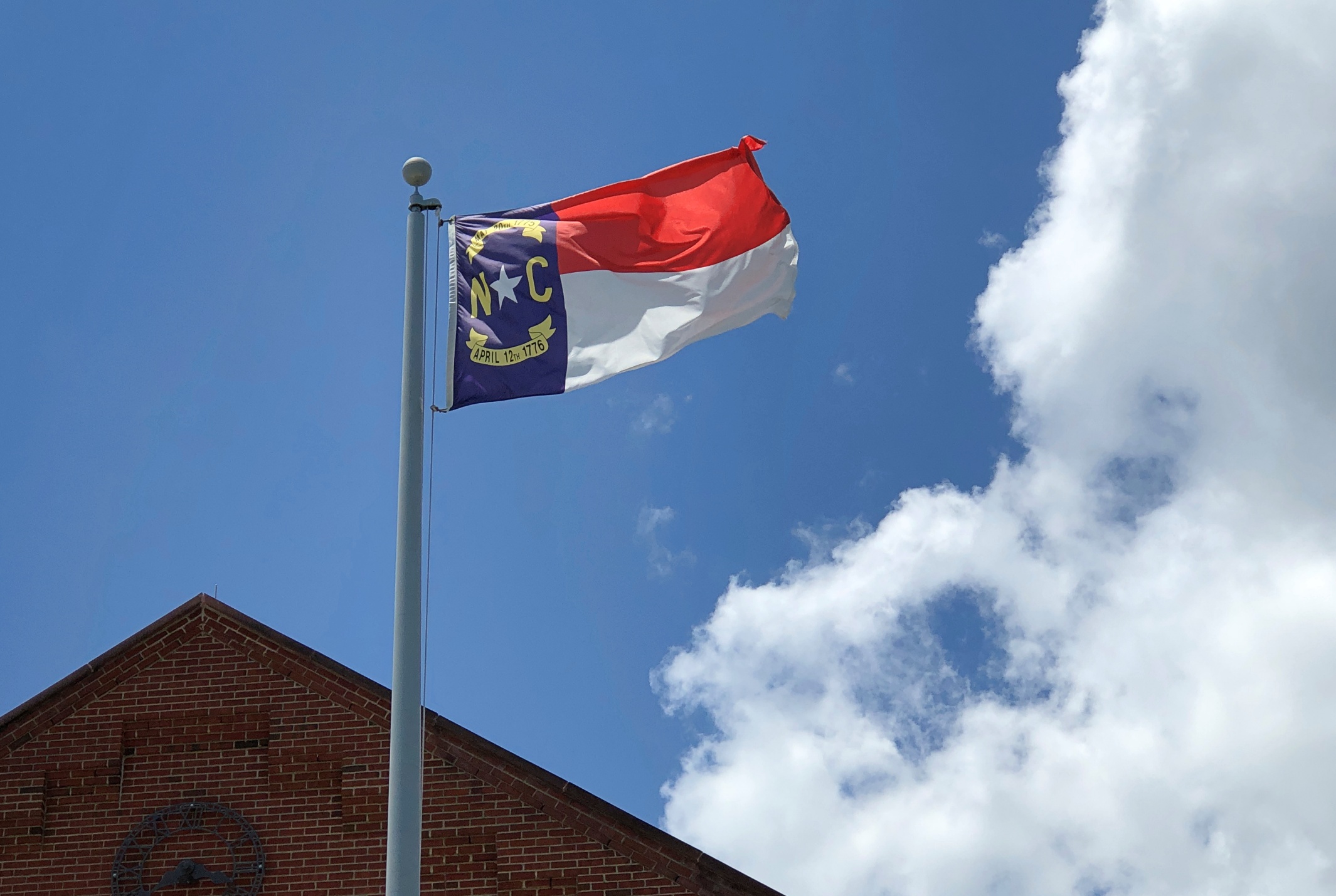
North Carolina
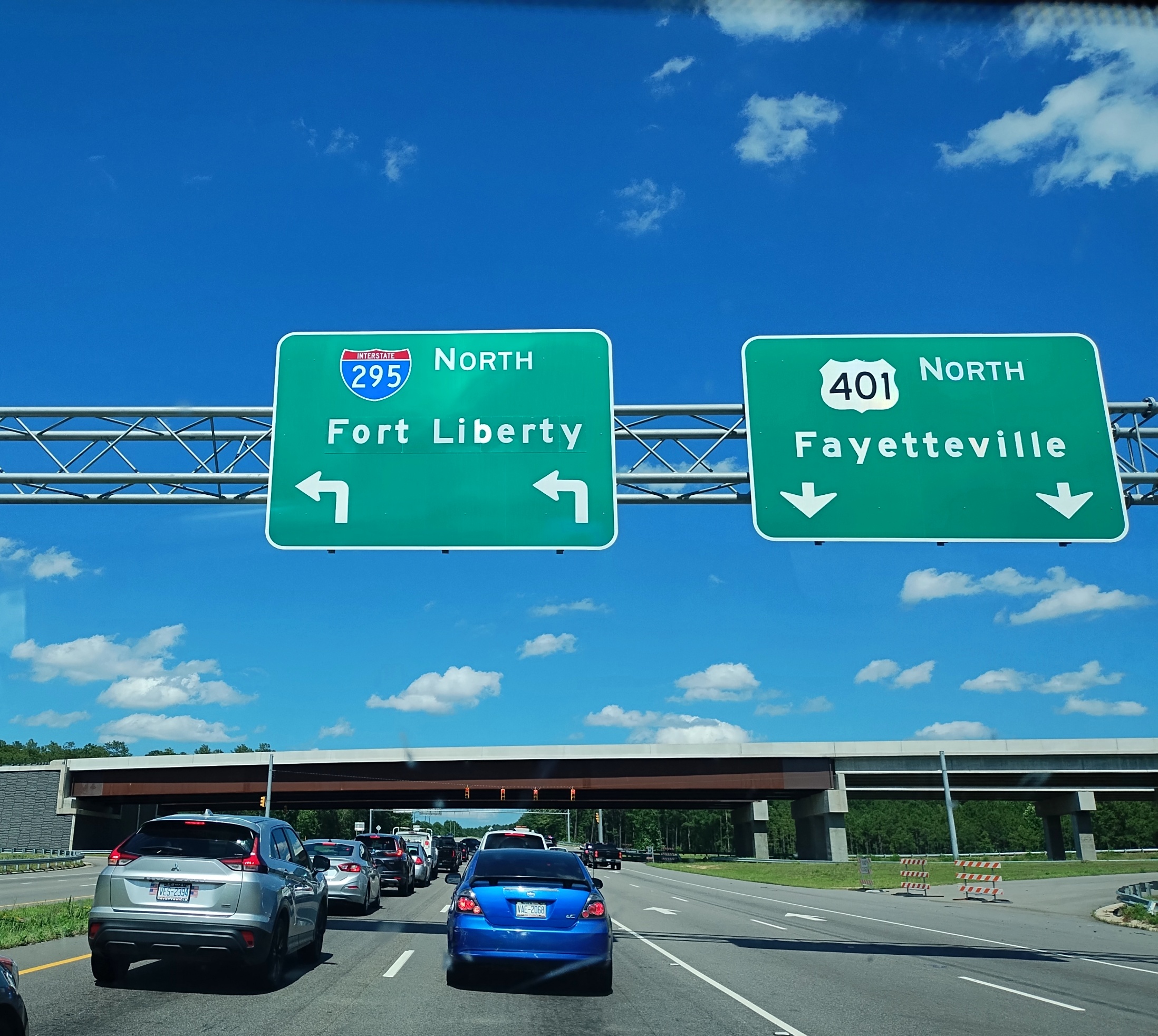
I was stuck momentarily in traffic near the military installation formerly known as Fort Bragg and then known as Fort Liberty and now known again as Fort Bragg. The traffic sign hasn’t caught up with the latest flip-flop.
I stopped for lunch in Laurinburg, NC, at a storefront Chinese restaurant. Across the street, a tuxedo shop flew the Royal Banner of Scotland. Not something I’ve ever seen aflutter in the U.S. or anywhere, for that matter. But there is a school called St. Andrews University nearby, so maybe it’s not such a stretch. Make that was — the school closed just this May.
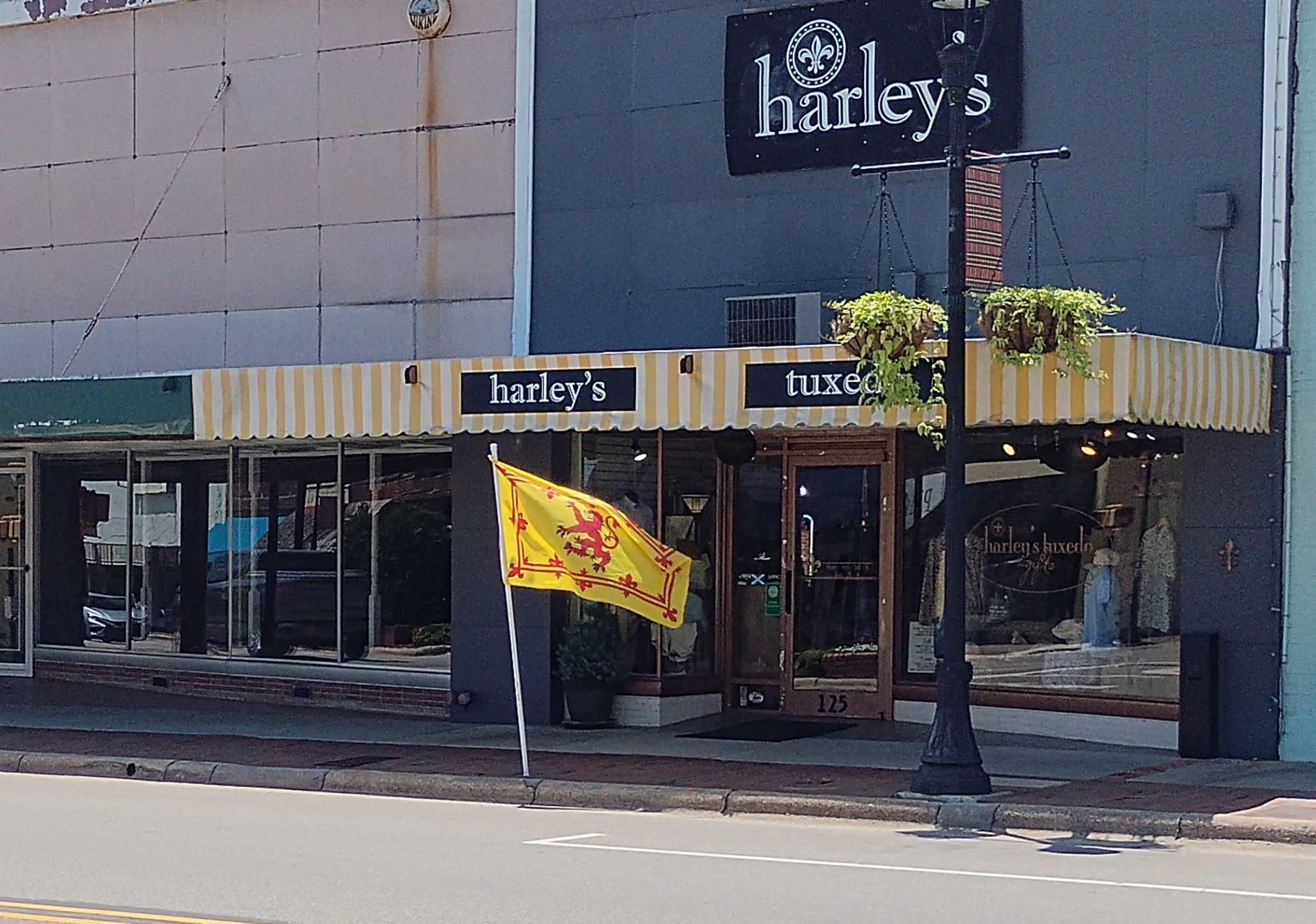
Wiki tells us: “As the personal banner of the Monarch, use of the Royal Banner of Scotland is restricted under the Act of the Parliament of Scotland 1672 cap. 47 and the Lyon King of Arms Act 1867 (30 & 31 Vict. c. 17), and any unauthorised use of such is an offence under the Act.” That has no bearing on its use in North Carolina, I’d say, considering how the Revolution turned out.

In New Bern, NC, this was a bit of a mystery at first.
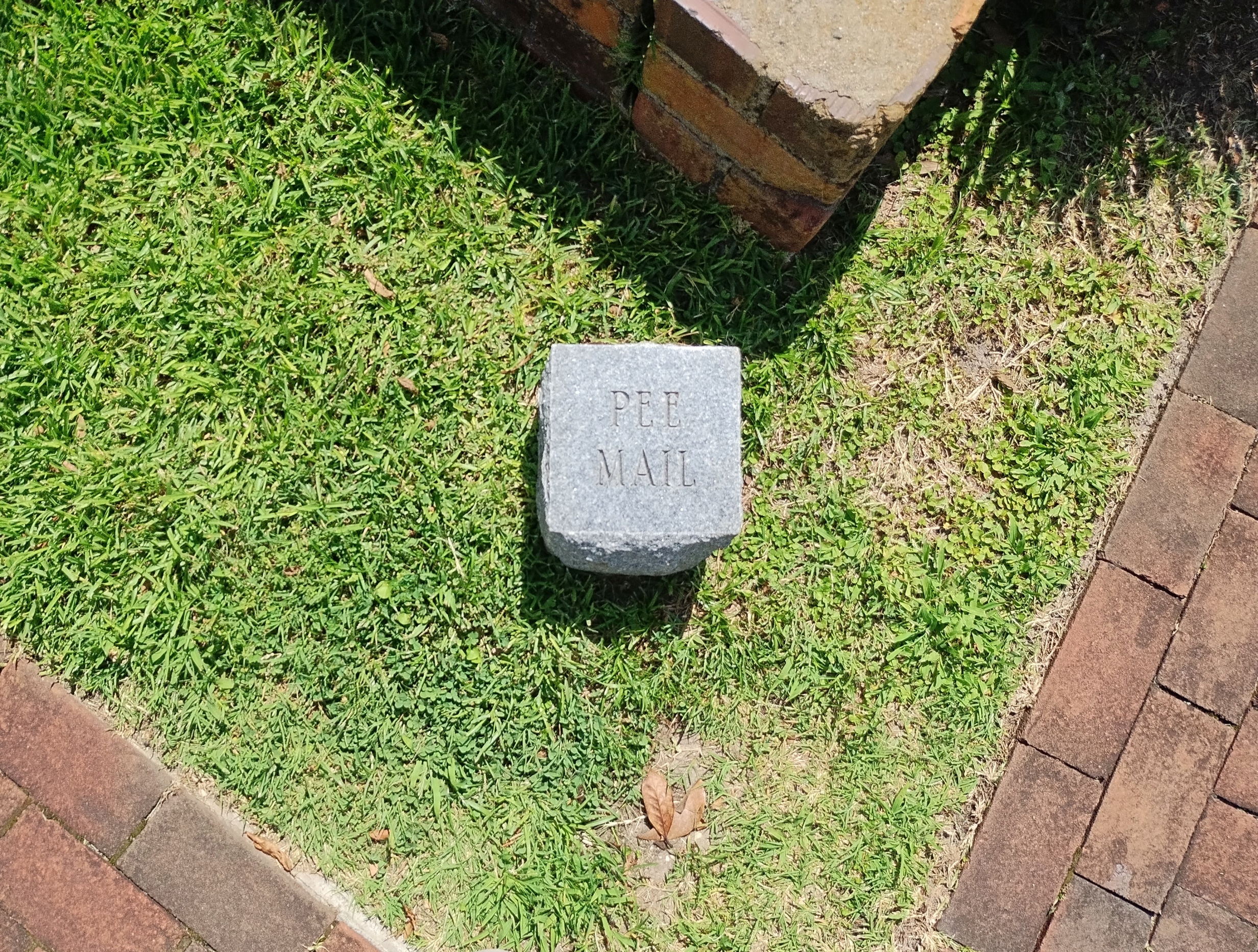
Until I figured it out. A place for dogs to leave messages.
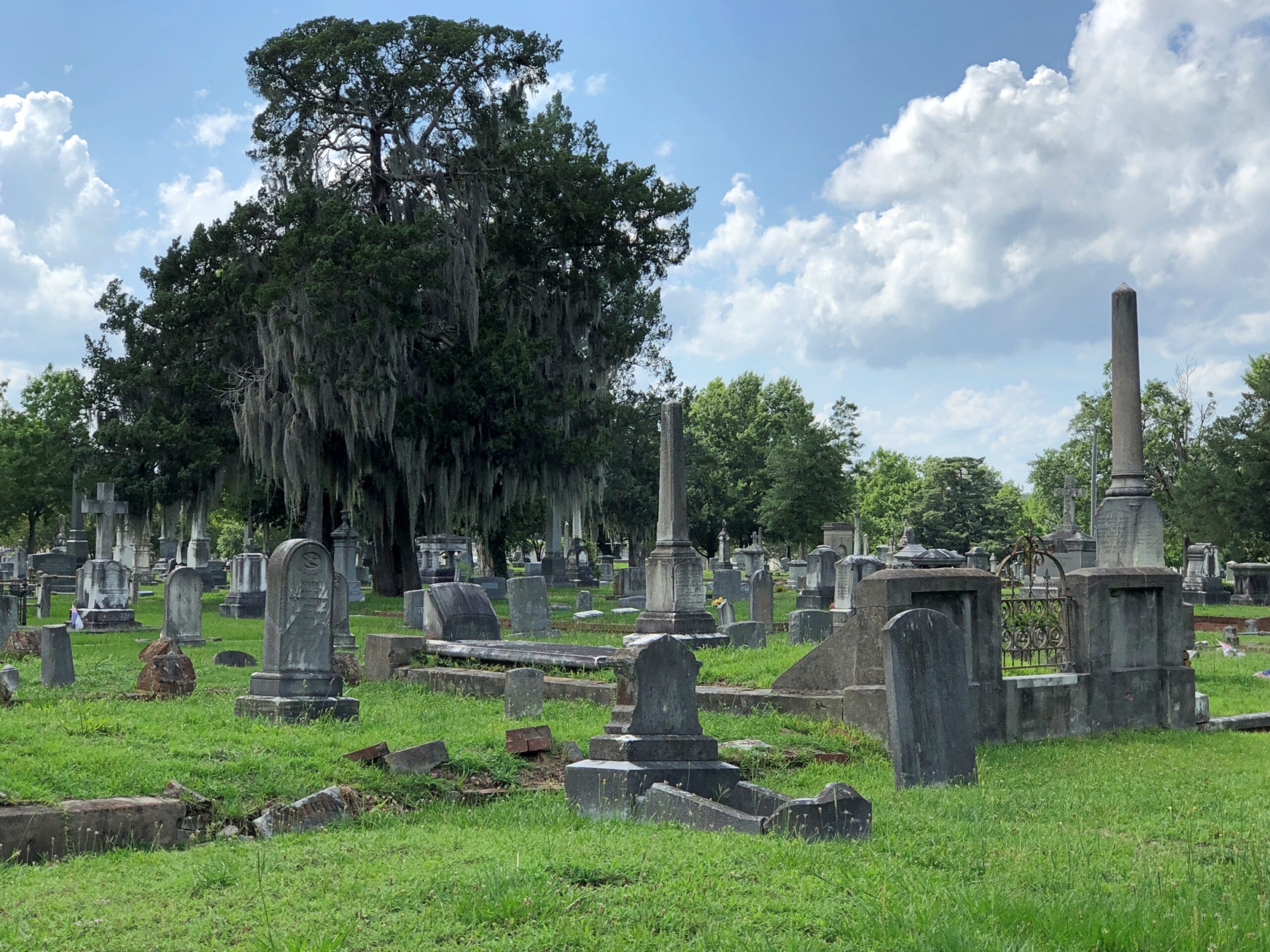
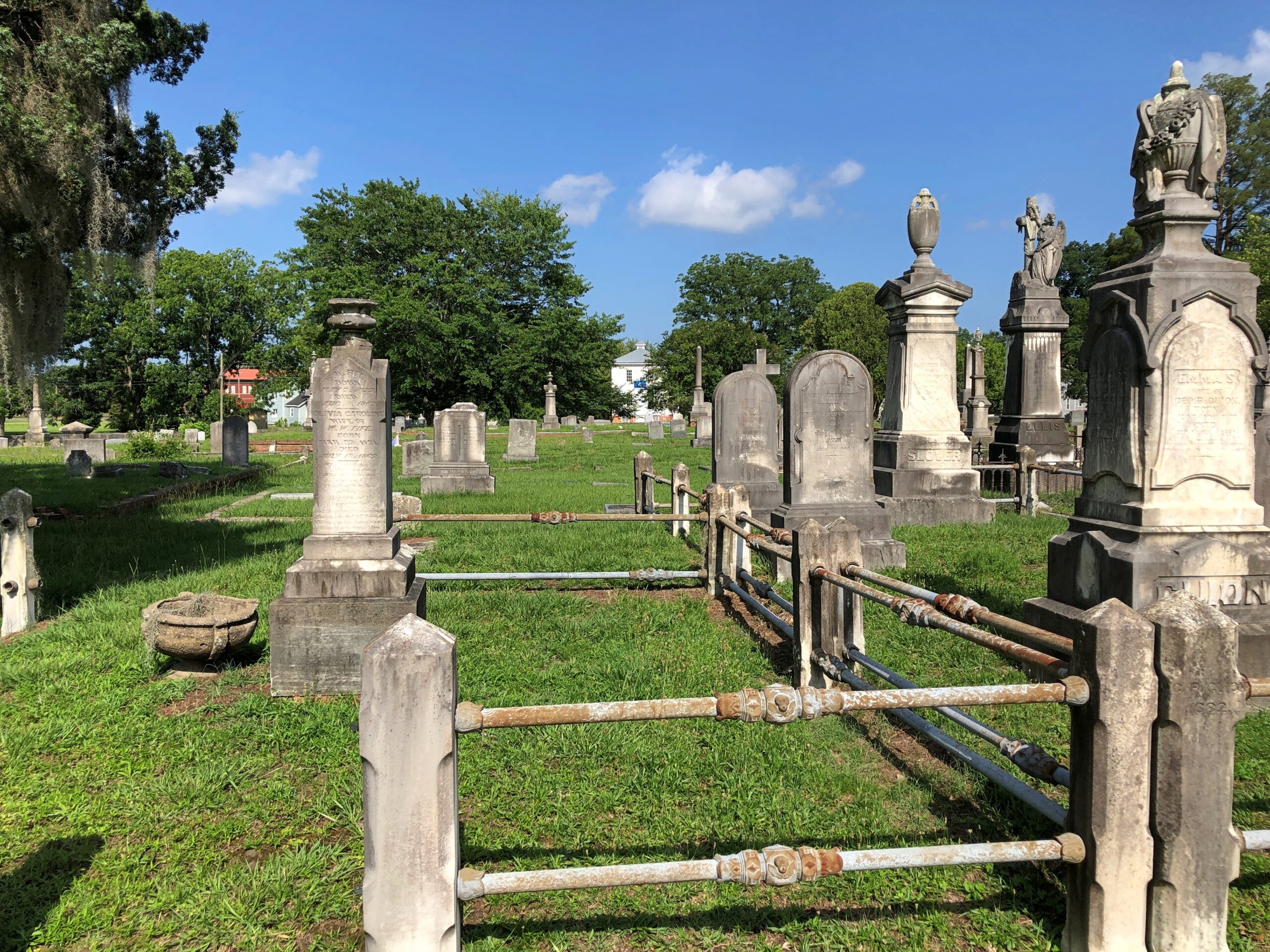
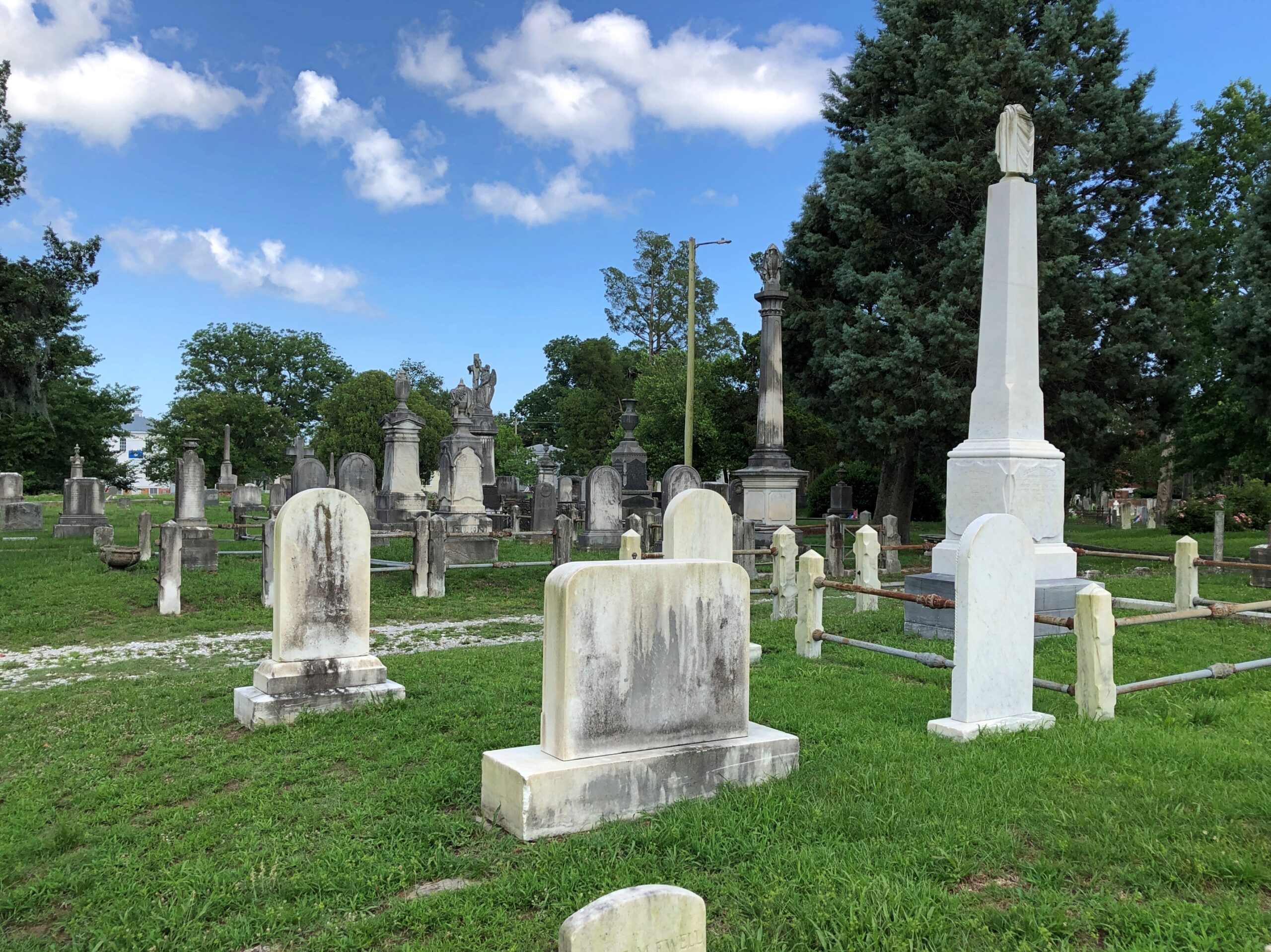
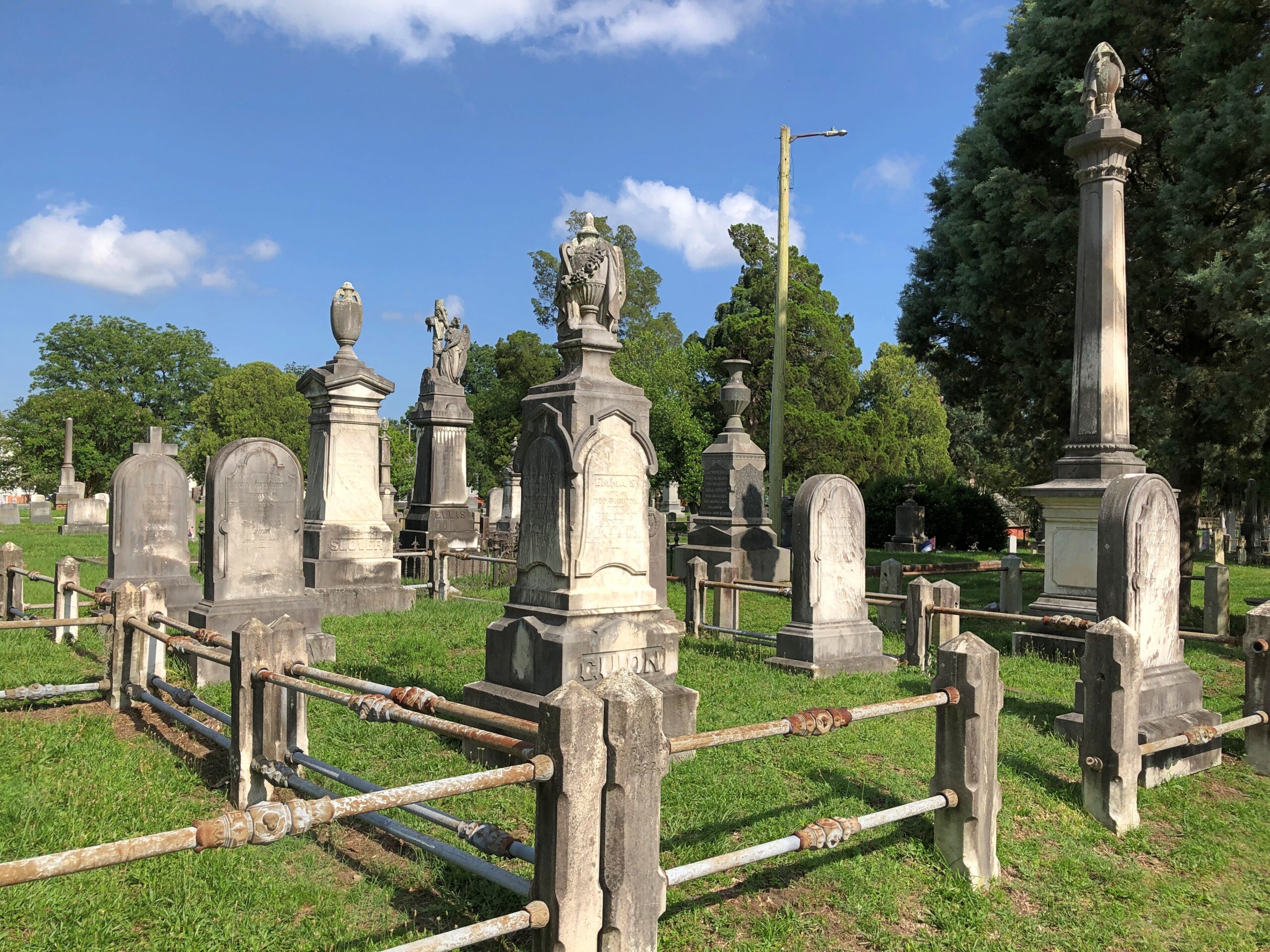
Cedar Grove Cemetery, New Bern

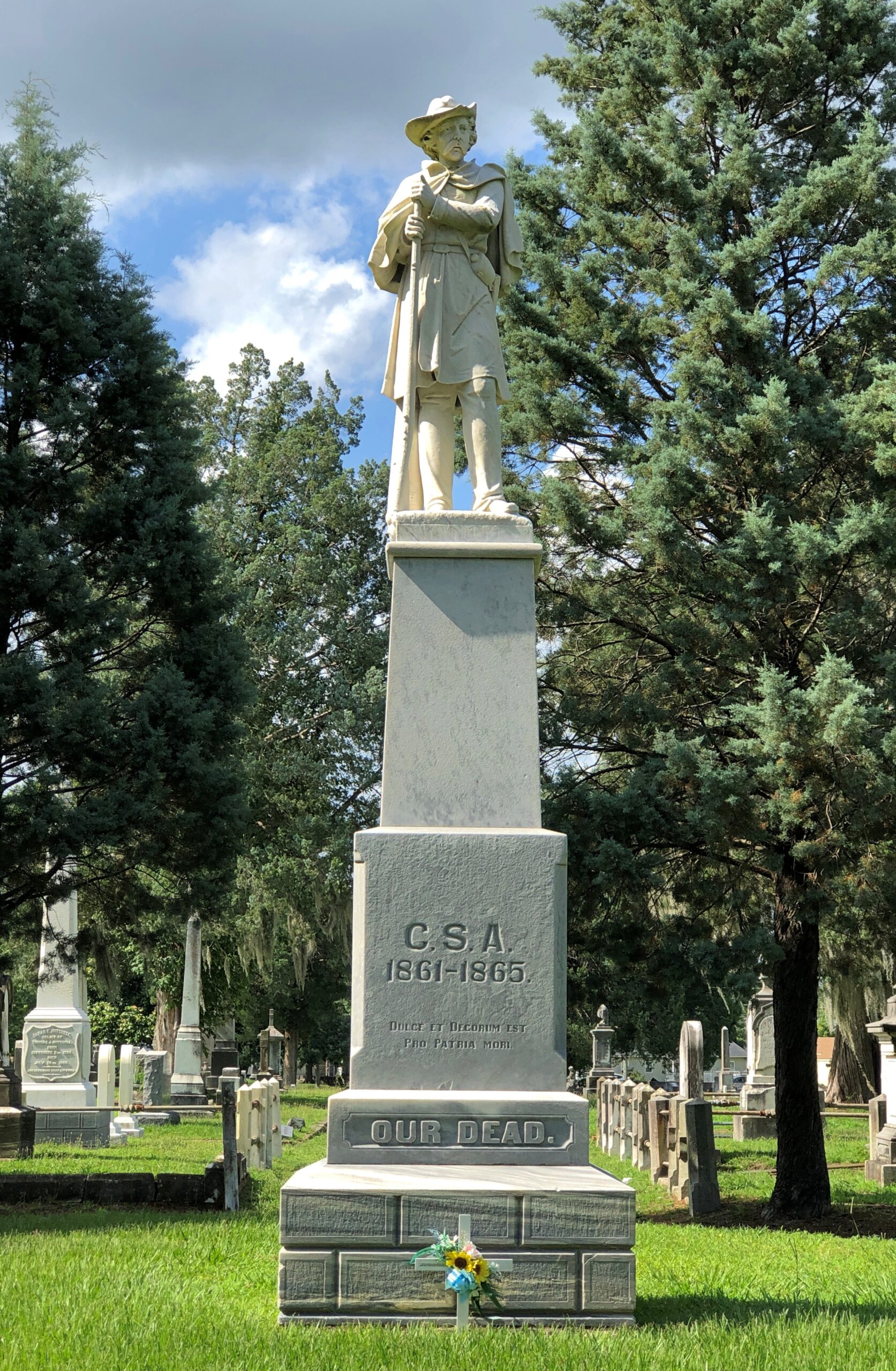
Back to the WPA North Carolina guide, vintage 1939 (p. 230): “Cedar Grove Cemetery… was opened in 1800 by the Episcopalians and turned over to the city in 1854… The Confederate Monument, a 15-foot marble shaft, identifies a mass Confederate grave. Tradition says that his law desk and chair were buried in this cemetery with the body of William Gaston. Interred here are William J. Williams, who pained the Masonic portrait of Washington owned by the Alexandria, Va., lodge, a photograph of which is in the New Bern Public Library, and Moses Griffin, benefactor of city schools.”

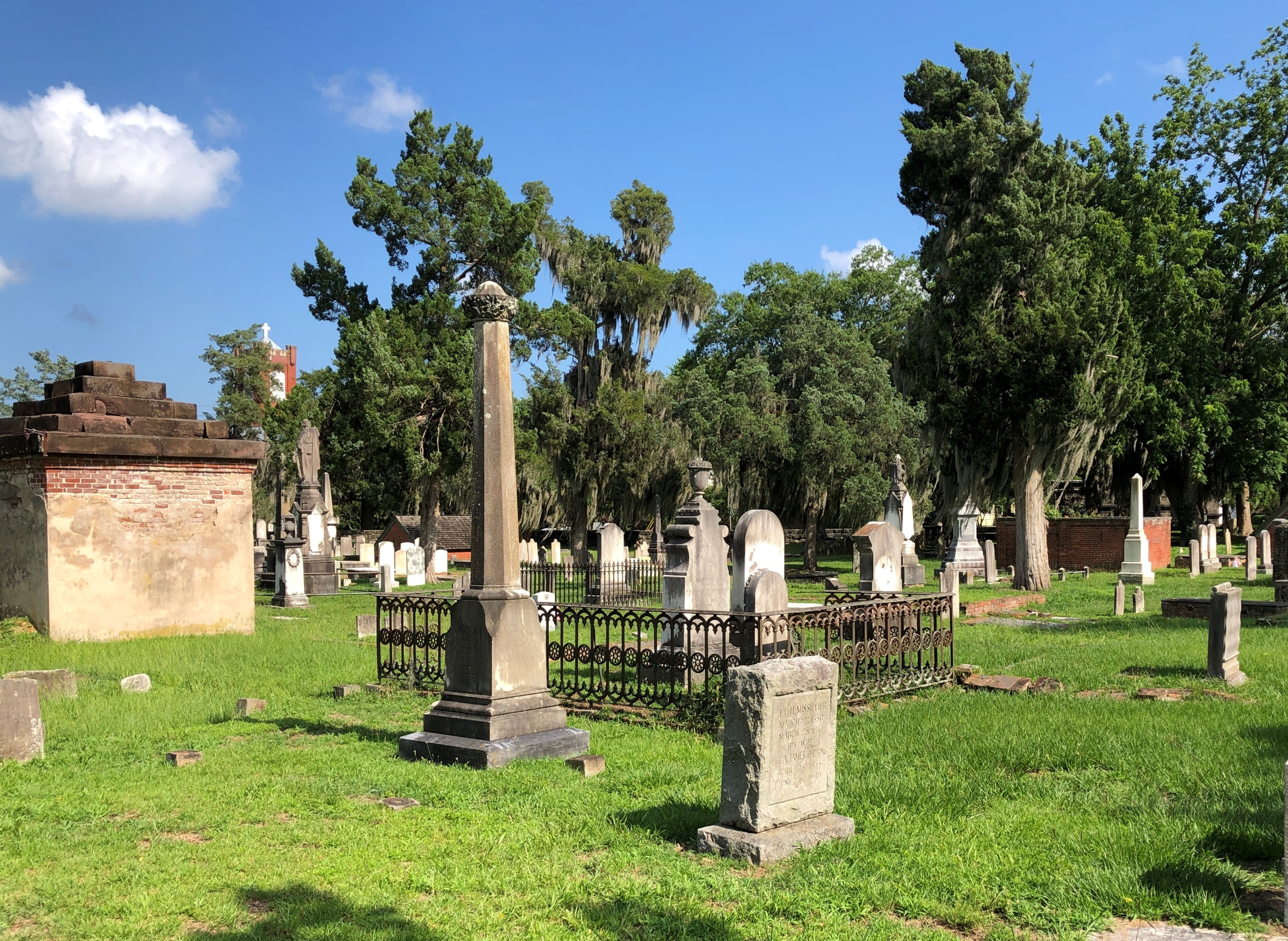
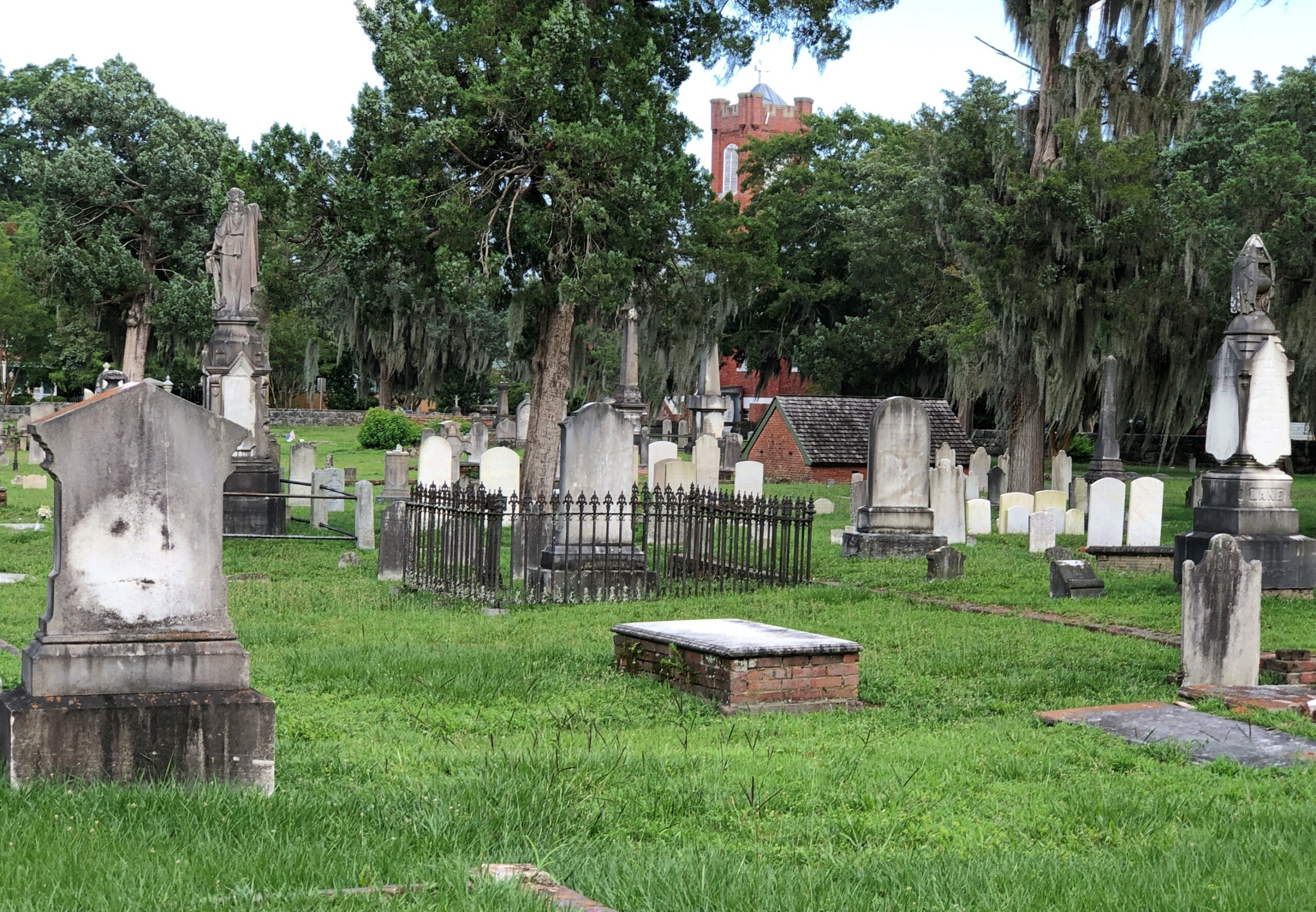
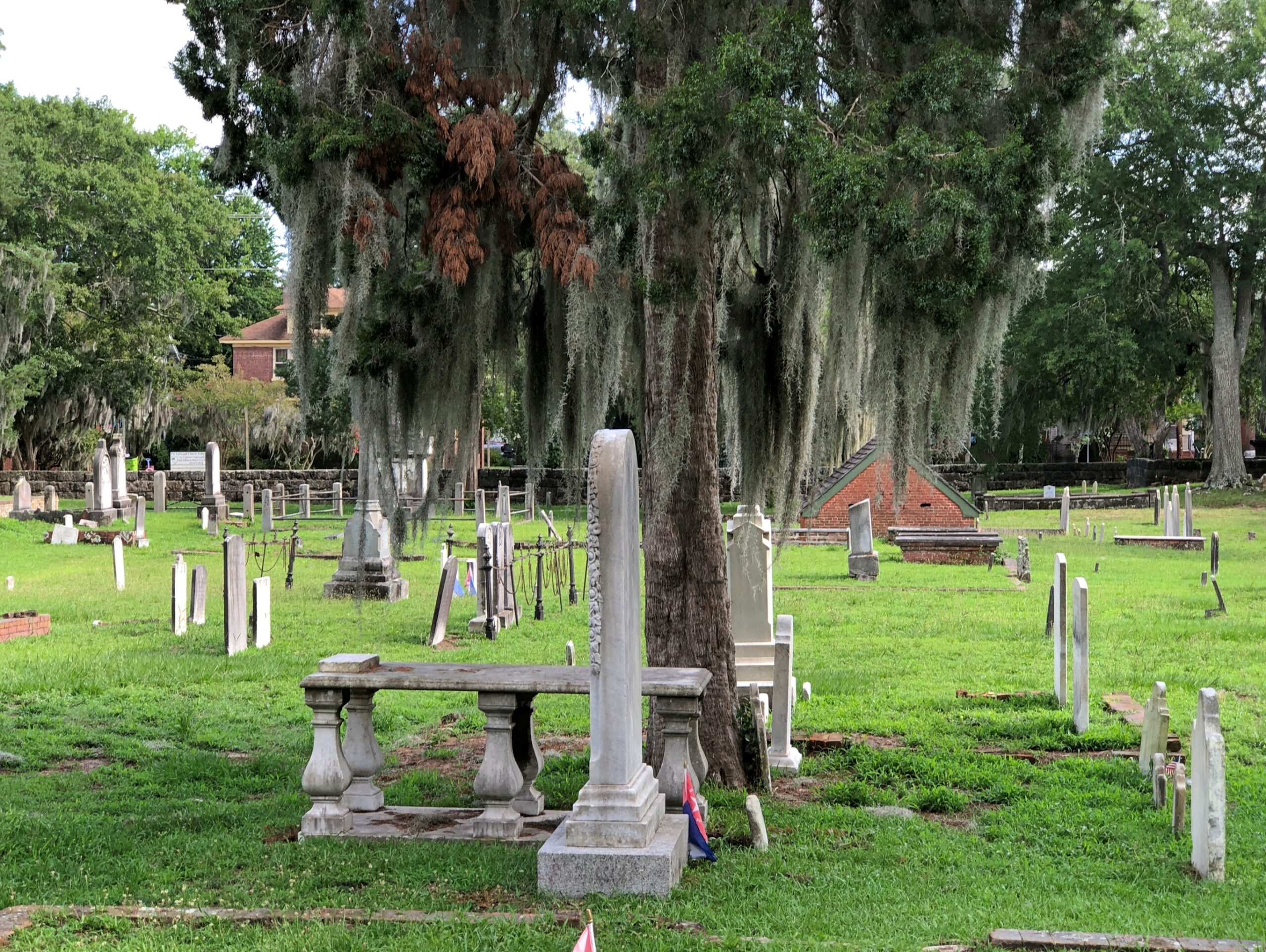
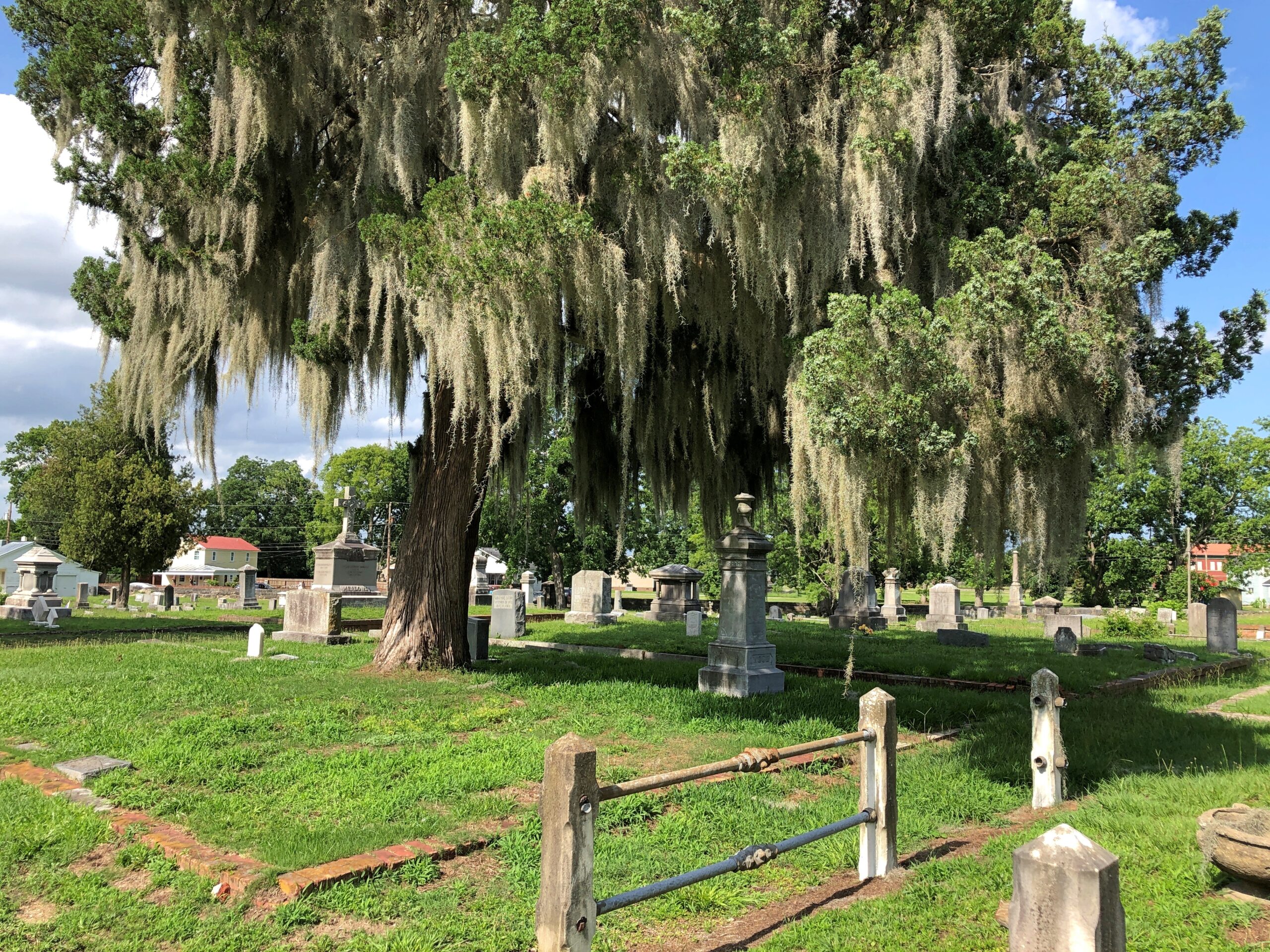
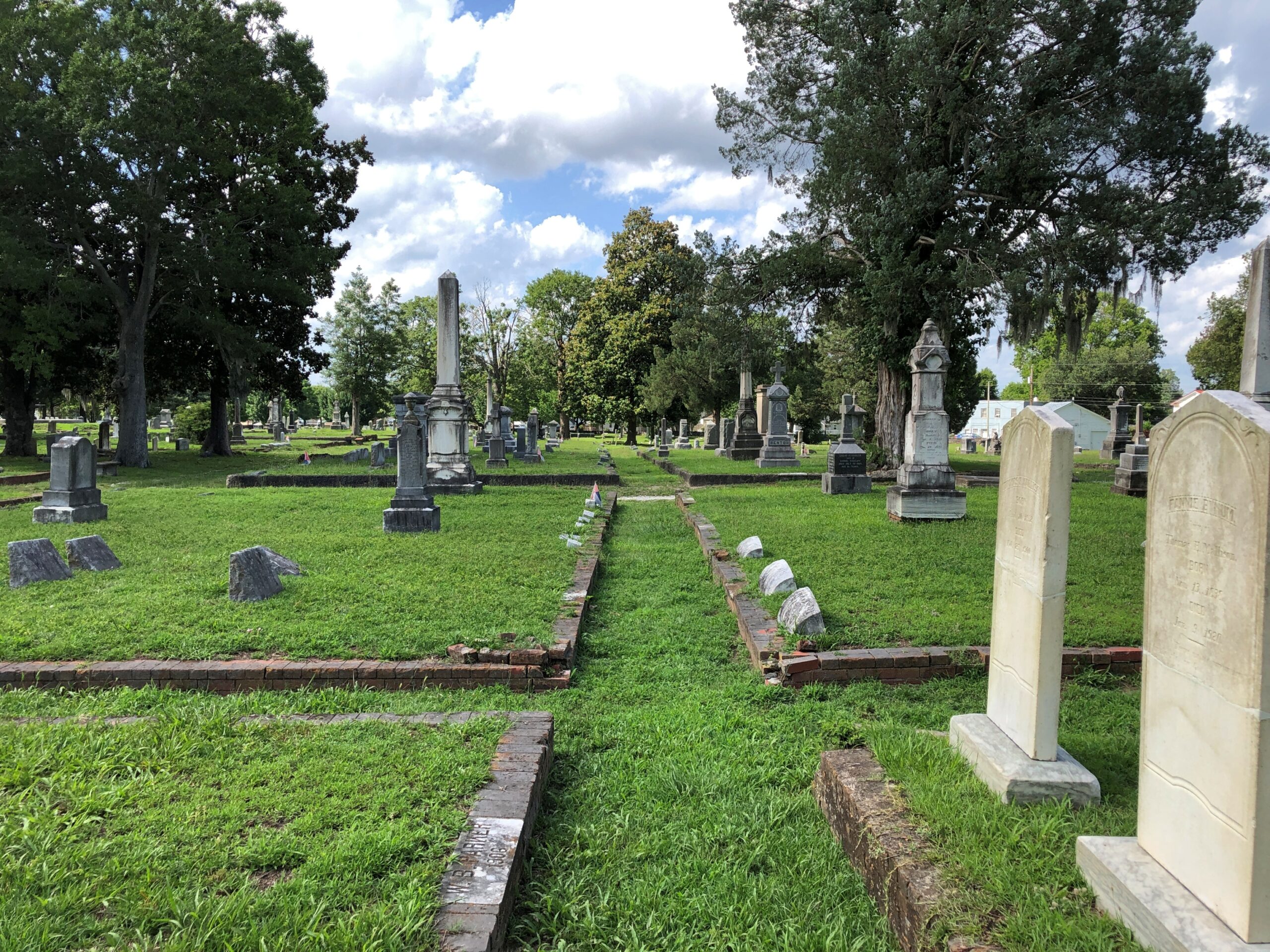
As the day’s heat began to wane, we made our way to Cedar Grove. The place has a good contour, created by the diversity of stones, ironwork and greenery.

The place has a good contour, created by the diversity of stones.
Cedar Grove Cemetery, New Bern NC

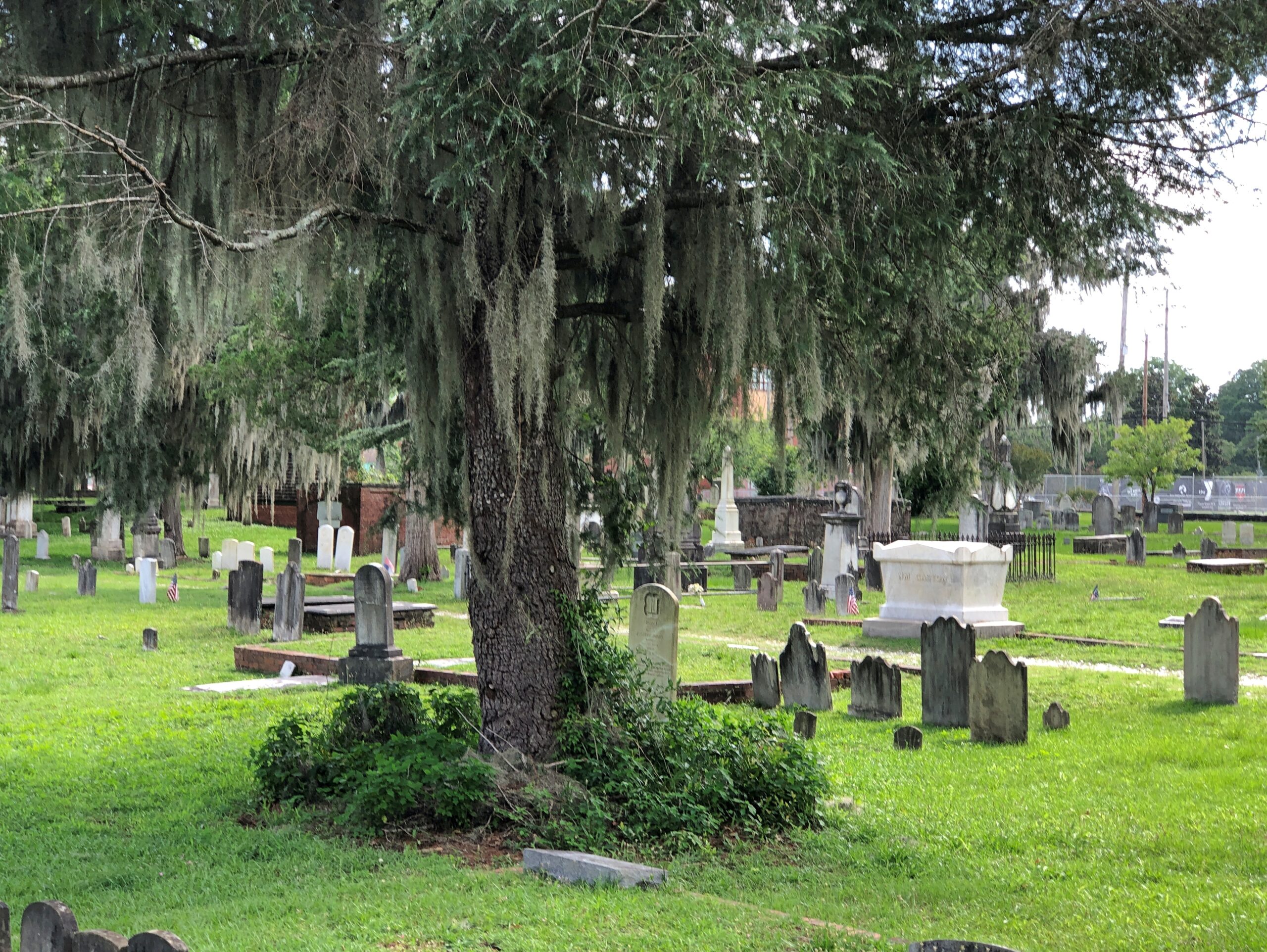
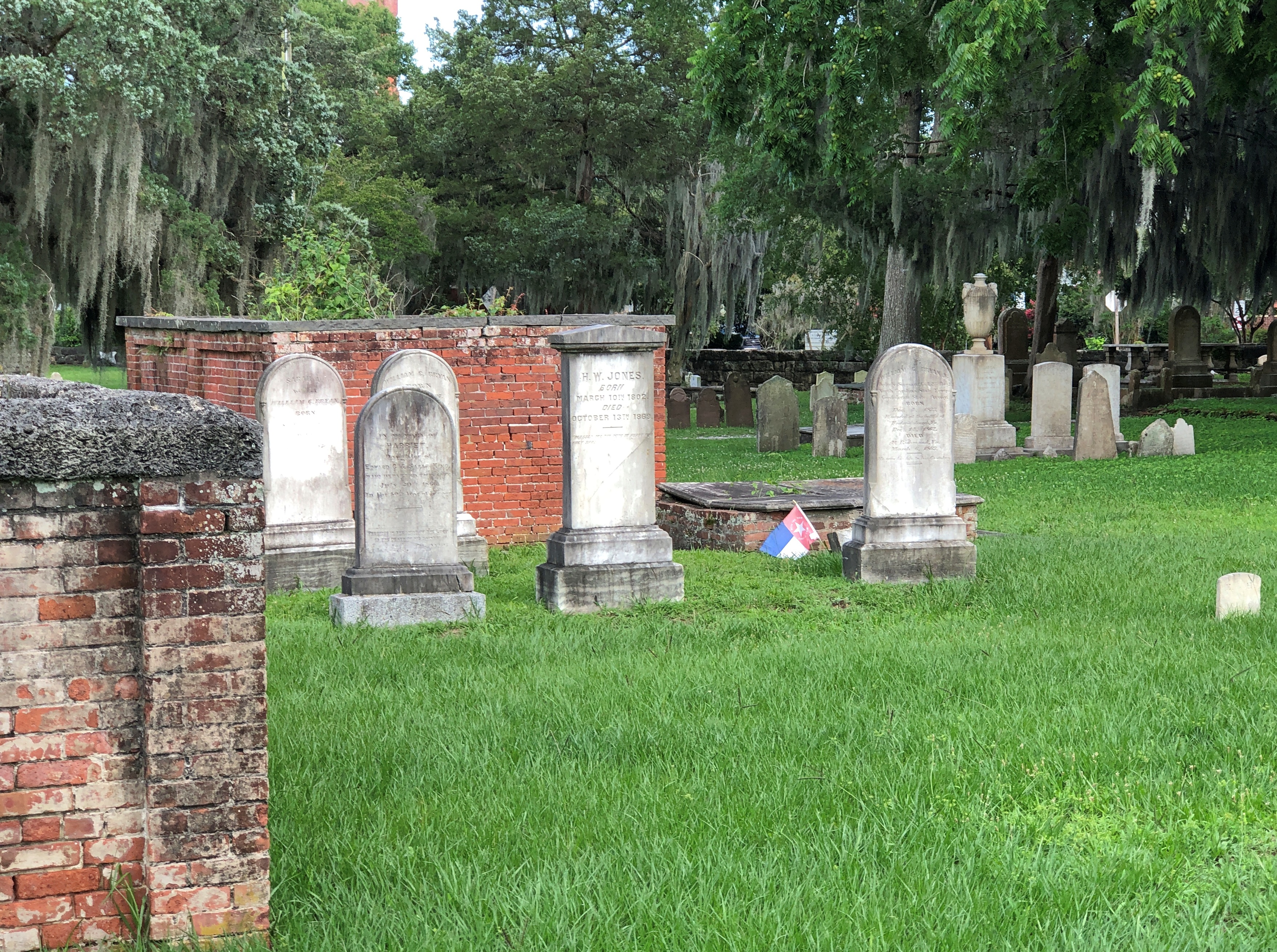
All in all, Cedar Grove is a Southern cemetery along the lines of Magnolia Cemetery in Charleston or Bonaventure in Savannah, though not quite as watered as the former or wooded as the latter, or as large as either. But cut from the same sort of lush, low-lying coastal territory, with trees draped with Spanish moss and flat spots thick with stones of the Old South.

Good old Spanish moss. The Carolina coast, and even up into coastal Virginia, is within its range.
Cedar Grove Cemetery, New Bern NC

Didn’t see the painter William J. Williams or any of the other permanent residents mentioned by the WPA guide, but of course the Confederate Monument was easy enough to spot.

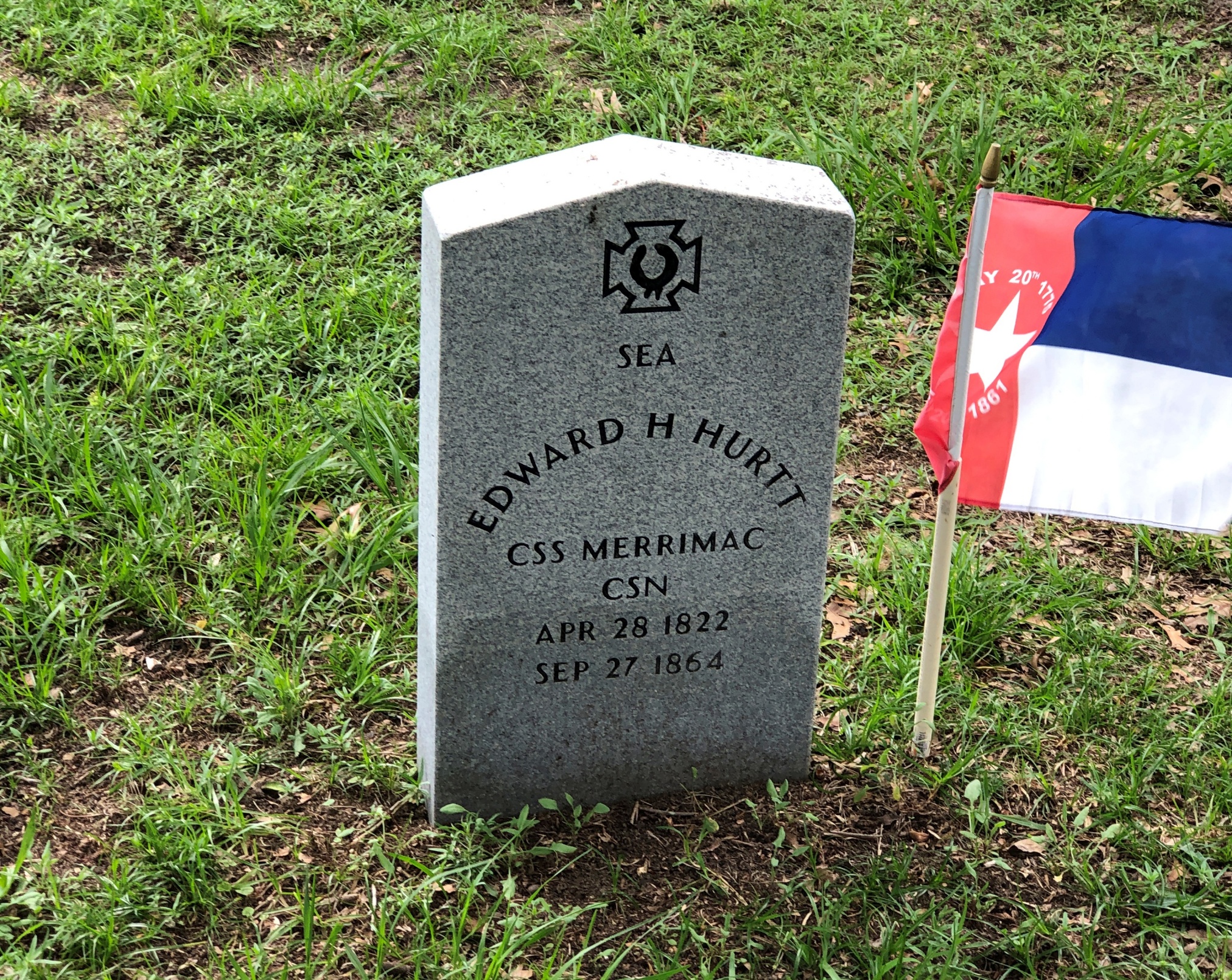
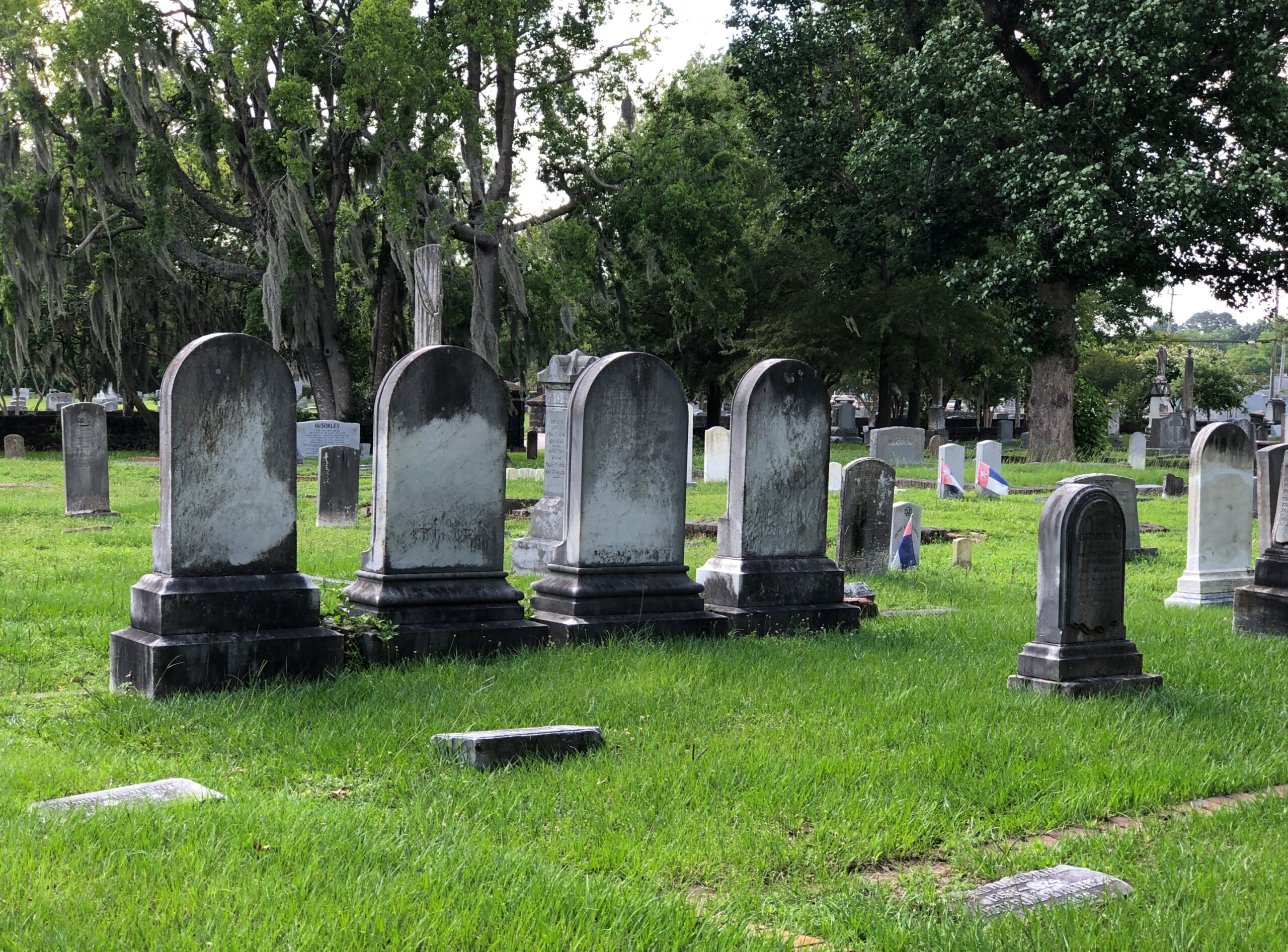
Many Confederate veterans had their own stones, of course.

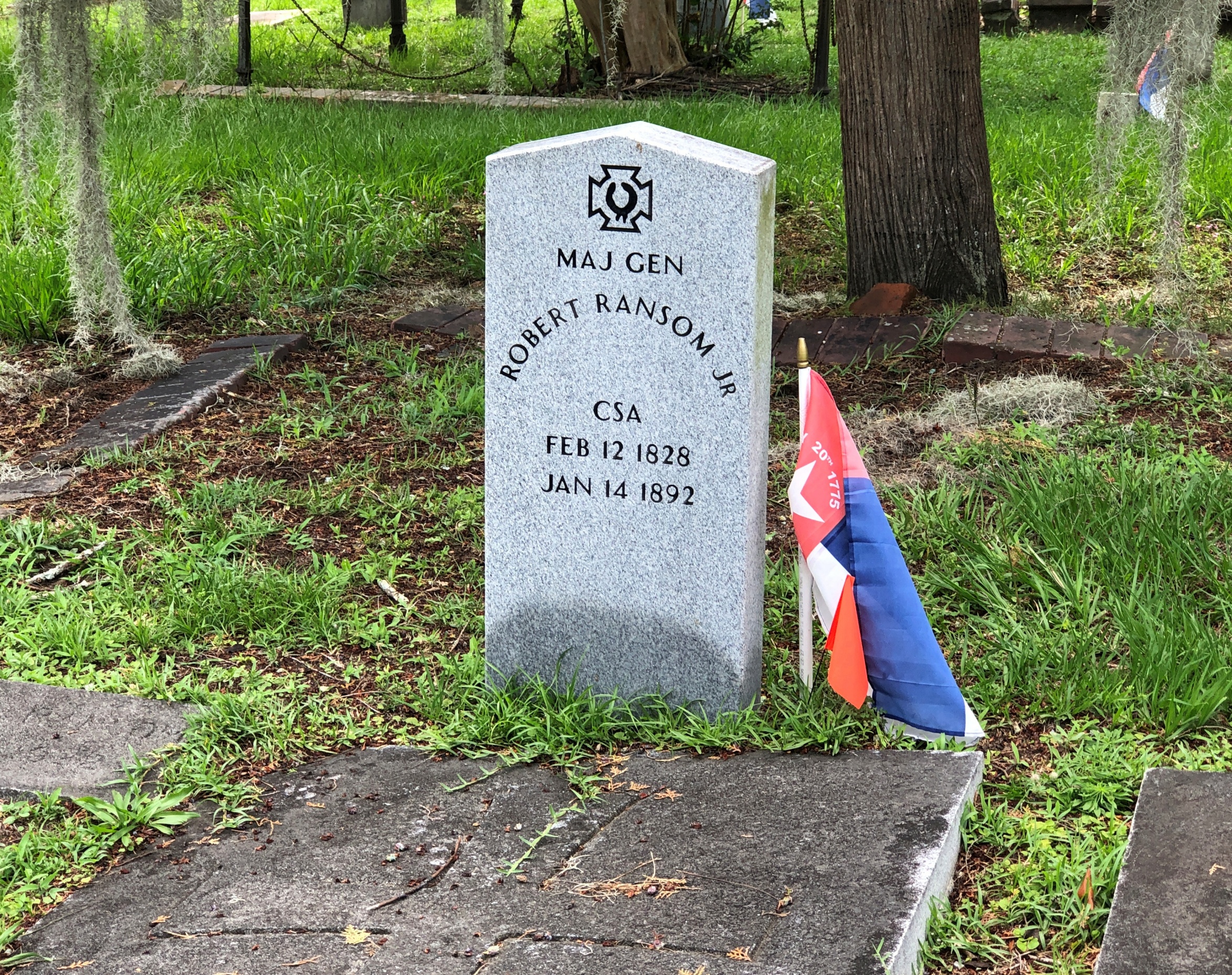
Interesting that the guide didn’t mention Maj. Gen. Robert Ransom Jr., but there he was.

From the looks of it, these are wagon driveways that allowed hearses to traverse the cemetery.

Cedar Grove Cemetery, New Bern

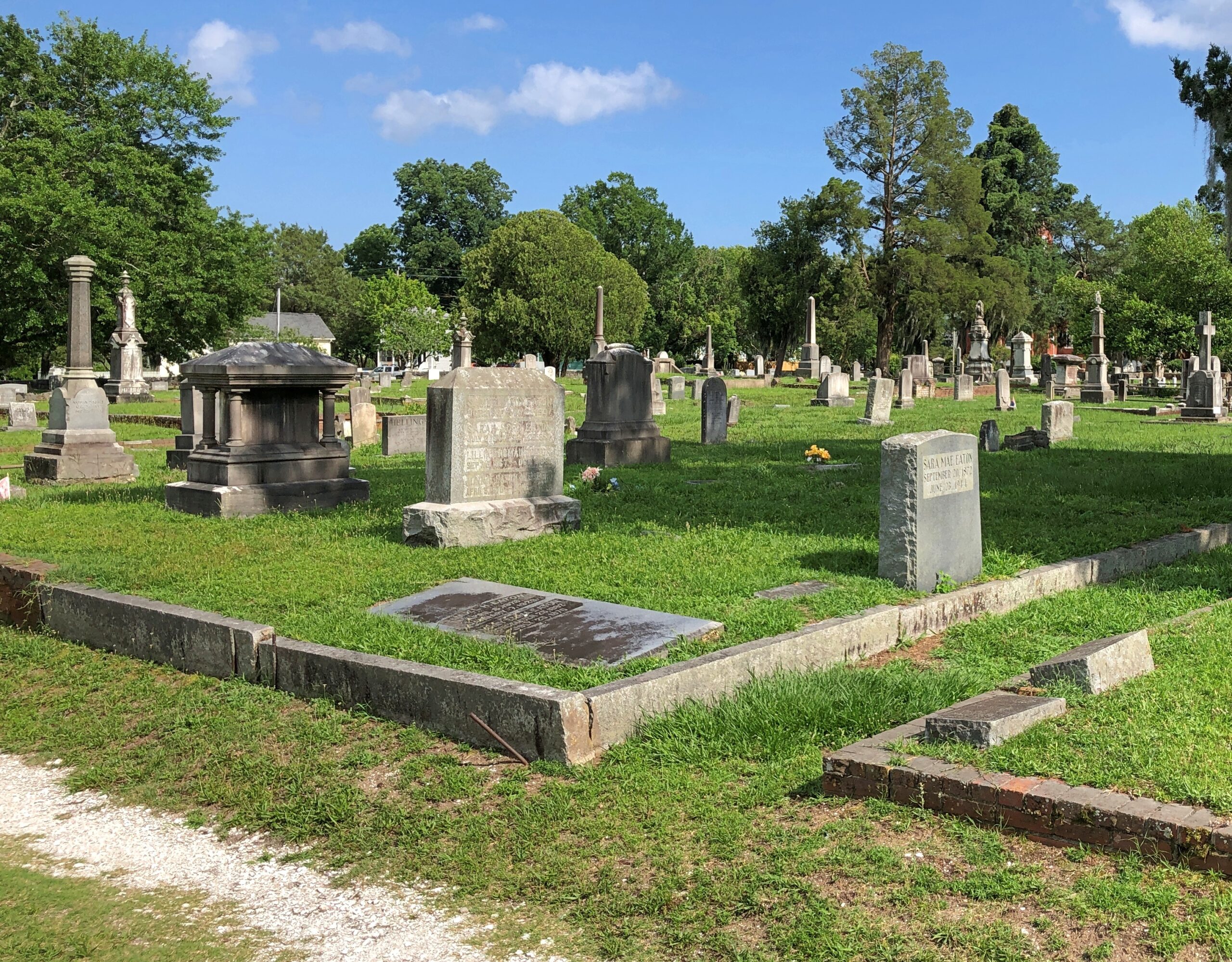
Among those “streets,” plenty of other fine stones.

Cedar Grove Cemetery, New Bern

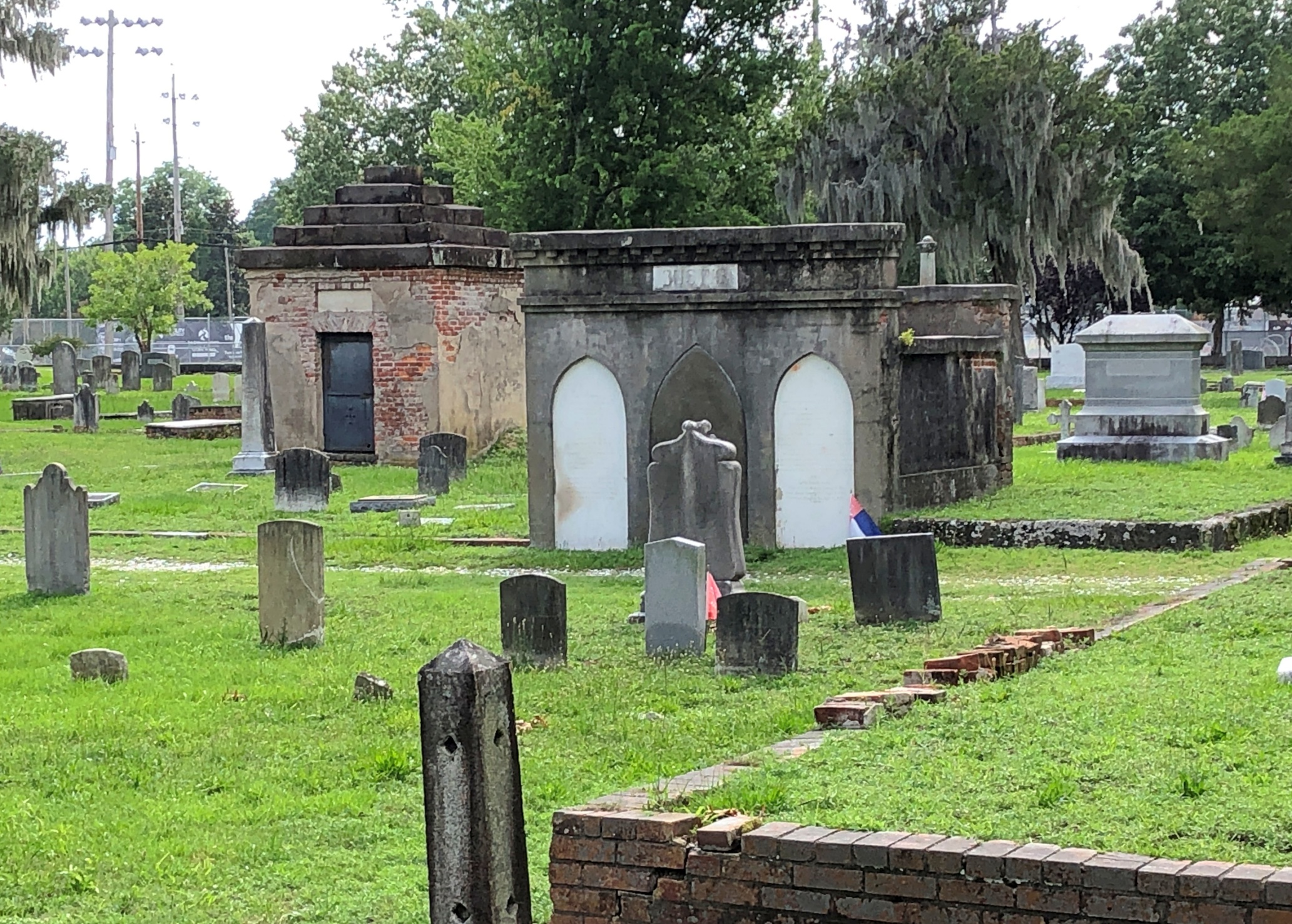
Some mausoleums, but none of the monumental ilk you see in places historically with more money.

Cedar Grove Cemetery, New Bern

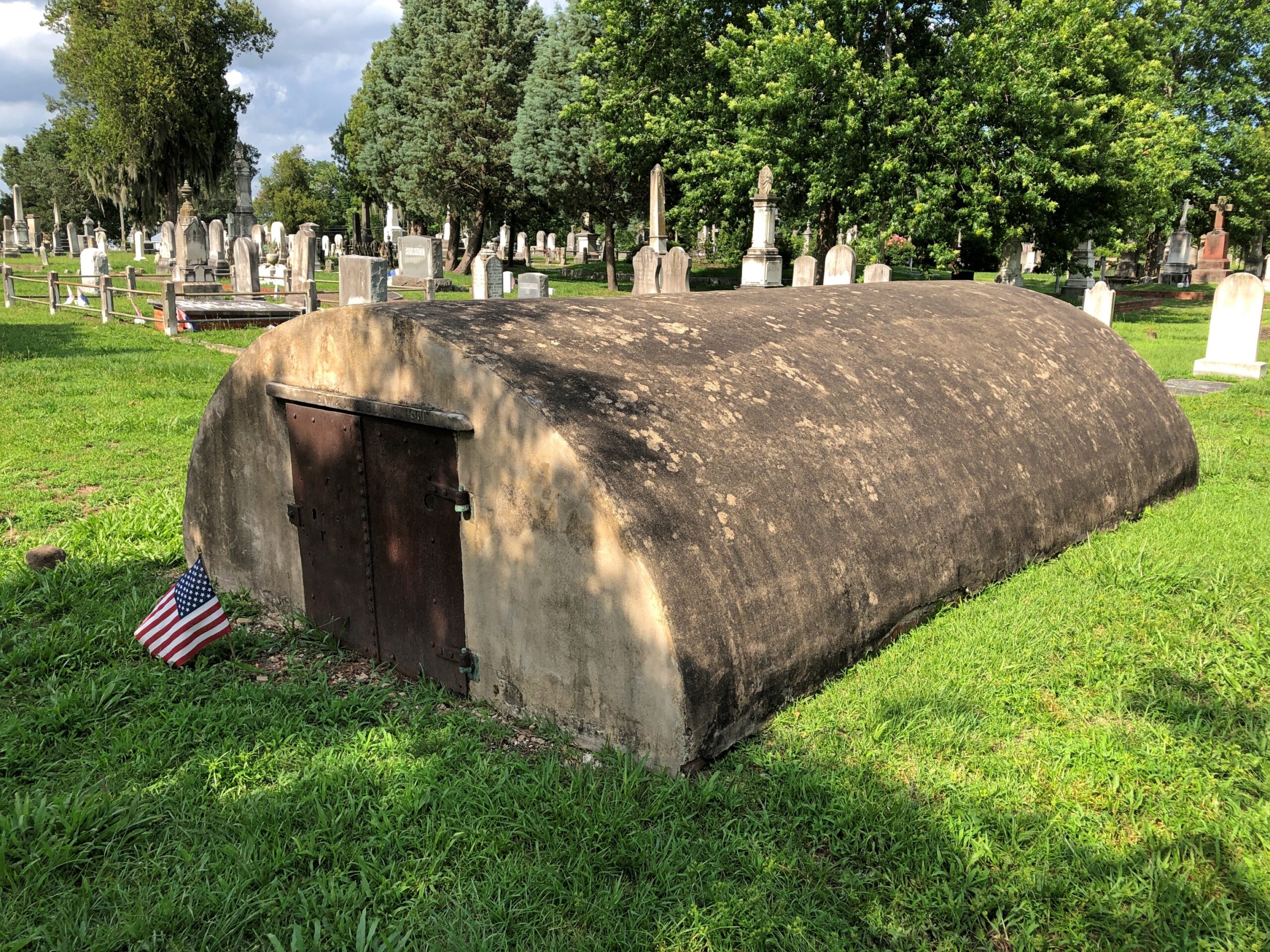
The last one is a little unusual, though I think I’ve seen similar structures occasionally here and there. Going for that concrete Quonset hut look, though considering its age, I’d bet that reference would be anachronistic.

New Bern Ramble

While waiting to be seated for brunch on Middle Street in downtown New Bern on Juneteenth, Dan and I had time for a stroll. The day was warming up, but not quite to a scorcher, and the sidewalks along Middle and Pollack Sts. are often in shade. That part of New Bern, shady and old, is quite the charmer.

“New Bern, one of North Carolina’s oldest towns, retains the flavor of past centuries,” North Carolina: A Guide to the Old North State (1939), p. 221, tells us. Information from the WPA Guide series is of course a little old, but mostly stands the test of time.

“The community, which processes a domestic architecture of charm and distinction, is spread across a bluff at the confluence of the Neuse and Trent rivers, 35 miles from the Atlantic Ocean. Massive brick townhouses, stately Georgian residences and wisteria-curtained clapboard cottages line narrow streets shadowed by oaks, poplars, elms and pecan trees. Many of the old streets retain their original brick pavements.”

All that would be downtown New Bern these days, as the town’s population – given as 11,981 by the WPA in 1939 – had expanded to 31,291 by 2020, according to the Census Bureau. So much of the town is actually late 20th-early 21st-century sprawl punctuated by parking lots and familiar retail.

Still, at the historic core, there is “domestic architecture of charm and distinction,” even now, with the older buildings mostly occupied by the likes of The Black Cat Shoppe, Faulkenberry Auctions, Anchored in New Bern (gift shop), Carolina Creations, Bear City Fudge Co., Curls & Lace Bridal Hair, and such restaurants as Cypress Hall, MJ’s Raw Bar and Grille, and Baker’s Kitchen, where we eventually brunchified (and it was delicious).

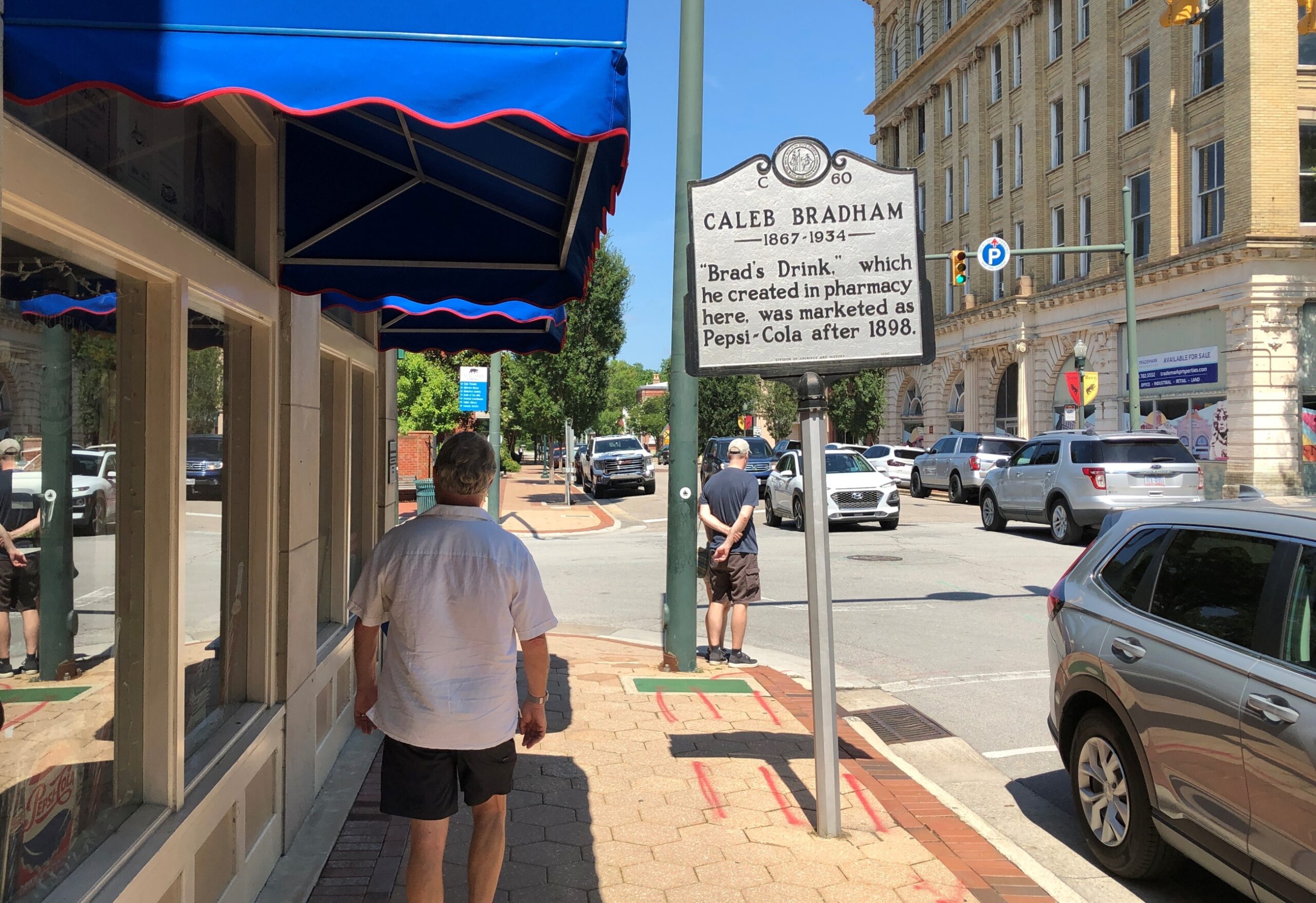
We visited a few shops and strolled by other spots, such as the former corner drug store credited as the invention-place of Pepsi-Cola.

New Bern NC

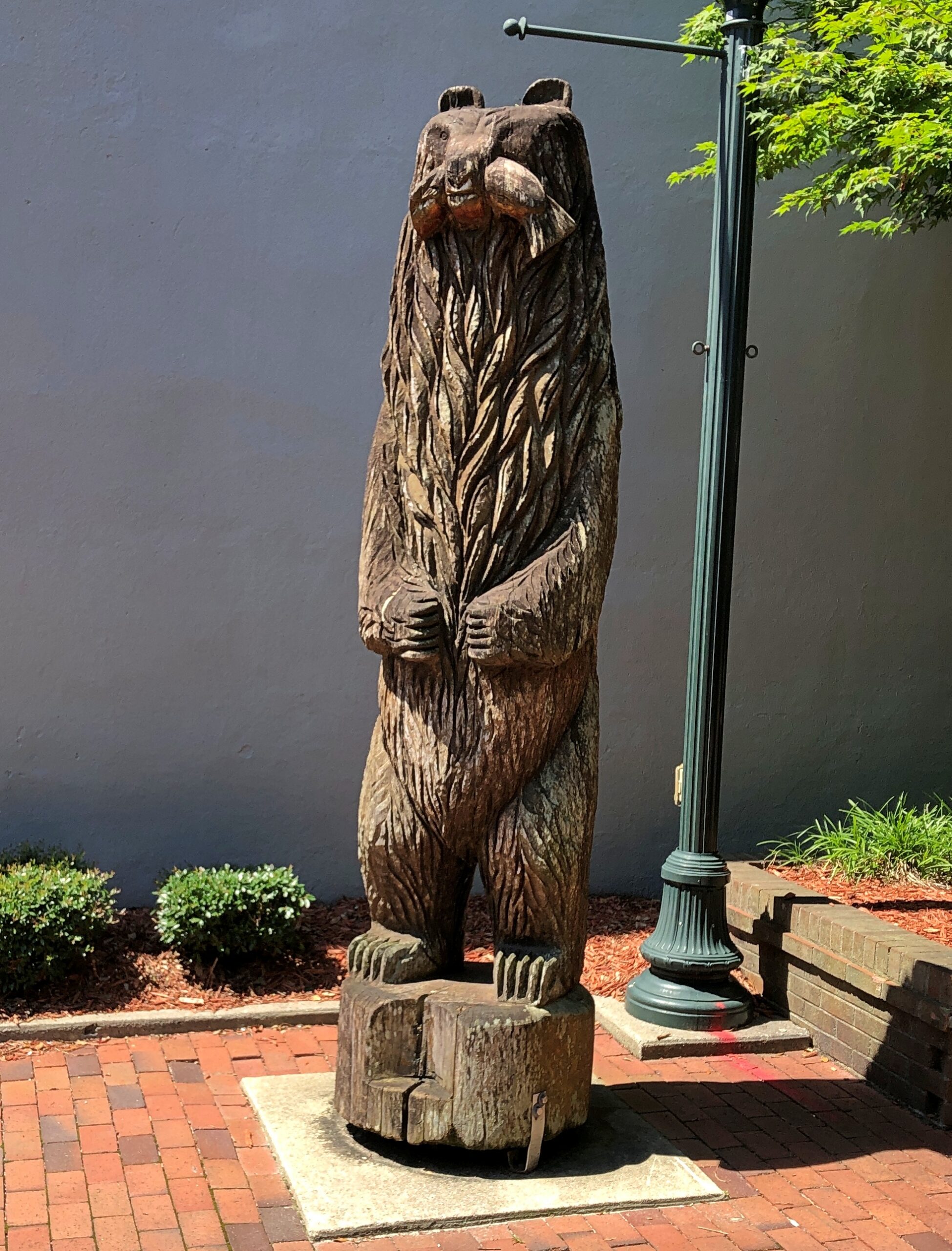
A pleasant alley off Middle St. is known as Bear Plaza. Good thing living bears aren’t found there, but you are reminded of bears.

New Bern NC

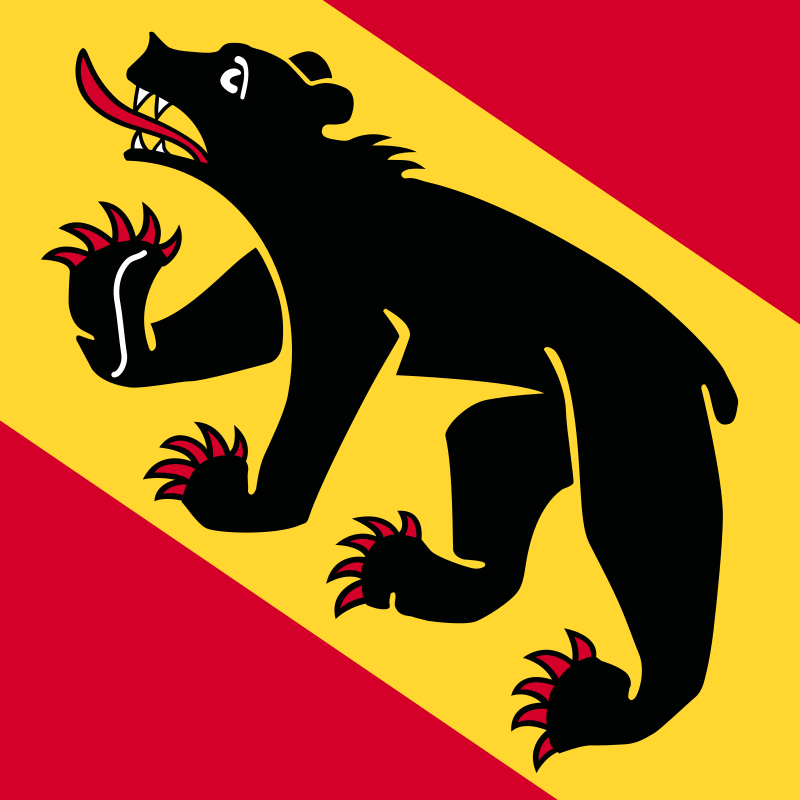
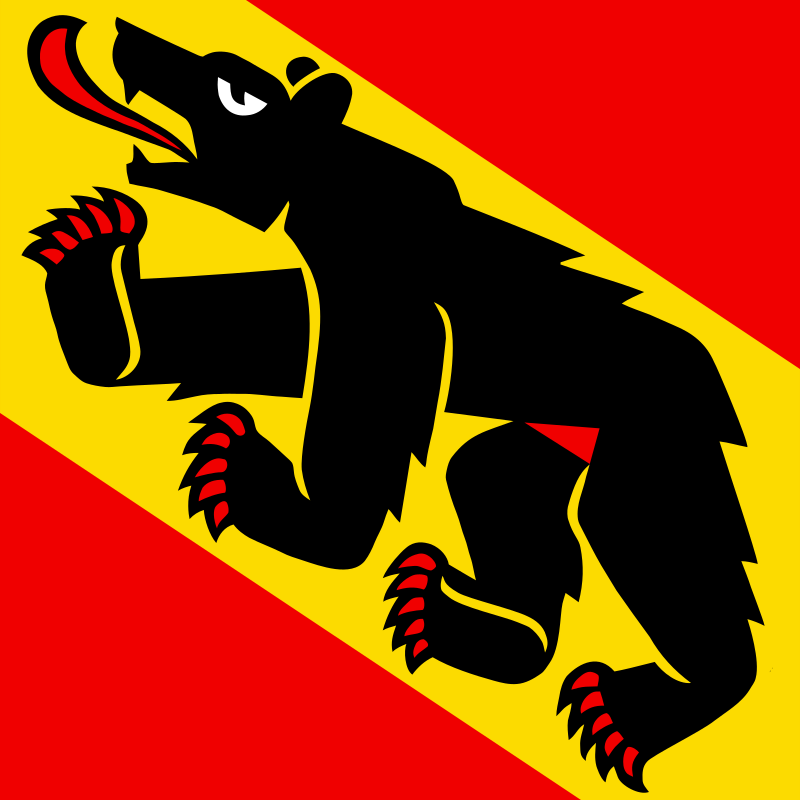
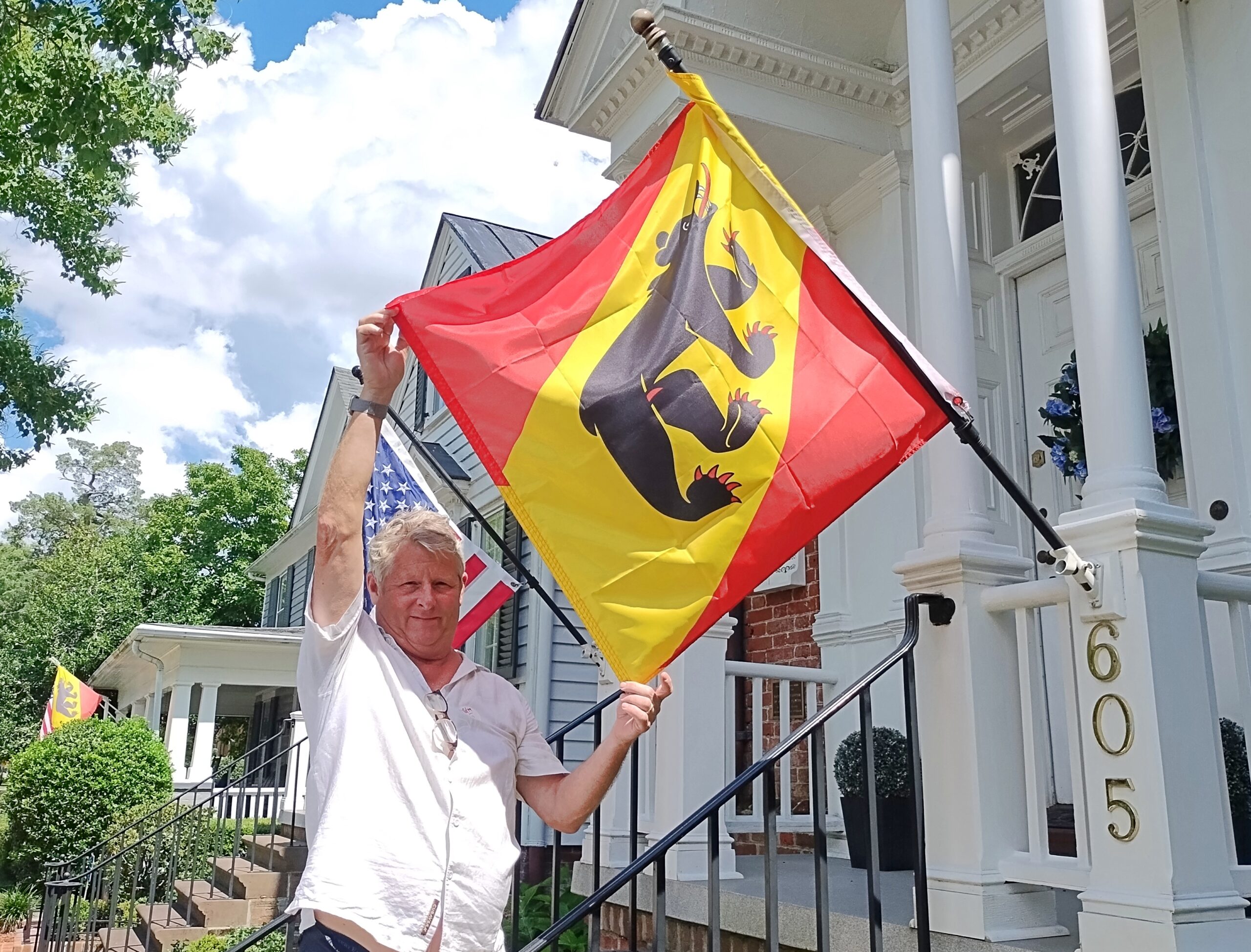
Bears are front and center as pawed, powerful symbols of the Bern towns, old and new, Swiss and American. As posted previously, the New Bern flag –

— looks a lot like the old Bern flag, with certain small but important modifications. Old Bern:

The WPA guide points out that the very first European settlers in the area were not in fact Swiss, though led by a Swiss. The colonists were German and had a harrowing experience getting here.

“The first settlers were survivors of an expedition of 650 German Palatines, Protestants expelled from Baden and Bavaria. Under the leadership of Swiss Baron Christopher de Graffenried, and aided by a gift of £4000 from Queen Anne of England, this group planned a colony in America. De Graffenried placed Christopher Gale and John Lawson in charge of the expedition.

“In January 1710, two ships sailed from Gravesend, England. Storms impeded the vessels and disease ravaged the voyagers, more than half of whom succumbed. A French vessel captured one of the transports as it entered Chesapeake Bay in April, and plundered the colonists. Fever further reduced the number and only a sickly remnant reached the Chowan River, where Thomas Pollock, a wealthy planner, provided them with transport to the Neuse and Trent rivers.”

De Graffenreid himself came a little later with some Swiss colonists, buying land from the Lords Proprietors of Carolina and paying off the local Tuscarora Indian chief as well. The natives were not mollified, however.

“In September 1711, the settlement was almost wiped out by a Tuscarora uprising. In the first attack, 80 settlers were slain. Lawson and de Graffenreid were taken to the Indian fort, Nohoroco, where Lawson was tortured to death, and de Graffenreid was held prisoner for six months. The war raged intermittently for two years, and the colonists were reduced such desperation that in 1713 many of them returned with de Graffenreid to Switzerland. The settlement made a new start on the leadership of Colonel Thomas Pollock, proprietary governor…”

Just one damn thing after another in early America. But the town survived, eventually becoming important enough to be the capital of North Carolina, as detailed yesterday.

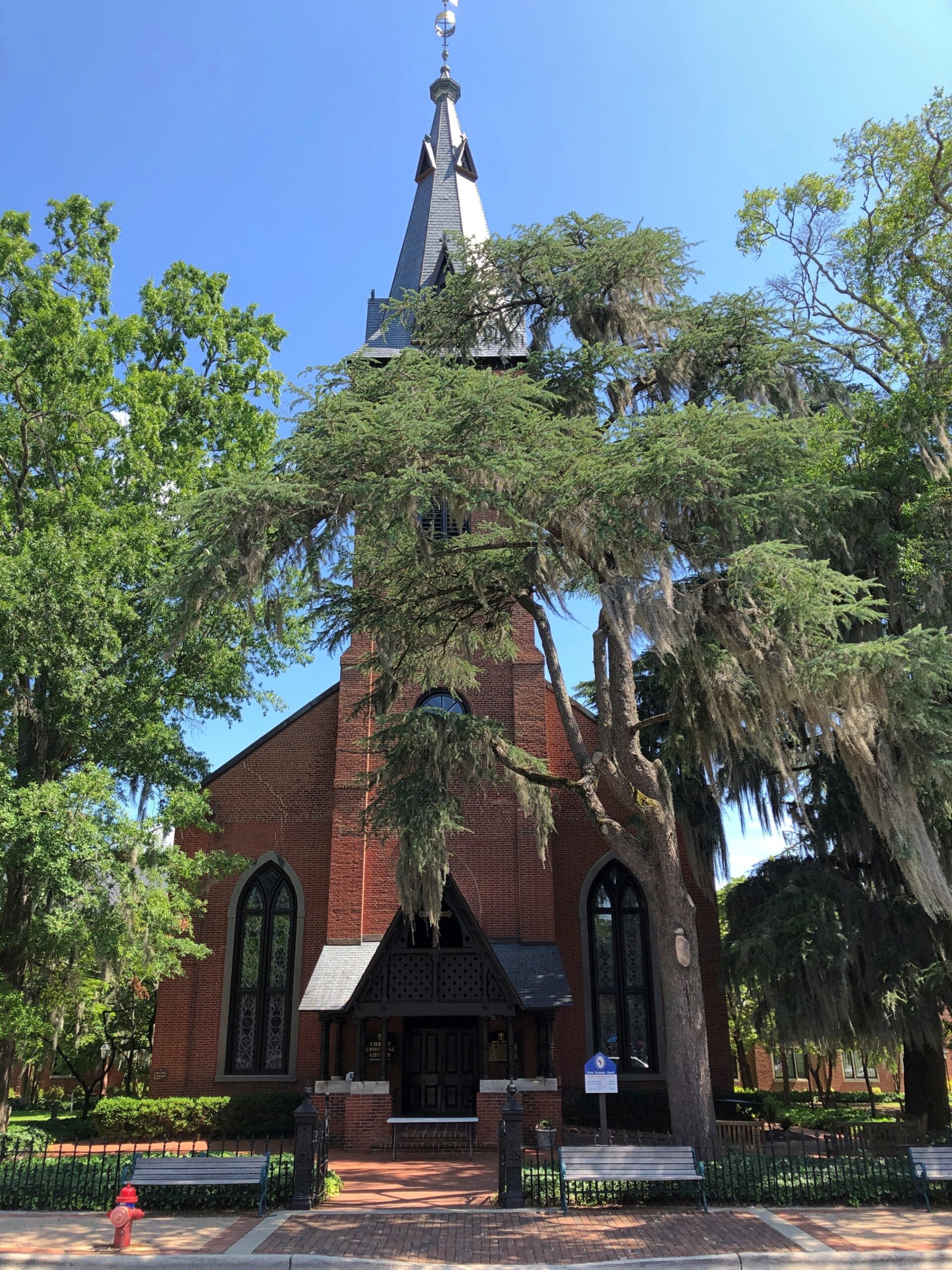
Christ Church Episcopal rises above Pollock St.

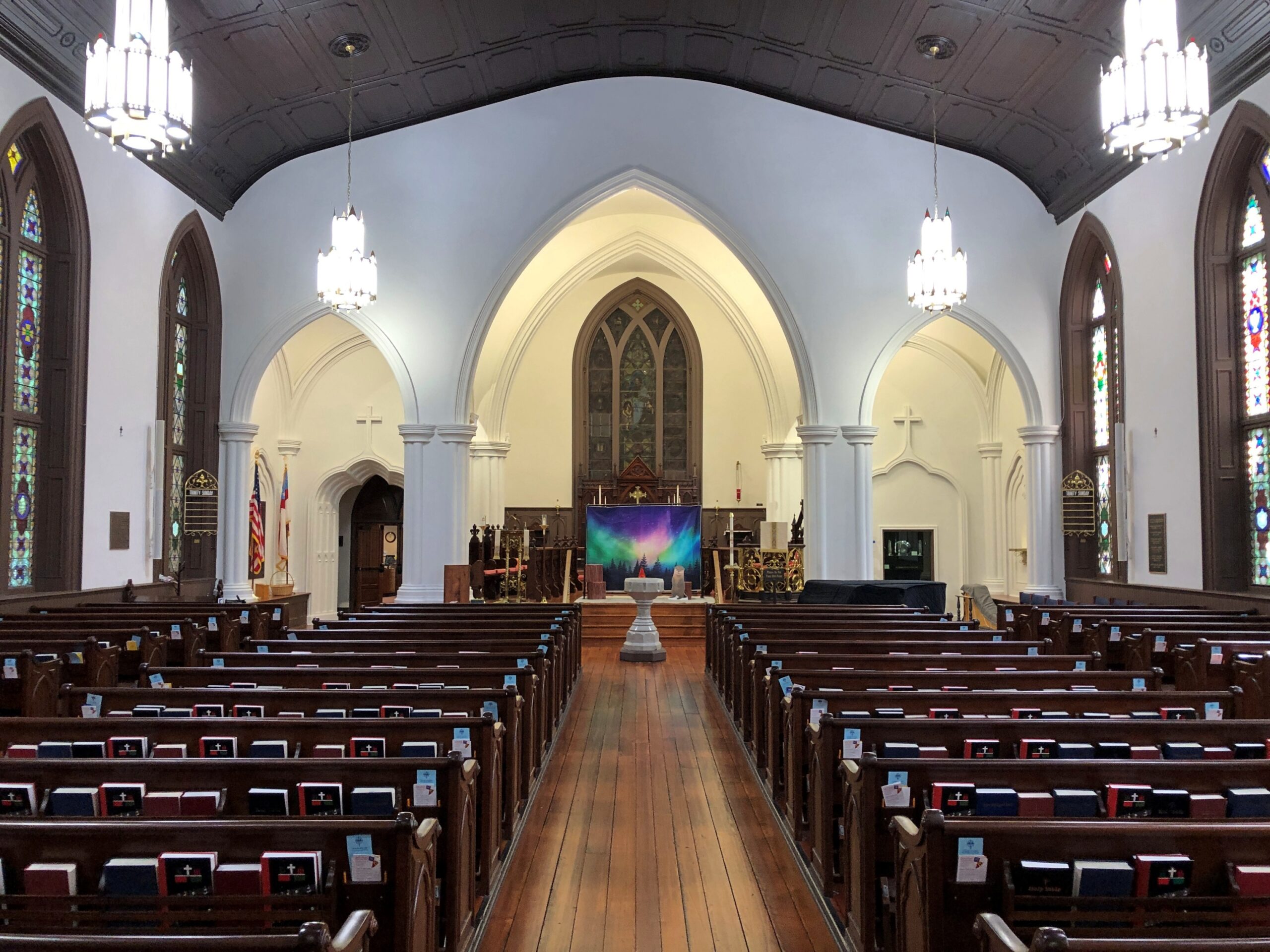
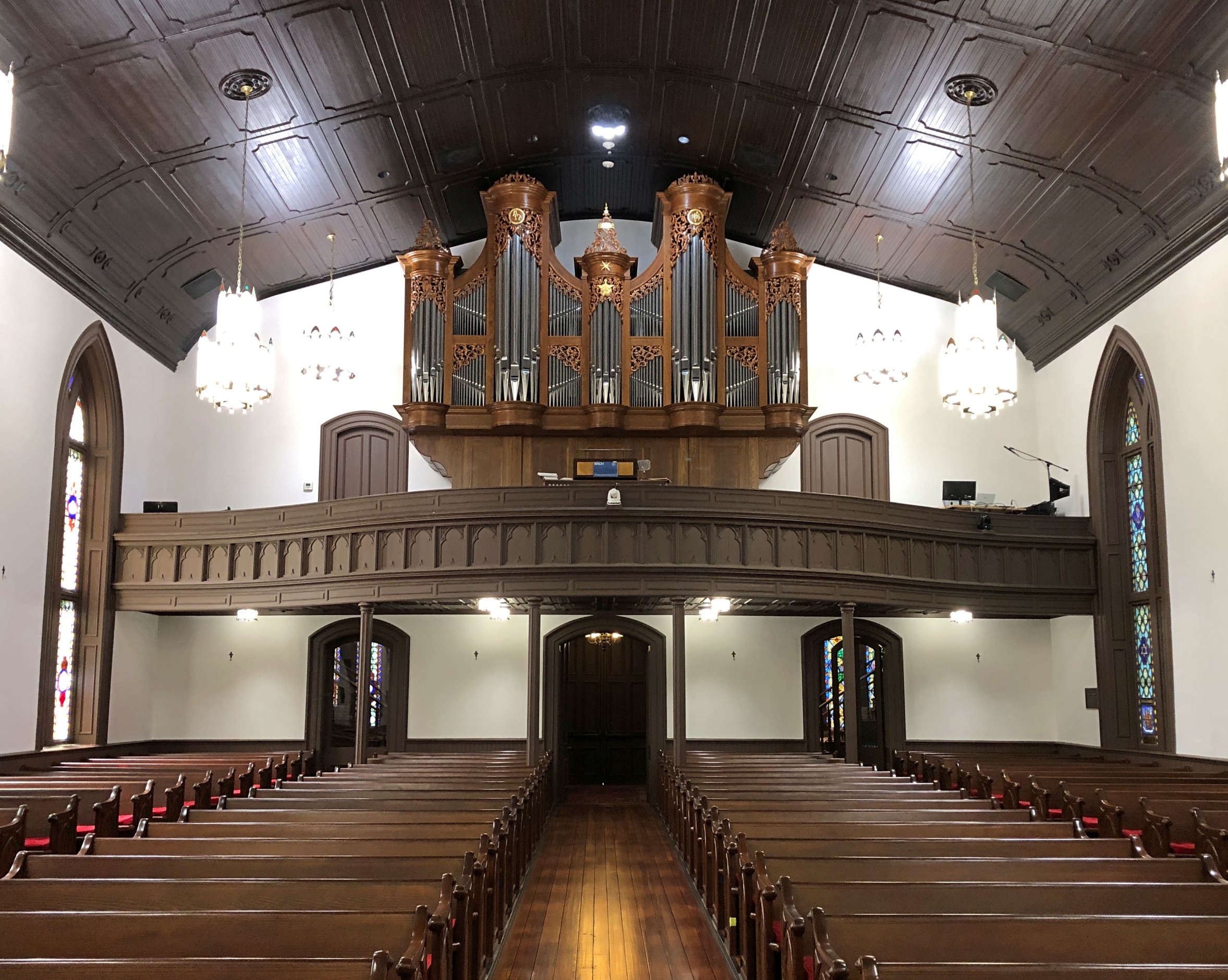
Other churches clustered in the area, but Christ Church had the advantage of being open that weekday and holiday morning.

Christ Church, New Bern NC

Back to the WPA guide, p. 228, on Christ Church: “[At the] NE corner Pollock and Middle streets, a weathered red brick edifice whose lofty, gold-crowned spire rises above great trees shading an old graveyard, was erected in 1873 upon the site of two earlier churches. The parish was organized in 1715 the first church was built in 1750. A Bible, Book of Common Prayer and silver communion service given by George II are retained, though royal Governor Martin attempted to take them with him when he fled town in 1775.

“When Parson Reed, the royalist rector, prayed for the king, lads prompted by patriot parents drummed at the door and shouted ‘Off with his head!’ This church was razed during the Revolution, reputedly because the brick had been brought from England. [Sounds like a likely story.] The second church was erected in 1825. Its outer walls were used for construction of the present building. In a corner of the churchyard fence, with its muzzle embedded in the ground, is the the Lady Blessington Cannon taken from the British ship Lady Blessington, captured in the Revolution.”

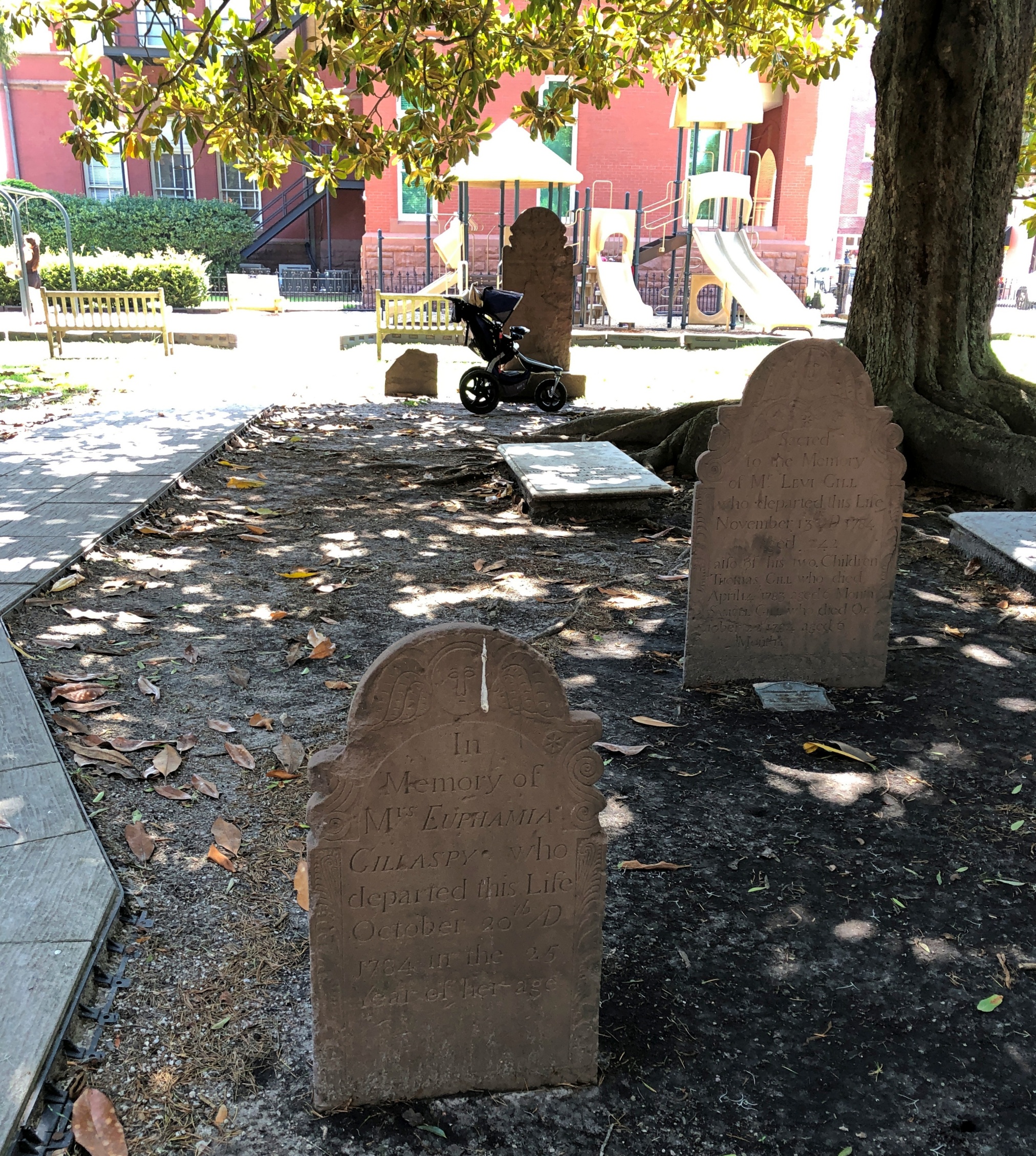
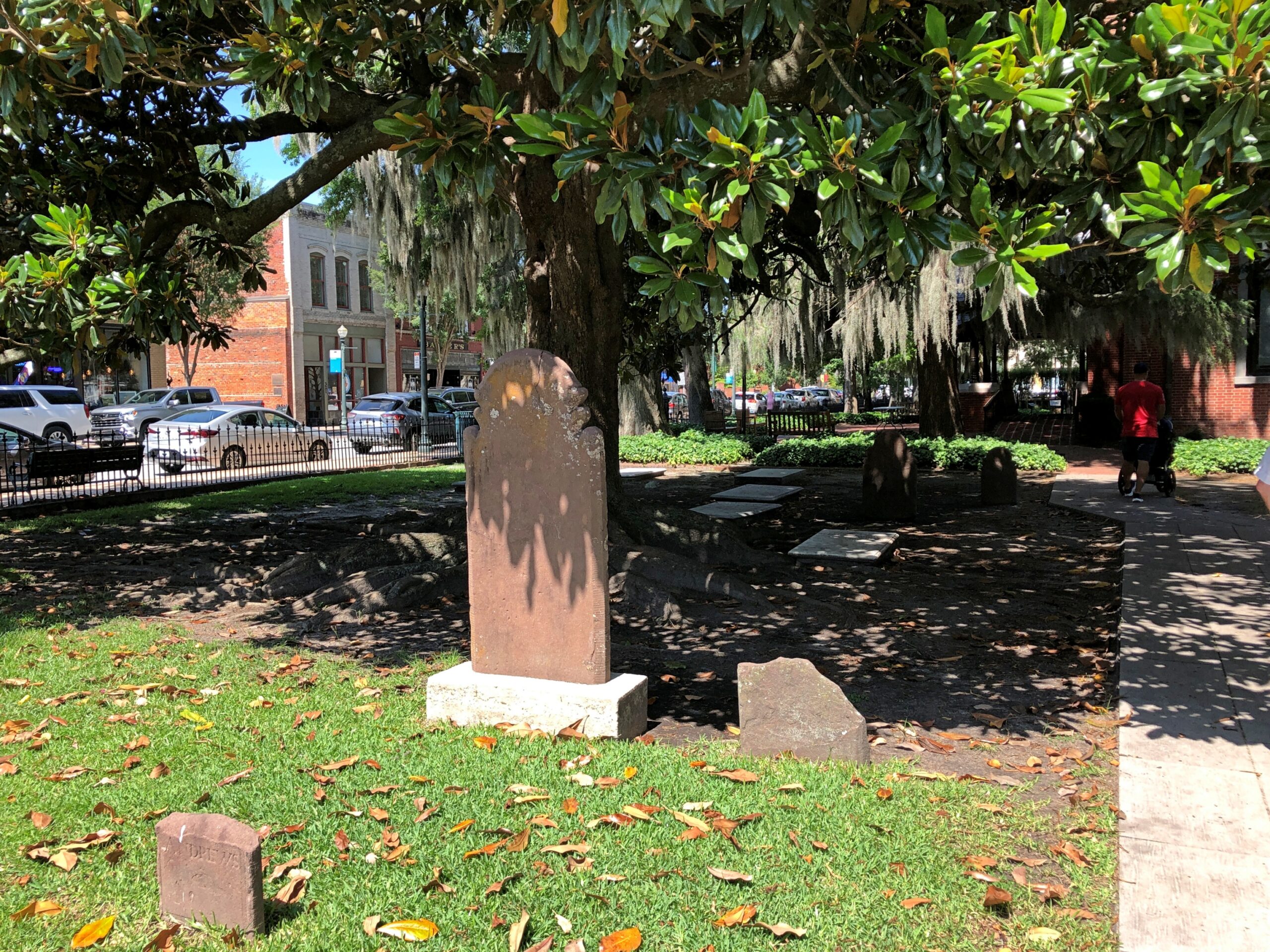
We didn’t see any embedded cannon, but on church land outside the Christ Church building were a cemetery and a playground. Not a combination you see much, but maybe there should be more places like that to remind us that the the arc of a lifespan is all too brief.

Christ Church, New Bern NC

It’s a handsome Southern church burial yard, complete with magnolias and Spanish moss.

Christ Church, New Bern NC

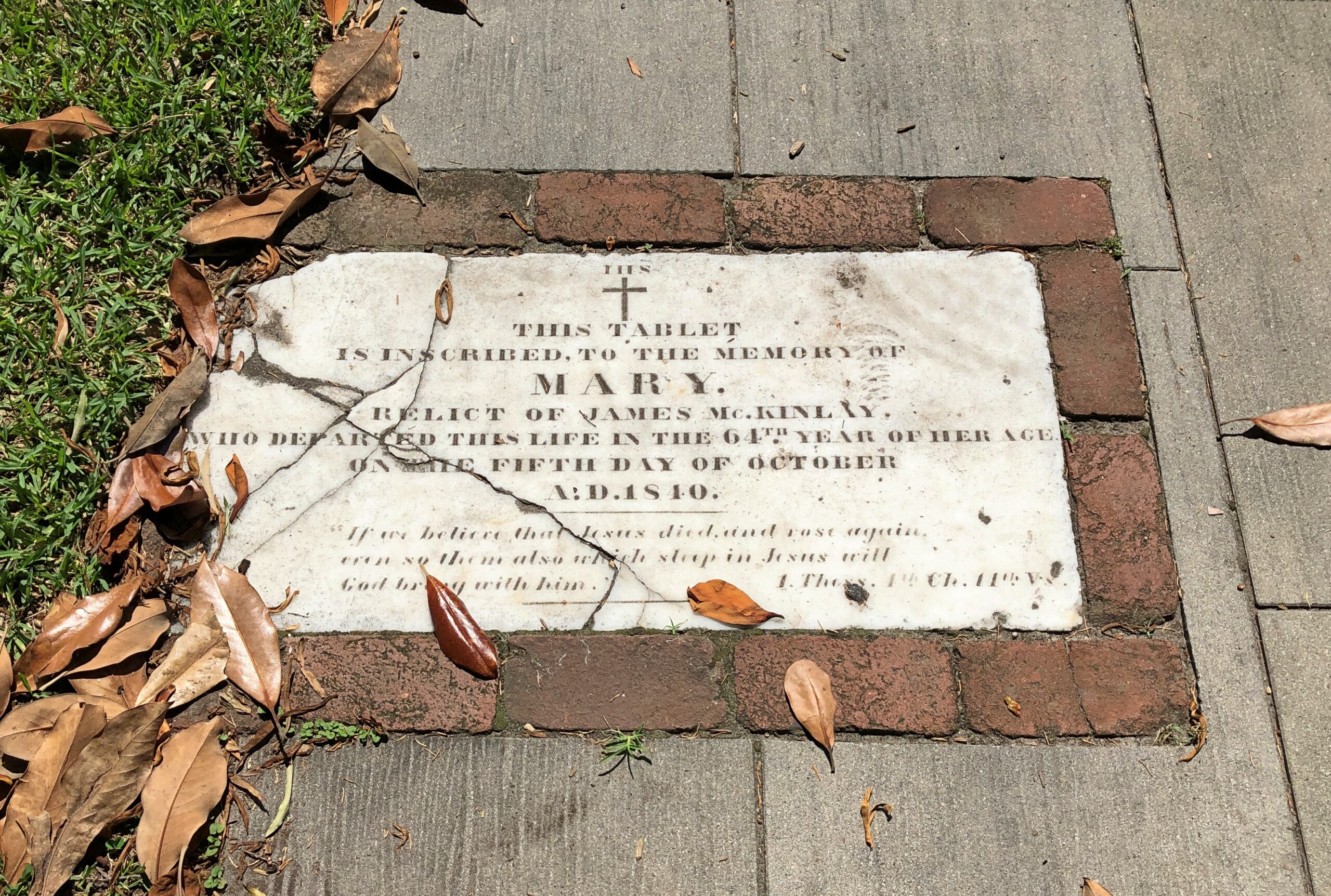
Included are stones reflecting older language usage, as you sometimes find in older cemeteries. “Relict,” as in widow, isn’t one you see much these days.

Christ Church, New Bern NC

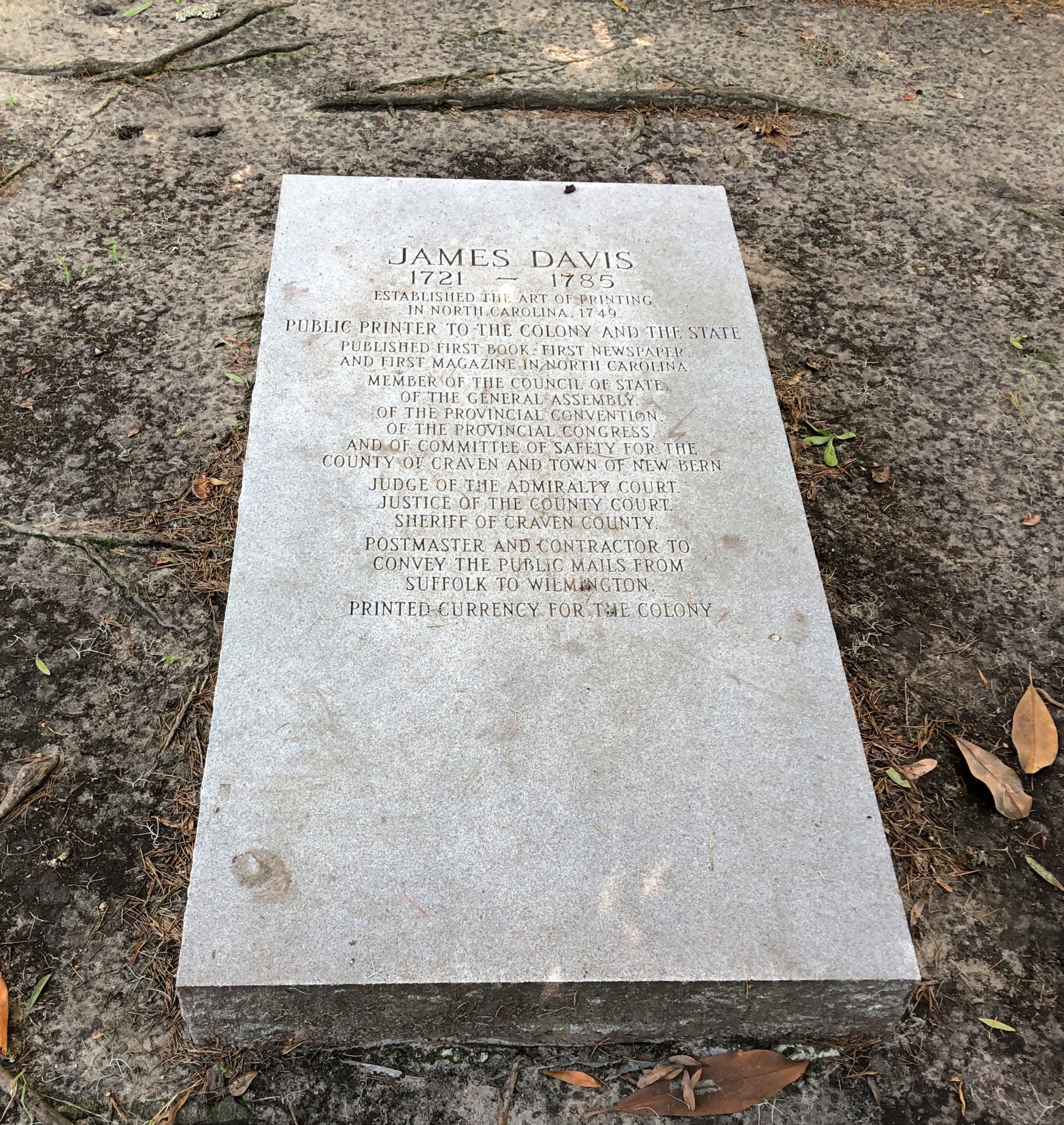
A wordy memorial. I hope the stone carver was paid by the letter.

But he’s notable enough: James Davis, quite a busy fellow in colonial North Carolina and later the state.

Tryon Palace

Talk much about colonial North Carolina and Blackbeard is going to come up – at least when talking with my old friend Dan, who had a fascination with the buccaneer even back in college. An artful storyteller, which surely helped him in his former career as an ad man, Dan can regale you with Blackbeard stories, detailing his short but colorful pirate career, including the fiery display he made of his person to scare onlookers witless. A pirate needs to be known for more than mere thievery on the high seas.

“In battle [Edward] Teach would have a sling over his shoulders that held at least three flintlock pistols and would often stick lit matches under his hat to give a smokey and fearsome appearance,” the Golden Age of Pirates explains, though without the Dan’s storytelling gusto, illustrating Blackbeard’s pyrotechnical flair with gestures all his own.

Dan and his wife Pam recently moved to New Bern, NC, very near Blackbeard’s haunts, including the site of his swashbuckler’s death in action off Okracoke Island. I don’t believe their retirement move from Alabama was to be near Blackbeard, but it certainly couldn’t have hurt during site selection. On the first evening of my visit to New Bern, Dan and I spent had a fine time out on his deck, perched near a small inlet ultimately connected to the wider ocean, watching the stars slowly emerge and talking of old times and newer things but not, at that moment, about Blackbeard.

That was the next day, as we toured Tryon Palace, even though the original structure was built many decades after Blackbeard’s newly severed head wound up tied to the bowsprit of the sloop Jane, put there by pirate hunter Robert Maynard. One colonial subject leads to another.

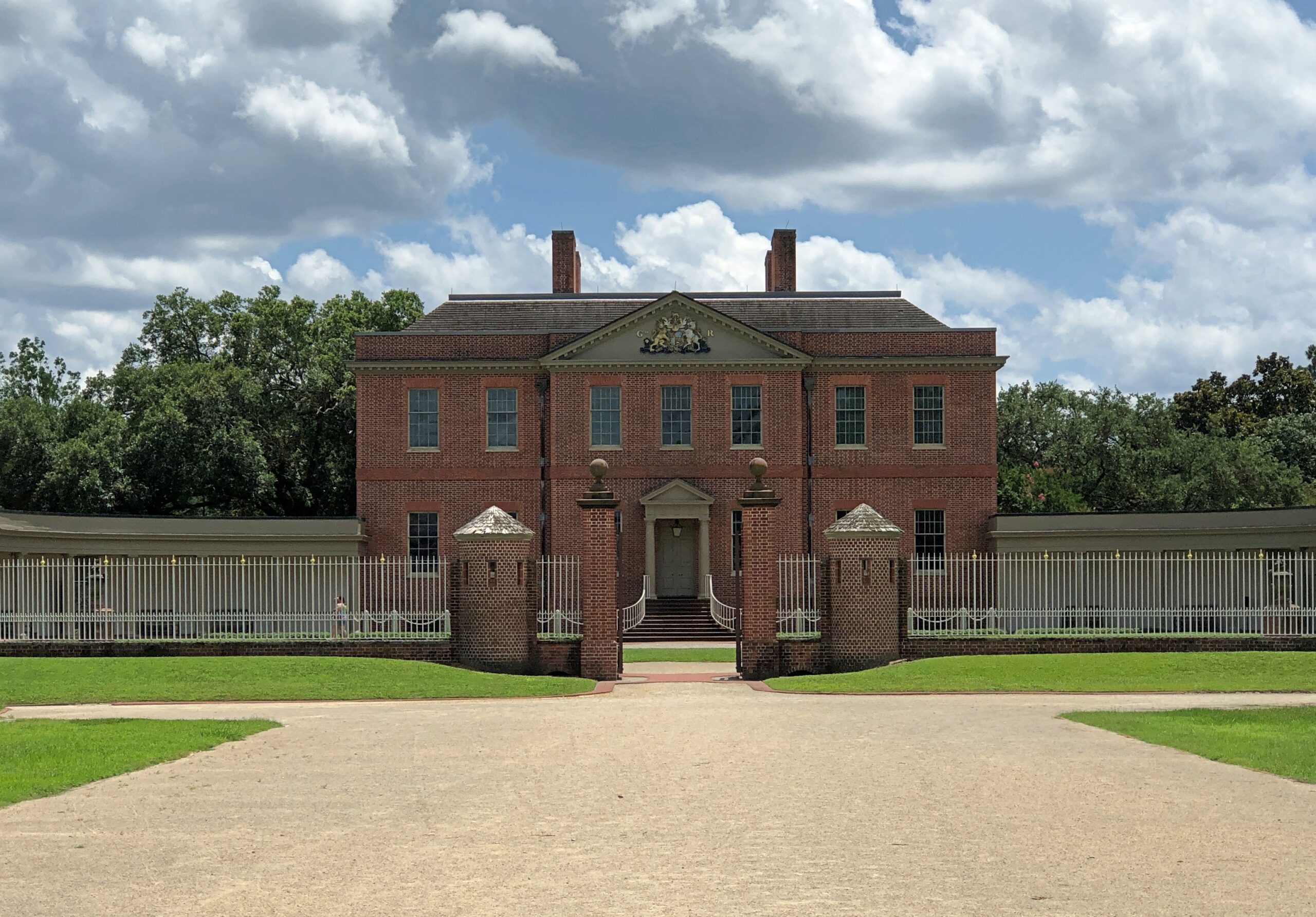
Tryon Palace is crown jewel of historic sites in New Bern, except that it’s actually a recreation of the 20th century. Somehow that doesn’t take away from its historic appeal.

Tryon Palace

When you stand in front of it, you’re peering not only back to 1770, when the colonial government of North Carolina completed, at great expense, a structure that looked like this one. You’re also looking at a building completed within living memory, in 1959, which is considered a faithful restoration of the one that NC Gov. William Tryon had erected.

“When the colonial Assembly convened in [New Bern] on 8 Nov. 1766, Tryon presented a request for an appropriation with which to construct a grand building that would serve as the house of colonial government as well as the governor’s residence,” says the Encyclopedia of North Carolina.

“Less than a month later, the Assembly acceded to the governor’s wishes by earmarking £5,000 for the purchase of land and the commencement of construction. The appropriated sum was borrowed from a fund that had been established for the construction of public schools. To replenish the depleted school fund, a poll tax and a levy on alcoholic beverages were imposed.”

Just about the worst kind of taxes when it came to irritating the non-coastal non-elites of the colony, a discontent that eventually erupted as the Regulator Rebellion. Ultimately Gov. Tryon, in personal command of the colony’s militia, crushed the Regulators – untrained men who seem to have been foolish enough to meet Tryon’s trained men in an open field at the Battle of Alamance in 1771. (Which isn’t entirely forgotten.)

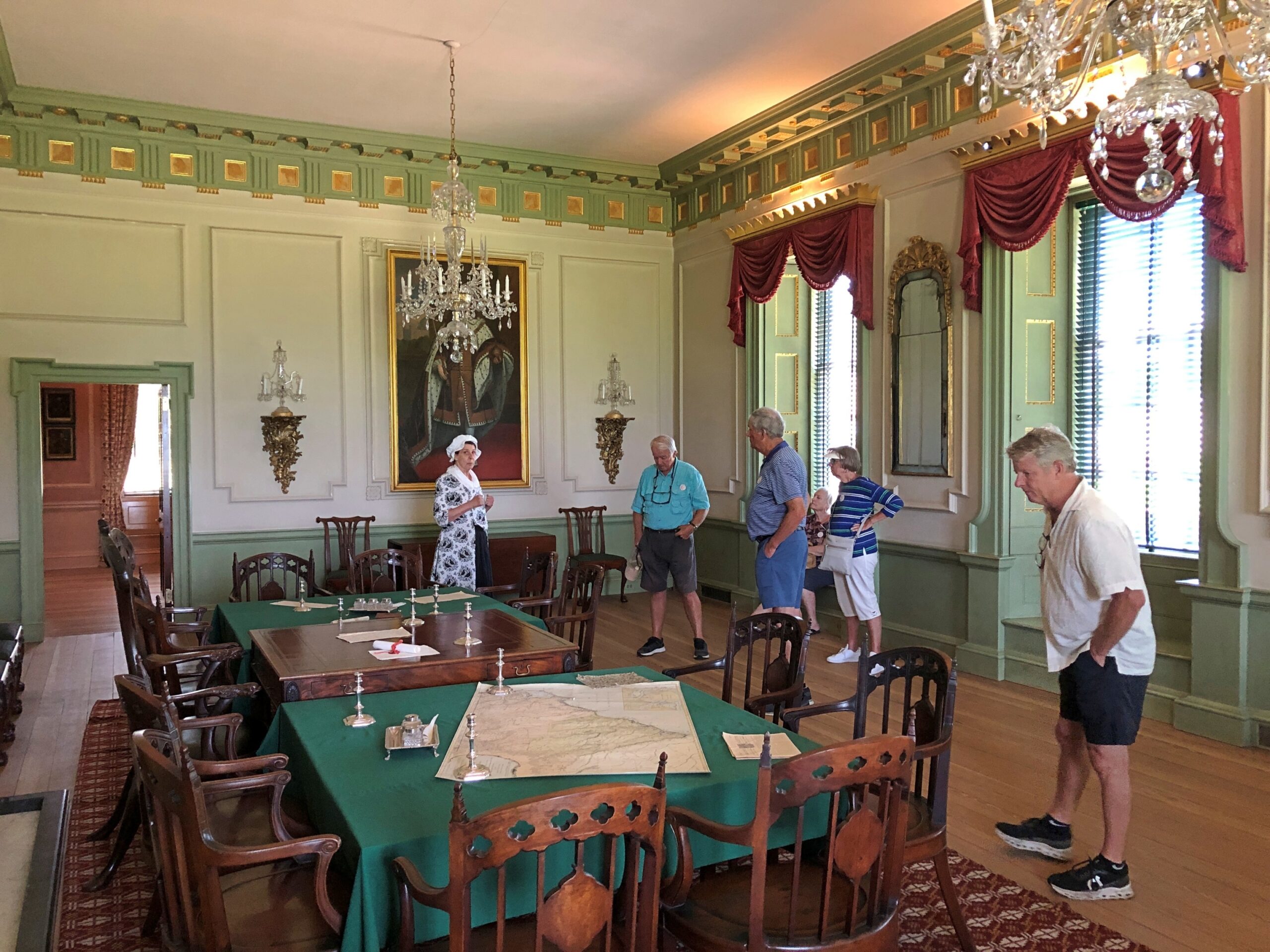
We took an early afternoon tour of Tryon Palace, guided by a woman in period costume. She told us about Tryon – no mention of Alamance, however – and his successor, Josiah Martin, the only other royal governor to use the palace. Gov. Martin spent more on furnishing the place, only to be obliged to skedaddle come the Revolution. We also heard about architect and master builder John Hawks (d. 1790), who came to North Carolina from England to build the palace which, of course, is only a palace by canebrake standards of the colony. It is a stately manor house, however.

Tryon Palace

The colonial legislature and the new state legislature both used the palace for a while, so it counts as the first capitol of North Carolina. That meant I was visiting yet another state capitol, without realizing it at first. A former capitol, that is, including ones I’ve seen in Illinois, Texas (counting Washington-on-the-Brazos as such), Virginia, Florida and Iowa. Abandoned as a government building after the NC capital left New Bern, fire consumed most of Tryon Palace just before the end of the 18th century. Its west wing survived for other uses over the next century-plus.

In the 20th century, along came Maude Moore Latham, a wealthy local woman with a taste for historic restoration. If much of colonial Williamsburg up in Virginia could be restored, so could colonial New Bern in North Carolina. Despite the fact that a road and houses had been built on the site of old Tryon Palace, she eventually facilitated the restoration, made possible (or at least more accurate) by the fact that John Hawks’ plans for the building had survived.

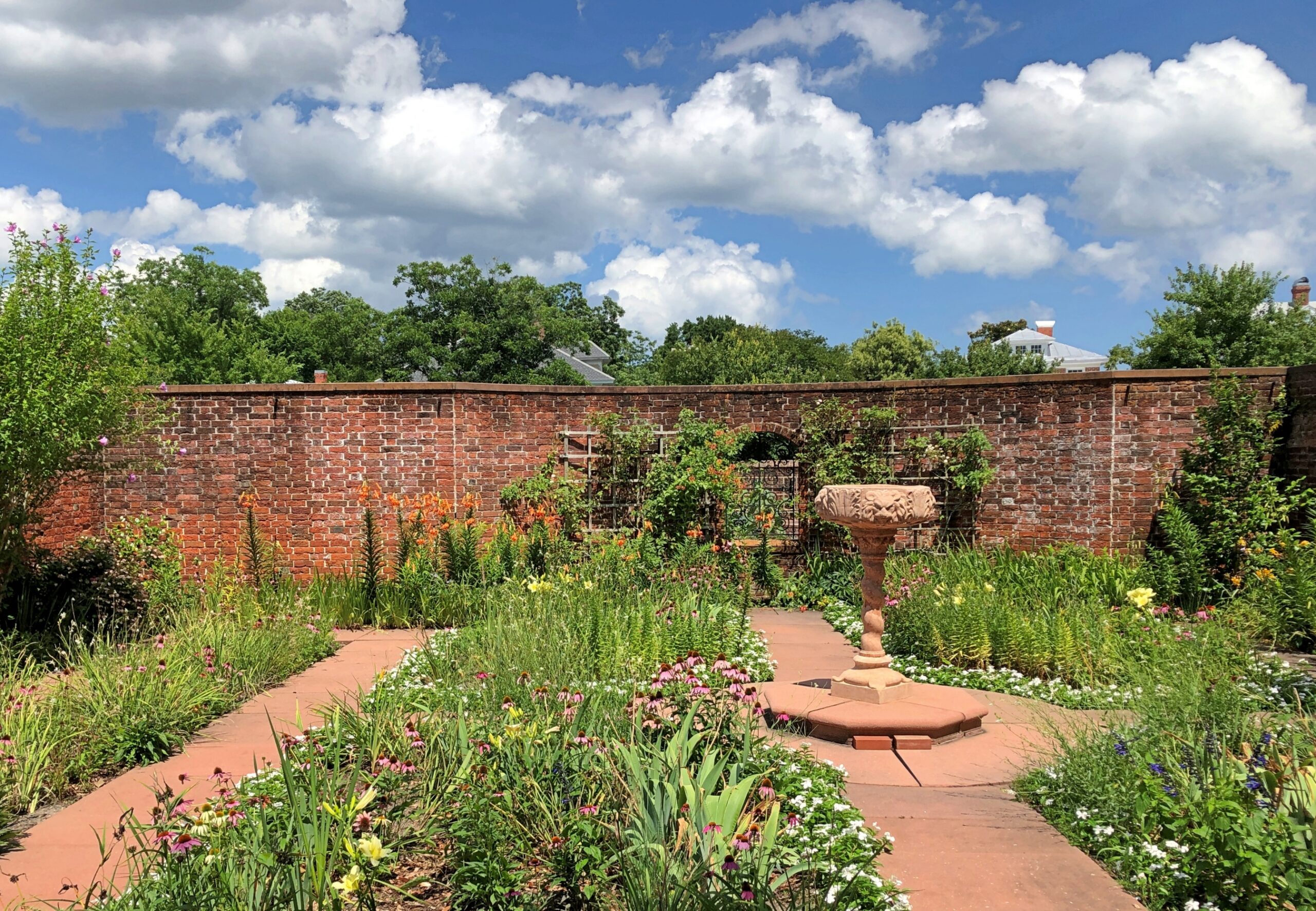
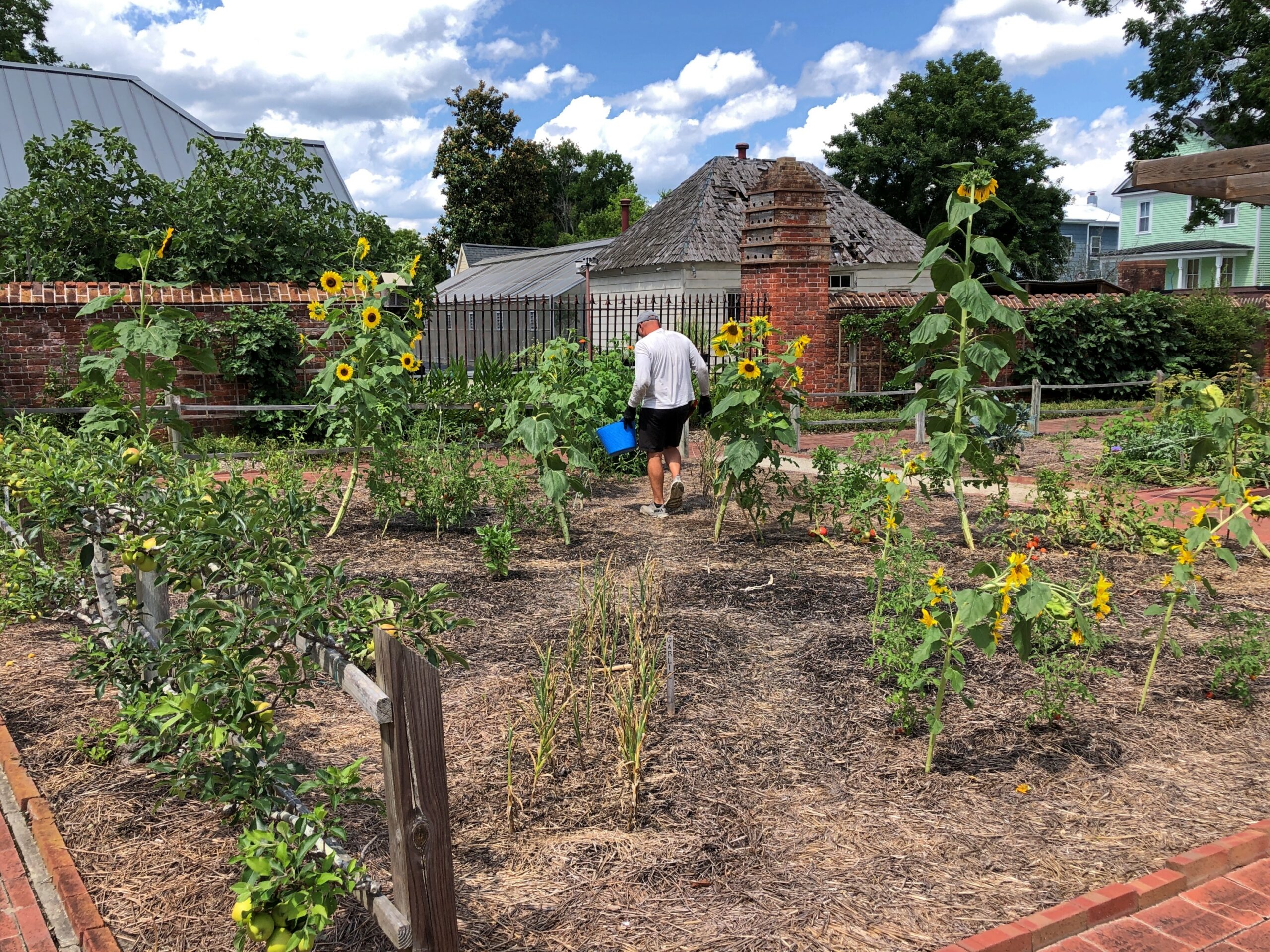
Also restored: The gardens of Tryon Palace, flower and vegetable. Despite the heat, we couldn’t miss that.

Tryon Palace garden
Tryon Palace garden

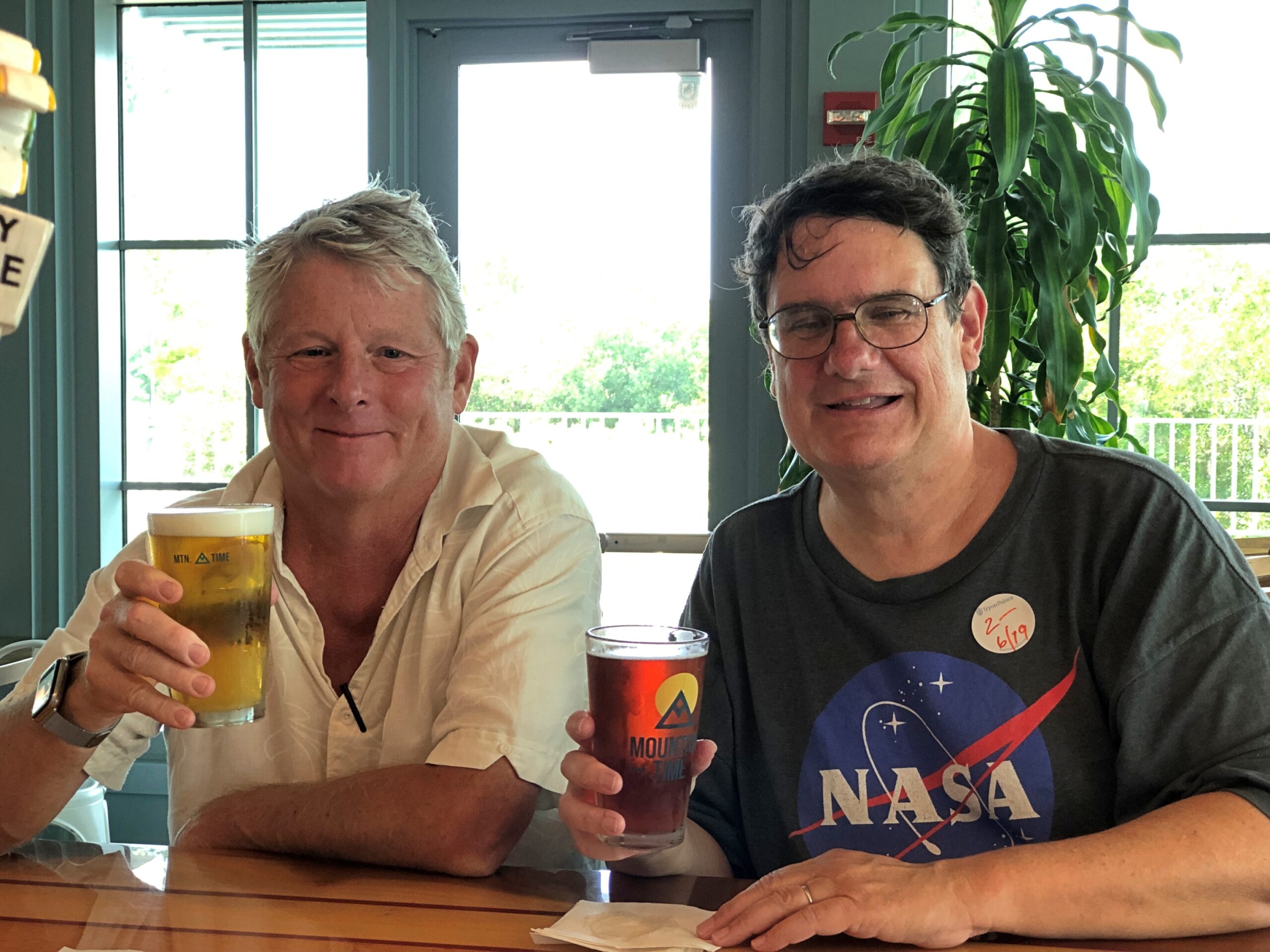
After our sweaty visit to the palace and gardens, Dan and I repaired to the restaurant in the nearby North Carolina History Center, called Lawson’s On The Creek, for refreshing beverages and more talk of Blackbeard and many other things. We closed the joint down over beer, at 4 p.m.

Dan and Dees

Downing a beer was just the thing. That was our homage to those days of yore. In colonial America, beer was no mere refreshing beverage, but an essential one.

North Carolina, South Carolina

Maybe I should have looked at something like this before driving between Knoxville and Charlotte last month.

Note the array of Construction Zone markers along I-40. Turns out travelers are lucky to be able to drive the road at all, considering that Hurricane Helene last year did so much damage that the highway – an Interstate of considerable importance regionally – was closed for five months, only reopening on March 1.

Reopening as a two-lane road, with each lane bounded on the outside by those concrete barriers you never want to see when driving. Separating the lanes is what amounts to a curb, painted yellow. This goes on for about 12 miles, as reconstruction work goes on. That isn’t a long stretch of road under normal conditions, but when you’re between barriers, behind a truck and in front of a truck, with traffic (many trucks) coming the other way just on the other side of a yellow curb, and little margin for error on anyone’s part, your reaction as a driver is going to be: when will this end?

That was my reaction, anyway. Had some nice drives on this trip. Western North Carolina I-40 wasn’t one of them.

“The hurricane washed away about 3 million cubic yards of dirt, rock and material from the side of I-40,” NCDOT reported. I’m having trouble visualizing a million cubic yards, much less three, but I’m sure it was a staggering amount.

“The stabilization process involved driving steel rods into the bedrock, filling the rods with grout, applying a metal screen then sprayable concrete to the face of the walls. There were four different rigs operating at the same time.

“Crews installed 90,000 square feet of soil-nail walls across the 10 different damage locations in less than 130 days. They also drilled nearly 2,100 feet of nails and fortified 4 miles of the shoulder for truck traffic.”

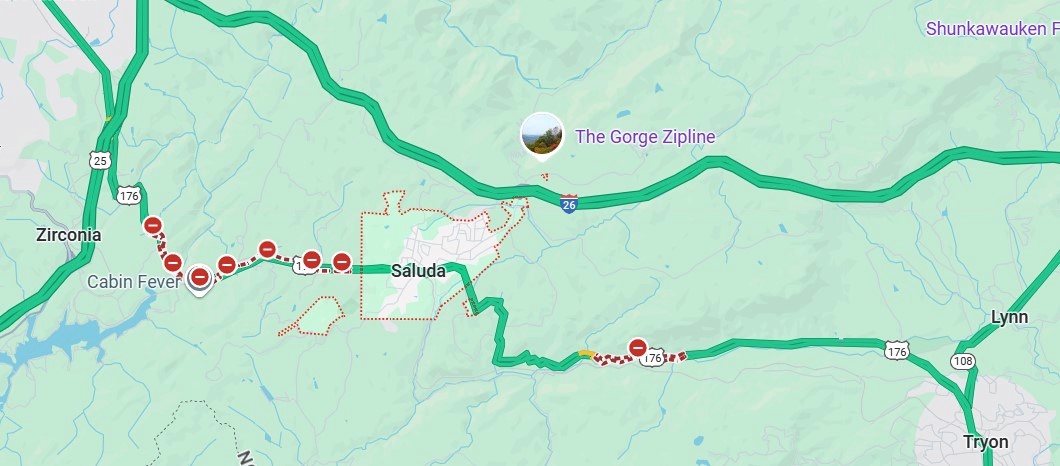
My goal for the afternoon had been to take I-40 from Knoxville to Asheville and then I-26 south to its junction with South Carolina 11, which is Cherokee Foothills Scenic Highway, and take that road east. I’d been advised that the town of Saluda, NC, on US 167, was a pleasant place to stop, and it was, though most of the shops were closed by the time I got there.

Saluda, NC

I had the idea that I would drive US 176 to the next town, Tryon, NC. Oops, no. Road closed. Maybe the hurricane did that as well.

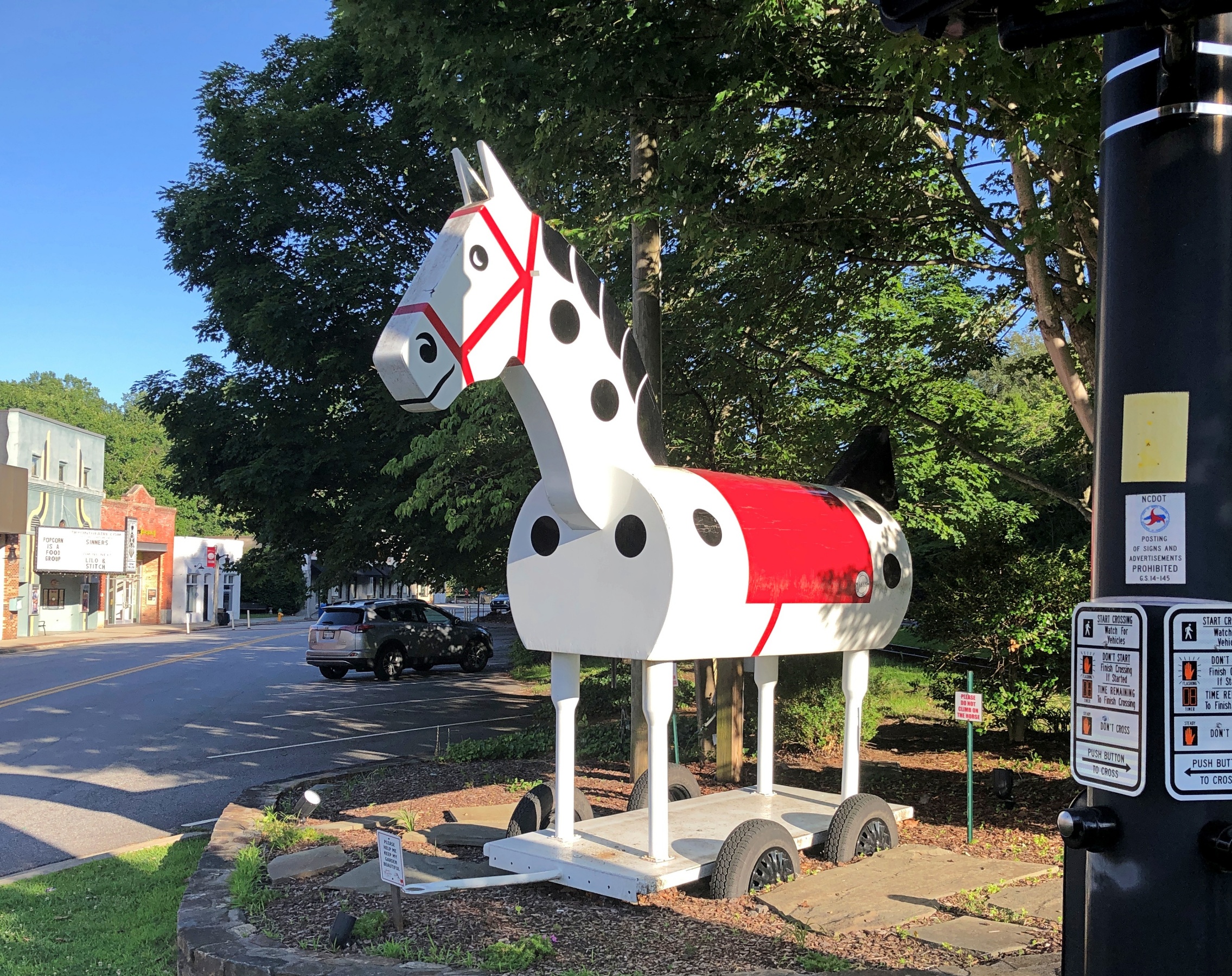
So I got back on I-26 and went to the Tryon exit. I didn’t have any idea what to expect in Tryon, certainly not the Tryon Horse, which is a large toy horse on wheels. It stands on US 176, known as South Trade St. at that point. This is the fifth iteration of the horse in nearly 100 years.

“[The first Tryon Horse] was originally designed as an advertisement for the first horse show held in Tryon at Harmon Field in 1928,” says the Tryon History Museum. “It came from a drawing done by Eleanor Vance, based on an idea from Romaine Stone, who was active in the Tryon Riding and Hunt Club, and from then seventeen-year-old master builder Meredith Lankford.

“The Tryon Horse was built in the basement of Miss Vance and Miss Yale’s house by Meredith Lankford and Odell Peeler and was assembled in the driveway… The Tryon Horse… was brought out for future horse shows and parades, and was stored in the Paper Box Factory located on Depot Street. Unfortunately, the first horse was destroyed when the factory burned in the 1930s.”

It was no accident that the talent was available locally in the 1920s to build such a thing. At the time, Tryon was noted for a company that made toys, especially high-end wooden toys.

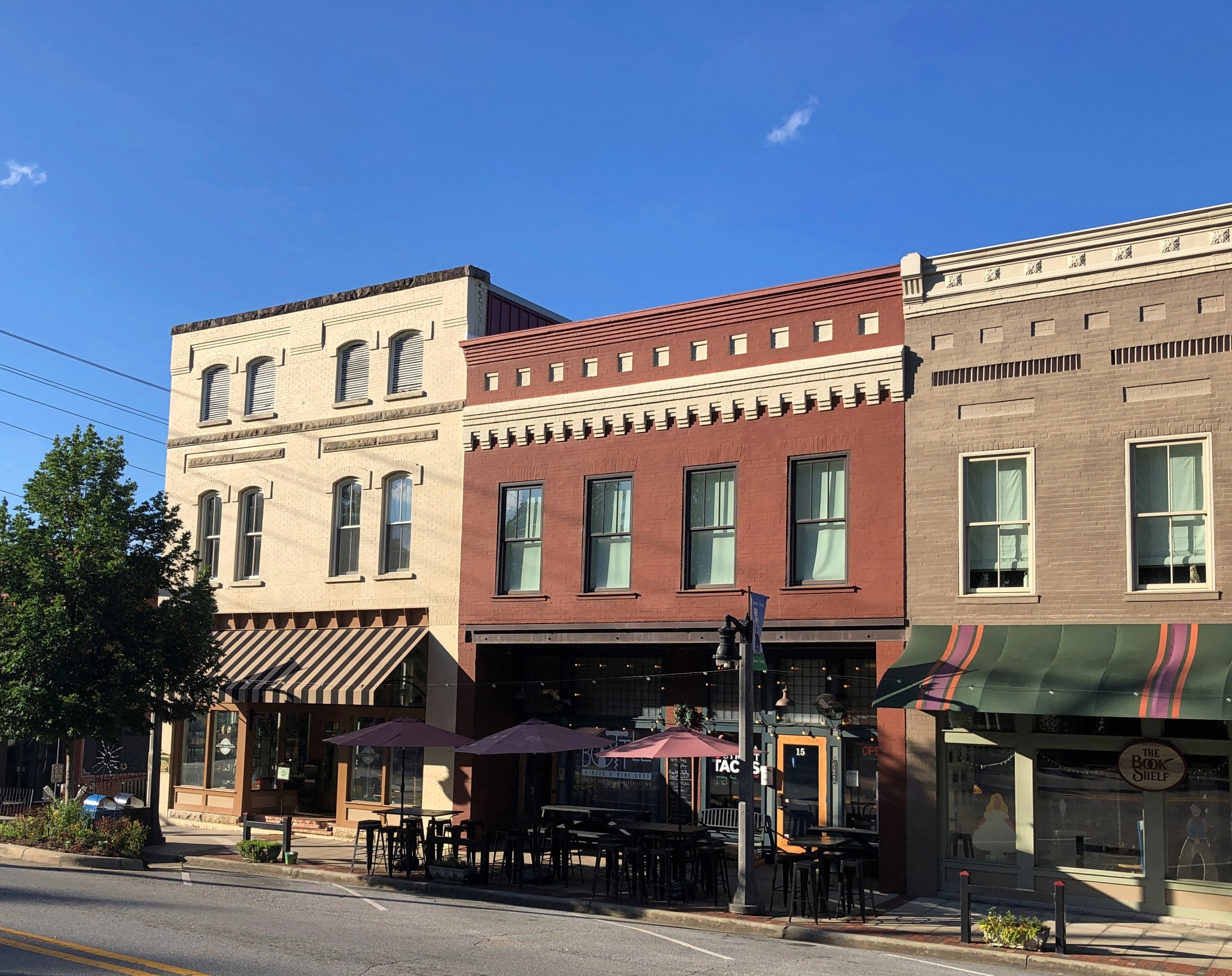
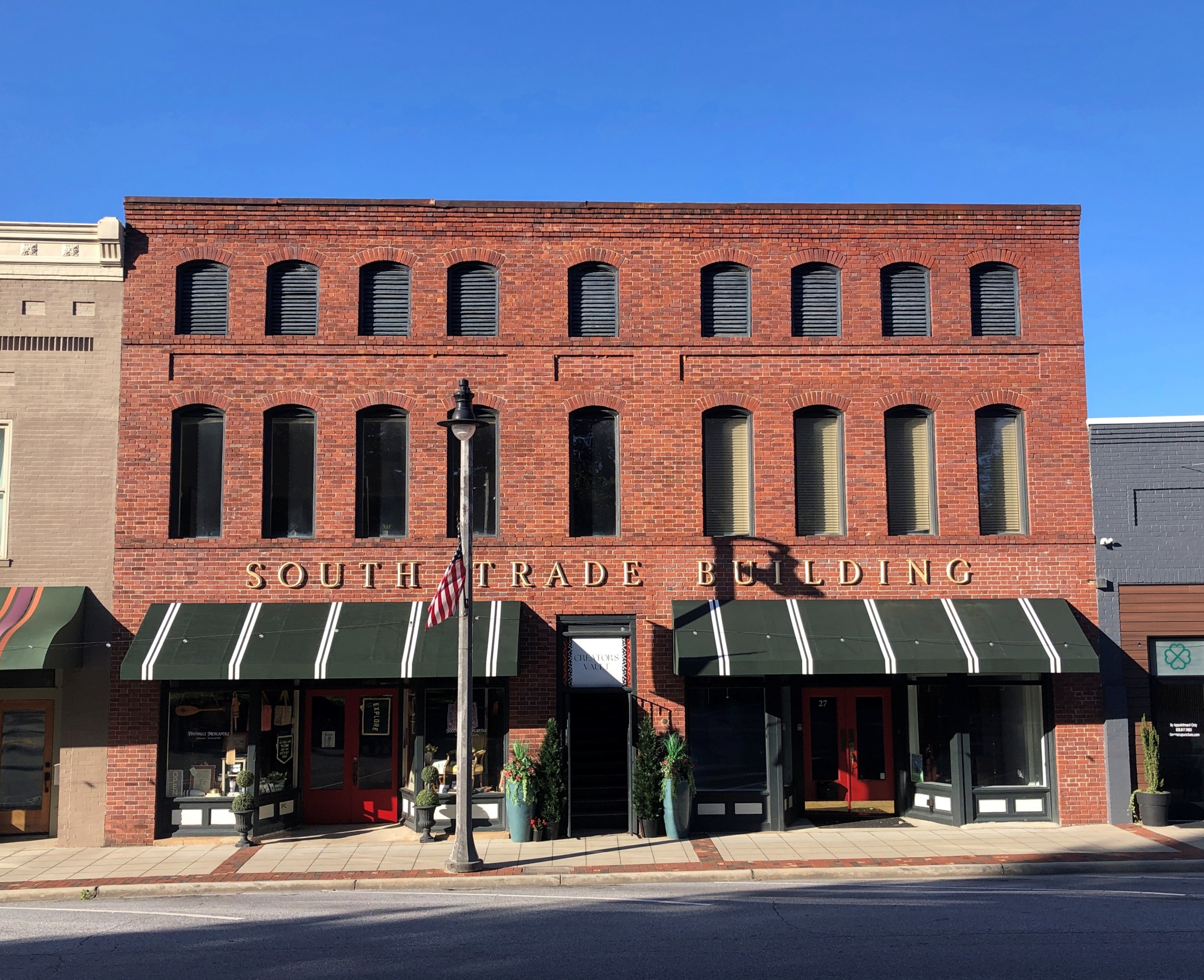
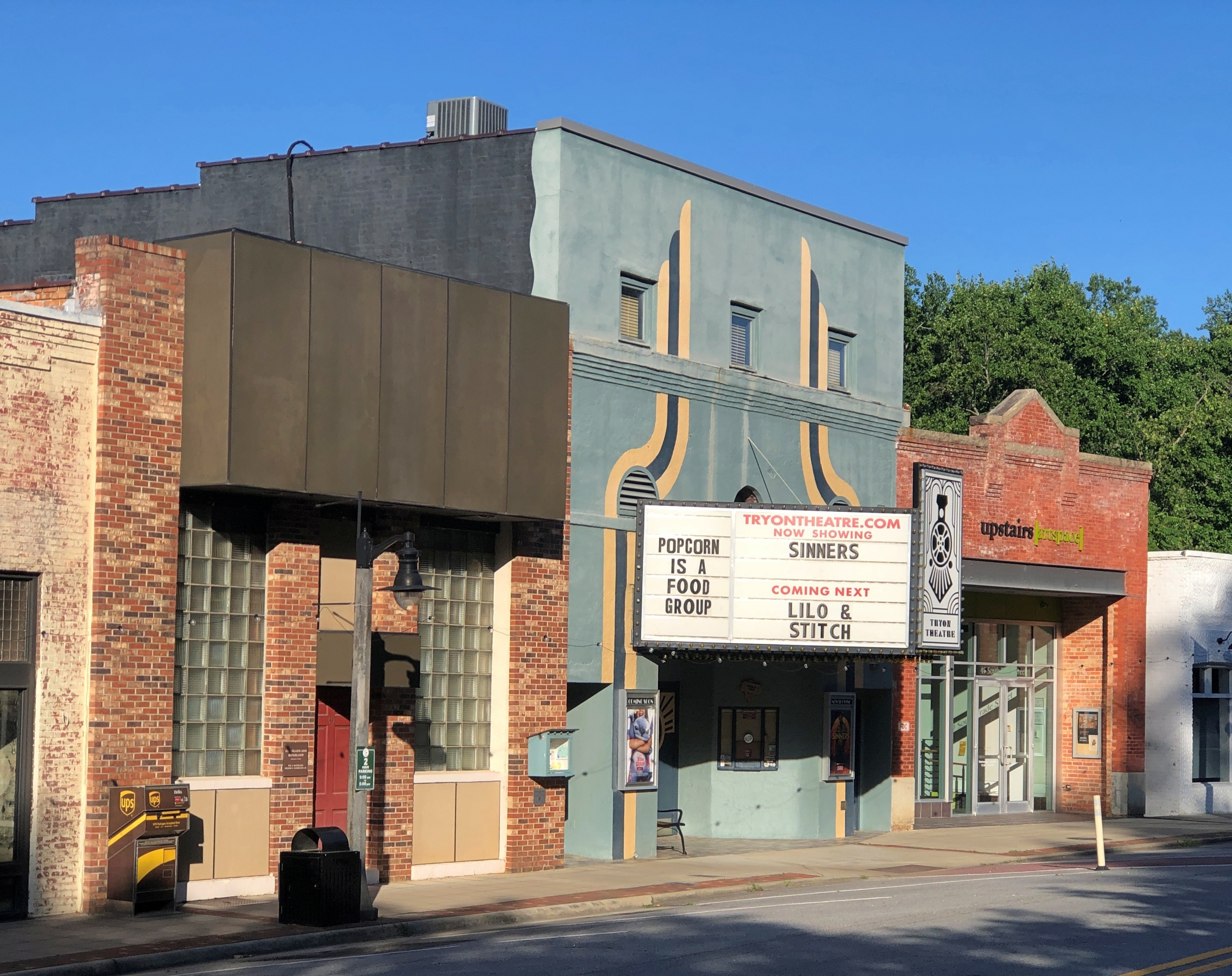
South Trade St. is a handsome thoroughfare, populated by older buildings developed to support trade.

Tryon NC
Tryon NC

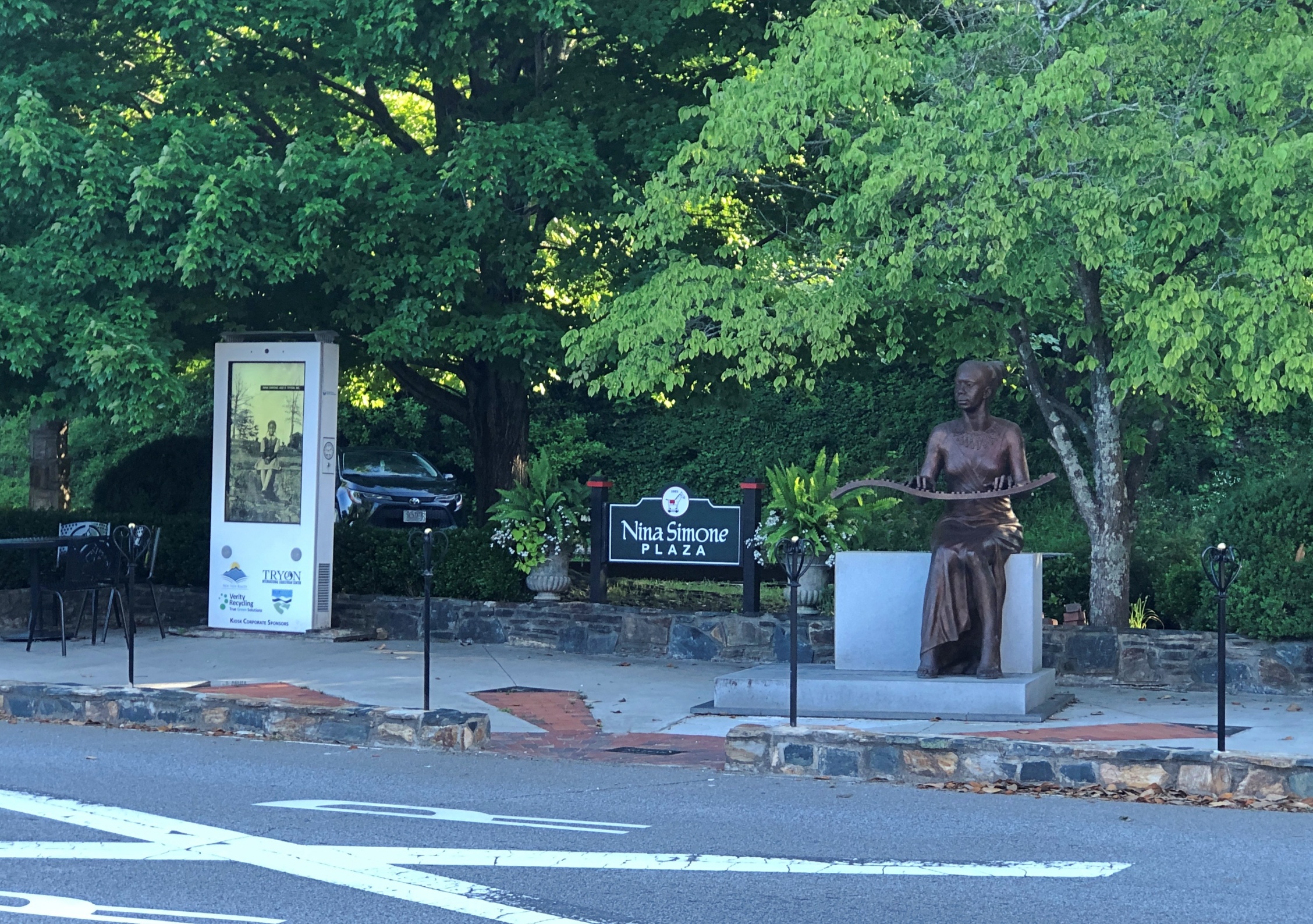
Something else I didn’t expect on the street: Nina Simone Plaza.

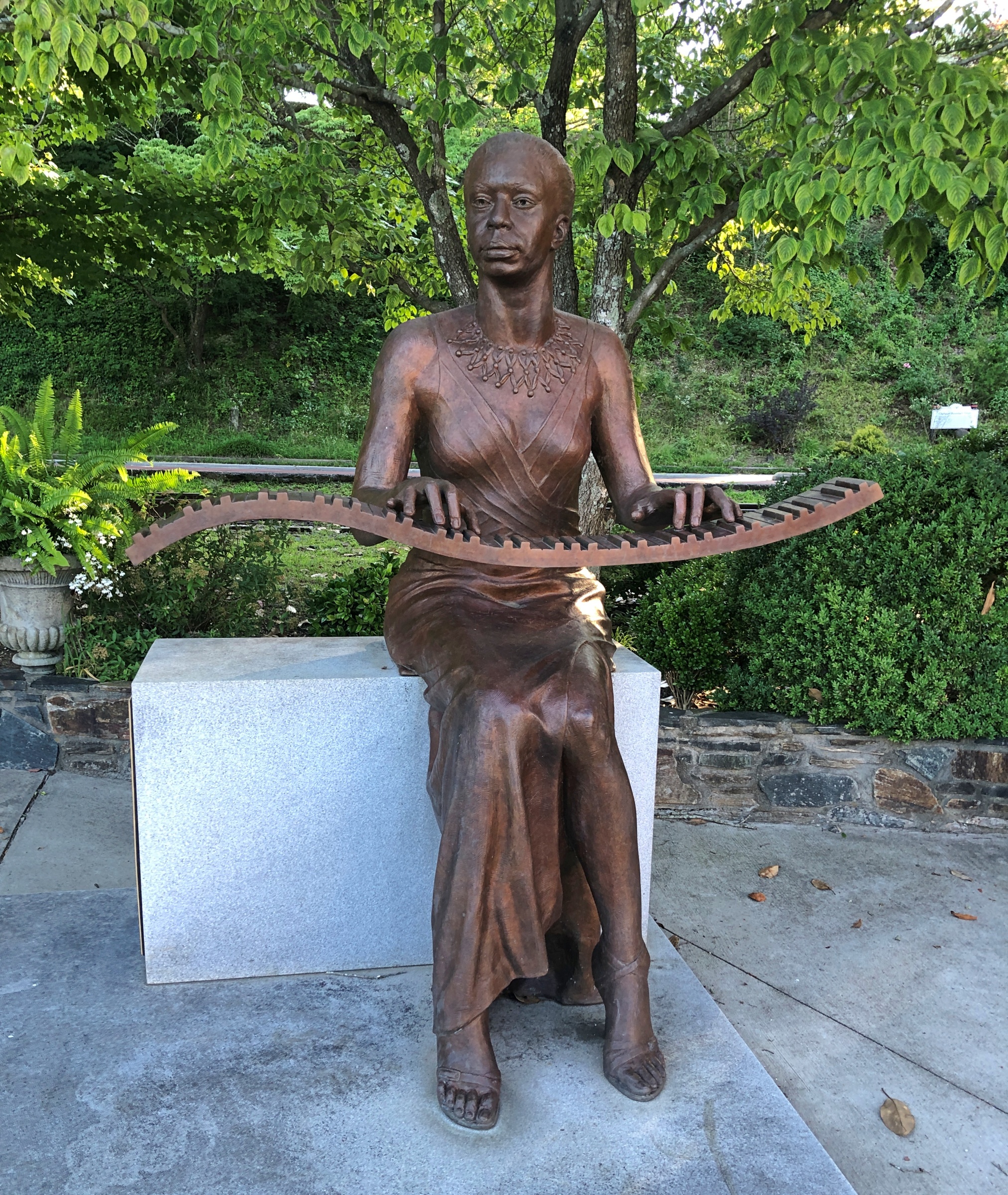
Complete with a bronze of the musician and activist, who grew up in Tryon, and who no doubt got out as soon as her talents allowed. She died in 2003; the statue was dedicated in 2017.

Nina Simon bronze, Tryon NC

A remarkable detail (so I’m remarking on it): “The sculptor, Zenos Frudakis, included a bronze heart containing Simone’s ashes welded to the interior of the figure’s chest,” says the University of North Carolina. For his part, Frudakis has had quite a career.

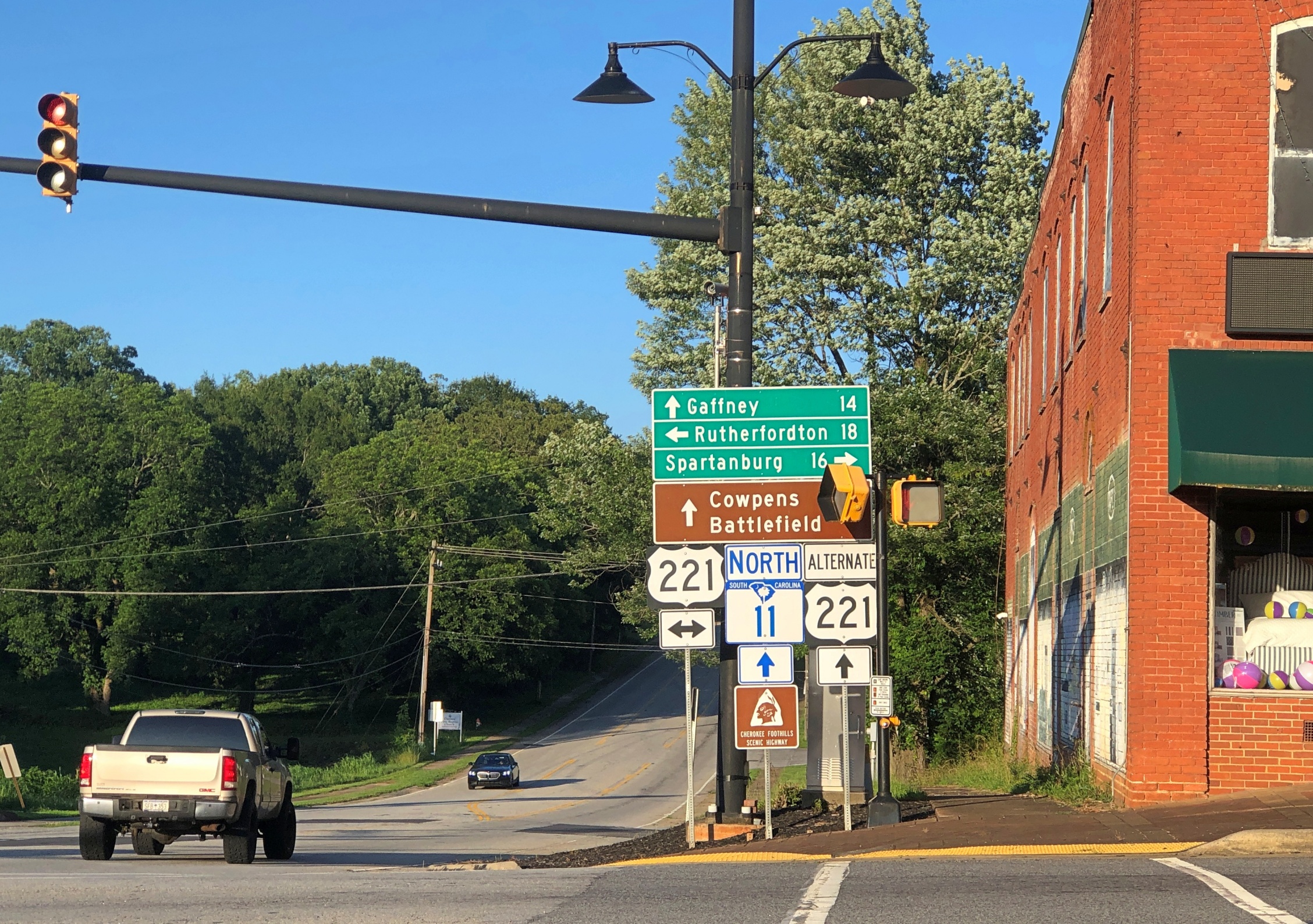
Later in the day, I eventually made it to South Carolina 11 at Campobello, SC, and drove east to its end for 50 miles or so to Gaffney, SC. I’d intended to visit Cowpens National Battlefield along the way.

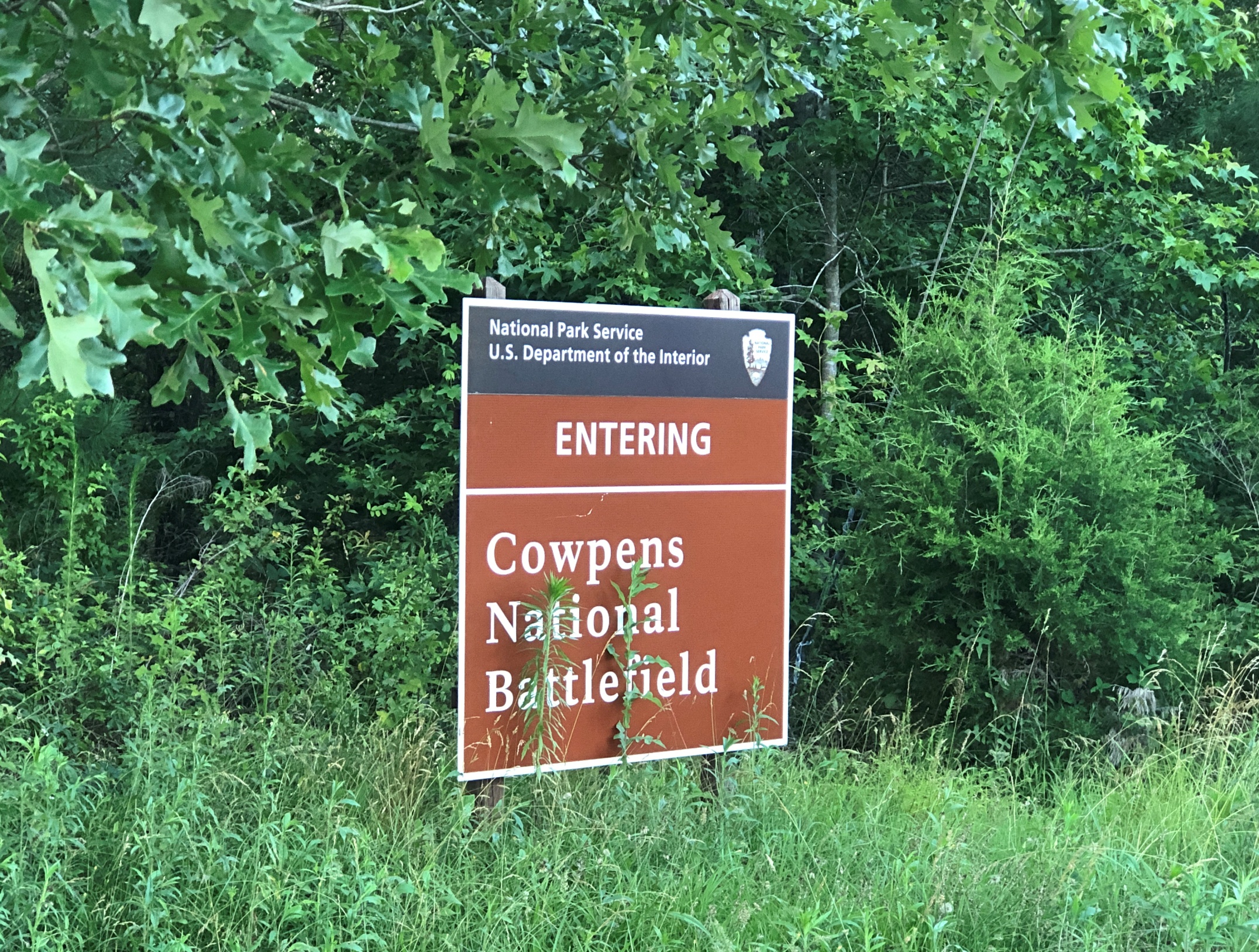
No dice. The main entrance to Cowpens was closed by the time I arrived. I understand closing the visitors center at the end of the day, but the entire place? A mile or so east on SC 11 was an alternate entrance, so I stopped there.

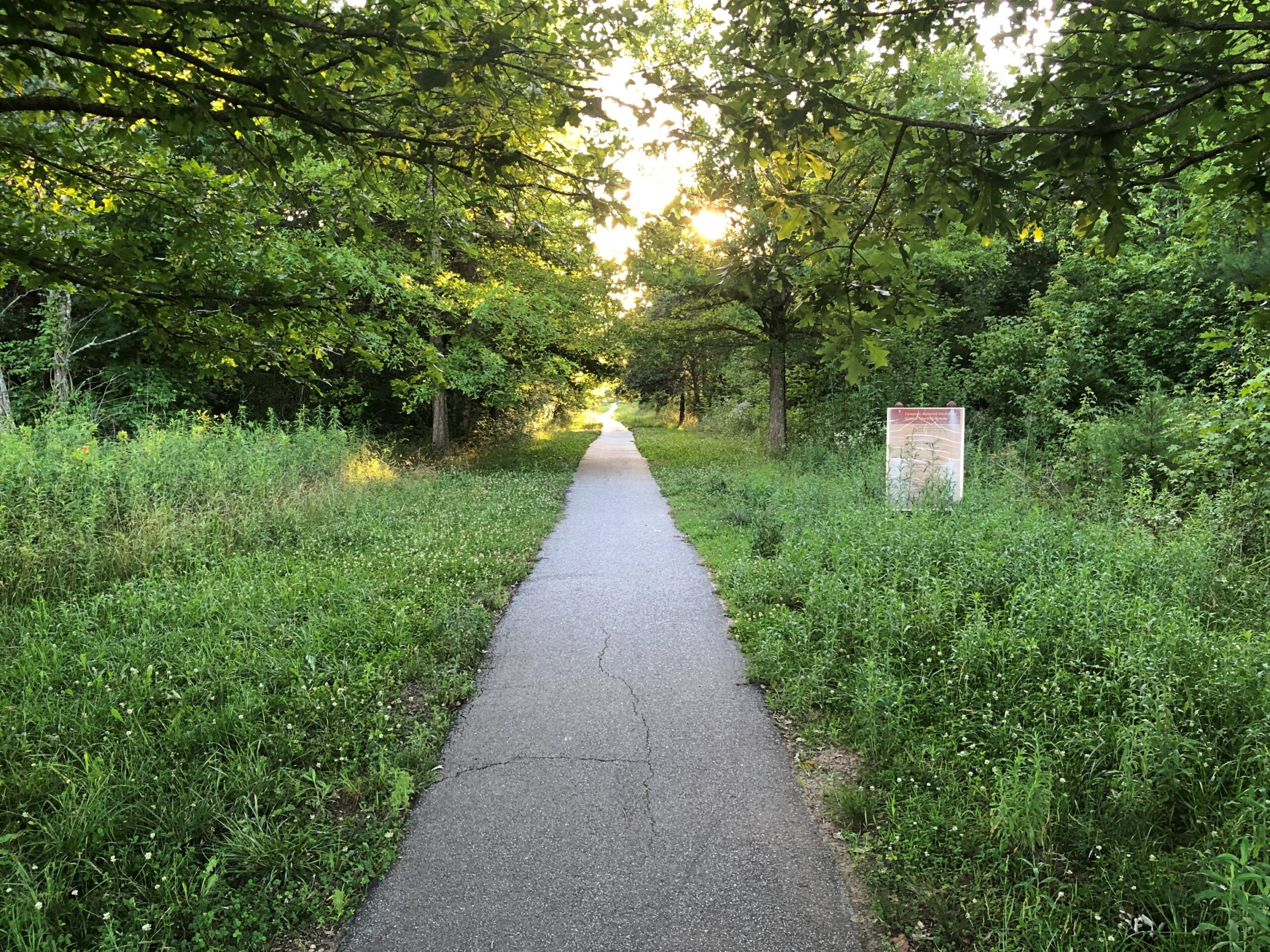
I walked down the path toward the battlefield, but thought better of it after about 10 minutes.

Cowpens National Battlefield

I wanted to get to Charlotte before the end of the day. Summer days are long, but not endless. Also, mosquitoes.

Southern Loop ’25

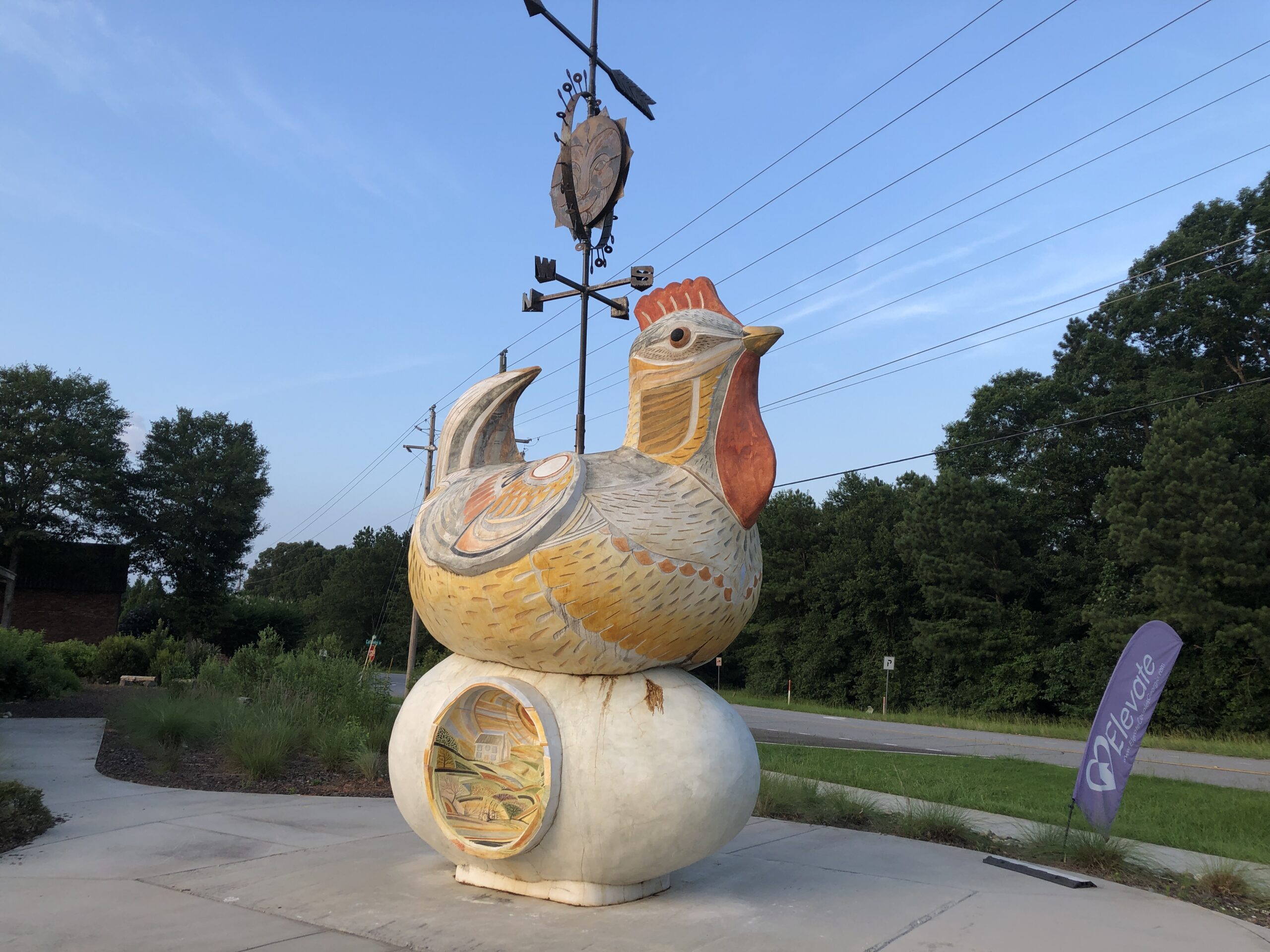
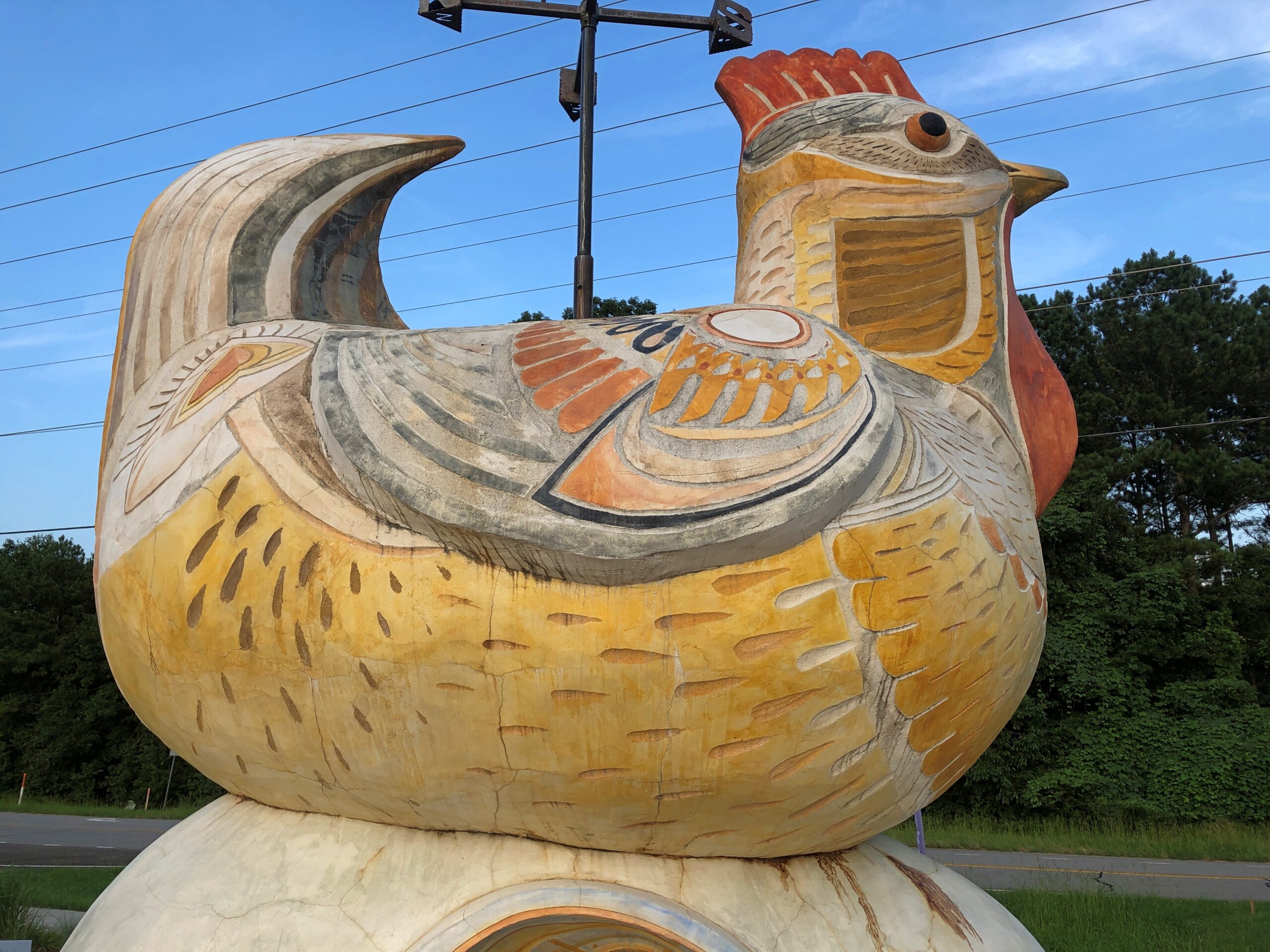
Sometimes you’re driving along, minding your own business because your business at that moment is driving, and you see a two-story chicken near the road. Three stories if you count the iron weather vane perched atop the bird.

Chicken!
Chicken!
Chicken!

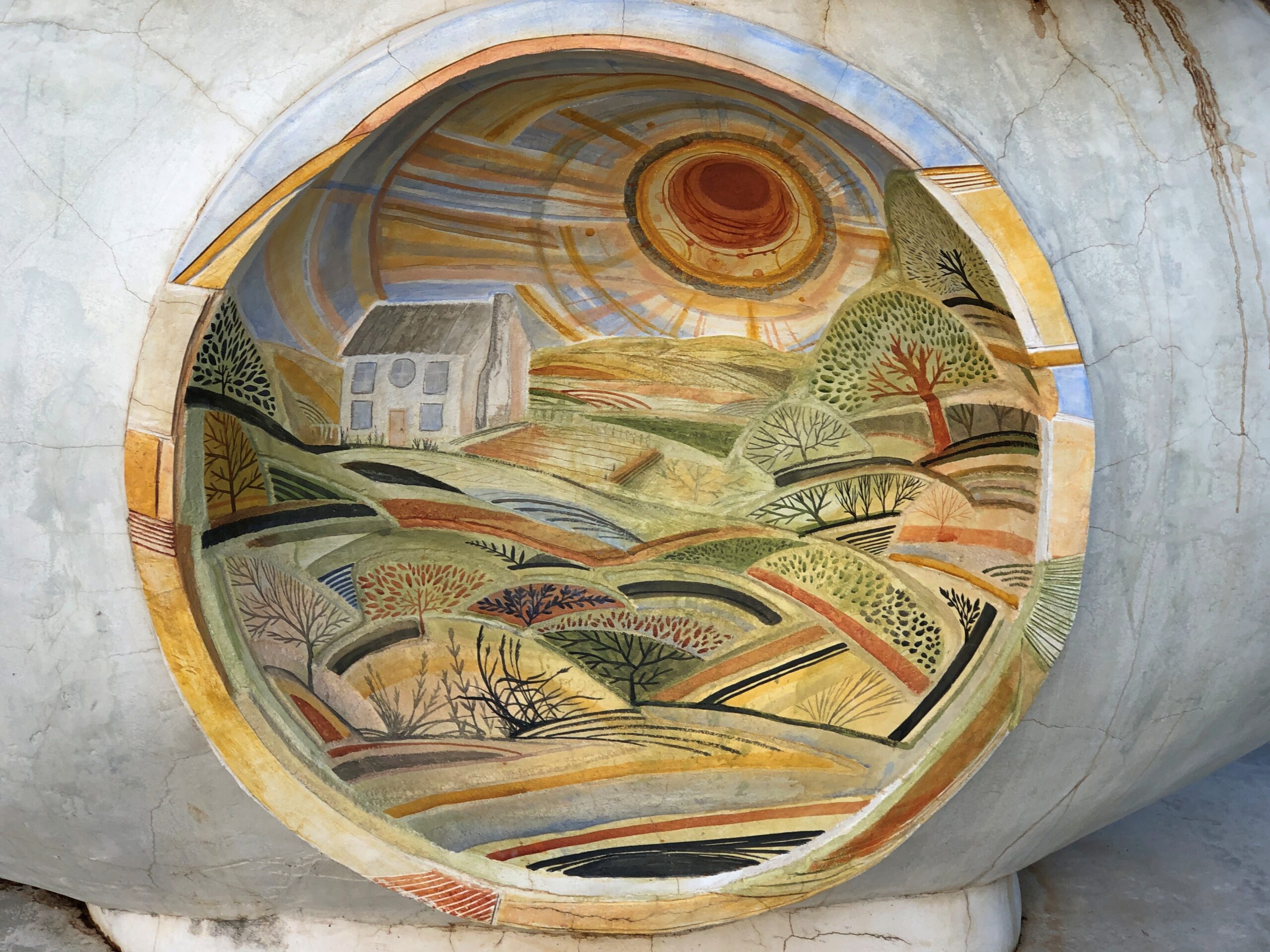
I had to stop to see that. More precisely, it’s a concrete chicken on a concrete egg, settling the question of which came first (the concrete did). The chicken, and the egg, are on property owned by the University of Georgia, used for the Athens-Clarke County Extension in Athens. Erected in 2022. More about the work, “Origins,” is here. All ag extensions should have just a little whimsy.

The chicken appeared roughly in the middle of the 3,285 miles I drove between June 16 and June 29, taking a lasso-shaped path from the Midwest across the Southeast, all the way to the ocean at Myrtle Beach, South Carolina: through Indiana, Kentucky, Tennessee, North Carolina, South Carolina, and Georgia, and back through Tennessee, Kentucky and Indiana.

The concrete hen took the cake for novelty, but along the way I saw a memorial to a mostly forgotten incident in the War of 1812, went into a mirrored tower built for a world’s fair, chanced on the spot where the mostly forgotten diplomat who brought the poinsettia to the U.S. is buried, and braved the tourist sprawl that is Mrytle Beach. I heard stories of Blackbeard while near the coast, near his hideouts. I strolled the genteel downtown of the second-oldest town in North Carolina, passing the notable spot where Pepsi-Cola was invented. We visited a three-story souvenir shop that has stood the test of time in Myrtle Beach, which I’m happy to report sells not just postcards, but vintage local postcards, at popular prices. One evening we wandered past sculptures and colored lights among the Spanish moss in South Carolina. For a moment I beheld a complete set of the U.S. gold coins minted in Dahlonega, Georgia.

I drove by houses, farms and fields, past small businesses open and defunct, and junkyards and billboards — an industry that would collapse without ambulance chasers, I believe — and factories and water towers and municipal buildings. That is to say, structures and greenery of all manor of use and upkeep, an inexhaustible variety of human and natural landscapes. Homogenization my foot. Except, of course, every burg with a zip code also has at least one dollar store.

We – my machine and I and sometimes Yuriko, who flew to Myrtle Beach to meet me for a weekend – experienced an incredibly lush Southeast not long after a rainy spring, on big roads and small, straight and curvy, all the while defying the heat. I heard it enough on the radio: a “heat dome” had settled over the eastern United States. It persisted from the first day in Indiana to the last day in Indiana, though it had moderated a bit by then. Temps were in the 90s most days, but nothing that’s going to faze a Texan with an air conditioned vehicle and bottled water.

We did adjust our schedule to mostly be out in the morning or evening, except at Myrtle Beach, where a walk in the heat that made me feel my age and maybe then some. A less hot but more humid walk in a mostly forgotten national park in South Carolina saw flights of mosquitoes barreling down on me. A few of them penetrated my DEET coverage.

I saw and did all that and much more, but that was only the bronze and silver of the trip. The gold was visiting old friends.

That was actually the priority this time around. Before the trip, one of the friends I planned to visit asked me via text: “What’s your trip about?”

My text answer: “Visit old friends, see new things & take long drives.”

In Nashville, Stephanie and Wendall.

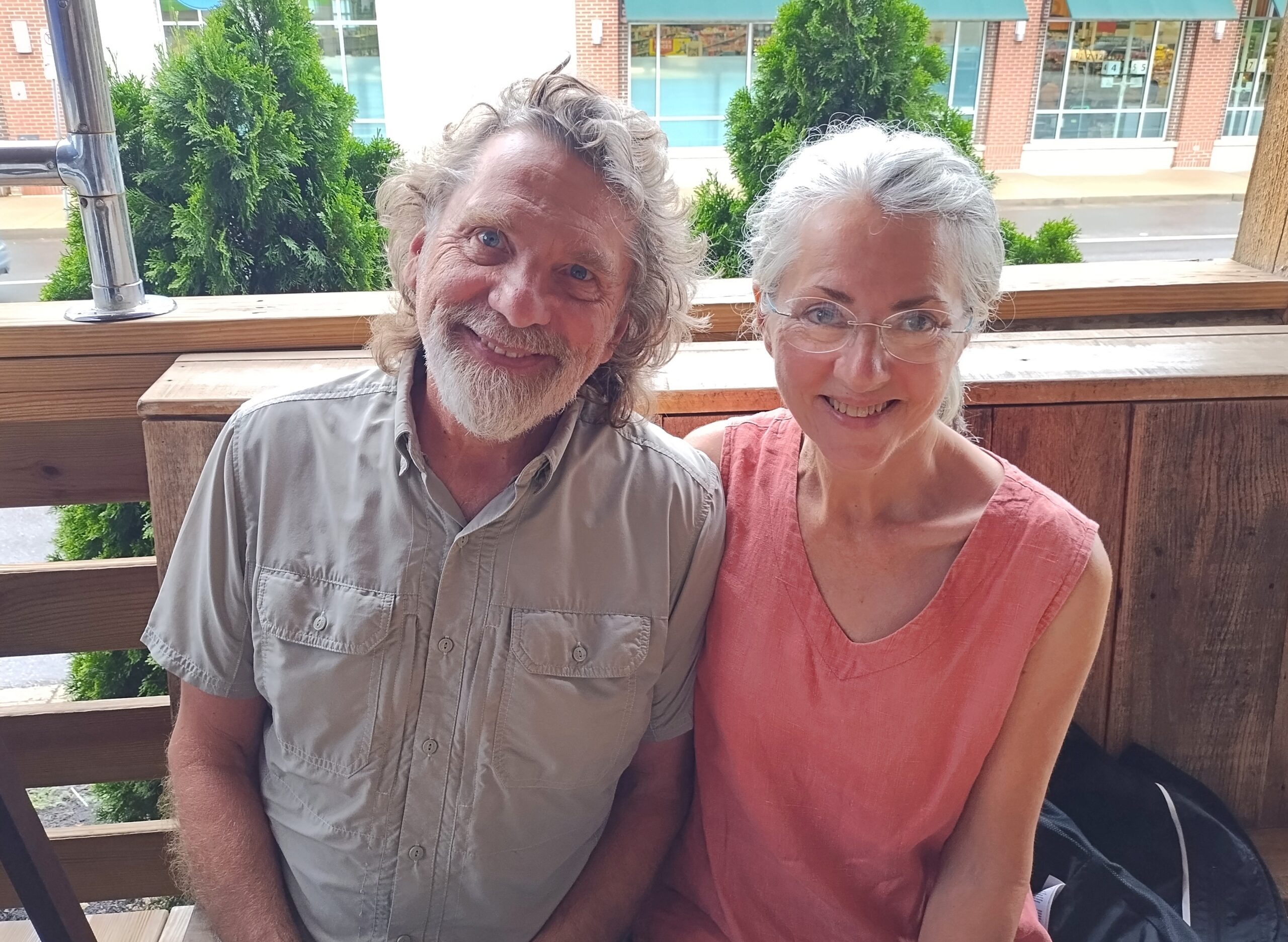
In North Carolina, Dan and Pam. She had enough sense not to wander around in the heat with us.

In rural Tennessee, Margaret and Dave.

Separately in Georgia, Layne and Stuart. I was glad to see them all, and I think they were all glad to see me. Known most of ’em since the 1980s, and we had a time — then and now.

Charlotte 2017

Has it been five years since I visited Charleston? It has. Seems like an age ago, but so does everything before about two years ago. Still, it was a good trip, and it reminds me that I ought visit that part of the country again.

To facilitate my visit to Charleston, I flew in and out of Charlotte, driving from there. That was another place I’d never been but, interestingly, had been writing about as a real estate market for a few years at that point (I don’t any more).

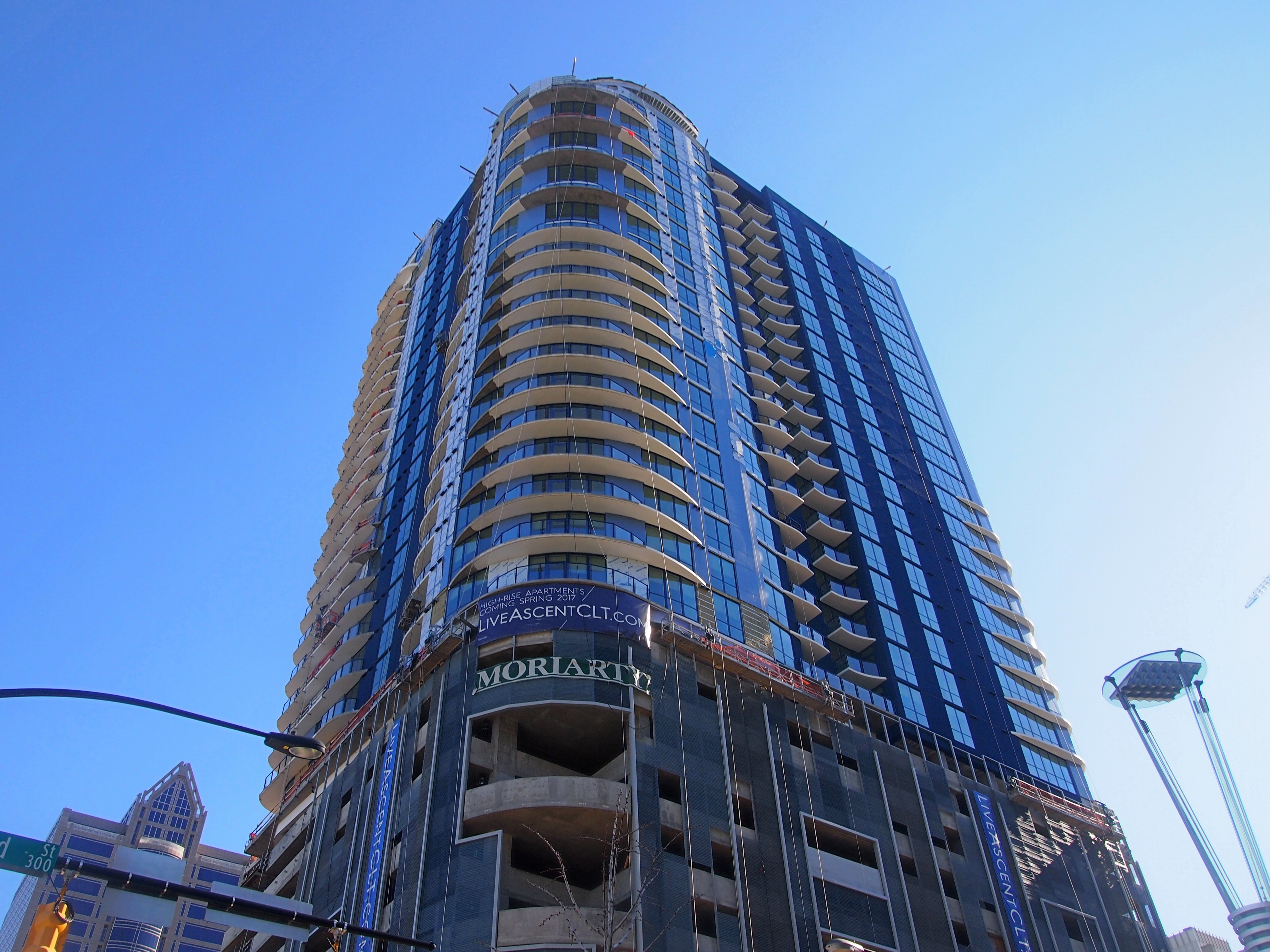
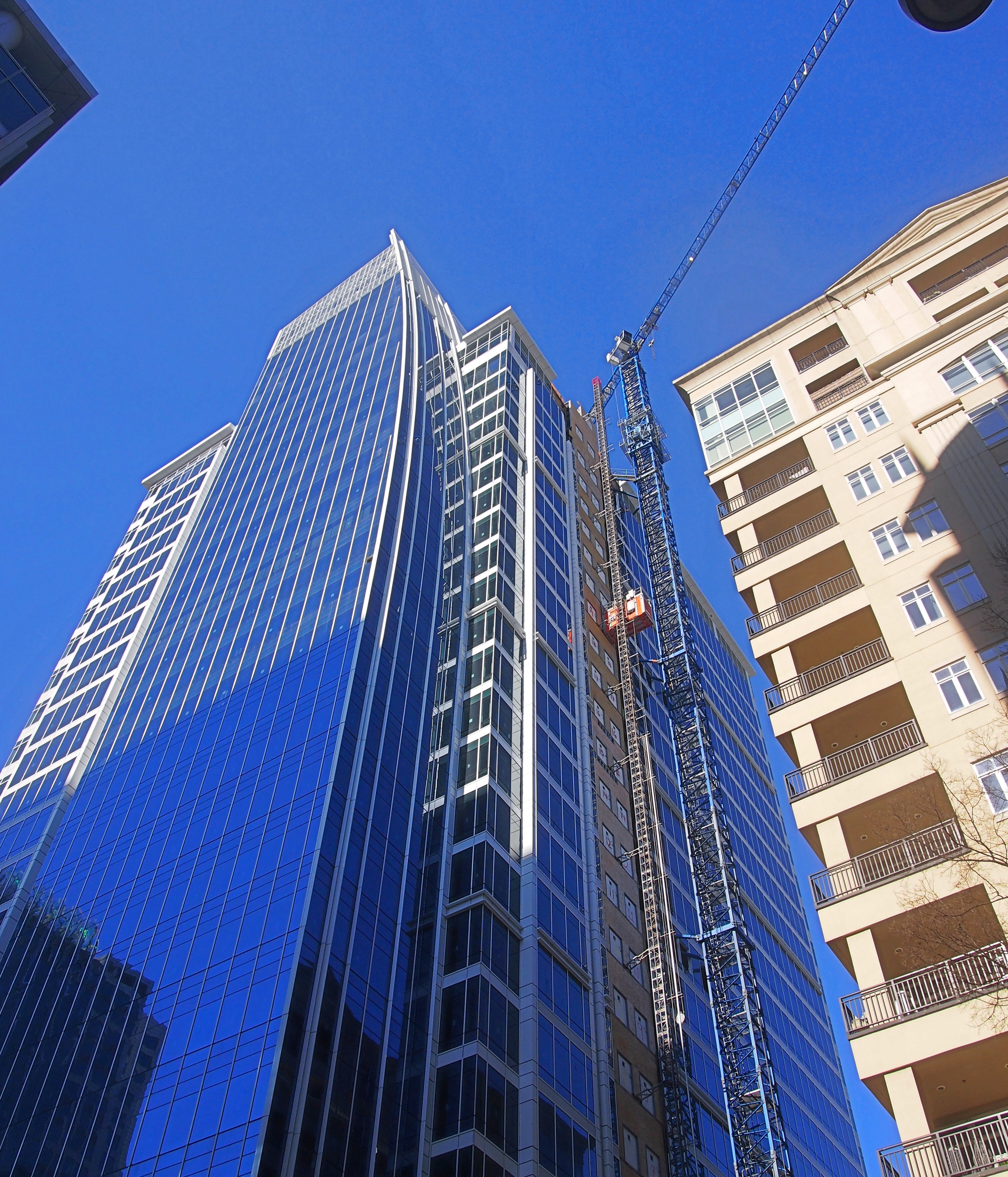
I was able to spend a few hours looking around downtown Charlotte, which is actually known as Uptown Charlotte. It was a hopping real estate market at the time, with a lot of construction.Charlotte 2017
Charlotte 2017

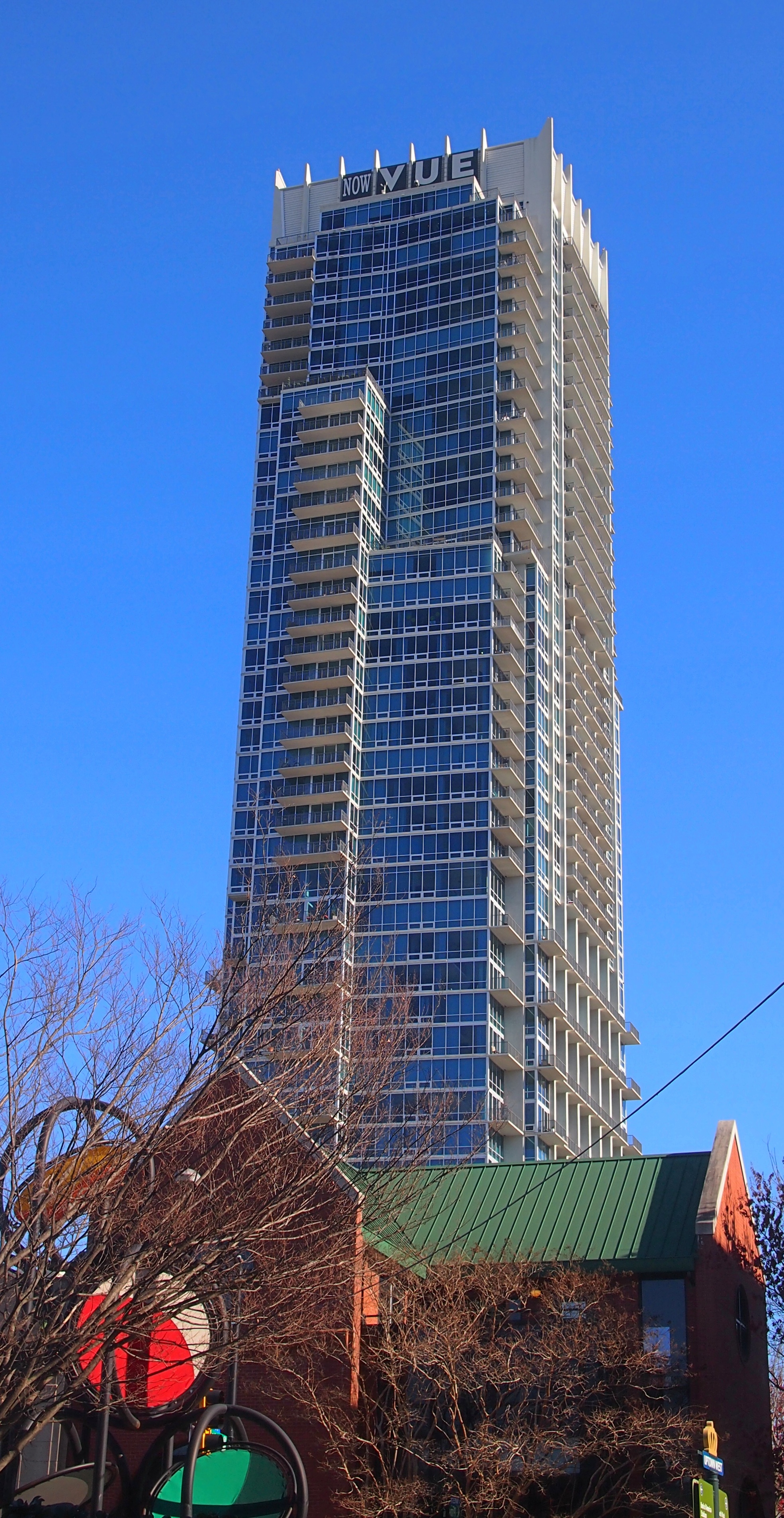
Along with fairly recent developments, such as this apartment tower (VUE, completed in 2010).Charlotte 2017

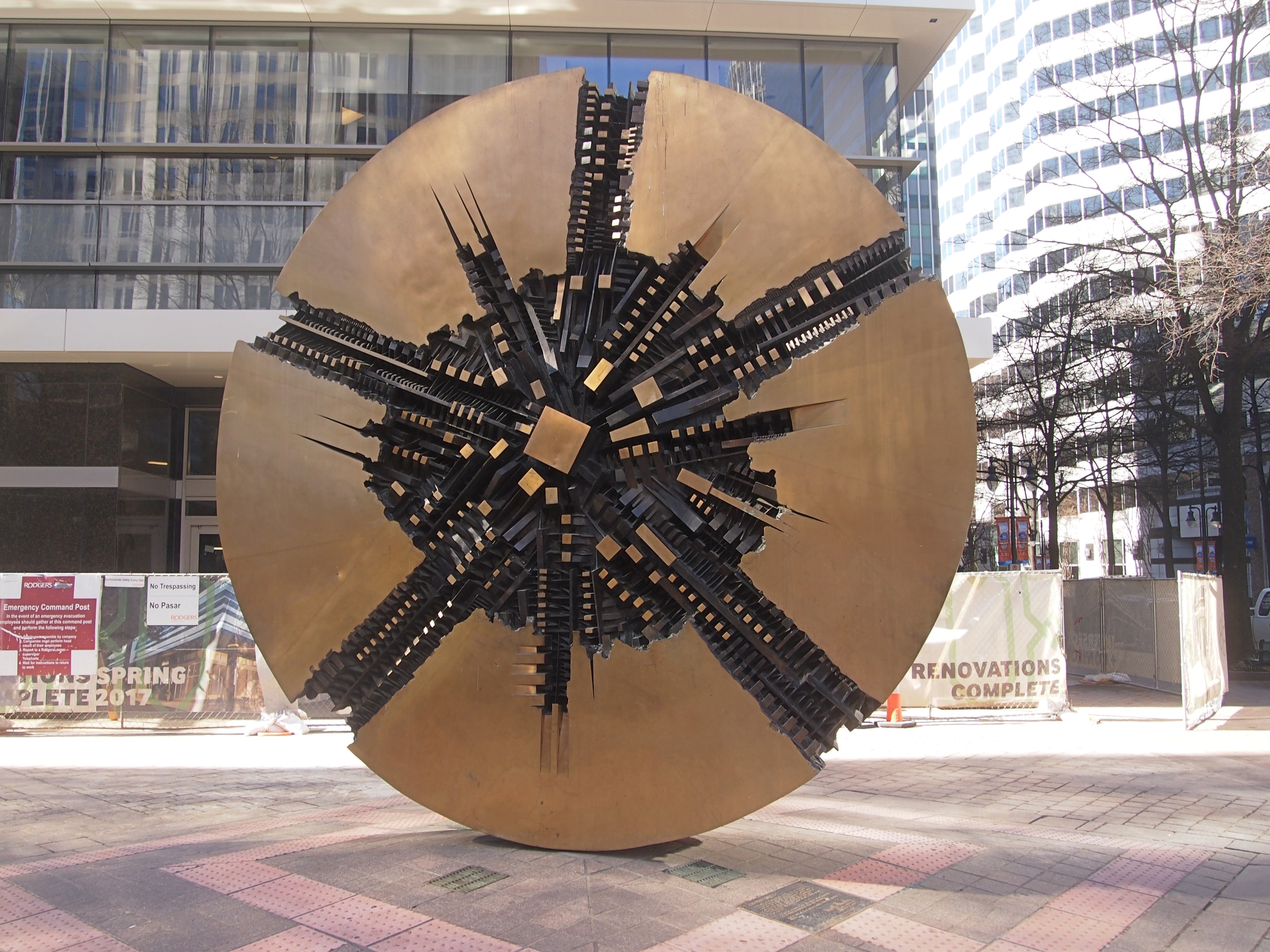
I also spotted some Uptown Charlotte artwork, such as “Grande Disco” (1974) by Arnaldo Pomodoro, a Milanese sculptor who’s still alive, at last report, at 95.Charlotte 2017

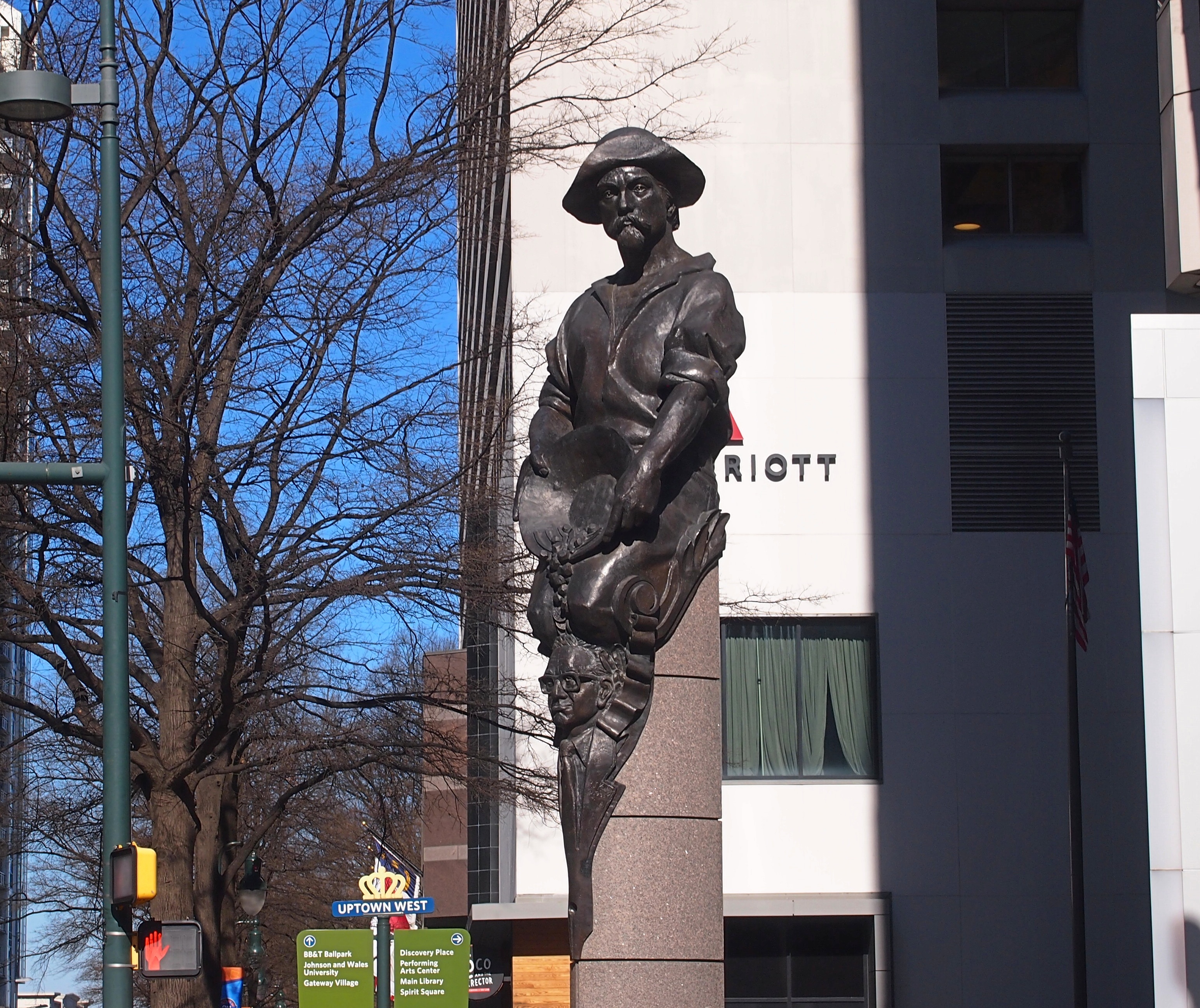
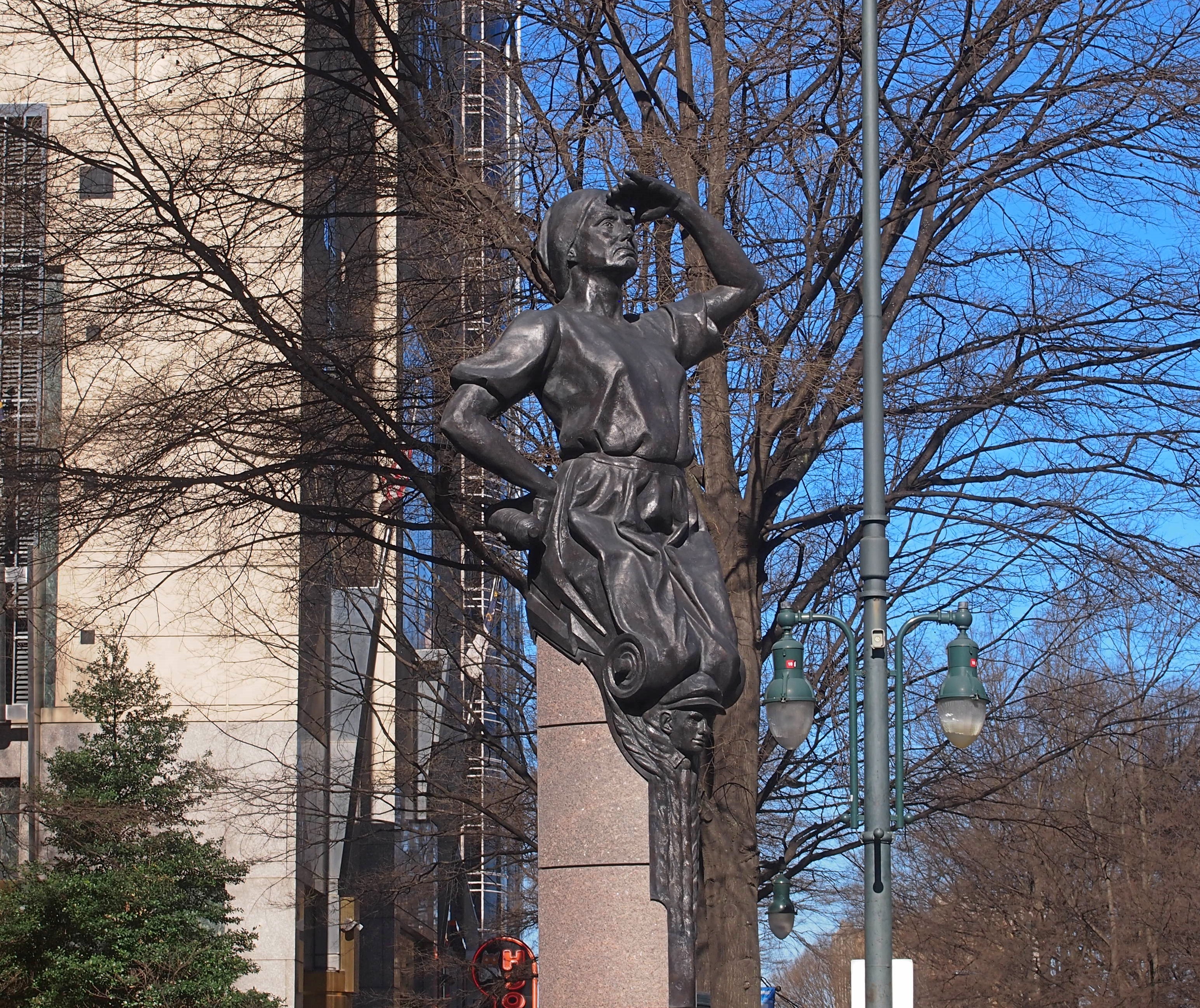
It’s in a plaza near the intersection of Tryon and Trade streets. At the four street corners of that intersection are four sculptures — allegories representing Commerce, Industry, Transportation, and The Future, by Raymond Kaskey.

I only have presentable pictures of two of them. Apparently this is Commerce, which was kicked off in the area in the 1830s when gold was discovered.
Charlotte 2017

For Industry, a woman wearing textiles. Because that was an early industry in the region. More about the sculptures is at an article published by WCNC the same year I visited.Charlotte 2017

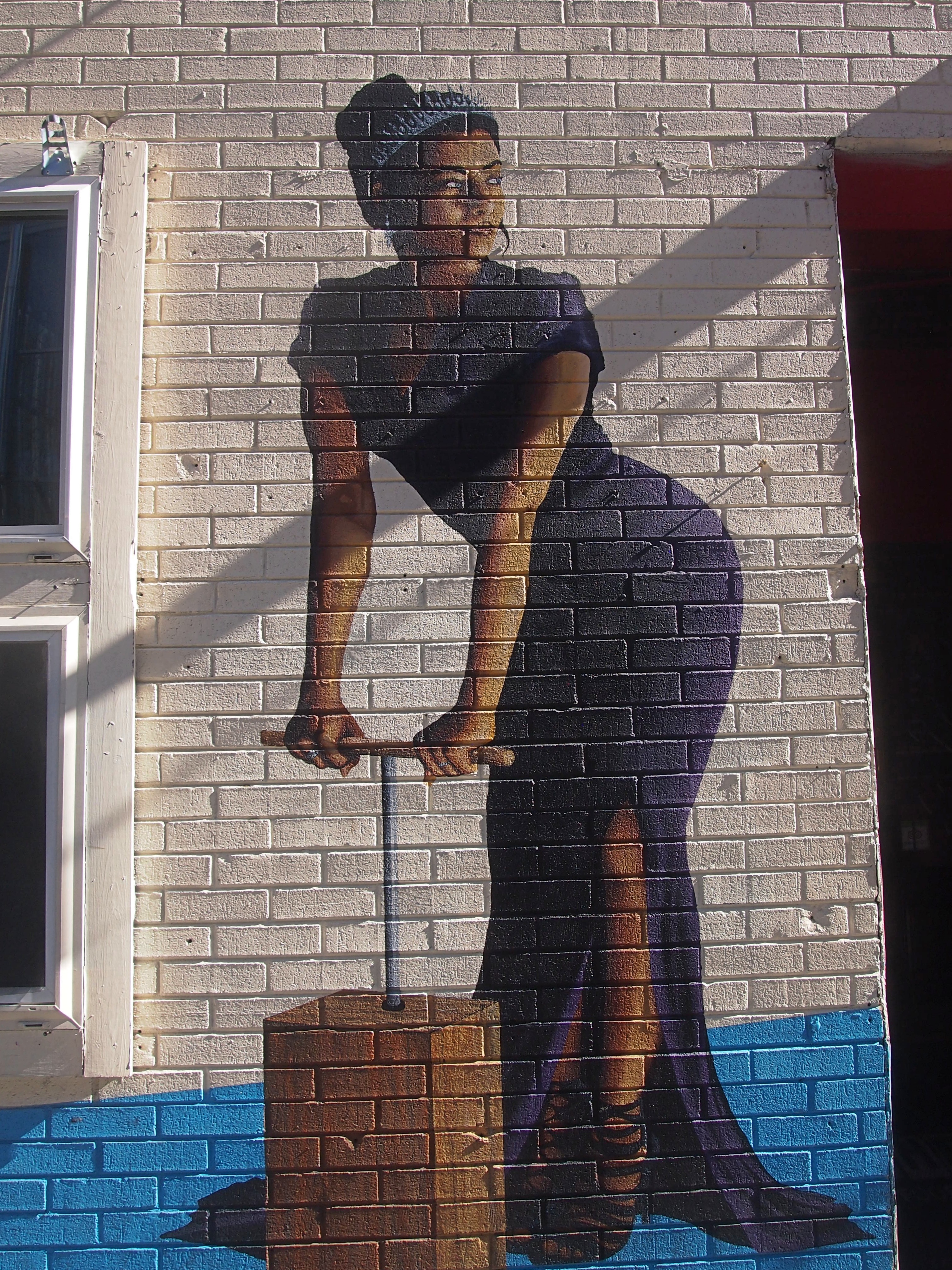
I can’t track down this memorable image, and I didn’t take notes, but it was on a brick wall not too far from Tryon St. Maybe it’s gone now.Charlotte 2017

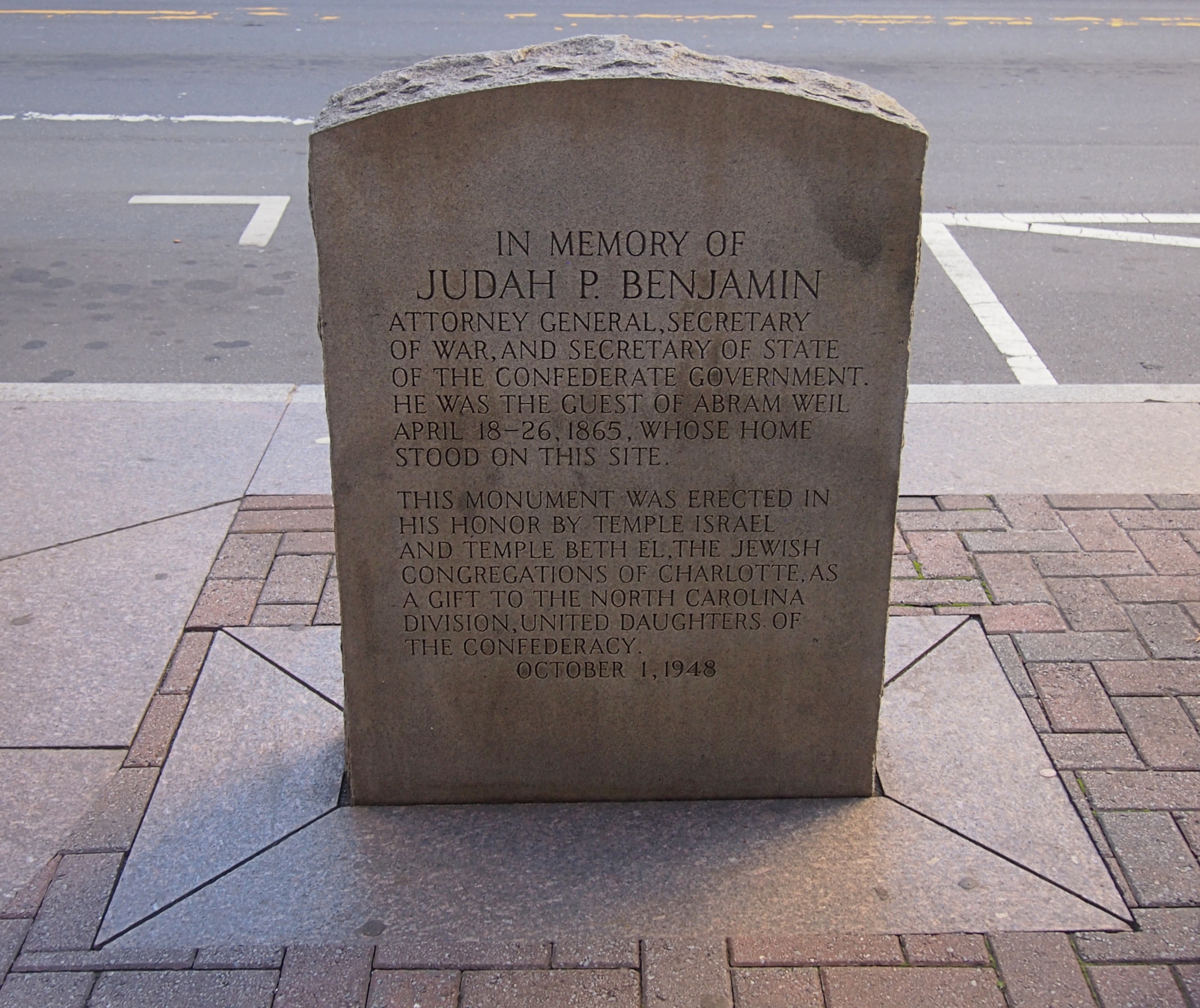
Something that’s definitely not on Tryon St. any more, but it was when I wandered by in 2017: a memorial to Judah Benjamin.Charlotte 2017

“Though Benjamin had no connection to Charlotte — his only tie was a week he spent hiding there after the end of the Civil War — the United Daughters of the Confederacy presented the granite monument to the city [in 1948], choosing the spot of his supposed few days in hiding,” Smithsonian magazine says.

It was a dowdy thing, and I feel certain that the memorial was ignored by almost everyone until the summer of 2020. Then it got some attention.

“Steps away from the monument, a new Black Lives Matter street mural, commissioned by the city, burst into colorful view this summer [2020],” Smithsonian continues. “Around the same time, city workers finally extracted the Benjamin stone after a protestor spray-painted it with ‘BLM’ and took a sharp implement to it, though a spokesman says the city is ‘evaluating how best to preserve’ it.”

NC 40 Yrs Ago

March 3, 1981

As I write, each moment takes me further east that I’ve ever been. It’s noon and we’re on NC state highway 64, a rural route to the coast, which is about an hour away. Writing from the front passenger seat, mostly between the fairly few bumps and potholes.

Temps high 50s, so windows up. On a warmer day, this would be a great road to roll down your windows and crank the radio.

We pass on either side of us stands of thick pine alternating with open farmland. To our front, an open two-lane road all the way to a pinpoint on the horizon; a straight-razor cut all the way ahead. Behind me is Stuart, who is napping in the back seat with a silly grin on his face.

Normally, I’d say the day began too early, that is, 6:30 am, but it was worth it. After a breakfast composed of those mammoth Shredded Wheat biscuits, which I hadn’t seen in years, we left Durham.

2:15 Nag’s Head. Saw the Atlantic Ocean proper for the first time just below the Joe Justice fishing pier, which was closed.

3:30 The Bodie Island lighthouse is to my left. In the time it’s taking me to write, we’ve started crossing the enormous bridge to Hatteras Is. Fleetwood Mac is on the radio.

Today’s mostly been a day of travel, with Neal driving his parents’ 13-year-old station wagon, me in front navigating, and Stuart in back among some of the provisions. Once we got to the coast early in the afternoon, heading through Nag’s Head and north to the Wright Brothers National Monument to see where their plane memorably hopped x feet that day in 1903.

We climbed to the top of Kill Devil Hill, from which the Wrights tested their gliders. We then wandered south to Jockey’s Ridge, a titanic sand dune, and climbed to the top. We watched hang gliders launching from the dune and befriended a big black dog, who was chasing hang gliders when he wasn’t playing with us. Must have belonged to one of the people hang gliding, since he didn’t look ragged enough to be a dog living on its own.

As we left, he followed us part of the way toward the parking lot, but then turned around. We were sorry to see him go, but he couldn’t have come with us even if he wanted to. We headed south to where we are now, Hatteras.

Here, Here, Some Beer

Friends were over on Saturday for meat, beer and conversation on the deck, despite rain that morning. By mid-afternoon, the deck was dry enough to sit around.

We had more meat and conversation than beer, though there were a few empty bottles left over afterward, as there have been before. And before that.

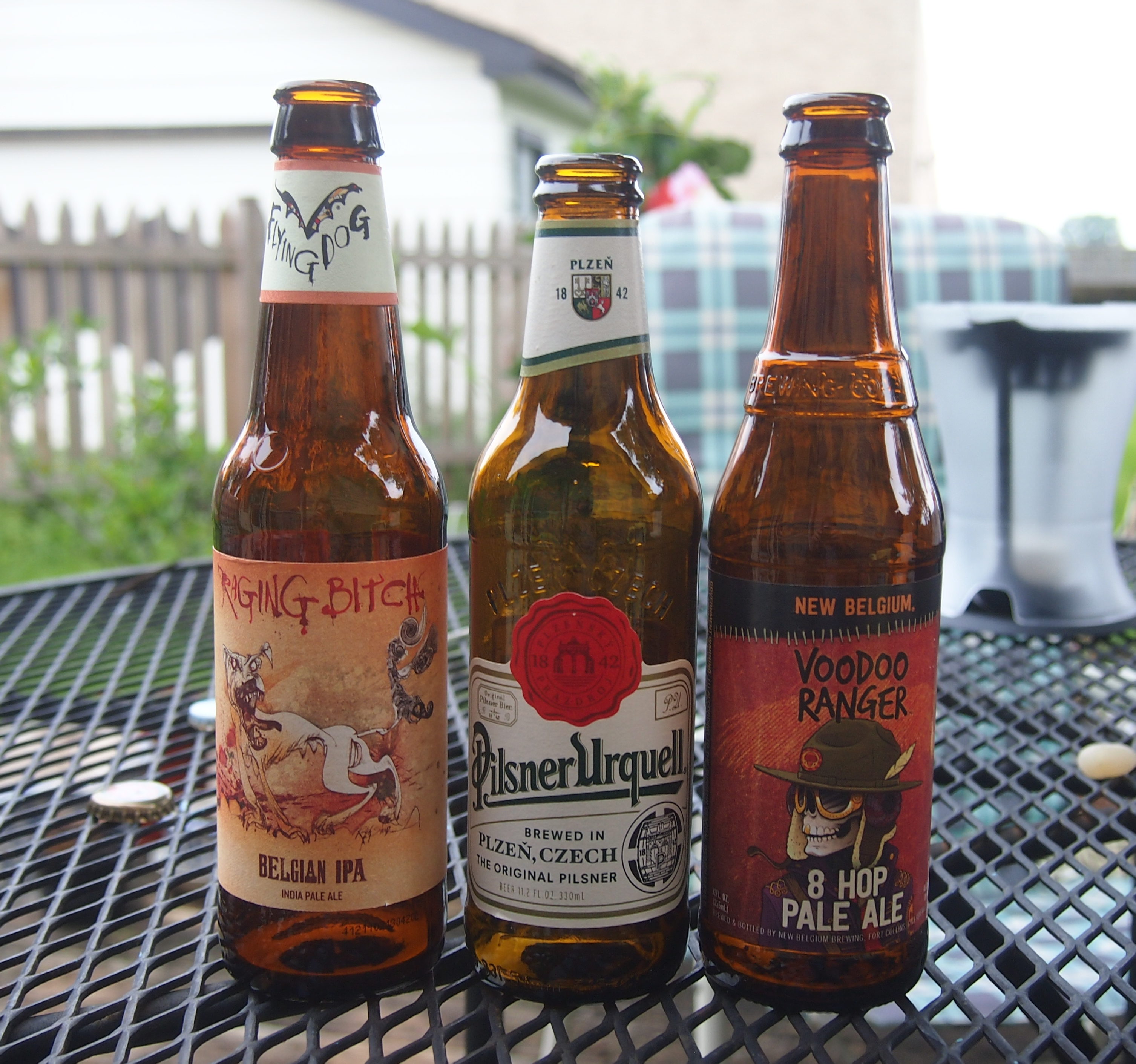
I acquired a “flight” of beers before the event at an area grocery store with a beer cave, and these are three of them. As usual, my beer-buying technique was to look for a variety of states and countries of origin, and interesting labels.

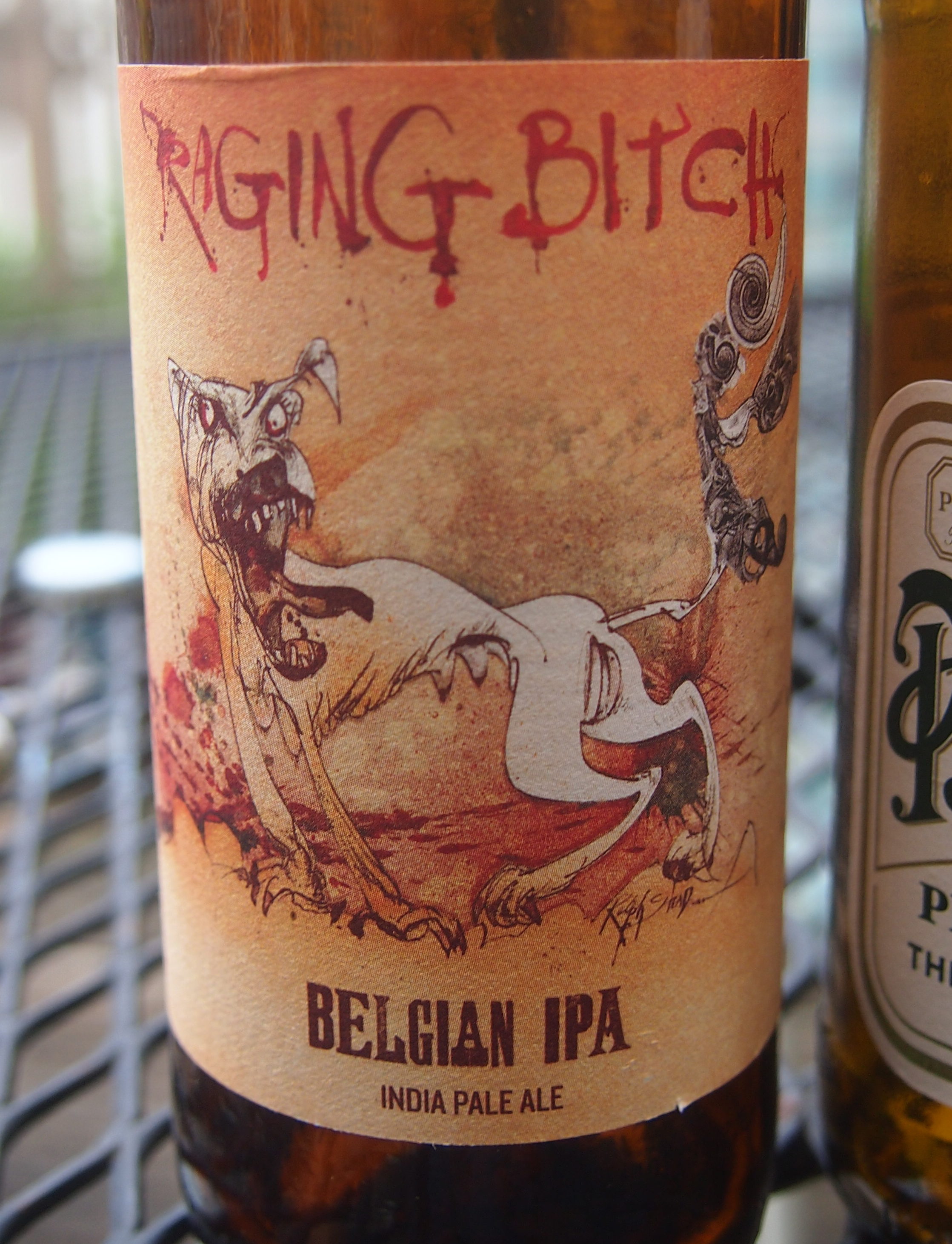
Raging Bitch was the hit among the beer names. Its acid-trip Ralph Steadman artwork was remarked upon as well.

A product of the Flying Dog Brewery in Maryland. Later, I read the marketing blarney on the bottle, attributed to Steadman. It’s pretty good:

“Two inflammatory words, one wild drink. Nectar imprisoned in a bottle. Let it out. It is cruel to keep a wild animal locked up. Uncap it. Release it… stand back!! Wallow in its goldenn glow in a glass beneath a white foaming head. Remember, enjoying a RAGING BITCH, unleashed, untamed, unbridled and in heat is pure GONZO!!”

Gonzo, eh? Maybe if you added peyote, which we did not. Otherwise, it was reportedly  a pleasant brew.

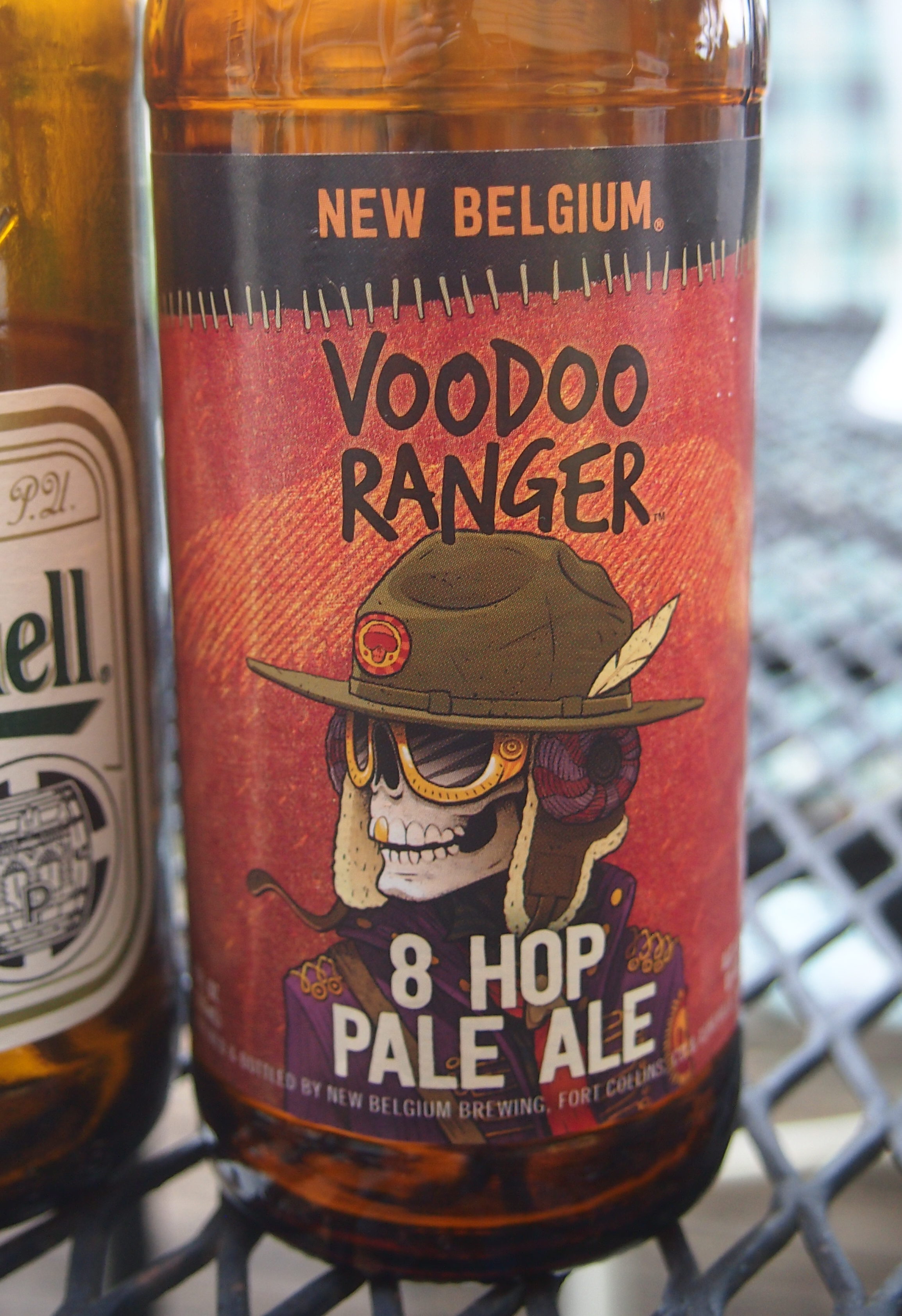
Voodoo Ranger, by New Belgium Brewing of Colorado and North Carolina, had another amusing label.
It didn’t assert its gonzo-ness. The label did say, “Brilliantly balanced for easy drinking, this pale ale is packed with citrus and tropical fruit flavors from eight different hop varieties.”

The center beer, PilsnerUrquell from Plzeň (Pilsen), Czech Republic, had the most conventional label, appealing to a drinker’s sense of tradition. The label said:

“In 1842, the Citizen’s Brewery of Plzeň brewed the world’s first golden pilsner and never stopped. We make it in the same way in the same place, with 100% of our ingridients from the same farming regions in Czech, as always.”

Not pictured is the grapefruit shandy that I tried, which a guest brought. It went down well, but in combo with meat and another bottle of beer, I later had a rare but fortunately fleeting bout of indigestion. I’d say it was worth it, though.

Twelve Pictures ’17

Back to posting on January 2, 2018, or so. Like last year, I’m going to wind up the year with a leftover picture from each month. This time, for no special reason, no people, just places and things.

Champaign, Ill., January 2017Charlotte, NC, February 2017

Kankakee, Ill., March 2017

Rockford, Ill., April 2017

Muskogee, Okla., May 2017

Naperville, Ill., June 2017

Barrington Hills, Ill., July 2017

Vincennes, Ind., August 2017

Denver, September 2017Evanston, Ill., October 2017Chicago, November 2017

Birmingham, Ala., December 2017

Merry Christmas and Happy New Year to all.