Silverton, Colorado

Cold winds rolled through northern Illinois today. Seven inches of snow are forecast for Saturday. What? Right, it’s winter. The winter solstice is just the shortest day of the year.

Back to posting on Sunday. Regards for Thanksgiving.

Something to upset PETA sympathizers.
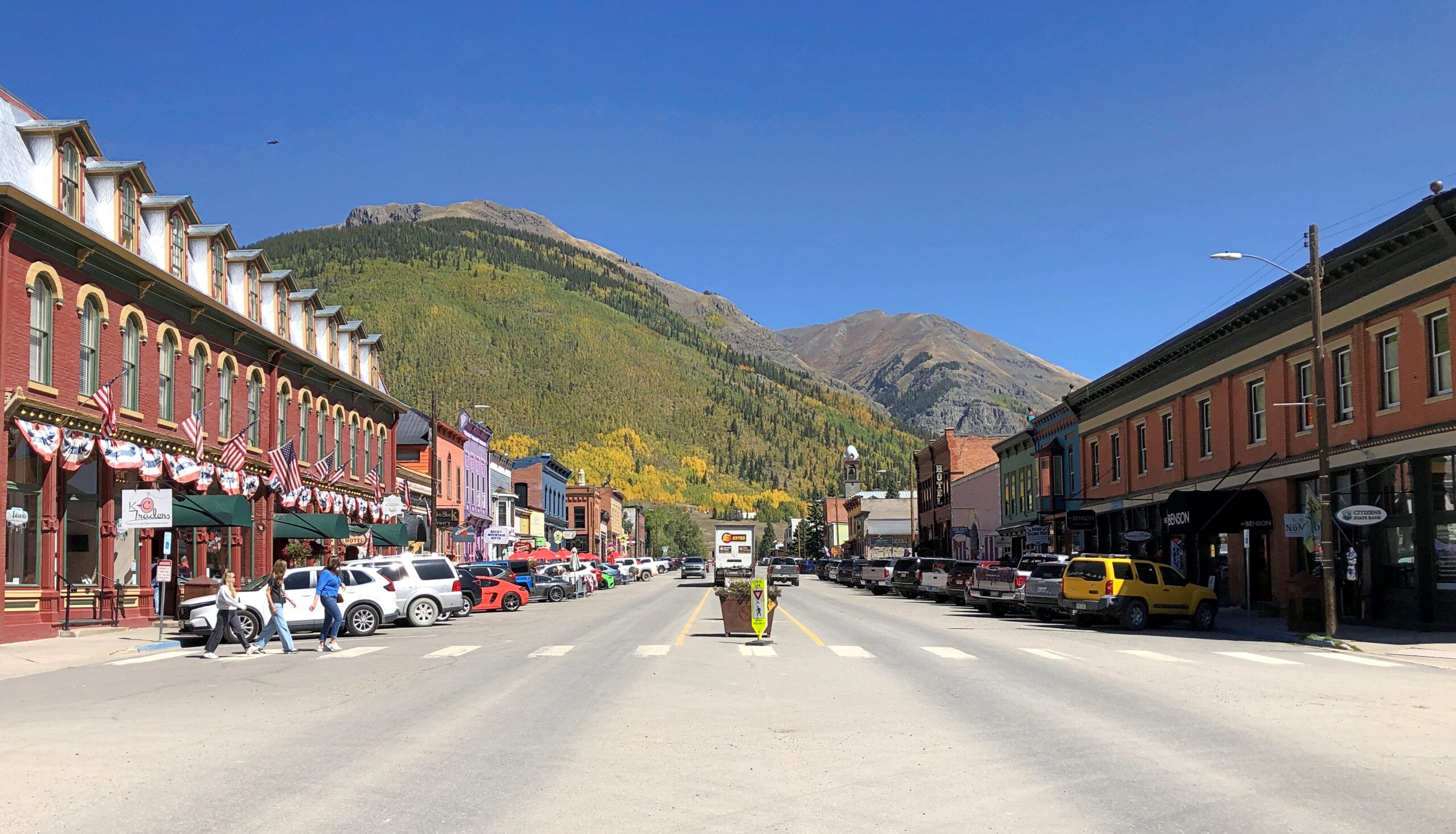
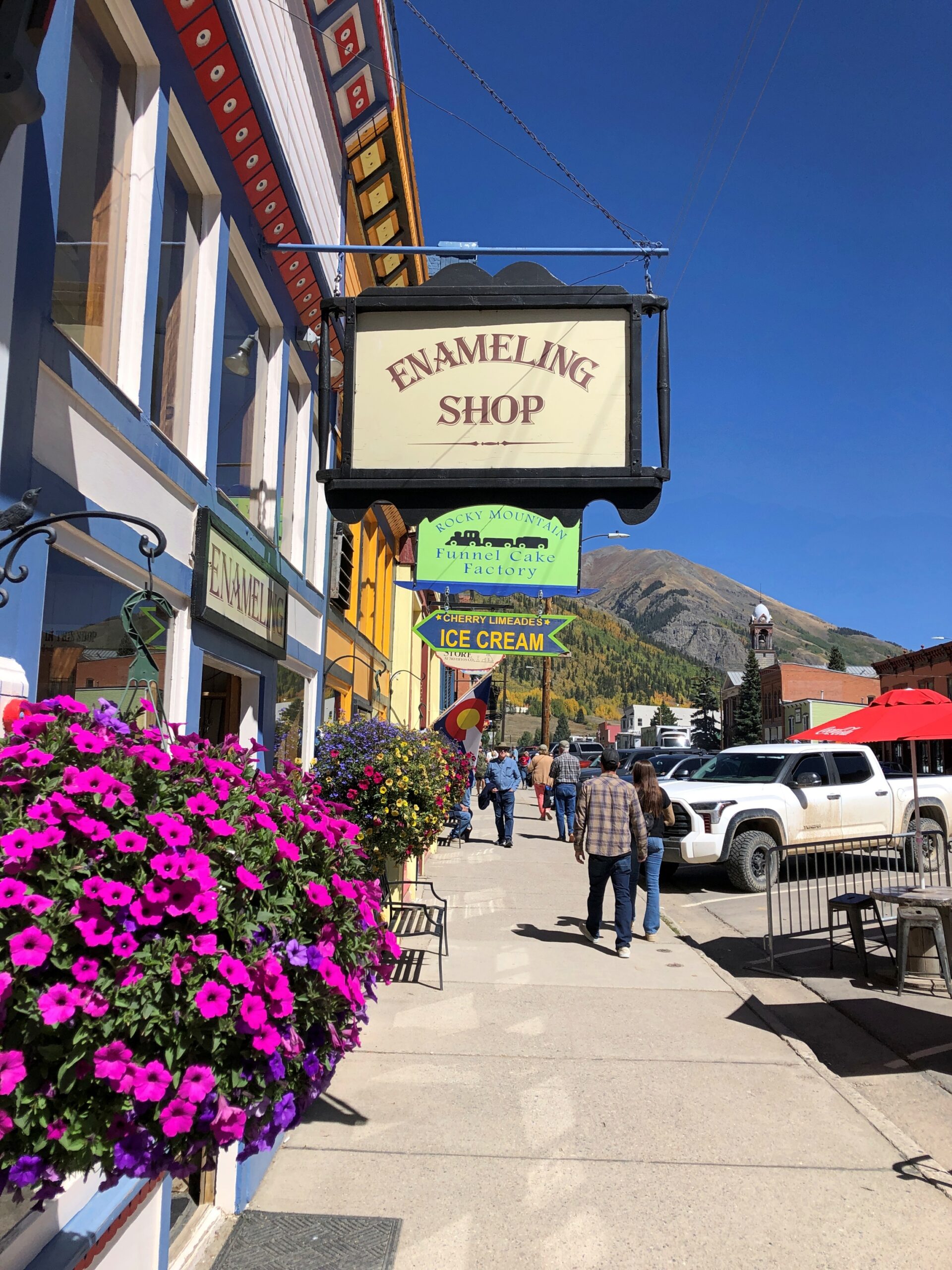
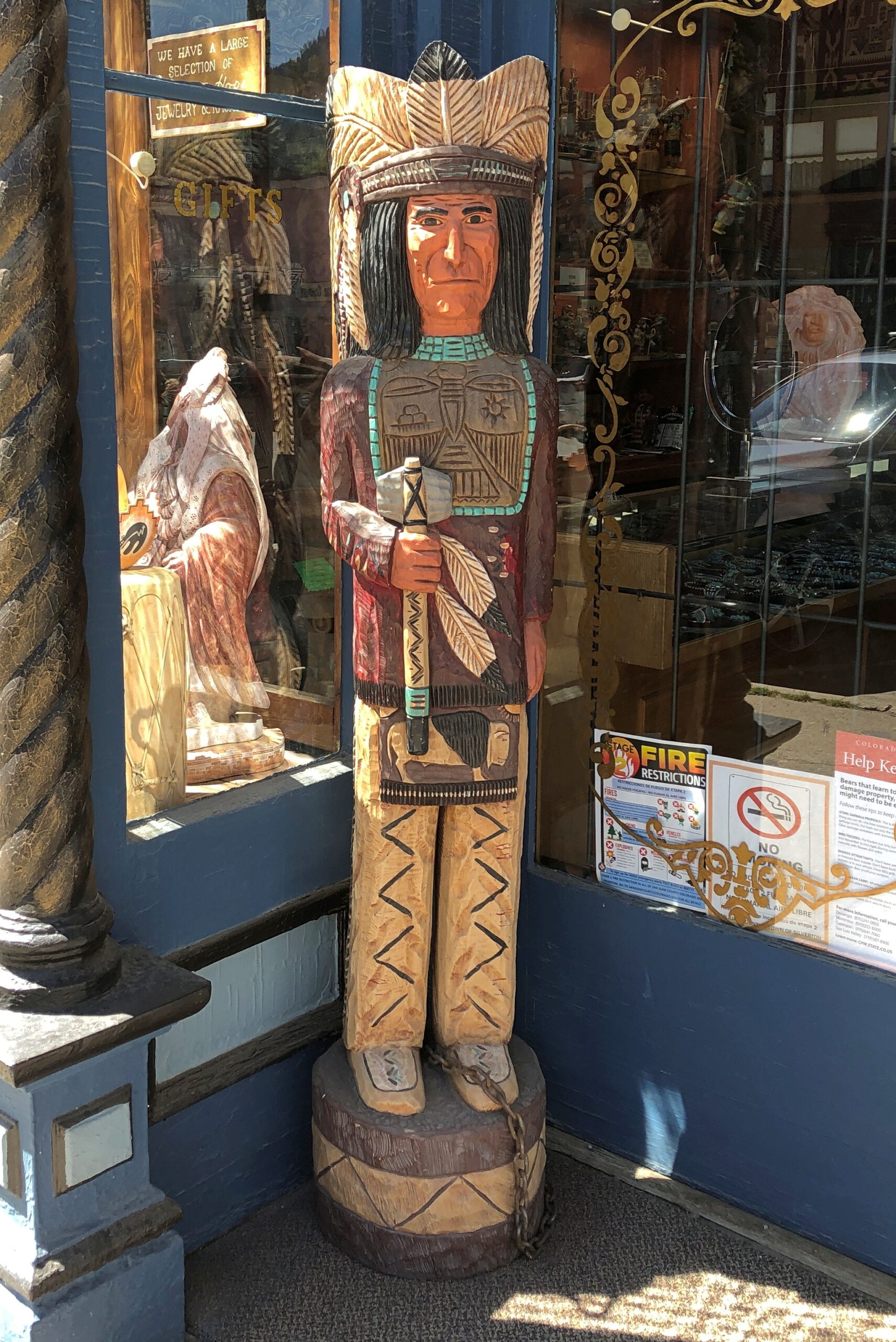
Silverton, Colorado

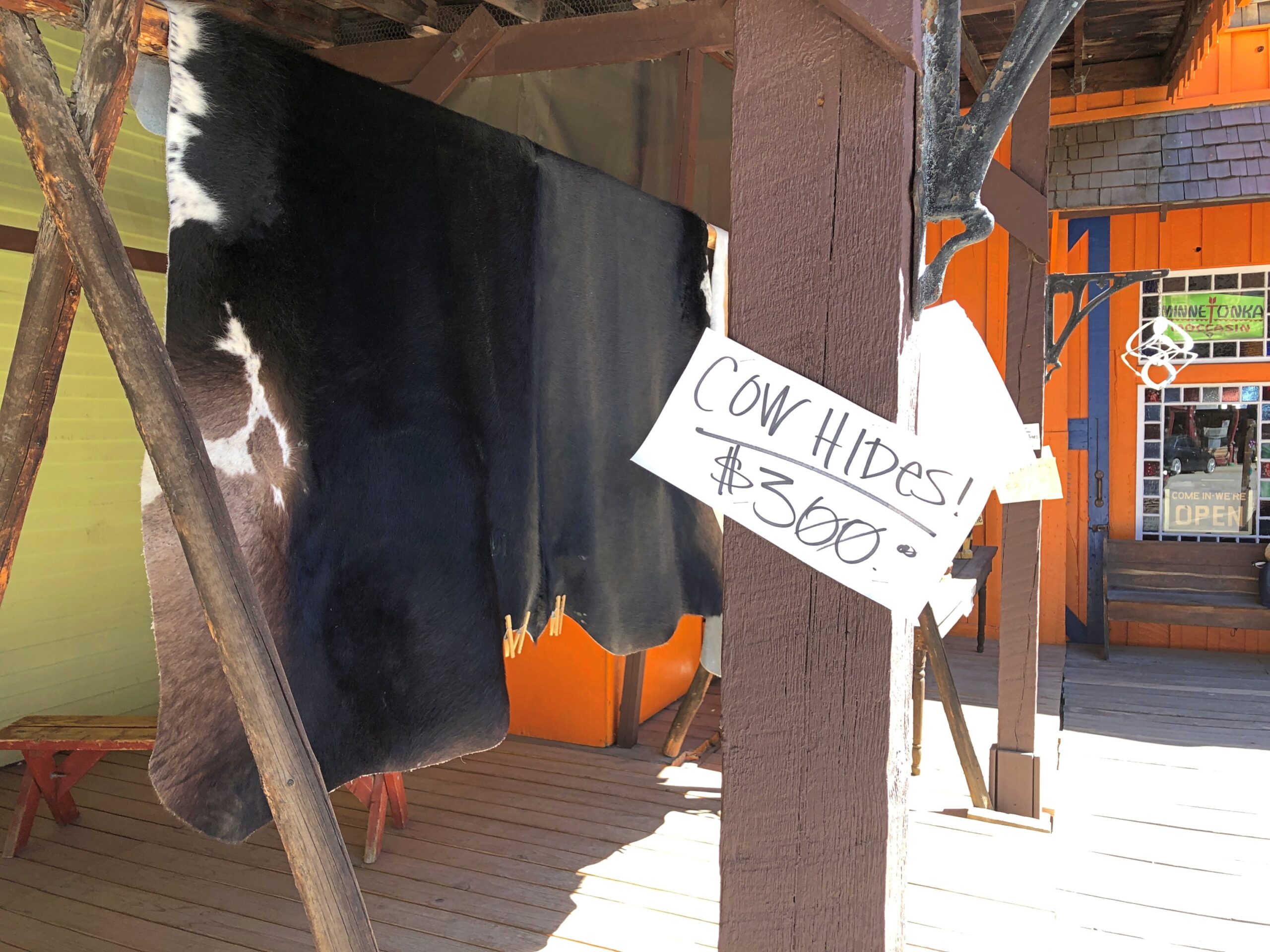
Stroll down Greene St. in the mountain town of Silverton, Colorado, at least in mid-September this year, and you’d have had the opportunity to buy a hide for $300. We did, but declined. Still, it wasn’t just a Colorado detail, but a Western one. The West, where men are men and cow hides hang in the sun. As far as I could tell, you couldn’t buy a hide with Bitcoin, but I suppose you’d have to ask the seller to be sure.

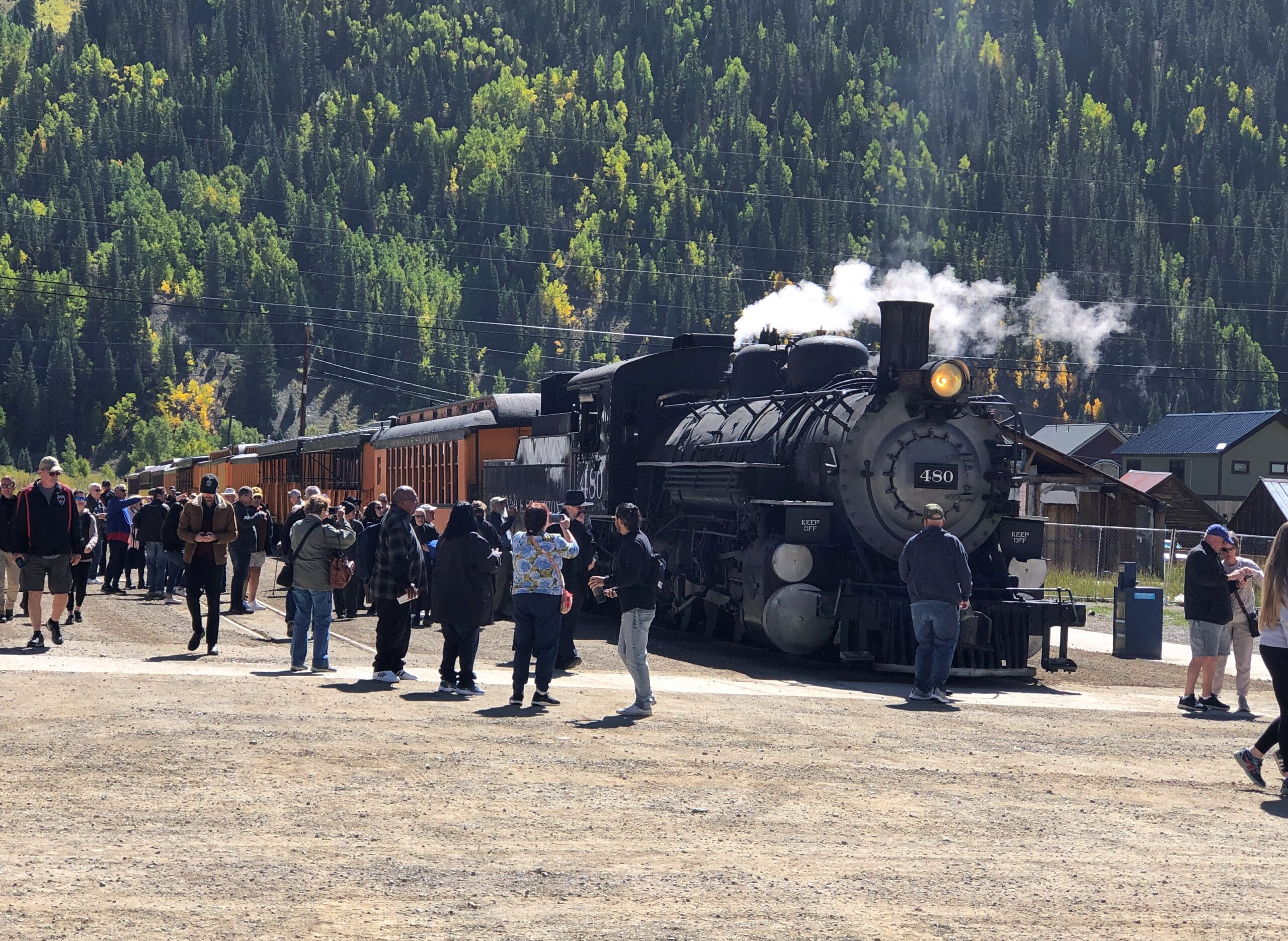
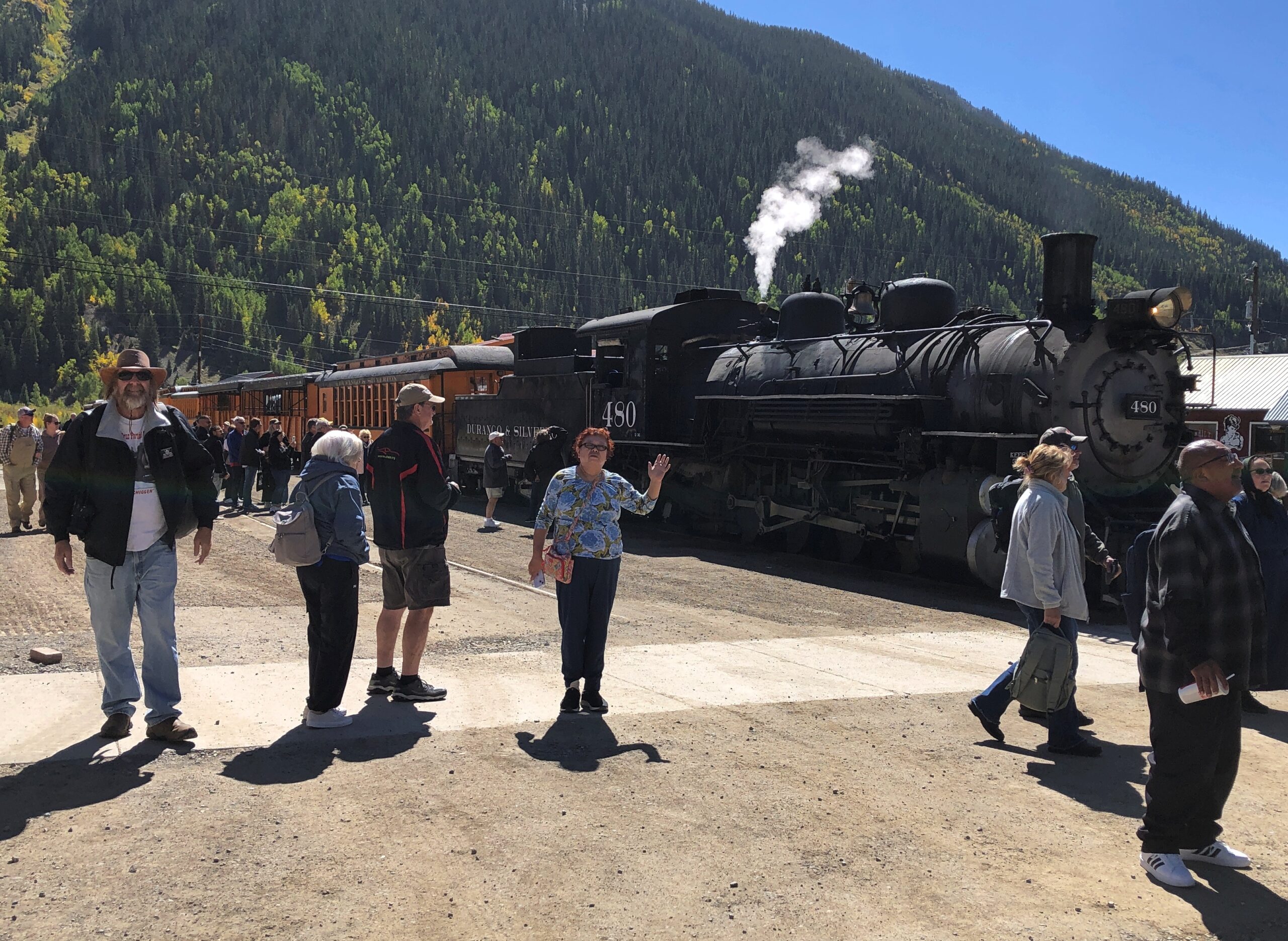
Not five minutes after we’d parked off the main thoroughfare of Greene Street in Silverton, on a large side street, a steam locomotive hauling a valuable cargo — tourists — pulled into town, a block from where we parked. The Durango & Silverton Narrow Gauge RR train from Durango had arrived. Instantly the streets around the train were thick with those same tourists who had paid roughly $100 a head for the scenic ride, though I suppose many, the majority maybe, had gotten a slight discount as seniors.
Silverton, Colorado
Silverton, Colorado

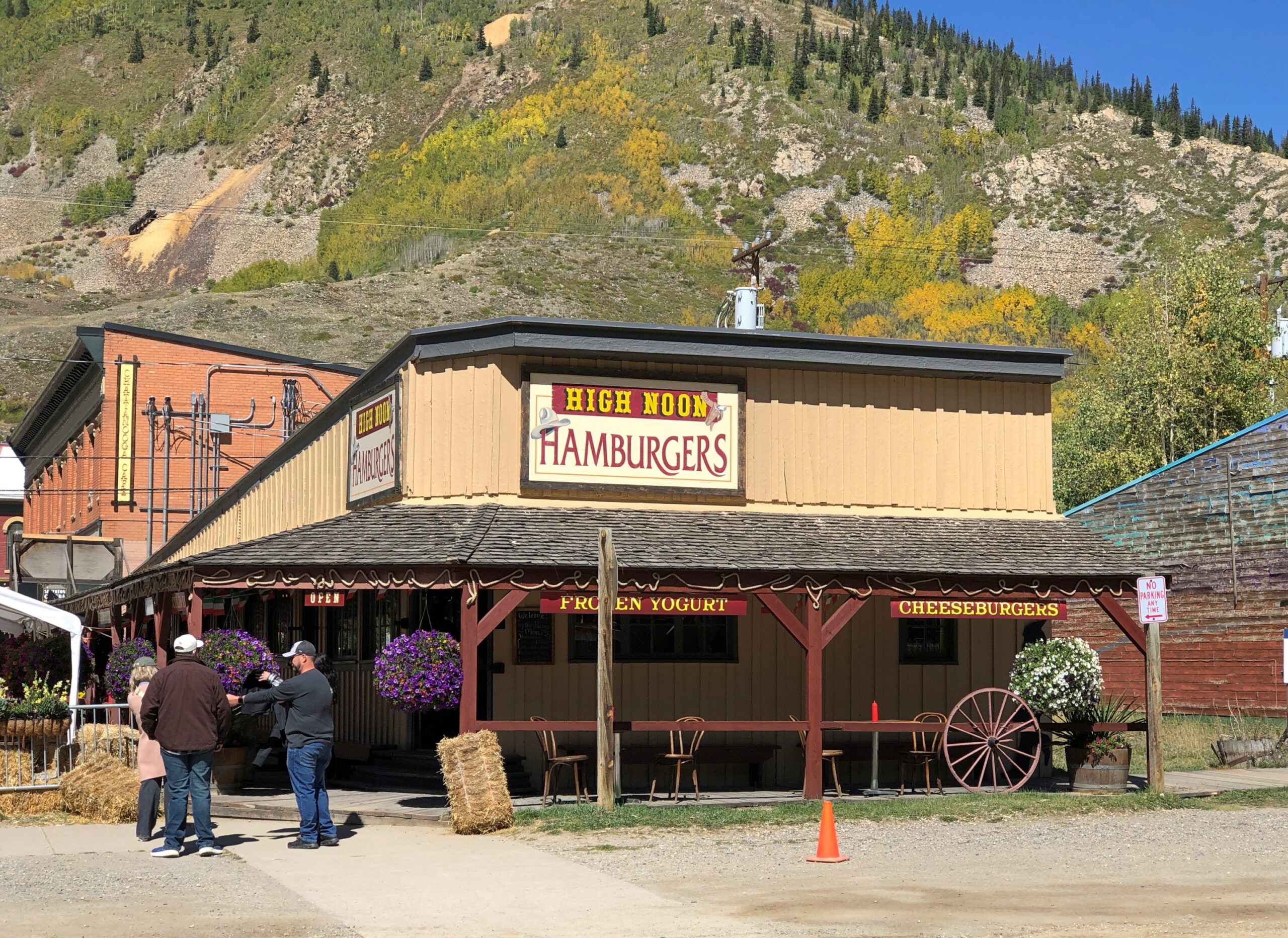
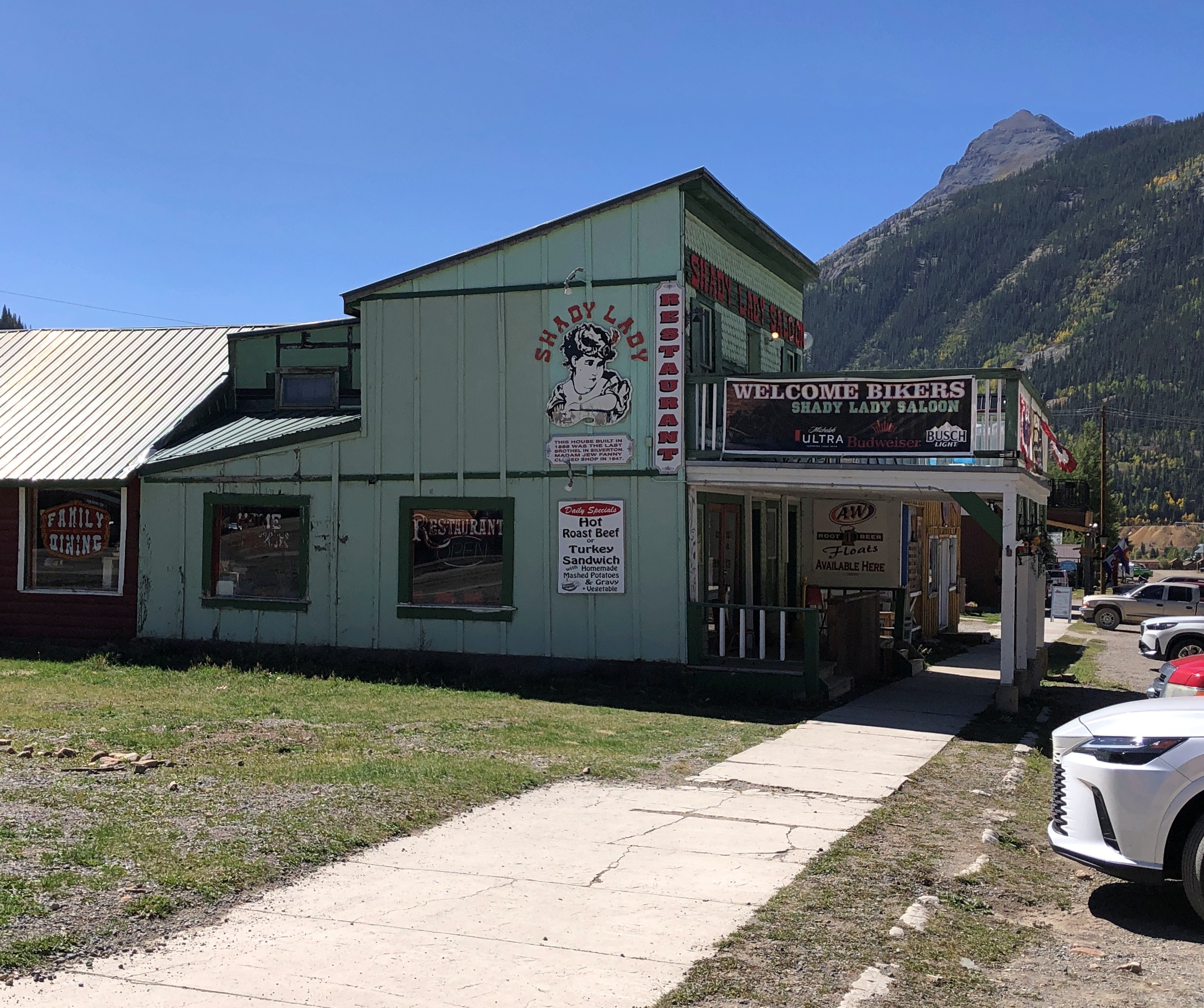
I assume the economy of 21st-century Silverton depends pretty heavily on these arrivals, at least in the warm months, as day after day the line disgorges its many passengers for their layover. No doubt the likes of High Noon Hamburgers or the Shady Lady or a lot of the other businesses in town wouldn’t be viable otherwise.
Silverton, Colorado

Blair St., paralleling Greene St. a block away. No need for pavement.
Silverton, Colorado

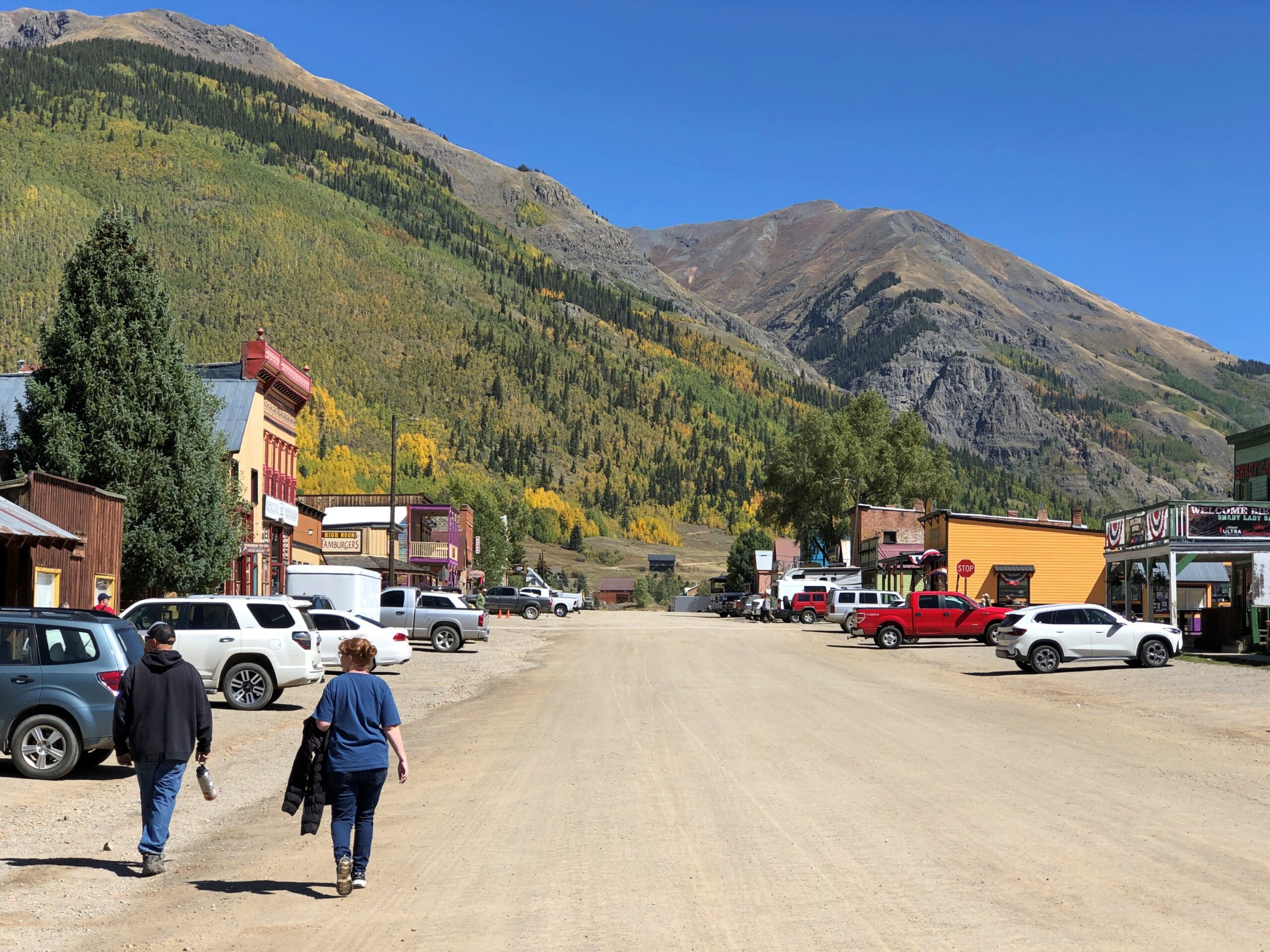
Greene St.

Silverton, Colorado

Lots to see on Greene.

Silverton, Colorado
Silverton CO

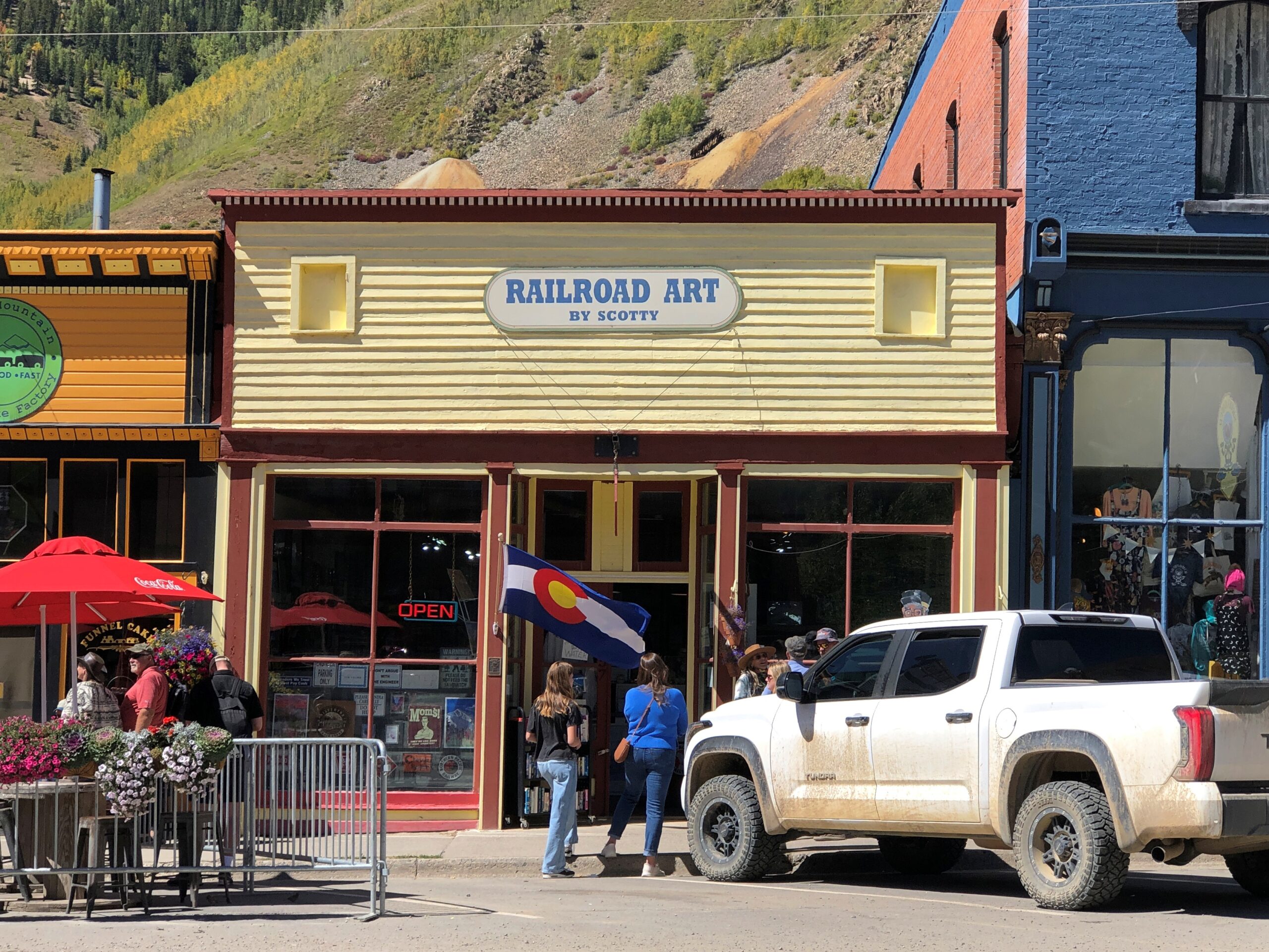
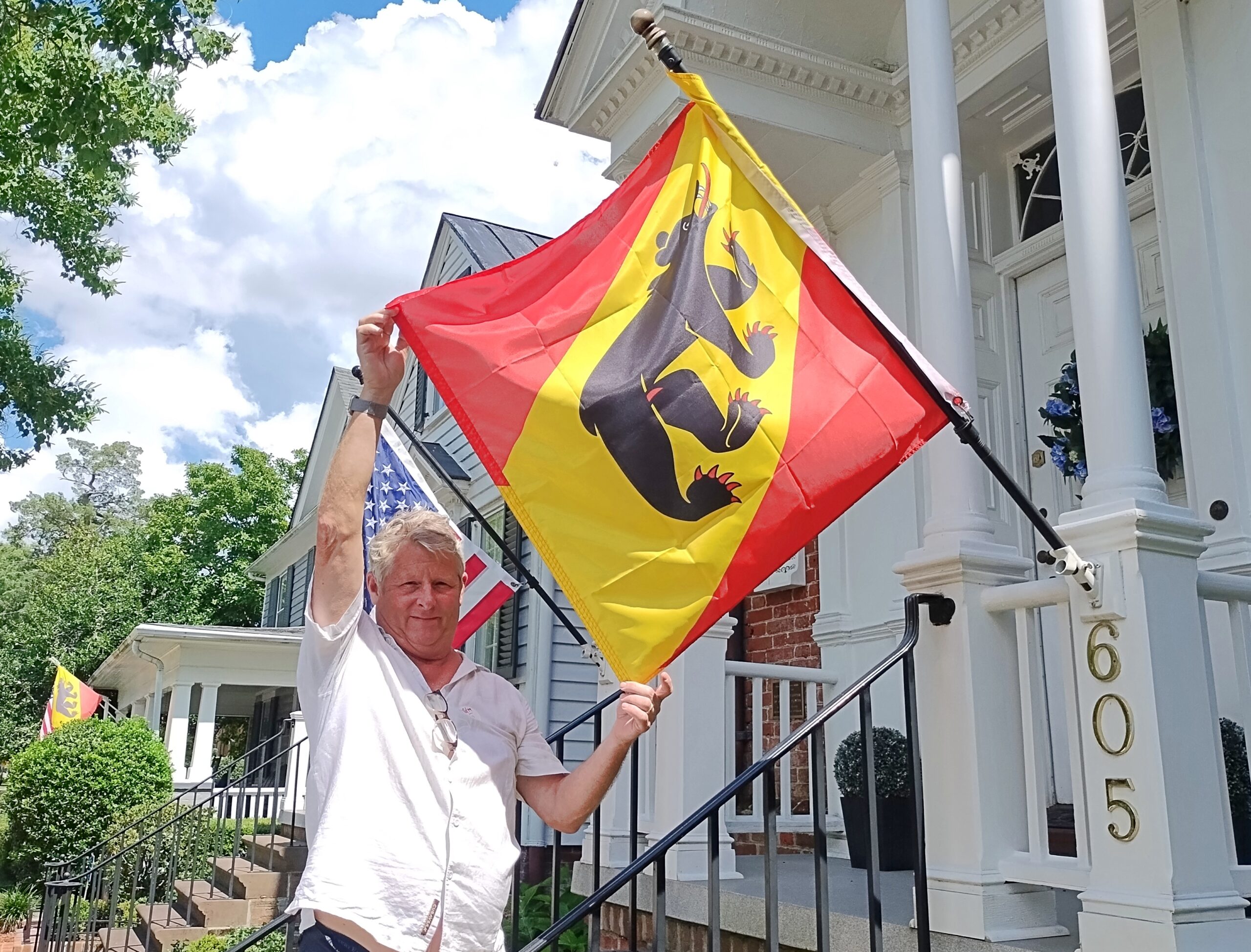
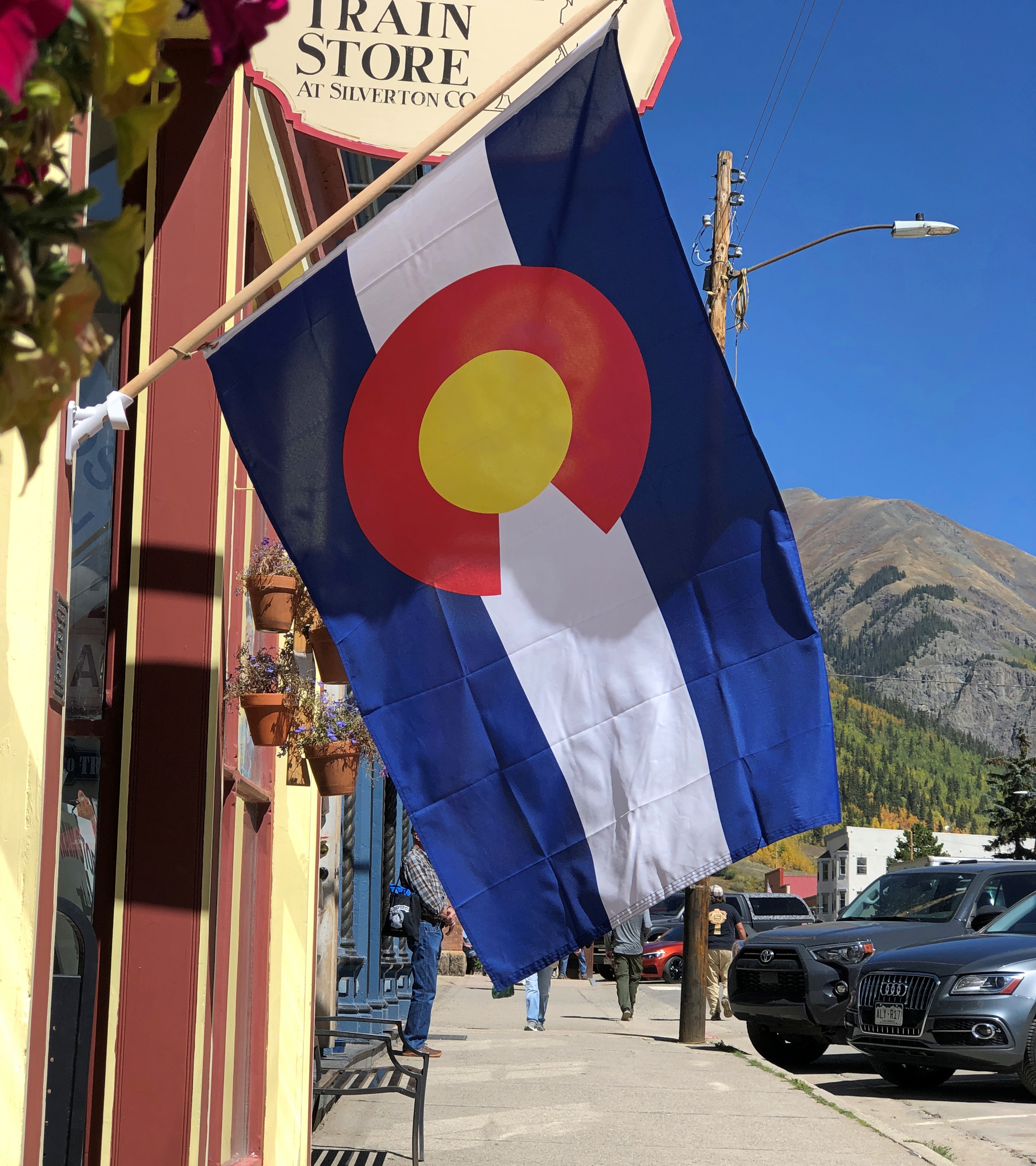
Including the fine Colorado flag, flying at Railroad Art by Scotty, a seriously cool gallery.
Silverton CO
Silverton CO

“Railroad Art by Scotty presents the custom matted and framed collector Railroad Art Prints by renowned railroad artist H.L. Scott, III,” its web site says. “These are not photographs and they are not created on the computer. These are pen & ink drawings created by Scott using the technique known as STIPPELING or pointillism.”

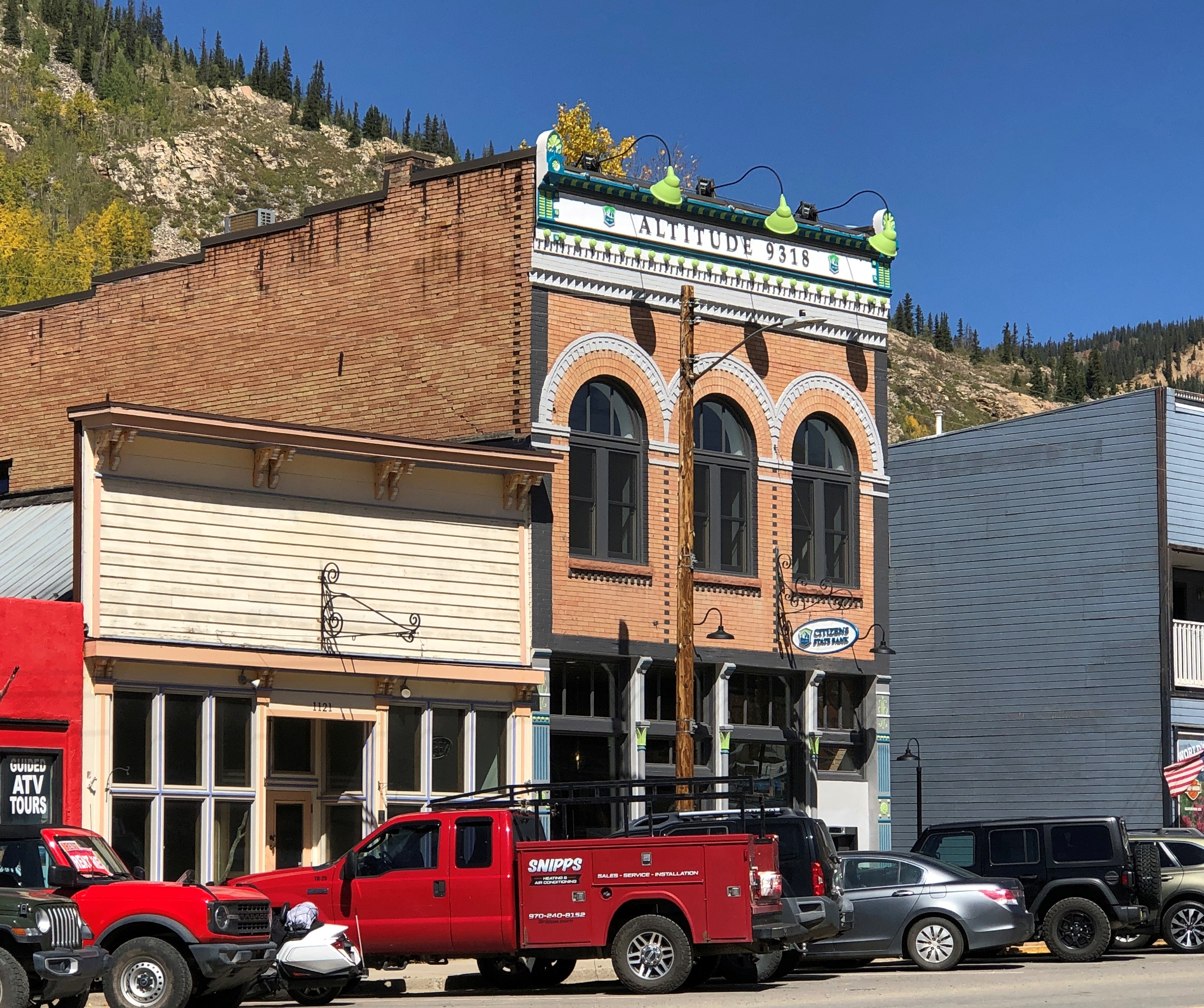
One of the few buildings I’ve seen that clearly states its elevation.
Silverton CO

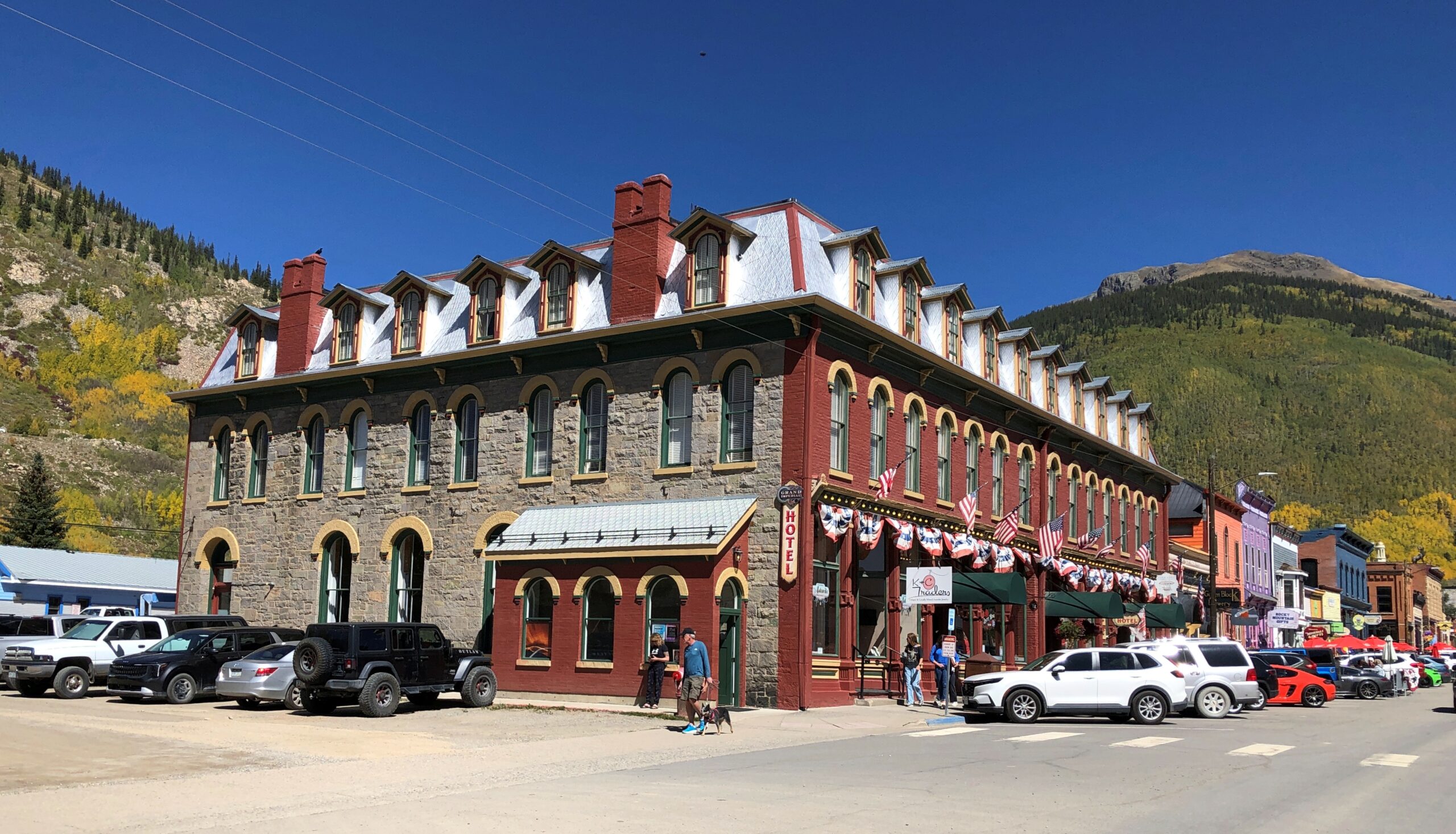
The Grand Imperial Hotel. A lofty name to live up to, but probably posh enough to do so.
Silverton CO

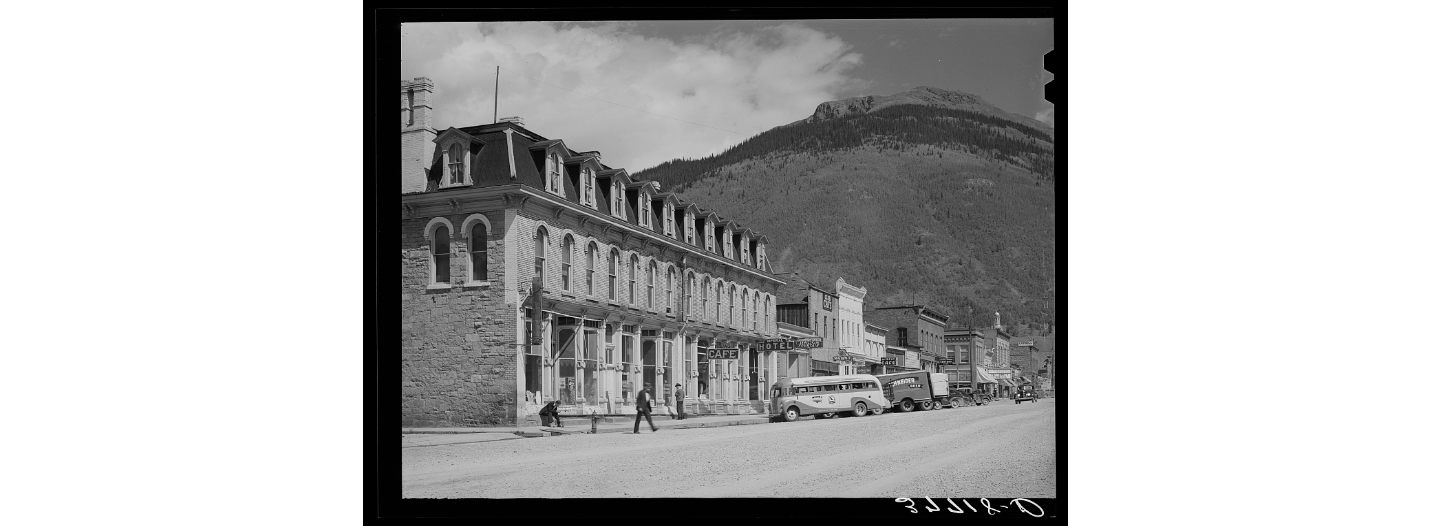
Restored to its 1880s appearance in the 2010s, no doubt at considerable expense.

As it looked in 1940, a photo from the Library of Congress, Farm Security Administration-Office of War Information Photograph Collection.
More Greene St.
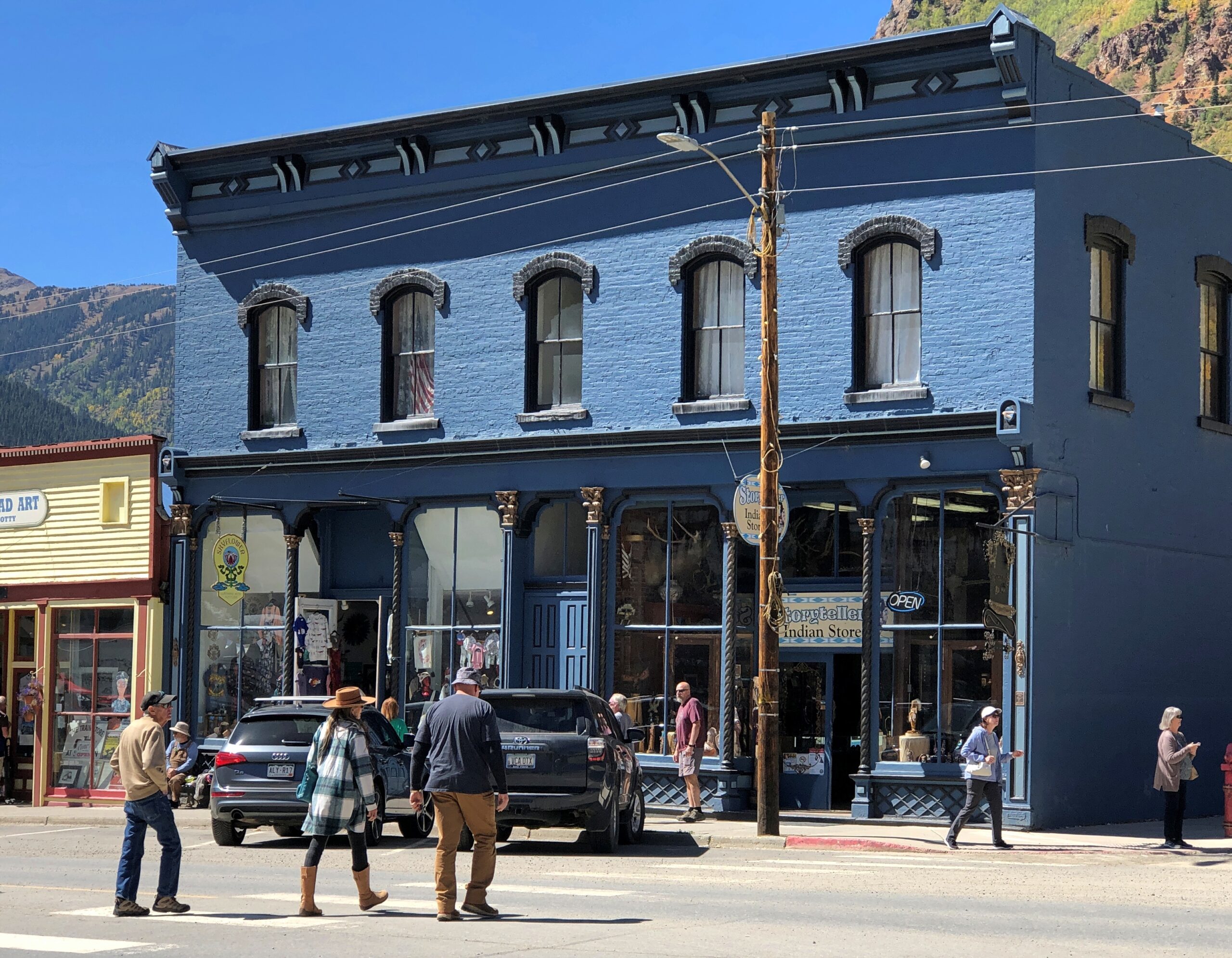
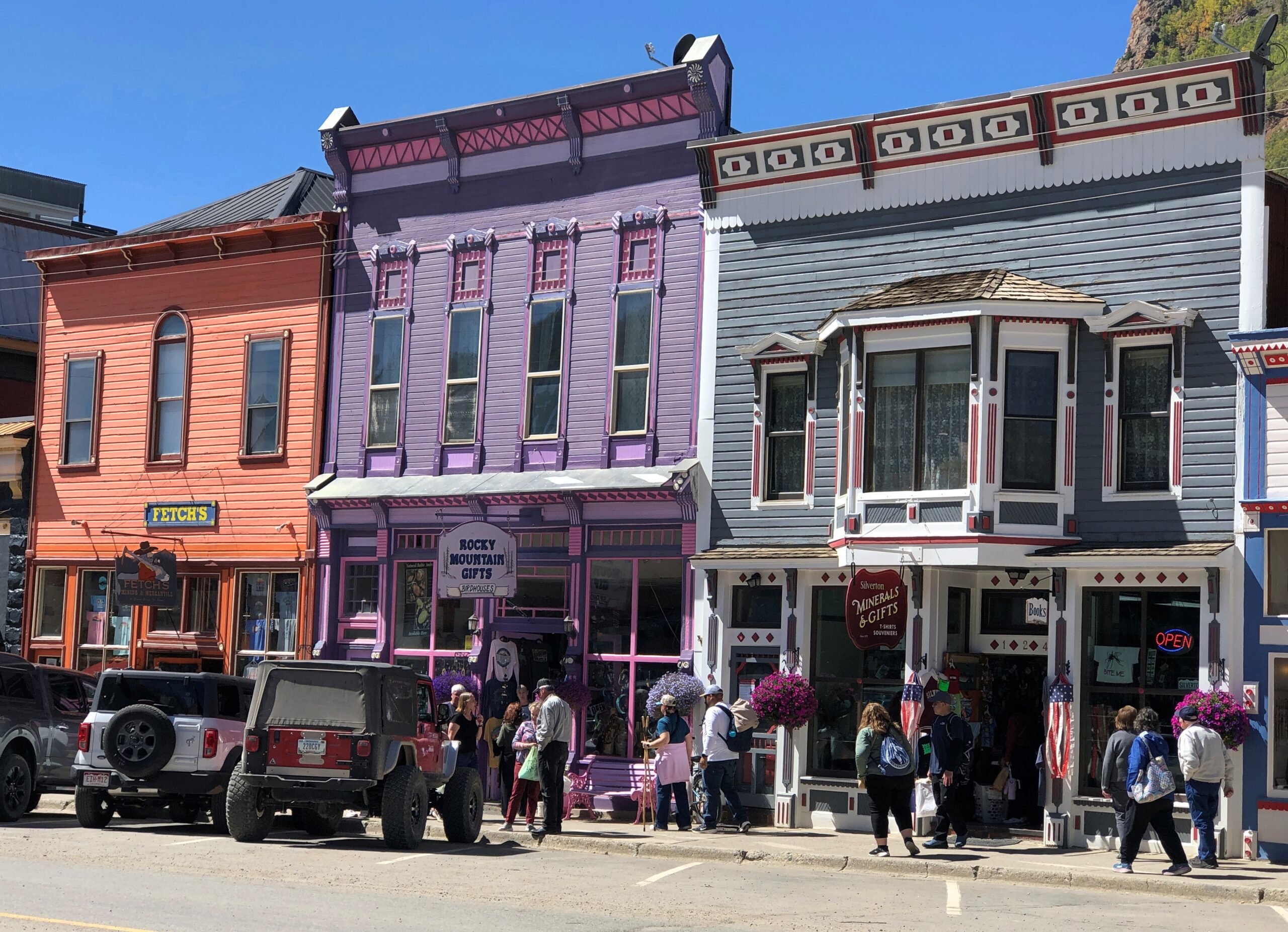
Silverton CO
Silverton CO

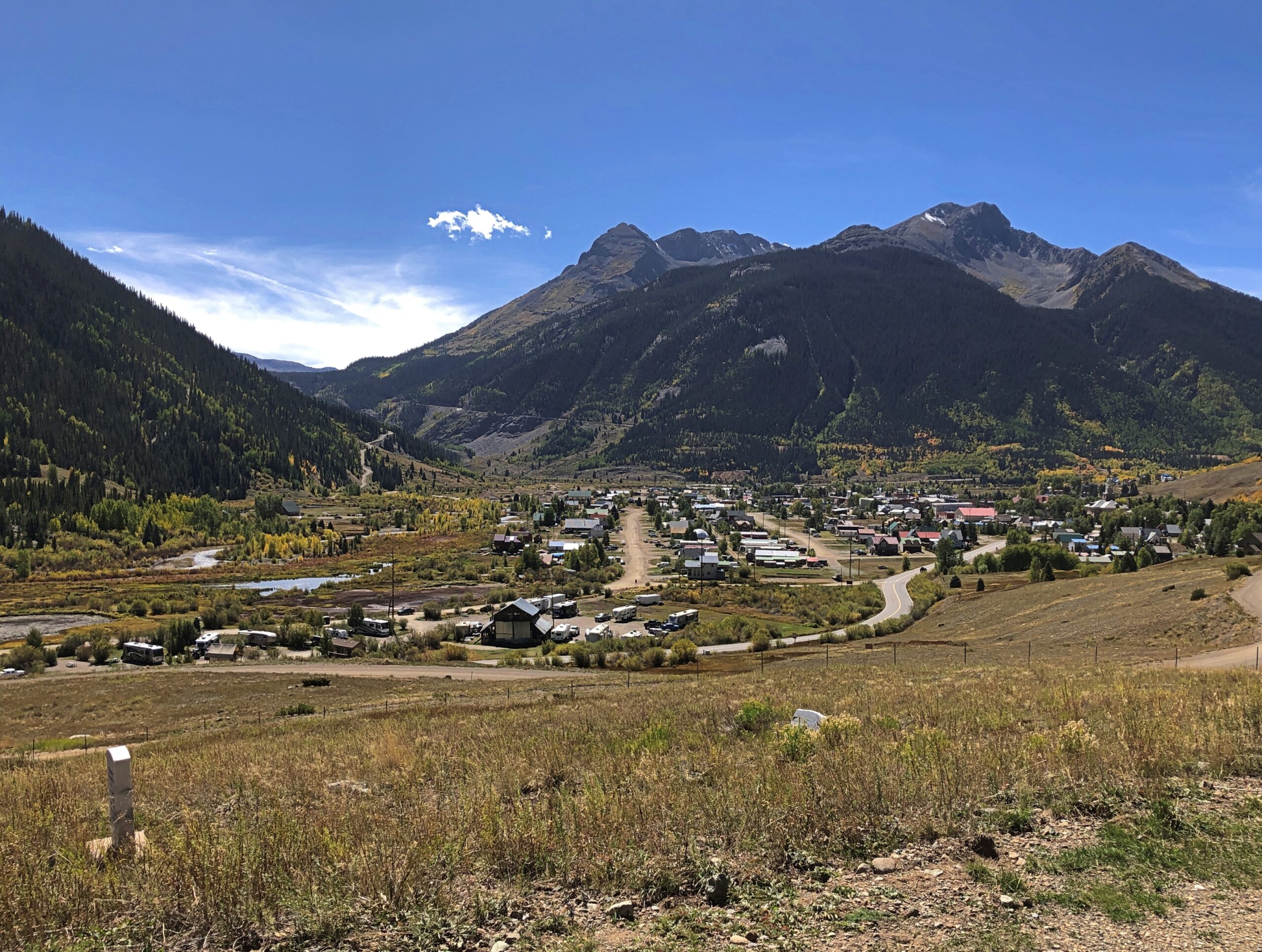
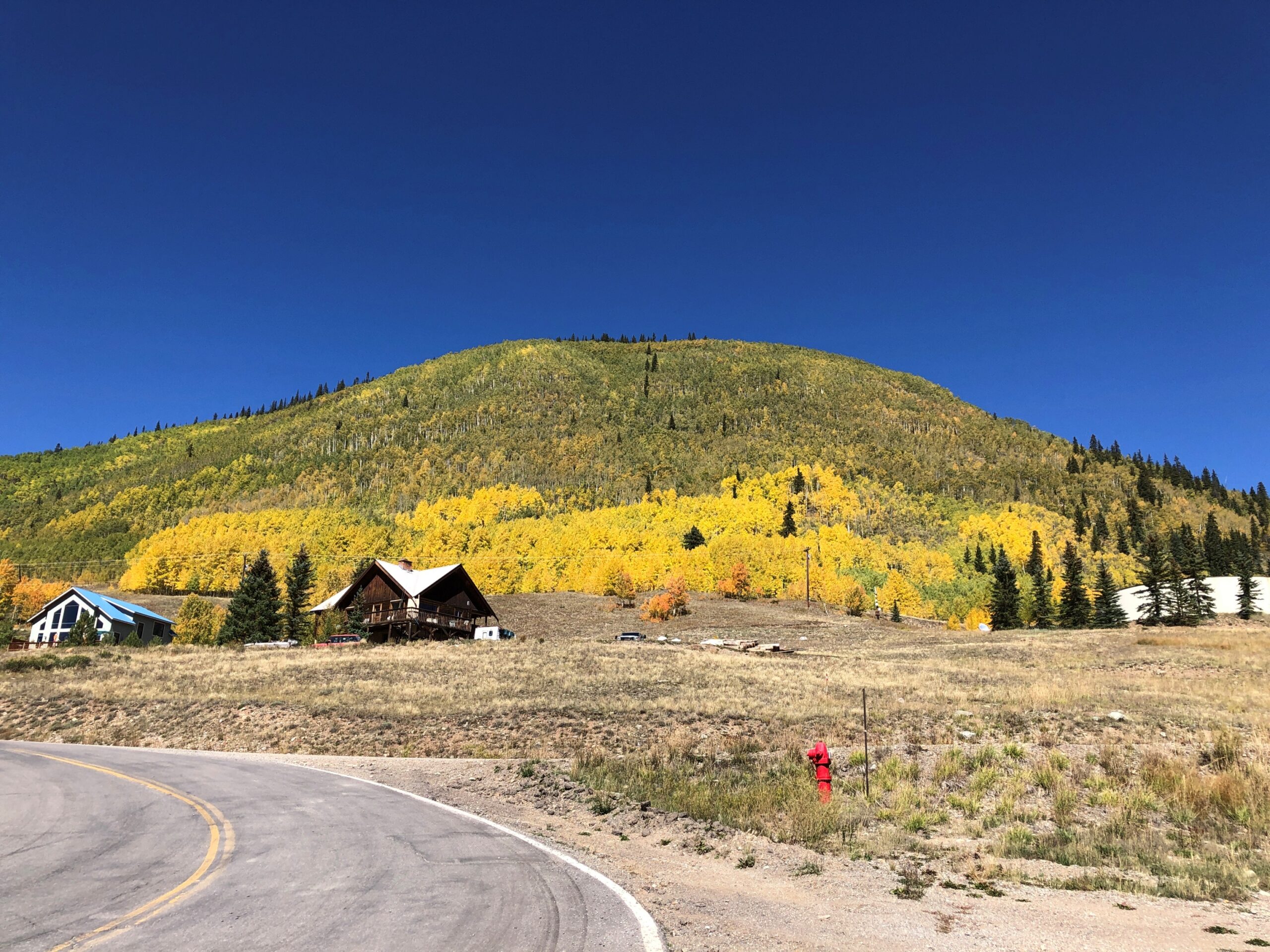
Greene is short, because Silverton isn’t very large, and so the street, now a road, soon heads for the hills.
Silverton CO

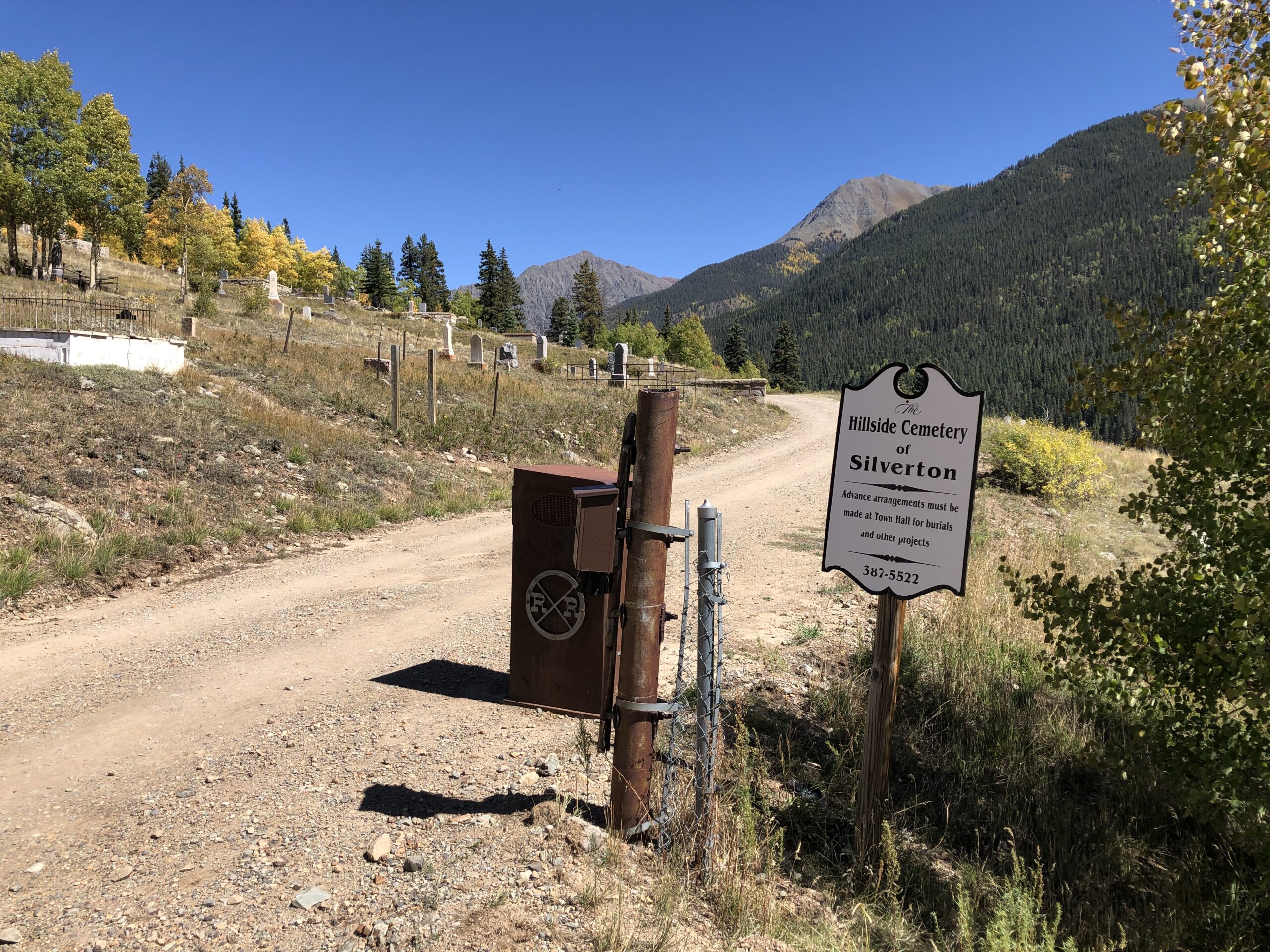
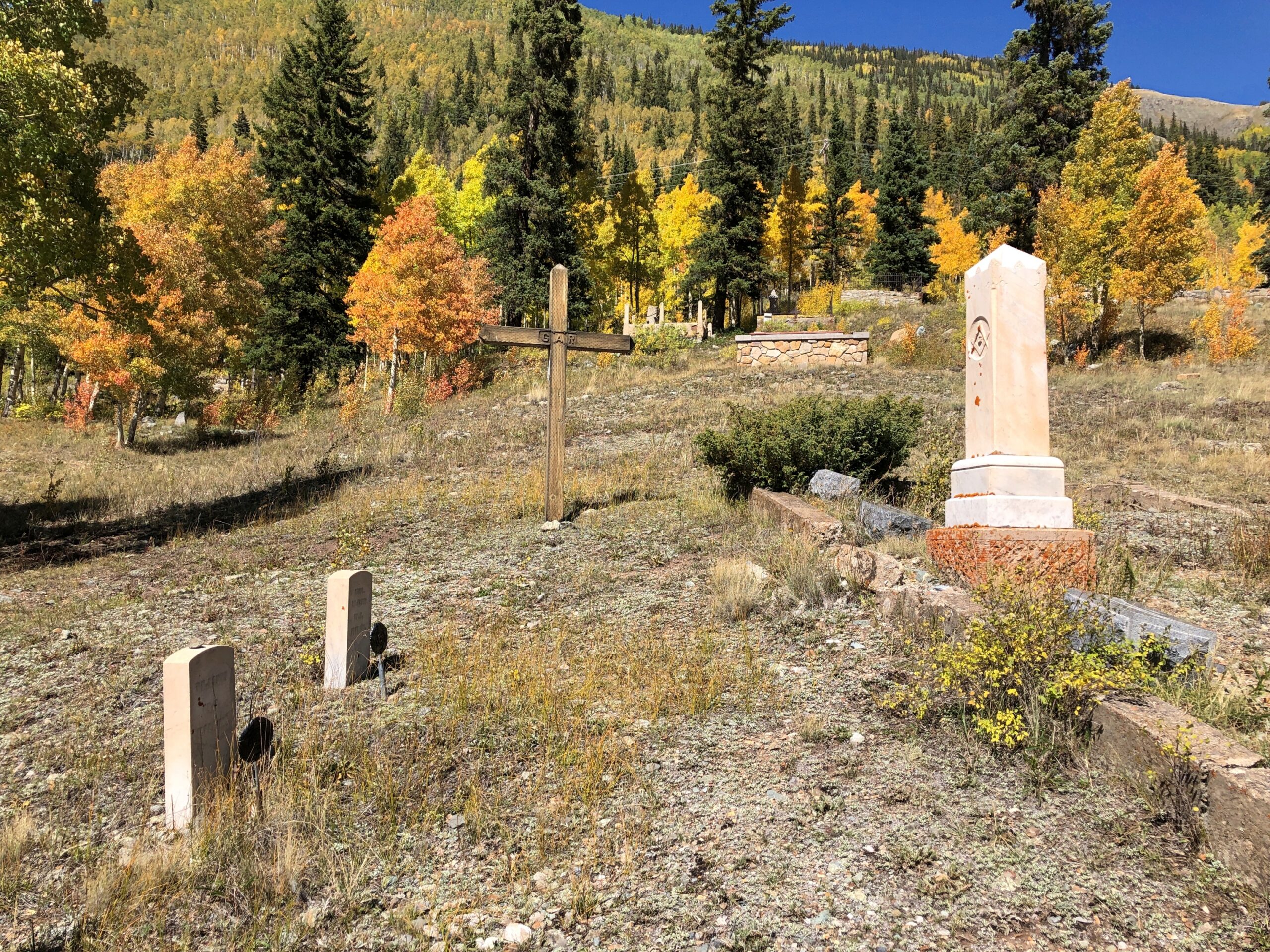
The Hillside Cemetery of Silverton.

Hillside Cemetery of Silverton

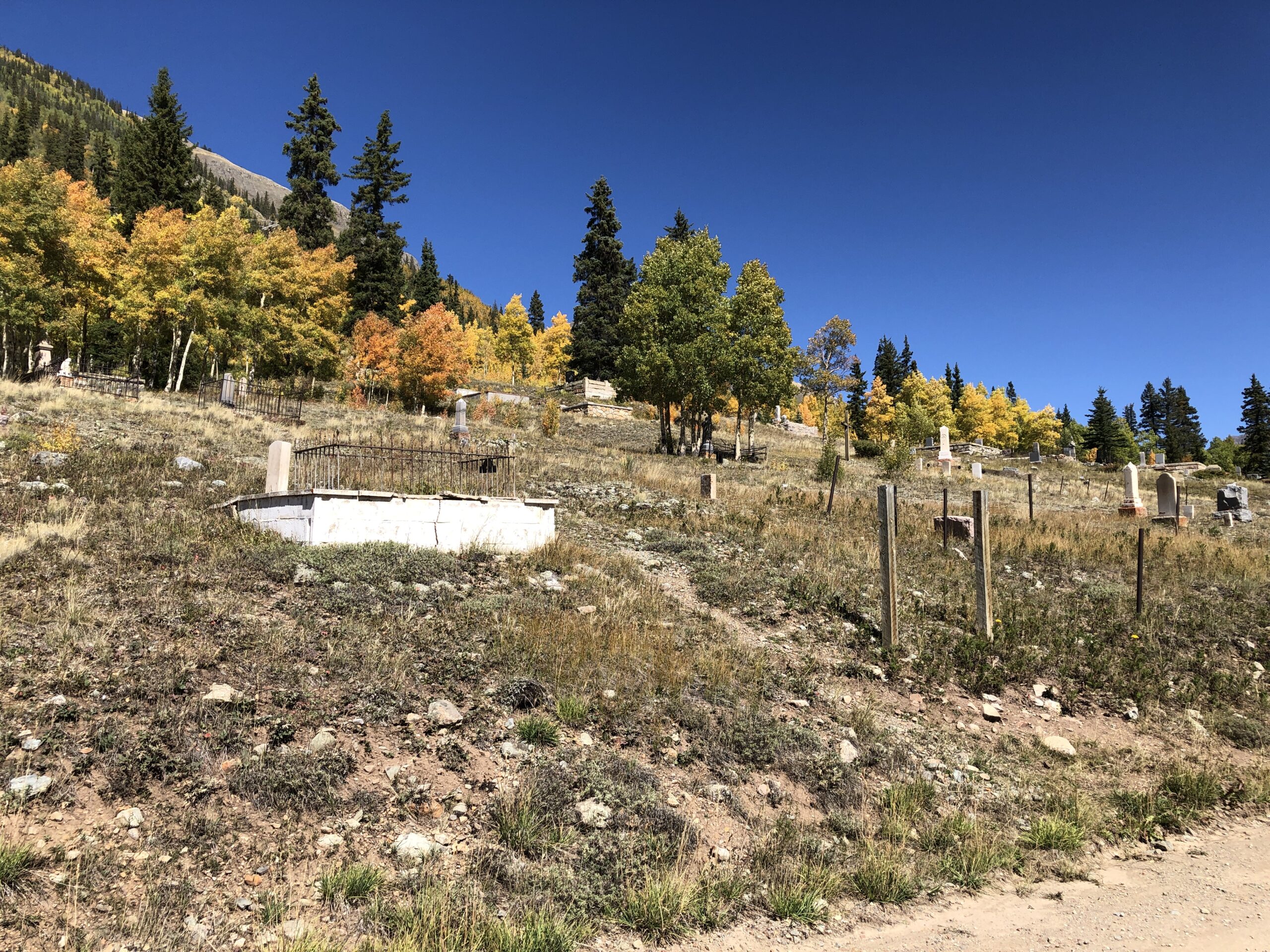
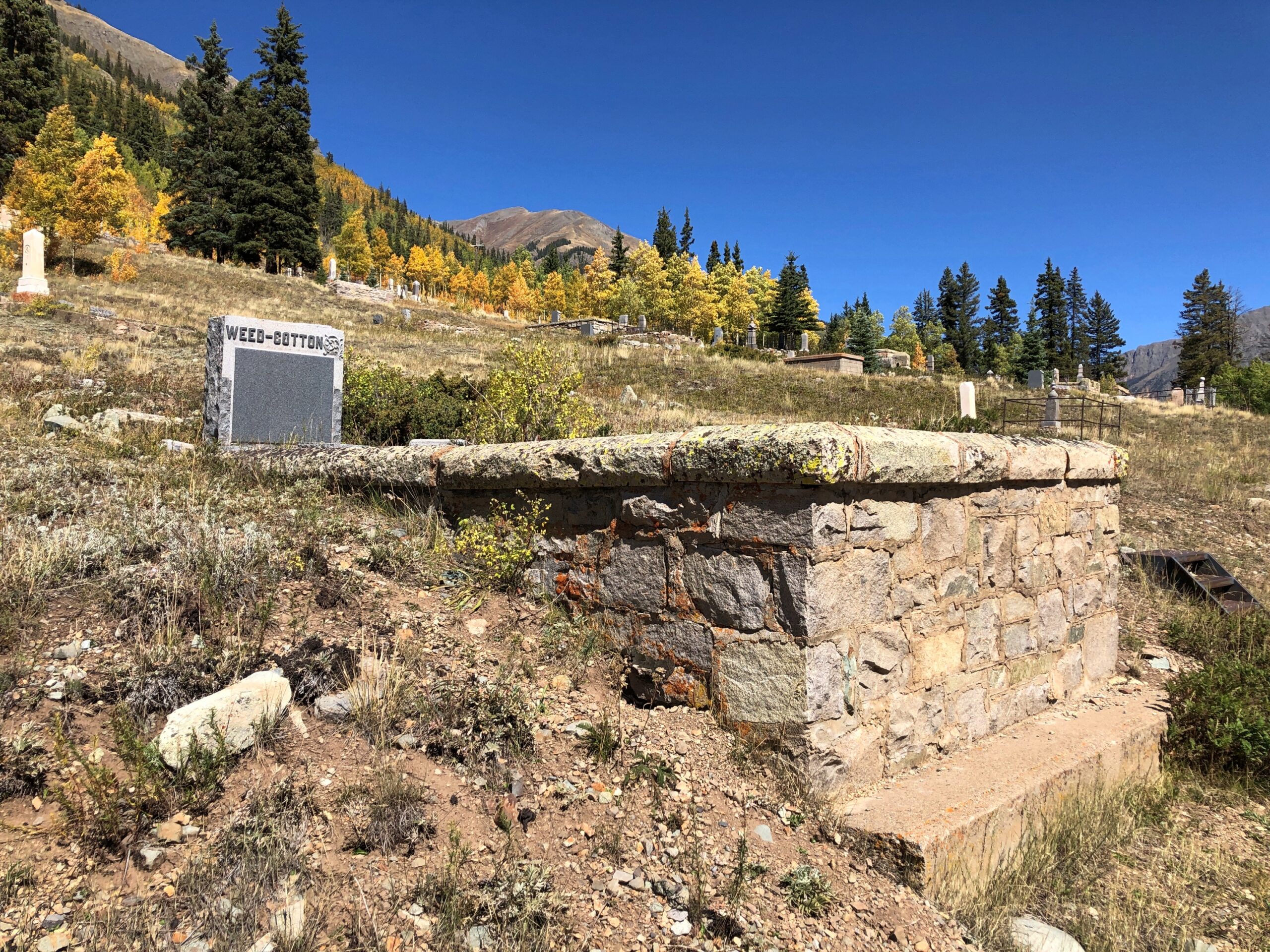
An apt name.

Hillside Cemetery of Silverton

With a good view of the town.

Silverton

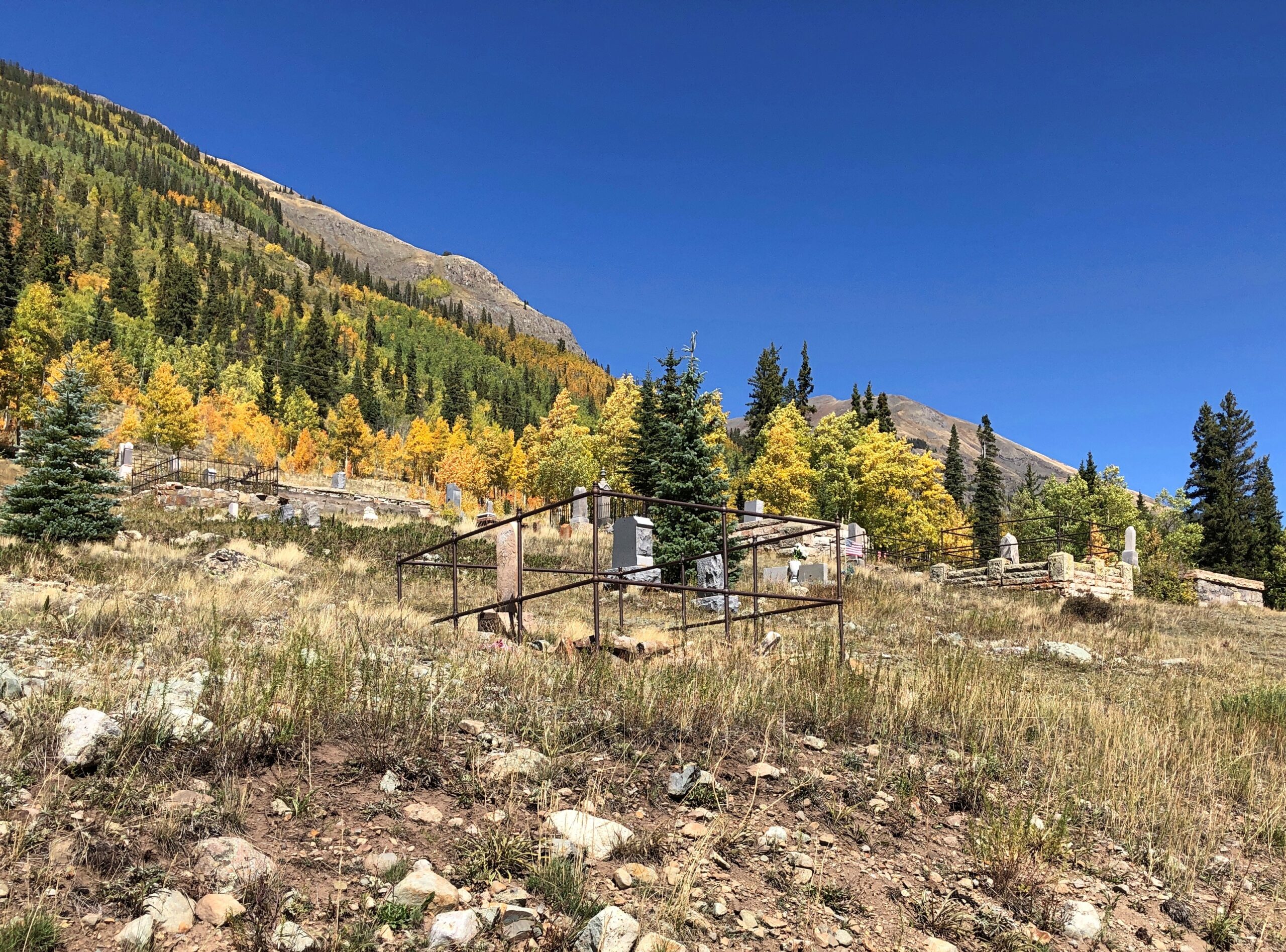
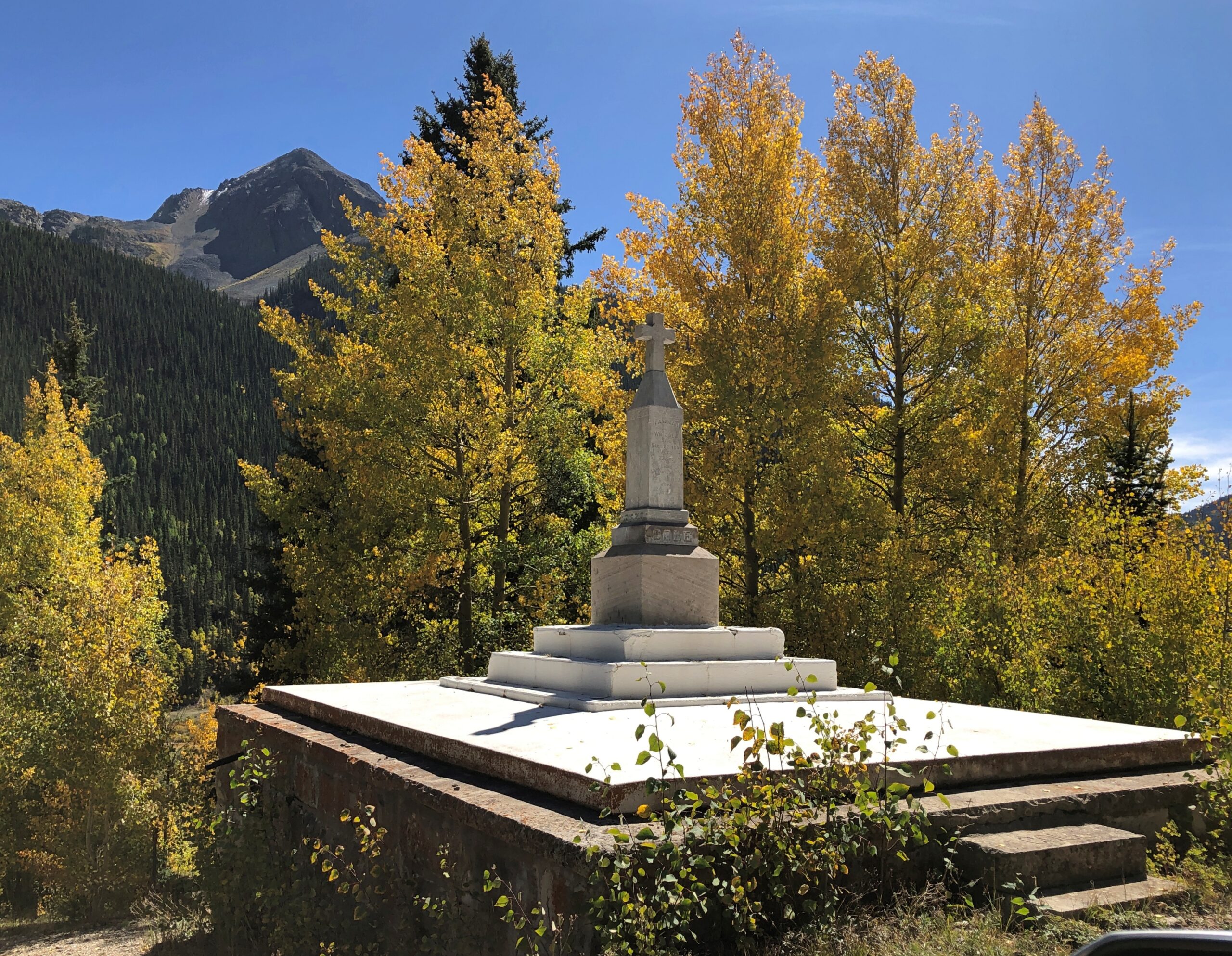
Some sizable memorials.

Hillside Cemetery of Silverton

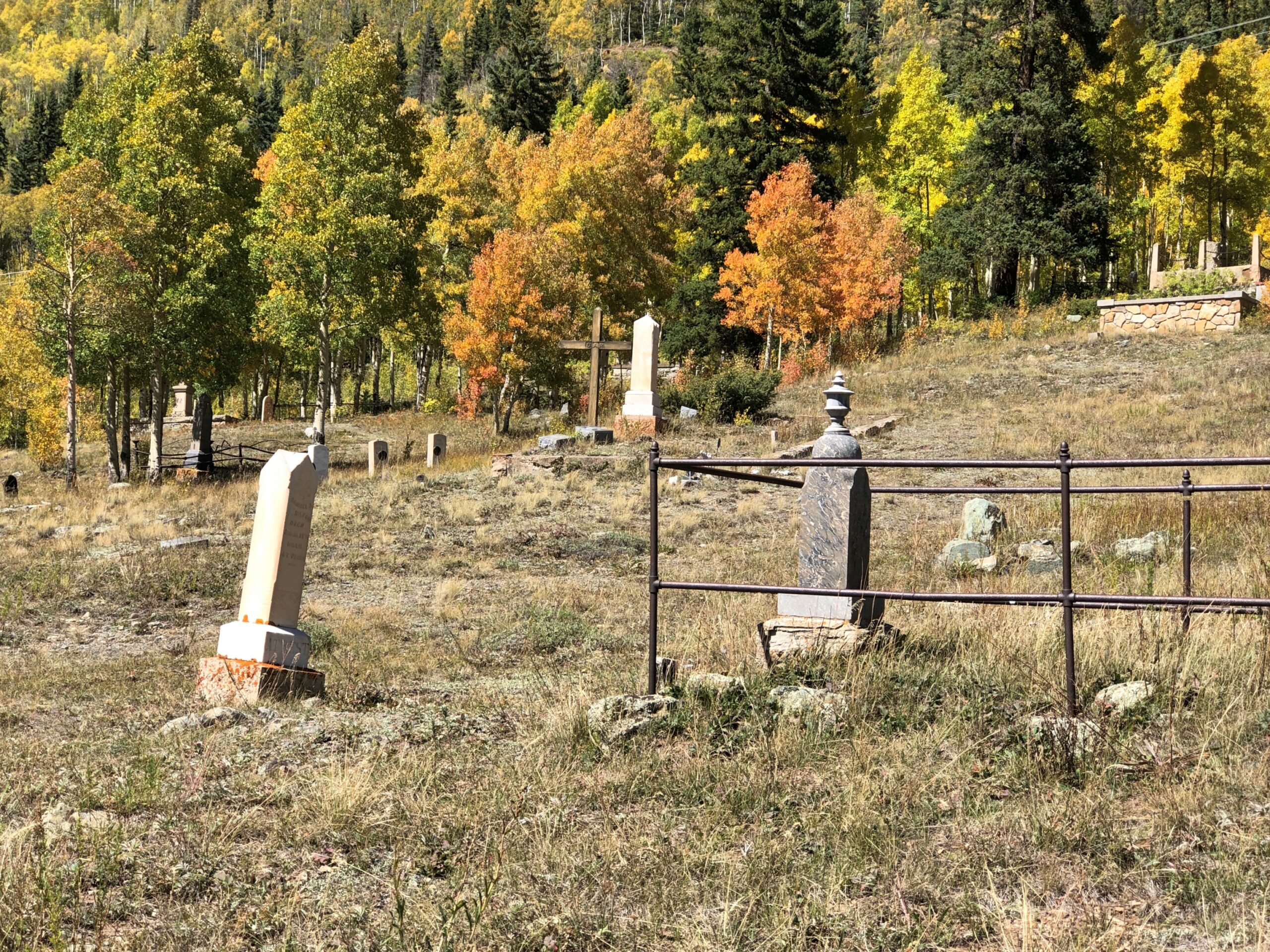
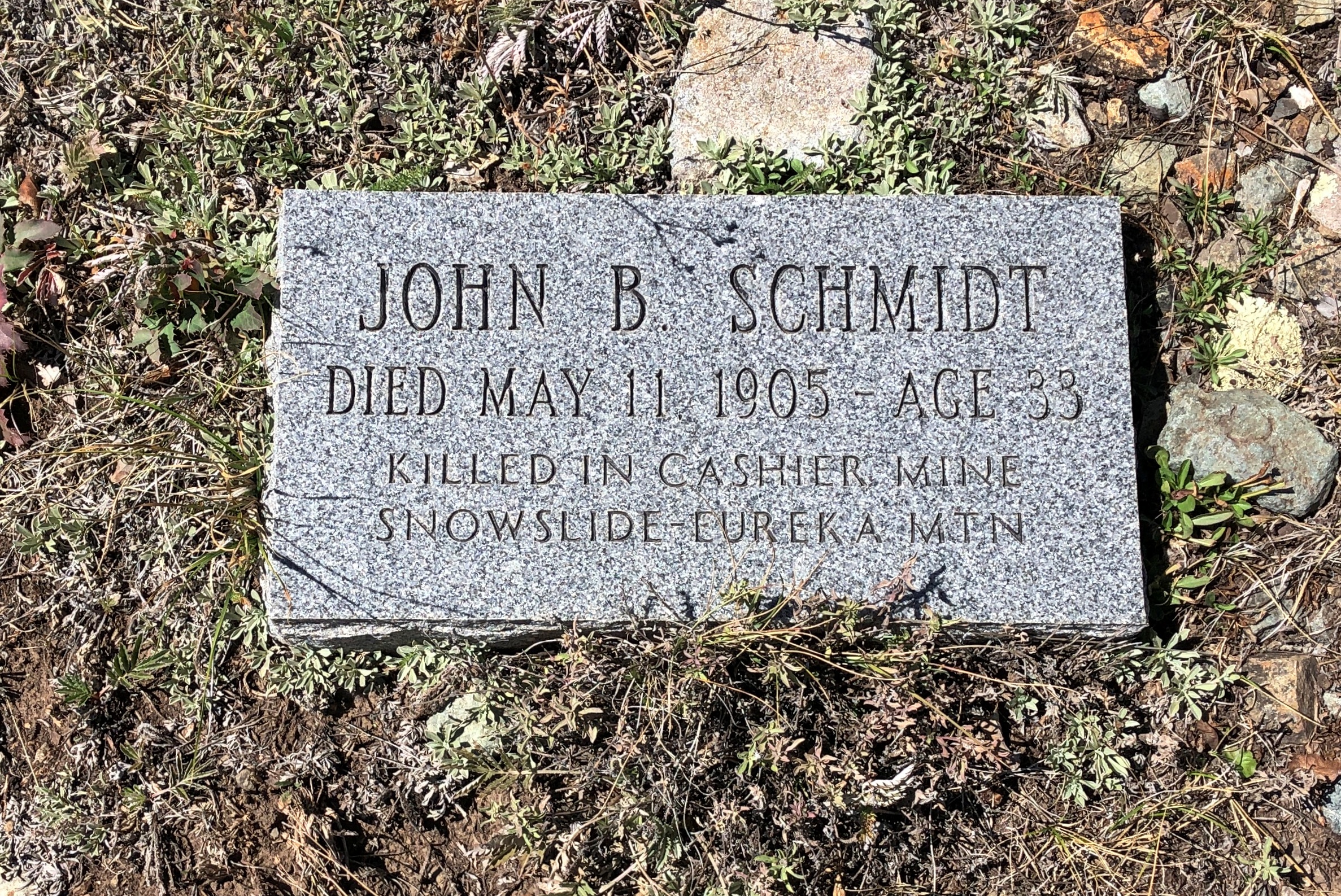
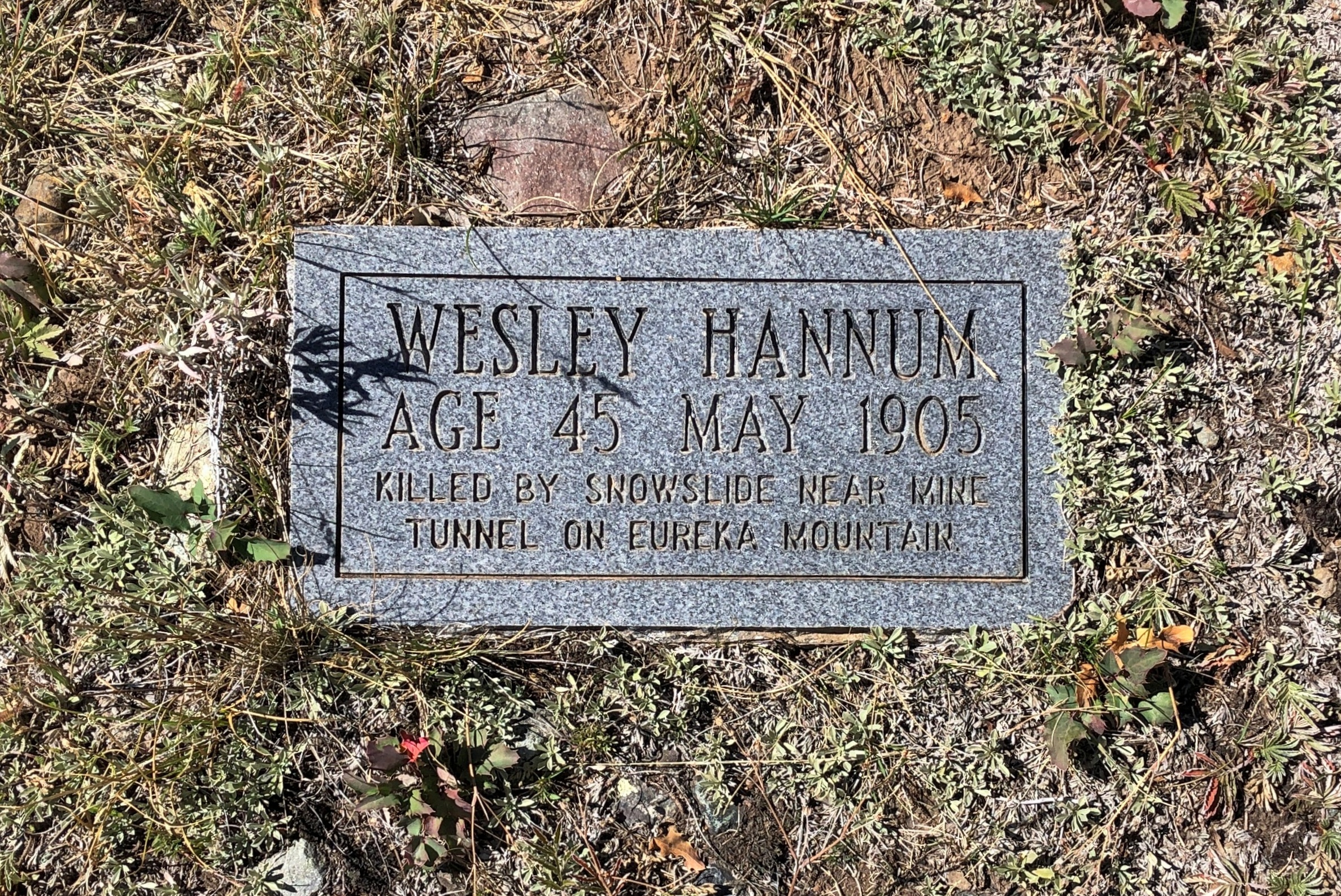
More modest ones.

Hillside Cemetery of Silverton

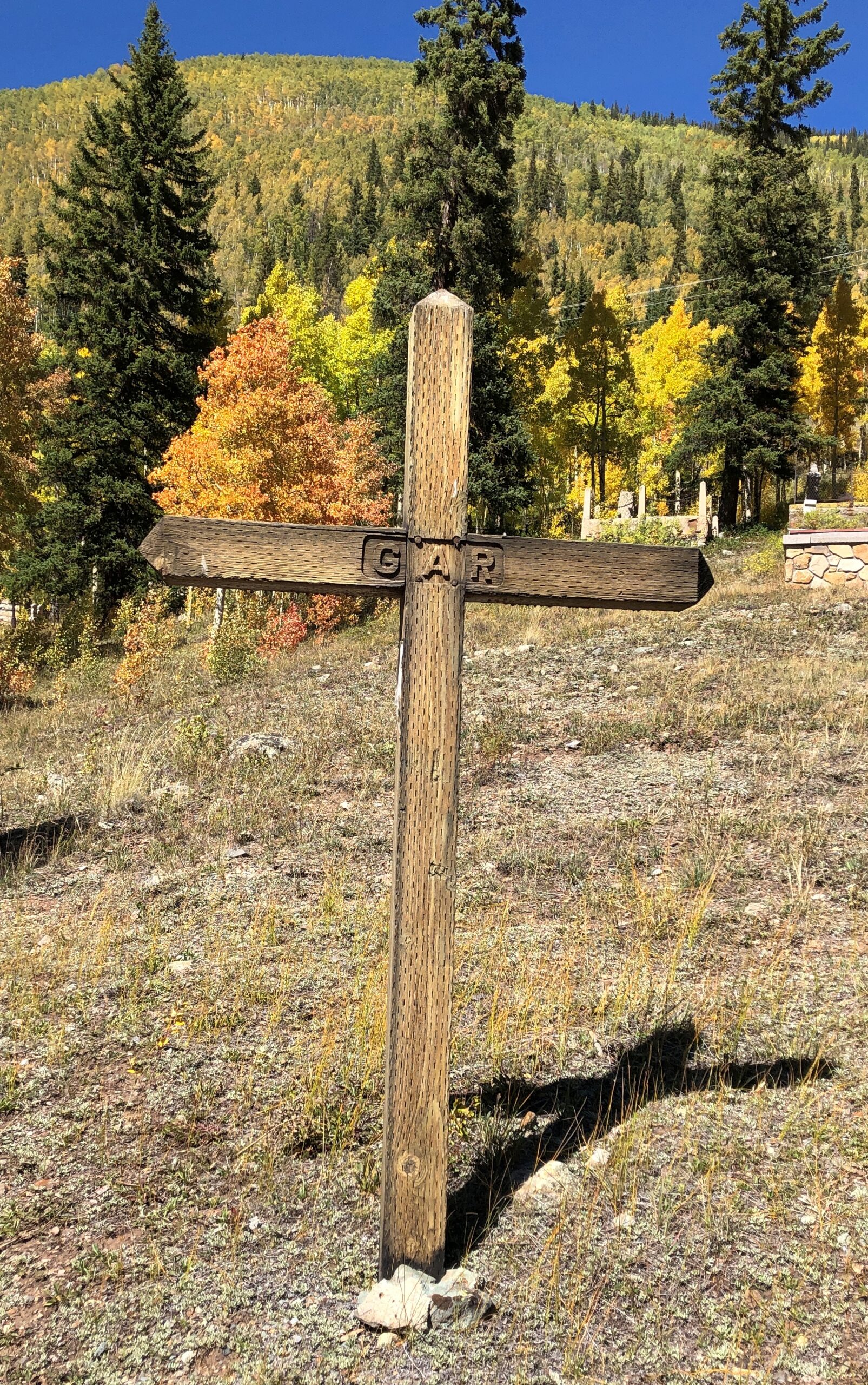
Echoes of lost men from another time. Beyond the outstanding beauty of a hillside cemetery in the flush of autumn, reason enough to visit the cemetery.
Scottsburg, Indiana

Just the latest in bad news: the lodge on the North Rim of the Grand Canyon burned down due to wildfire. At least no one died in the incident, but it’s always unfortunate when a grand edifice meets its end. I wouldn’t bet on reconstruction, either.

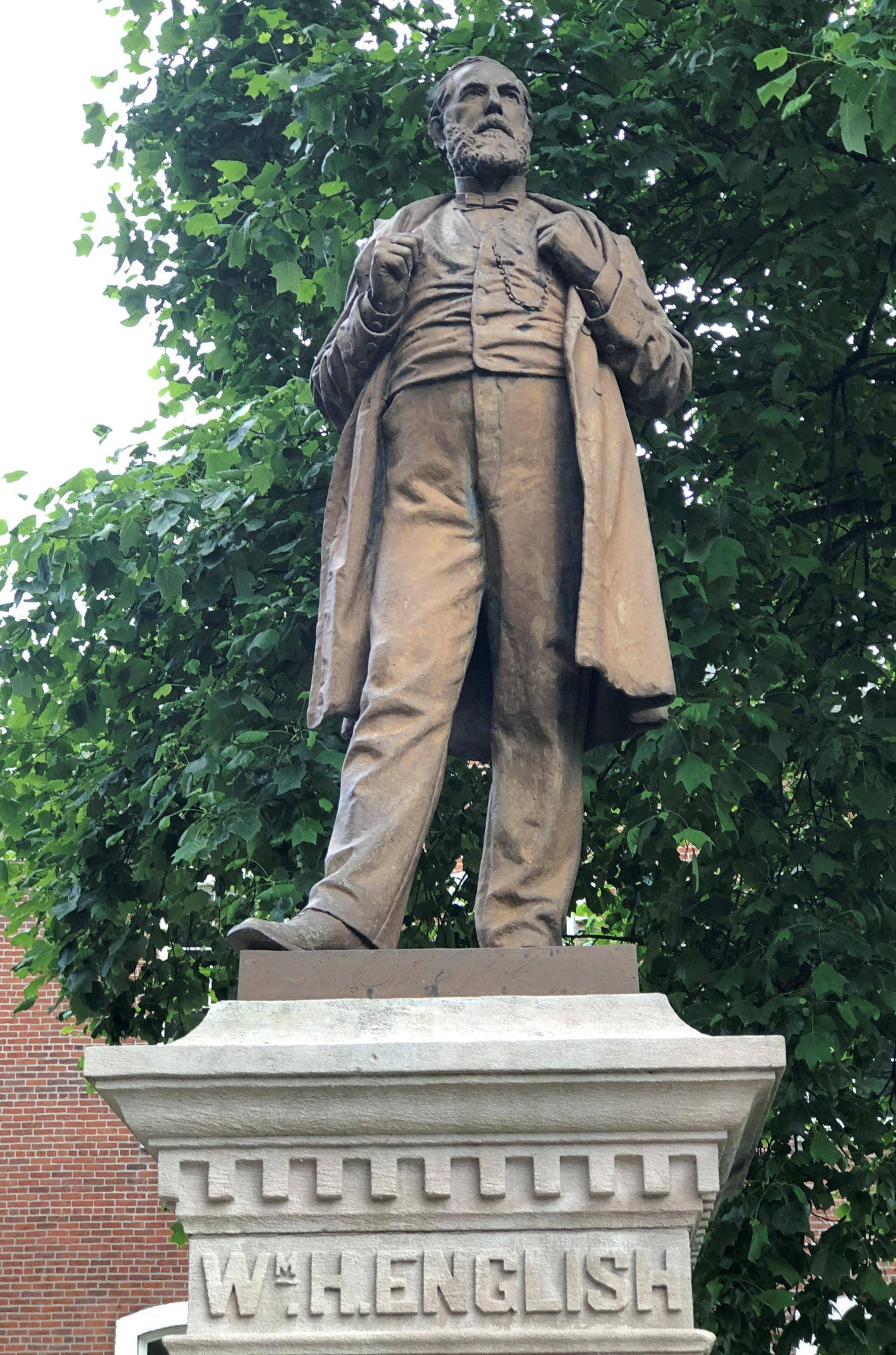
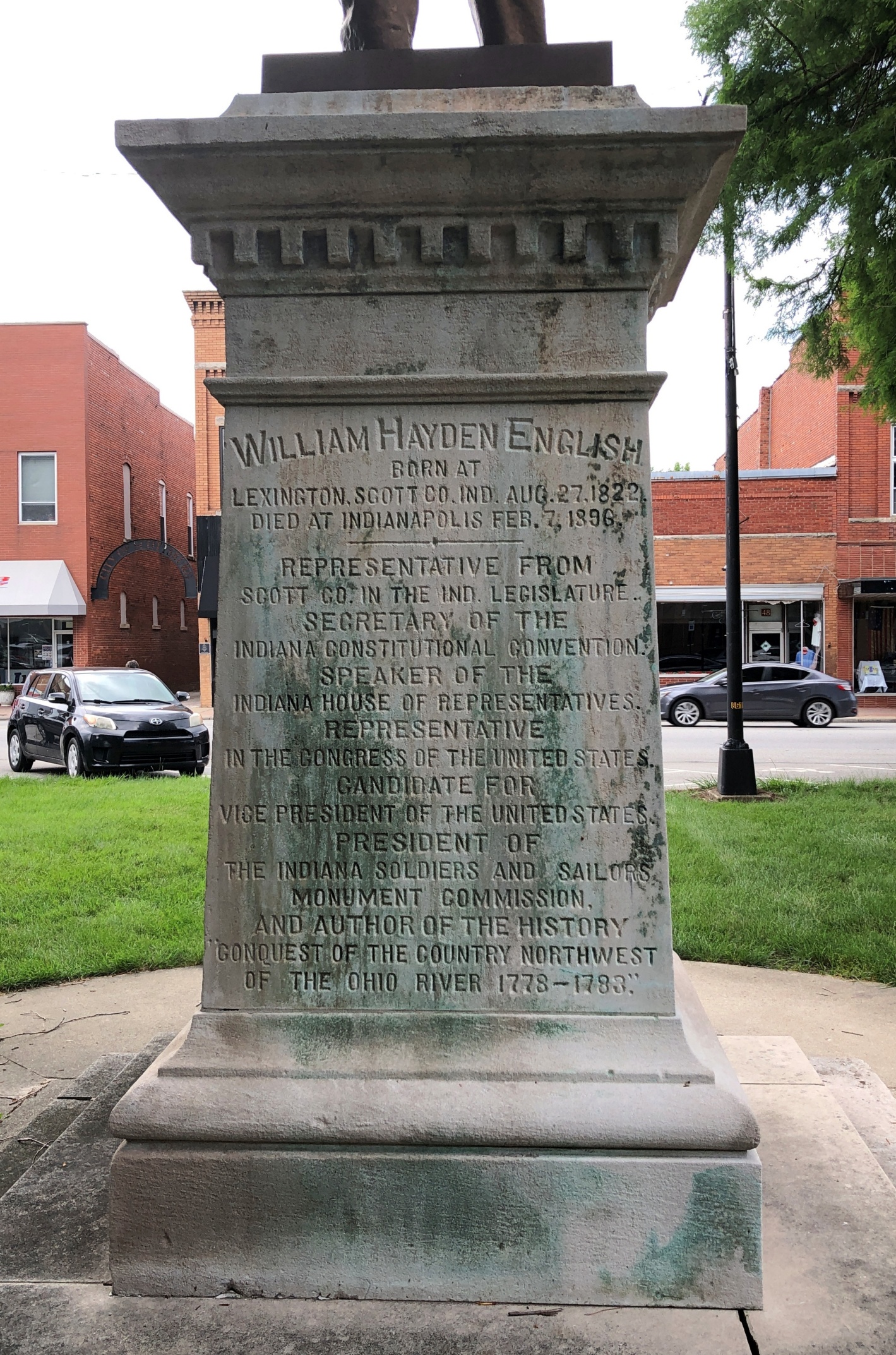
The heat was already on by the time I arrived in Scottsburg, Indiana on the first day of the trip, June 16. But not enough to keep me from taking a stroll around the Scott County courthouse, where I found native son William H. English.

Scottsburg, Indiana Scottsburg, Indiana

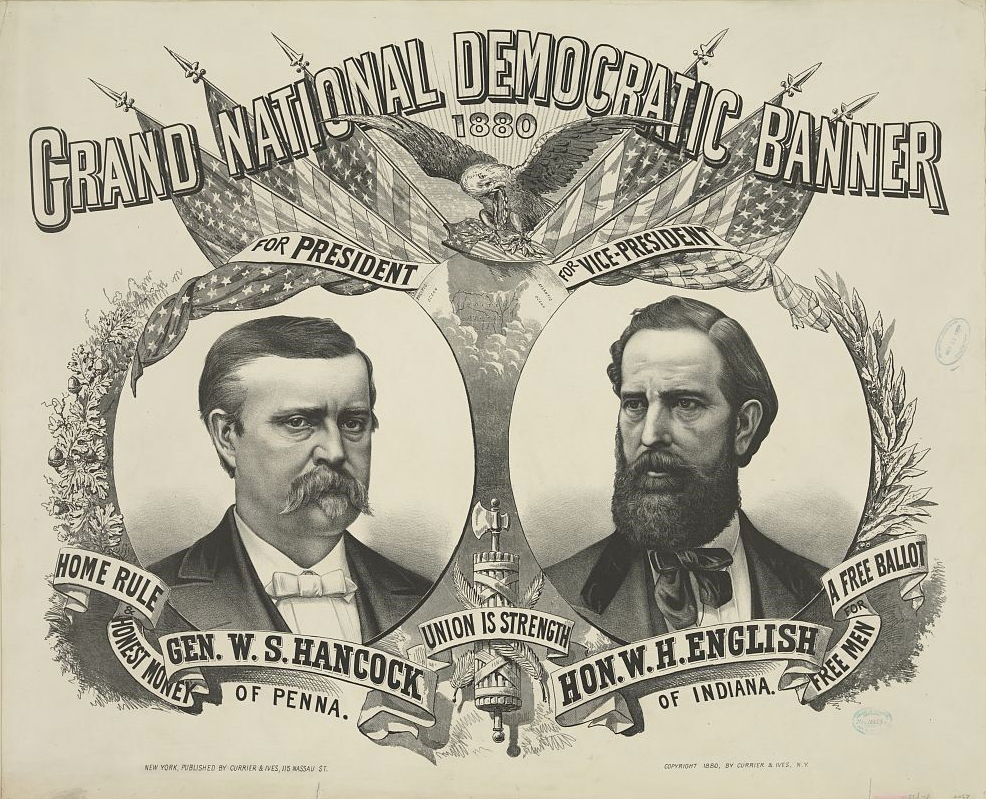
After only a few hours on the road, by chance, I’d come across a presidential sight. Presidential adjacent, anyway, since English (d. 1896) is that most obscure of obscurities, someone who ran for vice president and lost – in 1880 in his case, on the Democratic ticket with Winfield Scott Hancock, who himself isn’t going to ring any bells outside presidential history buffs. The statue went up in 1908.

That was the election James Garfield won, which he no doubt regretted before long.

English, or his heirs, felt that a book he wrote, Conquest of the Country Northwest of the Ohio River 1778-1783, was worth a mention along with the offices he held or aspired to. The marvel here in the 21st century is that the work is just about instantly accessible (Vol. 1 and Vol. 2). An illustration facing the Vol. 1 title page (on the optitle page?) not only falls into the They Don’t Make ‘Em Like That Anymore category, it’s squarely in, No One Would Think of It territory. Just as well, I figure.

To get to Nashville from metro Chicago, the direct route is via I-65, which cuts across Indiana. Considering the importance of both of those cities to me, I’ve driven the route more times than I can count. But I have to report that it isn’t one of the more interesting drives in the nation, and at eight to nine hours drive time in the best of conditions, you feel it yawn beneath your wheels when you yourself yawn.

So the strategy over the years has been to break up the trip. Such as a place like Scottsburg, pop. 7,300. The town is close enough to Louisville to be its exurb – maybe. I haven’t spend enough time in Louisville, as interesting as it is, to have any sense of its greater co-prosperity sphere, or at what distance that might peter out.

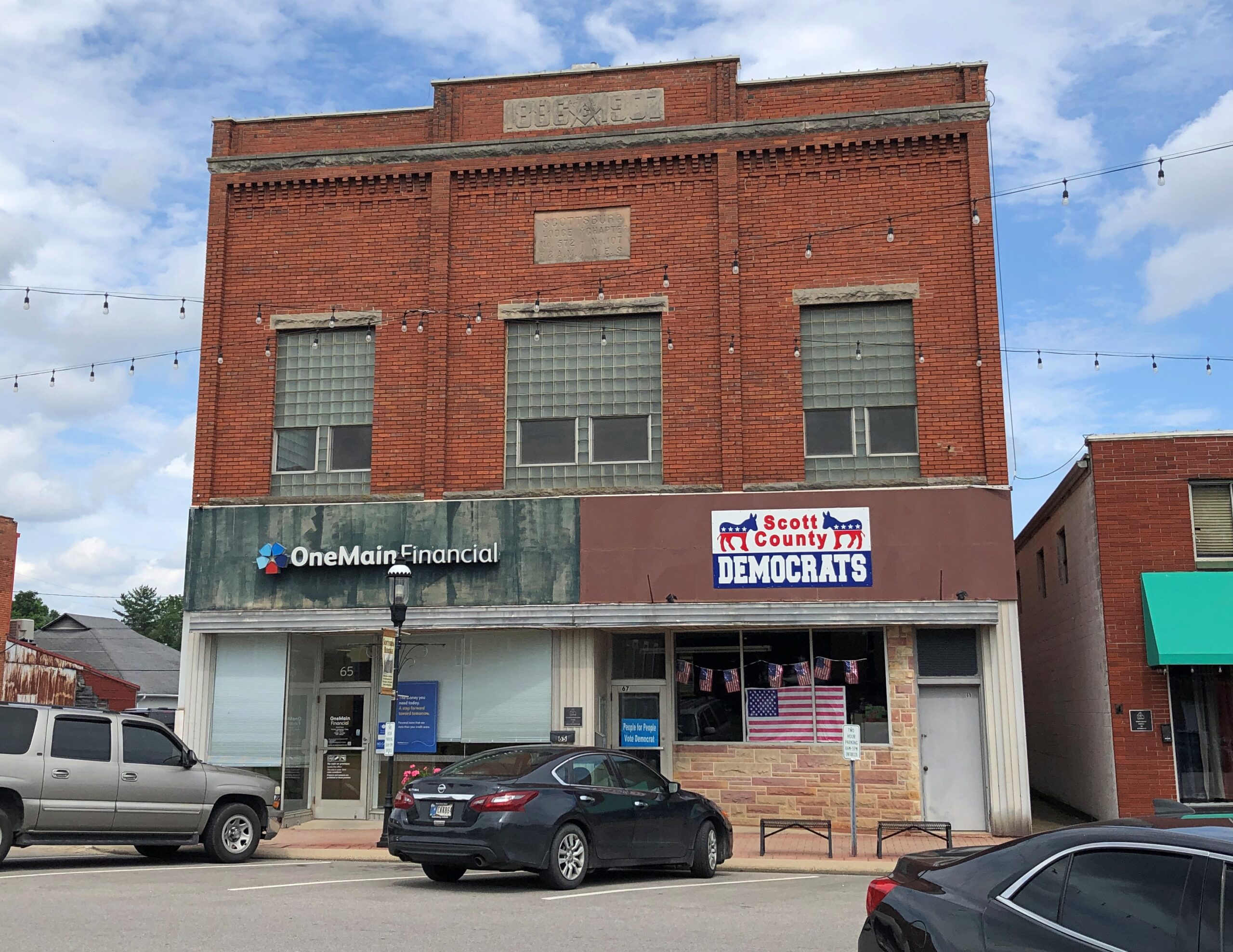
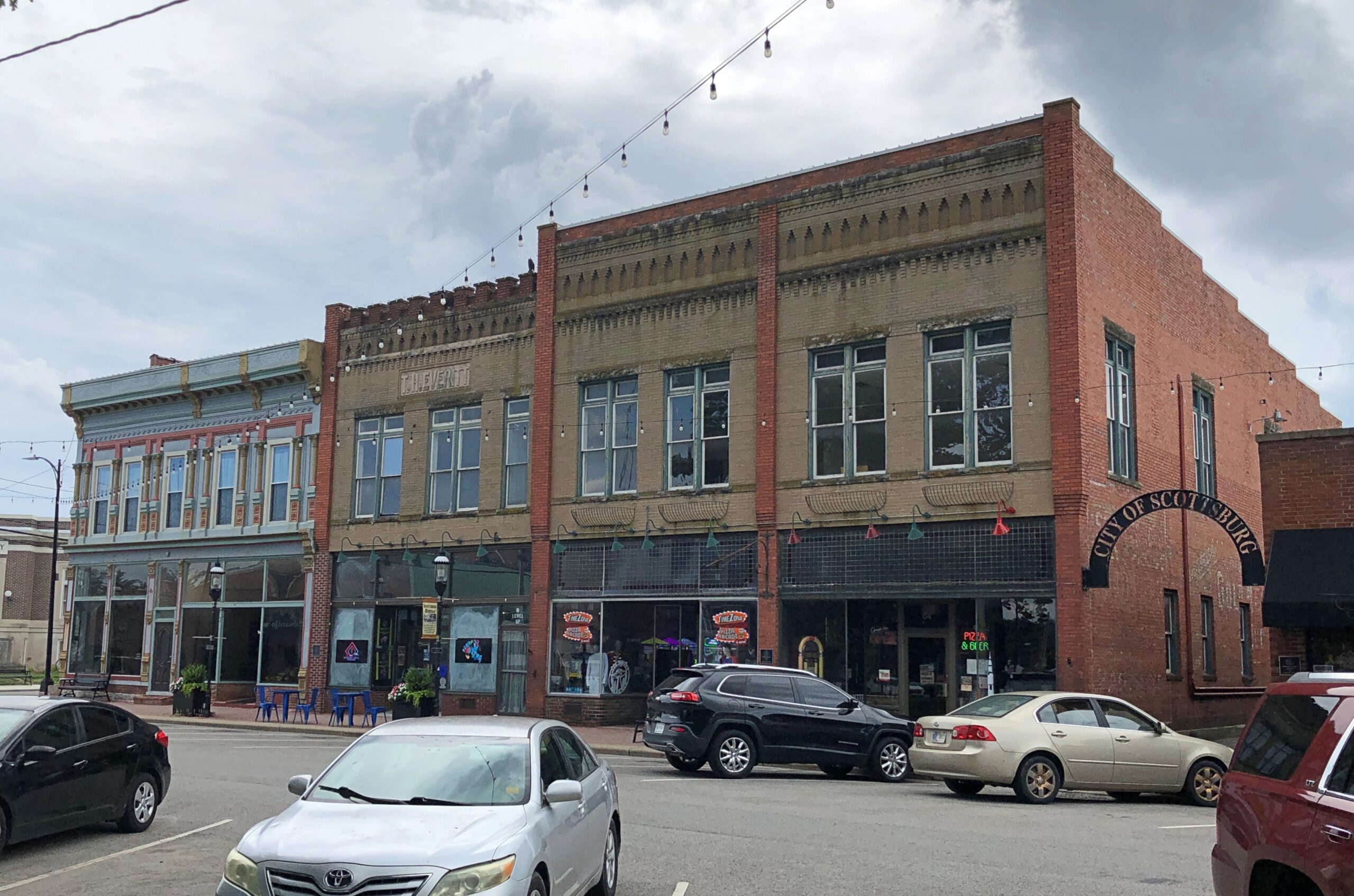
Scottsburg has one thing a picturesque exurb needs: a picturesque courthouse square. Or at least elements of it.

Scottsburg, Indiana Scottsburg, Indiana

Downtown is in fact a national historic district: Scottsburg Courthouse Square Historic District. I get a kick out of discovering that kind of thing retroactively, which I did this time.

“The district is composed of one-, two-, two-and-a-half and three-story brick and stone commercial structures with zero setbacks, which form an essentially contiguous perimeter to the wooded courthouse lawn,” its registration form on file with the U.S. Interior Department says. “There are a total of 48 contributing buildings within the district. The character of the district is defined by late 19th and early 20th century commercial architecture with significant examples of the Italianate, so Richardsonian Romanesque, Renaissance Revival, Colonial Revival, and Art Moderne styles.

“The predominant building material is red brick, as evidenced by the courthouse and 29 commercial buildings within the district. Secondary materials include Indiana limestone and various shades of buff and yellow brick, decorative brick work, cast iron, ornamental pressed metal and glazed tile and Carrera glass…”

Scottsburg, Indiana Scottsburg, Indiana

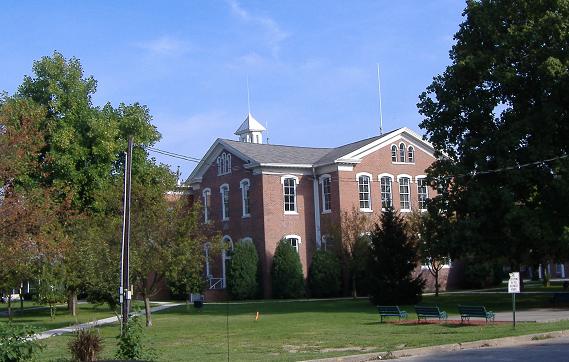
In the heat of the moment (literally), I neglected to get a decent shot of the courthouse itself, but someone called Bedford thoughtfully put an image in the public domain.

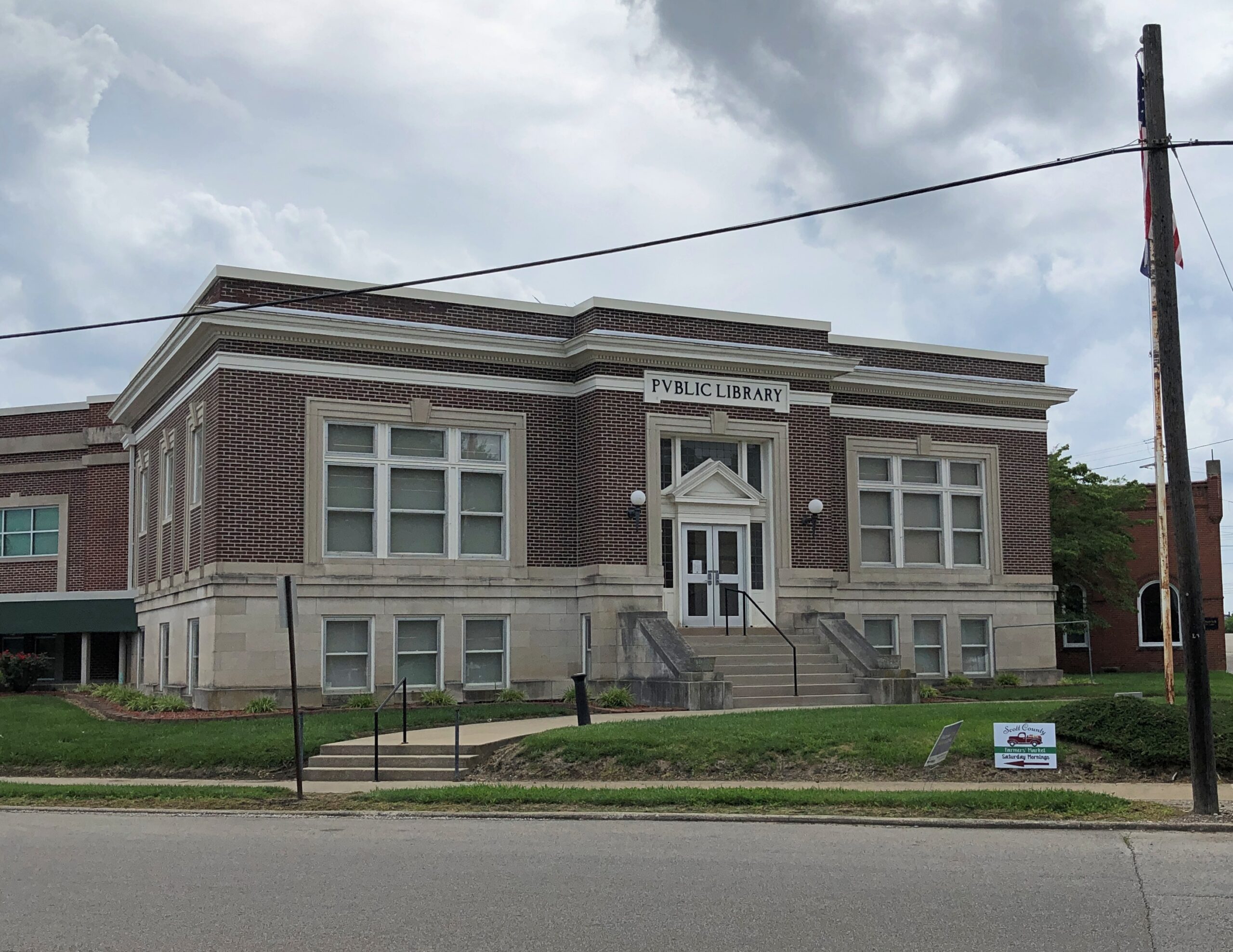
Could it be a Carnegie Library?

Scottsburg, Indiana

Yes. Completed 1917, still a library. One of the more than 1,680 in the United States funded by the robber baron, many of which endure after a century plus.

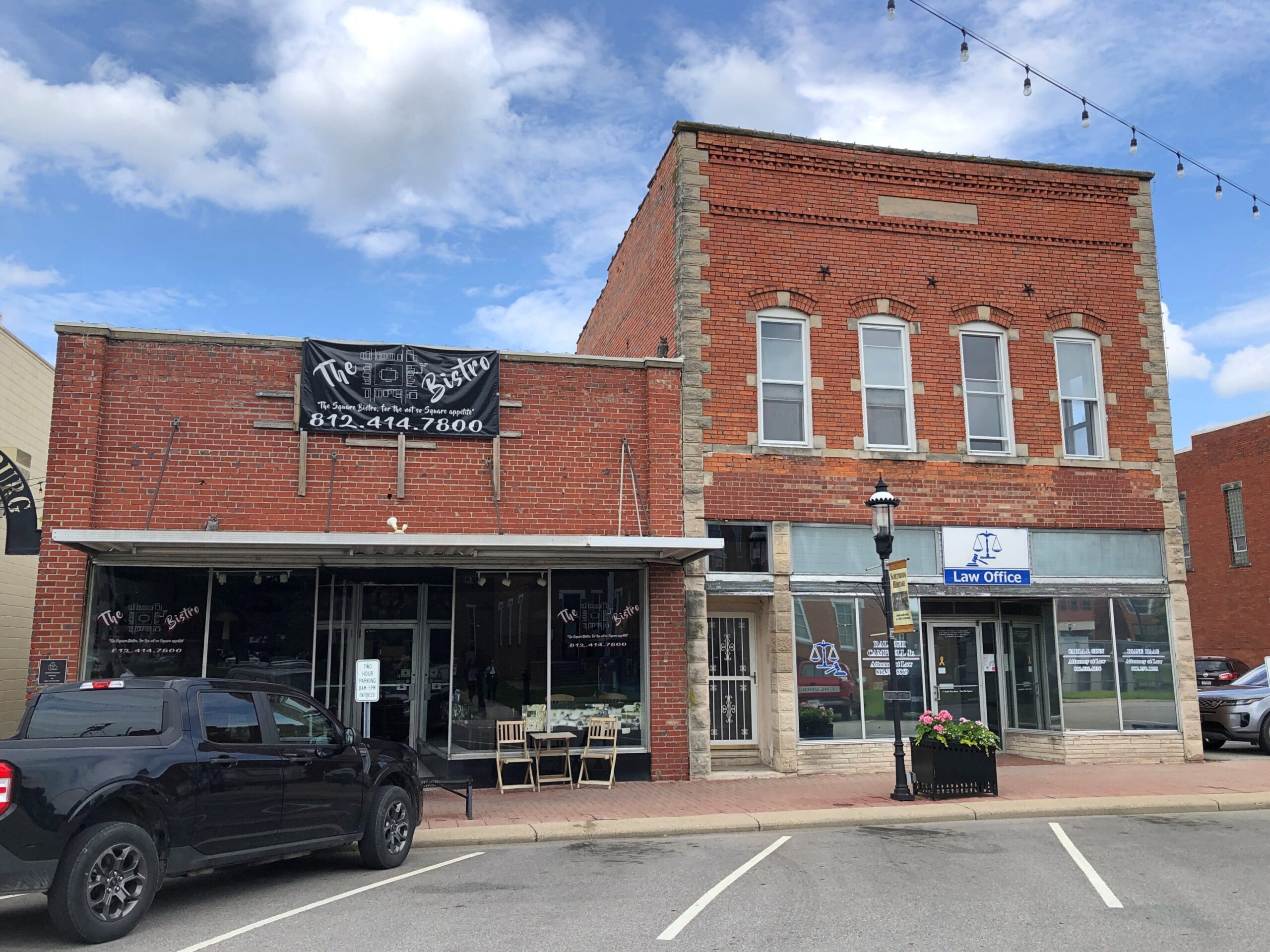
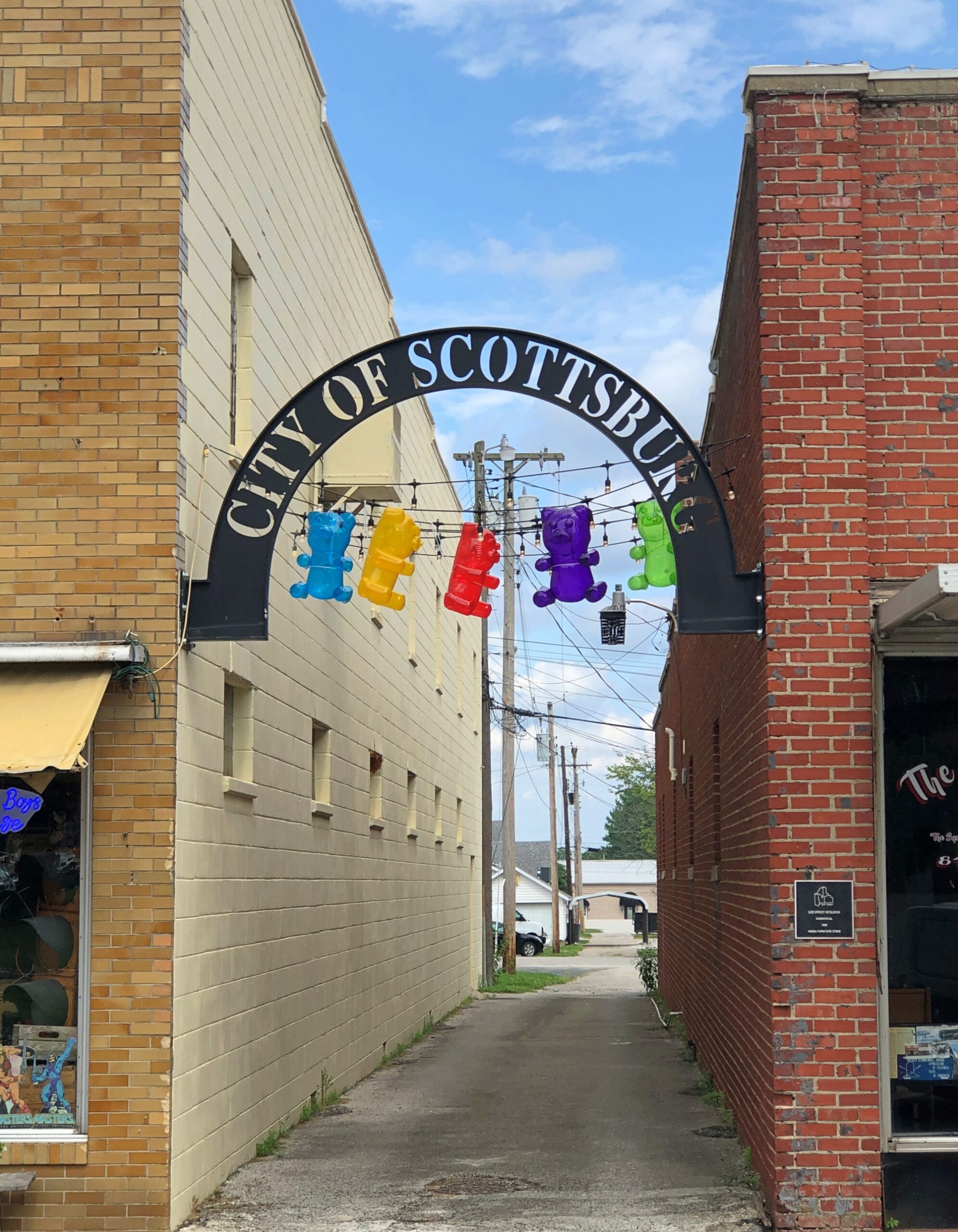
Some courthouse square details.

Dirt Boys Vintage Collectibles joins the likes of city offices and law offices, but also Warriors Den coffee shop, Time Zone Pizza Arcade, Chicago City Pizza and Bootlegger’s Bar & Grill. Those not needing to eat can visit Wildflowers Boutique, Moxie Music Center or Working Class Tattoo Parlor, all there on the square.

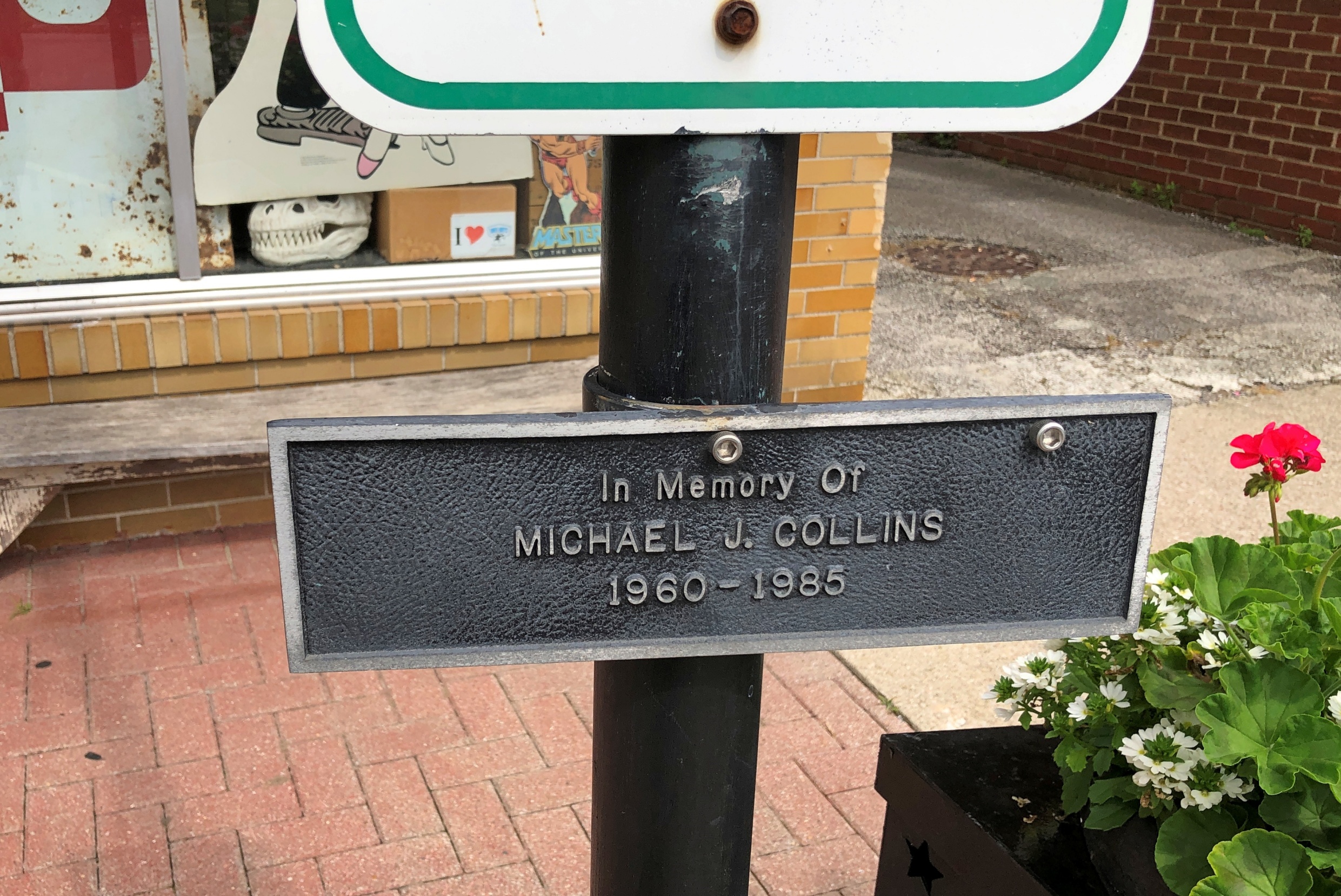
So is a plaque to the memory of one Michael J. Collins (d. 1985).

Scottsburg, Indiana

A contemporary of mine who didn’t make it far out of the gate. RIP, Michael, whoever you were. Are.

Southern Loop ’25

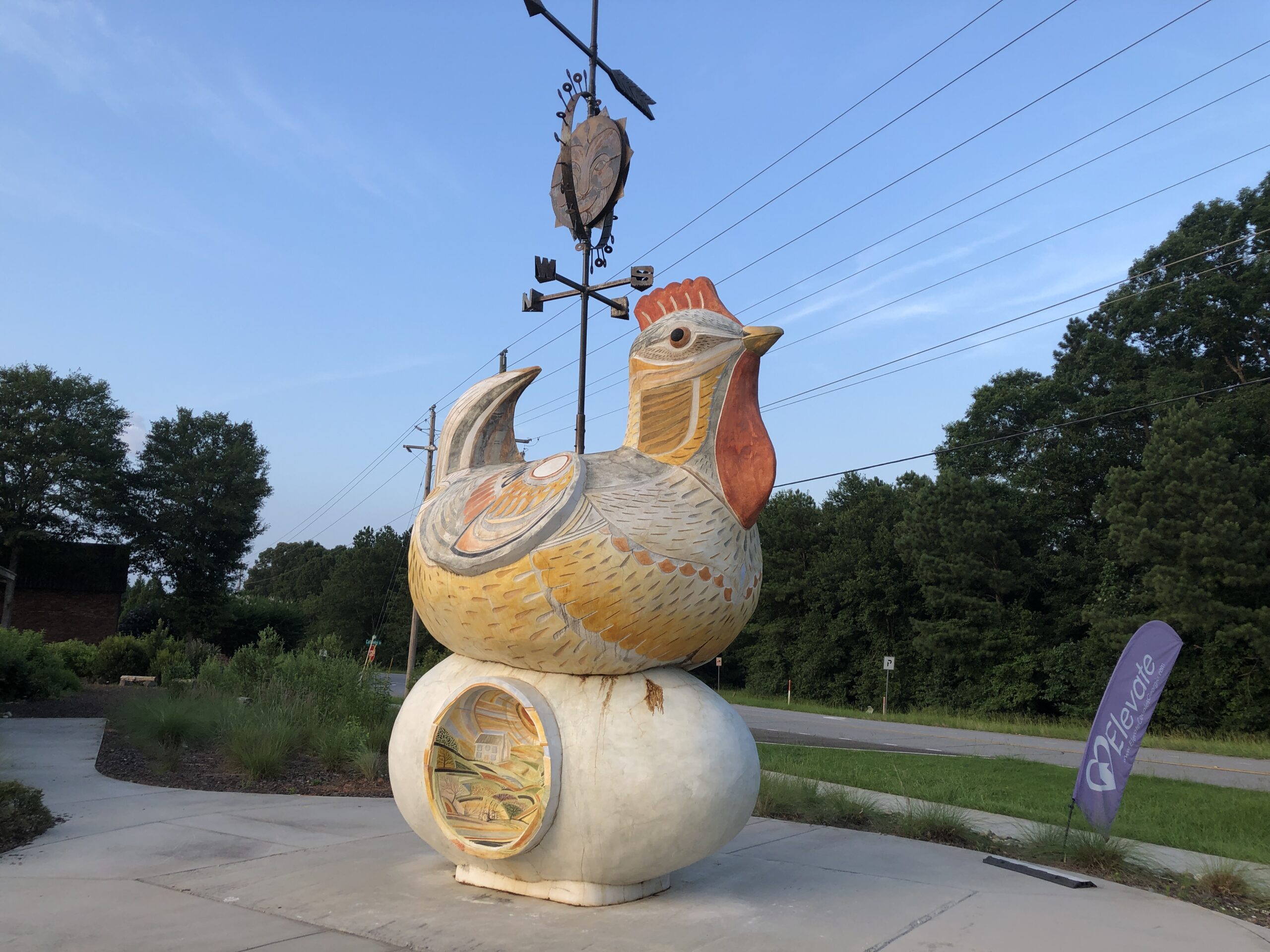
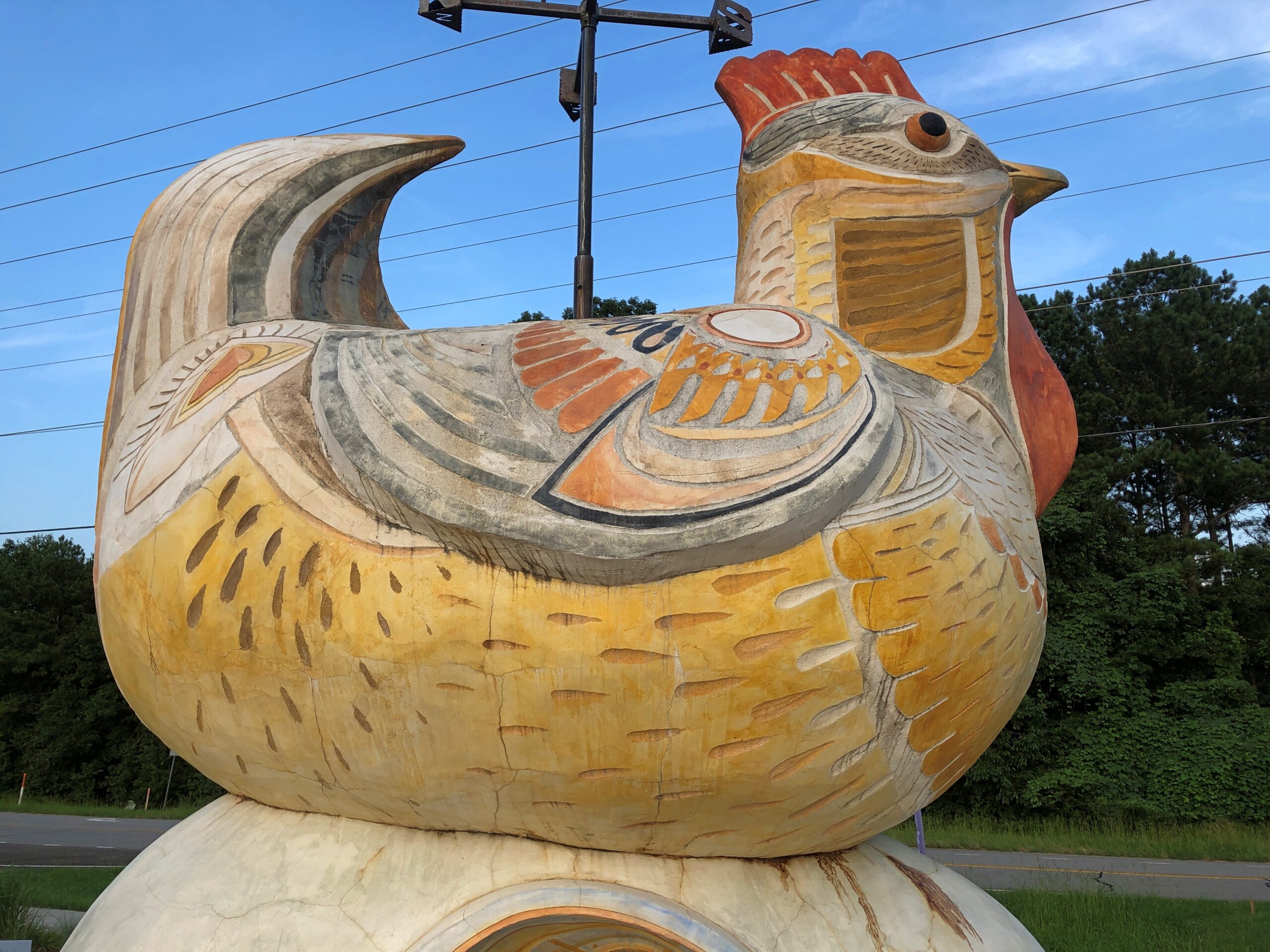
Sometimes you’re driving along, minding your own business because your business at that moment is driving, and you see a two-story chicken near the road. Three stories if you count the iron weather vane perched atop the bird.

Chicken!
Chicken!
Chicken!

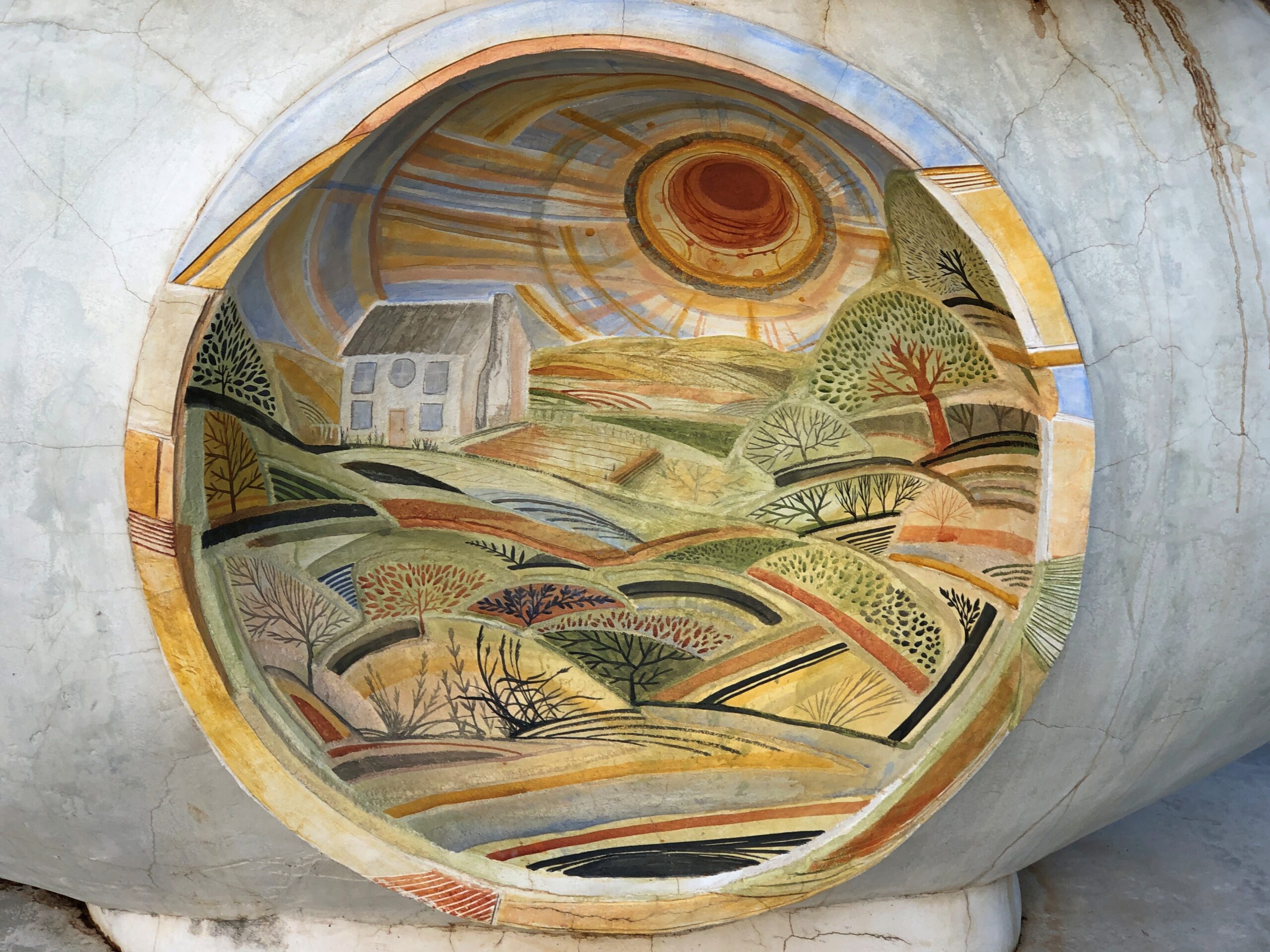
I had to stop to see that. More precisely, it’s a concrete chicken on a concrete egg, settling the question of which came first (the concrete did). The chicken, and the egg, are on property owned by the University of Georgia, used for the Athens-Clarke County Extension in Athens. Erected in 2022. More about the work, “Origins,” is here. All ag extensions should have just a little whimsy.

The chicken appeared roughly in the middle of the 3,285 miles I drove between June 16 and June 29, taking a lasso-shaped path from the Midwest across the Southeast, all the way to the ocean at Myrtle Beach, South Carolina: through Indiana, Kentucky, Tennessee, North Carolina, South Carolina, and Georgia, and back through Tennessee, Kentucky and Indiana.

The concrete hen took the cake for novelty, but along the way I saw a memorial to a mostly forgotten incident in the War of 1812, went into a mirrored tower built for a world’s fair, chanced on the spot where the mostly forgotten diplomat who brought the poinsettia to the U.S. is buried, and braved the tourist sprawl that is Mrytle Beach. I heard stories of Blackbeard while near the coast, near his hideouts. I strolled the genteel downtown of the second-oldest town in North Carolina, passing the notable spot where Pepsi-Cola was invented. We visited a three-story souvenir shop that has stood the test of time in Myrtle Beach, which I’m happy to report sells not just postcards, but vintage local postcards, at popular prices. One evening we wandered past sculptures and colored lights among the Spanish moss in South Carolina. For a moment I beheld a complete set of the U.S. gold coins minted in Dahlonega, Georgia.

I drove by houses, farms and fields, past small businesses open and defunct, and junkyards and billboards — an industry that would collapse without ambulance chasers, I believe — and factories and water towers and municipal buildings. That is to say, structures and greenery of all manor of use and upkeep, an inexhaustible variety of human and natural landscapes. Homogenization my foot. Except, of course, every burg with a zip code also has at least one dollar store.

We – my machine and I and sometimes Yuriko, who flew to Myrtle Beach to meet me for a weekend – experienced an incredibly lush Southeast not long after a rainy spring, on big roads and small, straight and curvy, all the while defying the heat. I heard it enough on the radio: a “heat dome” had settled over the eastern United States. It persisted from the first day in Indiana to the last day in Indiana, though it had moderated a bit by then. Temps were in the 90s most days, but nothing that’s going to faze a Texan with an air conditioned vehicle and bottled water.

We did adjust our schedule to mostly be out in the morning or evening, except at Myrtle Beach, where a walk in the heat that made me feel my age and maybe then some. A less hot but more humid walk in a mostly forgotten national park in South Carolina saw flights of mosquitoes barreling down on me. A few of them penetrated my DEET coverage.

I saw and did all that and much more, but that was only the bronze and silver of the trip. The gold was visiting old friends.

That was actually the priority this time around. Before the trip, one of the friends I planned to visit asked me via text: “What’s your trip about?”

My text answer: “Visit old friends, see new things & take long drives.”

In Nashville, Stephanie and Wendall.

In North Carolina, Dan and Pam. She had enough sense not to wander around in the heat with us.

In rural Tennessee, Margaret and Dave.

Separately in Georgia, Layne and Stuart. I was glad to see them all, and I think they were all glad to see me. Known most of ’em since the 1980s, and we had a time — then and now.

Fatehpur Sikri, Uttar Pradesh

Here we are, in a cold May. Cold and today, rainy. Cold in April is one thing, but in May? Not wintertime freezing cold, of course, but nearly refrigerator chilly. Too cold to lounge around on the deck, which is pretty much my definition of atmospheric chill.

The cold came after considerable warmth last week, even a day that felt hot, during which a dust storm blew through northern Illinois. We didn’t feel the brunt of the storm, just a gusty and dusty edge of it. In all the years I’ve been here, I don’t remember any other Chicagoland-spanning dust storms. Odd.

Out of curiosity, I checked temps in Agra and Jaipur today. At about 2 am IST – the middle of the night – it was 90° F. in Agra. Tomorrow: Abundant sunshine. Hazy. High 106° F. Winds light and variable. As for Jaipur, middle of the night temp, 93° F. Tomorrow: Sunny, along with a few afternoon clouds. Hazy. High 112° F. Winds WNW at 10 to 15 mph.

Zounds. Between Agra and Jaipur, on National Highway 21, is the border of Rajasthan and Uttar Pradesh. This is what it looked like, leaving Uttar Pradesh, headed for Jaipur.

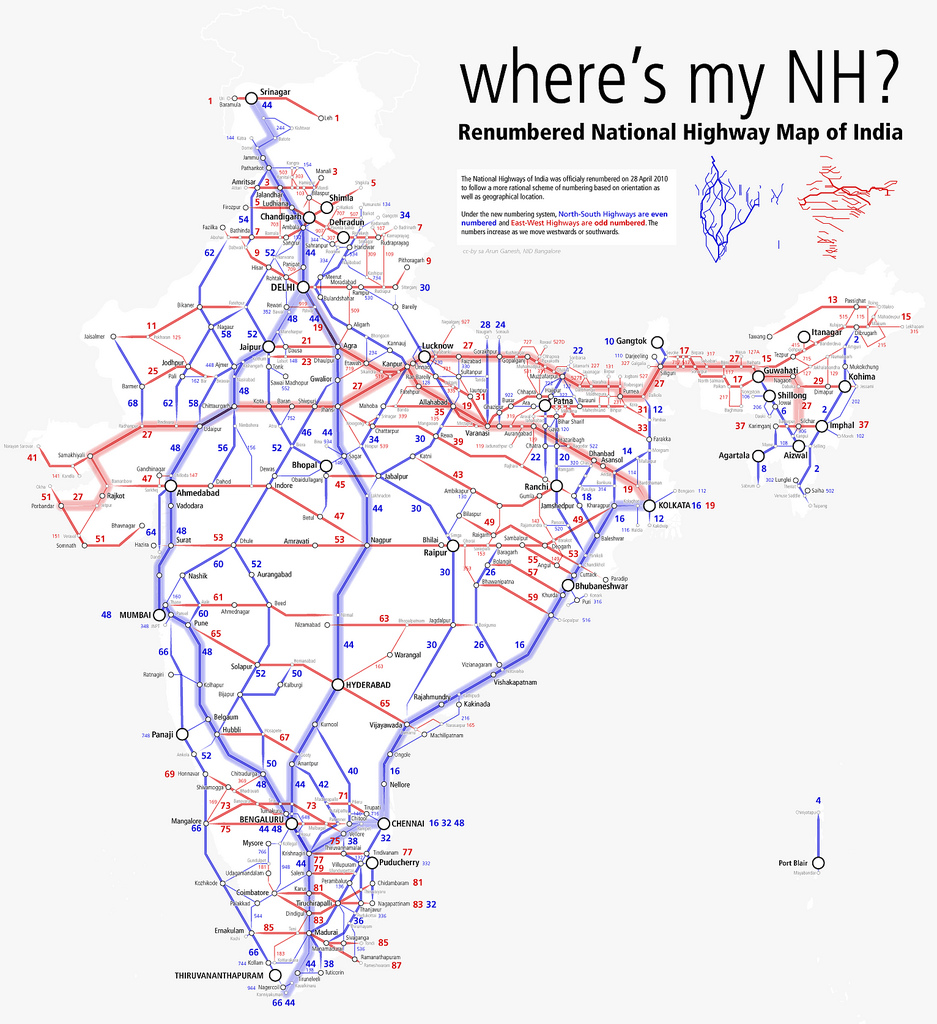
Behold, the National Highway system of India. Infrastructure, by the looks of it, that is reaping enormous economic benefits. The roads were renumbered in 2010. News of that didn’t reach my part of North America, or if it did, it was a squib of an item, lost in the news churn. Under the new(ish) numbering scheme in India, east-west highways are numbered odd, while north-south ones are even, the opposite of the U.S. Interstate system. The numbers increase as you go west or south. Again, the opposite.

Imagine the government committee meetings, the endless, hours-long committee meetings, that must have gone into renumbering the roads. Was there a bureaucratic faction that pushed not to be like the Interstate system, as a matter of national pride?

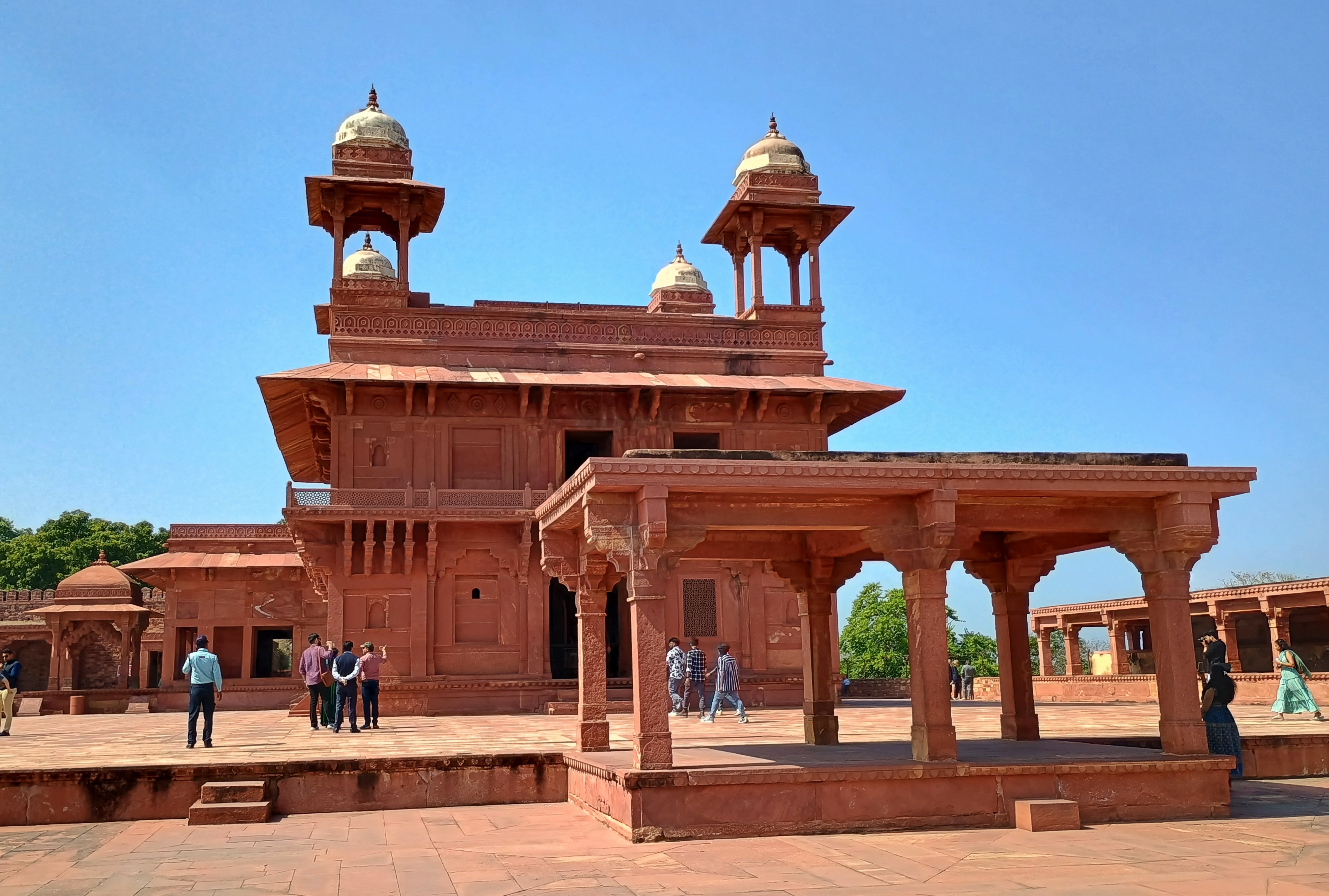
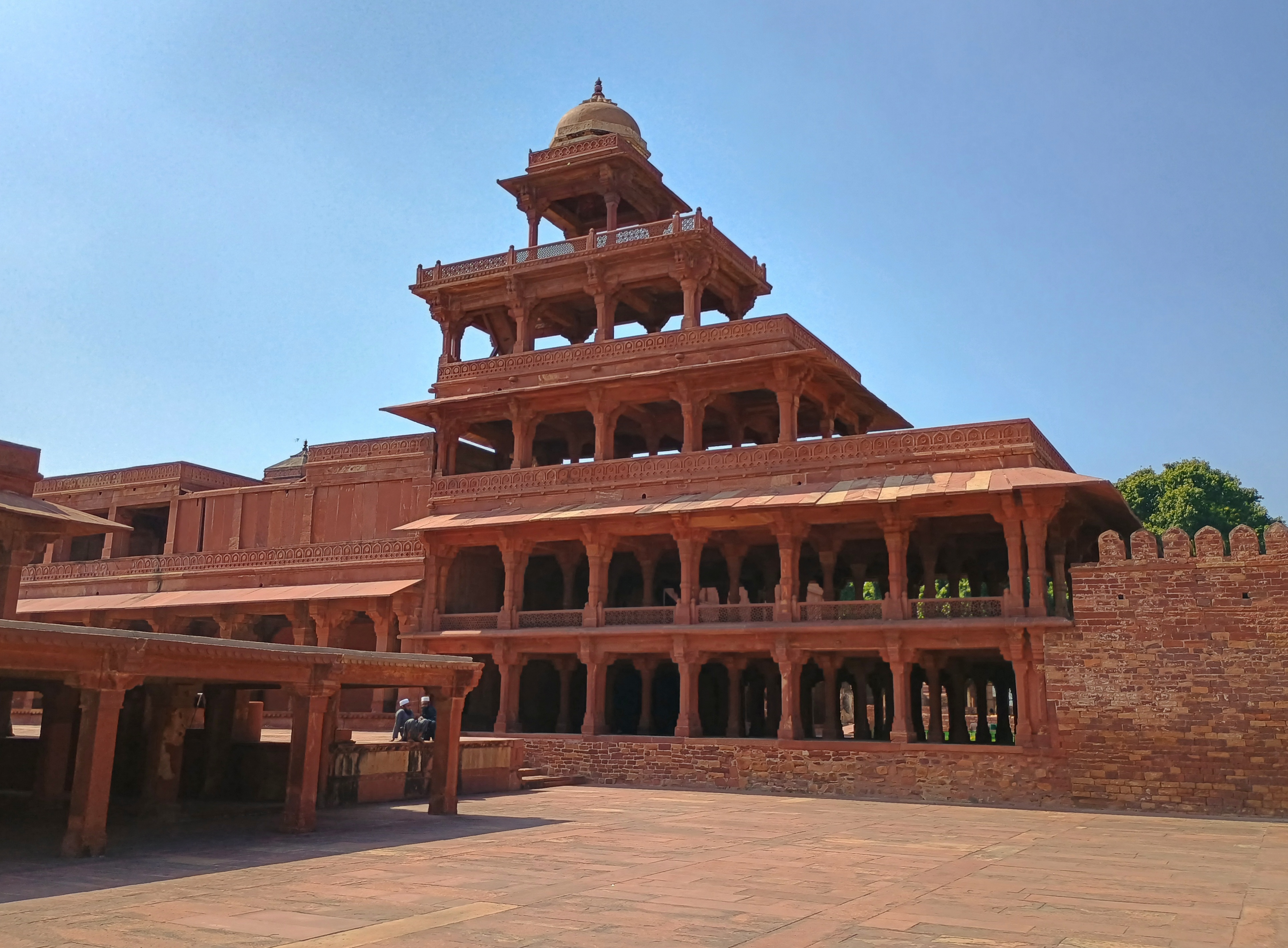
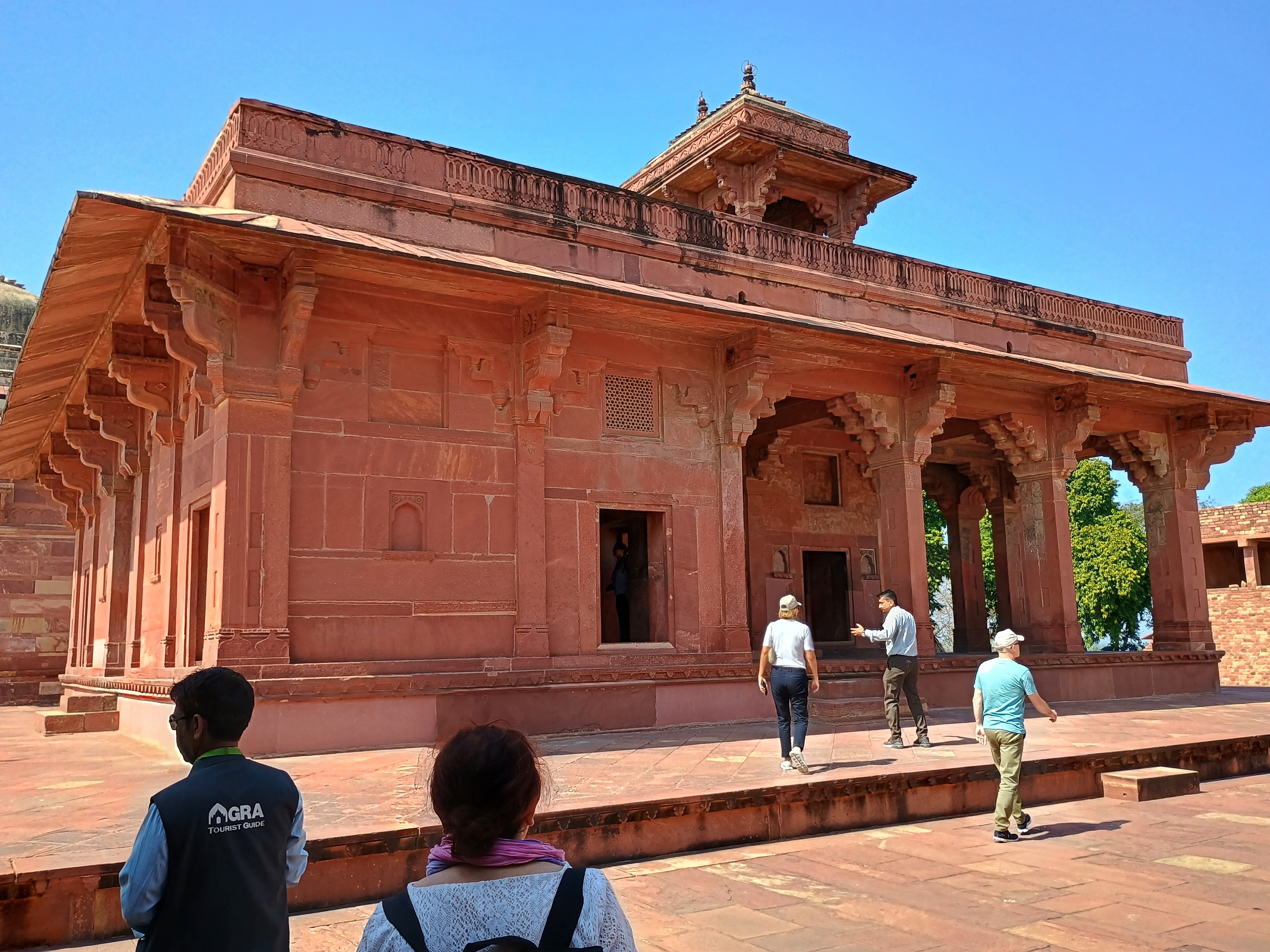
Near the border along NH 21, but still in Uttar Pradesh, is Fatehpur Sikri, which Akbar, the third Mughal emperor, made his capital for a little more than a decade in the 16th century. A short-time capital it might have been, but Akbar didn’t think small when it came to developing Fatehpur Sikri – Mughal potentates never thought small, it seems – and so left behind some World Heritage-class sites (and indeed, it is on the UNESCO list).

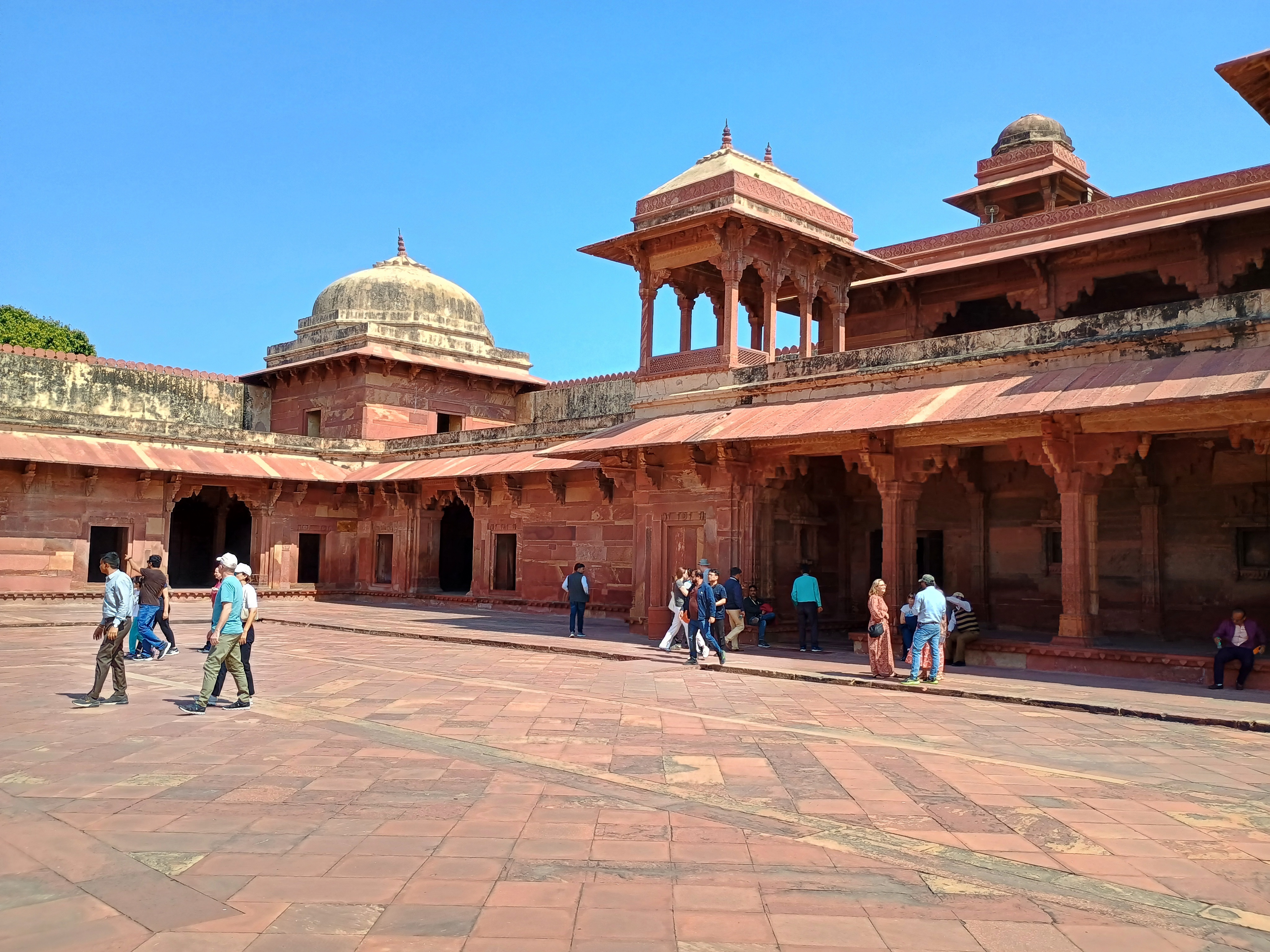
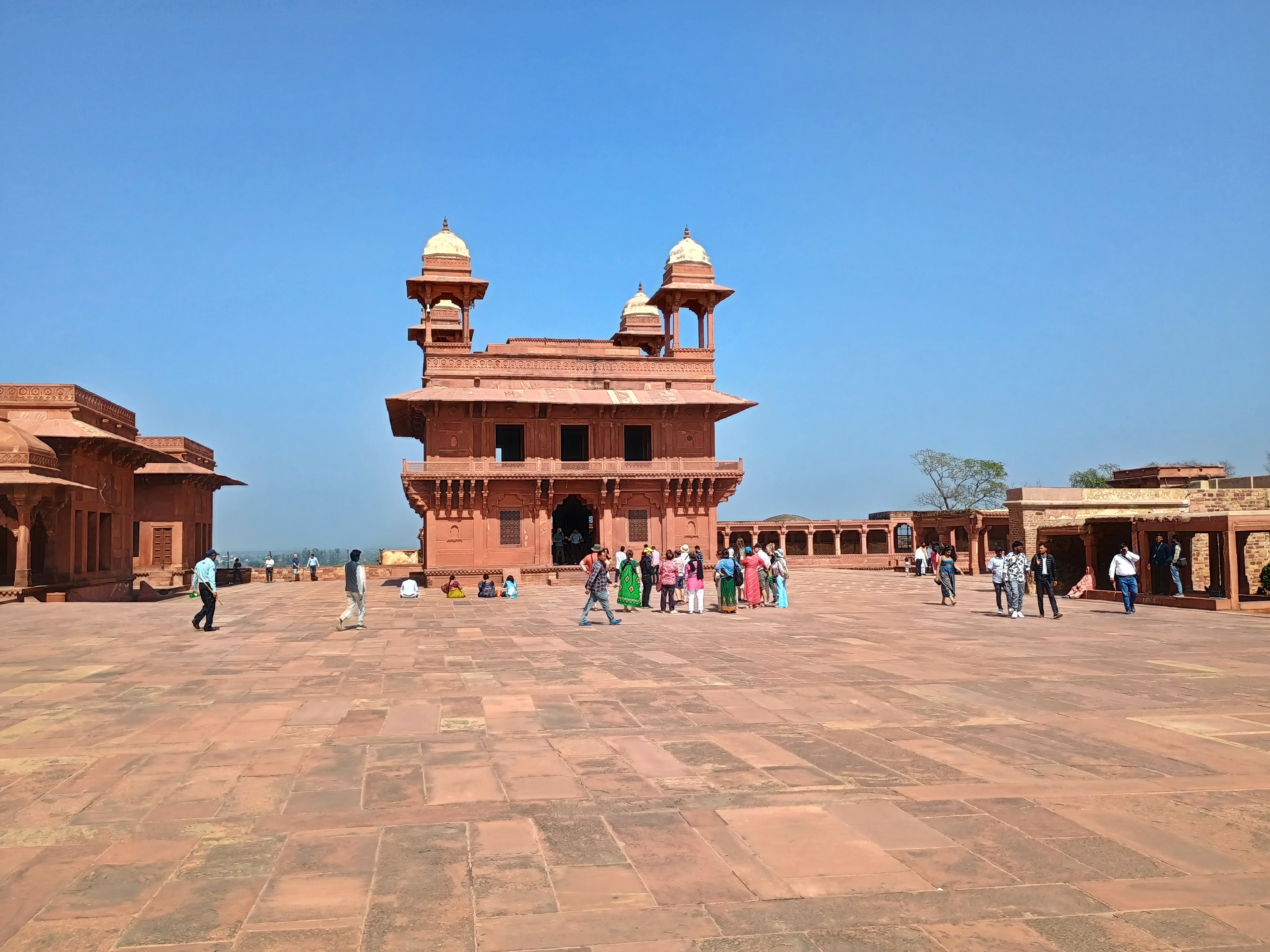
When we arrived, temps were nowhere near 100+ F. Maybe 80° F. or so, which I count as pleasant.Fatehpur Sikri Fatehpur Sikri Fatehpur Sikri

Turn up the heat another 20° or so, and those broad stone courtyards wouldn’t be that pleasant for tourists or touts.Fatehpur Sikri Fatehpur Sikri

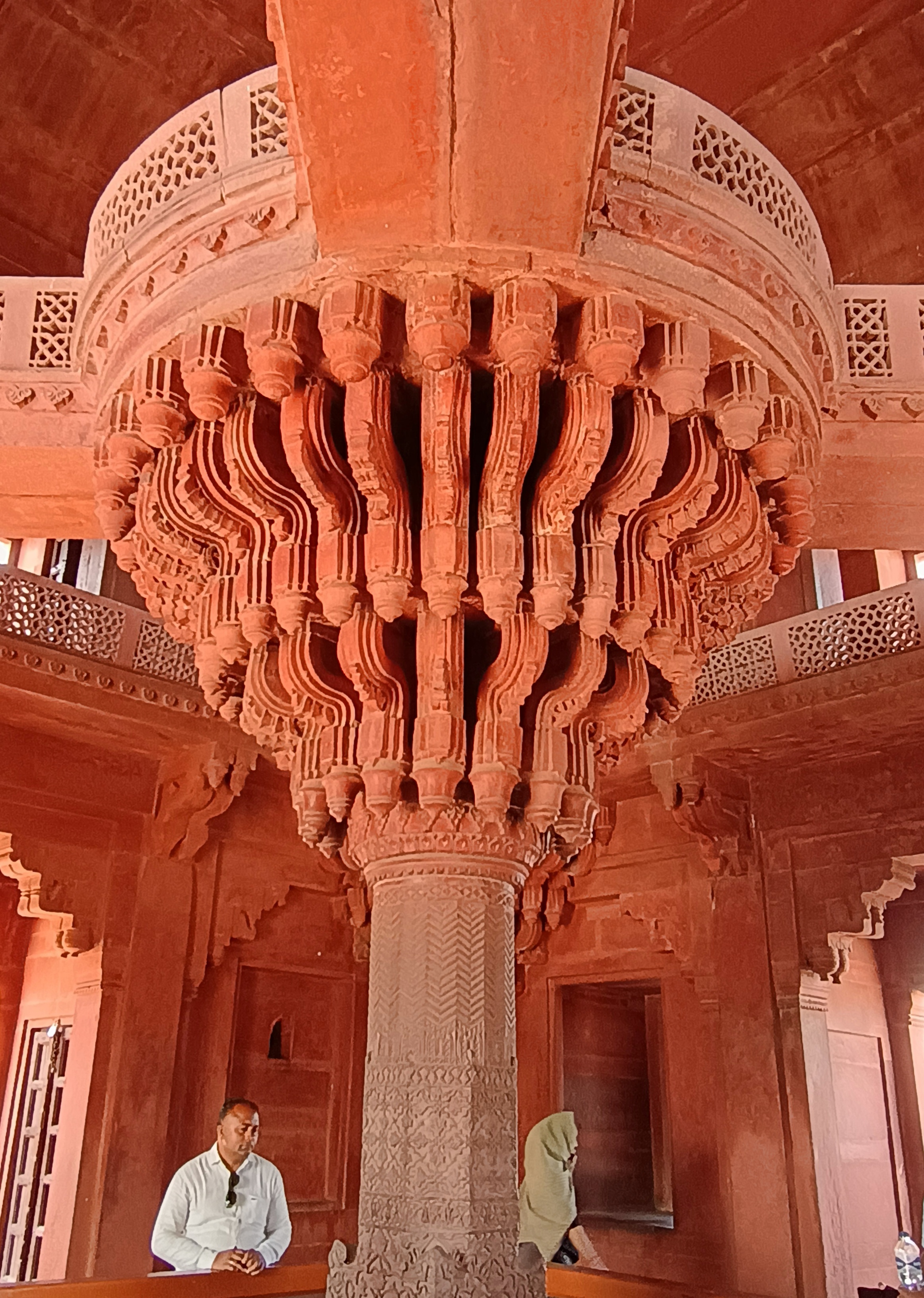
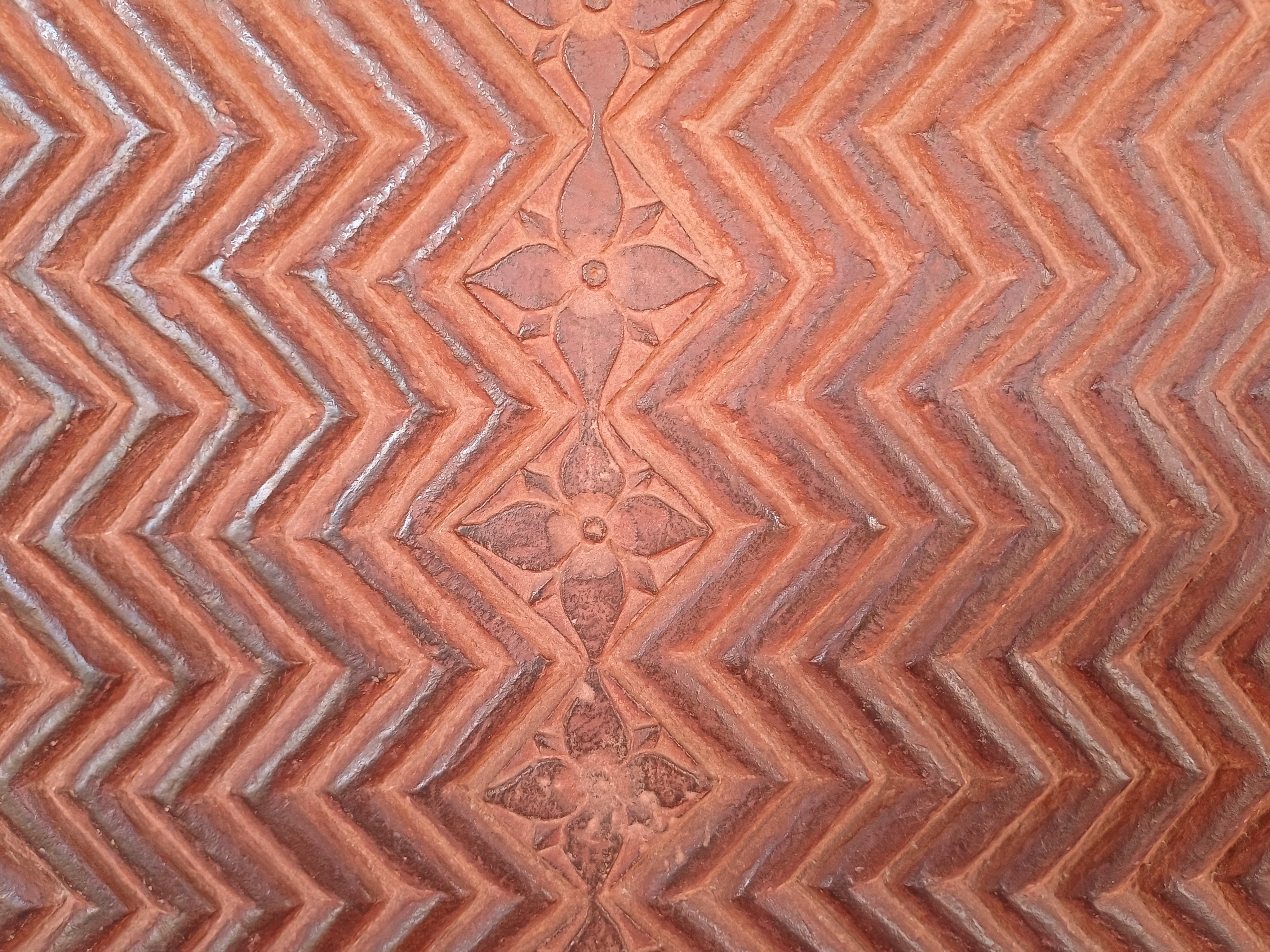
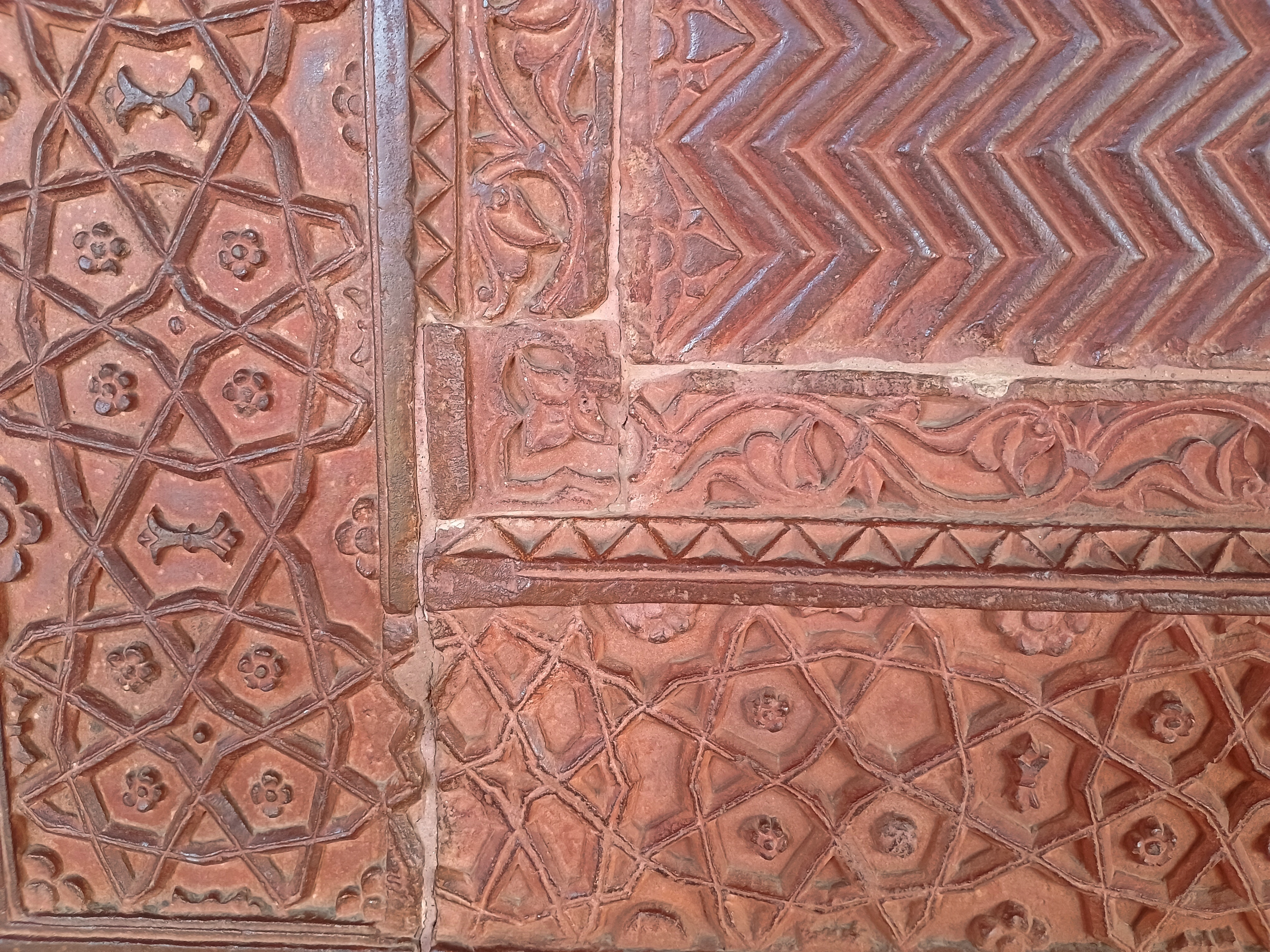
The stonemasons, as usual, did wonders with red sandstone.Fatehpur Sikri Fatehpur Sikri Fatehpur Sikri

Unlike any other big-deal historic site we visited in India in February, roving vendors were allowed inside the complex at Fatehpur Sikri. The vendors tend to swarm, especially if you buy anything from anyone at any moment – as I did, a necklace for Yuriko. I might as well have painted a DayGlo rupee symbol (₹) on my back.

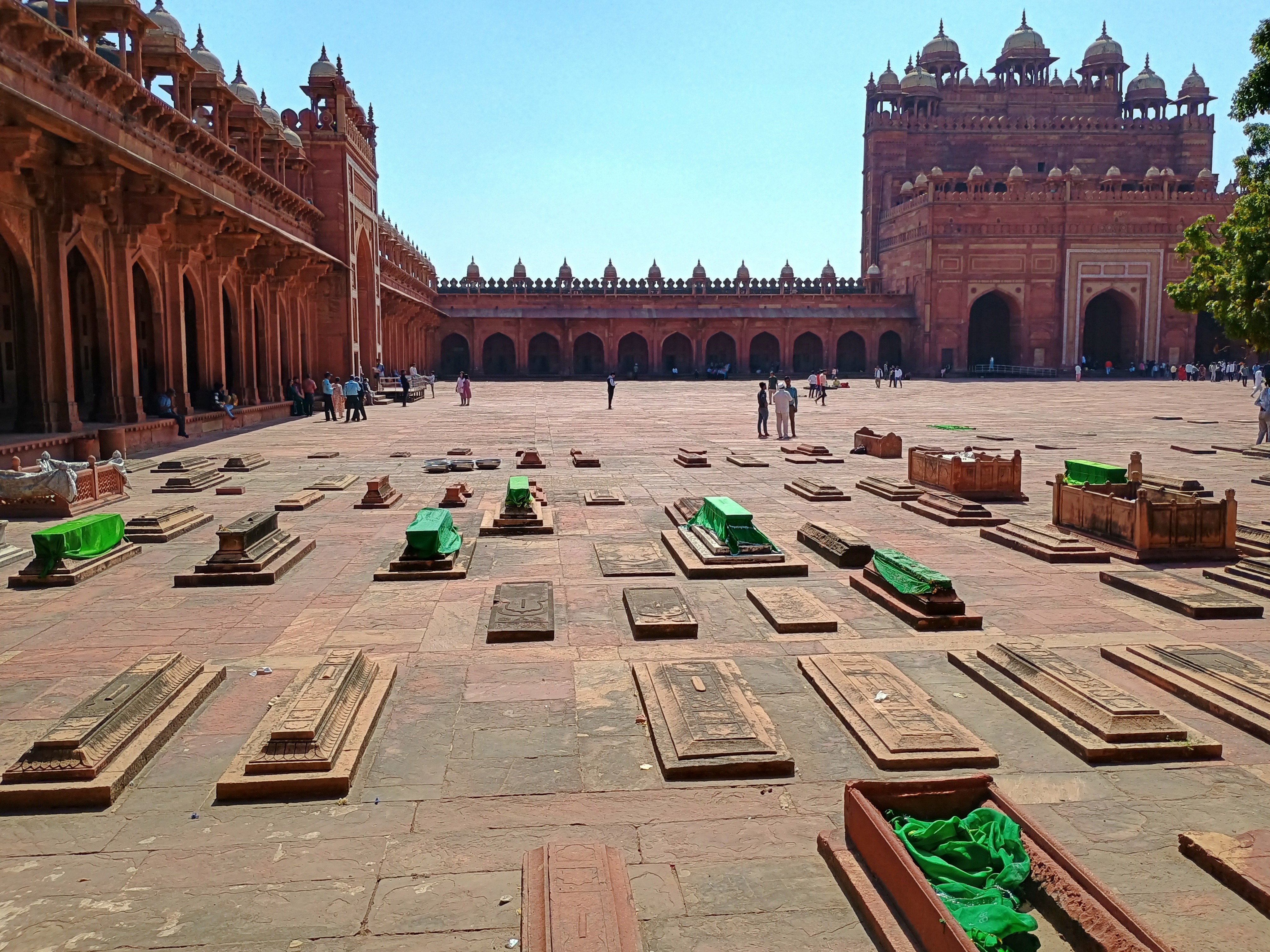
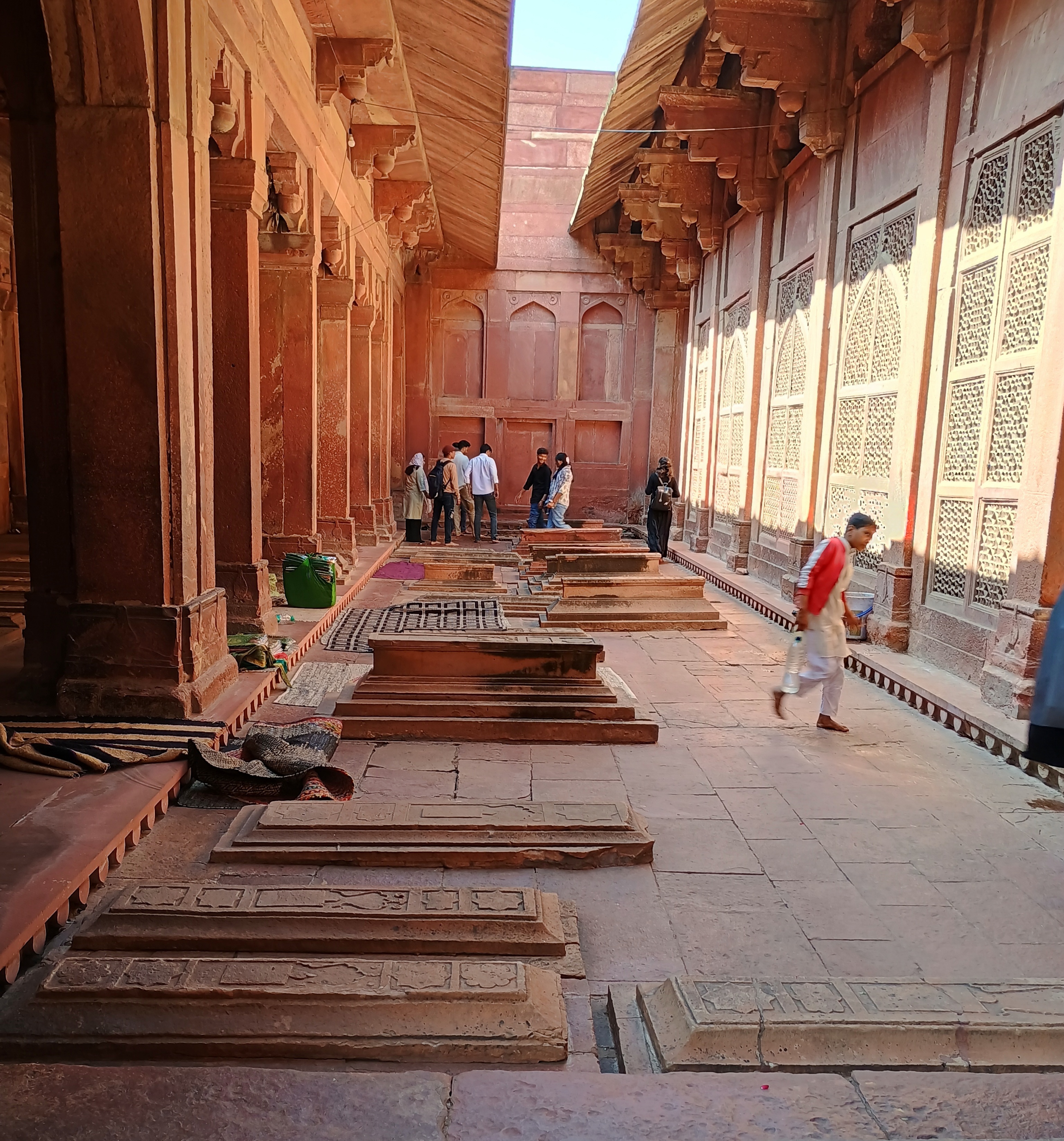
Never mind, Fatehpur Sikri was up to high Mughal standards: a splendor. In one courtyard, an array of Mughal tombs caught my attention, marking resting places on a less grand scale than the likes of the Taj or the Baby Taj.

Royalty gets royal treatment after death, but so many other people were involved in running a court, and they deserved dignified entombments, too. Such as, for example, the overseer of the royal flyswatters. (Servant jobs were very specific in those days.)

I hope our guide for a couple of hours at Fatehpur Sikri got a cut, one way or another, of what we paid to hire the car and driver, on top of the tip we gave him directly. He told us a good many interesting things about the town and its history, but nothing quite as interesting as how an uptick in tourism — mostly domestic tourists, I bet — had allowed him enough money to buy a motorcycle a few years earlier. “Changed our lives completely,” was how he put the impact on his family.

His brother had a souvenir stall near the historic sites, and a clubfoot. We drank tea with them, and in lieu of buying something, I gave him a tip as well. Could be he’s saving for a motorcycle, too, or needs gas money if he’s got one already.

Late Fall Fabbrini

Tonight’s weather, per the Weather Underground: Windy with partly cloudy skies. Low 11F. Winds NW at 20 to 30 mph. Winds could occasionally gust over 40 mph.

As early as 6 pm, we were getting gusts, but the temps weren’t as low as they would be later. Regardless of temperature, a good time to stay home and hope your 21st-century infrastructure – and I’m glad to say our heater is this century’s vintage – fails you not. Also, that your trees stand up to the gusts.

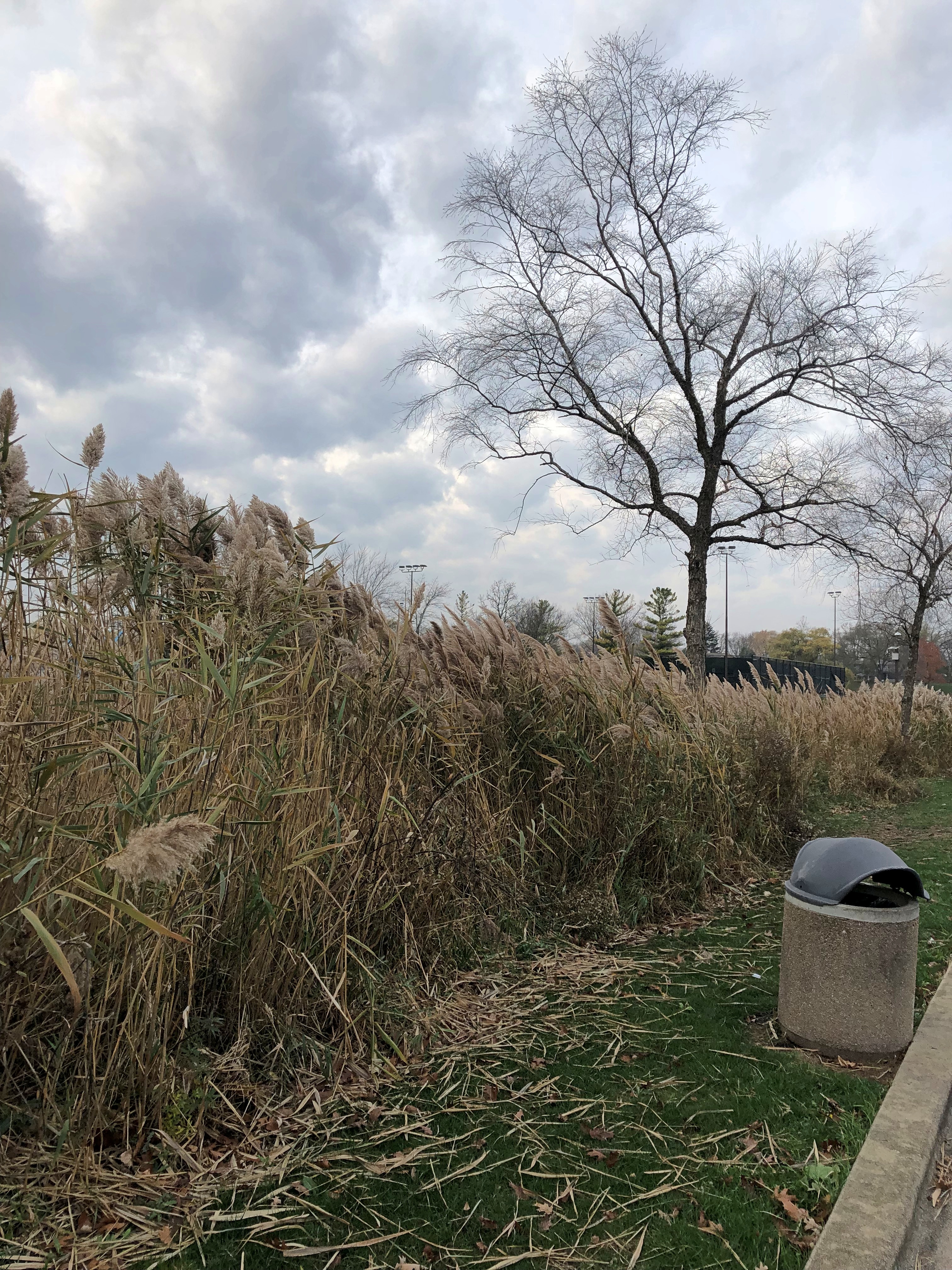
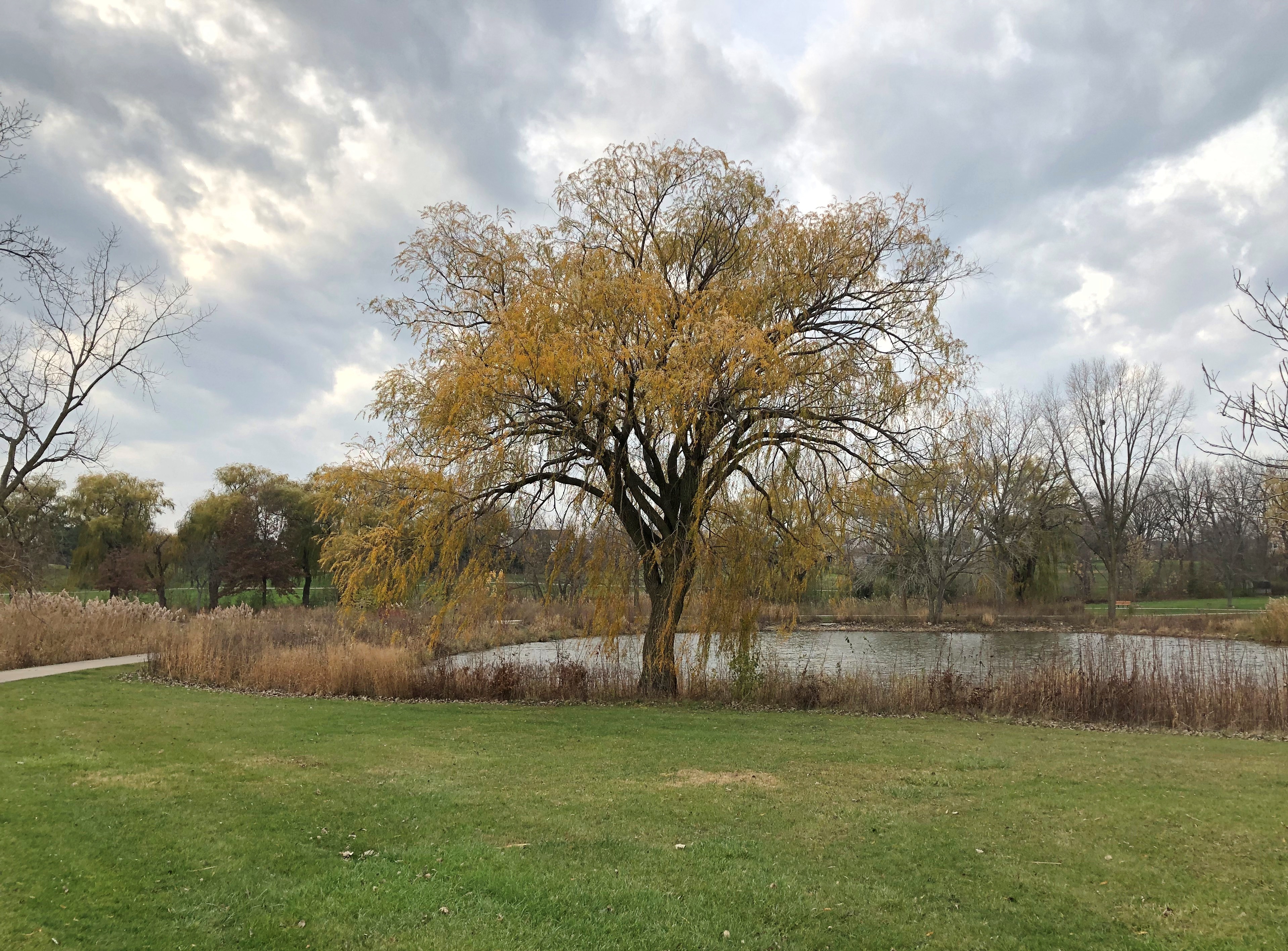
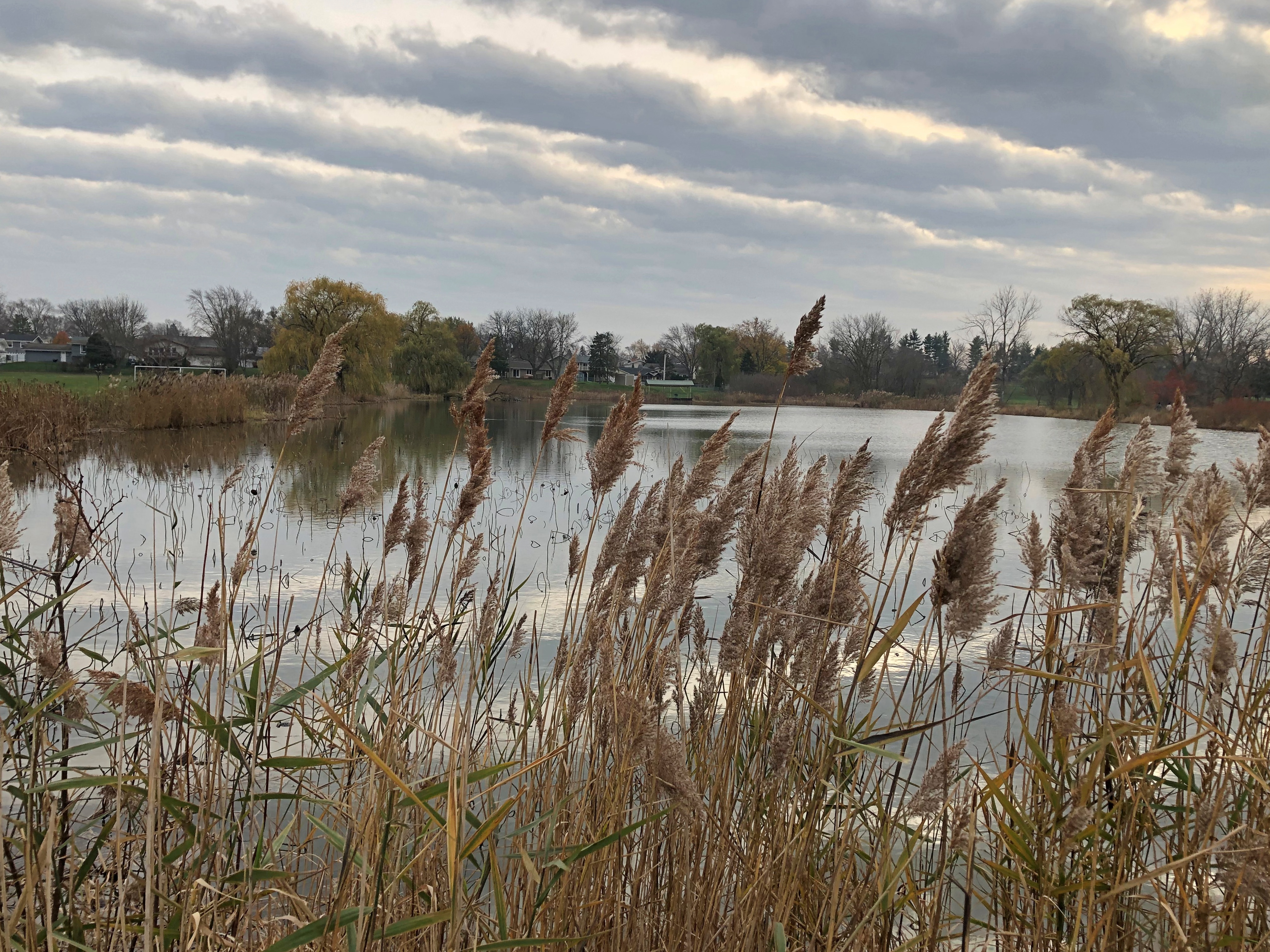
The weekend before Thanksgiving, when it wasn’t exactly warm, but warm enough for a stroll around a pond, we went to the always-pleasant Fabbrini Park. I also like that name. I picture one of those giant posters advertising the Great Fabbrini, whose giant face, a mustache a yard long, glares from the poster – a caped, top-hatted box-office draw for Vaudeville. He was in some movies and had a short career in early live TV.

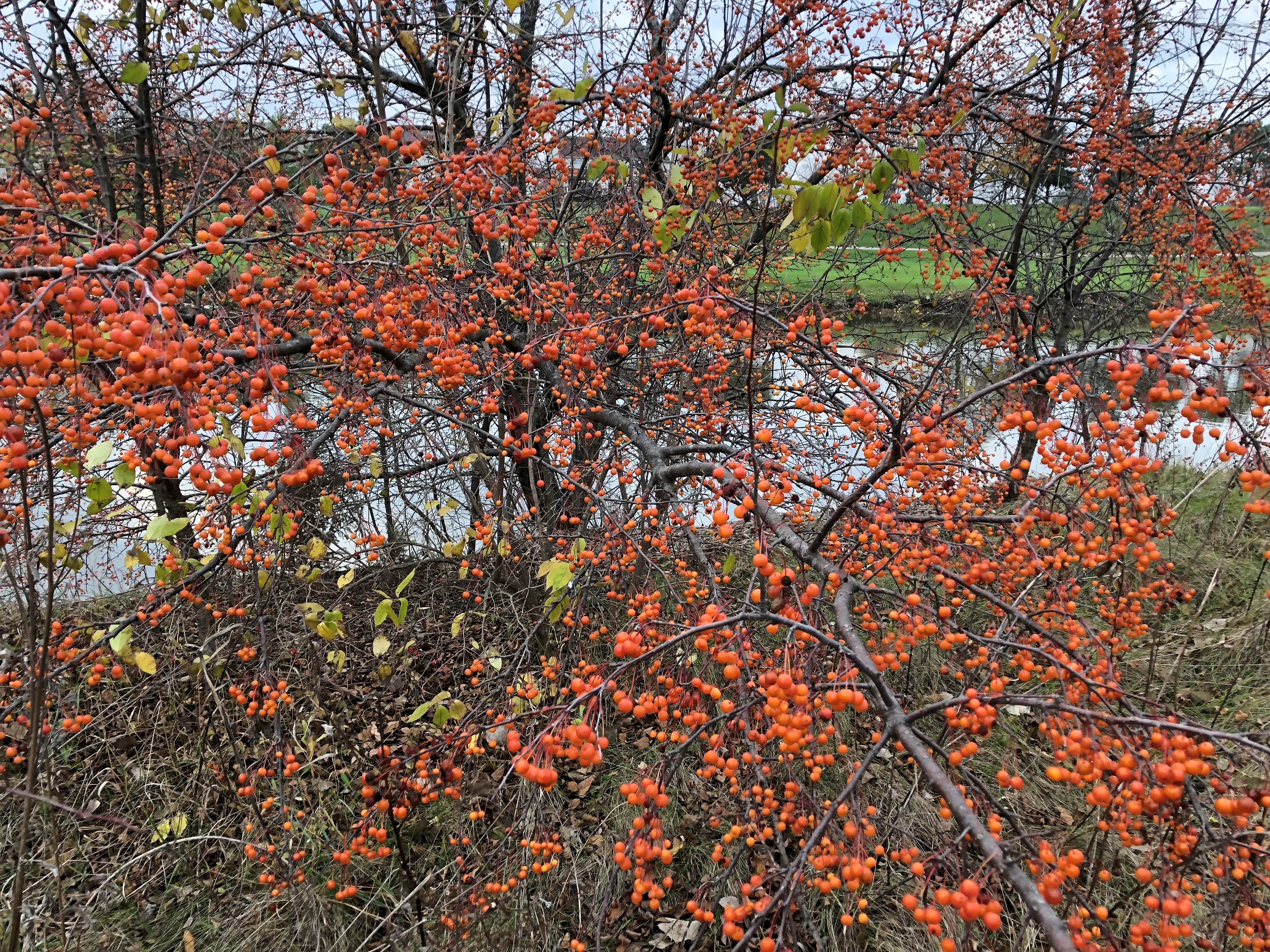
Autumn was winding down that day.Fabbrini Park Fabbrini Park Fabbrini Park

Sustenance for the winter. For some animals, that is.Fabbrini Park

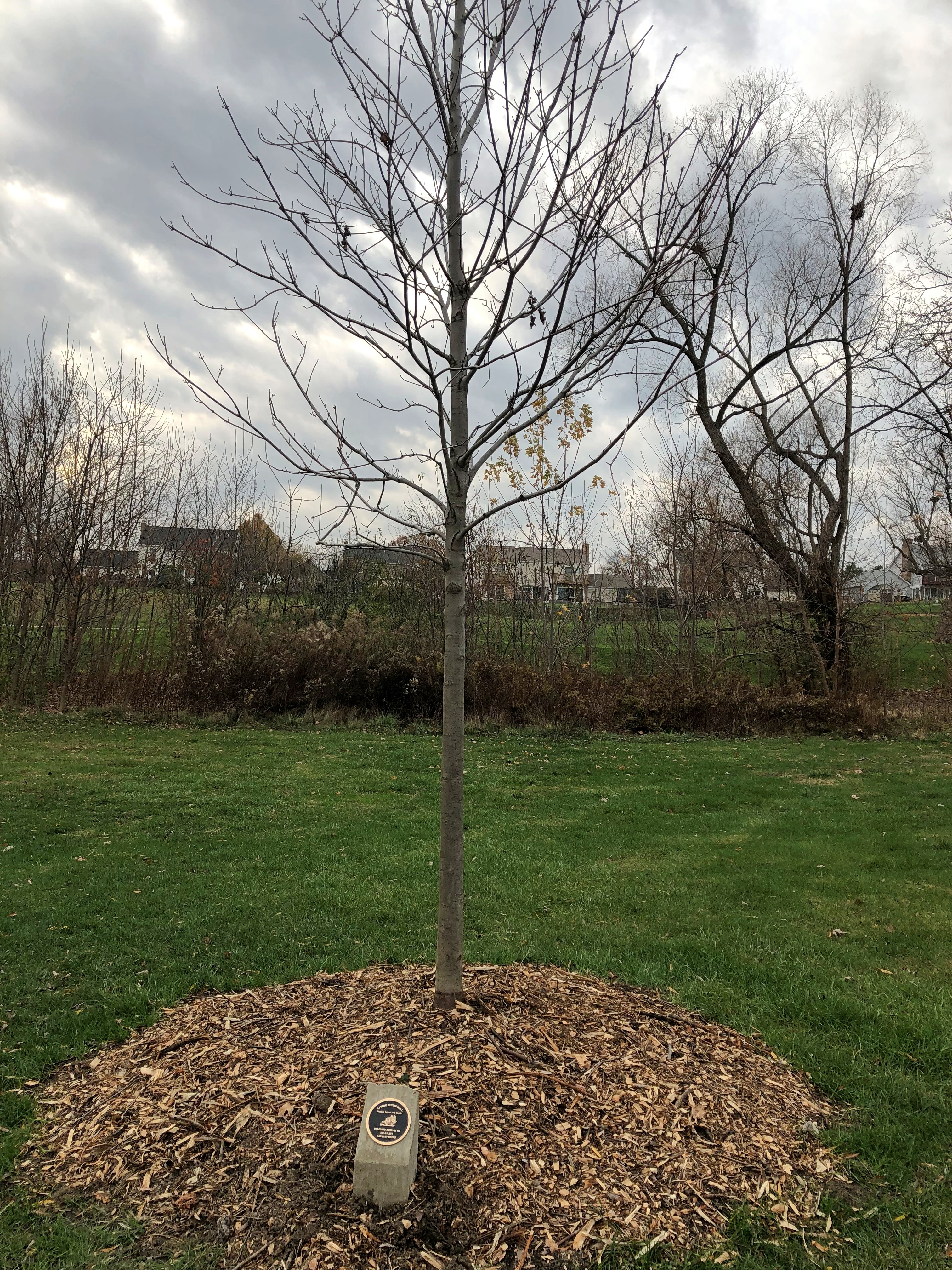
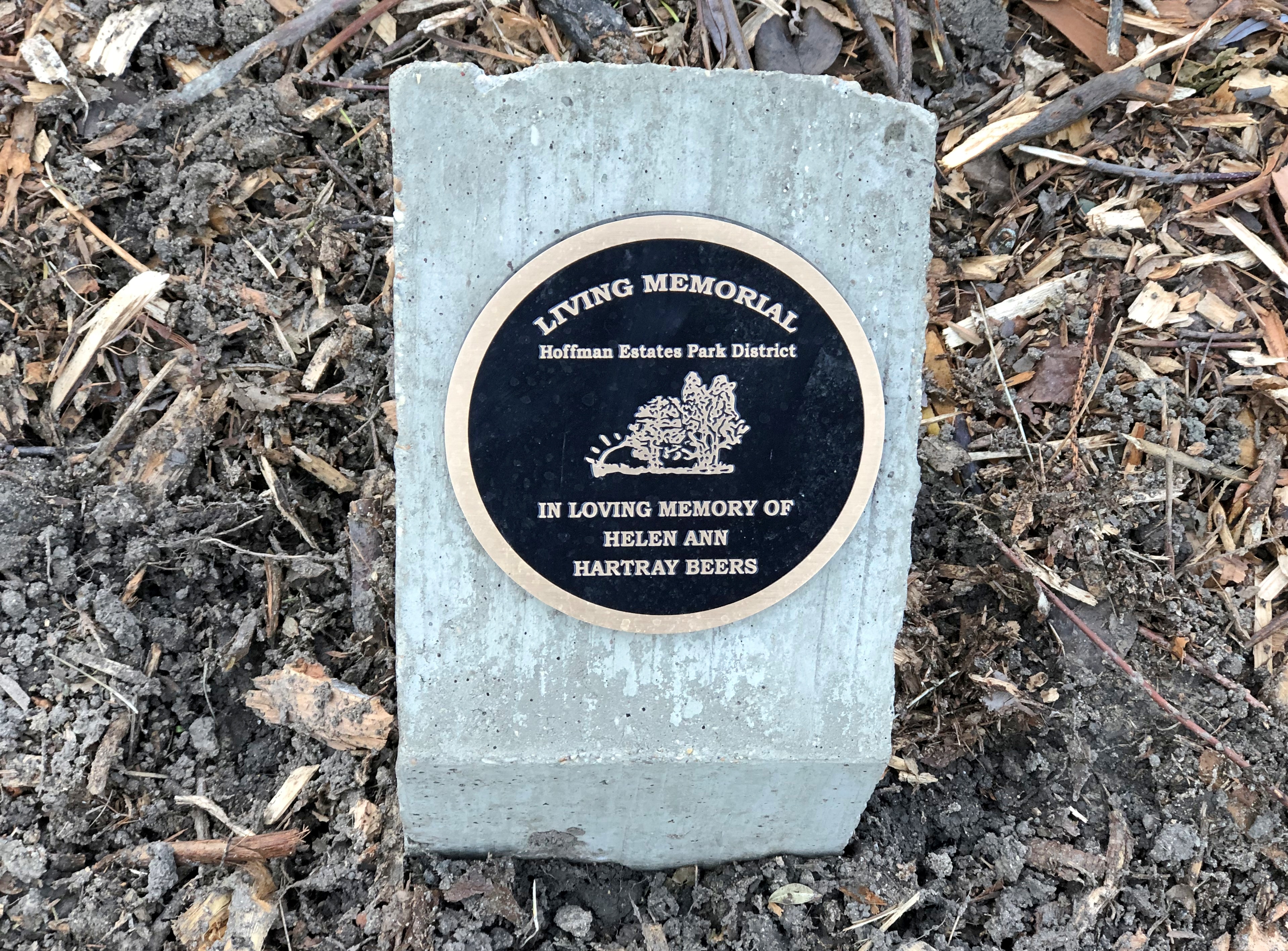
A new crop of small memorials at newly planted trees.Fabbrini Park Fabbrini Park Fabbrini Park

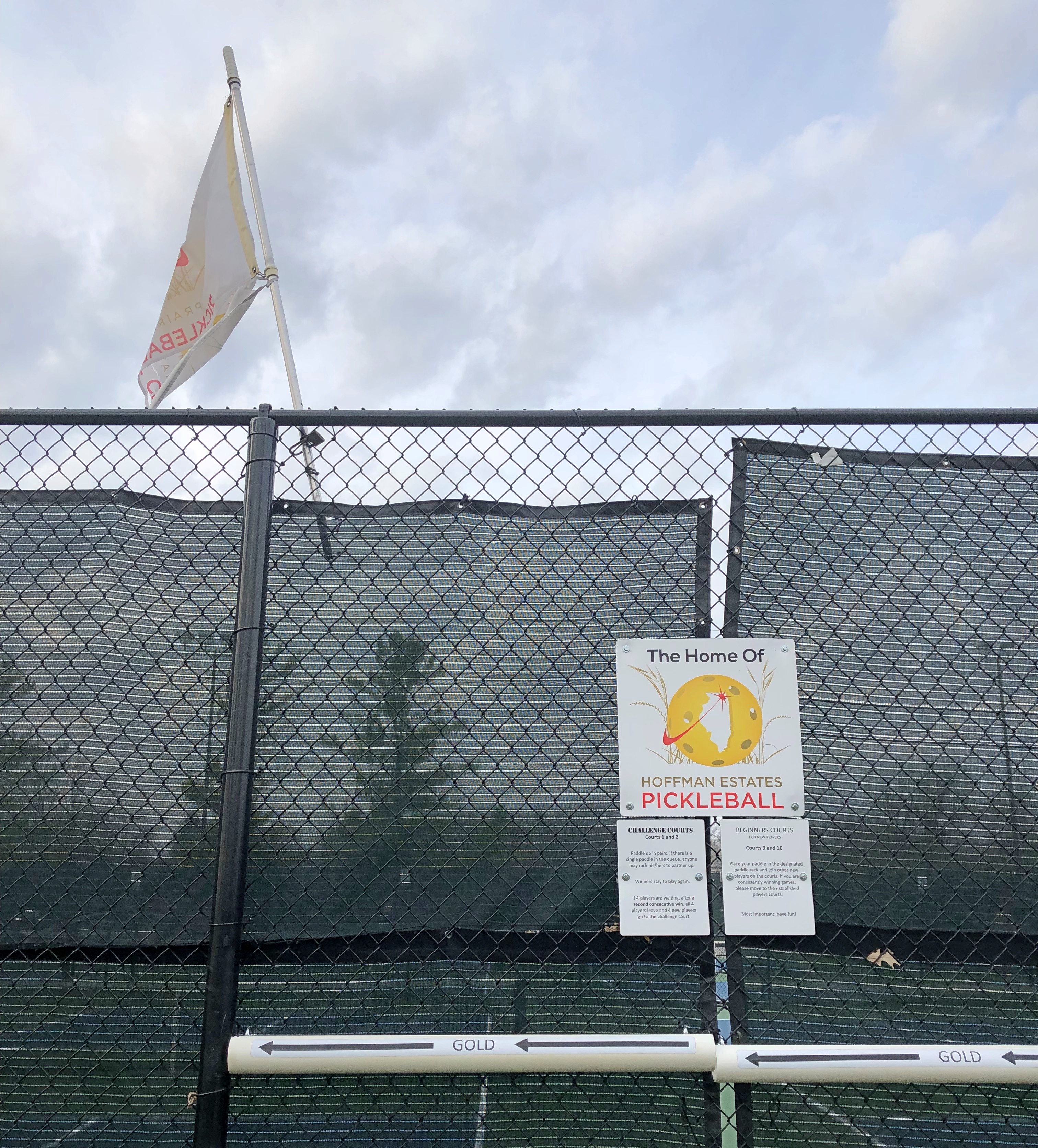
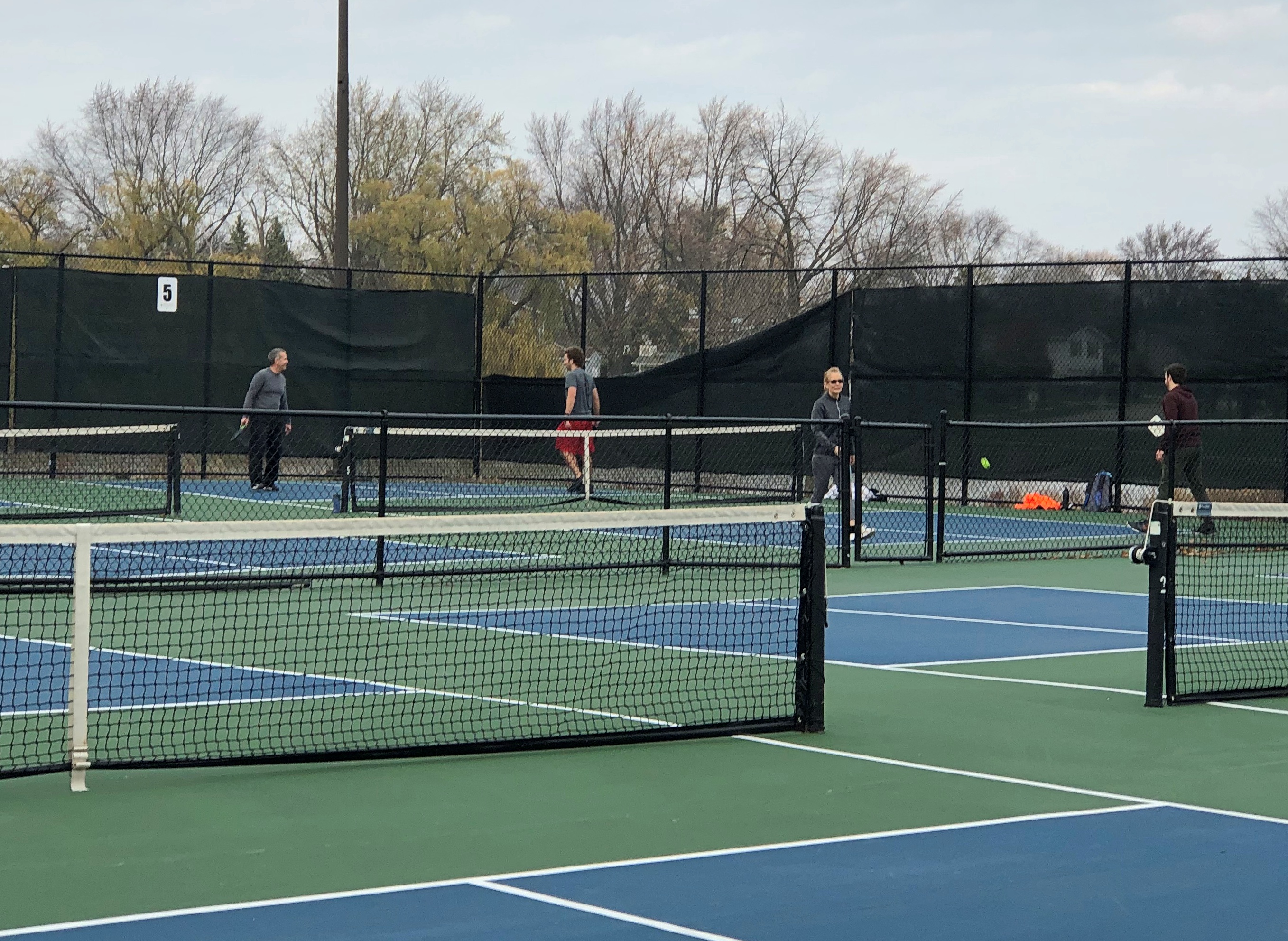
Also on the grounds, pickleball. With a pickleball flag?

Pickleballers?

Now it’s too cold for pickleball, or at least I assume that. Maybe nothing less than a blizzard will stop true p’ballers. More likely, the sport continues in warmer places. For all I know, Sopchoppy, Florida is even now evolving into a major pickleball hub.

Winter Preview

We’re at the front edge of the first winterish event since last spring. A pretty mild event, as November tends to dish out. Come to think of it, winterish is one of the kinds of days you get in November, with others including gray and damp, and ones that are more pleasant than expected. Sunday was one of those latter kind, an excellent day for a cemetery stroll.

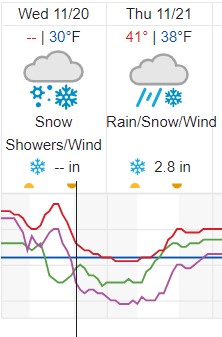
Today and tomorrow (11/20-21) amounts to a mild winter preview. The graph to the right barely needs values, since it captures the downward slide well enough without them. Still, the straight blue line is freezing: 32° F., with the gray lines marking 10-degree differences. Red line: Temps. Green line: Dew point. Purple line: “Feels like.”

Dew point is one of those concepts that I need to look up whenever I think about it, which isn’t that often. It’s not as if anyone will ever say to you, “How about that dew point last night? Man!”

Still, it’s good to know things, but for whatever reason, some things have little traction for me when it comes to being remembered or understood; and dew point is one of those. Just another small reason I’m not a scientist.

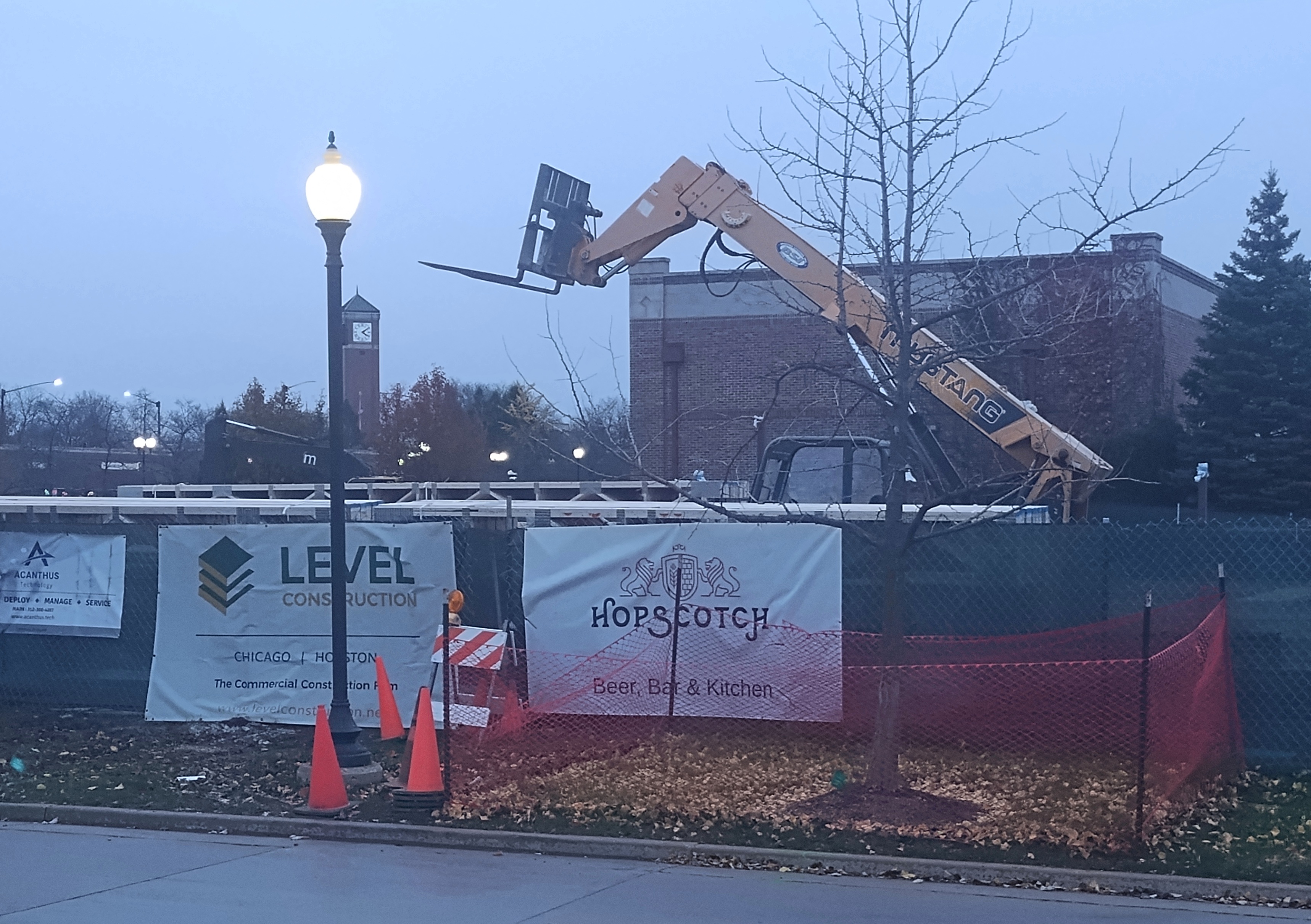
This afternoon the wind was brisk and some light snow fell. Nothing serious enough to interfere with errands. One of those took me to the vicinity of the Schaumburg Township Library. There has been a vacant lot across the street from the library for as long as I’ve known about the spot – more than 20 years. Signs have come and gone, promising this or that development, then nothing.

Now something has appeared. Or is in the process of appearing, via new construction.

Hopscotch Beer, Bar and Kitchen. A little looking around makes me think it’s not part of a chain. Usually that’s easy enough to find out. This place doesn’t seem to be affiliated with HopScotch Beer and Whiskey Bar in Franklin Park, just south of O’Hare, which still has a Facebook page but seems otherwise to be defunct. Or related to a standalone place called Hopscotch Kitchen & Bar in Oklahoma City, which seems to be in business.

The Facebook page of Level Construction, which is building the site in Schaumburg, says the restaurant will feature “a vibrant gaming area ?, an energetic dance floor ?? and indoor golfing and sports simulators ⛳?.” It included exactly those emojis.

Emojis are no extra charge, I hope.

RIP, Janan Hanna

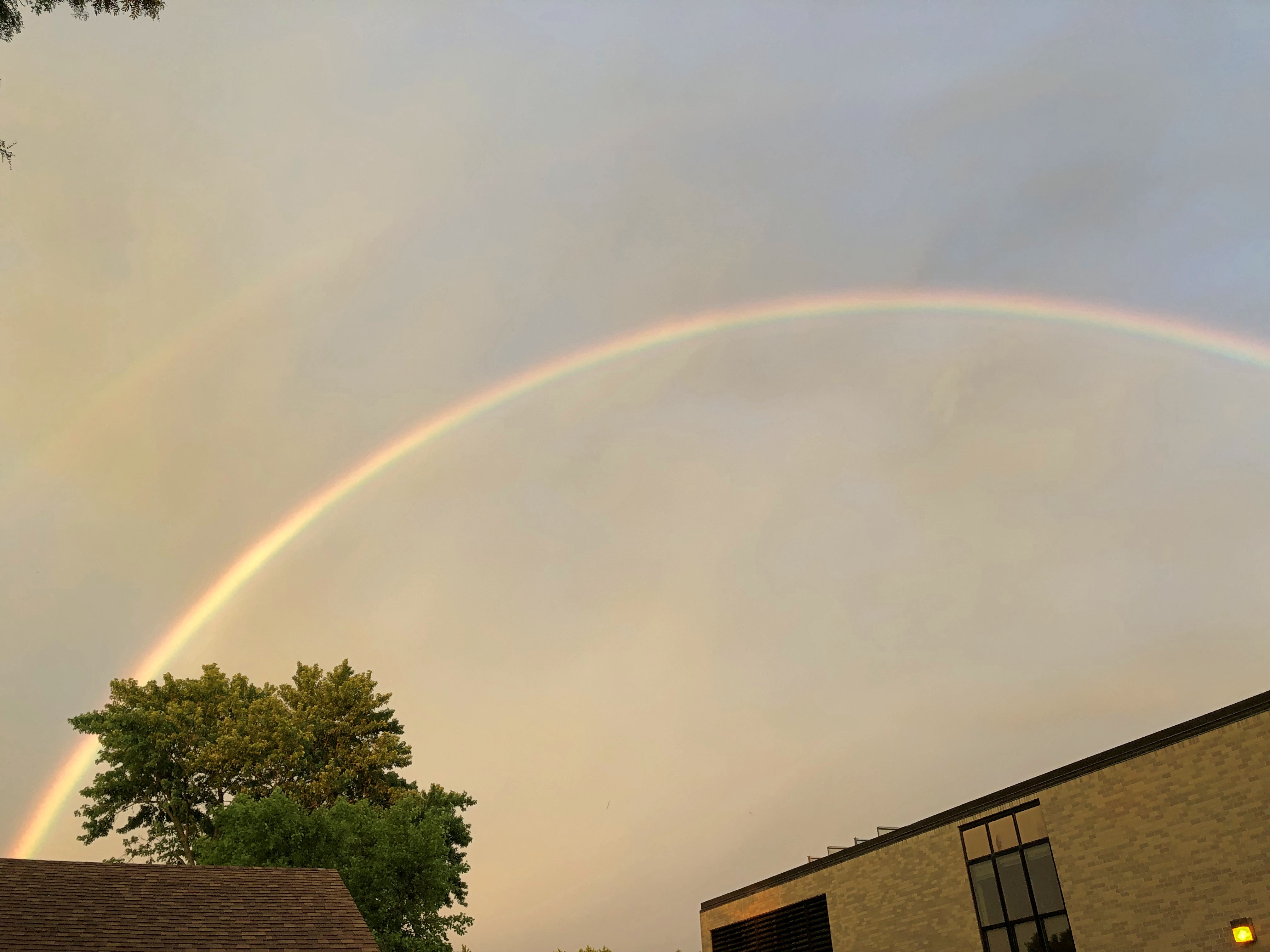
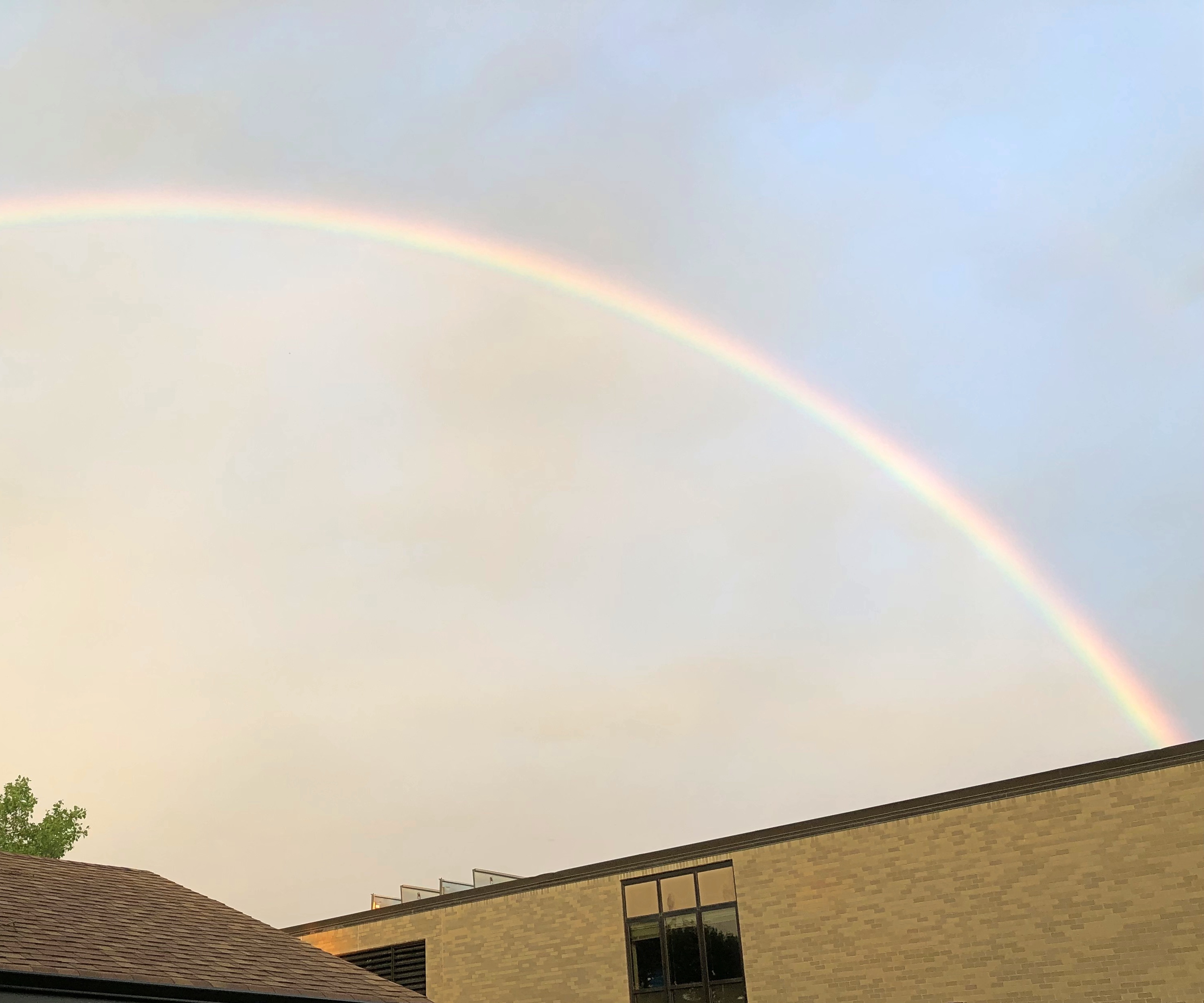
Yesterday afternoon was hot and windy, something like a baby sirocco, kicking dust from the baseball field in the park behind our house. Eventually a smattering of rain came, and the wind died down. Not enough rain to soak anything, but toward the end of the day, enough to produce a large, vivid rainbow to the southeast.

Images naturally do its vividness no justice, but I made a few images anyway.rainbow rainbow

Also yesterday I thought about someone I don’t think much about, someone I hadn’t spoken to in over 15 years, when we were both at the funeral of a former coworker we had in common. When the person you think about is a journalist (among other things), it’s easy enough to check to see what she’s written lately, as I occasionally have done over the years. But not in the last two years at least. I know that because, to my shock, I found out she had died in August 2022 at only 59.

Her name was Janan Hanna, and we were close, once upon a time. Throughout 1989, to be specific, just before I left for Japan. RIP, Janan.

Summertime in W.A. ’92

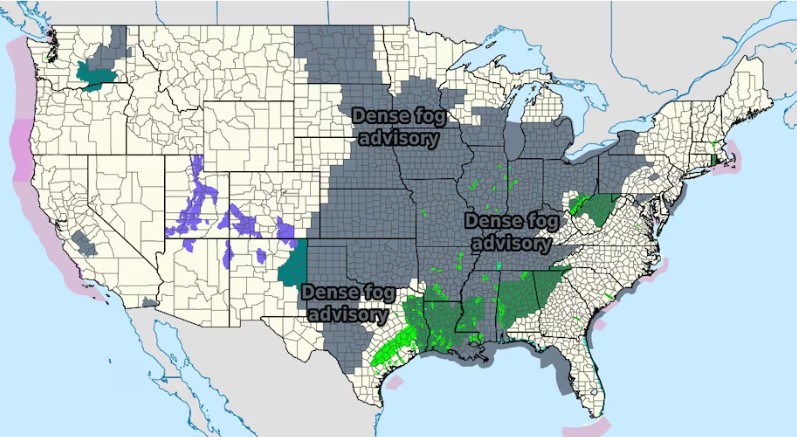
Rumor has it that a glowing orb might appear in the sky tomorrow. If so, almost the first time in this odd-weather start of the year. Still, whatever else has happened, overcast skies have been the norm. Last Thursday, according to the NWS, it was fog from here to the Gulf Coast.

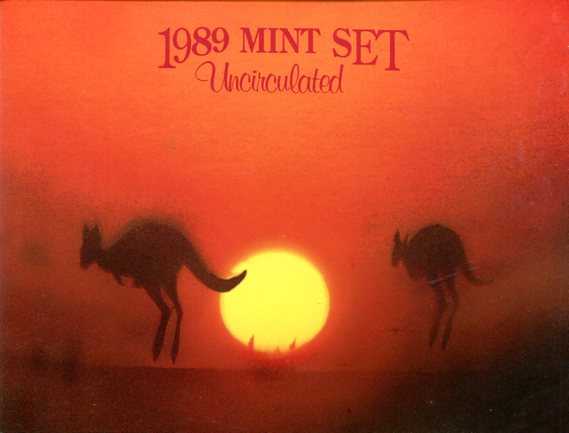
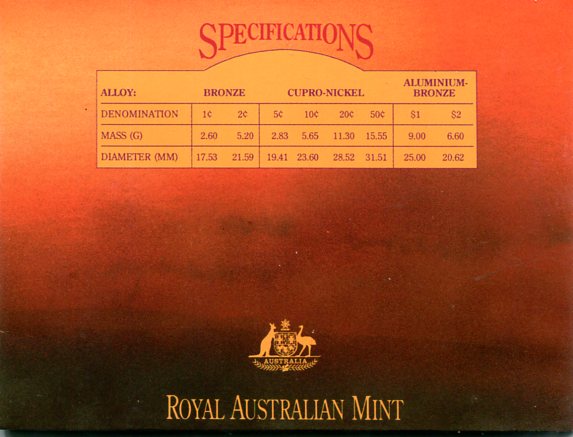
Australia Day has come and gone. For the occasion, I wanted to scan a 1989 uncirculated set of Australian coins, but the coins themselves, encased in plastic, don’t lend themselves to it. Details are indistinct and the lighting of coins seems weird no matter what angle, though not when you’re looking at them with your eyes. In that case, they have the shiny look of uncirculated coins.

Pretty to look at, but not especially valuable. That’s what you should expect, since there’s not a lick of silver in the whole set. I bought it a few years ago, as a kind of retroactive souvenir, since those were the kinds of coins in circulation when I was there.

The envelope theme: ‘roos in the hot sun.

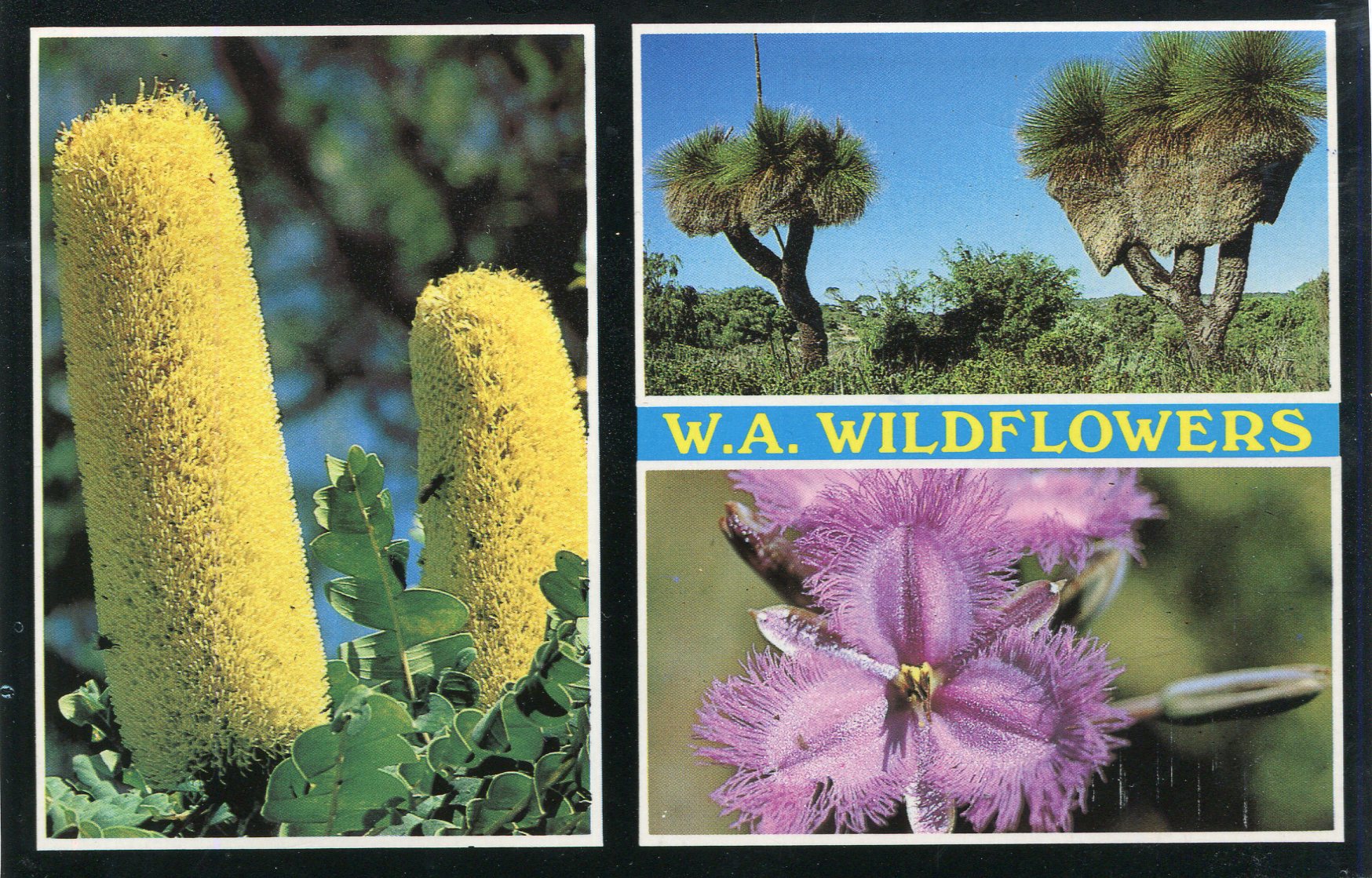
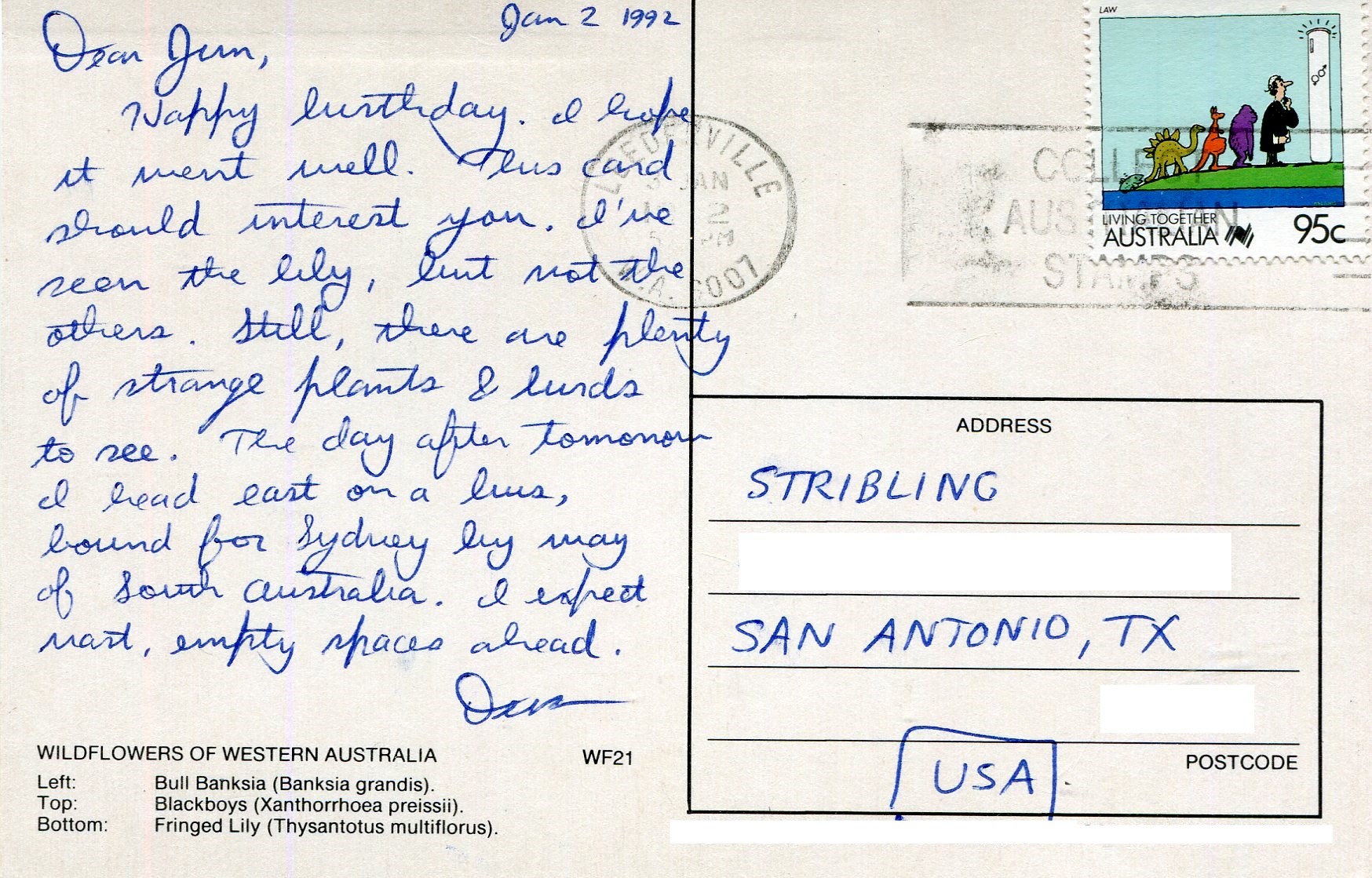
In early January 1992, I sent a card to my brother Jim and mother from Perth.

“Plenty of strange plants & birds to see,” I wrote, becoming the nth person in history to notice that about Australia, a very high number. Still, that’s a marvel of the place. All you have to do is look around. The flora gets weirder the longer you look at it, and helps you appreciate just how far you’ve come to see their oddities. Damn, I’m at the other end of the Earth, you think.

Vast, empty spaces were indeed ahead on the road from Perth to Adelaide to Sydney. My only regret on that bus epic across the continent was that it was dark when we crossed the Nullarbor Plain.

Then again, aside from the species that make up the scrub brush, a ride across Nullarbor doesn’t look that different from a ride across West Texas, and I’ve done that in the daylight.

Getting Through Various Januaries

The near-zero and subzero days eased off late last week, enough that I completed the task that no one else wants, storing Christmas decorations in the garage. Also, moving snow out of the way on our sidewalks and driveway, though Yuriko did some of that as well. Deep chill was back on Saturday and some today, or at least it felt that way when I rolled the garbage cans out to the curb this evening.

Overcast skies meant there wasn’t even the consolation of constellations, bright in the clear winter night. Some other time, Orion.

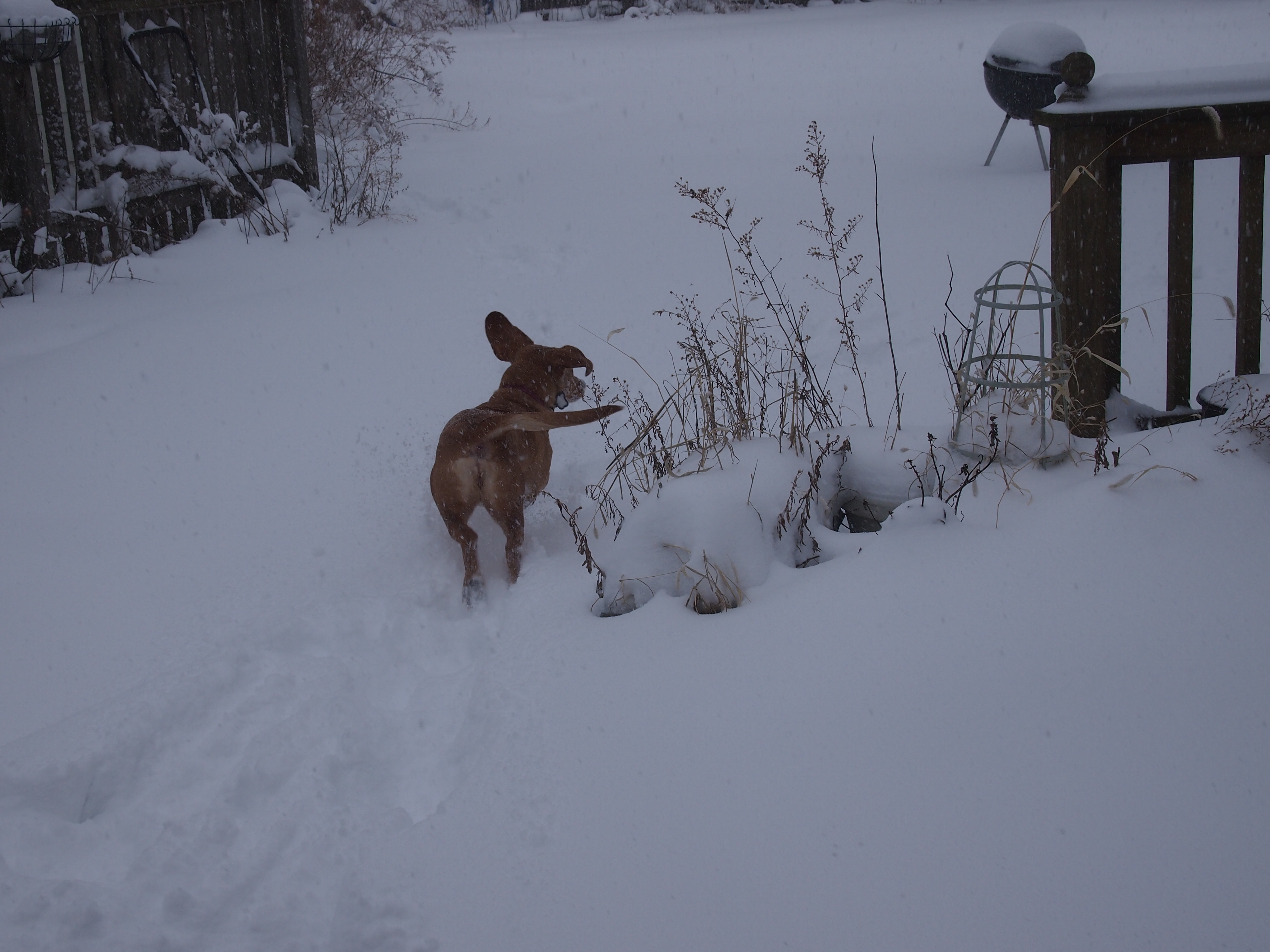
Haven’t bothered taking many pictures lately. The bleak mid-winter doesn’t inspire camera-in-hand forays near or far. The back yard pretty much looks like this image from January 2015, except the dog isn’t nearly as vigorous in crossing the powdery flats as she used to be. In fact, just getting her out the door is a process that can take a few minutes, as is getting her back in.

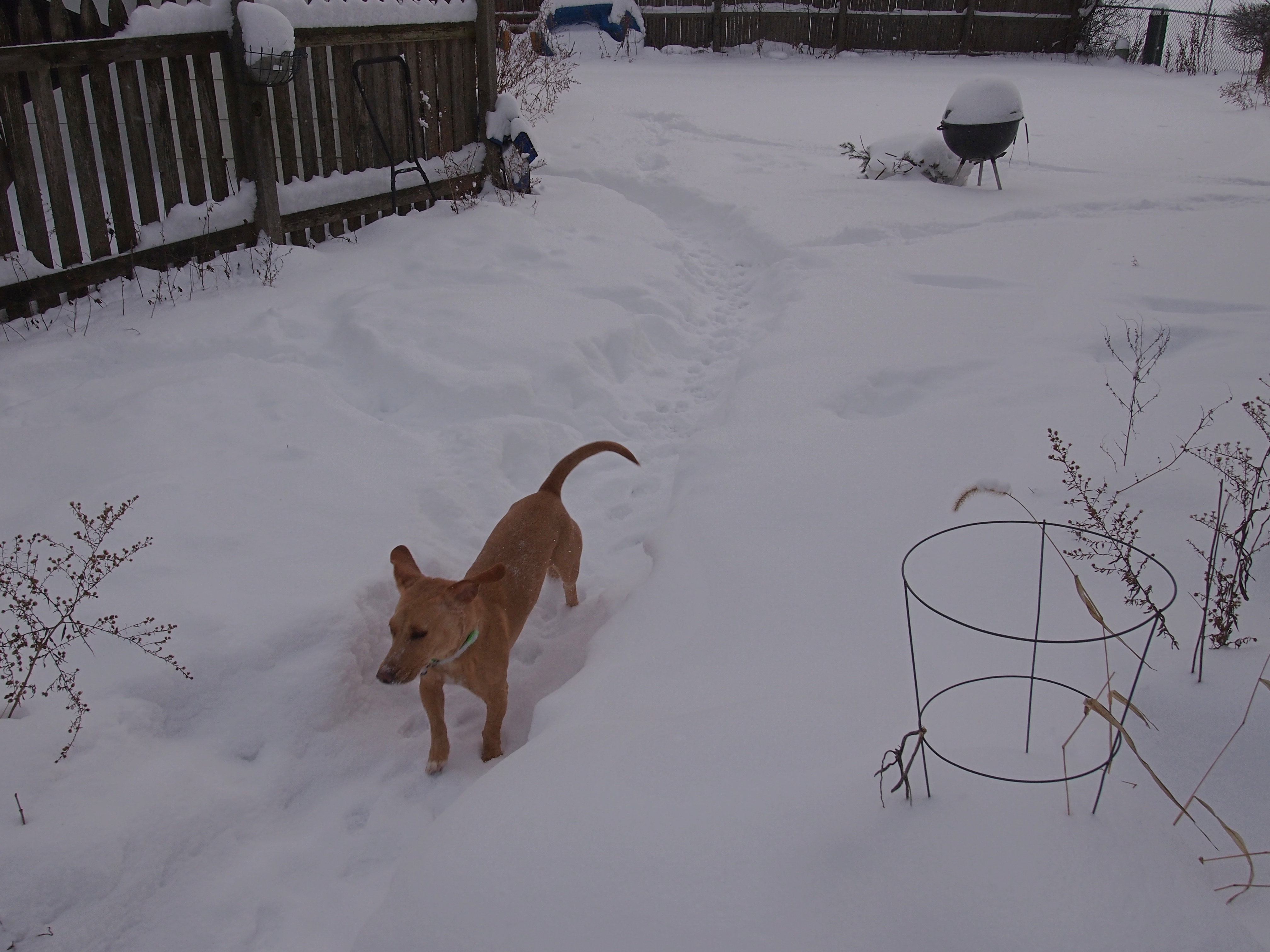
Back even further, she romps through the snow of January 2014. As if there were that much difference.

On Saturday especially we cleaned house, especially in the kitchen the adjacent spaces – the food handling zones of the house. Always needs some attention. January has a way of pressing in on the walls of the house, focusing one’s attention on immediate surroundings. At least, that’s how I feel it.

I did such a January cleaning in 2014 – does that year really correspond to 10 years ago? There goes time, flying again, flapping its wings just a little louder every year. Ten years ago, ours was a house with children. Who spent a fair amount of time on the living room couch.

One day I moved the couch to clean behind it.

For some reason I decided to document it. Was I mad at my daughters? I don’t think I was, but I did show it to them. What with prying the couch from its position, this was a job for Dad.

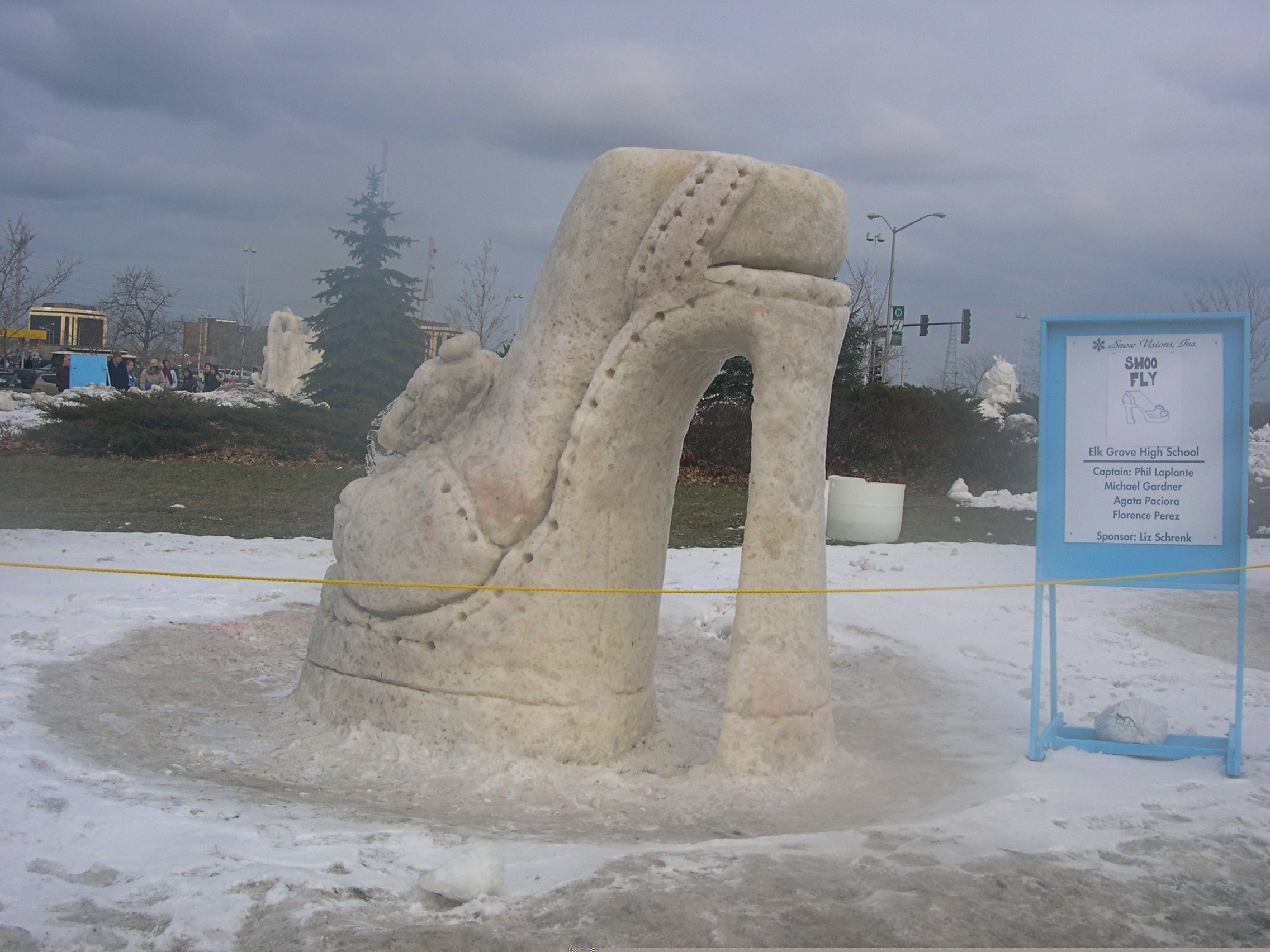
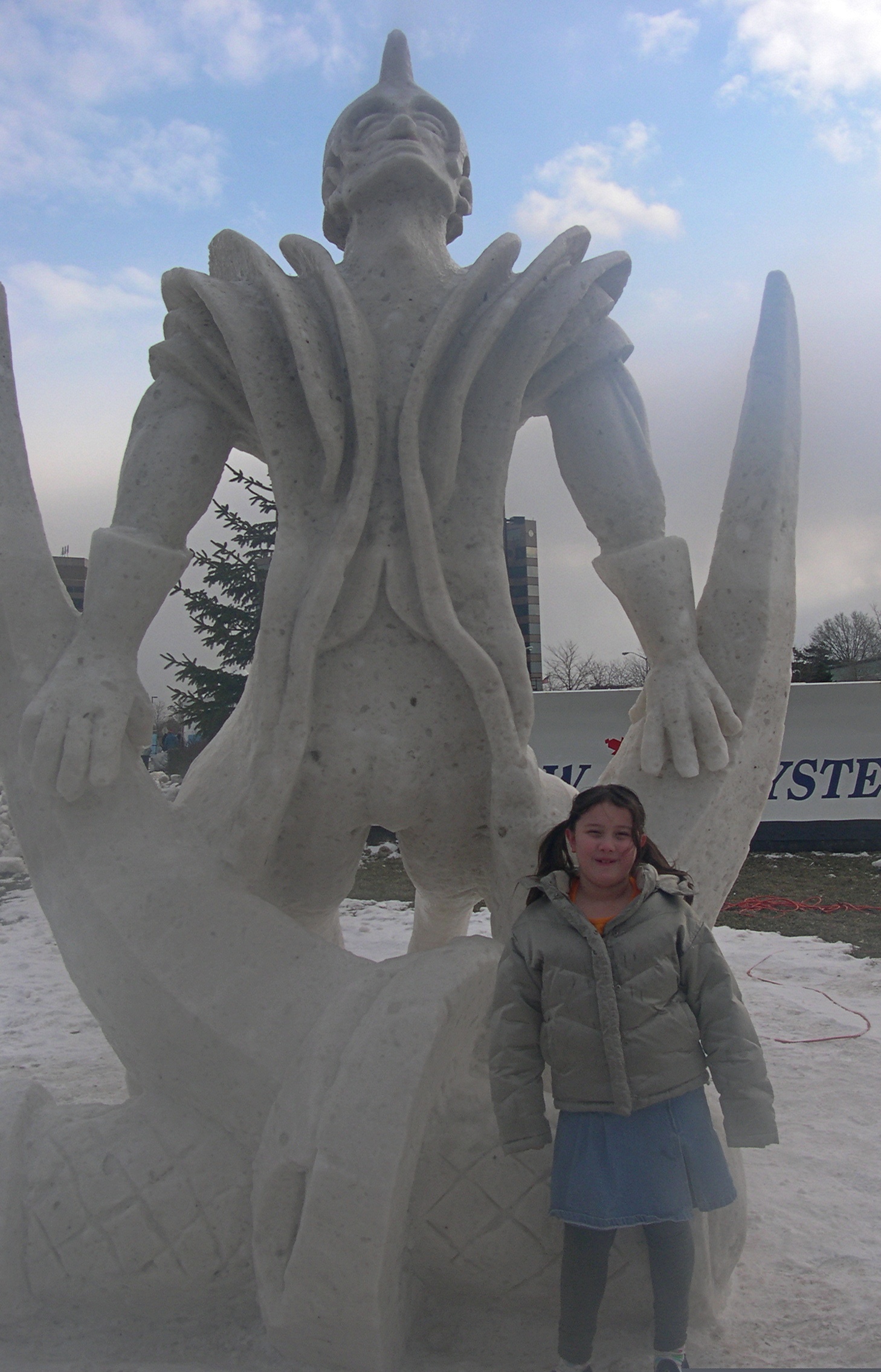
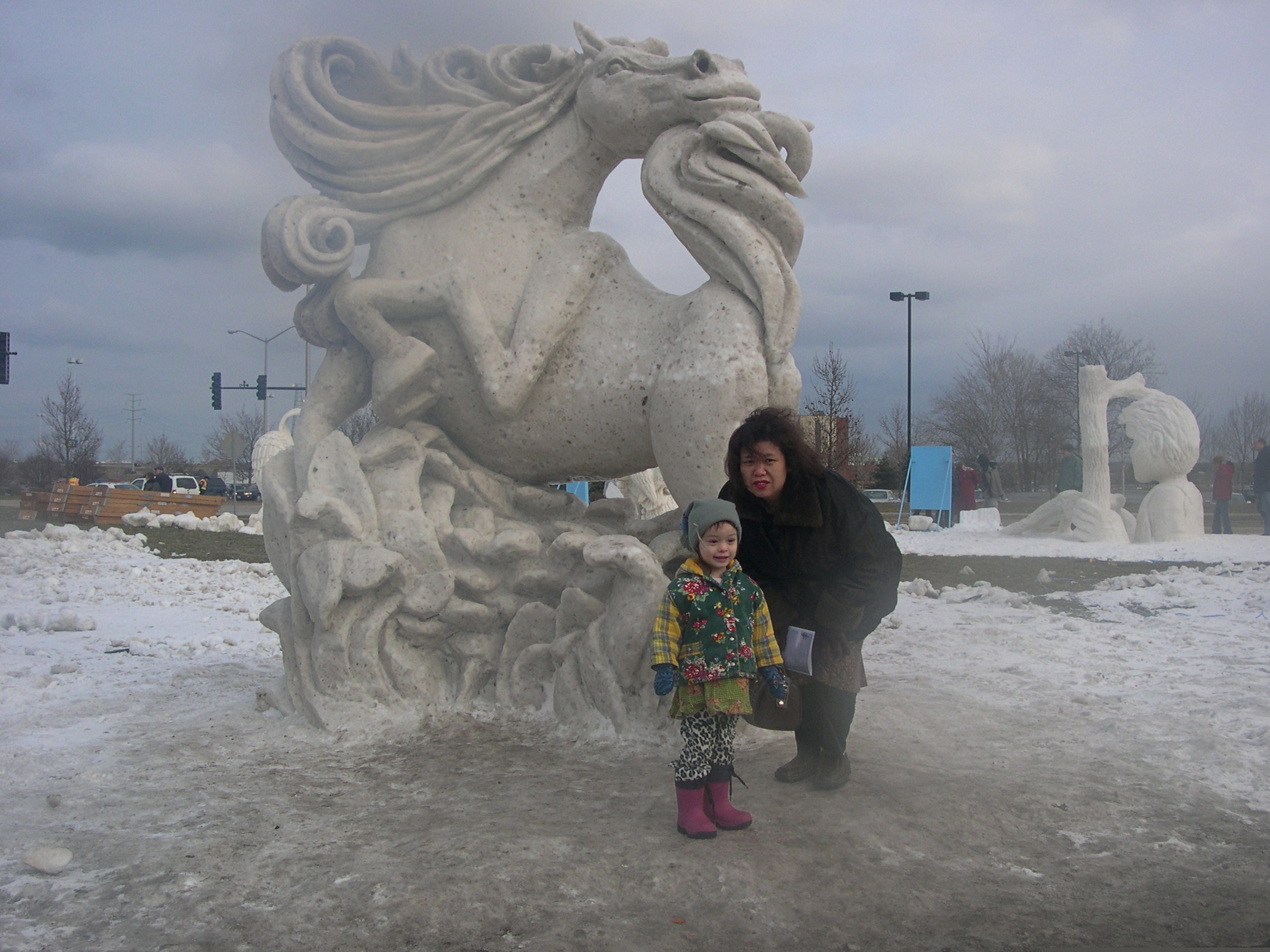
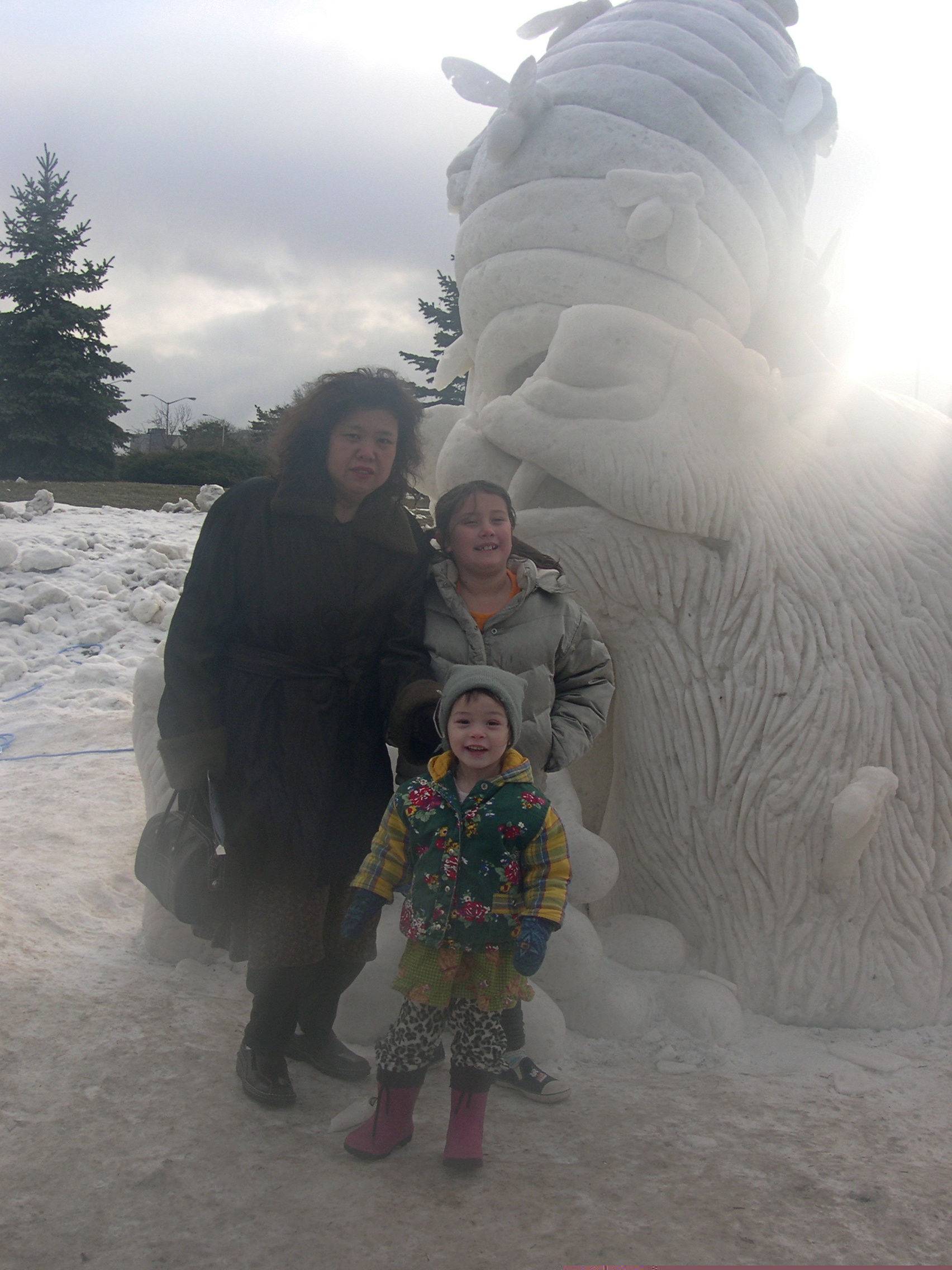
In January 2006, we visited a showing of snow sculptures in the northwest suburbs.

Nice, but I don’t think I’ve had the urge to seek out any more snow sculpture events since then.

A Tale of Two Kentucky Distilleries

Oh, boy.

Winter’s been pretty easy on us so far, but that’s almost over. We’re headed for the pit of winter now, maybe a little earlier than it usual comes (end of January, beginning of February, I always thought). It might be a long narrow pit that will be hard to climb out of.

Even so, I will enjoy Monday off, including all professional and nonprofessional writing. Back to posting on January 16.

Though not a drinking couple, we figured we couldn’t visit Bardstown, Kentucky, and not drop in on a distillery. Think of all the marketing dollars spent by the Kentucky Distillers’ Association, and the distilleries themselves, that have gone into making this part of the commonwealth a bourbon destination. Toward that end, the KDA established a “Bourbon Trail” in 1999, focusing on Kentucky, but also including operations in Indiana, Ohio and Tennessee.

First we drove to the gates of the Barton 1792 Distillery, which is in town and had a most industrial aspect to it. Also, the gates had a sign saying the place was closed to the public, in spite of what other information had told us.

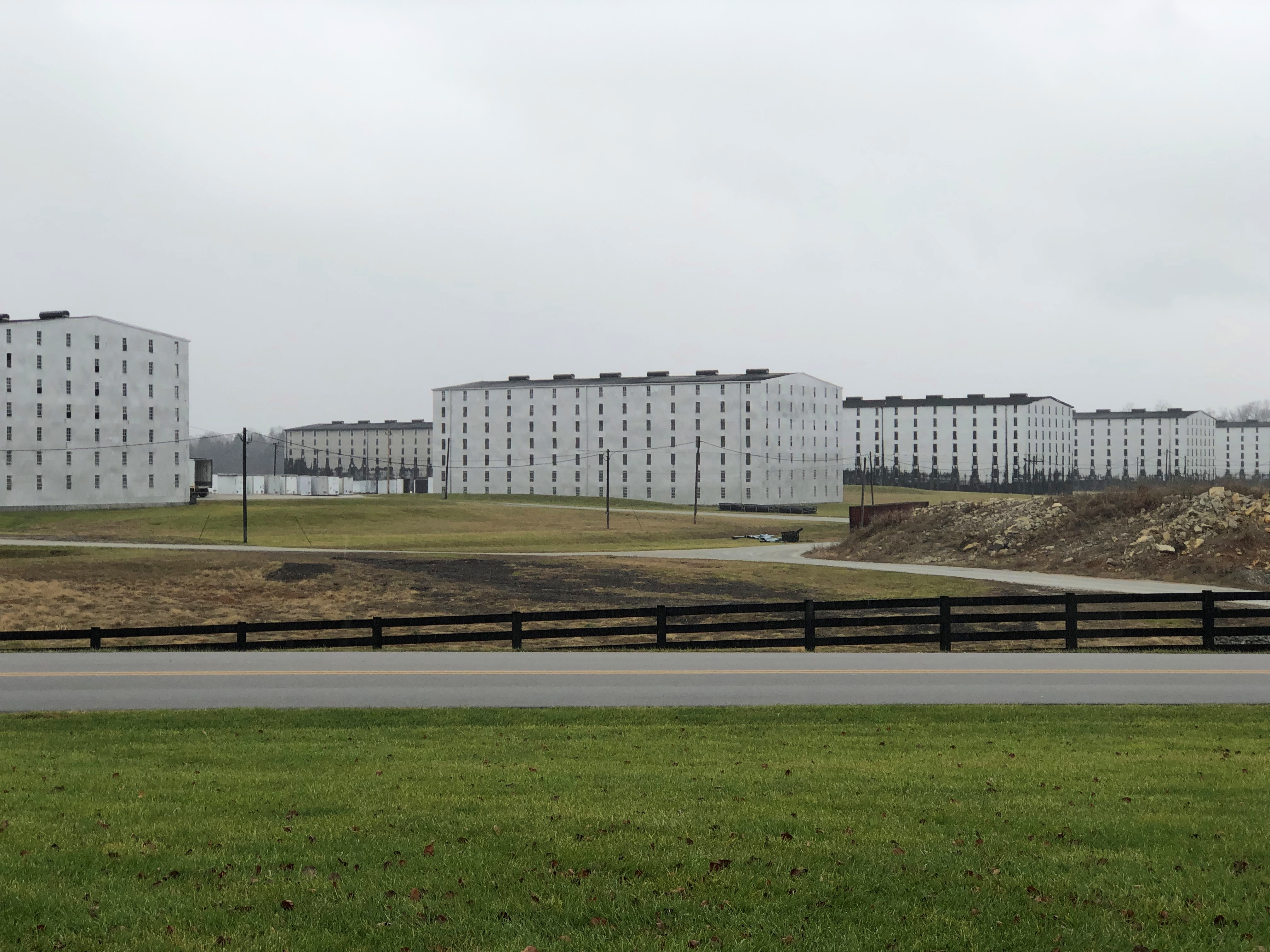
So we headed out to another distillery on the map, Heaven Hill, on the outskirts of town. It’s a big operation. Off in the distance from the visitor center parking lot are clusters of enormous HH buildings – rickhouses, they’re called, a term used industrywide – to store barrels of the distillery’s products while they’re aging.

“Heaven Hill’s main campus [in Bardstown] holds 499,973 barrels and was also the site of the famous 1996 fire,” the HH web site says. “Fueled by 75 mph winds, the fire ultimately destroyed seven rickhouses and over 90,000 barrels of Bourbon, which was two percent if the world’s Bourbon at the time.”

Bacchus wept. His wheelhouse is wine, but surely he takes an interest in hard liquor too.

Wonder why the HH rickhouse designers didn’t add space for 27 more barrels, so the total would come in at an even half-million. Anyway, that’s a lot of hooch. As for the fire, I must have heard about it at the time, but have no memory of it. I understand that occasionally rickhouses collapse, too. Bad luck for any poor fool inside, who’d be victim of a freak accident. Alcohol kills a lot of people, but not many that way.
Heaven Hill was swarming with visitors, and all tours were sold out on the drizzly afternoon of December 29. We spent a little time at the visitors center looking at some of the exhibits, including about the fire, but also about the family that has run the distillery for many years, the Shipiras – originally successful Jewish merchants in Kentucky – and the original master distiller, Joseph L. Beam, who was Jim Beam’s first cousin.
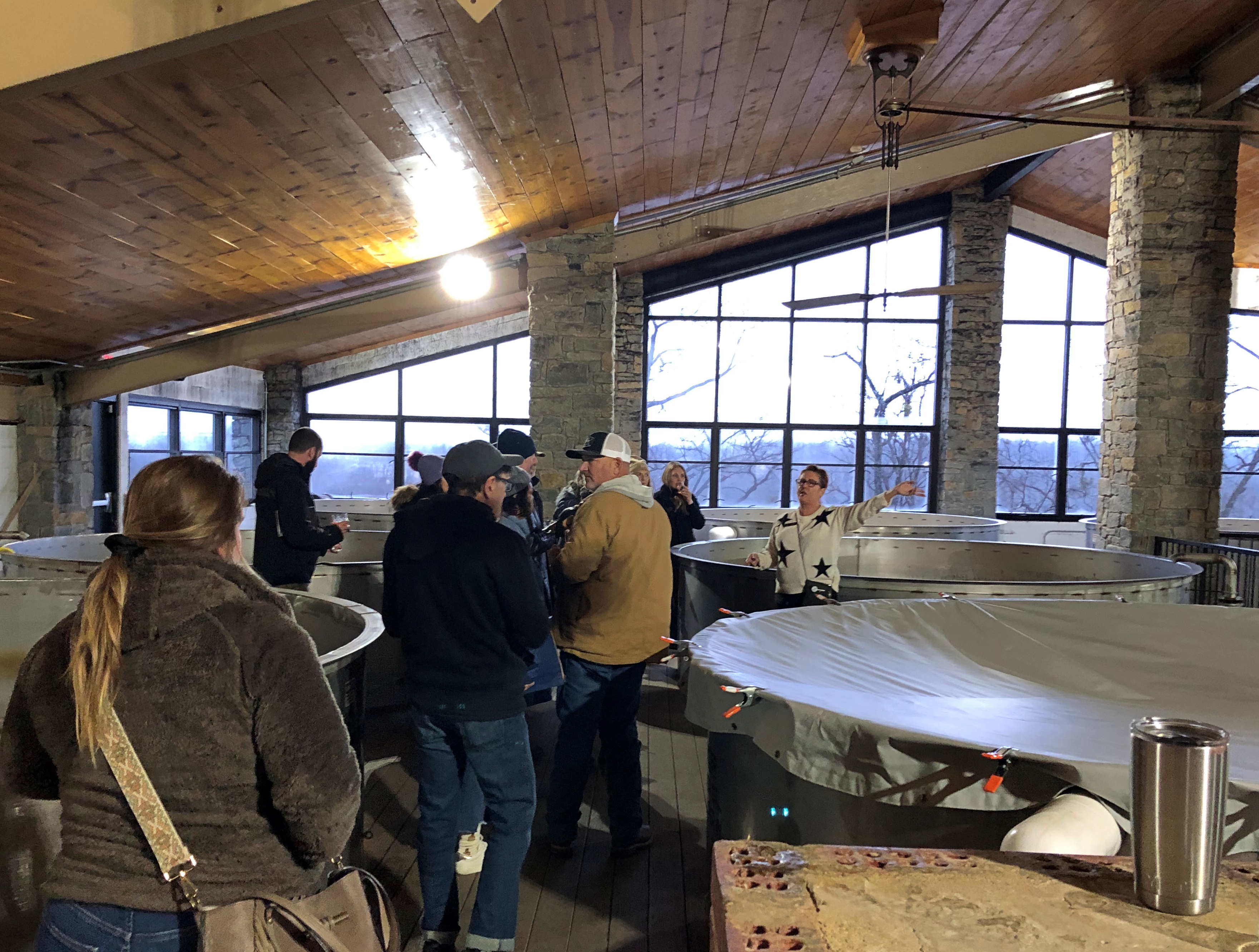
Soon we went to the Willett Distillery, up the road a piece from Heaven Hill. It isn’t as large an operation, but it too is a family-run business, by descendants of John David Willett (d. 1914) and a Norwegian who showed up in America in the 1960s at a young age and eventually married into the family. Importantly for our purposes, spots were available on the last tour of the day.Willett Distillery

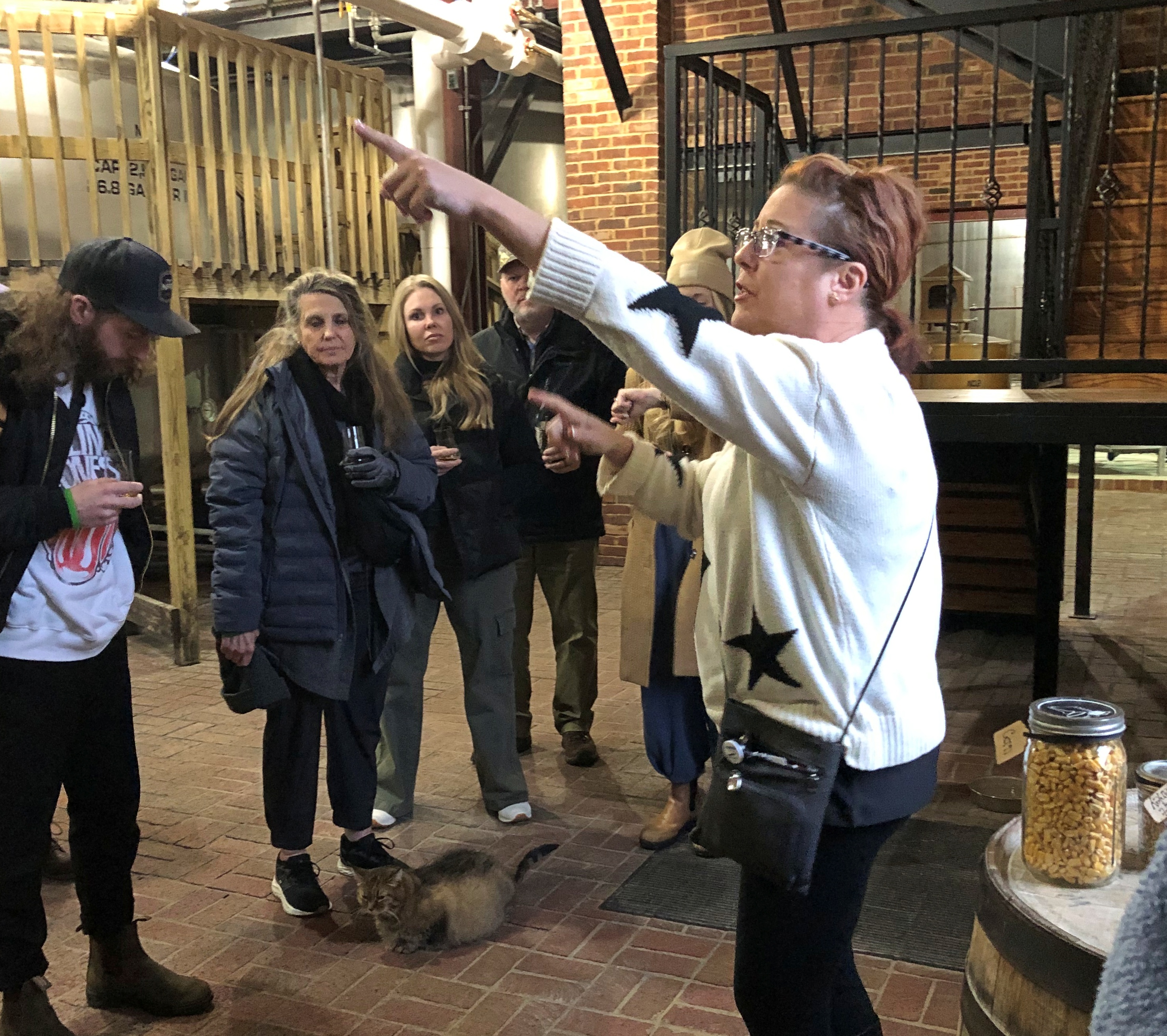
Our guide was a voluble woman in her 50s, who perhaps has a sign in her house that says It’s 5 O’Clock Somewhere. She was informative about distilled spirits, and herself, so we learned that she’s a widow with grown children and some grandchildren, and not originally from Kentucky. Or a bourbon drinker.

“I used to be a clear spirits gal, but since I’ve worked here, I’ve learned to love bourbon more,” she said.Willett Distillery

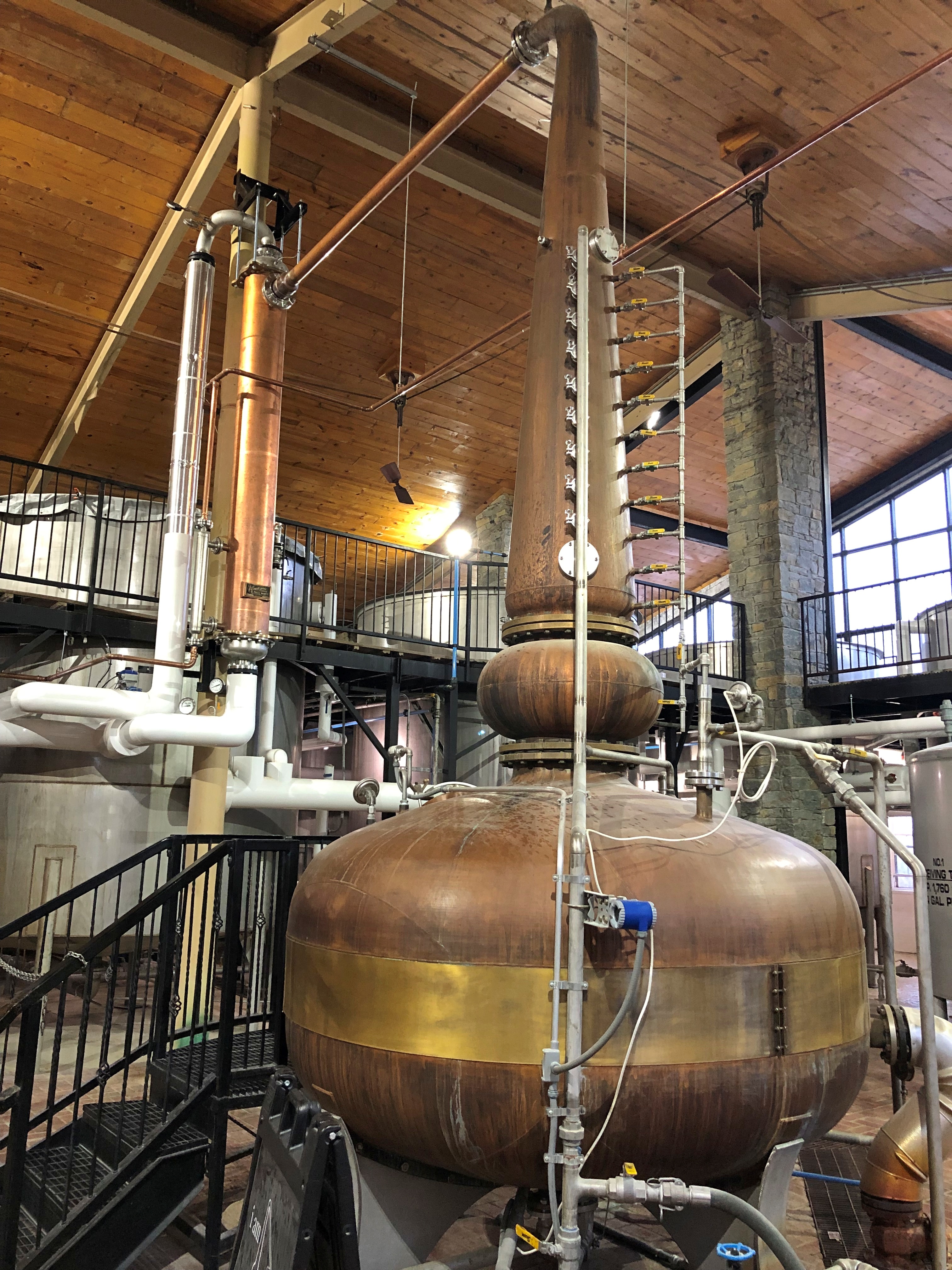
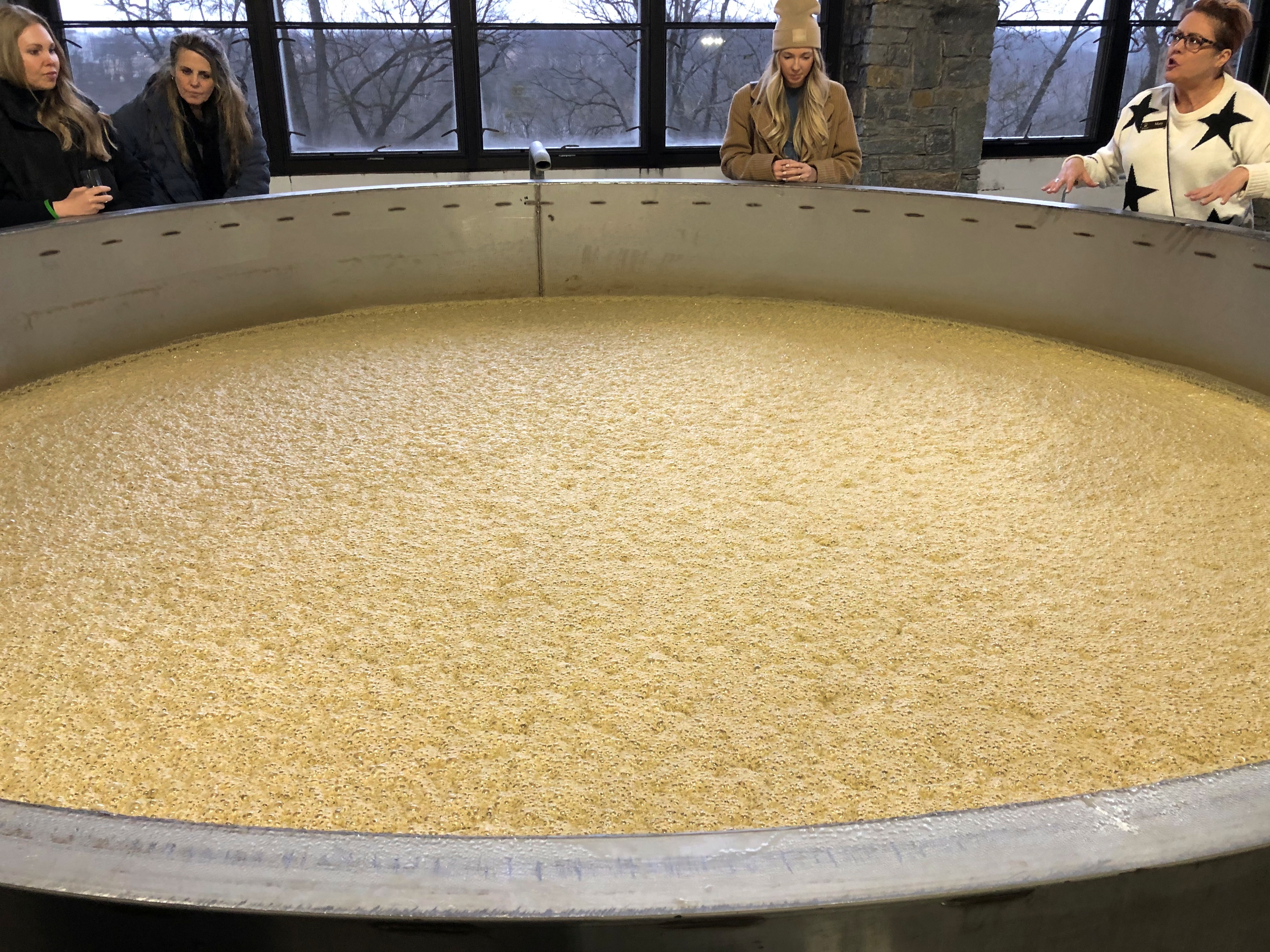
I might not drink bourbon, but I appreciate the fact that distilleries have a lot of cool-looking equipment. Willett certainly does.Willett Distillery Willett Distillery Willett Distillery

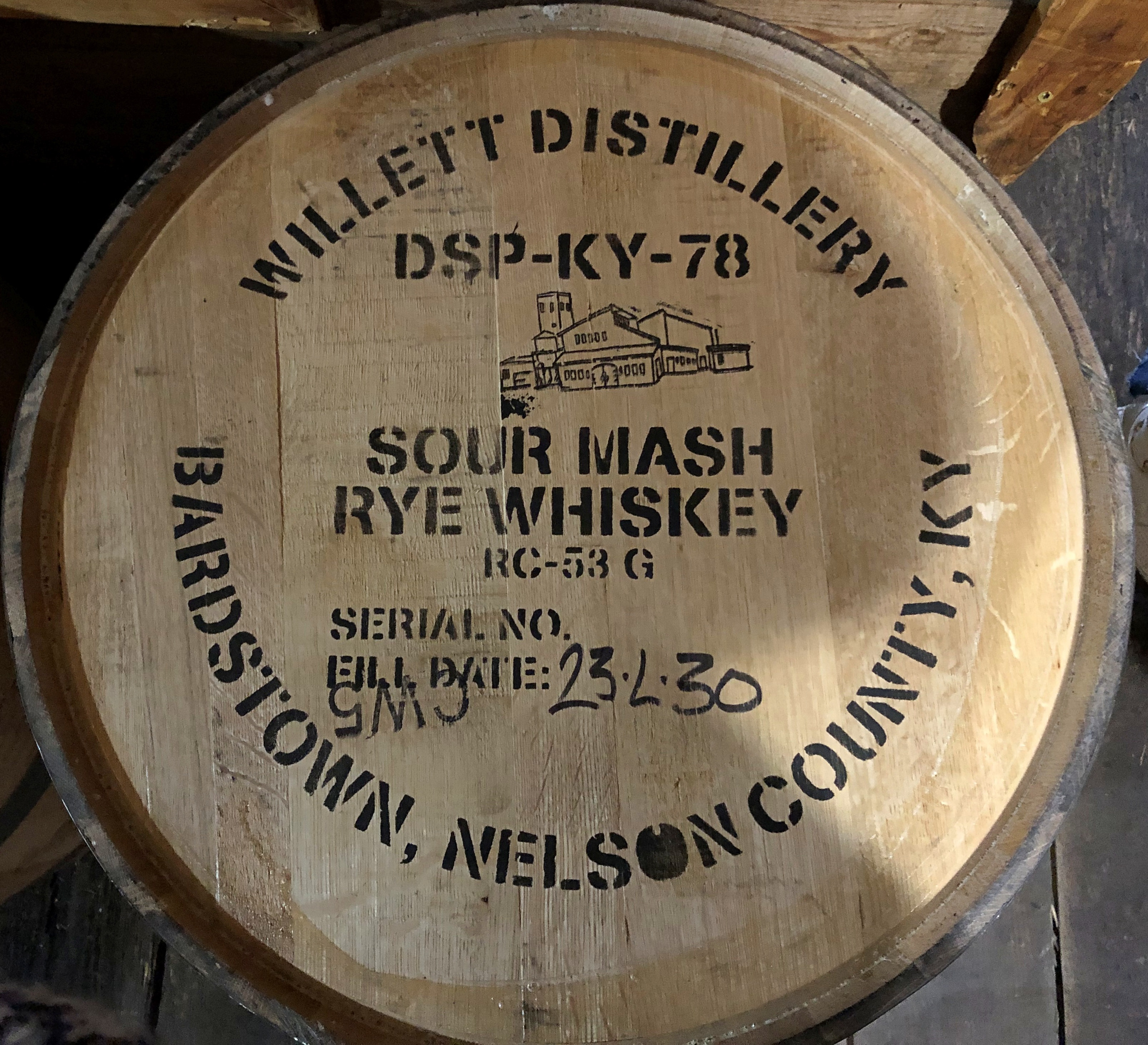
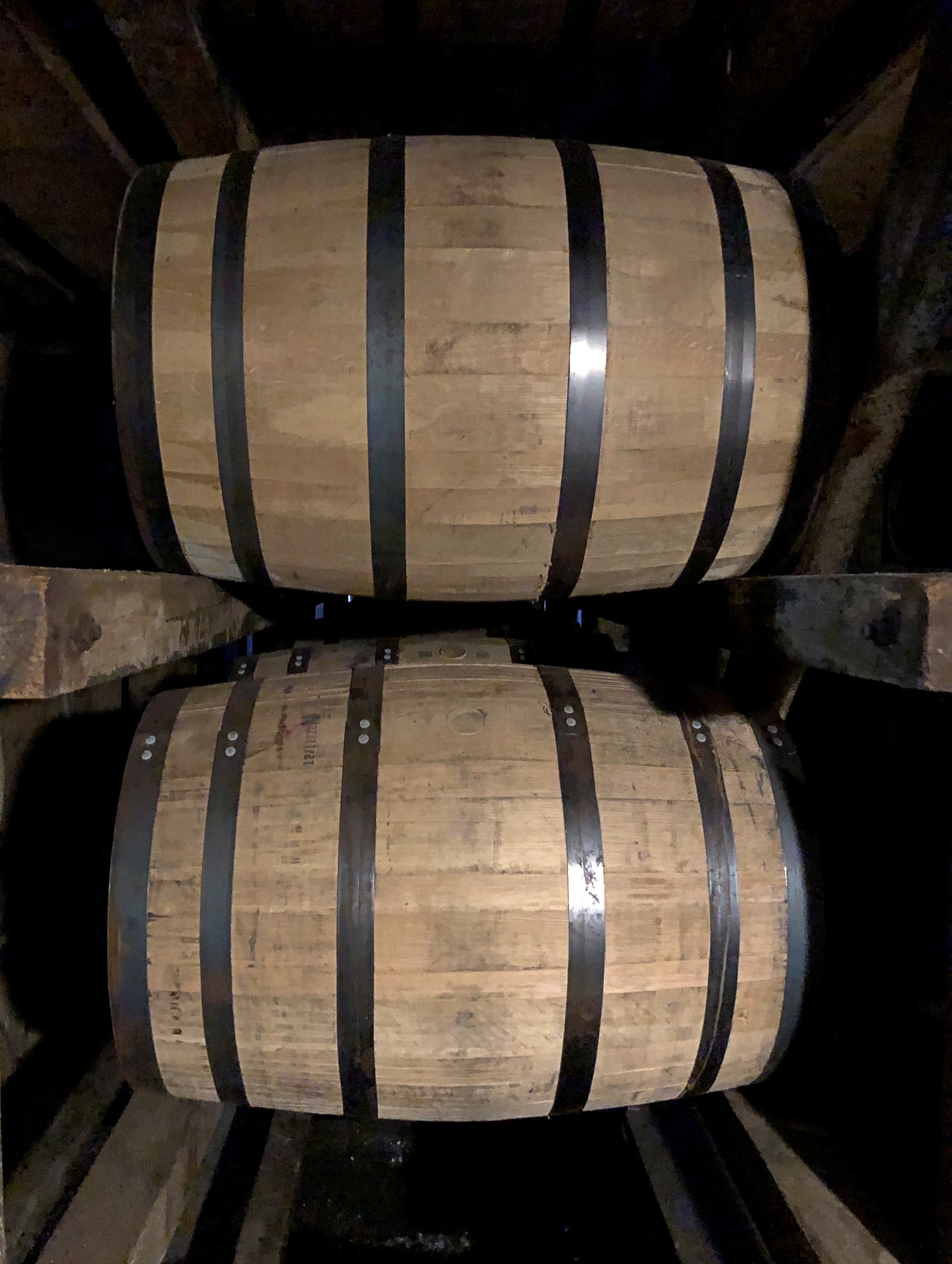
Best of all, we went into one of the Willett rickhouses.Willett Distillery Willett Distillery

Willett is small compared to Heaven Hill, with all of its barrels able to fit into one HH rickhouse, according to our guide. She said that more than once. But she also played it as a virtue, hinting — since it would be impolitic to say it outright — that the neighboring distillery was entirely too big for its britches.