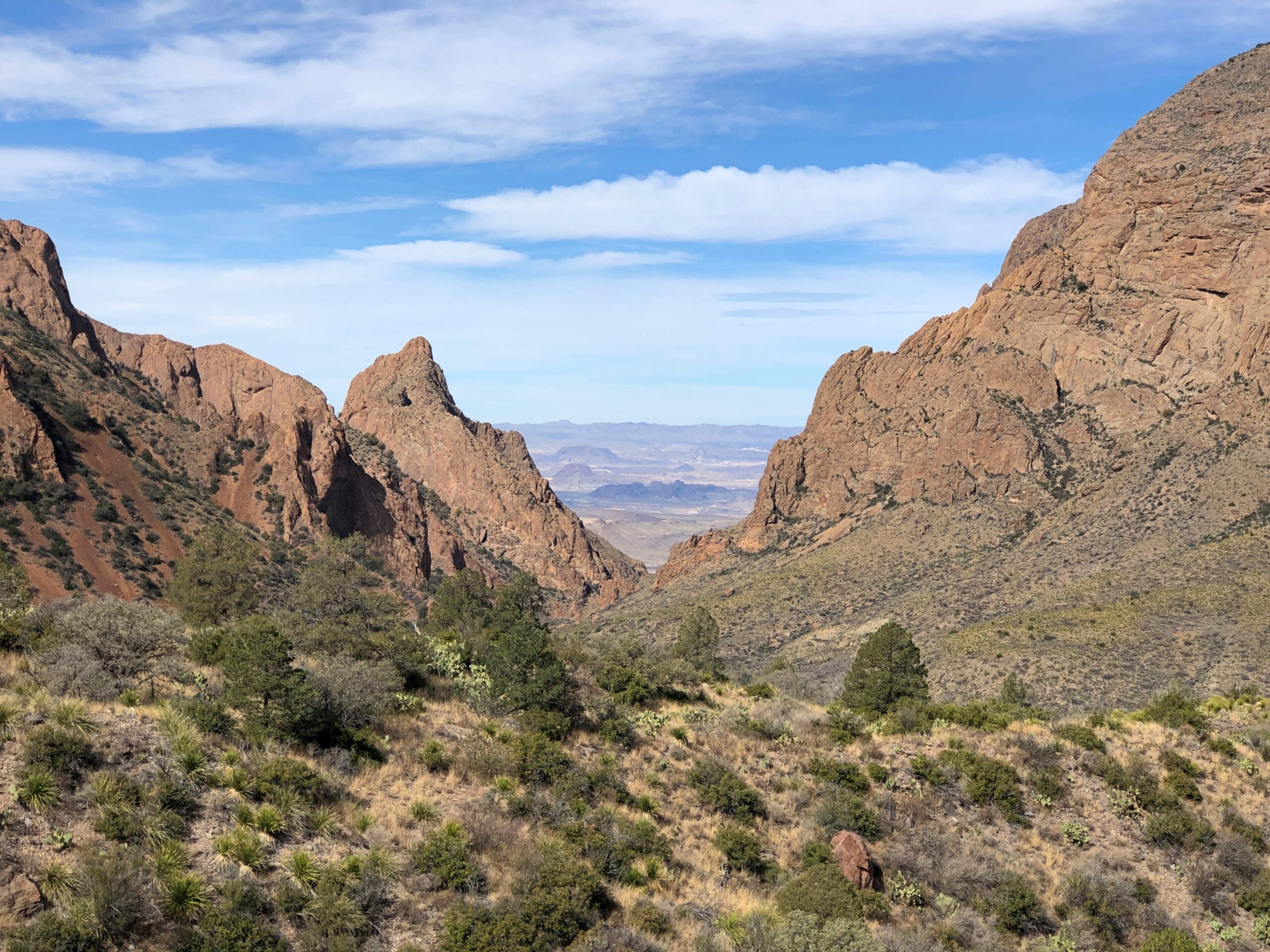
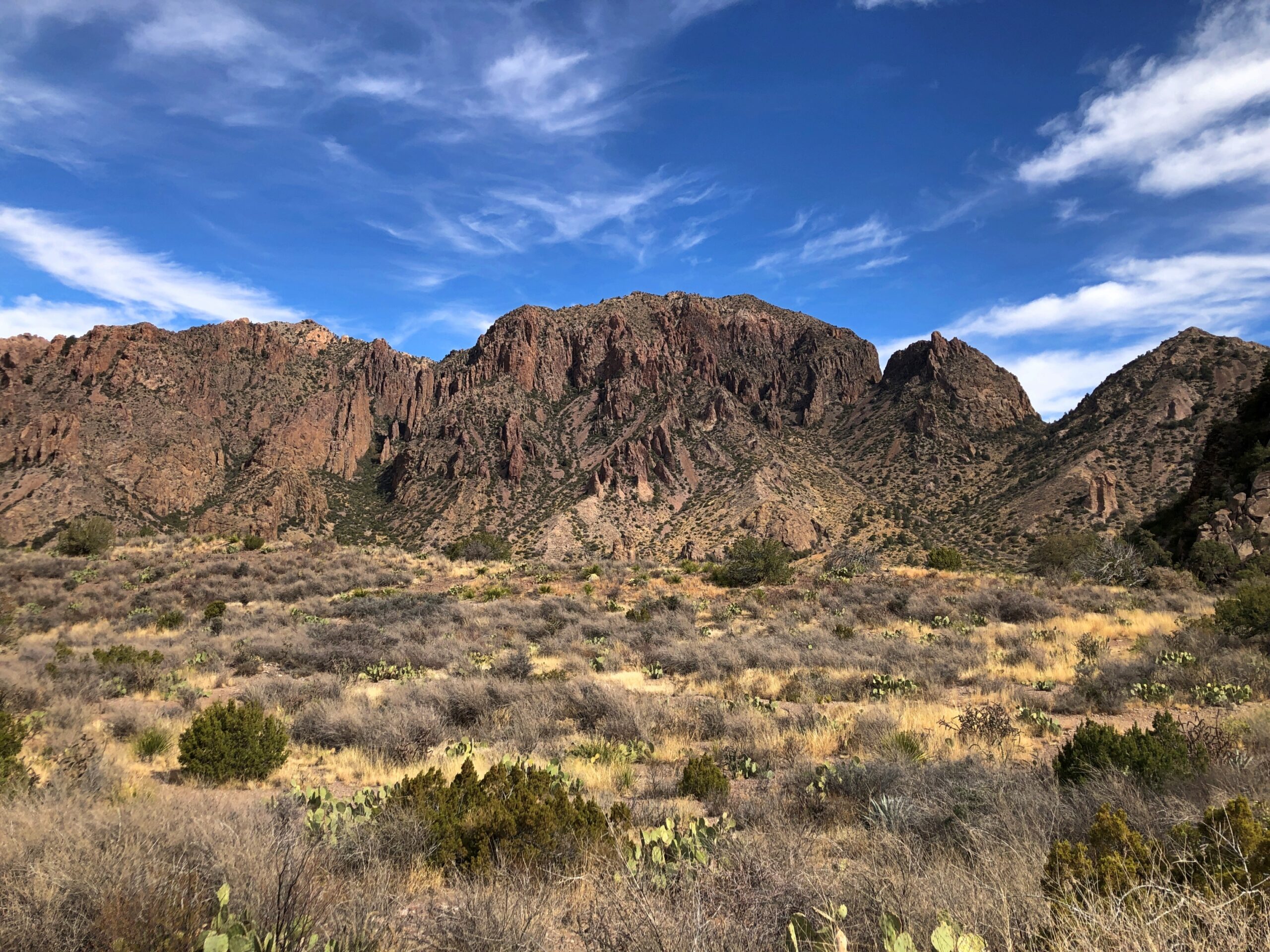
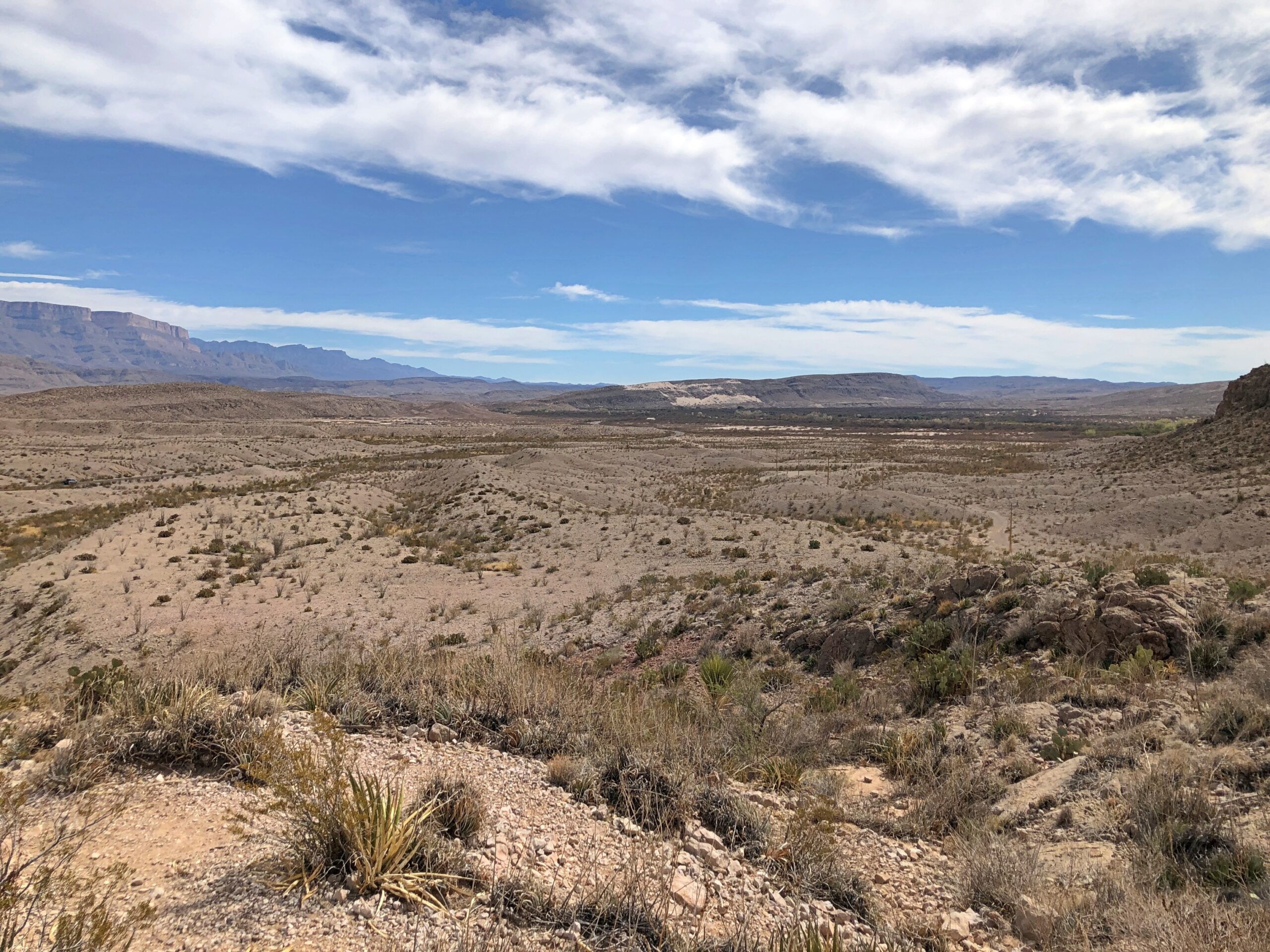
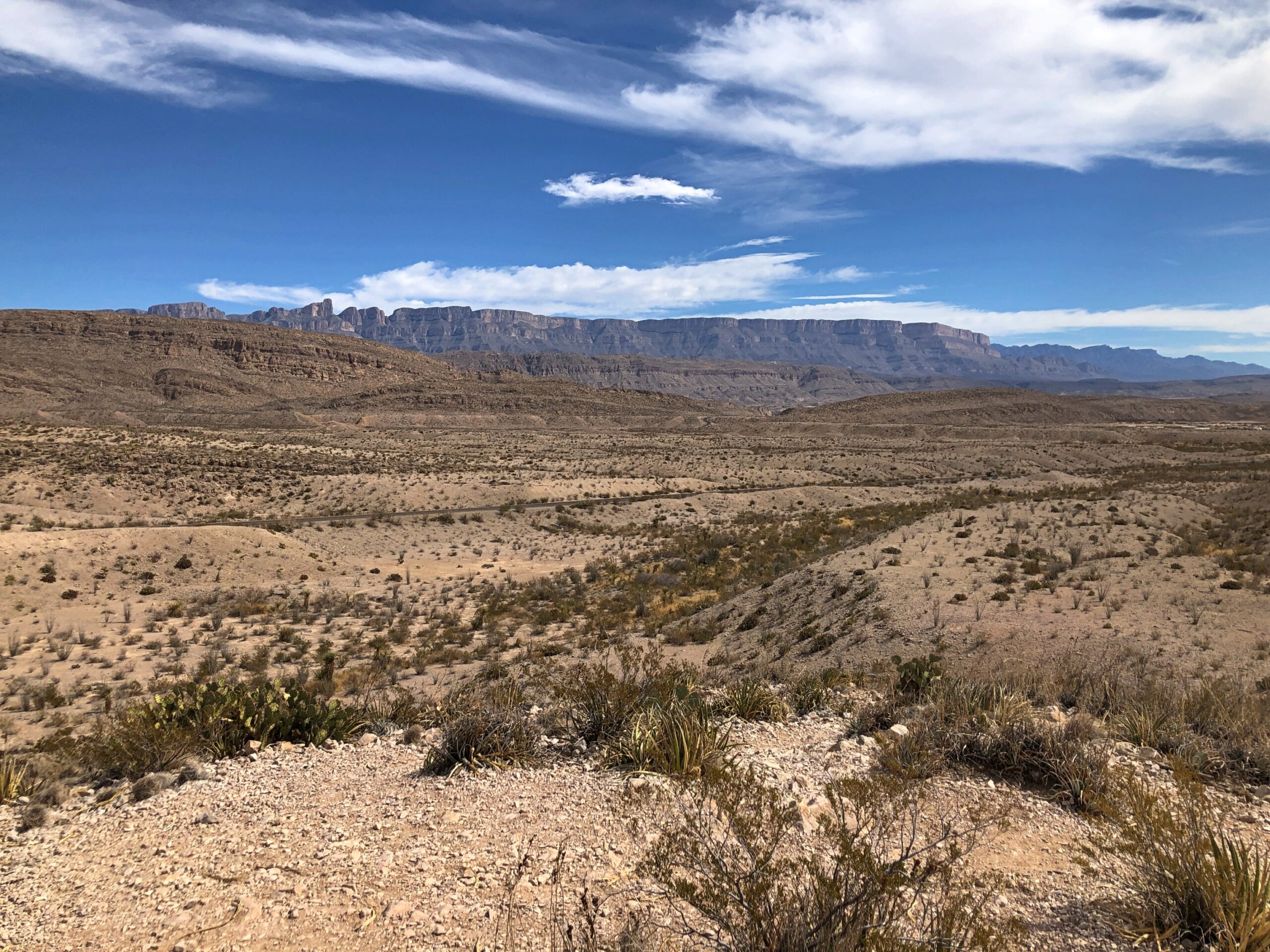
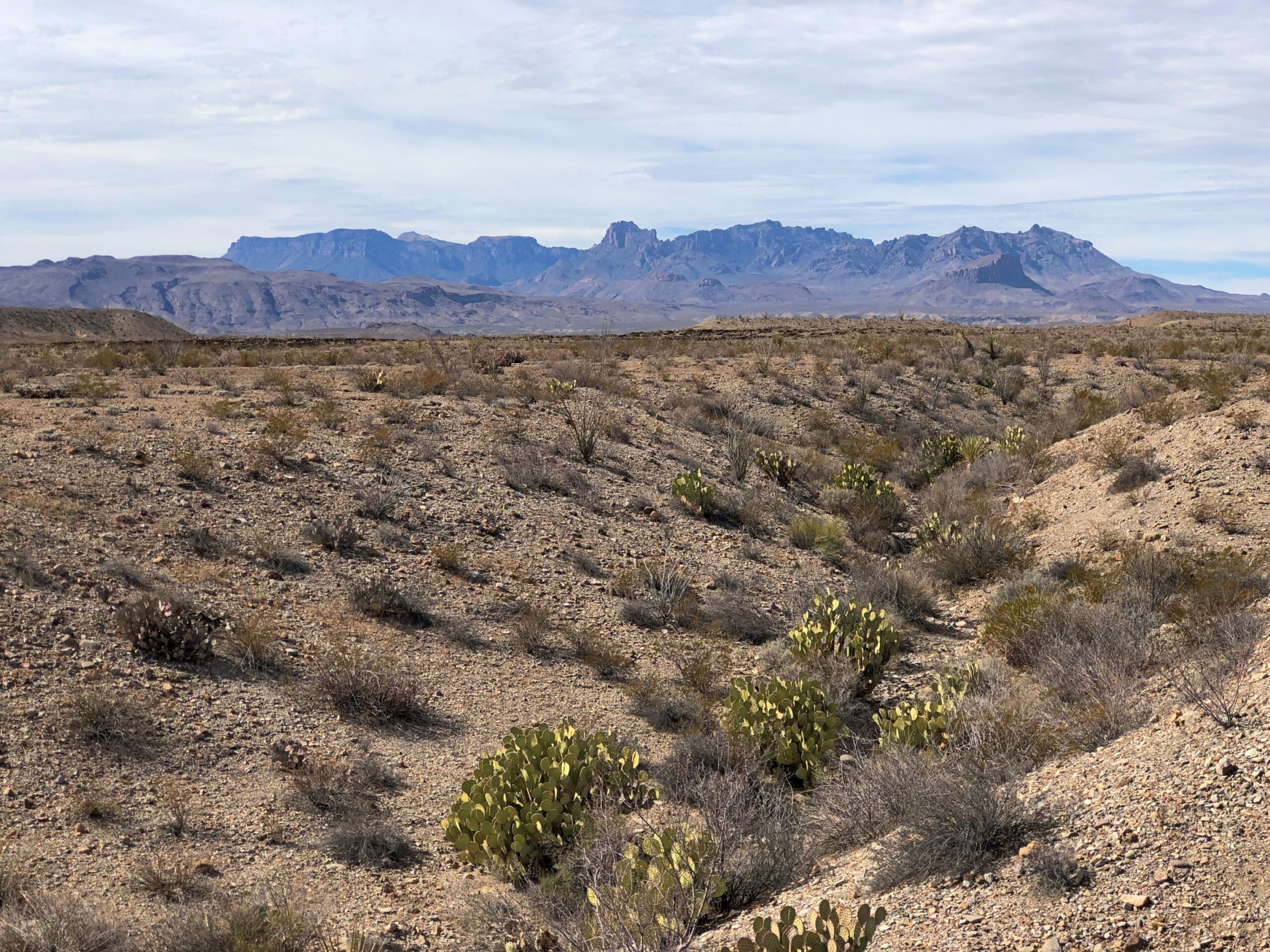
Guadalupe Mountains National Park

First things first, especially since I just spent a month in Texas: Remember the Alamo. One hundred ninety years now.

At dinner at our friend Judith’s home late during my visit, she served a delicious cobbler for dessert, and suggested ice cream with it. I was able to bring up that Bennett Cerf-worthy pun, remember the à la mode.

This handy list of U.S. national parks, ranked by number of visitors in 2024, tells me that if you can’t drive to the highlights of the park, people aren’t going to go. Or, if they’ve never heard of the place, they aren’t likely to go either. I can only speculate that that’s because most people spend shockingly little time poring over maps, paper or electronic.

Speculation aside, Guadalupe Mountains National Park in West Texas is the 52nd most-visited park in the current count of 63 parks, which is to say, almost in the bottom 10 least-visited parks, just behind Congaree NP, but ahead of Voyageurs NP. There is a single road that goes to GMNP from the south: the two-lane, remote as can be Texas 54, which joins US 62/180 just south of the park. That’s the way we went on February 18, traveling from Marathon by way of Marfa and Van Horn.
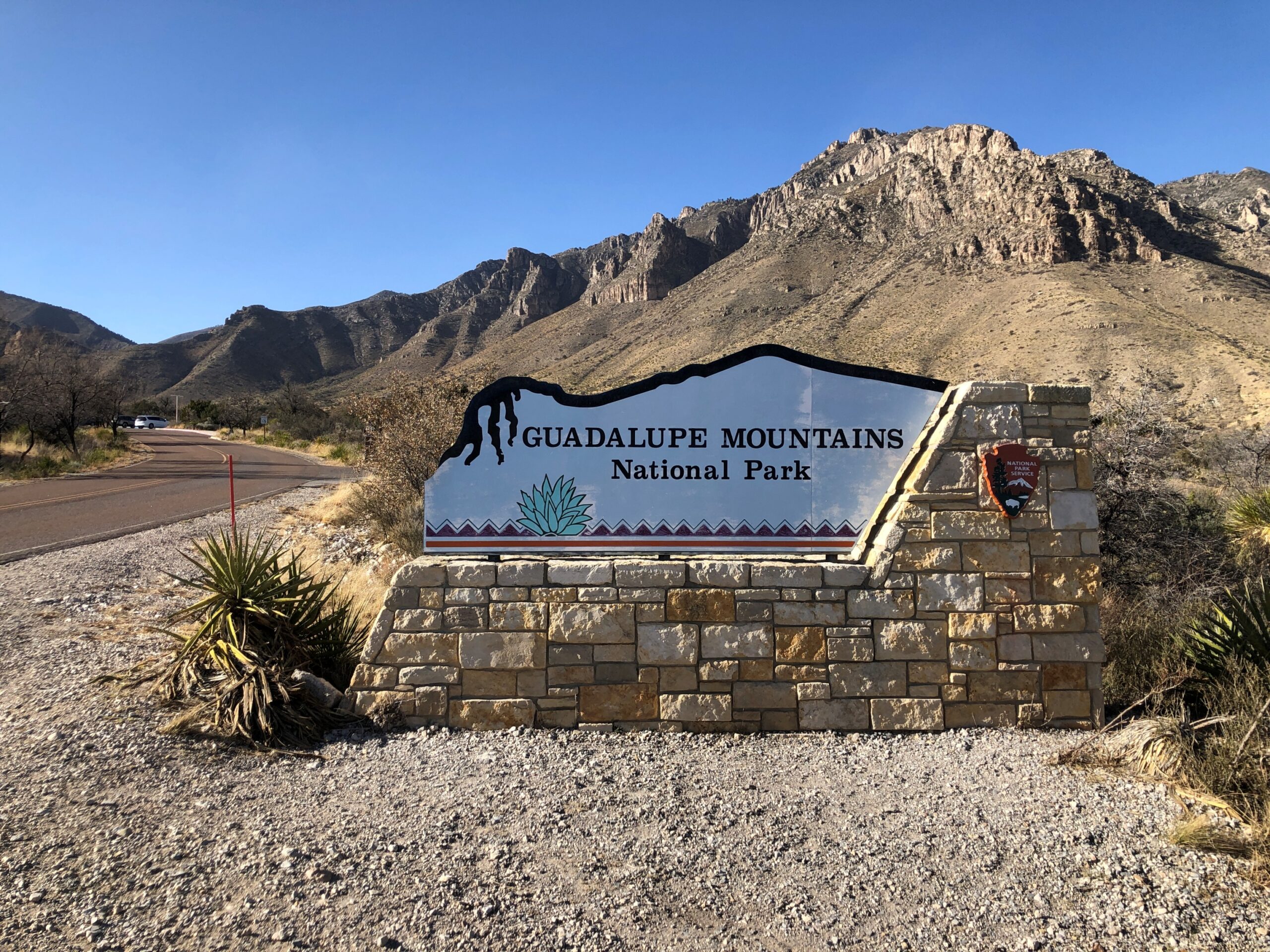
You can drive into the edge of the GMNP on US 62/180, stopping at Pine Springs Visitor Center. If you want to go further in, you walk, or ride a horse, I suppose. We spent a couple of hours in the park, taking short walks — totaling maybe a mile or so — near the visitors center. It was mid-afternoon when we arrived, and more importantly, we weren’t prepared for a long walk, or a horse ride either, especially on a very warm day.

But I did want to stop by, just to be sure that I’d really been to the park. That’s how I think. We might have stopped briefly in the area in August 1972 during our family cave vacation — I imagine there was a roadside stop to admire the Guadalupe Mts., at least — but maybe not. Also, a little reading tells me that the park itself didn’t formally exist in August of that year, when we went to Carlsbad Caverns, but came into being on September 30, 1972. So technically there was no park to visit at that moment. In any case, now I can say for sure that I’ve been to GMNP, as one of the 37 I’ve visited in the U.S.

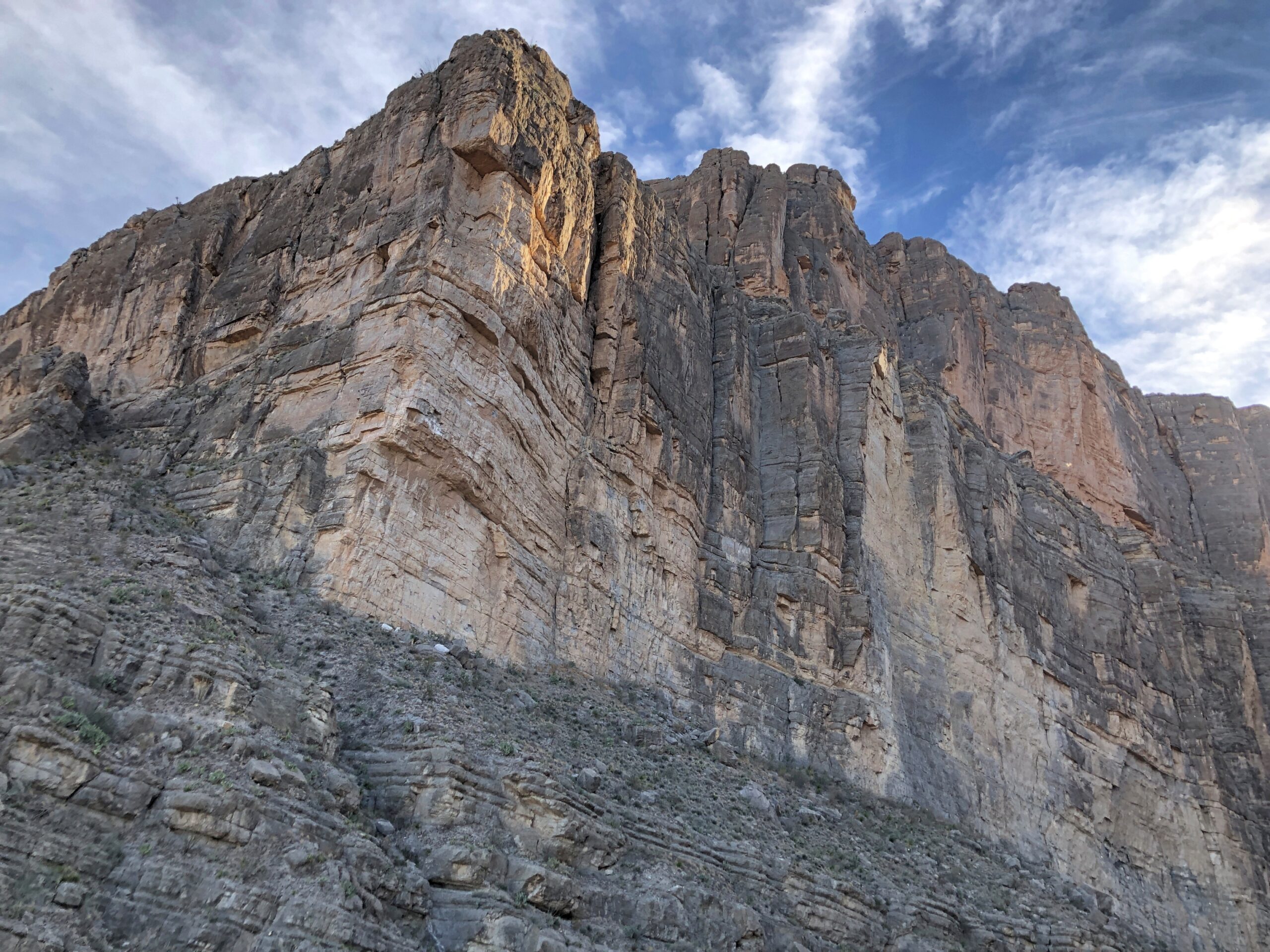
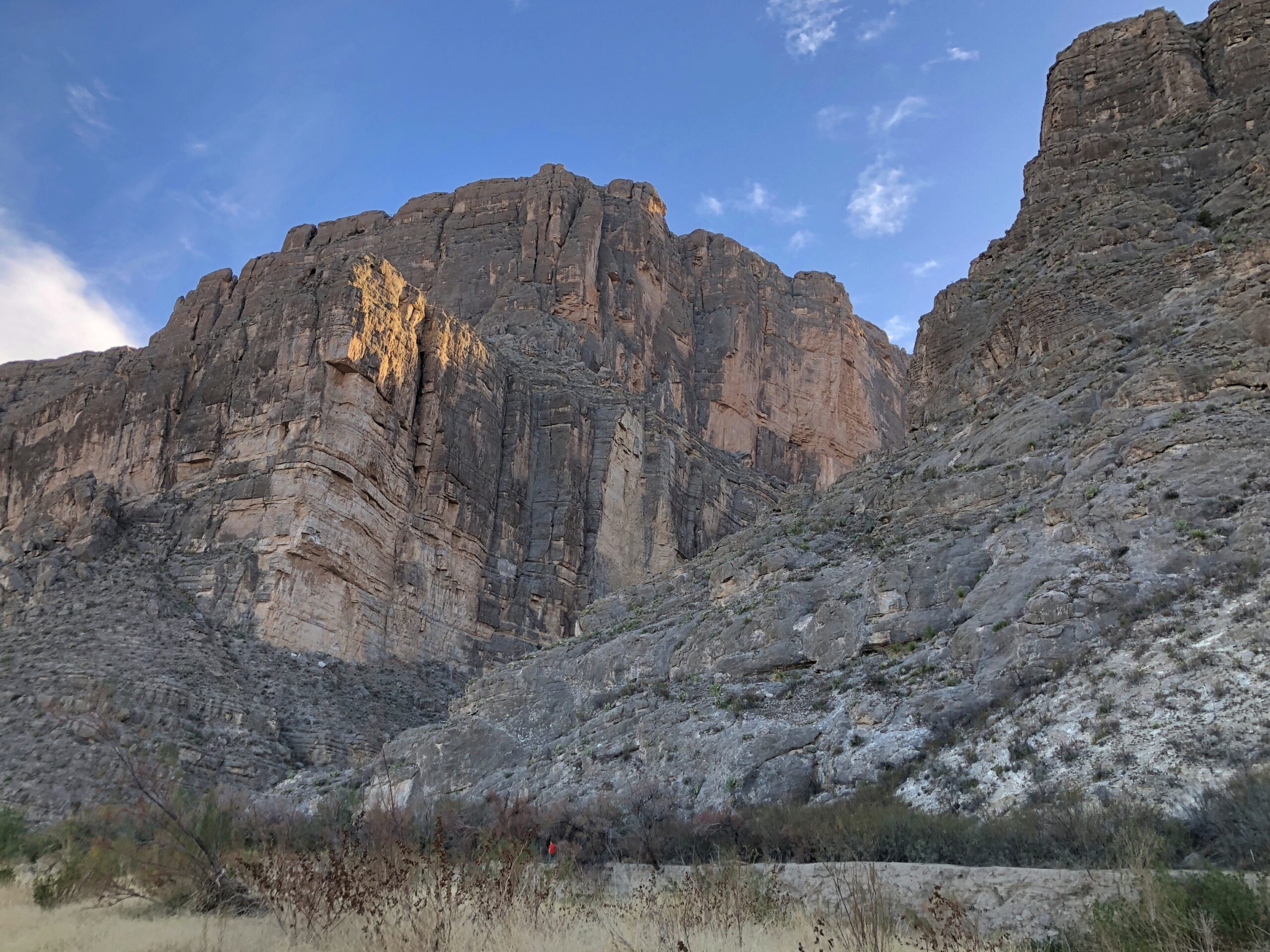
Even from the visitor center, the Guadalupe Mountains are close at hand.
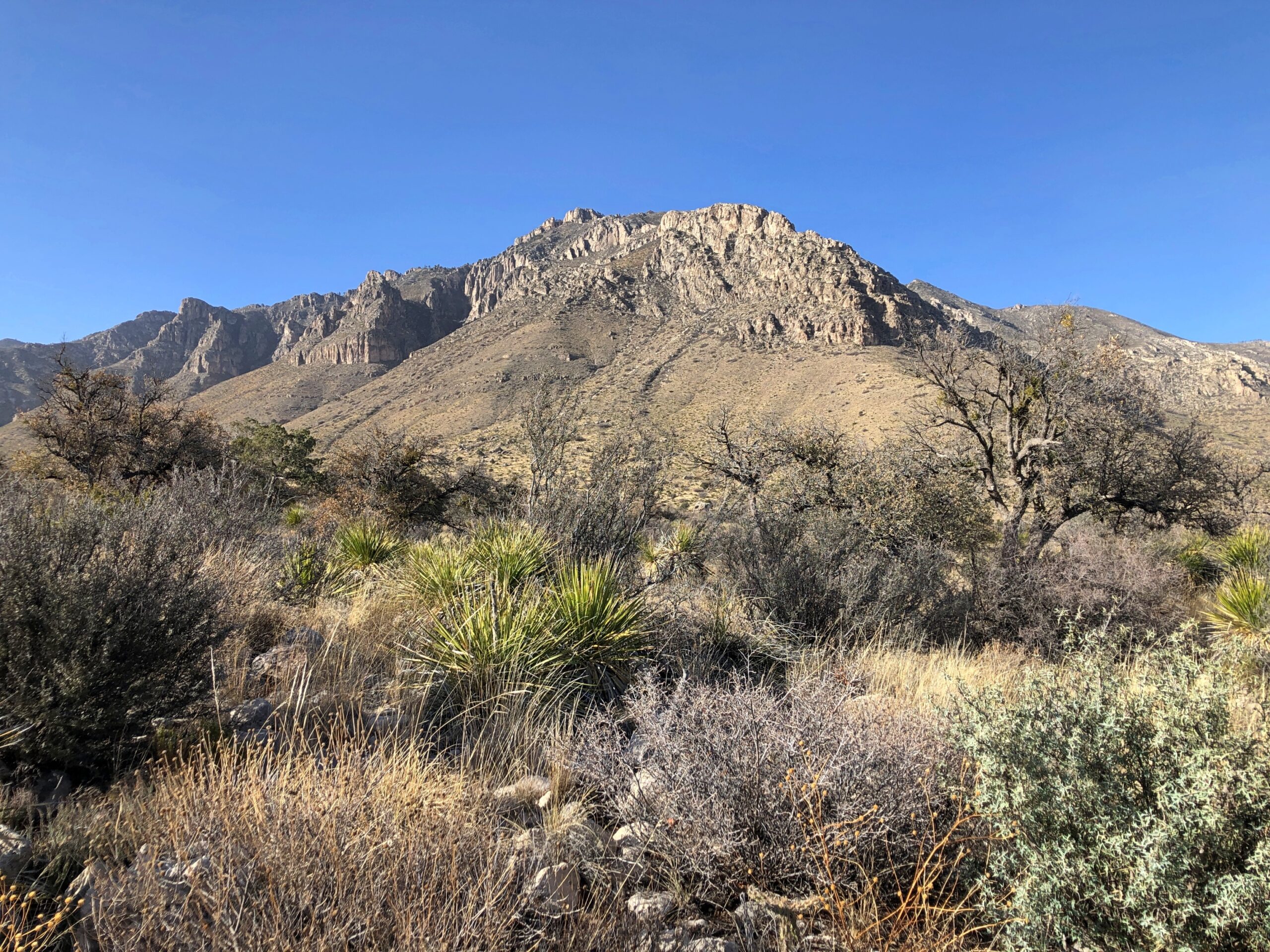
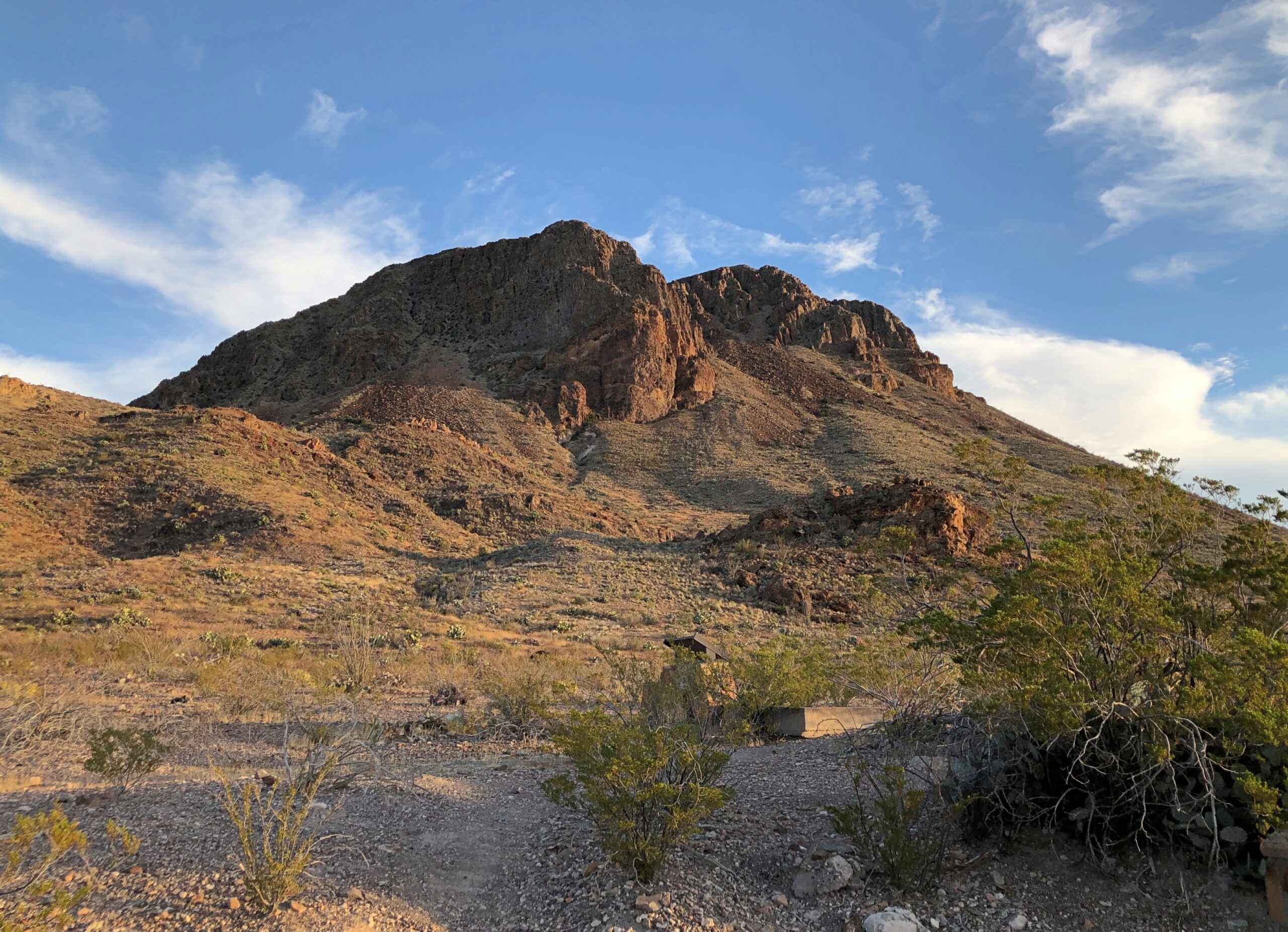
That is Hunter’s Peak, whose summit is 8,368 feet above sea level, and a fair ways above the visitors center, whose elevation is 5,734 feet. Not huge, but still a pretty photogenic uplift of the Earth’s crust, I’d say.
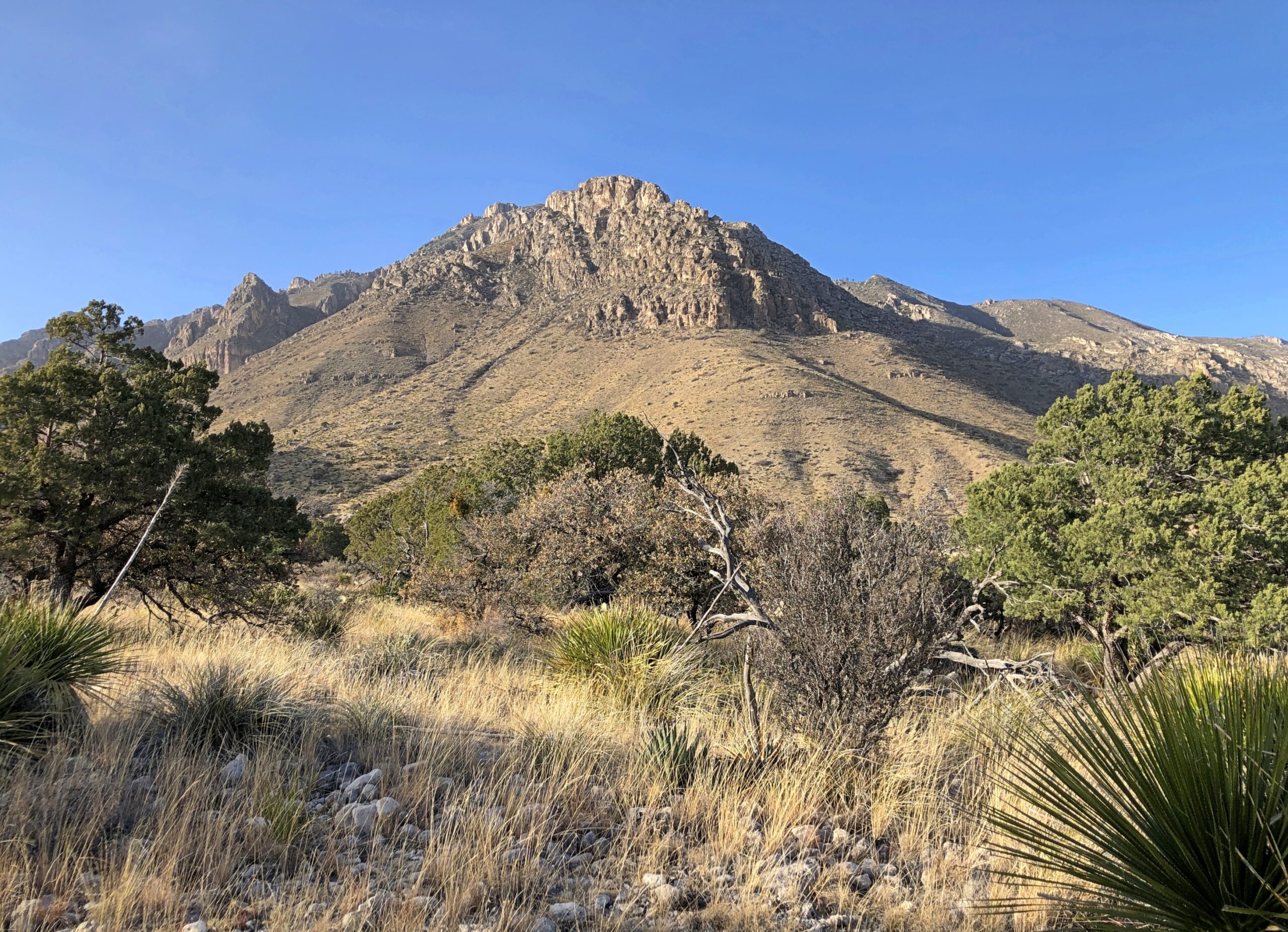
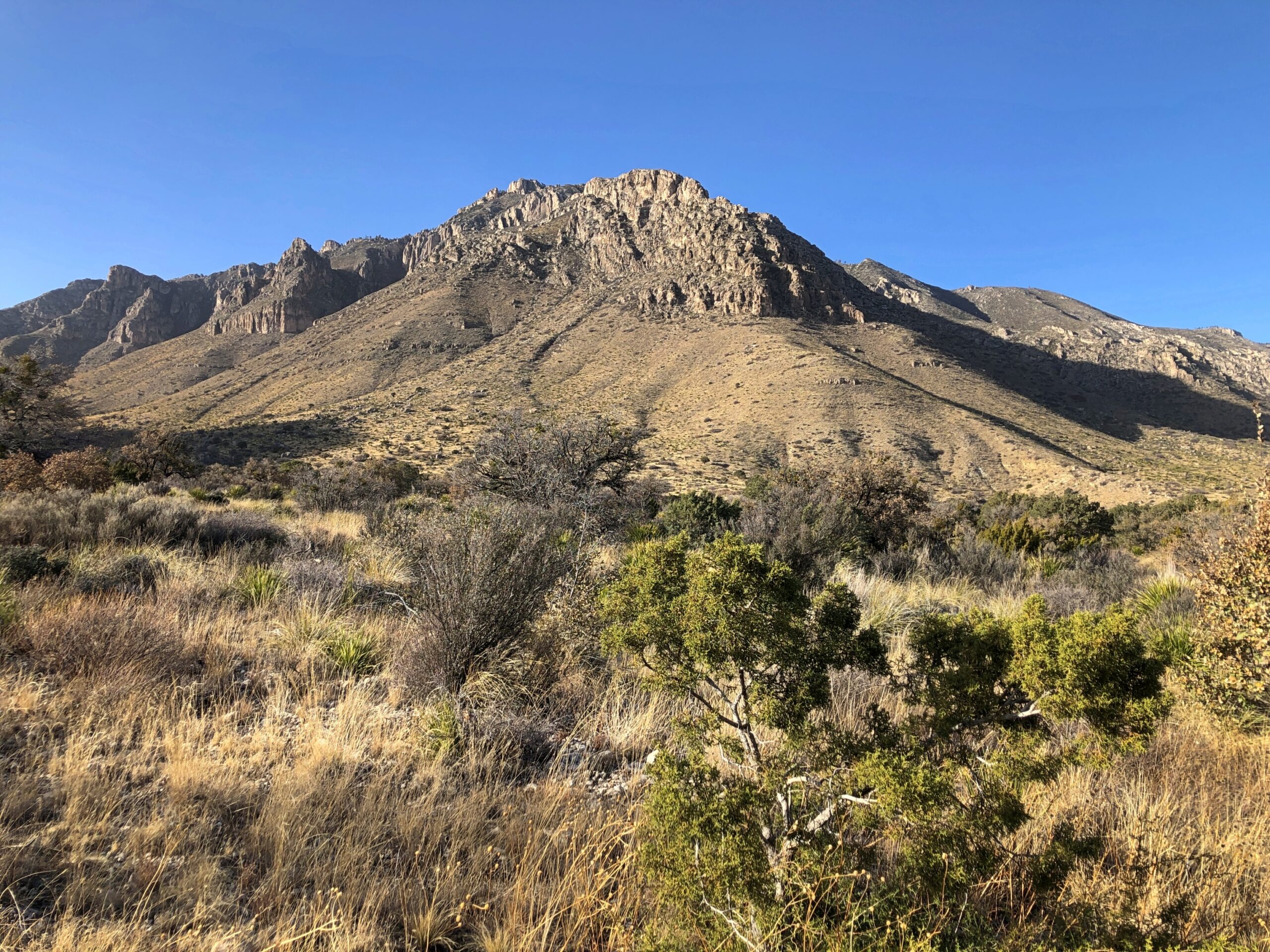
The sun was in a good position to light up that peak. Not so much for Guadalupe Peak (elev. 8,751), the highest elevation in Texas, at least from where we stood.
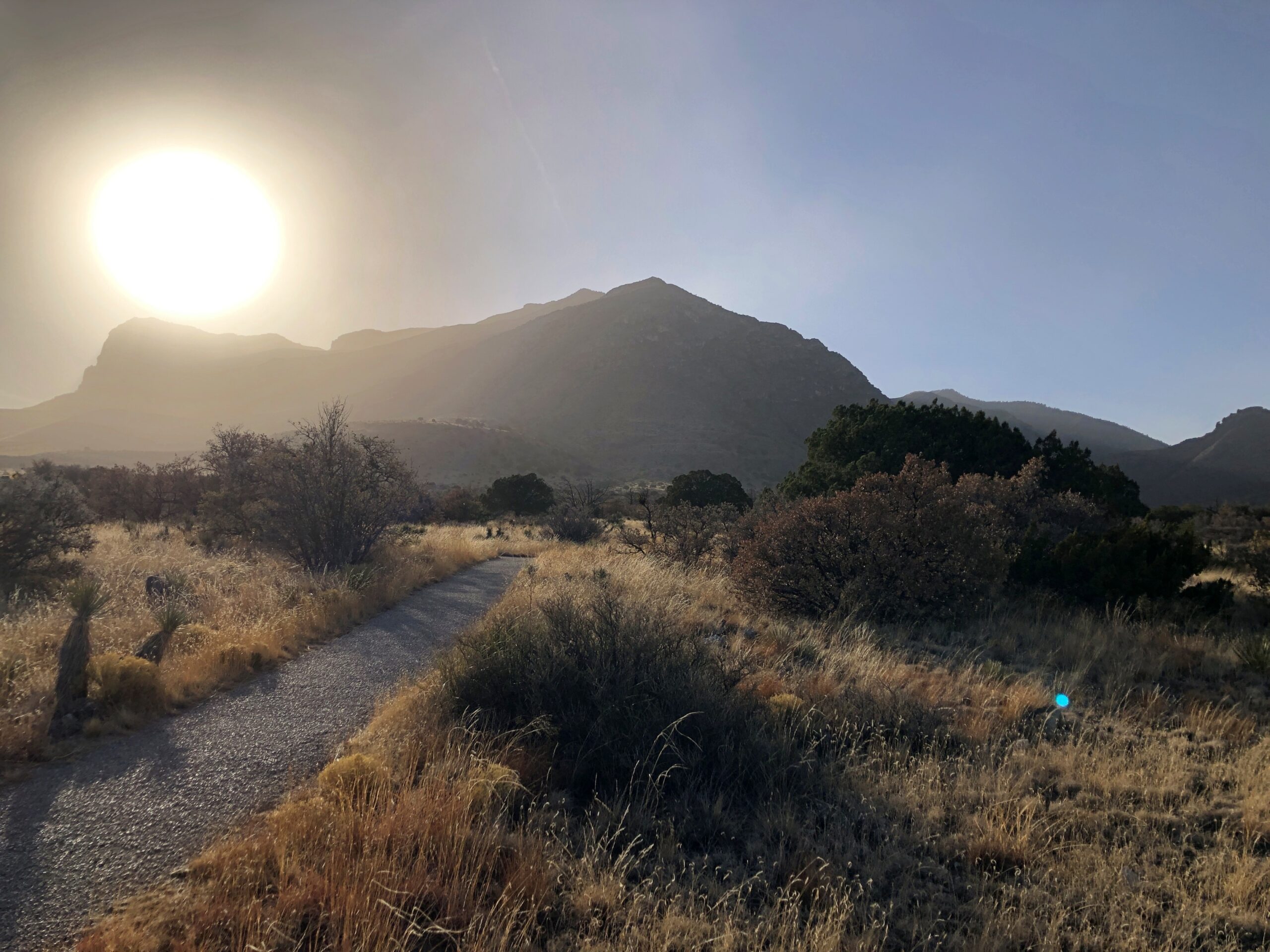
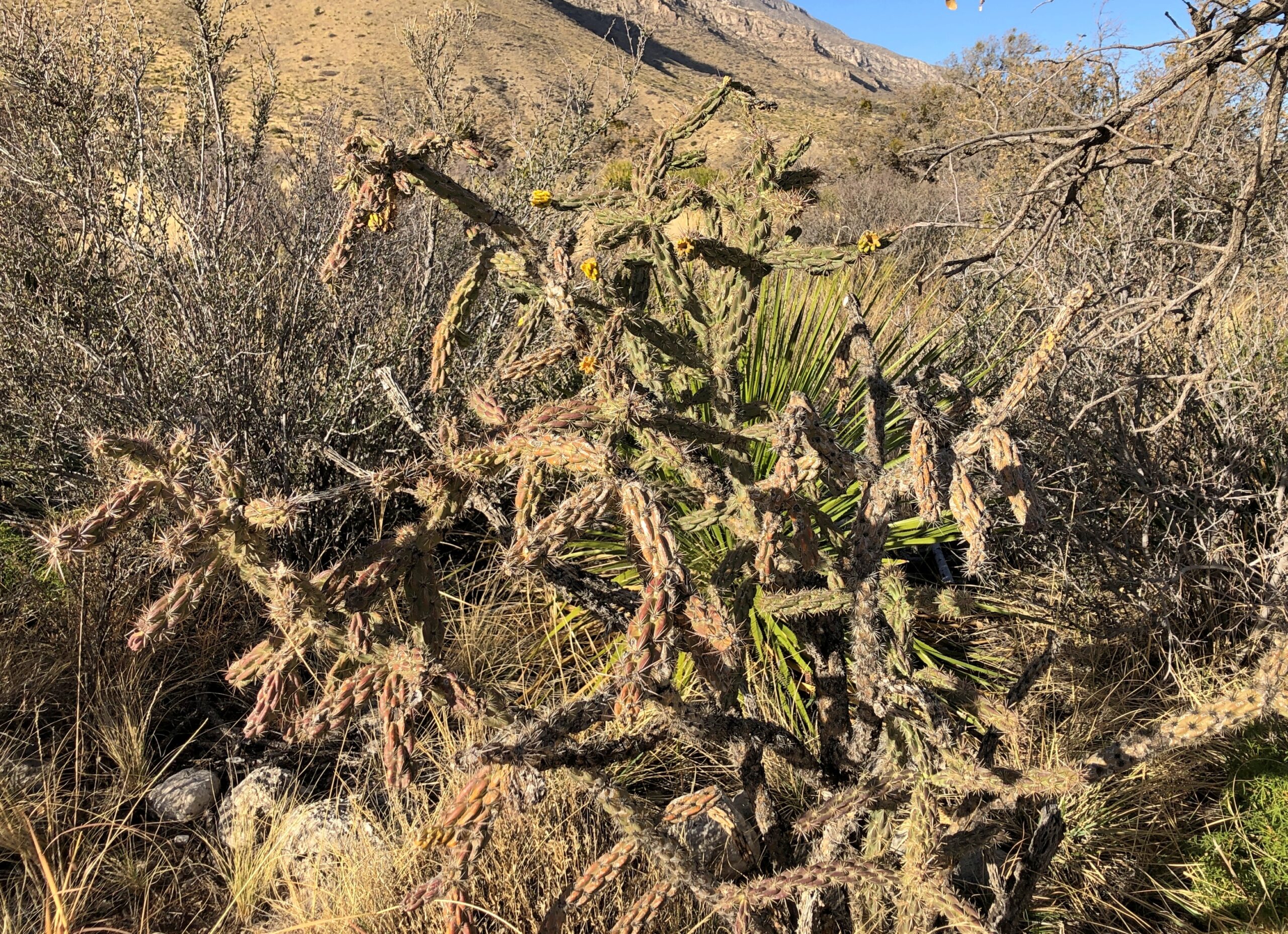
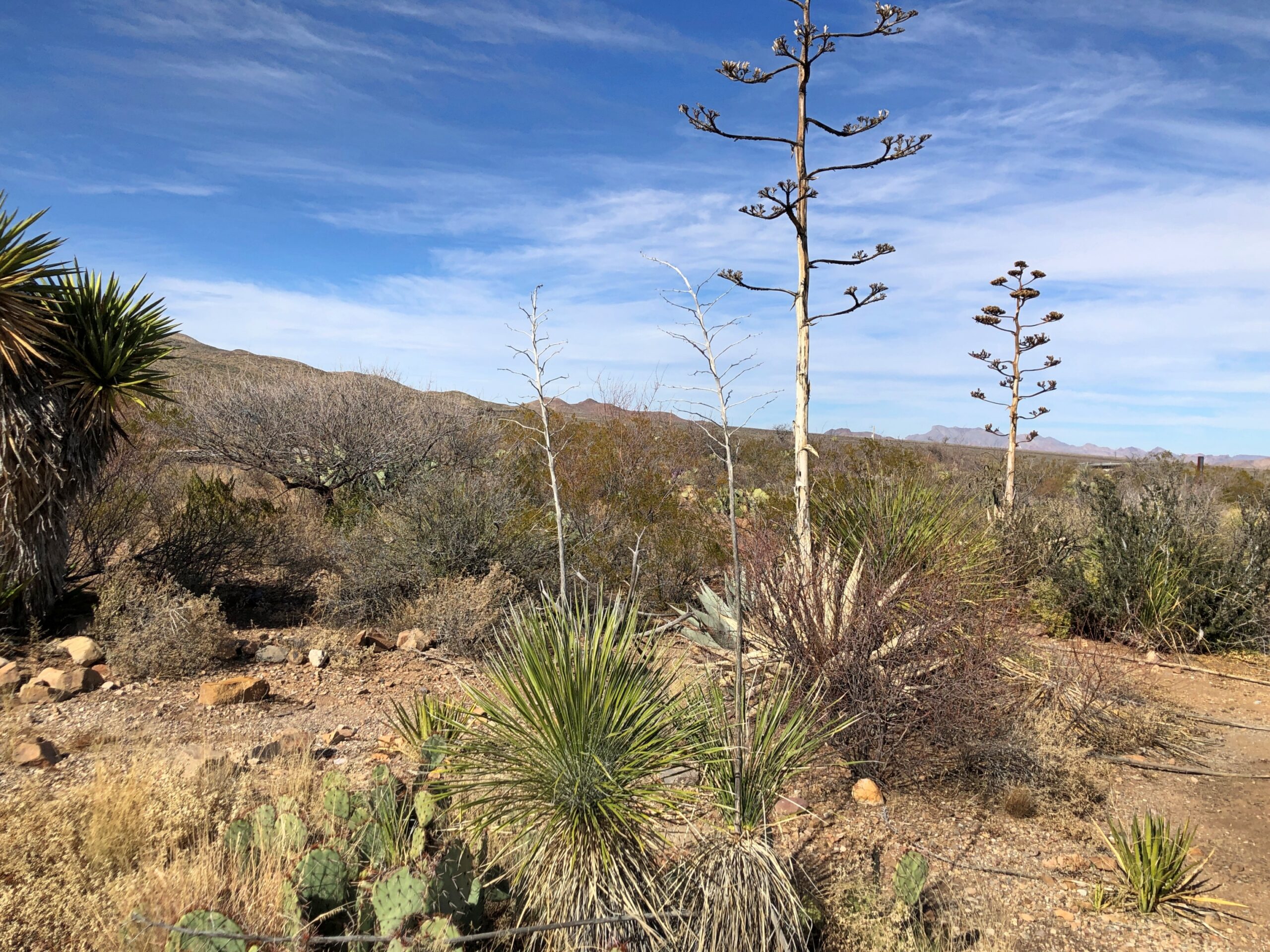
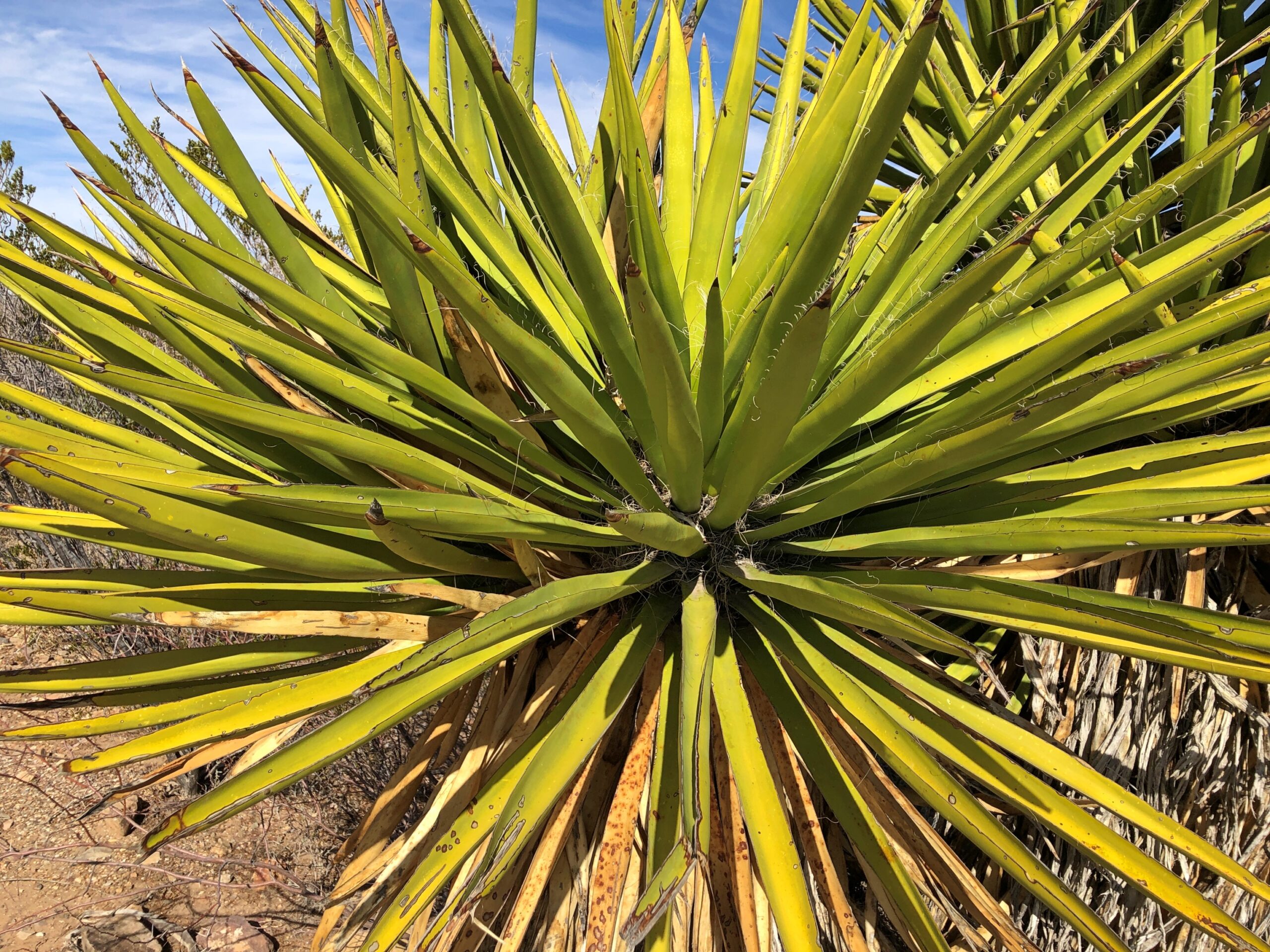
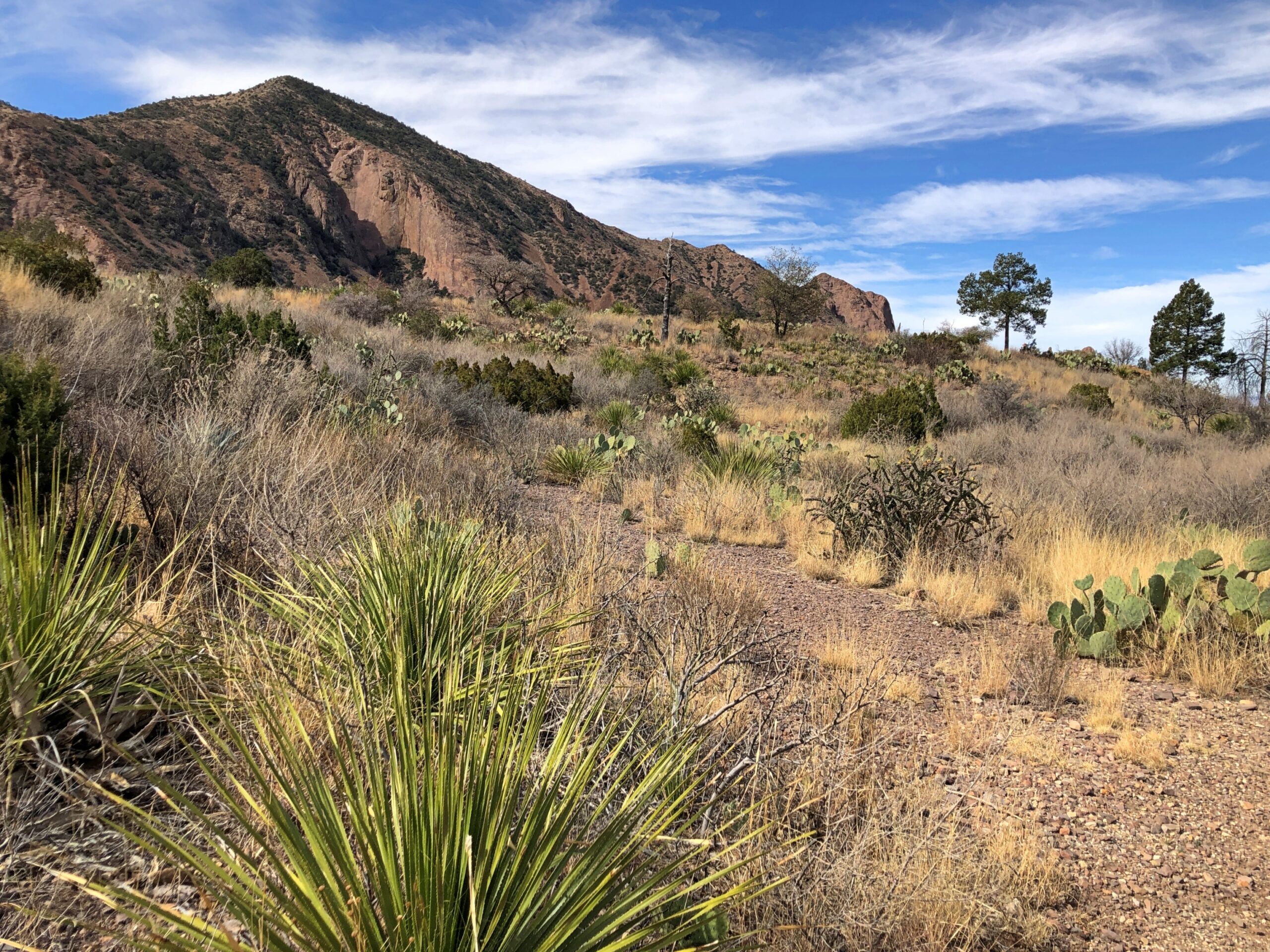
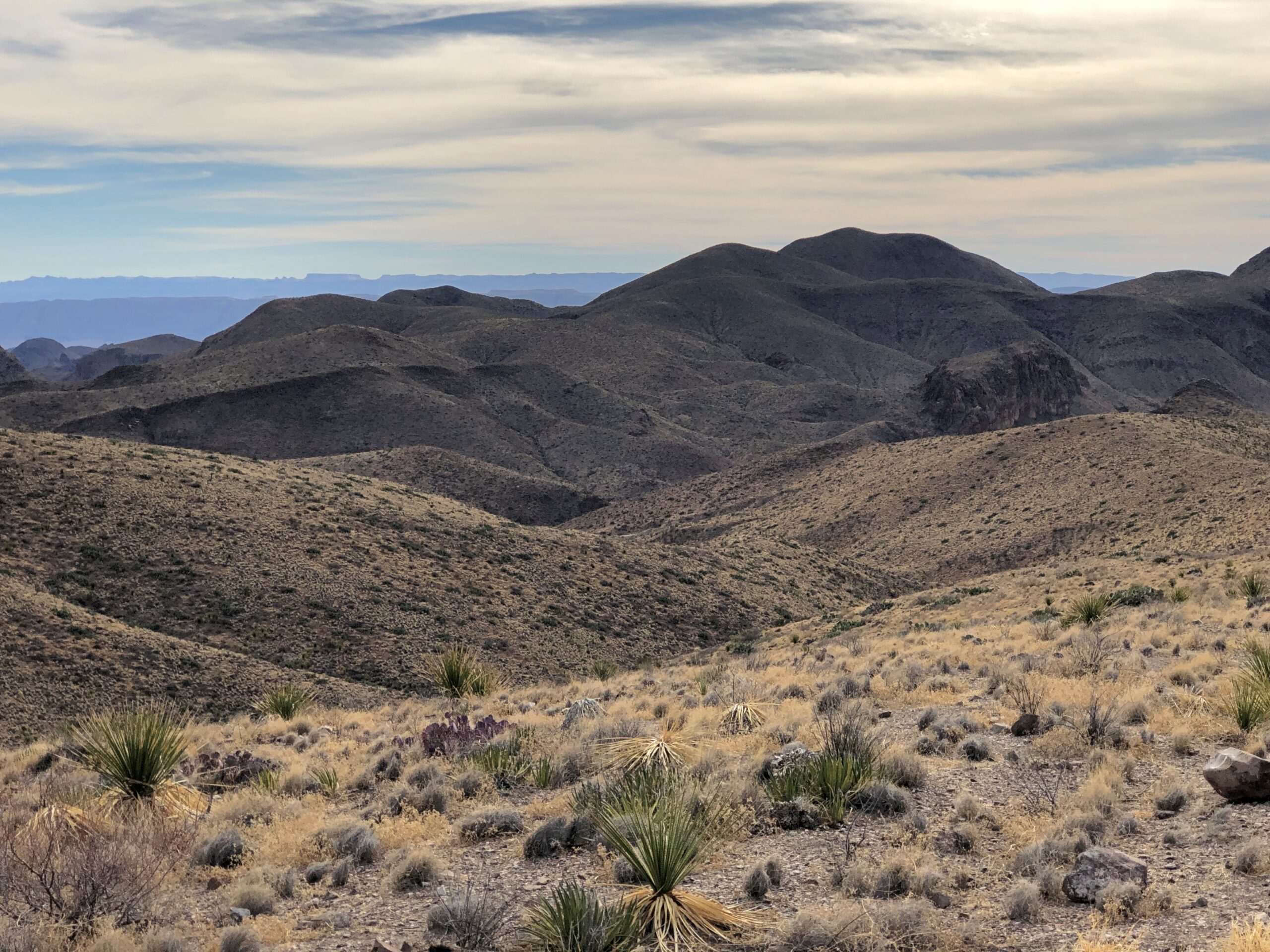
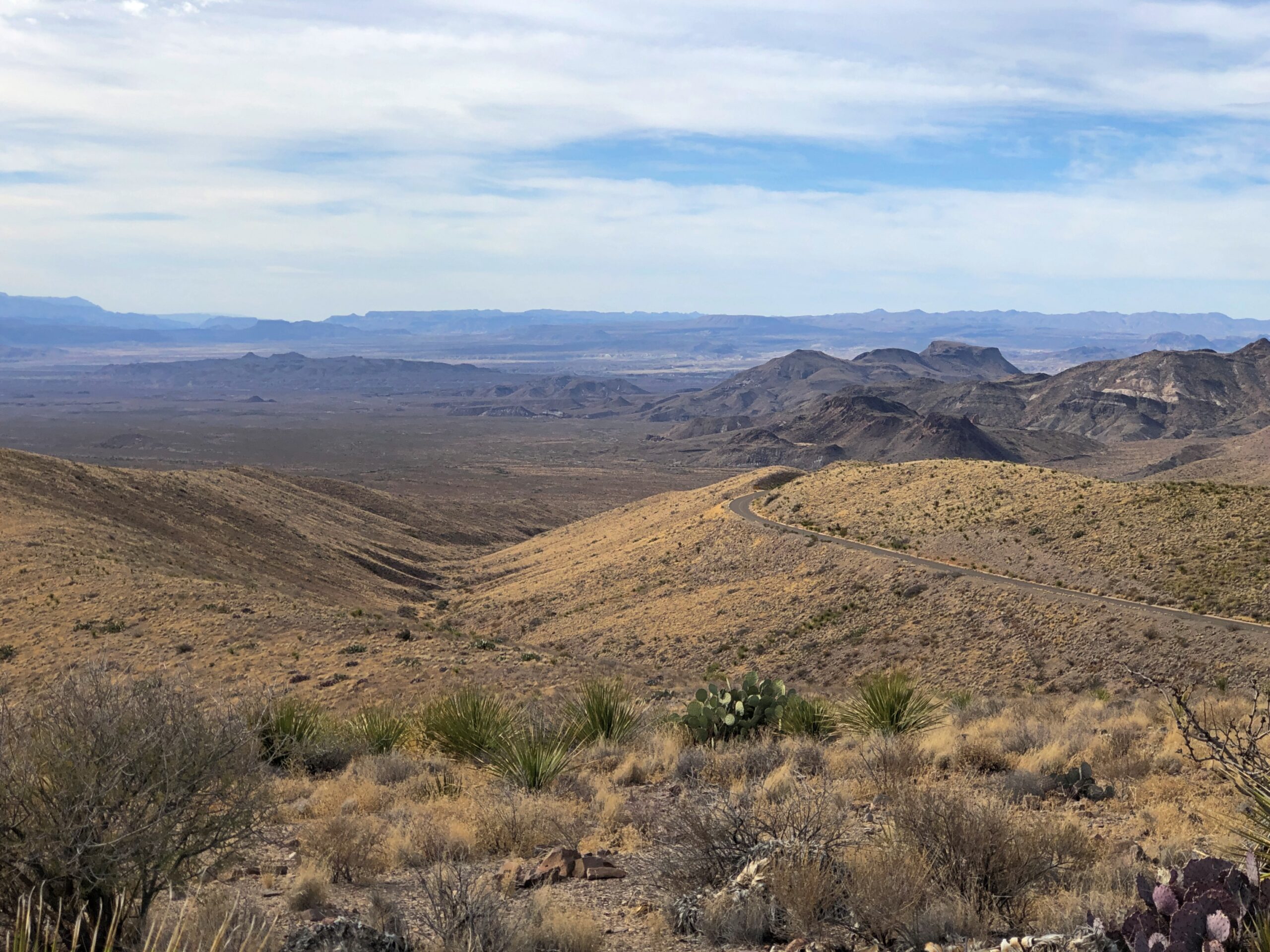
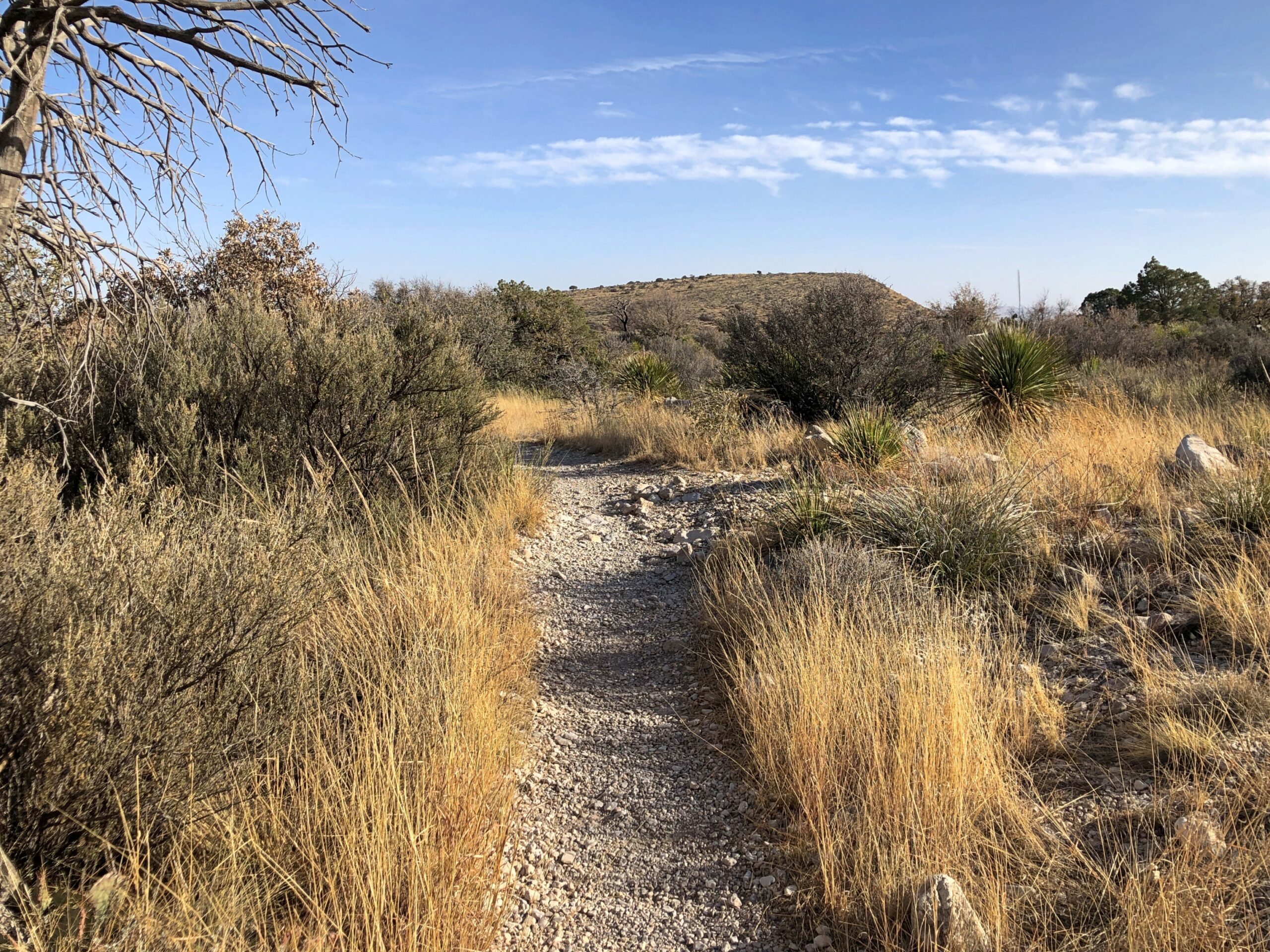
Flora along the way. Fauna wasn’t to be seen, except for a few bugs. But they are out there. Maybe some feral pigs.
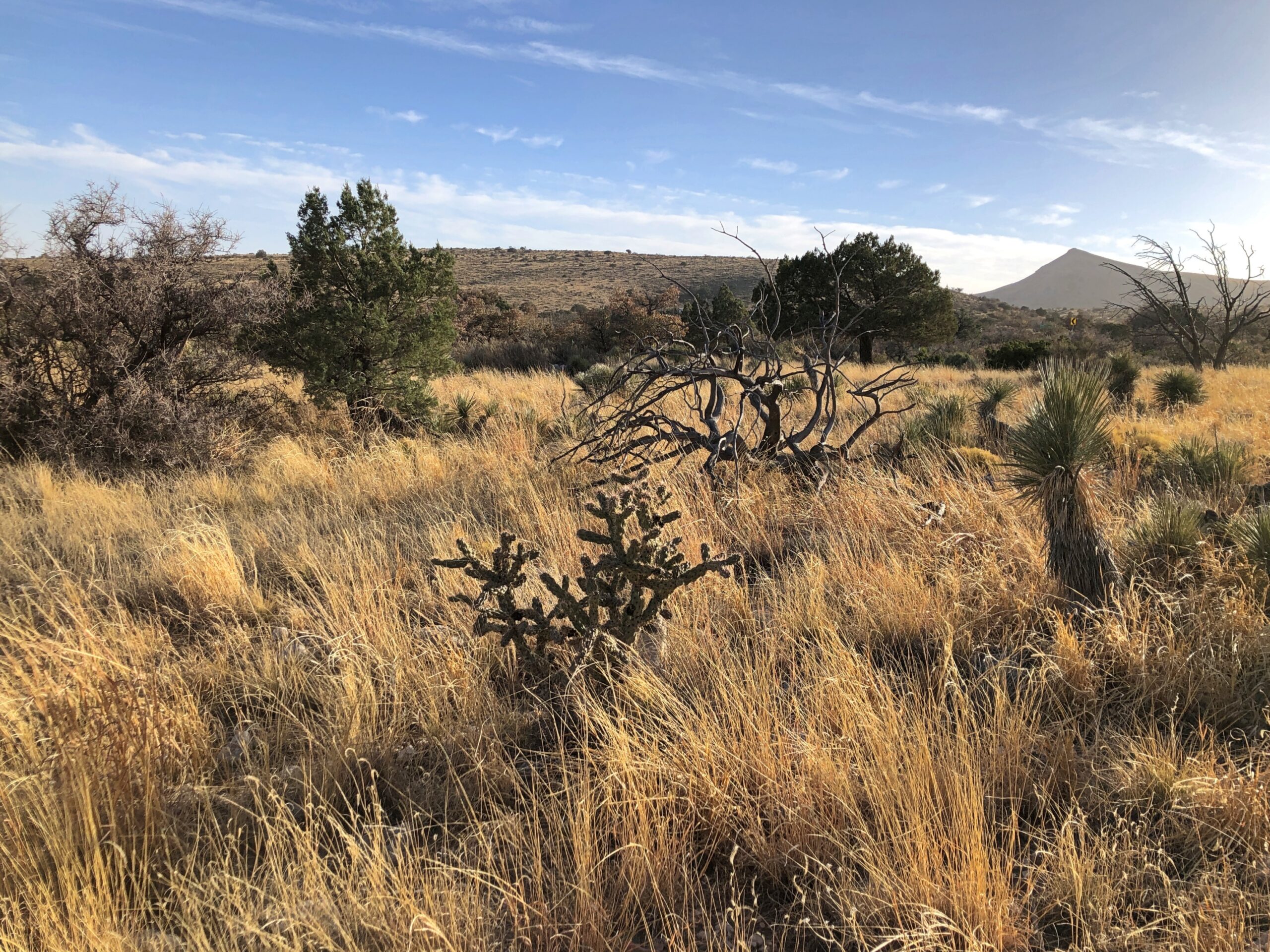
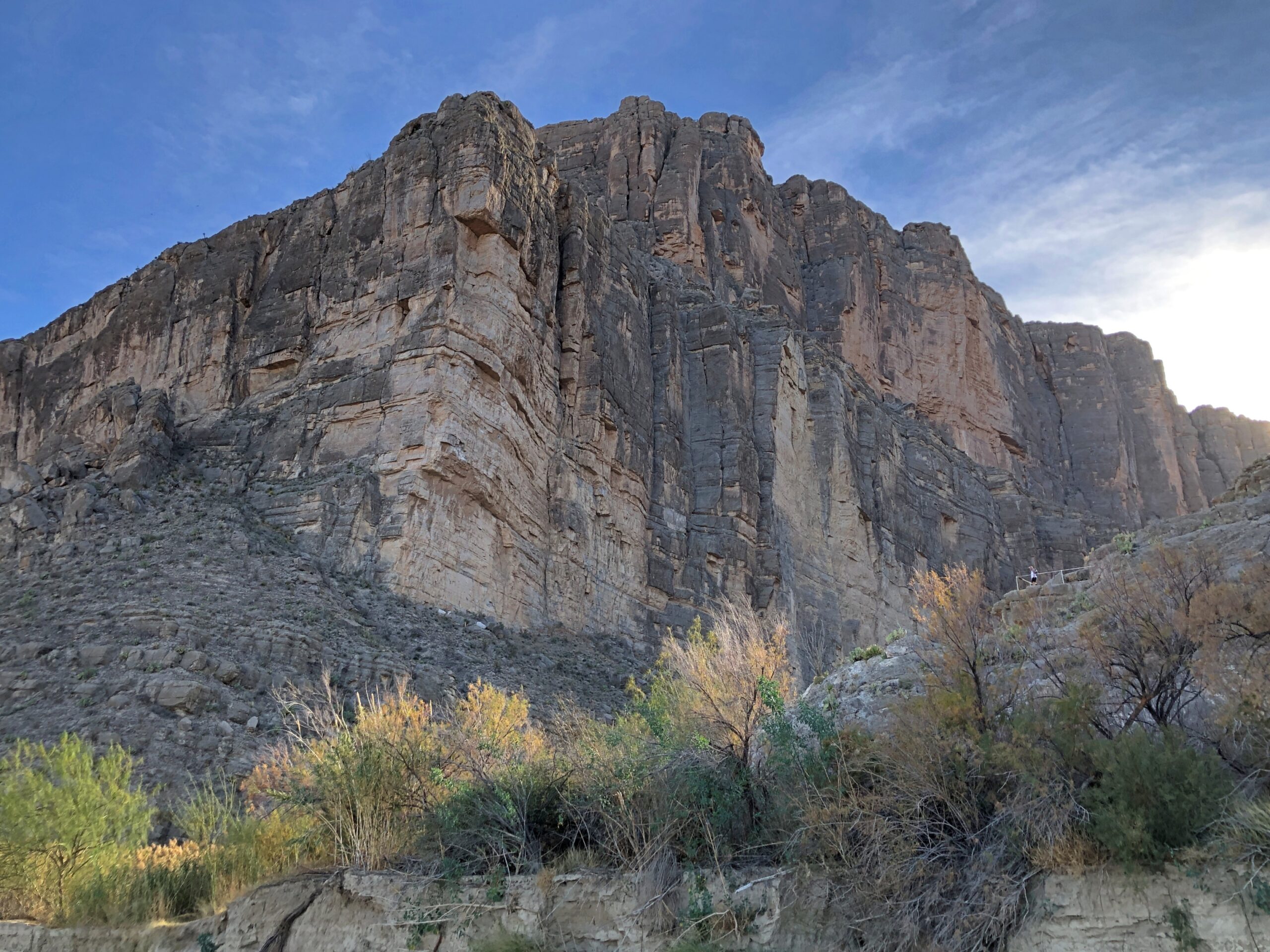
Speaking of map ignorance, how many people in the wider world realize Texas has mountains? I knew that, of course, but only vaguely that they are relics of an ancient reef, called Capitan Reef by us clever apes; one formed 260 to 270 million years ago – before dinosaurs, even – when the area was under a shallow tropical sea. Visiting the park schools you a little on that hard-to-imagine mountain formation process, in which a thousand thousand years is a small turn of the wheel.
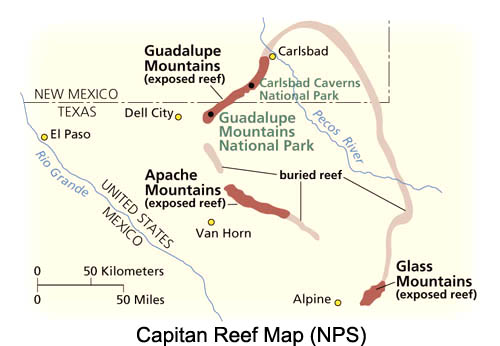
Guadalupe Mountains National Park

“Over millions of years calcareous sponges, algae and other lime-secreting marine organisms precipitated from the seawater,” notes the NPS. “Along with lime, they built to form the 400-mile-long, horseshoe shaped Capitan Reef. Eventually the sea evaporated… the reef was entombed for millions of years until a mountain-building uplift exposed part of it.”

Much more recent chemical reactions created the dazzling void we call Carlsbad Cavern inside the uplifted reef, but that’s a story for another day.

One trail from the visitor center leads to the ruins of a way station on the Butterfield stagecoach route.
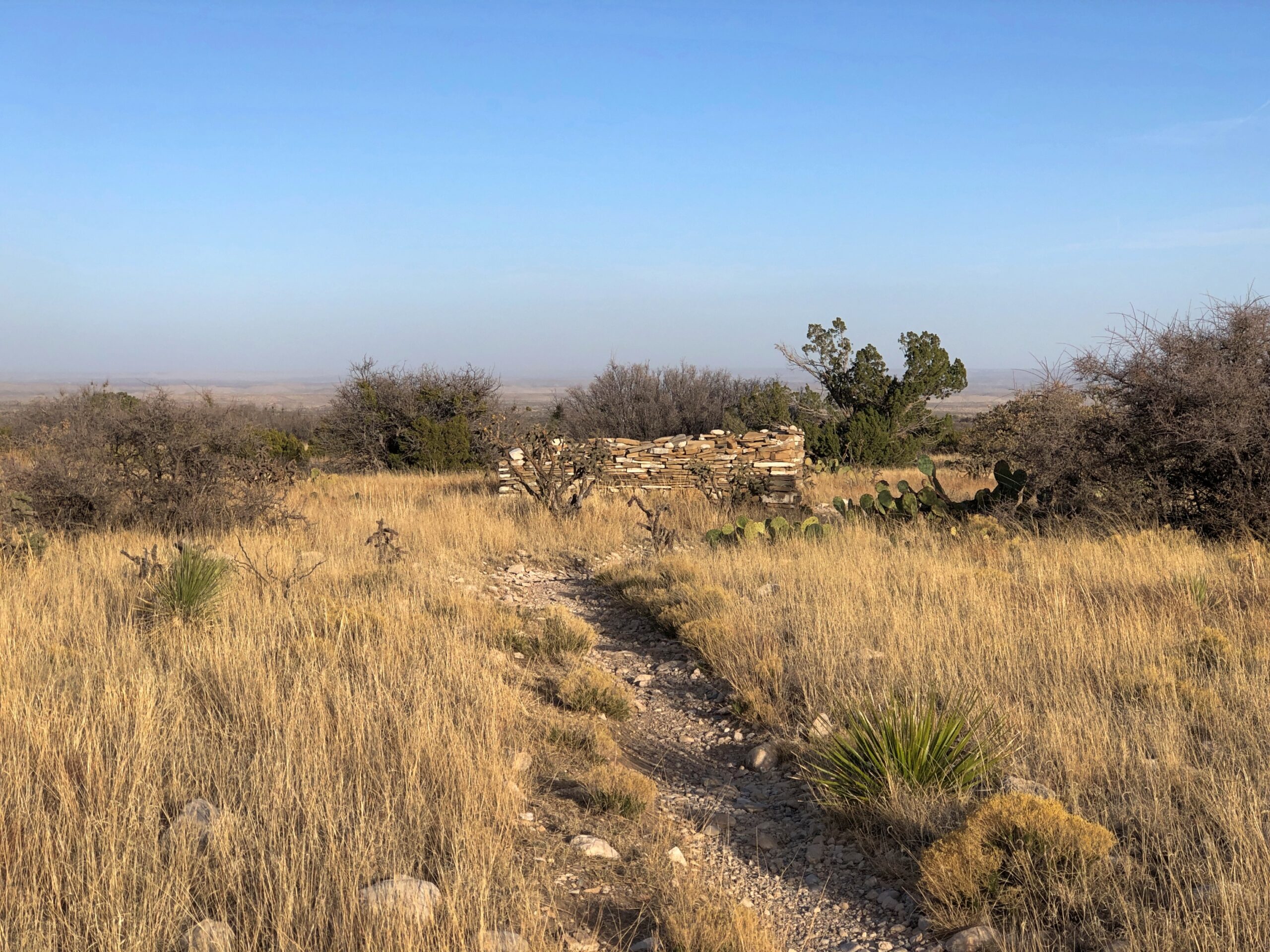
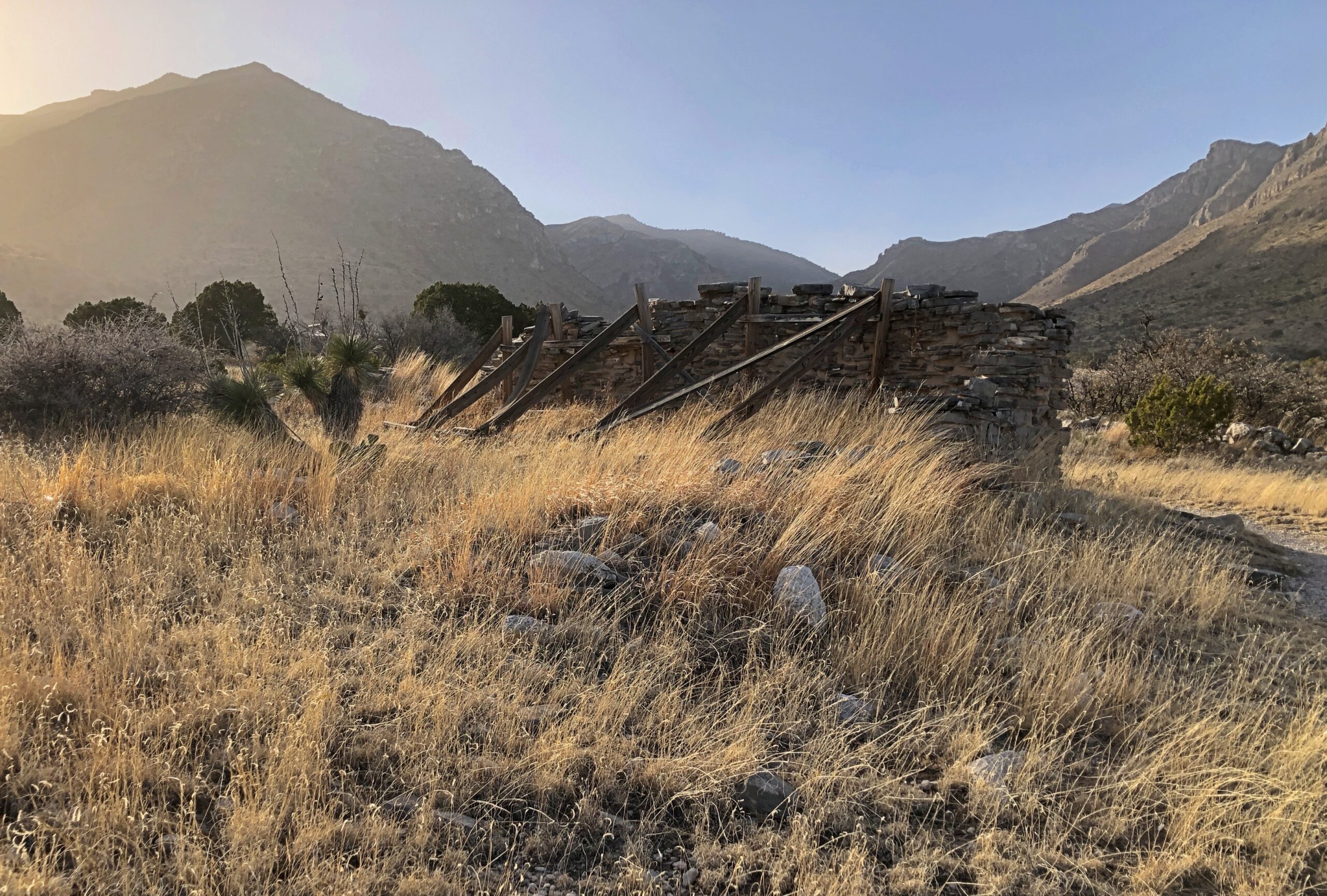
Or more exactly, the epic plains and desert route used by the Overland Mail Company, whose stages did mail runs from St. Louis and Memphis to San Francisco from 1858 to 1861. Upstate New Yorker John Butterfield, a stage operator of great experience, was president of the Overland Mail Company and — incidentally — founder of American Express. Quite the story, depicted in movies of earlier times and for all I know, dime novels, though not so much any more.
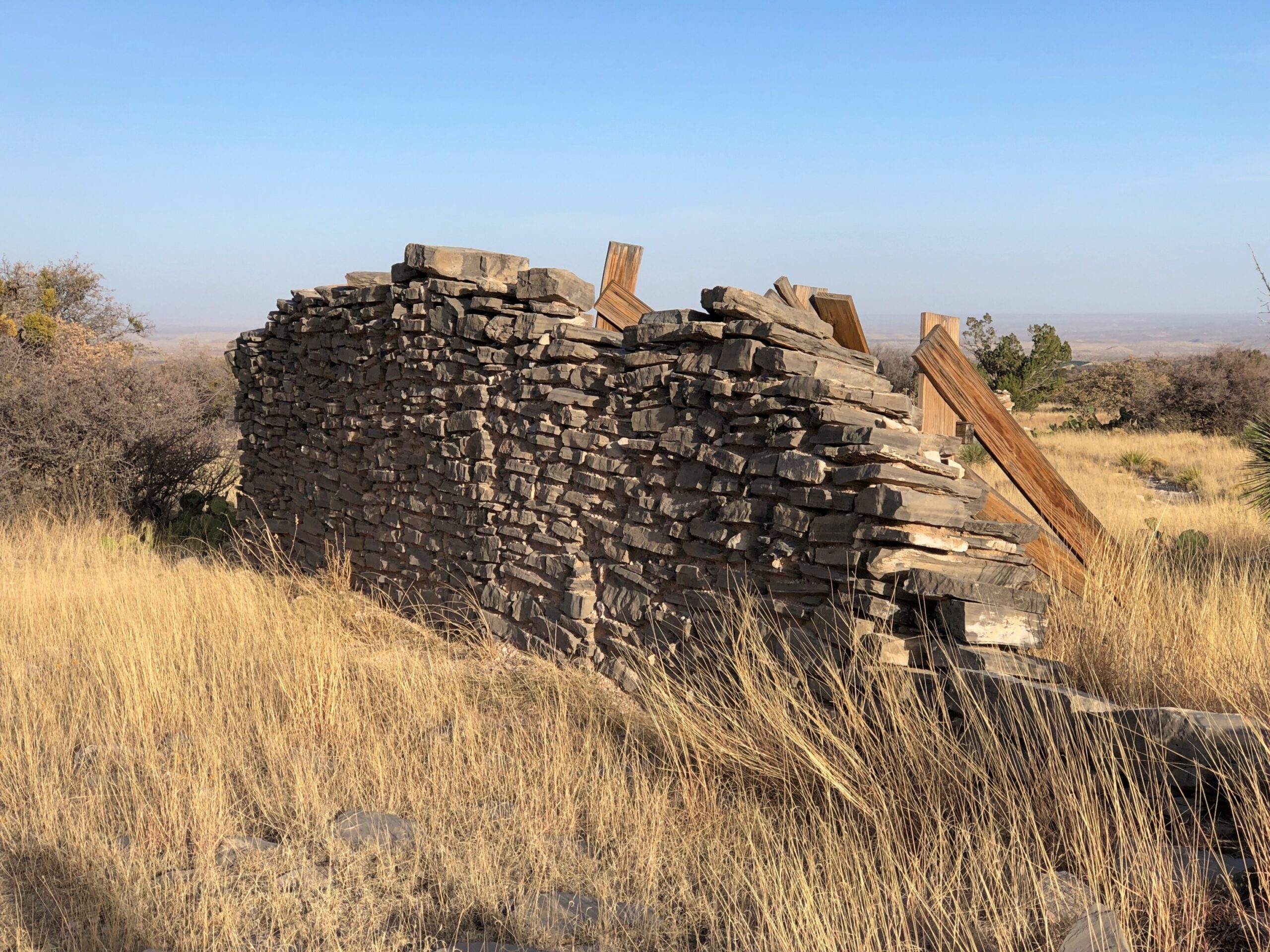
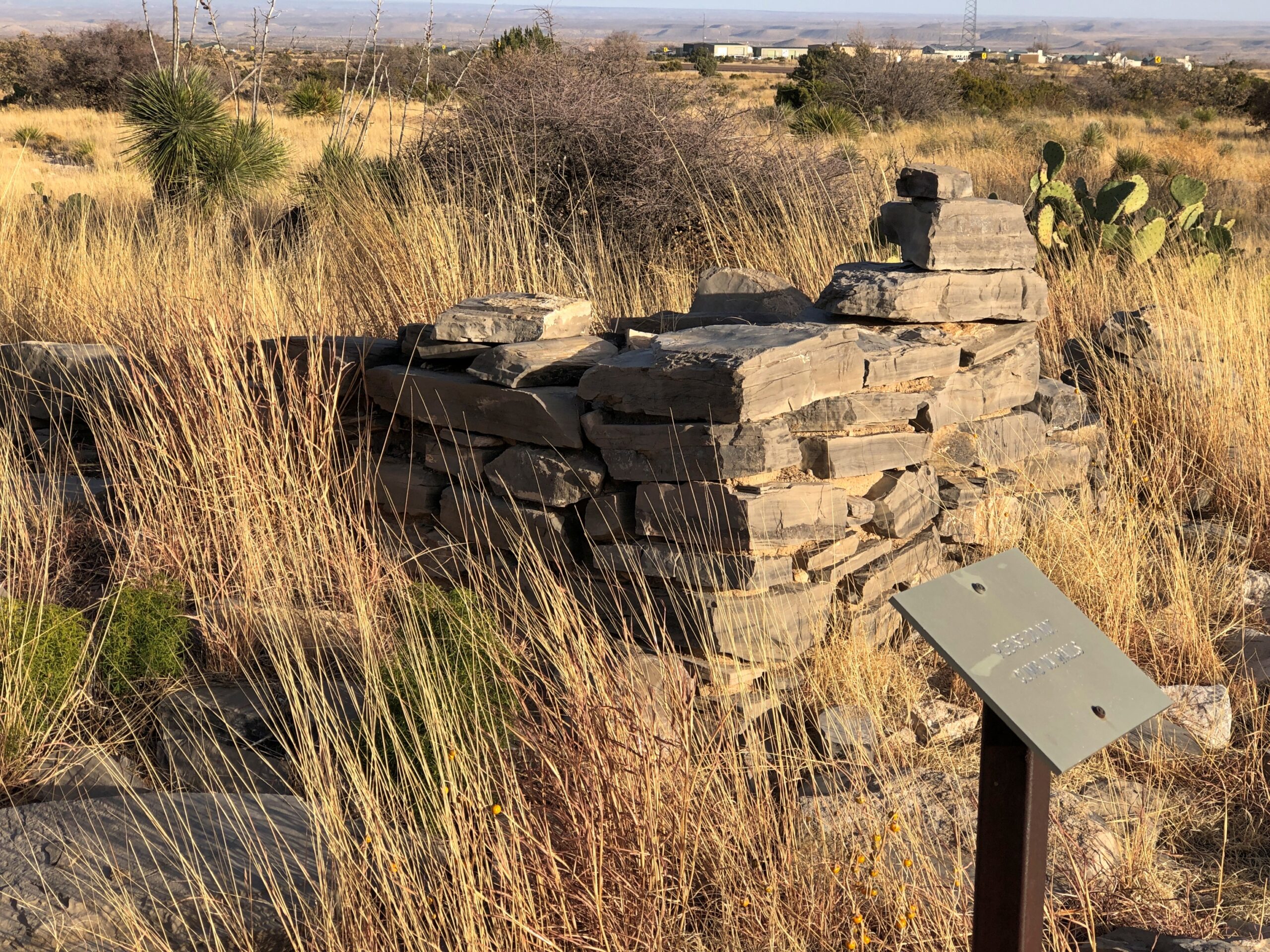
That stage took passengers, too. Those who gripe about the minor discomforts of modern air travel would be advised to ponder the extreme discomforts of such a journey.

Per Wiki: “A correspondent for the New York Herald, Waterman L. Ormsby, remarked after his 2,812-mile (4,525 km) trek through the western US to San Francisco on a Butterfield Stagecoach thus: ‘Had I not just come out over the route, I would be perfectly willing to go back, but I now know what Hell is like. I’ve just had 24 days of it.’ “
Big Bend National Park ’26

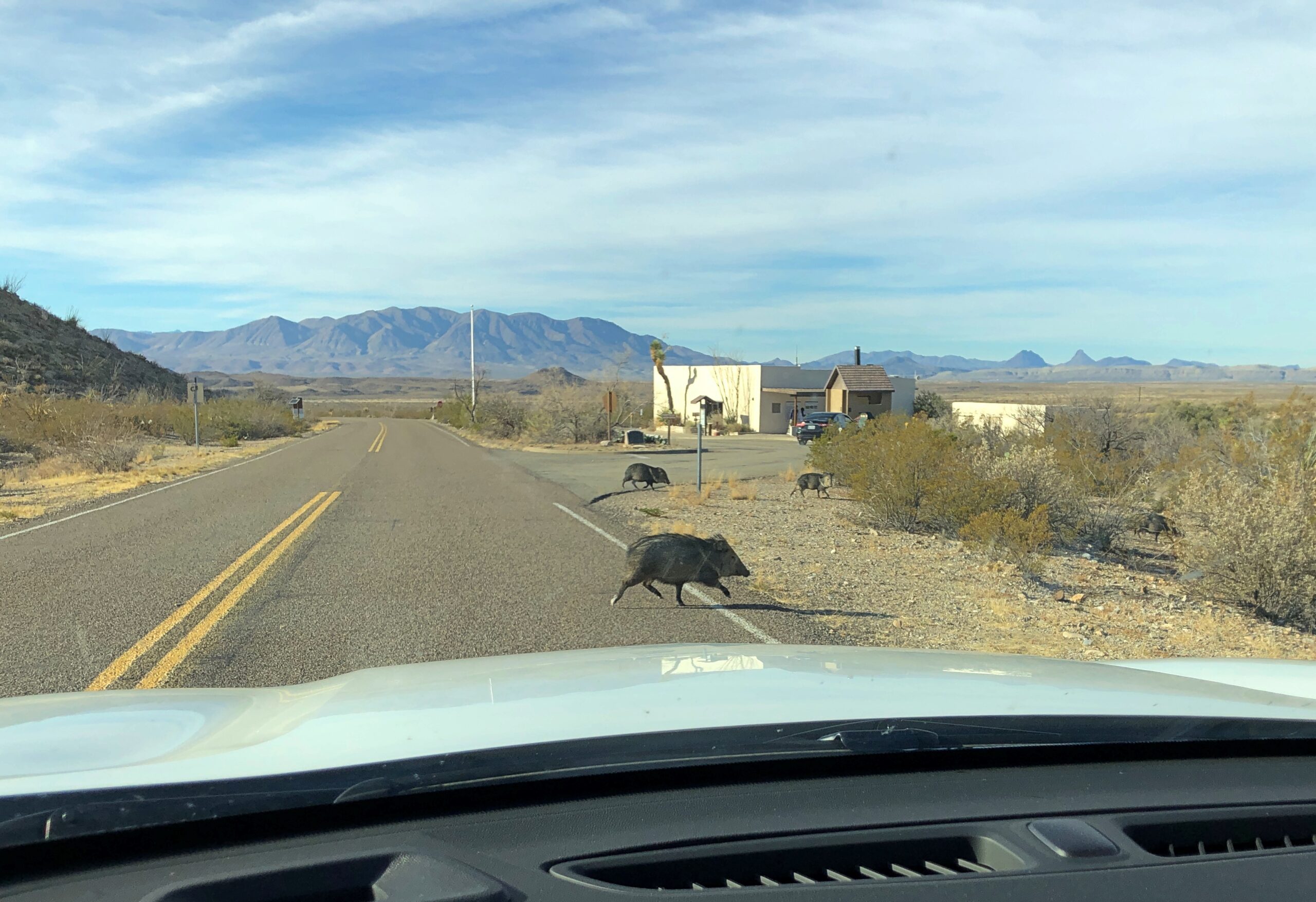
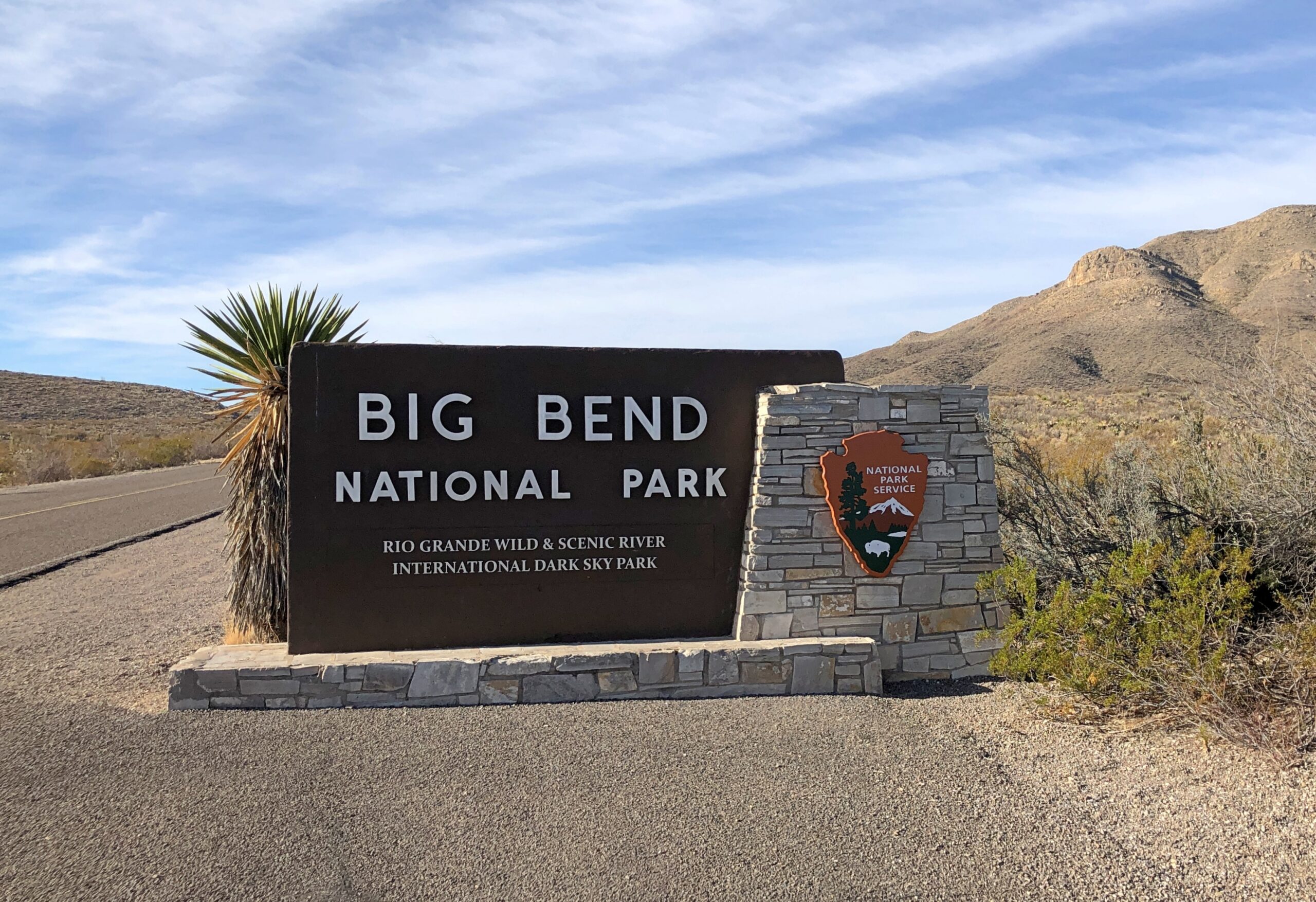
Texas has a feral hog problem. Driving at night on Texas 130 east of Austin, where the speed limit is 85 mph – the highest posted limit in the Western Hemisphere, according to Wiki – car-hits-hog is no idle scenario. Busted hog, busted machine. So I drove with care when I spotted what I took to be wild hogs on the remote main road into Big Bend National Park.

Took me a minute to work out that they weren’t quite pigs, though clearly evolutionary cousins: javelinas. Also known as peccaries. One of the many creatures living in the desert reaches of Big Bend.

We’d come on February 17 for Yuriko’s first visit to the park, but not mine. Not an issue, since no two visits are ever alike in such an epic desert. First stop, a trail near the visitor center, for a closeup look at some flora, and signs describing them.

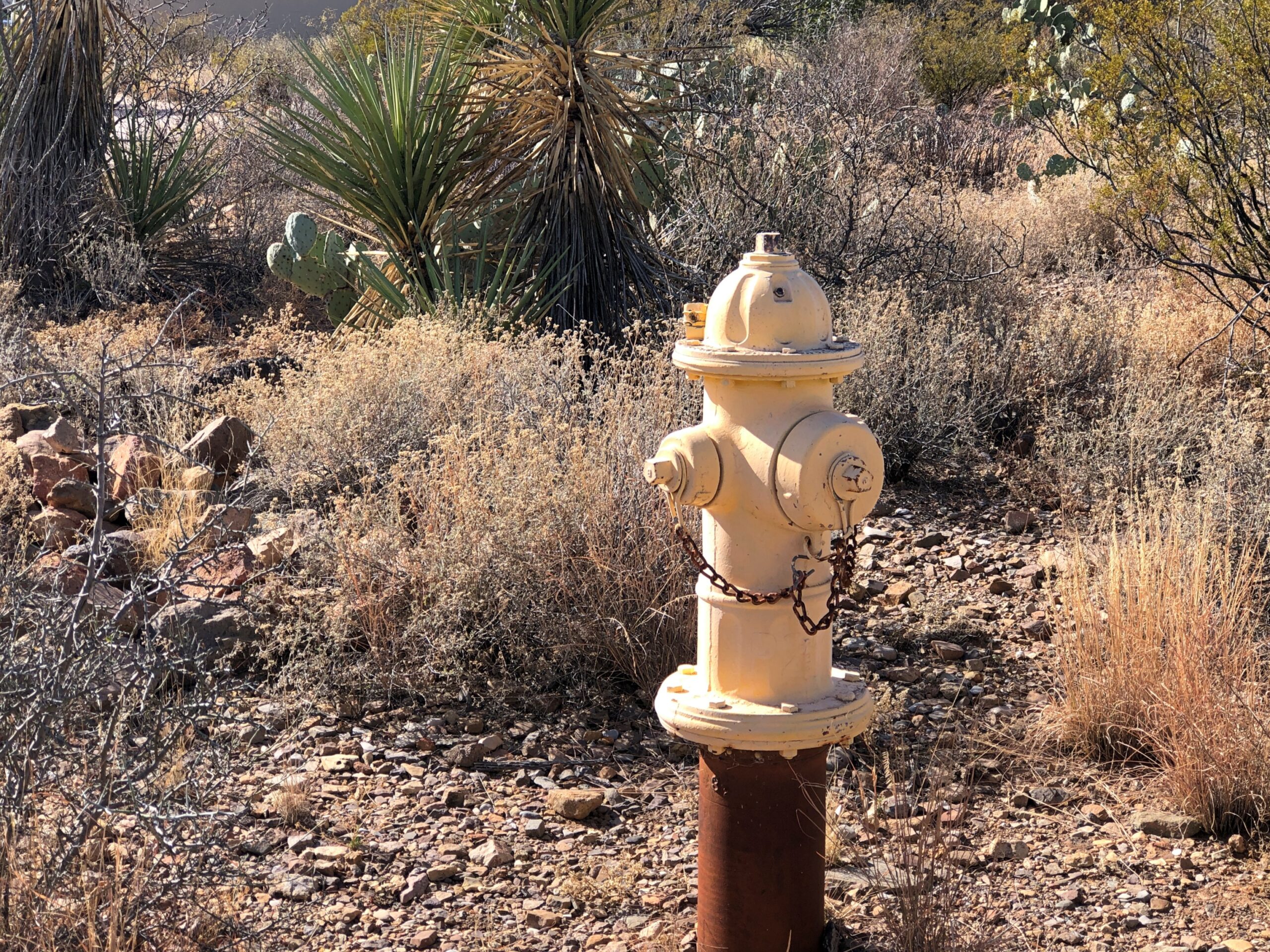
Next in my series of national park fire hydrants.

Just where is that water pressure coming from?

We drove where it was possible to drive in the park, such as Chisos Basin, and did some walking where it was possible to walk. But not long walks, since temps were touching 90 F.

Toward the east end of the park is a spot off the road labeled “Rio Grande View” on the map.

Rio Grande View, Big Bend

Good view, including some of the Sierra del Carmen, but you have to squint to see the Rio Grande. There it is, I said, spotting a narrow ribbon of greenery off in the distance that might have been the river. Yuriko wasn’t sure she could see it.

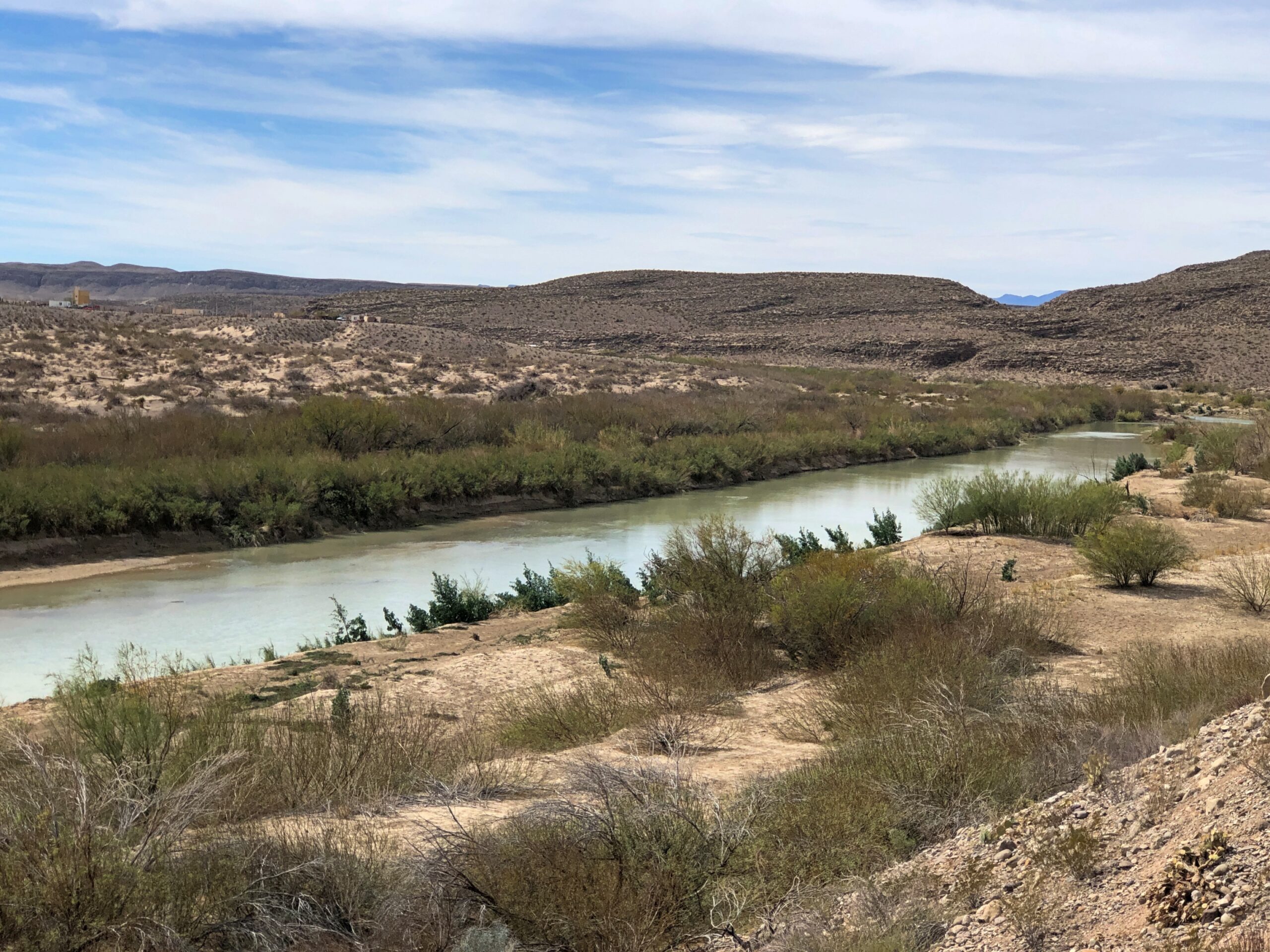
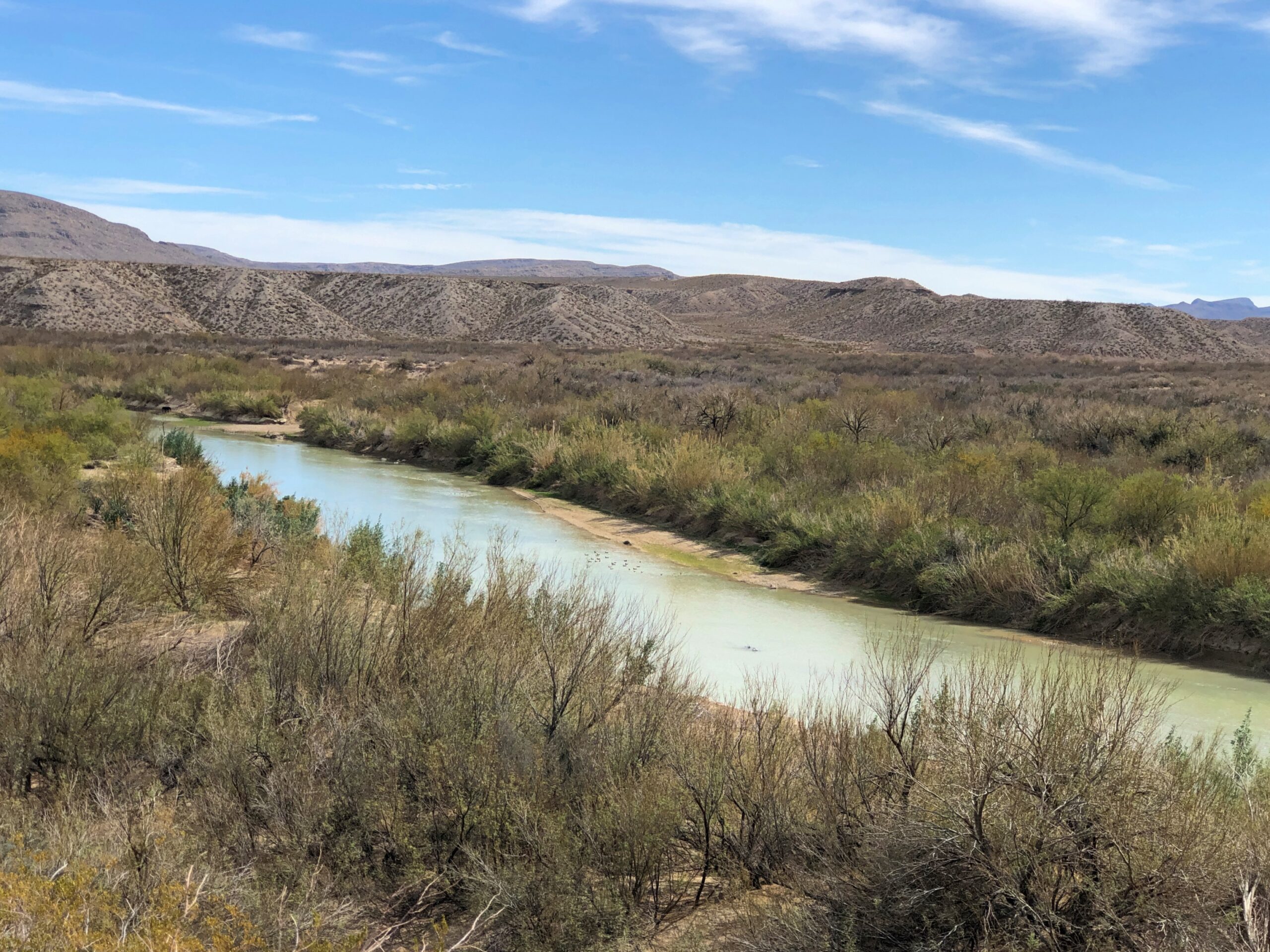
A few miles further east, the riverine border is very much visible from a bluff atop the U.S. side, the Boquillas Canyon Overlook.

We’d come to the eastern part of the park for the Hot Spring — the ruins of a bathhouse, these days — but flooding last year made the unpaved road leading that way impassable to vehicles. It was possible to walk there two miles or so along the ruined road, treating it as a track, but we opted out of that, taking the formula Heat + Age + Long Walks = Trouble seriously.

No matter, we backtracked and went to the Ross Maxwell Scenic Drive, a road I’d thoroughly enjoyed in 2018, and I did again.

An overlook on that road shows you how little territory a road actually occupies. A ribbon crossing a vast expanse.

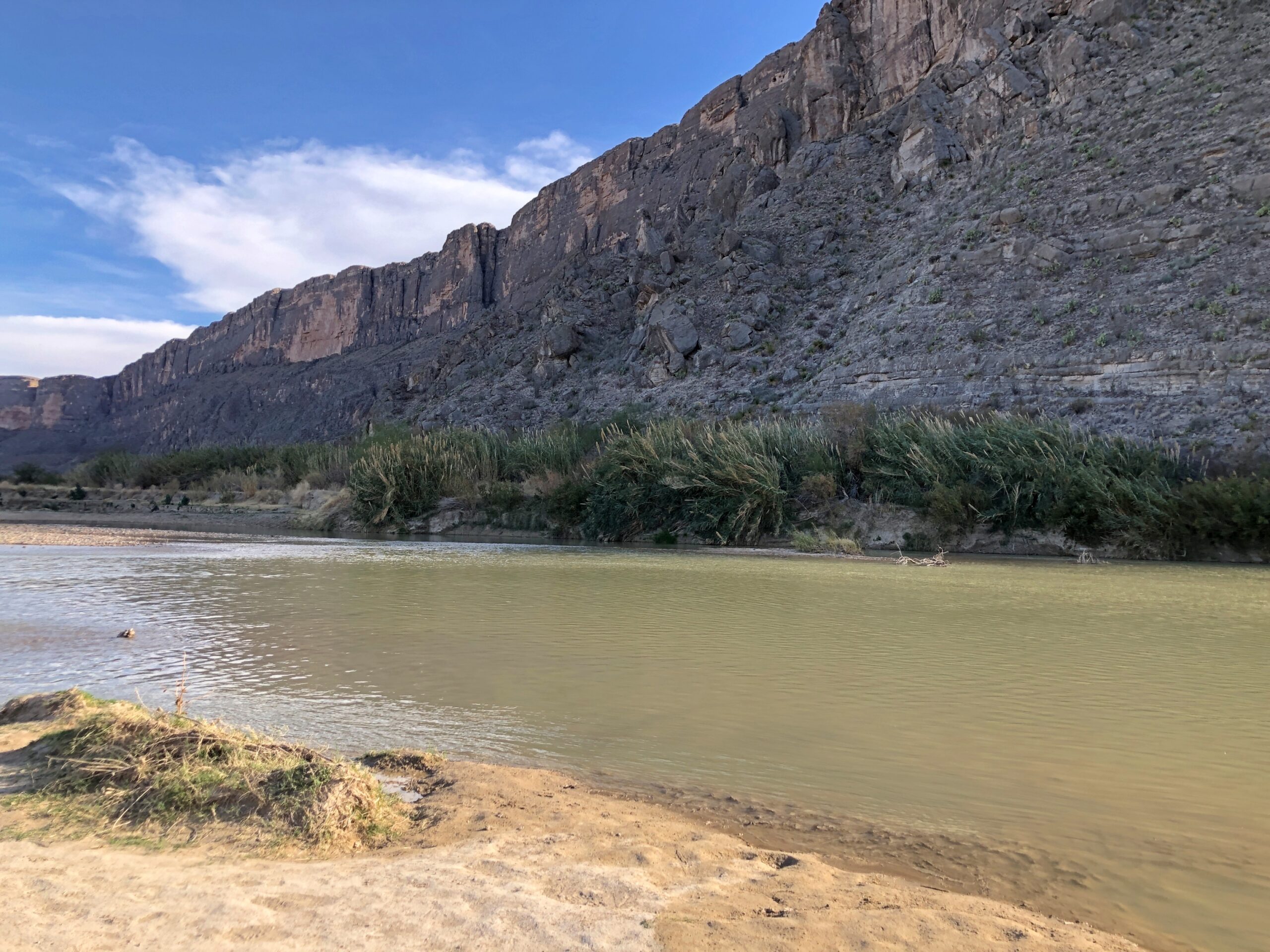
My own favorite part of the park: Santa Elena Canyon.

The high bluffs are in Mexico, on the other side of the Rio Grande. ‘

I hate to even mention it, but build a wall through the park? Idiots.

GTT ’26, With a Small Side of NM

Never cared much for the term snowbird, with its connotations of getting up every morning to play golf during winter in some arid place, or spending the evenings with members of your cohort in some gated community, maybe drinking but definitely grousing about the state of the world. Still, considering that in the winter of 25/26, I’ve spent two out of the last three months – the hard winter months, up Illinois way – in warmer places, it would be churlish to cast shade on fellow old people who happen to enjoy golf or grousing.

On the other hand, I’m not about to claim snowbird as descriptive for myself. I just happen to be able to take long trips during the cold months (along with my laptop, for work). In December, Florida. In February, Texas.

Back on February 3, I got on a plane and flew to Austin. I flew home from Dallas on March 3. In between, I spent time – and Yuriko joined me for a while – traversing the state of Texas, going so far west at one point that we ended up in New Mexico. By traversing, I mean long drives, in a rental car part of the time, and in my brother Jay’s car as well, a blue Subaru known as the Blubaru.

I drove from Austin east to Houston, mostly on US 290; from Houston to Nacogdoches, mostly on US 59; then to Dallas on various state highways, such as Texas 21 and 19; and from Dallas to San Angelo to Marathon, Texas, on US 67 and on the grandly remote US 385, which will also take you to the desert reaches of the Big Bend.

From Marathon, Texas, across to Carlsbad, NM, our route took us along US 90, then Texas 56, then US 62/180. Later, US 62/180 took us from Carlsbad part way back to Dallas — to Sweetwater, Texas — but mostly we went on the faster but less interesting I-20. Dallas to San Antonio was partly I-35, but also US 281, which takes you around the perma-gridlock that is Austin.

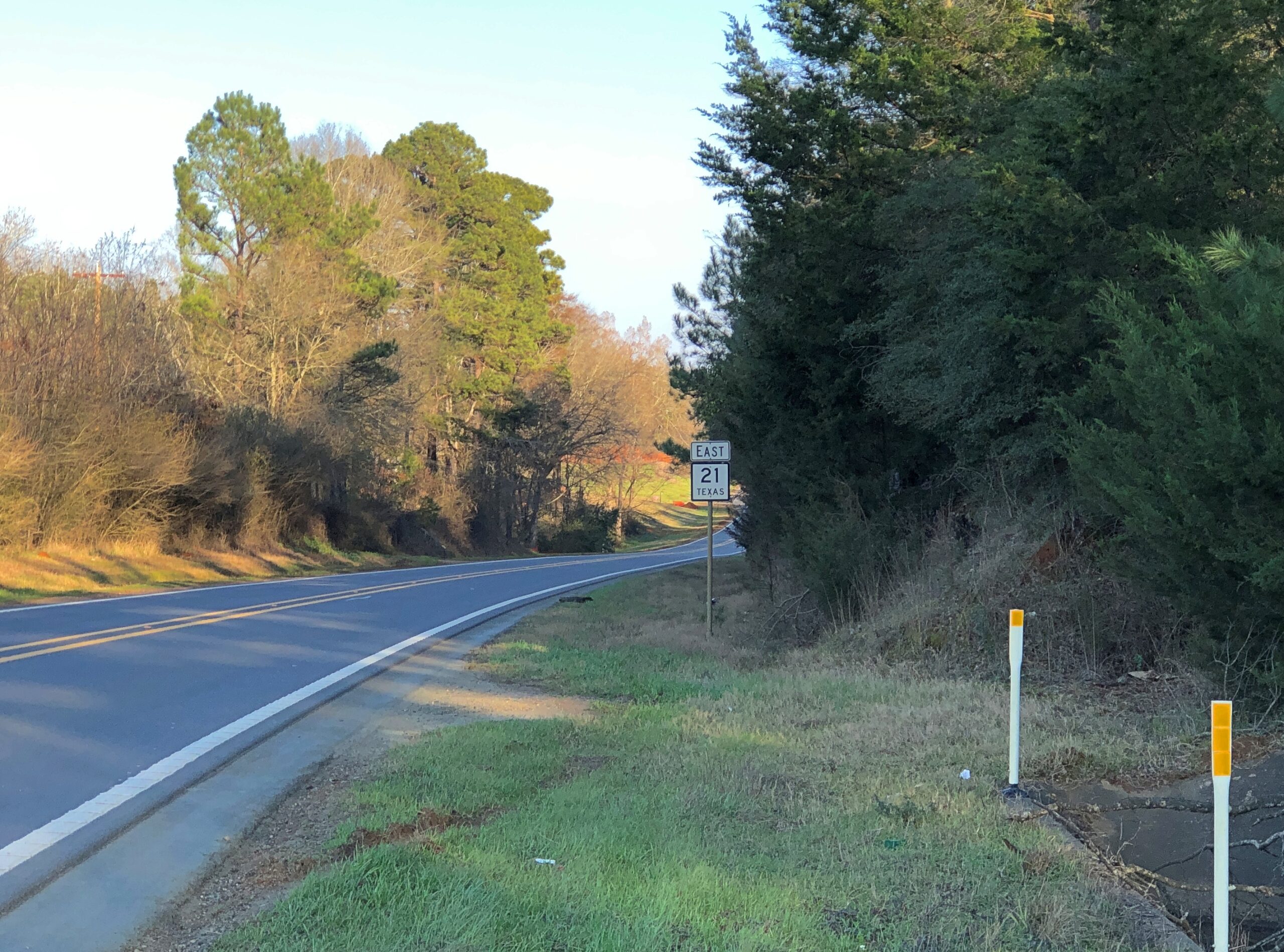
Of all those, the road between Nacogdoches and San Augustine on a day trip, Texas 21 heading east, winding through greenish (for February) rolling hills, was a favorite.

The towns listed above were just the places I spent the night, alone or with Yuriko or with my brothers. In between were such places as Bastrop, these days a day-trip from Austin, with the requisite boutiques and restaurants; Huntsville, home of Sam Houston and memorials to the first president of Texas; San Augustine, rival with Nacogdoches in claiming to be the oldest town in Texas; Stephenville and Ballinger, geographically about as deep in the heart of Texas as you can be; the West Texas art town of Marfa and the way station of Van Horn; a string of oil patch towns such as Hobbs, NM, and Seminole, Lamesa, Snyder, and Sweetwater, back in Texas. Later, traversing north to south and back again, I stopped in Hillsboro and Belton, along the I-35 axis; and Lockhart, which has claimed for itself barbecue capital of the state.

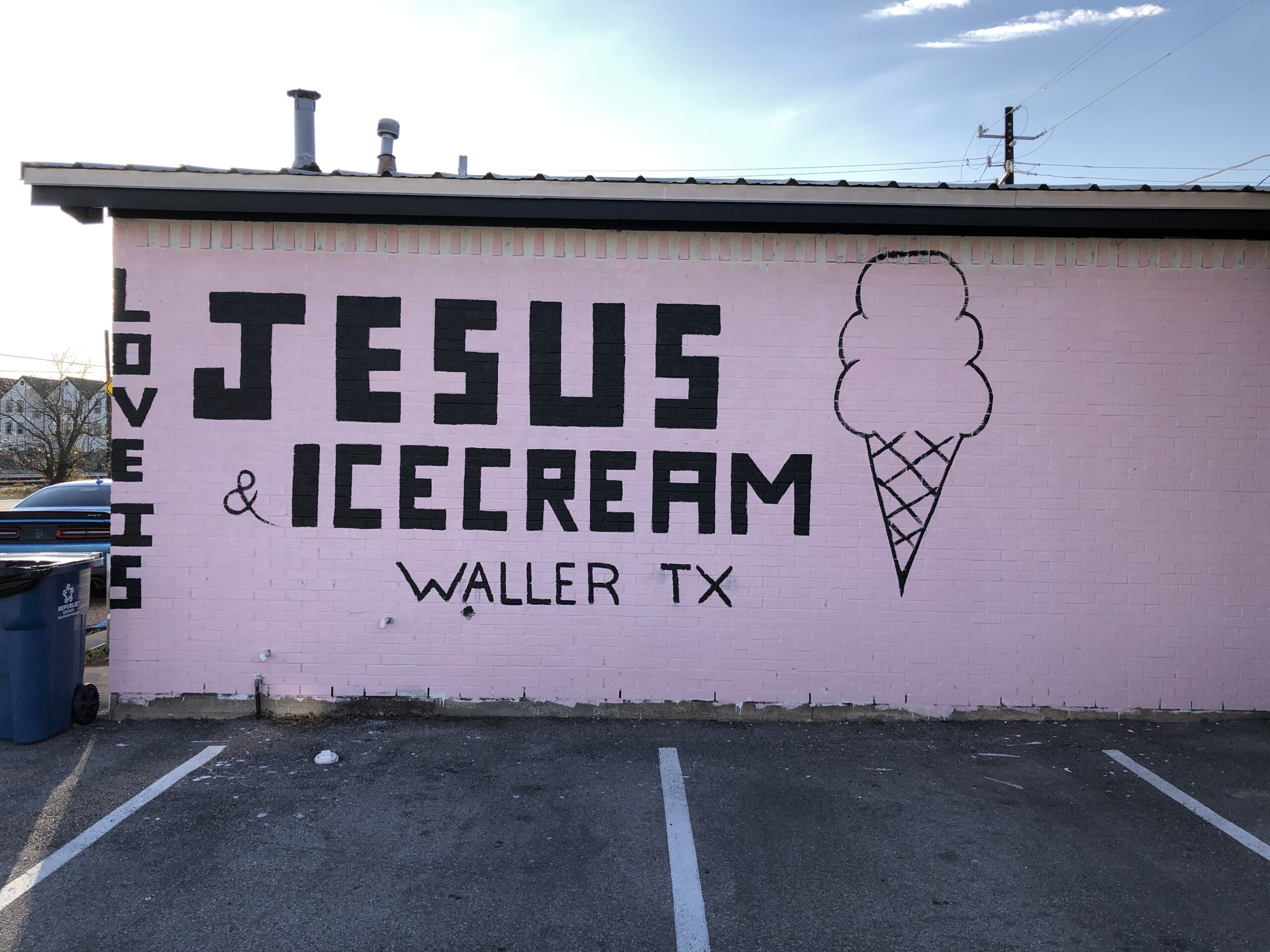
Along the way, oddities were encountered. Otherwise, why drive on smaller roads?

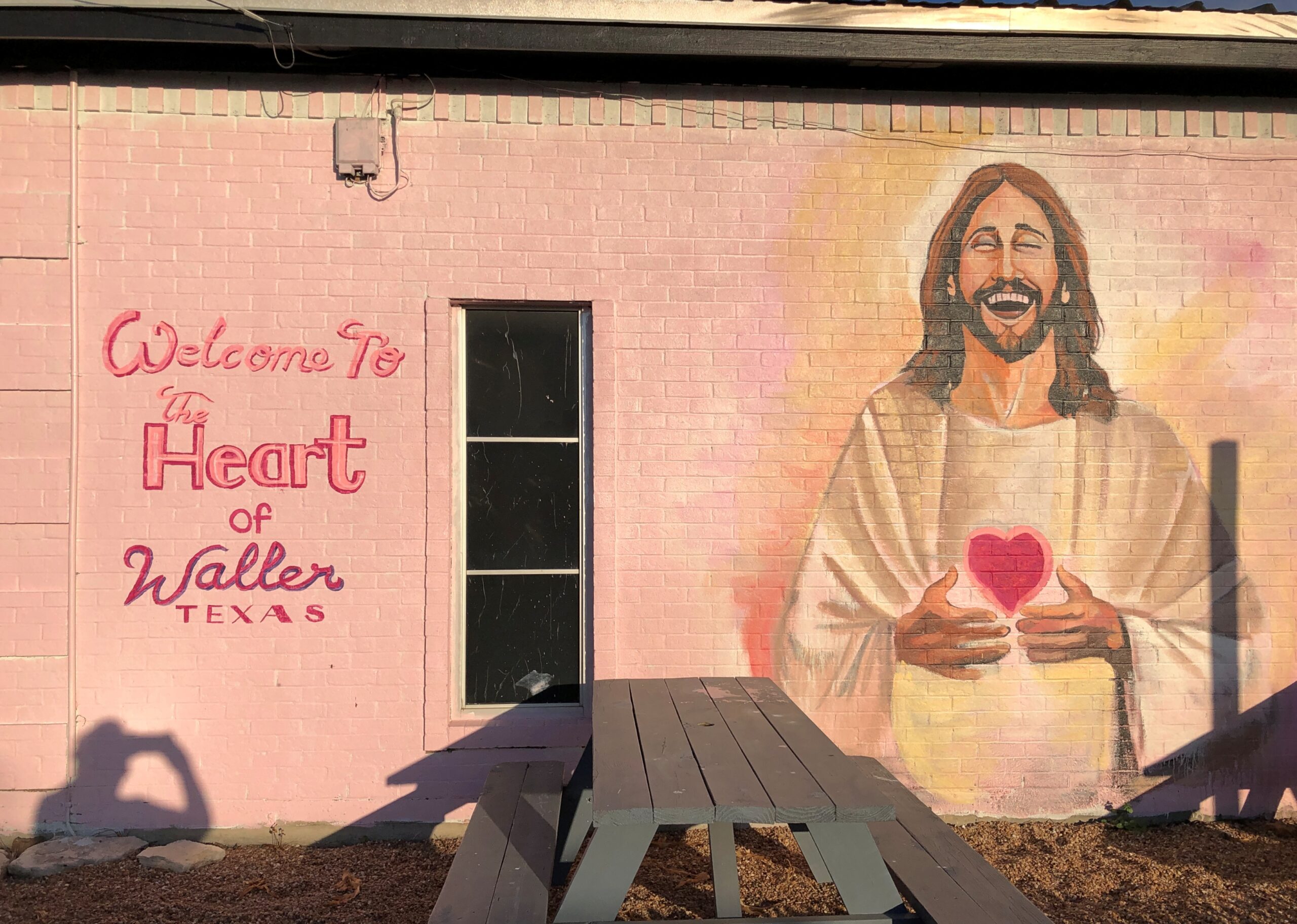
Such as an ice cream shop in Waller, Texas.

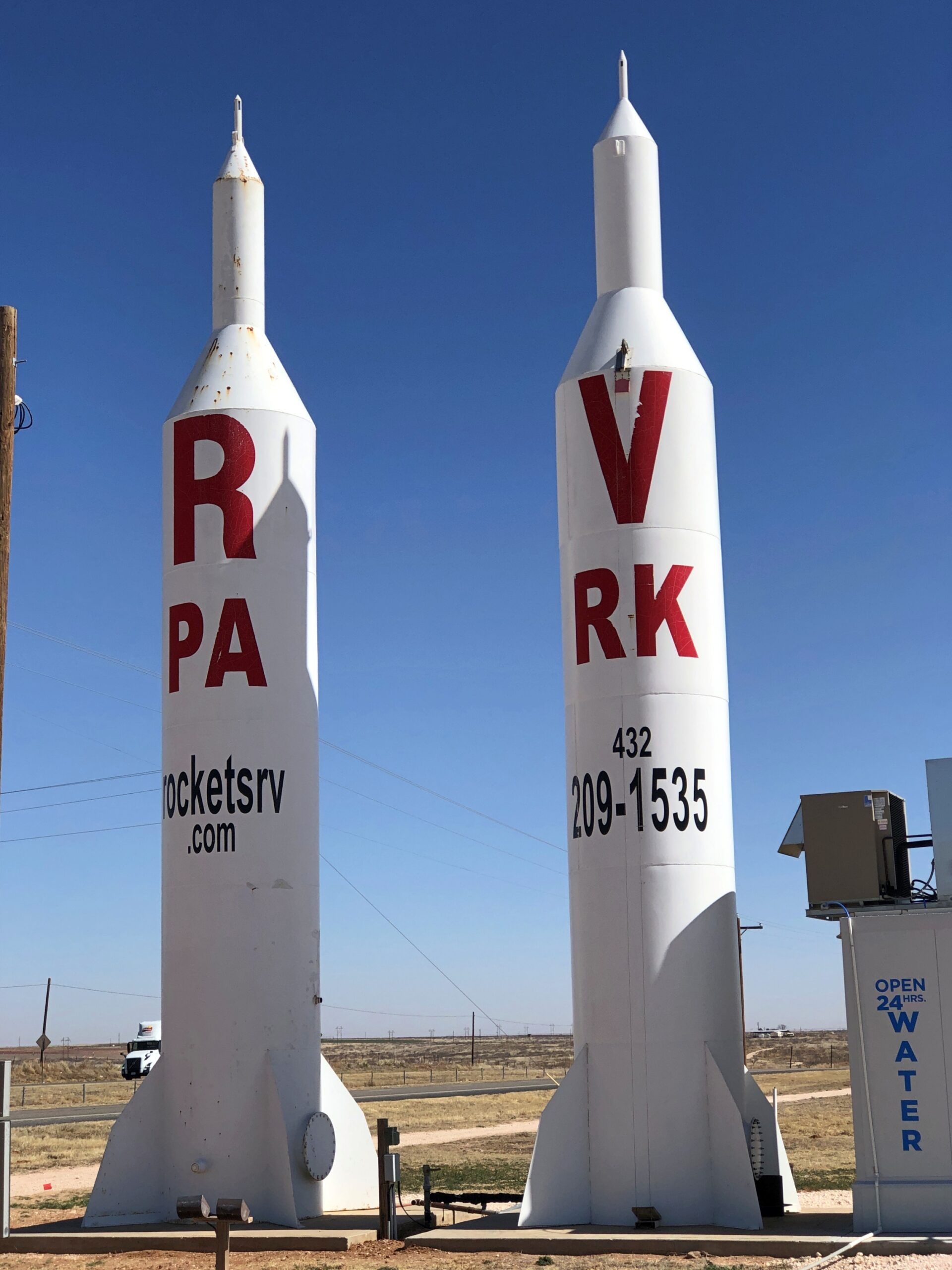
Or a highly visible ad for Rockets RV Park in Gaines County, Texas, not far east of the border with New Mexico.

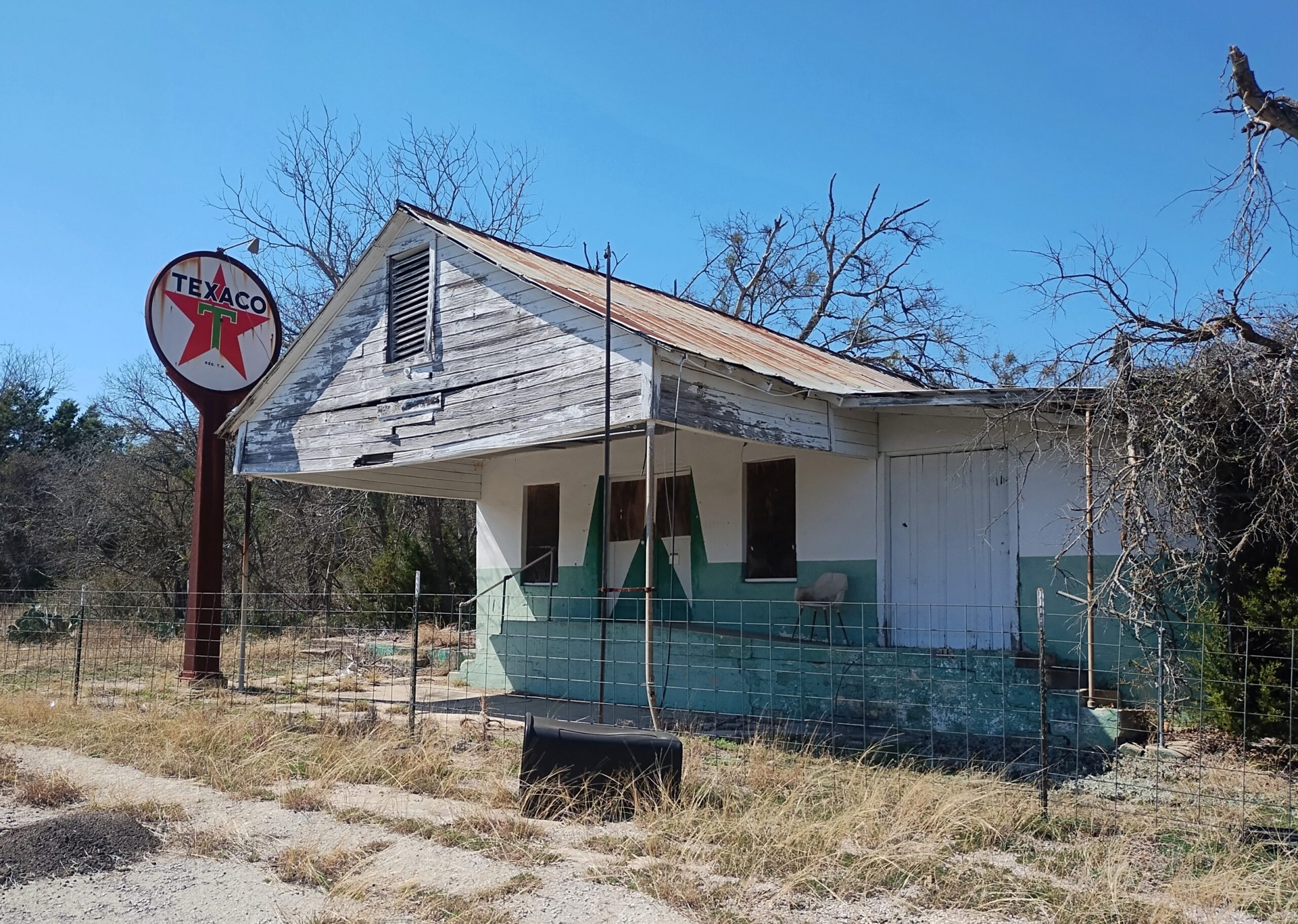
A former Texaco station on an obscure Texas highway (Farm-to-Market 1690).

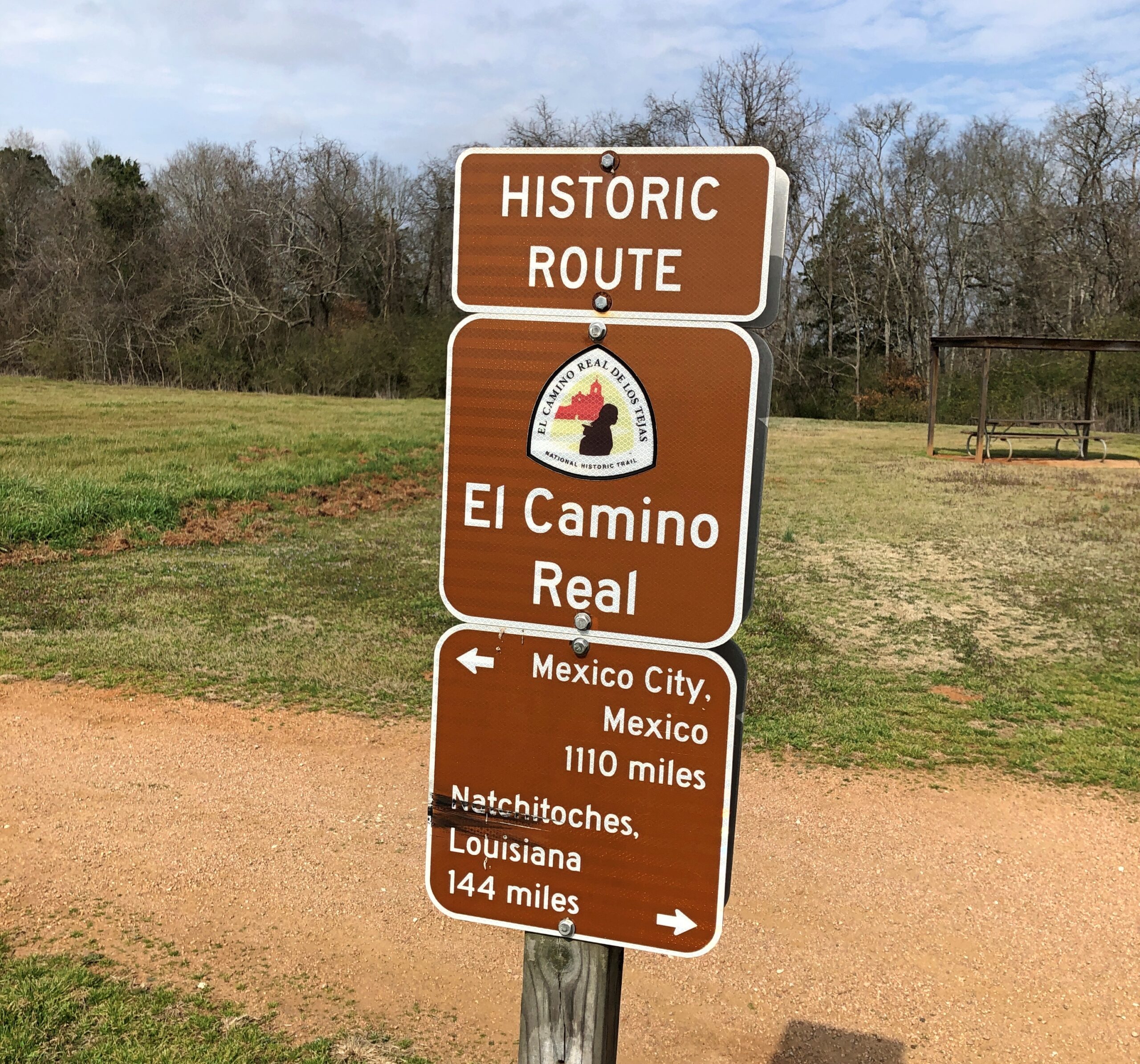
Had various encounters with the historic El Camino Real, whose various tendrils crossed a large slice of the future state of Texas, once upon a time.

Yuriko and I visited Big Bend National Park, Guadalupe Mountains National Park and Carlsbad Caverns National Park. I saw the National Museum of Funeral History in the city of Houston and the museum devoted to Houston (the man) in Huntsville. Also, Roadside America in Hillsboro, an eccentric collection of American commercial art, complete with a personal tour by the proprietor, and the outdoor art at the Chinati Foundation in Marfa, that is, brutalist concrete structures in the brutal desert environment. I became acquainted with the splendid Glenwood Cemetery in Houston and the smaller and more ragged, but no less interesting city cemeteries in Huntsville and Nacogdoches and Palestine. I stopped and looked at about a dozen county courthouses, of which Texas has many.

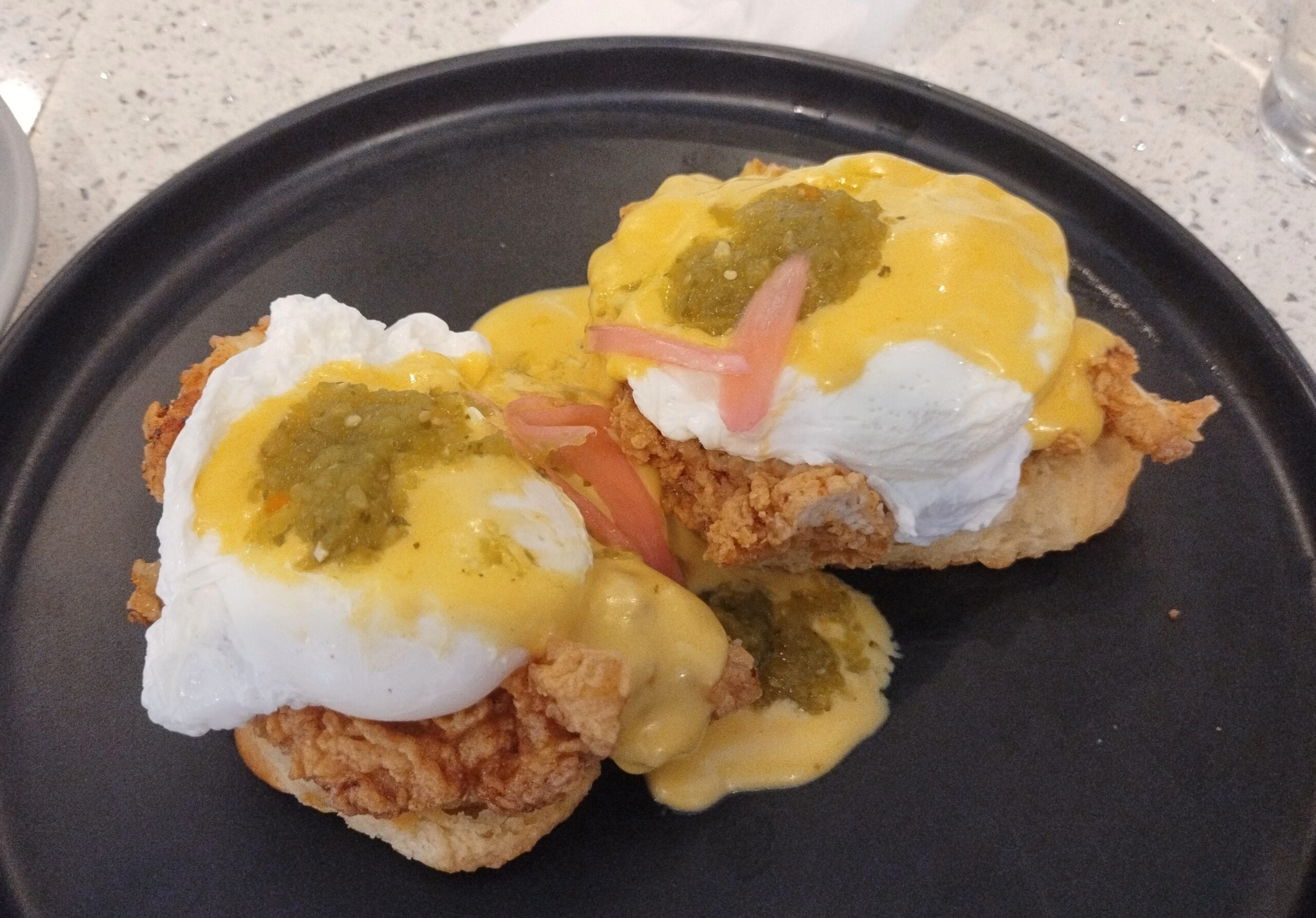
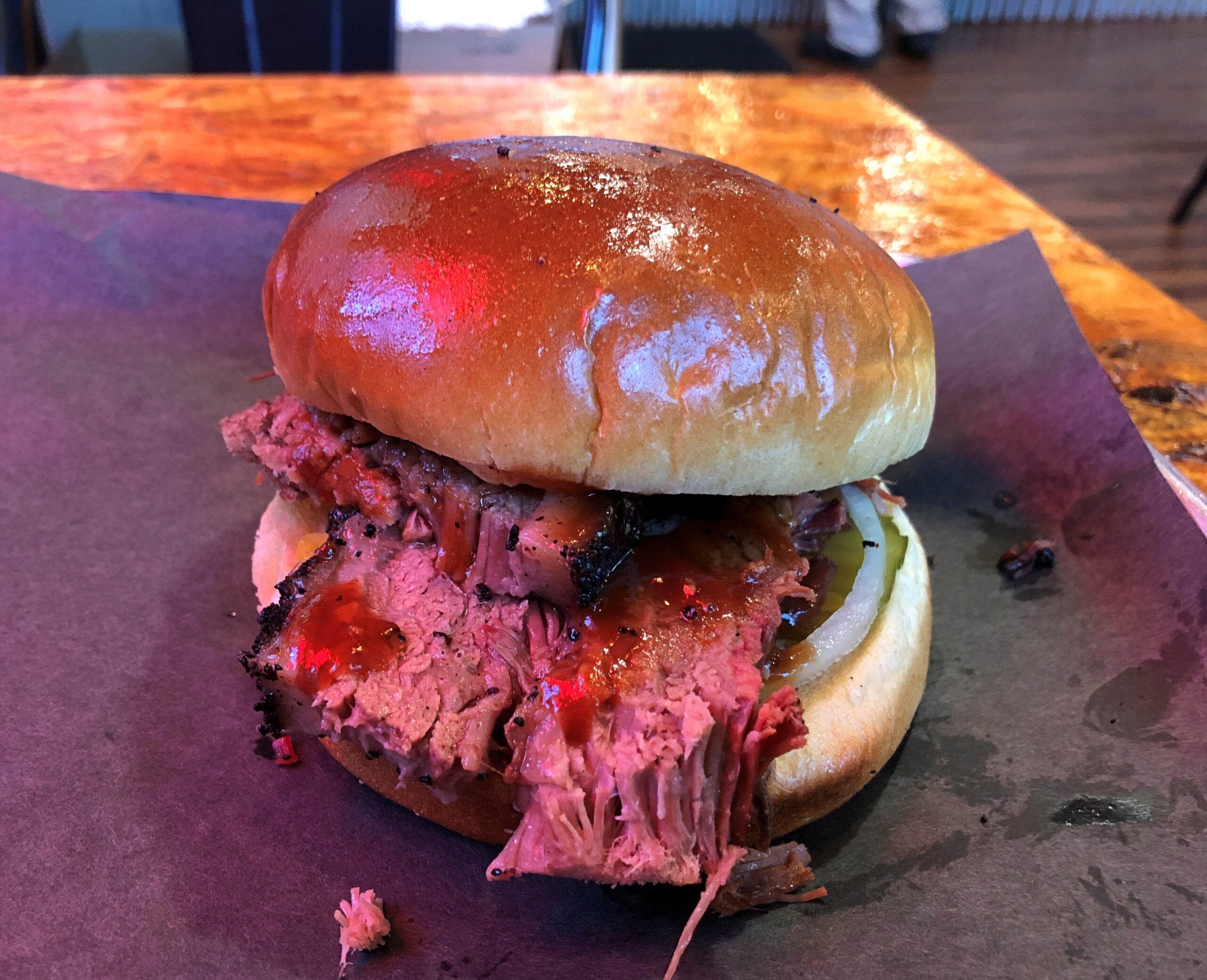
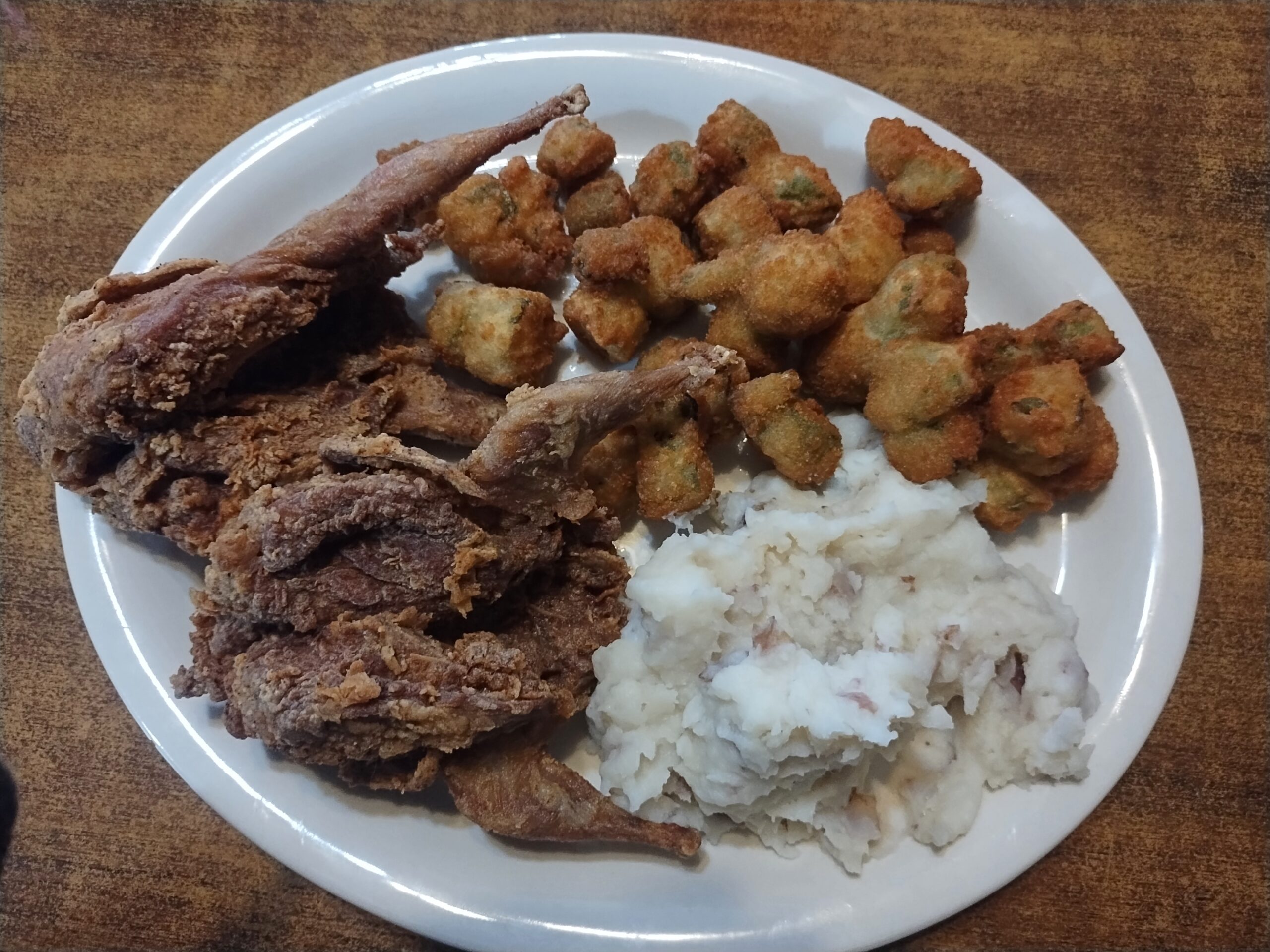
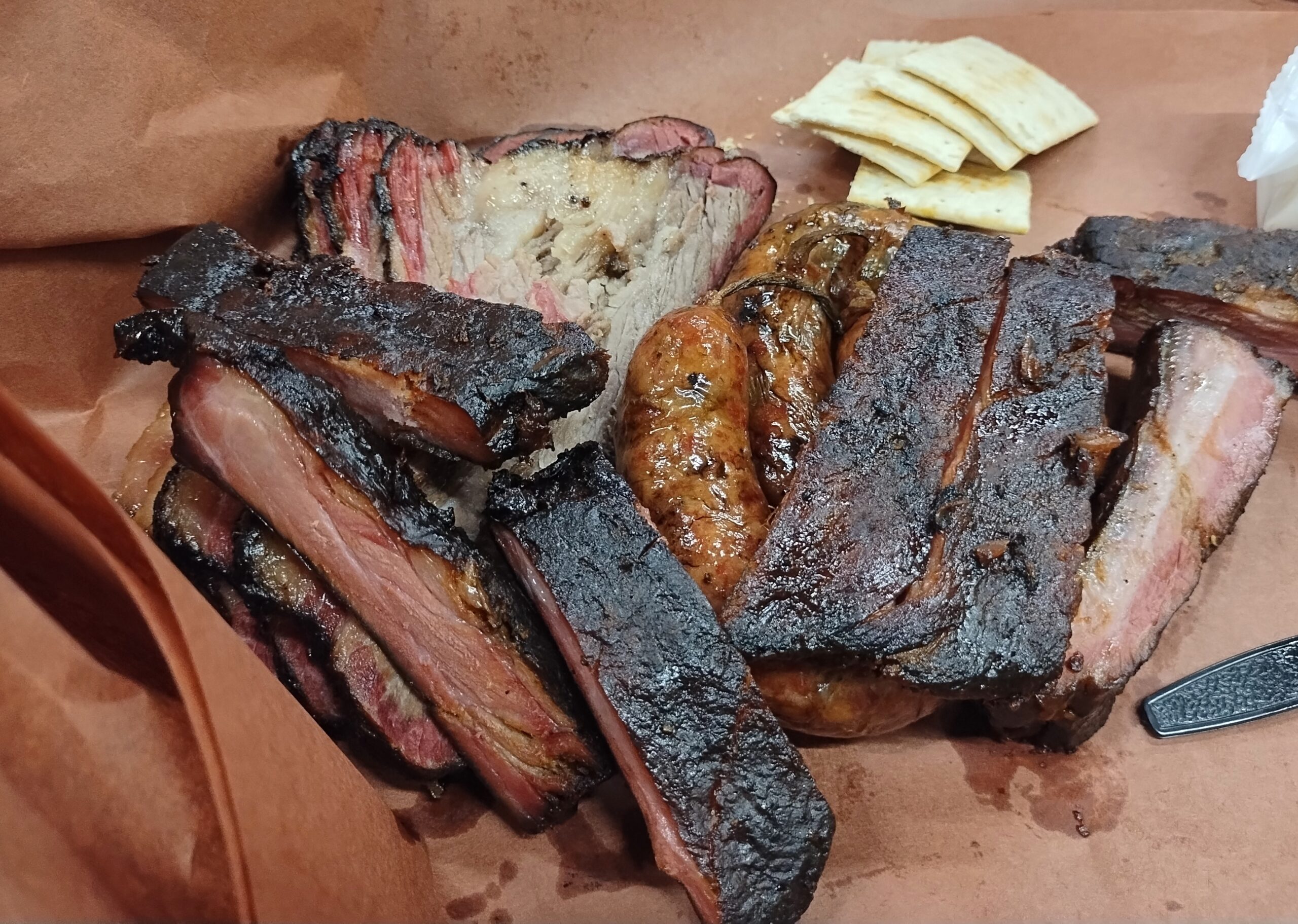
We ate a lot of meat along the way. As one does in Texas.

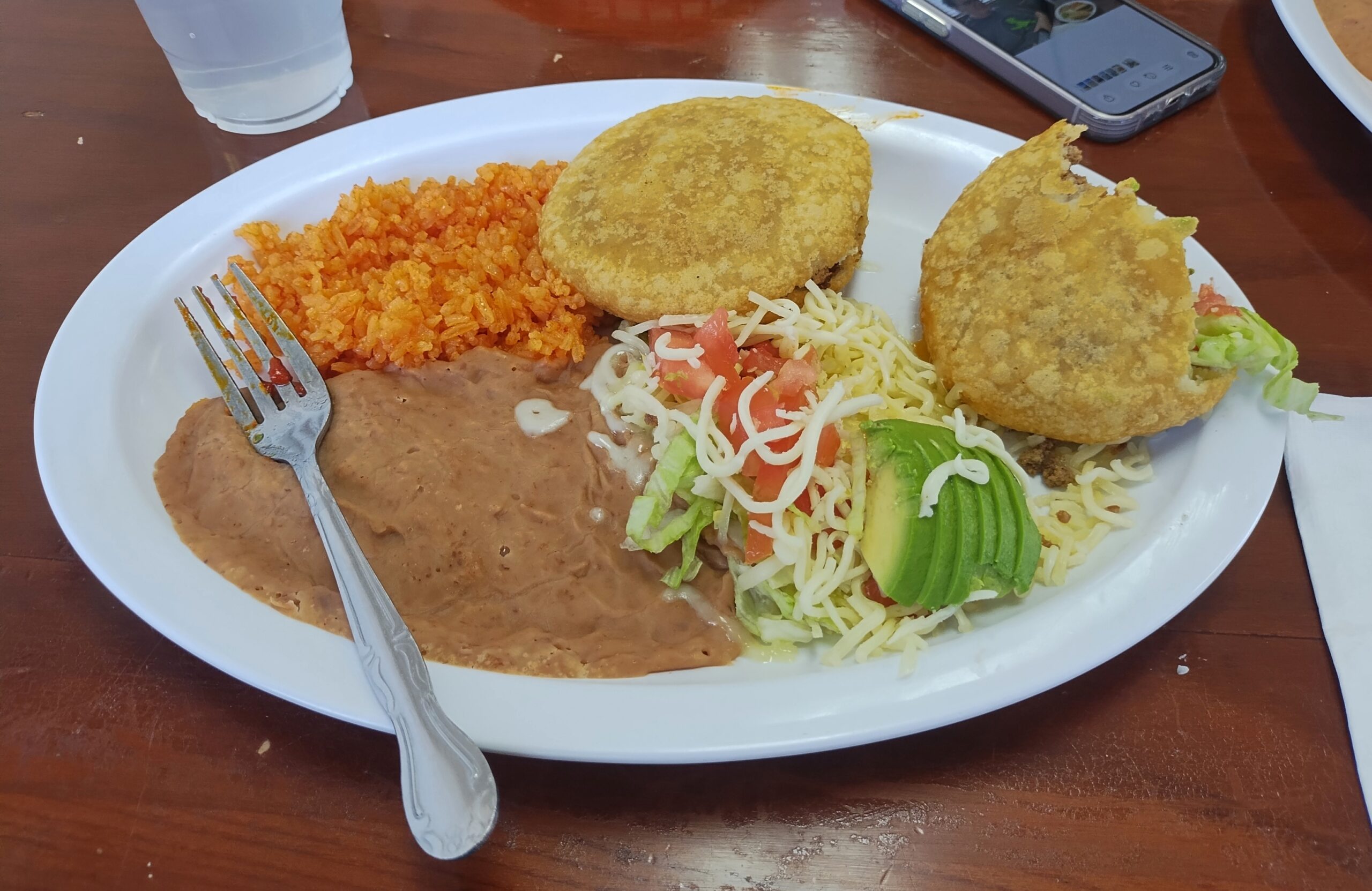
Also, Mexican food.

Eat like that and you’d better do some walking, and I did: various places in Austin and Houston and Dallas, in all three national parks, around downtowns and courthouse squares in a number of small towns, and a handful of local parks.

All that was good, but of course best of all, I had time to visit friends and relatives, of whom there are many in Texas: Tom and Nancy in Austin, Kirk and Lisa in Nacogdoches, another Tom and Steve and Ron and Greg and Judith in San Antonio, to list the friends; both brothers, two out of three nephews and their wives and all four of their children, to list relatives, along with the mother of one nephew’s wife (niece-in-law sounds peculiar, but that fits too). Also, I met for the first time two good friends of Tom’s in Austin, and one of Kirk and Lisa’s granddaughters.

I’d set out to do four long drives when I was 64, but this makes five. Guess I’m an overachiever about driving, anyway.