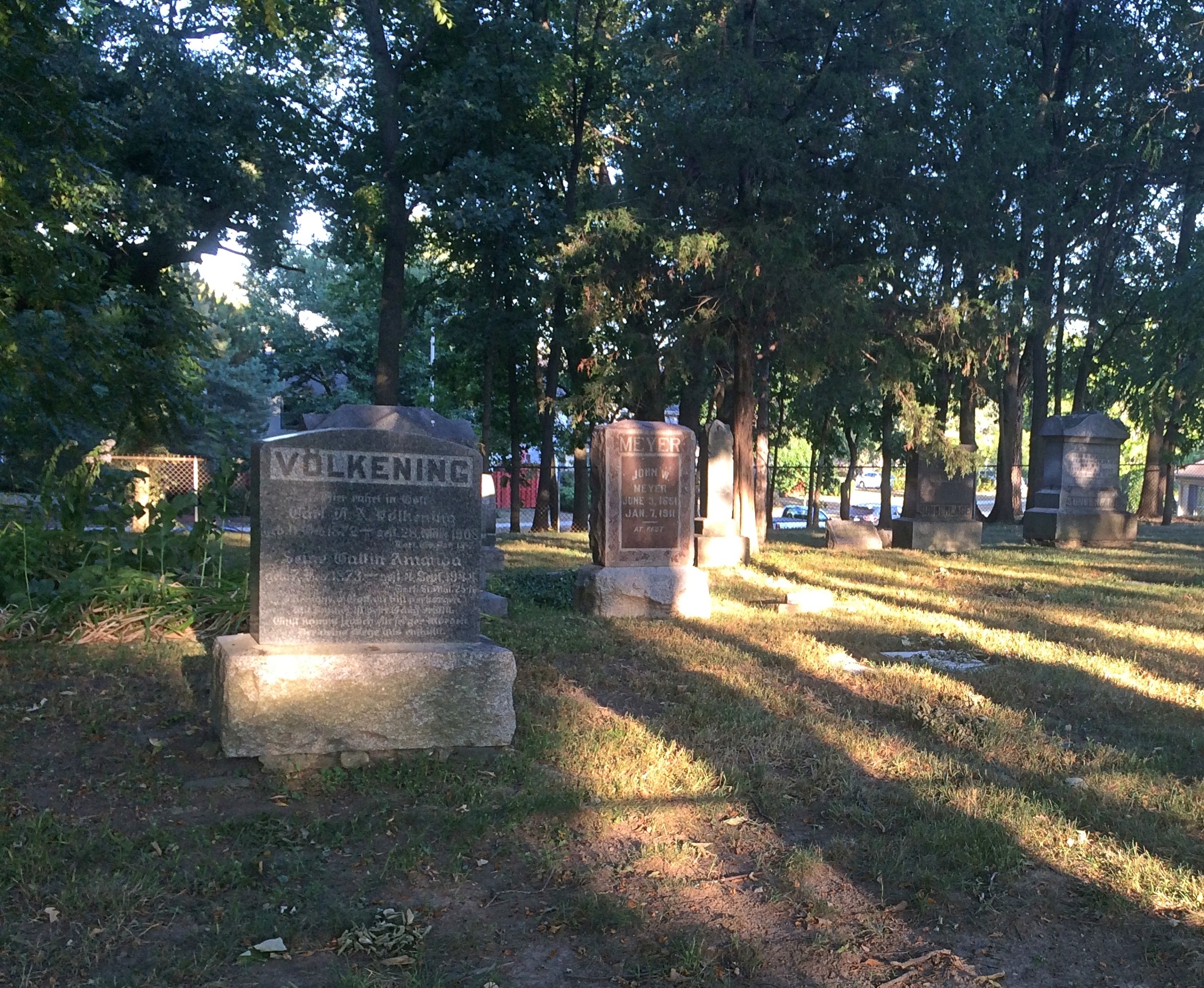
Shrine of Our Lady of Guadalupe, La Crosse

Turn off of U.S. 14 as you approach La Crosse, Wisconsin, from the east, and a small road goes a short way to the Shrine of Our Lady of Guadalupe. The shrine is no small affair, but rather a complex of buildings and sites, including a large shrine church, chapels, statues, memorials, devotion areas, the Stations of the Cross, a rosary walk, and a visitors center plus cafe and gift shop, mostly along a winding walking path through hilly, wooded territory.

Roughly 100 acres, I’ve read, and while it looks like a rural setting, according to Google Maps, the boundaries of the city of La Crosse reach down to the south like a dogleg to include the area around the shrine. Maybe the Diocese persuaded the City to annex the land, to facilitate city services.

Why La Crosse? As far as I can tell, because the former Bishop of La Crosse, lately Cardinal Raymond Leo Burke, really wanted a shrine. He asked permission of the Holy See, which agreed, though I like to think that at the bottom of one communique or another, the Vatican also said, you figure out how to pay for it.

Whatever the case, funds were obtained and construction began in 2004, with the shrine dedicated in 2008. So in the long history of Catholicism, the place is spanking new.

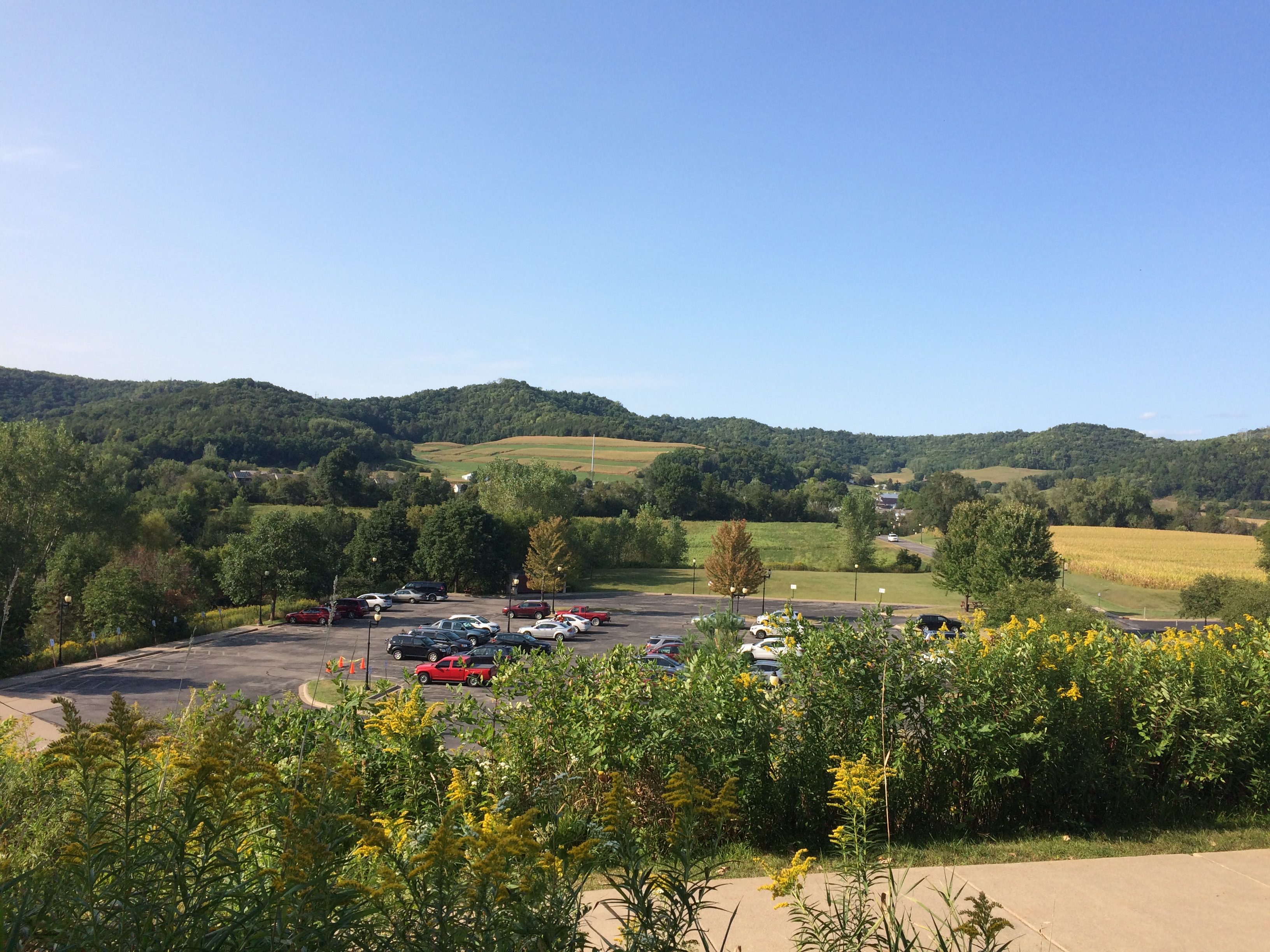
We arrived mid-afternoon on Saturday. Almost at once the curving path offers a nice view of the surrounding Driftless Area (and the parking lot).
Shrine of Our Lady of GuadalupeThe first structure on the path is the Mother of Good Counsel Votive Candle Chapel, designed by the locally based River Architects, who have done a number of religious structures.
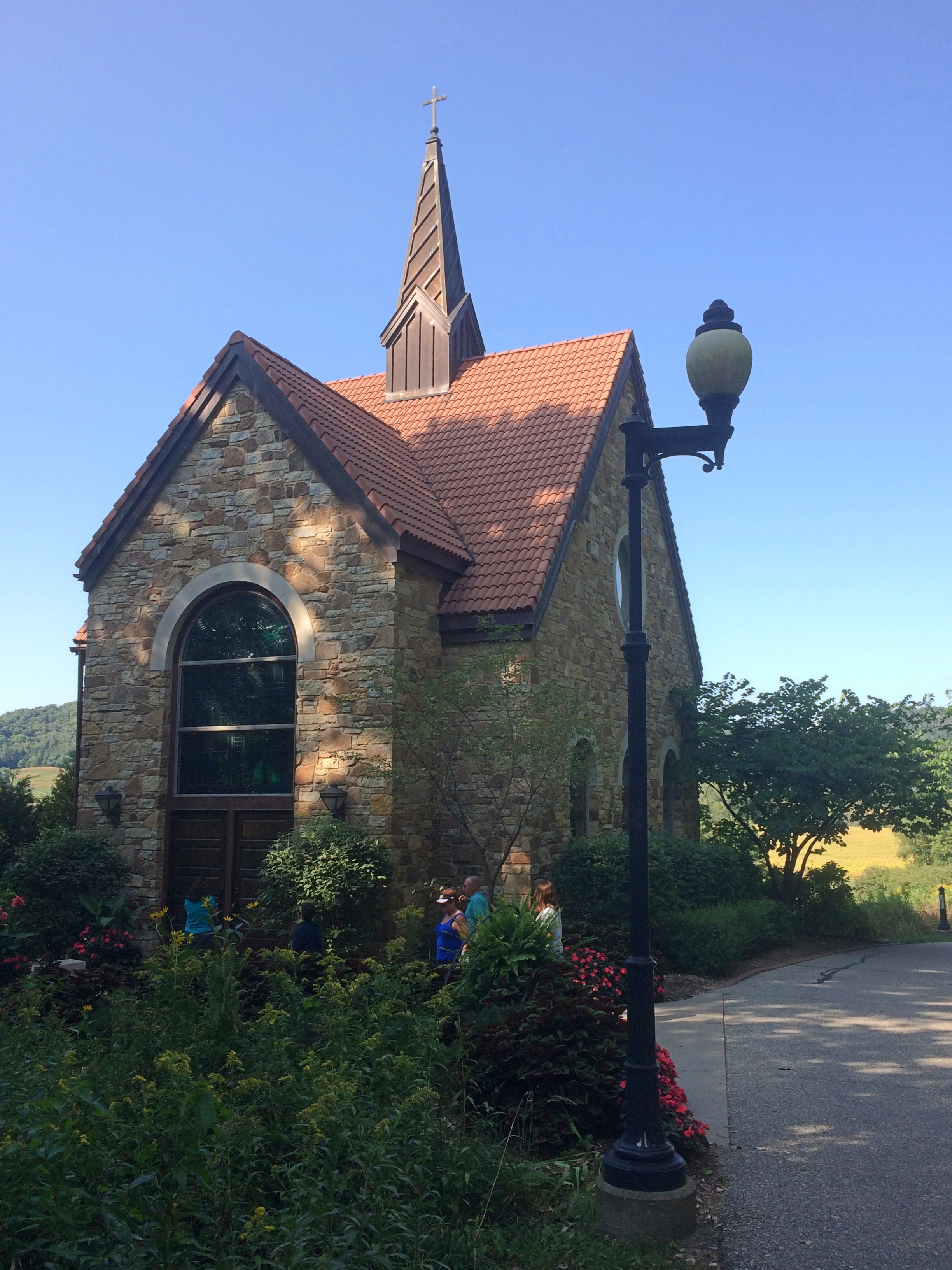
Shrine of Our Lady of GuadalupeI didn’t count them, but I’ve read there are 576 votive candles inside the chapel.
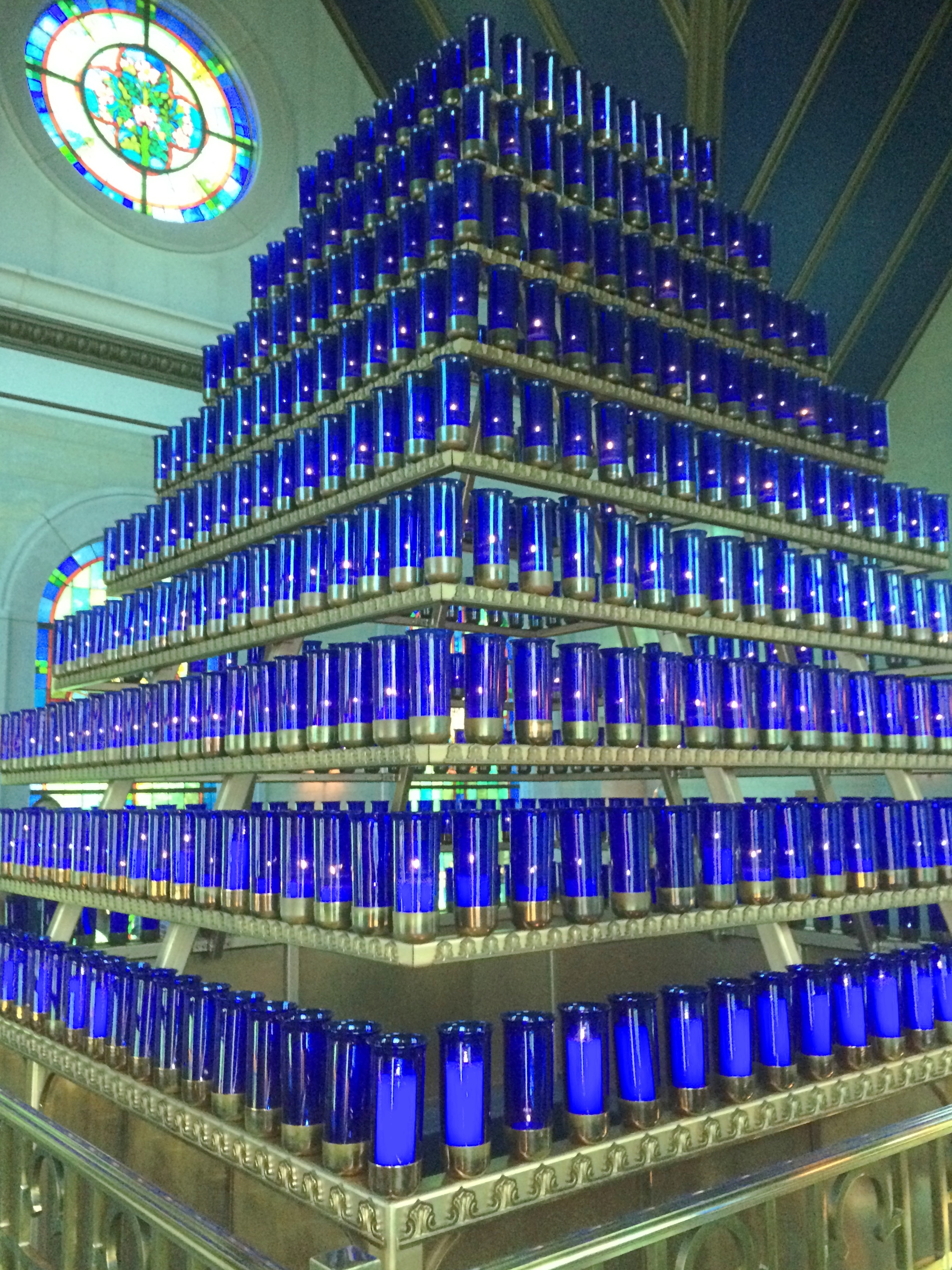
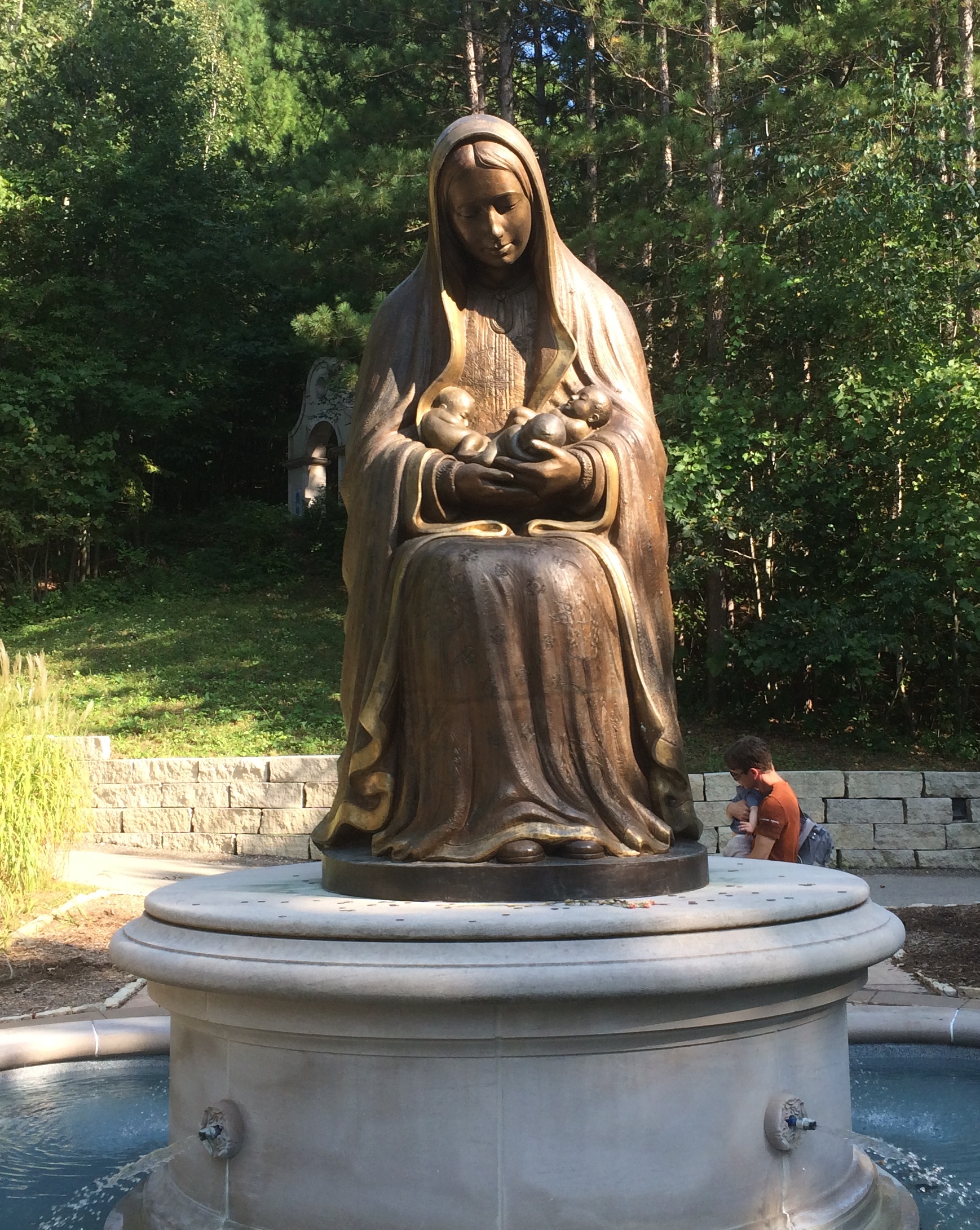
Shrine of Our Lady of Guadalupe votive chapelFurther along the path are devotional areas, including one featuring Saint Kateri Tekakwitha, Lily of the Mohawks, with a bronze by artist Cynthia Hitschler.
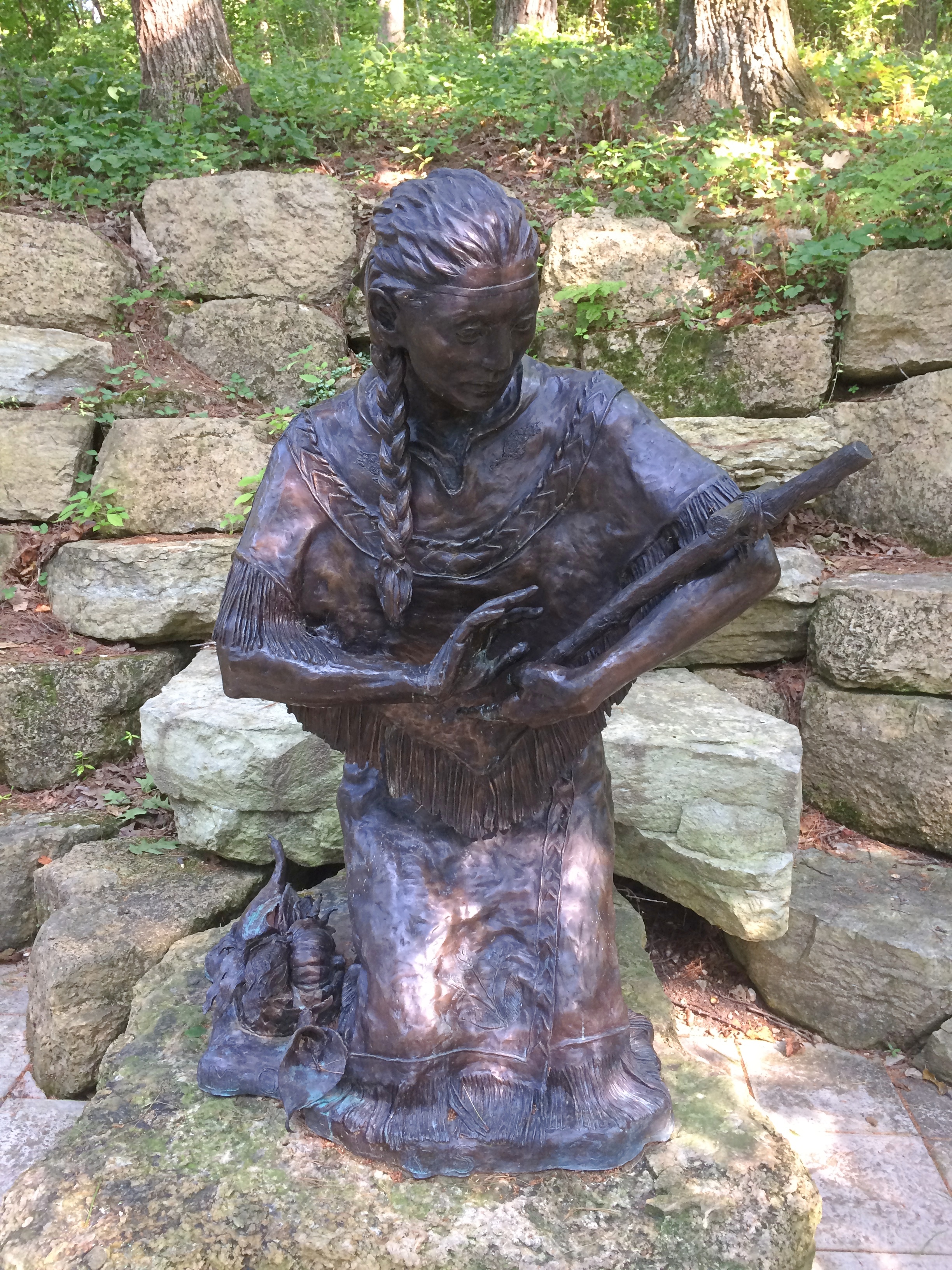
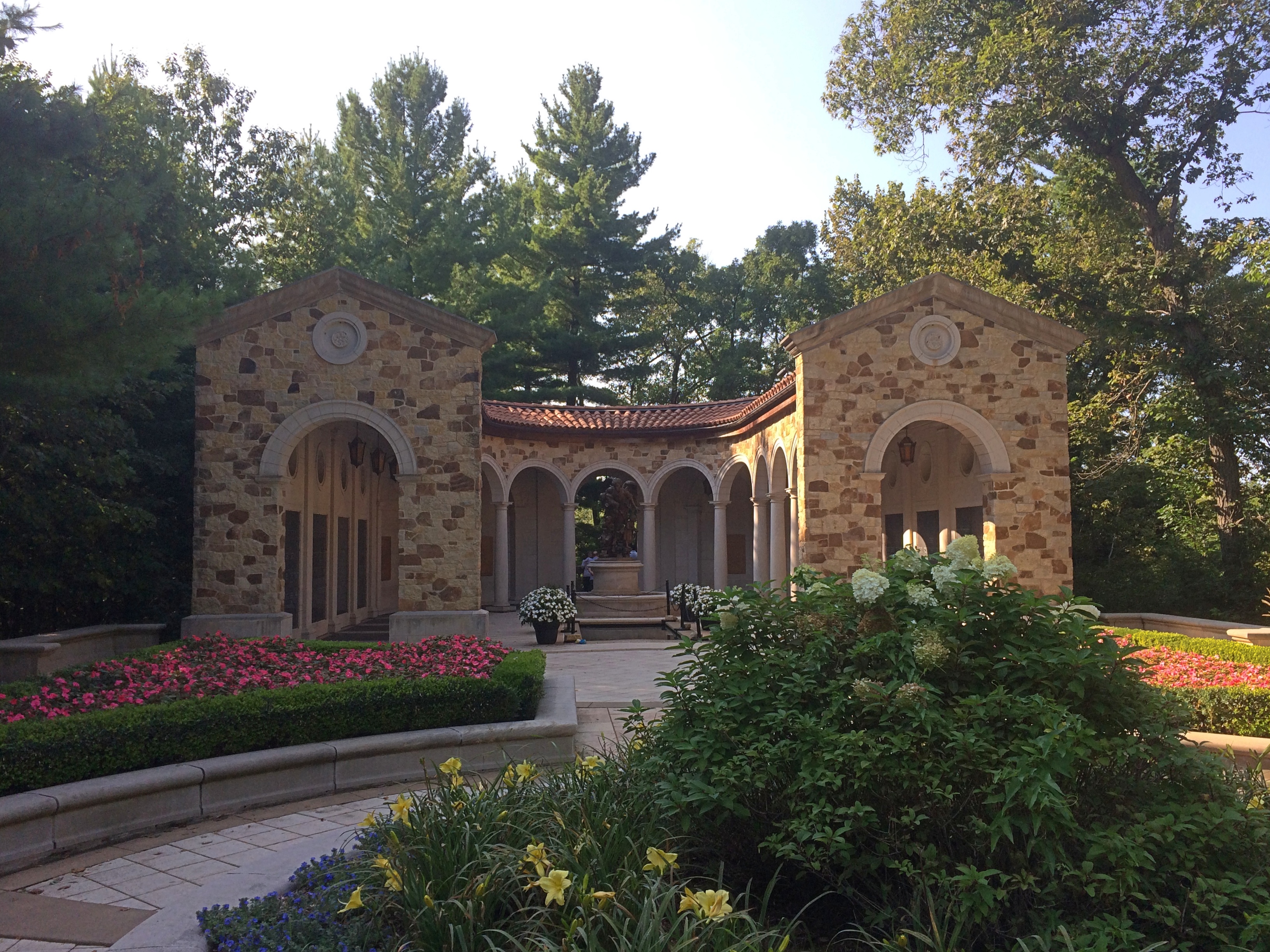
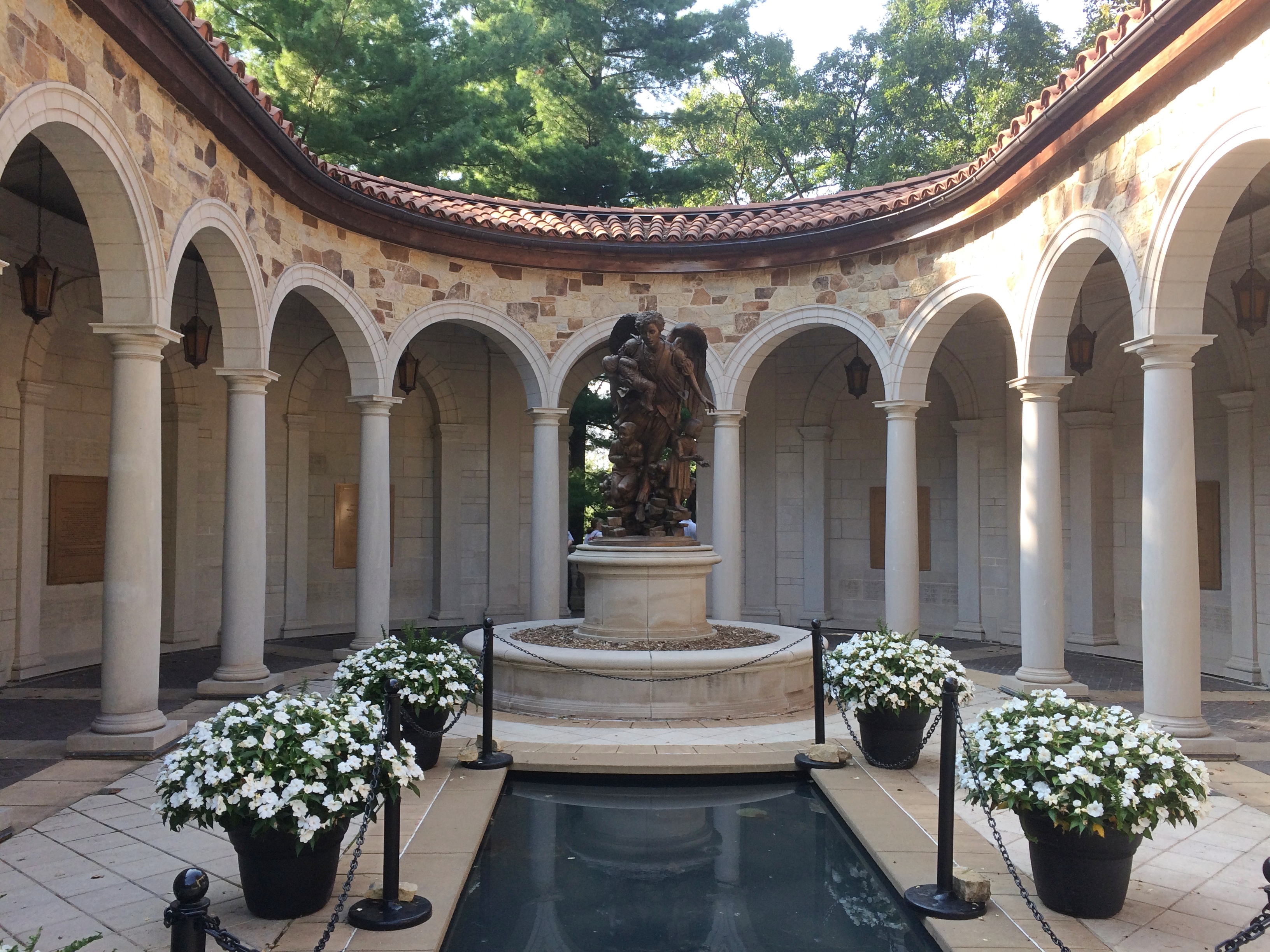
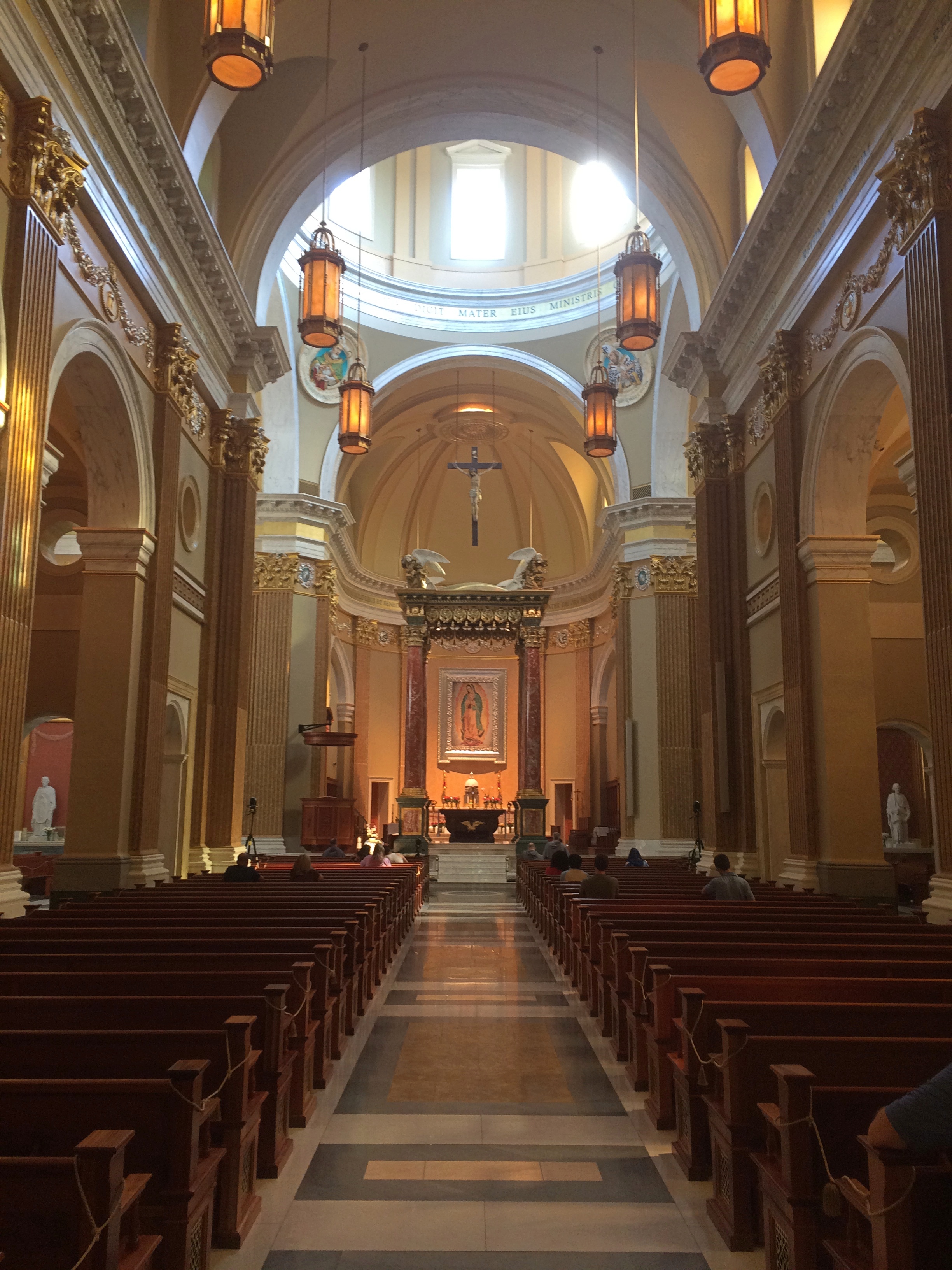
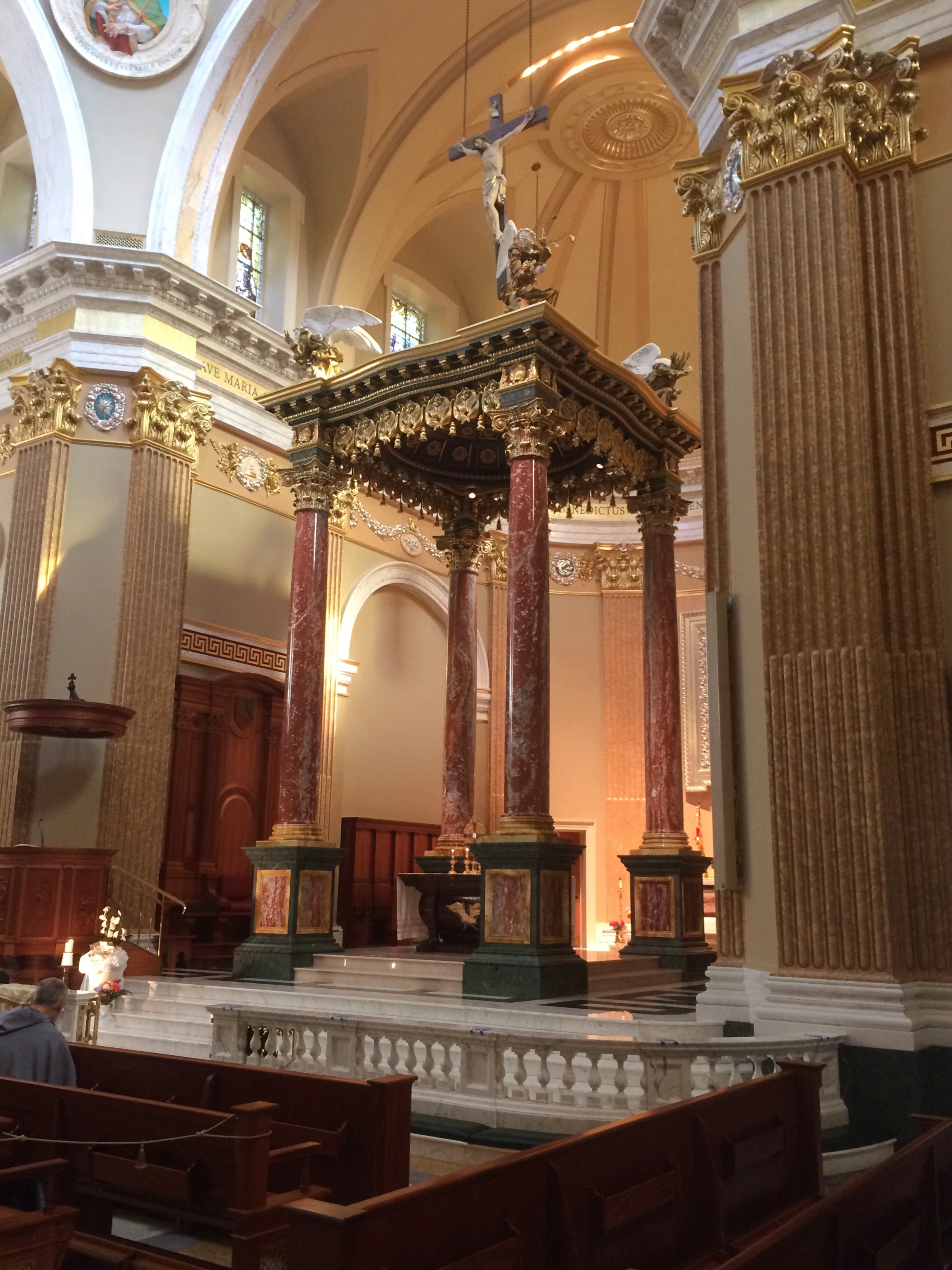
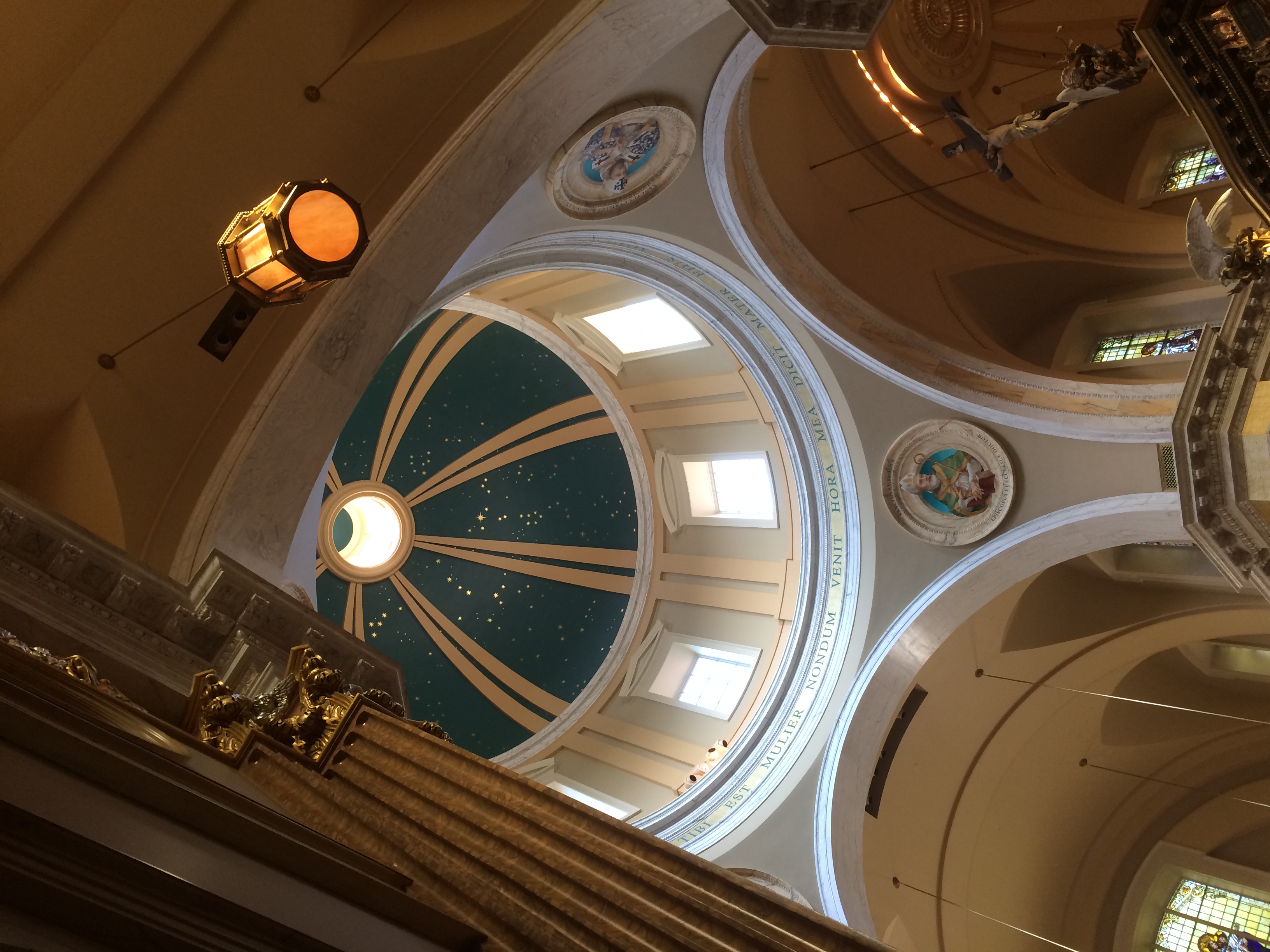
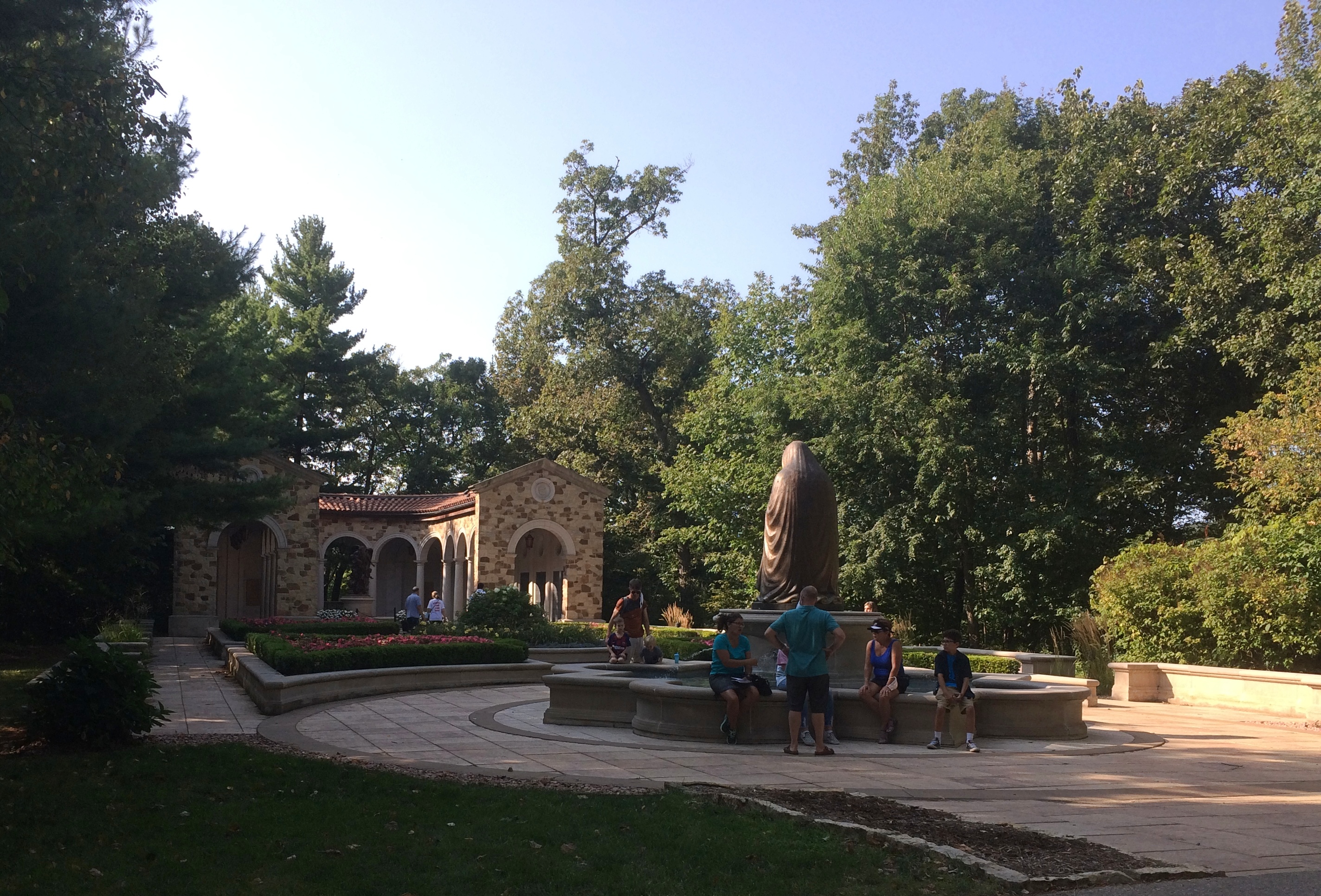
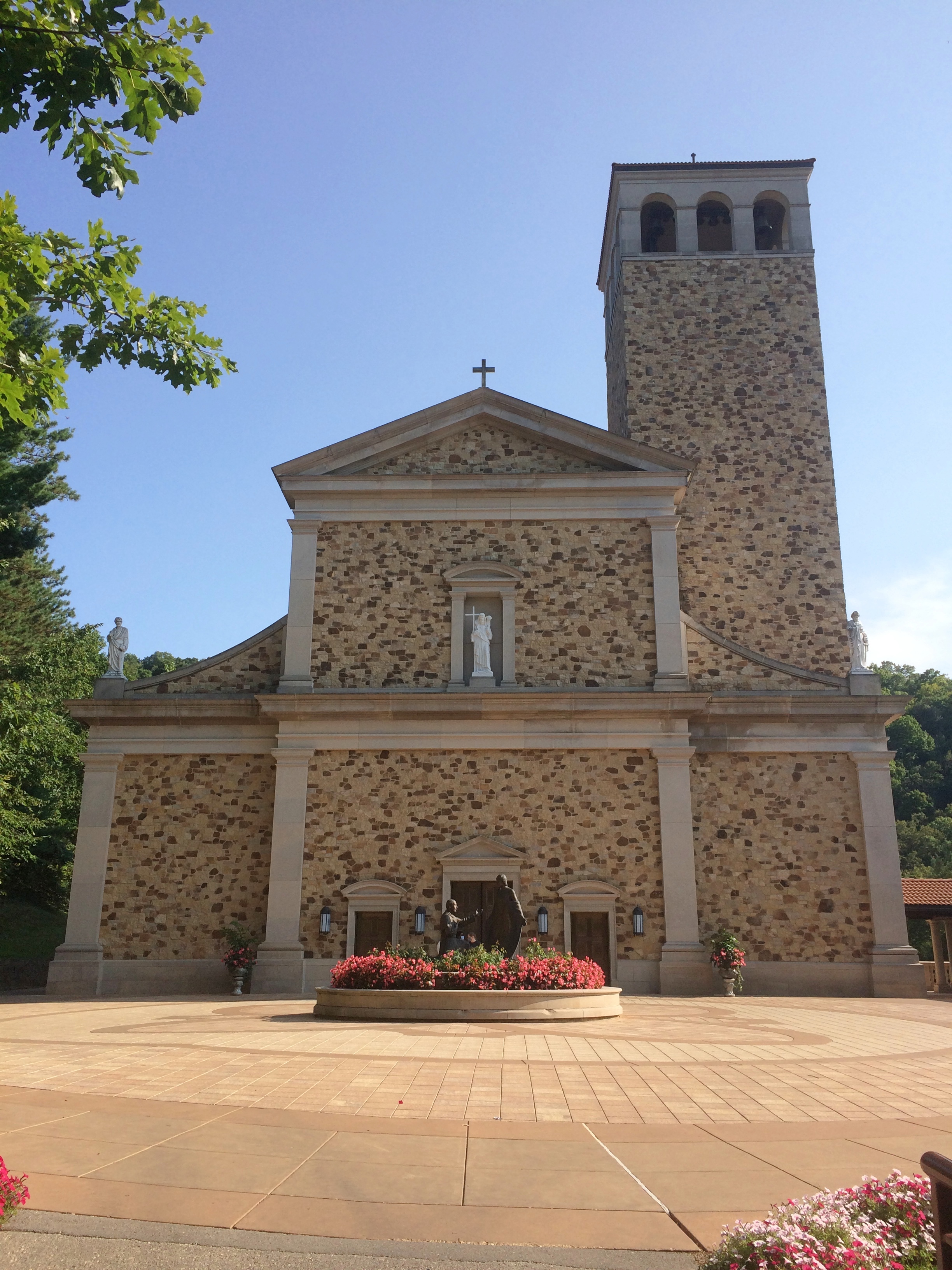
Shrine of Our Lady of Guadalupe Saint Kateri Tekakwitha, Lily of the MohawksAround a bend is the Memorial to the Unborn, also by River Architects.Shrine of Our Lady of Guadalupe Memorial to the UnbornShrine of Our Lady of Guadalupe Memorial to the UnbornShrine of Our Lady of Guadalupe Memorial to the UnbornShrine of Our Lady of Guadalupe Memorial to the UnbornNearby is a plaza fronting the Shrine Church, a design using stone from Minnesota and Wisconsin by Duncan Stroik, another specialist in sacred spaces. The interior takes inspiration from St. Mary Major in Rome.Shrine of Our Lady of Guadalupe Shrine ChurchShrine of Our Lady of Guadalupe Shrine ChurchShrine of Our Lady of Guadalupe Shrine ChurchShrine of Our Lady of Guadalupe Shrine ChurchOn the side walls are paintings, mostly of saints, along with reliquaries in glass cases under the paintings. I encountered one of Bl. Miguel Agustin Pro, S.J., with a reliquary containing one of his first-class relics, though the sign didn’t say what.
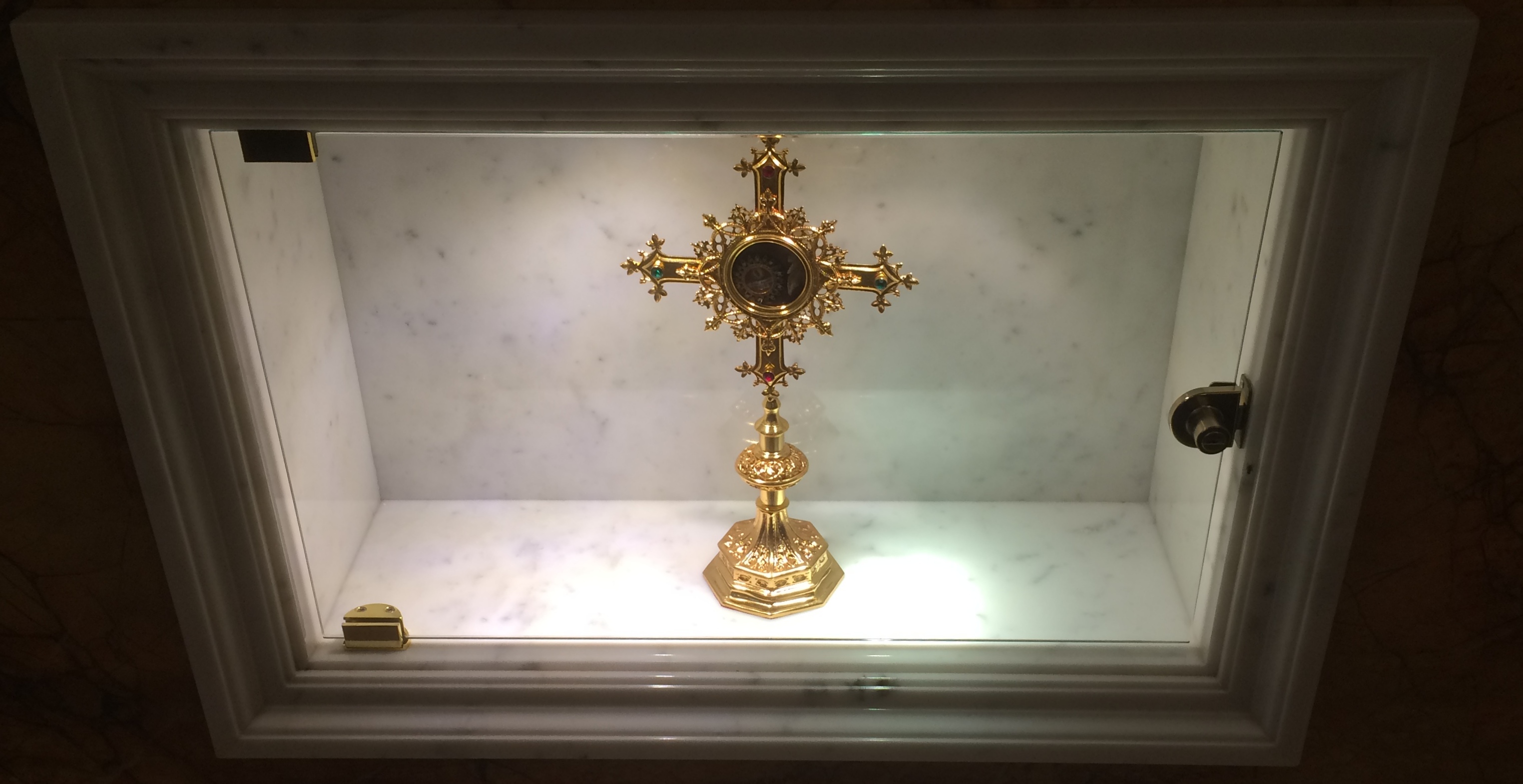
Shrine of Our Lady of Guadalupe Shrine ChurchI’d encountered him before, in wood, but without any relics.
La Crosse ’20

Last year for the Labor Day weekend, we headed east to the shores of Lake Huron. This year, we headed west to La Crosse, Wisconsin, which has its own water feature, the various channels of the Mississippi River.

The trip was structured like our visit to Prairie du Chien in July: Friday night in Madison, a slowish drive on U.S. 14 to La Crosse the next day, where we spent Saturday night, and then a somewhat faster return on Sunday afternoon, mostly on I-90. La Crosse was the destination, but we also stopped at various places along the way there and back.

We visited a major Catholic shrine, looked down on La Crosse from a tall bluff, looked down on the Wisconsin River from another bluff, ate food obtained from drive-thrus more than once, swam in a hotel pool for the first time in ages, stopped at a large farm stand, slept on an island as a thunderstorm moved through the area, walked along the Mississippi, came very close to the border with Minnesota without entering that state, walked around downtown and a university campus, drove along an astonishingly beautiful Wisconsin Rustic Road northeast of La Crosse, spent time in the Bicycling Capital of America, and saw a couple of rural cemeteries, an installation of outsider art and the back lot of fiberglass statue manufacturer.

A good little trip. That’s what we can do these days.

I can report a number of changes in Wisconsin since July. Masks are now more emphasized, especially by businesses at their entrances, some citing local directives. More people seemed to be wearing them. Also, political yard signs have sprouted. It’s my impression that, simply in terms of signs, Trump has a slight edge in rural Wisconsin. But I also have to say there was no shortage of Biden signs in those rural stretches.

We stopped by whim a few places along U.S. 14. Such as at a historic marker just west of Mazomanie. The marker told us that a town had once prospered on the site.

VILLAGE OF DOVER
Beginning in 1844, nearly 700 settlers were brought into this area by the British Temperance & Emigration Society, organized the previous year in Liverpool, England. By 1850 Dover boasted a hotel, post office, cooper, blacksmith, shoemaker, wagon shop and stores. When the railroad chose Mazomanie for a depot site and made no stop in Dover, Doverites moved their houses into Mazomanie and Dover faded away to become a ghost town.

The site does look fairly undeveloped in our time, except for a small fence.
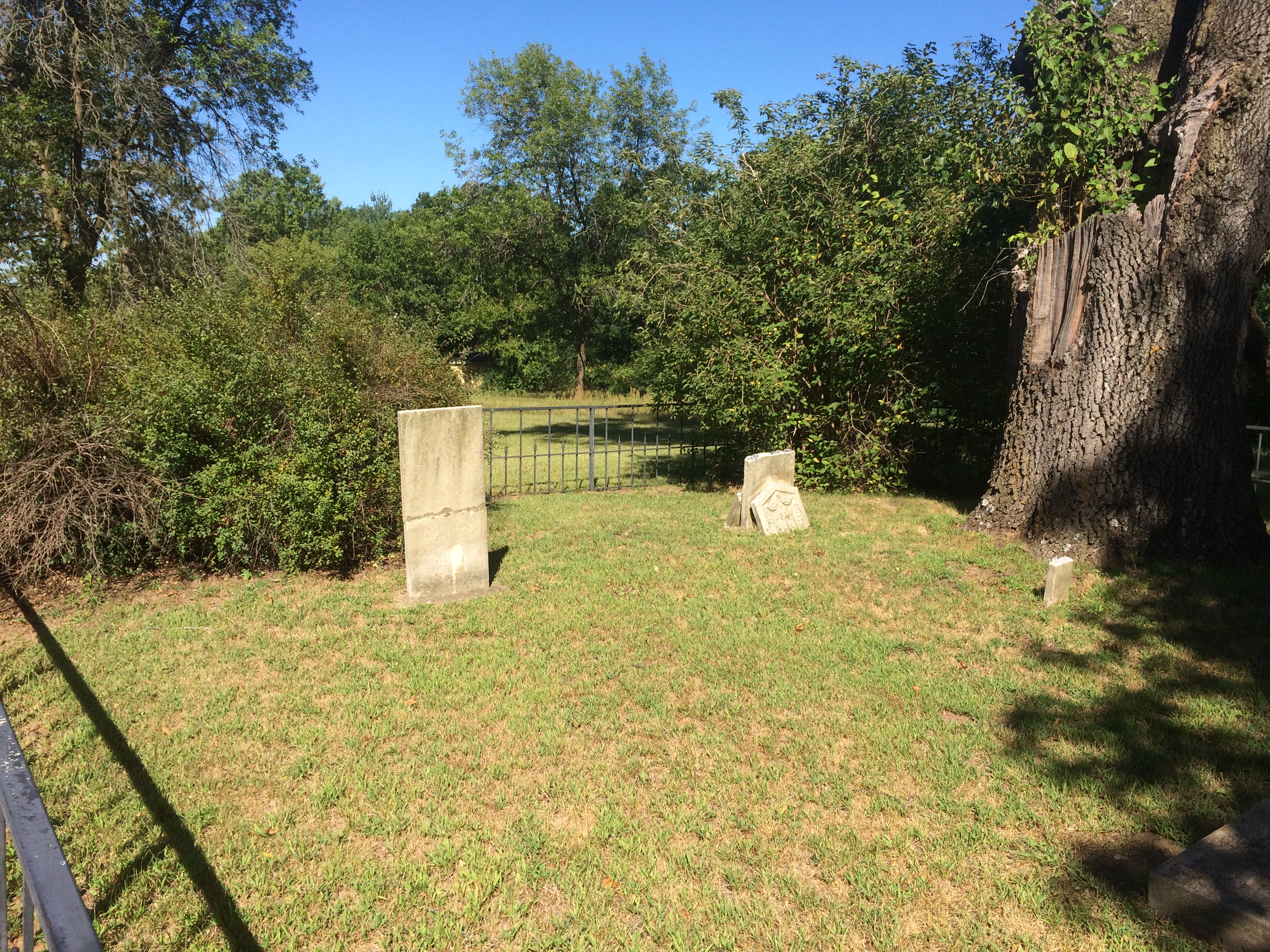
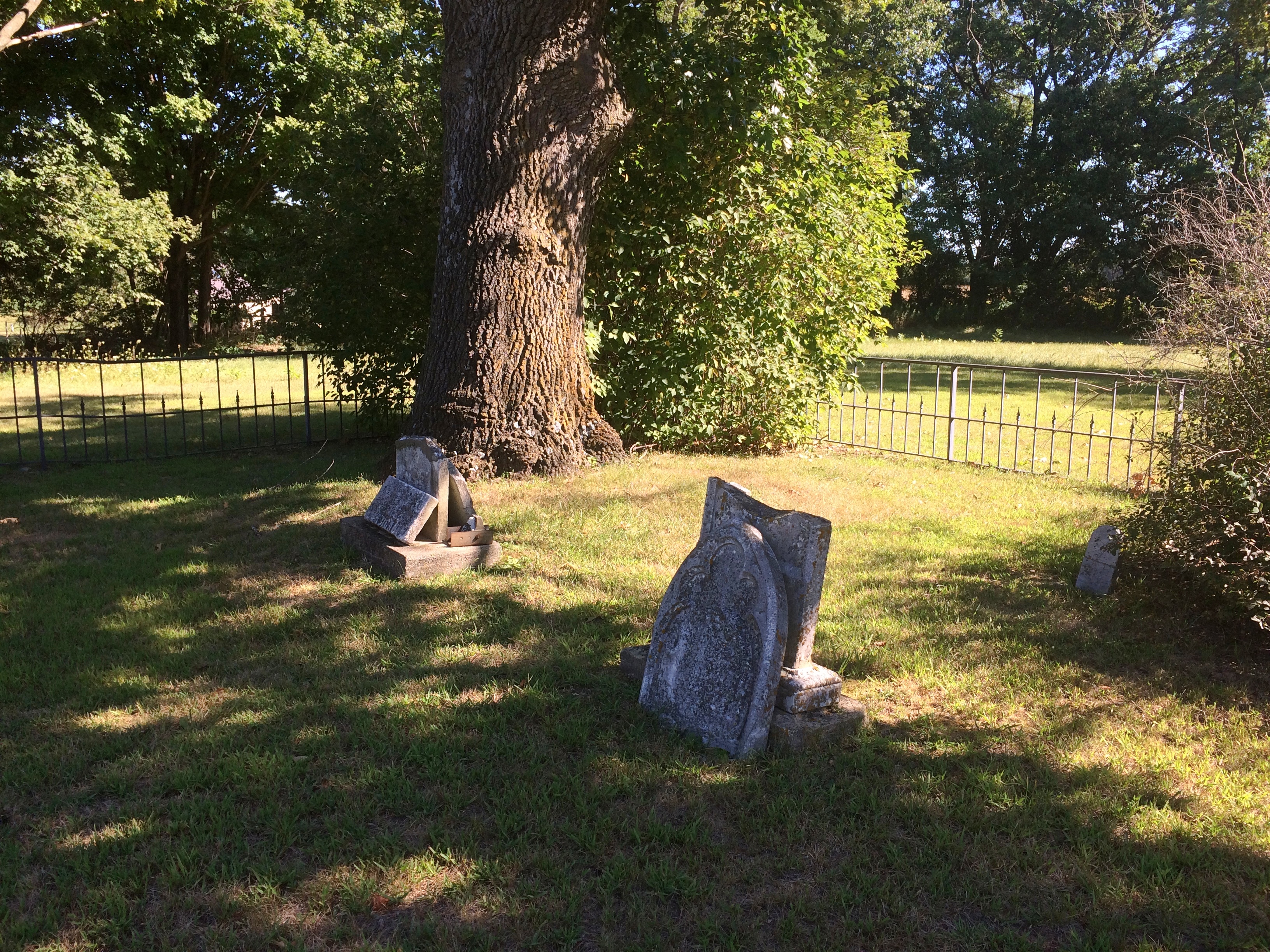
Dover, Wisconsin ghost townBehind the fence is something that the living residents of Dover probably never considered moving: a small slip of a cemetery.
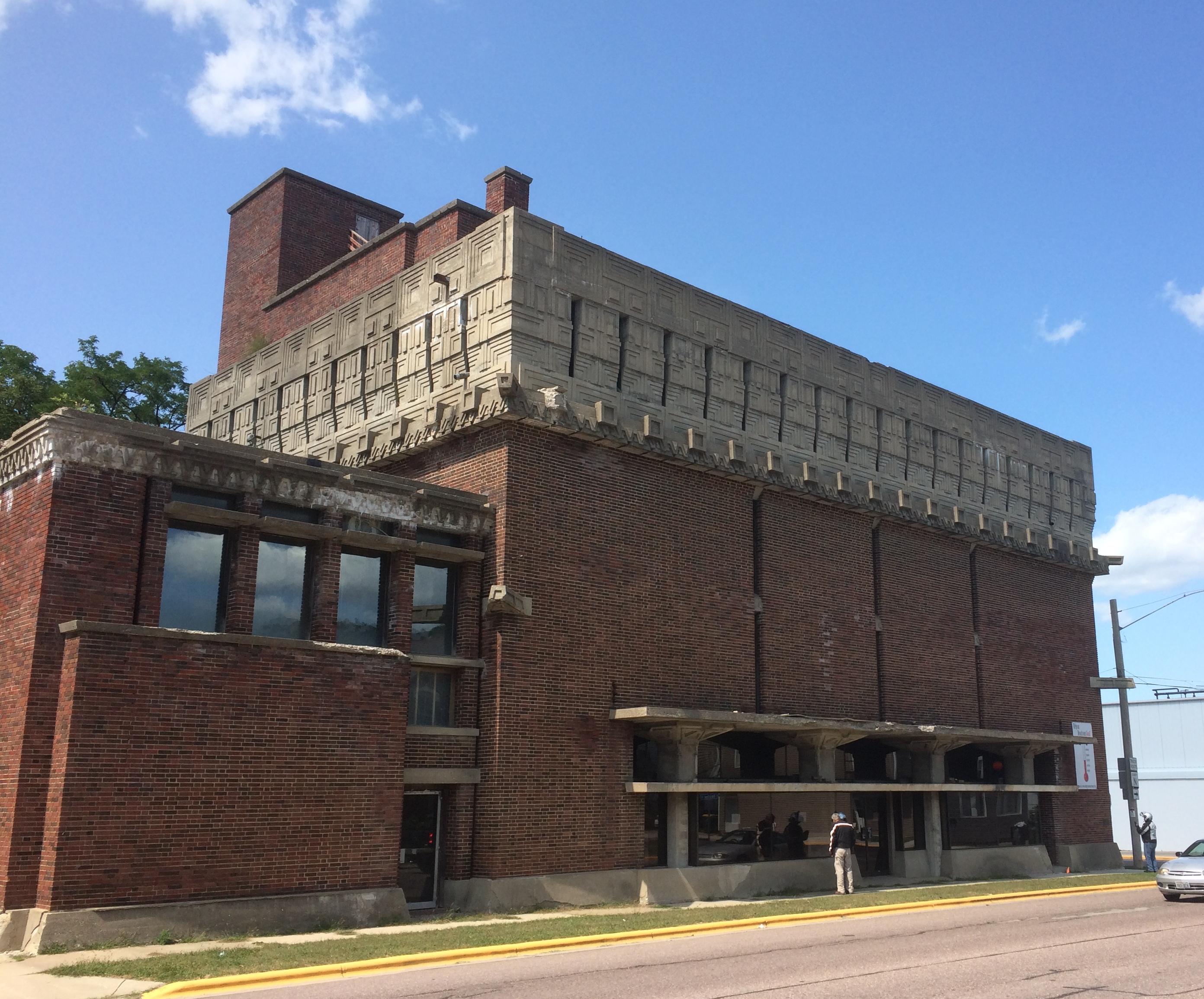
Dover, Wisconsin ghost town cemeteryDover, Wisconsin ghost town cemeteryIn Richland Center, seat of Richland County, we stopped for a few moments to take a look at the A.D. German Warehouse. It is an unusual-looking warehouse. The front:
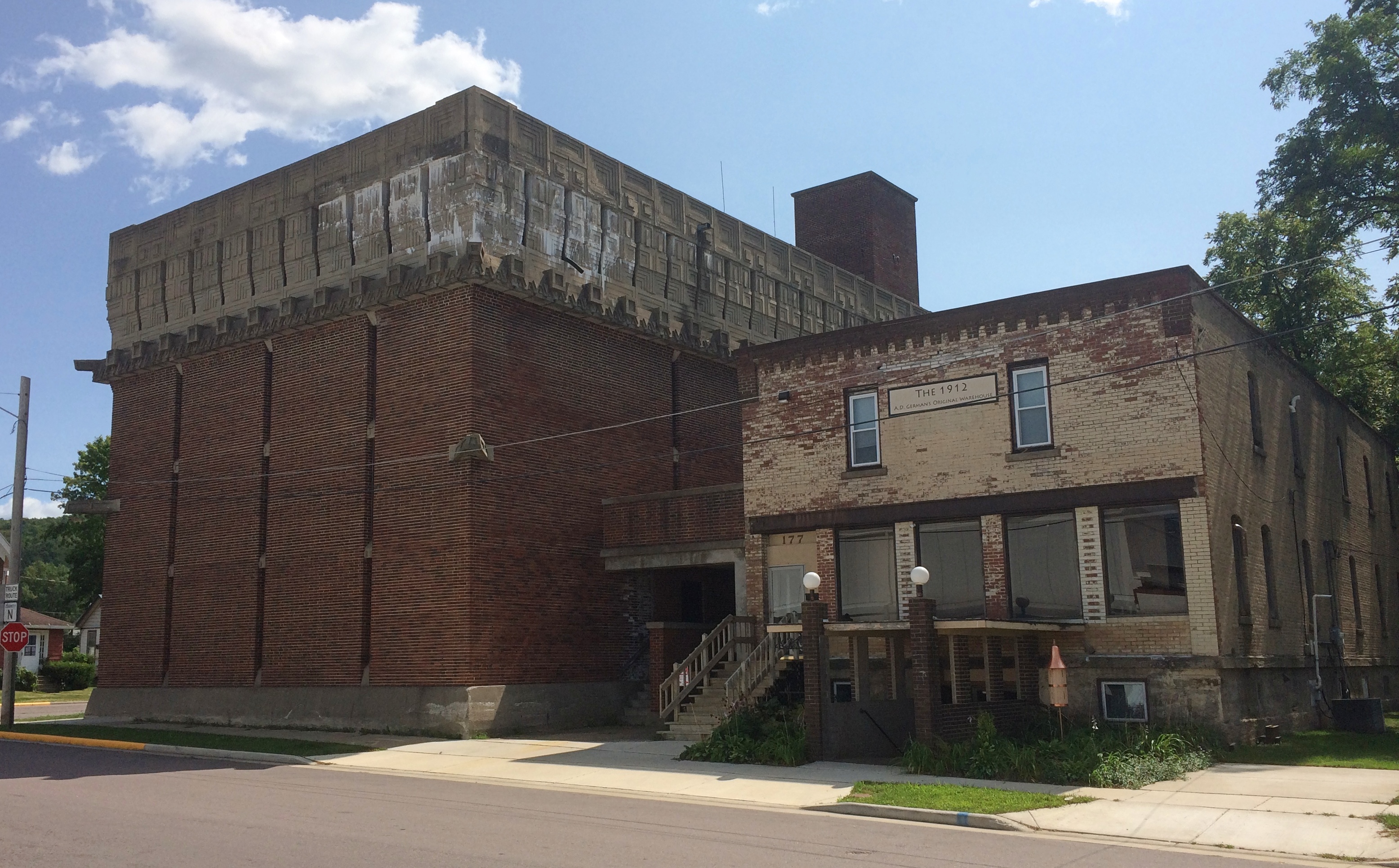
AD German Warehouse Richland CenterAD German Warehouse Richland CenterThe back, including a building with a sign that says it is an older A.D. German Warehouse.
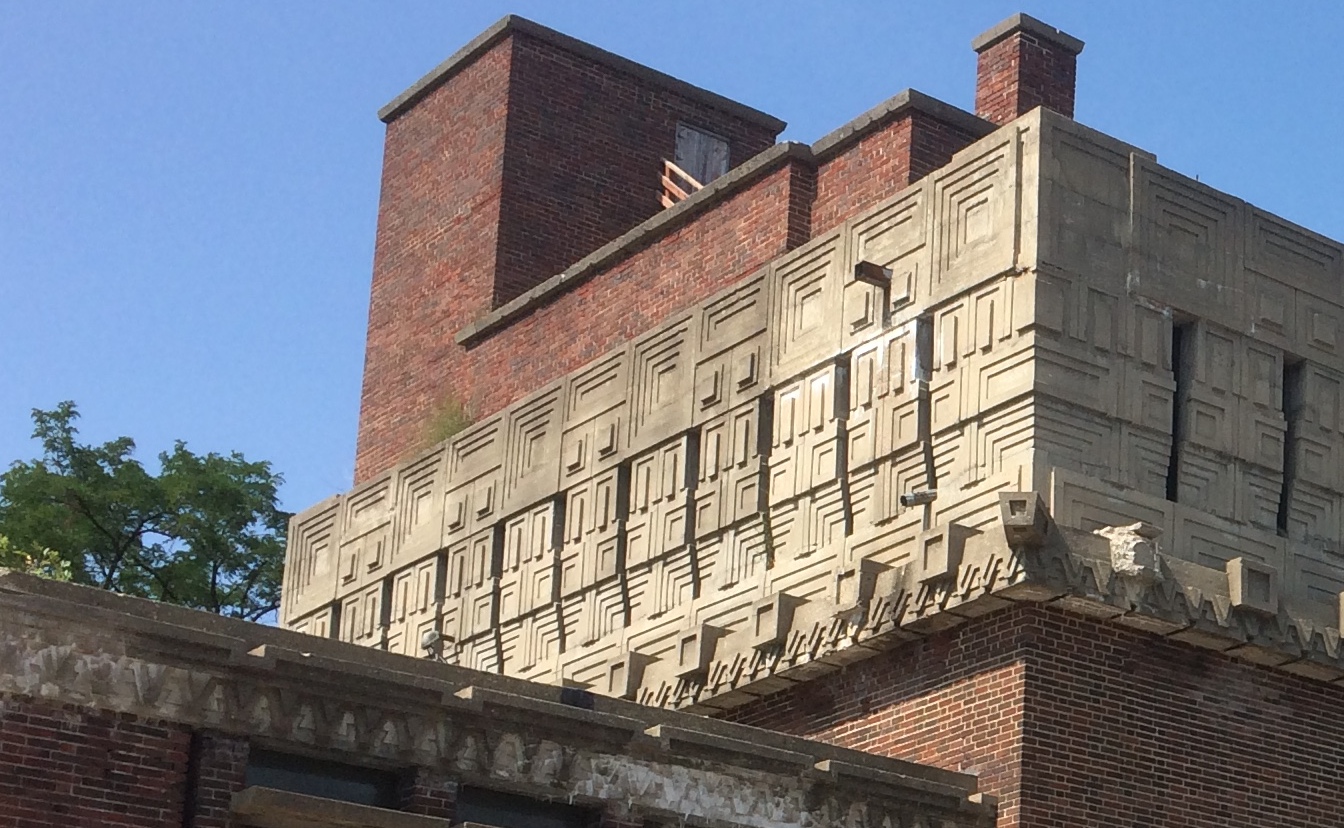
AD German Warehouse Richland CenterUnusual or not, the “new” A.D. German is known for one thing: being designed by Frank Lloyd Wright, and apparently his only warehouse.

“The A.D. German Warehouse is an impressive brick structure topped by a magnificent concrete frieze,” says Wright in Wisconsin. “Generally considered to resemble a Mayan temple, this avant-garde warehouse and attached music room was built for A. D. German’s wholesale grocery business.”

A Mayan temple. The thought amuses me no end. It also makes me re-imagine modern warehouse/distribution buildings, those absolutely utilitarian linchpins of the modern economy. What if some of them had splashes of ornament taken from different times and places? Some friezes from the Parthenon. A touch of a Babylon ziggurat. Or some Mayan elements.

But no. That isn’t the sort of society we live in. You want to spend money on what? Just build the damn thing.

Speaking of which: “Construction was stopped with the building unfinished in 1921, after spending $125,000, which exceeded the original cost estimate of $30,000,” Wright in Wisconsin continues. “It is the only remaining commercial structure designed by Wright that still exists from this time period.”

No wonder he didn’t do any other warehouse commissions. Yet I’m glad to say that an effort is under way to restore the thing. Never mind that it’s a Wright. The world is just a little better place for having a Mayan-flavored warehouse somewhere outside the homeland of the Maya.

On the outskirts of Richland Center, there is a field flying more than 300 flags.
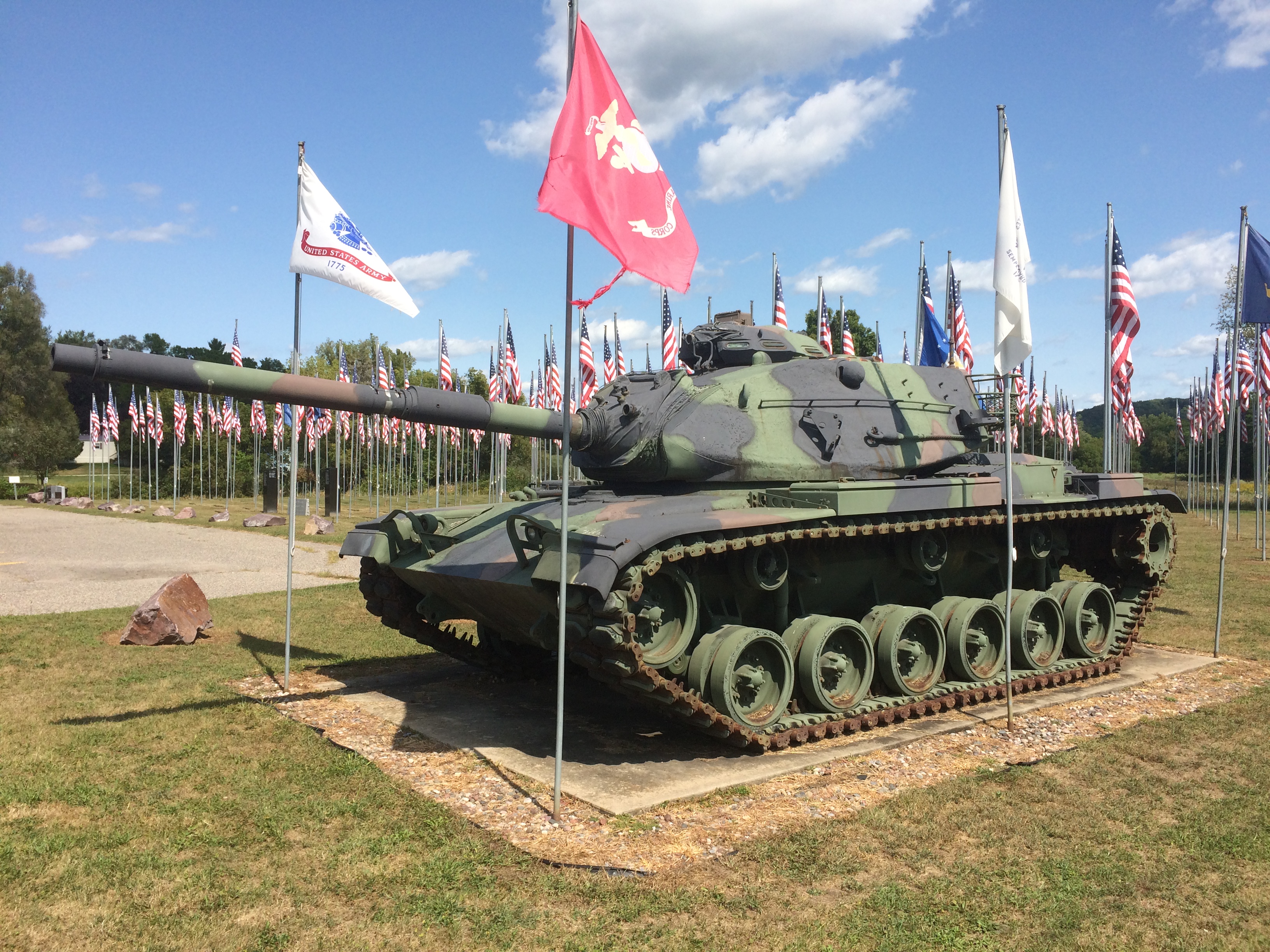
merican Legion Veterans Memorial Park, Bayard de Hart Post 13It’s part of the American Legion Veterans Memorial Park, Bayard de Hart Post 13. Must be quite a sight when the wind is up. At the base of each flag is a stone plaque with the name and service details of a local veteran, living or dead.

There’s also a tank.
merican Legion Veterans Memorial Park, Bayard de Hart Post 13An M60 A3, a sign said, a kind of tank that last saw use in action (for the U.S.) during the first Gulf War.

A Sunday Drive + Phishin’

The last day of August? Even this pandemic summer has sped by like an ordinary summer. I’ll post again on September 8.

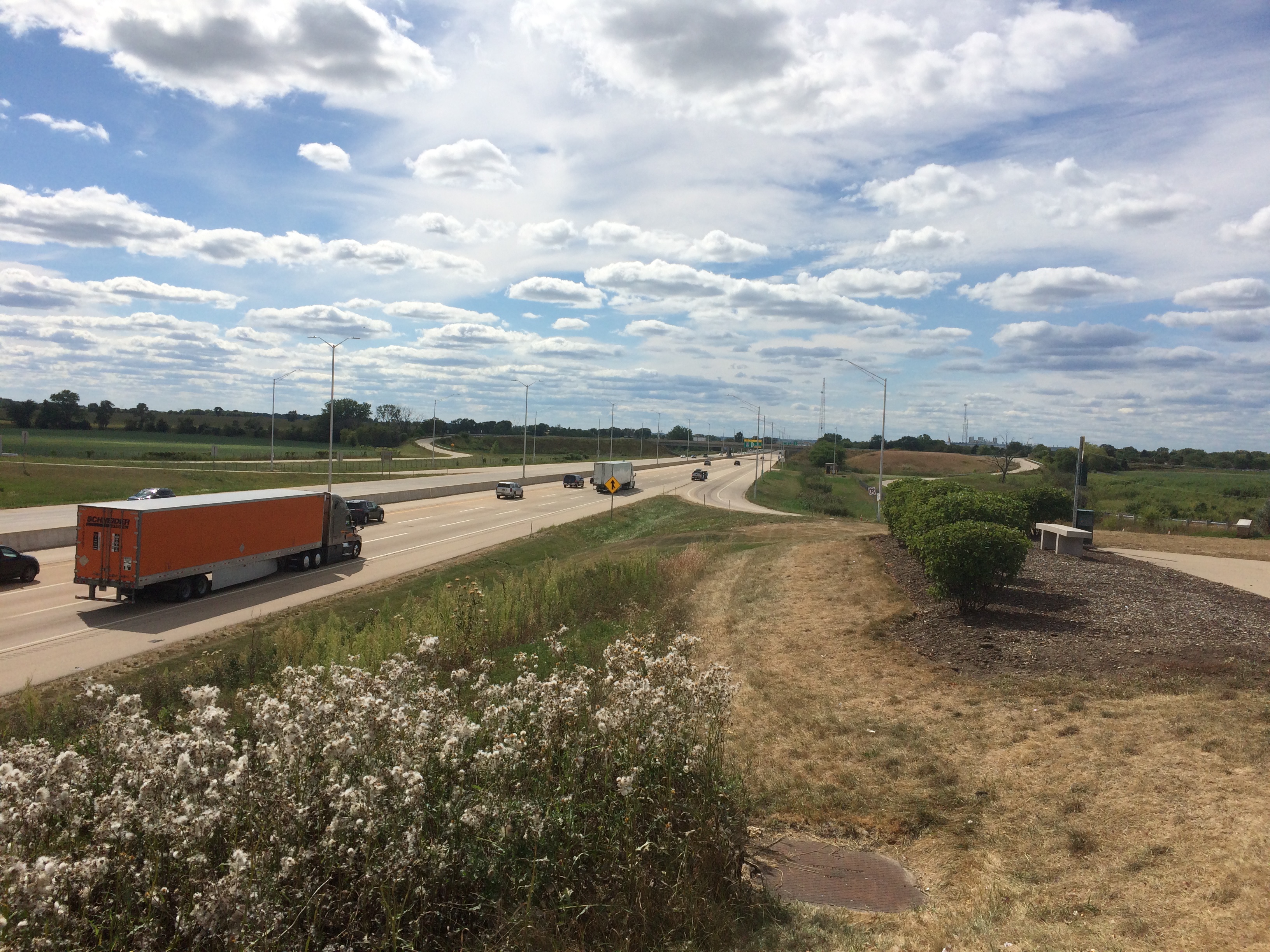
We were out and about on Sunday, including a drive on I-90 between metro Chicago and Rockford. Here’s the highway as seen from the Belvidere Oasis, looking west.
tollway oasis BelvedereThat is, at a large rest stop on the toll road. They seem to be unique to Illinois.

On the whole, we did a classic Sunday drive — a trip just for the sake of driving, except that it was also driving practice for Ann, who has a learner’s permit these days, and not much experience on highways. We made it as far as Rock Cut State Park near Rockford, then headed back.

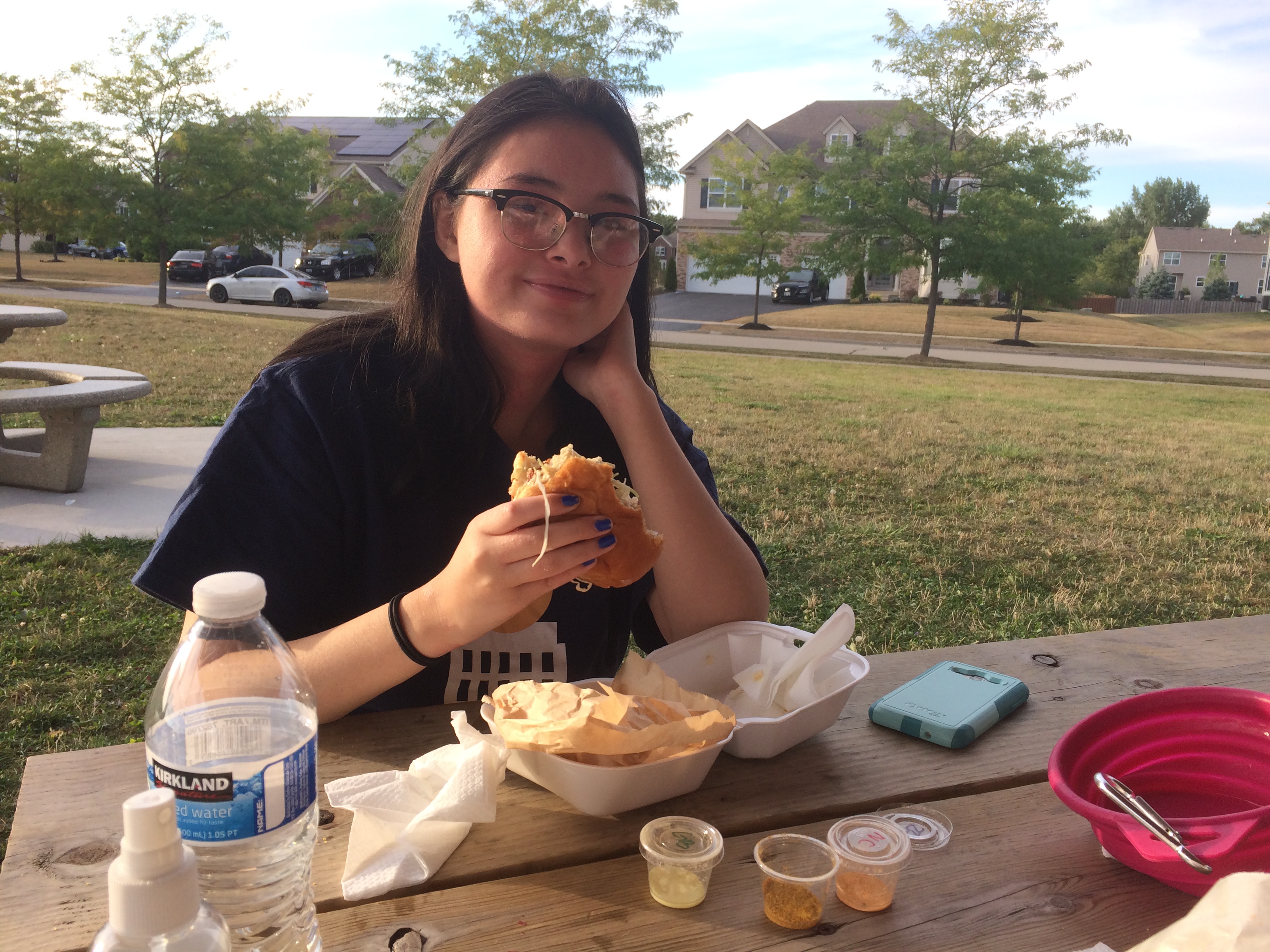
As part of our return, we stopped at Gabuttø Burger. Formerly located in Rolling Meadows, the Japanese-style hamburgerie is now in Elgin, near the Randall Road exit on I-90. Not very convenient for us most of the time, but we were in the area.

Eating in was an option, but instead we found a small nearby park with a picnic shelter. Good eating. We are fortunate indeed.
Gabutto BurgerFor some reason while we were out on Sunday, a number of phishers came calling. Our voice mail captured 13 messages. Actually all from the same source saying the same thing: Your X account has been breached…

How thoughtful of them. They provided a phone number to call, and I’m sure for a small fee — what’s that credit card number again? — they’ll be happy to fix a problem with something I don’t even use.

Also, an email (all sic) pretending to be from a major financial services company came on Sunday:

Your account security is our priority.
To validate your account, click here or the validation button below.
The link will expire in 24 hours, so be sure to use it right away.
failure to confirm your record will result in account disabled. Please confirm your records.

Such is life among the digital wonders of the 21st century.

Fremont Avenue ’15

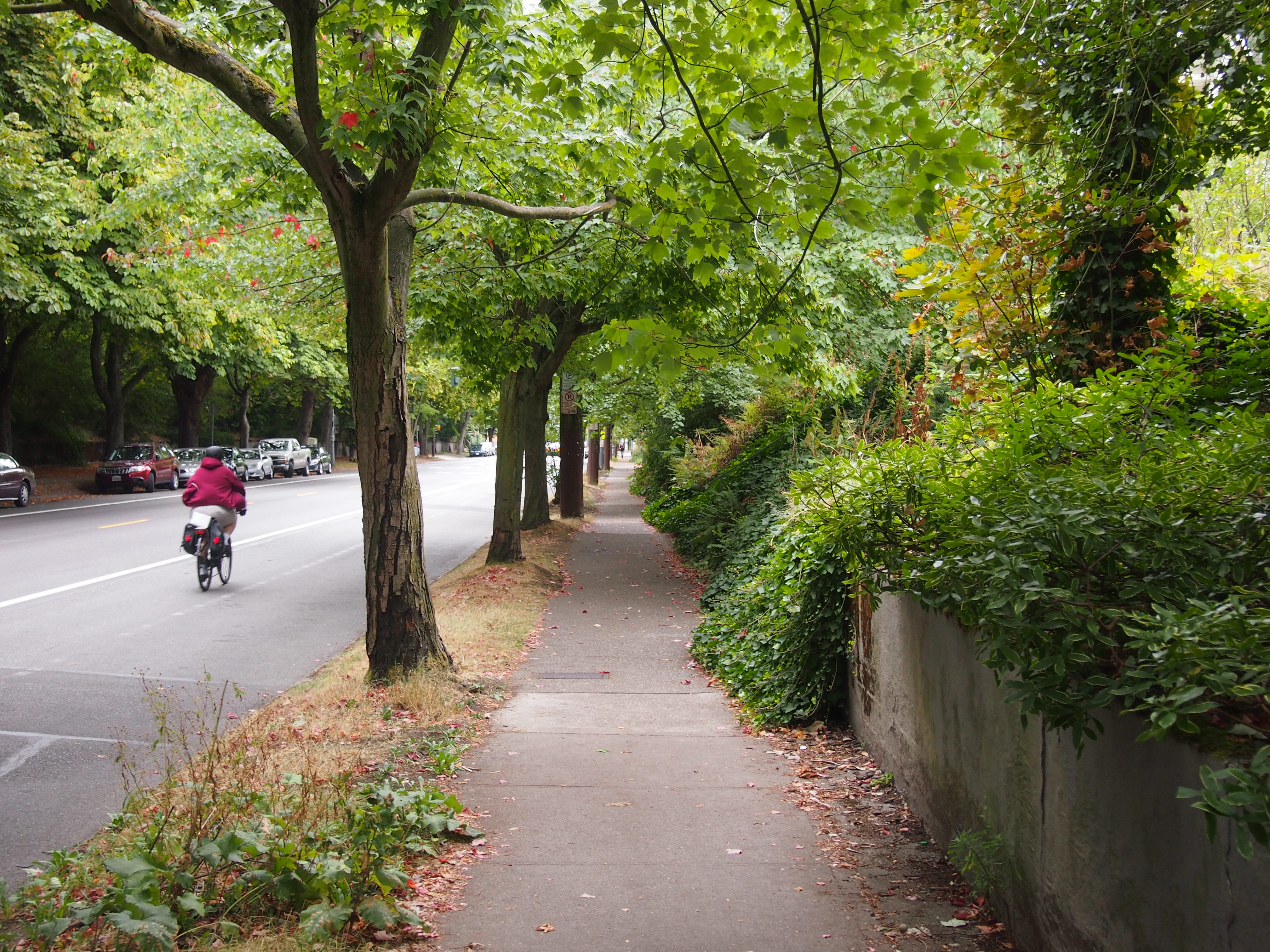
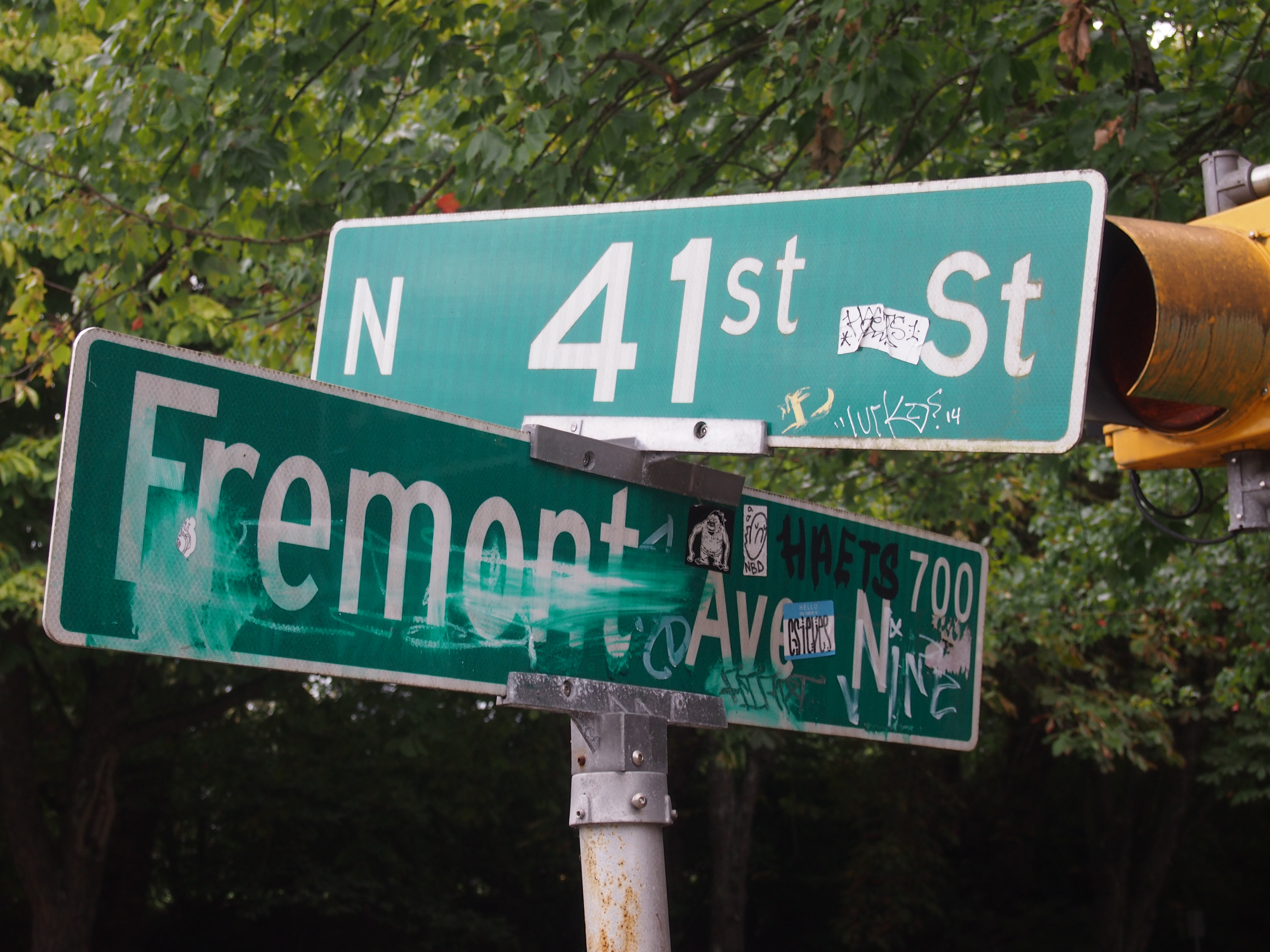
Near the end of August 2015, I spent a few hours wandering around the Fremont neighborhood in Seattle. One place I went was Fremont Avenue, which ran roughly from where I was staying in Upper Fremont down to the rest of the neighborhood.Fremont Seattle

Fremont SeattleIt’s one thing to tag a lonely wall somewhere, but a street sign? Wankers.

I was footloose and had a camera, so I took pictures of whatever caught my eye along the street.

Fremont Avenue SeattleFremont Avenue SeattleFremont Avenue Seattle

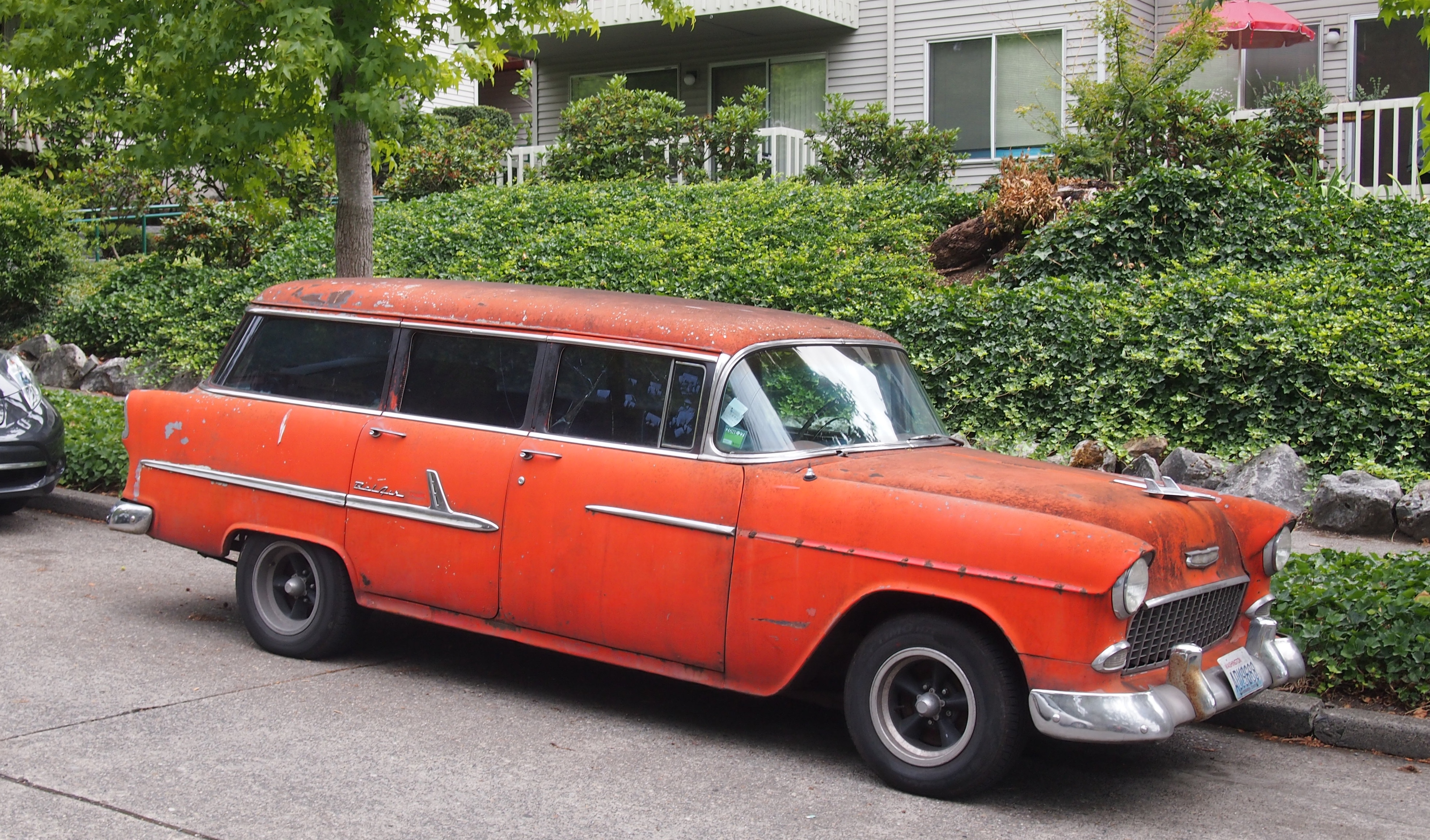
Not something you see often. Or ever. An orange Bel Air station wagon.
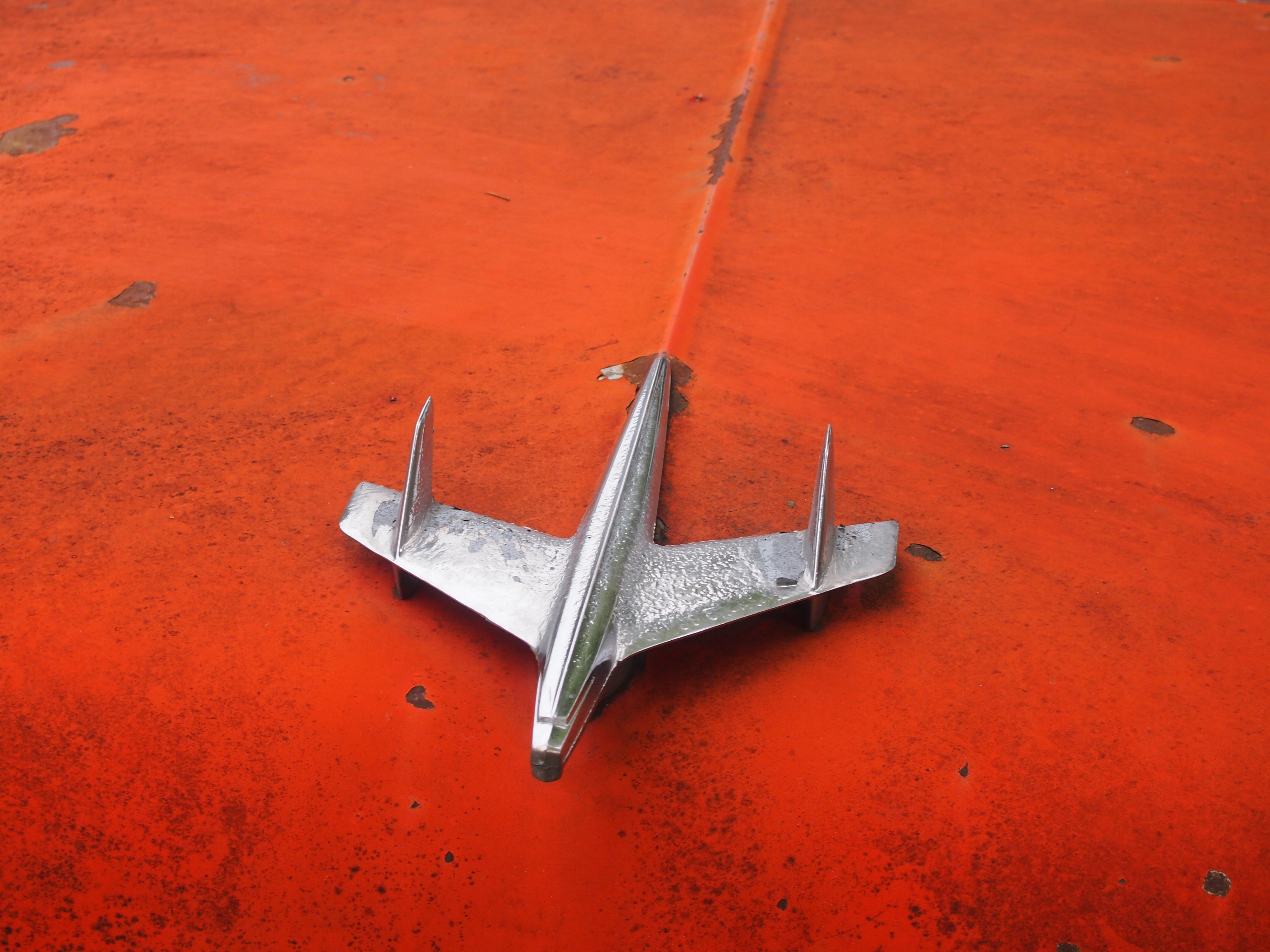
Fremont Avenue SeattleWith a sleek hood ornament.
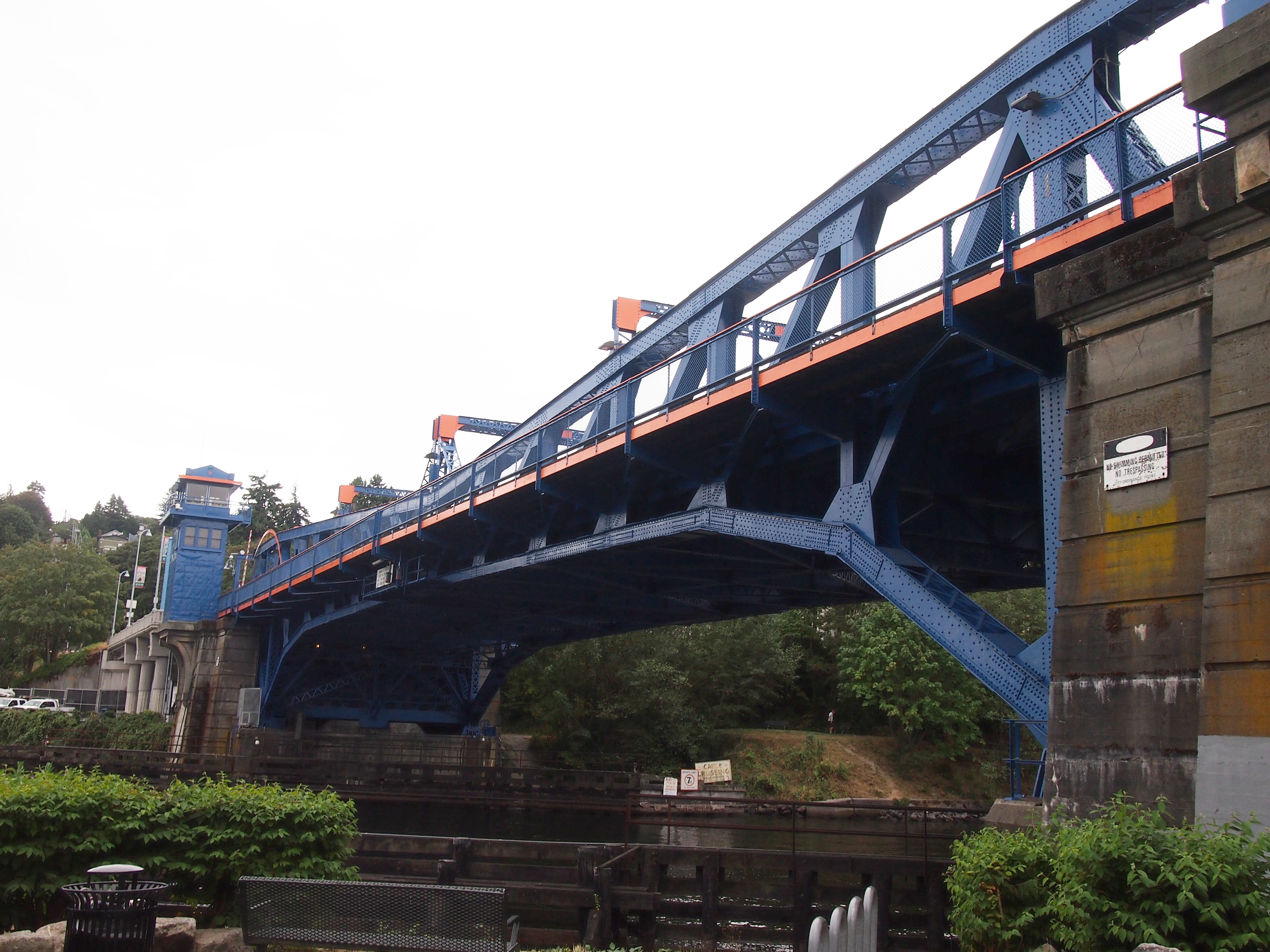
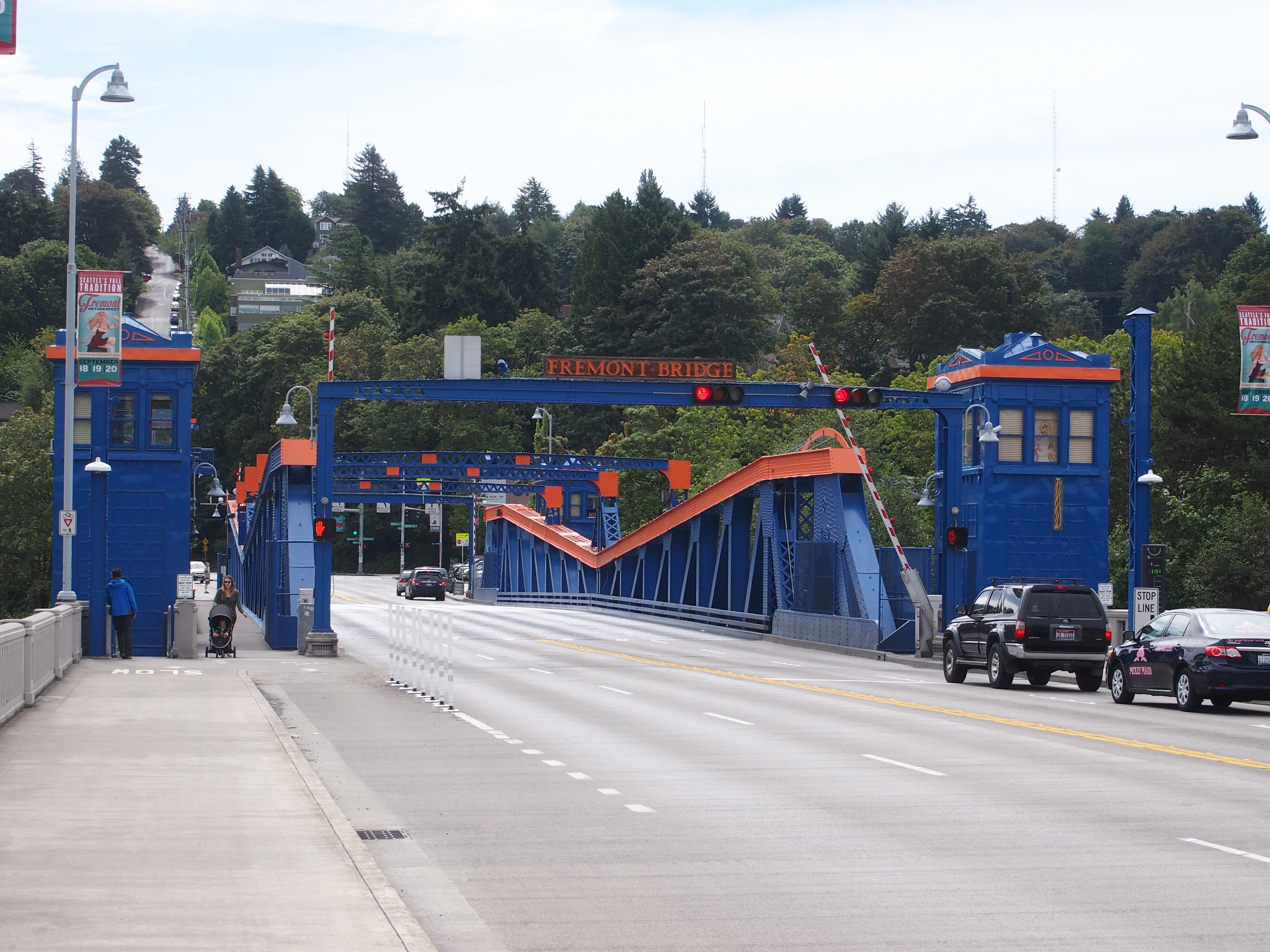
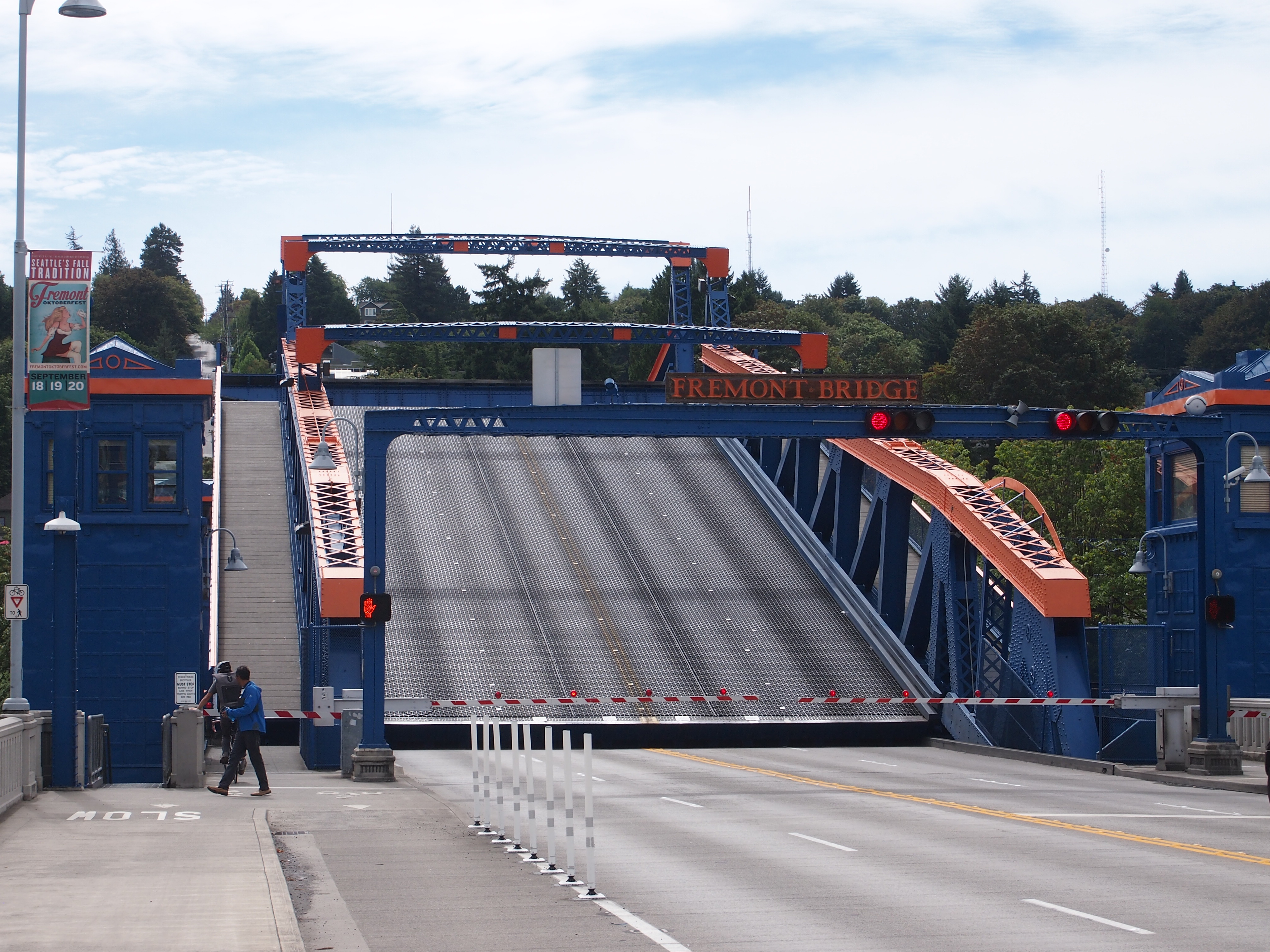
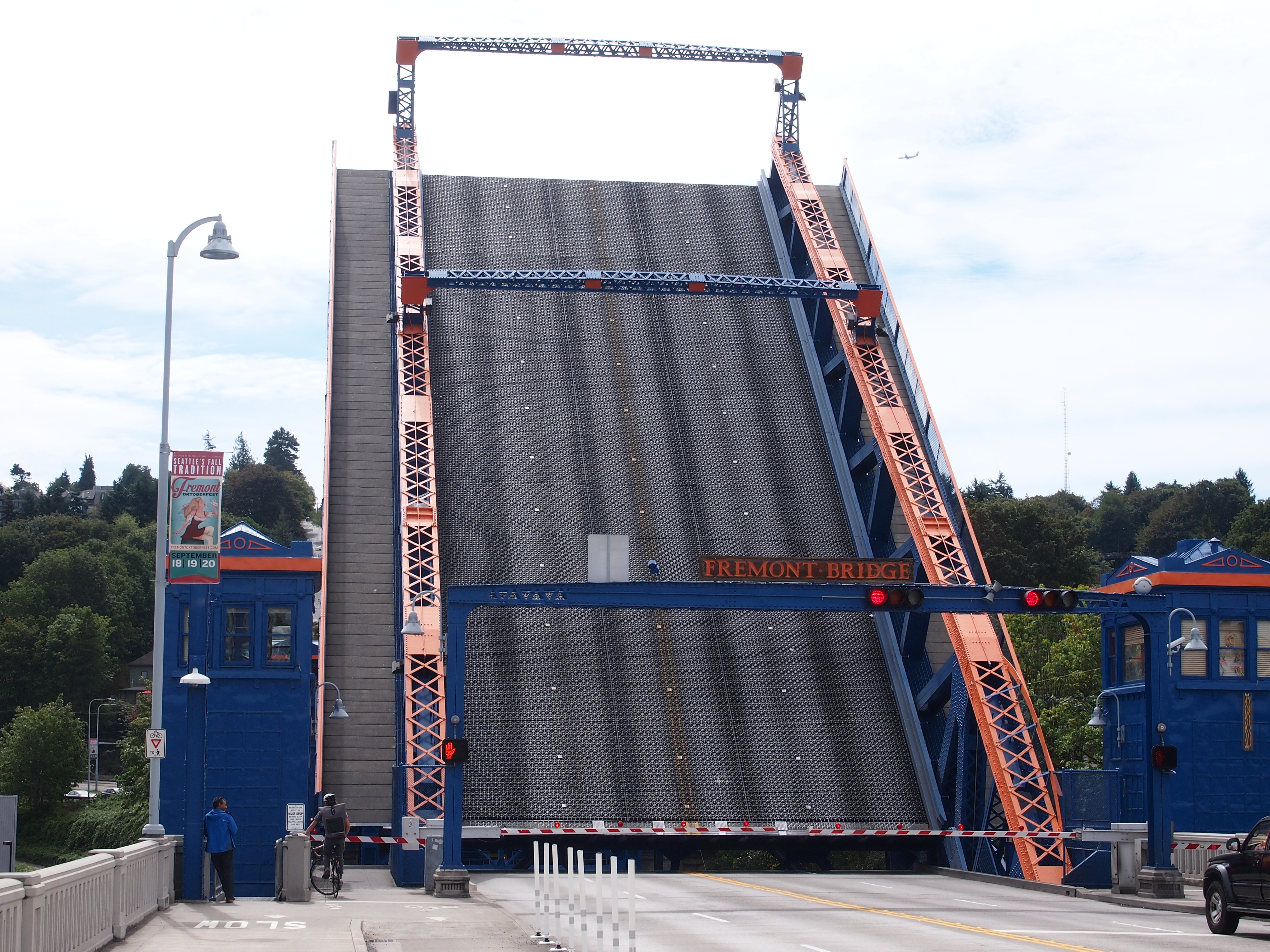
Fremont Avenue SeattleTravel far enough south on Fremont Ave. and you’ll come to the Fremont Bridge.
Fremont Bridge SeattleFremont Bridge SeattleFremont Bridge SeattleFremont Bridge SeattleFremont Bridge Seattle“Today, with traffic across the bridge a constant, the bridge opens around 35 times [daily], often creating long waits for drivers,” notes Atlas Obscura, which asserts that it is the most-opened drawbridge in the country.

Late Summer Thursday Stew

A package arrived in the mail for Lilly today from UIUC.

“Your high GPA has earned you the privilege of graduating Cum Laude…. This accomplishment, which is referred to as Latin Honors, is also recognized by a special bronze cord,” the enclosed letter said. “Because we were unable to have an on campus commencement ceremony in May, we will be mailing cords to the mailing address you have on file with campus.”

Sure enough, the package also included a bronze cord, looking something like a curtain accessory. Lilly’s already in the Pacific Northwest, so she’ll have to wait for one of us to deliver it in person, since I’m not planning on re-mailing it.

Never got a Latin Honor myself. Missed it by a whisker of GPA, I think. But I don’t really remember, and in nearly 40 years, that fact has never come up at any time for any reason.

I’m surprised some of these TV shows count as public domain. Then again, under the copyright rules before Disney put its imprint on the law, copyright holders had to renew after a certain number of years, and I expect many producers didn’t bother. The other day I watched the first episode of Car 54, Where Are You? It had its amusing moments.

Summer is ebbing away. I’m trying to spend as much time on my deck as possible. A refuge from work and word of the troubled world beyond my little spot.

A few days ago, after work but before dinner, I parked myself on the reclining deck chair on the deck and managed to take a nap. My family marveled at that, considering the heat and noise of the cicadas. But it wasn’t that hot that late in the day, and the sound of cicadas is something to drift off to sleep to, though not as soothing as cricketsong.

I’m about half way through The Unredeemed Captive by John Demos (1994), which Lilly and Ann gave to me last Christmas, on a tip (I believe) from one of Ann’s teachers.

“The setting for this haunting and encyclopedically researched work of history is colonial Massachusetts,” Penguin Random House says. “There, in February 1704, a French and Indian war party descended on the village of Deerfield, abducting a Puritan minister and his children. Although John Williams was eventually released, his daughter horrified the family by staying with her captors and marrying a Mohawk husband.”

It’s a good read about a time and place I’m not especially familiar with, early 18th-century New England. Interesting how in only 50 years or so, that place evolved into the more familiar (to me) mid-century and Revolutionary New England.

Wait, when did Random House and Penguin merge? In 2013, it turns out. I wasn’t paying attention because book publishing isn’t my sort of publishing. I’m used to thinking of Penguin as a solidly British operation, but these days it’s owned by shadowy German billionaires.

404 Fehler

The other day I was nosing around a web site of a German company — though the part of the site I visited was in English — and came across a 404, which I guess has the same meaning in every language now.

404 FEHLER
Seite konnte nicht gefunden werden
Die von Ihnen gewünschte Seite ist leider nicht verfügbar.
Möglicherweise ist die angeforderte URL falsch oder veraltet beziehungsweise wurde die betreffende Seite von uns archiviert oder umbenannt.
Gehen Sie zurück zur Startseite, um Ihren gewünschten Inhalt zu finden.

Lots of fun words in that text, such as verfügbar, umbenannt und möglicherweise.

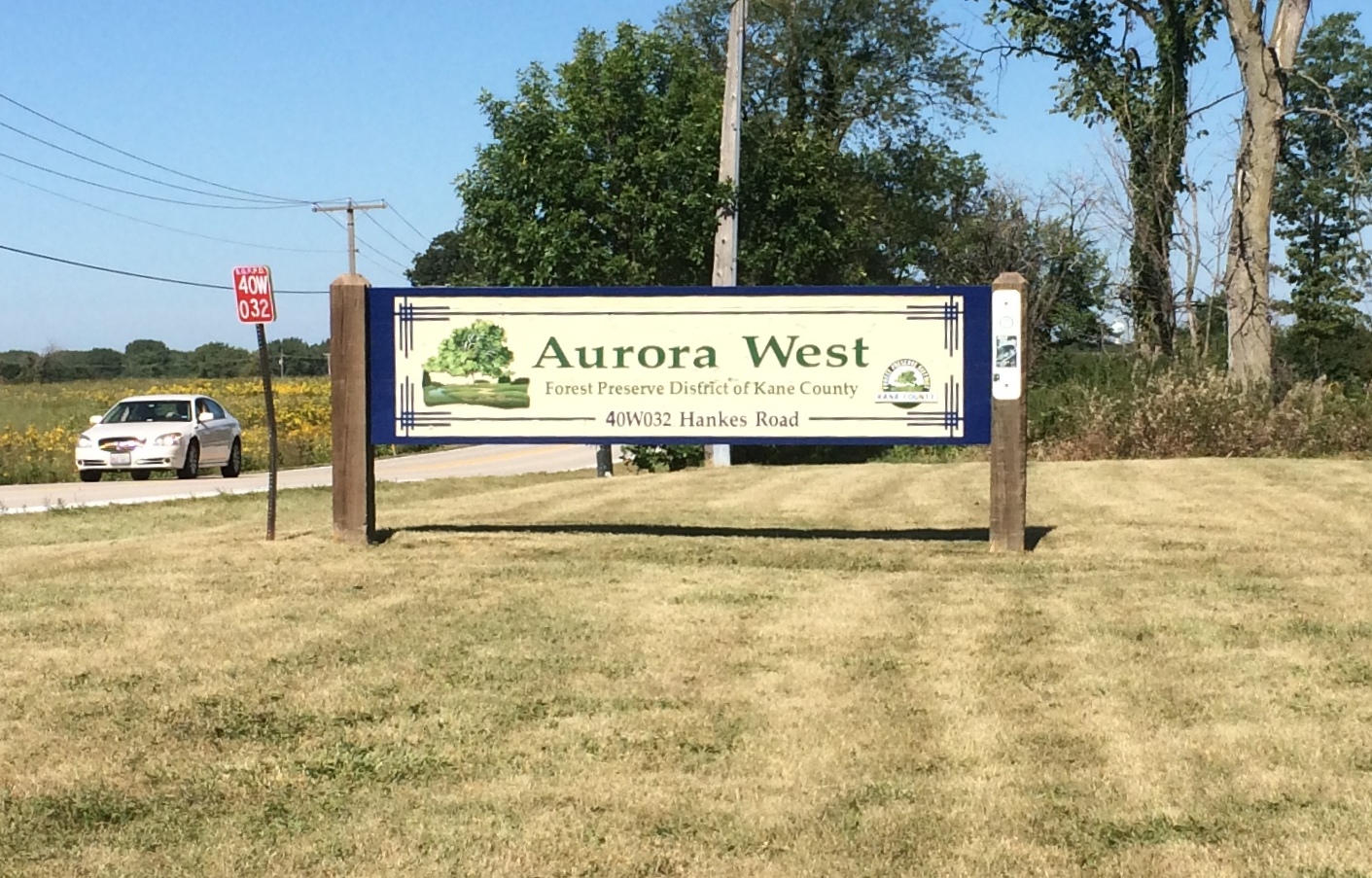
Aurora West Forest Preserve

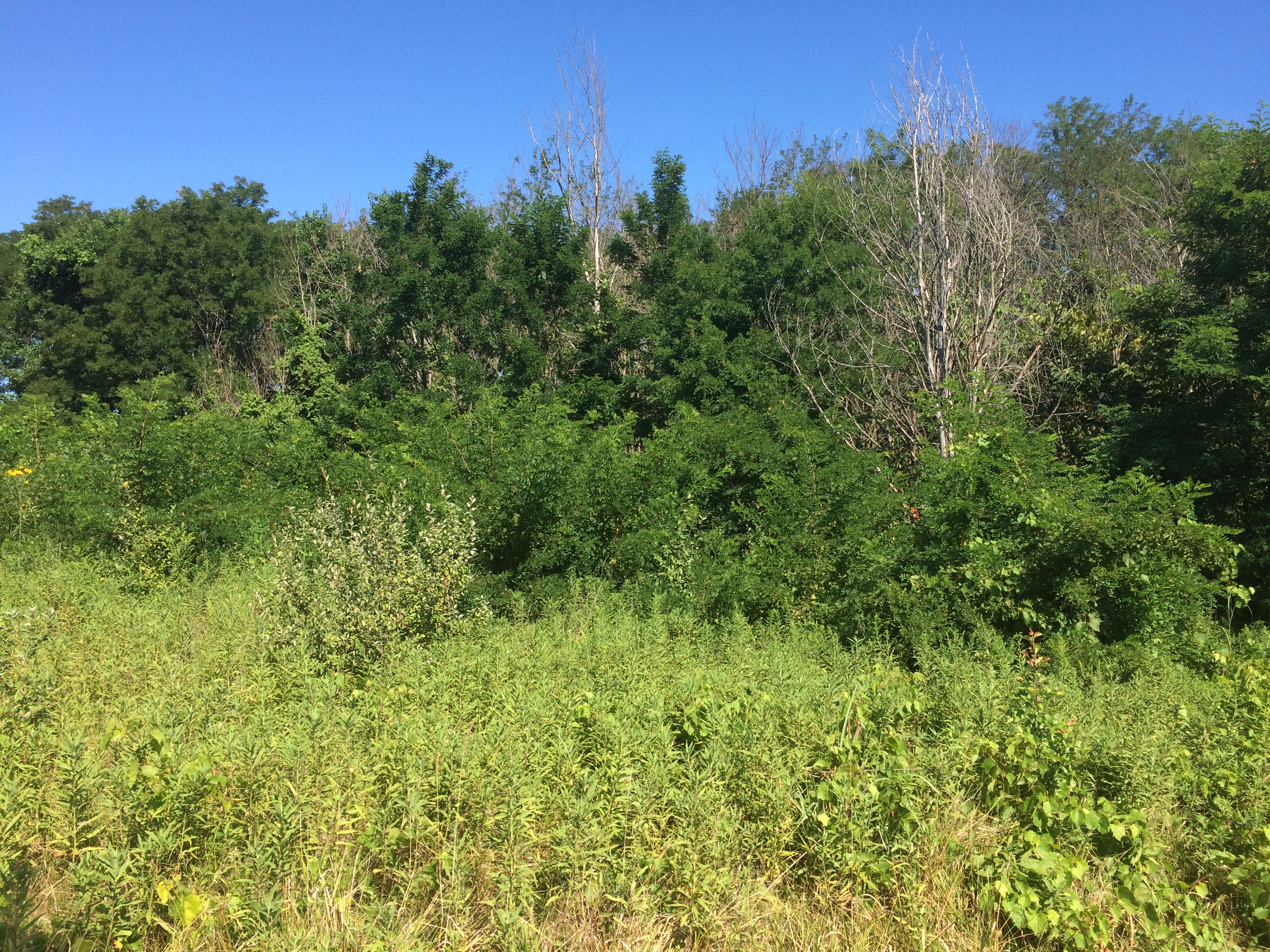
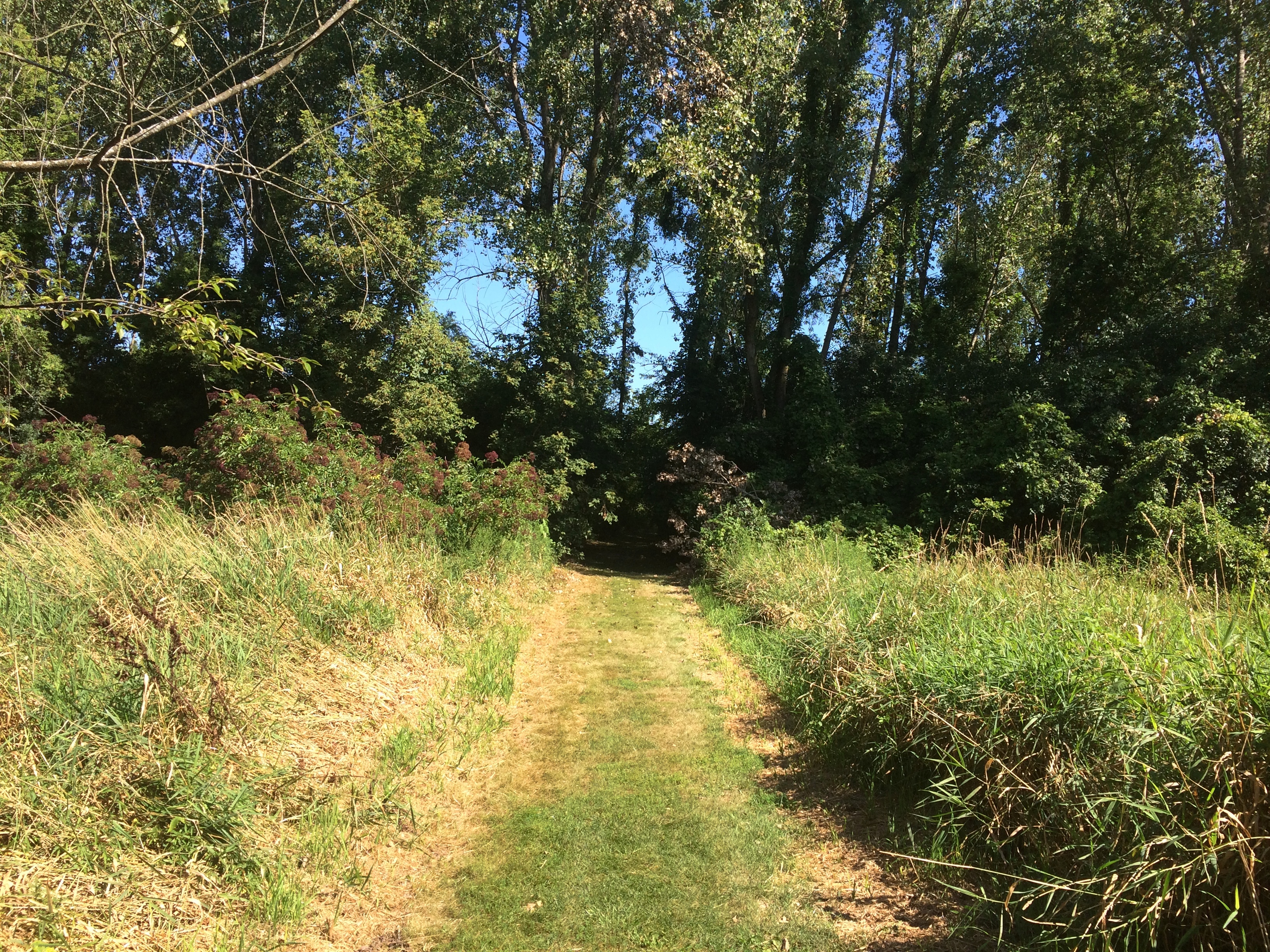
Sometimes forest preserves include more prairie than forest here in the Prairie State, but not so for the Aurora West Forest Preserve in Kane County.
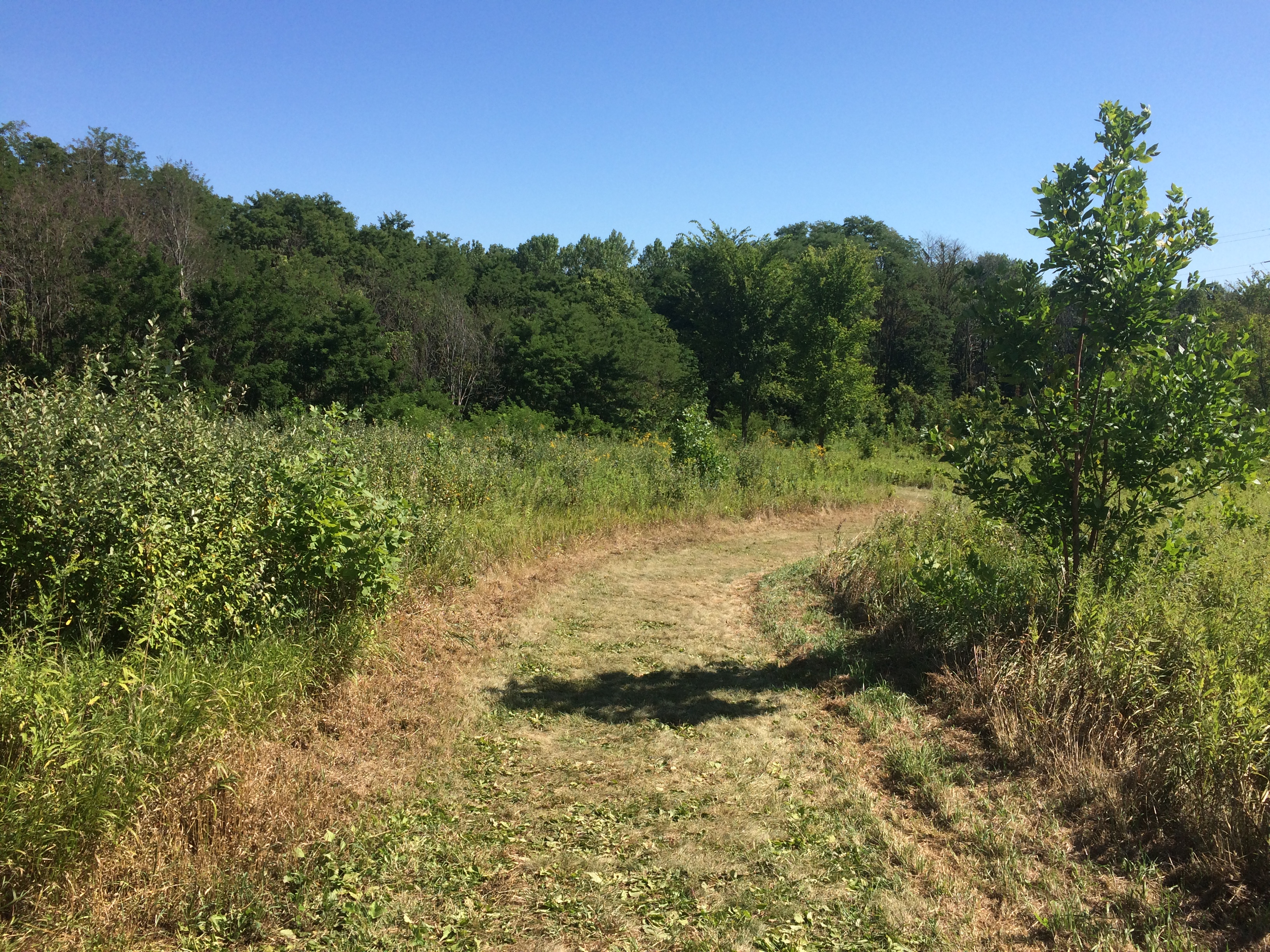
Aurora West Forest PreserveForest means forest, once you walk a short way along a wide path.
Aurora West Forest PreserveAurora West Forest PreserveSupposedly it’s a path for unleashed dogs, but we didn’t have our dog, and we didn’t see anyone else’s either. Or anyone else at all.

Aurora West Forest Preserve

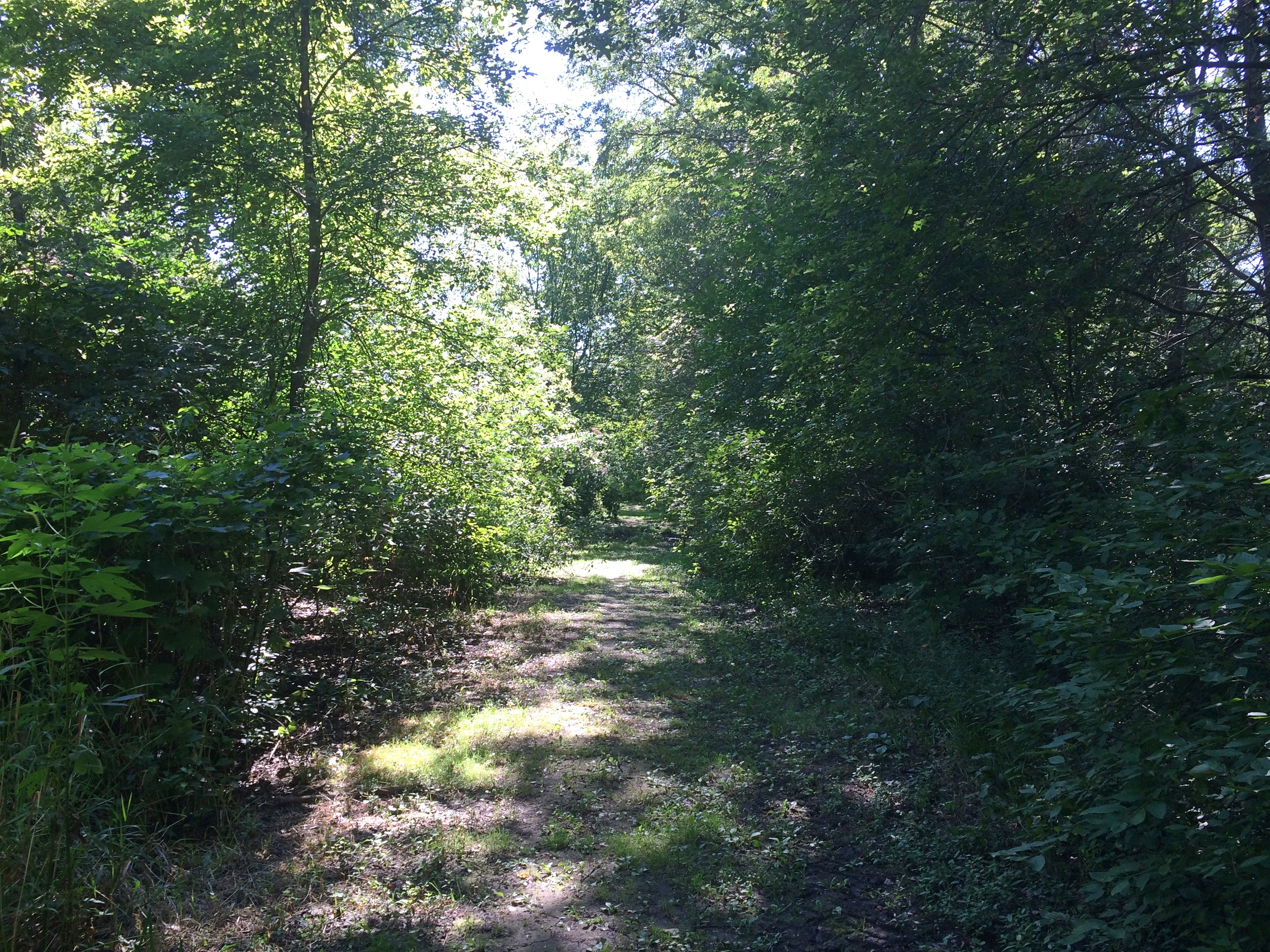
Aurora West Forest PreserveA good place to imagine you’re far from the works of man.
Aurora West Forest PreserveMostly.

Make Victory Funds Great Again

These two return envelopes arrived in the mail recently as part of two gimme letters. Direct mail marketing, at least for political campaigns, seems a bit scattershot in this case.

The three one-cent stamps are particularly odd. The letter that came with it is emphatic that the return envelope is TRIPLE-STAMPED, using all caps and mentioning it three times.

Dinosaurs of New York

Back in the days of paper letters and postcards, not every correspondence I started ended up in the mail. I have an entire file of letters and a few postcards that I didn’t finish and didn’t mail.

Usually that was for ordinary reasons, such as forgetting to complete it for months, by which time the news was stale. Only on rare occasions did I write a letter and think better of sending it because of its content, though I have a few insolent work memos of that kind.

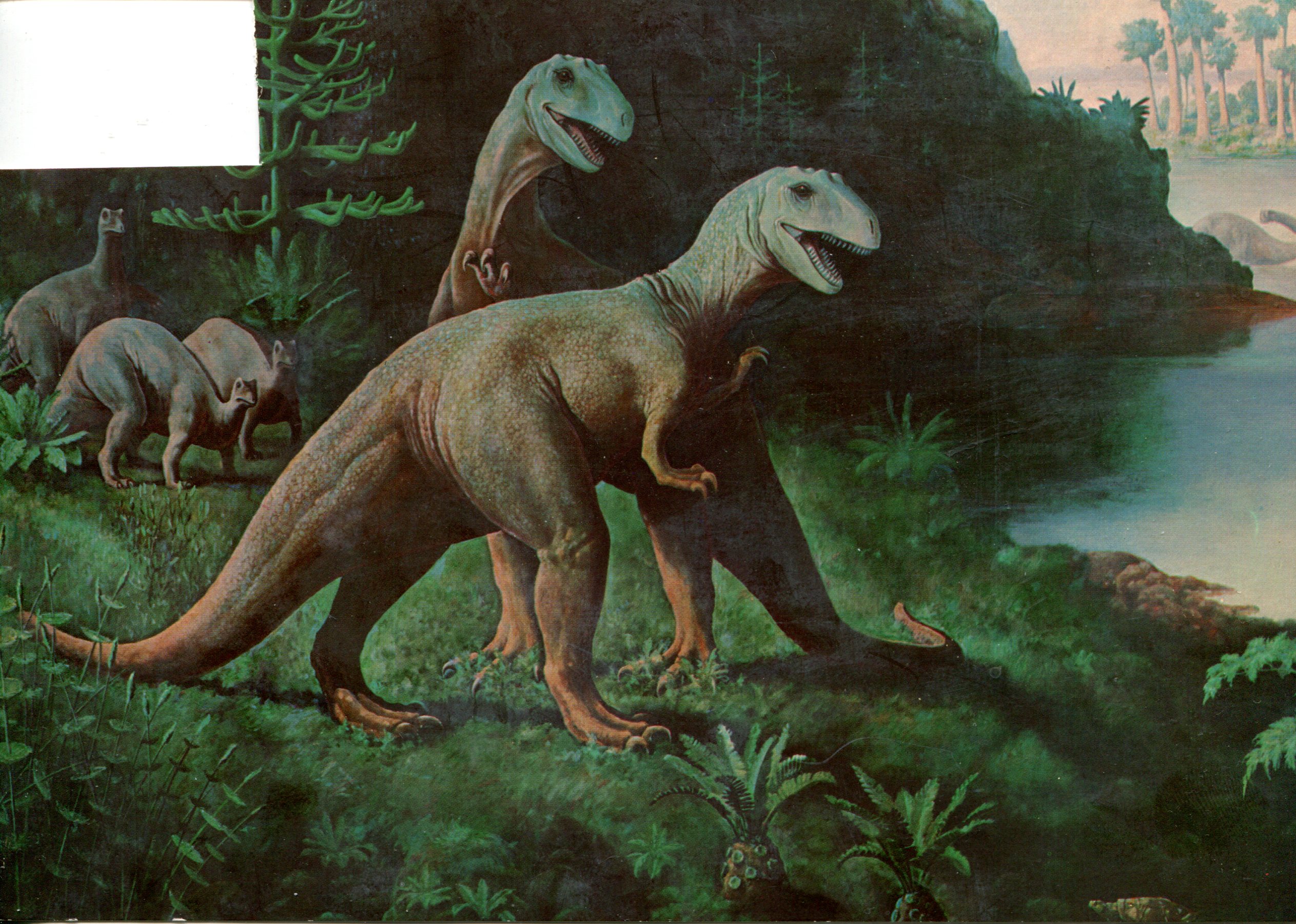
I wrote a large postcard to a friend of mine in Illinois on August 27, 1983, while I was still in New York City. I think it got lost among the papers I had with me a few days later when I went to Nashville, and all these years later, I still have it.

Note the missing piece. I got as far as stamping the thing, but later removed it for re-use.

The printed text of the card says:

ALLOSAURUS (foreground) was a large, meateating dinosaur that lived during the Jurassic period of earth history, about 140 million years ago. This aggressive reptile, which preyed upon other dinosaurs, was about 30 feet long and probably weighed several tons when it was alive. Several individuals of CAMPTOSAURUS, a small, inoffensive, plant-eating dinosaur, are shown in the background.

Painting on Display
THE AMERICAN MUSEUM OF NATURAL HISTORY
NEW YORK, U.S.A.

I wrote, in part:

Dear R—

I have come to New York to learn such oddities as “August is Bondage Month,” which a simple advertisement in the window of the Pink Pussycat Boutique told me. [Remarkably, the shop is still there; give the people what they want, I guess.]

Since the long line to pass through customs at JFK [returning from Europe], I’ve shuffled first to the P’s house in New Rochelle, then S’s house in Stamford, Conn. Since last Friday (the 19th), I have been at D’s apartment while she is on the Jersey shore with her parents. This is a good arrangement. I’ve become acquainted with the Village and various other parts of the city.

This card, for instance, is an accurate portrait of Brooklyn, by the East River.

Greve Cemetery

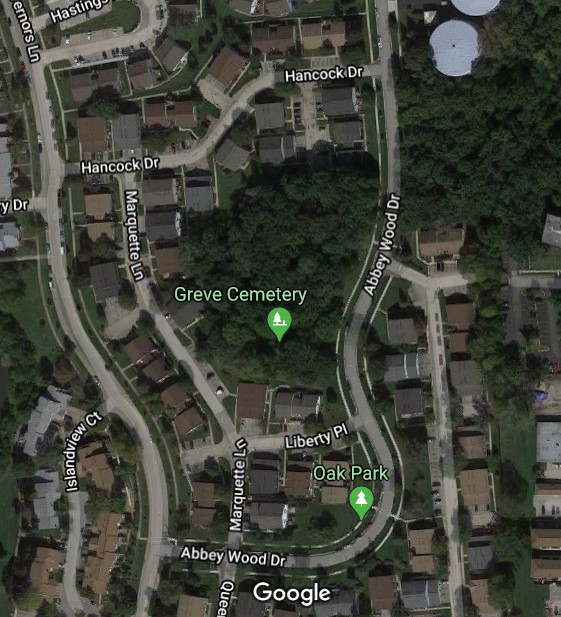
Tucked away north of Higgins Road but south of I-90 (the Jane Addams Memorial Tollway) in Hoffman Estates, Illinois, is Greve Cemetery. It’s about a half a mile to the west of Fabbrini Park as the crow flies, which I guess would be a fitting bird to seek out an obscure burying ground.
For a suburban development, the streets of the surrounding neighborhood of Barrington Square are fairly dense, with houses and townhouses of various configurations lining the way. A lot of people were out and about on those streets and yards late in the afternoon when I parked on Abbey Wood Drive to look for the cemetery, but no one else was interested in it.

It wasn’t hard to find.

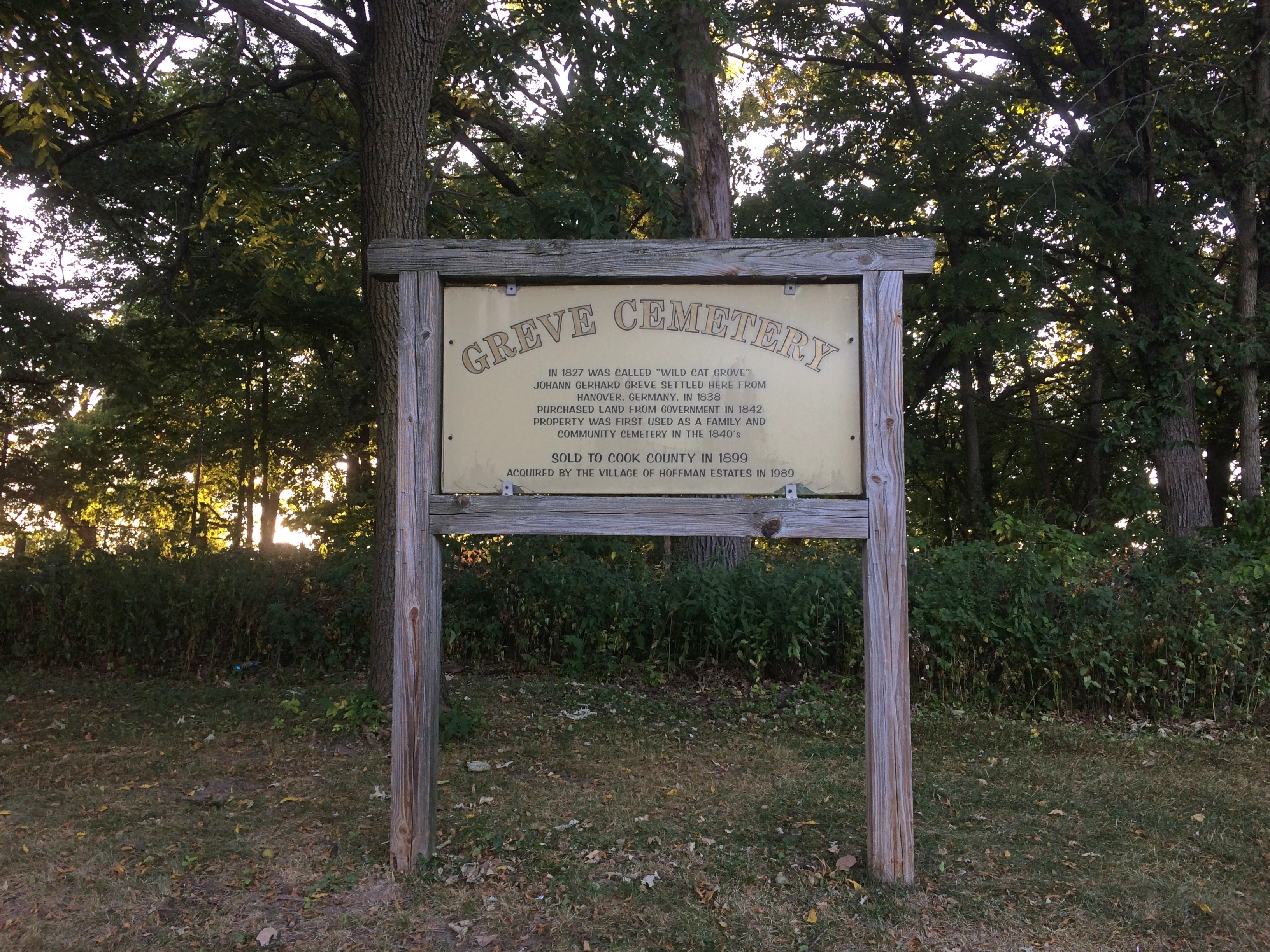
Greve Cemetery Hoffman EstatesGreve Cemetery
In 1827 was called “Wild Cat Grove”
Johann Gerhard Greve settled here from
Hanover, Germany, in 1838
Purchased land from government in 1842
Property was first used as a family and
Community cemetery in the 1840s
Sold to Cook County in 1899
Acquired by the village of Hoffman Estates in 1989

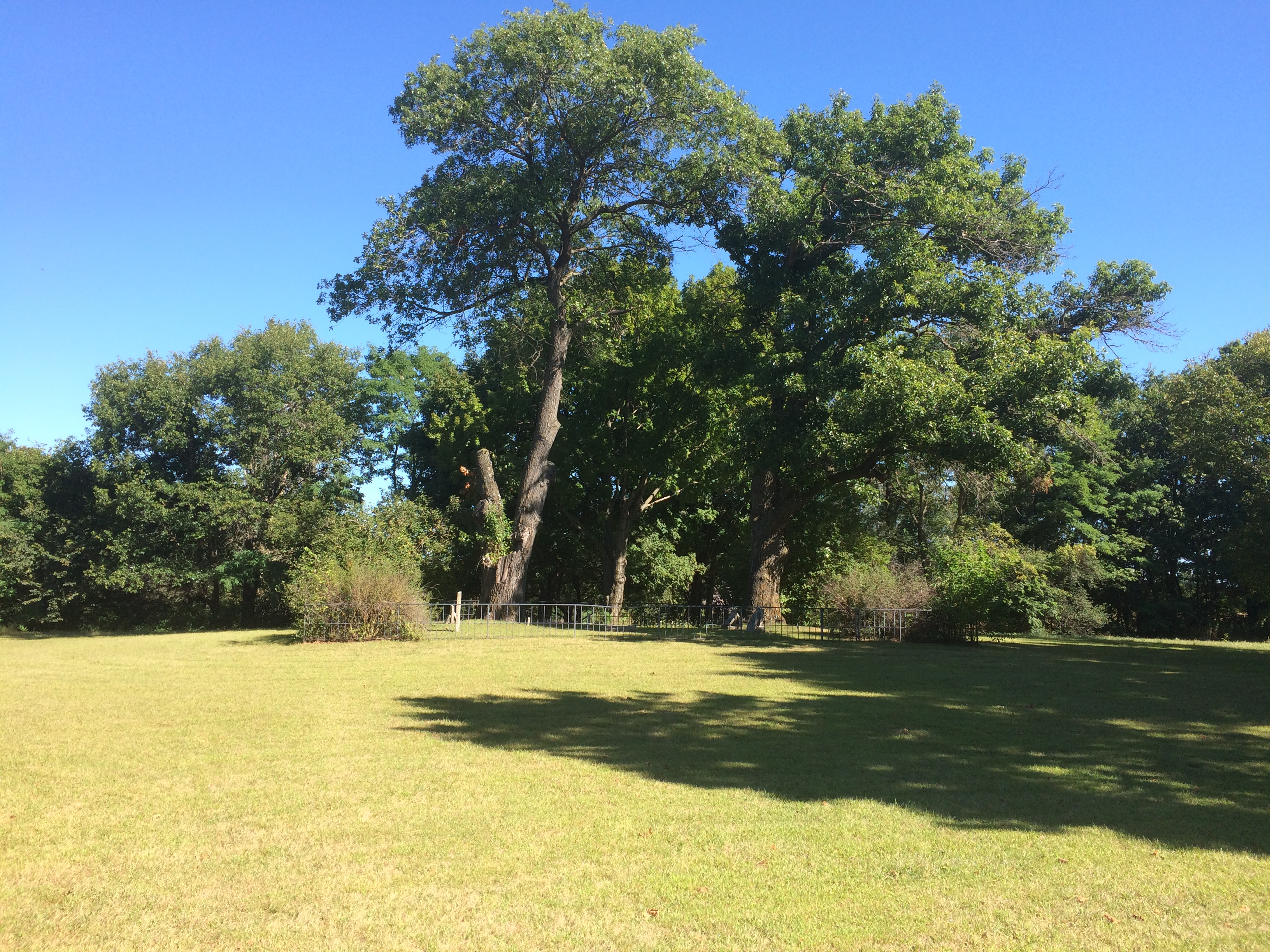
Ah, those plucky German settlers. The cemetery is atop a small hill — pretty much the only kind in Illinois — and thick with oaks and other tall trees.
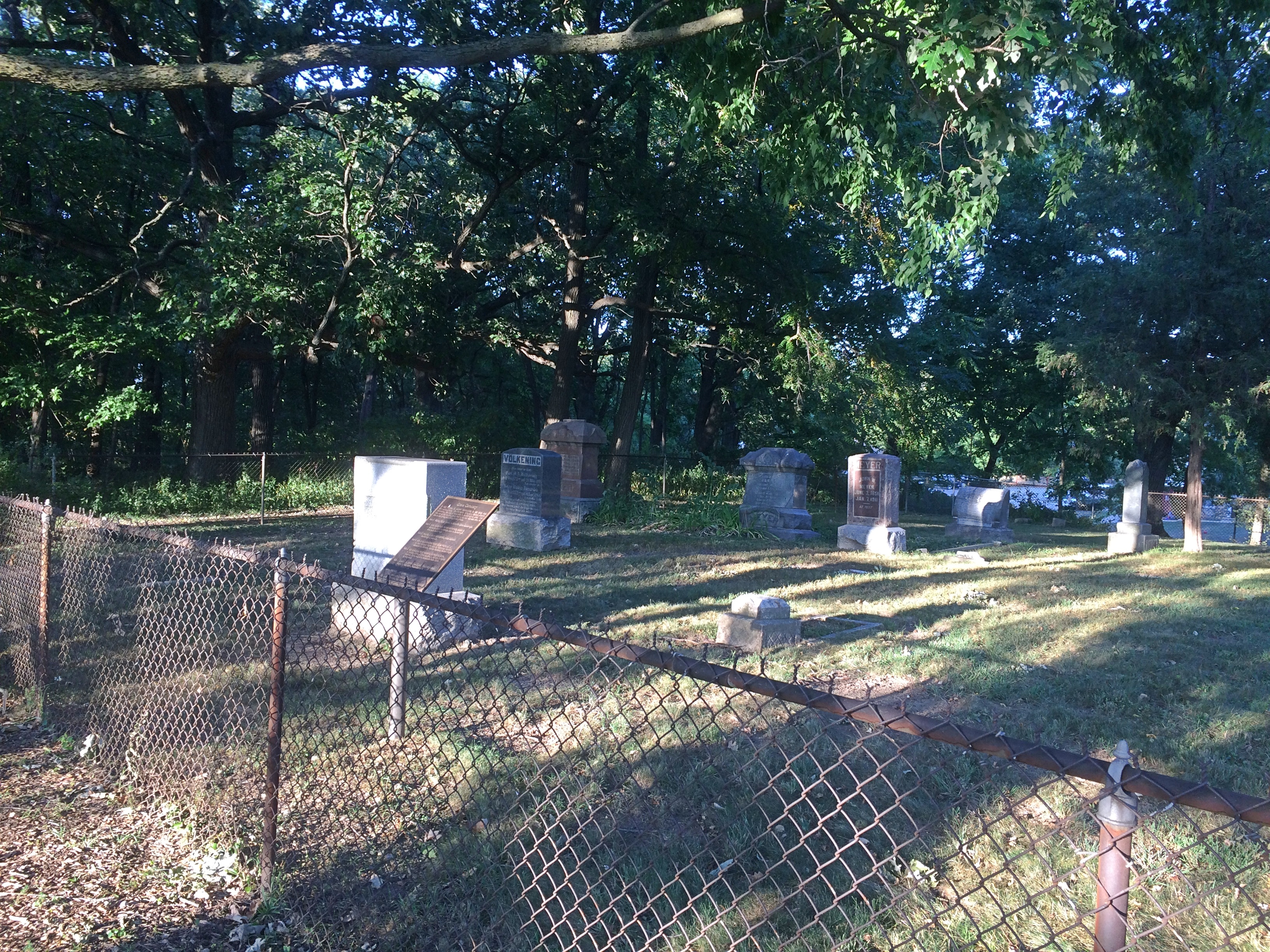
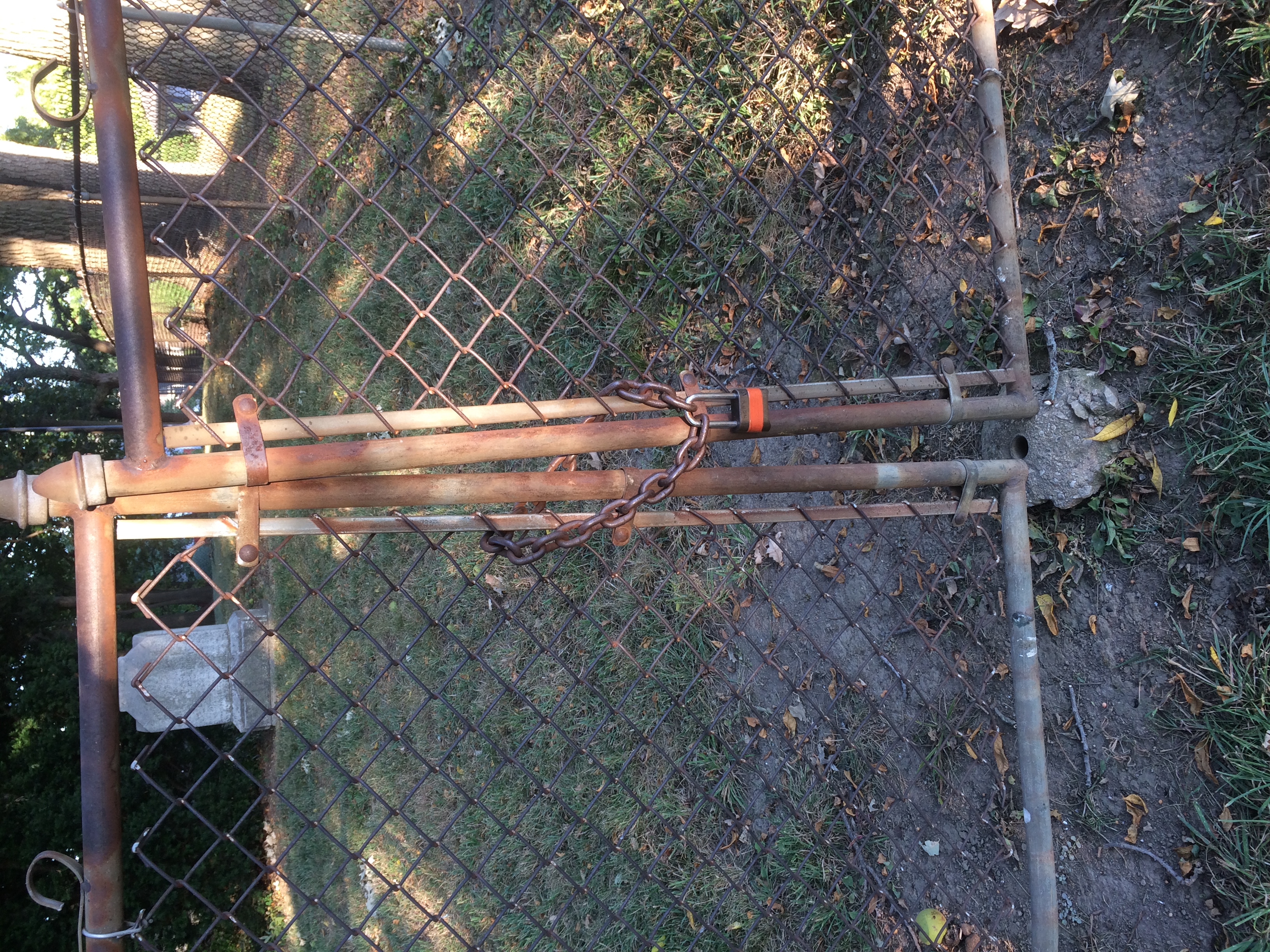
Greve Cemetery Hoffman EstatesFenced in completely. I assume because of a history of wanker vandals beginning with the surrounding development in the late 20th century.
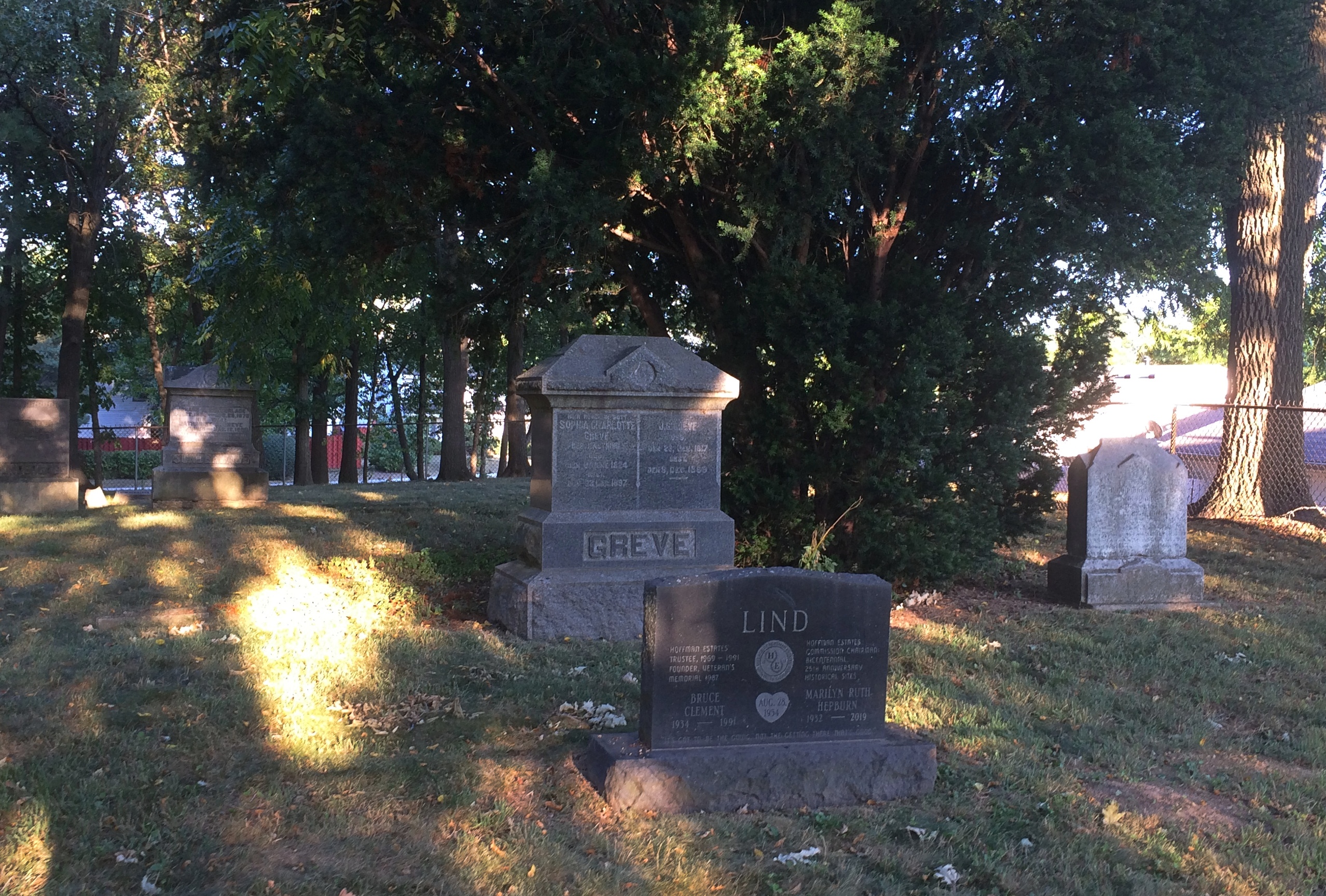
Greve Cemetery Hoffman EstatesStill, most of the stones are visible. Including the Greves.
Greve Cemetery Hoffman EstatesAnd the Völkenings, complete with umlaut.

Greve CemeteryStones without much left to tell their tales.
Greve CemeteryA short history of the cemetery is here, and another article about it is here.