Sparkman-Hillcrest Memorial Park Cemetery

Next to North Park Mall, a storied mid-century shopping center in Dallas — and one that’s still thriving — is the Sparkman-Hillcrest Memorial Park Cemetery. In its way, it too is still thriving.

“The cemetery was created with land donated by William Barr Caruth, an early Dallas settler whose family owned huge tracts of what is now North Dallas,” wrote Moira Muldoon in D magazine in 2010. “Sparkman Hillcrest is officially a Texas historic site now, with graves going back as far as the 1850s, and some of the wending roads through the 88 acres are lovely.”

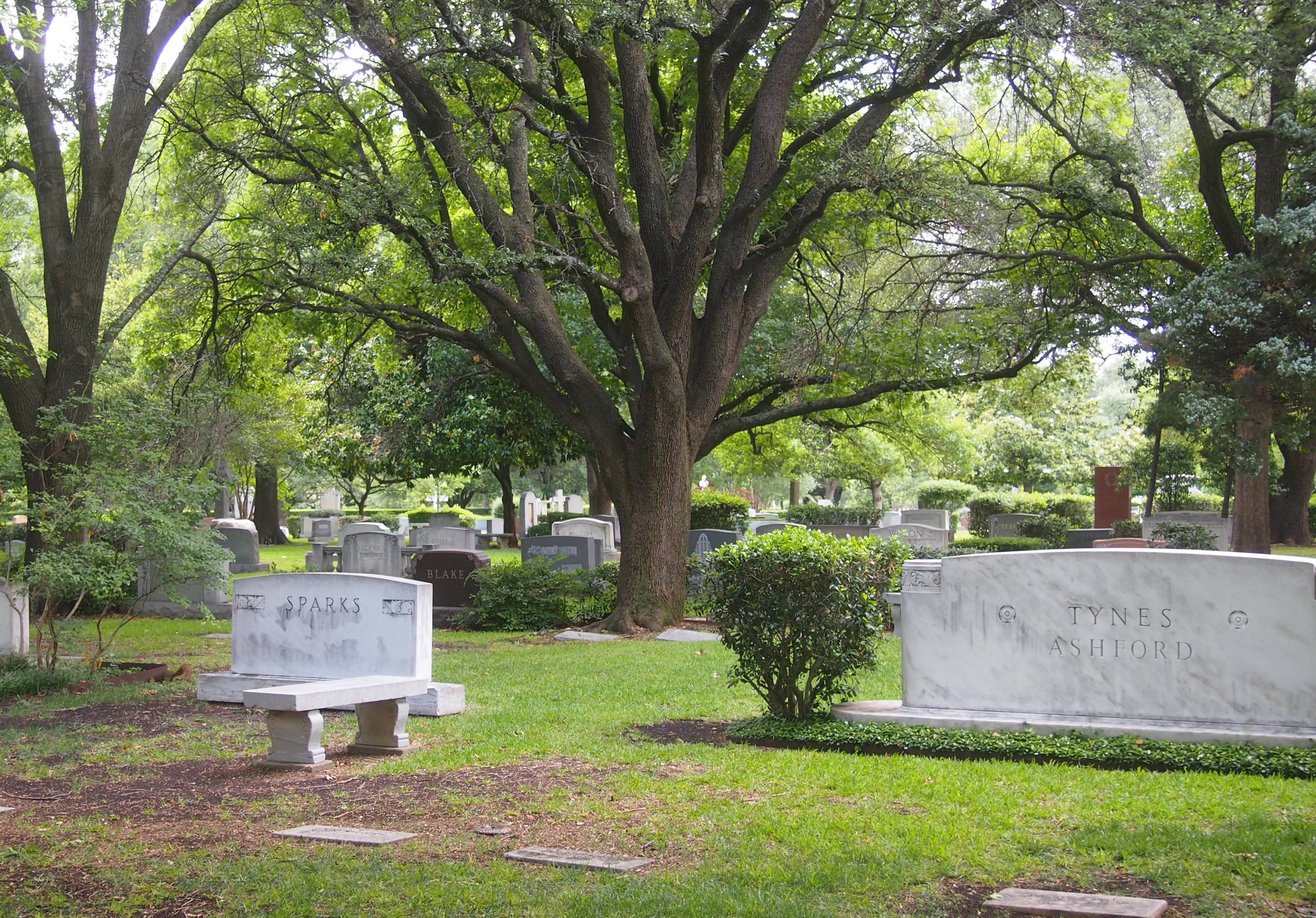
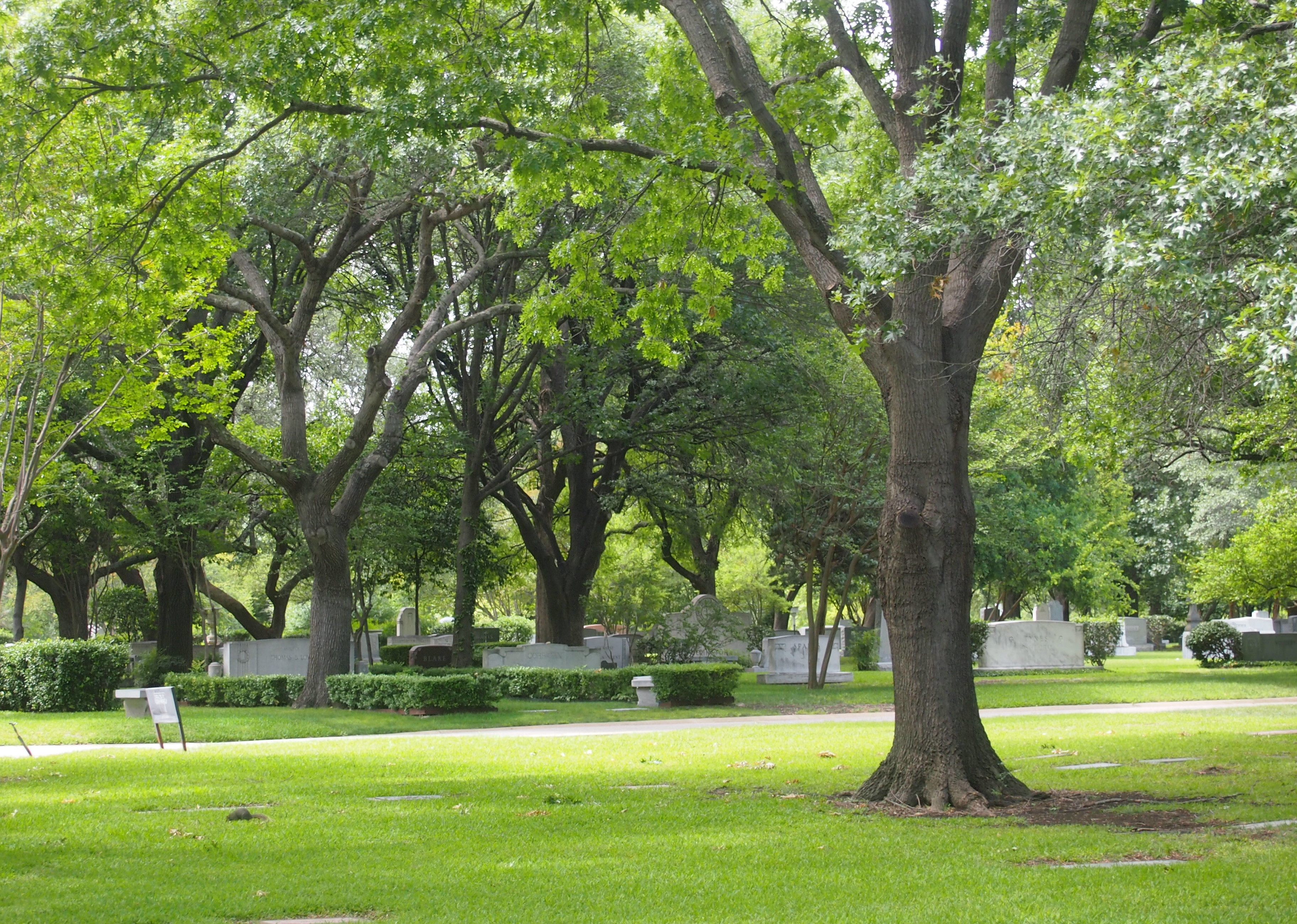
I saw no graves as old as the 19th century at Sparkman-Hillcrest in late May, but then again I didn’t wander through every part of the cemetery. What I saw was a well-landscaped 20th-century cemetery, marked by upright stones and and a scattering of funerary art, along with many mature trees and bushes.
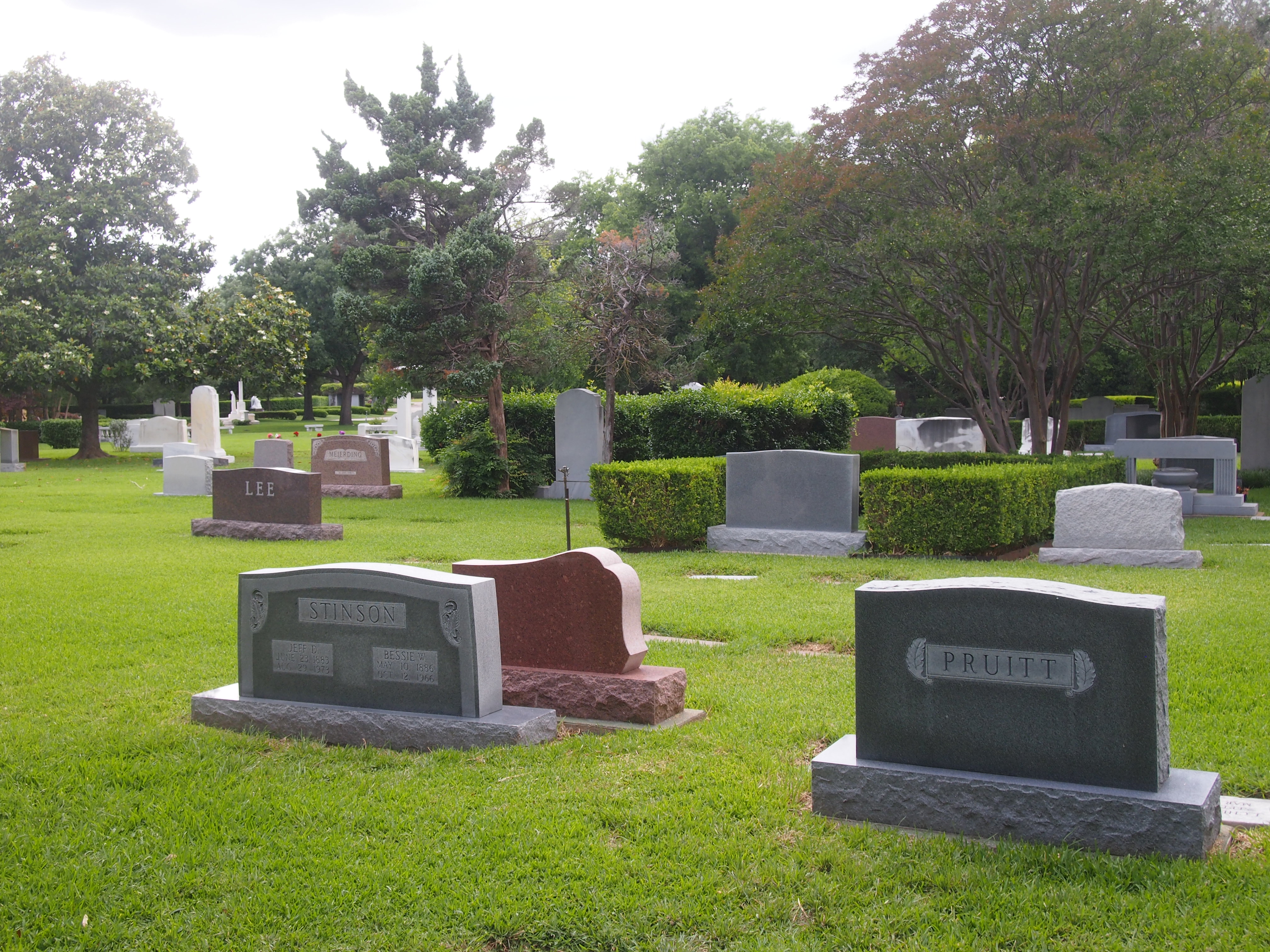
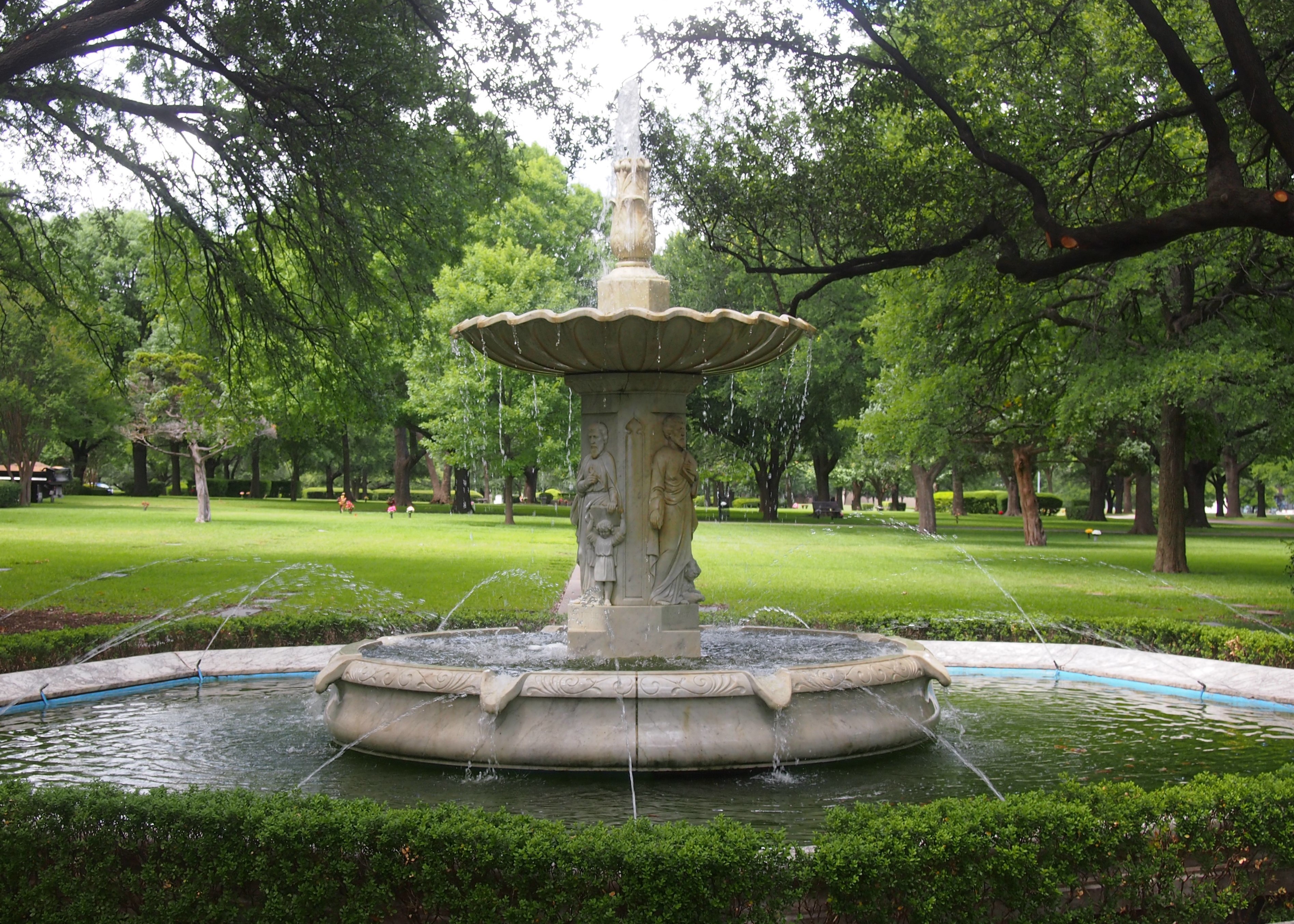
Sparkman-Hillcrest Memorial Park Cemetery, DallasSparkman-Hillcrest Memorial Park Cemetery, DallasSparkman-Hillcrest Memorial Park Cemetery, DallasThere’s at least one fountain.
Sparkman-Hillcrest Memorial Park Cemetery, DallasA few graves featured statues, such as these two.
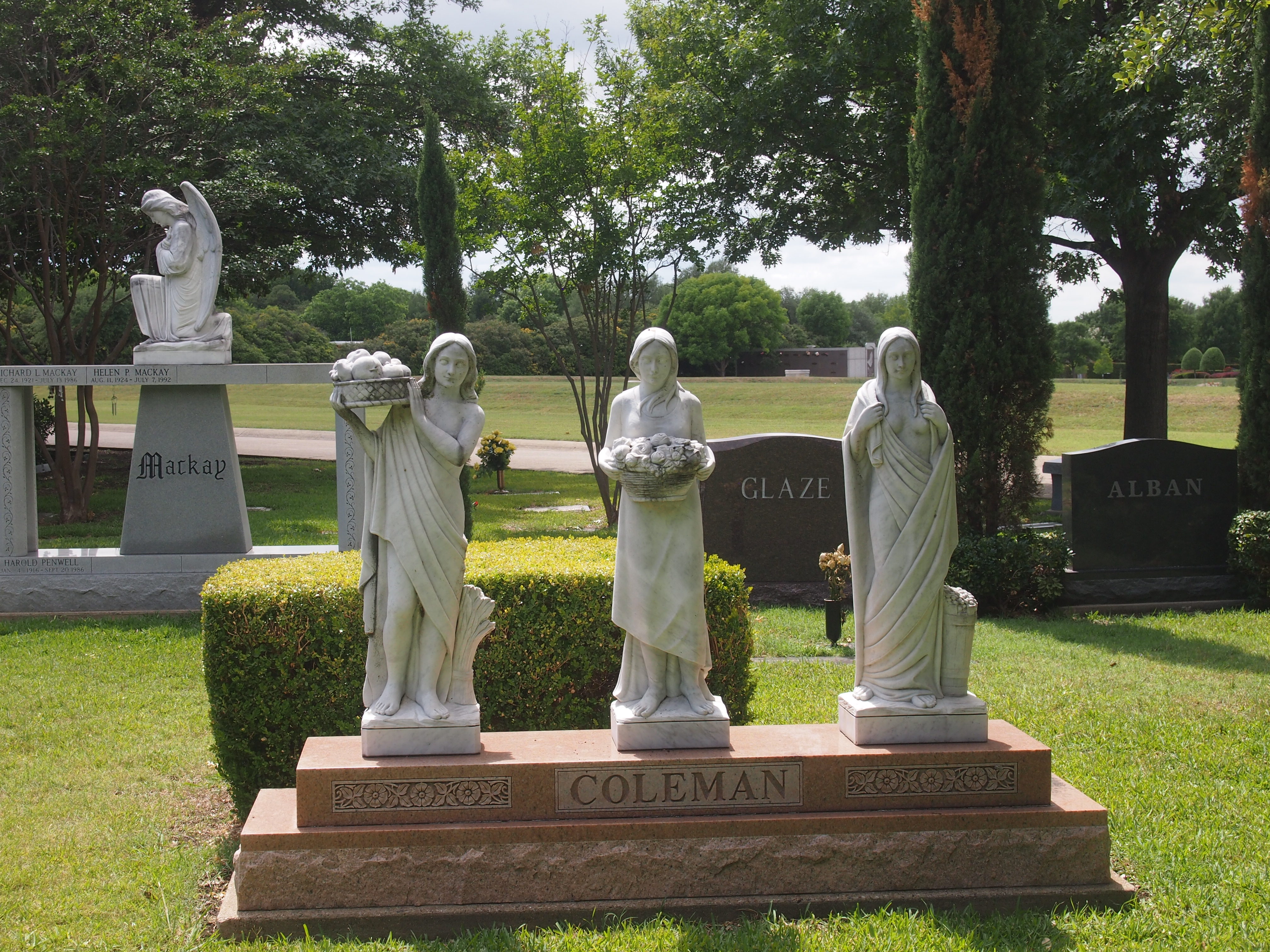
Sparkman-Hillcrest Memorial Park Cemetery, Dallas

A few stones are unconventional. I didn’t take a picture of one that features a large cube balanced on one of its tips, but I did snap this one.
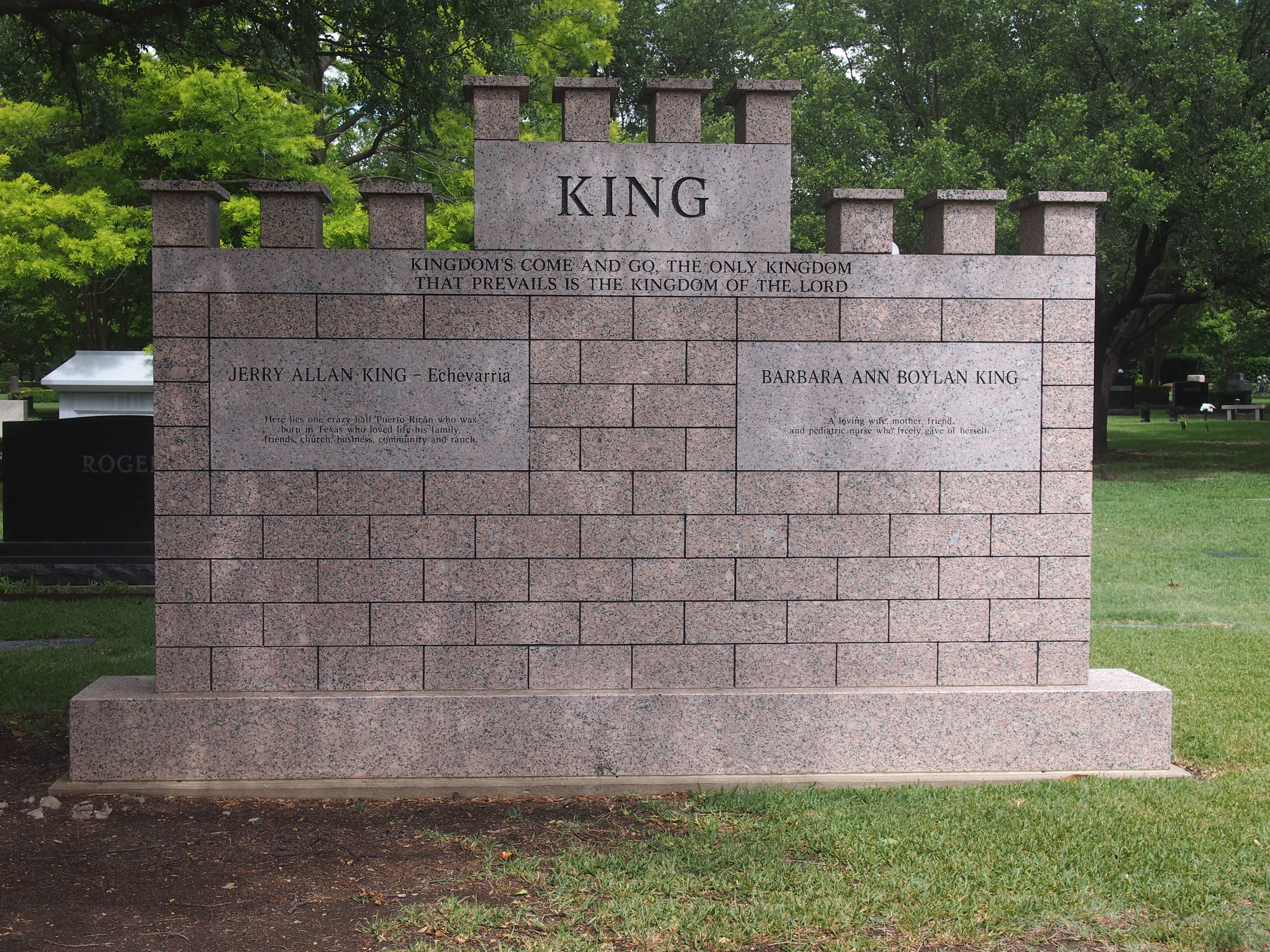
Sparkman-Hillcrest Memorial Park Cemetery, Dallas - King MemorialOne section used well-cropped bushes to mark off family plots. I’d never seen an arrangement quite like that.
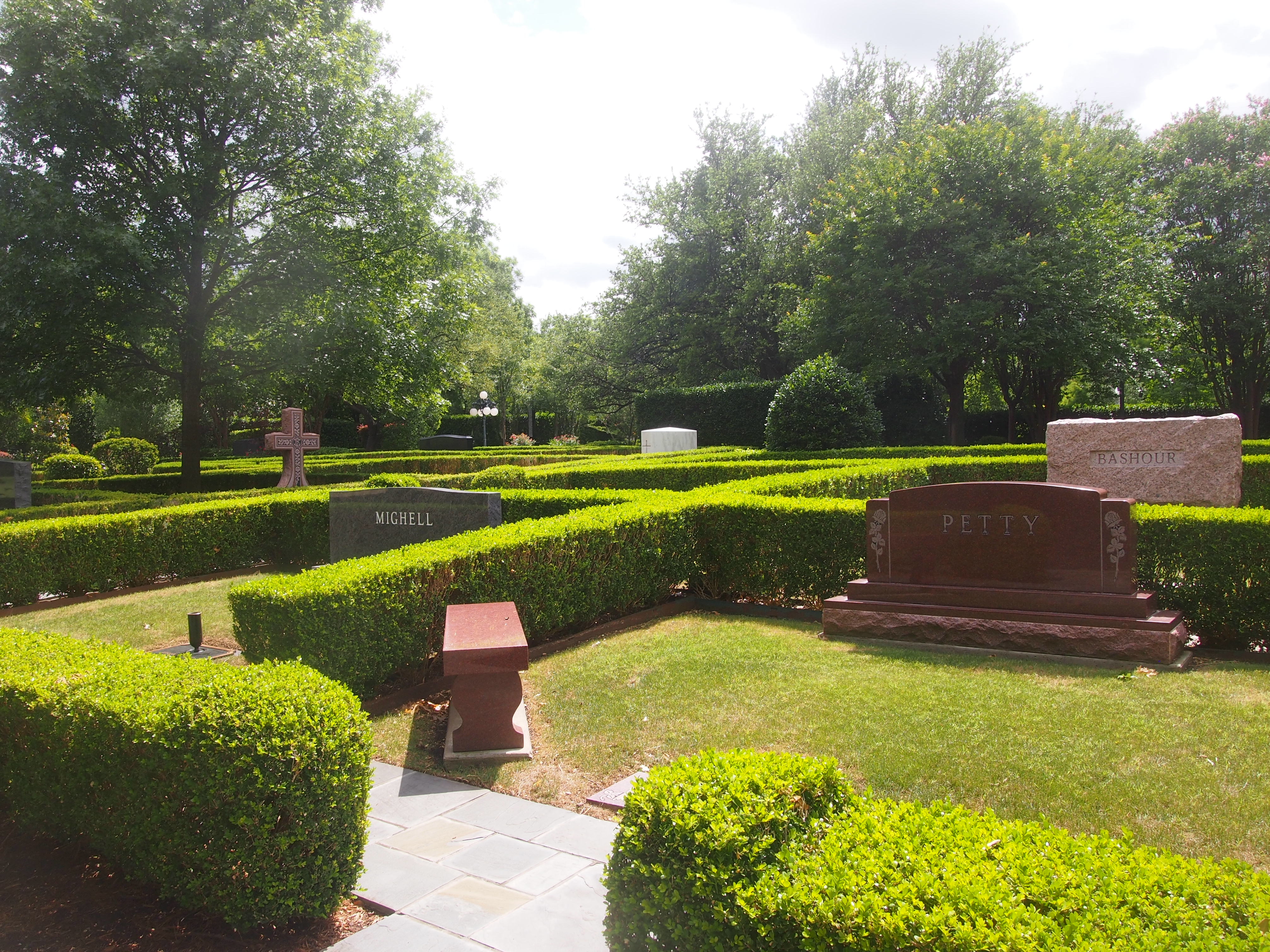
Sparkman-Hillcrest Memorial Park Cemetery, DallasOr rounded stones quite like these either.
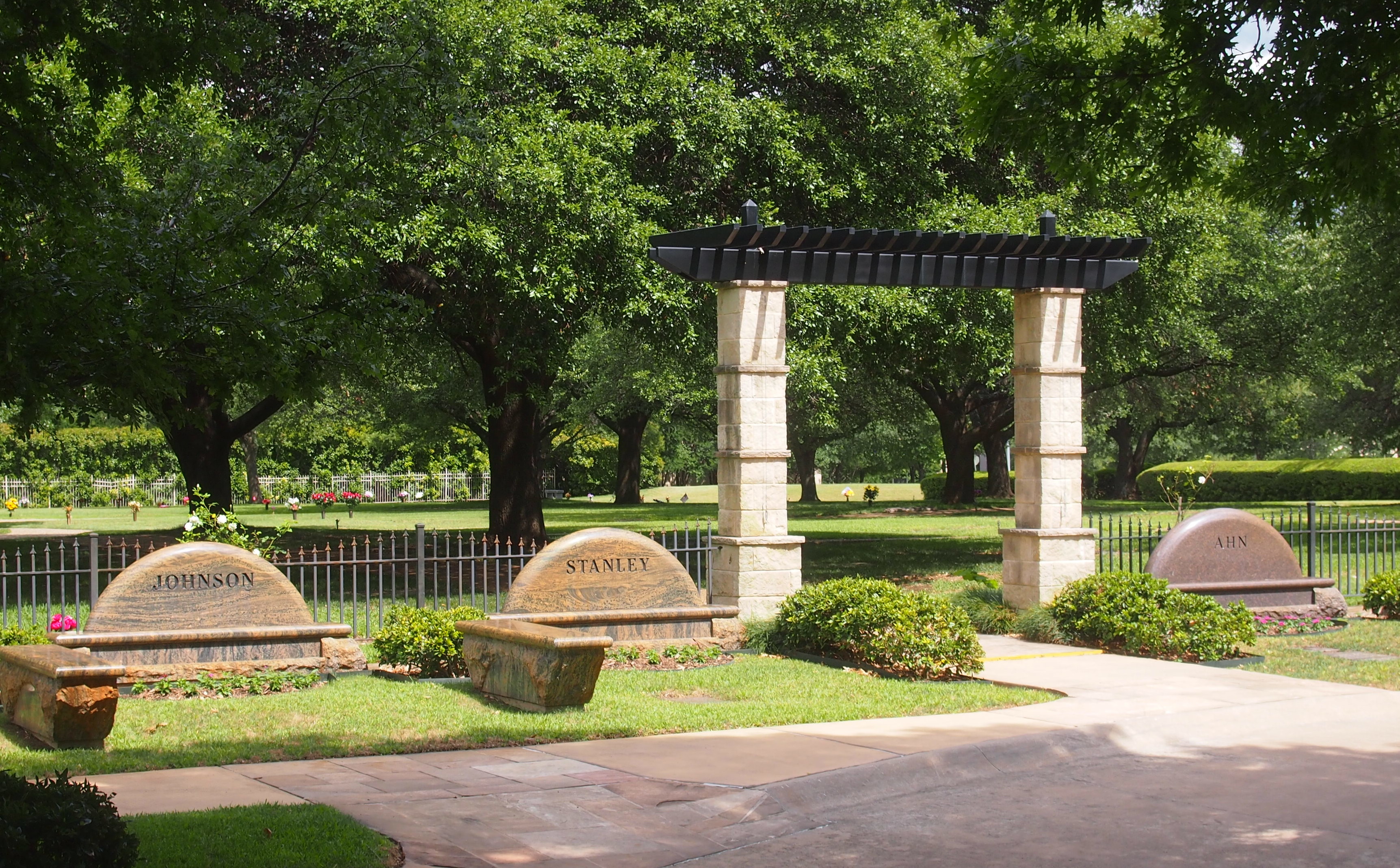
Sparkman-Hillcrest Memorial Park Cemetery, DallasI didn’t go looking for well-known permanent residents of Sparkman-Hillcrest, but I found a few. Ross Perot’s parents, and I assume a sibling who didn’t live long, had their own section featuring a statue of an angel. Someday, presumably, the Dallas billionaire and third-party candidate will repose there as well.

Sen. John Tower, along with one of his daughters, is at Sparkman-Hillcrest.
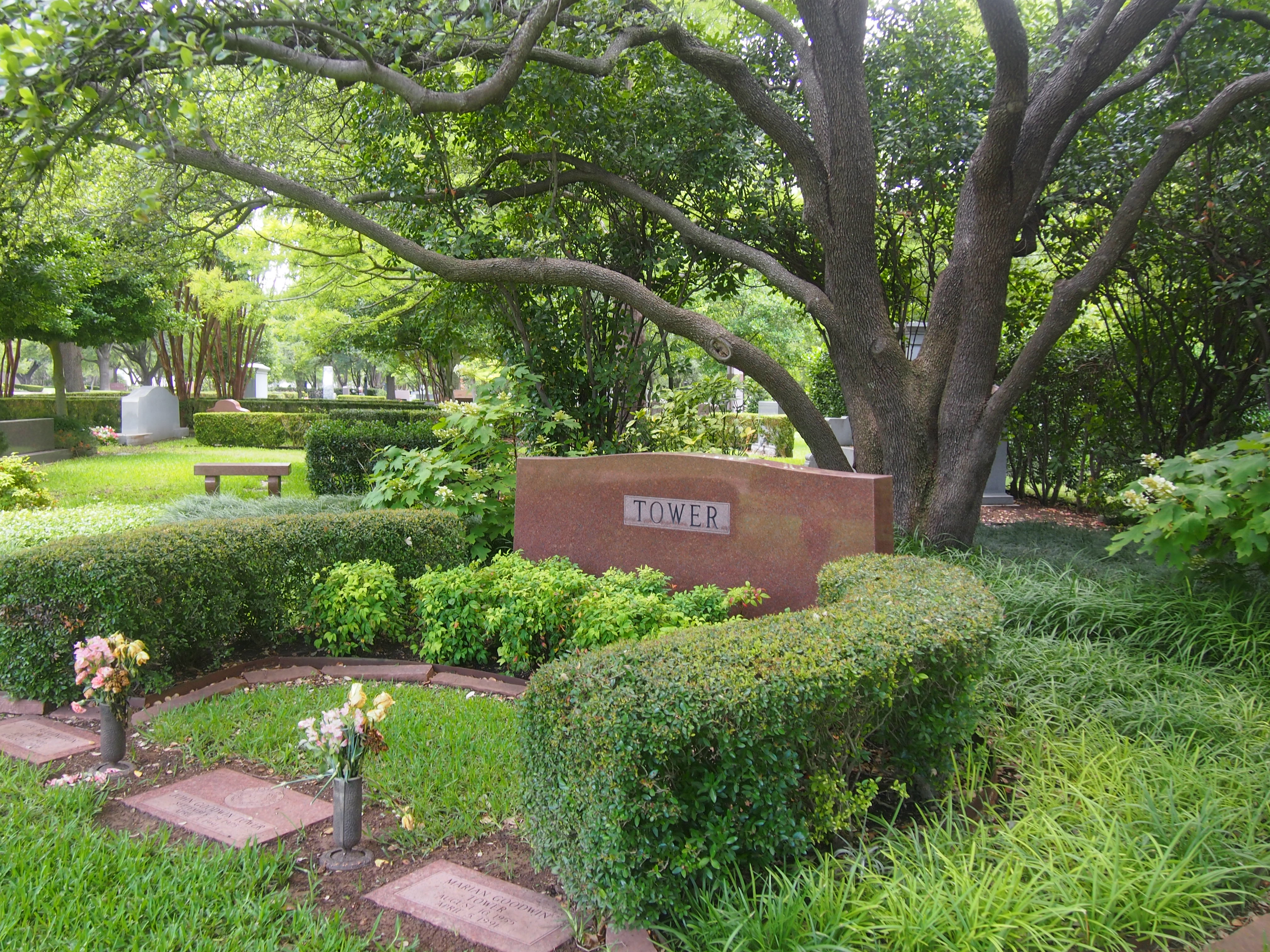
Sparkman-Hillcrest Memorial Park Cemetery, DallasHe earned his place in U.S. political history by being the first Republican Senator from Texas since Reconstruction, first elected to that body in 1961. A harbinger of the end of the old-time Solid South and its evolution into the new Solid South we know today. The elder George Bush wanted him to be his Secretary of Defense in 1989, but the very same U.S. Senate said no — also a remarkable event in Tower’s career. In 1991, he and his daughter Marian and 21 others died in the crash of Atlantic Southeast Airlines 2311 in Georgia.

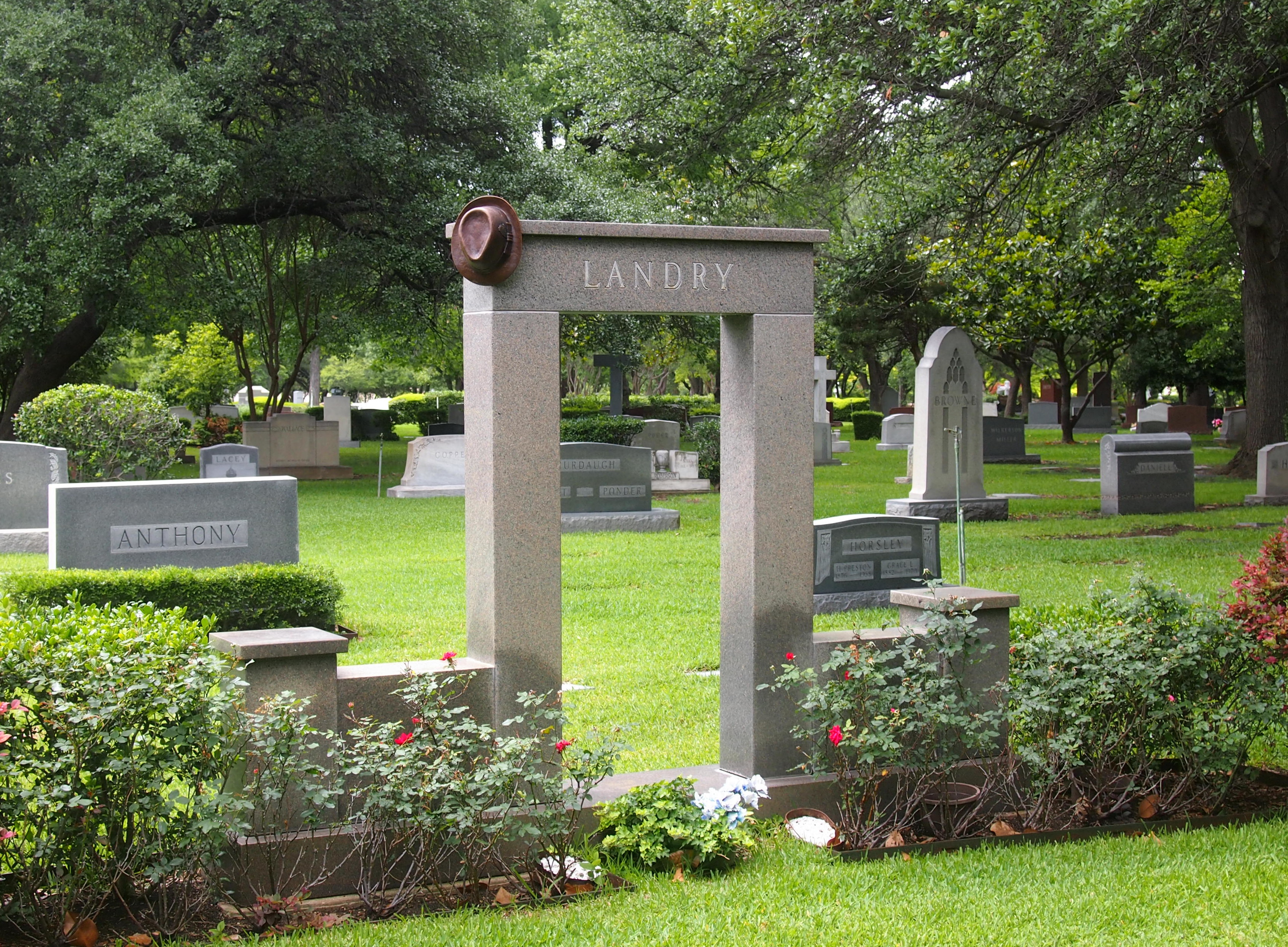
Another resident of Sparkman-Hillcrest is long-time Cowboys head coach Tom Landry.
Sparkman-Hillcrest Memorial Park Cemetery, Dallas

Back in 2013, I saw Landry’s cenotaph at the Texas State Cemetery, along with the grave of that other famed Texas football coach, Darrell Royal. Landry’s buried in Dallas, and his ever-present fedora, done in bronze, helps mark his final resting place.
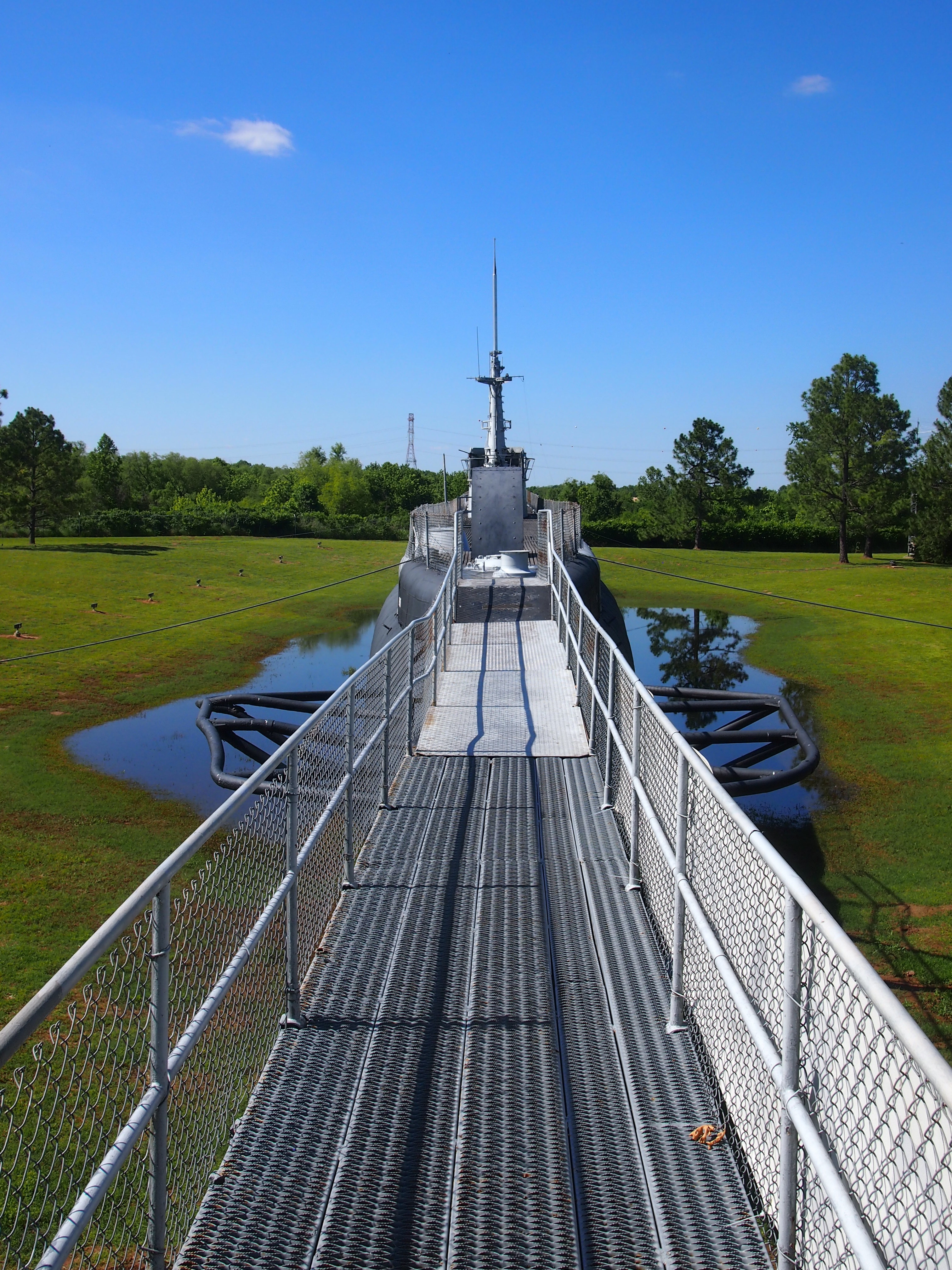
The USS Batfish

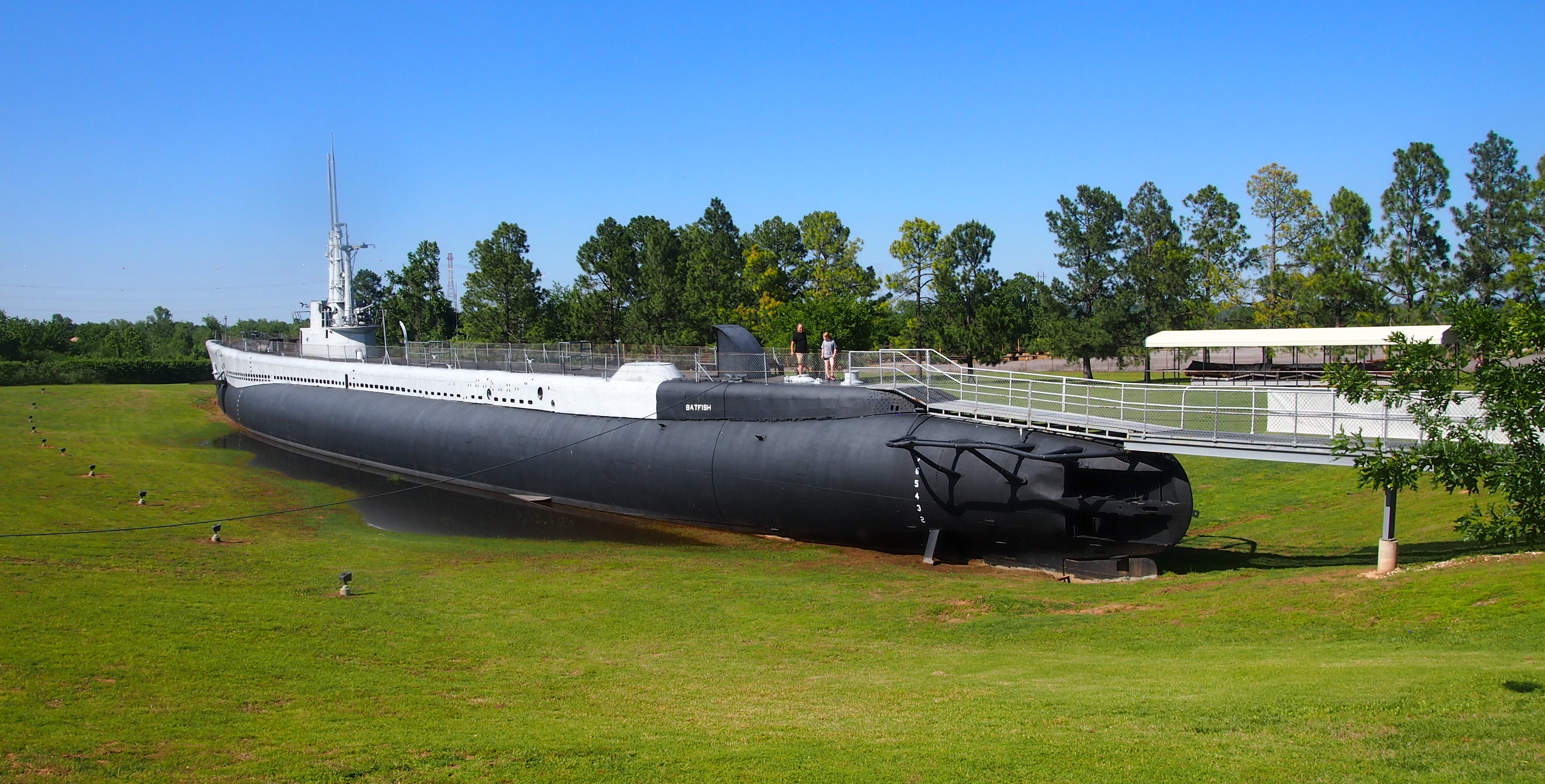
A park in Muskogee, Okla., might seem an odd place to find a submarine, but that’s where the USS Batfish makes its home as a museum ship.

USS Batfish

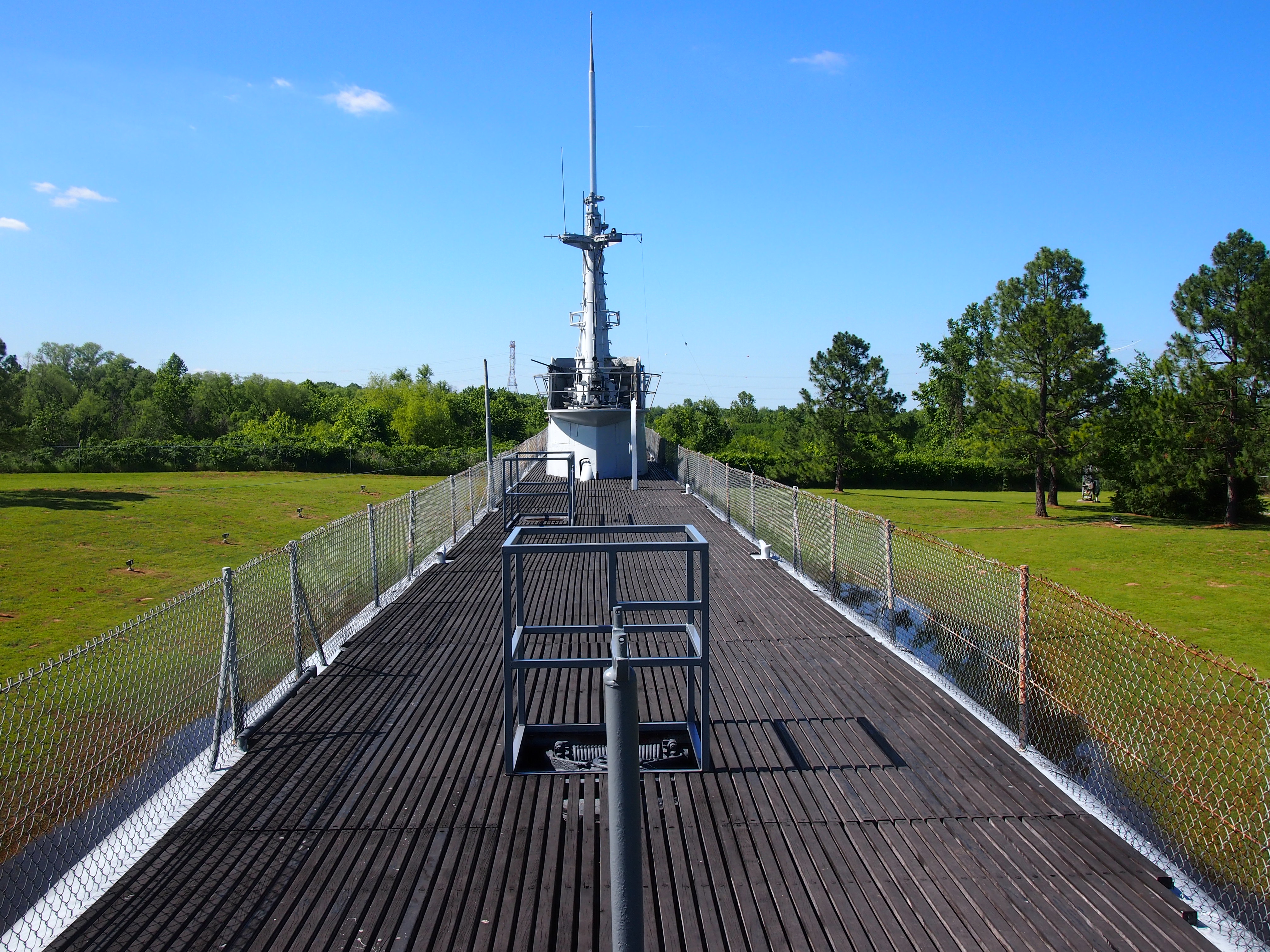
Note the walkway leading to the top of the vessel. That’s the access point for visitors, as Lilly and I were on the afternoon of May 13.
USS BatfishNote also the water around the hull of the Batfish. I suspect that was because of a rainy spring, not a permanent feature. Soon we stood on top of the Batfish. I’d never stood on a submarine before. The fencing was clearly added for the safety of tourists. I’ll bet that during active service, either you maintained your footing or you didn’t.
USS BatfishI walked onto the sub thinking that was it, a look at the outside. Then we noted that both hatches, one forward, the other aft, were open. You can go inside.

The interior is well maintained, well lighted, and pretty much like crawling around in a cave made of steel. On display were such features as glowing torpedo tubes.
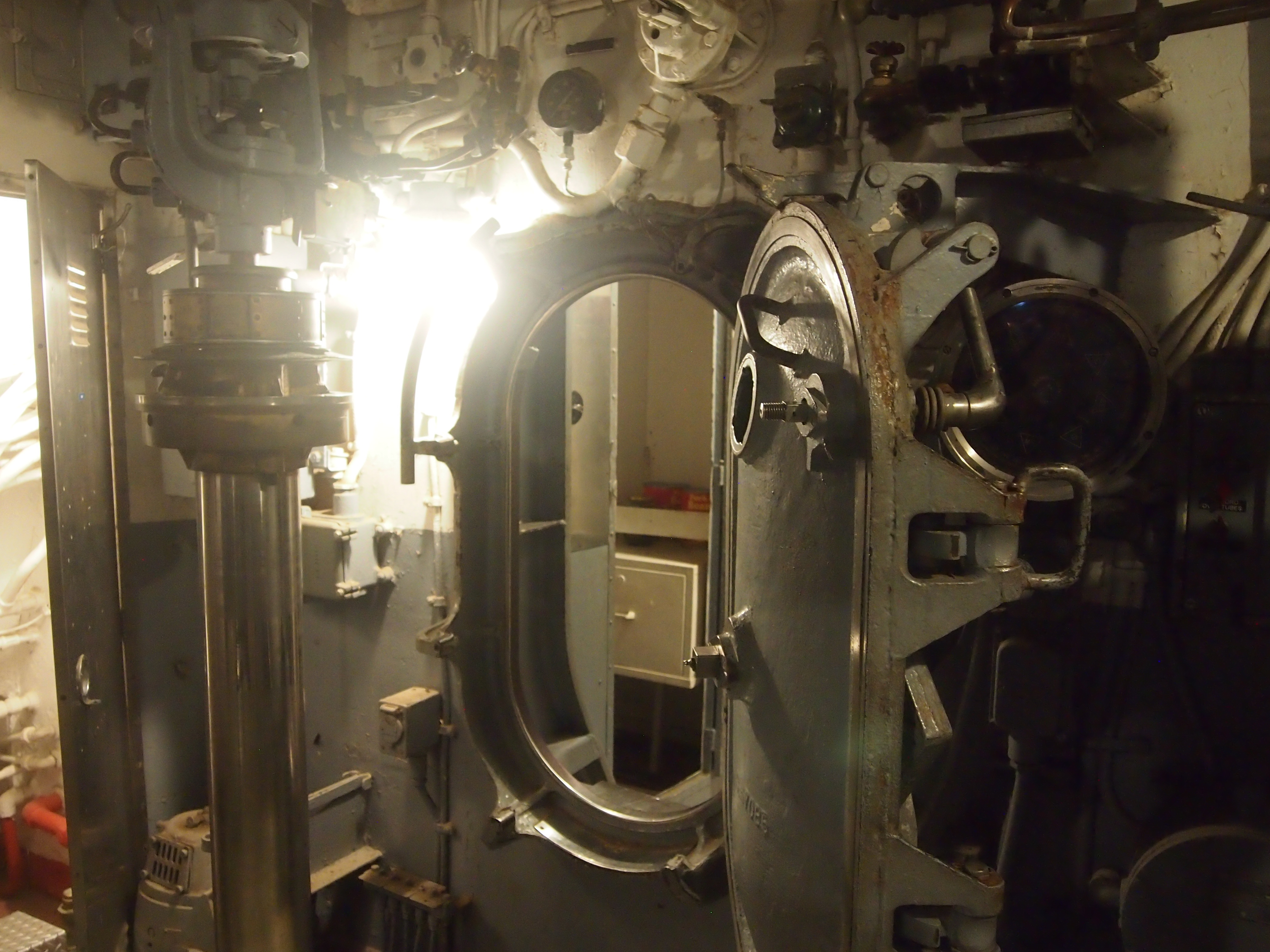
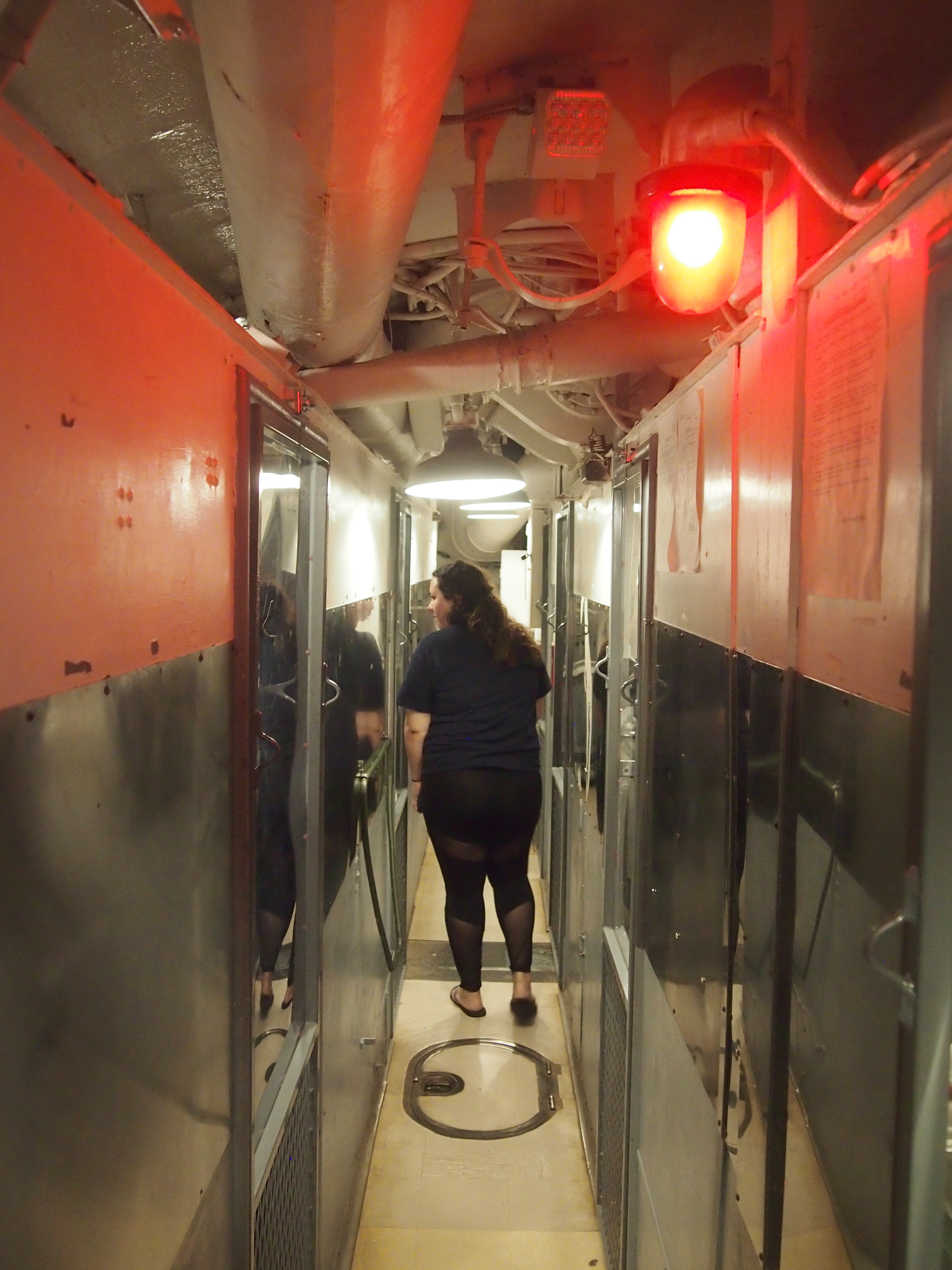
USS Batfish - torpedo tubesTo make your way through the vessel, you pass through a series of hatches like this. I assume they’re watertight. Submarines clearly aren’t meant for fat men.
USS BatfishI didn’t feel claustrophobic, exactly, just boxed in. It’s difficult to imagine the fortitude necessary to spend months at a time in such a steel box, with sudden drowning all too real a possibility.

Plenty of narrow corridors.
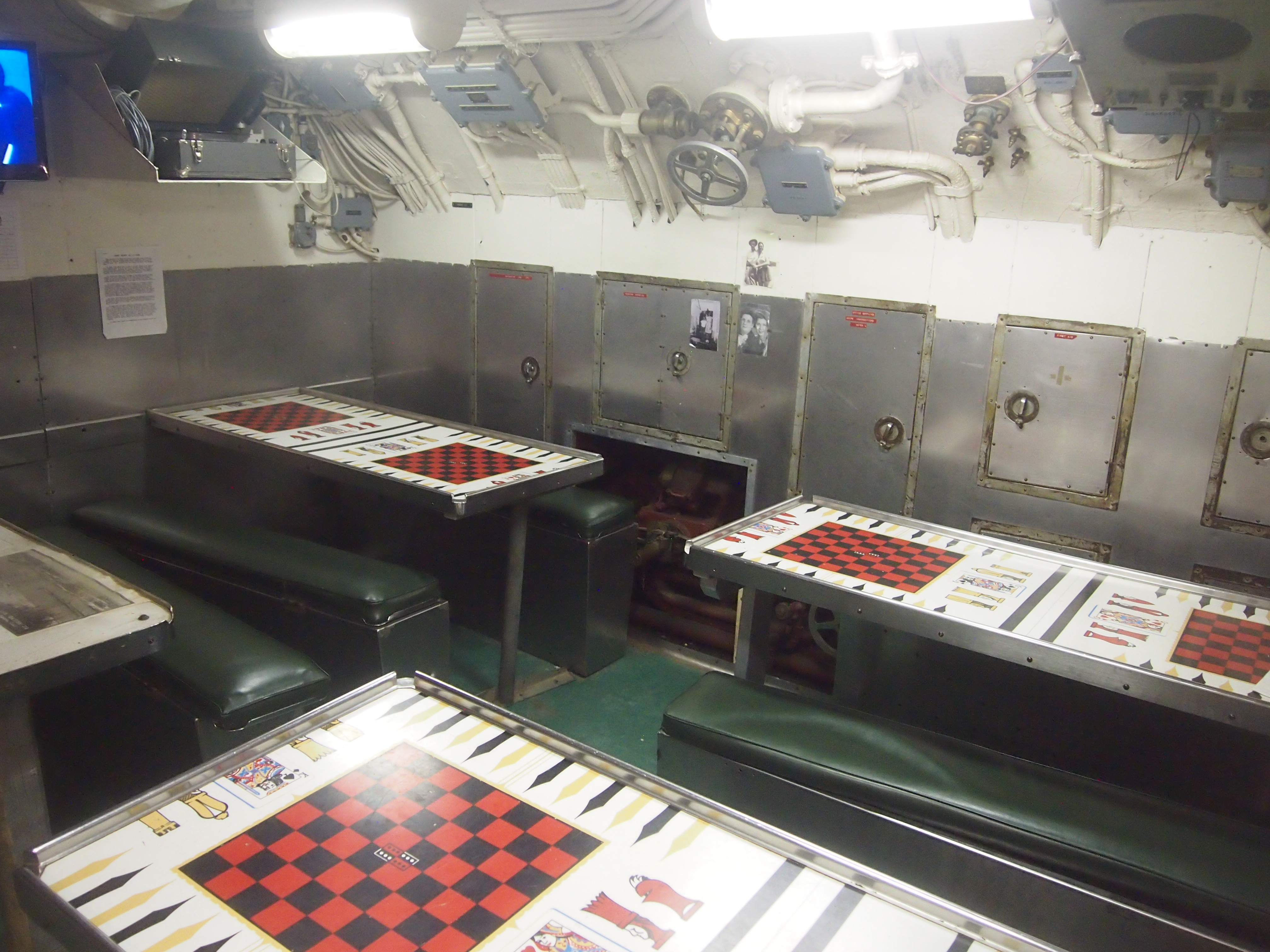
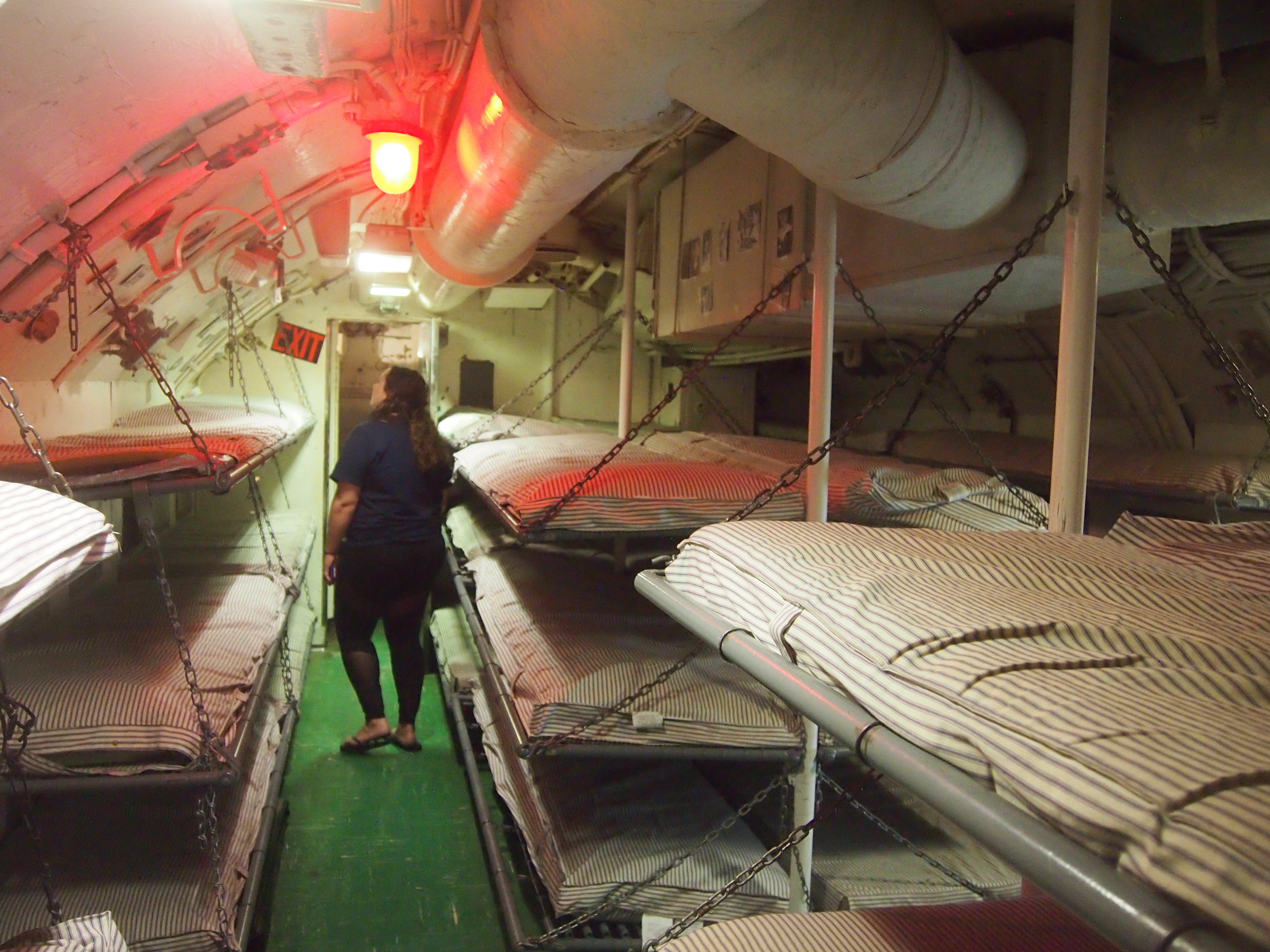
USS BatfishAnd limited comforts.
USS BatfishUSS BatfishI understand that the food was generally better on subs than the ordinary run of ships, as one way to compensate for other discomforts. I hope that was true.

A forest of pipes.
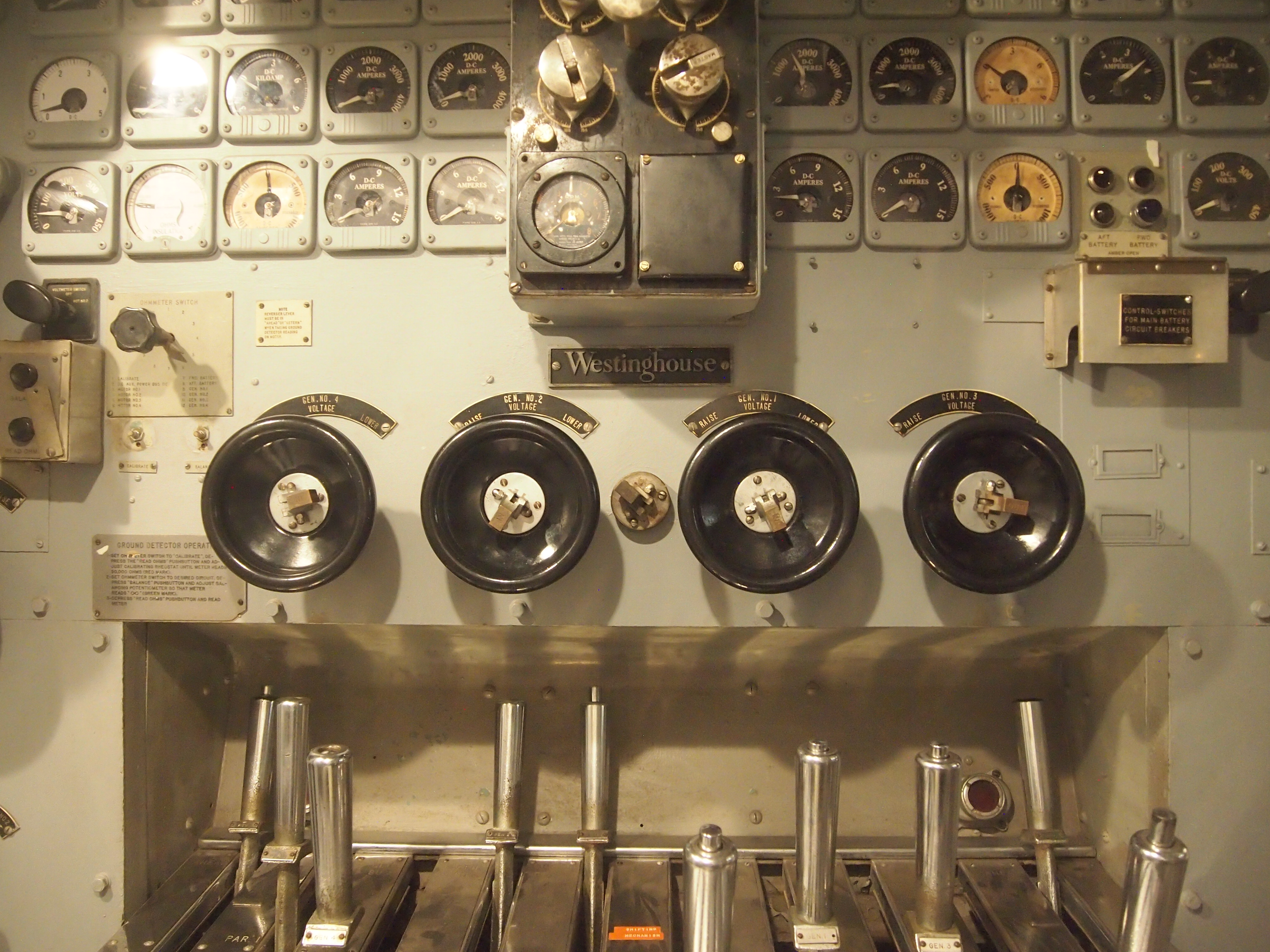
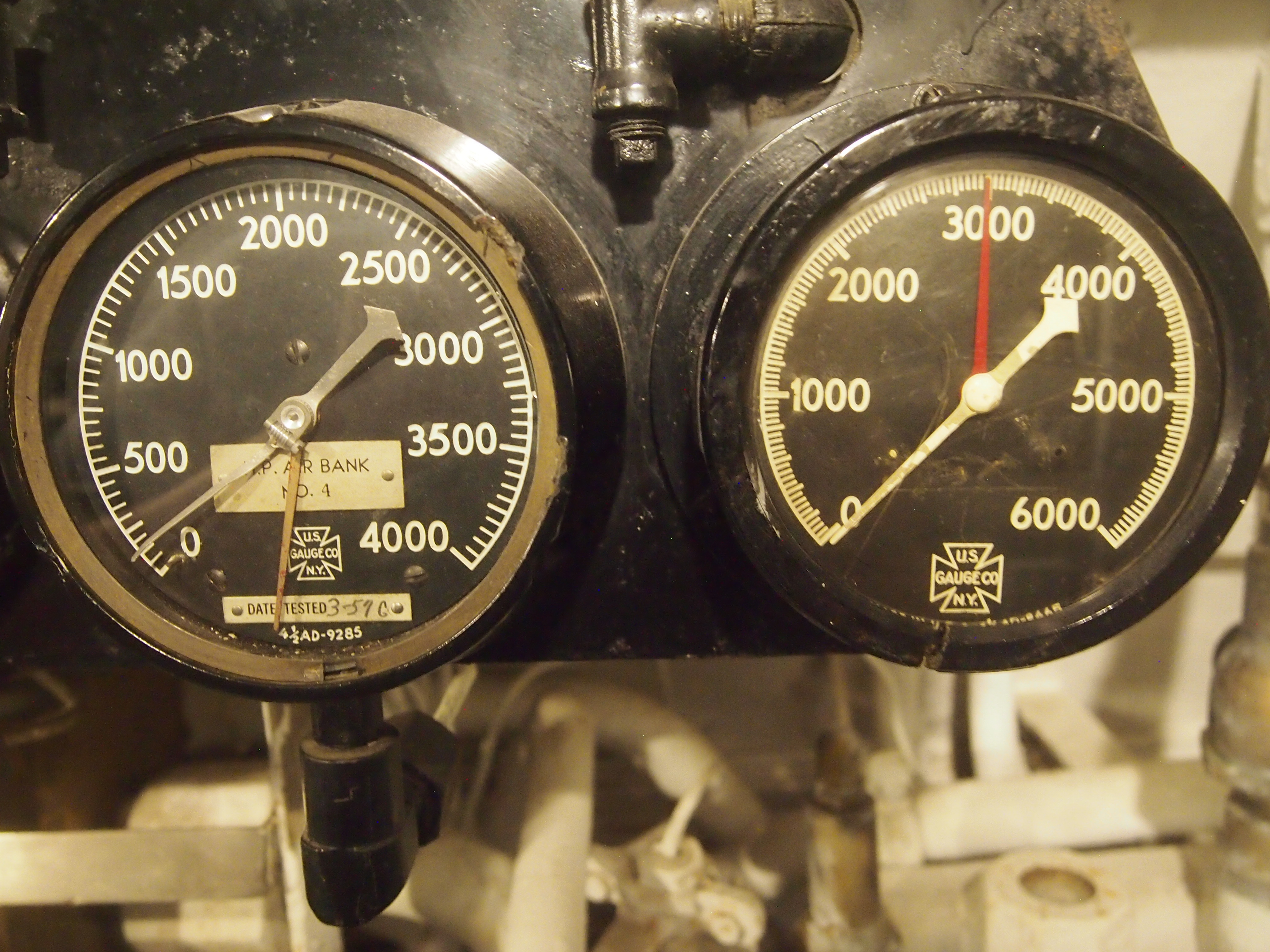
USS BatfishAnd controls. Many, many controls and dials.
USS BatfishUSS BatfishUSS BatfishAs a warship, the Batfish had a good run, completing seven war patrols from late 1943 to the end of the war. She clearly took the cinematic Patton at his word, making some other poor dumb bastards die for their country. Most notably by sinking three Japanese subs in a 76-hour period in February 1945.

After the war, the vessel hung on until 1969, when it was struck from the Naval Vessel Registry. Apparently Oklahoma submarine vets, aided by state politicos, managed to obtain it for display from the Navy in the early ’70s, though the task of getting to its current site in Muskogee, near the Arkansas River, was a long and tedious process, as described here.

There’s also a small museum in a building near the submarine, and not far from the sub, a poignant display with plaques honoring each U.S. submarine, WWII and other eras, that didn’t return. On eternal patrol, as the submariners put it.

The Mizumoto Japanese Stroll Garden

There are a surprising number of Japanese gardens in the United States, as illustrated by this Wiki list of them, though it’s probably incomplete. It had never occurred to me that there might be one in Springfield, Mo., until I spied it on a map: the Mizumoto Japanese Stroll Garden.

The garden is part of the larger Springfield-Greene County Botanical Center, which also includes an azelea garden, dogwood garden, iris garden, butterfly garden, hosta garden, dwarf conifer garden, and more. All that sounds nice, but on the road sometimes you have to focus. The stroll garden it was.

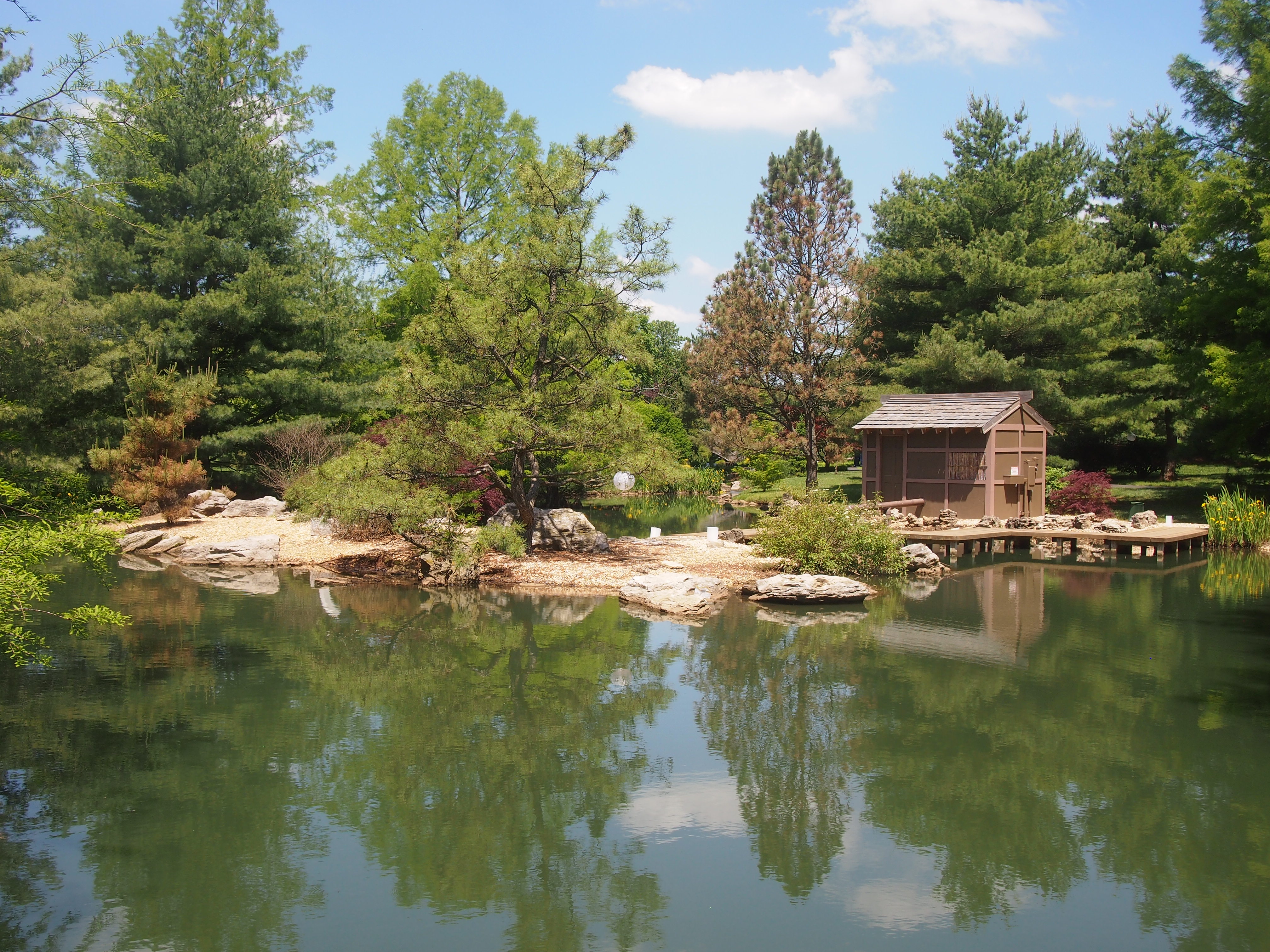
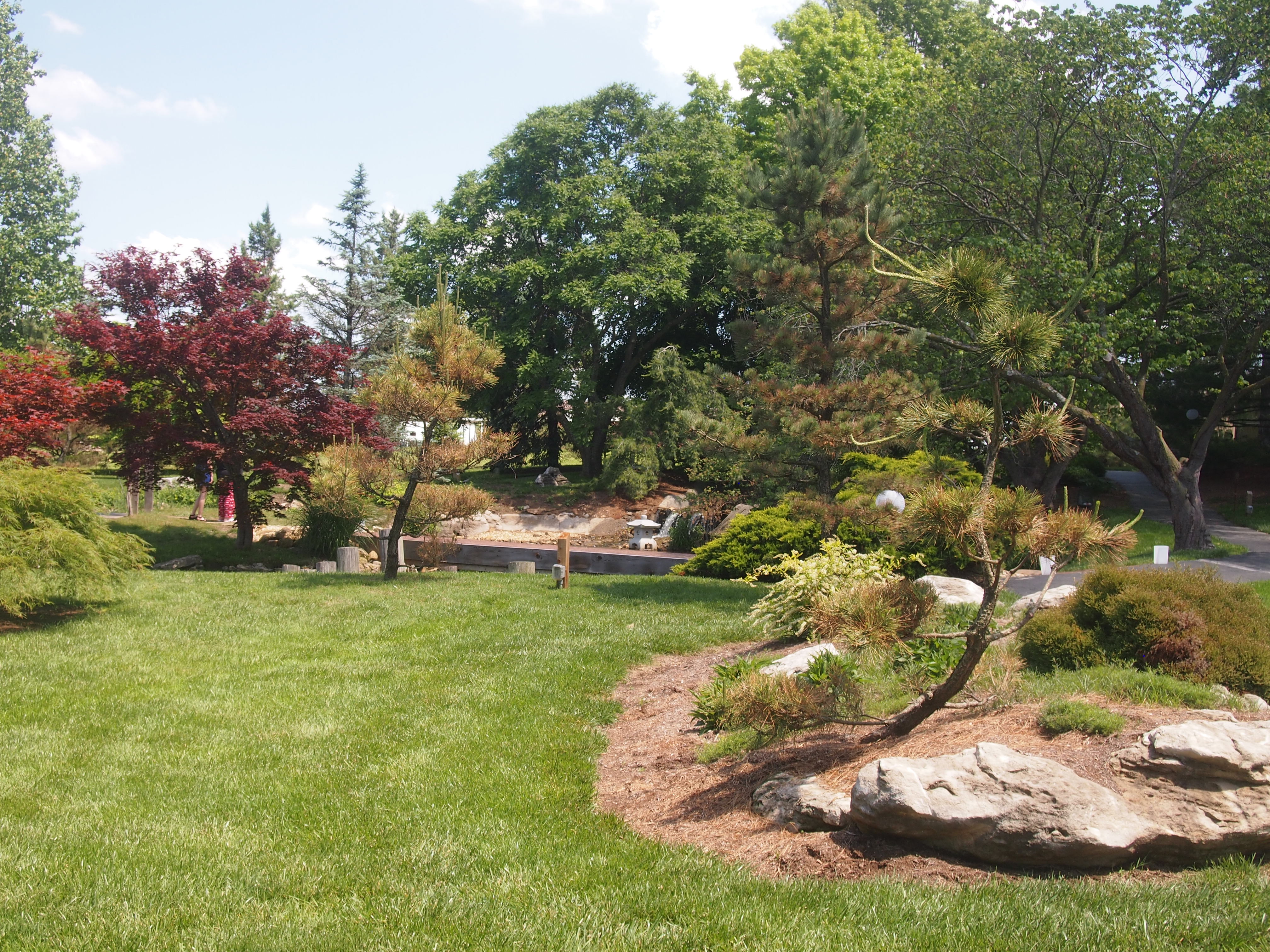
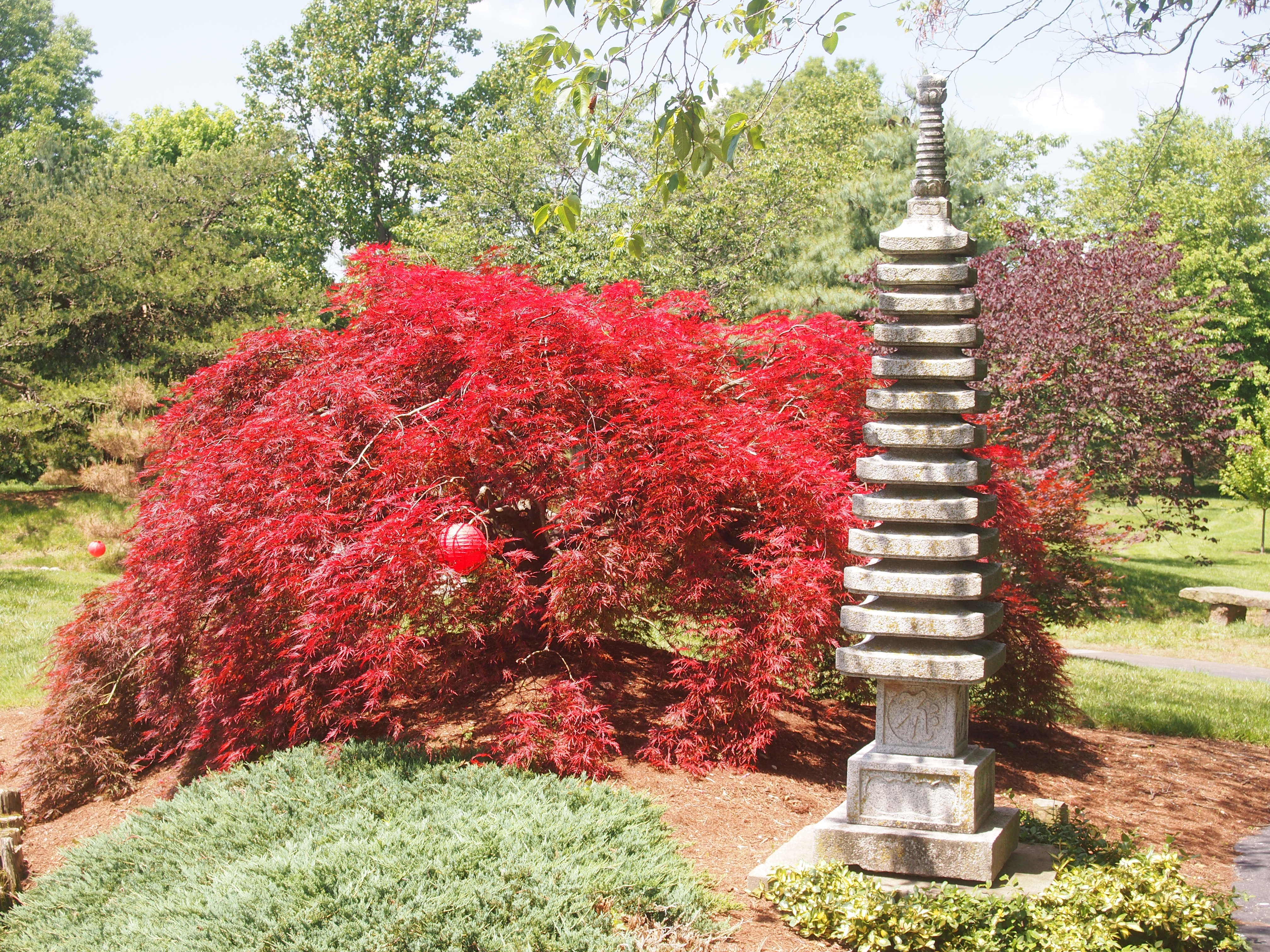
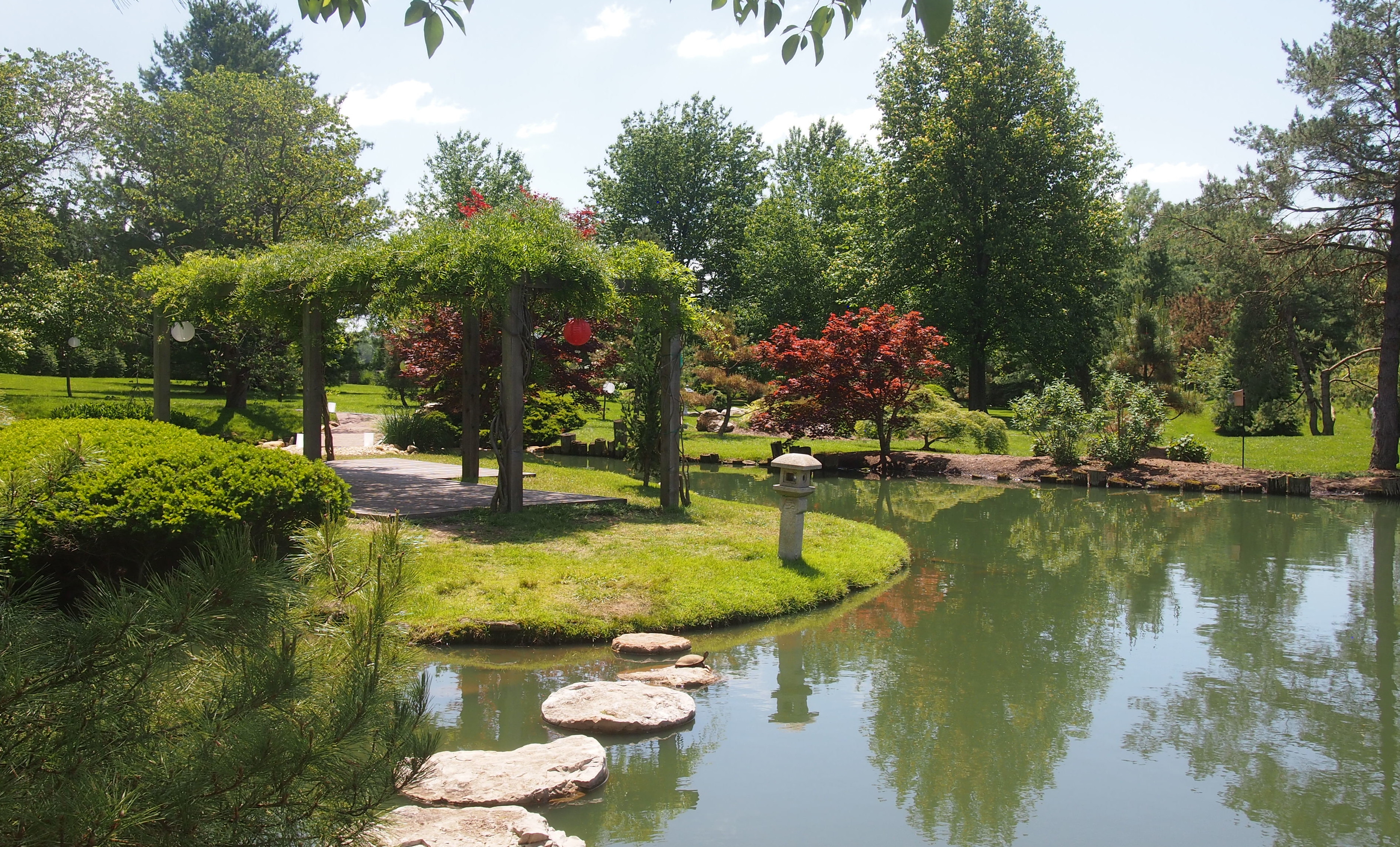
It had everything you’d expect, trees and shrubs and flowers and lanterns and other structures along a winding path, along with water features.

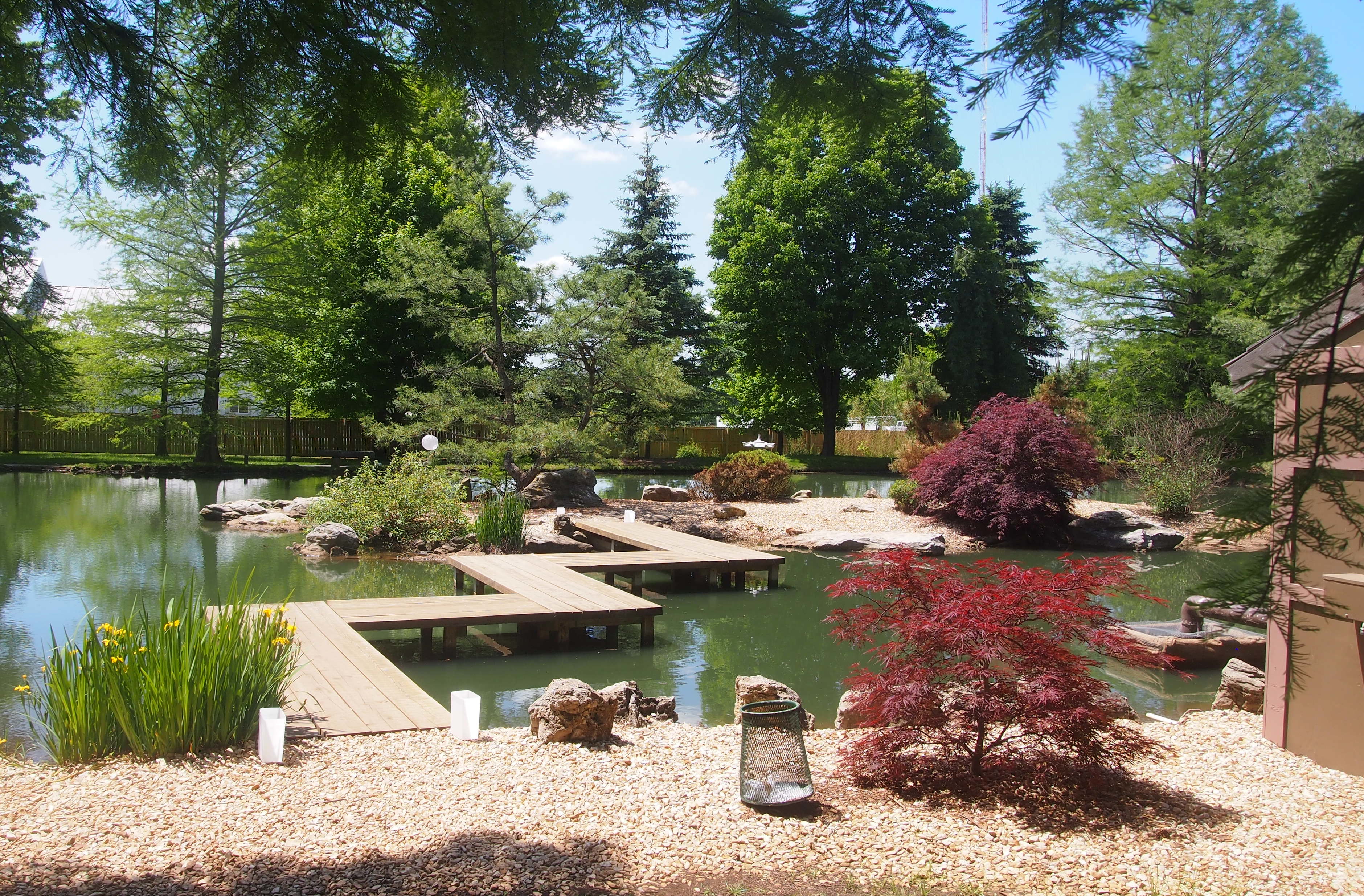
Mizumoto Japanese Stroll GardenA zigzag bridge.

Mizumoto Japanese Stroll GardenAccording to one web site anyway, the notion such bridges were designed to prevent dimwitted evil spirits from being able to cross them is baloney.

THE MYTH: Some misguided Westerners claim that evil spirits can only travel in straight lines and that Japanese gardens have zig-zag bridges to prevent evil spirits from moving through them.

THE FACT: Japanese gardens do sometimes feature zig-zag bridges, but the evil spirit story is complete nonsense. Zig-zag bridges are featured in Japanese gardens partially because they are attractive and because they are interesting to walk over. There is also a charming story that links zig-zag bridges to Japanese literature and culture. [?] The zig-zag bridge motif is a natural fit for many of the Japanese arts including gardening.

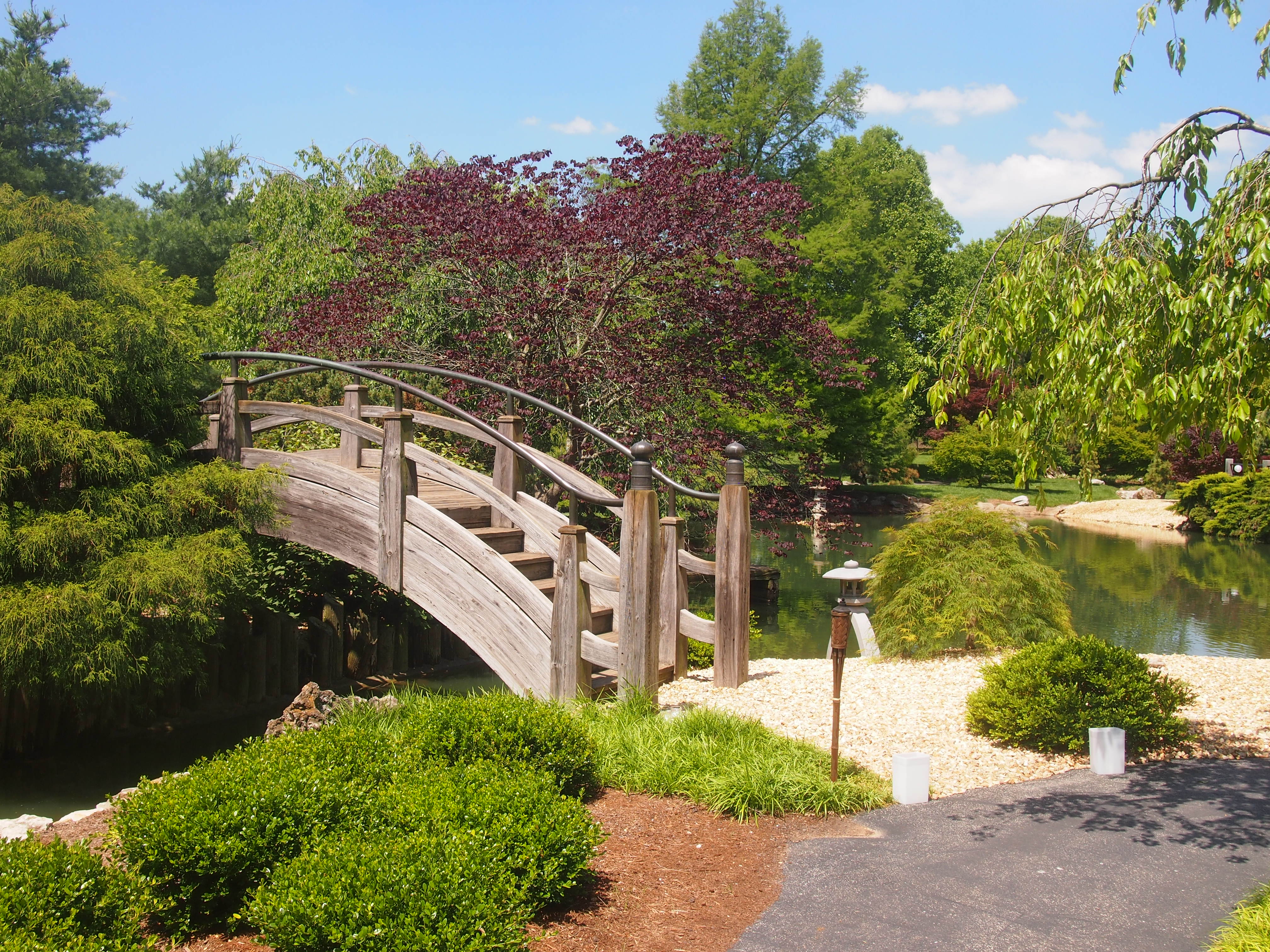
A moon bridge.
Mizumoto Japanese Stroll GardenExpanses of lawn.
Mizumoto Japanese Stroll GardenNot all the foliage is green in the spring.
Mizumoto Japanese Stroll GardenA trellis.

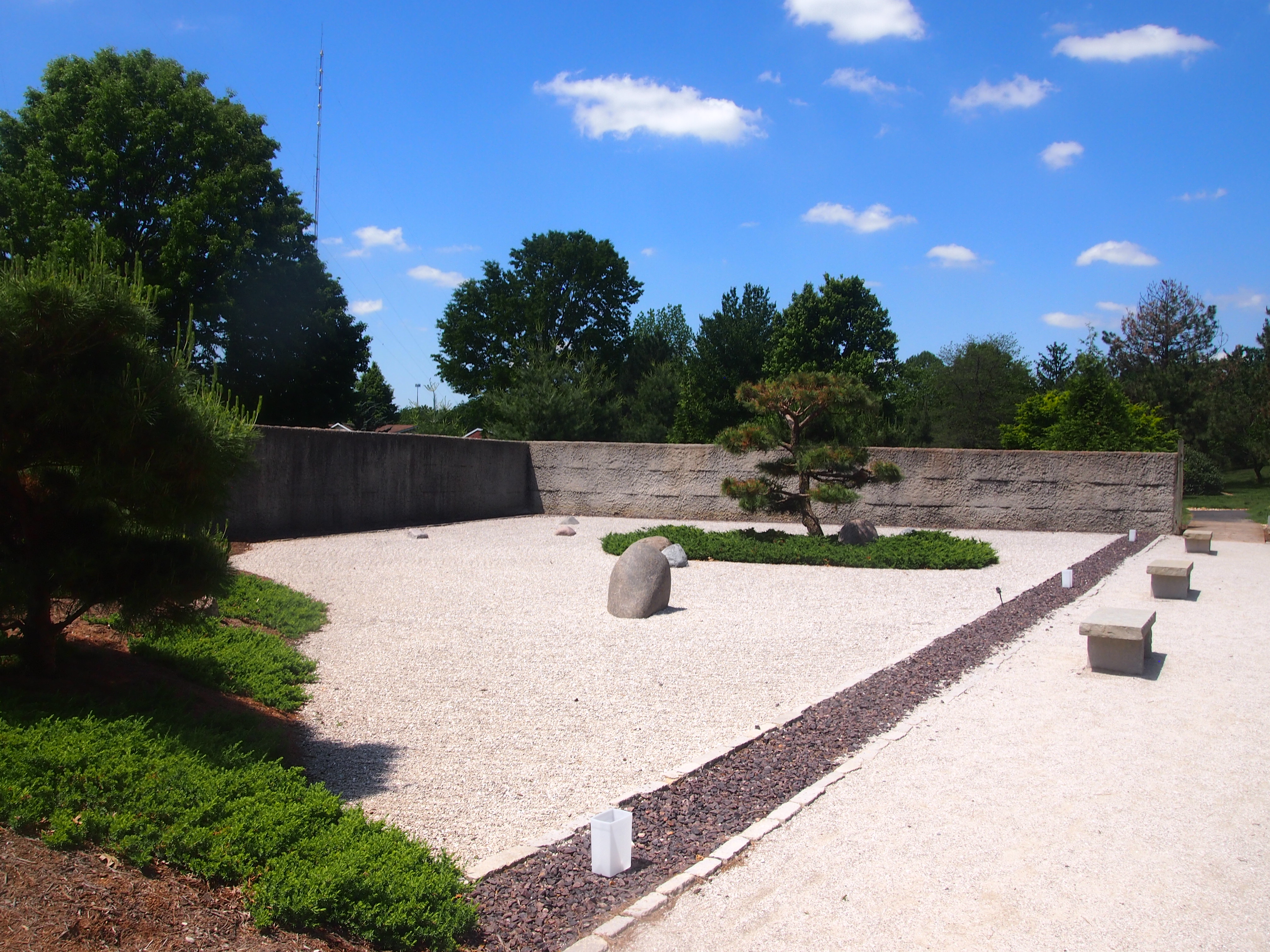
Mizumoto Stroll Garden 2017A zen garden. But of course.
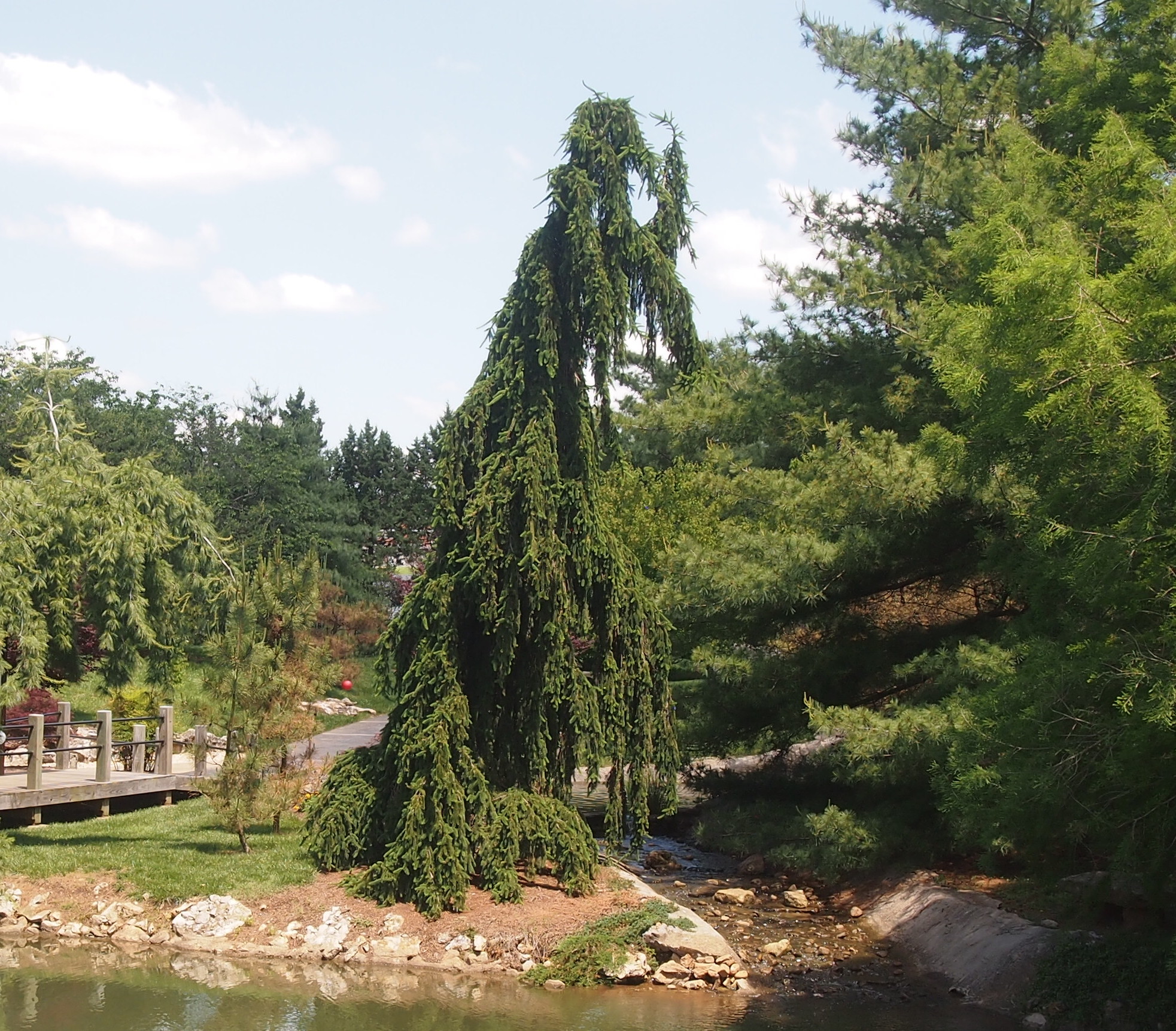
Mizumoto Stroll Garden 2017And some droopy pines, the likes of which I once saw in Rockford.
Mizumoto Stroll Garden 2017According to Japanesegardening.org, the 7.5-acre Stroll Garden is the oldest attraction at the Springfield-Greene County Botanical Center, now a little more than 30 years old. “The plan was inspired by a Fort Worth, Texas copy of the Garden of the Abbot’s Quarters in Kyoto,” it says. Probably that means Tofukuji Temple, which is indeed stunning.

“The garden was initiated by the superintendent of park operations, Bill Payne, in the early 1980s and supported with partnerships from the Springfield Sister Cities Association, The Southwest District of Federated Garden Clubs, The Botanical Society of Southwest Missouri and the Friends of the Garden.

“The garden was given the name Mizumoto in 2004, in honor of Yuriko Mizumoto Scott. She generously acts as a bridge between her native Japan and her home in the Ozarks. As the first Japanese War bride brought back to the United States, her insight has the breadth of a bi-cultural history.” First war bride brought to the Ozarks? Not to be pedantic, but I think they mean postwar bride. Or occupation bride.

“Mrs. Mizumoto Scott spent many years as a volunteer in garden maintenance and hosting tour groups. She has also conducted hundreds of tea ceremonies and explained the customs of Japan. The gardens are maintained by the Friends of the Garden Japanese Gardening Group and Park staff. Gardens are supported by the Springfield Sister Cities Association Isesaki Committee.”

Well worth the stop in Springfield, a town I’d only ever known before as the turn off to Branson.

GTT 2017

This month Lilly and I visited Texas for a couple of weeks, beginning when I picked her up on May 12 in Champaign, at the end of her exams at UIUC, and ending with our return to metro Chicago on May 26. Unlike last summer, we mostly took direct routes, there and back. All together, we drove just a shade over 2611 miles through only four states, but ranging from about 42 degrees North to 29 degrees North.

Mostly we spent time with family: her grandmother and uncles and cousins, in San Antonio and Dallas, most of whom she hasn’t seen recently. She also met little cousin Neil for the first time.

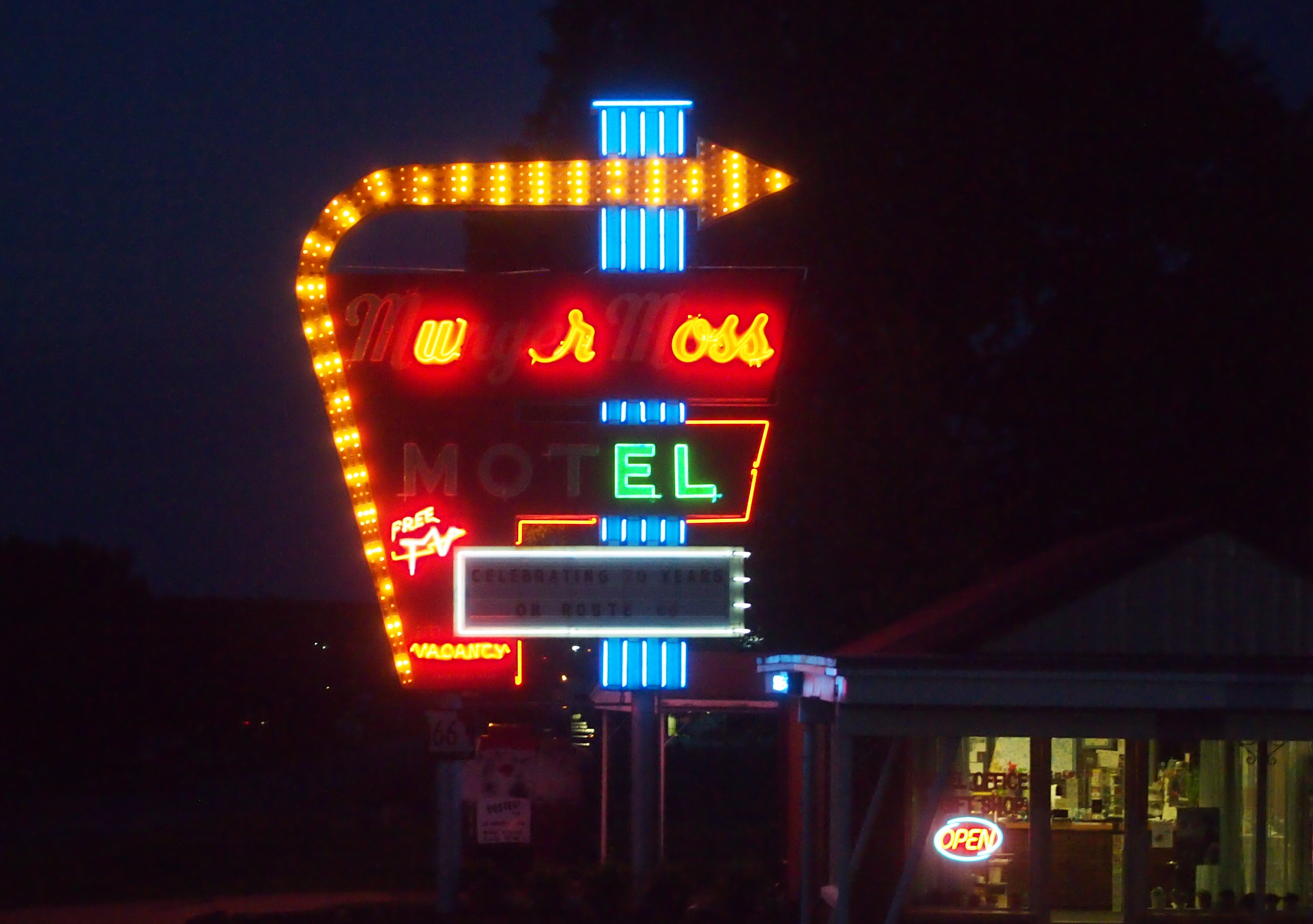
From Champaign, we headed to Effingham, where we passed the giant cross, visible from the highway, but did not stop for it, and then headed west to St. Louis. By evening, we’d made it to Lebanon, Mo., and the Munger Moss Motel, which has had a few more neon burnouts since Ann and I stopped there last year.

Munger Moss sign 2017The second day, we went to Dallas by way of Springfield, Mo., where we stopped to stroll in the Mizumoto Japanese Stroll Garden, a part of the Springfield Botanical Gardens. Later that day, we stopped in Muskogee, Okla., and took a look at the USS Batfish, a WWII-vintage submarine incongruously perched on land and functioning as a museum.

On Sunday, May 14, we proceeded to San Antonio, with my brother Jay joining us. We stopped for a delightful lunch in Austin with Tom Jones that afternoon at Trudy’s, a local brand. Tom was already an old friend of mine when I was Lilly’s age.

Circumstances forced us to scrub our plans to drive to Big Bend National Park for a long weekend beginning on the 18th. While in San Antonio, Lilly went to North Star Mall one day by Uber, and on another day Jay and Lilly and my nephew Dees went to the Witte Museum and then the Sunken Gardens (formally, the Japanese Tea Garden). On Saturday, May 20, we to returned to Jay’s house Dallas via U.S. 281 until north of Austin, picking up I-35 near Killeen, because there’s no reason to go through Austin unless you’re going to Austin.

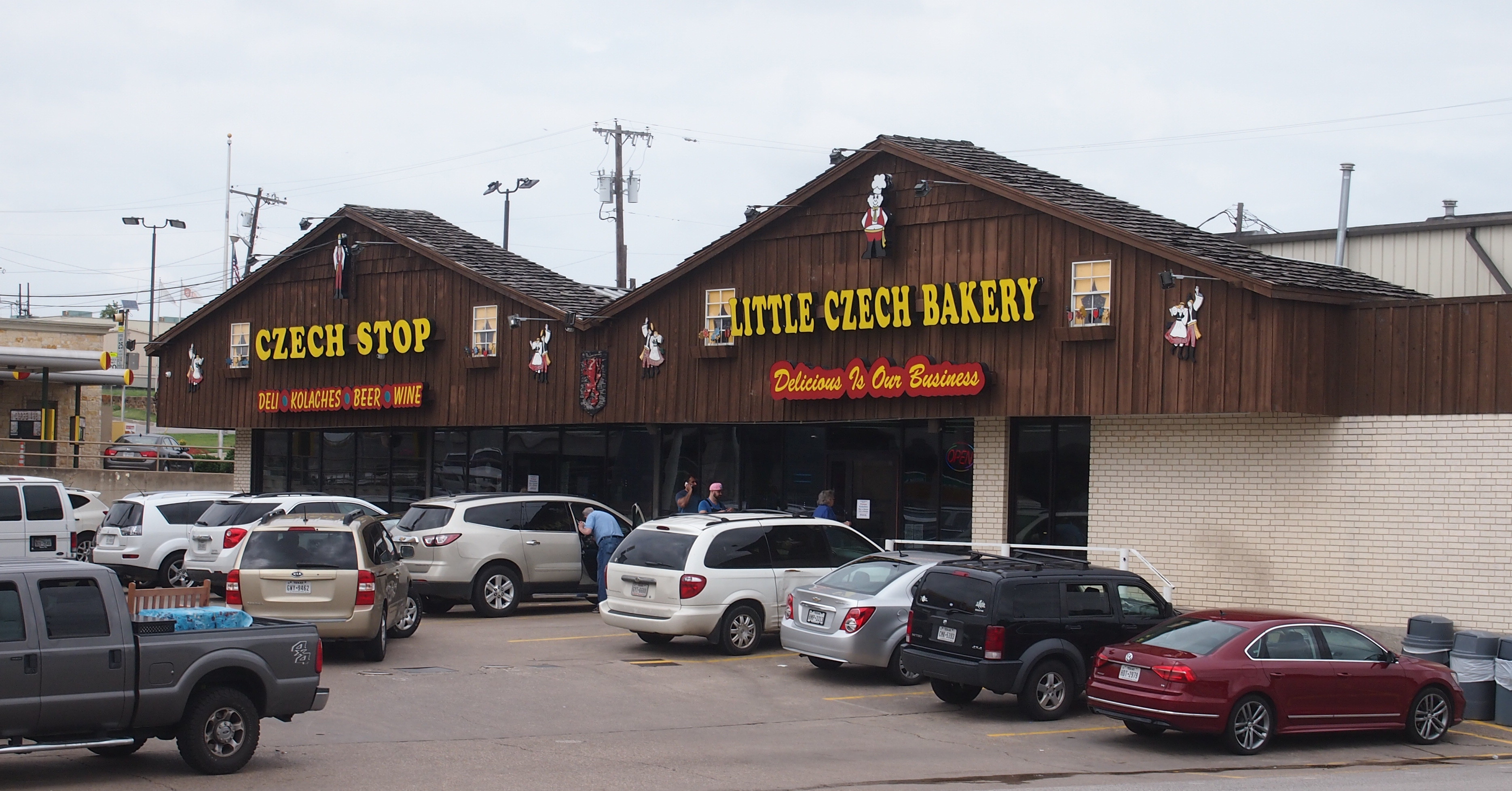
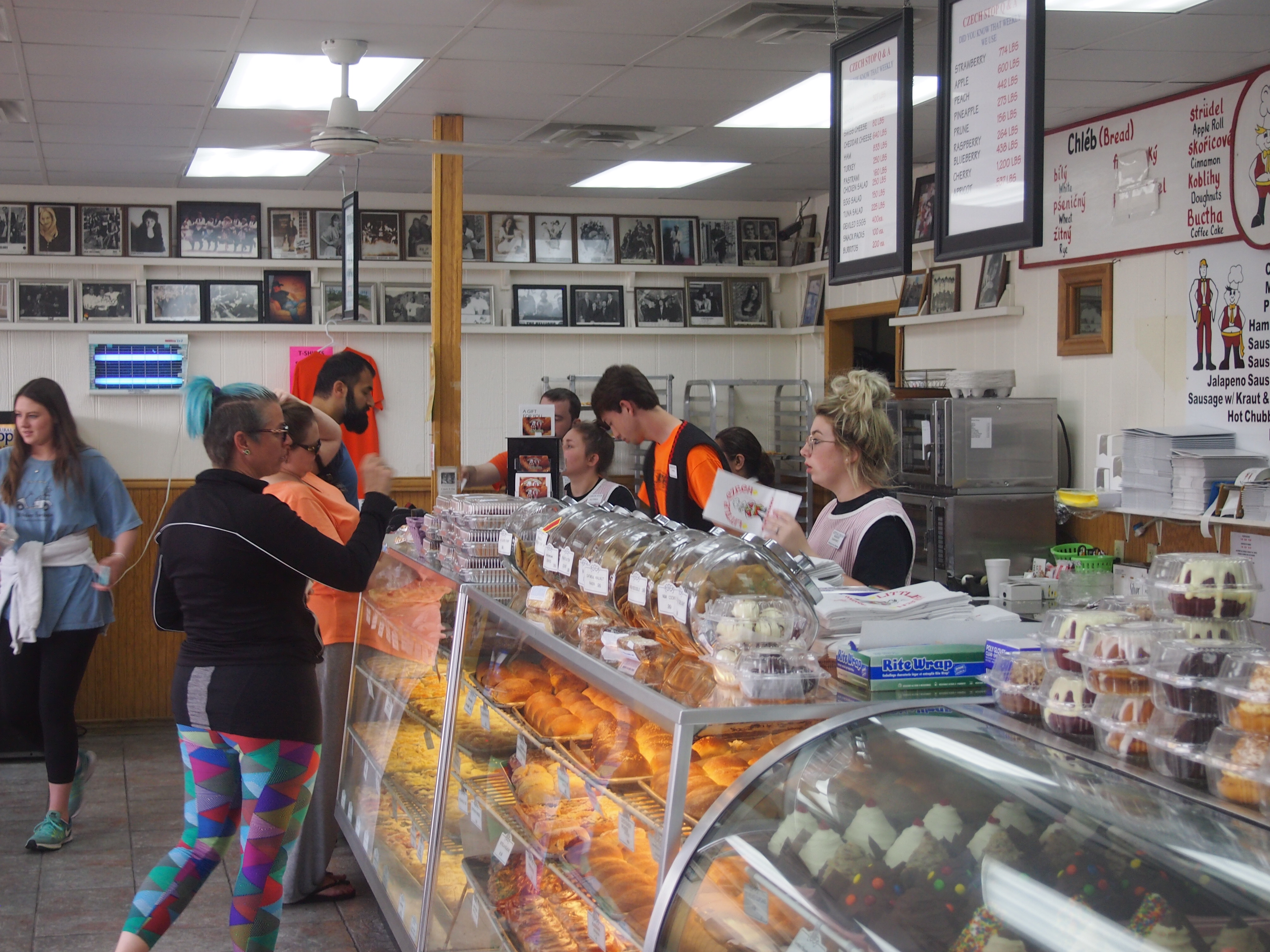
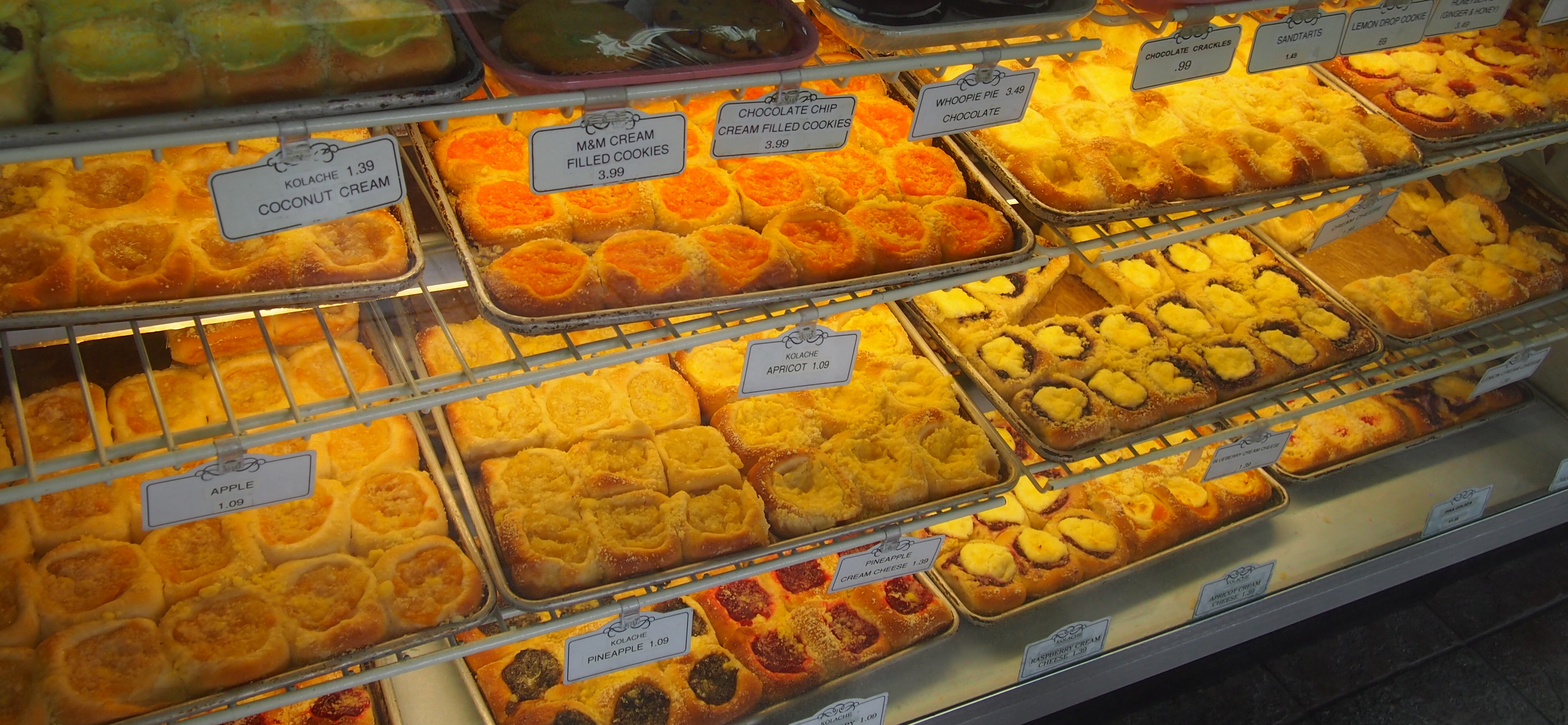
In West, Texas, — which is in Central Texas — we bought some kolaches at the Little Czech Bakery, which is next to the Czech Stop. Been there a number of times since I wrote this.
Czech Stop, West, Texas 2017The line wasn’t quite as long as usual. Good thing.
Czech Stop, West, Texas 2017Czech Stop, West, Texas 2017One day in Dallas we visited the Dallas Arboretum and Botanic Gardens, as lovely a garden as I’ve seen in quite a while. Despite its location on White Rock Lake, close to Jay’s house, I’d never been. Another day I dropped Lilly off at North Park Mall, known for its collection of artwork, and visited the next-door Sparkman-Hillcrest Cemetery, or in full, the Sparkman-Hillcrest Memorial Park Cemetery. A first-rate bit of landscaping.

We headed back for home beginning on May 25, driving from Dallas back to the Munger Moss for one more night (getting room 67; the first time we got 66). The next day we passed through St. Louis en route to the Chicago area and home.

On the last leg of the trip I was determined to stop a few places. First, we saw the abandoned Gasconade River Bridge, which counts as a Route 66 sight, though it could have been along any old road and still be just as fine. In St. Louis we visited the Cathedral Basilica of St. Louis, one of my favorite churches in North America, and then the wooded, hilly Bellefontaine Cemetery north of downtown, which is in the same league as Green-Wood in Brooklyn or Woodland in Dayton. First rate, that is.

May Pause

Back to posting on Decoration Day, May 30, which happens to be the day after Memorial Day this year. By then I might have seen a thing or two to post about, but no promises.

I picked up a NASA public domain image recently while reading about the spacecraft Cassini’s grand finale. It’s one of those images that’s more beguiling the more you stare at it.

8423_20181_1saturn2016More images of the planet and its moons are here, including one of oddball Iapetus. That moon, and a number of other Saturnian things, come up in a video made featuring Sir Arthur C. Clarke about a year before he died. Glad he lived long enough to see Cassini-Huygens explore Saturn.

The Jain Society of Metropolitan Chicago

The BAPS Shri Swaminarayan Mandir, mentioned yesterday, is on route Illinois 59 in Bartlett. As I was preparing for my visit, looking at Google Maps, I noticed something else similiarly interesting just a few miles to the north, also on Illinois 59 in Bartlett: the Jain Society of Metropolitan Chicago. A Jain temple, in other words.

This too had escaped my notice all the years I’ve lived in the northwest suburbs. I figured if I were going to be out in Bartlett to see the monumental mandir, I might as well drop by to see what the Jains have built. So I did.

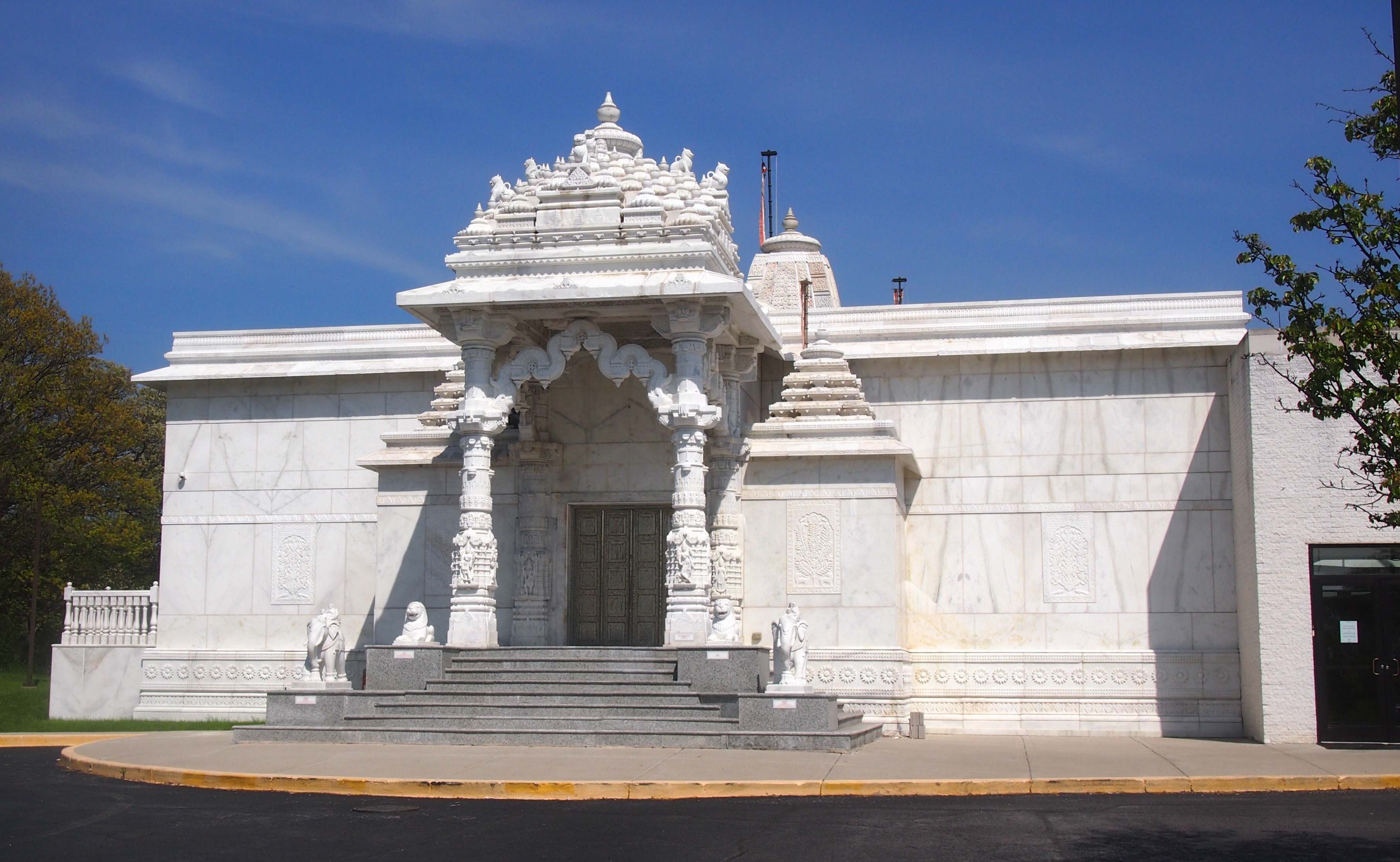
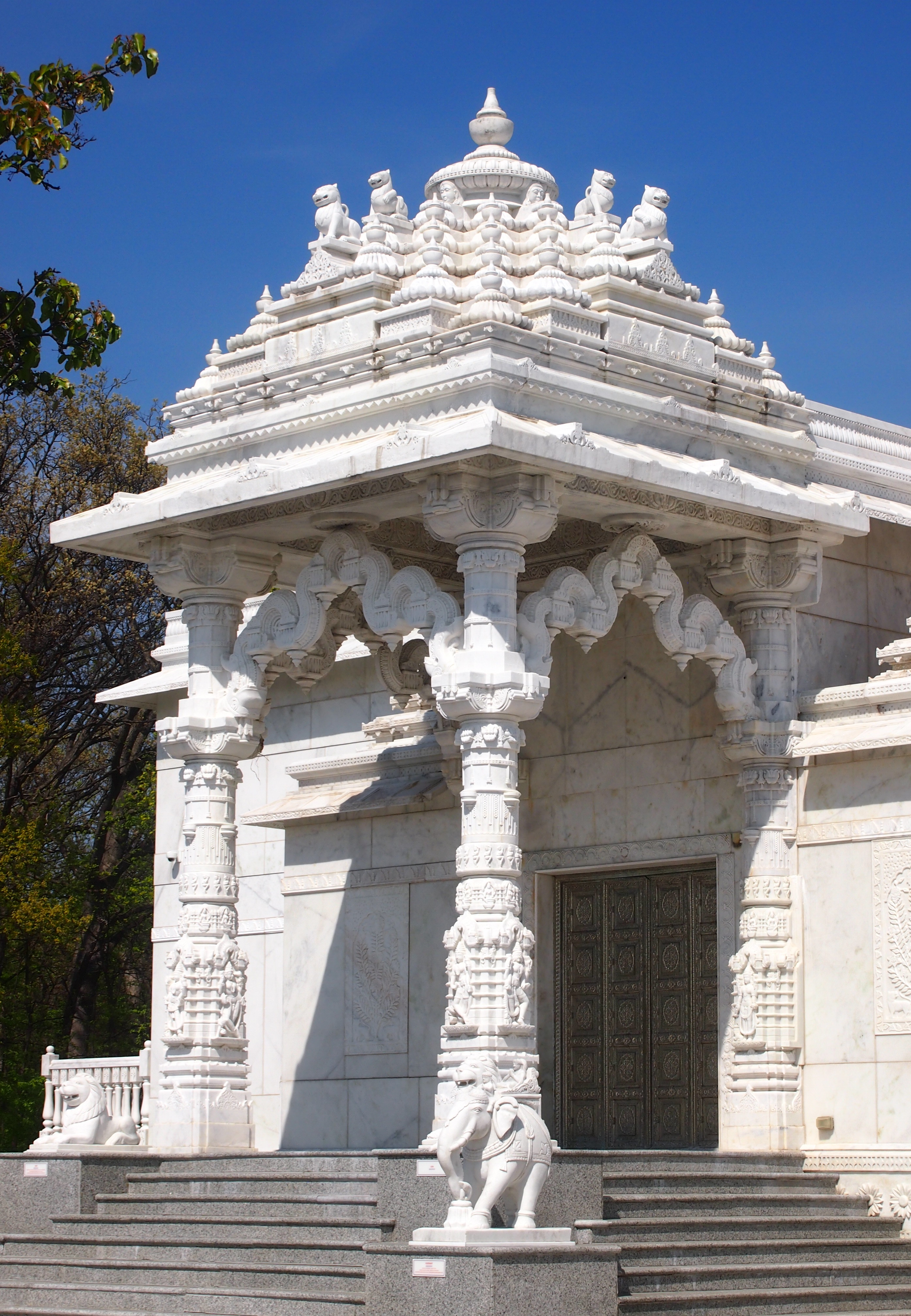
Jain Society of Metropolitan ChicagoThe Jain temple, next to a large parking lot on an even larger bit of land, isn’t as massive as the BAPS structure, but it’s pleasing to the eye, and made all the more interesting because it’s such a rare thing here in North America. That despite what Wiki asserts: “The most significant time of Jain immigration was in the early 1970s. The United States has since become a center of the Jain diaspora [citation needed].” This particular temple was built in the early 1990s.
The Jain Society of Metropolitan ChicagoThe temple interior is essentially a single room with rows of eye-level effigies along the walls, and some other ornamentation. It all reminded me how little I remembered about Jainism.

I studied Jainism briefly — a class or two — in Survey of Eastern Religions, as taught by the highly learned Charles Hambrick, but that was 35 years ago (a professor emeritus these days, but last I checked still with us). Mainly I remember the strong emphasis on pacifism, which often has the unfortunate side effect of inspiring nearby and less pacific people to acts of persecution. If indeed the Jain diaspora is focused in this country, I hope they’re doing well.

BAPS Shri Swaminarayan Mandir Chicago

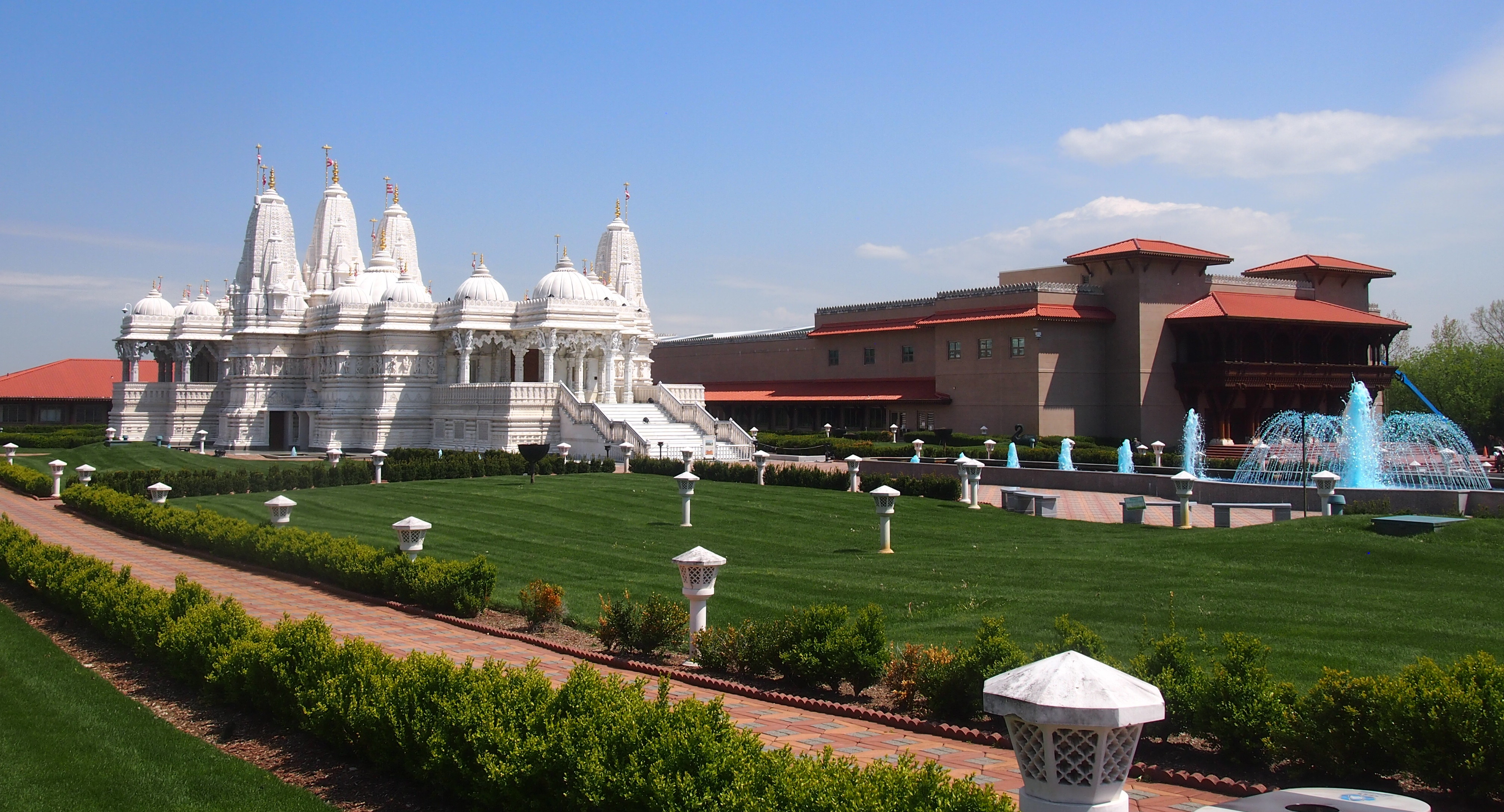
BAPS Shri Swaminarayan Mandir, a monumental Hindu temple on 27 acres in suburban Bartlett, Ill., is less than 10 miles from where I’ve lived for most of the 21st century so far. How is it that I never knew about it until a few weeks ago? You imagine that you know your part of the world pretty well, but it’s just a conceit.

BAPS, incidentally, stands for Bochasanwasi Akshar Purushottam Sanstha, so the full name of the site would be the Bochasanwasi Akshar Purushottam Sanstha Shri Swaminarayan Mandir Chicago. I can see why it’s abbreviated. I can’t pretend to know how the group that built the temple fits into the galaxy of Hinduism, though I’ve read that it’s a relatively modern movement, originating in Gujarat state. I wouldn’t mind knowing more, but whatever knowledge I take away from reading about the details of Hinduism tends to evaporate in a short time, sorry to say.

The suburban Chicago temple is just one of a half-dozen such in North America. The others are in metro Atlanta, Houston, LA, and Toronto, and in central New Jersey. Judging by their pictures, each is about as monumental as the metro Chicago temple, though Chicago’s supposed to be the largest. In fact, it’s the largest Hindu temple in North America, at least according to one source. Even if that’s not so important, the place does impress with its size.
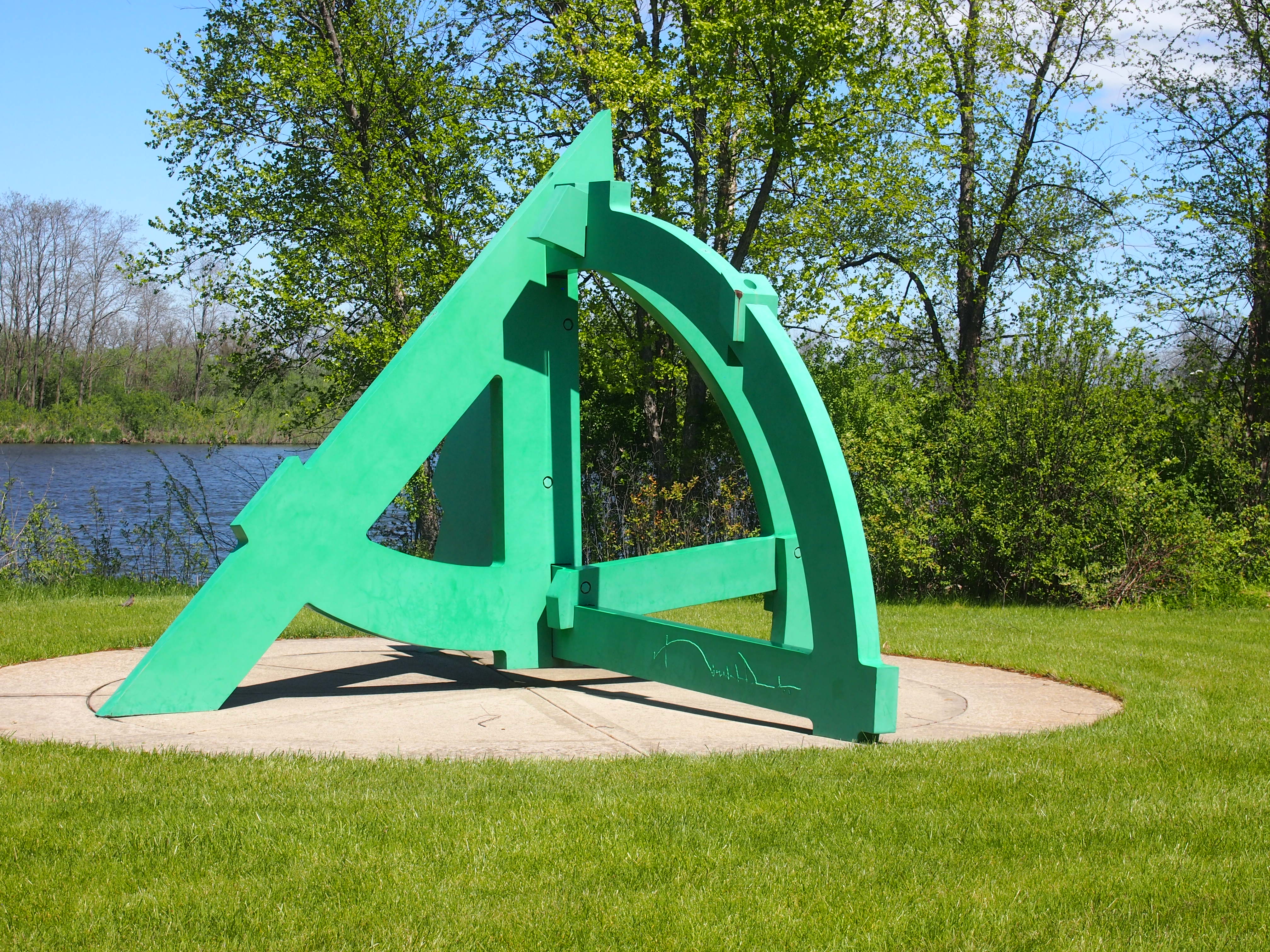
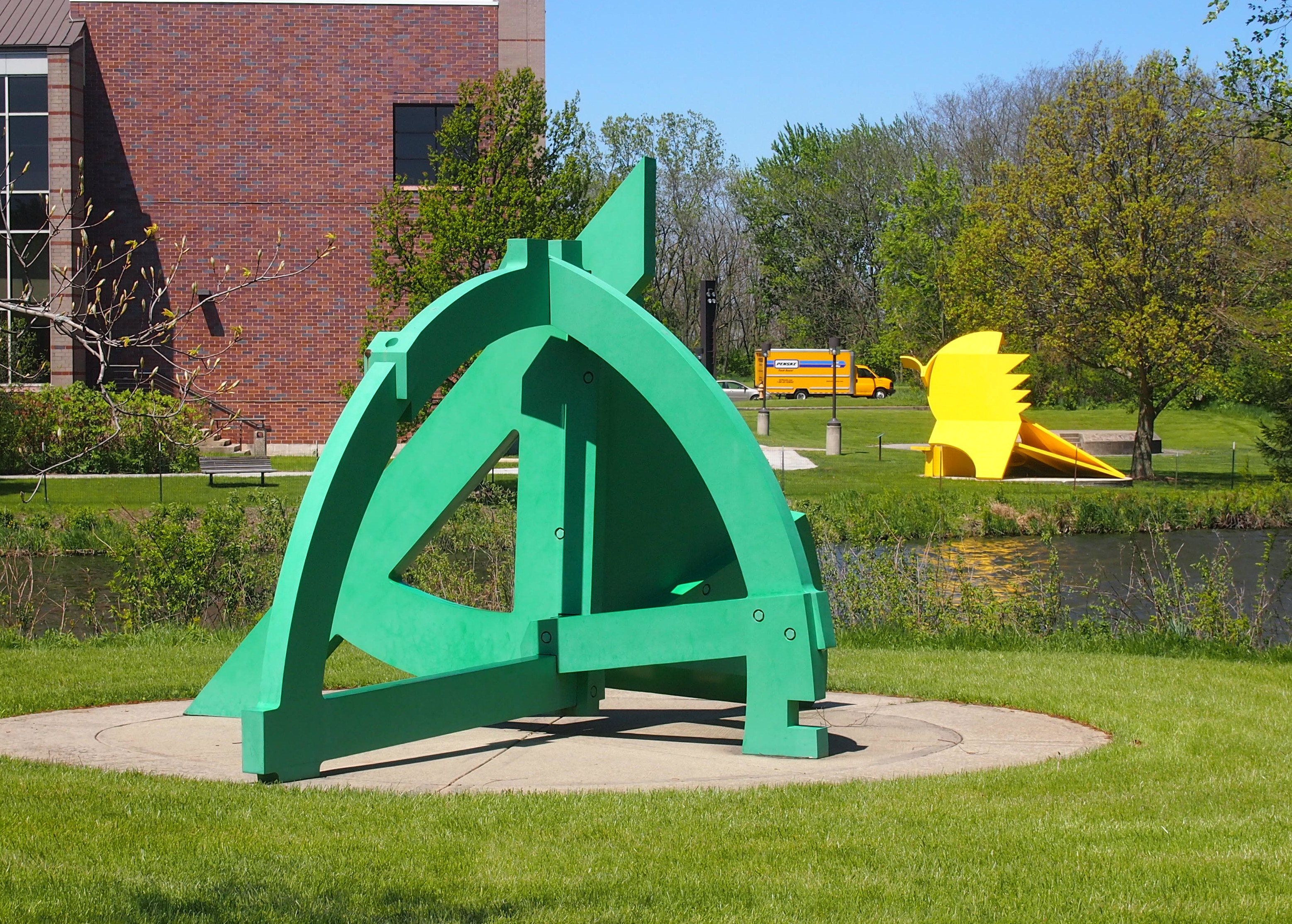
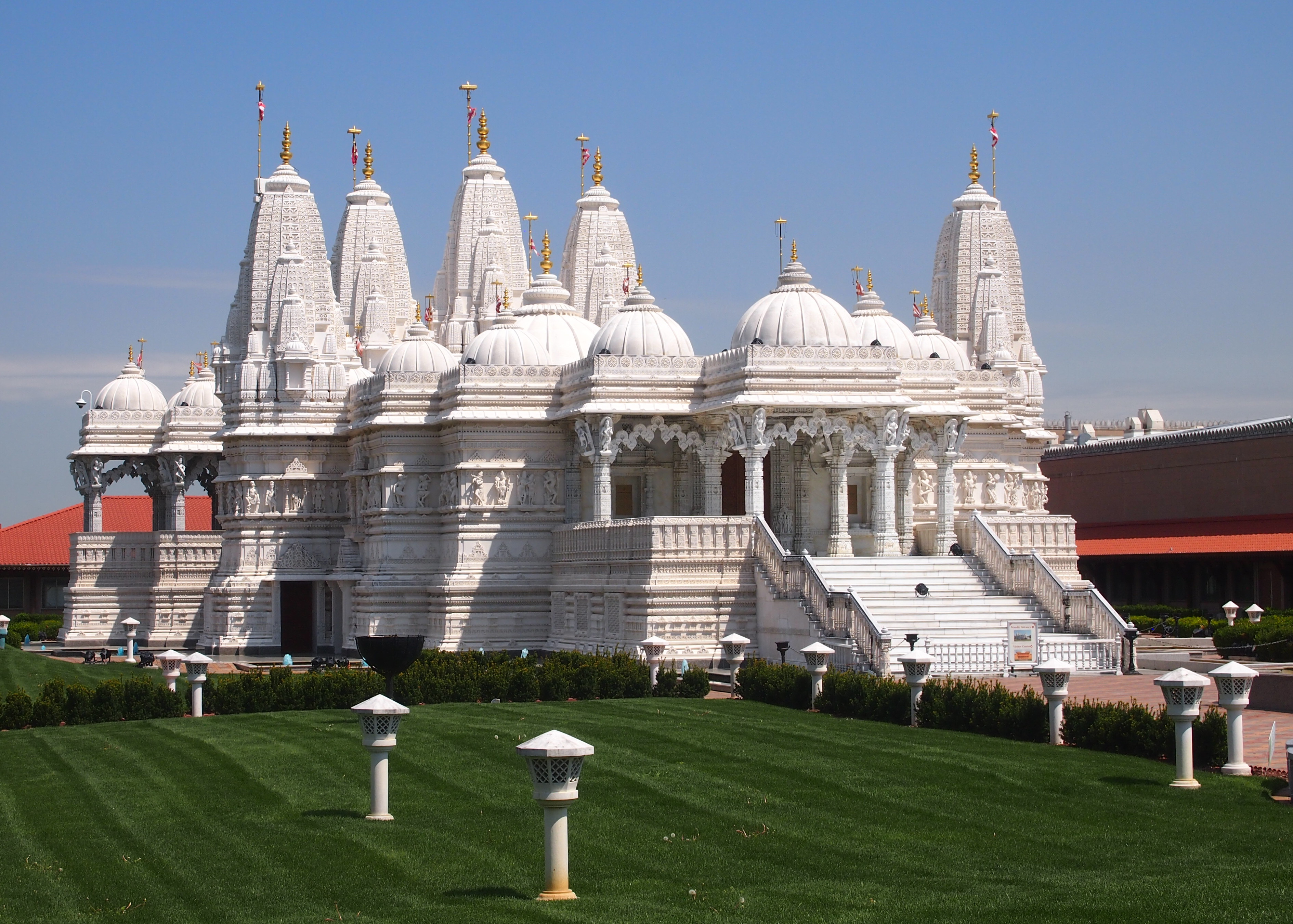
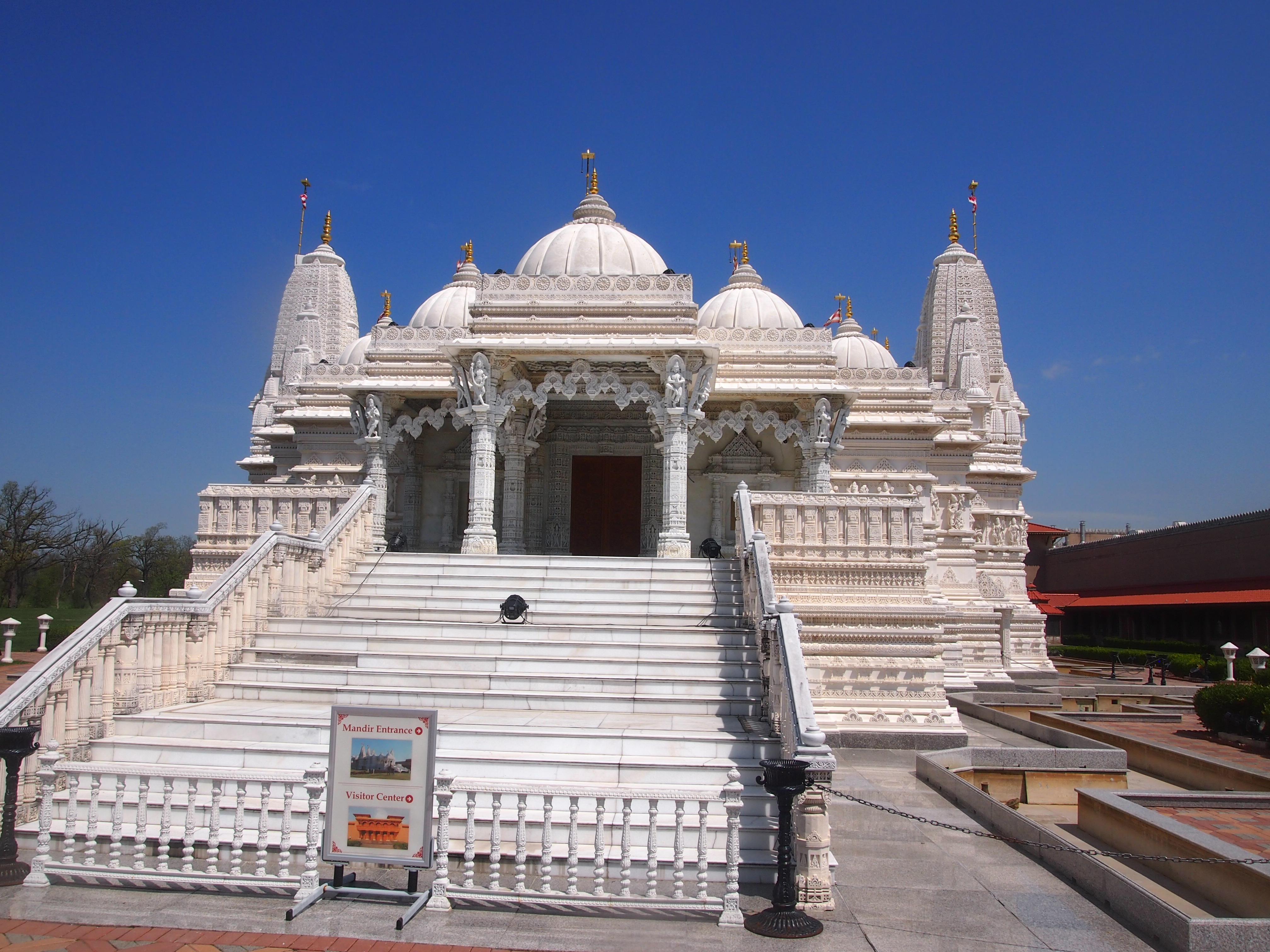
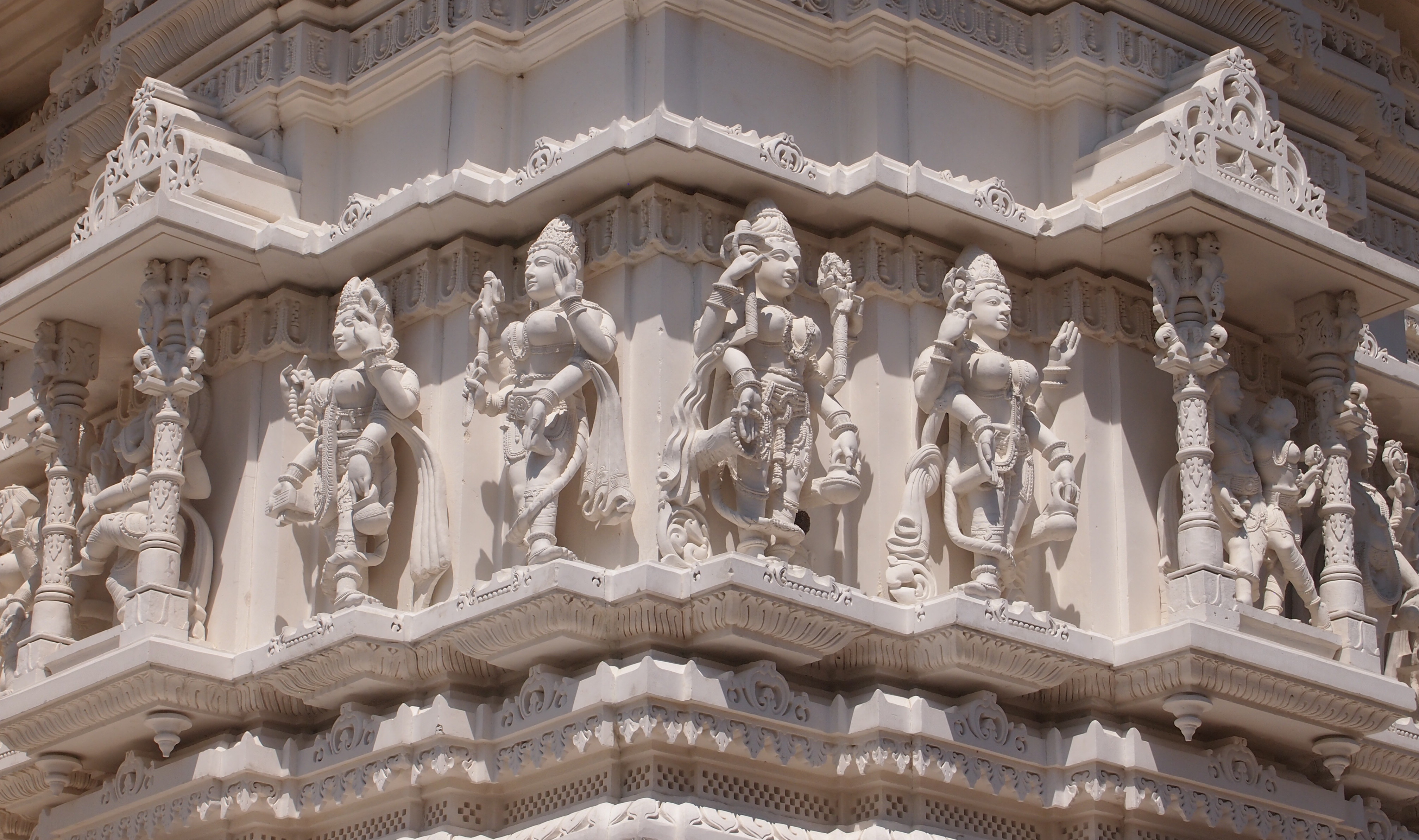
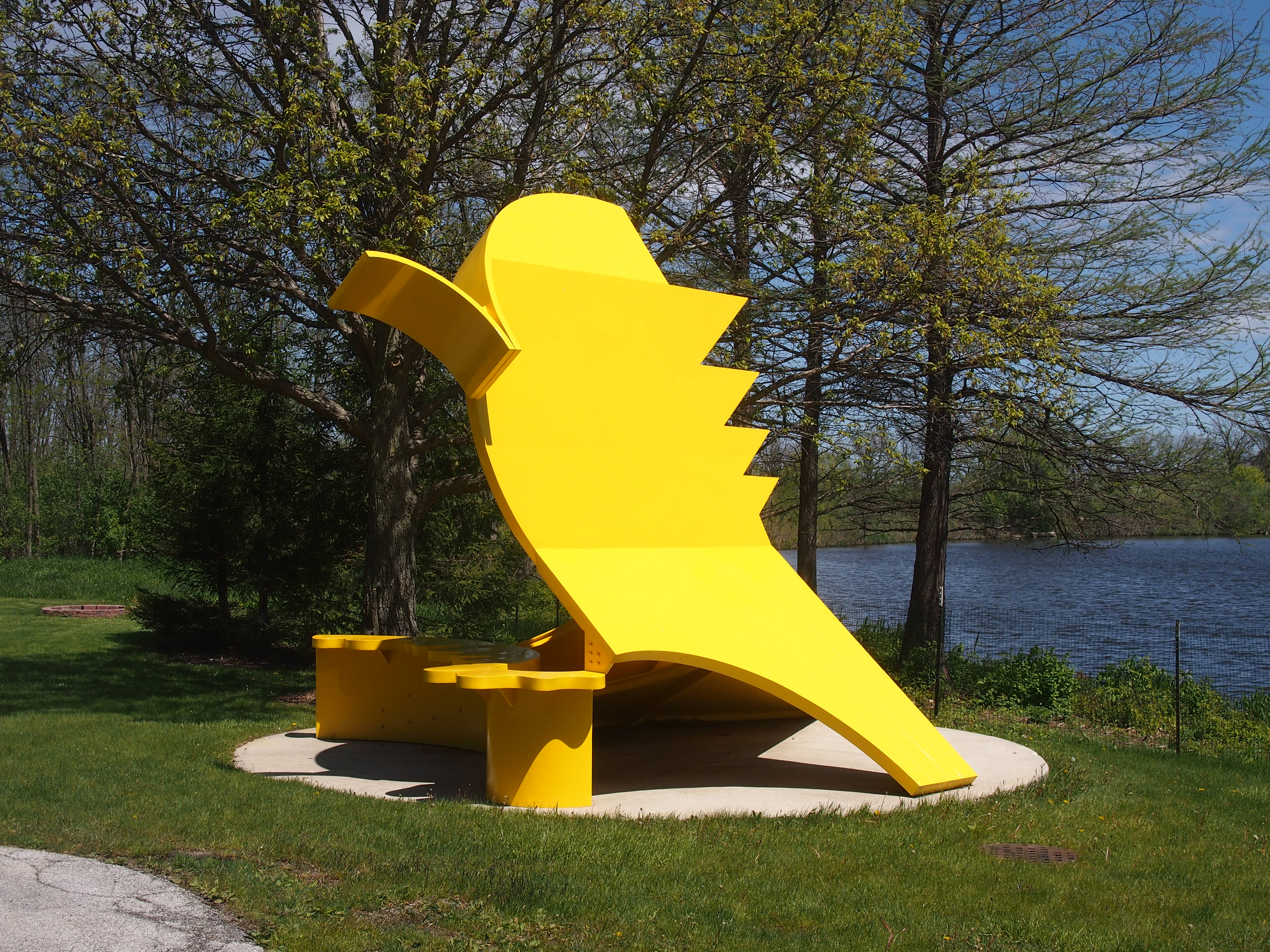
On a sunny but not exactly warm day recently, I drove to the BAPS Shri Swaminarayan Mandir for a look. The structure, finished only in 2004, is stunning.
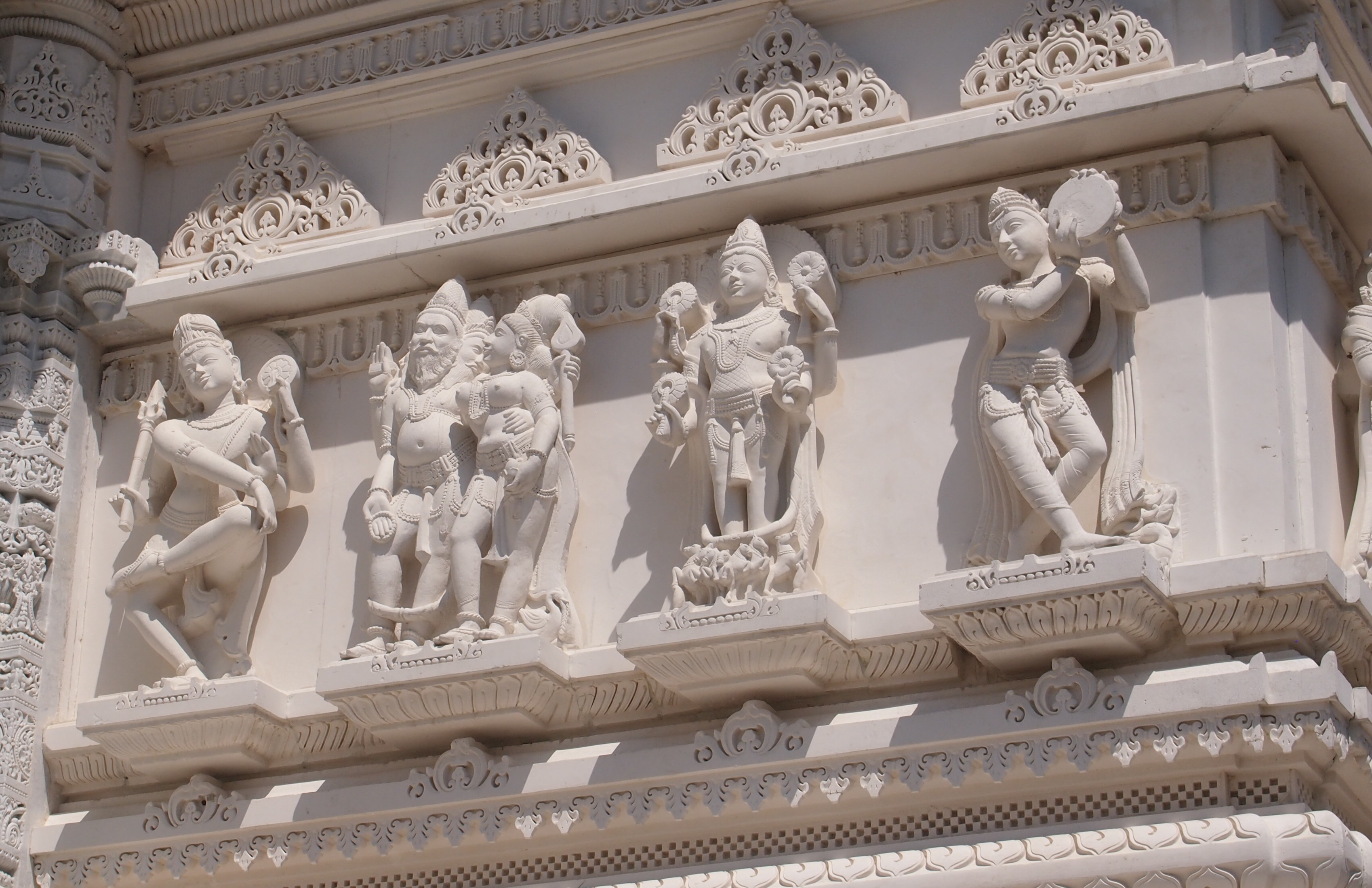
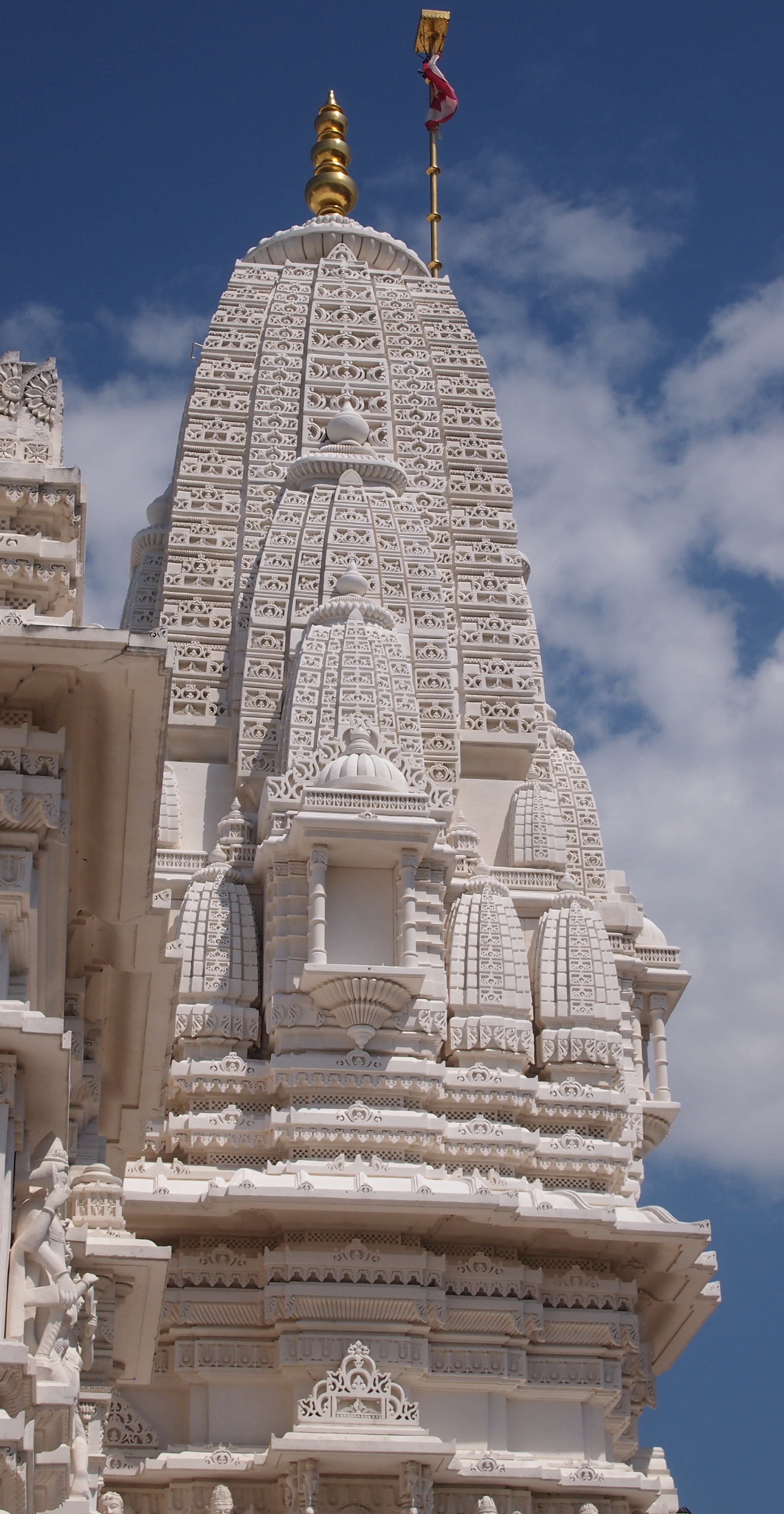
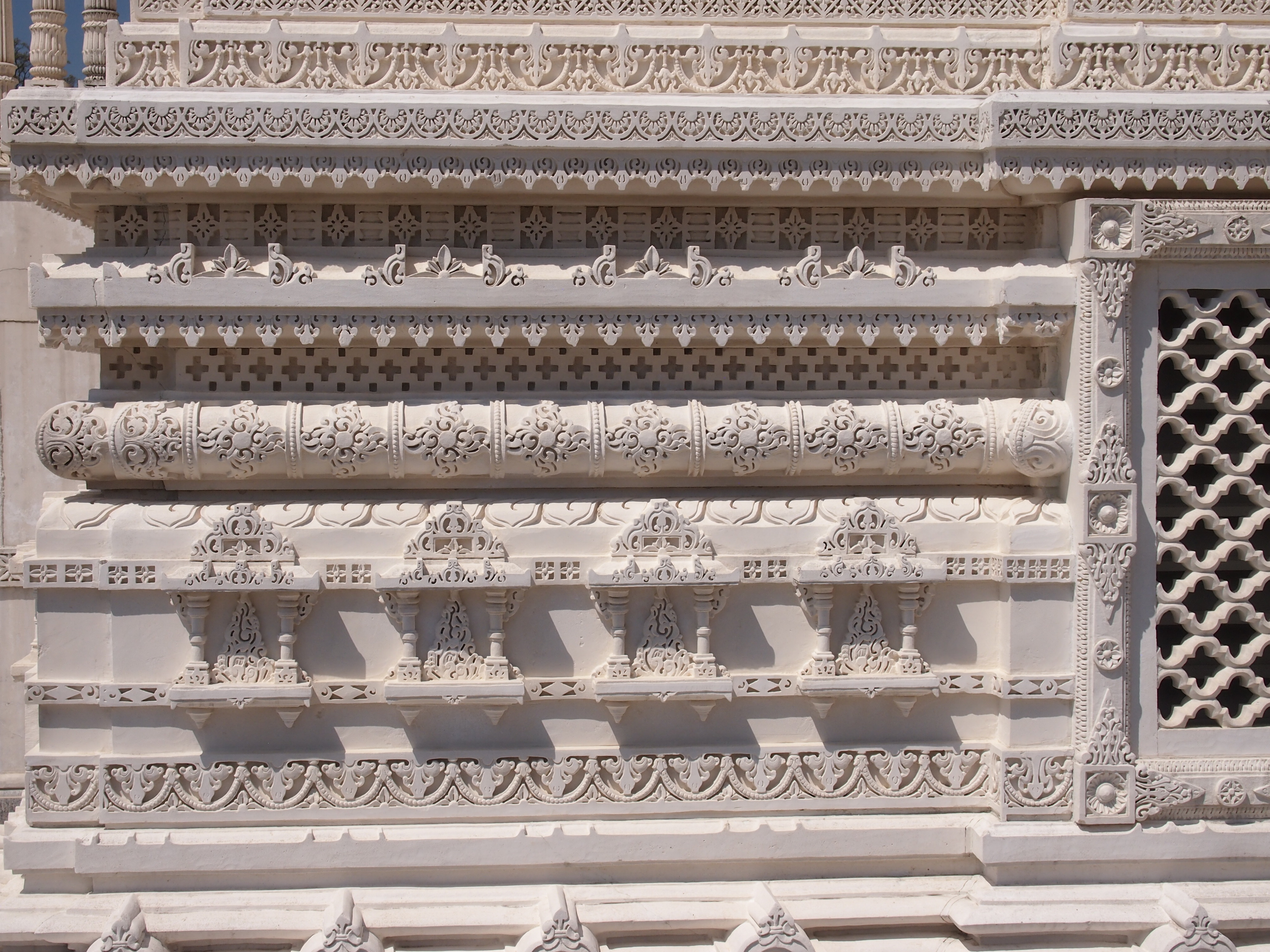
BAPS Shri Swaminarayan Mandir ChicagoBAPS Shri Swaminarayan Mandir ChicagoThe exterior is limestone, the interior marble and granite. The temple’s web site has a sketch of the structure’s creation, which I’ve edited a bit.

The Carrara marble was quarried in Italy and the limestone was quarried in Turkey.
From there it was shipped to Kandla in western India.

The material was then transported to Rajasthan, where it was hand-carved by more than 3,000 craftsman over a period of 22 months.

The finished pieces were then shipped to a final location for polishing, packaging and numbering before being shipped back to the port in Kandla.

It took two months for a container ship to journey from India to the US.

Upon reaching Virginia, the containers were put on a train to Chicago and then transported to the project site.

Upon arrival at the site, the stones were grouped and classified based on a detailed database of each piece.

The pieces were then assembled together like a massive, three-dimensional jigsaw puzzle.

The finished products of rich carvings are a testimony to the exquisite skills of craftsmen, aided by superb logistics and engineering.

I’ll go along with that last sentence. Even though I didn’t understand the details of what I was looking at, I admire the artistic and engineering skill it must have taken to create the thing.

BAPS Shri Swaminarayan Mandir ChicagoBAPS Shri Swaminarayan Mandir ChicagoBAPS Shri Swaminarayan Mandir Chicago

BAPS Shri Swaminarayan Mandir Chicago

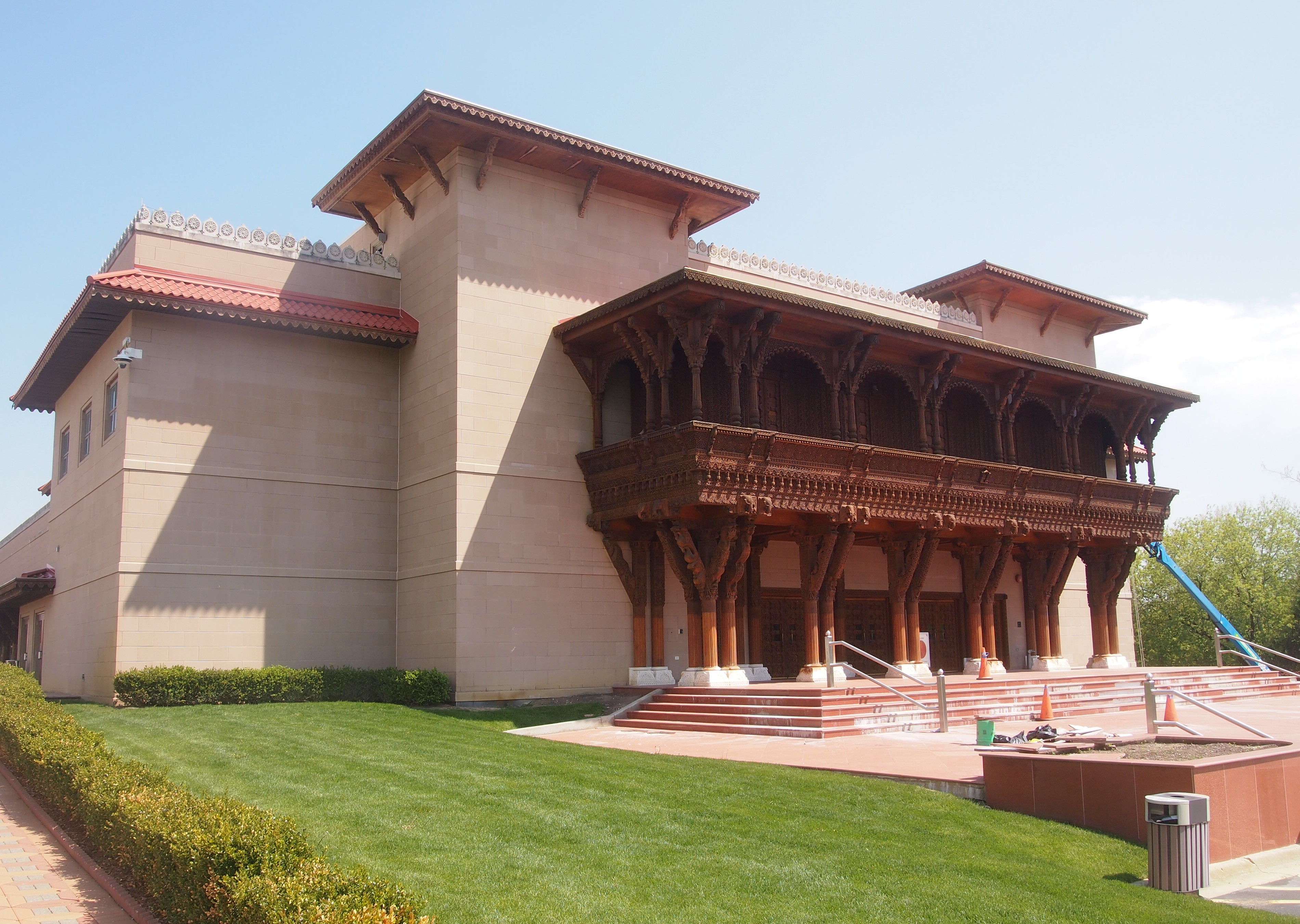
Next to the mandir is the haveli, a fine building in its own right, featuring some exceptionally intricate wood carving. It serves a number of functions. For my purposes, it included a visitors center, gift shop (with a few postcards) and the entrance to the mandir, which is open to the public.

BAPS Shri Swaminarayan Mandir ChicagoBAPS Shri Swaminarayan Haveli ChicagoThe mandir is accessible via an underground tunnel from the haveli. Exhibits about Hinduism line the wall of the tunnel. The inside of the mandir, marbled and quiet, is an astonishing forest of carved columns and sculpted walls. No photography allowed, but of course pictures do exist.

I might not ever make to India. Can’t go everywhere. Fortunately, a striking piece of India is within easy driving distance.

Nathan Manilow Sculpture Park ’17

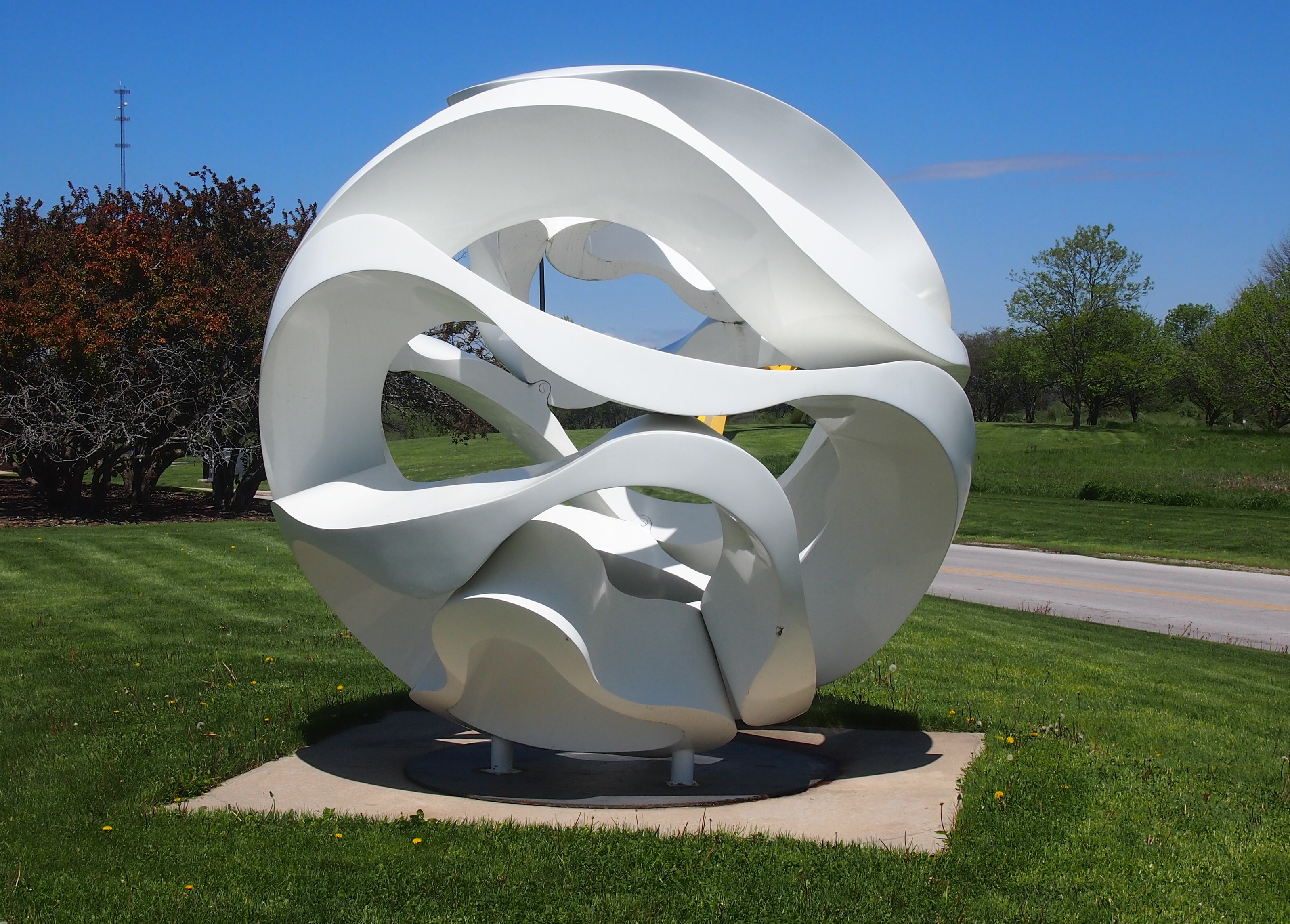
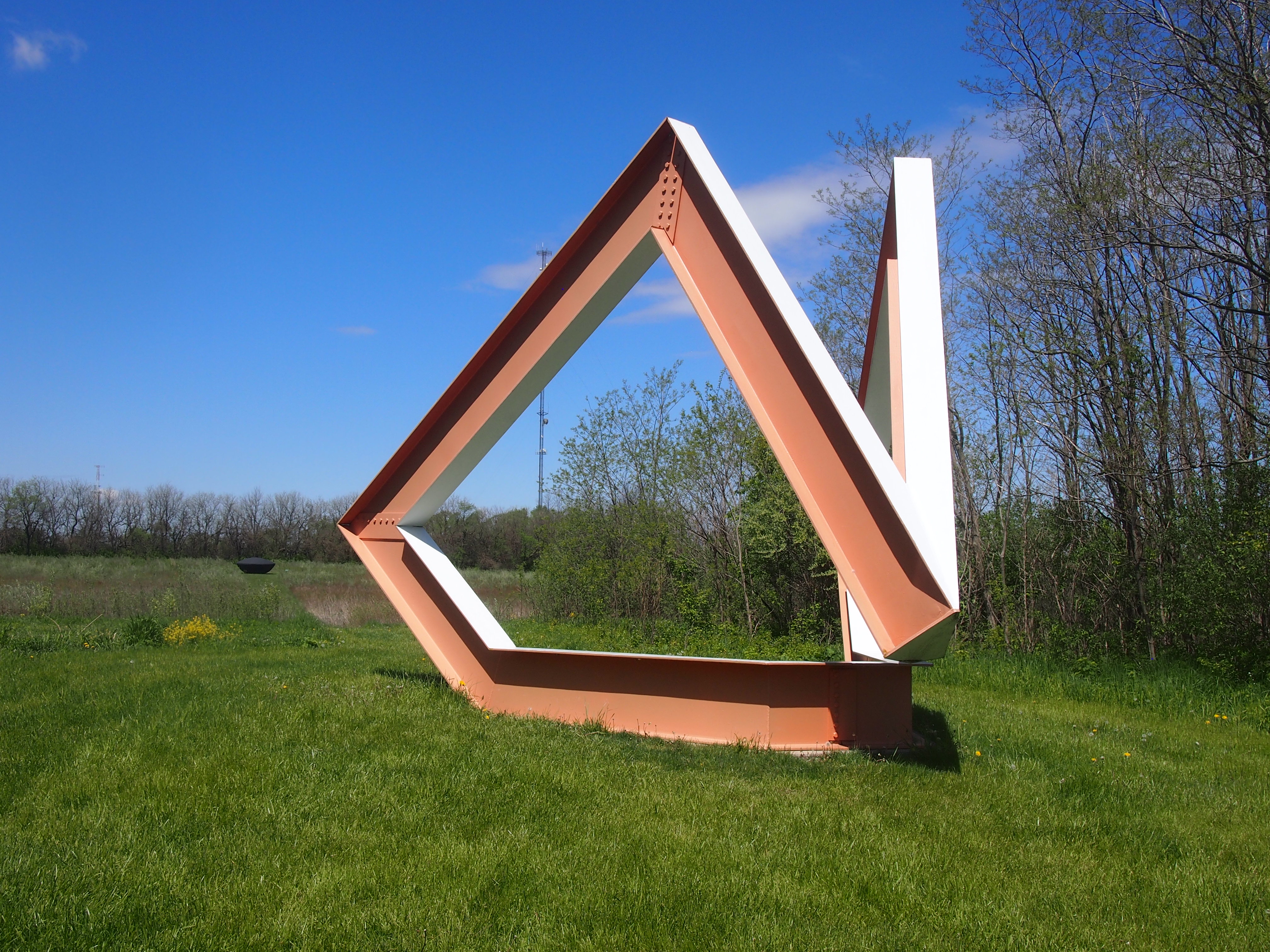
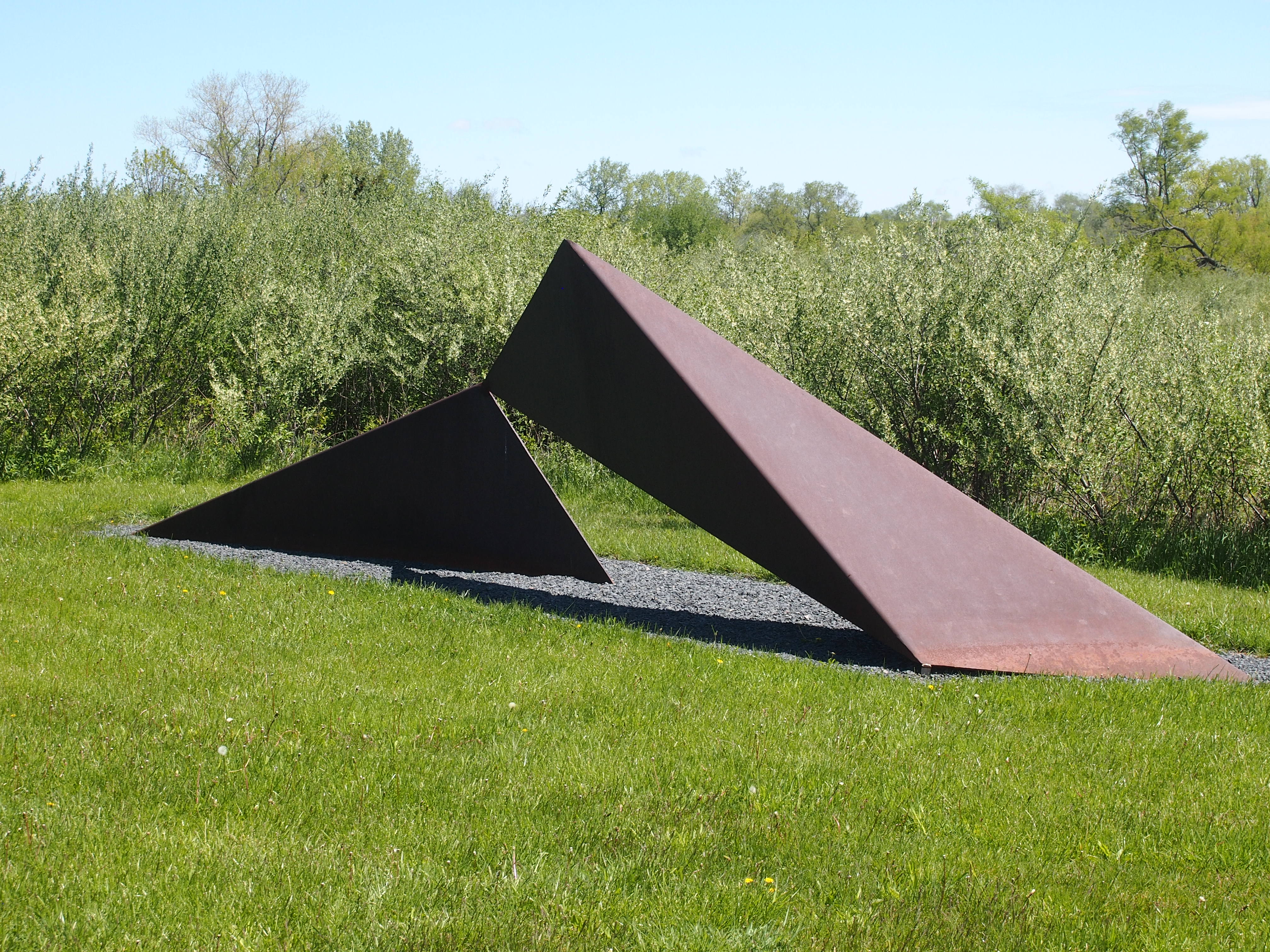
On Saturday we visited Governors State University in exurban Chicago — way down south in the Will County burg of University Park, Ill. — for a look at its expansive sculpture park, which mostly features large-scale metal works. Its formal name is the Nathan Manilow Sculpture Park. I visited the place in 2002 and posted about some years later.

“Formally established by the Governors State University Board of Trustees in 1978, the Nathan Manilow Sculpture Park was named for Nathan Manilow, a visionary developer who, along with Carrol Sweet and Philip Klutznick, formed American Community Builders at the conclusion of World War II,” says the GSU web site. “They planned and built the neighboring Village of Park Forest for returning GIs. The history of the Nathan Manilow Sculpture Park predates GSU in that sculptor Mark diSuvero spent the summers of 1968 and 1969 living and building sculpture on the land that was to become the university.

“1968-69 – Lewis Manilow, son of Nathan Manilow, loans the use of a house on the future campus of GSU to sculptor Mark diSuvero. DiSuvero spends two summers creating sculpture. His presence attracts other artists: John Chamberlain, Richard Hunt, John Henry, Charles Ginnever and Jerry Peart, among others, to the area. DiSuvero creates at least three sculptures: ‘Yes! for Lady Day,’ ‘Prairie Chimes’ and ‘The Mohican.’ ”

After nearly 15 years, I figured it was time to go again. Turns out that sculptures have been added since then. Many of those we saw had not only been added since then, but created since then. Such as “Windwaves” by Yvonne Domenge from 2010.

"Windwaves" by Yvonne Domenge“Oscar’s Inclination” by Michael Dunbar dates from 2004.

"Oscar's Inclination" by Michael Dunbar "Oscar's Inclination" by Michael Dunbar

Beyond “Oscar’s Inclination” was “Falling Meteor” by Jerry Peart, which I’m pretty such was here in 2002. It was created in 1975.
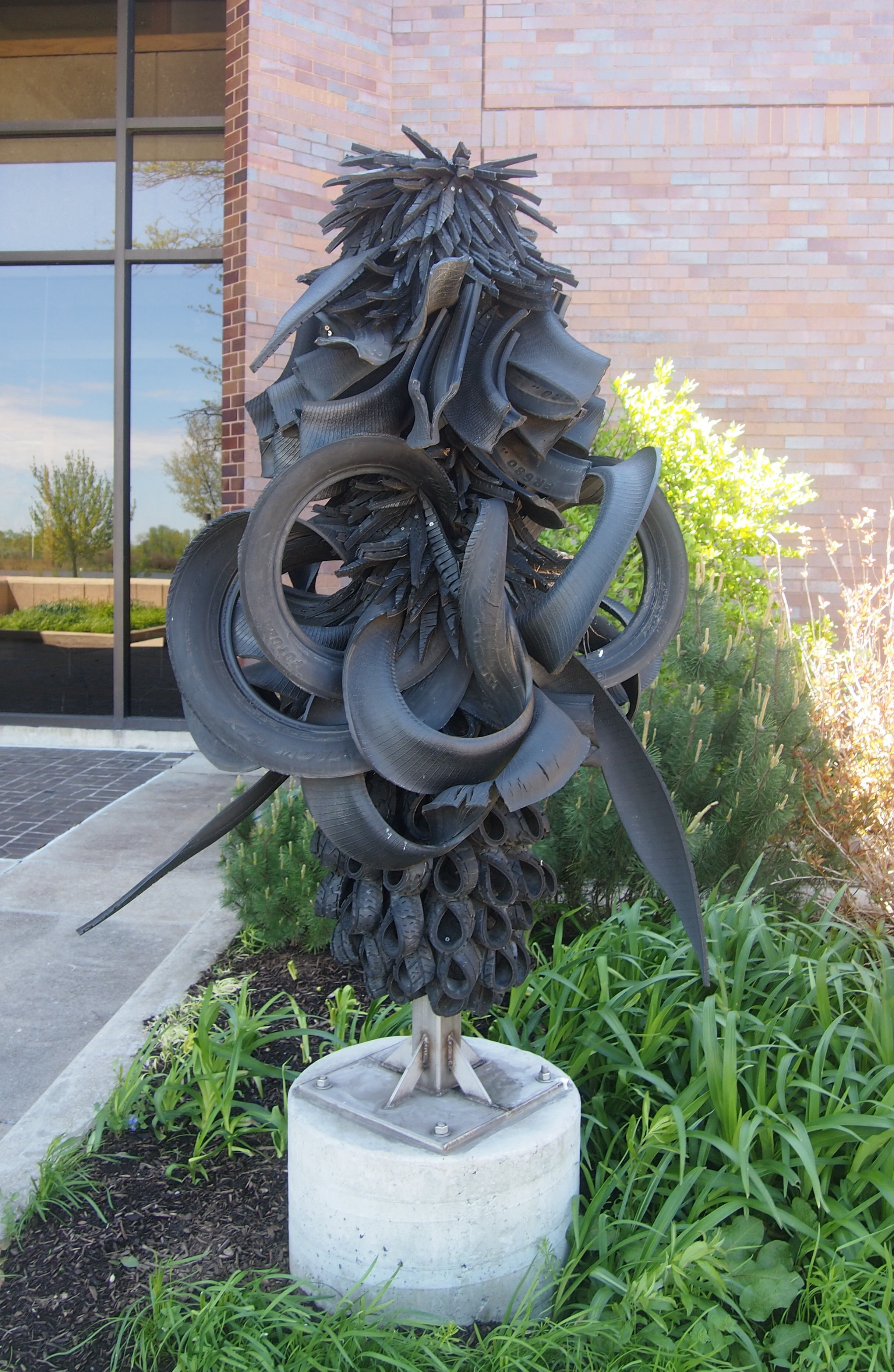
"Falling Meteor" by Jerry PeartThis was one of the smaller works that we saw, “Meeting Ends” by Chakaia Booker, from 2005.
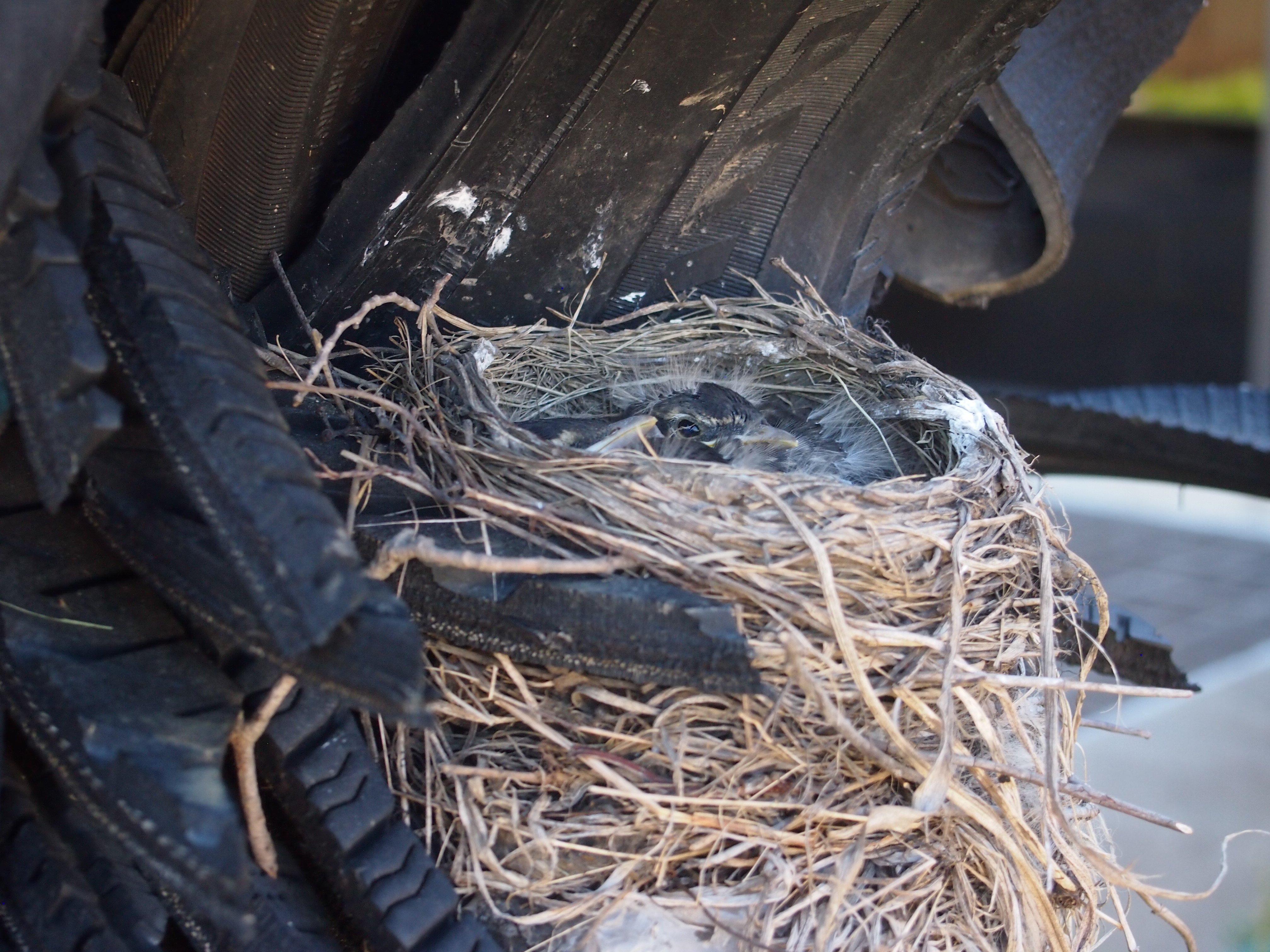
"Meeting Ends" by Chakaia BookerMade of rubber tires and stainless steel. An artwork for us, but also a nesting site for birds.
"Meeting Ends" by Chakaia BookerGSU has a lot of land: 750 acres, which is plenty of room to keep large metal sculptures. Beyond the pieces that are near the school’s buildings, you need to walk along mowed pathways, sometimes soggy considering the recent rains, to see other works.
Governors State UniversityA couple of favorites from last time: “Phoenix” by Edvins Strautmanis, one of the vintage 1968 works, and off in the background, “Flying Saucer” by Jene Highstein, 1977. “Phoenix” looks like it’s been refurbished.
"Phoenix" by Edvins StrautmanisAnd “Icarus” by Charles Ginnever, another early one: 1975.

"Icarus" by Charles GinneverThe director and curator of the park in recent years has been Geoffrey Bates, who just retired. More about him and the park is here.

Toul 1956

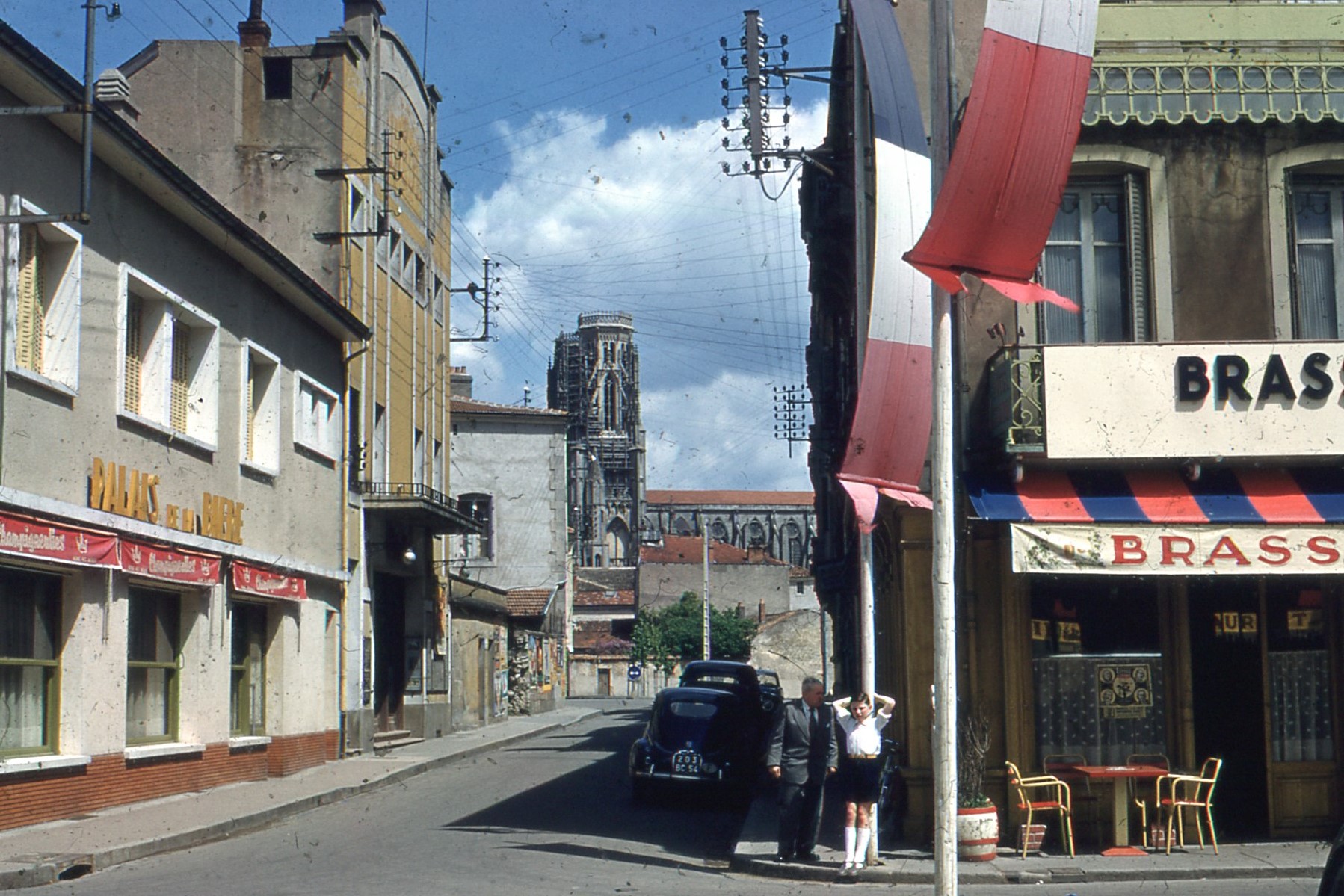
Why my parents picked Toul, France as a destination in May 1956 is probably lost to time, since I doubt that my mother remembers. I’ve read that there are impressive old fortifications there, and a cathedral worth a look, so perhaps those were considerations. There used to be a NATO air base near the town, but my father was in the Army, not the Air Force, and probably didn’t visit on official business. Maybe someone they knew recommended the town for a look-see.

Anyway, they went. Many years later, I came across this slide my father made in Toul. Fortunately, he wrote down the place and time. Otherwise, I’d have no idea beyond it being somewhere in France.

ToulMay56

I think it’s most interesting because it captures an ordinary street scene in a French town more than 60 years ago, though the cathedral is in the background. Looking at image — peering back in time and far away in place — I notice certain details: the proliferation of telephone wires, the relative lack of parked cars, and the two figures beside the street: a schoolboy and a man.

Back when schoolboys were known by their short pants, it seems. I don’t know much about French fashion habits, but I suspect that’s long gone. Looks like the man is telling the boy something, maybe even dressing him down for something. Impossible to say.

Maybe the boy is still around, about 70 now. A grumpy old Le Pen voter? Again, I don’t know enough about France to know whether Le Pen captured the grumpy old man vote, though somehow I suspect she did.

I played around with Google Streetview for a little while today, looking at the area around the cathedral in Toul, though I didn’t get a precise fix on exactly where my father stood when he took the picture. Maybe I could, if I didn’t have anything else to do. I will say this: it looks like there’s been a fair amount of redevelopment in the area since 1956, and the telephone wires, probably the height of la modernité at one time, are gone.

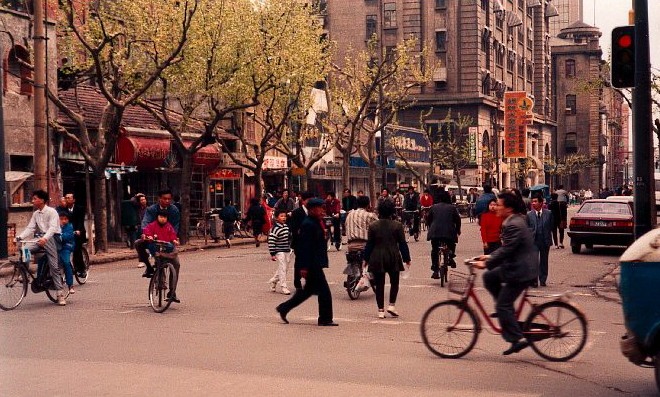
Sometimes I try to capture street scenes myself. Here’s one in Shanghai in the spring of 1994, near the Bund.
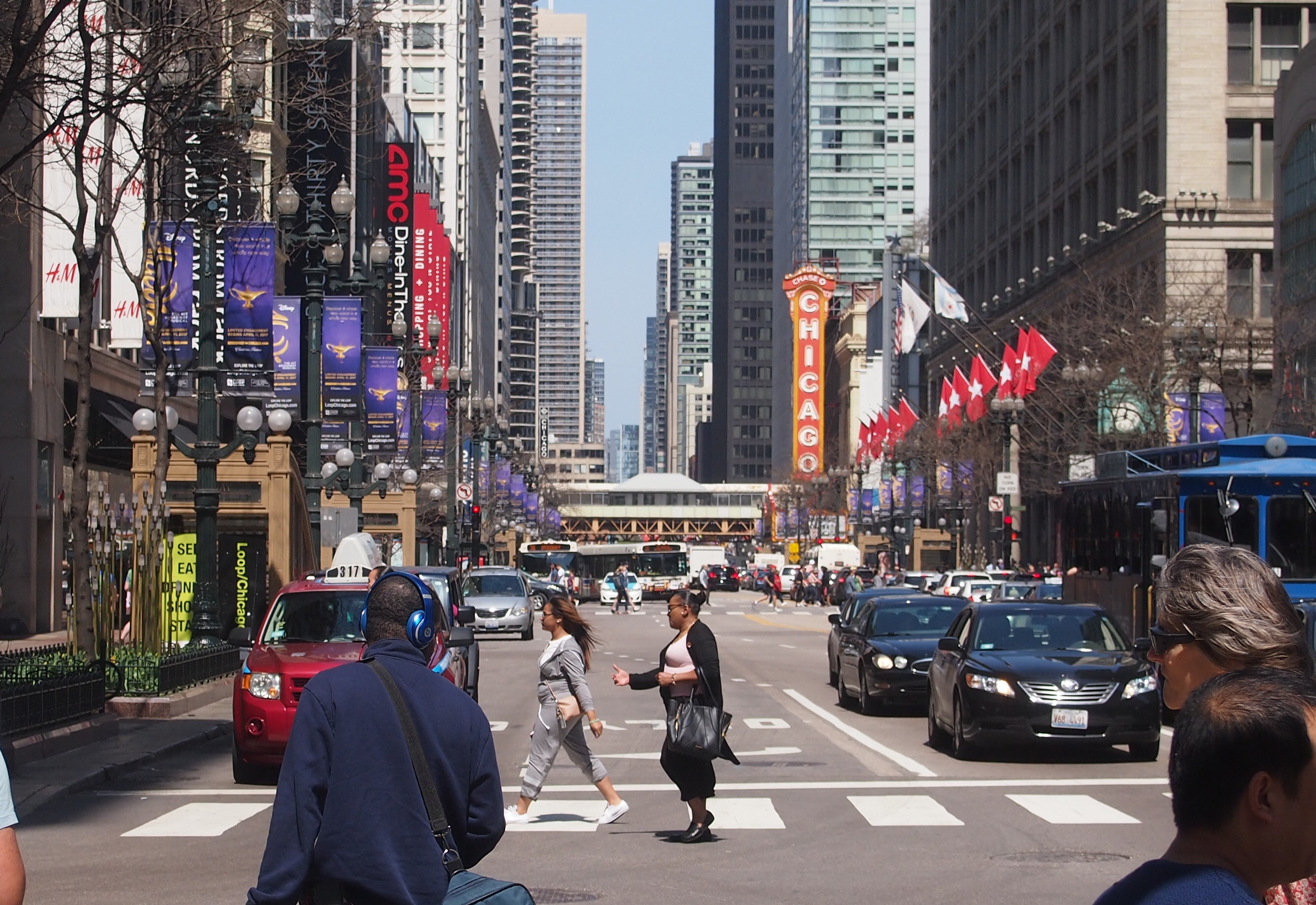
Shanghai94And one of State St. in Chicago, looking north. Just last month.

State Street April 2017Looks ordinary now, but it might look a little odd in 60 years.

Thursday Trifles

My wooden back scratcher — one of earliest inventions of mankind, for sure, and still one of the best — still has its label attached. I just noticed that. A product of Daiso Japan, it was acquired in Japan early this year and brought to me as o-miyagi.

The label is in Japanese and English. The English WARNING says:

Please understand that there is a risk of having mold and bugs since this is made of natural material.
Please do not use this for any other purpose than what it should be.
Please follow the garbage segregation rules imposed by local municipality.

Here’s a picture from Lou Mitchell’s last month. “A Millennial Couple at Breakfast.”

Millennials

The flag between them is a Cubs W flag. They were all over when the Cubs were in the World Series, and you still see them sometimes. Ann asked me what it stood for. I said, Win. She said, couldn’t that be for any team anywhere? I assured her that that kind of reasoning has no place in sports fandom.

Here’s an article about Carvana. That’s a company that develops automobile vending machines. Or rather, mechanical towers that dispense cars previously acquired online. I’d never heard of it before. They’re in Dallas, San Antonio and Austin, among other places, so maybe I ought to take a look at one.

A few weeks ago, there was a thing going around Facebook: List 10 musical acts, nine of which you’ve seen, one you haven’t. Others are invited to guess which is the one you haven’t seen. Pointless but harmless. I refuse to do it on Facebook, but I will here. Alphabetically.

The Bobs
Chubby Checker
Irwin Hepplewhite & the Terrifying Papoose Jockeys
Gustav Leonhardt
Bob Marley
Natalie Merchant
Bill Monroe
Taj Mahal
They Might Be Giants
Francis Xavier & the Holy Roman Empire