St. Helen Roman Catholic Church & St. Volodymyr Ukrainian Orthodox Cathedral

During my walk around Chicago’s Ukrainian Village on Sunday, I also visited four churches, two of which I’d been to before: Sts. Volodymyr & Olha Ukrainian Catholic Church and St. Nicholas Ukrainian Catholic Cathedral. Both have “stunning” and “striking” interiors, to quote myself from 2014, and were certainly worth another look.

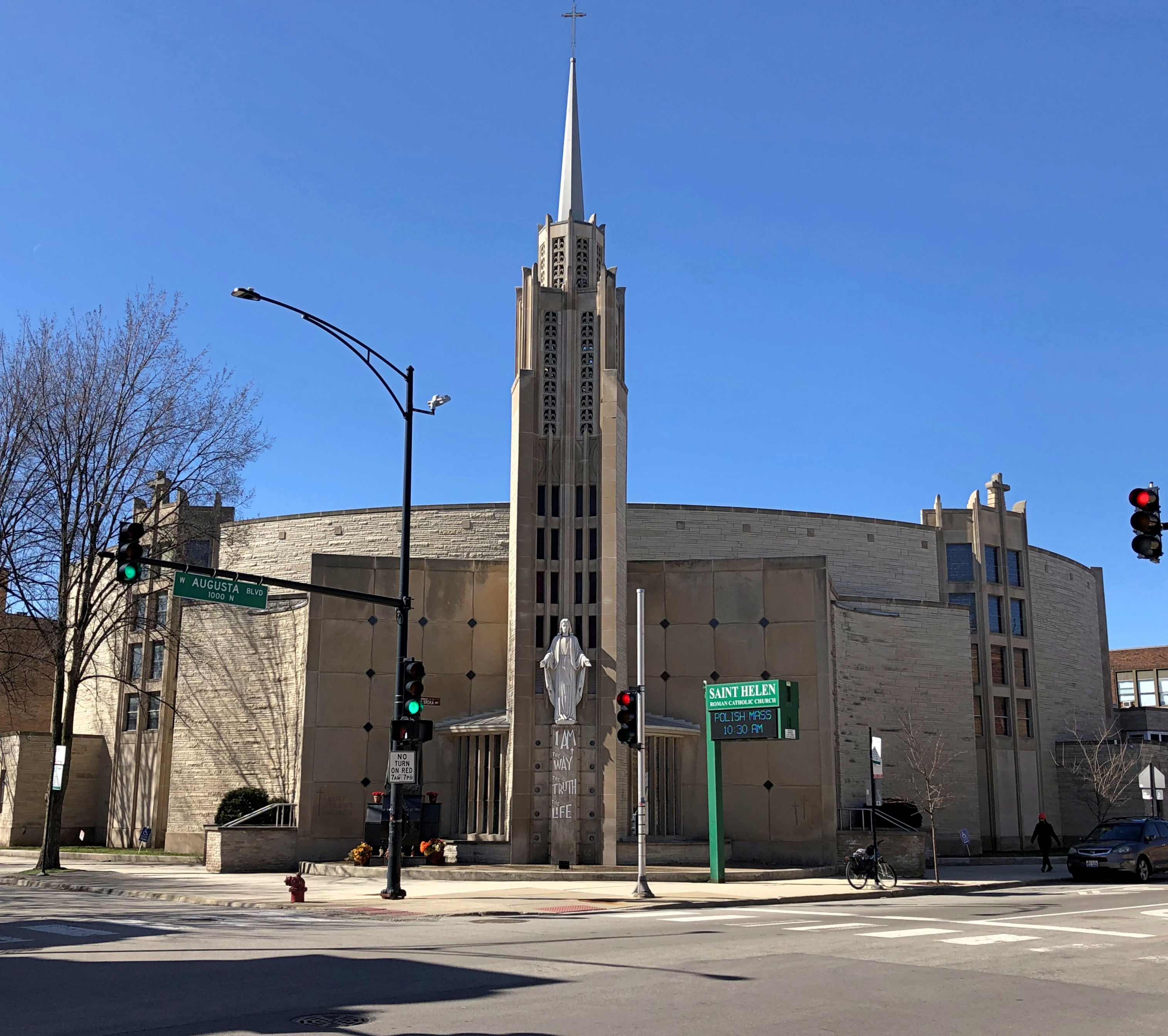
A few blocks north of those two is St. Helen Roman Catholic Church, which has masses in Polish, Spanish and English.St. Helen Roman Catholic Church

“This Polish parish was formed in 1913, and in the early 1960s commissioned the present structure, which blends Art Deco, Modernism and tradition — with a Biblical fish motif,” Open House Chicago says, noting that the architects were Pirola & Erbach, who seem to have done a number of mid-century churches in Chicago.

When I arrived, a Polish mass was in progress. I made myself as unobtrusive as possible at the just inside the door, and admired the handsome interior.

“The spacious interior and ceiling are decorated to draw all eyes to the altar, which is illuminated by light coming through slits in the walls,” says Open House. “The stained glass contains mostly geometric patterns in small fragments of bright, unfiltered colors.”

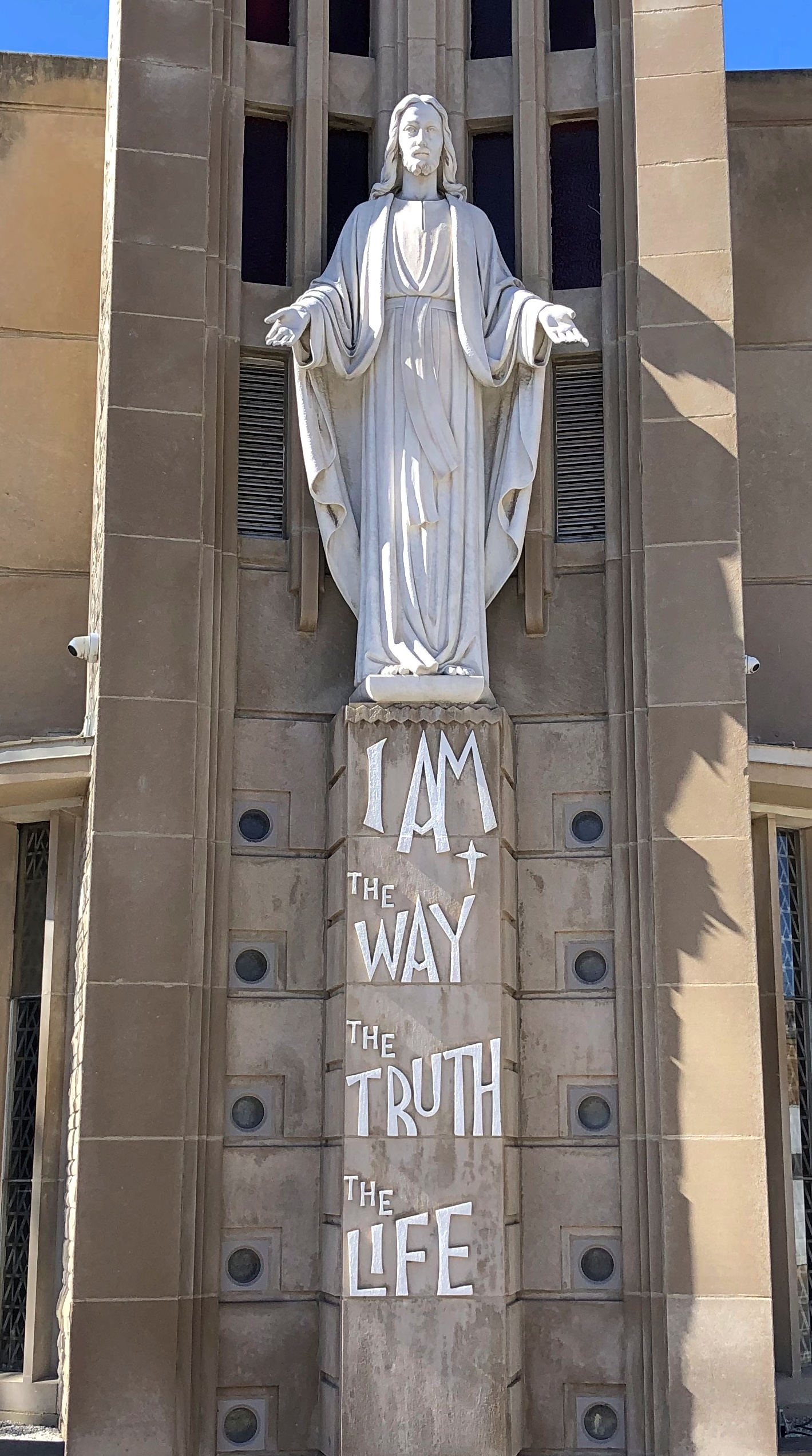
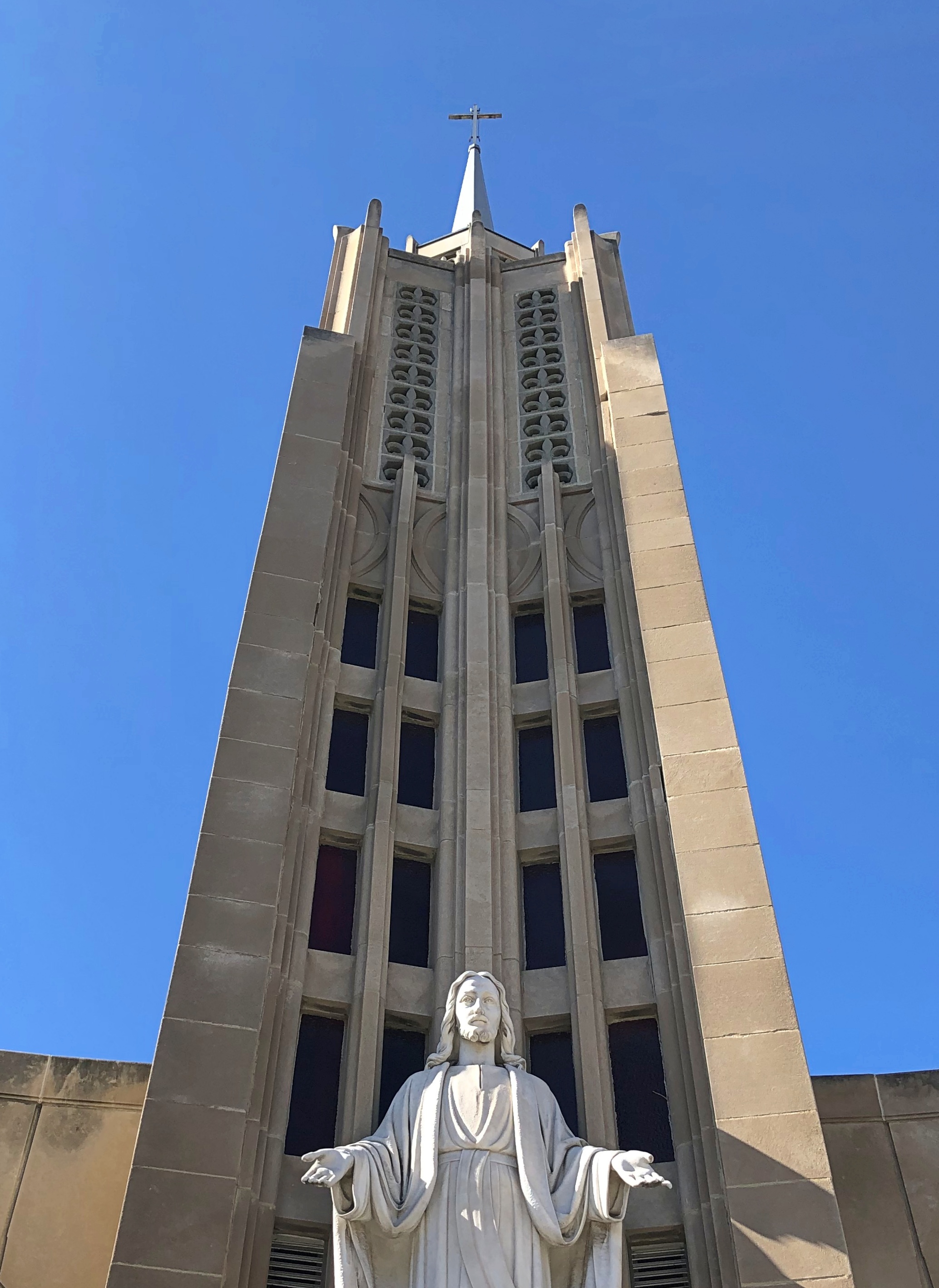
Outside on a high pedestal, Jesus greets passersby on Augusta Boulevard.St. Helen Roman Catholic Church St. Helen Roman Catholic Church

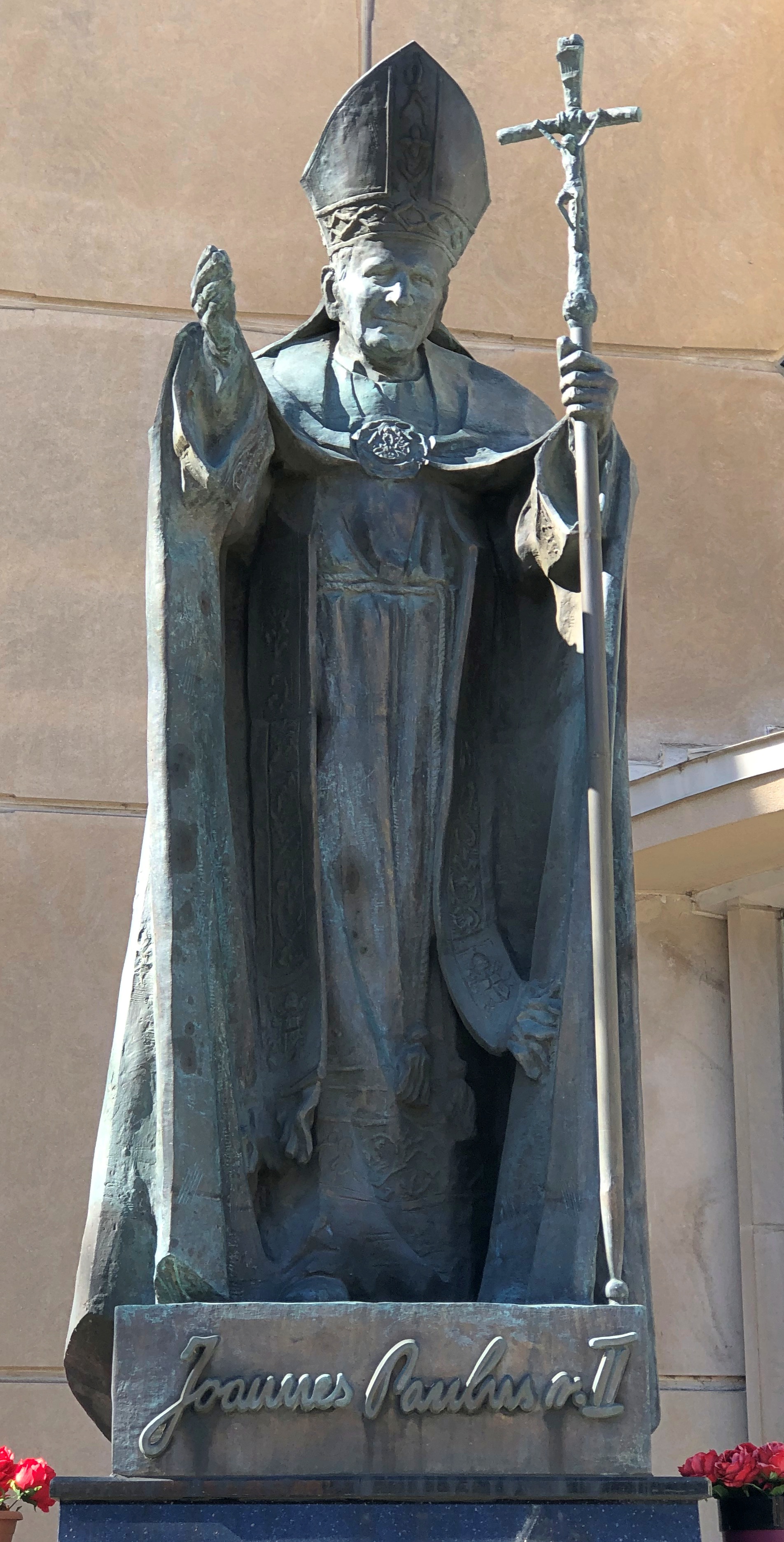
Somewhat lower, but also on a pedestal outside the church, stands a bronze Pope St. John Paul II.St. Helen Roman Catholic Church

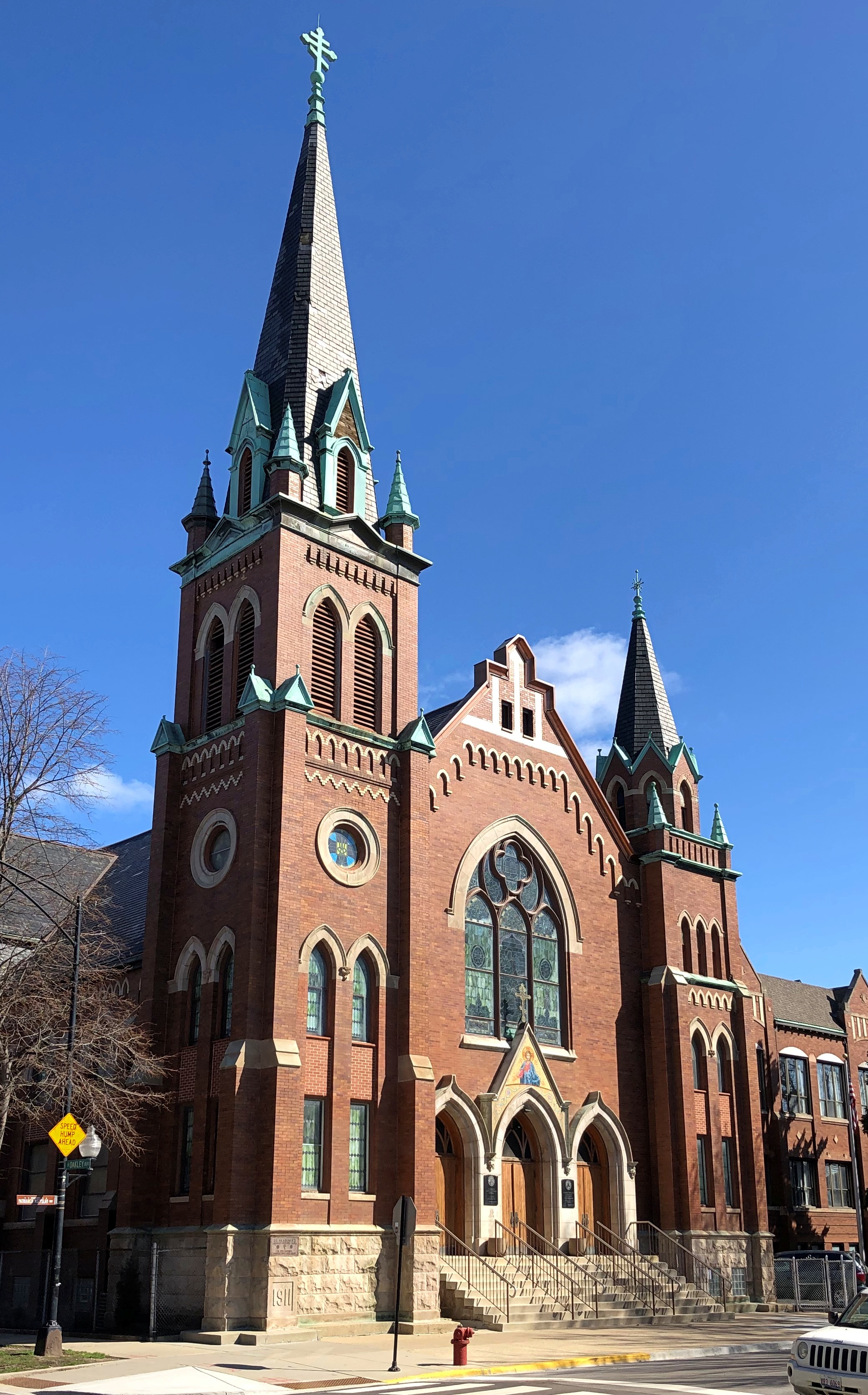
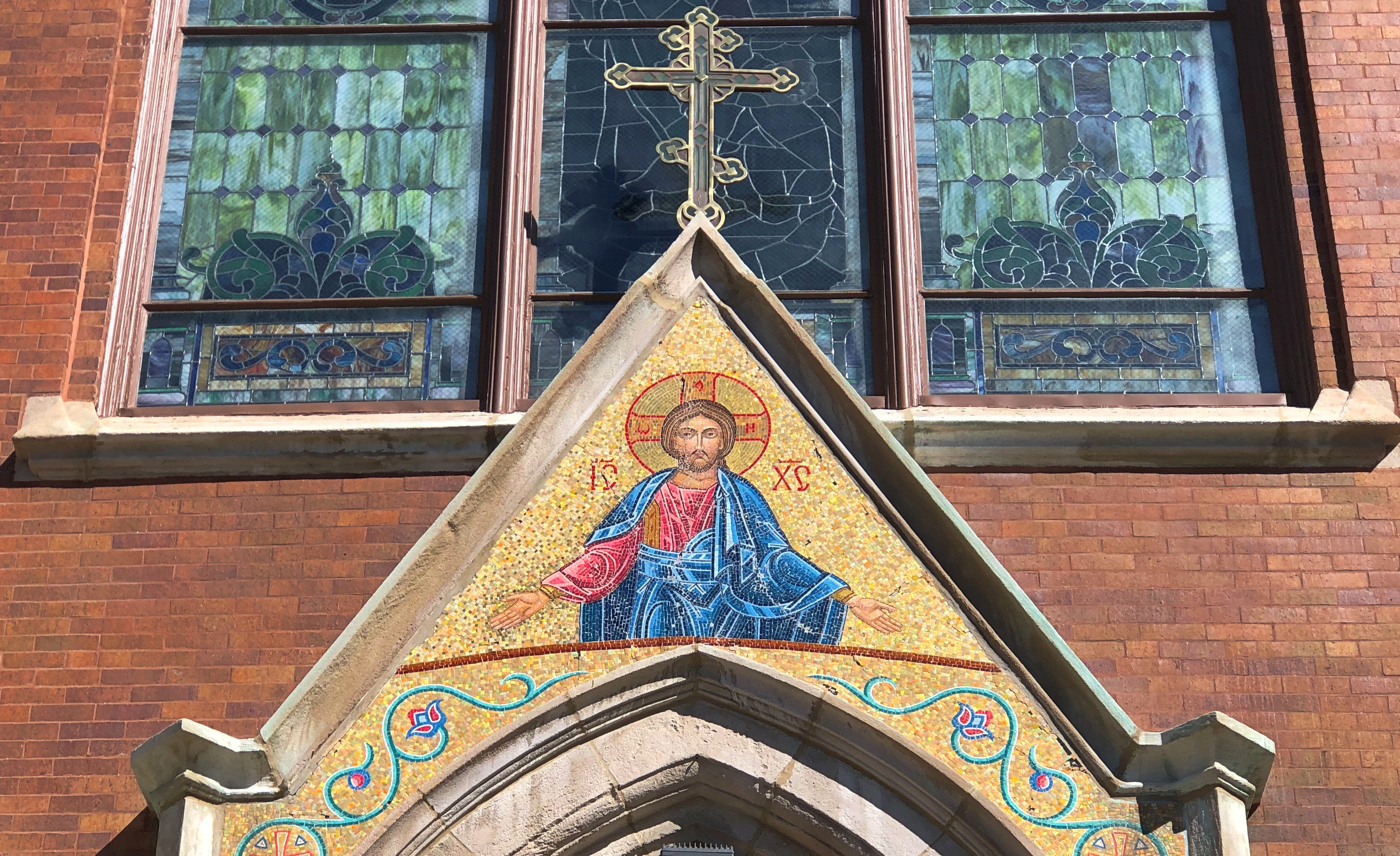
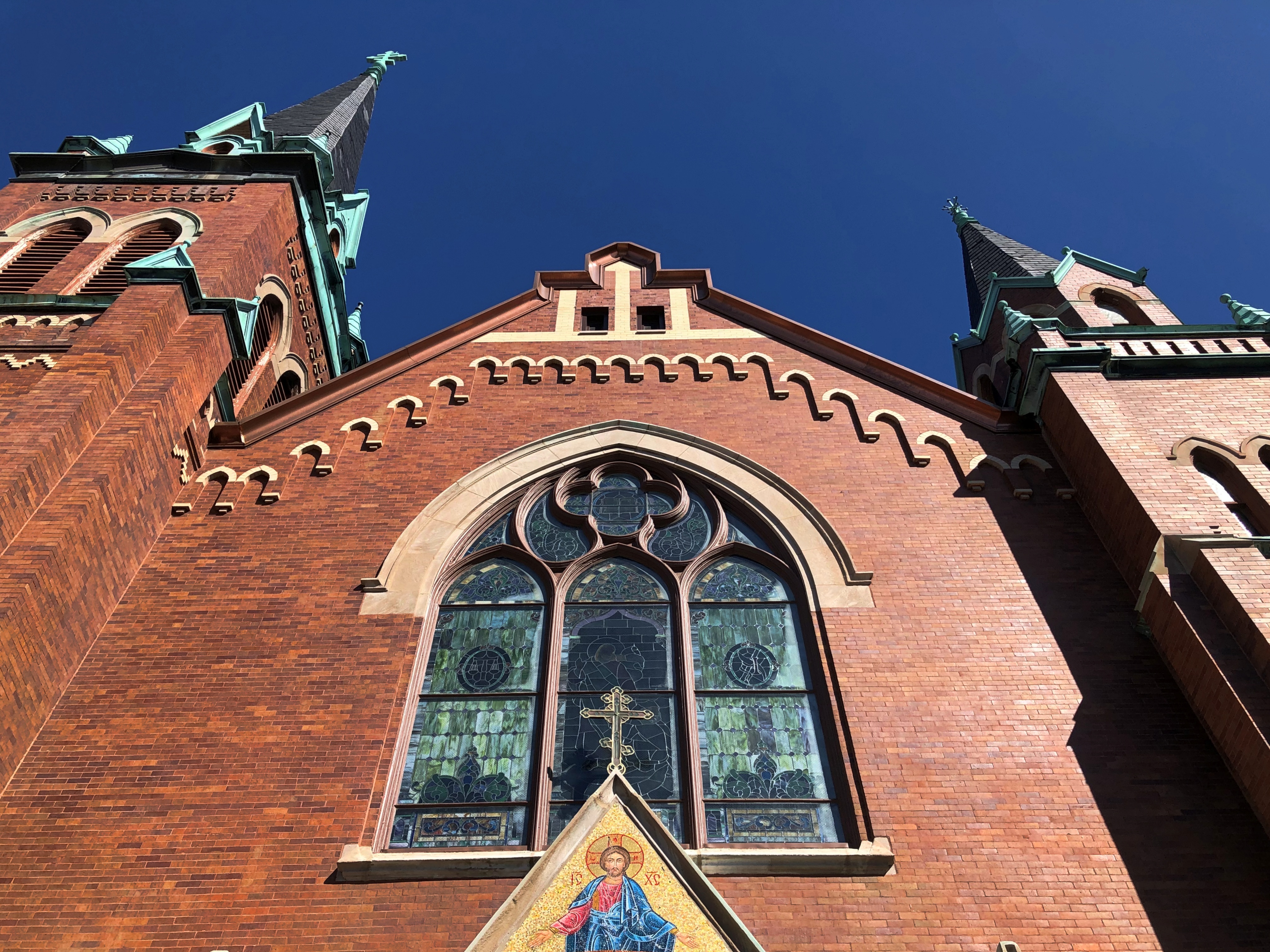
A little further north is St. Volodymyr Ukrainian Orthodox Cathedral.St. Volodymyr Ukrainian Orthodox Cathedral
St. Volodymyr Ukrainian Orthodox Cathedral

Again I stood at the back, taking it all in. Not just the marvelous beauty of the interior, but also the exoticism (to my ears) of an Orthodox service in Ukrainian. The priest’s voice, from behind the iconostasis, carried vividly all the way to the back of the nave.

“The cathedral is a remodeled German Lutheran church that exhibits the Medieval-Gothic style of ecclesiastical architecture, including pointed arches, ribbed vaults and flying buttresses,” Open House says. “The cathedral brings an Eastern-Byzantine interior design into a German-Gothic temple.”

Indeed, an iconostasis and pews. I’ve run across that before.

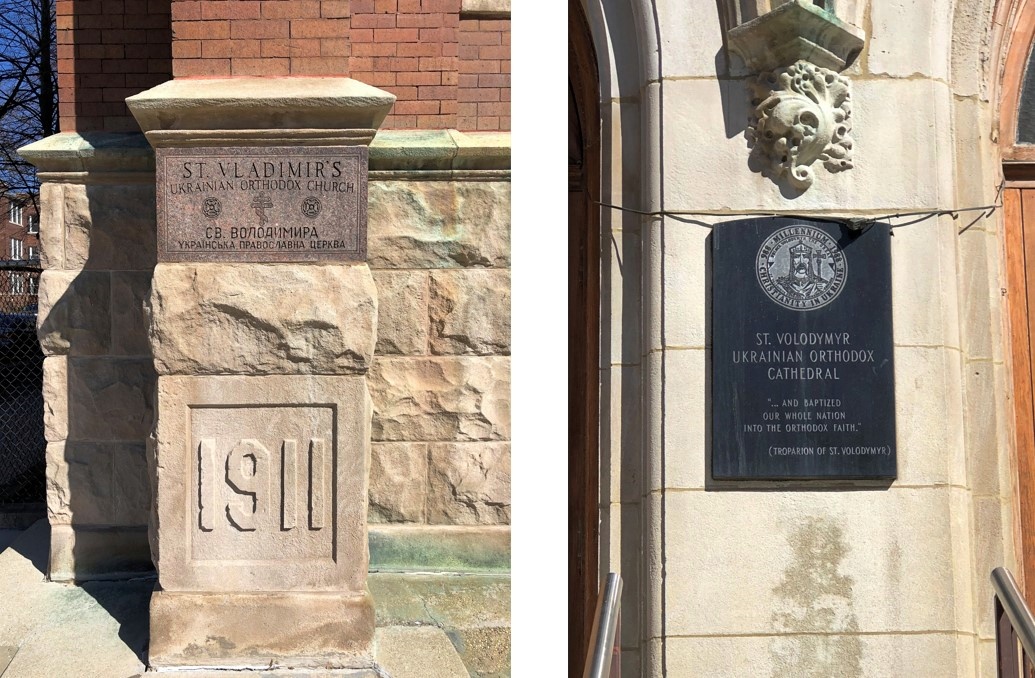
Noteworthy on either side of the main entrance.
St. Volodymyr Ukrainian Orthodox Cathedral

The older inscription, presumably put there when the Ukrainians moved into the Worthmann & Steinbach-designed former Lutheran church (1945), uses the transliteration Vladimir. The newer plaque, put there in 1988 to mark 1,000 years of Christianity in Ukraine, uses Volodymyr.

I expect Vladimir is going to be out of favor among Ukrainians for a long, long time. But in any case, it’s also an example of recontextualizing, rather than tearing a thing down.

Ukrainian Village Walkabout

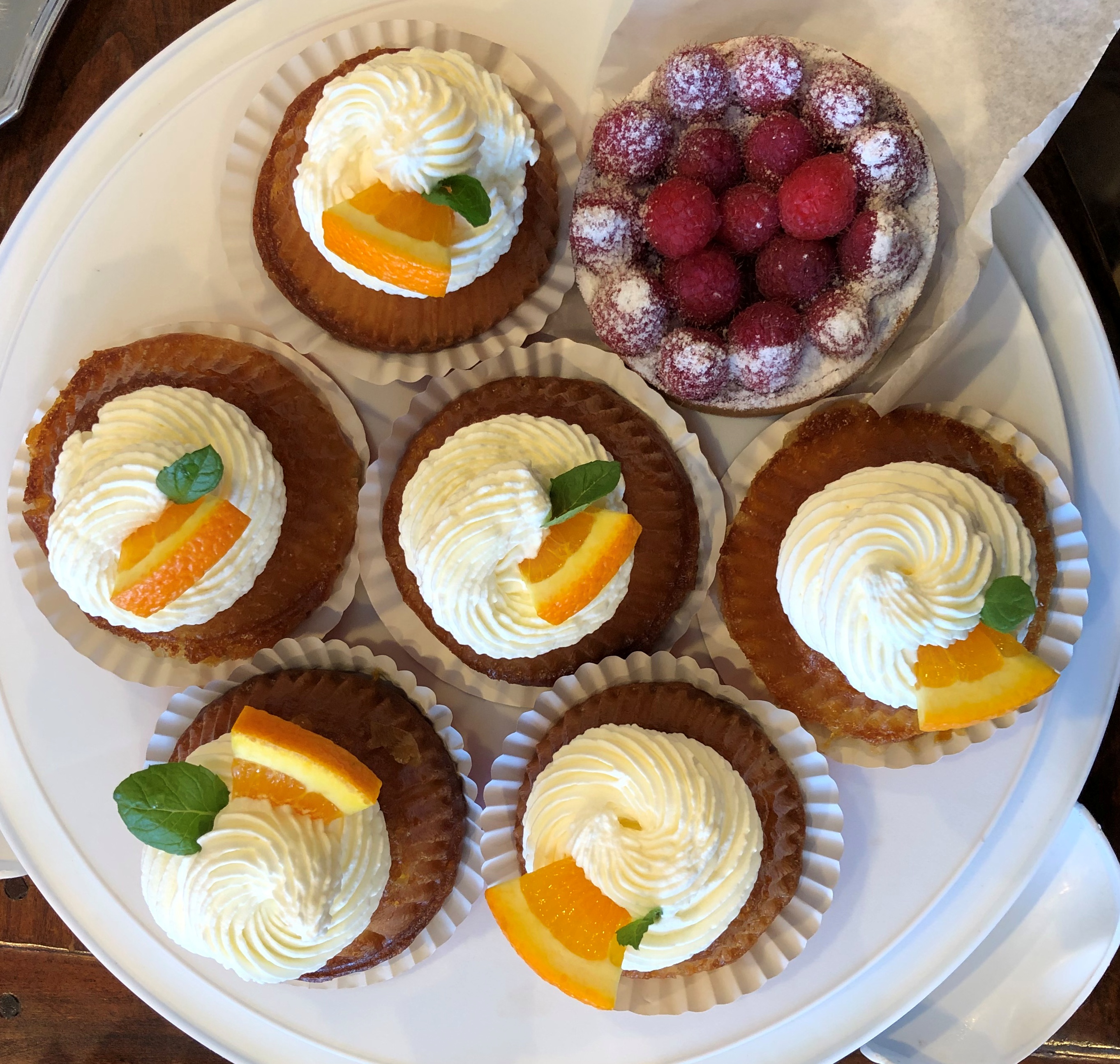
On Sunday, I drove into the city with Yuriko, who attended her cake class in the Humboldt Park neighborhood and made some delightful orange pastries.Yum

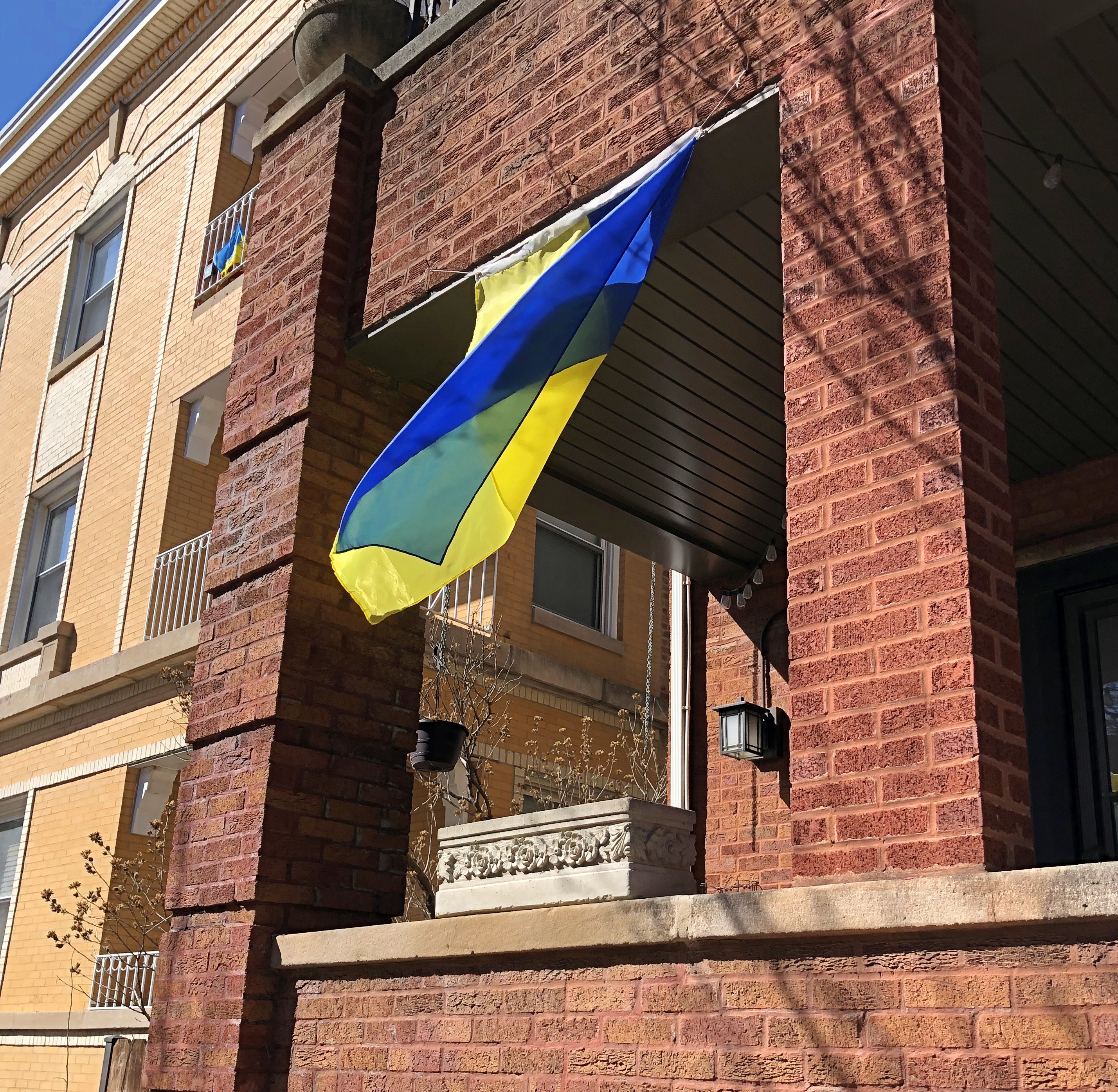
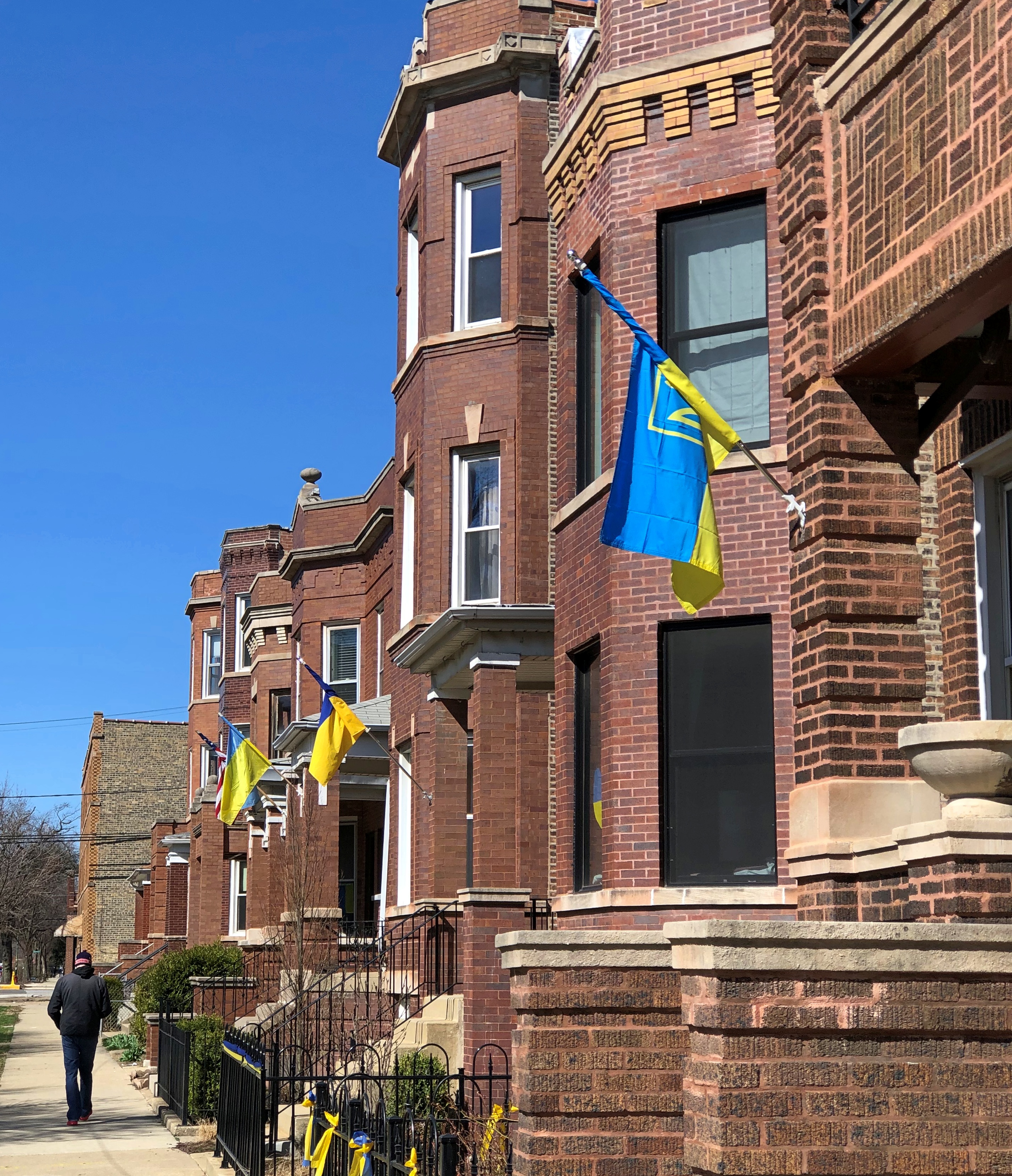
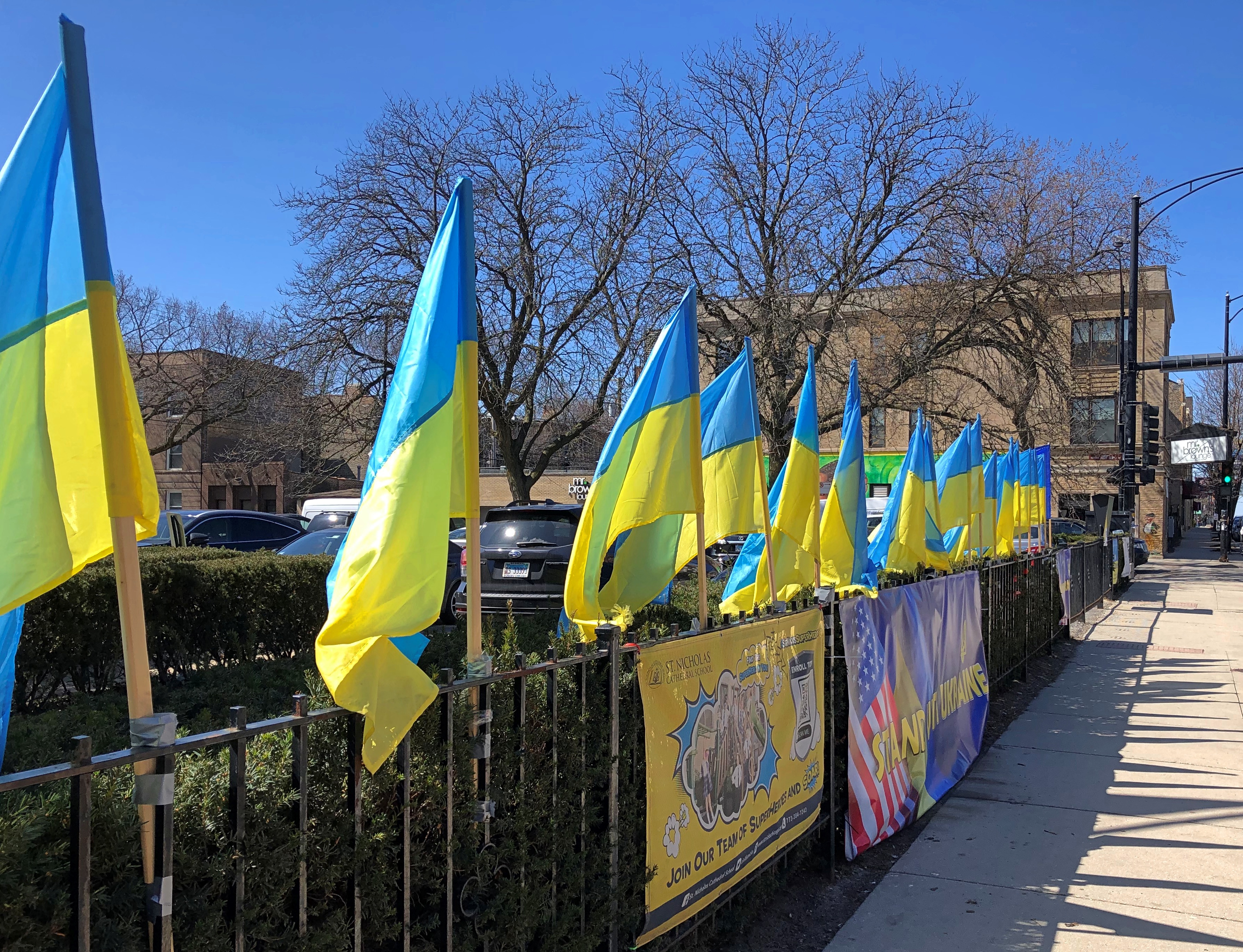
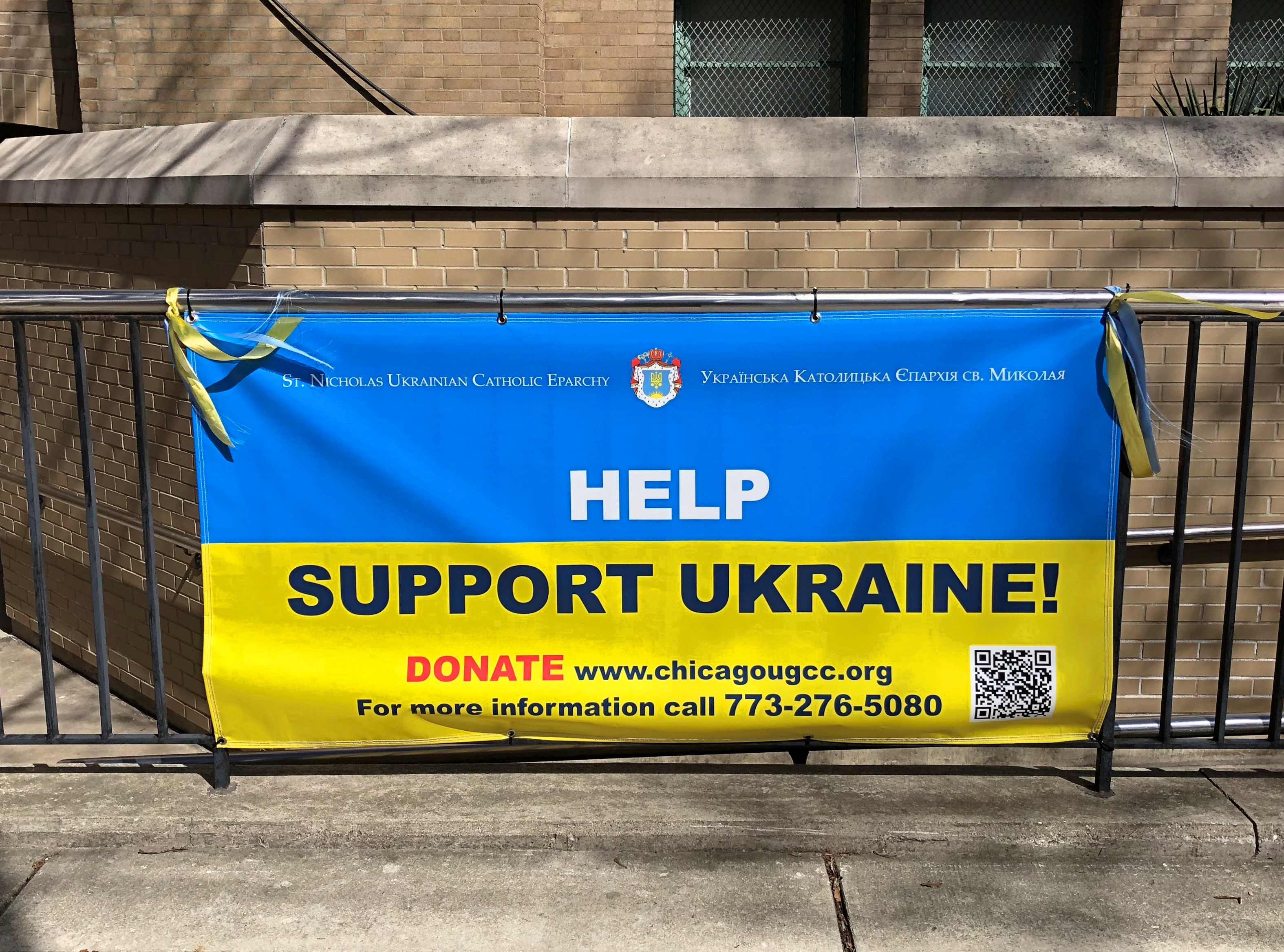
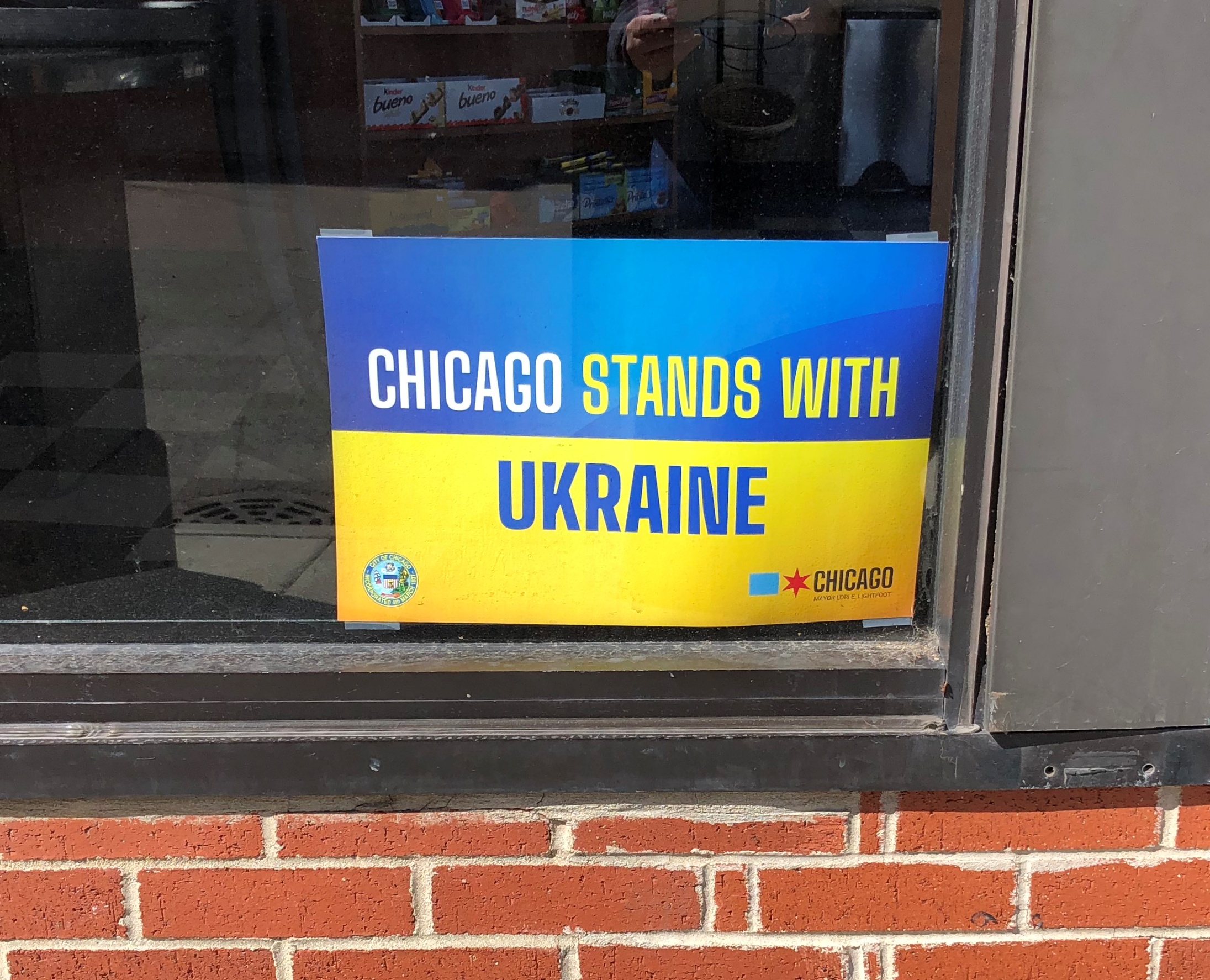
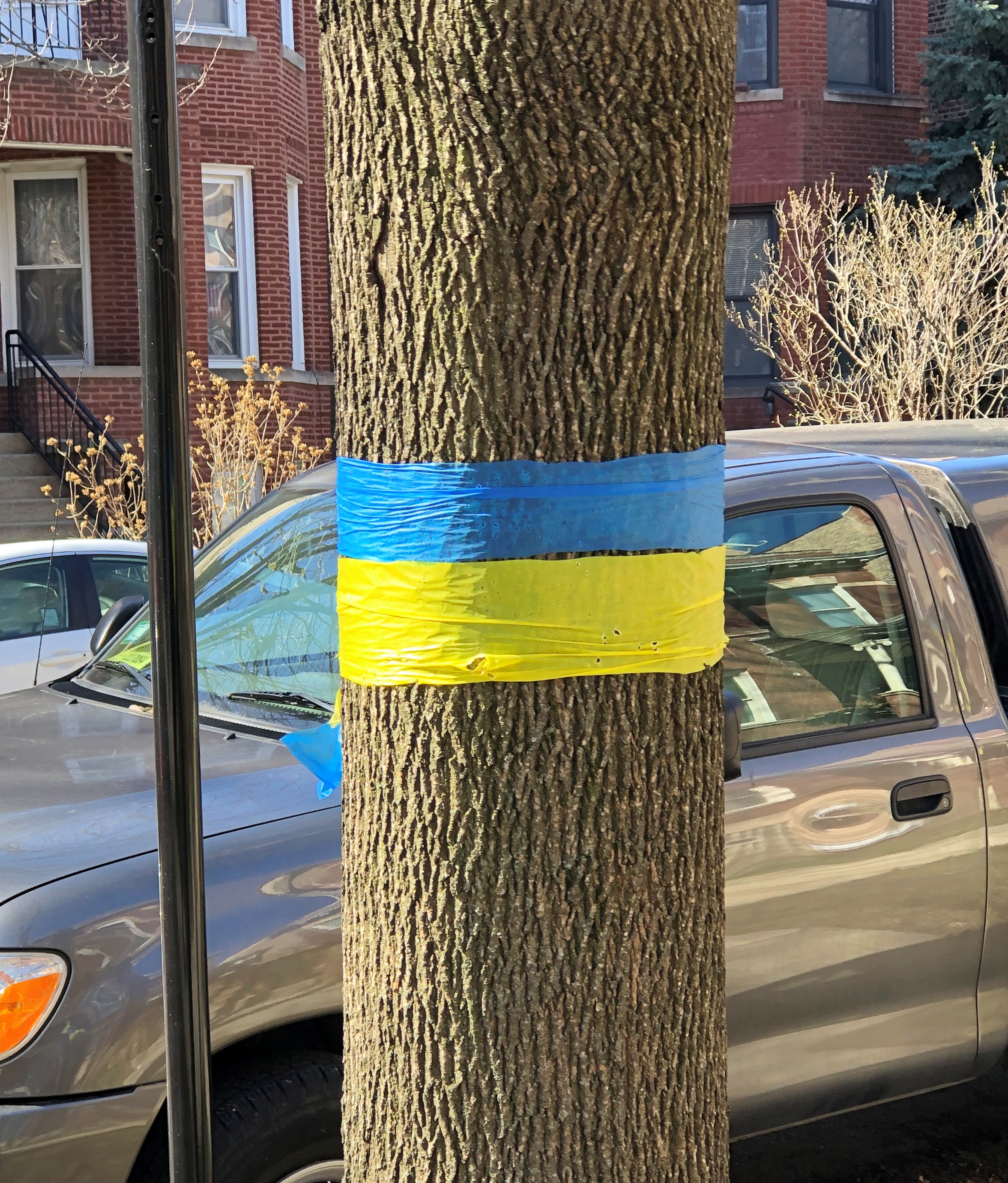
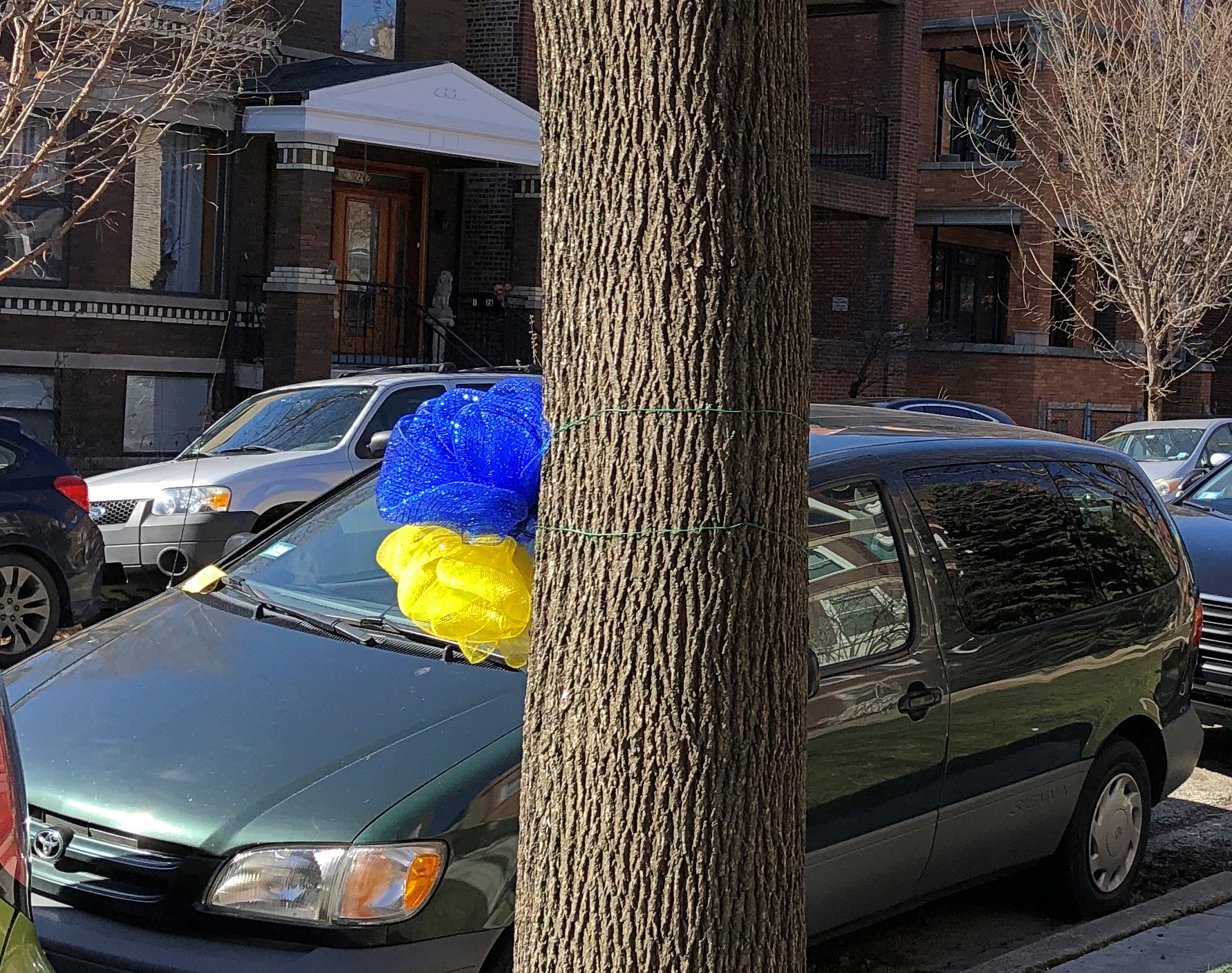
While she did that, I had a few hours to kick around. Temps were only a little above freezing, but the sun was out and there wasn’t much wind, so it turned out to be a good day for a walk. So I went to the Ukrainian Village neighborhood to see, and document, signs of solidarity with the beleaguered people of that nation. There were flags.

Many flags.Ukrainian Village Chicago 2022 Ukrainian Village Chicago 2022 Ukrainian Village Chicago 2022

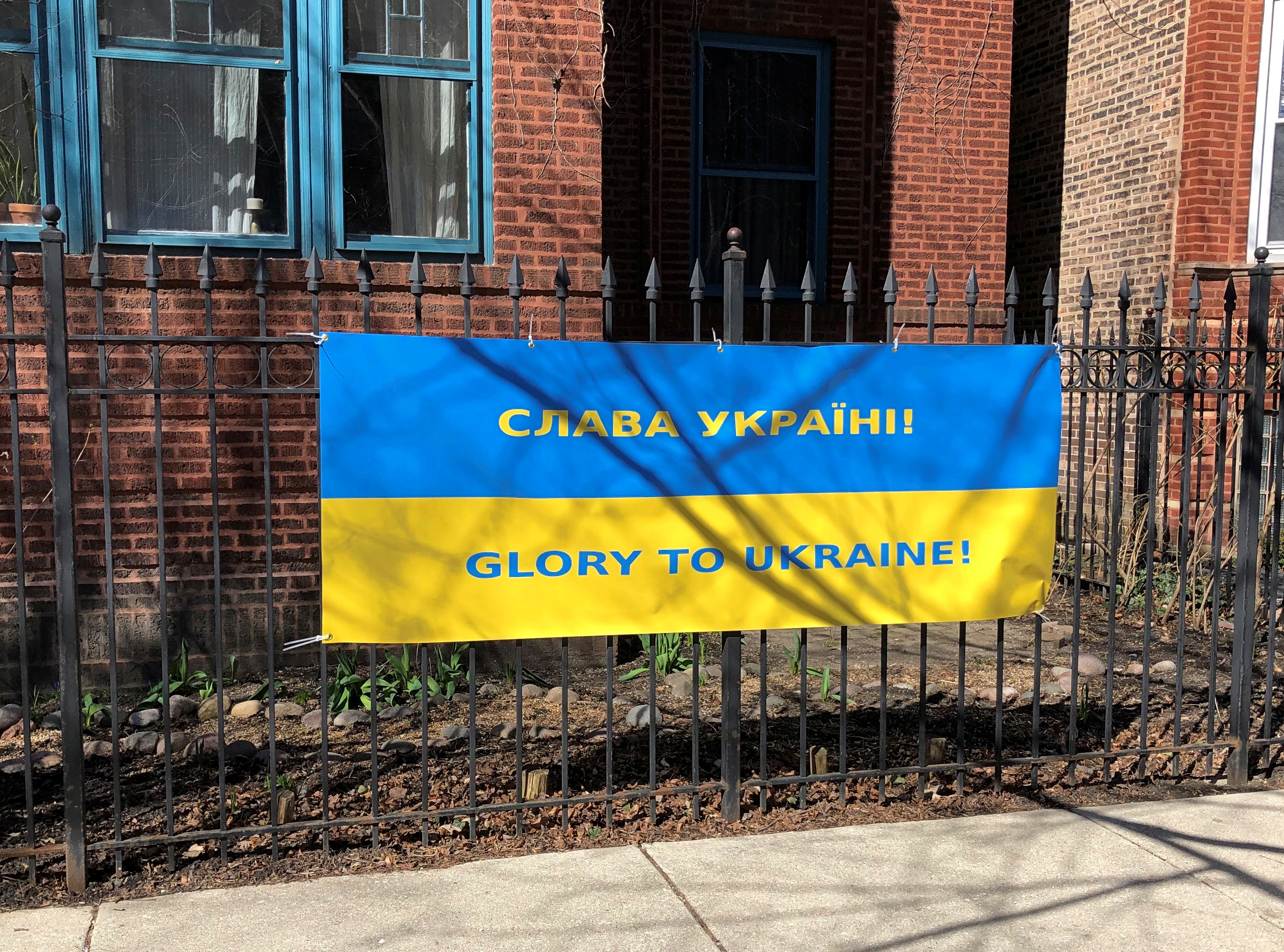
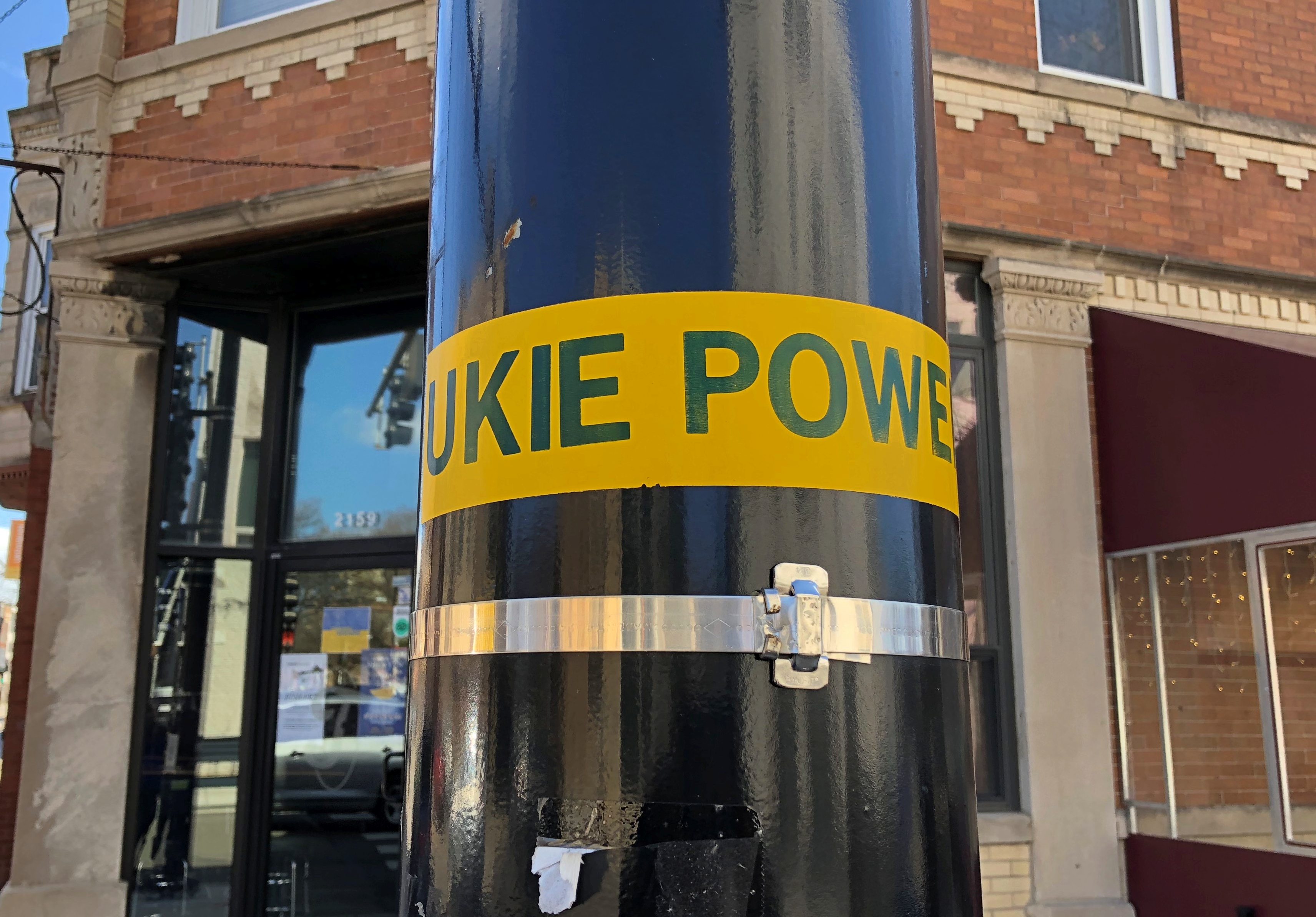
Banners and signs.Ukrainian Village Chicago 2022 Ukrainian Village Chicago 2022 Ukrainian Village Chicago 2022

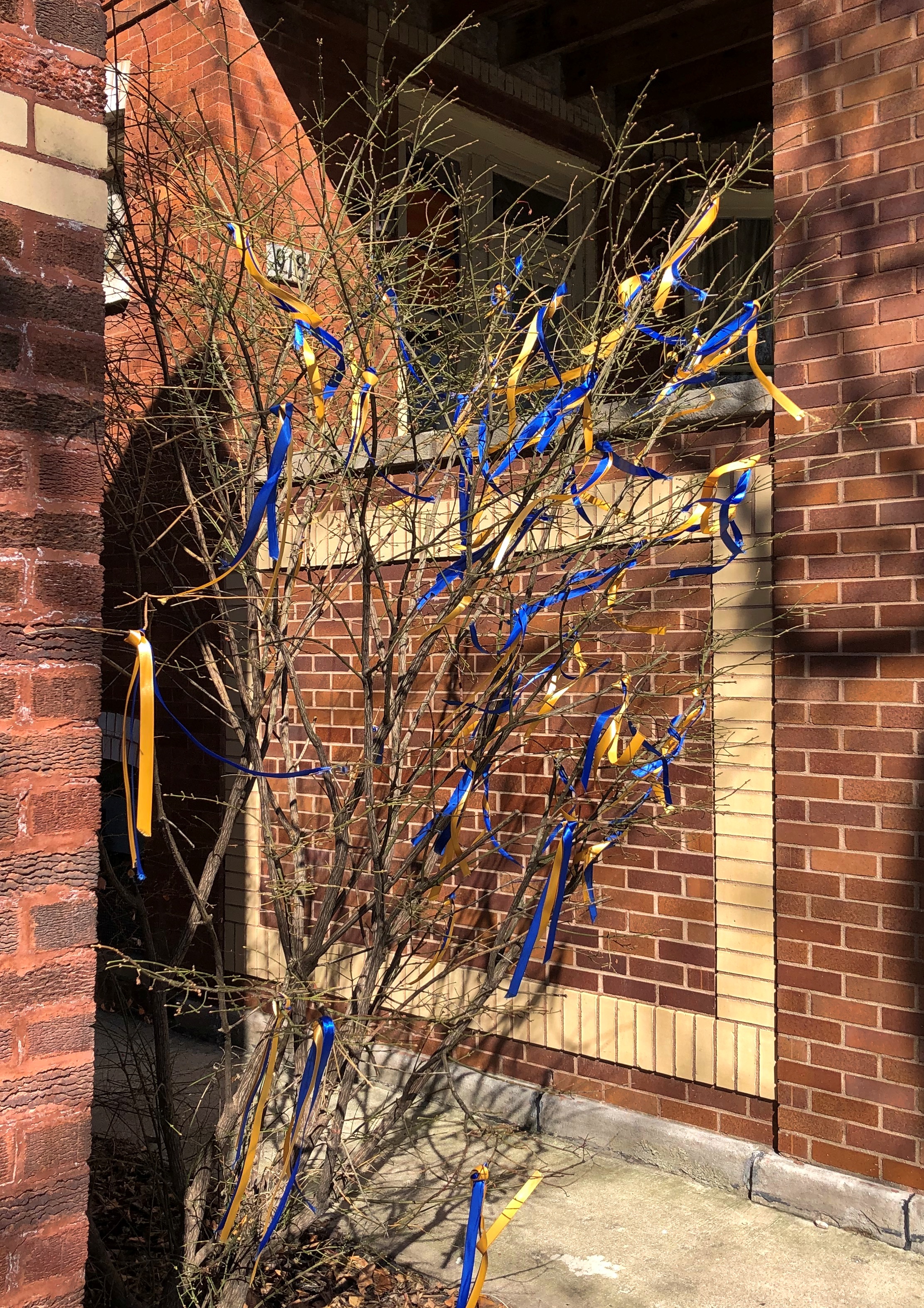
Ribbons and bows.Слава Україні! Слава Україні! Слава Україні!

And more.Ukrainian Village Chicago 2022
Ukrainian Village Chicago 2022

The neighborhood is reportedly the home of 15,000 or so Ukrainians and the outpouring is highly visible. I could have spent all day taking pictures of blue-yellow bicolor displays.

Heaven on Seven No More

I learned over the weekend that the restaurant Heaven on Seven, closed since early 2020, has closed permanently. I will miss it. Before the pandemic, I went there once a year or so, even after I quit working downtown.

The joint had much to recommend it, but especially its first-rate Louisiana cuisine. Over the years I had the jambalaya, crawfish etouffee, gumbo, red beans and rice, fried oysters, crab cakes, various po’ boys and pies, and more. The New Orleans decor charmed without being overwhelming, and its seventh floor location at 111 N. Wabash in Chicago’s Loop (the storied Garland Building) had little signage to guide you there. You either knew where it was or you didn’t, especially in the days before the Internet. I can’t remember who introduced me to it, but it was sometime in the late ’80s.

Also, and I can’t stress this enough, the dishes at Heaven on Seven weren’t the creation of some big-deal chef who “curated” some “artisanal” cuisine using “local” ingredients “cooked to perfection” to reach some height of “authenticity.” All of that adds up to an overpriced place that people praise because a restaurant can’t really be good if you pay modest prices, can it?

No. At Heaven on Seven, talented cooks created wonderful dishes to remind you of those days and nights in New Orleans or even Lafayette, without inflicting high prices on its patrons.

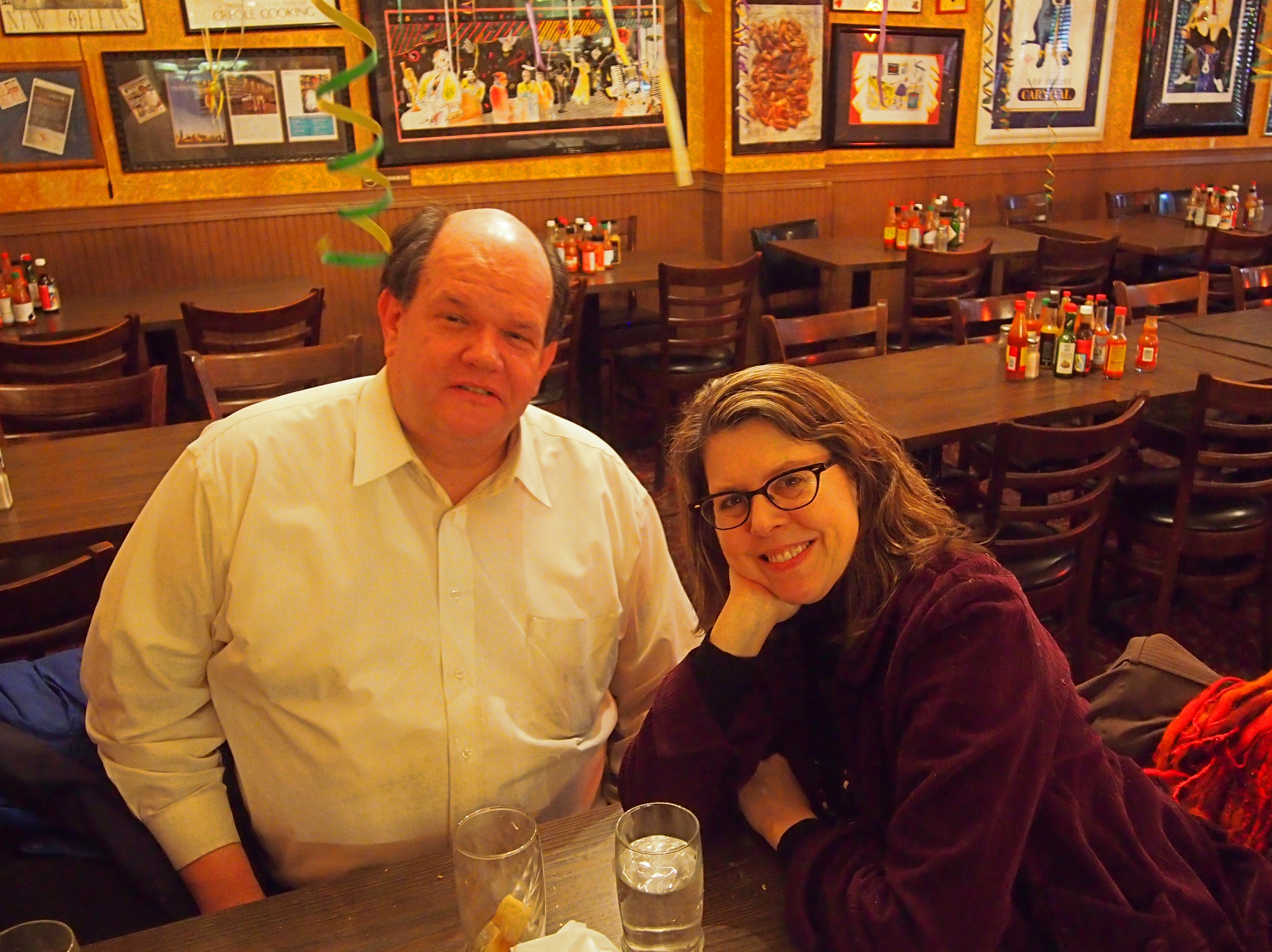
Just as important, it was never a place to go alone.Heaven on Seven

Pictured are old friends Kevin and Wendy, whom I met there a number of times for enjoyable lunches. That time was in 2013.

Poplar Creek Forest Preserve on the Equinox

Sunday and Monday were warmish and mostly pleasant. In typical March style, at least in Northern climes, the rest of the week has been chilly and damp. The persistent drizzle, I suppose, will be a factor in the greening of April. But for now it merely inspires muddy paw prints whenever the dog comes back in.

On Sunday, we took a walk in a section of the Poplar Creek Forest Preserve — officially Arthur L. Janura Forest Preserve, but I’ve never thought of it as that — that we hadn’t been to before, despite having lived in these parts nearly two decades. It’s just off Shoe Factory Road, a name I’ve always liked.

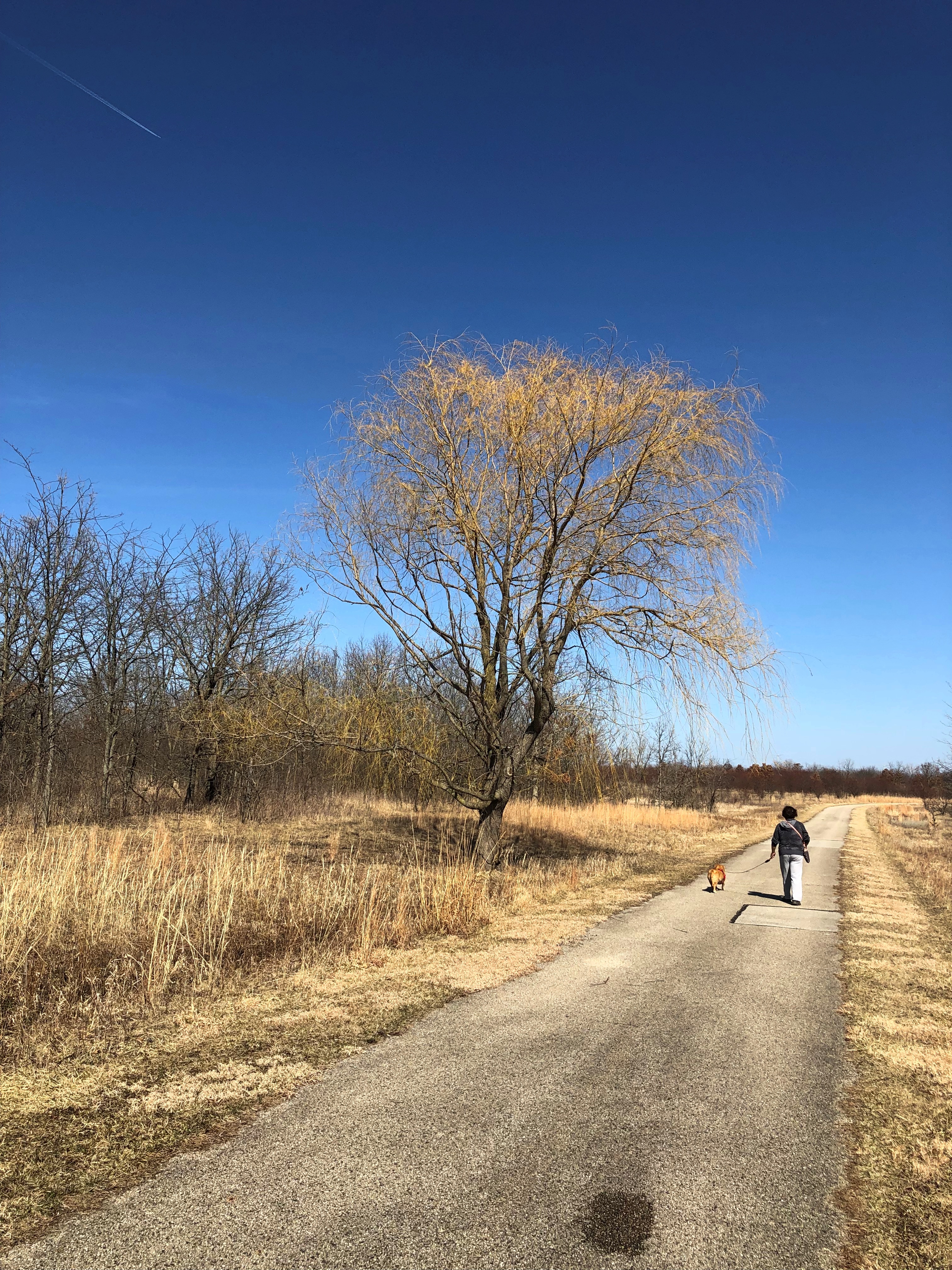
That day might have been the vernal equinox, but the flora knew it wasn’t quite spring yet.Poplar Creek Forest Preserve

Near the intersection of Shoe Factory and Sutton Road (Illinois 59) is a place called the Great Egret Family Picnic Area, at least according to Google Maps.

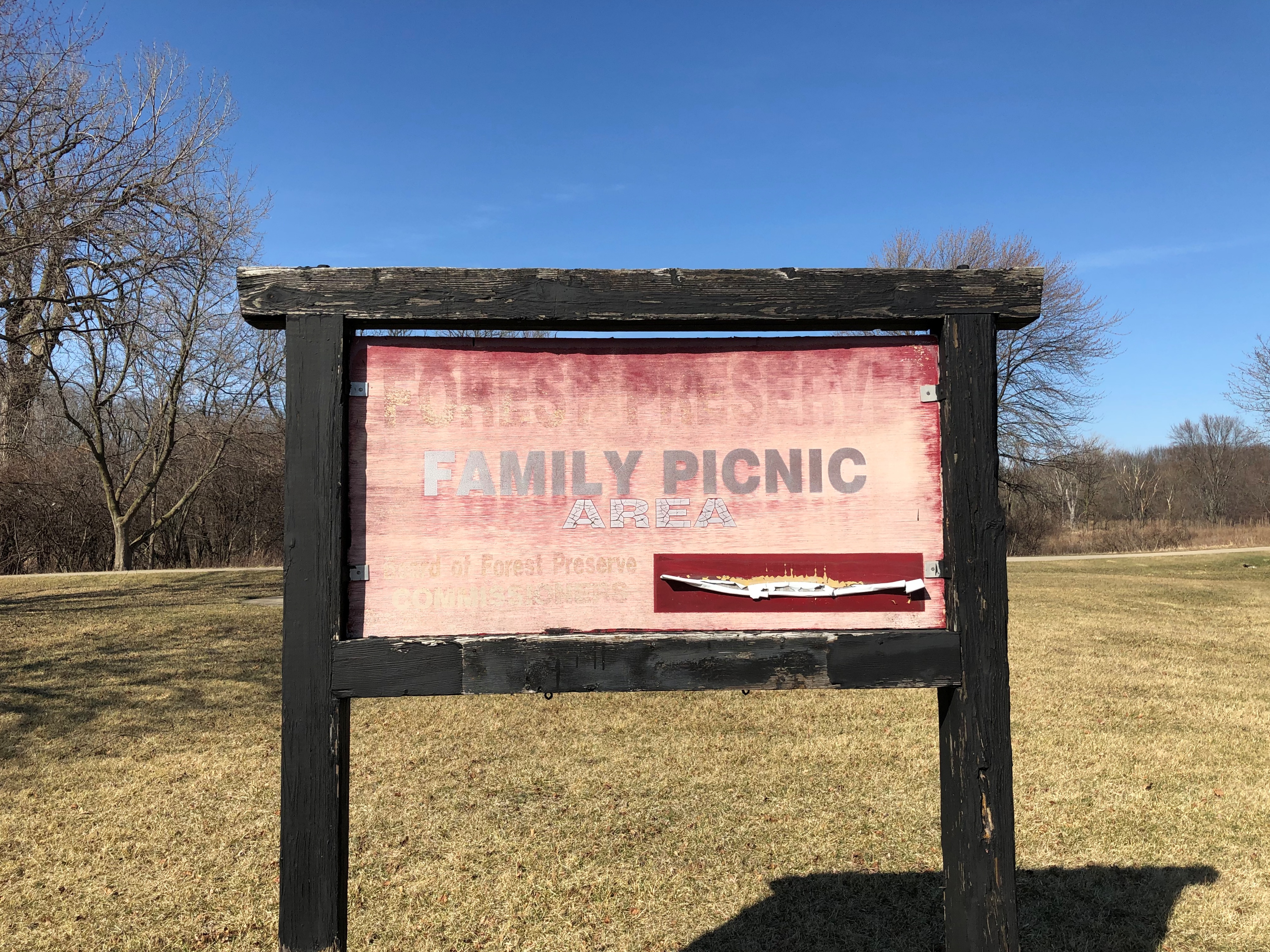
The sign in situ makes no such naming claims.Poplar Creek Forest Preserve

In fact, so weathered is it that it barely makes any naming claims, though I can make out FAMILY PICNIC AREA. The sign is the only way we’d know that, since there is no evidence of tables or any other picnic infrastructure. Just a place to toss your picnic blanket, it seems.

A Short Stop in Pontiac

We took Ann back to school Sunday before last, the first day of Daylight Saving Time, and since the day was tolerably warm, I insisted on a short stop in Pontiac, Illinois.

Despite Pontiac being on I-55 between Chicago and St. Louis, a route I’ve driven countless times, I’d never stopped there before, unlike such places as Coal City, Dwight, Lincoln, Atlanta, Litchfield and Mount Olive, just to name some of the smaller burgs along the way.

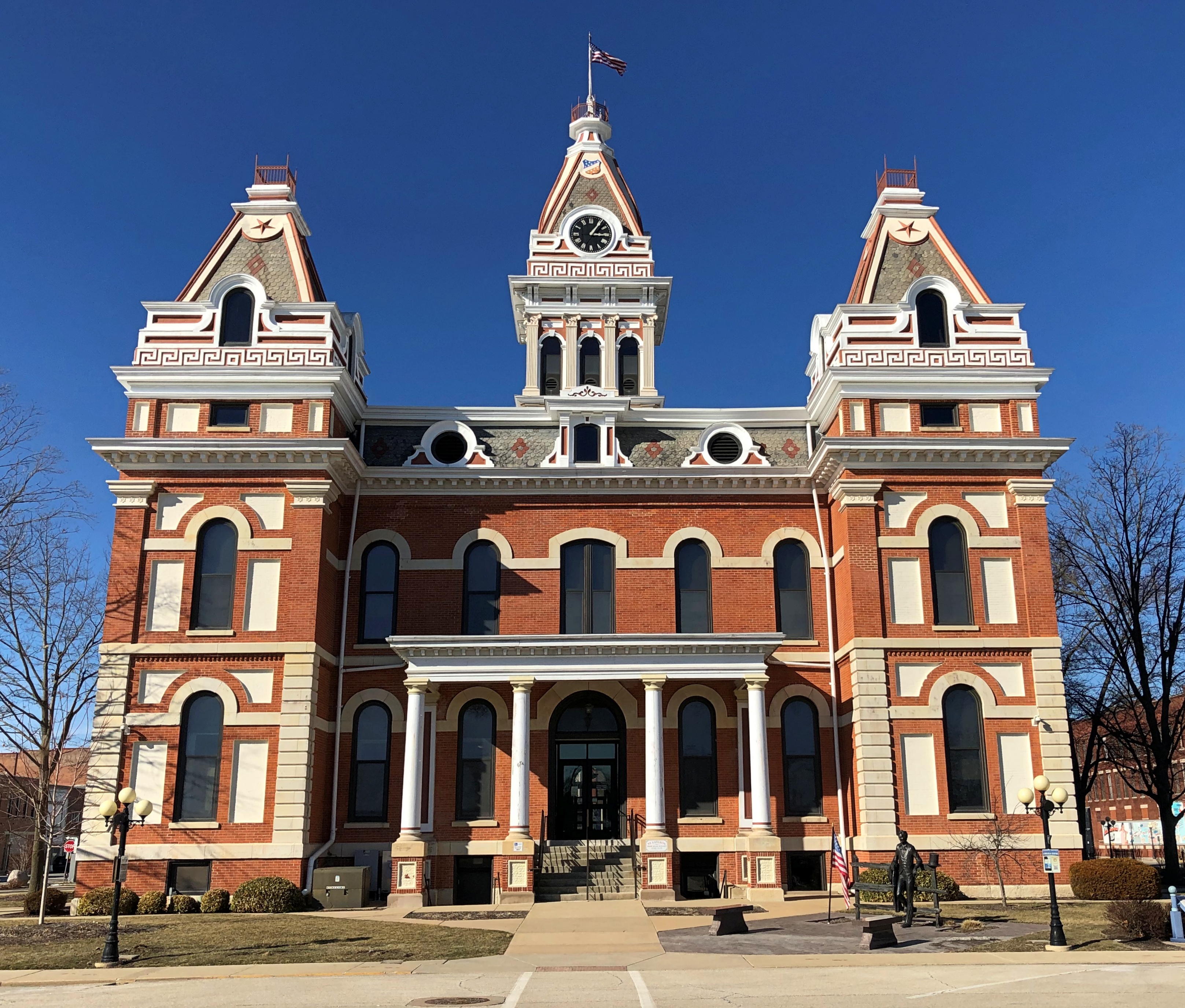
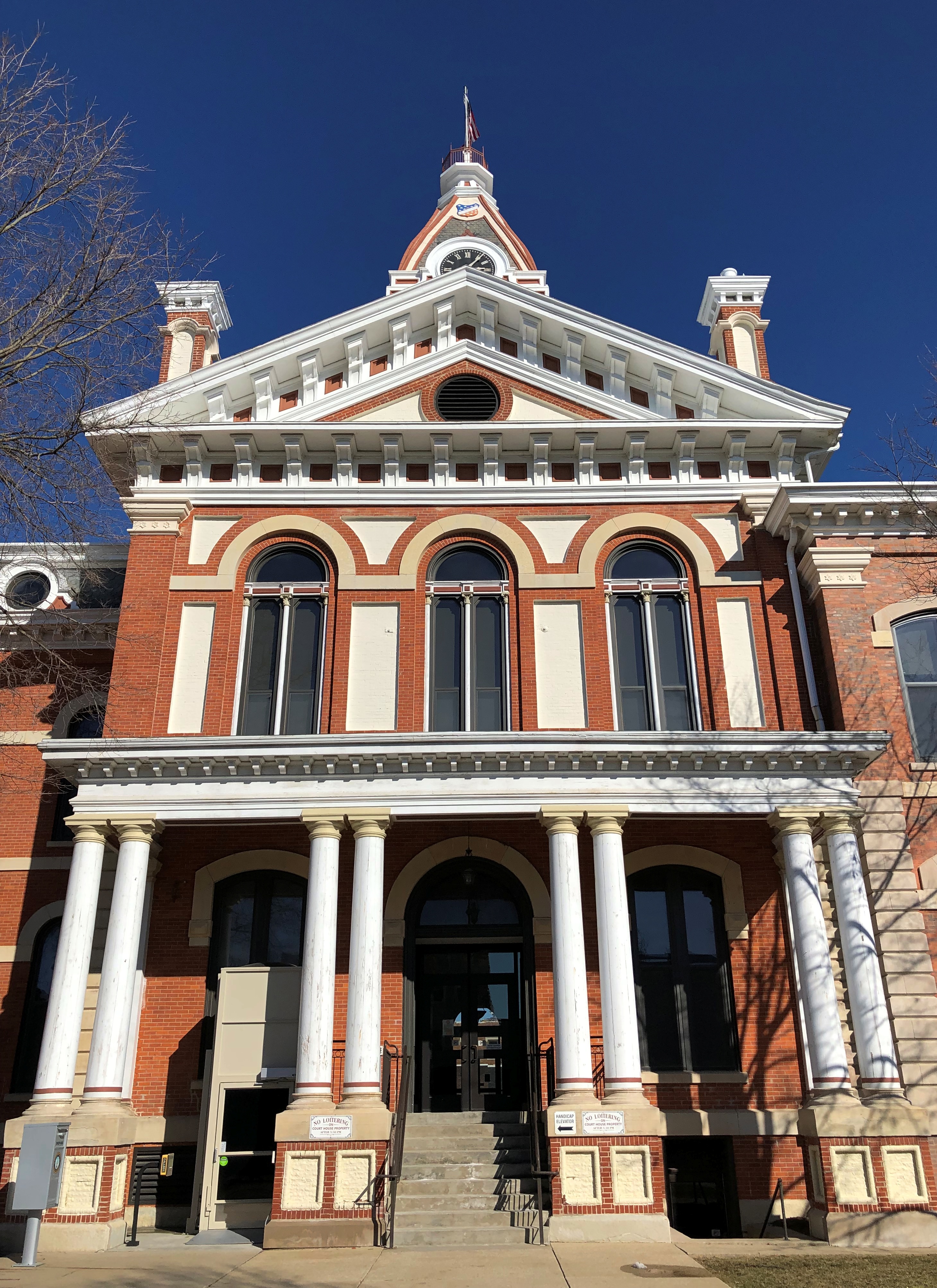
We didn’t spend that much time there. But time enough for us to walk all the way around the Livingston County Courthouse, which is impressive indeed.Livingston County Courthouse Illinois Livingston County Courthouse Illinois

It’s the county’s third courthouse; the first was a small wood-frame structure replaced by the second, which burned down in 1874 (pics of the two are here). Architect John C. Cochrane of Chicago, who also designed the Illinois and Iowa state capitols, designed the current Second Empire structure, which was finished in 1875 and restored recently. Technically, it isn’t a courthouse anymore, since the county’s judicial operations relocated to a new building nearby in 2011, but the county still has offices in the older building.

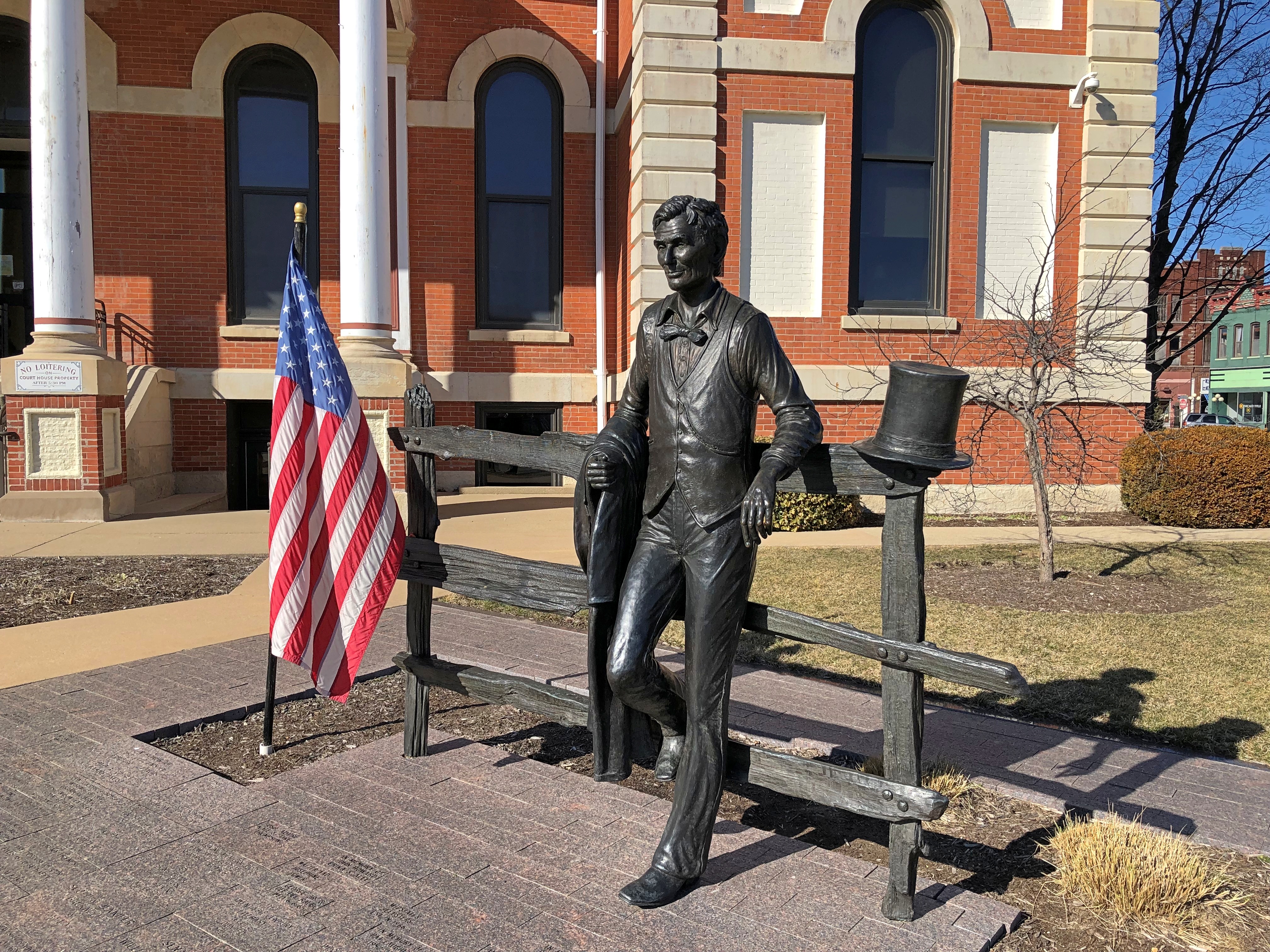
It wouldn’t be an Illinois town of any size without Lincoln acknowledged somewhere, and in the case of Pontiac, it’s a bronze resting on a bronze split-rail fence. It depicts young lawyer Lincoln, who visited the second courthouse periodically.Pontiac Illinois Lincoln bronze

An Illinois sculptor named Rick Harney completed the work in 2006. Looking at his portfolio, I wonder if it’s easy to access his bronze of Adlai Stevenson in the Central Illinois Regional Airport. Lincoln is fine, but there aren’t that many Stevensons around, even in Illinois.

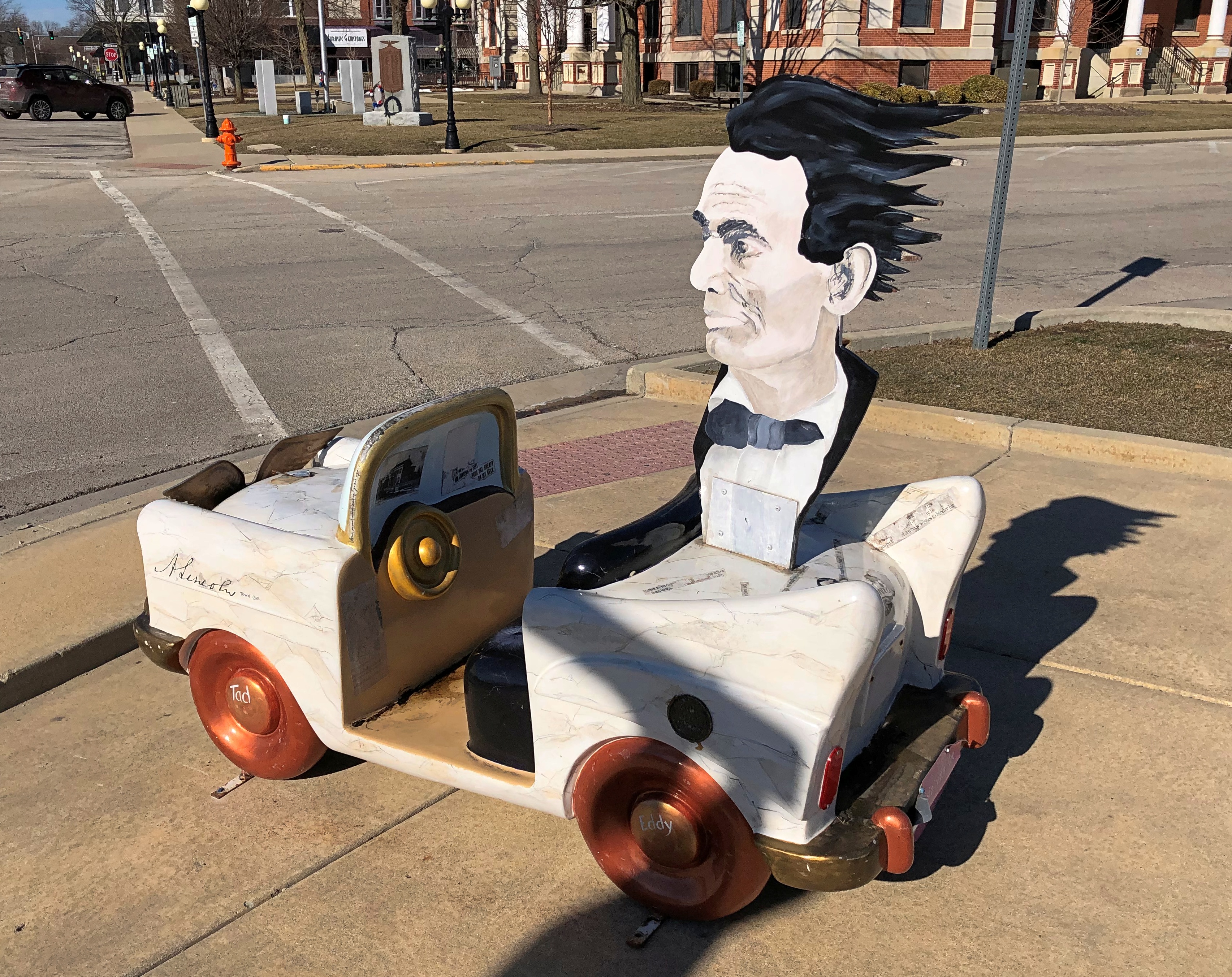
Looking around the courthouse square, there’s also a less conventional Lincoln.Pontiac Illinois

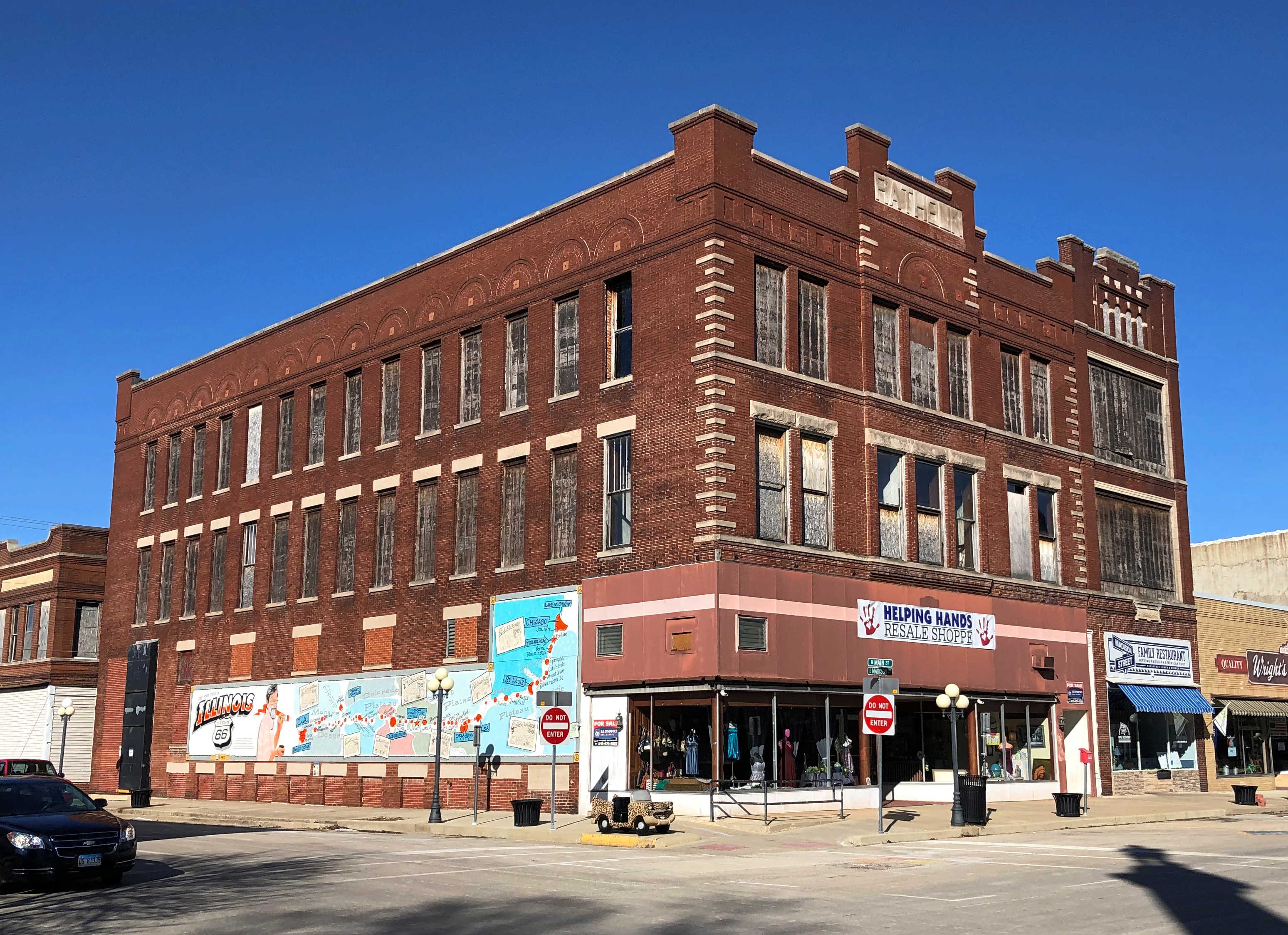
The inevitable Route 66 mural.Pontiac Illinois mural

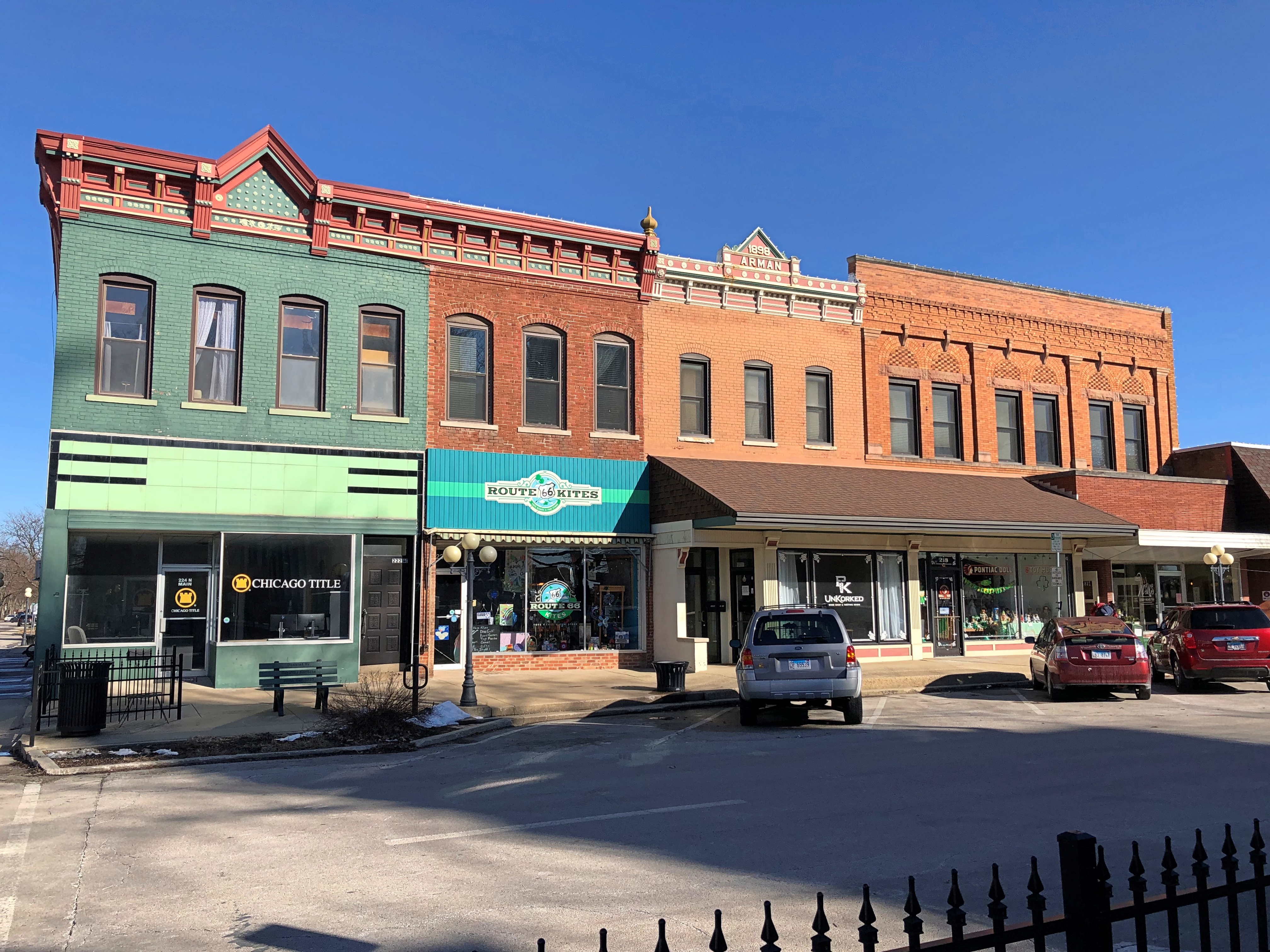
Some handsome buildings from a time when handsome buildings were built in small towns. Before the Depression at the latest, and more likely before WWI.Pontiac Illinois Pontiac Illinois

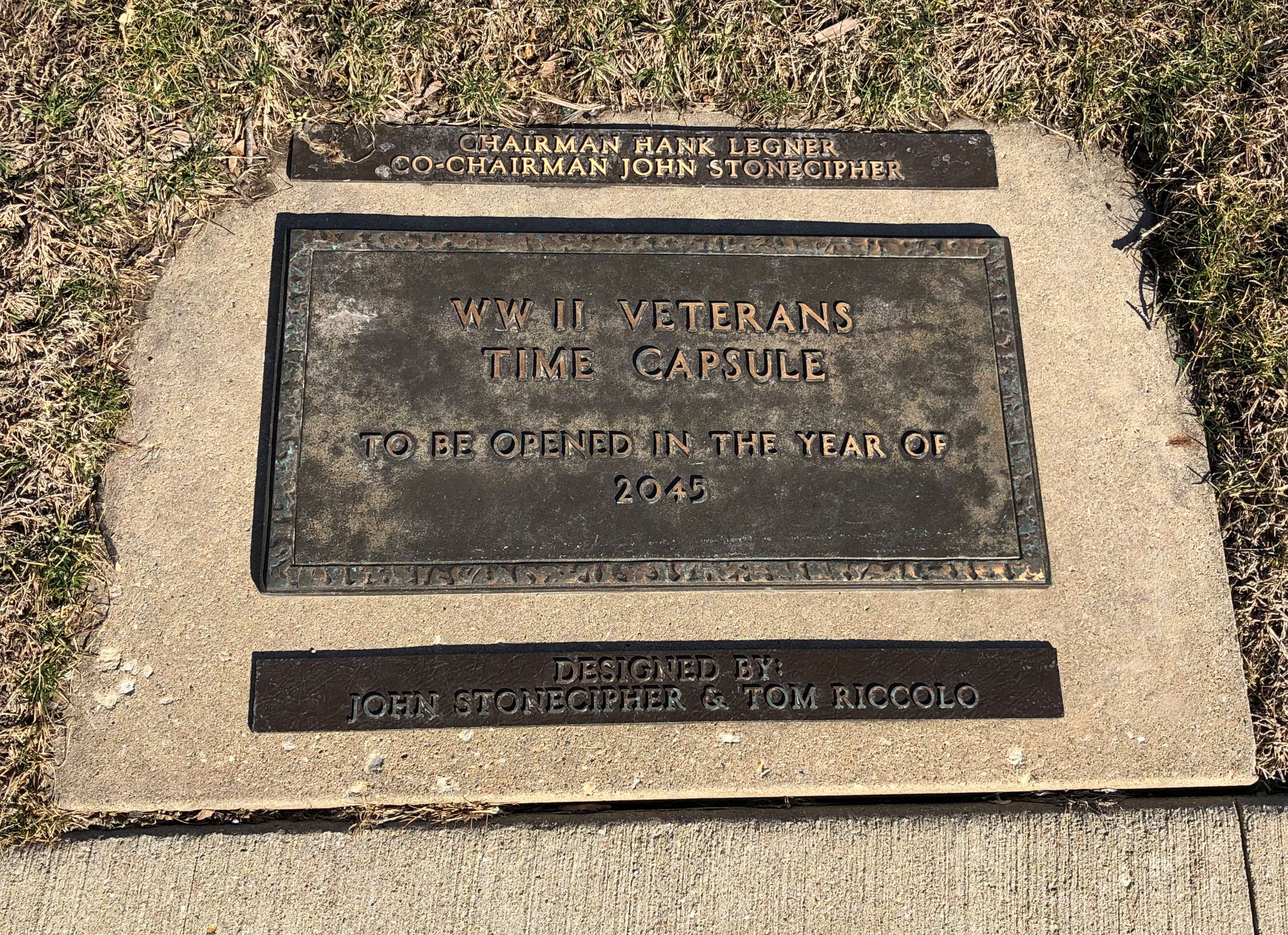
And a time capsule underfoot.Pontiac Illinois time capsule

Looking a little further into that today, I learned that the International Time Capsule Society is a real thing. I knew I got out of bed for a reason.

Savannah Bits

By the time we got to Factors Walk in downtown Savannah on March 7, it was already dark. Daytime pictures of the area, which used to be home to the sizable business of selling and shipping cotton, are available here.

The ground floor of the Factors Walk buildings facing the Savannah River are mostly oriented to tourists these days, including restaurants and small shops. I bought some postcards at a souvenir store, and when I told the clerk where I lived (he asked), he further asked whether Illinois has mandatory auto emissions tests. I said it does.

He said, as a life-long resident of Savannah, he only recently found out that some states do that. He looked to be in his 30s. It seemed to be a subject of some fascination for him.

Later I checked, and I was only partly correct. Only some counties in Illinois test auto emissions — Cook and Du Page among them, the only counties I’ve ever lived in here. Some Georgia counties do too, but not Chatham, where Savannah is located.

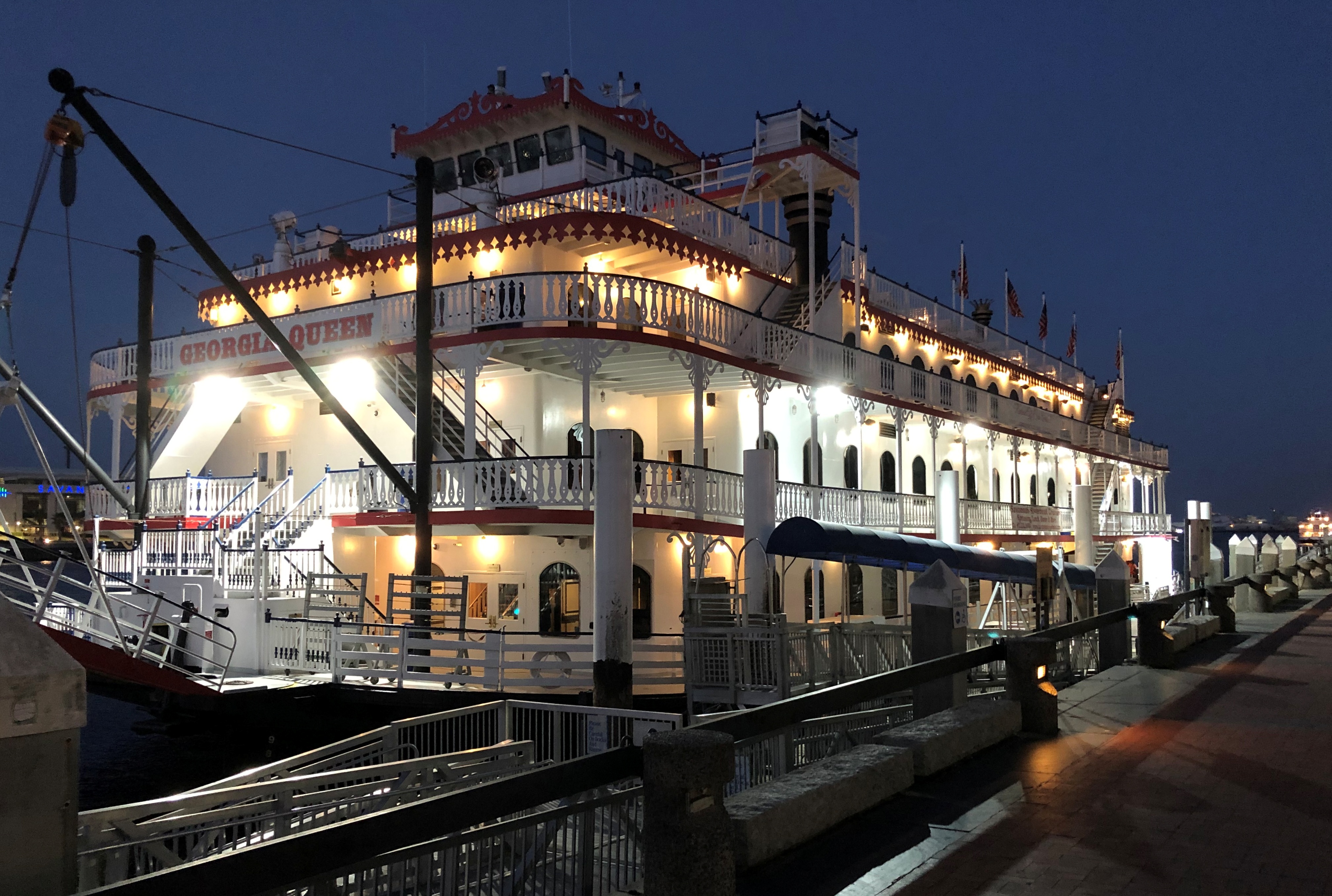
Some of the tourist attractions at Factors Walk are more mobile than the stores, such as the good tourist ship Georgia Queen, apparently docked for the evening.Georgia Queen

Another thing I heard from a resident: St. Patrick’s Day is a big to-do in Savannah, probably even bigger this year after two years of cancelation. We came to town nearly two weeks ahead of all that, and so were able to find a room. Closer to the event and we’d have been out of luck, even booking as I did in January.

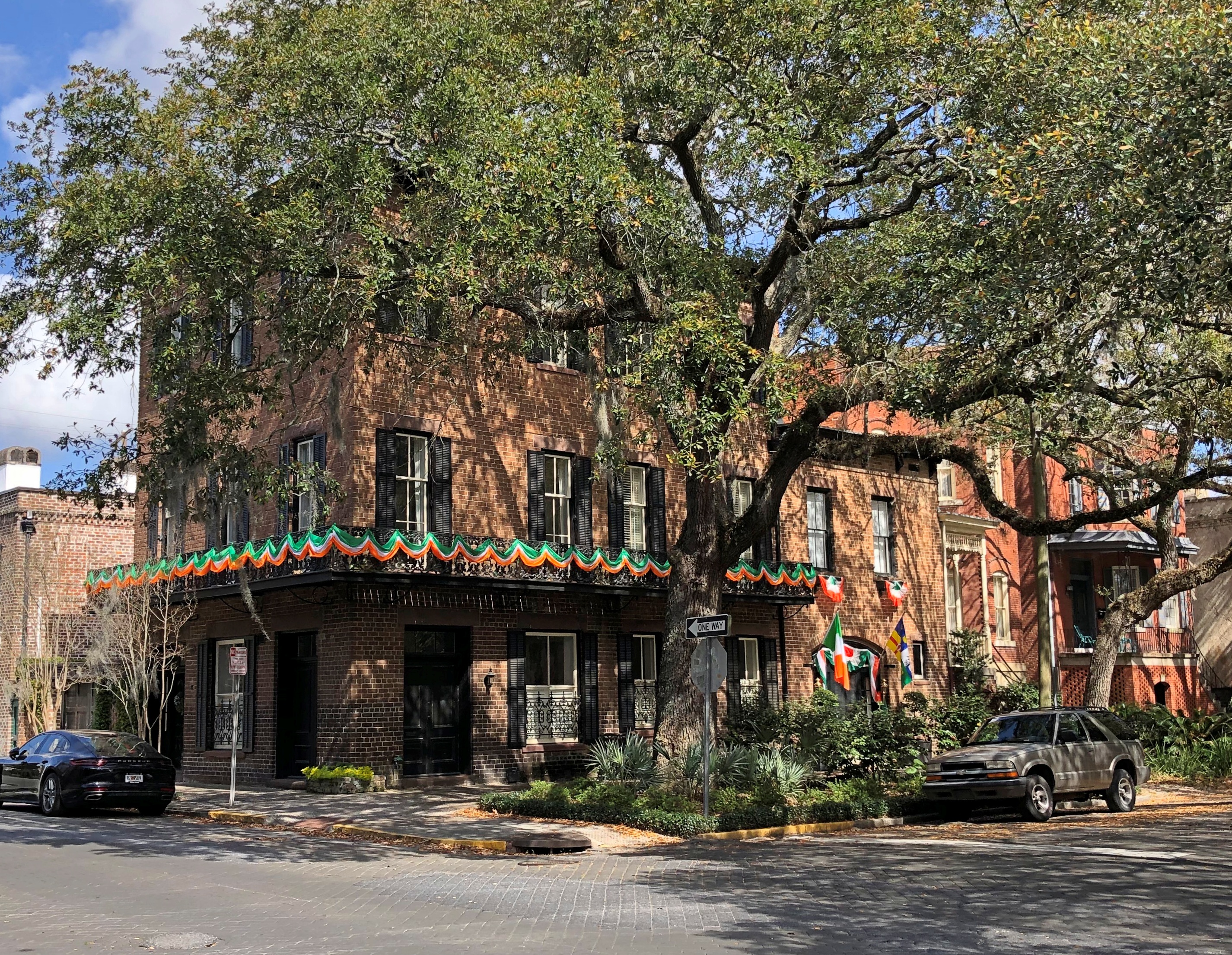
Some houses were already ready for the festivities, such as along Jones St.Savannah

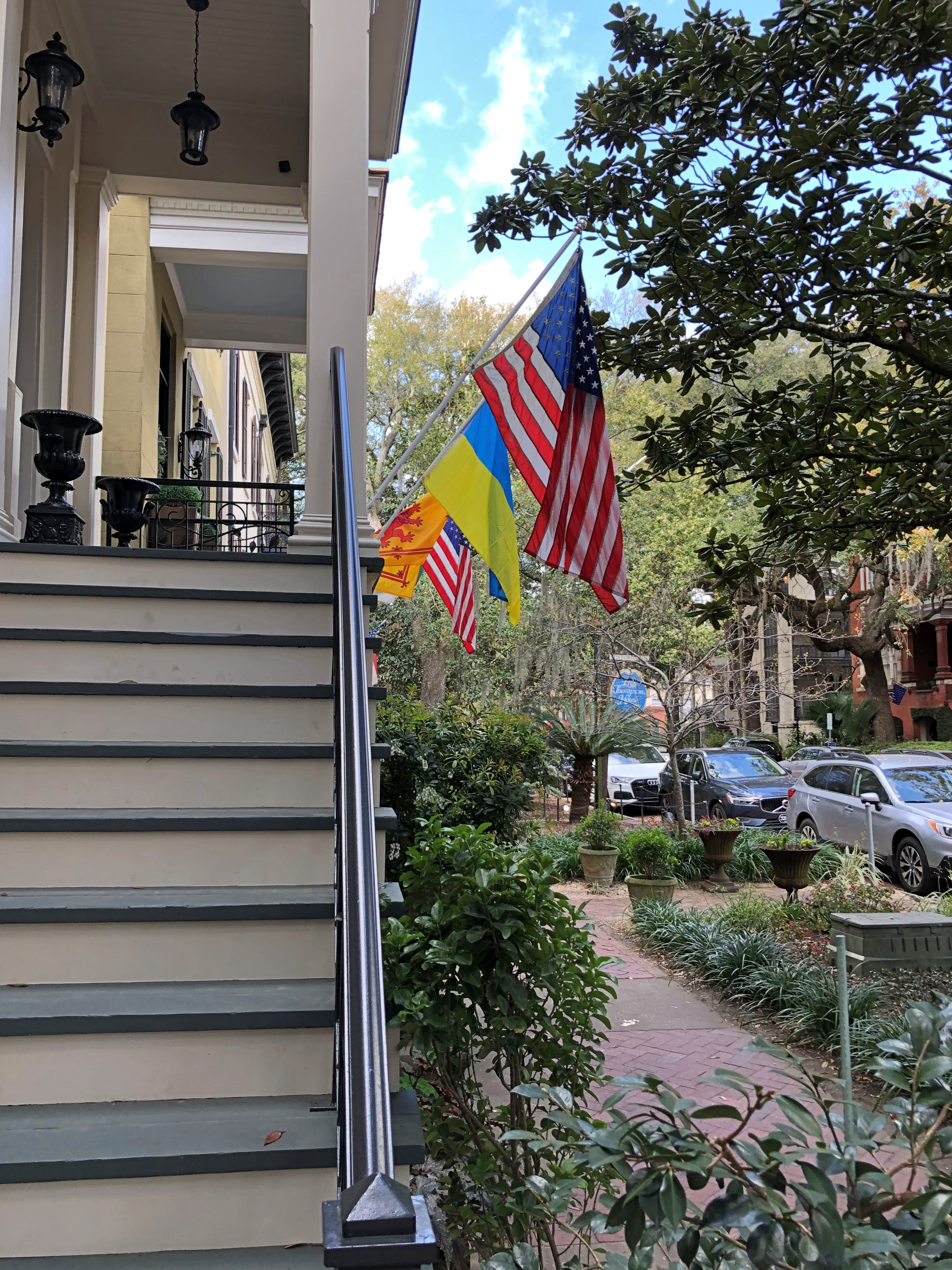
Other places had more topical colors flying.Savannah 2022

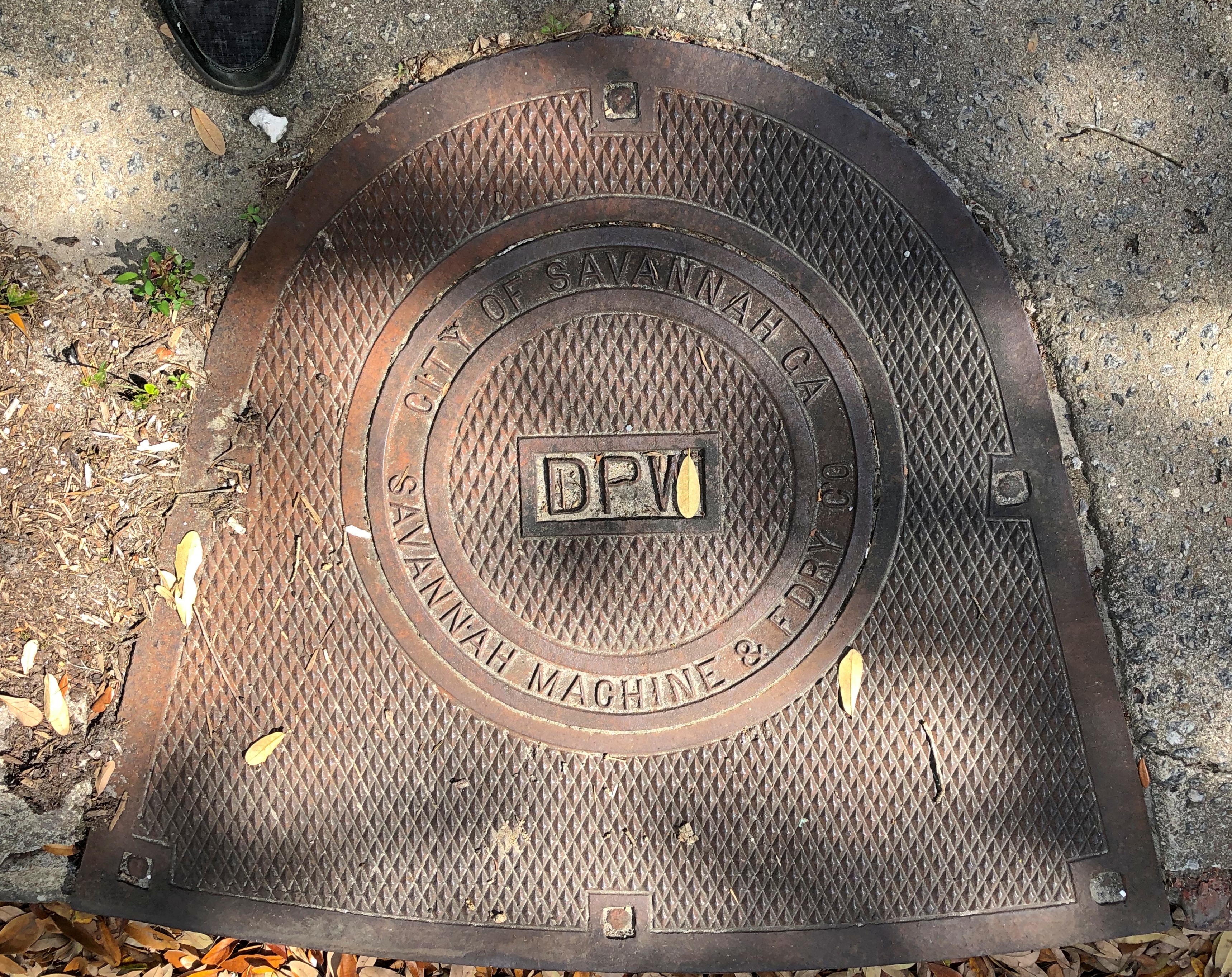
Savannah is easily as picturesque as Charleston, maybe more so, but it needs more stylish cast-iron covers.Savannah 2022

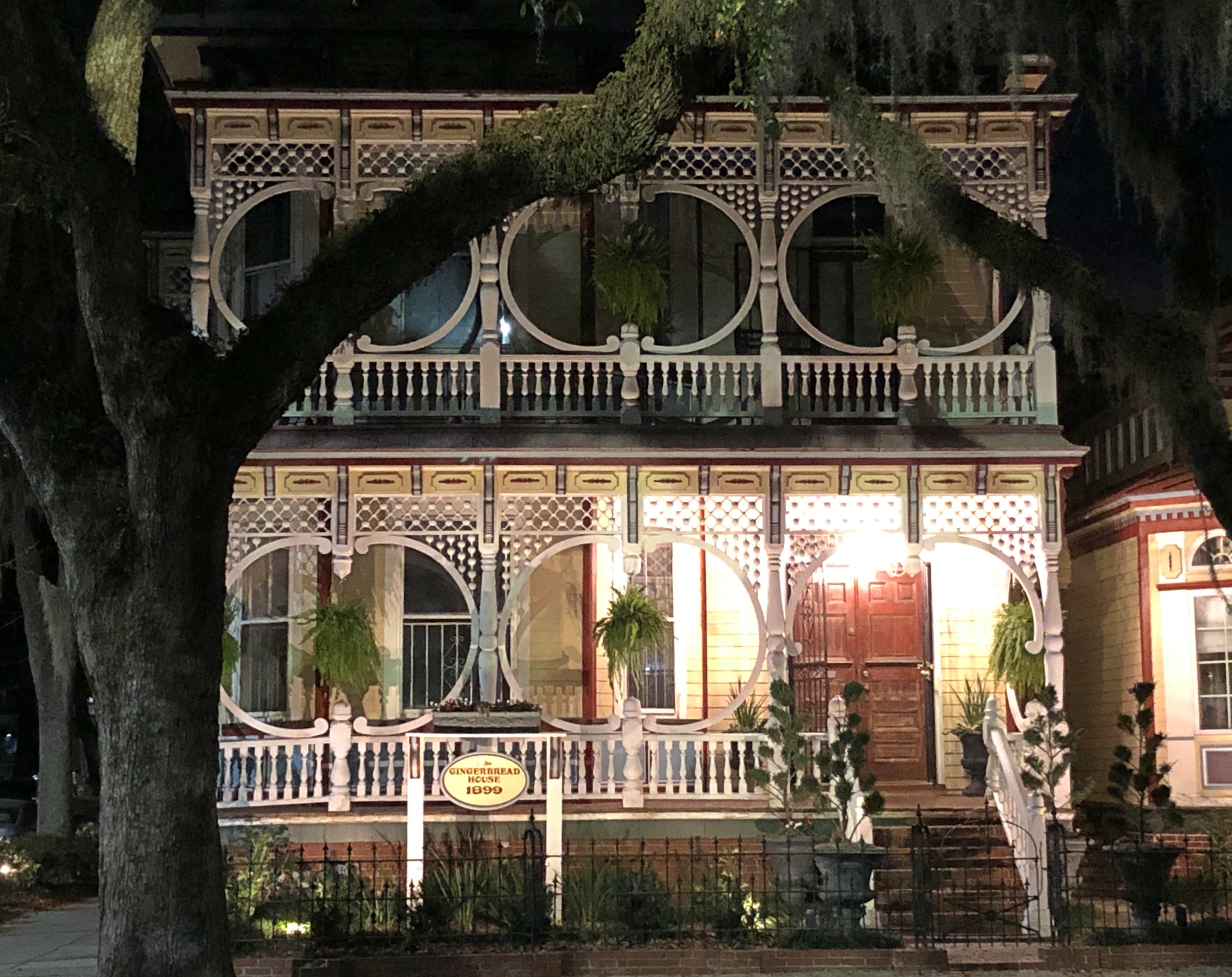
The first evening we were in town, I took a walk near the Isseta Inn. I chanced by the Gingerbread House. I knew it was called that because of the sign out front.Ginger Bread House Savannah

“Built in 1899 by Cord Asendorf, this magnificent house is considered among the finest examples of Steamboat Gothic architecture in America,” the house web site asserts. These days it hosts weddings and other events.

Even closer to the Isetta Inn — on the next block — evidence that the neighborhood continues to gentrify.Savannah 2022

Savannah 2022Though a little clogged with traffic, Victory Drive is a good drive, among the palms that line it. There is some commercial development, including this sign — which has its own Atlas Obscura page. We weren’t inspired to buy anything there.

The town of Tybee Island has very little free parking. I understand the reasons: lots of visitors, infrastructure needs to be maintained, etc. Still, that grated, especially since it applied even on a Sunday, which is when we drove through.

So besides The Crab Shack, which had a gravel parking lot shaded by tall trees, the only place we stopped was along U.S. 80 on the outskirts of town, where no meters or fee signage existed.

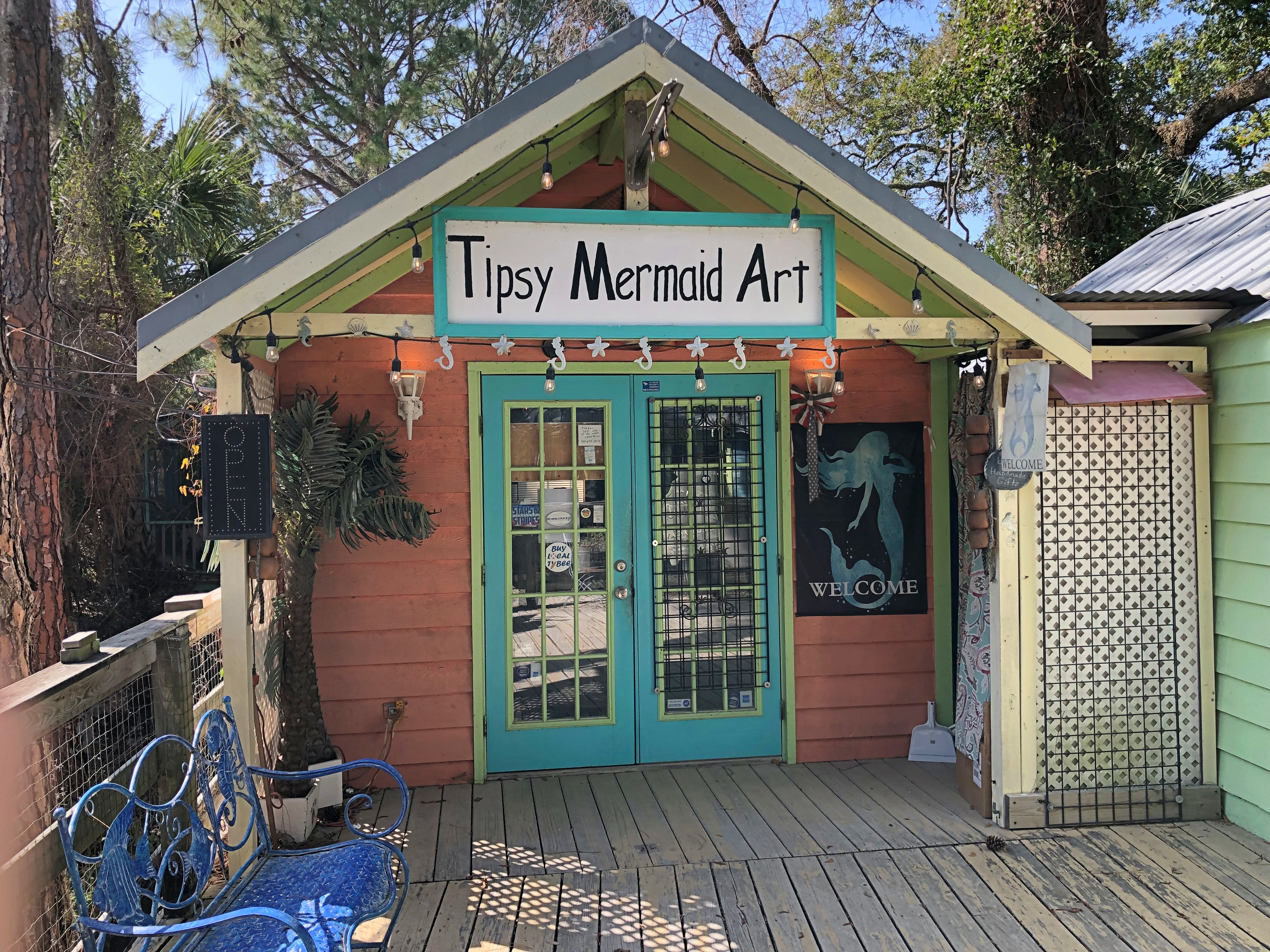
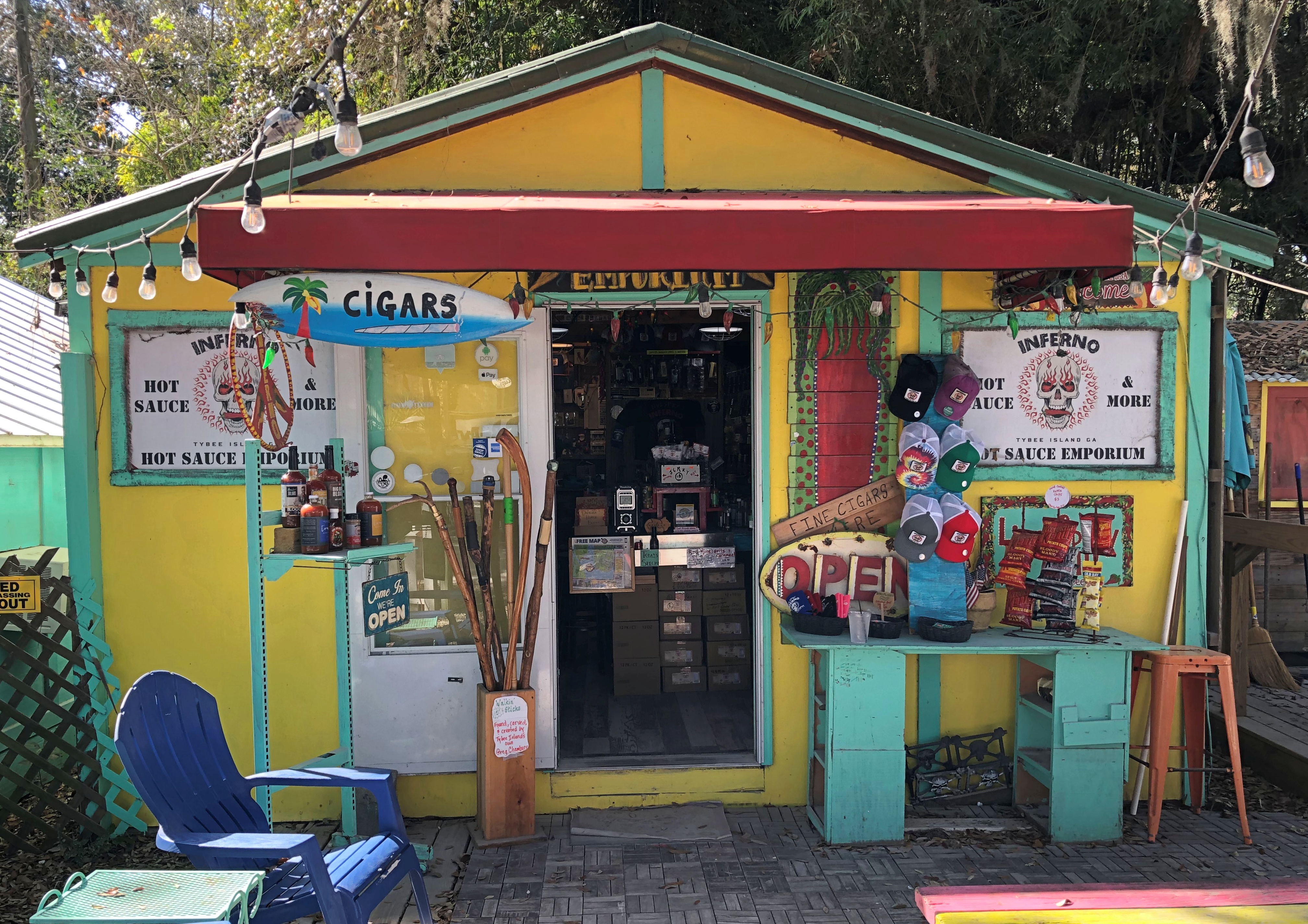
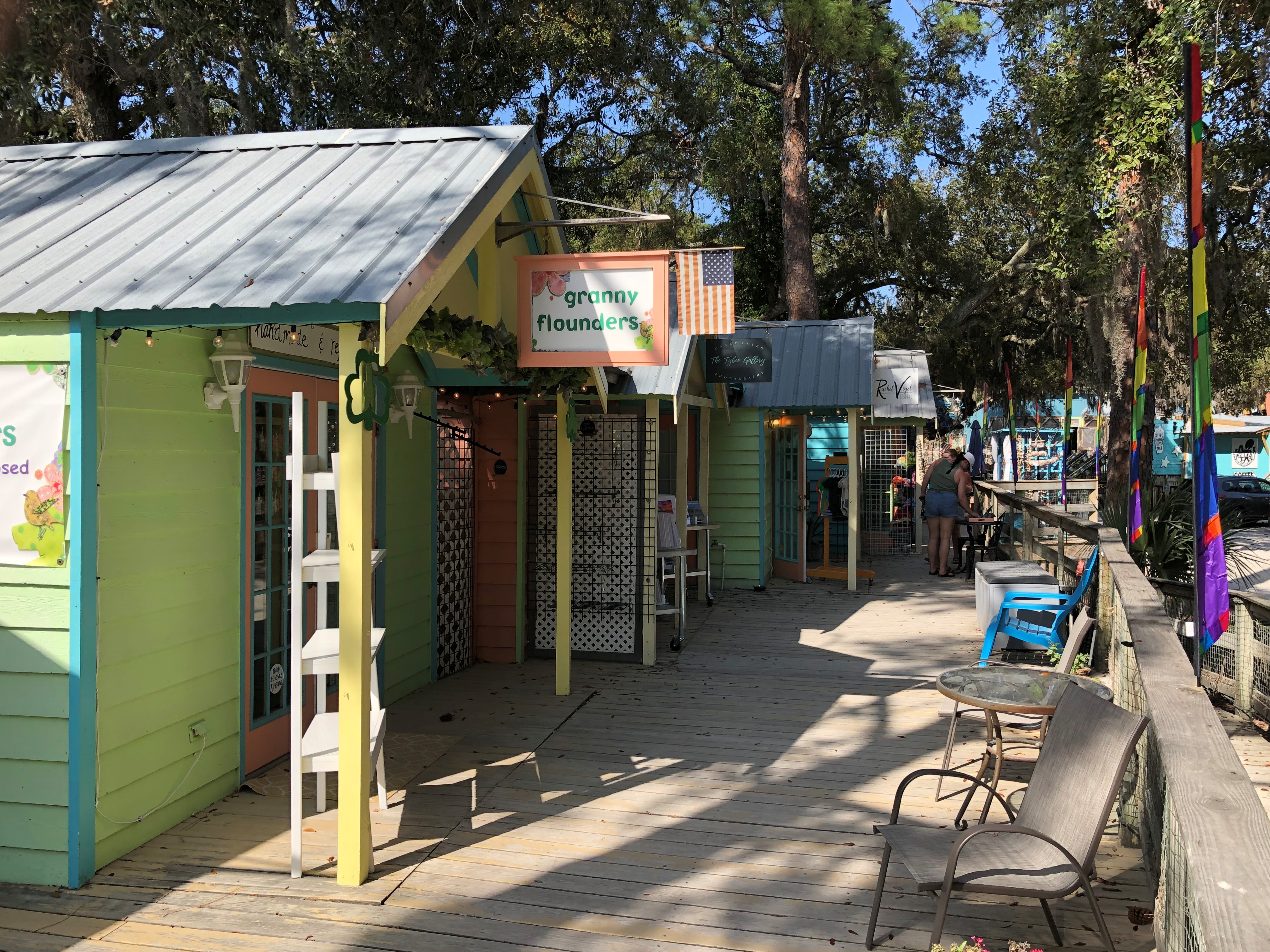
We took a look at a small cluster of shops on the road.Tybee Island 2022 Tybee Island 2022 Tybee Island 2022

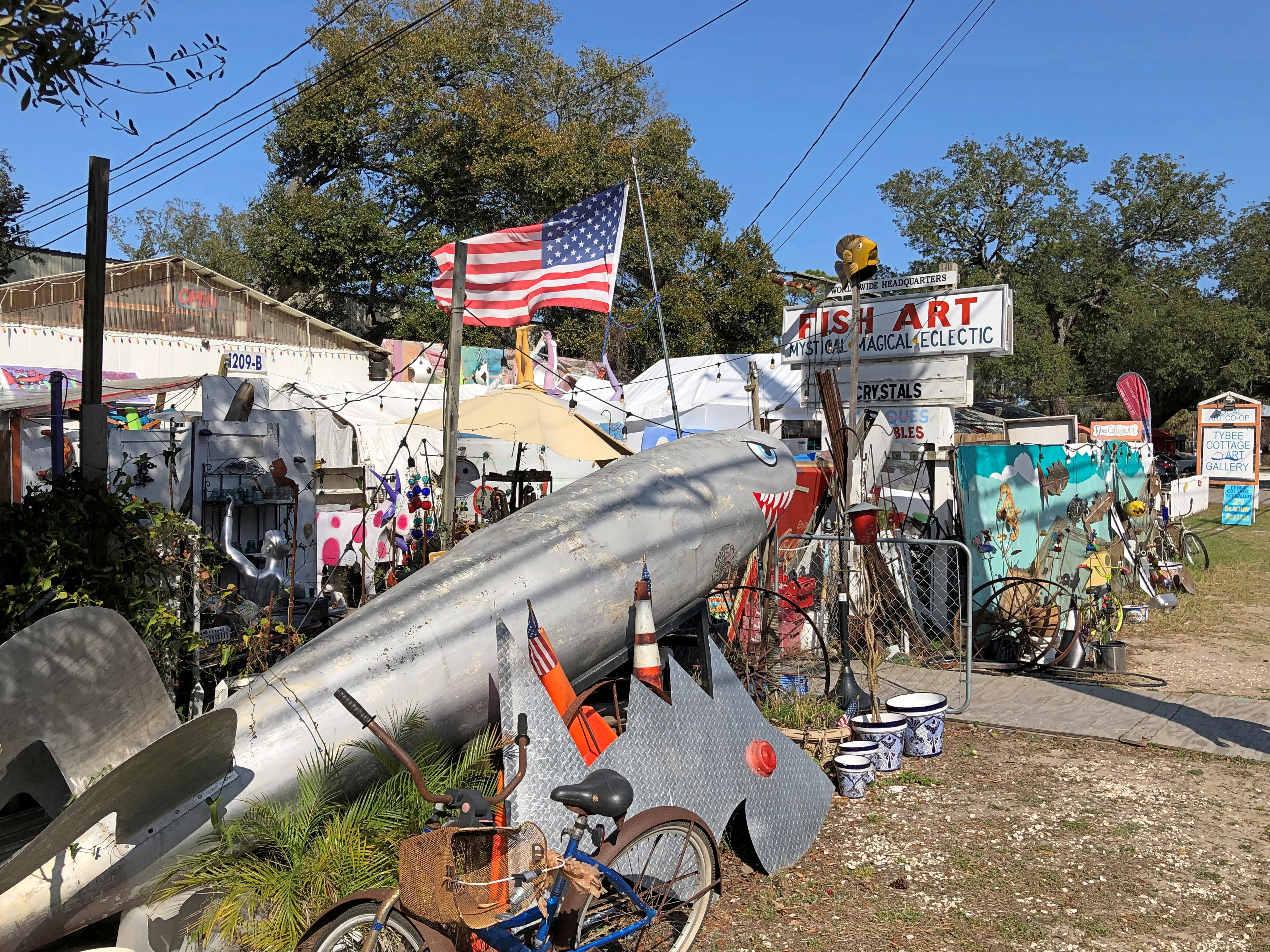
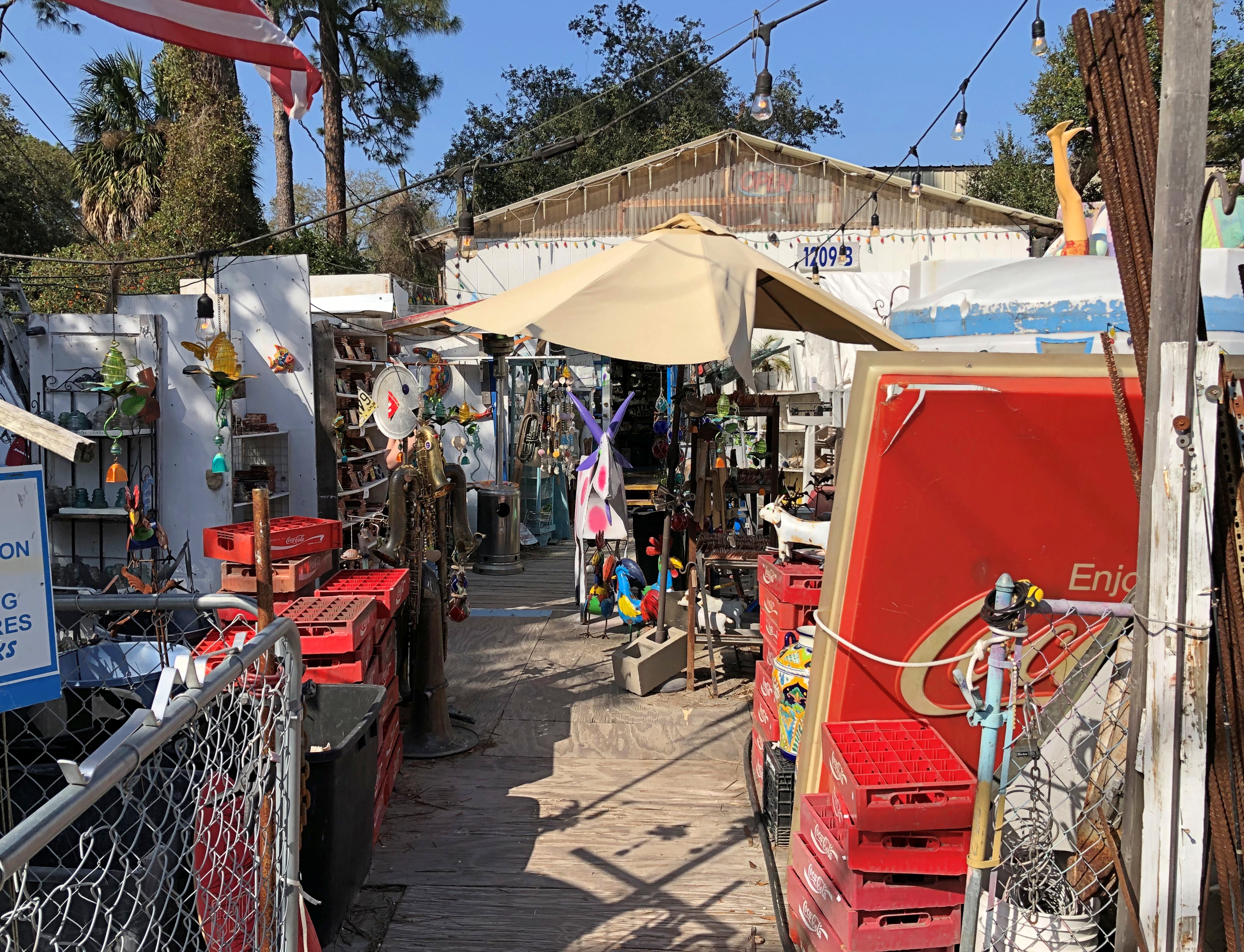
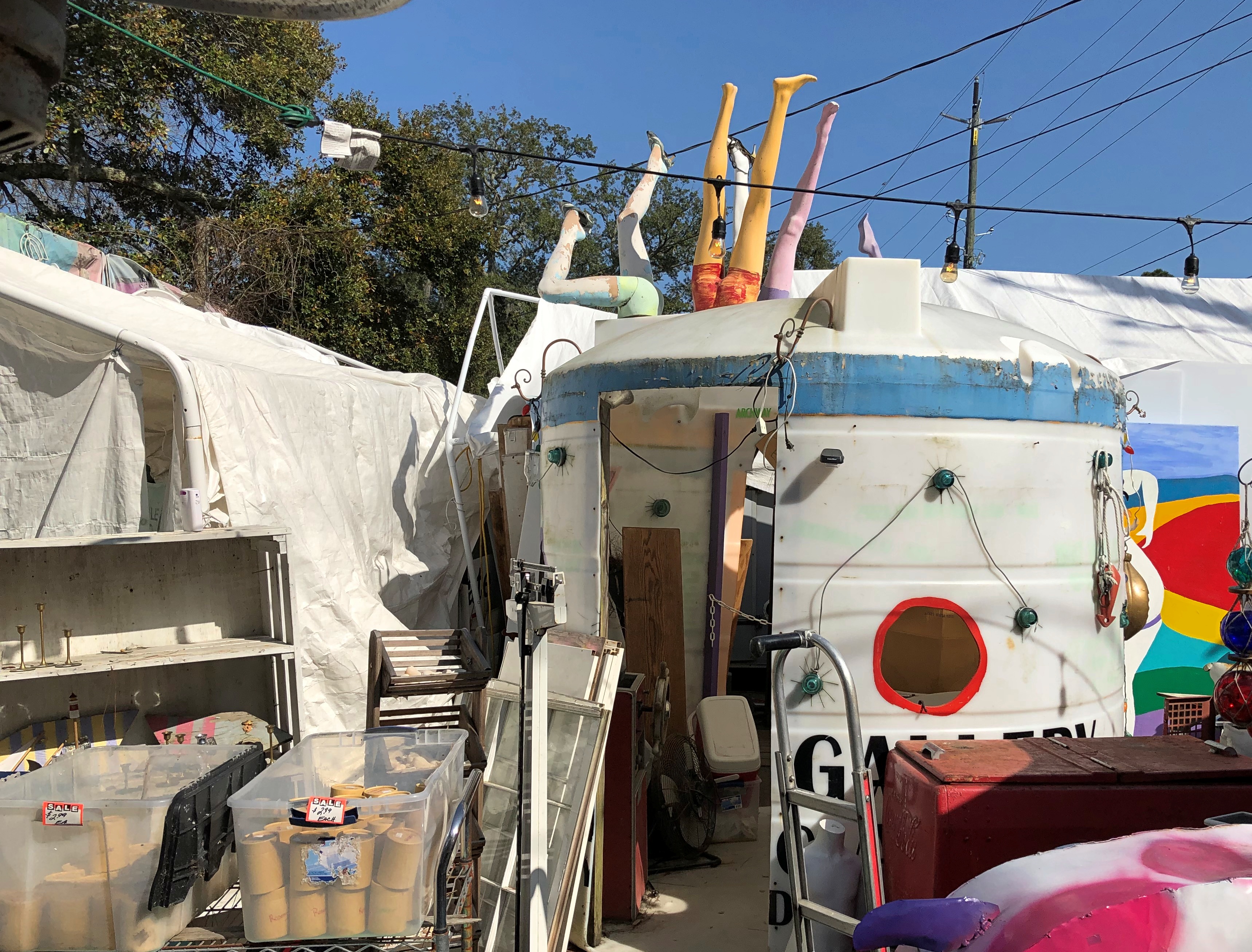
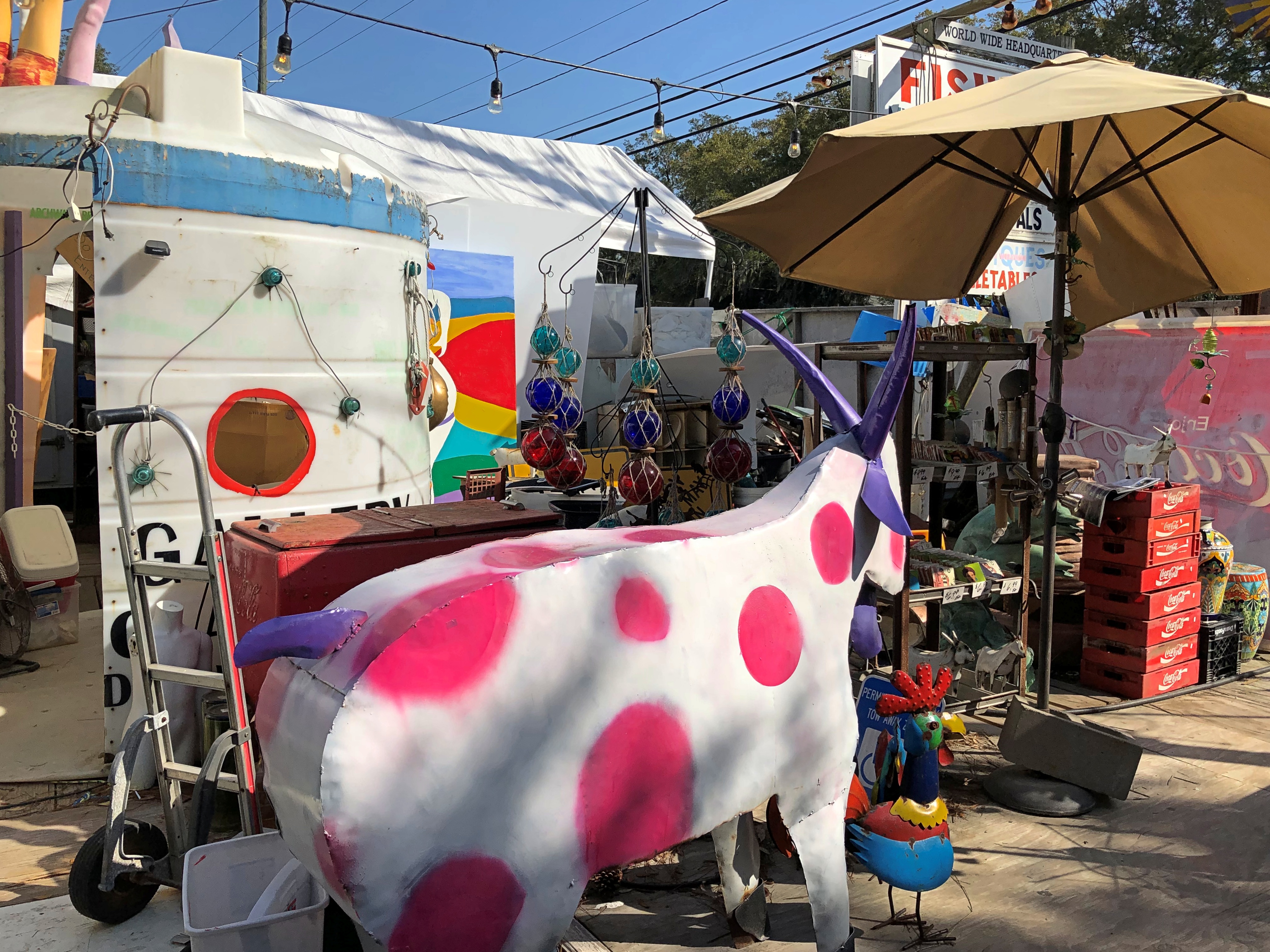
More interestingly, visited Fish Art Gallerie. It has its own Roadside America item, though not including a lot of information. “The folk art environment/gallery/store of Ralph Douglas Jones, who turns junk into fish art. Much colorful nonsense is visible from the street,” RA says.

This is a video of the founder Jones. The guy at the counter when we visited didn’t look like him, which is too bad, since meeting Ralph might be the same kind of trip as meeting Randy in Pittsburgh.Tybee Island Fish Art 2022 Tybee Island Fish Art 2022 Tybee Island Fish Art 2022 Tybee Island Fish Art 2022

Ann bought some beads and other small items, I bought a cast-iron bottle opener in the shape of a turtle.

One more pic from Tybee Island.Tybee Island 2022

Just more of the trees that helped make visiting this part of the country a delight.

The Isetta Inn

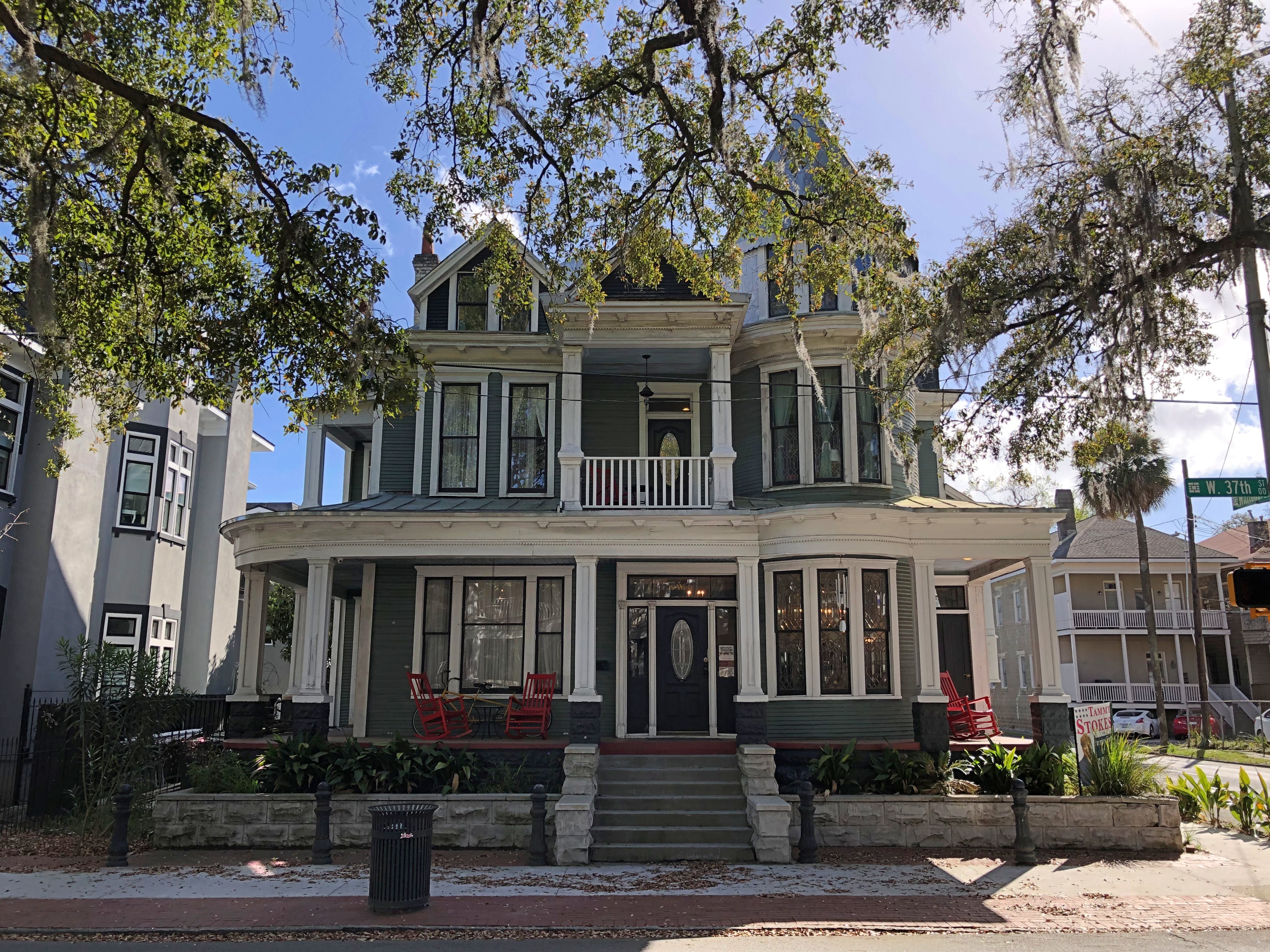
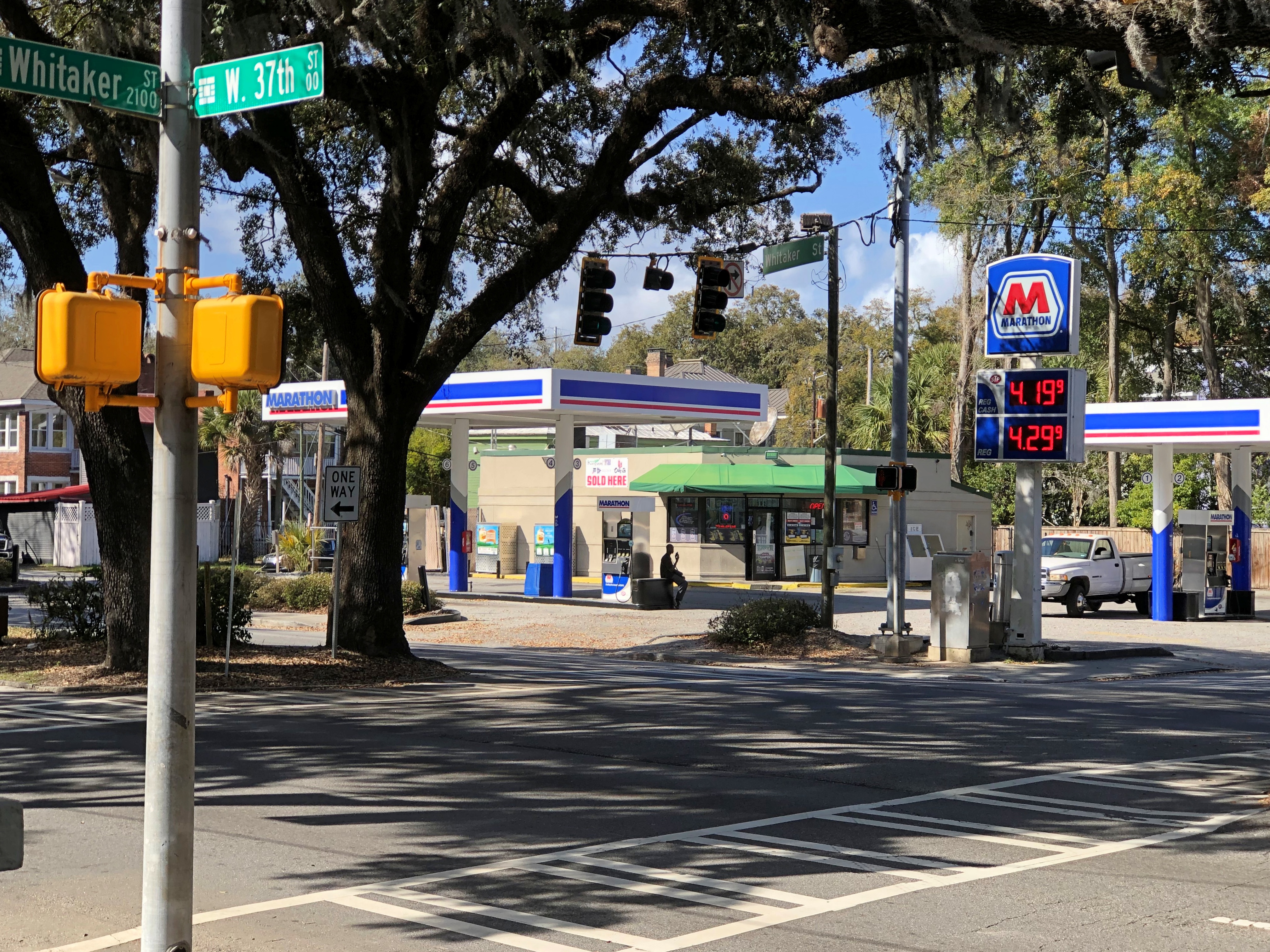
At one of the corners of Whitaker St. and W. 37th St. in Savannah stands the Isetta Inn, where we stayed three nights.Isetta Inn, Savannah

I didn’t take careful notes when I read a framed article hung on a stairway landing at the Isetta, and I can’t find it posted on line, but I do remember it said that the property was built in 1907, suffered a period of neglect much later in the 20th century (of course) and might have been torn down, but it was restored to magnificence by a dedicated renovationist in the early 21st century. Now it’s a one-of-a-kind hotel.

Its fate could have been like the lot cater-cornered across the intersection. Wonder what used to be there.Isetta Inn, Savannah

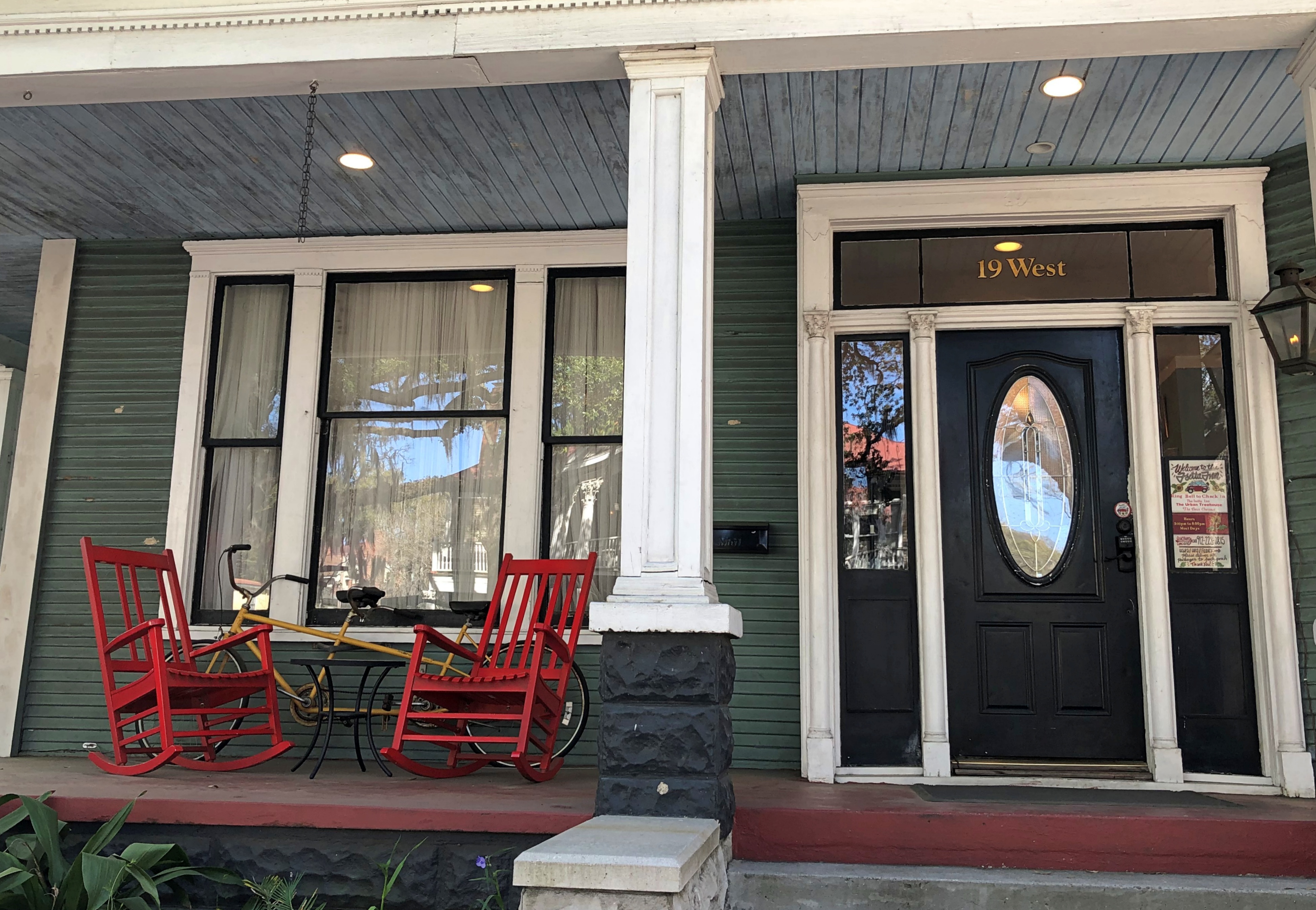
I had time to mull that question, which I don’t really need to answer, sitting in one of the red rocking chairs on the Isetta’s delightful front porch. I spent some time there, both during the day and in the evening, reading or just gazing out into the surrounding neighborhood, the Starland District. Both 37th and Whitaker are fairly busy streets, and that stretch of 37th especially is a boulevard shaded by tall southern live oaks fully decked out with Spanish moss.Isetta Inn, Savannah

“Starland” doesn’t sound like an historic name, and it isn’t. Two Savannah College of Art and Design graduates reportedly dreamed up the moniker ca. 2000 to use for an arts district for the city.

“The idea of a vanguard arts district may seem counterintuitive in this slow-paced city of courtly manners and stately architecture, but after almost two decades, an emerging area called the Starland District may finally be hitting its stride,” the New York Times reported in 2015.

“… the Starland District is a collection of art studios, small offices, galleries, cafes and retail shops loosely assembled around Bull Street south of Savannah’s historic downtown and Forsyth Park.”

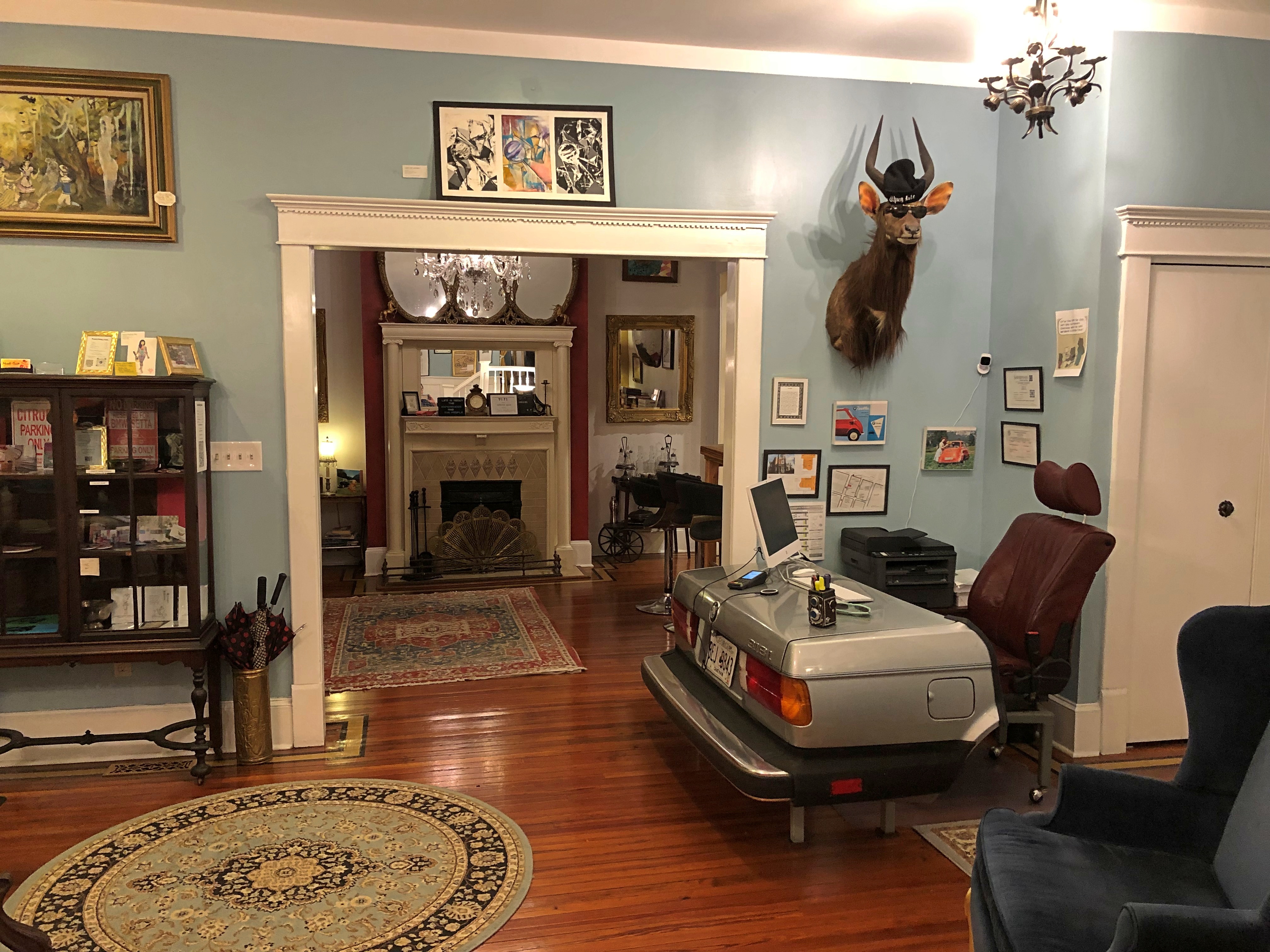
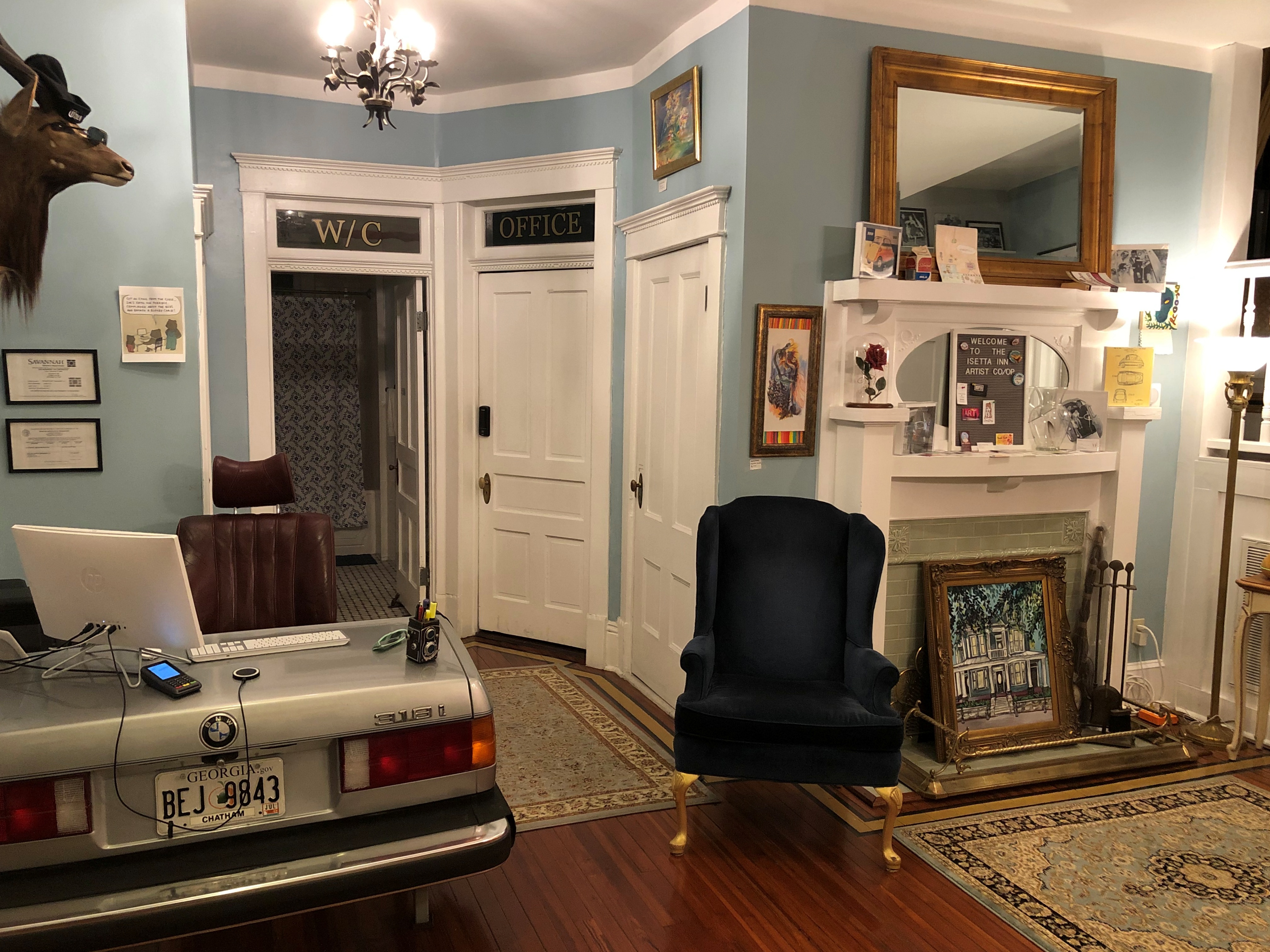
The lobby of the Isetta is an artful place — actually the whole property is — and so right at home in an arts district. In fact, the lobby displays local art on a rotating basis. The sliced off BMW trunk is the reception desk.Isetta Inn, Savannah Isetta Inn, Savannah

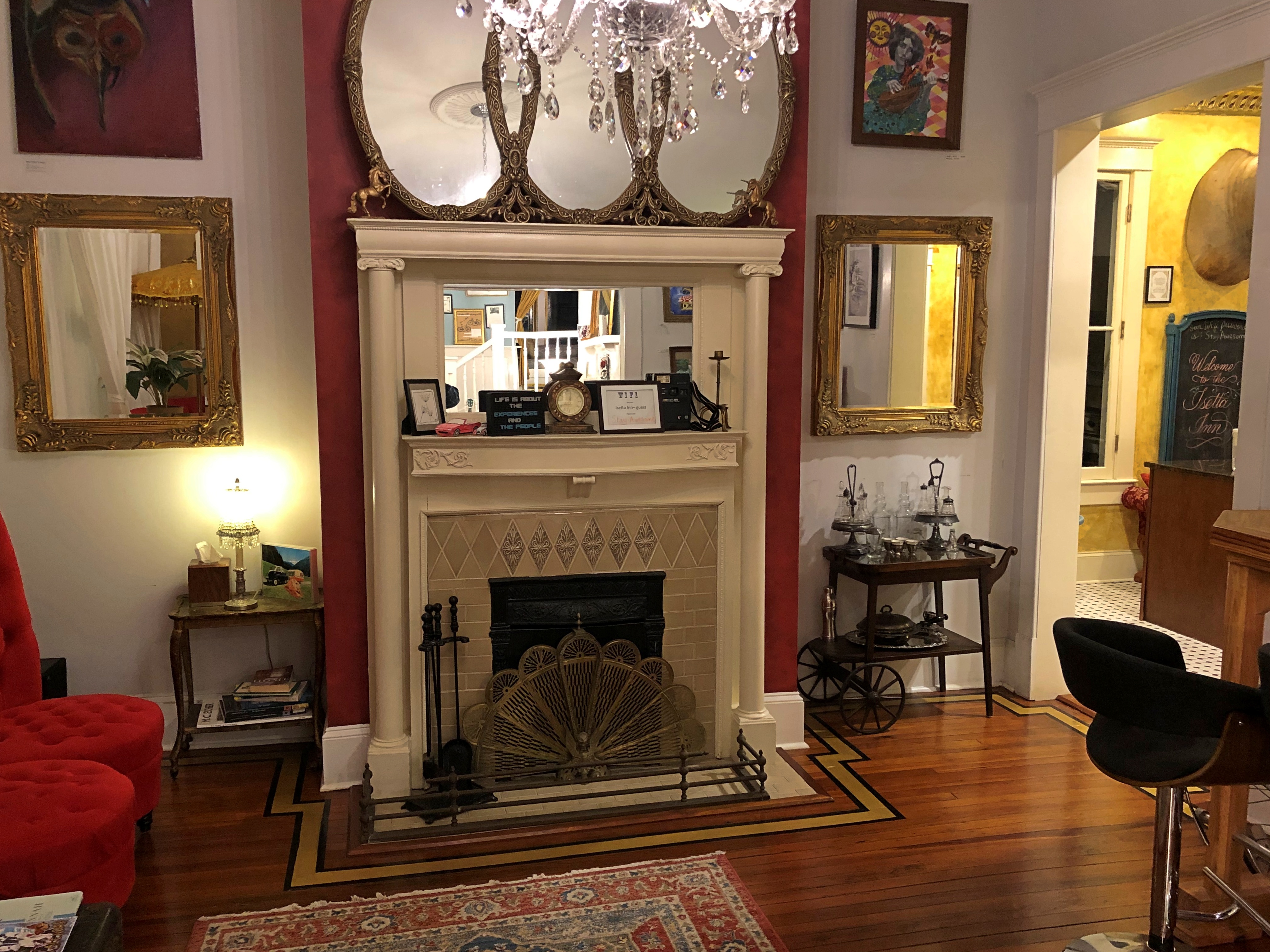
Adjacent to the lobby is an ornate but comfortable living room. I spent a while there as well, writing postcards. Wonder how often that happens.Isetta Inn, Savannah

The entrance to the right off the living room is to the kitchen, where guests could use a table, refrigerator, sink, plates and silverware, and a microwave, but not the stove or oven. We had cereal and other breakfast food — also available to guests — two of our mornings there, and leftovers for dinner one night.

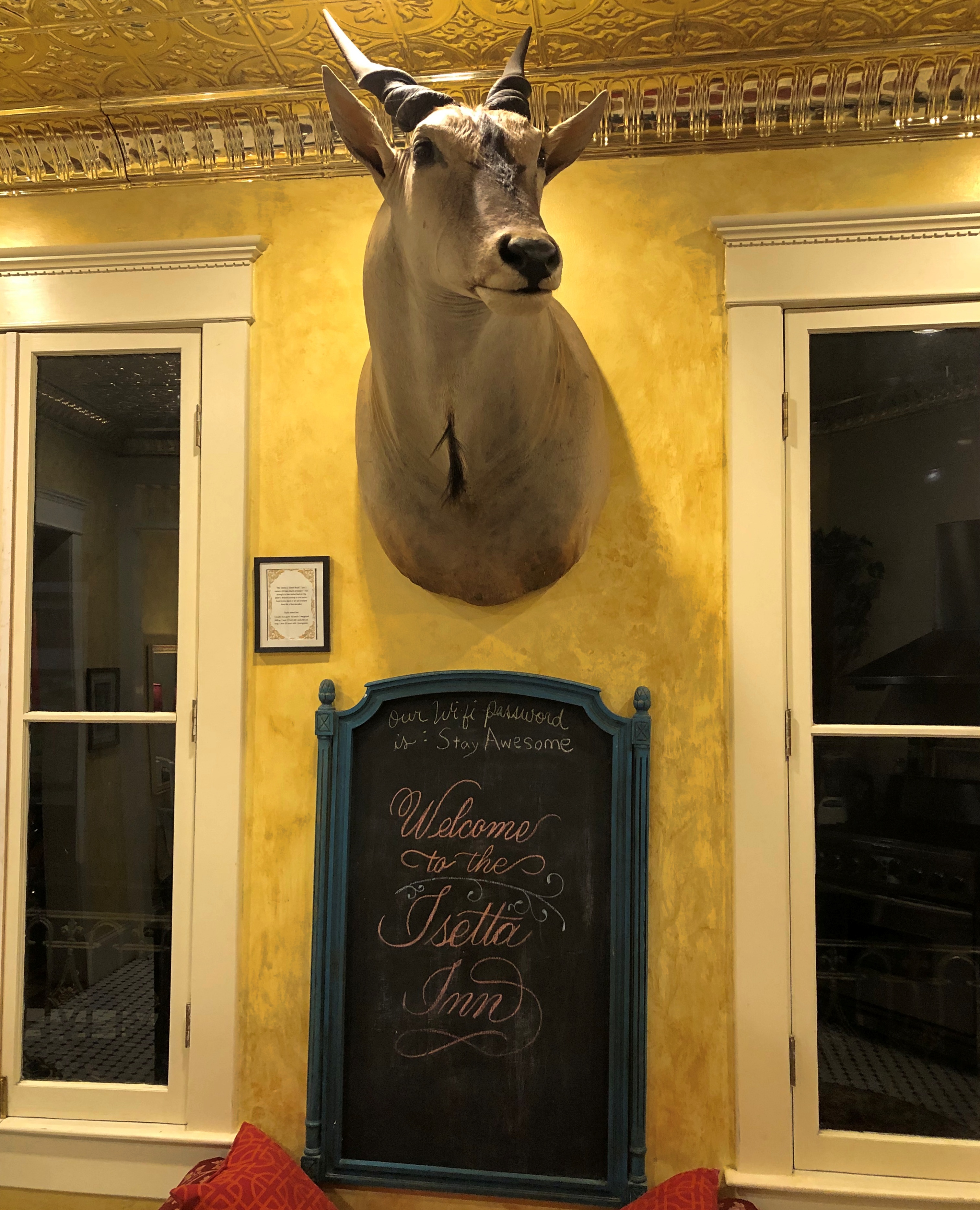
A distinctive feature of the kitchen.Isetta Inn, Savannah

Our room, Hedwig’s Perch, was on the third floor. All of the hotel’s rooms have names, also including Sacred Tower, L-Suite, Polaroid Room, Alpha Romeo, and the posh Presidential. Just before we left, we noticed that the guests in that room had left before us, leaving the door open, so we got a peak inside. Posh indeed.

As for Hedwig’s Perch, it might have been a children’s bedroom originally, or maybe a sewing room, cozy as it was. But it did have two single beds, the only room at the inn with that feature, so I booked it. Two other rooms are on the third floor, and the three share one bathroom with a shower, and one without, off a short hallway. This was never an issue.

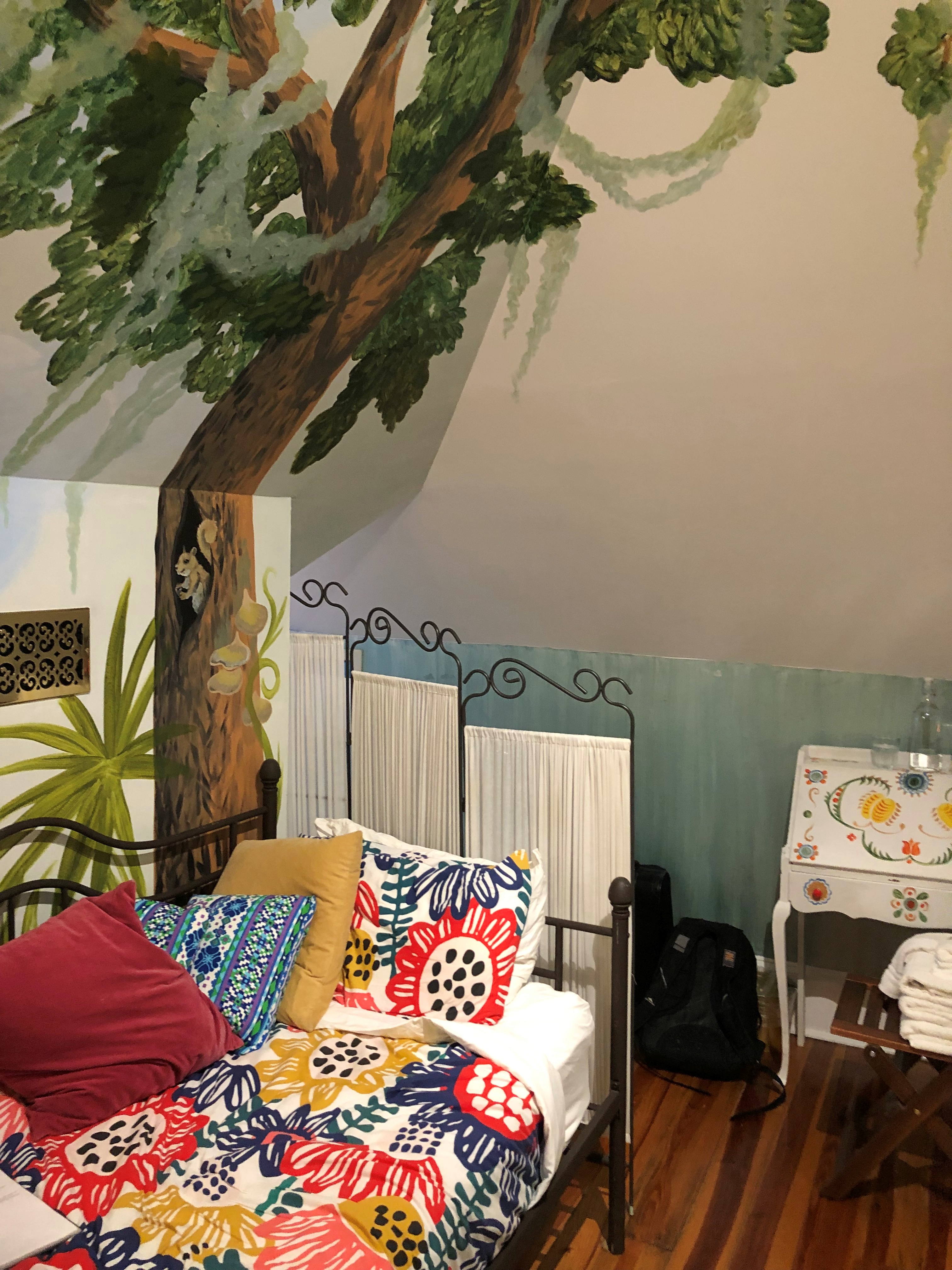
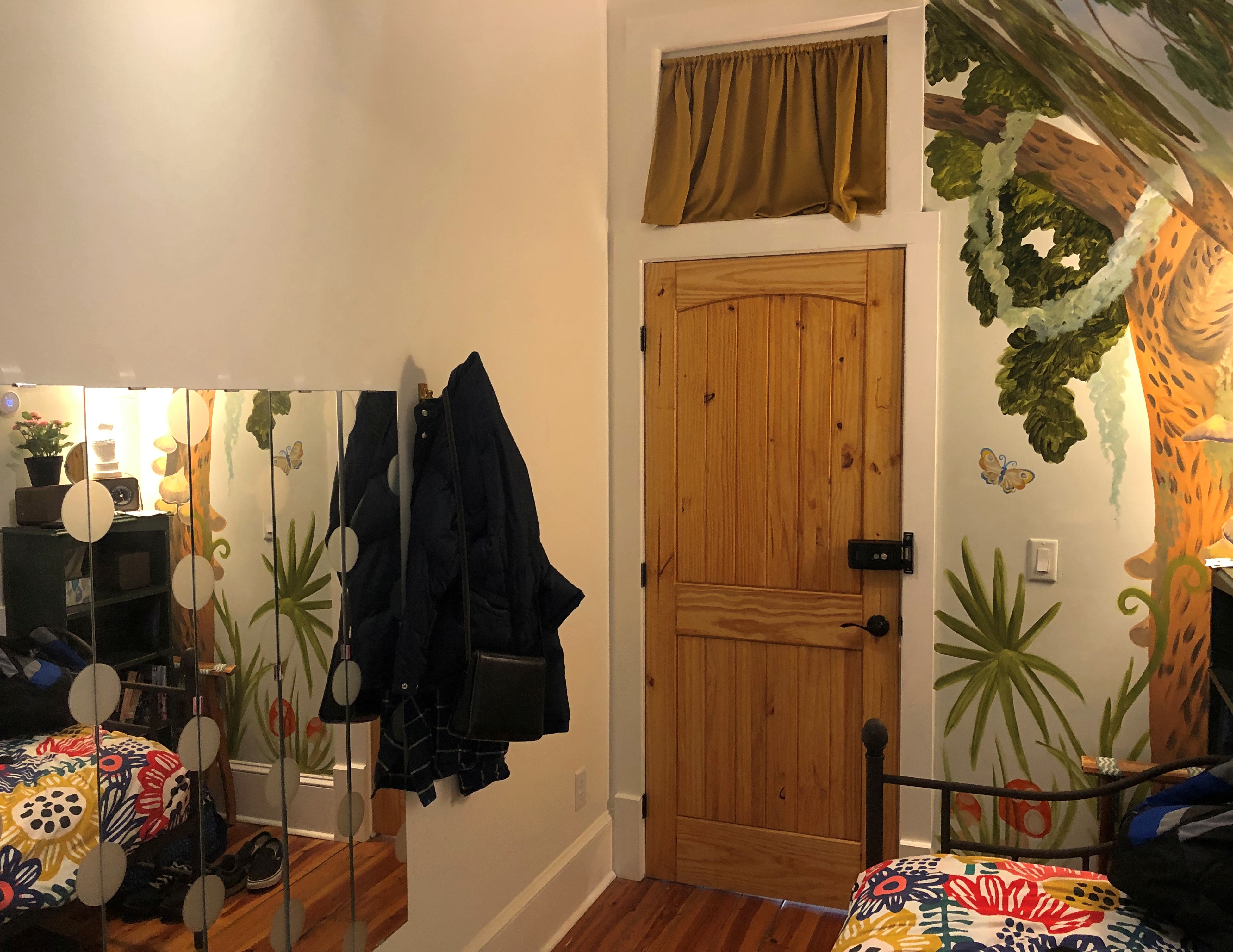
Our room was L shaped. Open the door and you see a bed with a cast-iron frame, a rolltop desk and a tree painted on the wall, complete with Spanish moss. Ann had to tell me who Hedwig was: Harry Potter’s owl.Isetta Inn, Savannah

The walls, according to the inn, were “custom painted by famed artist Dame Darcy.” I had to look her up, but the world is full of things I don’t know. Could be I’m not in the right demographic, since she’s known for illustrating works like Vegan Love: Dating and Partnering for the Cruelty-Free Gal, with Fashion, Makeup & Wedding Tips and for Tarot decks that went viral.

Then again, demographics are limiting. After all, some young men were reportedly fond of My Little Pony, so there’s no real reason late middle age/early old age men can’t enjoy, for example, Dame Darcy’s autobiographical graphic novel, Hi Jax & Hi Jinx (Life’s a Pitch and Then You Live Forever). But odds are I won’t read it.

Dame Darcy’s arboreal theme continues along the rest of the wall. I slept in the cast-iron bed, under the 2-D tree canopy. The bed squeaked at a low pitch, even when I wasn’t moving, that would have kept me awake for hours had I not figured out to keep the bed absolutely flush with the wall.Isetta Inn, Savannah

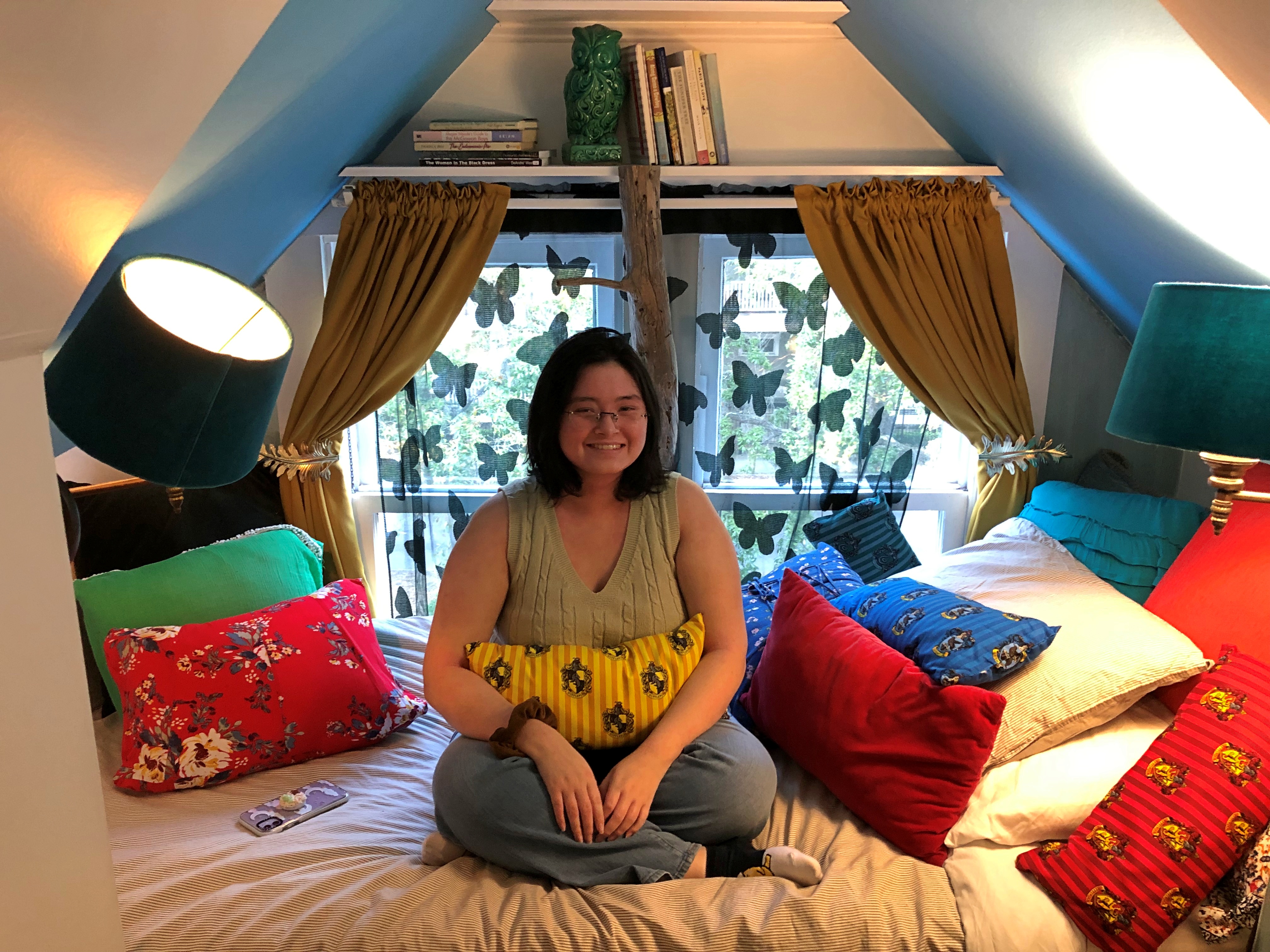
Around the corner of the L is another bed, or a reading nook, which is where Ann slept.
Isetta Inn, Savannah

For all its high-polish artistic charms, I’m glad to say Isetta wasn’t vastly expensive. I’ve paid about as much for soulless middle- and upper-middle chain hotel rooms, and somehow staying in a soulless room in a city like Savannah would have been a damned shame. I haven’t worked out exactly why the Isetta was named for the bubble car of that name, but the web site does say the following, attributed to owner Jonathan.

“I’m big believer in alternative transportation to improve quality of life for us. We have a fleet of rental bicycles available to all guests. We are perfectly located for you to see all the sites on two wheels. I also personally have a few examples of historical ‘alternative transportation’ ideas in the form of micro cars. Such as a 1950s BMW Isetta that is our namesake.”

That’s pretty cool, but I’ll bet the bubblecar that’s for hard-core enthusiasts is the Soviet SMZ cyclecar.

Tybee Island Seafood, Gators & Birds

The seaside town and island called Tybee Island isn’t far from Savannah, connected to the city by U.S. 80. In the city, that route is the palm-lined Victory Drive. Outside town, the road passes the entrance to Fort Pulaski NM along the South Channel of the Savannah River and eventually takes you to Tybee Island, with its beaches and accommodations and shops for beachgoers.

On the way, the drive takes you within sight of Captain Derek’s Dolphin Adventure and Amick’s Deep Sea Fishing (tour operators), Seaside Sisters Gift Shop, Gerald’s Pig & Shrimp, Tybee Island Wedding Chapel & Grand Ballroom and lots of other enterprises longing for sweet visitor dollars. I expect it’s been a hard few years lately, but to judge by traffic to and in Tybee Island, things have picked up.

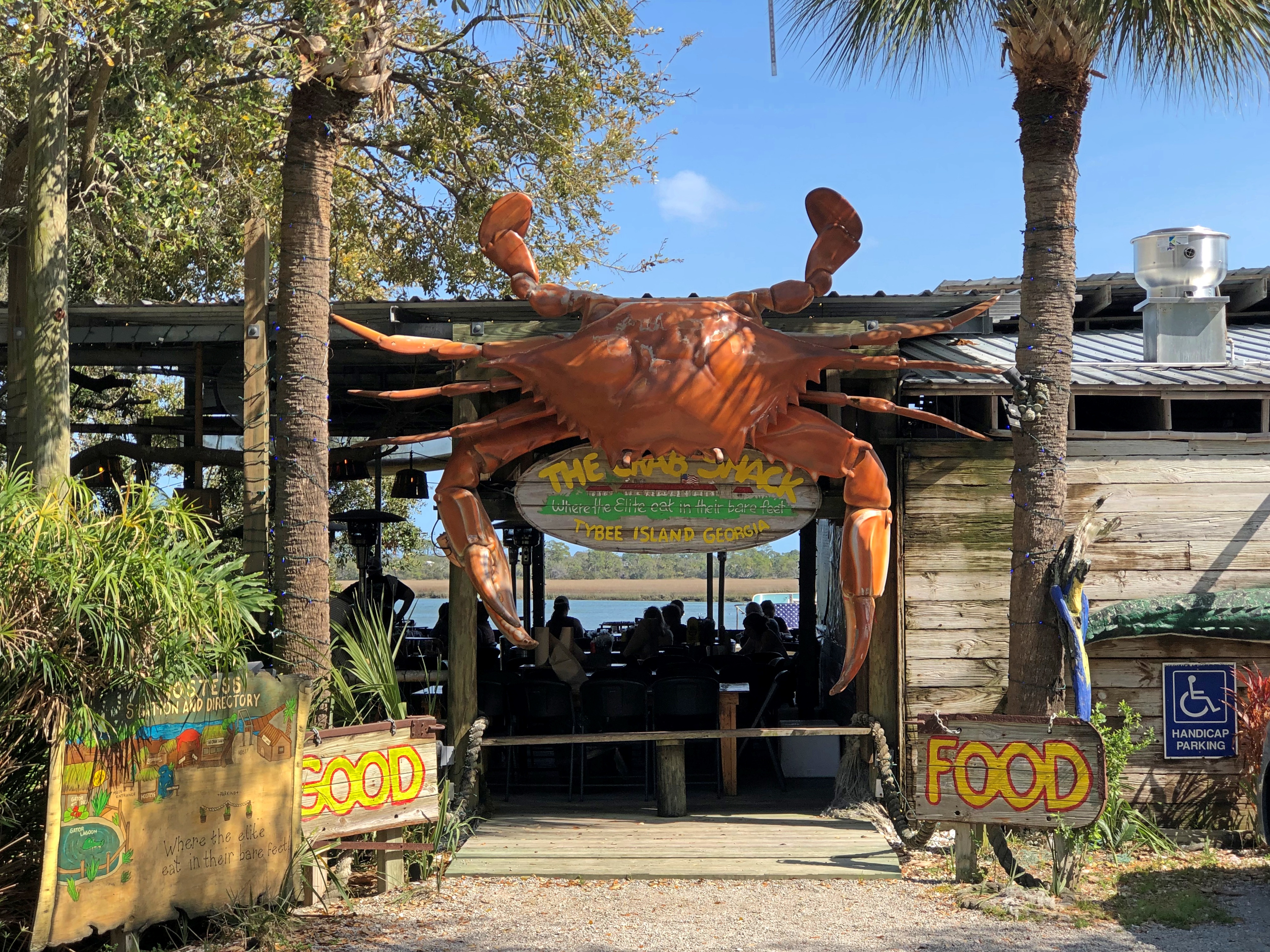
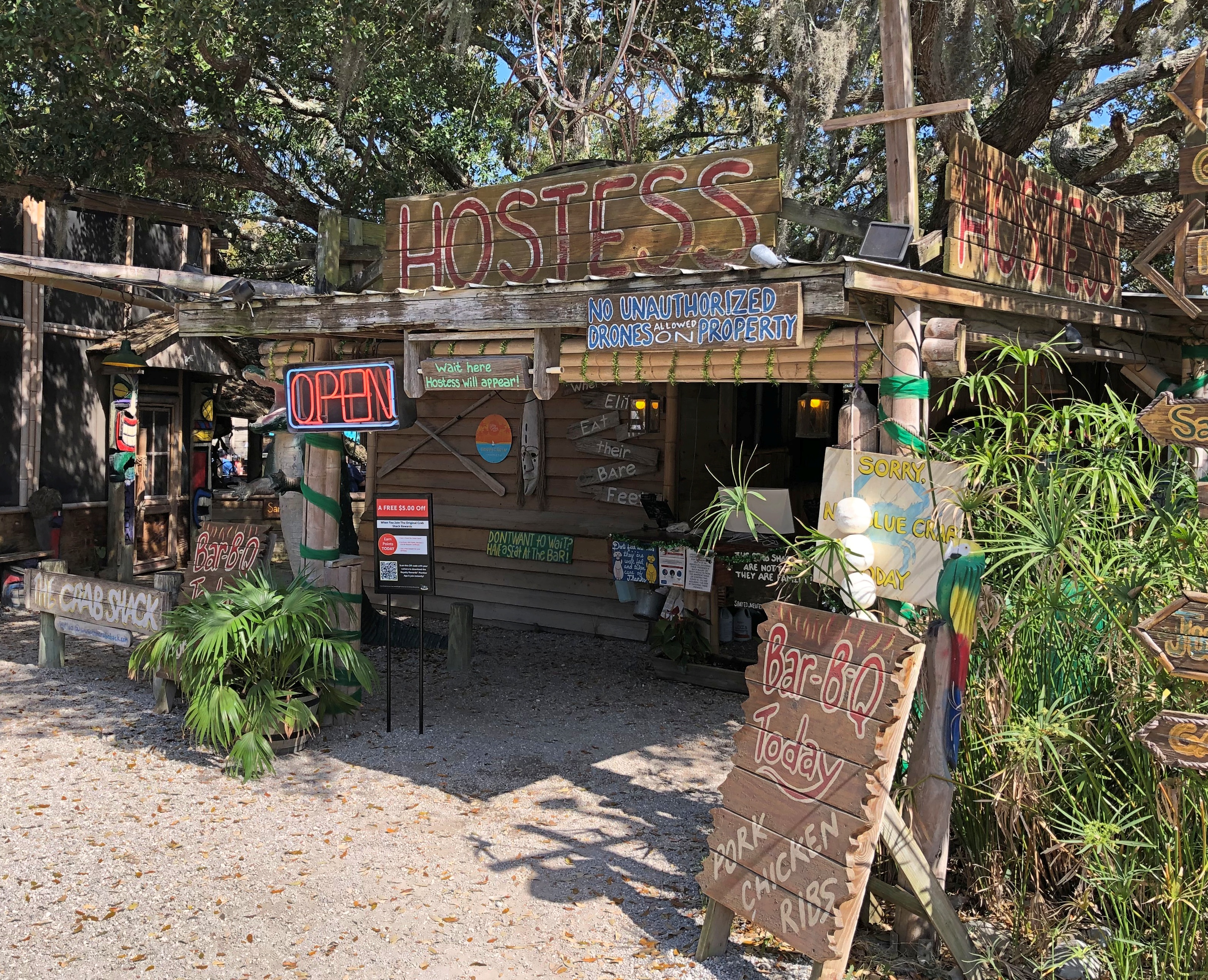
Not visible from U.S. 80, but evident on Google Maps, is The Crab Shack, about a minute’s drive off the main road on the outskirts of town, down a street that’s otherwise residential. We went there for lunch after visiting Fort Pulaski.

The restaurant isn’t affiliated with Joe’s Crab Shack or any other chain, as far as I can tell. The place apparently evolved from a mid-century fishing camp on Chimney Creek — a place where boats docked and fishing enthusiasts bought bait and beer — into a multi-building restaurant and tourist attraction over the last four decades or so. Organic, mostly unplanned growth, and looks like it.The Crab Shack, Tybee Island
The Crab Shack, Tybee Island The Crab Shack, Tybee Island

Try as they might, neither restaurant consultants, nor algorithms nor AI-generated consumer-facing gastrolocus experience programs, can put all the elements of a place like The Crab Shack together in as pleasing a way as individual human effort can, bit by bit over years. Good thing, too.

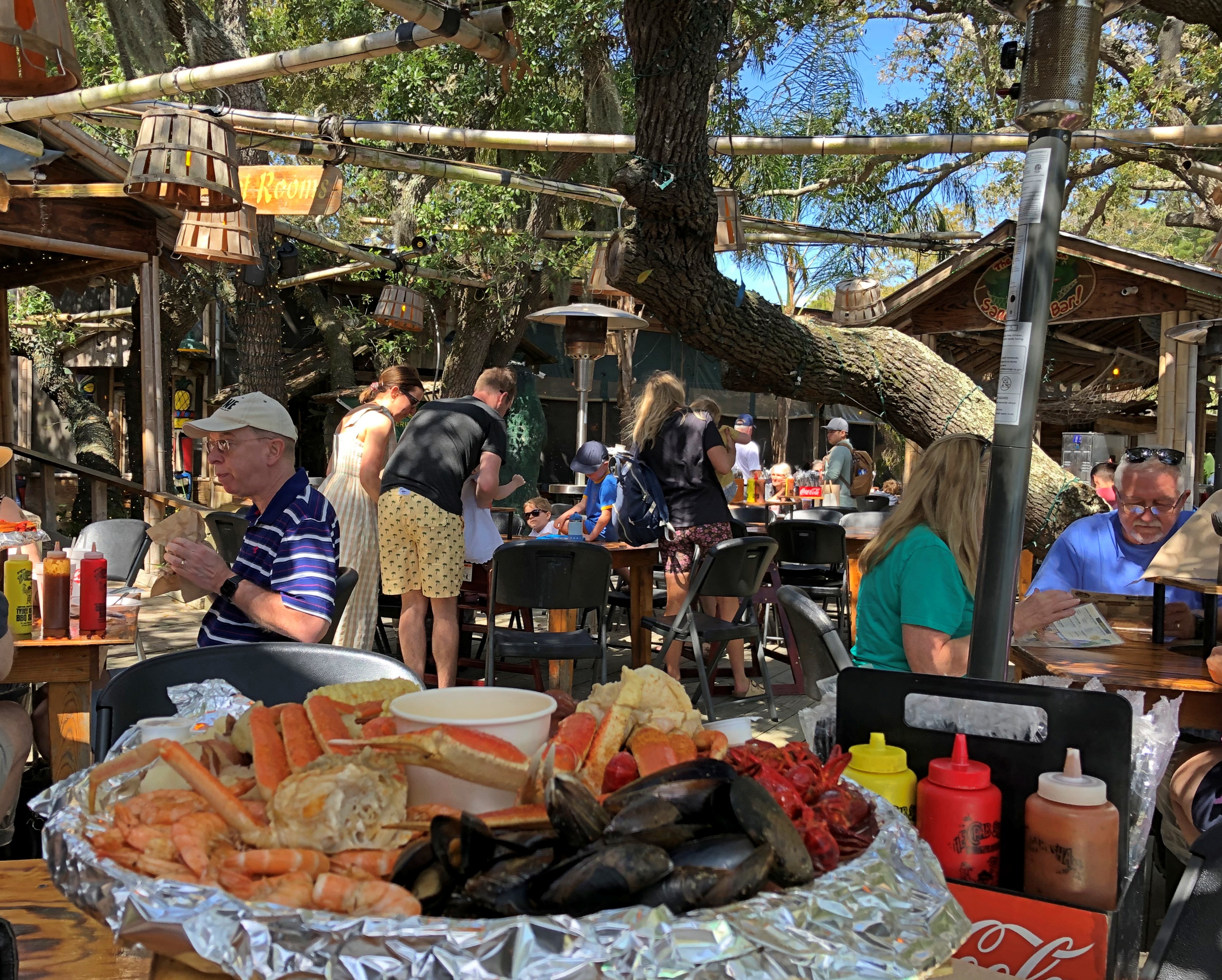
The tables sprawl out on a wooden deck overlooking the creek, with trees towering overhead and forming a much-needed canopy where there’s no roof (though bird droppings were a worry). The Crab Shack could easily been a tourist trap, especially if the food wasn’t up to par. But it was very good.The Crab Shack, Tybee Island The Crab Shack, Tybee Island

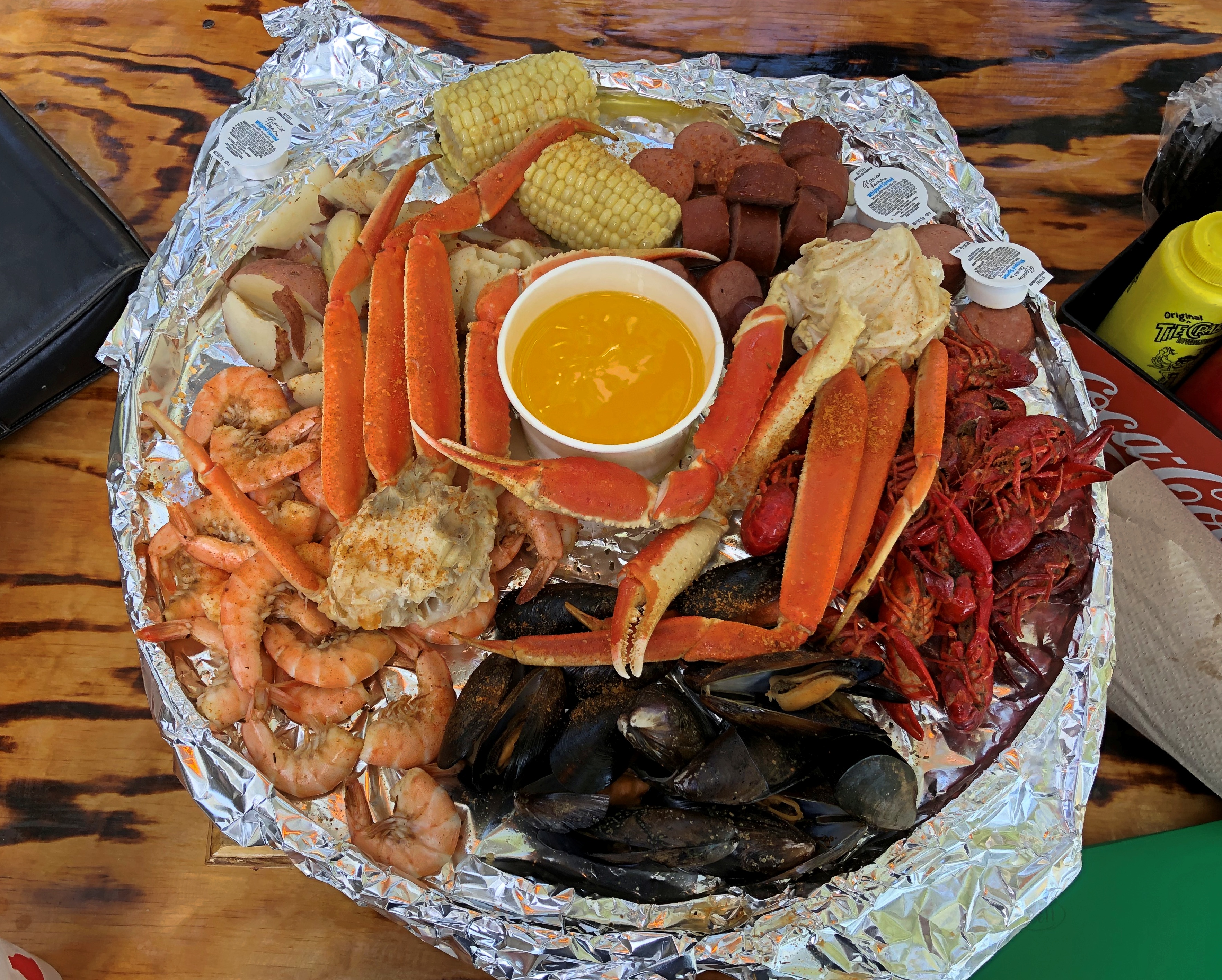
This is Captain Crab’s Sampler Platter (for two), featuring boiled shrimp, snow crab, mussels, crawfish, corn, potatoes and sausage. We ate a lot of it, though some mussels, shrimp and crawdads ended up in the refrigerator at the Isetta Inn for later consumption. Ann sent a picture of the platter to Lilly, to inspire envy. The platter happened to be a lot like what Lilly and I ate in New Orleans.

The pie slices we shared for dessert — coconut cream and Key lime — were much better than very good. So good I persuaded myself to eat very them slowly, bite by savored bite, something I don’t often do.

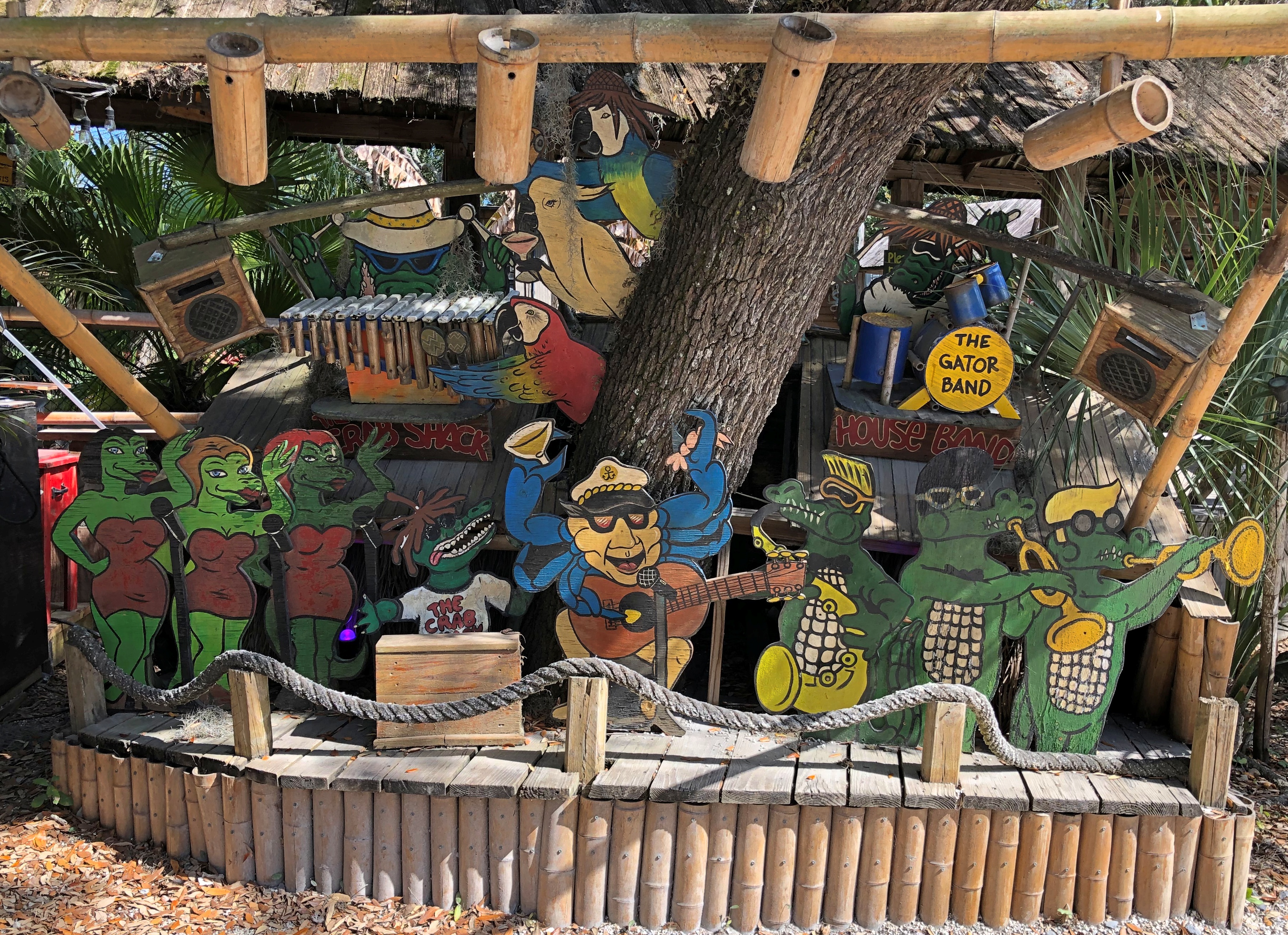
As you’d expect, eating is only part of The Crab Shack experience.
The Crab Shack, Tybee Island

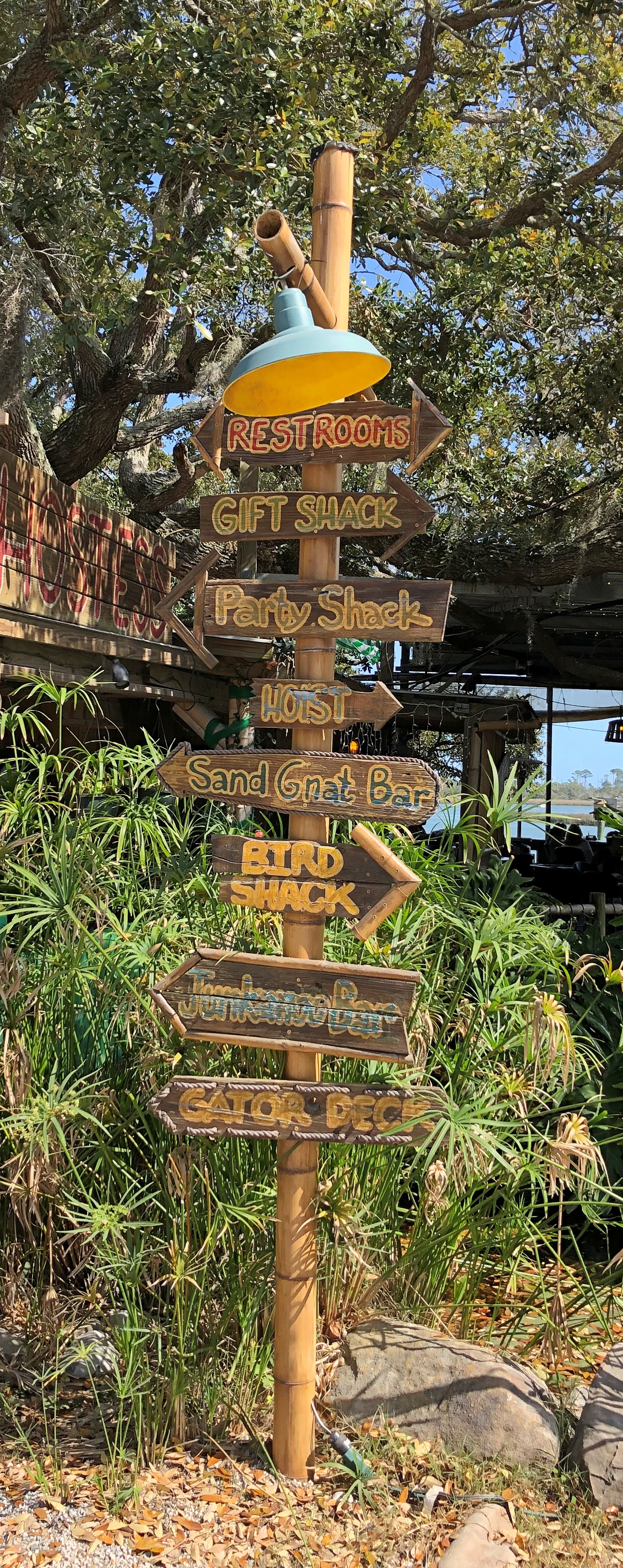
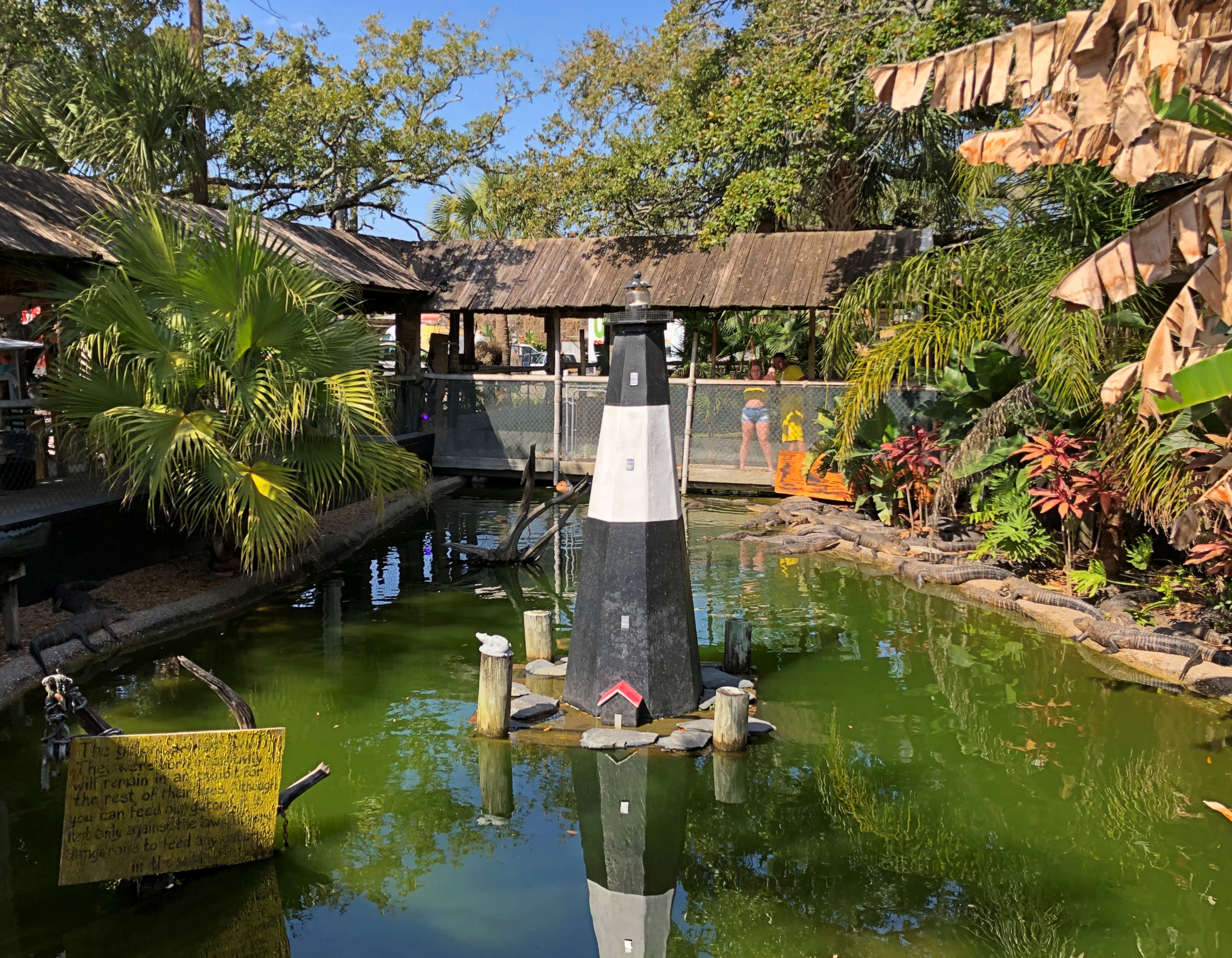
After our meal, we spent a few moments at the Gator Deck, which overlooks a pond.
The Crab Shack, Tybee Island

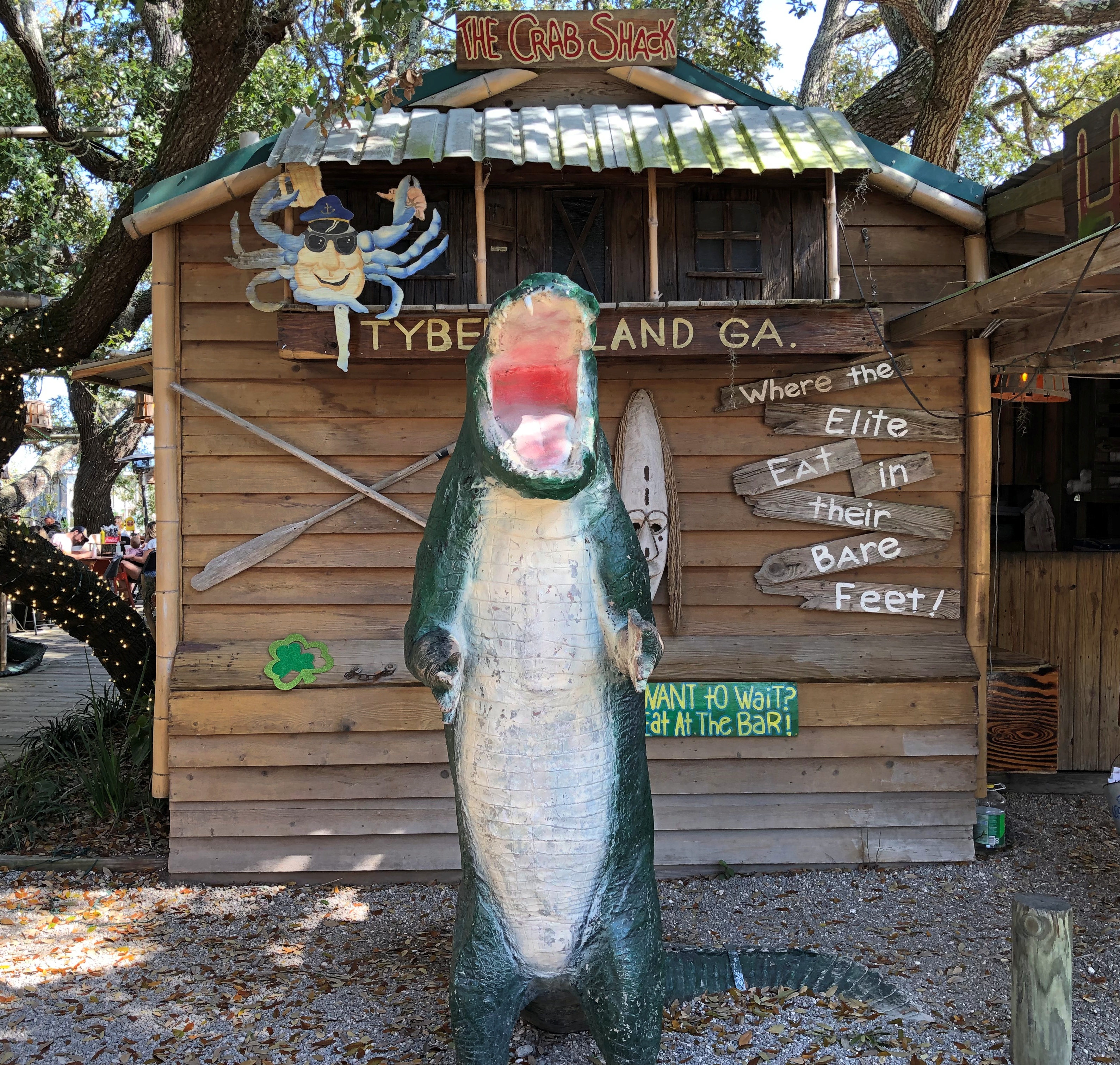
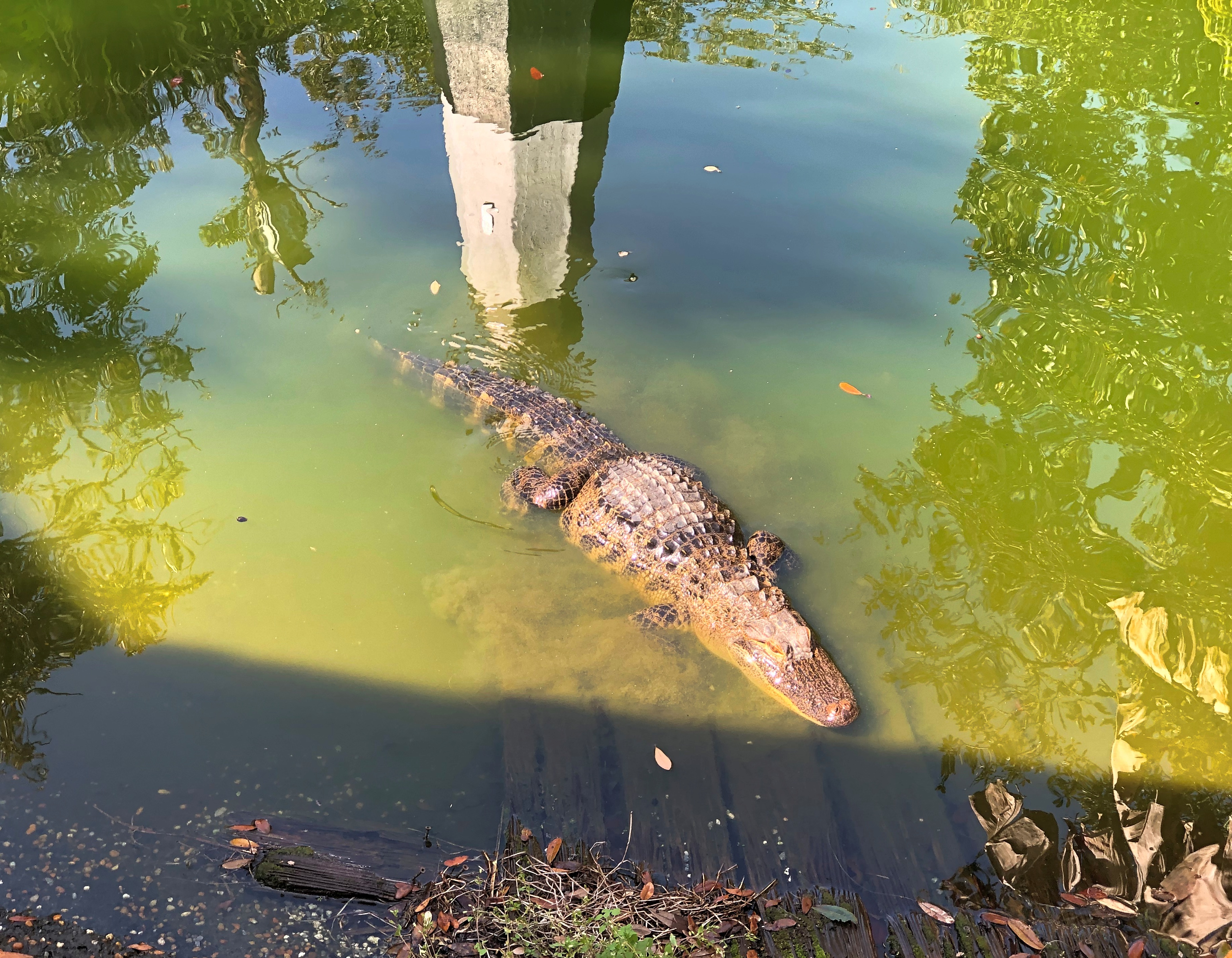
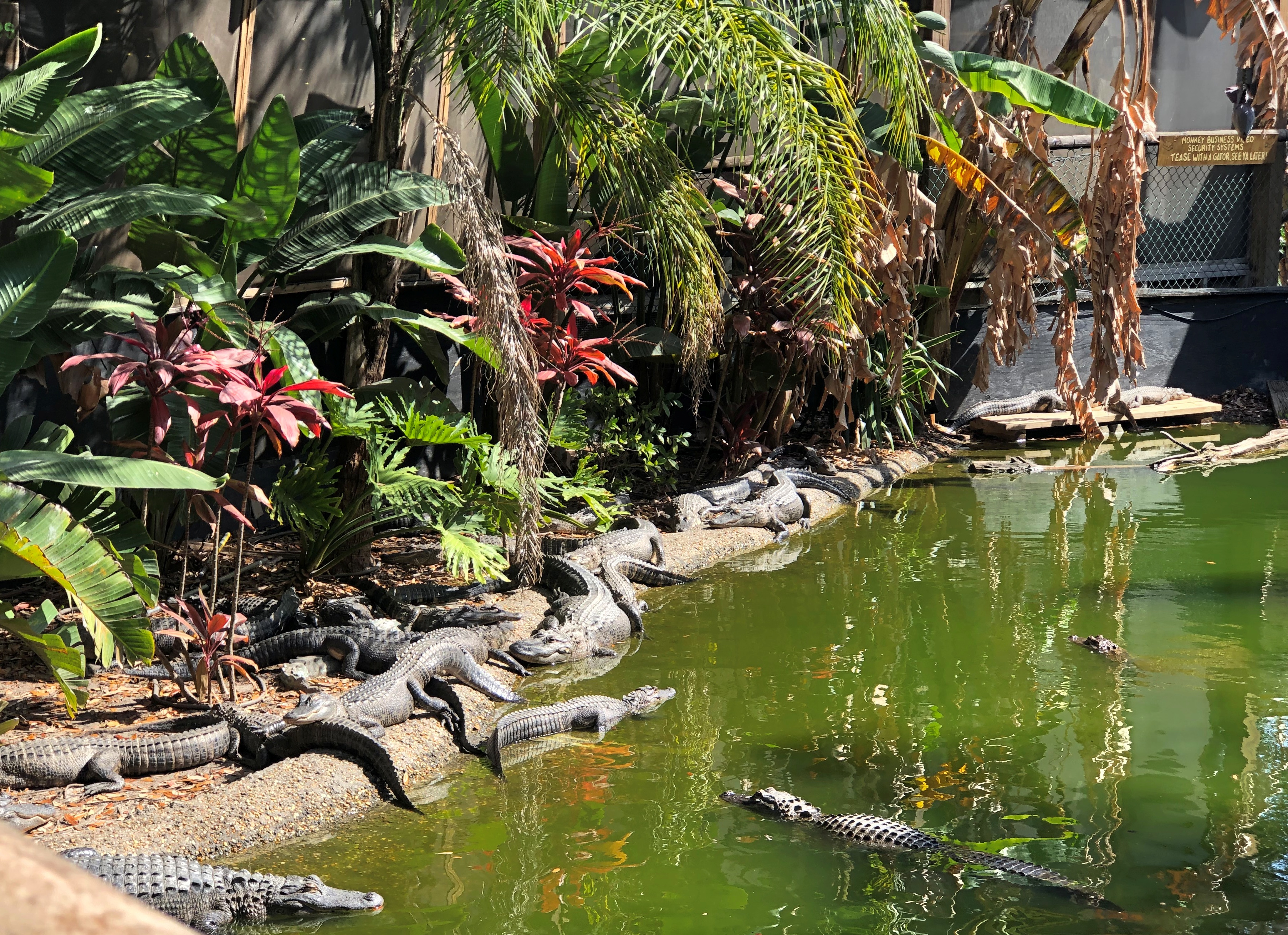
A pond stocked with alligators. Quite a few, actually. Real and otherwise.The Crab Shack, Tybee Island The Crab Shack, Tybee Island The Crab Shack, Tybee Island

A Crab Shack employee told me the pond alligators were all juveniles, born in captivity and destined for alligator farms. Destined to be wallets and purses, she didn’t say, but I expect that’s what often happens. As far as I could see, alligator wasn’t on the menu at the restaurant, but I don’t see why not.

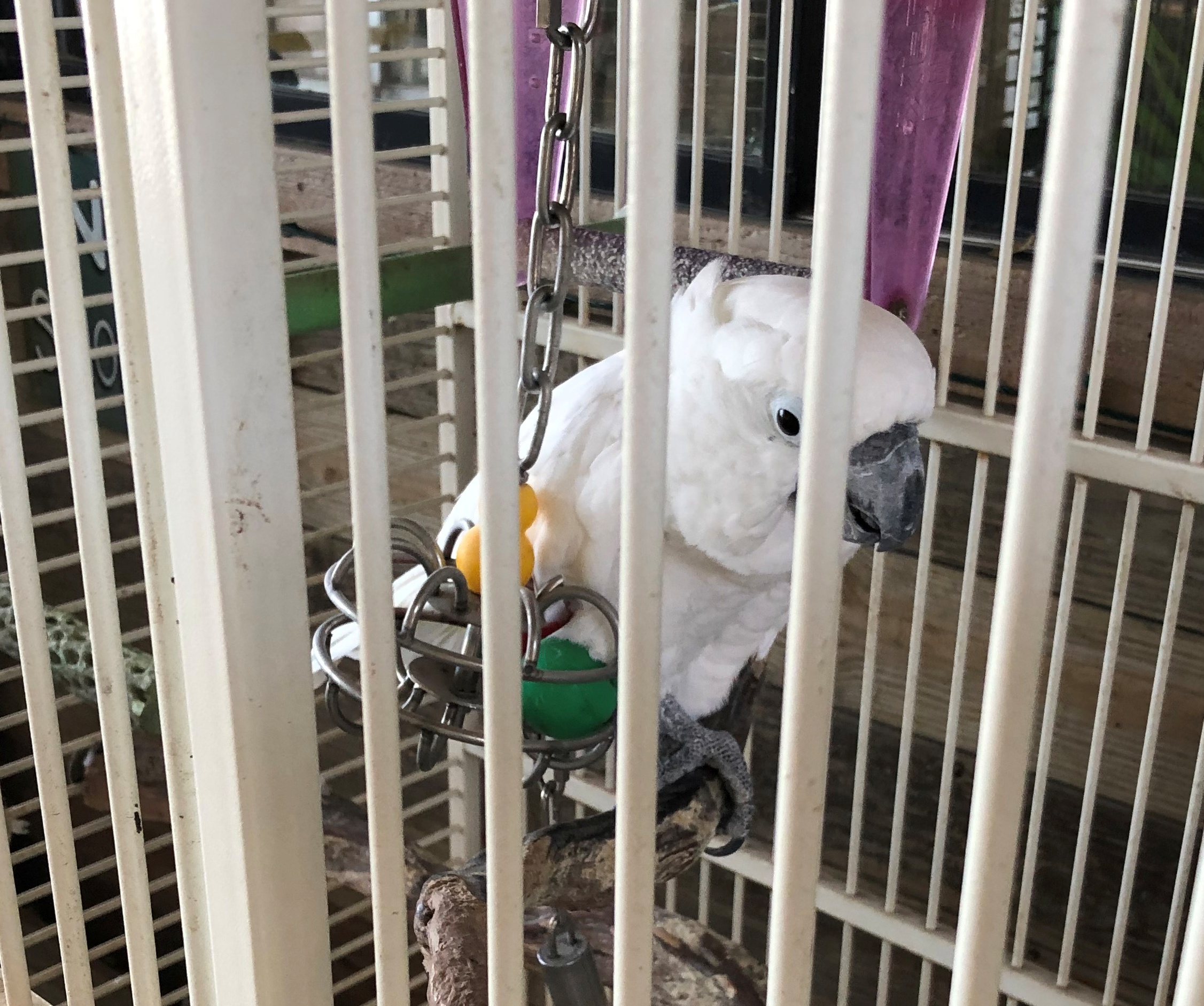
Elsewhere in the compound is the Bird Shack, stocked with various birds.The Crab Shack, Tybee Island The Crab Shack, Tybee Island

Damned if the two multicolored birds weren’t loud. Loud — KAHHHH! without warning. The white bird, less noisy, danced and said a few words when he was so inspired.

Fort Pulaski National Monument

Today turned out to be an pleasant early spring day. There will be more winterish days to come, of course, and the nights are still chilly, but I’ll enjoy the warmth as much as I can. Had a very civilized lunch on the deck today, including casarecce and mussels, Greek olives and mineral water.

American schoolchildren learn, or at least used to learn, the story of the early 1862 battle between the Monitor and the Virginia (a.k.a., the Merrimack, which does have a euphonious ring when paired with the Monitor). That incident demonstrated the vulnerability of wooden hulls to armored ships, and the navies of the world took note. That was my takeaway about the Battle of Hampton Roads.

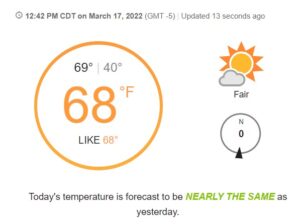
I don’t remember ever being taught about Fort Pulaski, which is on Cockspur Island in the Savannah River, and whose short siege, only about a month after Hampton Roads, revolutionized warfare in its own way. If I ever learned that before, I’d forgotten. So I relearned it by visiting Fort Pulaski National Monument outside Savannah on the morning of March 7.Fort Pulaski National Monument
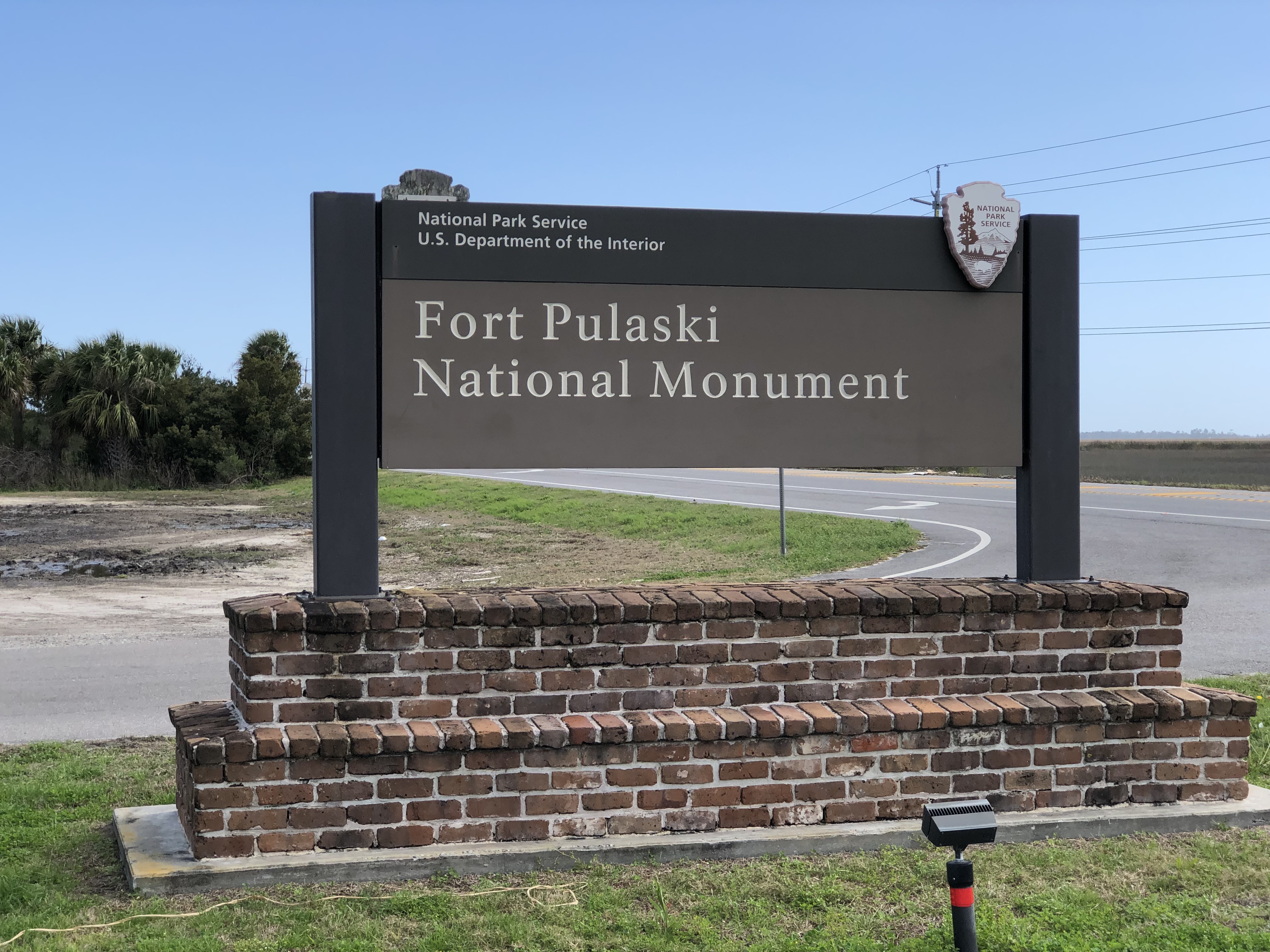
“On April 10 [1862], after the Confederates refused [Union Capt. Quincy] Gillmore’s formal demand to surrender, the Federals opened fire,” the NPS Fort Pulaski leaflet says. “The Confederates were not particularly alarmed; the Union guns were a mile away, more than twice the effective range for heavy ordnance of that day.

“But what the fort’s garrison did not know was that the Federal armament included 10 new experimental rifled cannons, whose projectiles began to bore through Pulaski’s walls with shattering effect.”

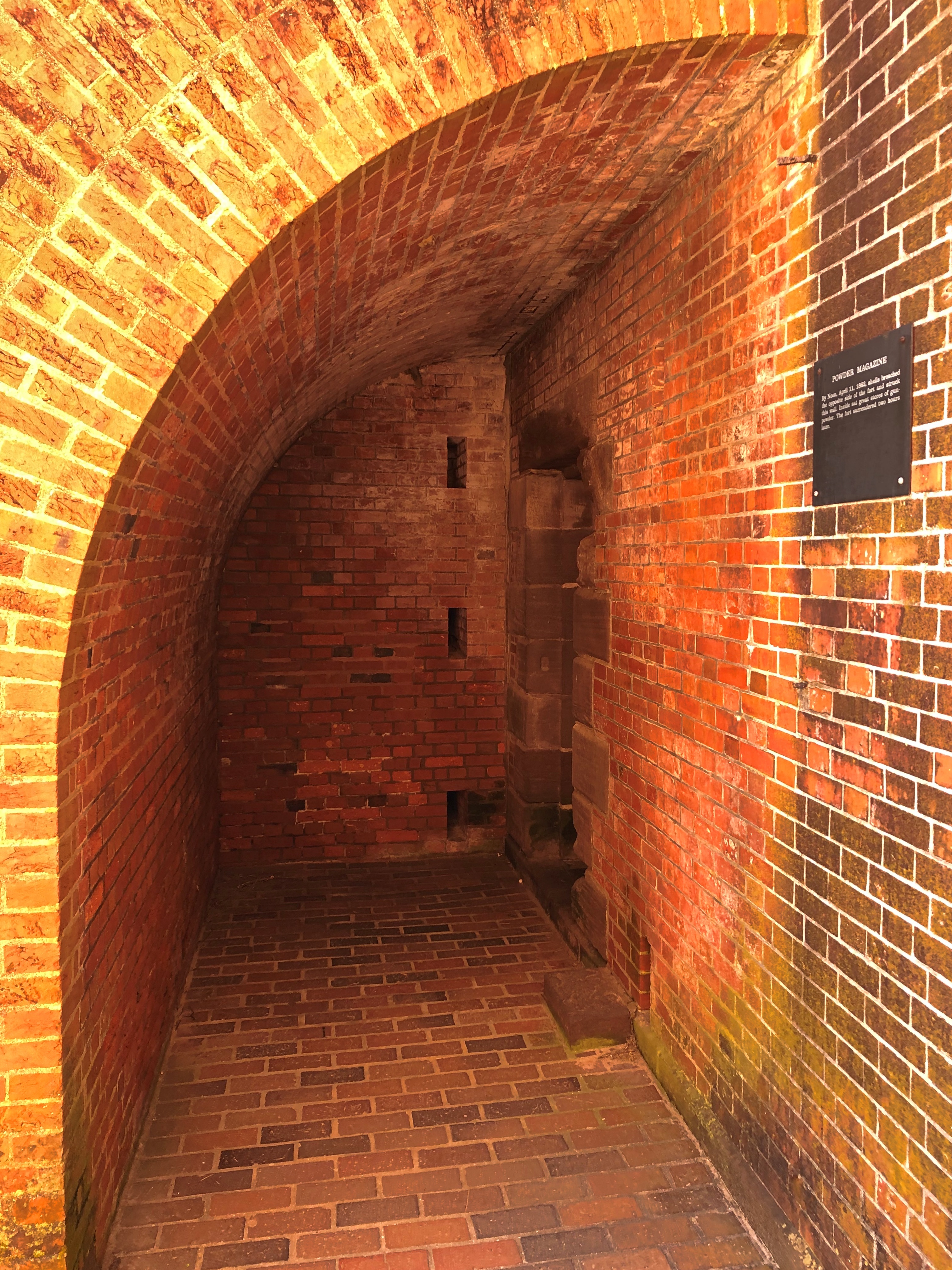
Before long, within about a day, explosive shells were hitting near the fort’s main powder magazine, and the Confederate commander, Col. Charles Olmstead, surrendered. Though state-of-the-art when constructed in the 1830s and ’40s, the brick fort proved in 1862 to be as obsolete as wooden-hulled ships. Armies of the world took note.Cockspur Island
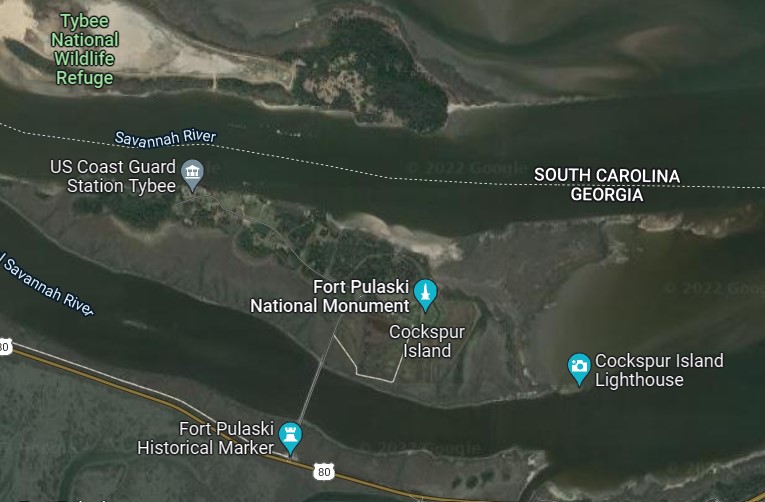
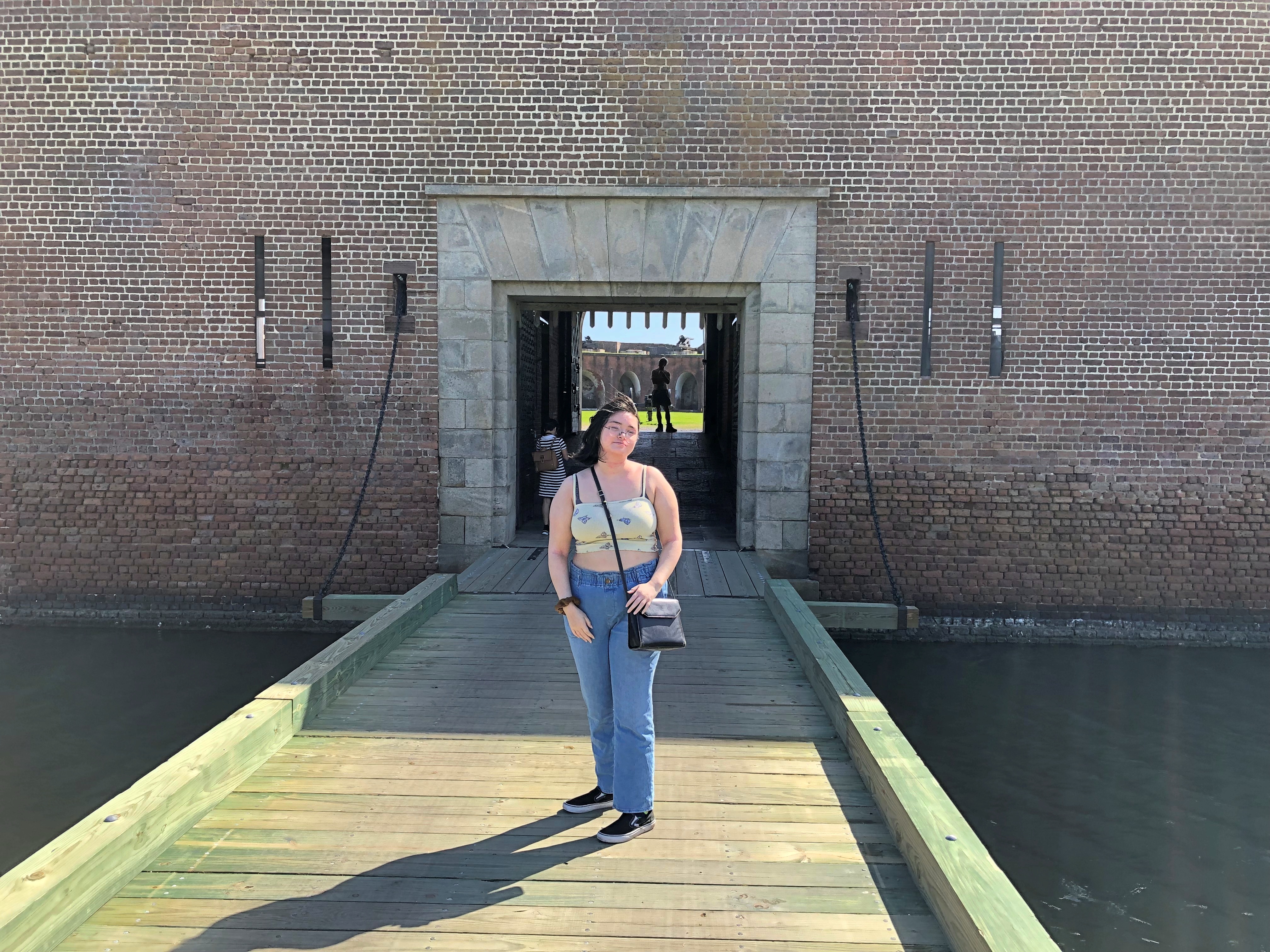
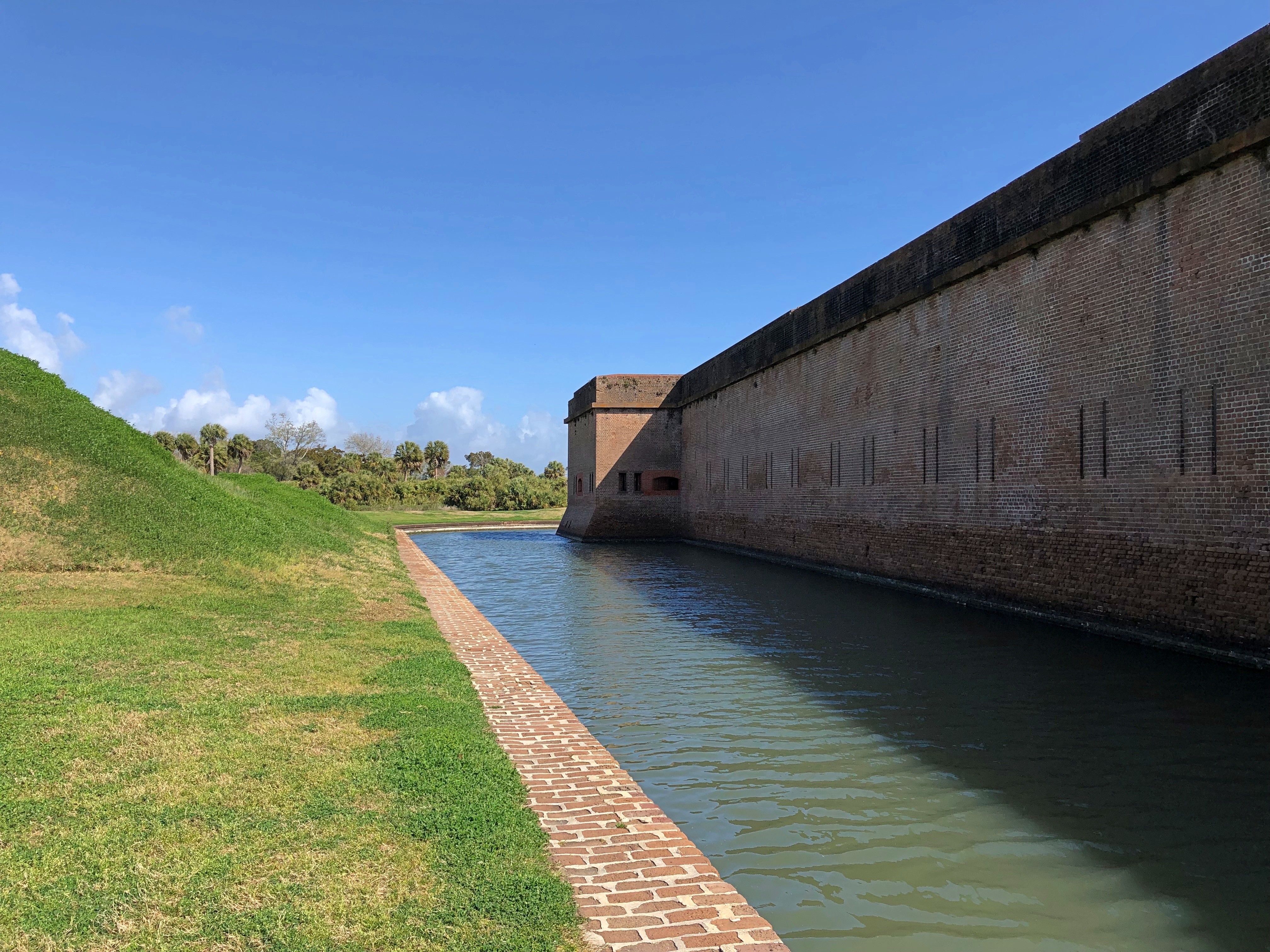
Whatever its role in the history of warfare, Fort Pulaski is a cool relic here in the 21st century. Built of an estimated 25 million bricks, the NPS says, and restored in the 20th century by none other than the energetic lads of the CCC. We arrived via the causeway that crosses to Cockspur Is. and soon approached the fort. Which has a moat.Fort Pulaski National Monument
And a drawbridge.Fort Pulaski National Monument

How often do you get to say you’ve crossed a moat on a drawbridge?

Though vulnerable to new cannon tech in the 1860s, the fort’s thick walls are impressive all the same.Fort Pulaski National Monument
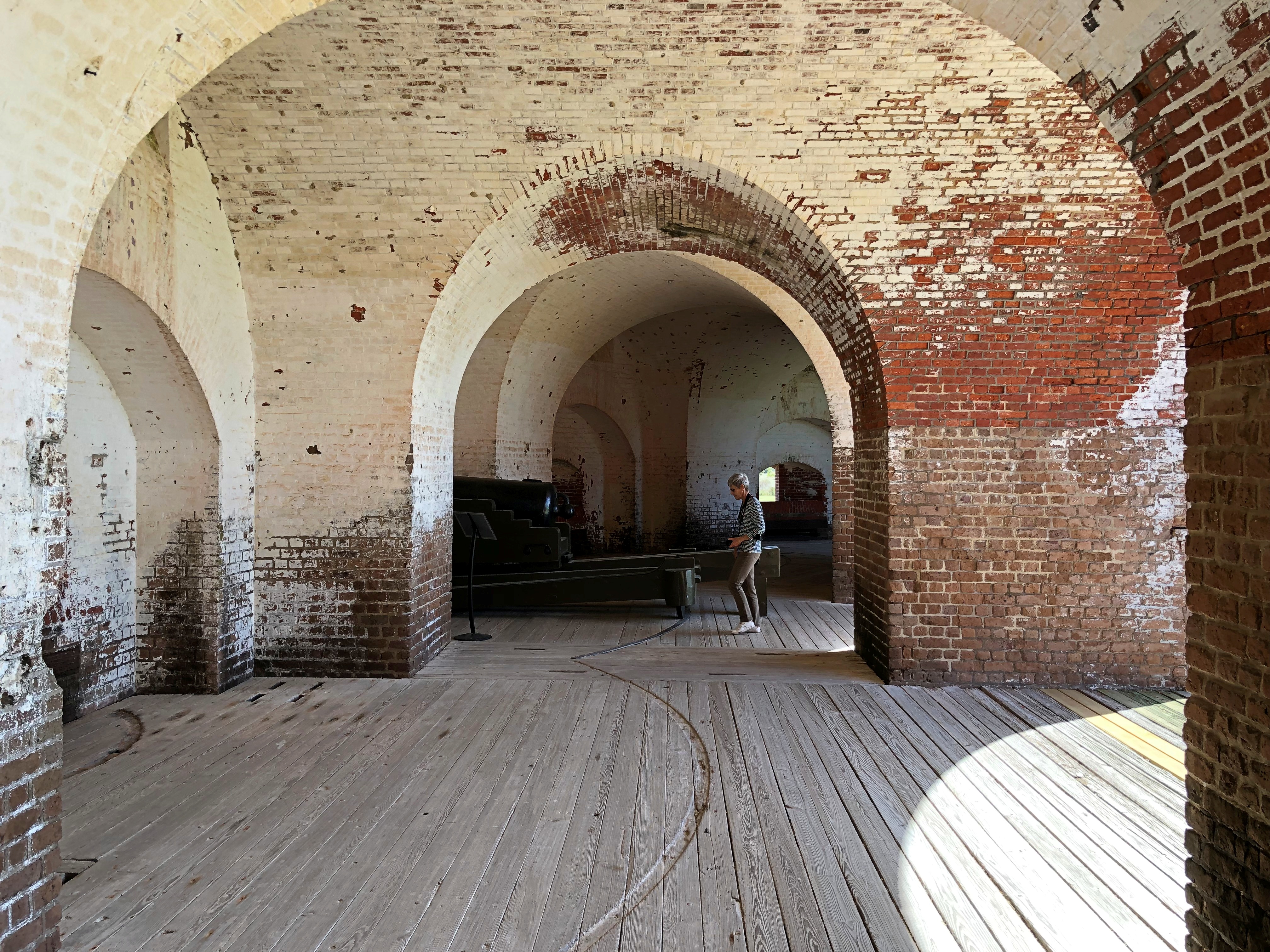
On one of the ceilings, some Union garrison soldiers — who had little to do, since the Confederacy never tried to take the fort back — left some patriotic graffiti.Fort Pulaski National Monument
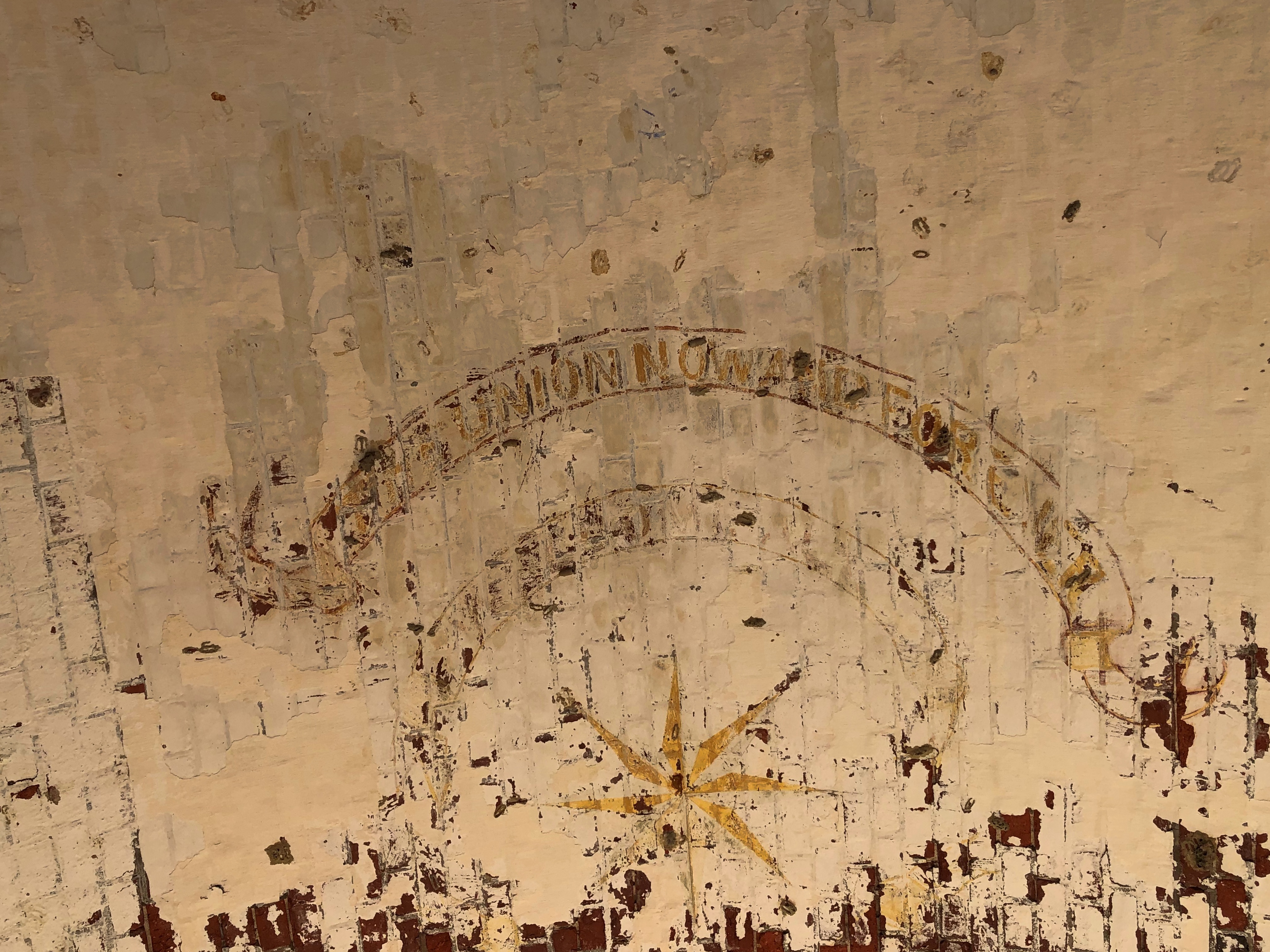
It’s a little hard to read, but includes a star and says THE UNION NOW AND FOREVER.

This is the entrance to the powder magazine that was in danger of blowing up real good during the bombardment.Fort Pulaski National Monument
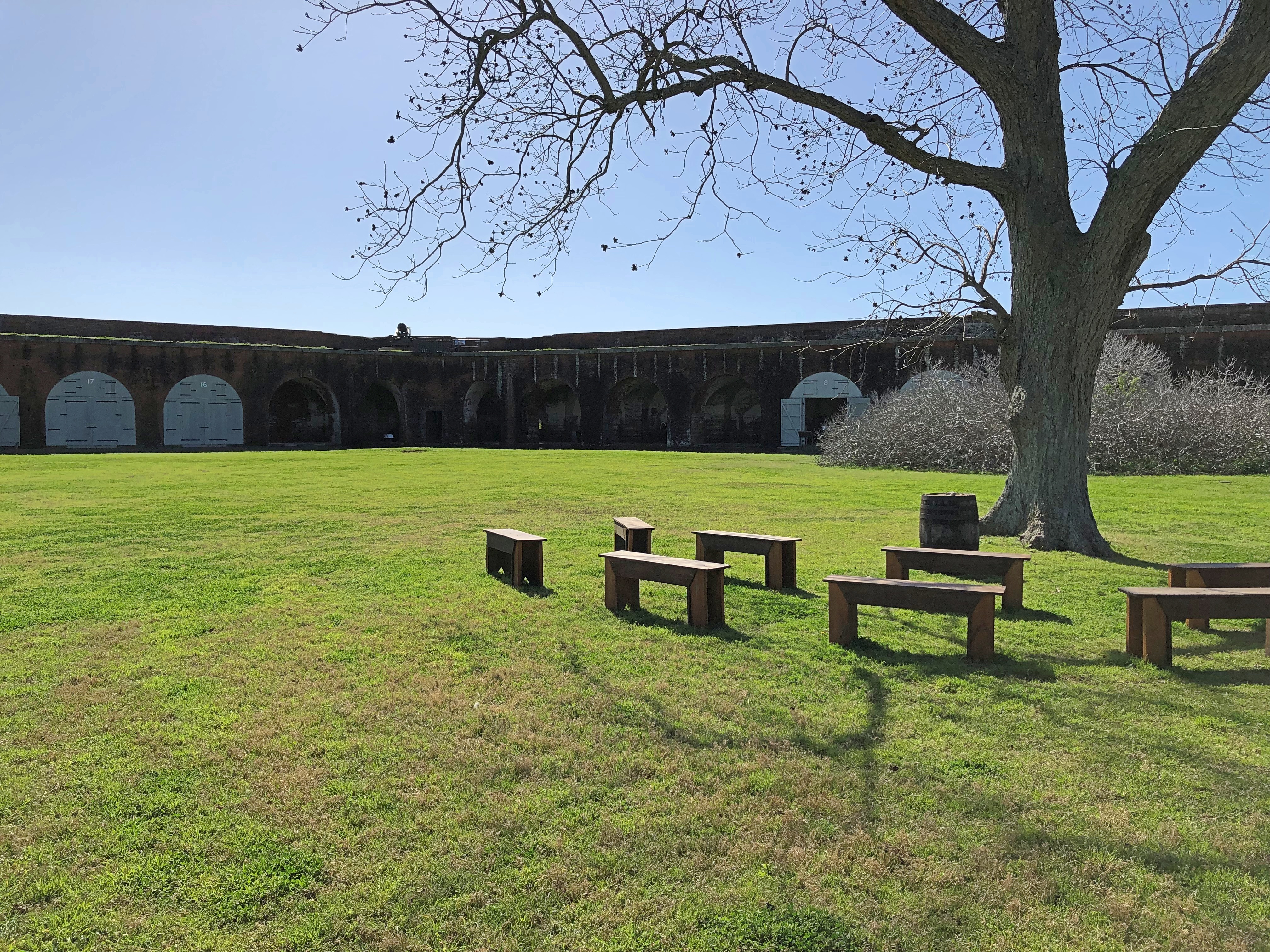
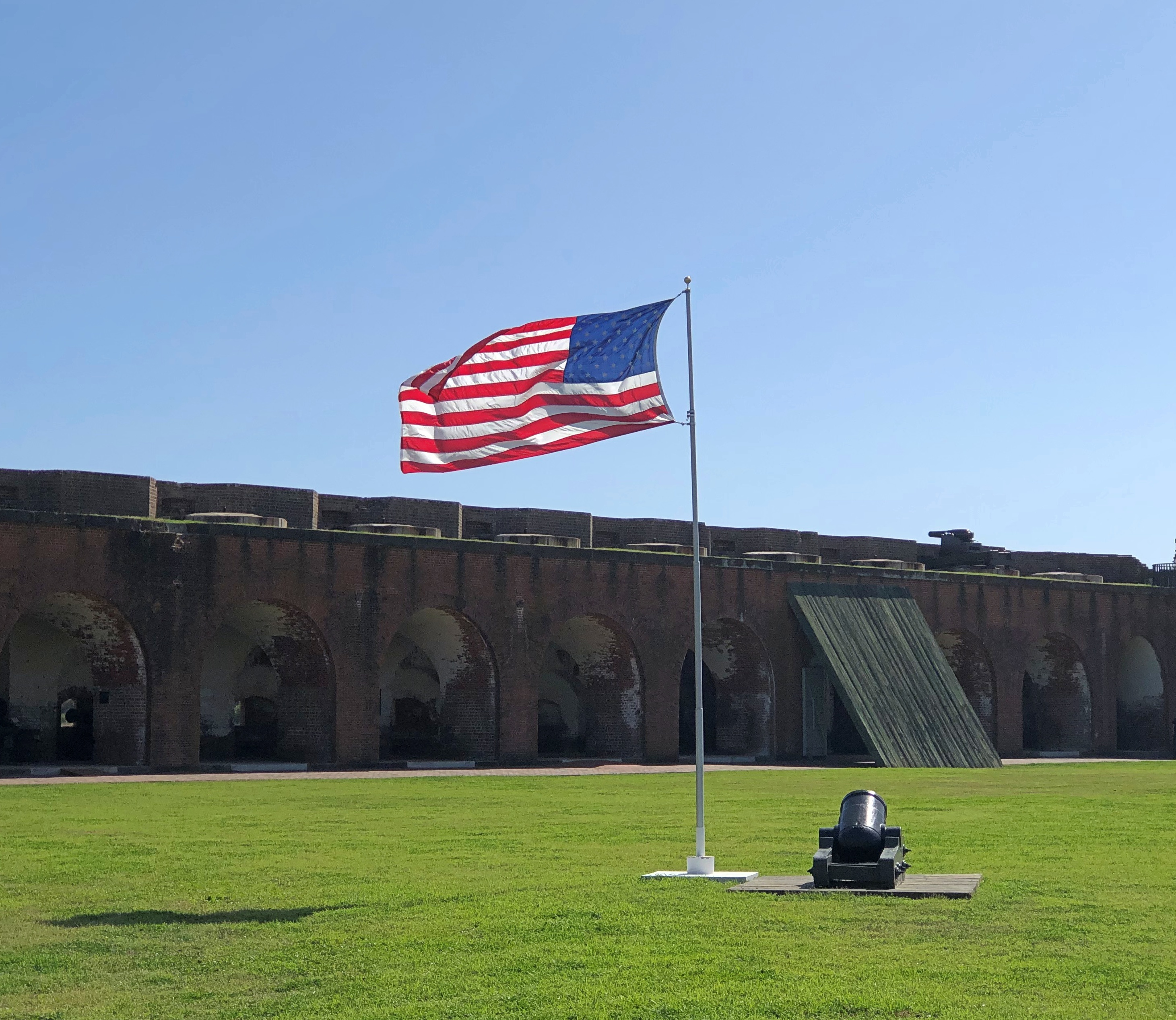
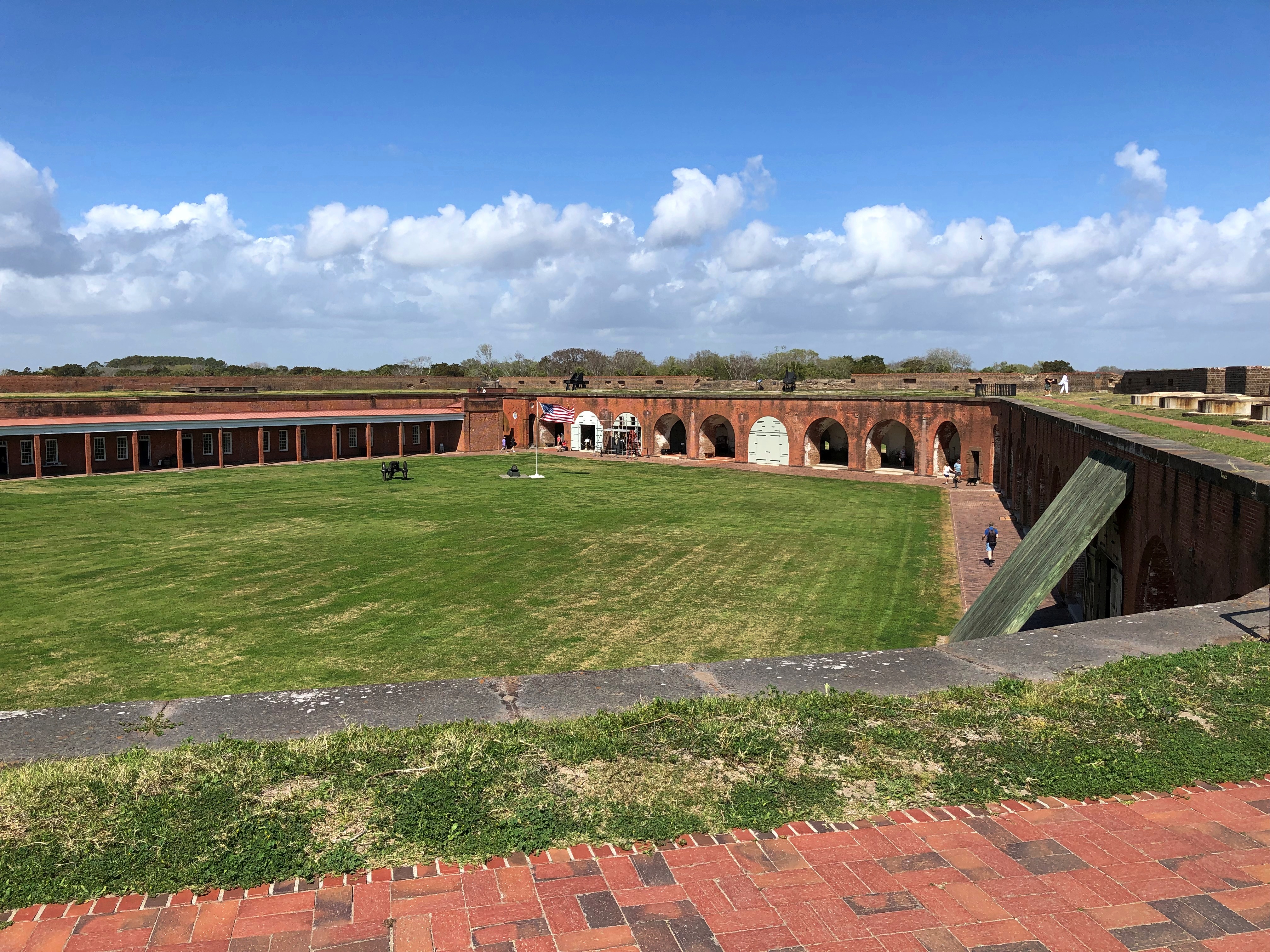
The five walls enclose a sizable bit of ground.Fort Pulaski National Monument Fort Pulaski National Monument Fort Pulaski National Monument
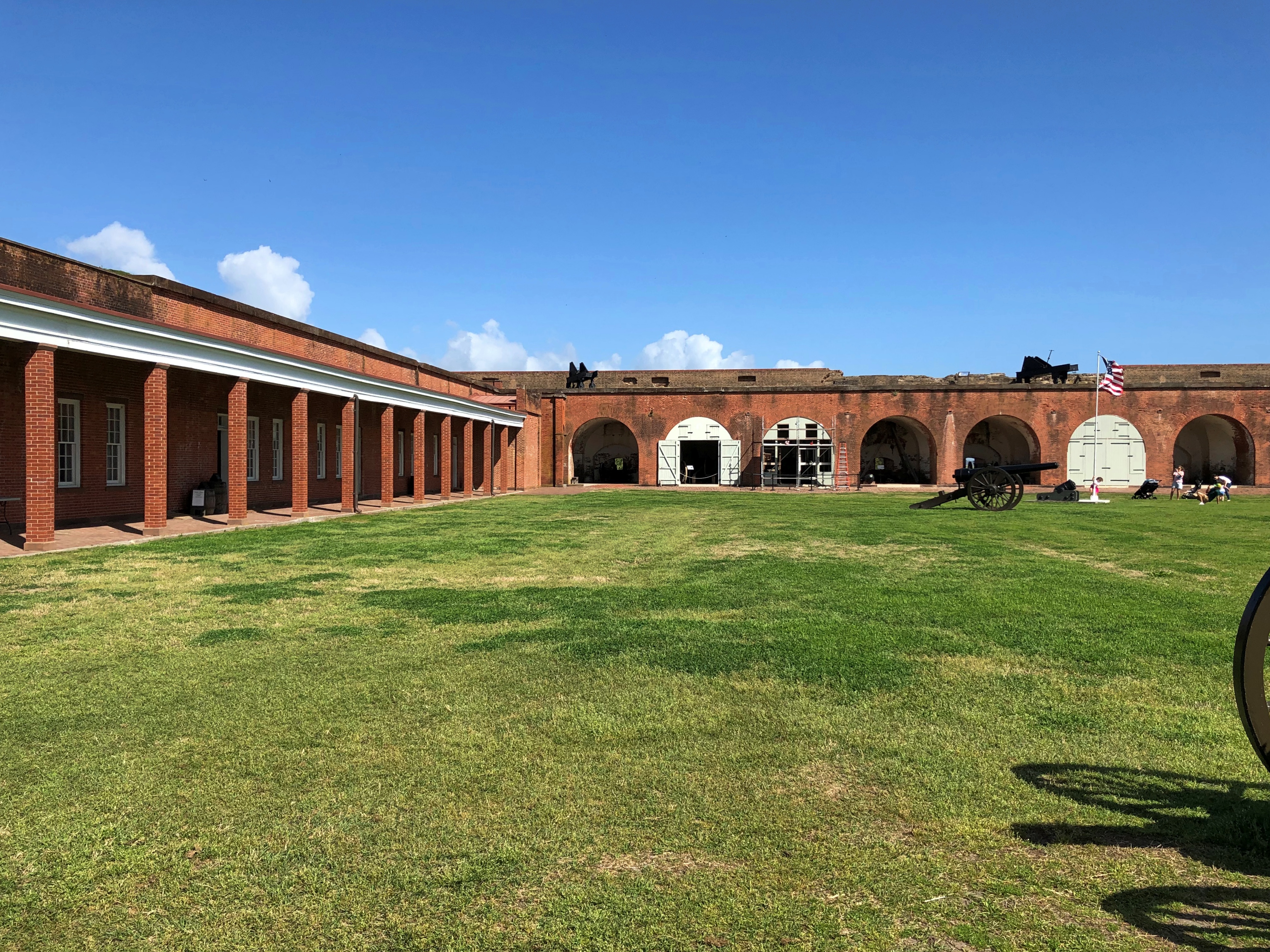
Most of the monument’s exhibits are inside the walls, including ones about ordinary soldiers’ quarters, the commanding officer’s quarters (definitely better), the infirmary, the chapel, how the garrison entertained itself (considering that leave in Savannah was out of the question) and more.

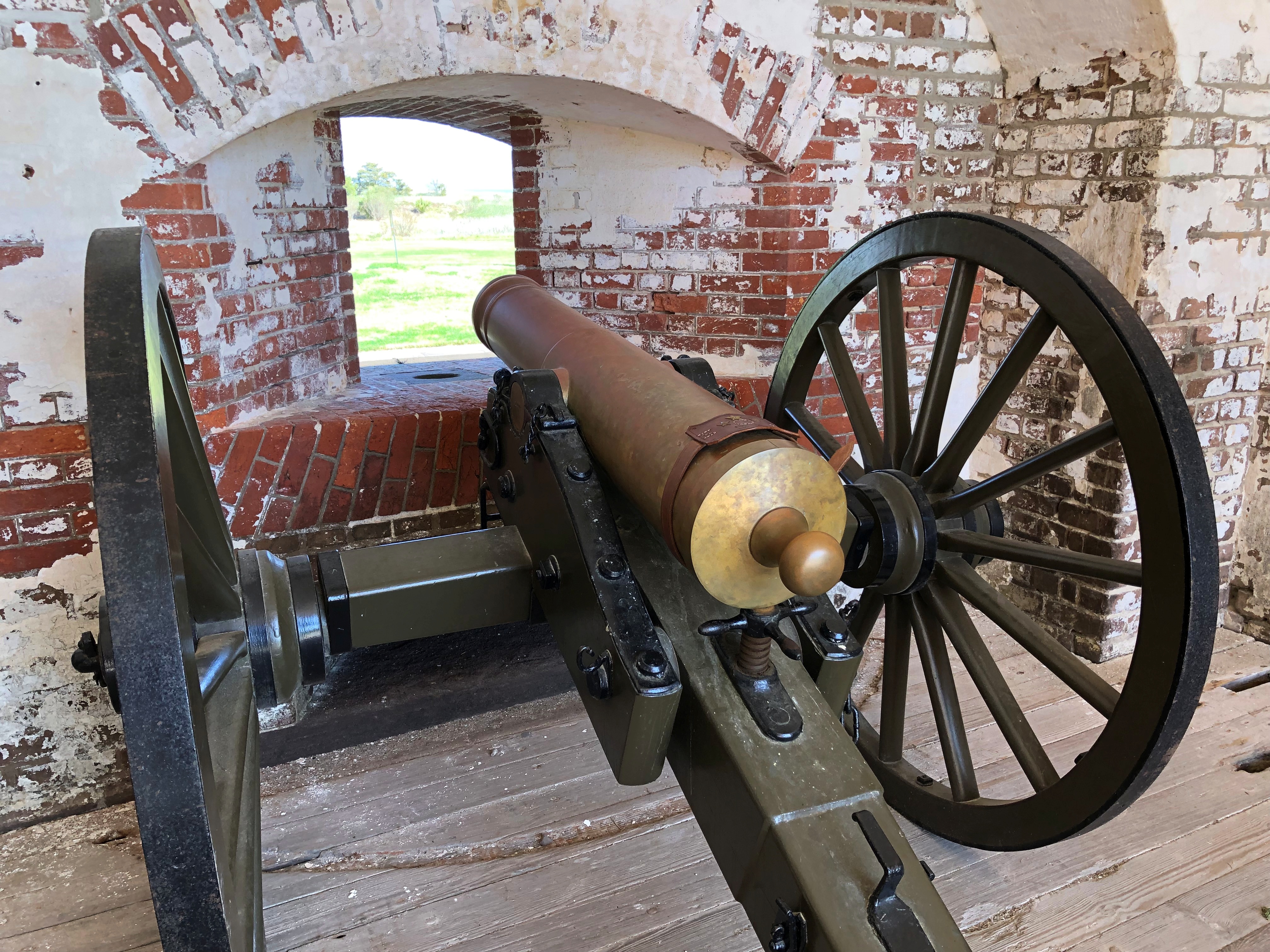
A good many cannons still stand at the fort, ready to greet the tourists who show up.Fort Pulaski National Monument
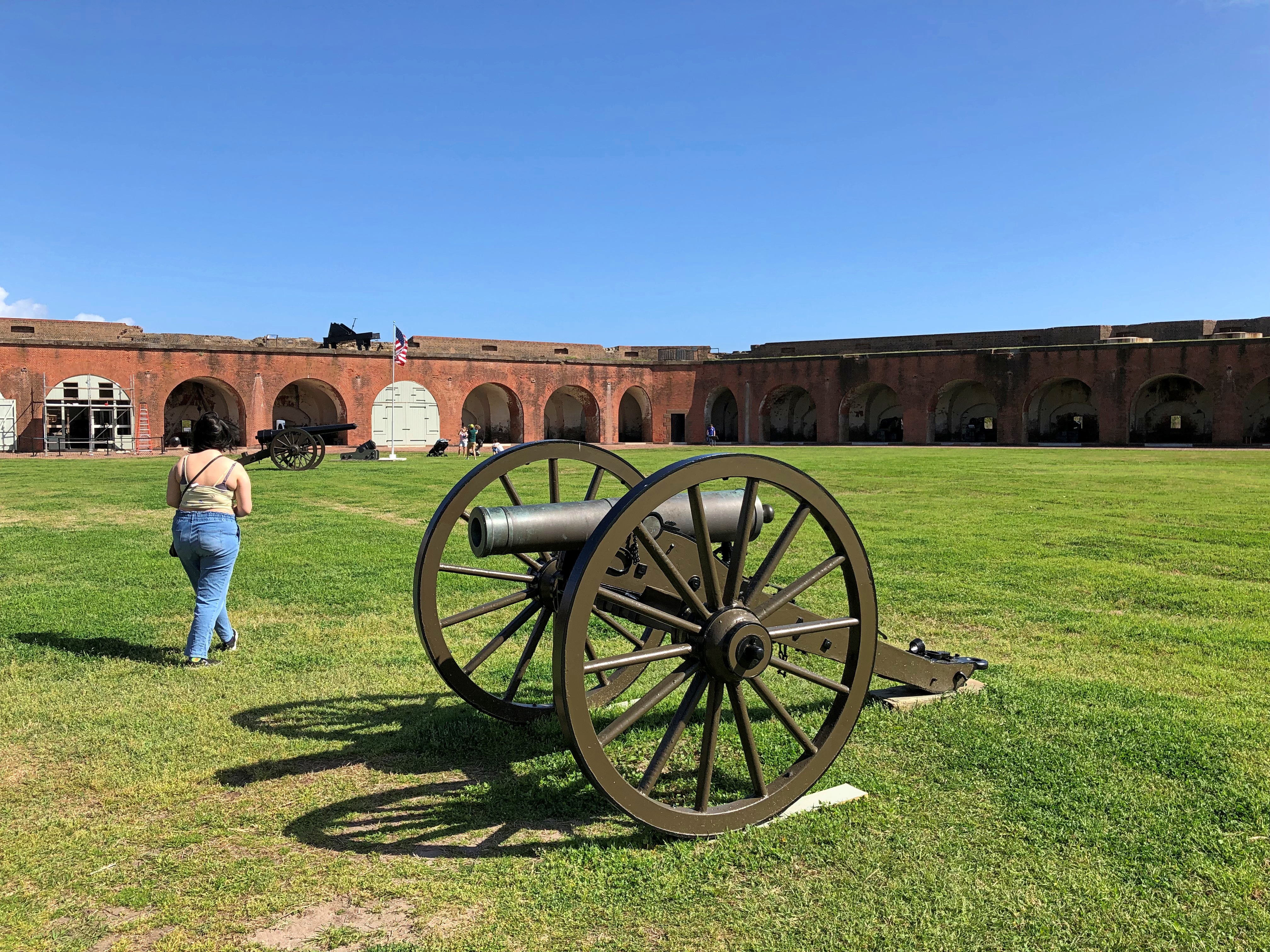
A plate on the cannon below indicated that it was made by the Ames Manufacturing Co. of Chicopee, Mass., a major maker of side arms, swords, light artillery and heavy ordnance for the Union.Fort Pulaski National Monument
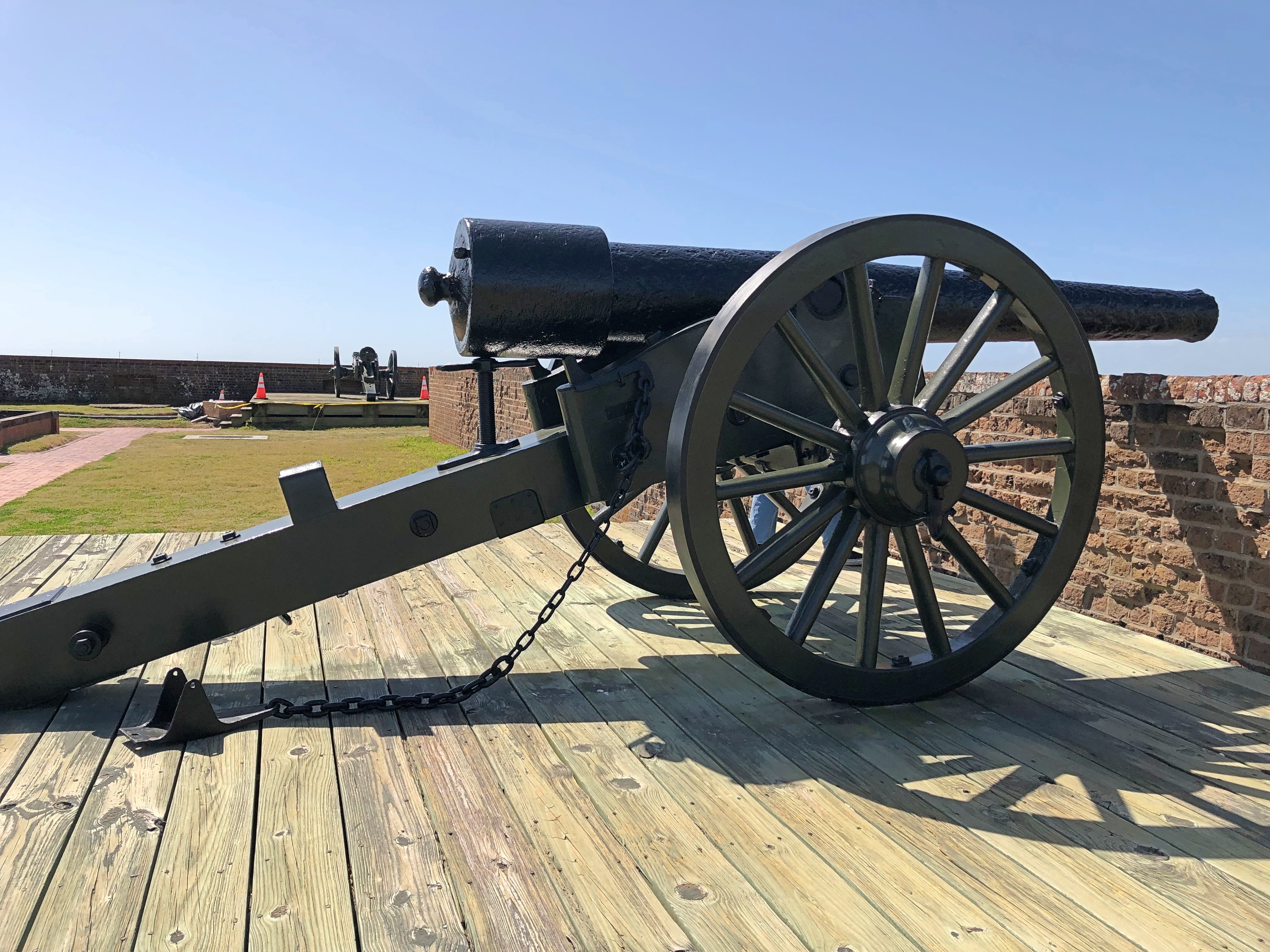
This cannon is perched atop the upper level of the walls (the terreplein), which surprised me by being accessible to tourists. There are no guardrails, so you take your chances.Fort Pulaski National Monument
Fort Pulaski National Monument

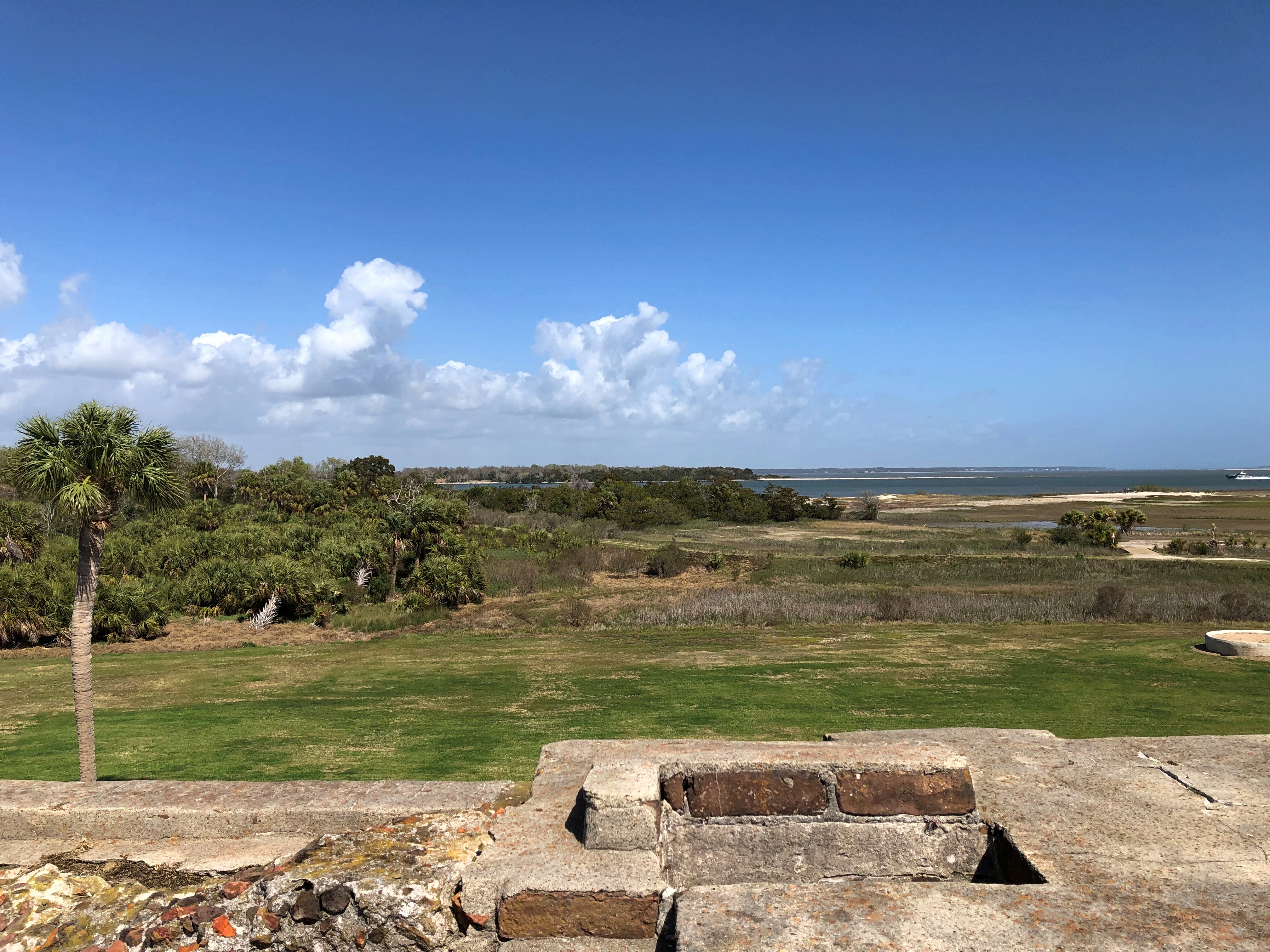
We enjoyed good views of the surrounding territory, Cockspur Island that is, from up there. That kind of view would seem to be an important feature in a fort. I expect most of the flora now seen wasn’t there when Pulaski was an active fort.Fort Pulaski National Monument
Near the entrance of the fort is a small cemetery.Fort Pulaski National Monument
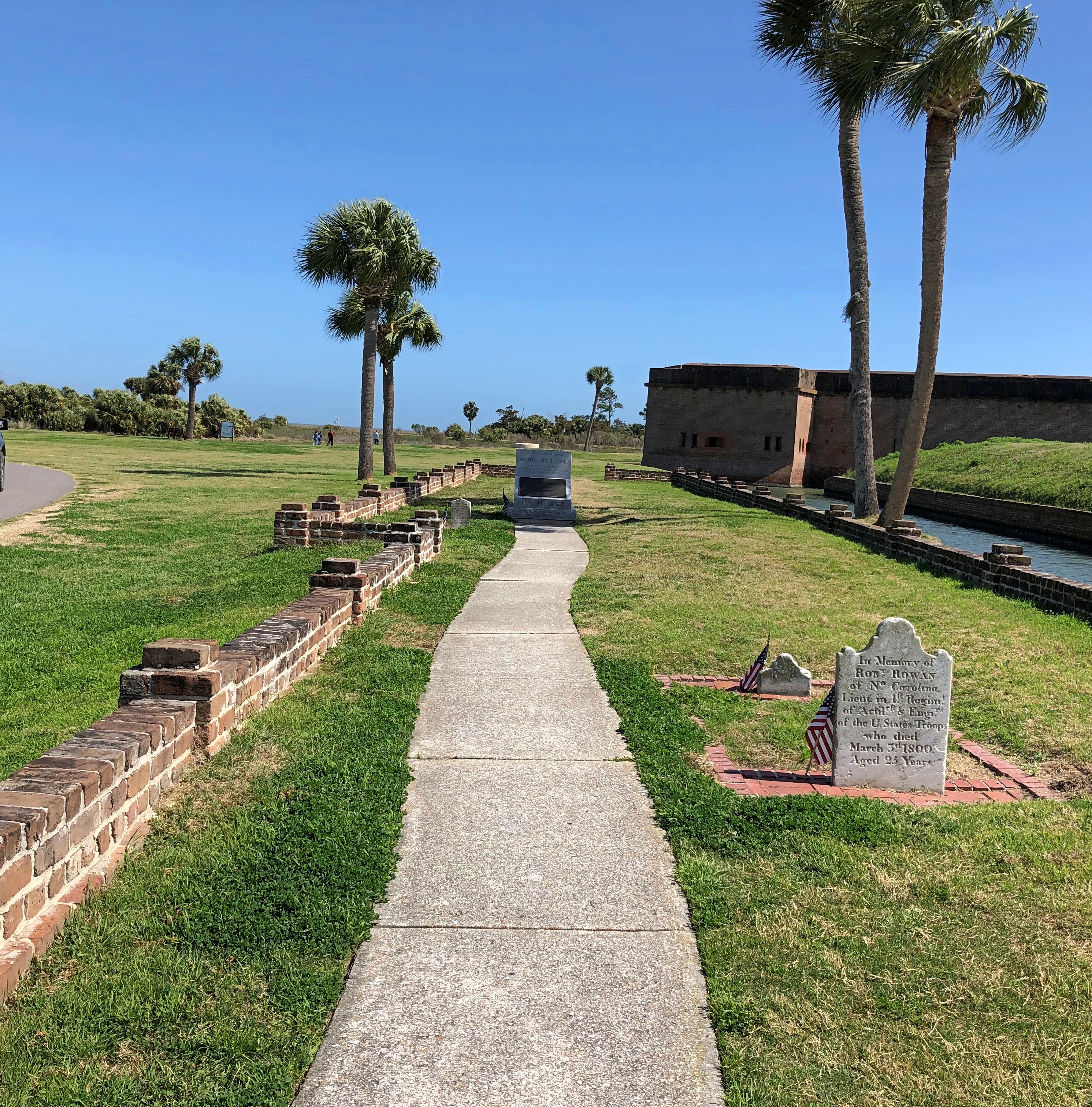
It includes mostly unmarked individual graves, though there is a small stone honoring a man named Robert Rowan. It says:

In Memory of ROBT. ROWAN of No.
Carolina, Lieut in 1st Regimt of Artilrst &
Engirs of the U. States Troops who died
March 3d 1800, Aged 25 Years.

Obviously not involved in the Civil War, he was stationed at Ft. Pulaski’s predecessor, Ft. Greene. I’m a little amazed that the stone still stands, and even the location of Rowan’s resting place is known, considering that a hurricane destroyed that fort only four years after he died.

Also buried in the cemetery are 13 of the Immortal Six Hundred, Confederate POWs held at Ft. Pulaski in 1864 and ’65. A much newer stone at the end of a sidewalk — erected in 2012 by the George Division of the Sons of Confederate Veterans — honors these men.

A number of short walking paths lead away from the fort. We took a walk on one.

Skies were clear and temps warm, about 80 F. Luckily, it seemed to be a little too early in the spring for many bugs to be around. I expect bugs were a major nuisance (and danger, considering the likes of malaria) for the fort’s garrison in those pre-DEET days.Fort Pulaski National Monument
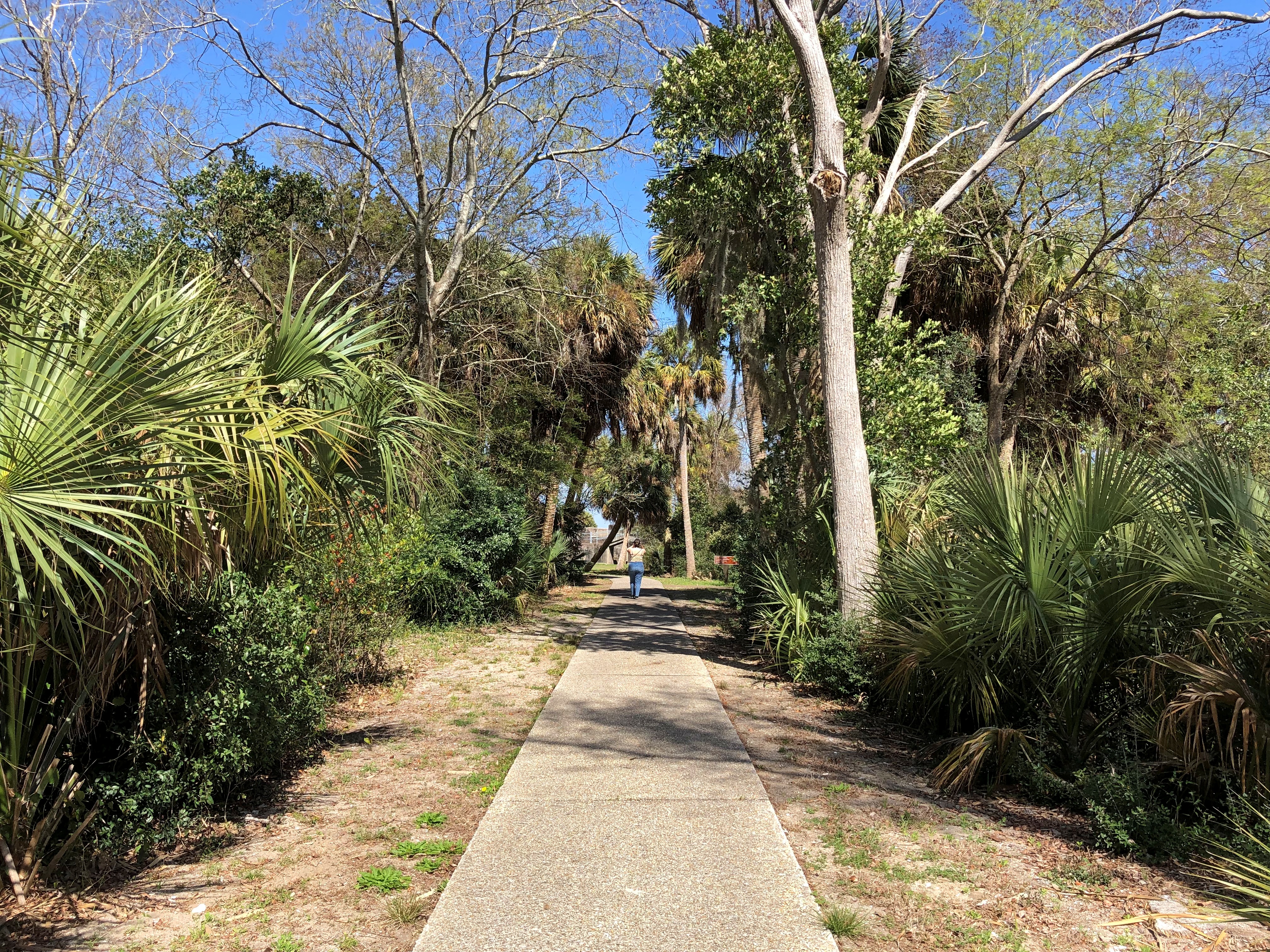
The path we walked eventually led, by way of the aforementioned John Wesley memorial, to the Savannah River, near where it empties into the Atlantic. Across the way is South Carolina.Fort Pulaski National Monument
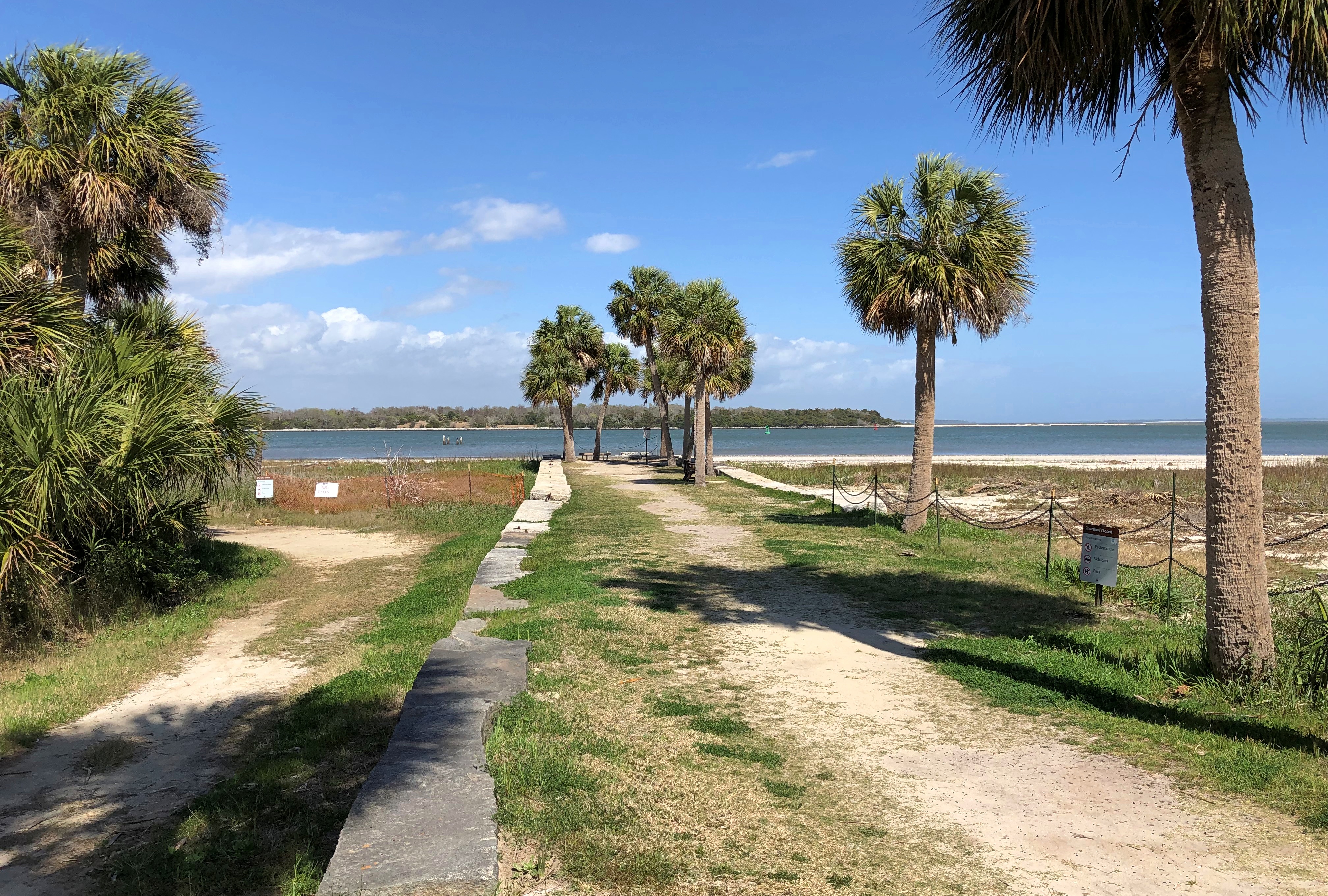
Signs marked the beach closed, so we didn’t venture on to it. Still, frame it right, and it looks like you’re at a beach resort.Fort Pulaski National Monument
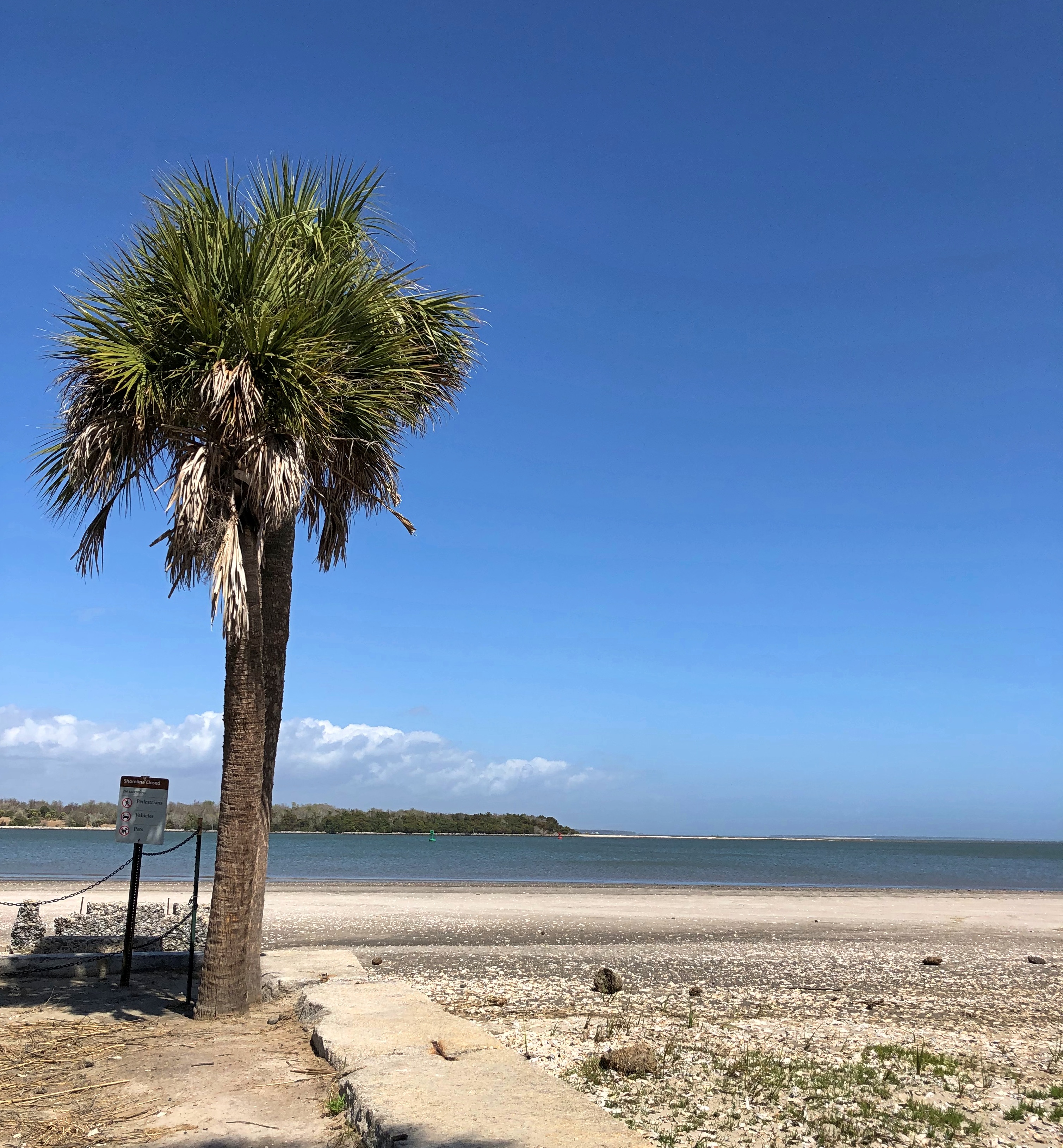
At least, that’s what Ann claimed as she sent pictures to her friends.
Two Savannah Cemeteries, One Featuring Button Gwinnett

Both of the Savannah cemeteries I visited last week were unusual in one way. Not that one was a burial ground dating back to colonial times and other was founded by Victorians who believed that cemeteries should be beautiful places of respite; I’ve encountered both in other cemeteries.
Not the weathered stones and crumbling bricks of the colonial cemetery, nor the enormous trees and bushes and flowers of the 19th-century cemetery, nor the interesting funerary art, nor even the fact that 21st-century burials continue in the latter cemetery. I’ve seen all that, in one way or another, at burial grounds in places as varied as Austin, Boston, Buffalo, Charleston, Chicago, Dayton, Fairbanks, Los Angeles, Milwaukee, New York, Richmond, San Antonio and more.
Rather, living people — besides me and the occasional jogger or groundsman — populated both Colonial Park Cemetery in downtown Savannah and Bonaventure Cemetery on the eastern edge of the city. With such notable exceptions as Arlington National Cemetery or Koyasan in Japan, which are destinations in their own right, cemeteries tend to be mostly devoid of living people.

As the name implies, Colonial Park functions as a downtown park, with people crossing it in some numbers, and a few looking around (though my pictures don’t really reflect that). As for Bonaventure, Midnight in the Garden of Good and Evil seems to have put it on the tourist map. When I was there, not only did I see people alone and in pairs wandering around, but also a few guided-tour groups (again, I didn’t take many pictures of them).

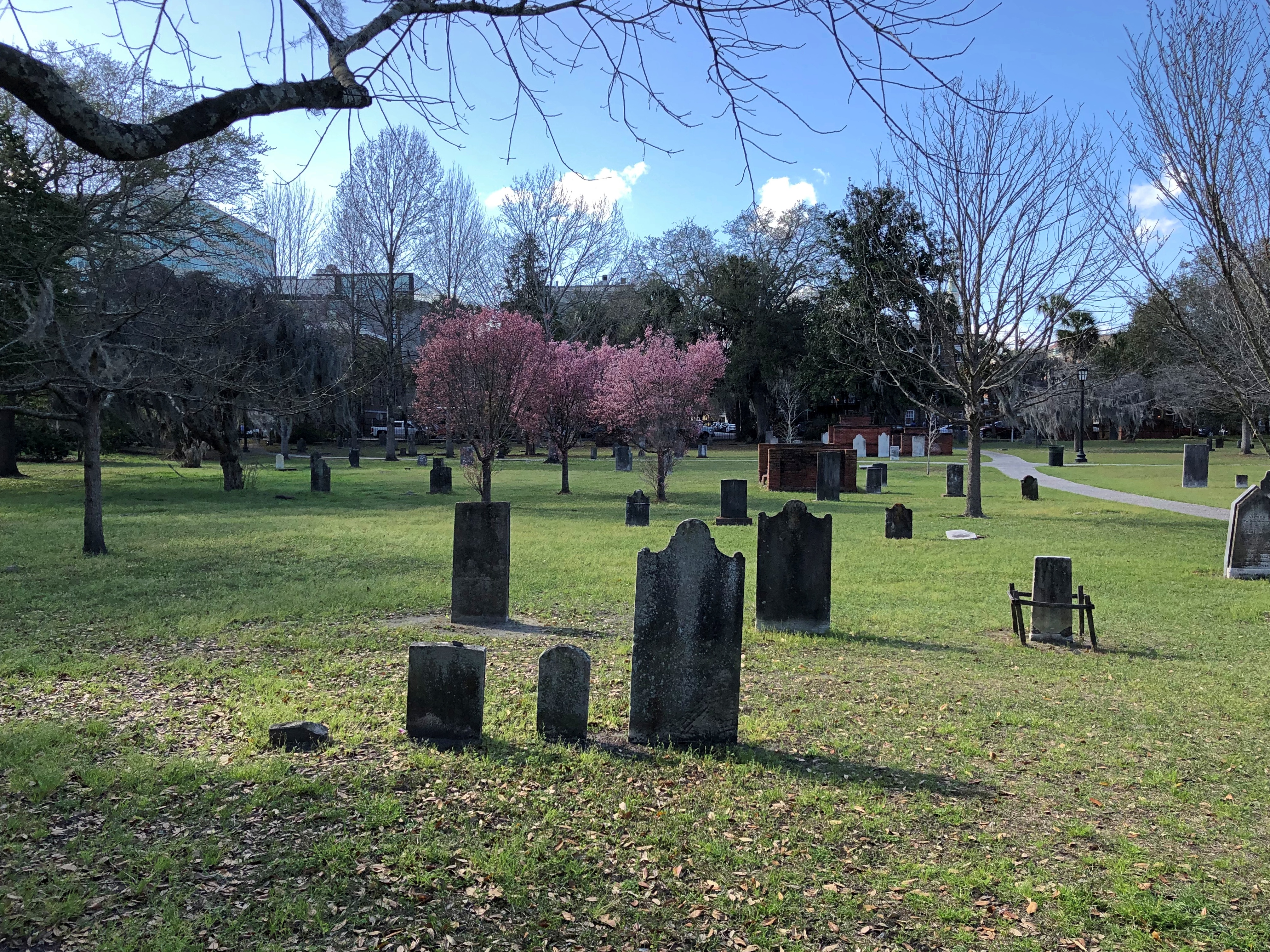
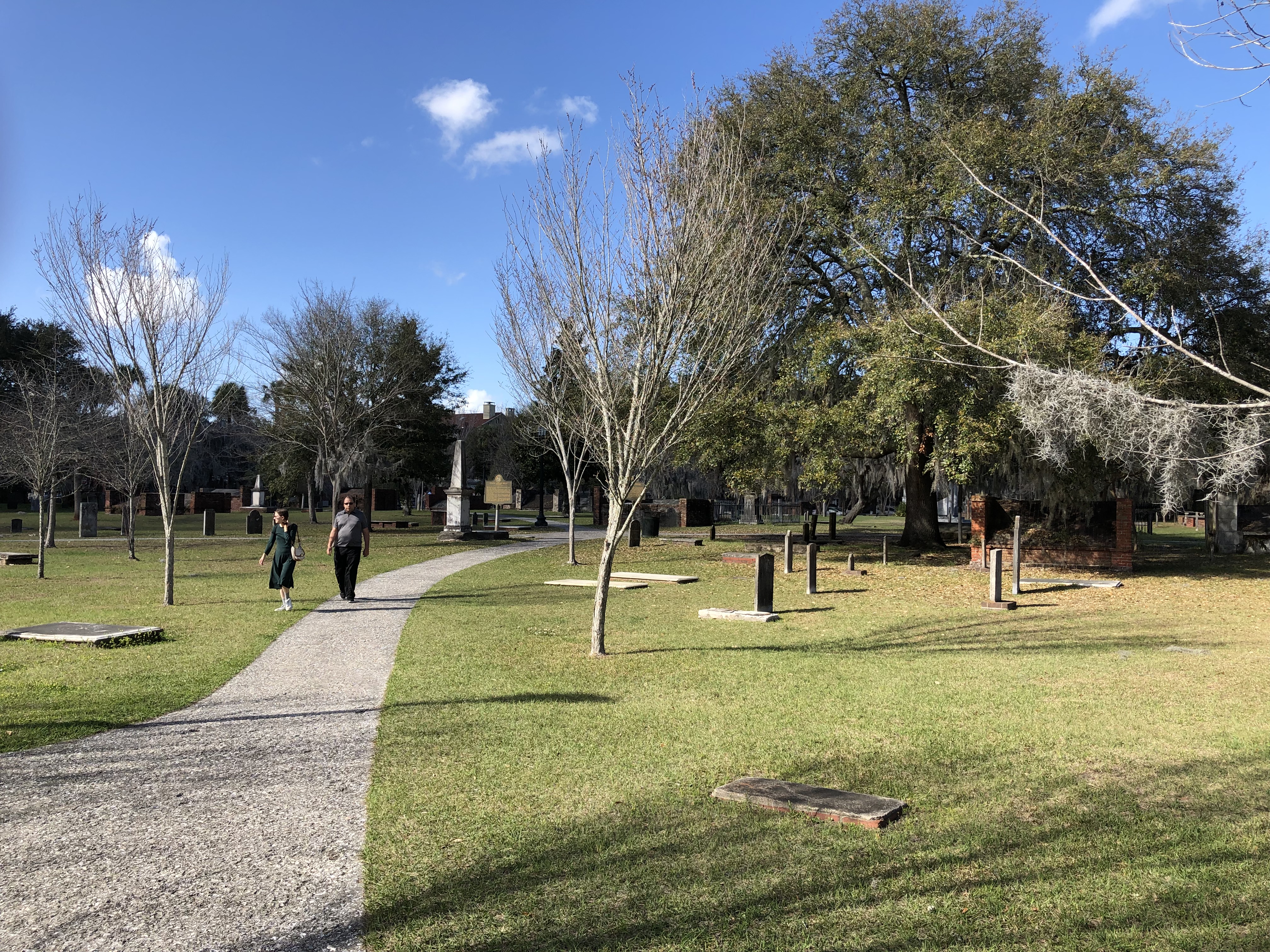
The six-acre Colonial Park has been a cemetery since 1750 and no one new has been buried there since 1853.Colonial Cemetery Park, Savannah Colonial Cemetery Park, Savannah Colonial Cemetery Park, Savannah

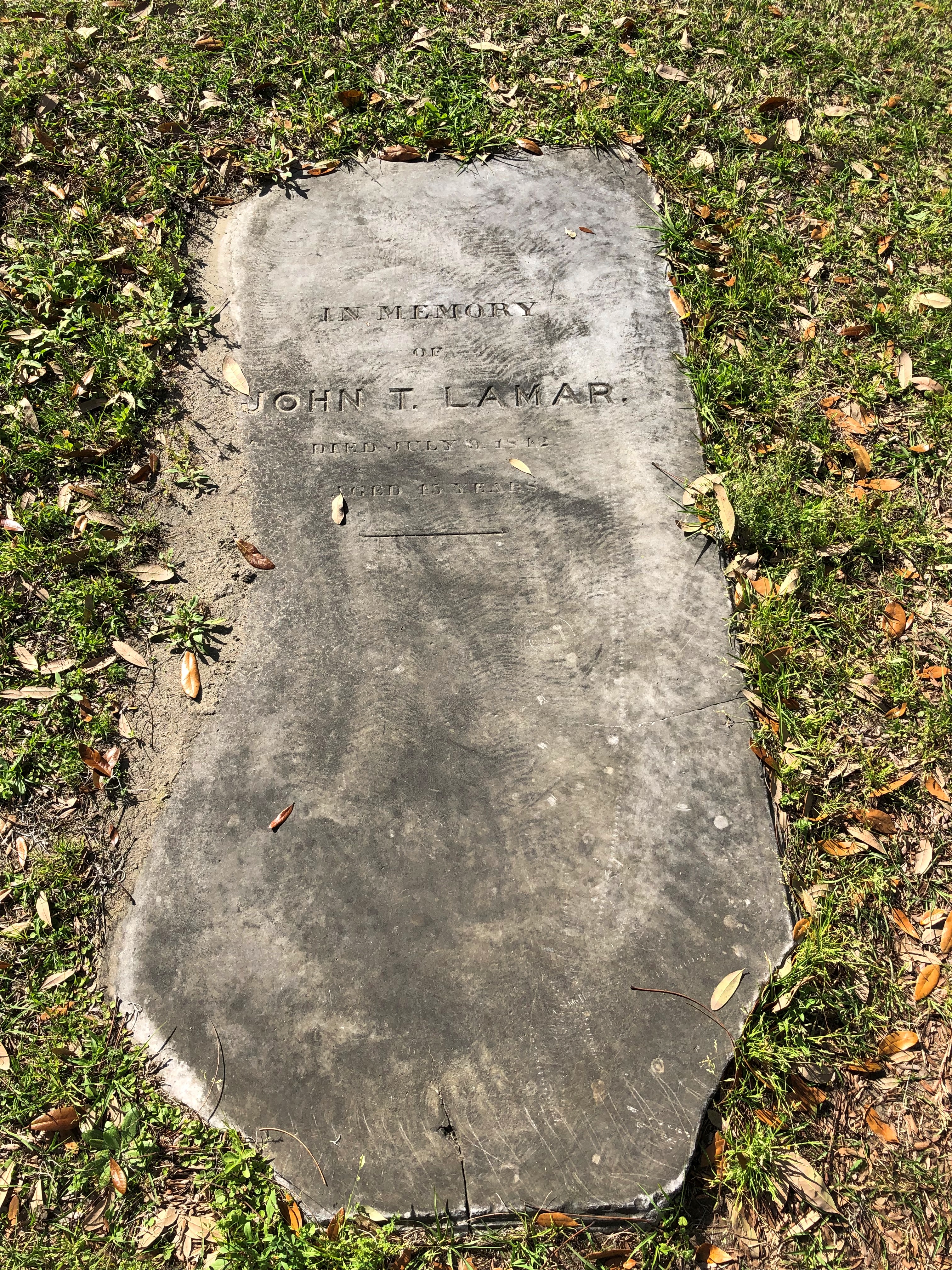
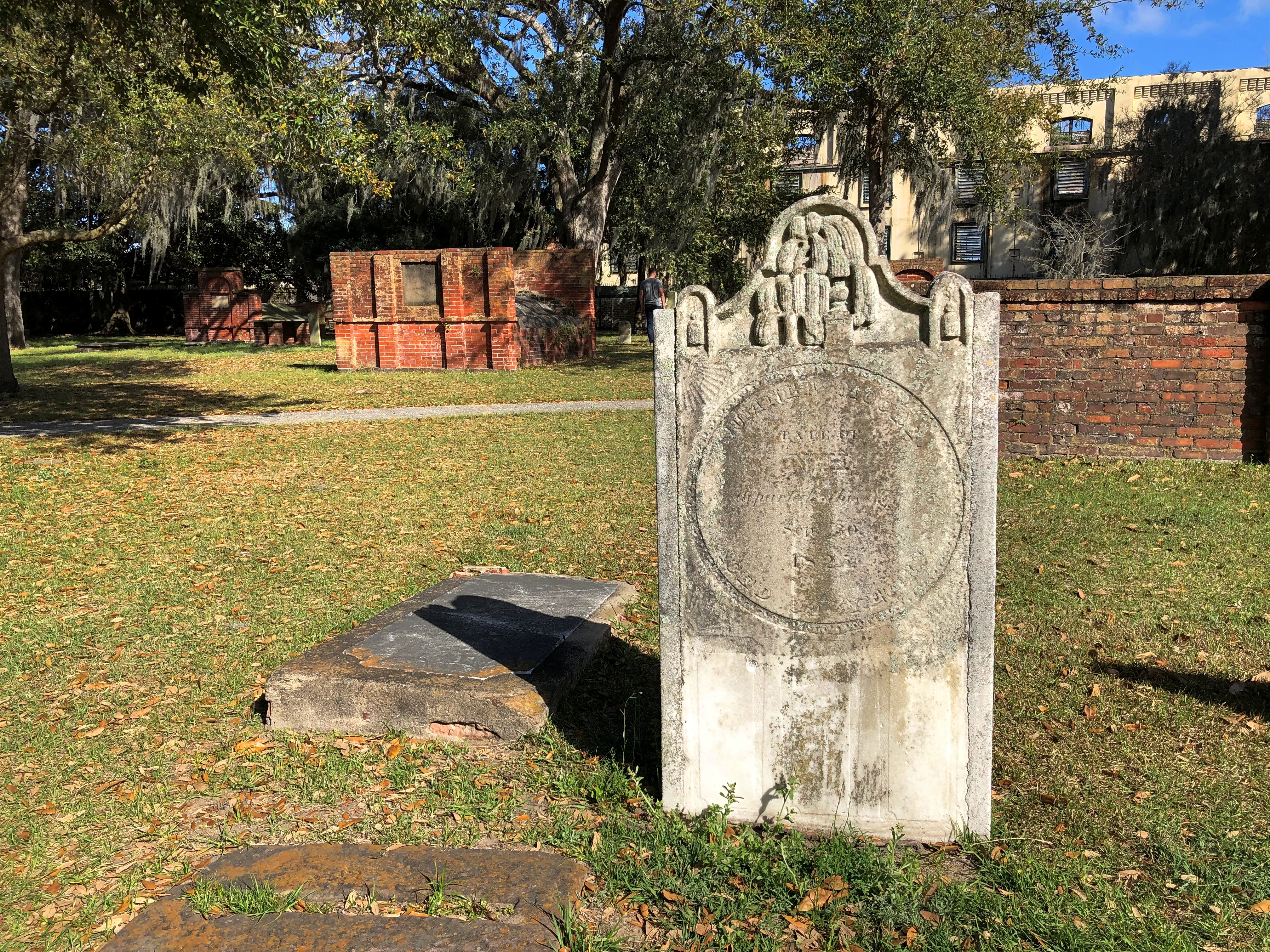
Plenty of weather-worn stones.Colonial Cemetery Park, Savannah Colonial Cemetery Park, Savannah

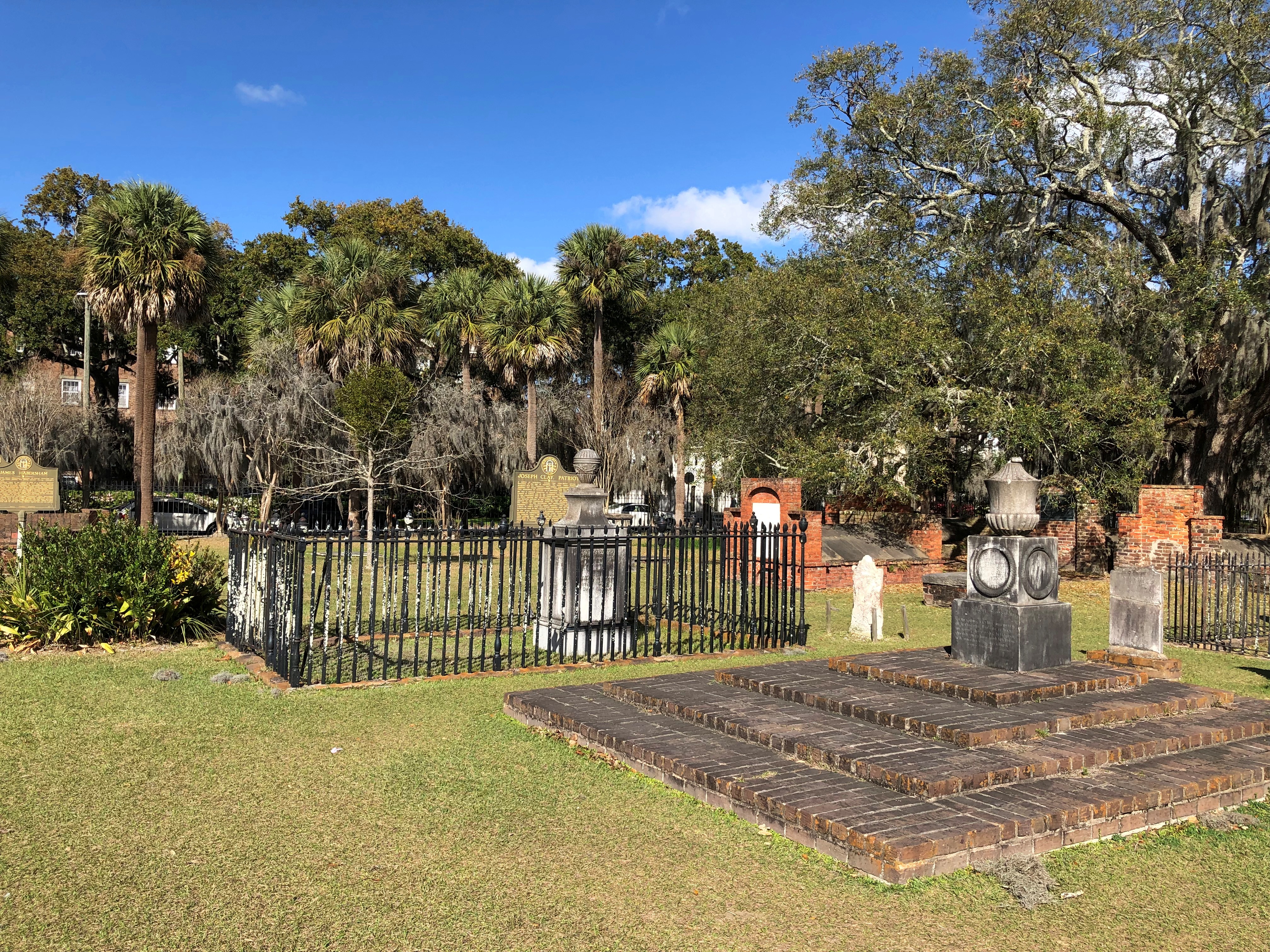
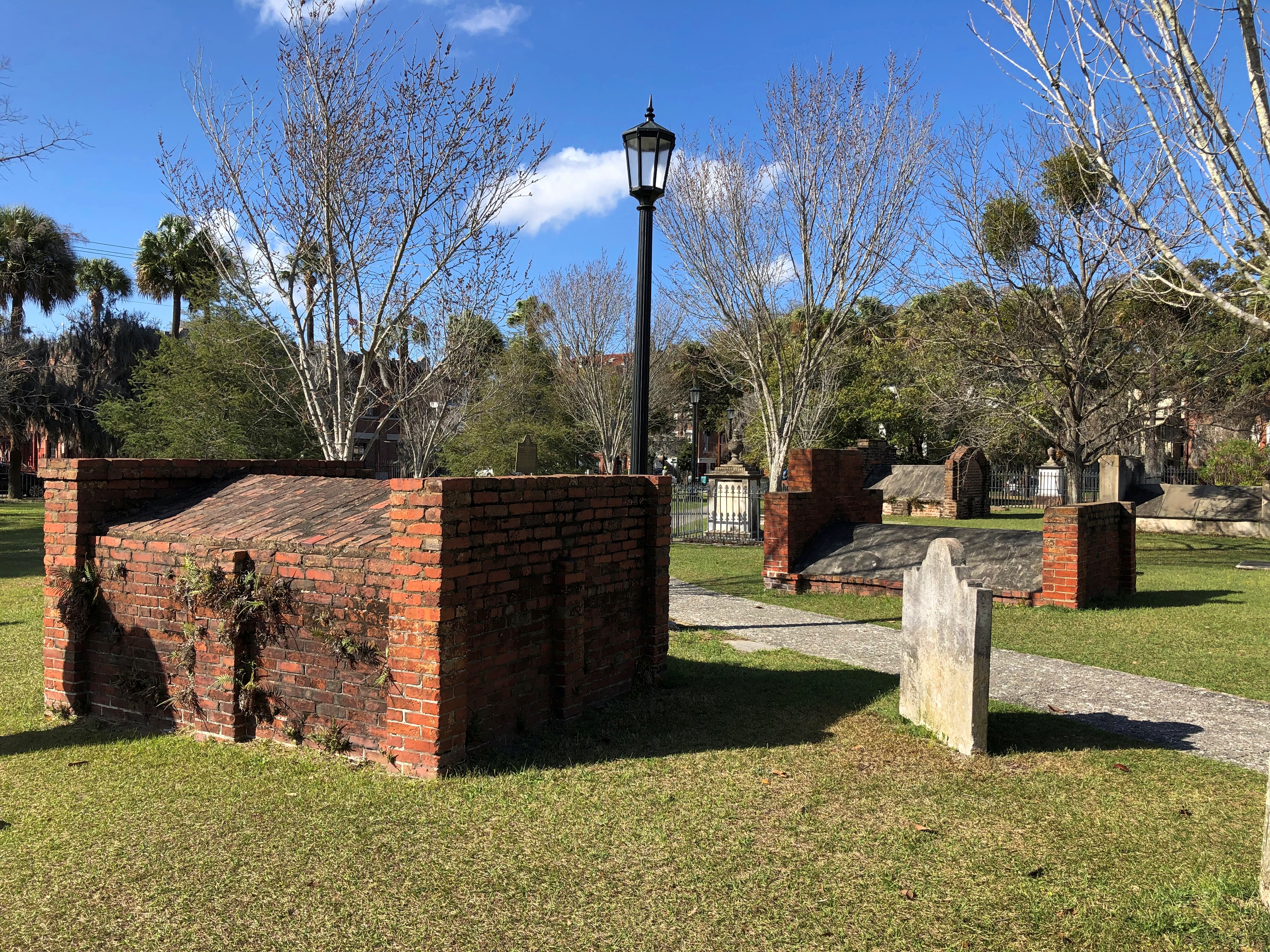
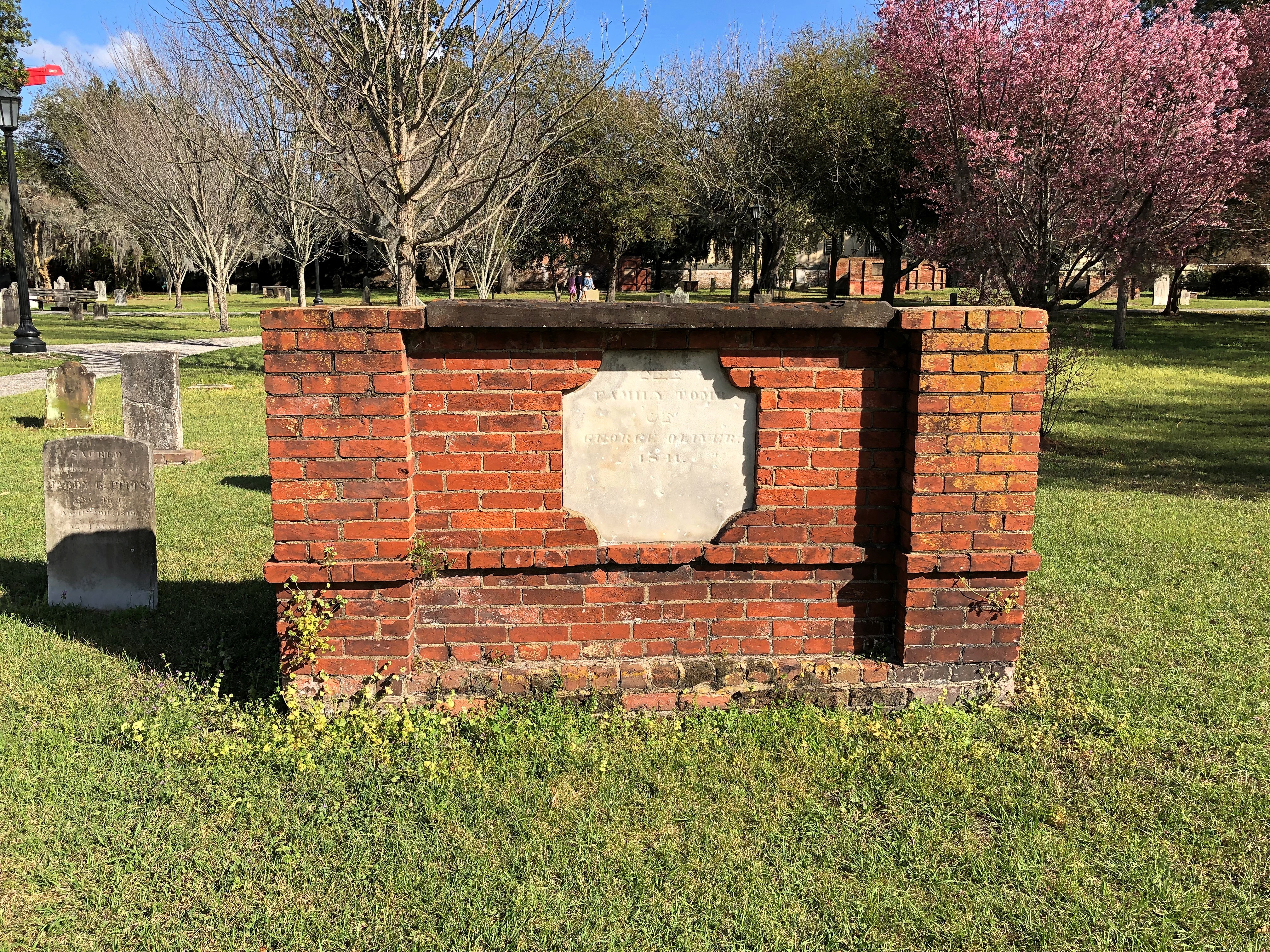
The cemetery also sports a number of brick tombs, the sort you sometimes see in 18th- and 19th-century grounds.Colonial Cemetery Park, Savannah Colonial Cemetery Park, Savannah Colonial Cemetery Park, Savannah

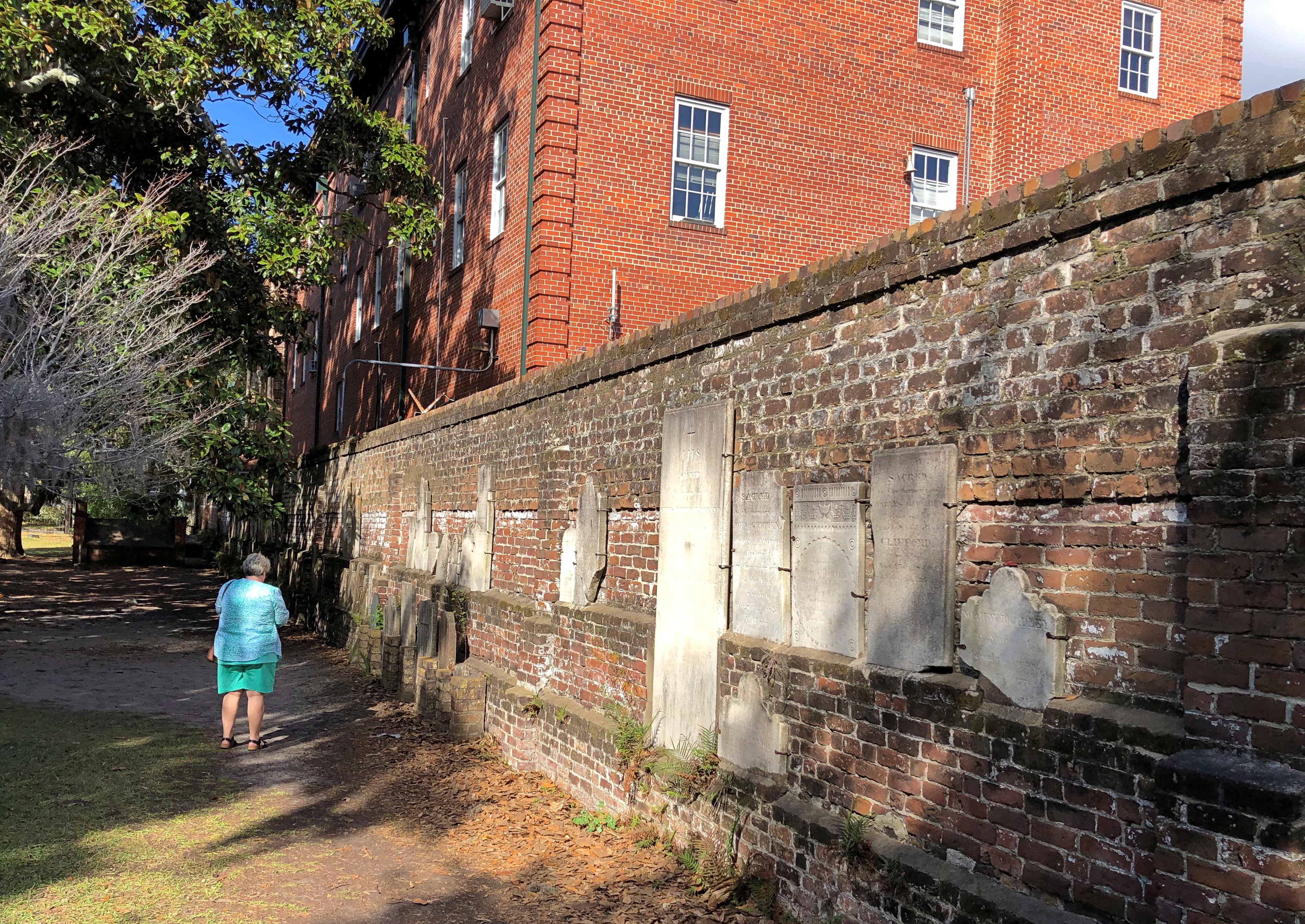
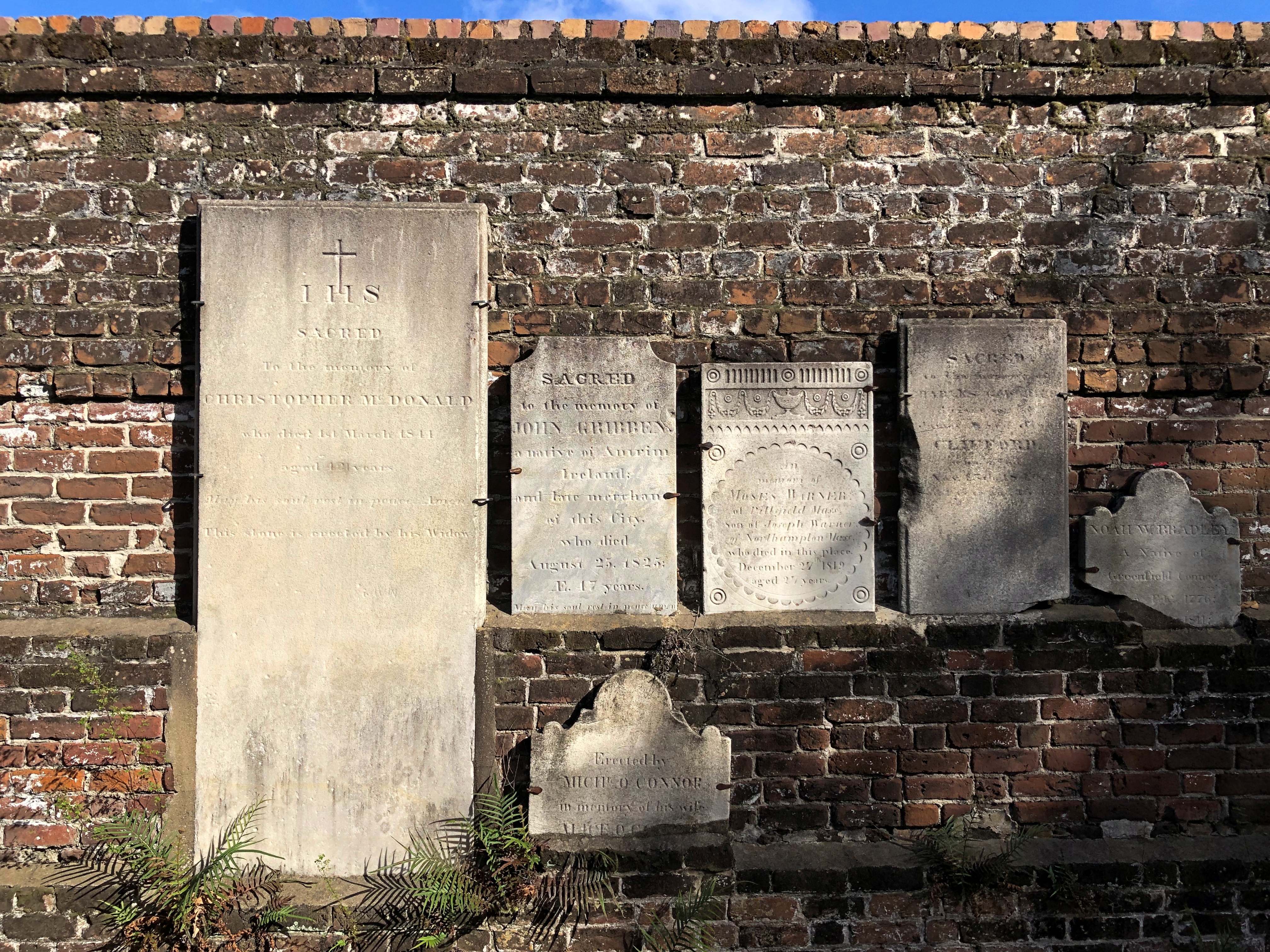
A number of stones were embedded in a brick wall marking one of the boundaries of the grounds, which you don’t see that often.Colonial Cemetery Park, Savannah Colonial Cemetery Park, Savannah

I went looking for only one specific memorial, and I found it by looking it up on Google Images and then wandering around, looking for it in person.
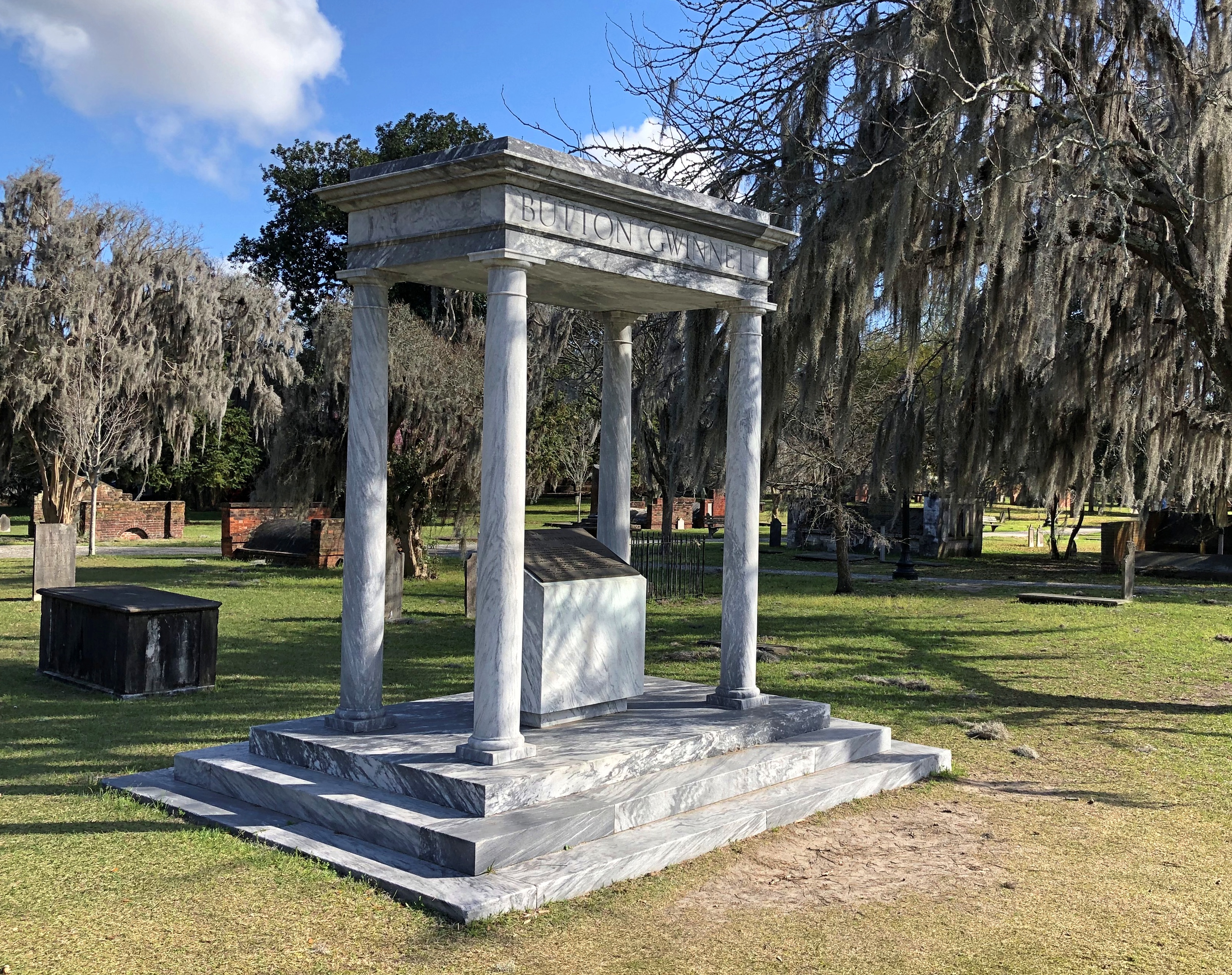
Colonial Cemetery Park, Savannah - Button Gwinnett memorial

Button Gwinnett. Button and I go back a ways. My 8th grade history teacher, the one-armed Mr. Robinson, tasked us to write a report on one of the signers of the Declaration of Independence — but not a famous one like John Hancock — and I picked Gwinnett, maybe for his curious name. Very little information on him was available in those pre-Internet days, but I made the best of it. I think.

The memorial’s plaque, put there in 1964, says that Gwinnett’s remains are “believed to lie entombed hereunder.” So his whereabouts aren’t quite known. Close enough, I figure.

More recently, Gwinnett had his 15 minutes of posthumous fame in the form of a late-night TV gag.

The man who shot Gwinnett to death in a 1777 duel, Lachlan McIntosh (d. 1806), is also buried at Colonial Park, but I didn’t look for him. McIntosh was, incidentally, acquitted of murdering Gwinnett. Tough luck, Button.

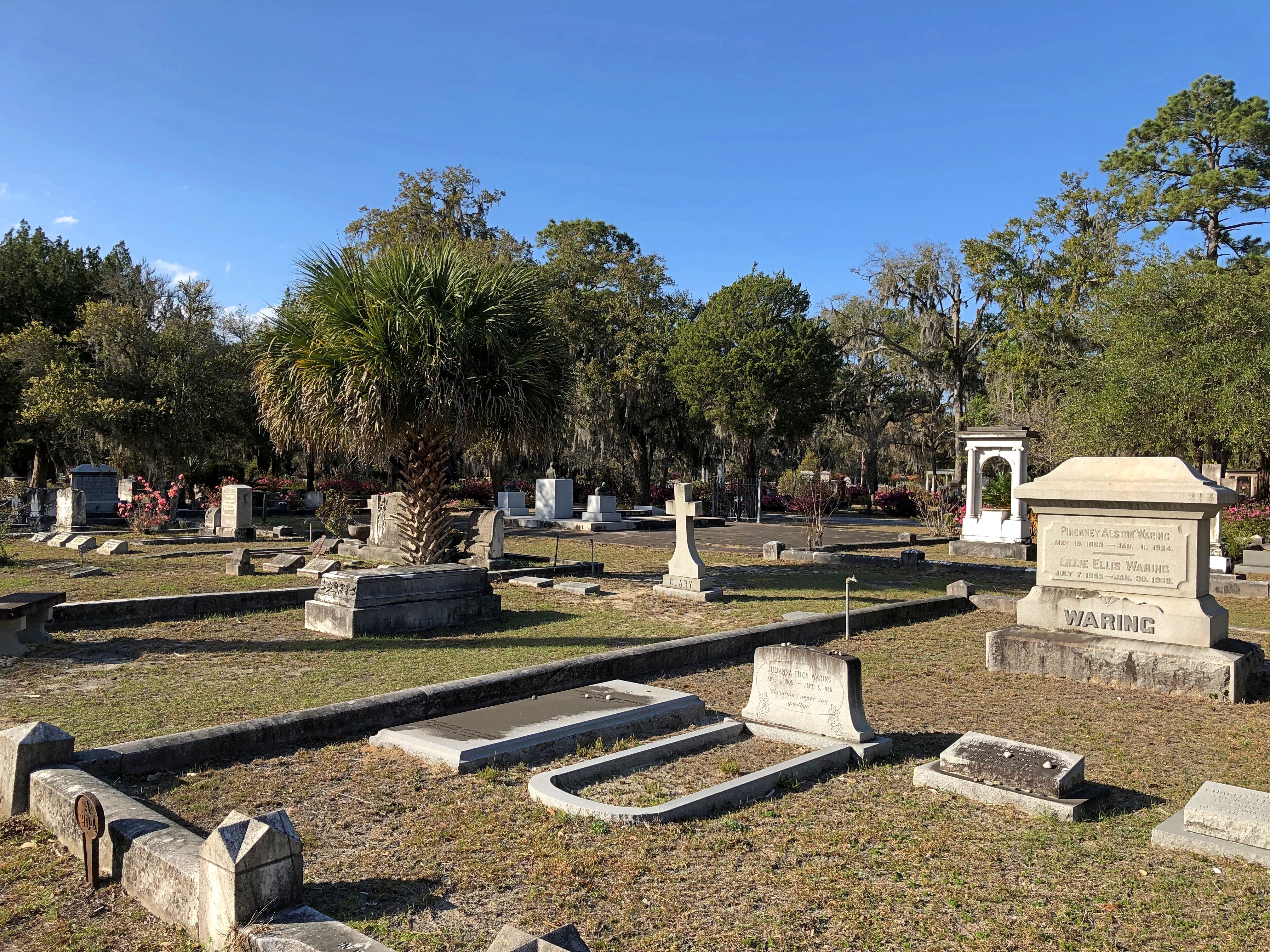
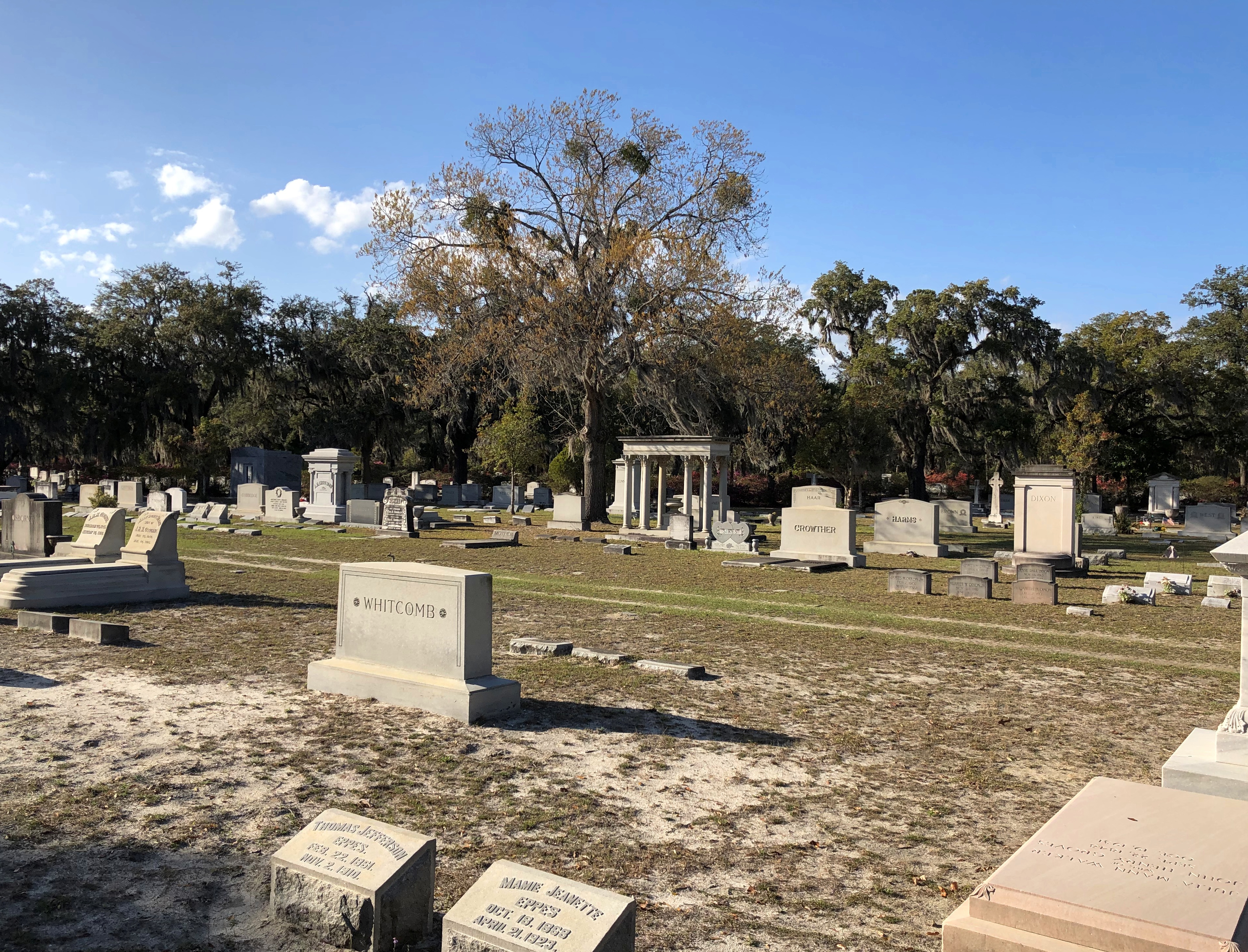
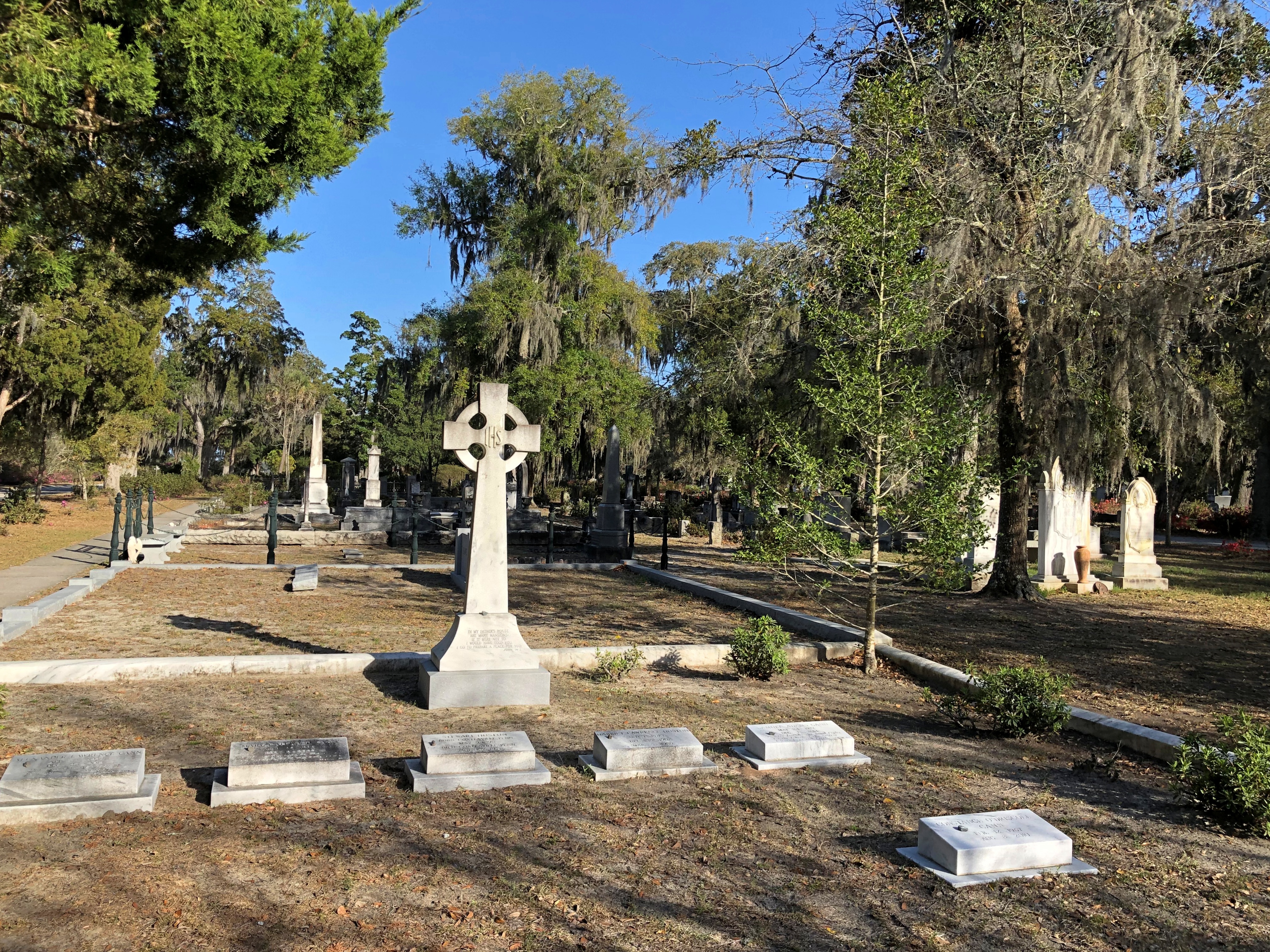
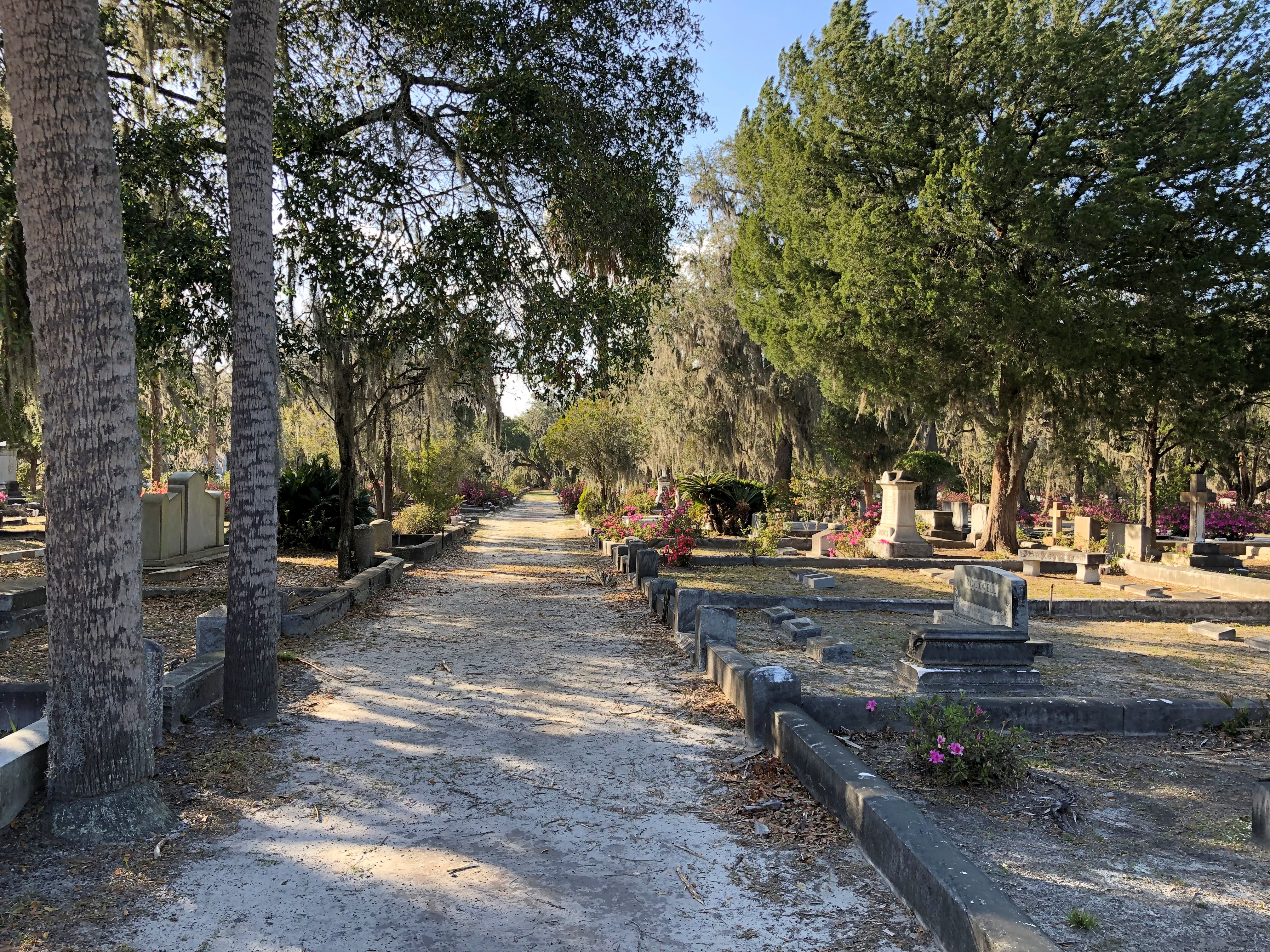
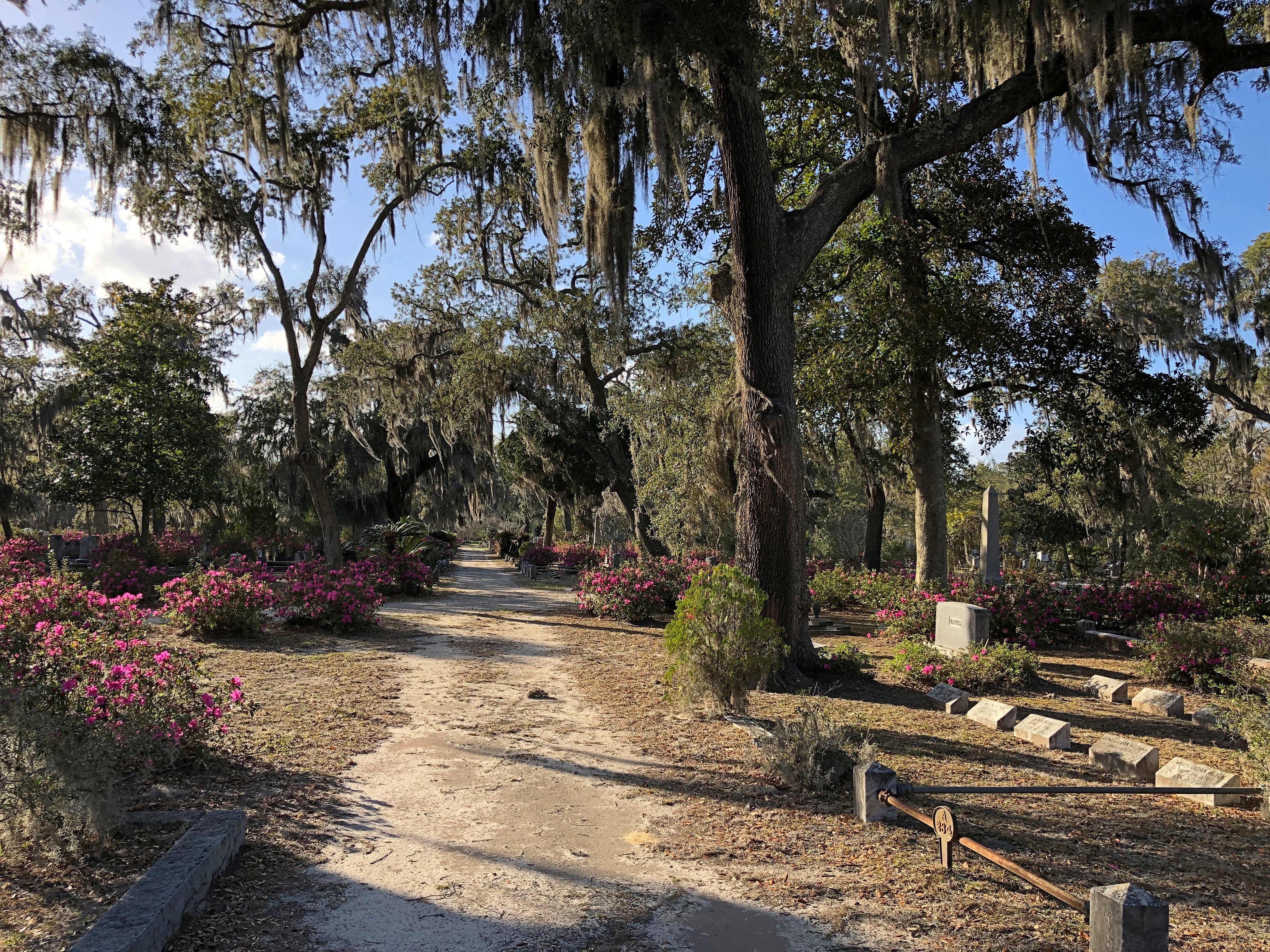
I arrived at Bonaventure about an hour before it closed for the day, so I saw it illuminated by the afternoon sun.Bonaventure Cemetery Bonaventure Cemetery Bonaventure Cemetery

I recognized the paths that cross the cemetery as former thoroughfares for horse-drawn carriages, either hearses or otherwise.Bonaventure Cemetery Bonaventure Cemetery

As the second image illustrates, azaleas were in full bloom across the grounds, which was also populated by Southern live oaks, palms and much other flora. In its lushness, and Spanish moss, the cemetery reminded me of Magnolia Cemetery in Charleston, but without the water features or alligators.

The 160-acre Bonaventure, formerly the site of a plantation of the same name, became a cemetery in 1868, with the city acquiring it in 1907. It’s still an active cemetery.

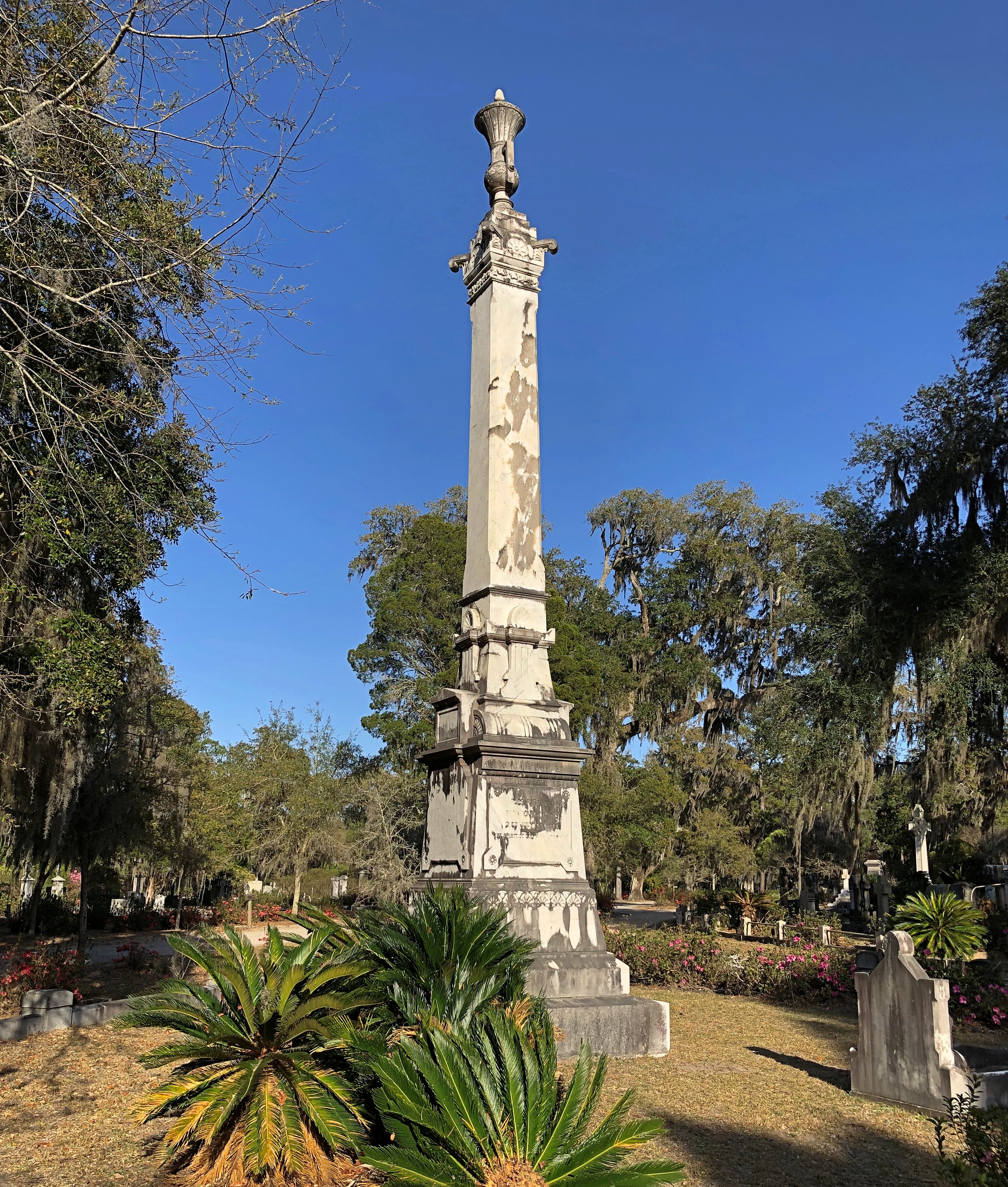
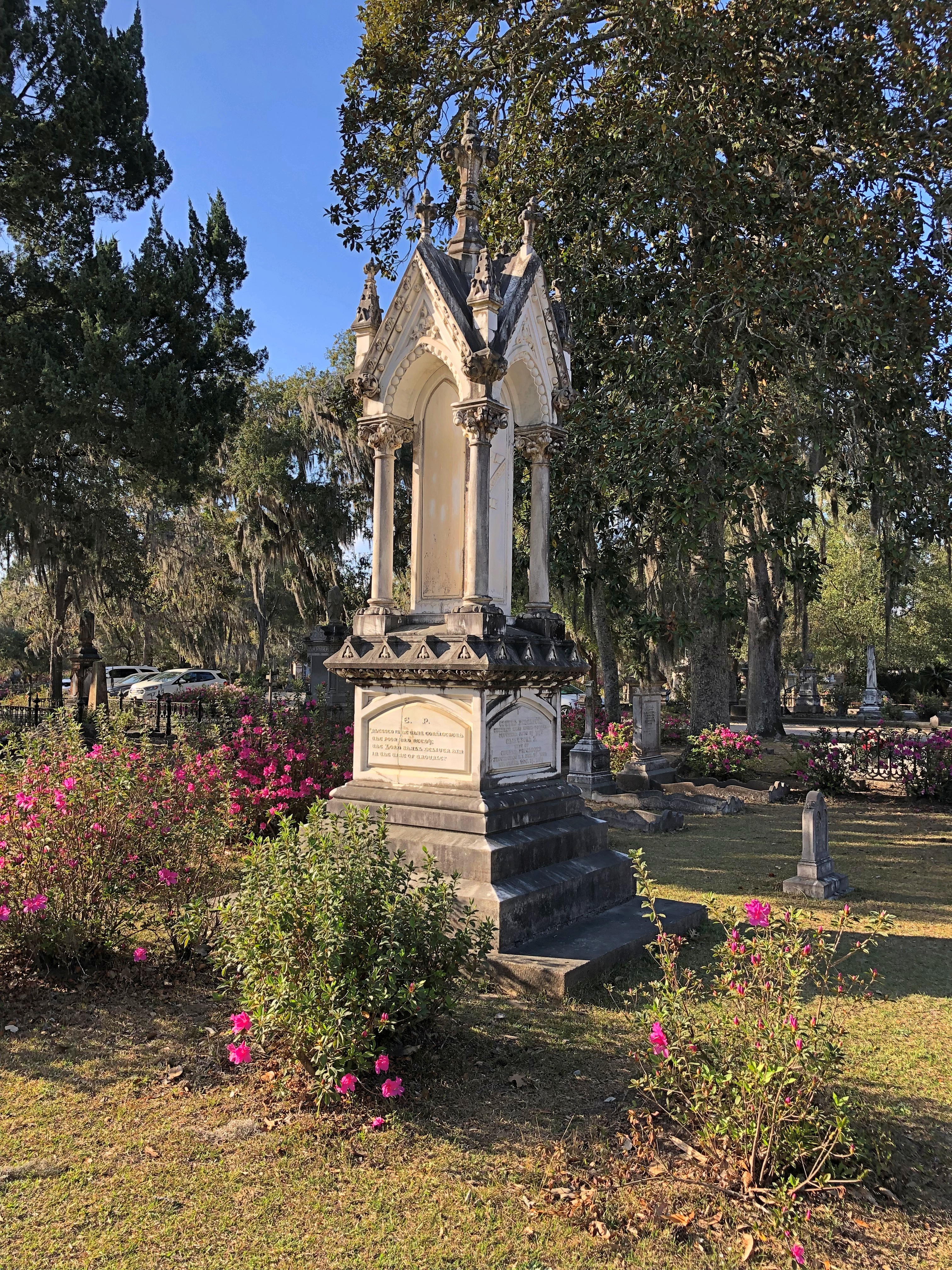
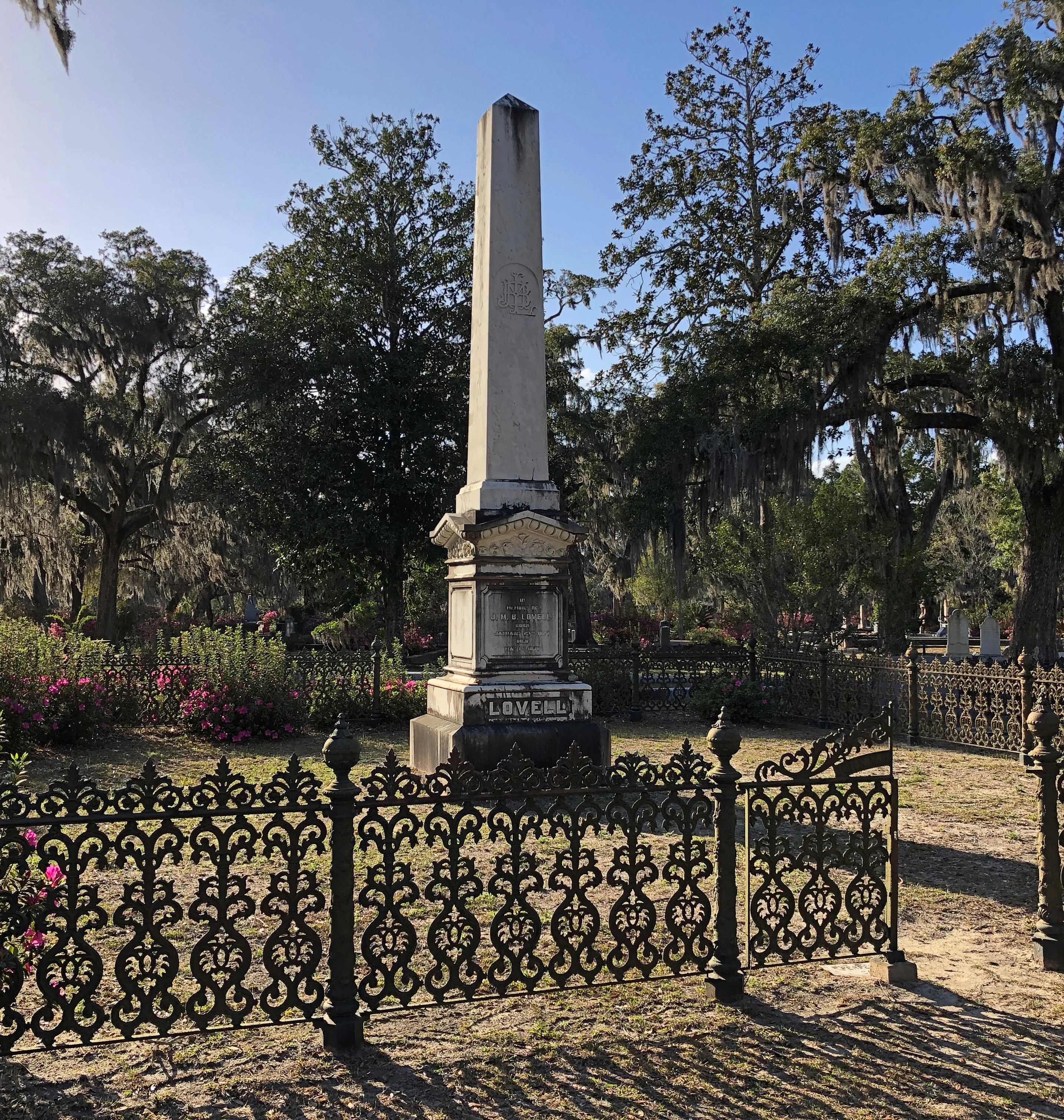
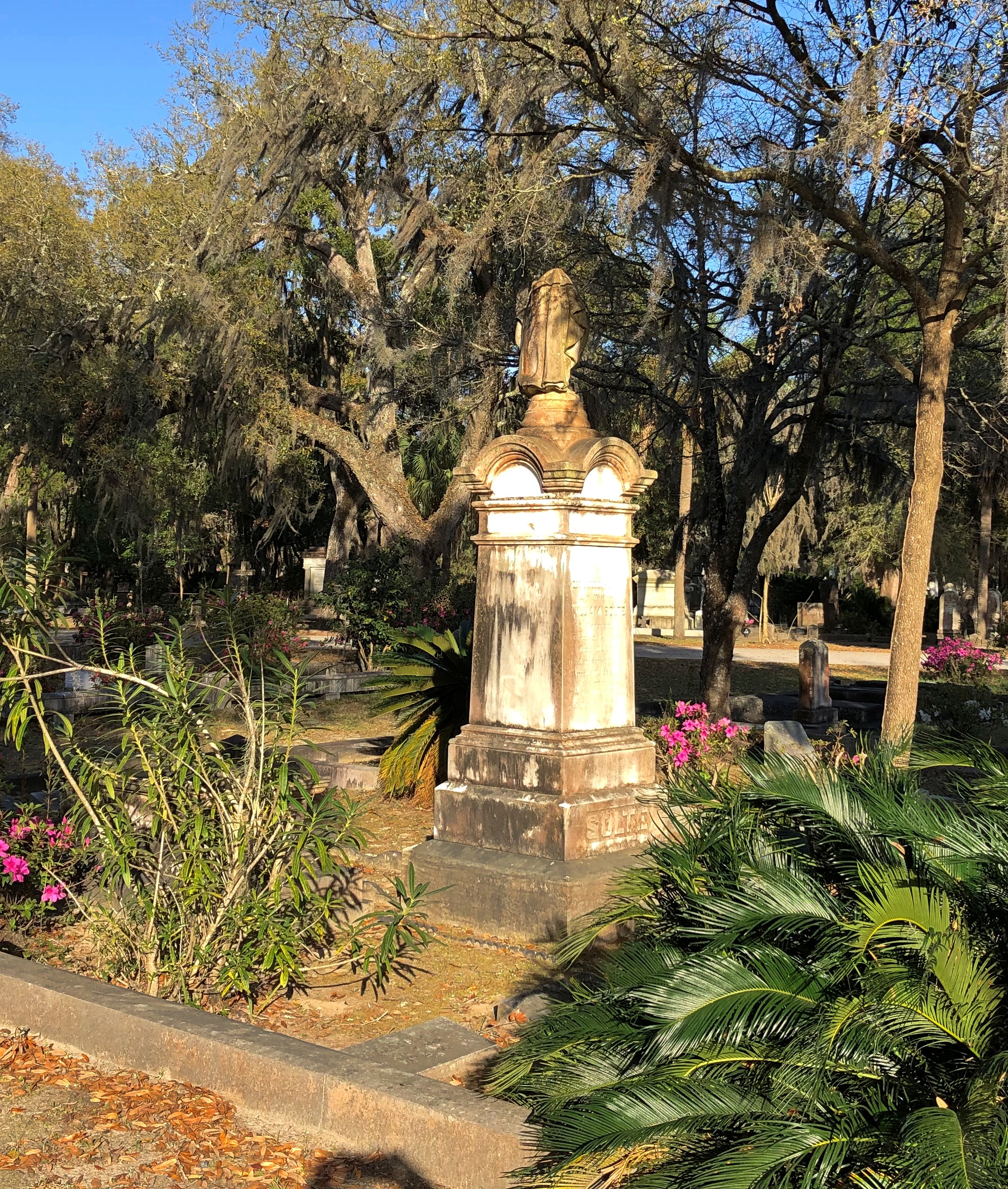
There aren’t many mausoleums, though there are some sizable memorials and a little funerary art.Bonaventure Cemetery Bonaventure Cemetery Bonaventure Cemetery Bonaventure Cemetery

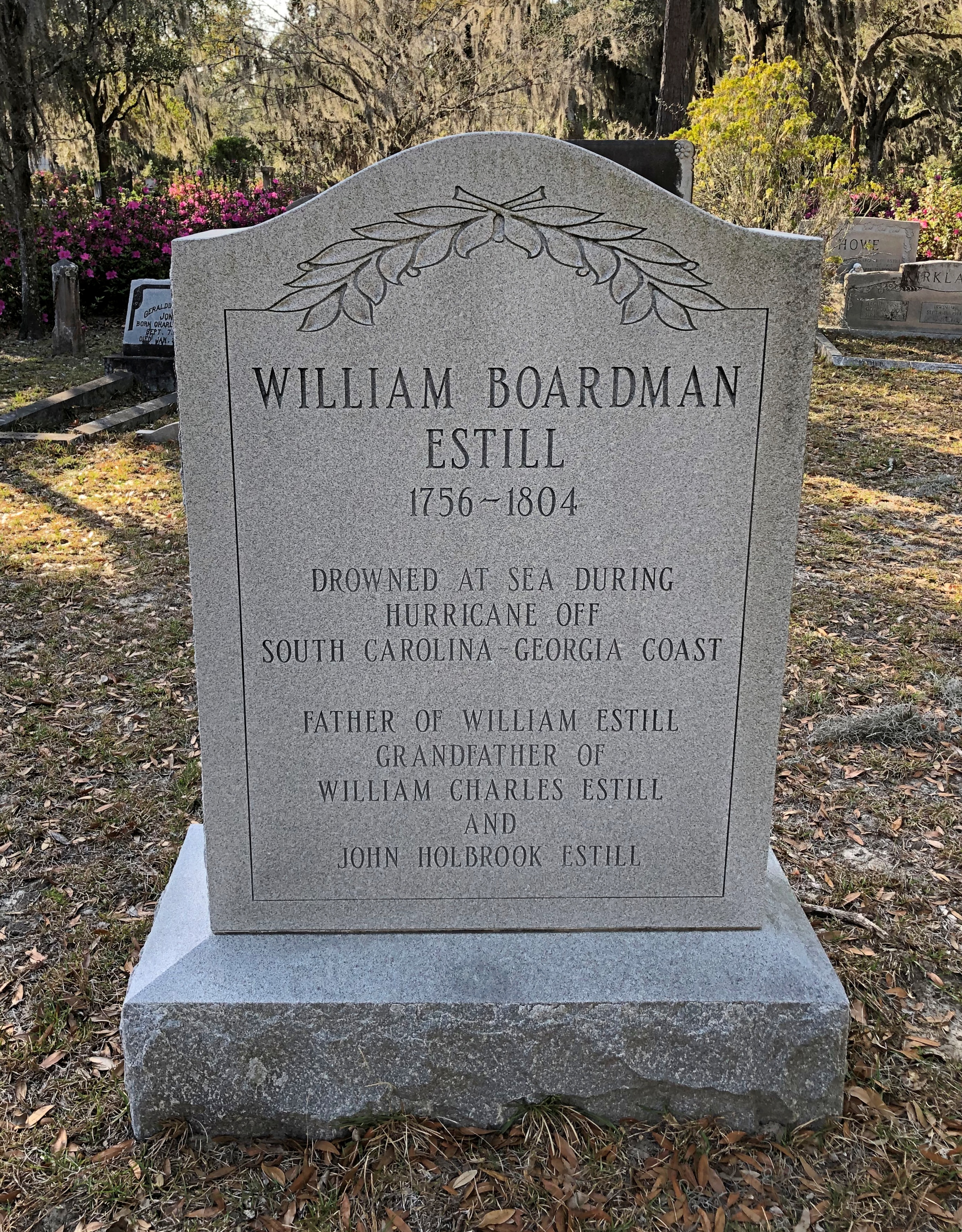
I didn’t go looking for notable permanent residents. Who, after all, could compare with Button Gwinnett? But I did see some intriguing stones.Bonaventure Cemetery - William Boardman Estill

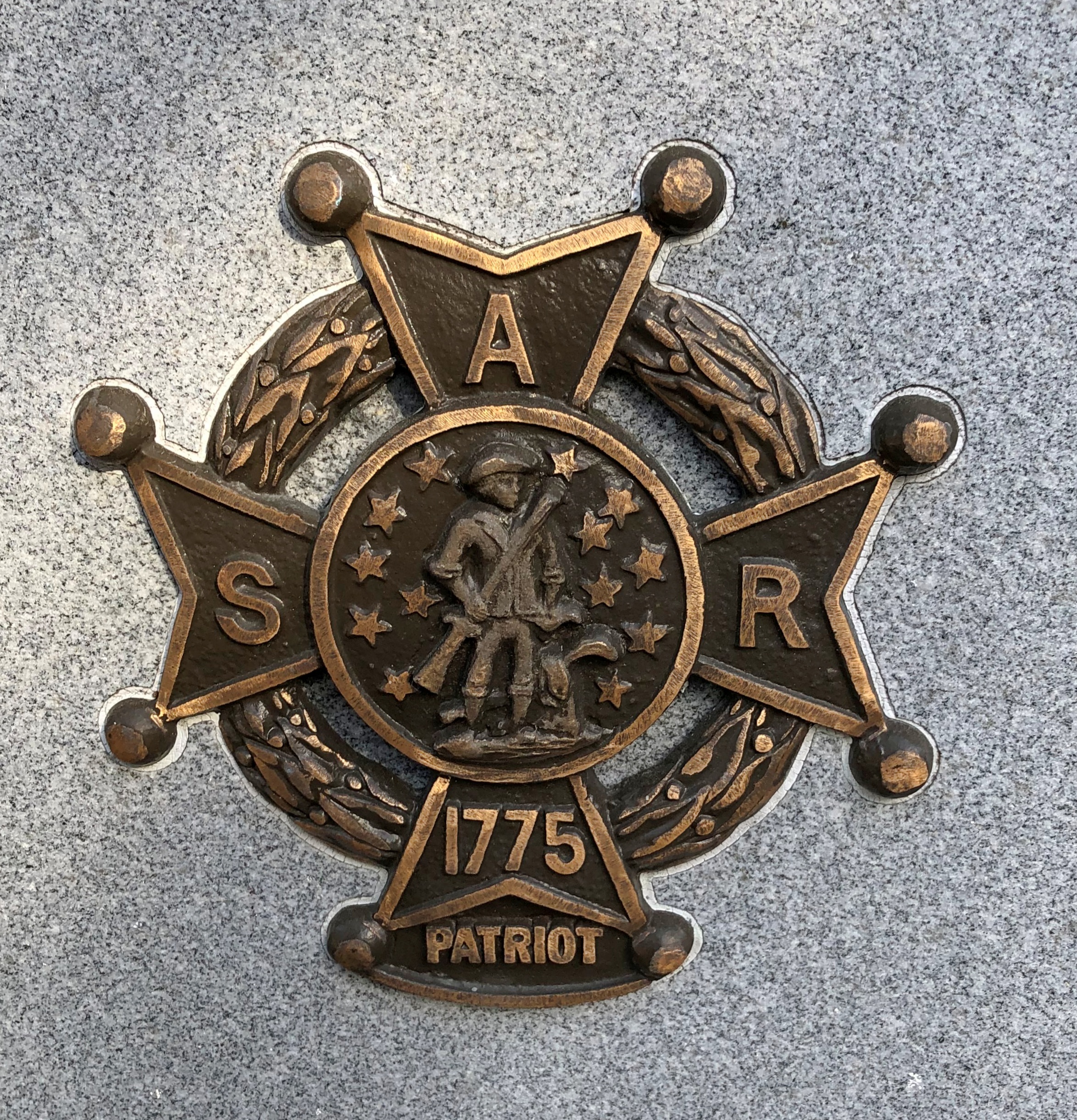
There’s a story in that stone, turns out. More than one. For his part, William Boardman Estill was a veteran of the Revolution, as noted on the back of his stone.

He was also the father and grandfather of some notables, who are listed on the stone, which looks like a fairly recent replacement (erected by the Sons of the American Revolution, would be my guess). William Estill was editor of the Charleston Daily Advertiser, while John Holbrook Estill was editor of the Savannah Morning News, besides being wounded at First Manassas.

Somehow William B. Estill got caught at sea in the great hurricane of 1804, a storm I’d never heard of till now. Bad luck for him, since “the hurricane of 1804 was the first since 1752 to strike Georgia with such strength. Damage to ships was considerable, especially offshore Georgia,” says Wiki, citing a book called Early American hurricanes, 1492–1870 (1963).

Damage to coastal Georgia and South Carolina was also considerable, including the destruction of Ft. Greene on Cockspur Island, later the site of Ft. Pulaski.

“Once the Revolutionary War ended, the new United States would build a fort on the site of Fort George in 1794-95,” the National Park Service says. “This new fort was constructed very much like Fort George (earth and log) and would be named for the Revolutionary War hero, General Nathaniel [sic] Greene. The life of Fort Greene would be short and tragic. In September 1804, a hurricane swept across the island, washing away all vestiges of the Fort.”