A Short History of Gazebo Standards*

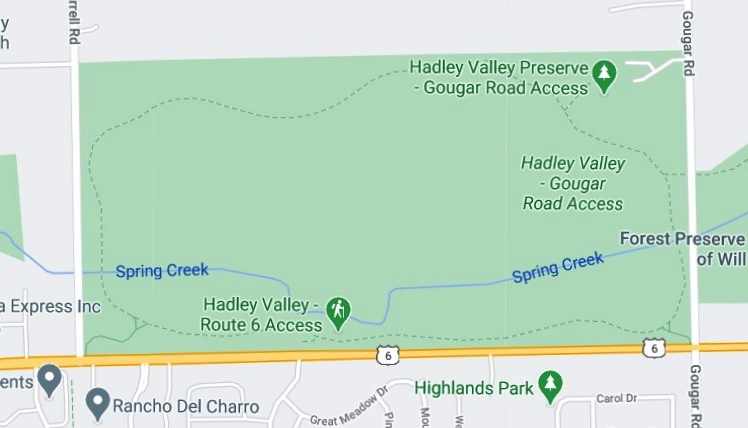
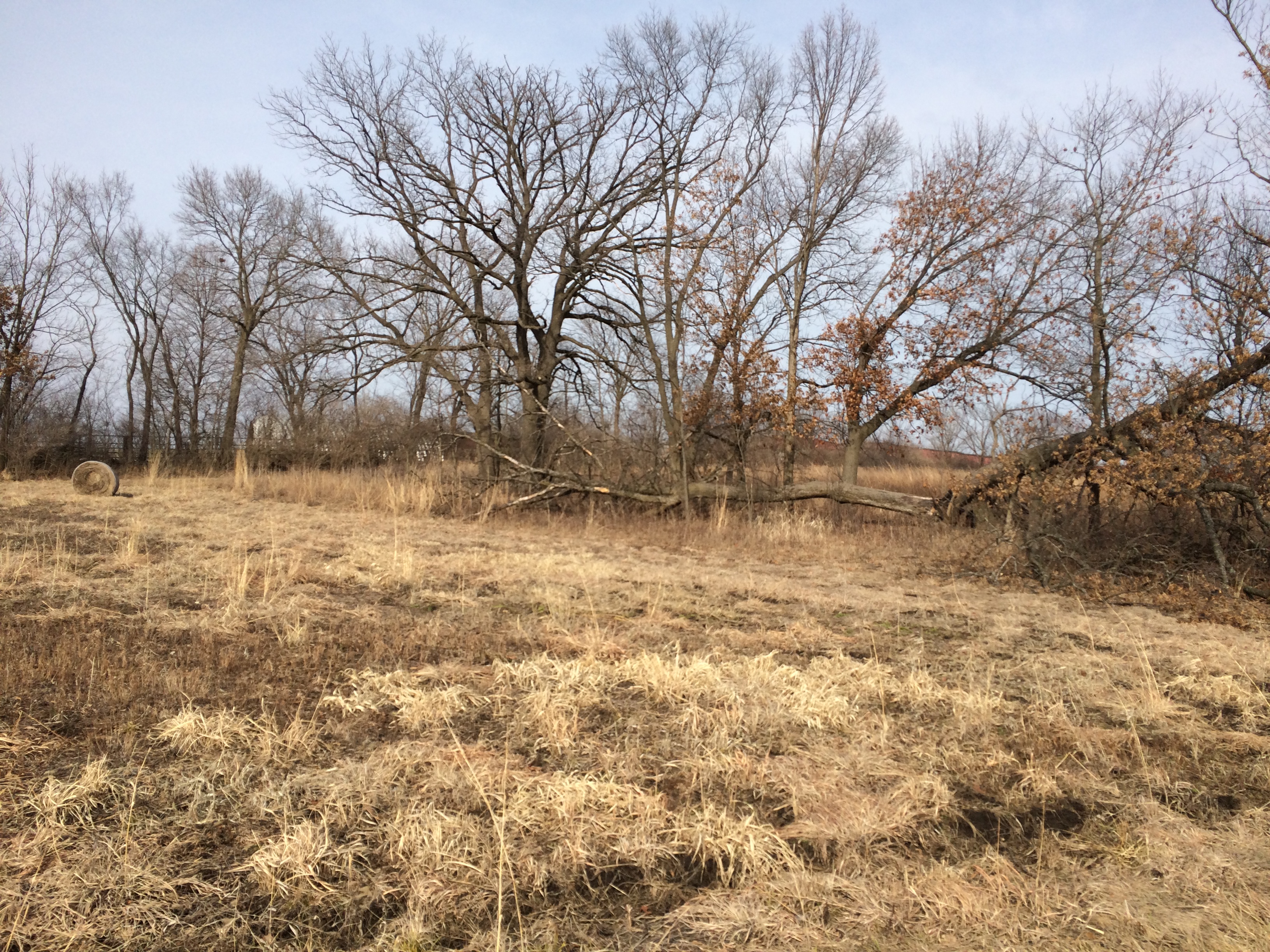
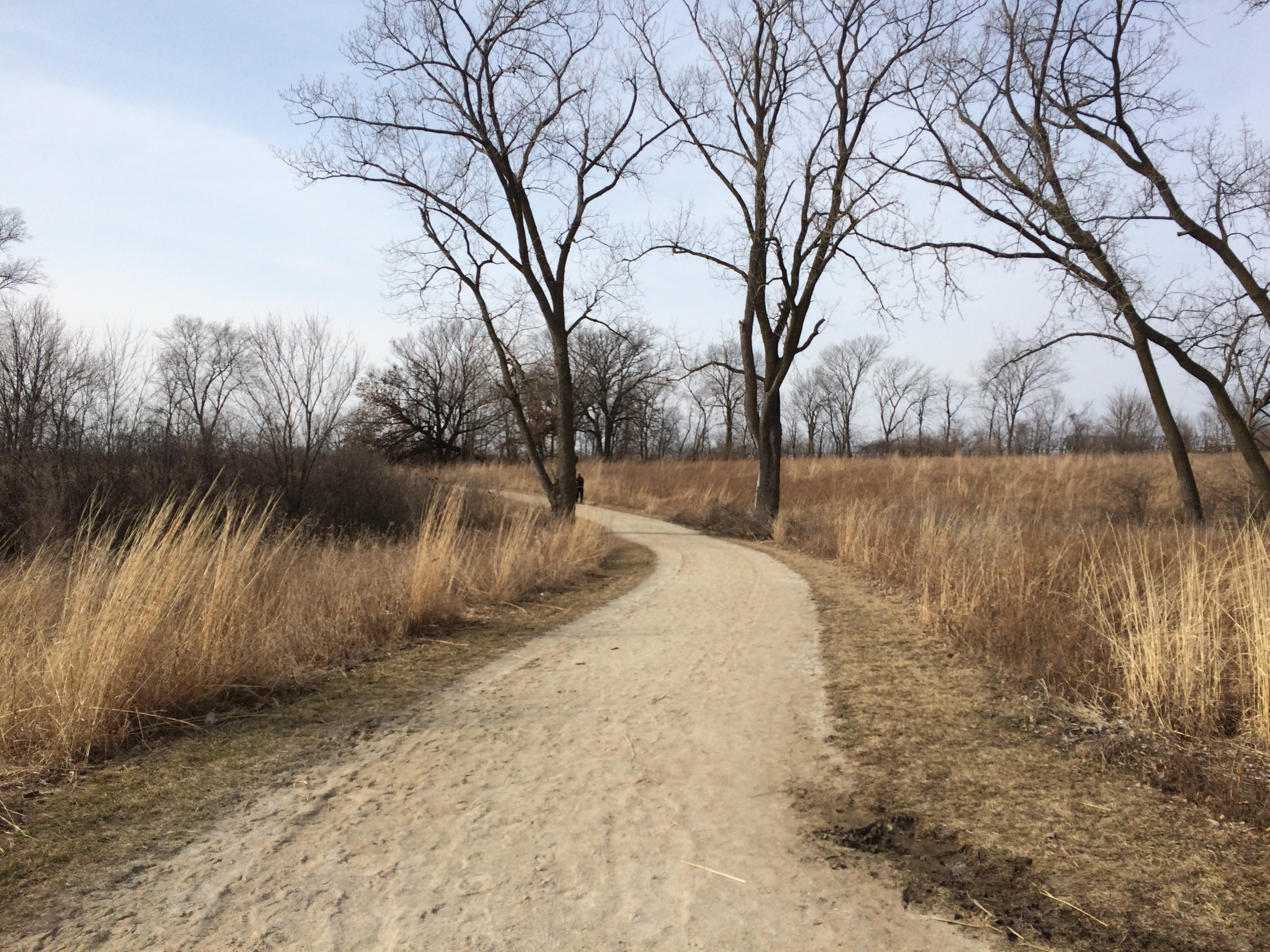
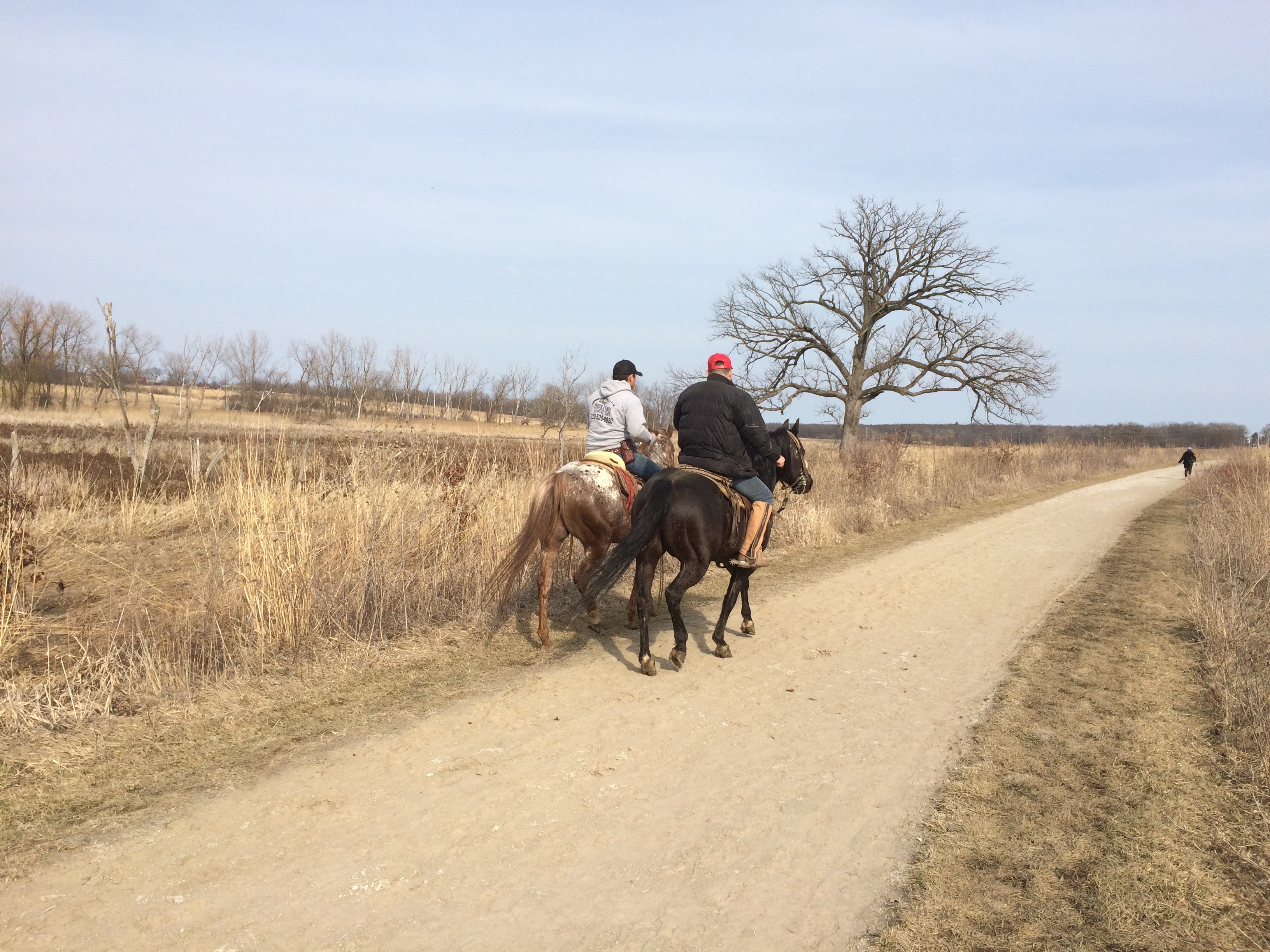
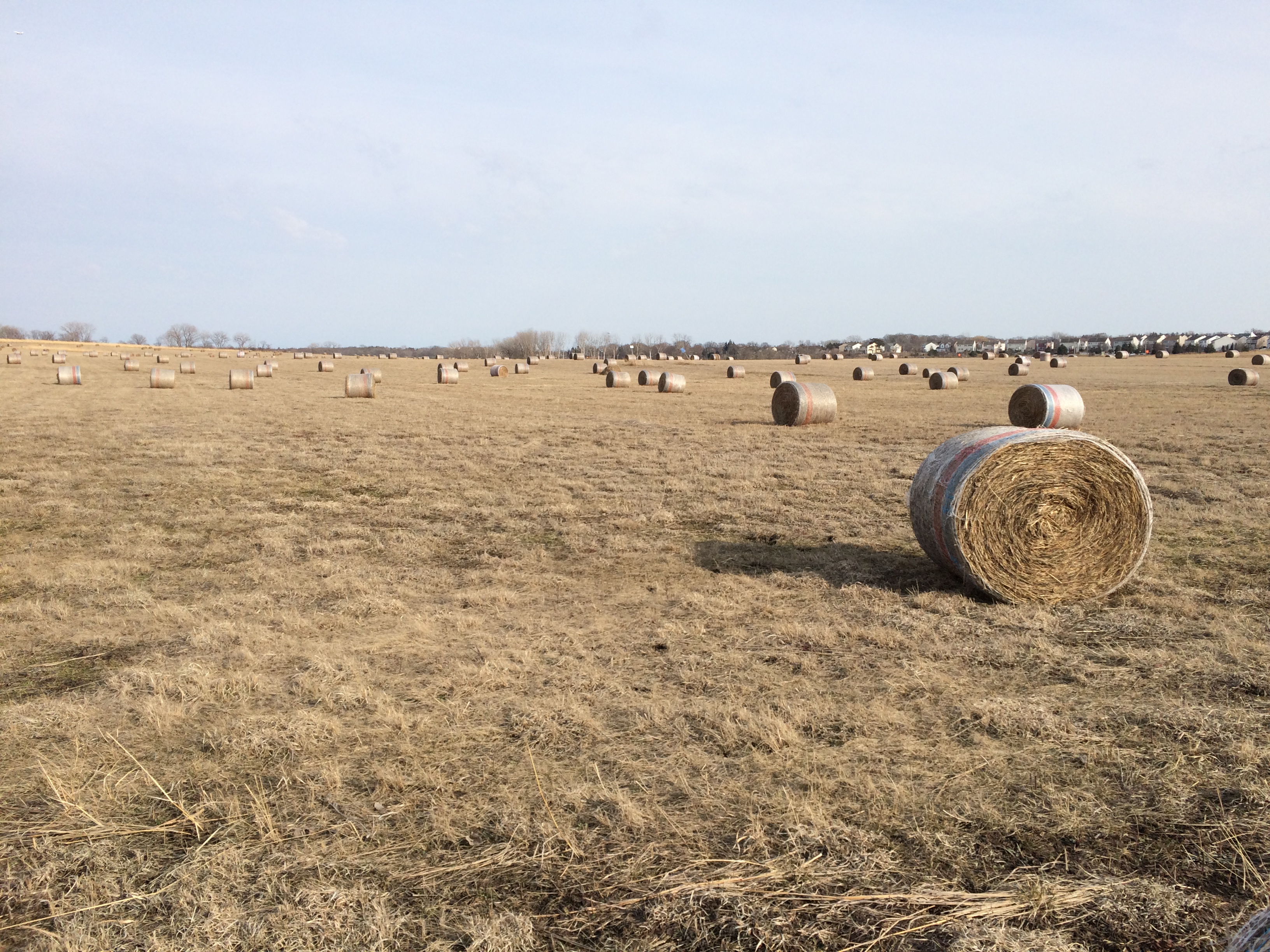
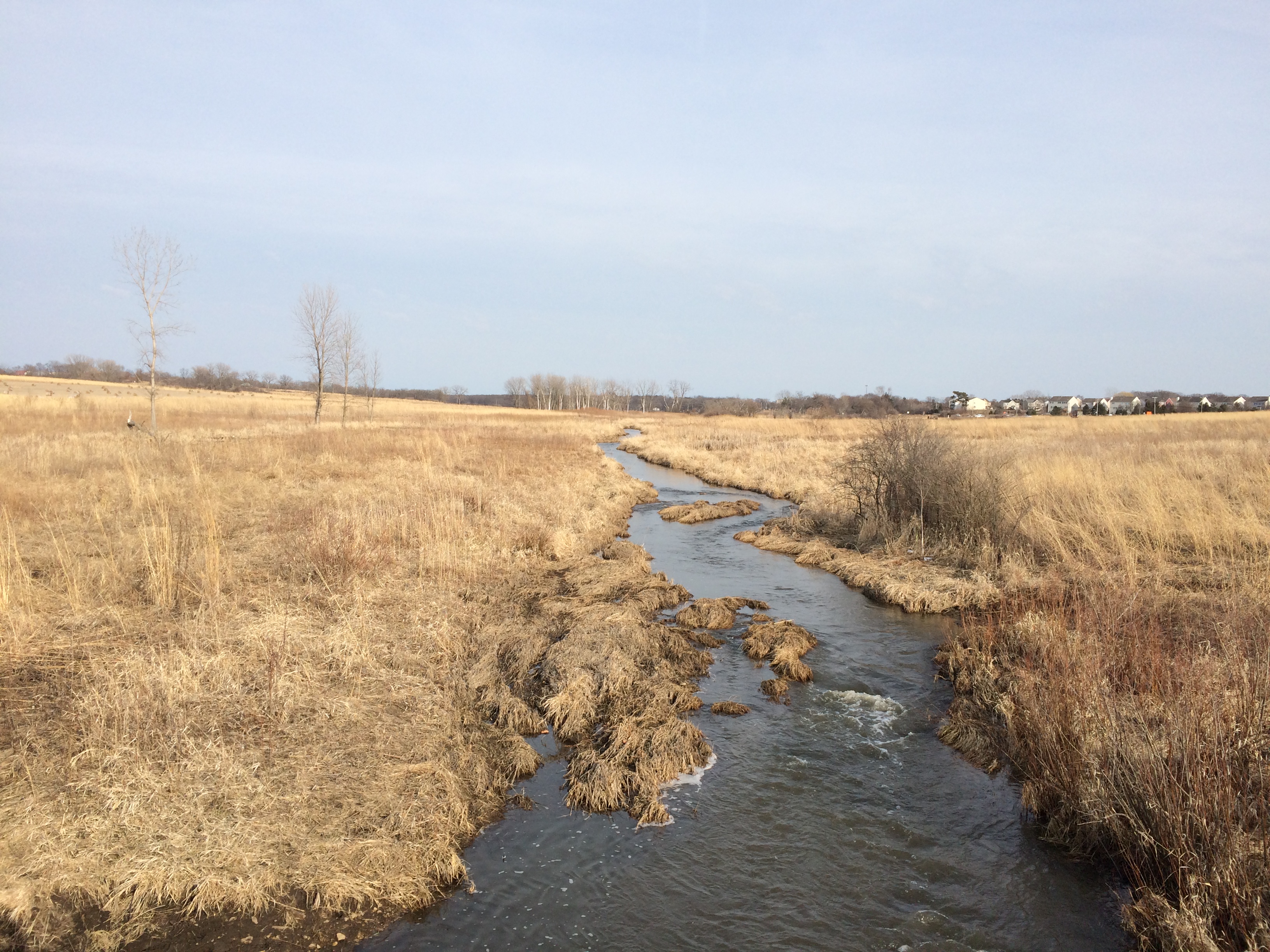
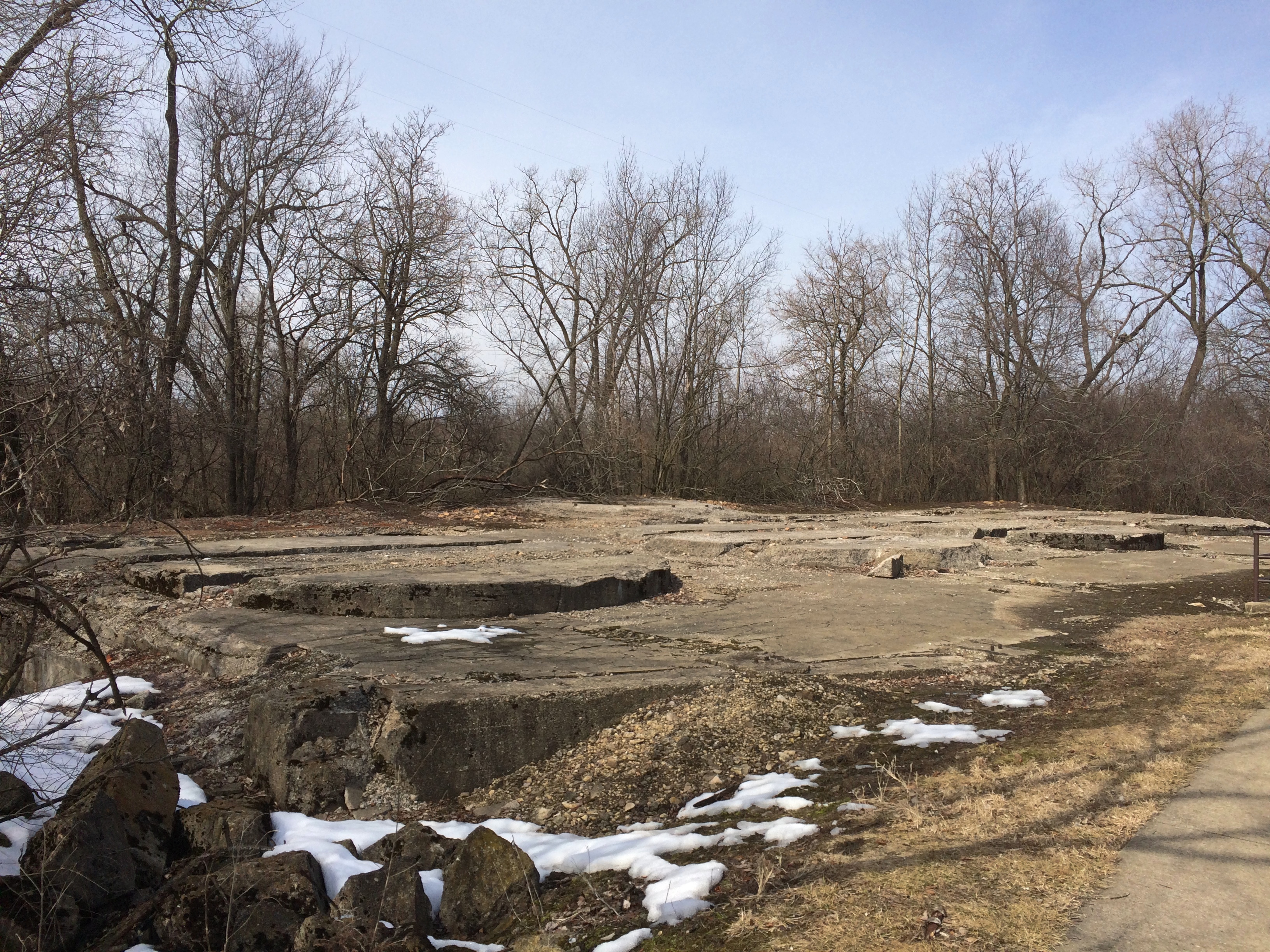
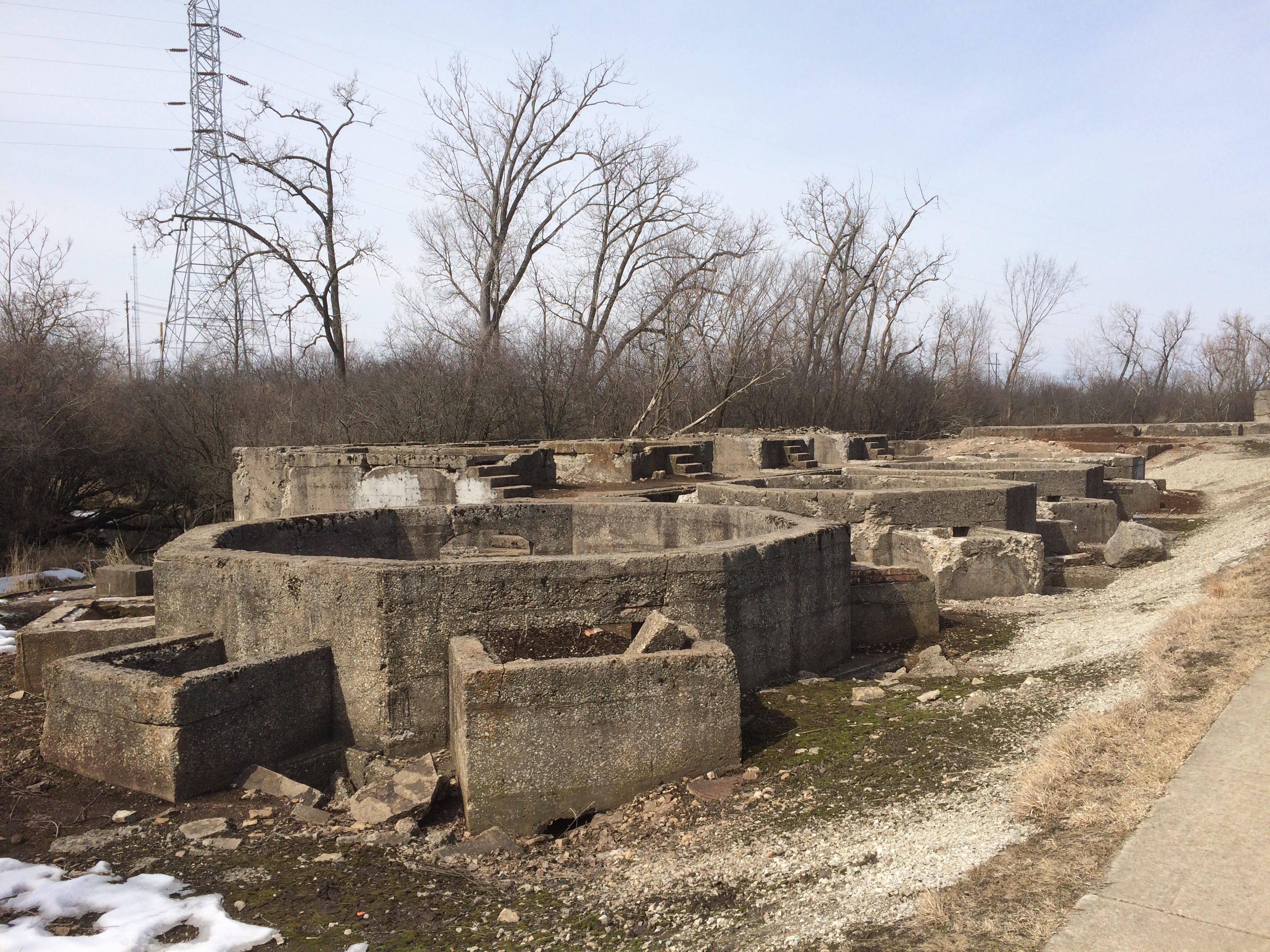
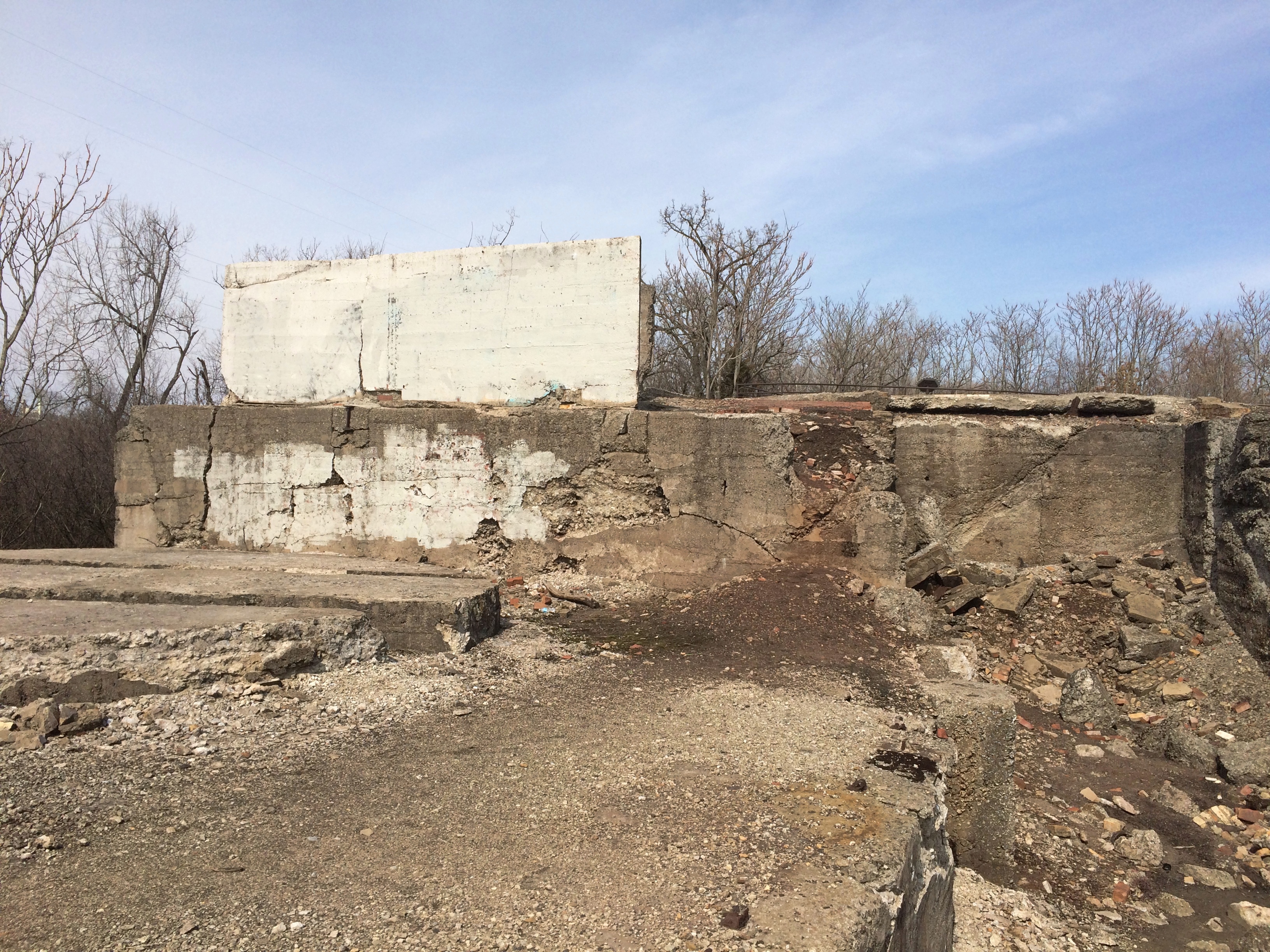
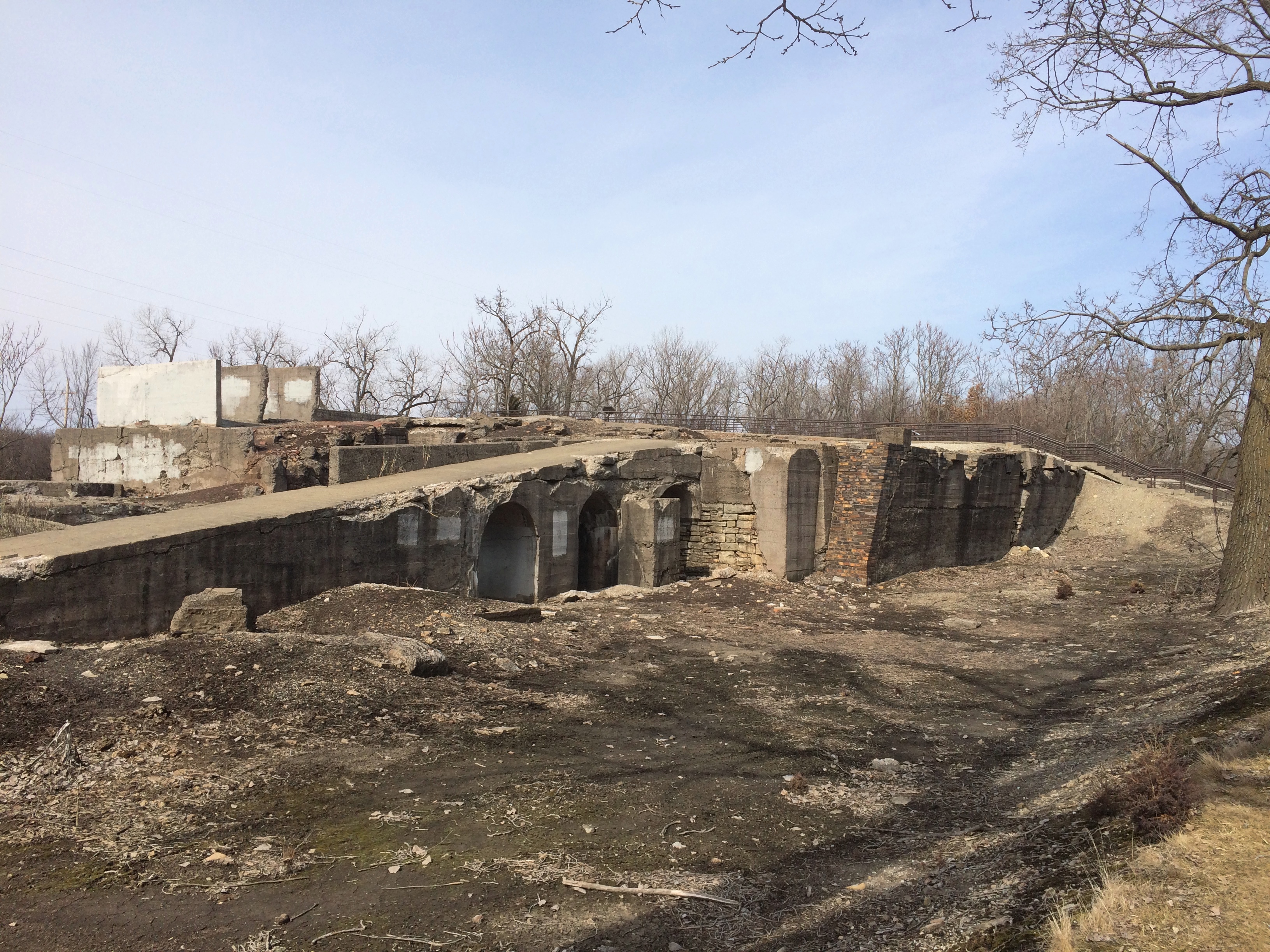
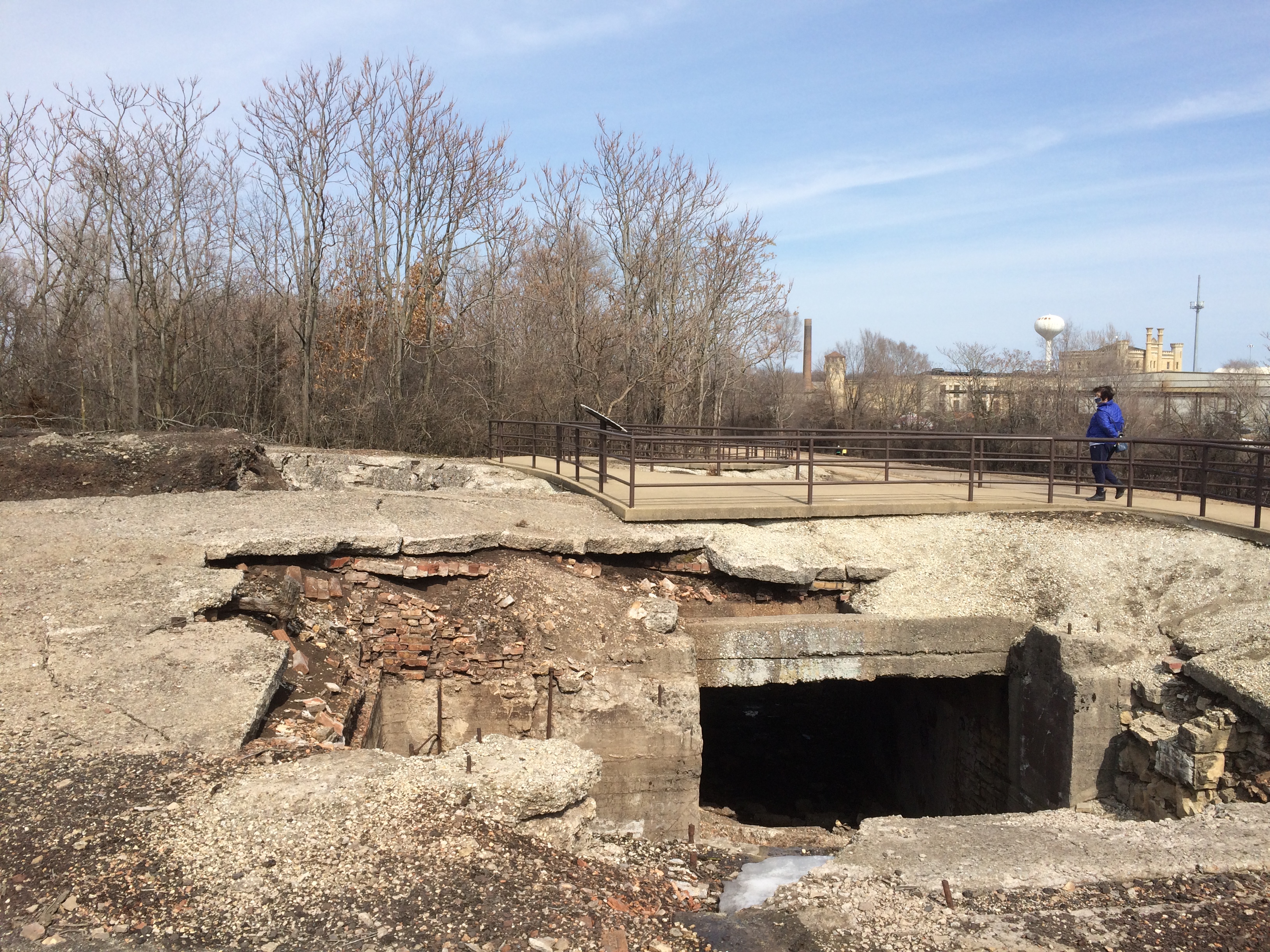
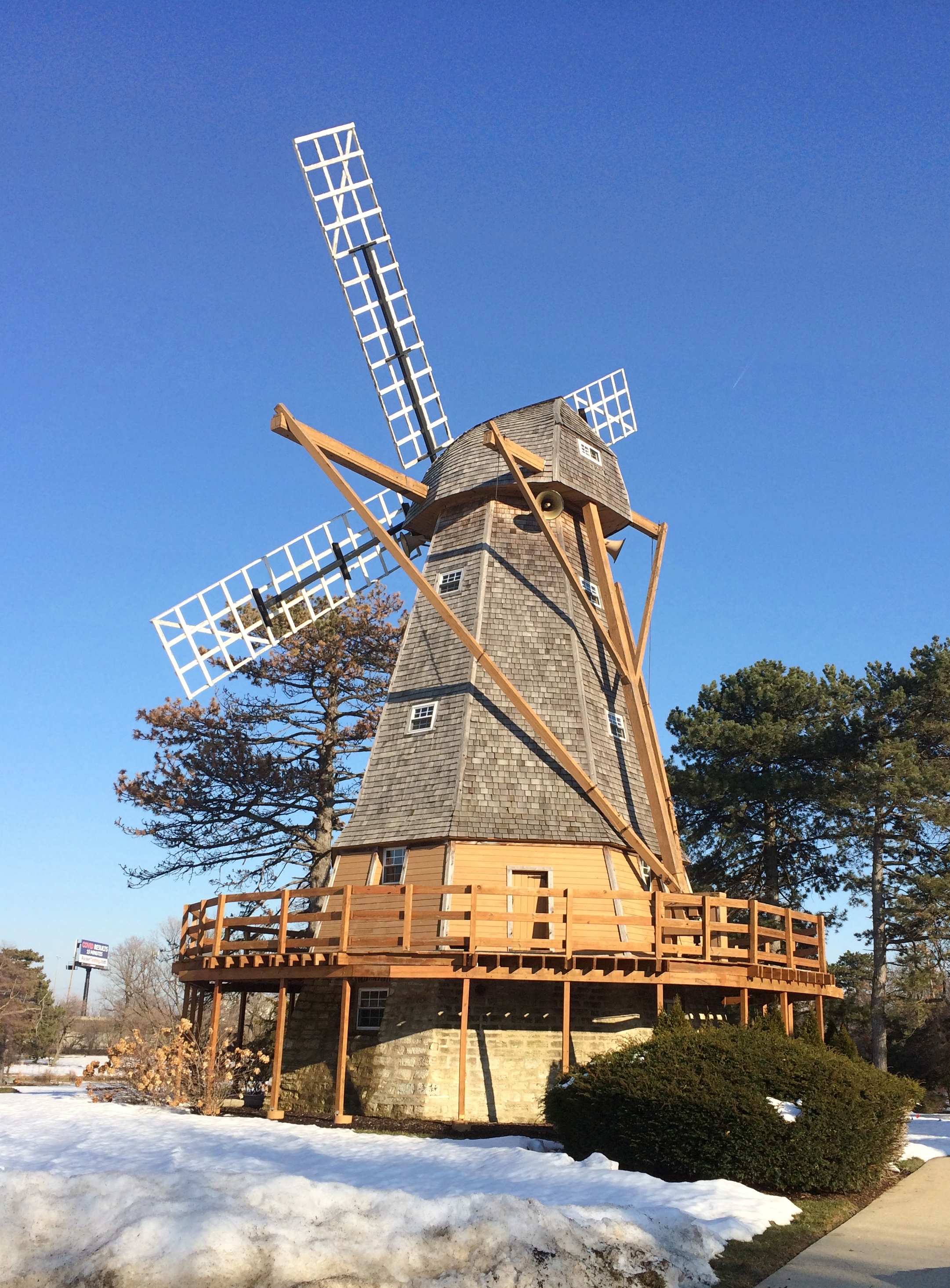
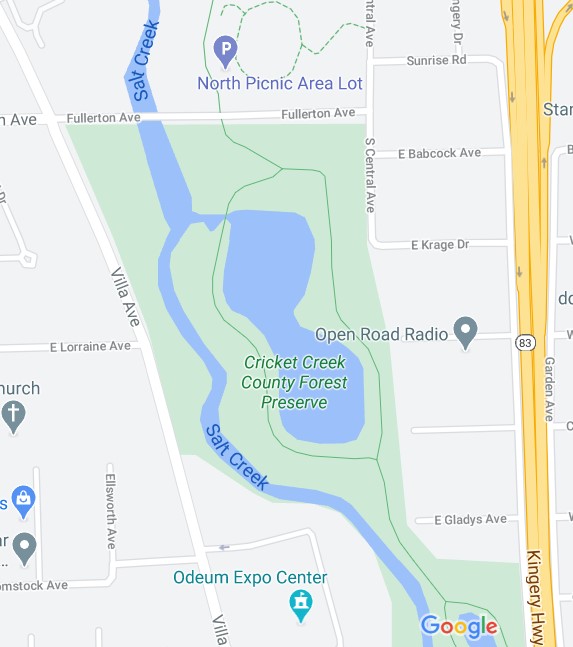
This afternoon we took a walk near the Al Larson Prairie Center for the Arts, which as far as I know is still dark. We thus passed through a bit of open land here in the northwest suburbs on the last day of September 2020. Another gazebo belonging to the Village of Schaumburg. Not too far from this one.
Its circumference is about one-quarter open, but got me to thinking: does it really count as a gazebo? Shouldn’t gazebos be almost all enclosed, with only space for an entrance?

A little research reveals two separate standards for gazebo enclosure. According to the International Gazebo Society (IGS), a gazebo has to be three-quarters enclosed. Académie international du belvédère (AIB), on the other hand, specifies seven-eights.

The divergence has a long history. The IGS, founded in London in 1787 but now headquartered in Scottsdale, Arizona, first specified gazebo standards the year after its founding. That definition traveled to other parts of the British Empire over the next decades, though it wasn’t formally adopted in the United States until the Fifth International Gazebo Conference in 1884, which was held in Washington D.C. at about the same time as the International Meridian Conference.

Meanwhile, in a fit of revolutionary zeal, the French took a different tack. In 1796, the Directorate promulgated gazebo standards for the First Republic that were the antecedents of the AIB’s standards. Bonaparte annulled those standards, but they were restored by Louis Philippe, who had a personal interest in modern gazebo theory. The AIB, headquartered in Paris, came into being later in the 19th century, and has governed gazebo standards in France and the Francophone world since then.

So most of the world follows either IGS or AIB. For a time in Maoist China, both standards were rejected as relics of European imperialism, a stance echoed today by the more woke members of the gazebo community. “Let a hundred gazebos bloom” was the Chinese slogan, beginning in about 1956, and structures built from then to 1976 are colloquially known as Maozebos.

They tended to be flimsy, and most have since fallen down or have been razed, though a good example is still standing in Shaoshan village, Hunan. The Gang of Four were thought to have even more radical ideas about gazebos, but with their defeat, China gradually returned to the IGS standard (interestingly, Taiwan adheres to the AIB standard, reportedly because Madame Chiang believed them more elegant). Indeed, China is now exporting gazebos more than any country, especially to Africa.

* Completely made up.

Churches by Bus ’15

No Open House Chicago this year, as you’d expect; no Chicago Architecture Center bus tours or house walks or Doors Open Milwaukee either. For some time now, those events have often been part of fall for us, such as in 2013 or 2014 or 2017 or last year.

Five years ago we took a Chicago Architecture Foundation (as it was then) bus tour of six Chicagoland churches. The other day I took a look at the images from then.
Such as at the First United Methodist Church in Park Ridge, including docent Jack pointing out some feature.
First United Methodist Church in Park RidgeA detail from the church’s stained glass.
First United Methodist Church in Park RidgeNext was the Holy Resurrection Serbian Orthodox Cathedral. A bell hangs outside.
Holy Resurrection Serbian Orthodox CathedralA plaque next to the bell tower explains, in English and Serbian, that the bell was cast in 1908 and formerly hung at a Serbian Orthodox church in Chicago. “[It] has been placed in this tower so that it may once again peal with joy at weddings and baptisms, announce the commencement of church services, and sadly toll at the passing of our parishioners,” the plaque says.

A detail of the bronze front doors.
Holy Resurrection Serbian Orthodox CathedralA prelate I didn’t know. Now I do.
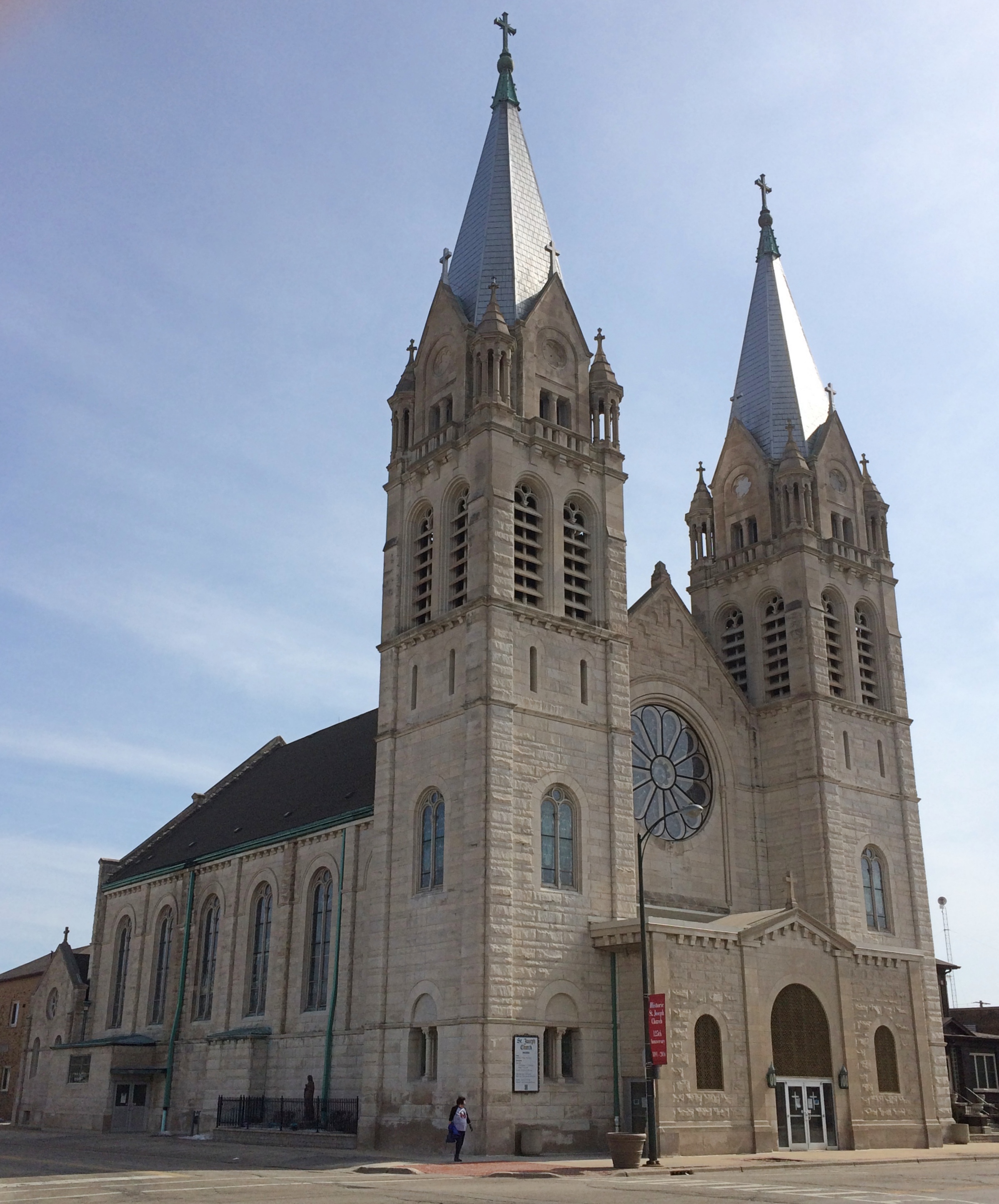
Holy Resurrection Serbian Orthodox CathedralSt. Joseph the Betrothed Ukrainian Catholic Church.
St. Joseph the Betrothed Ukrainian Catholic Church.Near the main structure is an outdoor shrine to Our Lady of Hoshiv.St. Joseph the Betrothed Ukrainian Catholic Church.“The icon in the grotto is a modern replica of the miraculous icon of Our Lady of Hoshiv, considered by many Ukrainians to be a special place of pilgrimage,” the church web site notes.

“The original icon was painted at the beginning of the 18th century, and during the Turkish and Tatar incursions in Ukraine was taken to Hoshiv for safety.

“In Hoshiv, the icon began to miraculously glow with a great halo, as witnessed by many locals and their priest. After the glow subsided, there were tears on Our Lady’s face.

“After this miracle, the people petitioned Metropolitan Lev Sheptytsky to transfer the icon to a ‘holy place’ and it was moved to the Basilian monastery of Yasna Hora (Bright Mountain) in Hoshiv. There the miraculous nature of this icon continued to reveal itself with many documented healings.

“The Grotto of Our Lady of Hoshiv that stands next to St. Joseph Church was built in 1961-1962, and was dedicated in May 1962 by Bishop Jaroslaw Gabro.”

Outside Our Lady of Hope in Rosemont is, was, a patch of elephant ears.
Our Lady of Hope RosemontThe church isn’t overwrought with stained glass, but there is some.
Our Lady of Hope RosemontMuch more stained glass can be found at St. Luke’s Lutheran Church in Park Ridge.St. Luke’s Lutheran Church in Park Ridge

St. Luke’s Lutheran Church in Park RidgeOne church we visited but which I didn’t post about — I don’t remember why — was Mary, Seat of Wisdom, also in Park Ridge.

Mary, Seat of Wisdom

Mary, Seat of WisdomMary, Seat of WisdomInteresting stained glass, not quite like I’ve seen elsewhere.Mary, Seat of Wisdom Mary, Seat of Wisdom

Mosaics. Or was it a painting that looks like a mosaic? I don’t remember.
Mary, Seat of WisdomAnother detail I liked.
Mary, Seat of WisdomThe Eye of Providence clearly belongs in a church, and maybe even on the dollar bill, but it would be interesting if it popped up randomly in public places. Just to give people something to think about.

Thursday Postscripts

Beverly Shores, Indiana, pop. 600 or so, is completely surrounded by Indiana Dunes NP. One way to get to the town, or the national park for that matter, is to take the South Shore Line from Chicago. If you do so, the place to get off is at Beverly Shores station.
Beverly Shores Train StationSince its renovation in recent years, the station also includes an art galley. Closed when we got there.
Beverly Shores Train StationWhen I’m pretty sure no train is nearby, it’s hard to resist a shot of the rails converging off toward the horizon. The rails go on forever in a silver trail to the setting sun.
near the Beverly Shores Train Station

Arthur Gerber designed the station in 1929. “Gerber was the staff architect for Samuel Insull, who then owned the line, [and] it is one of several examples of an ‘Insull Spanish’ style used on the rail line,” writes historic preservationist Susie Trexler.

Insull must have been fond of the style. “Say, Gerber, old man, whip up some more Spanish-style stations.”

After all, look at his mansion, which is generally classified as Mediterranean.
Cuneo Mansioncuneo mansionBetter known as the Cuneo Mansion, for its second owner, but utility magnate Insull had it built. Above are shots I took when we visited. When was that? I couldn’t remember till I checked. Ten years ago.

The fellow interred in the Beyond the Vines columbarium at Bohemian National Cemetery is Benjamin George Maldonado, 34, who died unexpectedly of an undiscovered brain cyst, according to a column in the Tribune by John Kass.

“The priest gave a great eulogy of Ben,” Kass quoted Maldonado’s widow as saying. “His urn had a baseball on top. We all signed the baseball that went into the wall. There were sandwiches and sodas, and we had a picnic. He was so young. A headstone would have been so somber.”

The man who created the columbarium, whom Kass also quotes, was Dennis Mascari. He’s interred there now as well.

My brother Jay is skeptical that the parade pictures posted on Sunday were taken in September 1967, he told me by email. Two reasons: yellow foliage and people wearing a little more than they would on a very warm Texas September day.

As Jay points out, mid-September is far too early for changing leaves. But I color corrected the images. In the original, faded now for more than half a century, it’s hard to tell whether the leaves are green or yellow. Denton Texas 1967

In the color corrected version, some of the leaves look green, some yellow. I don’t know whether that reflects the original color of the leaves, or the color-correction process itself. So I’d say the leaf colors are inconclusive.

The clothes are a more compelling argument. The kid on the top of the station wagon is indeed wearing more than any kid would in high 80s temps, and so is the woman on the flatbed, and maybe the men leaning against that vehicle, who seem to be wearing long-sleeve shirts or jackets. Of course, the members of the band would wear their uniforms no matter how hot it was. I remember some sweaty times in my own band uniform, about 10 years later.

“When is it then?” Jay writes. “I don’t know. I know that the Denton HS band was one of many high school bands that participated in the NTSU homecoming — which sources online say was November 11, 1967 — but: (1) I have no recollection of a parade, only of marching in formation on the playing field, and (2) if there was a parade, it seems odd that it’s heading away from NTSU rather than towards it, as it appears to be the case here. Of course, the fact that I don’t remember a parade isn’t dispositive, nor is the direction.”

Ah, well. Guess we’ll never know for sure. The lesson here is to write the date on the back of physical prints. But even that is an increasingly obsolete bit of advice.

Myrick Nathan 1875Here’s Nathan Myrick, founder of La Crosse, Wisconsin, whose for-certain public domain image I obtained. Founding a town is more than most people get to do.

It occurs to me that I’ve now visited all of the 15 largest municipalities in Wisconsin, and maybe the 20 largest, though I don’t remember visiting New Berlin, but as a Milwaukee suburb, it’s likely that I passed through.

Is that important for some reason? No. But for a state in which I’ve never lived, I’ve been there a lot. As an old Chicago friend of mine once said, one of the amenities of living in the Chicago area is access to Wisconsin. I agree.

The Century of Progress Architectural District

Tucked away on a small road paralleling Kemil Beach on Lake Michigan is the Century of Progress Architectural District, which includes five houses originally built for the world’s fair in Chicago in 1933. The houses were moved by barge across the lake after the fair, and are now part of Indiana Dunes National Park.

More about that shortly. First, the view from Kemil Beach, which is nearly as far south as you can go and still be on the edge of Lake Michigan. The day we visited was clear and sunny, but not hot — more of a moderate September warmth.
If you look carefully at the horizon at that place, the enormous buildings of the Chicago skyline are visible, but look as insubstantial as grey chalk marks on a watercolor.
Kemil Beach IndianaNot far from the houses is access to the beach itself.Kemil Beach Indiana

Kemil Beach IndianaNot many people were out and about, even though it’s part of a national park. Then again, the beach was windswept, bringing in large breakers.
Kemil Beach IndianaThat sounded like this.

Perched right over the shore is the pink Florida Tropical House, designed by Miami architect Robert Law Weed to promote Florida living to fairgoers. Come be Florida Men and Women, that is.Century of Progress Architectural District

Century of Progress Architectural DistrictAlso perched over the shore is the Wieboldt-Rostone House, which showcased a building material called Rostone (limestone, shale and alkali). Design by Indiana architect Walter Scholer.Century of Progress Architectural District

Century of Progress Architectural DistrictOn the hill above the road are the three other houses dating from the world’s fair. One, the Cypress Log Cabin, was meant to showcase that building material, and hugs the ground so closely that it was a little hard to see from the road.

Another hillside structure, the Armco-Ferro House, was “an ode to the virtues of porcelain enamel and steel — expressed in the form of a prefabricated home,” the sign at the bottom of the hill told me.Century of Progress Architectural DistrictFinally, the House of Tomorrow, which is currently wrapped for renovation. Design by Chicago architect George Frederick Keck.

Century of Progress Architectural DistrictAll in all, an interesting little neighborhood. That’s a fitting term, since people actually live in the houses, except for the House of Tomorrow, and someone will live there when the work is done. Signs asked visitors to respect the privacy of the occupants. Tours of the interior are given only once a year, I’ve read, though I expect that isn’t going to happen this year.

In a remarkably imaginative move on the part of a government agency — the Park Service, which owns the properties — the houses are leased for 30 years at no charge, provided the lessees agree to restore and maintain the properties in that period.

Indiana Dunes National Park

Officially the park service entity occupying part of the Lake Michigan shore of Indiana, along with some adjacent lands, is Indiana Dunes National Park. Has been for about a year and a half now, for the usual reason: a Congressman from the region had the pull to promote it from its previous sub-park designation, national lakeshore, to national park.

Not much has changed besides the name. Even the signs have the old name. Signs cost money.Indiana Dunes National Park

We’ve visited two or three times over the years, including one memorable time when Lilly’s stroller was difficult to push on sandy trails. That’s how long ago it was. Stroller issues have long been a non-issue for us, but even so the national lakeshore seldom suggested itself as a place to visit, maybe because the main way to get there — the highways running south of Lake Michigan — are often congested chokepoints.

We decided to go on September 18 for the day. The weather was flawless for walking around: clear and in the mid-60s. Got a later start than planned, so it was more of a visit for the afternoon. But a good one, focused on some short trails.

The trailhead of a small loop called Dune Ridge Trail.Indiana Dunes National ParkMostly the trail wasn’t sand-dune sand, but even the more packed underfoot soil forming the trail was sandy.
Indiana Dunes National ParkThere was a climb, but not too bad.
Indiana Dunes National ParkLeading to views of an expansive marsh.Indiana Dunes National ParkLater in the afternoon, we walked along the Great Marsh Trail.
Indiana Dunes National ParkA great marsh all right.
Indiana Dunes National ParkIndiana Dunes National ParkStill wildflower season in northern Indiana.
Indiana Dunes National ParkIndiana Dunes National ParkLeisure to stroll among the short-time green?
Indiana Dunes National ParkWe’re fortunate to have it.

Bohemian National Cemetery

Back in 2004, I met Bob the crematorium operator by chance, and he showed me part of the facility he ran. The interior of this building.Bohemian National Cemetery ChicagoresplendentThat’s the crematorium and columbarium at Bohemian National Cemetery on the Northwest Side of Chicago, one of the resplendent cemeteries in the city. Bob wasn’t around when I returned for a visit on Sunday, September 13, and the building was closed.

As usual even at a beautiful cemetery, few other living people were around. But it was sunny and warm, and I had a good look.Bohemian National Cemetery

Bohemian National CemeteryBohemian National CemeterySince the last time I visited, something unique (probably) in any cemetery has been added: Beyond the Vines.

“The 24-foot-long brick monument offering peace to the ashes of Cubs fans is called ‘Beyond the Vines.’ It sits in perpetual sunshine at Bohemian National Cemetery,” reported the Chicago Tribune in 2009, when the cemetery erected the structure.
The front was was in shadow when I saw it.
Bohemian National CemeteryStill, the purpose of the columbarium is clear.
Bohemian National CemeteryThere are still spaces for anyone who cares for one. This marker for this fellow, name partly obscured, tells a sad story of early death but also the endless optimism of a Cubs fan.
Bohemian National CemeteryBohemian National, founded in the late 19th century by the Czech immigrant community in Chicago, has a wide selection of funerary art.

Bohemian National CemeteryBohemian National CemeteryBohemian National CemeteryBohemian National CemeteryBohemian National CemeteryA pharmacist’s stone? Looks like a mortar and pestle.Bohemian National Cemetery

Bohemian National CemeteryCivil War and World War(s) veterans are honored with memorials, as you’d expect, but the place also spares a thought for veterans of the war with Spain, erected in 1926. The plaque is in English and Czech.
Bohemian National CemeteryDeep in the cemetery is Anton Cermak’s mausoleum, but I didn’t see it. A memorial I did see is to the victims of the Eastland disaster.
Bohemian National Cemetery“The site was chosen because the cemetery on Chicago’s Northwest Side holds the largest number of victims from the disaster — 134,” the Trib says, reporting on the dedication of the memorial in 2015, for the 100th anniversary of the disaster.

FAST Fiberglass

Also not far out of Sparta, Wisconsin, is property belonging to FAST Fiberglass, until recently known as FAST Corp., which specializes in fabricating fiberglass statues.

Or, as its web site puts it [all sic]: “The next time you see a life size elephant at a gas station, 8 foot high cheese mouse at the store, 6 foot frog water slide, 20 foot high flamingo, or 3-story eyeball you can bet the piece originated in Sparta Wisconsin at FAST Fiberglass.”

This concerns me how? Turns out that the property is also an informal tourist destination. As a fairly informal tourist, the prospect of visiting the place intrigued me. Not the manufacturing facilities themselves, but rather the large patch of land where the company stashes the molds it uses to make statues.
FAST FiberglassA large sign welcomes visitors, but warns them as well.
FAST FiberglassWe heeded those warnings and didn’t climb the molds or disturb bee or wasp colonies. We merely looked around the weedy dumping ground, and were well rewarded by the whimsy of it all.FAST FiberglassFAST FiberglassLook! A Big Boy. I explained to Ann what that was.
FAST FiberglassMore oddities.FAST Fiberglass

FAST Fiberglass

FAST Fiberglass

A muffler man? Maybe.
FAST FiberglassOld Scratch.
Old ScratchThere was an old woman who lived in a shoe/She had so many children, she didn’t know what to do?
 FAST FiberglassAlso, the field sported a large number of animal casts. FAST Fiberglass

 FAST Fiberglass

Including animal shapes made into slides — the kind you see at kiddie pools. FAST Fiberglass

 FAST Fiberglass

FAST Fiberglass was our last destination for our recent Labor Day weekend jaunt, and I’d say we ended things on an odd but satisfying high note.

Paul & Matilda Wegner Grotto County Park

Less than 10 miles from Sparta, Wisconsin, along a state highway, is the Paul & Matilda Wegner Grotto County Park, the county being Monroe, whose seat is Sparta. We arrived there early in the afternoon of September 6. Here’s the entrance to the grotto.
Paul & Matilda Wegner Grotto County ParkIt isn’t a grotto in the sense of being a natural or artificial cave, or any other sense that I know of. Call it a sculpture garden? The Wegners didn’t sculpt, except in the sense of creating distinct three-dimensional shapes from raw materials. Anyway, the grounds feature naïve works created by German immigrant farmers, mostly made of concrete and shards of glass and other shiny bits.

Note the texture of one of their works up close. Look but don’t touch, unless you want a wound.
Paul & Matilda Wegner Grotto County ParkThe Kohler Foundation tells the story: “In the summer of 1929 on their farm, [the Wegners] began building fences, and within a year their first sculpture: a twelve-foot concrete facsimile of the celebrated Bremen ocean liner.

“The building continued from 1929 until after 1936, primarily during the summer months; however, many pieces, including the walls of the church, were created in Bangor [Wis.] during the winter and then transported to the farm for installation. The extraordinary sculpture environment slowly grew over these years to include a fanciful American flag, a giant reproduction of the Wegners’ 50th anniversary cake, and a glass-encrusted birdhouse.

“Other constructions were religious in nature. The magnificent Prayer Garden, Glass Church, and Peace Monument once served as places for quiet reflection, wedding ceremonies, public preaching, family picnics, and community gatherings. Still surrounding the yard is an ornate fence with a concrete archway, which spells out the word ‘Home’ in crushed black glass.”

Here’s the Bremen, inspired by a postcard picture.
Paul & Matilda Wegner Grotto County Park BremenThe Glass Church.
Paul & Matilda Wegner Grotto County Park Glass ChurchPeople get married there from time to time, according to the plaque (in front of the structure would be my guess), and Paul Wegner’s funeral was held there as well. The back of the Glass Church:
Paul & Matilda Wegner Grotto County Park Glass ChurchMore structures. First is “Jabob’s Well.”Paul & Matilda Wegner Grotto County Park

Paul & Matilda Wegner Grotto County ParkPaul & Matilda Wegner Grotto County ParkPaul & Matilda Wegner Grotto County ParkA sign outside the grotto said that a cemetery with glass-and-stone memorials wasn’t far away. So it was: a spare little rural cemetery.Paul & Matilda Wegner Grotto County Park cemetery

Paul & Matilda Wegner Grotto County Park cemetery

Paul & Matilda Wegner Grotto County Park cemetery

Glass is part of the Wegners’ memorial.
Paul & Matilda Wegner Grotto County Park cemeteryAlong with a few others. Guess they liked the style.
Paul & Matilda Wegner Grotto County Park cemeteryWhat does the Kohler Foundation have to do with the site where old German farmers deciding to create glass-and-stone shapes? Kohler is plumbing money and based in Wisconsin. At some point in its existence, the foundation decided to find and preserve outsider art installations such as the Wegner Grotto which, in fact, was one of its conservation projects.

“Since the late 1970s, the preservation of folk architecture and art environments has been a major thrust of Kohler Foundation,” the foundation explains, including a list of sites on the page. Many but not all are in Wisconsin.

“After a site has been either acquired by or gifted to us, local and expert partners selected by Kohler Foundation employ museum-quality conservation techniques to preserve the site. The site is then gifted to a museum, municipality, university, or other nonprofit institution for the education and enjoyment of the public. We then work with the recipient and local community to ensure the future success of the project.”

Sparta, Wisconsin

After leaving La Crosse on September 6, we spent time driving some picturesque Driftless Area roads, but soon we were feeling the pull of lunch. That is, we wanted to find a place to eat. We arrived in Sparta, Wisconsin, and started looking around. Doing it the old fashioned way — not with a search engine or an electronic map, but by keeping our eyes peeled as we drove.

Sometimes you get lucky. Right in the middle of town, on W. Wisconsin St., we found Ruby’s. We stopped right away.Ruby's Sparta Wisconsin

Ruby’s has a most traditional drive-in menu, with one exception.
Ruby's Sparta WisconsinBetween the three of us, we ate a satisfying drive-in lunch: a chili cheese & onion dog, a grilled cheese sandwich, onion rings, cheese curds (this is Wisconsin, after all) and the unusual item: a walnut burger.

As the menu explains, it’s “seasoned walnut & cheese patty with lettuce, tomato, pickle & honey mustard on a whole wheat kaiser bun.” I had a bite. It was tasty. The menu also notes “the Historic Trempealeau Hotel” above the Walnut Burger description, presumably as its provenance. Naturally, I looked it up. The boutique hotel, dating from the late 19th century, is still around, on the Mississippi upriver some distance from La Crosse in a burg called Trempealeau.

Rudy’s also sports a fiberglass statue. A bear on roller skates.
Ruby's Sparta WisconsinUnlike Gambrinus, I suspect the bear is holding a mug of root beer. Rudy’s has a special section for that on the menu, including a root beer float, but not beer.

While we ate, I noticed another statue, much larger — or at least taller — than the bear. It was across the street catercorner from Ruby’s, in a park.

Of course I had to go see that, after we ate. The Sparta Downtown River Trail runs through the park.
river trail Sparta WisconsinAt this point, a footbridge crosses the small La Crosse River, which eventually empties into the Mississippi in the city of that name.
river trail Sparta WisconsinOn the other side of the bridge is the statue I saw from across the street.Ben Bikin' Sparta Wisconsin

Ben Bikin' Sparta WisconsinIt has a name: Ben Bikin’. Sparta, pop. just shy of 10,000, is the self-proclaimed Bicycling Capital of America. A nice local distinction. I imagined that Sparta might have been a bicycle manufacturing town at one time, maybe as long ago as the bicycle craze of the ’90s that popularized the modern bike. The 1890s, that is.

But no. “Sparta’s claim as the ‘Bicycling Capital of America’ is based upon the first rail bed in Wisconsin to be converted to bike trails between Sparta and Elroy,” says the city’s web site. That trail was completed in 1967, so fanciful penny-farthing statues aside, the town sobriquet isn’t that old.

In fact, I don’t remember seeing any more bicycles in Sparta, or dedicated bike lanes, than in any other small town. That is to say, not many. There is, however, a bicycle museum in town.

More than that: the Deke Slayton Memorial Space and Bicycle Museum. I knew it was closed, but we drove by before leaving town anyway.
Deke Slayton, Sparta WisconsinSlayton, the only Mercury astronaut who never flew in a Mercury capsule, grew up on a farm near Sparta. So he’s the town’s other attenuated claim to fame. The thinking must have been, best to combine the two into one (slightly) larger museum. Well, why not?

More La Crosse, Including Gambrinus

After everyone was awake last Sunday, we packed up to leave La Crosse. But there were a few more places to see on the way out, such as Riverside Park.Riverside Park La Crosse

As the name says, it’s along the Mississippi.
Riverside Park La CrosseLooking toward the bridge where U.S. 14 crosses between Wisconsin and Minnesota.
Riverside Park La CrosseA hyperpartisan had set up his table in the park, complete with flags and literature and, I expect, a willingness to talk about his candidate till the heat death of the universe. I didn’t talk to him any more than I would any other religious fanatic.
Riverside Park La CrosseNear the park is a pedestrian path into downtown, lined with heron statues.La Crosse heron statues

The birds were originally displayed in 2008, during the vogue for public displays of animal statues. Apparently the statue herons were returned to public display in La Crosse two years ago, a task overseen the Pump House Regional Arts Center, a local nonprofit.

A selection of da birds.
La Crosse heron statuesThe La Crosse Loggers are a team in the Northwoods League, a summer collegiate league.La Crosse heron statuesLa Crosse heron statues La Crosse heron statuesThere was one more place in La Crosse that I knew about that Sunday morning and didn’t want to miss. Namely, the World’s Largest Six Pack, which stands above 3rd Street S.
World's Largest Six Pack La CrosseRoadside America recalls its early years painted to resemble cans of Heileman’s Old Style Lager. These days, the six pack advertises La Crosse Lager, but apparently the effect wasn’t created by paint, but wallpaper.Namely, the World's Largest Six Pack, which stands above 3rd Street S.

A sight to see, but a little drab, though the morning light doesn’t bring out whatever color it has. Still, other paint jobs looked brighter. A place like this can’t hide from Google Images comparisons.

Across from the six pack, which are in fact for storing beer, with a capacity of 22,000 barrels (688,200 gallons), are other buildings in the brewery complex. Most notable is an earlier brew house, or at least its facade, which is easily more than a century old.
La Crosse Lager BreweryTo the left of the old facade (from my POV).
La Crosse Lager BreweryTo the right.
La Crosse Lager BreweryUnder that big brick wall, standing with his goblet held high, is Gambrinus.
La Crosse Lager Brewery GambrinusGood old Gambrinus. I didn’t know about that particular bit of Euro-lore growing up. I first saw him in Chicago, looking somewhat different but crowned and holding a vessel all the same.