A Few Rooms of Ancient Art

I might be misremembering, but I believe the Uffizi Gallery had a hallway that featured busts of every Roman emperor, plus a good many of their wives, down at least to Severus Alexander (d. AD 235), in chronological order. I spent a while there, looking over them all.

The Uffizi array included famed and long-lasting rulers (e.g., Augustus) but also obscure short-timers whose biographies tend to end with “assassinated by…” (e.g., Didius Julianus (d. AD 193), the rich mope who bought the office from the highly untrustworthy Praetorian Guard and held it for all of 66 days in 193).

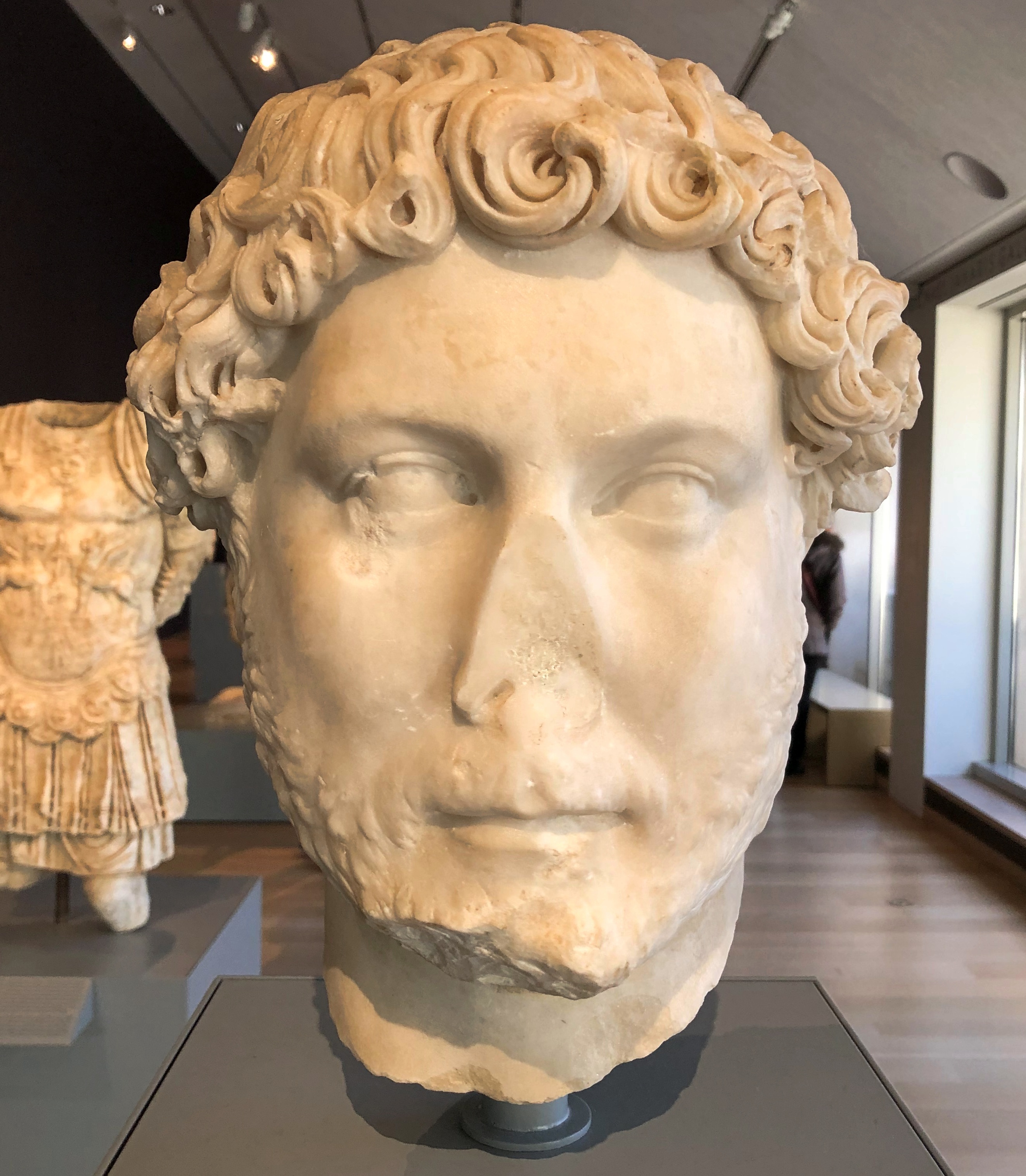
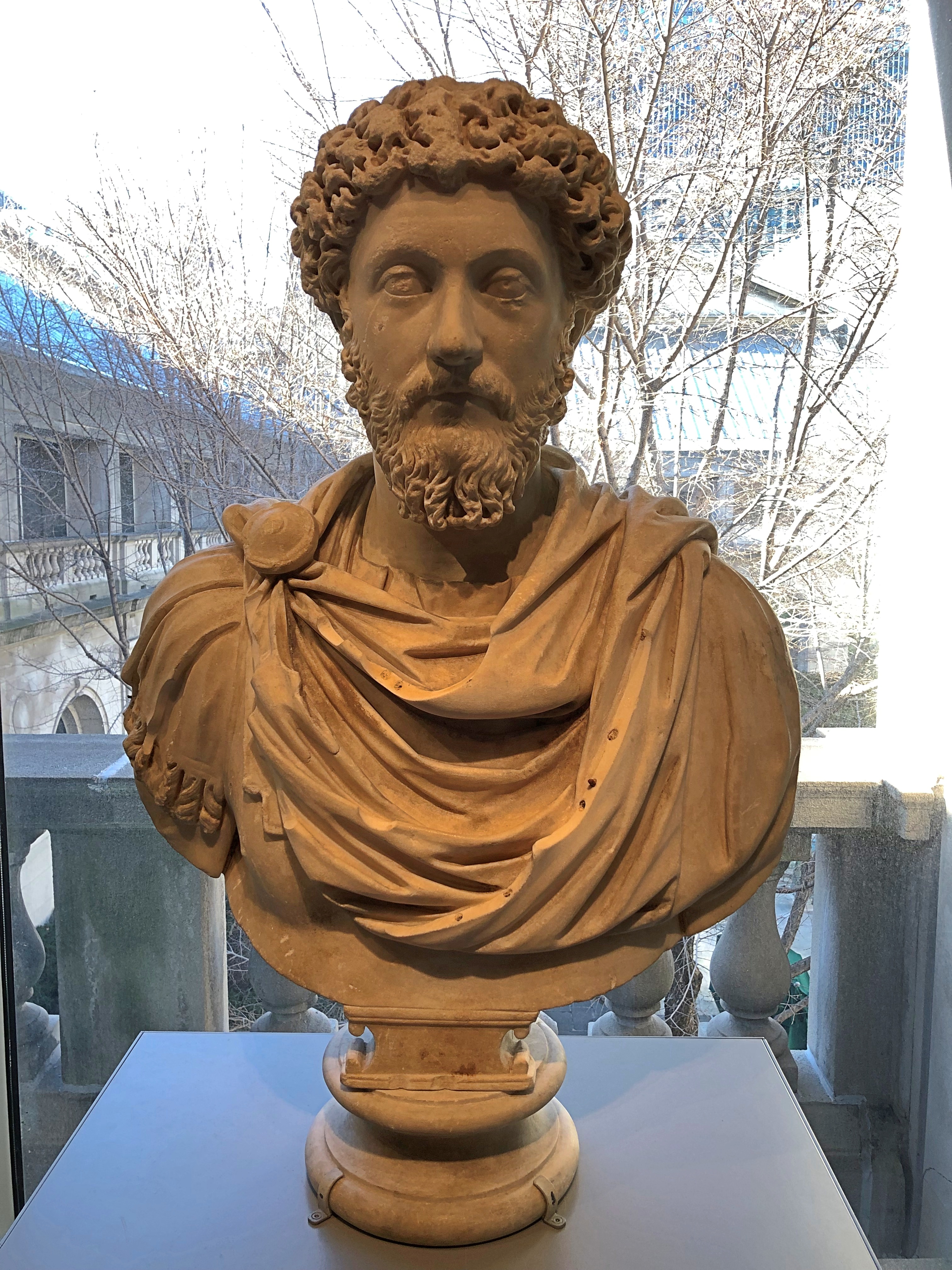
I thought of all those emperor busts when I took a look at Hadrian and Marcus Aurelius on Saturday. Art Institute of ChicagoArt Institute of Chicago

Second century AD, no doubt part of what would later be called propaganda: the effort to let the Roman people feel the presence of their rulers. These two busts are among the ancient Roman artworks on display at the Art Institute of Chicago, along with works by Greek, Egyptian and other peoples.

It isn’t a huge collection, though sizable enough. If you put together the ancient art found at Art Institute and the Field Museum and the Oriental Institute Museum, that might be a British Museum- or Pergamon Museum-class collection, but no matter. I always enjoy strolling around the Art Institute’s ancient gallery, which is back a fair ways from the main entrance, in four rooms surrounding a peristyle-like courtyard, though that is a story down.

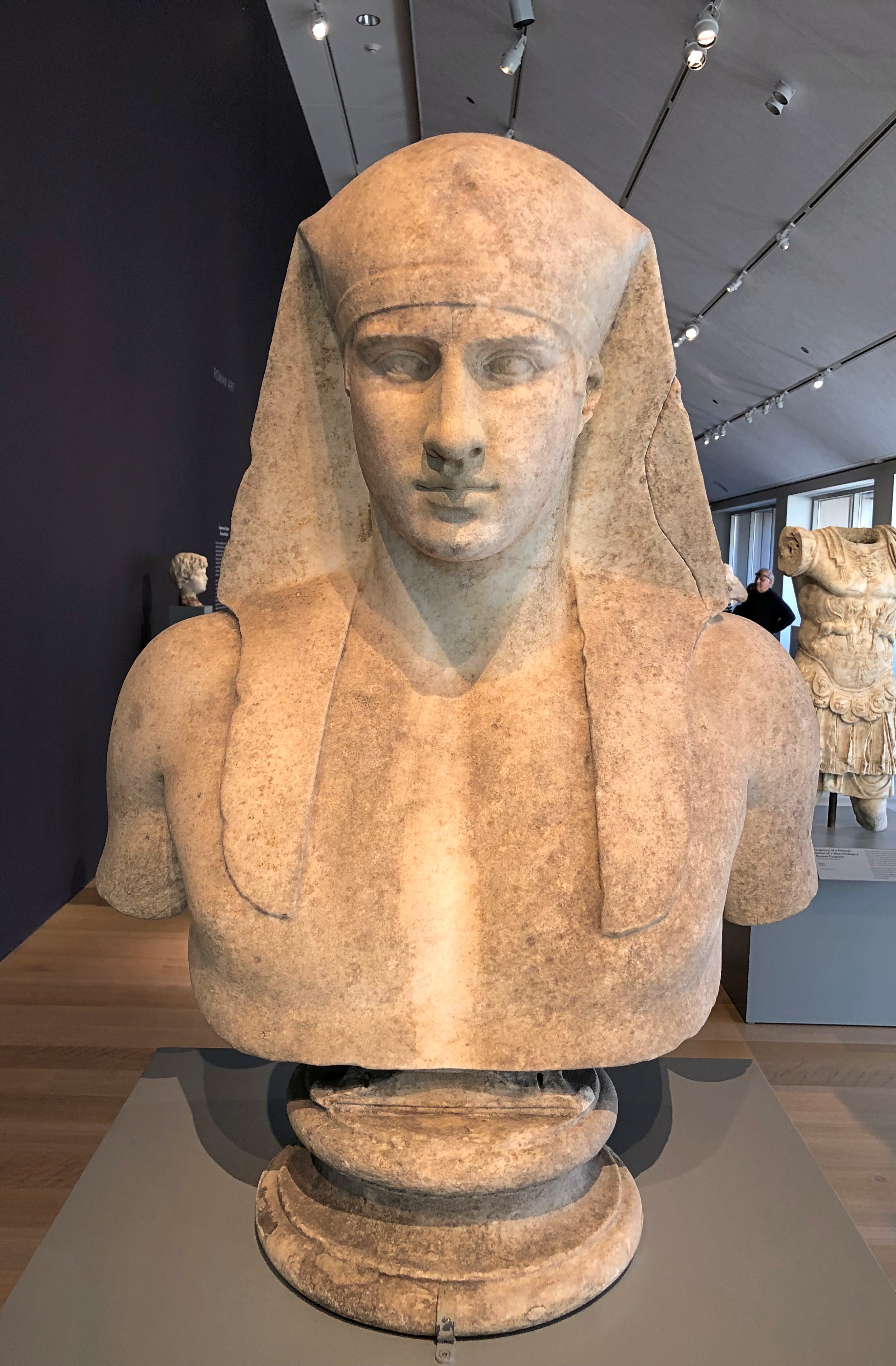
Besides emperors, you’ll see emperor-adjacent figures, such as Antinous, done up as Osiris, 2nd century AD of course.Art Institute of Chicago

Beloved by Hadrian, Antinous took a swim in the Nile one day in AD 130 and drowned. Hadrian founded the nearby city of Antinoupolis in his honor (it’s a minor ruin these days) and proclaimed him a god — the sort of thing a grieving emperor could do in those days.

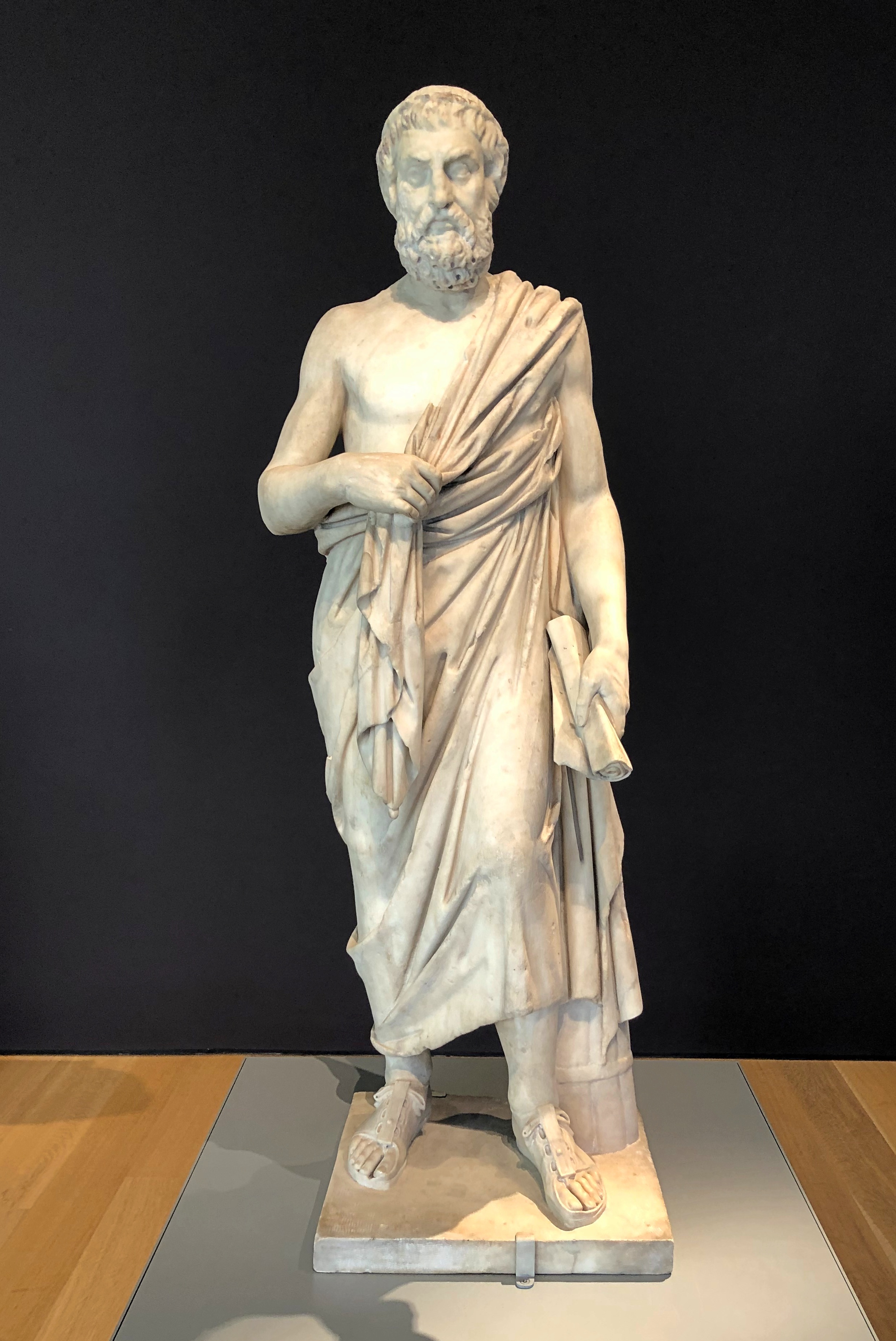
A Roman copy of a Greek statue of Sophocles, ca. AD 100.Art Institute of Chicago

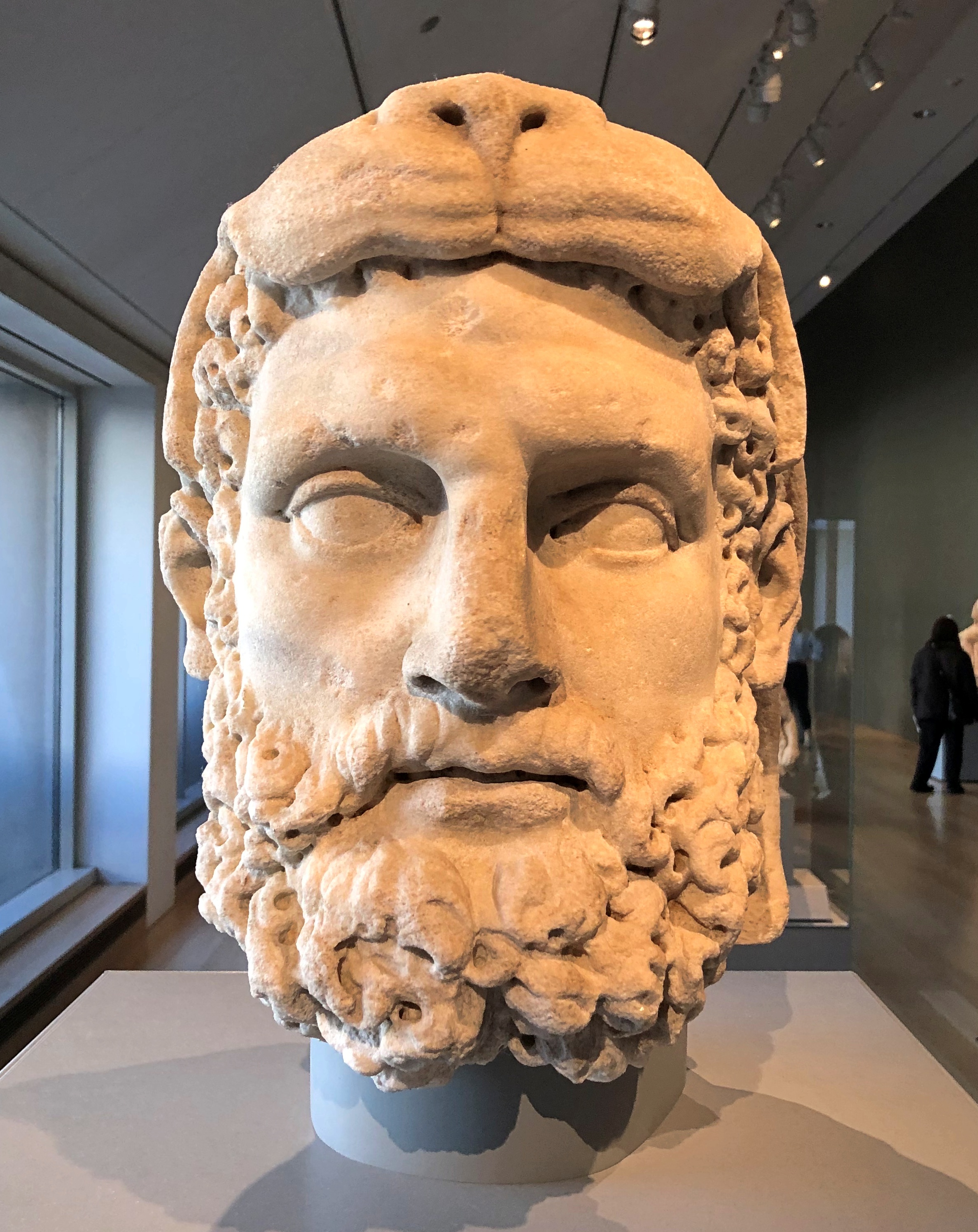
Hercules, 1st century AD.Art Institute of Chicago

My cohort learned of Hercules through cartoons. Could have done worse, I guess.

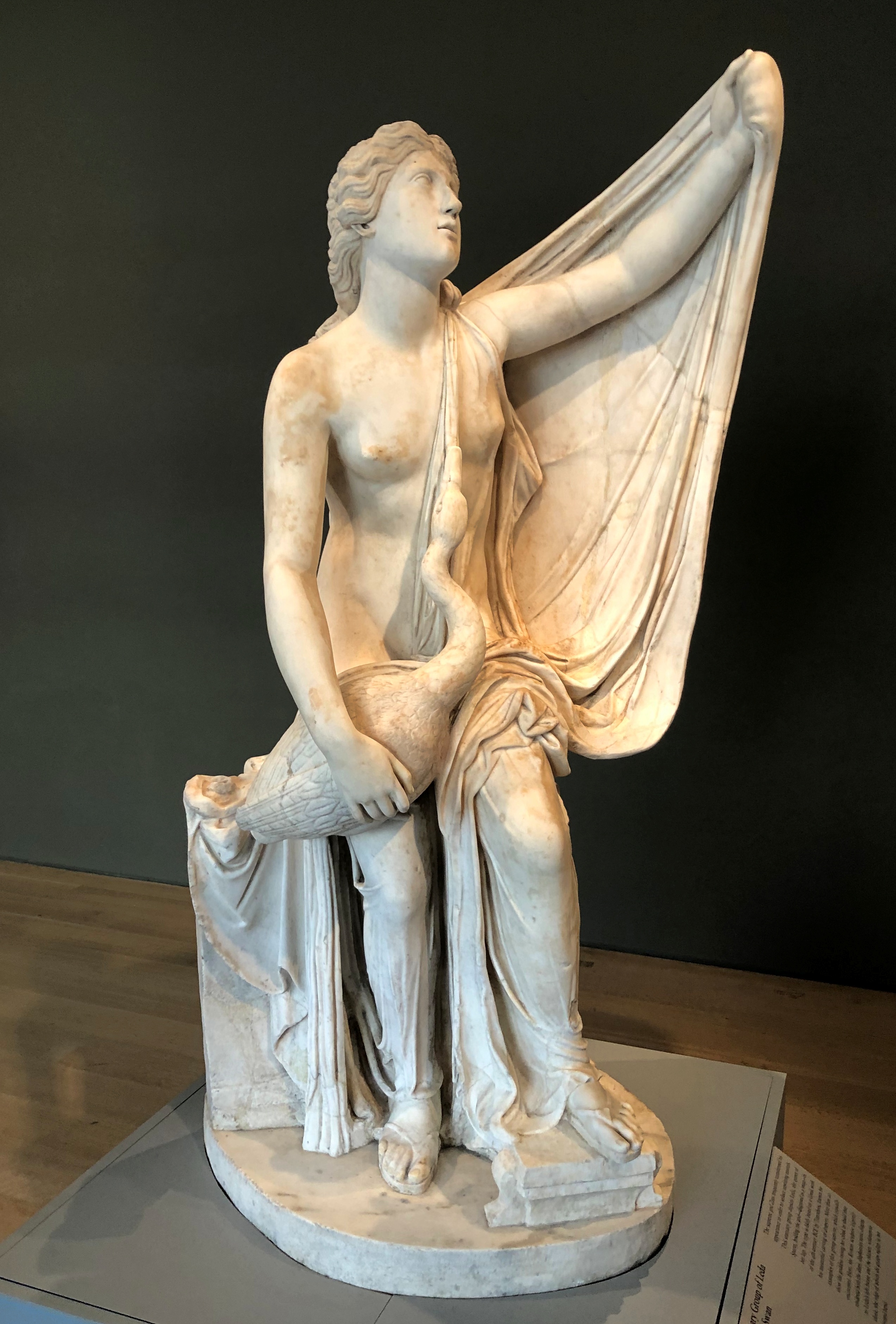
A story never animated for children, as far as I know: Leda and the Swan, 1st or 2nd century AD. A story that nevertheless reverberates down the centuries.Art Institute of Chicago

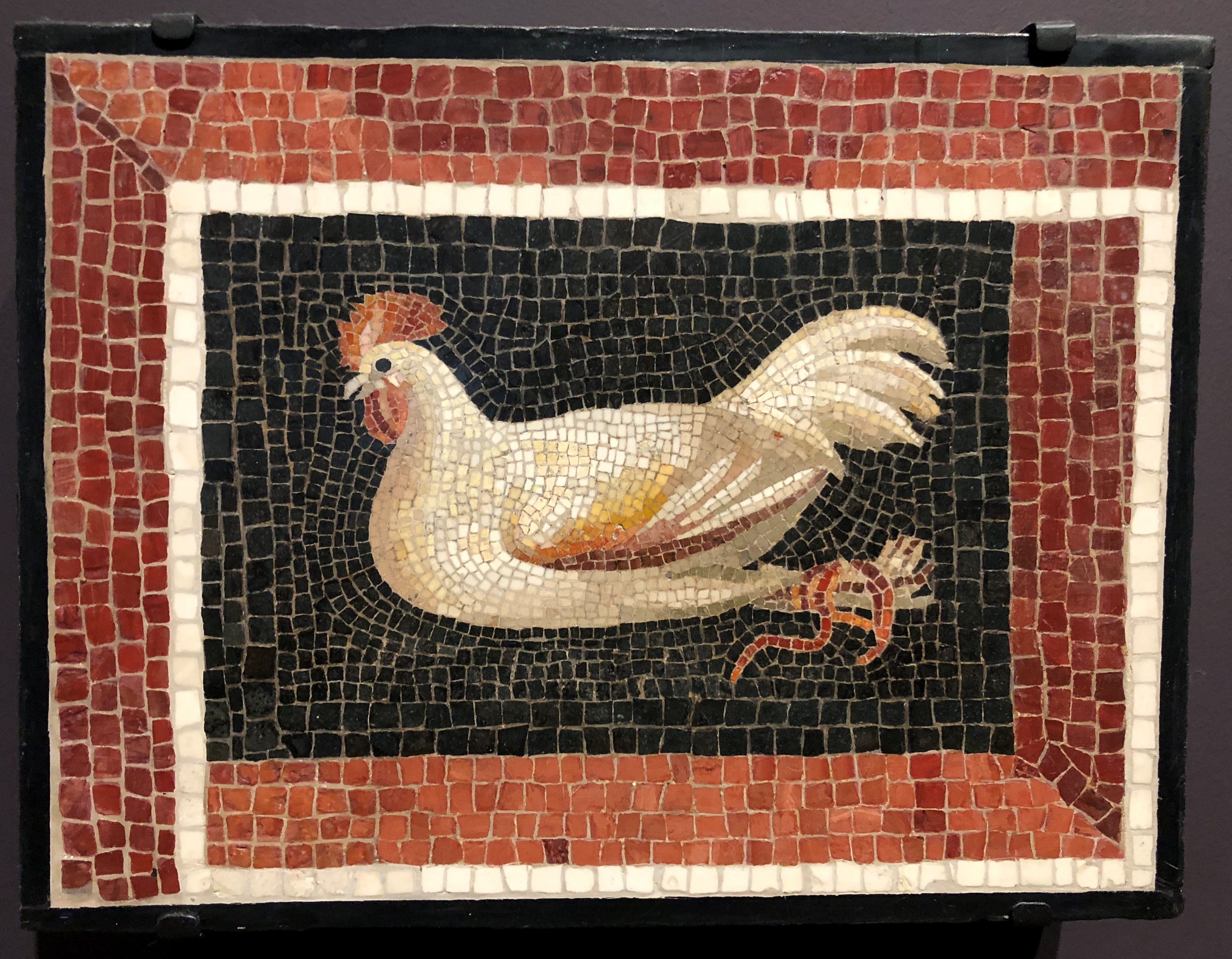
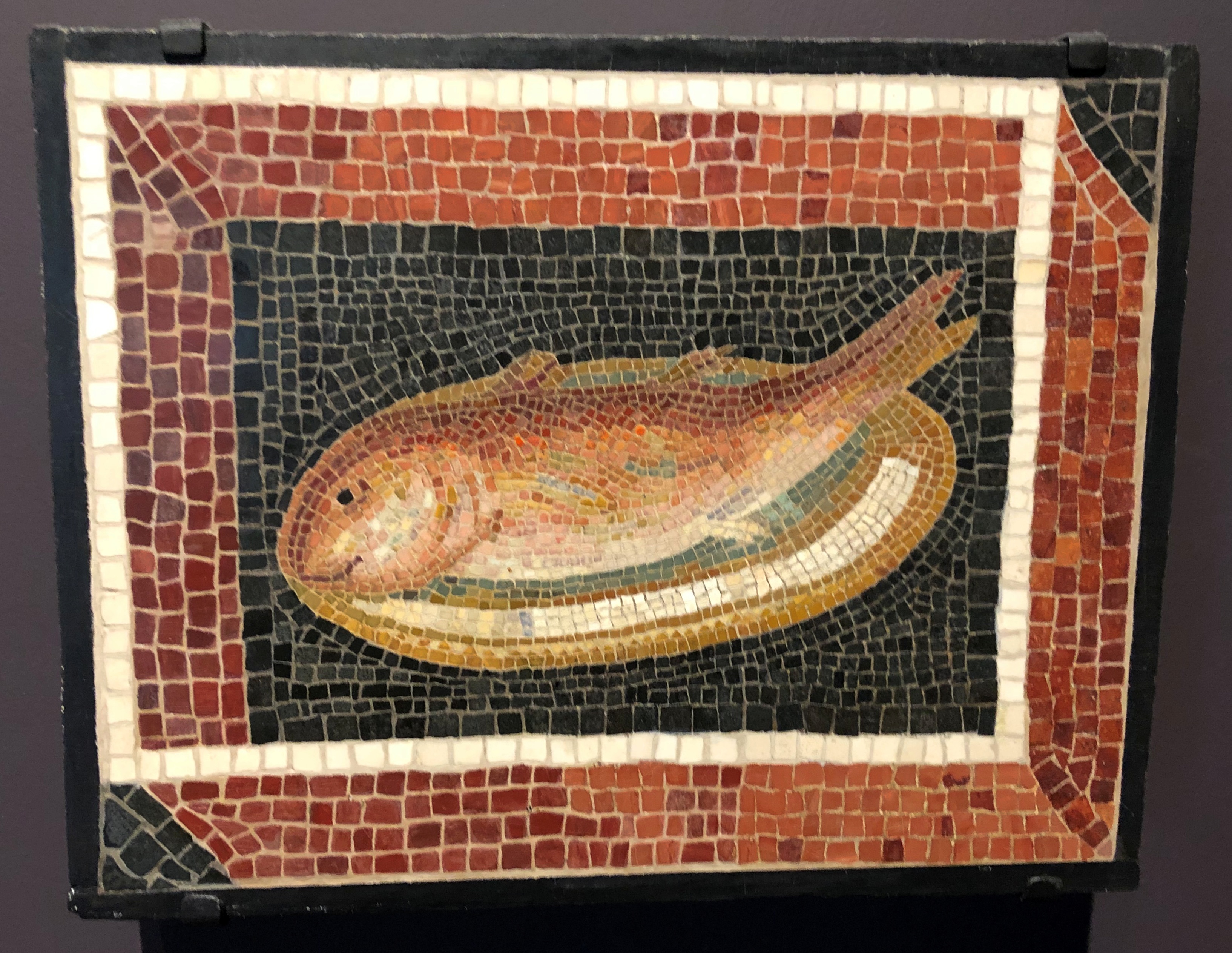
Who doesn’t like ancient mosaics? I like to think these 2nd-century AD works were part of an ancient tavern that served food.Art Institute of Chicago Art Institute of Chicago

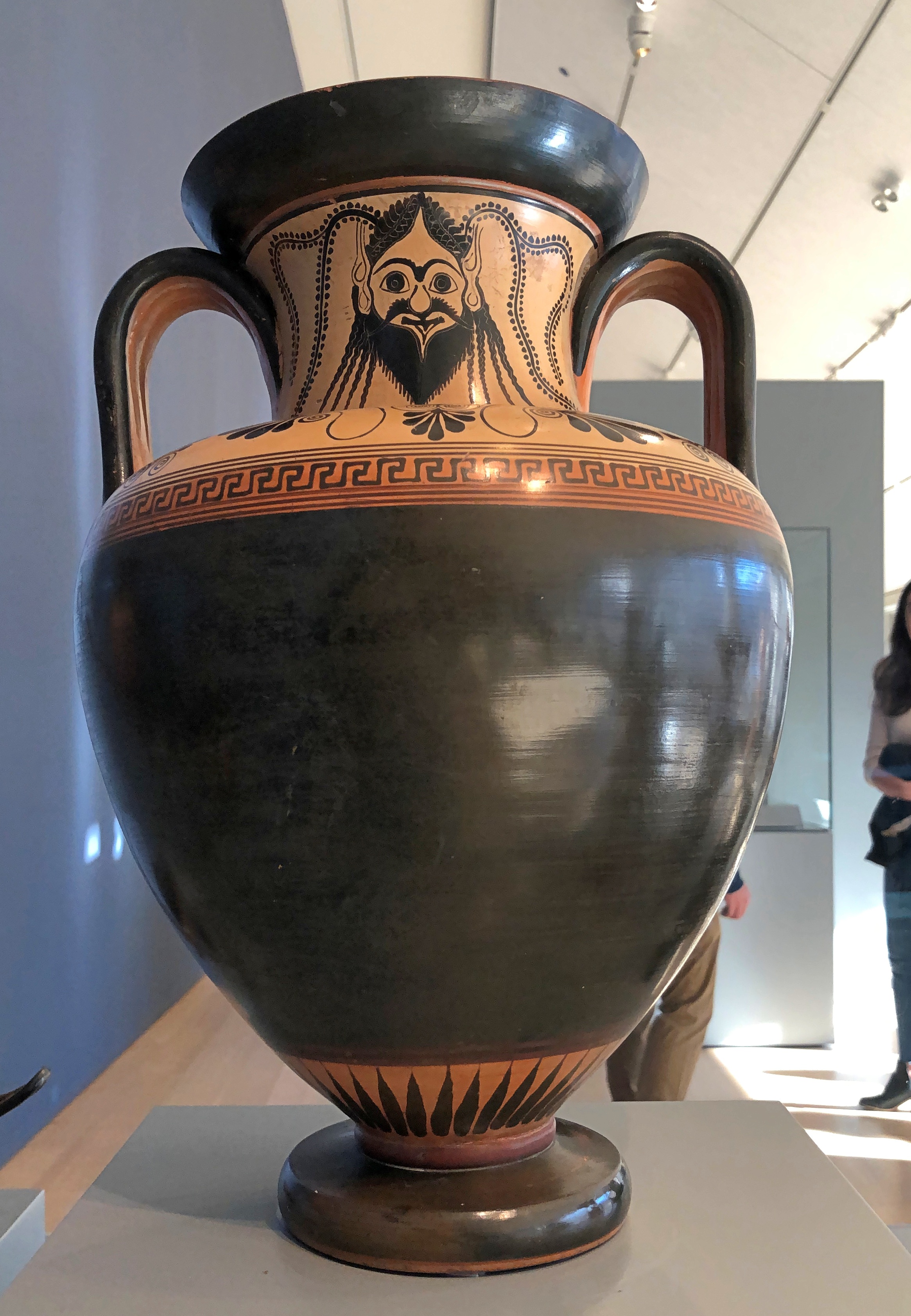
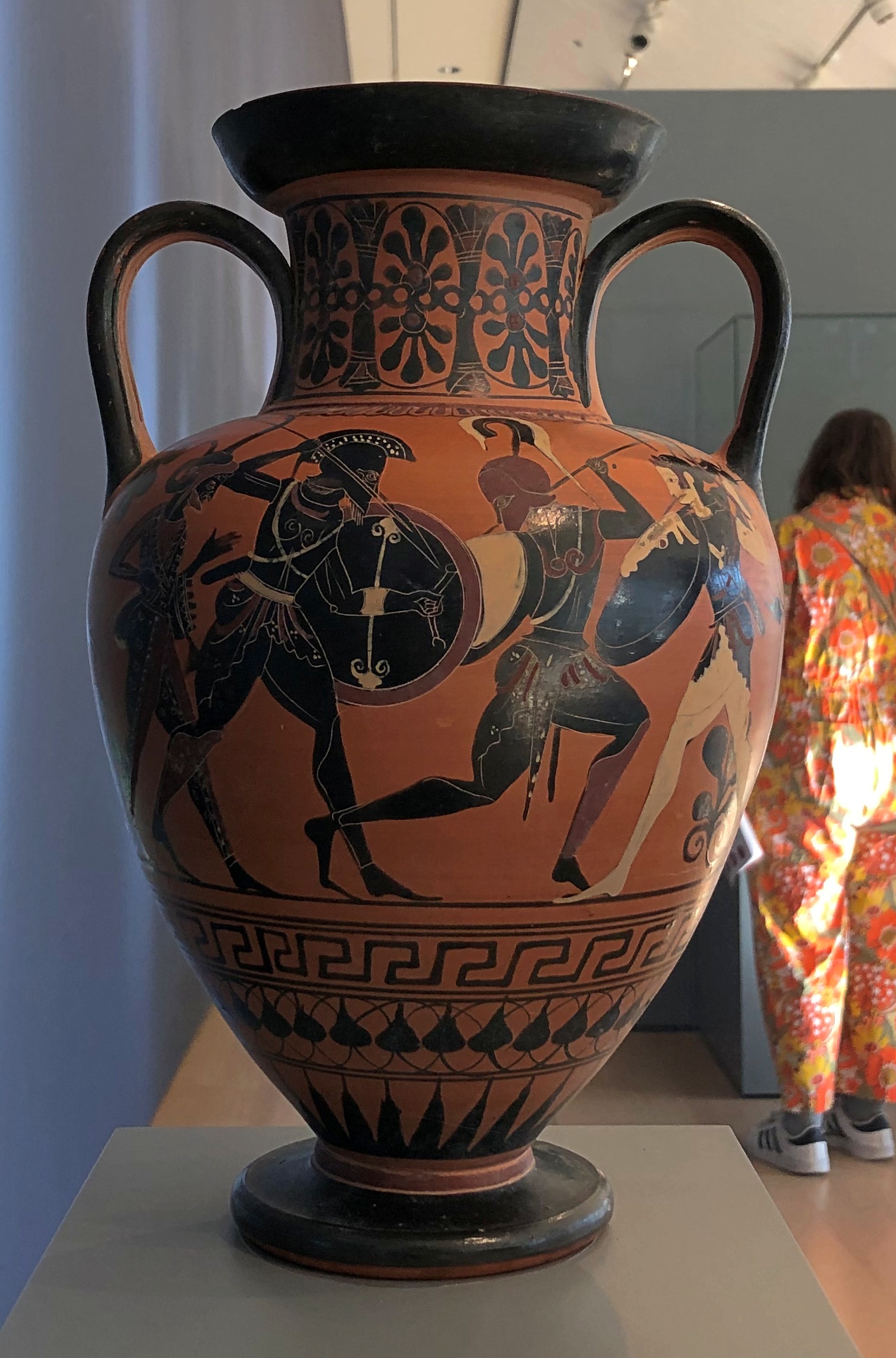
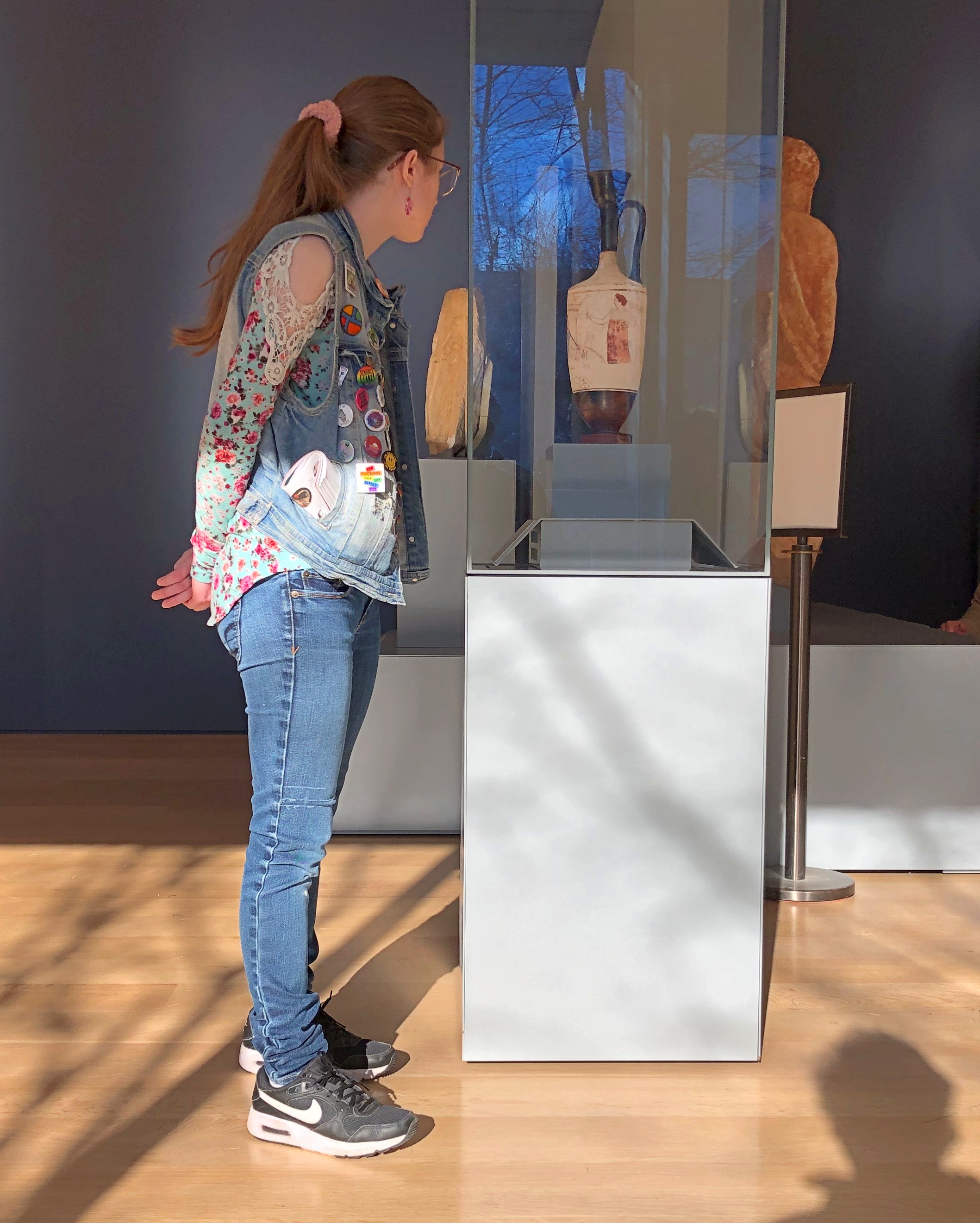
A sampling of Greek vases are on display as well. These black-figure works are from the sixth century BC, probably for storing wine. In vino veritas, though in this case that would be Ἐν οἴνῳ ἀλήθεια (En oinō alētheia), and I won’t pretend I didn’t have to look that up.Art Institute of Chicago Art Institute of Chicago

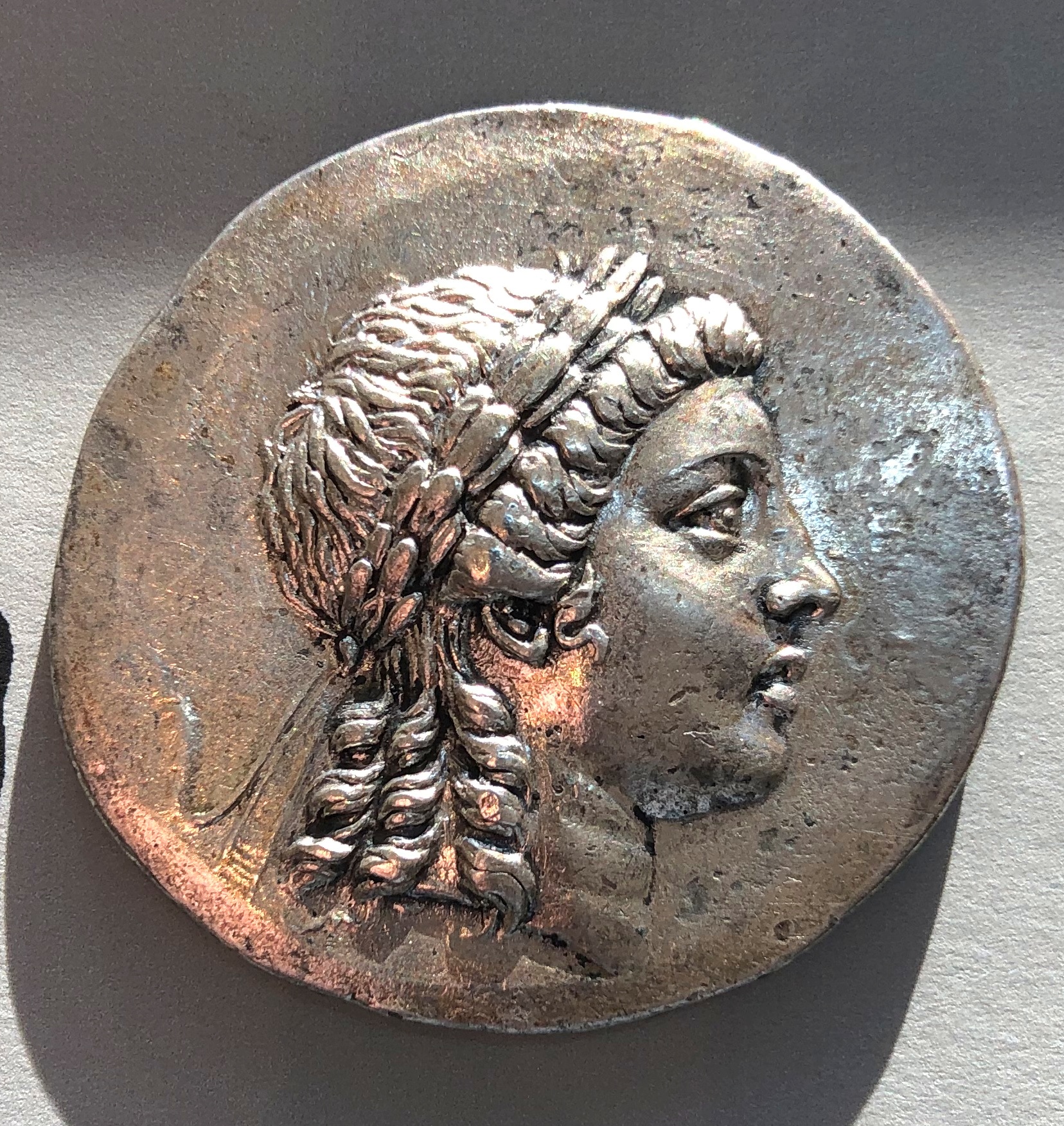
I always visit the coin case. Here’s a silver tetradrachm minted in the 2nd century BC in Asia Minor, depicting Apollo. Such detailed work for something struck by hand.Art Institute of Chicago

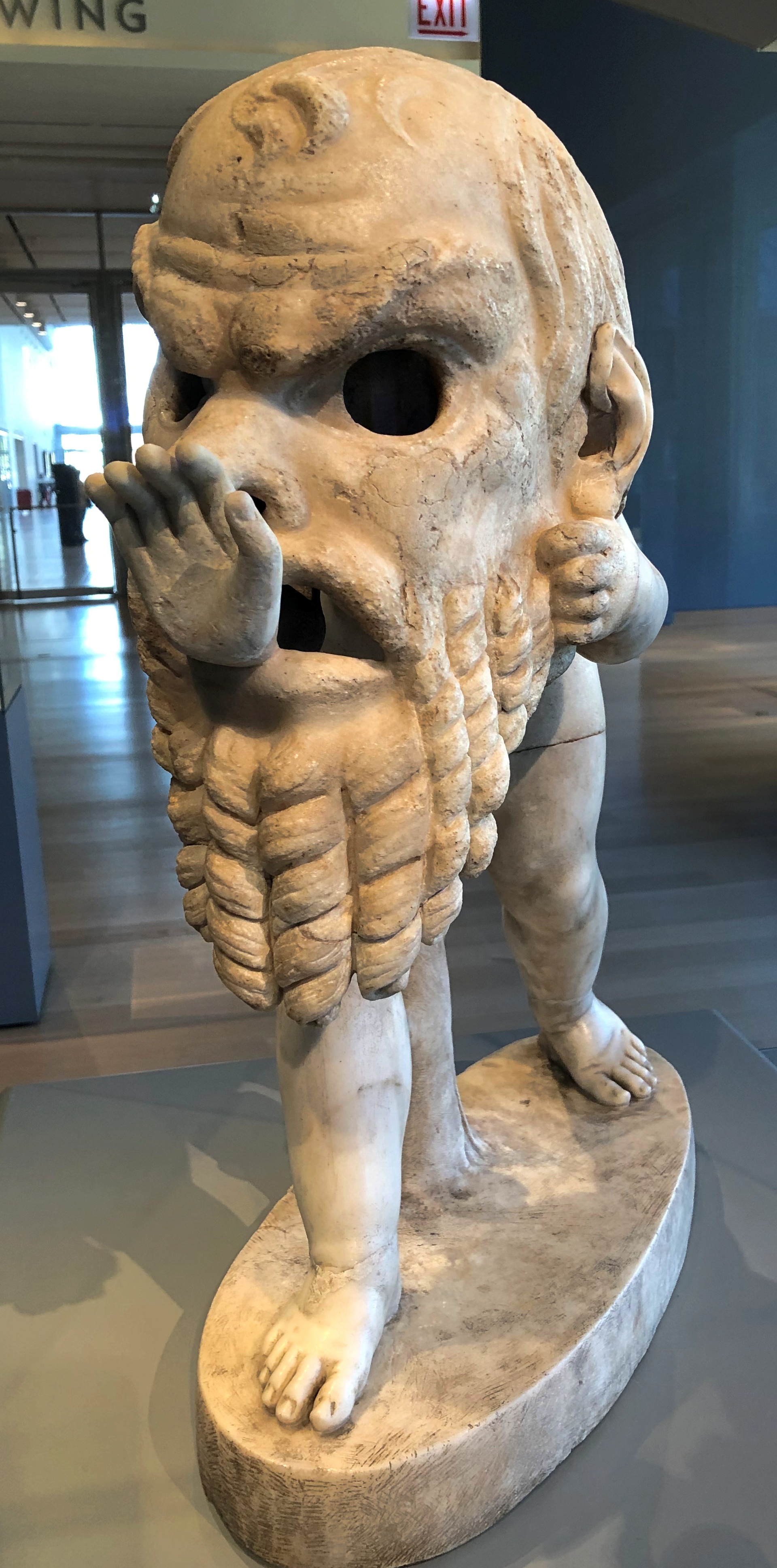
Then there’s this — creature.Art Institute of Chicago

Statue of a Young Satyr Wearing a Theater Mask of Silenus, ca. 1st century AD, the museum sign says (and he’s putting his hand through the mask). You need to watch out for those young satyrs. They’re always up to something.

Nth Visit to the Art Institute of Chicago

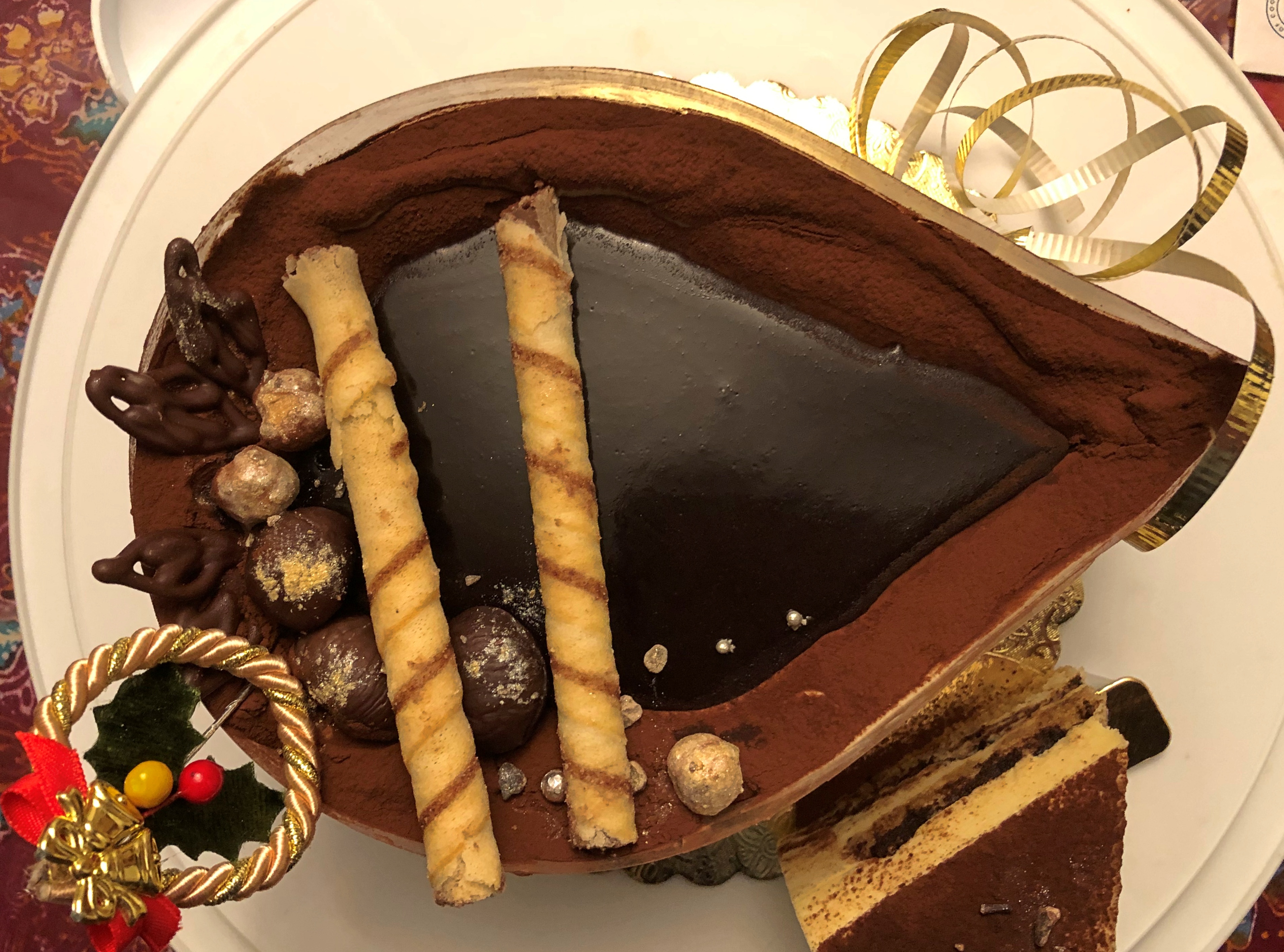
On Saturday, I made my way to downtown Chicago, while Yuriko created this most delicious Christmas cake at her occasional cake class.Xmas cake

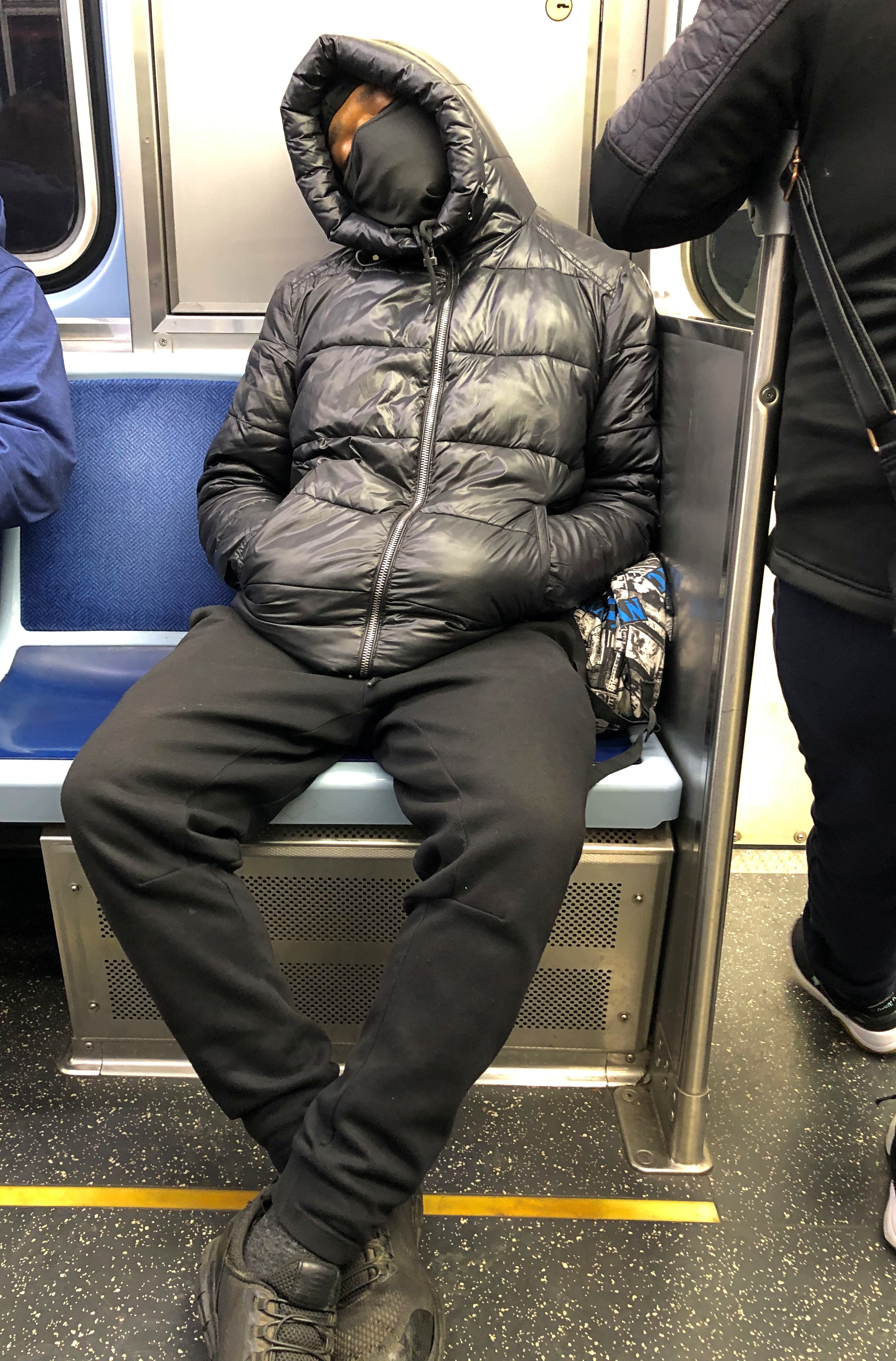
I rode the El part of the way. Not many people are masked these days, unlike subway riders of a year ago (at least in New York). But there are a few.CTA red line 2022

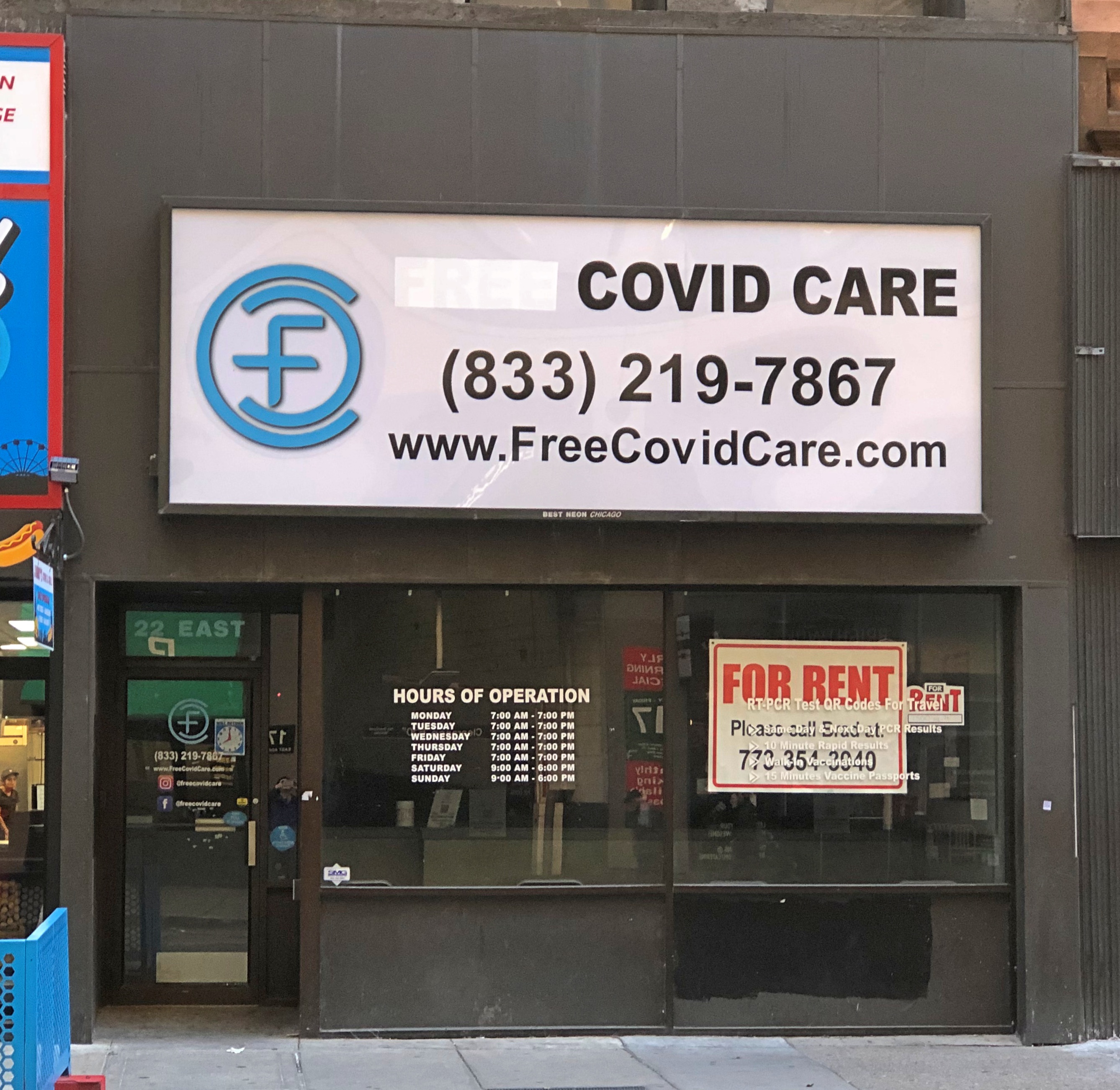
Another mark of the shifting tides of pandemic: a storefront on a downtown Chicago street.Covid Clinic Chicago 2022

I didn’t doctor that image. A white rectangle was painted on the sign. Note that it went from Free Covid Care — though surely they meant testing, not intensive care — to Covid Care, as federal subsidies dried up, to For Rent, as business dried up.

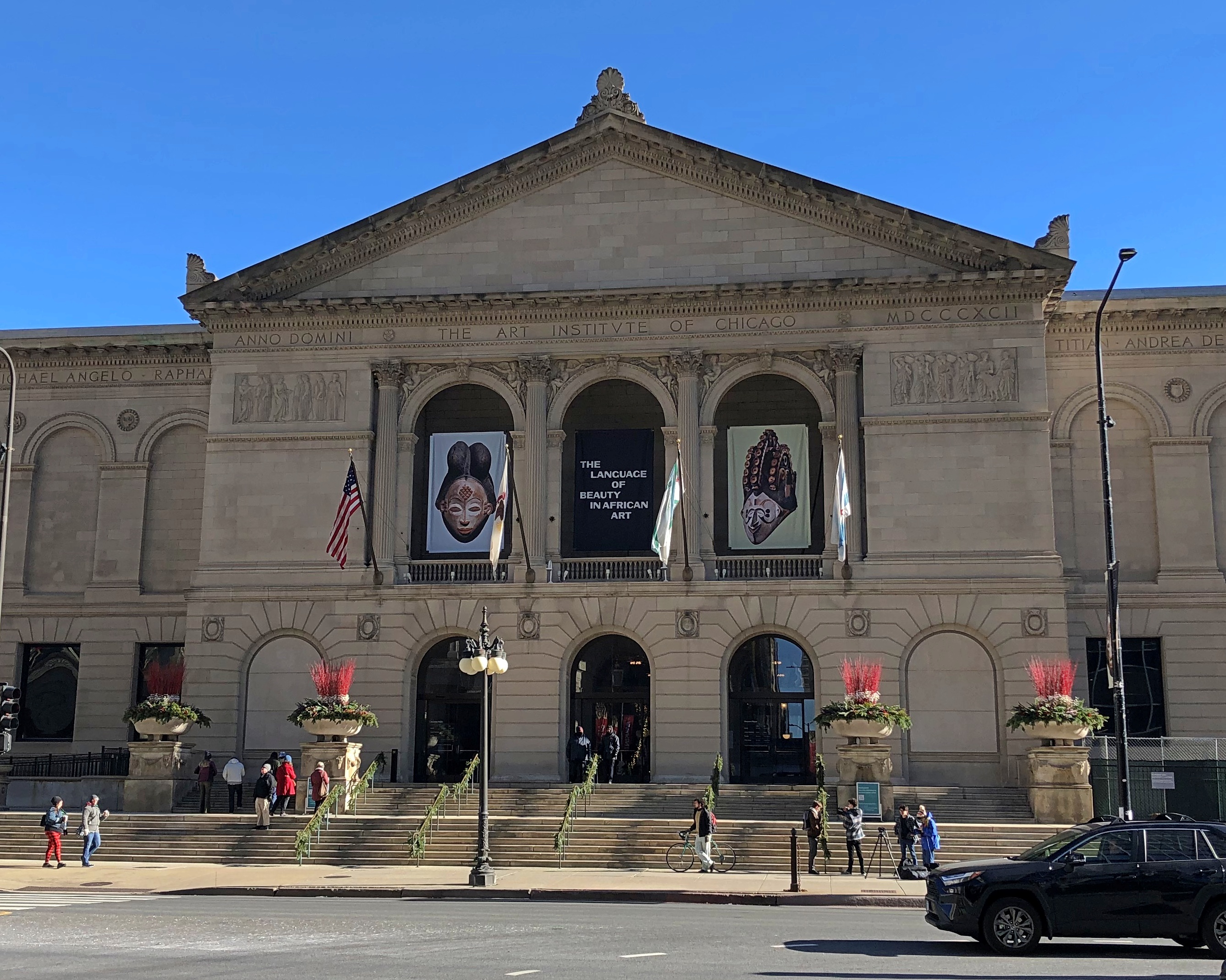
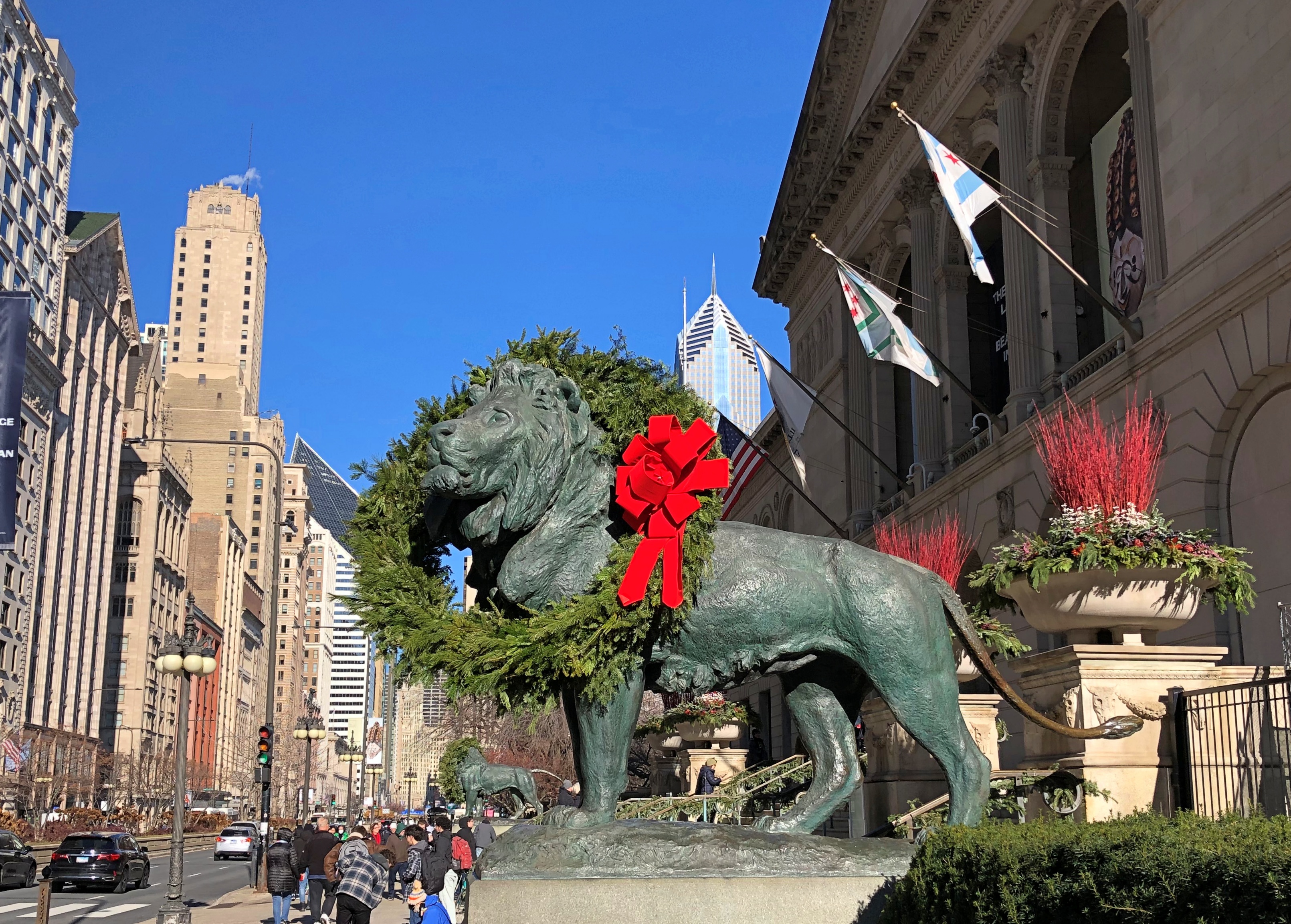
Before long, I came to my destination: The Art Institute of Chicago.Art Institute of Chicago Art Institute of Chicago

The Art Institute and I go back a ways, and I’m sure I’ve been there more than any other art museum, or maybe any museum at all. Remarkably, I know the date of my first visit: May 17, 1981, during my first visit to Chicago. I haven’t consistently keep a diary over the years, but I did then.

That day I mostly remember spending time at an exhibit called “The Search for Alexander.” I might or might not have known it at the time, but the exhibit had opened just the day before.

A few years earlier, the wildly popular “Treasures of Tutankhamun” exhibit had set the stage for the museum megashows of today, with their crowds, high prices and timed tickets, but most of that was still to come in ’81 (and there were other memorable legacies of Tut, too).

I don’t think the Alexander exhibit counted as a megashow, since I don’t remember paying extra, or dealing with a crowd. But I do remember being impressed by the art and artifacts from the time of Alexander of Macedon, especially a wreath of gold fashioned to look like oak leaves and acorns, held by fine gold branches that vibrated ever so gently in the mild air puffs of a climate-controlled display case.

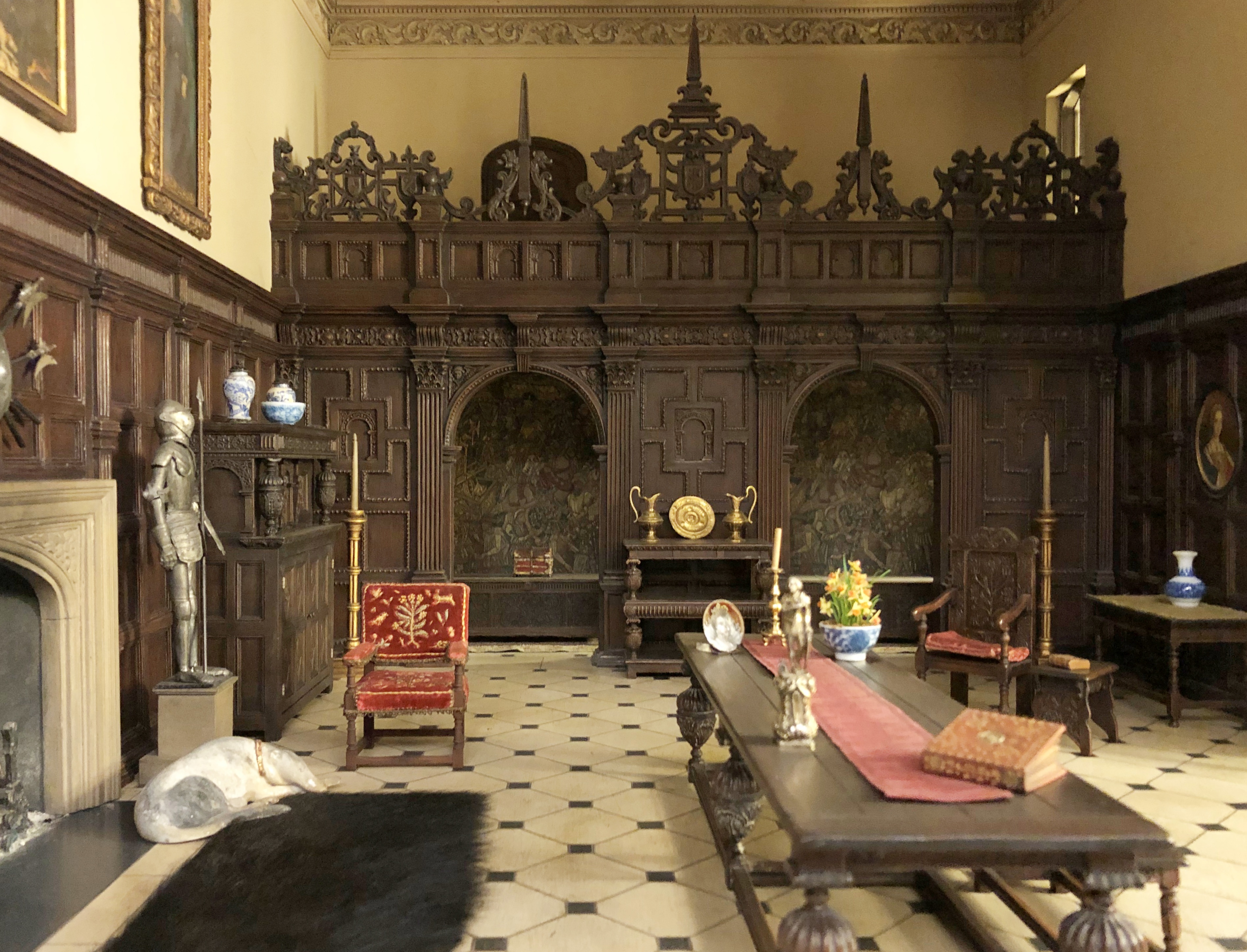
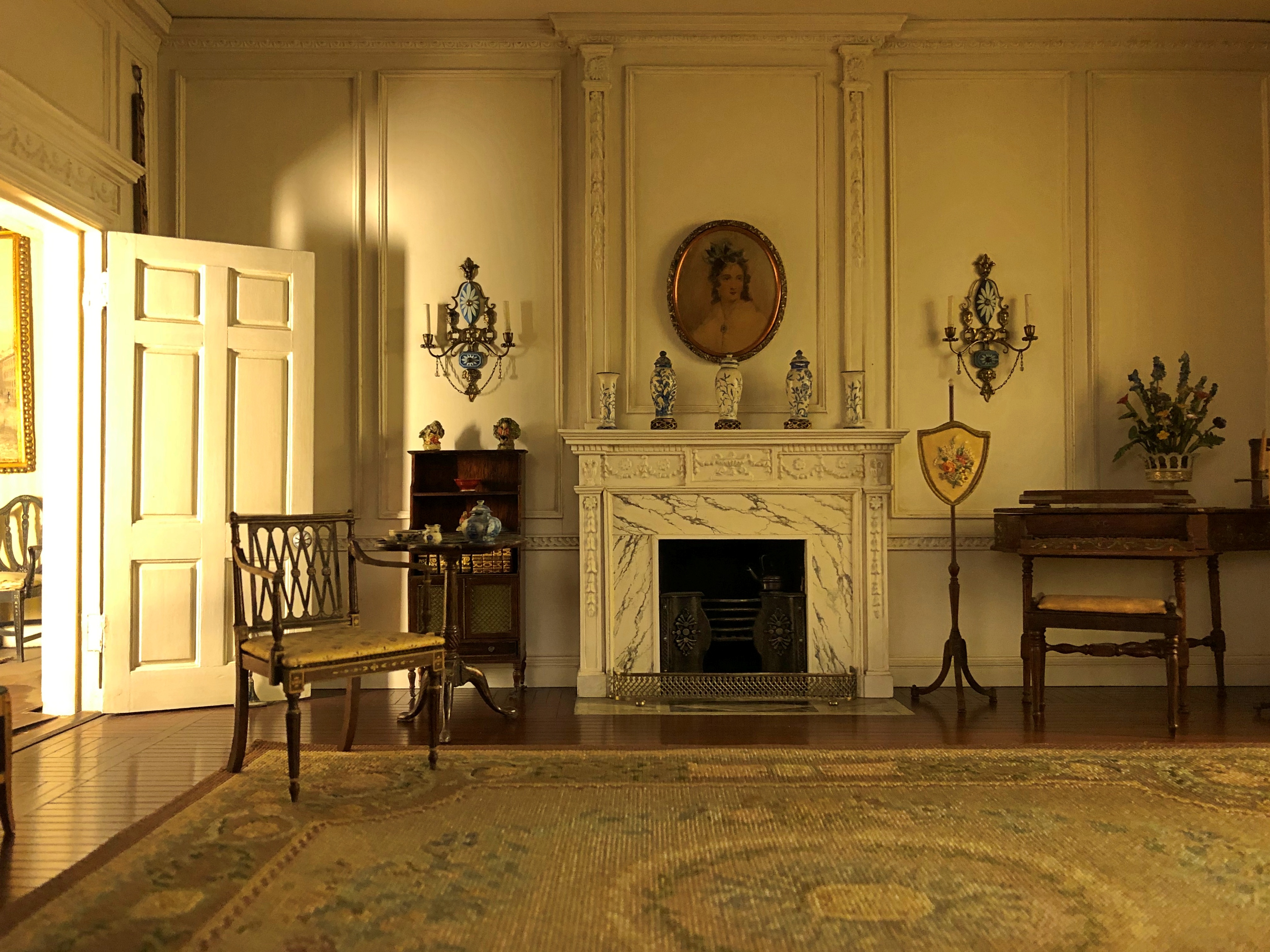
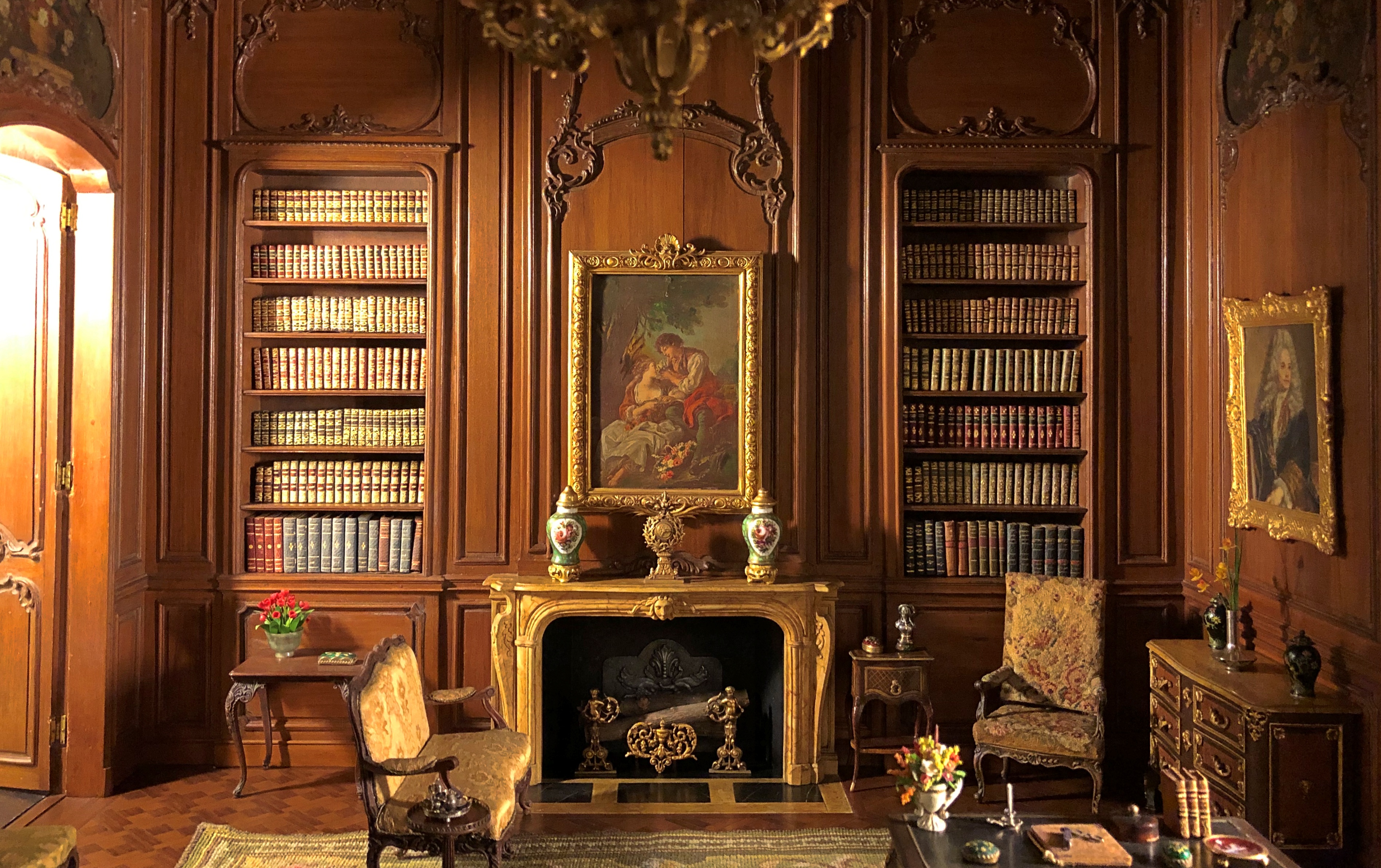
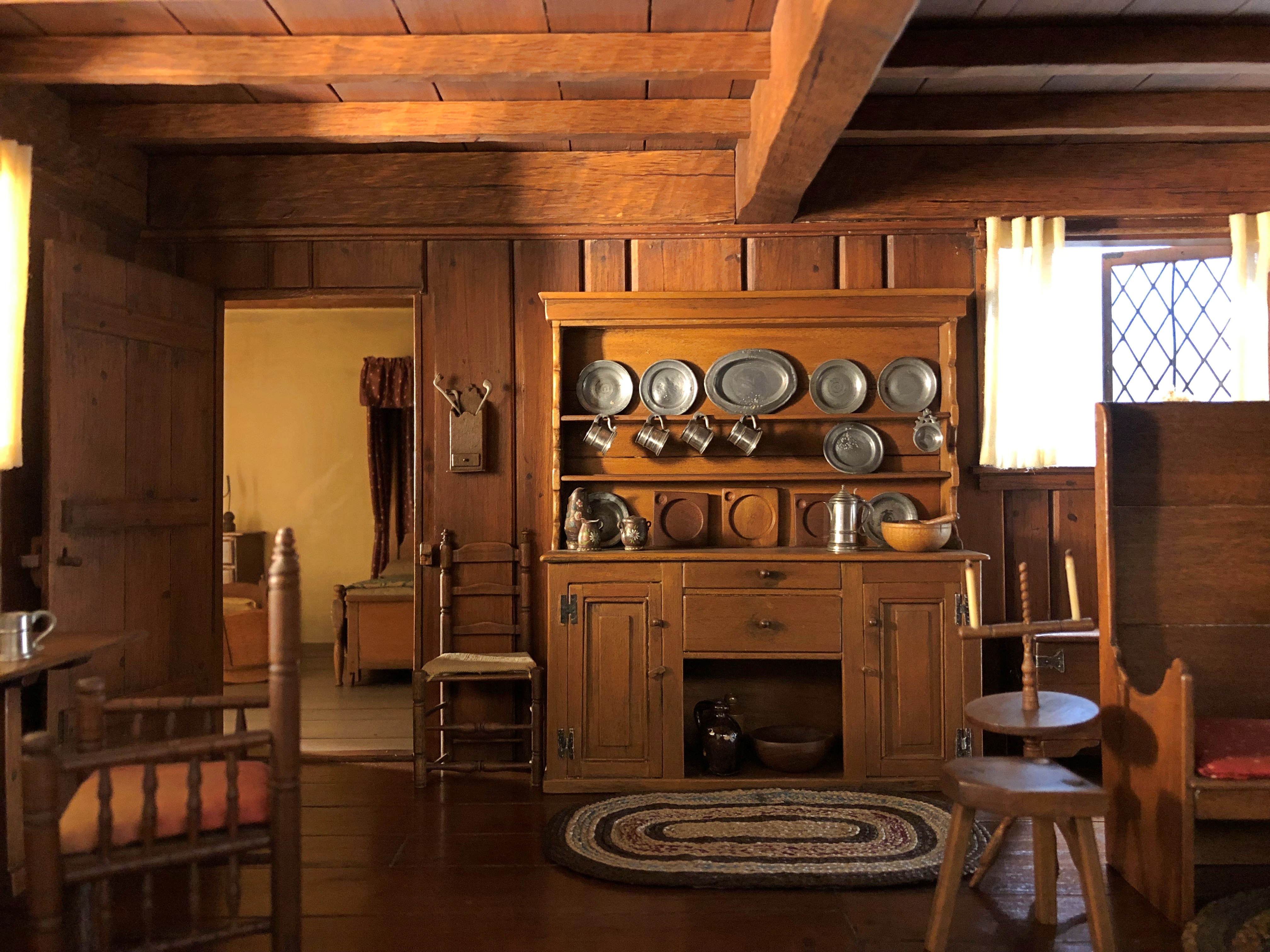
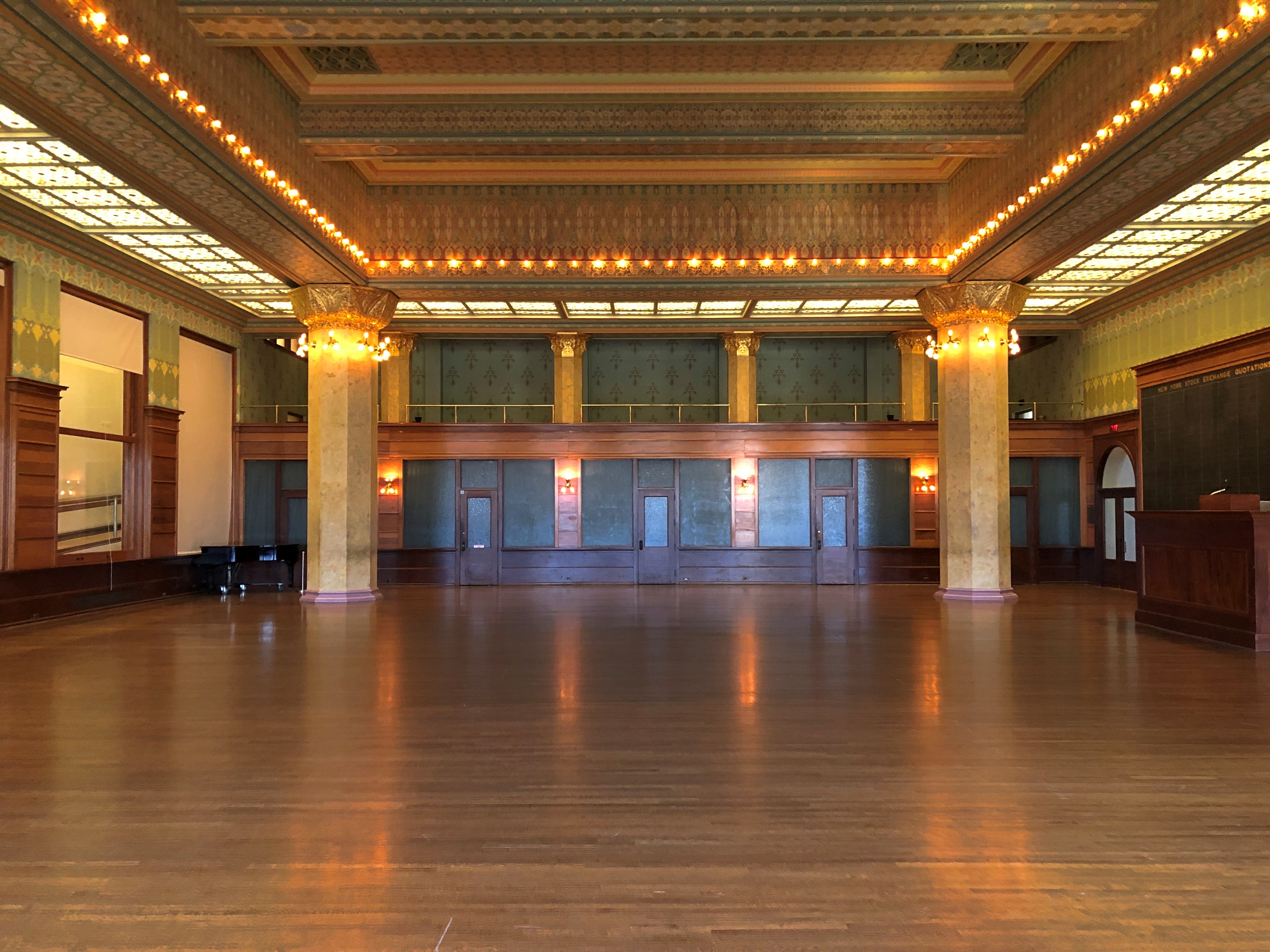
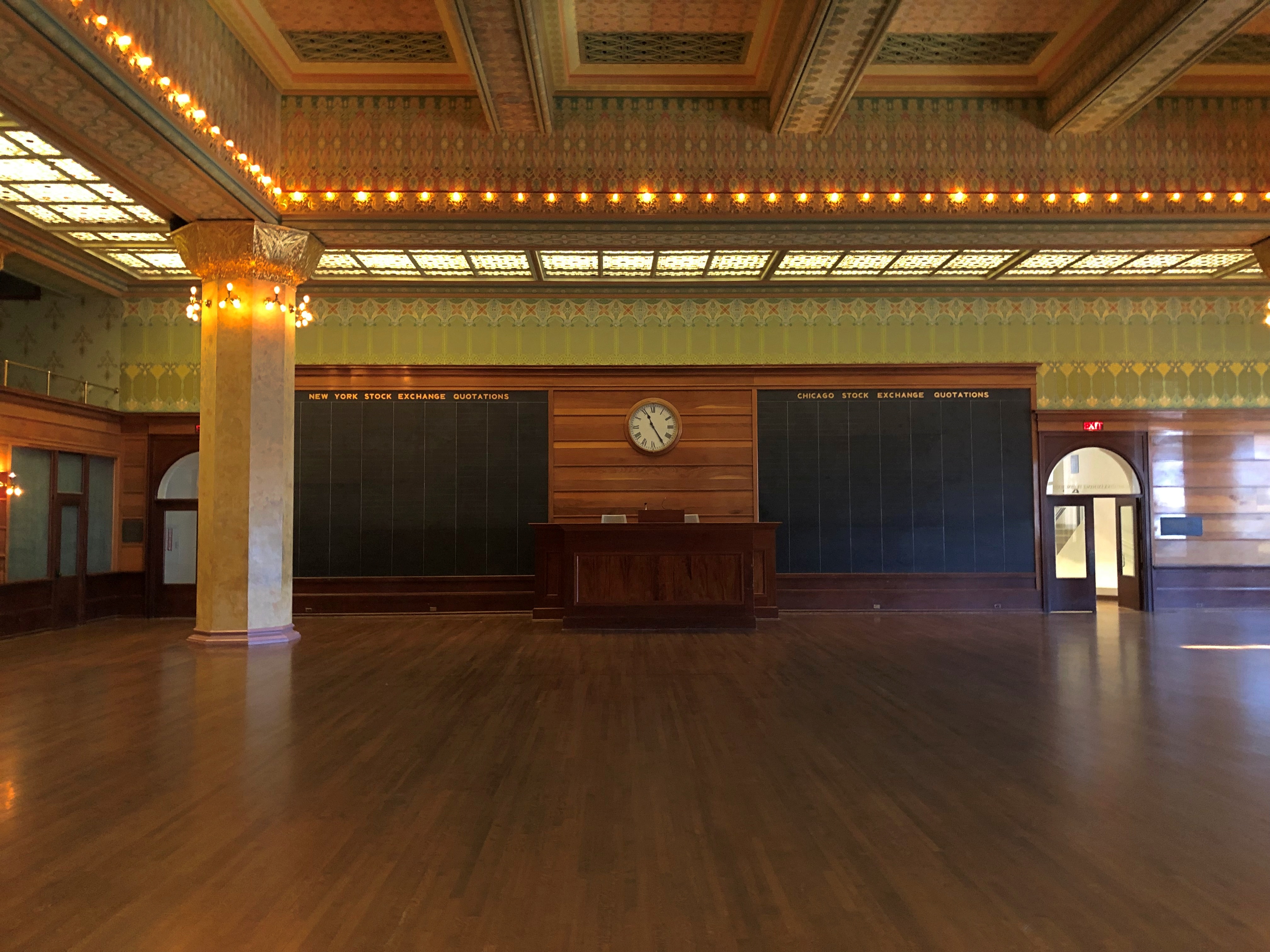
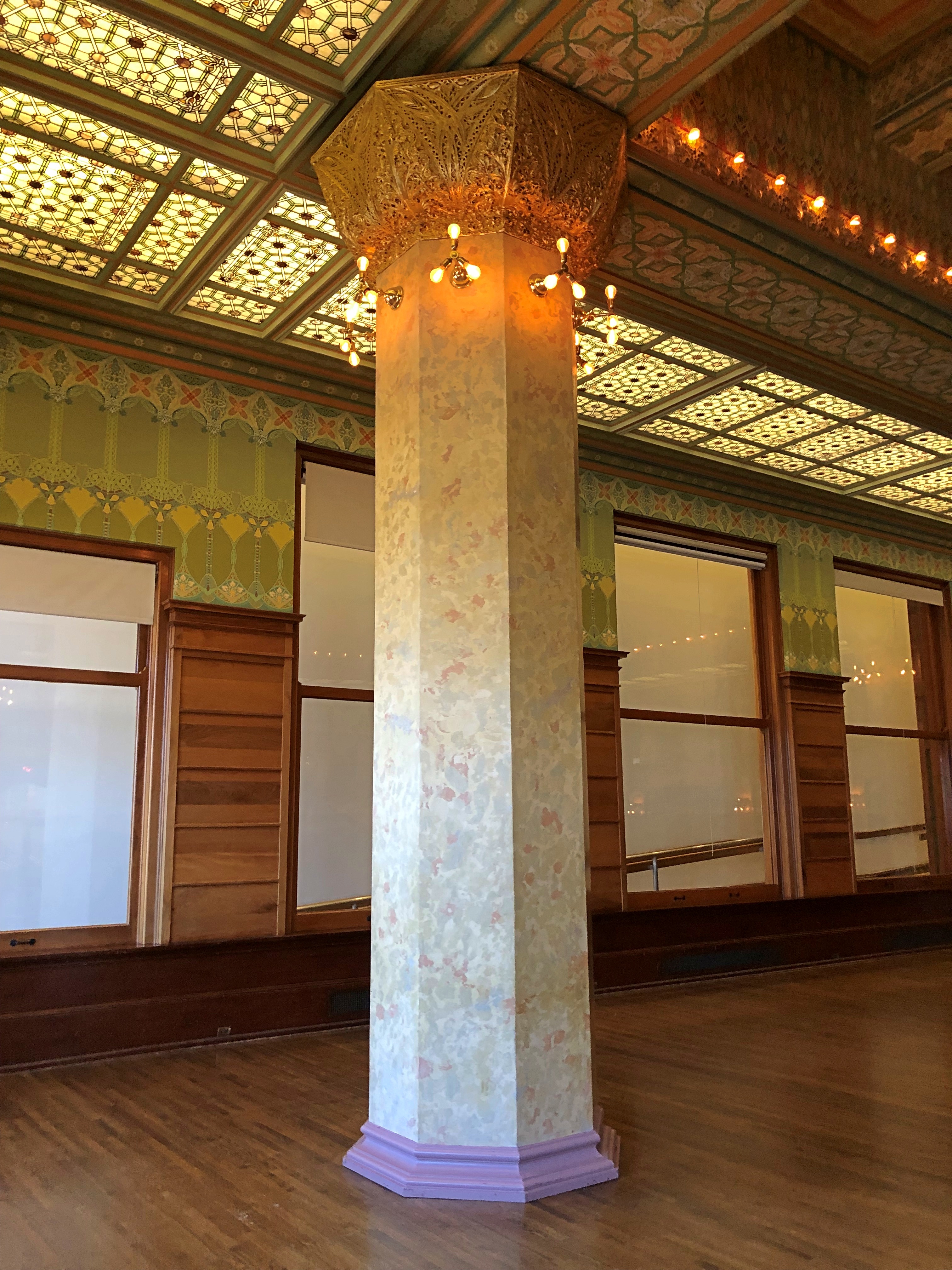
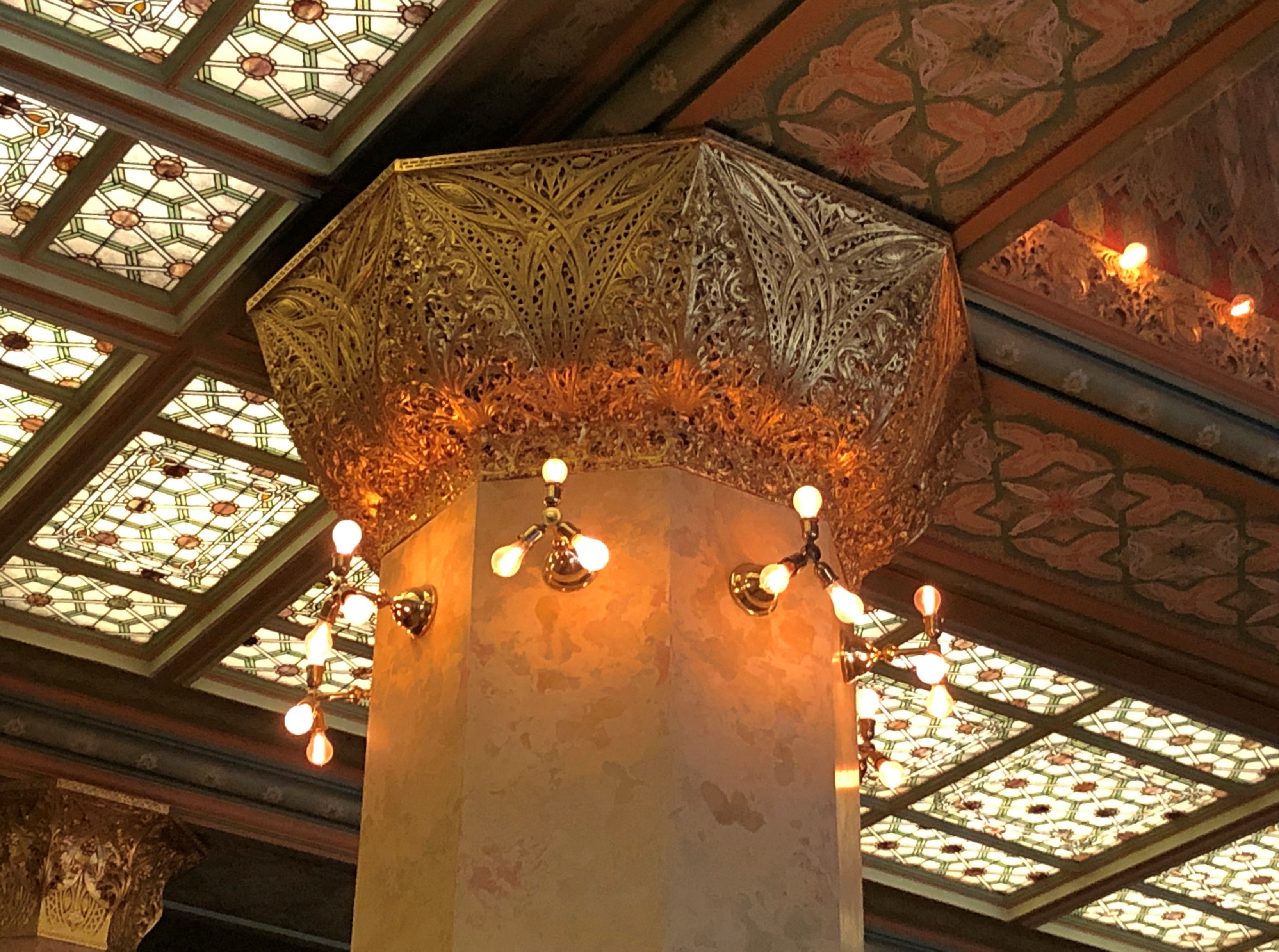
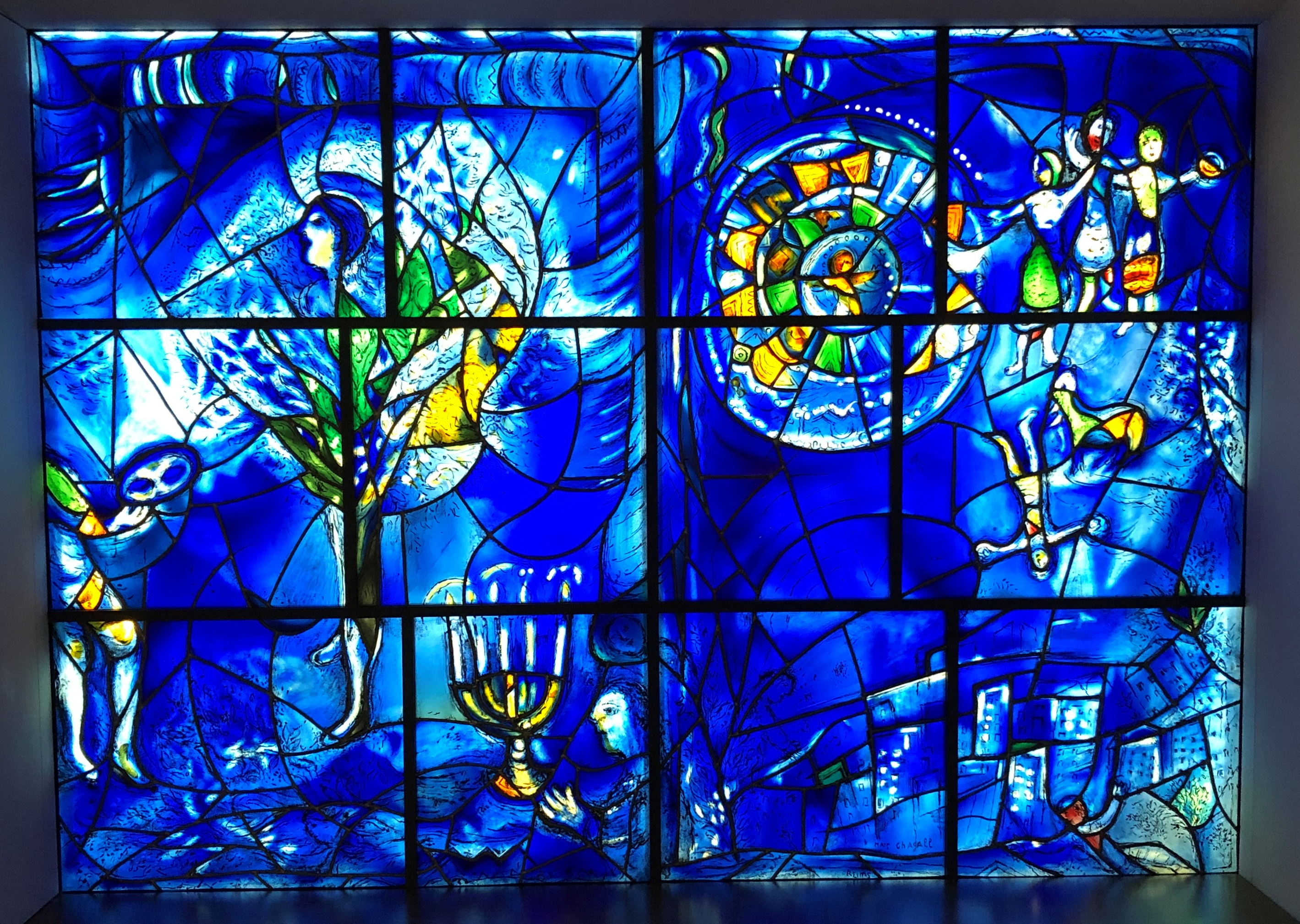
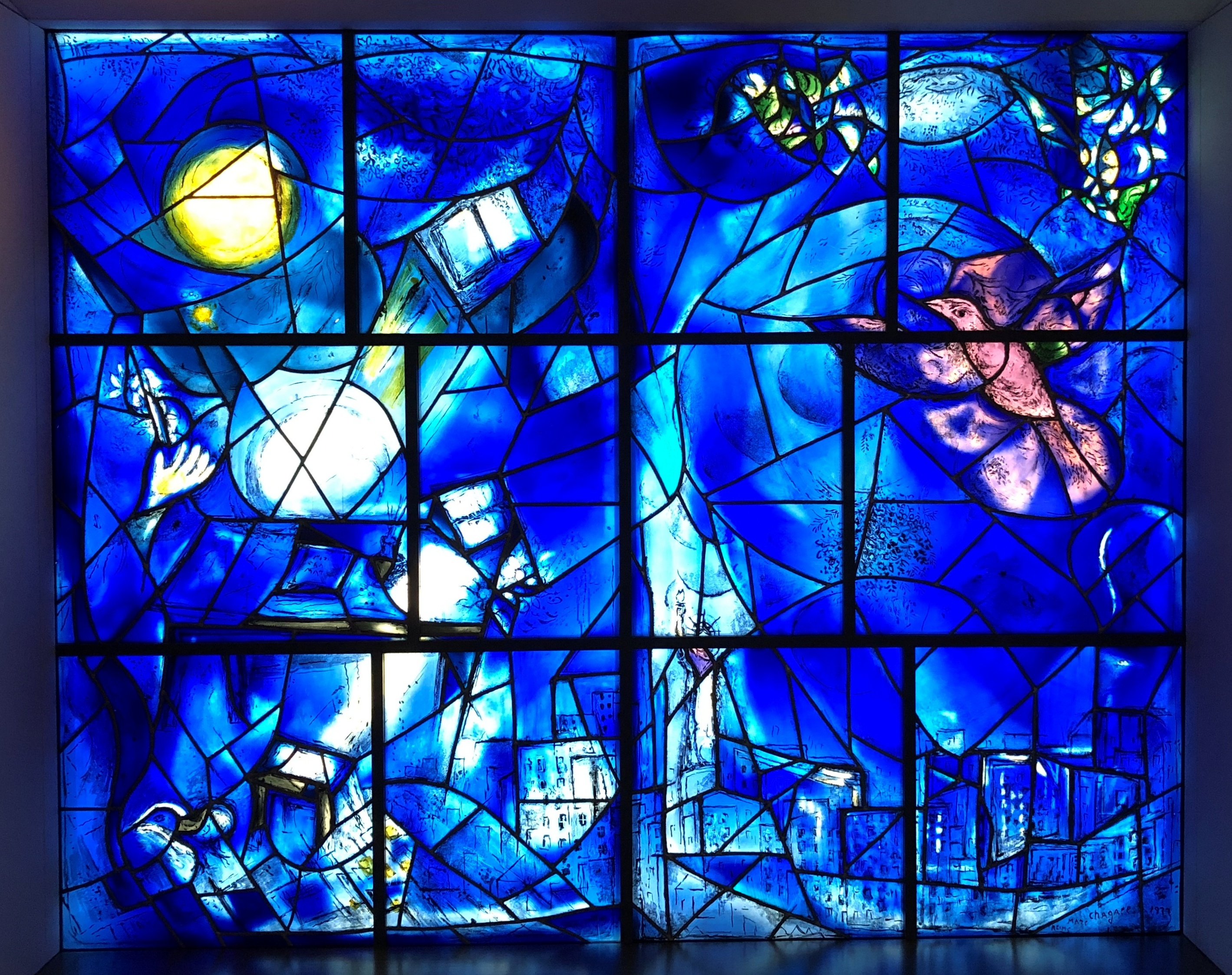
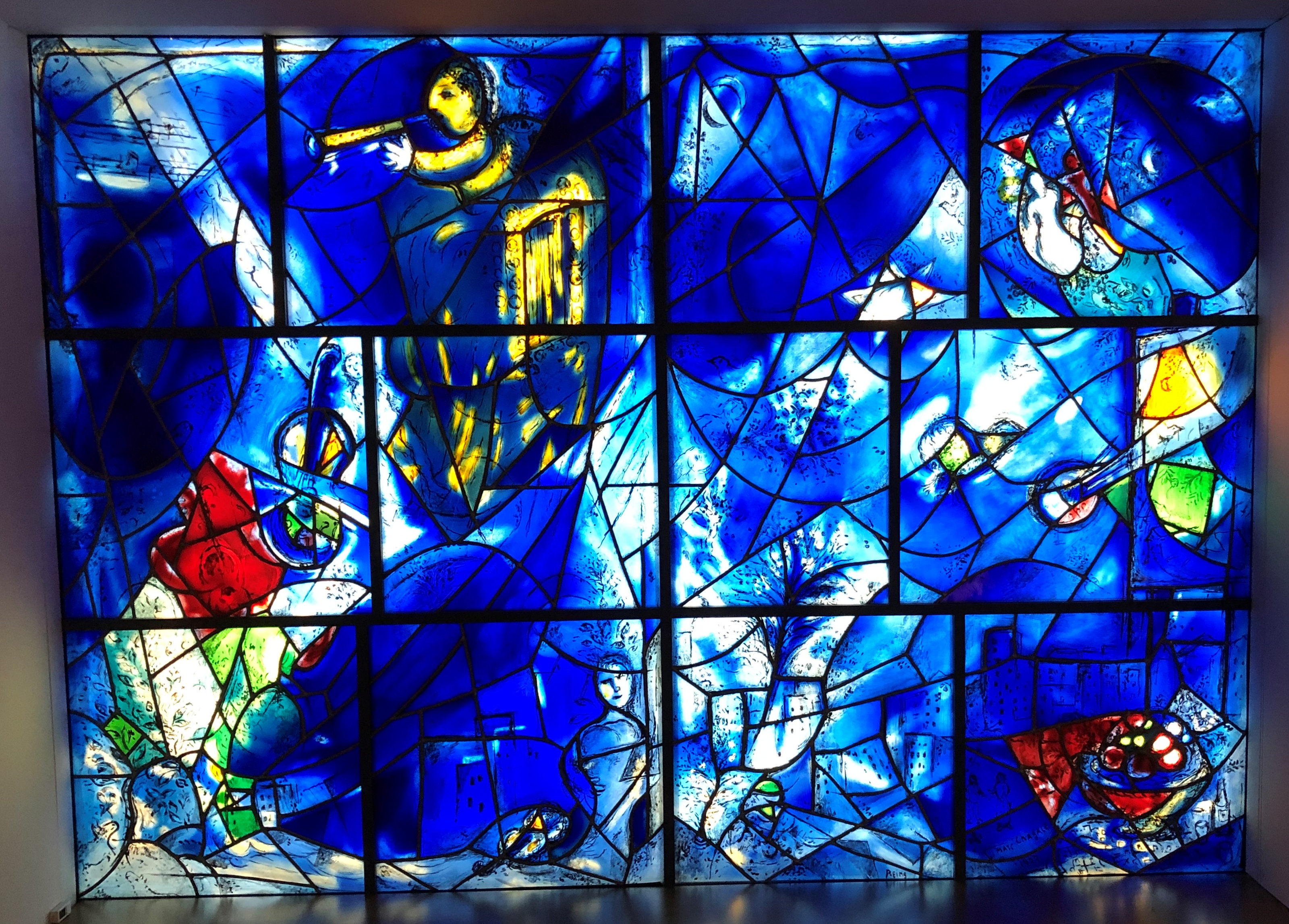
On Saturday, I once again spent time with the museum’s ancient art, but also lingered in front of the Chagall’s America Windows and in the Chicago Stock Exchange Trading Room, which I almost always do, as well as taking a long look at the Thorne Miniatures, which was by far the most crowded gallery I visited, though this time I didn’t go into the Impressionist rooms, which always pack ’em in.

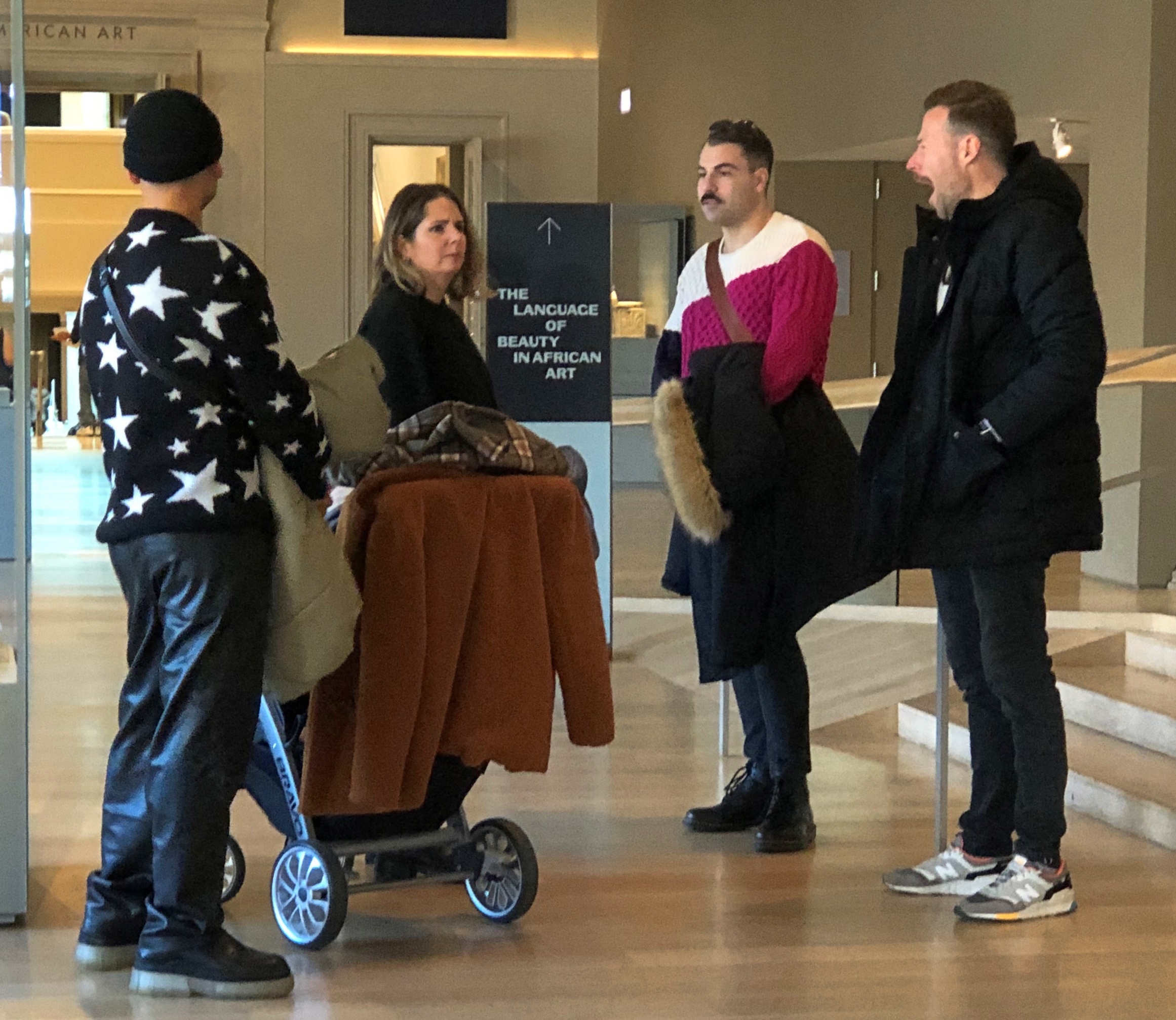
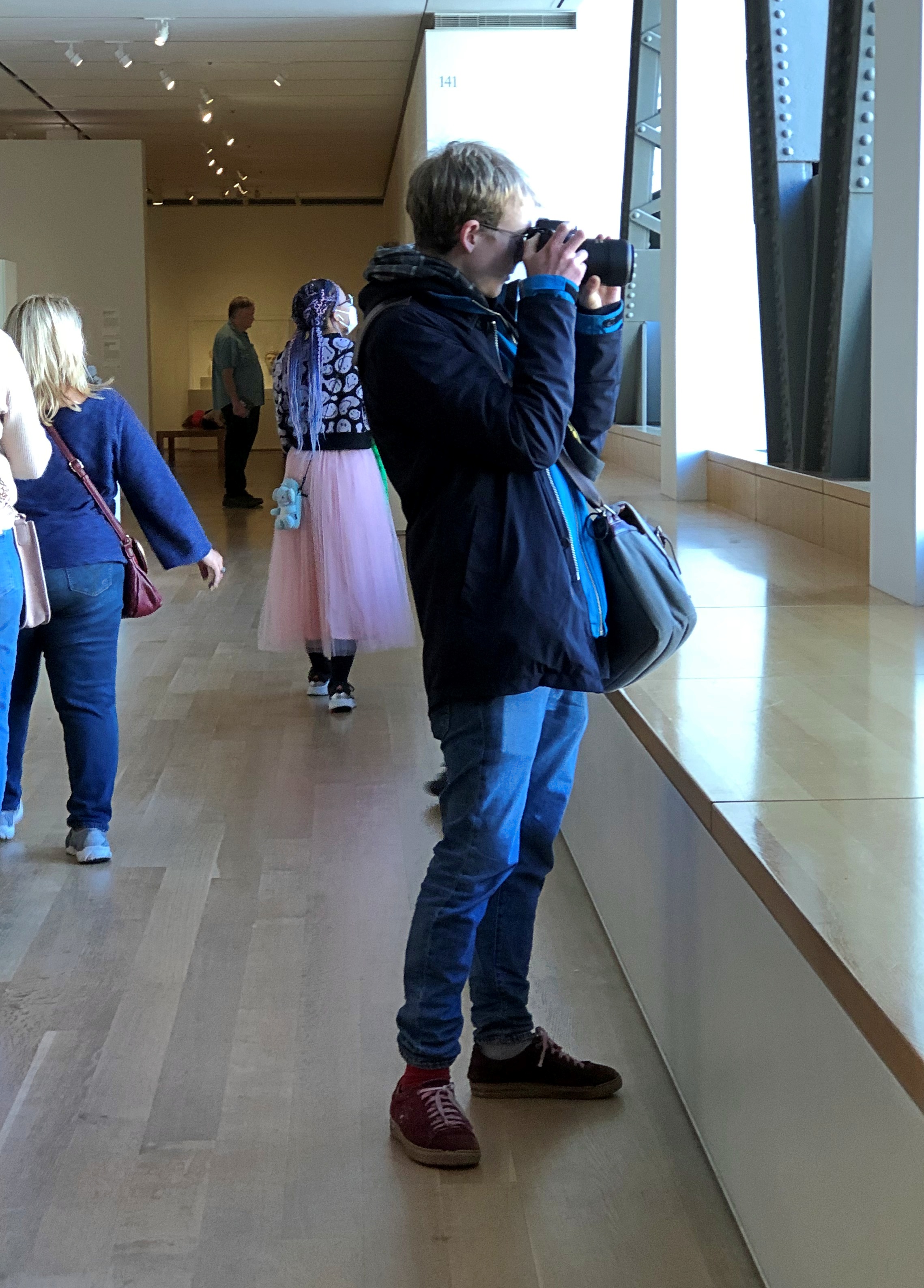
Wherever you are, Saturday’s a busy day at the Art Institute.Art Institute of Chicago 2022 Art Institute of Chicago 2022 Art Institute of Chicago 2022
Art Institute of Chicago 2022

A scattering of people wore masks.Art Institute of Chicago 2022

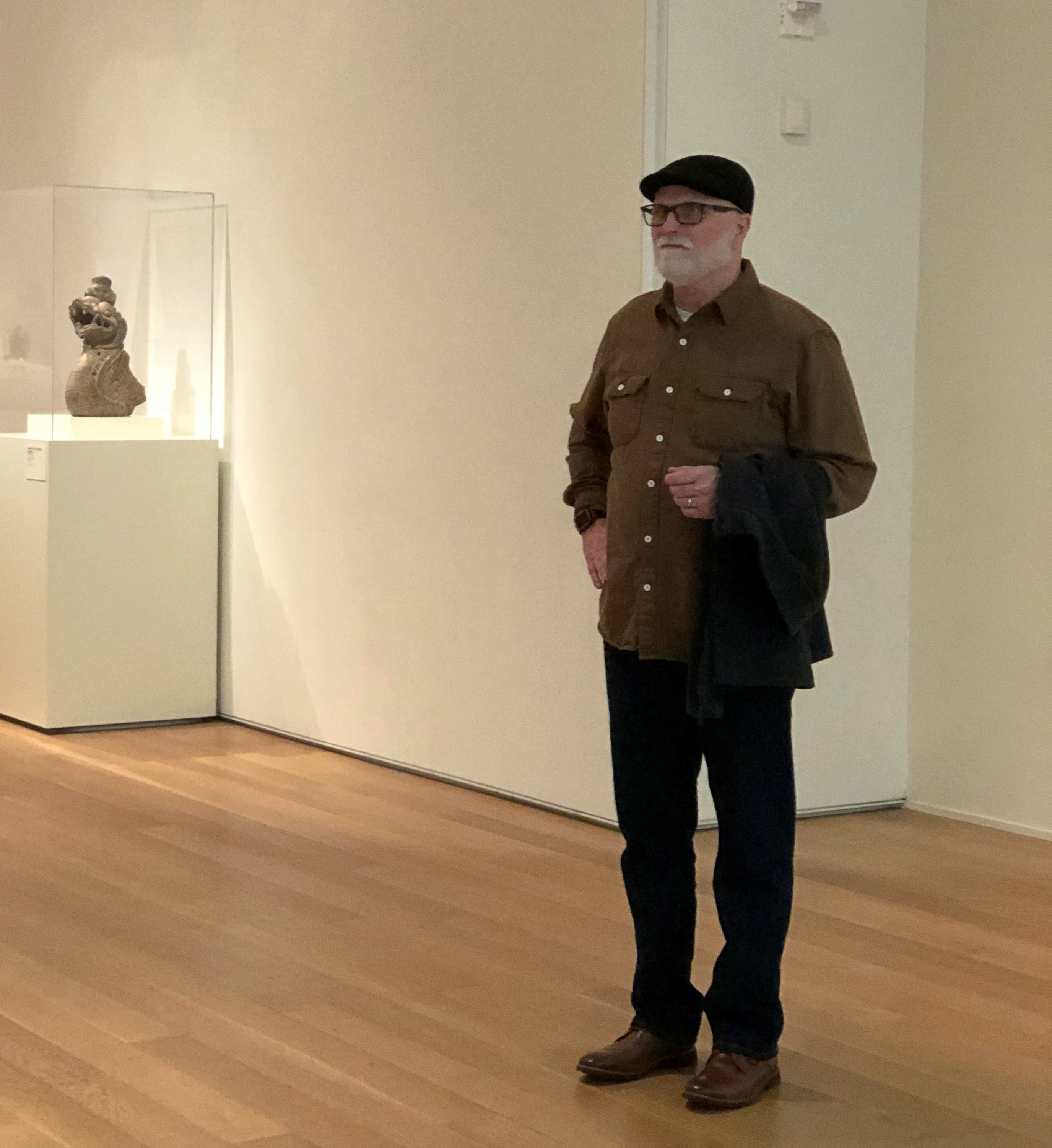
Many more wore beards.Art Institute of Chicago 2022

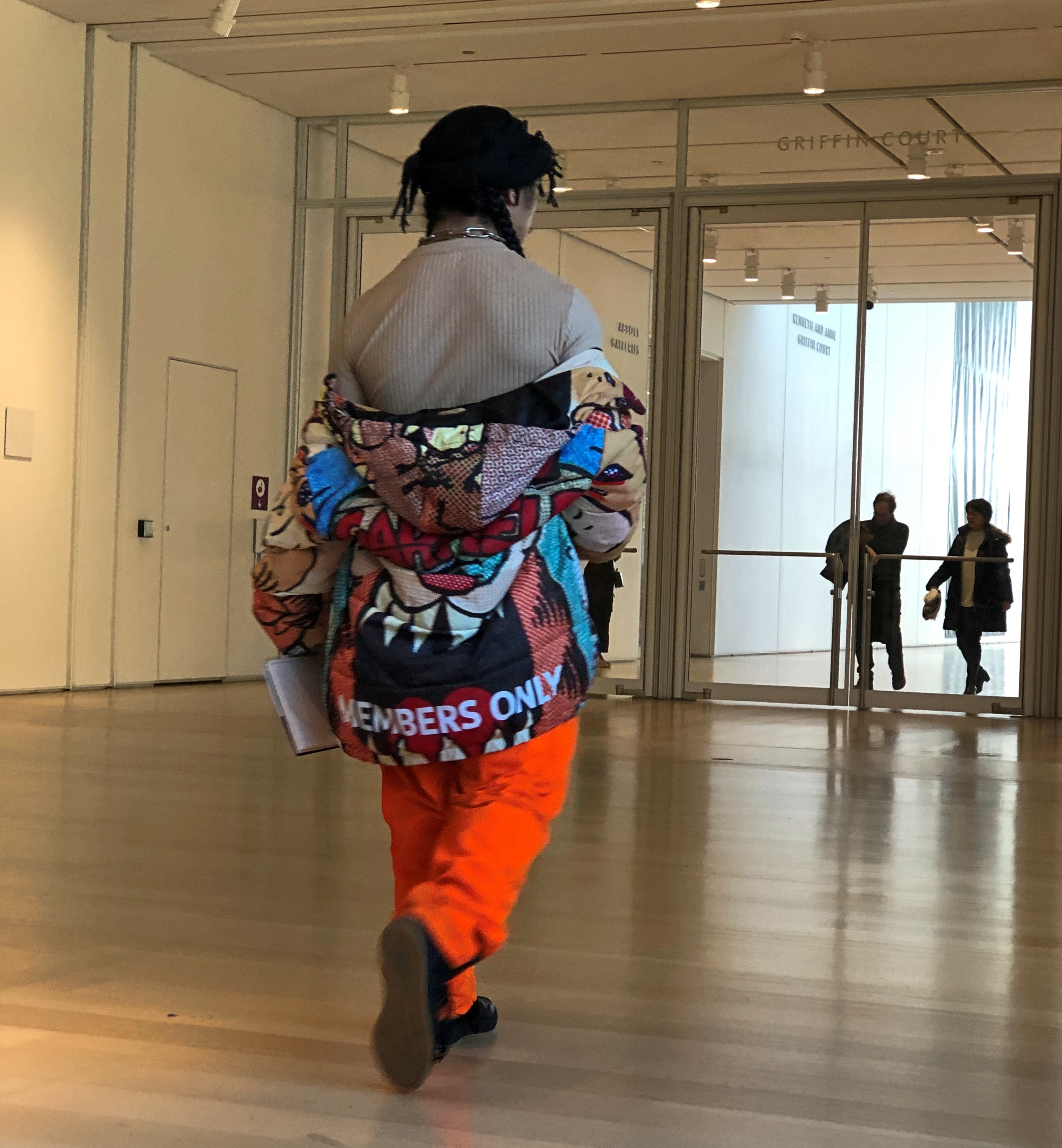
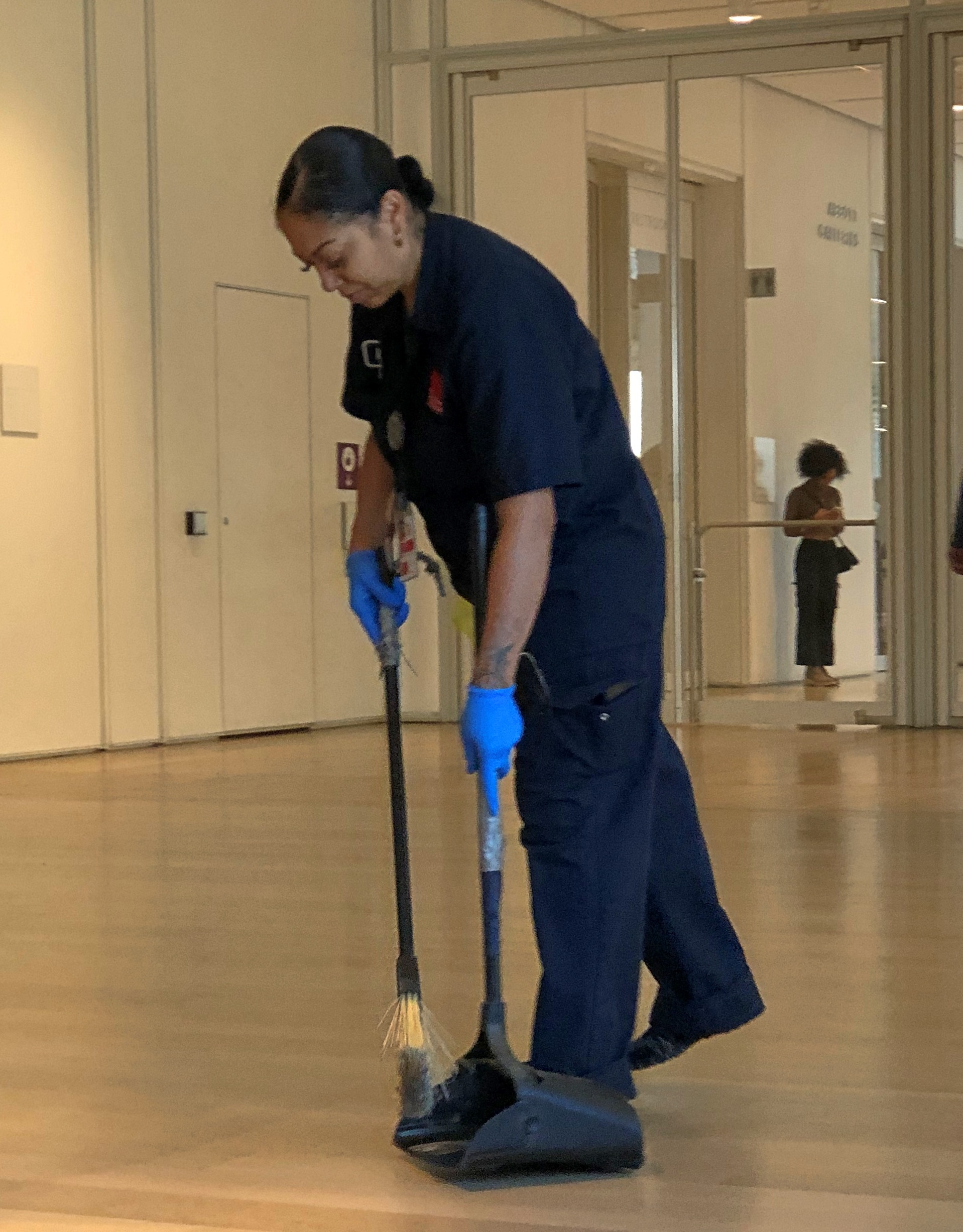
Museum workers were working.Art Institute of Chicago 2022

As befitting my age, I spent a good few minutes on the museum’s benches. That gave me time to fiddle with my camera.Art Institute of Chicago

Oops.

Lincoln Park Zoo ’22

Back in 1984, I took a trip to Chicago from Nashville for the Labor Day weekend. That was the first place I ever went after getting a full-time job. I stayed with my friend Rich, whose apartment was in the Lincoln Park neighborhood, where one could live comfortably just out of college.

That’s how long ago it was. Lincoln Park was then emerging from decades as — not full-blown slum, but maybe the St. Charles Place-States Avenue-Virginia Avenue of Chicago, so rents were still relatively affordable. Those days are long over.

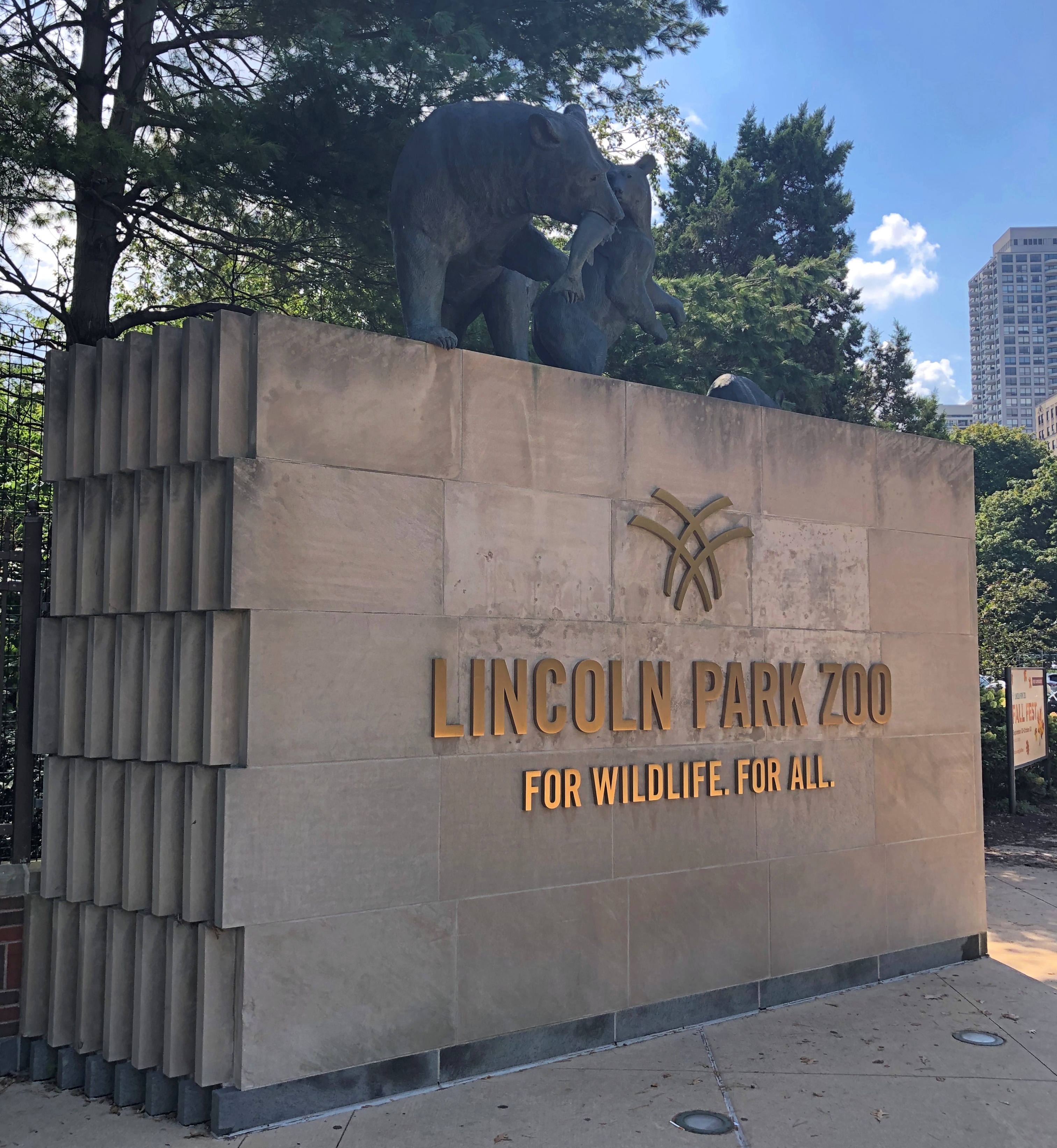
During that visit, Rich suggested we go to the Lincoln Park Zoo, which we did. I’ve visited periodically over the decades since then, and always like it. Zoos can be much more than places to take your kids, though they are that too.Lincoln Park Zoo

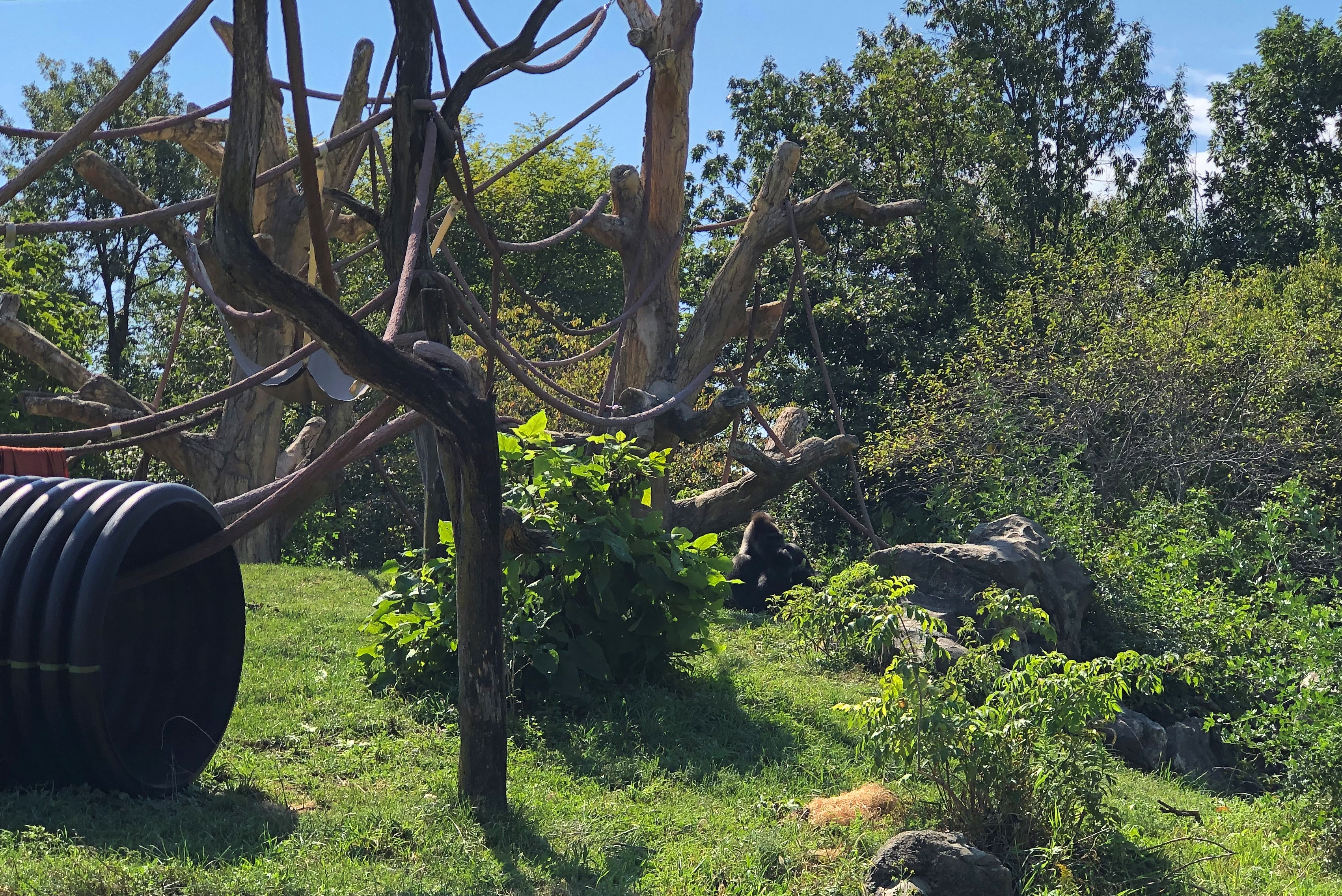
The animals, of course, are the prime attraction. Such as the great apes. This one’s a little hard to spot.Lincoln Park Zoo

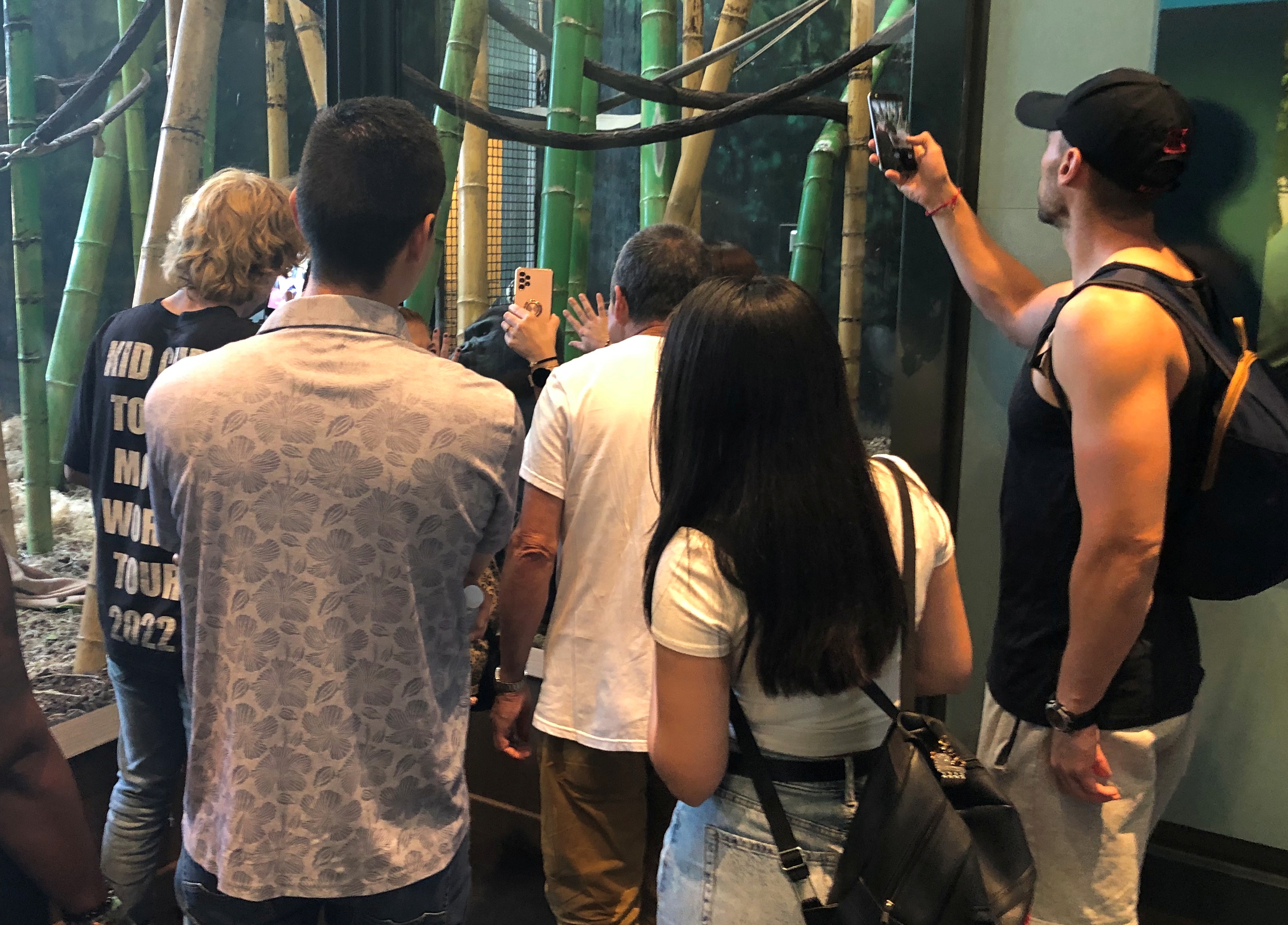
Another of his troop was indoors. He was easier to see. Well, if you were up front.Lincoln Park Zoo Lincoln Park Zoo

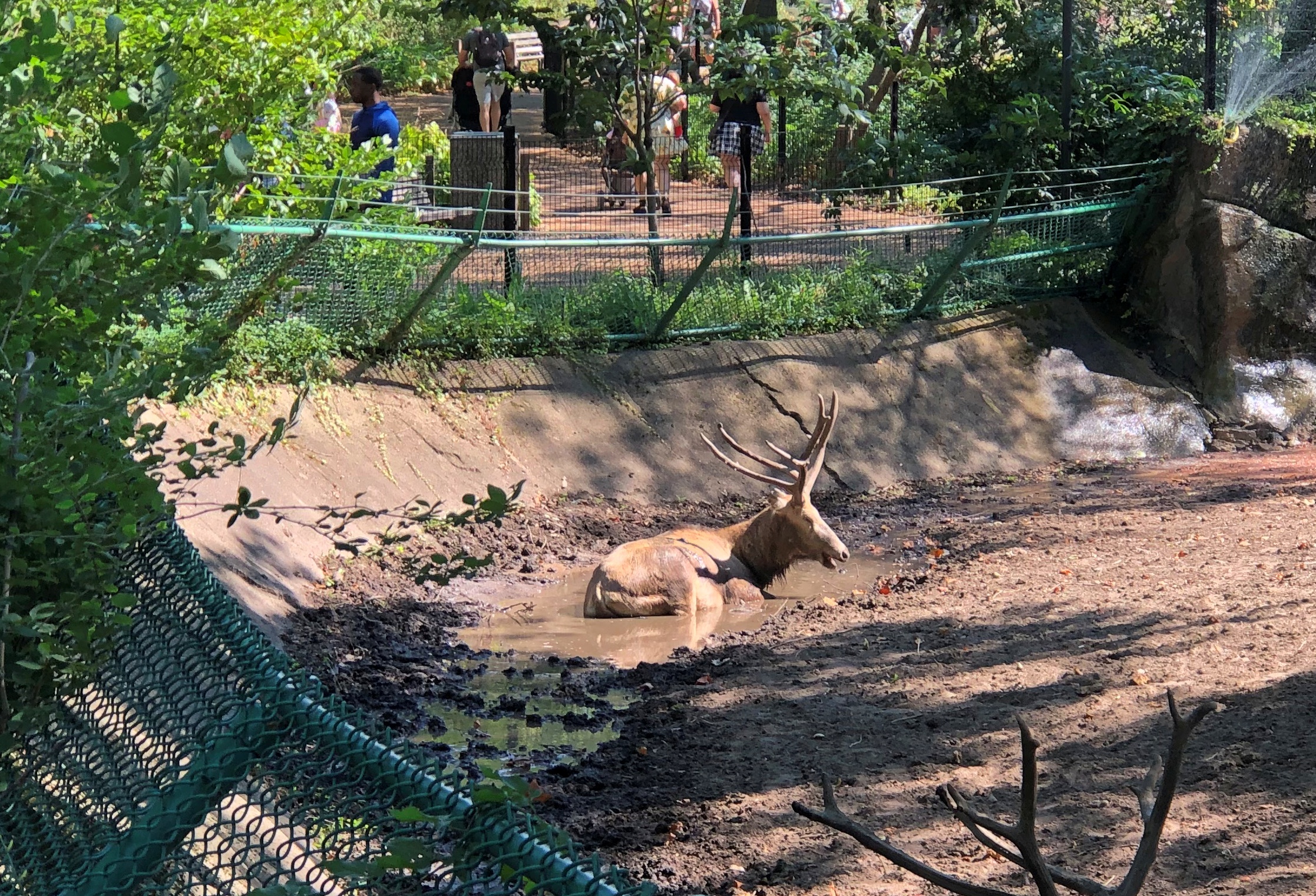
Some Père David’s deer. Native to China, they just barely escaped extinction by being bred in European zoos.Lincoln Park Zoo

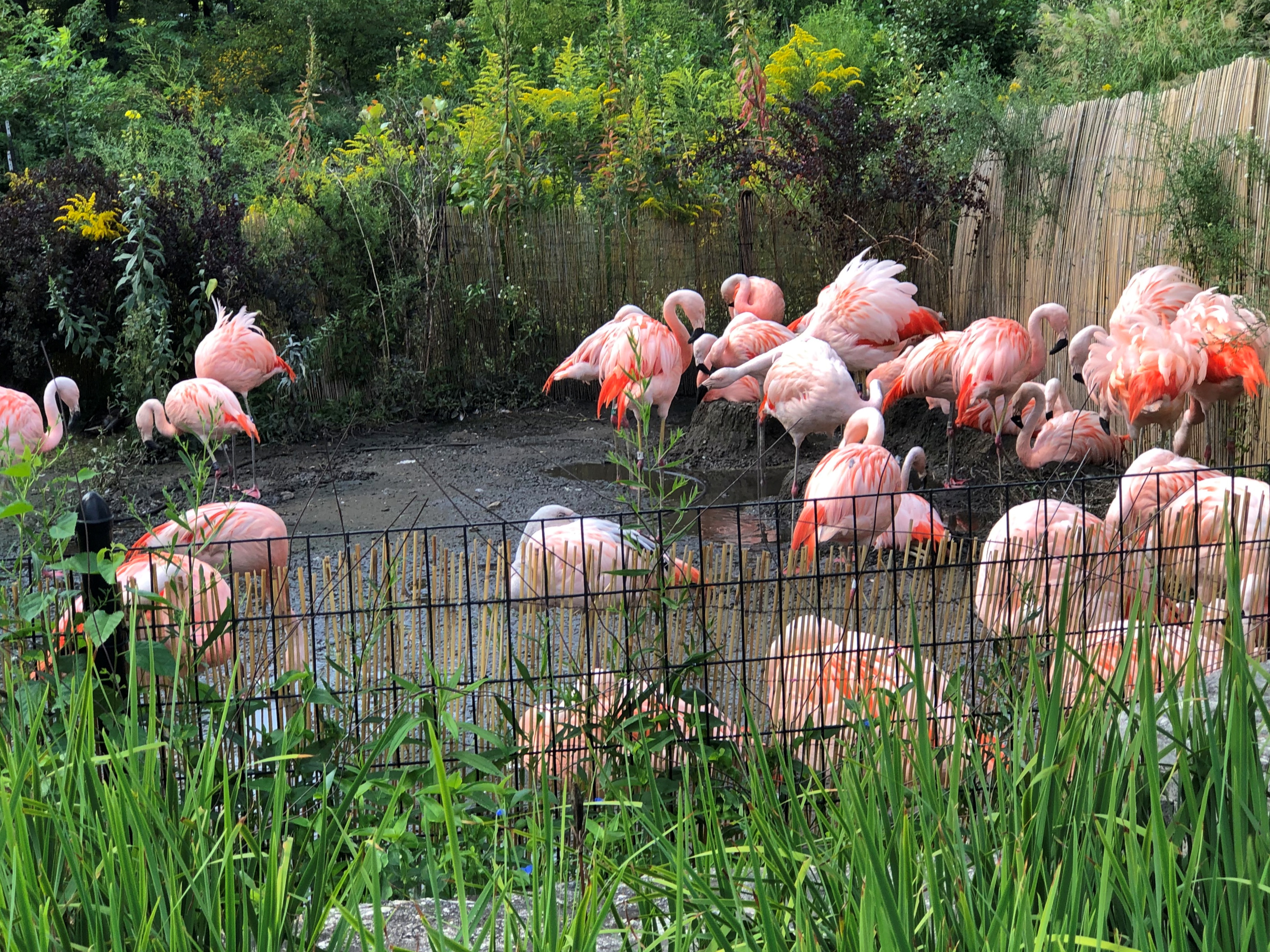
Flamingos. Lots of flamingos. Some sources say the collective is a flamboyance of flamingos, others say a stand.Lincoln Park Zoo

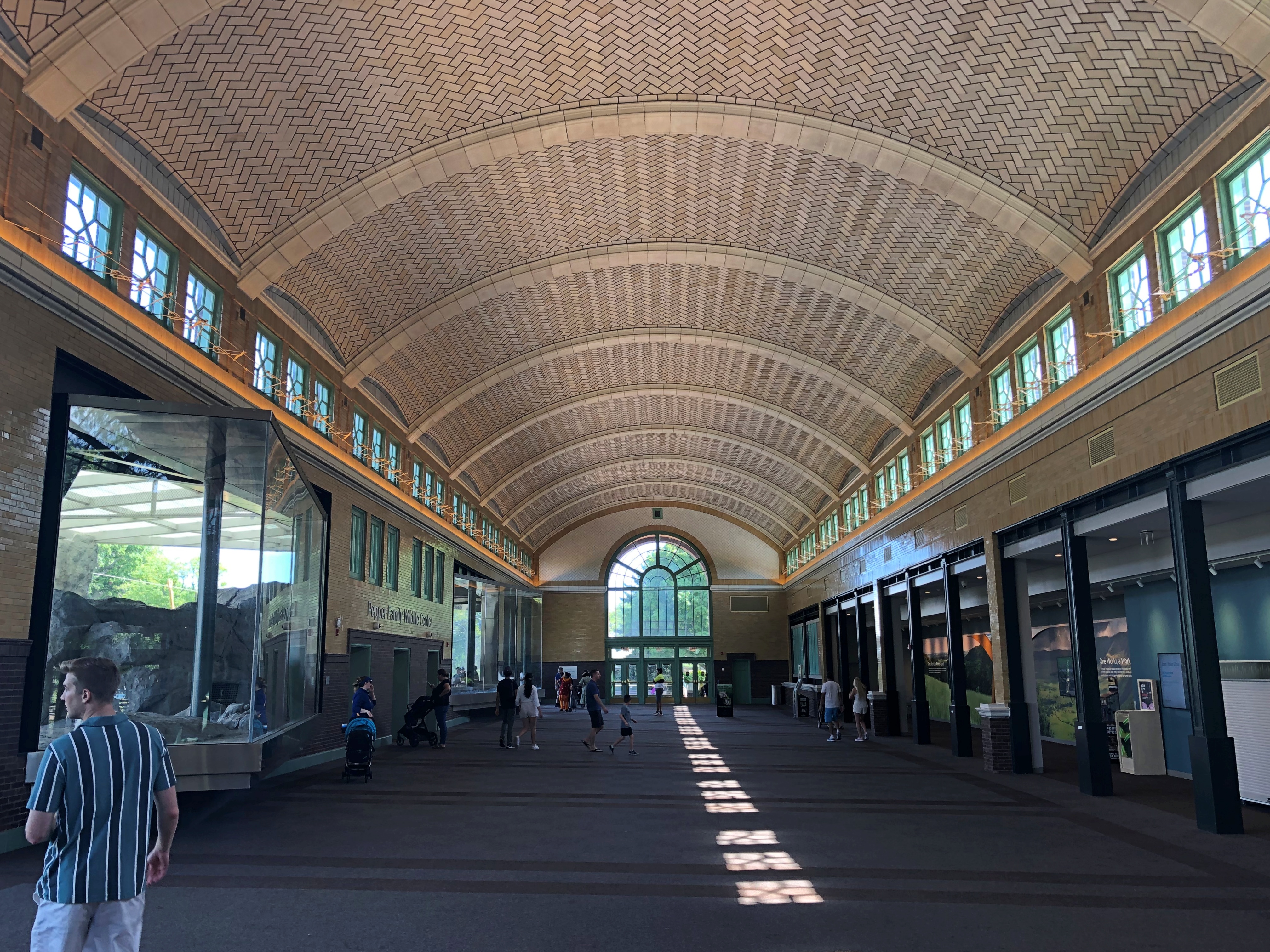
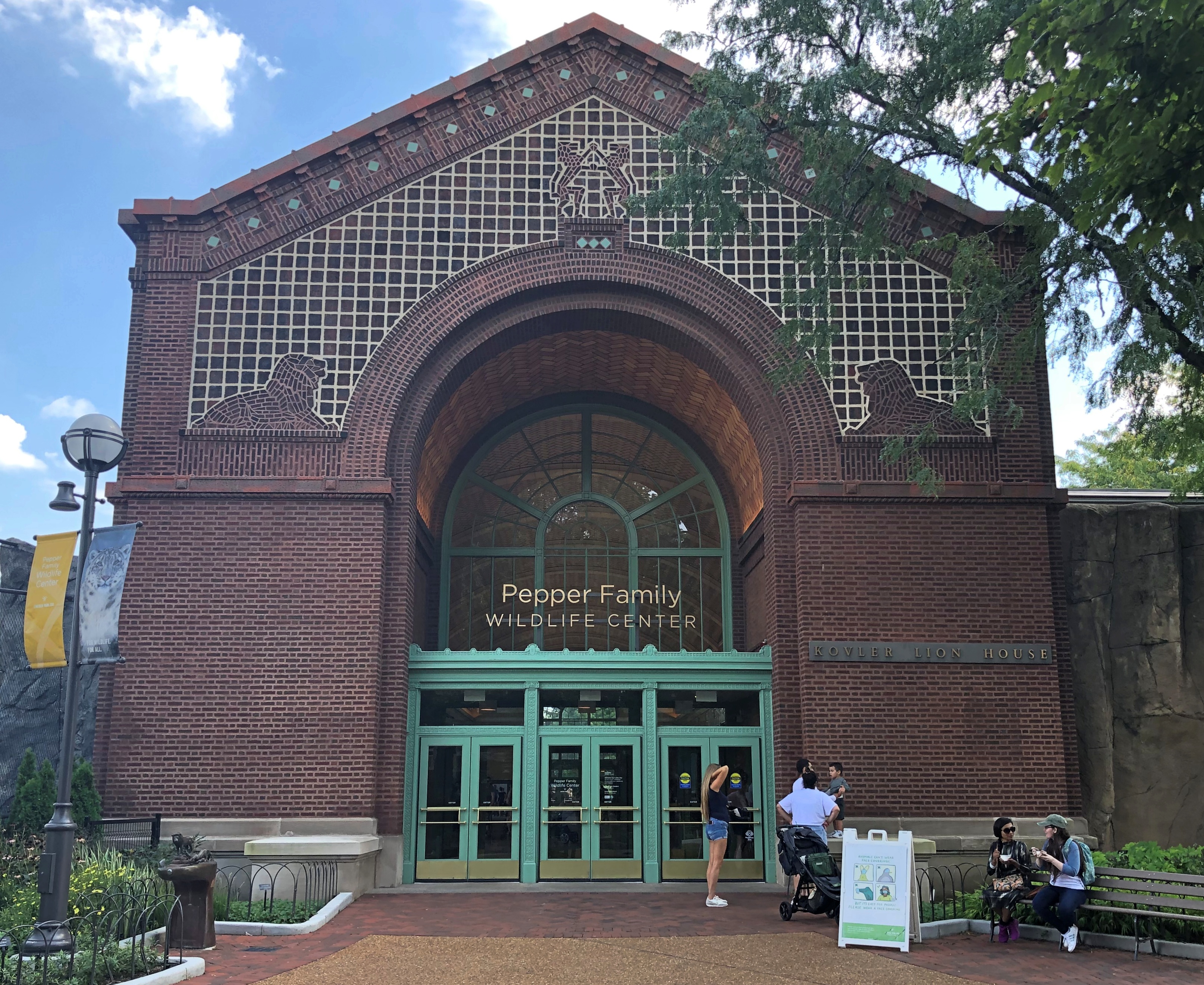
I also like some of the zoo buildings, such the Kovler Lion House, outside and in.Lincoln Park Zoo Lincoln Park Zoo

No lions were to be seen that morning, however. Guess they were taking cat naps out of sight.

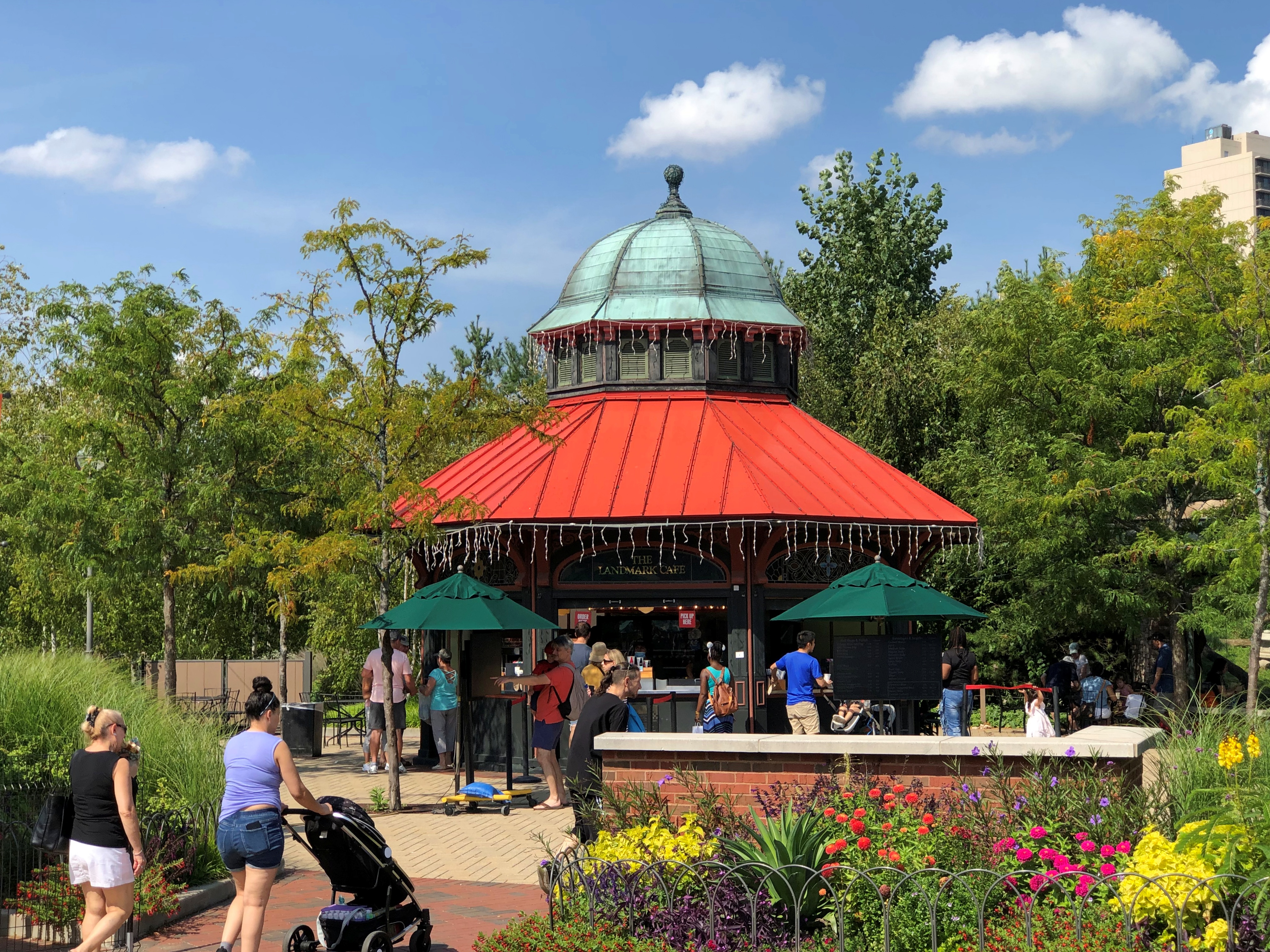
A concession stand.Lincoln Park Zoo

But it’s got style.

Nature Boardwalk

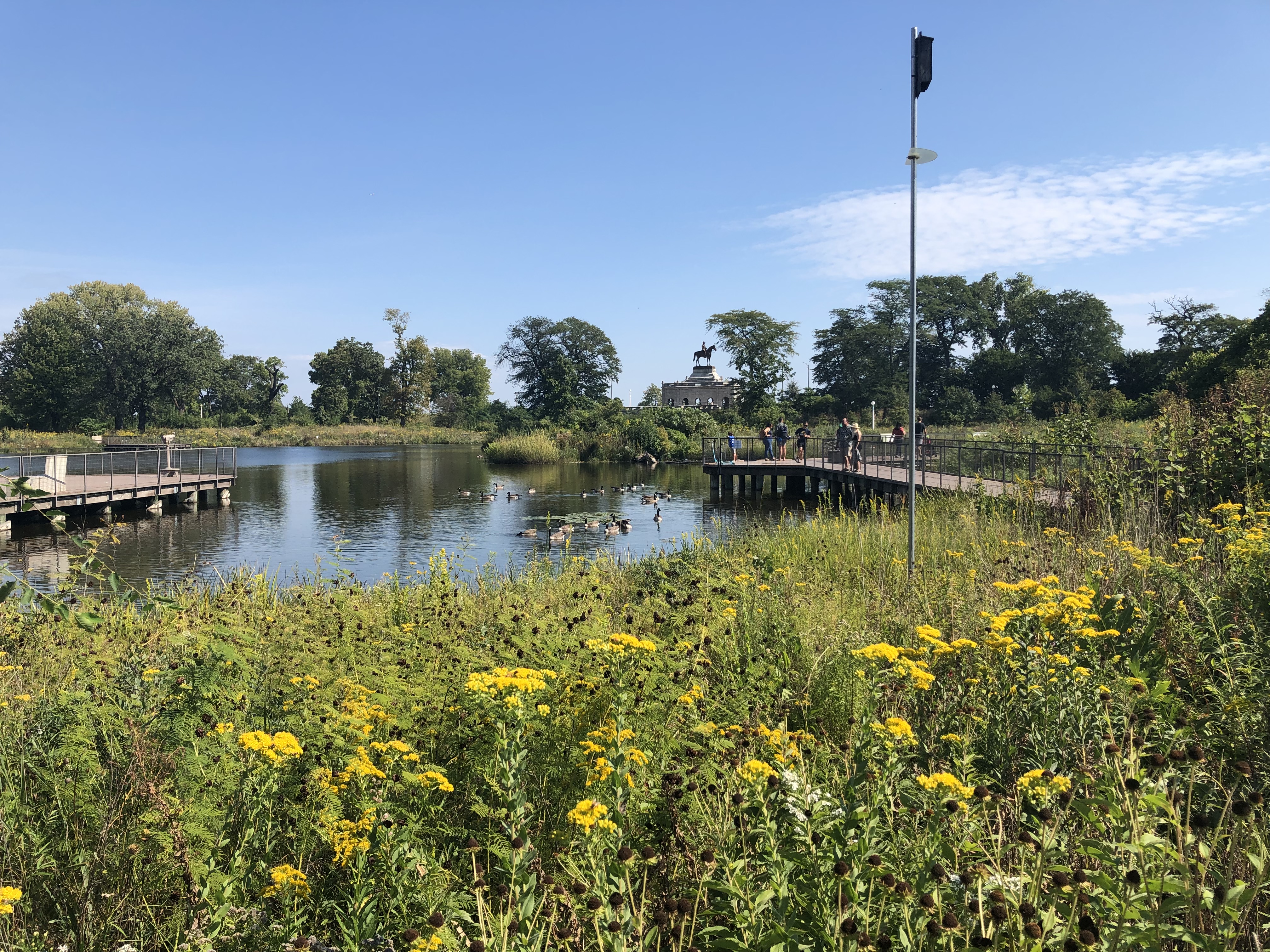
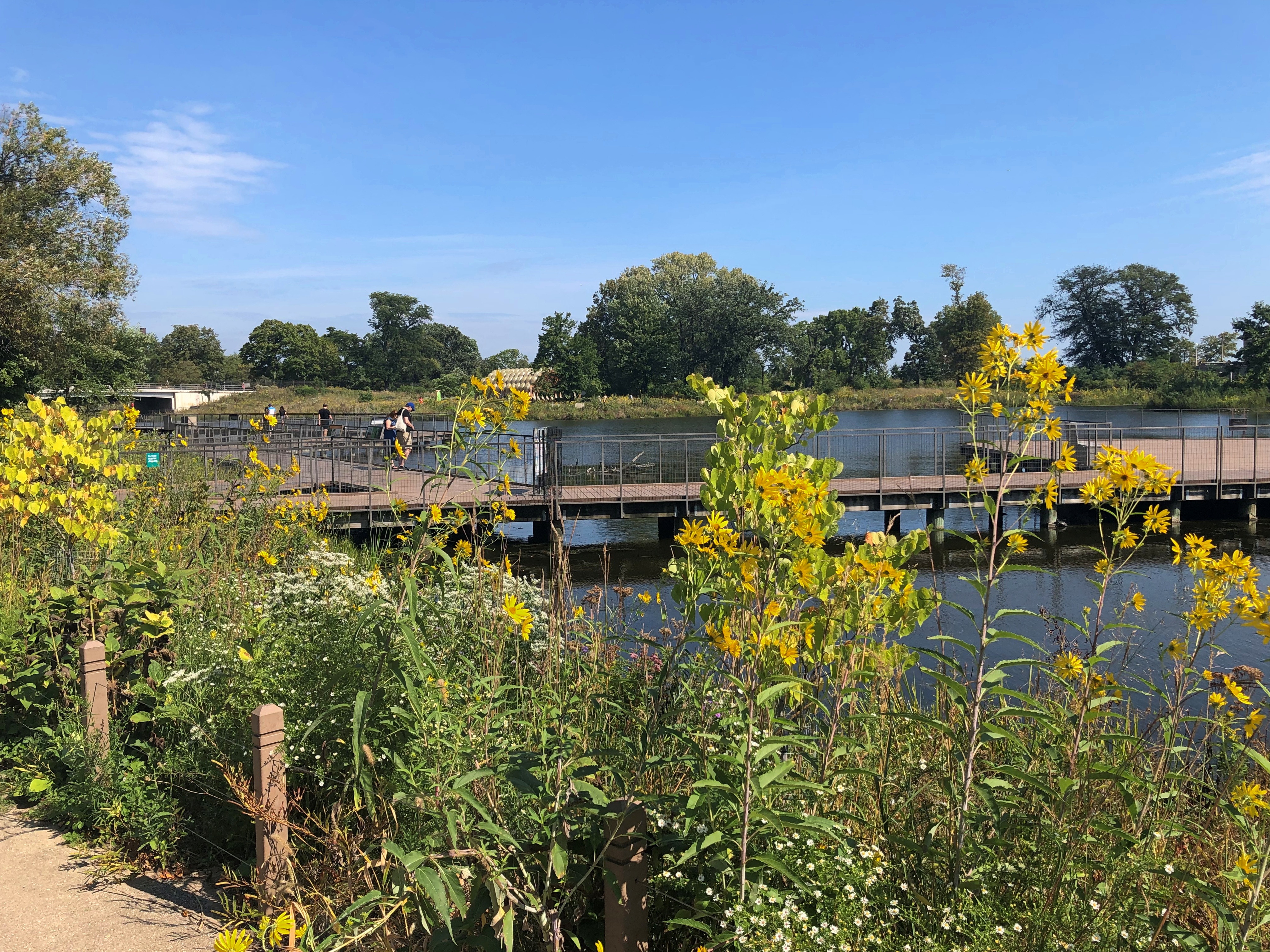
Toward the south end of Lincoln Park is the fittingly named South Pond, flush with floral glory last Saturday.Nature Trail

That, and U.S. Grant off in the distance.

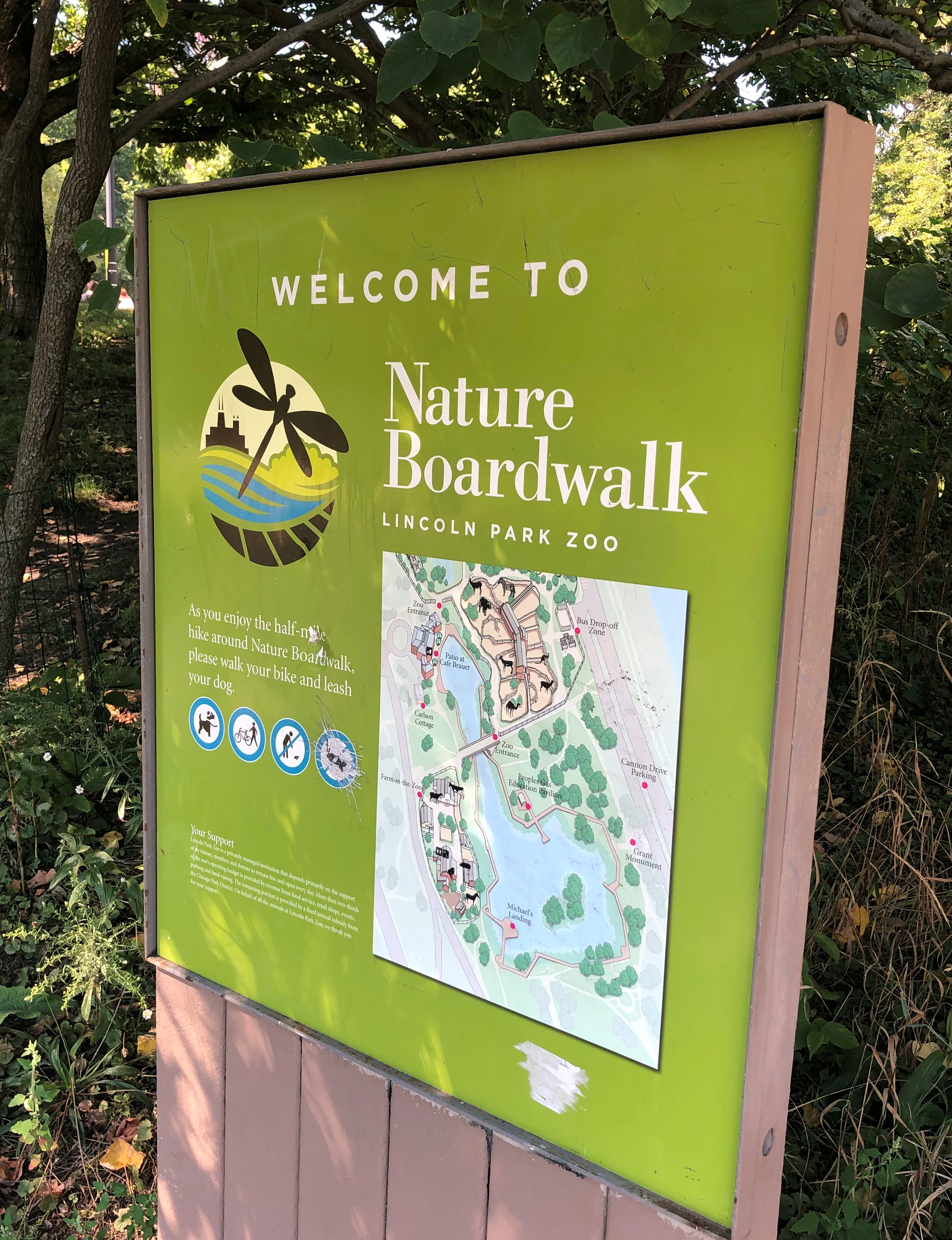
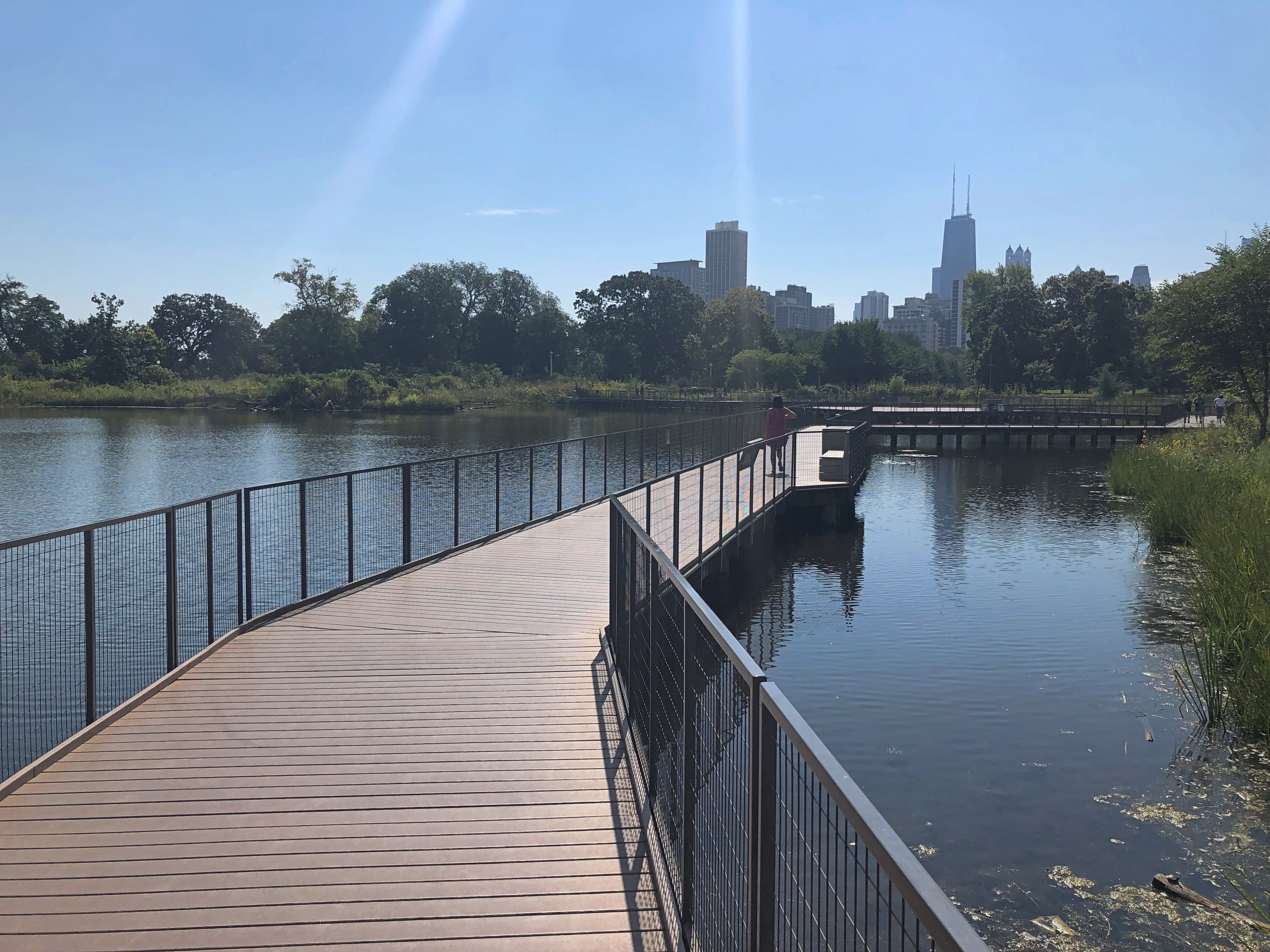
The pond is mostly ringed by a feature called Nature Boardwalk, which is an extension, without large animal habitats, of the Lincoln Park Zoo. It’s called that pending a really generous gift, most likely.Nature Boardwalk

I didn’t need any more prompting than that to take a walk along most of the raised walkway.Nature Boardwalk Nature Boardwalk

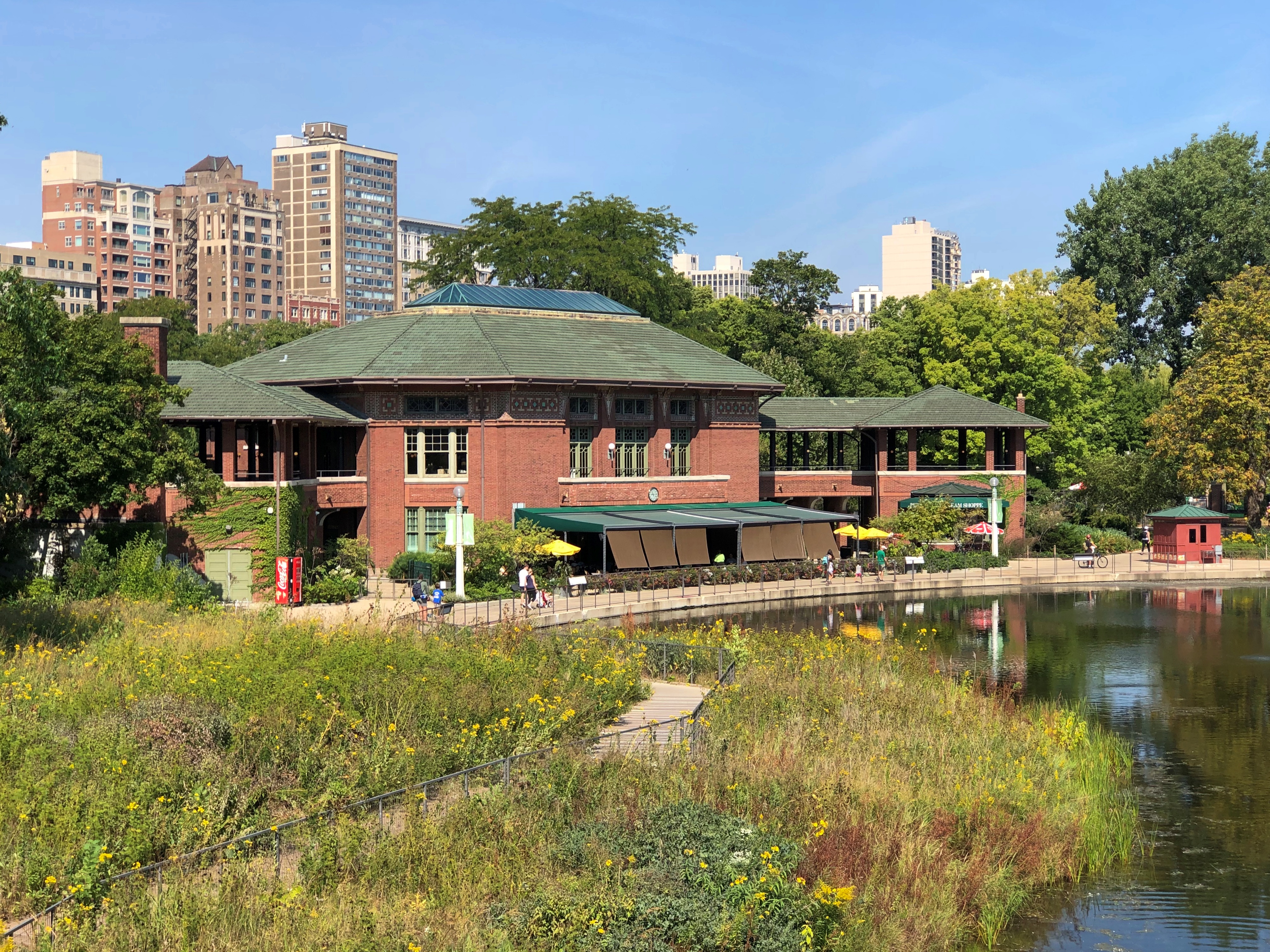
From one vantage, the handsome Café Brauer building is visible.

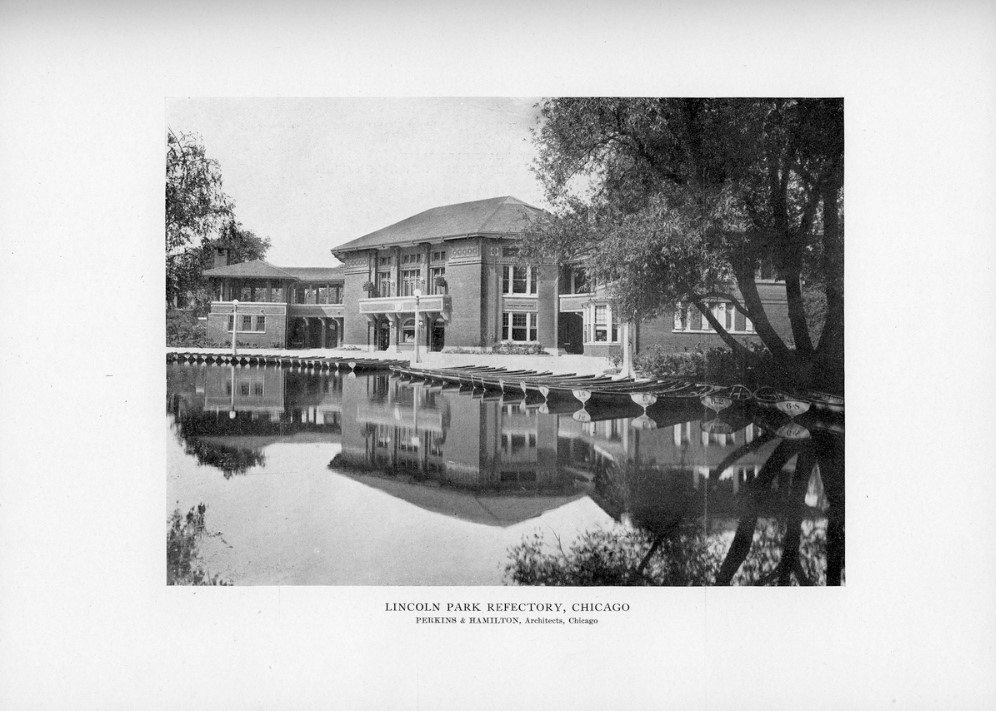
The building has a history as home to a successful Chicago restaurant in the first decades of the 20th century. Developed in 1908 with a design by Prairie School notable Dwight Perkins.

The life of the building continues as a wedding venue. A nicely written description — though at heart ad copy for the place — is at The Knot, which specializes in articles and other tools for wedding planning:

Café Brauer overlooks the zoo’s Nature Boardwalk, a lively pond ecosystem. Thanks to the event space’s terrace, couples and their guests can easily admire the setting’s beautiful biodiversity as they celebrate. From this vantage point, a clear view of the surrounding park and city skyline is also visible.

Inside, the… historic Chicago landmark features eye-catching ceilings supported by exposed green-colored beams, with Tiffany-style chandeliers and warm uplighting. Thanks to its stained-glass windows, natural light can flood the interior as guests dine, dance, and mingle.

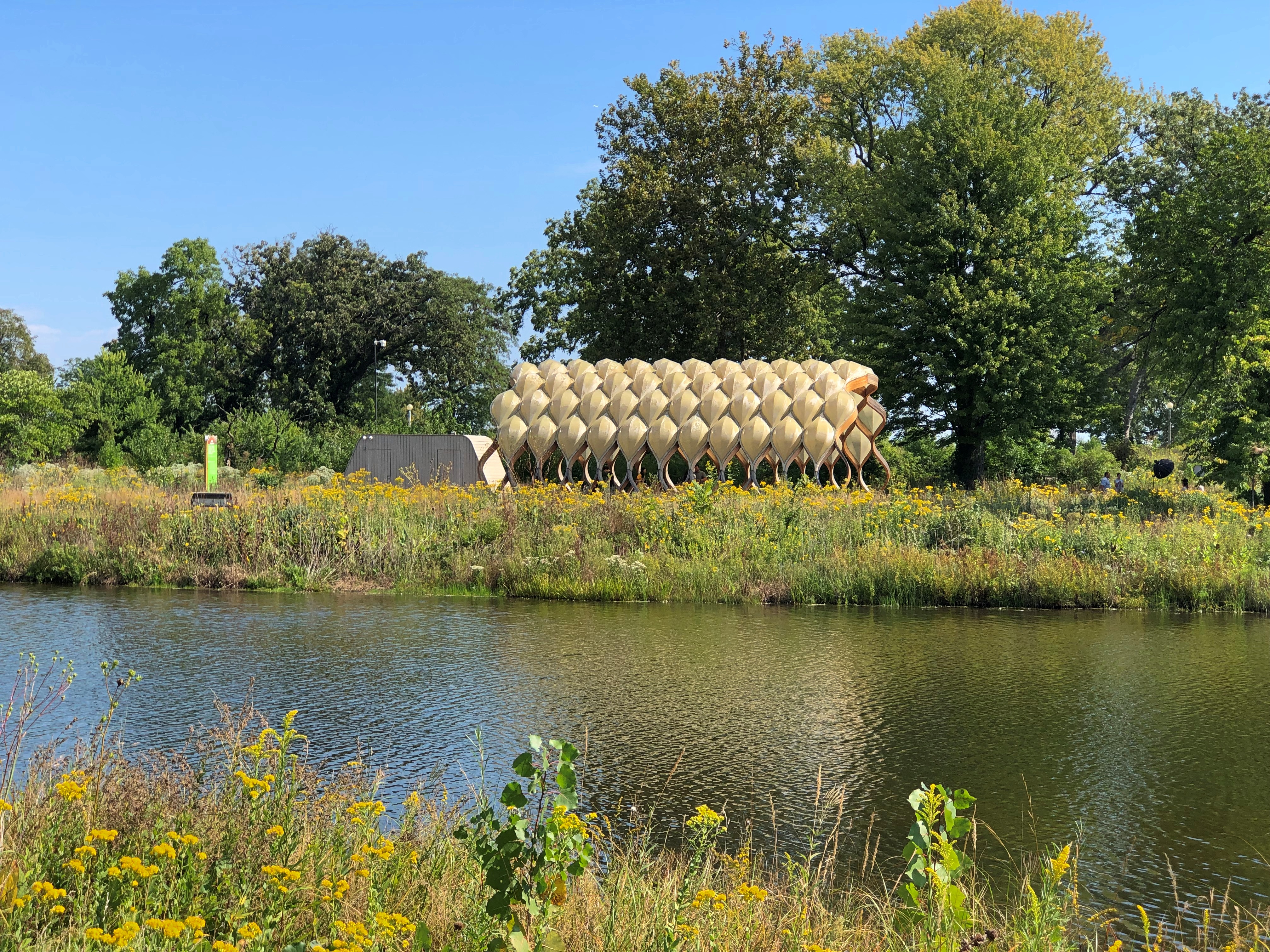
And what was this?
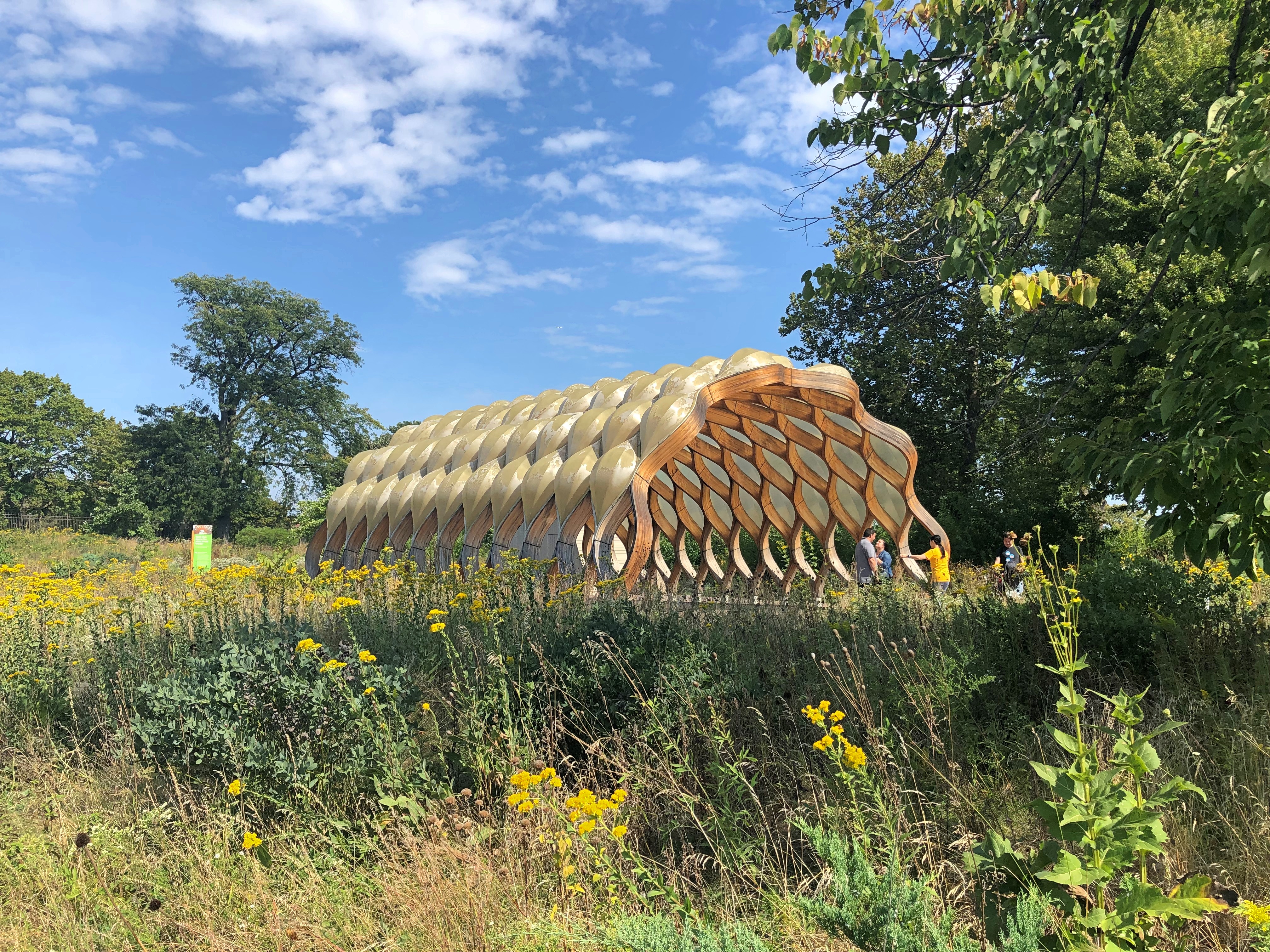
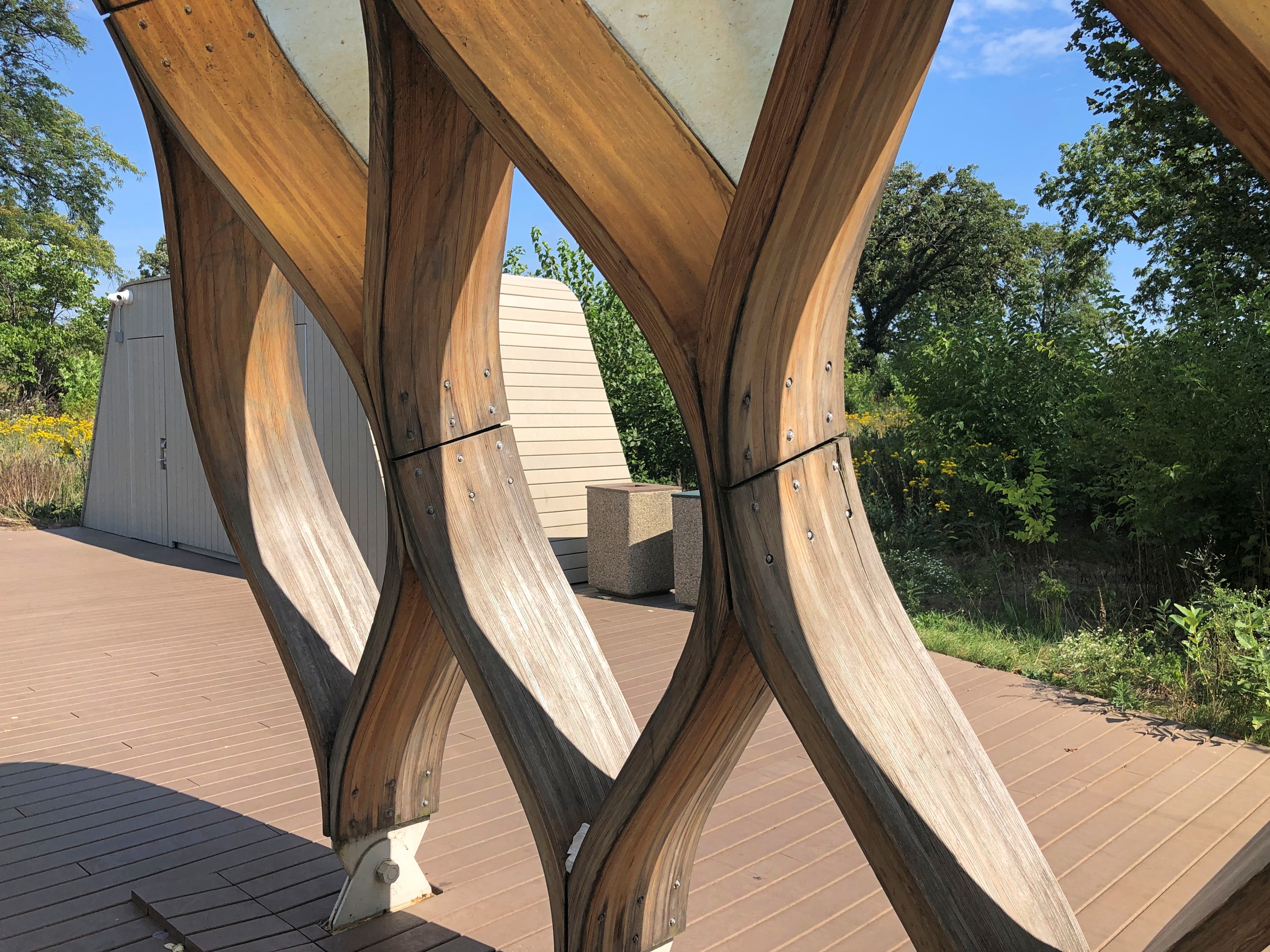
Peoples Gas Educational Pavilion

That must have been there the last time I came this way, but I didn’t remember it.
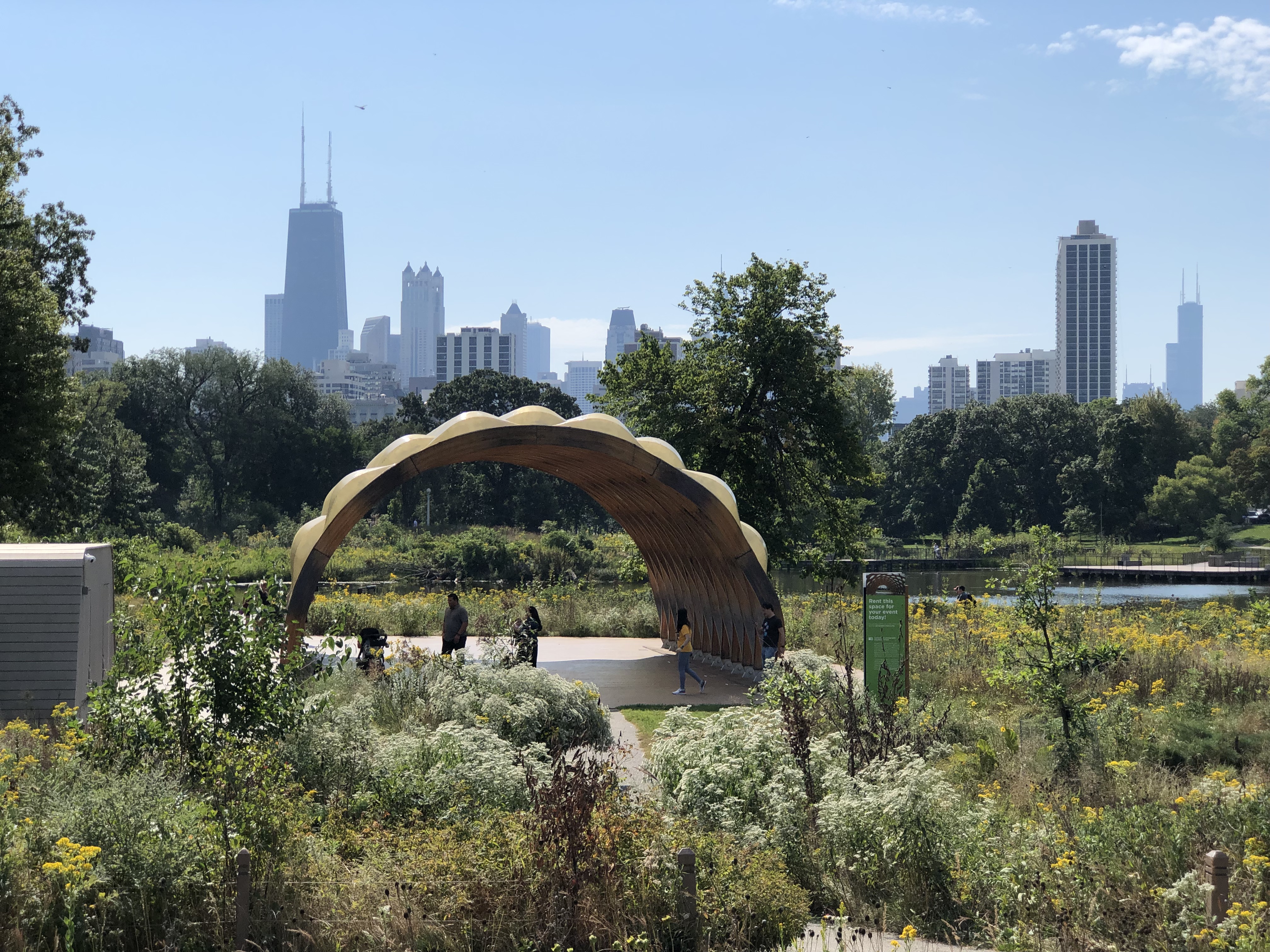
I walked the path, and over a stone bridge, to the other bank of the pond.Peoples Gas Educational Pavilion

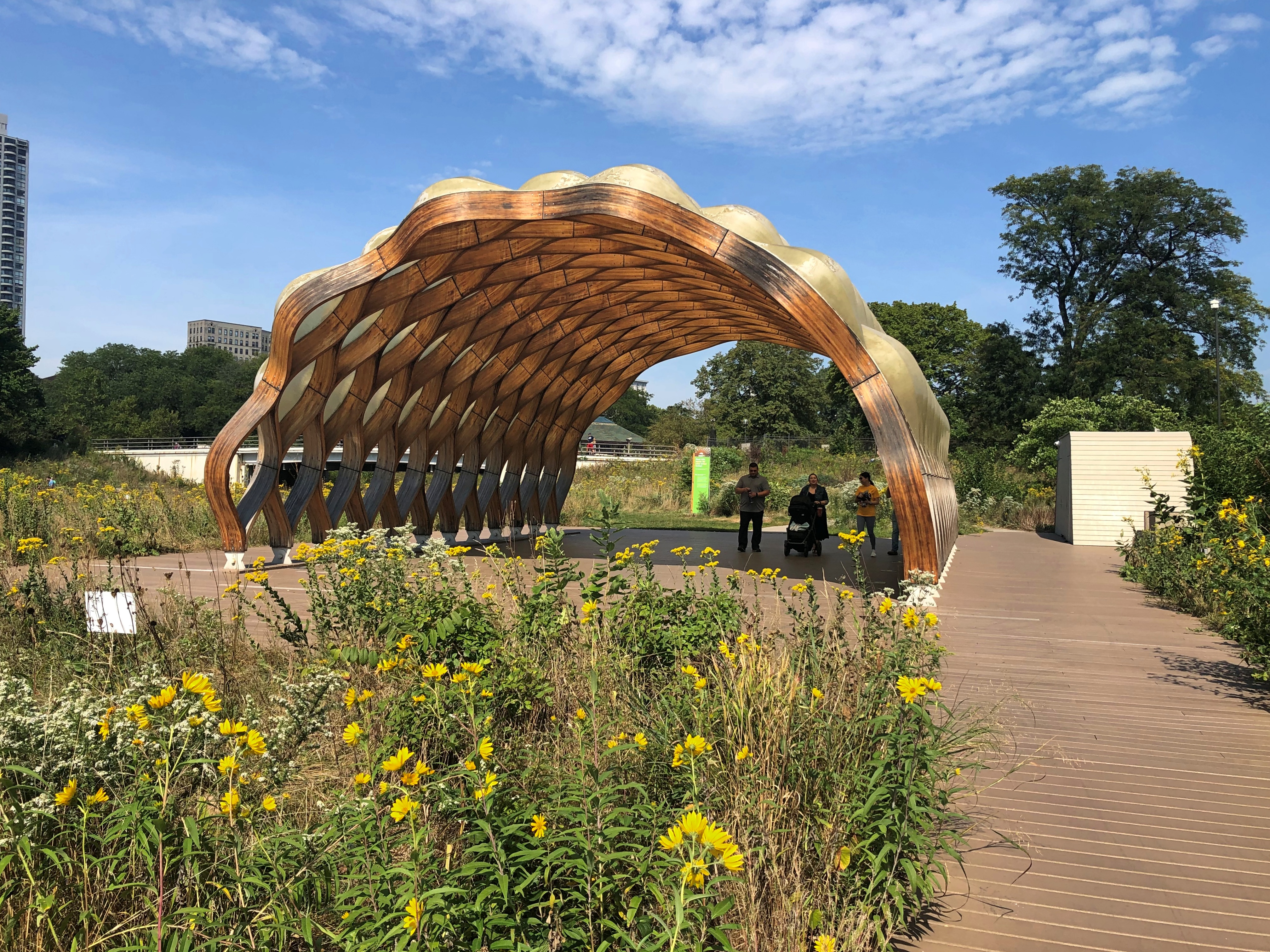
Closer.Peoples Gas Educational Pavilion Peoples Gas Educational Pavilion Peoples Gas Educational Pavilion

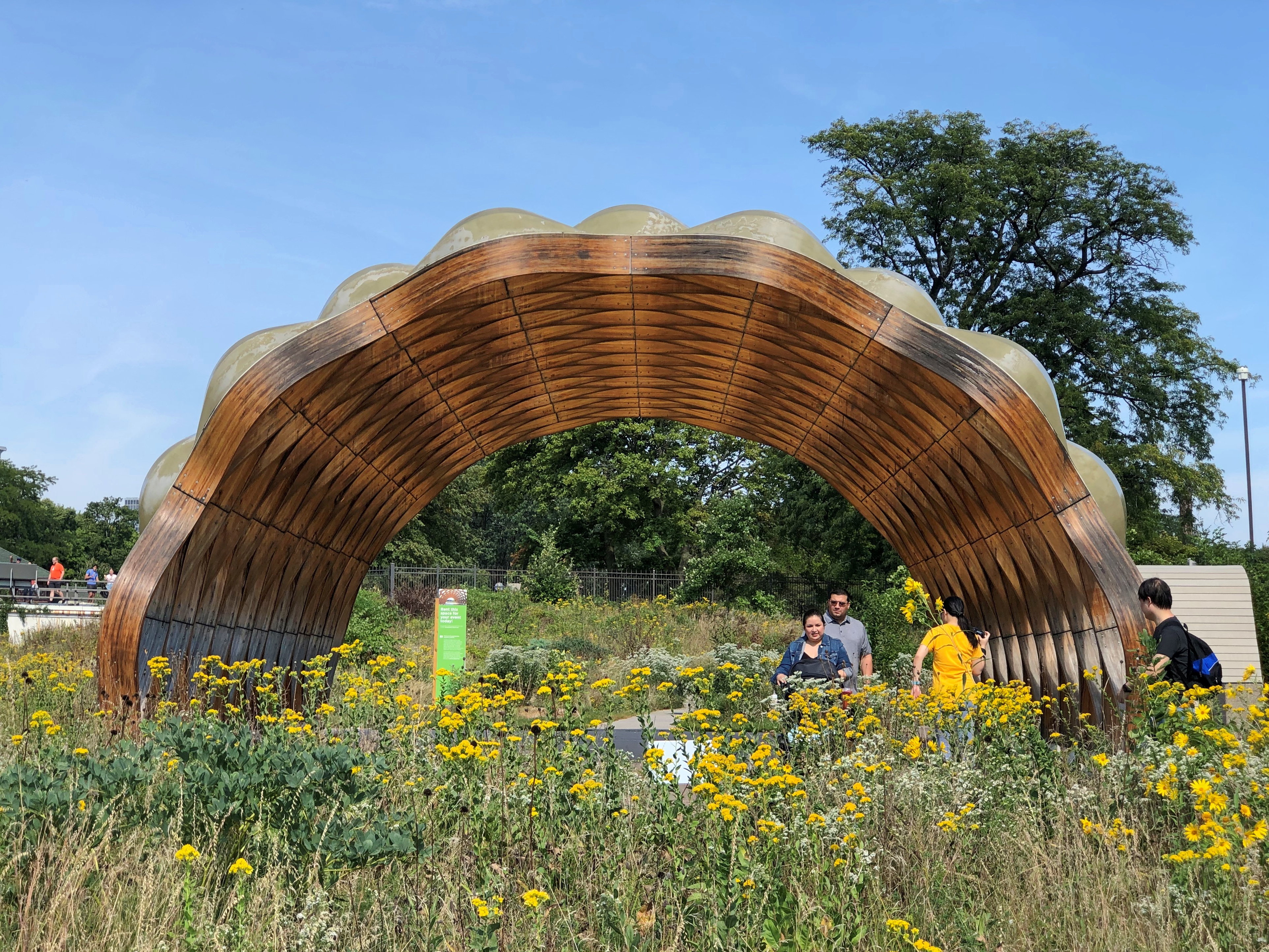
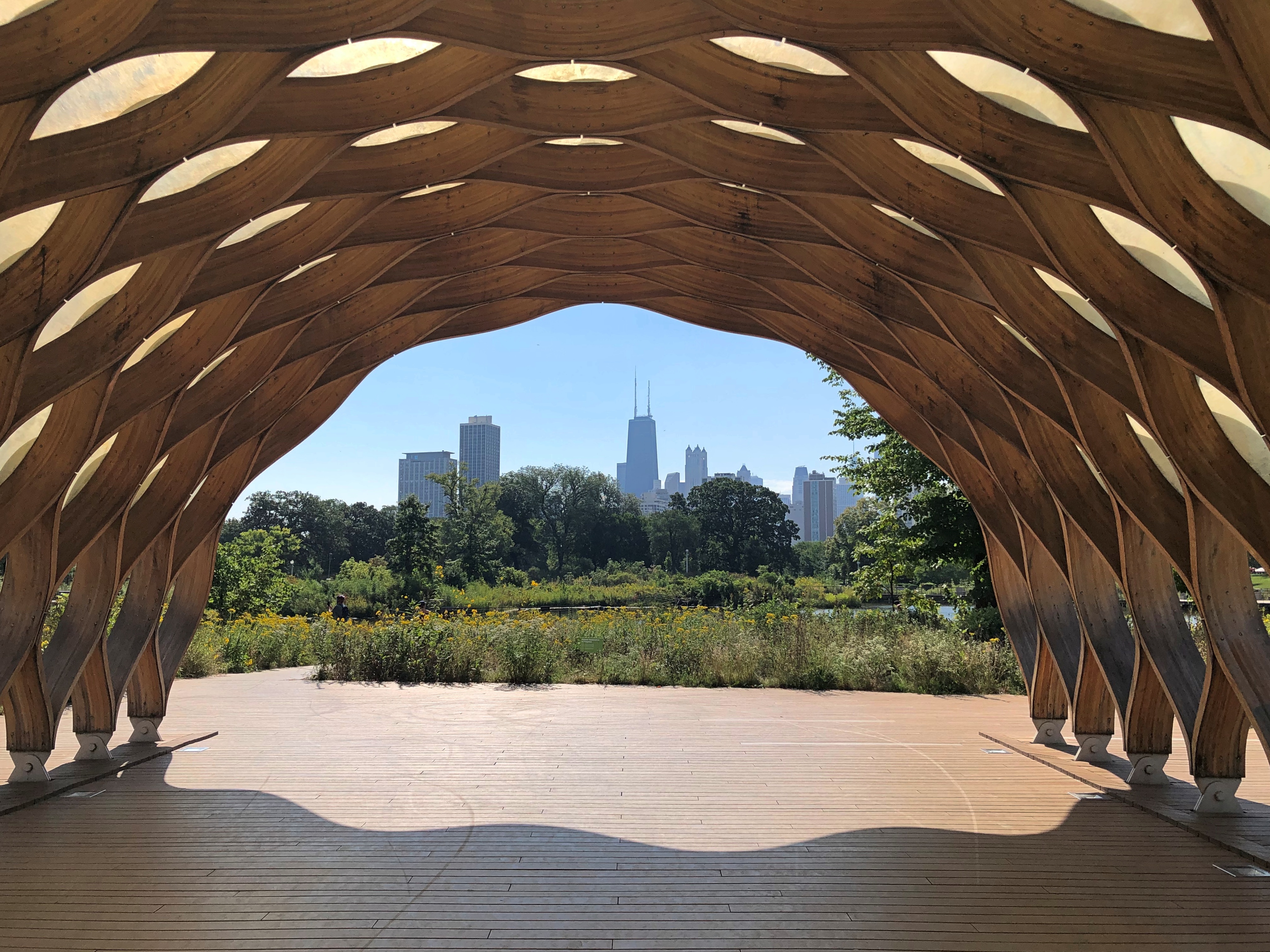
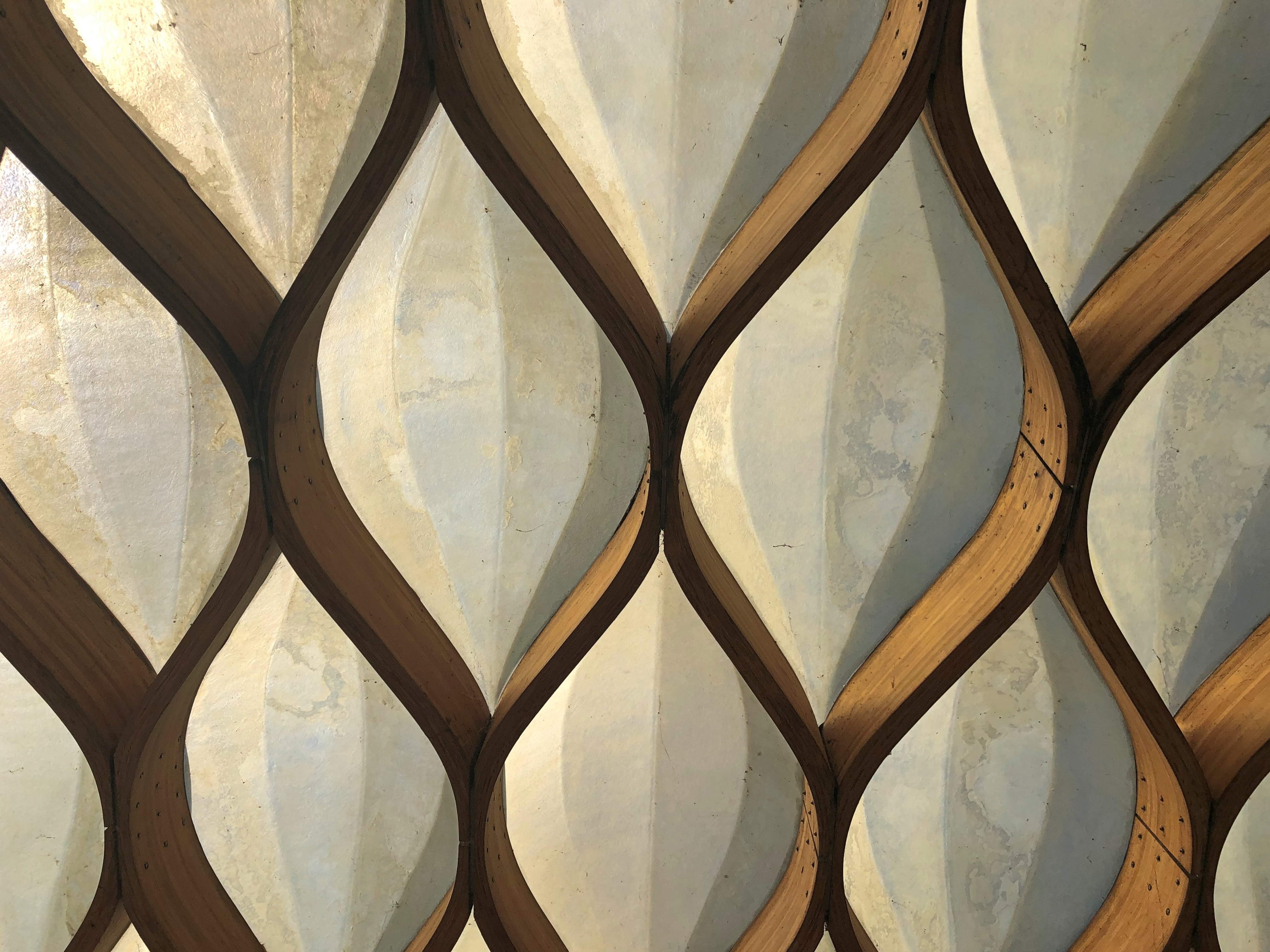
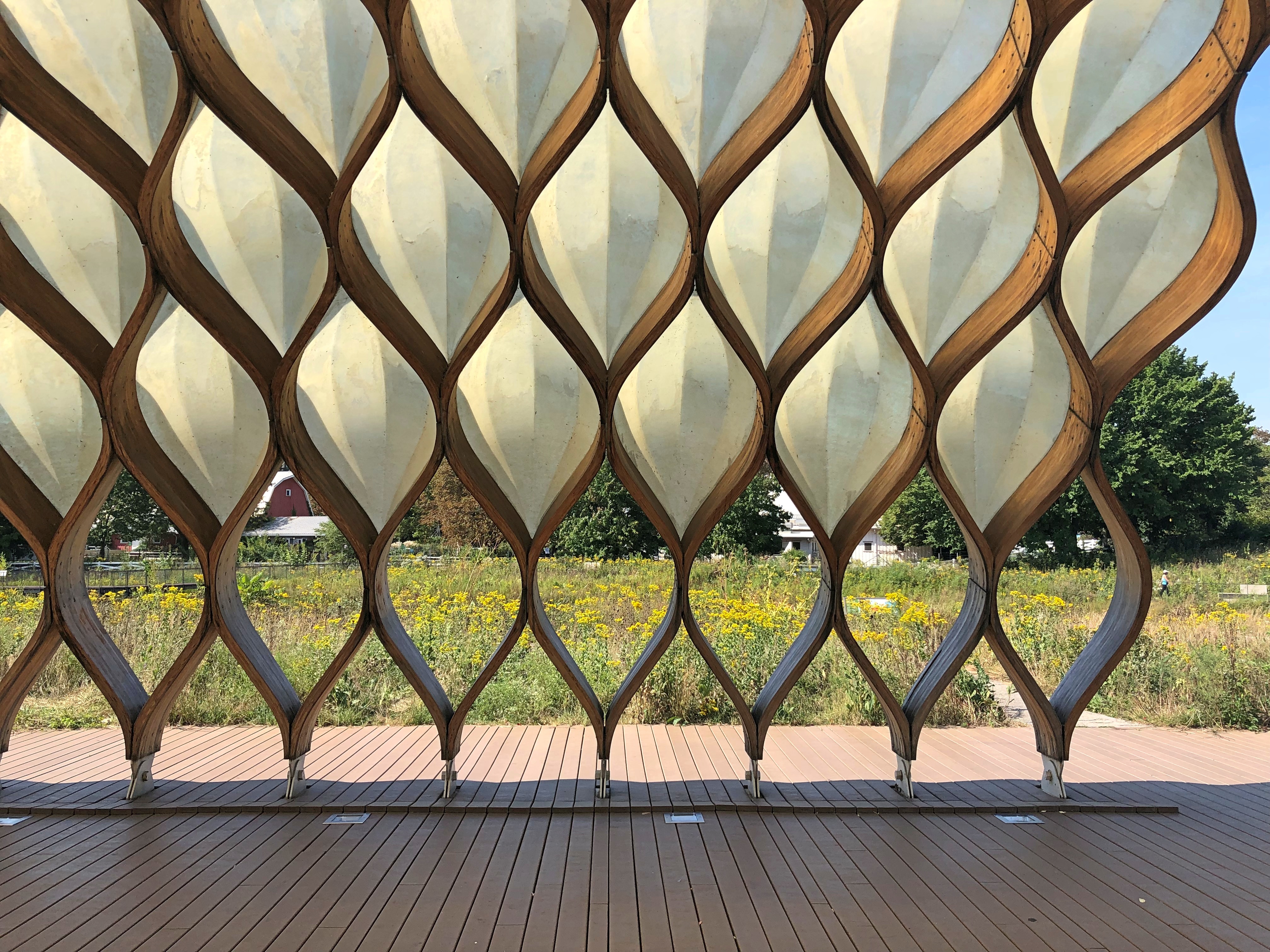
Inside.Peoples Gas Educational Pavilion Peoples Gas Educational Pavilion Peoples Gas Educational Pavilion Peoples Gas Educational Pavilion

The Peoples Gas Education Pavilion, it is. I’ll assume the natural gas company of that name had something to do with paying at least part of the construction tab for the structure.

“It was completed in 2010 by Studio Gang, the world-renowned Chicago architecture firm led by Jeanne Gang. It is built from prefabricated glue-laminated timber ‘ribs’ and fiberglass domes,” writes Chicago area photographer Lauri Novak.

Novak lauds the spot as a good one for taking photos. Is it ever.

Farmers’ Market Near an Abandoned Shoreline

Still warm and sunny here, though punctuated by thunderstorms. I don’t think I saw them forecast — one Sunday evening, another this evening. They rolled through quickly, and didn’t even interfere with evening dog-walking.

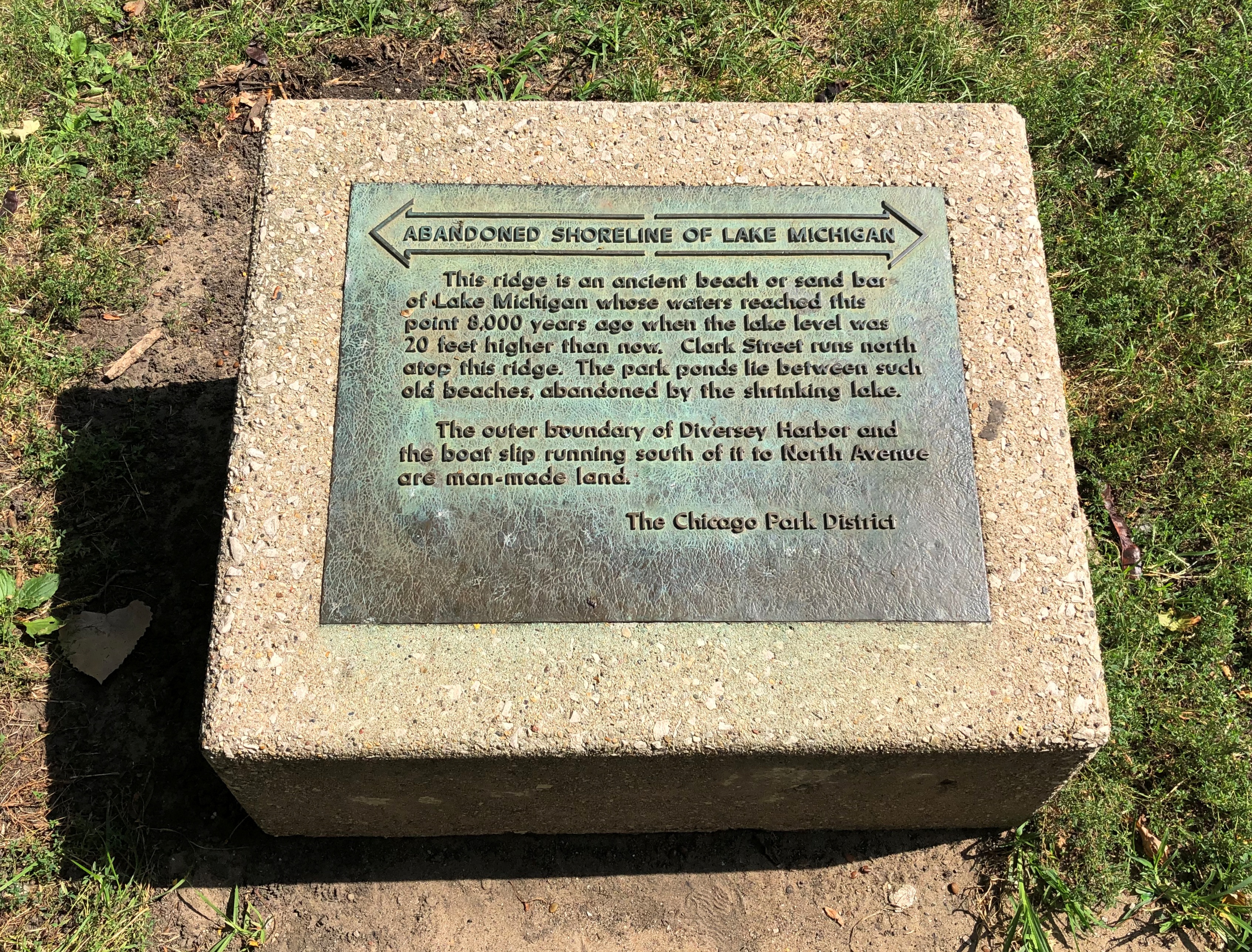
On Saturday, I noticed this plaque in Lincoln Park. I didn’t remember seeing it before.Lincoln Park, Sept 17 2022

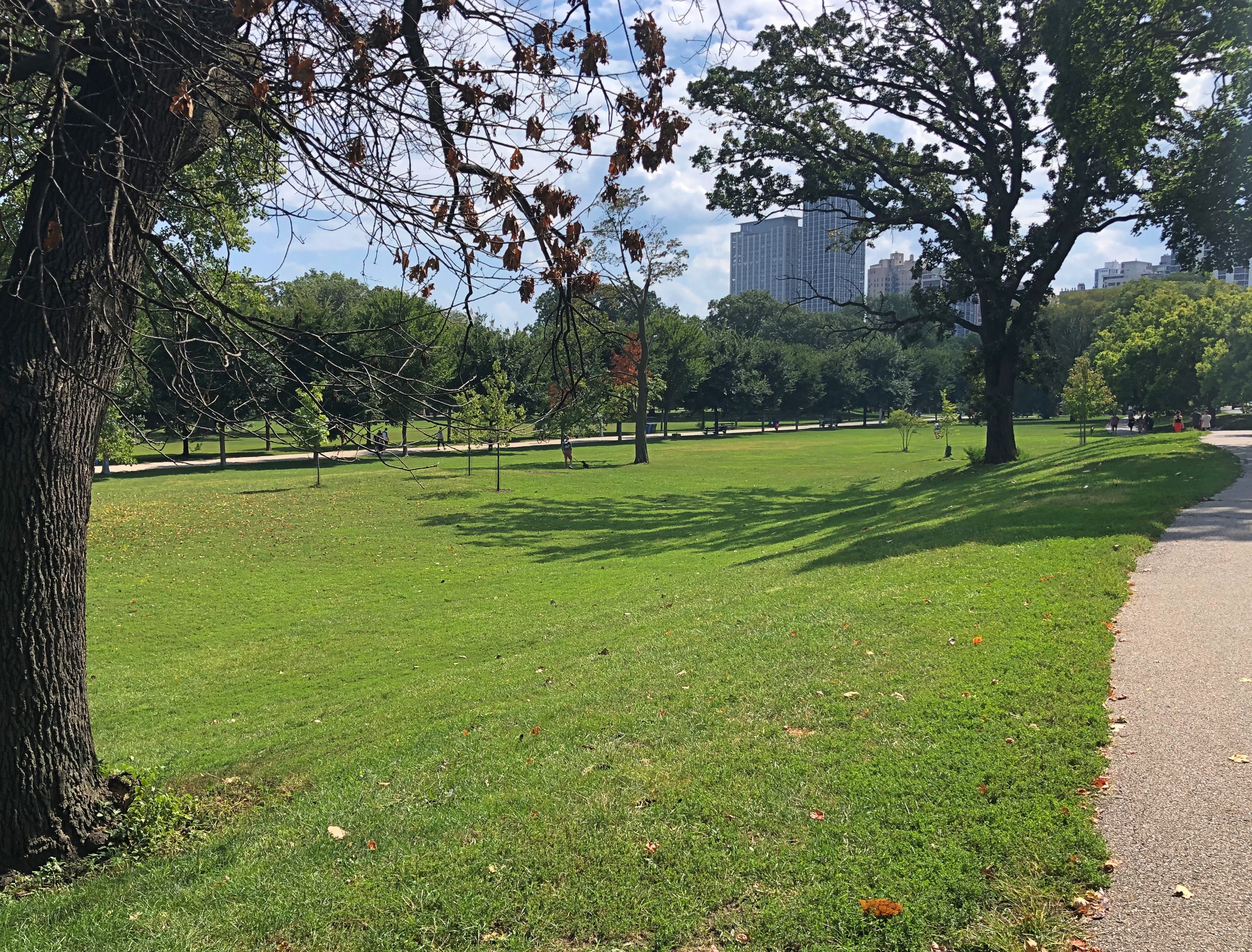
It’s in a good location. The ridge is very much visible from that spot.Lincoln Park, Sept 17 2022

Clark Street is to the right, beyond the edge of my image. At that point it’s the western edge of the park, but mostly it’s a non-grid North Side street, one I knew pretty well in my city-dwelling days. It was near my first apartment, and sometimes I took the No. 22 Clark Street bus places (occasionally all the way from downtown, but the El was faster).

In Chicago, non-grid usually means the street follows an Indian trace, and so it is with Clark, at least north of Chicago Ave. Other one-time Indian traces coursing through the North Side include Lincoln, Elston and Milwaukee Aves. The South Side has them, too, such as Ogden and Archer Aves.

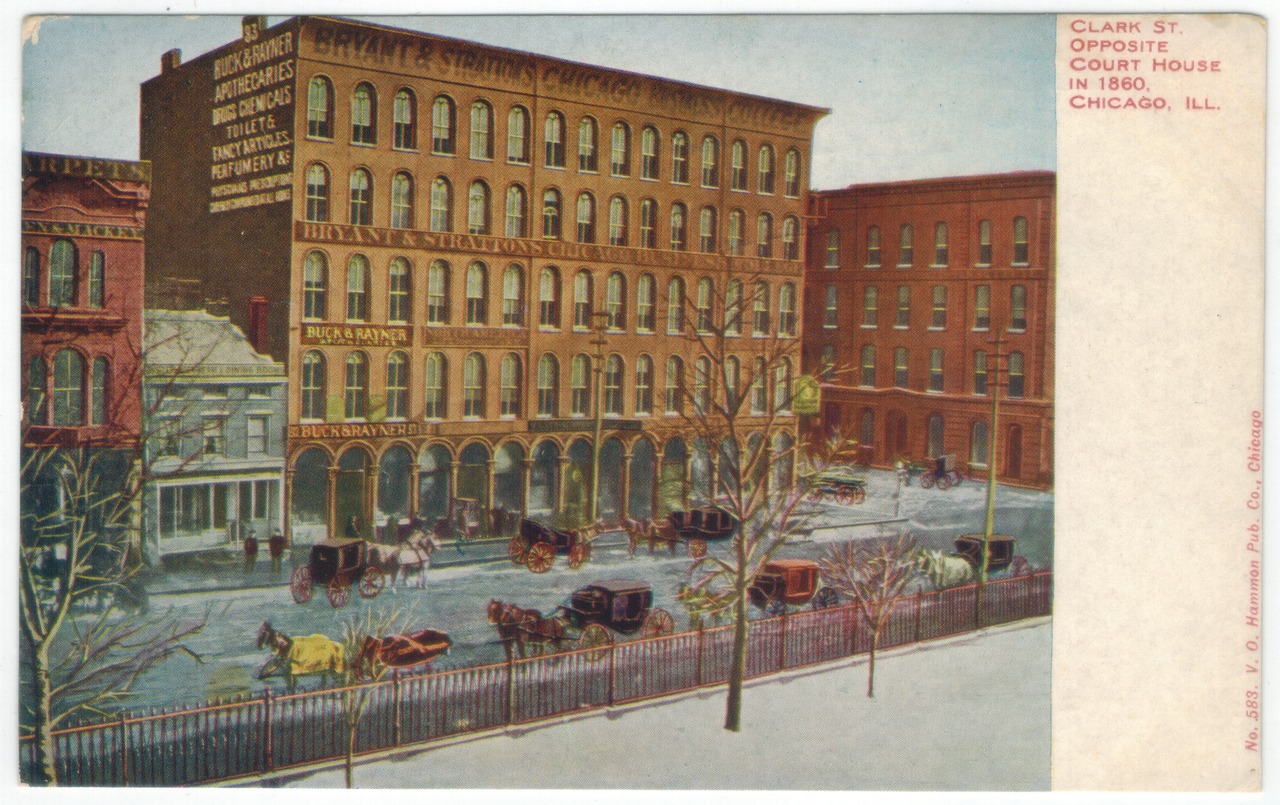
In the Loop, Clark is park of the grid, and has been there a long time. Wonder how many people realize that it’s named for George Rogers Clark, whose sizable monument is pretty far away from Chicago?

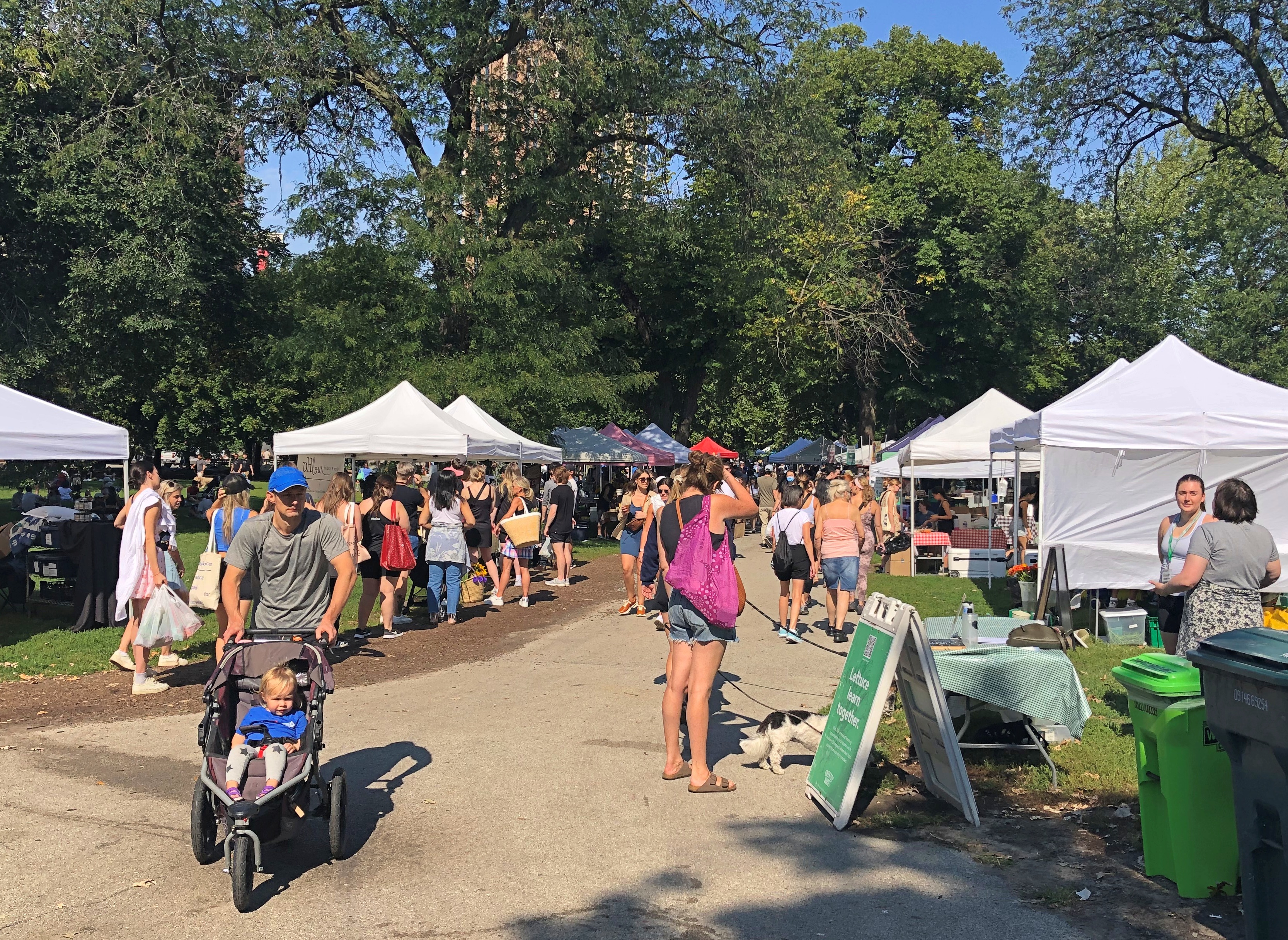
Not far from Clark on the western edge of Lincoln Park, I happened across Green City Market, a large farmer’s market, in progress. It’s held on Wednesdays and Saturdays during the warmer parts of the year. It was busy.Lincoln Park, Sept 17 2022

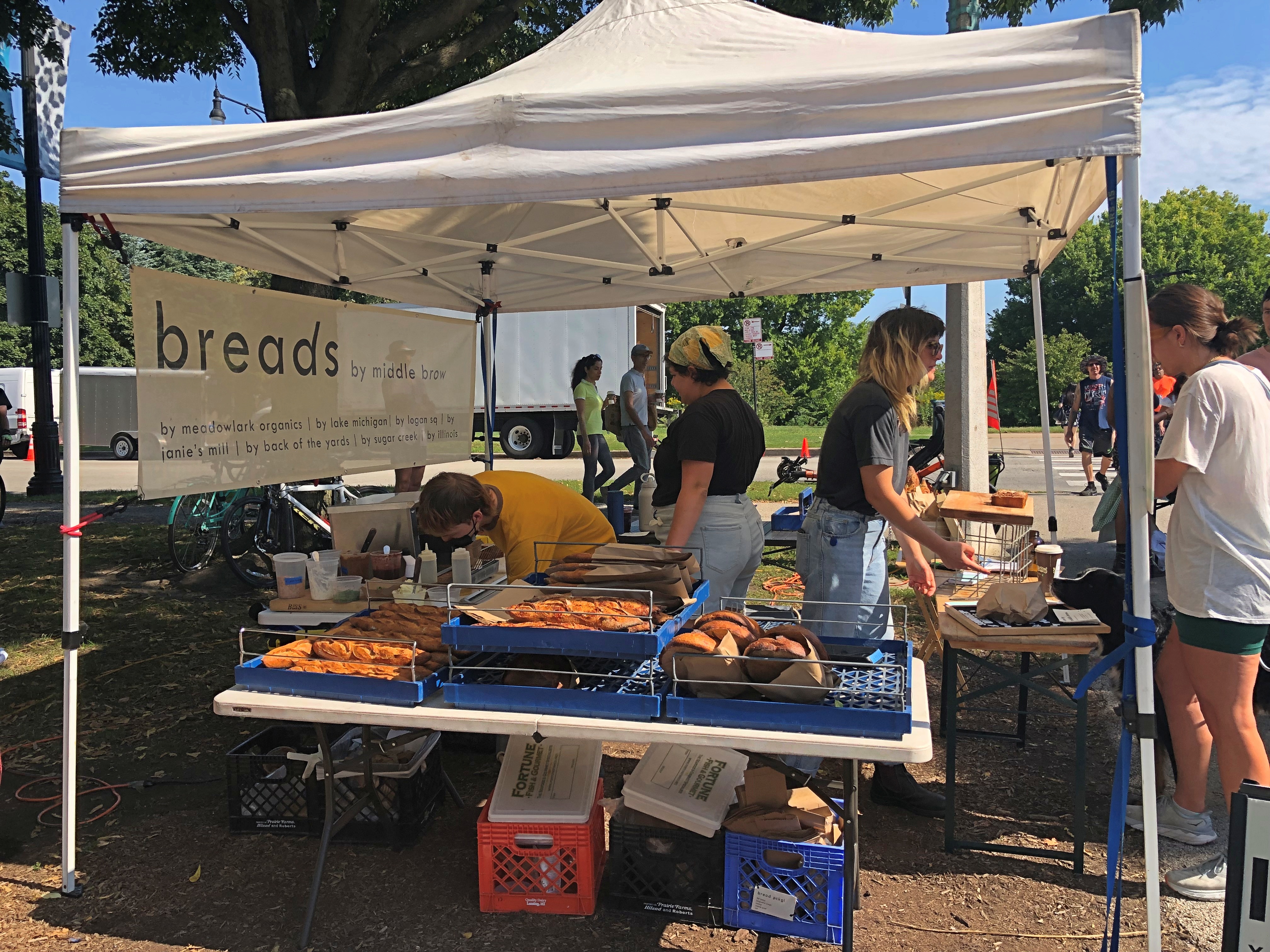
Lots of tents.Lincoln Park, Sept 17 2022 Lincoln Park, Sept 17 2022 Lincoln Park, Sept 17 2022

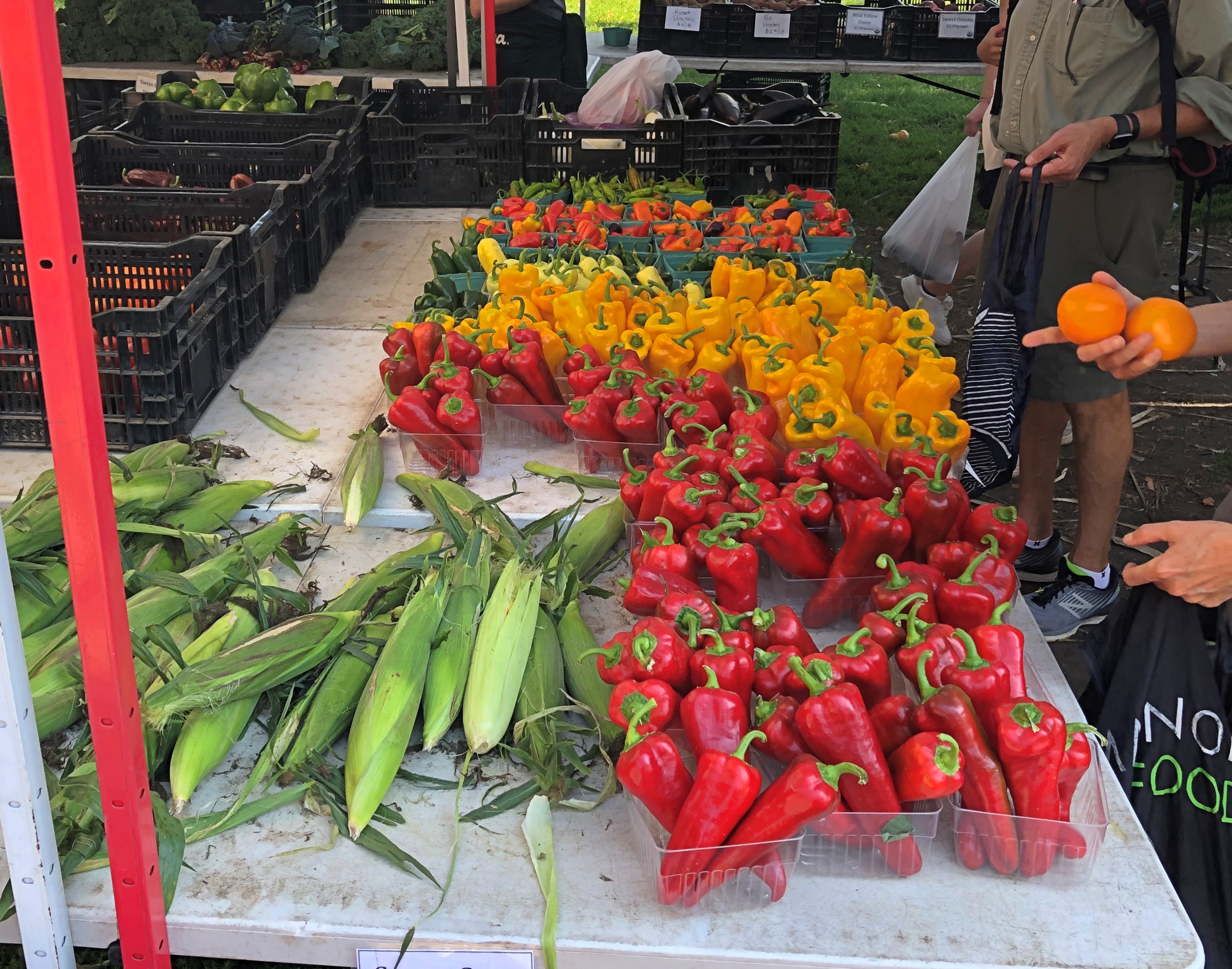
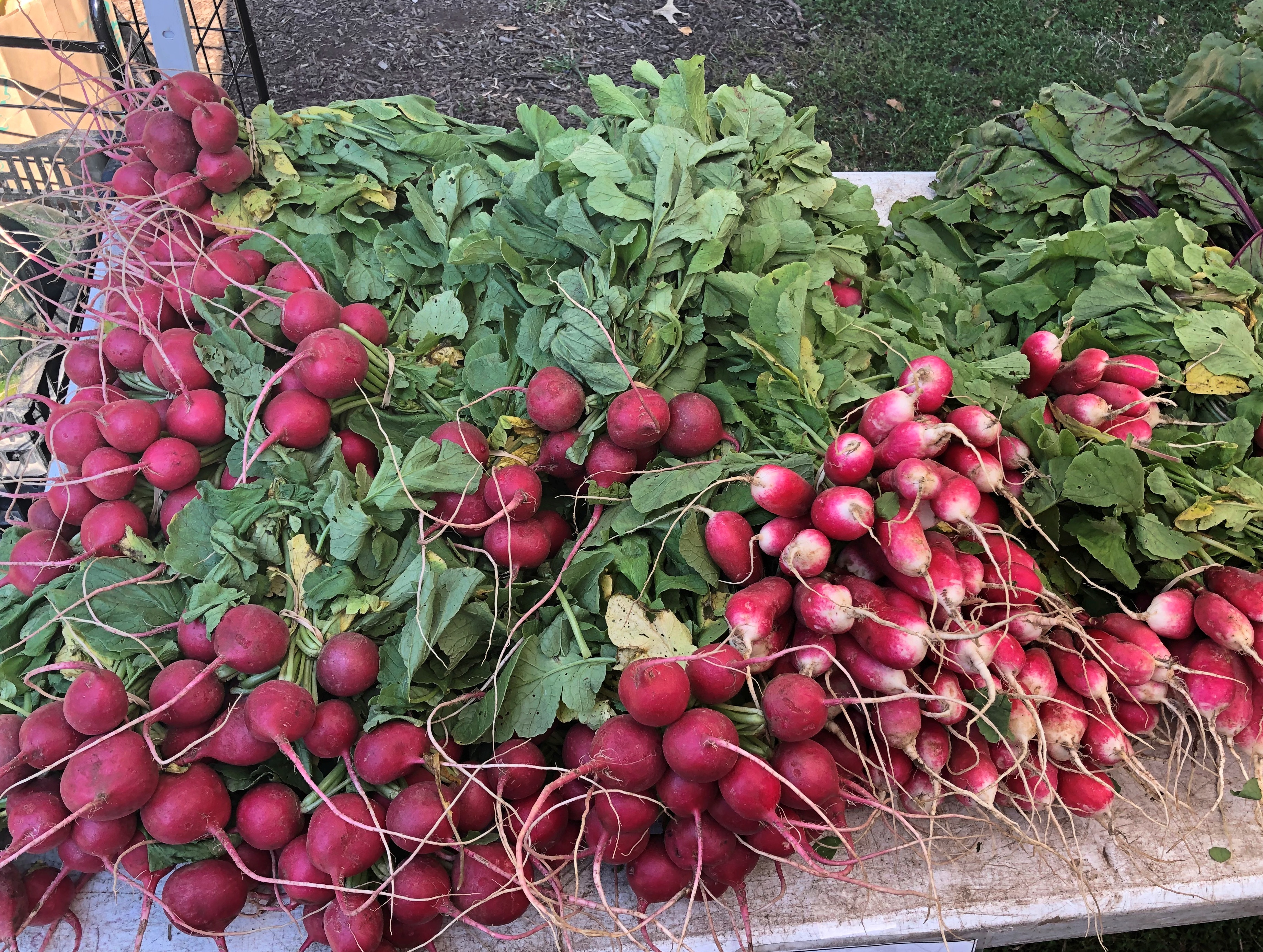
Some wonderful-looking produce.Lincoln Park, Sept 17 2022 Lincoln Park, Sept 17 2022

I don’t begrudge the farmers their direct-to-consumer sales, but the emphasis on “organic” and “pasture raised” and — I saw this — “regenerative agriculture” — got to be a little much. At least I didn’t see anything advertised as “curated.” It can’t be as simple as “fresh produce,” can it?

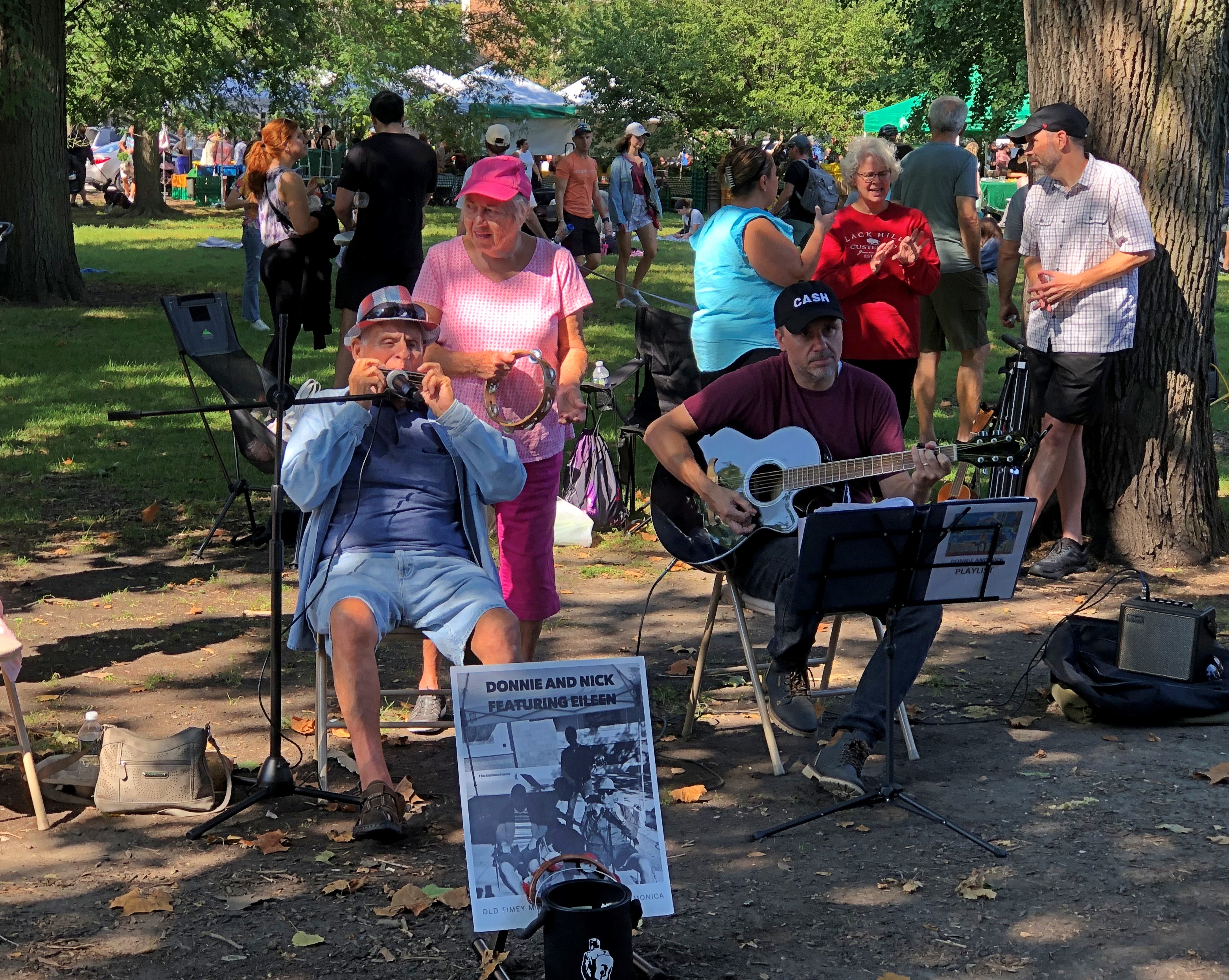
But that didn’t bother me too much. I enjoyed the band.Lincoln Park, Sept 17 2022

The tip in their bucket was the only money I spent in the park that day.

A Summery September Saturday in Lincoln Park

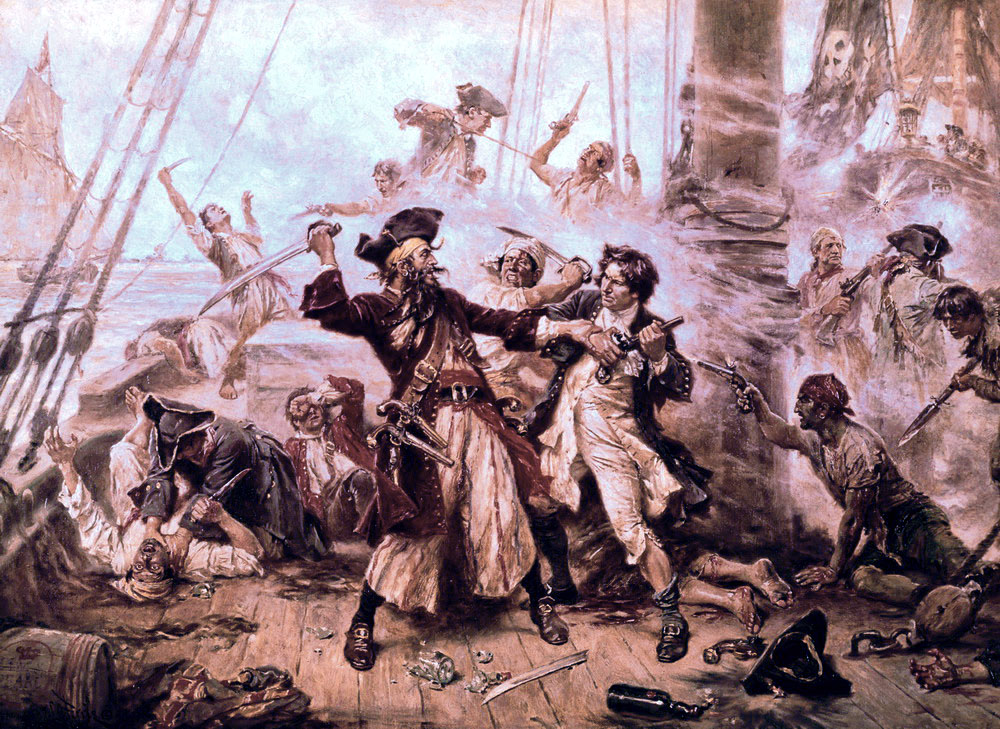
I can’t let International Talk Like A Pirate Day pass without a mention, as I have for so many years. Somehow, that would be wrong. There’s a place in the world for silly days. So here’s a public domain image for the occasion.

“The Capture of the Pirate Blackbeard, 1718” by Jean Leon Gerome Ferris (1920). He’s an American artist I wasn’t familiar with until recently. He’s been mostly forgotten, his style considered outdated.

Summer in its mildest form lingers here in northern Illinois: bright days, little wind, puffy clouds, temps that let you forget whether the air is hot or cold. Good for going out for a long walk (Saturday) or staying at home and sleeping late and then lounging on the deck (Sunday) and reading and watching various bits of visual entertainment.

The Saturday walk was through Lincoln Park in Chicago, from the southern edge northward, along the boardwalk and into the zoo, and back again along the ridge that used to be the lakeshore. I also passed through a crowd at a farmers’ market.

Been a while since my last visit. That too was a late summer stroll.

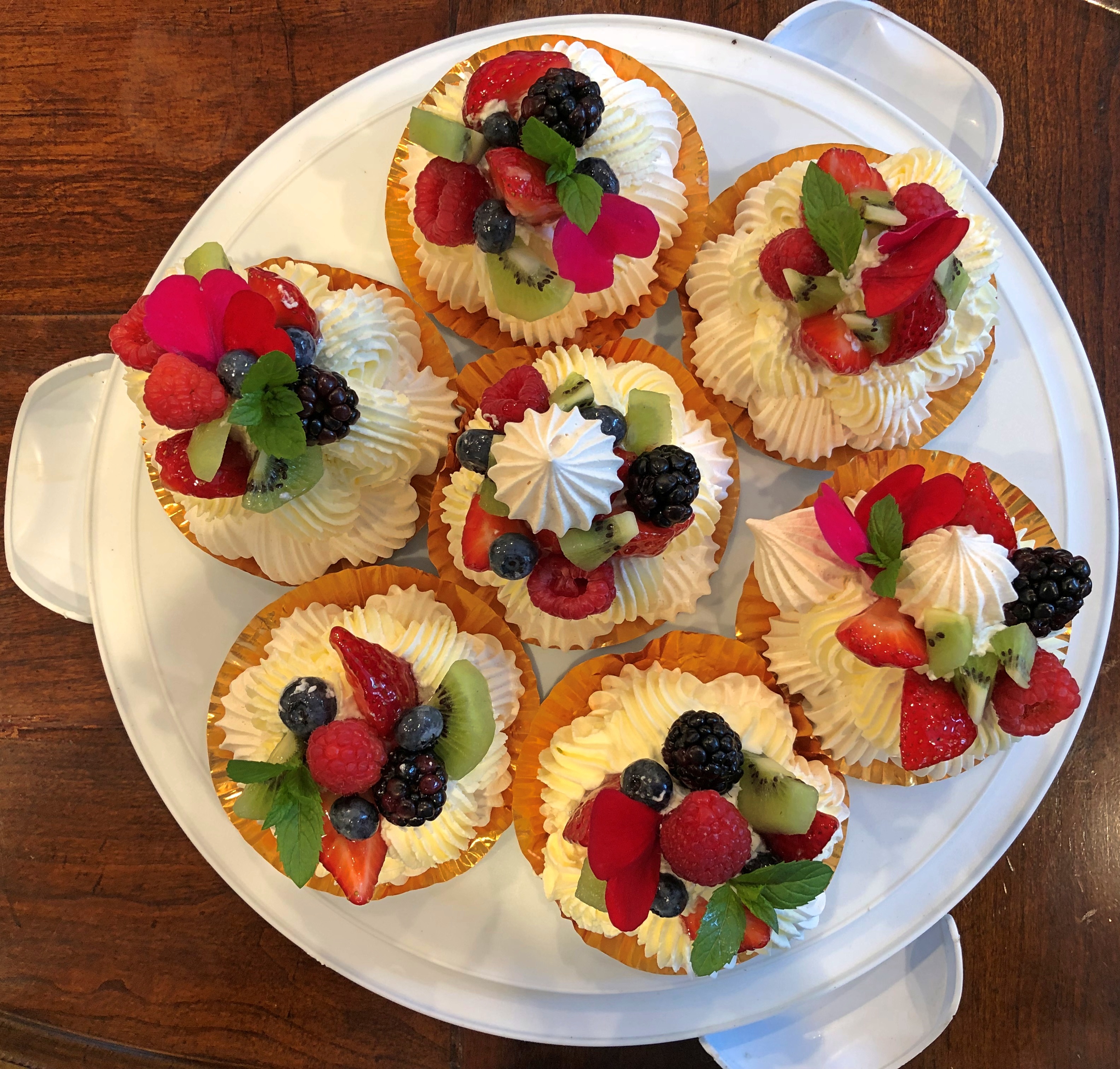
This time, Yuriko was at her cake class making this —

— which is every bit as good as it looks.

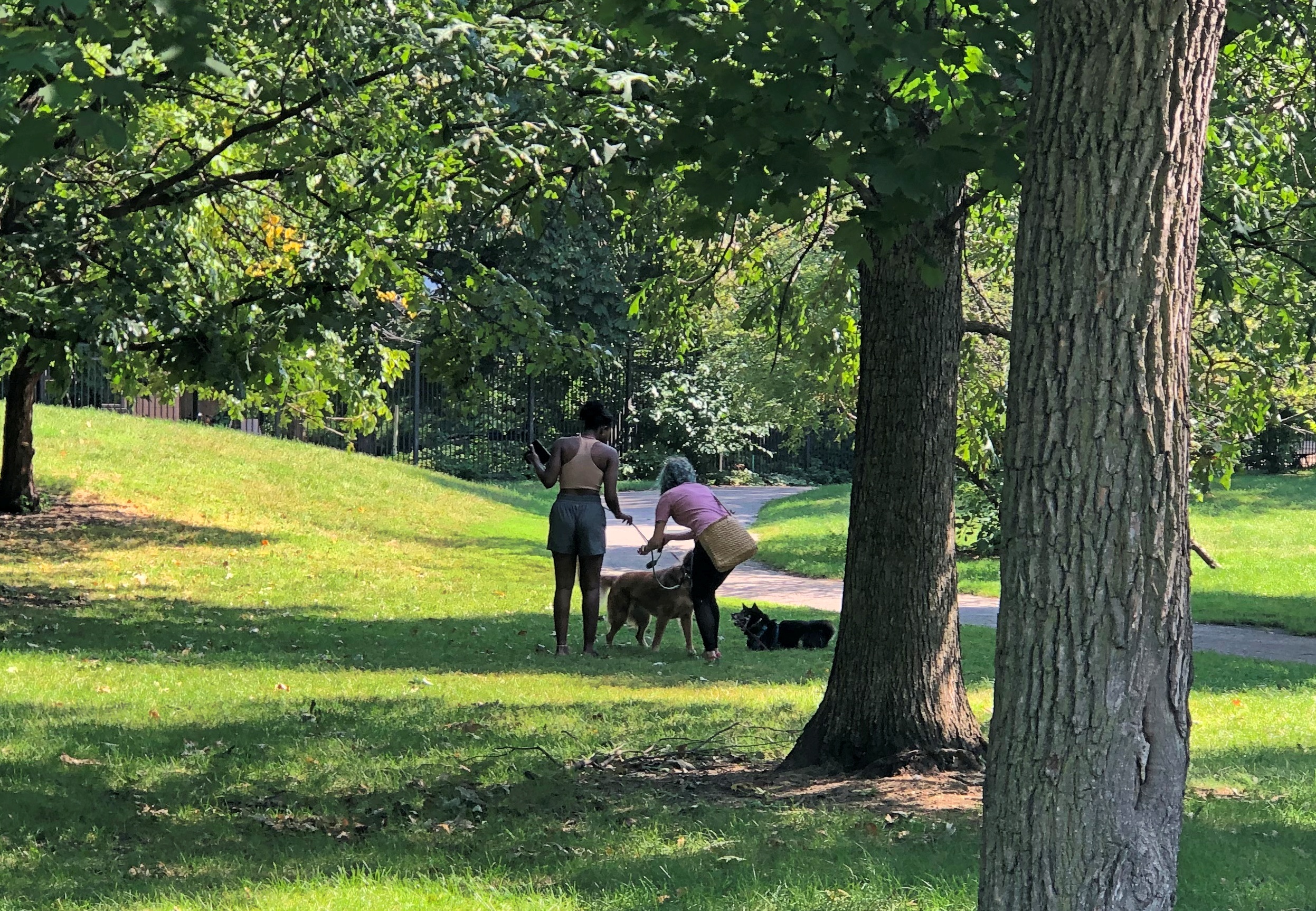
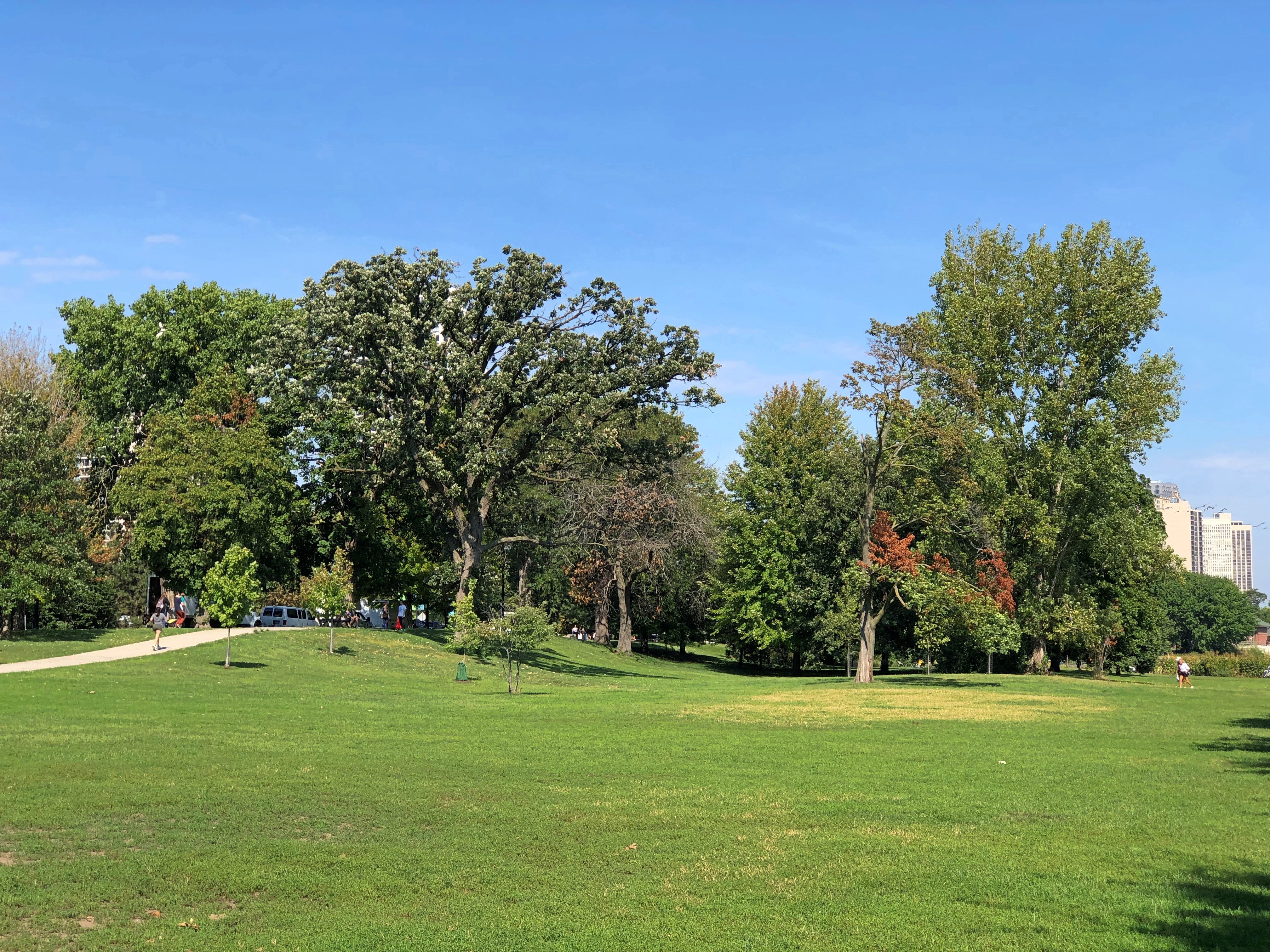
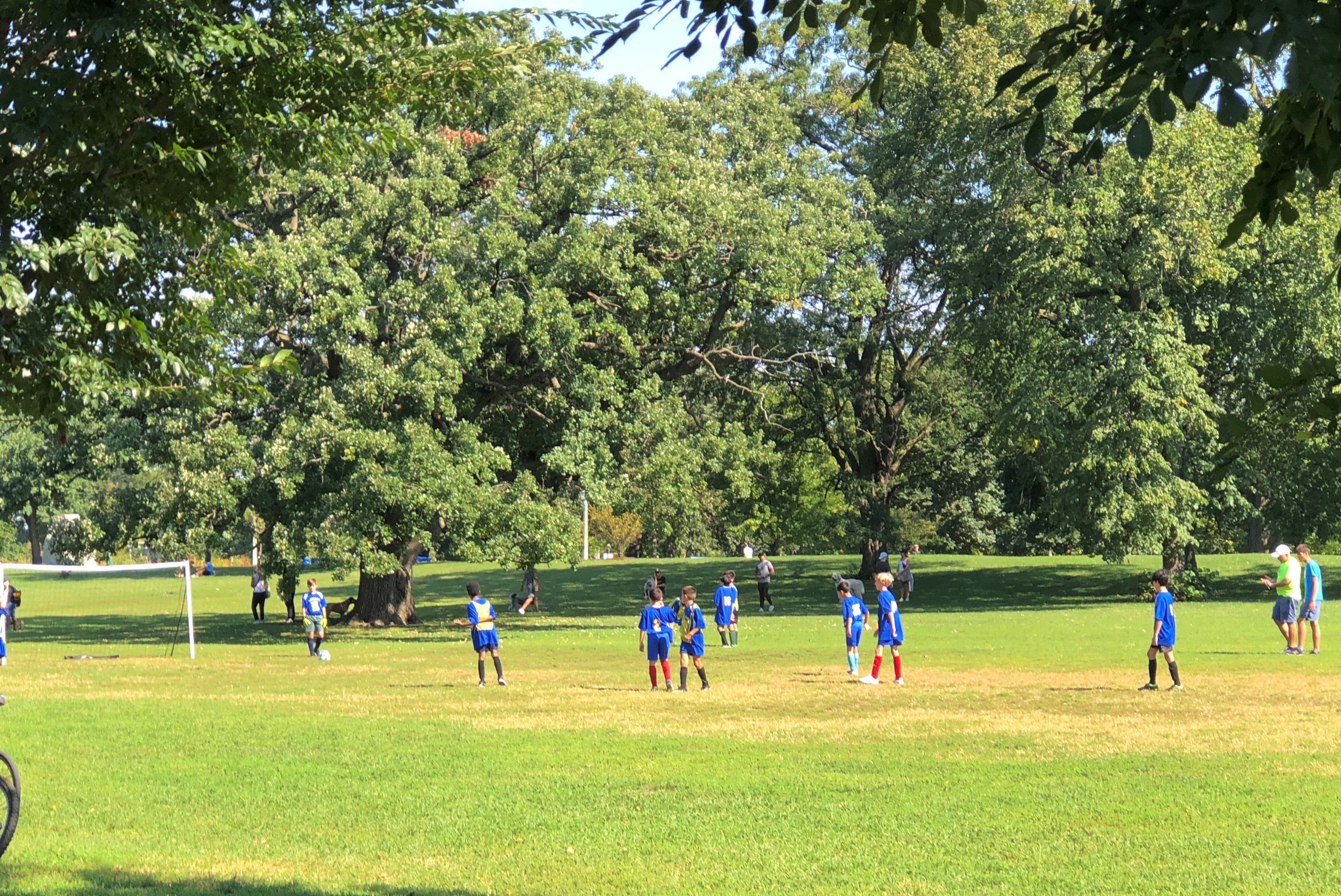
Meanwhile, I took a bus east to Lincoln Park, crown jewel of the Chicago Park District and home to fields and paths and trees and shrubs.Lincoln Park, Sept 17, 2022
Lincoln Park, Sept 17, 2022 Lincoln Park, Sept 17, 2022

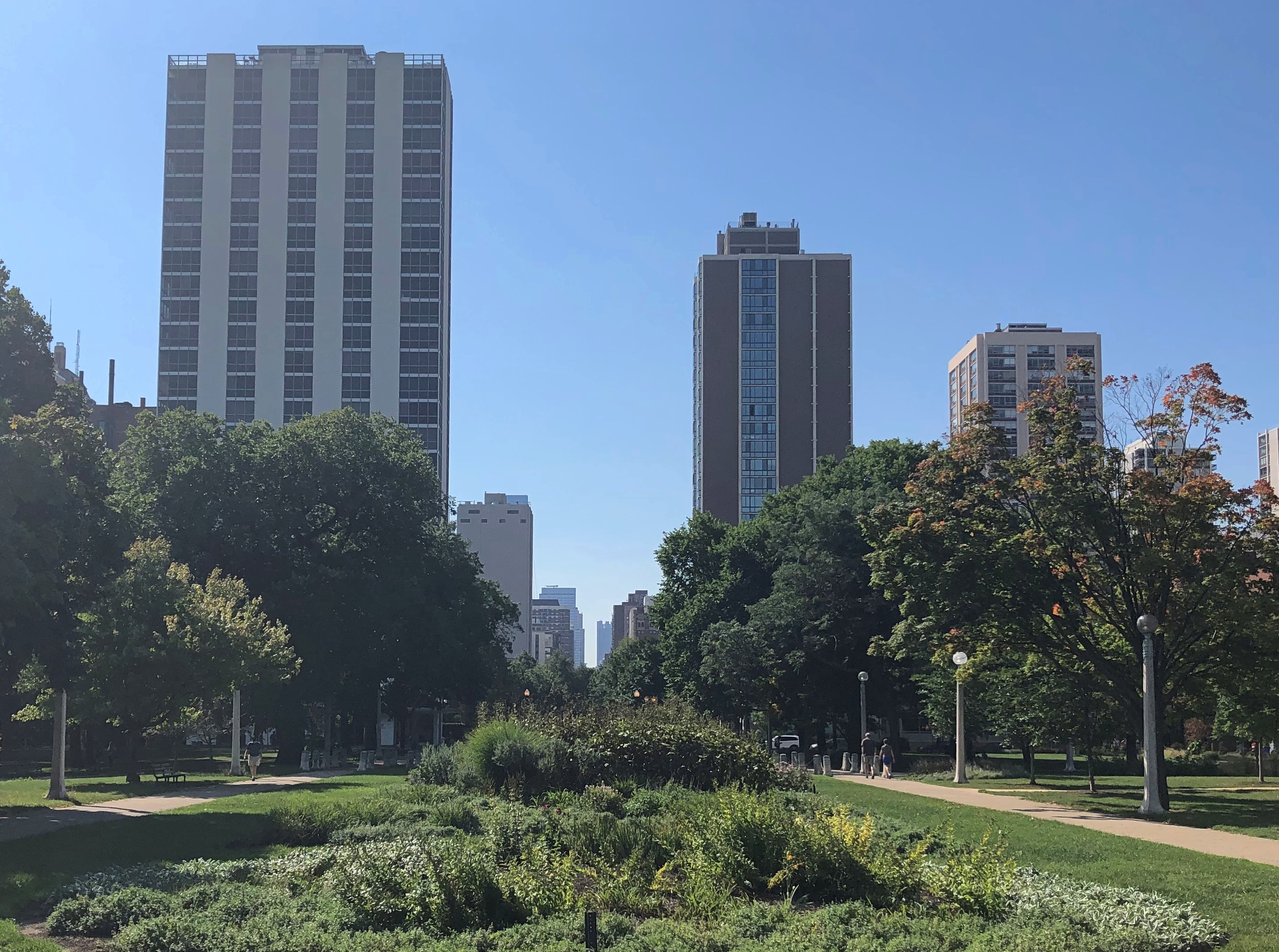
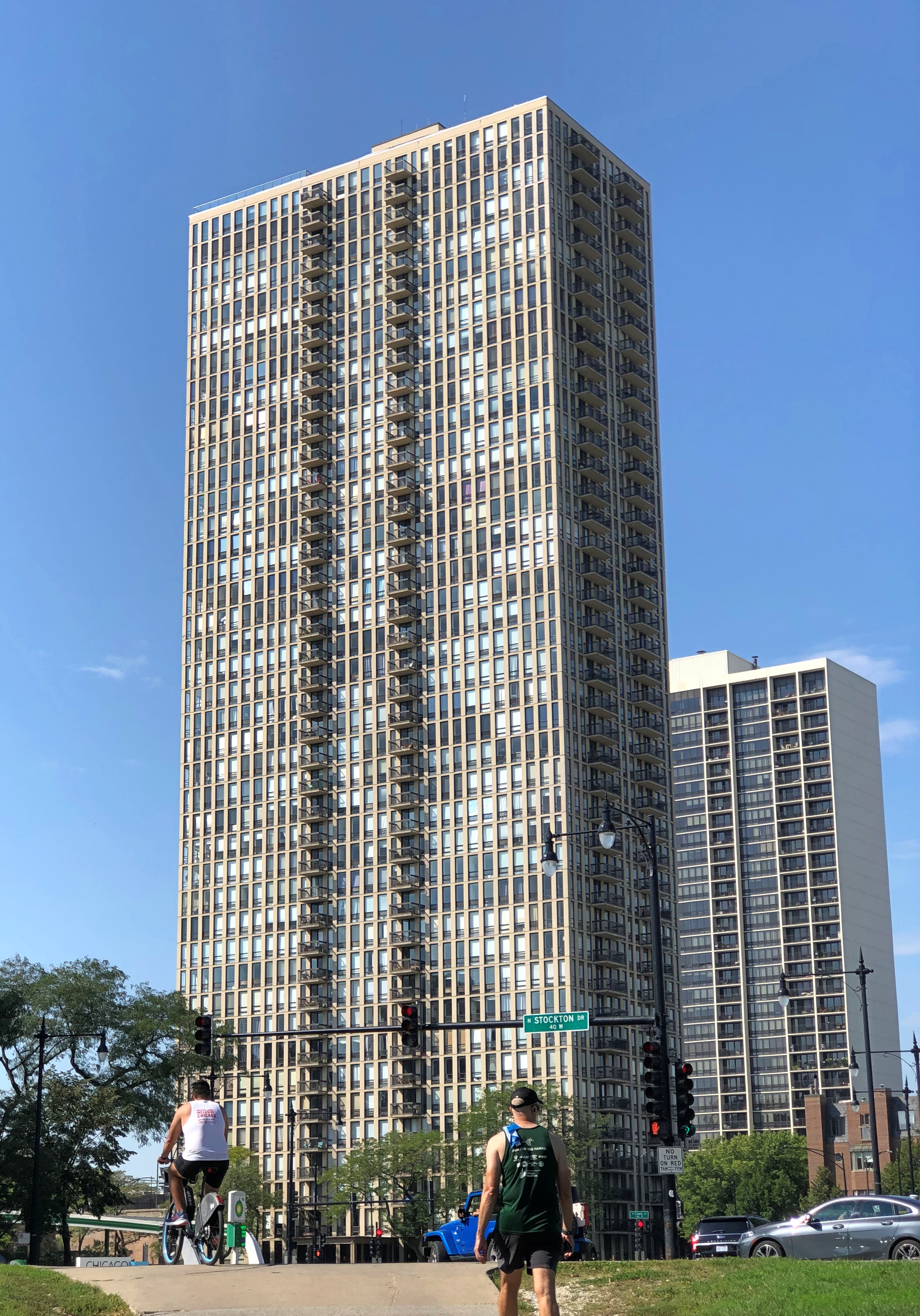
But there’s no forgetting the surrounding city.Lincoln Park, Sept 17, 2022 Lincoln Park, Sept 17, 2022

I didn’t seek out monuments this visit. The park is dotted with them, as much in the background as the tree canopy or bushy undergrowth for most people, who are missing messages in bottles from the past.

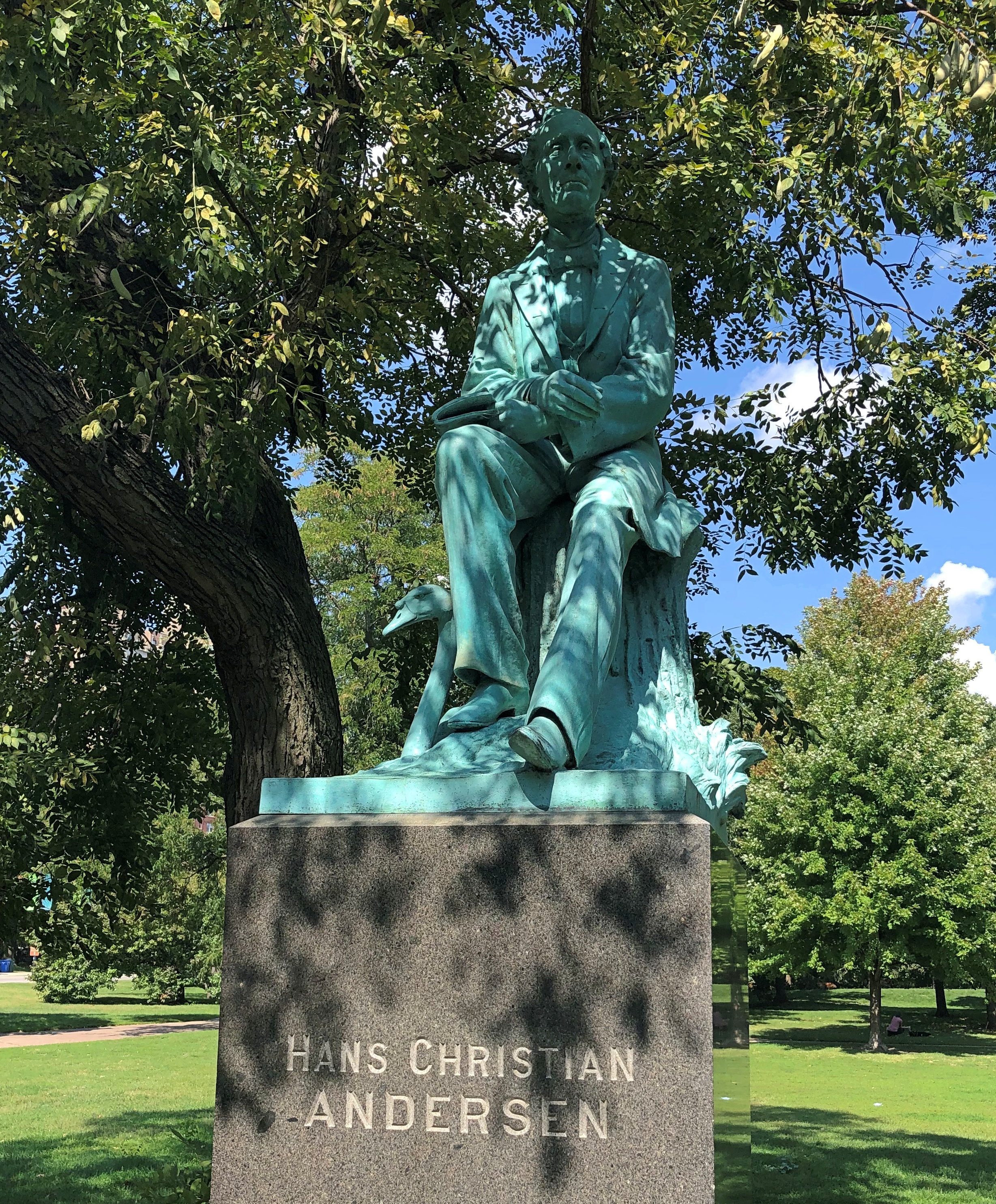
I did pause at Hans Christian Andersen, whose bronze dates from 1896. It gave the impression that he was enjoying the shade.Lincoln Park, Sept 17, 2022

“The Hans Christian Andersen Monument Association [local Danes] commissioned John Gelert to produce the sculpture,” park district says. “A Danish immigrant, John Gelert (1852–1923) arrived in Chicago in 1887, receiving his first commission for the Haymarket Riot Monument two years later.

“Gelert portrayed the children’s author sitting with a book in hand and a swan at his feet, alluding to his world-famous story, ‘The Ugly Duckling.’ The artist explained that ‘he had the advantage of studying several good photographs of Andersen taken at various times in his life.’

“Gelert displayed the Hans Christian Andersen Monument along with his now-missing Beethoven Portrait Bust at the World’s Columbian Exposition of 1893. (Installed in Lincoln Park in 1897, the Beethoven bust was stolen in 1970.)”

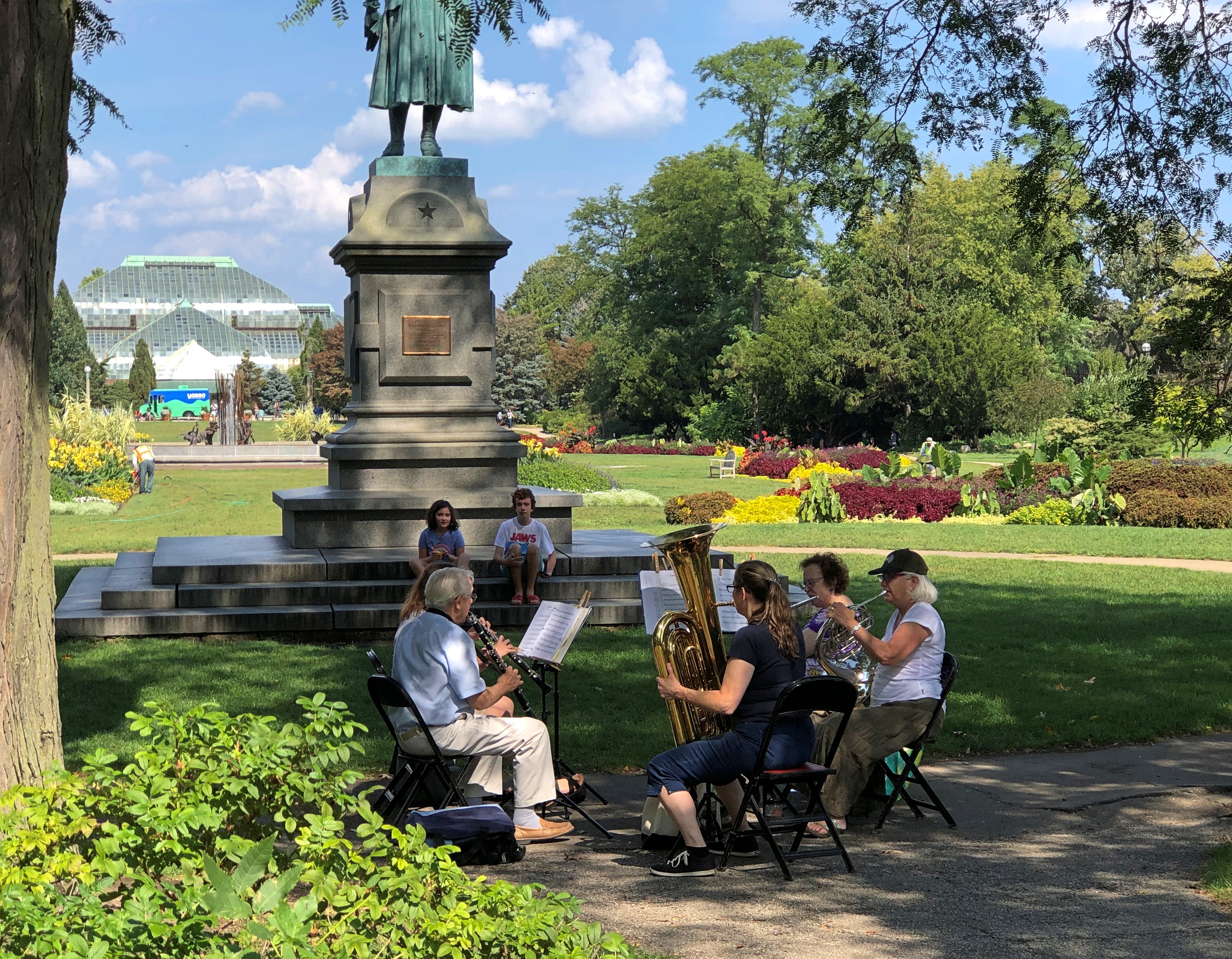
Elsewhere, in the shade of the Schiller statue, in fact, a small brass band did some tunes al fresco.Lincoln Park, Sept 17, 2022

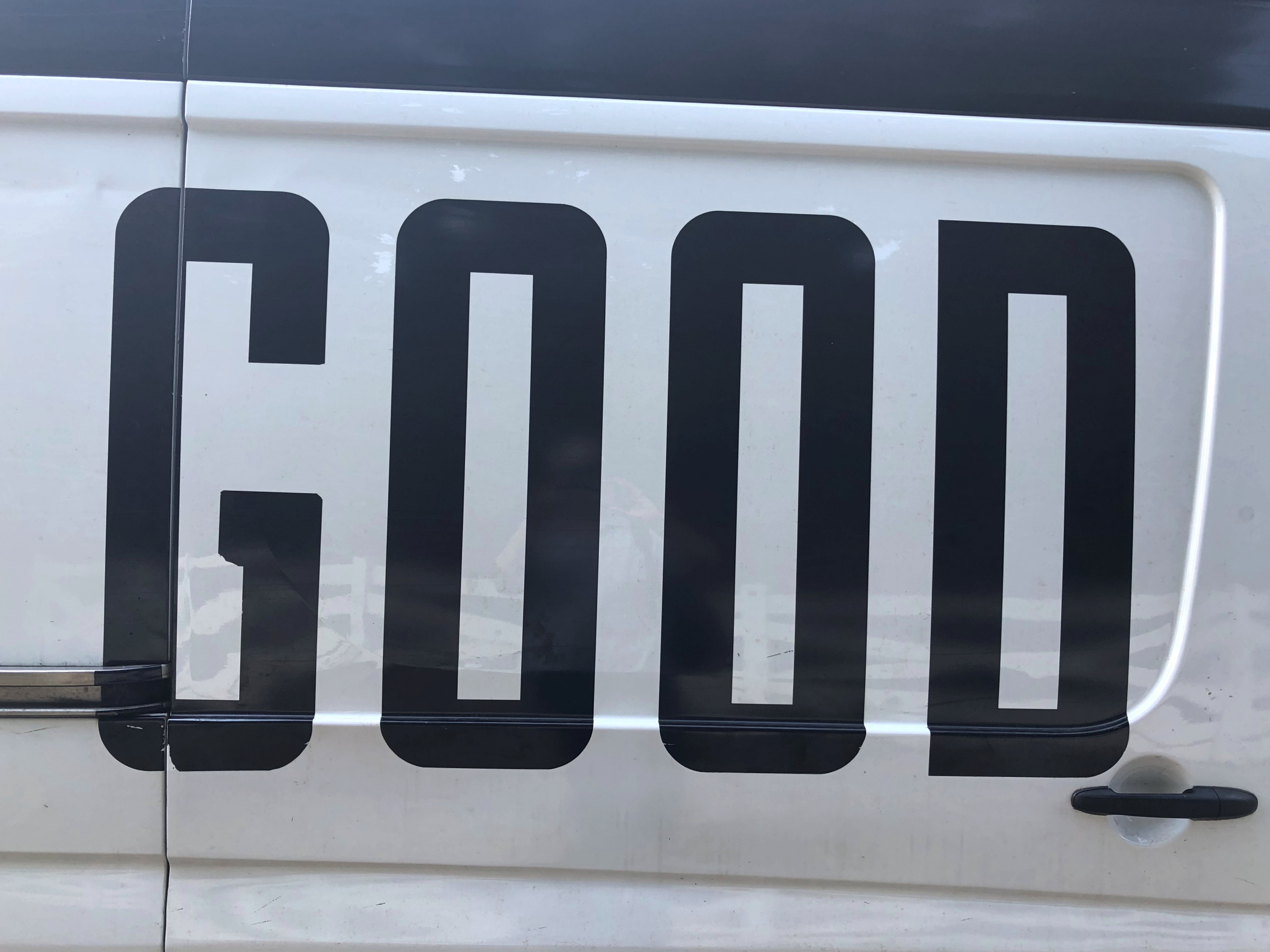
On the whole, the walk was good.Lincoln Park, Sept 17, 2022

As I saw printed on the side of a truck parked on a street running through the park.

Thursday Grab Box

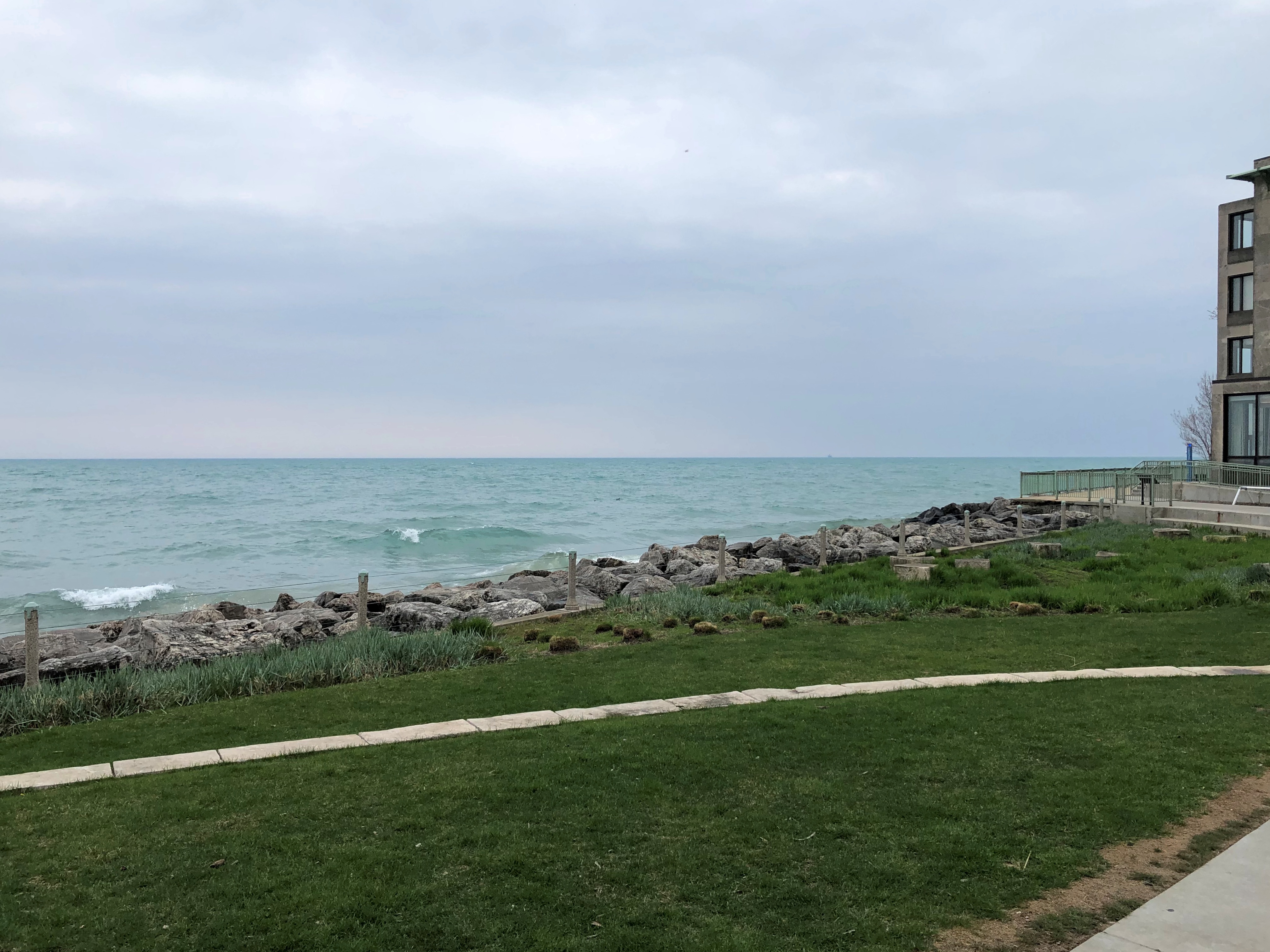
Lake Michigan was active but not stormy on Saturday. Views from Loyola.Lake Michigan 2022 Lake Michigan 2022

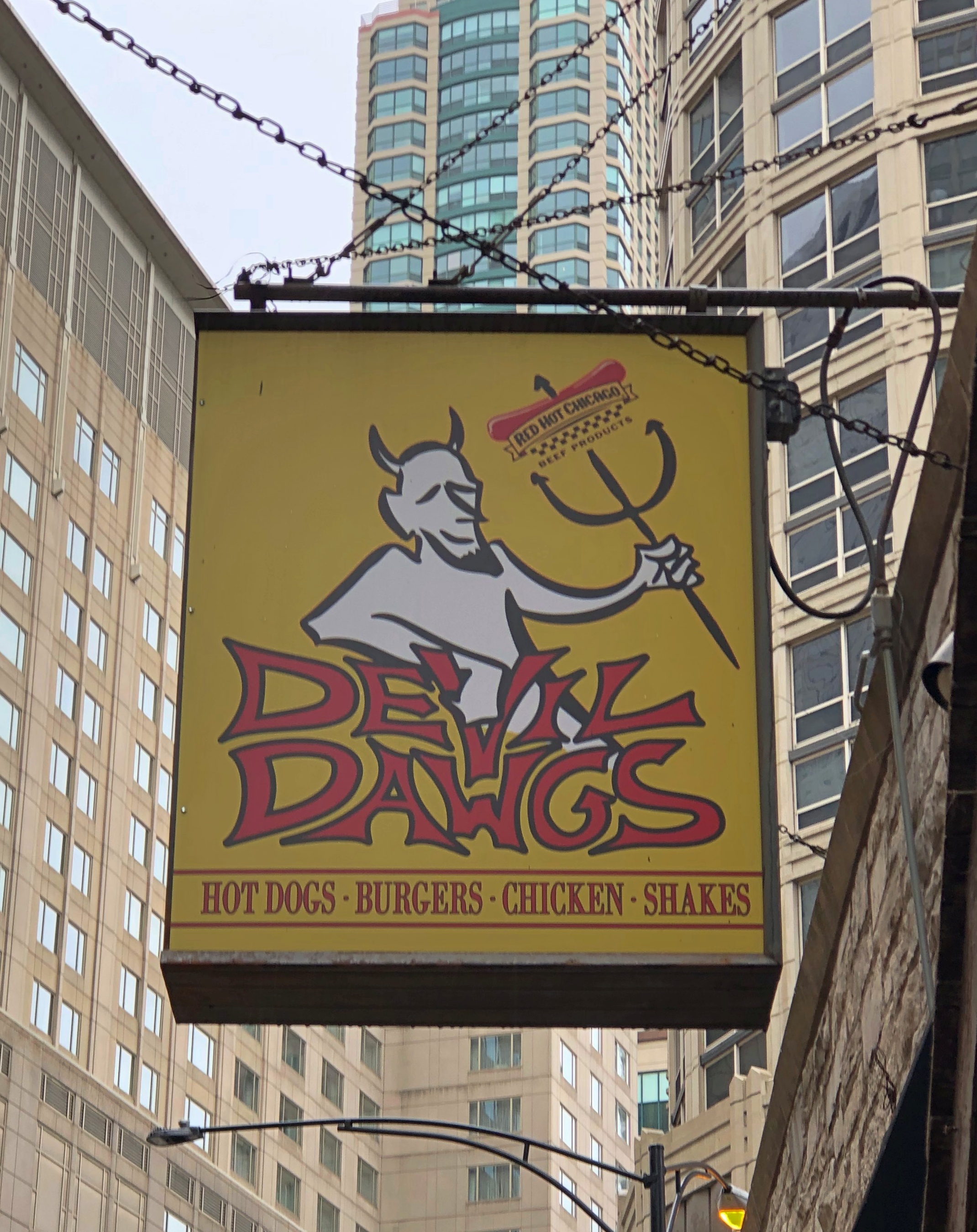
There’s a coffee-table book in this: chain-hung Chicago signs.
Devil Dawgs Chicago

High-res images, of course. Can go on the same coffee table with Austin neon.

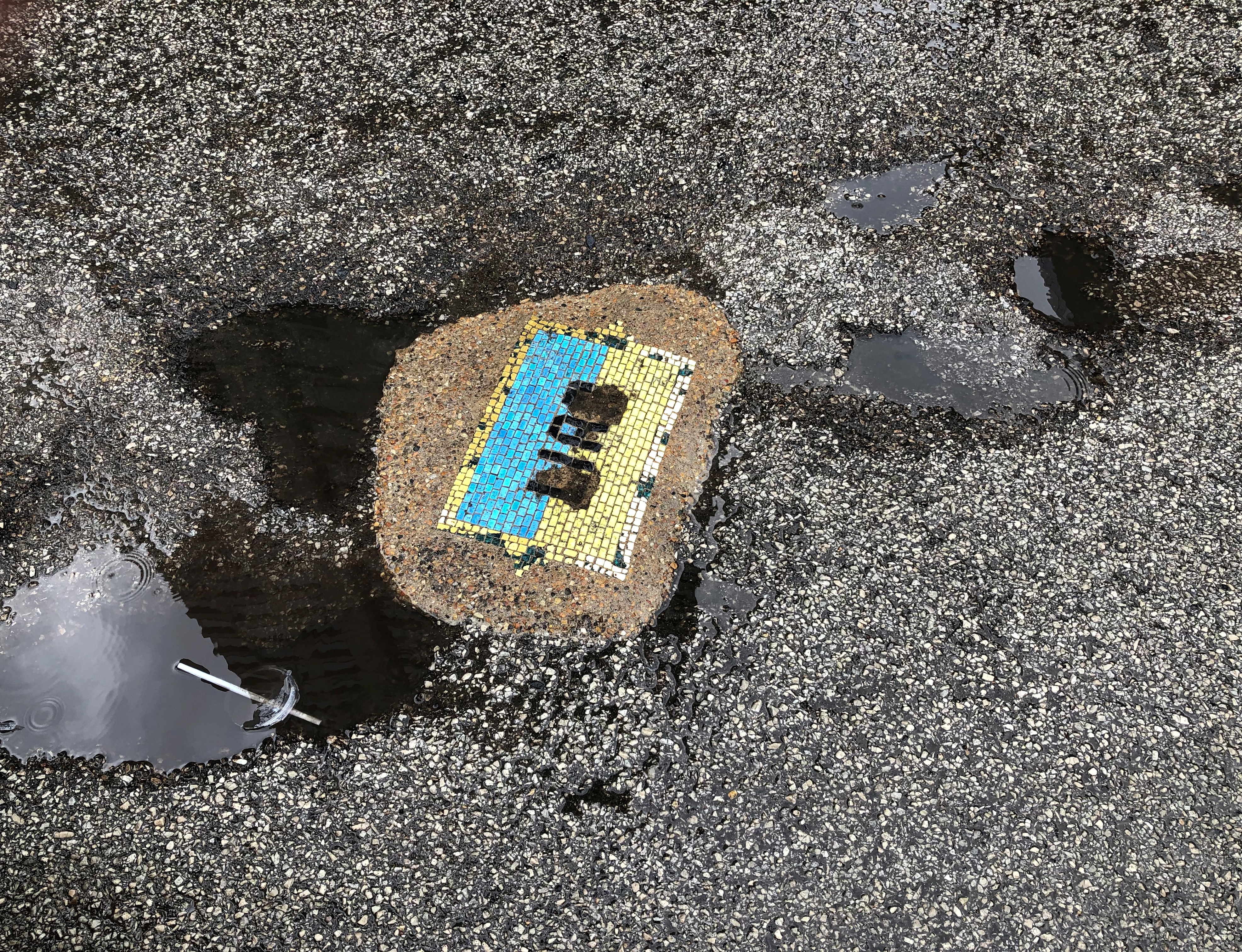
Also Chicago. Specifically, on the street. Make that in the street: a Toynbee tile-like embedment doing its part to remind us of the beleaguered Ukrainians.

Recently I started reading Illegal Tender, subtitled “Gold, Greed and the Mystery if the Lost 1933 Double Eagle,” by David Tripp (2004). A remainder table find some years ago; nice hardback. As it says, the book tells the intriguing (to me) story of the 1933 Double Eagle, which tends to make lists of the world’s most valuable coins, along with the likes of the Brasher Doubloon, the 1804 Bust Dollar and the 1913 Liberty Nickel. Coins so special that their names are capitalized.

On that particular list, I hadn’t heard of the 723 Umayyad Caliphate Gold Dinar, but wow, what a name, with images of ancient treasure in distant lands woven right into the words. The 1913 Liberty Nickel was the MacGuffin in an episode of the original Hawaii 5-0. Namely, “The $100,000 Nickel,” which first aired on December 11, 1973.

“A rare 1913 Liberty Head nickel, one of only five ever made, is to be auctioned at a coin show held at the Ilikai Hotel,” says the imdb entry on the episode. “European master criminal Eric Damien gets con artist and sleight-of-hand expert Arnie Price freed from jail so that he can switch a cleverly-made fake with the original before the auction. But things do not go as planned, as Price, fearing capture, tries to dispose of the nickel in a news rack, and the chase is on to recover the nickel before anyone else finds it.”

Naturally, McGarrett and his men recover the nickel. I don’t remember that specifically, even though I saw that episode either that day or on repeat, but that’s a safe assumption for the denouement. I do remember that I’d heard of the nickel before, probably in a Coins or Coinage article.

I think the episode at least partly inspired one of the Super 8 movies I made with friends David and Steve in junior high, The $300,000 Dime, which I think involved Swiss operative Hans Lan foiling the theft of the titular dime. Sadly, this and the other Hans Lan story, The Assassin, plus the SF non-epic Teedees of Titan and a couple of others whose names I’ve forgotten, are lost as the Hanging Gardens of Babylon, except that no one cares.

The Madonna della Strada Chapel

Today would have been a pleasant day in February: rainy and in the 40s F. In May, you grumble: where’s my missing 30 degrees? The grass is lush and the trees are budding, but so what. When it finally gets warm, though, all will be forgotten.

After lunch on Saturday, I decided a good use of the afternoon would be to visit another sacred space I’d long known about, but never ventured inside, like the Chapel of St. James that morning. That meant an El ride north from downtown to the Loyola stop at the edge of the Rogers Park neighborhood, the northernmost bit of the city on Lake Michigan.

Years ago, I lived a few stops south of Loyola, and occasionally went there. Mostly to visit a bookstore on Sheridan just outside Loyola University’s Lake Shore campus — or was it two bookstores and a raft of other oddball retail? Looking around Sheridan now, there’s no trace of the late ’80s retail that once was there. That isn’t a surprise, but it’s a touch melancholic all the same.

Black Star was the name of the bookstore I remember best. An 1989 article in the Chicago Tribune noted: “Walk up a flight of stairs and you will enter a red and black labyrinth — two of the colors of the Holy Roman Empire`s coat of arms — containing thousands of used books, from dirt-cheap paperbacks to equally cheap hardcovers. There’s a tiny cafe in the back-six wooden tables surrounded by large ferns — where you can sip coffee and tea and munch on some pastries…

“Specialties: Psychology, religion, philosophy, literature, history, occult, art, language, film, romance, mystery, children’s, science, drama, science fiction. Particularly strong in the literature, philosophy and history of the European peoples.”

I bought a few books there. Just another lost bookstore now. I’ve known quite a few.

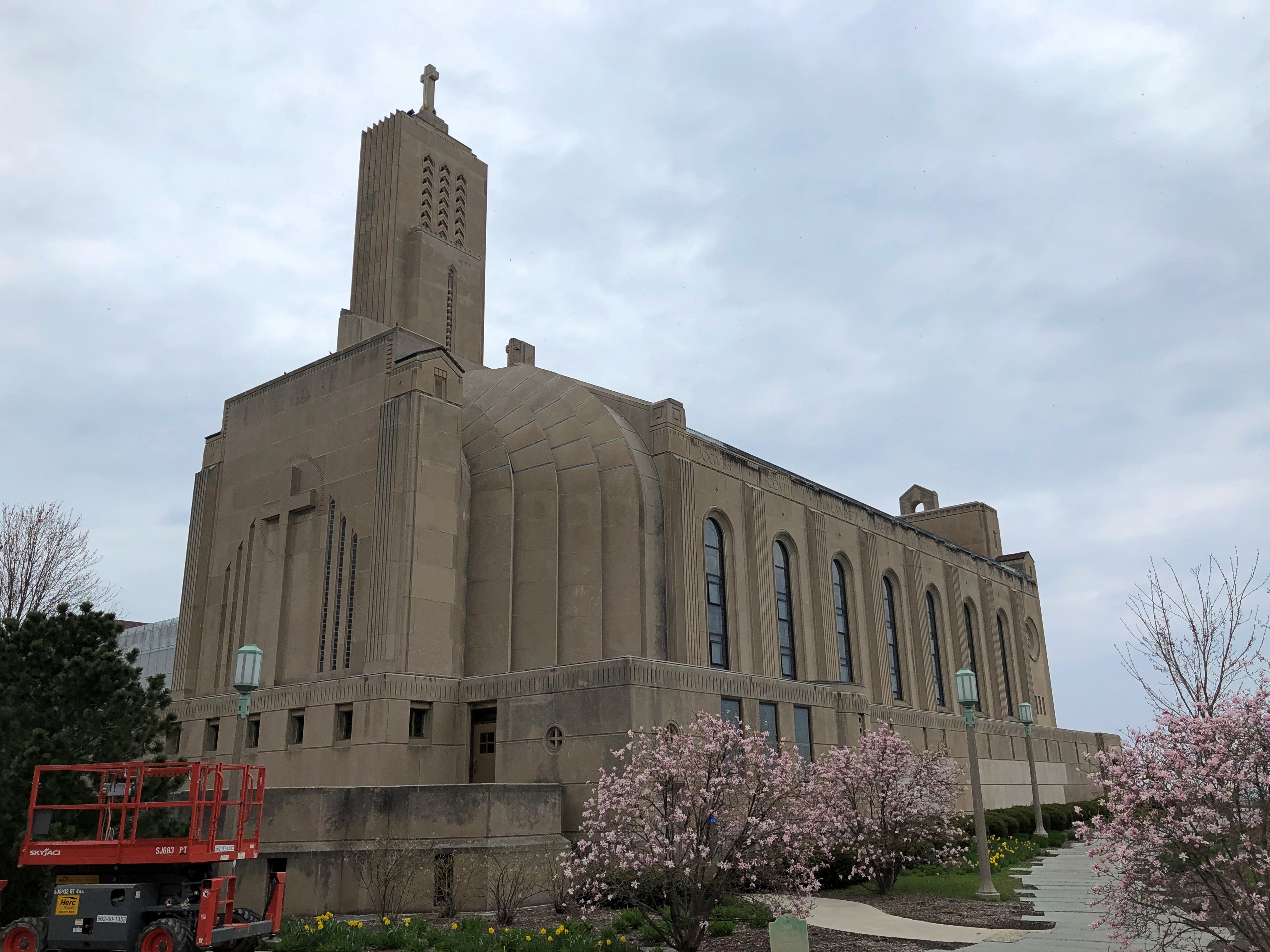
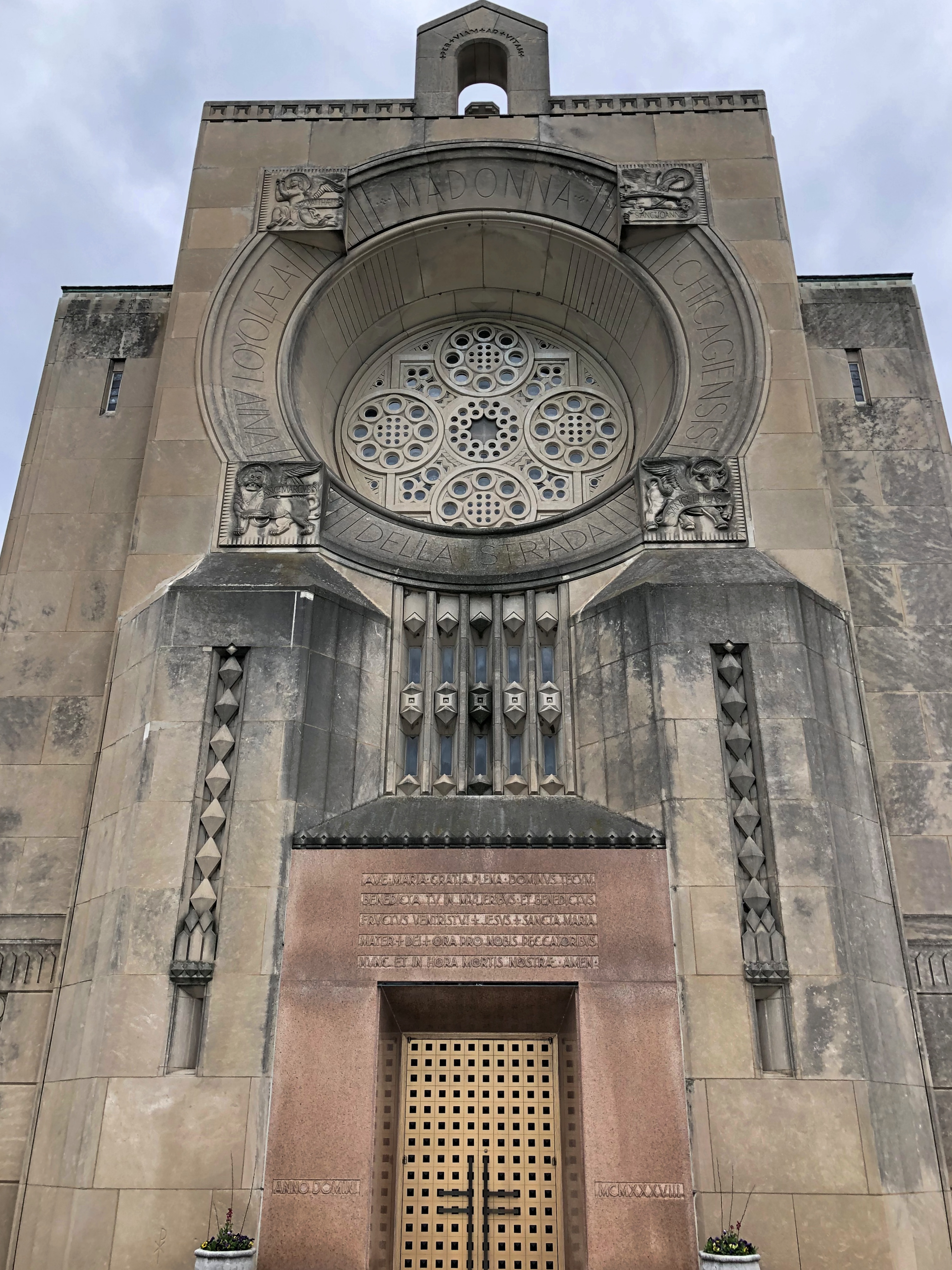
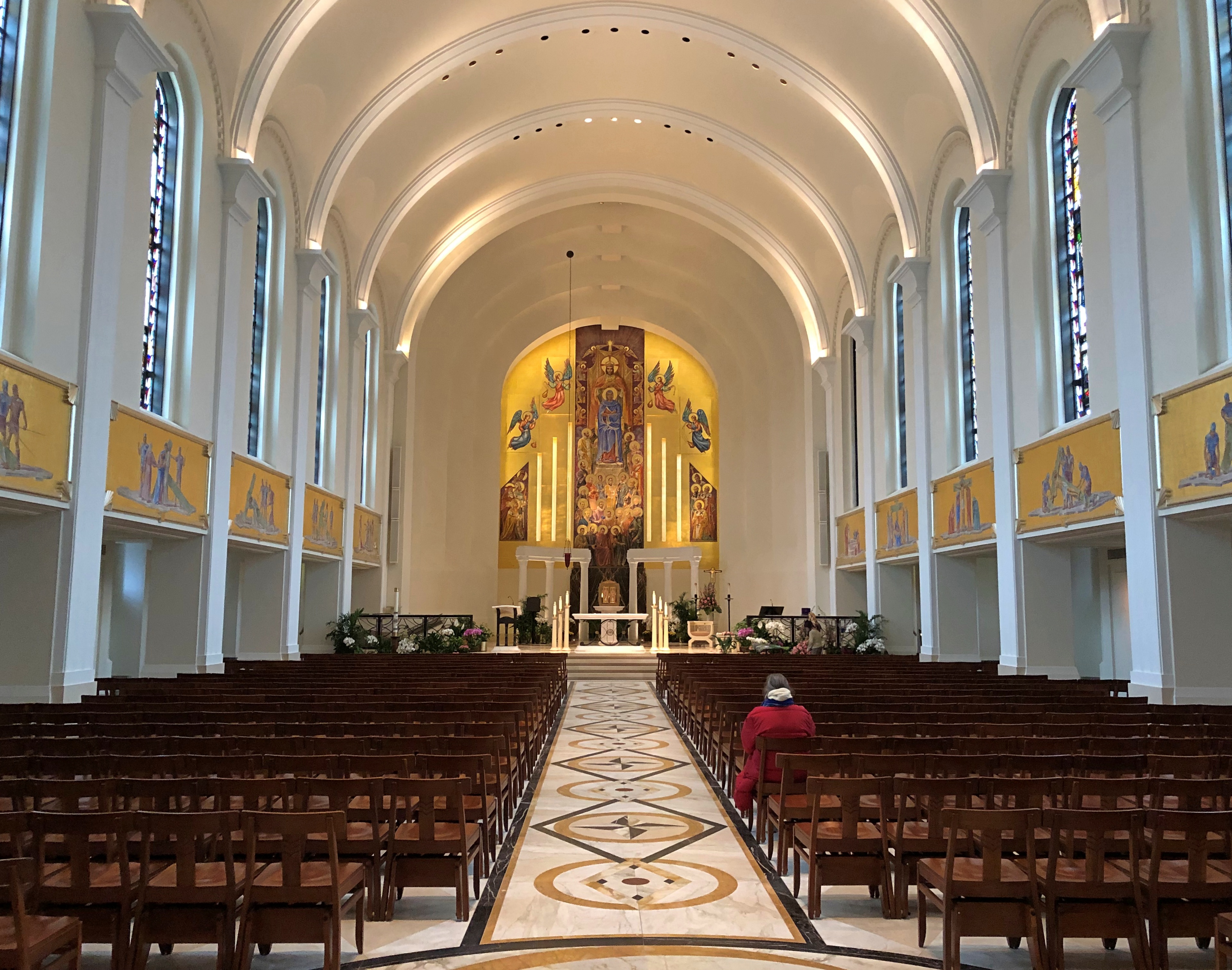
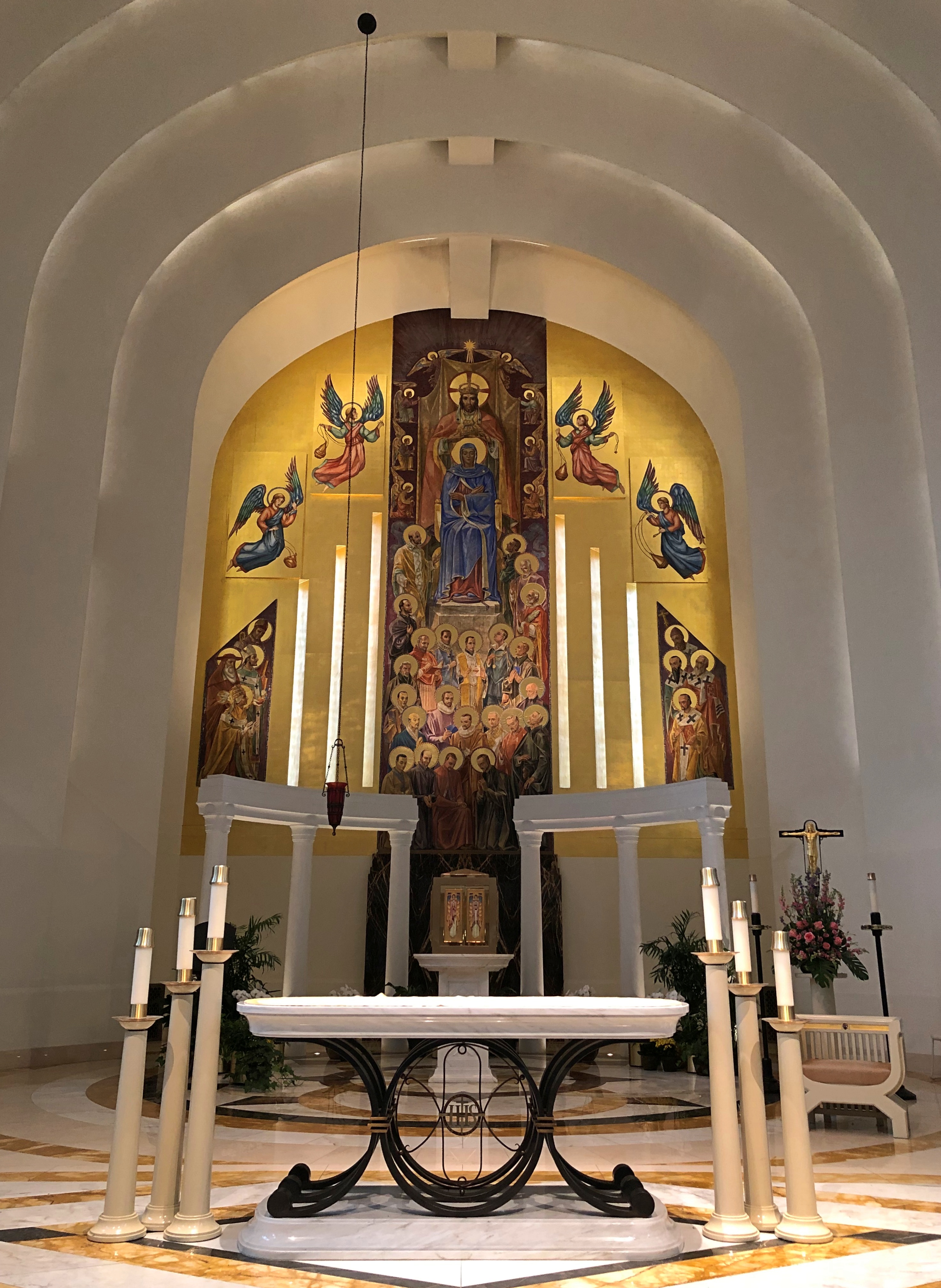
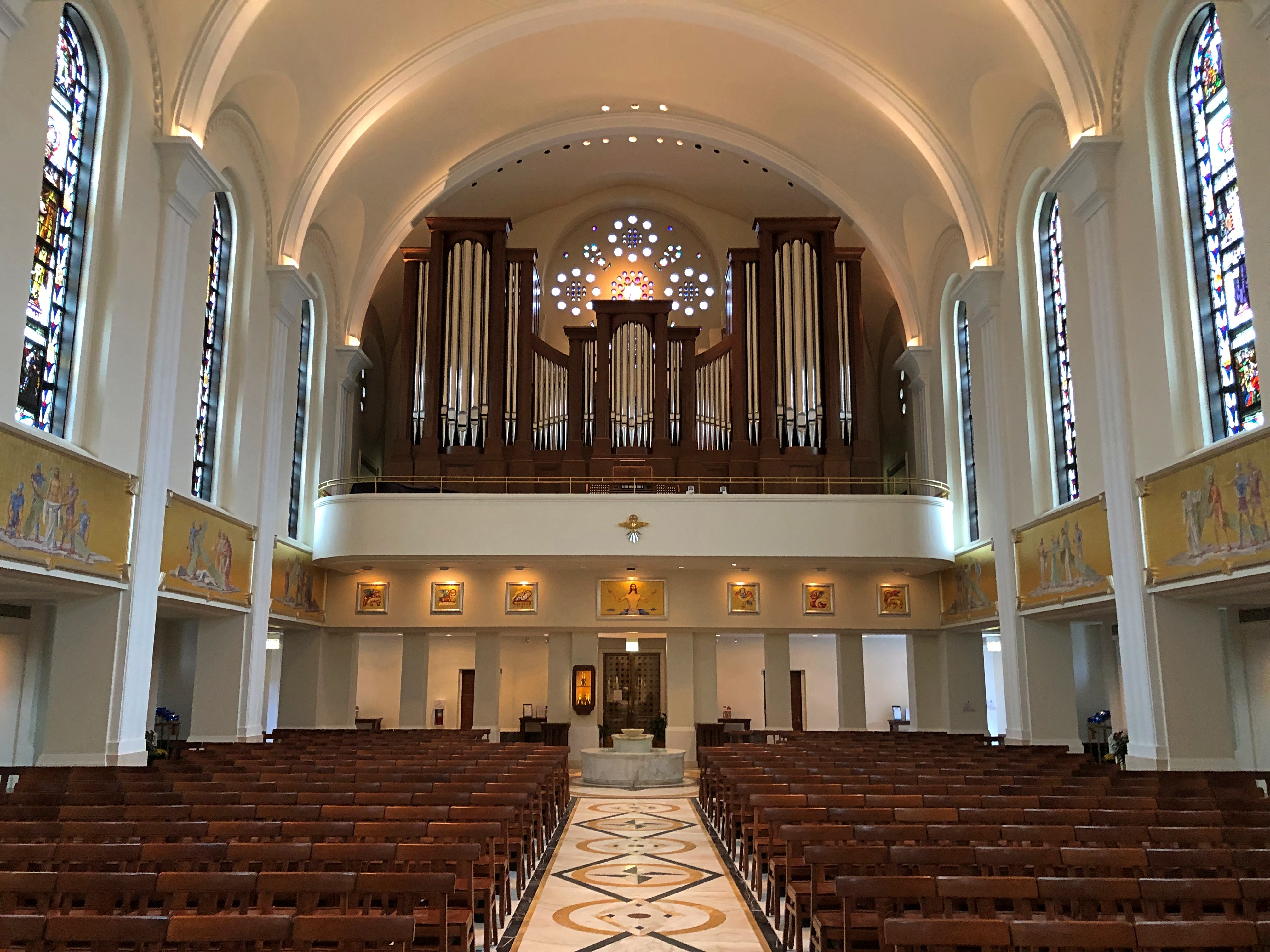
Back in the present, I walked through the Loyola campus and before long came to the Madonna della Strada Chapel, which is Loyola Chicago’s main chapel. Finished in 1939.Madonna della Strada Madonna della Strada

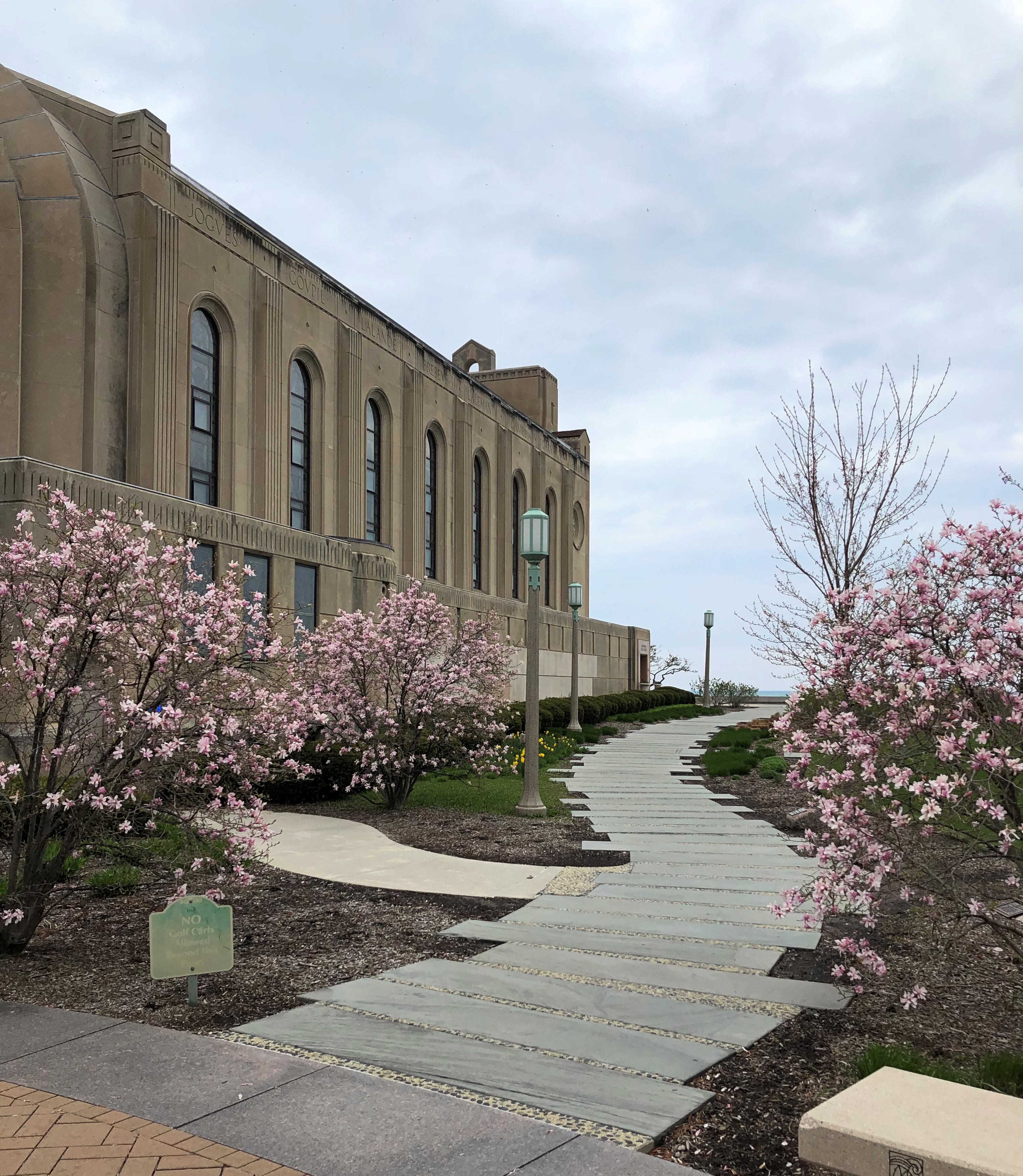
“The curving Art Moderne form is reminiscent of a small dirigible or airplane hanger,” the AIA Guide to Chicago says of the design by Chicago architect Andrew Rebori. “The walls of the apse are ‘accordioned’ — the folds filled with glass blocks, which admit slim slices of light. Names of famous Jesuits are crispy incised along the roofline; the tall tower is flat-topped and windowless.”

The entrance, which faces Lake Michigan.
Madonna della Strada

I’ve read that it was put there in anticipation of facing a northward extension of Lake Shore Drive, presumably all the way to Evanston, but that never happened.Madonna della Strada Madonna della Strada Madonna della Strada

The stained glass is artful. My pictures of it, not so much — that’s a hard thing to photograph, in my experience. Other artwork was easier to capture.Madonna della Strada Madonna della Strada

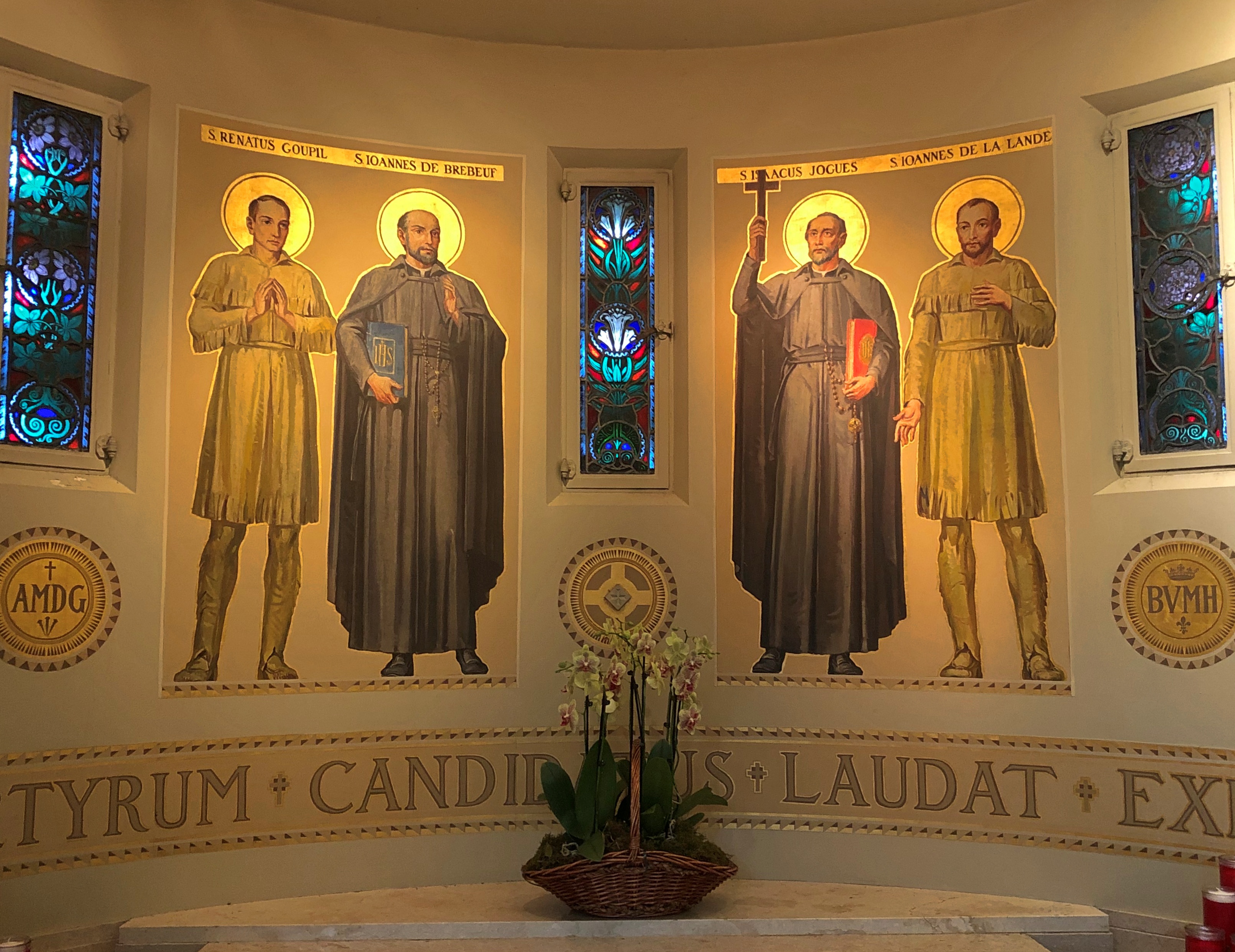
Martyrs on the wall.Madonna della Strada

To the left, for instance, is René Goupil, S.J., venerated as the first Jesuit martyr of Canada, who took a Mohawk tomahawk to the head in the mid-17th century. It was a tough posting.

The Chapel of St. James, Chicago

The main event on Saturday was lunch with two old friends, Neal and Michele, who live in the city. We ate at the informal dining room of the Union League Club in the Loop and then took an informal tour of the building, which dates from the 1920s and is alive with art on its walls and an elegant, sometimes sweeping, interior design. Informal tour means we wandered around some of the floors and looked at things. An enjoyable walk through with friends; and an in-person experience.

Michele and Neal, 1989.

Before I met them, I took the El to River North and walked to Rush Street. Eating and drinking establishments remain, but the street isn’t anything like it was 40+ years ago, I’ve read. By the time I visited Rush occasionally, starting in the late ’80s, most of that scene had evaporated, but I’ve had a few good meals on the street over the decades, such as a lunch — or was it dinner? — with Jay ca. 2002.

There we are.

One thing that would have been on the street 40 years ago is Archbishop Quigley Preparatory Seminary, a seminary prep school run by the Archdiocese. The school had a chapel. It still reaches skyward, but not as much as the nearby towers on Michigan Avenue. Chapel of St. James, Chicago

The school closed early in the 21st century, and these days the Archdiocese of Chicago occupies the space. The chapel — the Chapel of St. James — was dedicated in 1920, and hasn’t been changed at all since then, except for a recent thorough restoration that took 14 years.
Chapel of St. James, Chicago

A helpful docent showed us around. One thing she mentioned was that Zachary Taylor Davis did the design. He also did other well-known buildings, namely Wrigley Field.

“I wondered about that for a while, but then a person on one of my tours said, ‘They’re both places of worship,’ and I had to agree with that,” the docent said.

The chapel’s stained glass, which we got to see with the chapel lights off and then on, was patterned after that in Sainte-Chapelle in Paris. I’m pretty sure I visited Sainte-Chapelle, but the memory has faded.

My images are pale moons of the quiet luminousness of the windows.Chapel of St. James, Chicago

Pale moons will have to do. They stretch up toward near the ceiling, reminding me of the tall arrays of windows at Heinz Memorial Chapel in Pittsburgh. One wall features Old Testament stories. The wall behind the altar, New Testament stories. The other wall, church history.

Stormy Saturday in the City

On Saturday I spent much of the day in downtown Chicago, for the first time in more than two years, except for a short transit from Midway to Union Station returning from Savannah. Mostly, I’d just gotten out of the habit. Even though I got rained on sometimes — a drizzle some of the time — I was still glad to walk a dozen or more city blocks, ride the El a couple of times, and see what there was to see.

That morning I drove to a parking garage near O’Hare and took the El the rest of the way into the city. Late in the afternoon, I returned the same way. When I’d entered the subway in the city to board the train, the skies were gray and menacing, but the rain had stopped a few hours earlier.

A half-hour later, when the train emerged from a tunnel to run down the median of the Kennedy Expressway toward O’Hare, sheets of rain were pouring on the highway and tapping the top of the train car. Water streaked the windows. I could see wind moving barely green tree branches and bushes off the side of the road. Suddenly, everyone’s phones buzzed a tornado warning from the National Weather Service.
The car was about half full, so the sound of the alert was distinct, seemingly coming from all directions. You’d think there might have been some comment among the passengers about that, but everyone went on with their business — that is, quietly interacting with their phones.
By the time I got off the train and to the garage, the rain had slacked off. By the time I was about half way home on the roads between O’Hare and my part of the northwest suburbs, not only had it quit raining, but the sun peaked out from behind the clouds. I got home and found no damage or even very many large puddles. The storm had passed pretty quickly, it seems. It rained again later that night, but nothing like the violence of the afternoon storm.

At about 7:30, I looked out into my back yard and noticed a rainbow. Actually, a faint double rainbow.rainbow over the Chicago suburbs

Actually, a near-full rainbow.rainbow over the Chicago suburbs

Nice way to end a cold, wet April.