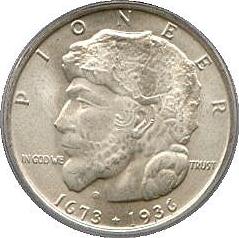
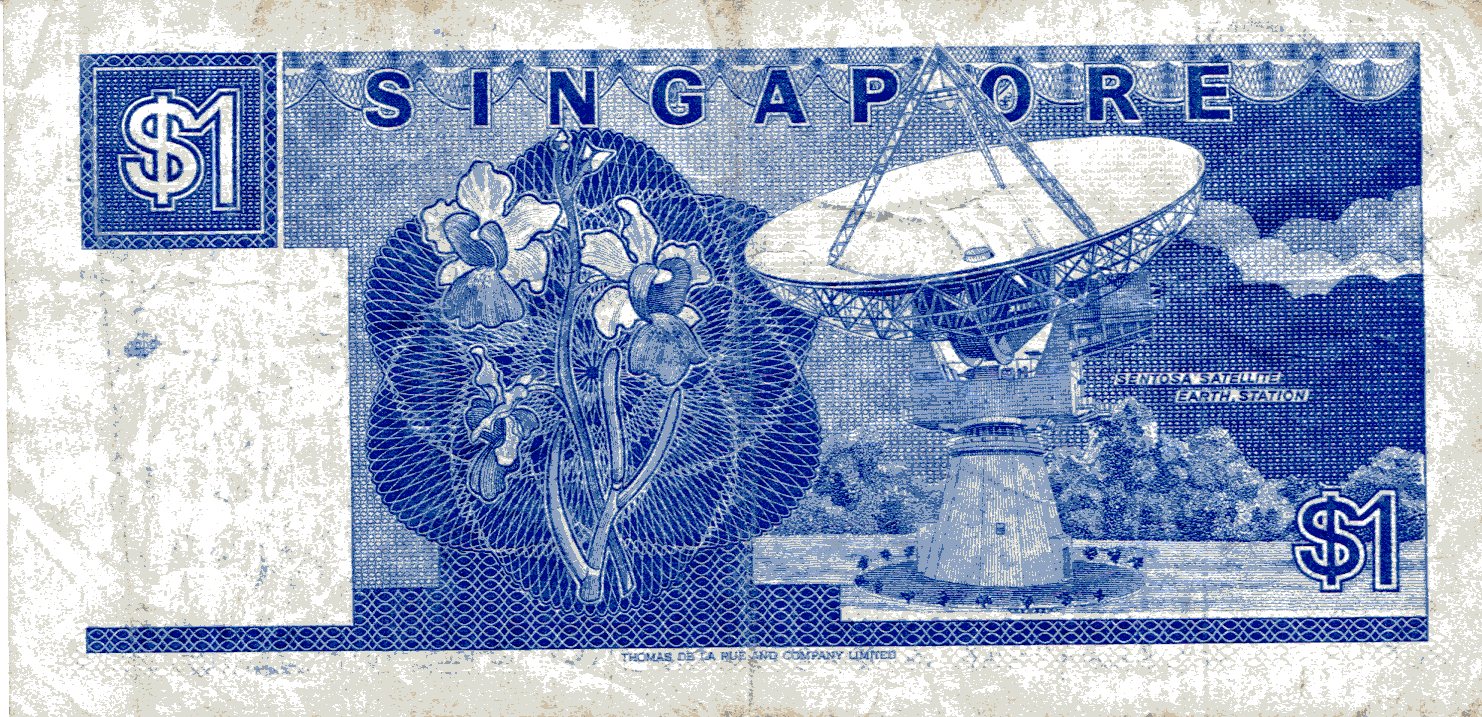
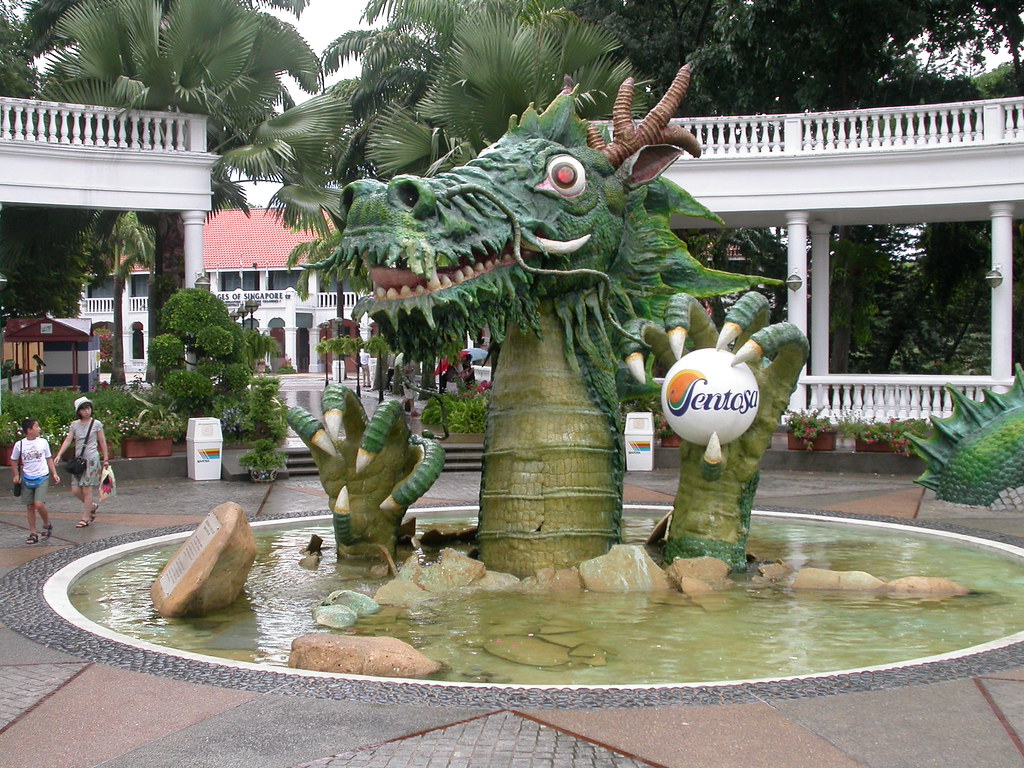
This might be unfair to the Money Museum in Colorado Springs, Colorado, but its collection disappointed me in one key way: No Brasher Doubloon.
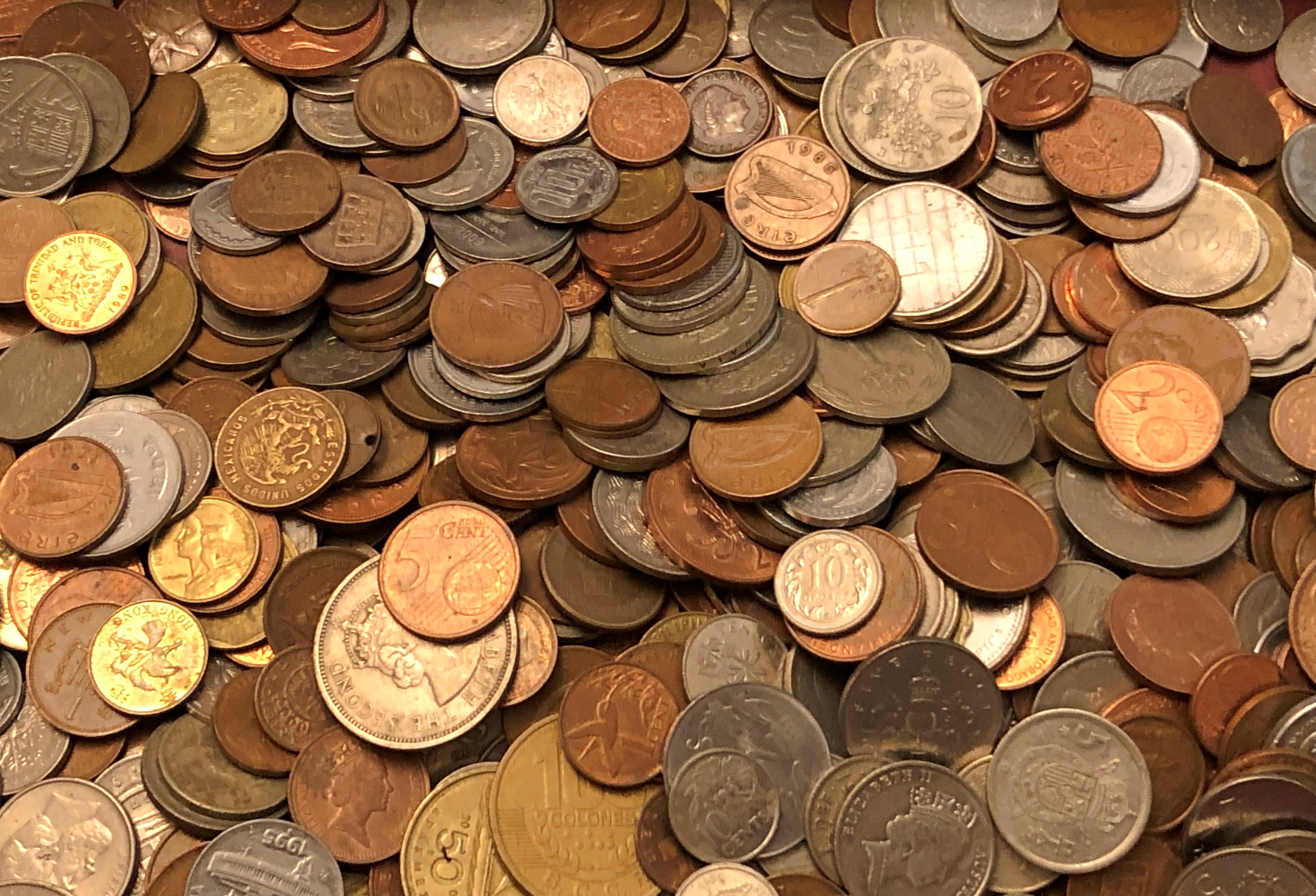
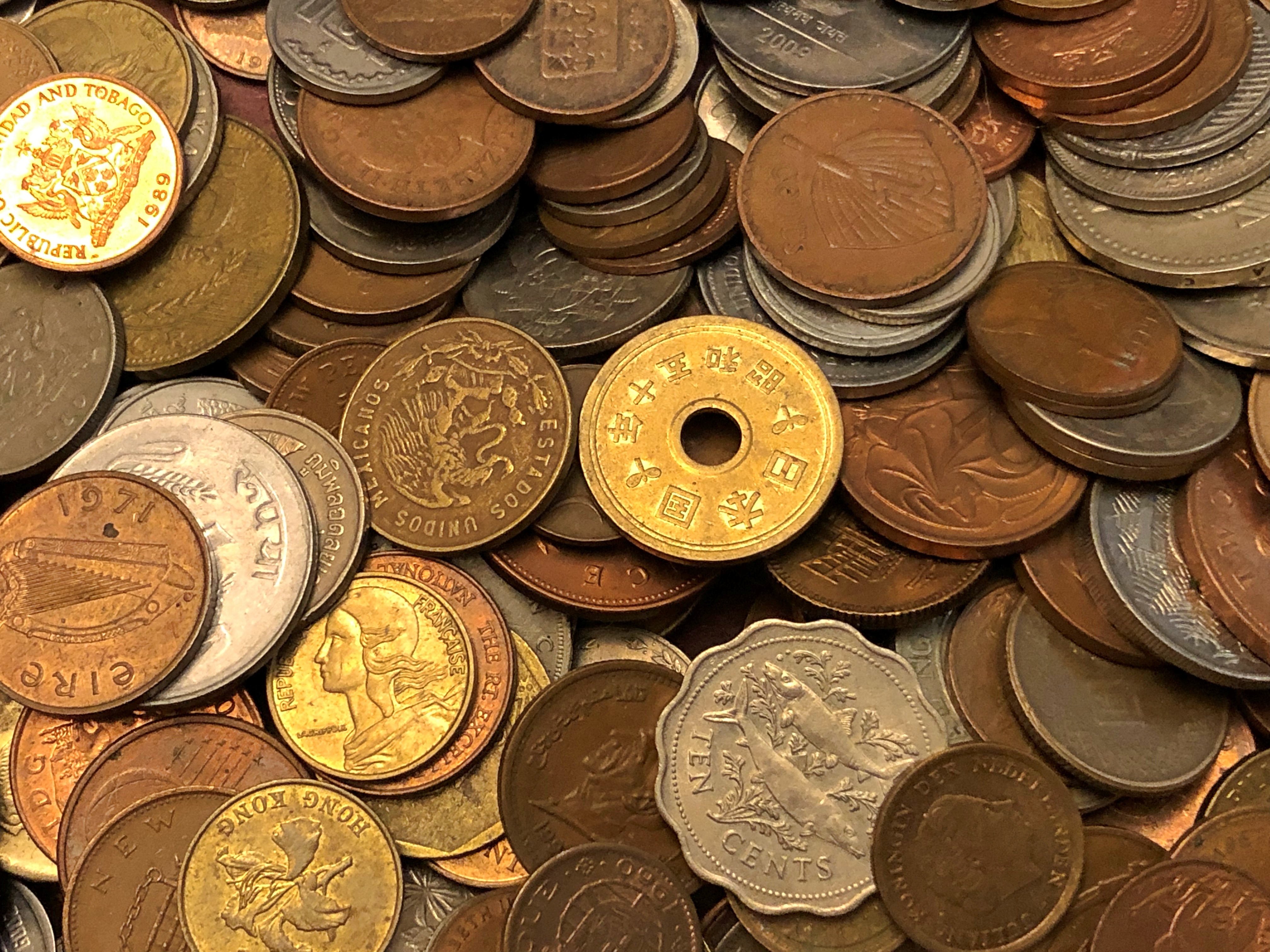
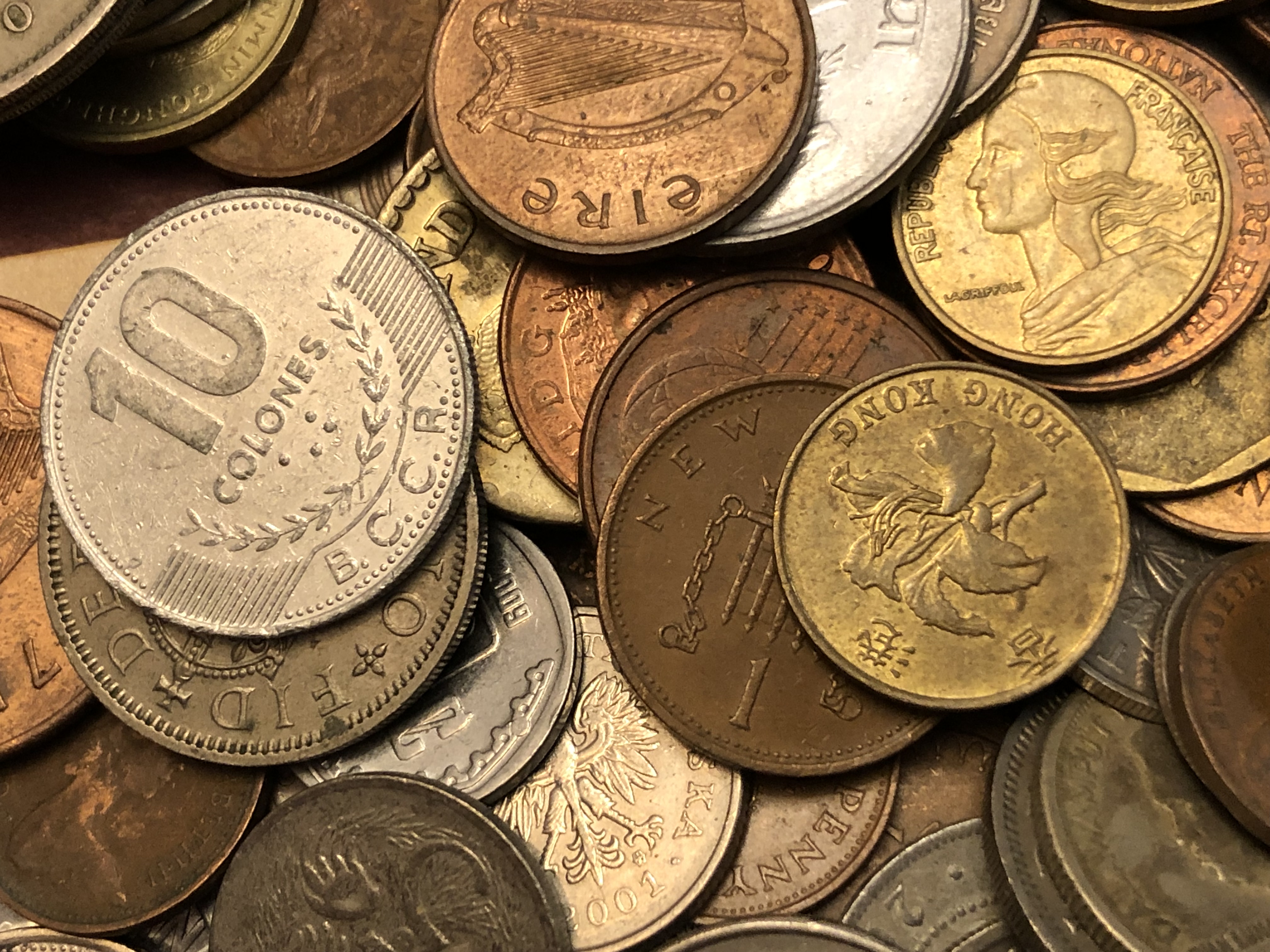
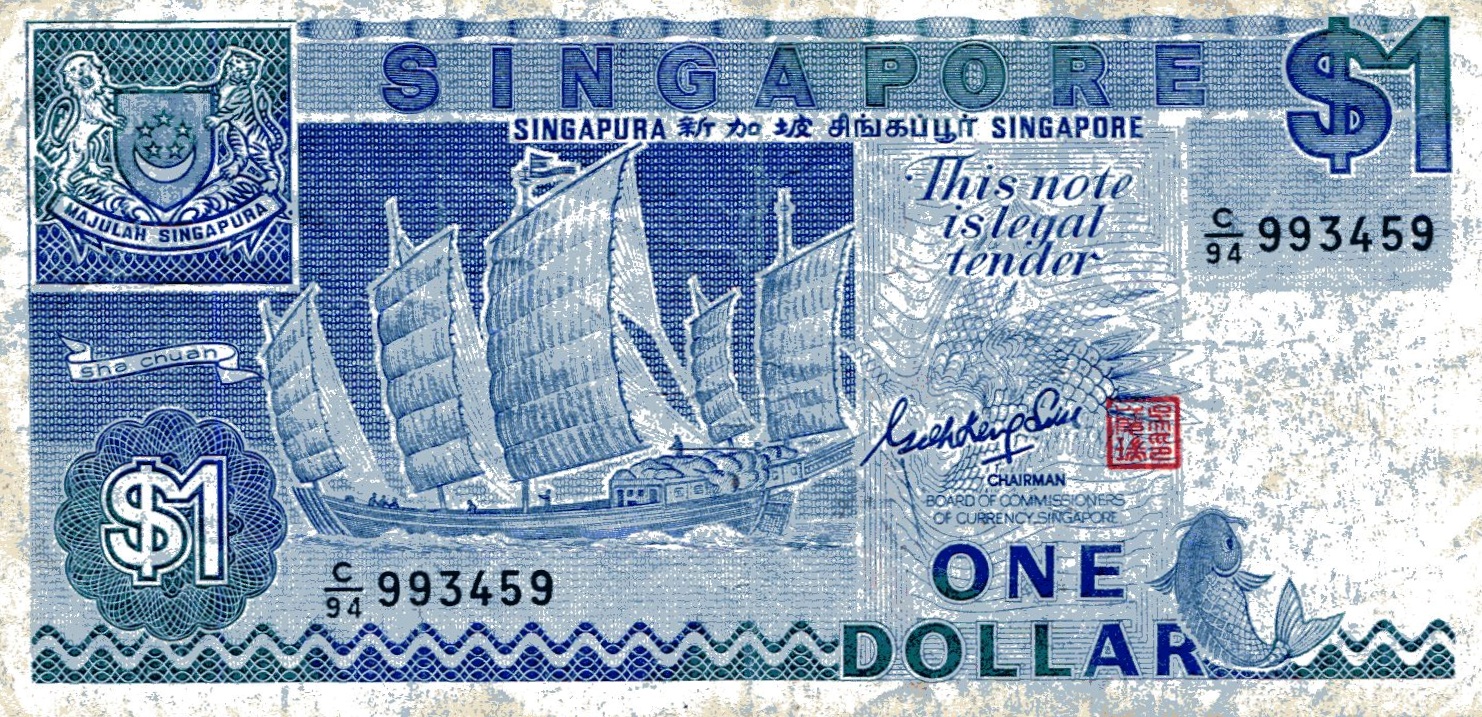
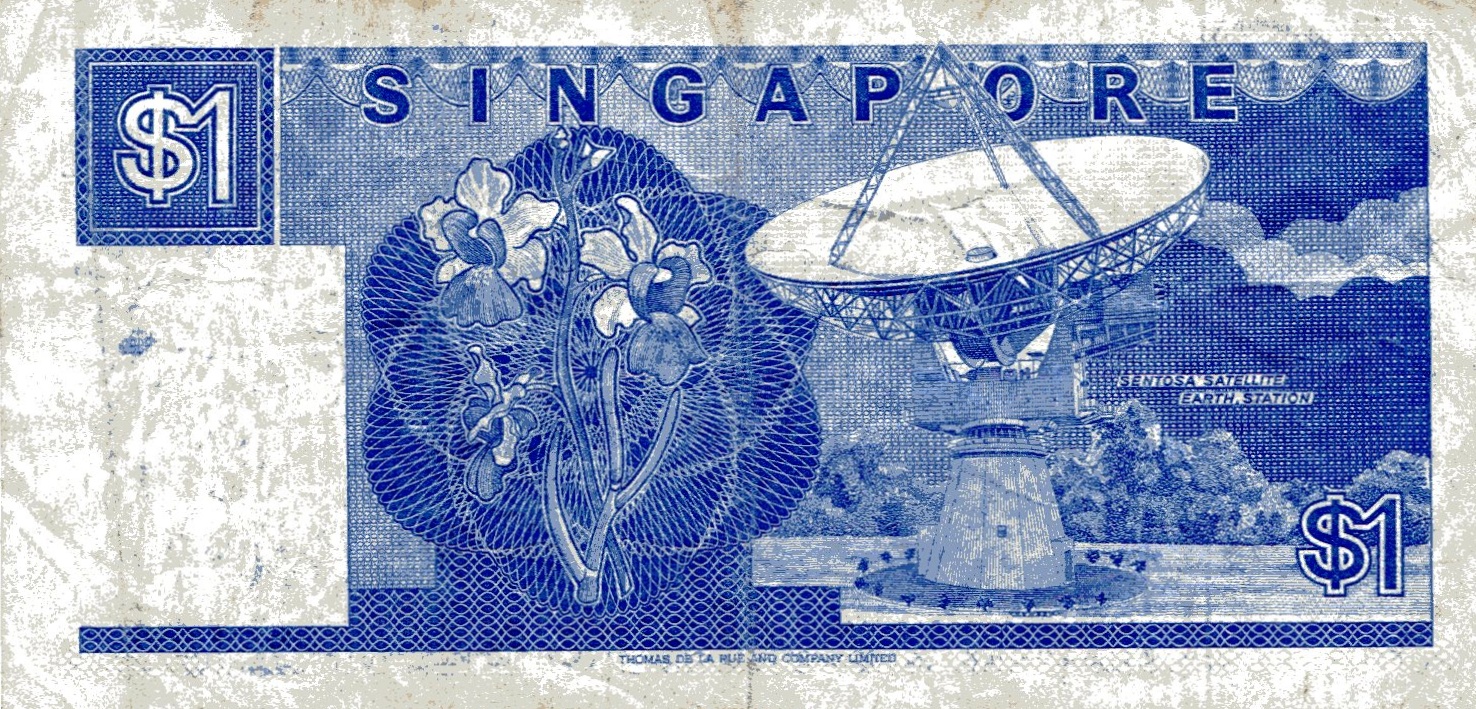
It is unfair. The place is great: wall-to-wall coins rare and common, beautiful and crude, familiar and strange, a vast domestic collection (USA!) and a sizable array of coinages from other nations past and present. Much familiar to me, but not all, and much new and strange to Yuriko.
I’d known about the museum, which is owned and operated by the American Numismatic Association, since years ago, when I collected the sort of cheap coins I could afford on my allowance. I followed, in a lackadaisical adolescent way, numismatic news. Big coin deals in those days involved tens and maybe hundreds of thousands of dollars. Coins like the 1909S VDB cent and the 1916D Mercury dime commanded sizable premiums, but the major money was in even rarer strikes or errors.
The Money Museum and the ANA offices are in a boxy structure, brutalist lite, dating from 1967. It isn’t a large museum, with a few living room-sized galleries on its first floor, another in the basement, with each floor attended by bored-looking security guards. U.S. coins beckoned from their own gallery, with vertical coin displays behind glass on all the walls, along with paper money displays and a generous amount of exposition.
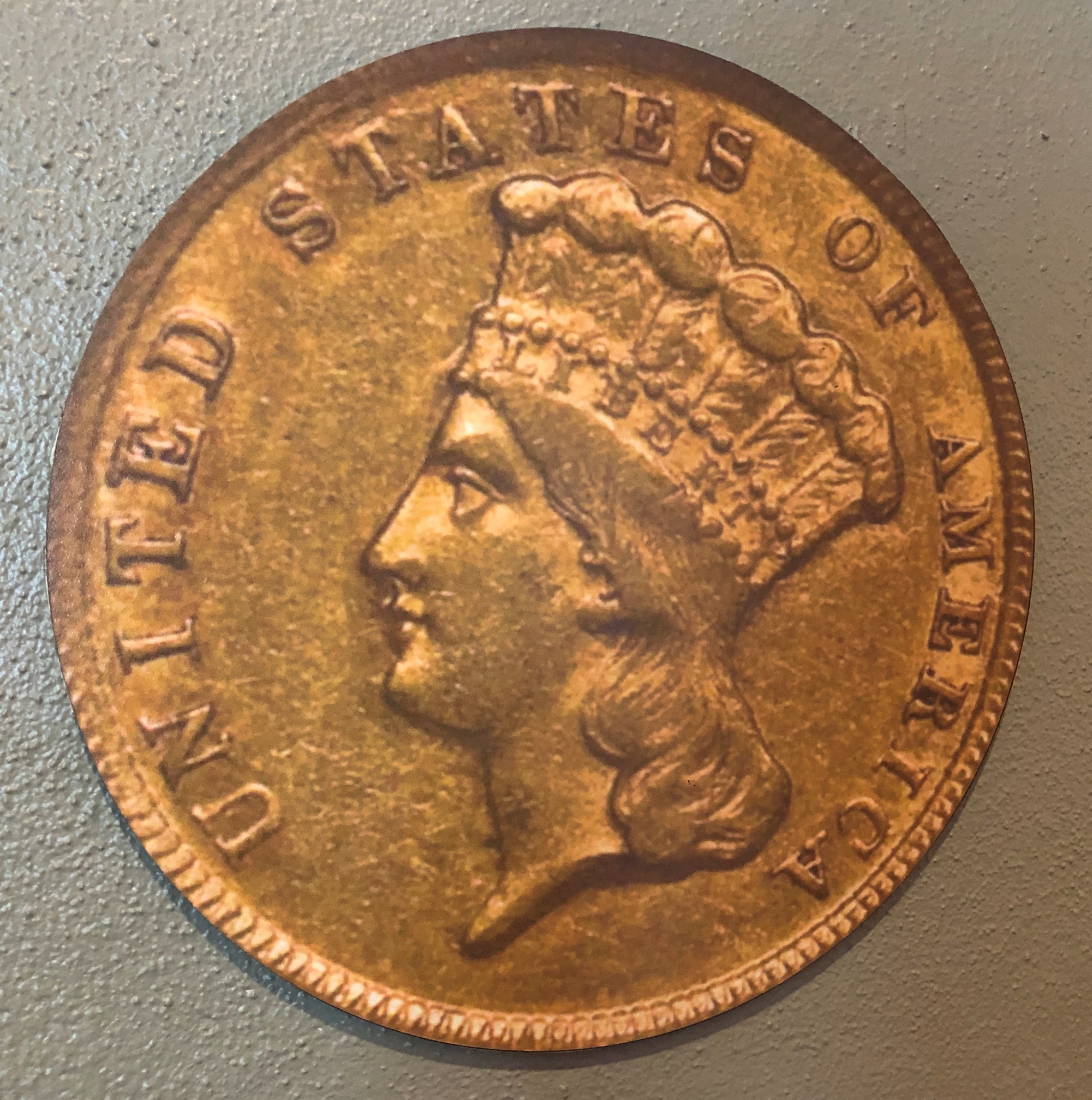
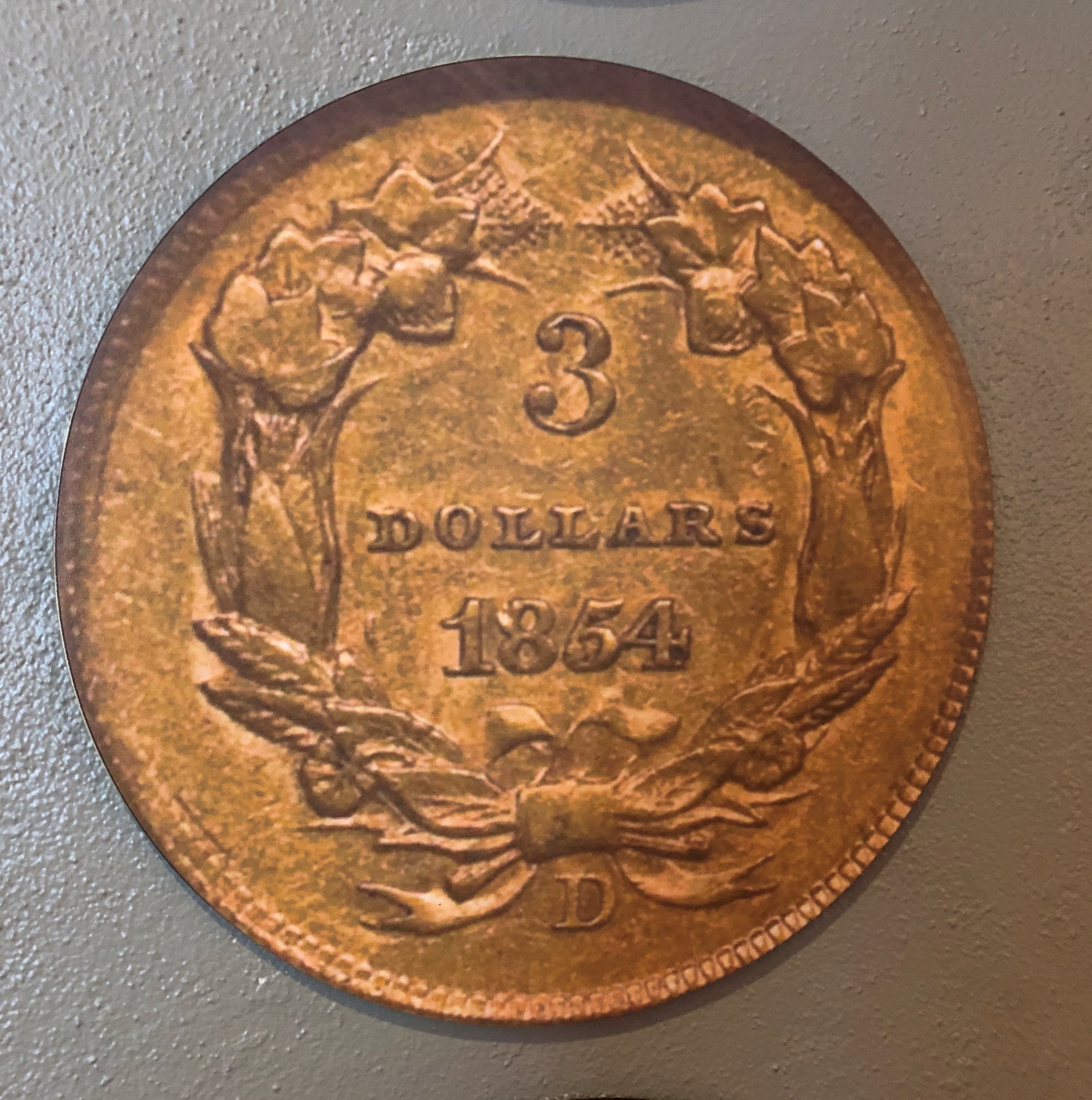
The displays had themes: early U.S. gold coins, coins struck in California and Colorado during their gold rushes – including $50 California Territorial Gold piece (!) — uncut paper money, Federal and Confederate tokens and paper, Gilded Age paper money (a riot of design), the various representations of George Washington on medals struck down the years, and many more. There was a 1933 eagle (gold $10) and a flawless set of 1915 Panama Pacific Exposition commemoratives, which are a wow in just about every way imaginable.

Next to Americana Gallery, another gallery housed an incredibly detailed exhibit featuring coins used on the Silk Road across the centuries, something I can’t say I’d given much thought to, despite the enormity of the subject. Such as coins from the time of Alexander, whose empire was home, briefly, to around 25 mints. They say the treasury at Persepolis alone guarded 3,000 tons of gold and silver, but not from the conqueror, since it was just the thing to feed those mints once Alexander had made the Persian empire his own.
Or Parthian drachms, which feature a ruler observe and a seated archer reverse. Or the hemidrachms, obols and hemiobols of the Sassanids. Or Chinese coinage: “Made by the bureaucracy, for the bureaucracy, coins were tools to facilitate minor trade and local business. Because precious metals and high-value denominations posed the threat of wealth accumulation, low-value bronze pieces sufficed.”
Those are only a few examples. The exhibit also had early Chinese non-coin money, Islamic coinage and the coinage of the Kushans, whose central Asian empire faded from memory until its coins were unearthed.
It was all too much. Coin overload had kicked in. We spent a little while in the basement – given over to the broad sweep of the history of money – and then to the crown jewels of the place, to cap off the visit.
An 1804 U.S. dollar.
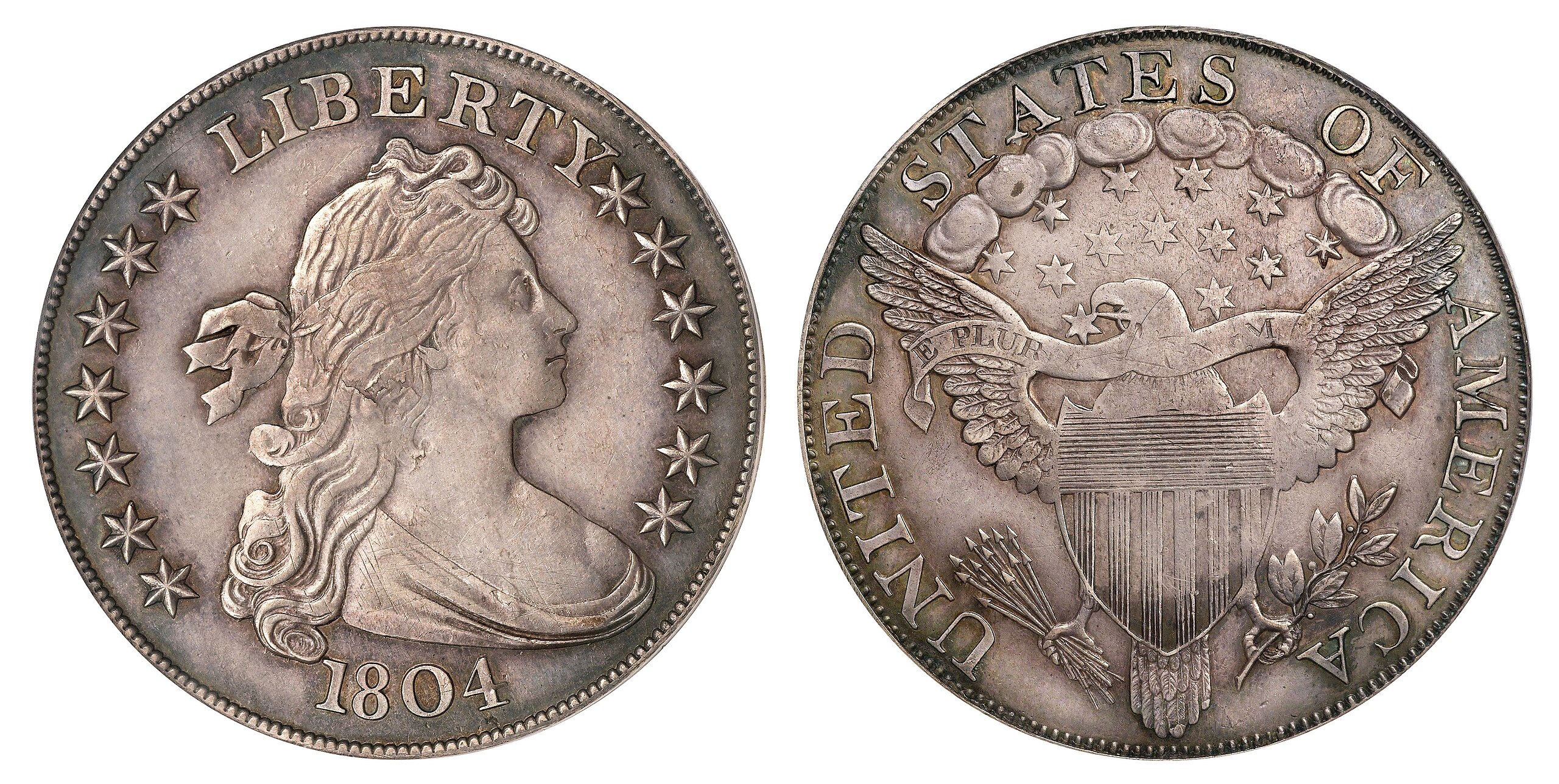
Actually made in the 1830s, in as convoluted a coin story as you’re likely to find.
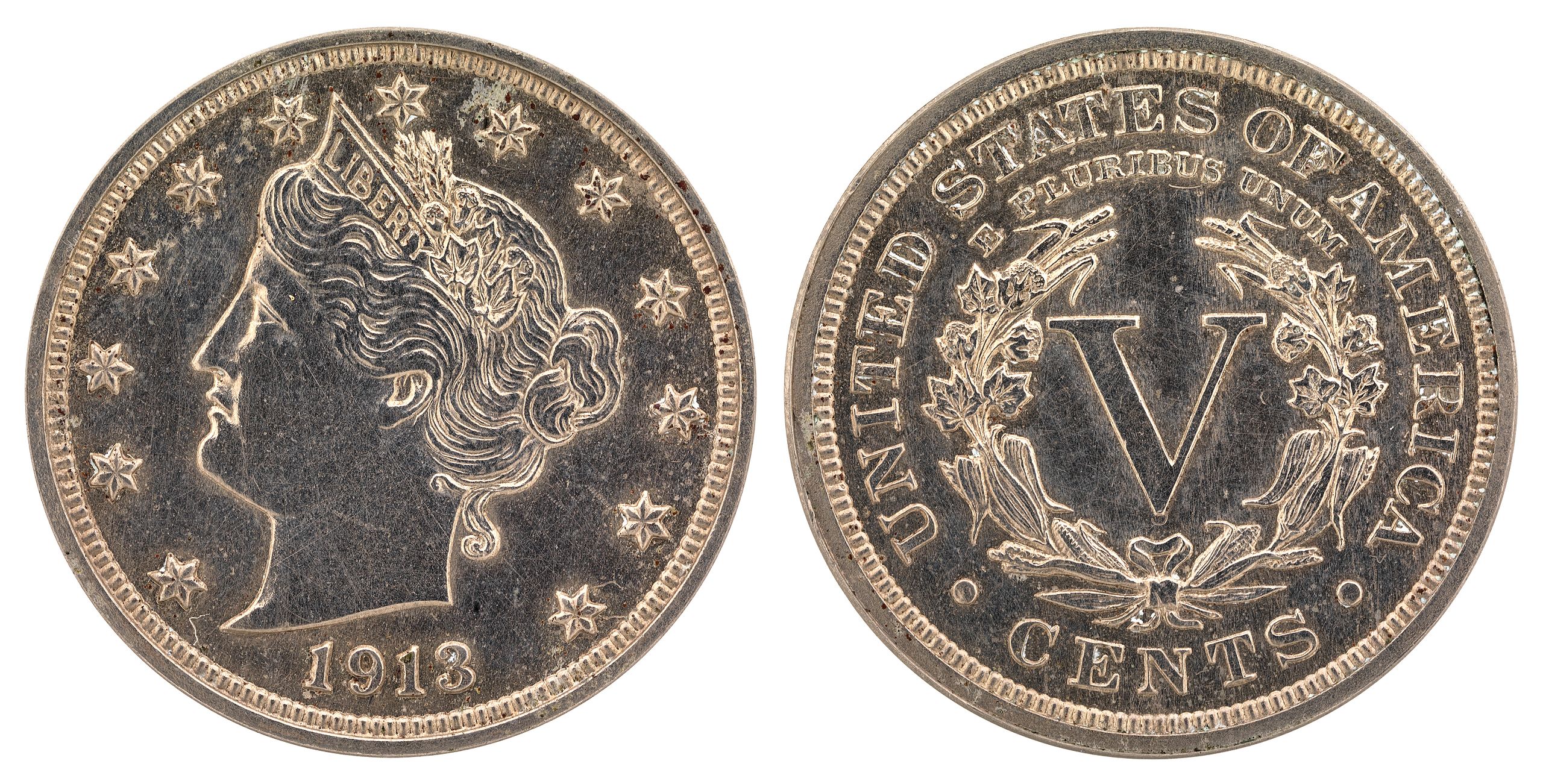
A coin that goes to show that the entire game isn’t just gold and silver, but base metal coins can have their shot at being priceless collectibles. Famed in story, and maybe an eccentric will write a song about the 1913 Liberty Head, predecessor to the Buffalo nickel. The last year for minting the Liberty Head was to have been 1912, and there are scads of those, except for those made at the San Francisco mint. Only five 1913 specimens are known to exist, all with a mysterious origin at the U.S. Mint and history of trading at ever-increasing prices, with one most recently fetching $5 million. They are such a part of numismatic lore that each specimen has its own name.
We were getting ready to go, when I noticed a museum employee talking to the volunteers behind the front desk. I asked him whether the museum had a Brasher Doubloon. I’d looked, but I could easily have missed it, among the many coins on display.
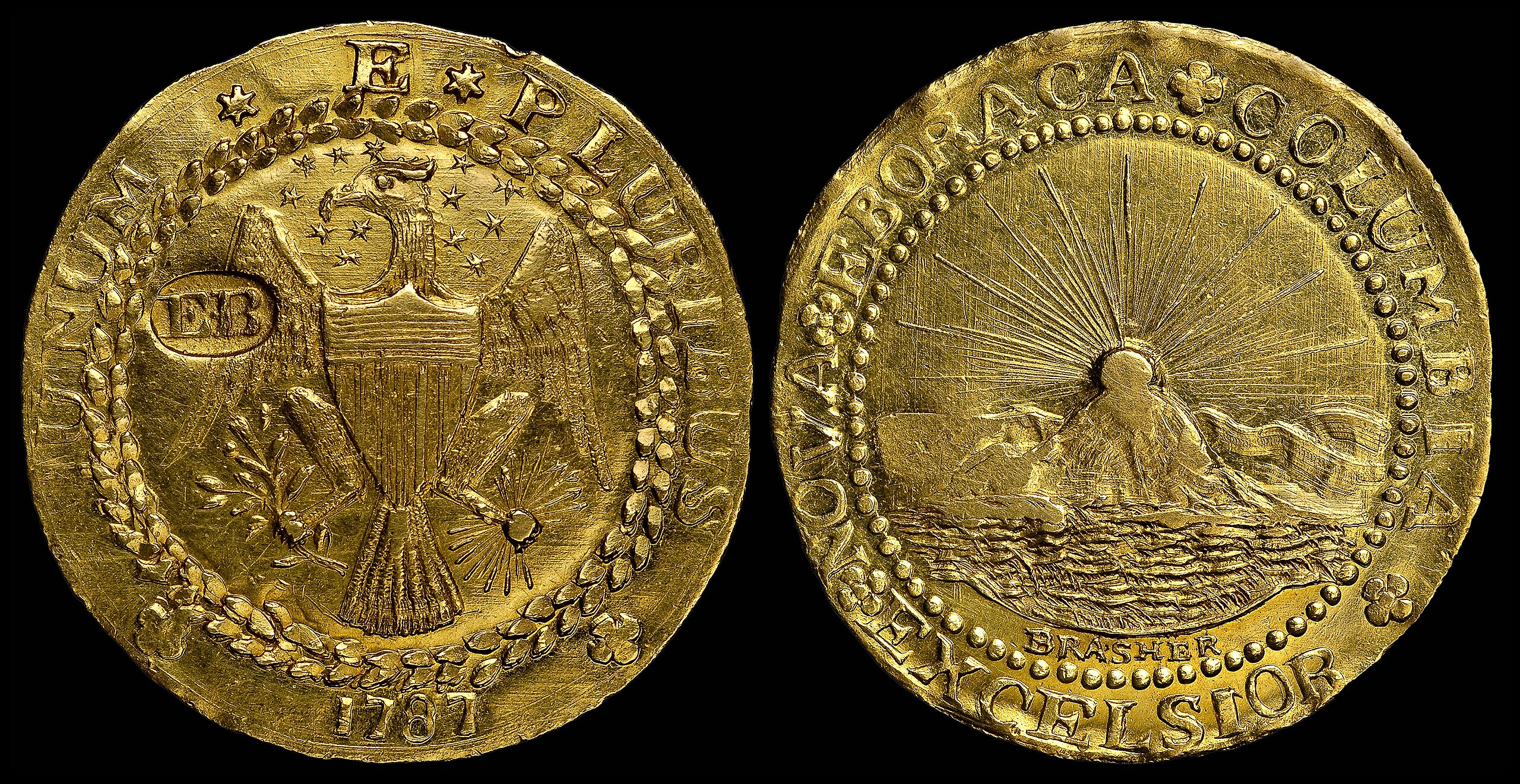
He knew what that was. Of course he did. Unfortunately, no, he told me. Someday someone might donate one, but otherwise it would be beyond the museum’s budget. Someday, maybe, he said, a little wistfully. Good man, a true coin nerd.