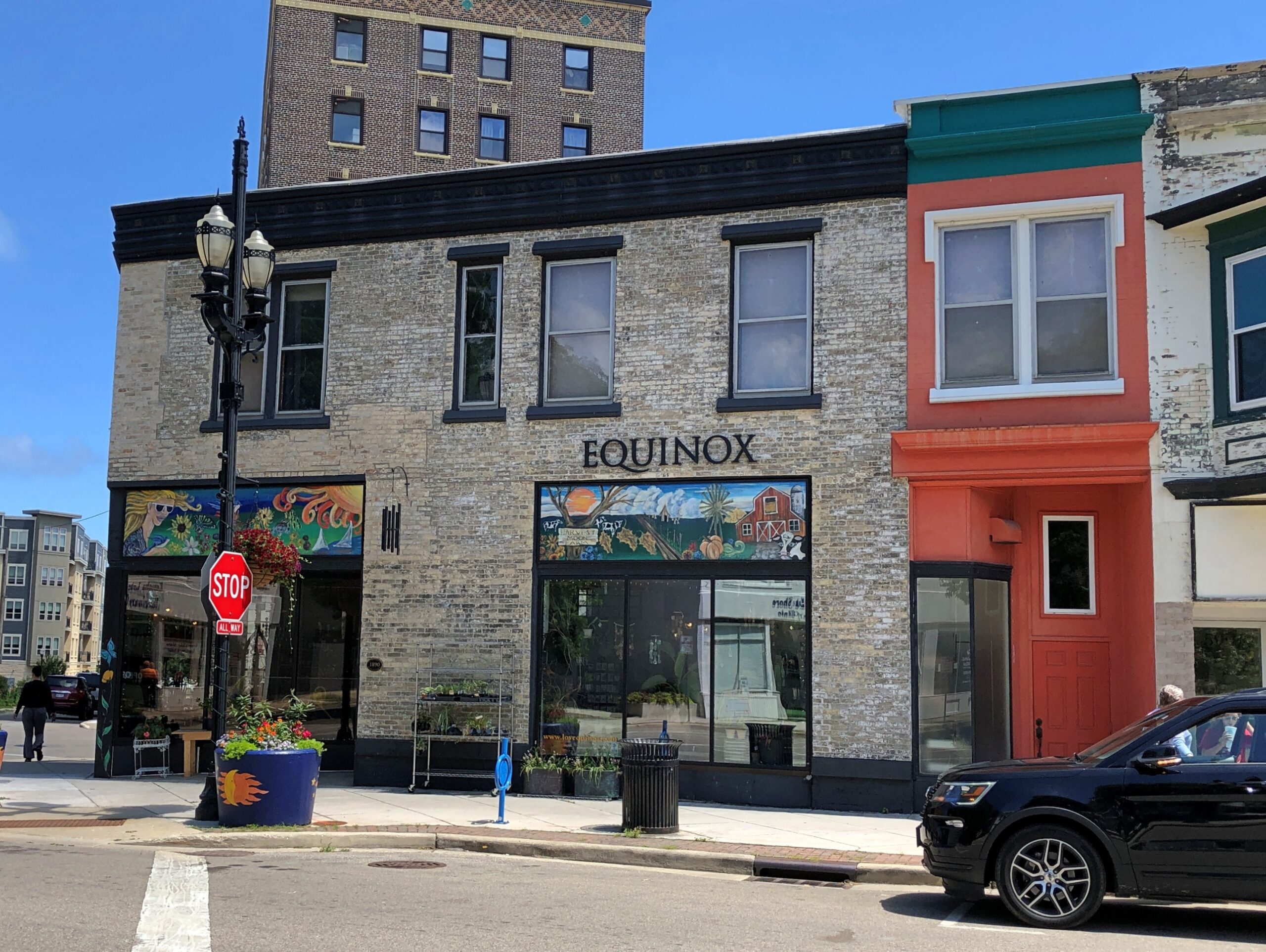
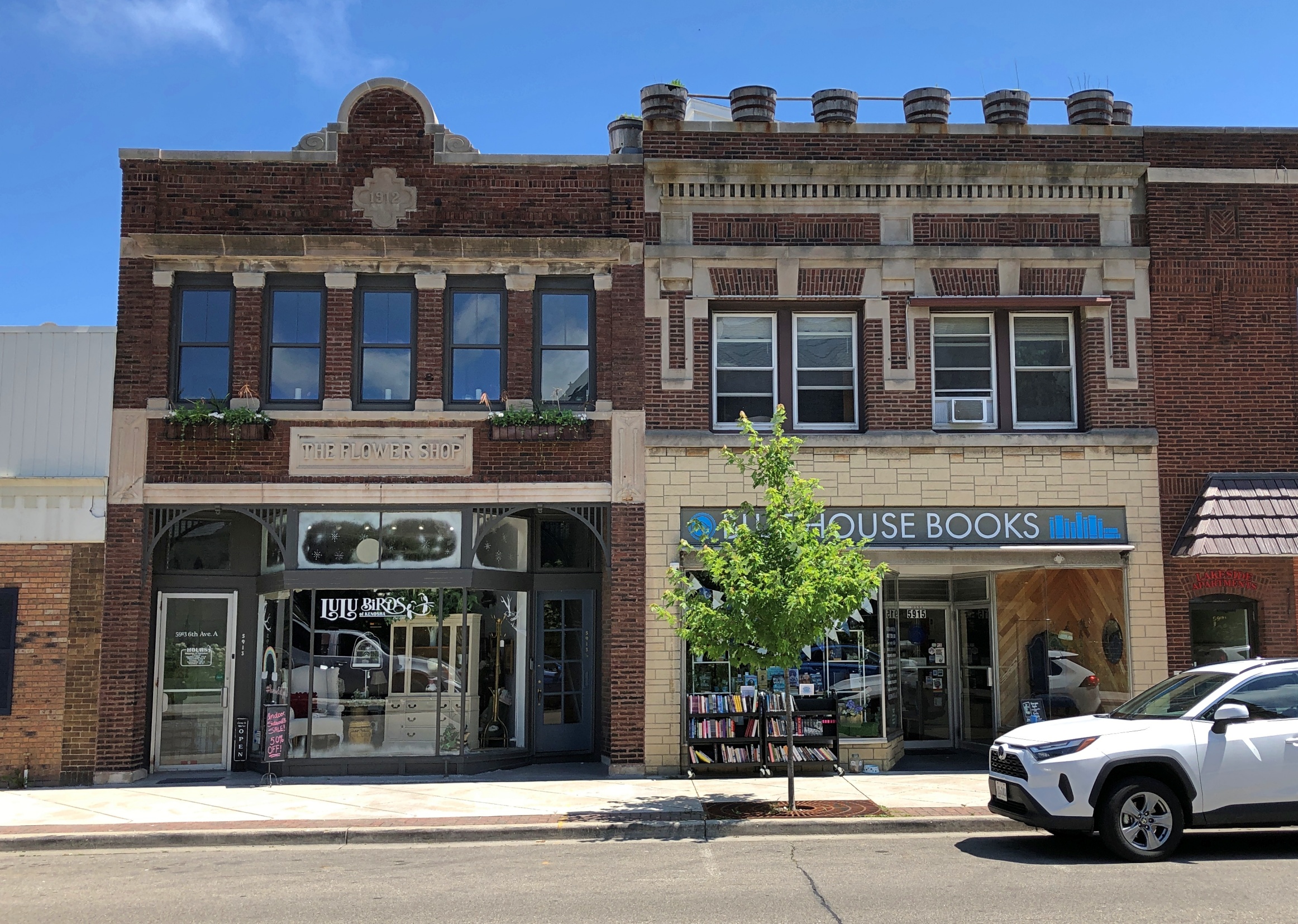
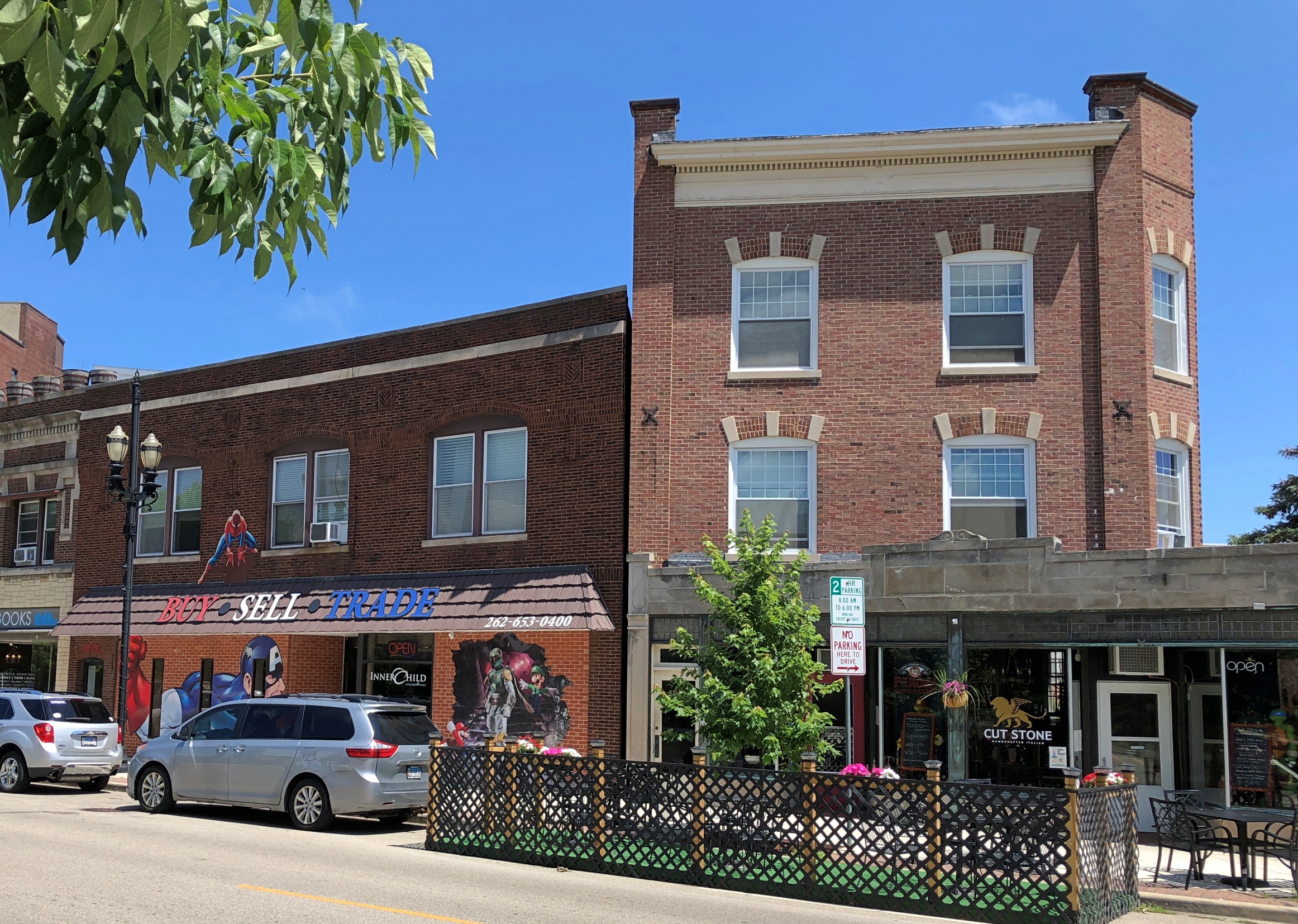
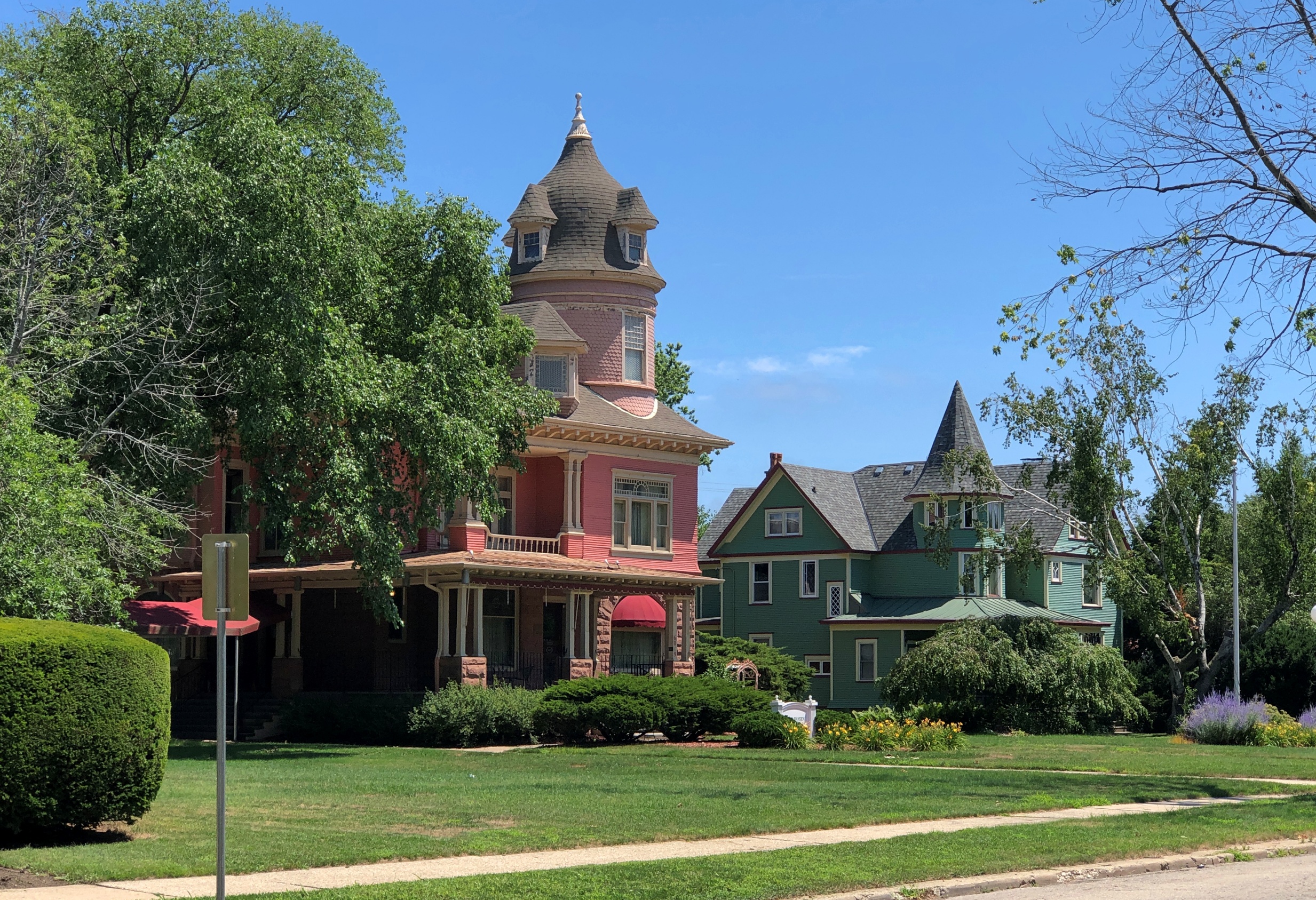
Elkhorn, Wisconsin

Labor Day weekend again? How does summer vanish so quickly? Back to posting on September 2.

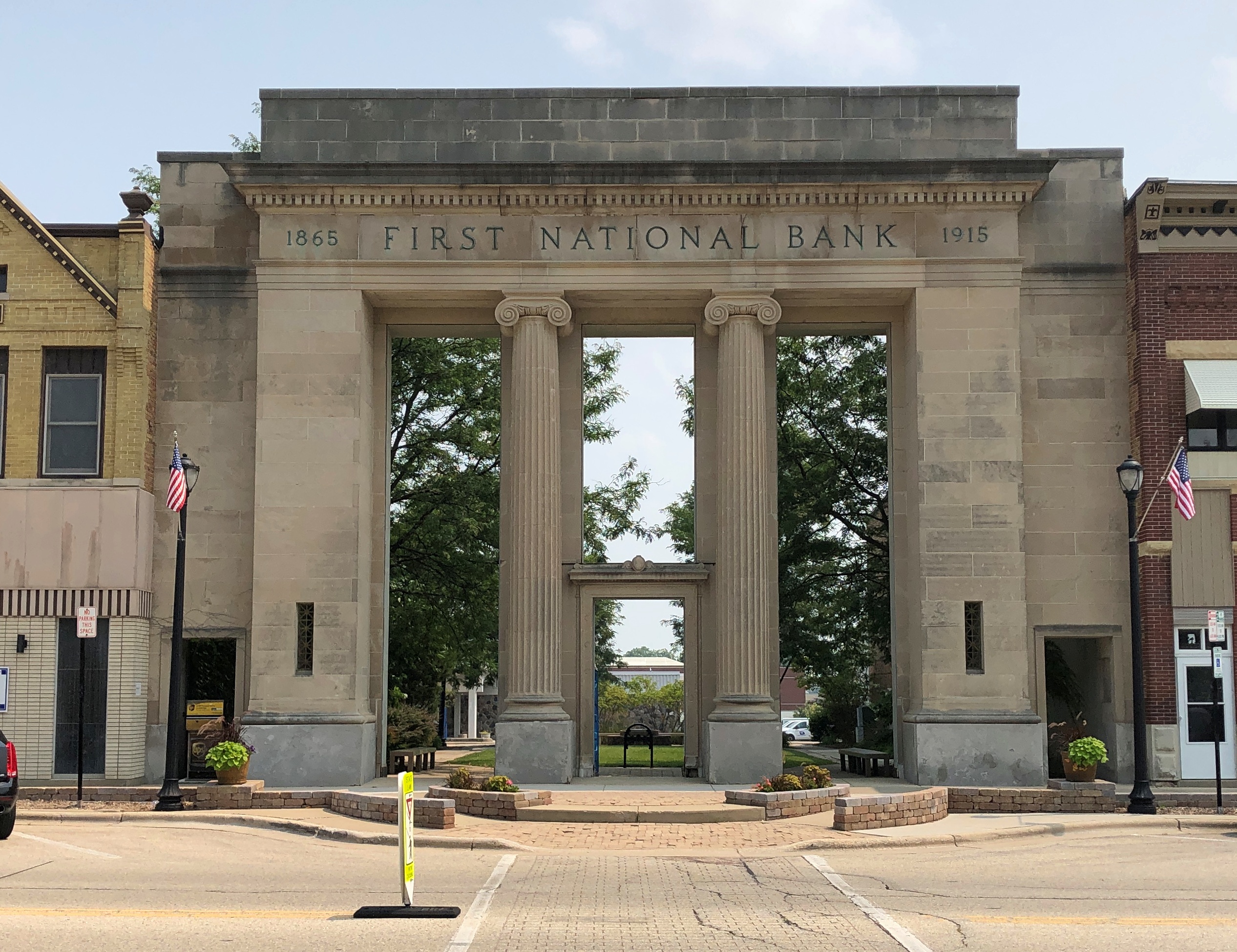
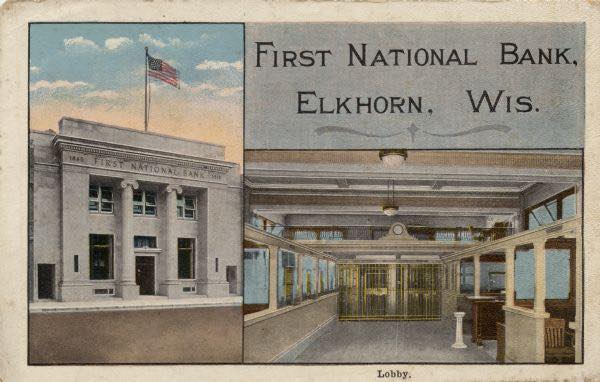
Once upon a time, one of the many First National Banks of the world stood in downtown Elkhorn, Wisconsin, complete with a sturdy bank interior common at the time. As seen in a postcard from the early 20th century.

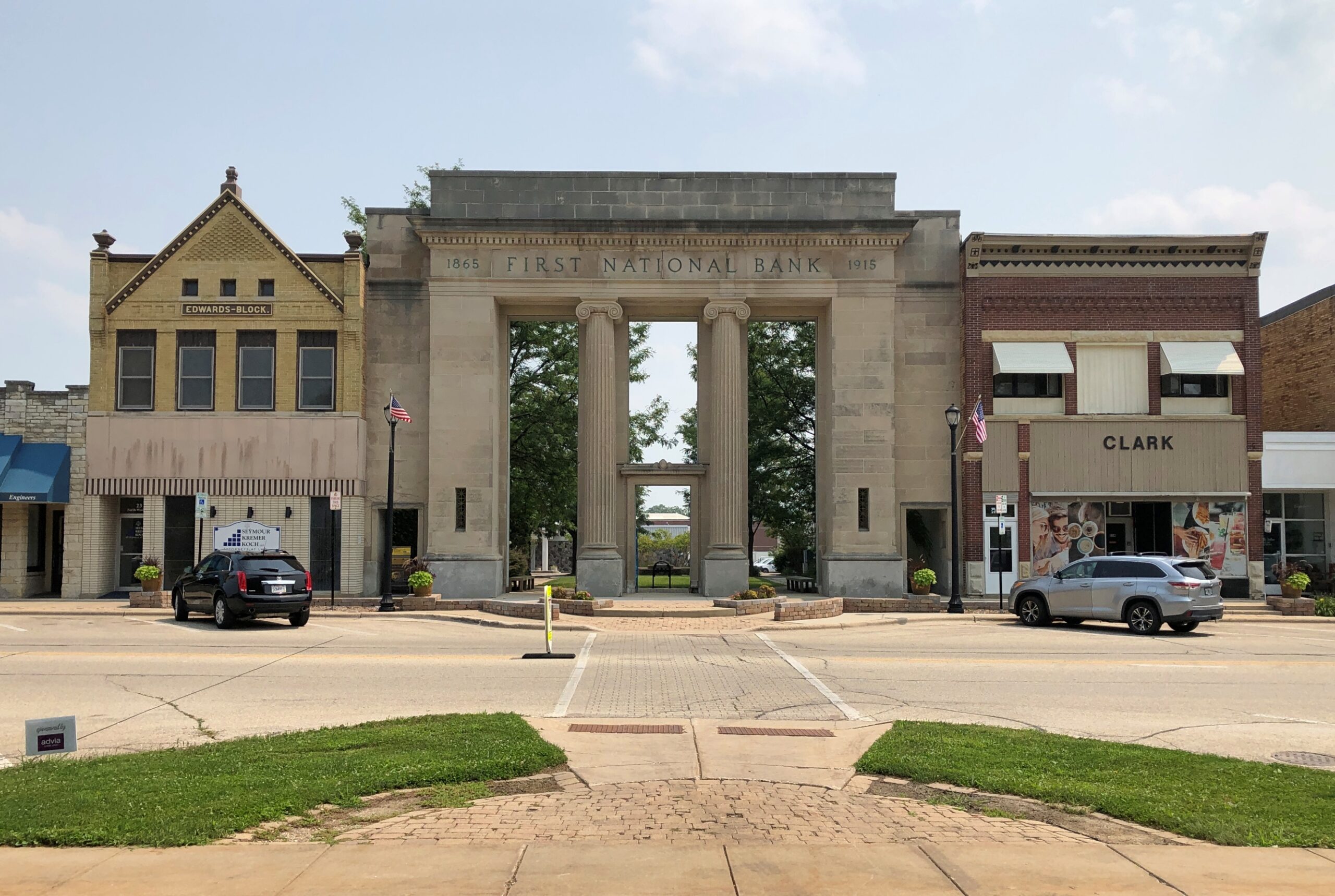
Go looking for the bank these days, and this is what you find.

Elkhorn, Wisconsin
Elkhorn, Wisconsin

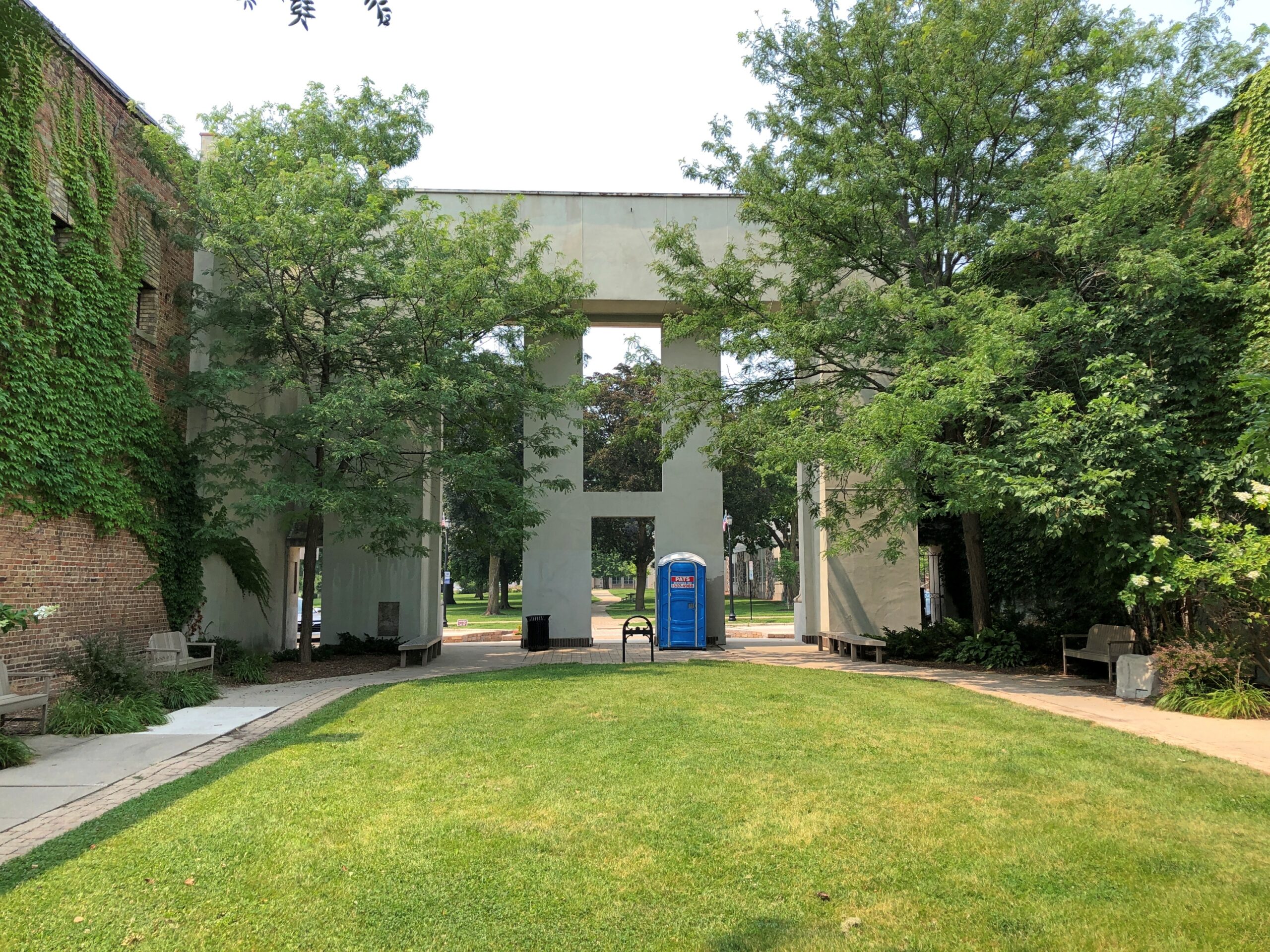
Once a bank, now a pocket park. The view from the inside, looking back at the facade.

Elkhorn, Wisconsin

There were no signs to indicate how the park came to be. A less imaginative act would simply have been to raze the old building in its entirety and leave a weedy gap in the downtown streetscape, hoping for redevelopment that might never come.

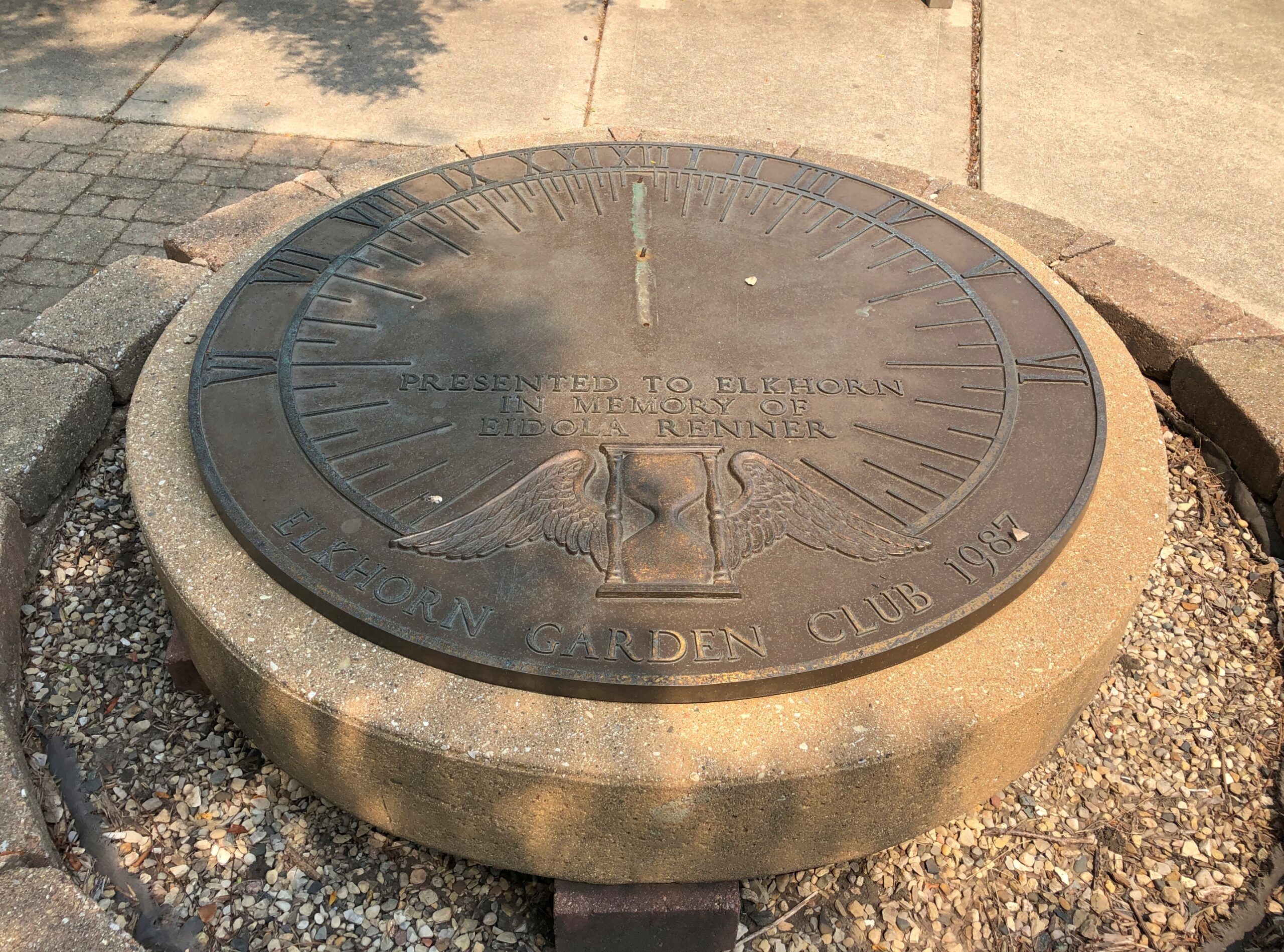
Inside the park is a sundial, dedicated to the memory of one Eidola Renner (d. 1983) of the Elkhorn Garden Club. Ah, garden clubs. The term makes me think of Khigh Dhiegh.

Elkhorn, Wisconsin

This must be her. The sundial – whose gnomon is missing, so it can’t function for telling time – has been there since 1987, so I assume the park has been there at least that long, if not longer.

I arrived in Elkhorn on a warm day in early August, traveling by myself in southeastern Wisconsin. It wasn’t too hot for a stroll around the town’s municipal square, home to a “government center,” a mid-century box, but not the storied old courthouse that should be there.

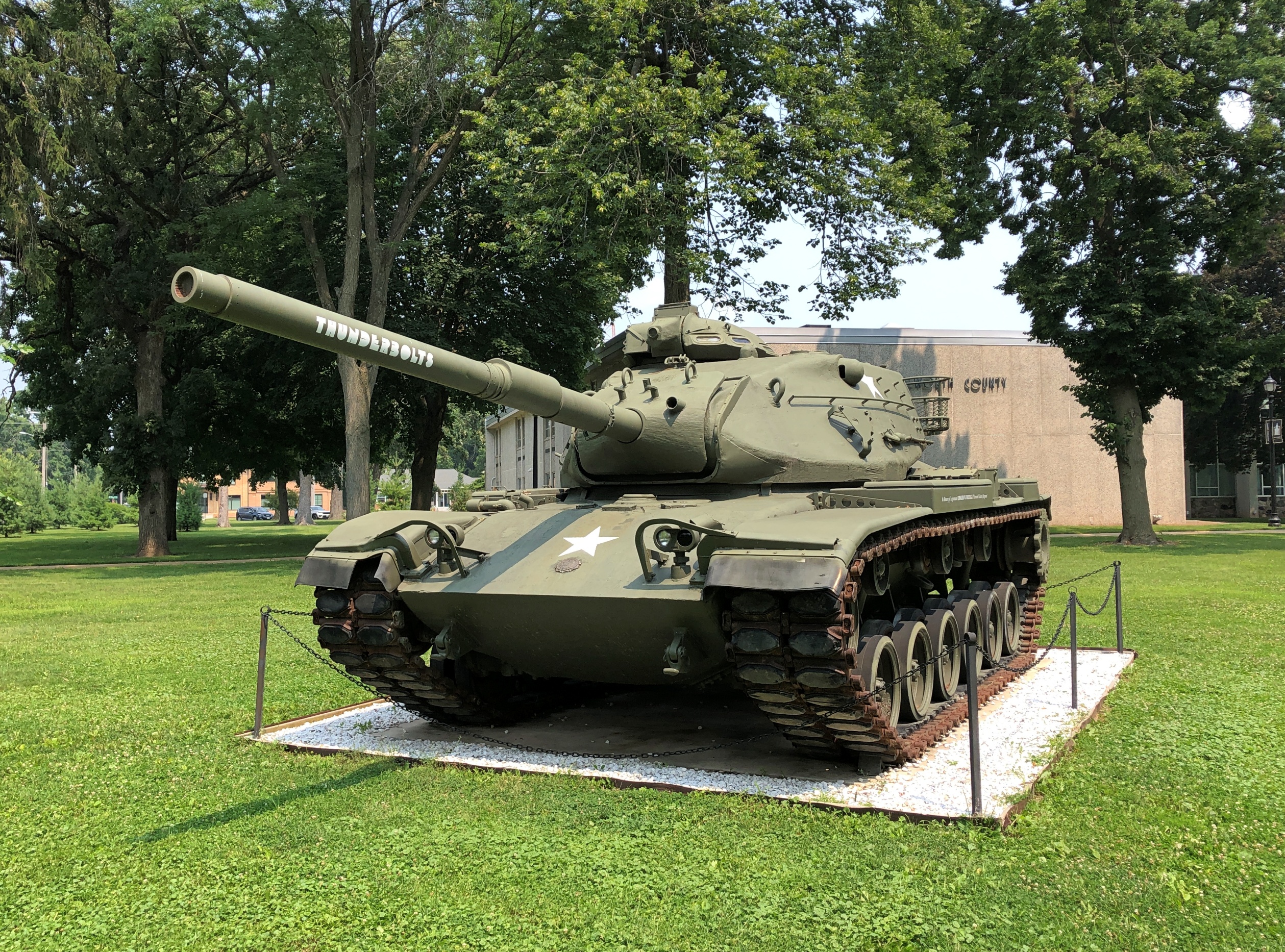
There was a tank. How many tanks are loose in Wisconsin?

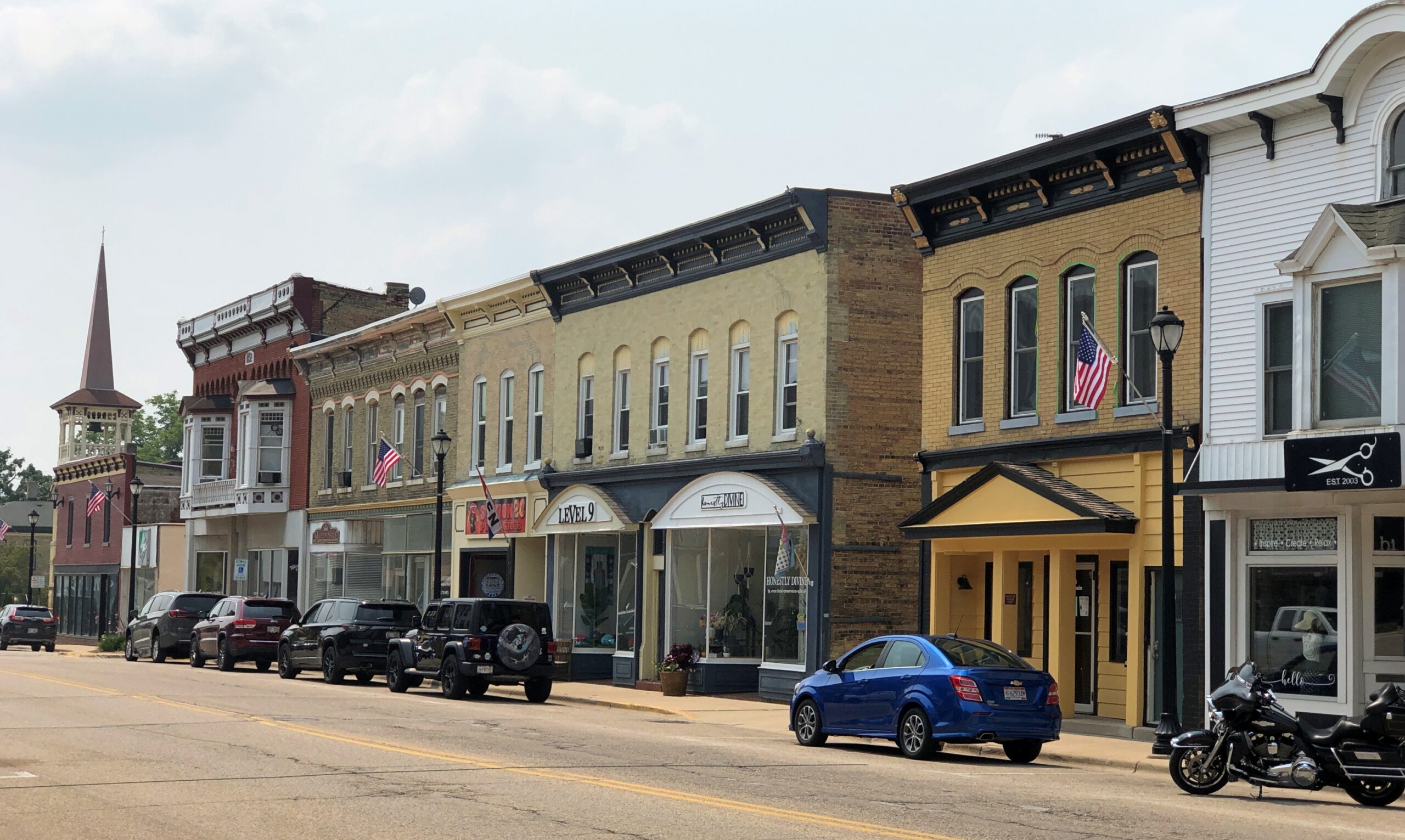
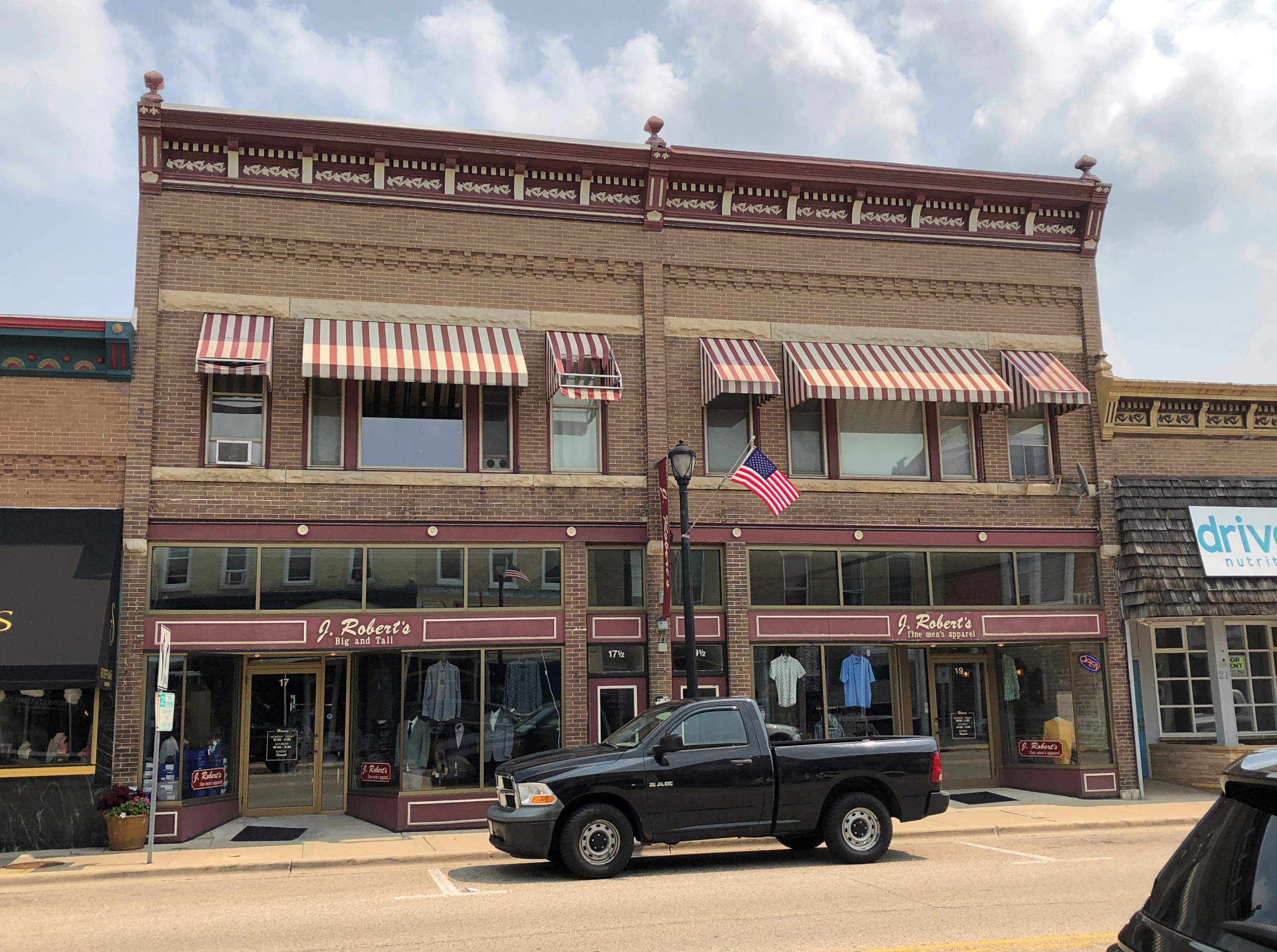
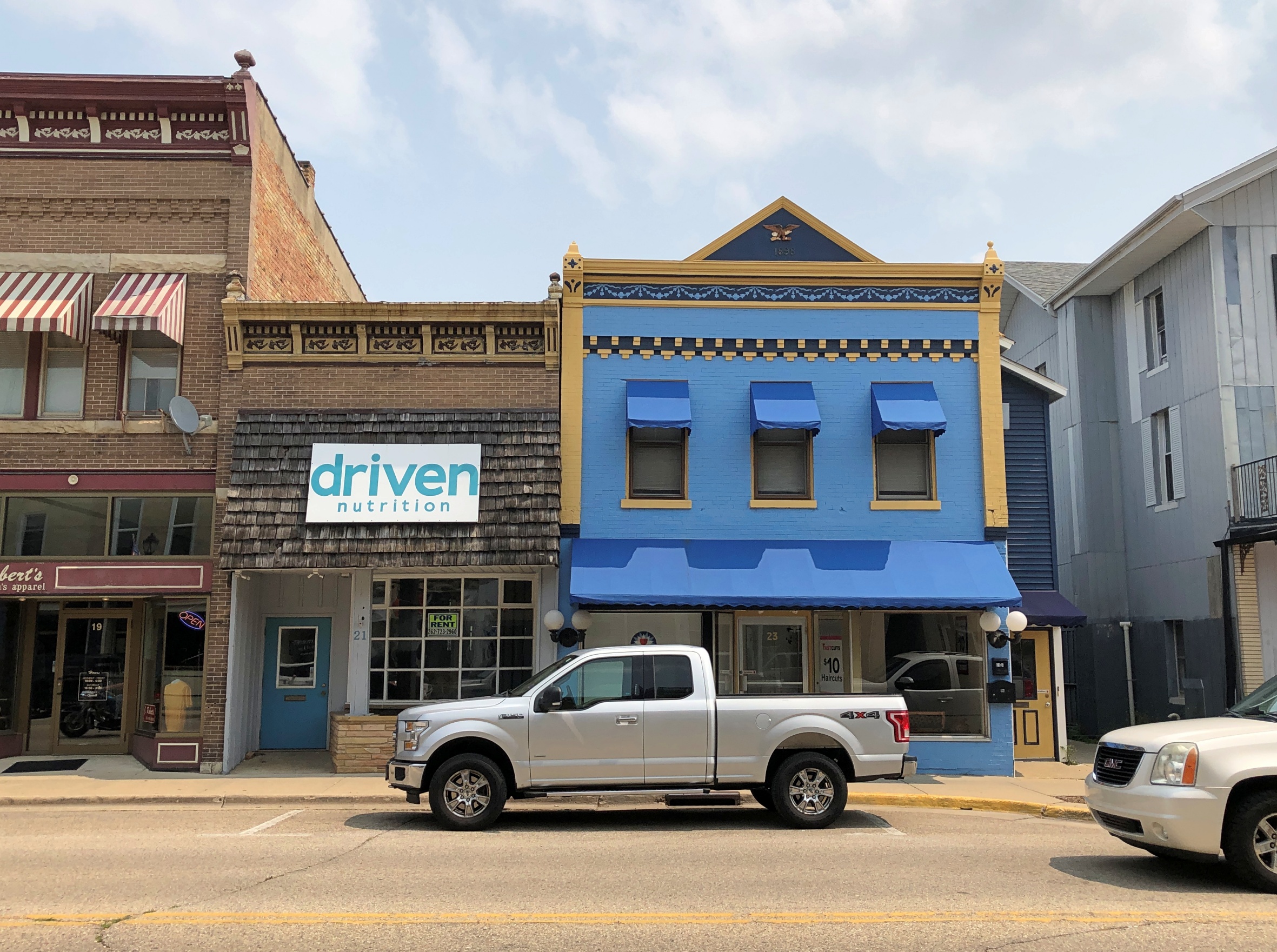
Well-tended buildings near the square.

Elkhorn, Wisconsin
Elkhorn, Wisconsin

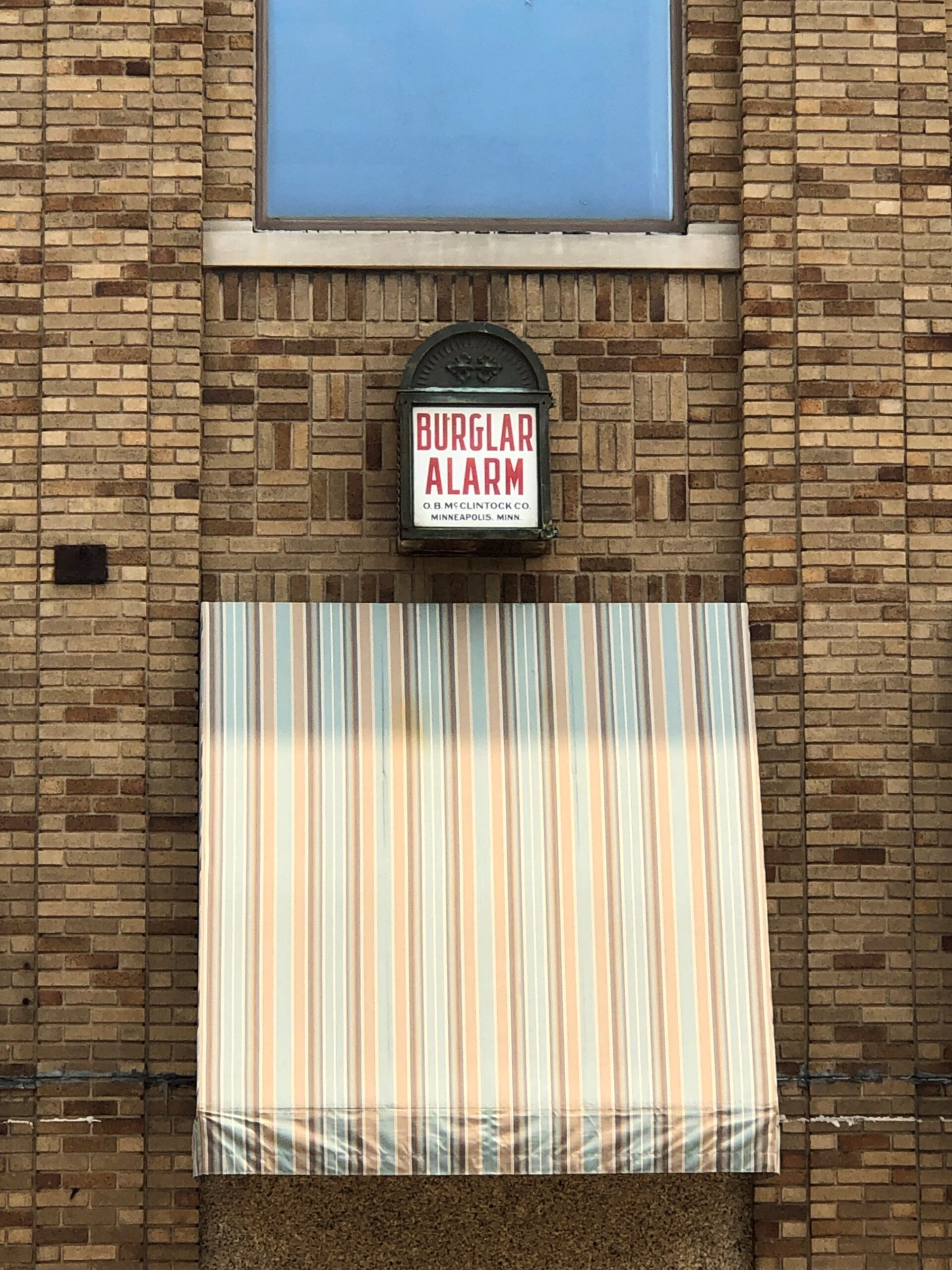
Every town has one of these, it seems.

What is that?

Elkhorn, Wisconsin

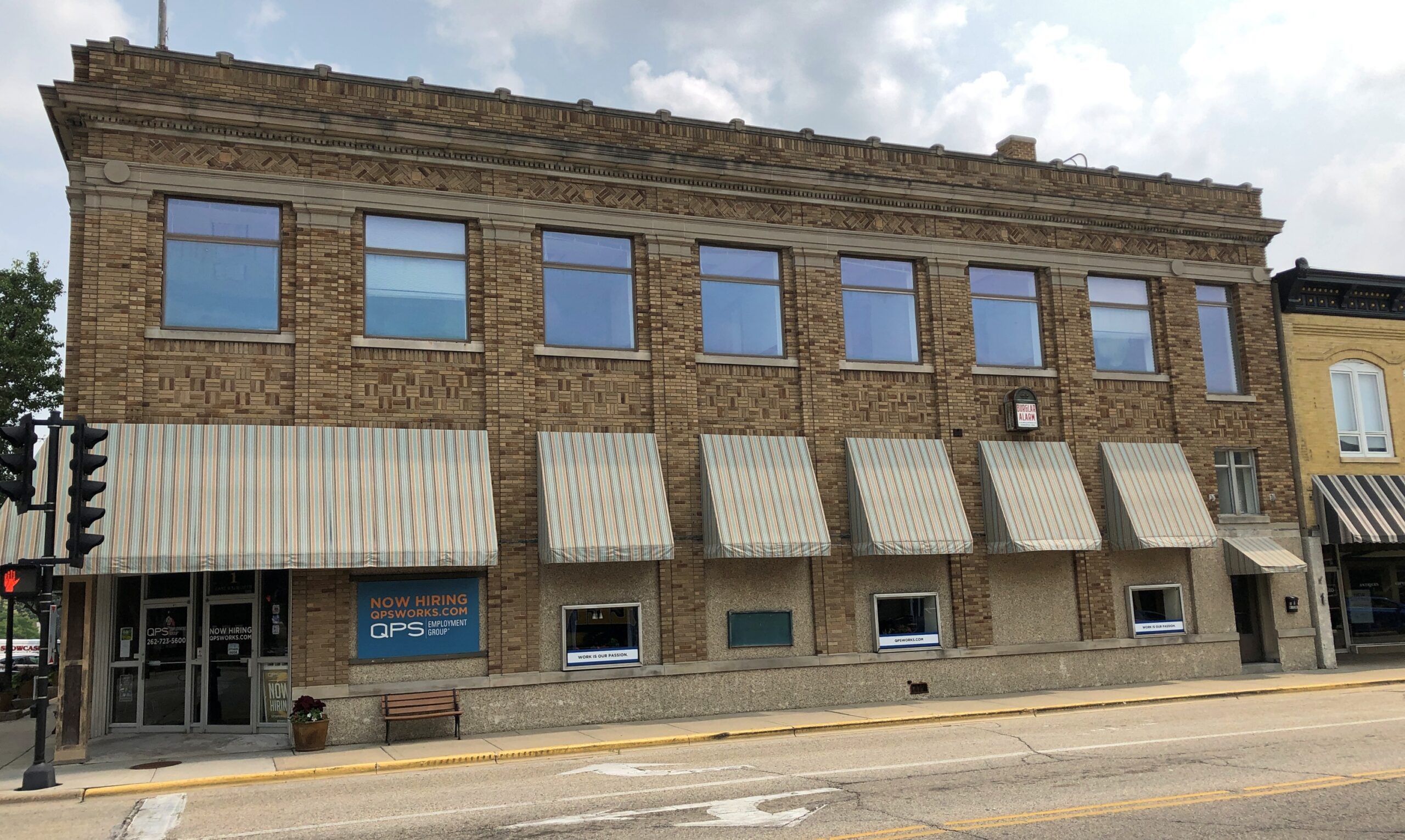
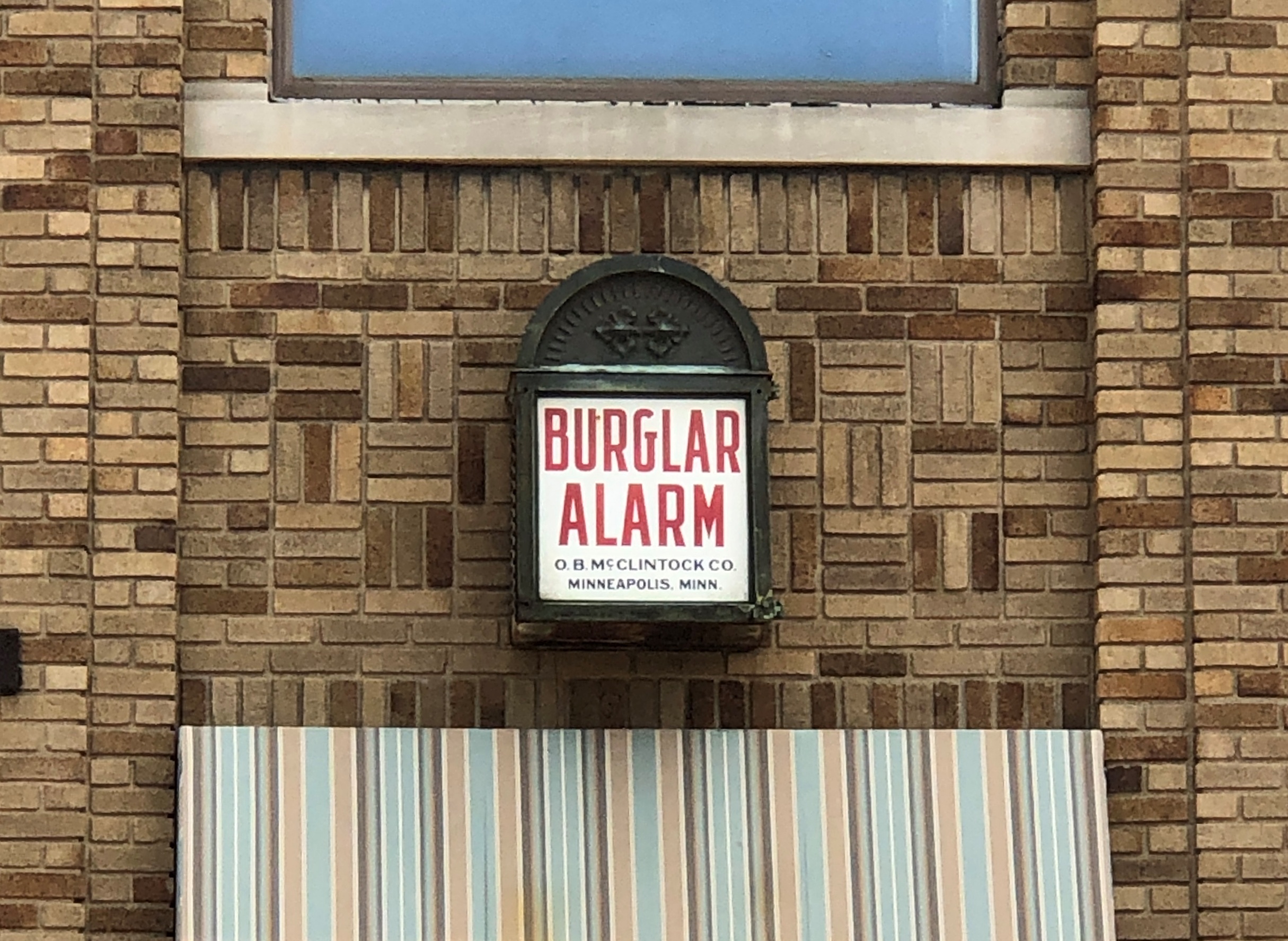
Public notice of an antique alarm system, that’s what.

Not the first one I’ve seen. This one was made by the O.B. McClintock Co. of Minneapolis. “In 1901 O.B. McClintock came to Minneapolis and founded the American Bank Protection Company, which produced burglar alarm systems,” explains a site called Lavilo. “After his resignation in 1908, he opened the O.B. McClintock Company to ‘manufacture electrical chime and clock systems,’ which he sold to financial institutions all across the United States.”

Banks began telling the public the time quite a while ago (McClintock surely wasn’t the first). I’m of course old enough to remember dialing time and temperature, though I can’t remember which financial institution sponsored the service in ’70s San Antonio.

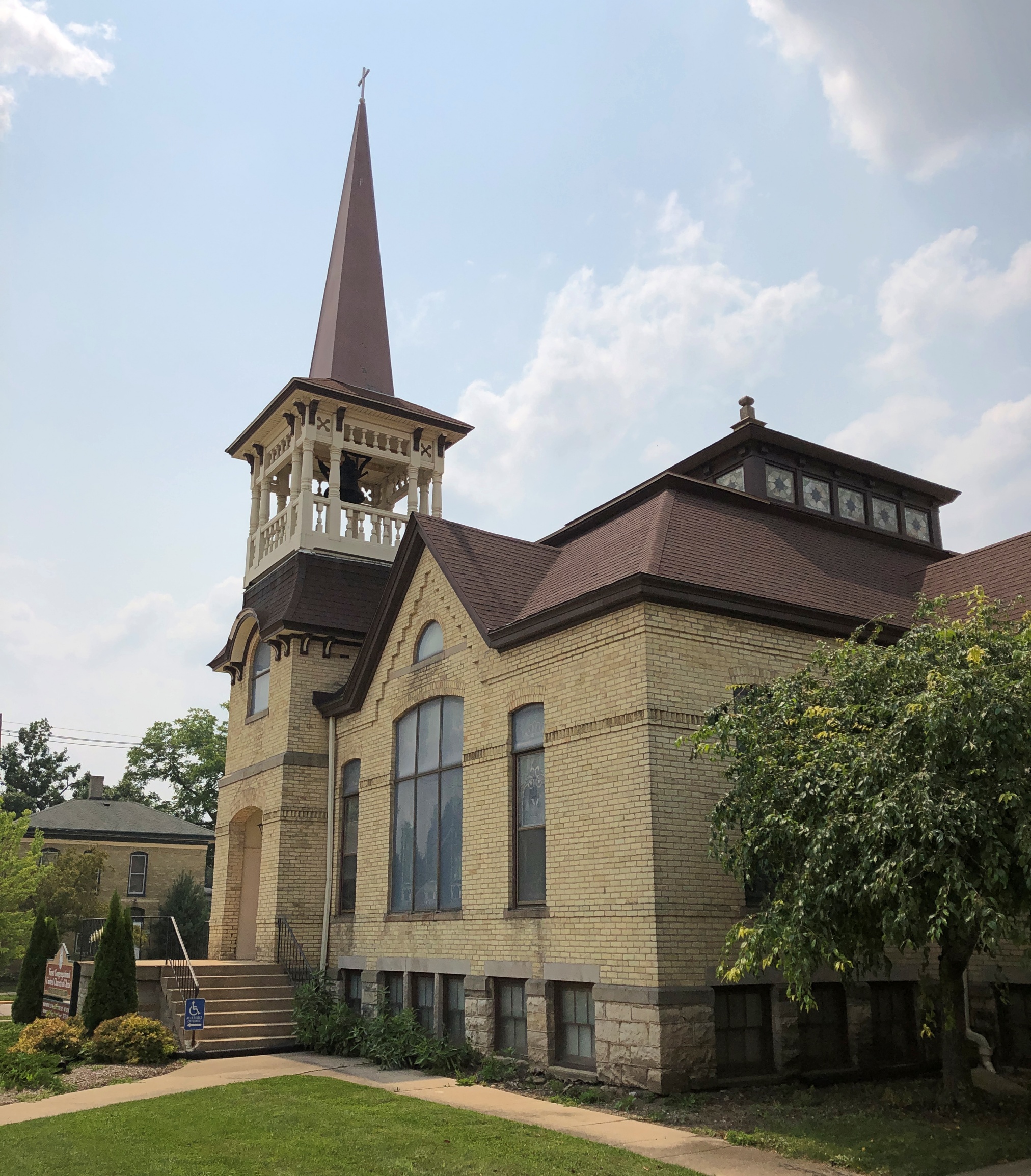
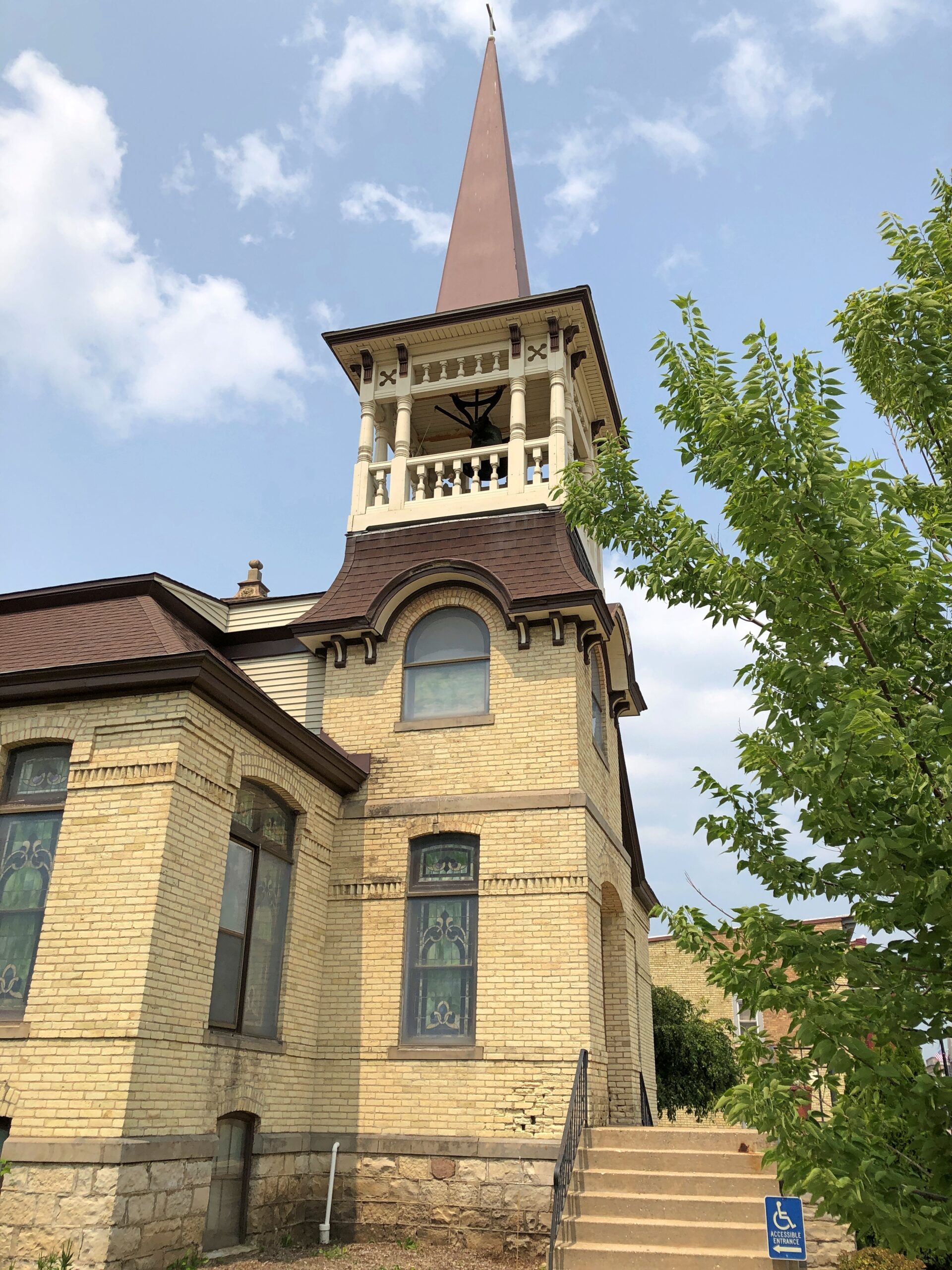
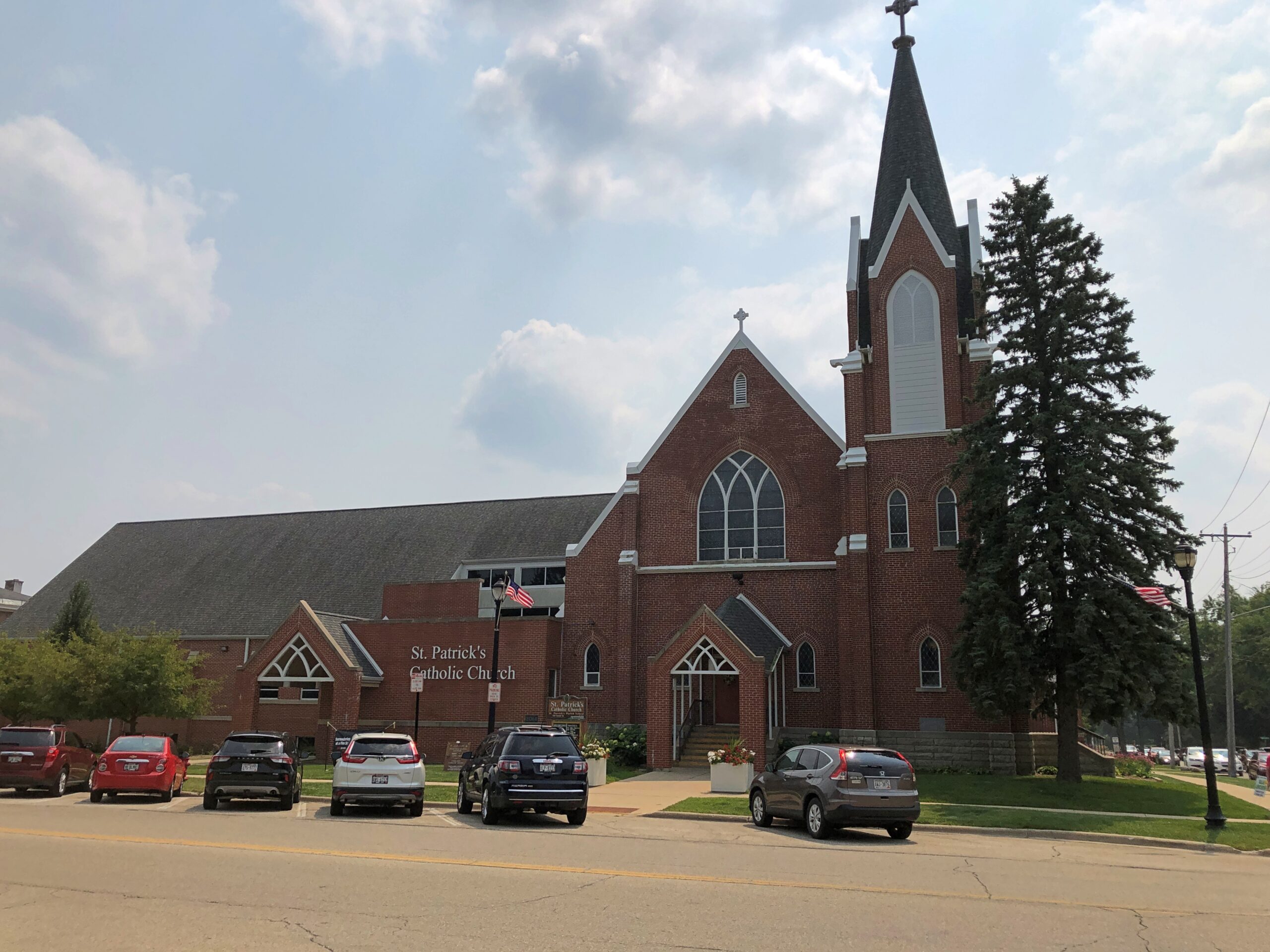
Elkhorn has a fine selection of downtown churches as well. Such as the First Congregational United Church of Christ.

Elkhorn, Wisconsin
Elkhorn, Wisconsin

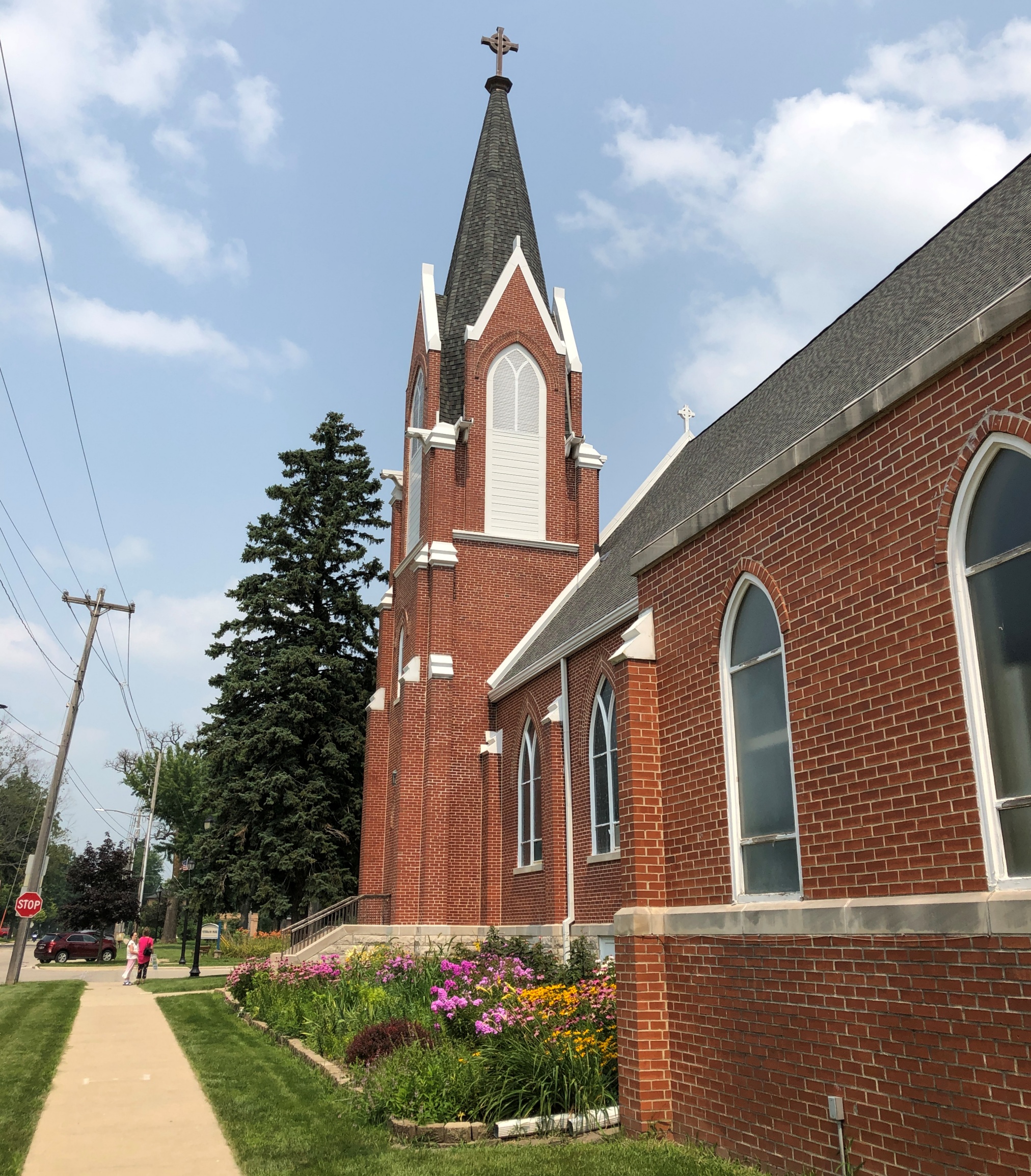
St. Patrick’s Catholic Church.

Elkhorn, Wisconsin
Elkhorn, Wisconsin

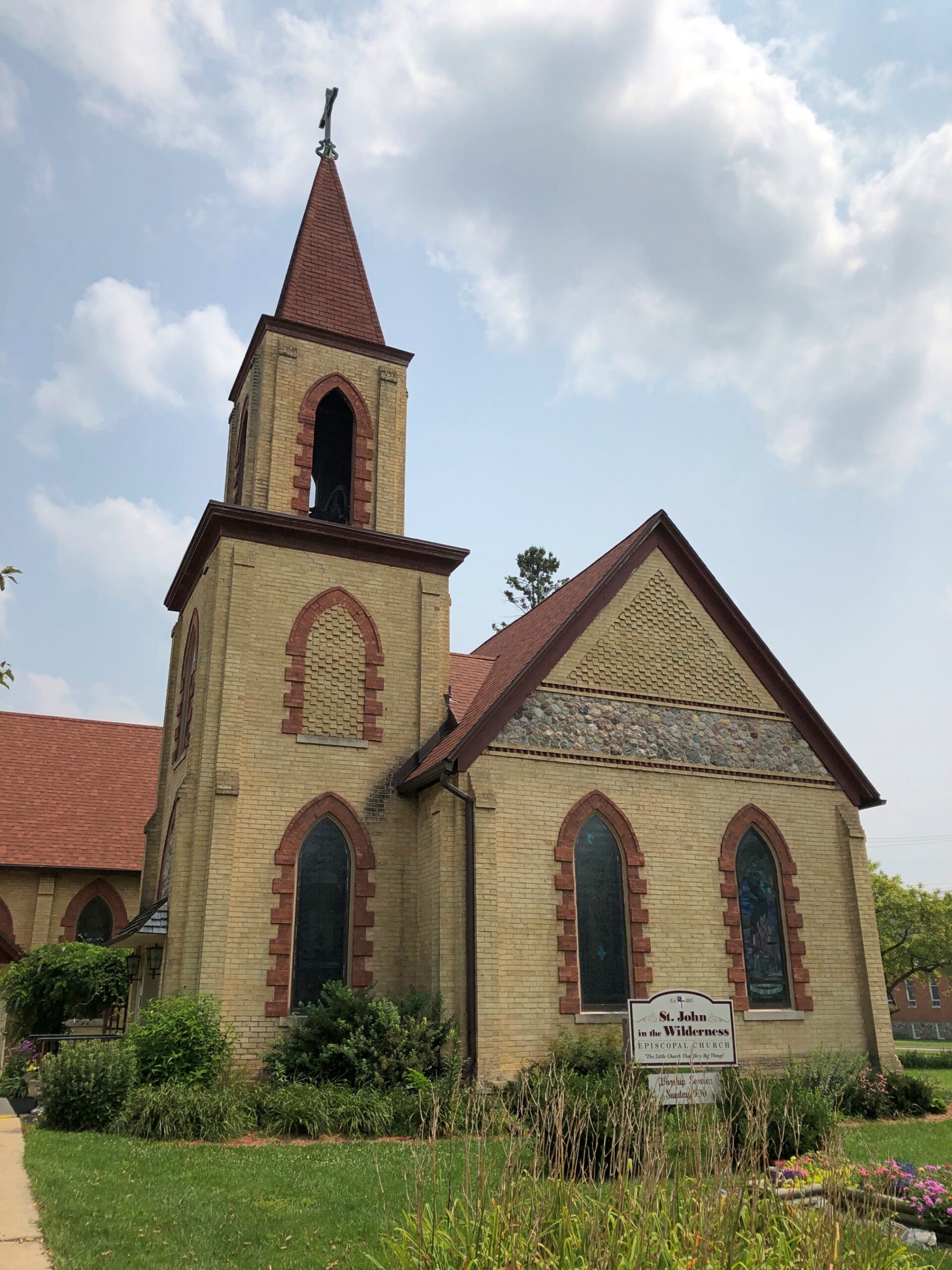
St. John in the Wilderness Episcopal Church.

Elkhorn, Wisconsin

Founded in 1841, back in Wisconsin Territory days, so “wilderness” was probably apt at the time.

Kenosha Walkabout, Featuring Franks’ Diner & Simmons Memorial Library

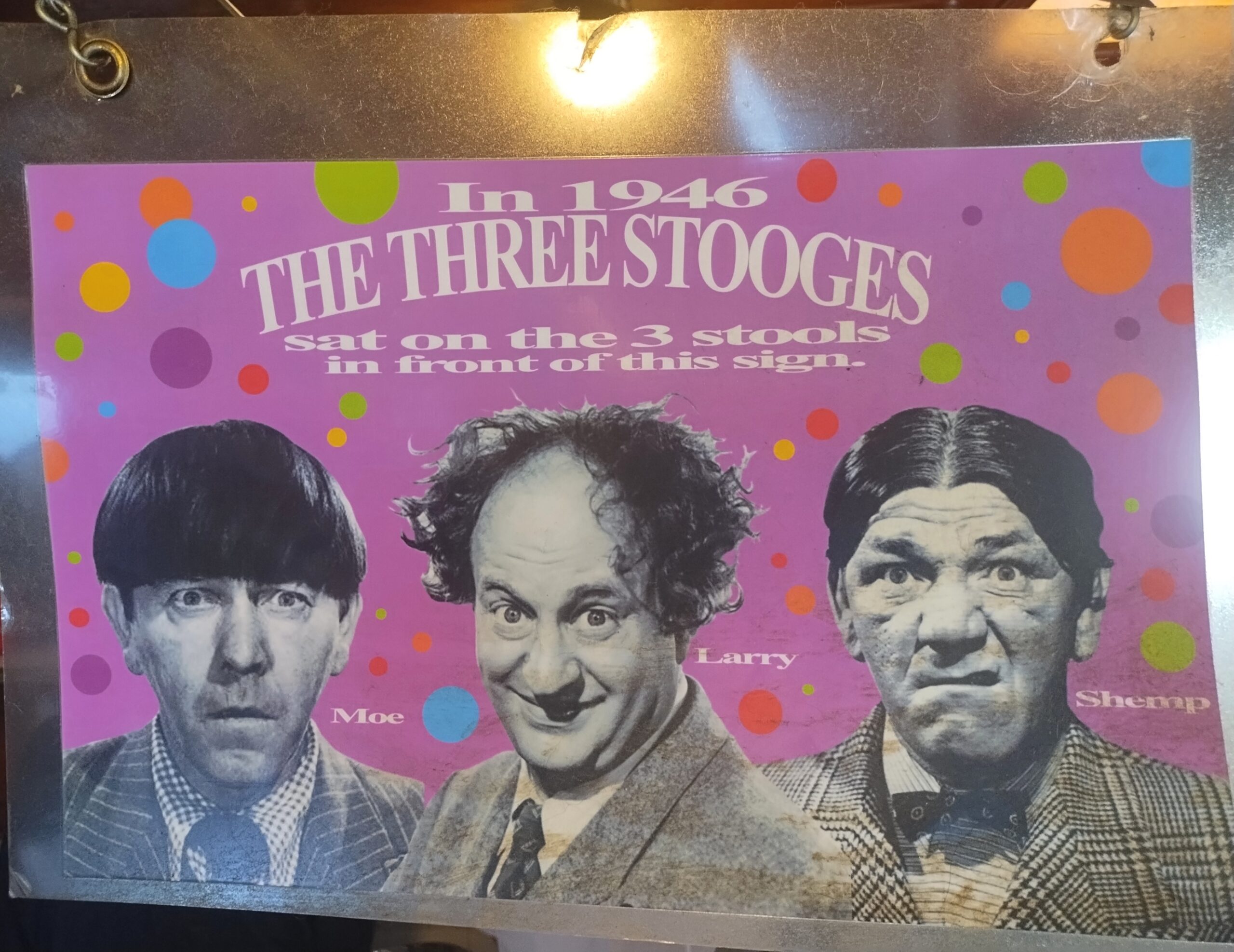
Always good to see their beaming faces.

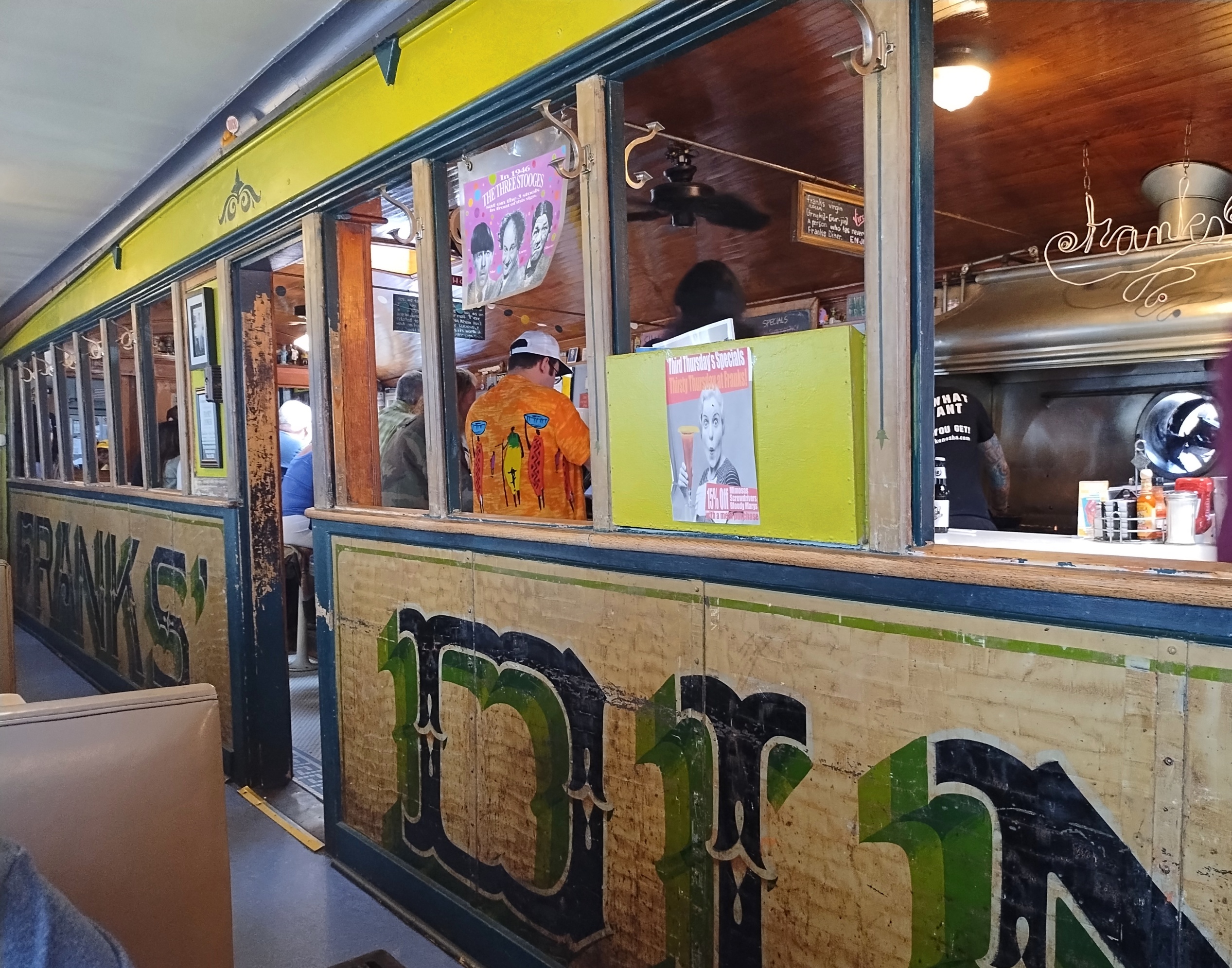
The poster is on a window at Franks’ Diner, formerly an exterior window, but with an expansion of the diner many years ago, now facing the added section, where Ann and I had lunch on a late July Friday. Kenosha, home of Franks’, was another stop in our recent rambles around southeastern Wisconsin.

Finding Franks’ Diner was no serendipity. We’d been there, back in 2012. The Stooges, back in 1946. I’ll bet they were playing the nearby Kenosha Theater, which is still standing, but in need of restoration.

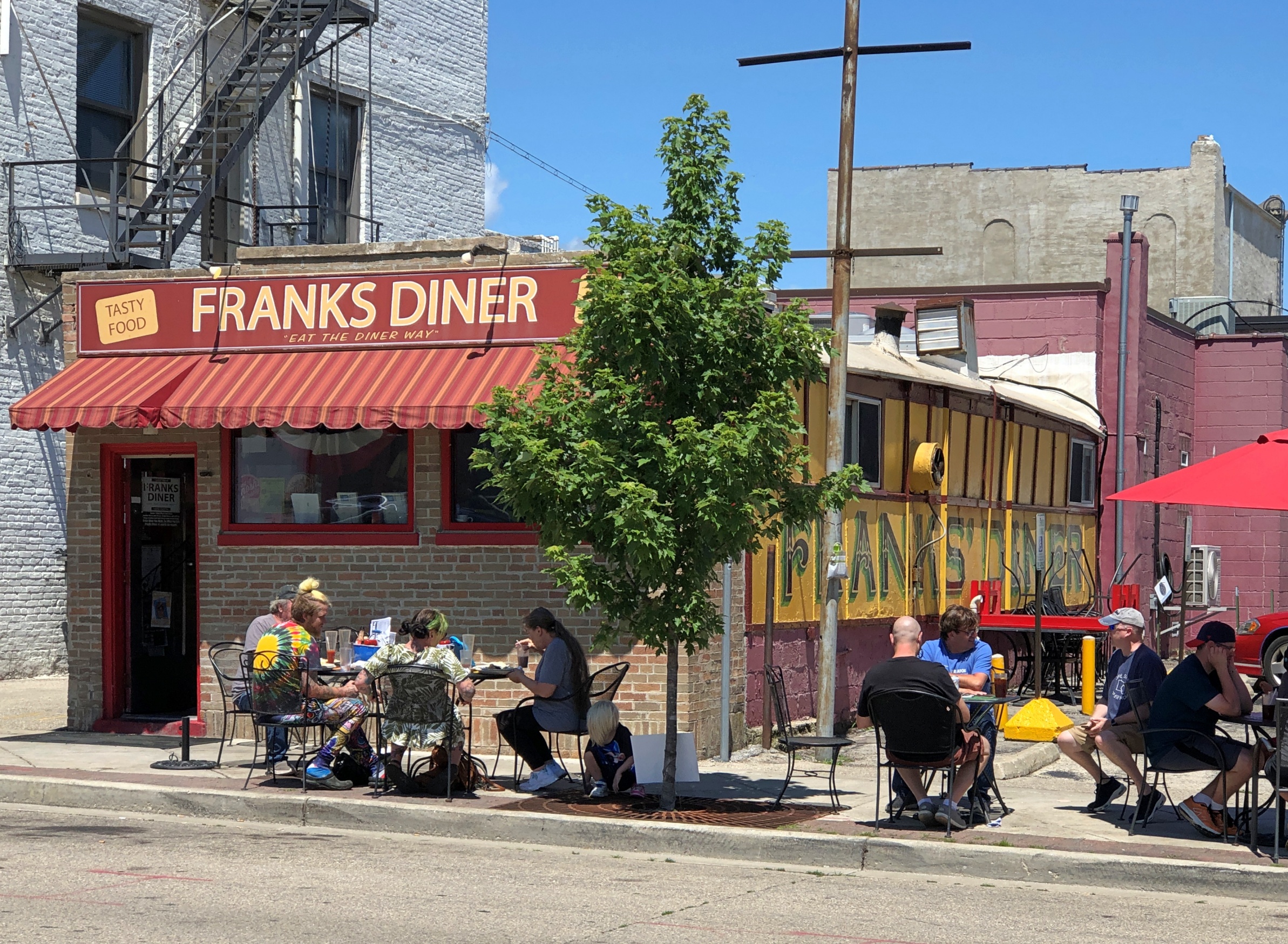
Not only is the 99-year-old Franks’ still there, it’s still dishing up dandy diner fare at popular prices. Back then, I wrote:

The place had that diner smell: eggs and meats and hash browns and coffee. It also had that diner sound: the murmur of conversation, workers calling to each other, silverware scraping plates, metal clinking metal, the hiss of the griddle.

It was packed. A row of people sat at the counter, while others were at booths in the small room added to the counter room. A line of people waited for their seats in a long row behind the people at the counter.

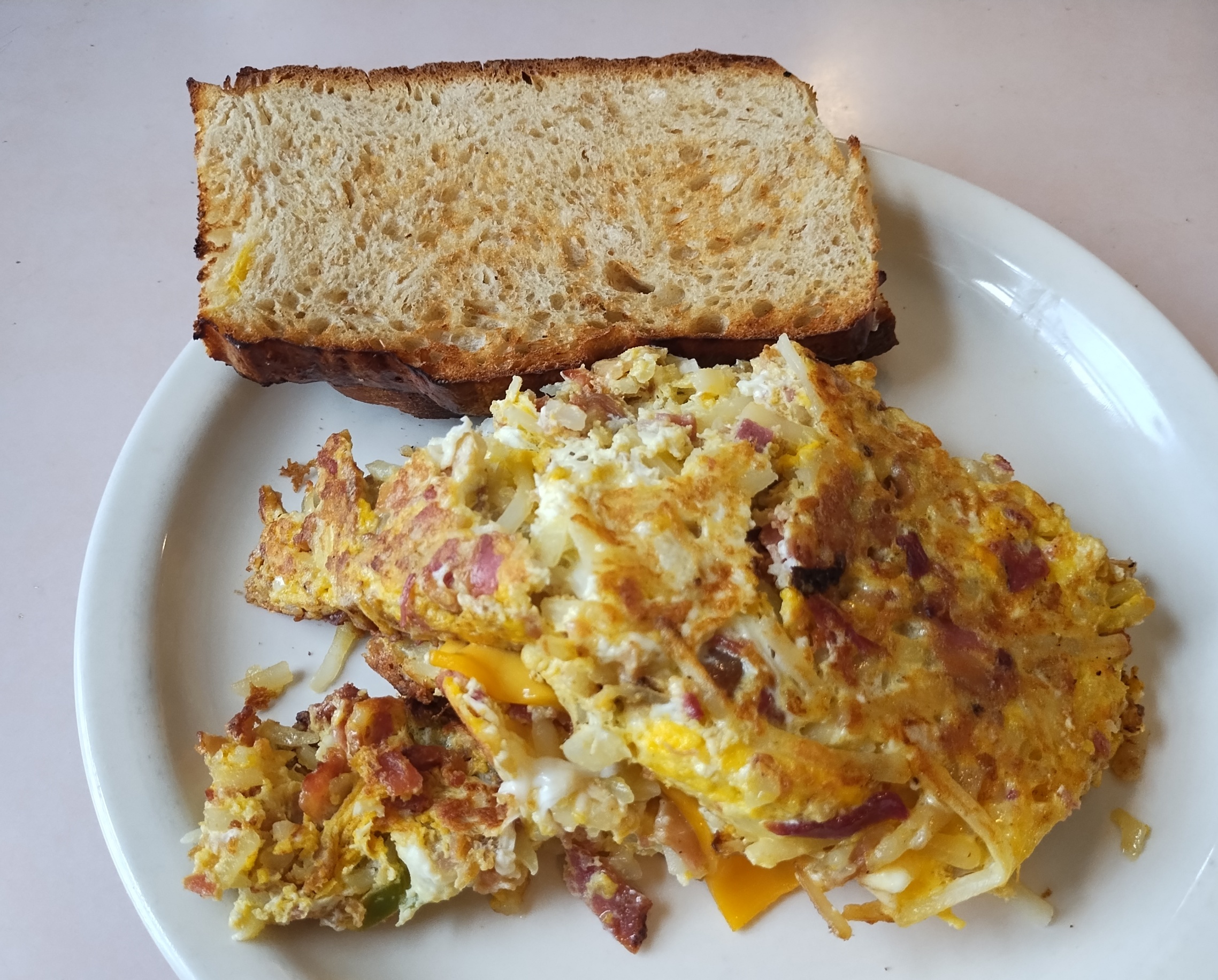
That’s exactly the same as our July visit, except that people waited outside, since it was summer instead of winter and (of course) prices were higher. Once seated, I had the Garbage Plate. I’d skipped it last time, and I wasn’t about to miss it this time around.

2012: The star of the show is its Garbage Plate, a concoction of hash-brown potatoes, eggs, green peppers, onions, jalapeños (if you want them), and a choice of three or fewer meats (or including no meat). The thing is seriously large. The standard Garbage Plate has five eggs.

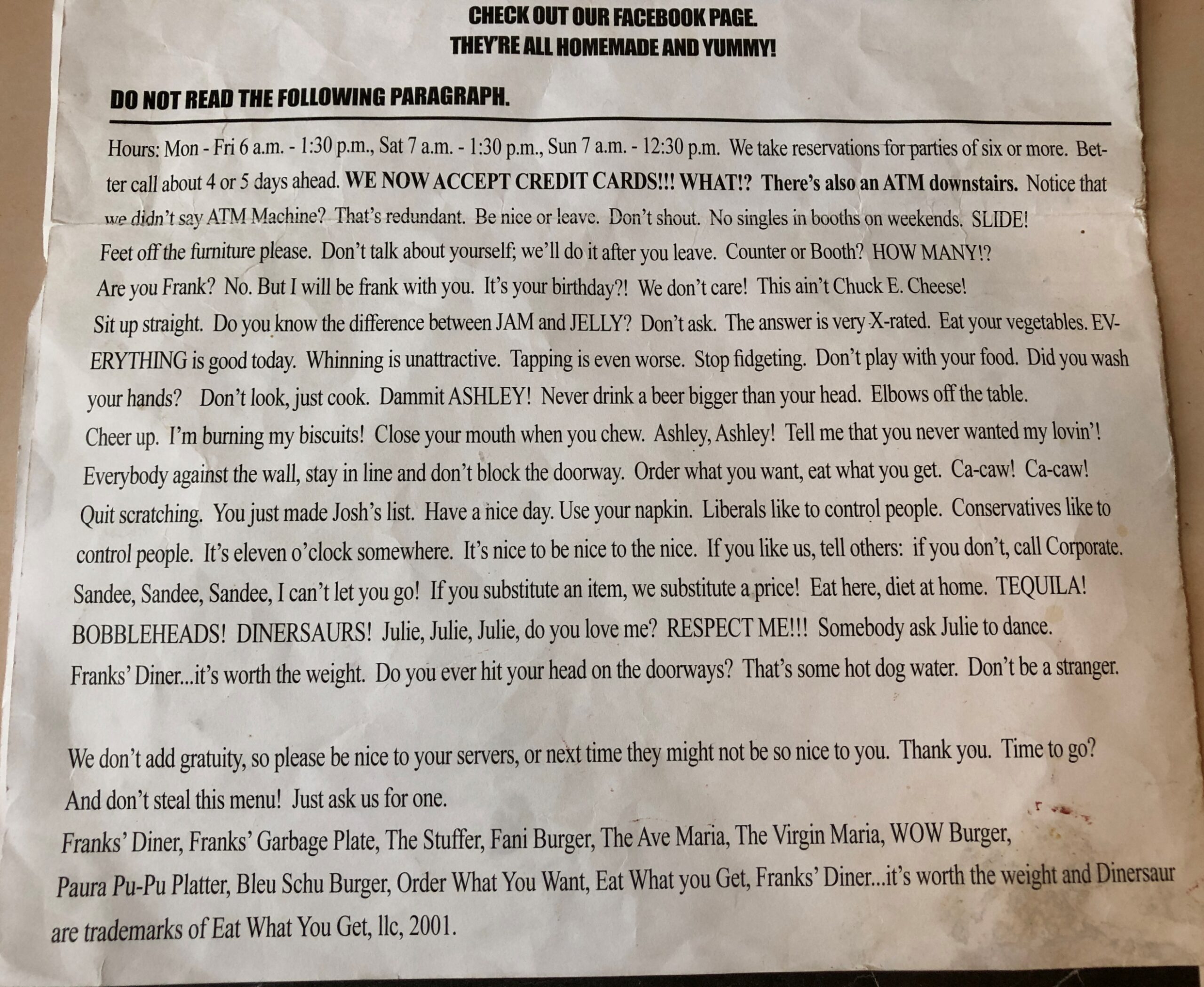
The restaurant also supplies some reading material.

After lunch, we went a few blocks away and parked the car in the shade of large trees in Library Park. Ann waited in the car with the windows down – it was very warm, but not too warm for a few minutes of that – while I wandered around the immediate area, including a couple of streets of storefront retail in vintage structures.

Houses across the street from where we parked.

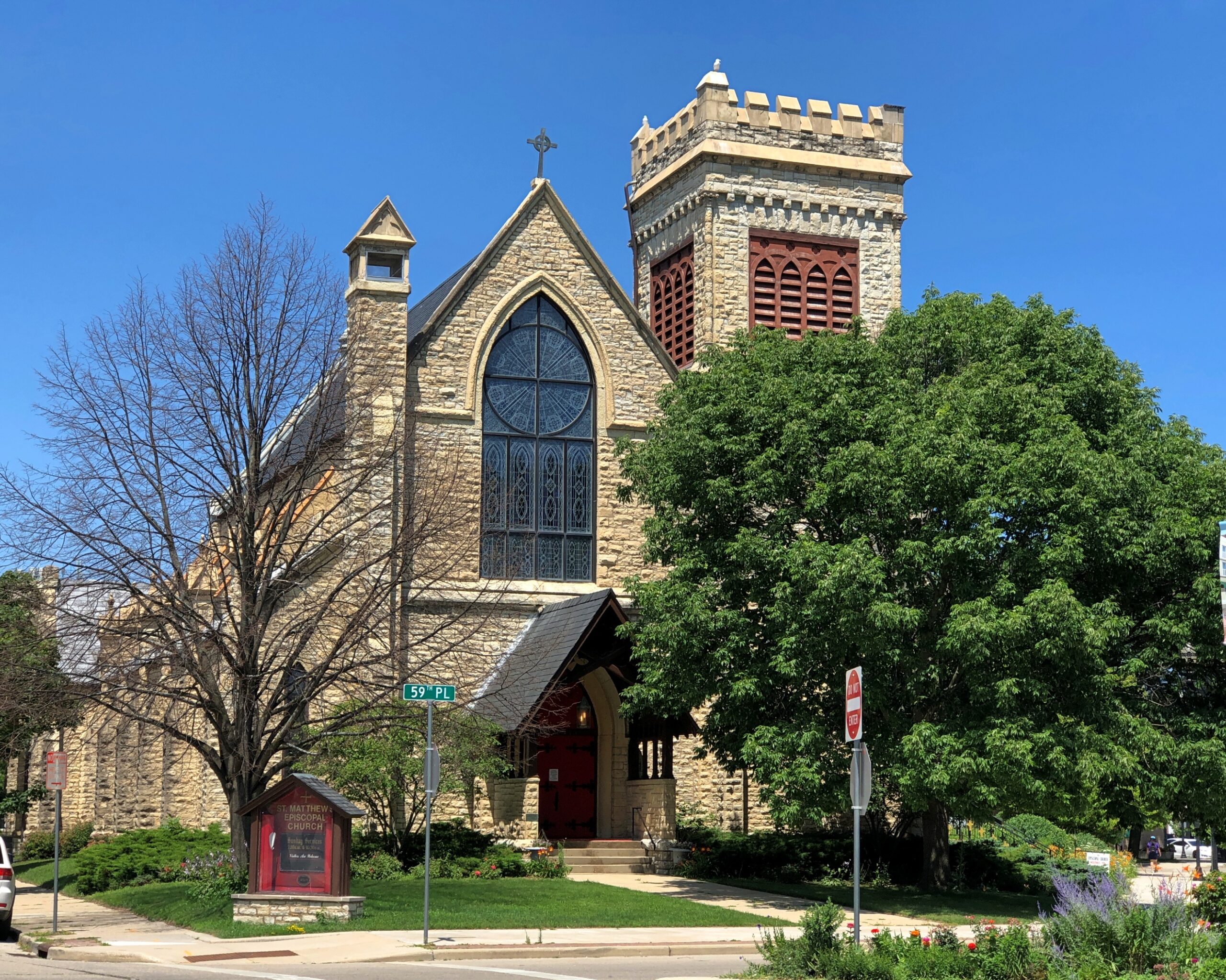
The nearby St. Matthews Episcopal Church.

Kenosha

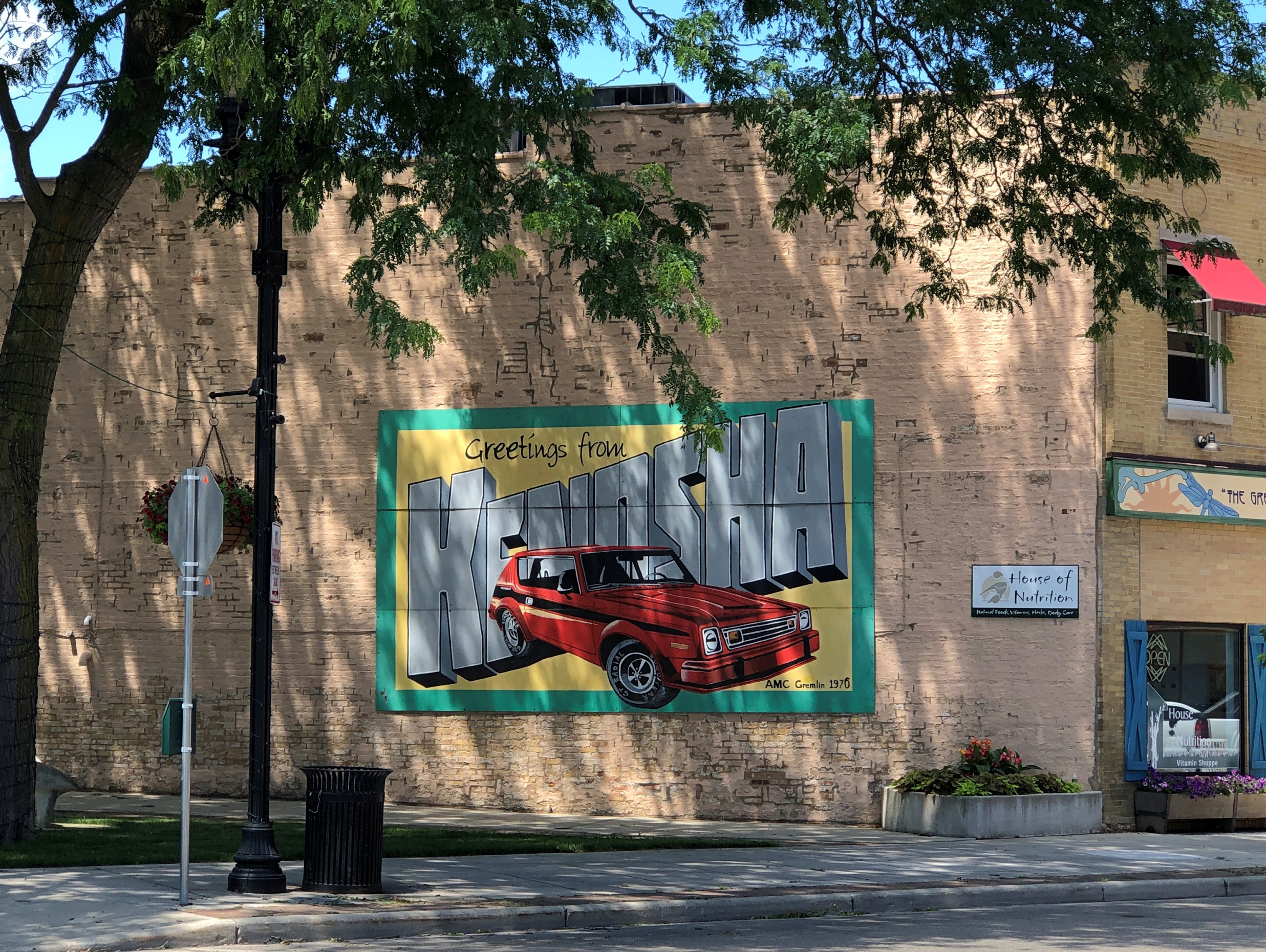
The inevitable welcome mural. The 1970 Gremlin is an unusual touch. But they were made in Kenosha, so not that unusual.

Kenosha

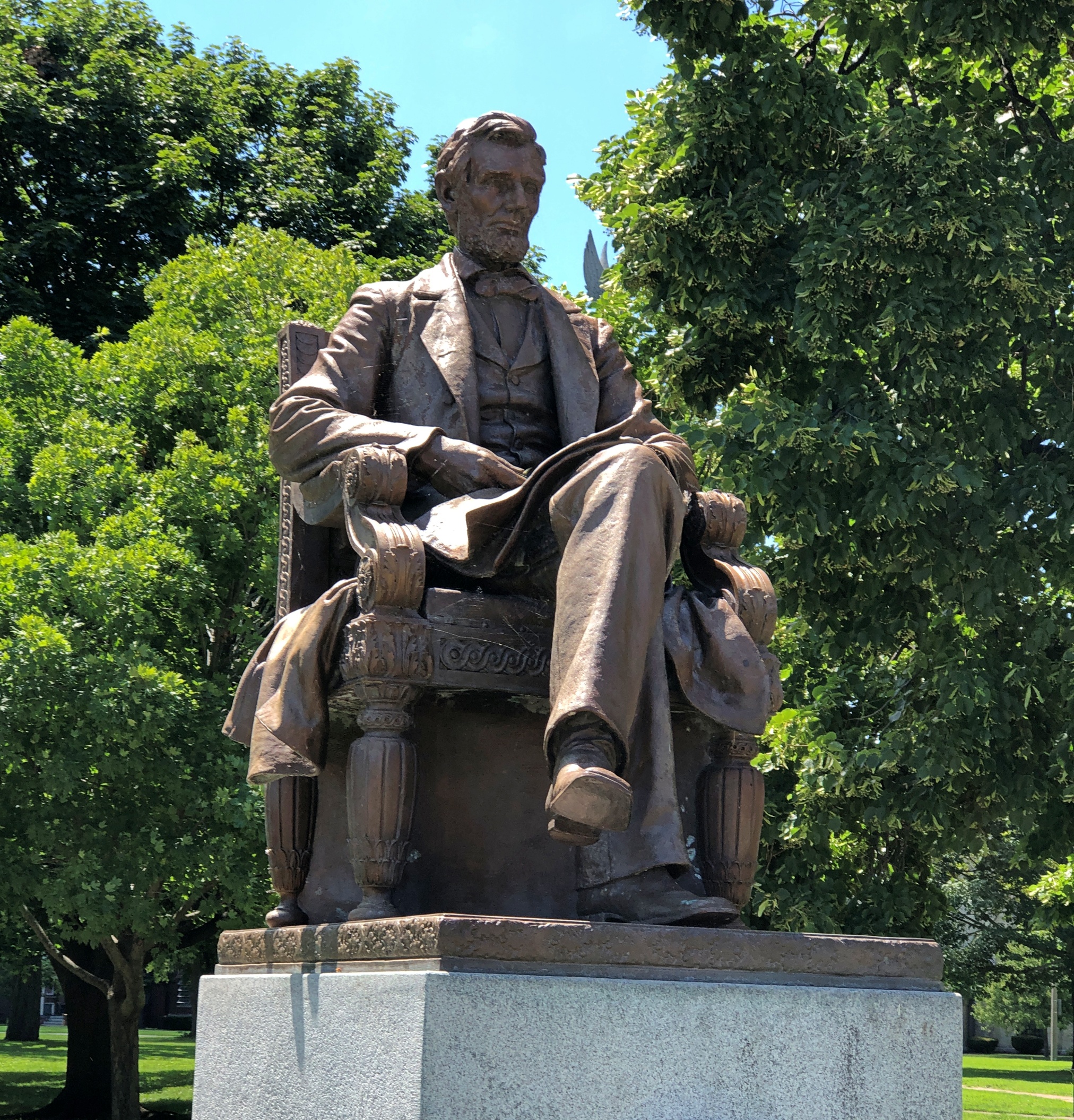
At the edge of the park, a seated Lincoln. Sculptor Charles Niehaus (d. 1935) did the work. Just one of many that he did all over the place. The president has been sitting there since 1909, centennial of his birth, with restoration work done in more recent decades.

Kenosha

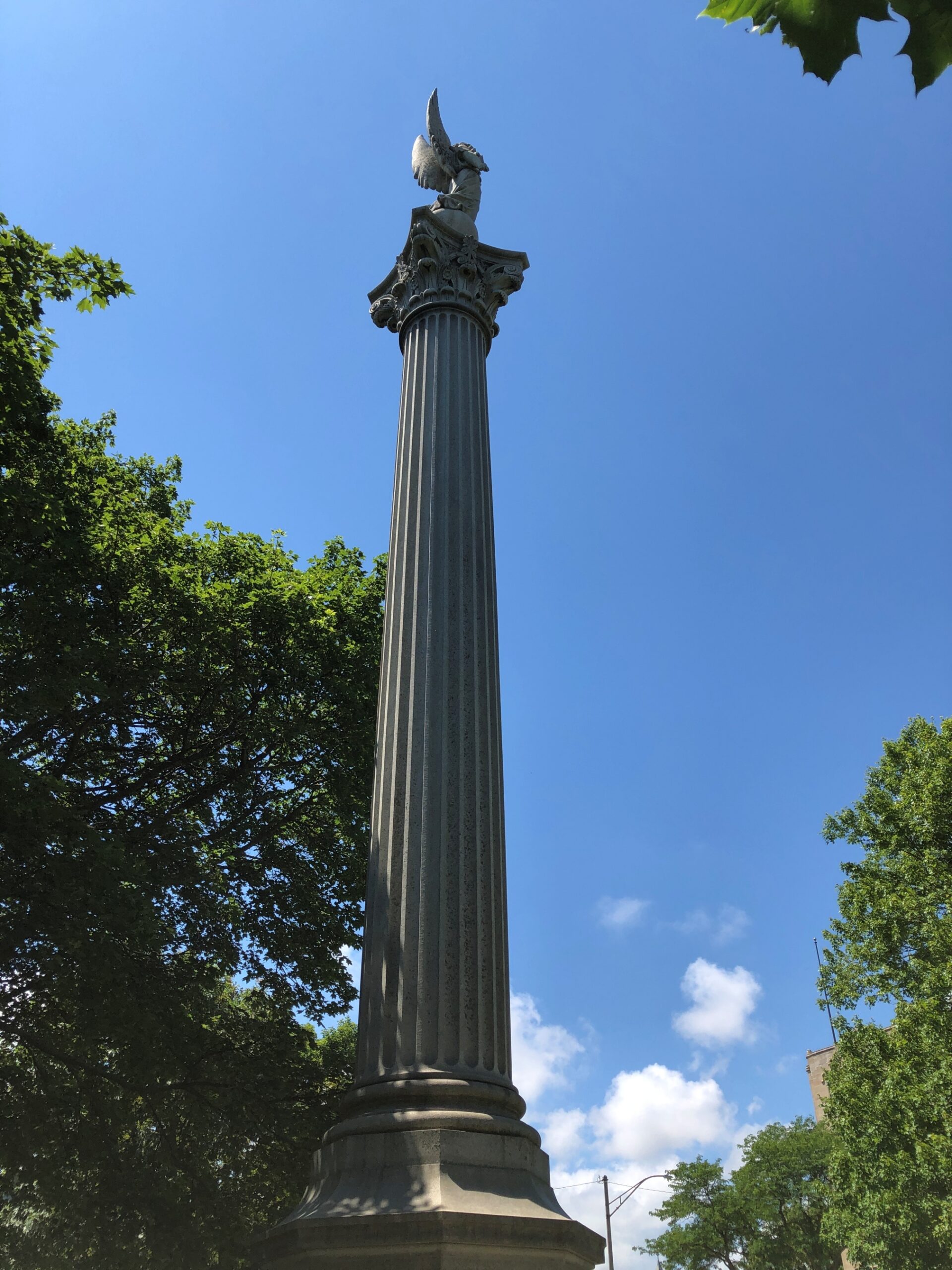
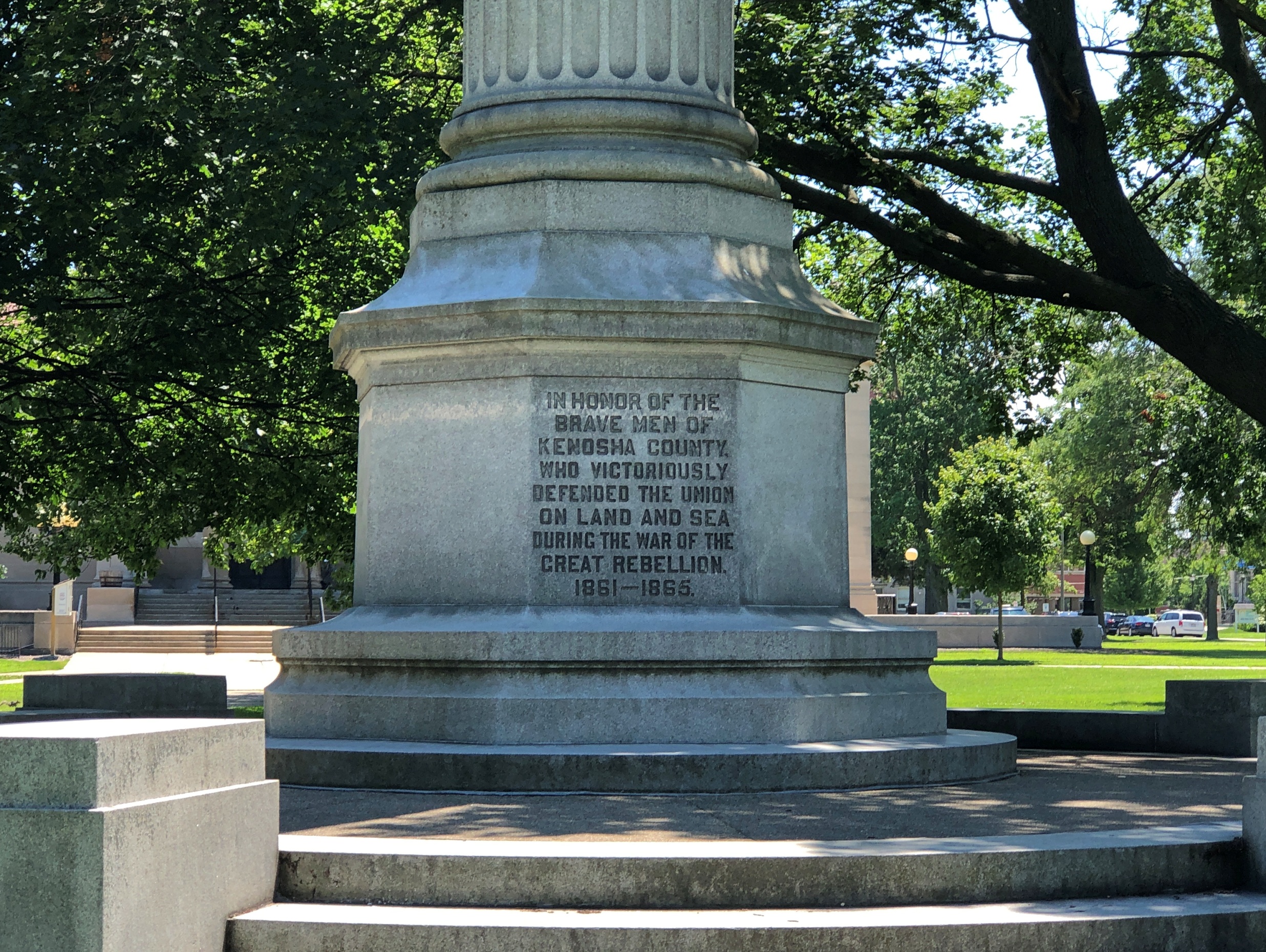
Nearby in the park, Kenosha’s Civil War memorial, called “Winged Victory” on electronic maps, a name that gets right to the point.

Kenosha

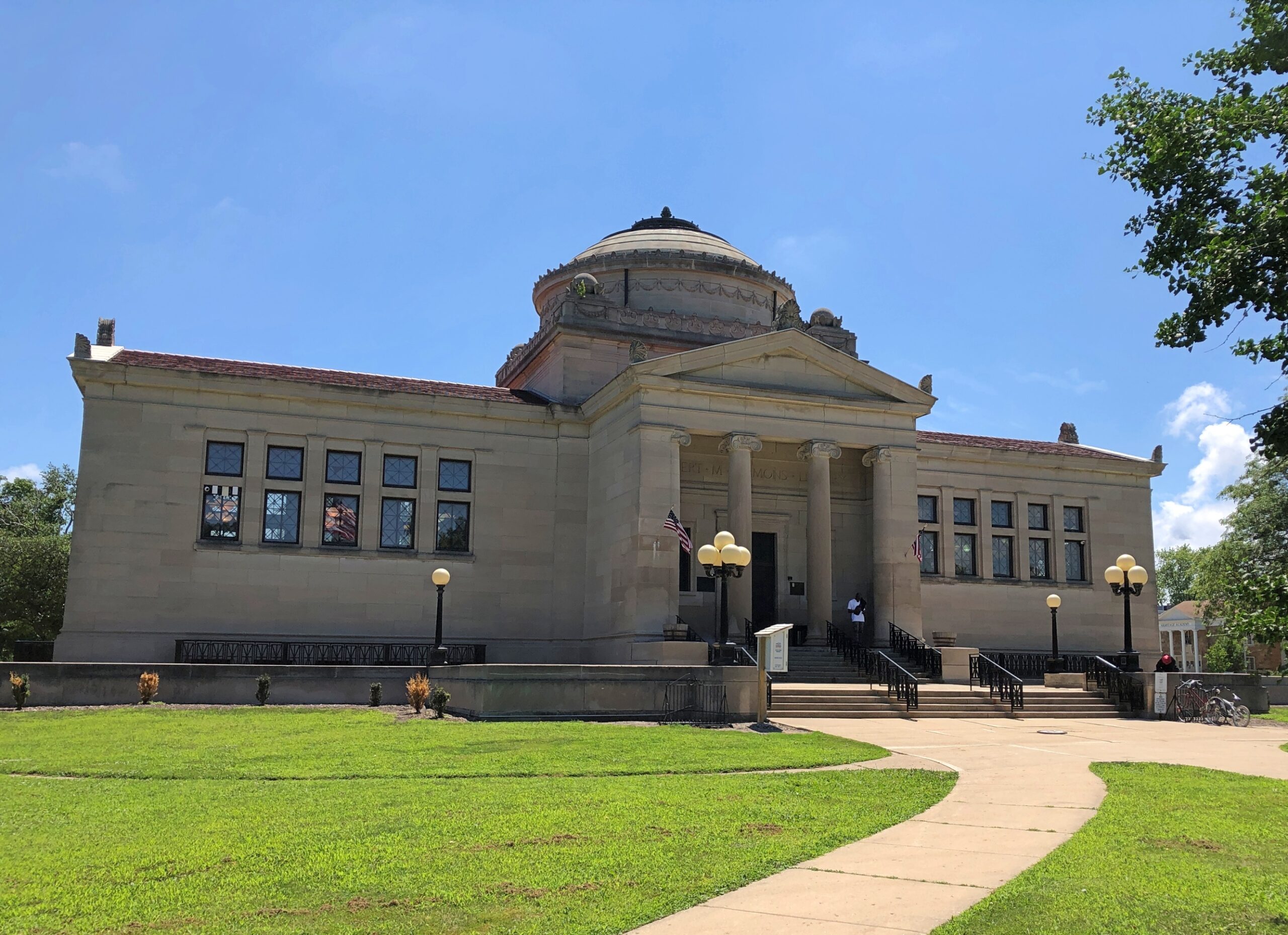
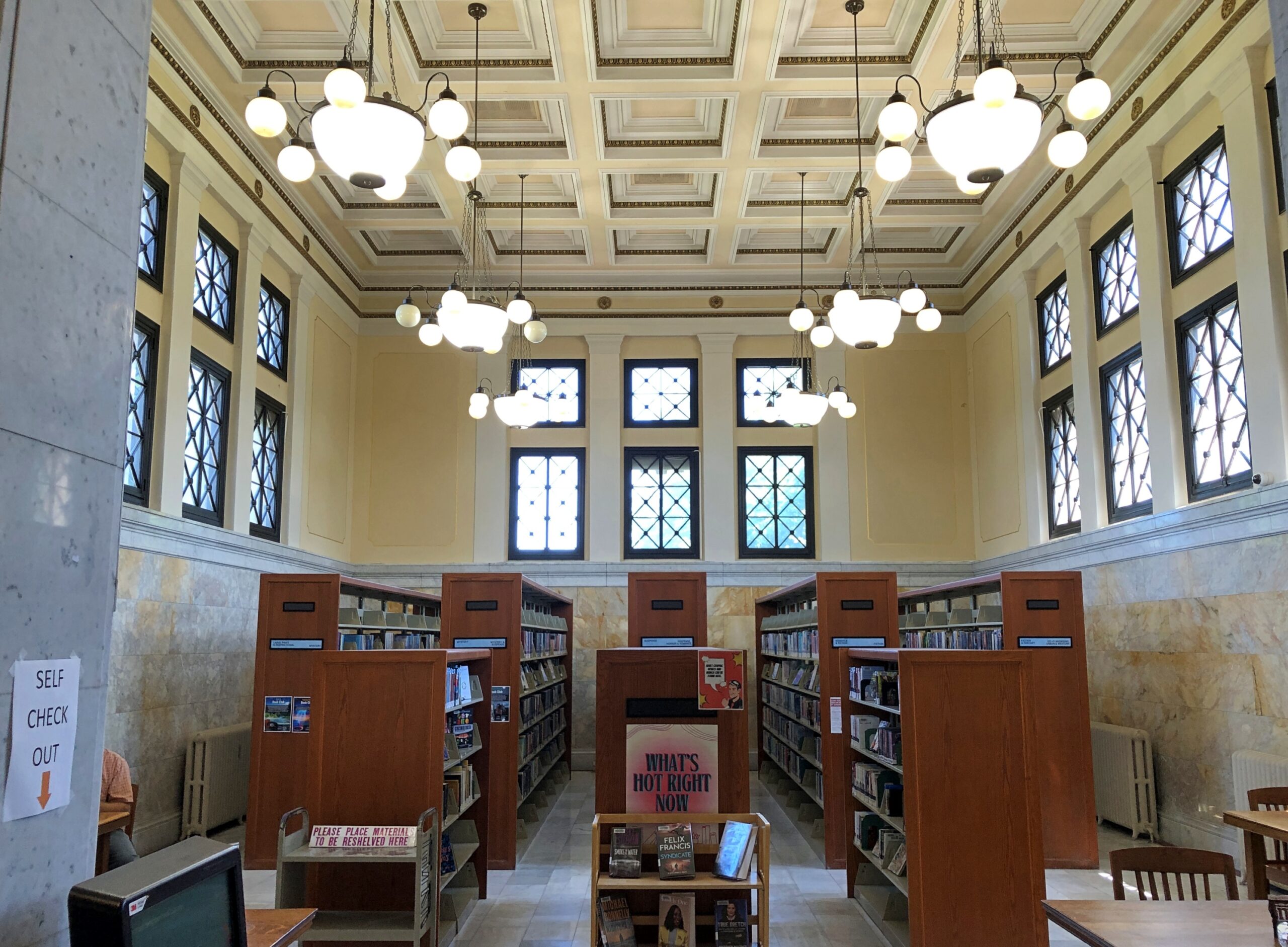
It’s Library Park because of the Gilbert M. Simmons Memorial Library, a branch of the Kenosha Public Library system, dominating its side of the park. It has a little more heft than most municipal branch libraries.

Kenosha

When it opened in 1900, the building formed Kenosha’s main library. Daniel Burnham designed it.

Kenosha

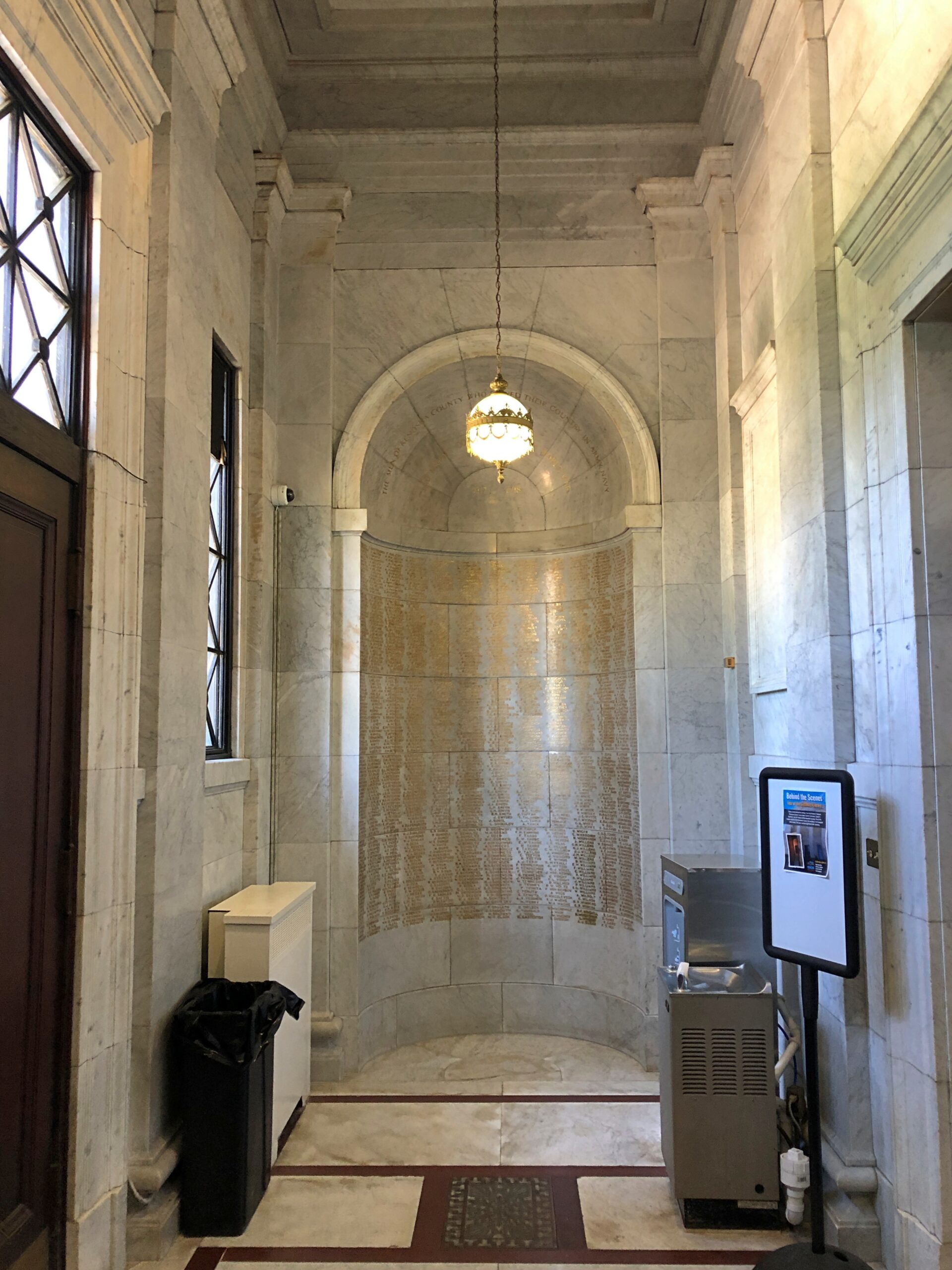
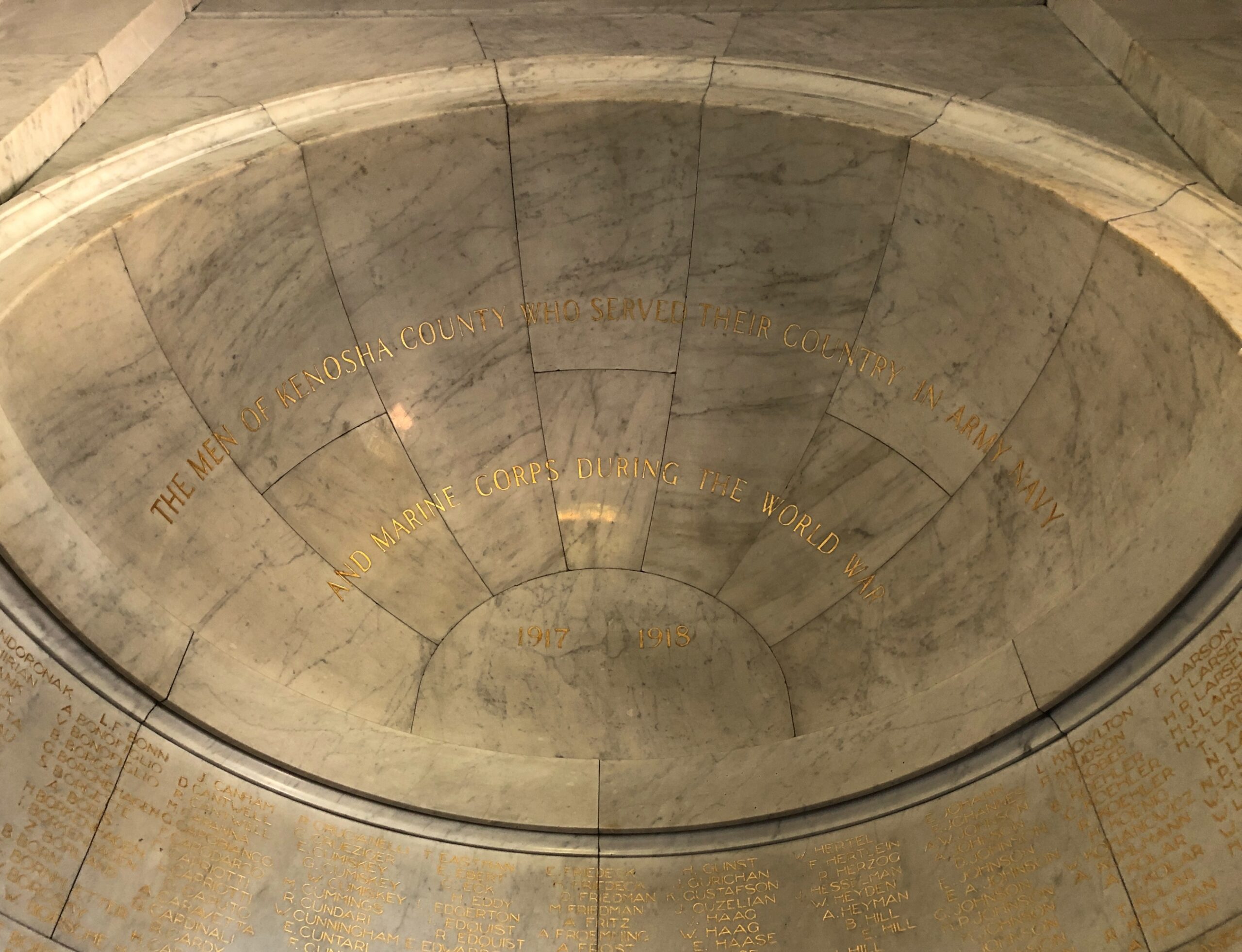
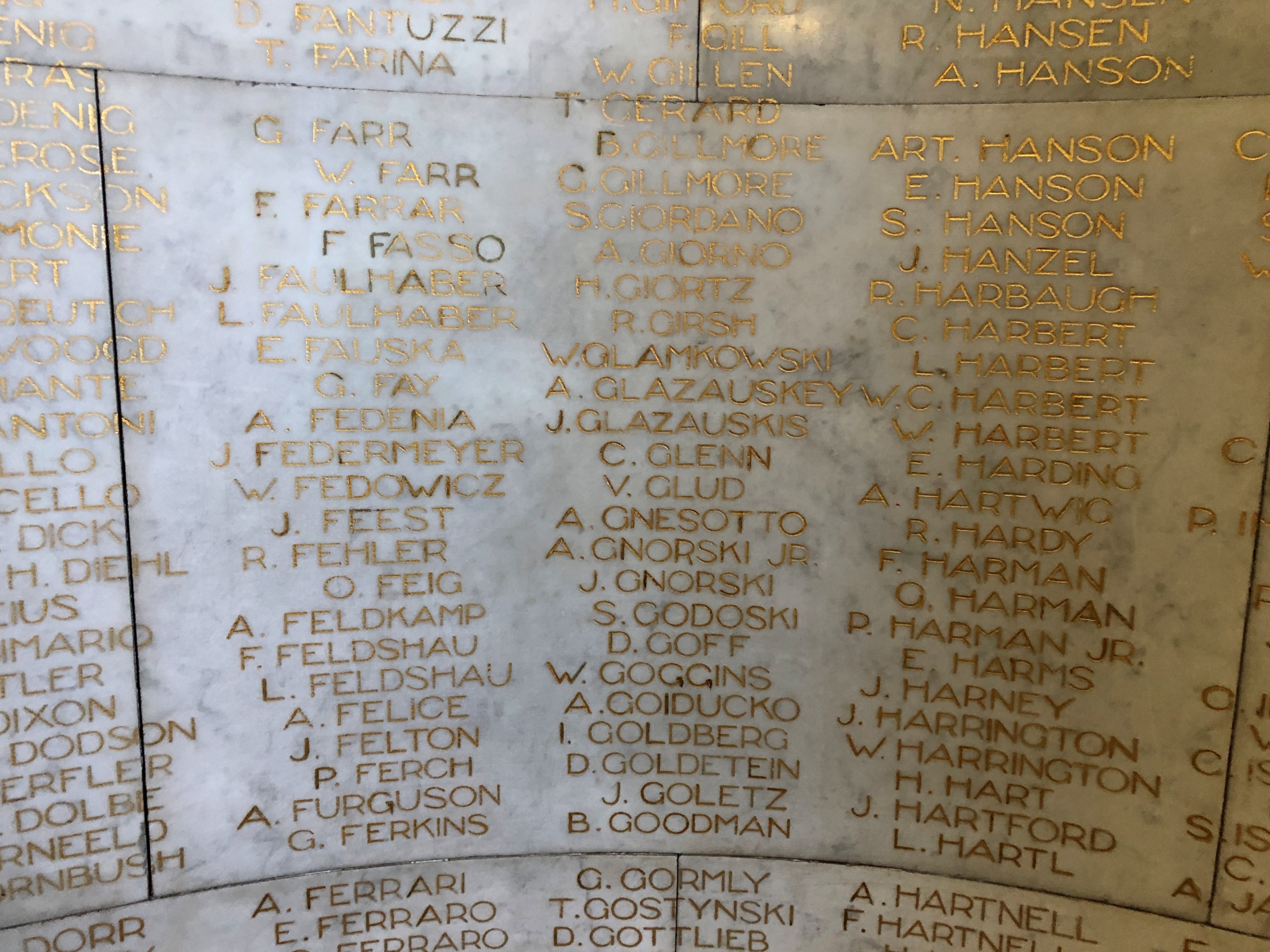
The Civil War veterans have their memorial outside. Great War vets are honored inside the library.

Kenosha
Kenosha
Kenosha

We’d happened on the Library Park Historic District, surrounding Library Park. The park itself goes back to the early years of Kenosha, when the land was a New England–style town commons. Forty-two properties, built from 1843 to 1930, form the district. A diner and an historic district: just the thing for a warm summer day stroll.

More Waukesha

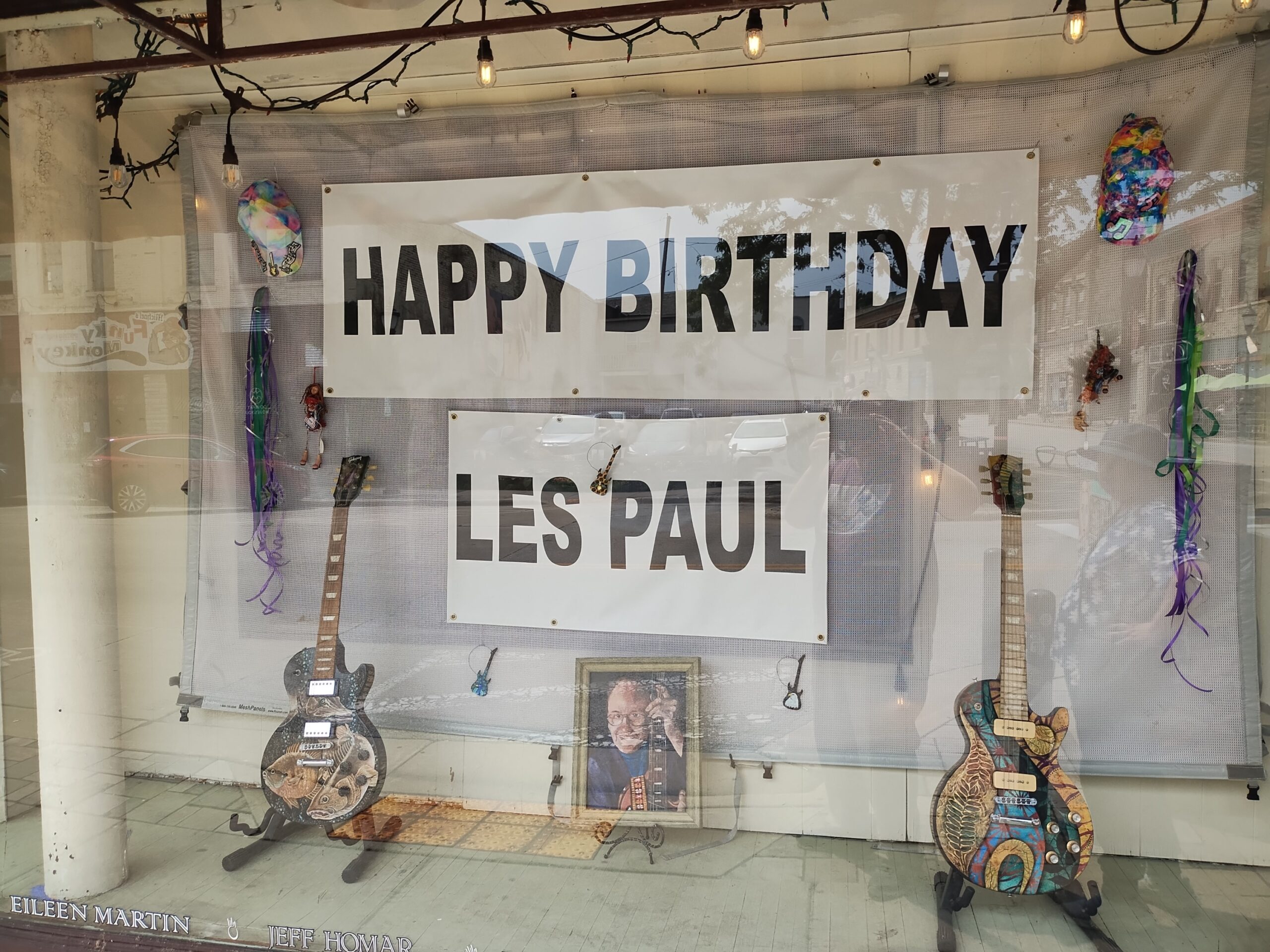
Something I didn’t know about Waukesha, Wisconsin, before we went there last month: that Les Paul (b. 1915) grew up around there. Waukesha certainly hasn’t forgotten.

Waukesha, Wisconsin

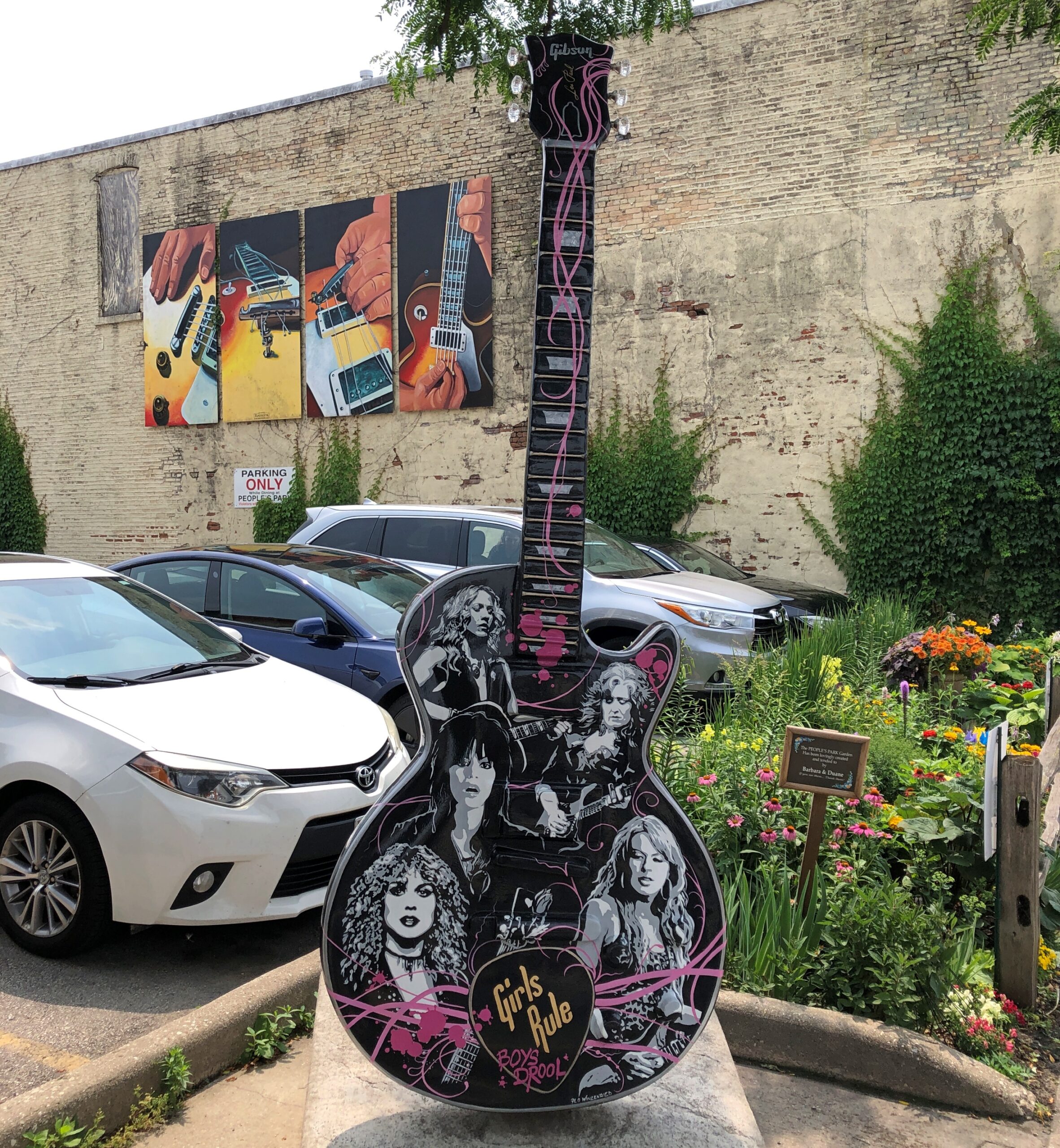
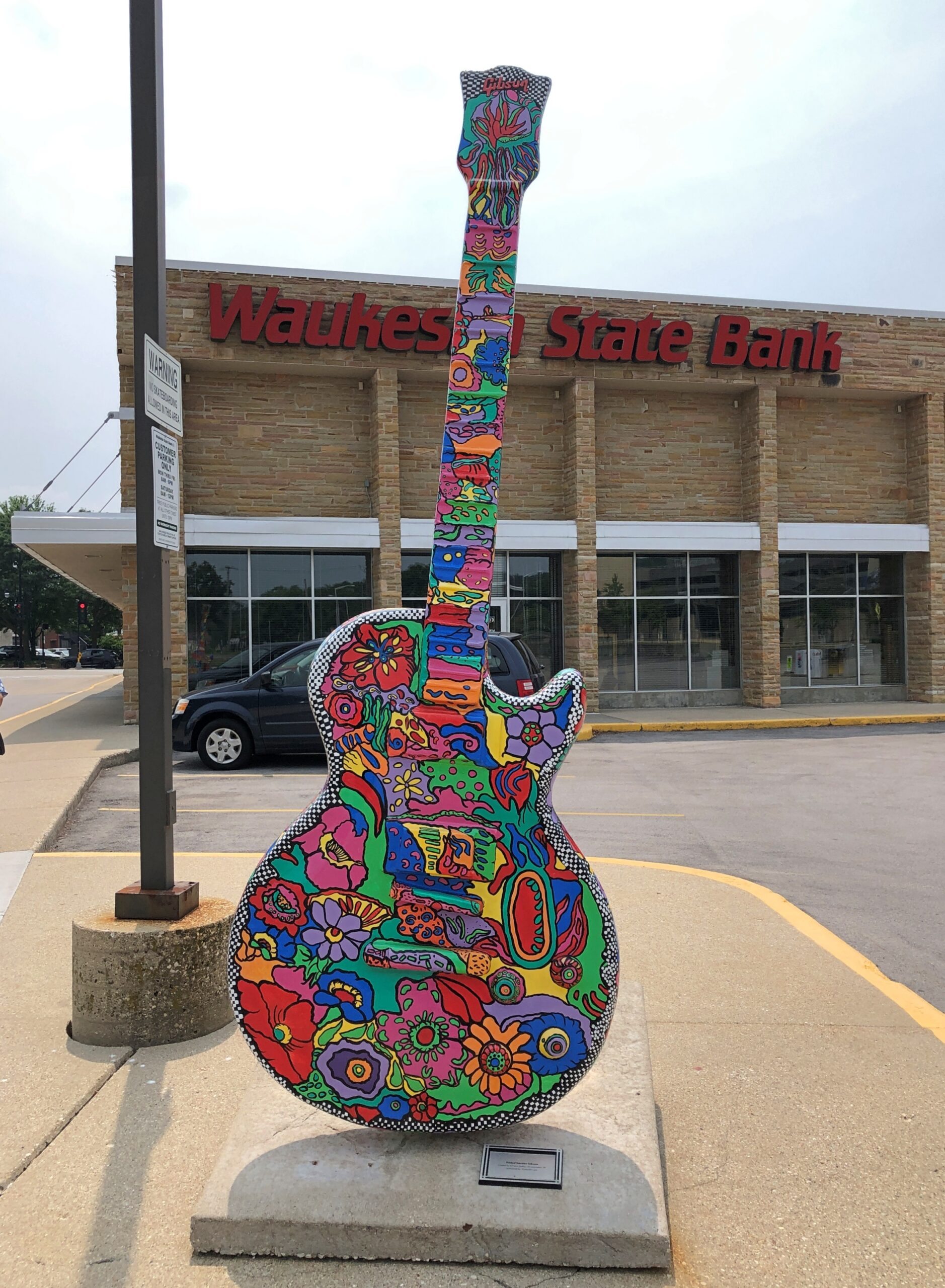
A recent sign, since his birthday is in early June. Waukesha is a “GuitarTown,” because of its association with the famed musician and music technologist. Apparently there is more than one GuitarTown, since Gibson Guitars doles out the moniker, or at least used to.

“Waukesha was named a Gibson GuitarTown in 2012 and 2013, two years in a row, to honor the birth and resting place of electric guitar legend Les Paul,” The Freeman reports. “Other GuitarTowns include Austin, Nashville and London.”

As GuitarTown, Waukesha has 15 guitar statues in public places, each 10 feet tall and designed by local artists. Elsewhere in town, you can find Les Paul Middle School, Les Paul Parkway, the Les Paul Performance Center, and the Les Paul gravesite monument. Missed that, alas. Maybe some other time. But we did drive on his parkway. And see a few of the giant guitars.

Waukesha, Wisconsin
Waukesha, Wisconsin

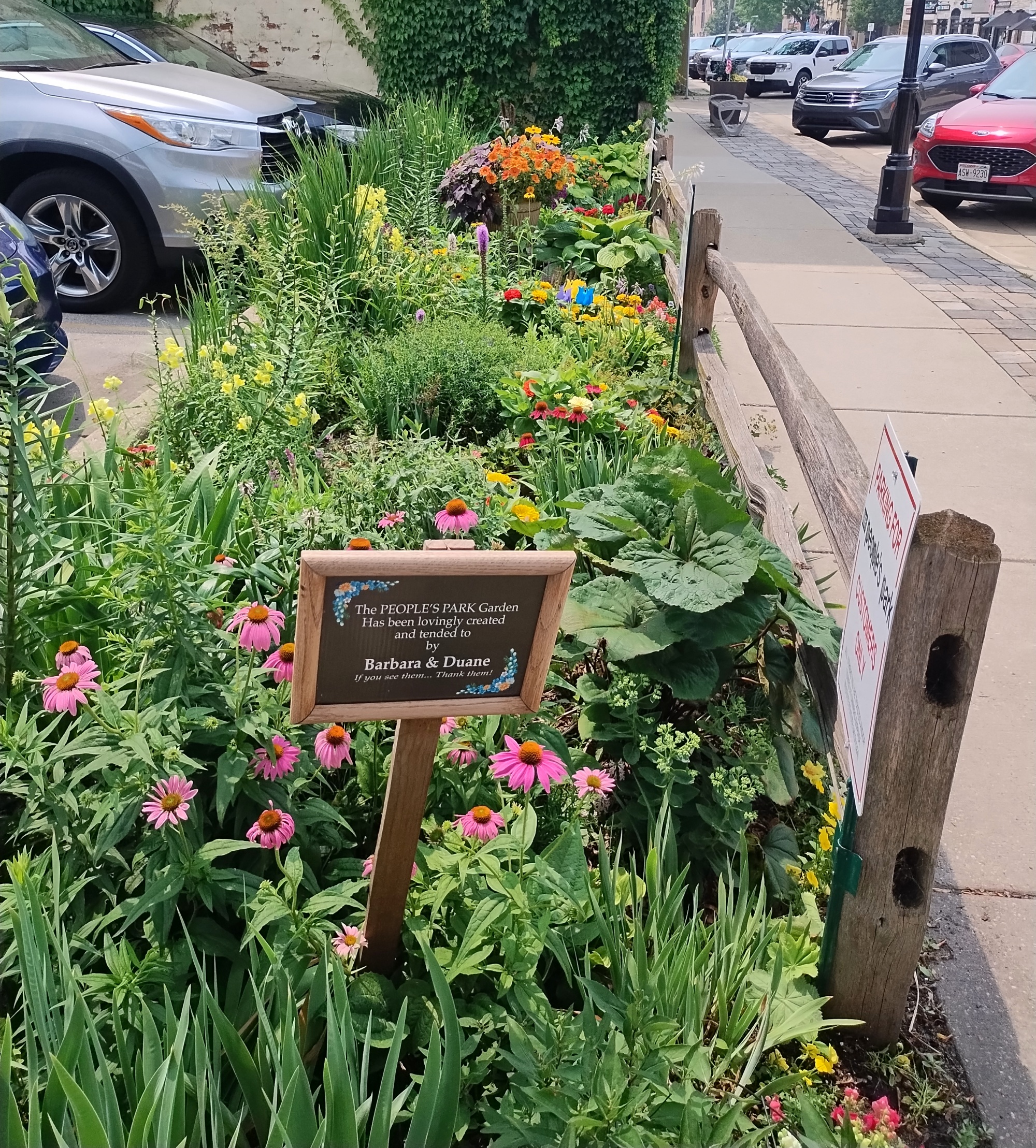
Next to that particular guitar, a small garden is wedged between the sidewalk and a parking lot. The PEOPLE’S PARK Garden, says the sign.

Waukesha, Wisconsin

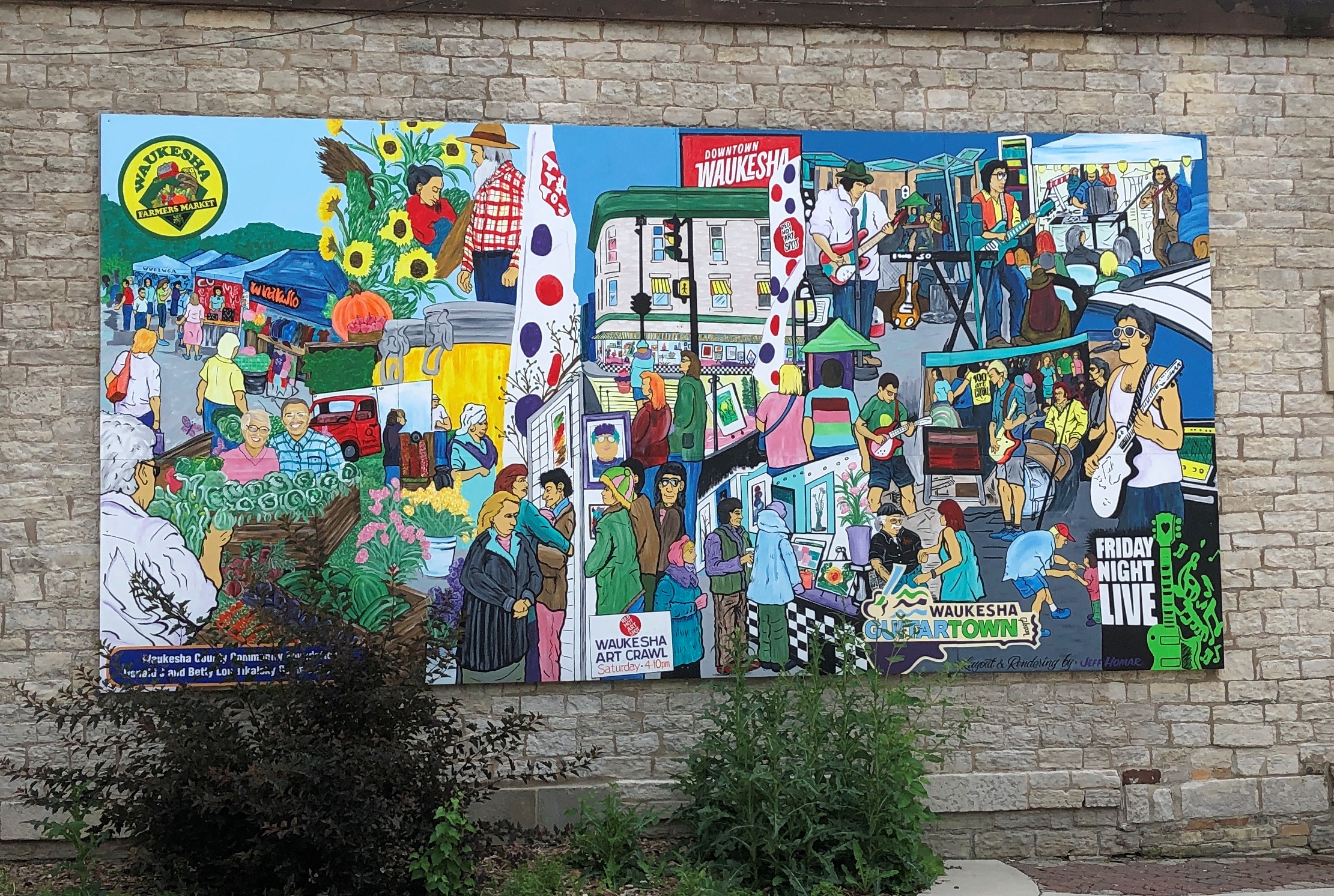
The Wall Dogs also came to town and painted 13 murals. I assume this is one of them.

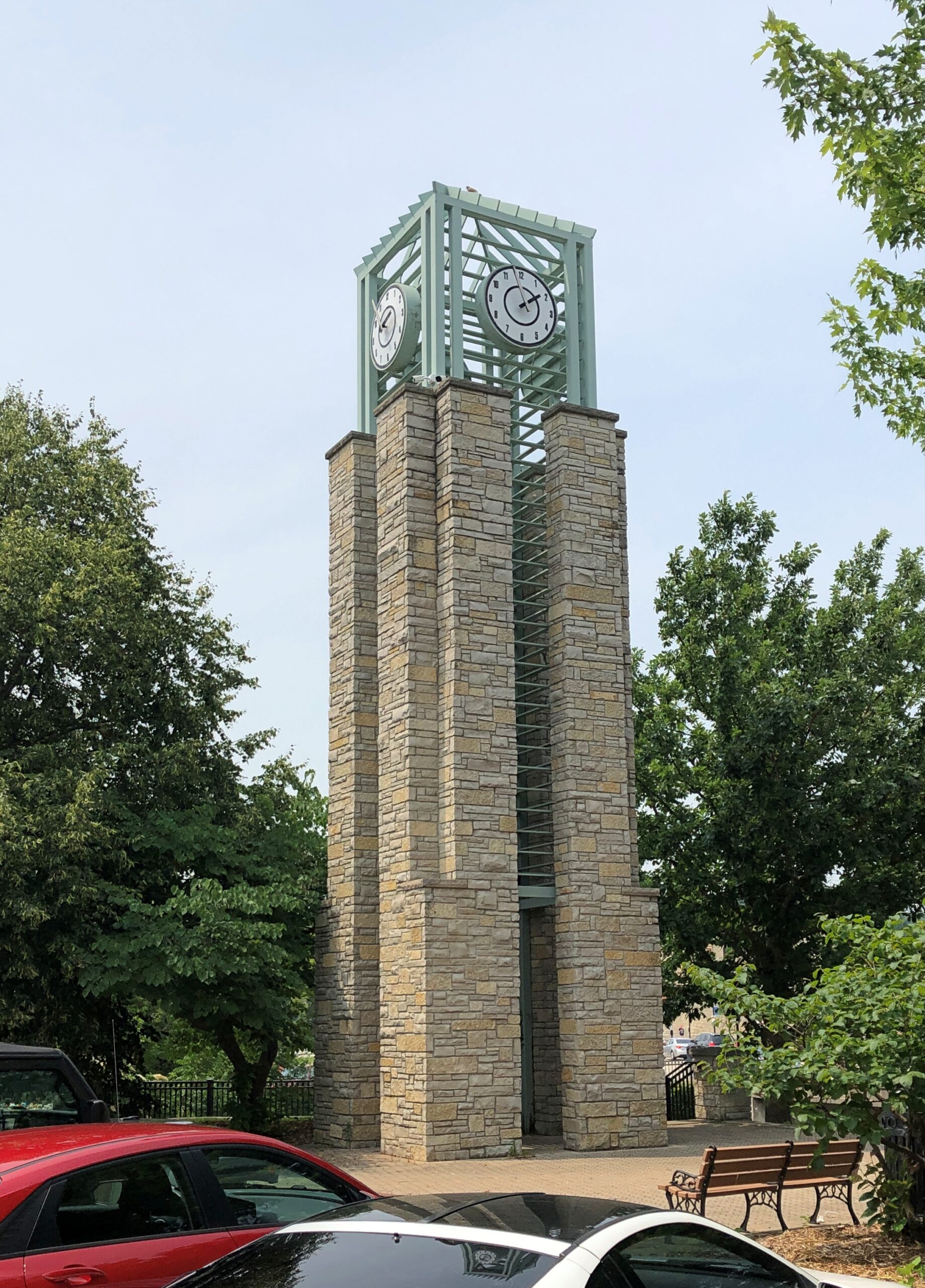
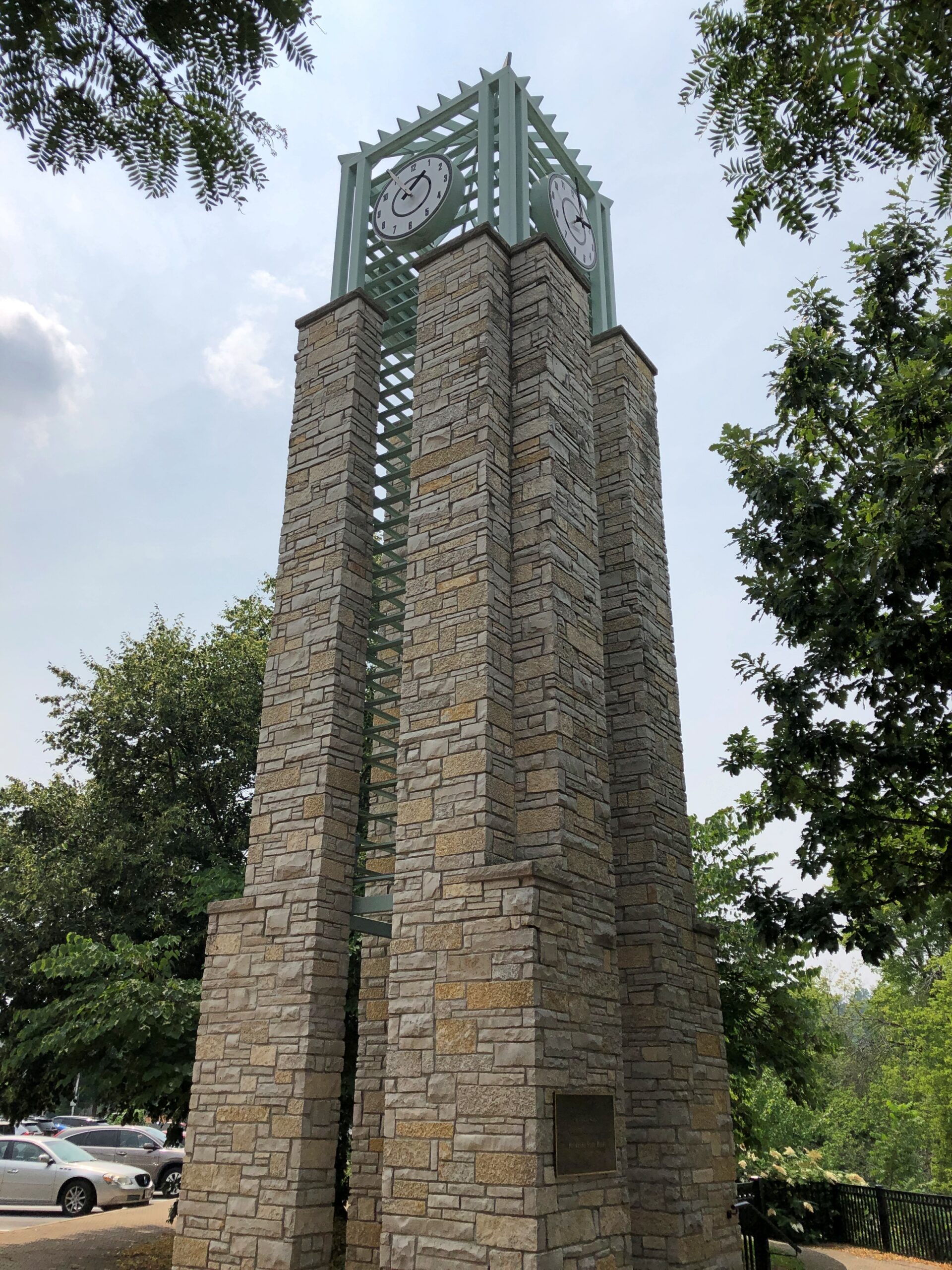
Across a parking lot from that mural rises Waukesha’s impressive stone clocktower.

clock tower waukesha

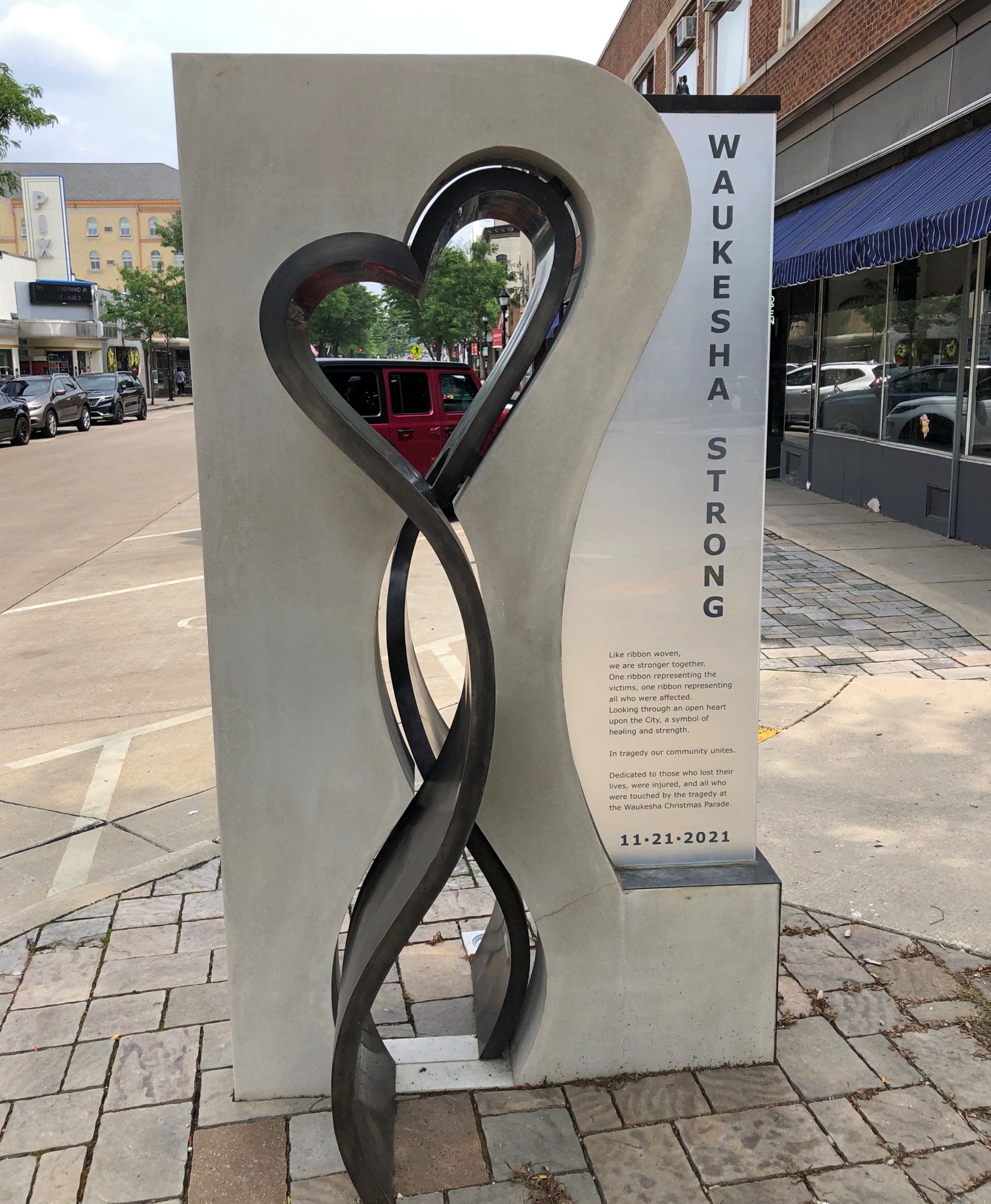
On Main Street, a memorial.

Waukesha, Wisconsin

Outrages by homicidal wankers are so common that I had to refresh my memory about that particular one, in late 2021. Then I remembered. The only good thing I can report is that the wanker, who went double wanker at his trial by asserting sovereign citizen nonsense, is now a permanent resident of a tightly locked state facility.

Upriver a half mile or so from downtown is the sizable riverside Frame Park.

Including the Frame Park Formal Gardens.

Waukesha, Wisconsin
Waukesha, Wisconsin
Waukesha, Wisconsin
Waukesha, Wisconsin

I hope the park and its garden weren’t damaged too much by the raging Fox, since it is flat most of the way from the garden to the river.

Waukesha, Wisconsin

The Fox is large at this point. Not something you want to see described as “angry.”

Fox River, Waukesha

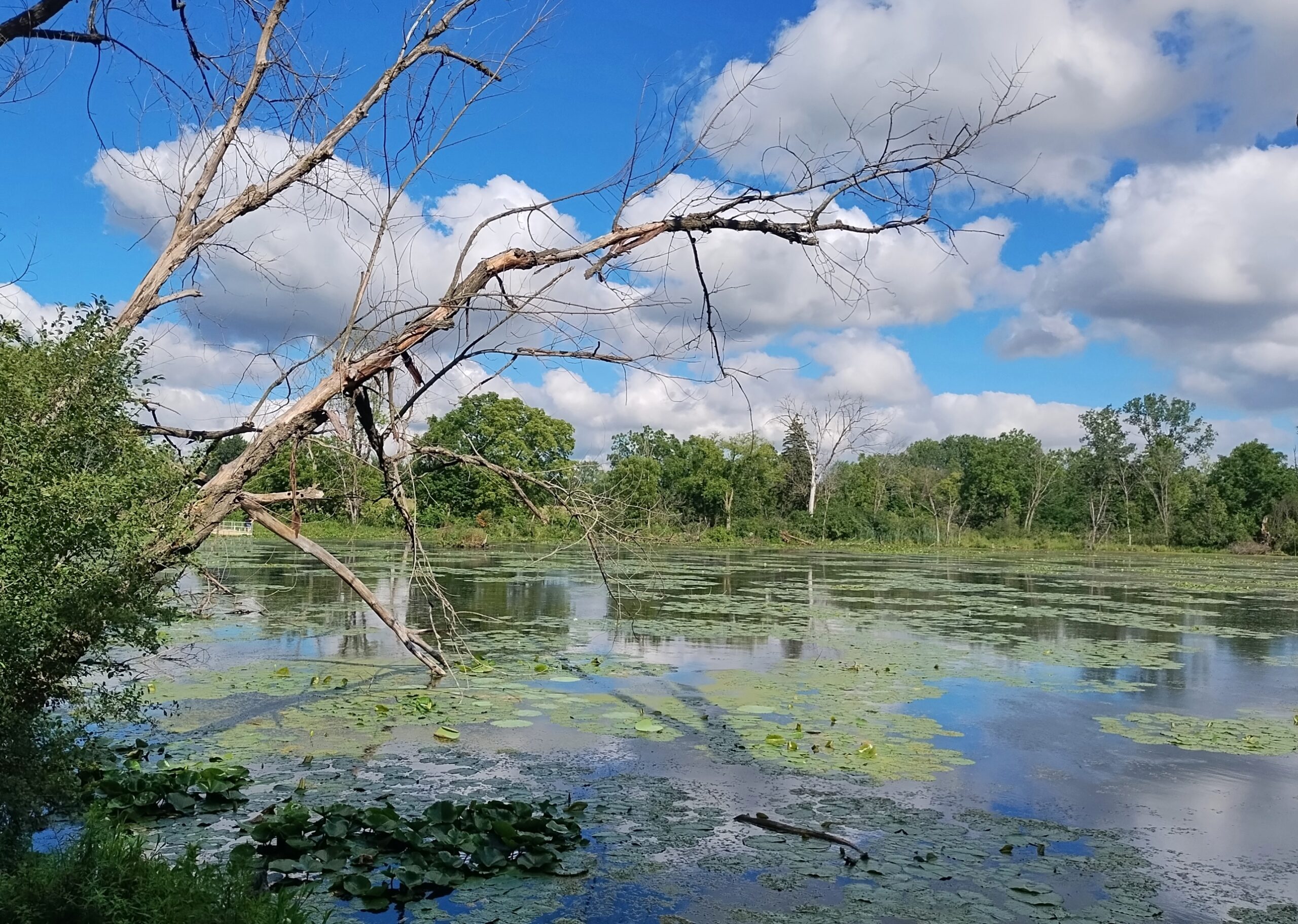
After being relatively wet, August in northern Illinois has turned relatively cool to end its days. A few days ago, we took a walk at the unusually green (for August) Spring Valley here in the northwest suburbs.

Spring Valley

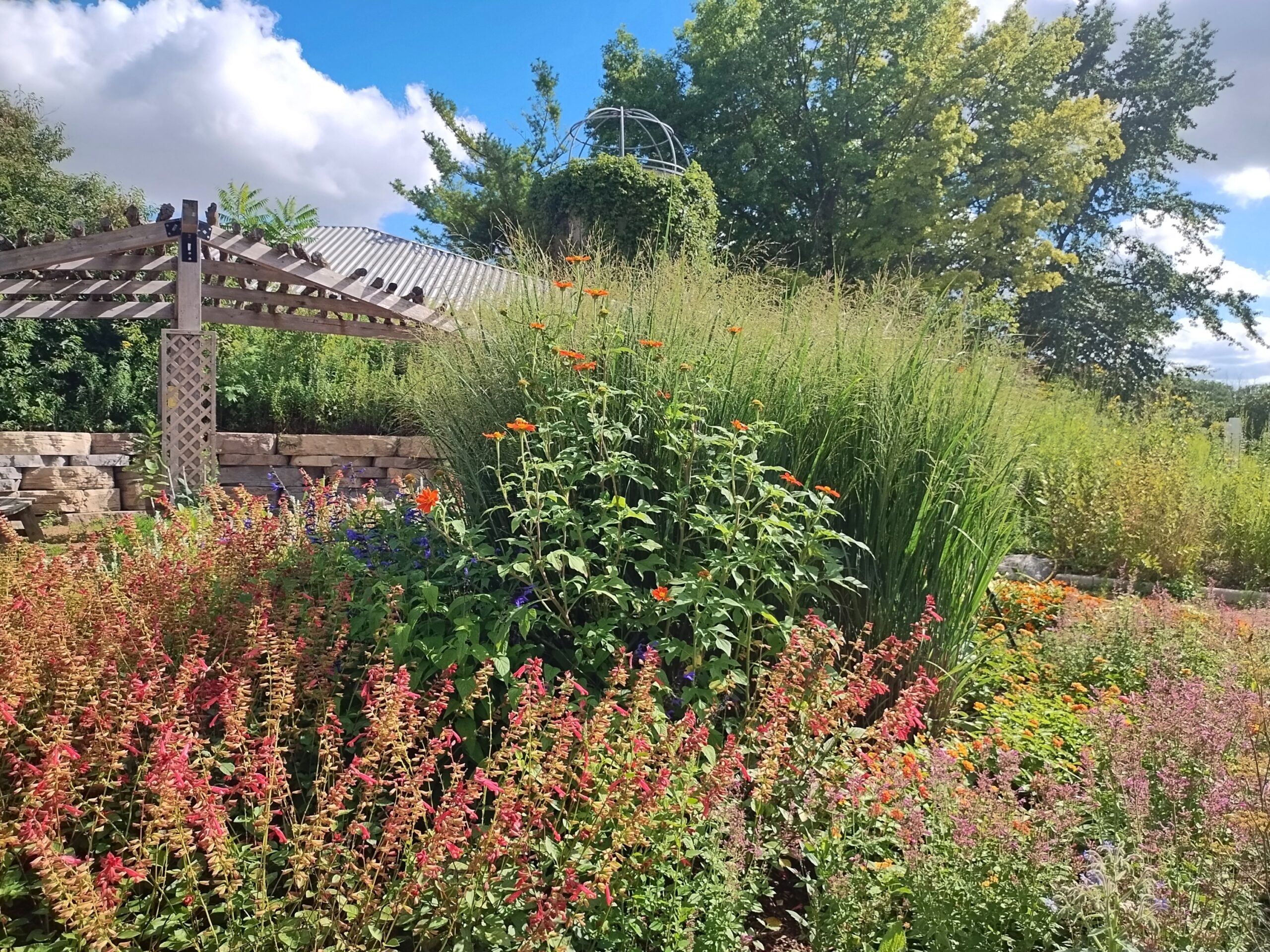
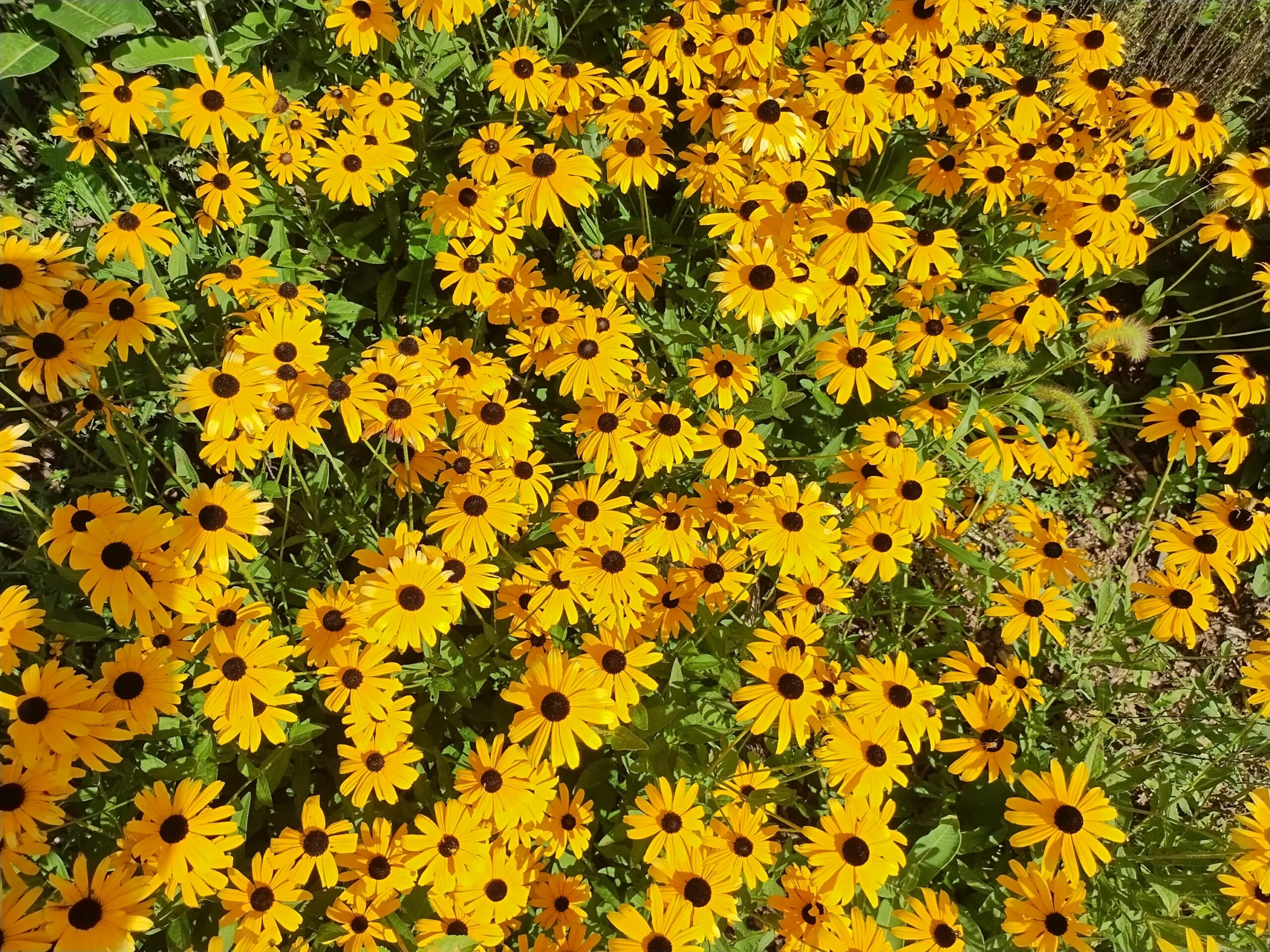
August flowers, Illinois edition.

Spring Valley
Spring Valley

Earlier this month, an enormous rainstorm blew through southern Wisconsin, doing damage in Milwaukee and elsewhere, including Waukesha County. Too much water too fast, and not nearly enough space in the Fox River channel that runs through the city and county of Waukesha. In the city, the river made a raging, dangerous rise not far from the picturesque downtown. If that area had flooded, that would have been in the news cycle for a little while anyway, but it looks like most of the damage was in more rural parts of the county. Regardless, it represents a lot of property damage.

“In Menomonee Falls, a crew was spotted pulling a car out of a massive sinkhole,” local TV News reported. “The once-raging waters this weekend washed away the road in an industrial area on Campbell Drive, leaving just a cliff. In the crater, the car had been trapped. The driver was fine. Inside the sinkhole, drainage pipes seemed to be tossed around like Lincoln Logs.”

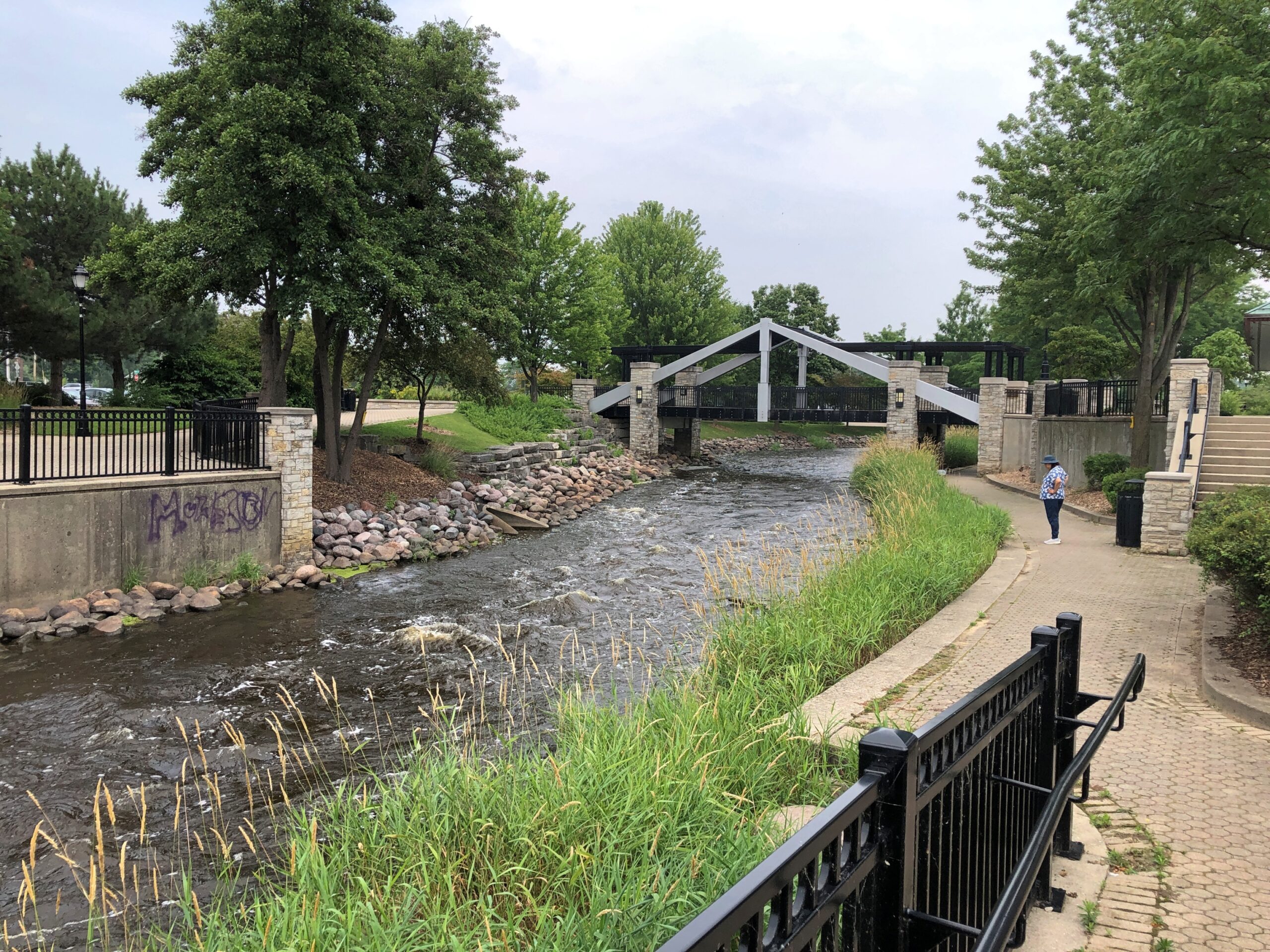
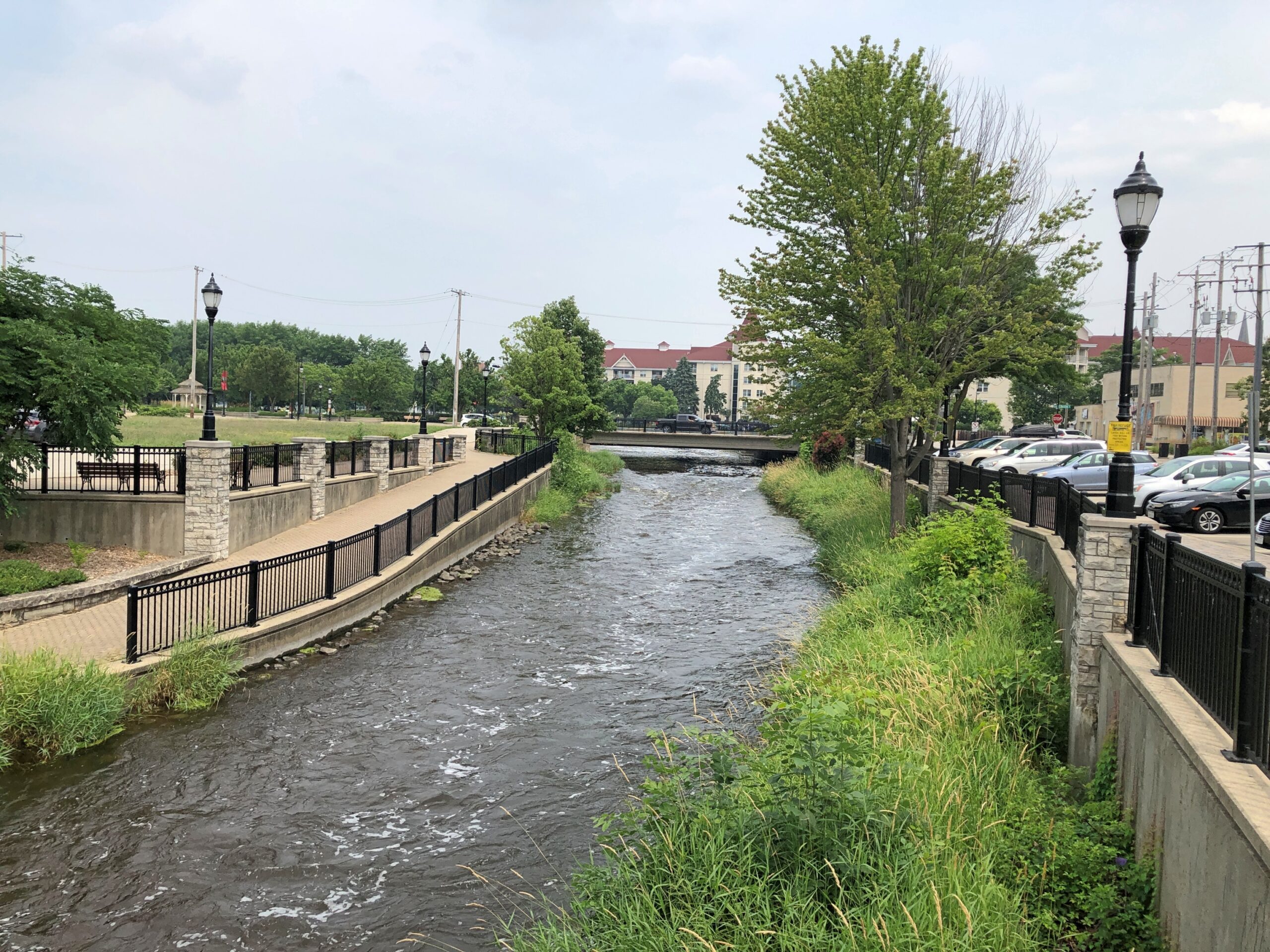
About two weeks earlier, on a nearly hot, clear day, we took a walk along the Fox, accessed a block or so away from downtown’s main streets. The river was flowing vigorously, but without a hint of the rampage to come (and why would there be?). This is the same Fox River that runs west of metro Chicago and to the Illinois River, and not the one that runs into Green Bay. Just to keep things interesting, there are apparently two other Fox Rivers in Illinois as well.

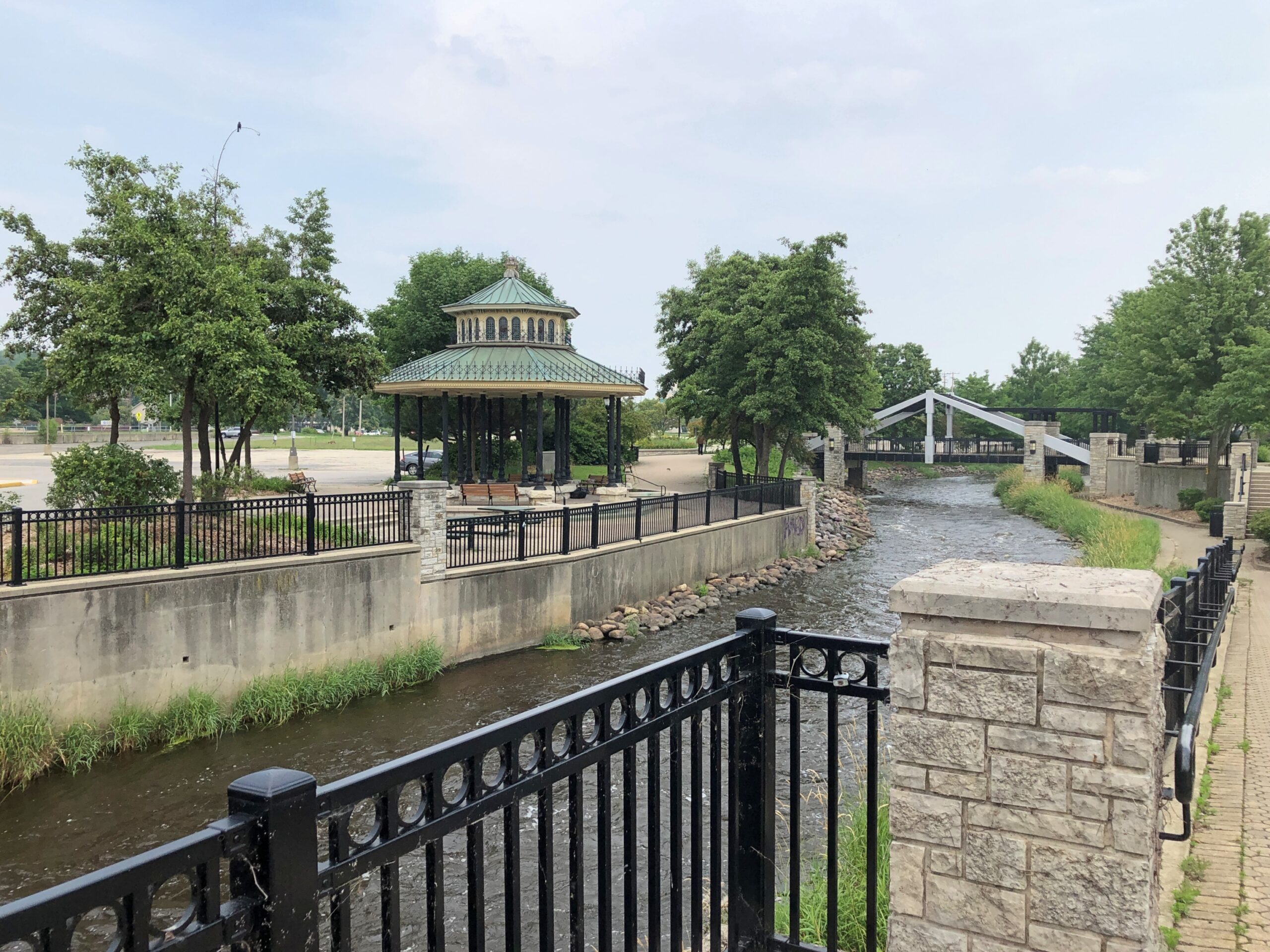
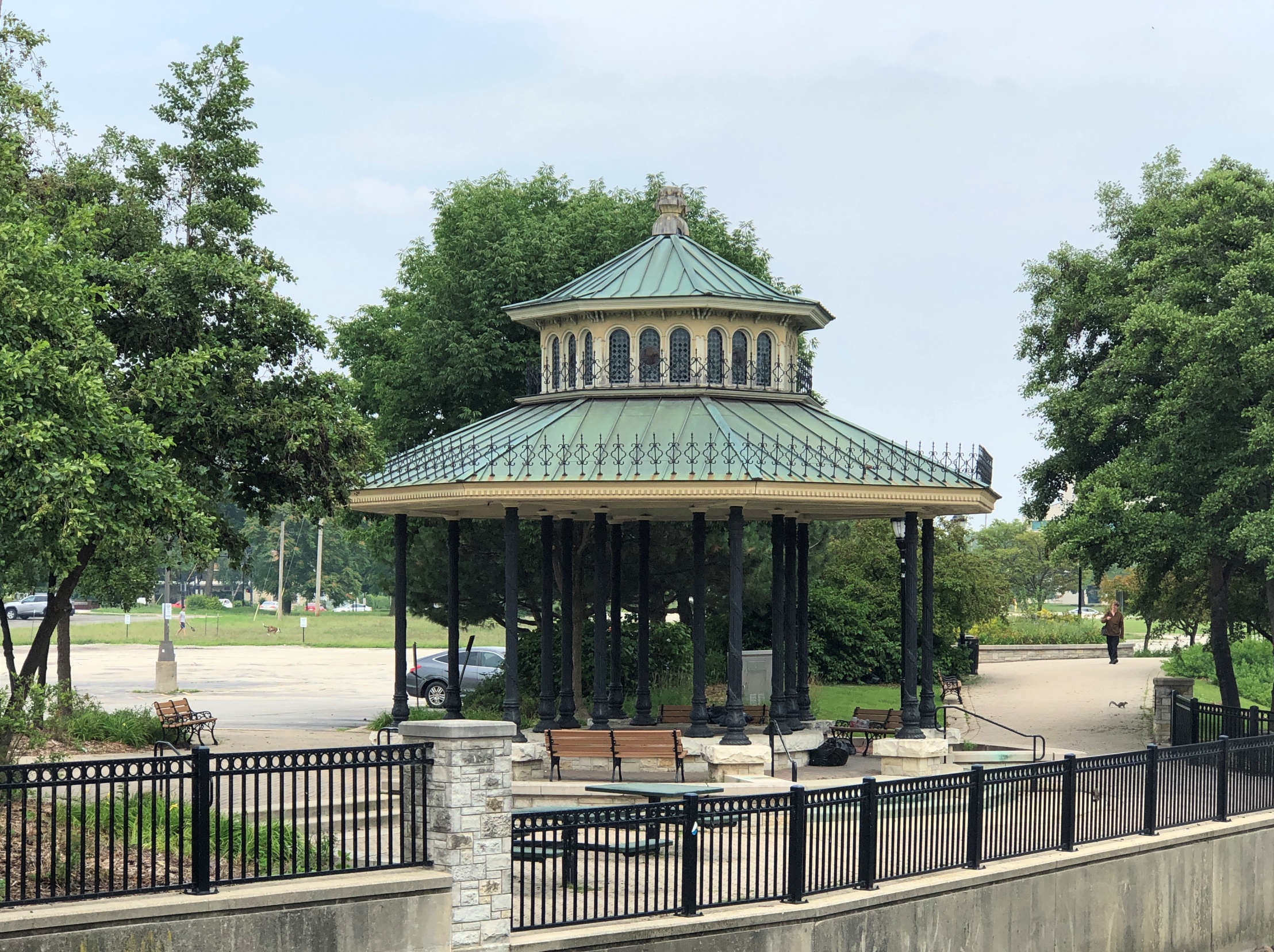
Across the way, a gazebo.

Fox River, Waukesha

Every town over 5,000 has to have a gazebo, according to Wisconsin law. Wisconsin is almost alone in its gazebo mandates, with most other states having repealed theirs in the 1960s and ’70s – though some counties in other states still mandate the structures.

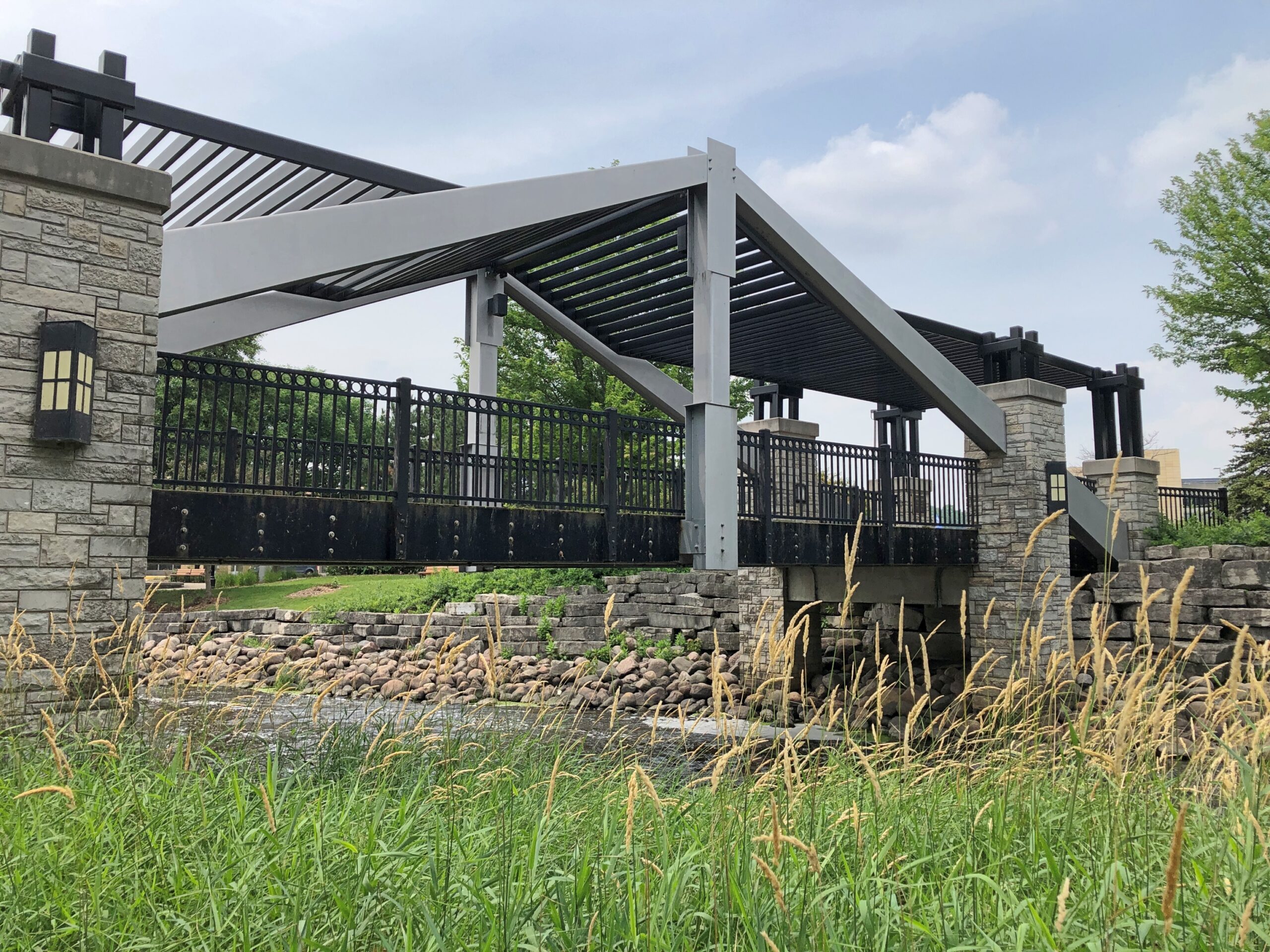
An artful pedestrian bridge.

Fox River, Waukesha
Fox River, Waukesha

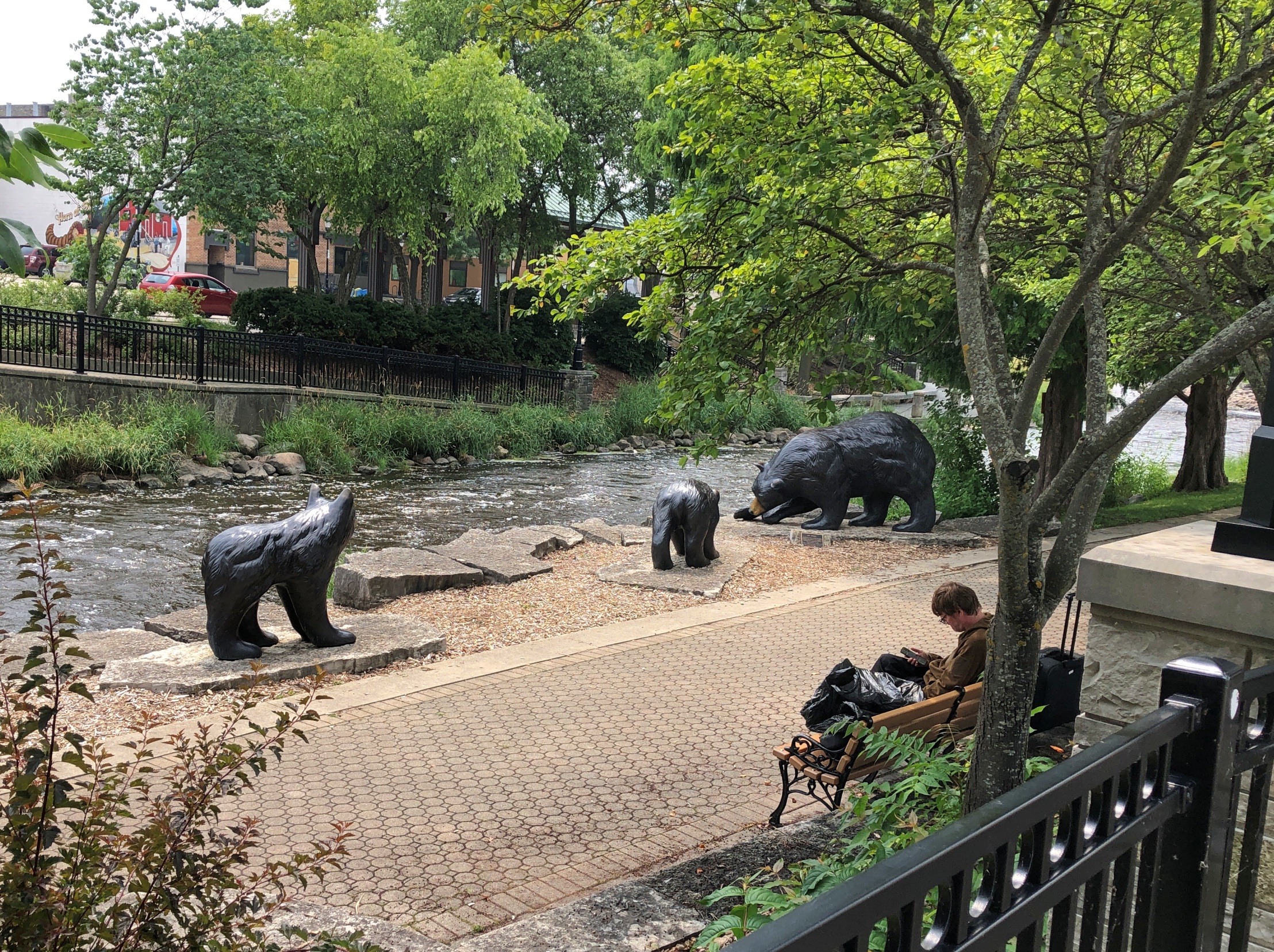
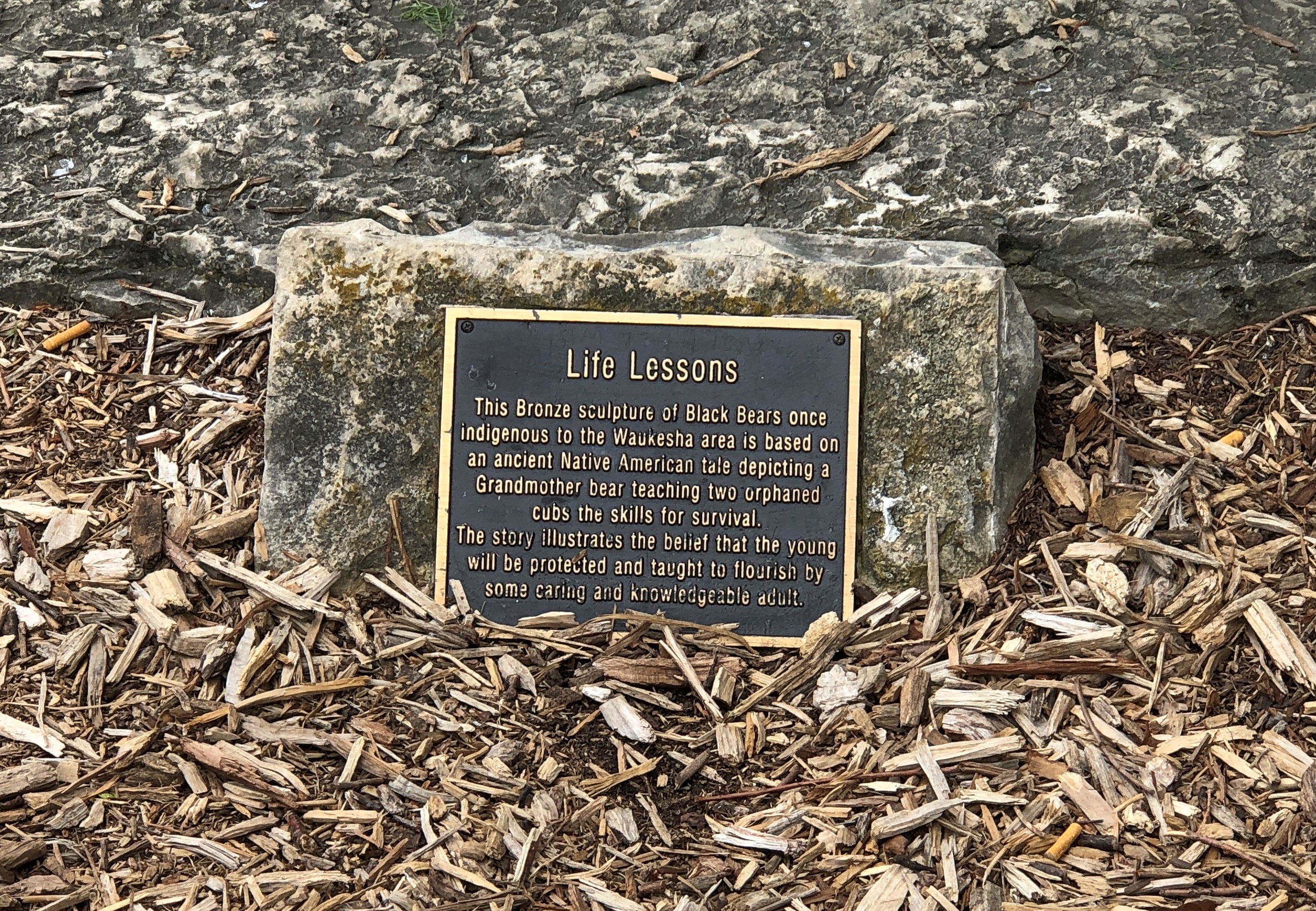
More river, and also bears. Bronze bears.

Fox River, Waukesha

Hope the river didn’t take them away, but I’d think the figures would be anchored pretty well.

Montezuma, Indiana

Just how many places in the United States are named after the Aztec emperor Moctezuma II, or as it’s spelled everywhere in América del Norte, Montezuma? Turning to the USGS, I find an answer: a lot. The survey lists 83 U.S. place names using the word Montezuma. There are cities, towns and populated places; water features like streams, creeks and bays; summits, peaks, ridges and a slough and a cliff and a cut-off; a county in Colorado and a mining district in Nevada; and much more. Included was the one we visited a few Sundays ago, Montezuma: Indiana.

I was looking at a fine paper map, a guide to the county’s covered bridges and the routes necessary to see them, and I saw on it the town of Montezuma. With the name like that, who wouldn’t want to go for a look? Then I found that it had its own historic bridge, but not a covered one. So we made our way west from Rockville along the likes of Strawberry Road and US 36 to Montezuma.

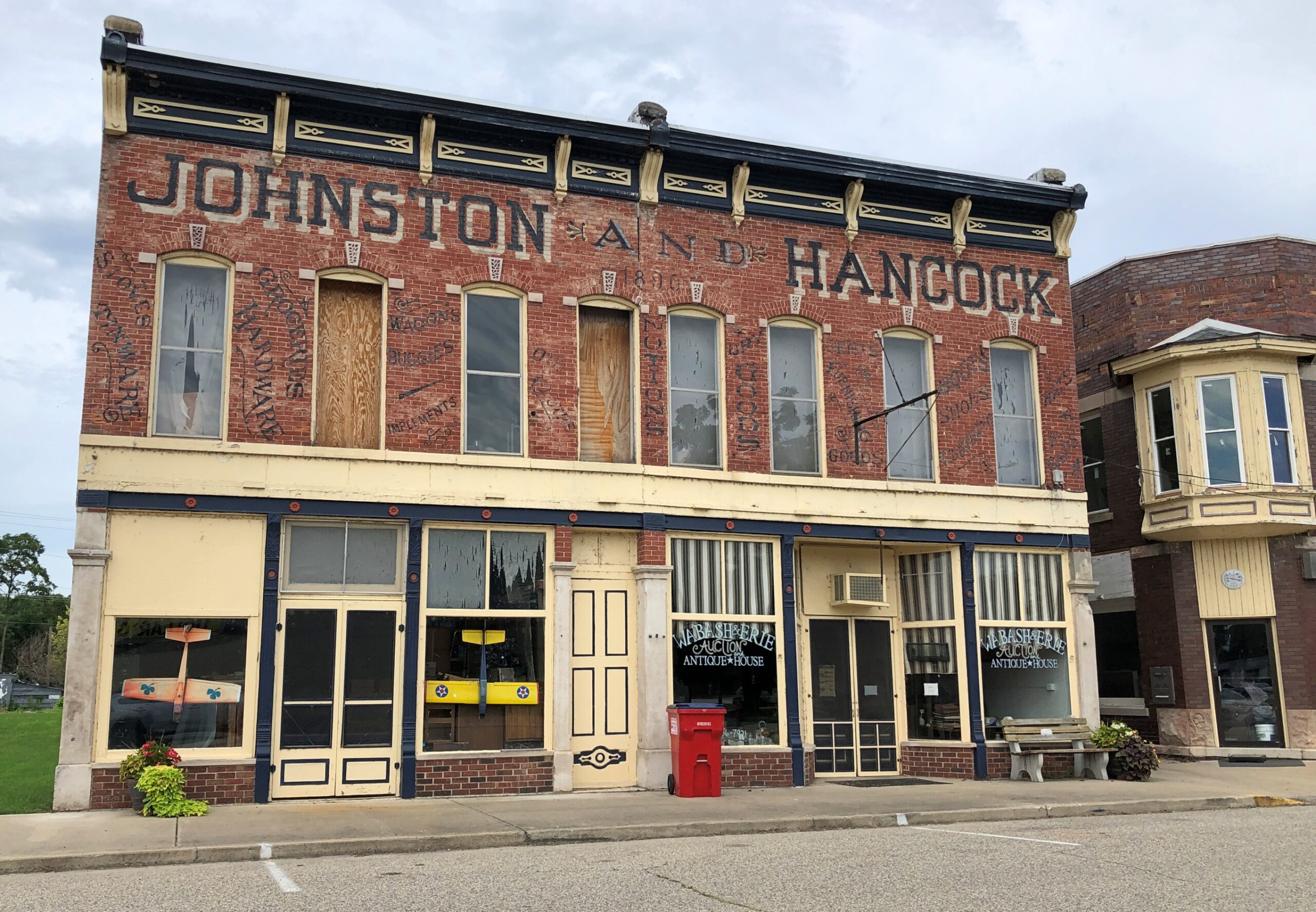
The town (pop. 1,000 or so) is at the western edge of Parke County, along the east bank of the Wabash River. It doesn’t look like downtown, deserted on a hot Sunday, has been discovered by tourists or hipsters yet.

Montezuma, Indiana
Montezuma, Indiana
Montezuma, Indiana
Montezuma, Indiana

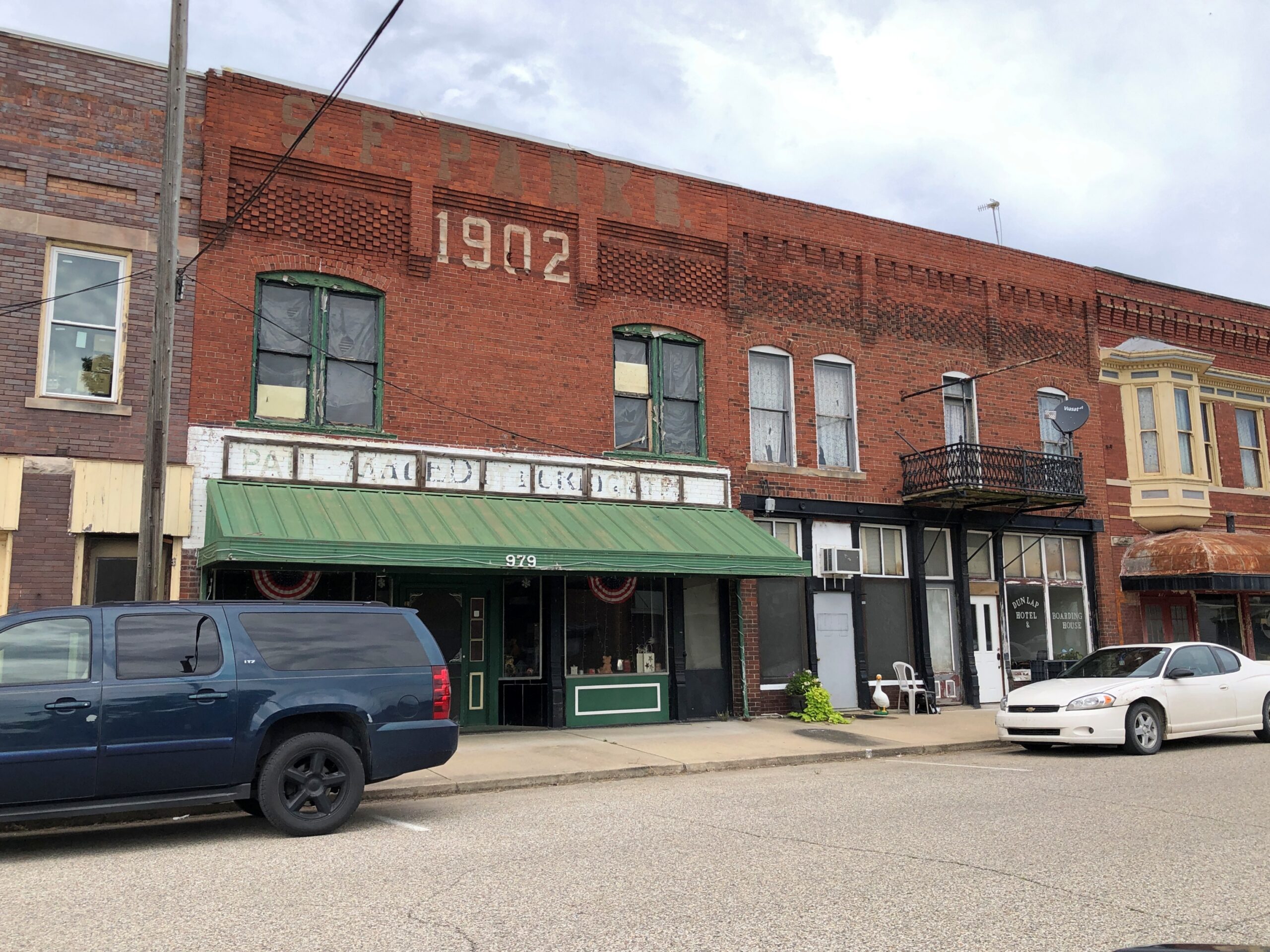
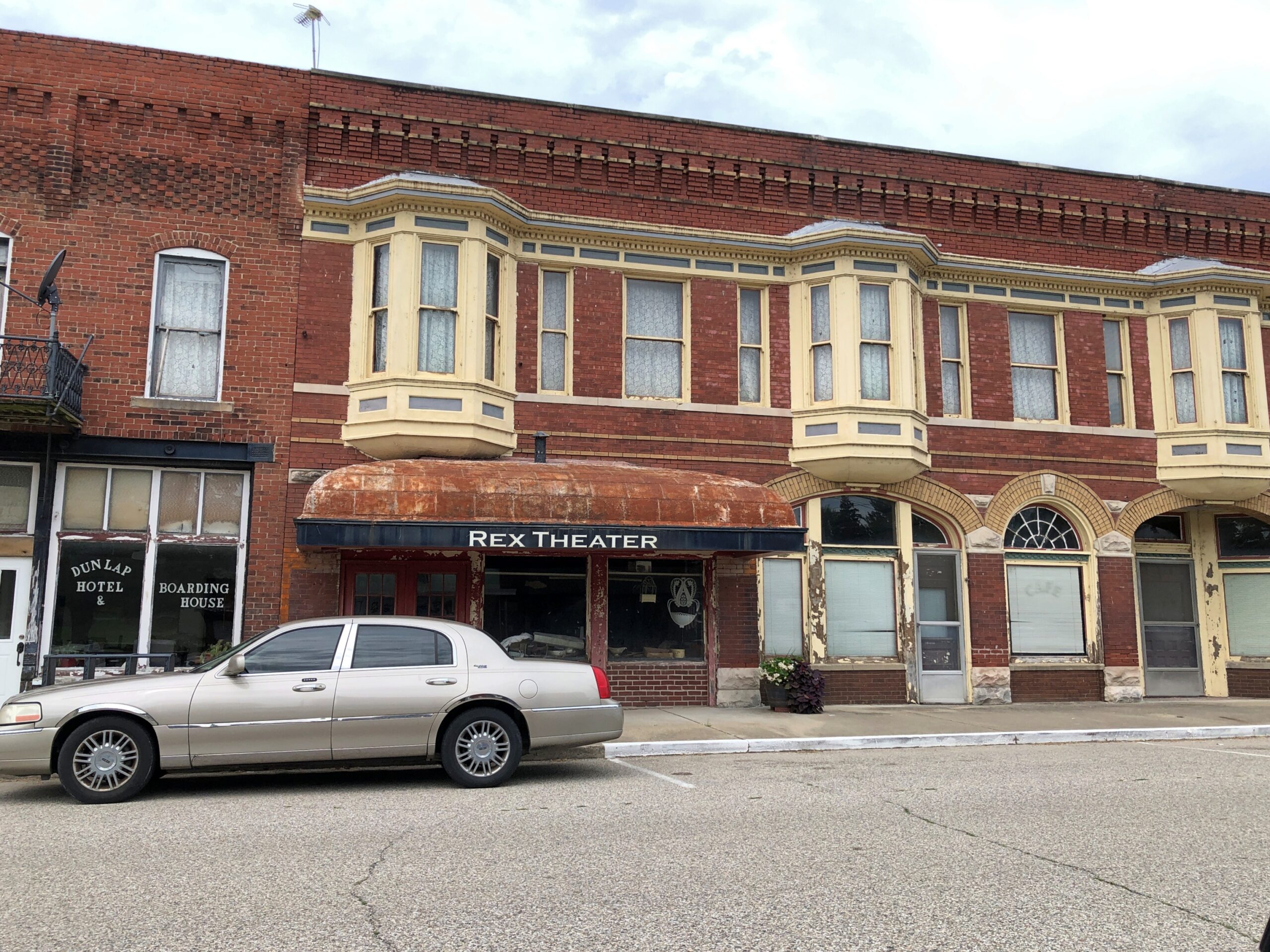
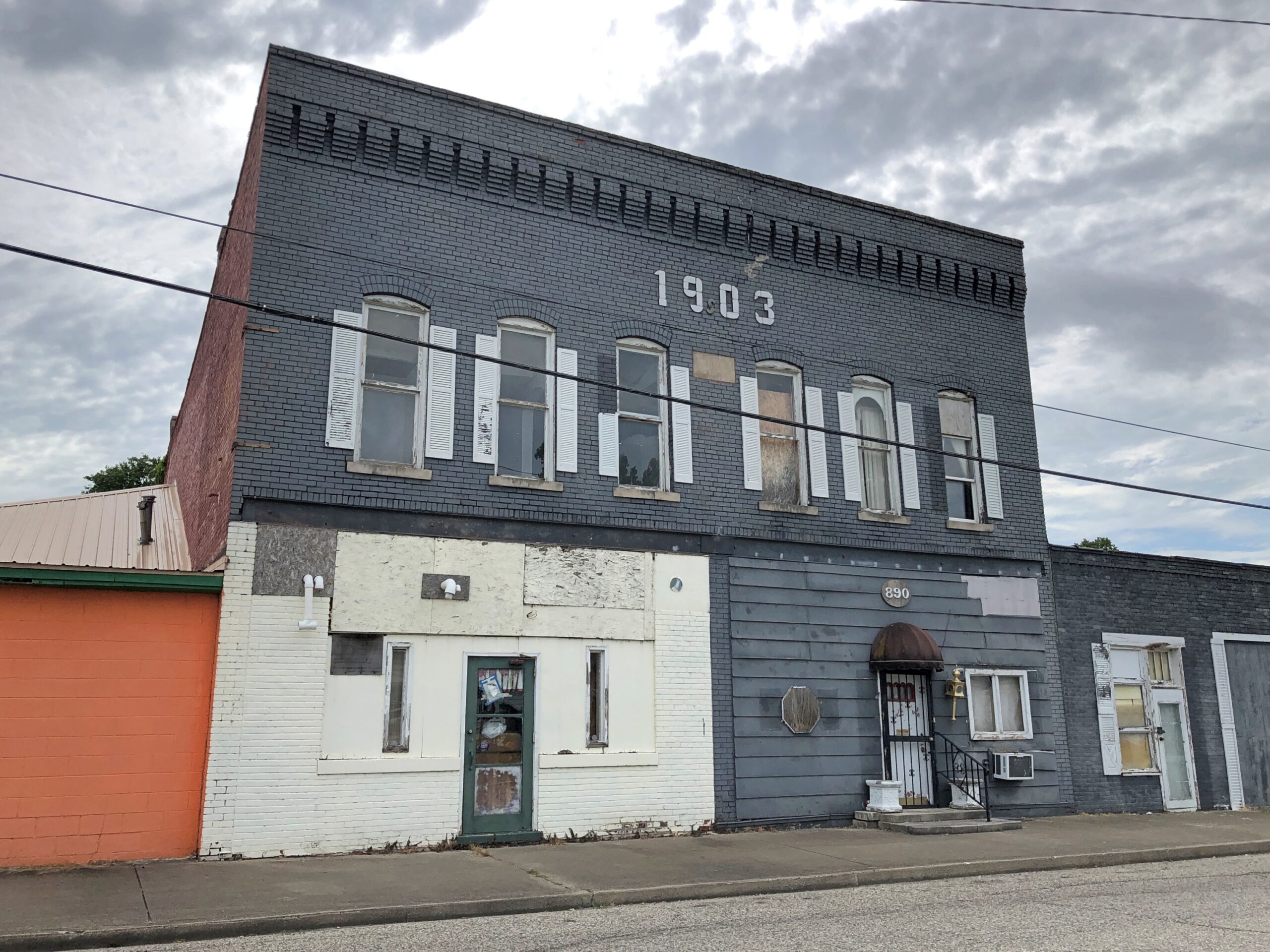
Full of intriguing detail, these buildings, but none more than a sign for a hotel and boarding house. Along the classic model – people living in rooms upstairs, taking most meals in a room next to a kitchen? Or is it an SRO hotel (rare enough) with a vending machine in the lobby?

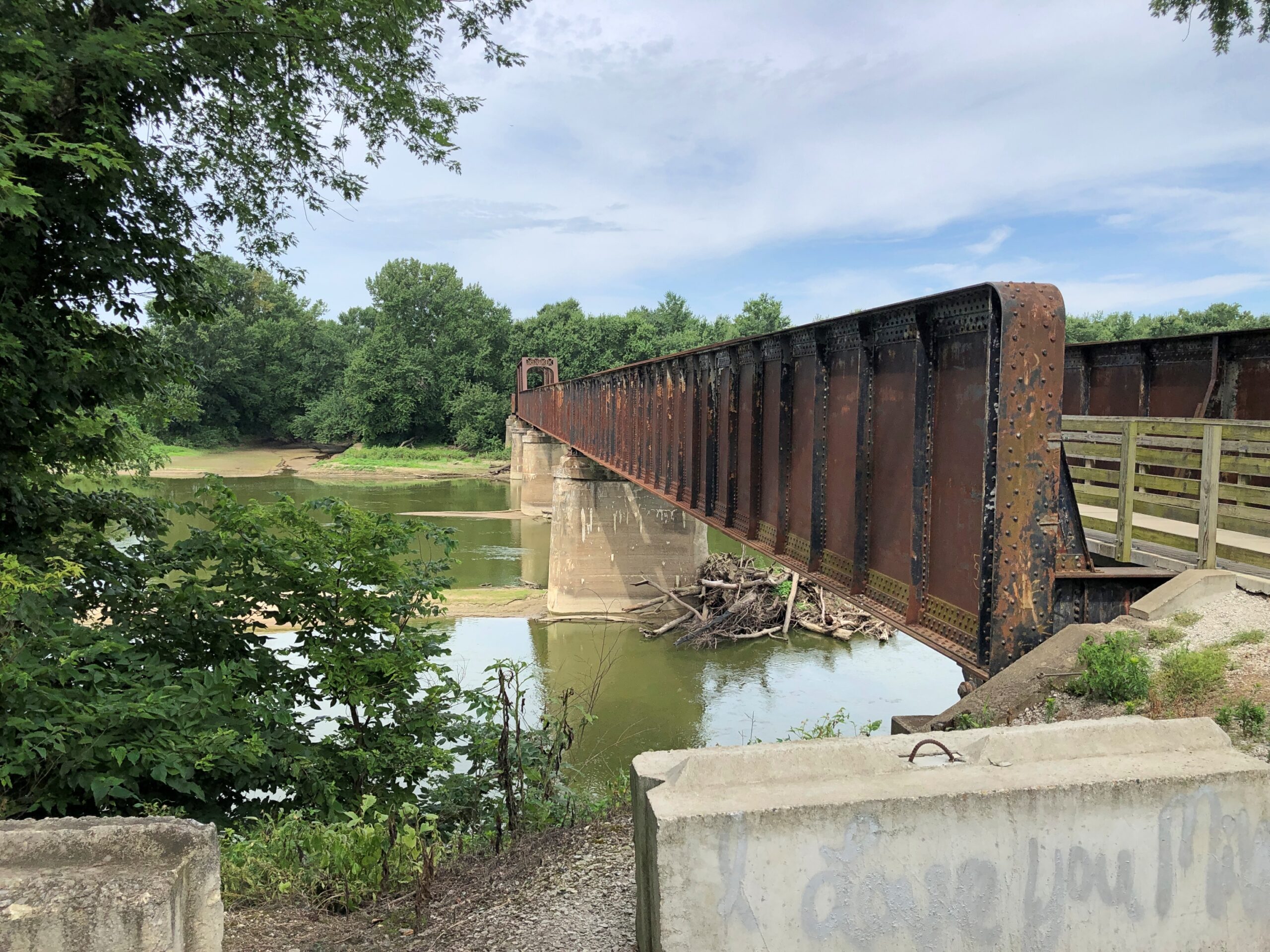
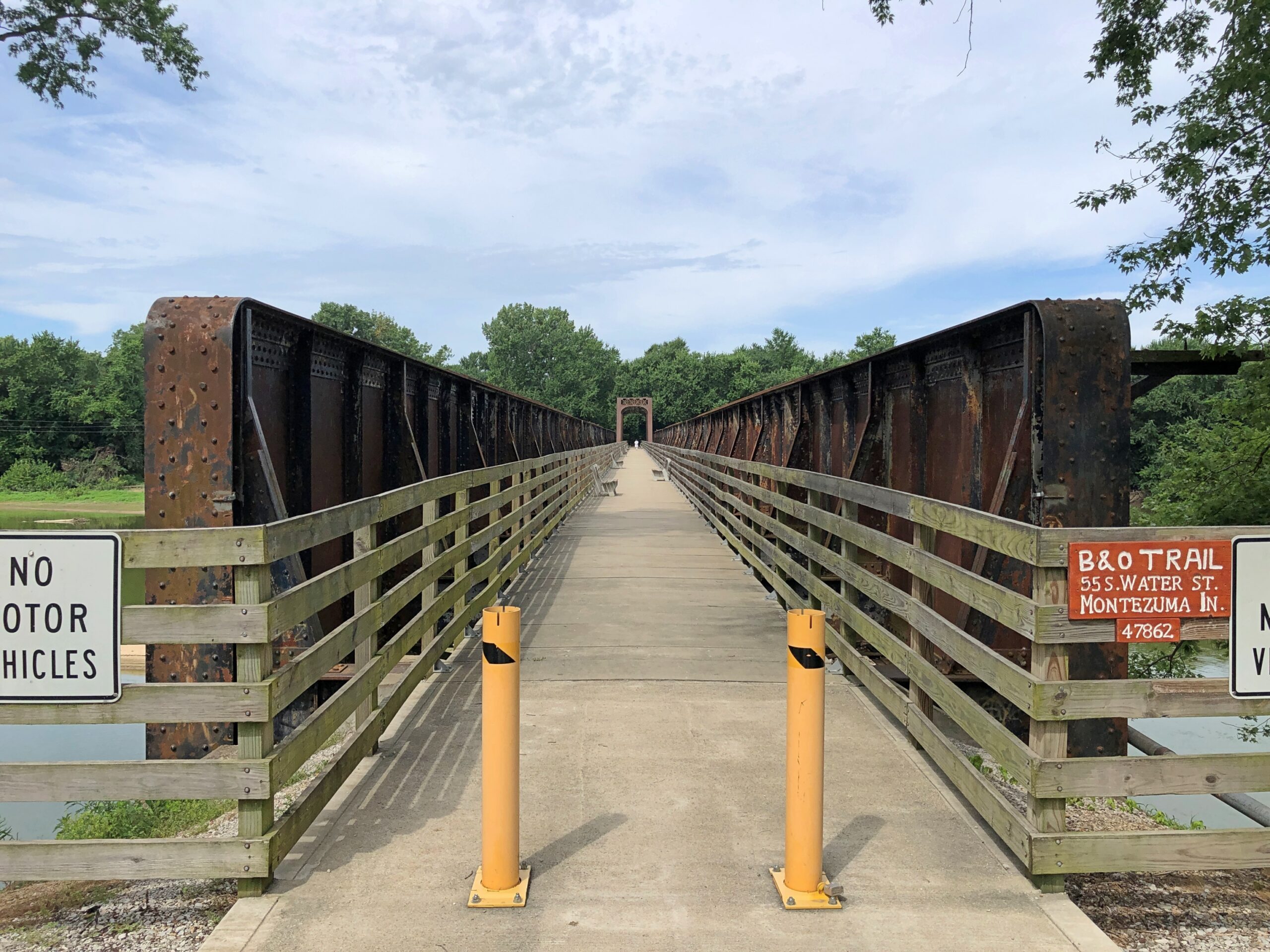
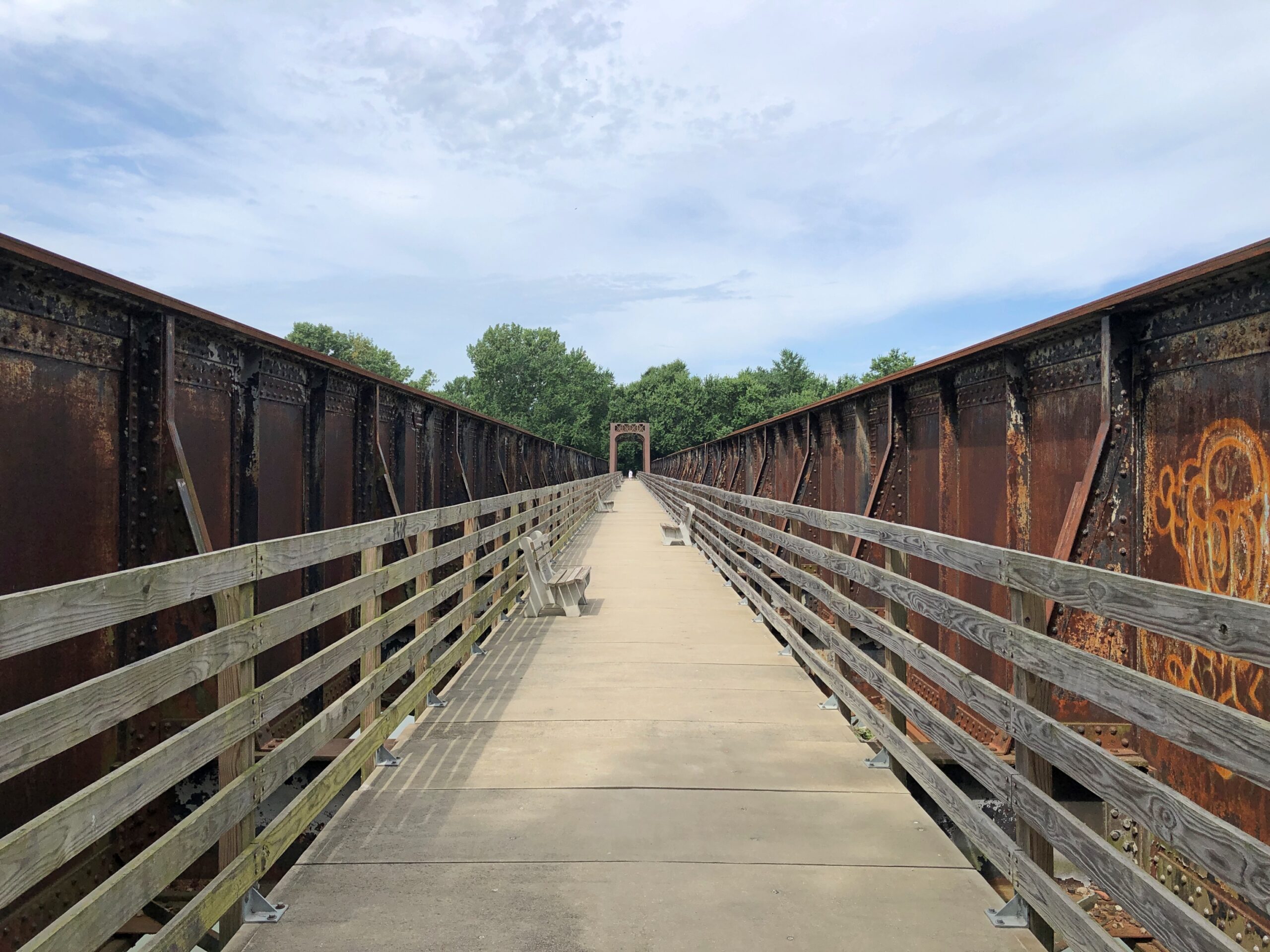
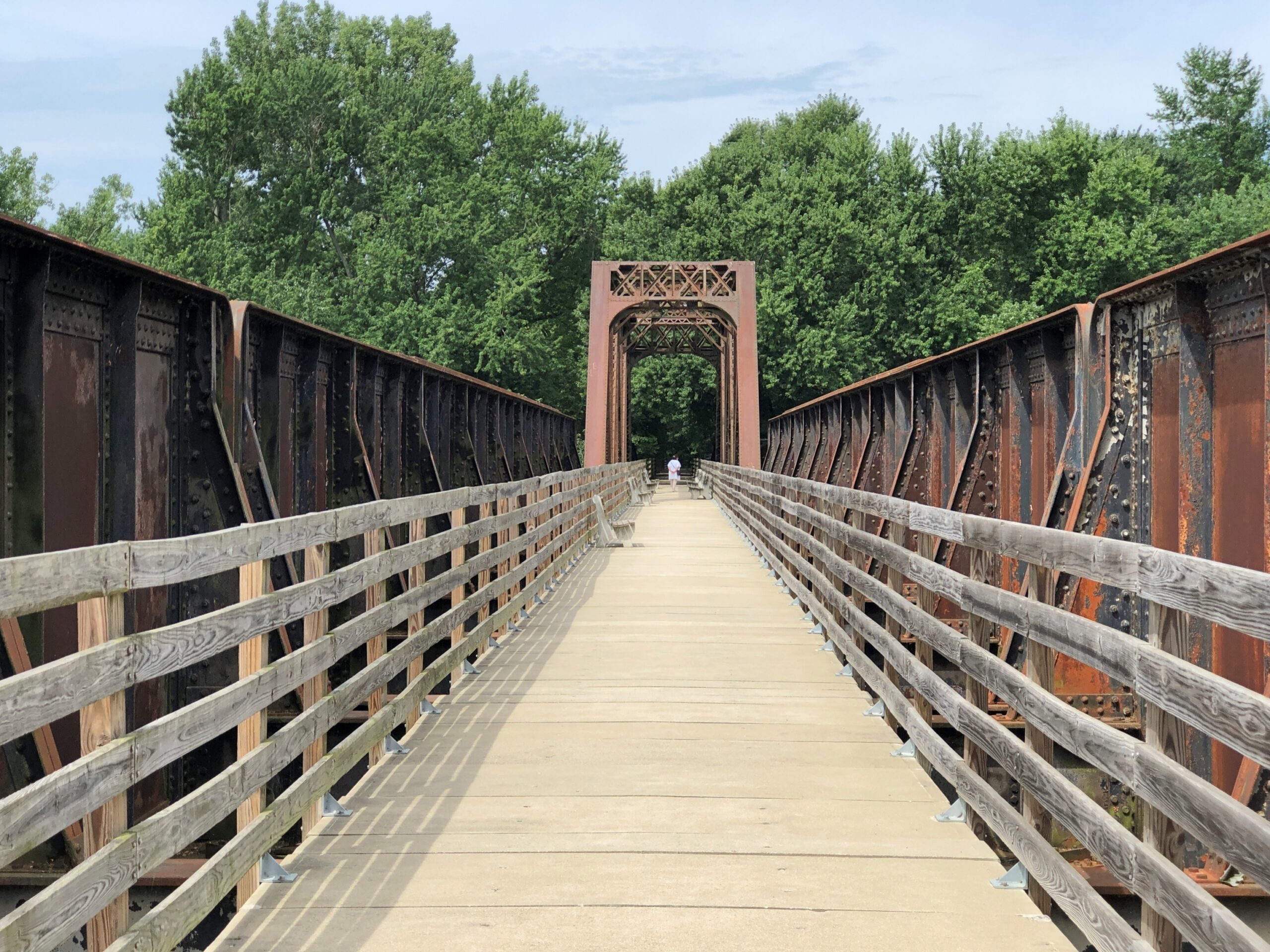
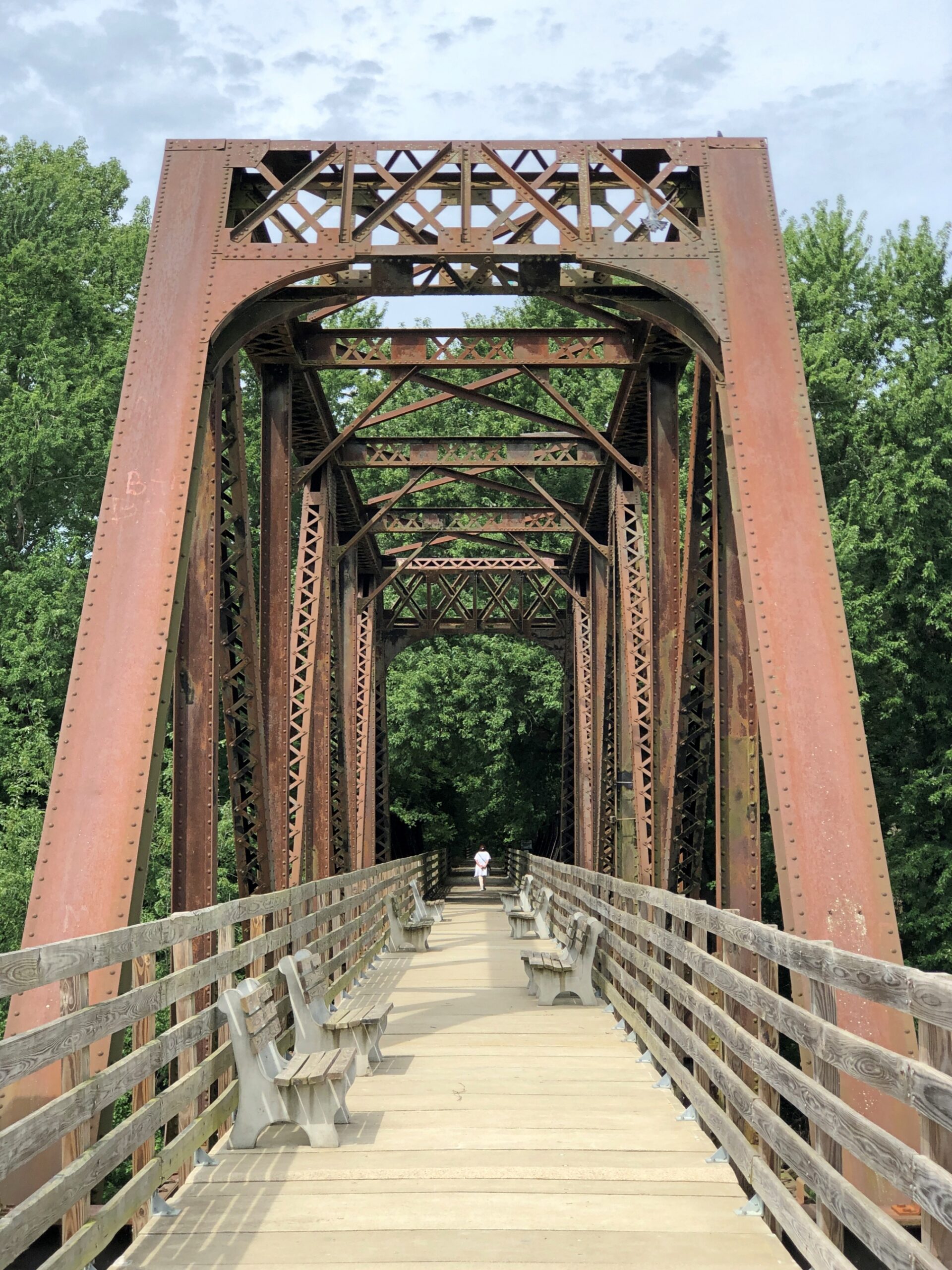
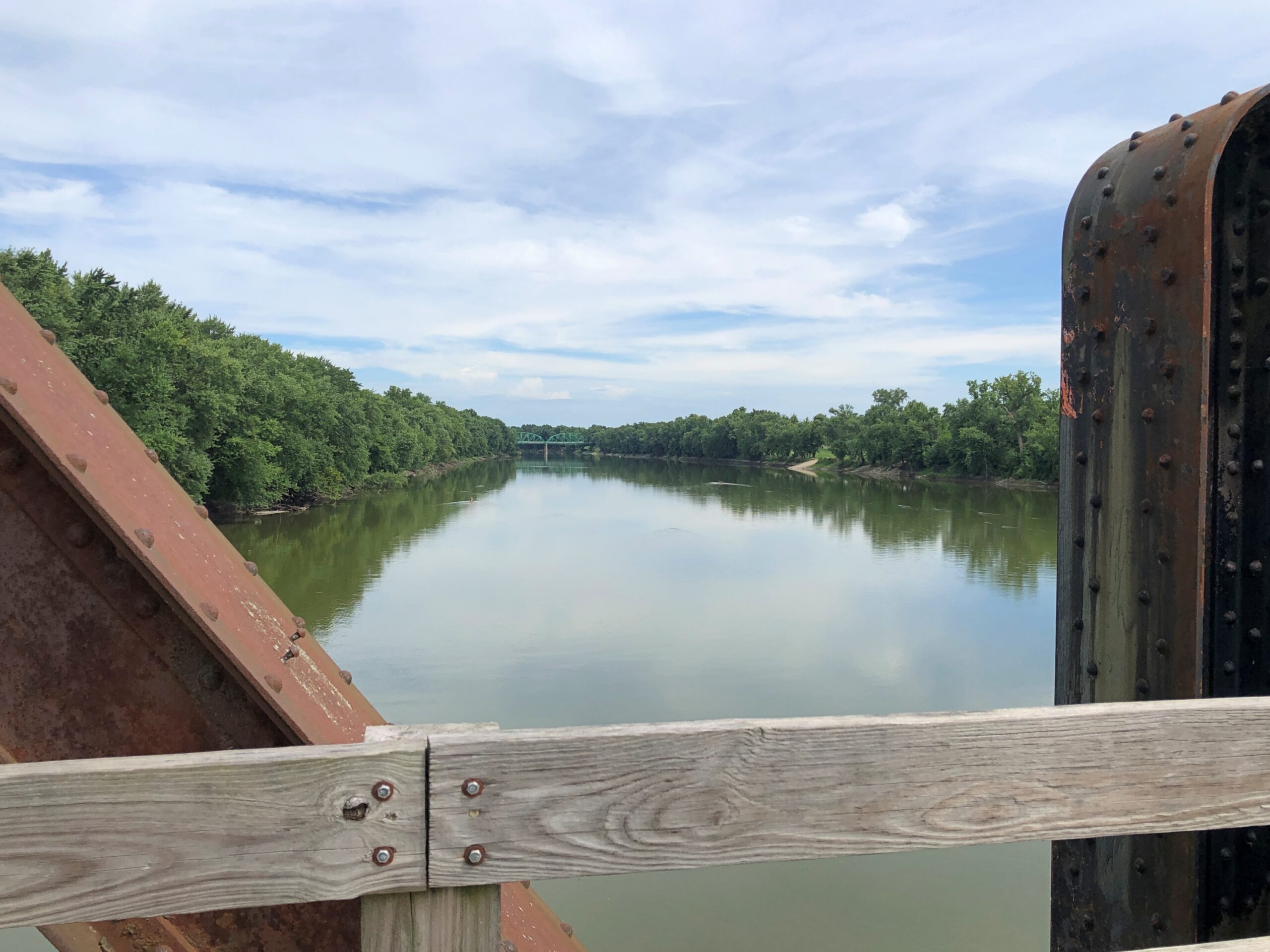
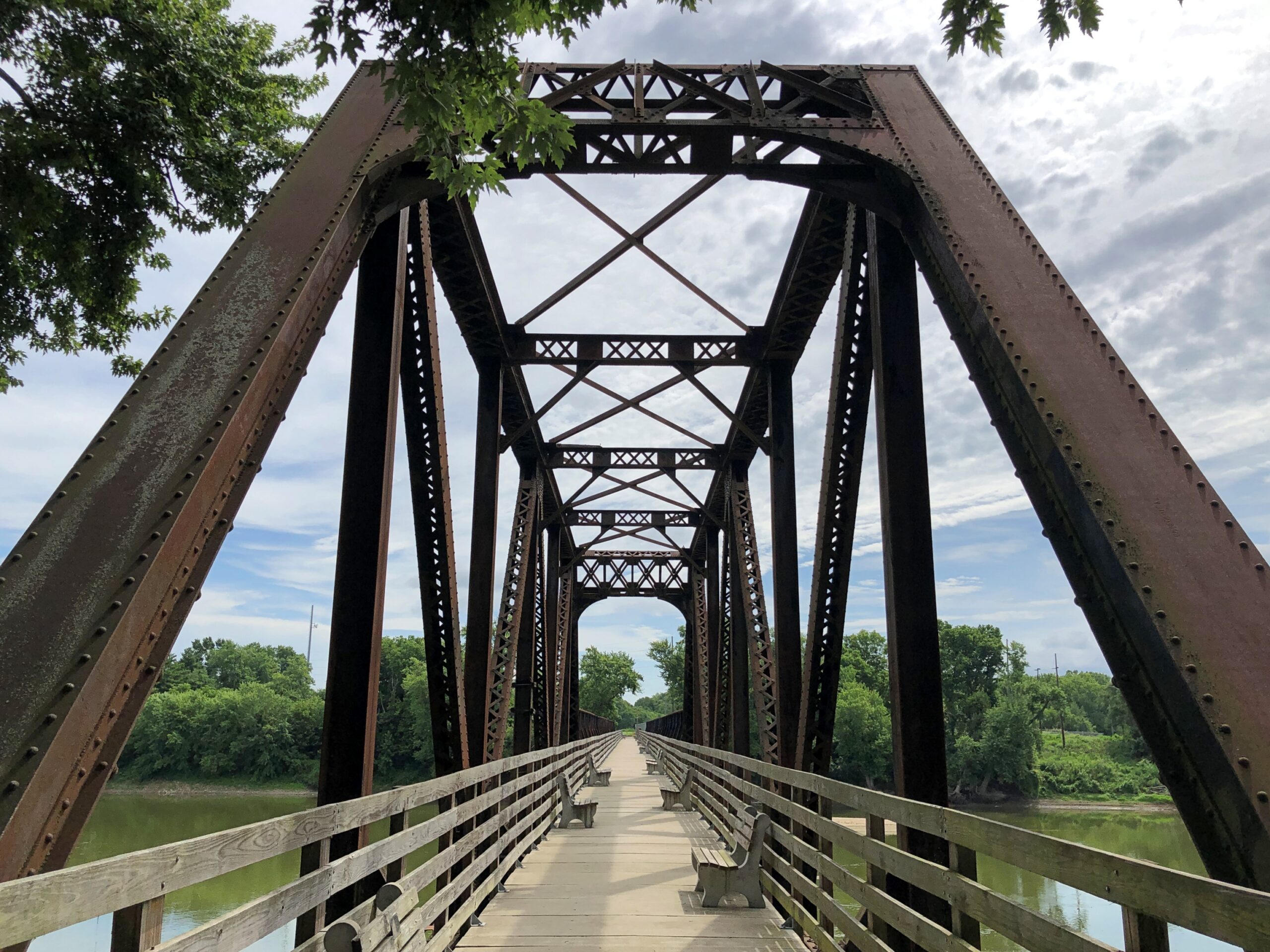
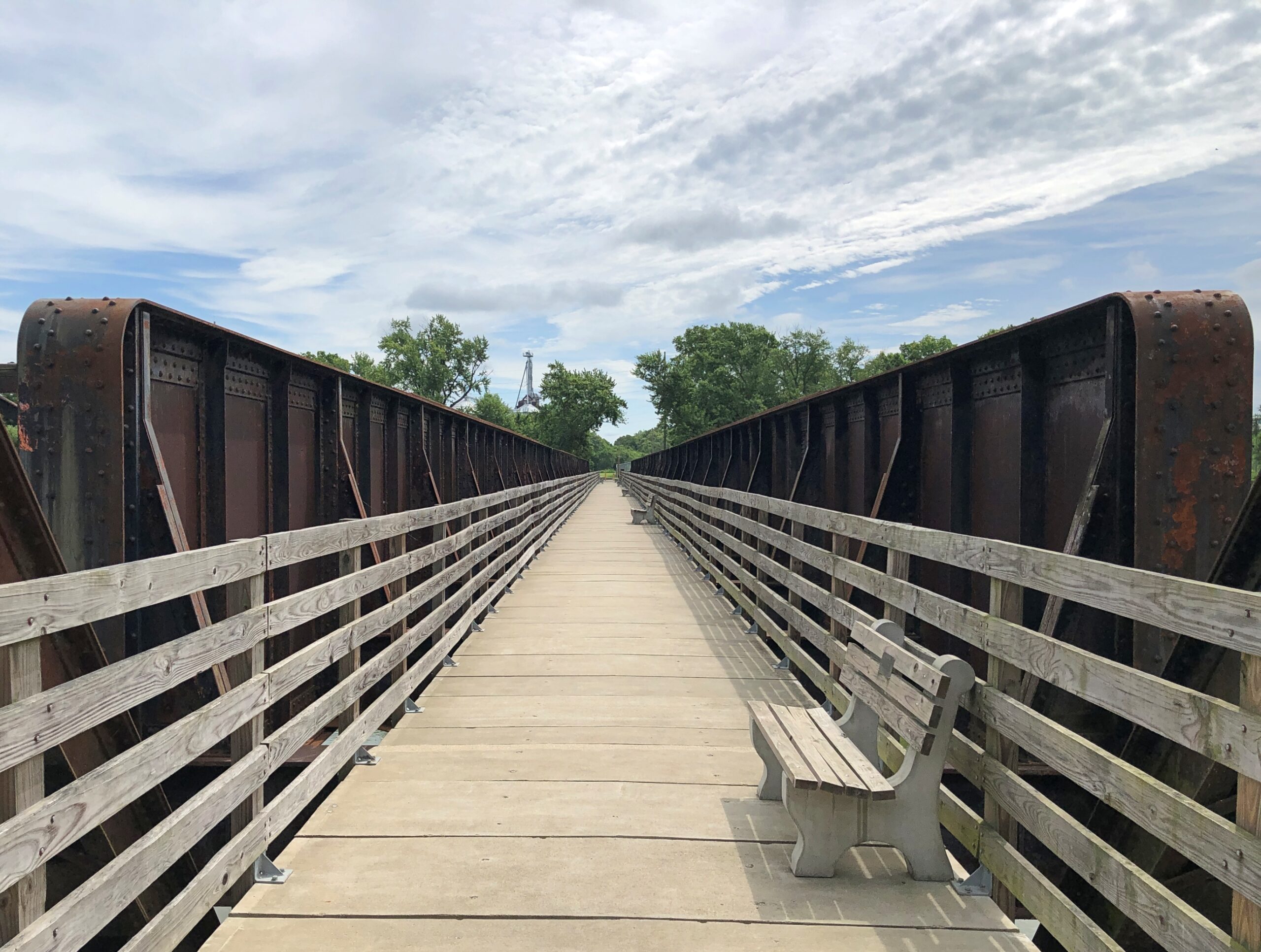
On the southern edge of town is a former B&O Railroad bridge, now a pedestrian and bicycle crossing.

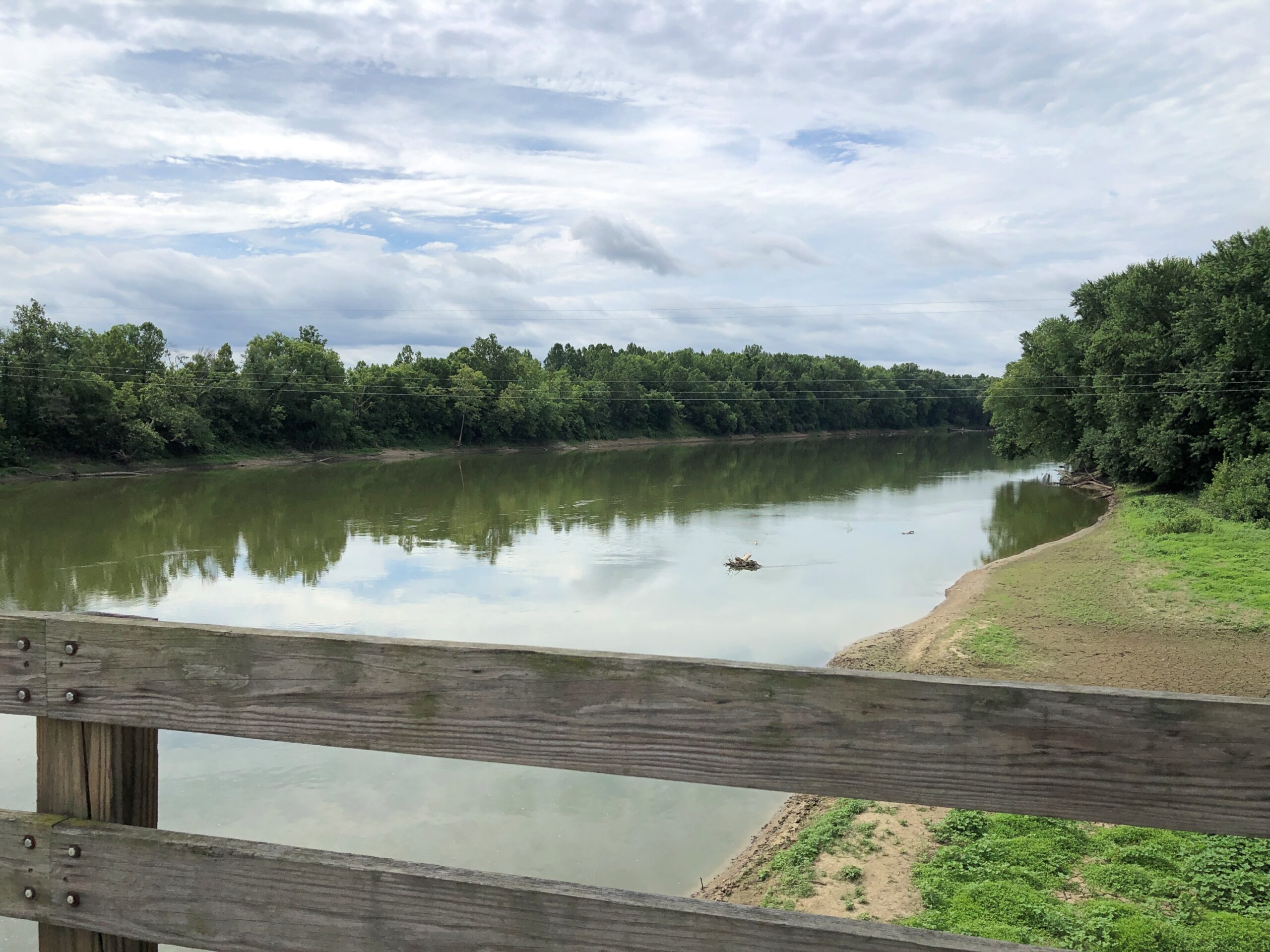
Crossing the Wabash River from Montezuma takes you to Vermillion County, Indiana, which hugs the left bank of the Wabash for a long way.

Montezuma, Indiana B&O Bridge

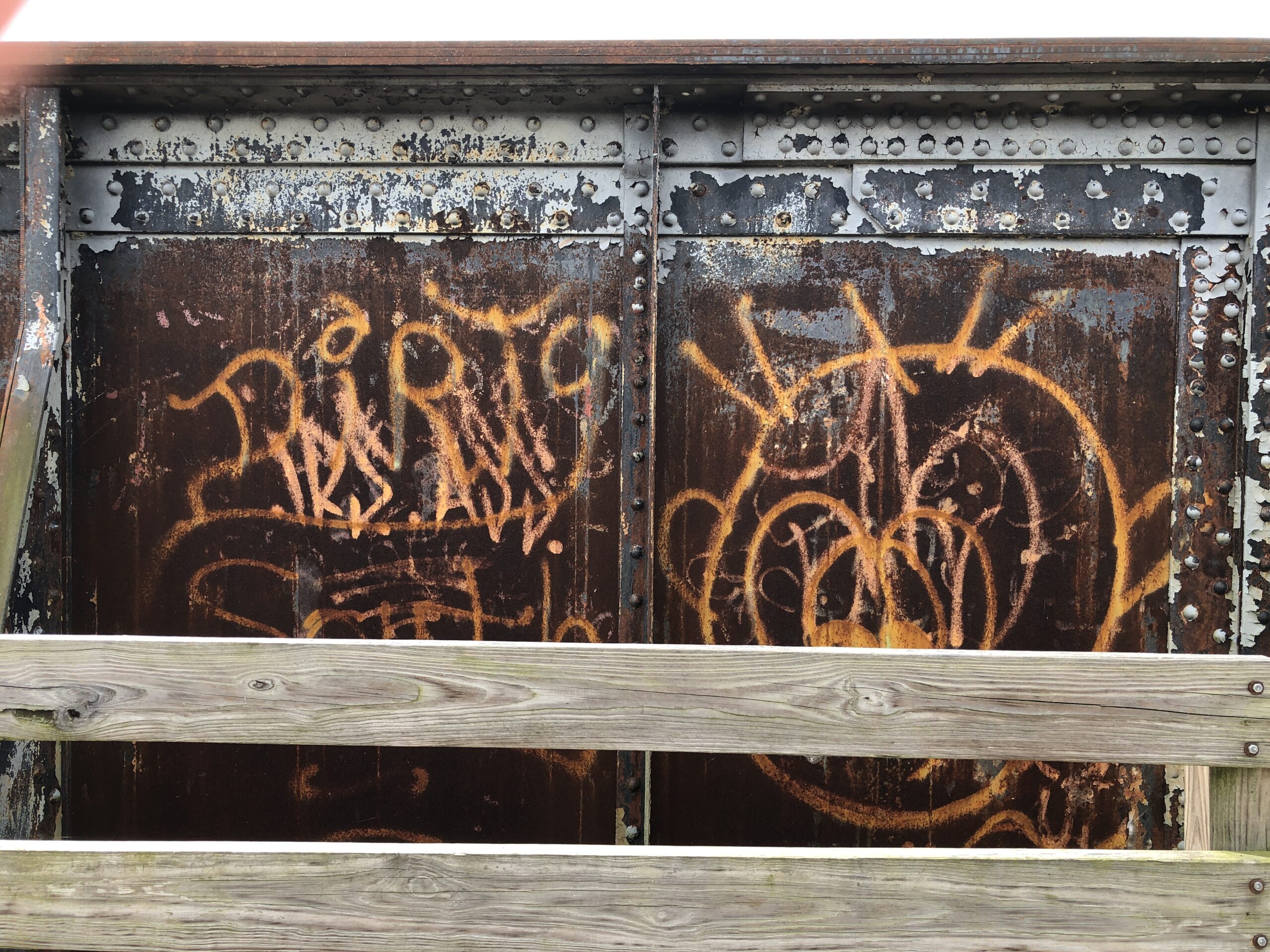
Graffiti on iron. Daring, or foolhardy, since there’s a gap — between the edge of the walking bridge and the iron support features of the bridge — large enough for a careless graffiti artist to take a quick plunge to the river below.

B&O RR Bridge

Looking out to the river.

B&O RR Bridge
B&O RR Bridge

Looking back at Montezuma.

B&O RR Bridge

The B&O is as storied a railroad in North America as you can get – a pioneering commercial line sprouting from Baltimore into the Midwestern interior, eventually. Host in 1828 to Charles Carroll of Carrollton, the only surviving signer of the Declaration of Independence, at the railroad’s groundbreaking ceremony. Critical infrastructure for the Union war effort some decades later. Powerful regional RR in the Gilded Age. Famed as one of the four Monopoly RRs.

Birdman of Osaka Castle Park

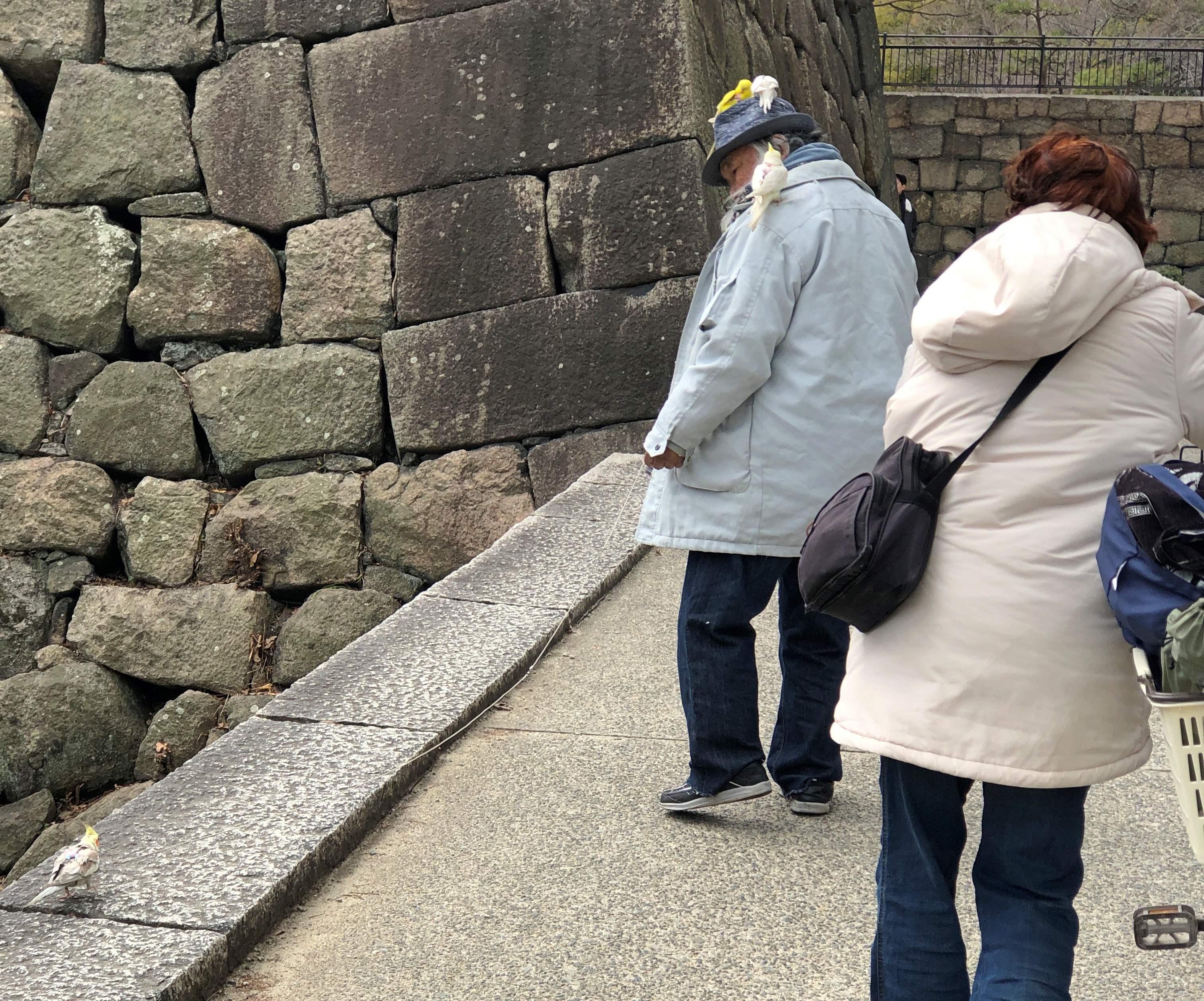
In Chinese city parks during our visit in 1994, it was fairly common to see (mostly) elderly men out for a walk with their birds. Their songbirds in cages, that is, which the men carried along with them and would hang somewhere nearby while they rested on benches. This article at least asserts that the practice goes back to the Qing Dynasty, which was founded in 1644. I’d never seen such a thing before anywhere else, and not since, until we visited Osaka Castle Park in February.

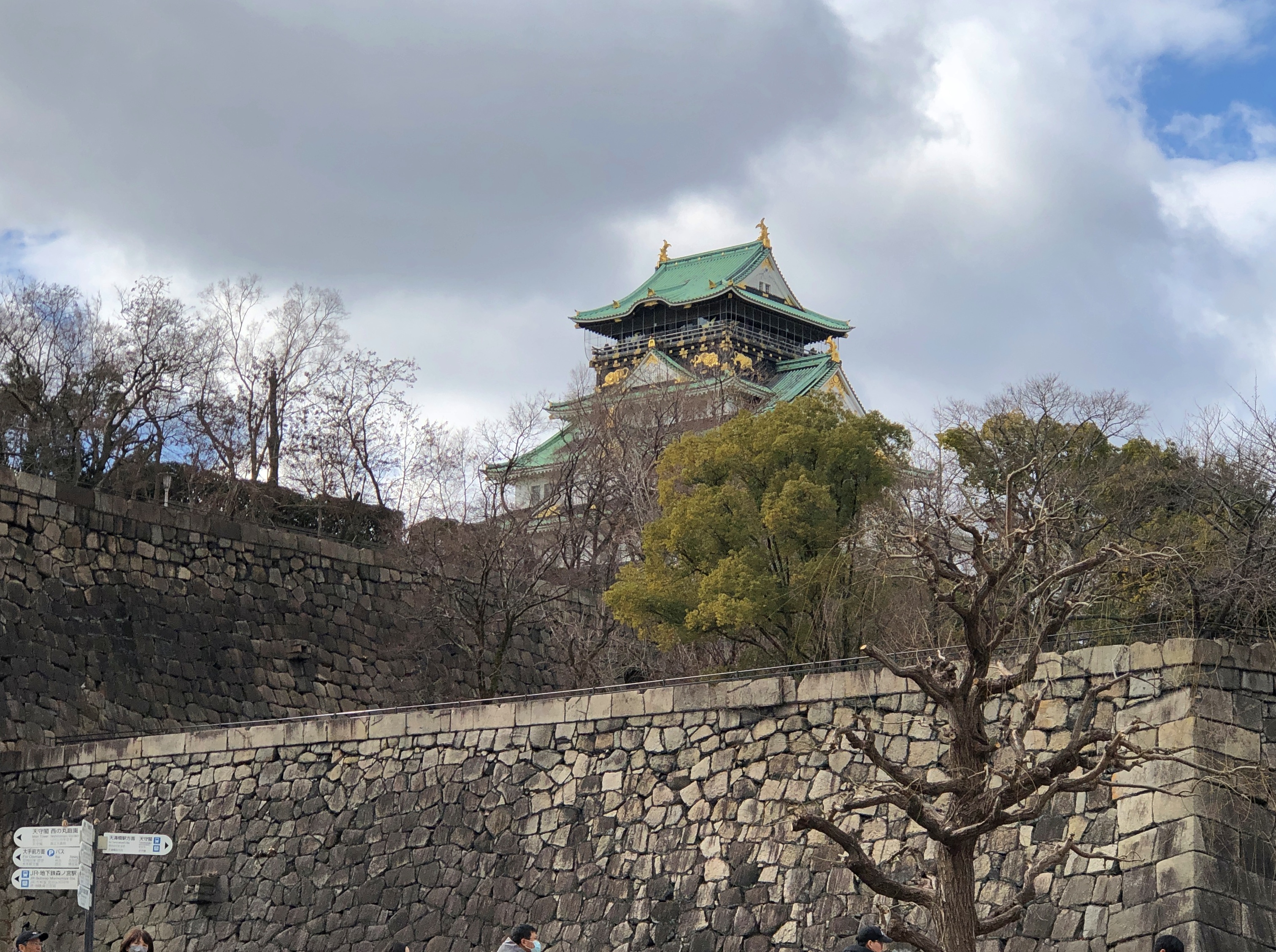
Note the fellow in the blue jacket and blue hat, near one of the former castle walls, with birds perched on his head and shoulders. He seemed to be out for a stroll with his birds.Osaka-jo Koen

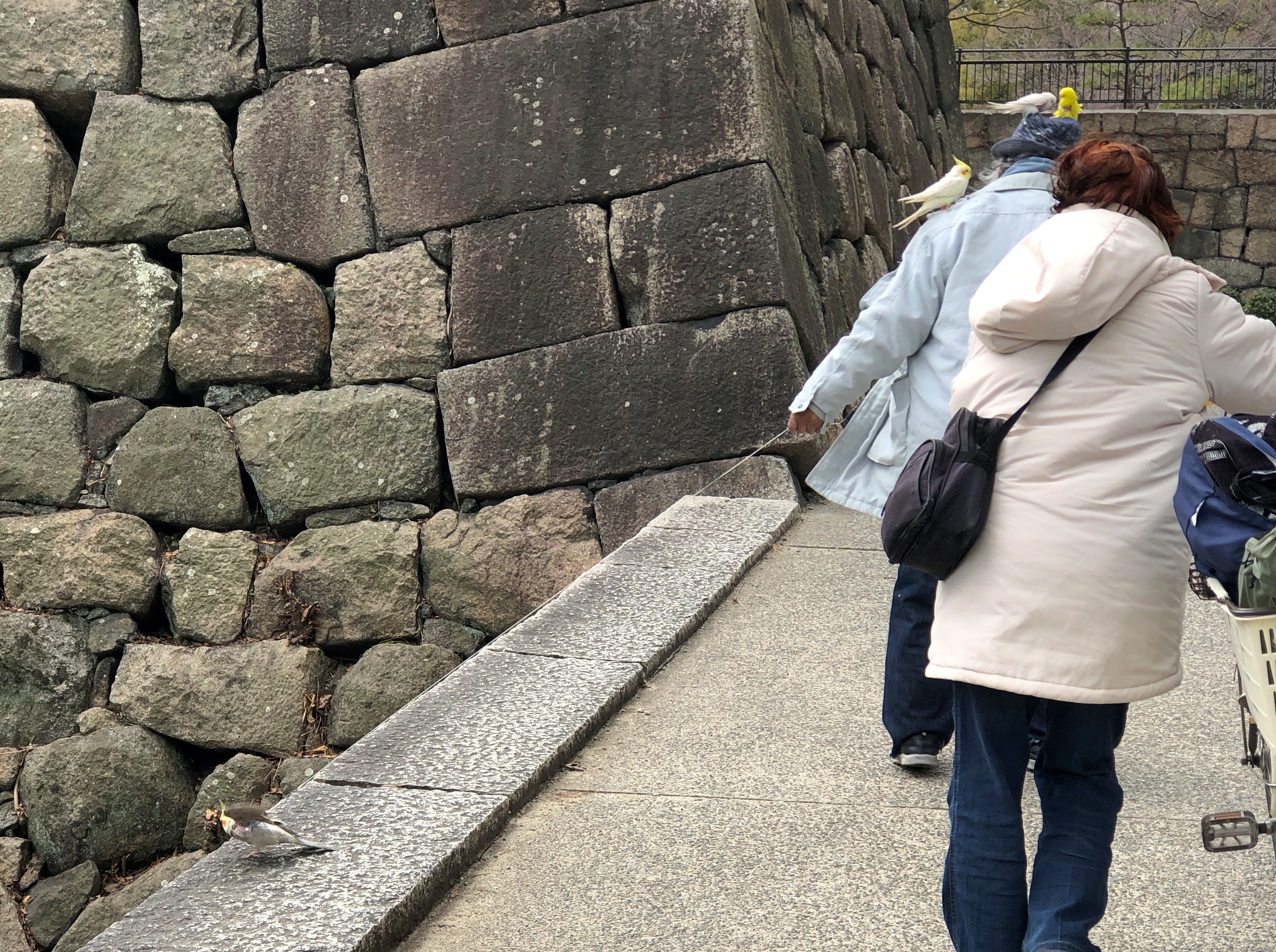
They were living, chirping birds that would periodically fly away, but they would also come back. The bird at the left bottom corner of the image was one of his as well, tethered to a string he’s grasping with his hand. Guess that was a bird in training.Osaka-jo Koen

Of course, Japan is not China, however much the Japanese borrowed from China in earlier centuries. Bird walking wasn’t one of those borrowings, so I believe this man and his birds were eccentric outliers who eschewed cages for freedom of movement. Still, the level of training is impressive. It’s one thing to train the birds to return – carrier pigeons do that – but do they know to go somewhere else when it’s time to drop a load? I’d hope so, but I don’t know whether that is possible.

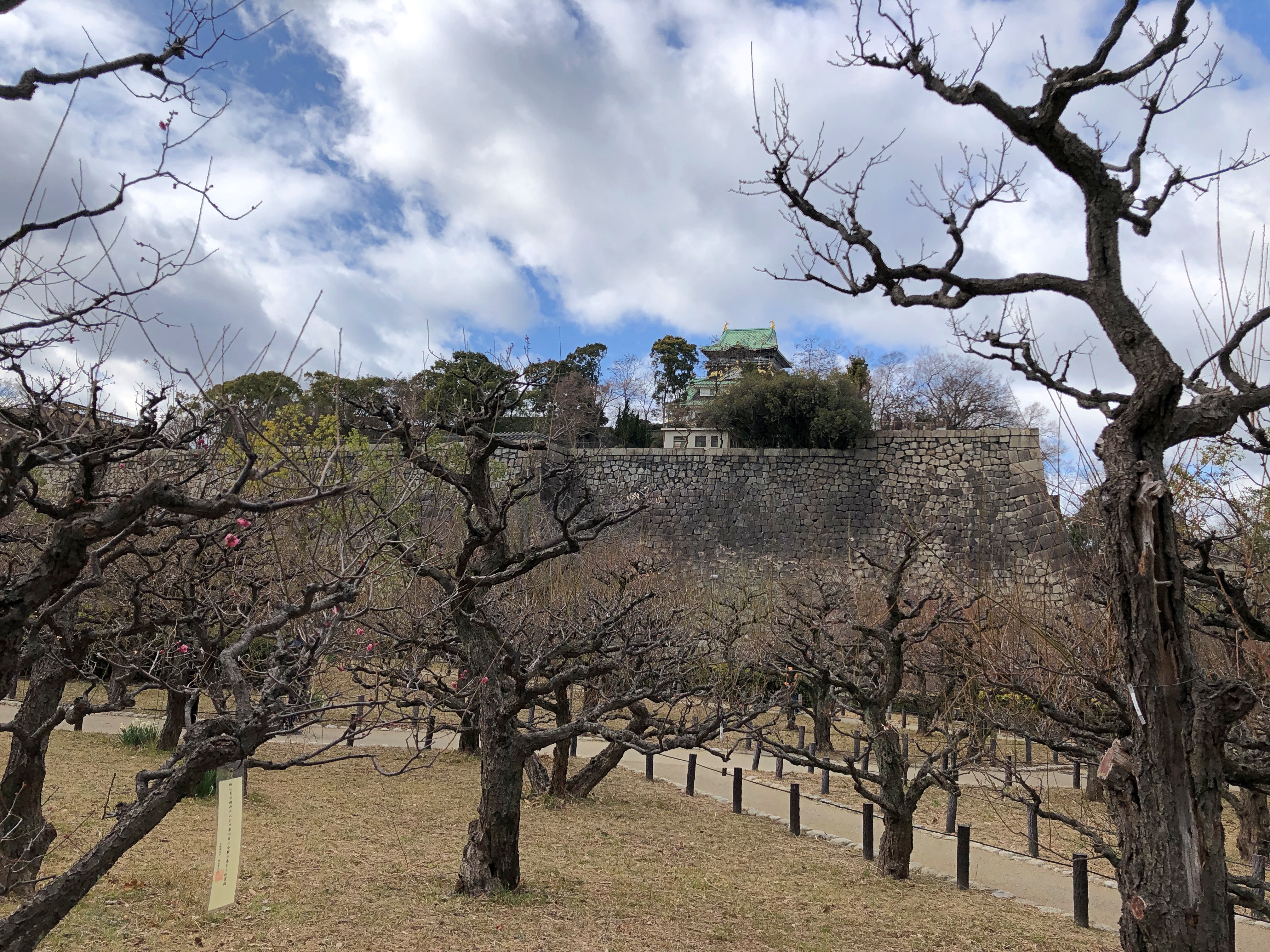
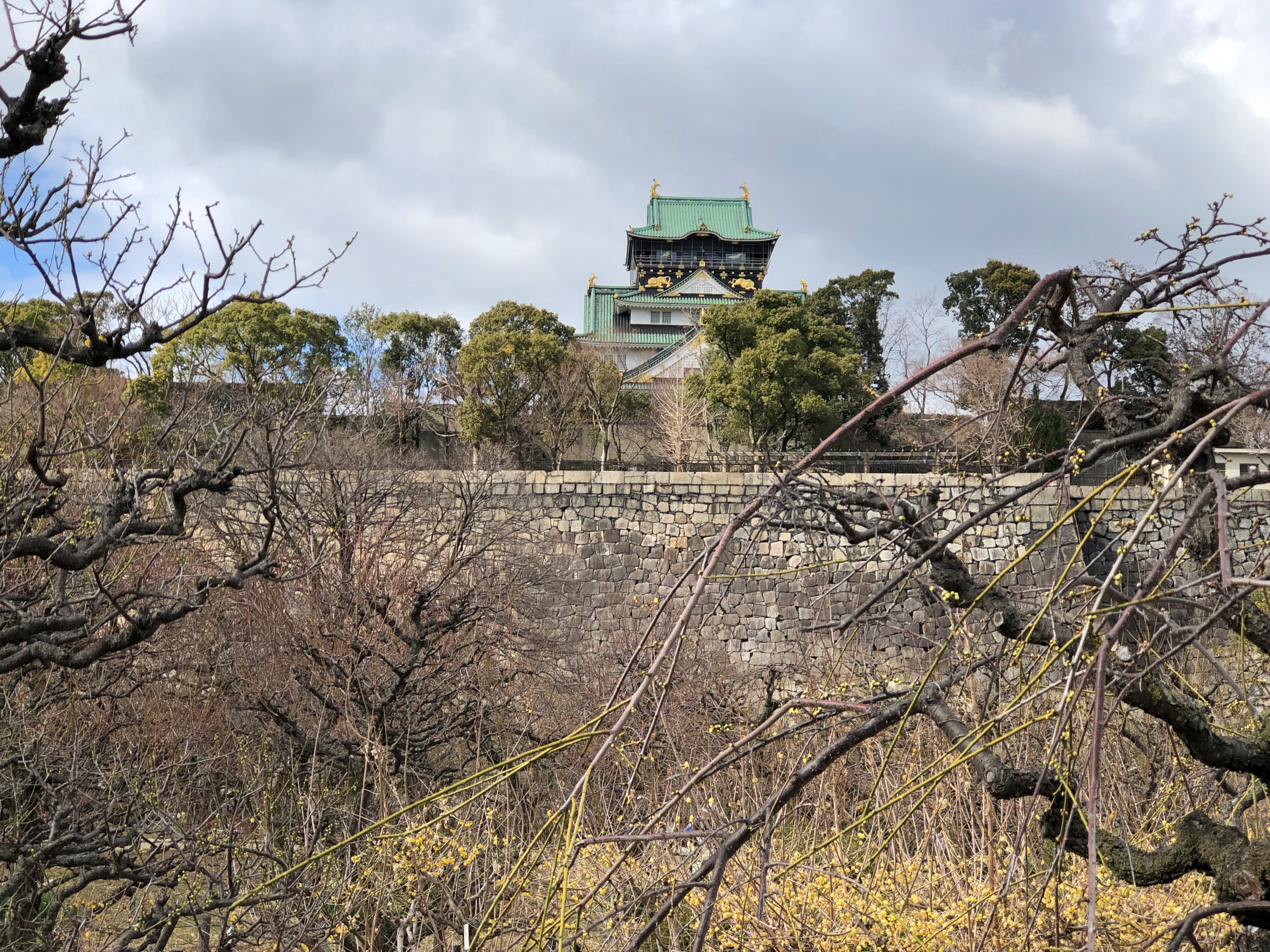
Even in winter, Osaka Castle Park (Osaka-jo Koen, 大阪城公園) is a pleasant place to stroll. We didn’t enter the castle itself, where we’d both been a few times before, but took in some nice views of it.Osaka-jo Koen Osaka-jo Koen Osaka-jo Koen

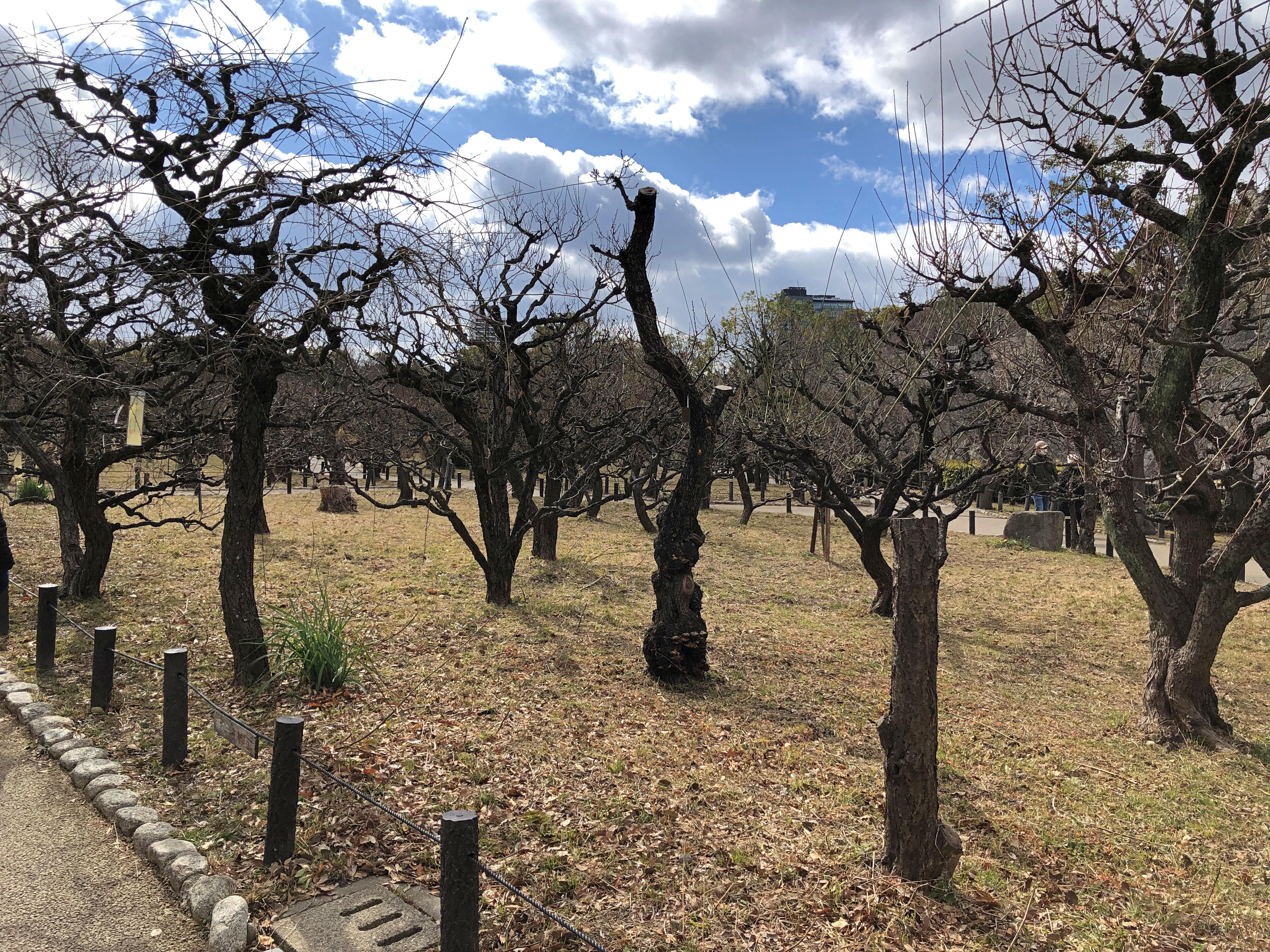
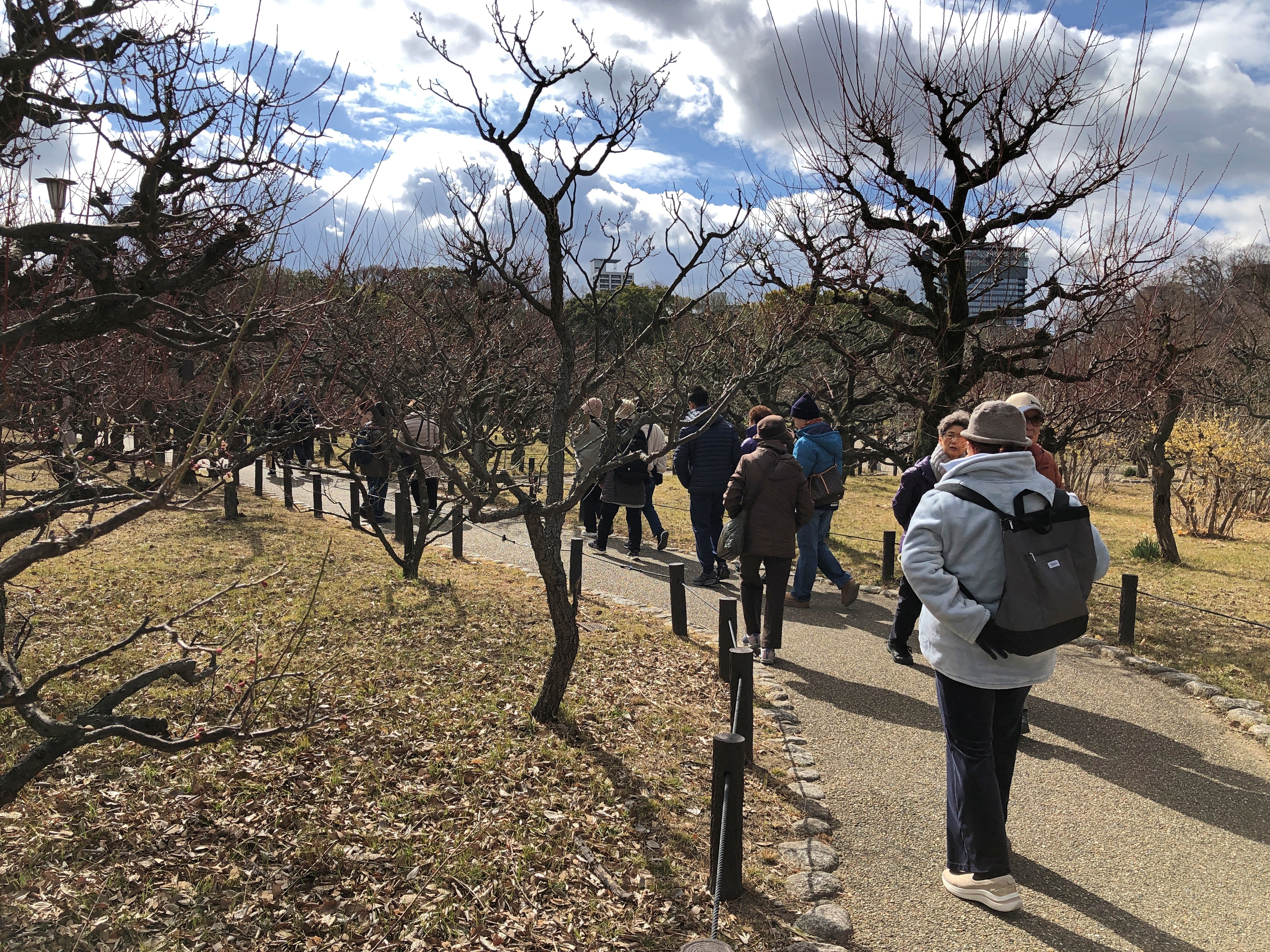
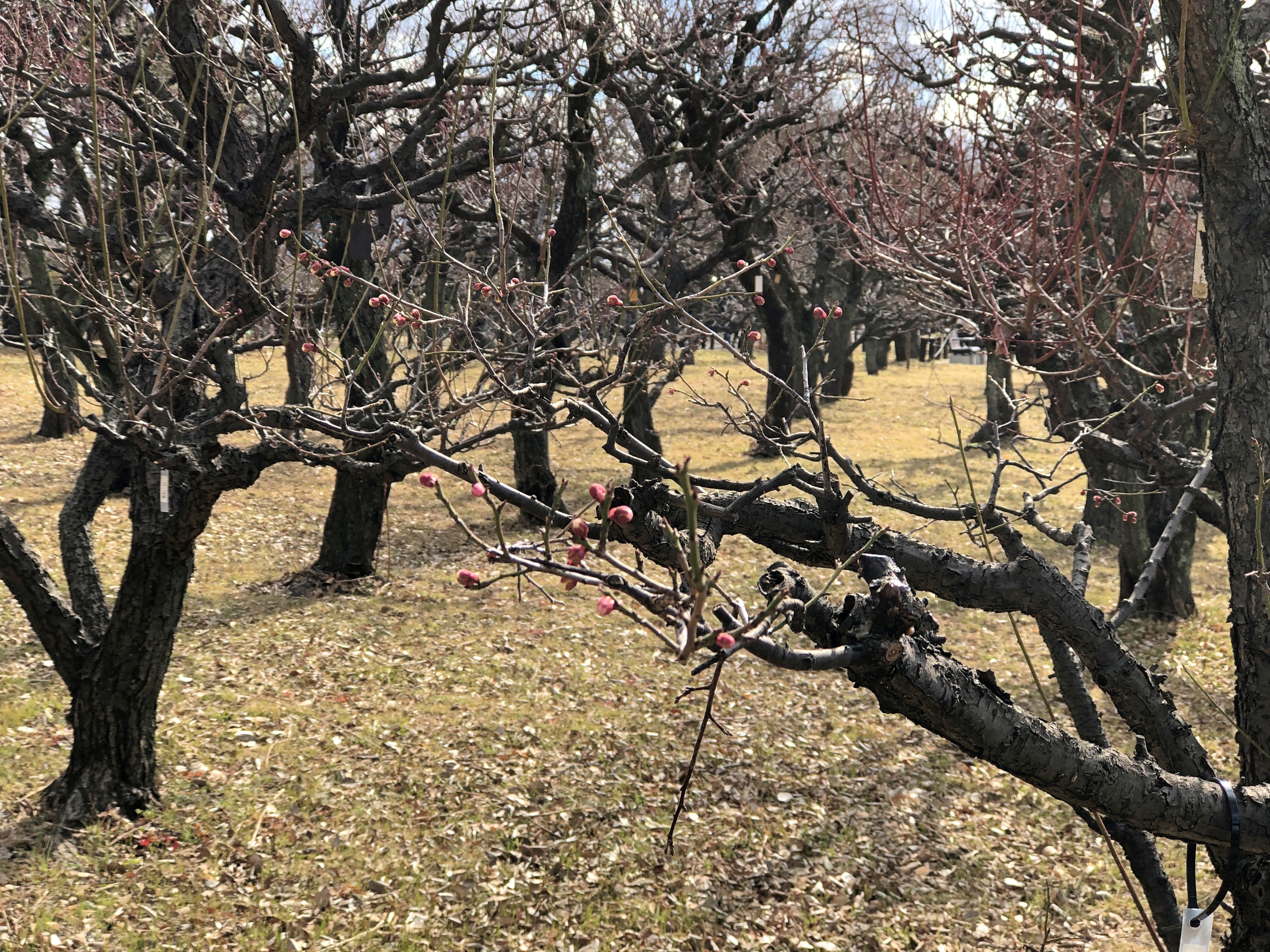
Many of the trees are plums. They are the first to blossom, and we could see the very beginnings of buds, but we were too early for full flowering.Osaka-jo Koen Osaka-jo Koen Osaka-jo Koen

Later, peach and cherries blossom in the park, though the place to see cherry blossoms in Osaka without the crowds in 1990s – and there were always crowds in the large parks, including the grounds of the Japan Mint – was Osaka Gogoku Shrine in Suminoe Ward. I’ll bet it still is.

Jewish Museum in Prague

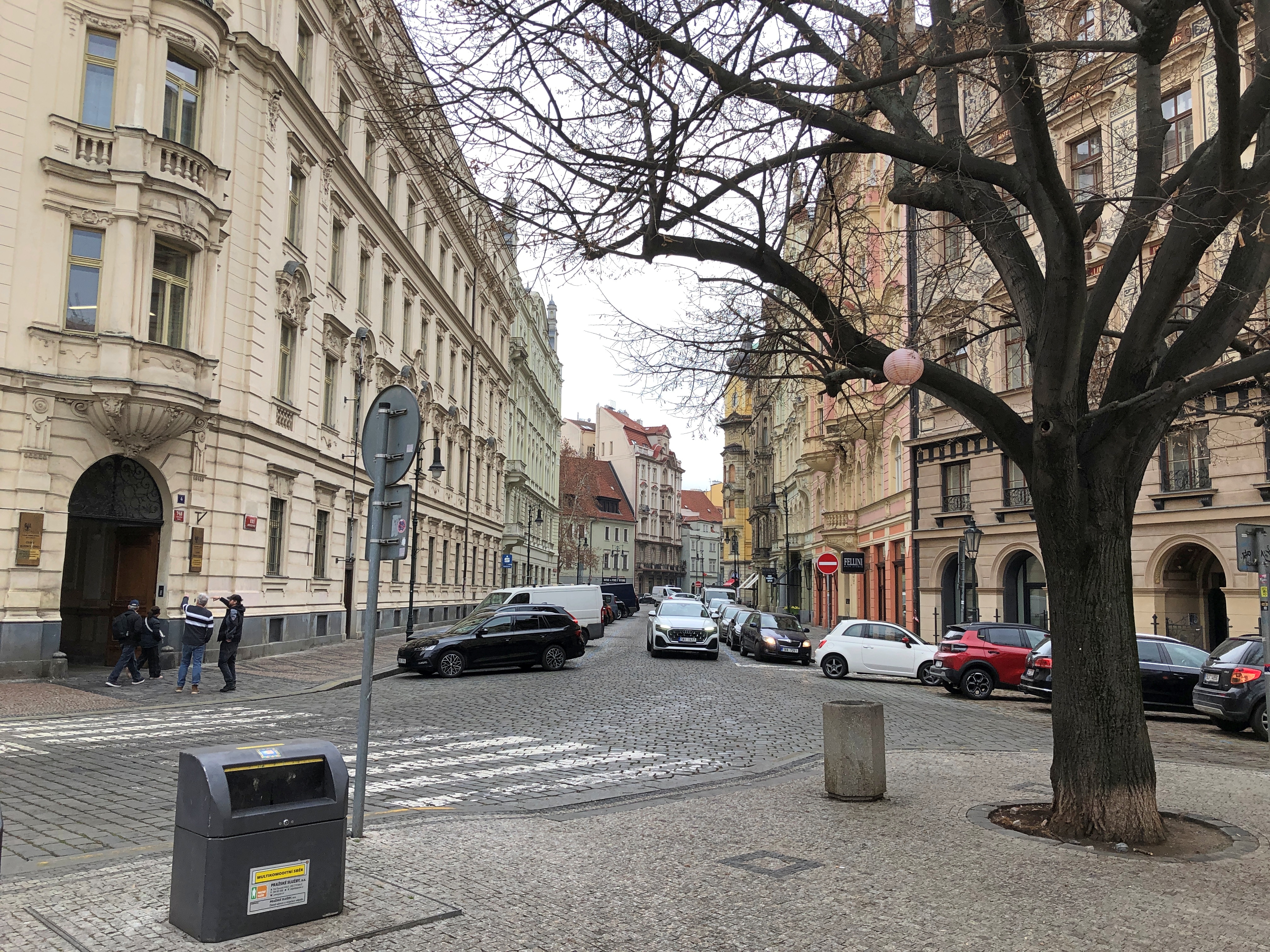
One good thing about the historic core of Prague, at least for old visitors, are the small squares (náměstí?) with benches and sometimes trees. Walkability doesn’t mean much if you can’t sit down at regular intervals, and old Prague provides that, unlike some other pedestrian-intense places on this trip (and I mean you, Osaka).

We stopped often at this one, often as our first rest out from the hotel. Once Jay waited here for a few minutes while I wisely went back to the hotel to fetch a cap to wear.

We stopped here more than once as well.

Of course, in early March, the air was distinctly cool, and the squares weren’t so green. Or quite so busy. The views from the first small square looked more like this.Prague 2025

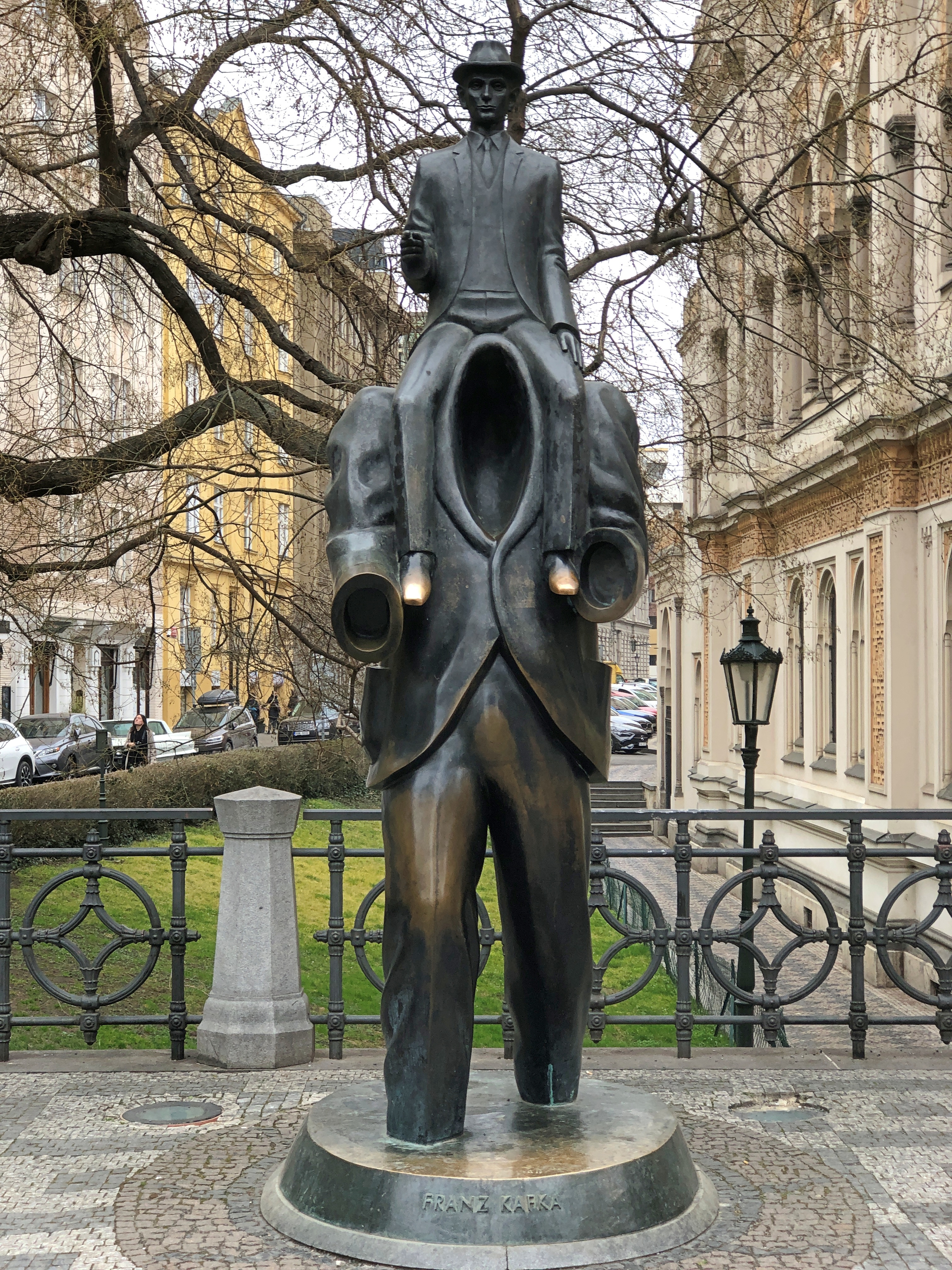
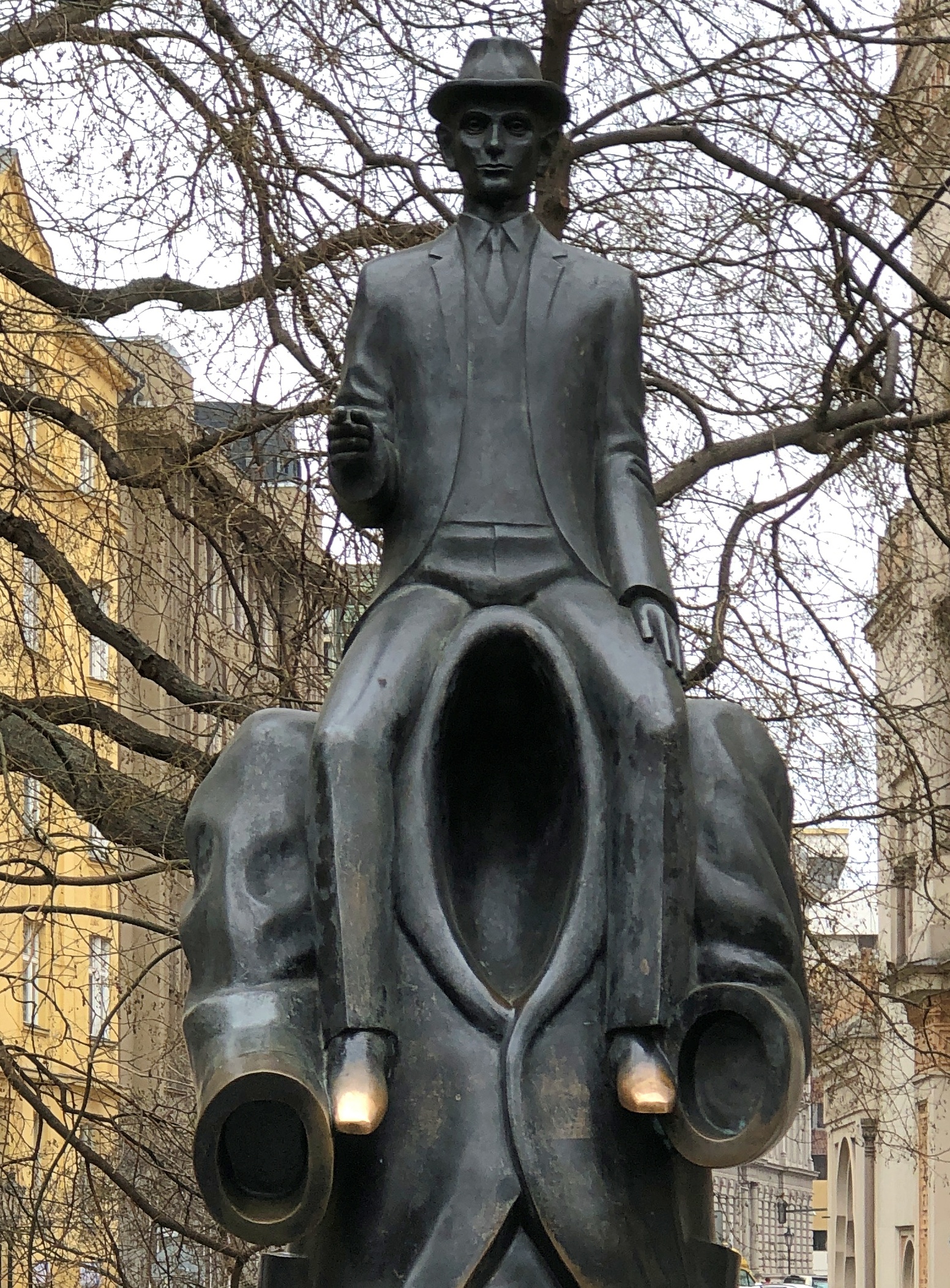
During our first ramble through the old city on March 11, we came across this unnerving figure.Prague 2025 Kafka Prague 2025 Kafka

Kafka. Of course. Rub the shoes for luck? Isn’t there only one kind of luck for Kafka, and it isn’t good? The bronze dates from 2003 and inspired by one of his lesser-known stories, “Description of a Struggle,” which I haven’t read, but which sounds Kafkaesque all right.

I had to look up the sculptor, Jaroslav Róna, a resident of Prague and a member of its small but enduring Jewish community. Looks like he specializes in unsettling figures, so Kafka would be right up his alley.

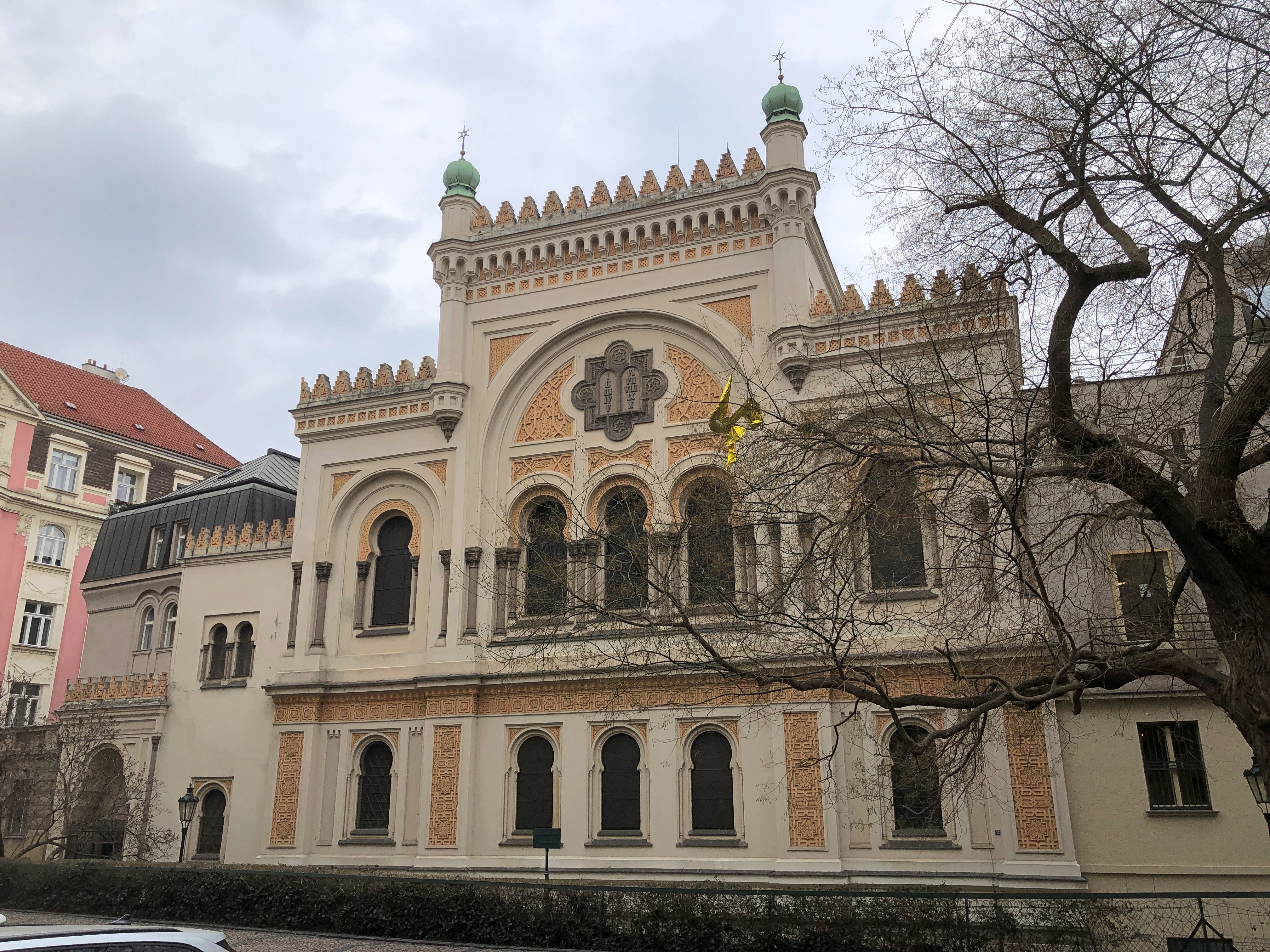
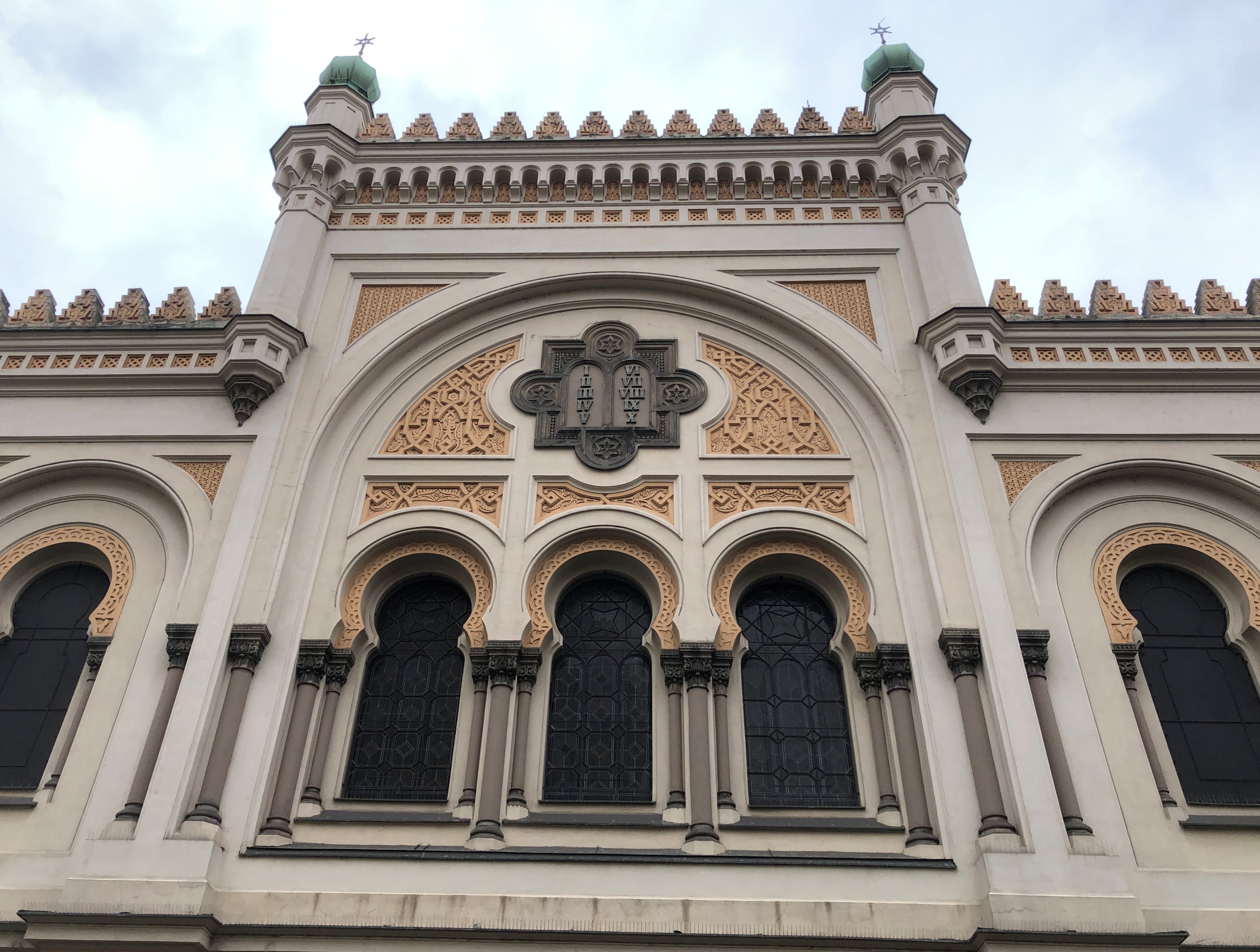
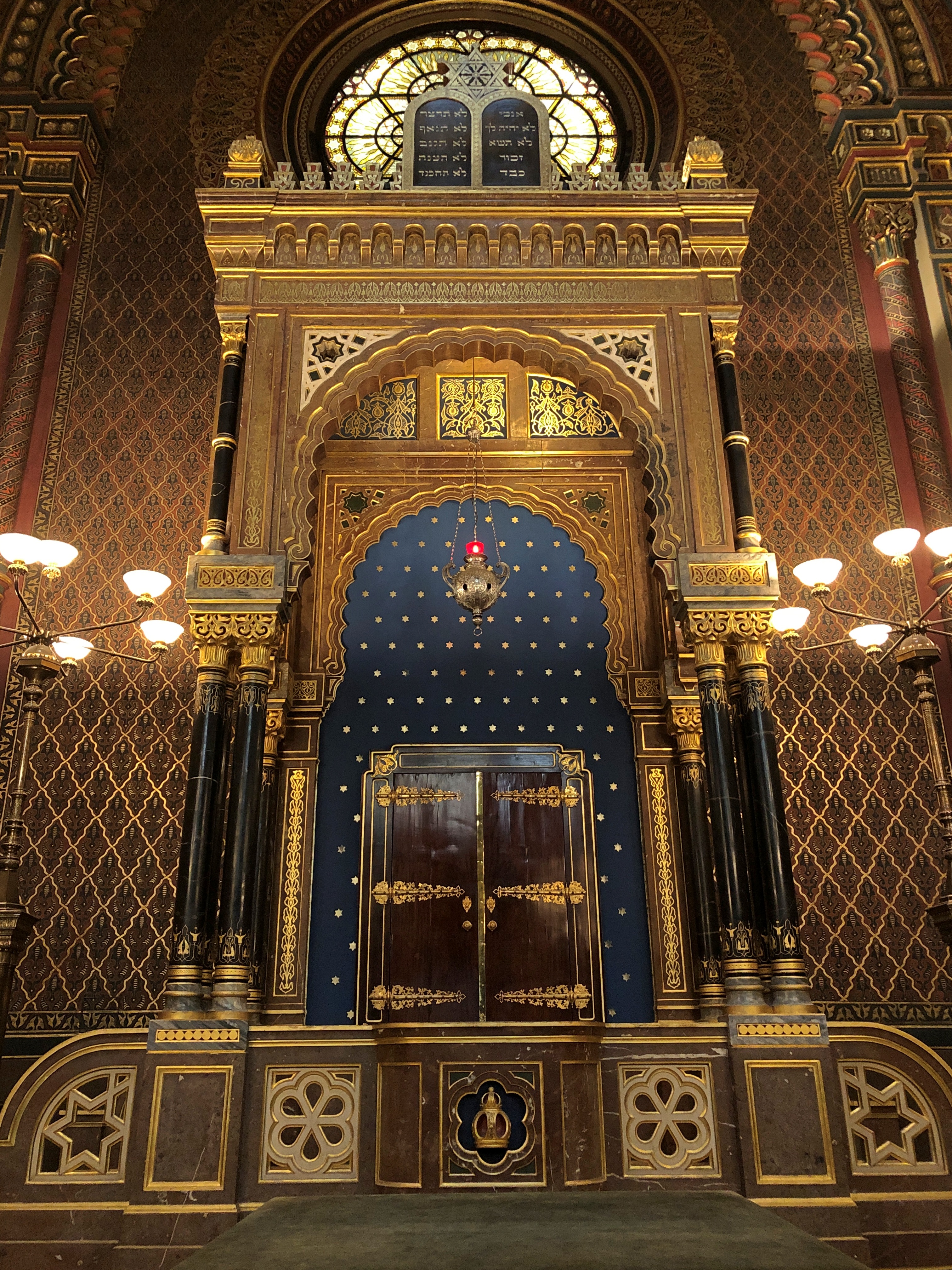
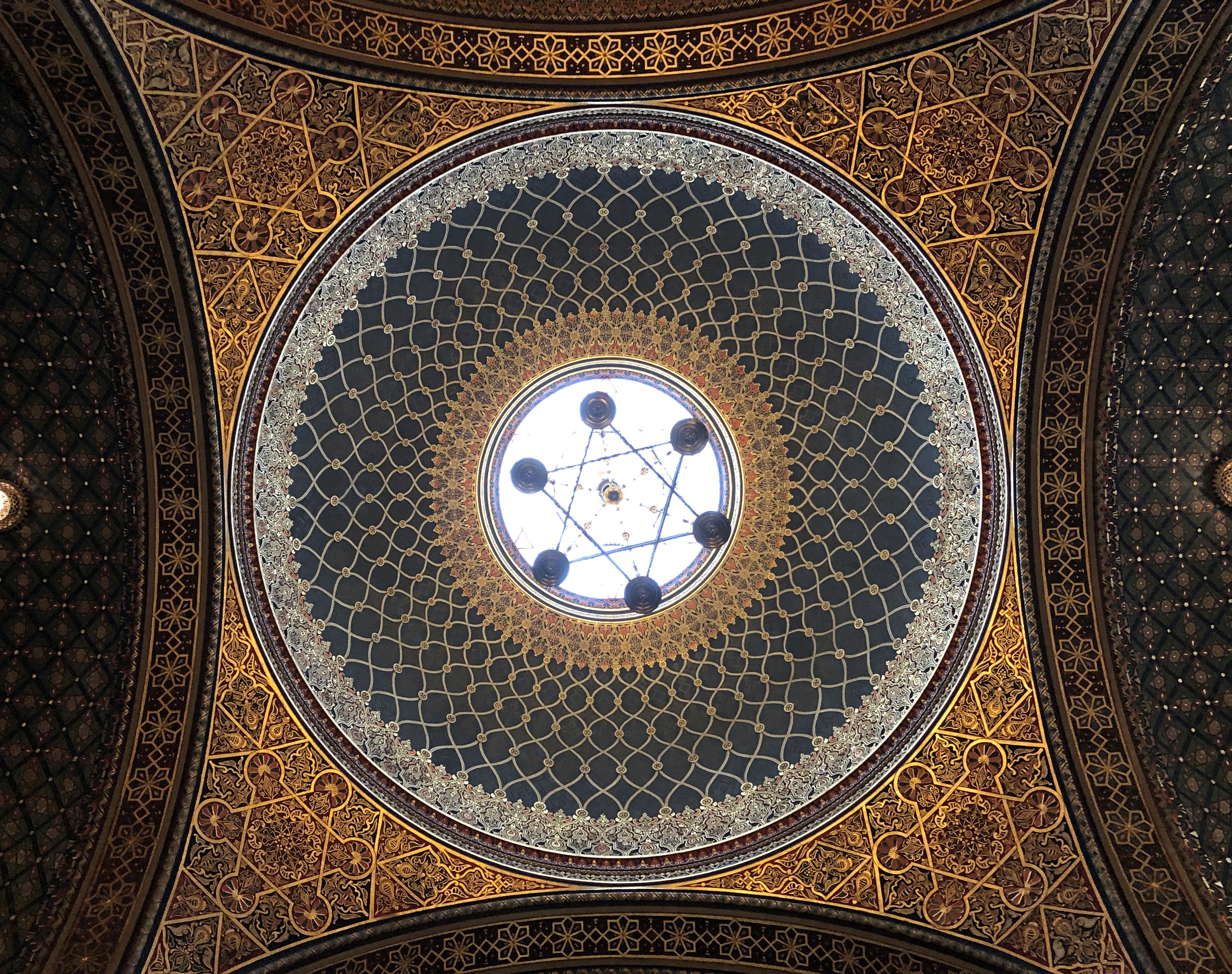
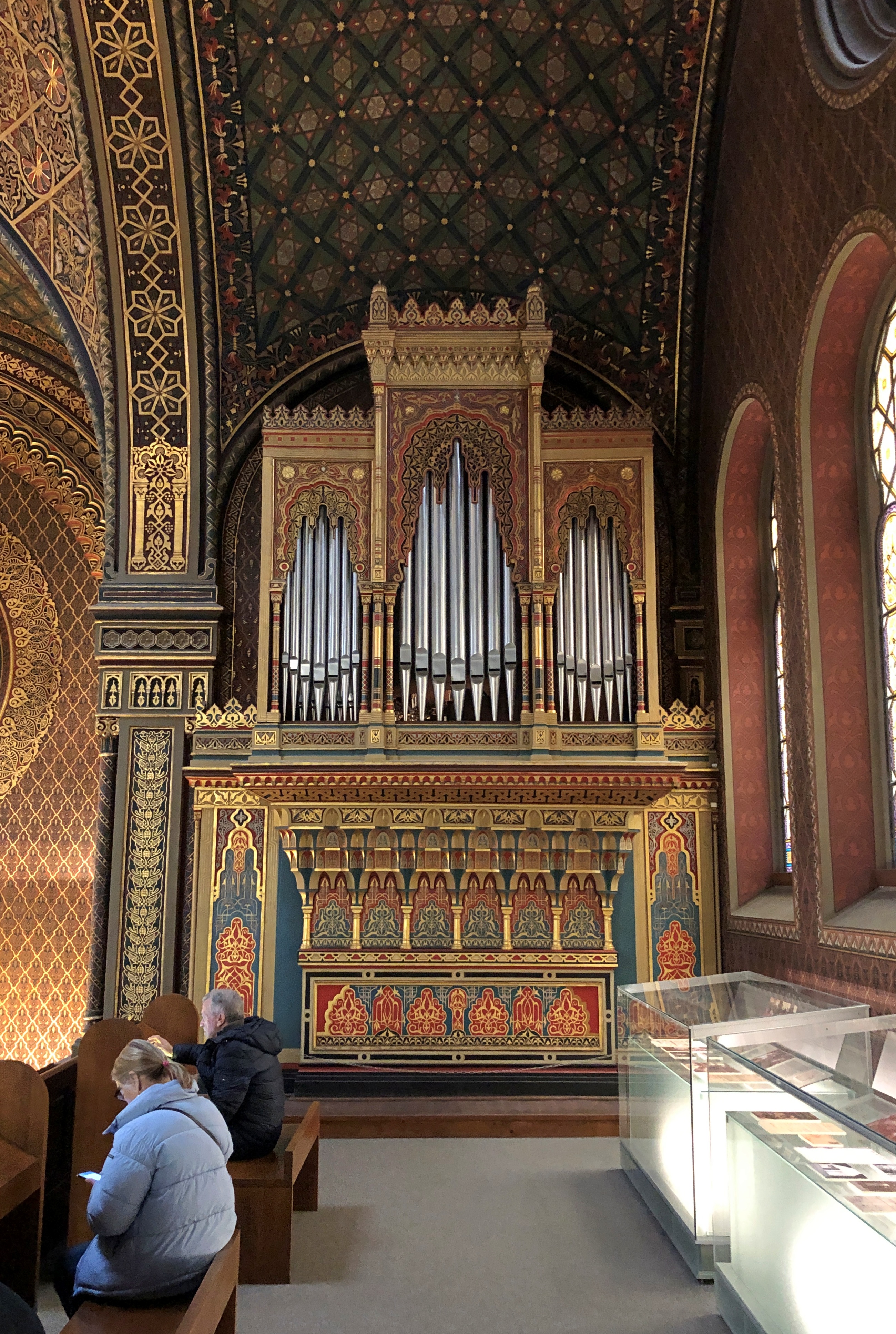
I don’t know whether it is coincidence or not, but the statue happens to be near the Spanish Synagogue (Španělská synagoga). An exceptional piece of work, dating from 1868, built on the site of a much older synagogue. There has been a Jewish community in the city since at least the 10th century of the Common Era.Prague 2025 Kafka Prague 2025 Kafka

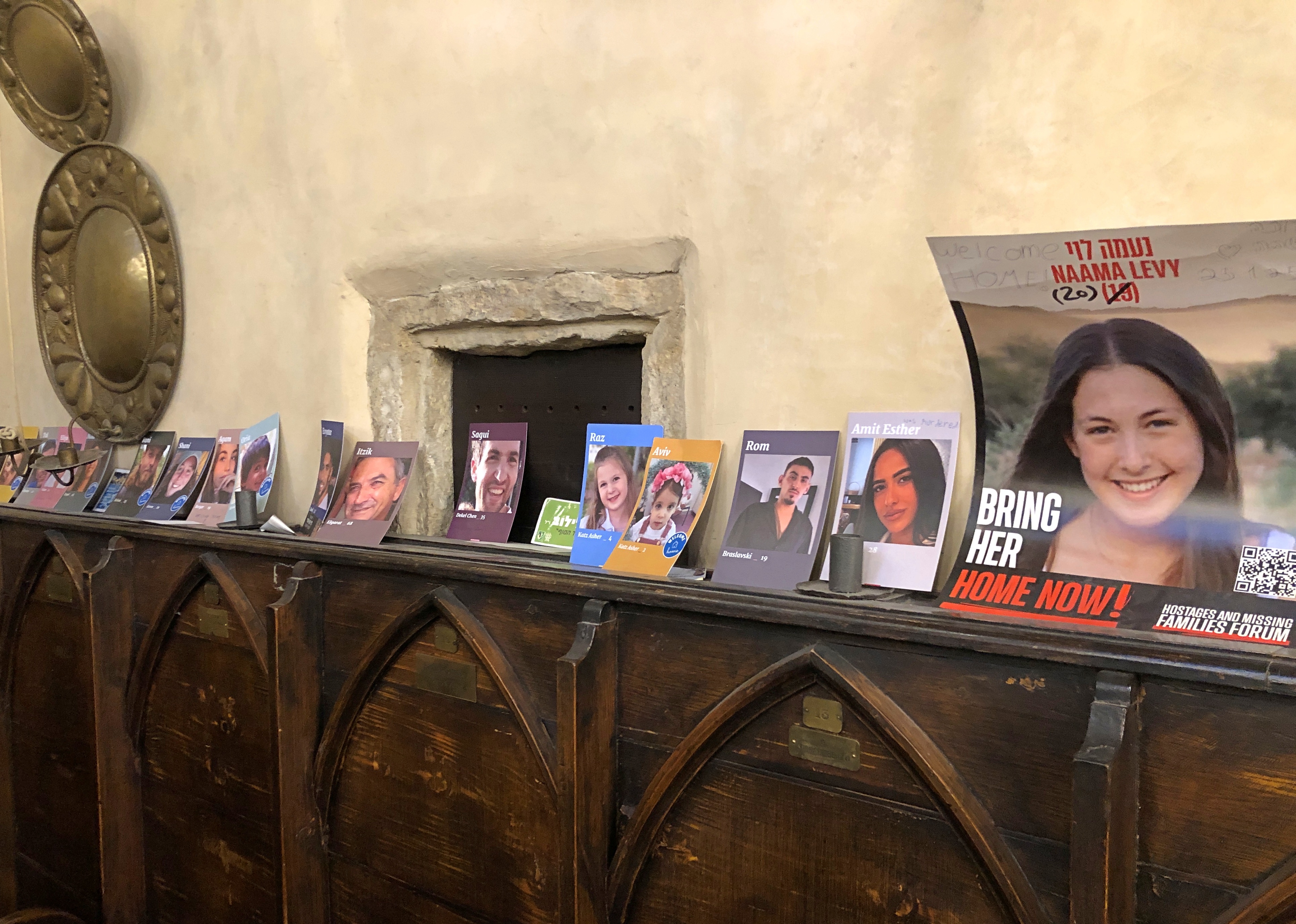
Now a museum, the Spanish Synagogue – referring to the Moorish Revival style – is part of the Jewish Museum in Prague, which oversees a half-dozen or so structures in the former Jewish quarter, including the aforementioned Pinkas Synagogue and Old Jewish Cemetery.

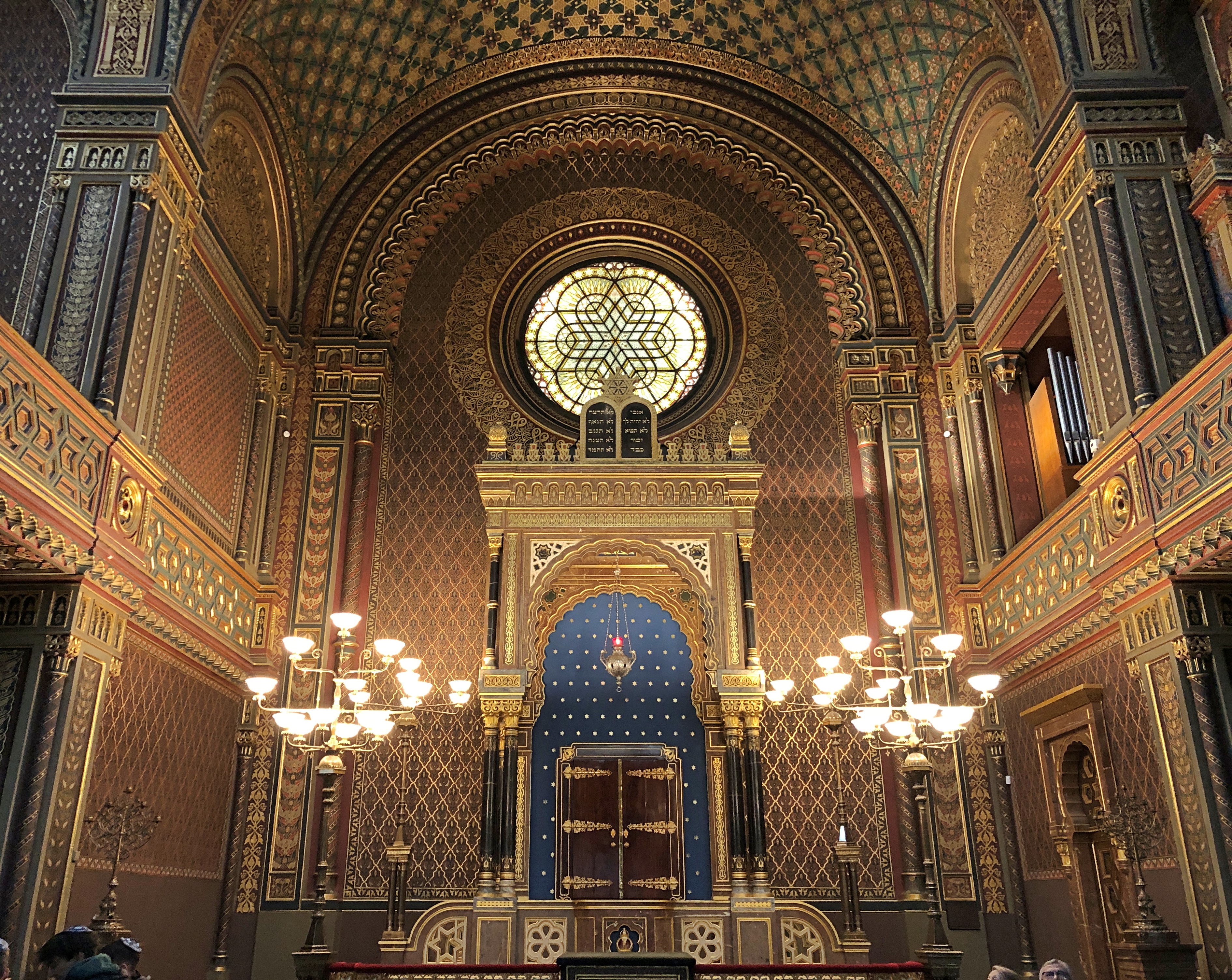
After decades of misuse and neglect, beginning with the Nazis and continuing under the Communists, the Spanish Synagogue was restored not long after the Velvet Revolution. It is magnificent.Spanish Synagogue Prague Spanish Synagogue Prague Spanish Synagogue Prague

The view from the upper level.Spanish Synagogue Prague Spanish Synagogue Prague

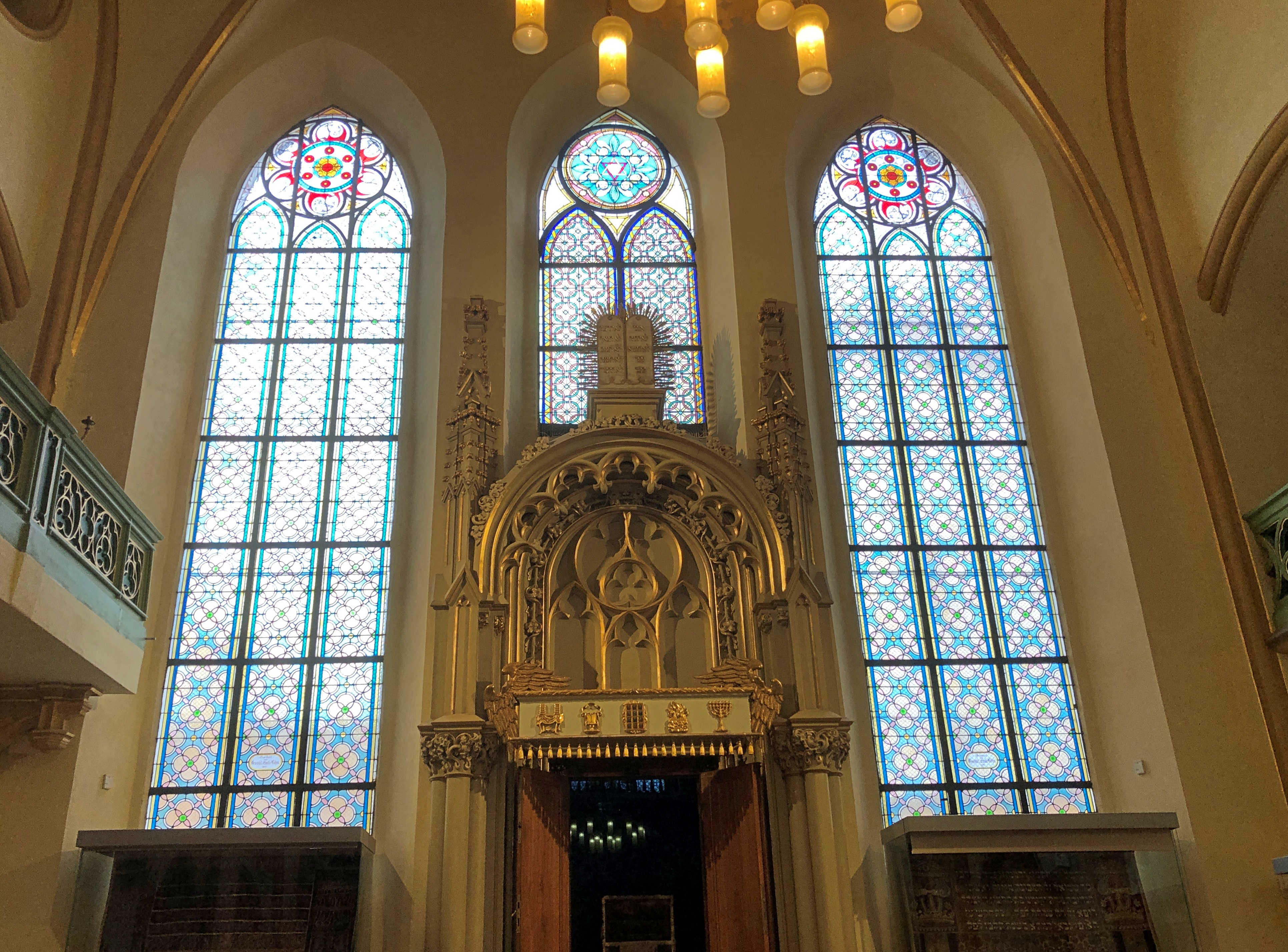
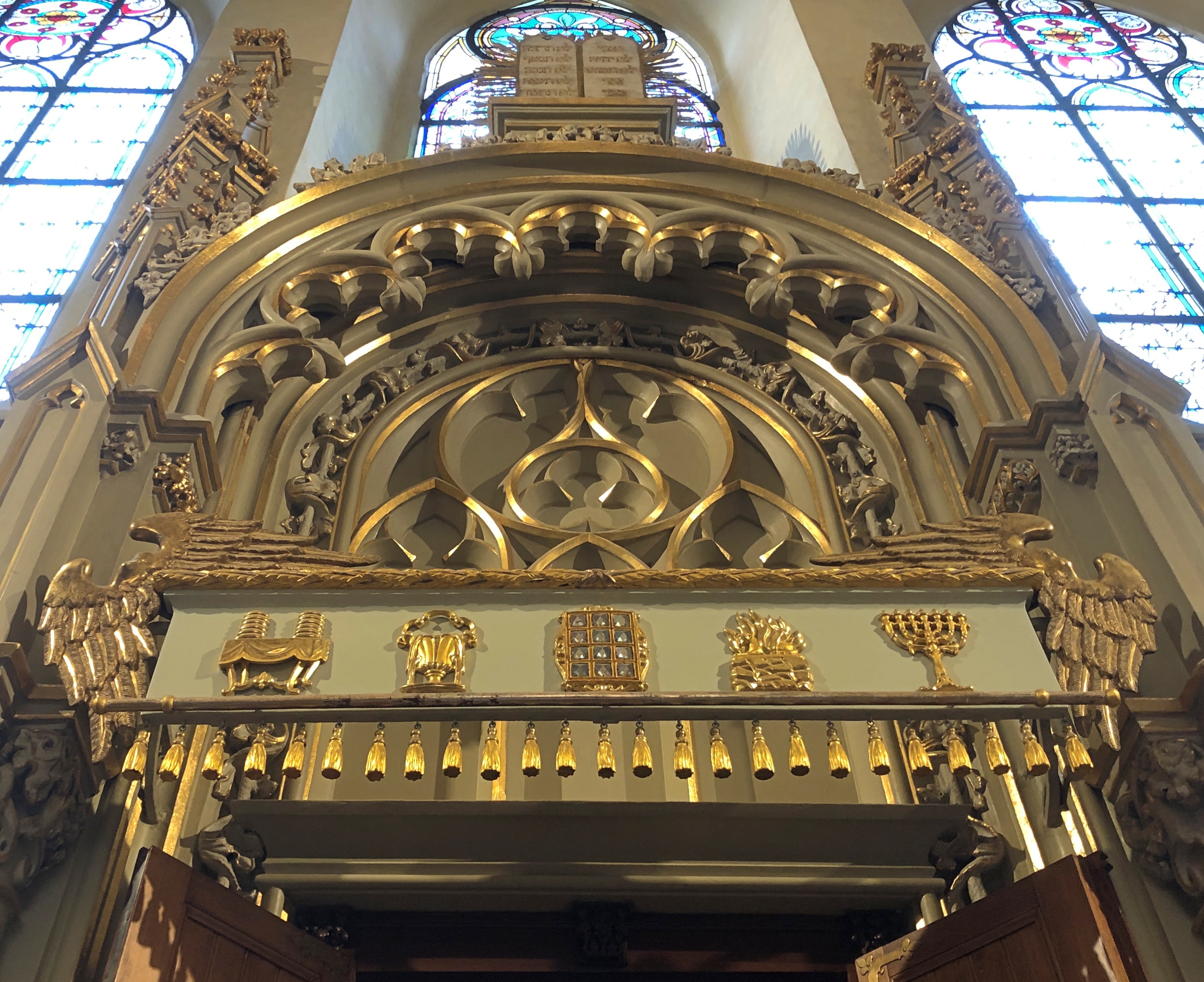
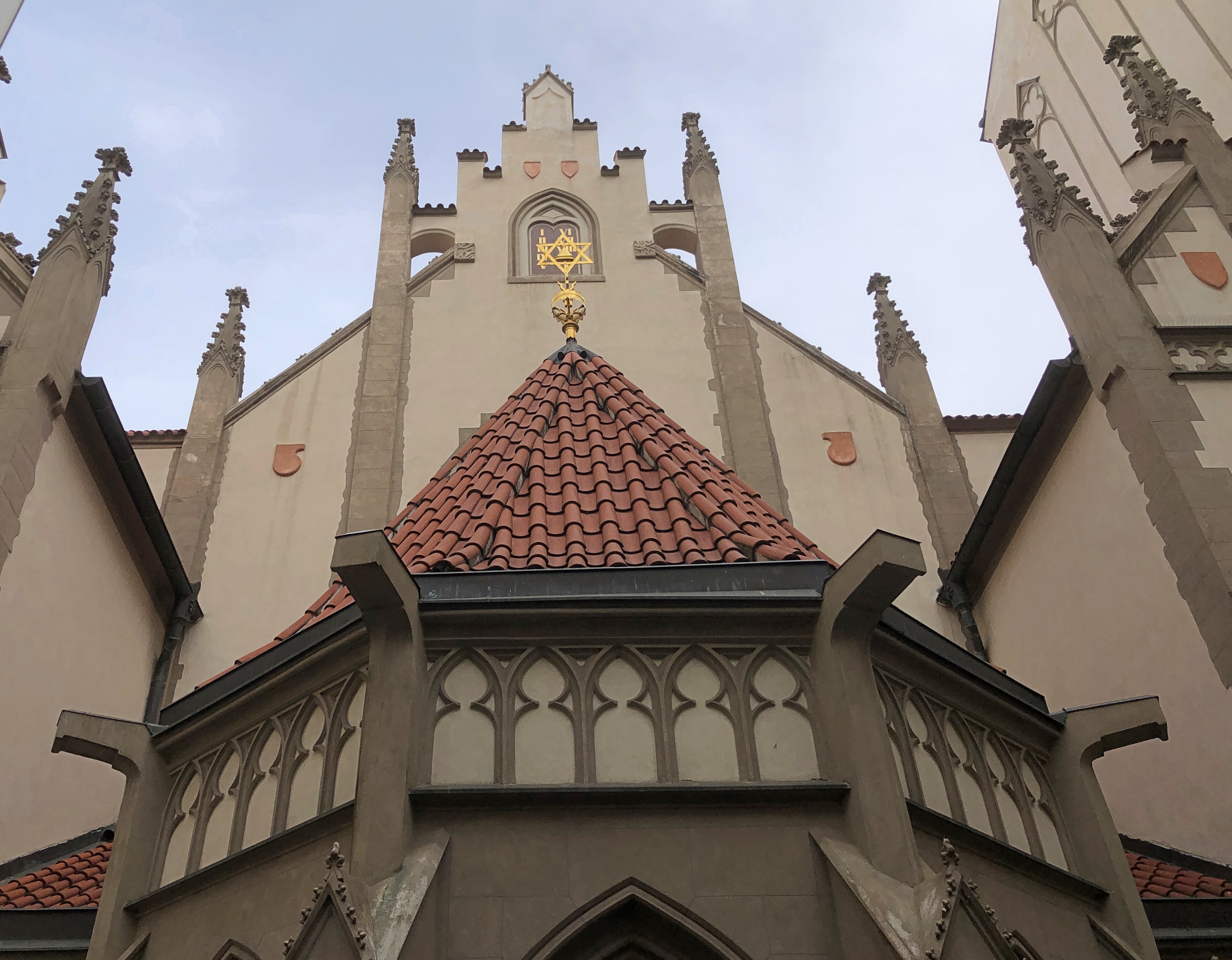
Another synagogue-turned-museum is the Maisel Synagogue (Maiselova synagoga).Maisel Synagogue Prague Maisel Synagogue Prague

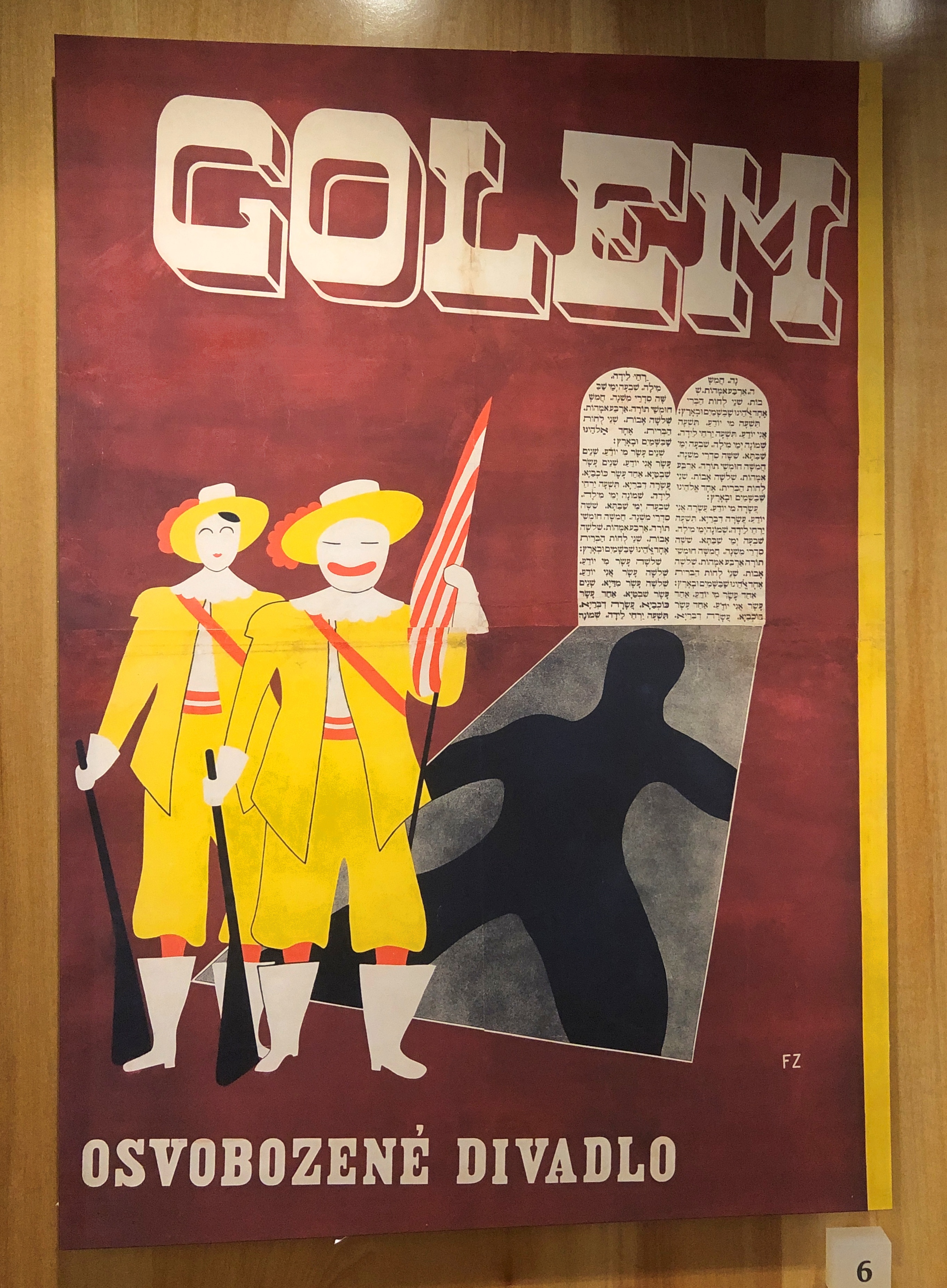
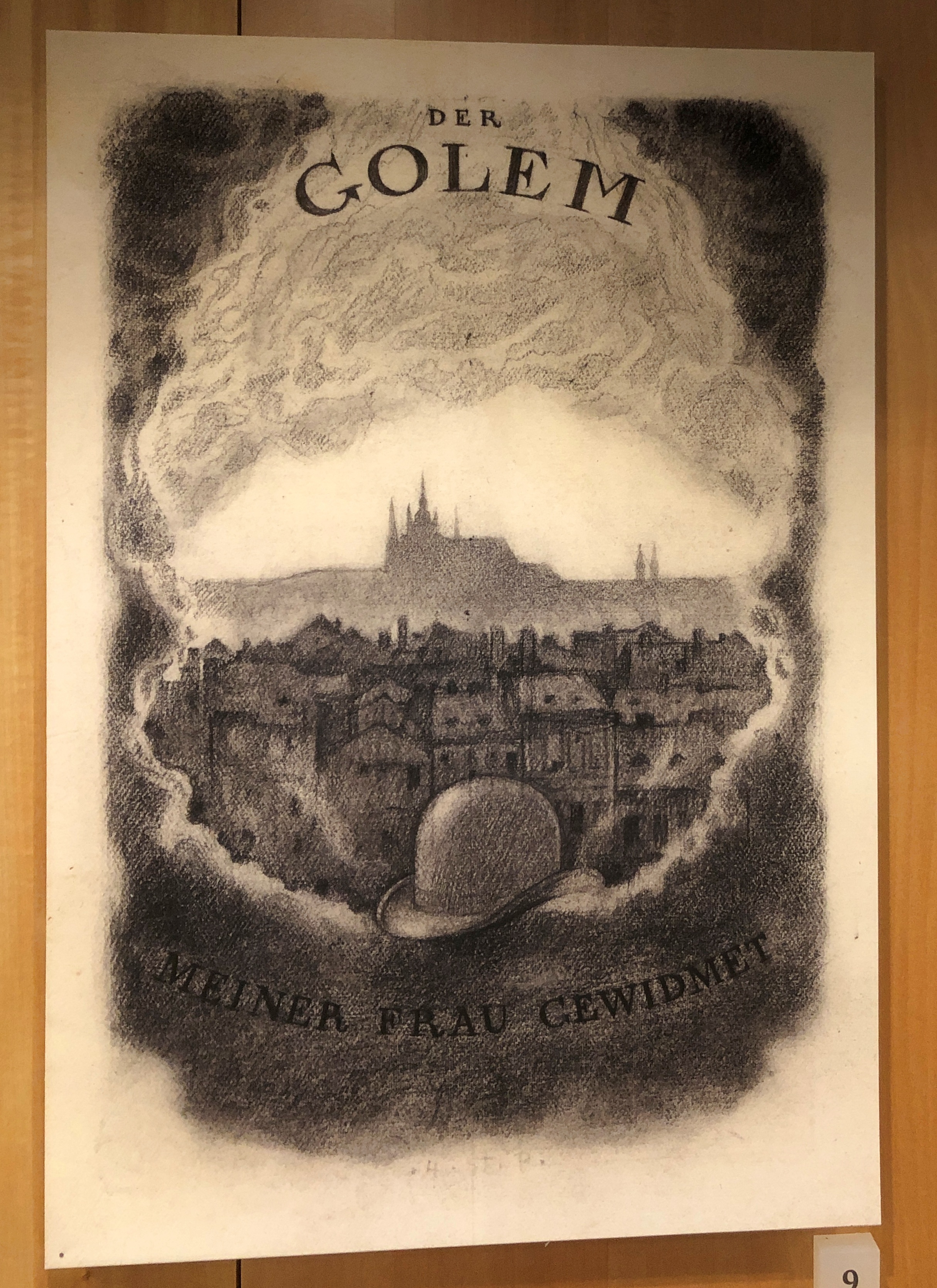
What would a Jewish museum in Prague be without mentioning everyone’s favorite clay man animated by one of the names of the Lord? On display at the Maisel.Maisel Synagogue Prague Maisel Synagogue Prague

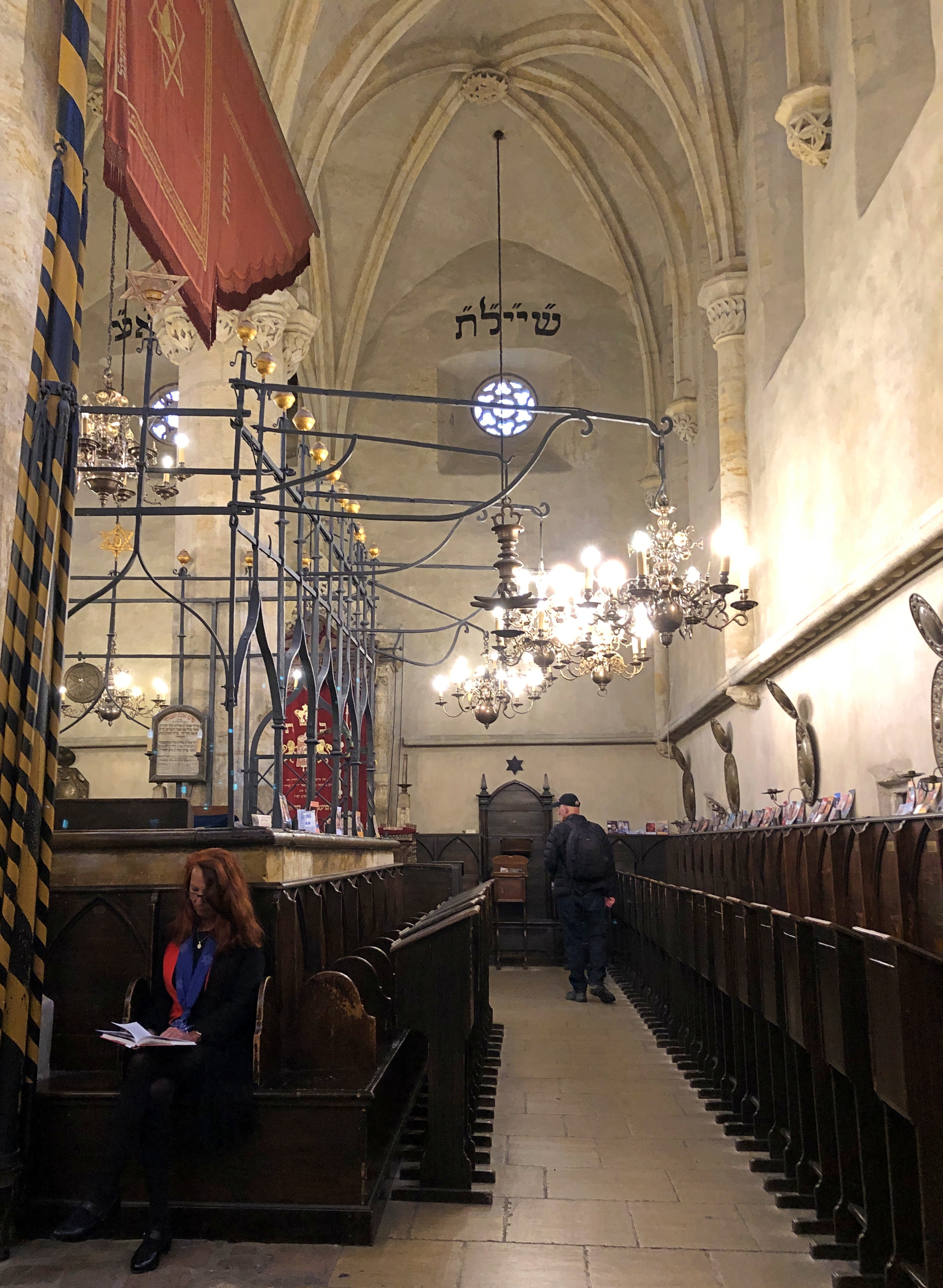
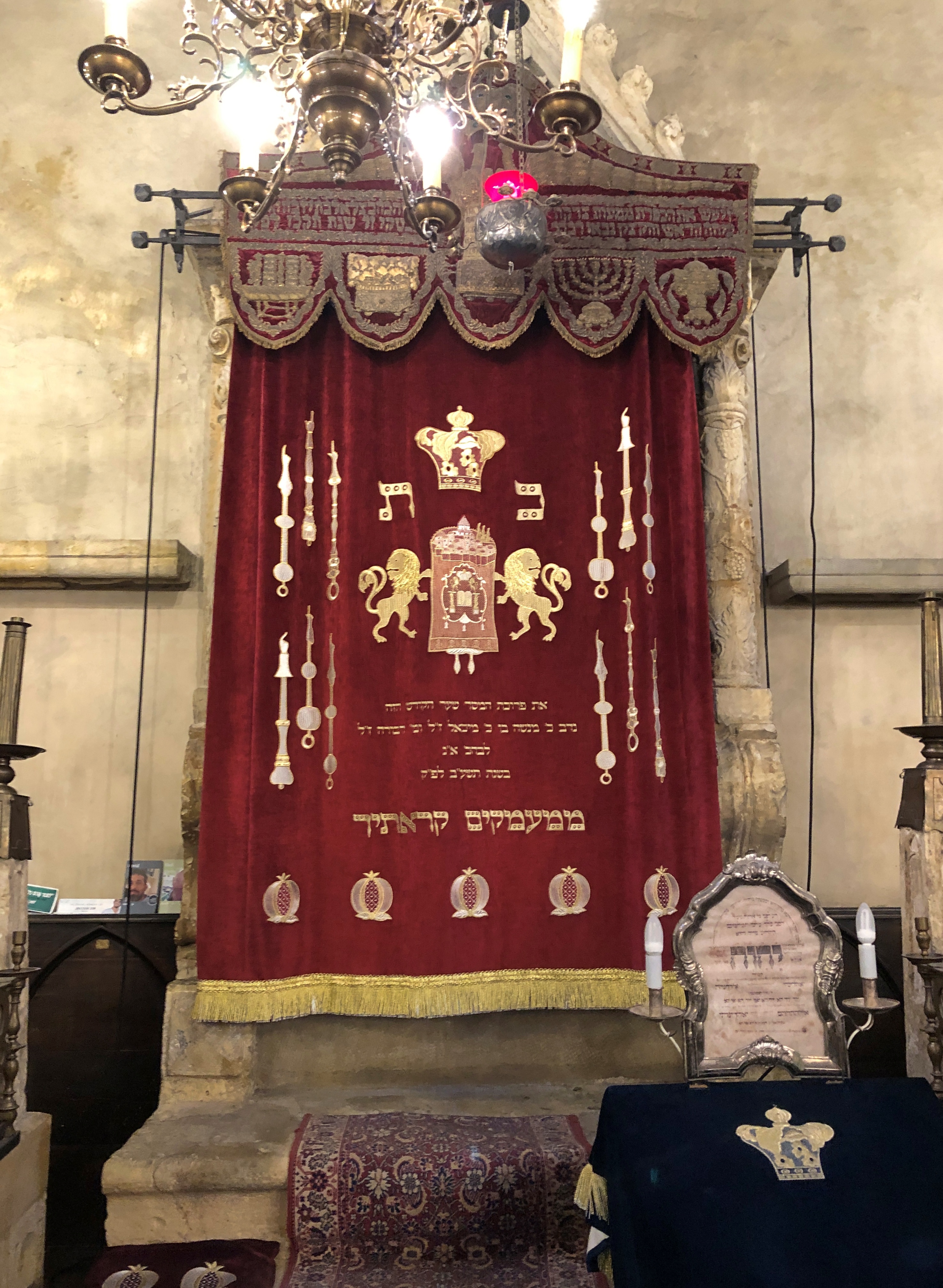
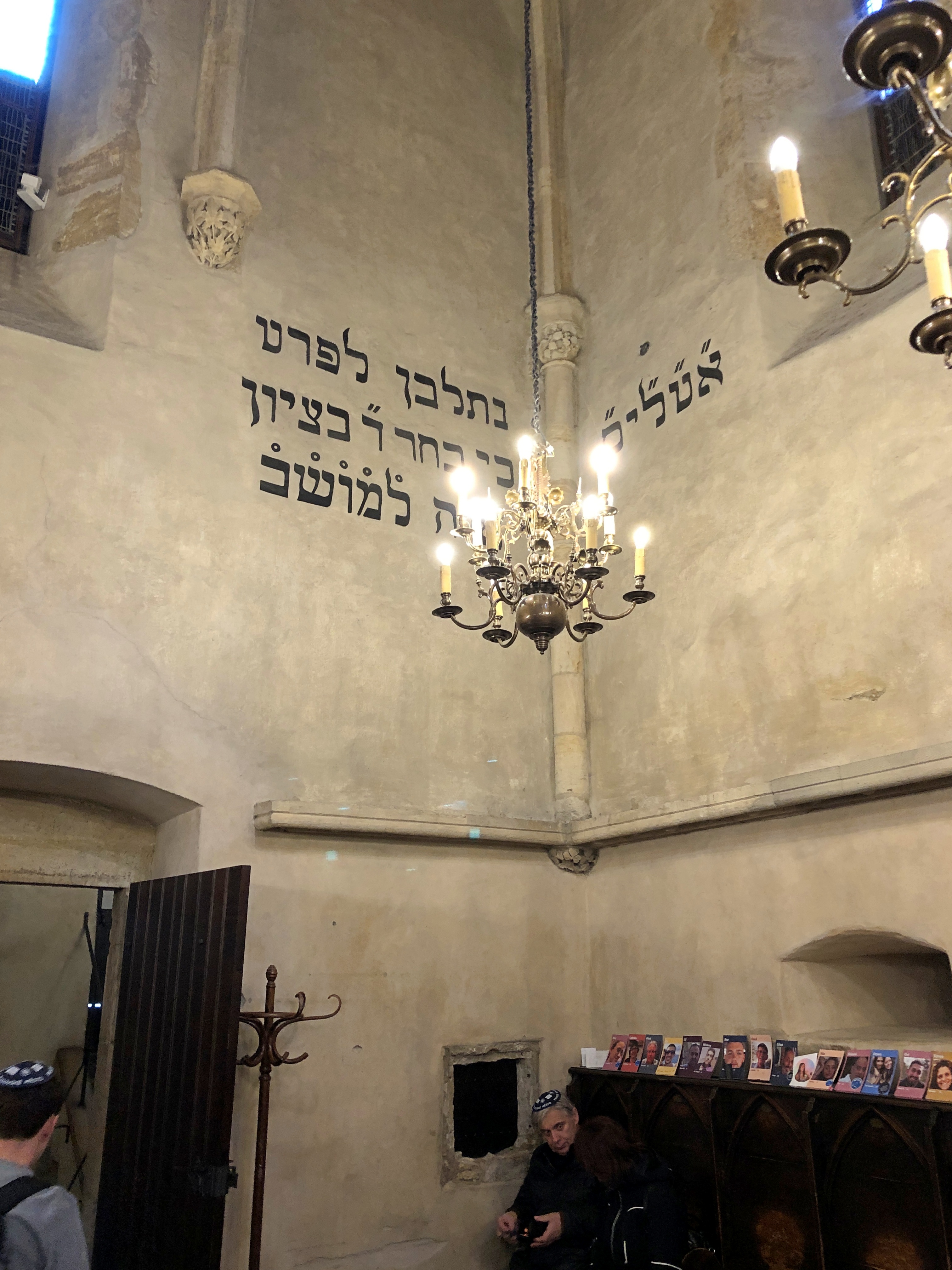
An active congregation gathers at the Old-New Synagogue (Staronová Synagoga), another of the historic structures.

It was once the New Synagogue, then there was a newer one; so it became Old-New, built in late 13th century of the Common Era. More than one source says that Staronová Synagoga is the oldest active synagogue in Europe.Maisel Synagogue Prague Maisel Synagogue Prague Maisel Synagogue Prague Maisel Synagogue Prague

Yes.

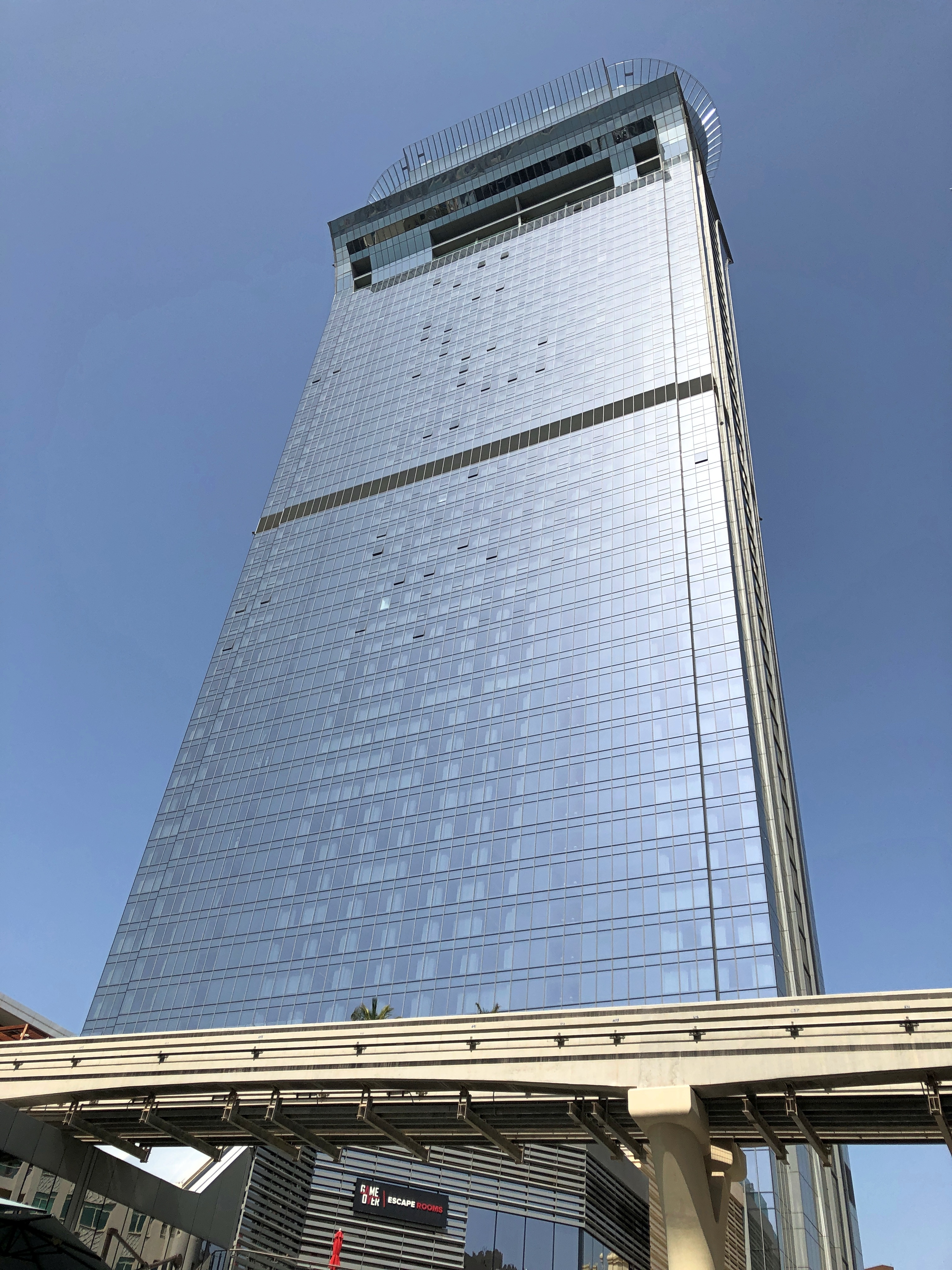
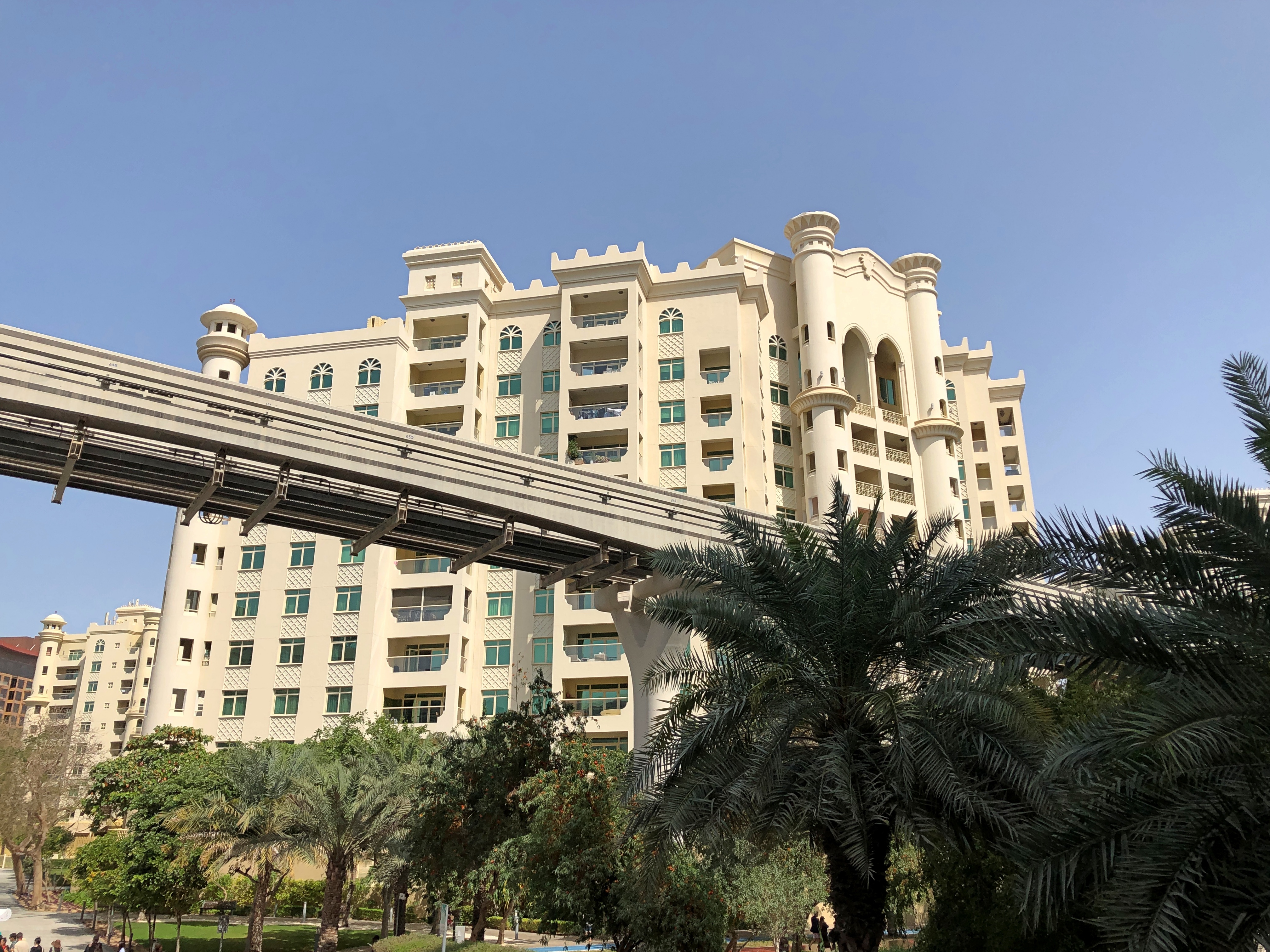
Palm Monorail, Dubai

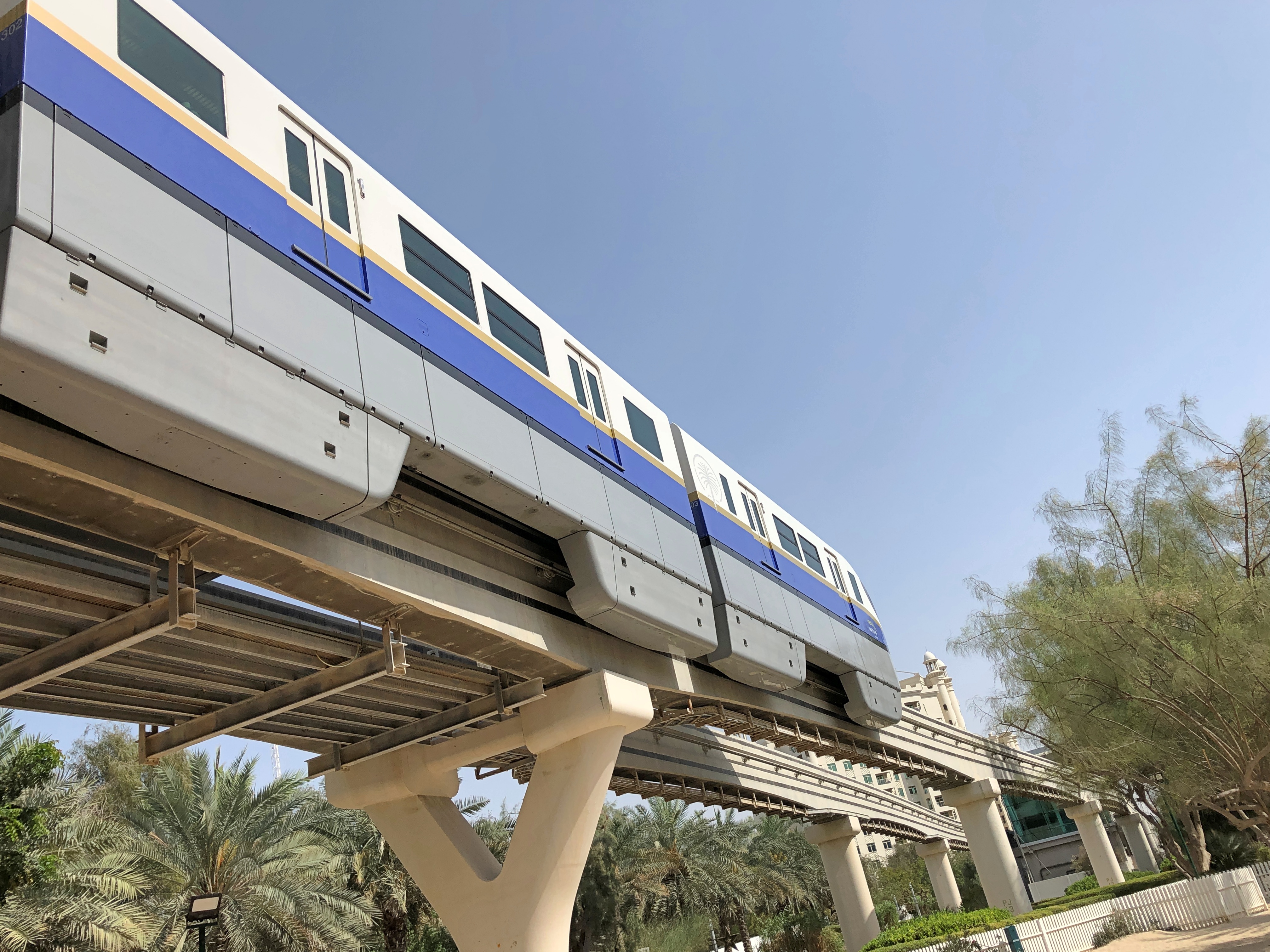
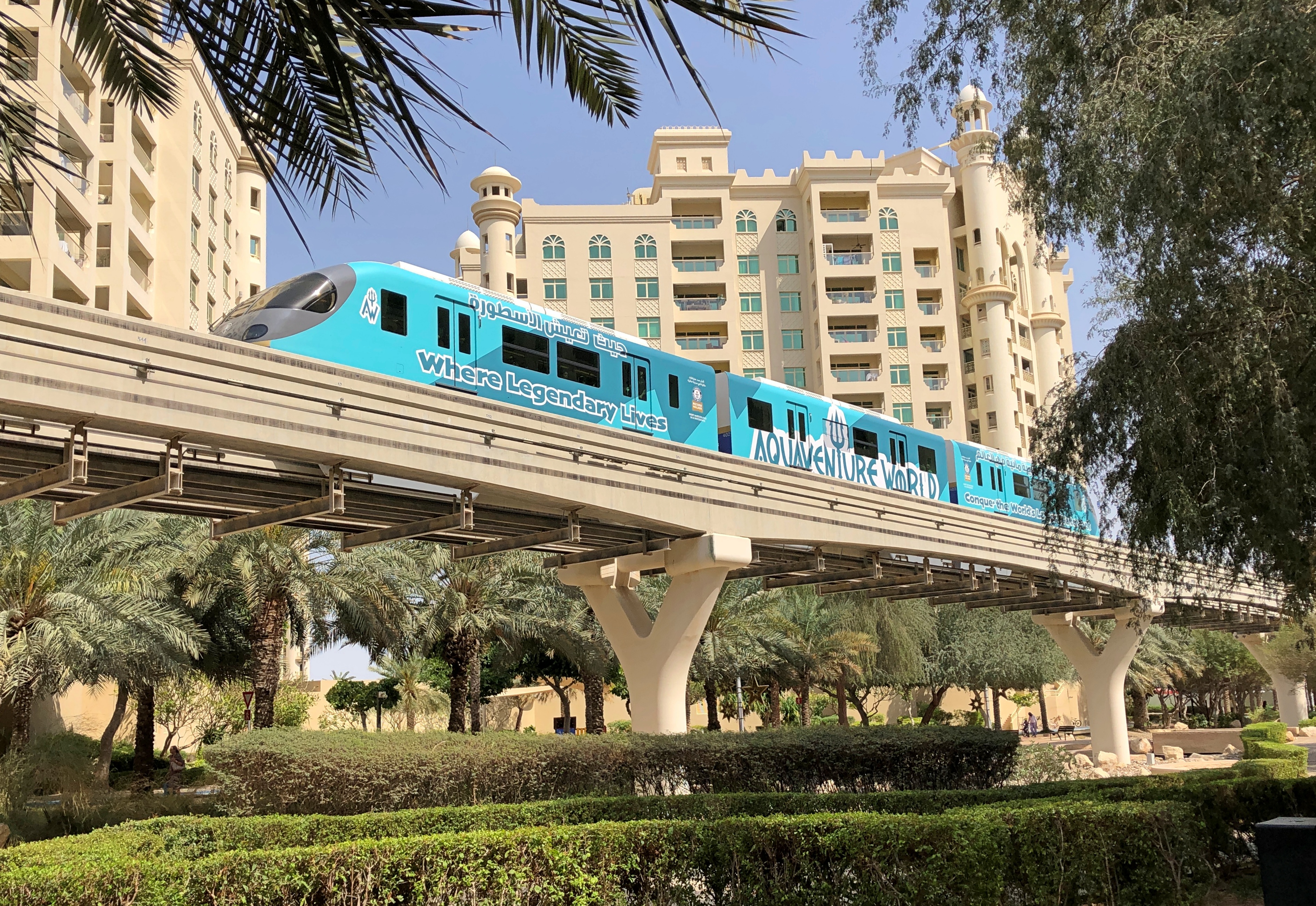
What was the monorail pitch like, for the line that now runs along the trunk of the Palm Jumeirah in Dubai? The Palm Monorail, it’s called.

Well, sir, there’s nothing on Earth like a genuine, bona fide, electrified, six-car monorail!

What’d I say?

Monorail!

What’s it called?

Monorail!

That’s right!

Monorail!

There probably wasn’t that much singing, or that much English, but whatever happened, the line has been up and running for about a decade and a half now. A go-to source (Wiki) tells me that it is the only monorail in the Middle East, which if true ought to spur the likes of Saudi Arabia into some monorail development, maybe in lieu of grander projects.Palm Monorail Palm Monorail

Sleek styling, as monorails ought to have, built by Hitachi Rail. Driverless.

I rode its entire 3.4-mile length and back on March 2, as part of my excursion to Palm Jumeirah. Levity aside, I can report a wholly positive experience. The ride didn’t cost much, the wait wasn’t long, the cars were busy but not packed, and the vantage offered some terrific views of the artificial islands that comprise Palm Jumeirah – the trunk and fronds, as they’re called, and their linear neighborhoods spreading out, always along the ocean.

I also wonder whether the monorail was an important enough component of the overall Palm Jumeirah project for decision-makers toward the very top – even the emir himself – to focus on it. Hard to say, since Palm Jumeirah was an epic project that involved creating a palm-shaped island with seven miles of coastline from 120 million cubic meters of sand and other material dredged from the sea, along with mountain rocks, putting a breakwater mostly around it, plus adding roads, bridges, utility networks and sundry infrastructure.

What set all that in motion was the pronouncement, “So let it be written, so let it be done.”

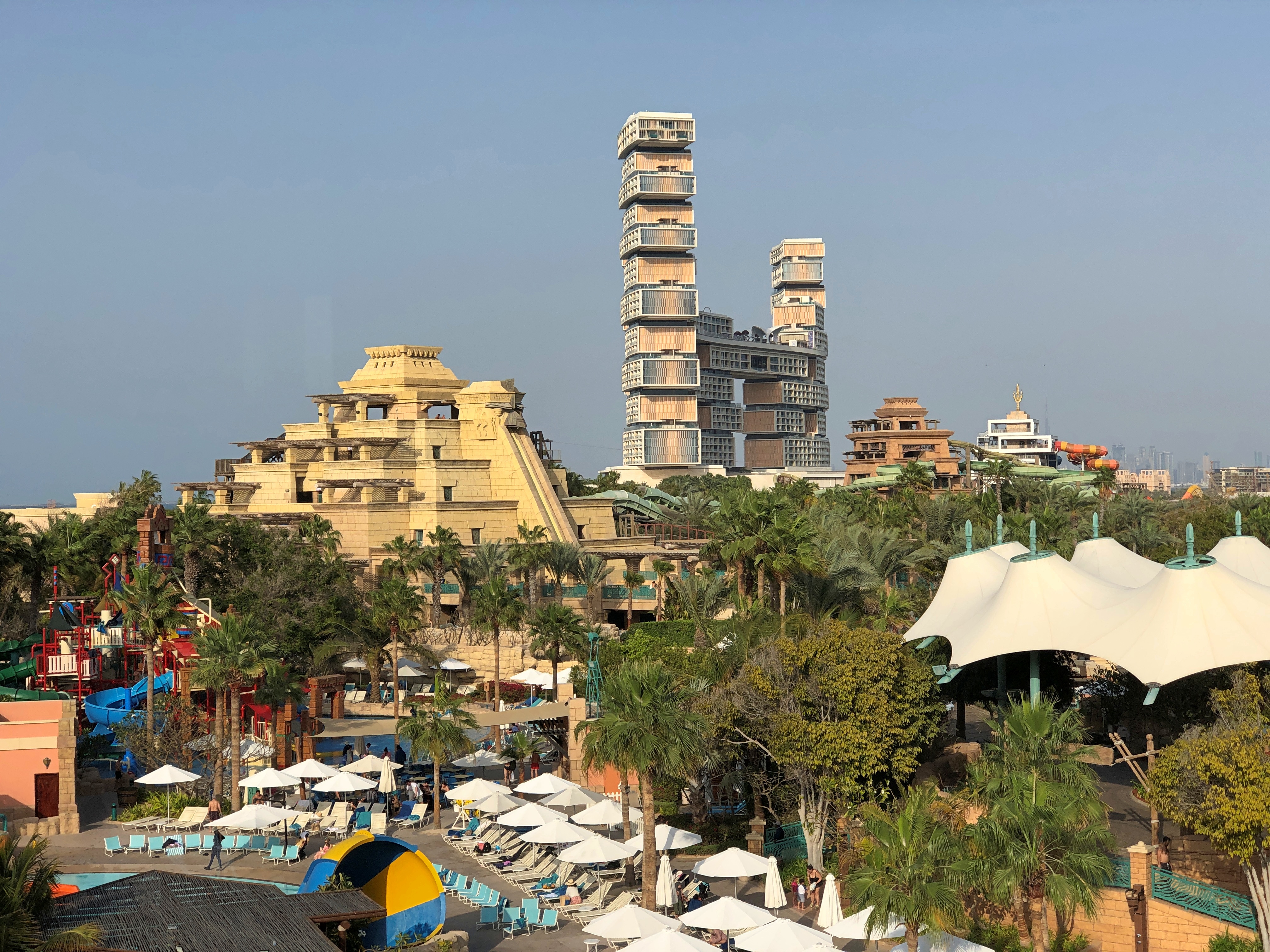
What’s one monorail in all that?Palm Jumeirah Palm Jumeirah

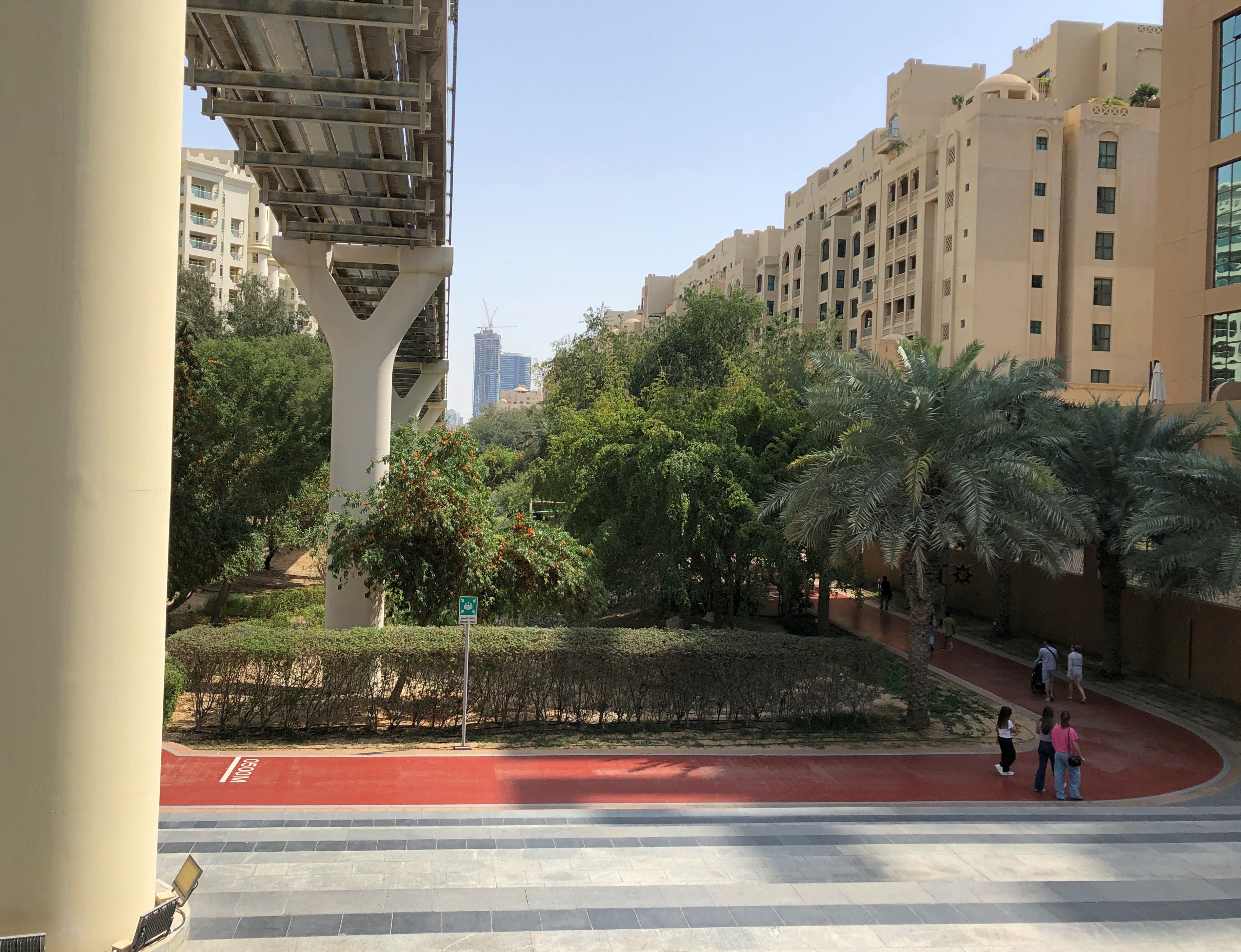
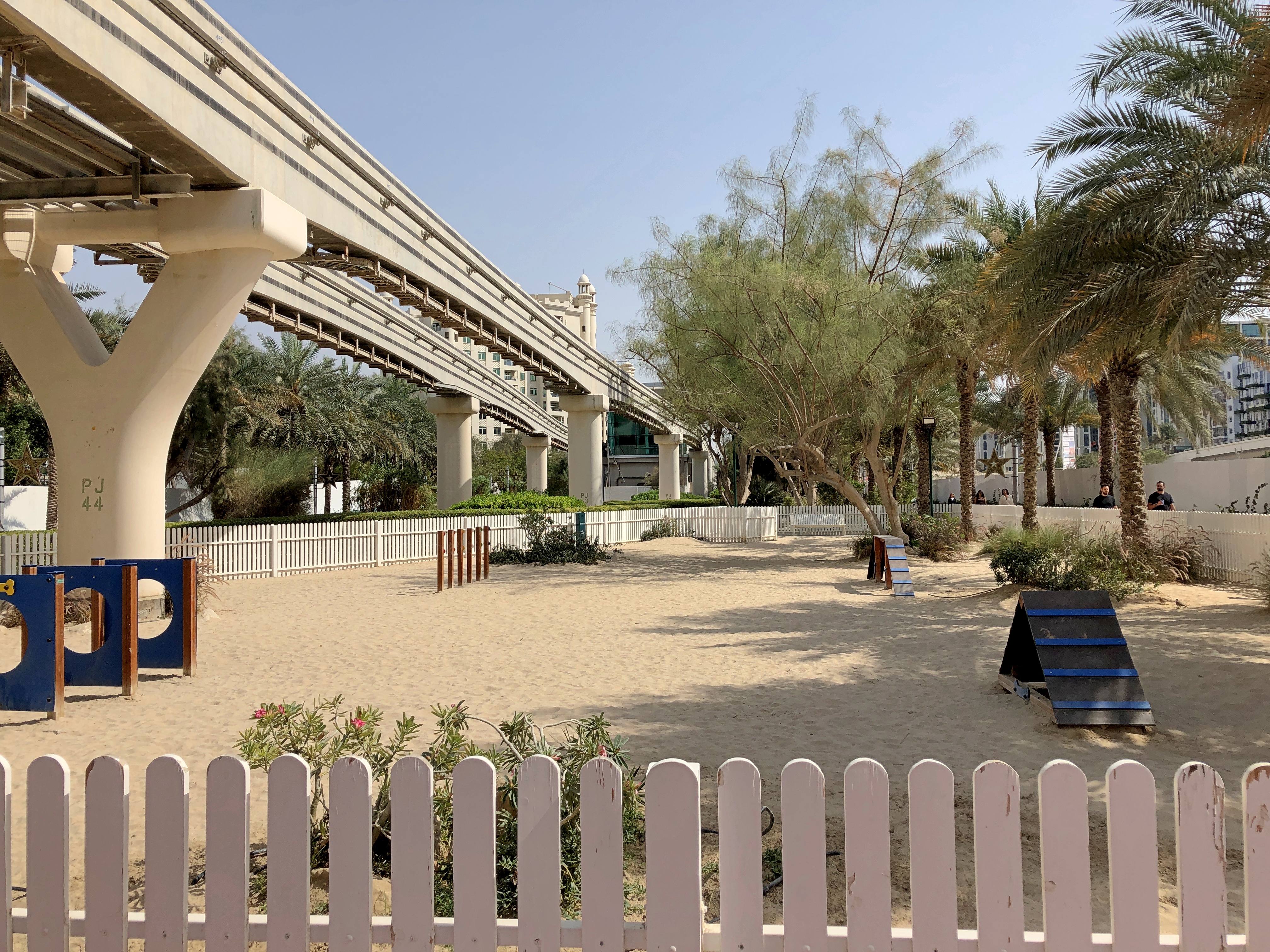
First stop, Nakeel Mall, named for the company that developed the Palm Jumeirah. Large enough, but nothing on the order of Dubai Mall, except for the high count of carriage-trade stores. The mall also provided access, down an outdoor staircase, to Al Ittihad Park, which runs part of the length of the trunk under the monorail.Palm Jumeirah Palm Jumeirah

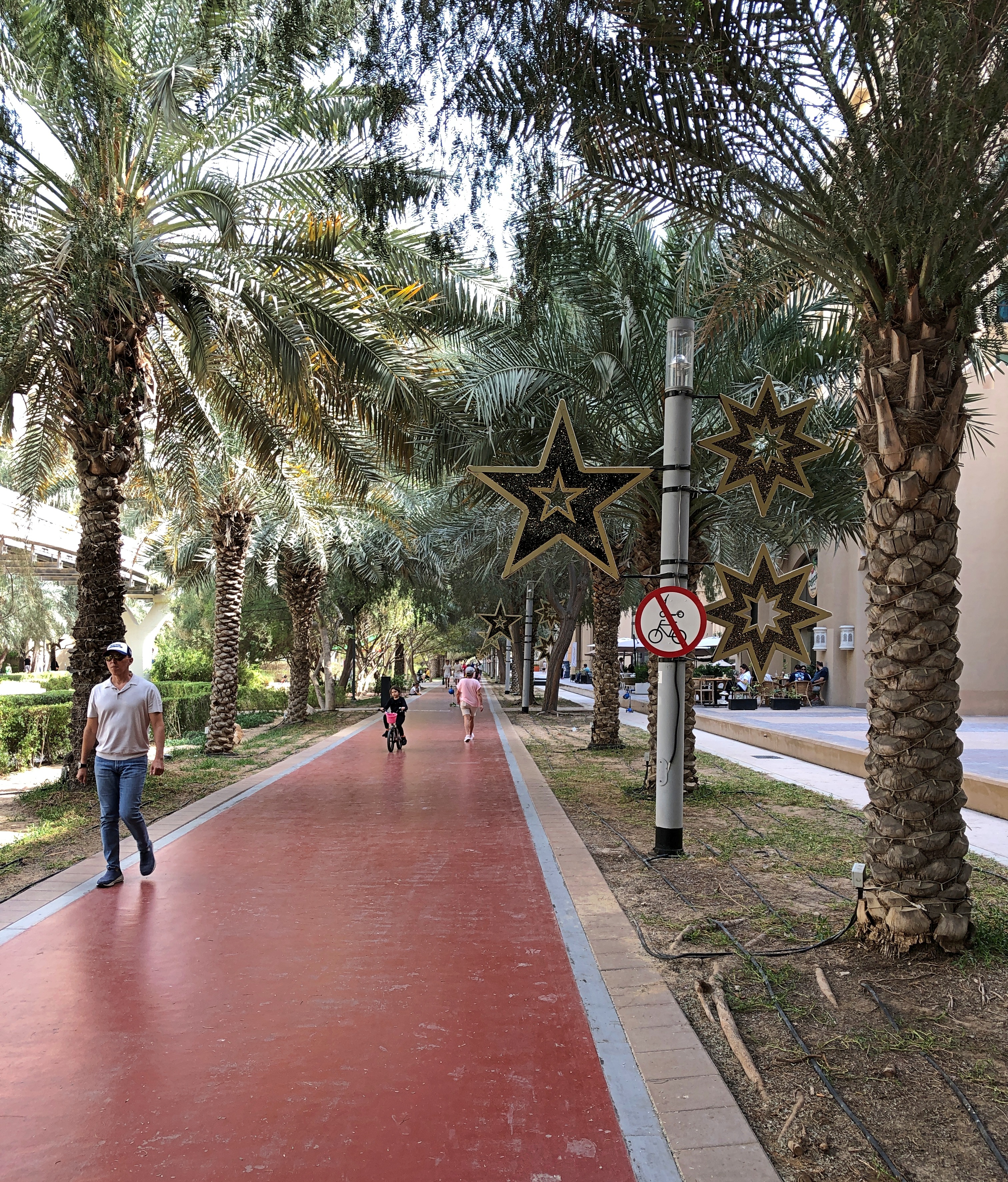
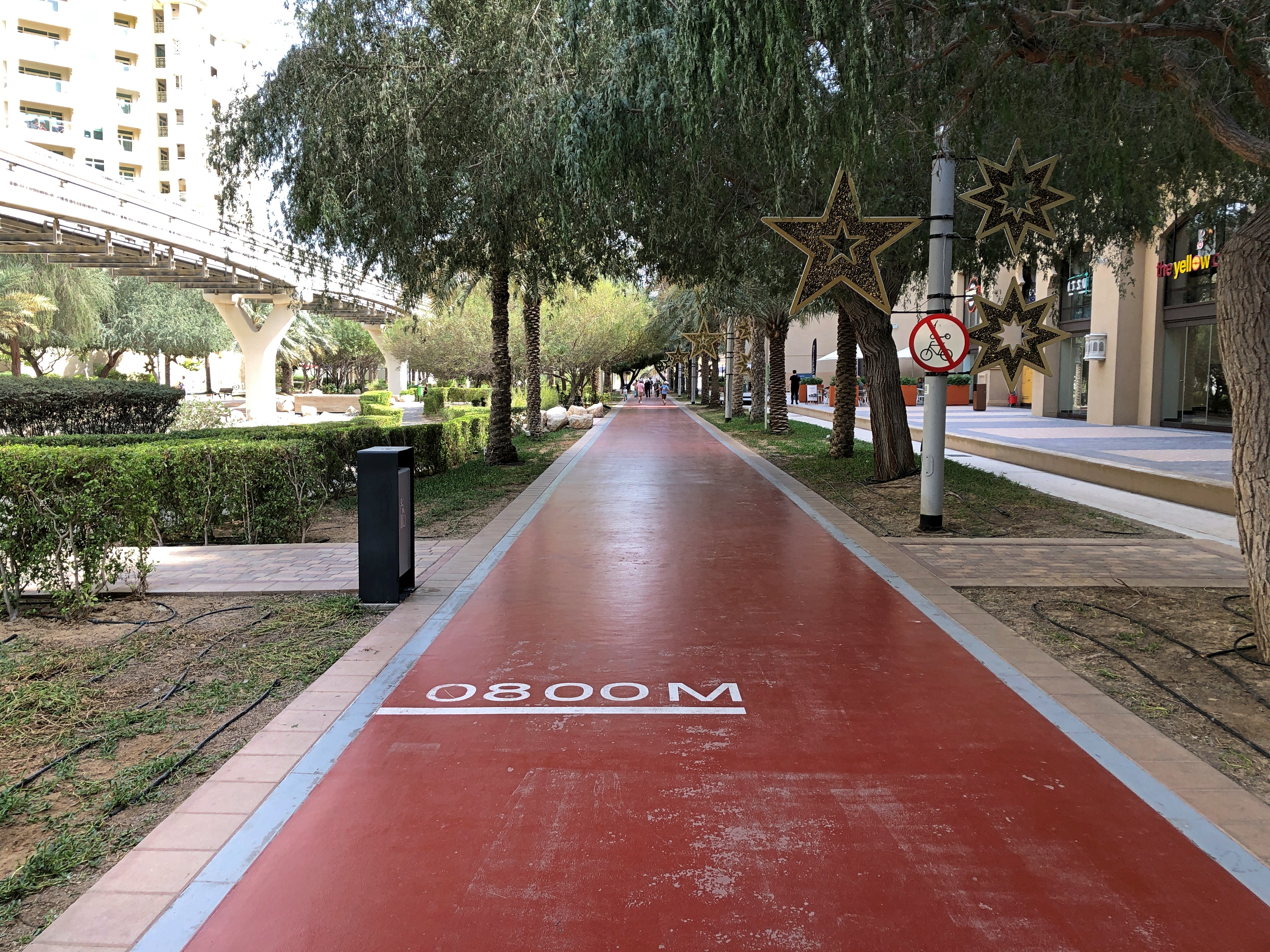
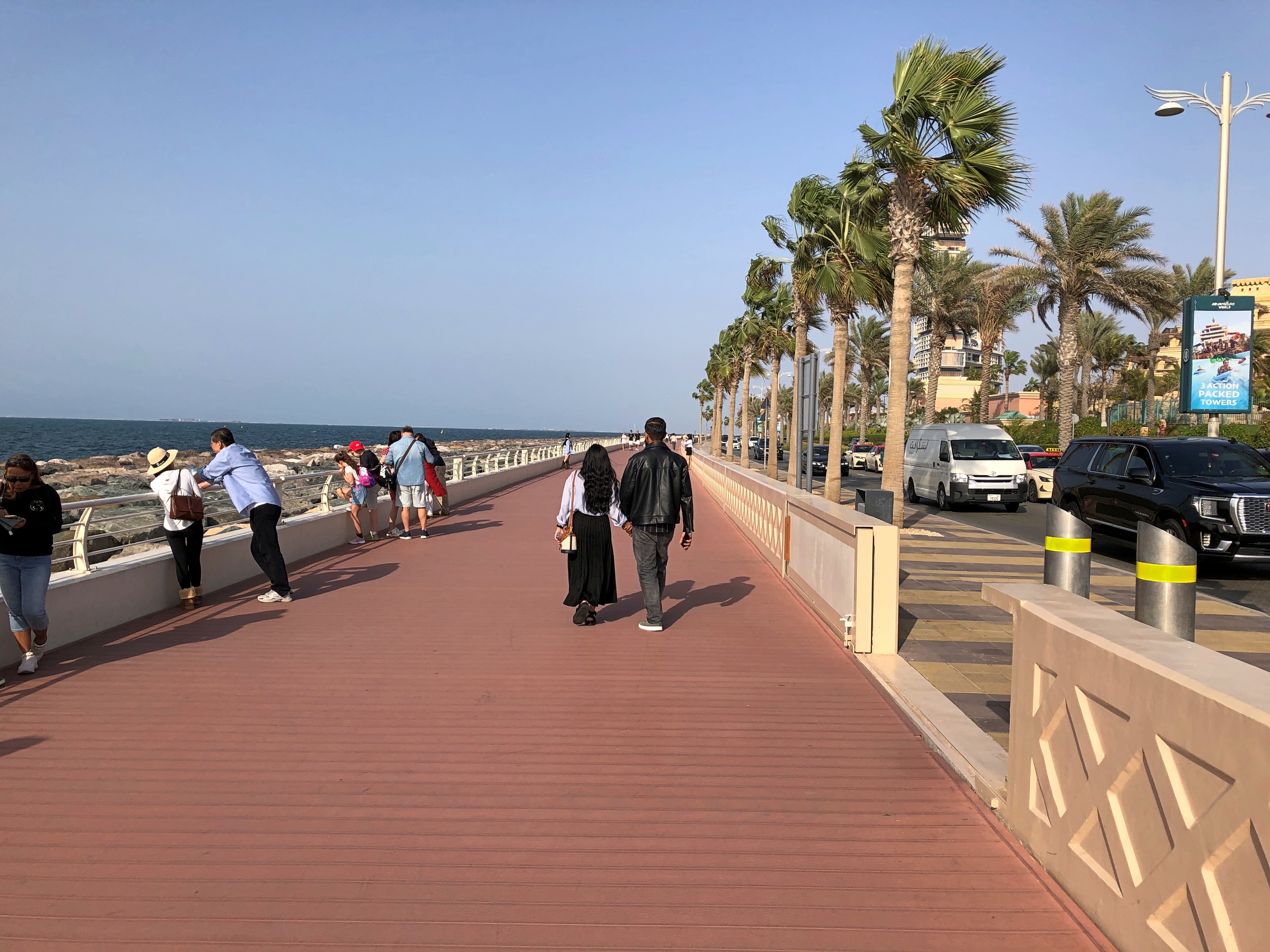
Two walking-jogging trails run the length of the park as well. I walked.Palm Jumeirah Palm Jumeirah

The park is hemmed in by sizable structures on each side whose first floor (ground floor) is populated by high-end service providers, such as Petsville Palm Jumeirah, The Blowout Bar, The Golden Mile Gallery, Bedashing Beauty Lounge, and KIBERone IT school for children.

There were a fair number of benches for idlers and old men, but not a lot of occupants. I accessed a bench and for a little while watched a steady trickle of people walking the path, and mothers (or nannies) with young children visiting the playgrounds. Foliage blocked part of the sun, which was borderline intense that day.Palm Jumeirah

Quite the place, this neighborhood: created out of nothing not long ago, then Money was invited to live here. Money from wherever. And so it has, with an estimated population of about 25,000 out on the trunk and fronds.

You can speculate about some soggy future for such low-lying territory, but for now, it’s prime real estate. That means that engineers, who are paid to do so, are thinking about upgrades. I can’t pretend any knowledge of hydrology, so for all I know, their efforts will match those of King Cnut, but the abstract makes for interesting reading.

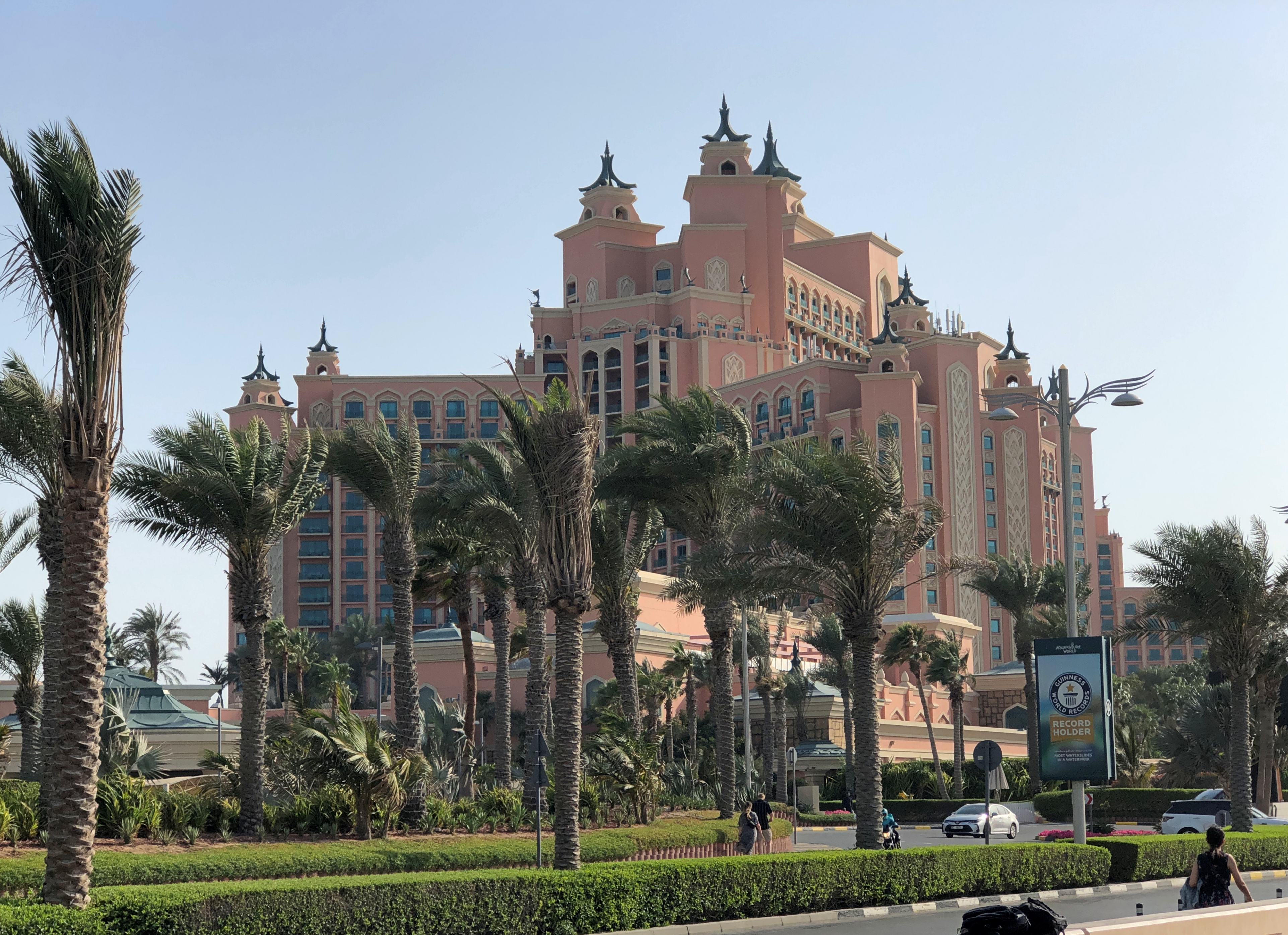
The end of the line for the monorail is at the tip of the Palm. A district of resorts, hotels and more upscale shopping.Palm Jumeirah
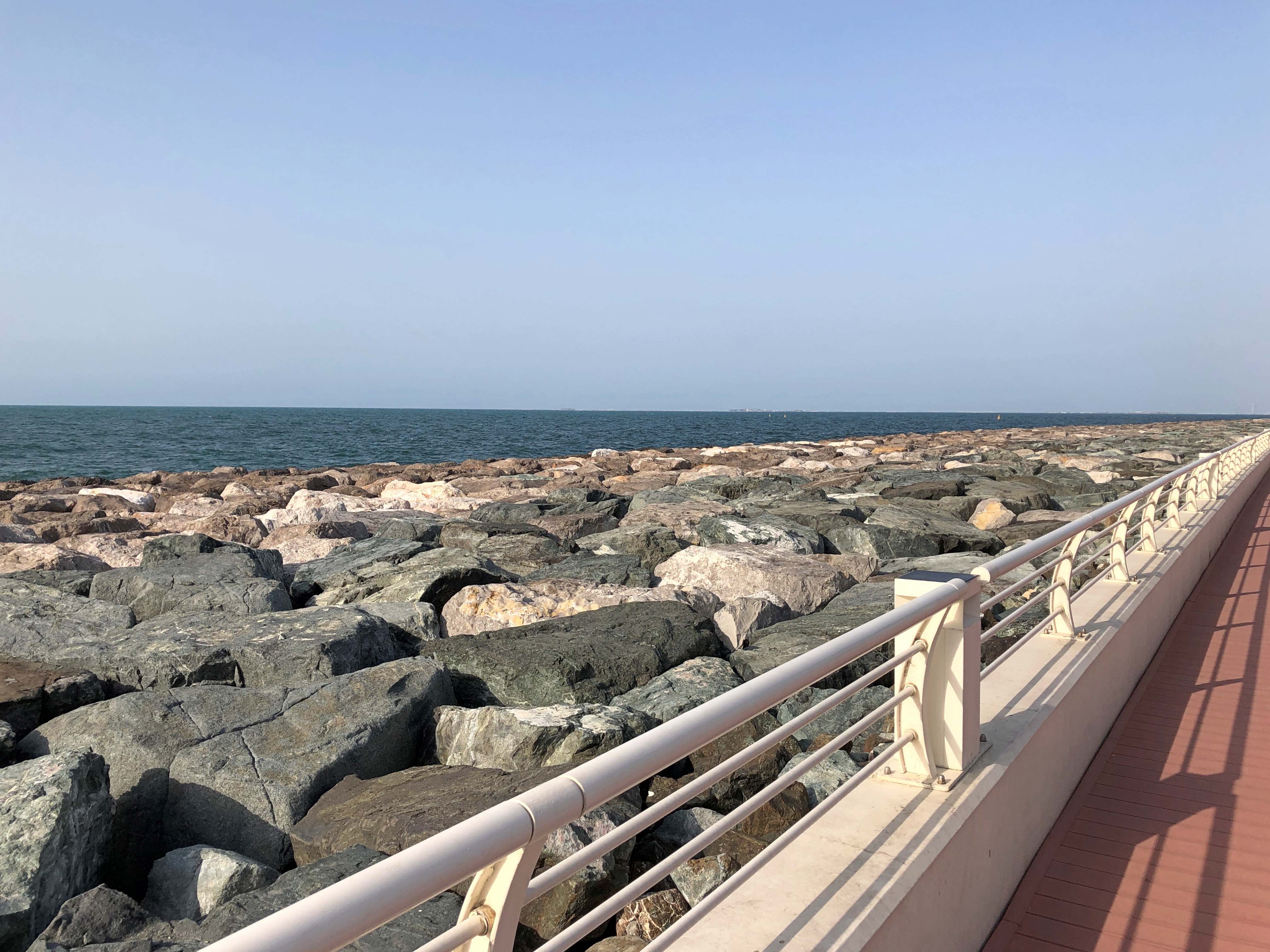
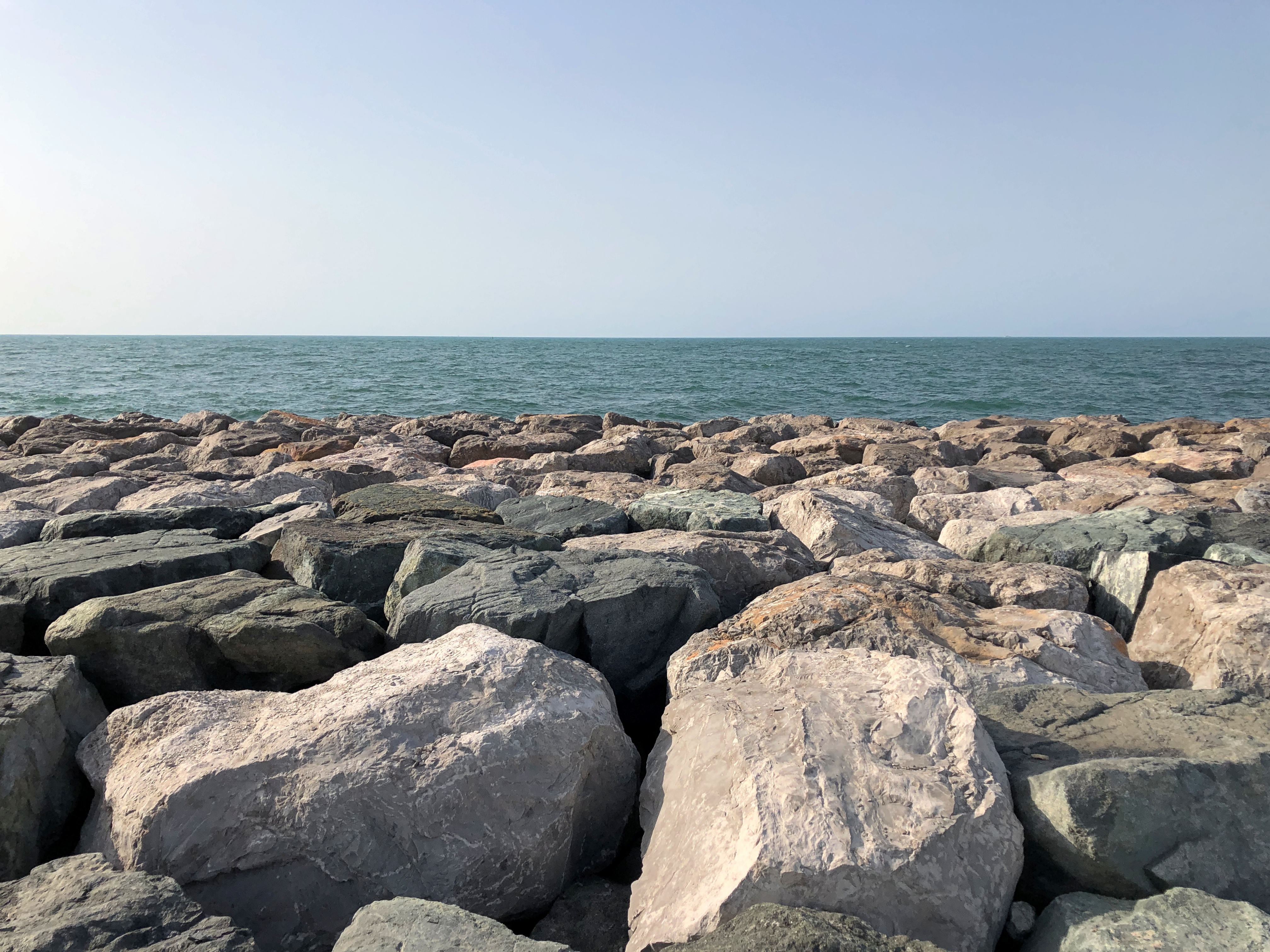
Palm JumeirahA short walk takes you from the station to a seaside path within sight of the storied Persian Gulf.Palm Jumeirah Palm Jumeirah Palm Jumeirah

Very storied. Going back at least to Sumer, up the coast a long way, but still on the shore of this sea.

Sanssouci

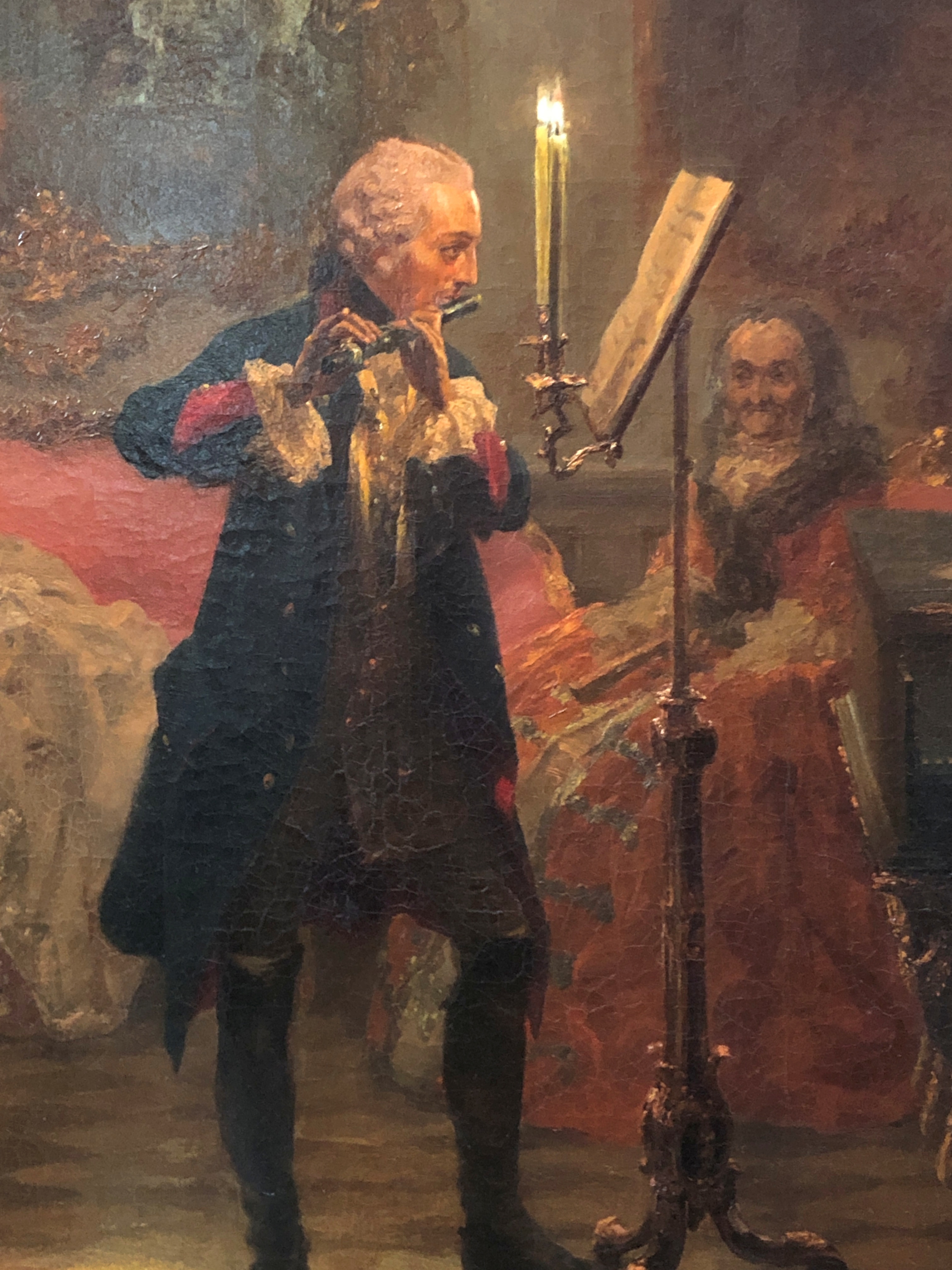
At the Alte Nationalgalerie in Berlin, more about which eventually, there is an enormous canvas by Adolph Menzel (d. 1905), one of a number of his paintings on display: “Flötenkonzert Friedrichs des Großen in Sanssouci” (“The Flute Concert of Frederick the Great at Sanssouci”; “Frederick the Great Playing the Flute at Sanssouci”), dating from 1850-52.

When I made my detail, I focused on the king. Reading about the painting, and looking at images of it, I see that I might as well have focused on the preternaturally luminous chandelier.Sanssouci
A few days earlier, on March 9, Jay and I had boarded a train at AlexanderPlatz in central Berlin bound for Potsdam, location of Frederick’s summer retreat, Sanssouci. I expect that in the 18th century, the area was indeed a retreat, a healthy distance from Berlin and its hubbub. These days, you take the S Bahn to an outer suburb. From the Potsdam main station, a municipal bus drops you off near one of the outbuildings of Sanssouci, now the ticket office. Remember that, it will be important later.

This wasn’t our bus, but rather a tour bus, playing up the Potsdam Giants, a storied Prussian infantry regiment and special passion of Frederick the Great’s father Frederick William I, who is pictured as well (and it was Frederick the Great who disbanded them). I’d heard of the Giants, but not in detail, and the more I learn about them, the more amused I am.Sanssouci
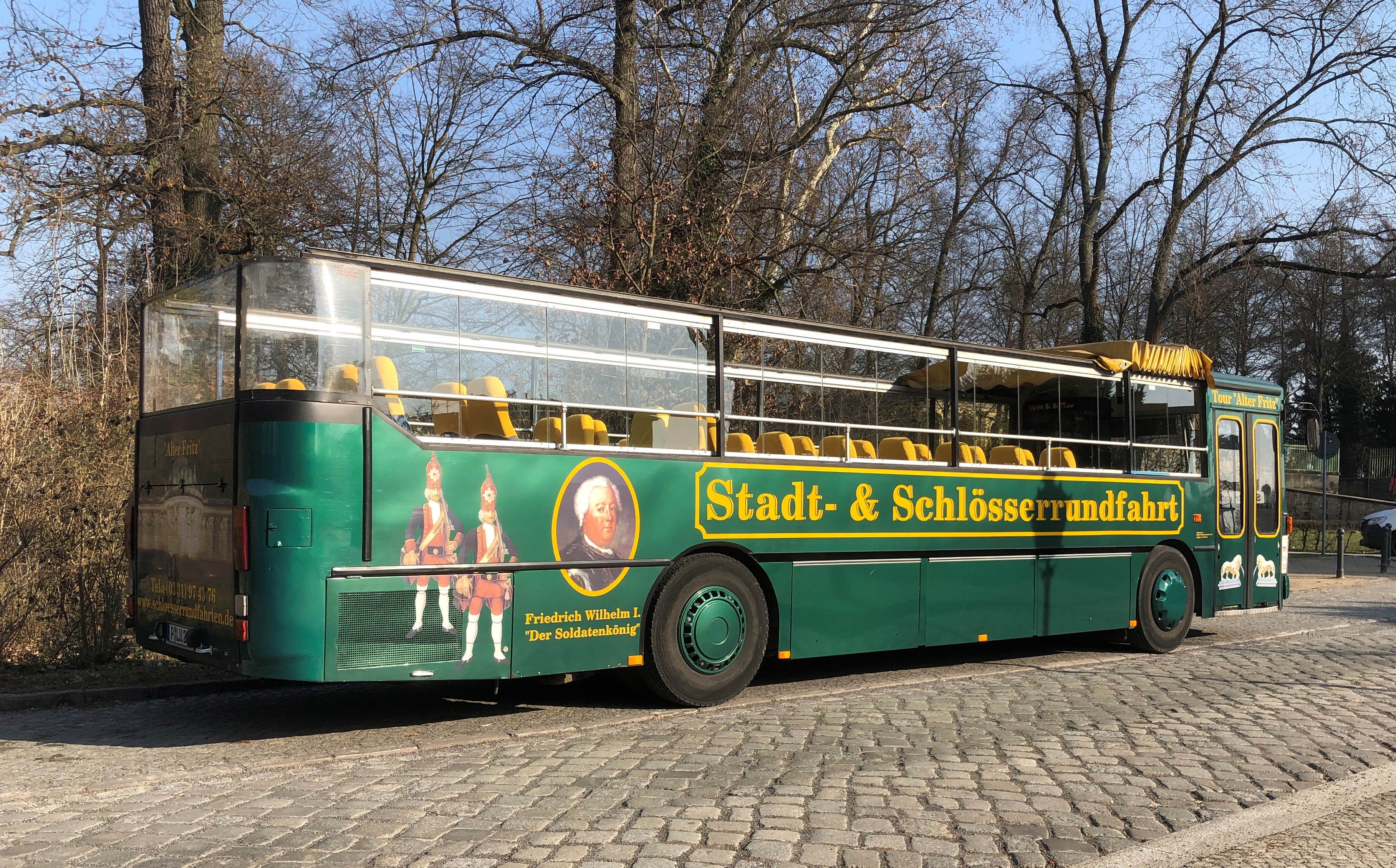
Now there’s a name for a German baseball team: The Potsdam Giants. As far as I can tell, there is no such team, though the Humburg Stealers, the Mannheim Tornadoes and the Heidenheim Heideköpfe (ah, those funky Swabians) knock around the horsehide sphere professionally in the Federal Republic. That’s what I ought to do, if I ever go back to Germany, see a baseball game. Bet there are some peculiarities. Like in Japan, when you release balloons during the Seventh Inning Stretch. At least they did at Hanshin Tigers games in the early ’90s. Actually, they were blown up condoms.

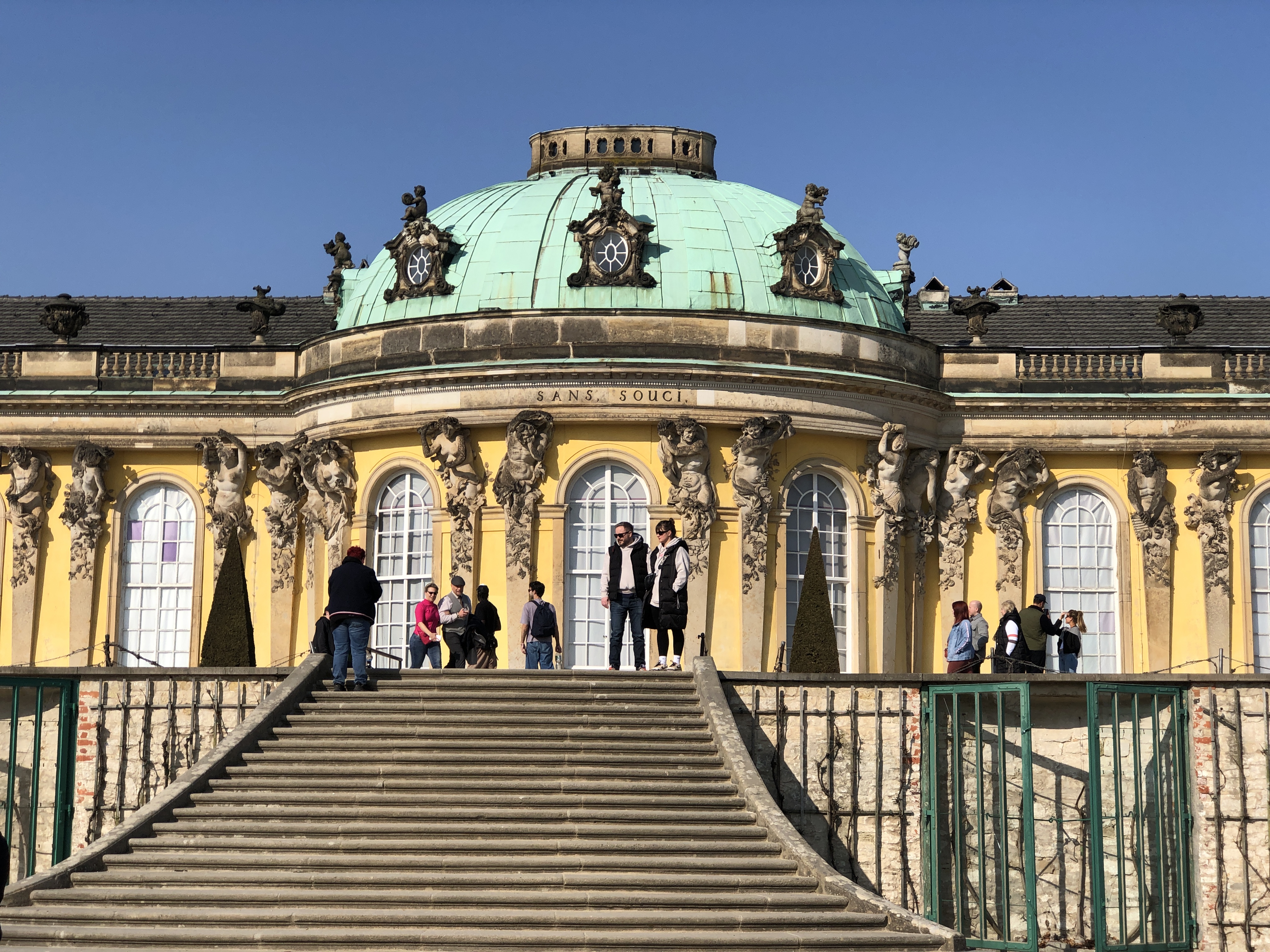
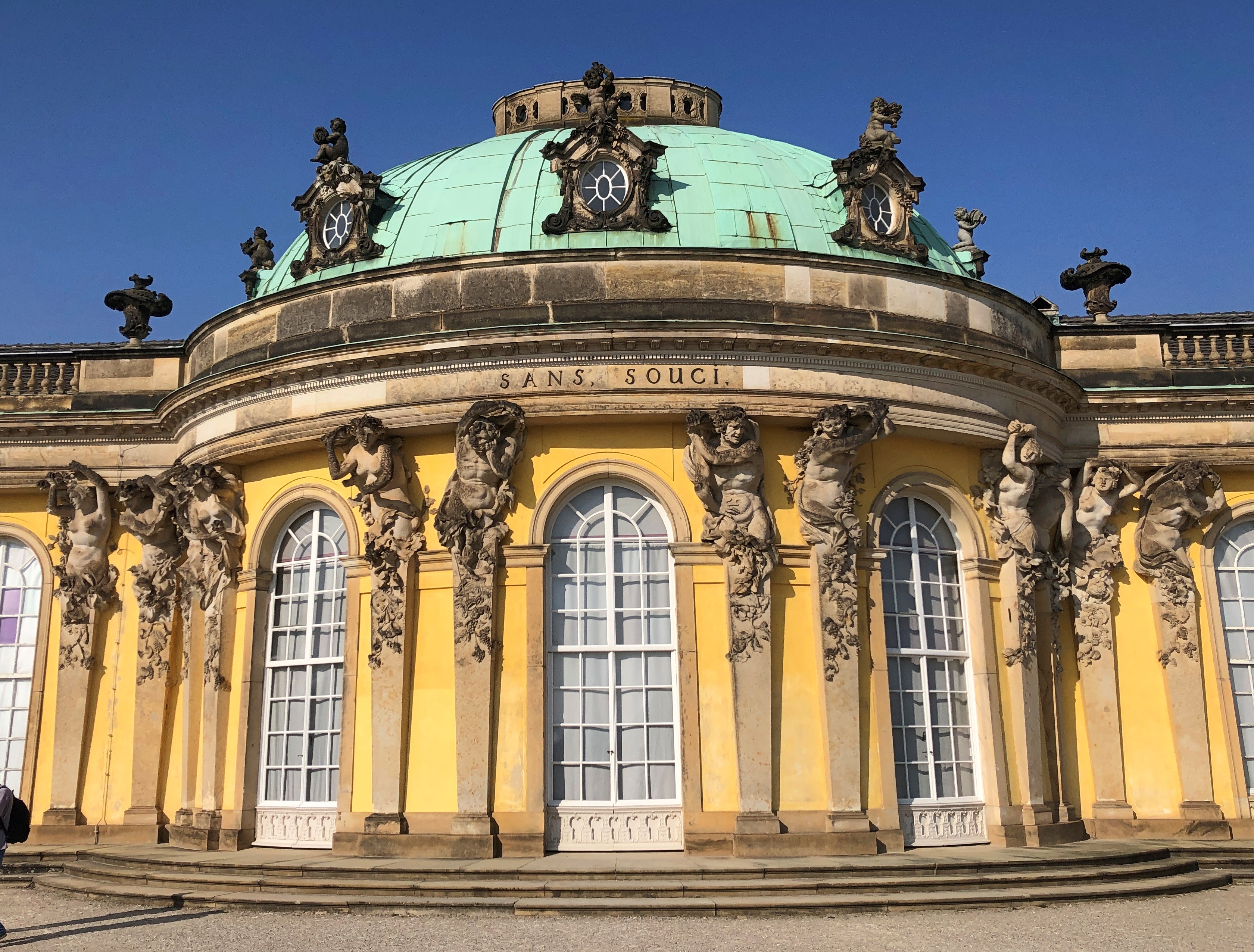
The styling is Sanssouci in most English-language sources, but spelled Sans, Souci. on the building.Sanssouci Sanssouci Sanssouci
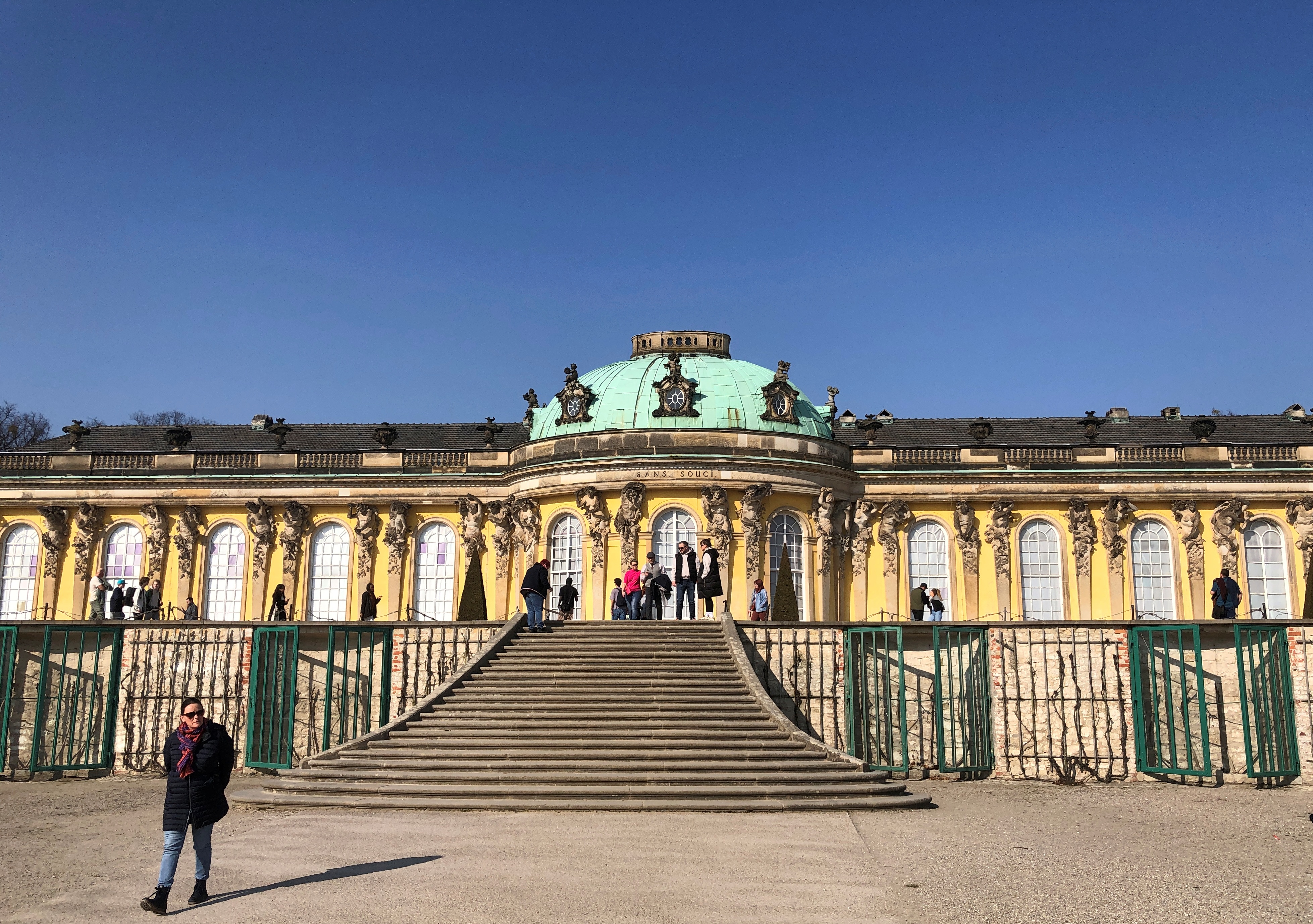
Seems like party-time in stone. Vineyards were important to the scheme of Sanssouci, so of course Bacchus-adjacent figures should be too.Sanssouci
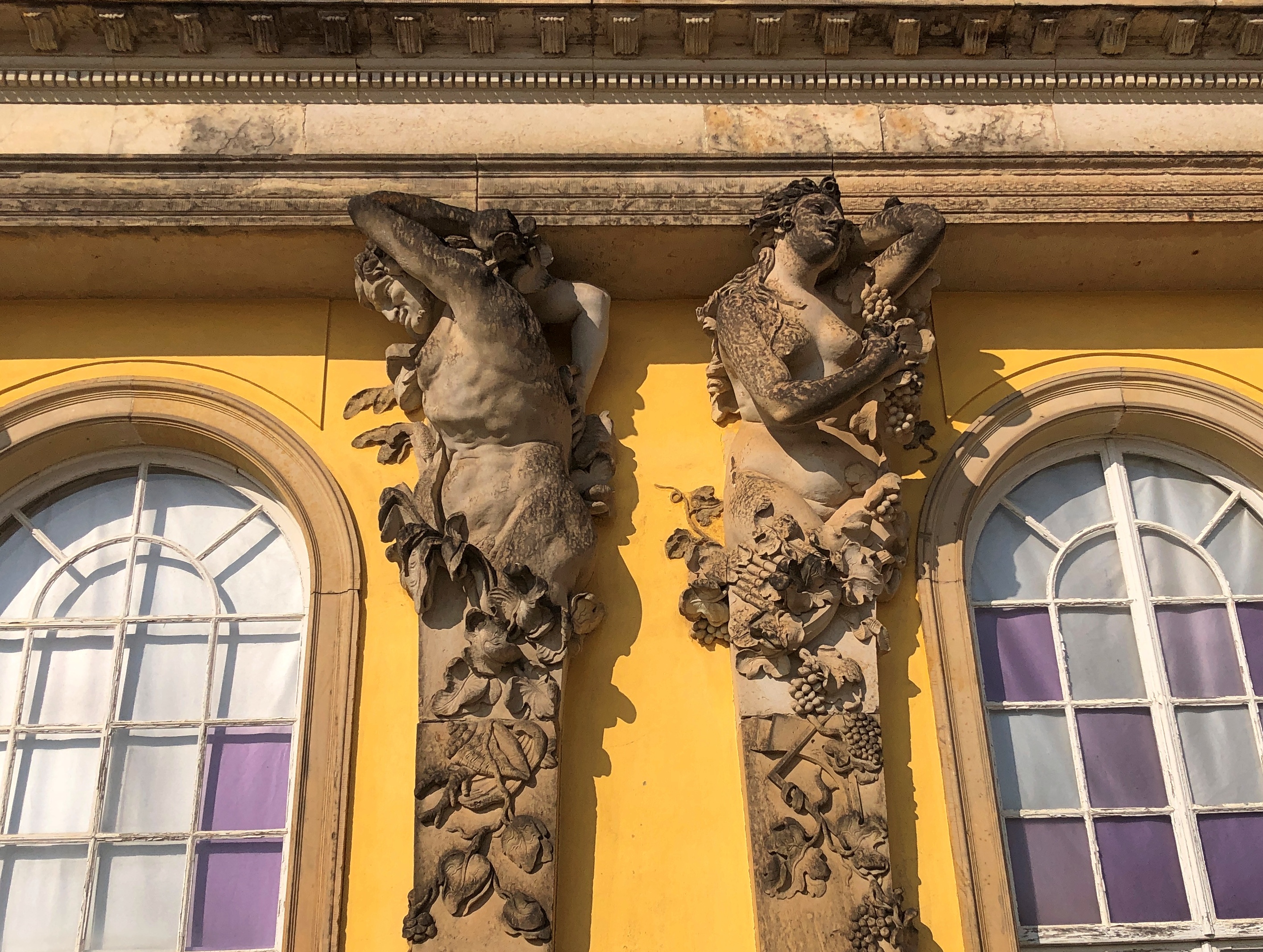
The view from the palace. This time of the year, there was no admission to the Sanssouci gardens, so it functioned as a city park. A mild Sunday in March had brought people out to the park. Sanssouci
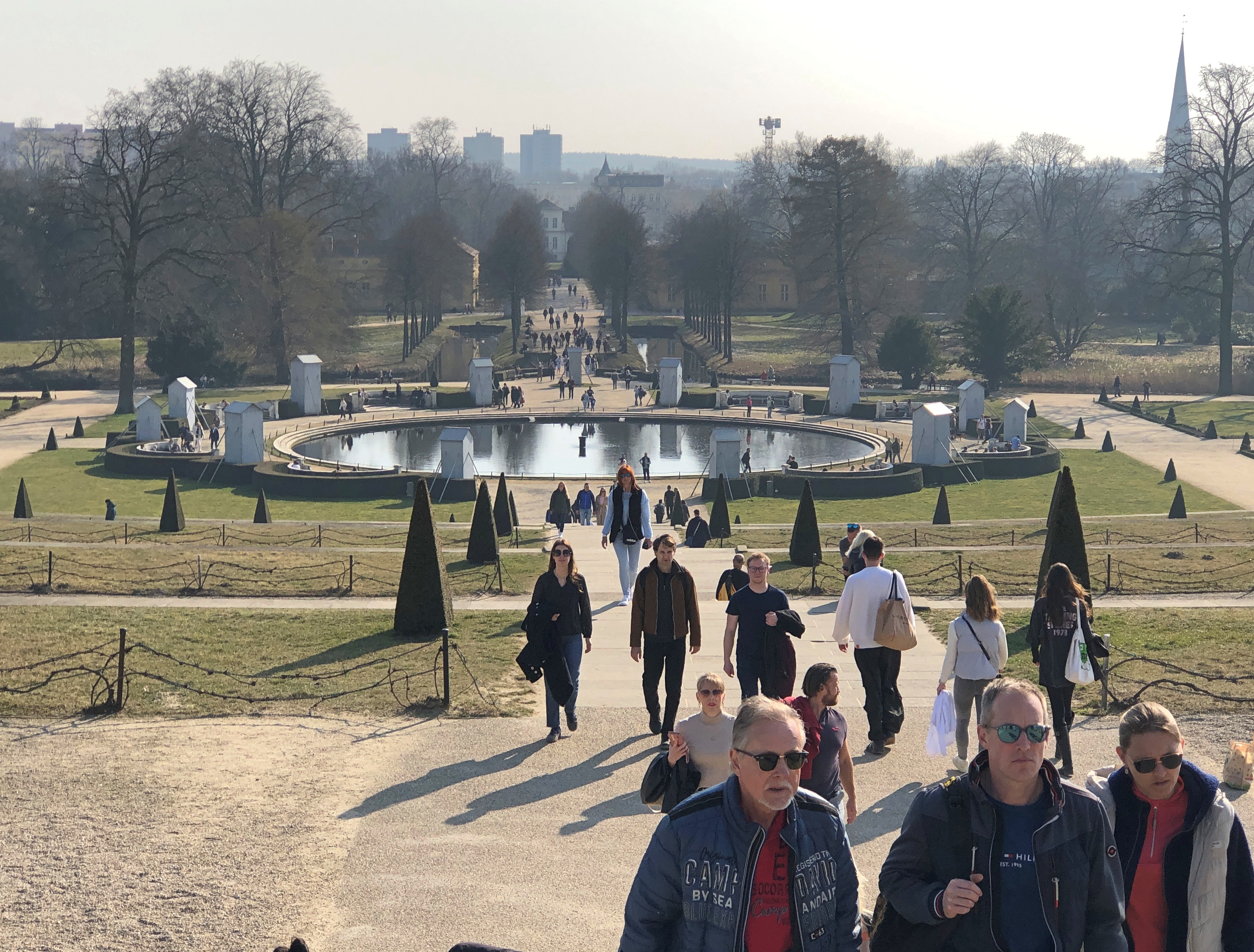
A benefit of low-season tourism: practically no waiting to get into the palace. I say low season, but in a lot of places in Berlin, and Prague too, we noticed that school groups, or individual students, were out and about in force. A form of spring break?

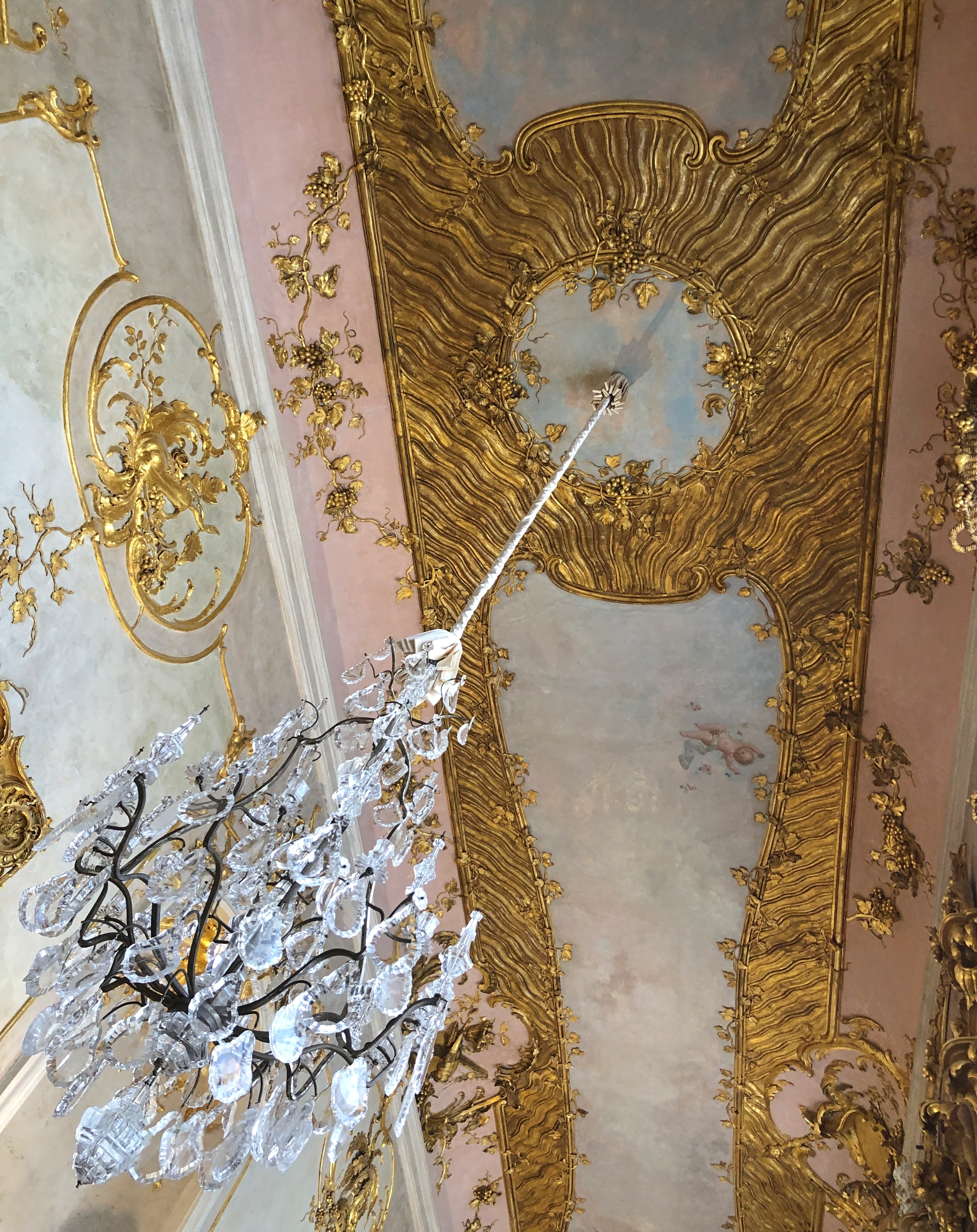
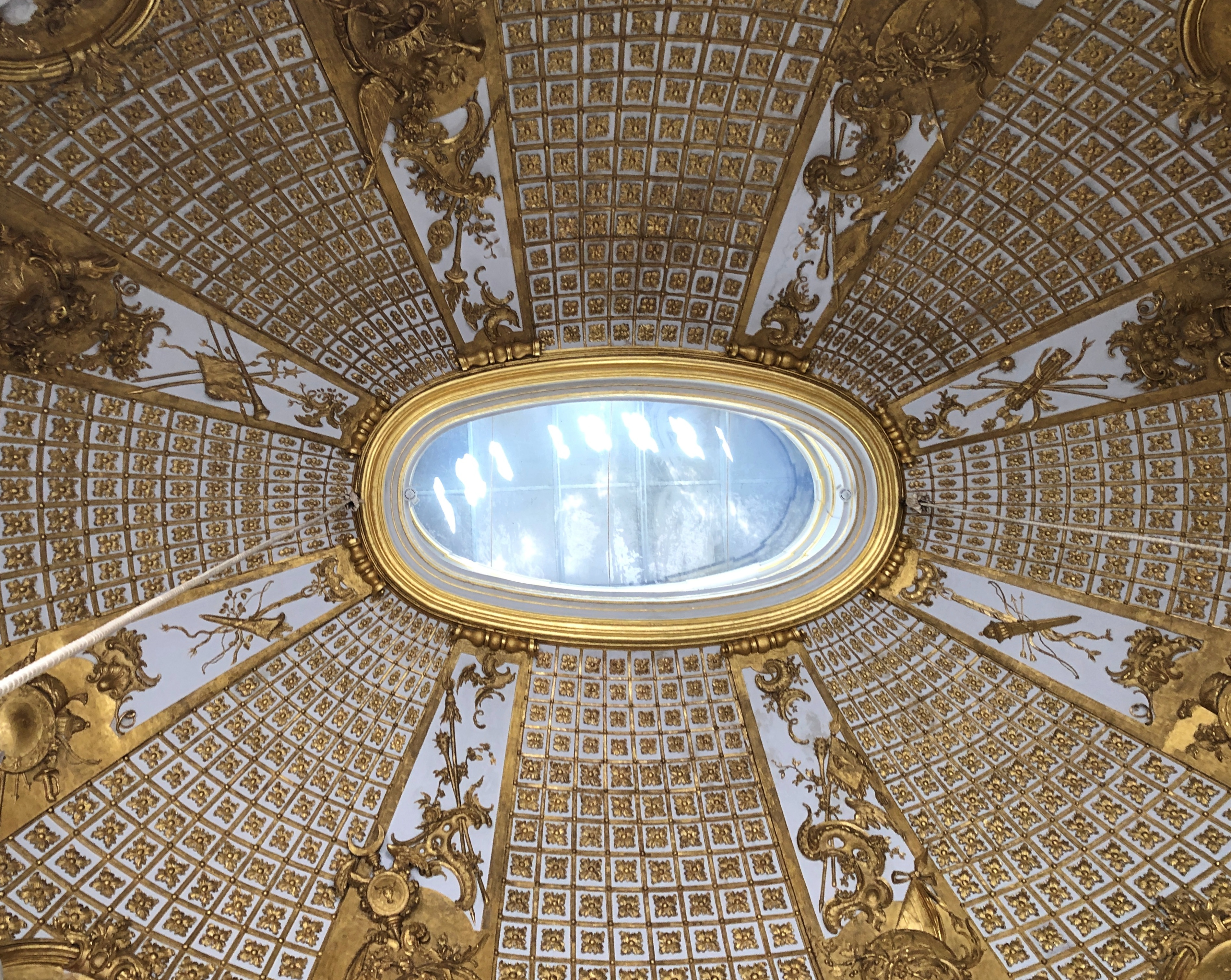
Images without reference to room.Sanssouci Sanssouci Sanssouci
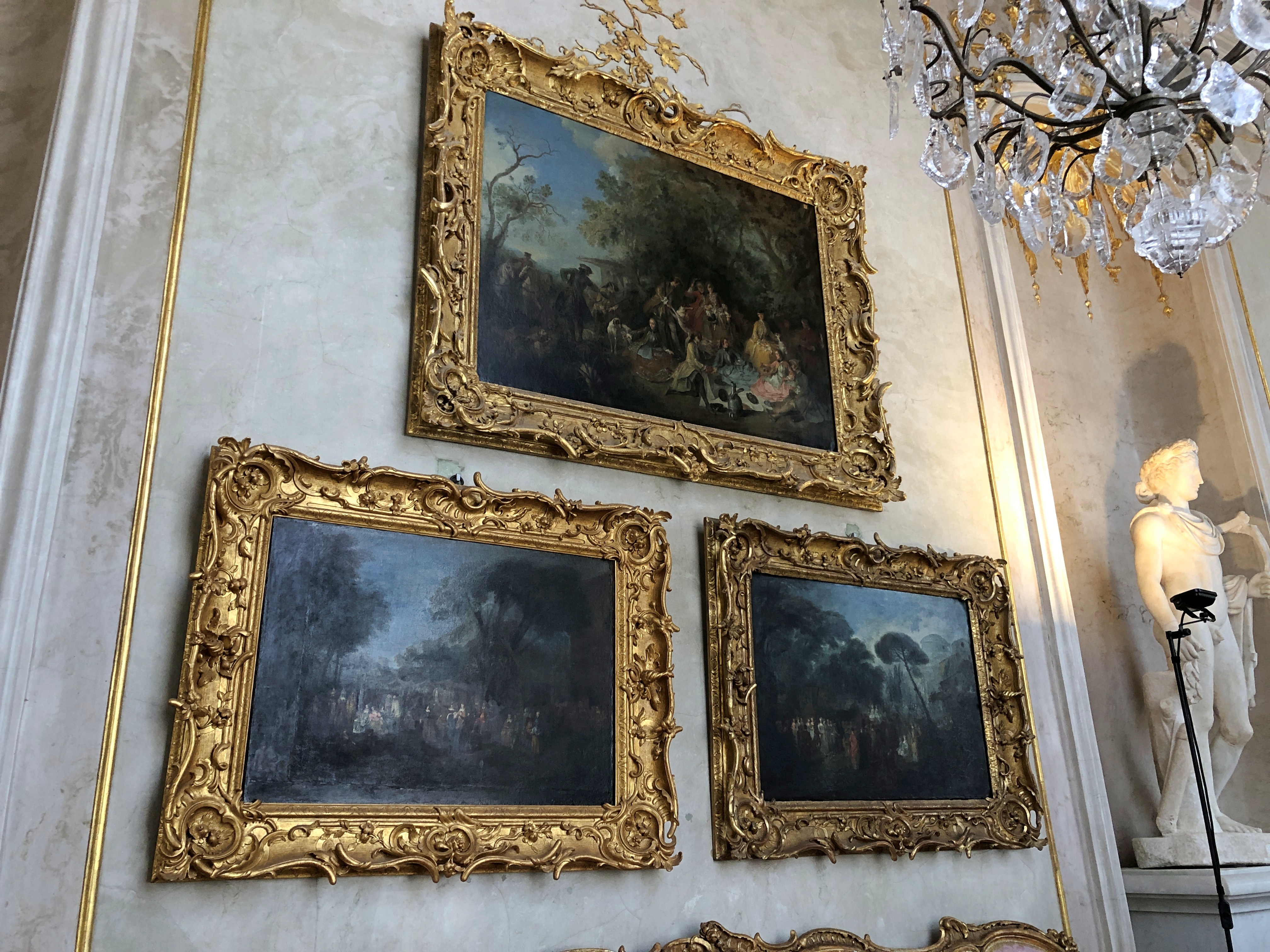
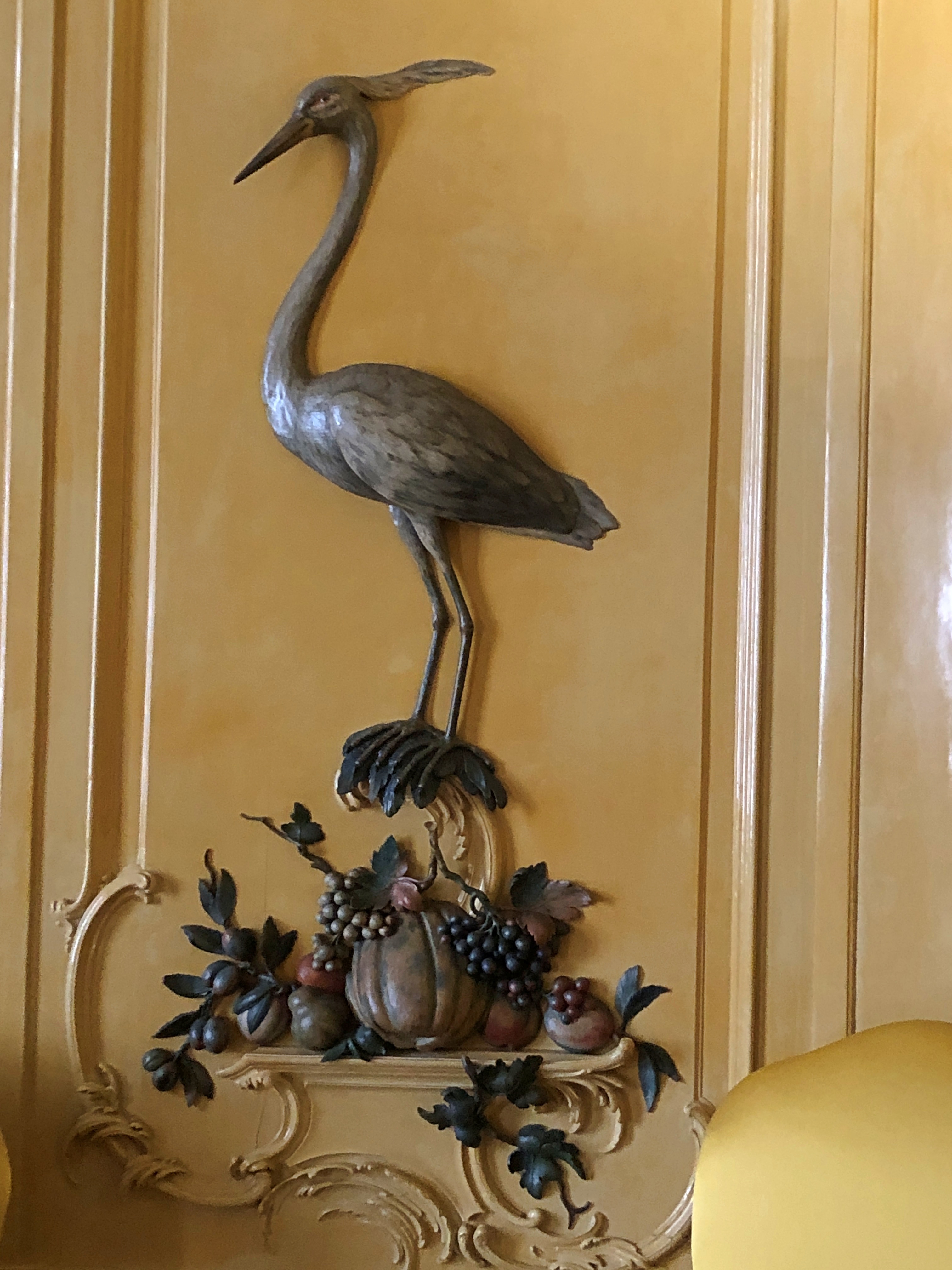
One thing to like about the Rococo effervescence at Sanssouci is that there isn’t too much of it. As 18th-century European palaces go, it’s modest. Frederick wanted a place to entertain himself and others, not wow visiting muck-a-mucks. Only a dozen or so rooms. You don’t come away feeling overloaded.

What is this about?Sanssouci
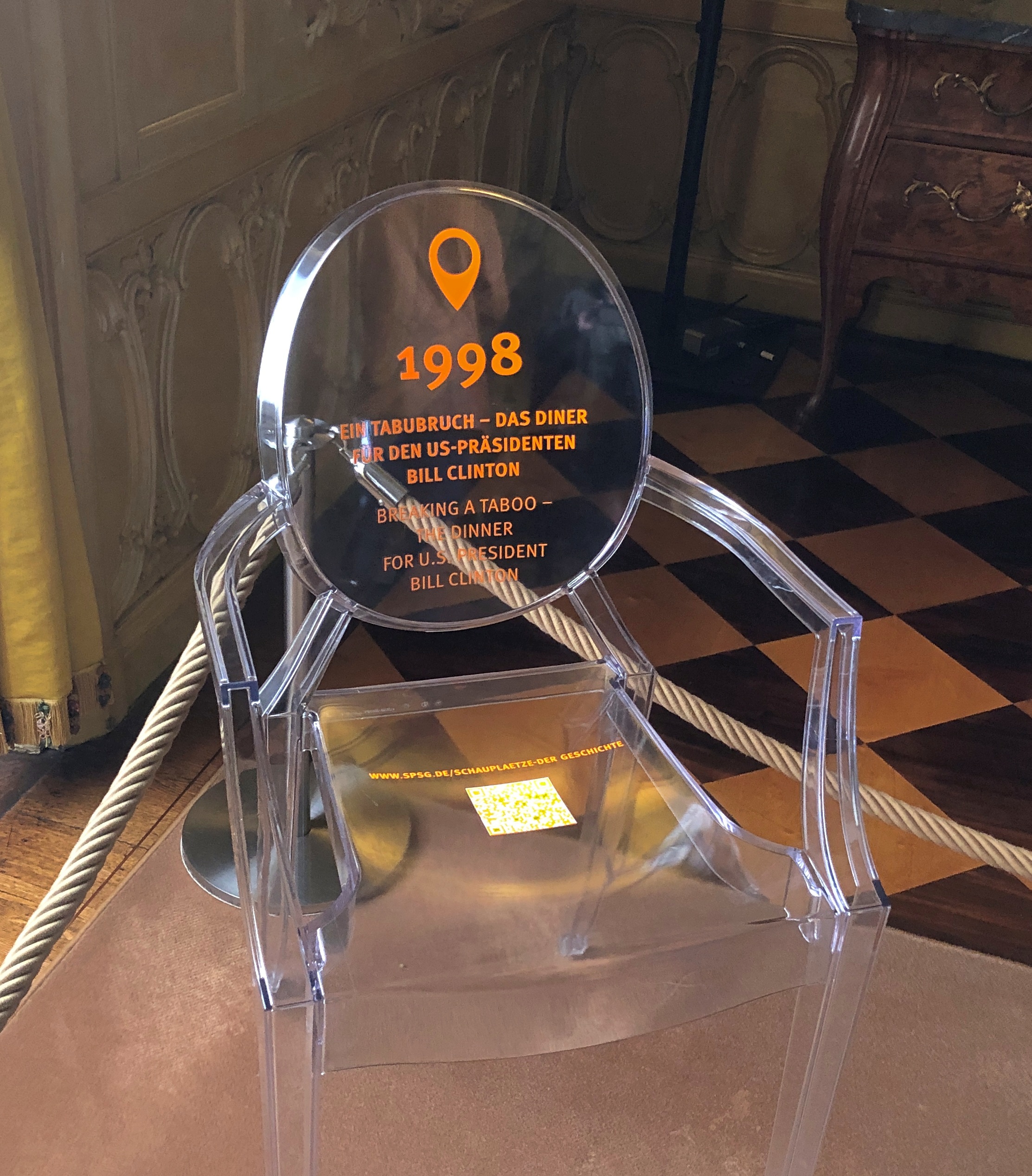
I quote this at some length because this material, from the organization that oversees the palace, is funny. And a little quaint.

On May 13, 1998, at Sanssouci Palace a taboo in historical preservation was broken. After more than a hundred years, the Marble Hall of Frederick the Great’s summer residence once again became the scene of a festive dinner...

This time it was the Chancellor Helmut Kohl, who had prevailed against all of the preservation apprehensions. It had been his express wish to honor Bill Clinton, the president of the United States of America, with a luncheon at Sanssouci during his second state visit to Germany…

The suggestion to hold the dinner in the Ovid Gallery in the neighboring New Chambers of Sanssouci, which otherwise served as the festive setting when receiving state visitors, was turned down by the American chief of protocol.

The sensual scenes from the Metamorphoses by the Roman poet Ovid, set into the gallery walls in the form of gilded stucco reliefs, were considered by the protocol chief as being too permissive. There was a fear that the press would make a connection to the Lewinsky affair, which had been a constant theme for the media since the beginning of 1998.

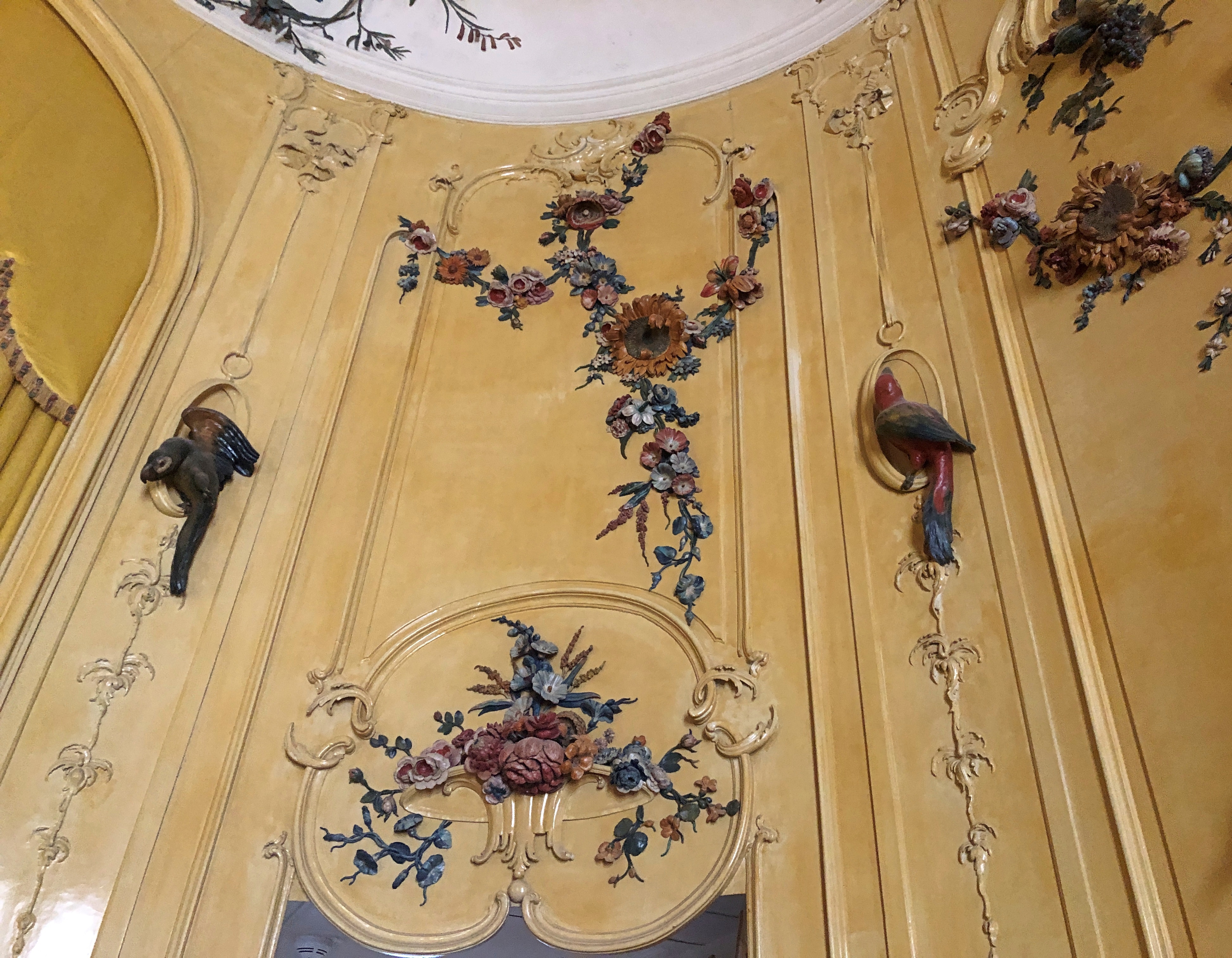
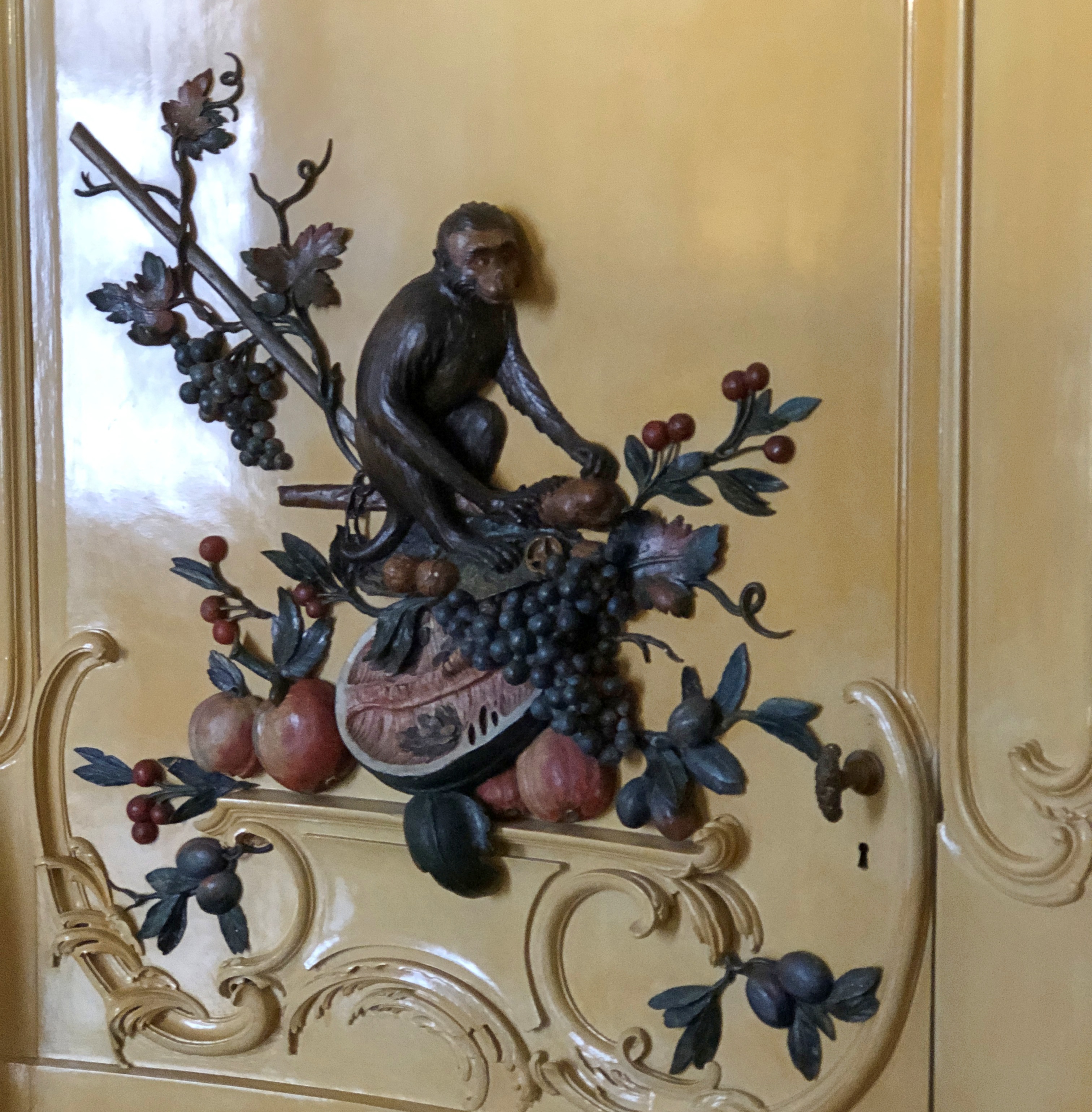
Scenes from the room supposedly decorated for Voltaire, who visited the palace till he had a falling out with the king. rococo  rococo  rococo
When we were done, we went back to the bus stop where we got off, operating under the assumption that Sanssouci was as far as the bus went, and it would take us directly back to the train station. This was wrong. Soon we were riding along, further into less developed areas, and I remember thinking – or did I say it out loud? — I don’t remember any of this.

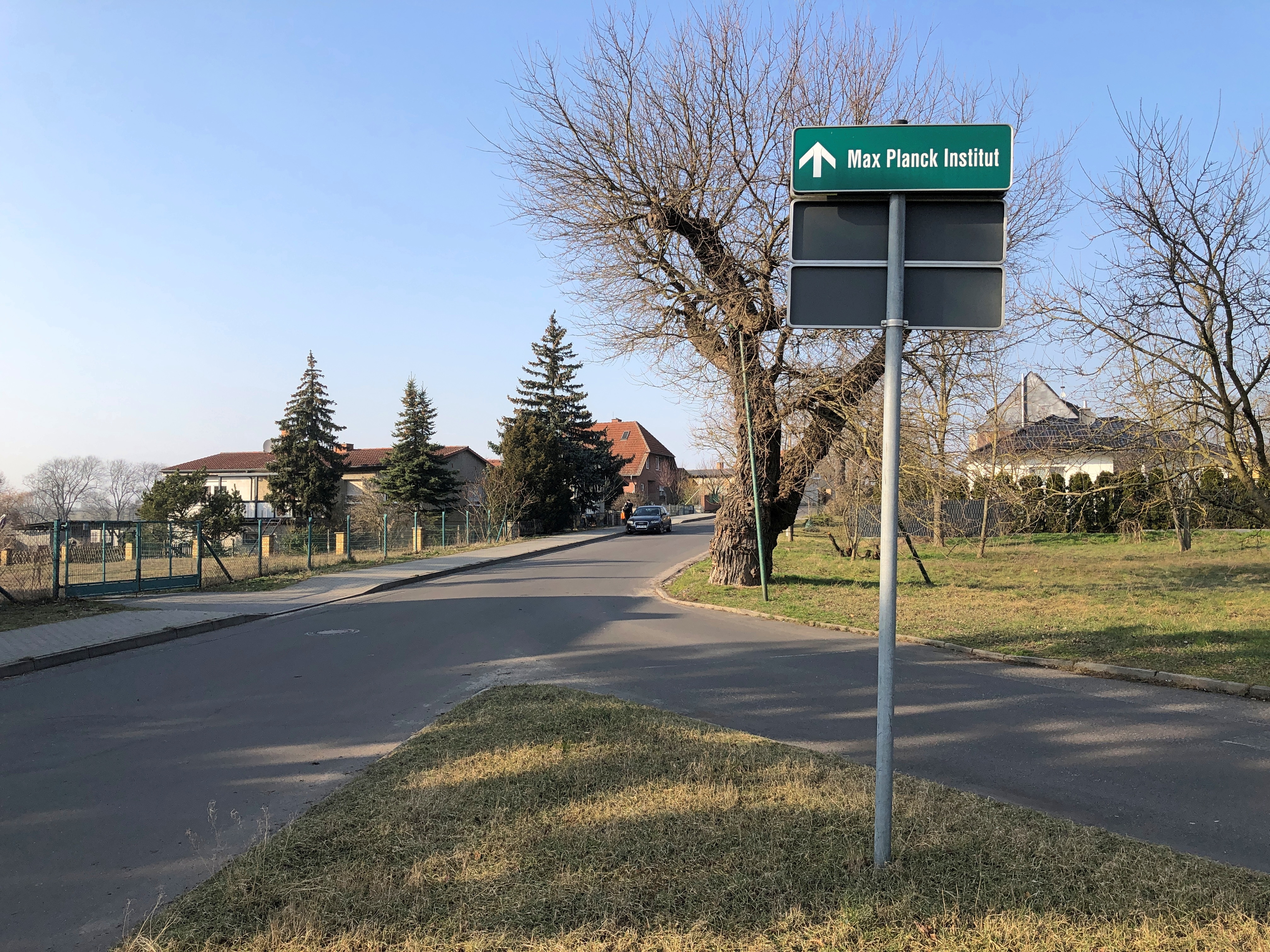
We passed by a sign for the Max Planck Institute in front of some buildings in the mid-distance. Really? That’s here? Suburban Berlin was certainly plausible, but later I found out that Max Planck Society is headquartered in Munich, and has a lot of branches. That includes one in Golm, an outlying neighborhood of Potsdam, with narrow and lightly traveled streets through smallish but pleasant single-family houses with yards. Elsewhere in Golm are fields that are probably agricultural, or at least pastureland.

I hear Max Planck Institute and I suspect one or more branches are doing Time Tunnel research. You know, go back in time and make sure Hitler becomes an architect instead of a politician, that kind of thing. That kind of thinking is what I get for watching TV science fiction as a lad.

Then the bus stopped and we were directed to exit at the end of the line. Jay mustered his German and communicated with the driver, a chunky middle-aged fellow puffing on his vape, now that he was on break. The bus, we found out, would return to the train station in about 30 minutes. We were able to communicate this to the two other passengers who had done the same as us, two women tourists from South Korea, I think.

Such was a Sunday schedule, meaning a wait at the transit hub of Golm.Golm, Germany
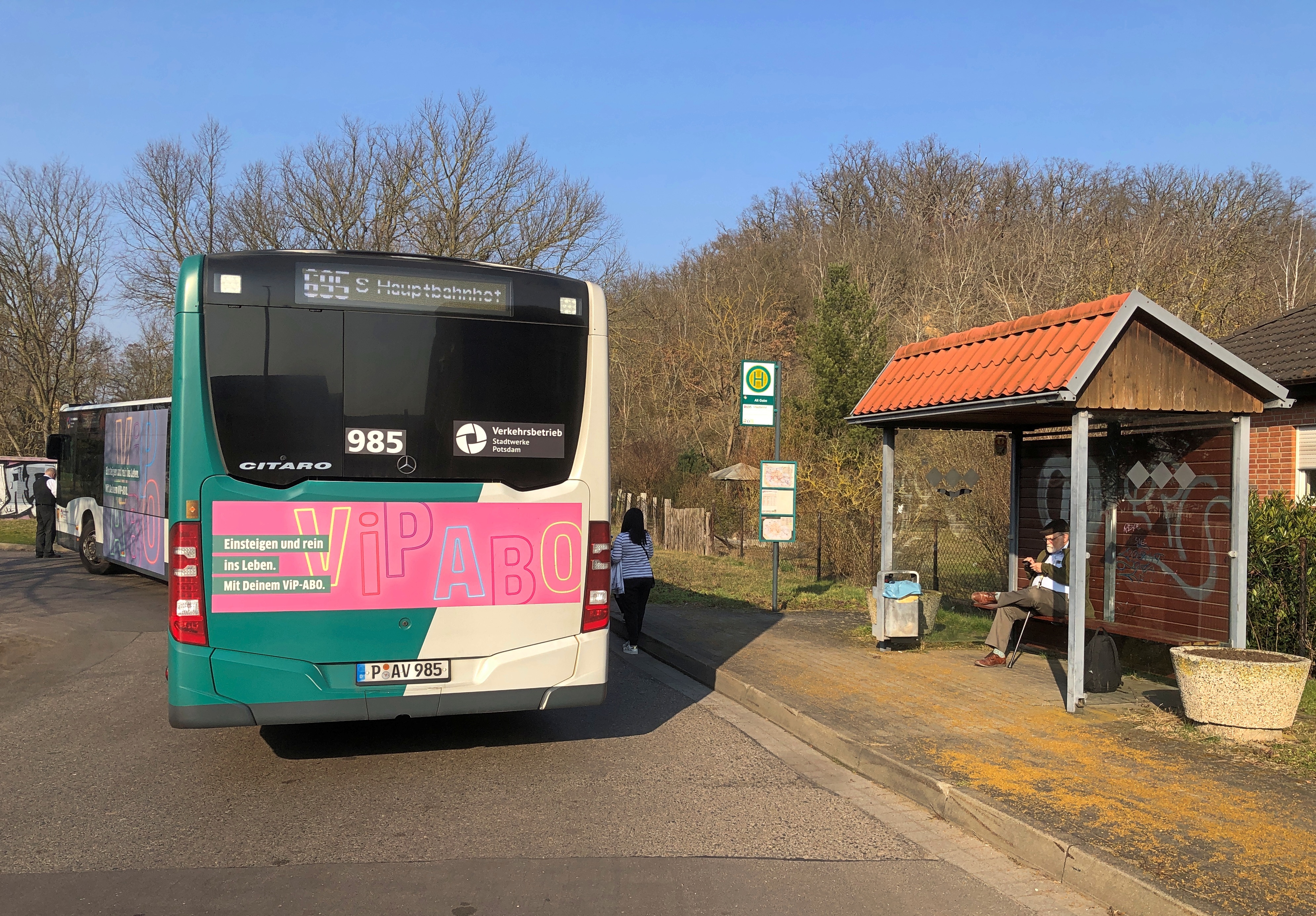
Luckily, the day was mild, almost pleasant, so sitting around outside for a while was no issue. Or taking a short walk.Golm, Germany Golm, Germany
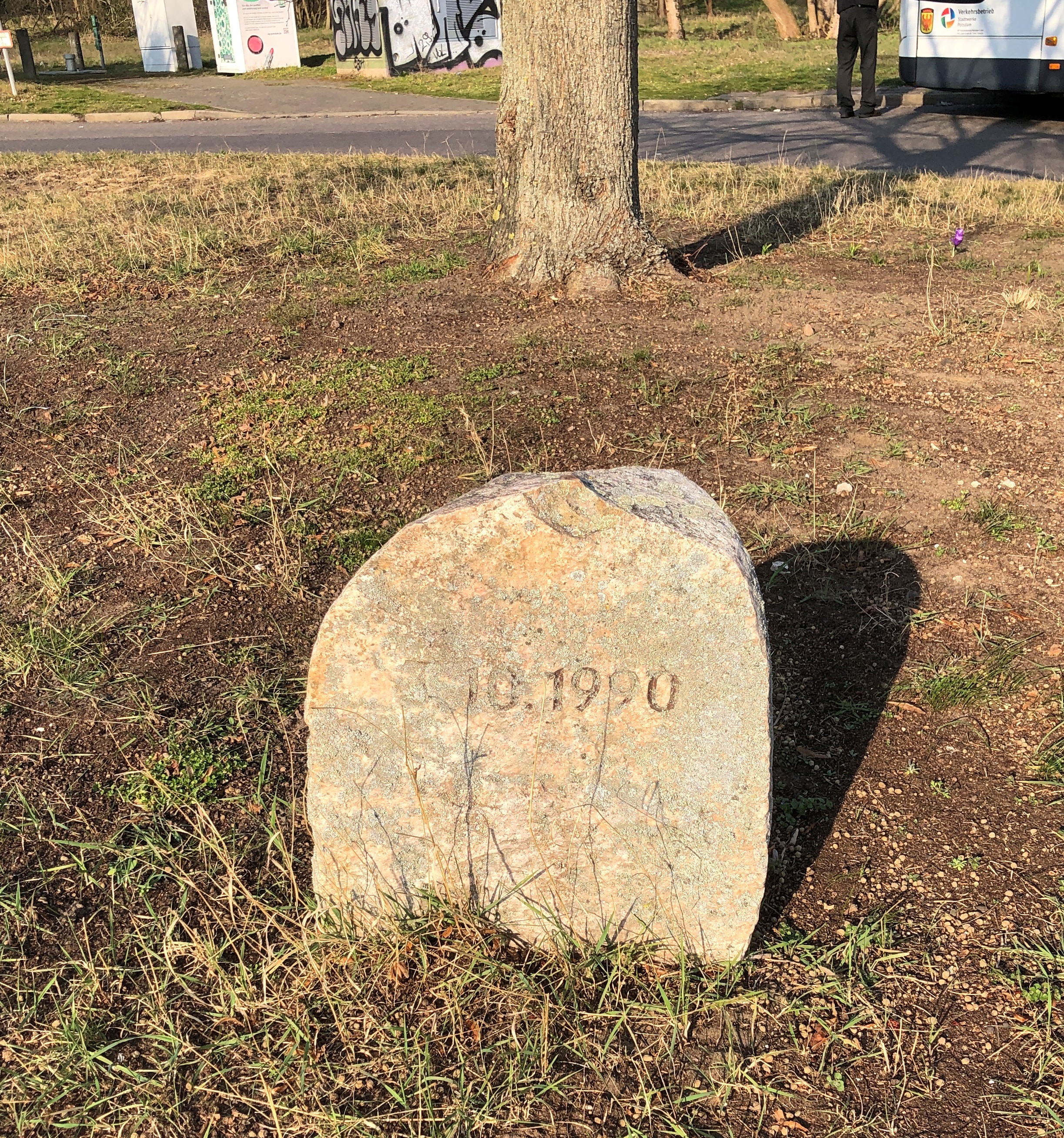
An oddity.Sanssouci

3.10.1990 is all it says. The date of German reunification. The neighborhood’s private memorial to that event? Or was it a former border marker? I checked and no, Potsdam was firmly in East Germany. A stone marking the occasion when Potsdam, or even Golm, didn’t have to be in the DDR any more? Could be.
Mitchell Park Domes ’24

Since we went to Indiana just before Christmas, it only seemed logical (to me) to go to Wisconsin just after Christmas. Due to considerations I don’t need to detail, we chose to make it a day trip. Milwaukee is convenient that way.

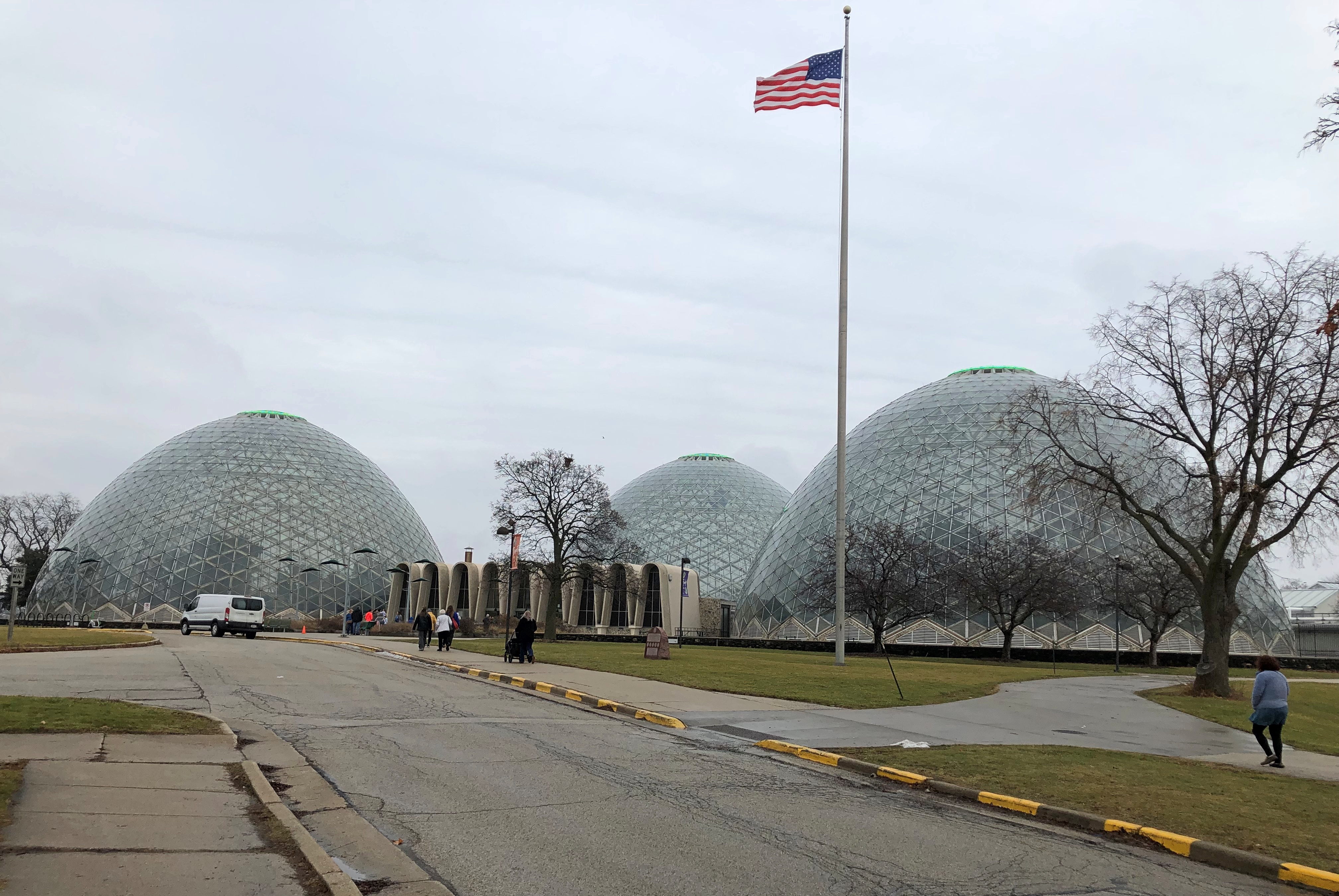
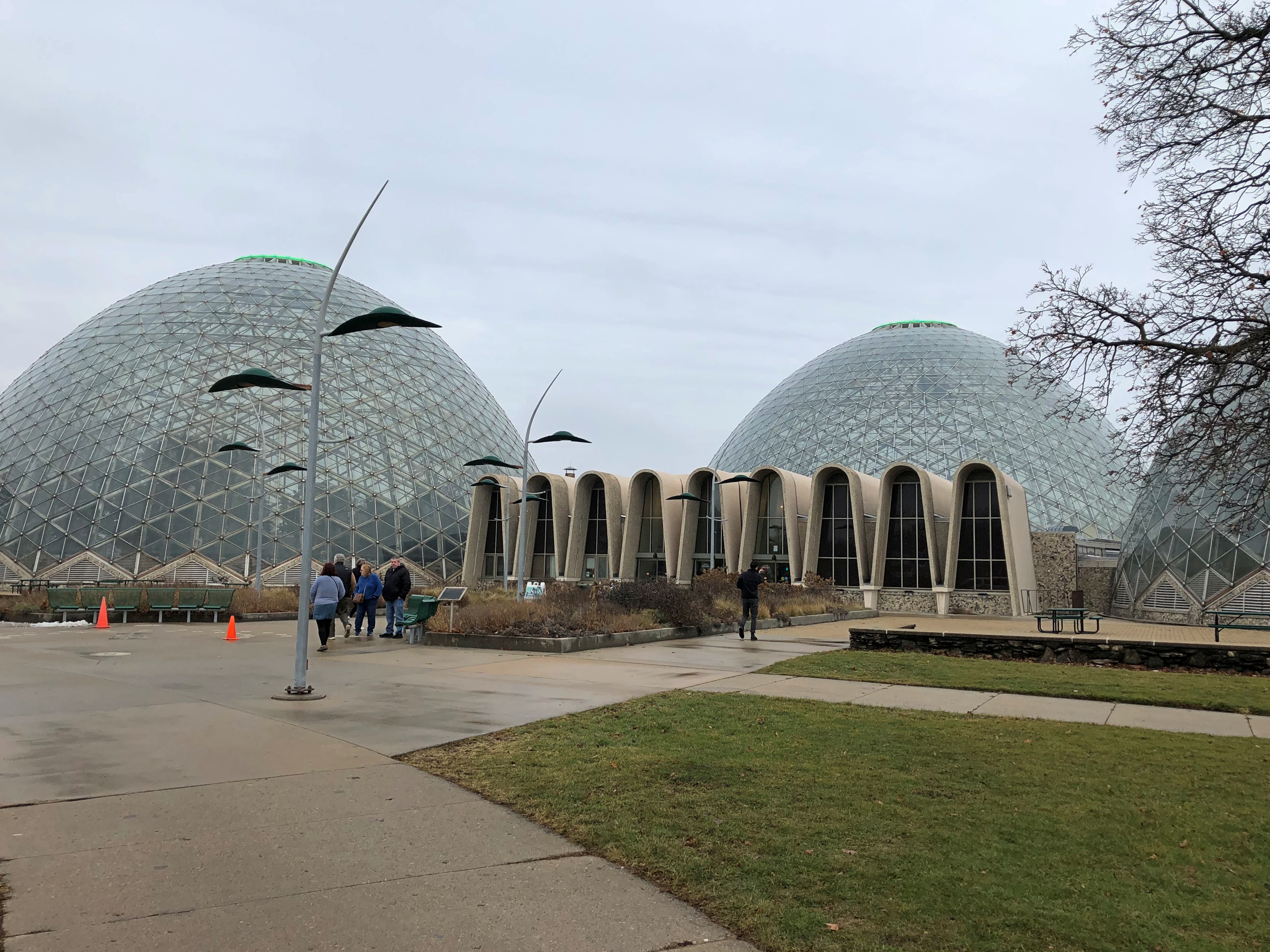
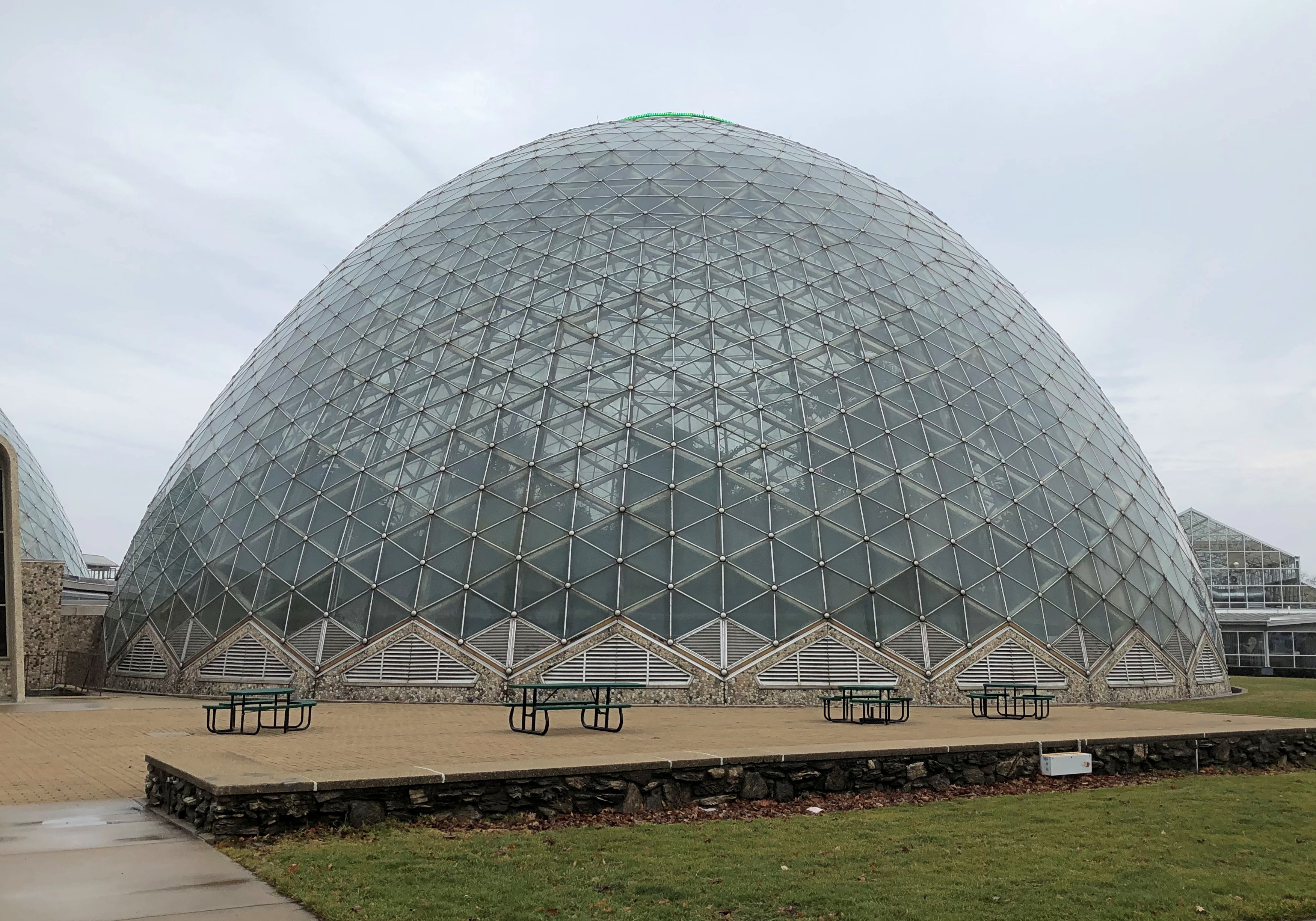
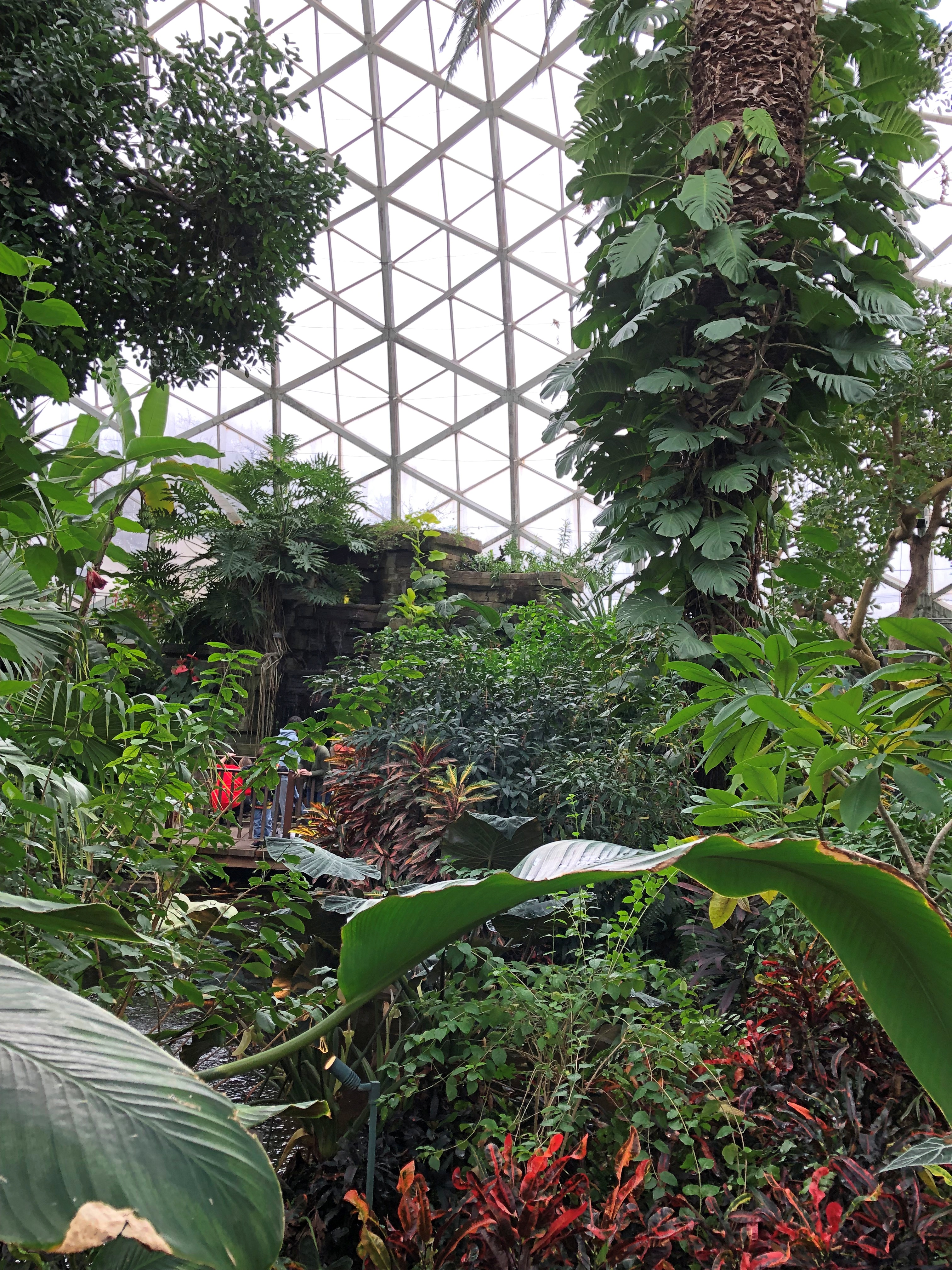
We arrived at the Mitchell Park Domes late in the misty drizzly but not freezing morning of December 27. Not our first visit, but the last time was quite a while ago.Mitchell Park Domes Mitchell Park Domes Mitchell Park Domes

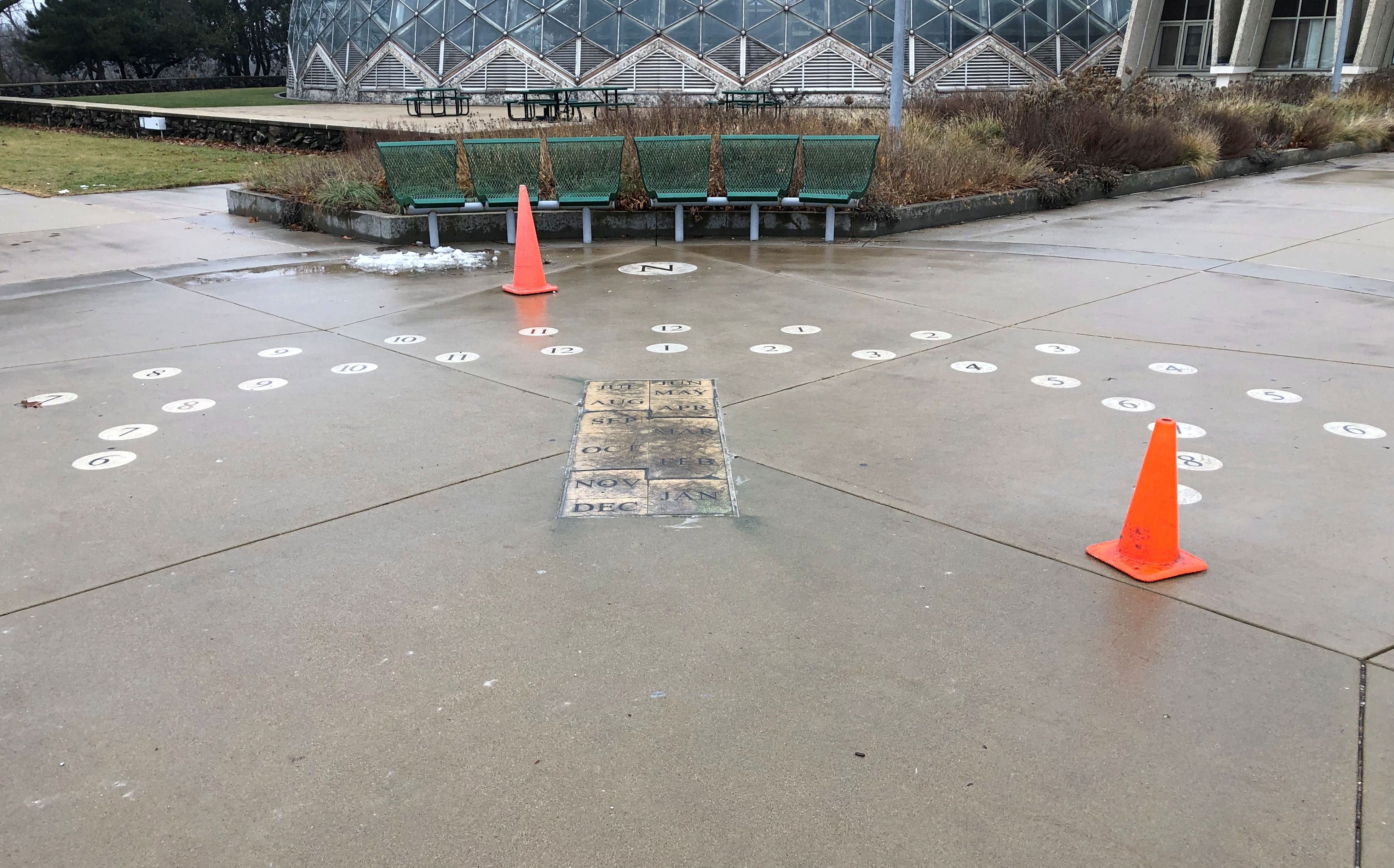
Didn’t remember this detail: An analemmatic sundial in the sidewalk near the entrance, the likes of which you don’t see often. But no sun.Mitchell Park Domes

Formally, the place is known as the Mitchell Park Horticultural Conservatory and, since the last time we were there, the fate of the Domes was the subject of a number of recommendations and other proposals. One proposal was to knock ’em down and replace them with something still undesigned, but which I suspect which would be more along the lines of immersive edu-tainment. Again, just a suspicion, but that would fit a pattern: destroy something distinctive to a particular place (in this case, Milwaukee) and put up something that could be anywhere, in the name of an enhanced guest experience that is interactive as a modest pinball arcade.
A few months ago, the county committed to spending some money on the Domes, including “a $30 million commitment from Milwaukee County once funding milestones are achieved,” according to Friends of the Domes, which unfortunately sounds like “when the county figures out how to get the money, this could take a while.” But at least the magnificent triad of domes isn’t going to be destroyed in a plan to merge it with the county’s Milwaukee Public Museum.
“Based on our review of the information we believe there could be a great guest experience which integrates the content and stories from Milwaukee Public Museum with the content and experience of the current Domes and Conservatory,”  a 2019 report by an outfit called Gallagher Museum Services notes. “Specifically, the natural history portion of the MPM storyline fits very nicely with the Domes experiences. From our analysis, GMS has concluded that the Milwaukee Domes should be demolished. The cost of properly renovating the Domes greatly outweighs the benefit of doing so…”

A far as I can tell as a non-Milwaukeean, the reaction to that was, “Outweighs the benefits? Says who?” Anecdotal evidence supports the preservationists. On the Friday after Christmas this year, when people have more time to go out, they were out in force at the Domes. Not obscenely crowded, but pretty busy. All ages. Many were families with small children. Children who will, if allowed, take their own children one day.Mitchell Park Domes Mitchell Park Domes

The GMS report makes it sound like the Domes themselves aren’t really part of the “Domes experience,” which really just involves an elaborate garden, as opposed to an elaborate garden in a distinctive, placemaking setting. The experience, the report seems to assert, is portable: take it out from under the Domes and you’d still have the “Domes experience” somehow in a spiffy new building.

People like the Domes. They already want to go there. The Domes are not the Milwaukee Public Museum, which is a fine institution in its own right, however one might shoehorn the “Domes experience” into a part of that museum that happens to be about nature. The “Domes experience” is only found at the domes, and the people of Milwaukee know that.
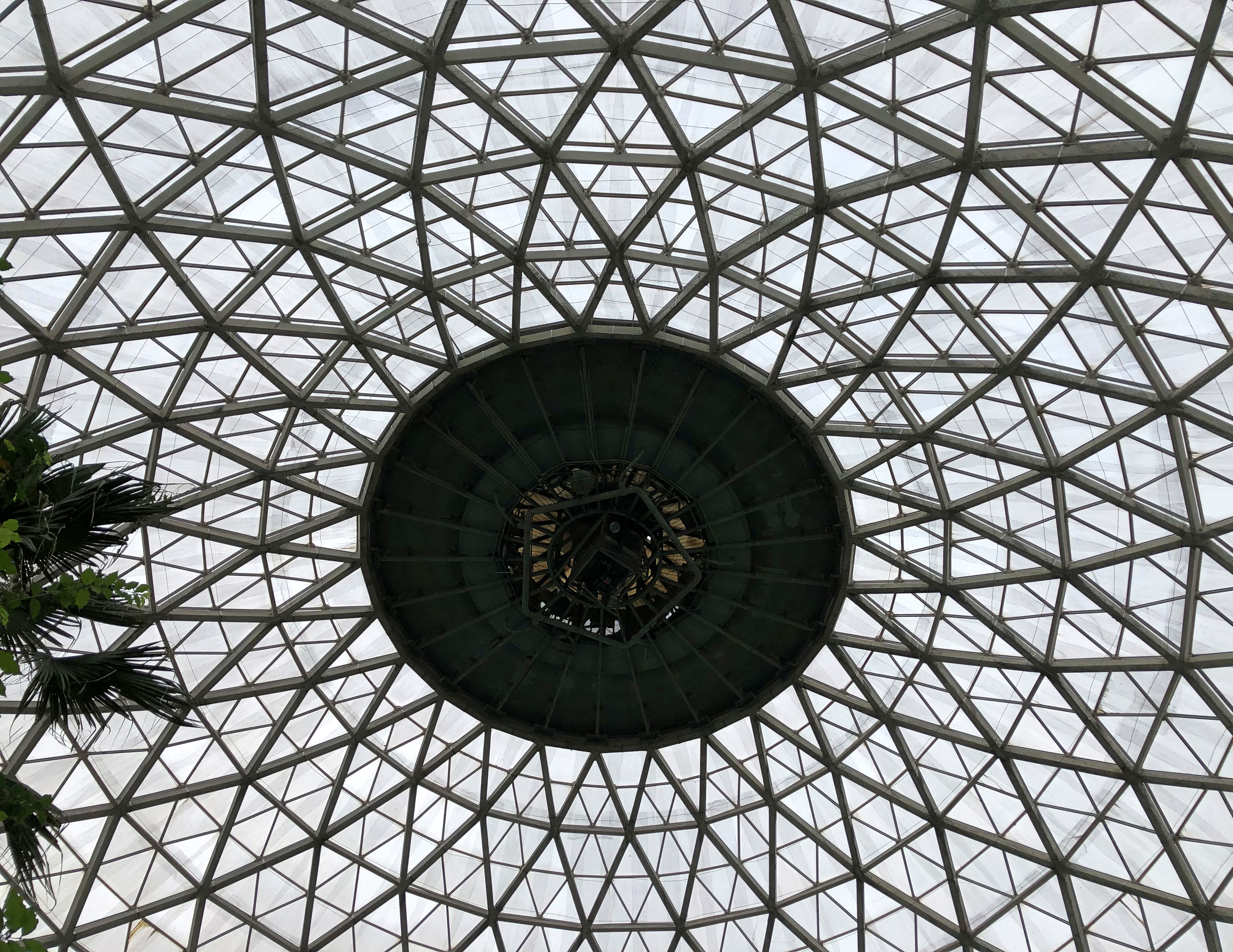
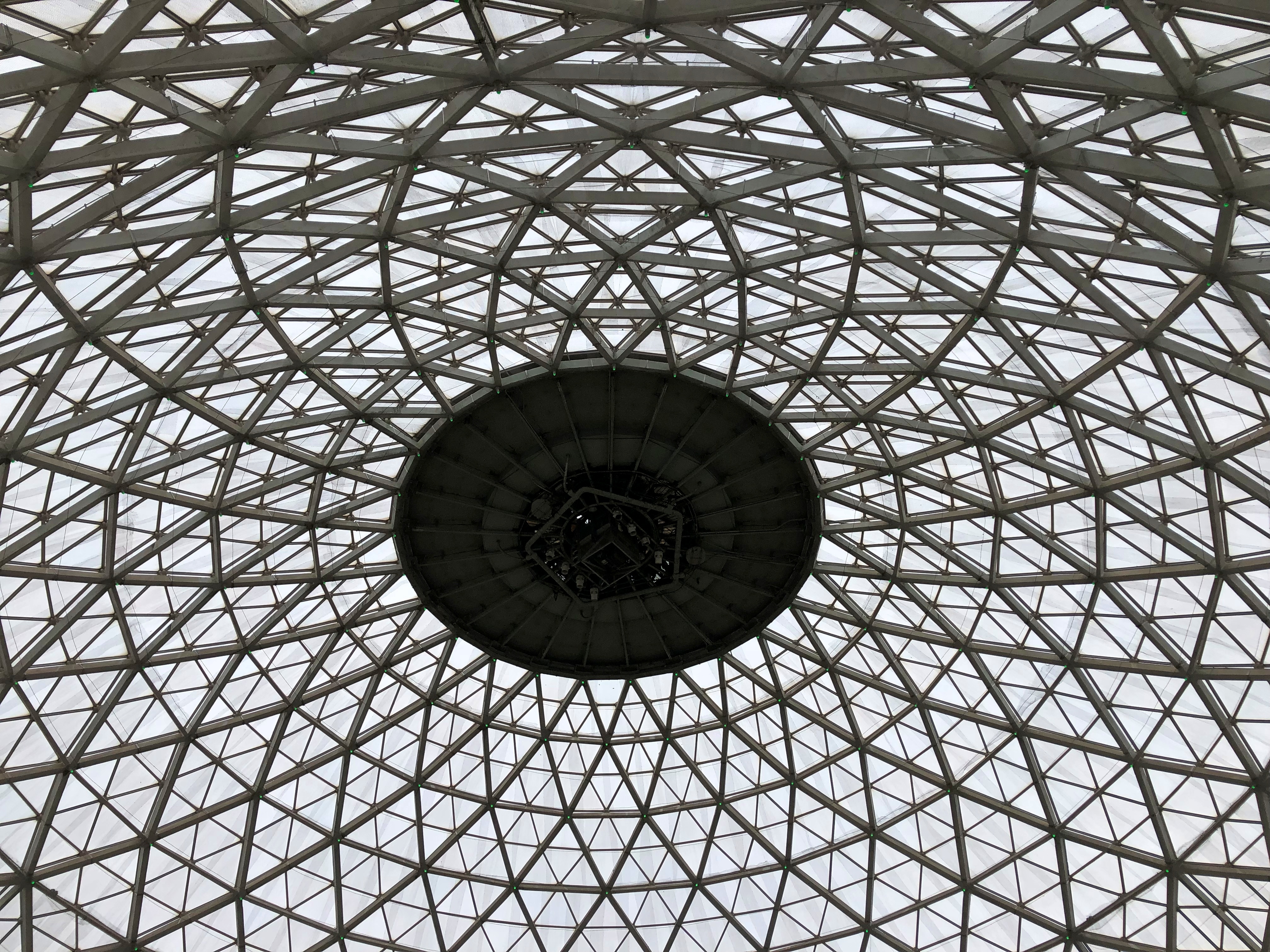
I believe that too. Just for the vaulting glass overhead, if nothing else.Mitchell Park Domes Mitchell Park Domes

The Domes hold their crowds pretty well, too. We were able to circulate comfortably and without any sort of jostling.

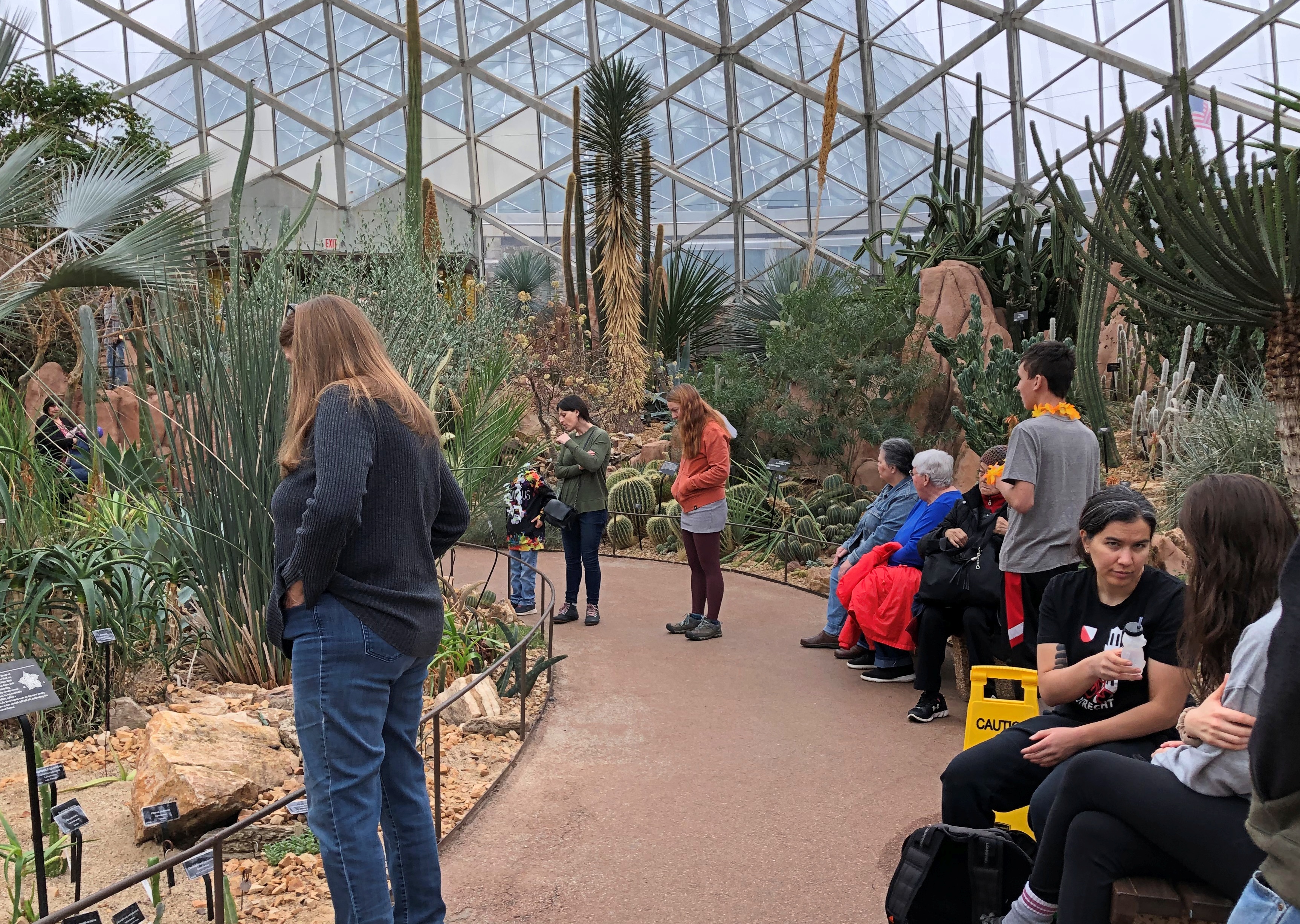
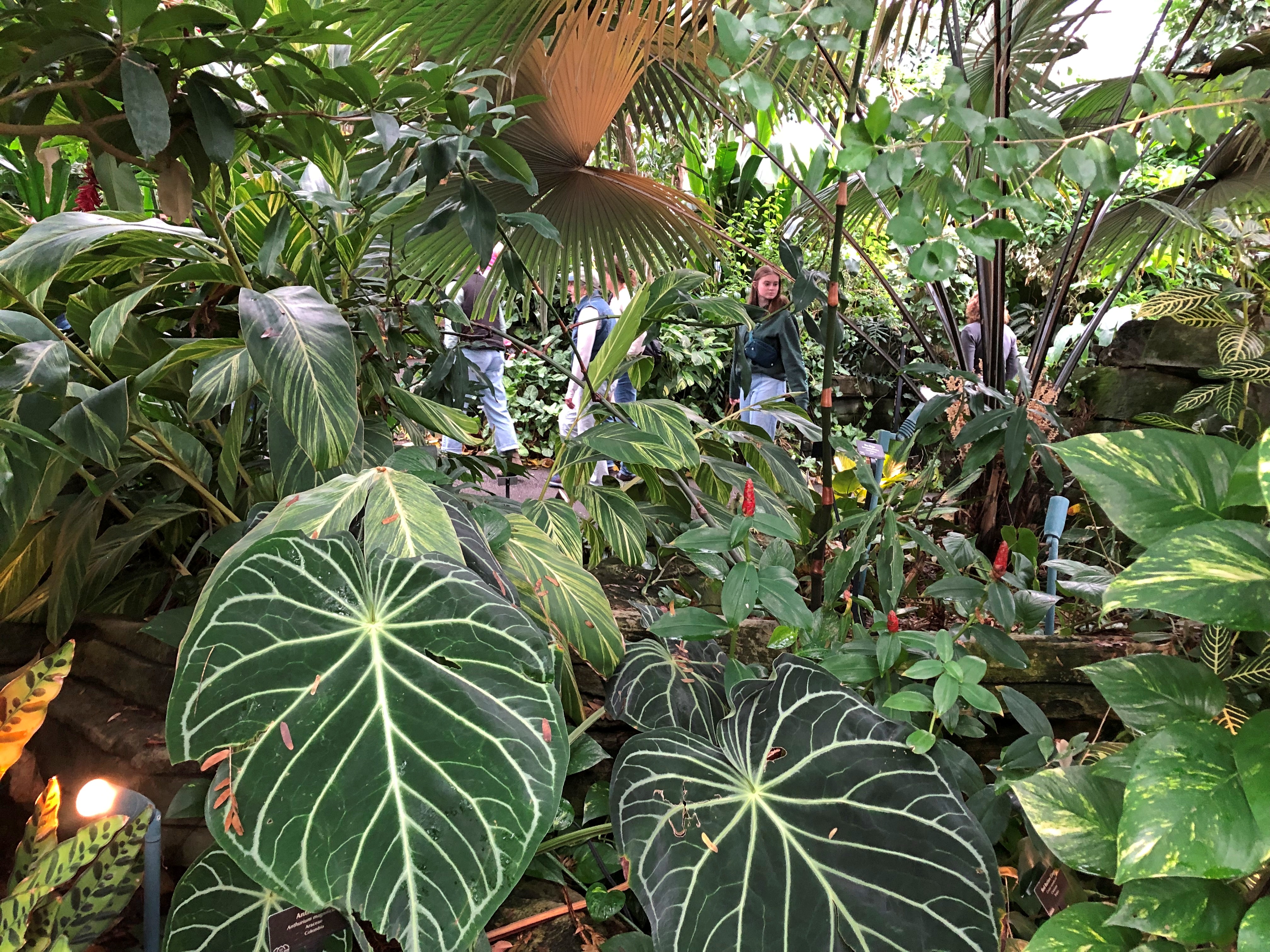
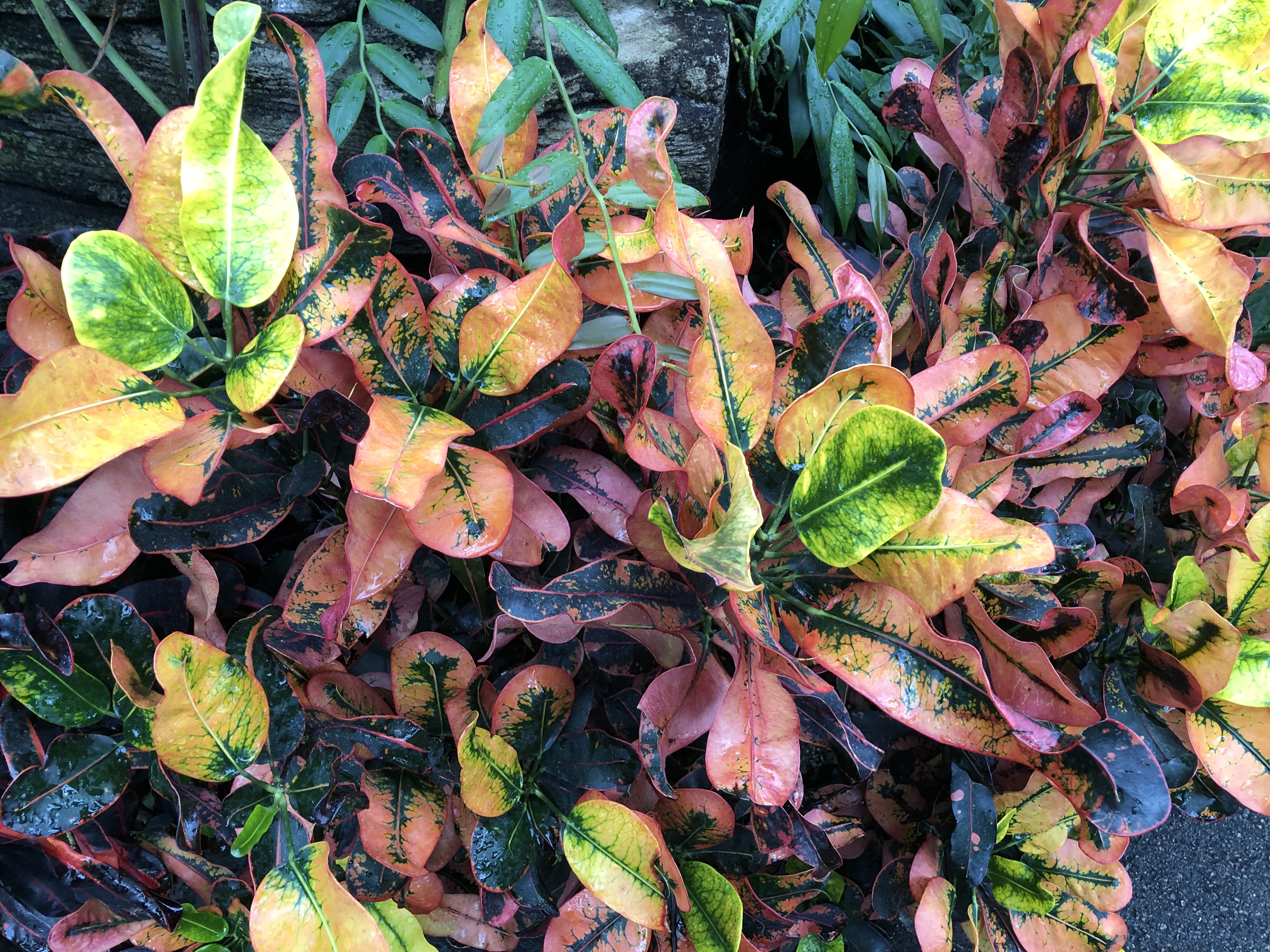
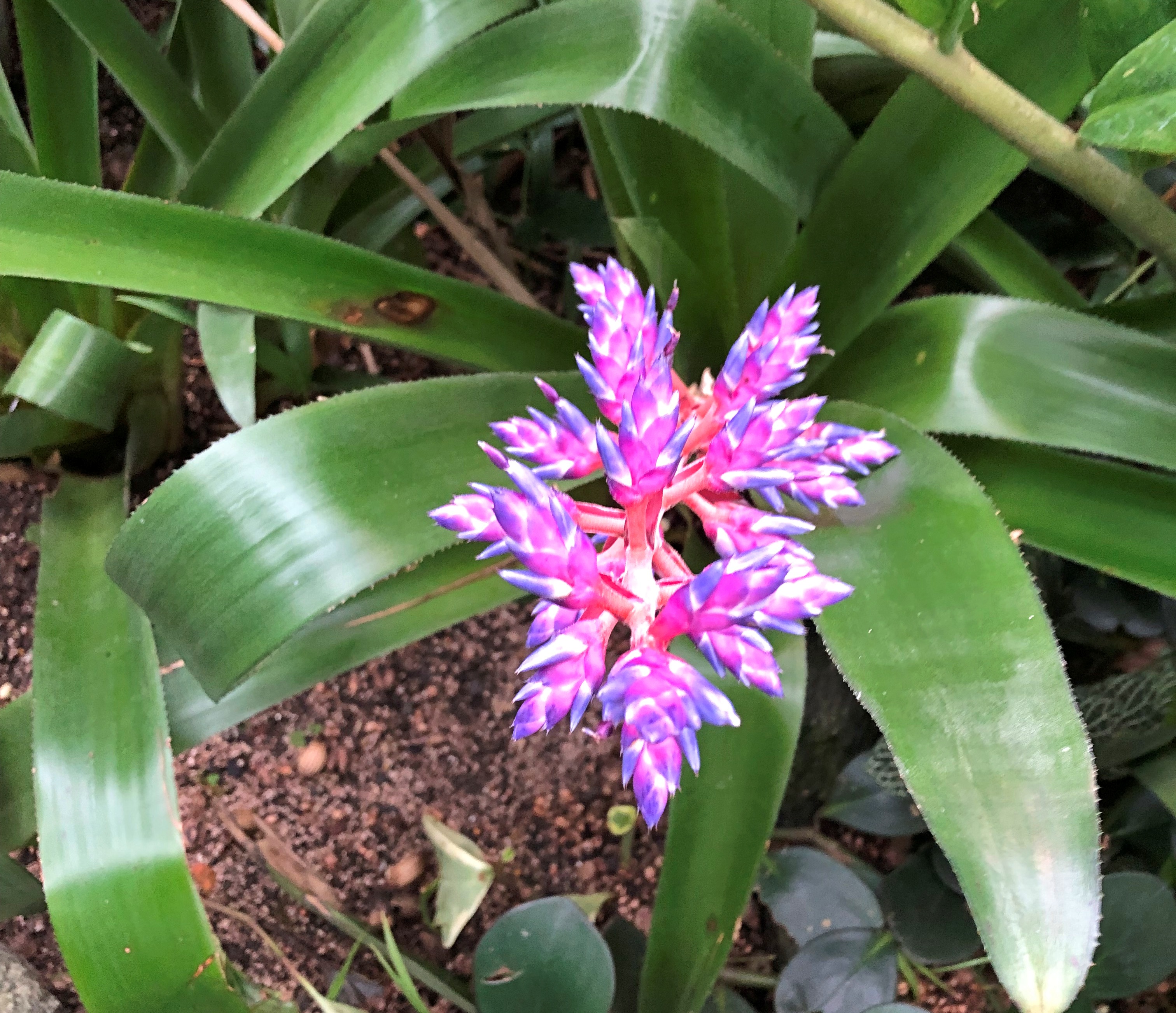
The tropical dome.Mitchell Park Domes Mitchell Park Domes Mitchell Park Domes Mitchell Park Domes

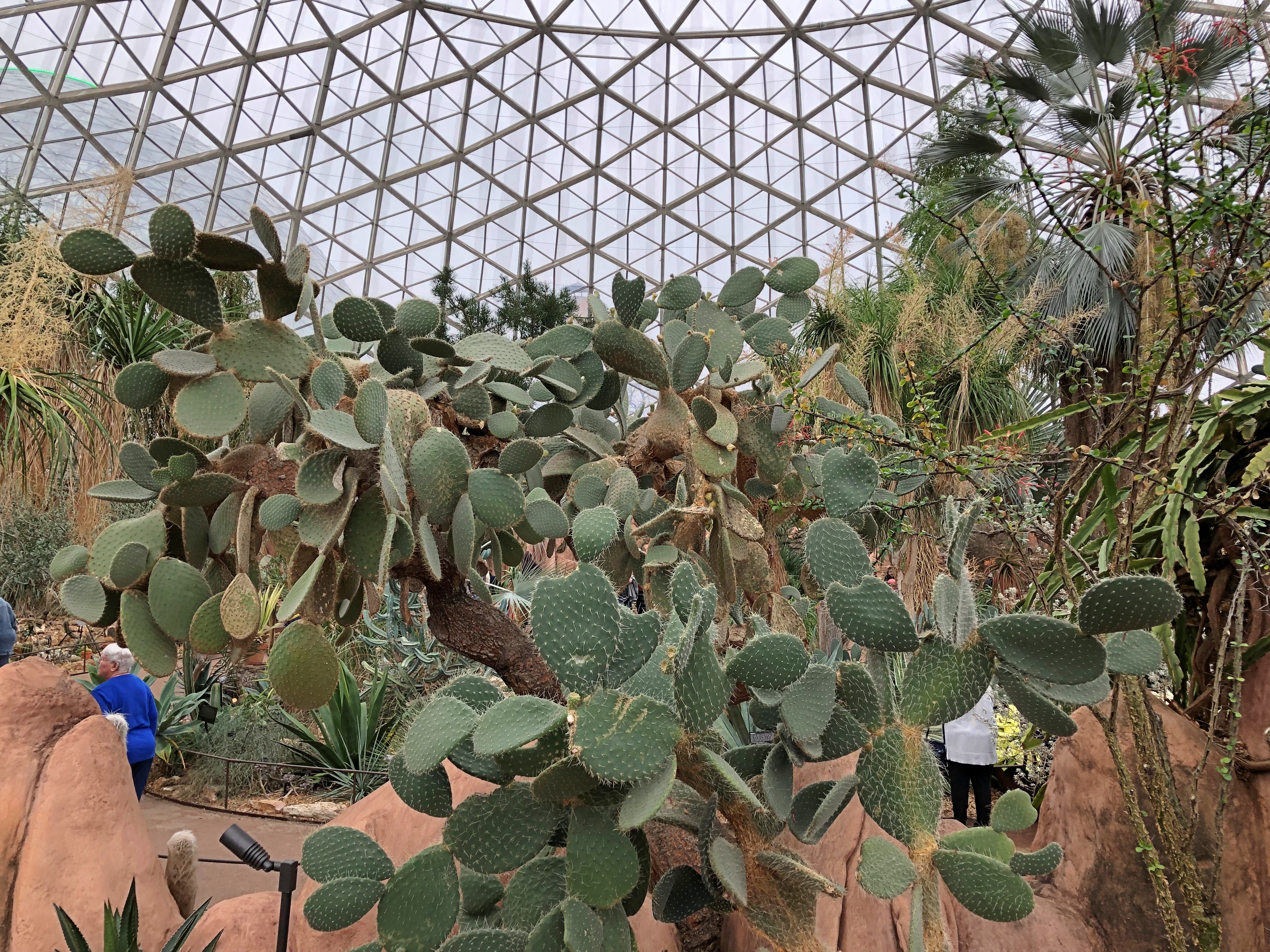
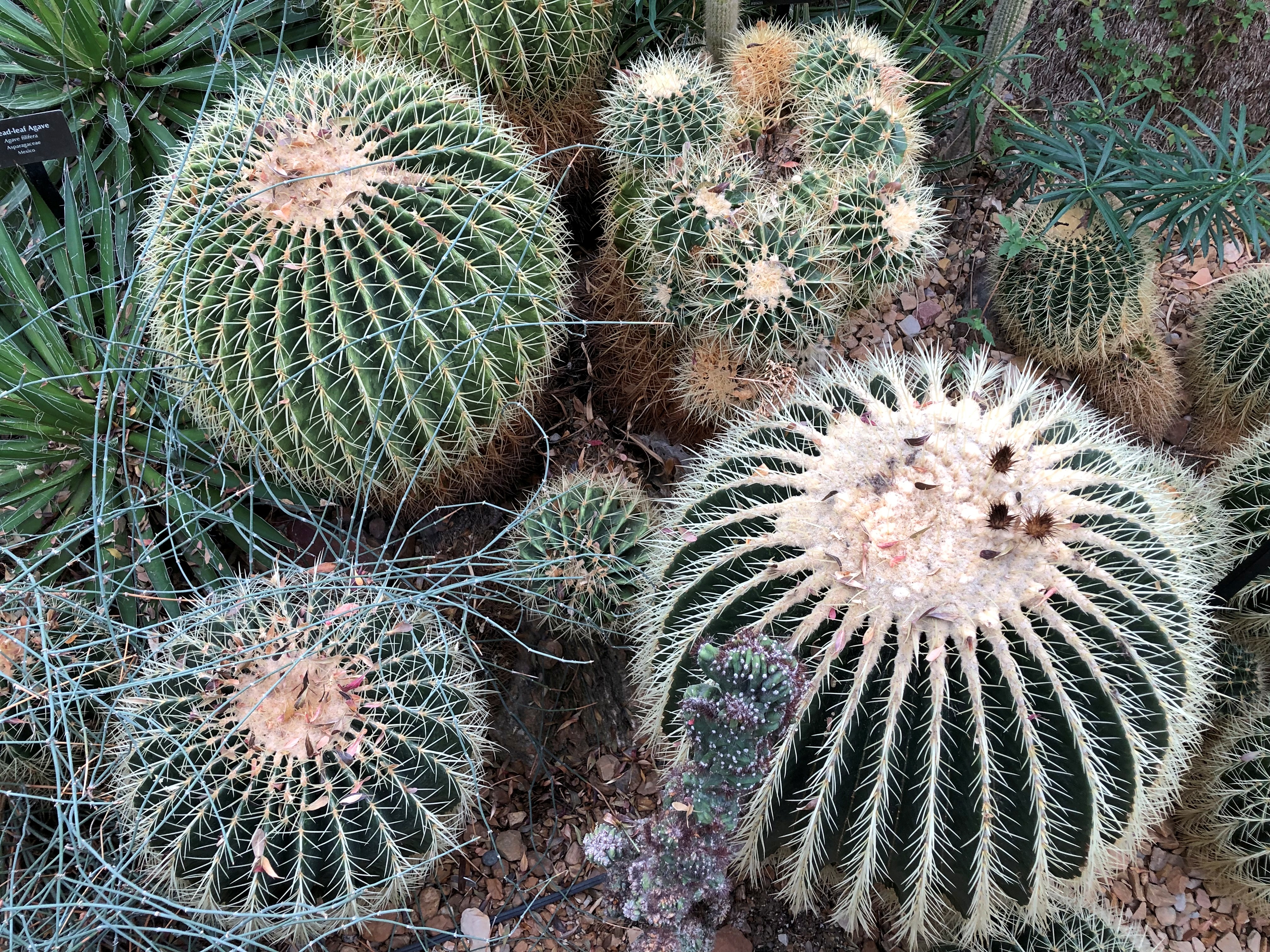
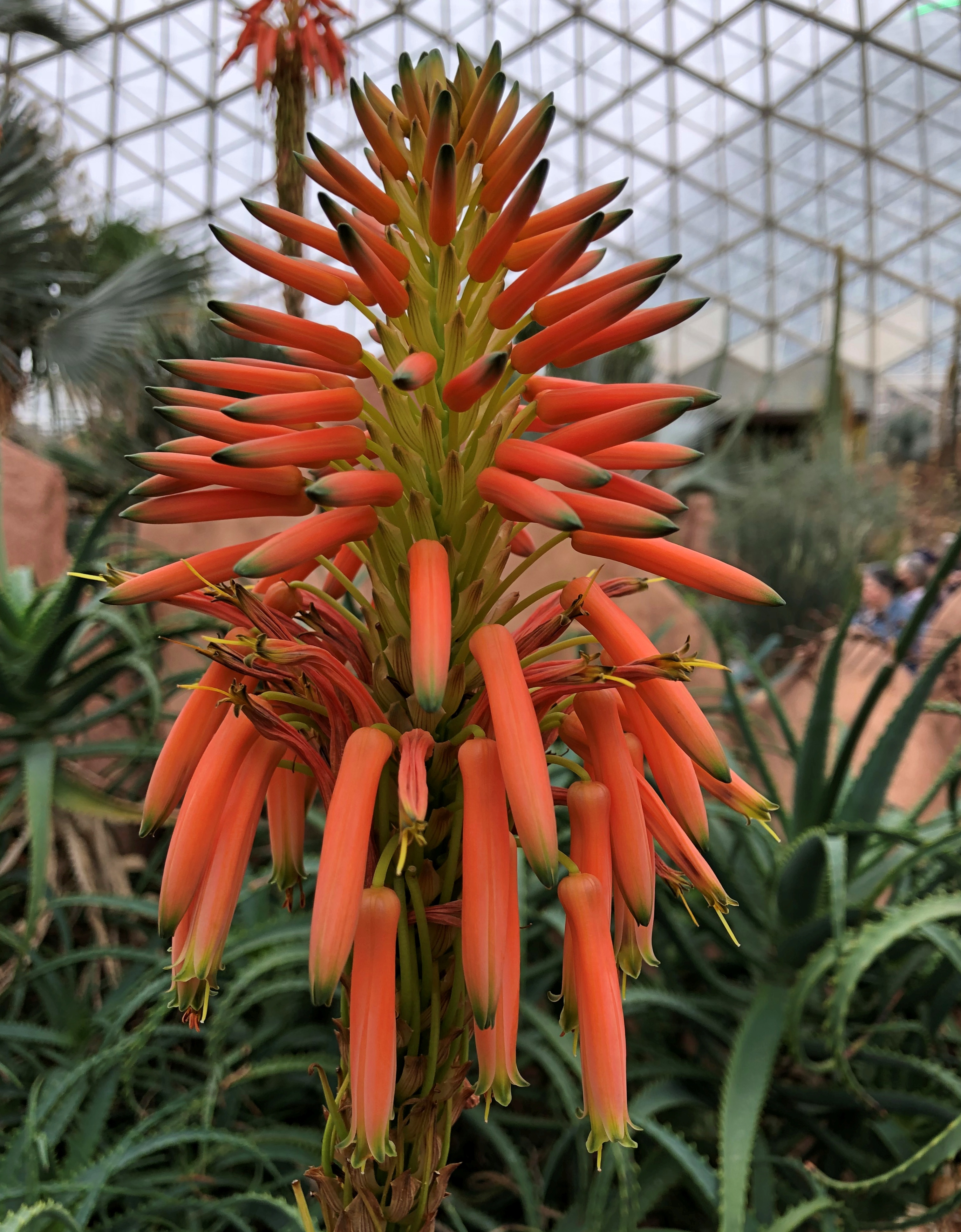
The arid dome.Mitchell Park Domes Mitchell Park Domes Mitchell Park Domes

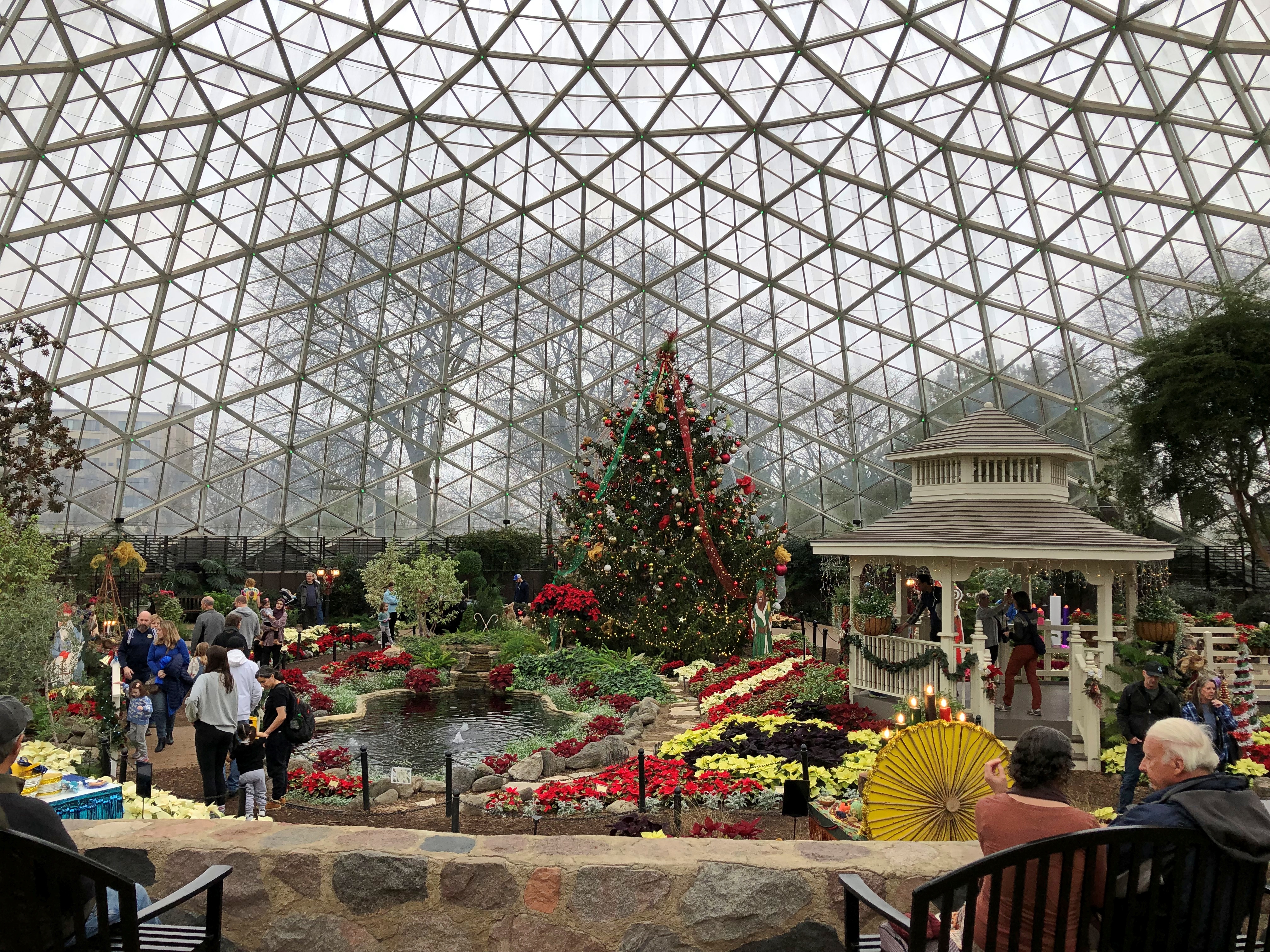
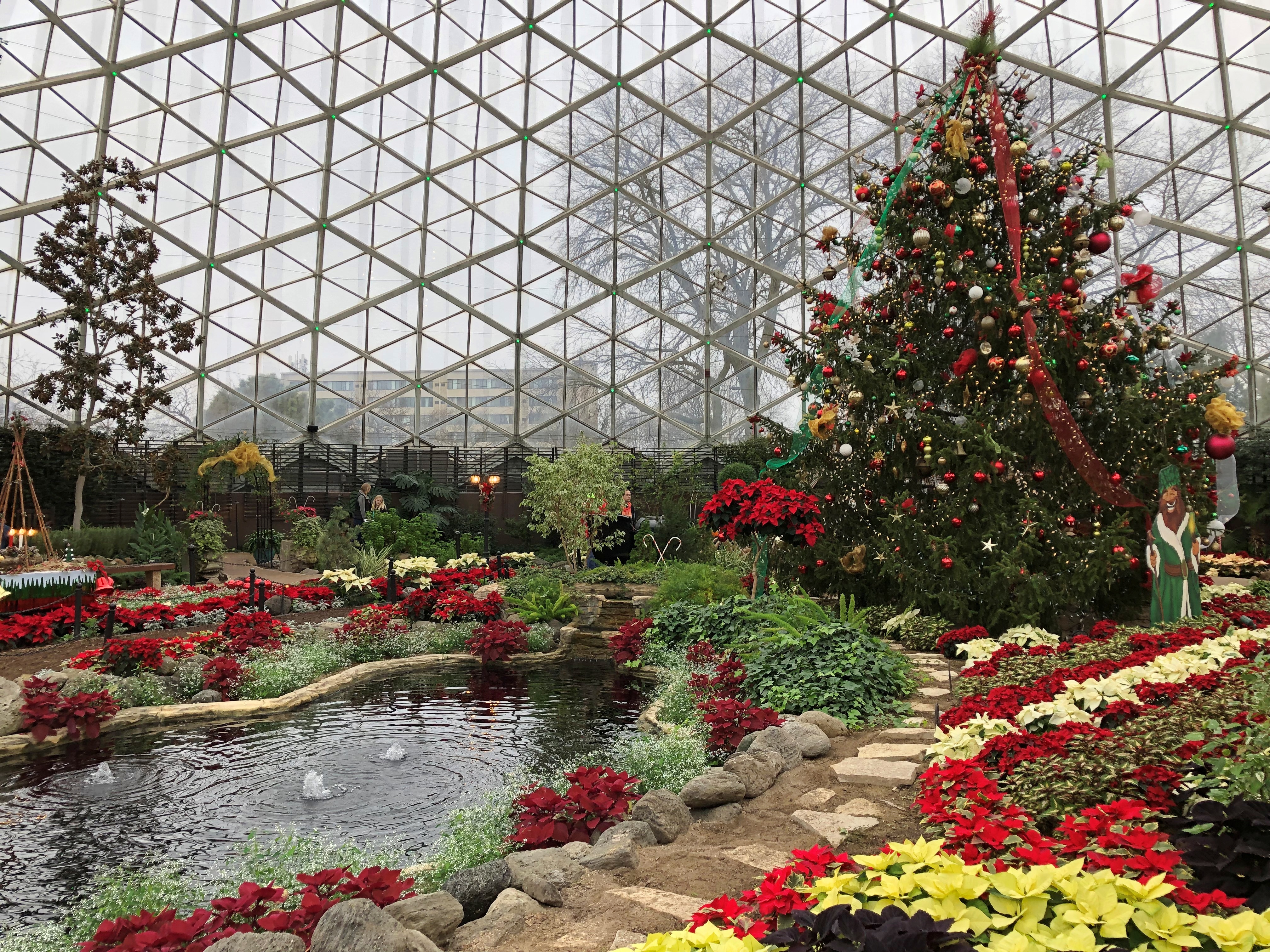
The show dome.Mitchell Park Domes Mitchell Park Domes Mitchell Park Domes Mitchell Park Domes

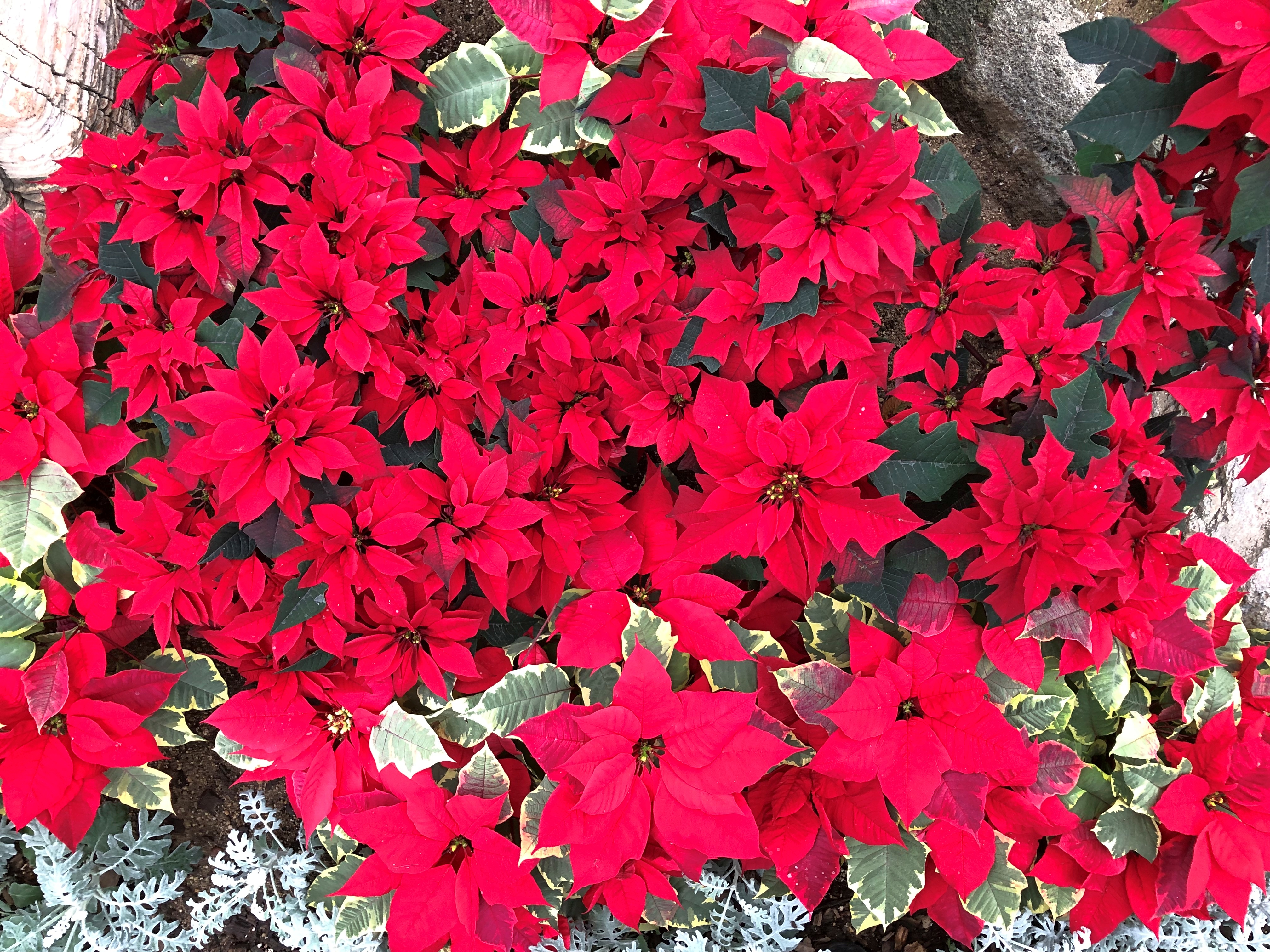
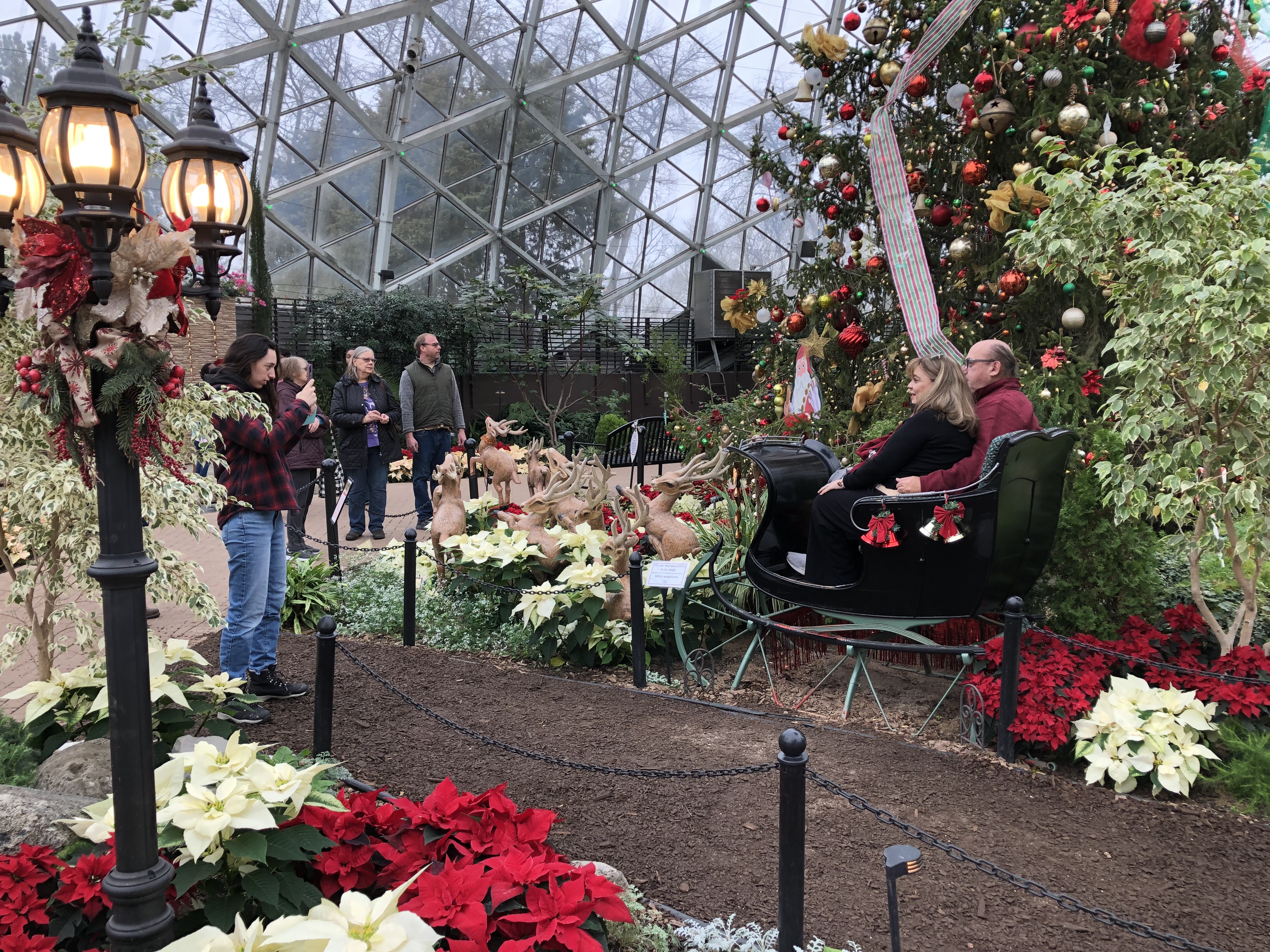
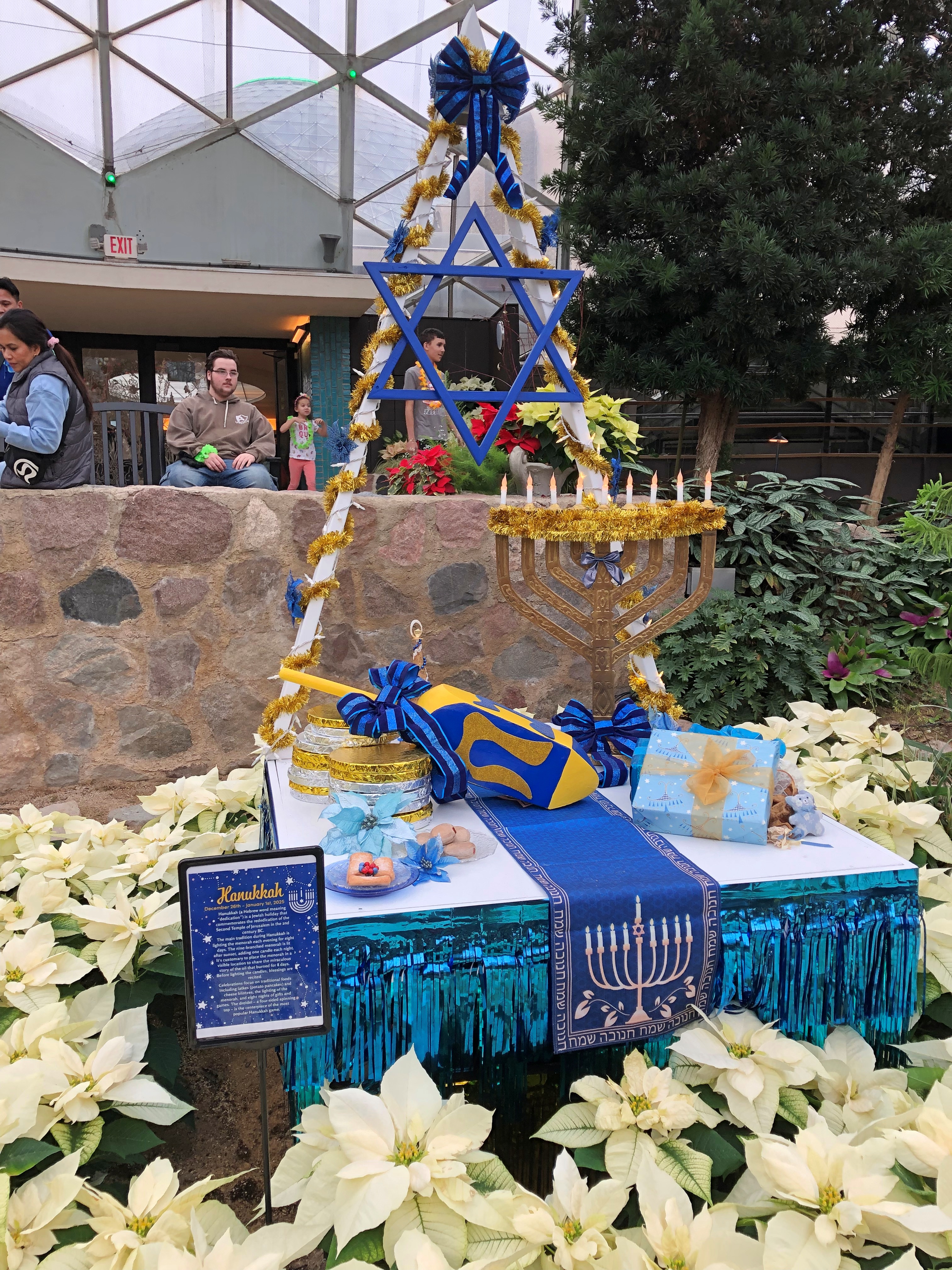
Christmas was represented, of course, but also Advent, Winter Solstice, Hanukkah, and Kwanzaa.Mitchell Park Domes

As we did those years ago, we caught it during the holiday season show, and quite a show it is under the Domes.