Pre-Thanksgiving Travel Tips

Peaked at about 65 degrees F today, which wasn’t too bad, though the wind was strong. A little cooler tomorrow, the NWS says, and then a string of days down toward freezing.
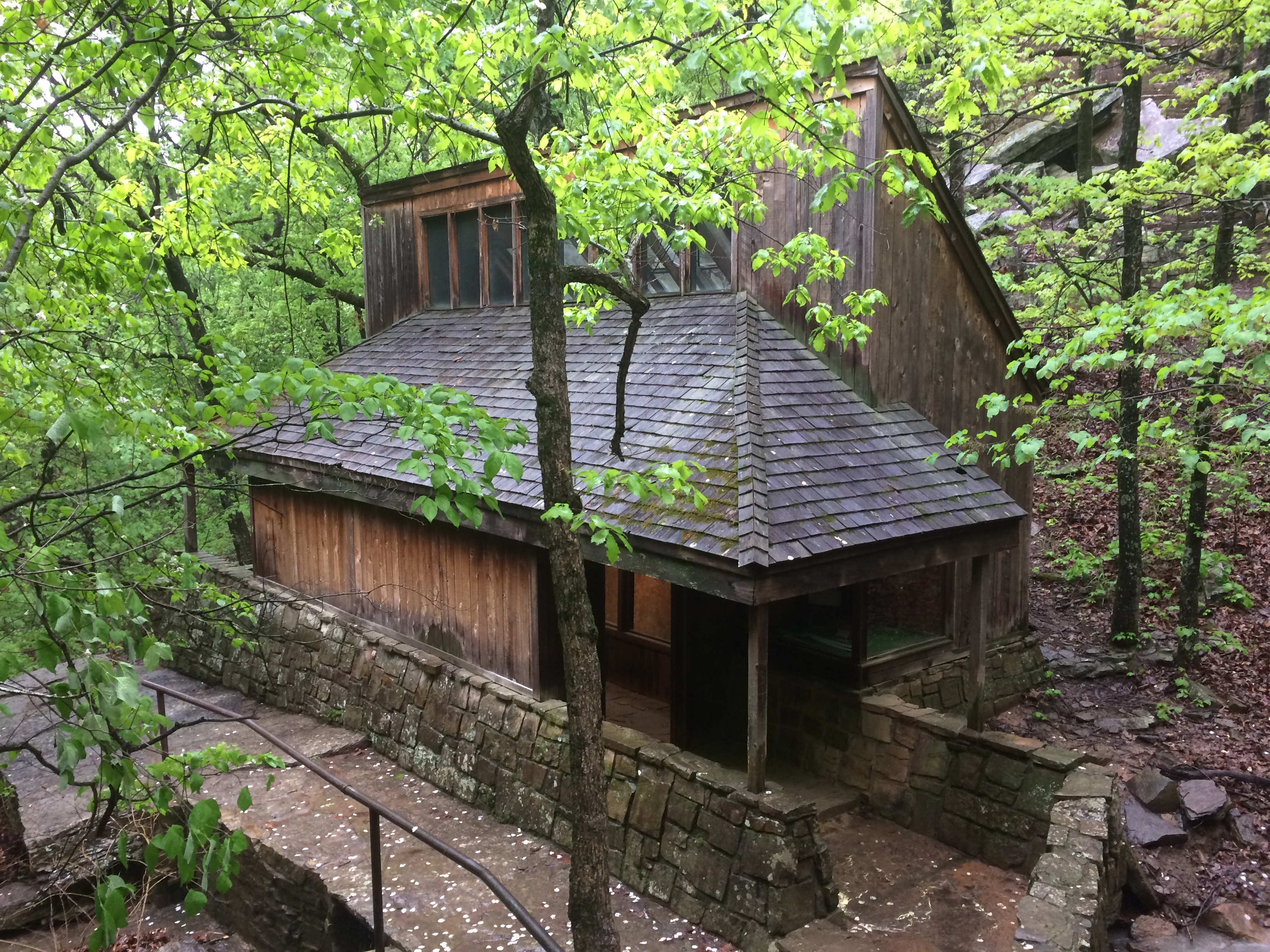
Back to posting around November 29. We aren’t going anywhere, but for us Thanksgiving hasn’t usually been a traveling holiday anyway. Got at least one Zoom with friends to look forward to, and conversations with Lilly.

We won’t be alone in sticking around at home. “Based on mid-October forecast models, AAA would have expected up to 50 million Americans to travel for Thanksgiving – a drop from 55 million in 2019,” AAA reports (for Memorial Day this year, the organization didn’t even publish an estimate).

“However, as the holiday approaches and Americans monitor the public health landscape, including rising COVID-19 positive case numbers, renewed quarantine restrictions and the Centers for Disease Control and Prevention’s (CDC) travel health notices, AAA expects the actual number of holiday travelers will be even lower.”

AAA also has advice for intrepid travelers who do brave the road, including what to do at hotels and when you rent a car. I have my own tips:

Hotels: Prior to any hotel stay, call ahead at least a dozen times, and ask very carefully and clearly, “Is it safe?” Like Laurence Olivier’s evil dentist in Marathon Man (see this hard-to-watch clip). Upon arrival, insist that the clerk throw the key card at you as you run through the lobby. Once in your room, don’t emerge for any reason. Close the curtains, take a two-hour shower and call the front desk a few more times to make sure it’s safe.

Rental cars: Under no circumstances approach the counter. Call from at least two city blocks away and explain that you want to car left another two blocks from your location, with the keys in the ignition and engine idling, so you don’t have to touch them. Once you reach the car, spray with disinfectant for at least 15 minutes, inside and out. Let dry for four hours and then you can drive it.

Just having fun with the current crisis. If you can’t do that, gloom will cloud your thoughts. At the same time, I’m not going to be one of those doorknobs who insists that a minor inconvenience like a mask is on par with a major abrogation of civil rights.

Tempus Fugit, As You Sit and Watch

As I was waiting for a call yesterday, a whim inspired me to check out the National Institute of Standards and Technology Official U.S. Time page — time.gov. (Does its existence upset certain people? That the federal government is trying to monopolize time itself?)

Anyway, it’s been a while since I looked at the page, and it’s been redesigned. Used to be fairly drab, but now it’s got spiffy color-coded time zones and digital clocks of the zones ticking away. There used to be a single clock, and you had to toggle between the zones. The new version isn’t just good enough for government work, I’d say, but better.

Remarkably, I happened to capture an image at exactly 4:00:00 Central, or x:00:00 to be more inclusive.
NIST MapI see that Arizona is still contrary when it comes to Daylight Saving Time, though for now it’s in sync with MST. Except that it looks like the Navajo do going along with DST — but the Hopi do not.

Though I cut them off in my image grab, to the side of the main map the NIST also provides the time in Puerto Rico (UTC-4), Alaska (UTC-9), the Aleutians and Hawaii (UTC-10), American Samoa (UTC-11), and the time used by the Chamorros (UTC+10), which I assume is both on Guam and the Northern Marianas.

In a slightly Orwellian touch, the NIST web site reaches out and calculates how far in error the clock in my laptop is, compared with the official time. At nearly 4 yesterday afternoon, at least, I was behind by 0.807 seconds. I think I’ll just have to live with that.

Across the Border

If you like maps, you’re going to have a certain fascination with borders, as imaginary and fluid as they may be. If you travel at all, you’re going to cross borders. If you have a fascination with maps and you travel at all, you’re going to be fascinated when you come face-to-face with a border.

Such as standing on state borders. Or national ones, which are harder to stand on, but not impossible.

On Saturday morning, when it was cool but before the cold rains that evening, I took a walk along a path, headed toward a border.
Higgins Road footpathActually, as you can see, the footpath was under construction, so I for 100 feet or so I followed the cut ground where pavement would soon be. Replacement pavement, since I’ve seen a path there for years. I can’t imagine it’s being replaced with anything else.

Not all of it is being rebuilt.
Higgins Road footpathSoon I came to the border. Or at least a sign, if not the precise line.
Higgins Road footpathThe Schaumburg-Hoffman Estates Border. A simple map shows how convoluted it is, an echo of a competing annexation rush in the late ’50s and early ’60s.

On the back of the sign is the Hoffman Estates seal, or emblem or logo. I didn’t remember seeing it before. Edited from the original: “Growing to Greatness, and Those Schaumburg Bastards Aren’t Going To Stop Us.”
The blue diamond marks where I was, heading west into Hoffman Estates, and then back east into Schaumburg. The road is Illinois 72, but we never call it that. It’s Higgins Road. Just to the east of the blue diamond is a small office complex that includes our dentist as a tenant. I took Ann there Saturday morning for an appointment, but there’s no waiting in the waiting room, so I hit the footpath.

“Early records date the road back to 1851,” writes Pat Barch, Hoffman Estates historian. “It was identified as the Dundee Road on 1904 maps. Early settlers called it the Chicago-Dundee Rd. Today’s Higgins Road (Route 72) wasn’t opened as a state road until 1924. It runs for 110.71 miles from IL Rt 43 in Chicago to Lanark, IL.”

Also, the road might have been named for nearby landowner “F. Higgins.” Lots of early landowners gave their names to later suburban roads. As suburban roads go, I like Higgins, at least at this juncture. It’s usually less crowded than the similar-sized and nearby Golf Road, which runs past the Woodfield Mall, car dealerships and other traffic generators.

All the years I’ve been driving on Higgins, I’d never walked on the path. Or seen many other people doing so, or riding bikes. So I guess the current crisis is good for something — getting me out to see the territory.

This is the view across the border. Not much of a change in scenery.
Higgins Road footpathHiggins to the left has some traffic, but only enough to be distracting when you’re on foot, until you start to ignore the sound. To the right are bushes and fences that separate the road and footpath from suburban back yards.

I got as far as the intersection of Higgins and Ash Road. Years ago, I used to turn on Ash to drive to the home of a babysitter we used occasionally, who had a daughter about Lilly’s age. Live in a place long enough and everywhere reminds you of something.

Crabtree Nature Center

Unlike the most recent weekend, the weekend before that was unseasonably warm and pleasant. Naturally that meant we wanted to visit a forest preserve, so I took to Google Maps and picked one I thought we’d never been to before: Crabtree Nature Center.

That sounds like a building you’d visit for the edification of small fry, and there is such a facility on the property (closed for now). But mostly it’s green space — woodlands and prairie and wetlands — on about 112 acres that are part of the Cook County Forest Preserve system.

Not far from the parking lot, which is half blocked off now to prevent crowding, a trail loops around two small lakes. I suspect crowding isn’t usually an issue, but never mind.Crabtree Nature Center

Crabtree Nature CenterCrabtree Nature CenterA pleasant walk on a warm day. Most of the leaves had already transitioned to the ground, making for a lush underfoot crunch as you walked on. Or the swish of knocking leaves out of the way with your feet. Distinct fall sounds.Crabtree Nature Center

Crabtree Nature Center Crabtree Nature CenterToward the end of the loop, you pass by some large iron-mesh enclosures, about two stories tall, home to a number of large birds that I suspect had been rescued for one reason or another, and who couldn’t survive in the wild.

Then it occurred to me: we had been here before. I remembered these enclosures. How long ago? I couldn’t recall exactly, but I did have a fleeting memory of pushing someone in a stroller. Probably Ann, since she would have been the right age for that right after we moved to the northwest suburbs, and I doubt we would have been up this way before that.

007 Sighting

A blustery, cold, sometimes rainy weekend just passed. A classic northern November, in other words, and one of a number of reasons to stay home. Most of the time.

Spotted this truck on the street not long ago. A advertising tie-in between DHL and the Bond franchise that I didn’t know about before.
Apparently DHL has paid big bucks to be associated with the latest Bond movie, No Time to Die, whose release has been delayed to April, at the earliest, because now is No Time to Go To the Movies.

I’m not sure I’d want James Bond anywhere near my delivery vehicles. Let’s just say he has a long history of wrecking whatever mode of transit he finds himself in, or wrecking the vehicles of the bad guys chasing him, or both.

Forest Home Cemetery

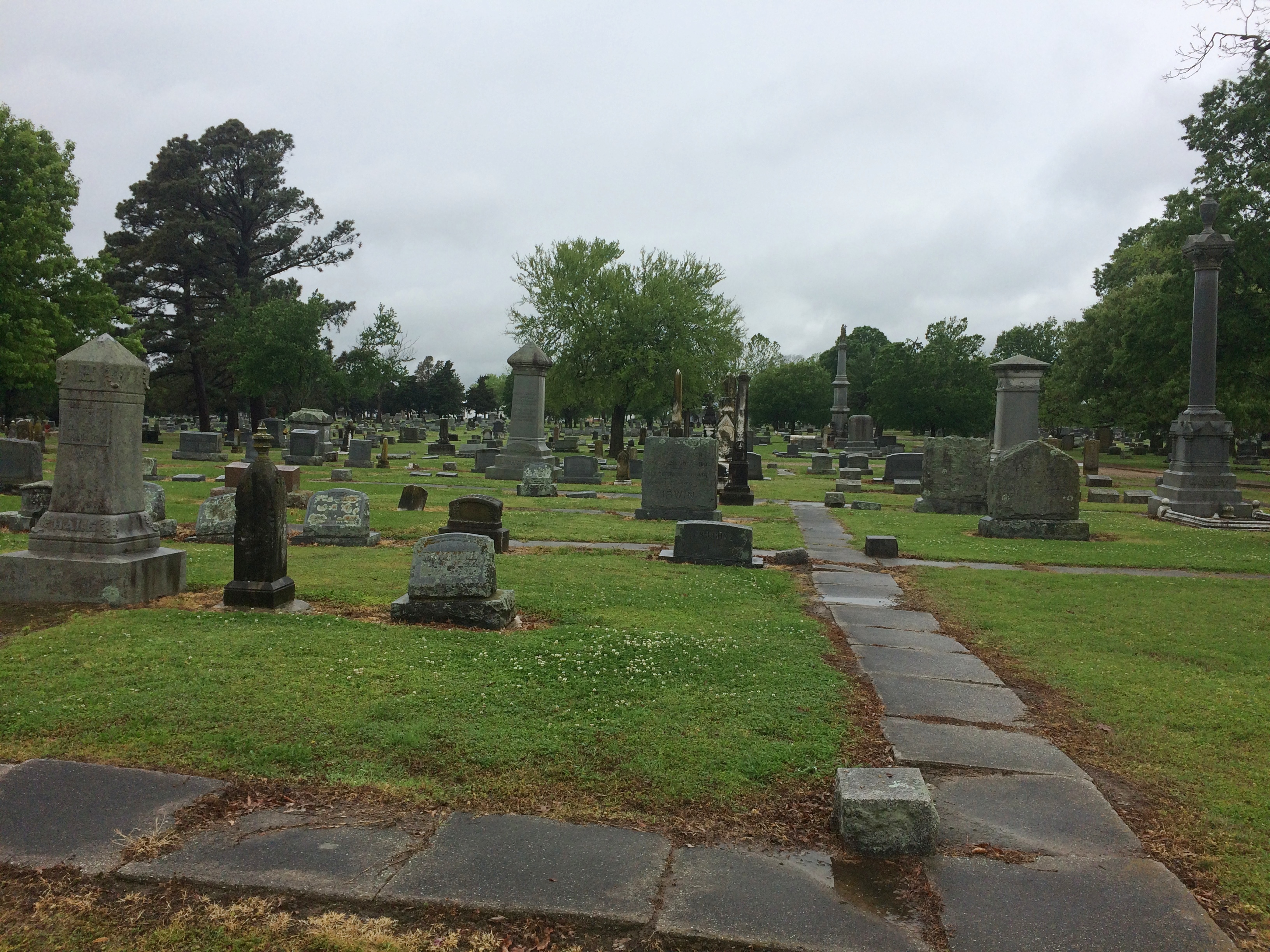
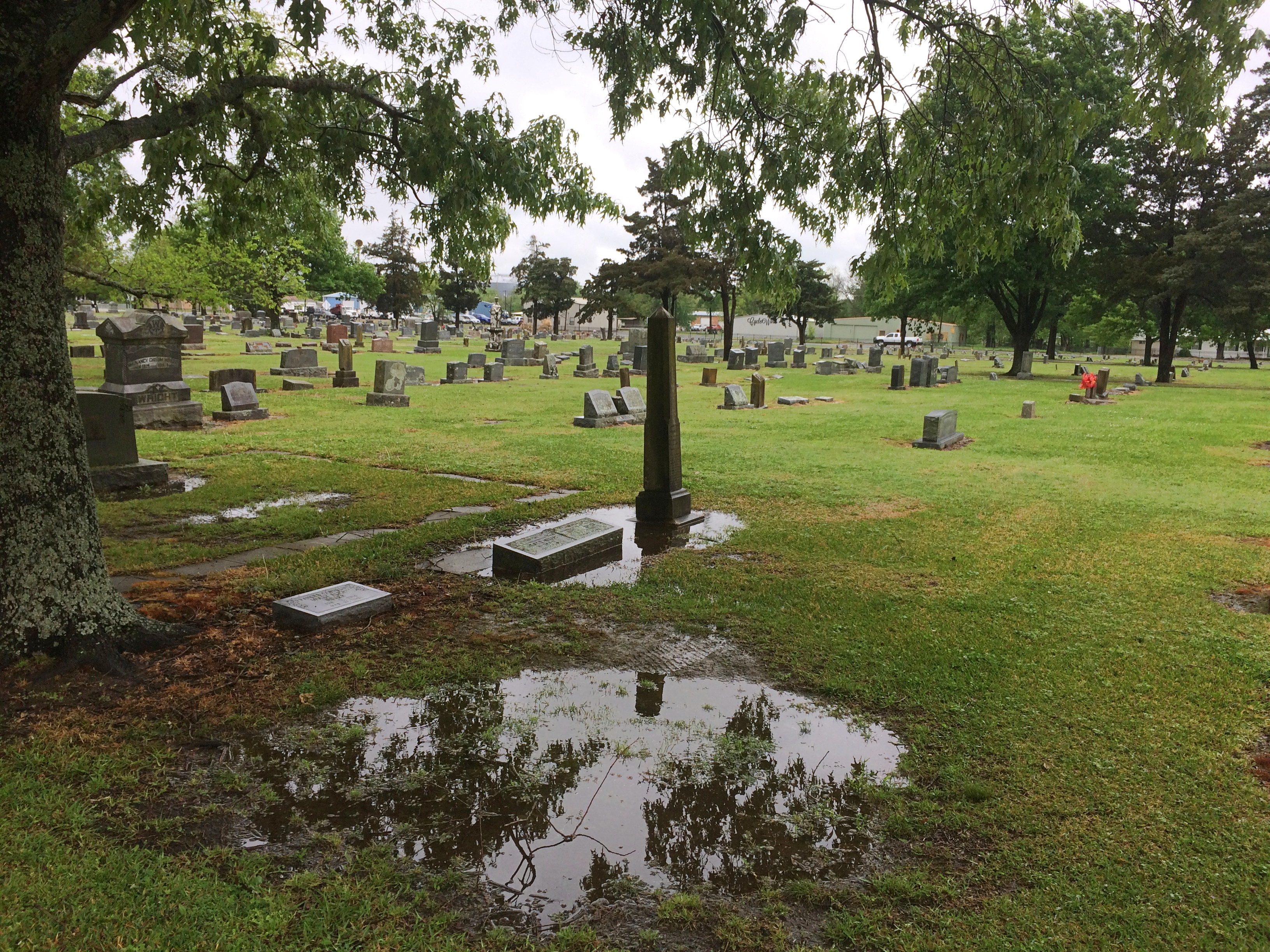
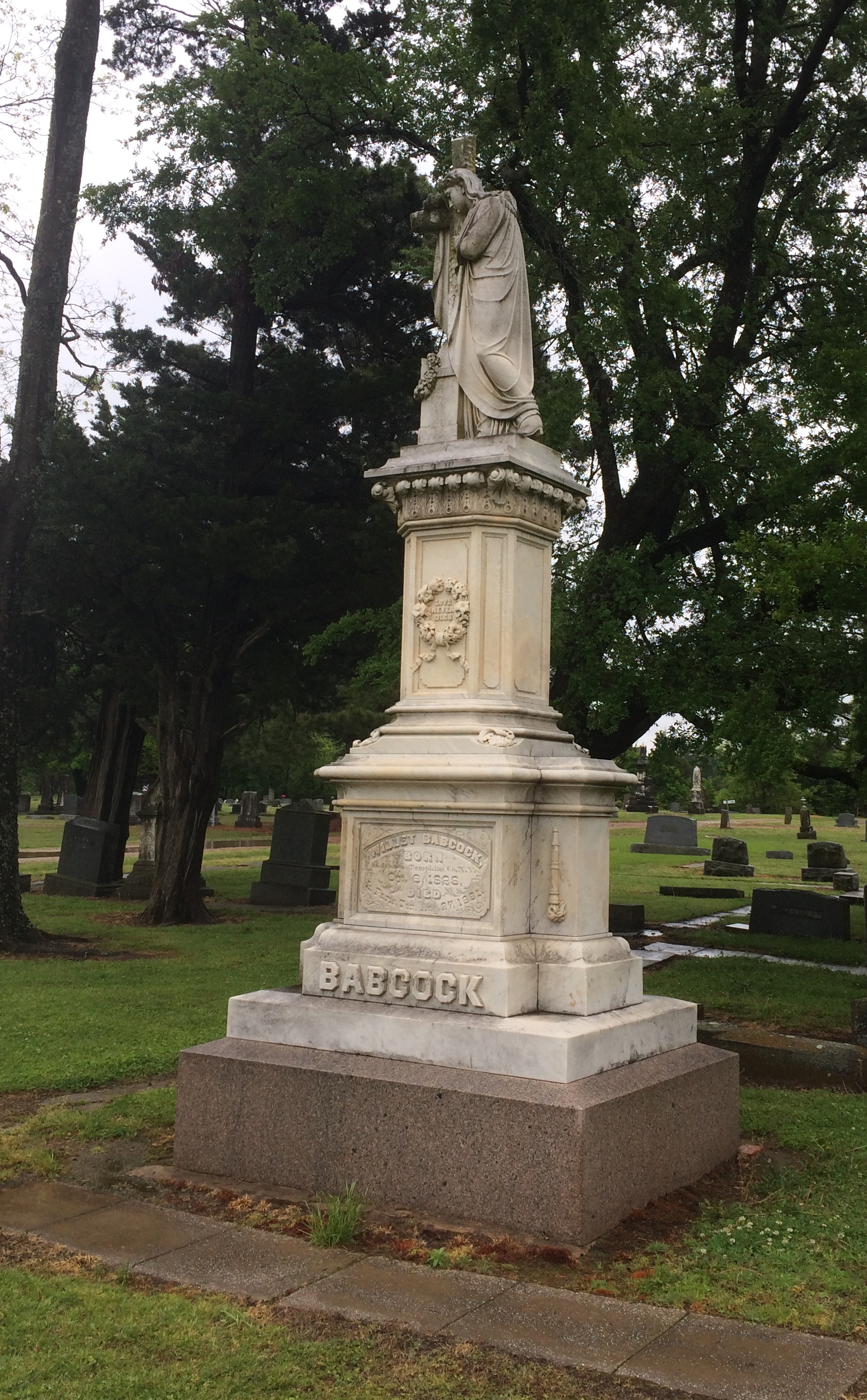
After visiting Garfield Park in Chicago on October 25, I took a short drive to Forest Home Cemetery, which is near west suburban Forest Park. One of metro Chicago’s splendid cemeteries. It had been a number of years since I’d been there, but I hadn’t forgotten how schön the place is in October.Forest Home CemeteryForest Home CemeteryForest Home CemeteryForest Home CemeteryForest Home CemeterySome unusual memorials I didn’t remember.Forest Home Cemetery

Forest Home CemeteryI couldn’t identify this large mausoleum, since there are no names on it.
Forest Home Cemetery

Later I found out that it is the Lehmann Mausoleum, dating from 1902, and the largest in the cemetery. The Lehmanns ran department stores in Chicago, but for whatever reason, they built another mausoleum in 1920 in Graceland Cemetery in the city and had the deceased members of the family moved there, leaving the Forest Home structure vacant, as it remains, according to the cemetery’s web site.

The Haymarket Martyrs’ Monument.Forest Hill Cemetery - Haymarket Memorial

Forest Hill Cemetery - Haymarket MemorialForest Hill Cemetery - Haymarket Memorial“On June 23, 1893, thanks to Lucy Parsons [widow of Albert Parsons, one of those executed] and the Pioneer Aid and Support Association, the Haymarket Martyrs’ Monument was dedicated,” Atlas Obscura says.

“On the front of the granite monument is the imposing figure of a woman representing justice standing over a fallen worker. The bottom of the 16-foot monument features the final words of August Spies [also executed]: ‘The day will come when our silence will be more powerful than the voices you are throttling today.’ ”

Emma Goldman and the cemetery’s gaggle of leftists are of course still present.
Emma Goldman graveIncluding some relatively new additions.Forest Home Cemetery Forest Home Cemetery

Forest Home CemeteryMaybe not a gaggle. What would be a good collective for leftists? How about a soviet of leftists? The opposite would be a fascio of rightists.

The Garfield Park Fieldhouse

On October 24, as mentioned yesterday, we visited Lake County forest preserves. The next day, a Sunday, we went into the city, near Humboldt Park. Temps were around 50, but the park was alive with people, including a lot of dog walkers.

While Yuriko attended her cake class (just her and the sensei, these days), I decided to pop down to Garfield Park, which is one of the major Chicago parks connected by boulevards. I hadn’t been there in a good while, since some visits to the Garfield Park Conservatory.

The park, just as open and inviting in layout as Humboldt, since it too was a masterpiece of landscaping by William LeBaron Jenney, was nearly deserted on that Sunday in October.
Garfield Park, ChicagoThat didn’t encourage me to linger, but I did take a look at a few things, such as the bandshell, designed in 1896 by J. L. Silsbee.

Garfield Park, ChicagoMostly, though, I’d come to see the Garfield Park Fieldhouse. I’d only ever gotten glimpses of it from the El.
Garfield Park Fieldhouse, ChicagoOriginally built in 1928 to be administrative offices for one of the pre-Chicago Park District park entities, AIA Guide to Chicago Architecture says that designers Michaelson & Rognstad took inspiration from the California State Building at the 1915 Panama-California Expo in San Diego. (Still standing in Balboa Park, and quite a place.)

“The facade is exuberantly… punctuated with a Churrigueresque entry pavilion of spiral Corinthian columns, cartouches and portrait sculptures,” the Guild says.

Garfield Park Fieldhouse, Chicago

Garfield Park Fieldhouse, ChicagoGarfield Park Fieldhouse, ChicagoIs it ever. I understand that there’s more to gawk at inside, but in our time the building is closed.

Half Day Forest Preserve & Captain Daniel Wright Woods Forest Preserve

The weather over the weekend was brilliant, a cluster of warm, mostly clear days, an echo of this year’s golden summer. Today too, but it will end tomorrow evening with storms and cold air behind them.

Here in northern Illinois, summer 2020 offered mostly warm, mostly clear days that stretched into months, with just enough rain to keep the intense green of a wet spring still green as the summer wore on.

Such a fine summer, if you were lucky enough to enjoy it, came as if to soothe over the nervous energy and dread the near future emanating from the wider world, though I’m fairly sure the weather takes no interest in our concerns. Birds don’t either, but somehow they were singing just a little more cheerfully over the weekend. What’s up with that, eh?

This is how to give a presidential concession speech.

Two weekends ago, temps were cooler but not bad. Certainly high enough for a walk in a new forest preserve. New to us, and actually two adjoining forest preserves: Half Day FP and Captain Daniel Wright Woods FP.
The preserves are in Lake County. We started at the Half Day parking lot near a small lake, walked to the small lake in Captain Daniel Wright Woods, and came back the way we came.Half Day FP and Captain Daniel Wright Woods FP

Half Day FP and Captain Daniel Wright Woods FPHalf Day FP and Captain Daniel Wright Woods FPExcept for seeing a sign along the trail, we wouldn’t have known where one forest preserve began and the other ended, which was more-or-less at the Des Plaines River. First we had to cross that river.Half Day FP and Captain Daniel Wright Woods FP

Half Day FP and Captain Daniel Wright Woods FPHalf Day FP and Captain Daniel Wright Woods FPI can’t see a name like that and not look it up later. Captain Daniel Wright, a veteran of the War of 1812, later became noted as the first white settler in Lake County.

Half Day FP and Captain Daniel Wright Woods FP

Half Day FP and Captain Daniel Wright Woods FPHalf Day FP and Captain Daniel Wright Woods FPFind-A-Gave has more. “Capt. Wright was active as a farmer and a cooper,” the site says. “He built his cabin when he was in his mid-fifties and in spite of the hardships associated with pioneer life, he lived to be ninety-five years old and is buried in the Vernon Cemetery in Half Day. A stone memorial was erected in his memory on his old farm on the east side of Milwaukee Avenue.”

Something else to look for next time I come this way.

National Museum of Mexican Art ’15

Five years ago this month, I made it to the National Museum of Mexican Art in the Chicago neighborhood of Pilsen, in time to see its annual Día de los Muertos exhibit. This year it was cancelled as an in-person event, as you’d think. No visiting the Day of the Dead exhibit in person, to reduce the chance of Death coming your way.

I haven’t visited since, though there’s still time to see this year’s exhibit virtually, which is probably interesting, but not as satisfying as being there. If this year has taught us anything, it’s that primary experience is primary.

At the National Museum of Mexican Art, I experienced art skulls.

Day of the DeadDay of the DeadDay of the Dead

Two Puebla artists, Jose Antonio Cazabal Castro and Silverio Feliciano Reyes Sarmiento, created this monumental altar for Day of the Dead celebrations in the town of Huaquechula in the state of Puebla. Remembering a boy, looks like.

One more.
A detail, most of it really, of “Skeletons of Quinn/Calacas de Quinn,” a 2015 work by Hugo Crosthwaite of Baja California.