Yuriko’s latest creation at cake class.
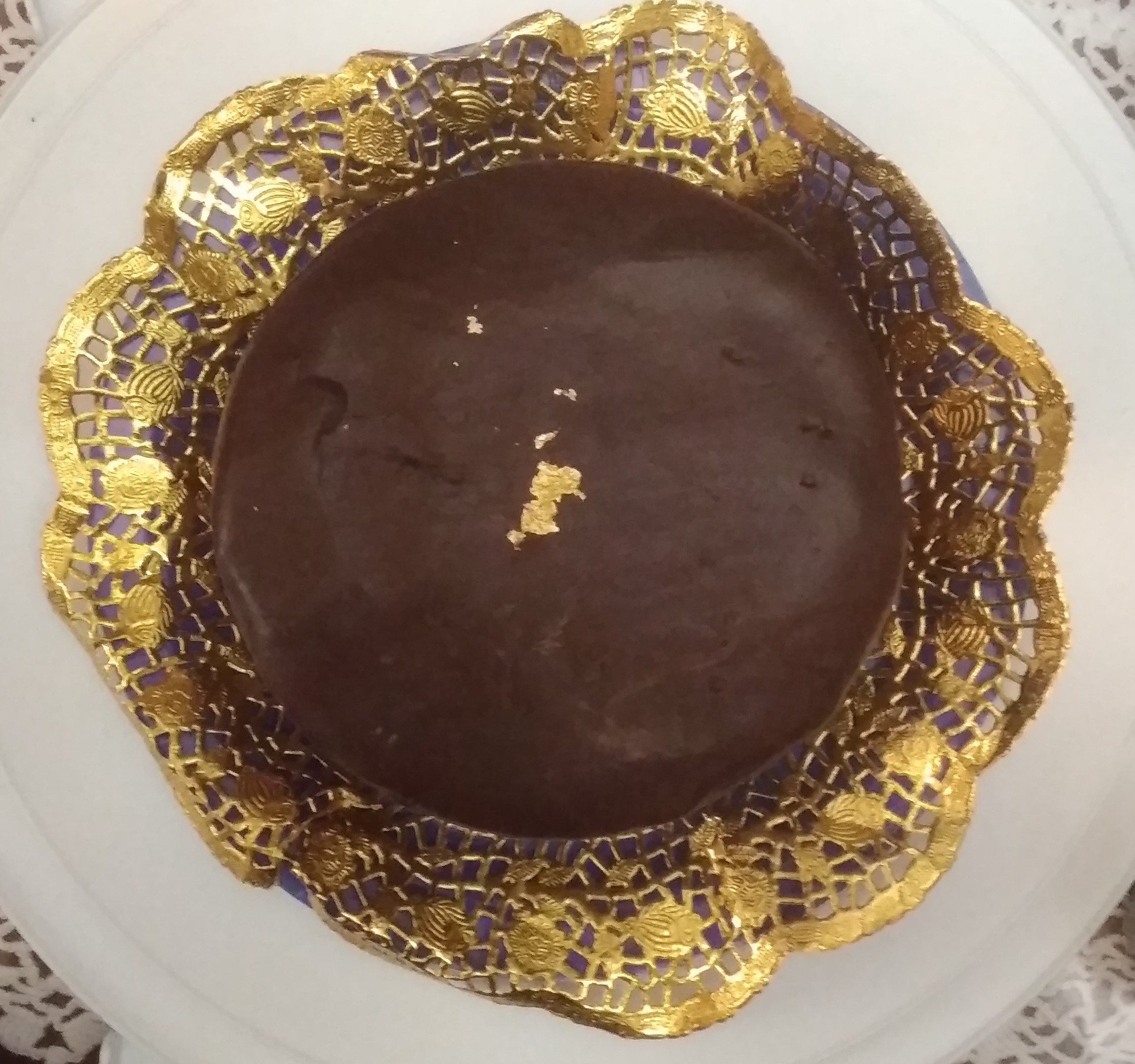 Looks like plain chocolate, but it’s intense, dark and rich, with a vein of apricot jam running through it and a touch of gold to mark the apex. We enjoyed it thoroughly tonight and will again tomorrow.
Yuriko’s latest creation at cake class.
Looks like plain chocolate, but it’s intense, dark and rich, with a vein of apricot jam running through it and a touch of gold to mark the apex. We enjoyed it thoroughly tonight and will again tomorrow.
The calendar turns to March, winter doesn’t care. Below freezing most of the time in recent days, close to single digits some nights, but at least no ice or snow from the sky. I understand the Northeast is getting blasted now, but the storm bypassed this part of the Midwest. All we have it rims of dirty snow and ice.
A week ago, when I flew from Dallas to Chicago, skies were cold and clear but also windy, at least at Midway. Not windy enough to prevent landing, but the pilot did warn us that the landing might be bumpy.
He wasn’t just whistling Dixie. Besides regular turbulence, the jet shook from side-to-side, not violently, but more than you’d want, even after it had touched down on the runway. When the plane finally came to a stop, spontaneous applause broke out. It was that kind of landing. You know, a good one. We all walked away from it.
I looked at this posting the other day and was surprised to remember that I’ve been watching The Americans for that long — since March 2013. Watched the penultimate episode on Friday night. Wow, it was good.
The last season has been on demand for a while now, but I refuse to gobble them up like little chocolate doughnuts. I take them more like Toblerone, a sweet triangle at a time, back when that confection was hard to find in the United States.
(I remember an irritating guest we had late in college at our house in early ’80s Nashville. His worst offence was snarfing down our entire Toblerone bar when no one was watching.)
TV was meant for weekly installments. That’s in Leviticus, I think. Except maybe Batman during the original run. Commentaries vary.
I understand The Americans finale is a corker, and I believe it, though I don’t know the details. The show’s nothing if not suspenseful. Sorry to see it end.
San Antonio to Dallas is roughly a five-hour drive straight through, provided traffic isn’t gummed up somewhere along I-35, which it will be in Austin, so best to take Texas 130 around that city, even though it costs extra.
Also best to break the trip into smaller segments and take a look around an in-between place or two. My nephew Dees told me that Aquarena Springs, formerly a postwar tourist attraction — trap — of some renown in San Marcos, is a good thing to see. In recent years, Texas State University-San Marcos remade the place as the Meadows Center for Water and the Environment. Glass-bottom boat tours are star attraction now, rather than the “aquamaids” of yore.
Sounded like a diversion of more hours than we were willing to spare, so we skipped it this time. But we did stop in San Marcos.
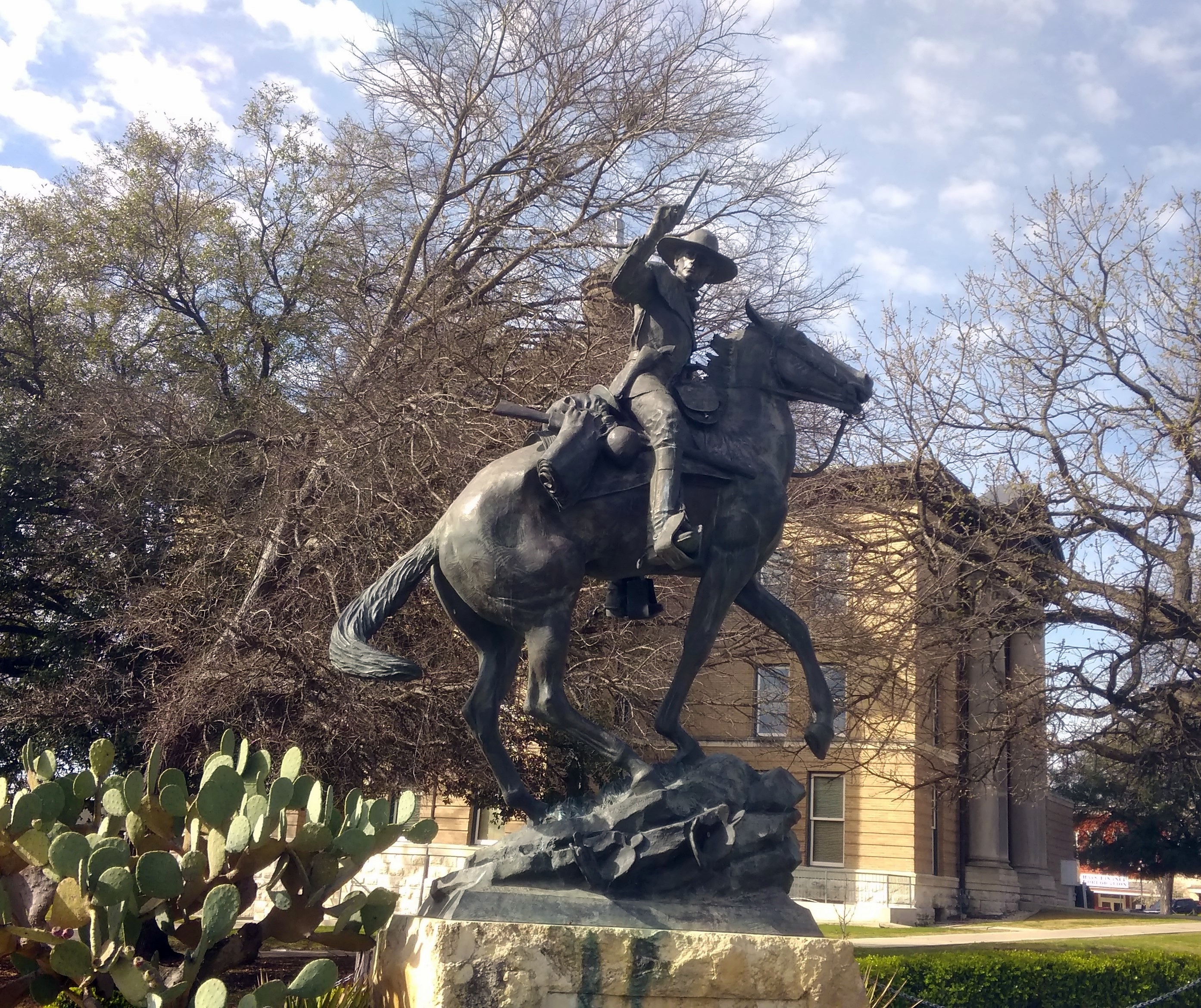
First for a look at the Hays County Courthouse, which is a fine old building with a statue of John Coffee Hays outside, whom the Handbook of Texas Online calls a “Texas Ranger extraordinary.” South Texas sculptor Jason Scull did the bronze.
 Not far away is the San Marcos City Cemetery. According to the Heritage Association of San Marcos, the cemetery replaced a smaller boneyard, with burials beginning in 1876. The city took ownership in the 20th century, as it retains today.
Though you climb a small hill at the entrance, most of the cemetery is level. Though not heavily wooded, the cemetery has trees to remind us that late February in central Texas is early spring.
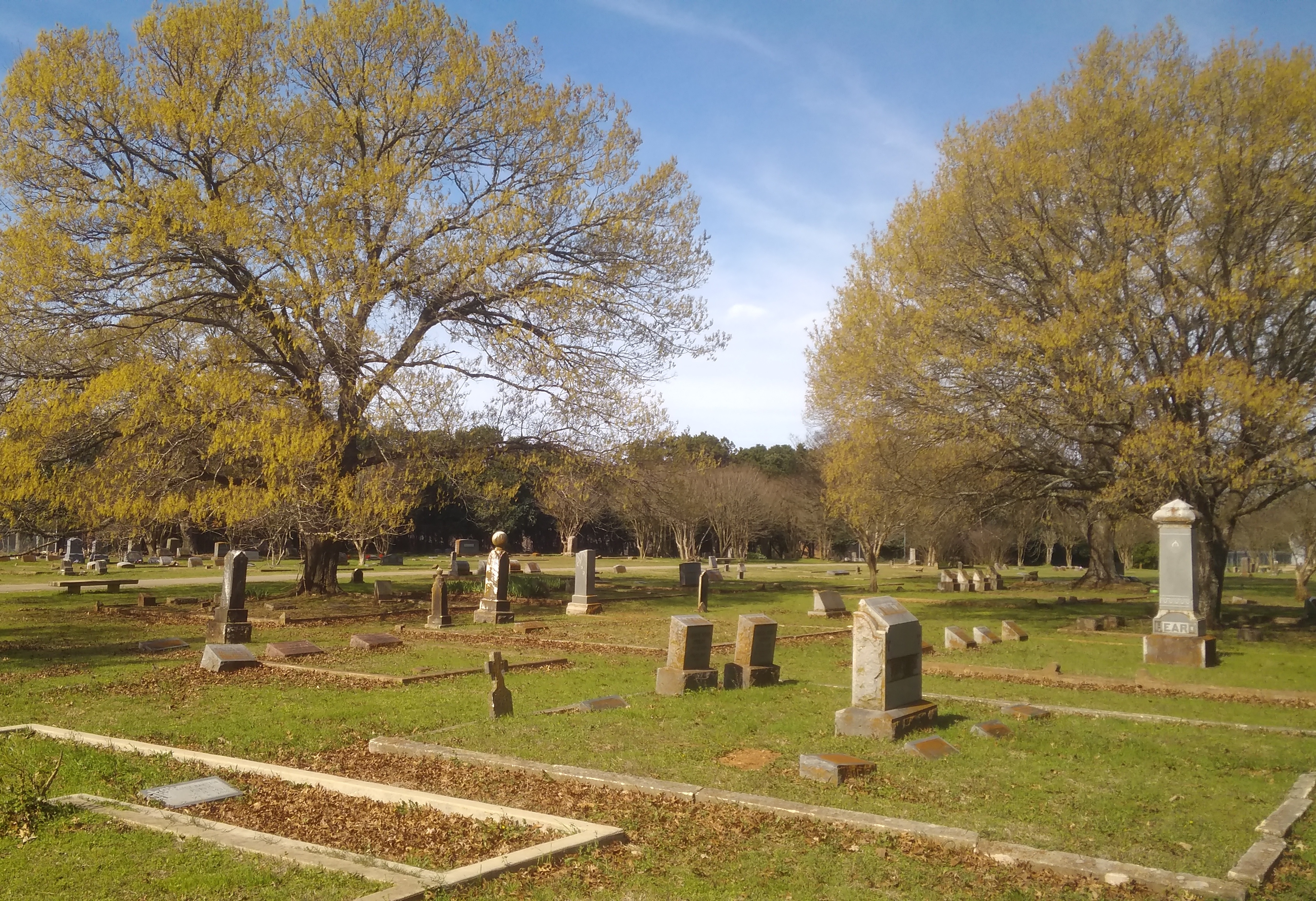

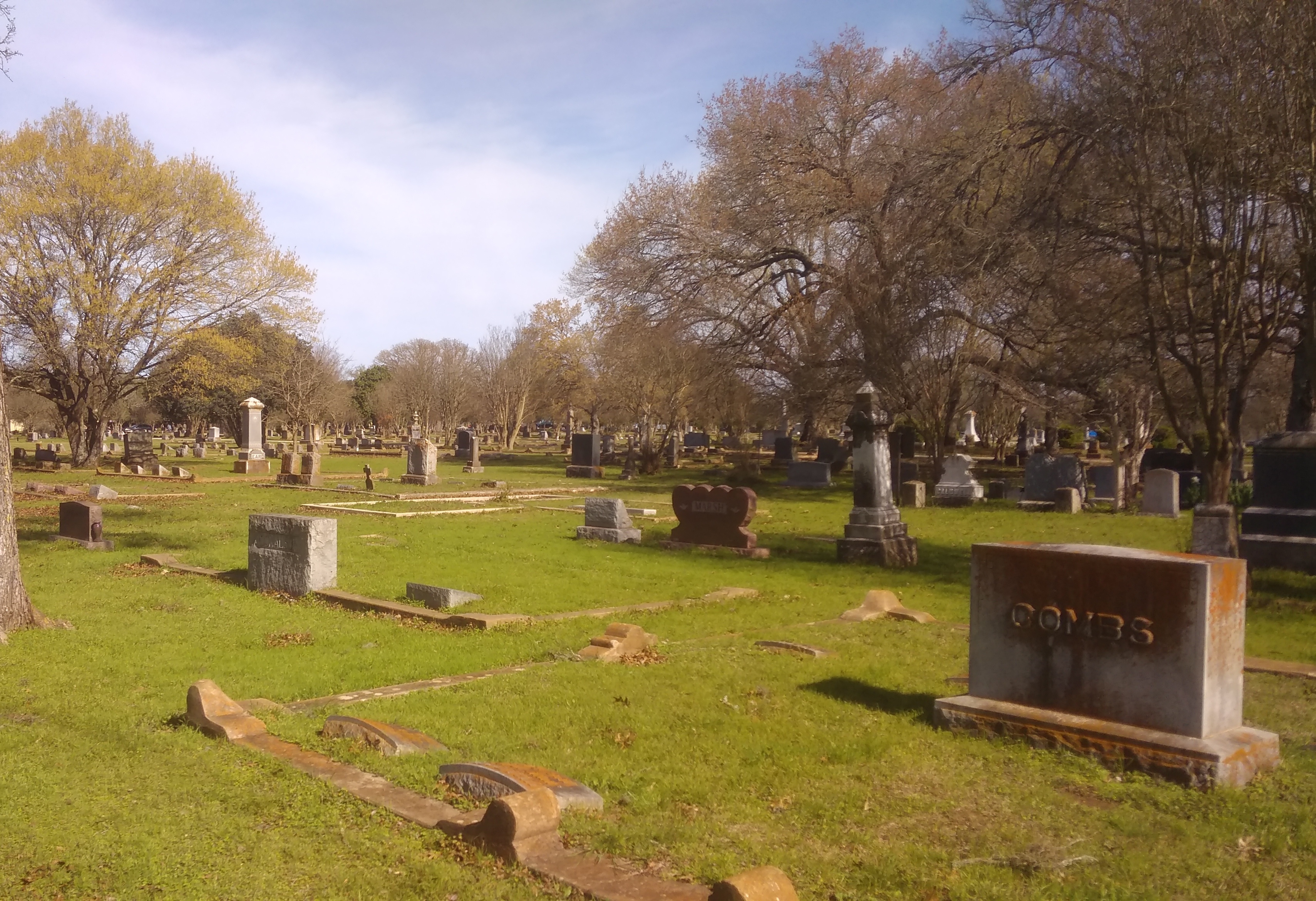 There are some larger stones and some funerary art, but not a lot.
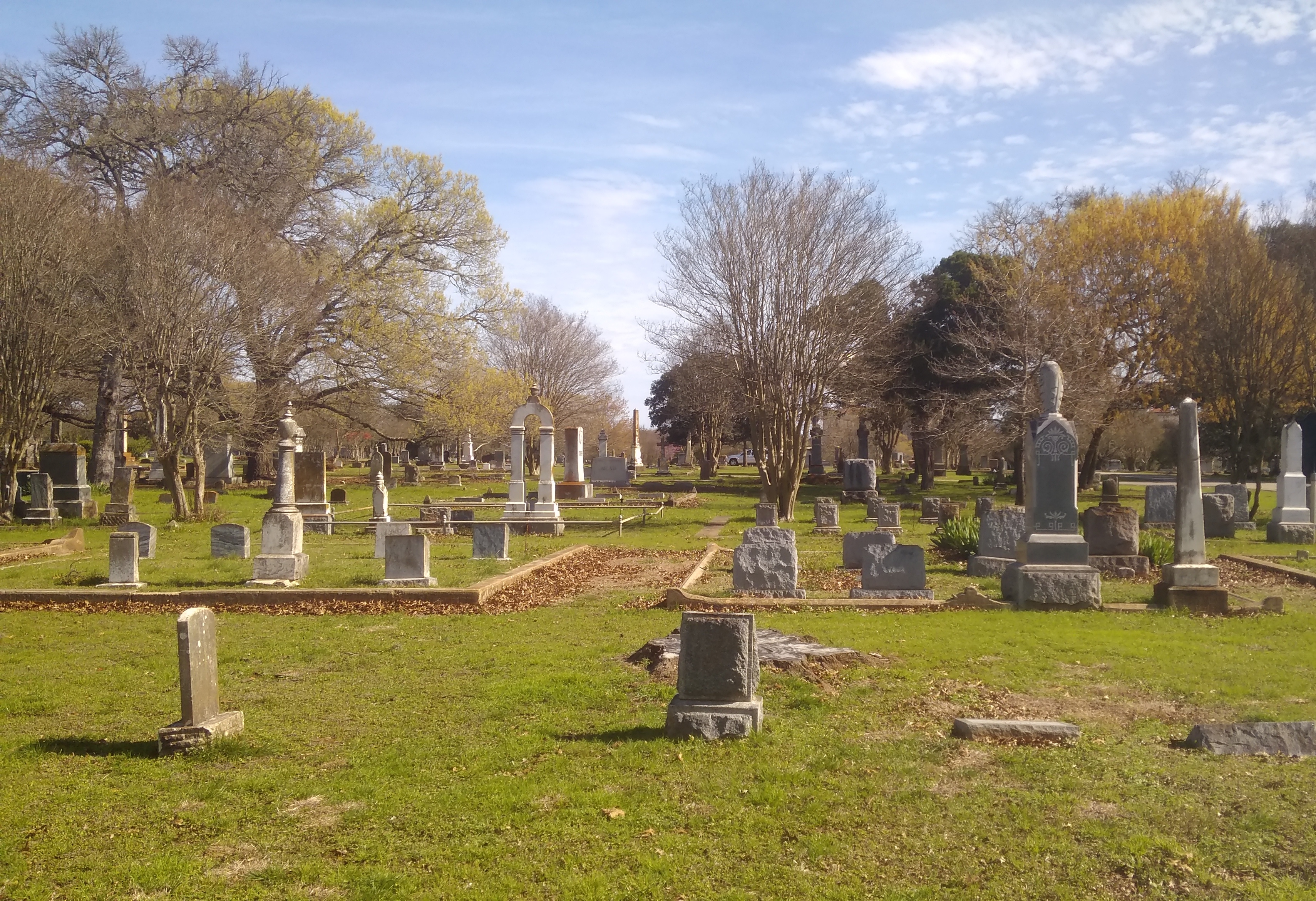 As Jay pointed out, ready money in 19th-century San Marcos — when such art was more likely to be erected — was in short supply, at least compared with a place like New York, home of Green-Wood and Woodlawn, or even old Charleston.
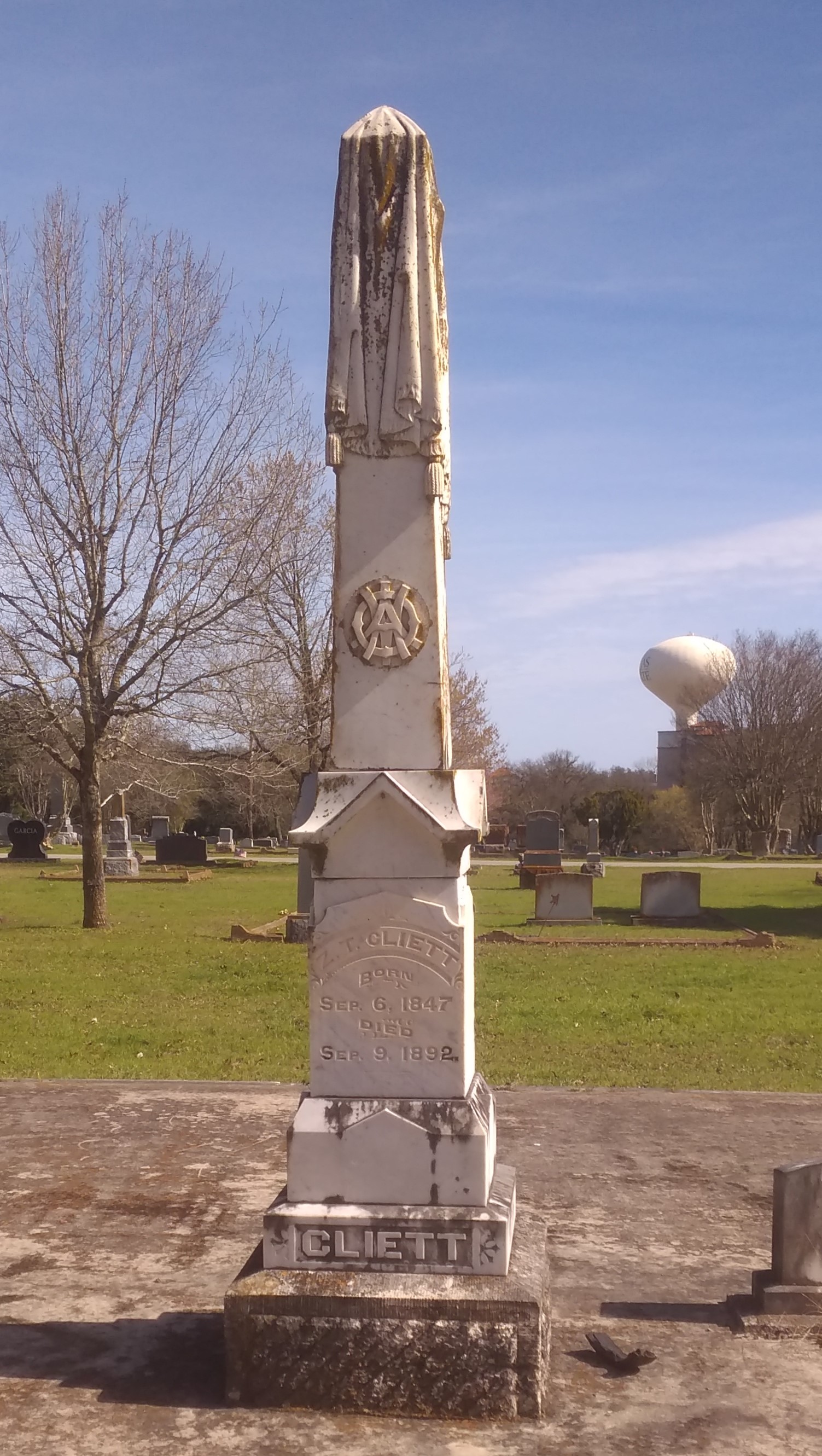
Still, there are some more ornate markers, such as the draped obelisk of Z. T. Cliett (1847-1892).
 Or the stone of Dr. P. C. Woods (1820-1898).
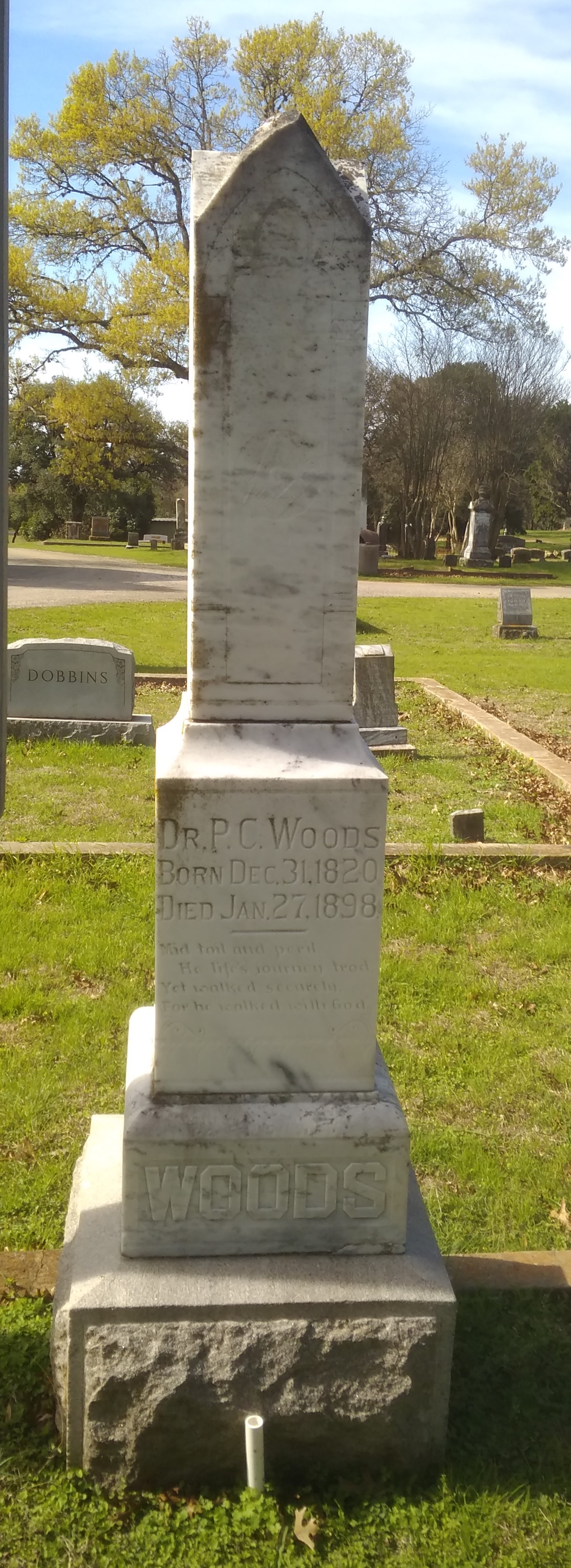 A nearby Texas Historical Commission marker says that Dr. Woods came to Texas from Tennessee, as so many did (T for Texas, T for Tennessee). Commanding the 32nd Texas Cavalry Regiment during the war, he patrolled the border with Mexico and the Gulf coast against possible Union attack, and fought in Louisiana, where he “received an arm injury which impaired him for the rest of his life.” That didn’t keep him from being a farmer and doctor in postbellum Texas, however.
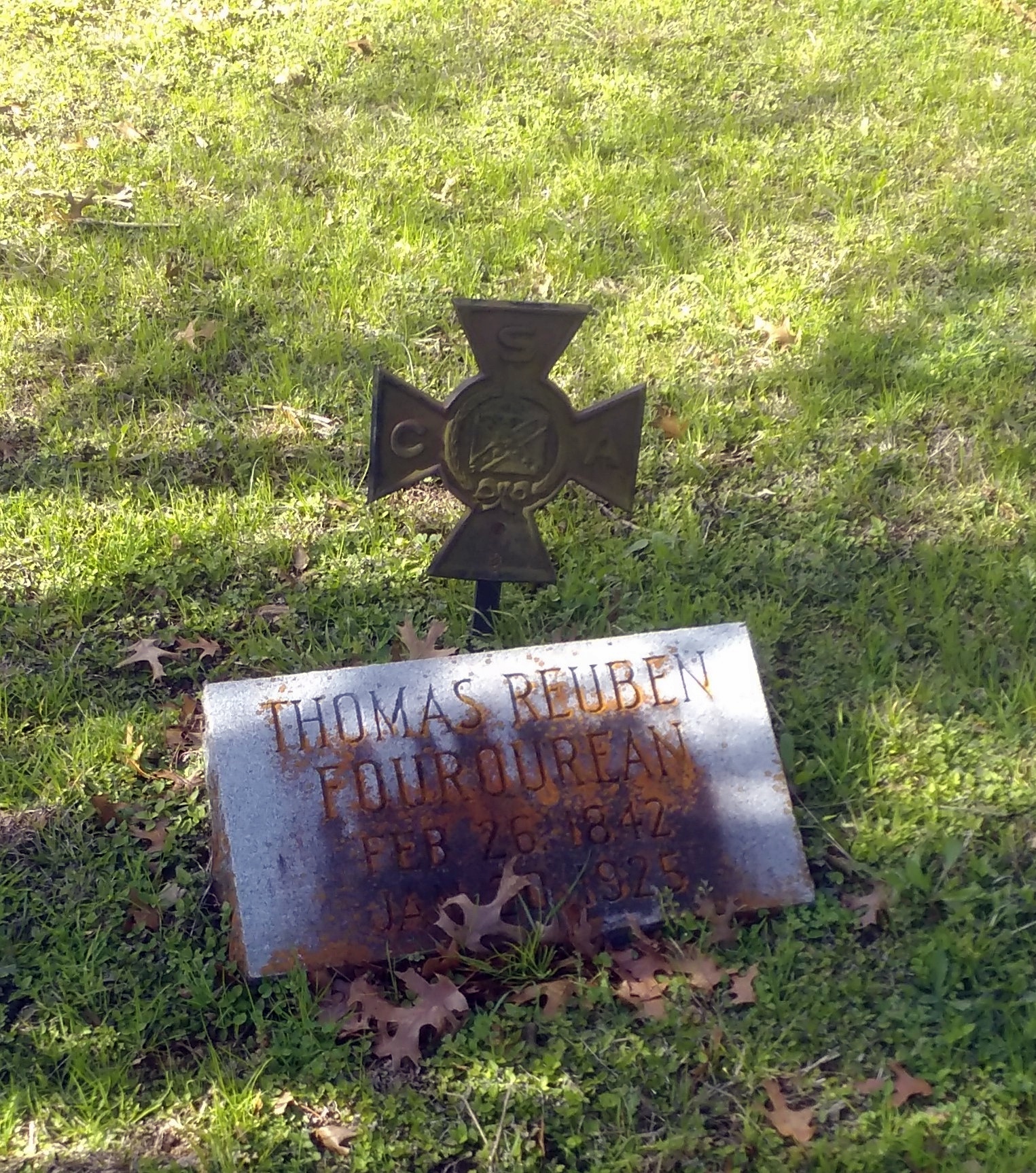
Thomas Reuben Fourqurean (1842-1925) (interesting name) had a metal marker to denote his service to the CSA, of the kind that’s easy to find in older Southern cemeteries.
 Another marker — local, not state — tells the story of Ann B. Caldwell (1800-65), who was reinterred here in the 1870s from an earlier San Marcos cemetery.
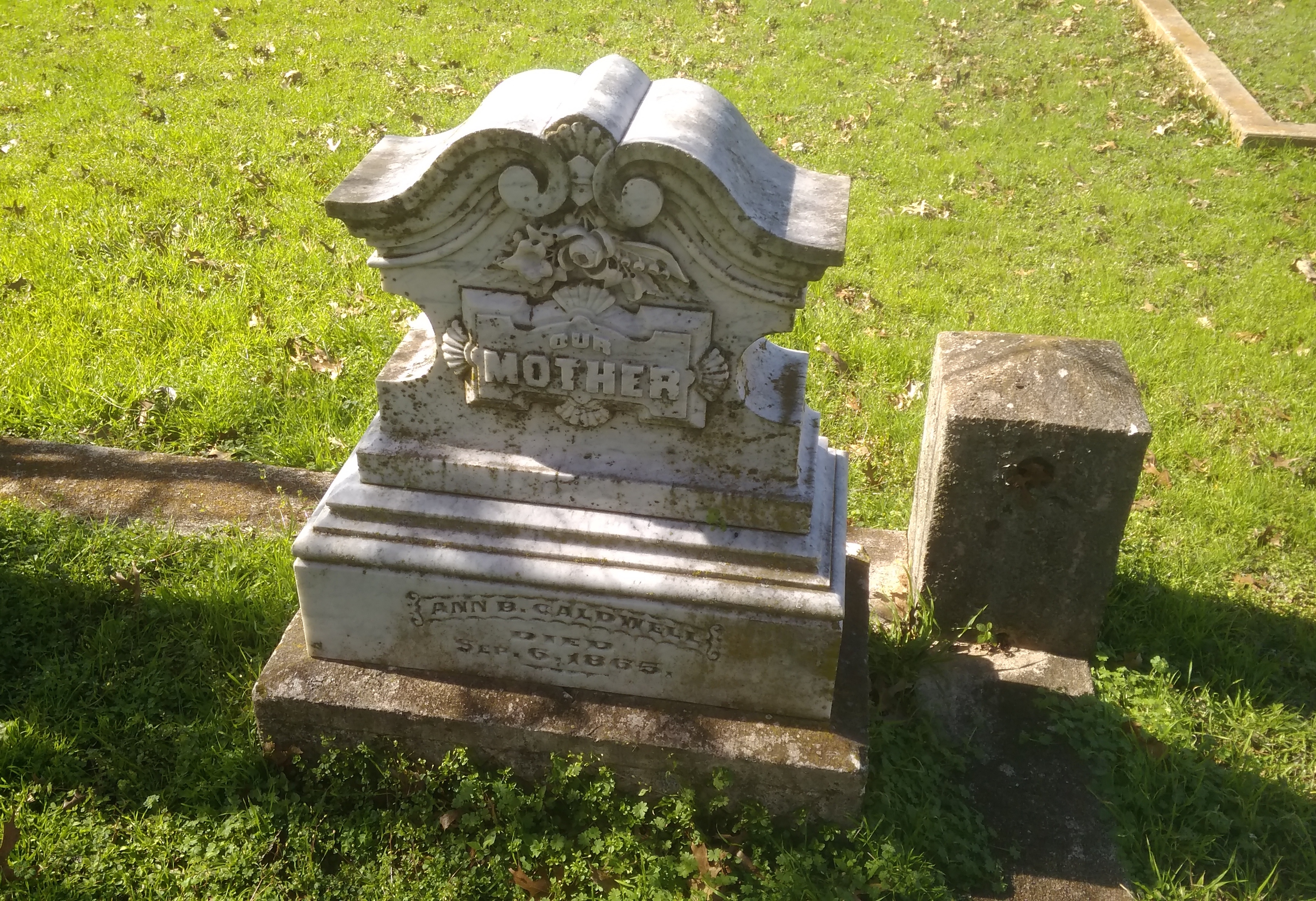 In life, she had been among Stephen F. Austin’s colonists and then an early settler in Hays County.
The cemetery’s old enough to include weather-worn stones whose names have been lost to time.
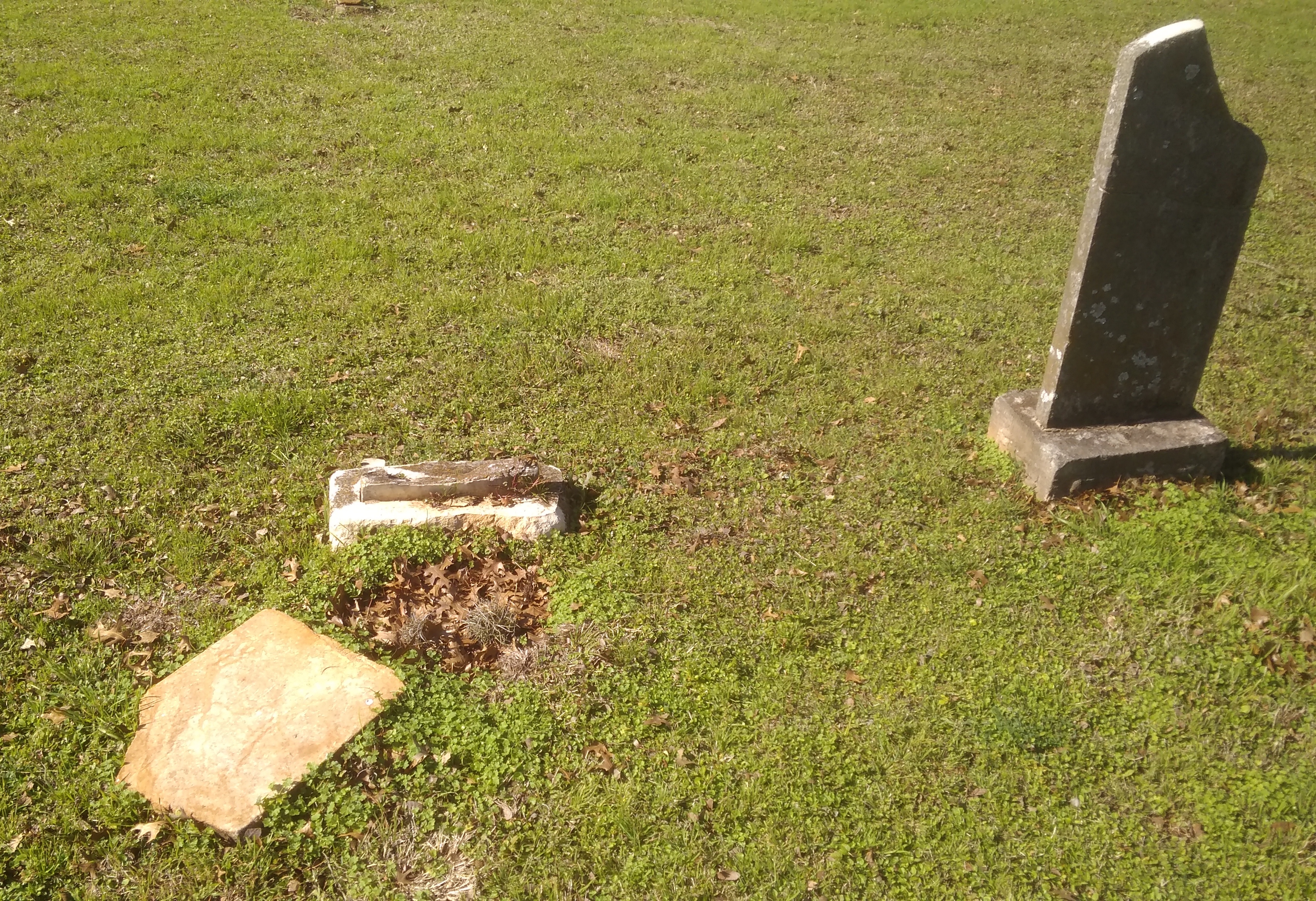 Everyone’s stones will eventually disappear in the fullness of deep time, of course. These stones simply have a head start on the others.
If you want to see artful concrete, Tadao Ando is your man. I came to a fuller appreciation of that when we visited the 659 Wrightwood in Chicago late last year. On exhibit at the 659 were images of the Modern Art Museum of Fort Worth, an Ando design that looked pretty artful, too.
As it is.
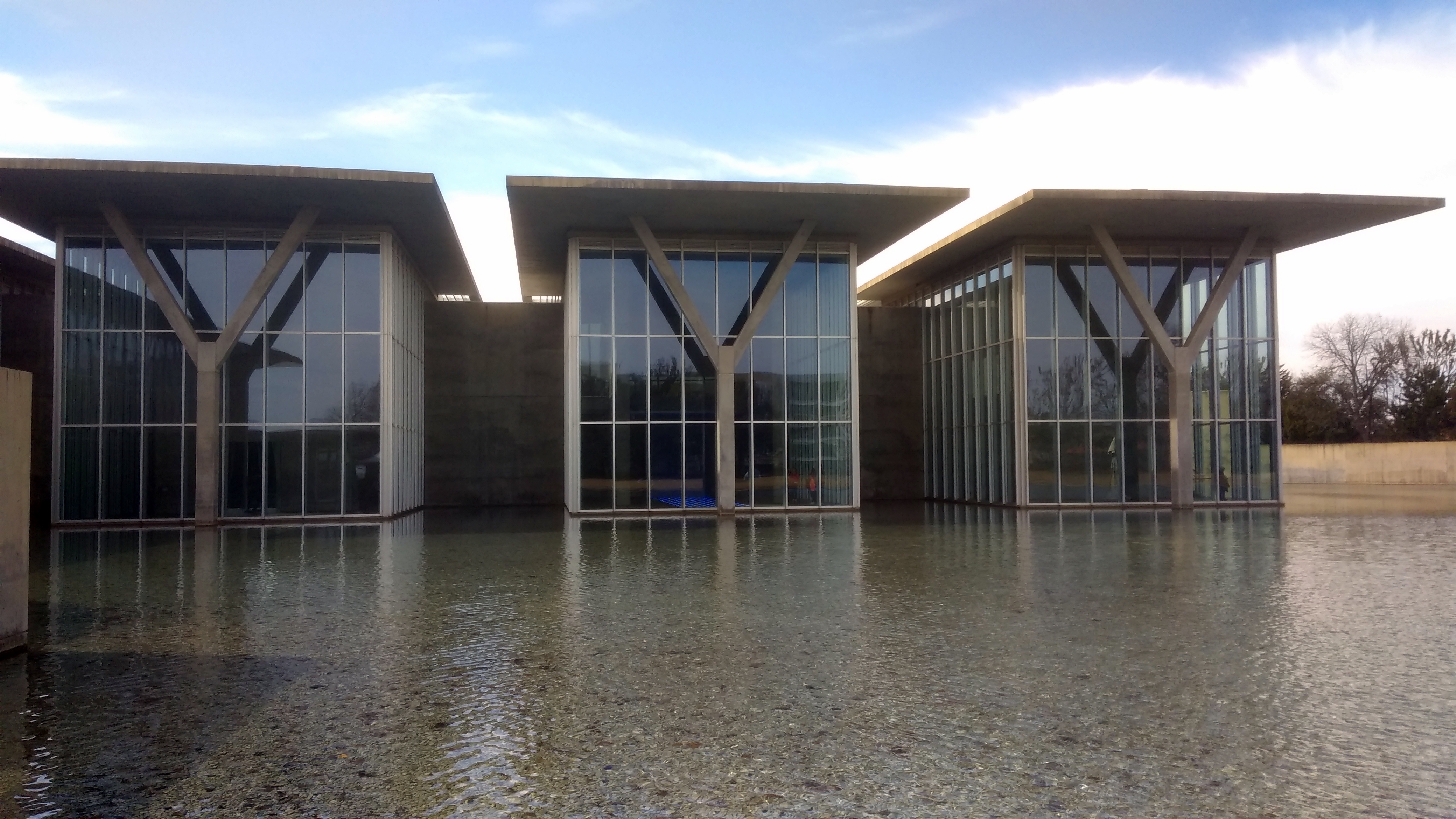 That’s the back of the structure, or at least the side facing the water feature and a scattering of outdoor sculptures, and sporting the museum’s distinctive Y beams.
The front, or at least the side facing the parking lot and a public street, isn’t quite as distinctive, but it is handsome in a modernist sort of way.
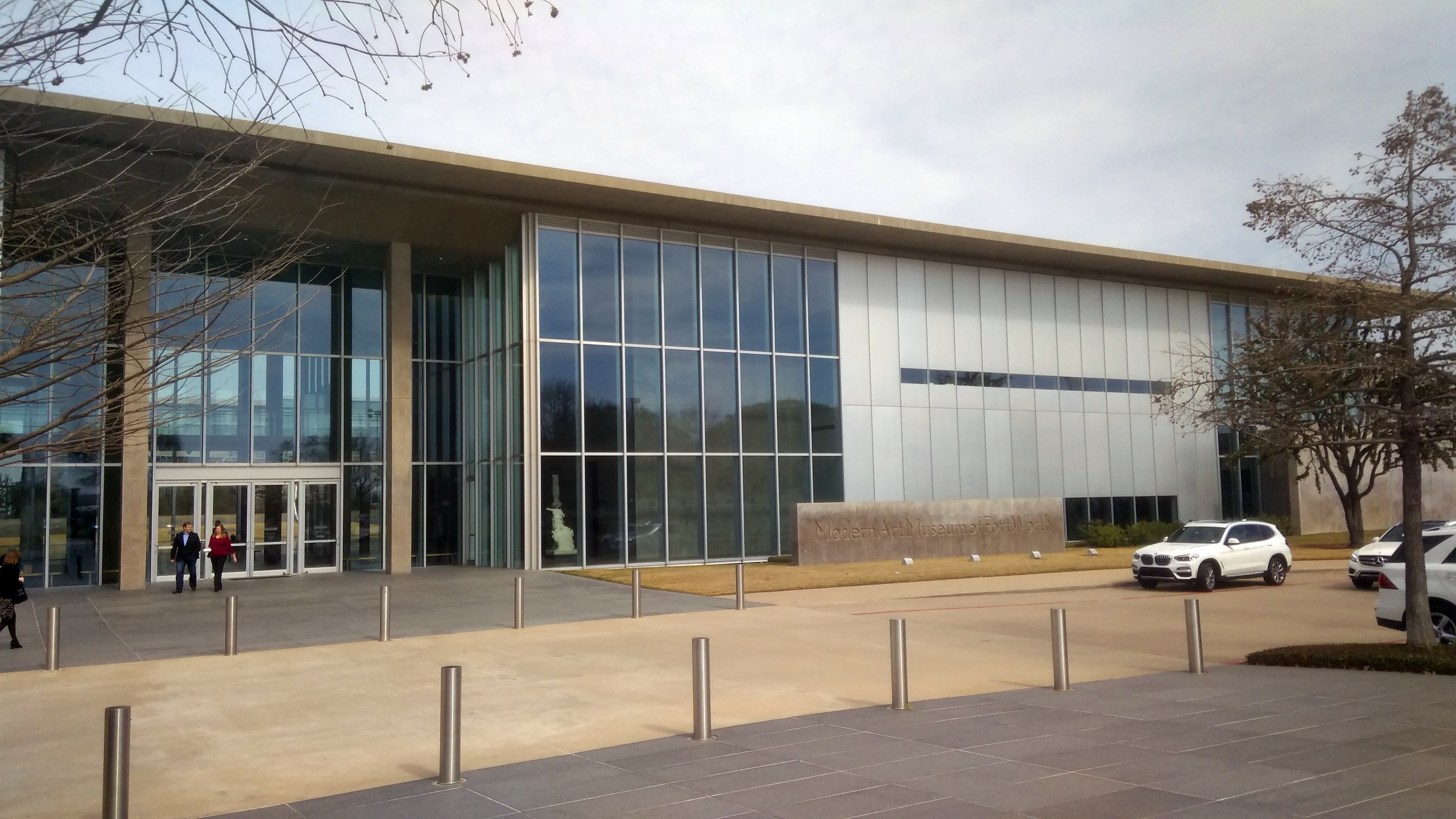 Ando’s design is apparent not only in the exterior, but in the smooth concrete walls that form parts of the interior.
The Modern is one of a cluster of art museums in Fort Worth that also includes the Amon Carter Museum of American Art (designed by Philip Johnson) and the Kimbell Art Museum (Louis Kahn and Renzo Piano). The last time I spent a day in Fort Worth, early in 1990, I visited both of those. The Modern didn’t exist then, opening only in 2002.
How best to approach a museum whose collection is as eclectic as the Modern? Wander around and look at things. Some works will be interesting, some less so. I try to wander around upper-end grocery stores with the same attitude in mind, if I have time.
The usual modern suspects were all in evidence at the Modern: Picasso, Lichtenstein, Rothko, Andy Warhol, Jackson Pollack, Josef Albers, Henry Moore and more. Worth seeing, but it’s also good to see interesting works by artists that aren’t quite as well known.
Such as “Ladder for Booker T. Washington” by Martin Puryear (1996), a wooden ladder-like structure fixed to the floor that winds its way upward. It doesn’t merely appear to shrink in size as it rises, it actually does. The surrounding Ando-style concrete walls add to the effect.
Or the curious “Camouflage Botticelli (Birth of Venus)” by Alain Jacquet (1963-64), an image of Venus on a cockle shell merged with a Shell gas pump.
For something newer, and more kinetic, there’s “Kind of Blue” by Jenny Holzer (2012), an array of nine LED signs with blue diodes fixed to the floor, emitting blue words that appear to flow along. As far as I could tell, there was no direct reference to the Miles Davis album of that name, but I could easily be wrong.
The video also offers a good look at the tall glass windows that overlook the museum’s shallow water feature — essentially a field of rocks covered by a little water.
Photography is part of the Modern’s collection as well. One wall sported a number of gelatin silver prints of water towers in France, Germany and the U.S. by Bernd and Hilla Becher. How is this tower in Dortmund-Grevel, Germany, anything but a delight?
Near the museum’s front entrance is “Vortex” by Richard Serra (2002), who is best known to us rubes for the notorious “Tilted Arc” in DC.
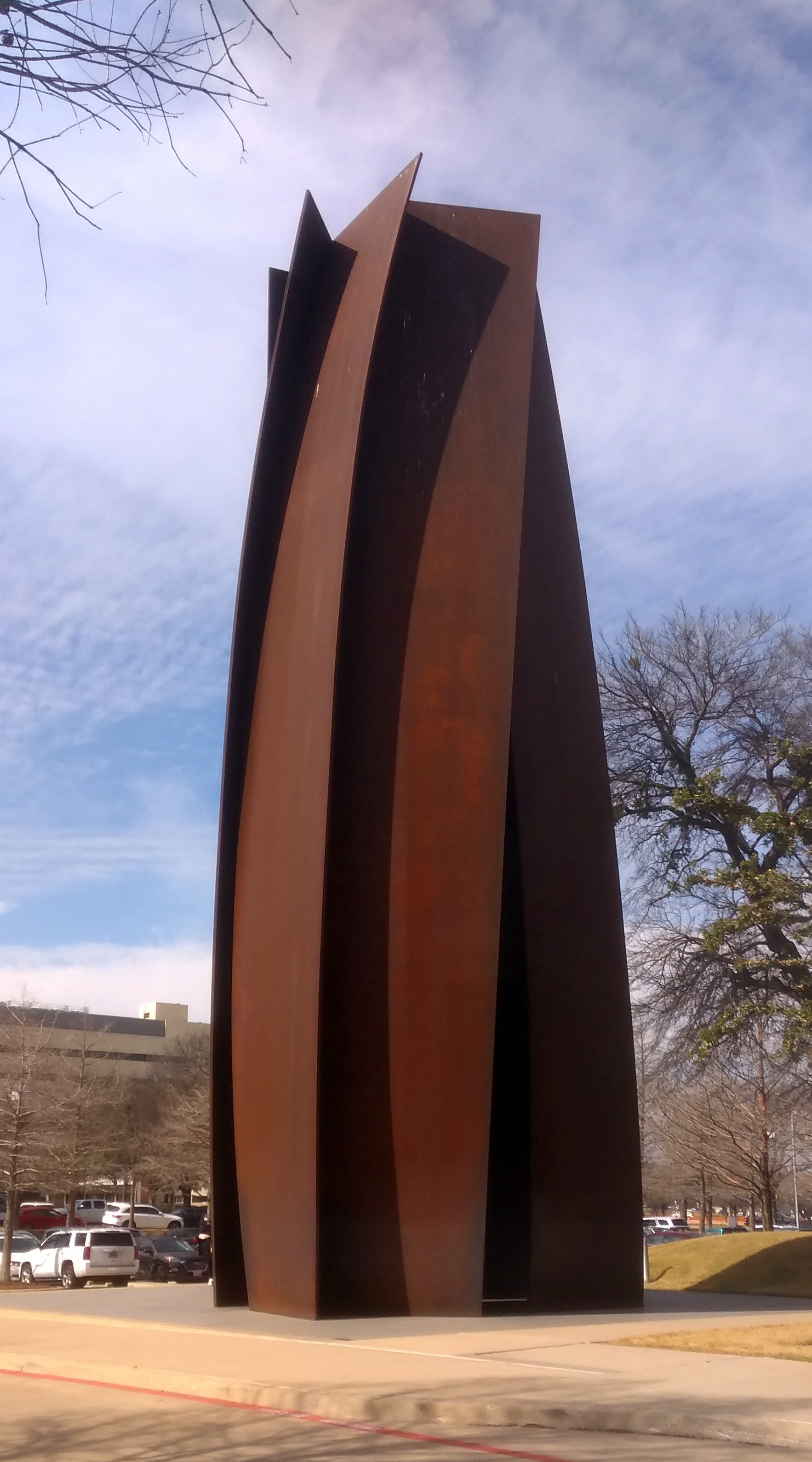 On the other side of the museum, beyond the water feature, we took a look at a familiar figure.
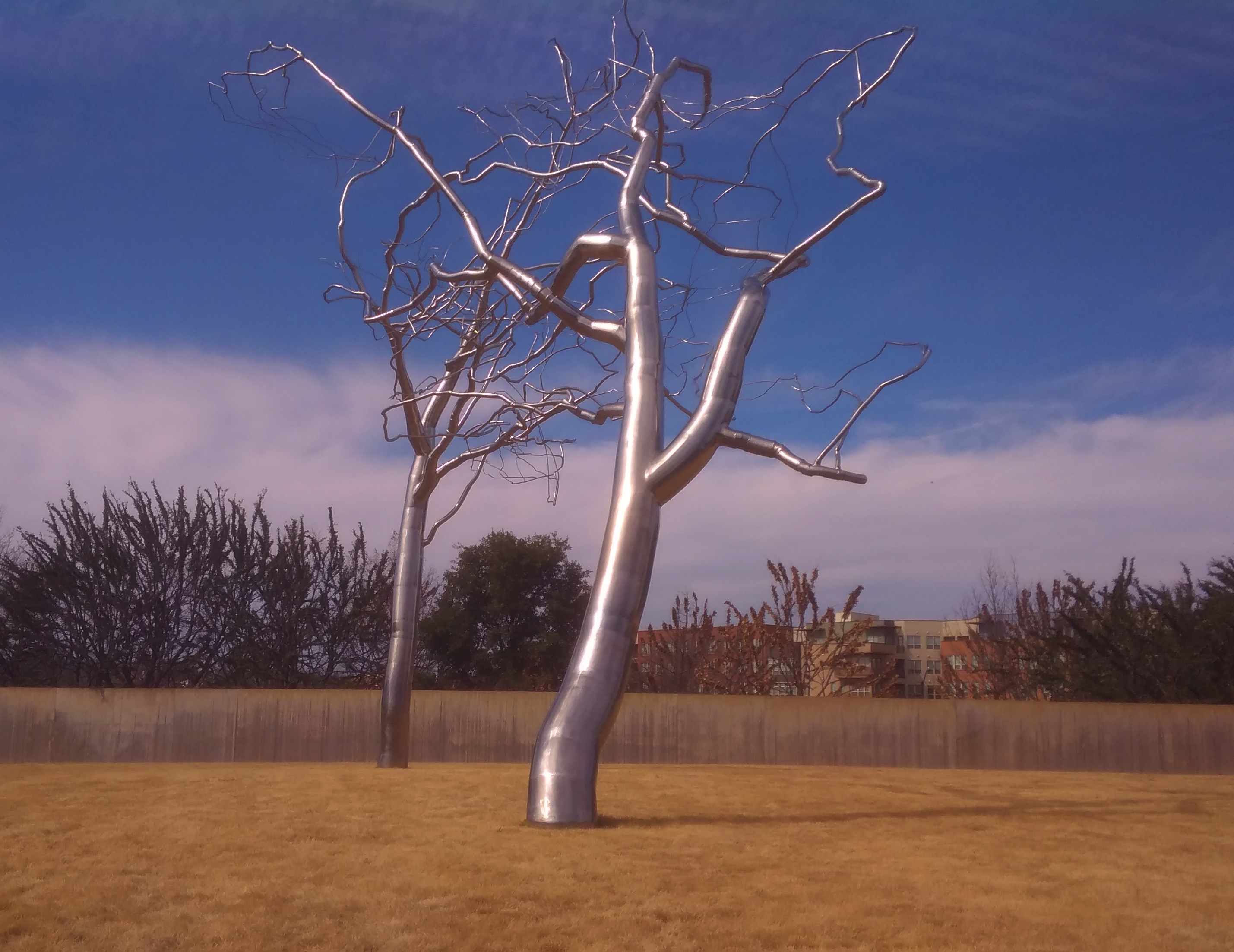
“Conjoined” by Roxy Paine (2007), done in stainless steel. I remember seeing his work at the National Sculpture Garden and, I believe, at the Denver Art Museum, the Frederik Meijer Gardens and Sculpture Park, the Crystal Bridges Museum of American Art, MOMA and the Hirshhorn. Cool. But does lightning strike the Modern piece?
If you know where to go in Texas, you can find yourself face-to-face with these figures. That’s what we did on February 17.
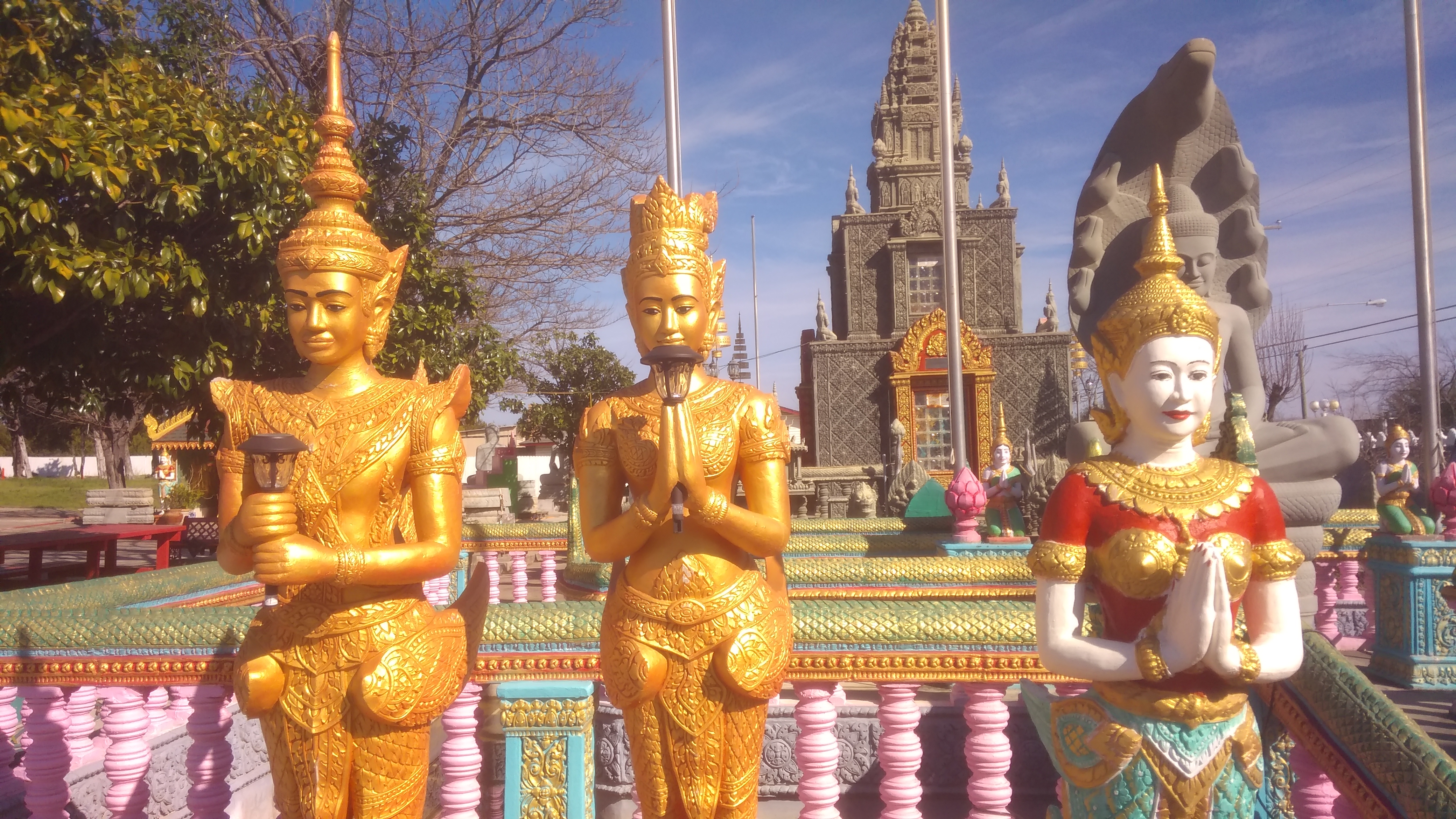 About a quarter-mile from the Cao Dai Tay Ninh Temple of Dallas is the Cambodian Buddhist Temple of Dallas, also known as Wat Jetaphon Khemararam.
The area is something of a religious precinct, since also nearby are the Homprakhoon Baptist Church, the Wat Lao Sirimoungkhoun of Dallas, the St. John Neumann Redemptorist Monastery — called the Vietnamese Redemptorist Mission on Google Maps — and, a little further away (but not much), the Potter’s House of Dallas, a megachurch.
The entrance of the Cambodian Buddhist Temple of Dallas is a recently completed temple gate that’s a replica of the gates at Angkor Wat. My pictures of it didn’t turn out, but this article shows it well.
The grounds were open and we were free to wander around. So we did. I was reminded of the various wats I visited in Thailand, though the Cambodian style is a bit different. The grounds featured temple structures.
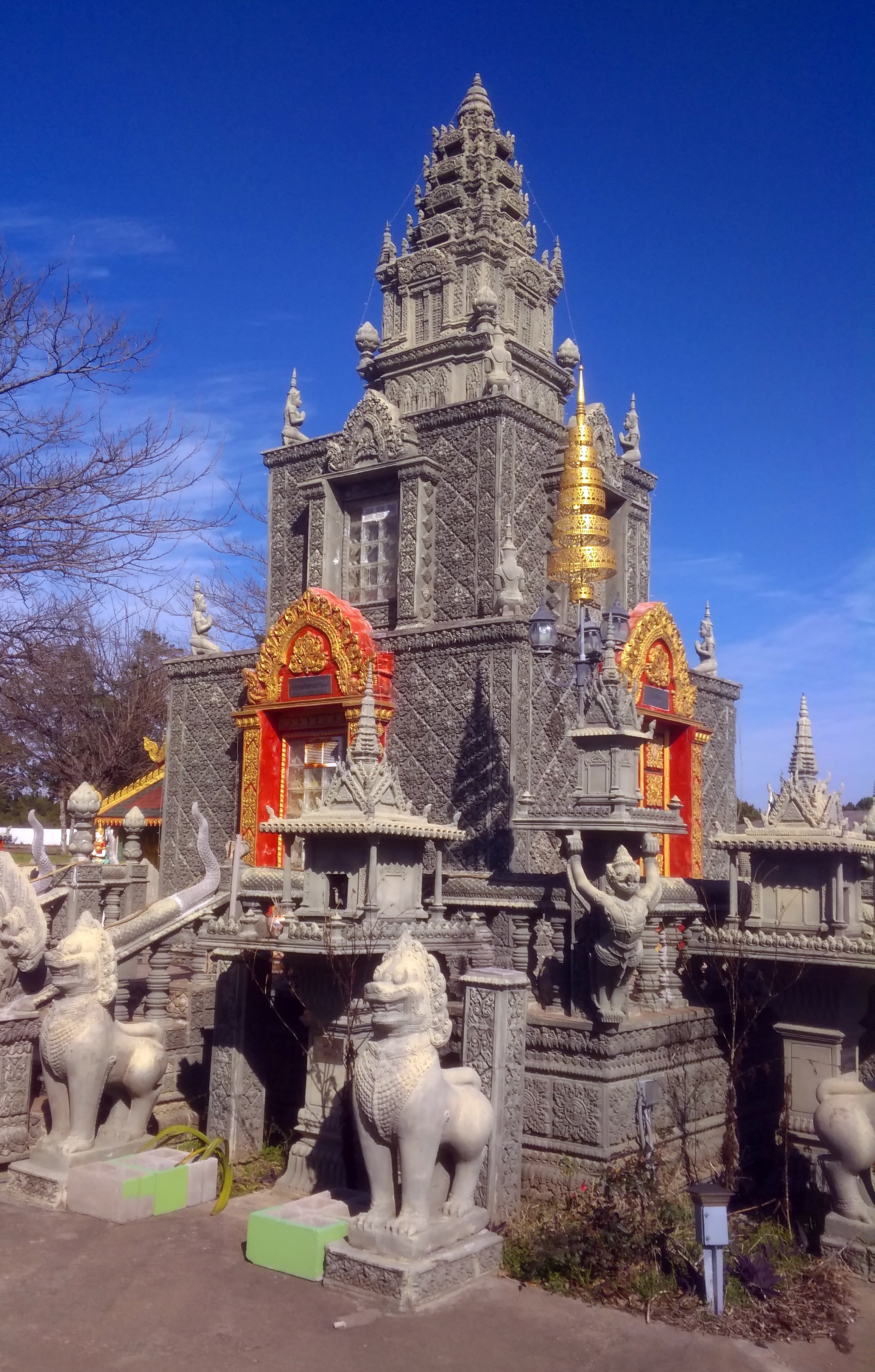

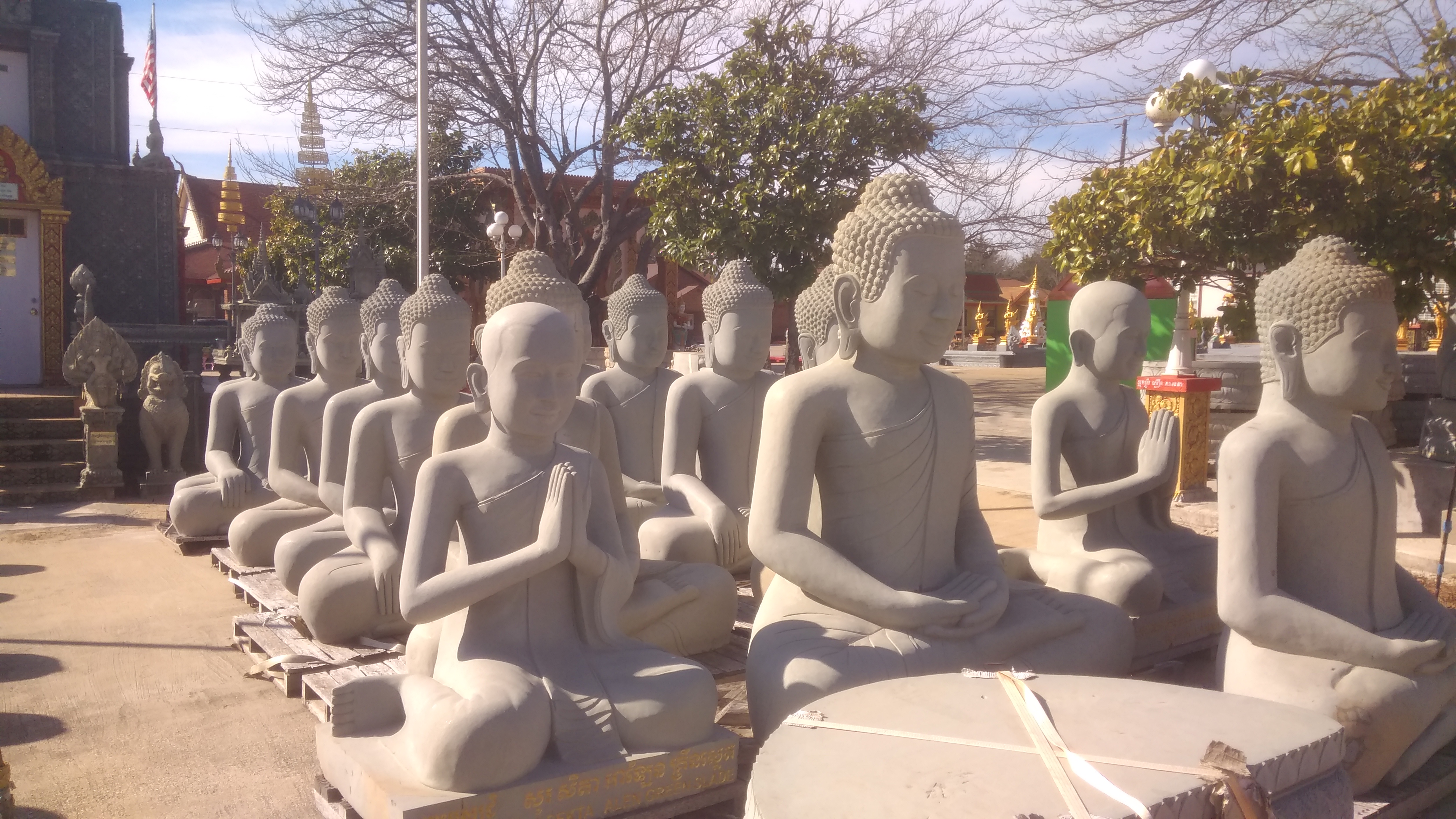
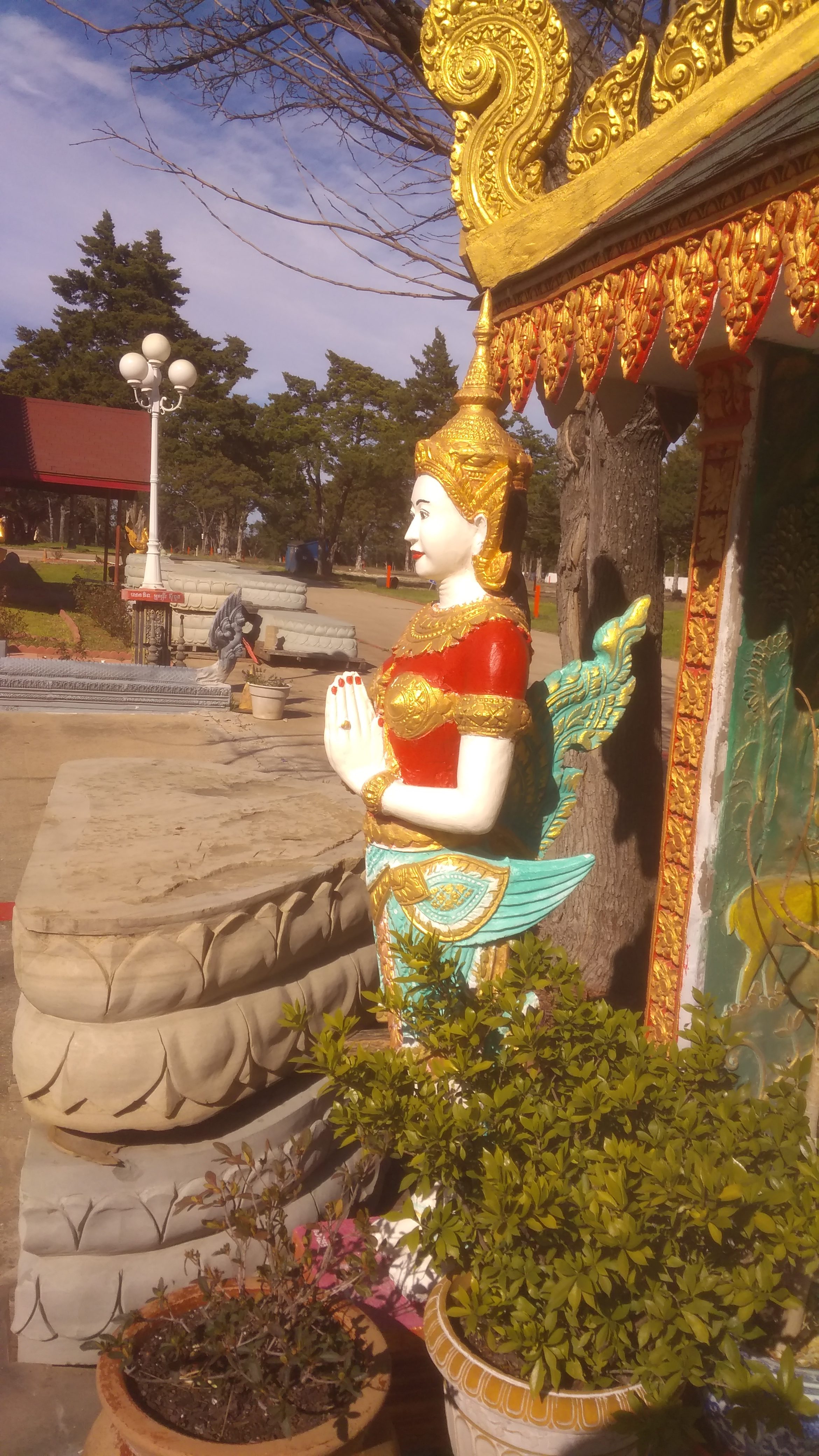 Along with Buddhas a-plenty. Or rather, Buddharūpa.
Including a reclining Buddha.
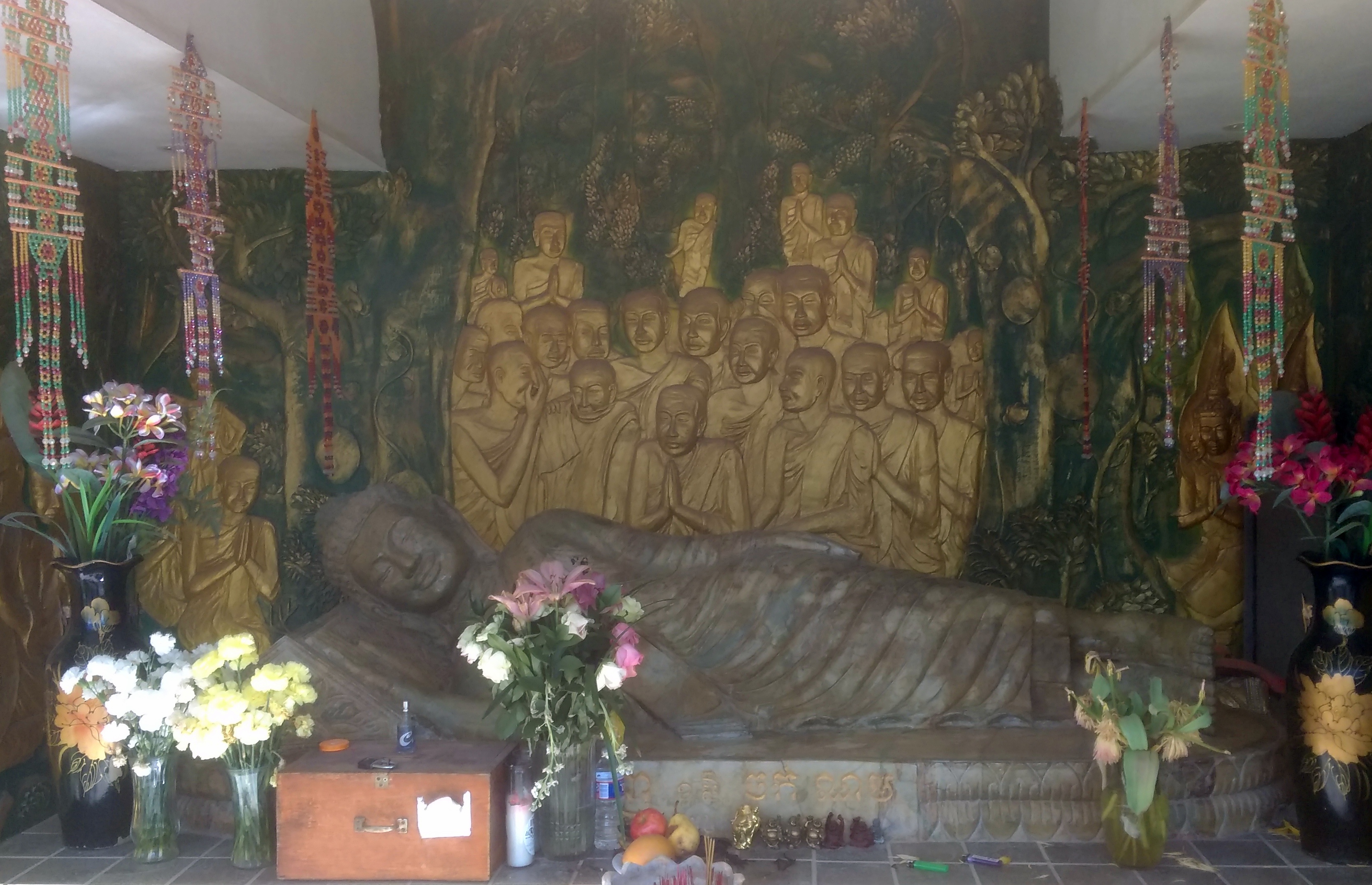 Not the largest reclining Buddha I’ve encountered, but impressive all the same.
Monks live on the grounds. In fact, some of the buildings sport signs in English designating them as monk quarters. I saw one man whom I took for a monk doing some exterior work on one of the temple structures, and as we were about to leave, another man — whom I also took for a monk, though dressed in clothes you might see on anyone in our place and time — asked me if I liked the temple. I told him I did.
A few years ago, I was browsing Google Maps, as one does, and I happened across the Cao Dai Tay Ninh Temple of Dallas. That was intriguing. I wanted to take a look.
Usually when I visit Dallas, I spend time in the northeast part of the city, at about 2 o’clock from downtown. The temple is in the southwest at about 8 o’clock from downtown, so I knew that it might be awhile before I made it down that way.
February 17 turned out to be the day we visited the Cao Dai Tay Ninh Temple of Dallas. This is the entrance. I think.
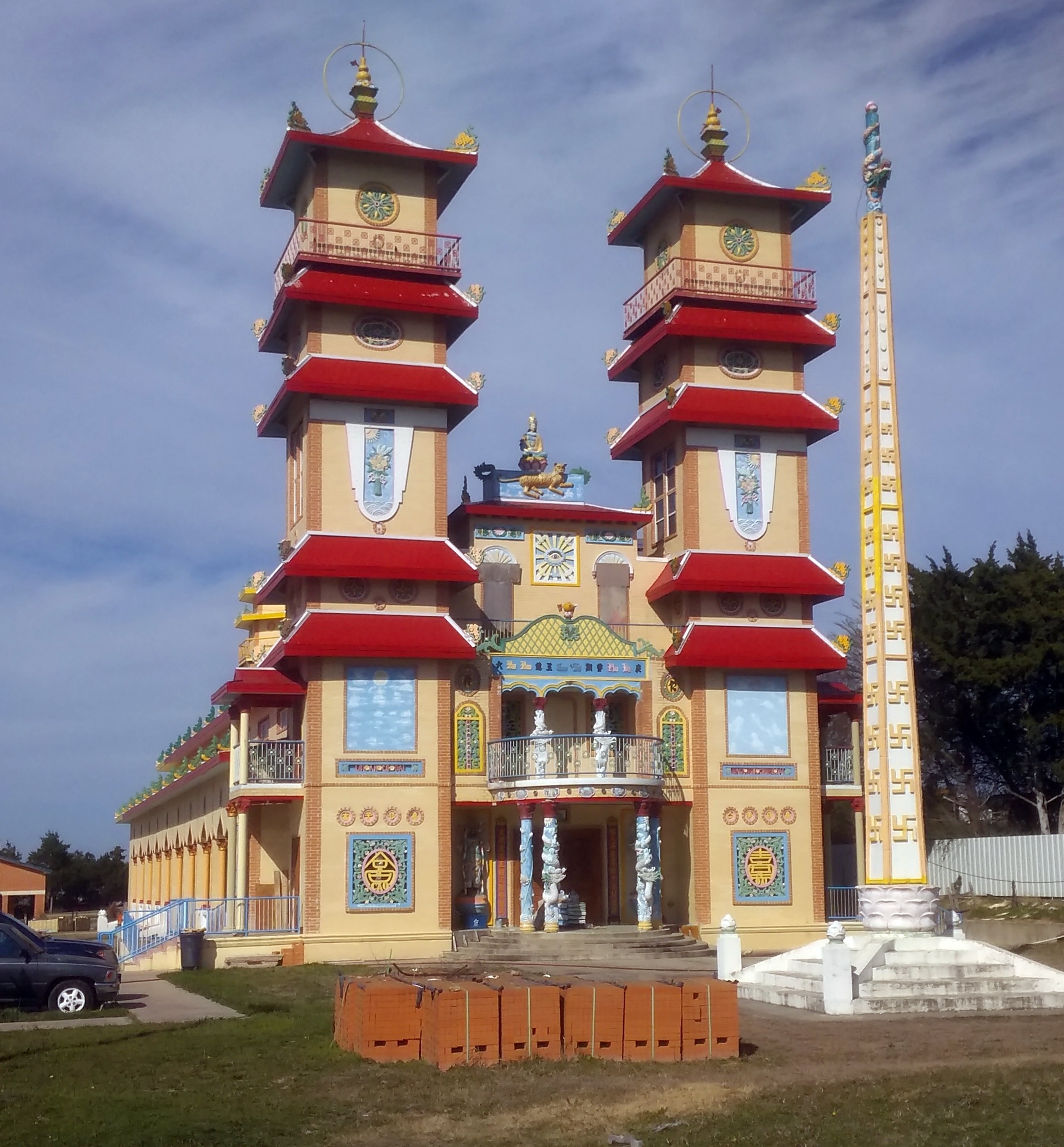 The temple belongs to an overseas branch of the Caodai religion of Vietnam.
“Caodaism is a relatively new, syncretistic, monotheistic religion with strongly political character, established in 1926 in Southern Vietnam…” writes Md. Shaikh Farid. “It draws upon ethical precepts from Confucianism and Buddhism, occult practices from Taoism, theories of karma and rebirth from Buddhism and hierarchical organization from Roman Catholicism…
“This synthesis of elements adapted from other religions into a functioning religious movement manifests itself in such common Caodai practices as priestly celibacy, vegetarianism, seance inquiry and spirit communication, reverence for ancestors and prayers for the dead, fervent proselytism, and sessions of meditative self-cultivation.”
The temple is in a part of the city of that’s mostly devoted to light industrial buildings, mobile homes and undeveloped properties. Presumably, the site was affordable for local Caodai devotees.
I’d never heard of that religion until I made an excursion from Saigon in 1994 to the main Caodaist temple, the Holy See of the religion, in Tay Ninh, Vietnam. Here’s a picture I took of that building.
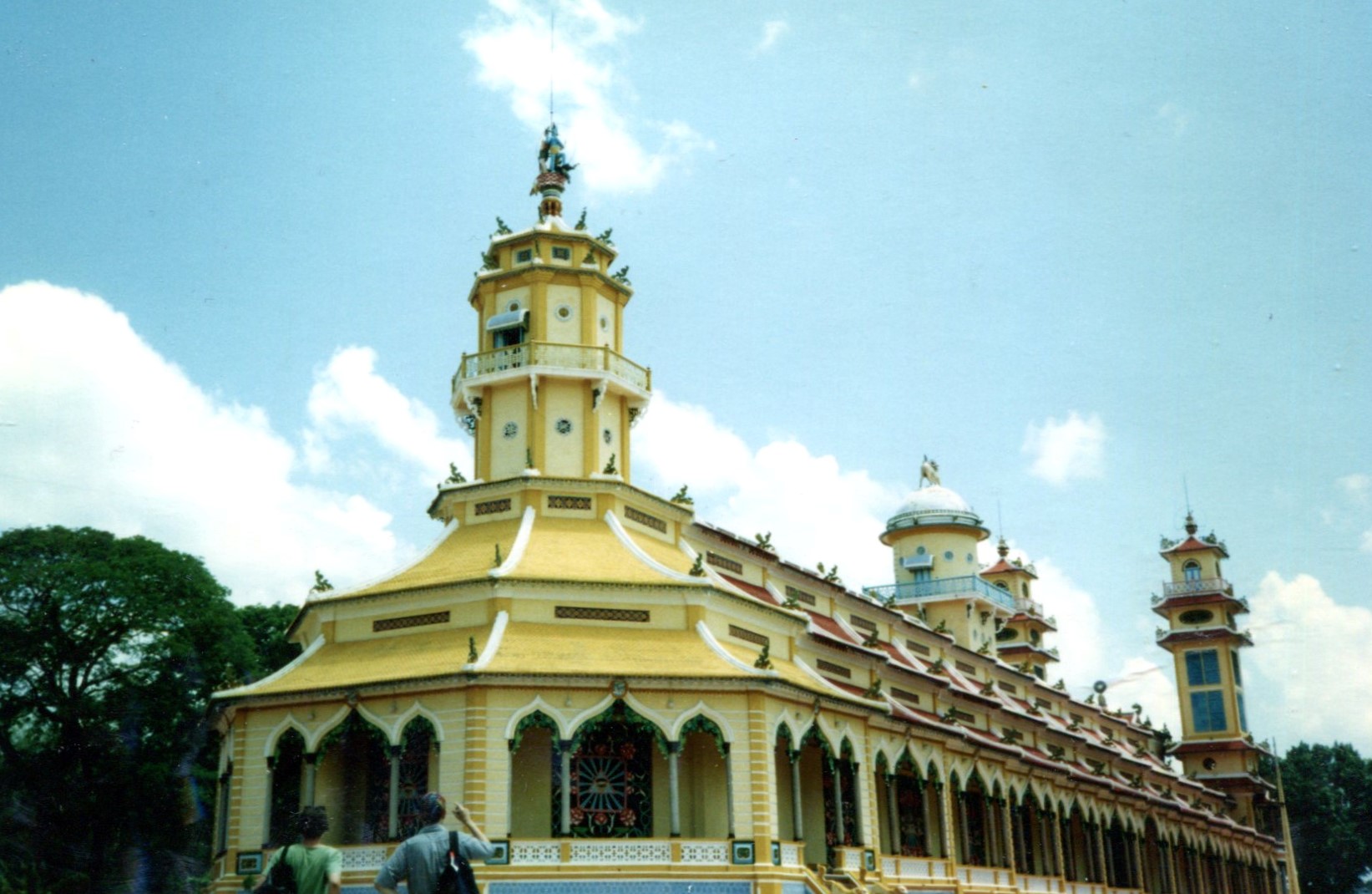 A more detailed description of the various influences that went into the building is here. An amalgam of Chinese and Indian and other elements, it seems.
The temple in Dallas, from roughly the same angle.
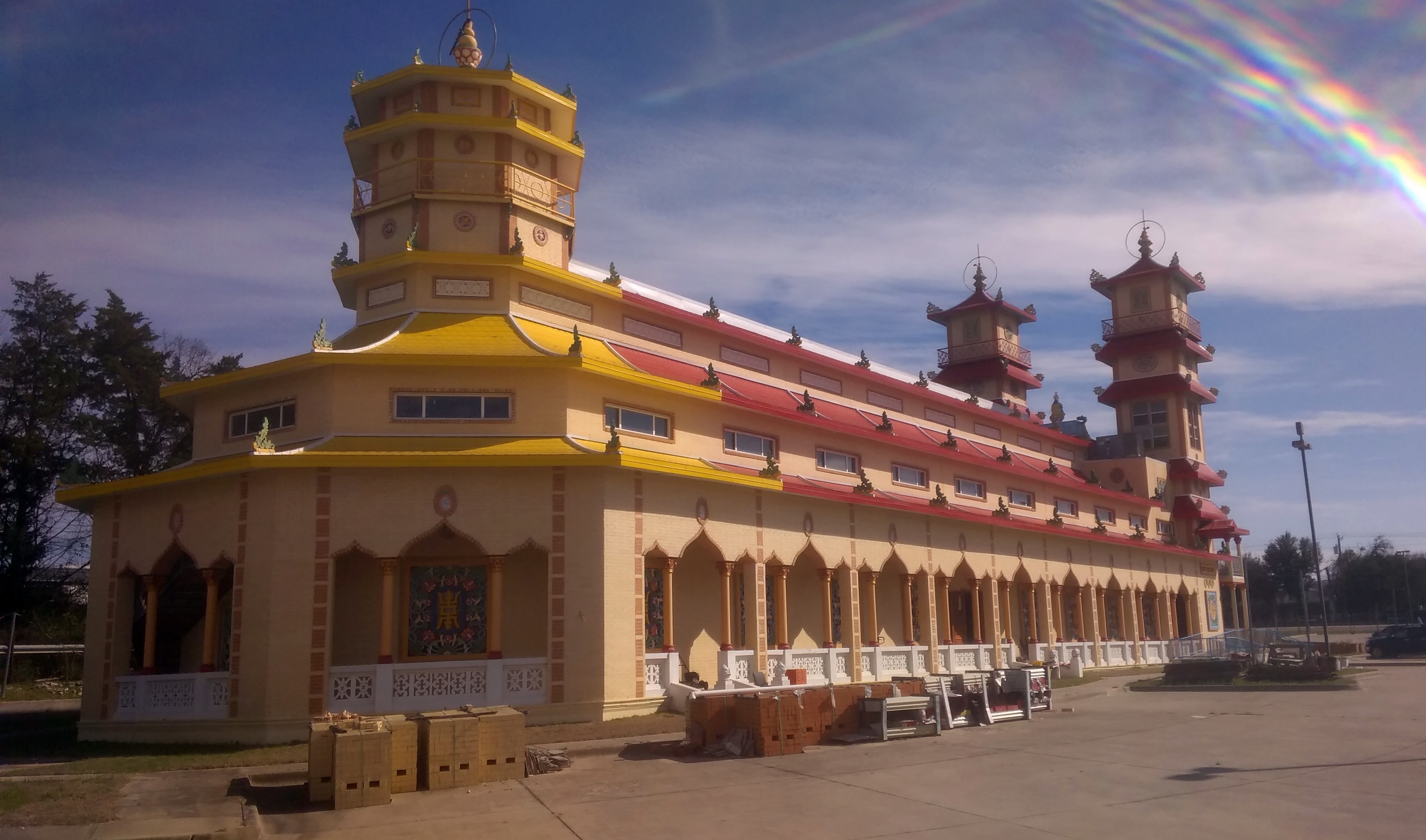 The similarities between the Holy See and the Dallas temple were apparent at once, though I’m pretty sure that the Holy See is larger, and some details are different.
The Dallas temple is still a work in progress. This was especially noticeable when we went inside — a side door was open — and noticed construction materials and tools here and there.
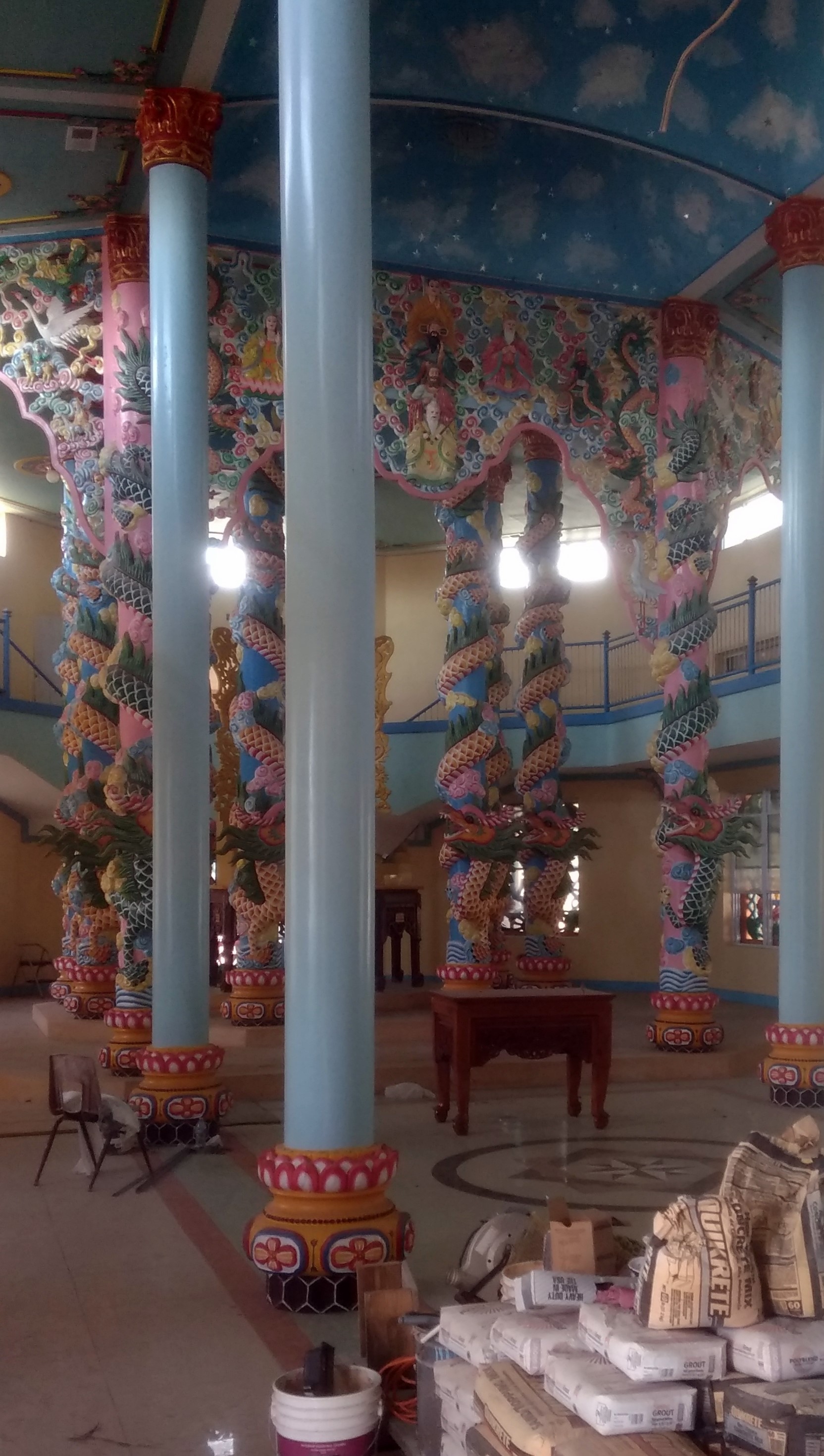 Though smaller, the Dallas interior also had strong similarities to the one in Tay Ninh.
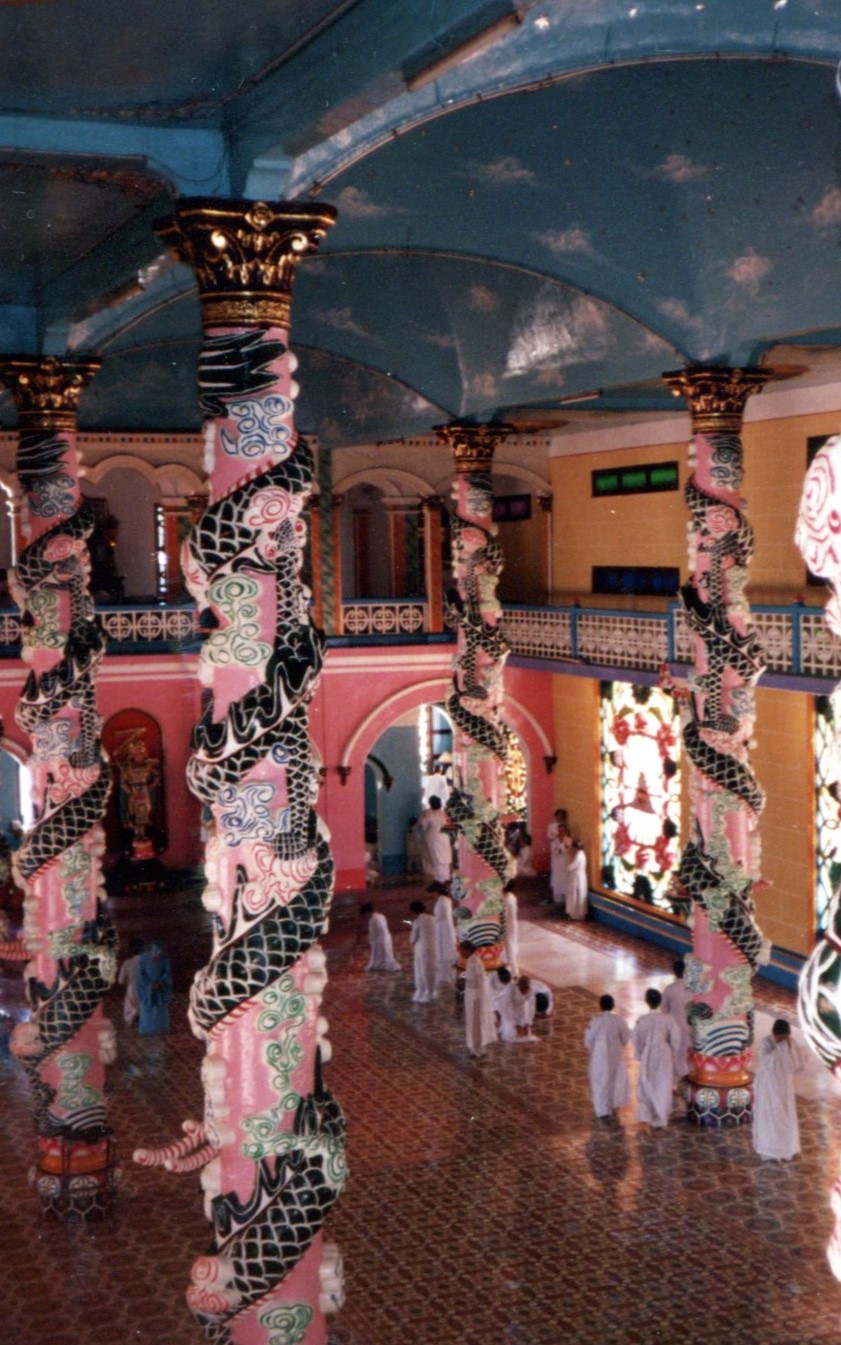 As I understand it, services are at midnight, 6 a.m., noon and 6 p.m. We visited around 3 p.m., so no Caodai worshipers were around in Dallas. The tour in Vietnam was timed to see the noon service, so we saw the worshipers in their various colorful robes, each color with a distinct meaning best known within the religion, though ordinary worshipers are in white.
It’s good to travel to exotic places and see exotic things. Like you can in Dallas.
My recent trip to wintertime Texas took me to Dallas and Fort Worth, San Antonio, and a few other burgs. February is winter in Texas, but it’s a pale moon of a winter compared with where I live. During the trip, temps varied but didn’t drop below freezing, and we experienced rain but no ice or snow.
I spent the weekdays working, but I also visited my brothers, one nephew and his family, one nephew by himself and a friend I’ve known for 45 years now.
I made it to a few new places and a few familiar old places. No matter how often you go somewhere, there are always new places, and no matter how familiar an old place is, there are always new aspects.
One new place was the Modern Art Museum of Fort Worth, which I’ve had a mind to see since we went to Wrightwood 659 in December. Tadao Ando designed both Wrightwood and the Modern, which is easy to visit from Dallas, as Jay and I did: just pop on over on I-30.
While gadding around in greater DFW, we also saw the Cao Dai Tay Ninh Temple and the Cambodian Buddhist Temple of Dallas, whose neighbors in the southwest of the city are the likes of Mission Foods, Standard Meat, Cartamundi USA and Old Dominion Freight Line.
In San Antonio, we had the benefit of a free evening admission to the McNay Art Museum — an example of a familiar place offering some new things to see. Later, while on the road between San Antonio and Dallas, we stopped by the Hays County Courthouse in San Marcos and the San Marcos City Cemetery, whose burials go back to the 1870s.
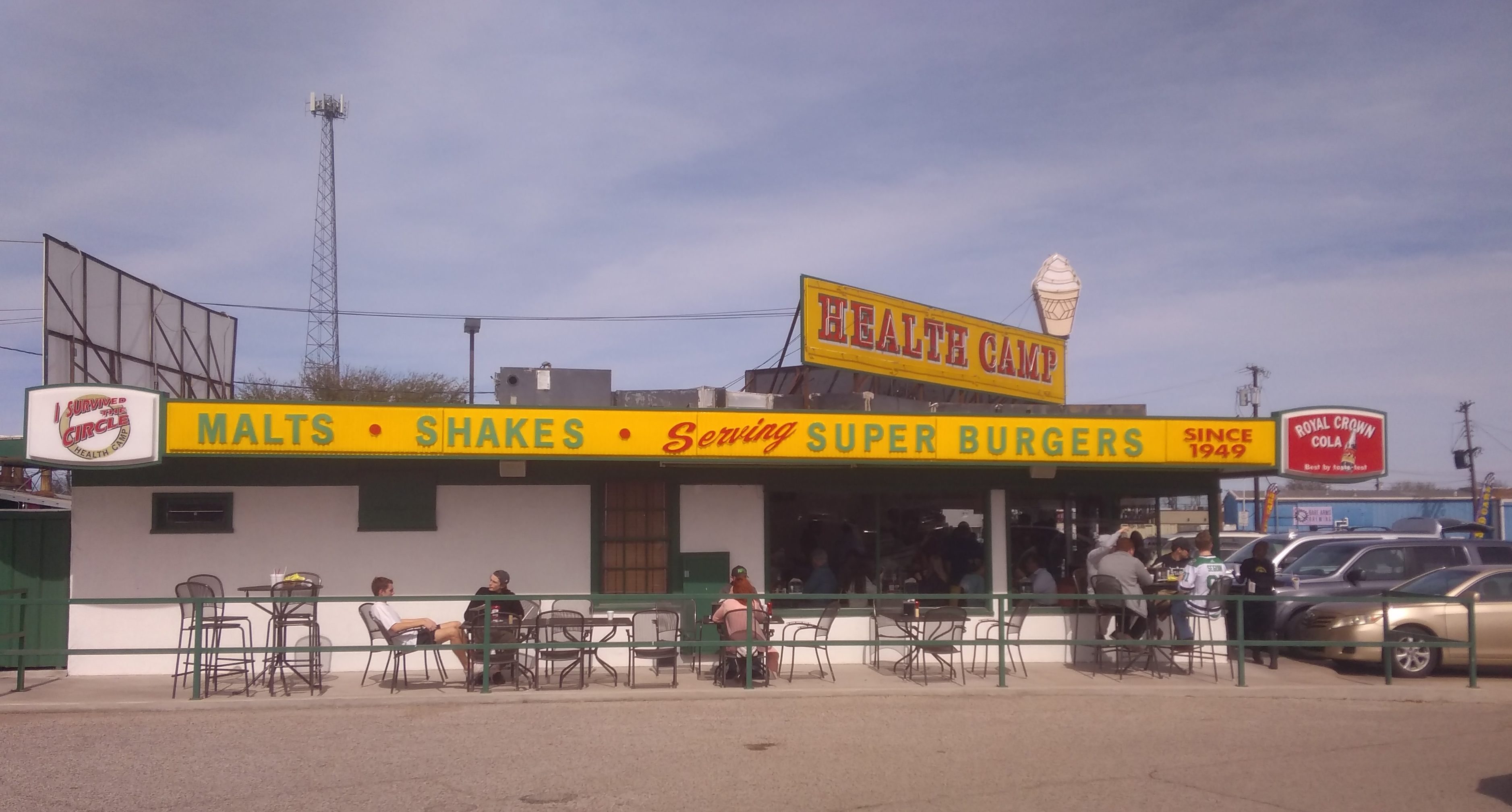
Had some good meals along the way too. In San Antonio, a dinner at one of the Paesanos locations, a local Italian restaurant with roots in the 1968 world’s fair. Good pork shank and gnocchi. In Waco, a lunch at a joint that goes even further back: the curiously named Health Camp, in business, as the exterior says, since 1949. Good burger and shake.
 In Dallas, on the day I flew in, I enjoyed sausage and homemade sauerkraut and Texas beer and other good things at my nephew Sam’s house, on the occasion of his 36th birthday. Naturally there was birthday cake too.
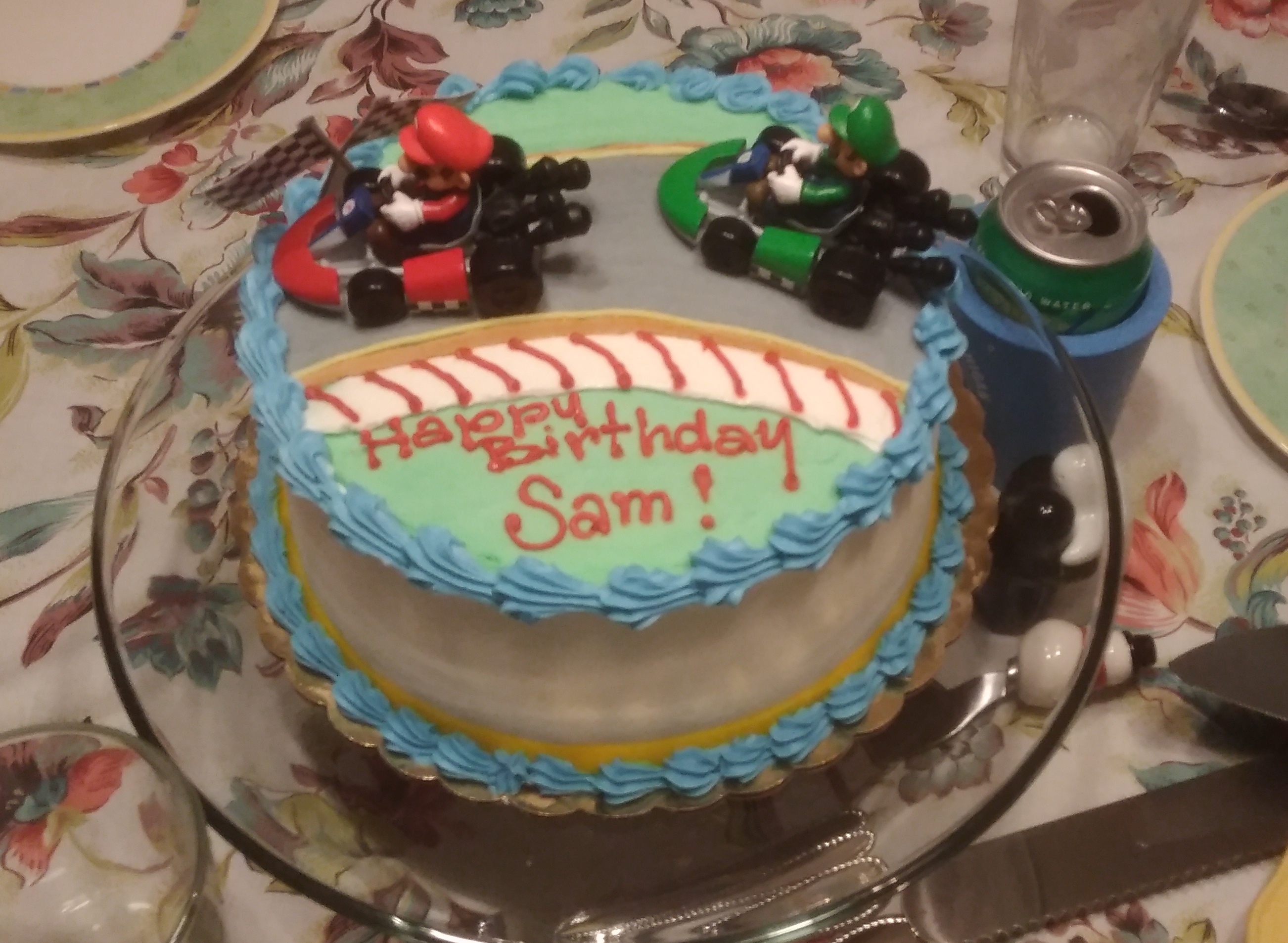 Reminded me of the morning, late in my college career, when Jay called me to tell me that Sam had been born. Been an uncle ever since.
Time for a late winter break. Back to posting around February 24, much closer to the winter-springish domain of March-April, which is always worth looking forward to.
Saw this today on a package of sushi.
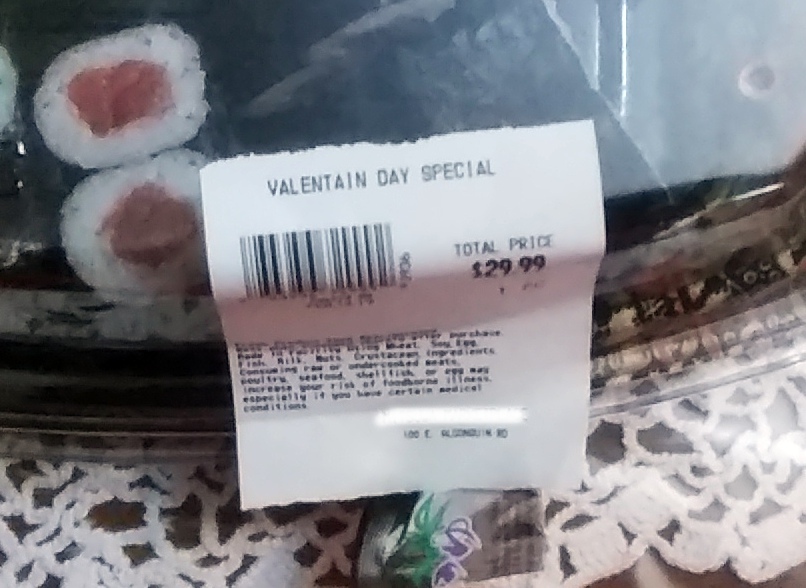 I won’t mock the grocery store for its spelling. I wasn’t a particularly good speller in my younger days. I have vague memories of teachers getting on my case about it. Later I got better, but never flawless, down to the present. Even now there are words I can never quite remember.
I have a hunch that my spelling deficiencies helped me become a more competent writer. I’d want to write a certain word, but couldn’t remember how it was spelled. So I’d think of another way to say what I wanted to say. If that isn’t an important writing skill, I’ll be a monkey’s uncle.
Does anyone say that anymore? I queried Ann about the phrase. She’d never heard it. Come to think of it, I can’t remember the last time I heard anyone use it. I think my 8th grade math teacher used to say it occasionally, but that was 45 years ago.
This is in the public domain and I want to use it.
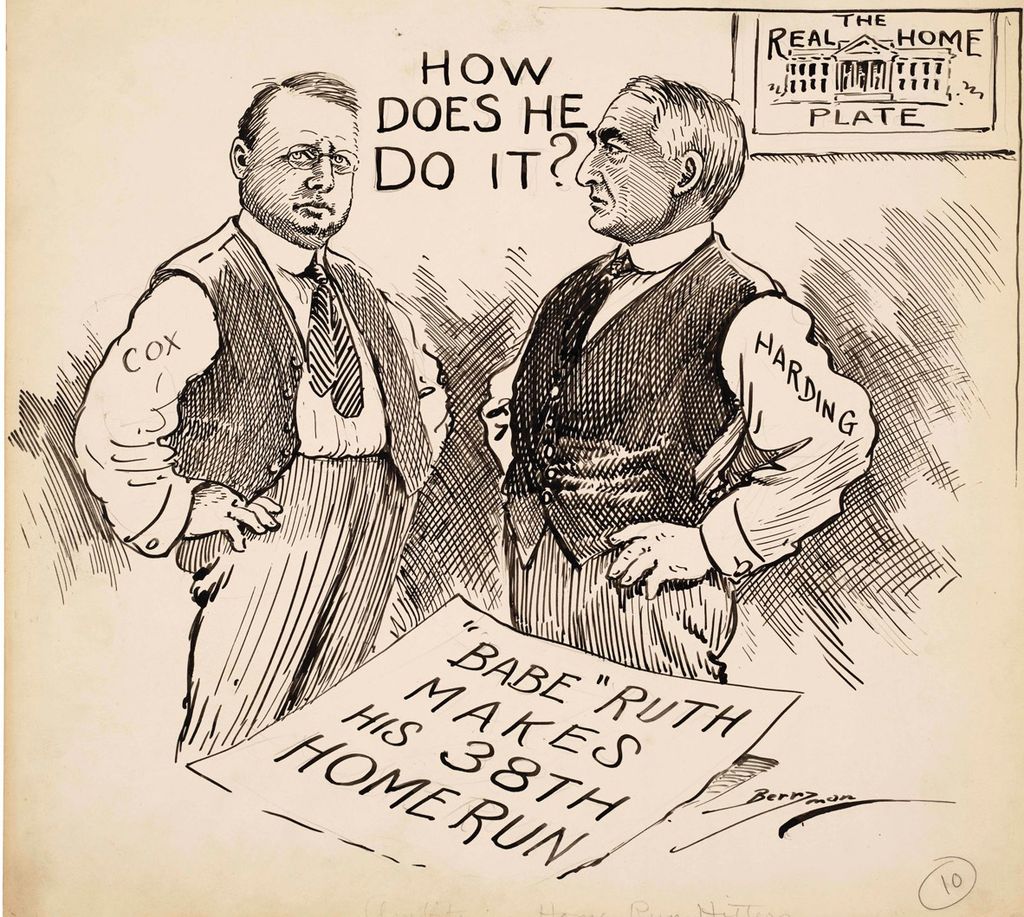
How often do we hear about James M. Cox anymore? Seldom to never. All it takes is 99 years. If anything, he’s noted as the running mate of FDR, even though Cox was top man on the ticket.
Let’s hear it for the public domain. Expanding again as it should.
Here’s a remarkable bit of animation, by a young Iranian named Majid Adin.
I’ll never hear “Rocket Man” quite the same again. But I also associate it with a fellow I knew in high school who attached a small rocket launcher on top of his station wagon and rigged it so he could shoot off small rockets while the car was moving.
The launcher was horizontal, so the rockets went backward from his car. I didn’t just hear about that, either. I saw him do it once on a highway, from another car not far away.
Glad to see that Merle Hazard is still recording. Still amusing, too.
Channeling Tom Lehrer some, I’d say, though Lehrer didn’t do much country and western, unless you count “The Wild West is Where I Want to Be.” I want to hear Hazard’s song about Weimar Republic hyperinflation too.
I’m sorry I missed this Joan Jett video when it was new 30 years ago. But definitely better late than never.
It’s a cover, of course, but who cares. I only learned about a year ago that AC/DC borrowed the title from Beany and Cecil, a cartoon from before my time and which never showed up in reruns that I knew of.
Finally, a comic in which a character makes up something on the spot: about bread mines in this case. I like that.
Got a press release last night and I glanced at the first line: Naava’s co-founder and CEO Aki Soudunsaari becomes Strategy Director, and long-time KONE employee Arttu Salmenhaara becomes the new Naava CEO.
Scanned it: aa aa aa aa. From Finland, I thought.
Yep. Seems that Helsinki-based Naava makes green walls. The release boasts (as releases tend to): Naava is no ordinary green or plant wall – it is a piece of furniture that promotes wellbeing, a biological air purifier, humidifier and, when needed, a space divider all in one.
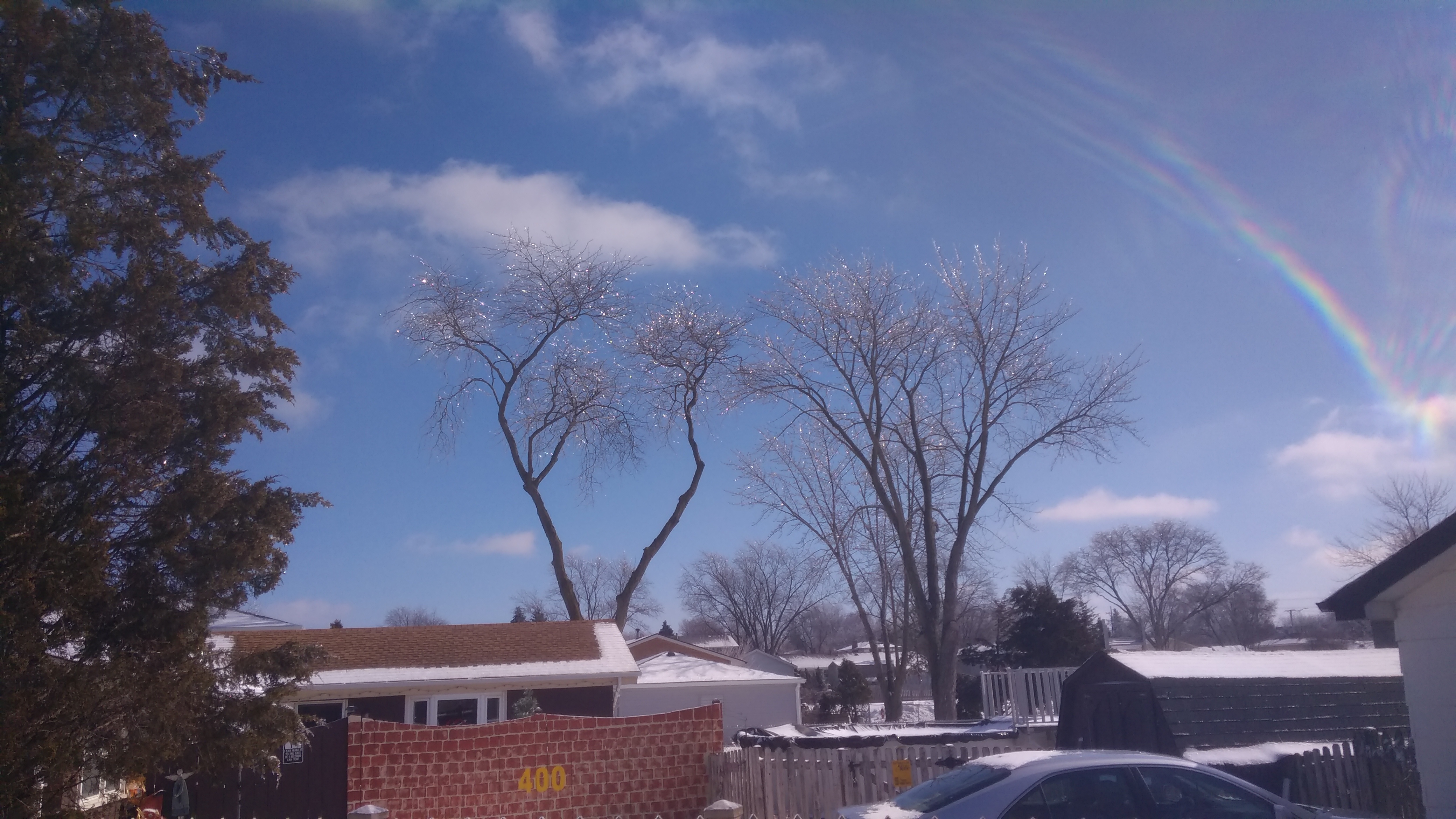
Speaking of plant life, the sun came out today but temps remained below freezing. So we enjoyed the minor spectacle of icy plants in the sunshine.
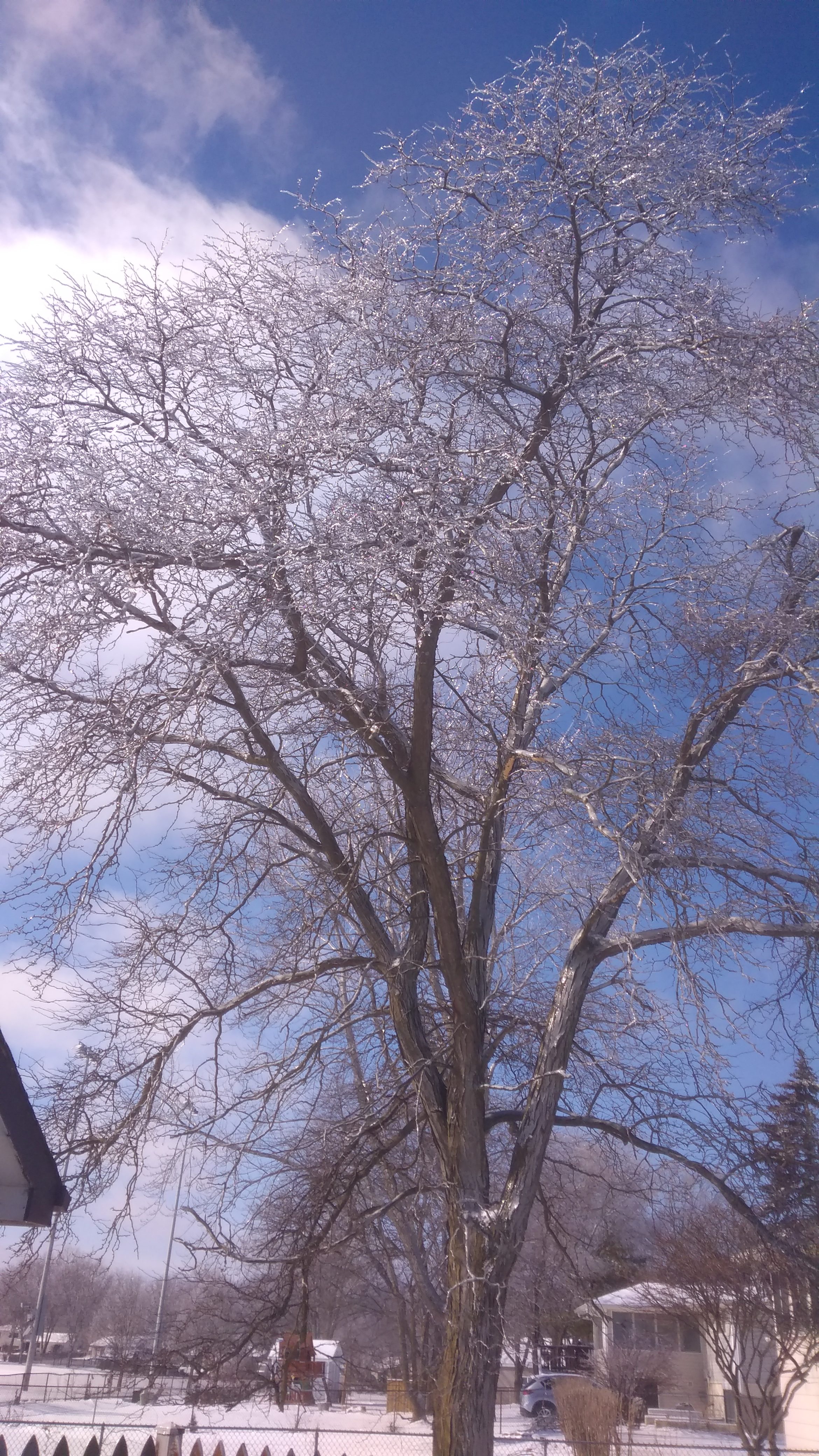
Ephemeral for sure. Above freezing is predicted for tomorrow.
The following are a few more postcards from my minuscule U.S. presidential collection, all postwar chief executives.
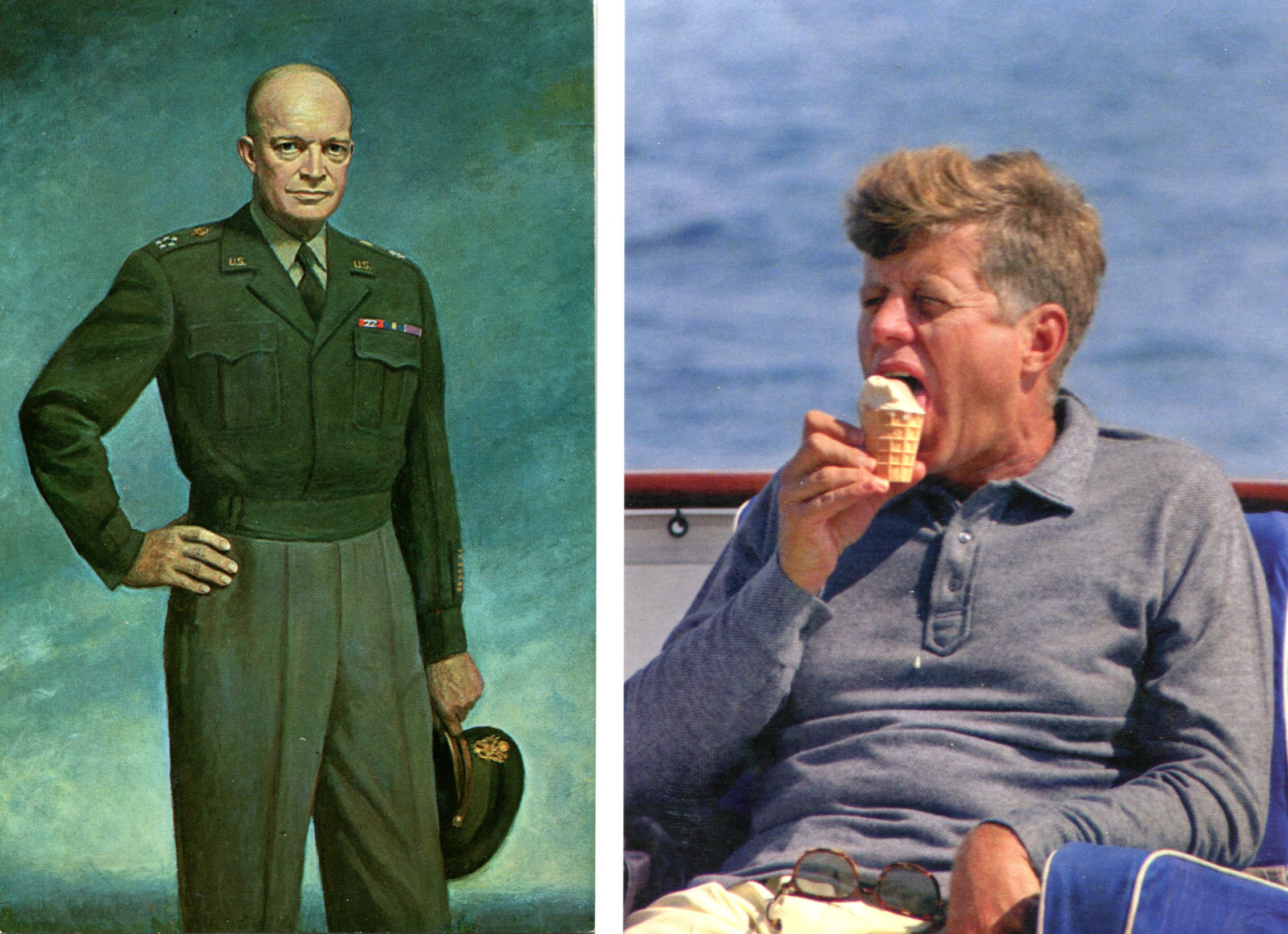
Actually, that isn’t the presidential Eisenhower to the left, it’s General of the Army Eisenhower. Thomas E. Stephens painted the portrait. The image of Kennedy on the right I hadn’t seen until I bought the card at the John F. Kennedy Presidential Library and Museum.
The card doesn’t tell me, but a little Googling reveals that the JFK picture was taken by Cecil Stoughton, who was the president’s official photographer, aboard the yacht Honey Fitz off Hyannis Port, August 31, 1963.
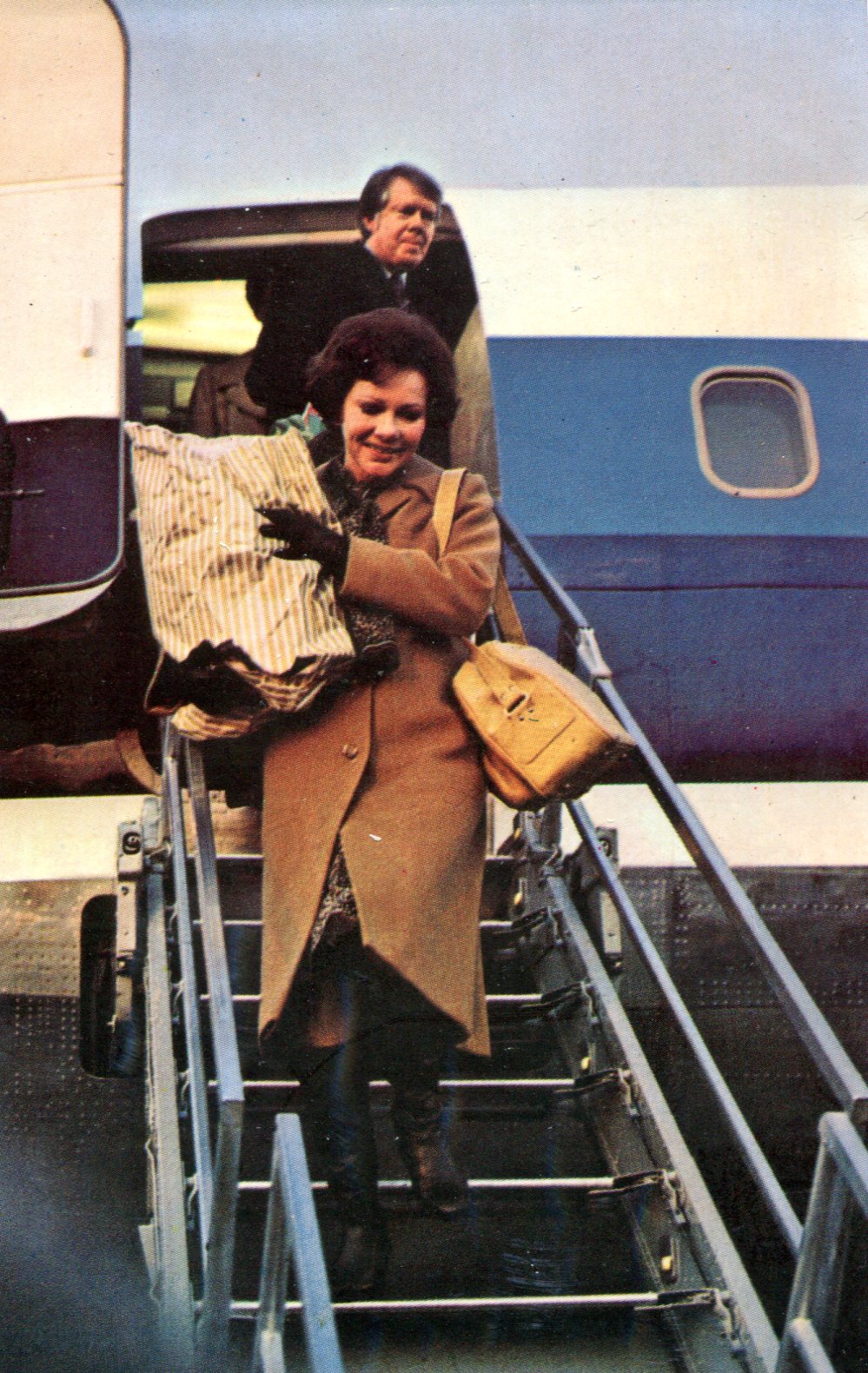 Finally, Jimmy Carter. Mostly Rosalynn, but Jimmy’s back there. Actually President-elect Carter, since the image is dated January 19, 1977, the day before he took office. No photographer attributed and I haven’t been able to track it down.
The card reflects the brief period when the Carters wanted to emphasize that they were jus’ regular folks. As you might remember, Jimmy and Rosalynn walked from the Capitol to the White House in the post-inaugural parade the next day, an unprecedented act. Must have given the Secret Service fits, but nothing bad came of it.
Last night the atmosphere couldn’t make up its mind between snow and rain. So the compromise was ice.
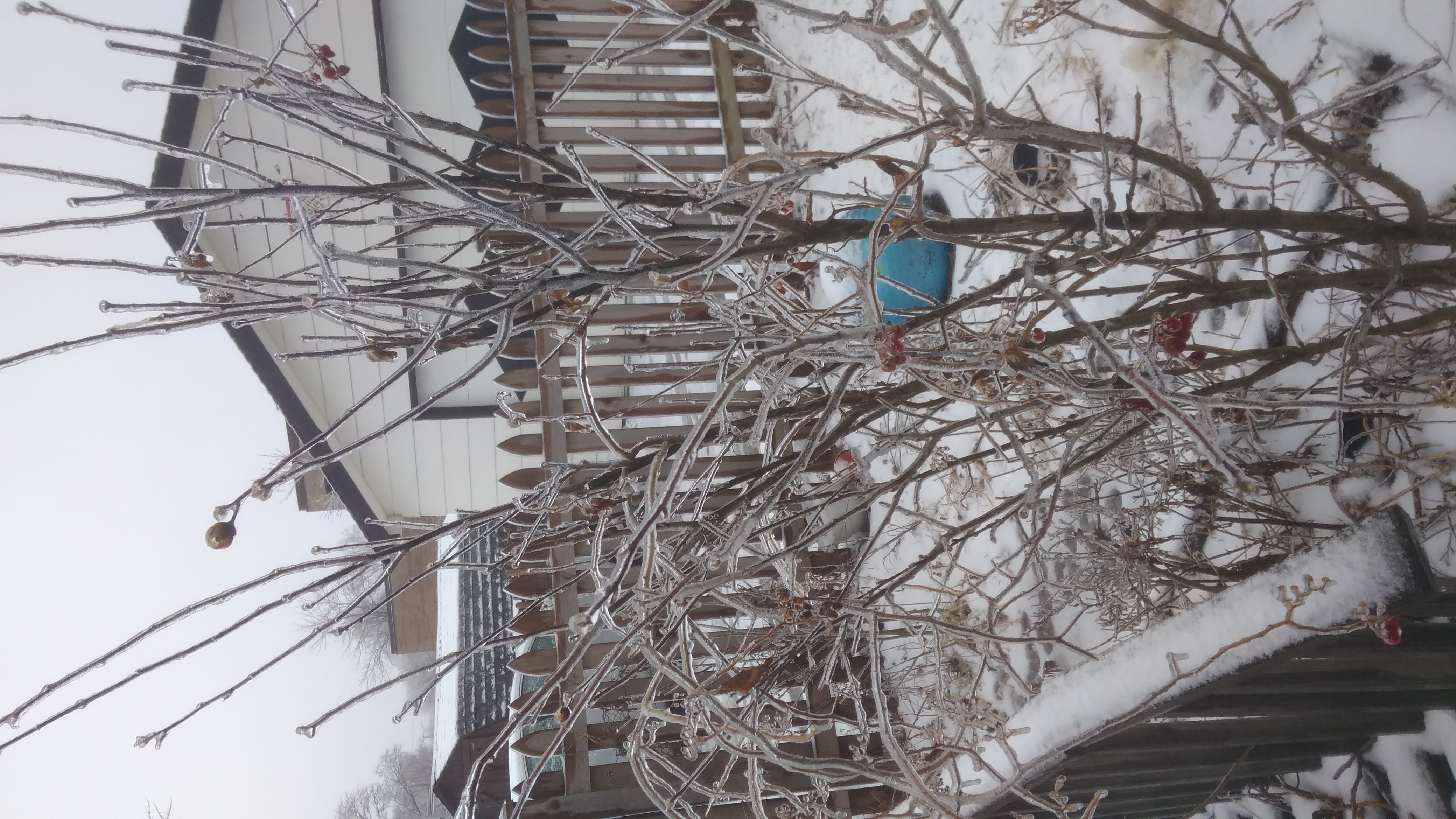
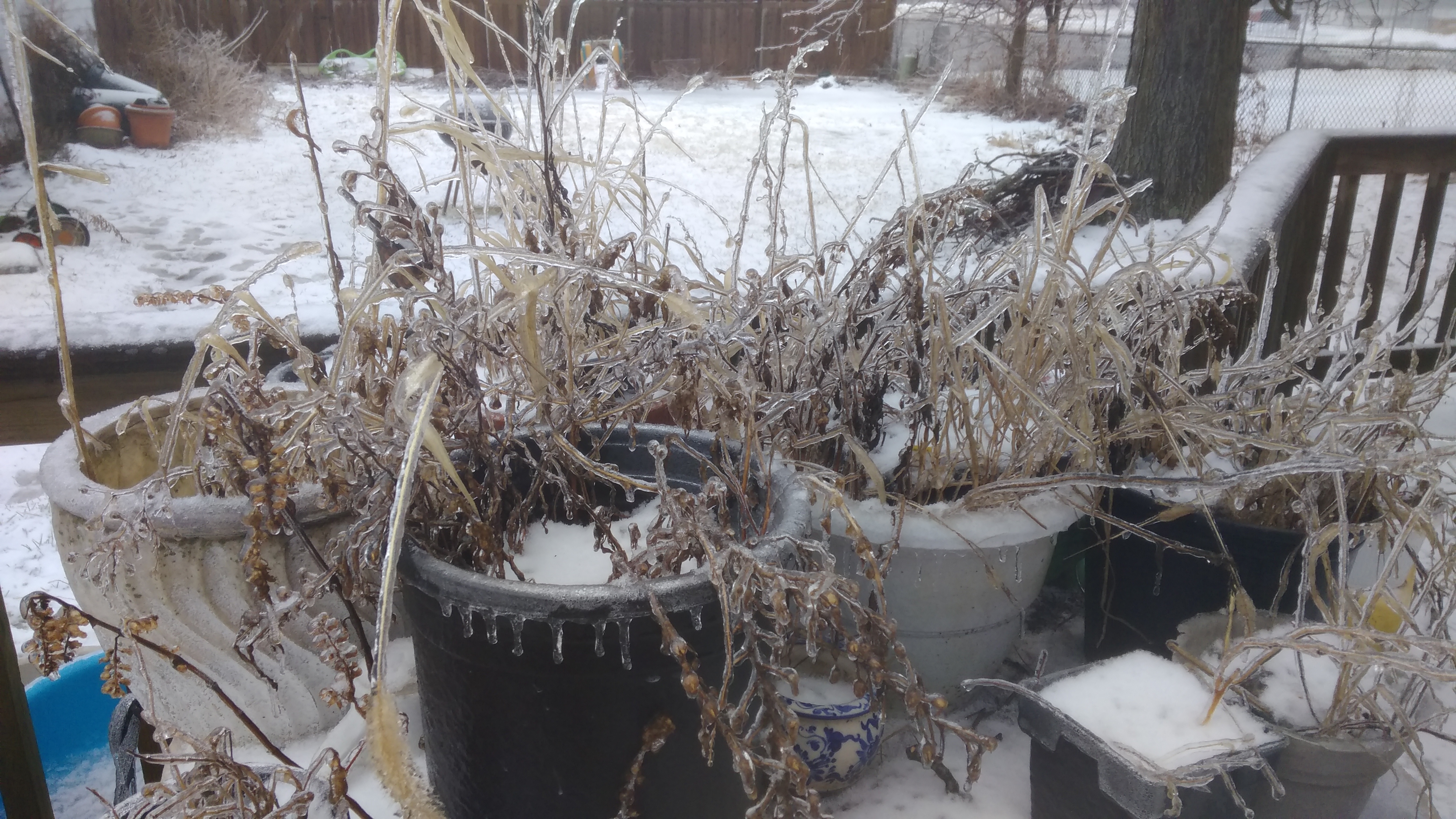 Lovely on the plants. Otherwise, a pain in the ass. Literally, if you fall down.
In honor of Abraham Lincoln’s 210th birthday, I assembled my collection of U.S. presidential postcards in one place. It didn’t take long. I only have about two dozen. They come in two classes: those depicting U.S. presidents and those depicting places associated with them.
It’s a limited selection because I haven’t been trying very hard to accumulate them over the years. I have the following presidents on postcards: Jefferson, Jackson, William Henry Harrison, Andrew Johnson, Benjamin Harrison, Hoover, Eisenhower, Kennedy, Carter, Reagan and Clinton. But not Lincoln.
I also have one depicting George Mifflin Dallas, 11th Vice President of the United States, who was Polk’s VP. Don’t hear much about him.
Oddly enough, I have more of William Henry Harrison than any other president: three cards dedicated to that briefest of chief executives. Here are two side-by-side cards of Harrison in his days of military glory, around the time of the Battle of Tippecanoe and the Battle of the Thames.
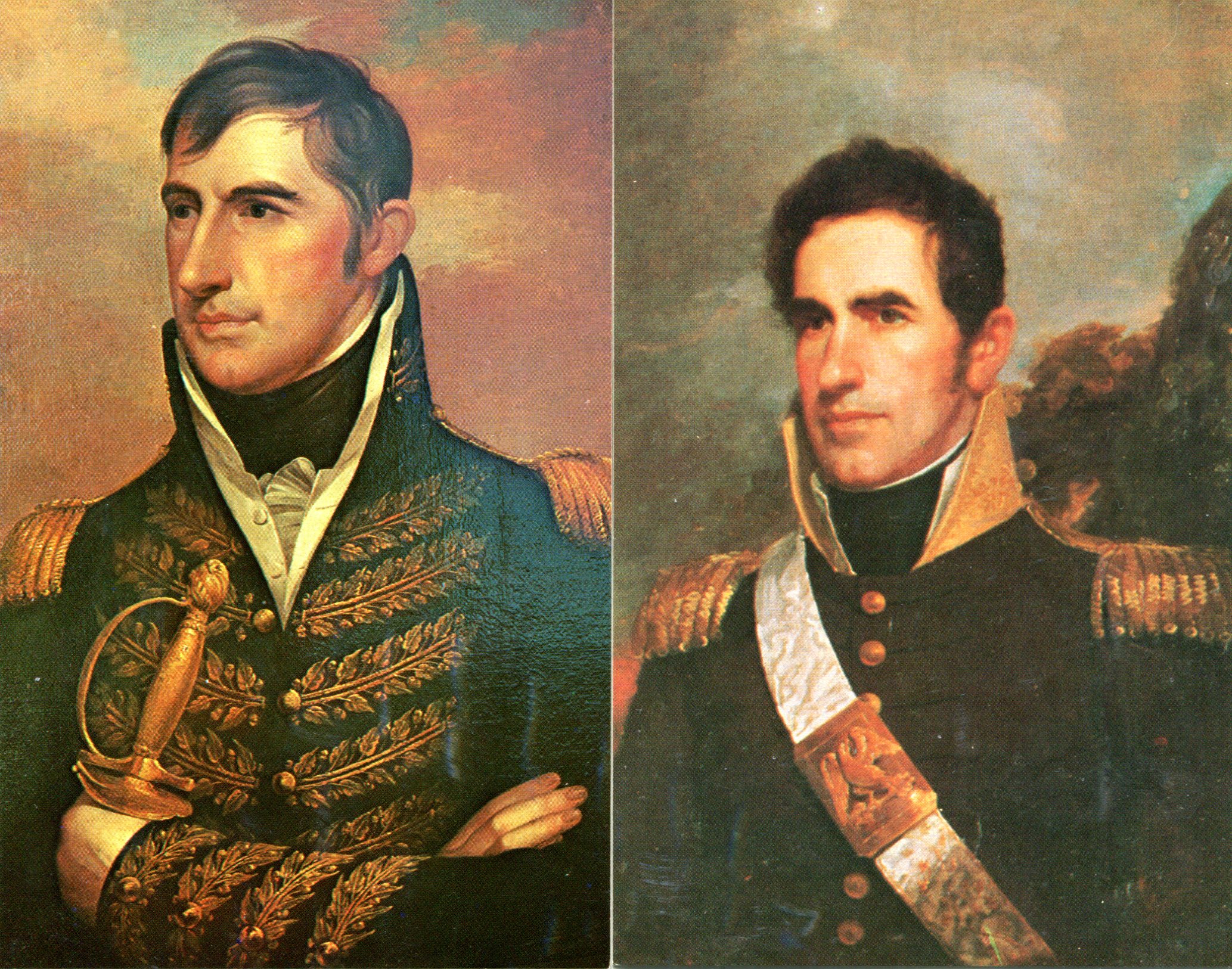 On the left is an 1814 painting by Rembrandt Peale that hangs in Grouseland in Indiana. On the right is an 1813 painting by John Wesley Jarvis, also at Grouseland. I got both cards when we were there for a low price that made me think the museum was getting rid of its stock of postcards, never to replace them.
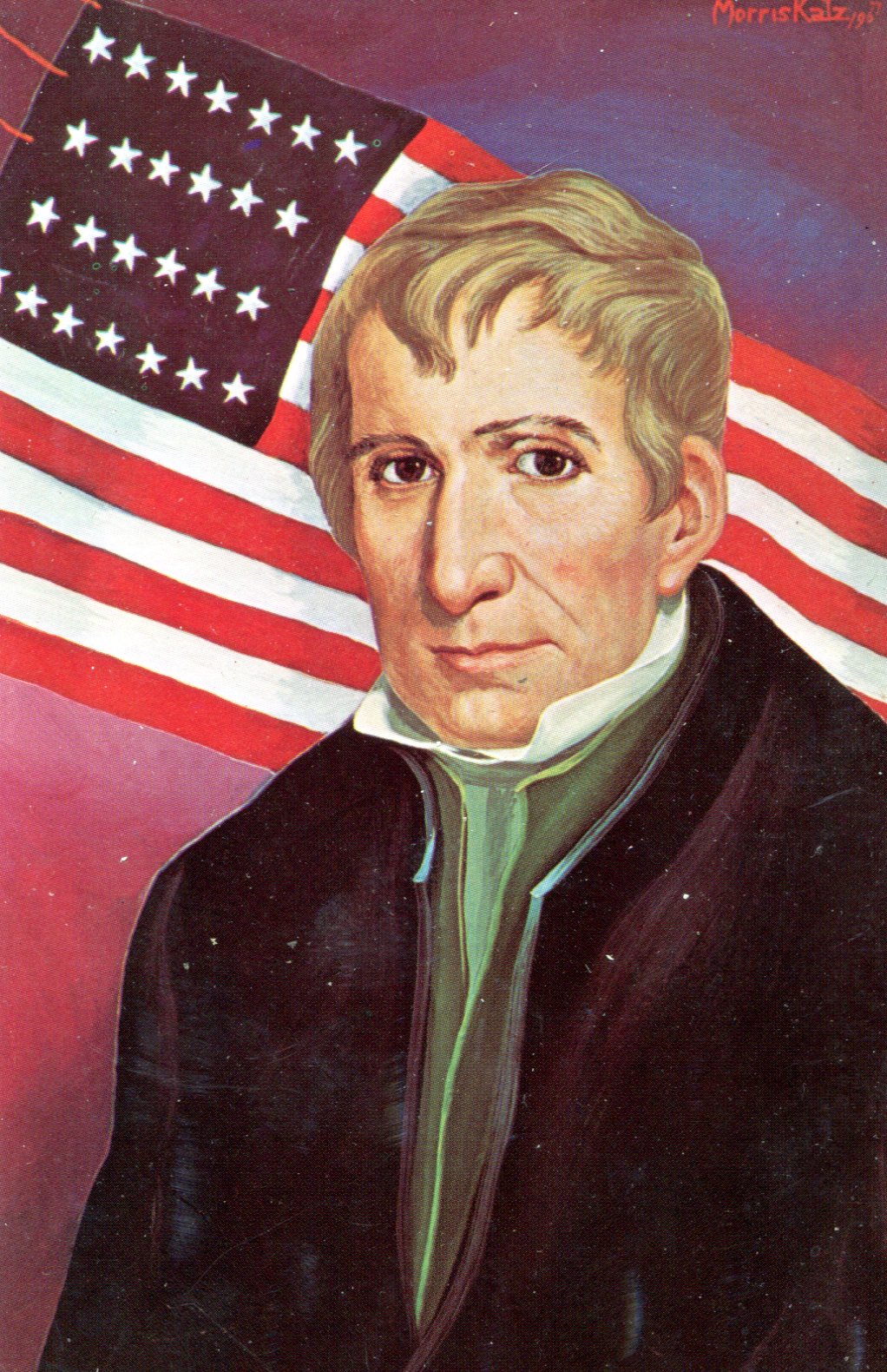 At some other time I acquired the card on the right, an older Harrison — around the time of his election? Probably, since the flag in the background has 26 stars, which lasted from 1837 to 1845, between the admissions of Michigan and Florida.
An artist named Morris Katz (1932-2010) painted the image of Harrison in 1967. One of a series of presidential portraits that year for Katz, apparently. I have another one of his of Benjamin Harrison, from the same year .
From what I’ve read about Katz, he probably whipped out all of the presidential portraits in a single afternoon. A 1978 article in New York magazine called him “the king of toilet-paper art” and said that he called himself “the world’s fastest painter, creator of instant art.”
“Toilet-paper art”? I wondered exactly what that involved. The article says: “Using only a palette knife and a roll of toilet paper to apply paint, he whips off a landscape oil in under ten minutes…”
This video illustrates his technique. Essentially, Katz used bunched up toilet paper as a kind of sponge to apply the paint. He’s no Rembrandt Peale, but I’ll take him over mutant-eyed Margaret Keane children any day. One of the dentists I visited as a child had her paintings on the wall, or at least paintings in that style, and damned if they weren’t unnerving.