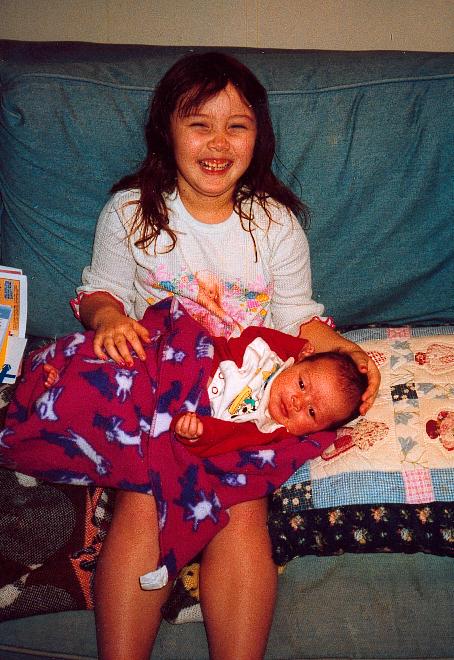
An old favorite picture of the girls. Taken 15 years ago, in March 2003.
Below is a more recent picture, late last year, which is close enough to the present.

An old favorite picture of the girls. Taken 15 years ago, in March 2003.
Below is a more recent picture, late last year, which is close enough to the present.
As part of my work, I spend a fair amount of research time on sites devoted to news in specific cities, and besides the items I’m looking for, I see a lot else besides. It doesn’t take long to realize that murders and traffic accidents and fires still lead, even in the age of digital media. Pop any major city name in Google News and that much is clear.
Sometimes the headlines, or the lead paragraphs, are a little lighter. Even if violence is involved.
Wanted Akron Pimp Shot through the Ear in Cleveland
Painful, I bet, but with time and maybe plastic surgery, the Akron pimp might recover. He’ll also have a story to tell at the pimp conventions.
Then there’s news about things I’m only vaguely aware of. I don’t mind it if they stay that way.
Sharknado 6 is set to be released on July 25, 2018… the film will feature time travel, Nazis, dinosaurs, knights, and Noah’s Ark.
Six? Anyway, the movie will be full of things any 12-year-old boy might want. Left out were cowboys, astronauts, UFOs, and the Bermuda Triangle, though I guess boys aren’t quite as interested in those things as they once were. There’s always Sharknado 7.
News about thrill seekers. Type T people, I’ve heard them called. Nuts, that is.
Your Facebook and Instagram feeds are full of it: People on vacation pushing themselves to extremes by diving off rocks, skiing dizzying backcountry drops, walking rickety paths above death-assuring canyons.
My Facebook feed is full of no such things. But I do remember interviewing a real estate executive well over a decade ago, and the most interesting part was off the record — and not directly related to commercial real estate anyway. It was about him rafting on some river in Mongolia. Off the record because he didn’t want the other investors in his projects to think he was doing anything they’d consider dangerous.
And other oddities.
Saint Louis University is seeking a name for a Midtown district that straddles part of its north and south campuses and includes the Foundry and Armory projects. Voters can choose from Prospect Yards, The GRID, The Circuit, The 1818, or write in their own name.
I don’t much care for any of those, except maybe 1818. I suggest “Bob.”
I was looking in a seldom-looked at file of images the other day and found a scan I’d made of a page from a collection of Thomas Jefferson’s writings. I’d forgotten I’d made ir. Here it is.
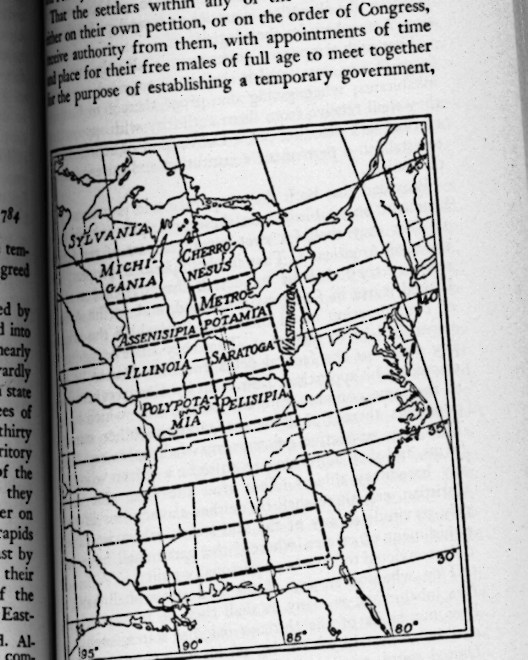
Nearly 15 years ago, I wrote: “Some years ago, I read a curious little document by Thomas Jefferson, who in 1784 made a report to Congress — the Congress under the Articles of Confederation — about how to create states from the Northwest Territory and what to call them.
“Jefferson suggested 10 states for the area that now contains six (Illinois, Indiana, Kentucky, Michigan, Ohio and Wisconsin). It was an exercise in hyper-rationality and hyperliteracy, though if his suggestions had been used, they would be normal and even venerated names — such is the power of custom.
“Hyper-rational because, instead of paying attention to natural features, Jefferson cut the district into rectangles measuring two degrees of latitude north-to-south and roughly four degrees of longitude east-to-west (‘roughly’ because the irregular Mississippi River forms the western boundary of the territory).
“Besides the Mississippi, geographic form did intrude in what we call lower Michigan — even Jefferson wasn’t going to ignore lakes Michigan and Huron in drawing lines — as well as a few other places on his map, but he was doing his best to apply Longitude and Latitude to the new states’ boundaries. It was as if Colorado- and Wyoming-shaped states were to be created in the Midwest.”
Naturally, other sites discuss this odd collection of non-realized states, such as (of course) Strange Maps.
First things first: Remember the Alamo. Today is a good time to listen to some Dimitri Tiomkin.
Wind and cold yesterday to remind us that winter lingers, that it’s the time of the year when the season is an unwanted guest who gives no indication of packing his bags. Then in the evening, snow. Just a covering, so I figured it would melt today. No. We got more in the morning. Then it melted. Mostly.
Got an oddity in the mail not long ago: an anti-Bruce Rauner campaign booklet called The Governor You Don’t Know, subtitled “The Other Side of Bruce Rauner.” It’s an actual paper publication, and a smallish thing, 4 in. x 6¾ in., with a four-color cover but all text on its 48 pages (three forms of 16 pages, I bet). And I mean all text — not even any black-and-white illustrations.
The byline names the chairman of the Chicago Republican Party as the author, with a forward by a Republican state representative. Interesting copyright note: “Permission is hereby granted to reproduce any part or all of this book until March 31, 2018.” After that, all rights reserved.
I’m not going to do that, but I will quote from the forward: “In this book, you’ll be taken behind the scenes as the author reviews the salient events that explain why we are taking the extremely rare step of unseating an incumbent governor from our own party.”
The Illinois Republican party, it seems, is a tad peeved at the governor. I can certainly think of some criticisms of him myself, but I will give Rauner this: he’s never been indicted. In some states (Illinois, Louisiana) that’s a pretty high bar for a governor.
On the back of the booklet, we’re informed that the woman looking to unseat the governor in this month’s primary, or rather her campaign, paid for the book. As politicos go, she’s a dime-store demagogue, as noted by the underrated columnist Neil Steinberg.
All very interesting, but I’m still left with a nagging question. Why did I get it? Am I on some kind of dime-store demagogue fan club mailing list? If so, I’d prefer not to be.
Found an interesting thing on Merriam-Webster’s web site the other day, a function called Time Traveler. It says: “When was a word first used in print? You may be surprised! Enter a date below to see the words first recorded on that year.”
Elsewhere on the site, the lexicographers are careful to point out that “the date most often does not mark the very first time that the word was used in English. Many words were in spoken use for decades or even longer before they passed into the written language. The date is for the earliest written or printed use that the editors have been able to discover.”
Still, that’s the kind of thing I find interesting. Naturally, vanity got the better of me, so I looked up words introduced to print the same year as I was introduced to the world, 1961. Quite a collection.
There are words that reflect scientific progress: ampicillin, dehydroepiandrosterone, isospin, lawrencium, messenger RNA, mid-ocean ridge, neurotransmission, radioimmunoassay, spark chamber (is that last one a milder version of a Star Chamber?)
There are also words clearly specific to space exploration: A-OK, biosensor (maybe), capcom, clean room, geostationary, low earth orbit, and probably solar panel.
There are hints of things to come, for good or ill: affirmative action, anti-harassment, Black Friday, compassion fatigue, computer science, Eurocurrency, fiber-optic, lip-synch, military-industry complex (hey, Ike), operating system, paparazzo, read-only memory, skyjack, SST, telenova, toaster oven, and wayback machine.
That last one popularized by Sherman and Peabody? The time would be right.
New things to eat and drink: Bibb lettuce, fettucine Alfredo, mai tai and, if necessary, your pot-bellied pig.
There are a few I would have guessed would be older, but apparently not: AA battery, black ice, hard-edge, no-holds-barred, no-win, race-baiting, redistributionist.
And what about chocoholic and wazoo? They’re on the list. I would have placed them later, as inanities of the ’80s.
In early 1992, a curious-minded friend asked me in a letter about the cost of living in Japan. At the time the oft-used example, probably by lazy journalists, was the $10 cup of coffee (shocking in a pre-Starbucks-everywhere context, I guess). I’m sure you would have been able to find such a brew at upscale hotels in Tokyo, but it wasn’t part of my experience.
So I wrote him the following.
March 1992
Japan is justly famous for its high cost of living. But one can adapt, especially as a single person, though you never really grow fond of the system, the basis of which is to squeeze consumers as much as possible. Luckily, I’m no more a typical consumer in Japan than I was in the United States. Remarkably, my personal cost of living is roughly the same in absolute (dollar) terms, and a little less in terms of percentage of income, than in Chicago.
That might seem strange, but there are several factors to consider. Japanese income tax is a flat 10%, sales tax on everything is 3%, so neither of those is especially onerous. I have no car, which I believe would be a useless luxury in Japan, and endlessly expensive. For instance, gasoline is about four times as expensive as in the U.S. I buy few articles of clothes here. They’re expensive, but it’s also true that it’s hard to find my size anyway. I’ve supplemented my wardrobe during travels outside Japan, especially in Hong Kong, where clothes are reasonably priced (except I couldn’t find shoes there either). A spare pair of glasses was a deal in Hong Kong, too.
I’ve been slow in acquiring household appliances. Some of them I bought new — a gas cooker, about $100; a Korean-made TV, about $200; a bottom-of-the-line VCR, also about $200; a DoDeCaHORN combination CD player/double cassette deck with AM/FM band, again about $200. I’m highly satisfied with the quality of these goods, as you might expect from Japanese (and Korean) electronics.
Other items I’ve bought recently have been from departing foreigners in sayonara sales. Recently I acquired a table, microwave oven, book shelf, a number of books and other things that way, cheap. I’ve found a few things in the street for free. My Osaka Gas Fan Heater 2200 is an example, which I found the first summer I was here, before I needed it, abandoned by its owner. Such finds are called gomi, or so-dai-gomi if the items are large.
Food is a major expense. Some things are insanely expensive, such as bread, at $1.50 for four or five measly slices, or $4 or $5 for a glob of raw hamburger American stores wouldn’t package that small, or liters of milk that cost as much as a gallon in the U.S. You might think those aren’t typical Japanese foods, but they are now. Consumption of “Western foods” is so commonplace that the distinction makes little sense in most cases. Besides, rice and fish aren’t particularly cheap, either.
Properly done, eating out is little more expensive than eating at home, due to high grocery costs. I know a lot these days about (relatively) cheap Japanese eateries, including the location of a score of places that offer meals for $5-$8, most of them filling and excellent nutritionally and gastronomically: noodle soups, chicken and pork cutlet meals, Japanese-style Chinese food, rice dishes, curries and more.
Then there’s the matter of rent. I have a modest place, one-and-a-half rooms, certainly less than I had in Chicago. For it I pay slightly less rent, in dollar terms, and somewhat less as a percentage of income. Except in winter, when gas bills are high, utilities aren’t bad.
One more thing: entertainment. Fun can be dear in this country. Luckily for me, I’m seldom inclined to visit bars, no doubt the greatest black hole for yen around. I do go to an izakaya once a week with friends, but that’s as much cheap restaurant as bar. Video tape rentals are about $4 for new movies, less for others. Movies in the theater run at least $18, but I know a couple of second-run houses for less than half that. Some of the best museums and temples in the country are only a few dollars to get in and, if I really don’t want to spend much for entertainment, I take the subway to some part of town I don’t know well and walk around. That never gets old.
In the wee first hours of March this year, I woke up to light rain. After I went back to sleep, weird and unsettling dreams came. I don’t know if that was connected with the rain, but I was surprised in the morning to see that a lot of rain fell as I slept, more than I would have thought. Rain that forms large puddles near the back fence.
In Andersonville last weekend, we saw a shop called Cowboys & Astronauts, just off Clark St. I liked the sign advertising the place.
 Its web site says: “Cowboys and Astronauts, Chicago’s newest men’s lifestyle and supplies destination, is proud to announce that we have opened our storefront in the heart of Andersonville. We hope that you will swing by and check out our curated blend of apparel, accessories, grooming, travel supplies, home goods, and gifts.”
Curated men’s lifestyle and supplies, eh? I’m resisting the urge to mock that idea. We didn’t go in, so I can’t comment on the goods. But we could see that the store did have a faux space suit on display. I’ll give them that.
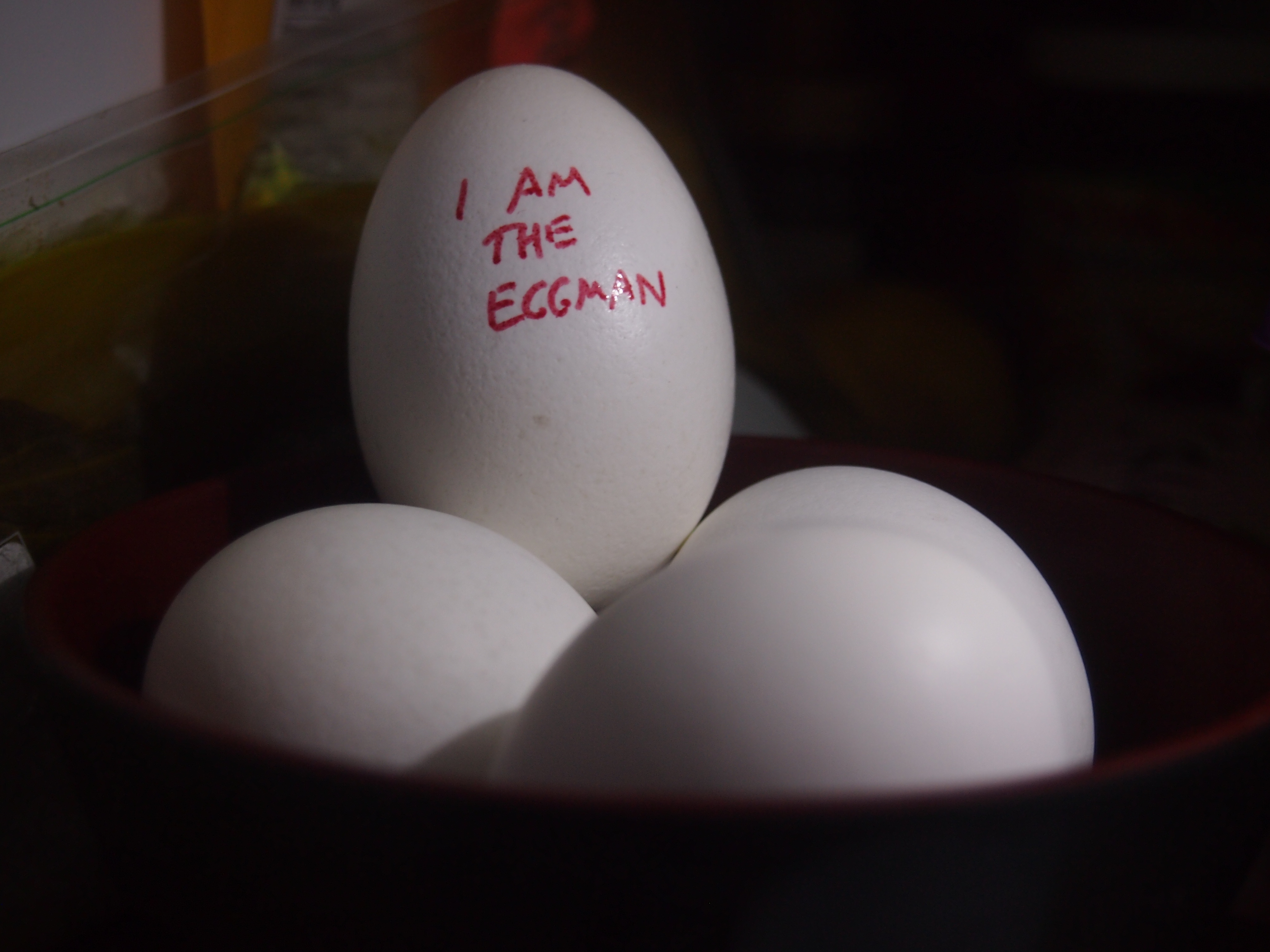
Next: eggs. Occasionally, I write on my eggs. Just for grins.
How often do you see a truckload of portable toilets? Of the plastic-molded outdoor cubicle type, loaded and ready go wherever they need to go?
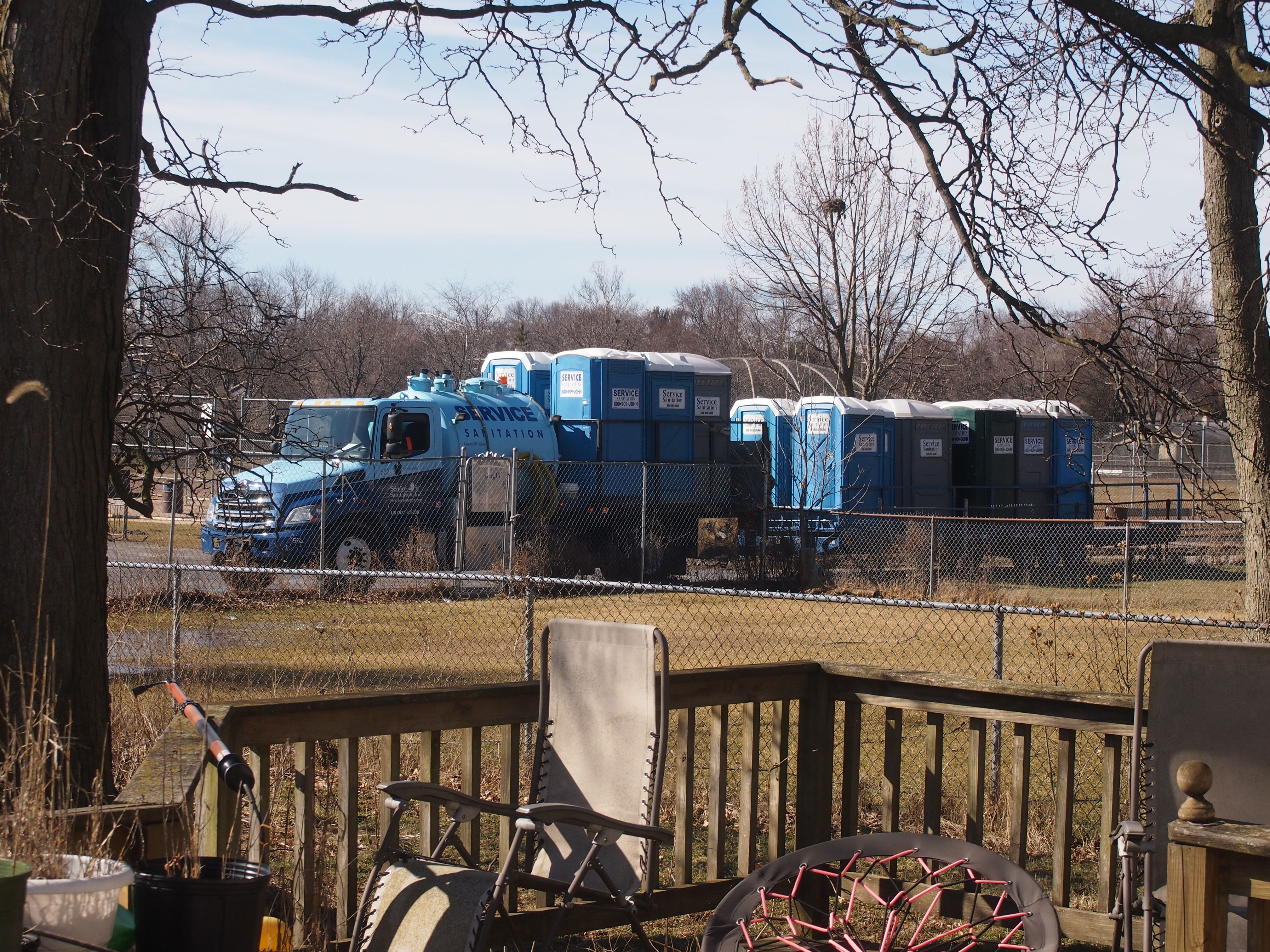 Not often. I think the truck was delivering a few to the park behind the house. Maybe that’s an early sign of spring.
Argyle Street is in Uptown on the North Side of Chicago. Just north of Uptown is Edgewater. Technically neither of these are neighborhoods, but “community areas,” a term invented by a committee if I’ve ever heard one.
So it is: the Social Science Research Committee at the University of Chicago defines these districts, and the City of Chicago uses the definitions for various bureaucratic purposes. There are 77 of them in the city, each with exact boundaries.
Neighborhoods are more numerous and tend to be more nebulous, evolving over the decades and sometimes being influenced by real estate salespeople. After it became hip to live there in the late 20th century, for instance, the Lakeview neighborhood of Wrigleyville enjoyed a remarkable growth spurt. Or at least, concoctions like “West Wrigleyville” were invented.
All that is a longish way to introduce the fact that we took a walk around Andersonville on Saturday after lunch near Argyle St. Andersonville is an Edgewater neighborhood, but the walk from Argyle in Uptown to the border with Edgewater, Foster Ave., isn’t a long one, and Andersonville is right to the north of Foster, roughly from Broadway in the east to Ashland in the west.
In fact we’d parked the car north of Foster, in Andersonville. Long experience has taught me that parking is easier to find in Andersonville than Uptown.
That’s because there are a lot of single-family houses in Andersonville. Large apartment buildings too, but still mostly single family along some of the neighborhood streets.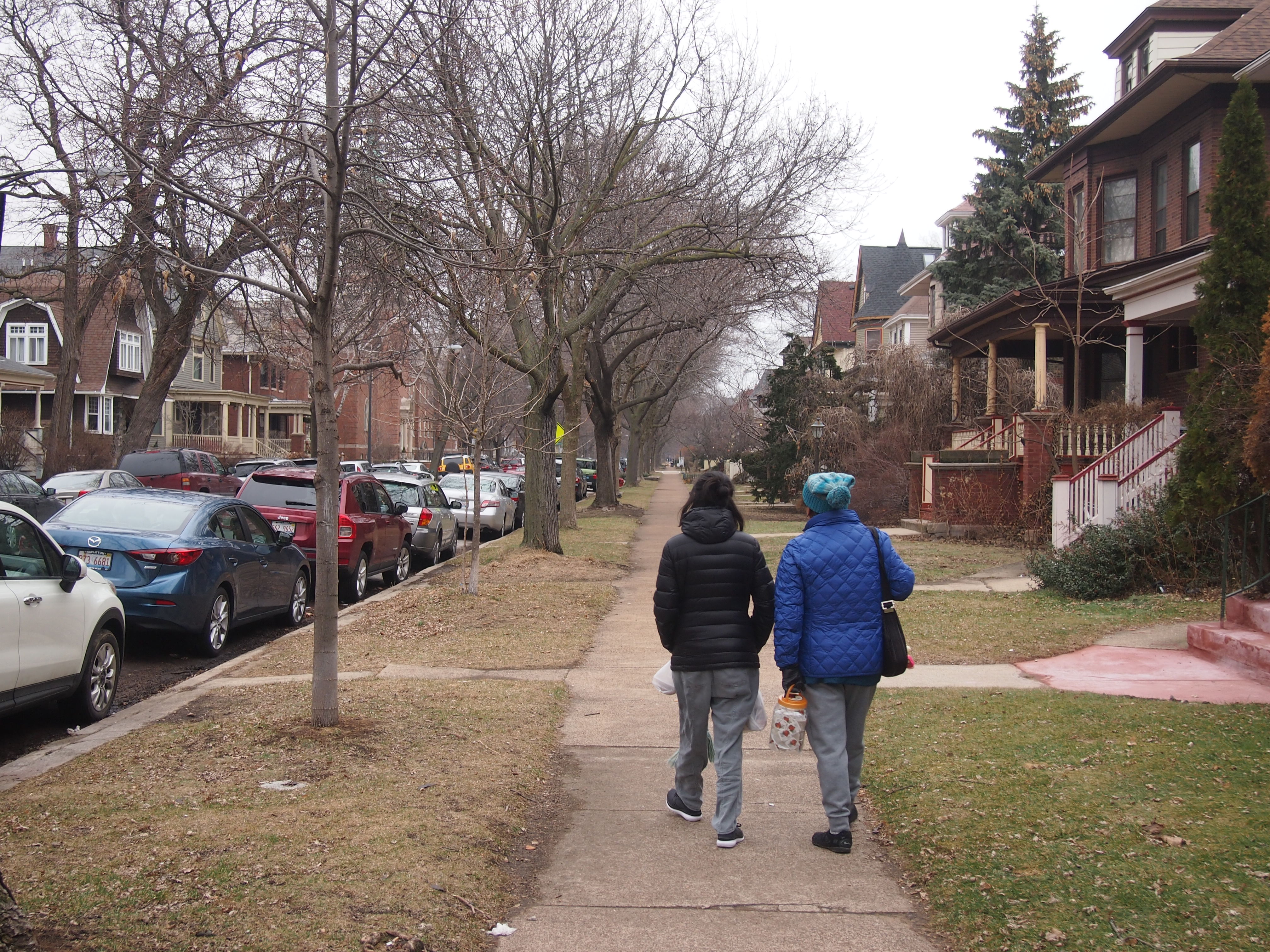
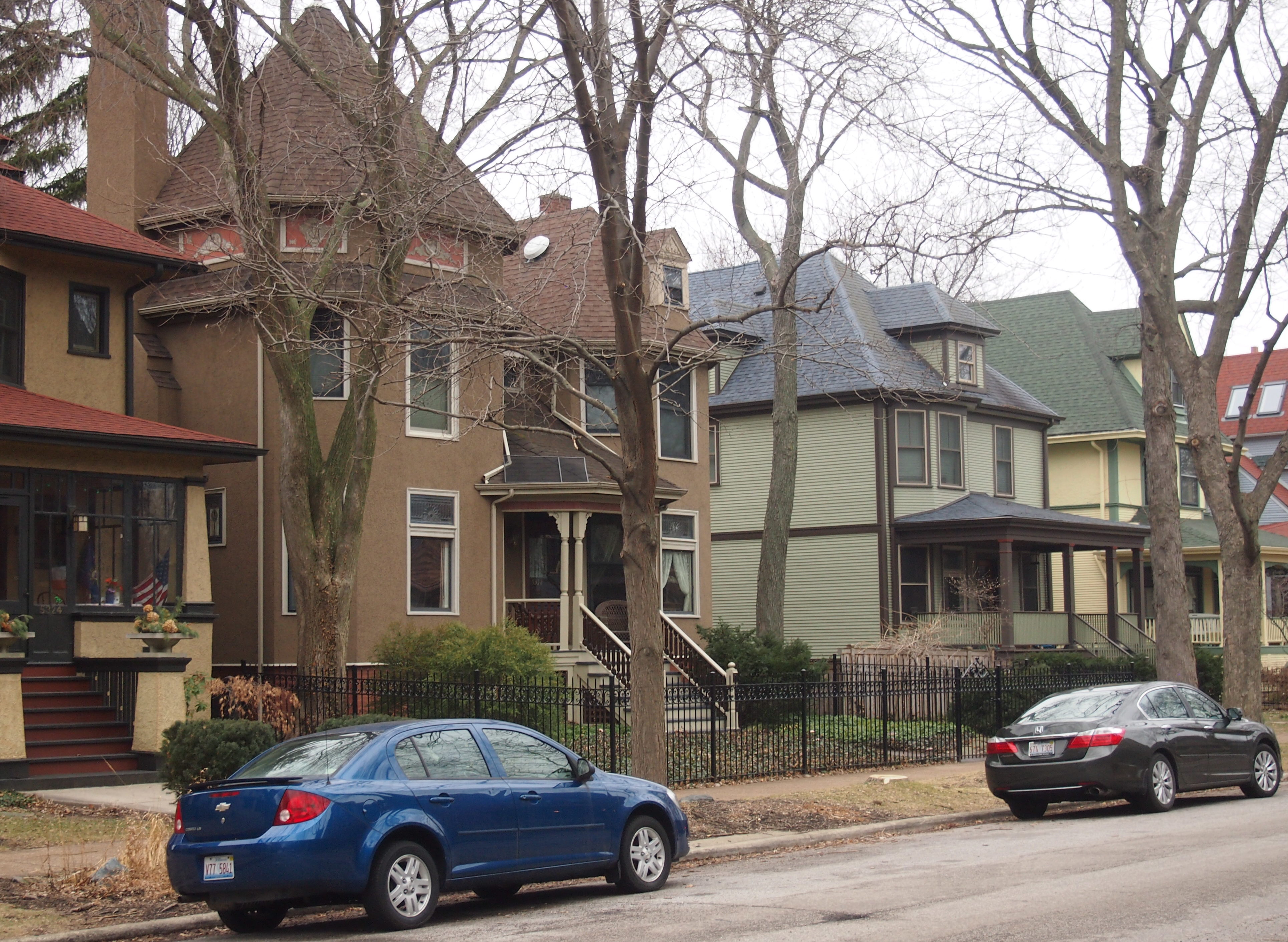
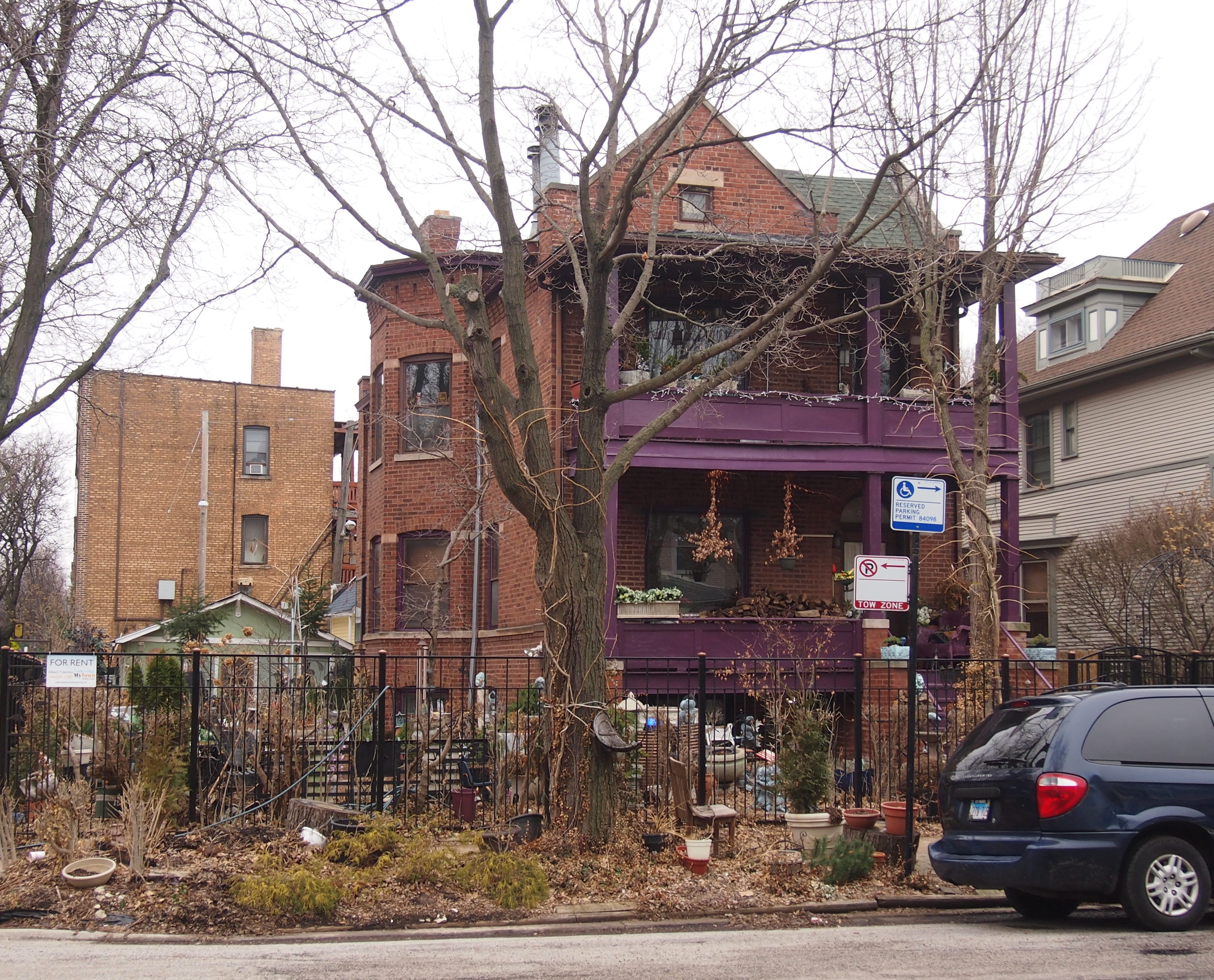
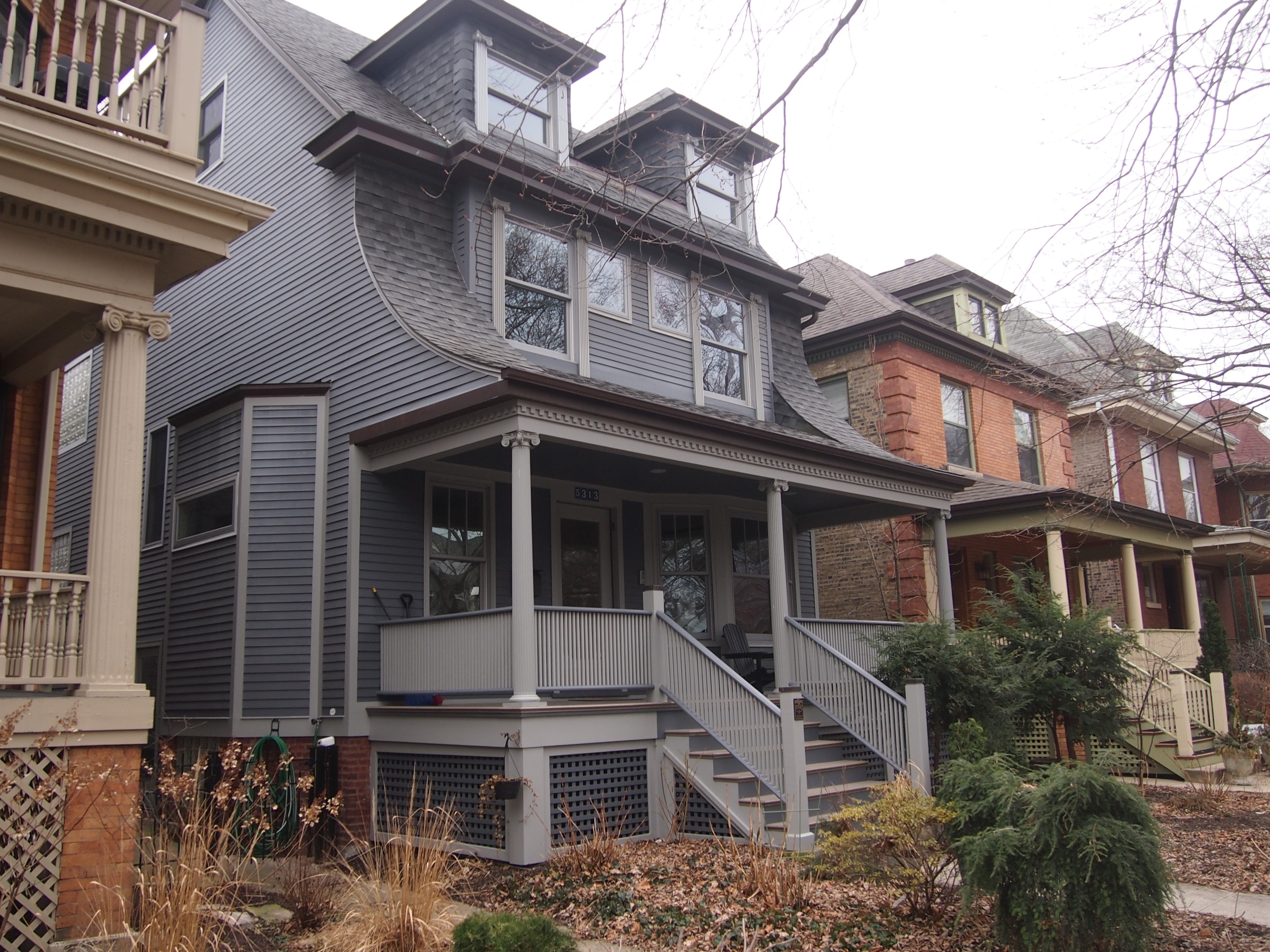 Some are more colorful than others. I suspect this one is a two flat, or maybe four.
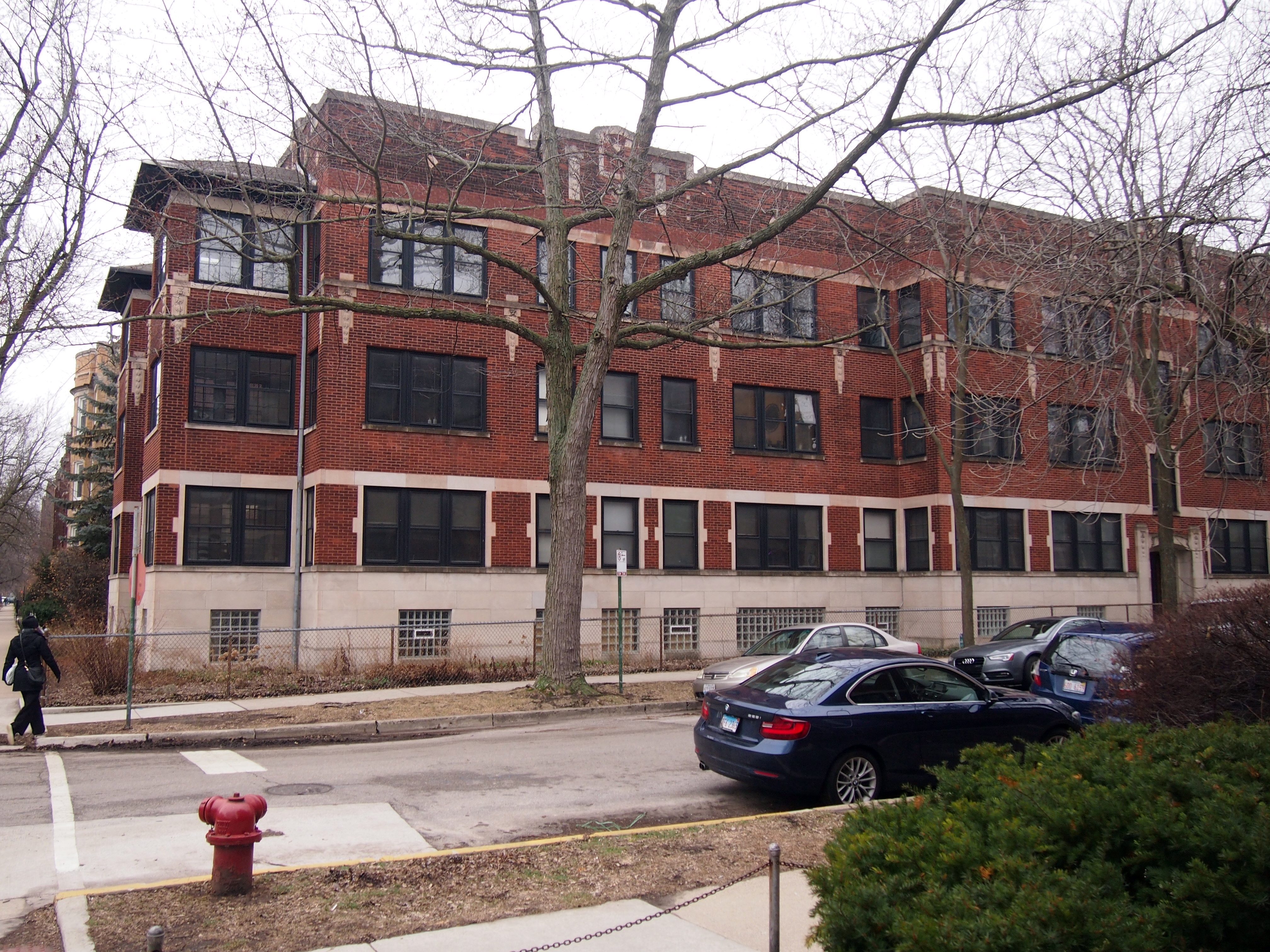
 Most of the large single family houses are in the eastern part of Andersonville. Toward the west are larger apartments, such as this one.
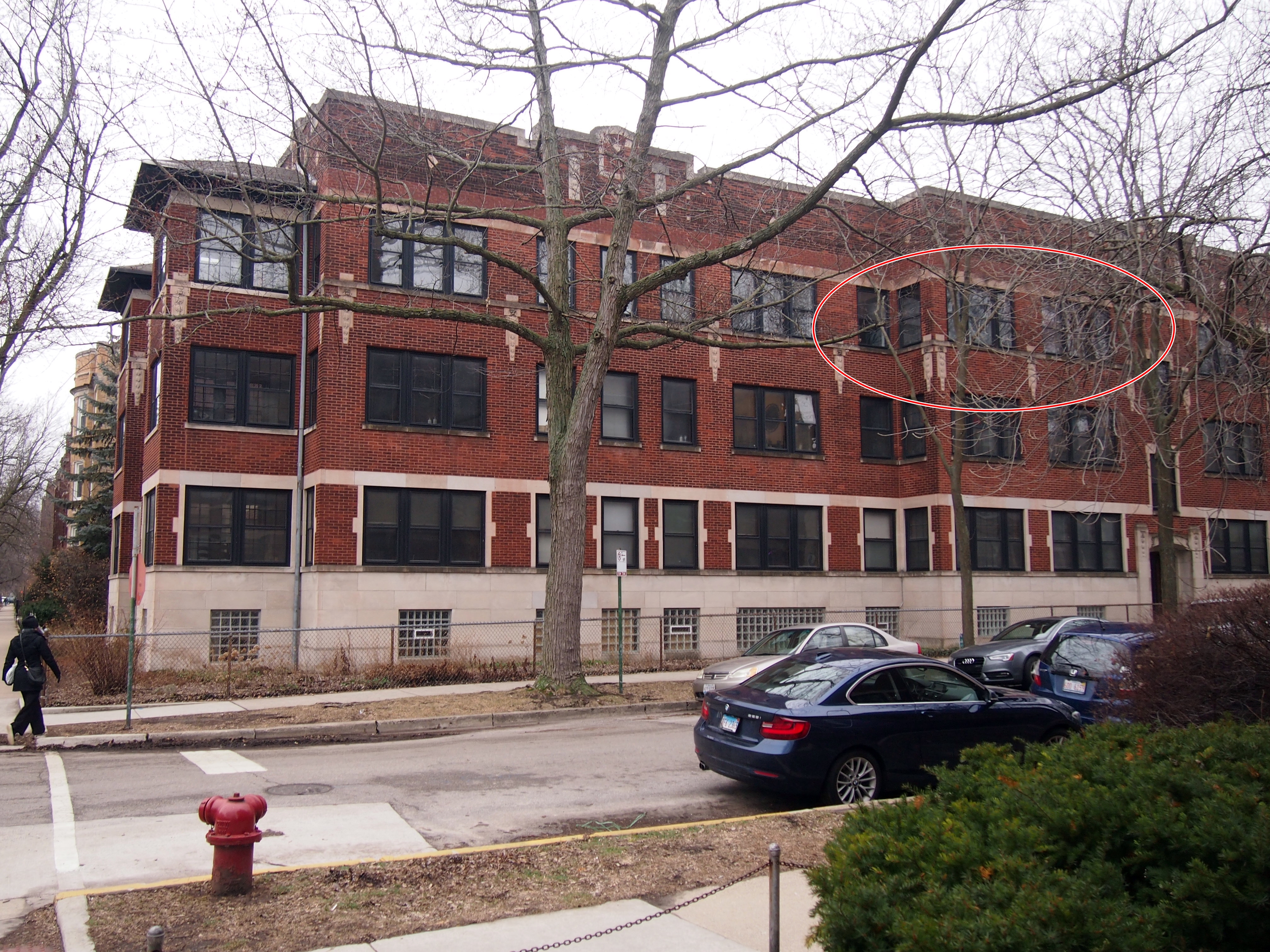
 I have fond memories of the place, since I lived there from 1987 to 1990. Right behind those windows.
 Near the western edge of Andersonville is Clark St., the main shopping street for the neighborhood.
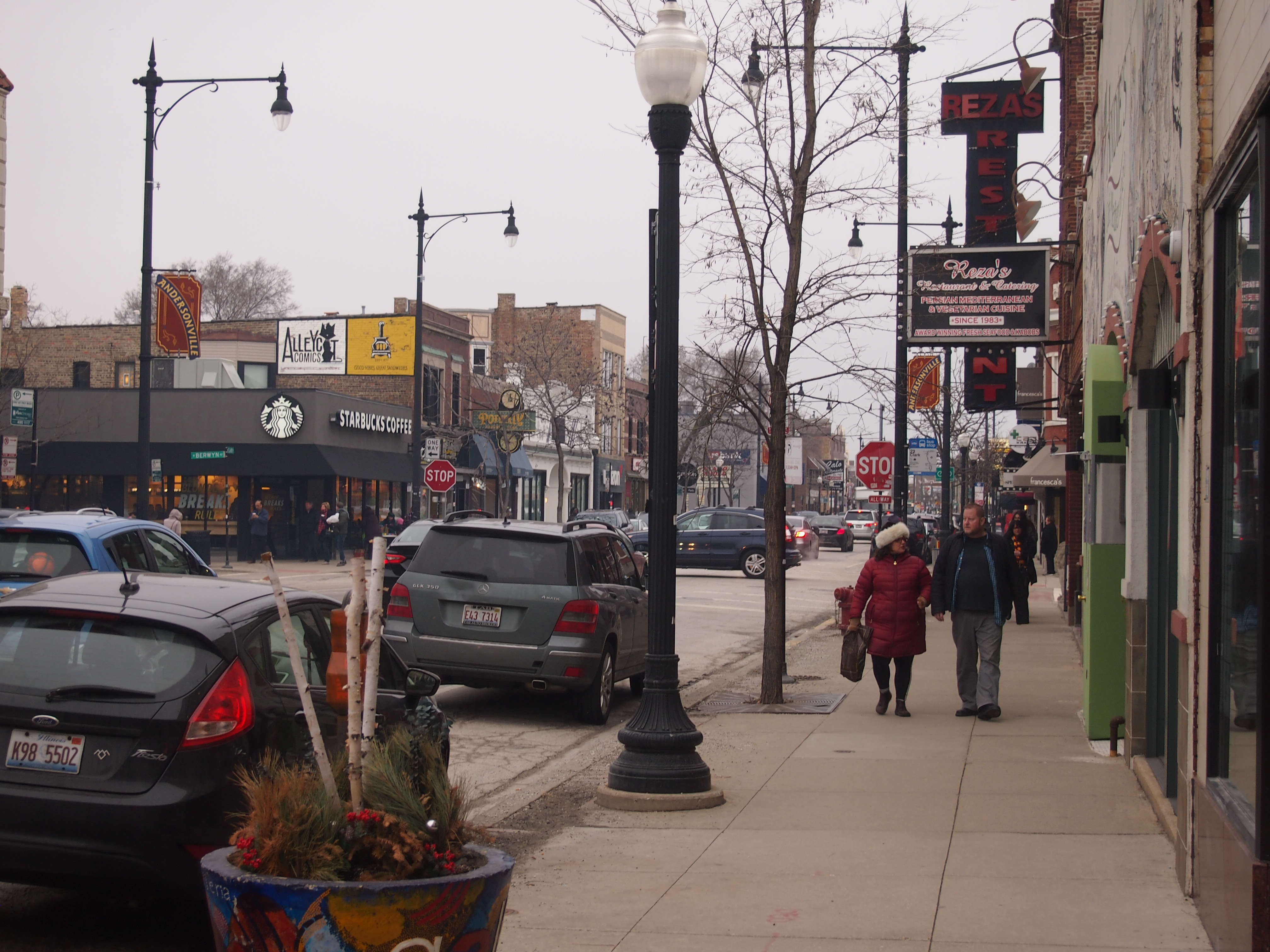 It has what 21st-century urban planners pine for: walkability, independent shops and restaurants (never mind the Starbucks), and some local history. Plus some interesting old buildings.
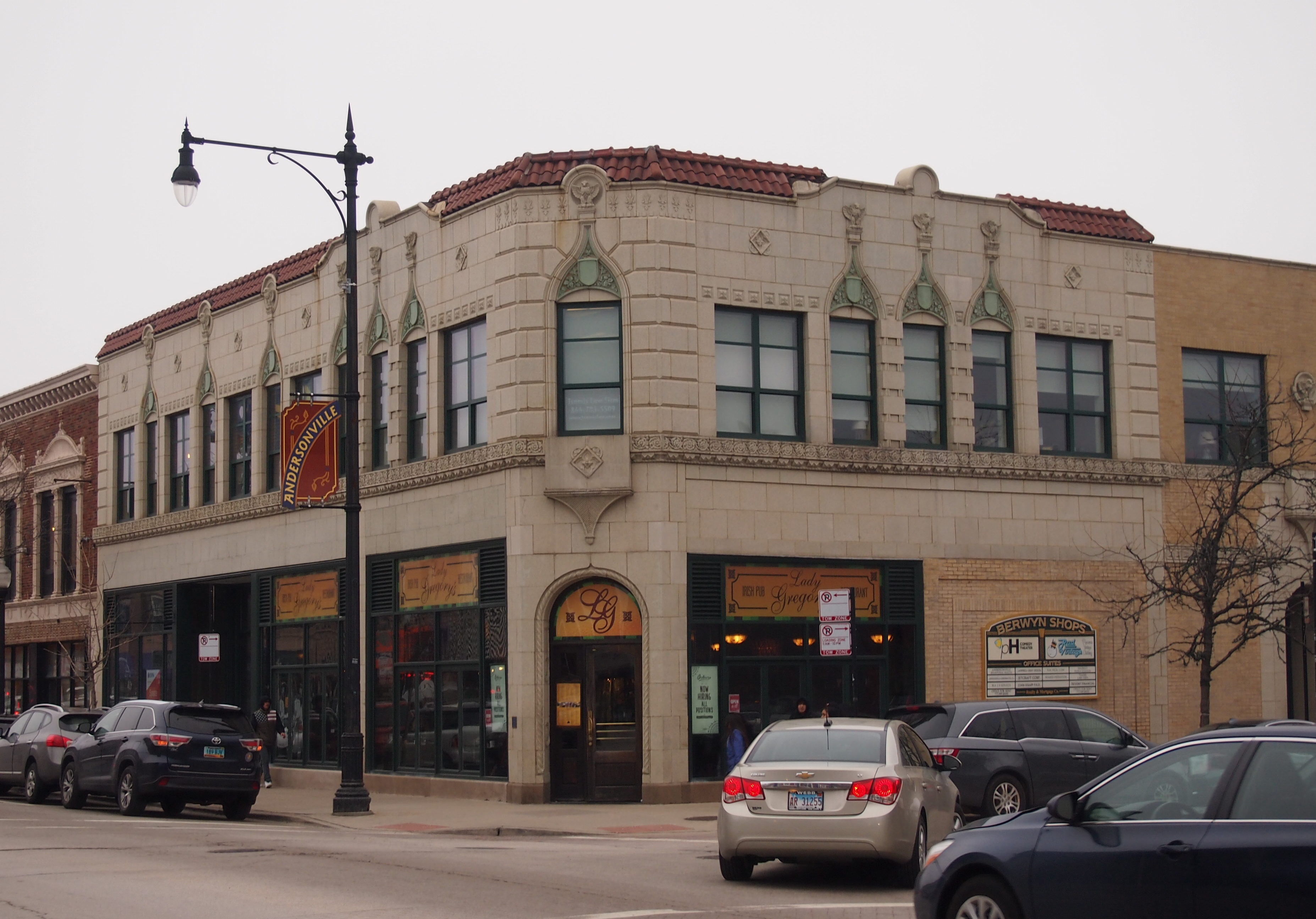 And commercial murals. Remarkably, the shoe store, which sounds like it should be in San Antonio, is still in business. I remember it from the late ’80s.
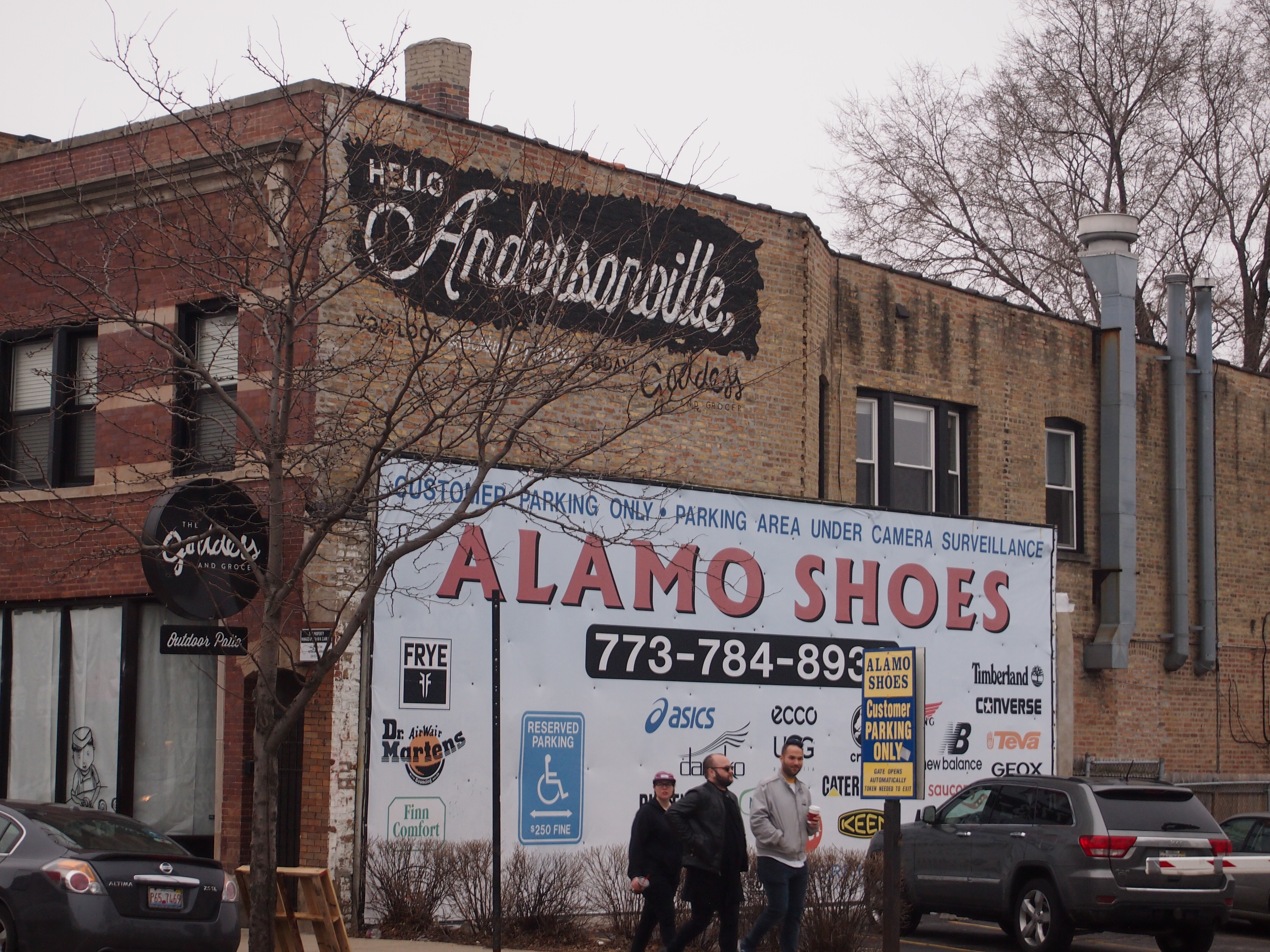 I’d say it’s hard to plan a neighborhood like this. It just has to happen.
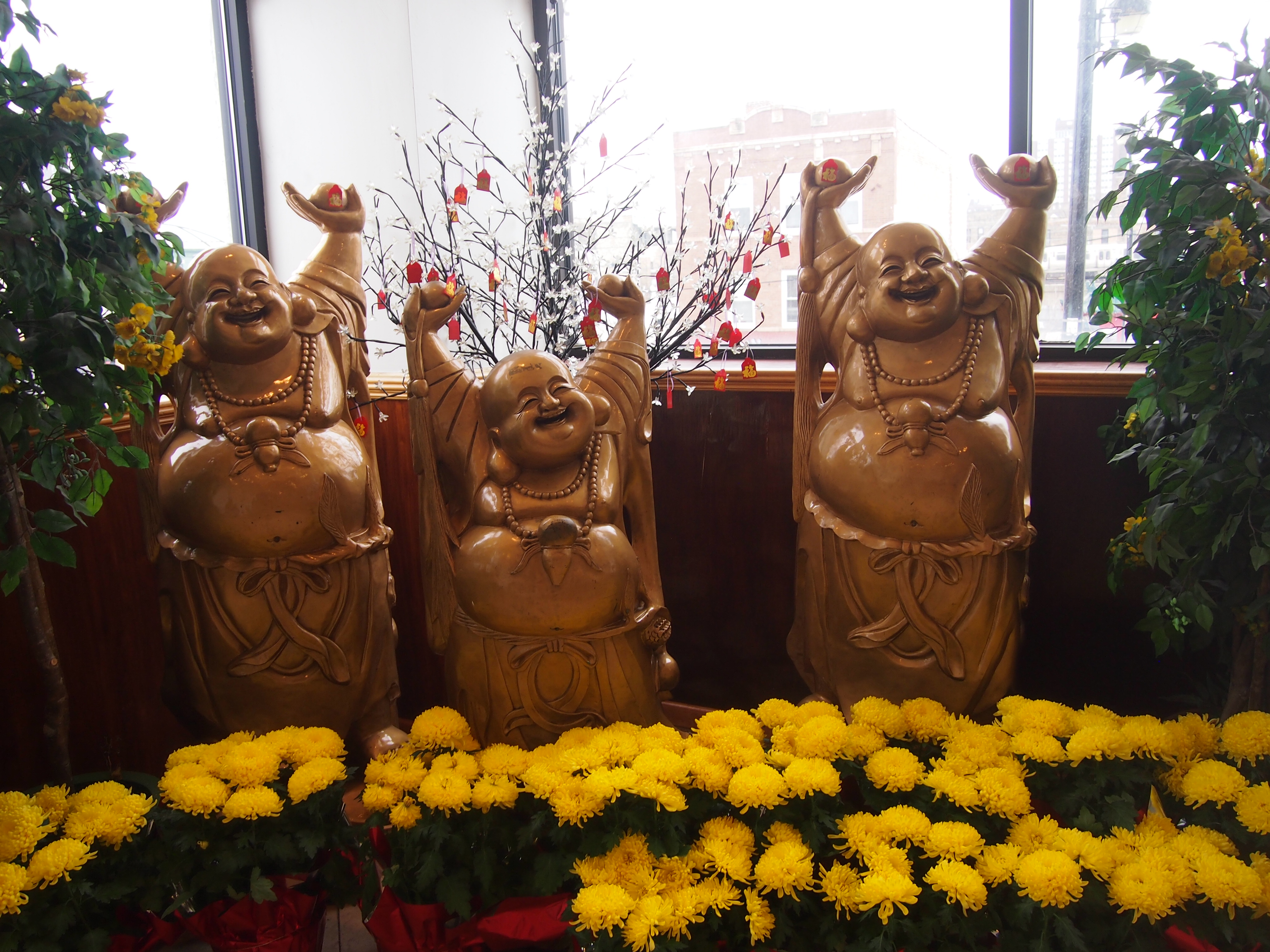
After watching a very short early afternoon parade on Argyle St. in Chicago, the thing to do is cross Broadway and eat dim sum at Furama. The laughing buddhas encourage you to do so when you get there.
Been a while since we’d had any dim sum, not sure how long. I also couldn’t remember the first time I’d ever had it. Not that that matters to anyone, even me, but I did wonder. It might have been at Furama more than 30 years ago, during one of my periodic visits to Chicago before I moved there. I know I was familiar with it by the time I had dim sum with friends in Boston on January 1, 1990.
I read in the Tribune that dim sum out of carts is considered passe these days. “When you go out for dim sum now in Chicago, after your server sets down your first pot of tea, you’ll scan other tables to see fellow diners reach with chopsticks into steamer baskets and small plates, then you’ll notice something missing: the carts,” Louisa Chu wrote last year.
“The iconic steaming silver serving carts were once considered signs of traditional dim sum, the Chinese weekend brunch where families gathered to share food and stories. But the customs and meal itself are changing, locally and globally.”
That’s mildly disappointing. The carts are important to the experience. Luckily, Furama still does it that way, and so we enjoyed the various things you get from dim sum carts: ha gow, siu mai, cheong fun, lo mai gai, und so weiter. One thing I’ve never acquired a taste for: fried chicken feet, fung zau.
Afterward, we went a block to the north to Ba Le Sandwich Shop to buy takeout Vietnamese food for later consumption. A dragon, maybe to mark the Tet, greeted customers.
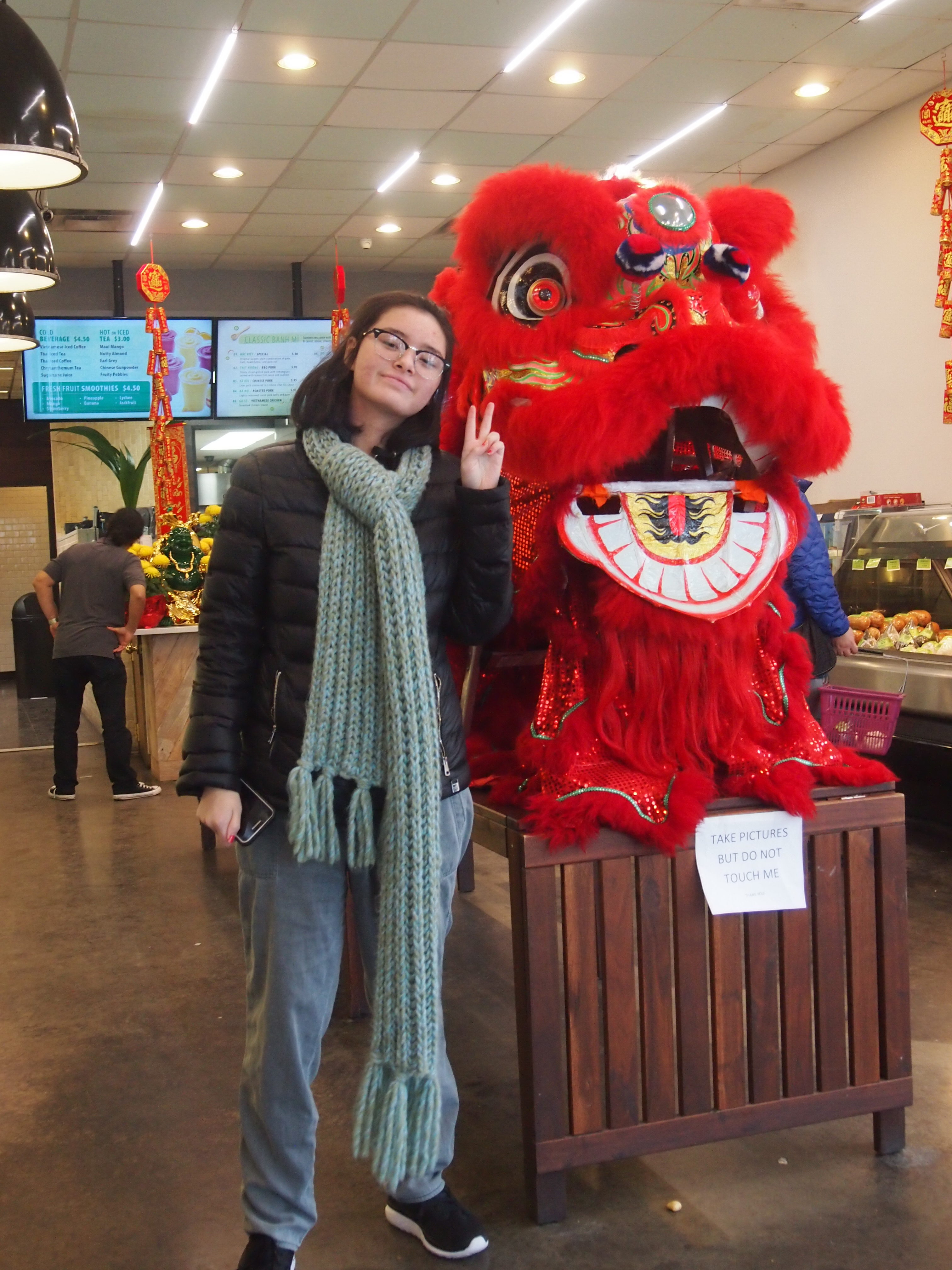
Whenever we’re in the neighborhood, we visit Ba Le for banh mi sandwiches or other good things, since everything there is good, and not very expensive. When we lived in the neighborhood, we used to go there too. One spring day in 1998, when we took a very small Lilly on her first picnic in Lincoln Park, we stopped at Ba Le for provisions.
Last year, we went to see the Chicago Chinatown New Year Parade. It was a colorful event. Banners, dragons, bands, etc. The weather was good enough this year — above freezing, no rain — to go again, but instead we opted for the Argyle Street Lunar New Year Parade on the North Side of Chicago on Saturday. I wondered how it would compare.
The short answer: it was a lot shorter. Fewer of everything. Still, not a bad parade. At 1 pm it started, fittingly, on Argyle Street, just west of the El tracks that run over the street. asia on argyle, as the letters just below the tracks say. I took the picture after the parade, when the street got back to normal.
 From there, the parade headed east on Argyle; we stood just east of the El tracks. Argyle is the focus of what used to be known as New Chinatown, but in fact the neighborhood is more Vietnamese than anything else, with plenty of Vietnamese restaurants, grocery stores and shops. I’m a little surprised the event isn’t more specifically Tet.
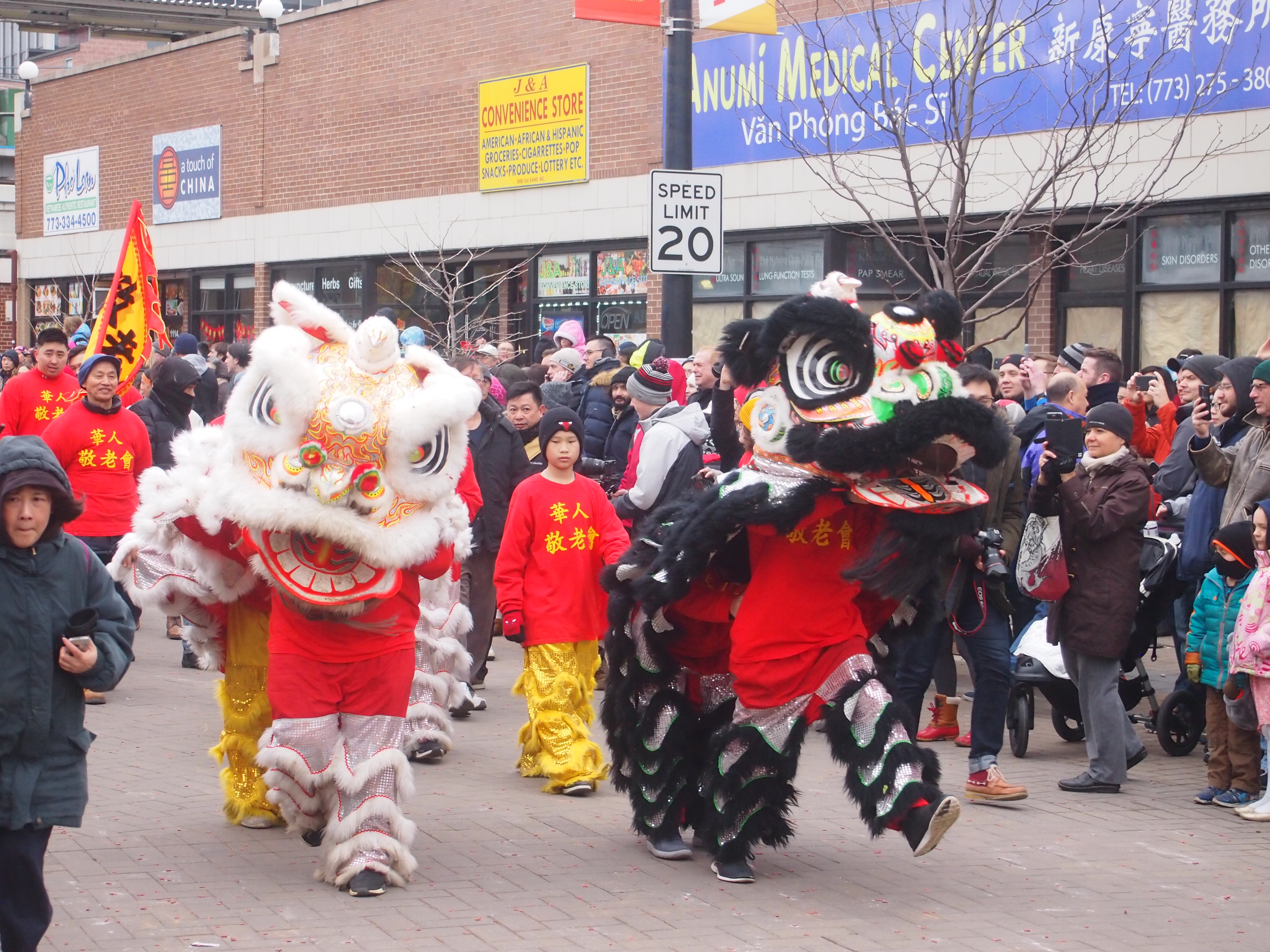
Dragons started things off.
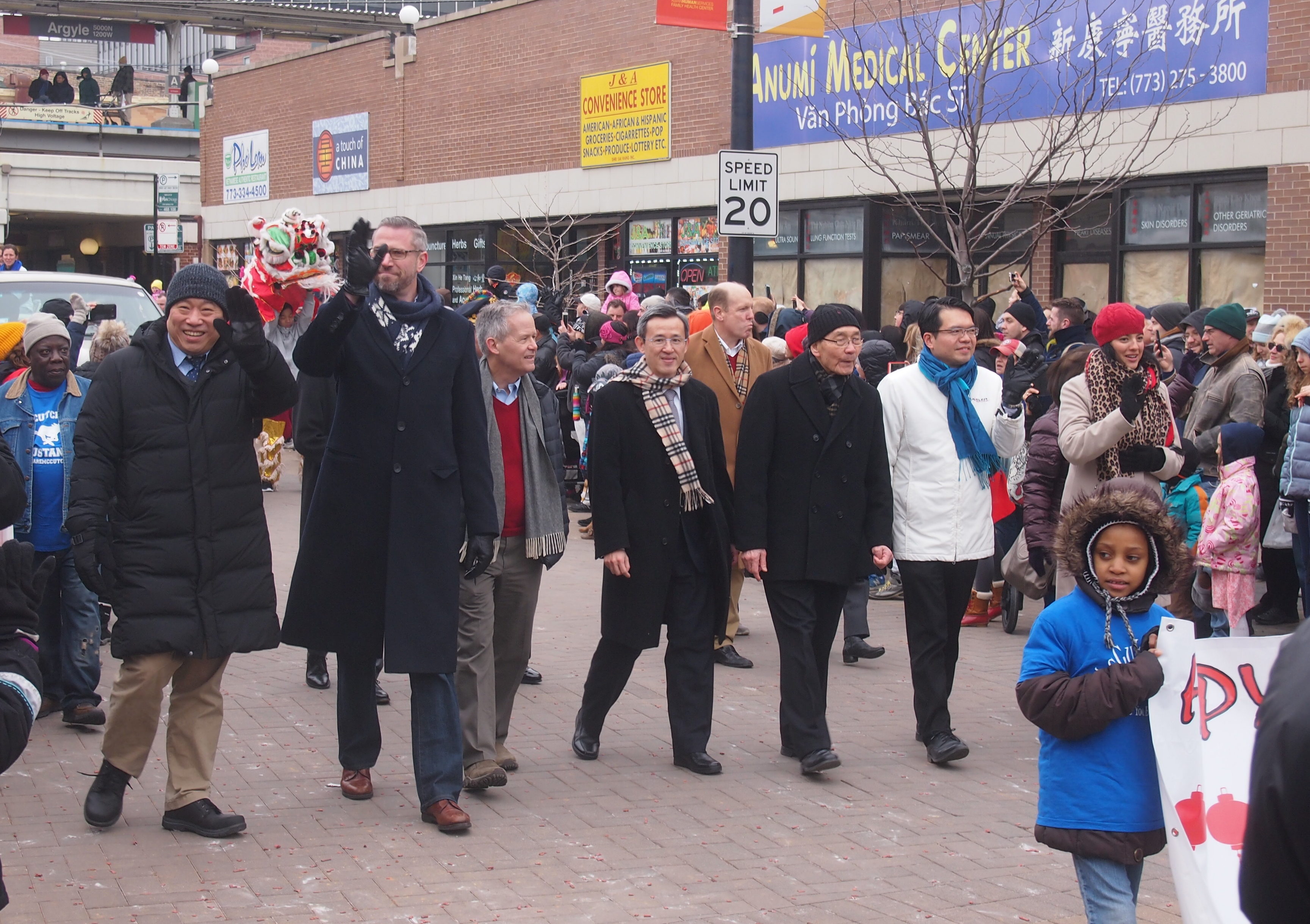
 Followed by politicos. I think.
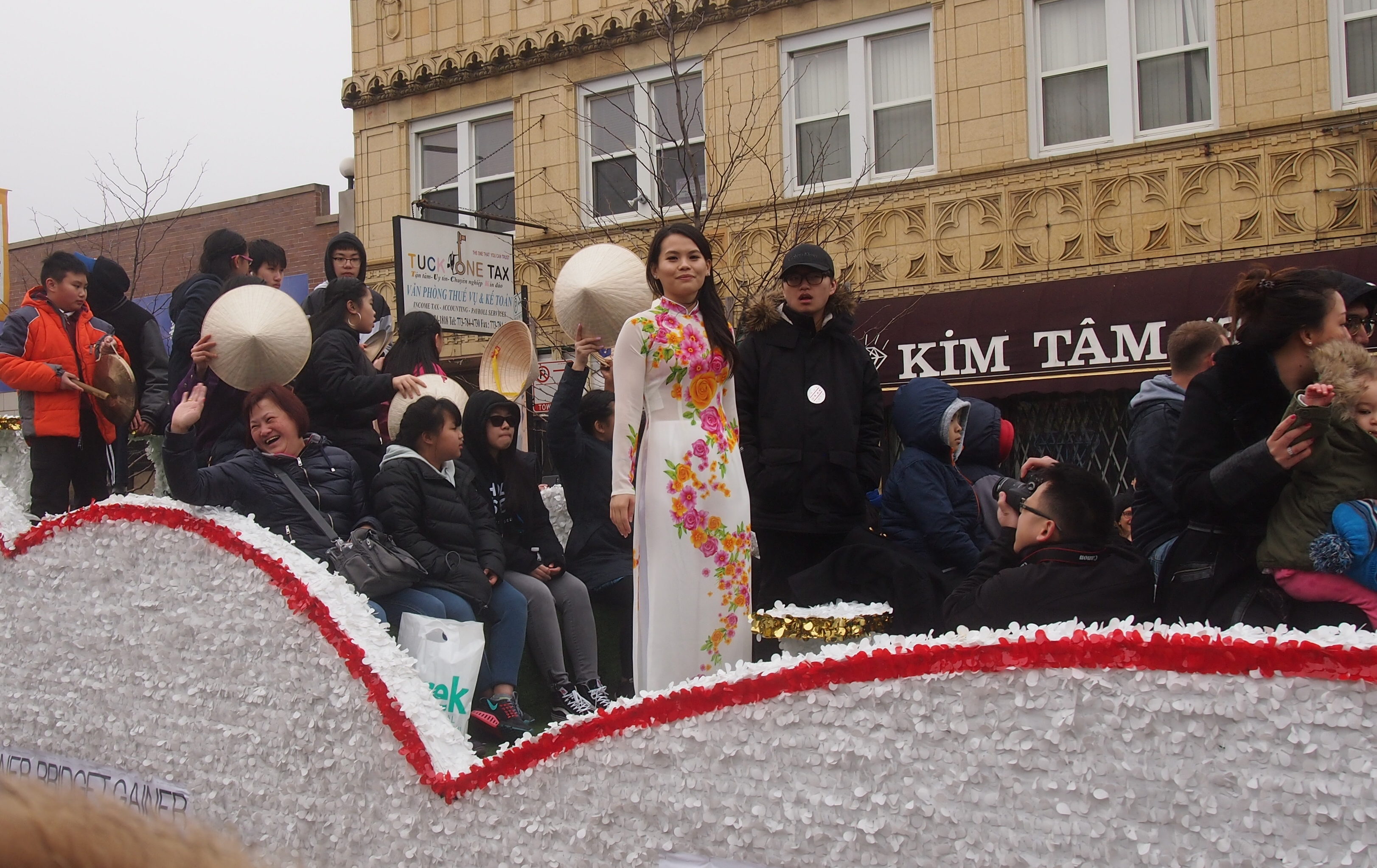
 Various floats.
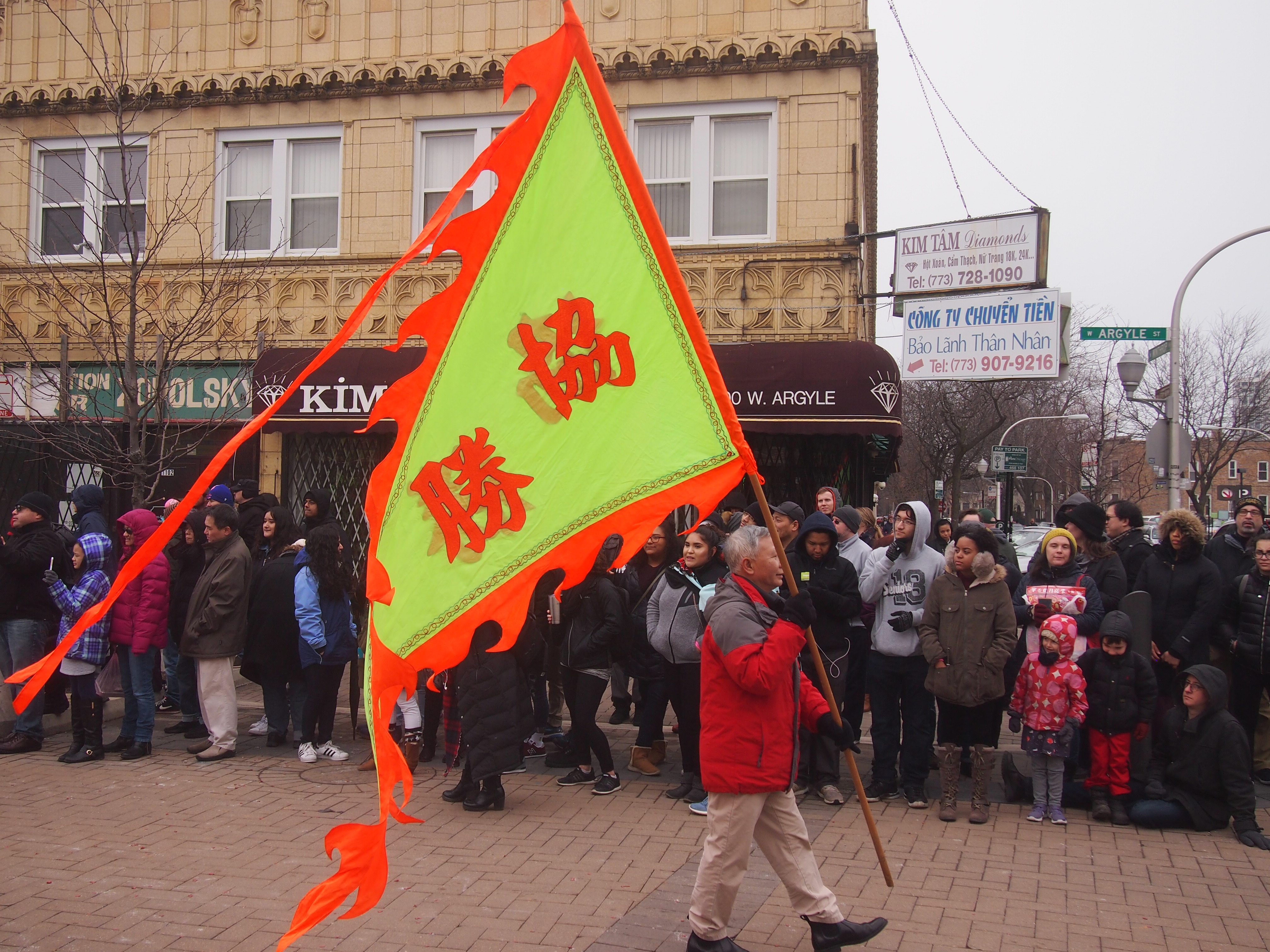
 A few colorful banners.
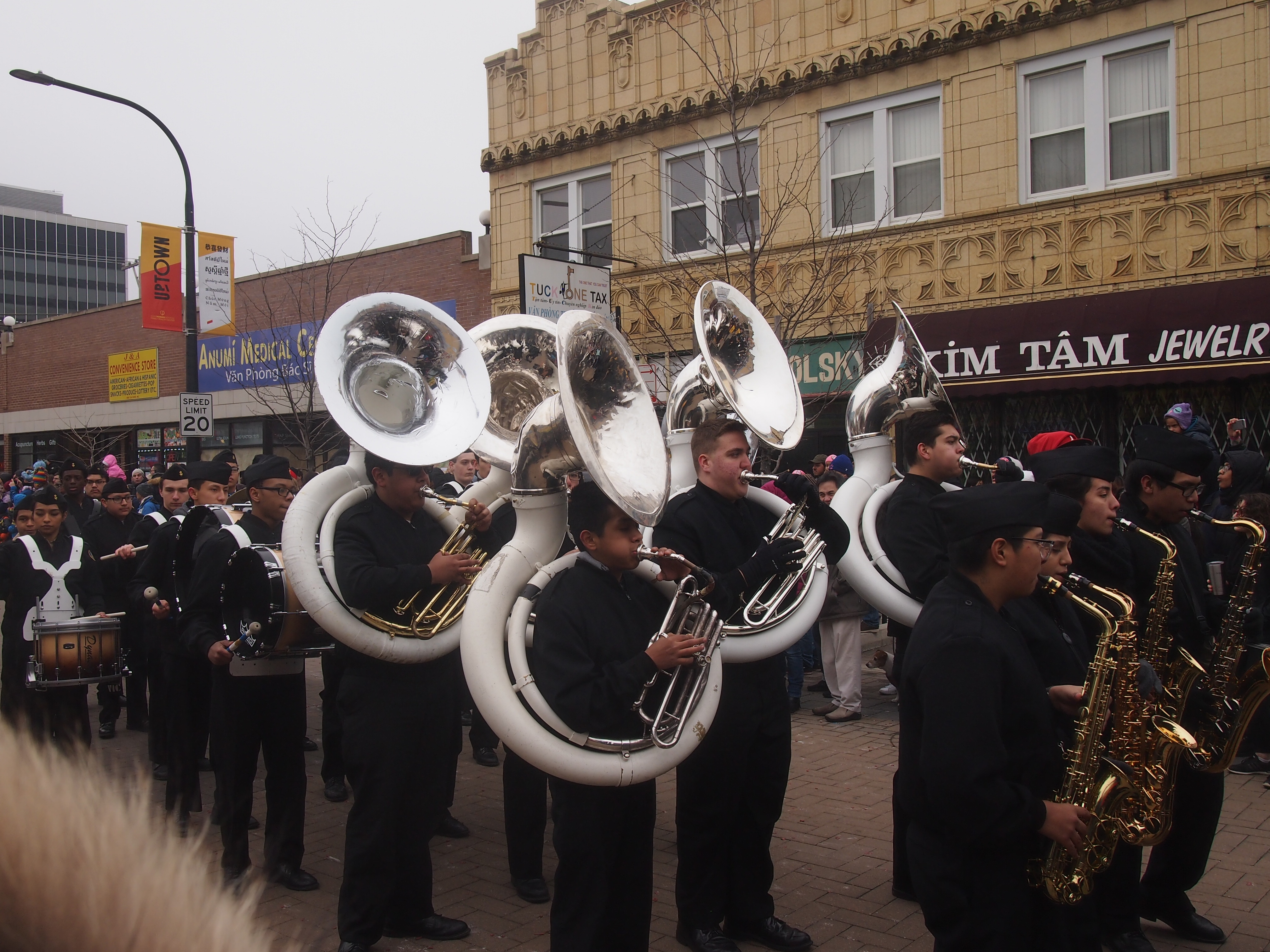
 One band, from the Admiral Hyman Rickover Naval Academy High School.
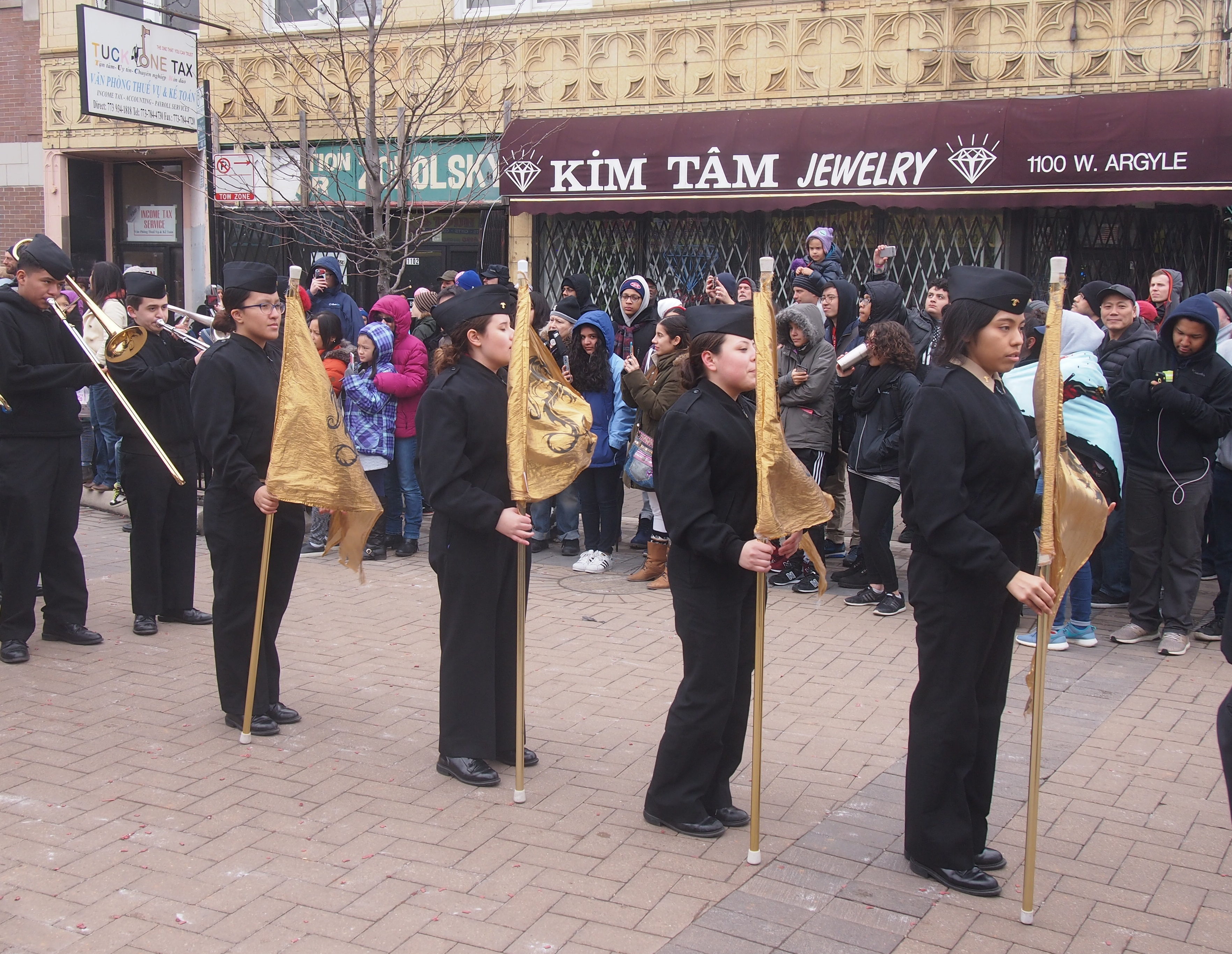
 With flag girls.
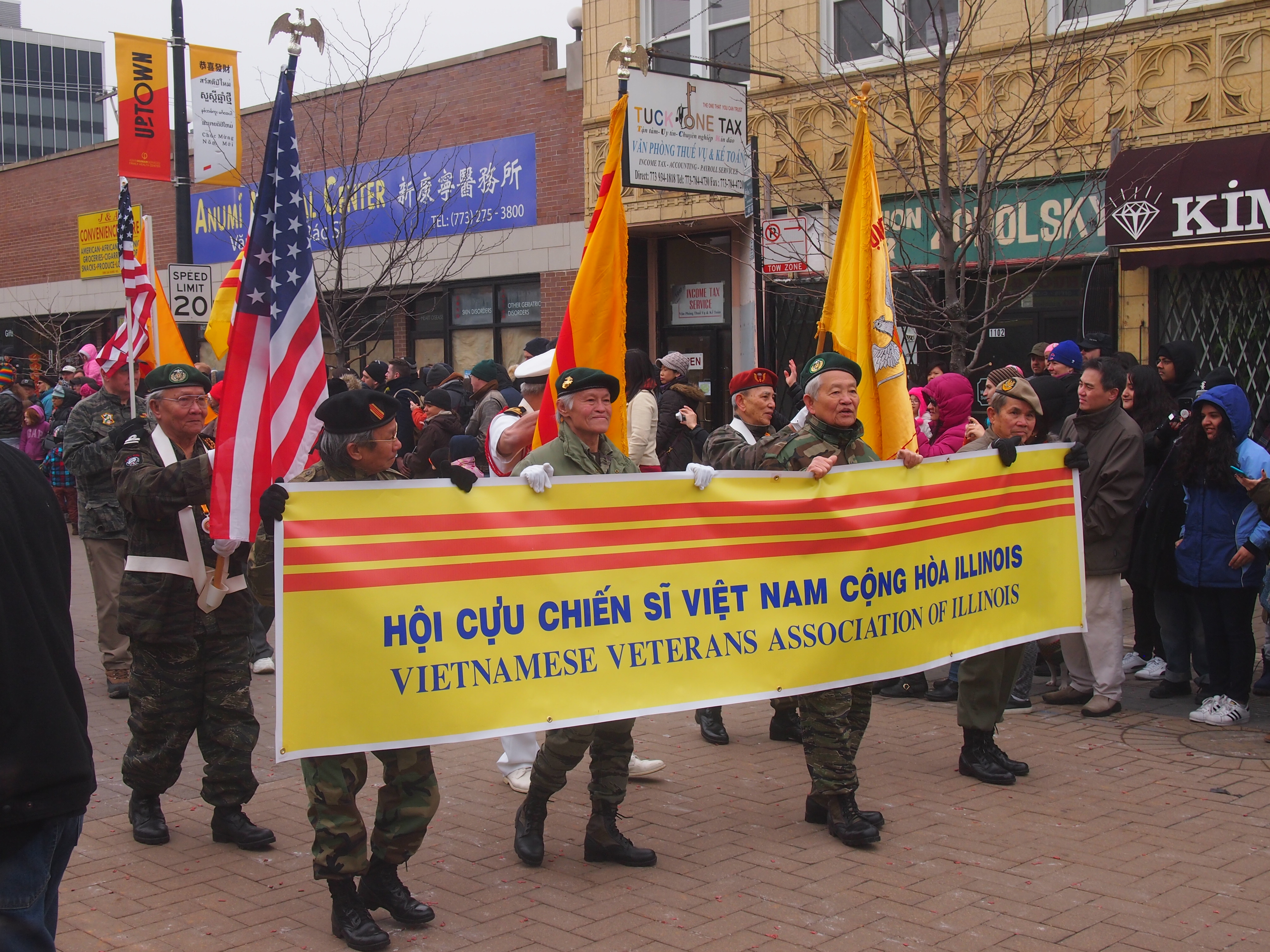
 Some veterans.
 And a costumed character or two.
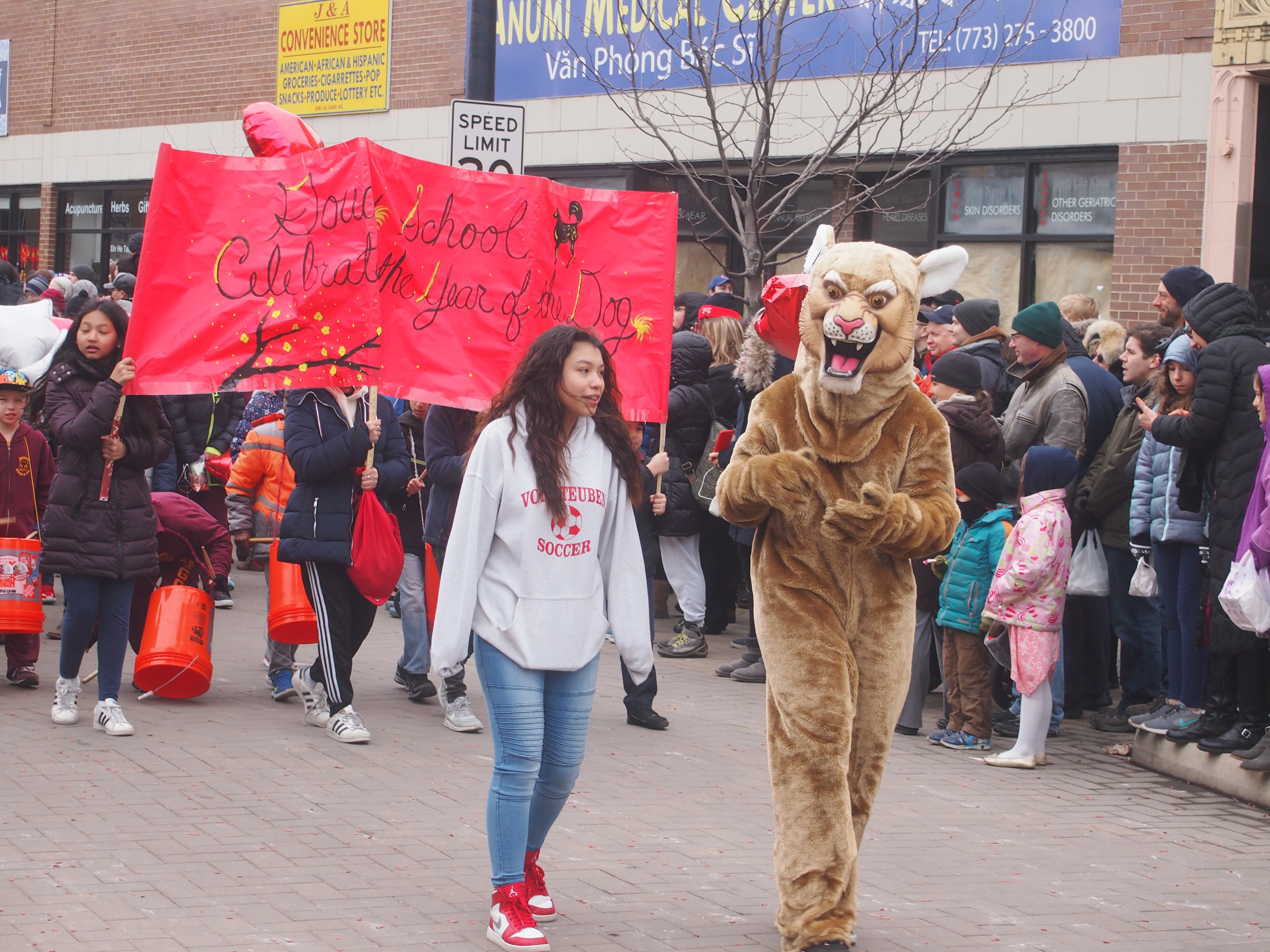 Guess he’s the school mascot. A cat walking in a Year of the Dog parade.