An artifact at the Spurlock Museum in Champaign, Ill.
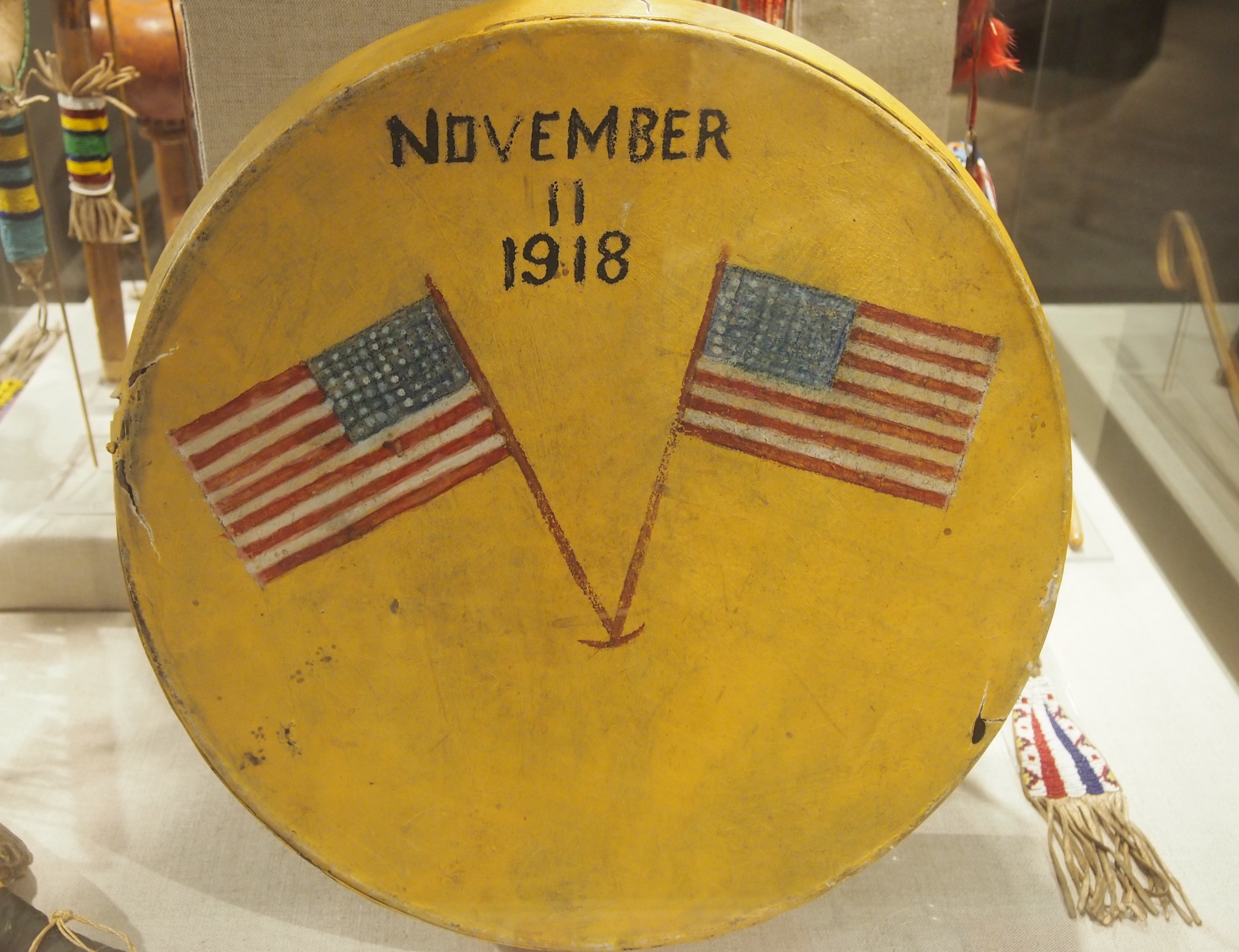 Armistice Day Hand Drum. United States, ca. 1918. Rawhide, steel, copper, cotton, paint. Reginald and Gladys Laubin Collection.
An artifact at the Spurlock Museum in Champaign, Ill.
Armistice Day Hand Drum. United States, ca. 1918. Rawhide, steel, copper, cotton, paint. Reginald and Gladys Laubin Collection.
Last night Northern Illinois dropped below freezing, and it wasn’t a lot warmer during the day. A taste of winter, dressed like fall.
 I didn’t know until recently that Lotte Lenya, who can be heard here singing “Mack the Knife,” or maybe more properly “Die Moritat von Mackie Messer,” played Rosa Klebb, the SPECTRE operative who tries to off James Bond with her poison-tipped shoe in From Russia With Love.
Not an important thing to know. Just another one of those interesting tidbits to chance upon.
A rare thing: a YouTube comment that’s actually funny. It’s at a posting featuring “Pack Up Your Troubles in Your Old Kit Bag and Smile, Smile, Smile!” sung by Oscar Seagle and the Columbia Stellar Quartette, recorded January 25, 1918.
Someone calling himself Xander Magne said: ” ‘Praise the Lord and Pass the Ammunition’ ain’t got s–t on this, sonny. Damn 30s kids with their jazz and their swing and their big band and their ‘World War 2.’ We used to have a Great War and it was Great and you liked it!”
One more thing I saw at the International Museum of Surgical Science, a polemic cartoon by Edward Kemble that was part of a display about patent medicine, the Pure Food & Drug Act, etc.
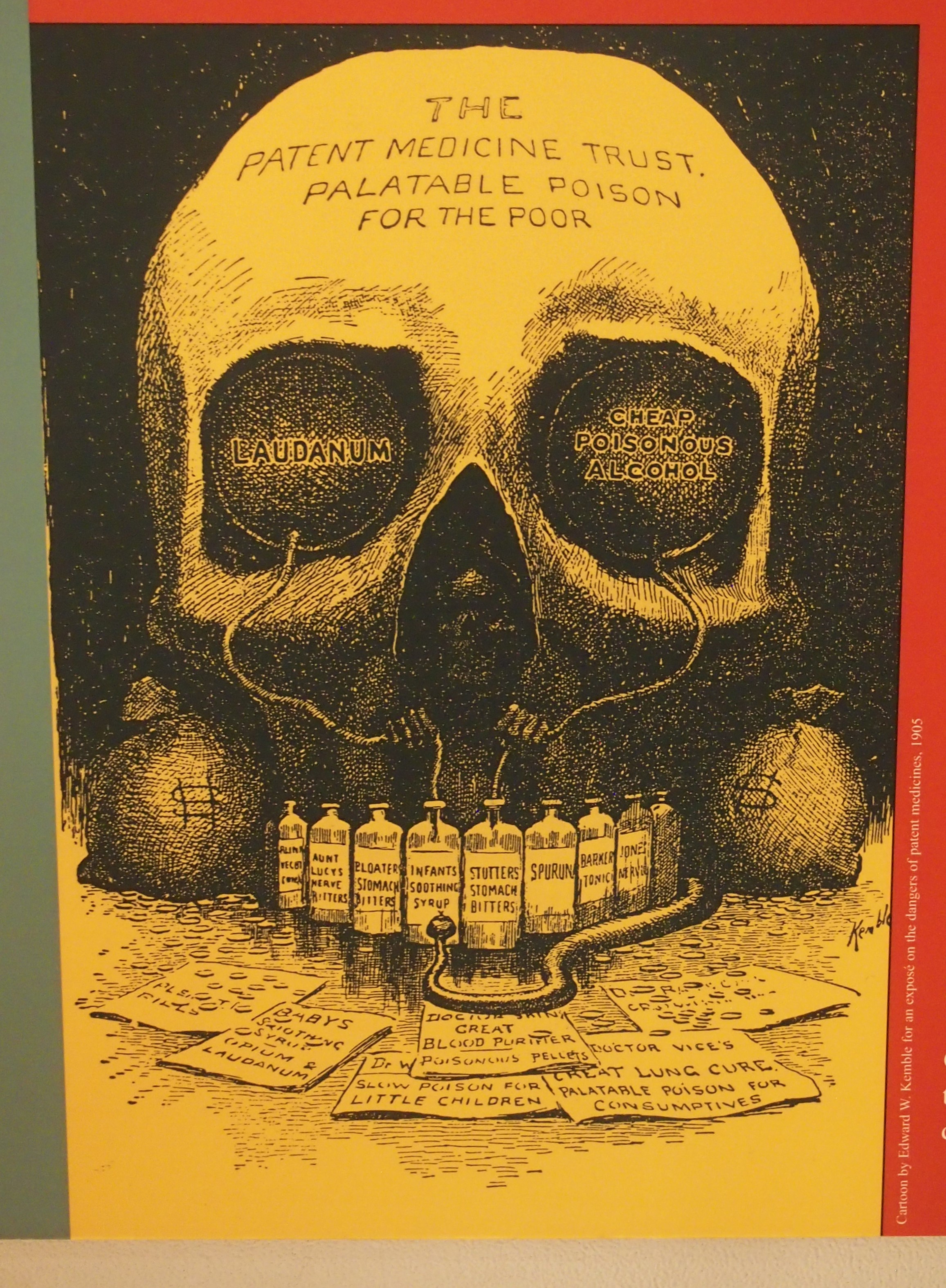 “Palatable Poison for the Poor.” Whew. Good thing that’s not possible in the 21st century, eh?
Again, too melancholy a note on which to end. Here’s something I saw just before Halloween. Pumpkin π.
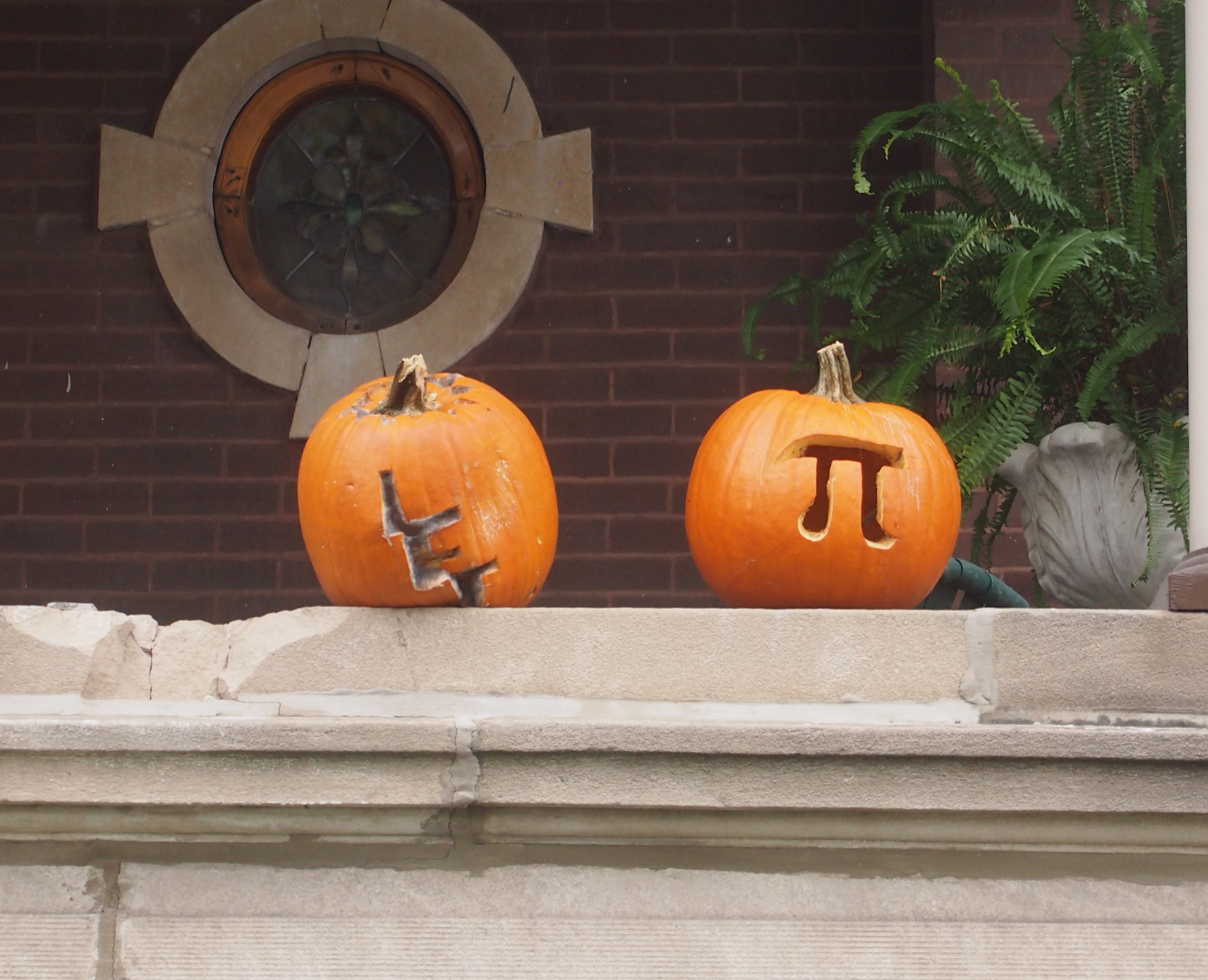
A bit o’ pumpkin whimsy.
This from a recent NASA press release: “On New Year’s Day 2019, the New Horizons spacecraft will fly past a small, frozen world in the Kuiper Belt, at the outer edge of our solar system. The target Kuiper Belt object (KBO) currently goes by the official designation (486958) 2014 MU69. NASA and the New Horizons team are asking the public for help in giving ‘MU69’ a nickname to use for this exploration target…
“After the flyby, NASA and the New Horizons project plan to choose a formal name to submit to the International Astronomical Union, based in part on whether MU69 is found to be a single body, a binary pair, or perhaps a system of multiple objects. The chosen nickname will be used in the interim.”
Well, well. The space agency directs interested parties here to suggest a name, or see what’s already been suggested. Such as Mjölnir and Camalor and Z’ha’dum. I might well suggest “Bob.” If it’s good enough for the cold, forbidding Northwest Territories, it’s good enough for space rock(s) in the cold, forbidding Kuiper Belt. I will not suggest some variation on Boaty McBoatface.
Today I said to Ann, “Don’t forget, it’s the 100th anniversary of the October Revolution.” She wasn’t much impressed by that odd Bolshevik-calendar curiosity.
At the International Museum of Surgical Science recently, I saw a number of things I’d read or heard about, but never seen before, which is one thing I want from a museum. Two items stood out in that way.
One was an iron lung.
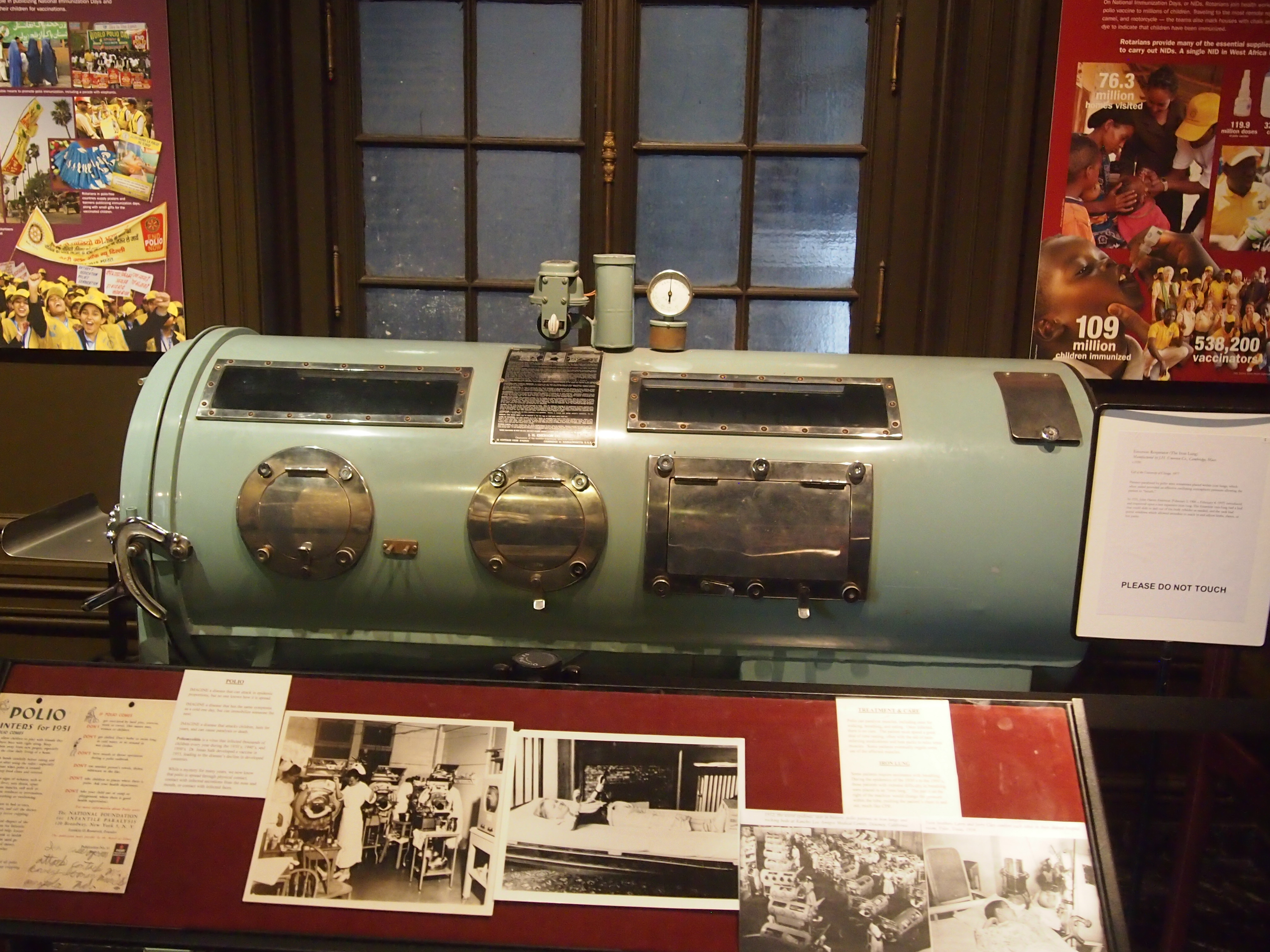
An Emerson device. Apparently that was the most successful kind of iron lung, invented and manufactured by John Haven Emerson (1906-97), a collateral descendant of Ralph Waldo and nephew of Maxfield Parrish.
I stood there for a while looking at the thing, thinking about the terror of such a disease. An iron lung sums that up pretty well. Something dim-bulb anti-vaxxers need to see.
Some ephemera next to the iron lung drove home the point.
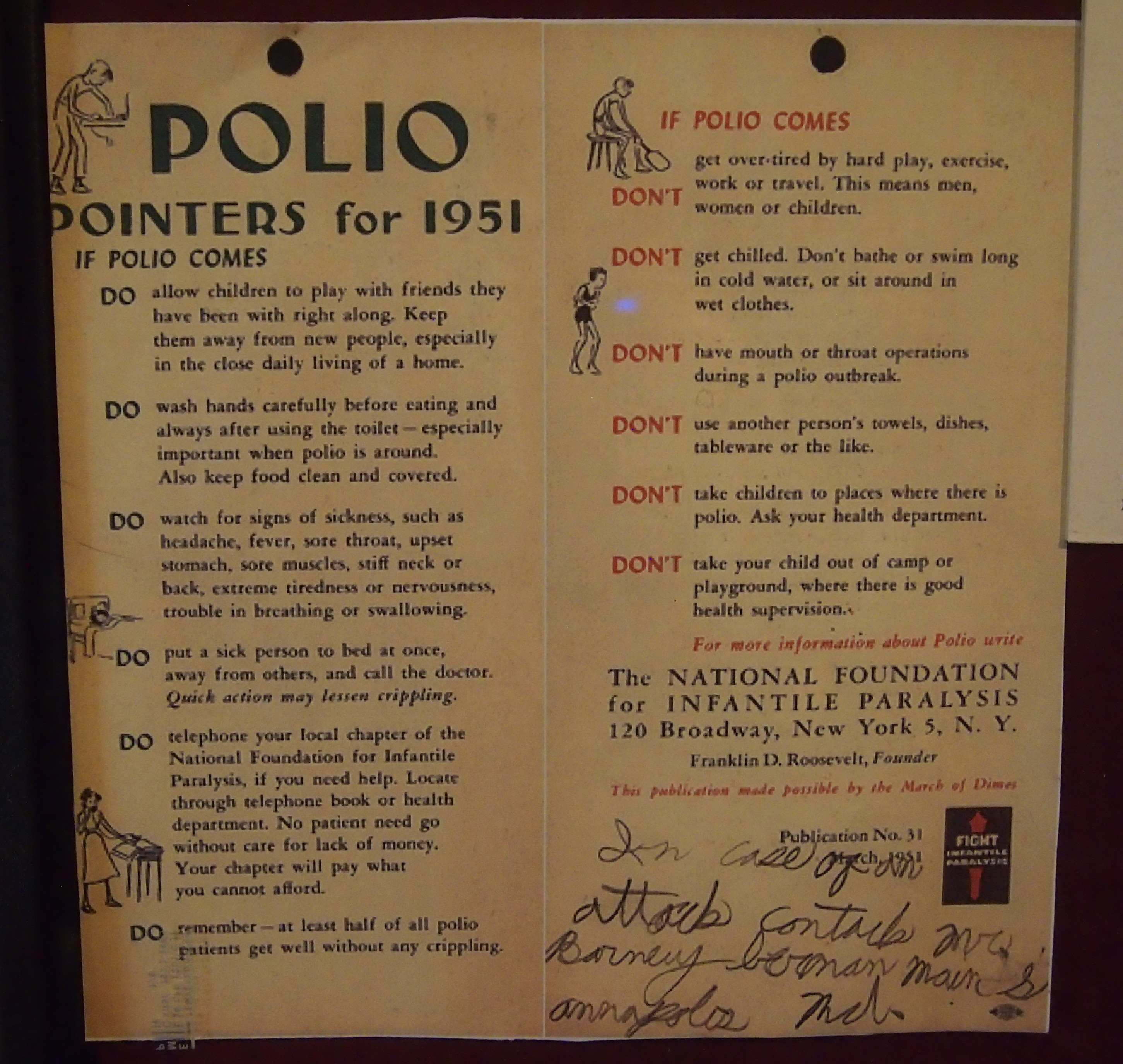 Only 10 years before I was born.
In another room was another device I’d heard of, but never seen: a shoe-fitting fluoroscope.
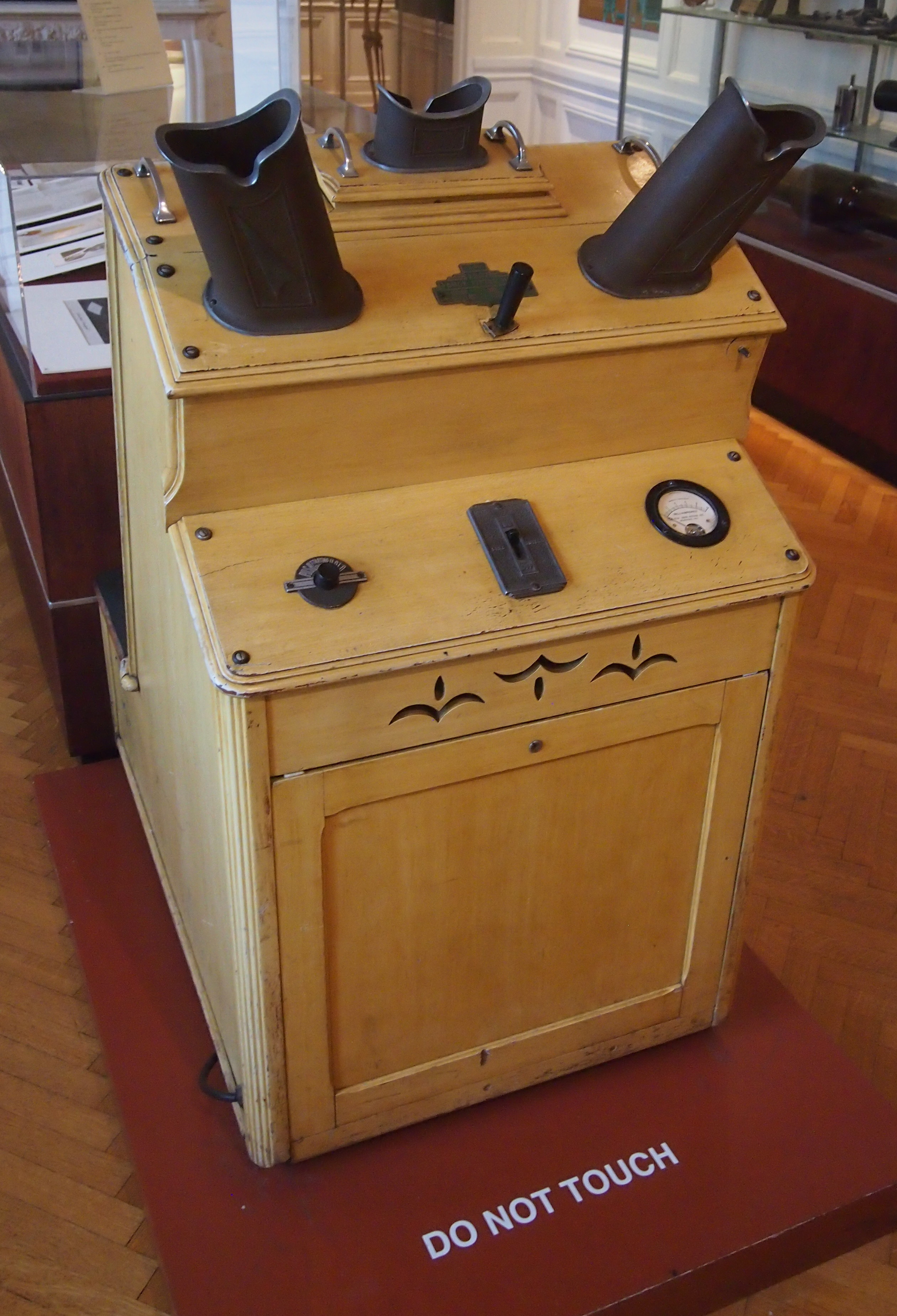 A x-ray machine found at shoe stores, in other words. Put your foot in and see the bones inside. Ostensibly for a better fit, but mostly as novelty. I can believe that kids wanted to see the inside of their feet.
X-Ray Shoe Fitter Inc. of Milwaukee made this particular one, ca. 1940-50, according to the museum. Feet were inserted into the side not visible in my picture.
As many as 10,000 such devices were in use in the United States during their heyday in the 1950s, after which time state legislatures, worried about radiation poisoning and the like, started banning the things. I doubt that any customers were harmed, but you have to wonder how many shoe salesmen suffered from their exposure to x-rays oozing out of the non-leaden boxes over a number of years.
Want to see some particularly good momento mori? Look no further than the International Museum of Surgical Science in Chicago. I visited recently and came face to face with these fellows.
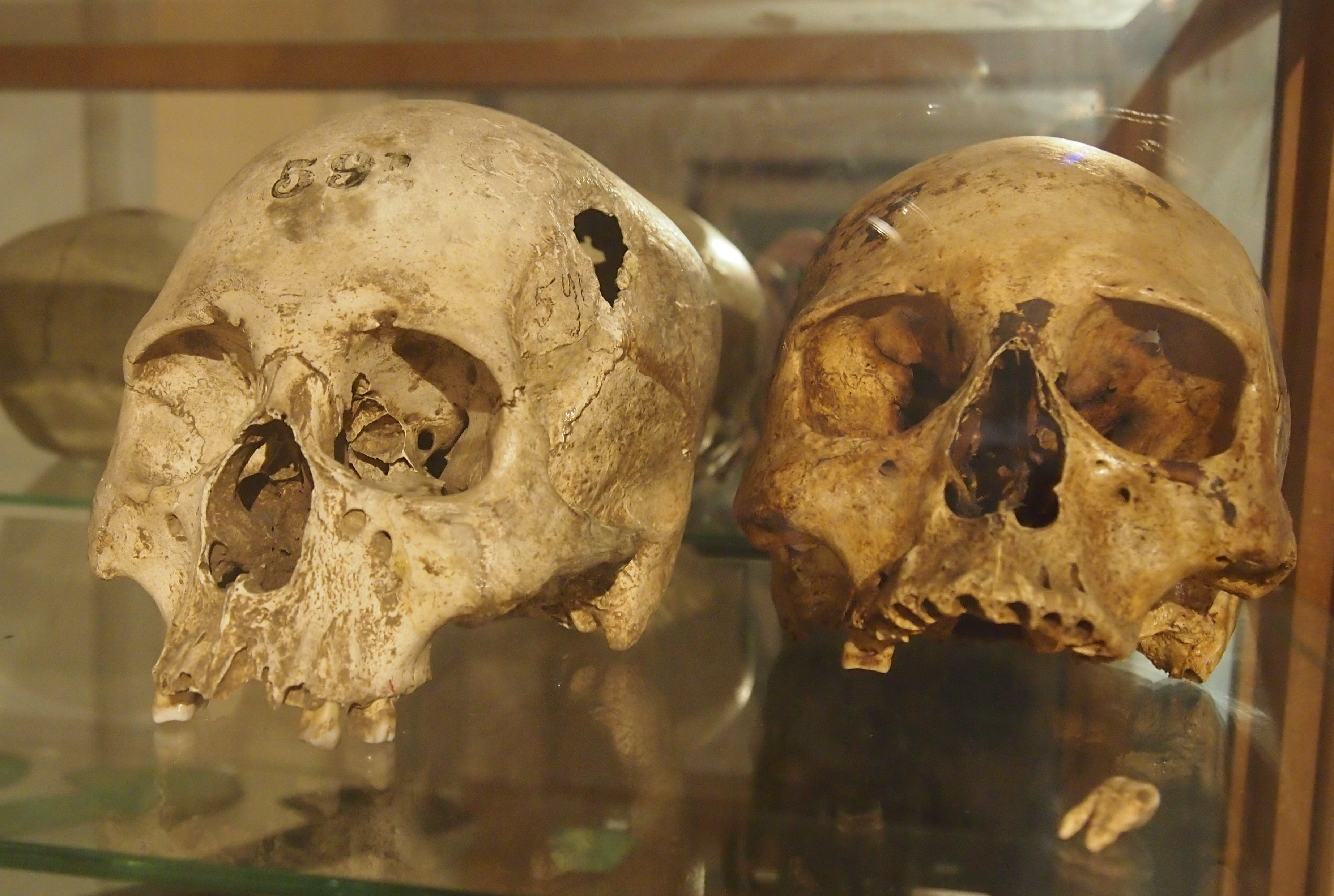 Also, a fuller version.
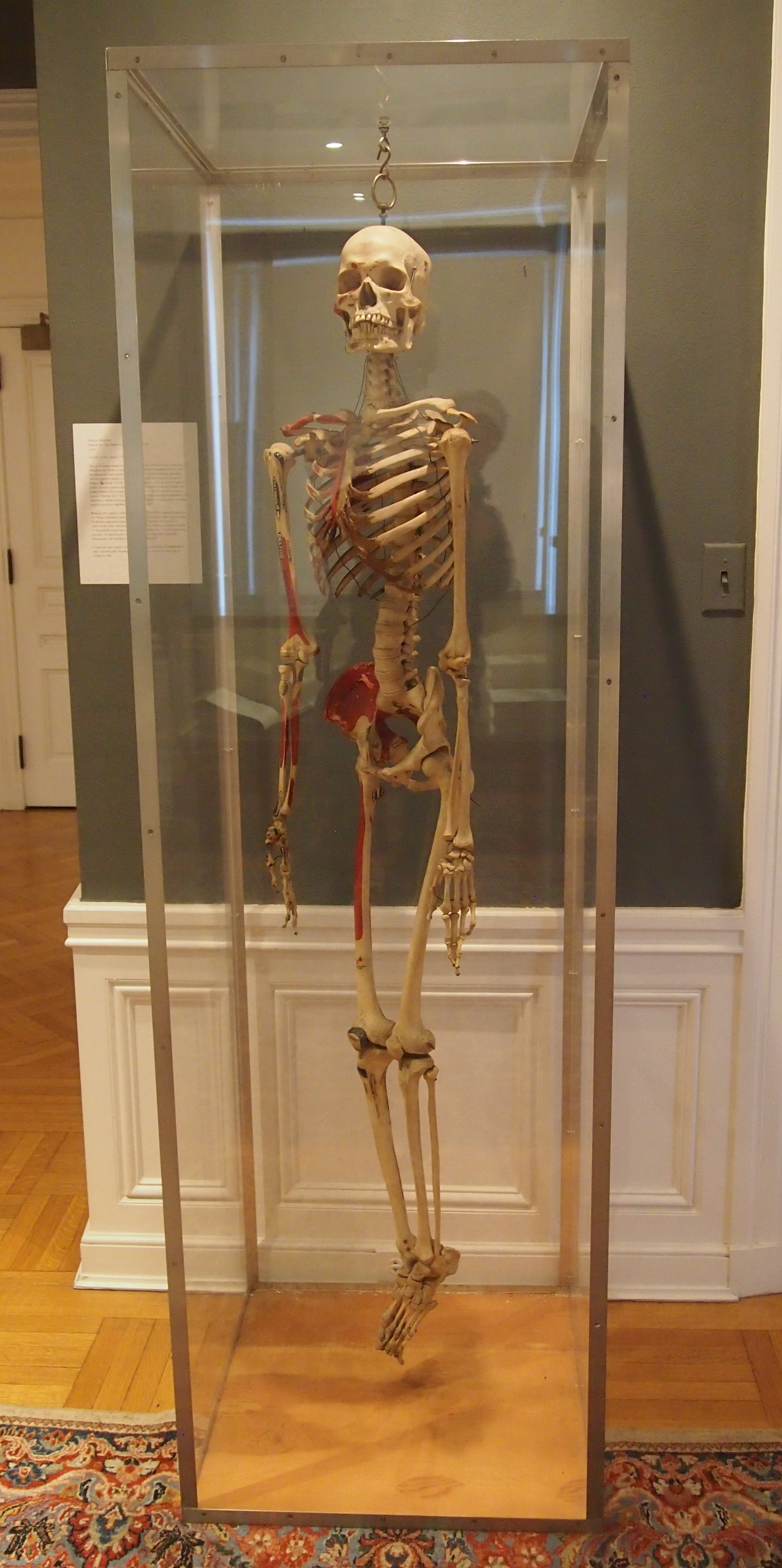 Glad I didn’t see these exhibits when I was a kid. I found skulls and skeletons particularly creepy then, which I guess is a fairly common feeling among youngsters.
The feeling is long gone. Now I look at a skull and wonder, who was that? How did his headbone come to be here, instead of in the ground, or made into ashes?
The museum is a division of the International College of Surgeons, which is headquartered on Lake Shore Drive and includes about 10,000 square feet of public galleries committed to the history of surgery. Much more than skulls and bones. A good deal more, mainly artifacts from the history of cutting people for their own good, as well as other aspects of medicine.
There’s a large array of surgical tools from the last few centuries, medical machines from the late 19th century onward (such as antique x-ray machines), photos, paintings, drawings and a lot of reading material next to the exhibits. Some of the surgical tools, such as Civil War-vintage amputation kits, give me the willies more than any old skull could, even a trephined one.
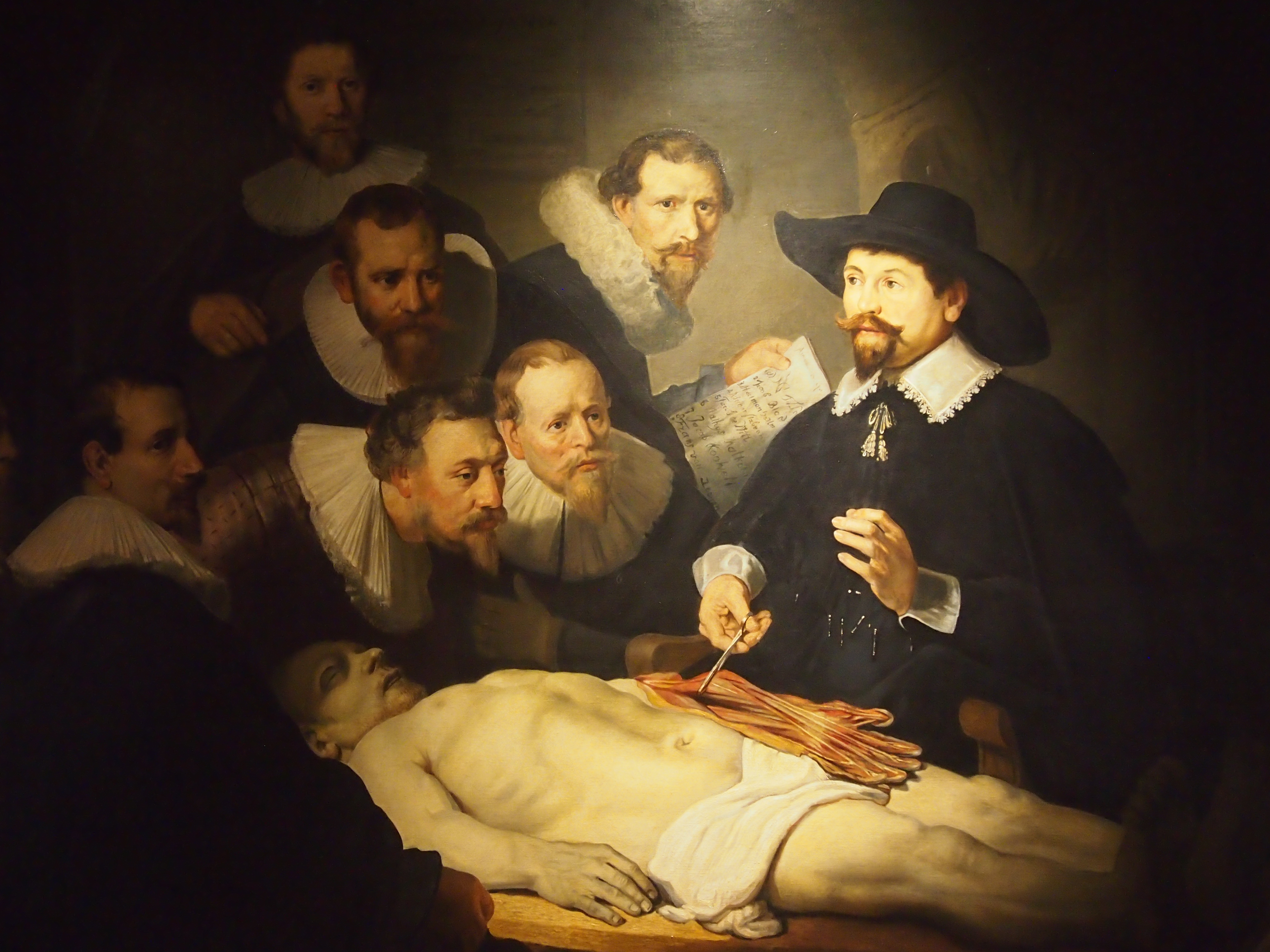
Some paintings depict highlights from the history of surgery. Such as a copy of Rembrandt’s famed “The Anatomy Lesson of Dr. Nicolaes Tulp.”
 One room is given over to larger-than-life luminaries in the history of medicine — the “Hall of Immortals” — commissioned by the museum in its early days, in the 1950s, and mostly done by sculptor Louis Linck. That’s just old-fashioned enough to make me smile.
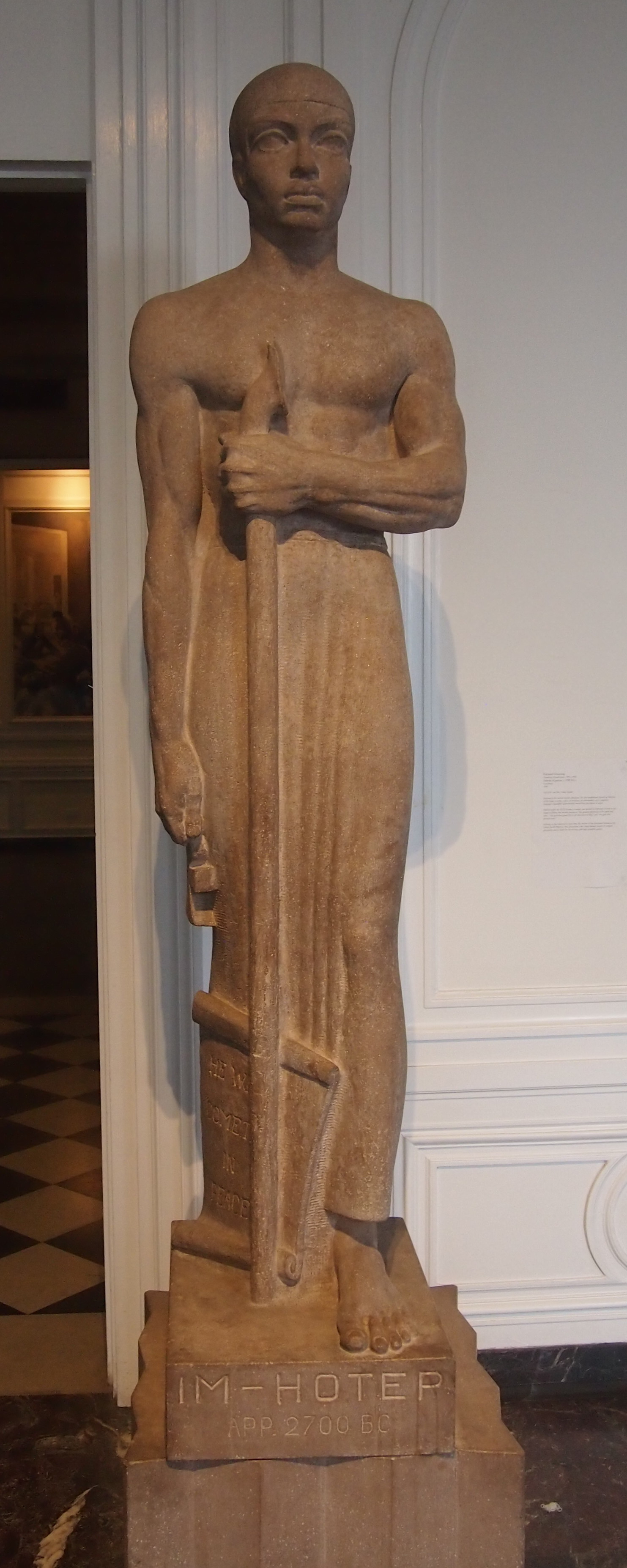
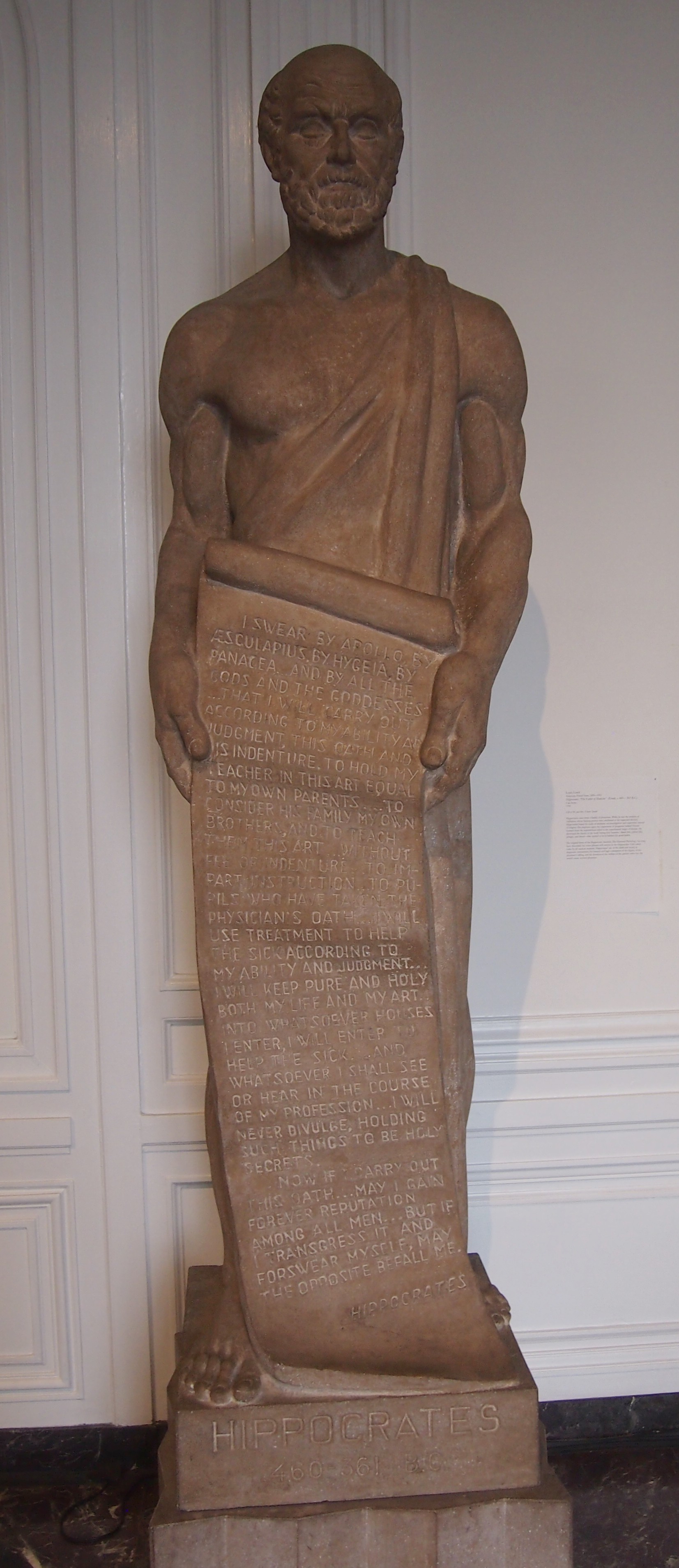
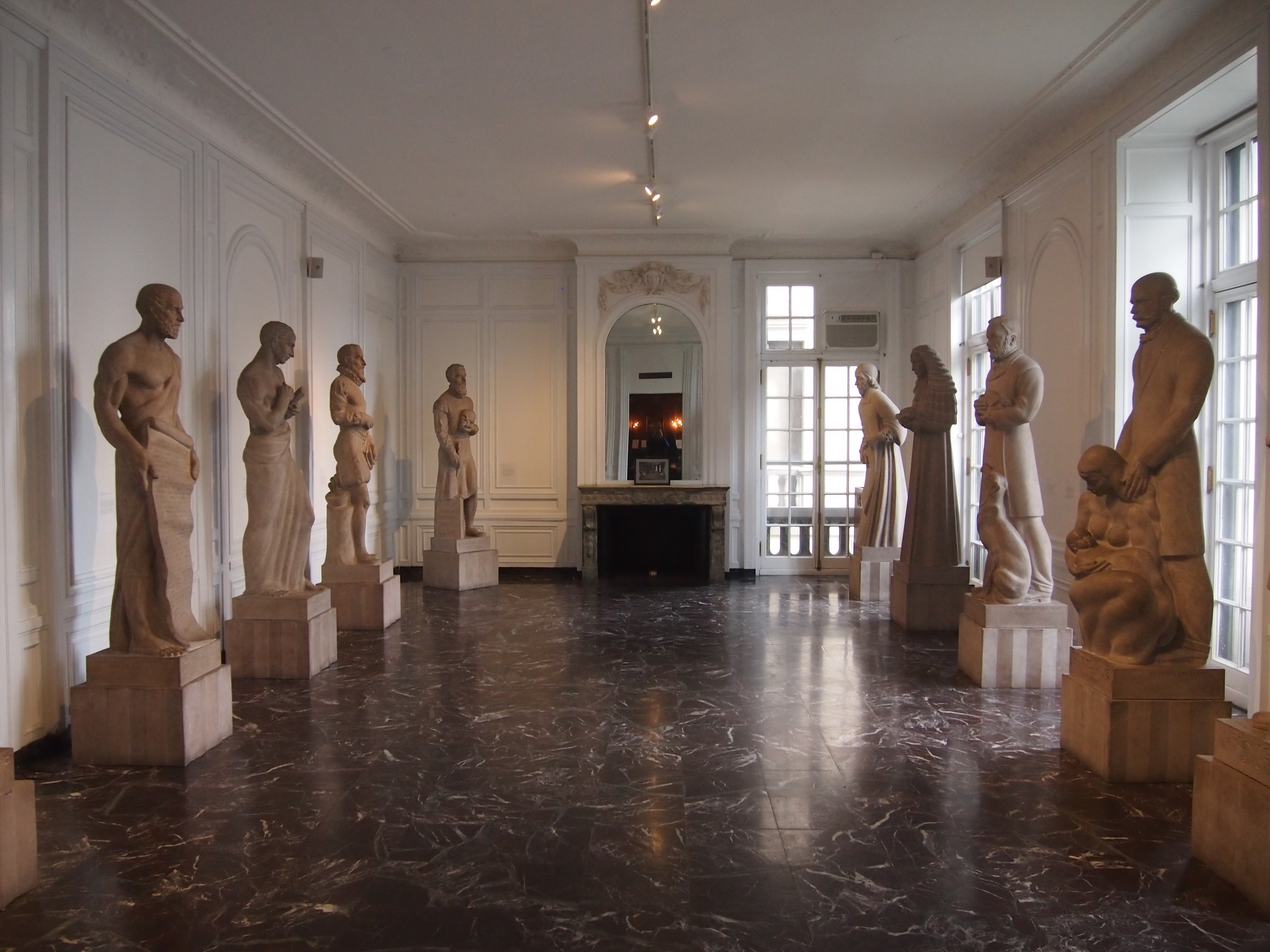 Included among the immortals are Imhotep, Hippocrates, Andreas Vesalius, Wilhelm Conrad Röntgen, Ambroise Paré, Joseph Lister, and Marie Curie.
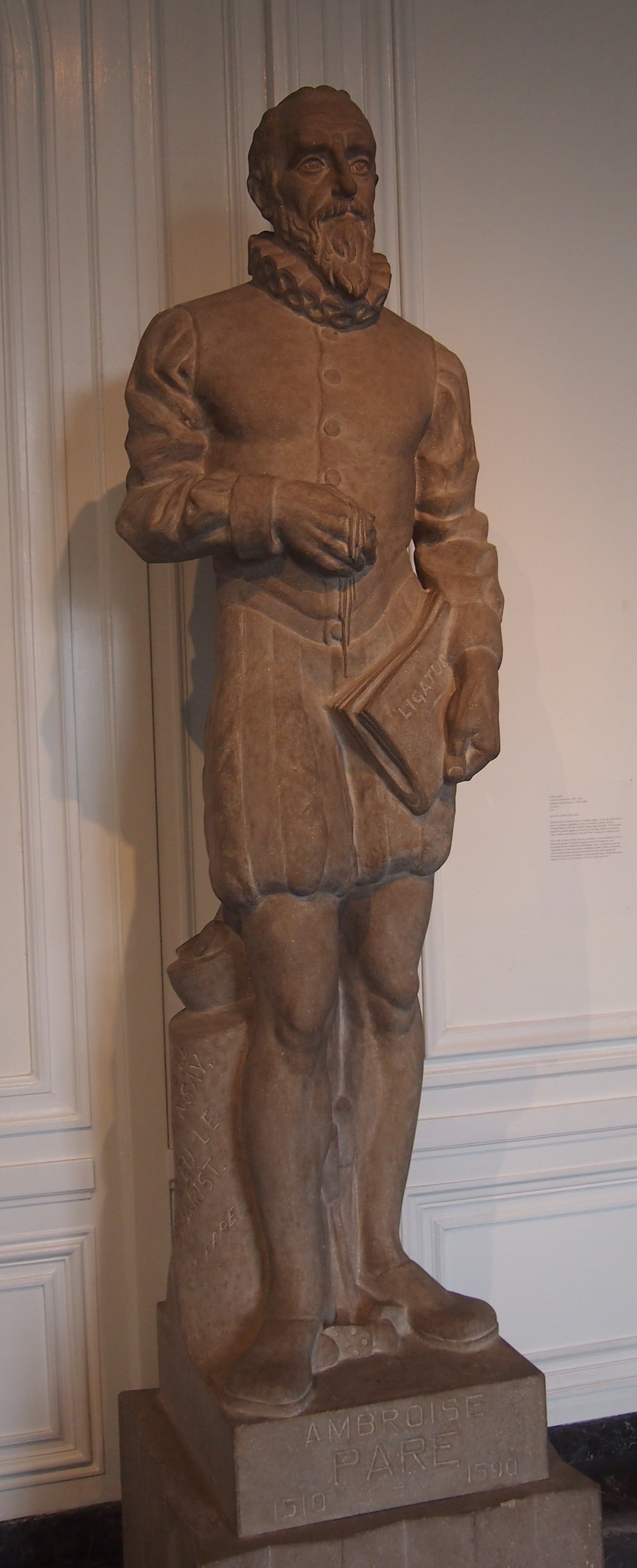 Just outside the Hall of Immortals is Asklepios, also by Linck.
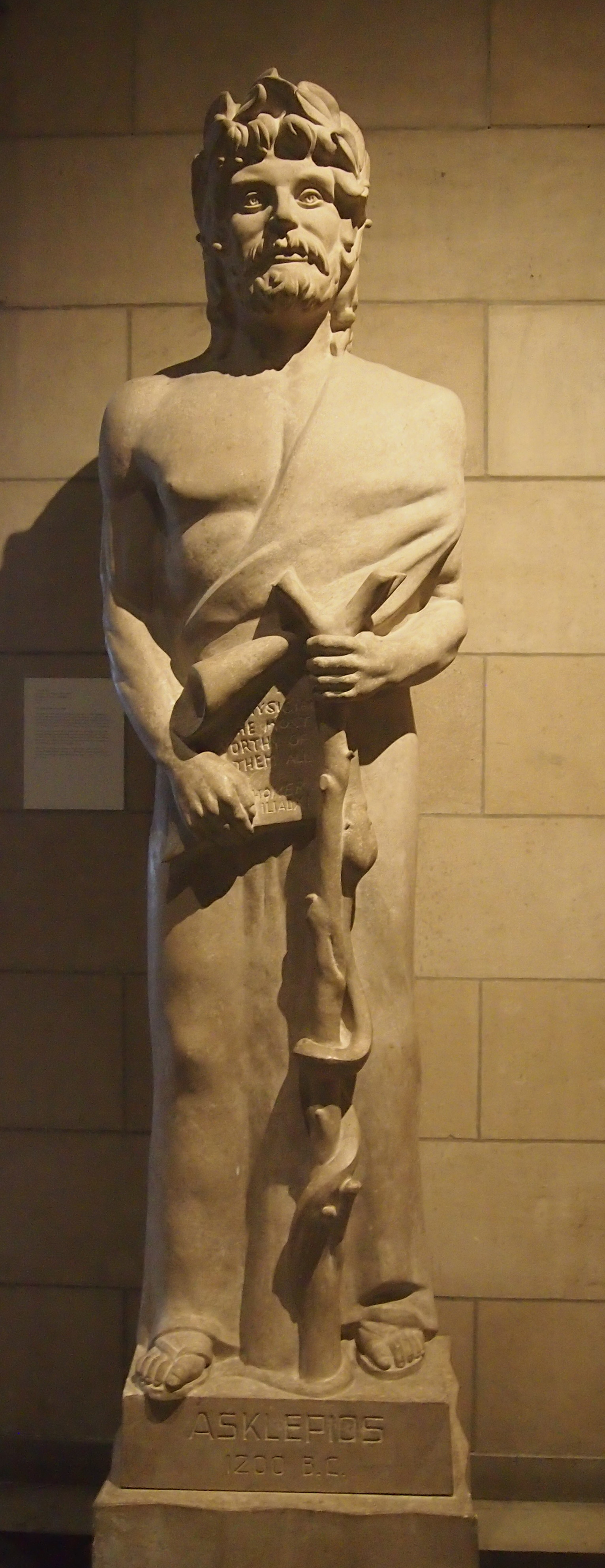 I suppose he wasn’t in the hall itself, since however much he’s part of the history of medicine, he isn’t an actual historic figure.
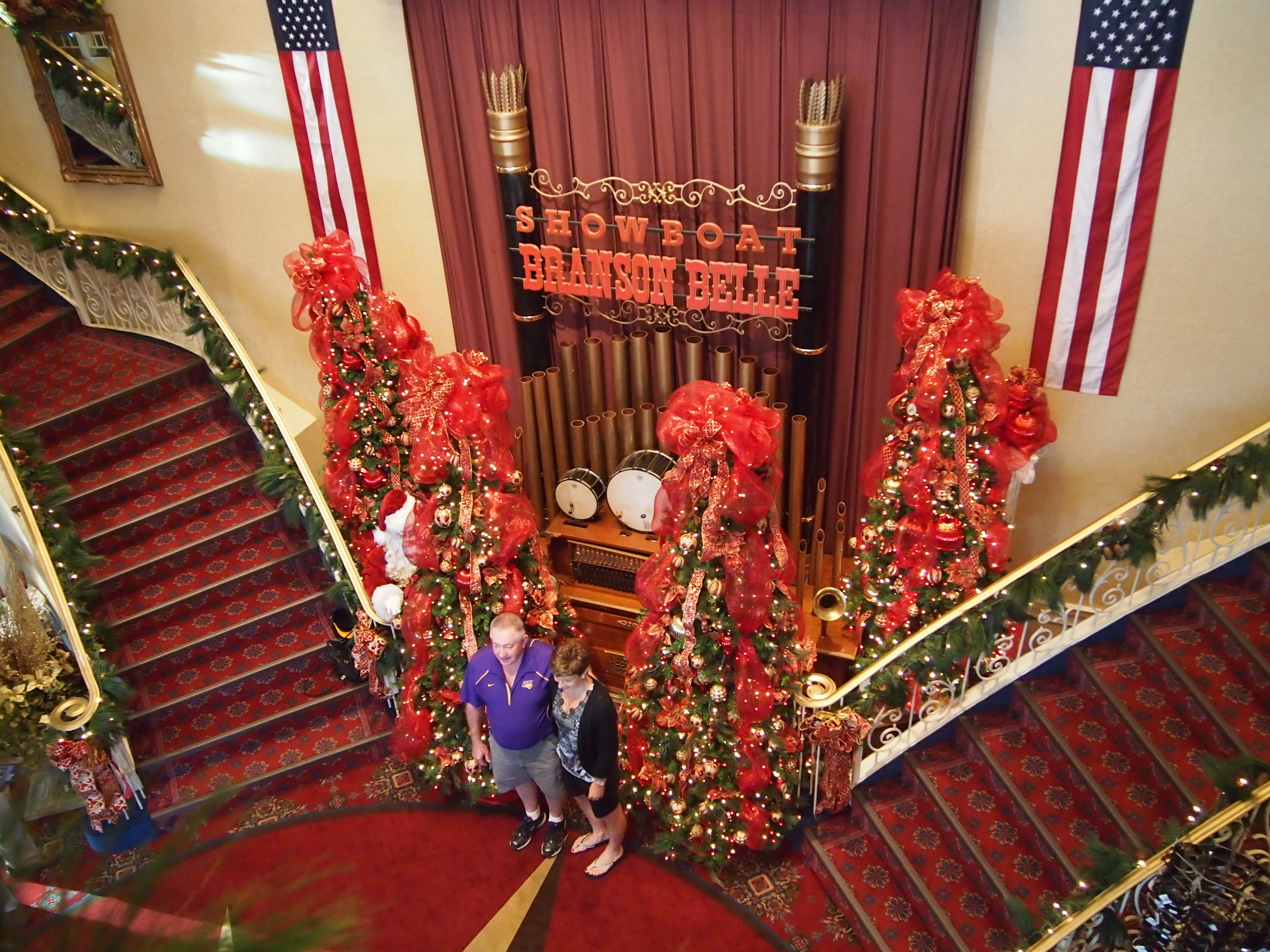
Has it been all of five years since I was last in Branson? Seems that way. Quite a spectacle, that town.
Branson in early November was already lighted for Christmas because the late Andy Williams, Mr. Christmas, had wanted things done up by November 1. So let it be written, so let it be done.
A few trees at Silver Dollar City.

 There were other seasonal decorations elsewhere.
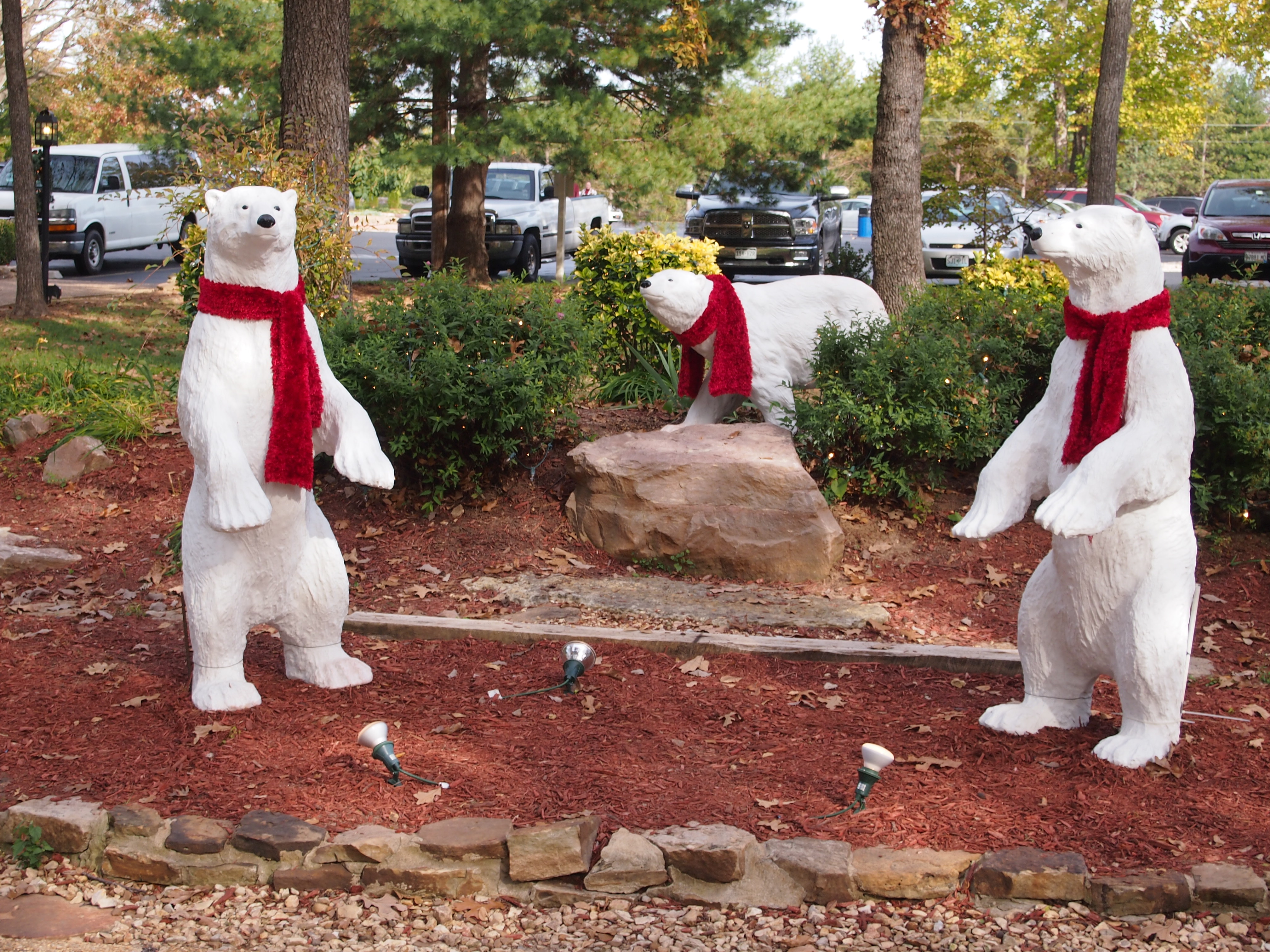 And fall foliage in the rolling hills of southern Missouri.
 And of course, French millstones.

What’s a major tourist destination without a few of those lying around?
It’s a formality, a throwaway bit of corporate bureaucratese, this paper I found on my desk today. Things tend to get buried. Got it a few months ago from an insurance company that I deal with.
Or is it just a formality? For me it is. But it might contain important information for other people who received the page. It’s a list of languages that the company says it will assist people in, if need be.
It includes one sentence in each language, presumably saying the same thing as the first sentence, which is in English: For language assistance in your language call the number listed on your ID card at no cost. All together, counting English, the sentences represent 66 languages.
Maybe this is a government mandate. Not just the letter, but the assistance. Maybe that’s onerous and adds to the cost of insurance. And maybe this kind of thing would upset the Know-Nothings who’ve been emerging from under rocks lately, as they do periodically.
Still, you could also argue that the list is a marvel of the age. A speaker of anyone of 66 languages can pick up the phone and get some kind of specialized assistance. Considering the state of customer service by phone, it might be as uneven as it is in English.
Even so — what a thing, this complex, real-time linguistic offering. Would that have even been possible at the beginning of this century? Certainly not before that.
The languages are, in order, English, Spanish, Chinese, French, Tagalog, Navajo, German, Albanian, Amharic, Arabic, Armenian, Bantu-Kirundi, Bisayan-Visayan, Bengali-Bangala, Burmese, Catalan, Charmorro, Cherokee, Choctaw, Cushite, Dutch, French Creole, Greek, Gujarati, Hawaiian, Hindi, Hmong, Ibo, Ilocano, Indonesian, Italian, Japanese, Karen, Korean, Kru-Bassa, Kurdish, Laotian, Marathi, Marshallese, Micronesian-Pohnpeian, Mon-Khmer/Cambodian, Nepali, Nilotic-Dinka, Norwegian, Pennsylvania Dutch, Persian, Polish, Portuguese, Punjabi, Romanian, Russian, Samoan, Serbo-Croatian, Sudanic-Fulfulde, Swahili, Syriac-Assyrian, Telugu, Thai, Tongan, Turkese [sic, I think Trukese is correct], Turkish, Ukrainian, Urdu, Vietnamese, Yiddish and Yoruba.
Classic November to begin the month: overcast skies, drizzle, cold but not cold enough for anything to freeze.
Not long ago I found myself taking a close look at a coupon for a bagel shop we patronize sometimes. Though a chain, it has better bagels than most places I can get to easily.
They’ll do, in other words, till I can visit New York again. Say what you want about that city, I agree with the idea that its bagels are really good. I found that out back in 1983. Some days I’d buy a half dozen in the morning and they’d be gone by the end of the day — and I was staying by myself.
Anyway, here’s the coupon.

Look carefully at the expiration dates.

When I saw that, I started overthinking the thing. What does it mean that the coupon expires on a day that doesn’t exist by conventional Gregorian calculation, November 31, 2017?
1. The entire coupon is invalid.
2. Only the expiration date is invalid, so it never expires.
3. It actually expires on December 1, which is the day that actually exists after November 30.
4. It expires at the end of November, regardless of what it says.
5. It means whatever the employee at the bagel shop says it means, when asked.
6. The national chain has a SOP for these cases. Call the franchising headquarters.
7. Illinois state consumer law has a provision that kicks in these cases. Refer to the appropriate regulations.
8. The circular in which I found the coupon slipped into our universe from one that has a November 31, and I’d better watch for (or watch out for) other items from that reality.
9. It’s Russian disinformation, designed to destabilize America.
10. It doesn’t mean a damn thing. It’s just a misprint.
Though it’s the prosaic choice, I’ll have to go with 10 and, as a practical matter, 4. Within the perimeters in which I live my life, that’s the sanest choice.
A chilly Halloween. That might account for the seemingly low numbers of kids coming by for candy. As of about 8 p.m., a total of 22. Or maybe that’s about the same as every recent year. I haven’t been counting. This year I decided to, just on a whim.
Ann did not go out. As far as I can tell, no high school kids came by — unless a couple of those tall(ish) skinny kids in one party were in high school, but I took them for junior high.
This is a good development. When we first moved here in the 2000s, high school kids used to show up. But if you’re in high school, you’re too old to trick-or-treat. If it were true 40 years ago, it should still be true.
This year I sprang for a box a full-sized candy bars to give away. A bulk box of Mars products, acquired at a warehouse store: Snickers, Milky Way, M&Ms (plain and peanut) and Twix. A little more expensive, but the leftovers are better. We got an audible reaction sometimes: as two girls walked away, I heard them both squeal, “Full sized!”
A moderately interesting selection of costumes was on display among the kids who came to the door. I didn’t recognize all of them.
“What was that movie, set in Hawaii, with an alien and a girl?” I asked Ann.
I think I took Lilly to see it when she was four. Or maybe we saw it on tape. Anyway, I couldn’t remember the title, but I remembered what the character looked like. I assumed Ann had seen it at some point. I was right.
“Lilo and Stitch.”
“Right. That kid had a Stitch costume on, though the hood wasn’t up.”
The very first kid, a little boy of about three with his mother at the door, wore some kind of blue dinosaur outfit. At least the purple dinosaur seems to be dead and gone. (Or is he?) Years ago, 1998 or ’99 I think, a little kid in a strikingly full Teletubbies costume came to the door. I expect he’s a grown man now. I hope his parents took pictures of his foray into Teletubbie-ness to embarrass him occasionally.
Like I documented Lilly in her paper space armor, ca. 2001.

She didn’t actually wear that trick-or-treating, though she could have. If I remember right, it came folded up in a Japanese magazine. Unfold it and you have a cheap costume.
Later a somewhat older boy came by fully dressed as Flash. Other kids mostly wore head pieces for the desired effect: a pirate hat, mouse ears, a karate band, a flower crown and antlers — a nice array, but odd — and a girl in a zebra coat and… a pork pie hat?
I didn’t get a good look at it, but that was my impression. Maybe that’s just because I finished Breaking Bad not long ago. And I don’t remember any zebra coats in that show. Could be from a kid’s show I know nothing about. There’s an increasing number of those, and I don’t mind.
Miserable windy and cold today. For October anyway. In January, this would be a break from the deep freeze. In any case, it’s been October cold since Friday, with temps just below freezing by night.
On Thursday, when it was merely cool, I mowed the grass, front and back. During late summer, the lush greens had given away to dry brown, which suited me. I thought mowing was over for the year. But then the rains came — one of the wettest Octobers on record, I read — and greened things up again.
I could have skipped it anyway. But I’m just a little too much of a grew-up-in-the-20th-century middle-class householder to let it pass. So I mowed the lawn on October 26, the latest in the year I can ever remember doing that.
Now I’ll have a dandy lawn underneath the snow. Except it will be covered with leaves, because I don’t discard lawn leaves any more. In that way, I’m going green: leaving your leaves to nurture next year’s grass will be the thing soon. It also helps that I don’t want to do it.

