Modern Antiques

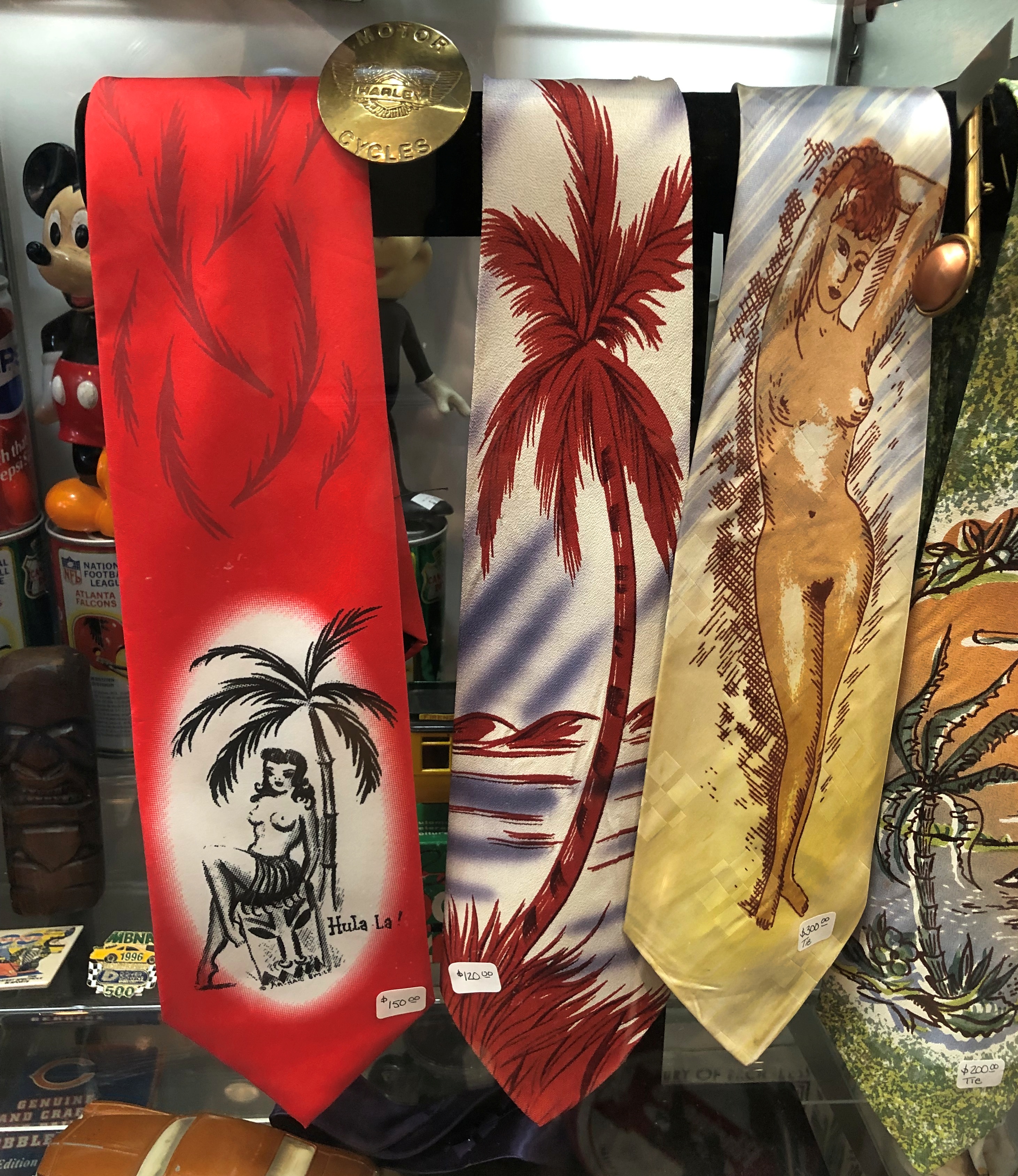
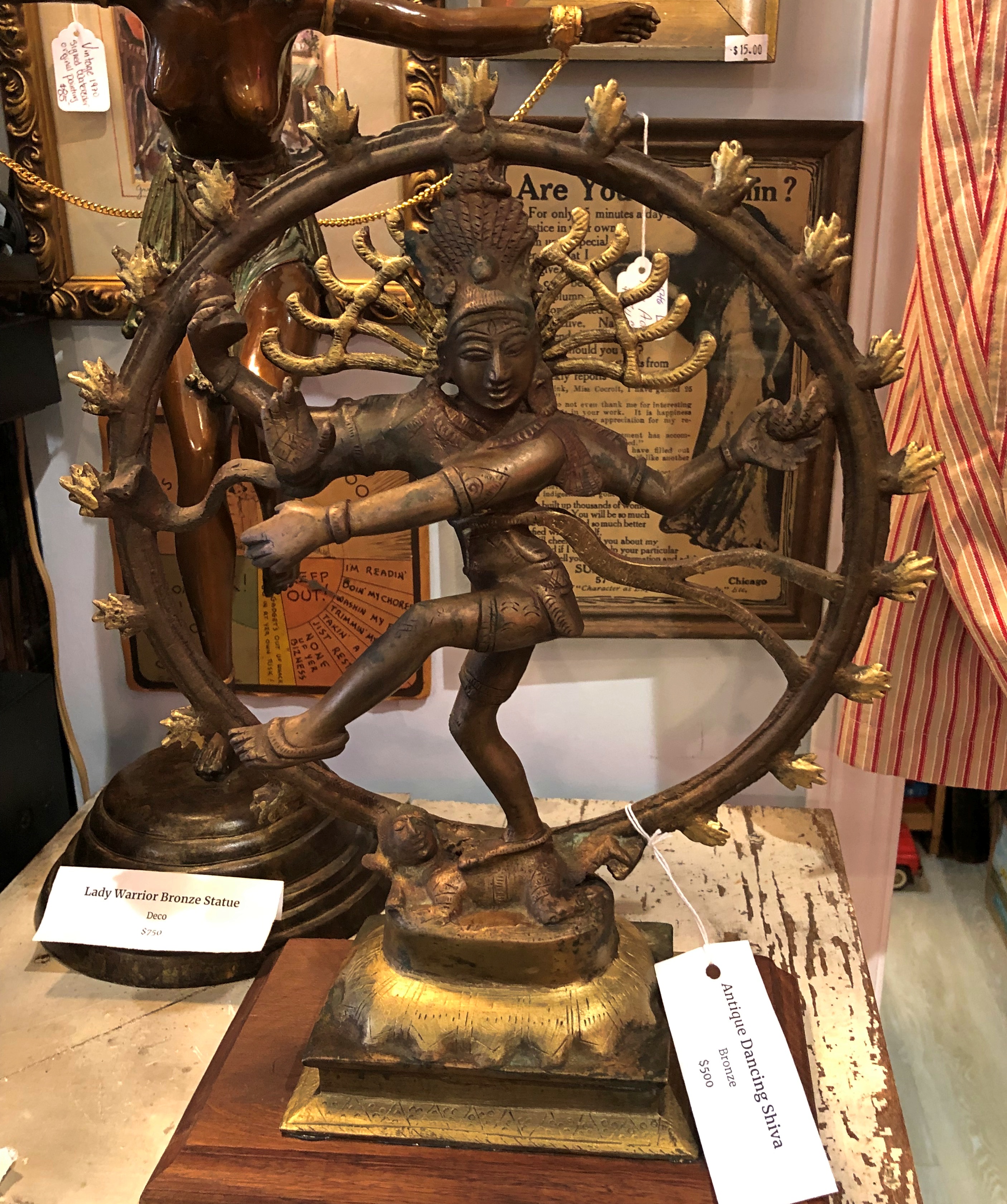
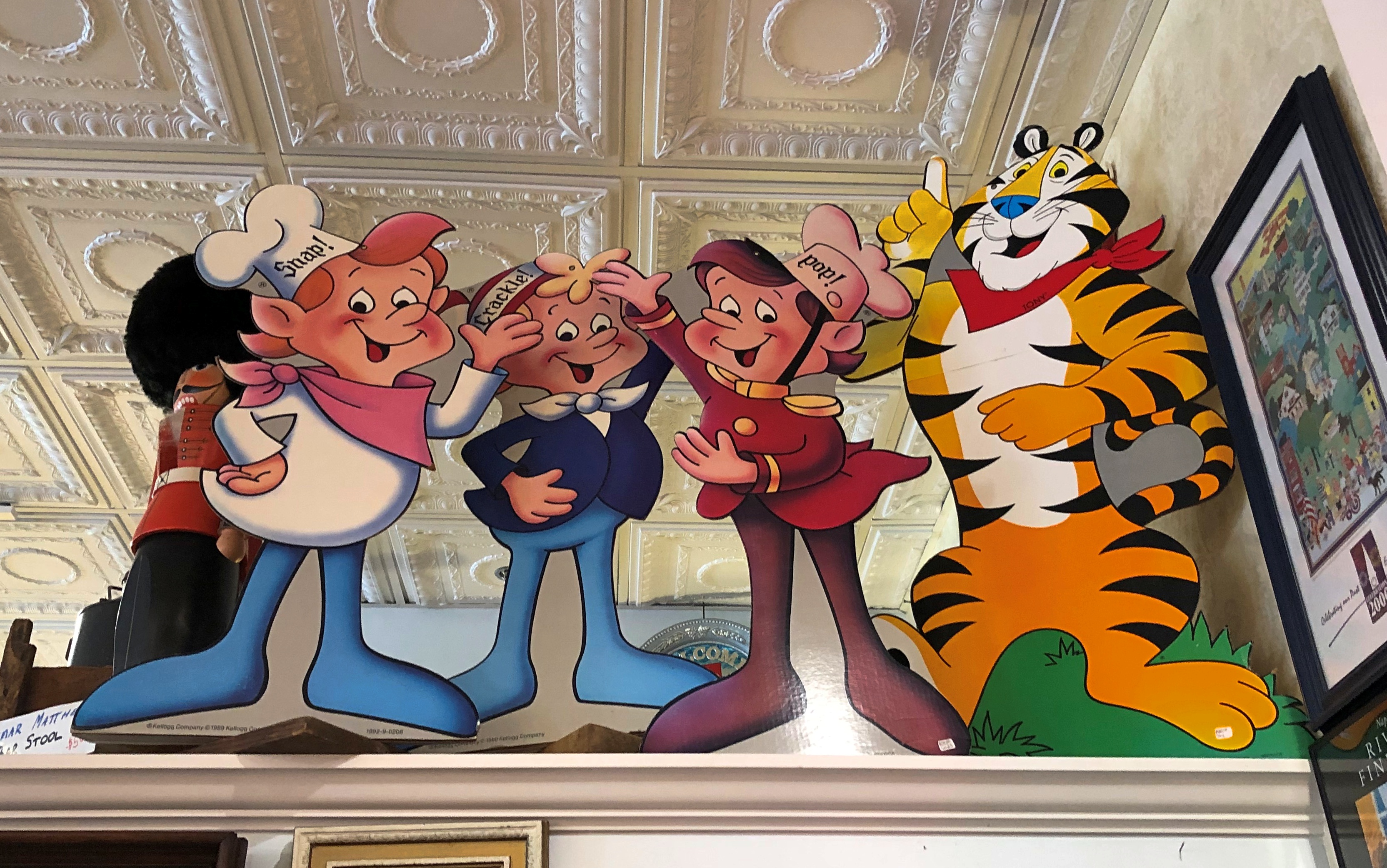
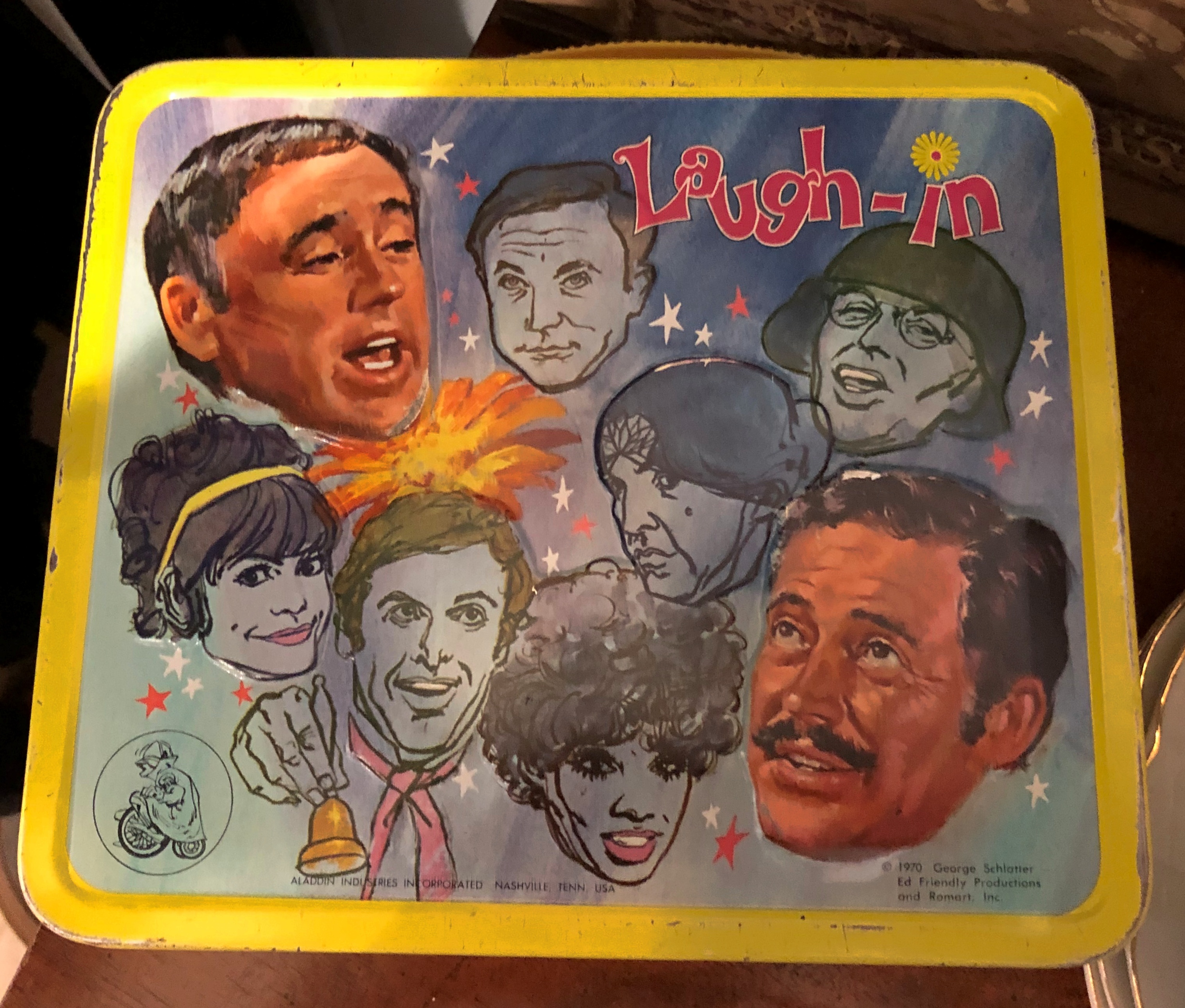
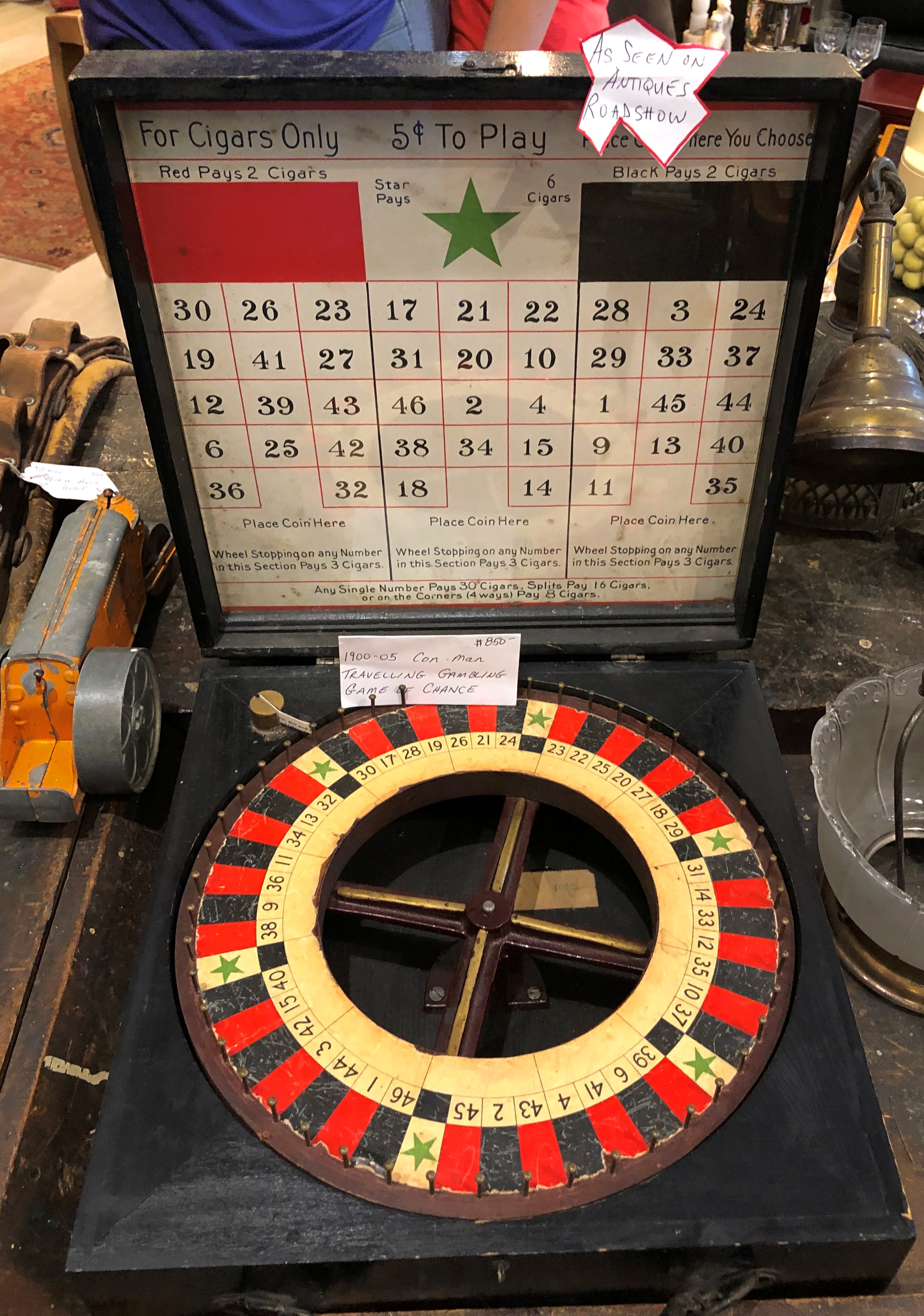
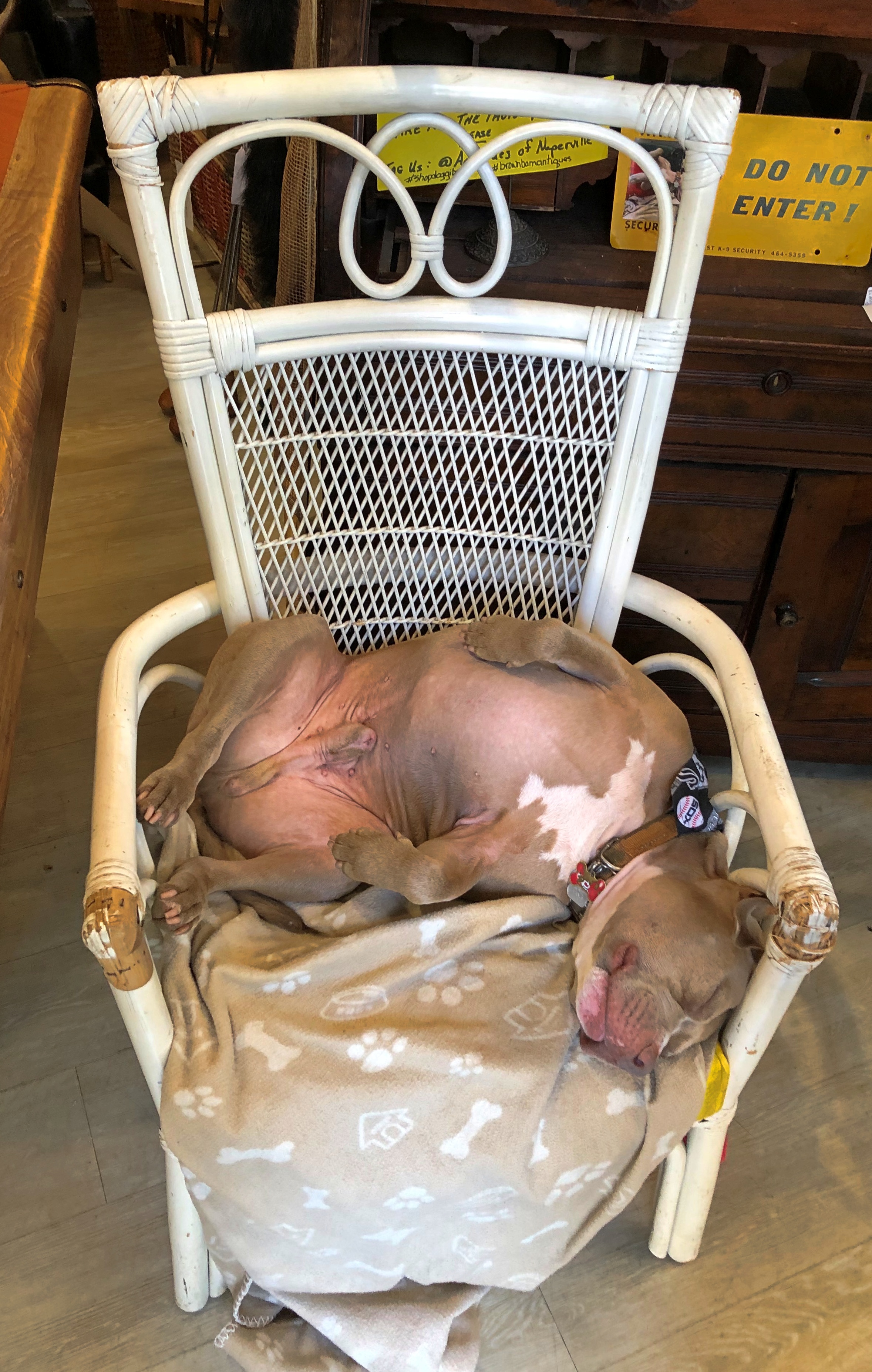
The other part of Ann’s birthday present from her parents consisted of purchases at an antique mall in Arlington Heights, Illinois, on Saturday afternoon. It had been a while since we’d been there — the last time might have been when I spotted Billy Beer for sale — but we figured she might find some beads or bead-adjacent materials there. She did.antiques

“On the whole it’s a likable place stuffed to the gills with debris from across the decades. I like looking around, just to remind myself how much stuff there is in the manmade world,” I wrote five years ago. Still apt. I also mentioned that place used to discourage photography.

If that’s still the case, I didn’t see any signs to tell me so this time. Maybe the proprietors gave that rule up as hopeless, since every single person who wanders in will have a high-quality, very easy to use camera in pocket or purse. Besides, how is the place going to be on social media if it disallows pictures?

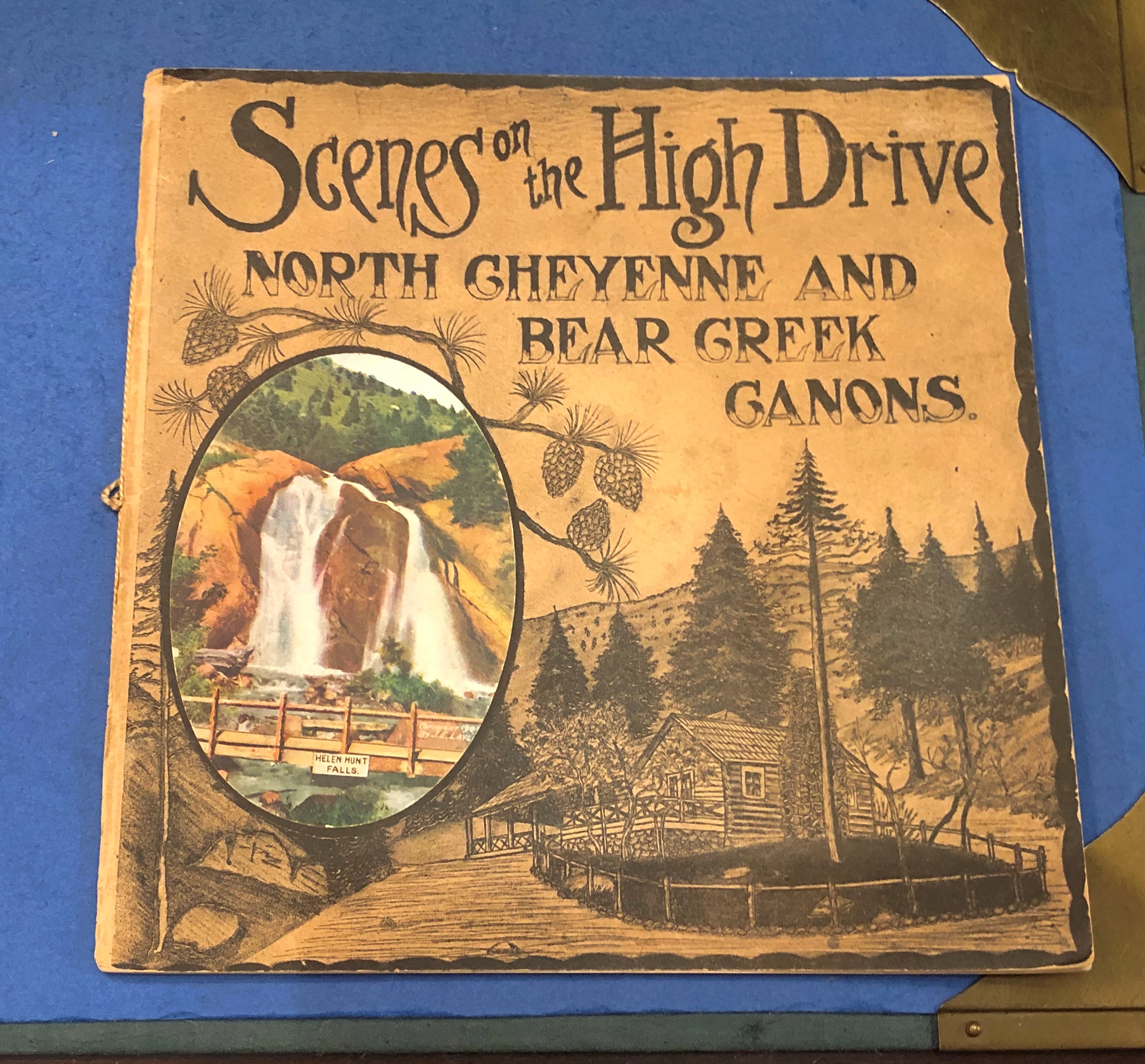
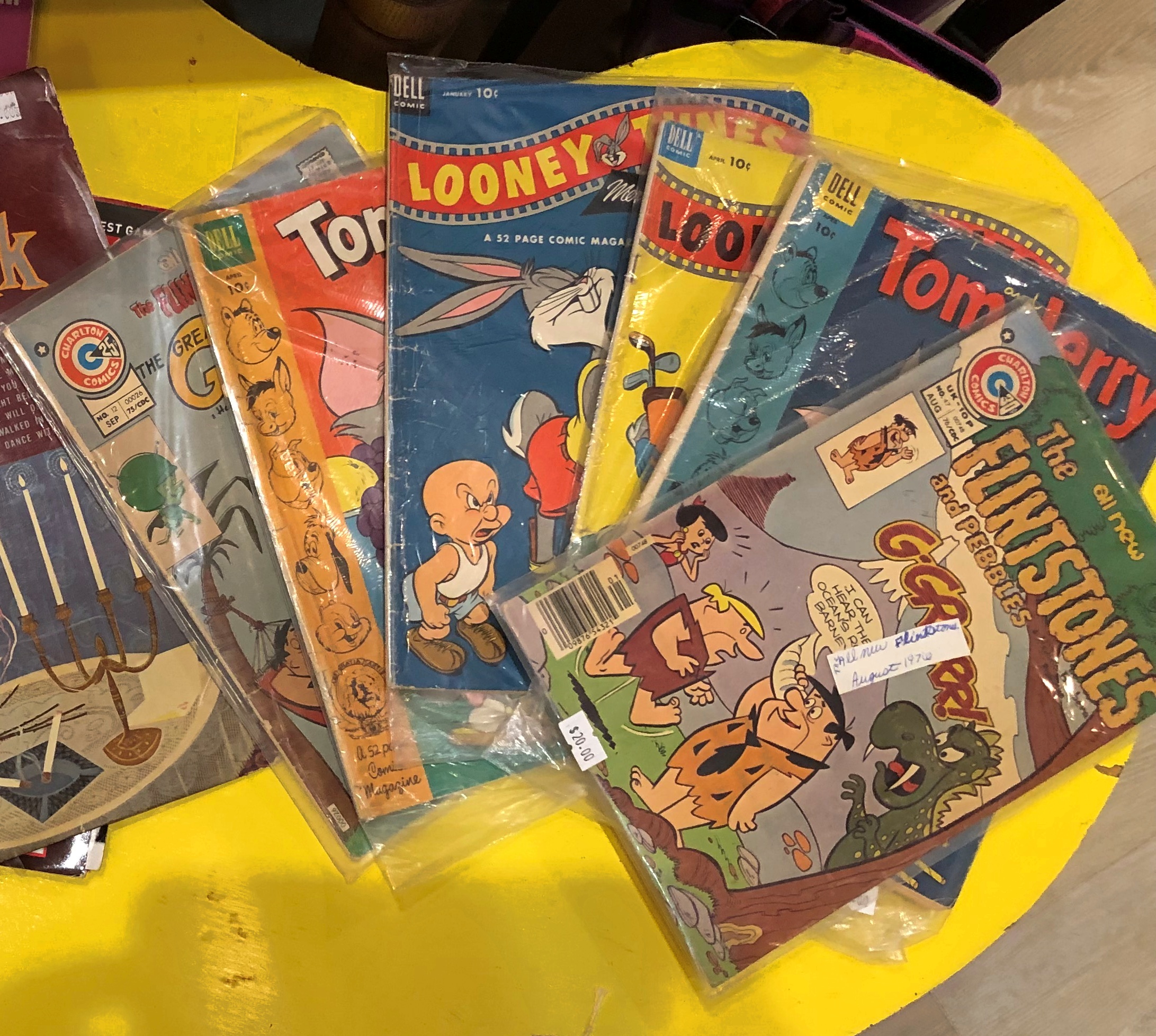
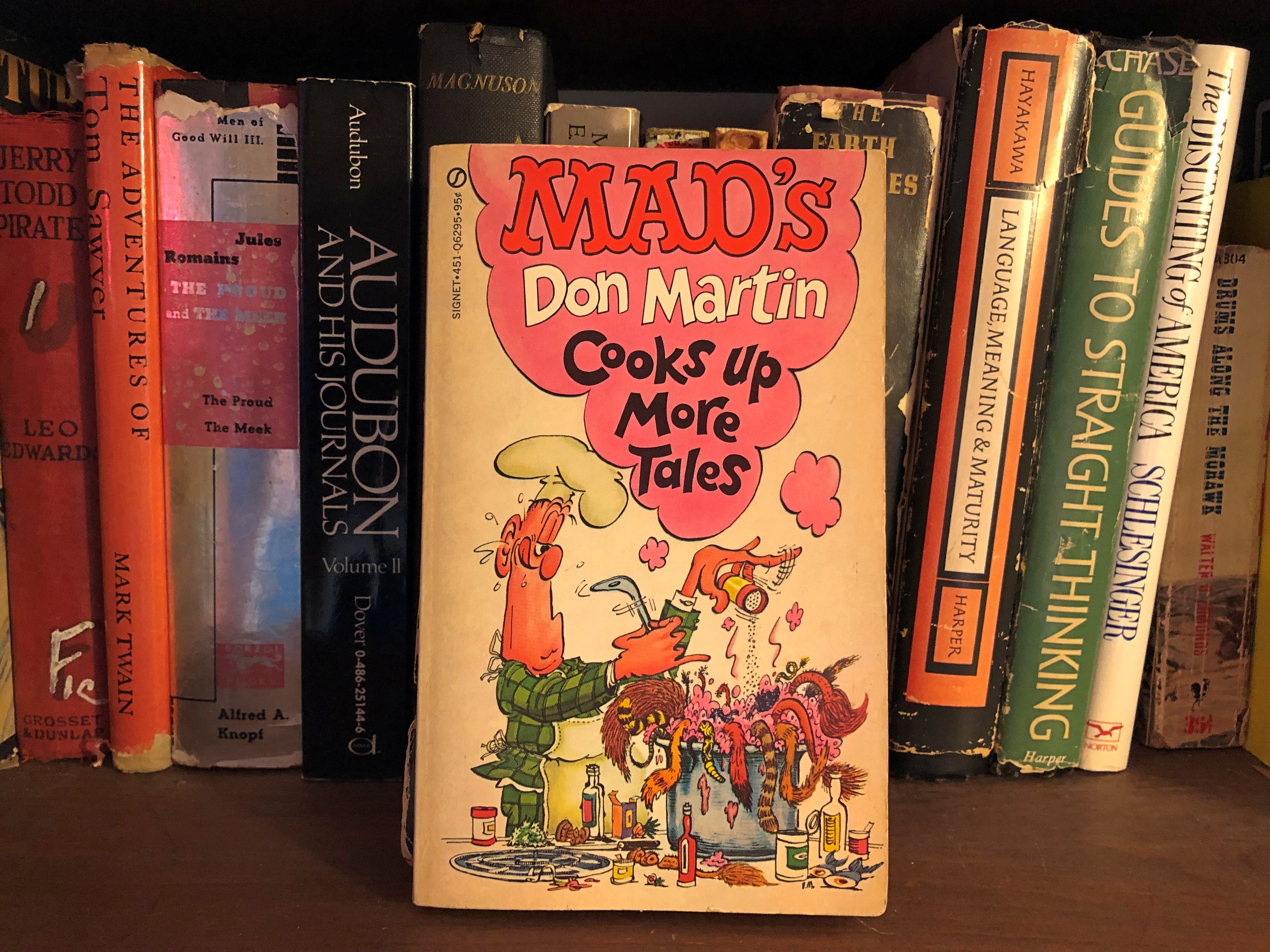
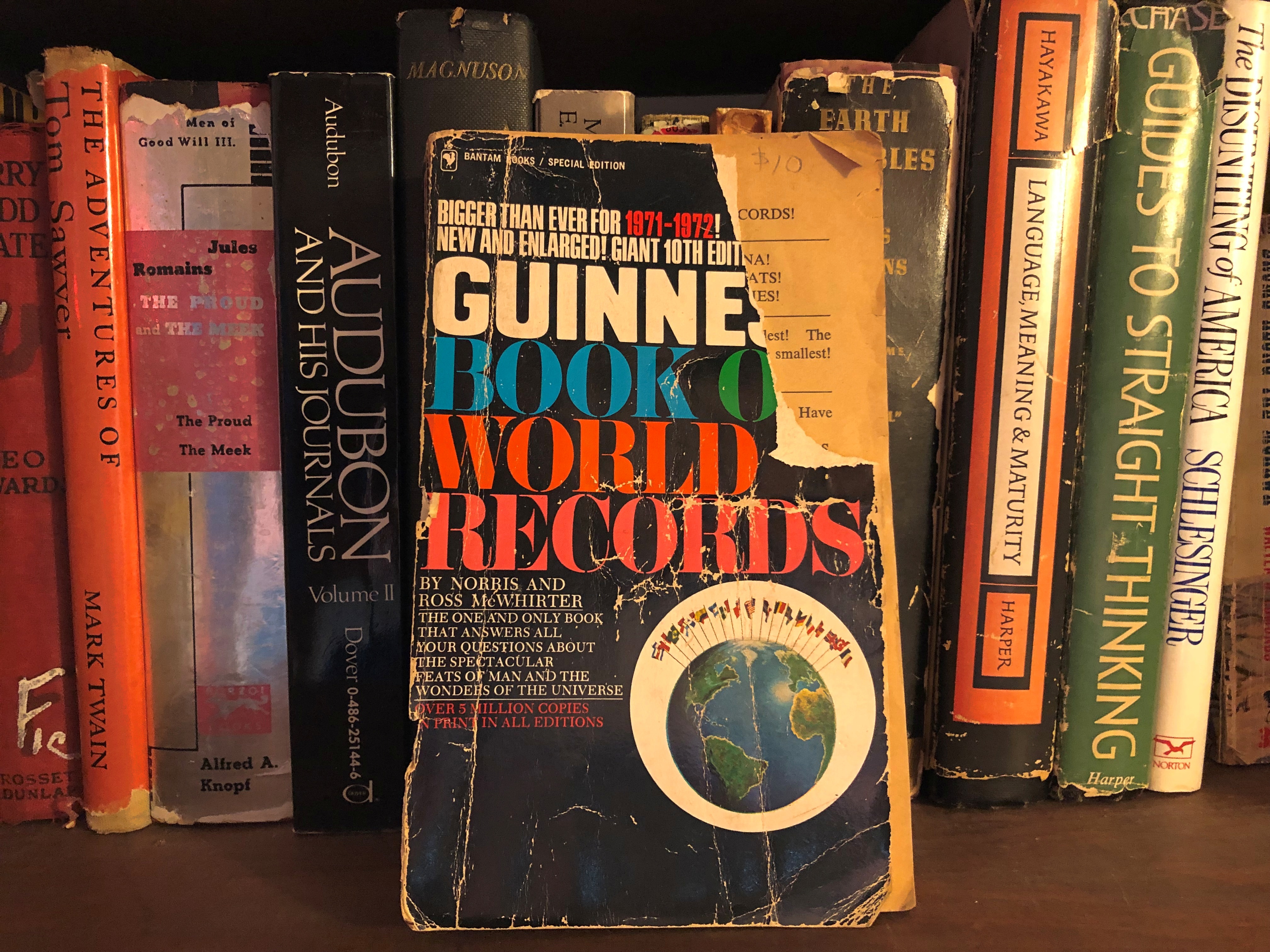
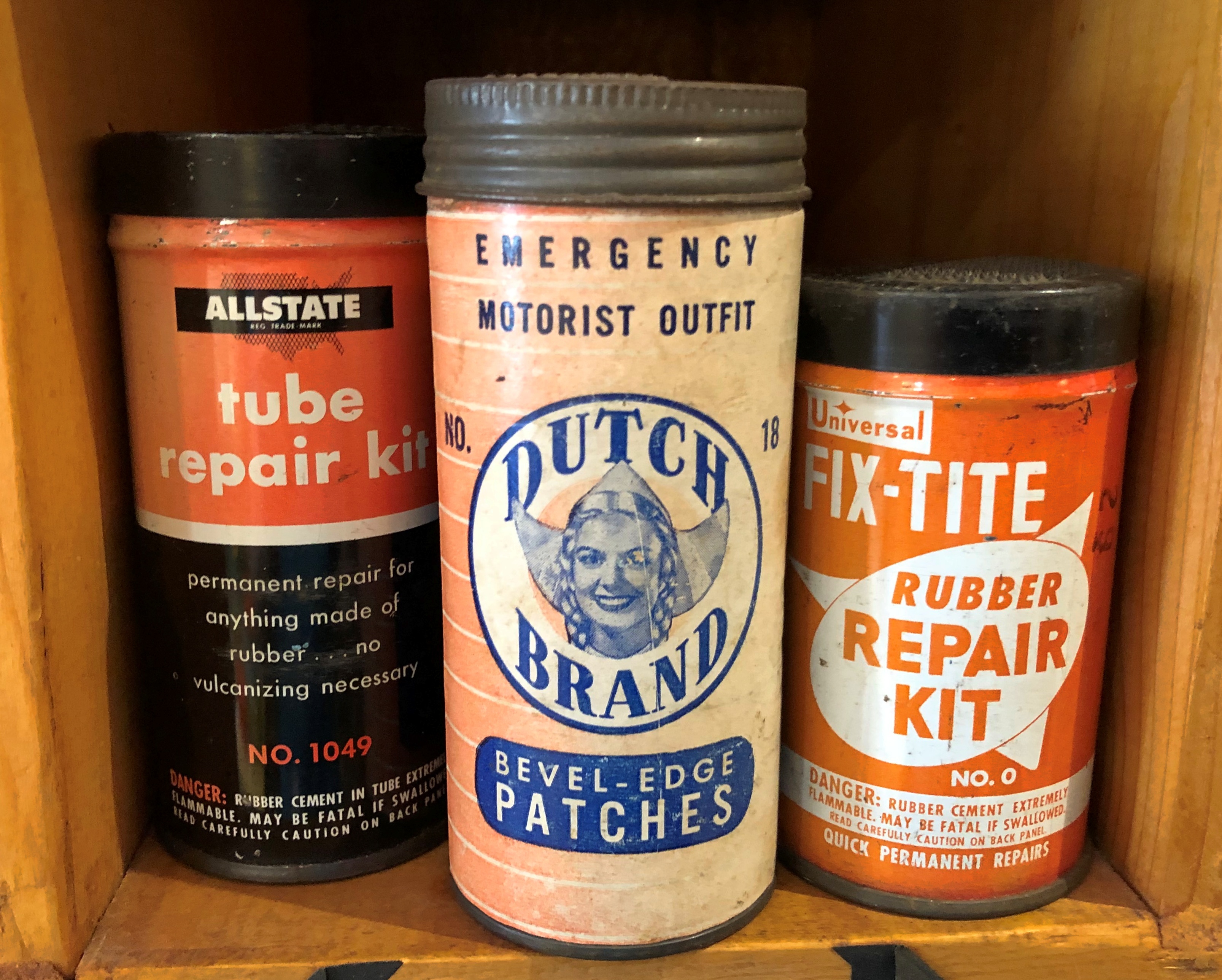
So I took a few pictures. Such as of the plentiful reading material, including good old Mad, font of juvenile wisdom as surely as Captain Billy’s Whiz Bang before it.antiques antiques

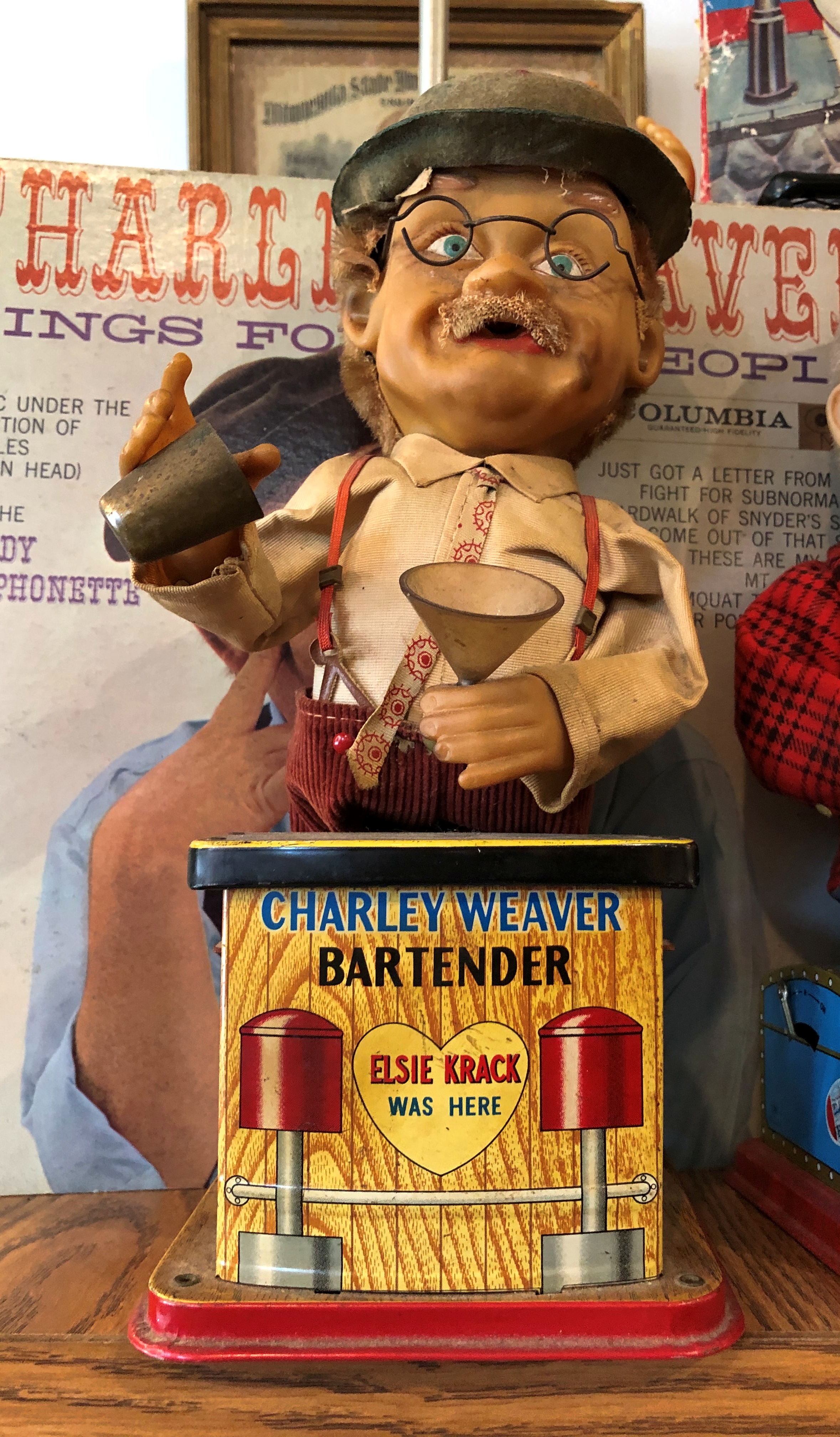
Other objects. Many other objects.

Husman’s of Cincinnati is no more — as of only last year.

I didn’t take any kind of rigorous inventory, naturally, but I can’t shake the feeling that the mall’s stock is on a bell curve in terms of item-age, with the bulge being from the 1950s through the 1970s, and tapering off at each end. That is to say, nostalgia for people just about my age.

With some older items in the mix, of course.

Along with objects that look fairly new.
Bead World Palatine

The games entertained me most of all, without me having to play them.

Some standards: Operation, Scrabble, Twister, Yahtzee. Some tie-ins: Family Feud, Green Eggs and Ham, Cat in the Hat, Jeopardy. Others: Pass Out, Rummikub, Super Master Mind.

When I looked at that image today I also noticed the Talking, Feeling, And Doing Game, which I’d never heard of. “A psychotherapeutic game for children,” the box says. Copyright date 1973 by an outfit called Creative Therapeutics in New Jersey, and one groovy typeface for the name.

A relic of the much-maligned ’70s, I figured, a rep only slightly deserved, though that’s a discussion for another time. In any case, an echo of that half century ago, now forgotten, right?

Wrong, at least according to Amazon, which asserts that the game is “one of the most popular tools used in child psychotherapy.”

Turns out there’s an entire subspecies of board games that are used in child therapy, as I discovered looking at the Amazon page: Better Me, Emotional Roller Coaster, The Mindfulness Game and Together Point Family, to name just a few. I’m a little glad that I’d never heard of any of them before.

Of all the antique mall games, however, this one amused me most.
Barney Miller game

Could it be that the real prize among board game collectors, and there must be such, is finding a mint copy of the Fish board game, only a few hundred of which were ever sold?

Almost as good.

My family were clearly stick-in-the-muds when it came to tie-in board games. I don’t remember that we had a single one in our collection of a dozen or so games, and no one (including me) ever expressed any interest in them. I don’t even remember my friends having any. Did I miss out on a delightful childhood experience? Nah.

More Winter

Kicked off February with a day above freezing. Two observations: The only thing good about February is that January is over. Also, winter hasn’t abated. It’s just lulling us with a temporary moment of ease.
The map below is lifted from the NWS, which of course puts it in the public domain. Looks like we’ll get at least a few inches tomorrow, while the real wintertime action is some distance away. Ann will probably experience some heavy snow. I’m glad that didn’t happen on Sunday. Rather, a bomb cyclone had just hit the Northeast. There’s a term I enjoy: bomb cyclone. But it’s not so much fun to be visited by one.weather map 2/1/22

Train of thought for the day, inspired by a Google doodle. Today’s doodle connects you to an page labeled Lunar Calendar, which is a discussion of that kind of calendar, not the specific Chinese calendar whose new year is always around now in the Georgian calendar. That might give people the idea that all lunar calendars begin around now.

Then again, there are vanishingly few people who care about the subject at all. There aren’t any ardent U.S. calendar factions, such as those pushing for a restoration of the Western lunar calendar, asserting that the pointy-headed solar calendar is just an interloper and Sosigenes of Alexandria was a con man, or communities of Julian calendar users in pockets of Appalachia who quarrel with the federal government every year about when Tax Day is. It’s just a fact that most people’s entire concern with the calendar is what day is it now, and how far in the future is this planned event?

Then again again, I don’t know much myself about the Chinese lunar calendar, except that it’s a lunar calendar, it’s Chinese, and new year comes around the beginning of February. And that each year has one of five elements and 12 animals, making for a cycle of 60 years, though that’s actually an aspect of Chinese astrology, which I hold in exactly the same regard as any other astrology.

What calendar knowledge I have is fairly Gregorian and Julian, and some about liturgical calendars, and a bit about the Jewish and Muslim calendars. So maybe I should learn myself some Chinese calendar facts. The remarkable thing is how easy that would be to do in our time, sitting right here at my desk.

Which can easily become a rabbit hole. When I was reading about calendars today, I found a page about Lunar Calendar and Standard Time, which as far as I can tell was made up by some Swedes because they perceived a lack of standard units of time to be used on the Moon.

Bead World

I’m a little less ignorant these days about beads, but only a little. For instance, I found out over the weekend that you can buy such varieties as gemstone beads, Indonesian glass beads and trade beads.

That’s because we took Ann to Bead World in Palatine, Illinois, a suburban shop that has all manor of beads, with sidelines in piercings (there is a separate room for that) and watch repair.Bead World Palatine

“It’s overwhelming,” she said when we went in. Certainly quite a stock.Bead World Palatine Bead World Palatine

We bought her some beads and charms as part of her birthday present.Bead World Palatine

But no cowboy art, which was on display in the back.

I’d never connected Indonesia with beads. “Indonesia has a centuries long history of glass bead making,” the Bead World web site says. “We carry many contemporary designs of ‘manik‘ as well as many beads in the traditional colors and patterns of the Indo-Pacific Trade.”

Indeed, among Indonesian beads, you can get rondelle-shaped beads, flat ovals, square, cubes, “Java trade beads,” melon shaped, triangle shaped, tubes, barrels, recycled glass beads and more. Who knew?

I’m never going to take up beads as a hobby myself, and I’m certainly not going to open a bead store. But if I ever did, I’d call it the Venerable Bead. Wait, someone’s already done that.

Ann at Nineteen

Ann was home for the weekend, getting a ride up on Friday with someone she knows at school, returning with me on Sunday. That’s an advantage of school being only about two hours away. The occasion, her birthday.

On Saturday, we took her to a delightful Korean barbecue restaurant called Koreana. The sort of place where you cook your meat at your table.KoreanaKoreana

Later at home — a few hours later, since a place like Koreana fills you right up — we had dark chocolate birthday pie.birthday pie birthday pie

Nineteen times around the Sun for Ann.

Deep-Freeze Thursday Melange

Today wasn’t actually that cold. About 30 degrees F. for an afternoon high, 20 degrees warmer than the day before, a brief interlude before a dive back down. A seamount in the trench of winter.

Actually, I don’t think seamounts rise in trenches, but that doesn’t have to be literally the case for the metaphor, rudimentary as it is, to work. Then again, maybe they do rise in trenches. My oceanographic knowledge itself is fairly rudimentary, though I am fascinated by those maps of the oceans that show the mountain ranges, abyssal plains and trenches.

“Seamounts — undersea mountains formed by volcanic activity — were once thought to be little more than hazards to submarine navigation. Today, scientists recognize these structures as biological hotspots that support a dazzling array of marine life,” NOAA says.

“New estimates suggest that, taken together, seamounts encompass about 28.8 million square kilometers of the Earth’s surface. That’s larger than deserts, tundra, or any other single land-based global habitat on the planet.”

Guess that’s the thing I learned today. Unless, of course, NOAA is part of the conspiracy to keep knowledge of the merfolks’ vast underwater kingdoms a secret from the general public, and its facts are actually “facts.” Because that’s just the sort of thing that generally governments do.

Better create some memes tout suite to warm people about NOAA.

Pyramid tea.pyramid tea

I don’t actually remember the brand, since I took the picture a while ago. But I remember it being good tea.

An example of information-free travel writing can be found at a site I ran across recently that purports to offer information for family vacations, in this case its page about the “Best Things to Do in Rochester, Minn.” (I’m not going to link to it.)

The top “best thing” on the list is the Rochester Art Center, which might be a reasonable suggestion. But the site describes it this way: “This enchanting place is home to some of the most fascinating and creative contemporary art you will ever see today. Plus, it encourages people to understand and value art for what it is, making it a great place to visit if you have a soft spot for art.

“The art center boasts a gallery where you can stroll around and admire their lovely contemporary art.”

Gee, if you’re going to publish this kind of vacuousness, at least you can shorten it:
The Rochester Art Center’s got a lot of swell art. Like art? Go see it.

Tuross Head Tangent

While looking into Australia-related matters today, since it’s Australia Day, I looked up Tuross Head. It’s a small village on the coast of New South Wales.

I already knew that, since just after Christmas 1991, I spent a few days nearby, guests of the hospitable Clark family, one of whom I knew in Japan. I spent a good while one day wandering around the fine coastline at Tuross, rocky shores enlivened by distinctly unfamiliar flora, though that doesn’t really show in my snapshots.Tuross Head 1991 Tuross Head 1991 Tuross Head 1991

More recently, as in today, Wiki informed me that one Eva Mylott (1875-1920) was born in Tuross Head. She was a popular opera singer from Australia, and also so happens to be Mel Gibson’s paternal grandmother, though she was never to know him, since she died when her own children were very young.

That’s her, in a photo from the collection of the State Library of New South Wales.

Then I started reading about her son, Mel’s father, Hutton Gibson (1918-2020). While he didn’t have the platform of celebrity, the elder Gibson had quite a career as a crackpot, back when that meant pamphlets and physical-medium videos or appearing on local radio or talking to people in person about your ideas. Just as the Internet has become a vast conduit of more or less factual information, so too vast eddies of crackpot nonsense now flow through it; but that’s a rant for another time.

Crackpot dad, eh Mel? There’s a Japanese proverb for this situation: kaeru no ko wa kaeru (蛙の子は蛙). Literally, a tadpole is a frog. The less poetic English — though it has some resonance, both as sound and emotionally as meaning — would be, like father, like son.

Tuesday Humor

Up to balmy double-digit Fahrenheit numbers this afternoon, barely, as a brilliant sun reminded me that in January a sunny day usually means it’s cold as Swedish hell.

I didn’t know Dave Barry was still doing his annual humor piece, or even that he was still alive, but so he is on both counts. Found that out today.

In case the Washington Post is behind a paywall, here’s an essential nugget from Barry:

At this point these are the known facts about the pandemic in America:

Many Americans have been vaccinated but continue to act as though they have not.

Many other Americans have not been vaccinated but act as though they have.

Next, a joke that’s evidently begin kicking around a while. I spotted it this morning. I’ve put it, as they used to say in school, in my own words.

Just before he was appointed chancellor, Hitler — always with an interest in the occult — visited a fortune teller and asked her a number of questions, including what day he would die.

The fortune teller told him that he would die on a Jewish holiday.

“How do you know that?” an outraged Hitler demanded.

“Any day you die will be a Jewish holiday.”

Lawless Roads, A Greene Enthusiast & The Pecan-Shellers Strike

Really nice sunset today, red-grays among the lingering clouds that had dropped snow earlier in the day. Too good, I decided, to capture in digital image form. Besides, it’s cold out there.

I picked up Lawless Roads again last night. It was the book I took with me to New York last month, reading about half. Very near the end of my outbound flight, a youngish fellow in the middle seat next to me spied the cover and told me he’d never heard of the book, even though he thought he’d read all of Graham Greene.

I told him it was one of his handful of travel books. He said he would find it and read it. We had to get off the plane pretty soon after that, so I didn’t discuss Greene any further with him. That may be just as well, since I’ve only read a few of his titles, such as The Quiet American, Journey Without Maps, The Third Man, and Travels With My Aunt. I liked all of them, but don’t count myself as an enthusiast.

Early in the book, Greene visits San Antonio, and mentions in passing the city’s pecan shelling industry, whose poorly paid and ill-treated workers were on strike at the time (early 1938).

One thing that struck me was the size of the industry: “Forty-seven pecan shelleries lying discreetly out of sight in San Antonio and they shell in a good year, twenty-one million pounds of nuts,” according to Greene.

“In the 1930s Texas pecans accounted for approximately 50 percent of the nation’s production,” the Handbook of Texas says, revealing an even larger industry than Greene thought. “San Antonio was the Texas shelling center because half the commercial Texas pecans grew within a 250-mile radius of the city.

“The pecan-shelling industry was one of the lowest-paid industries in the United States, with a typical wage ranging between two and three dollars a week. In the nearly 400 shelling factories in San Antonio the contracting system was prevalent; the large firms controlled the supply of nuts as well as the prices for shelling.

“Working conditions were abysmal — illumination was poor, inside toilets and washbowls were nonexistent, and ventilation was inadequate.”

It was a brief flowering for the labor movement in San Antonio, with mixed results, and in a few years the point was moot, with hand shellers generally replaced by machines. By the time I came along, all traces of the industry had vanished, at least as far as I knew. Its memory had vanished as well, again at least as far as I knew.

As labor actions go in San Antonio, that was one of the more memorable ones, yet somehow by the 1970s not even my former Wobbly high school U.S. history teacher, the spirited Mrs. Collins, mentioned it in class. She was from upstate New York, so perhaps had little knowledge of it herself. I had to hear about it from my Government teacher at UT Austin in the summer of ’81, who said he was an adherent of anarchism, but that’s a story for another time.

Bare Tree

Sunny winter Sunday today, following snow last night, though only about two or three inches. Not enough to slow anything down. In the afternoon the back yard the sky looked about like this.Bare Tree

But I have to say that I took that picture four years ago in January. Pretty much all the Januaries here in metro Chicago have melded into a chilly gray blur. Still, the days are getting longer, which puts me in mind of days on the deck and distant roads.

Things in the Mail

Got a circular in the mail recently — another bit of paper, in this supposed digital age — advertising live shows at a metro Chicago theater I’ve been to exactly once, maybe five or six years ago. The theater has never forgotten that, on the off chance that I’d be willing to put in the miles (and it’s quite a few) to see another show there.

Topmost act on the ad? Grand Funk Railroad. It’s a nostalgia-oriented theater, and that name does take me back to adolescent days, or rather nights, of listening to my cheap bedside radio.

The band itself doesn’t have a lot of nostalgia value for me, though. They were fine. Had a few hits. Such as a decent version of “The Loco-Motion,” of all things. They were part of the astonishing variety that was commercial radio in the 1970s, which wasn’t that astonishing until the radio business decided to silo itself in unimaginative ways in later decades.

I was curious enough to look at the band web site, learning the following (all caps sic):

“Grand Funk Railroad is extremely excited to be touring in 2022 marking a 53 year milestone. After playing to millions of fans on the band’s tours from 1996 to 2021, Grand Funk’s 2022 SOME KIND OF WONDERFUL TOUR will continue to reach both new and long-time fans.”

I didn’t know they were originally from Flint, Michigan. Learn something every day. Forget just as much every day as well, probably.

I checked the ticket prices at the theater web site. For seats far away from the stage, $60. Most seats are north of $100, and if you want a seat in the loge right or left, that will run you at least $248. This doesn’t encourage me to see Grand Funk Railroad.

Also in the mail lately.

My name, unusual as it is, is gender ambiguous. I’ve been getting things addressed to Miss and Ms (and maybe Mrs, not sure) for as long as I’ve been getting circulars and other solicitations. That and, of course, a variety of misspellings, including of my last name, which is perfectly phonetic.

Our gas bills, which come all too regularly in the mail, offer up data on the price of natural gas. This isn’t good.

December 2020: 29 cents/therm. December 2021: 68 cents/therm. Good thing the most recent December was warmer than a year earlier, but I’m afraid January isn’t turning out that way.

I had to refresh my memory that a therm = 100,000 Btu. I’ve always liked that name, the British thermal unit. A Btu is the quantity of heat required to raise the temperature of one pound of liquid water by 1 degree Fahrenheit at the temperature that water has its greatest density (at about 39 degrees Fahrenheit). If that’s not a legacy of Victorian scientists, I don’t know what is. Sure enough, it is.

I’d read that natural prices were on the rise, and sure enough, there it is in my bill. “What’s Up with Natural Gas Prices?” this American Petroleum Institute article asks, as if Andy Rooney were asking. The short answer: the market fluctuates, and be glad you aren’t in Europe, where prices are astronomical, rather than merely steep.