Three Missouri Museums Along the Way

At least a foot of snow covers the ground outside, so it’s good to be inside. Winter has fully returned, but at least the early part, when the holidays are yet to come, and not the post-New Year grind of January or the interminable days of February, the alleged shortest month.

Thanksgiving was low key. I expect that’s actually true for most people, however many anecdotes there are about fractious Thanksgivings. Low key doesn’t get into sitcoms or in real or made-up tales on a Thanksgivingishell subreddit.

Back to posting after Christmas, maybe the first Sunday after. Got a lot to do before then.

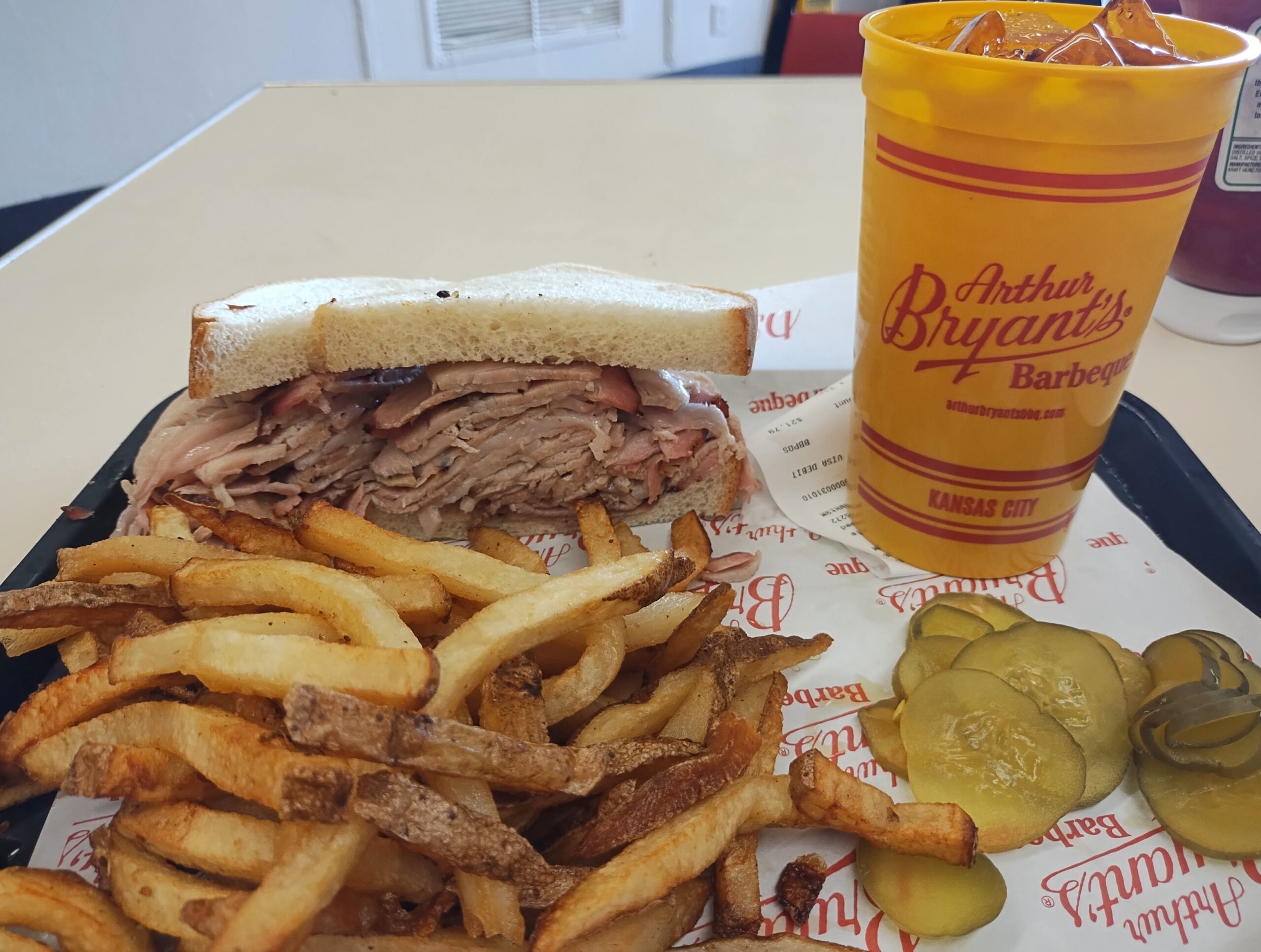
One more note about Kansas City in September. Besides the World War I Museum and Memorial, there was one more place I wanted to be during my visit: Arthur Byrant’s, for the barbecue I remembered so fondly from the late 1990s. Good ‘cue has sustained AB long after the pitmaster of that name died in 1982.
Kansas City

I’d go again.

After I left KC, I headed not too far northeast to the Jesse James Birthplace Museum.
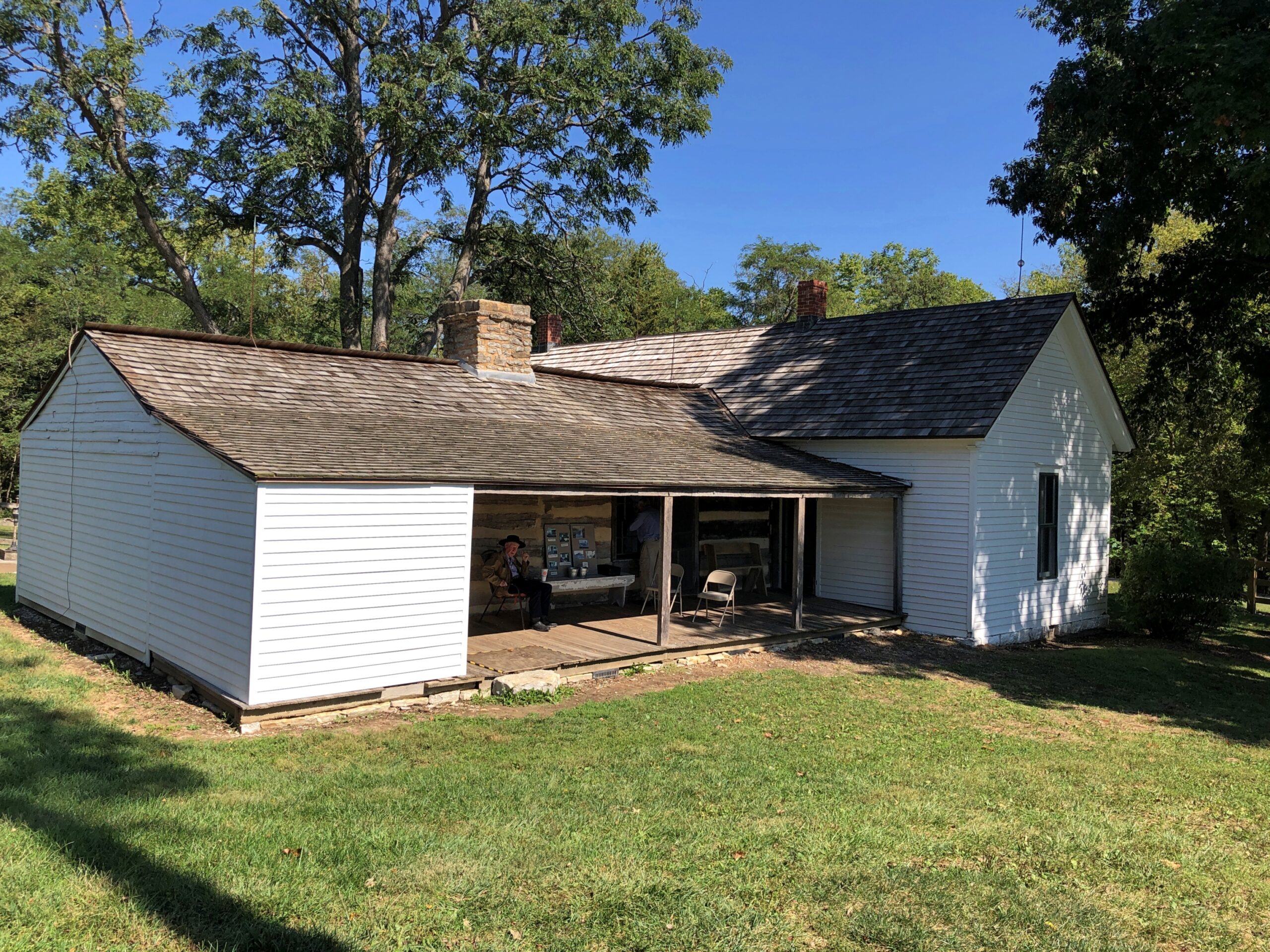
The birthplace museum, like the house, isn’t a large place, but it does convey some of the life and times of the famed outlaw, with some good artifacts and reading. Posters, too. I hadn’t realized that Jesse James was a character in the very last Three Stooges theatrical release, The Outlaws is Coming (1965), but there was the poster, along with ones advertising better-known biopics or Jesse James-adjacent movies. Somehow I missed that Stooges picture on TV as an impressionable kid, though I saw the likes of The Three Stooges Meet Hercules.

Jesse used to be buried at the homestead.
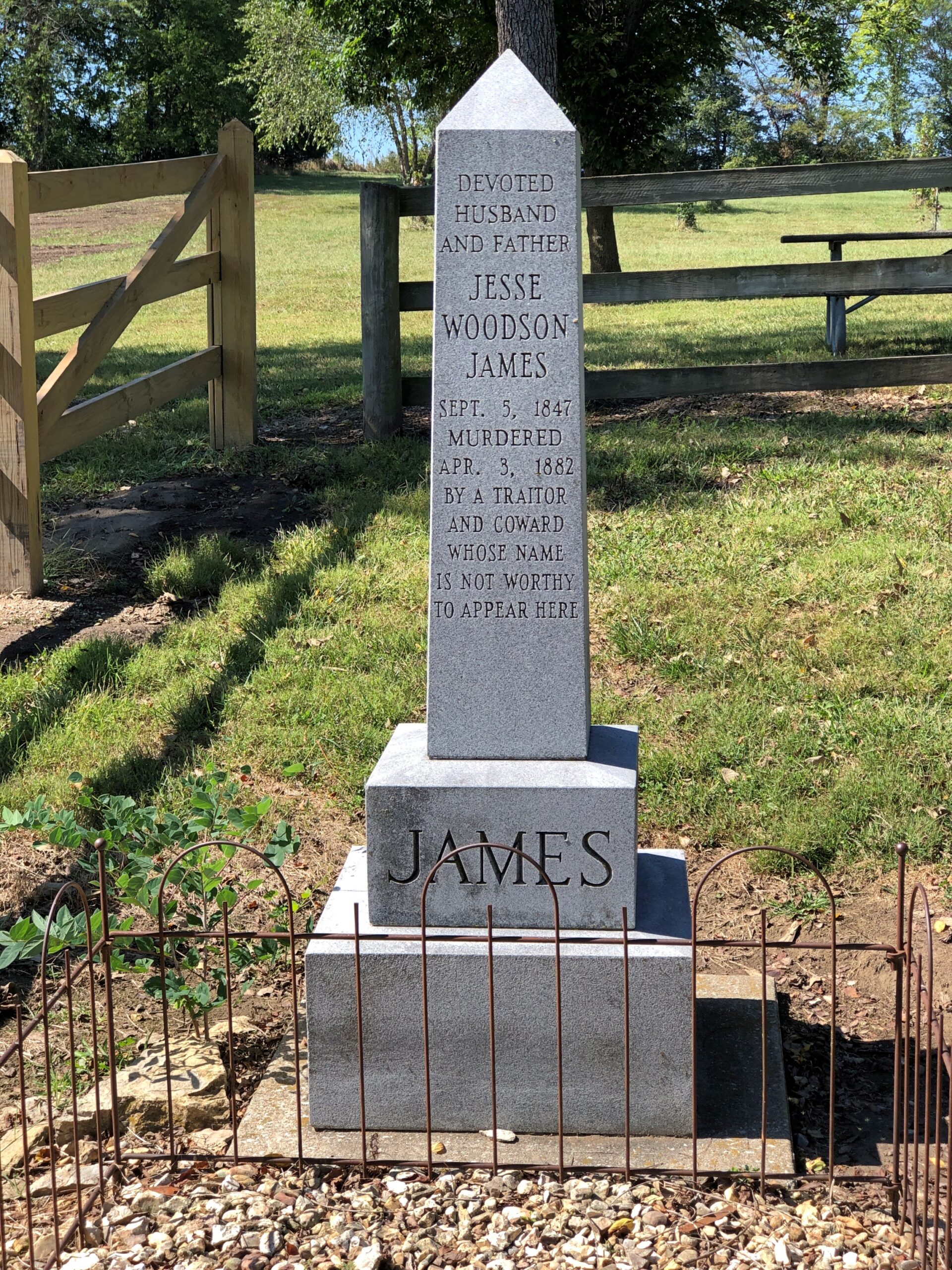
But at some point he was moved to Mount Olivet Cemetery in nearby Kearney, Missouri. Jesse receives rocks and flowers and coins from visitors 140+ years after his assassination by the Coward Robert Ford (“coward” capitalized, because the word is welded to his name in popular memory). As for Jesse, not a bad posthumous haul for a train robber.
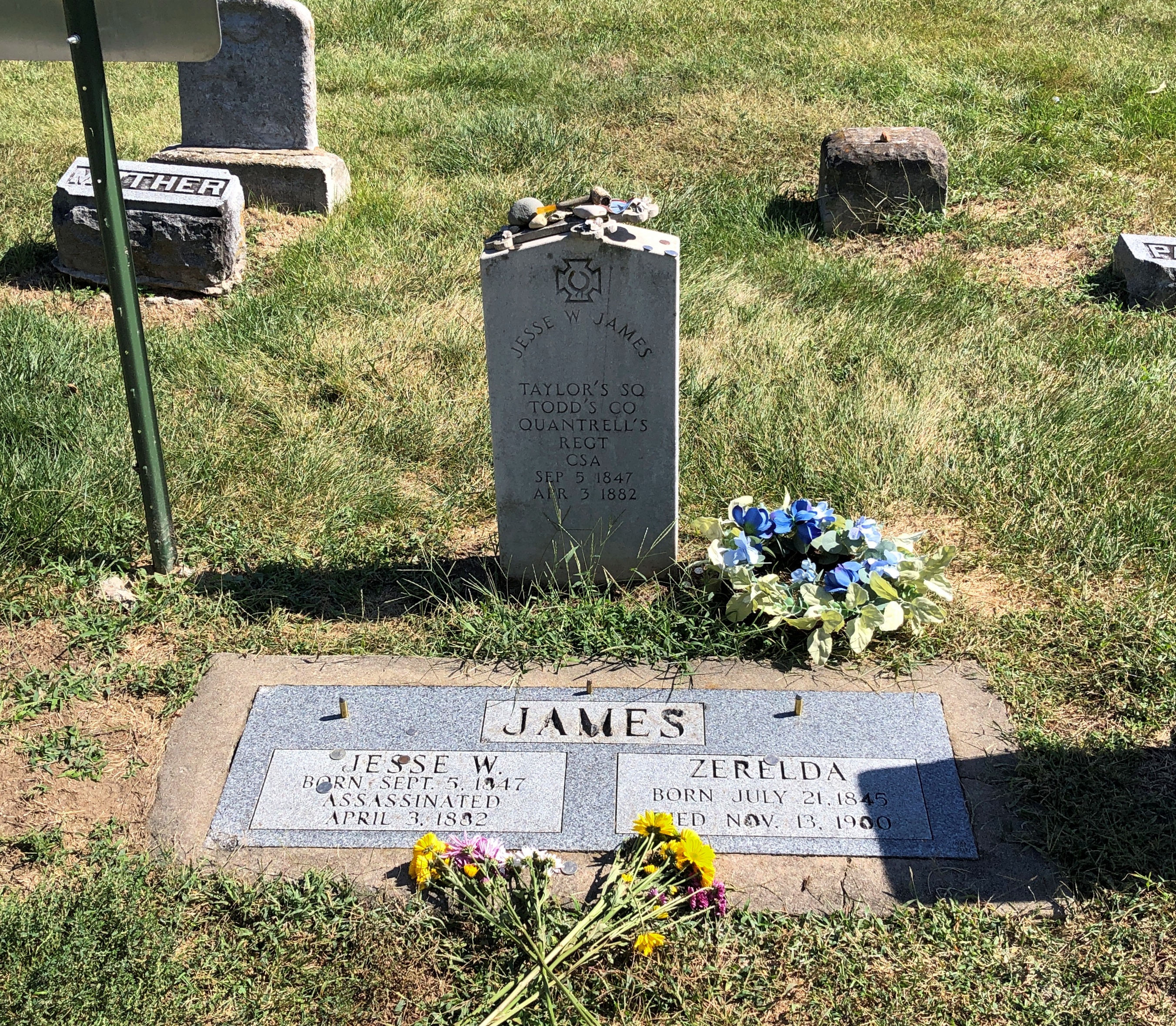
Just as an example, do the Newton Boys get that kind of attention? No, they do not.

“The Newton boys were a criminal gang composed of brothers Willis, Joe, Jess and Wylie (Doc), who operated mostly in Texas during the 1920s,” says Texas State Historical Association. “Willis ‘Skinny’ Newton robbed over eighty banks and six trains from Texas to Canada with his brothers and other outlaws, including the single biggest train robbery in United States history. By the time they were captured, they may have stolen more money than all other outlaws at that time combined.”

I liked Mount Olivet. Got some stones of yore.
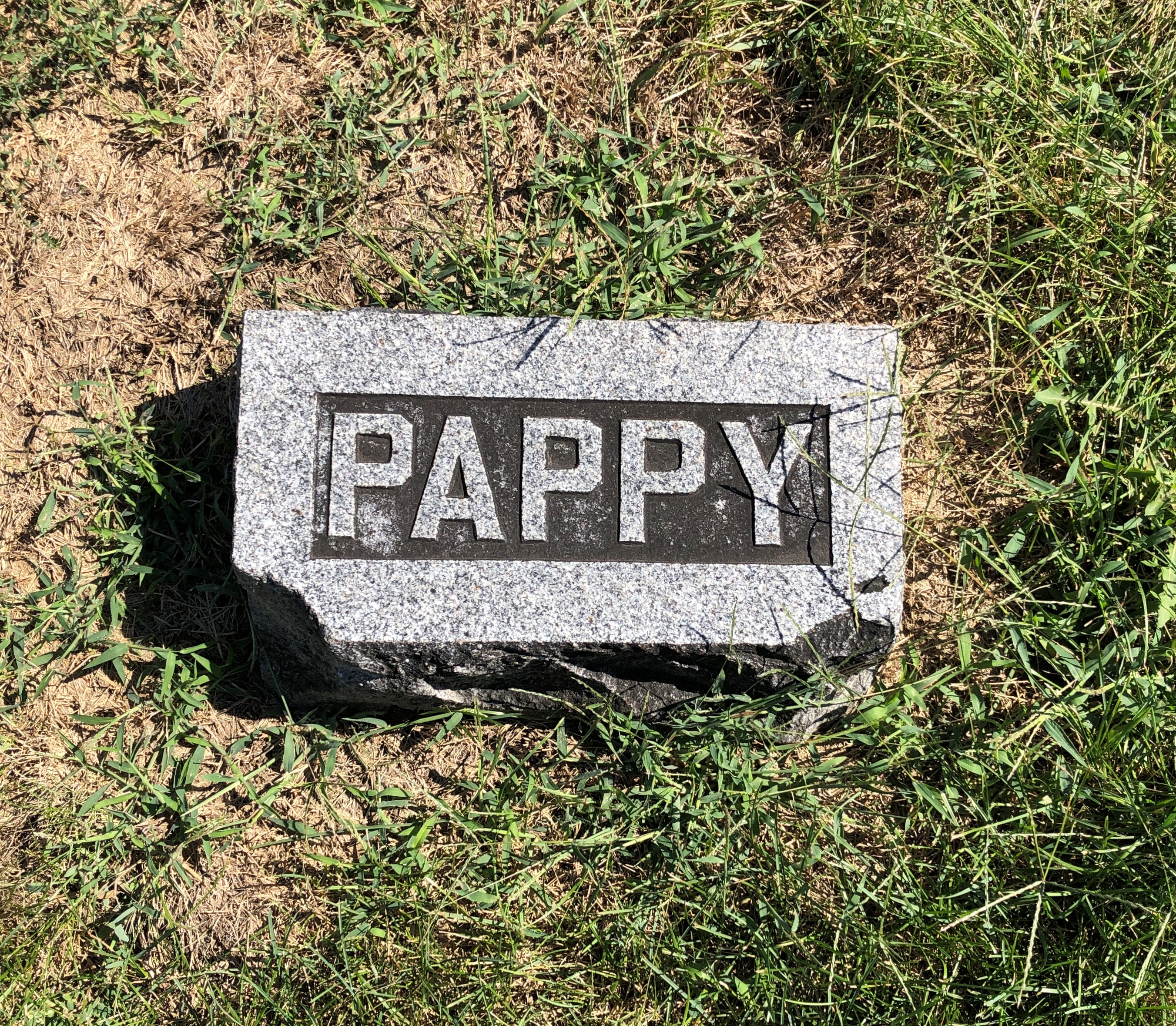
Aunt Duck had to have been a character.
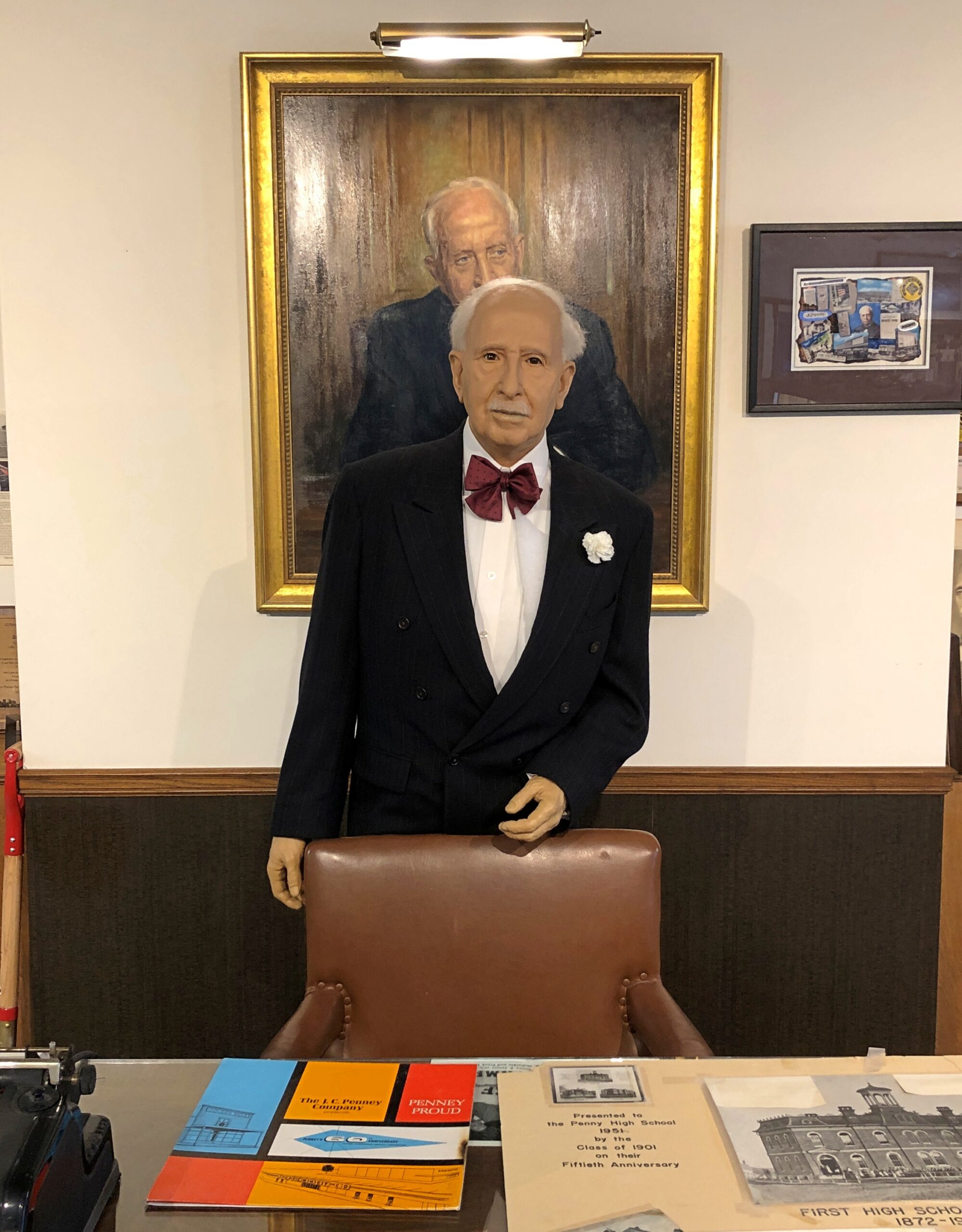
Further east, along U.S. 36 in Hamilton, Missouri, is the two-roomed JC Penney Library and Museum. The town library is in one room, the museum in the other. Most of the Penney artifacts are under glass. A wax JC Penney stands in front of a portrait of the department store mogul.
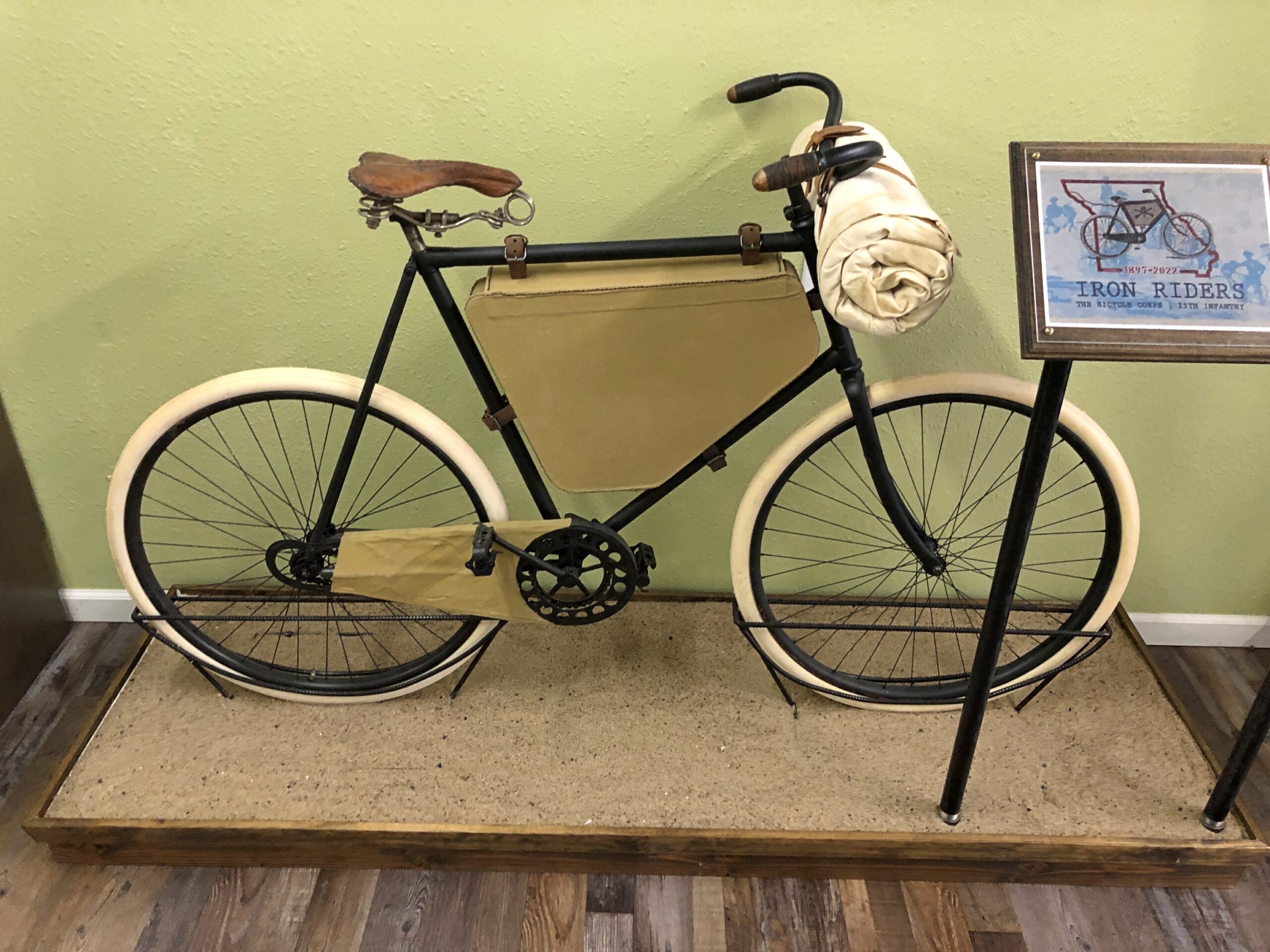
In Laclede, Missouri, is the Gen. John J. Pershing Boyhood Home State Historic Site. A fine museum about the General of the Armies, including an exhibit on something unknown to me, the Twenty-Fifth Infantry Bicycle Corps — the Iron Riders. The Army tested long-distance bicycling in 1897 as a strategy for troop movement, with the corps riding from Missoula, Montana to St. Louis. Pershing wasn’t involved in that effort, but it did happen during his time in the military. Quite a story. Deserves to be better known.
One the last day of my driving, I didn’t want to stop for much, but I did spend a while in Nauvoo, Illinois.
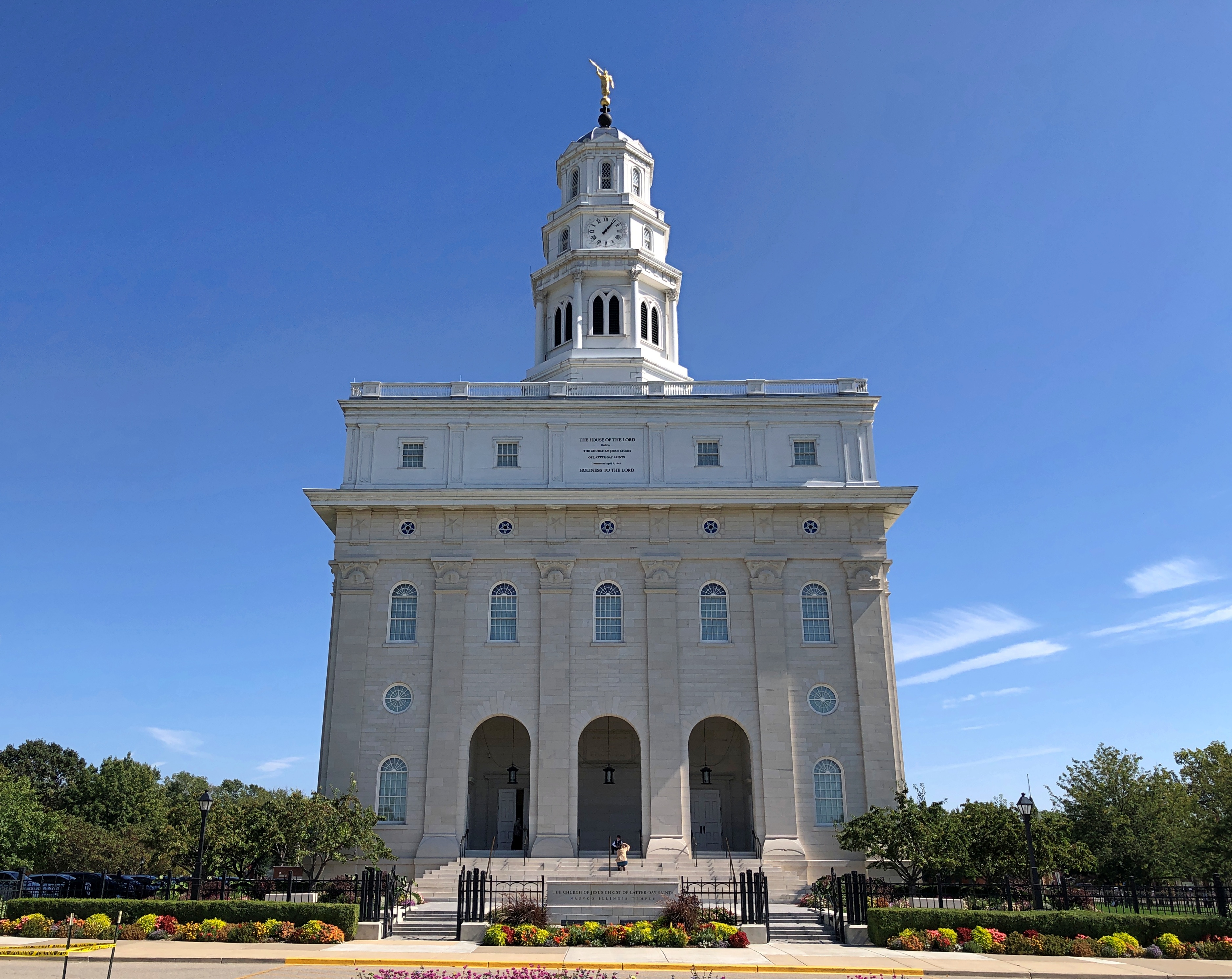
There’s a LDS temple there now. It wasn’t the last time I came this way, in 1997. I couldn’t go in, of course. For that you’d have to join the club.

The National World War I Memorial and Museum

As a kid, that is as a kid in the late ’60s and early ’70s, I took an unusual interest in WWI. My grandfather, my mother’s father, had been with U.S. Army Corps of Engineers in France, but it was more than that, since he was gone by the time I could remember, and I only heard bits and pieces about his service from family members who knew him. Some of his gear was still around, such as a bent-up canteen and some binoculars, and a panoramic photo of his regiment, but that was about it.
My interest was more likely sparked by The American Heritage History of World War I, a book we had around the house, along with the Civil War and WWII titles by the same publisher. The WWI volume, a weighty tome lavishly illustrated, had such chapter headings as When the Lights Went Out, Appointment at the Marne, Deadlock, Ordeal of Nations, Crisis in the Allied Camp, Enter the Yanks and Eleventh Hour. I spent quality time with that book.

Just as important, there was a companion record to go with the book: World War I, Historic Music and Voices. I listened to it many times, fascinated by the music and voices from an age that seemed to have nothing to do with the time and place I found myself. That was an illusion of youth. Growing up in the 20th century meant you were in the shadow of that war, know it or not. I’d argue that’s still true. Anyway, I ended up knowing such songs as “Over There,” “It’s a Long Way to Tipperary,” “Keep the Home Fires Burning,” and even “K-K-K-Katy.” all of which were mostly unknown to my contemporaries.

I’m glad to report that the record is available on line. The narrator, Charles Collingwood, had just the right earnest, commanding voice for the record. It was years before I knew anything else about him – his time covering WWII for radio, especially, but also as a TV journalist for CBS.

Like many boyhood interests, WWI carried over into adulthood, faded but never quite gone. I knew, for instance, of the shameful neglect when it came to memorializing the war in the U.S., especially in Washington, DC. The first time I ever visited the National Mall, in 1982, I noticed a (relatively) small memorial, the District of Columbia War Memorial, off to the side at some distance, forlorn and badly aged, though I understand it was finally renovated in the 2010s. The memorial honors the “residents and citizens” of DC who performed military service in the Great War.

There was nothing else in the nation’s capital to honor anyone else in that war, not until National World War I Memorial was completed last year, and even it isn’t on the National Mall.

I haven’t seen the new DC memorial, though I’m sure it’s a worthwhile effort. Still, for a memorial really worthy of the event, go to Kansas City, Missouri.

National WWI Museum & Memorial

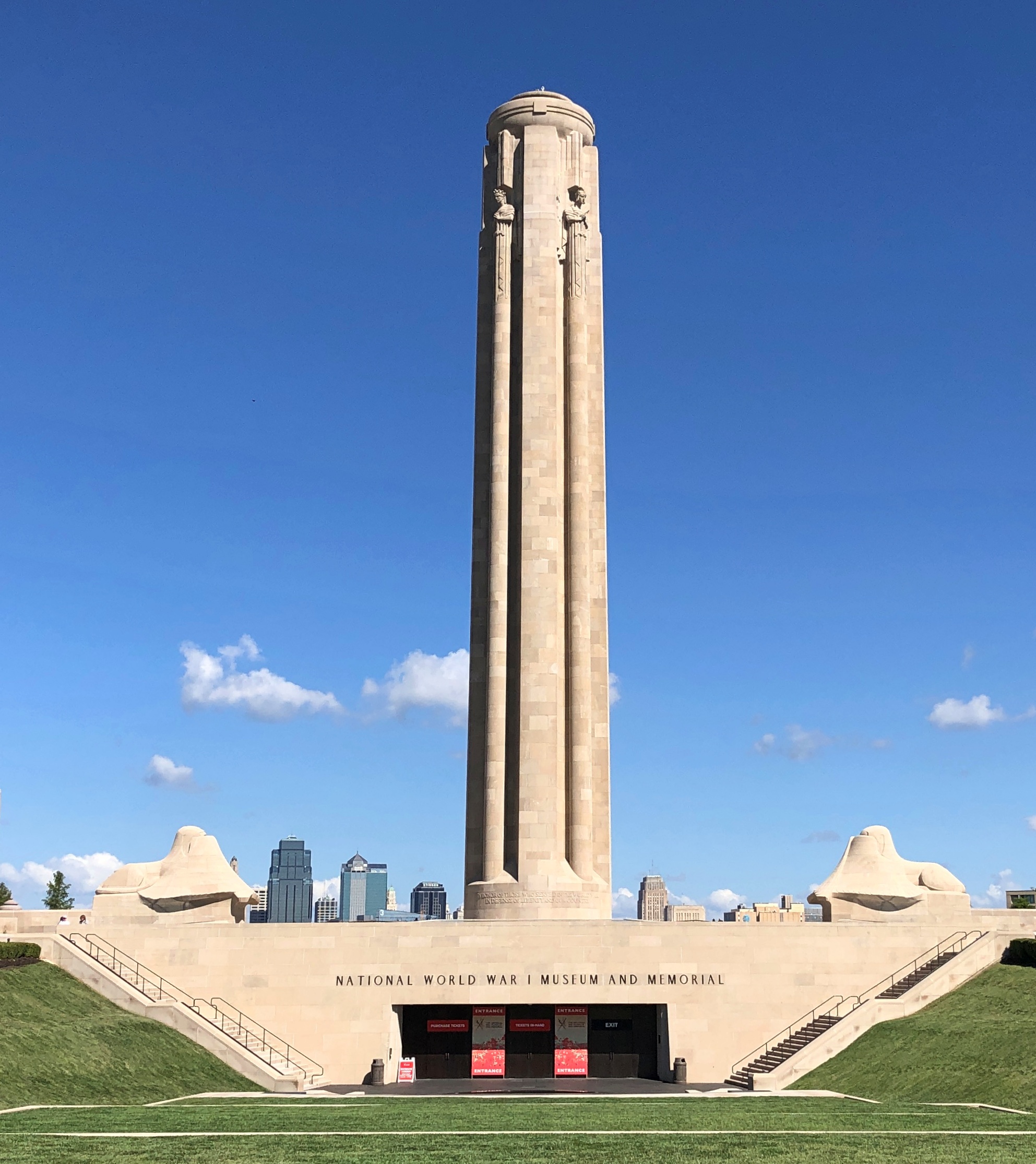
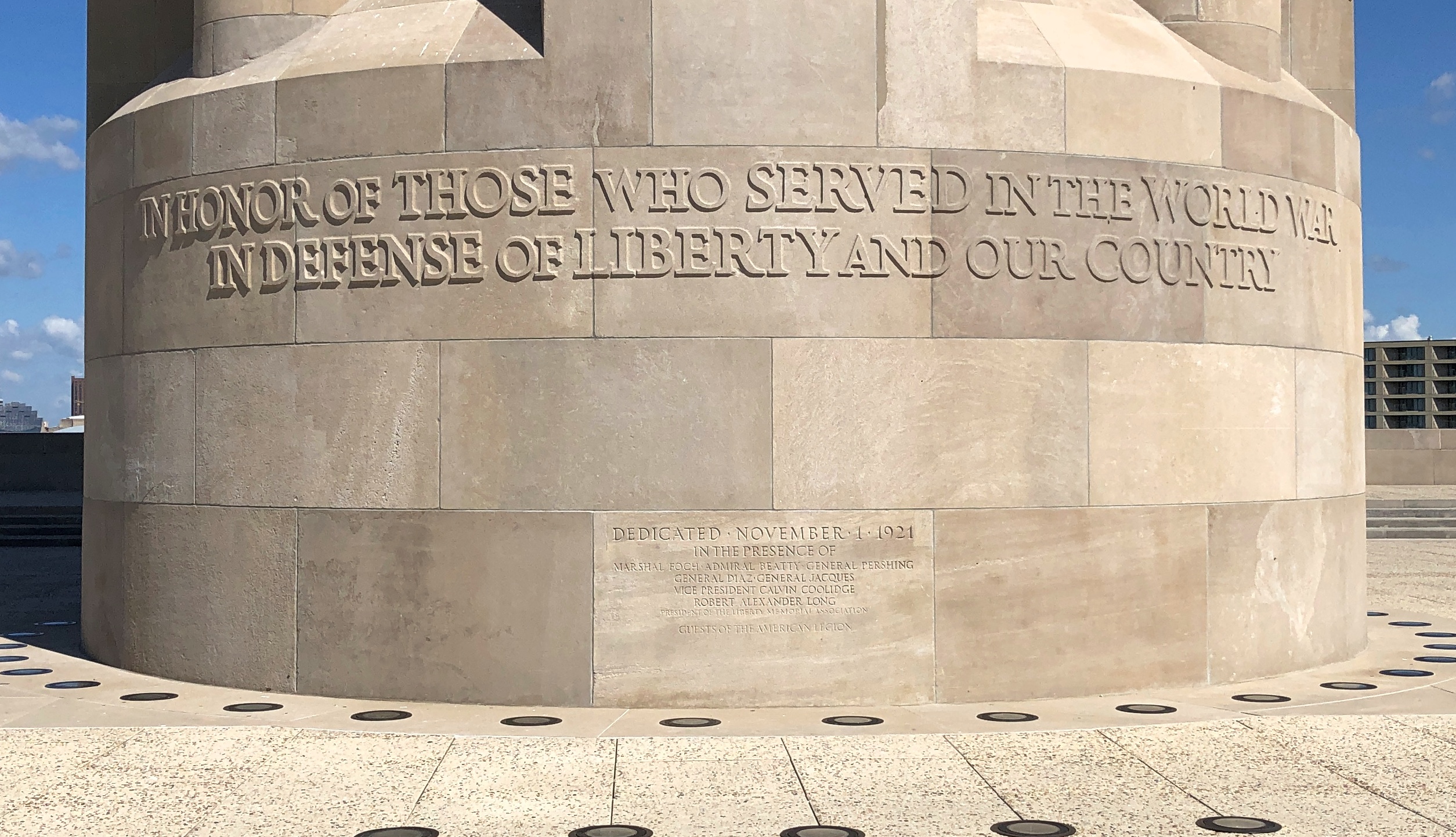
The National World War I Museum and Memorial started as a local memorial soon after the war ended. Long enough ago that Vice President Coolidge was at the groundbreaking, as was Gen. Pershing and a number of other Allied military luminaries. Local, perhaps, but with the heft of a national memorial, designed by Harold Van Buren Magonigle, who was known for his memorial work.

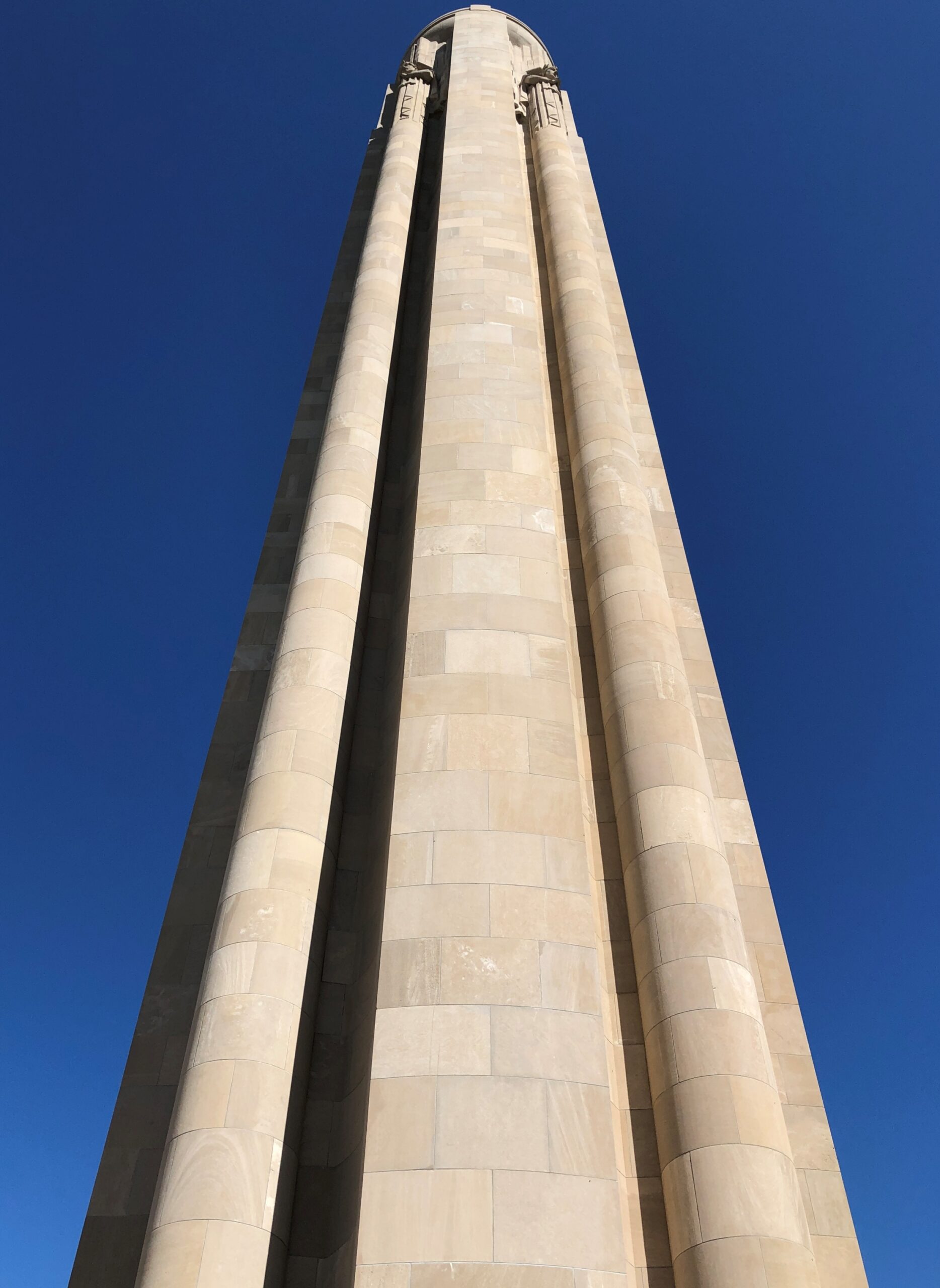
Magonigle’s limestone tower soars.

National WWI Museum & Memorial

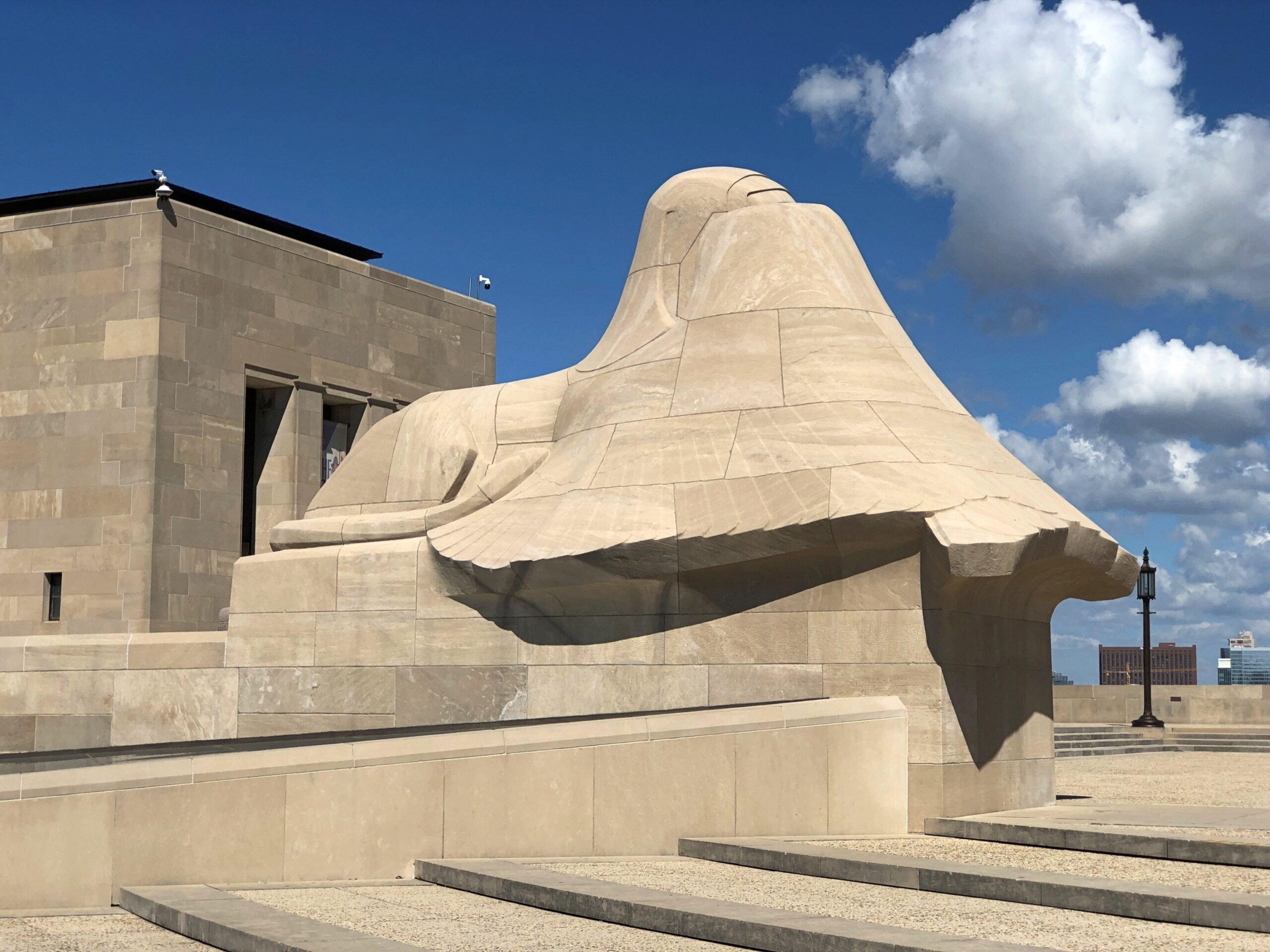
Sphinxes crouch near the shaft, supposedly covering their eyes from the horrors of war.

WWI Museum and Memorial

Naturally the memorial went through a period of neglect, and the museum came later, as the site evolved from a local to a national memorial, finally acknowledged as such by Congress in 2004. I’m glad to report that now the memorial stands renewed, and the museum, built under the memorial, is first rate. Beginning at the entrance: One enters the museum over a glass bridge that crosses a field of 9,000 red poppies, each representing 1,000 combatant deaths during the war.

As usual with any good museum, there is more than you can absorb in one go, organized in two wings: the war before U.S. entry, and after. All together, it holds more than 350,000 items, a collection comparable with the likes of the Imperial War Museum or the Musée de la Grande Guerre du pays de Meaux.

The museum’s scope is wide ranging as well, including not just the U.S. part, but perspectives and memories from people from all of the major participating nations, and some smaller ones. There was even a small display, including a map that explained things well, about the Japanese participation in the war. Japan joined the Allied side early in the game, taking the opportunity to kick the Germans out of China and seize Germany’s scattered possessions in the Pacific. A low cost, high-gain exercise for Japan, unlike the next war in the Pacific.

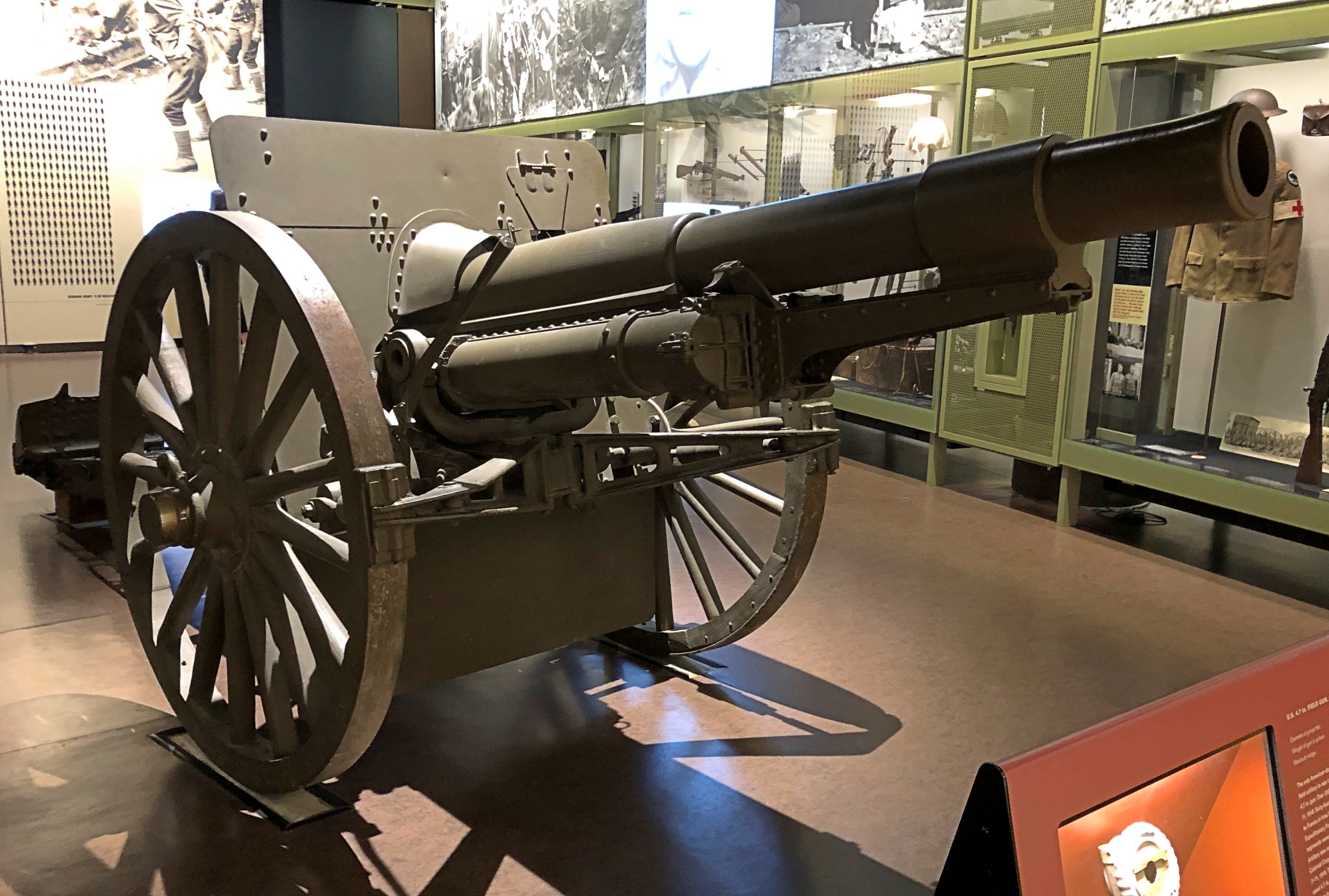
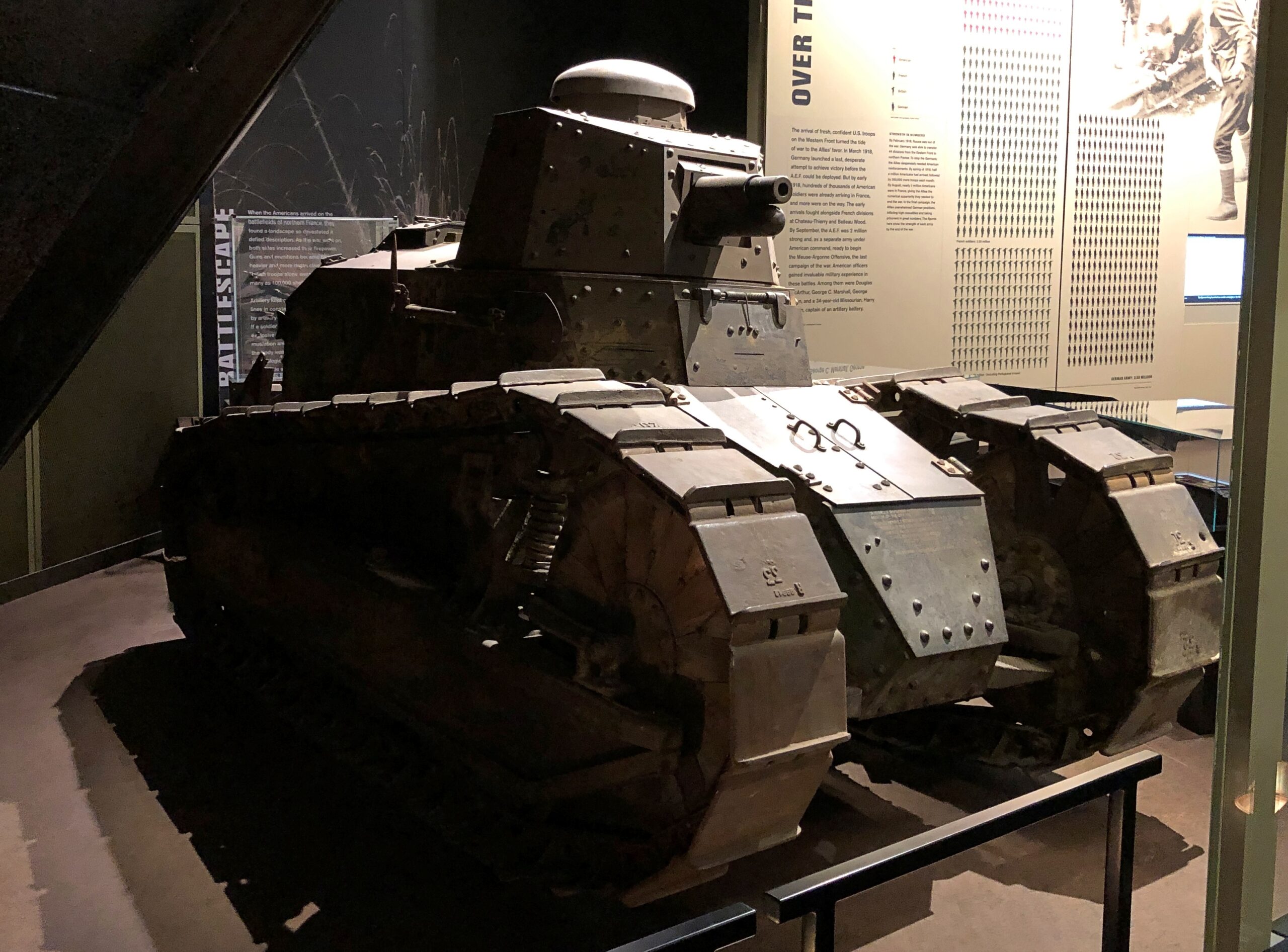
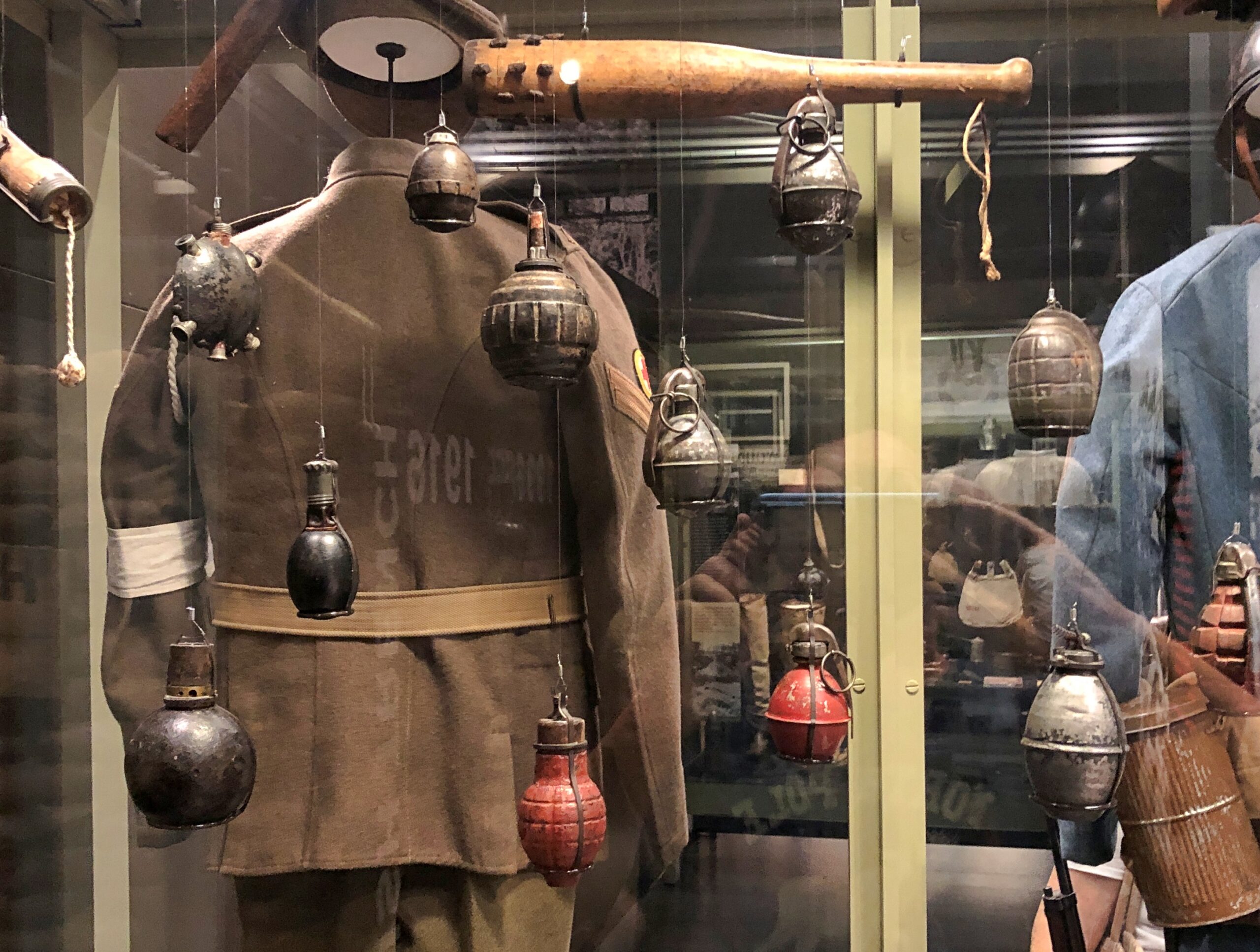
Artifacts were large and small.

Nat WWI Museum
Nat WWI Museum
Nat WWI Museum

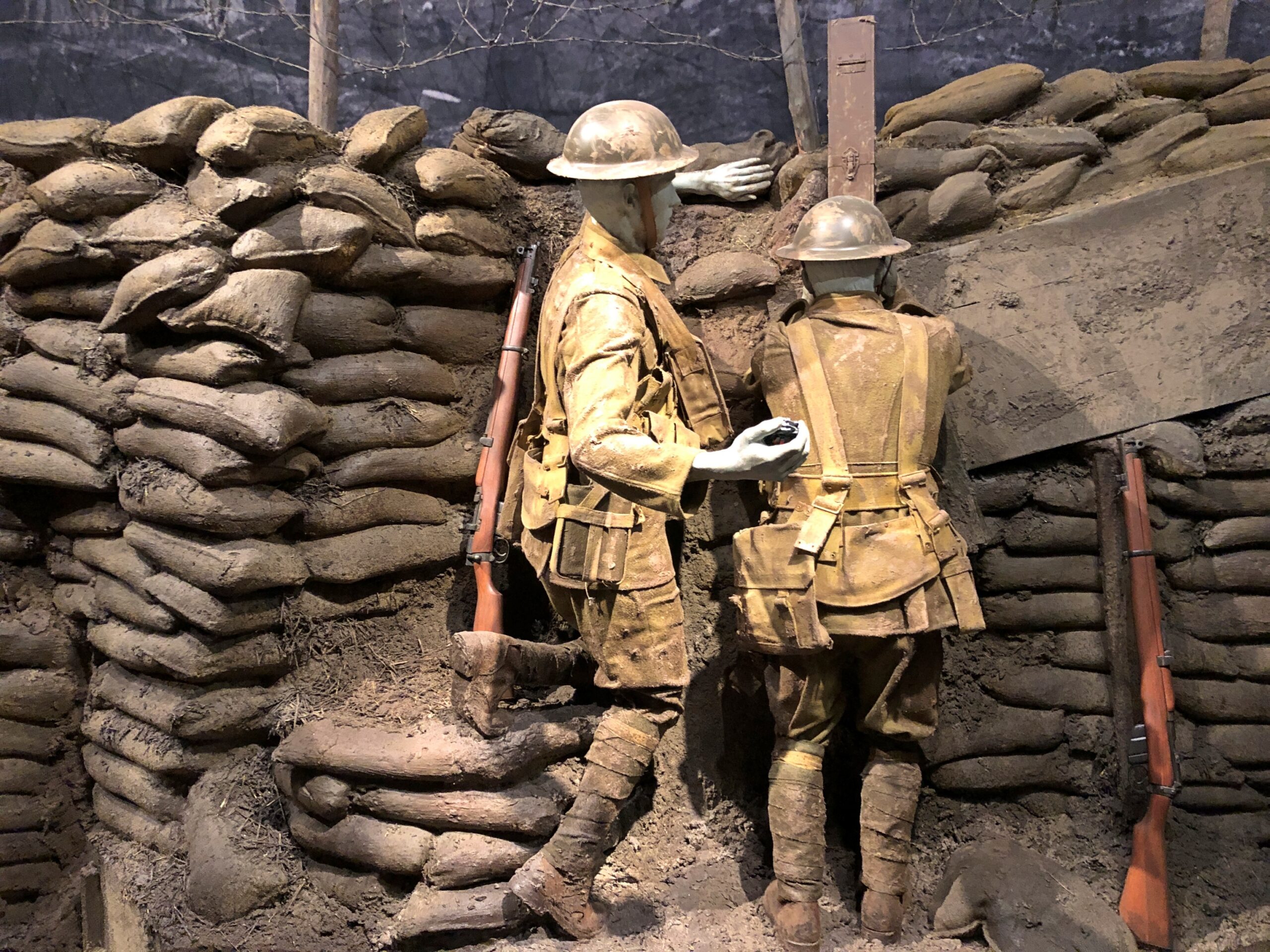
There are only a few life-sized dioramas – there are more to be found at the National WWII Museum in New Orleans – but the WWI museum did a good job of it.

Nat WWI Museum

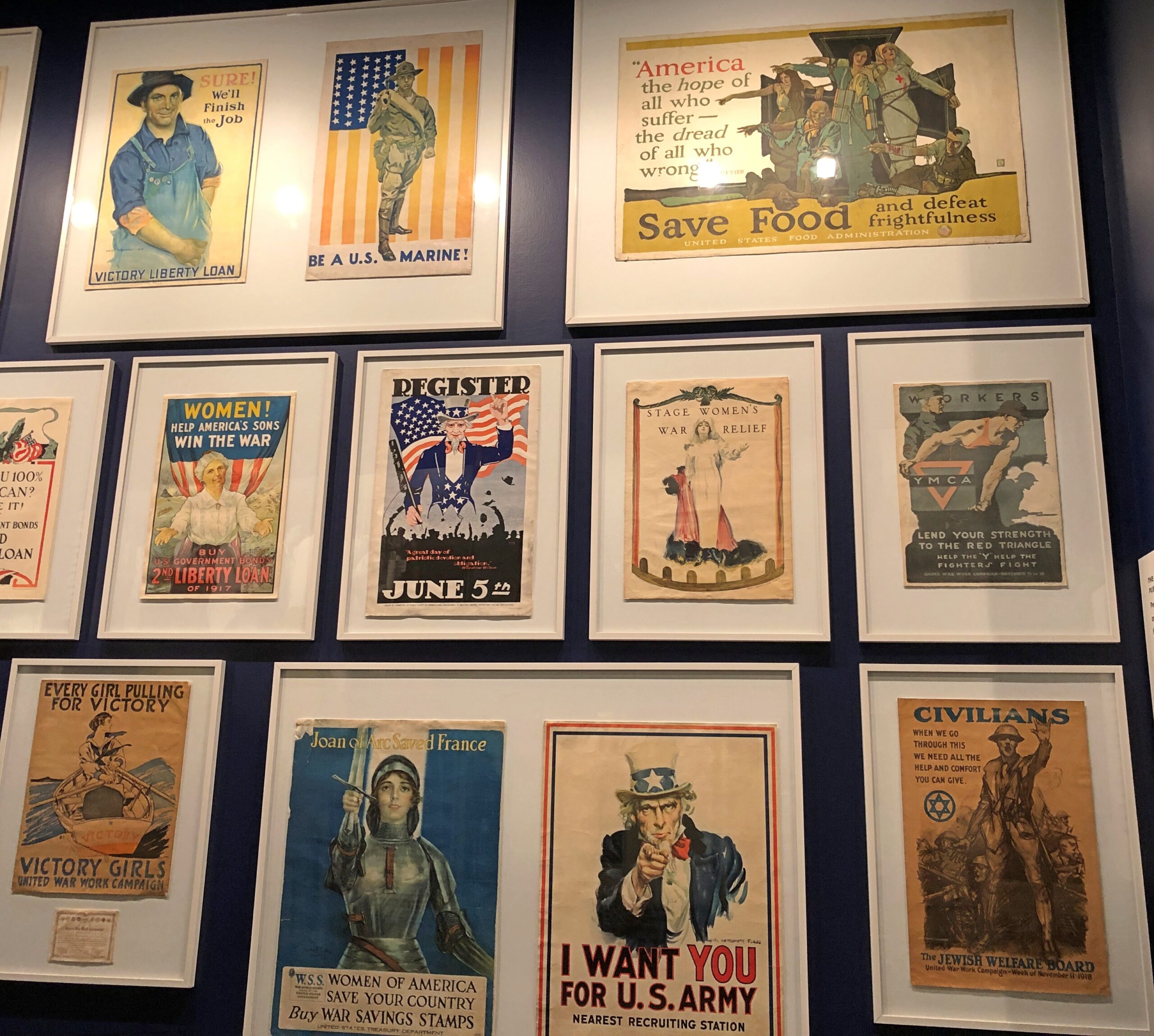
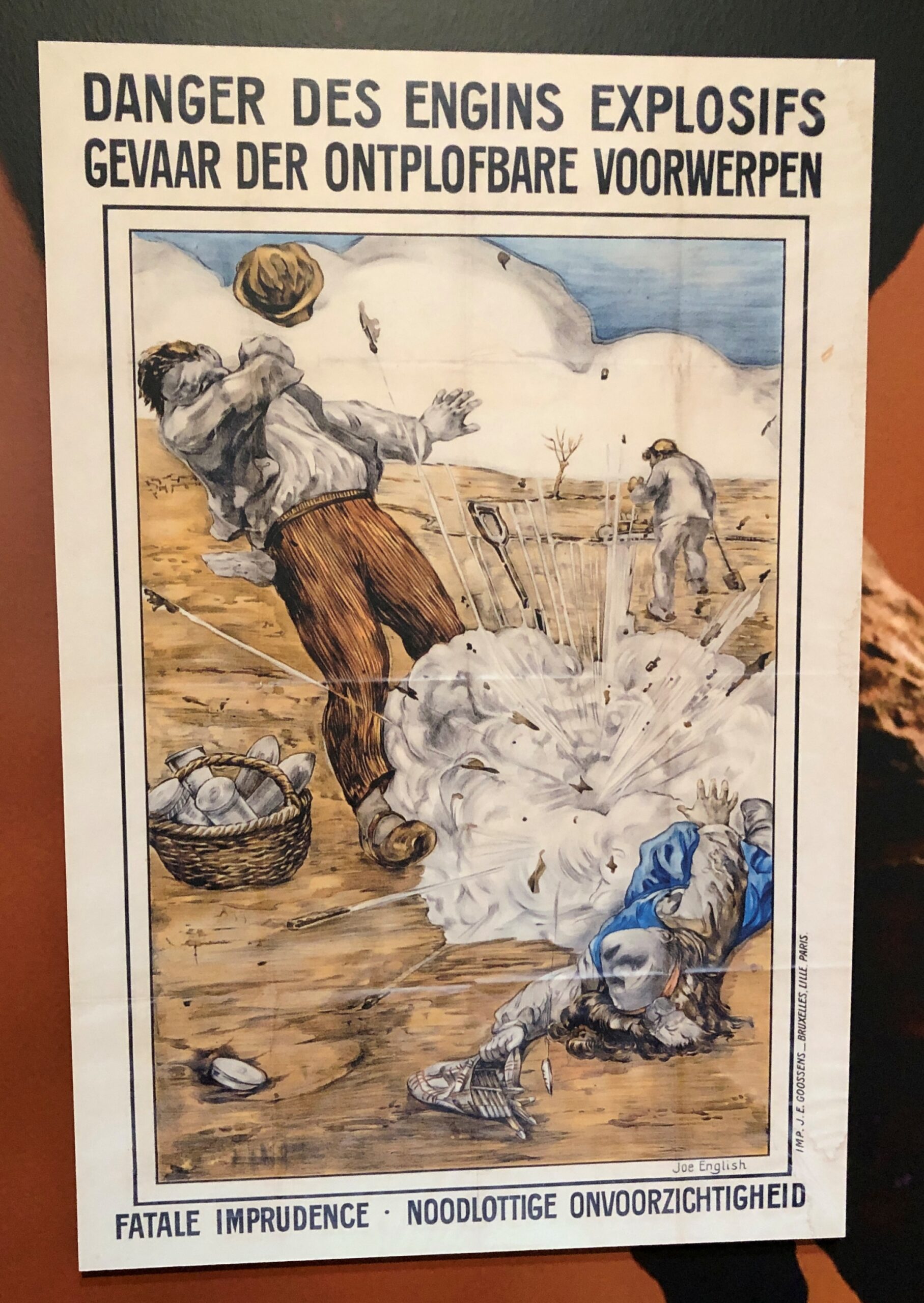
I was particularly taken with the posters. I’d never seen most of them.

Nat WWI Museum
Nat WWI Museum

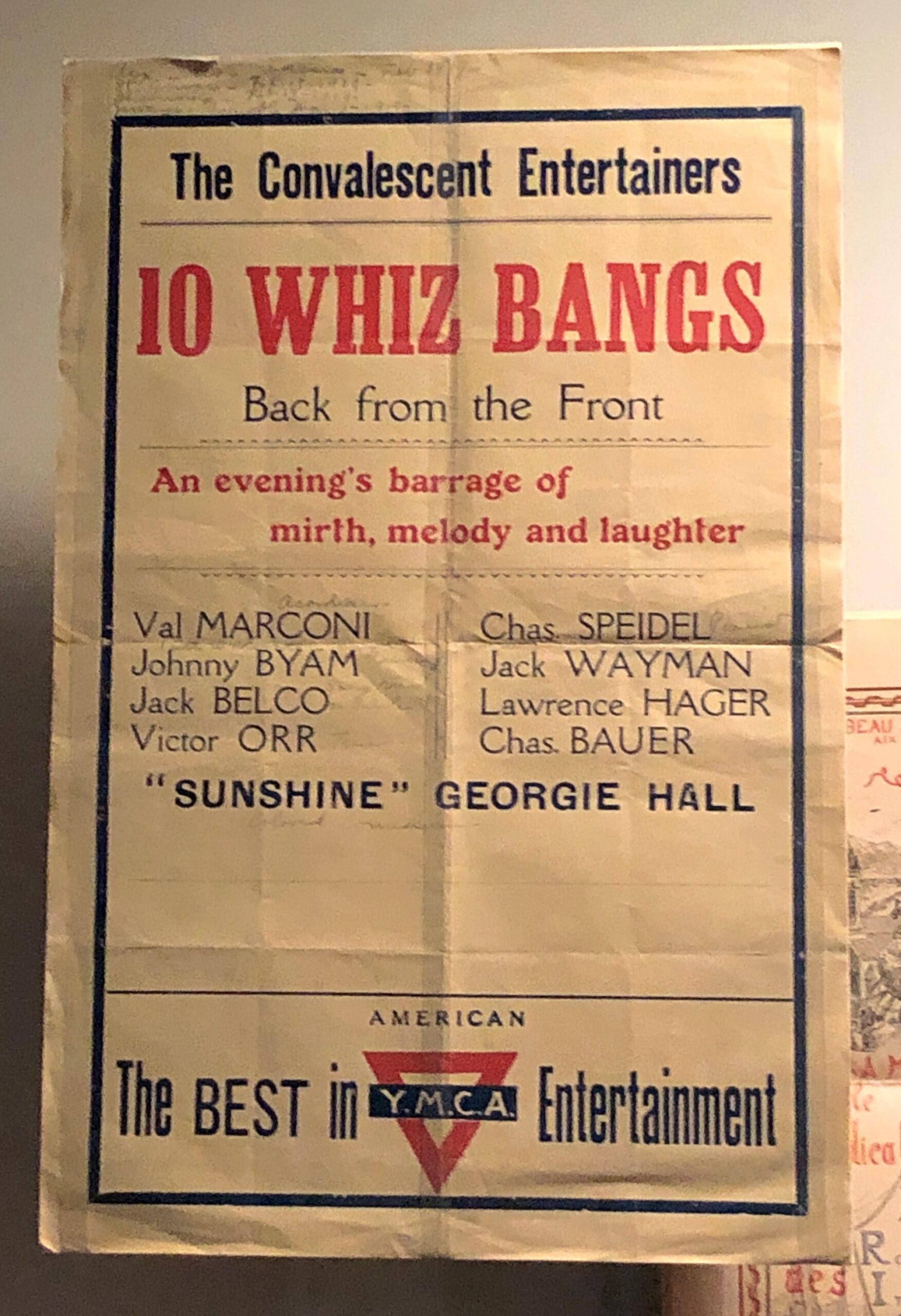
The 10 Whiz Bangs, even though there are only nine names listed. Then I realized that, at least symbolically and maybe literally, the 10th man hadn’t made it home, like so many.

10 Whiz Bangs

Remarkably, you can listen to an article about the Whiz Bangs (in the Whiz Bangs Articles).

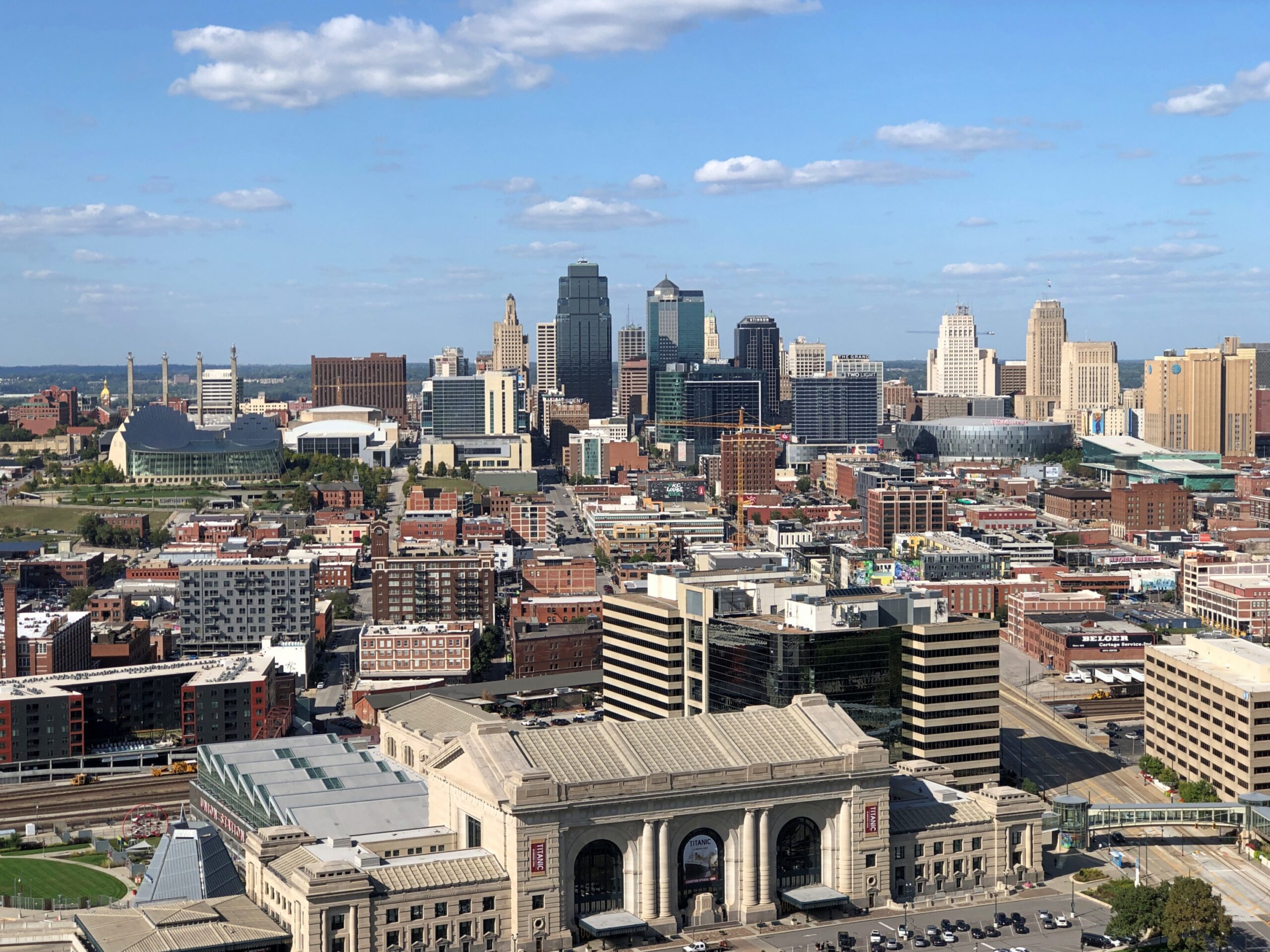
After visiting the museum, the thing to do is take the elevator to the top of the memorial, for a modest extra fee. Elevator, then iron circular stairs, actually, for an excellent view of downtown Kansas City.

Kansas City, hey hey hey

Hey Hey Hey Hey!

Colorado Lasso ’25

Driving down from the alpine wonders of Rocky Mountain National Park a couple of weeks ago on highway US 36, I realized we’d be passing through Boulder, Colorado. So during one of the moments of standstill traffic on that highway as it winds into Boulder — it’s a crowded road, especially on a weekend during warm weather — a thought occurred to me. More of a memory-thought, since it harkened back almost 50 years.

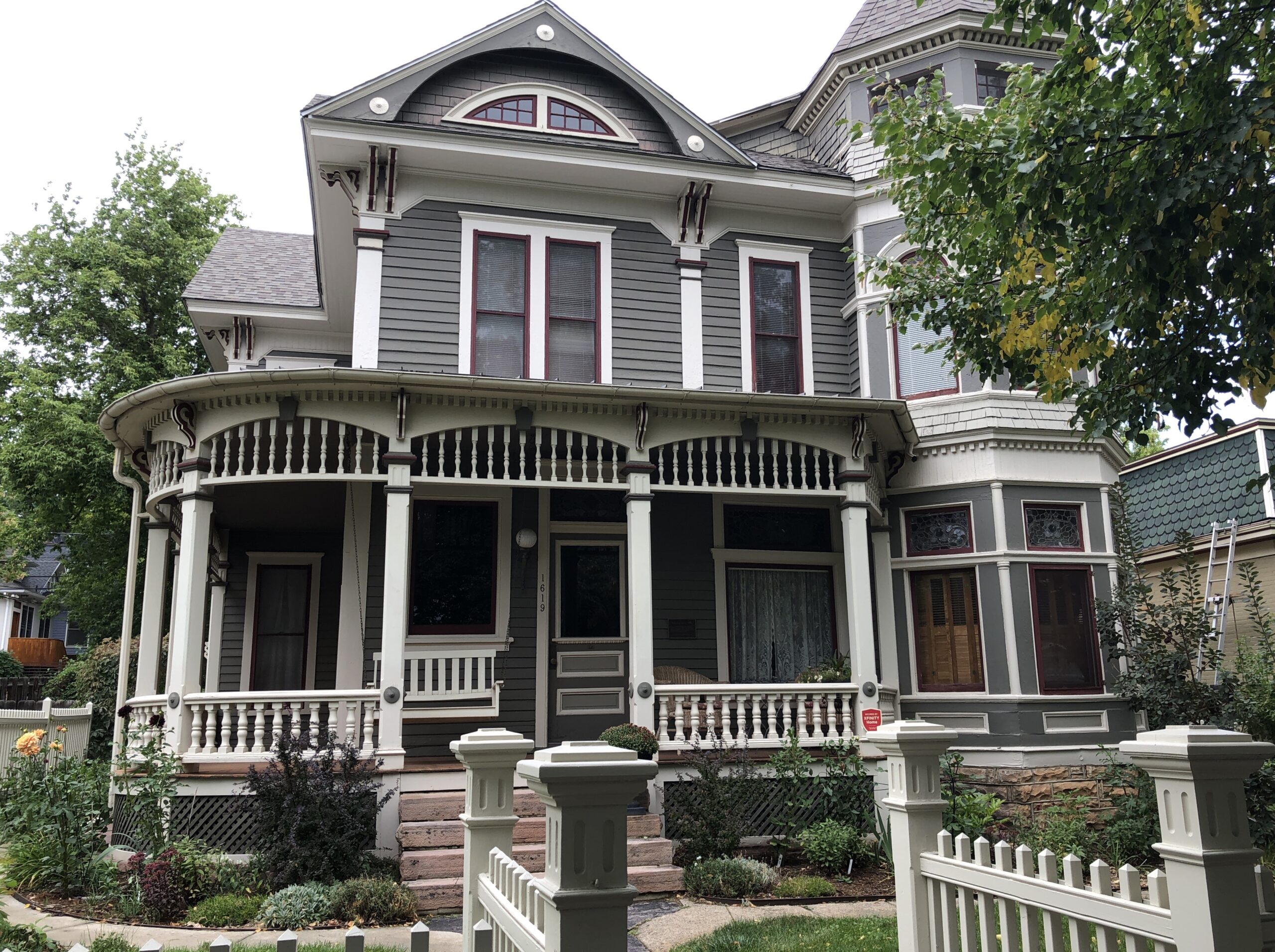
At zero mph, I had time to consult Google for more information. (Remarkably, the signal was strong.) Google Maps pinpointed the location I’d thought of, on a leafy street in Boulder. That day I expended some tourist energy, of which I don’t have quite as much as I used to, to find Mork’s house.

That is, the house used in establishing shots in Mork & Mindy to show their home, since the show was set in Boulder. I know I’d seen Boulder on maps. Funny name, I thought as a kid. Really Big Rock City. It’s still a little funny. But other than as a spot on the map, the show was probably the first time I’d heard anything else about the place.

The passengers in my car, Yuriko and Emi, having grown up outside of the orbit of ’70s American sitcoms, didn’t particularly appreciate the place. At least not until I conveyed the information that the show made Robin Williams famous. He’s a known quantity. I read a bit about the house later, and there seems to be no consensus about whether the owner cares whether anyone stops by the take a picture. My guess would involving factoring in a dwindling number of people coming by. You know, because the show went off the air over 40 years ago.

Then again, if my U.S. travels have taught me nothing else, it’s that retirees are out being tourists. They have the time they didn’t used to, and currently are just the right age to take a peek at Mork’s house at 1619 Pine Street, which is easy enough to find. Even if, like me, their fondness for that show was lukewarm at best.

Boulder and Mork came early in the second leg of my three-legged, 4,498-mile drive, which seemed to kill that many bugs on the windshield and front hood and bumper. The house counted as merely one spot in a trip that took me through hundreds of places. I spend most of September on the road, heading west from Illinois early in the month along I-80 and smaller roads, especially Nebraska 2 through the Sandhills, and spending time in western Nebraska and its rocky outcroppings and in southeast Wyoming, before going to Denver. That would be the first leg. Which, I’m very happy to say, included a good look at Carhenge.

Yuriko flew to Denver on the last of the points I got from SWA for the Christmastime FUBAR a few years ago and we met there. (New motto for the airline: Now We’re Just Another Airline!) After an overnight jaunt to Rocky Mountain NP in the company of our friend Emi, the two of us then spent more than a week taking a clockwise circle-(like) course — a lasso, you might call it, a straight line connected to a loop — from Denver to Colorado Springs to Pueblo to Walsenburg to Alamosa to (coming down from Wolf Creek Pass) Pagosa Springs to Durango to Silverton to Ouray to Montrose to Salida and back to Denver, where Yuriko flew home. That was the second leg. The drives were varied and gorgeous.

You’d think that would be enough, but I had to drive home, loosely following I-70 this time, making my way from Colorado through Kansas, Missouri and Illinois, and making a number of stops, big and small, such as Kit Carson, Colorado; Abilene, Kansas; and Kansas City, Missouri, for a third and final leg. No single small road took me through Kansas, but a series of them did, some as empty as, well, eastern Colorado and western Kansas. That’s some fine driving. Mountains are great, but after a week or so of their twisty ups and downs on two lanes, flat is all right. More relaxing, even.

For reasons that will soon be obvious, not long ago I looked up 2024 visitation statistics for the four national parks in Colorado: Rocky Mountain, Mesa Verde, Great Sand Dunes, and Black Canyon of the Gunnison.

Far and away the top national park draw in Colorado is Rocky Mountain NP, which received 4.2 million people last year, according to the NPS. In fact, it’s a top ten among most-visited U.S. parks. That isn’t so much of a surprise, considering the monster population that lives nearby in greater Denver and other parts of the Front Range. Indeed, for a lot of people, RMNP is easily a day trip.

That isn’t true for the other three national parks, but even so I was surprised to learn how few people actually visit any of them. They aren’t that remote. We aren’t talking Gates of the Arctic NP or American Samoa NP remote. Still, out of the 63 current U.S. national parks, last year Mesa Verde ranked 41st, Great Sand Dunes 44th, and Black Canyon 49th. The three of them combined saw only about 30 percent as many visitors as Rocky Mountain in 2024.

We set out to see all four of the national parks in Colorado. And we did. You could call it a national park trip, along the lines of the one a few years ago mostly on the Colorado Plateau. But the parks were only a framework, never the total picture, over mountains and across plains. We saw a lot else besides, such a male bear outside our window about 10 miles north of Durango, a female in a tall nearby pine snarling at him, and cubs higher up in the tree. More detail to come on that, in the fullness of time.

Rocky Mountain NP is an exercise in rising above the tree line, by vehicle but also on foot, up a path, into to a satisfying exhaustion before majestic mountains. The pale sand dunes of the Great Sand Dunes NP rise from a valley and back up against a mountain range, as if a giant broom swept it off to corner, and for visitors amounts to a giant sand box. Mesa Verde NP, where the stone dwellings of the Ancient Ones are tucked away in steep stone canyons, shows how much effort people will put into making a home for themselves. Black Canyon of the Gunnison NP is a scenic great unknown, a great dark crack in the earth that reminds you that gravity is in charge, its ragged cliff edges rife with opportunities to die for an Instagram image.

Eclipse Leftovers

Time for a second spring break. It isn’t really spring unless you can squeeze in two. Back to posting around May 19.

Today didn’t much feel like spring, anyway. Cold drizzle. Not that cold, really, but it felt that way after a run of warm days.

I’ve read about people who become eclipse followers. There’s a word for it, at least according to Time: umbraphile. (Time is still a thing?) It’s an impulse I appreciate, but I don’t know that I’ll join them.

On the other hand, Pamplona (say) on August 12, 2026 sounds good in all sorts of ways, so we shall see. I’m not counting on being unshuffled when it comes to this mortal coil on August 12, 2045, which is the timing of the next North American total solar eclipse.

Last month, we passed through Farmington, Missouri, which is the seat of St. Francois County.Farmington, Missouri

The courthouse, fourth on the site, dates from the 1920s. “Innuendoes about fraud led to a grand jury investigation; the solution to the architect’s questionable procedure apparently was resolved by closer supervision,” says the University of Missouri about Norman Howard of St. Louis, the architect of the current courthouse.

There’s a story in that line, the details of which may be lost to time.

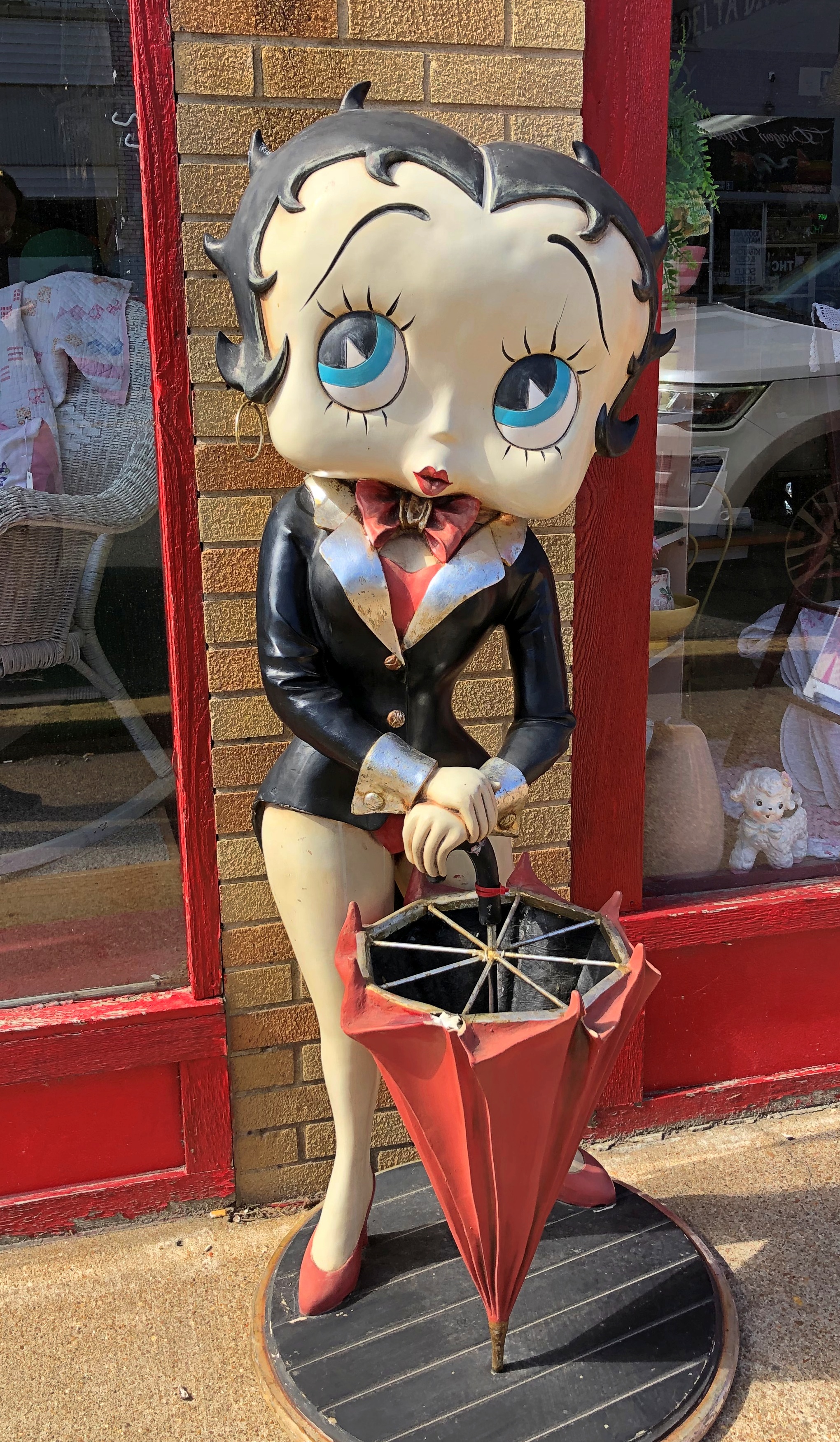
Who can you see outside an antique store on the main street of Potosi, Missouri? Betty!

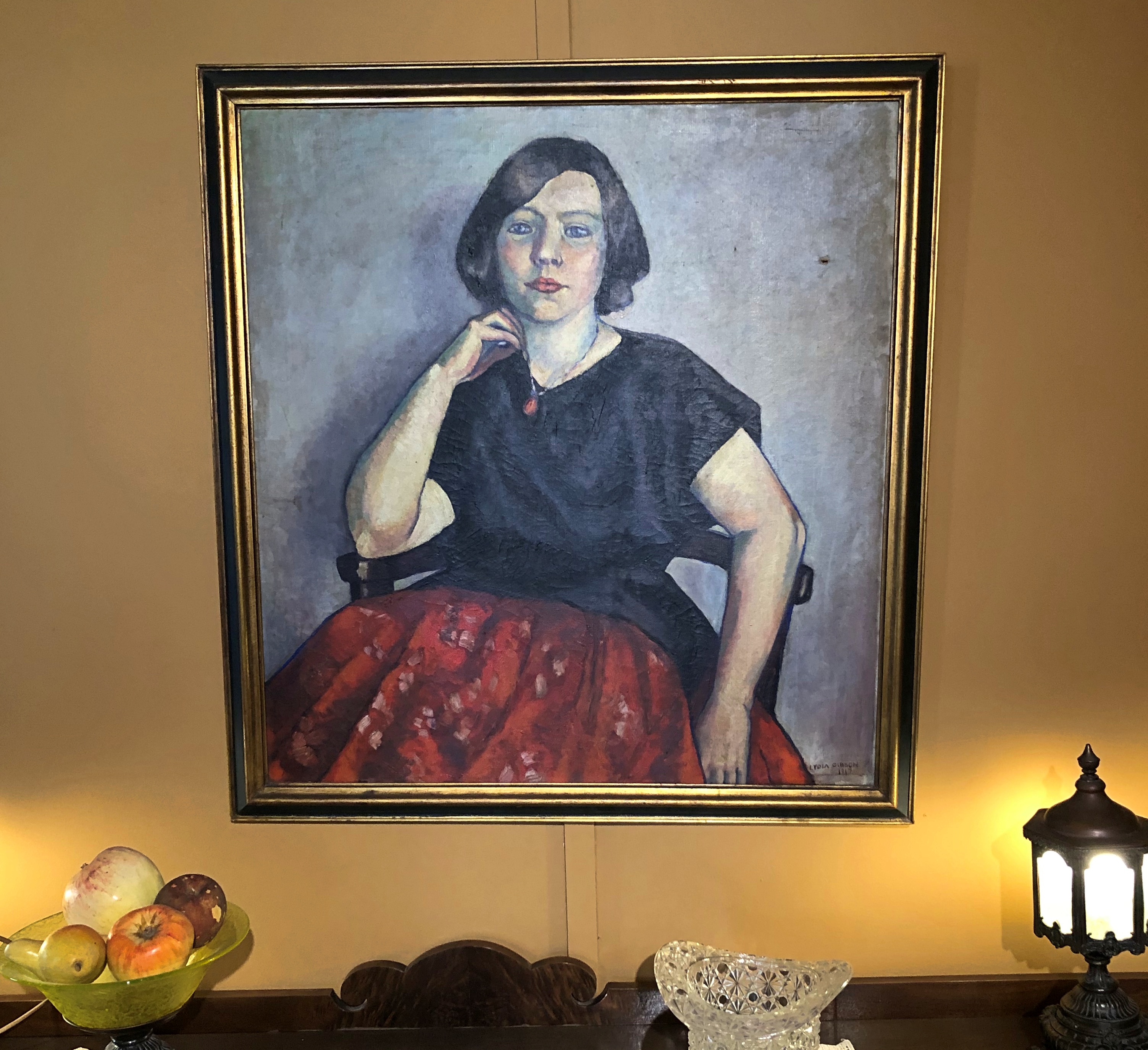
Who can you see on the wall of the Laura Ingills Wilder Home in southern Missouri?Rose Wilder Lane

A young Rose Wilder Lane, Laura’s daughter and a writer herself, and apparently a foremother of modern libertarianism.

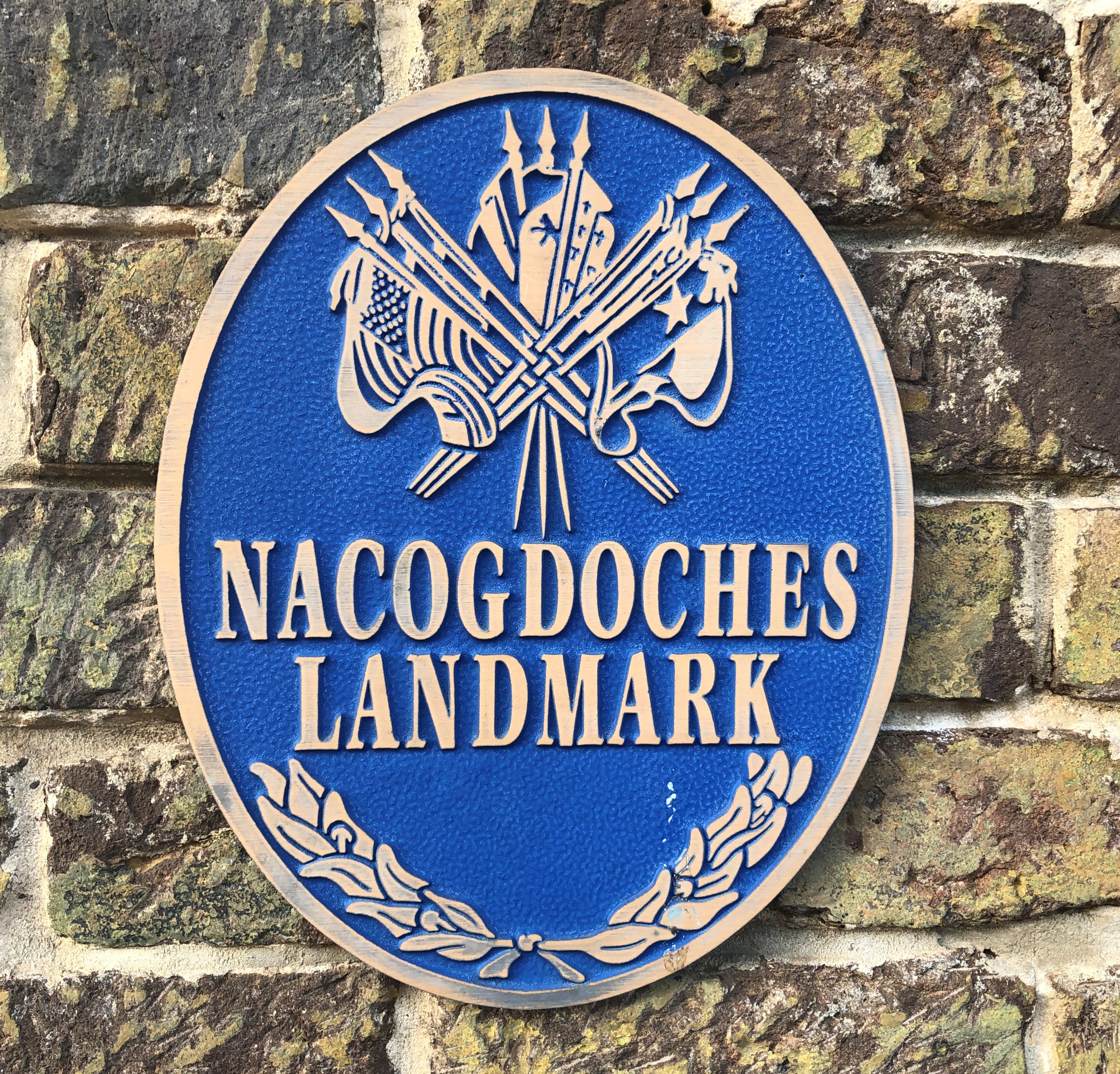
Spotted in downtown Nacogdoches. Nacogdoches

That’s a nicely designed memorial plaque. Showing the nine flags over Nacogdoches; the usual six in Texas lore, plus three more localized ones raised during various rebellions.

Did I make note of the landmarked building? It was nice enough, but not memorable. Lone Star Feeds, on the other hand —Lone Star Feed

A pet food plant, about 50 years old now.

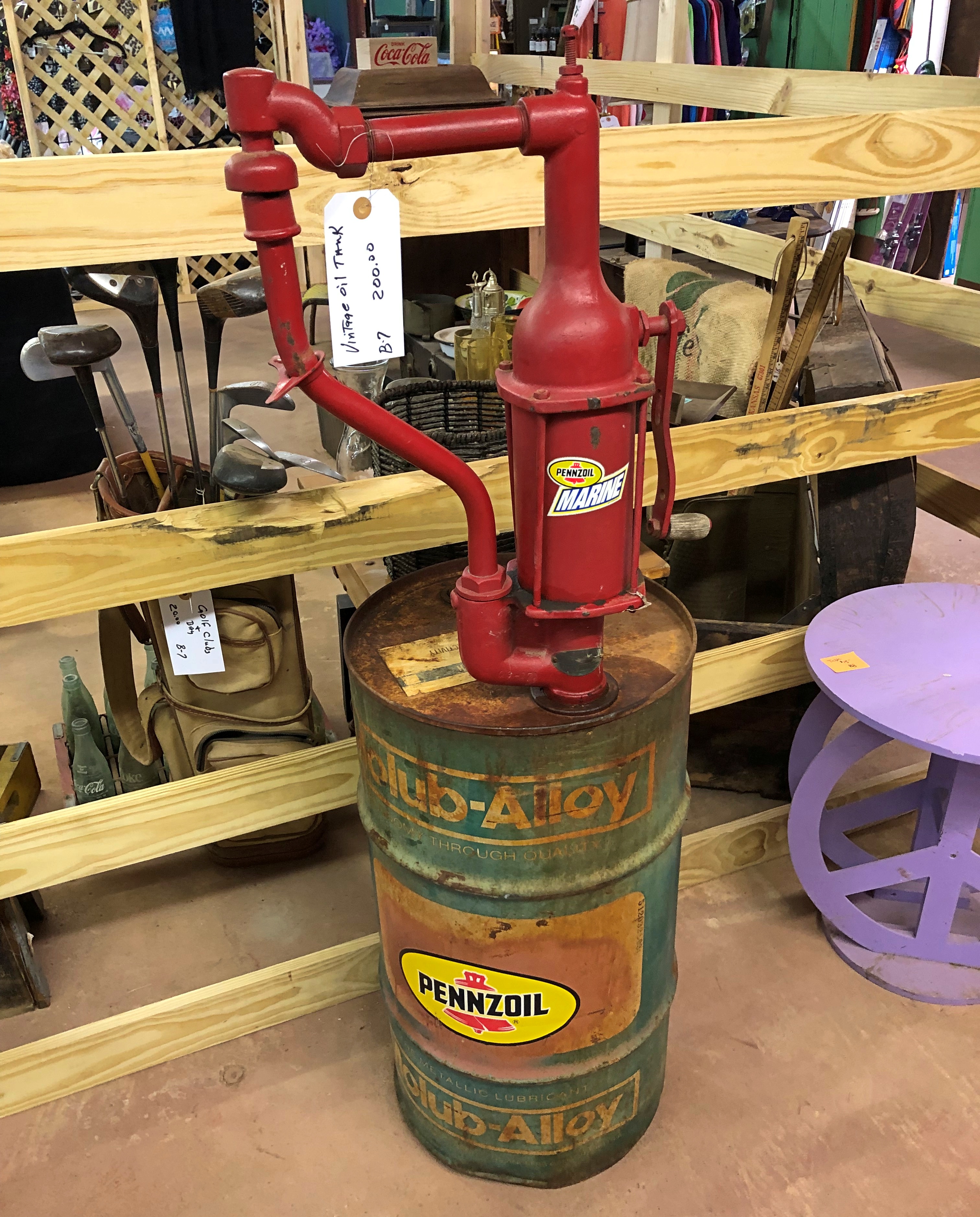
For sale in Logansport, Louisiana.Logansport, La.

“Vintage oil tank,” yours for $200, as of April.

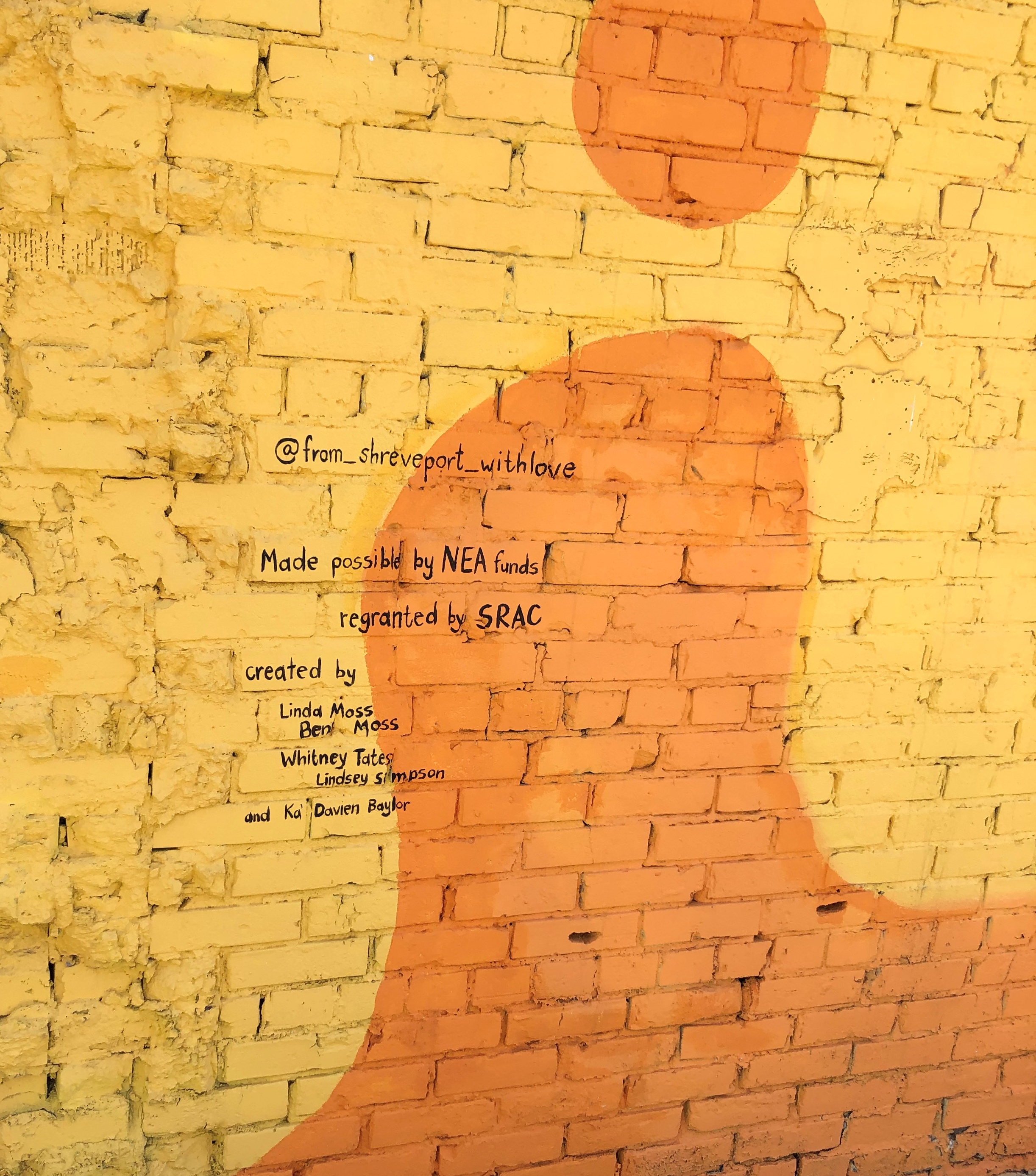
One of the murals I saw in Shreveport was prominently signed.Shreveport, La.

Your tax dollars at work: funding by the National Endowment for the Arts. Actually, that strikes me as a good way to spend a minuscule amount of federal dollars.

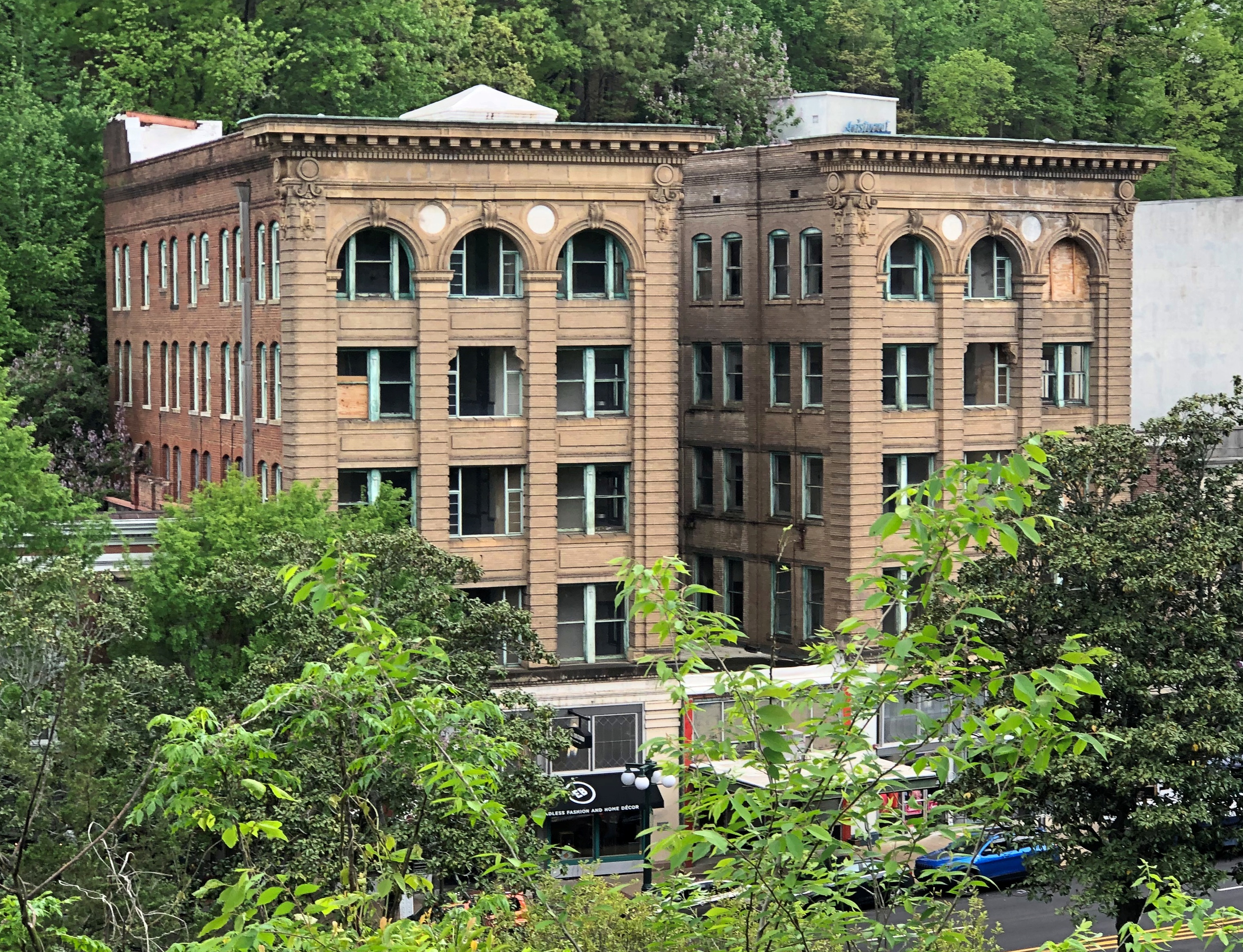
A redevelopment opportunity in Hot Springs, Arkansas.Hot Springs, Arkansas

That would take some serious coin, but maybe it could work. Step one, hire that structural engineer to do a report.

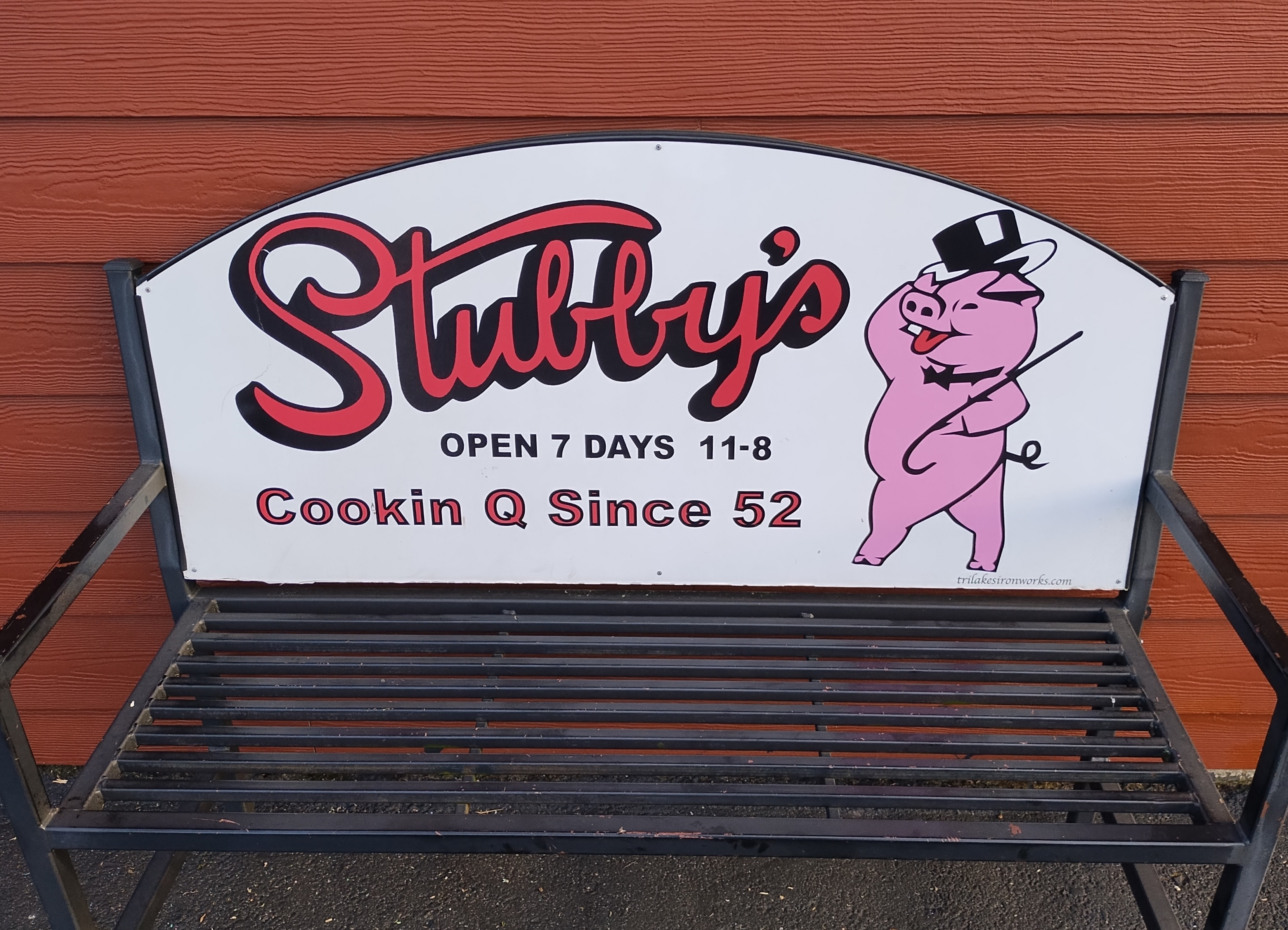
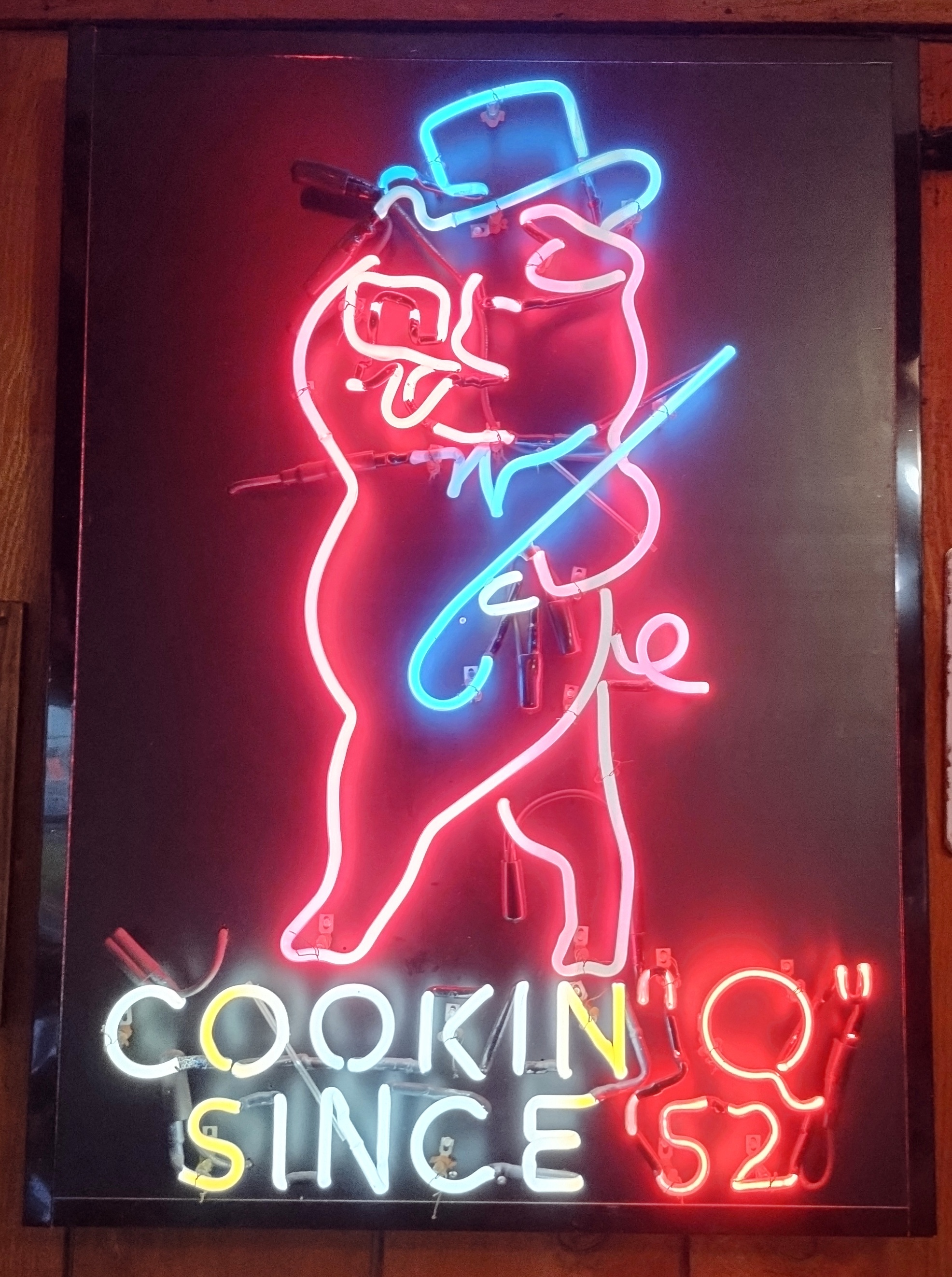
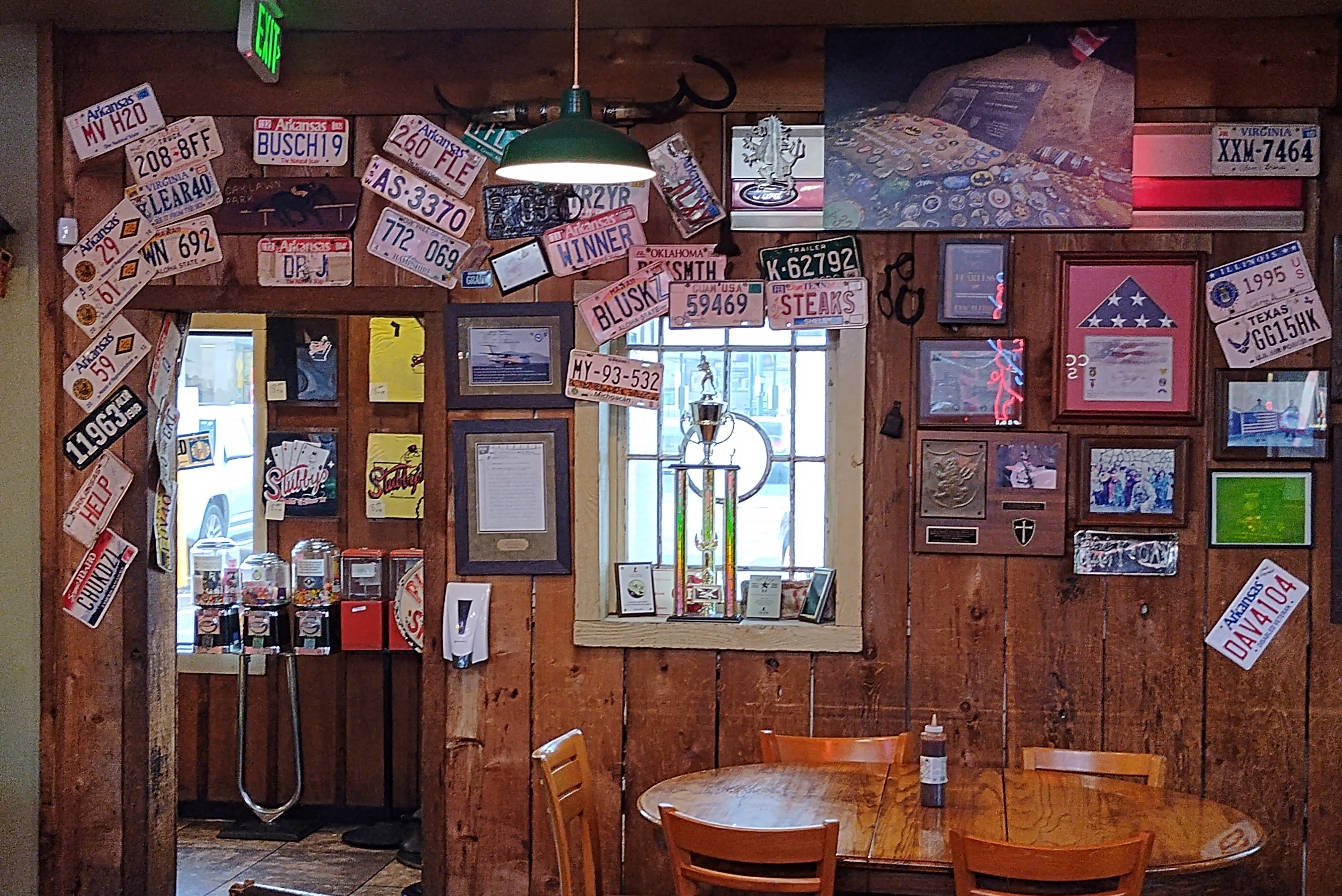
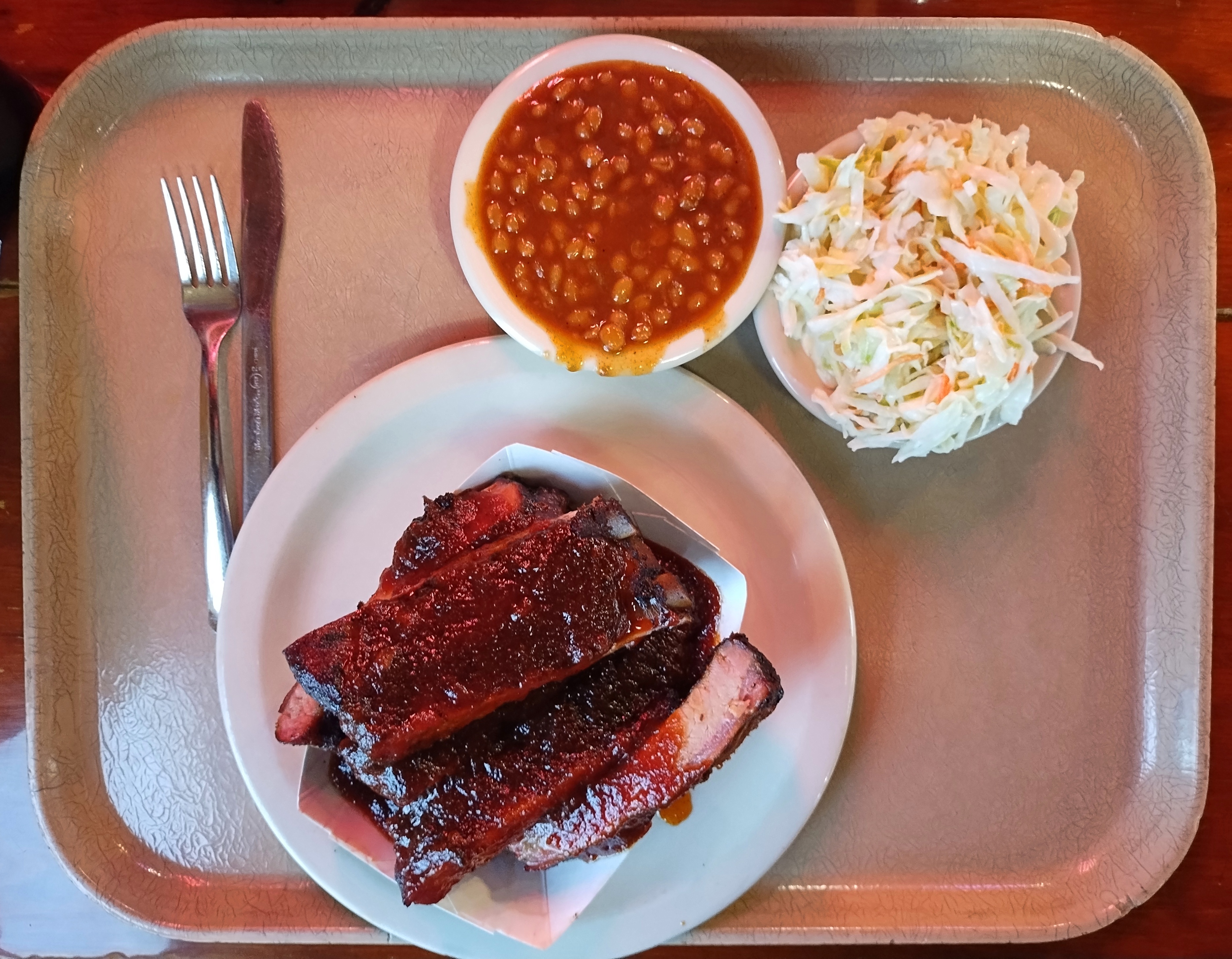
If you have the urge for barbecue in Hot Springs, this place will satisfy. Cookin Q since ’52.Stubby's, Hot Springs, Ark

The sort of place with license plates on the wall.Stubby's, Hot Springs, Ark

All that is window dressing. The ‘cue is the thing, and Stubby’s has lasted so long for a reason.Stubby's, Hot Springs, Ark

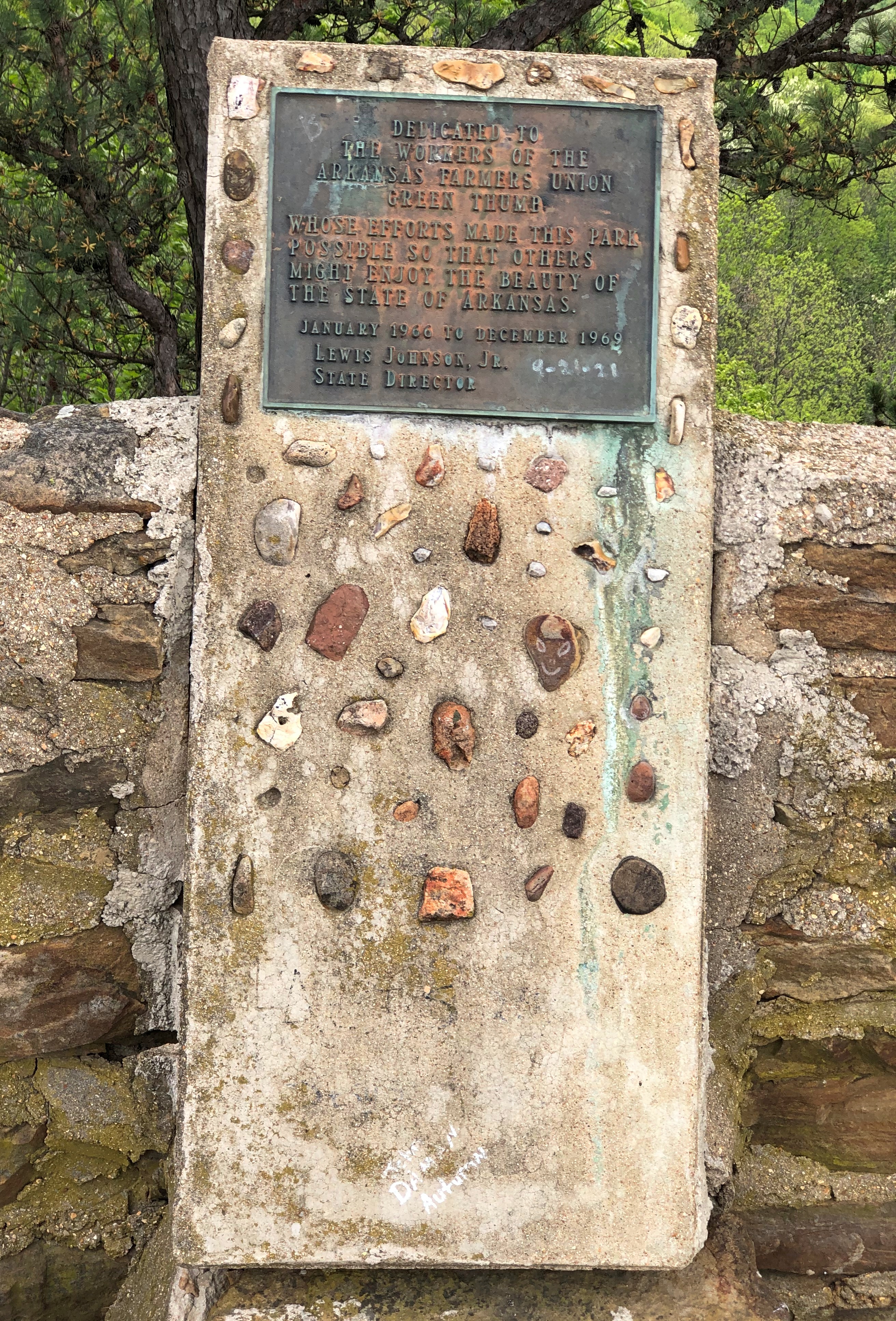
On the side of the road on highway Arkansas 7, part of a wayside park.Arkansas 7

The plaque reads:

Dedicated to the workers of the Arkansas Farmers Union Green Thumb whose efforts made this park possible so that others might enjoy the beauty of the state of Arkansas. January 1966 to December 1969. Lewis Johnson, Jr. State Director.

Green Thumb?

“Green Thumb was the first nonprofit organization to run a jobs program for disadvantaged rural Americans in response to the War on Poverty,” the union says, beginning in 1966, employing low-income rural residents to build things, something like the WPA or the CCC did. By the ’80s, Green Thumb had vanished.

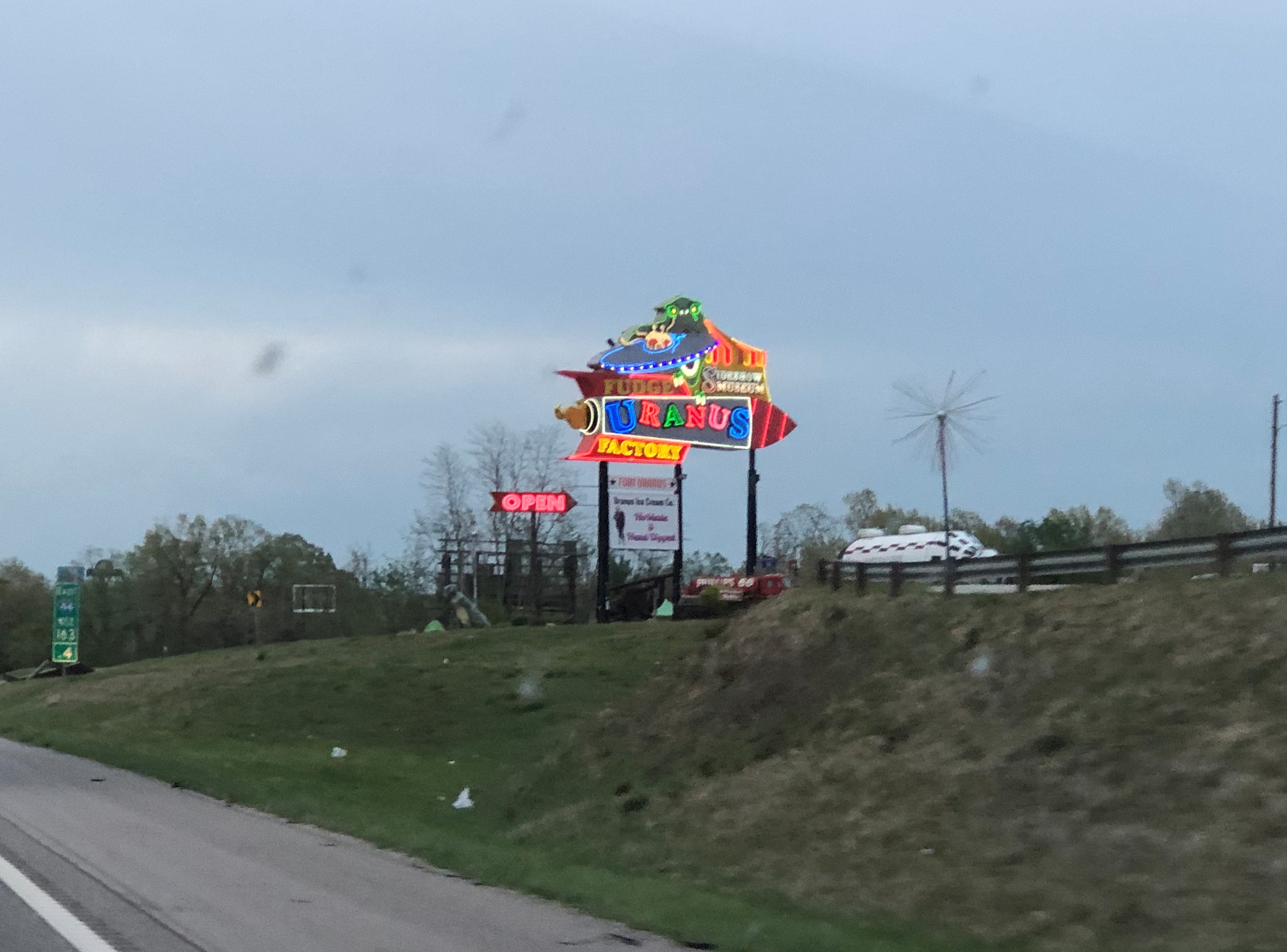
At Uranus, Missouri, off I-44, Yuriko was driving and I happened to have my phone handy. We were too tired to stop.Uranus, Missouri

I’d driven by Uranus a few times, but not stopped. Something like the Snake Farm on I-35 between Austin and San Antonio. Clearly, I need to visit sometime. Uranus, that is. Maybe the Snake Farm, too.

“Beyond the appeal of what [Uranus owner Louie Keen] insisted was very good fudge, Uranus enticed travelers as a kind of dysfunctional, self-contained utopia, like South of the Border and Da Yoopers,” Roadside America says.

“Uranus, said Louie, was the kind of place tourists want to find on a road trip, with life-size dinosaurs, cheesy photo-ops, ridiculous souvenirs, two-headed freaks, the World’s Largest Belt Buckle, and various shops and attractions such as a hatchet-hurling venue named The Uranus Axehole.”

How I Learned Michael Landon Didn’t Look Much Like Charles Ingalls

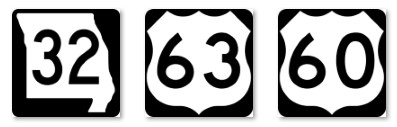
Because of our drive through southern Missouri on April 6, first on Missouri 32, then U.S. 63 and U.S. 60, generally trending west but also somewhat south, I’ve learned a few things.

One, there’s a crater on Venus named after Laura Ingalls Wilder, which is mentioned in passing here and confirmed by the USGS.

All features on that planet are named after females, real or fictional. Specifically, according to the IAU, craters are named for “women who have made outstanding or fundamental contributions to their field (over 20 km); common female first names (under 20 km).” I assume the measurements refer to diameter.

This page on planetary nomenclature is fascinating stuff, as far as I’m concerned. Dig down a little deeper, and you’ll find 900 Venusian crater names, from Abigail (the name) and Abington (actress Francis Abington) to Zurka (gypsy first name) and Zbereva (aviator Lidiya Zvereva, d. 1916). With a death date like that, I’d assume a flying accident, but no: typhoid fever.

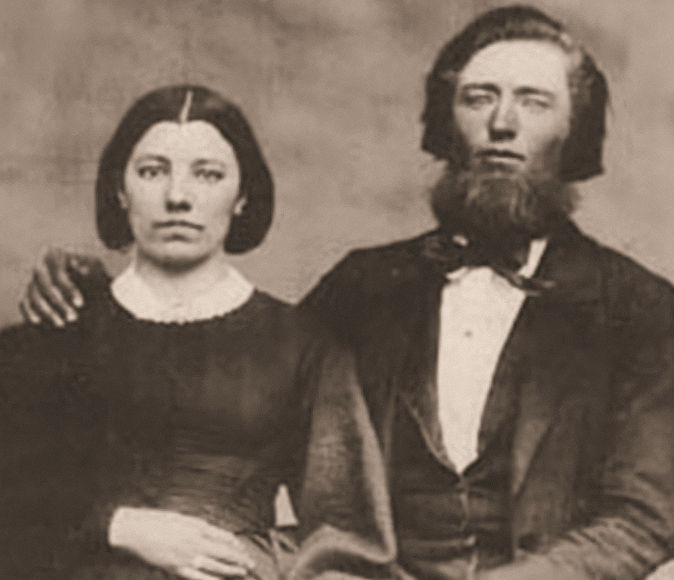
Also, I learned that Michael Landon, who portrayed Laura Ingalls Wilder’s father on TV, doesn’t look much like the man, Charles Ingalls. I can see that for myself, as he’s pictured with his wife Caroline here.

If it had been up to me, Landon would have at least sported a beard like Chas. Ingalls’. I don’t know whether that would have made Little House on the Prairie a better show, but it couldn’t have hurt.

The drive wasn’t quite car commercial driving. There was some traffic, and while the spring green woods and flowering patches of Mark Twain National Forest and the farms and businesses and churches and small-town buildings of southern Missouri offered pleasant enough scenery (and a favorite town name: Cabool), it wasn’t a Class A two-lane drive, as we would experience later, in Arkansas.

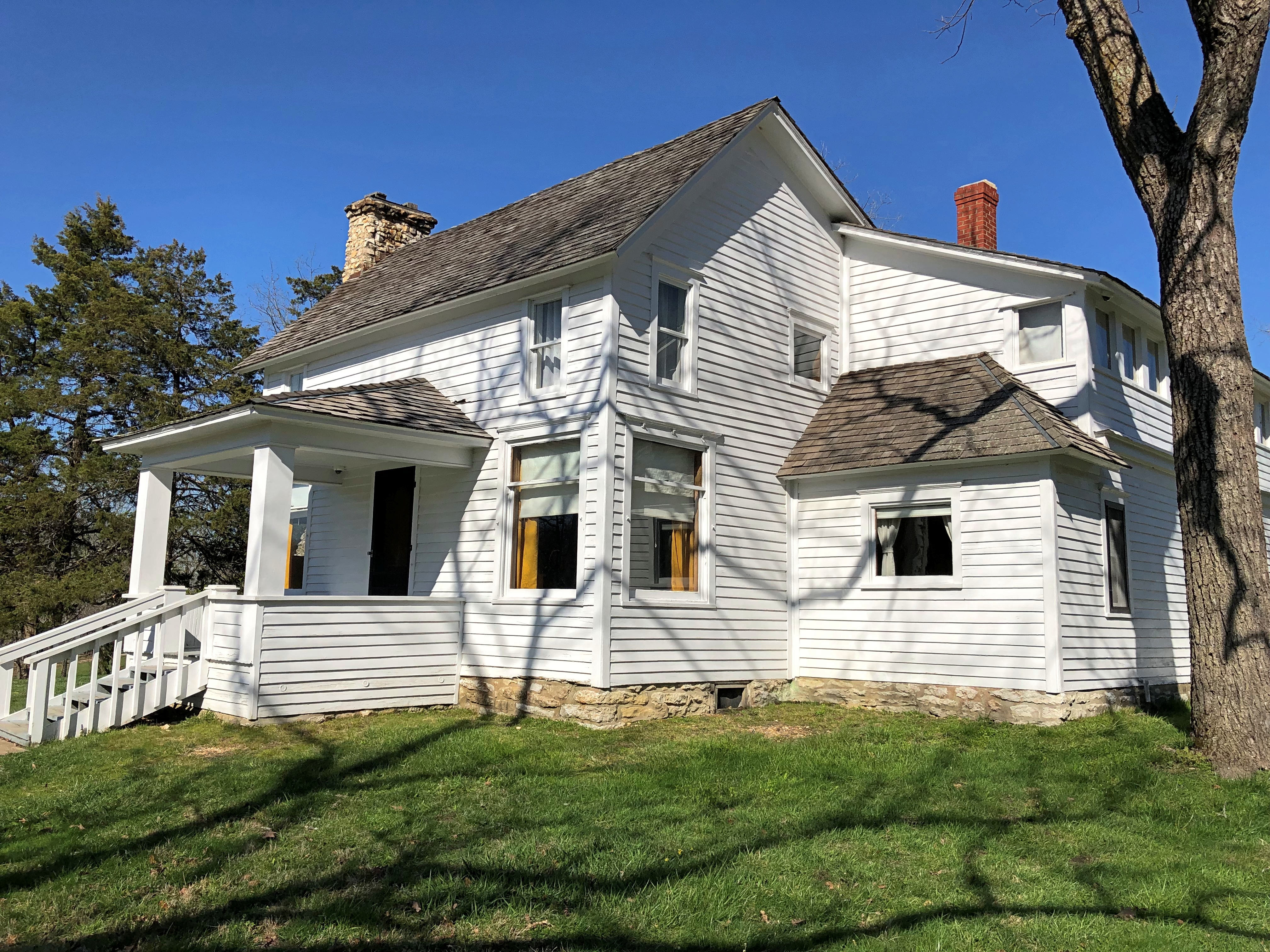
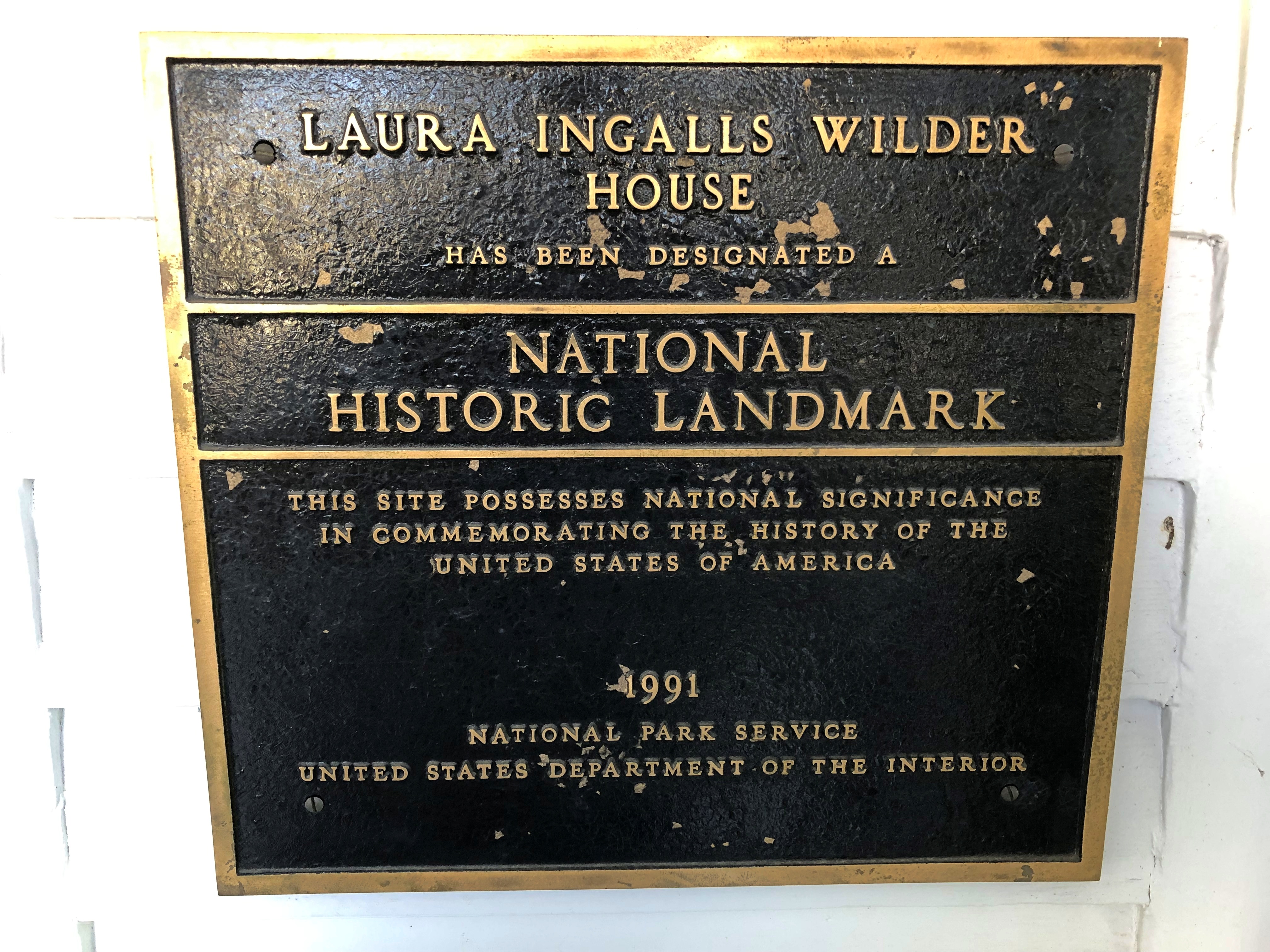
Late in the afternoon, we came to the Laura Ingalls Wilder Historic Home and Museum, near U.S. 60 as it passes through Mansfield, Mo., and we were just in time to catch the last tour of the day. That’s what ultimately turned my attention to Venusian craters, 19th-century beards, etc.Laura Ingalls Wilder home Laura Ingalls Wilder home

Not bad for an essentially self-built house – mostly by Wilder’s husband, Almanzo Wilder. She lived until 1957, for many years at this house, and could afford comfortable furnishings later in life.Laura Ingalls Wilder home Laura Ingalls Wilder home

Though the colors and styles were different, the living room nevertheless reminded me of my grandparents’ home in San Antonio. It had a similar old-folks-in-mid-century feeling somehow.

Elephant Rocks State Park

When planning our not-quite-direct drive to Dallas, I figured we’d have time for one Missouri state park on the morning of April 6, before heading west and south slightly into Arkansas for the night. But which one in SE Mo.?

Such excellent names: Taum Sauk Mountain State Park, Johnson’s Shut-Ins State Park and Elephant Rocks State Park. In the end, we went with Elephant Rocks, and on a Saturday, the place was popular but not overrun. Mostly, I figure, day-trippers from St. Louis out with their small children and dogs, all of whom need walking (as I can attest from experience). The park also offered the open-air pleasures of picnicking, especially on a warm spring day ahead of full-blown mosquito season, in which we ourselves partook.

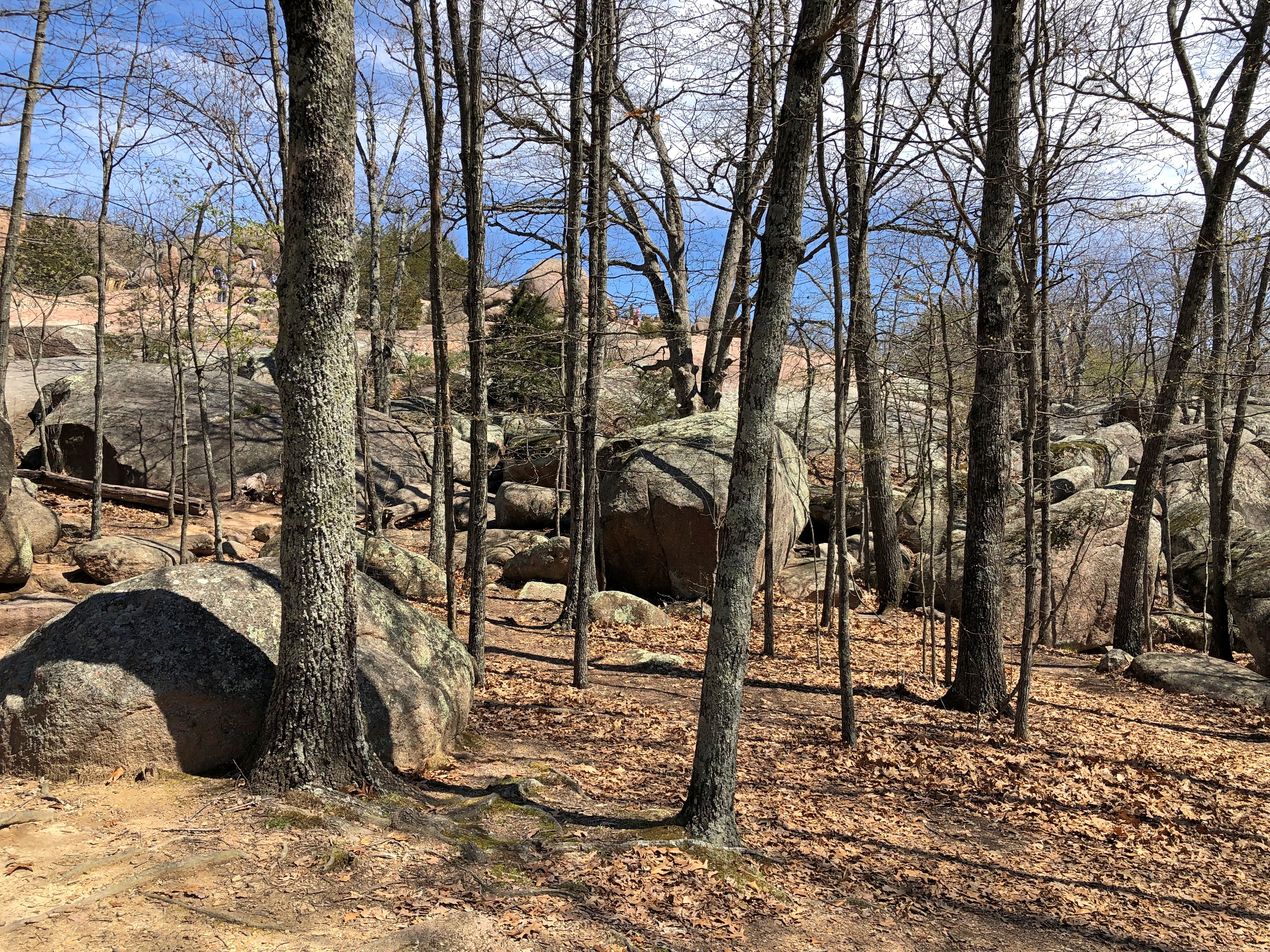
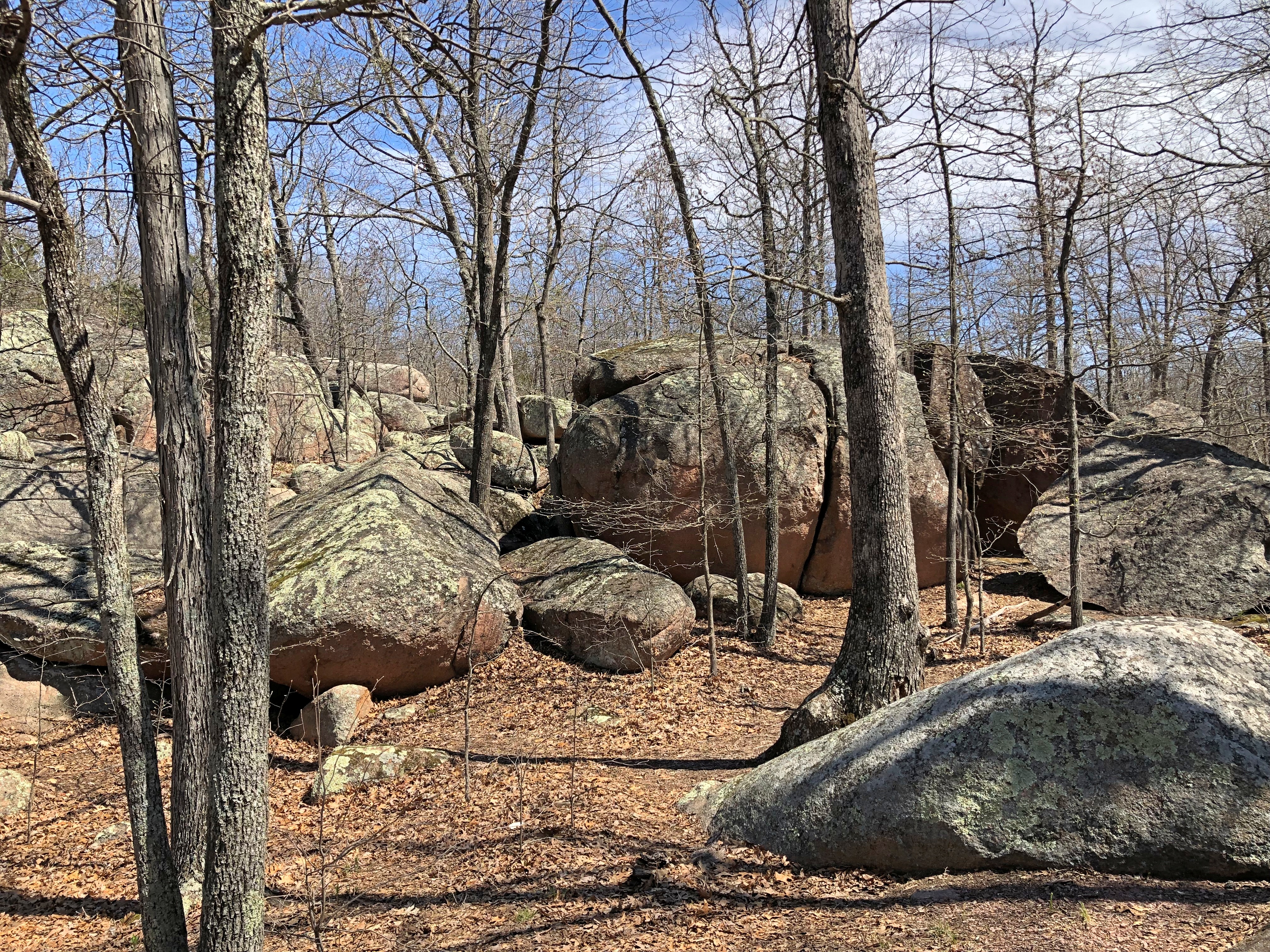
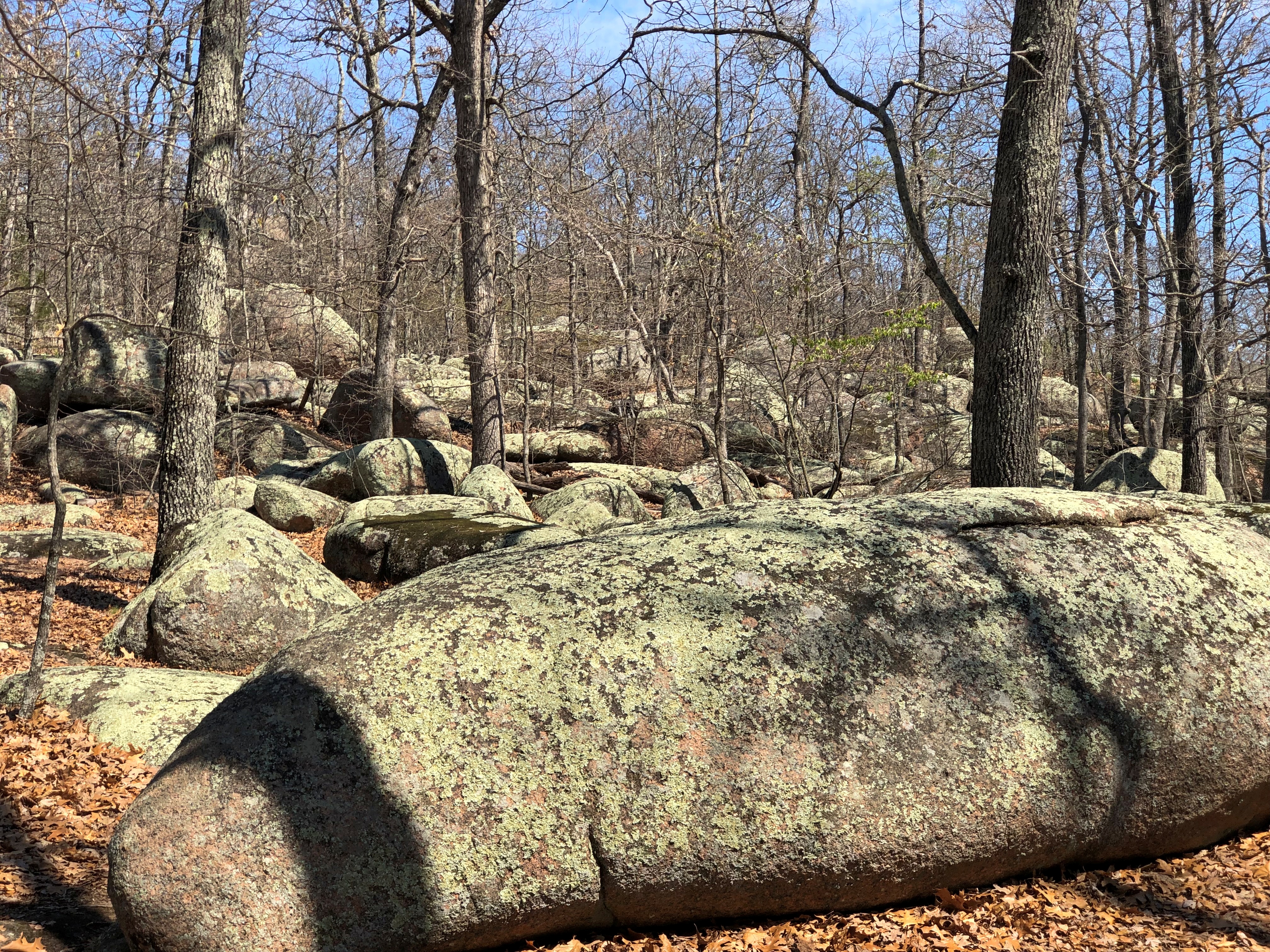
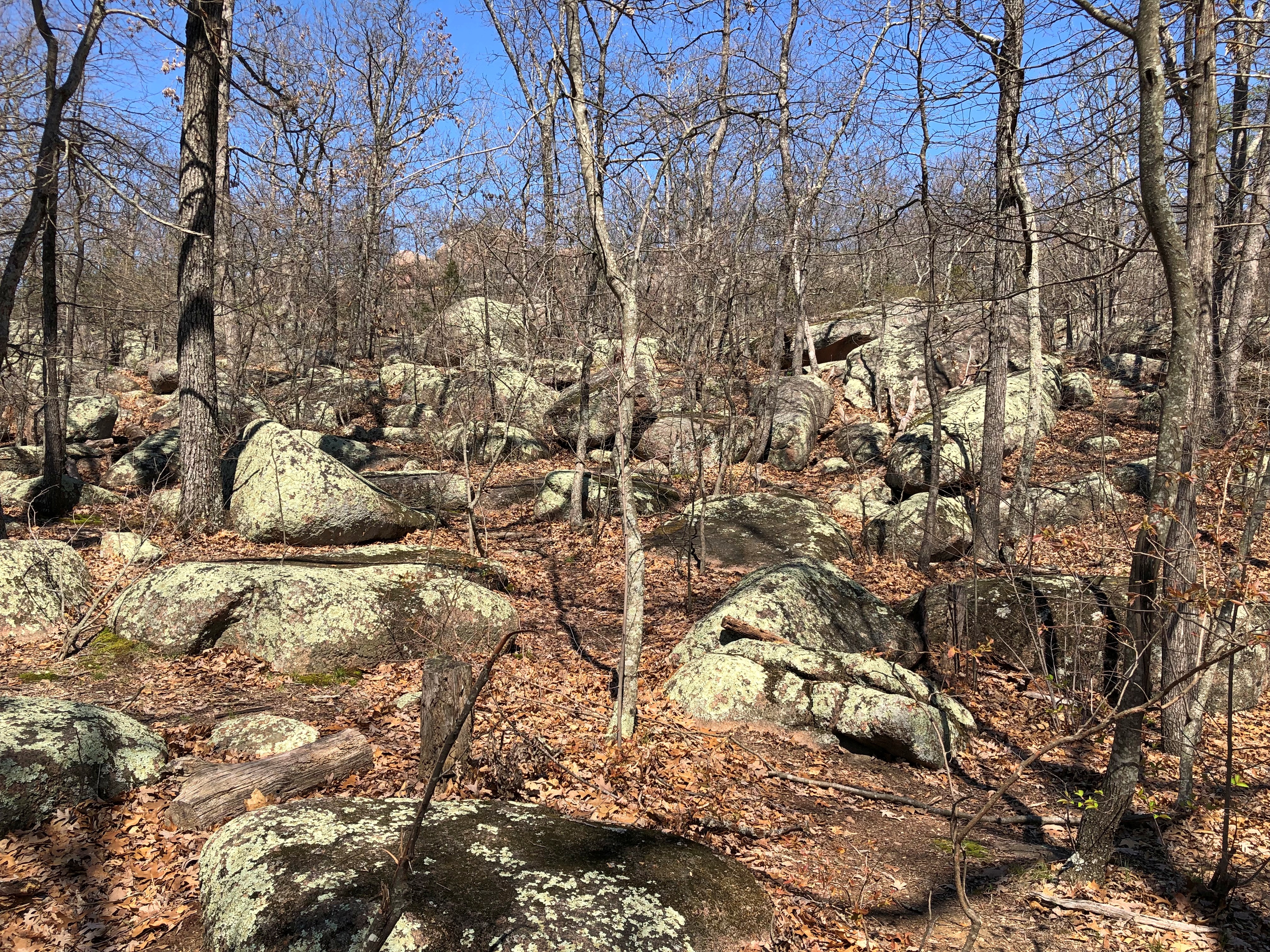
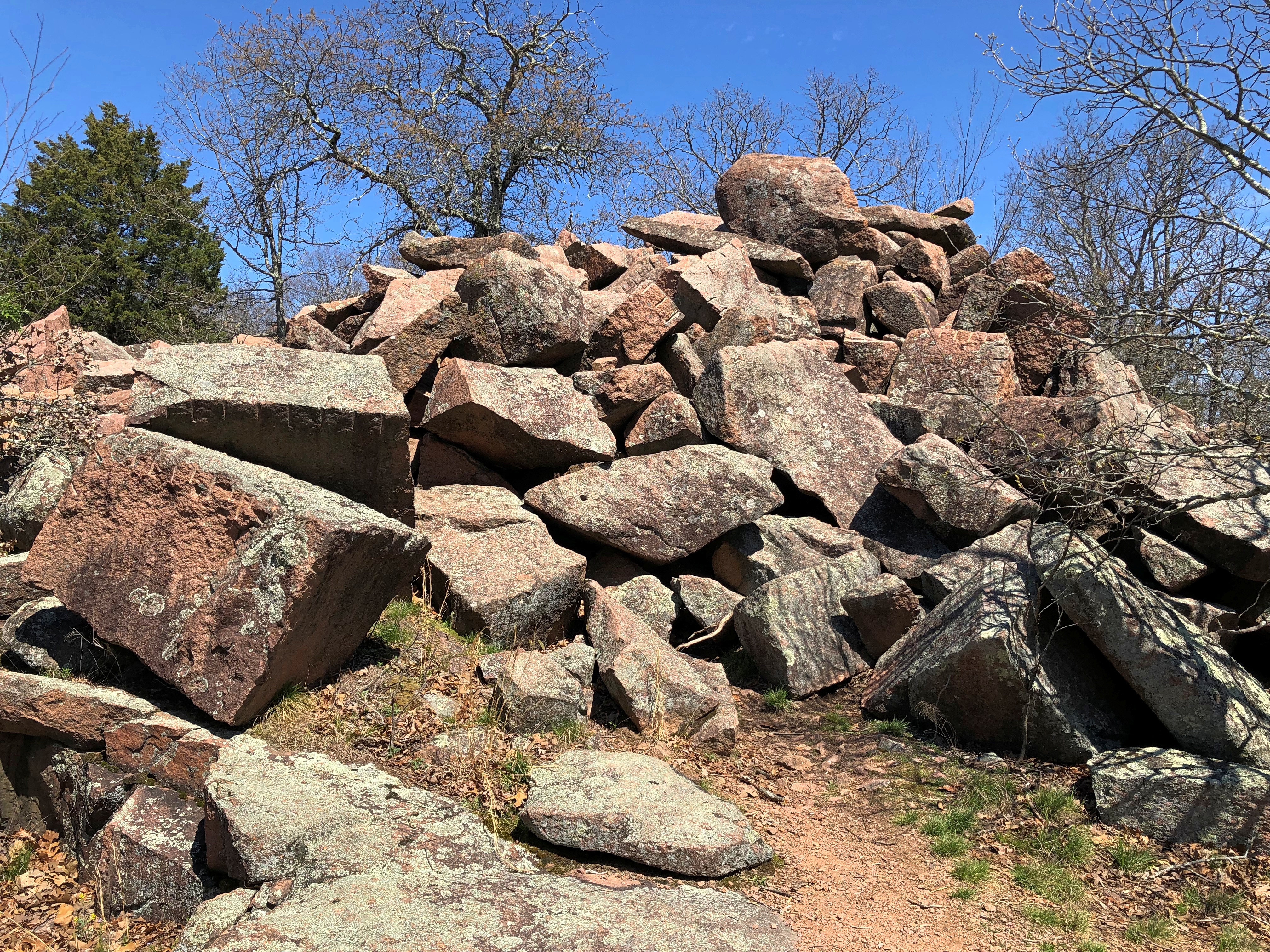
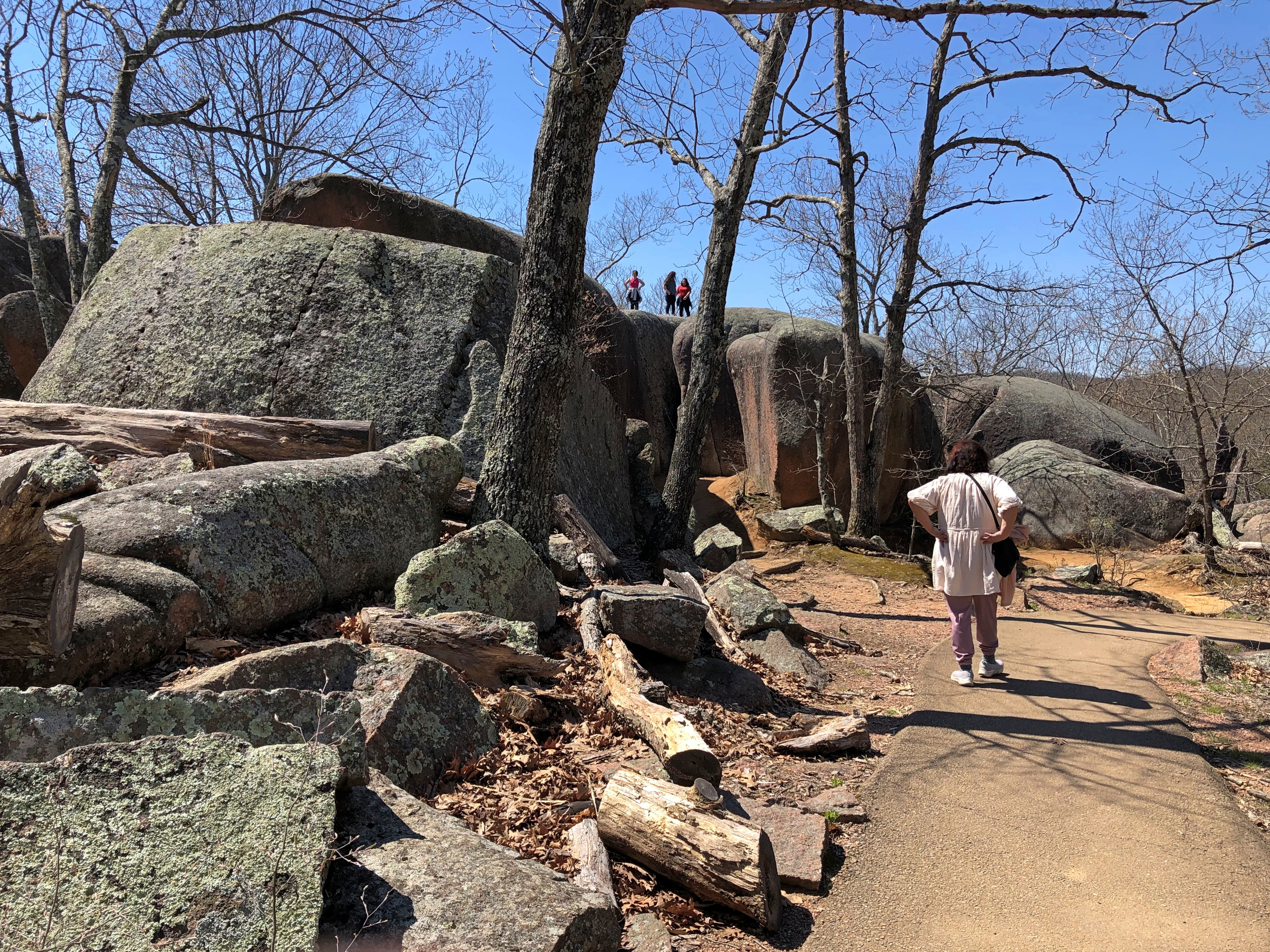
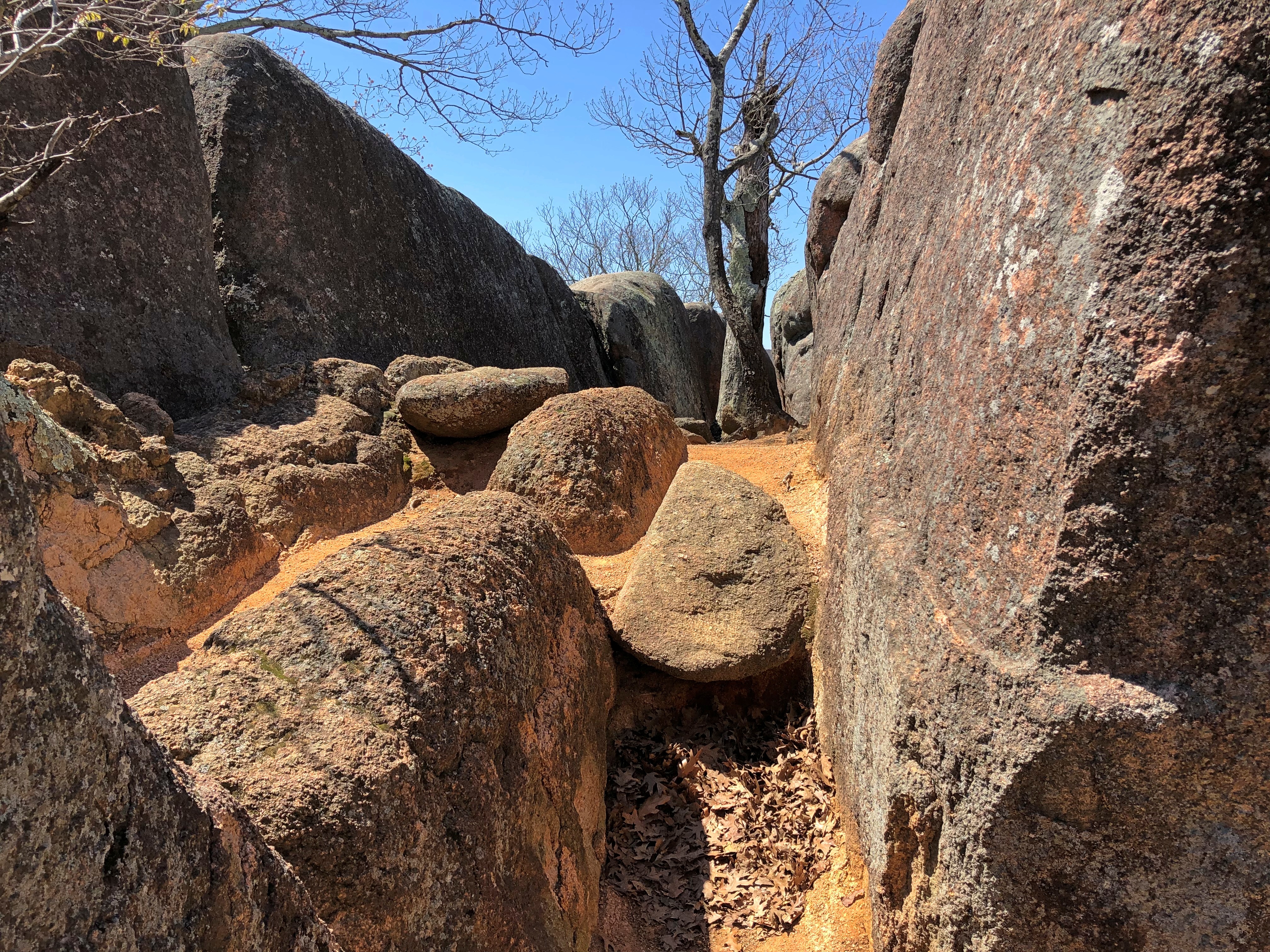
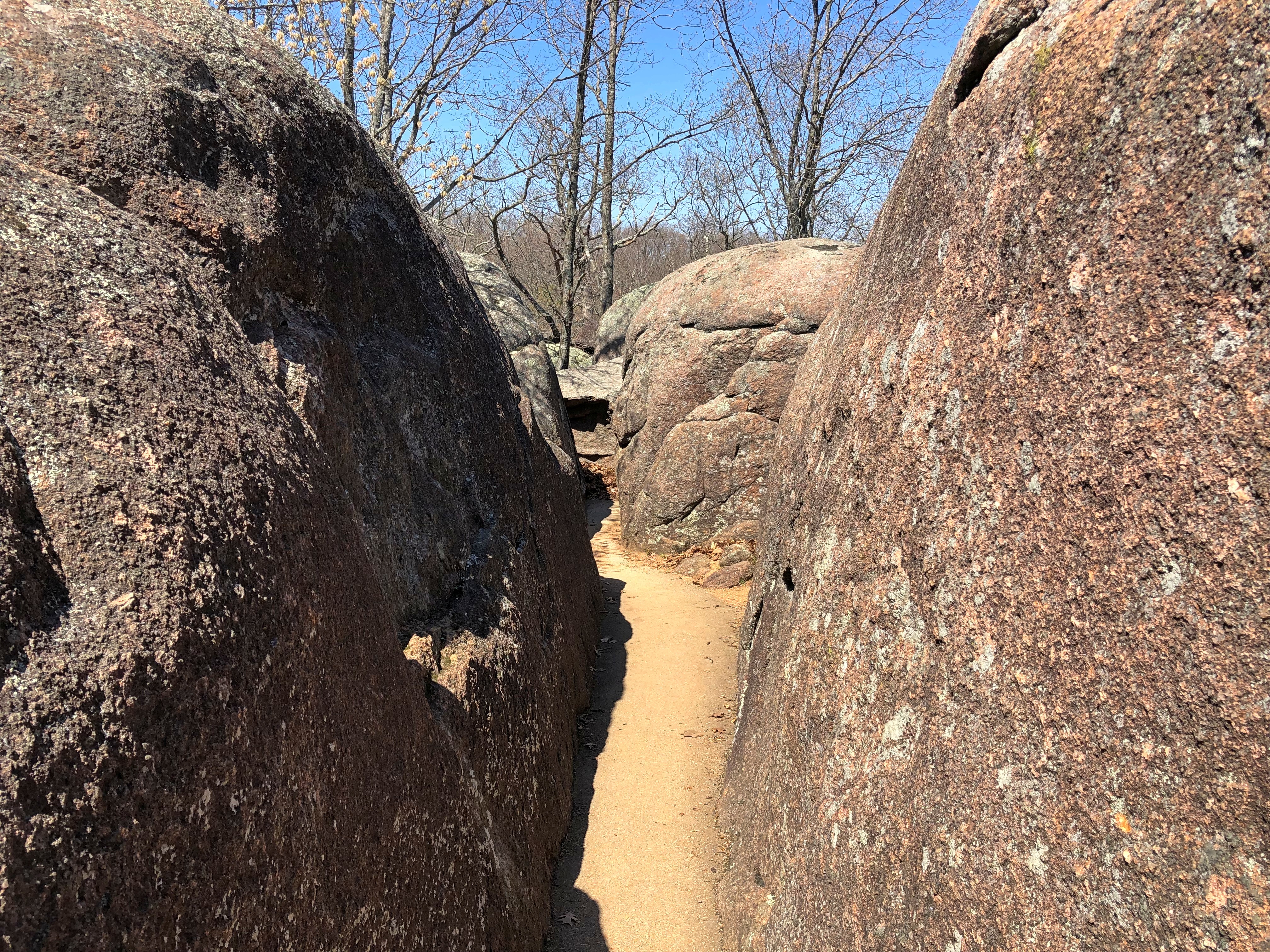
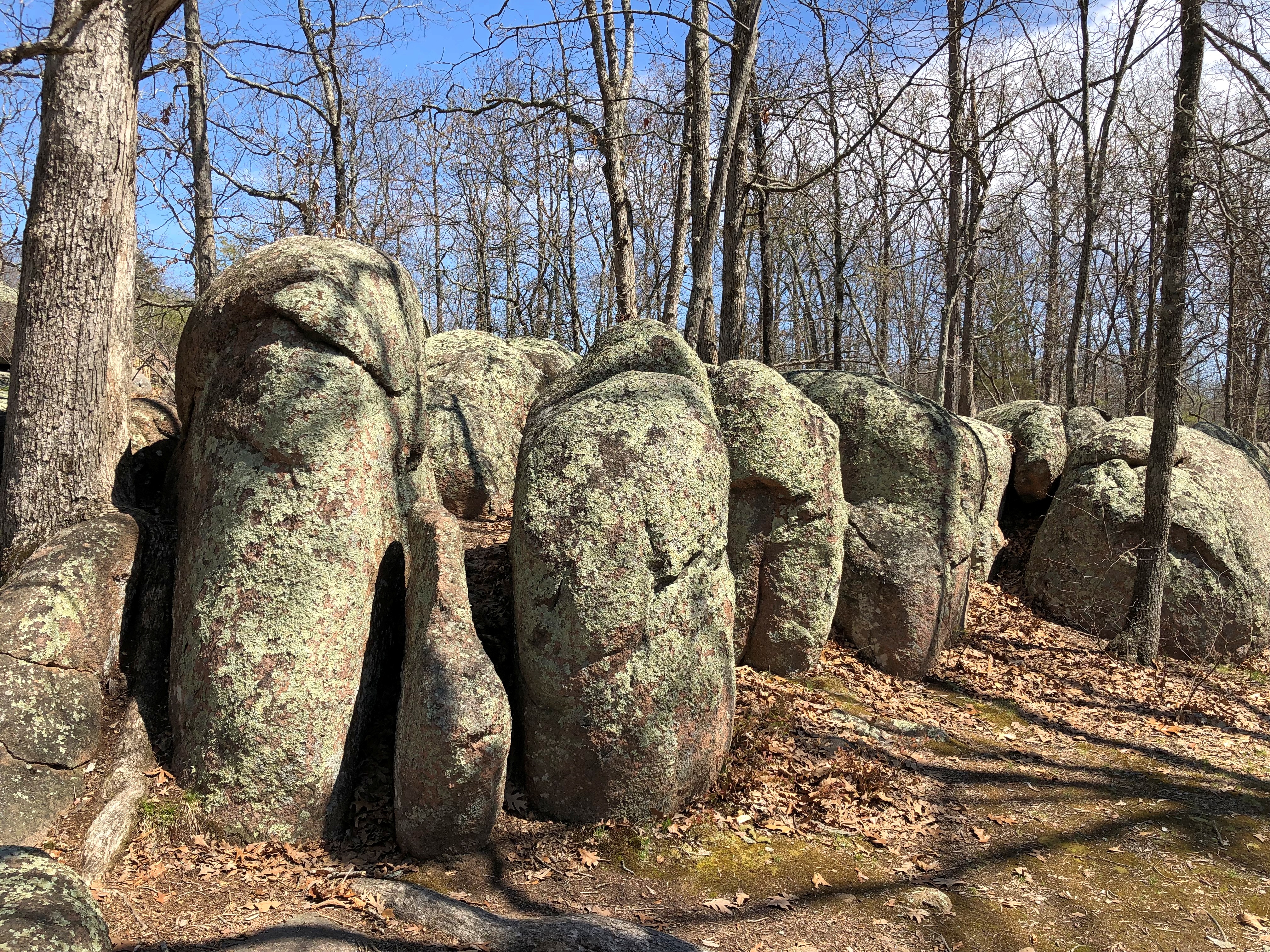
A mile’s worth of paved path snakes among ancient granite boulders. At only about 133 acres, the park is small. Even so, out in the field of boulders, the park didn’t seem so crowded.Elephant Rocks State Park Elephant Rocks State Park Elephant Rocks State Park Elephant Rocks State Park

Time, geologic uplift and millions of years of erosion produced the boulders, and — I learned — the area counts as a tor.

“The landform is called a ‘tor,’ a stack or pile of spheroidally weathered residual granite rock boulders sitting atop a bedrock mass of the same rock,” says an excellent brochure produced by Missouri State Parks that provides brief but informative descriptions of the park and its history.

“While tors exist elsewhere in the United States and worldwide, they are not abundant anywhere. Elephant Rocks is Missouri’s finest tor and one of the best examples in the Midwest.”

That just makes my day, finding out that I visited a fine tor. Seriously. I didn’t even know there was a geologic definition. Big, rocky hill is how I’d have defined it. I’ve known about tors since the moment I slapped my head upon realizing I could have visited Glastonbury Tor, but didn’t.

People go on about sunsets and views of the ocean and mountain vistas, but human beings are also pretty fond of impressive rocks. Some of us travel a good ways to see them. Elephant Rocks State Park Elephant Rocks State Park

Some fat man’s misery paths.Elephant Rocks State Park Elephant Rocks State Park

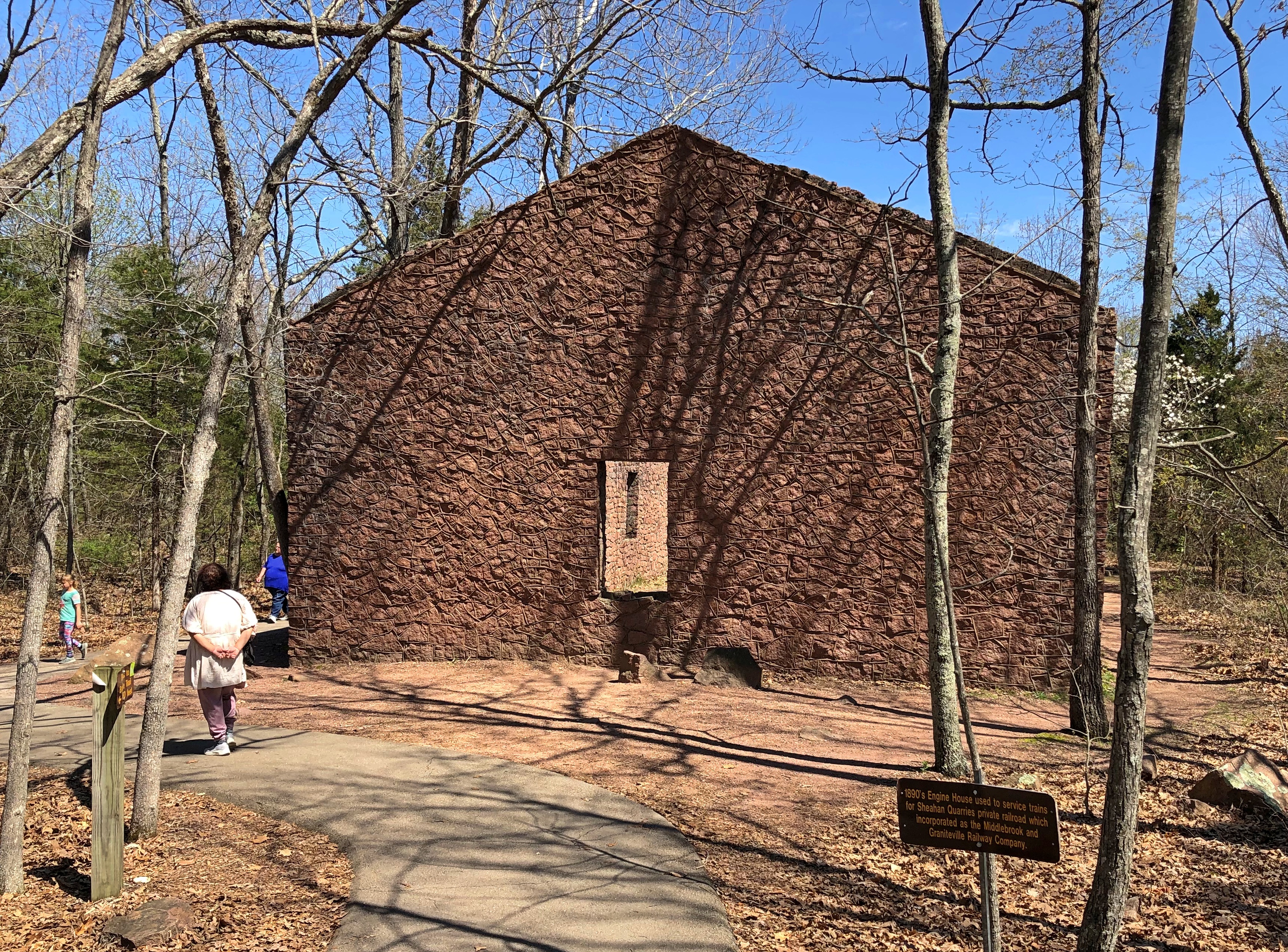
“Just outside the park is the oldest recorded commercial granite quarry in the state, producing fine red granite called ‘Missouri Red,’ the brochure says. This quarry, opened in 1869, furnished facing stone for the Eads Bridge piers standing on the Mississippi River levee in St. Louis.”

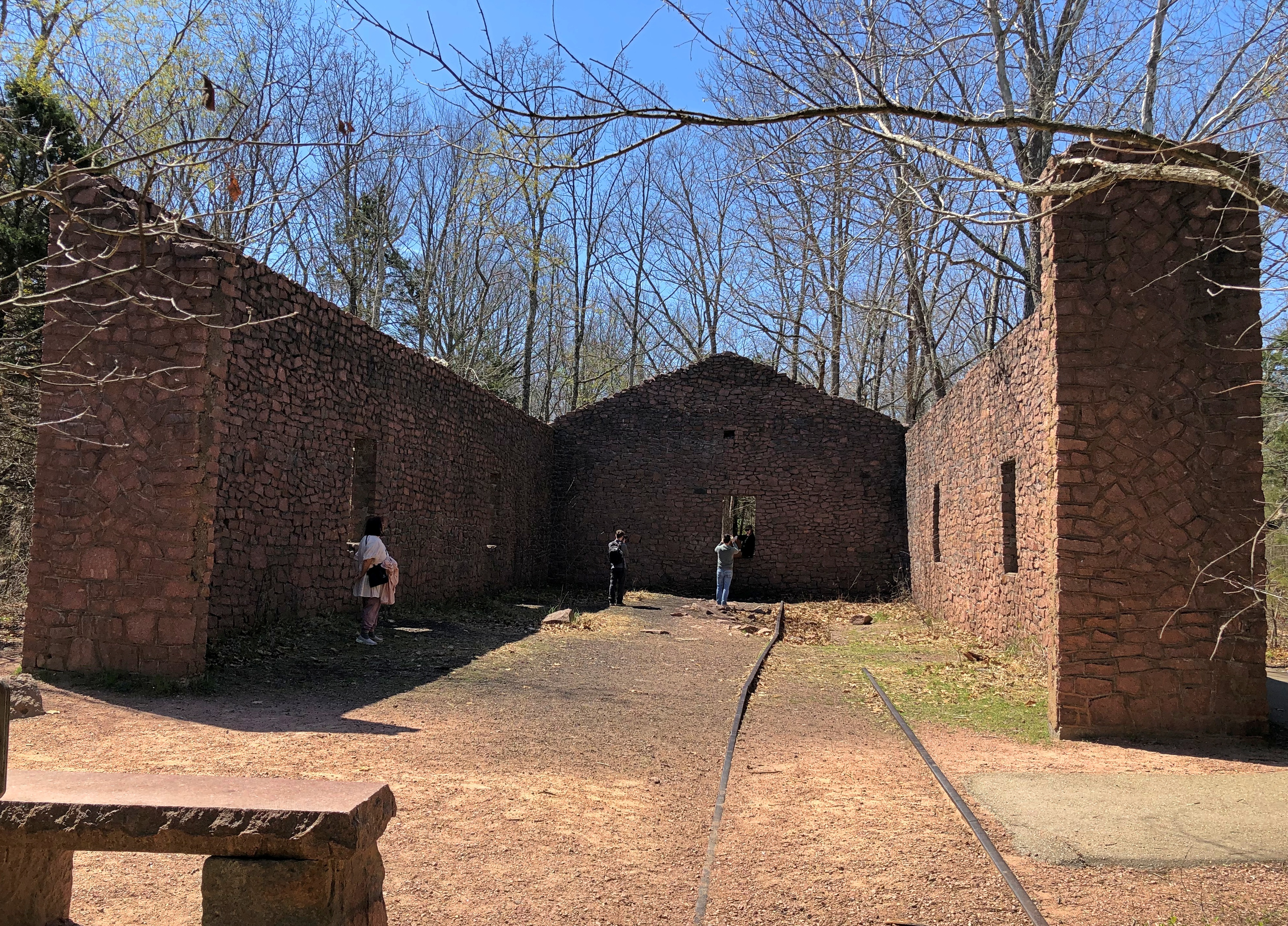
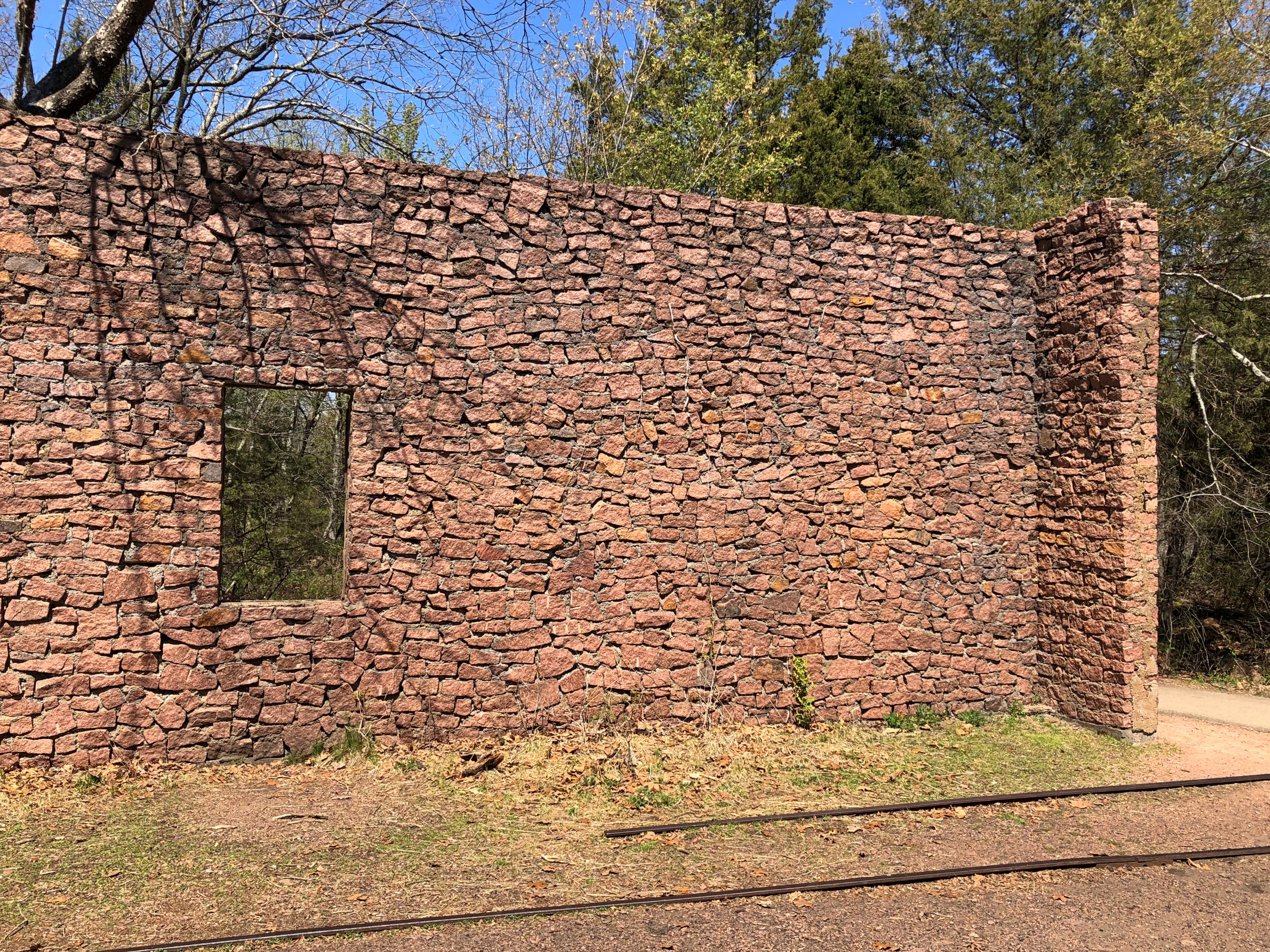
Cool. A quarry needed a railroad spur, and even a small railroad needed a building for locomotive maintenance. The ruin of such a building stands in the park.Elephant Rocks State Park Elephant Rocks State Park Elephant Rocks State Park

It’s had the benefit of some reconstruction, would be my guess. It certainly looked sturdy enough that I didn’t think that rock was going to tumble on my head.Elephant Rocks State Park

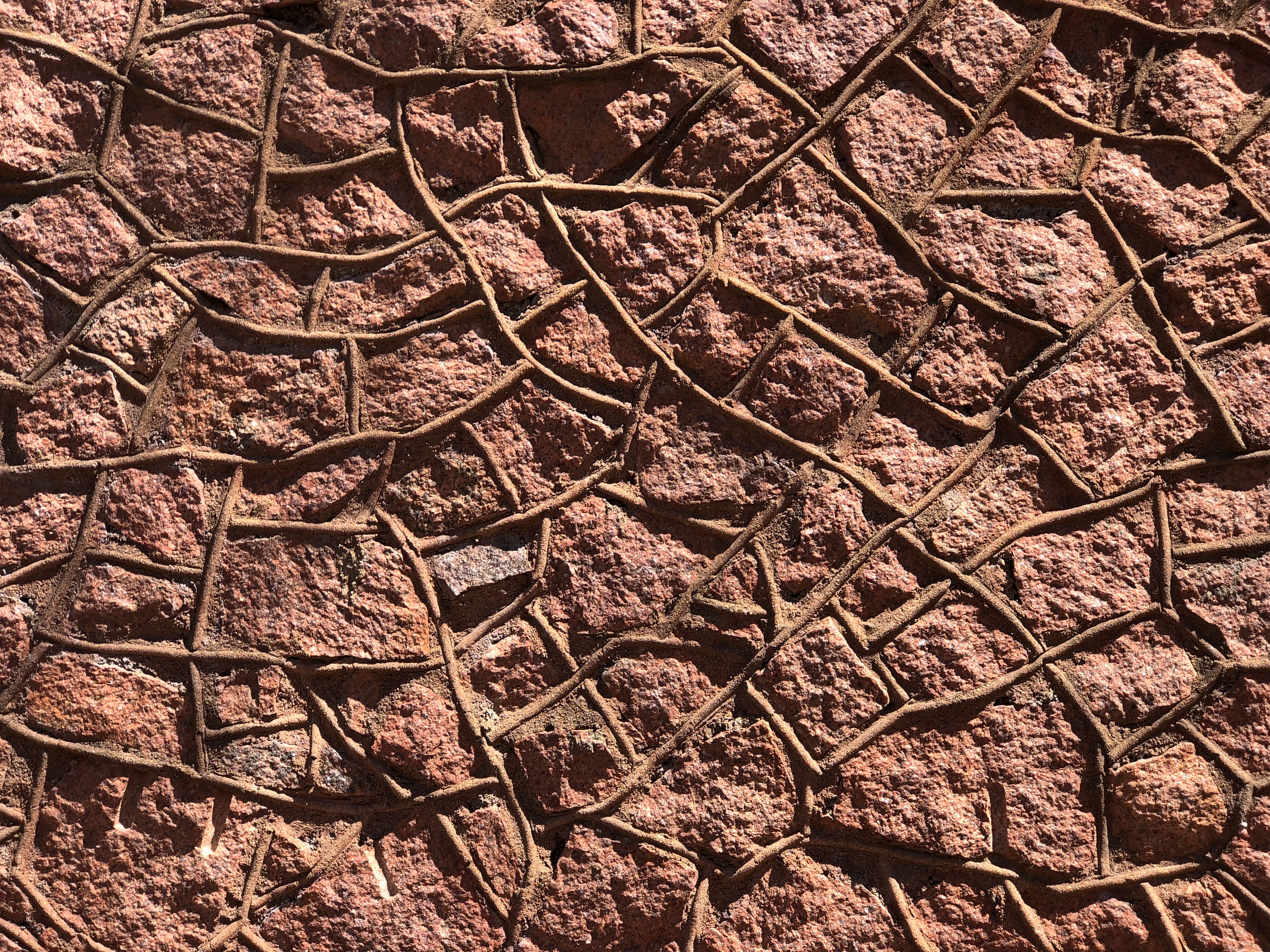
Must be Missouri Red. Why wouldn’t you built it using the stone you had at hand? Good old Missouri Red, which sounds like a dime novel character or a strain of cannabis.

Potosi, Missouri

Sometime in late 18th century, Frenchmen came to a spot in the wilds of North America, which in later years would be southeastern Missouri, and began digging for lead in a place they called Mine Au Breton – Mine of the Breton, for Brittany native Francis Azor, who pioneered the effort in the area to extract the element. The name didn’t last, however. Since early U.S. sovereignty, it’s been Potosi, Missouri.

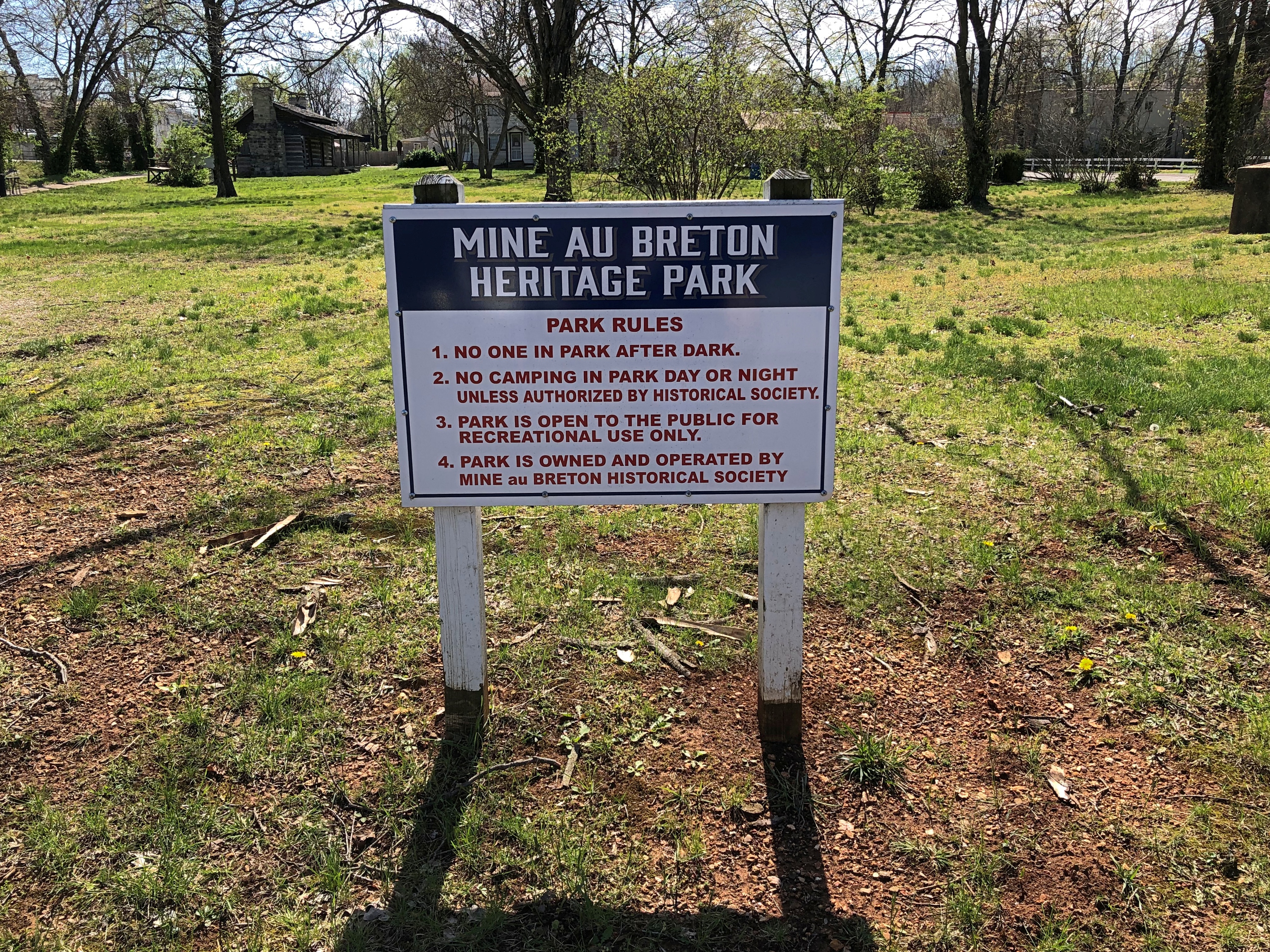
Still, the earlier name lingers in a small park in Potosi, which we visited on the morning of April 6 after leaving where we’d spent the night, Farmington.Mine Au Breton Heritage Park, Potosi, Mo.

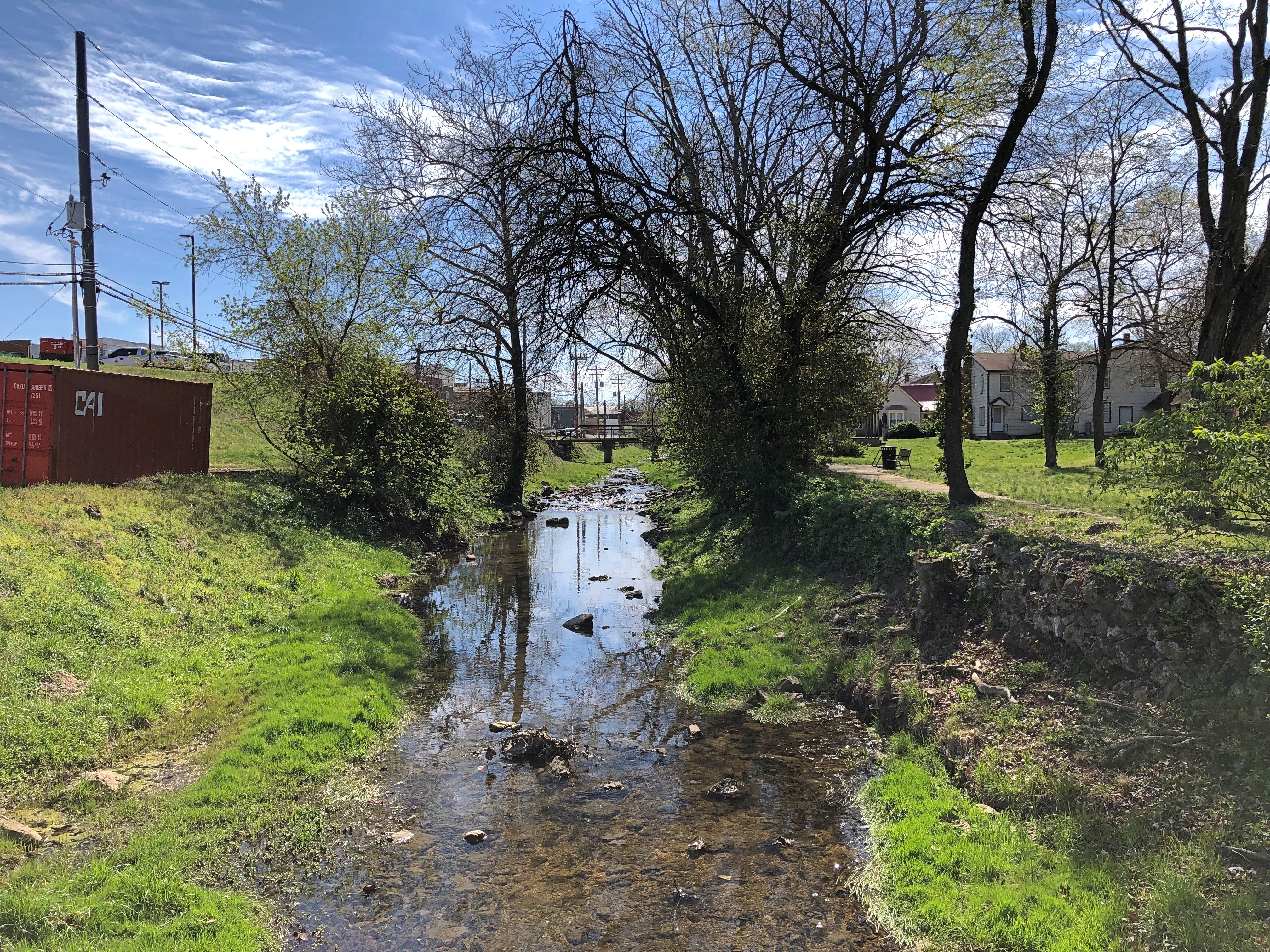
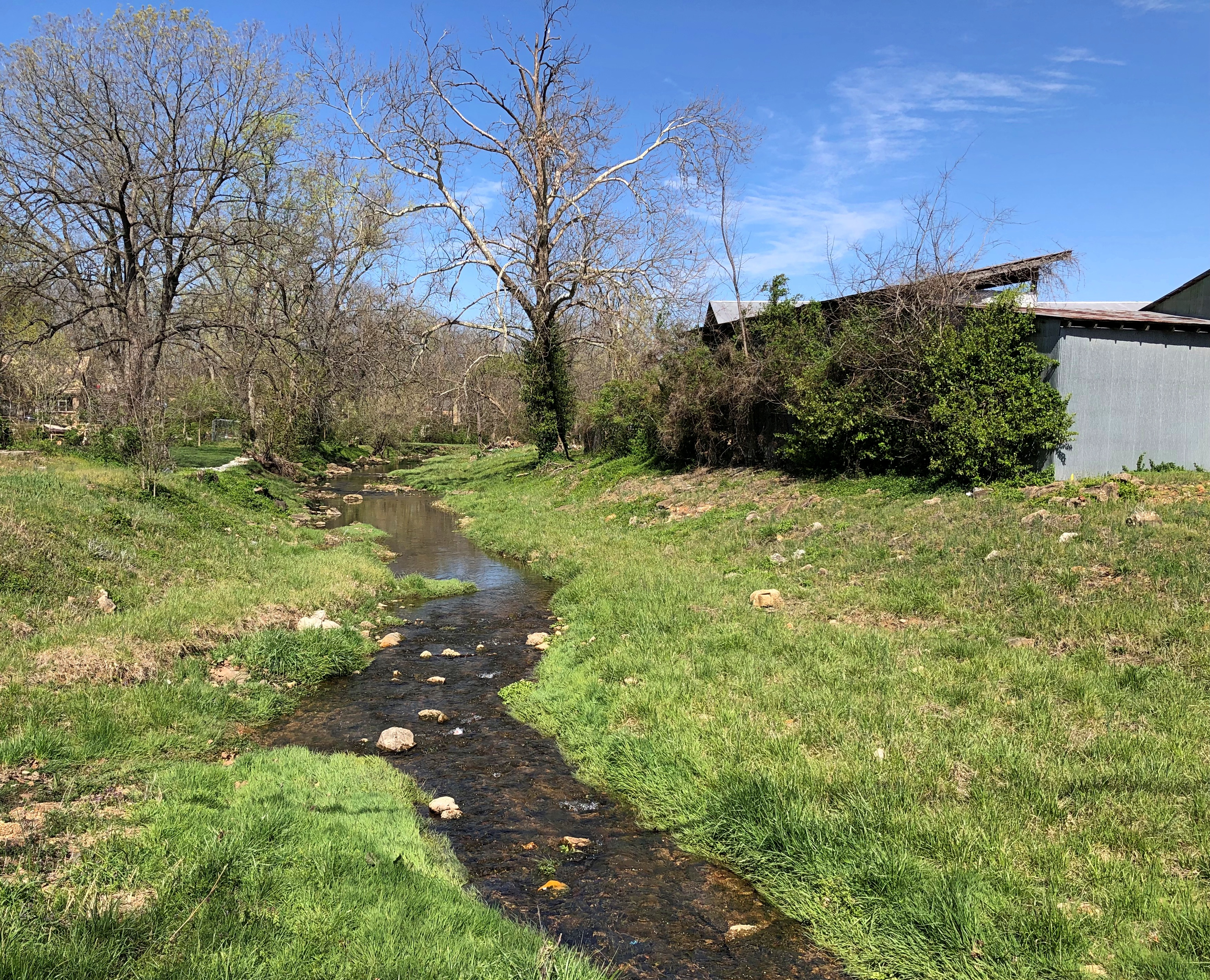
A nice little park, a block from the town’s main thoroughfare, High Street. Mine a Breton Creek runs through it.Mine Au Breton Heritage Park, Potosi, Mo. Mine Au Breton Heritage Park, Potosi, Mo.

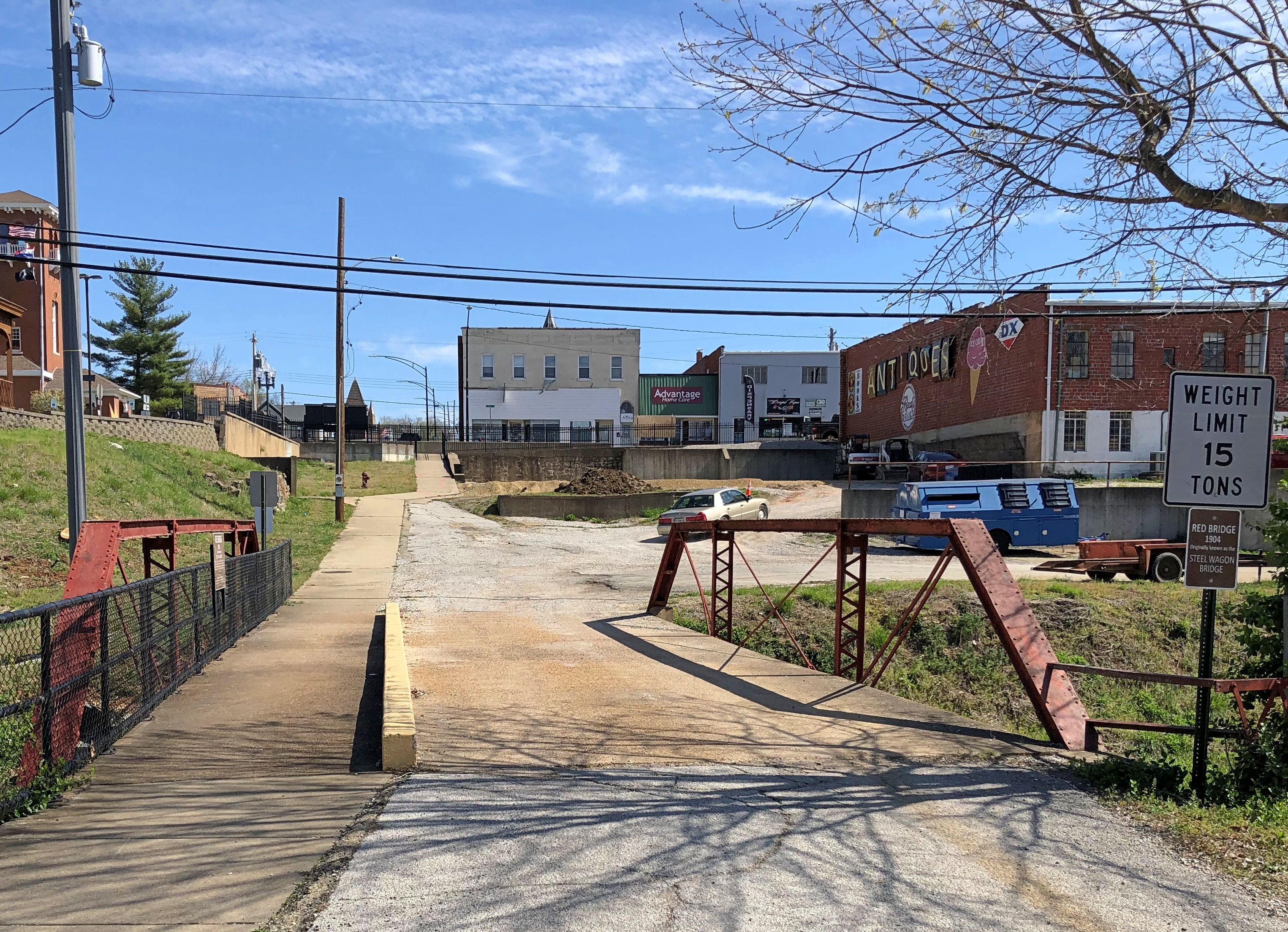
A small bridge crosses the creek at one point. You wouldn’t think such a bridge would merit a name, but the people of Potosi (pop. 2,500) clearly disagree.Mine Au Breton Heritage Park, Potosi, Mo.

Red Bridge. It even has a former name: Steel Wagon Bridge. Maybe more minor bridges should have names. Adds a little character to localities. Of course, if that caught on, most of them would be named after minor local politicos.Mine Au Breton Heritage Park, Potosi, Mo.

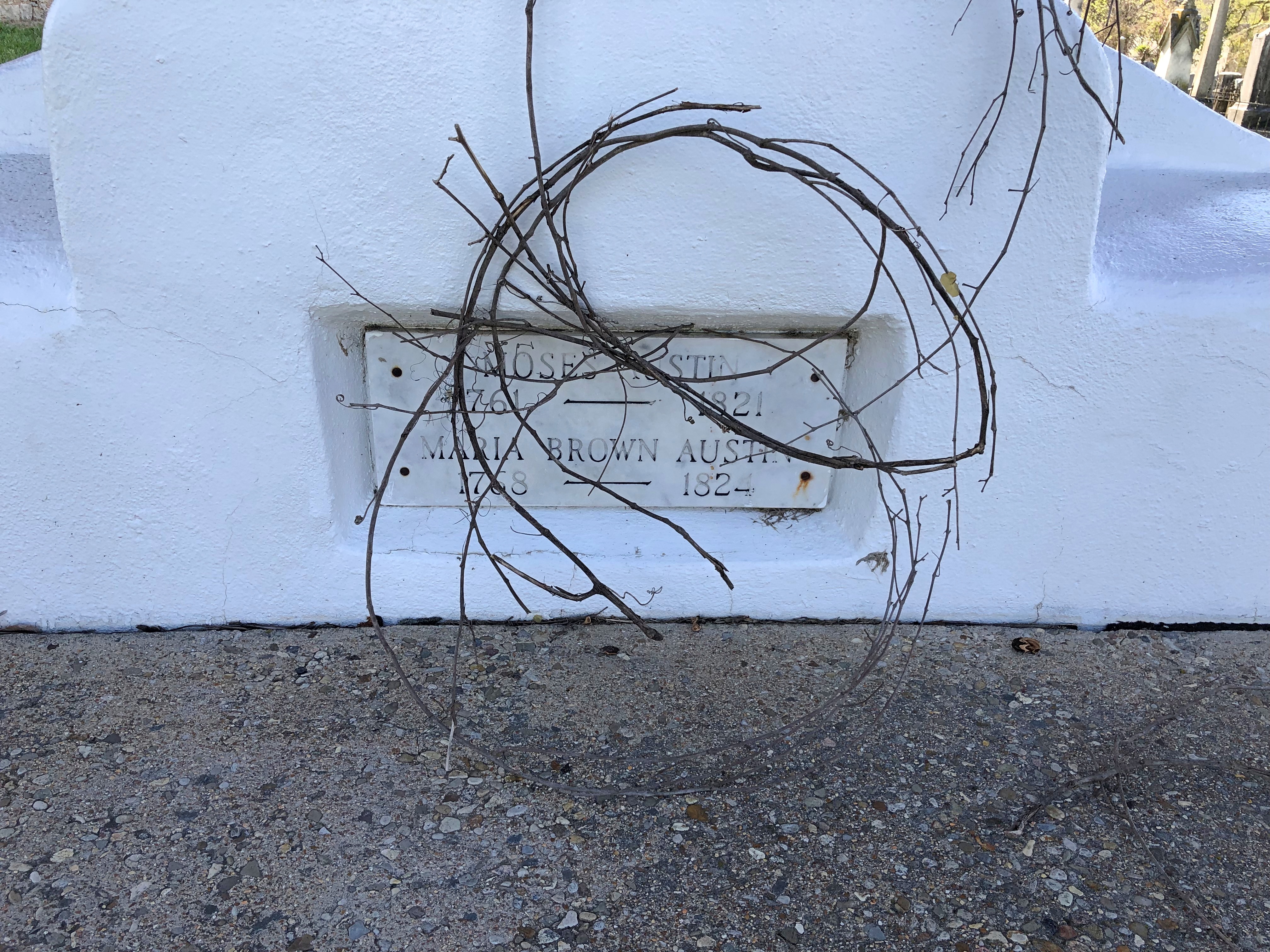
After the Louisiana Purchase was a done deal, Americans came to the area, but Moses Austin was already there, having cut a deal with the Spanish to mine there. Texas schoolchildren learn who he was, or at least they did 50+ years ago, when I was such a schoolchild. He’s the father of Stephen F. Austin, who was the Father of Texas. So maybe Moses is the Grandpa of Texas. My brother Jay suggested that we visit Potosi to see his grave, and since it was only a few miles out of the way, we did.

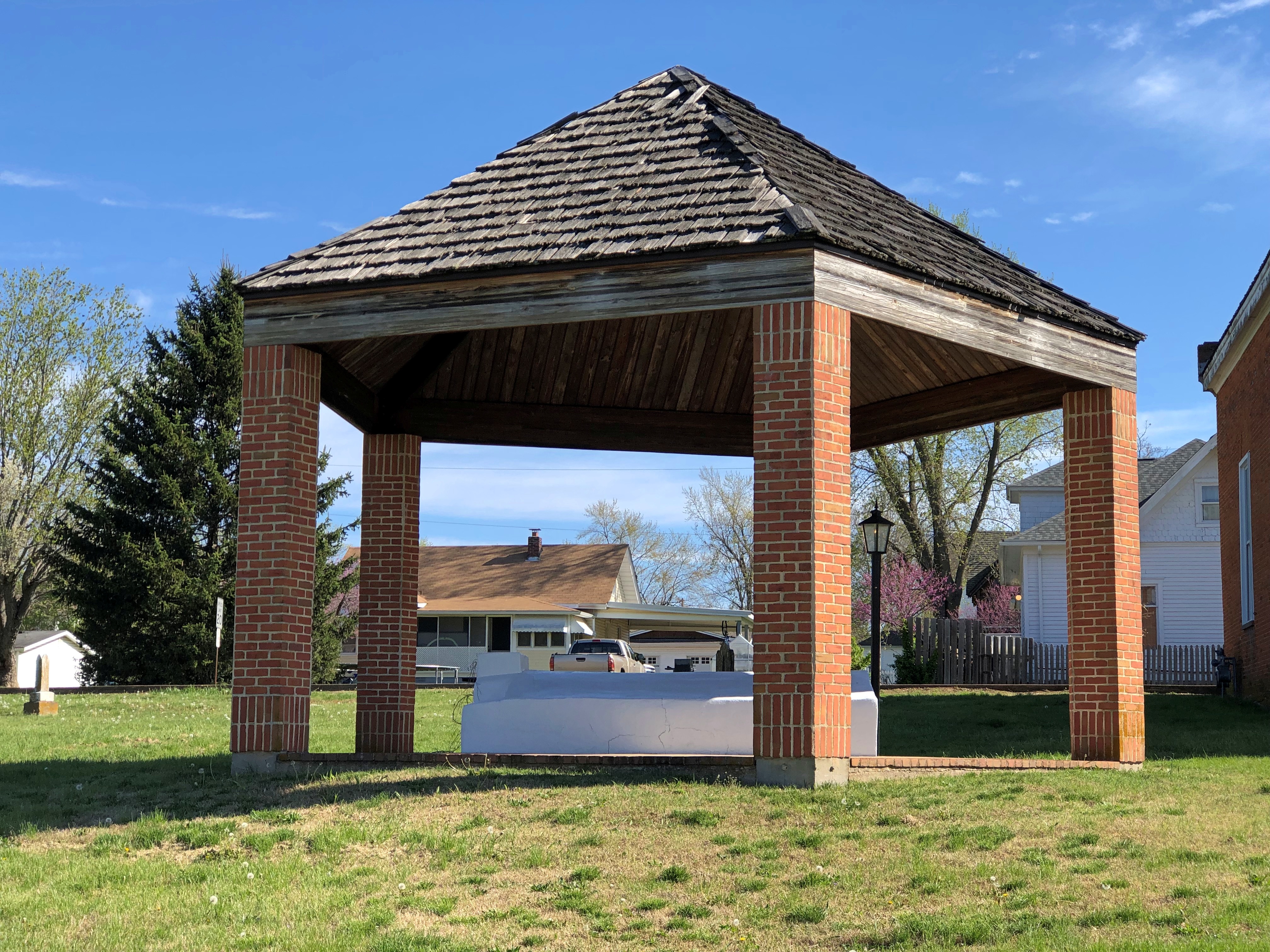
The grave itself isn’t one of the better-looking ones I’ve ever seen: a white, virtually unadorned slab under an uninspired protective shelter.Grave of Moses Austin, Presbyterian Cemetery, Potosi, Mo. Grave of Moses Austin, Presbyterian Cemetery, Potosi, Mo.

His wife Mary Brown Austin, daughter of an iron mine owner and mother of Stephen F., is there as well. We didn’t hear that much about her in school.

Moses Austin came to the area to mine lead – and escape debt back in Virginia — and apparently had a good go of it in the 1810s, though I suspect life wasn’t as good for the slaves that did the actual digging. Austin is credited with renaming the town Potosi, after the place in Bolivia, a silver mining center known as the location Spanish colonial mint, producer of countless Spanish dollars. Educated miners like Austin would have known it, anyway, and maybe he was thinking big. As in, dreams of silver. But lead would have to do.

Quite the go-getter, Moses Austin. “He & his 40 to 50 slaves & employees built bridges, roads, a store, a blacksmith shop, a flour mill, a saw mill, a shot tower, and turned out the first sheet lead & cannonballs made in Missouri,” the informative Carroll’s Corner posted.

Austin suffered reversals and ultimately lost his fortune in the Panic of 1819, and so schemed to take settlers to the underpopulated wilds of Texas, then part of New Spain — to escape his debts, among other things. He received a land grant from the Spanish Crown (that’s quite a story), and was set to go when death came calling, leaving the task to his son – who had to deal with newly independent Mexico for his grant. That’s another story, one far from modern Potosi.

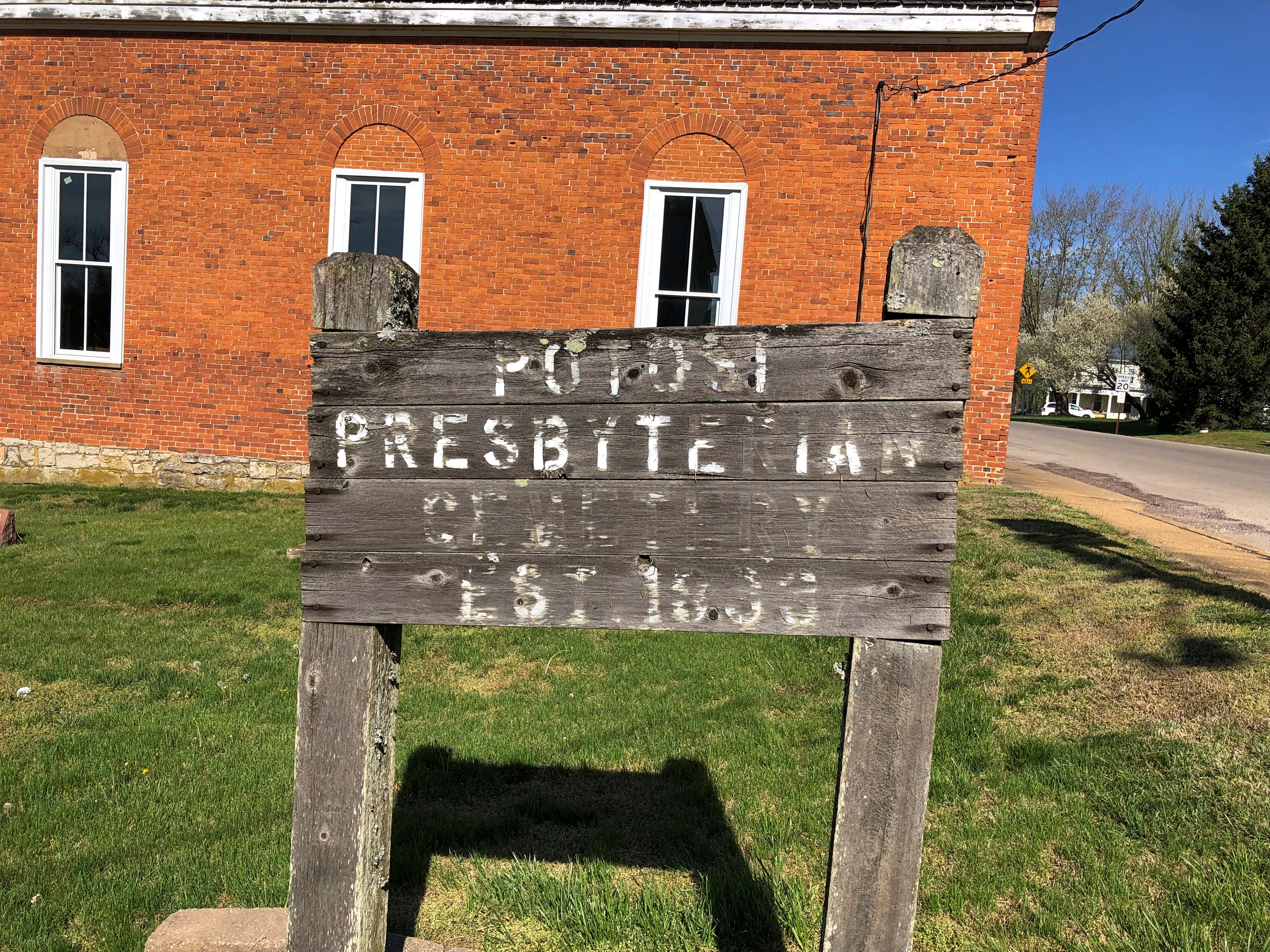
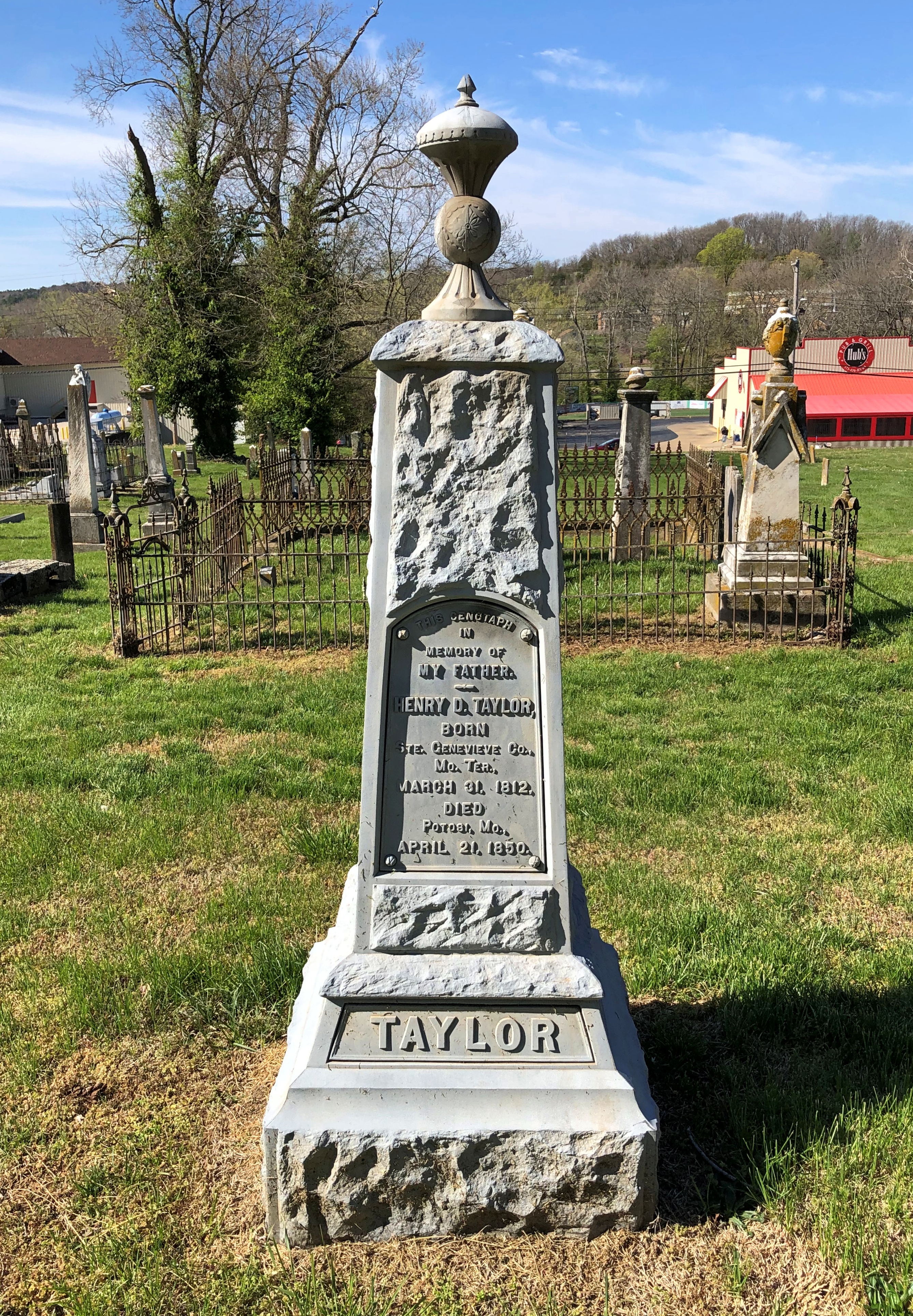
Google Maps calls the cemetery along High Street, with the Austins’ grave, City Cemetery. A sign at the site says: Potosi Presbyterian Cemetery, Est. 1833.Presbyterian Cemetery, Potosi, Mo.

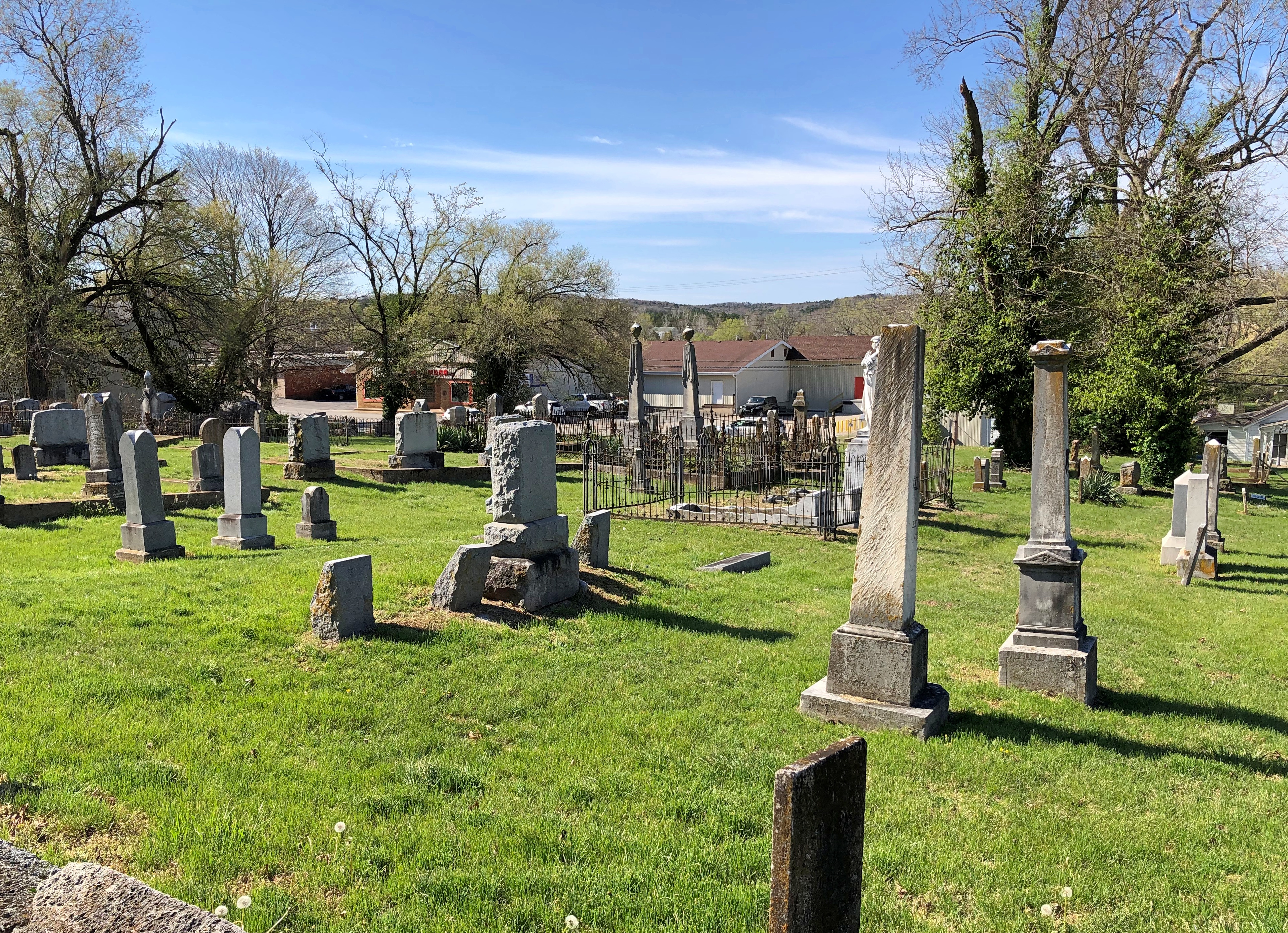
It’s a mid-sized, old-style cemetery with some charm.Presbyterian Cemetery, Potosi, Mo. Presbyterian Cemetery, Potosi, Mo.
Presbyterian Cemetery, Potosi, Mo.

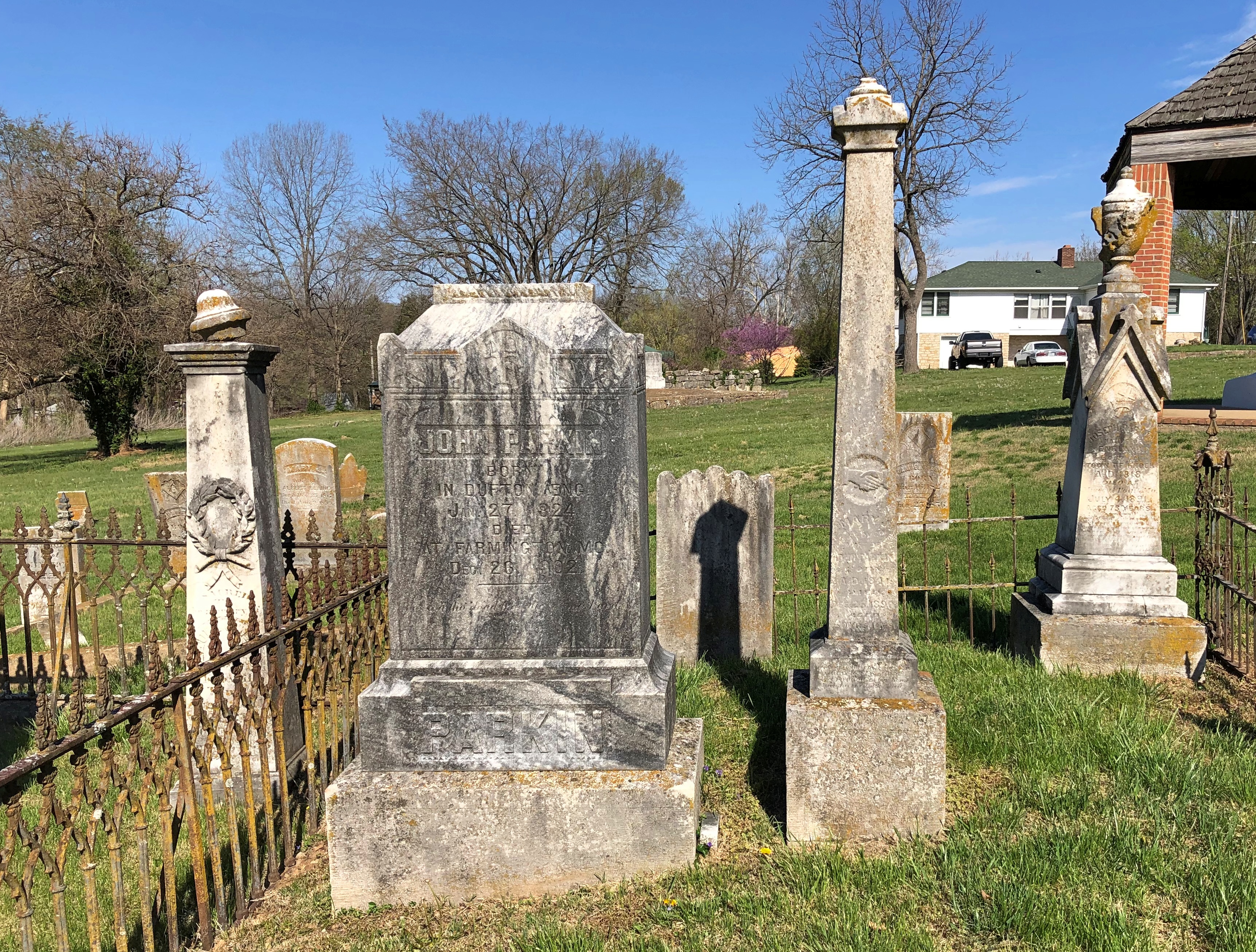
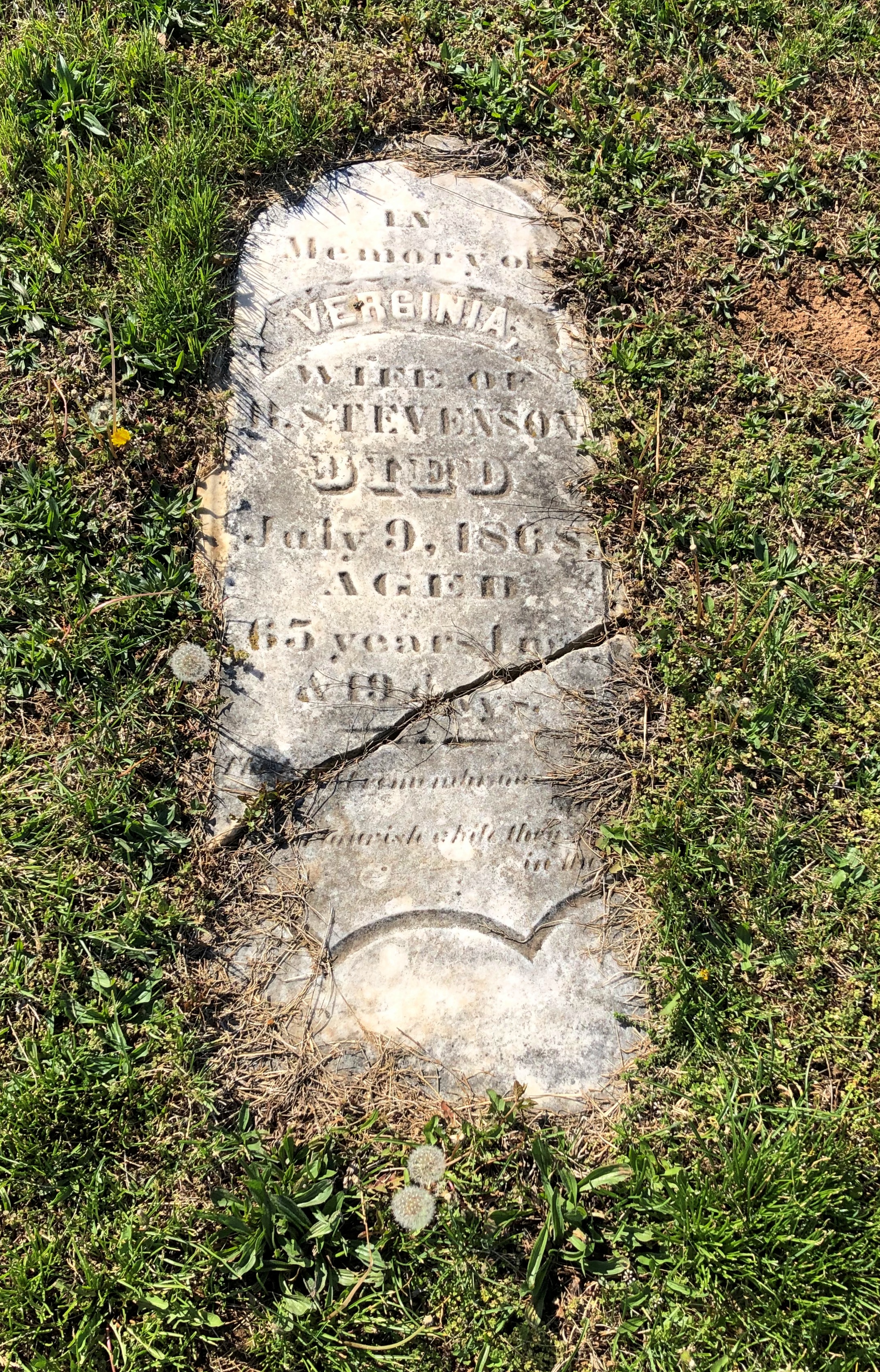
With memorials broken and worn.Presbyterian Cemetery, Potosi, Mo.

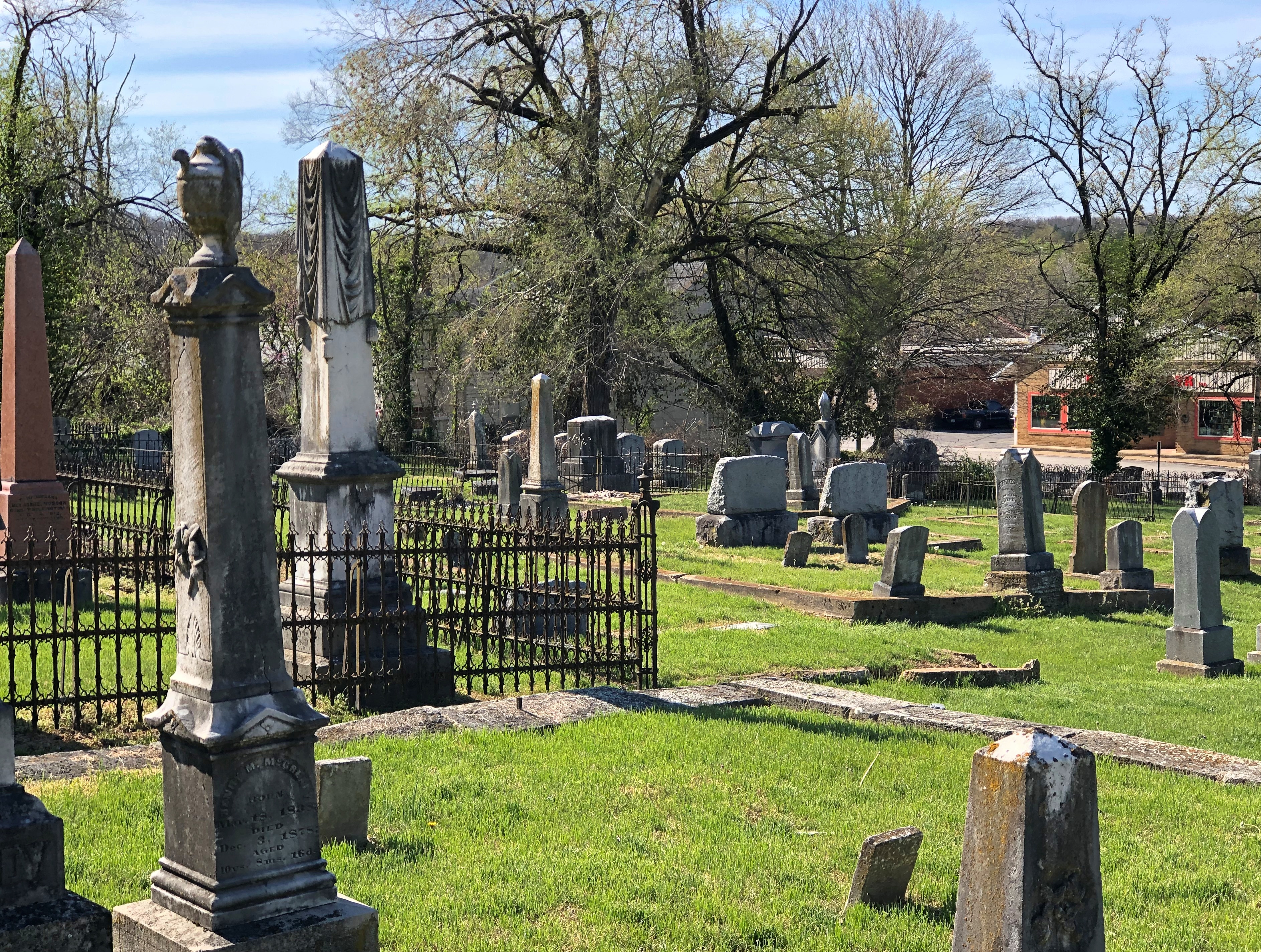
And others still waiting for that wear to happen. It will.Presbyterian Cemetery, Potosi, Mo.

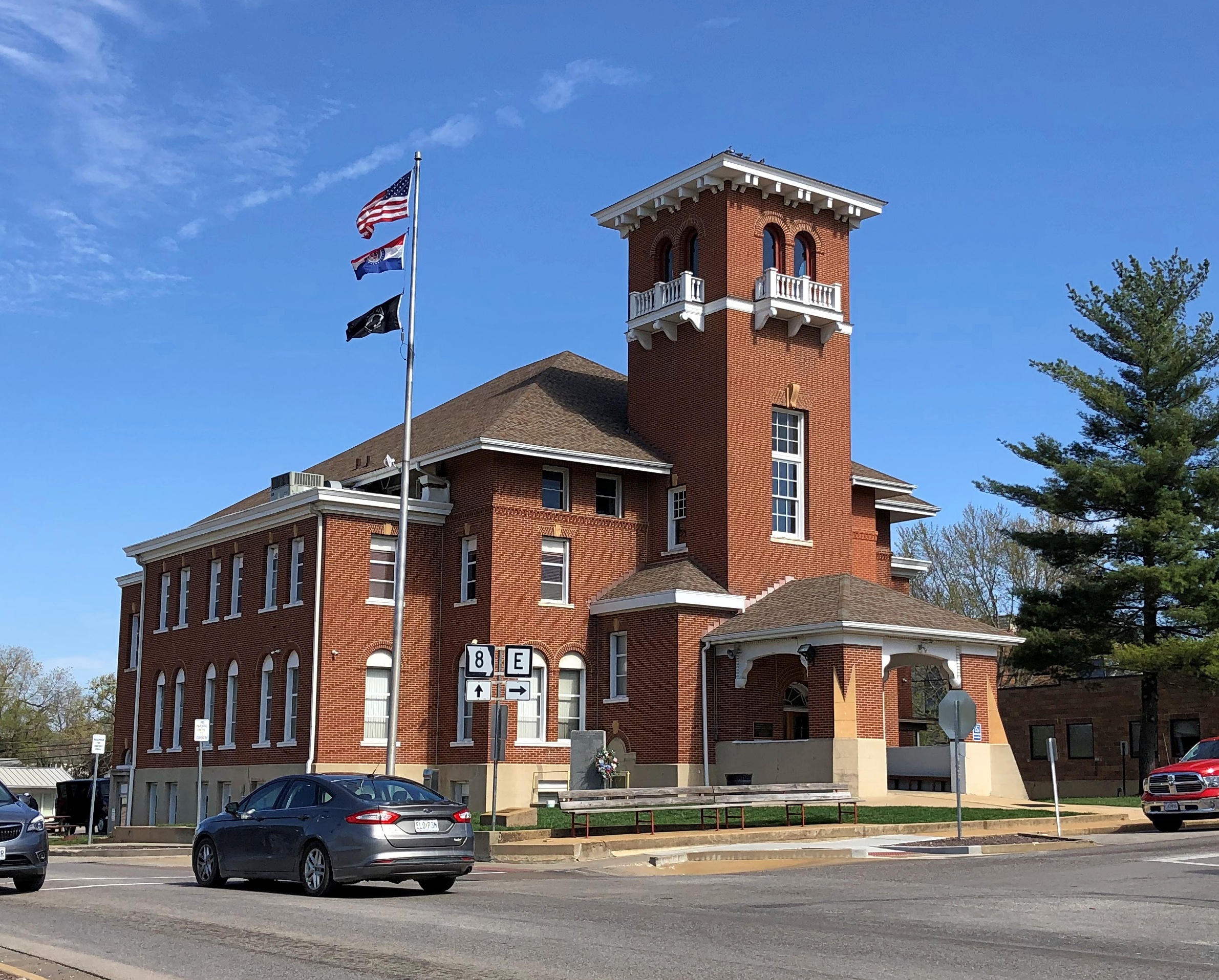
High Street is the location of a handsome county courthouse (Washington County), the third on the site and a 1908 design by one Henry Hohenschild, a Missouri architect who did a number of public buildings. Remarkably, the same document tells us that Moses Austin (probably) designed the county’s first courthouse. Moses was one busy guy.Washington County Courthouse, Potosi, Mo.

There are a number of antique stores on High Street, and while Yuriko was off exploring them, I was buttonholed by two Jehovah’s Witnesses sitting with their material across the road from the courthouse. Or rather, I allowed myself to be buttonholed, so I could talk a little religion. Just like I did in Salt Lake City. Or religion-adjacent. I think the ladies, Mary and Kay I believe it was, were surprised that I knew about the sale of the JW HQ property in Brooklyn some years ago.

Missouri Mines State Historic Site

Funniest thing I’ve heard in a while, at least in the category of unintentional comedy. The narrator of a video about The Wire that I watched today – just finished the third season, watching once a week or so – broke narrative for a commercial.

“If Omar is coming for you, you’ll need the perfect shoe to get away,” he said, holding up a pair of some running shoes.

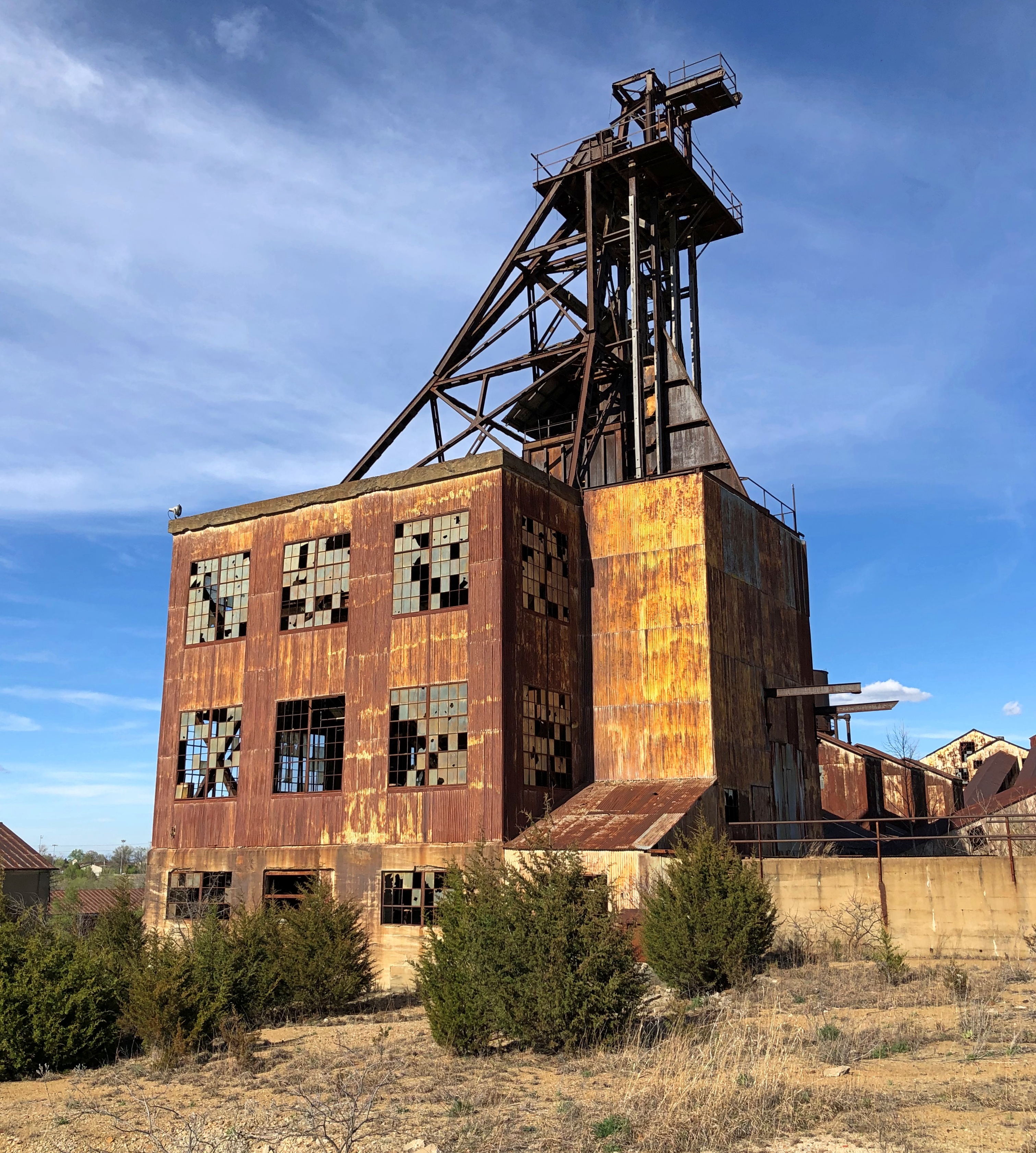
Drive about six hours from metro Chicago, south past St. Louis on the state of Missouri side of the Mississippi River, go almost as far as Farmington, Mo. (pop. 18,200) and leave the main road, but only a short distance down a side road, and you’ll find a place to ruminate on time and decay and poisoning. If you’re the ruminating sort.Missouri Mines State Historic Site Missouri Mines State Historic Site

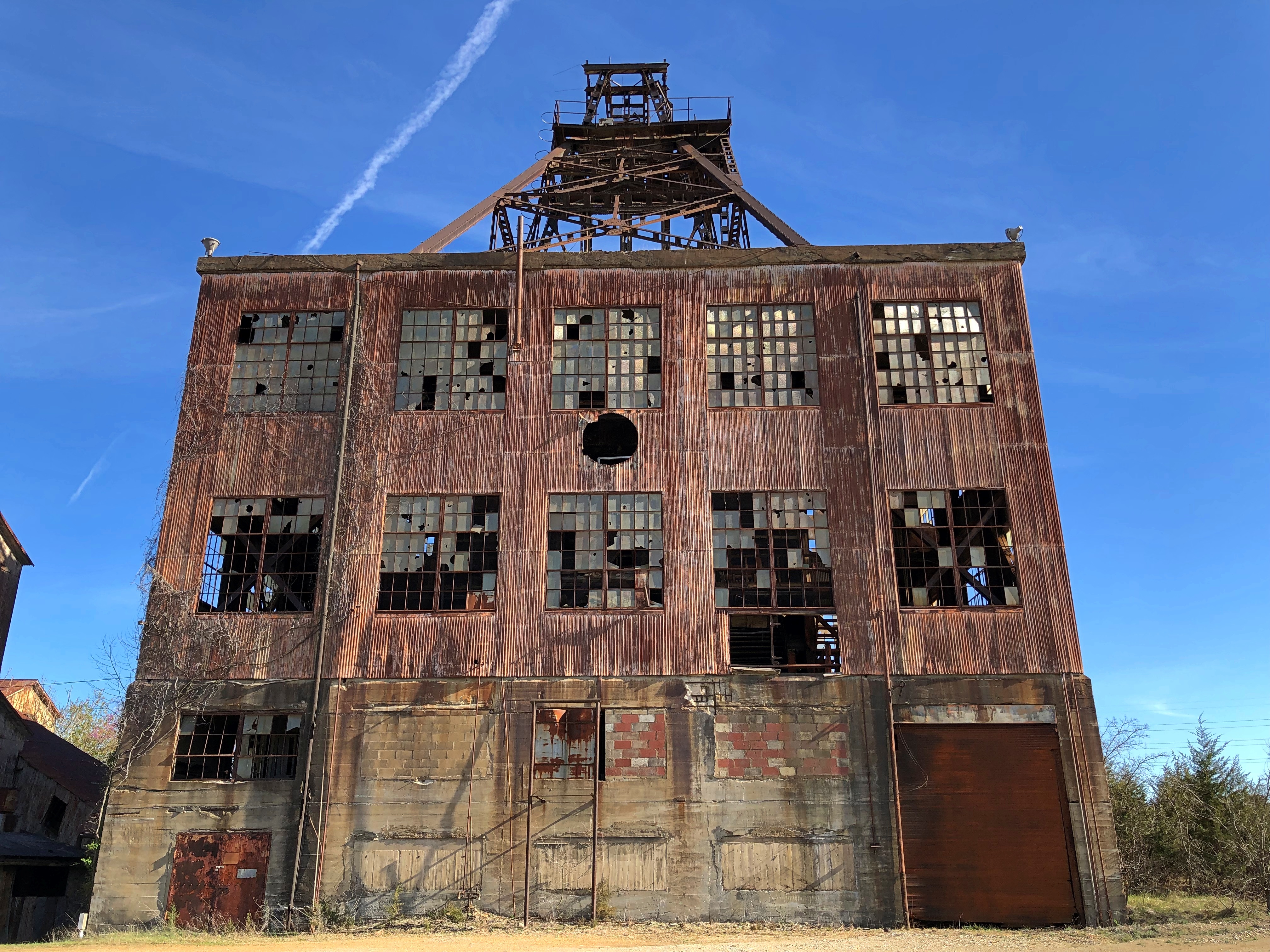
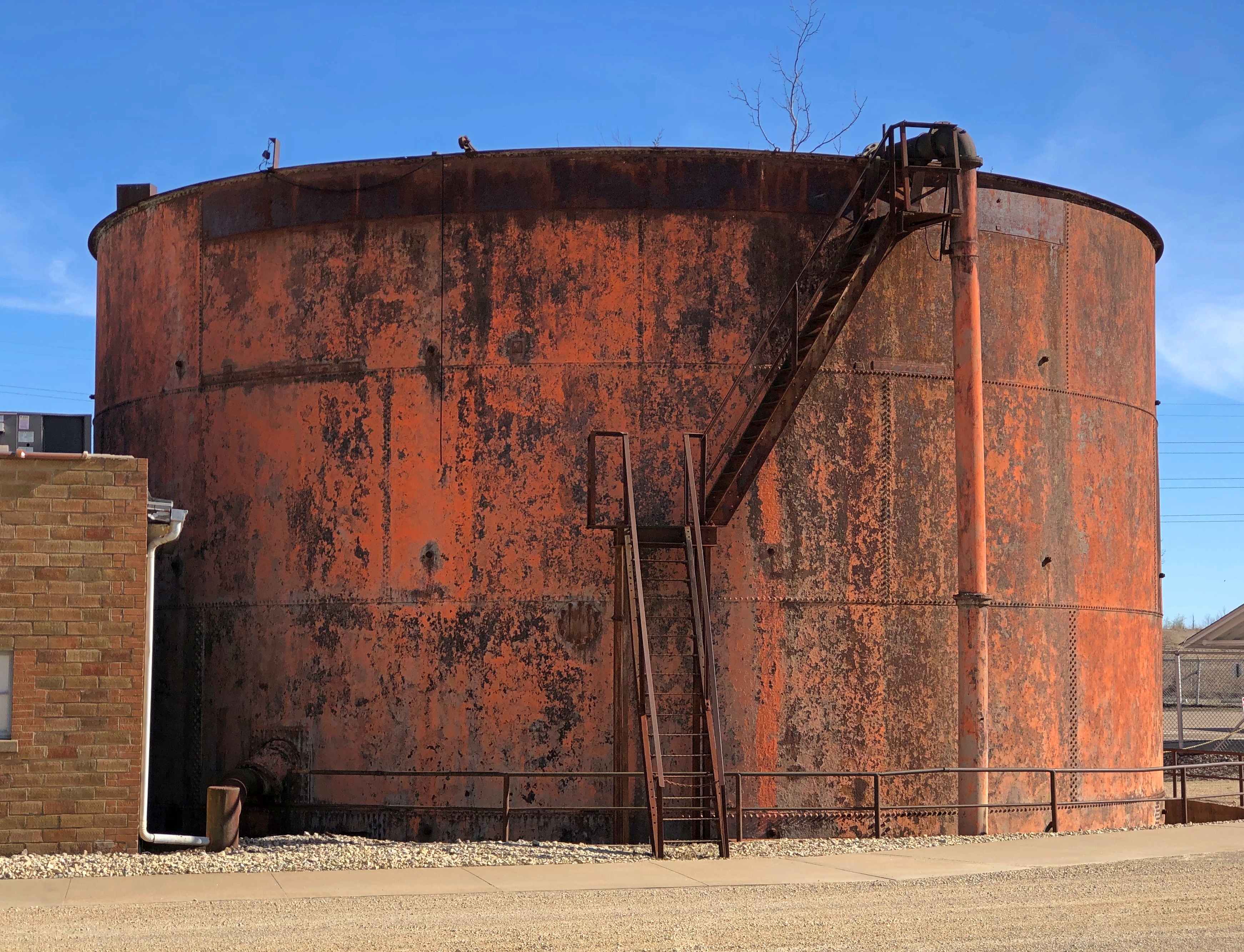
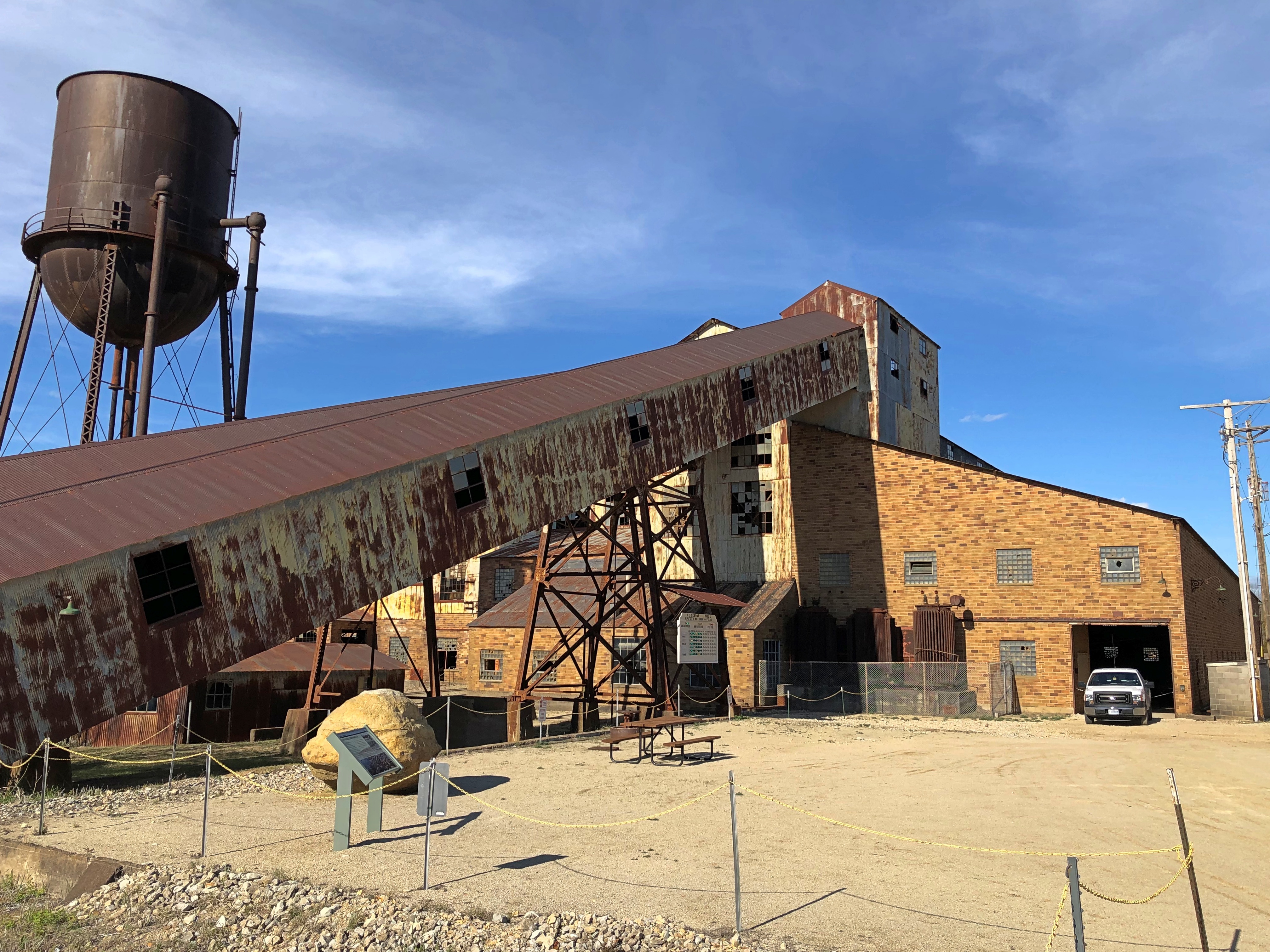
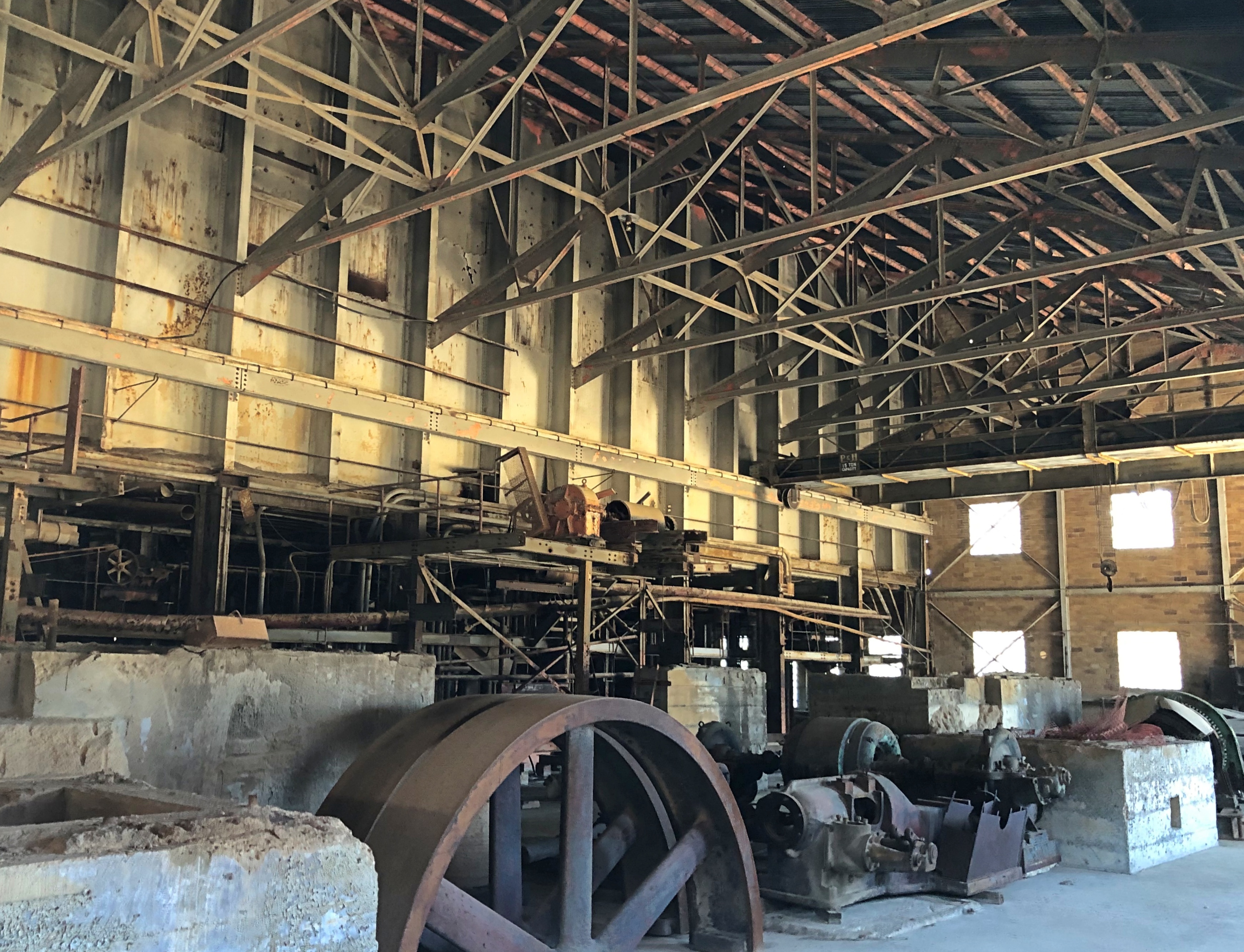
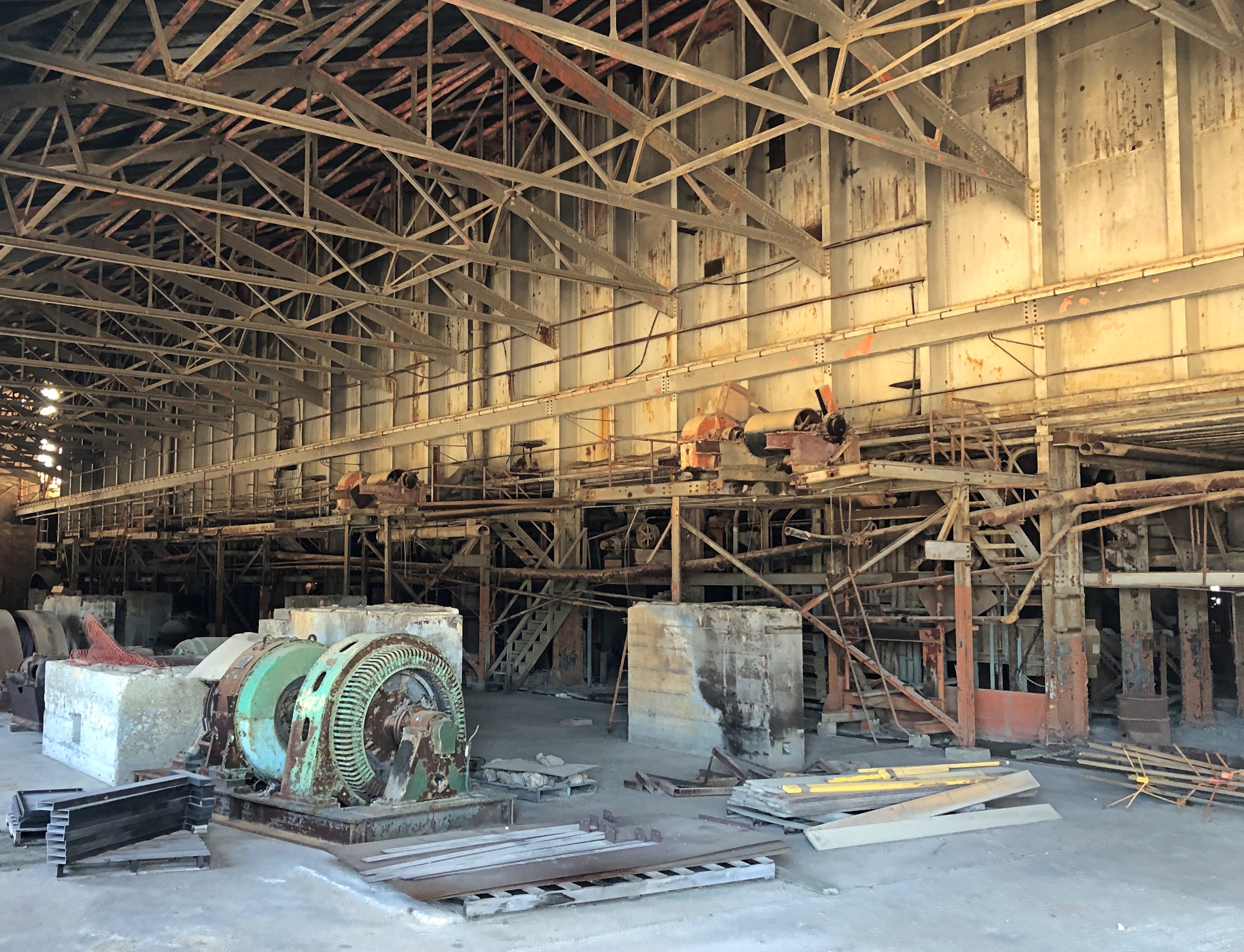
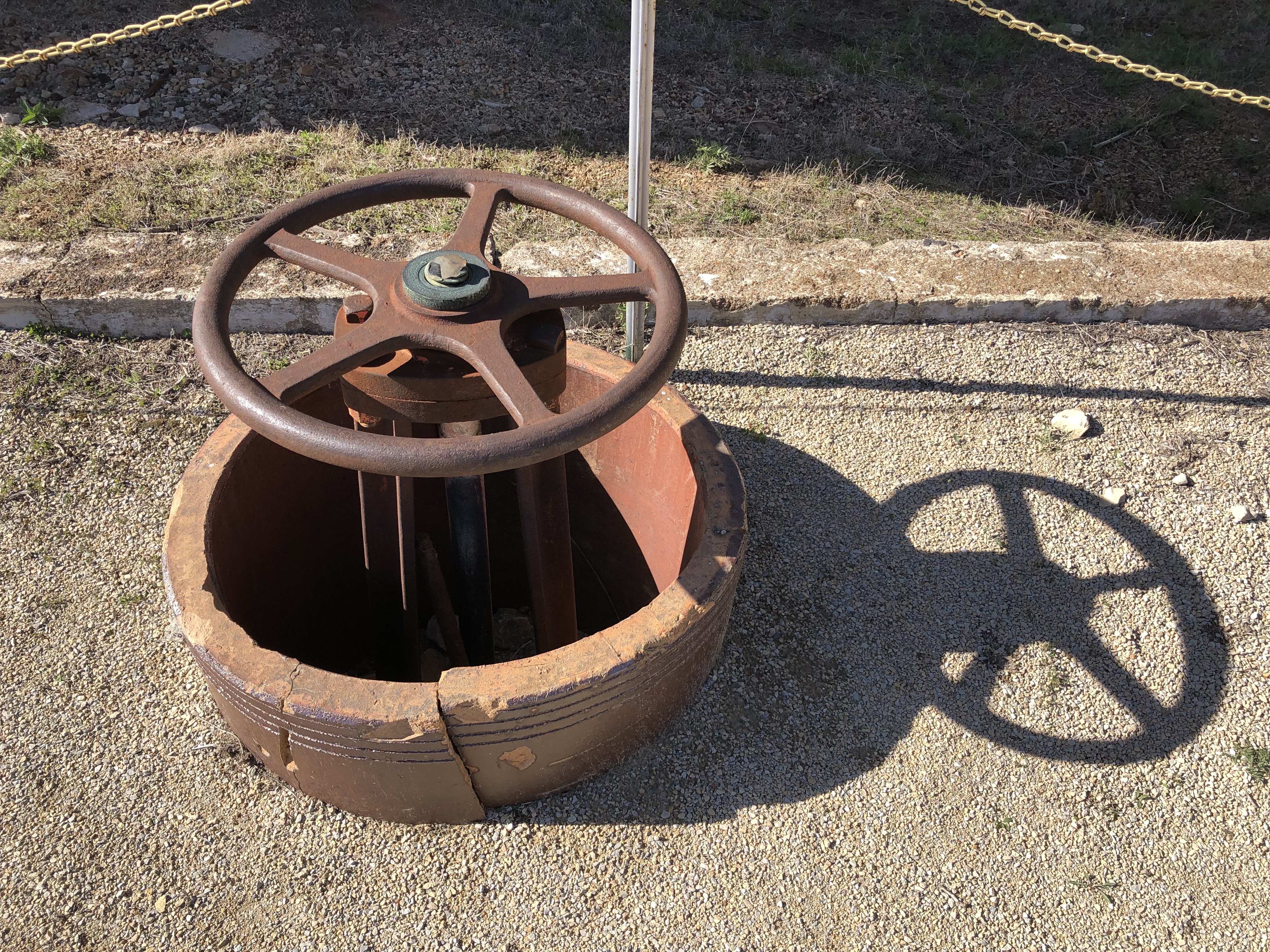
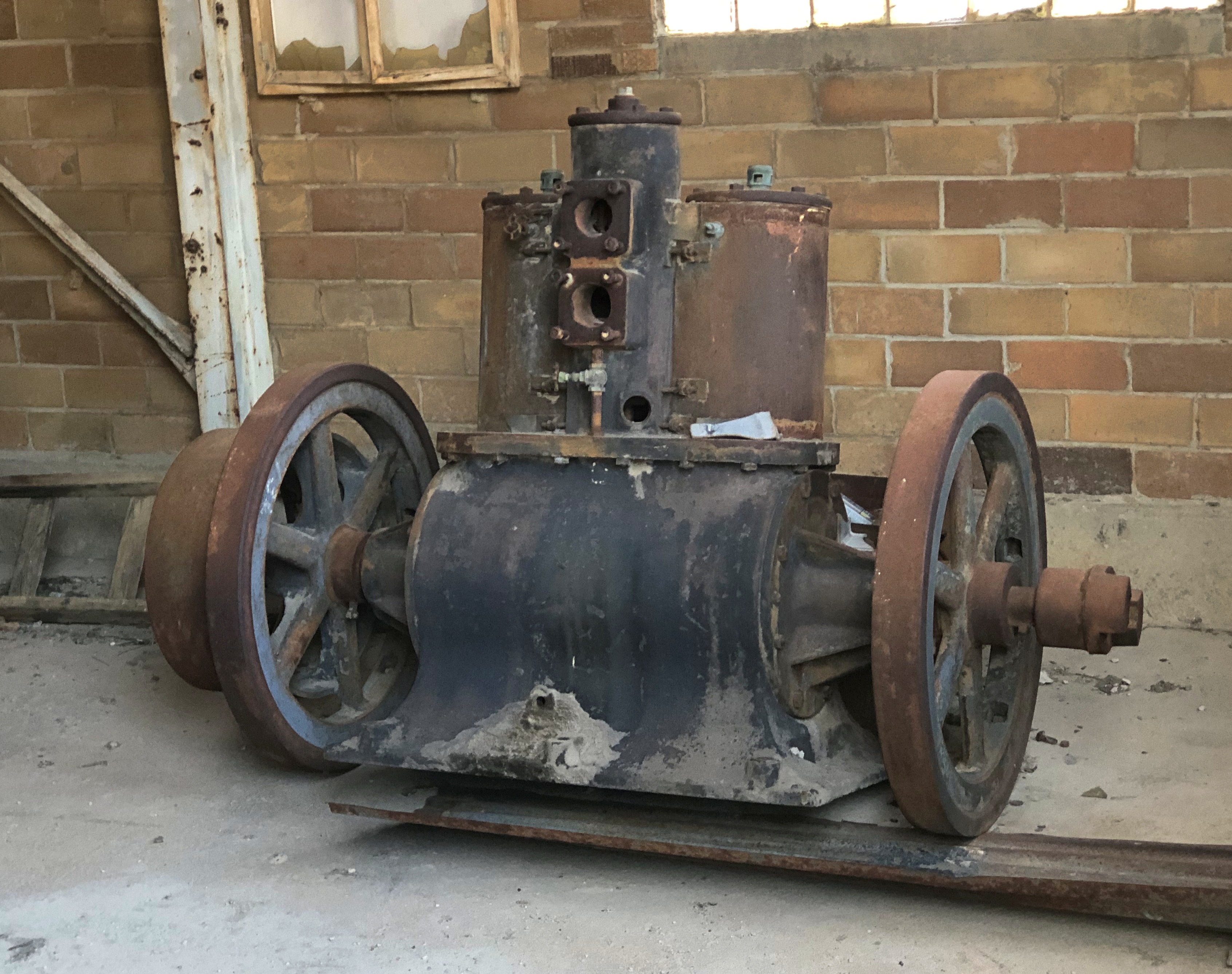
Another day, another day exposed to the elements for the former industrial structures at Federal Mill No. 3, which processed zinc and lead ore from 1906 to 1972 and became property of the state shortly after its closure. It’s now Missouri Mines State Historic Site. Smelting does what it does, leaves slag and moves on. The weathered, rusty structures should count as a kind of slag, but one you can look up at in some awe.Missouri Mines State Historic Site Missouri Mines State Historic Site Missouri Mines State Historic Site Missouri Mines State Historic Site

We’d arrived about an hour before the grounds closed on the afternoon of April 5. Except for one state park service employee, no one else was around, though there were signs advertising an upcoming eclipse event, since this part of Missouri was in the path of totality. Bet the place was overrun for that.

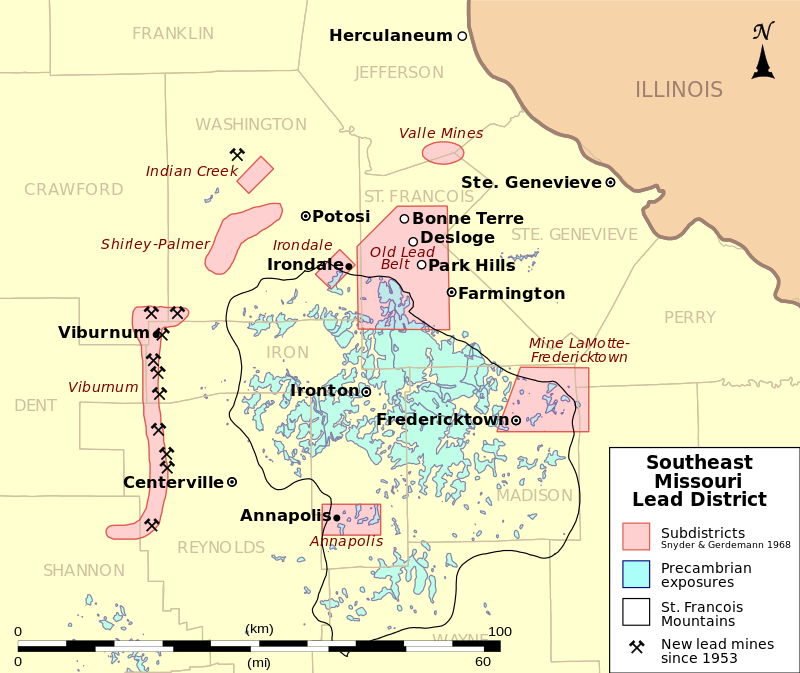
Before coming to the Lead Belt of Missouri, I’d vaguely thought that lead mining was only an historic phenomenon, something like the copper mining in the UP that left behind relics. Missouri Mines didn’t do anything to correct that impression, at least at first. Later I found out was wrong.

“Lead and fur were the most important exports from Missouri during its early years as a Spanish, French, and then United States territory (Burford, 1978),” wrote Cheryl M. Seeger in a monograph called, “History of Mining in the Southeast Missouri Lead District and Description of Mine Processes, Regulatory Controls, Environmental Effects, and Mine Facilities in the Viburnum Trend Subdistrict” (2008).

“Southeastern Missouri, with the largest known concentration of galena (lead sulfide) in the world, was the site of the first prolonged mining in the state and has produced lead almost continuously since 1721,” Seeger notes. Largest in the world? Who knew? (Besides Cheryl Seeger, that is.)

Wiki published a map to illustrate the point, posted by one Kbh3rd, who is duly acknowledged here under the terms of Creative Commons 3.0.

Looks like all the mining action migrated to the west, but not far west, in the 20th century. In the monograph, I also learned that Moses Austin was a lead miner in the region – more about him later.

Most of the buildings at Missouri Mines SHS were roped off, and probably for good reason. But large windows were open, allowing a look inside the largest of them.Missouri Mines State Historic Site Missouri Mines State Historic Site Missouri Mines State Historic Site

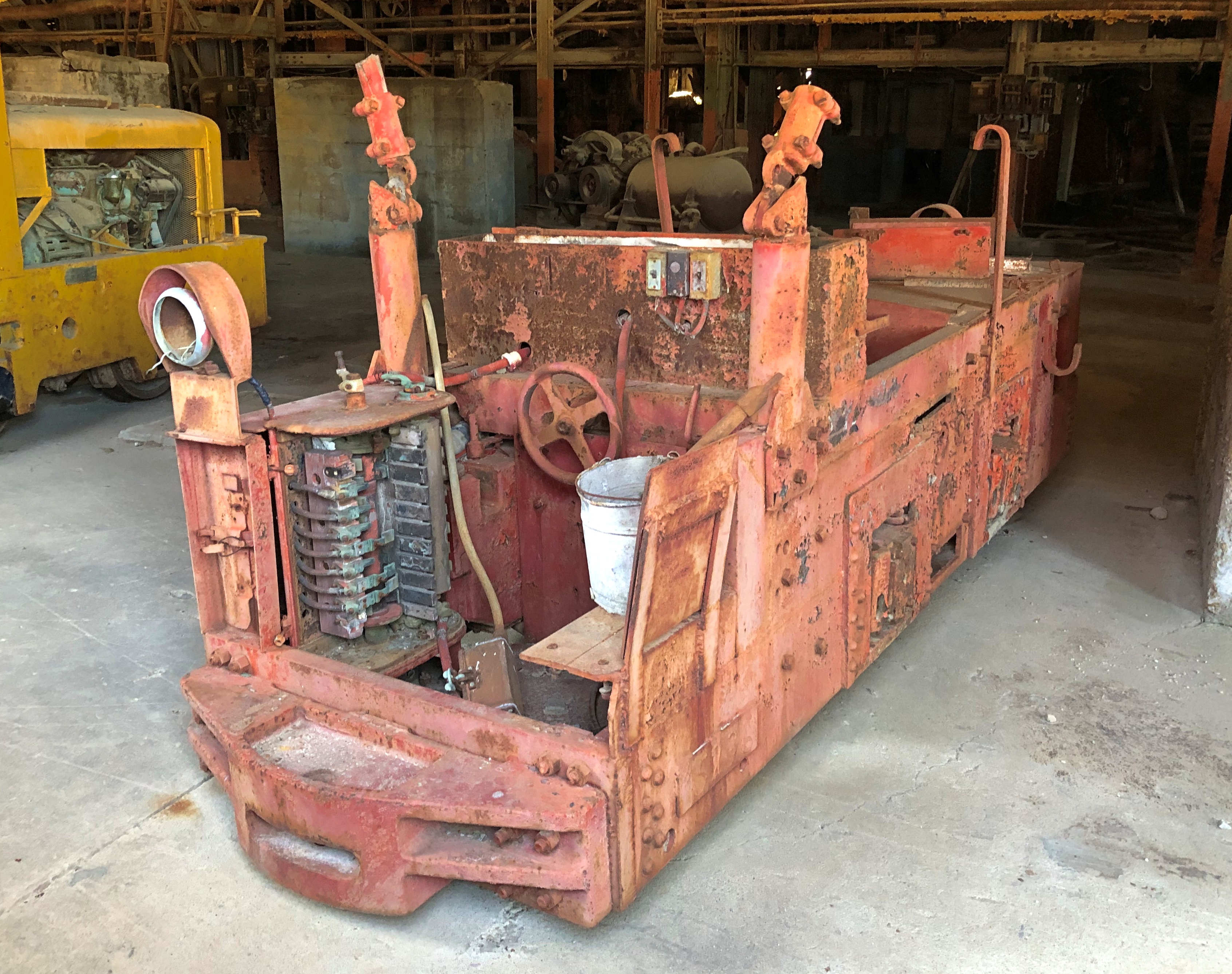
Mighty ruins are one thing, but I also like the smaller pieces.Missouri Mines State Historic Site Missouri Mines State Historic Site Missouri Mines State Historic Site

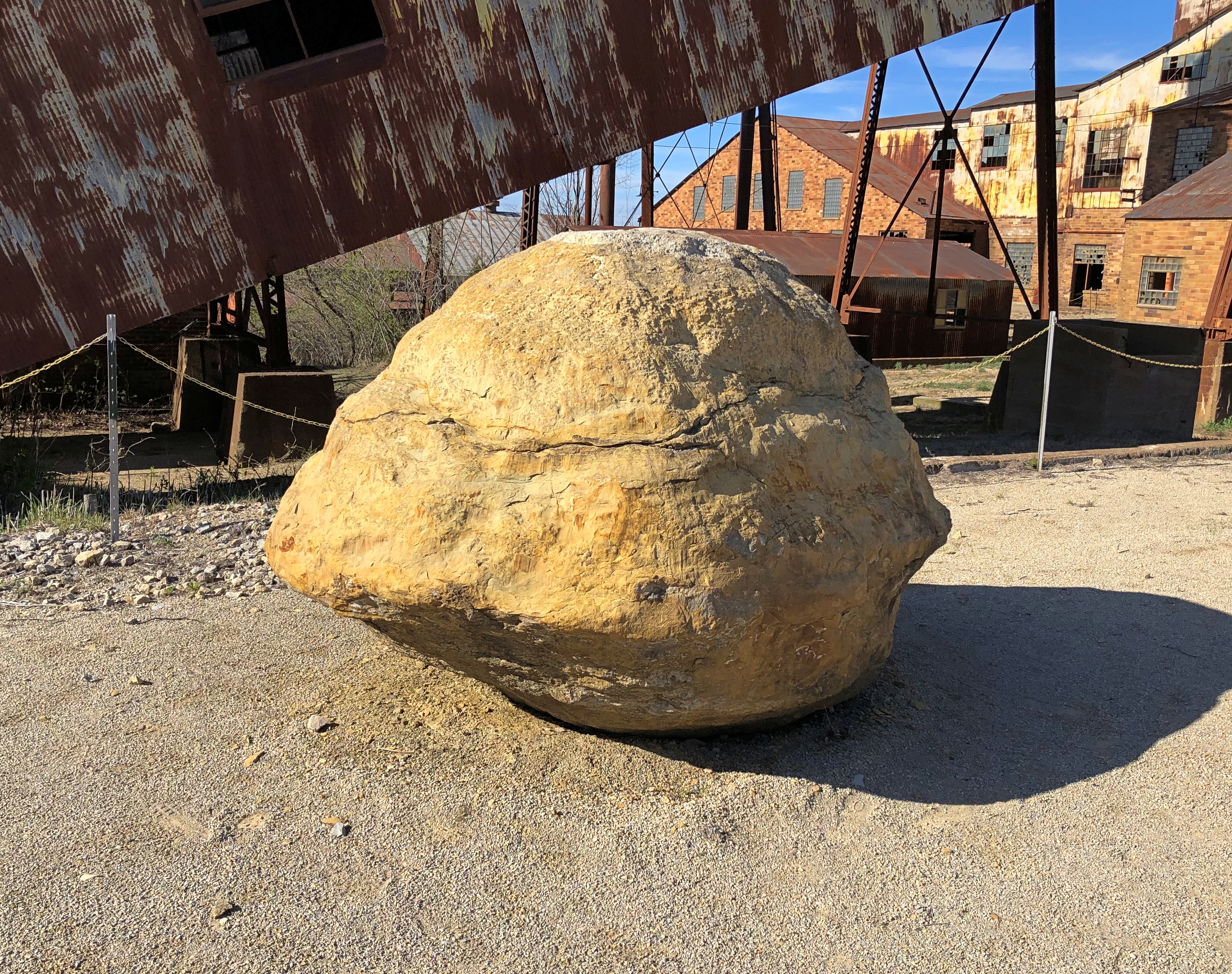
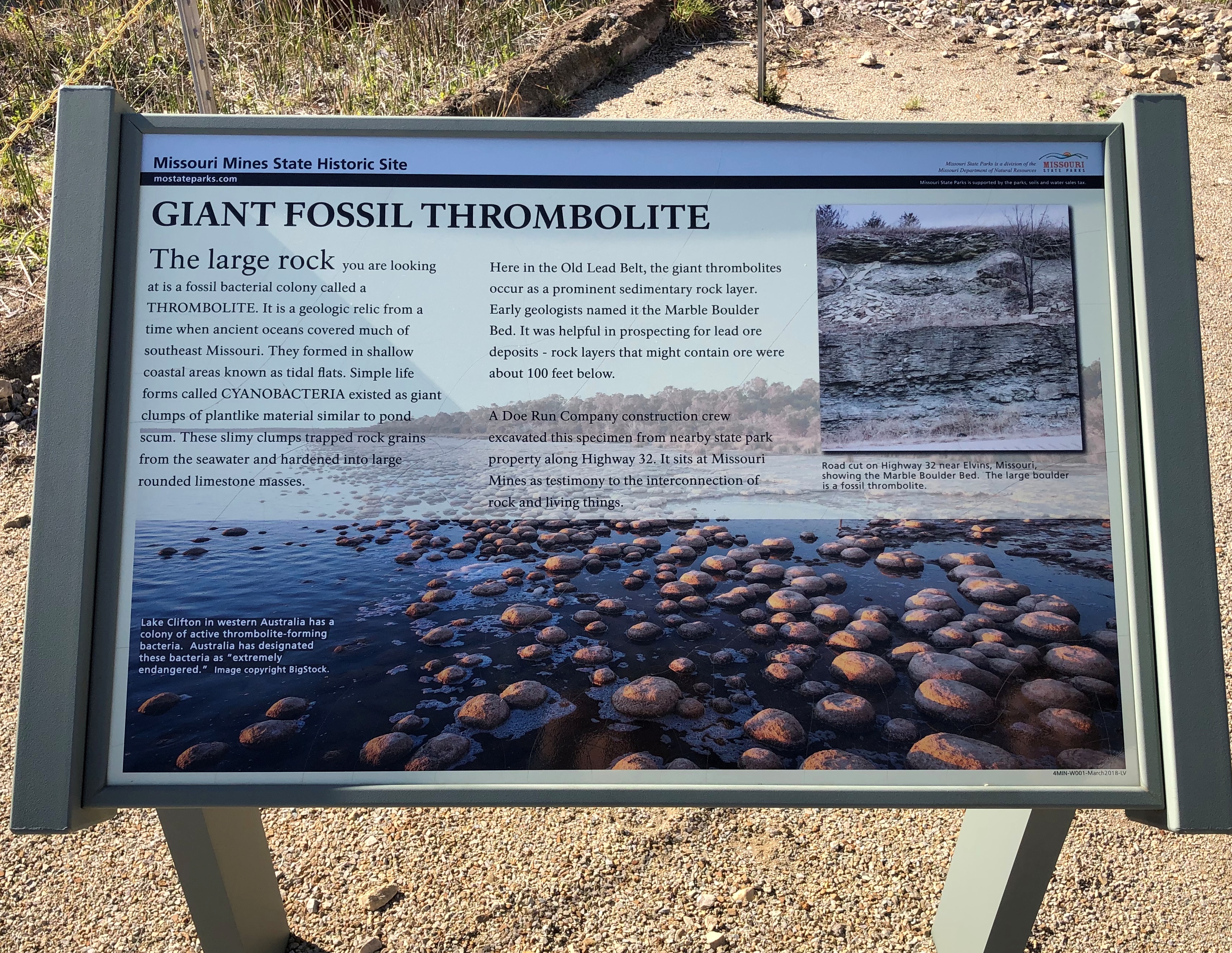
An oddity, but one dug up nearby.Missouri Mines State Historic Site

A giant fossil thrombolite, a nearby sign said. Fossilized creatures, if you can call them that, from a billion years ago.Missouri Mines State Historic Site

Next to the state historic site is St. Joe State Park, with a path leading into that park. The day was warm, but not too warm for a walk. It was then we realized the thing we’d forgotten for the trip, because there’s always something: hats. But we managed.

It was like walking straight into one of the more desolate parts of the West instead of lush, springtime Missouri.St Joe State Park St Joe State Park St Joe State Park

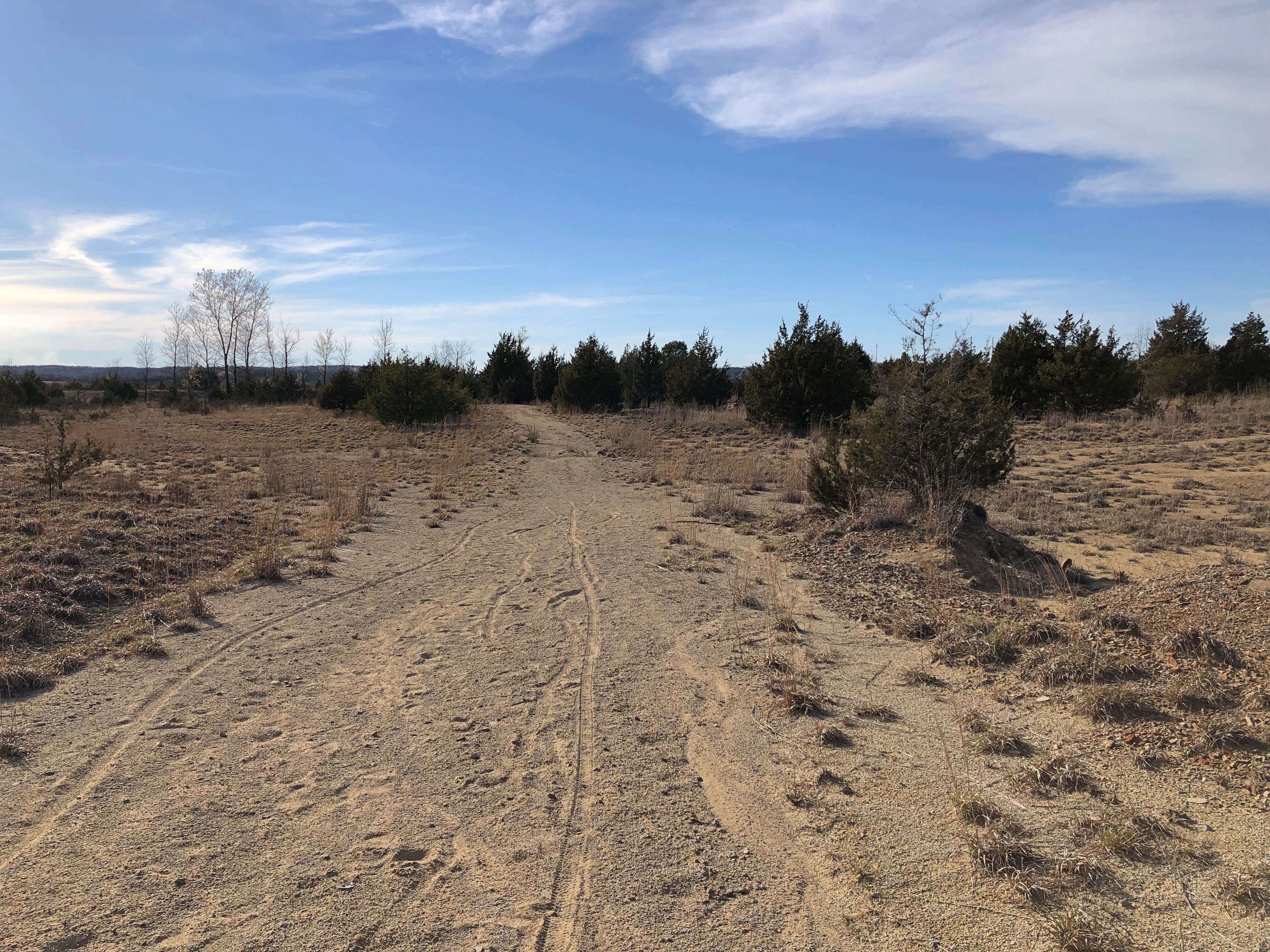
Another legacy of lead mining: ruined land, considered fit only for off-road vehicle tracks these days. Look at enough maps of the Lead Belt, and you’ll find the Superfund maps, too – which cover most of the area.

Is there Superfund site tourism? There must be. No? Now there’s an opportunity for some gritty tours, believe me.

Or maybe infrastructure tourism.

Sign me up for that one.

Southern Loop ’21 Scraps

Near-summer weather to a tee visited northern Illinois over the weekend — next week will be chillier, I read — with cloud puffs ambling along the completely pleasant warm air, except maybe for persistent strong gusts of wind, a mild sirocco. Those gusts didn’t keep us from walking the dog or me from idling on our deck, reading or resting my eyeballs, but they did put the kibosh on taking any meals as a family out there.

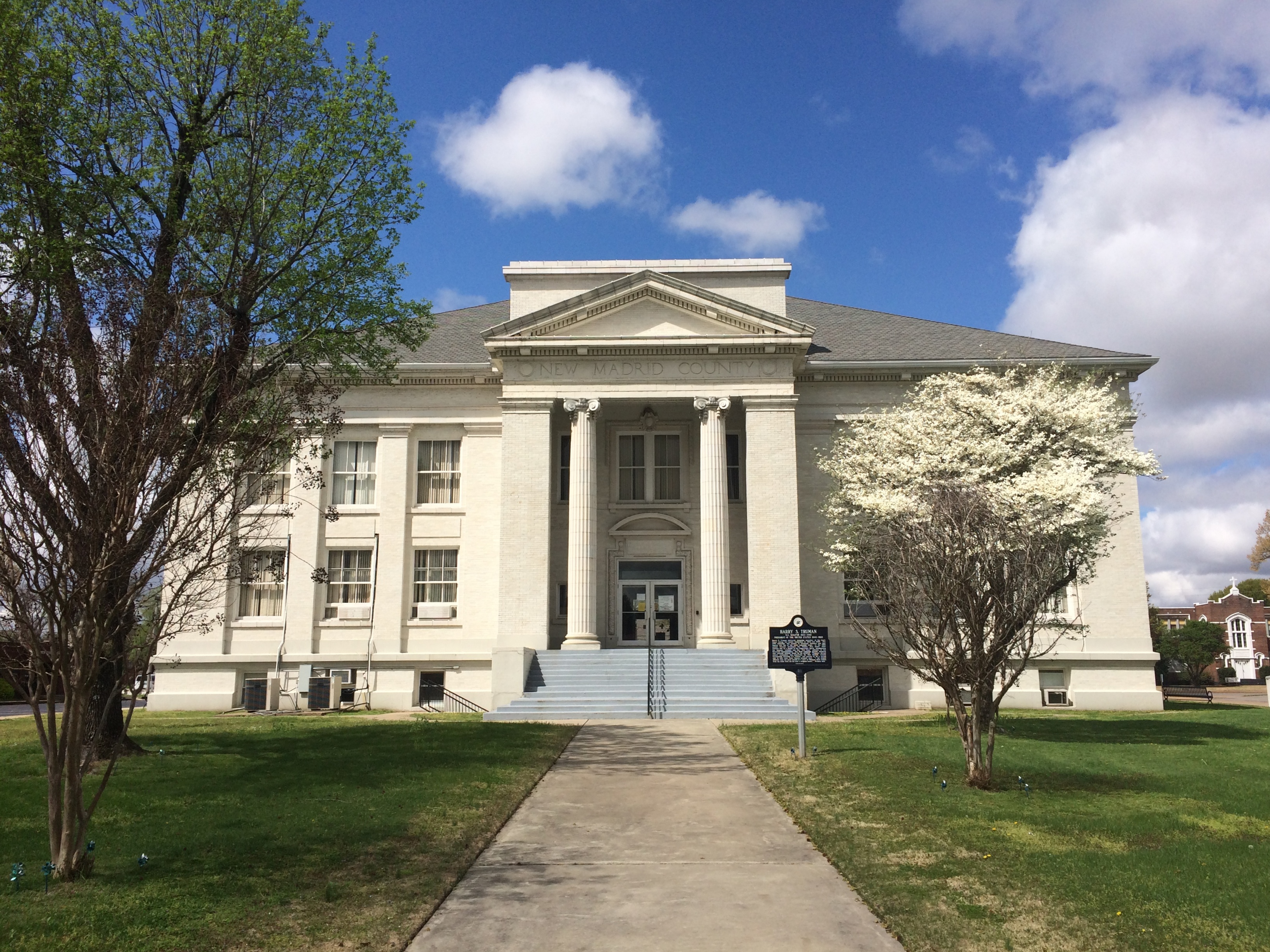
My stop in New Madrid, Missouri, on April 10 was brief, but long enough to get a look at the handsome county courthouse.

New Madrid County Courthouse

“Cornerstone ceremonies were July 4, 1915, for the Classical Greek Revival style building of white sandstone and porcelain brick with a copper box laid in the northeast corner containing copies of all New Madrid County and St. Louis newspapers and carefully prepared historical events, including the names of the citizens who contributed the $20,000, names of all county officers, etc.,” says the courthouse web site. Sounds like a dull time capsule, but never mind.

“Additional funds for finishing the courthouse and jail were authorized early in 1917, but no bids were received… Finally, W. W. Taylor, a master builder from Cape Girardeau, superintended final interior work, which included marble stairways with cast iron railings and a large rotunda with a stained glass window in the ceiling that was completed in January 1919.”

Closed on Sunday. Maybe closed for the pandemic, anyway, so the marble and stained glass and more weren’t visible to me. Hope the courthouse was built to resist seismic events (as much as possible 100 years ago), or refit in more recent years.

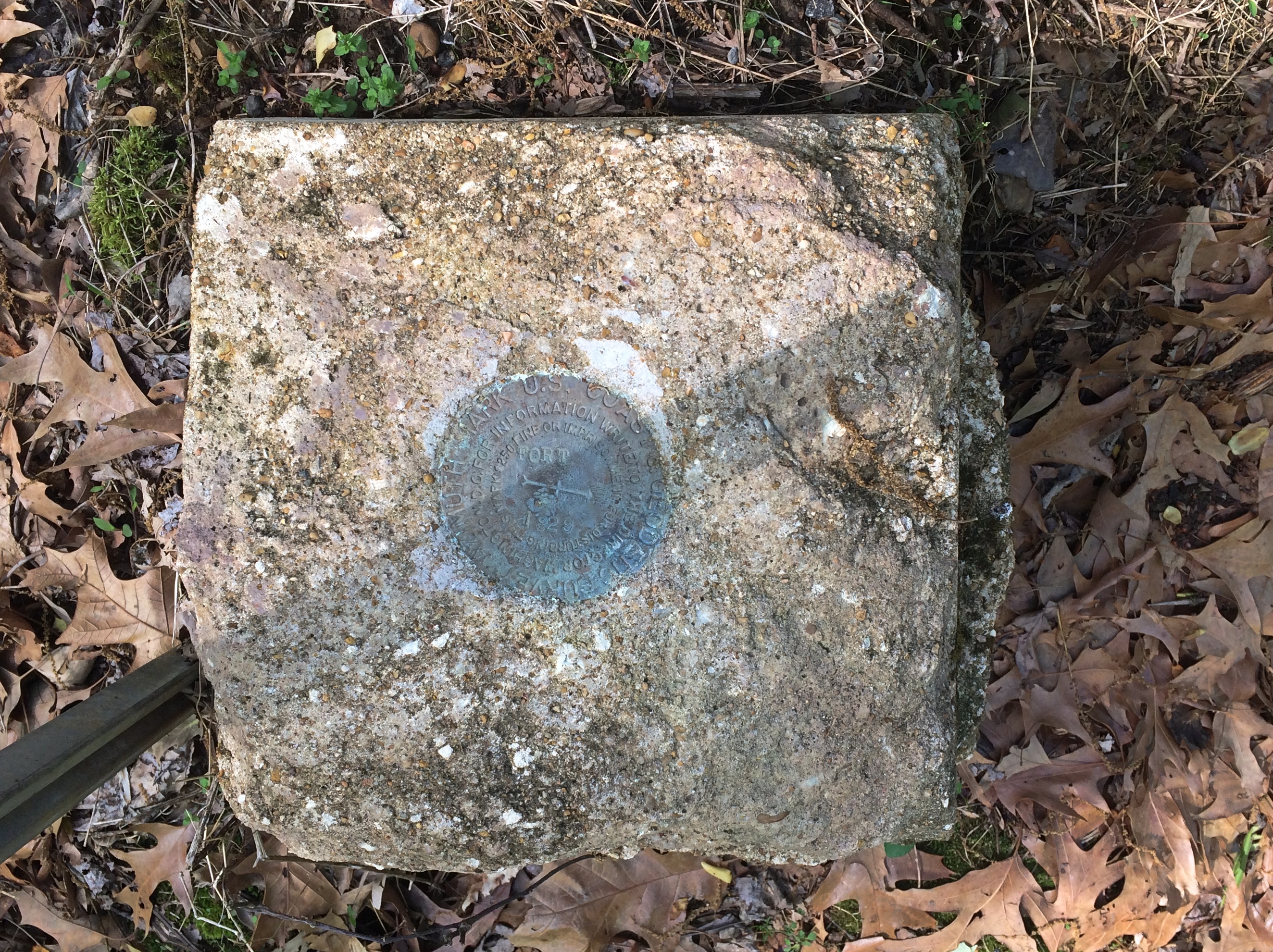
A survey marker at Fort Pillow State Historic Site, Tennessee. Always interesting to run across one.

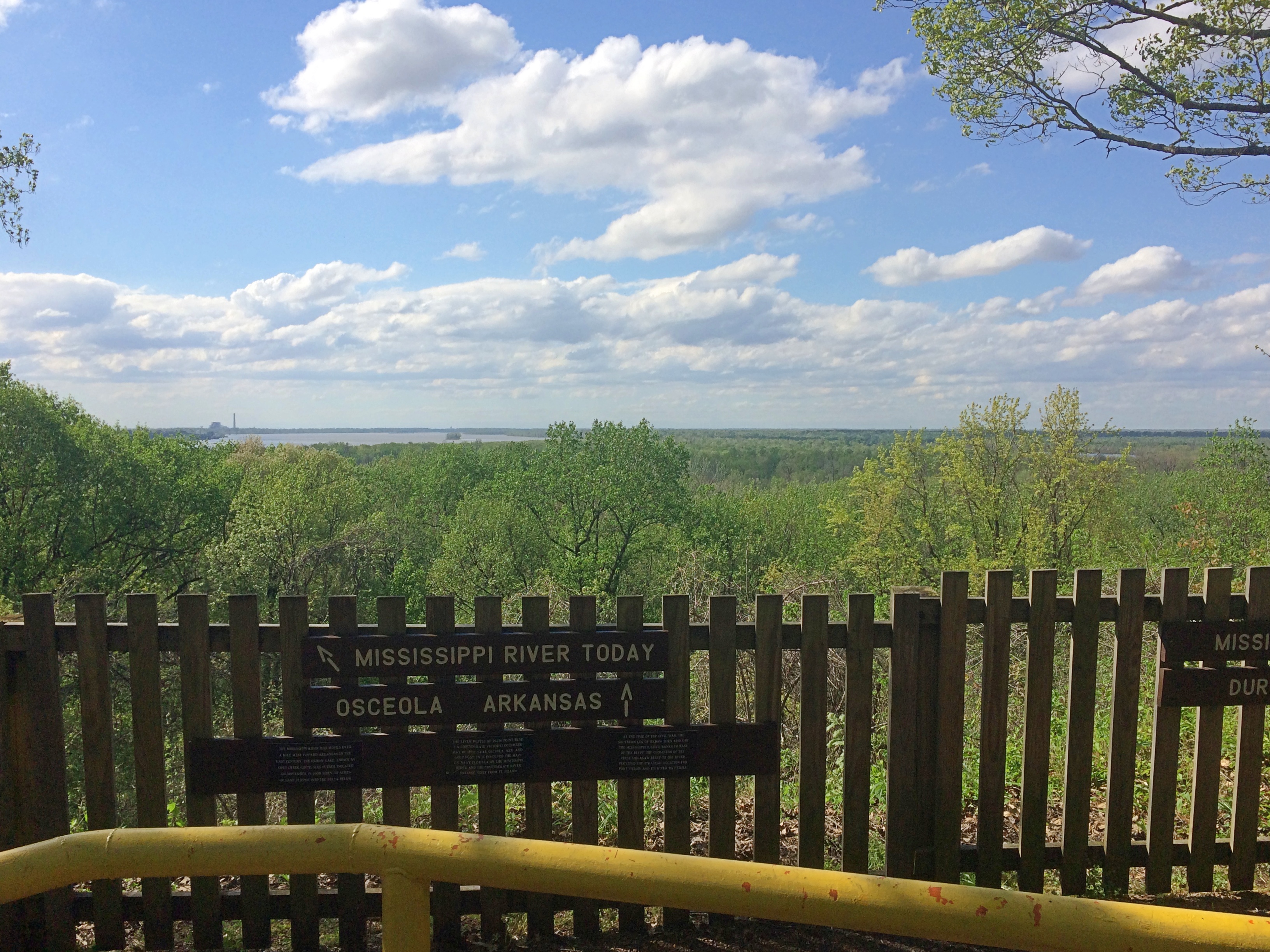
A view of the Mississippi at Fort Pillow.
Fort Pillow

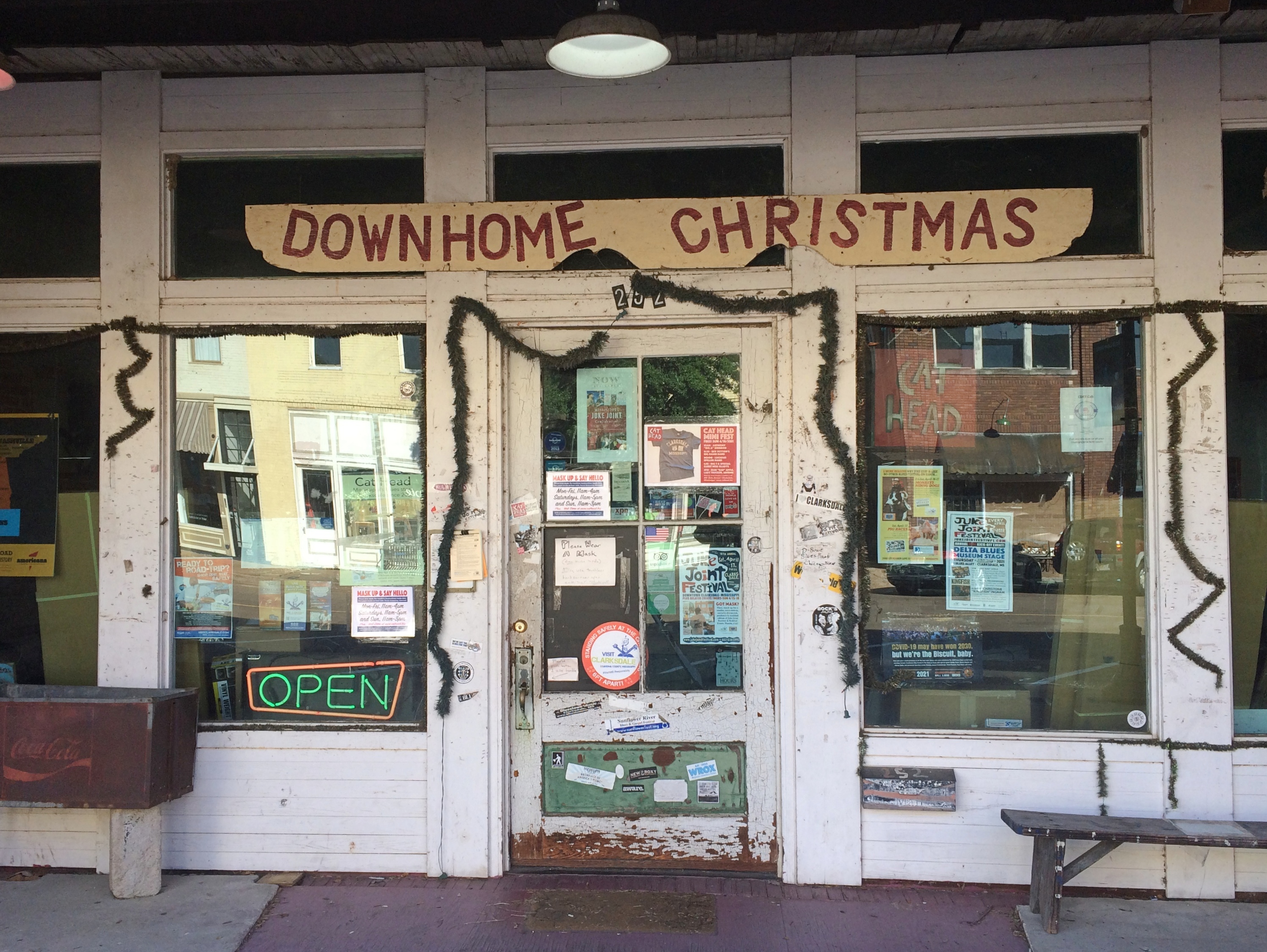
A retail scene from Clarksdale, Mississippi. Something Amazon cannot replace.
Clarksdale Mississippi
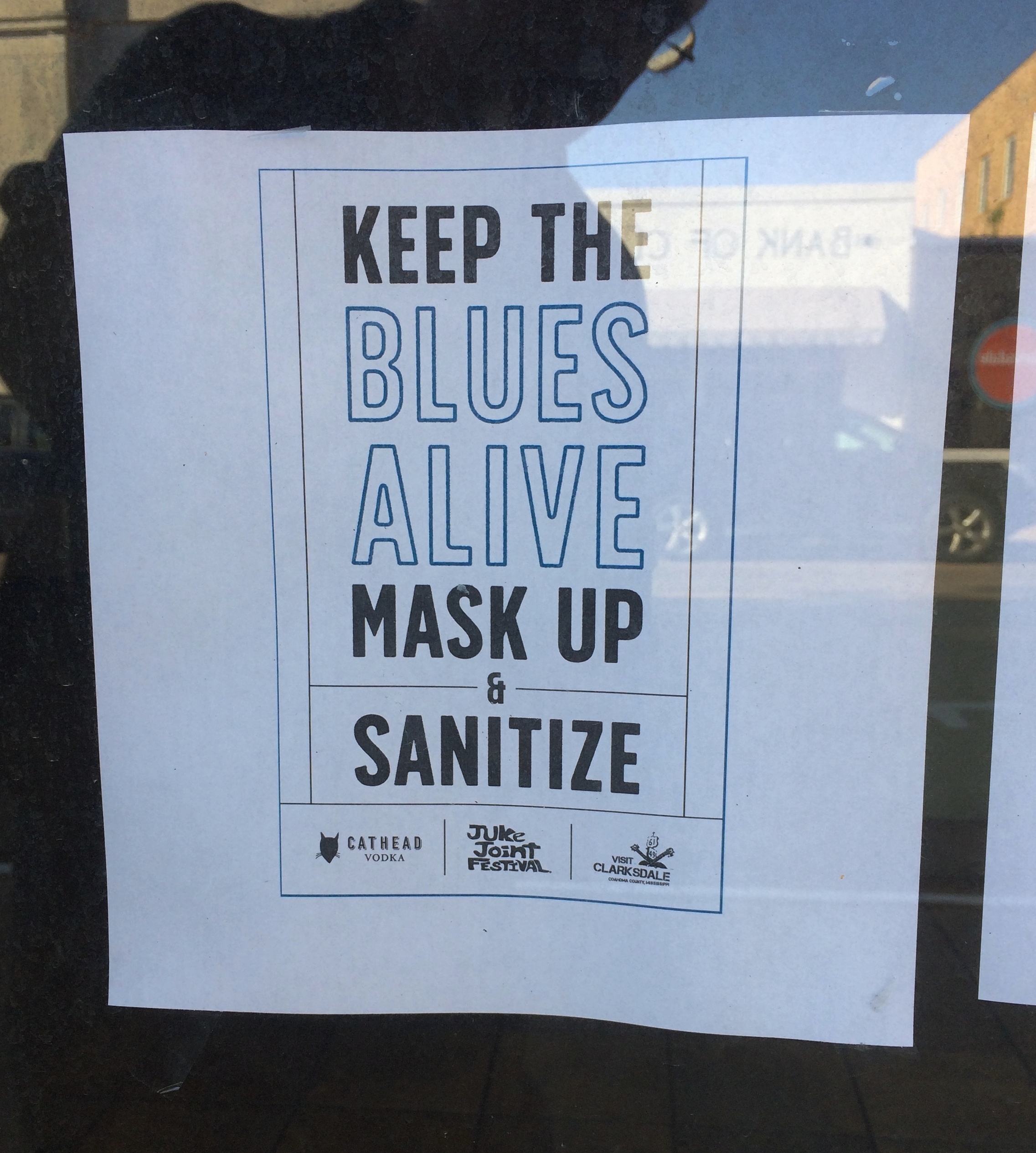
Despite the glowing neon, the shop — called Cat Head — wasn’t open on a Sunday morning.

Keep the Blues Alive

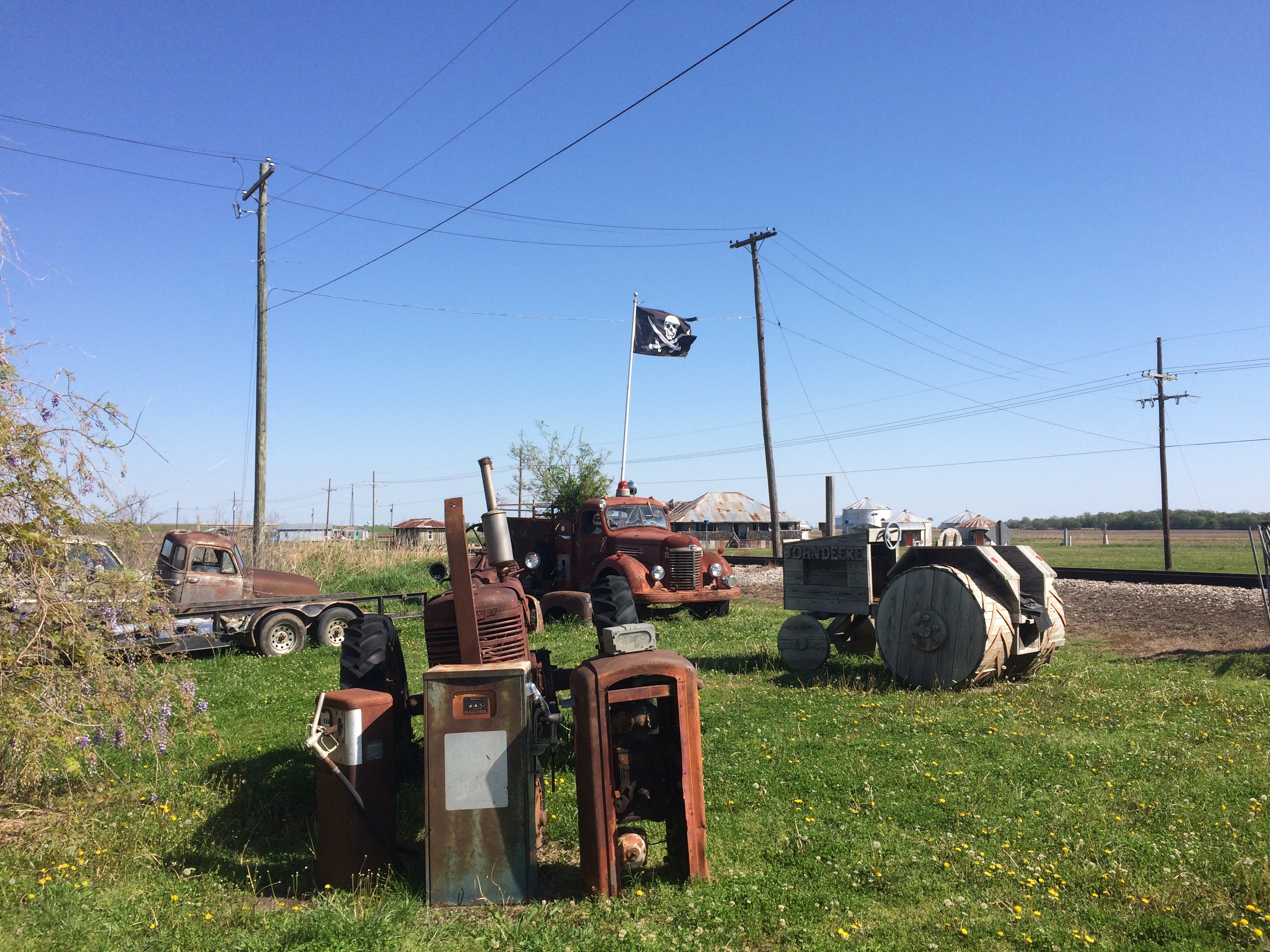
A scene from rural Mississippi, where perhaps the landowner recognizes no political authority.
Jolly Roger Mississippi

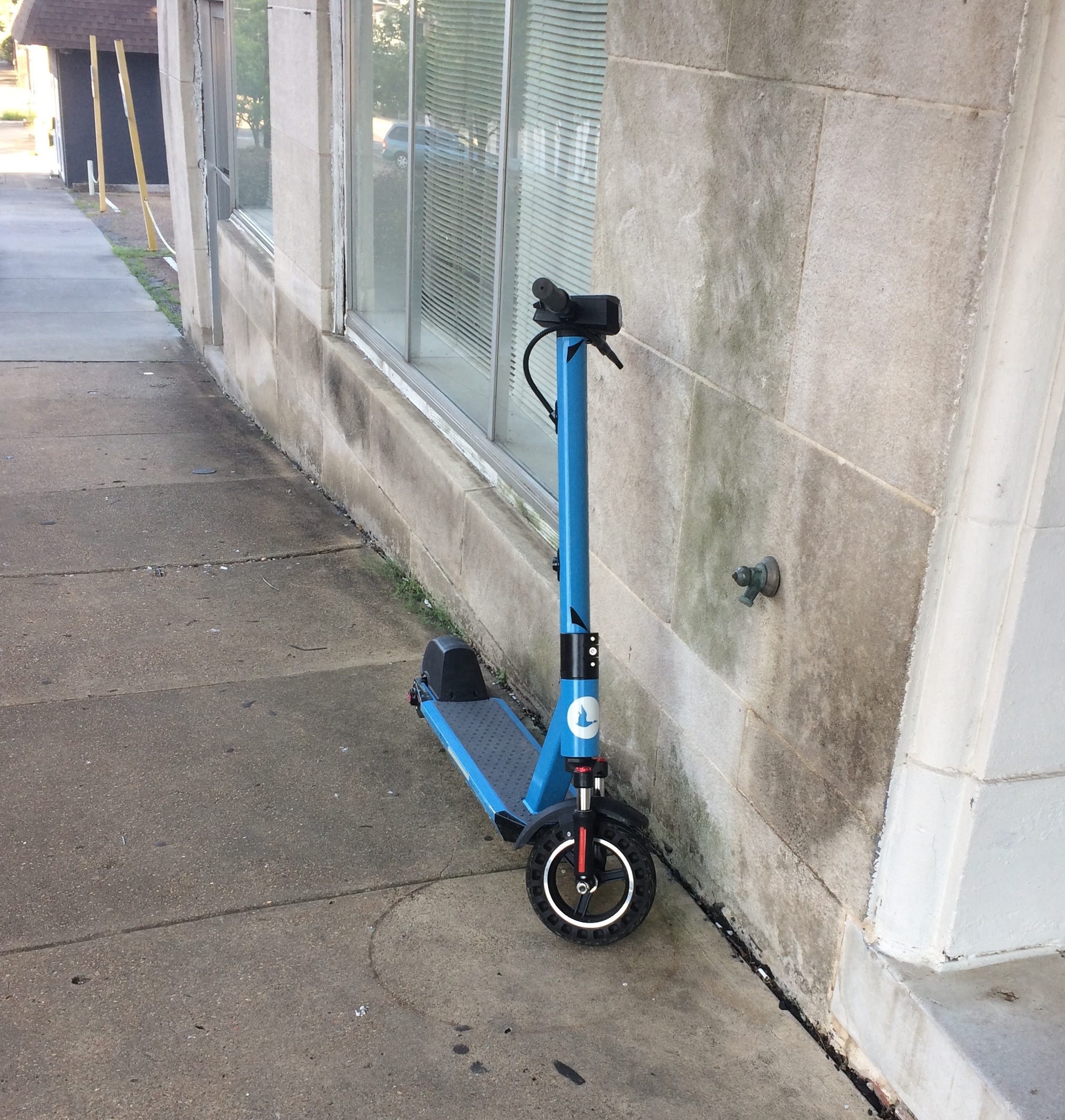
Even in small-town Mississippi, you’ll see these.
Vicksburg scooter

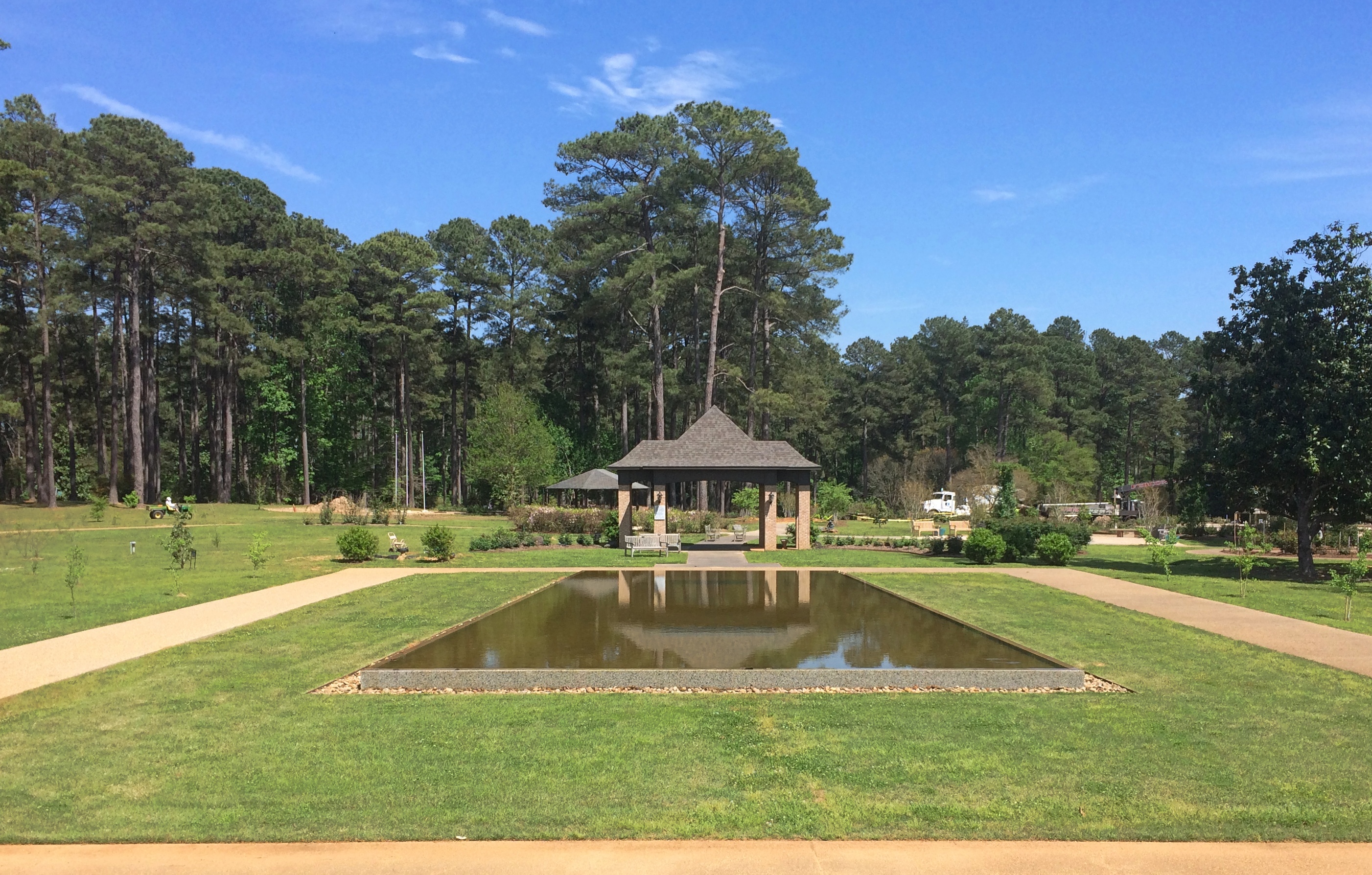
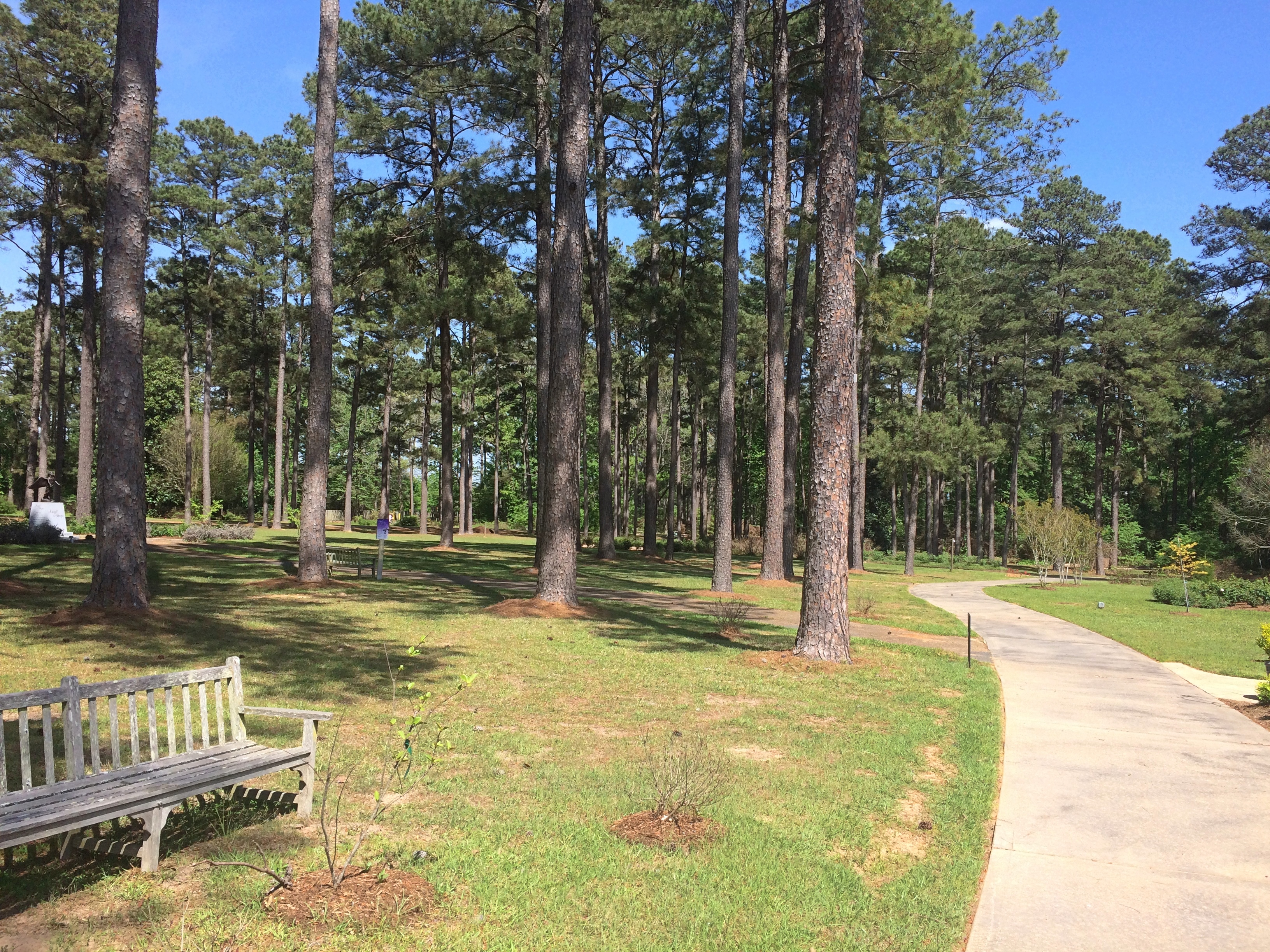
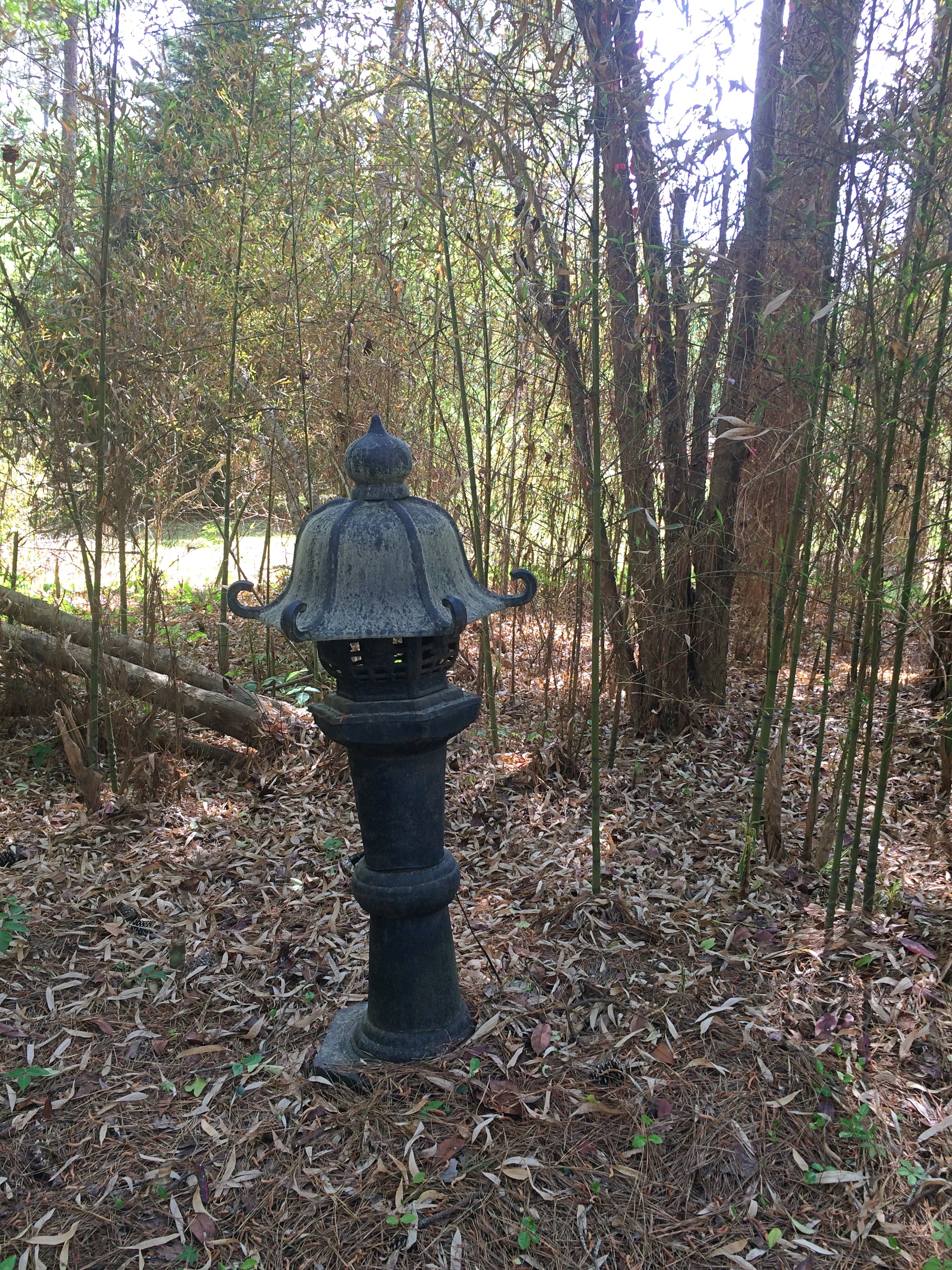
The American Rose Center is a 118-acre wooded spot just west of Shreveport, and home to the national headquarters of the American Rose Society.
American Rose Center

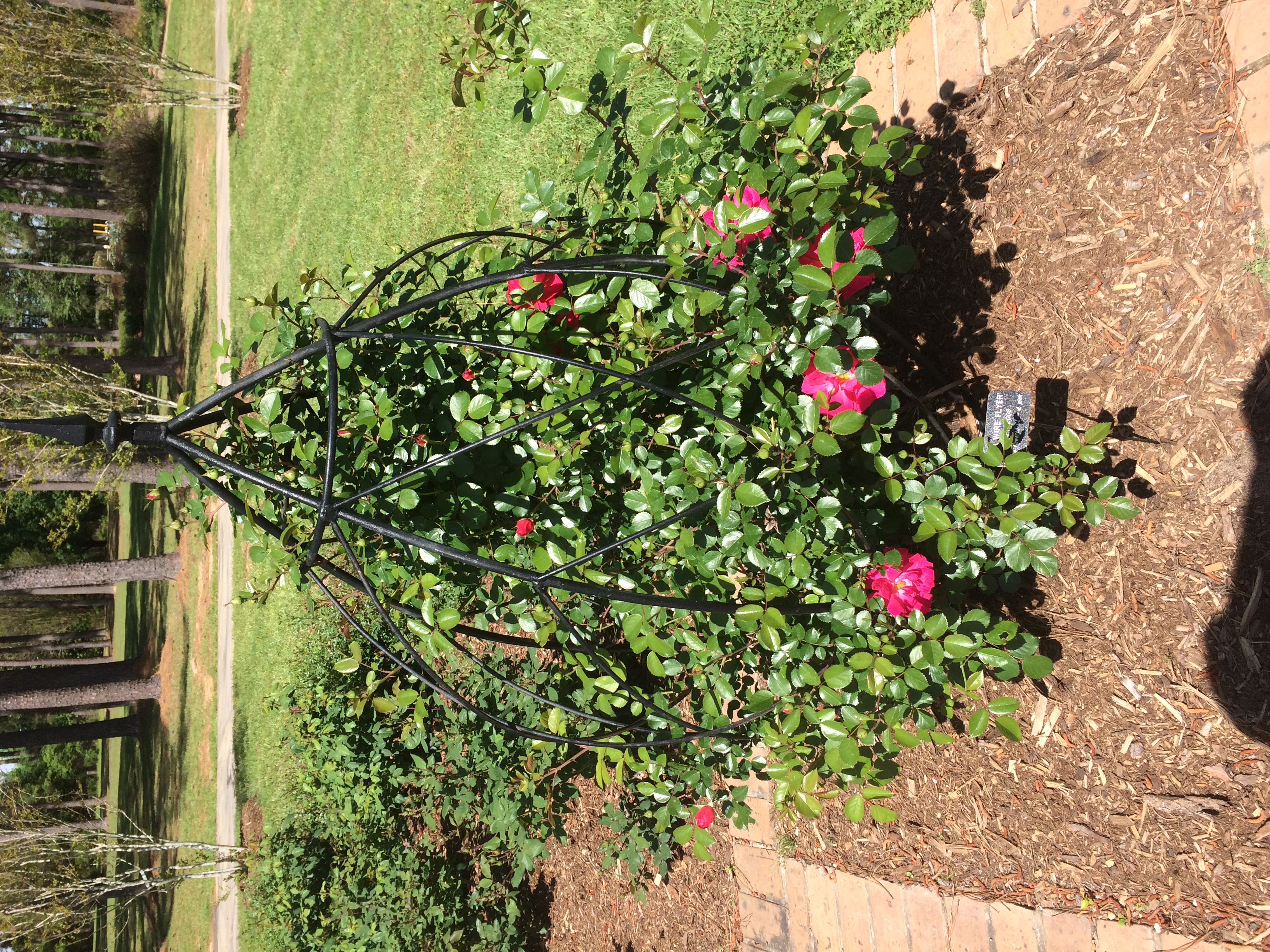
I was a few weeks too early. A few roses were in bloom, but not many. Mostly still buds, and a lot of them. Even so, lovely grounds.American Rose Center

American Rose Center
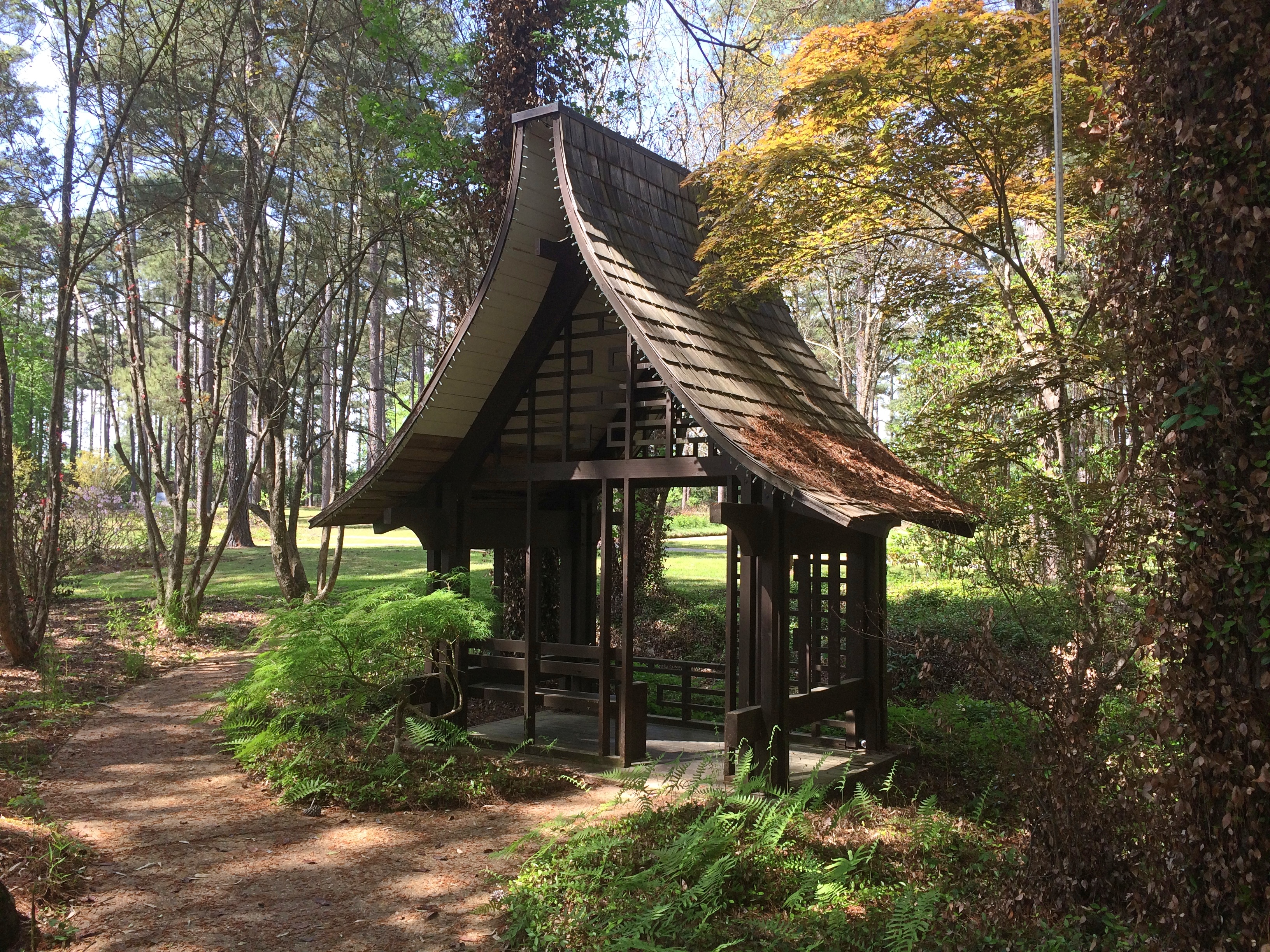
Including a Japanese-style pavilion.

American Rose Center

American Rose Center
As I said, a few blooms.

American Rose Center

American Rose Center
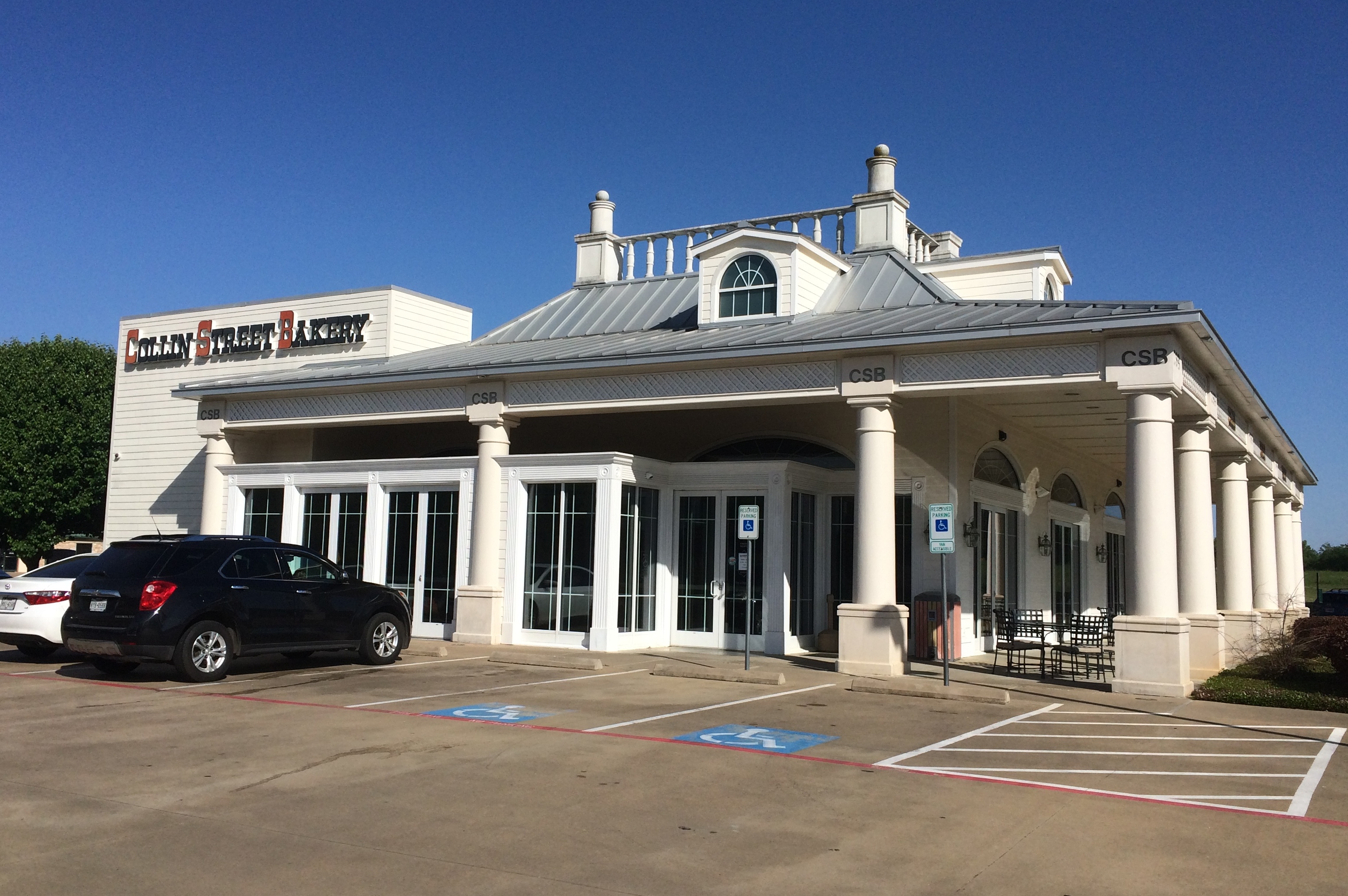
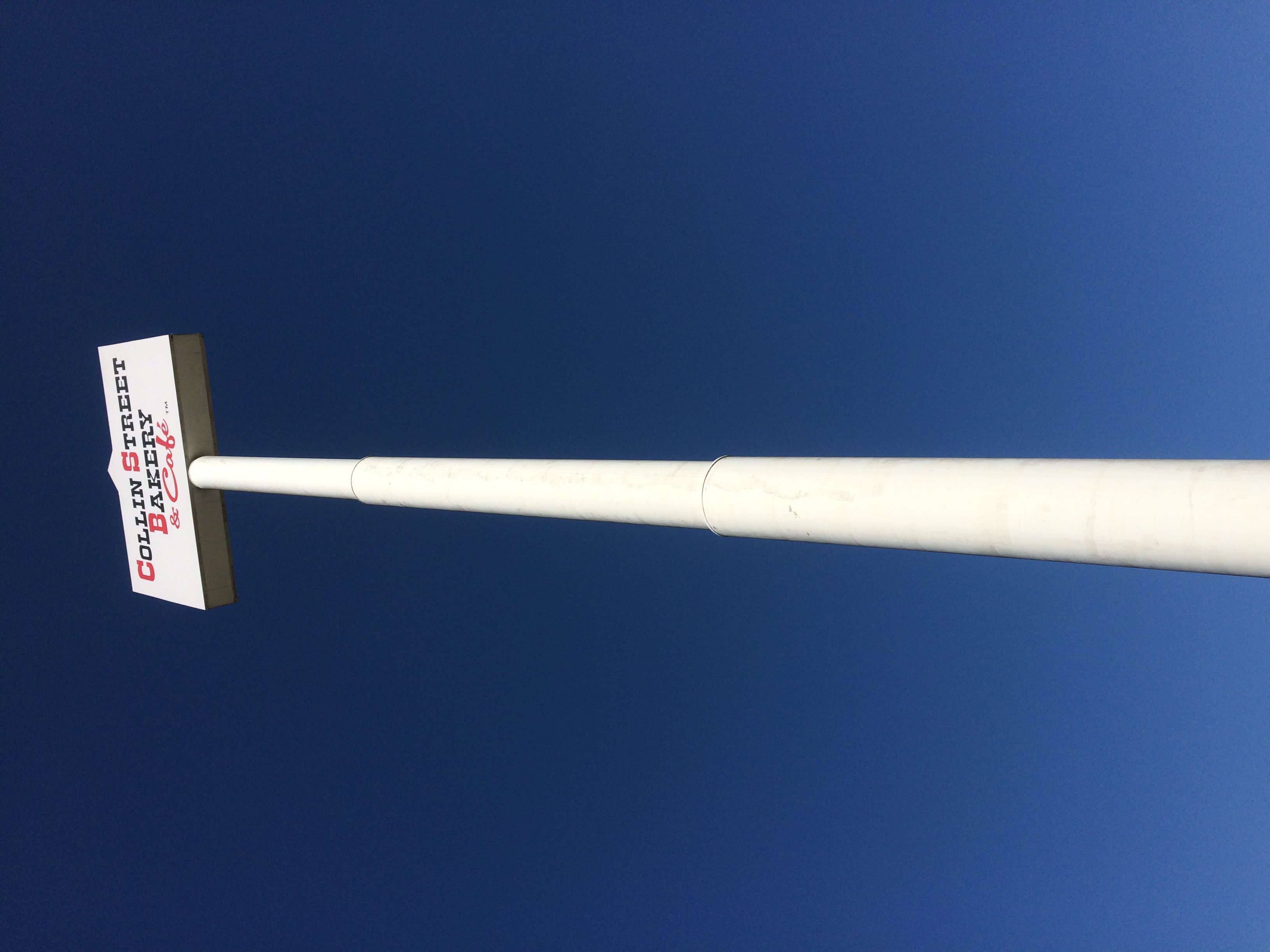
You don’t have to go all the way to Corsicana, Texas, to buy a fruitcake at the Collins Street Bakery. There’s a store just off I-20 in Lindale, Texas, with a cafe and a towering sign. I stopped and bought a big fruitcake, which is mostly gone now, eaten a bit at a time by me, Jay, Yuriko and Ann.Collins Street Bakery Lindale

Collins Street Bakery Lindale

In Grand Saline, Texas, a town that salt built, is a structure called the Salt Palace Museum and Visitors Center, which is on Main Street.

Salt Palace Museum and Visitors Center
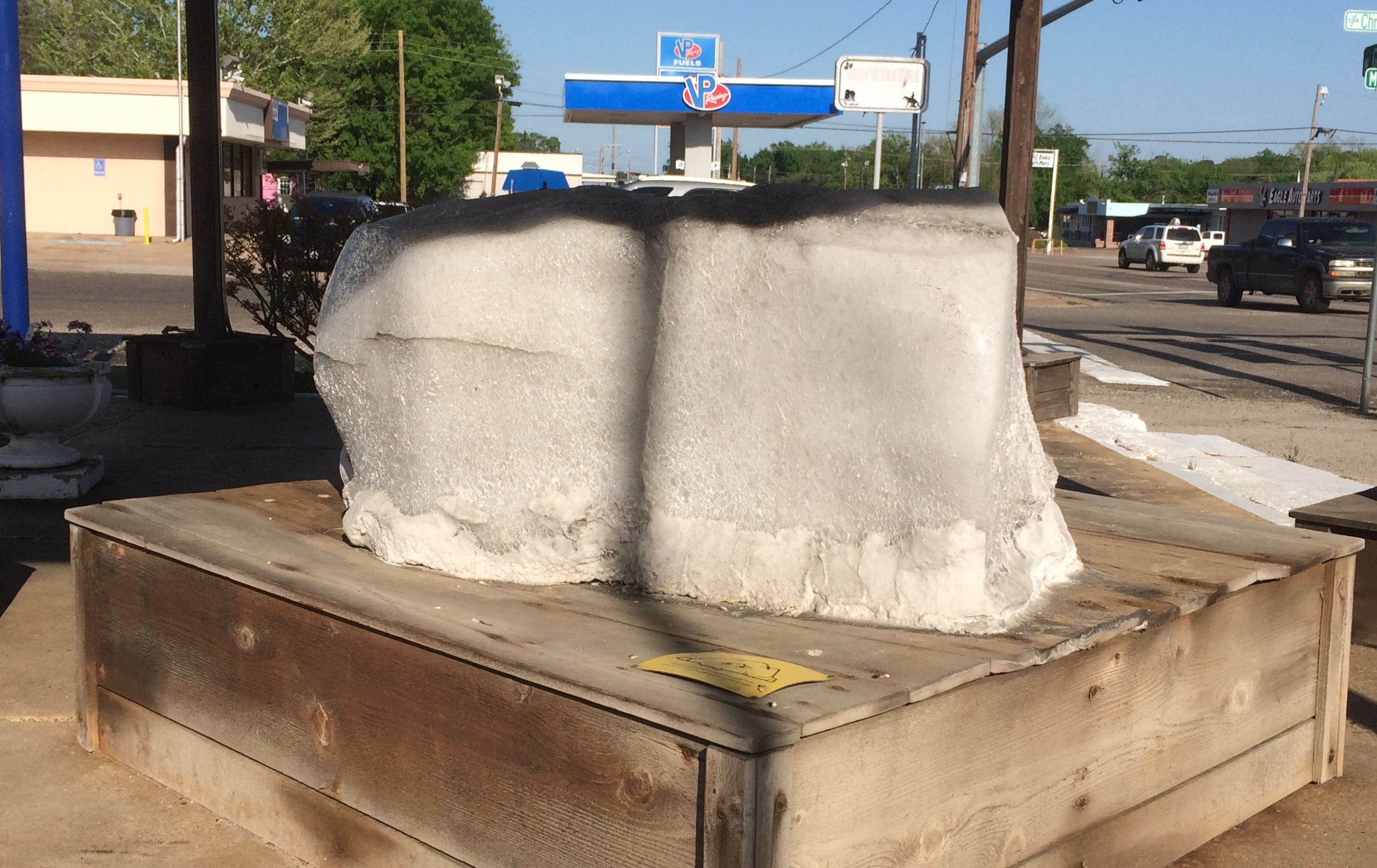
Palace it is not, though it is built partly of salt, and there’s a big block of salt to examine out front.

Salt Palace Museum and Visitors Center

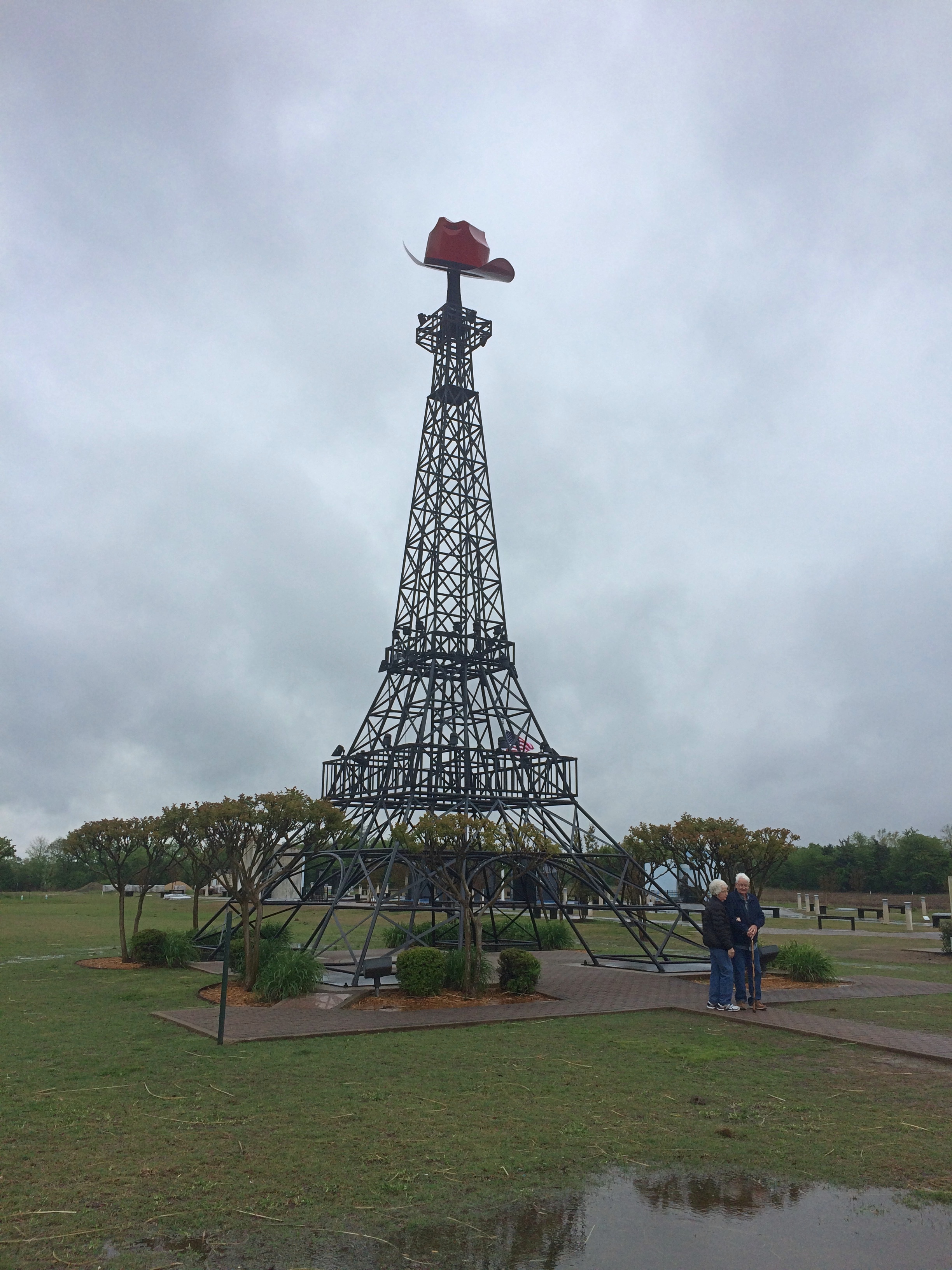
When in Paris, Texas, what does one naturally go to see? The Paris, Texas, Eiffel Tower, of course. Despite the rain.
Paris Texas Eiffel Tower

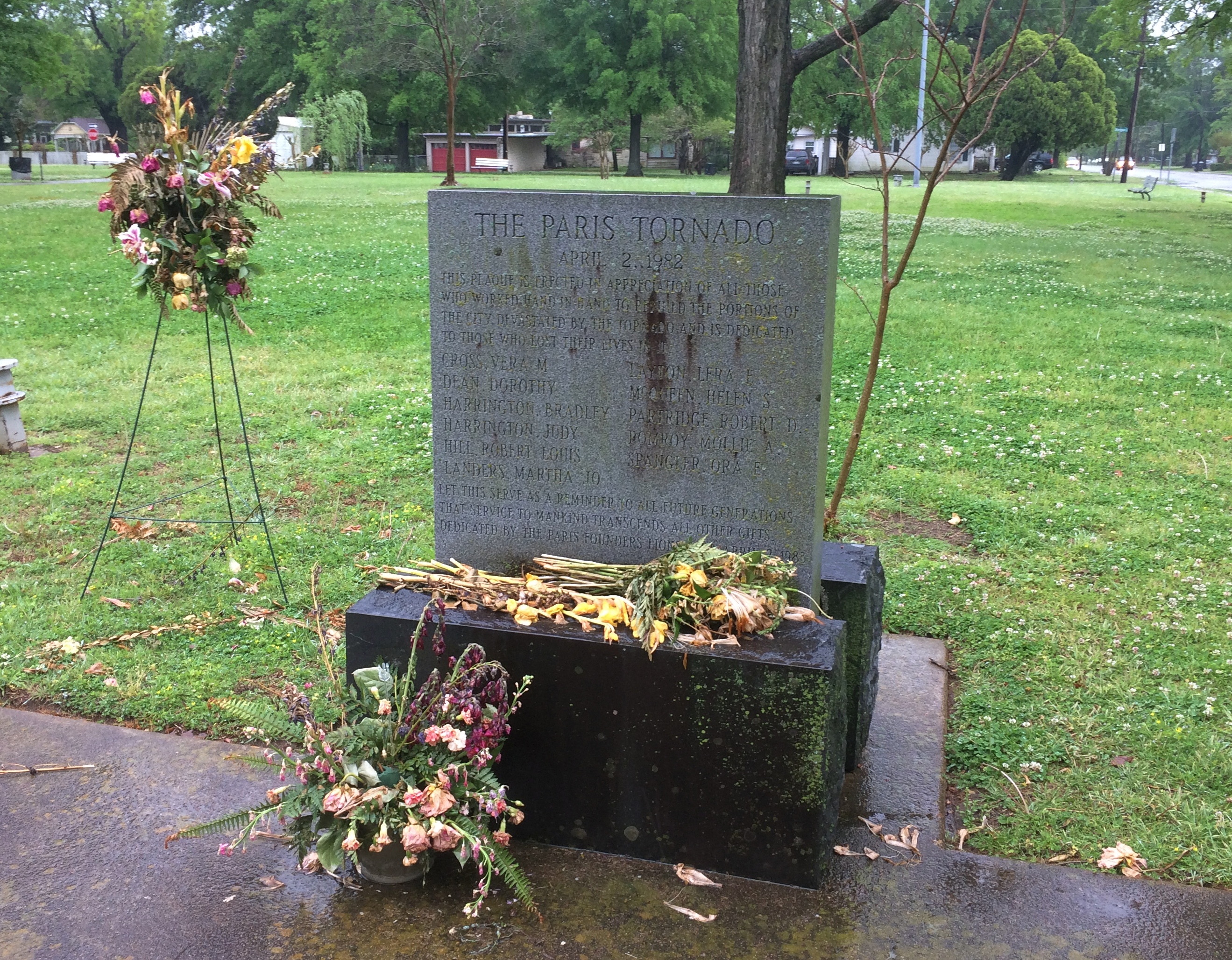
Less well known is a memorial to the Paris Tornado of 1982. It killed 10 people, injured many more, and did a lot of property damage.Paris Tornado 1982 Memorial

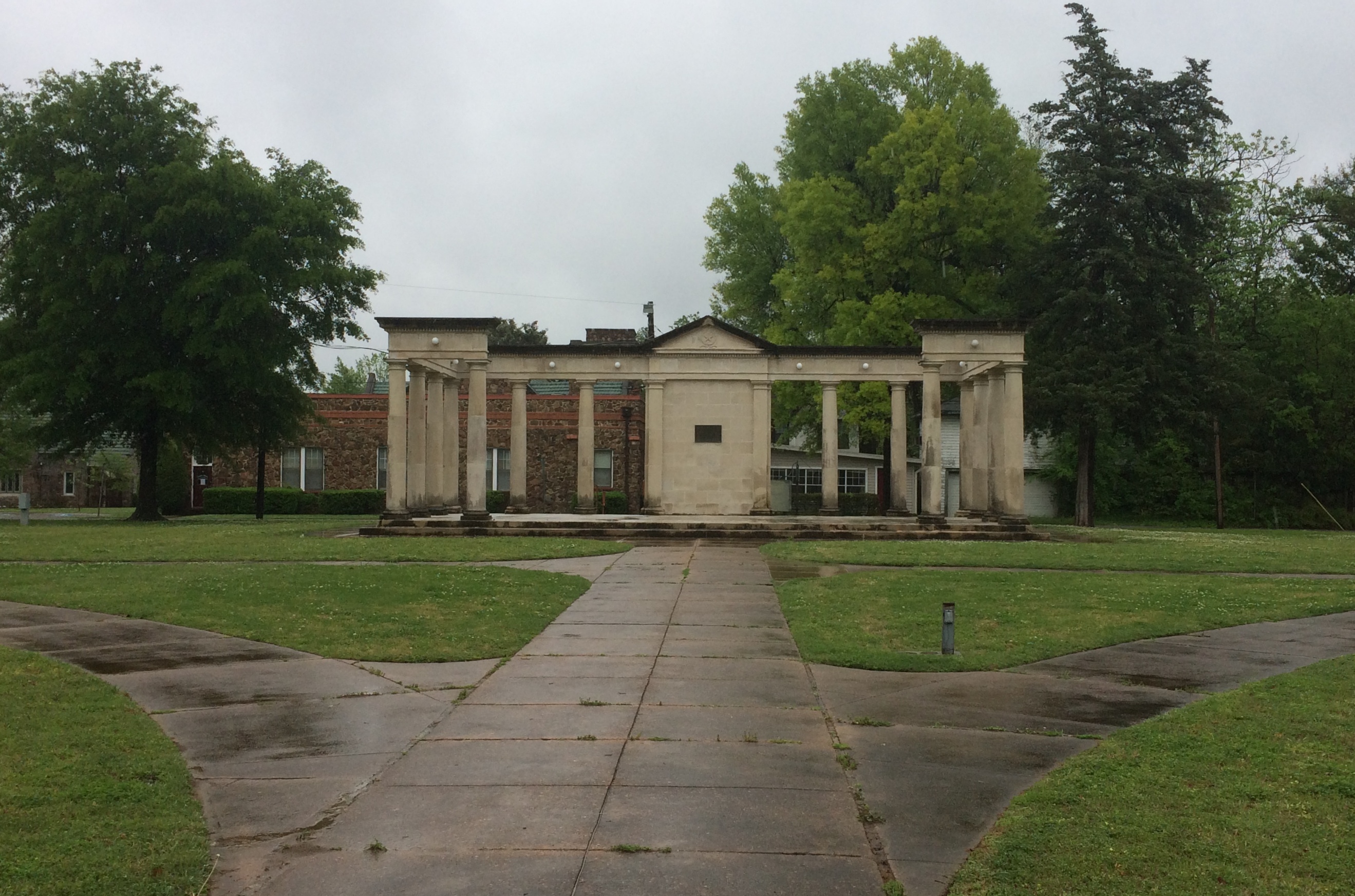
It’s in the same park as this sad-looking memorial.
Bywaters Park Memorial

That’s the Bywaters Park Memorial, with a plaque that says: In grateful memory of J.K. Bywaters, who gave this park to the people of the city he loved so well. 1916.

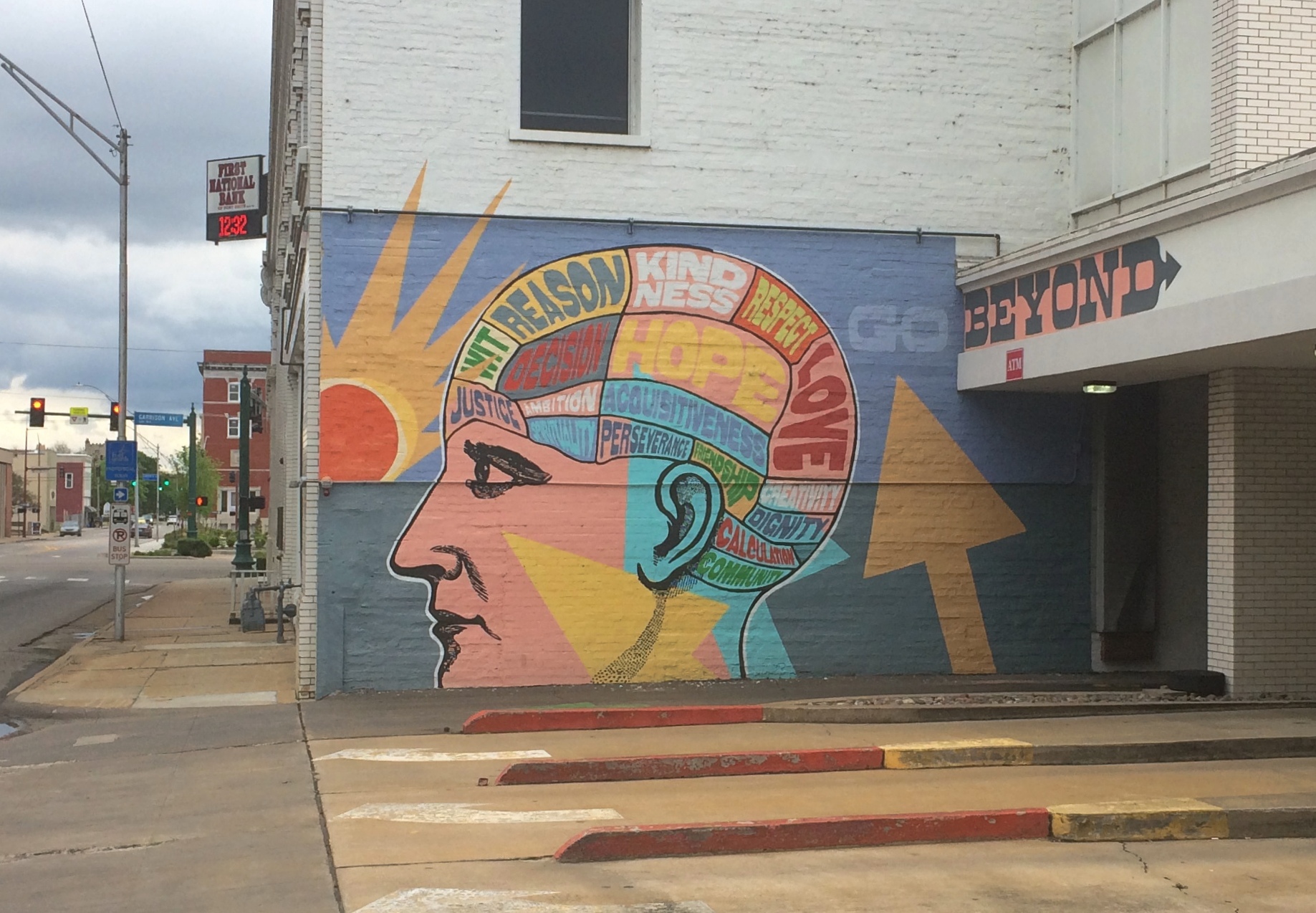
In Fort Smith, Arkansas, I spotted this mural.
First National Bank Fort Smith Brain mural

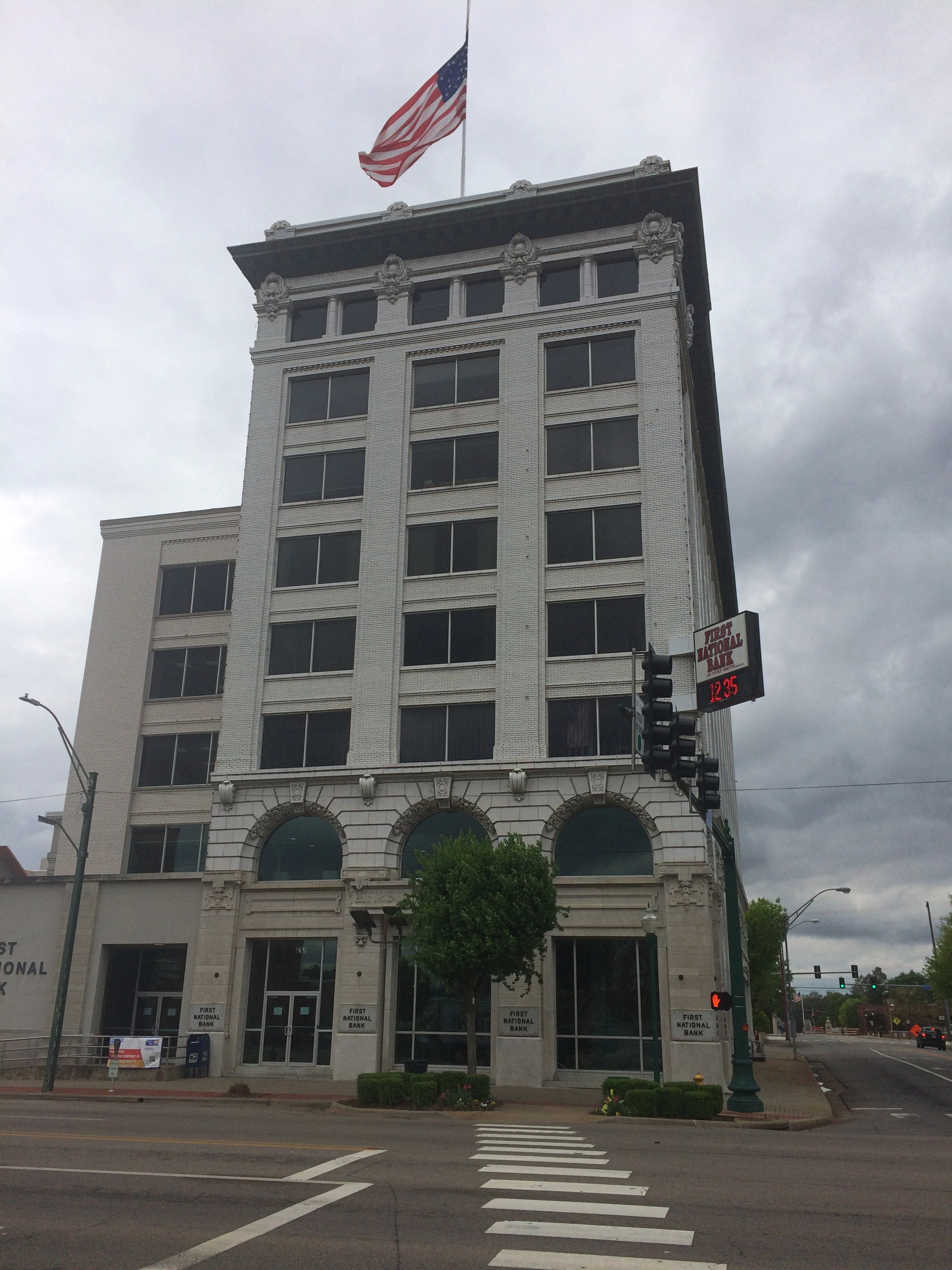
Which is on the backside of this building — First National Bank — next to the bank’s drive-through lanes.
First National Bank Fort Smith Brain mural

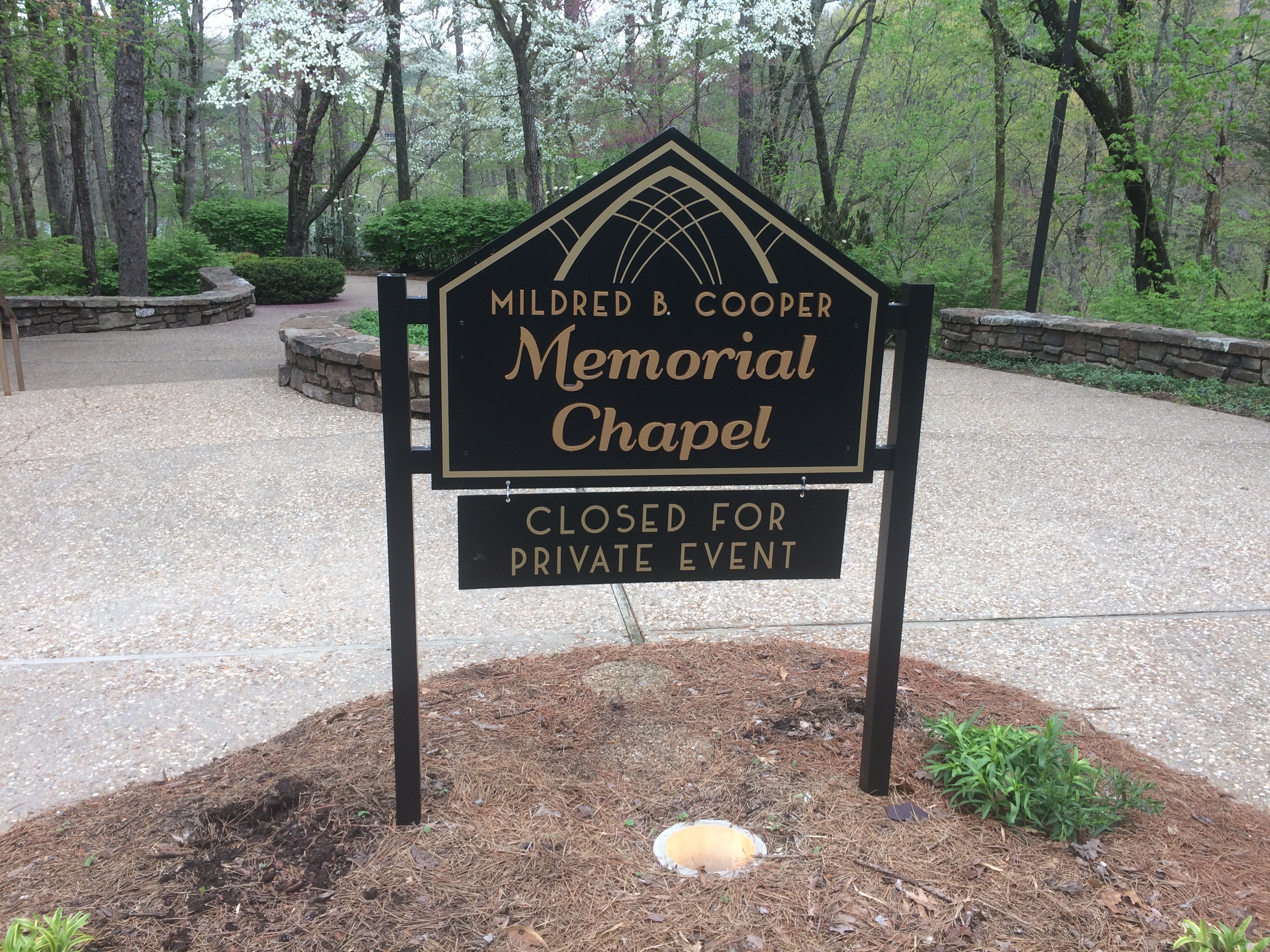
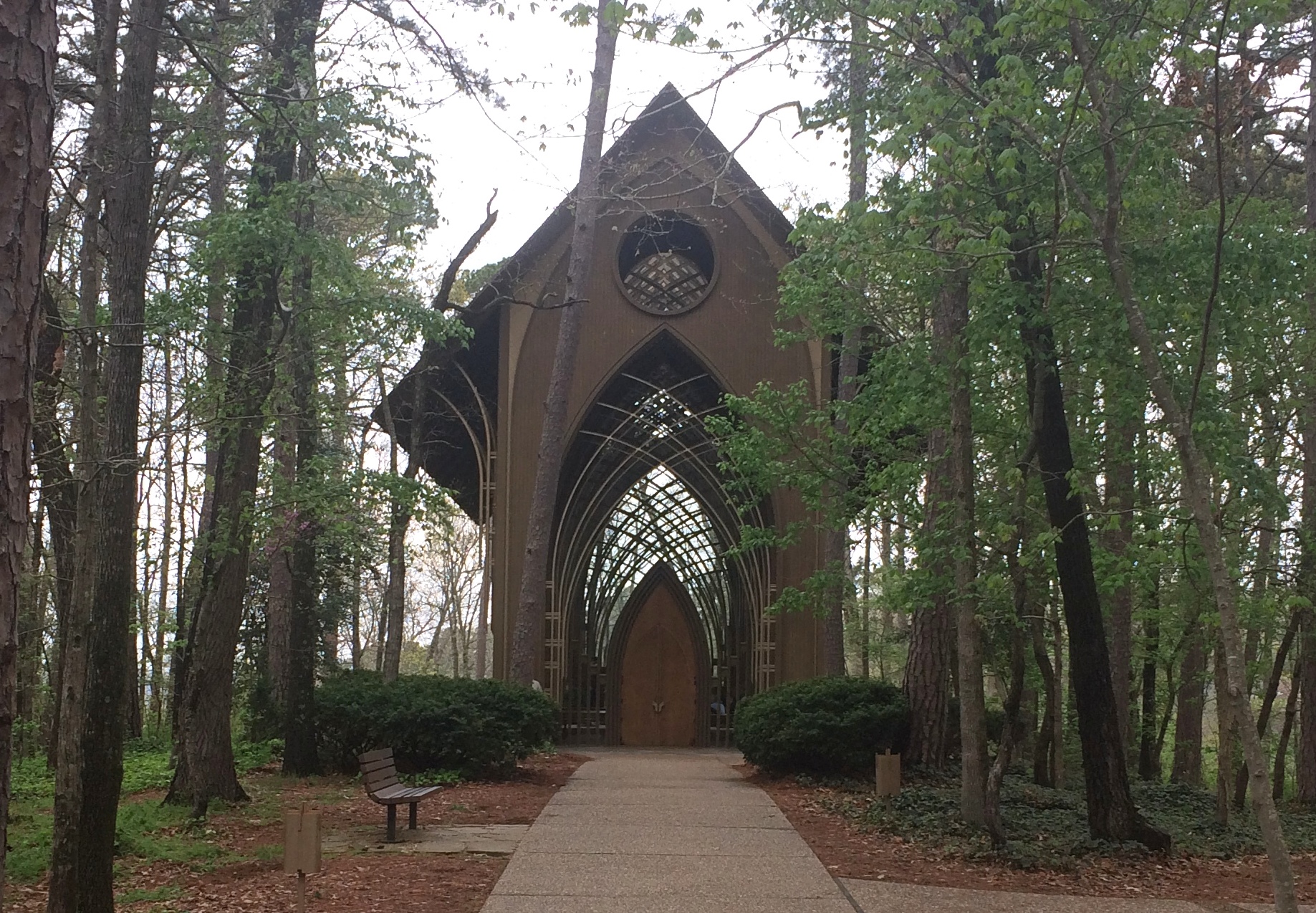
In Bella Vista, Arkansas, which is in the extreme northwest part of the state just south of the Missouri line, is the Mildred B. Cooper Memorial Chapel, a structure dating from 1988, designed by designed by E. Fay Jones and Maurice Jennings. Jones is best known for the Thorncrown Chapel, also in Arkansas.

Mildred Cooper Chapel
Sure, the sign said an event was in progress. A wedding, of course, since my visit was on a Saturday. But I saw people clearly dressed for a wedding pouring into the parking lot as I arrived, so I figured I might have caught the place between weddings.

No. People were still inside, with some kind of event going on, so I figure as soon as one wedding ceremony is over on a warm spring Saturday at Mildred B. Cooper, another gets underway. I took a good look at the exterior, anyway. Understated elegance.
Mildred Cooper Chapel

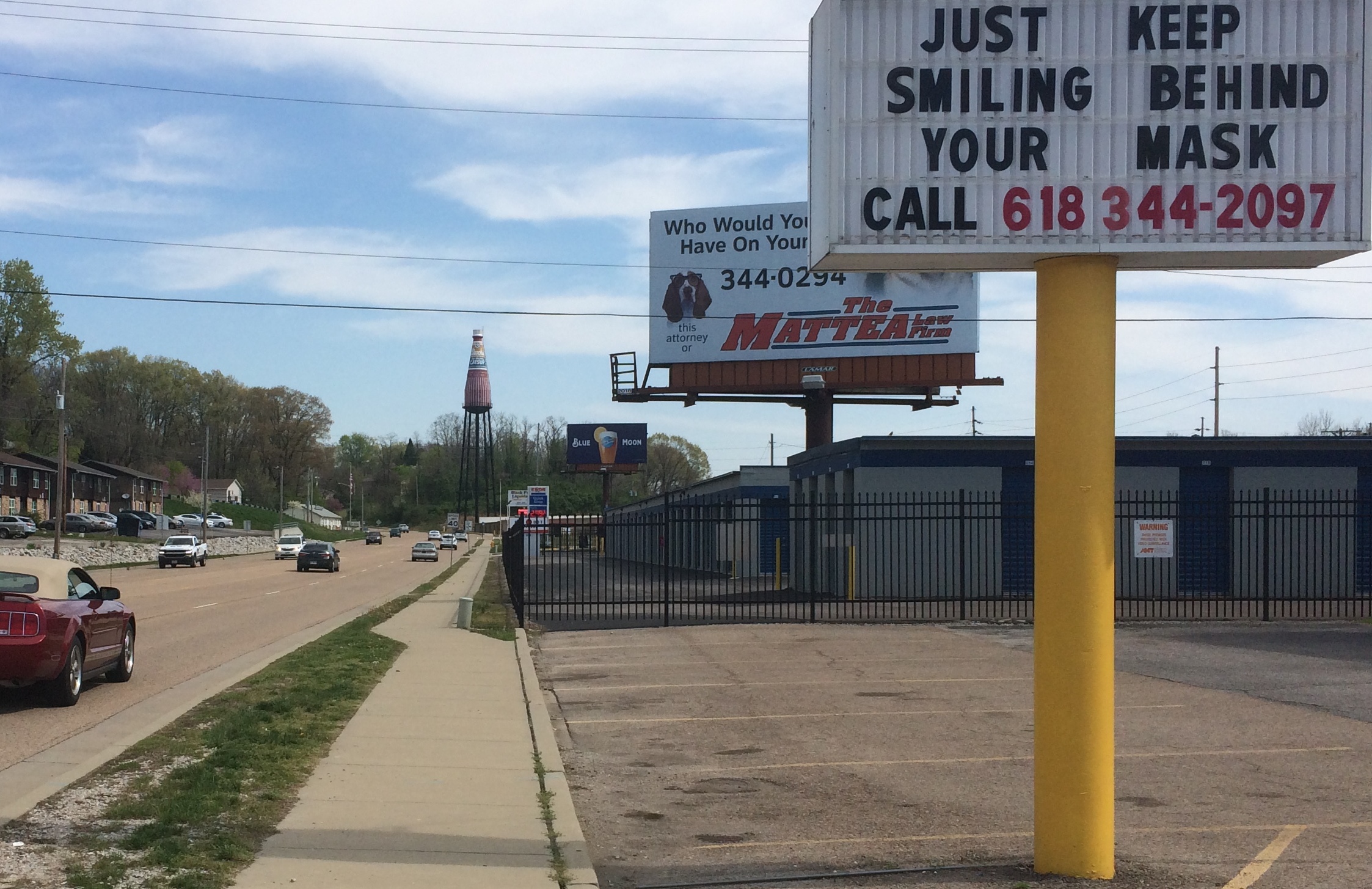
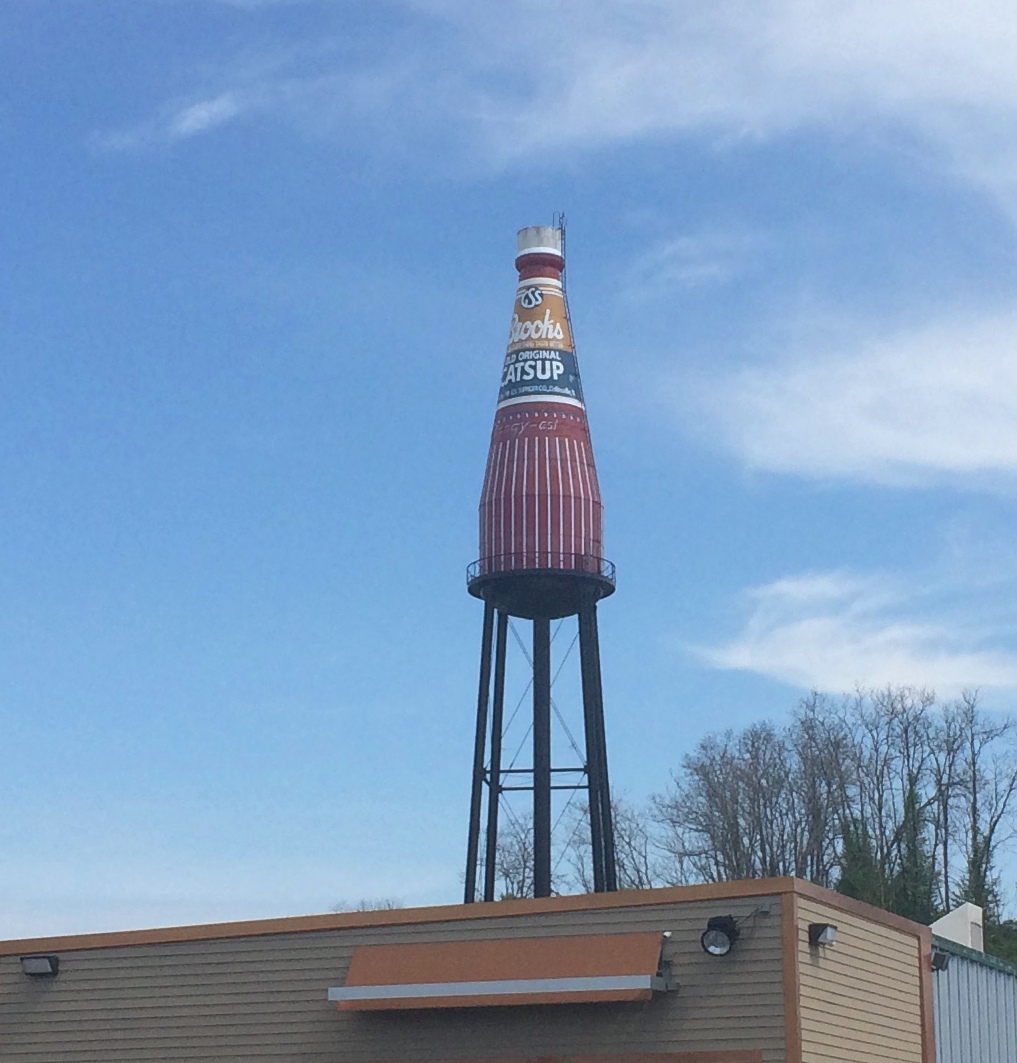
In Collinsville, Illinois, you can see the “world’s largest catsup bottle.”

Collinsville catsup bottle

Collinsville catsup bottle

It has its own fan club and web site.

“This unique 170 ft. tall water tower was built in 1949 by the W.E. Caldwell Company for the G.S. Suppiger catsup bottling plant — bottlers of Brooks old original rich & tangy catsup,” the site says.

Philistines almost had it torn down. “In 1995, due to the efforts of the Catsup Bottle Preservation Group, this landmark roadside attraction was saved from demolition and beautifully restored to its original appearance,” the site continues.

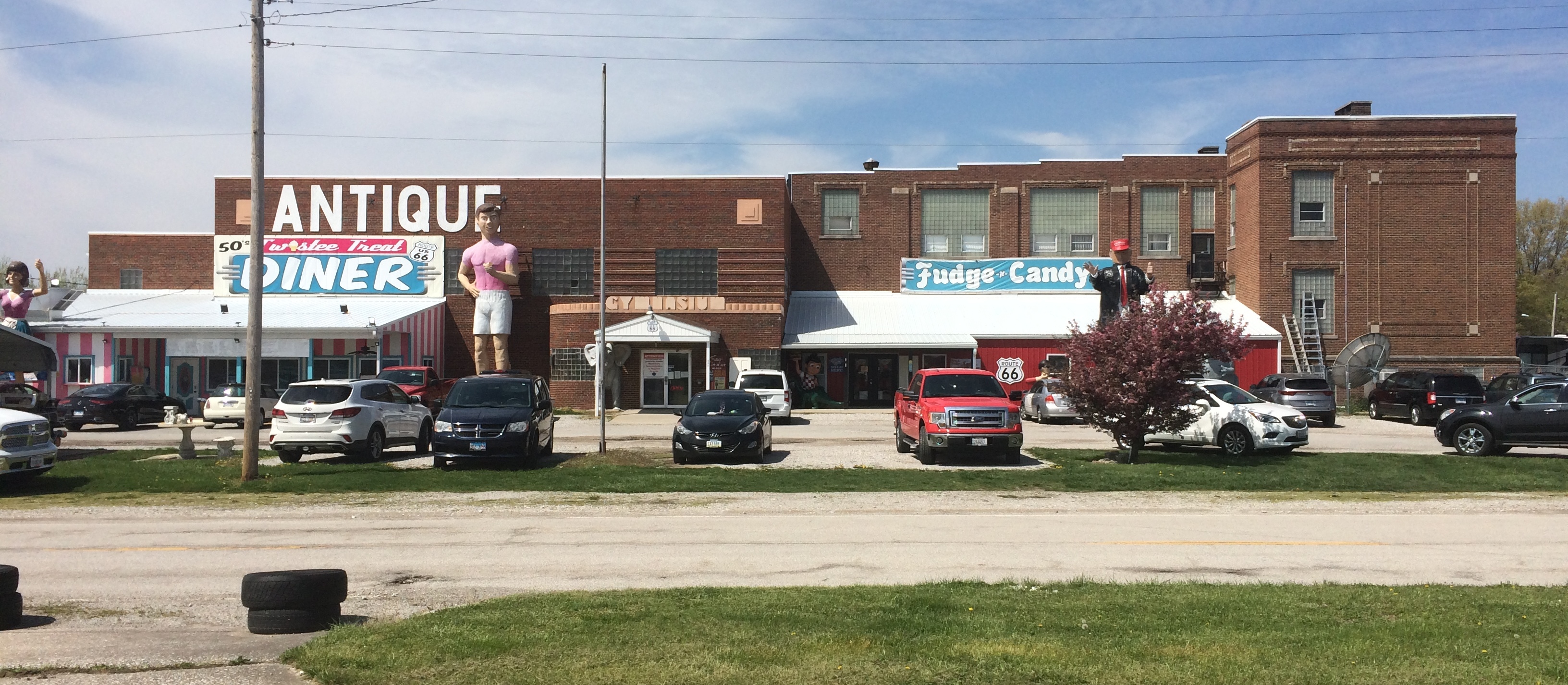
The Pink Elephant Antique Mall in Livingston, Illinois, not far northeast of St. Louis, has a big pink elephant in front, as I’ve posted. But that’s not all. Not by a long shot.

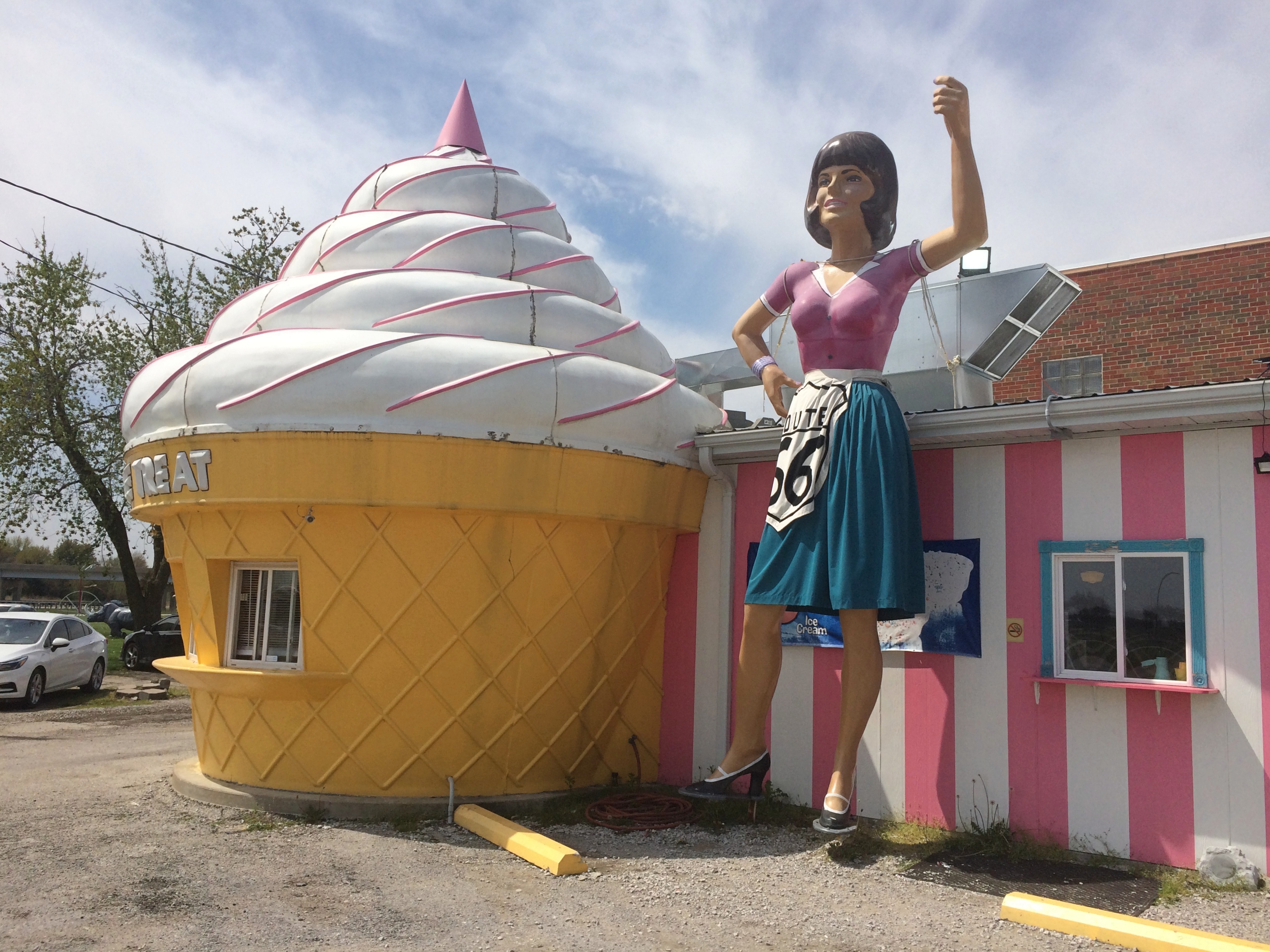
This is the mall — a complex of buildings stuffed with antiques, collectibles and other junk. There’s a diner, too.
Pink Elephant Antique Mall

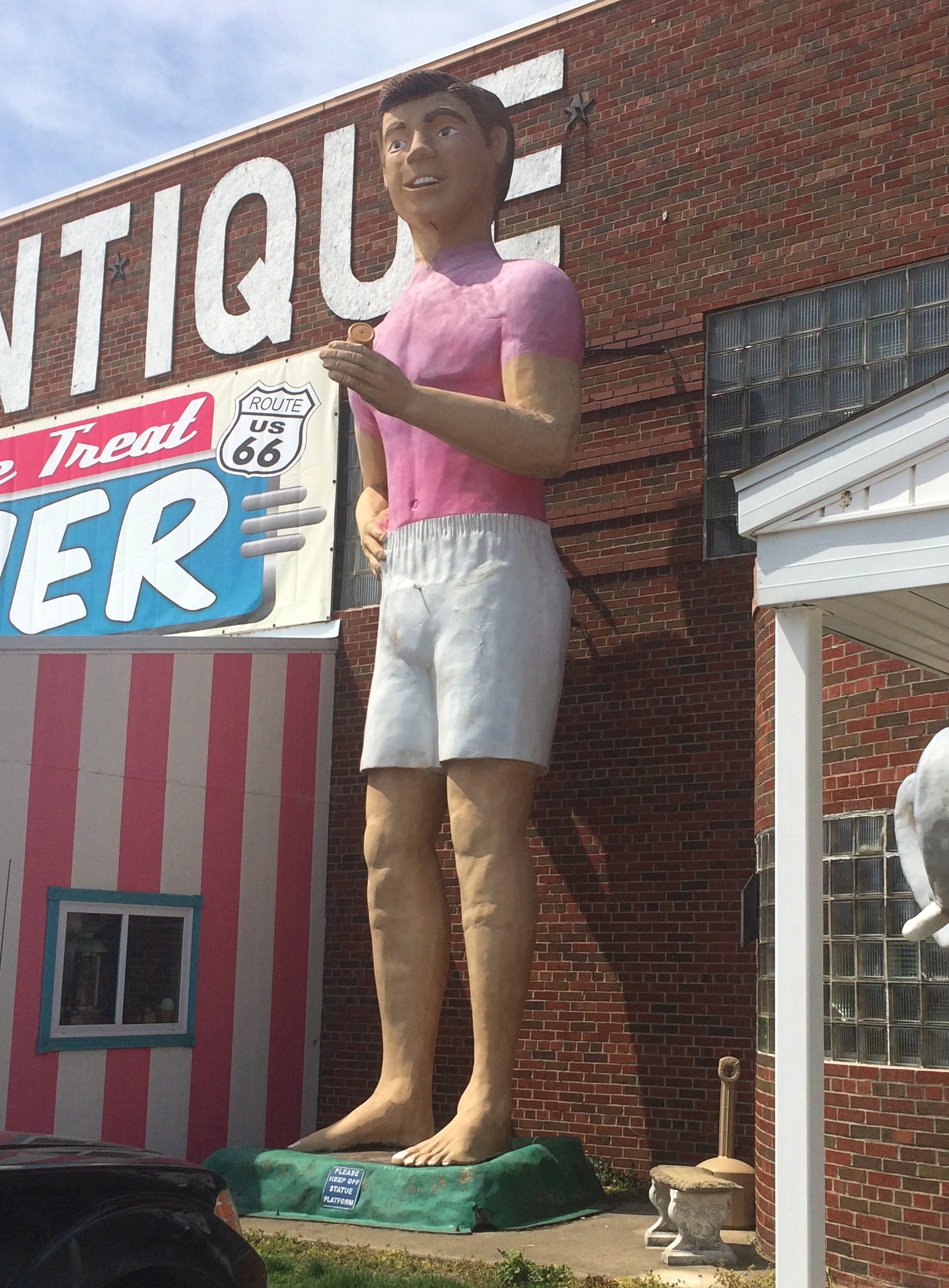
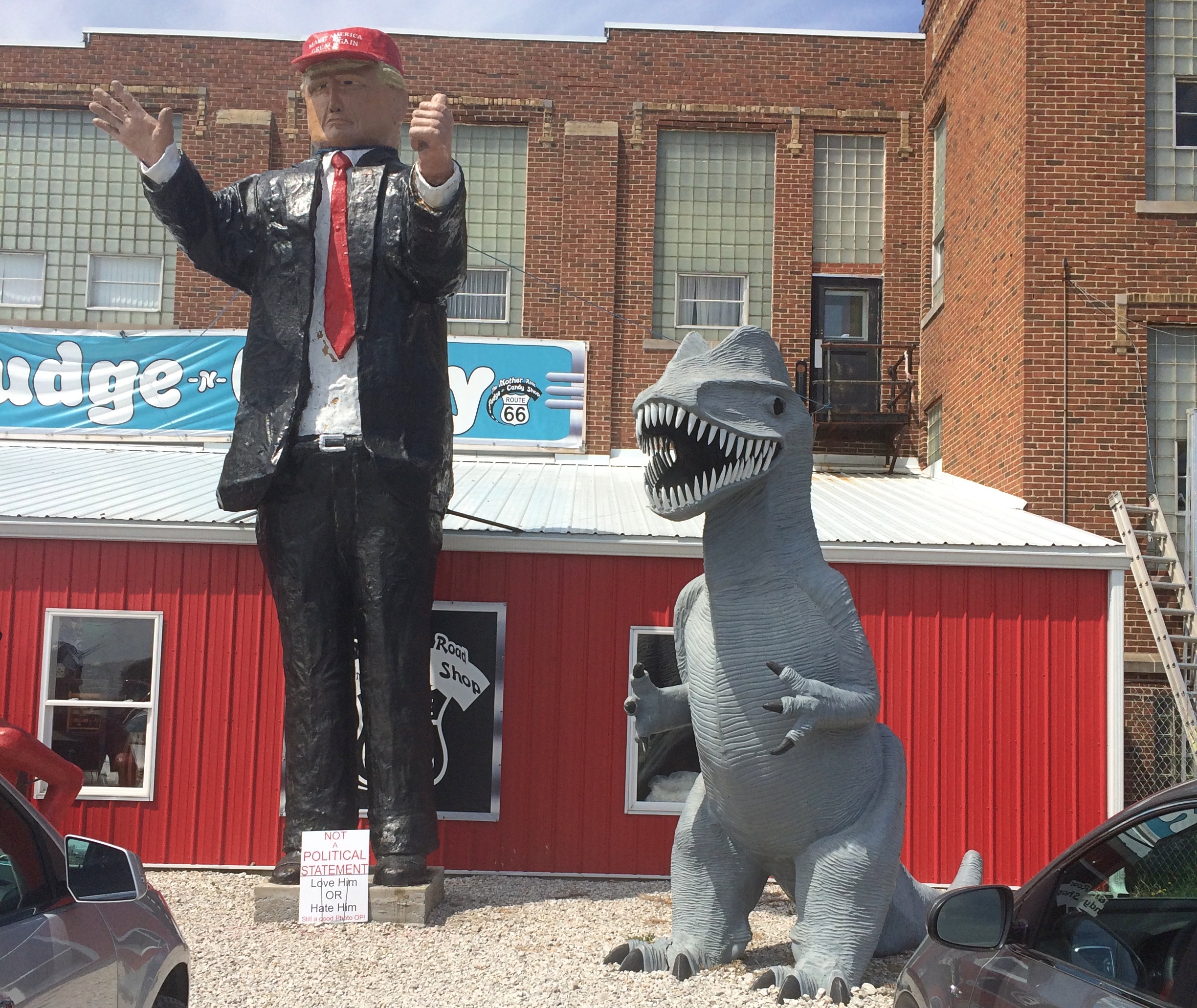
I didn’t inspect them closely, but I take the statues out front to be made of fiberglass (maybe cast in Wisconsin).

Pink Elephant Antique Mall

Pink Elephant Antique Mall

Pink Elephant Antique Mall

A sign under that fellow wearing the MAGA hat — now, what was his name again? — said NOT A POLITICAL STATEMENT. LOVE HIM OR HATE HIM.

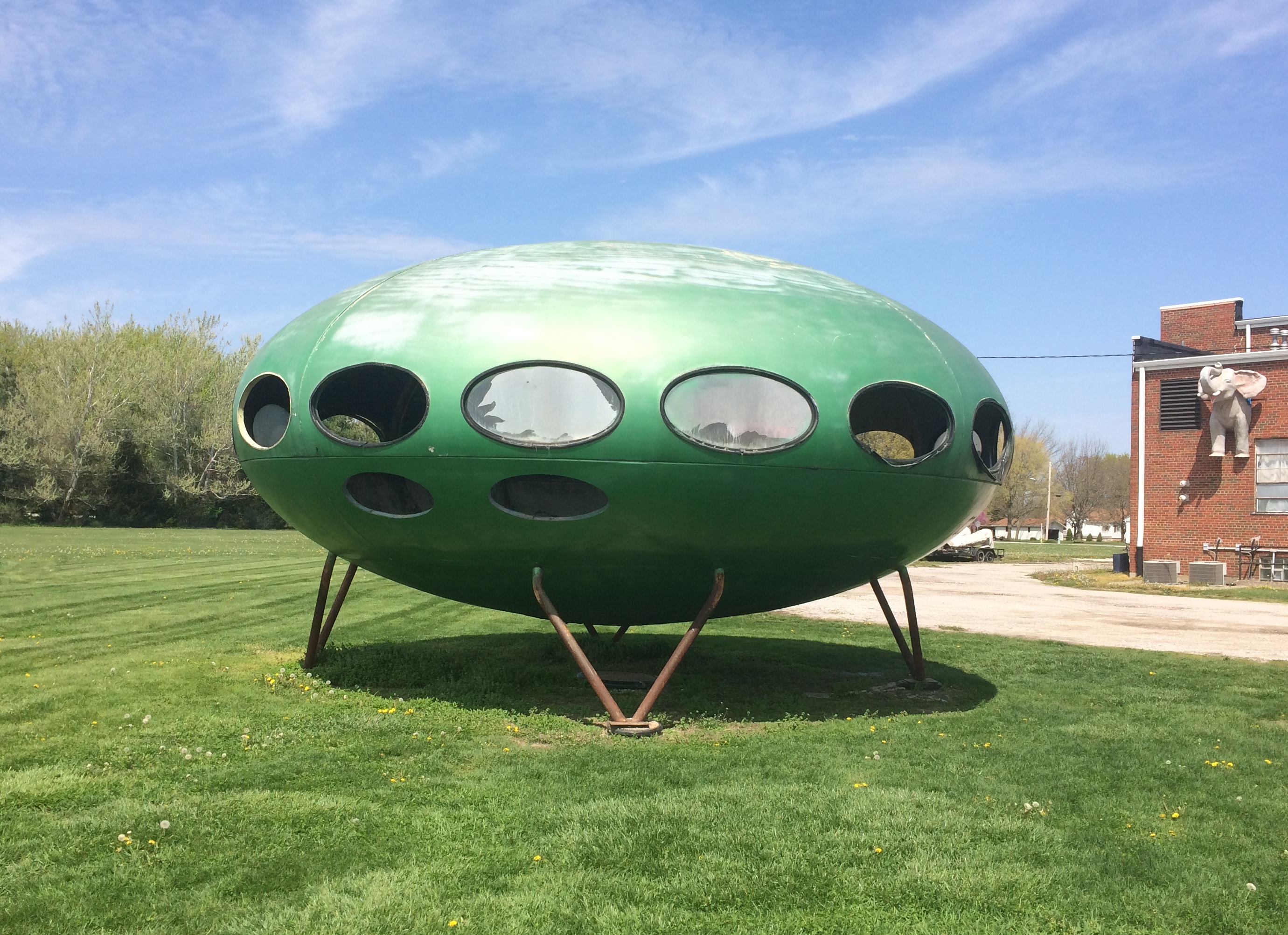
Finally, the grounds included something I’ve long wanted to see, but never had gotten around to, a Futuro House.Pink Elephant Antique Mall

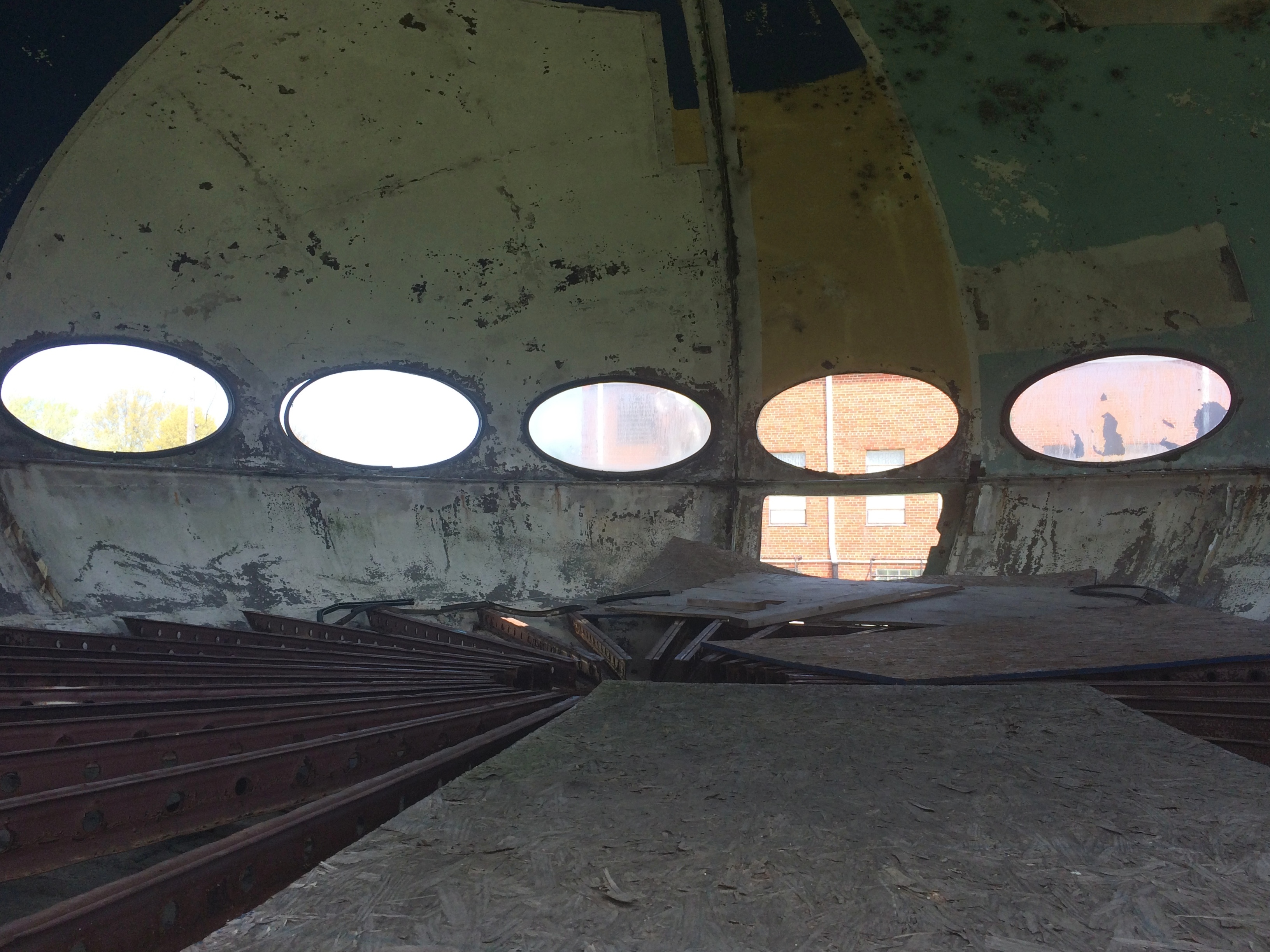
The windows, some completely open, were at about eye level for me. Ever wonder what’s in a Futuro House?
Pink Elephant Antique Mall
Not much, at least this one.