Century of Progress, Missent to Kansas City

Had my slip and fall over the weekend. That happens about once per winter. Light snow was falling on Sunday, just enough to cover up a patch of ice waiting for me on a sidewalk. You know how it is. By the time you realize you’re falling, you’re on the ground.

Ann was next to me and helped me to my feet again. I knew I had children for a reason. This time, no bone damage or even bruises or any pain. Sometimes you get lucky.

The risk isn’t over. Until 9 a.m. Tuesday, the NWS says: “Total snow accumulations of 1 to 4 inches expected with highest amounts in the north. Ice accumulations of up to one quarter of an inch possible across portions of Lee, DeKalb, Kane, and DuPage Counties…

“Strong westerly winds are expected to develop Tuesday afternoon and continue Tuesday night. These strong winds may result in blowing snow and may also increase the threat of power outages…”

Oh, boy. Days like this, time to dwell on the past. Someone else’s past. At some point during the last few years, I acquired this postcard for a modest sum.
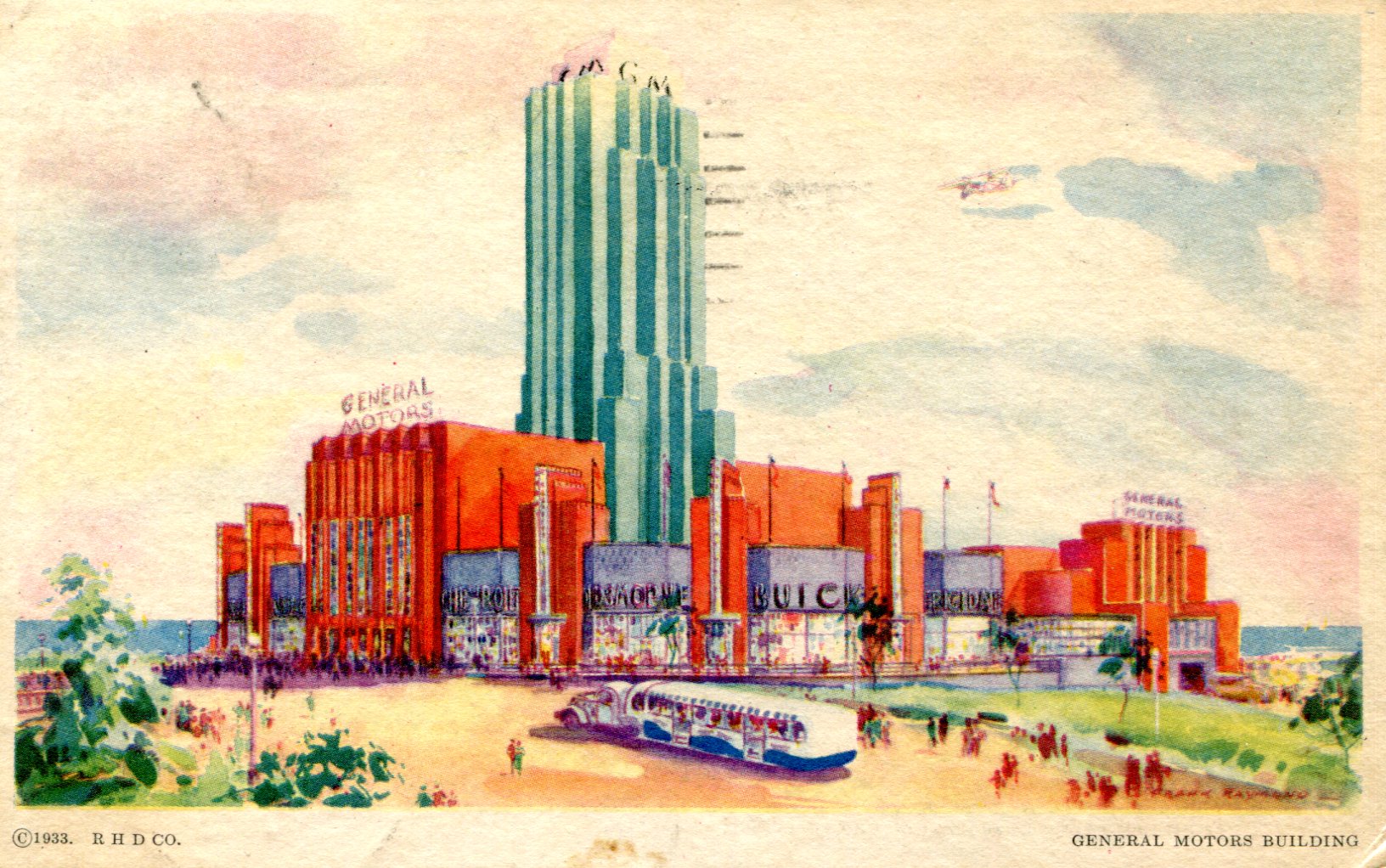
It’s a genuine penny postcard, depicting the General Motors Building at the 1933 world’s fair in Chicago. The Century of Progress Exposition, to use its formal name.

A product of the Reuben H. Donnelley Co., whom I assume was tasked to make cards for the fair. Not, as it turns out, the same entity as R.R. Donnelley Publishing, but a separate company founded by Richard Robert Donnelley’s son, Reuben H. Donnelley. Guess he didn’t want to work for the old man.

The card was mailed from the fair, postmarked 9 p.m. July 17, 1933, a Monday, and sent to a Mrs. A.G. Drew of St. Joseph, Mo. Interestingly, there’s another postmark that says “Missent to Kansas City, July 18, 1933.” Hope the delay wasn’t too long for Mrs. Drew.

When I lived in Osaka, one day I got a beaten up envelope in the mail that had been about three weeks in transit from the United States, or two weeks longer than usual. Stamped on the bottom (in English) was “Missent to Manila.”

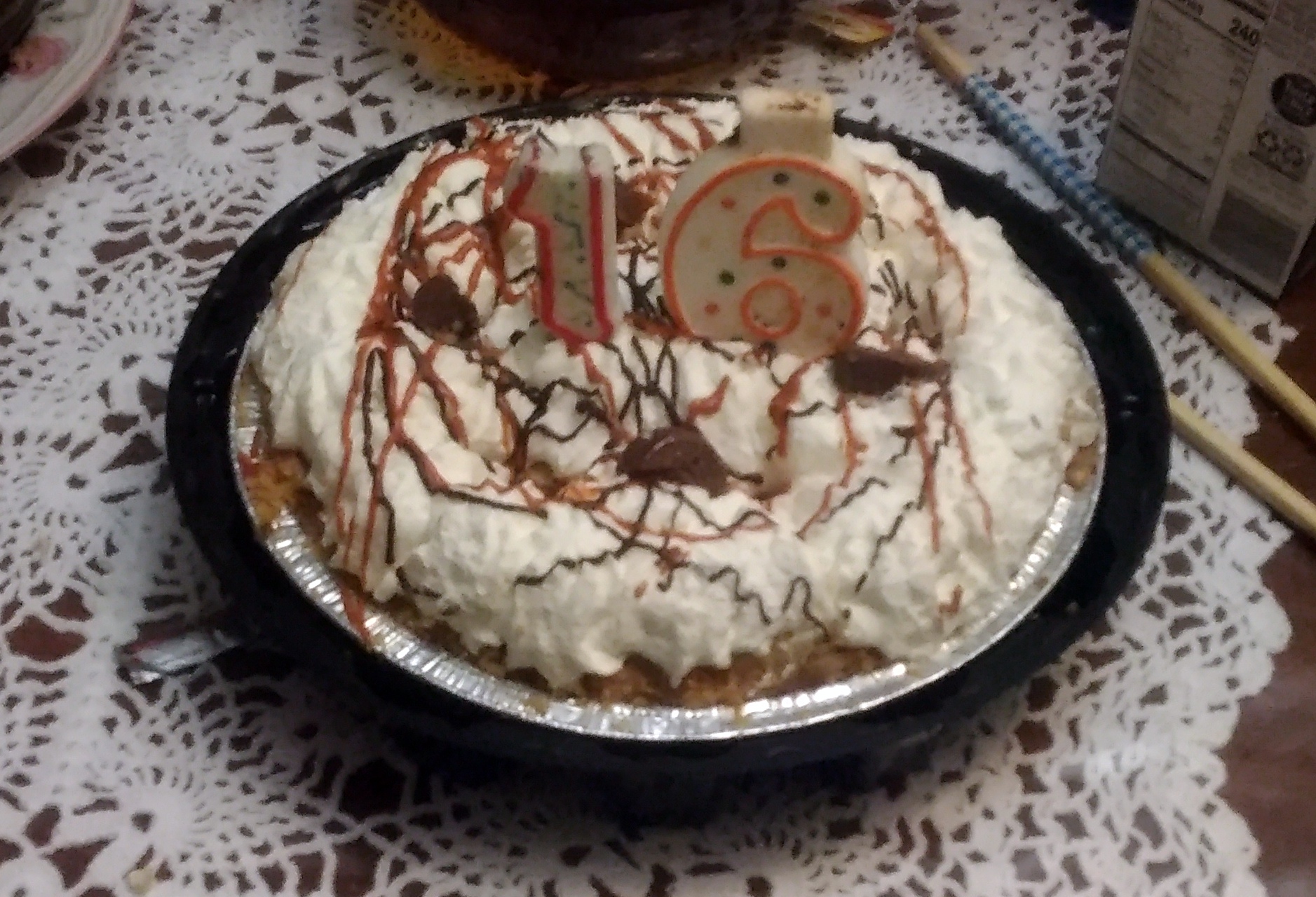
Ann at 16

After the deep freeze at the end of January, we had some warmer days — above freezing, quite a relief — and more recently just ordinary winter cold. The sort of persistent chill that makes February both the shortest and the longest month.

On Saturday, Ann had friends over for her 16th birthday.

She requested a birthday pie. Chocolate and peanut butter, made by a local grocery store that does fine pies.

Which reminds me of the question — something I’ve wondered about occasionally — why cake? Why not birthday pie? I suppose since cakes don’t need refrigeration, they trumped pies in pre-refrigeration days.

But why cakes at all? Know who I suspect of inventing the custom? Victorians, of course.

I’m not sure how reliable this source is, but it implies that while birthday cake had antecedents in German lands before the 19th century, the Victorian middle class made it the popular custom we know today. Like the Christmas tree.

In fact, birthday celebrations themselves, especially children’s birthdays, became popular in their modern form during the mid-19th century. Can’t say I’m surprised.

Time Flies, Things Change

Something I found today in the usual way, by not looking for it. Best to look at it full screen. After a moment the details sharpen up and wow.

In only one viewing I didn’t notice any obvious mistakes, though the thing is quick and a creation of this detail must have some. And certainly you can quibble about the difference between an “advanced culture” and an “embryonic civilization” and an “advanced civilization.” What’s history for if not to quibble over?

None of that matters. It’s fascinating to watch. It’s as if the wonderful Historical Atlas of the World came to life and with much more detail (and a soundtrack).

Just from one go-around, a few takeaways. As far as the ancient civilizations of the Near East are concerned, for example, the Romans are just a bunch of Johnny-come-latelies. As anyone from Europe would be.

Then there’s the Mongols. I know about their meteoric rise, but to see the Mongol presence on the map expand like a balloon attached to a helium tank makes it all the more impressive. No wonder it’s Chinggis Khaan International Airport.

Also, note the world population count — an educated guess in all pre-modern times — in the 14th century. Down it goes with the arrival of the Black Death.

This map must represent a lot of work. Whoever Ollie Bye is, I applaud his efforts.

Geezer Mail

Got a paper catalog in the mail today, one that comes periodically despite the fact that I’ve never ordered anything from it, not once in however many years I’ve been on the mailing list. The merchant must be waiting patiently, hopefully, like a dog under the dinner table waiting for some food to fall its way.

It offers DVDs. I look at it and always see a few movies I’ve never heard of and probably won’t ever see. Not that I dismiss old movies, or black-and-white movies, or subtitled movies out of hand, though I hear that some people do. Rather, there isn’t enough time to see everything, or even everything worth seeing.

Besides, my attitude toward DVDs is rent, not buy.

Speaking of the passage of time, when I opened the catalog this card fell out.

Catalogs are increasingly geezer mail, and if you need any evidence of that, look no further.

Life Jackets on the Titanic

Got an unexpected press release today from a place I visited a while ago, the Titanic Museum Attraction.

Branson, Mo. Feb 5. 2019 – For the first and only time, the largest assemblage of remaining RMS Titanic life jackets will be on exclusive display March through June 15 at the Titanic Museum Attraction in Branson, Missouri. A new dimension in “Living Titanic Exhibits” will showcase seven of only 12 known Titanic life jackets beginning March 1 in Branson.

One detail: Branson ought to stand alone in datelines. Just my opinion. AP, the arbiter of such style points, disagrees. The list of cities that take no state in datelines is fairly short, according to the AP.

Besides Branson, I’d definitely add Orlando to that list, along with Austin, Birmingham, Buffalo, El Paso, Fort Lauderdale, Nashville, and some others.

“This is a stunning, world exclusive exhibit that we’re extremely proud to bring to Branson and to millions of our Titanic followers,” said Mary Kellogg, president, COO and co-owner of Titanic Museum Attractions. “There are only 12 KNOWN Titanic life jackets left in the world. For the first time, seven of these priceless artifacts will be at Branson’s Titanic Museum Attraction.”

All-caps KNOWN in the original. True, it is a fact that I didn’t know until now, but the emphasis is too much.

Wonder where the other five are. Private collections, including at least one held by an eccentric Japanese billionaire? The Greenwich Maritime Museum? The Maritime History Archive in St. John’s, Newfoundland? Someplace even more obscure?

The release also offered some quotable facts about the sad state of emergency preparedness on that doomed steamer, specifically about its life jackets.

There were enough life jackets to protect the 2,208 passenger/crew on board Titanic… but not enough lifeboats to save them all.

Life jackets were made of hard cork and canvas, proving dangerous for many forced to jump into the water.

So not only did a lack of lifeboats fail the passengers and crew, so did relatively primitive materials science. Guess cork was the best available material in 1912. It floats, after all.

I wish the Titanic Museum Attraction well with its life jacket exhibit, though I probably won’t make it to Branson to see them. But I might go if the museum promised an exhibit of surviving deck chairs from the Titanic. You know, those that were famously re-arranged.

Adding Shape to Flat Illinois

Spotted today under construction here in the northwest suburbs: some hills.

I like to think that anyway. The land could use a little more contour. But I suspect there will actually be an addition to a nearby major medical complex built on this site. Think of it as a physical manifestation of the aging population bulge of which I am a younger member.

St. Paul Square, Sunset Station & the SP 794

Four years ago, I wrote: “One fine thing about South Texas in February is that it isn’t northern Illinois in February.” Then I called northern Illinois “septentrional,” to use a 10-dollar word that ought to be used at least occasionally.

Anyway, it can be cold in San Antonio in February, but just as often it’s pleasantly cool — good temps for a walk.

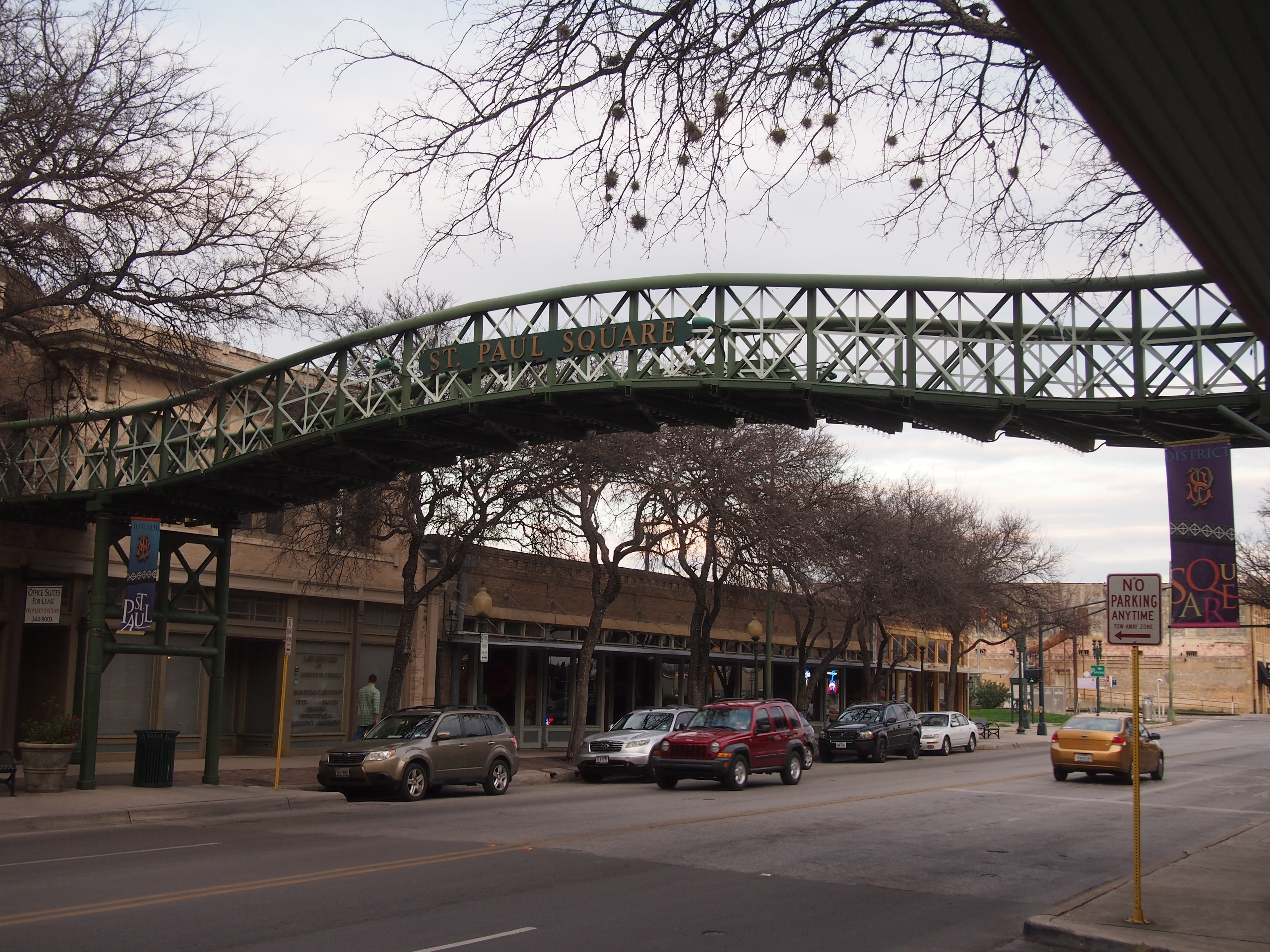
Four years ago I visited San Antonio’s Eastside Cemeteries Historic District. I also took a look at the nearby St. Paul Square, an area that flourished in pre-Interstate years because of its proximity to San Antonio’s main passenger train station.
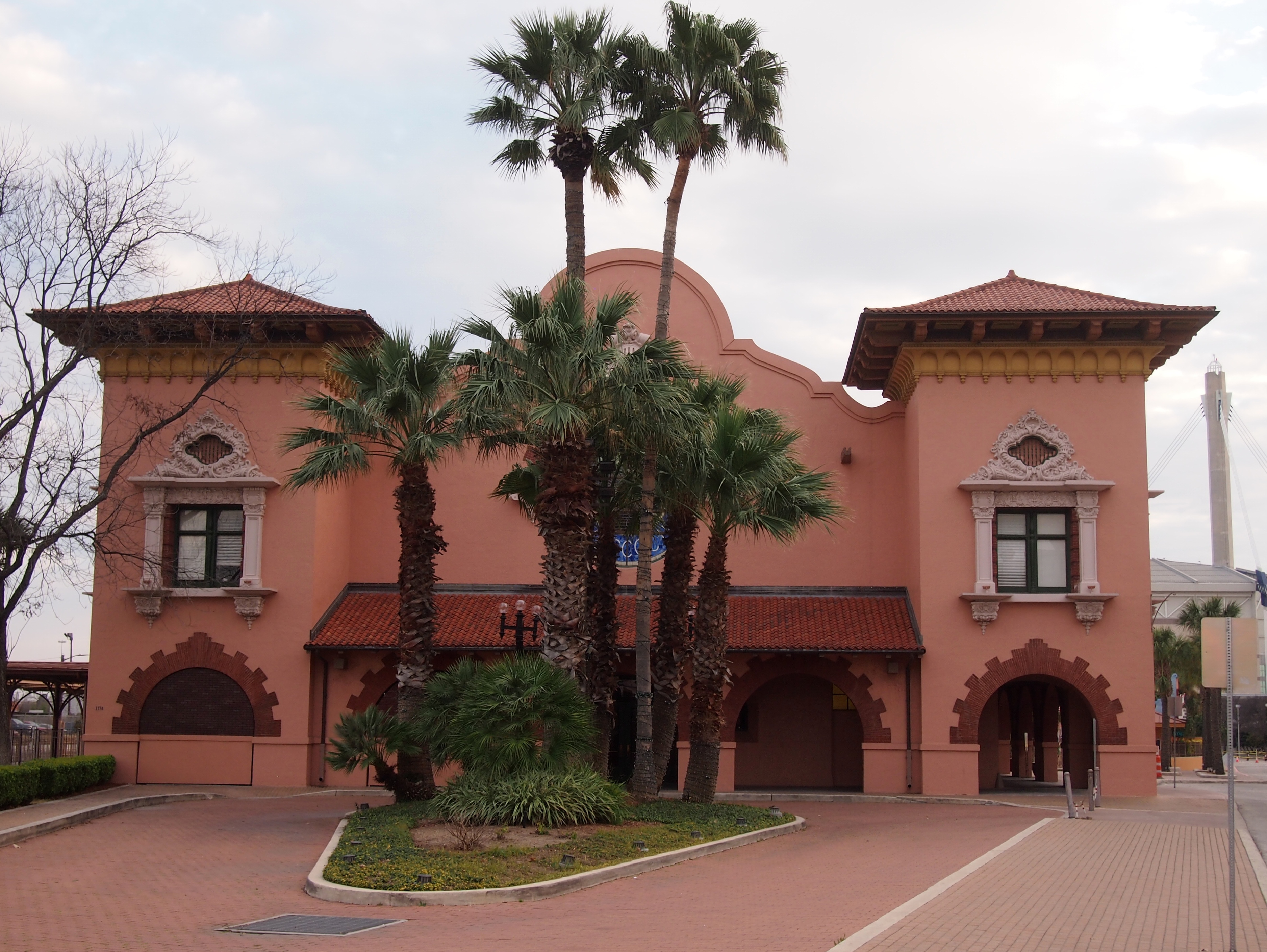
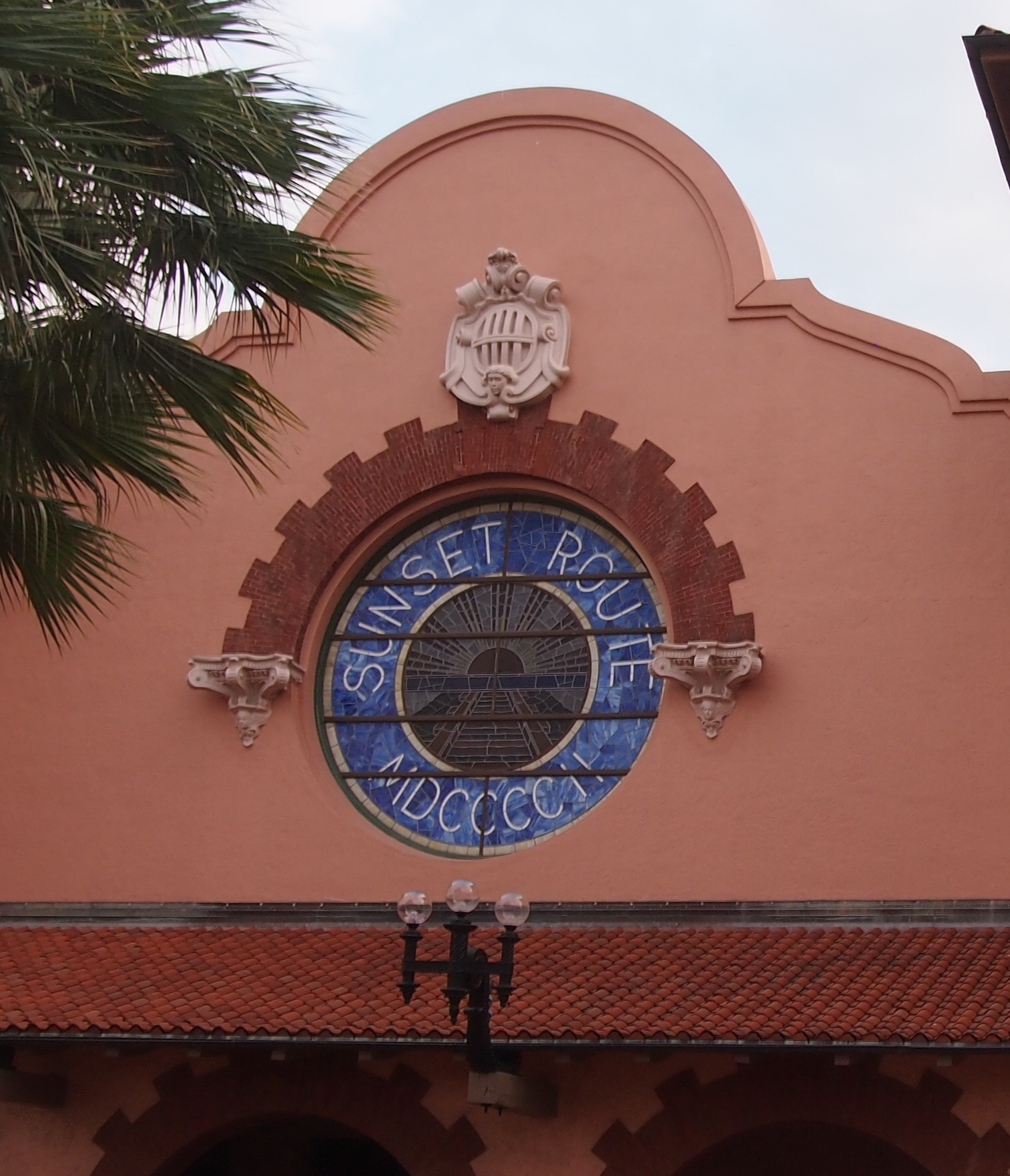
The area has enjoyed some recent revival as a retail and entertainment center. The aforementioned train station is Sunset Station, vintage 1902 and redeveloped in the 1990s as an entertainment complex.

The last time I’d been at the station was when it was still a station, 25 years earlier. I caught an Amtrak train — the only train still using the station in 1990 — that took me to Los Angeles, where I changed trains for San Francisco.

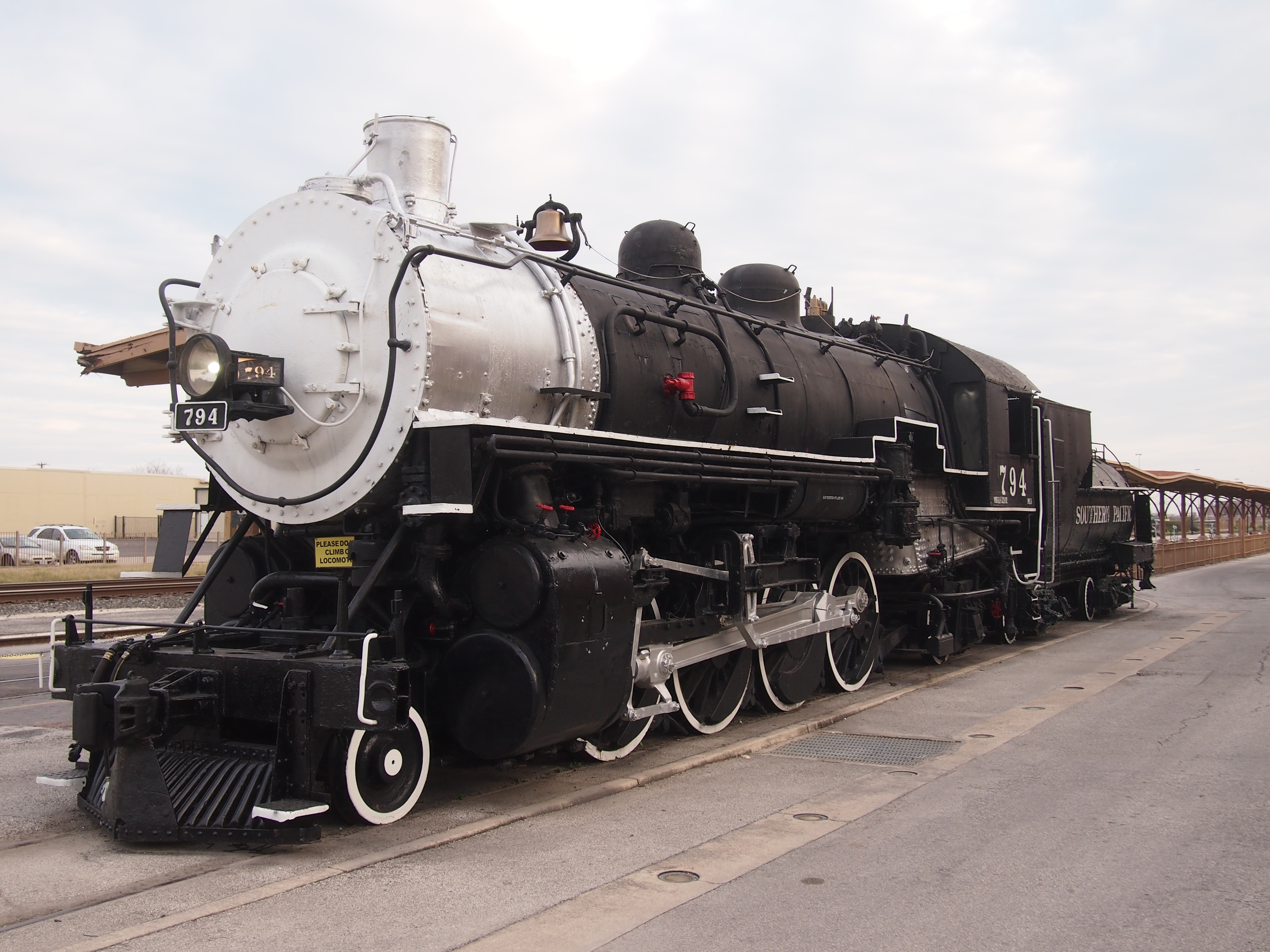
Next to the renovated station: Southern Pacific 794.

“She was built in 1916 by the Brooks Locomotive Works in Dunkirk, NY, for the Texas and New Orleans (T&NO) Railroad, which was a subsidiary of the Southern Pacific Railroad,” says the San Antonio Railroad Heritage Museum. “She was transported to Texas as parts and was assembled in Texas, and then was operated for forty years while being based in San Antonio. 794 was used for freight service as well as passenger service.”

With steam obsolete by the 1950s, the SP donated a fair number of locomotives to various entities, including the San Antonio Chamber of Commerce in the case of the 794. From 1957 to 1999 the locomotive stood in Maverick Park just north of downtown on Broadway. Then it was moved to Sunset Station.

Since Broadway was the way we usually went downtown, by car or bus, I saw it often. Then I noticed, probably during an early 2000s visit, that the 794 was gone. Maverick Park still looks strangely empty without it, 20 years later.

A Slightly Less Gelid Day

Zero degrees Fahrenheit isn’t warm at all, unless compared with 20 degrees below that. I spent a few minutes out early this afternoon — with temps actually at 5 below or so — and it was tolerable for what I needed to do, which was make sure the garage door closed.

Very low temps cloud the electronic eye, I think. At least, rubbing the lens clear seems to help.

“Surfing” never seemed like the right verb for wandering around the Internet. Maybe that’s why you don’t hear it much anymore, 20 years after it was common. Wander, meander, ramble — these seem better. More descriptive of the way I approach the Internet anyway.

The polar vortex loose on the Upper Midwest naturally led me to read a bit about Antarctic exploration, some about Shackleton but also, in a classic online tangent, the ship Southern Cross, which sailed on the lesser-known British Antarctic Expedition (1898-1900), a.k.a. the Southern Cross Expedition (and not Kingsford Smith’s aircraft, which I heard about years ago in Australia).

The Southern Cross was mostly a sealing vessel and eventually she went down with all hands in the North Atlantic — 174 men — in the 1914 Newfoundland Sealing Disaster, an incident about which I knew nothing.

Reading about that led me to information of the Newfoundland sealing industry, something I also knew nothing about. Here’s a short item about that industry, with footage of Newfies bounding around on dangerous ice floes in the days before the Canadian equivalent of OSHA.

That naturally lead to other information about Newfoundland. Apparently there’s a Newfoundland tricolor, but it’s not the official flag. There’s a song about it anyway.

I looked up the official Newfoundland and Labrador flag. Not bad, exactly, just a little odd. Though it had one designer, it looks like a compromise between two factions of the same committee.

This Gelid Day

I got up this morning and before long pulled up the Weather Underground page for my suburb. At about 9 a.m. the temperature was minus 23 F. “Feels like minus 43,” the site helpfully added, since there was some wind.

At O’Hare, the low was one degree colder, it seems. “This morning’s minimum of 24 below zero was the coldest in Chicago in the 36 years since the morning of January 20, 1985, when Chicago’s all-time record low of minus 27 was recorded,” WGN reports. Even in Nashville, I remember that things were pretty cold around that time in ’85.

Not to worry, we had a high of minus 15 F. to look forward to today. That happened around 1 in the afternoon, but as of about 7 p.m. we were back to 17 below. Remarkably, the weather savants say that the local air will be above freezing by the weekend. Hope so.

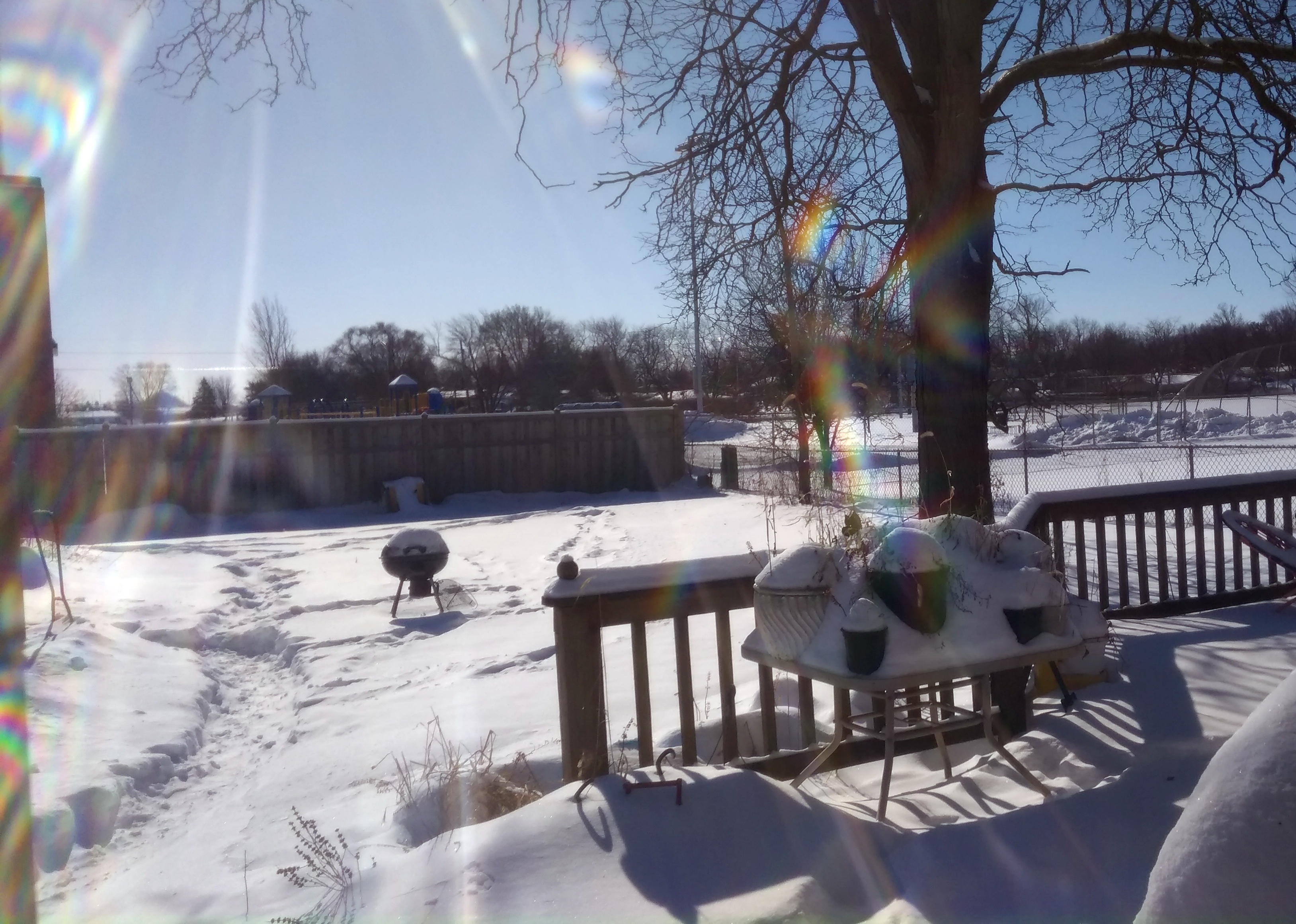
Early in the afternoon, the dog wanted to go out to do what dogs do outside. So I let her out. During the minute or so she spent in the frozen landscape, I couldn’t resist the urge to document the scene — as quickly as possible through a door that was open for a few seconds.
No adjustment of the image necessary. Looks like the camera also caught light dispersing through ice crystals in the gelid air.

At temps like this, it’s easy to anthropomorphize the cold. It feels like the cold is pressing on all the doors and windows, trying to put its icy fingers through the cracks, eager to invade the house and equalize the temperature outside and inside. As if central heating is an affront to its idea of the way things should be.

My work desk faces an outside window. Even wearing socks, I could feel the temps under the desk to be lower than usual today. Behind one of our kitchen cabinets is an exterior wall. The air was noticeably cooler in the cabinet today. Last night, I heard the house pop and creak a little as the outside temps dipped below zero. That is unnerving.

Some years ago, an occasional BTST reader said, you sure write about the weather a lot. The implication was, I think, why are you wasting your time with trivia like that?

I’ve thought about that question occasionally since then. Odd what some people consider trivial. Like the weather. Which is the state of the atmosphere in which we live 24 hours a day, seven days a week, except for a handful of astronauts for a little while. You’d think it would be worth some attention.

Actually, in this iteration of BTST at least, weather is a main category in only about 10 percent of the postings: 132 of a total of 1,342. Seems like a healthy amount of attention to me.

Of that category, only 18 postings (like today) are tagged “dangerous weather,” all of which I’ve experienced myself. Winter storms, hurricanes, very heavy rains, high heat, usw. (Well, I’ve never been near a hurricane, but I did hear a typhoon rush by outside in Osaka.) “Unpleasant weather” gets 43 tags while “pleasant weather” gets 23, so I guess I’m not one to accentuate the positive when it comes to atmospheric conditions.

Ignore the weather at your peril. The unnamed protagonist in Jack London’s “To Build a Fire” didn’t give it much thought, and look where it got him: frozen to death.

“Fifty degrees below zero meant eighty-odd degrees of frost. Such fact impressed him as being cold and uncomfortable, and that was all. It did not lead him to meditate upon his frailty as a creature of temperature, and upon man’s frailty in general, able only to live within certain narrow limits of heat and cold; and from there on it did not lead him to the conjectural field of immortality and man’s place in the universe.”

Image Adjustments

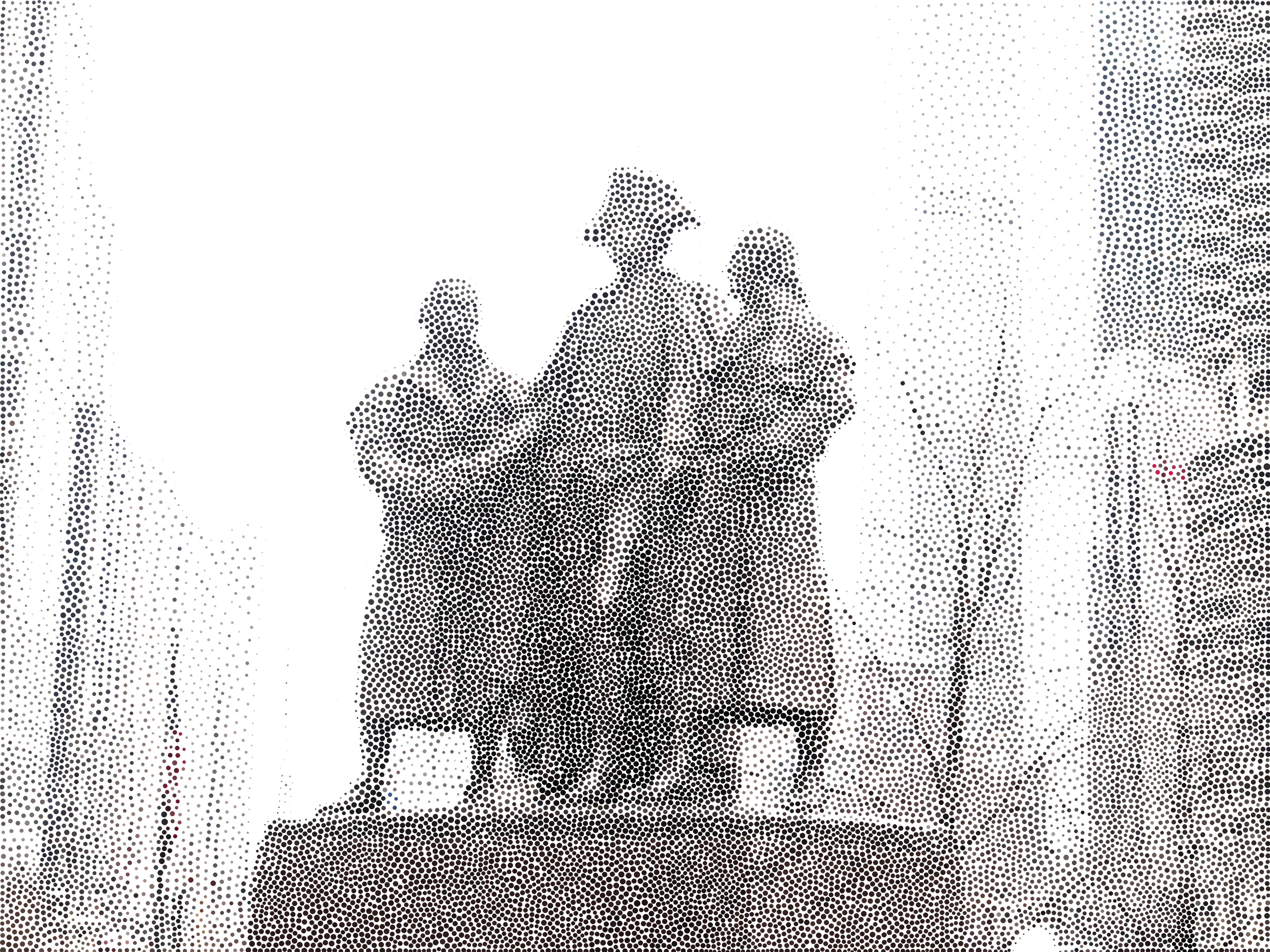
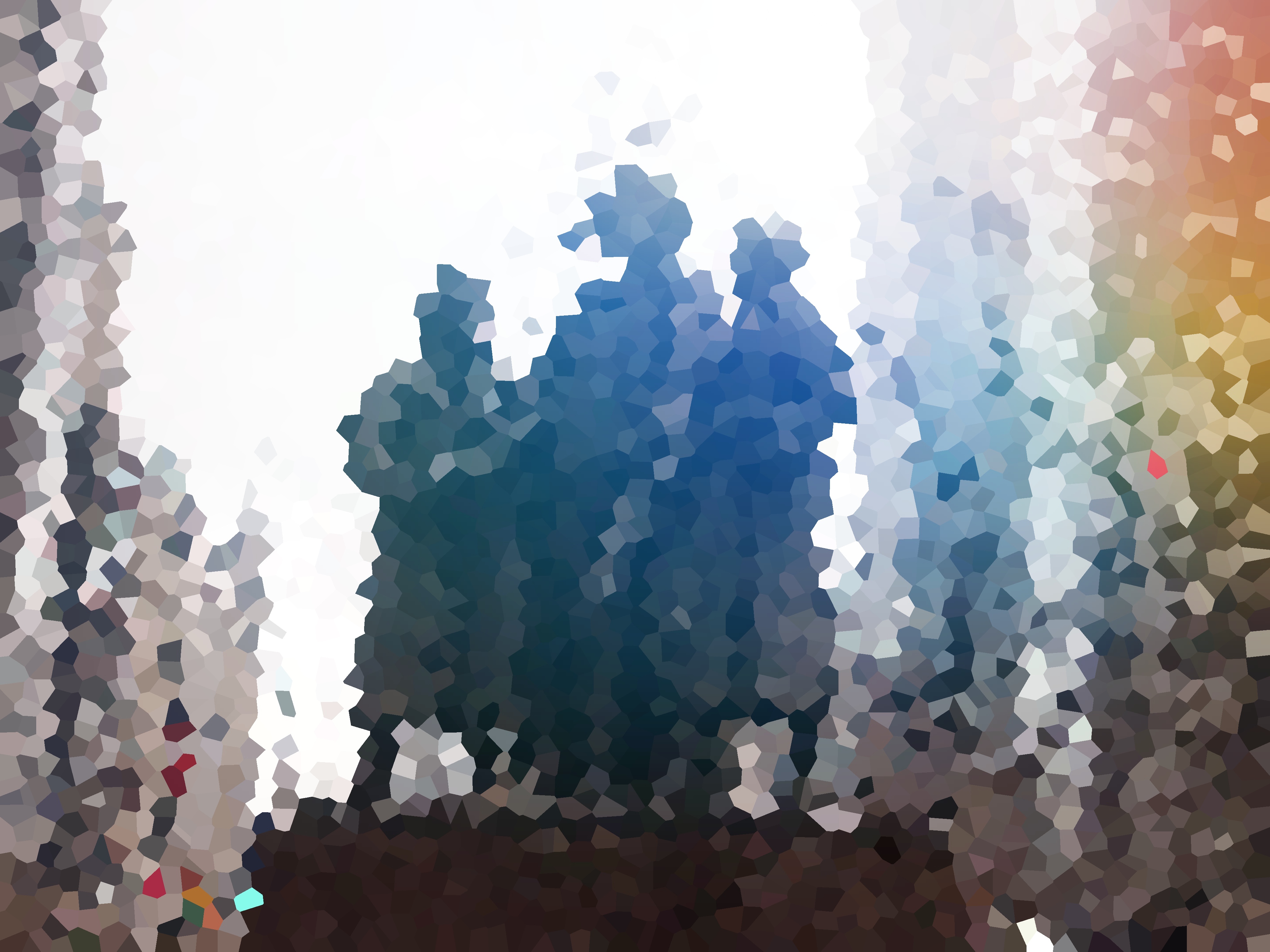
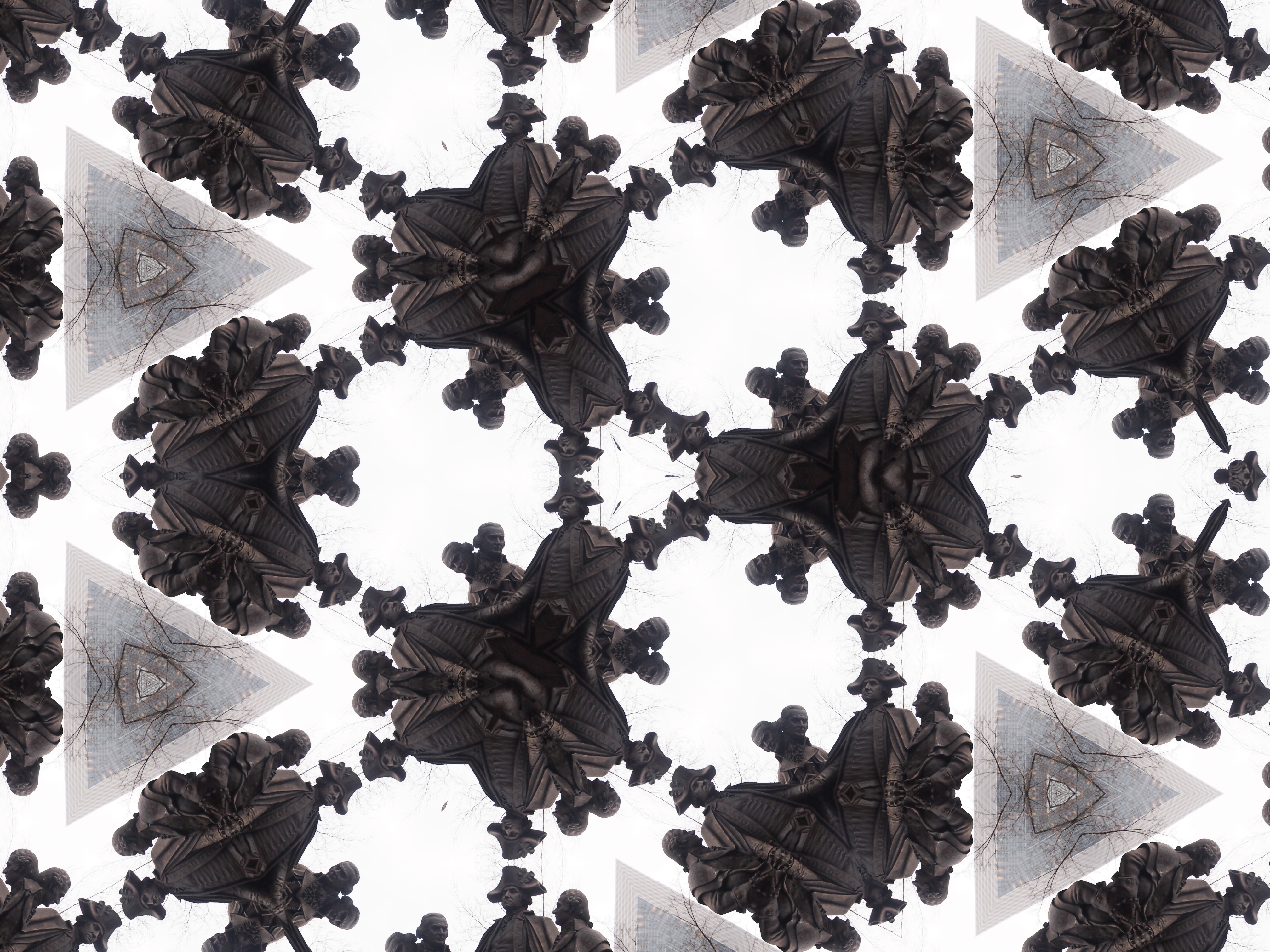
Not long ago I downloaded a new version of PhotoScape, the program that I use to adjust images. I’d used an earlier version for years, mostly to do simple things, such as crop, adjust sizes and lighten or darken an image.

The new version, even the non-premium one, has a lot more bells and whistles. Curious, I decided the other day to play around with some of the added functions. I picked an image from my files for that purpose.

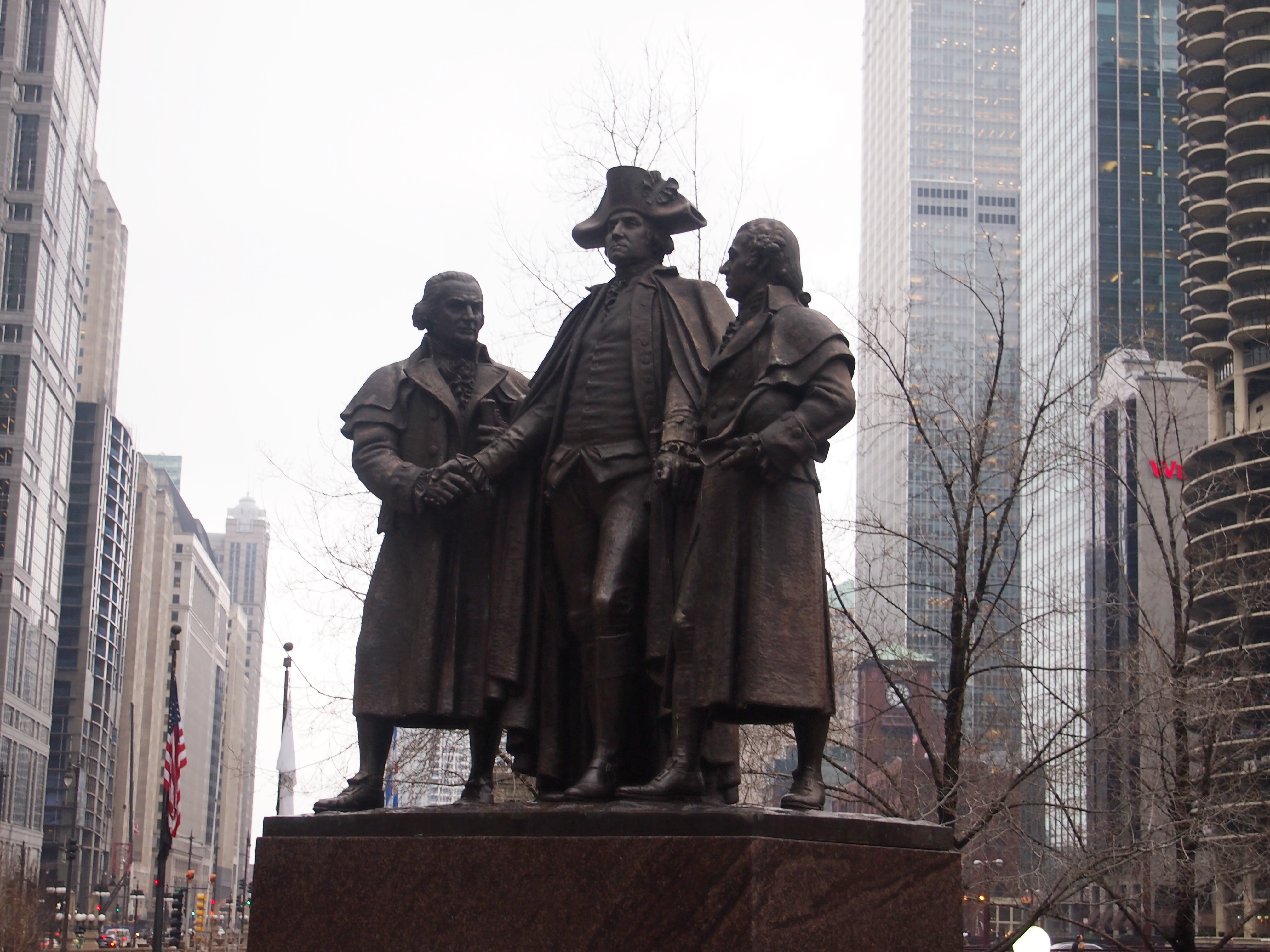
In case the scene isn’t familiar, that’s the Heald Square Monument on E. Wacker Dr. in downtown Chicago, dating from the late 1930s. Prominently placed yet seemingly little noticed. It’s a bronze by the renowned Lorado Taft depicting George Washington and the two main financiers of the American Revolution, Robert Morris and Haym Salomon.

It’s also the kind of thing I take pictures of. I took this one on January 29, 2013. The light wasn’t especially good and in fact I brightened up the above image somewhat. Still a little drab. It was a drab day, I think.

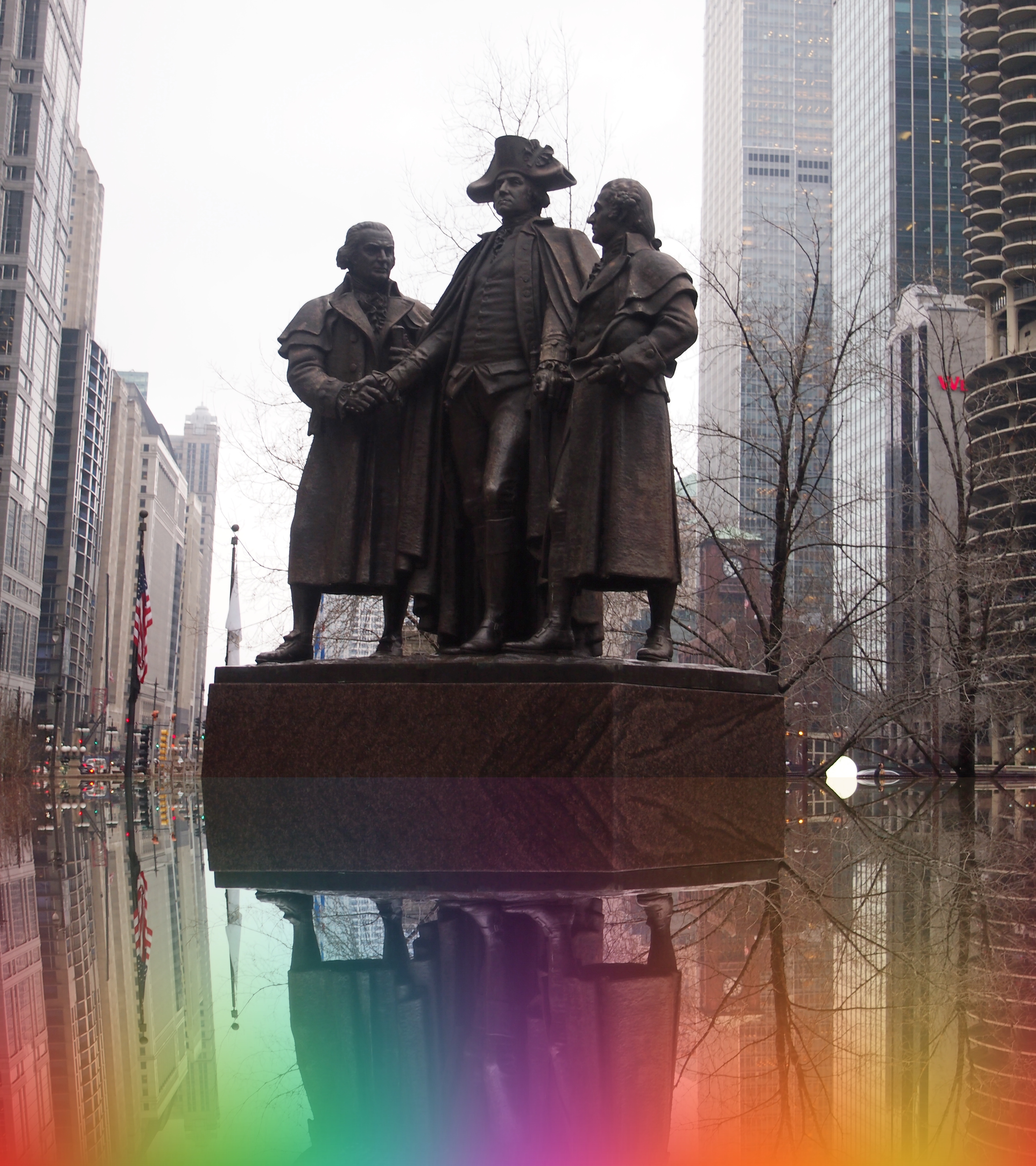
So add a little color. Add a mirror image to the bottom.

Or do other effects the names of which I forget.
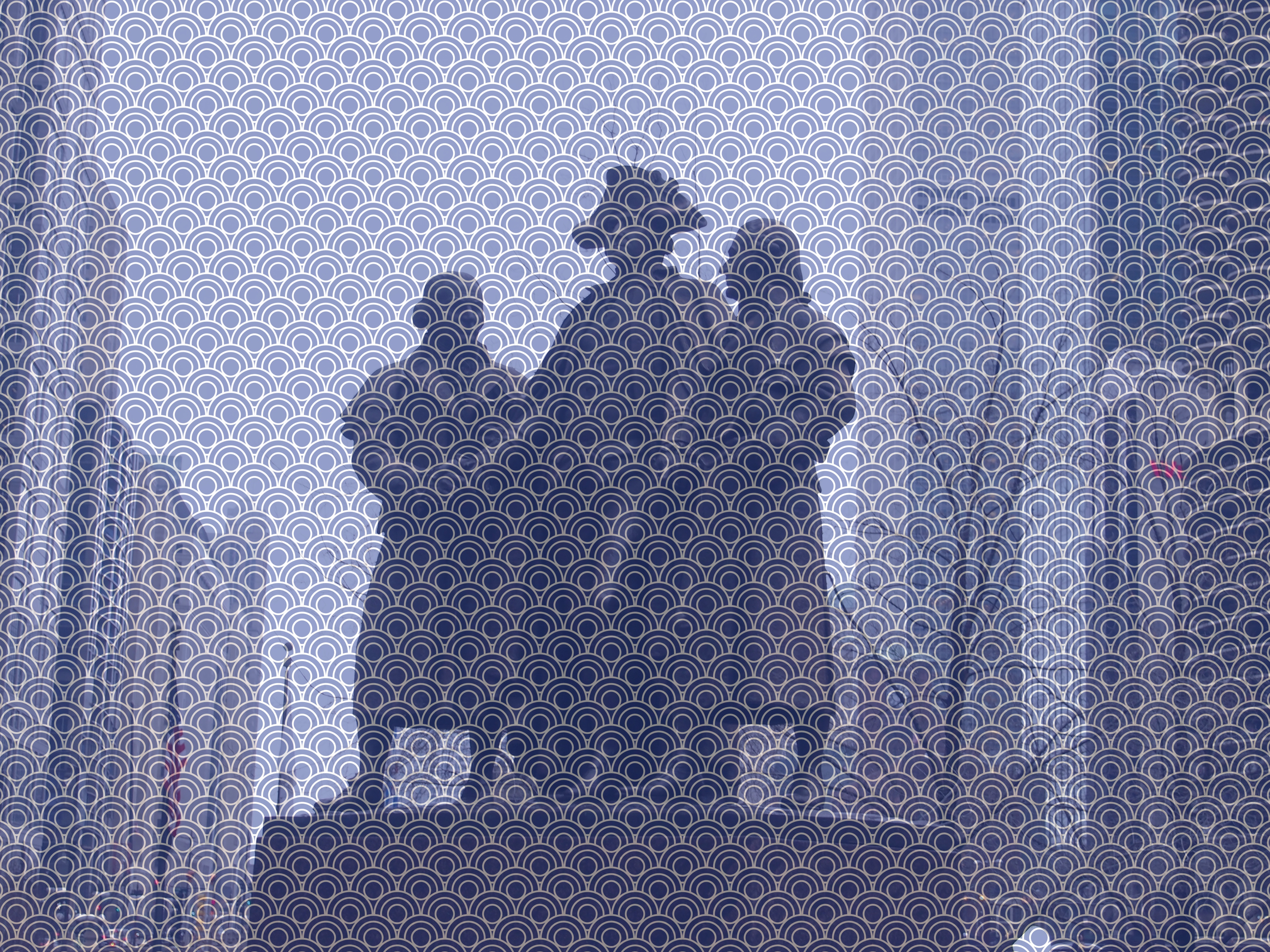
Or finally, my own favorite, kaleidoscope.
That’s only a small sample, not including the functions you have to pay extra for. Interesting.