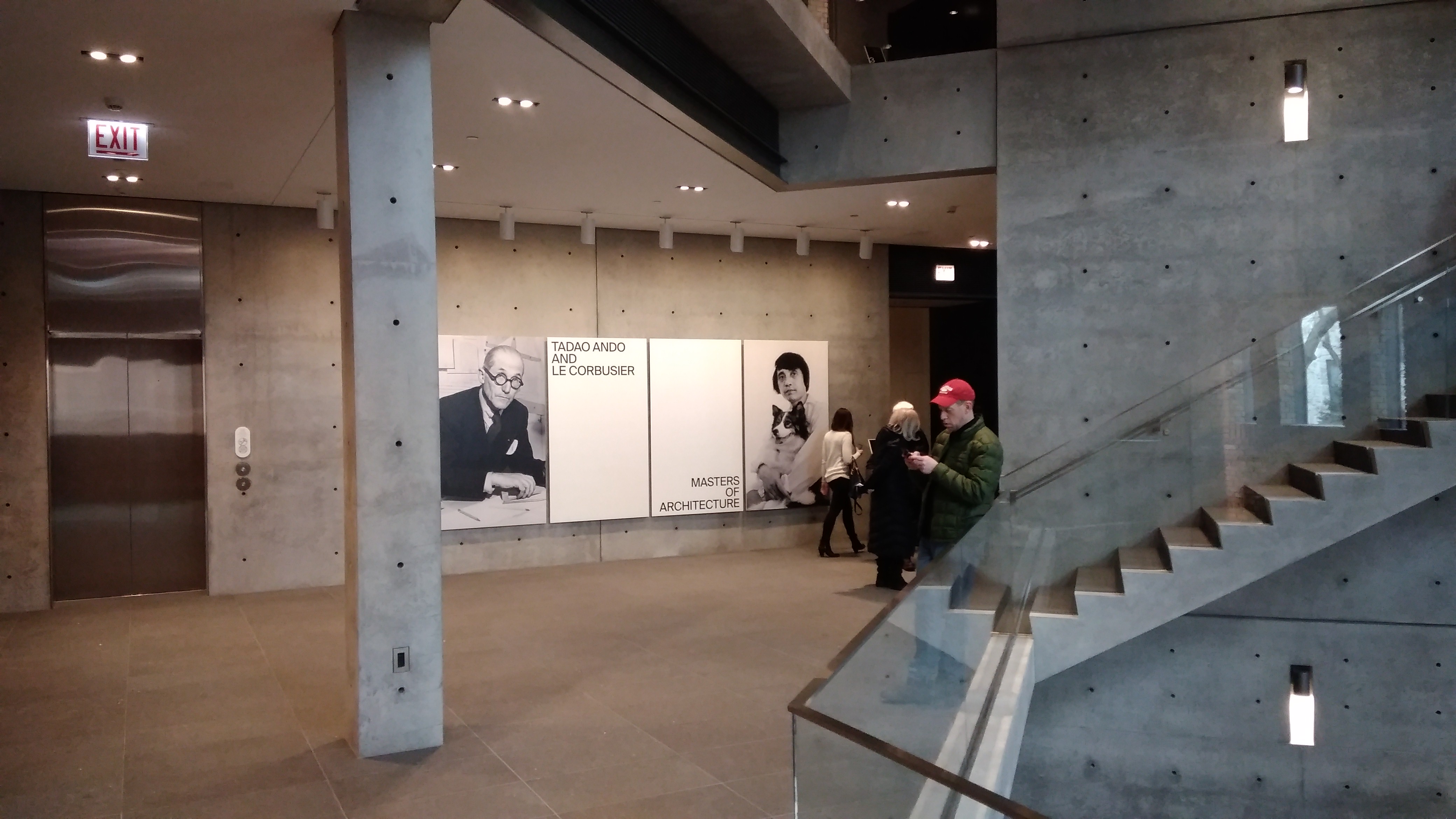
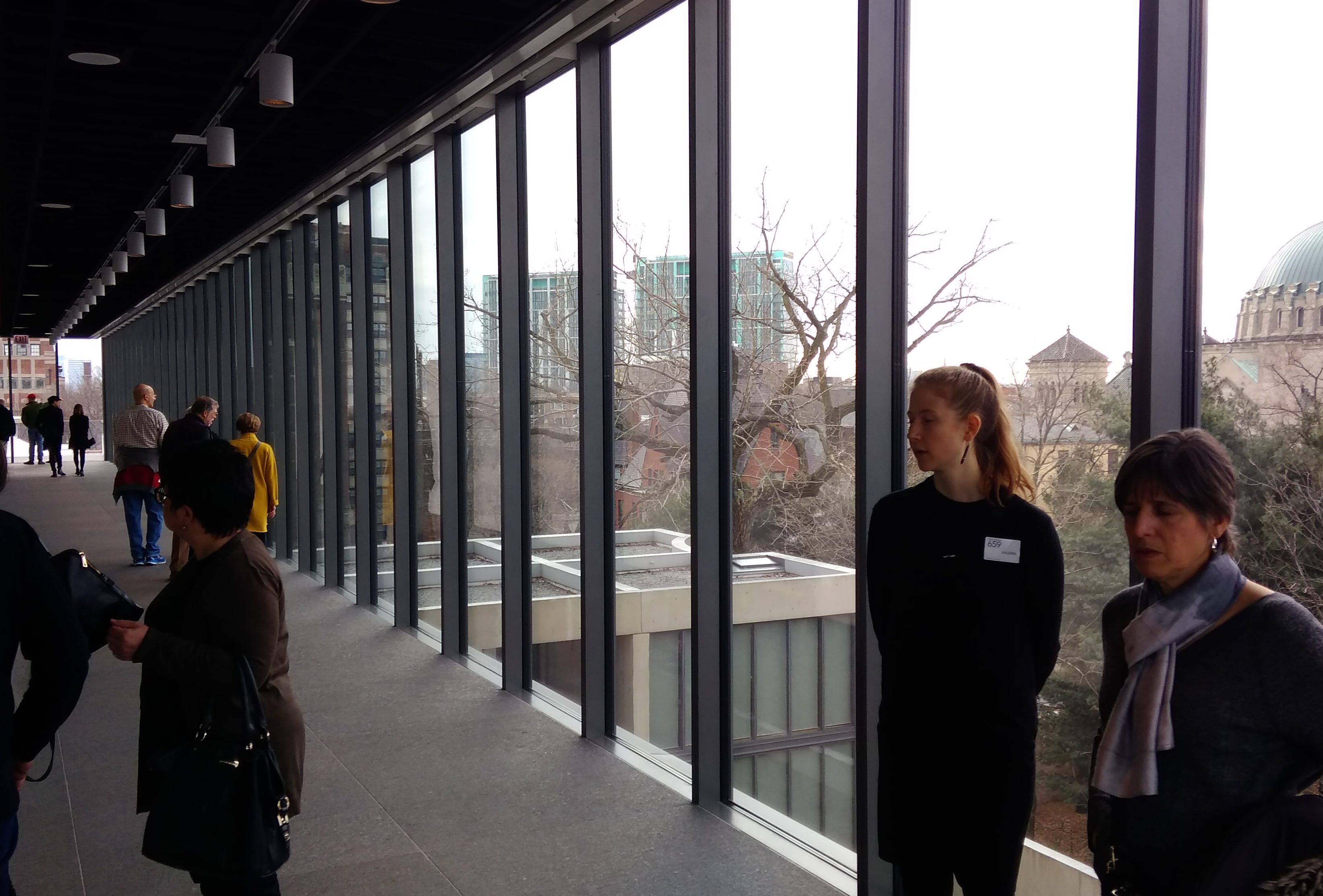
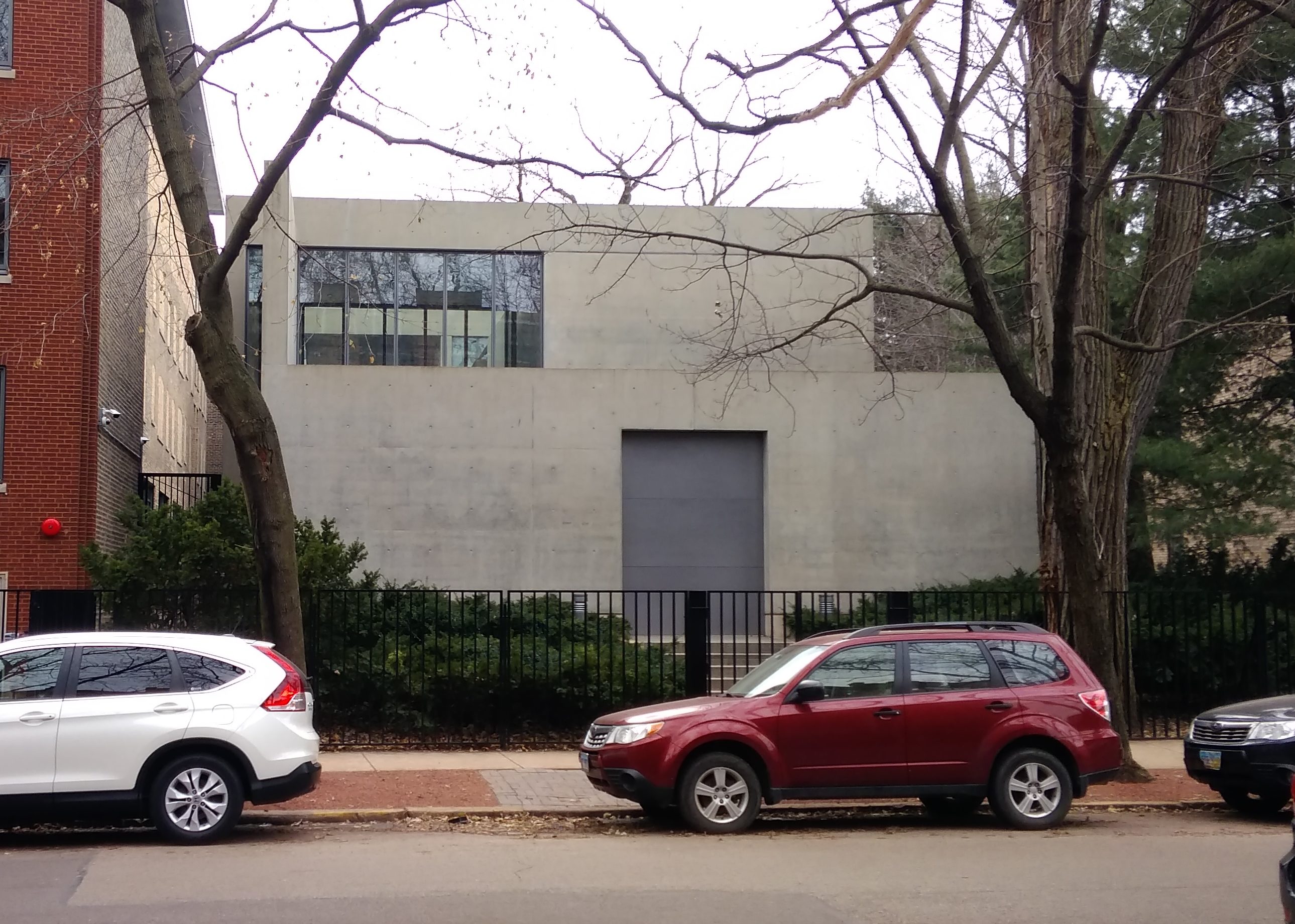
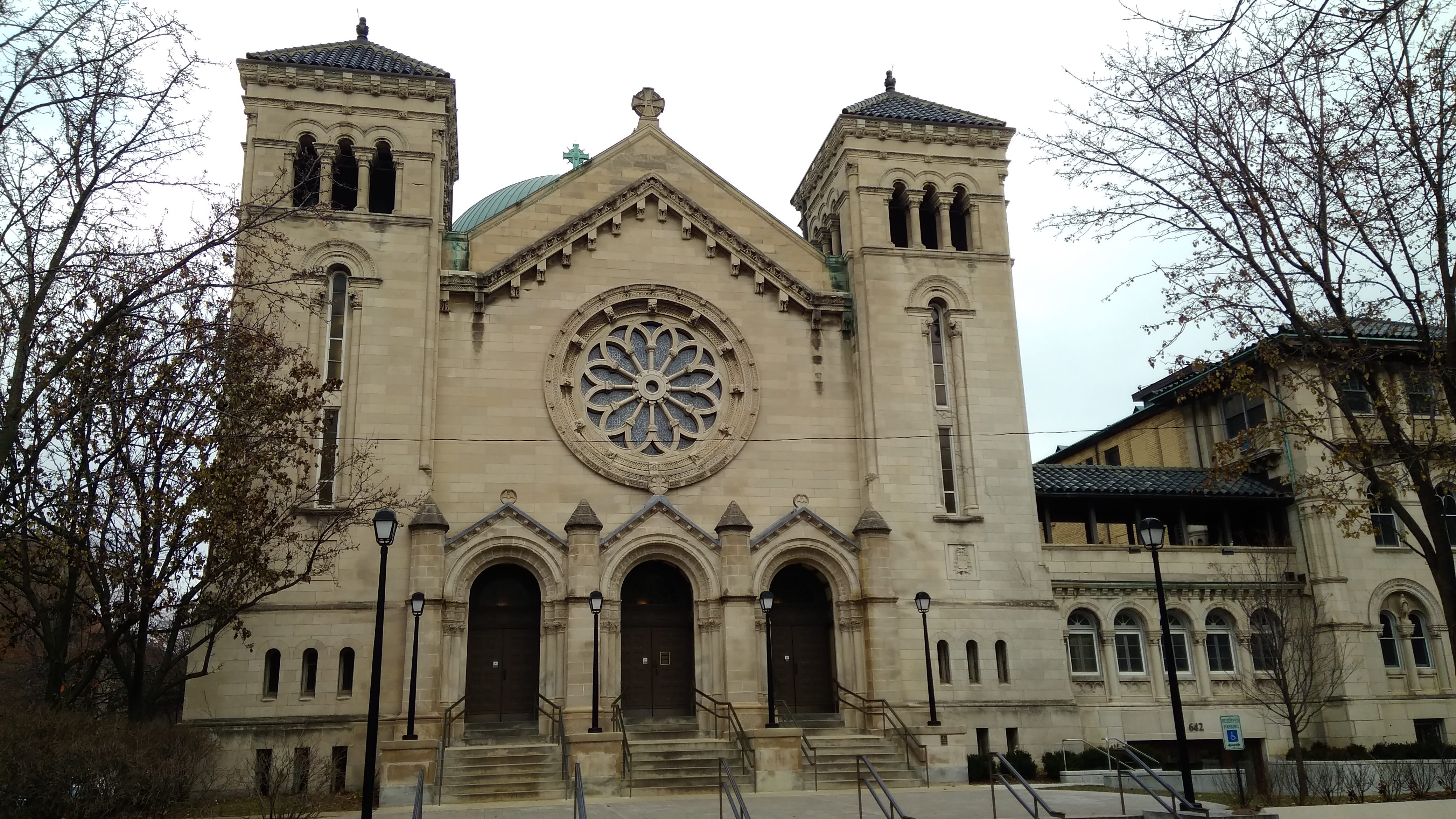
Hull-House

Besides trees and a little public art and some brutalist buildings, here’s something else I saw at the University of Illinois at Chicago on Sunday, the likes of which I’d never seen before.
It’s a knife-sharpening cart, complete with cobble stoneson display on the second floor of Hull-House, with a sign that says: “Julio Fabrizio, an immigrant from Castelvino, Italy, to Chicago in 1919, built this knife-sharpening cart in the 1930s for his peddling services. Pushing it through the streets of his Near West Side neighborhood, Fabrizio used it to repair umbrellas and sharpen scissors, saws, and knives.”

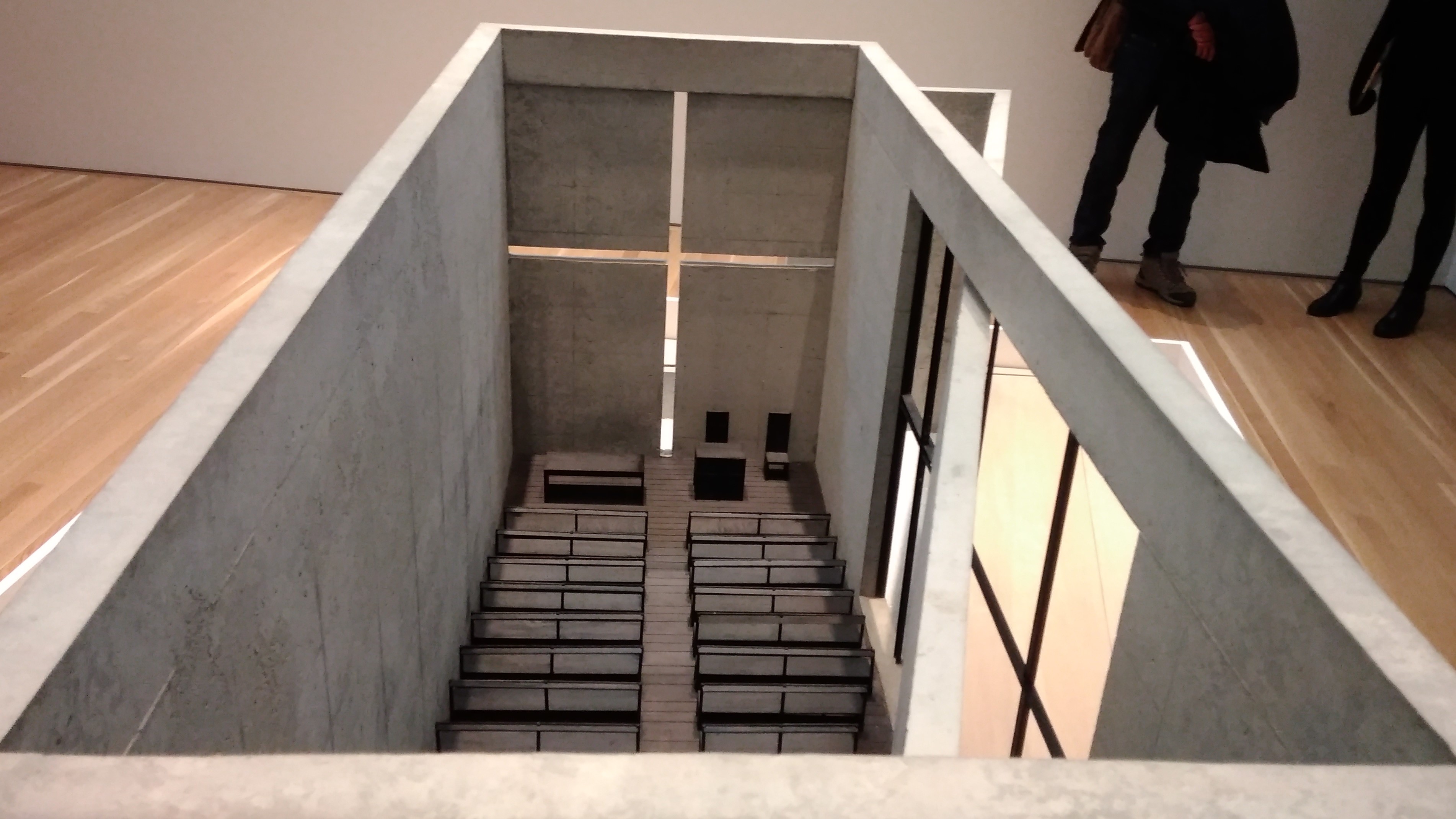
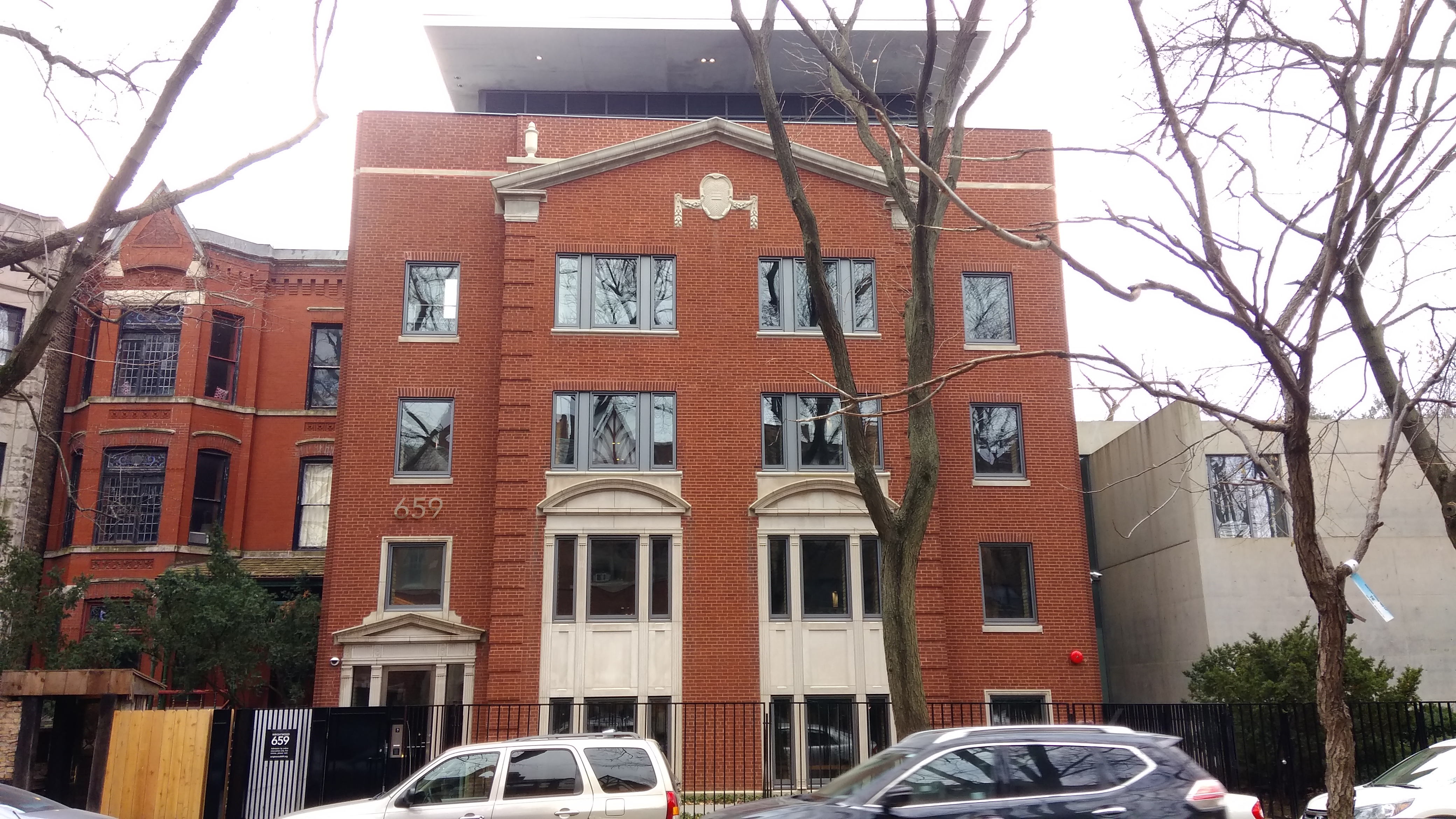
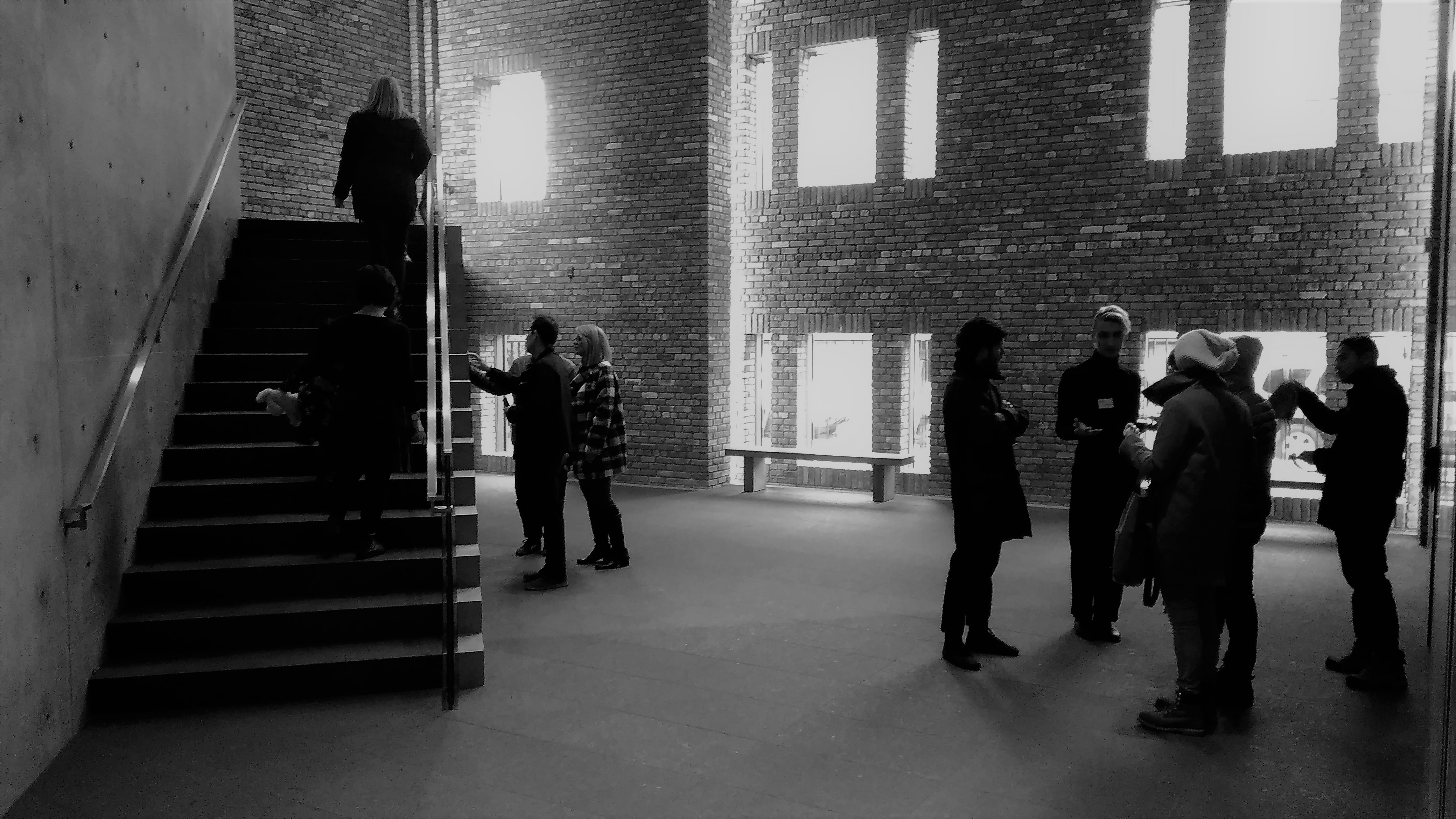
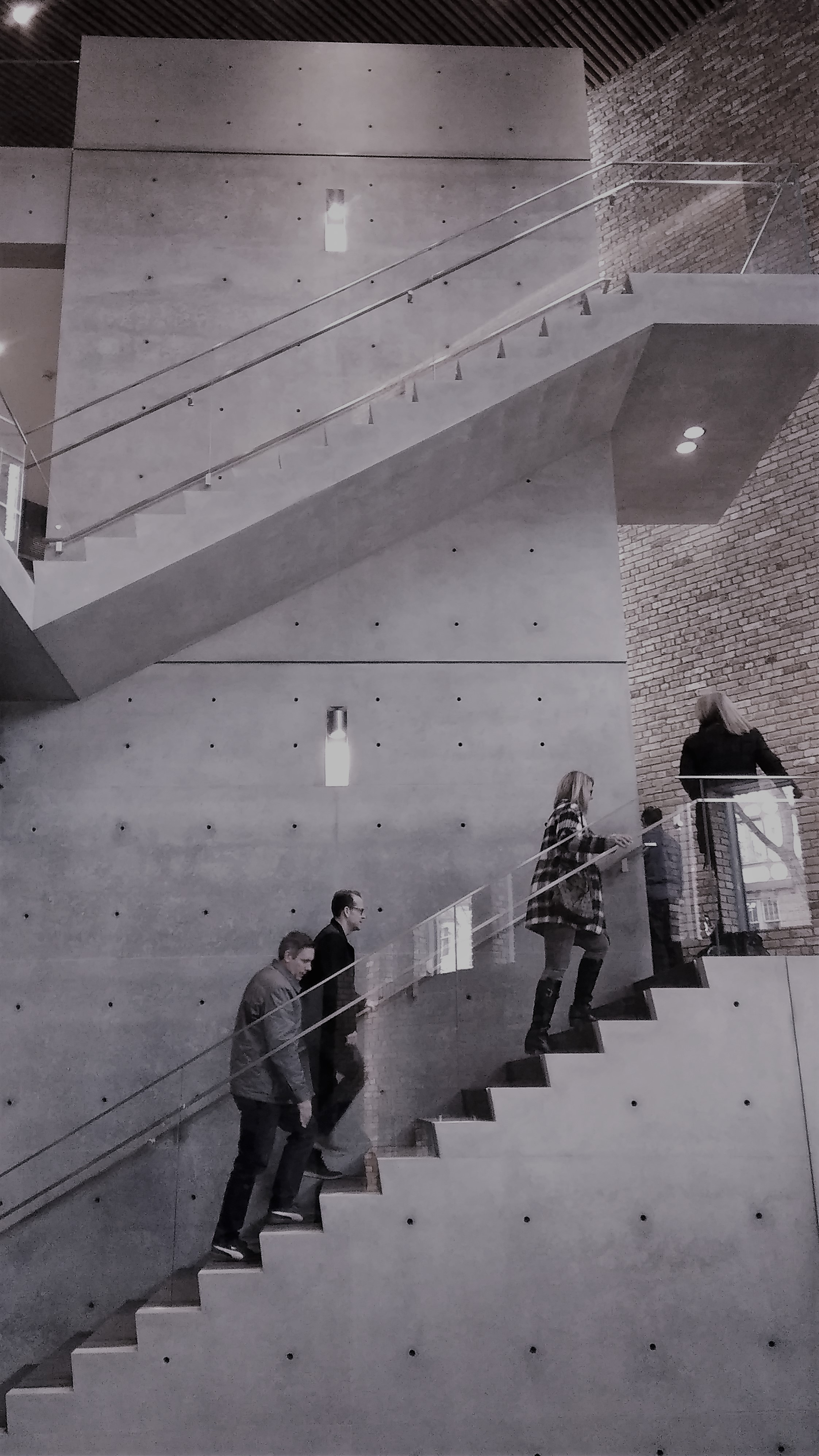
Since I was already at UIC on Sunday afternoon, I decided to drop by for a look at Hull-House, which is more formally called the Jane Addams Hull-House Museum. All the years I’ve been in Chicago area, I’d never gotten around to it.

The current structure is a fragment of the 13-building complex in its heyday 100 years ago, but at least it’s a restored version of the original building, which dates back to 1856. By the time it became a settlement house in 1889, the house was fully part of the surrounding immigrant slum and so exactly where Addams and Hull-House cofounder Ellen Gates Starr wanted to be. The organization’s physical structure grew from there. The later buildings, just like much of the neighborhood, were destroyed in the 1960s to make way for the UIC campus.

“In the 1890s, Hull-House was located in the midst of a densely populated urban neighborhood peopled by Italian, Irish, German, Greek, Bohemian, and Russian and Polish Jewish immigrants,” the museum says.

“Jane Addams and the Hull-House residents provided kindergarten and day care facilities for the children of working mothers; an employment bureau; an art gallery; libraries; English and citizenship classes; and theater, music and art classes. As the complex expanded to include thirteen buildings, Hull-House supported more clubs and activities such as a Labor Museum, the Jane Club for single working girls, meeting places for trade union groups, and a wide array of cultural events.”

The museum is small but well designed to convey how the organization furthered the goals of the Progressive movement in the late 19th and early 20th centuries, besides providing numerous social services in the immediate neighborhood.

“Among the projects that they helped launch were the Immigrants’ Protective League, the Juvenile Protective Association, the first juvenile court in the nation, and a Juvenile Psychopathic Clinic (later called the Institute for Juvenile Research),” the museum notes.

“Through their efforts, the Illinois Legislature enacted protective legislation for women and children in 1893. With the creation of the Federal Children’s Bureau in 1912 and the passage of a federal child labor law in 1916, the Hull-House reformers saw their efforts expanded to the national level.”

Addams’ bedroom is part of the exhibit.
Fairly spare, though there’s a portrait of Tolstoy on the wall (no artist named that I could see, but it looks like a part copy of a 1901 portrait by Ilya Repin).
Apparently the Russian was an inspiration to Addams, though when they met in 1896 the event was less than comfortable for the American reformer.

The museum isn’t all about Addams or even the other settlement workers. Other people associated with the organization are given their due. One in particular caught my eye: Morris Topchevsky (1899-1947), immigrant from Poland when it was still part of the Russian Empire, painter, etcher, lecturer, writer and red.

Some of his works are on display.

Topchevsky took classes at Hull-House and later taught there. Seems that he also spent time in Mexico in the 1920s, becoming friends with Diego Rivera and Jose Clemente Orozco, though too early to have hung out with Trotsky.

Artists Monument, UIC

My walkabout through the University of Illinois at Chicago campus on Sunday wasn’t exhaustive, so I can’t say for sure, but I got the impression that UIC could use a few more works of public art or fountains or memorials. That was one reason I was glad to see the Armistice memorial unveiled that day.

Just as I was about to leave — I’d arrived by taking the Blue Line to the UIC-Halsted station and so headed back toward the station — I noticed some public art on campus. A fairly large piece, too. Multicolored.

And long.

Eighty feet long, as it happens, and eight feet on each of the other two dimensions. It reminded me at once of a high cube shipping container, though with more color. The work is called “Artists Monument” (2014), by retired University of Illinois at Chicago art professor Tony Tasset. Acrylic panels on steel and wood.

The work was installed at this location only last year, after spending time at the Whitney Museum of American Art in New York and Grant Park in Chicago. According to the university, the work isn’t going anywhere else.

Up close, it’s easy to see the many names on the work.
All together the names of 392,485 artists. How the artist came up with that number, and how long it took to compile them, I couldn’t say. Best not to inquire too closely.

I picked one at random to look up: Atilla Atar, a living Turkish artist, it seems.

(Formerly) Like Going to School in Brasilia

Back in the late 1980s, I knew a fellow who was pursuing an MFA at the University of Illinois at Chicago. Academically, the place was strong, he told me. “But it’s also like going to school in Brasilia,” he said.

The last time I spent much time on the UIC campus was at roughly the same time, though I’ve visited places on the edges since then. So both before and after the Armistice Day event, I took a stroll through campus to revise my mental image of the place.

Turns out that UIC isn’t quite the brutalist wonder that it was 30 years ago or, presumably, in the mid-60s heyday of brutalism when Walter Netsch designed the school. In recent years the campus has been softened somewhat, especially with the addition of green space and trees.

But the campus still has its brutalist bones. Such as the vaulting University Hall, one of the original buildings and apparently home to some peregrine falcons since the late ’90s. As brutalism goes, not bad.

The Student Residences & Commons South, while also considered brutalist, has some style to it as well.

So does the campus’ latest structure, a residential hall that’s still under construction overlooking the Eisenhower Expressway on the north end of the east campus. More of an homage to brutalism than the thing itself, I’d say.
It’s a 550-bed project, designed by SCB, that will be completed next summer. The university is eager to have more students live on campus, it seems. Back in the days of a hardcore brutalist campus, I doubt that was a priority, but it is now.

The Dedication of the Armistice Centenary Memorial at UIC

On Sunday morning I went downtown to the University of Illinois at Chicago campus and attended a short ceremony to commemorate the 100th anniversary of the Armistice, held by the university’s Honors College as the end of a series of events marking the occasion.

My old friend Neal mentioned it last summer and as it happened, Michele, his wife, organized the November 11 event. She did a good job.

The event included the posting and retrieval of the colors, some short remarks, poetry from the period, and of course at 11:00 a moment of silence, followed by the playing of Taps.

Michele read the two poems. This is her preparing to read.
One was “Grass” by Carl Sandburg, dating from 1918.

Pile the bodies high at Austerlitz and Waterloo.
Shovel them under and let me work —
I am the grass; I cover all.

And pile them high at Gettysburg
And pile them high at Ypres and Verdun.
Shovel them under and let me work.

Two years, ten years, and passengers ask the conductor:
What place is this?
Where are we now?

I am the grass.
Let me work.

Also, verse by Dame Mary Gilmore, lesser known in this country, but renowned in Australia. Also 1918.

They are not dead; not even broken;
Only their dust has gone back home to the earth:
For they — the essential they — shall have rebirth
Whenever a word of them is spoken.

About 30 people attended the event, which was held at the campus’ Memorial Grove, a renovated green space. A small tent had been erected in case of rain, but Armistice Day this year in Chicago was sunny, though fairly cold, just above freezing. So I parked myself just outside the tent, where I could sit in the sun.

Guillaume Lacroix, Consul General of France in Chicago, said a few words, echoing those of President Marcon during Armistice Day ceremonies at the Arc de Triomphe only a few hours earlier. Words about the dangers of nationalism, which doubled as a pointed rebuke against you-know-who, a subtext that was lost on no one.

Also speaking were a representative of the Italian consulate and the dean of the Honors College, Ralph Keen.

A Peking lilac (Syringa pekinensis) tree had been planted near the sidewalk a few days earlier, next to the new memorial. During the event, the memorial was covered with black cloth topped by poppies.

The Morton Arboretum says that “The Peking lilac is a dependable urban tree and a great choice even for parking lot, boulevard, and parkway plantings. Native to Asia, it is both hardy and beautiful, with attractive, amber-colored, peeling bark. In early summer, when many shrubs and trees are done blooming, it has large, creamy-white, honey-scented flower clusters.”

Toward the end of the event, the French Consul General, the dean of the college, and the Italian representative lifted the black cloth from the memorial.

A granite block with a burnished aluminum plaque.
According to Neal, the block had once been part of the former skywalk system around campus. When the skywalk was dismantled in the early 1990s, the removed materials were stored. They are still being recycled for newer structures, such as the memorial stone but also some nearby benches installed when the Memorial Grove was renovated a few years ago.

Armistice Day 2018

Has it been 100 years? That milestone might merely be a quirk of the fact that we use base 10, but I still think it’s worth an extra measure of reflection on the man-made cataclysm that came to a halt on Armistice Day.

But the Great War wasn’t that long ago. Not really. All of my grandparents were alive for it — were grown men and women, and in one case, my mother’s father, in France when it ended.

I took this picture a few years ago at Cantigny Park, former estate of Robert McCormick, who was so deeply affected by his experience in the Great War that he preferred to be known as Col. McCormick even in civilian life, and named his property after the Battle of Cantigny, in which he participated.

I probably didn’t mean to capture Ann in that picture, but I did. A child amusing herself within sight of a memorial to bravery in the face of a bloodletting she could not imagine, and that her father can only dimly imagine, as informed by books and movies.

Somehow, though, I know November 11, 1918, is a special moment in the history of mankind, and we would do well to remember it. In Breakfast of Champions (1973), Kurt Vonnegut wrote a remarkable passage about Armistice Day:

It was during that minute in nineteen hundred and eighteen, that millions upon millions of human beings stopped butchering one another. I have talked to old men who were on battlefields during that minute. They have told me in one way or another that the sudden silence was the Voice of God. So we still have among us some men who can remember when God spoke clearly to mankind.

Big Lou’s Really Big Pizza

The evening after the funeral all of the family members in town got together for dinner at a place in east San Antonio, way down on W. W. White Road, Big Lou’s Pizza. My nephew Sam had heard about it and took care of the logistics.

The logistics involved ordering a 42-inch pizza ahead of time. Here is everyone at the table posing with a 42-inch pizza.

I’d never seen a pizza that large with my own eyes. I’m certain that went for everyone else at the table. According to one source anyway, it’s the second-largest restaurant pizza in Texas: bested only by a larger one that Big Lou’s makes.

I’m glad to report that it was a good New York-style thin pie. For my part, I ate about a piece and a half. I don’t think anyone else at the table ate any more than that, so there was pizza enough for two boxes of leftovers.

My Mother In Pictures, Part 2

At the end of the last posting, there was a picture from 1964, shortly after my mother had been widowed. It was hardly the end for her. A few years later, she returned to school to get a masters in nutrition, the better to support her family.

I took this picture in the summer of 1972, when I was 11.

I took this one was well, in 1976. She’s with our cousin Jean, whom she was close with.

A laughing shot with an old friend of hers at her friend’s daughter’s wedding in 1980. I never saw this image until last month.

With her first grandchildren, Sam and Dees.

At our cousin Ralph’s wedding in 1987, with Jim and me.

She enjoyed attending American Dietetic Association national conventions in such places as Denver and Philadelphia in the ’80s.

During her visit to Japan in 1994.

The picture of her for the St. Paul’s church directory in 1997.

With Lilly, also 1997.

She told me once she wanted to live long enough to see the 21st century. In the fullness of time, she did. I found this picture recently, another one I’d never seen before. Doing volunteer church work on Christmas.

During our 2013 visit: Ann posing with her grandmother.

And on her 90th birthday, only three years ago now.

My Mother In Pictures, Part 1

To go with the obituary posted by the undertakers who arranged my mother’s funeral were pictures we collected. I scanned some of them in September in anticipation of a posting, while the funeral home scanned others from physical prints that we provided.

Since then, I’ve scanned a few more. Such as this one, taken soon after New Year 1926, when she was two and a half months old.

A month later:

Ca. 1929 in what must be a special-occasion dress.

Around the same time. I’ve posted this one before, of her with her father’s mother.

The mid-1930s, when she was about 10, pictured with her little sister Sue.

With her father in San Antonio, ca. 1938. According to the back of the picture, they were going, or had just been, to a baseball game. Presumably the minor league Missions, which have had a long history, with some interruptions, in San Antonio.

In San Antonio with her mother, 1942, just before she went to college.

A series of college pictures.

This one is dated December 31, 1945. Attending a New Year’s Eve party, no doubt. In no other picture have I ever seen her hair done up this way.

A formal pose around the time of her graduation in 1947.

A less formal shot at the time of graduation.

I’ve posted this one before. A trip with her family and one friend to Monterrey, Mexico, in the summer of ’47.

My parents’ wedding, November 26, 1949.

On to the 1950s. With my brother Jay, her first child.

With Jim, her second child.

With both of them in Germany.

With my father, going to some social event while he was in the Army.


Forward to 1963. I’ve made my appearance.

The contrast with the next picture is pretty clear; my father is gone, only a year later.

More tomorrow.

RIP, Jo Ann Stribling, 1925-2018

The week after my mother died last month, I wrote an obituary for her. This is a slightly modified version of it.

Jo Ann Curnutte Stribling, longtime resident of San Antonio, passed away on October 14, 2018, less than two weeks shy of her 93rd birthday.

Jo Ann is survived by her sons Jay, Jim and Dees (Yuriko), her grandchildren Sam (Emily), Dees (Eden), Robert, Lilly and Ann, her great-grandson Neil, her nephews Ralph Arnn and Vernon Jay Stribling, and their families, and cousin Michelle Gottfred.

Her beloved husband, Samuel Henderson Stribling, predeceased her, as did her parents, James and Edna Curnutte, her sister Sue Arnn and Sue’s husband Ken, her daughter-in-law Deb Stribling, her cousin Jean Horsman, and many other friends and relatives of her generation.

She is now at peace after suffering the ravages of dementia during the last few years of her life. For most of her life she had the good fortune to enjoy robust health.

Jo Ann was born in Jourdanton, Texas, on October 24, 1925, and spent most of her formative years in South Texas. After graduating from Corpus Christi High School (now Roy Miller High School), she attended Texas State College for Women (now Texas Woman’s University) in Denton, studying nutrition and graduating in 1947.

In 1949, she married Sam, a physician from Mississippi, and soon devoted herself to their growing family as her children were born in 1952, 1955 and 1961. The young couple lived in Houston and later McKinney, Texas, along with a stint in Germany during Sam’s service as a doctor in the U.S. Army in the mid-50s.

Sam died suddenly and unexpectedly in 1964 at only 41, leaving Jo Ann bereaved and the sole parent to her children. She worked hard from then on not only to provide for their material well-being, but to guide their growth to responsible adulthood with a steady hand that was never heavy-handed. In her later years, she was delighted with the coming of her three grandsons and two granddaughters.

Jo Ann returned to TWU and obtained her master’s degree in nutrition in 1967, thus re-starting her career in that field. In 1970, she became a clinical dietitian at Bexar County Hospital in San Antonio, a position she held until she retired more than 20 years later. Dietitians are unsung healthcare professionals who make sure patients receive the best nutrition they need to speed their recovery.

She was a longtime member of St. Paul’s Episcopal Church in San Antonio, attending church regularly until her health failed, and supporting the church financially and by volunteering her time and energy. She was happy to be known as a church lady. Her faith in the Lord was quiet and steady.

Jo Ann made friends easily and was well regarded by her colleagues at the hospital. She was largely free of the social prejudices that marked many of her generation and, as the decades passed, was open to new ideas.

Though a stable and hardworking individual, she had a well-developed sense of humor — she enjoyed sharing jokes with her sister Sue in particular — and a sometimes surprising whimsical streak. She was fond of her dogs, her sewing projects, and the many books she read.

Jo Ann was a good person who had a good run in this world. She will be missed by all those who knew her and especially by those who had the very good fortune to be part of her family.